window.__IS_SSR__=true
window.__INITIAL_STATE__={
"attachmentsReducer": {
"audio_0": {
"type": "attachments",
"id": "audio_0",
"imgSizes": {
"kqedFullSize": {
"file": "https://ww2.kqed.org/news/wp-content/themes/KQED-unified/img/audio_bgs/background0.jpg"
}
}
},
"audio_1": {
"type": "attachments",
"id": "audio_1",
"imgSizes": {
"kqedFullSize": {
"file": "https://ww2.kqed.org/news/wp-content/themes/KQED-unified/img/audio_bgs/background1.jpg"
}
}
},
"audio_2": {
"type": "attachments",
"id": "audio_2",
"imgSizes": {
"kqedFullSize": {
"file": "https://ww2.kqed.org/news/wp-content/themes/KQED-unified/img/audio_bgs/background2.jpg"
}
}
},
"audio_3": {
"type": "attachments",
"id": "audio_3",
"imgSizes": {
"kqedFullSize": {
"file": "https://ww2.kqed.org/news/wp-content/themes/KQED-unified/img/audio_bgs/background3.jpg"
}
}
},
"audio_4": {
"type": "attachments",
"id": "audio_4",
"imgSizes": {
"kqedFullSize": {
"file": "https://ww2.kqed.org/news/wp-content/themes/KQED-unified/img/audio_bgs/background4.jpg"
}
}
},
"placeholder": {
"type": "attachments",
"id": "placeholder",
"imgSizes": {
"thumbnail": {
"file": "https://cdn.kqed.org/wp-content/uploads/2024/12/KQED-Default-Image-816638274-2000x1333-1-160x107.jpg",
"width": 160,
"height": 107,
"mimeType": "image/jpeg"
},
"medium": {
"file": "https://cdn.kqed.org/wp-content/uploads/2024/12/KQED-Default-Image-816638274-2000x1333-1-800x533.jpg",
"width": 800,
"height": 533,
"mimeType": "image/jpeg"
},
"medium_large": {
"file": "https://cdn.kqed.org/wp-content/uploads/2024/12/KQED-Default-Image-816638274-2000x1333-1-768x512.jpg",
"width": 768,
"height": 512,
"mimeType": "image/jpeg"
},
"large": {
"file": "https://cdn.kqed.org/wp-content/uploads/2024/12/KQED-Default-Image-816638274-2000x1333-1-1020x680.jpg",
"width": 1020,
"height": 680,
"mimeType": "image/jpeg"
},
"1536x1536": {
"file": "https://cdn.kqed.org/wp-content/uploads/2024/12/KQED-Default-Image-816638274-2000x1333-1-1536x1024.jpg",
"width": 1536,
"height": 1024,
"mimeType": "image/jpeg"
},
"fd-lrg": {
"file": "https://cdn.kqed.org/wp-content/uploads/2024/12/KQED-Default-Image-816638274-2000x1333-1-1536x1024.jpg",
"width": 1536,
"height": 1024,
"mimeType": "image/jpeg"
},
"fd-med": {
"file": "https://cdn.kqed.org/wp-content/uploads/2024/12/KQED-Default-Image-816638274-2000x1333-1-1020x680.jpg",
"width": 1020,
"height": 680,
"mimeType": "image/jpeg"
},
"fd-sm": {
"file": "https://cdn.kqed.org/wp-content/uploads/2024/12/KQED-Default-Image-816638274-2000x1333-1-800x533.jpg",
"width": 800,
"height": 533,
"mimeType": "image/jpeg"
},
"post-thumbnail": {
"file": "https://cdn.kqed.org/wp-content/uploads/2024/12/KQED-Default-Image-816638274-2000x1333-1-672x372.jpg",
"width": 672,
"height": 372,
"mimeType": "image/jpeg"
},
"twentyfourteen-full-width": {
"file": "https://cdn.kqed.org/wp-content/uploads/2024/12/KQED-Default-Image-816638274-2000x1333-1-1038x576.jpg",
"width": 1038,
"height": 576,
"mimeType": "image/jpeg"
},
"xxsmall": {
"file": "https://cdn.kqed.org/wp-content/uploads/2024/12/KQED-Default-Image-816638274-2000x1333-1-160x107.jpg",
"width": 160,
"height": 107,
"mimeType": "image/jpeg"
},
"xsmall": {
"file": "https://cdn.kqed.org/wp-content/uploads/2024/12/KQED-Default-Image-816638274-2000x1333-1-672x372.jpg",
"width": 672,
"height": 372,
"mimeType": "image/jpeg"
},
"small": {
"file": "https://cdn.kqed.org/wp-content/uploads/2024/12/KQED-Default-Image-816638274-2000x1333-1-672x372.jpg",
"width": 672,
"height": 372,
"mimeType": "image/jpeg"
},
"xlarge": {
"file": "https://cdn.kqed.org/wp-content/uploads/2024/12/KQED-Default-Image-816638274-2000x1333-1-1020x680.jpg",
"width": 1020,
"height": 680,
"mimeType": "image/jpeg"
},
"full-width": {
"file": "https://cdn.kqed.org/wp-content/uploads/2024/12/KQED-Default-Image-816638274-2000x1333-1-1920x1280.jpg",
"width": 1920,
"height": 1280,
"mimeType": "image/jpeg"
},
"guest-author-32": {
"file": "https://cdn.kqed.org/wp-content/uploads/2025/01/KQED-Default-Image-816638274-1333x1333-1-160x160.jpg",
"width": 32,
"height": 32,
"mimeType": "image/jpeg"
},
"guest-author-50": {
"file": "https://cdn.kqed.org/wp-content/uploads/2025/01/KQED-Default-Image-816638274-1333x1333-1-160x160.jpg",
"width": 50,
"height": 50,
"mimeType": "image/jpeg"
},
"guest-author-64": {
"file": "https://cdn.kqed.org/wp-content/uploads/2025/01/KQED-Default-Image-816638274-1333x1333-1-160x160.jpg",
"width": 64,
"height": 64,
"mimeType": "image/jpeg"
},
"guest-author-96": {
"file": "https://cdn.kqed.org/wp-content/uploads/2025/01/KQED-Default-Image-816638274-1333x1333-1-160x160.jpg",
"width": 96,
"height": 96,
"mimeType": "image/jpeg"
},
"guest-author-128": {
"file": "https://cdn.kqed.org/wp-content/uploads/2025/01/KQED-Default-Image-816638274-1333x1333-1-160x160.jpg",
"width": 128,
"height": 128,
"mimeType": "image/jpeg"
},
"detail": {
"file": "https://cdn.kqed.org/wp-content/uploads/2025/01/KQED-Default-Image-816638274-1333x1333-1-160x160.jpg",
"width": 160,
"height": 160,
"mimeType": "image/jpeg"
},
"kqedFullSize": {
"file": "https://cdn.kqed.org/wp-content/uploads/2024/12/KQED-Default-Image-816638274-2000x1333-1.jpg",
"width": 2000,
"height": 1333
}
}
},
"news_11718181": {
"type": "attachments",
"id": "news_11718181",
"meta": {
"index": "attachments_1716263798",
"site": "news",
"id": "11718181",
"found": true
},
"parent": 11717702,
"imgSizes": {
"twentyfourteen-full-width": {
"file": "https://ww2.kqed.org/app/uploads/sites/10/2019/01/GettyImages-923834000-e1547510905103-1038x576.jpg",
"width": 1038,
"mimeType": "image/jpeg",
"height": 576
},
"thumbnail": {
"file": "https://ww2.kqed.org/app/uploads/sites/10/2019/01/GettyImages-923834000-e1547510905103-160x107.jpg",
"width": 160,
"mimeType": "image/jpeg",
"height": 107
},
"post-thumbnail": {
"file": "https://ww2.kqed.org/app/uploads/sites/10/2019/01/GettyImages-923834000-e1547510905103-672x372.jpg",
"width": 672,
"mimeType": "image/jpeg",
"height": 372
},
"kqedFullSize": {
"file": "https://ww2.kqed.org/app/uploads/sites/10/2019/01/GettyImages-923834000-e1547510905103.jpg",
"width": 1920,
"height": 1280
},
"large": {
"file": "https://ww2.kqed.org/app/uploads/sites/10/2019/01/GettyImages-923834000-e1547510905103-1020x680.jpg",
"width": 1020,
"mimeType": "image/jpeg",
"height": 680
},
"complete_open_graph": {
"file": "https://ww2.kqed.org/app/uploads/sites/10/2019/01/GettyImages-923834000-e1547510905103-1200x800.jpg",
"width": 1200,
"mimeType": "image/jpeg",
"height": 800
},
"guest-author-50": {
"file": "https://ww2.kqed.org/app/uploads/sites/10/2019/01/GettyImages-923834000-e1547510905103-50x50.jpg",
"width": 50,
"mimeType": "image/jpeg",
"height": 50
},
"guest-author-96": {
"file": "https://ww2.kqed.org/app/uploads/sites/10/2019/01/GettyImages-923834000-e1547510905103-96x96.jpg",
"width": 96,
"mimeType": "image/jpeg",
"height": 96
},
"medium": {
"file": "https://ww2.kqed.org/app/uploads/sites/10/2019/01/GettyImages-923834000-e1547510905103-800x533.jpg",
"width": 800,
"mimeType": "image/jpeg",
"height": 533
},
"guest-author-64": {
"file": "https://ww2.kqed.org/app/uploads/sites/10/2019/01/GettyImages-923834000-e1547510905103-64x64.jpg",
"width": 64,
"mimeType": "image/jpeg",
"height": 64
},
"guest-author-32": {
"file": "https://ww2.kqed.org/app/uploads/sites/10/2019/01/GettyImages-923834000-e1547510905103-32x32.jpg",
"width": 32,
"mimeType": "image/jpeg",
"height": 32
},
"full-width": {
"file": "https://ww2.kqed.org/app/uploads/sites/10/2019/01/GettyImages-923834000-e1547510905103-1920x1280.jpg",
"width": 1920,
"mimeType": "image/jpeg",
"height": 1280
},
"detail": {
"file": "https://ww2.kqed.org/app/uploads/sites/10/2019/01/GettyImages-923834000-e1547510905103-150x150.jpg",
"width": 150,
"mimeType": "image/jpeg",
"height": 150
},
"guest-author-128": {
"file": "https://ww2.kqed.org/app/uploads/sites/10/2019/01/GettyImages-923834000-e1547510905103-128x128.jpg",
"width": 128,
"mimeType": "image/jpeg",
"height": 128
}
},
"publishDate": 1547506211,
"modified": 1547590931,
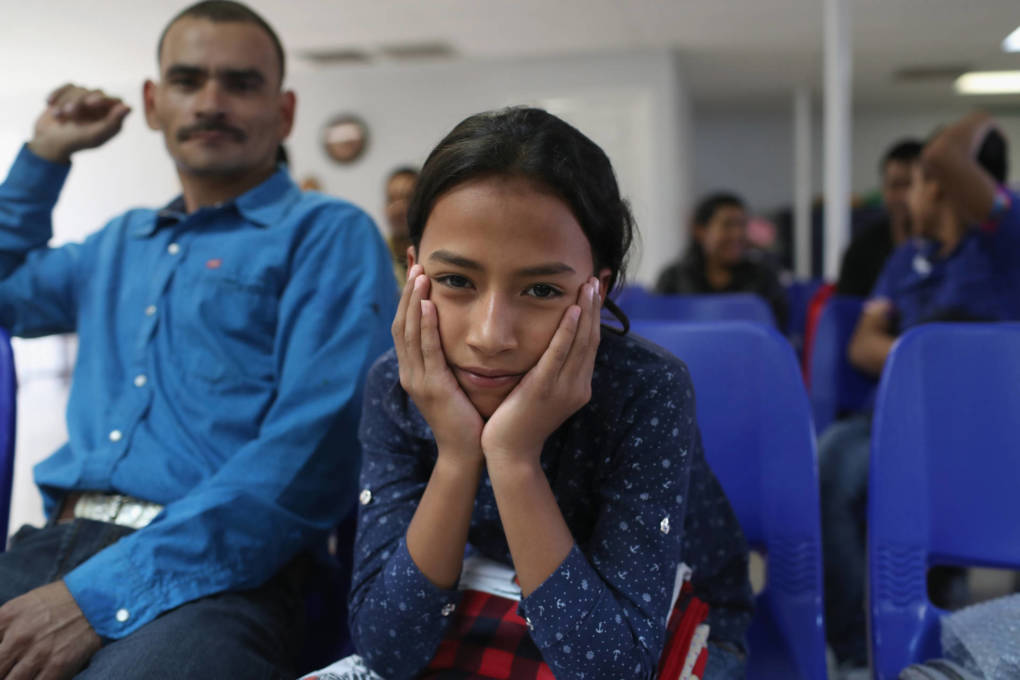
"caption": "A father and daughter from Honduras released by U.S. immigration officials await assistance at the Immigrant Respite Center on Feb. 23, 2018, in McAllen, Texas. The majority of the families at the center are petitioning for asylum in the U.S., and have a future hearing in immigration court. ",
"description": "A father and daughter from Honduras released by U.S. immigration officials await assistance at the Immigrant Respite Center on Feb. 23, 2018 in McAllen, Texas. The majority of the families at the center are petitioning for asylum in the U.S., and have a future hearing in immigration court. ",
"title": "Immigrant Respite Center Aids Asylum Seekers On Journey North",
"credit": "John Moore/Getty Images",
"status": "inherit",
"isLoading": false,
"fetchFailed": false
},
"news_11747984": {
"type": "attachments",
"id": "news_11747984",
"meta": {
"index": "attachments_1716263798",
"site": "news",
"id": "11747984",
"found": true
},
"parent": 11747977,
"imgSizes": {
"apple_news_ca_landscape_5_5": {
"file": "https://ww2.kqed.org/app/uploads/sites/10/2019/05/05172019_us-mexico-border-immigrants-donald-trump-border-wall-migrants-qut-1044x783.jpg",
"width": 1044,
"mimeType": "image/jpeg",
"height": 783
},
"apple_news_ca_square_4_0": {
"file": "https://ww2.kqed.org/app/uploads/sites/10/2019/05/05172019_us-mexico-border-immigrants-donald-trump-border-wall-migrants-qut-470x470.jpg",
"width": 470,
"mimeType": "image/jpeg",
"height": 470
},
"twentyfourteen-full-width": {
"file": "https://ww2.kqed.org/app/uploads/sites/10/2019/05/05172019_us-mexico-border-immigrants-donald-trump-border-wall-migrants-qut-1038x576.jpg",
"width": 1038,
"mimeType": "image/jpeg",
"height": 576
},
"thumbnail": {
"file": "https://ww2.kqed.org/app/uploads/sites/10/2019/05/05172019_us-mexico-border-immigrants-donald-trump-border-wall-migrants-qut-160x109.jpg",
"width": 160,
"mimeType": "image/jpeg",
"height": 109
},
"post-thumbnail": {
"file": "https://ww2.kqed.org/app/uploads/sites/10/2019/05/05172019_us-mexico-border-immigrants-donald-trump-border-wall-migrants-qut-672x372.jpg",
"width": 672,
"mimeType": "image/jpeg",
"height": 372
},
"kqedFullSize": {
"file": "https://ww2.kqed.org/app/uploads/sites/10/2019/05/05172019_us-mexico-border-immigrants-donald-trump-border-wall-migrants-qut.jpg",
"width": 1920,
"height": 1307
},
"apple_news_ca_landscape_4_7": {
"file": "https://ww2.kqed.org/app/uploads/sites/10/2019/05/05172019_us-mexico-border-immigrants-donald-trump-border-wall-migrants-qut-632x474.jpg",
"width": 632,
"mimeType": "image/jpeg",
"height": 474
},
"large": {
"file": "https://ww2.kqed.org/app/uploads/sites/10/2019/05/05172019_us-mexico-border-immigrants-donald-trump-border-wall-migrants-qut-1020x694.jpg",
"width": 1020,
"mimeType": "image/jpeg",
"height": 694
},
"complete_open_graph": {
"file": "https://ww2.kqed.org/app/uploads/sites/10/2019/05/05172019_us-mexico-border-immigrants-donald-trump-border-wall-migrants-qut-1200x817.jpg",
"width": 1200,
"mimeType": "image/jpeg",
"height": 817
},
"apple_news_ca_landscape_4_0": {
"file": "https://ww2.kqed.org/app/uploads/sites/10/2019/05/05172019_us-mexico-border-immigrants-donald-trump-border-wall-migrants-qut-536x402.jpg",
"width": 536,
"mimeType": "image/jpeg",
"height": 402
},
"apple_news_ca_portrait_12_9": {
"file": "https://ww2.kqed.org/app/uploads/sites/10/2019/05/05172019_us-mexico-border-immigrants-donald-trump-border-wall-migrants-qut-1122x1307.jpg",
"width": 1122,
"mimeType": "image/jpeg",
"height": 1307
},
"medium": {
"file": "https://ww2.kqed.org/app/uploads/sites/10/2019/05/05172019_us-mexico-border-immigrants-donald-trump-border-wall-migrants-qut-800x545.jpg",
"width": 800,
"mimeType": "image/jpeg",
"height": 545
},
"apple_news_ca_portrait_4_0": {
"file": "https://ww2.kqed.org/app/uploads/sites/10/2019/05/05172019_us-mexico-border-immigrants-donald-trump-border-wall-migrants-qut-354x472.jpg",
"width": 354,
"mimeType": "image/jpeg",
"height": 472
},
"apple_news_ca_portrait_9_7": {
"file": "https://ww2.kqed.org/app/uploads/sites/10/2019/05/05172019_us-mexico-border-immigrants-donald-trump-border-wall-migrants-qut-840x1120.jpg",
"width": 840,
"mimeType": "image/jpeg",
"height": 1120
},
"apple_news_ca_landscape_12_9": {
"file": "https://ww2.kqed.org/app/uploads/sites/10/2019/05/05172019_us-mexico-border-immigrants-donald-trump-border-wall-migrants-qut-1832x1307.jpg",
"width": 1832,
"mimeType": "image/jpeg",
"height": 1307
},
"apple_news_ca_square_9_7": {
"file": "https://ww2.kqed.org/app/uploads/sites/10/2019/05/05172019_us-mexico-border-immigrants-donald-trump-border-wall-migrants-qut-1104x1104.jpg",
"width": 1104,
"mimeType": "image/jpeg",
"height": 1104
},
"apple_news_ca_portrait_4_7": {
"file": "https://ww2.kqed.org/app/uploads/sites/10/2019/05/05172019_us-mexico-border-immigrants-donald-trump-border-wall-migrants-qut-414x552.jpg",
"width": 414,
"mimeType": "image/jpeg",
"height": 552
},
"apple_news_ca_square_12_9": {
"file": "https://ww2.kqed.org/app/uploads/sites/10/2019/05/05172019_us-mexico-border-immigrants-donald-trump-border-wall-migrants-qut-1472x1307.jpg",
"width": 1472,
"mimeType": "image/jpeg",
"height": 1307
},
"apple_news_ca_portrait_5_5": {
"file": "https://ww2.kqed.org/app/uploads/sites/10/2019/05/05172019_us-mexico-border-immigrants-donald-trump-border-wall-migrants-qut-687x916.jpg",
"width": 687,
"mimeType": "image/jpeg",
"height": 916
},
"full-width": {
"file": "https://ww2.kqed.org/app/uploads/sites/10/2019/05/05172019_us-mexico-border-immigrants-donald-trump-border-wall-migrants-qut-1920x1307.jpg",
"width": 1920,
"mimeType": "image/jpeg",
"height": 1307
},
"apple_news_ca_square_4_7": {
"file": "https://ww2.kqed.org/app/uploads/sites/10/2019/05/05172019_us-mexico-border-immigrants-donald-trump-border-wall-migrants-qut-550x550.jpg",
"width": 550,
"mimeType": "image/jpeg",
"height": 550
},
"apple_news_ca_landscape_9_7": {
"file": "https://ww2.kqed.org/app/uploads/sites/10/2019/05/05172019_us-mexico-border-immigrants-donald-trump-border-wall-migrants-qut-1376x1032.jpg",
"width": 1376,
"mimeType": "image/jpeg",
"height": 1032
},
"apple_news_ca_square_5_5": {
"file": "https://ww2.kqed.org/app/uploads/sites/10/2019/05/05172019_us-mexico-border-immigrants-donald-trump-border-wall-migrants-qut-912x912.jpg",
"width": 912,
"mimeType": "image/jpeg",
"height": 912
}
},
"publishDate": 1558123758,
"modified": 1558139731,
"caption": "Aerial view of the U.S.-Mexico border fence in Playas de Tijuana, Mexico, on May 3, 2019. ",
"description": "Aerial view of the U.S.-Mexico border fence in Playas de Tijuana, Mexico, on May 3, 2019. ",
"title": "MEXICO-US-IMMIGRATION-BORDER",
"credit": "GUILLERMO ARIAS/AFP/Getty Images",
"status": "inherit",
"isLoading": false,
"fetchFailed": false
},
"news_11747949": {
"type": "attachments",
"id": "news_11747949",
"meta": {
"index": "attachments_1716263798",
"site": "news",
"id": "11747949",
"found": true
},
"parent": 11747948,
"imgSizes": {
"apple_news_ca_landscape_5_5": {
"file": "https://ww2.kqed.org/app/uploads/sites/10/2019/05/ap_19136689198302_wide-acec85db6e19a9d117d12071d89c226dbc061f11-1-1044x783.jpg",
"width": 1044,
"mimeType": "image/jpeg",
"height": 783
},
"apple_news_ca_square_4_0": {
"file": "https://ww2.kqed.org/app/uploads/sites/10/2019/05/ap_19136689198302_wide-acec85db6e19a9d117d12071d89c226dbc061f11-1-470x470.jpg",
"width": 470,
"mimeType": "image/jpeg",
"height": 470
},
"twentyfourteen-full-width": {
"file": "https://ww2.kqed.org/app/uploads/sites/10/2019/05/ap_19136689198302_wide-acec85db6e19a9d117d12071d89c226dbc061f11-1-1038x576.jpg",
"width": 1038,
"mimeType": "image/jpeg",
"height": 576
},
"thumbnail": {
"file": "https://ww2.kqed.org/app/uploads/sites/10/2019/05/ap_19136689198302_wide-acec85db6e19a9d117d12071d89c226dbc061f11-1-160x90.jpg",
"width": 160,
"mimeType": "image/jpeg",
"height": 90
},
"post-thumbnail": {
"file": "https://ww2.kqed.org/app/uploads/sites/10/2019/05/ap_19136689198302_wide-acec85db6e19a9d117d12071d89c226dbc061f11-1-672x372.jpg",
"width": 672,
"mimeType": "image/jpeg",
"height": 372
},
"kqedFullSize": {
"file": "https://ww2.kqed.org/app/uploads/sites/10/2019/05/ap_19136689198302_wide-acec85db6e19a9d117d12071d89c226dbc061f11-1-e1558120428420.jpg",
"width": 1920,
"height": 1080
},
"apple_news_ca_landscape_4_7": {
"file": "https://ww2.kqed.org/app/uploads/sites/10/2019/05/ap_19136689198302_wide-acec85db6e19a9d117d12071d89c226dbc061f11-1-632x474.jpg",
"width": 632,
"mimeType": "image/jpeg",
"height": 474
},
"large": {
"file": "https://ww2.kqed.org/app/uploads/sites/10/2019/05/ap_19136689198302_wide-acec85db6e19a9d117d12071d89c226dbc061f11-1-1020x574.jpg",
"width": 1020,
"mimeType": "image/jpeg",
"height": 574
},
"complete_open_graph": {
"file": "https://ww2.kqed.org/app/uploads/sites/10/2019/05/ap_19136689198302_wide-acec85db6e19a9d117d12071d89c226dbc061f11-1-1200x675.jpg",
"width": 1200,
"mimeType": "image/jpeg",
"height": 675
},
"apple_news_ca_landscape_4_0": {
"file": "https://ww2.kqed.org/app/uploads/sites/10/2019/05/ap_19136689198302_wide-acec85db6e19a9d117d12071d89c226dbc061f11-1-536x402.jpg",
"width": 536,
"mimeType": "image/jpeg",
"height": 402
},
"apple_news_ca_portrait_12_9": {
"file": "https://ww2.kqed.org/app/uploads/sites/10/2019/05/ap_19136689198302_wide-acec85db6e19a9d117d12071d89c226dbc061f11-1-1122x1496.jpg",
"width": 1122,
"mimeType": "image/jpeg",
"height": 1496
},
"medium": {
"file": "https://ww2.kqed.org/app/uploads/sites/10/2019/05/ap_19136689198302_wide-acec85db6e19a9d117d12071d89c226dbc061f11-1-800x450.jpg",
"width": 800,
"mimeType": "image/jpeg",
"height": 450
},
"apple_news_ca_portrait_4_0": {
"file": "https://ww2.kqed.org/app/uploads/sites/10/2019/05/ap_19136689198302_wide-acec85db6e19a9d117d12071d89c226dbc061f11-1-354x472.jpg",
"width": 354,
"mimeType": "image/jpeg",
"height": 472
},
"apple_news_ca_portrait_9_7": {
"file": "https://ww2.kqed.org/app/uploads/sites/10/2019/05/ap_19136689198302_wide-acec85db6e19a9d117d12071d89c226dbc061f11-1-840x1120.jpg",
"width": 840,
"mimeType": "image/jpeg",
"height": 1120
},
"apple_news_ca_landscape_12_9": {
"file": "https://ww2.kqed.org/app/uploads/sites/10/2019/05/ap_19136689198302_wide-acec85db6e19a9d117d12071d89c226dbc061f11-1-1832x1374.jpg",
"width": 1832,
"mimeType": "image/jpeg",
"height": 1374
},
"apple_news_ca_square_9_7": {
"file": "https://ww2.kqed.org/app/uploads/sites/10/2019/05/ap_19136689198302_wide-acec85db6e19a9d117d12071d89c226dbc061f11-1-1104x1104.jpg",
"width": 1104,
"mimeType": "image/jpeg",
"height": 1104
},
"apple_news_ca_portrait_4_7": {
"file": "https://ww2.kqed.org/app/uploads/sites/10/2019/05/ap_19136689198302_wide-acec85db6e19a9d117d12071d89c226dbc061f11-1-414x552.jpg",
"width": 414,
"mimeType": "image/jpeg",
"height": 552
},
"apple_news_ca_square_12_9": {
"file": "https://ww2.kqed.org/app/uploads/sites/10/2019/05/ap_19136689198302_wide-acec85db6e19a9d117d12071d89c226dbc061f11-1-1472x1472.jpg",
"width": 1472,
"mimeType": "image/jpeg",
"height": 1472
},
"apple_news_ca_portrait_5_5": {
"file": "https://ww2.kqed.org/app/uploads/sites/10/2019/05/ap_19136689198302_wide-acec85db6e19a9d117d12071d89c226dbc061f11-1-687x916.jpg",
"width": 687,
"mimeType": "image/jpeg",
"height": 916
},
"full-width": {
"file": "https://ww2.kqed.org/app/uploads/sites/10/2019/05/ap_19136689198302_wide-acec85db6e19a9d117d12071d89c226dbc061f11-1-1920x1080.jpg",
"width": 1920,
"mimeType": "image/jpeg",
"height": 1080
},
"apple_news_ca_square_4_7": {
"file": "https://ww2.kqed.org/app/uploads/sites/10/2019/05/ap_19136689198302_wide-acec85db6e19a9d117d12071d89c226dbc061f11-1-550x550.jpg",
"width": 550,
"mimeType": "image/jpeg",
"height": 550
},
"apple_news_ca_landscape_9_7": {
"file": "https://ww2.kqed.org/app/uploads/sites/10/2019/05/ap_19136689198302_wide-acec85db6e19a9d117d12071d89c226dbc061f11-1-1376x1032.jpg",
"width": 1376,
"mimeType": "image/jpeg",
"height": 1032
},
"apple_news_ca_square_5_5": {
"file": "https://ww2.kqed.org/app/uploads/sites/10/2019/05/ap_19136689198302_wide-acec85db6e19a9d117d12071d89c226dbc061f11-1-912x912.jpg",
"width": 912,
"mimeType": "image/jpeg",
"height": 912
}
},
"publishDate": 1558120217,
"modified": 1558120456,
"caption": "President Trump speaks on immigration in the Rose Garden at the White House in Washington, D.C. on May 16, 2019.",
"description": "President Donald Trump speaks on immigration in the Rose Garden at the White House in Washington, Thursday, May 16, 2019.",
"title": "President Donald Trump speaks on immigration in the Rose Garden at the White House in Washington, Thursday, May 16, 2019.",
"credit": null,
"status": "inherit",
"isLoading": false,
"fetchFailed": false
},
"news_11743201": {
"type": "attachments",
"id": "news_11743201",
"meta": {
"index": "attachments_1716263798",
"site": "news",
"id": "11743201",
"found": true
},
"parent": 11743145,
"imgSizes": {
"twentyfourteen-full-width": {
"file": "https://ww2.kqed.org/app/uploads/sites/10/2019/04/Central-American-Migrant-Caravan-1038x576.jpg",
"width": 1038,
"mimeType": "image/jpeg",
"height": 576
},
"thumbnail": {
"file": "https://ww2.kqed.org/app/uploads/sites/10/2019/04/Central-American-Migrant-Caravan-160x104.jpg",
"width": 160,
"mimeType": "image/jpeg",
"height": 104
},
"post-thumbnail": {
"file": "https://ww2.kqed.org/app/uploads/sites/10/2019/04/Central-American-Migrant-Caravan-672x372.jpg",
"width": 672,
"mimeType": "image/jpeg",
"height": 372
},
"kqedFullSize": {
"file": "https://ww2.kqed.org/app/uploads/sites/10/2019/04/Central-American-Migrant-Caravan.jpg",
"width": 1920,
"height": 1249
},
"large": {
"file": "https://ww2.kqed.org/app/uploads/sites/10/2019/04/Central-American-Migrant-Caravan-1020x664.jpg",
"width": 1020,
"mimeType": "image/jpeg",
"height": 664
},
"complete_open_graph": {
"file": "https://ww2.kqed.org/app/uploads/sites/10/2019/04/Central-American-Migrant-Caravan-1200x781.jpg",
"width": 1200,
"mimeType": "image/jpeg",
"height": 781
},
"full-width": {
"file": "https://ww2.kqed.org/app/uploads/sites/10/2019/04/Central-American-Migrant-Caravan-1920x1249.jpg",
"width": 1920,
"mimeType": "image/jpeg",
"height": 1249
},
"medium": {
"file": "https://ww2.kqed.org/app/uploads/sites/10/2019/04/Central-American-Migrant-Caravan-800x520.jpg",
"width": 800,
"mimeType": "image/jpeg",
"height": 520
}
},
"publishDate": 1556317775,
"modified": 1556317855,
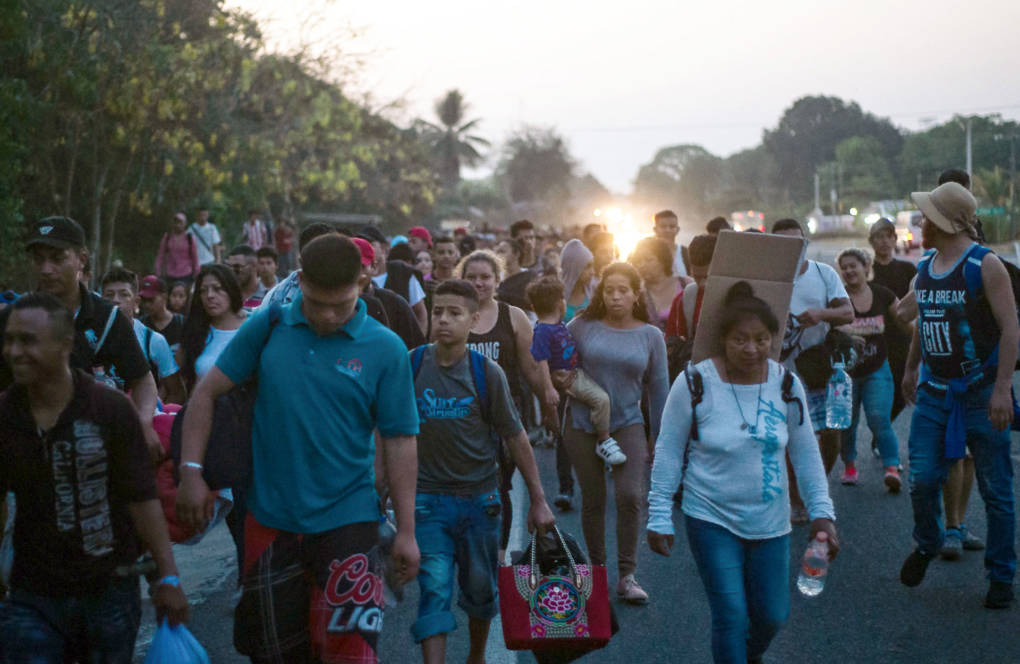
"caption": "Central American migrants walk as part of a caravan to the U.S. in the state of Chiapas, Mexico, on April 15, 2019.",
"description": "Central American migrants walk as part of a caravan to the U.S. in the state of Chiapas, Mexico, on April 15, 2019.",
"title": "Central-American-Migrant-Caravan",
"credit": "PEP COMPANYS/AFP/Getty Images",
"status": "inherit",
"isLoading": false,
"fetchFailed": false
},
"news_11738228": {
"type": "attachments",
"id": "news_11738228",
"meta": {
"index": "attachments_1716263798",
"site": "news",
"id": "11738228",
"found": true
},
"parent": 11738199,
"imgSizes": {
"post-thumbnail": {
"file": "https://ww2.kqed.org/app/uploads/sites/10/2019/04/RS32034_IMG_1545-2-672x372.jpg",
"width": 672,
"mimeType": "image/jpeg",
"height": 372
},
"kqedFullSize": {
"file": "https://ww2.kqed.org/app/uploads/sites/10/2019/04/RS32034_IMG_1545-2-e1554500811482.jpg",
"width": 1920,
"height": 1280
},
"guest-author-50": {
"file": "https://ww2.kqed.org/app/uploads/sites/10/2019/04/RS32034_IMG_1545-2-50x50.jpg",
"width": 50,
"mimeType": "image/jpeg",
"height": 50
},
"guest-author-96": {
"file": "https://ww2.kqed.org/app/uploads/sites/10/2019/04/RS32034_IMG_1545-2-96x96.jpg",
"width": 96,
"mimeType": "image/jpeg",
"height": 96
},
"apple_news_ca_portrait_12_9": {
"file": "https://ww2.kqed.org/app/uploads/sites/10/2019/04/RS32034_IMG_1545-2-1122x1496.jpg",
"width": 1122,
"mimeType": "image/jpeg",
"height": 1496
},
"medium": {
"file": "https://ww2.kqed.org/app/uploads/sites/10/2019/04/RS32034_IMG_1545-2-800x533.jpg",
"width": 800,
"mimeType": "image/jpeg",
"height": 533
},
"guest-author-32": {
"file": "https://ww2.kqed.org/app/uploads/sites/10/2019/04/RS32034_IMG_1545-2-32x32.jpg",
"width": 32,
"mimeType": "image/jpeg",
"height": 32
},
"apple_news_ca_portrait_9_7": {
"file": "https://ww2.kqed.org/app/uploads/sites/10/2019/04/RS32034_IMG_1545-2-840x1120.jpg",
"width": 840,
"mimeType": "image/jpeg",
"height": 1120
},
"apple_news_ca_square_9_7": {
"file": "https://ww2.kqed.org/app/uploads/sites/10/2019/04/RS32034_IMG_1545-2-1104x1104.jpg",
"width": 1104,
"mimeType": "image/jpeg",
"height": 1104
},
"apple_news_ca_portrait_4_7": {
"file": "https://ww2.kqed.org/app/uploads/sites/10/2019/04/RS32034_IMG_1545-2-414x552.jpg",
"width": 414,
"mimeType": "image/jpeg",
"height": 552
},
"apple_news_ca_square_12_9": {
"file": "https://ww2.kqed.org/app/uploads/sites/10/2019/04/RS32034_IMG_1545-2-1472x1472.jpg",
"width": 1472,
"mimeType": "image/jpeg",
"height": 1472
},
"apple_news_ca_portrait_5_5": {
"file": "https://ww2.kqed.org/app/uploads/sites/10/2019/04/RS32034_IMG_1545-2-687x916.jpg",
"width": 687,
"mimeType": "image/jpeg",
"height": 916
},
"apple_news_ca_square_4_7": {
"file": "https://ww2.kqed.org/app/uploads/sites/10/2019/04/RS32034_IMG_1545-2-550x550.jpg",
"width": 550,
"mimeType": "image/jpeg",
"height": 550
},
"apple_news_ca_square_5_5": {
"file": "https://ww2.kqed.org/app/uploads/sites/10/2019/04/RS32034_IMG_1545-2-912x912.jpg",
"width": 912,
"mimeType": "image/jpeg",
"height": 912
},
"apple_news_ca_landscape_5_5": {
"file": "https://ww2.kqed.org/app/uploads/sites/10/2019/04/RS32034_IMG_1545-2-1044x783.jpg",
"width": 1044,
"mimeType": "image/jpeg",
"height": 783
},
"apple_news_ca_square_4_0": {
"file": "https://ww2.kqed.org/app/uploads/sites/10/2019/04/RS32034_IMG_1545-2-470x470.jpg",
"width": 470,
"mimeType": "image/jpeg",
"height": 470
},
"twentyfourteen-full-width": {
"file": "https://ww2.kqed.org/app/uploads/sites/10/2019/04/RS32034_IMG_1545-2-1038x576.jpg",
"width": 1038,
"mimeType": "image/jpeg",
"height": 576
},
"thumbnail": {
"file": "https://ww2.kqed.org/app/uploads/sites/10/2019/04/RS32034_IMG_1545-2-160x107.jpg",
"width": 160,
"mimeType": "image/jpeg",
"height": 107
},
"apple_news_ca_landscape_4_7": {
"file": "https://ww2.kqed.org/app/uploads/sites/10/2019/04/RS32034_IMG_1545-2-632x474.jpg",
"width": 632,
"mimeType": "image/jpeg",
"height": 474
},
"large": {
"file": "https://ww2.kqed.org/app/uploads/sites/10/2019/04/RS32034_IMG_1545-2-1020x680.jpg",
"width": 1020,
"mimeType": "image/jpeg",
"height": 680
},
"complete_open_graph": {
"file": "https://ww2.kqed.org/app/uploads/sites/10/2019/04/RS32034_IMG_1545-2-1200x800.jpg",
"width": 1200,
"mimeType": "image/jpeg",
"height": 800
},
"apple_news_ca_landscape_4_0": {
"file": "https://ww2.kqed.org/app/uploads/sites/10/2019/04/RS32034_IMG_1545-2-536x402.jpg",
"width": 536,
"mimeType": "image/jpeg",
"height": 402
},
"guest-author-64": {
"file": "https://ww2.kqed.org/app/uploads/sites/10/2019/04/RS32034_IMG_1545-2-64x64.jpg",
"width": 64,
"mimeType": "image/jpeg",
"height": 64
},
"apple_news_ca_portrait_4_0": {
"file": "https://ww2.kqed.org/app/uploads/sites/10/2019/04/RS32034_IMG_1545-2-354x472.jpg",
"width": 354,
"mimeType": "image/jpeg",
"height": 472
},
"apple_news_ca_landscape_12_9": {
"file": "https://ww2.kqed.org/app/uploads/sites/10/2019/04/RS32034_IMG_1545-2-1832x1374.jpg",
"width": 1832,
"mimeType": "image/jpeg",
"height": 1374
},
"full-width": {
"file": "https://ww2.kqed.org/app/uploads/sites/10/2019/04/RS32034_IMG_1545-2-1920x1280.jpg",
"width": 1920,
"mimeType": "image/jpeg",
"height": 1280
},
"guest-author-128": {
"file": "https://ww2.kqed.org/app/uploads/sites/10/2019/04/RS32034_IMG_1545-2-128x128.jpg",
"width": 128,
"mimeType": "image/jpeg",
"height": 128
},
"apple_news_ca_landscape_9_7": {
"file": "https://ww2.kqed.org/app/uploads/sites/10/2019/04/RS32034_IMG_1545-2-1376x1032.jpg",
"width": 1376,
"mimeType": "image/jpeg",
"height": 1032
}
},
"publishDate": 1554500751,
"modified": 1558033484,
"caption": "A U.S. Border Patrol agent patrols the Goat Canyon area near Calexico along the U.S.-Mexico border.",
"description": "A U.S. Border Patrol agent patrols the Goat Canyon area near Calexico along the U.S.-Mexico border.",
"title": "RS32034_IMG_1545",
"credit": "Ariana Drehsler/KQED",
"status": "inherit",
"isLoading": false,
"fetchFailed": false
},
"news_11746833": {
"type": "attachments",
"id": "news_11746833",
"meta": {
"index": "attachments_1716263798",
"site": "news",
"id": "11746833",
"found": true
},
"parent": 11746698,
"imgSizes": {
"apple_news_ca_landscape_5_5": {
"file": "https://ww2.kqed.org/app/uploads/sites/10/2019/05/IMG_8935-1044x783.jpg",
"width": 1044,
"mimeType": "image/jpeg",
"height": 783
},
"apple_news_ca_square_4_0": {
"file": "https://ww2.kqed.org/app/uploads/sites/10/2019/05/IMG_8935-470x470.jpg",
"width": 470,
"mimeType": "image/jpeg",
"height": 470
},
"twentyfourteen-full-width": {
"file": "https://ww2.kqed.org/app/uploads/sites/10/2019/05/IMG_8935-1038x576.jpg",
"width": 1038,
"mimeType": "image/jpeg",
"height": 576
},
"thumbnail": {
"file": "https://ww2.kqed.org/app/uploads/sites/10/2019/05/IMG_8935-160x120.jpg",
"width": 160,
"mimeType": "image/jpeg",
"height": 120
},
"post-thumbnail": {
"file": "https://ww2.kqed.org/app/uploads/sites/10/2019/05/IMG_8935-672x372.jpg",
"width": 672,
"mimeType": "image/jpeg",
"height": 372
},
"kqedFullSize": {
"file": "https://ww2.kqed.org/app/uploads/sites/10/2019/05/IMG_8935-e1557865800116.jpg",
"width": 1920,
"height": 1440
},
"apple_news_ca_landscape_4_7": {
"file": "https://ww2.kqed.org/app/uploads/sites/10/2019/05/IMG_8935-632x474.jpg",
"width": 632,
"mimeType": "image/jpeg",
"height": 474
},
"large": {
"file": "https://ww2.kqed.org/app/uploads/sites/10/2019/05/IMG_8935-1020x765.jpg",
"width": 1020,
"mimeType": "image/jpeg",
"height": 765
},
"complete_open_graph": {
"file": "https://ww2.kqed.org/app/uploads/sites/10/2019/05/IMG_8935-1200x900.jpg",
"width": 1200,
"mimeType": "image/jpeg",
"height": 900
},
"apple_news_ca_landscape_4_0": {
"file": "https://ww2.kqed.org/app/uploads/sites/10/2019/05/IMG_8935-536x402.jpg",
"width": 536,
"mimeType": "image/jpeg",
"height": 402
},
"apple_news_ca_portrait_12_9": {
"file": "https://ww2.kqed.org/app/uploads/sites/10/2019/05/IMG_8935-1122x1496.jpg",
"width": 1122,
"mimeType": "image/jpeg",
"height": 1496
},
"medium": {
"file": "https://ww2.kqed.org/app/uploads/sites/10/2019/05/IMG_8935-800x600.jpg",
"width": 800,
"mimeType": "image/jpeg",
"height": 600
},
"apple_news_ca_portrait_4_0": {
"file": "https://ww2.kqed.org/app/uploads/sites/10/2019/05/IMG_8935-354x472.jpg",
"width": 354,
"mimeType": "image/jpeg",
"height": 472
},
"apple_news_ca_portrait_9_7": {
"file": "https://ww2.kqed.org/app/uploads/sites/10/2019/05/IMG_8935-840x1120.jpg",
"width": 840,
"mimeType": "image/jpeg",
"height": 1120
},
"apple_news_ca_landscape_12_9": {
"file": "https://ww2.kqed.org/app/uploads/sites/10/2019/05/IMG_8935-1832x1374.jpg",
"width": 1832,
"mimeType": "image/jpeg",
"height": 1374
},
"apple_news_ca_square_9_7": {
"file": "https://ww2.kqed.org/app/uploads/sites/10/2019/05/IMG_8935-1104x1104.jpg",
"width": 1104,
"mimeType": "image/jpeg",
"height": 1104
},
"apple_news_ca_portrait_4_7": {
"file": "https://ww2.kqed.org/app/uploads/sites/10/2019/05/IMG_8935-414x552.jpg",
"width": 414,
"mimeType": "image/jpeg",
"height": 552
},
"apple_news_ca_square_12_9": {
"file": "https://ww2.kqed.org/app/uploads/sites/10/2019/05/IMG_8935-1472x1472.jpg",
"width": 1472,
"mimeType": "image/jpeg",
"height": 1472
},
"apple_news_ca_portrait_5_5": {
"file": "https://ww2.kqed.org/app/uploads/sites/10/2019/05/IMG_8935-687x916.jpg",
"width": 687,
"mimeType": "image/jpeg",
"height": 916
},
"full-width": {
"file": "https://ww2.kqed.org/app/uploads/sites/10/2019/05/IMG_8935-1920x1440.jpg",
"width": 1920,
"mimeType": "image/jpeg",
"height": 1440
},
"apple_news_ca_square_4_7": {
"file": "https://ww2.kqed.org/app/uploads/sites/10/2019/05/IMG_8935-550x550.jpg",
"width": 550,
"mimeType": "image/jpeg",
"height": 550
},
"apple_news_ca_landscape_9_7": {
"file": "https://ww2.kqed.org/app/uploads/sites/10/2019/05/IMG_8935-1376x1032.jpg",
"width": 1376,
"mimeType": "image/jpeg",
"height": 1032
},
"apple_news_ca_square_5_5": {
"file": "https://ww2.kqed.org/app/uploads/sites/10/2019/05/IMG_8935-912x912.jpg",
"width": 912,
"mimeType": "image/jpeg",
"height": 912
}
},
"publishDate": 1557782149,
"modified": 1576883532,
"caption": "The South Texas Family Residential Center, the largest immigrant family detention facility in the U.S., can hold 2,400 mothers and children.",
"description": "The South Texas Family Residential Center, the largest immigrant family detention facility in the U.S., can hold up to 2,400 people.",
"title": "ICE family detention",
"credit": "Julie Small/KQED",
"status": "inherit",
"isLoading": false,
"fetchFailed": false
},
"news_11747200": {
"type": "attachments",
"id": "news_11747200",
"meta": {
"index": "attachments_1716263798",
"site": "news",
"id": "11747200",
"found": true
},
"parent": 11747026,
"imgSizes": {
"apple_news_ca_square_4_0": {
"file": "https://ww2.kqed.org/app/uploads/sites/10/2019/05/05132019_kanghen-470x450.jpg",
"width": 470,
"mimeType": "image/jpeg",
"height": 450
},
"thumbnail": {
"file": "https://ww2.kqed.org/app/uploads/sites/10/2019/05/05132019_kanghen-160x90.jpg",
"width": 160,
"mimeType": "image/jpeg",
"height": 90
},
"post-thumbnail": {
"file": "https://ww2.kqed.org/app/uploads/sites/10/2019/05/05132019_kanghen-672x372.jpg",
"width": 672,
"mimeType": "image/jpeg",
"height": 372
},
"kqedFullSize": {
"file": "https://ww2.kqed.org/app/uploads/sites/10/2019/05/05132019_kanghen.jpg",
"width": 800,
"height": 450
},
"apple_news_ca_landscape_4_7": {
"file": "https://ww2.kqed.org/app/uploads/sites/10/2019/05/05132019_kanghen-632x450.jpg",
"width": 632,
"mimeType": "image/jpeg",
"height": 450
},
"apple_news_ca_portrait_4_7": {
"file": "https://ww2.kqed.org/app/uploads/sites/10/2019/05/05132019_kanghen-414x450.jpg",
"width": 414,
"mimeType": "image/jpeg",
"height": 450
},
"apple_news_ca_portrait_5_5": {
"file": "https://ww2.kqed.org/app/uploads/sites/10/2019/05/05132019_kanghen-687x450.jpg",
"width": 687,
"mimeType": "image/jpeg",
"height": 450
},
"apple_news_ca_square_4_7": {
"file": "https://ww2.kqed.org/app/uploads/sites/10/2019/05/05132019_kanghen-550x450.jpg",
"width": 550,
"mimeType": "image/jpeg",
"height": 450
},
"apple_news_ca_landscape_4_0": {
"file": "https://ww2.kqed.org/app/uploads/sites/10/2019/05/05132019_kanghen-536x402.jpg",
"width": 536,
"mimeType": "image/jpeg",
"height": 402
},
"medium": {
"file": "https://ww2.kqed.org/app/uploads/sites/10/2019/05/05132019_kanghen-800x450.jpg",
"width": 800,
"mimeType": "image/jpeg",
"height": 450
},
"apple_news_ca_portrait_4_0": {
"file": "https://ww2.kqed.org/app/uploads/sites/10/2019/05/05132019_kanghen-354x450.jpg",
"width": 354,
"mimeType": "image/jpeg",
"height": 450
}
},
"publishDate": 1557875524,
"modified": 1557875591,
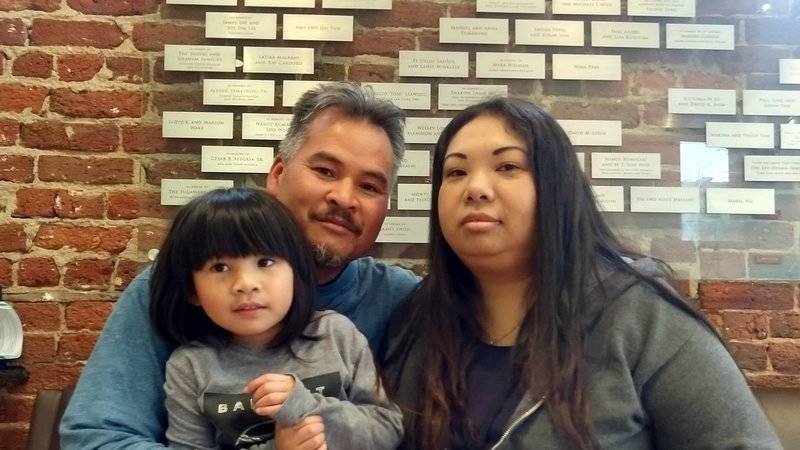
"caption": "Kang Hen came to the United States as a refugee in 1985 as a child. Hen, his parents, and siblings escaped the genocide in Cambodia and survived Khmer Rouge labor camps. Hen is seen here with his wife, Ruth, and their son, Kayden.",
"description": "Kang Hen came to the United States as a refugee in 1985 as a child. Hen, his parents, and siblings escaped the genocide in Cambodia and survived Khmer Rouge labor camps. Hen is seen here with his wife, Ruth, and their son, Kayden.",
"title": "Cambodian refugees_Cambodian deportees_immigrants_Cambodia",
"credit": null,
"status": "inherit",
"isLoading": false,
"fetchFailed": false
},
"news_11746759": {
"type": "attachments",
"id": "news_11746759",
"meta": {
"index": "attachments_1716263798",
"site": "news",
"id": "11746759",
"found": true
},
"parent": 11746717,
"imgSizes": {
"apple_news_ca_landscape_5_5": {
"file": "https://ww2.kqed.org/app/uploads/sites/10/2019/05/RS37045_IMG-9888-Photo-by-Benjamin-Gottlieb-1-qut-1044x783.jpg",
"width": 1044,
"mimeType": "image/jpeg",
"height": 783
},
"apple_news_ca_square_4_0": {
"file": "https://ww2.kqed.org/app/uploads/sites/10/2019/05/RS37045_IMG-9888-Photo-by-Benjamin-Gottlieb-1-qut-470x470.jpg",
"width": 470,
"mimeType": "image/jpeg",
"height": 470
},
"twentyfourteen-full-width": {
"file": "https://ww2.kqed.org/app/uploads/sites/10/2019/05/RS37045_IMG-9888-Photo-by-Benjamin-Gottlieb-1-qut-1038x576.jpg",
"width": 1038,
"mimeType": "image/jpeg",
"height": 576
},
"thumbnail": {
"file": "https://ww2.kqed.org/app/uploads/sites/10/2019/05/RS37045_IMG-9888-Photo-by-Benjamin-Gottlieb-1-qut-160x120.jpg",
"width": 160,
"mimeType": "image/jpeg",
"height": 120
},
"post-thumbnail": {
"file": "https://ww2.kqed.org/app/uploads/sites/10/2019/05/RS37045_IMG-9888-Photo-by-Benjamin-Gottlieb-1-qut-672x372.jpg",
"width": 672,
"mimeType": "image/jpeg",
"height": 372
},
"kqedFullSize": {
"file": "https://ww2.kqed.org/app/uploads/sites/10/2019/05/RS37045_IMG-9888-Photo-by-Benjamin-Gottlieb-1-qut.jpg",
"width": 1920,
"height": 1440
},
"apple_news_ca_landscape_4_7": {
"file": "https://ww2.kqed.org/app/uploads/sites/10/2019/05/RS37045_IMG-9888-Photo-by-Benjamin-Gottlieb-1-qut-632x474.jpg",
"width": 632,
"mimeType": "image/jpeg",
"height": 474
},
"large": {
"file": "https://ww2.kqed.org/app/uploads/sites/10/2019/05/RS37045_IMG-9888-Photo-by-Benjamin-Gottlieb-1-qut-1020x765.jpg",
"width": 1020,
"mimeType": "image/jpeg",
"height": 765
},
"complete_open_graph": {
"file": "https://ww2.kqed.org/app/uploads/sites/10/2019/05/RS37045_IMG-9888-Photo-by-Benjamin-Gottlieb-1-qut-1200x900.jpg",
"width": 1200,
"mimeType": "image/jpeg",
"height": 900
},
"apple_news_ca_landscape_4_0": {
"file": "https://ww2.kqed.org/app/uploads/sites/10/2019/05/RS37045_IMG-9888-Photo-by-Benjamin-Gottlieb-1-qut-536x402.jpg",
"width": 536,
"mimeType": "image/jpeg",
"height": 402
},
"apple_news_ca_portrait_12_9": {
"file": "https://ww2.kqed.org/app/uploads/sites/10/2019/05/RS37045_IMG-9888-Photo-by-Benjamin-Gottlieb-1-qut-1122x1440.jpg",
"width": 1122,
"mimeType": "image/jpeg",
"height": 1440
},
"medium": {
"file": "https://ww2.kqed.org/app/uploads/sites/10/2019/05/RS37045_IMG-9888-Photo-by-Benjamin-Gottlieb-1-qut-800x600.jpg",
"width": 800,
"mimeType": "image/jpeg",
"height": 600
},
"apple_news_ca_portrait_4_0": {
"file": "https://ww2.kqed.org/app/uploads/sites/10/2019/05/RS37045_IMG-9888-Photo-by-Benjamin-Gottlieb-1-qut-354x472.jpg",
"width": 354,
"mimeType": "image/jpeg",
"height": 472
},
"apple_news_ca_portrait_9_7": {
"file": "https://ww2.kqed.org/app/uploads/sites/10/2019/05/RS37045_IMG-9888-Photo-by-Benjamin-Gottlieb-1-qut-840x1120.jpg",
"width": 840,
"mimeType": "image/jpeg",
"height": 1120
},
"apple_news_ca_landscape_12_9": {
"file": "https://ww2.kqed.org/app/uploads/sites/10/2019/05/RS37045_IMG-9888-Photo-by-Benjamin-Gottlieb-1-qut-1832x1374.jpg",
"width": 1832,
"mimeType": "image/jpeg",
"height": 1374
},
"apple_news_ca_square_9_7": {
"file": "https://ww2.kqed.org/app/uploads/sites/10/2019/05/RS37045_IMG-9888-Photo-by-Benjamin-Gottlieb-1-qut-1104x1104.jpg",
"width": 1104,
"mimeType": "image/jpeg",
"height": 1104
},
"apple_news_ca_portrait_4_7": {
"file": "https://ww2.kqed.org/app/uploads/sites/10/2019/05/RS37045_IMG-9888-Photo-by-Benjamin-Gottlieb-1-qut-414x552.jpg",
"width": 414,
"mimeType": "image/jpeg",
"height": 552
},
"apple_news_ca_square_12_9": {
"file": "https://ww2.kqed.org/app/uploads/sites/10/2019/05/RS37045_IMG-9888-Photo-by-Benjamin-Gottlieb-1-qut-1472x1440.jpg",
"width": 1472,
"mimeType": "image/jpeg",
"height": 1440
},
"apple_news_ca_portrait_5_5": {
"file": "https://ww2.kqed.org/app/uploads/sites/10/2019/05/RS37045_IMG-9888-Photo-by-Benjamin-Gottlieb-1-qut-687x916.jpg",
"width": 687,
"mimeType": "image/jpeg",
"height": 916
},
"full-width": {
"file": "https://ww2.kqed.org/app/uploads/sites/10/2019/05/RS37045_IMG-9888-Photo-by-Benjamin-Gottlieb-1-qut-1920x1440.jpg",
"width": 1920,
"mimeType": "image/jpeg",
"height": 1440
},
"apple_news_ca_square_4_7": {
"file": "https://ww2.kqed.org/app/uploads/sites/10/2019/05/RS37045_IMG-9888-Photo-by-Benjamin-Gottlieb-1-qut-550x550.jpg",
"width": 550,
"mimeType": "image/jpeg",
"height": 550
},
"apple_news_ca_landscape_9_7": {
"file": "https://ww2.kqed.org/app/uploads/sites/10/2019/05/RS37045_IMG-9888-Photo-by-Benjamin-Gottlieb-1-qut-1376x1032.jpg",
"width": 1376,
"mimeType": "image/jpeg",
"height": 1032
},
"apple_news_ca_square_5_5": {
"file": "https://ww2.kqed.org/app/uploads/sites/10/2019/05/RS37045_IMG-9888-Photo-by-Benjamin-Gottlieb-1-qut-912x912.jpg",
"width": 912,
"mimeType": "image/jpeg",
"height": 912
}
},
"publishDate": 1557776490,
"modified": 1557776513,
"caption": "Jeny Gomez (far left) and Ana Friscina (second from left) with their family.",
"description": null,
"title": "RS37045_IMG-9888 (Photo by Benjamin Gottlieb) (1)-qut",
"credit": "Benjamin Gottlieb",
"status": "inherit",
"isLoading": false,
"fetchFailed": false
},
"news_11746417": {
"type": "attachments",
"id": "news_11746417",
"meta": {
"index": "attachments_1716263798",
"site": "news",
"id": "11746417",
"found": true
},
"parent": 11746399,
"imgSizes": {
"apple_news_ca_landscape_5_5": {
"file": "https://ww2.kqed.org/app/uploads/sites/10/2019/05/RS37036_GettyImages-1130761069-qut-1044x783.jpg",
"width": 1044,
"mimeType": "image/jpeg",
"height": 783
},
"apple_news_ca_square_4_0": {
"file": "https://ww2.kqed.org/app/uploads/sites/10/2019/05/RS37036_GettyImages-1130761069-qut-470x470.jpg",
"width": 470,
"mimeType": "image/jpeg",
"height": 470
},
"twentyfourteen-full-width": {
"file": "https://ww2.kqed.org/app/uploads/sites/10/2019/05/RS37036_GettyImages-1130761069-qut-1038x576.jpg",
"width": 1038,
"mimeType": "image/jpeg",
"height": 576
},
"thumbnail": {
"file": "https://ww2.kqed.org/app/uploads/sites/10/2019/05/RS37036_GettyImages-1130761069-qut-160x119.jpg",
"width": 160,
"mimeType": "image/jpeg",
"height": 119
},
"post-thumbnail": {
"file": "https://ww2.kqed.org/app/uploads/sites/10/2019/05/RS37036_GettyImages-1130761069-qut-672x372.jpg",
"width": 672,
"mimeType": "image/jpeg",
"height": 372
},
"kqedFullSize": {
"file": "https://ww2.kqed.org/app/uploads/sites/10/2019/05/RS37036_GettyImages-1130761069-qut.jpg",
"width": 1920,
"height": 1428
},
"apple_news_ca_landscape_4_7": {
"file": "https://ww2.kqed.org/app/uploads/sites/10/2019/05/RS37036_GettyImages-1130761069-qut-632x474.jpg",
"width": 632,
"mimeType": "image/jpeg",
"height": 474
},
"large": {
"file": "https://ww2.kqed.org/app/uploads/sites/10/2019/05/RS37036_GettyImages-1130761069-qut-1020x759.jpg",
"width": 1020,
"mimeType": "image/jpeg",
"height": 759
},
"complete_open_graph": {
"file": "https://ww2.kqed.org/app/uploads/sites/10/2019/05/RS37036_GettyImages-1130761069-qut-1200x893.jpg",
"width": 1200,
"mimeType": "image/jpeg",
"height": 893
},
"apple_news_ca_landscape_4_0": {
"file": "https://ww2.kqed.org/app/uploads/sites/10/2019/05/RS37036_GettyImages-1130761069-qut-536x402.jpg",
"width": 536,
"mimeType": "image/jpeg",
"height": 402
},
"apple_news_ca_portrait_12_9": {
"file": "https://ww2.kqed.org/app/uploads/sites/10/2019/05/RS37036_GettyImages-1130761069-qut-1122x1428.jpg",
"width": 1122,
"mimeType": "image/jpeg",
"height": 1428
},
"medium": {
"file": "https://ww2.kqed.org/app/uploads/sites/10/2019/05/RS37036_GettyImages-1130761069-qut-800x595.jpg",
"width": 800,
"mimeType": "image/jpeg",
"height": 595
},
"apple_news_ca_portrait_4_0": {
"file": "https://ww2.kqed.org/app/uploads/sites/10/2019/05/RS37036_GettyImages-1130761069-qut-354x472.jpg",
"width": 354,
"mimeType": "image/jpeg",
"height": 472
},
"apple_news_ca_portrait_9_7": {
"file": "https://ww2.kqed.org/app/uploads/sites/10/2019/05/RS37036_GettyImages-1130761069-qut-840x1120.jpg",
"width": 840,
"mimeType": "image/jpeg",
"height": 1120
},
"apple_news_ca_landscape_12_9": {
"file": "https://ww2.kqed.org/app/uploads/sites/10/2019/05/RS37036_GettyImages-1130761069-qut-1832x1374.jpg",
"width": 1832,
"mimeType": "image/jpeg",
"height": 1374
},
"apple_news_ca_square_9_7": {
"file": "https://ww2.kqed.org/app/uploads/sites/10/2019/05/RS37036_GettyImages-1130761069-qut-1104x1104.jpg",
"width": 1104,
"mimeType": "image/jpeg",
"height": 1104
},
"apple_news_ca_portrait_4_7": {
"file": "https://ww2.kqed.org/app/uploads/sites/10/2019/05/RS37036_GettyImages-1130761069-qut-414x552.jpg",
"width": 414,
"mimeType": "image/jpeg",
"height": 552
},
"apple_news_ca_square_12_9": {
"file": "https://ww2.kqed.org/app/uploads/sites/10/2019/05/RS37036_GettyImages-1130761069-qut-1472x1428.jpg",
"width": 1472,
"mimeType": "image/jpeg",
"height": 1428
},
"apple_news_ca_portrait_5_5": {
"file": "https://ww2.kqed.org/app/uploads/sites/10/2019/05/RS37036_GettyImages-1130761069-qut-687x916.jpg",
"width": 687,
"mimeType": "image/jpeg",
"height": 916
},
"full-width": {
"file": "https://ww2.kqed.org/app/uploads/sites/10/2019/05/RS37036_GettyImages-1130761069-qut-1920x1428.jpg",
"width": 1920,
"mimeType": "image/jpeg",
"height": 1428
},
"apple_news_ca_square_4_7": {
"file": "https://ww2.kqed.org/app/uploads/sites/10/2019/05/RS37036_GettyImages-1130761069-qut-550x550.jpg",
"width": 550,
"mimeType": "image/jpeg",
"height": 550
},
"apple_news_ca_landscape_9_7": {
"file": "https://ww2.kqed.org/app/uploads/sites/10/2019/05/RS37036_GettyImages-1130761069-qut-1376x1032.jpg",
"width": 1376,
"mimeType": "image/jpeg",
"height": 1032
},
"apple_news_ca_square_5_5": {
"file": "https://ww2.kqed.org/app/uploads/sites/10/2019/05/RS37036_GettyImages-1130761069-qut-912x912.jpg",
"width": 912,
"mimeType": "image/jpeg",
"height": 912
}
},
"publishDate": 1557531723,
"modified": 1557550663,
"caption": "Reps. Sylvia García, D-Texas (foreground) and Donna Shalala, D-Florida, tour the Homestead Temporary Shelter for Unaccompanied Migrant Children facility on February 19, 2019 in Homestead, Florida. The facility is the nation's largest for housing migrant children. ",
"description": null,
"title": "Congressional Hispanic Caucus Visits Shelter For Unaccompanied Migrant Children",
"credit": "Joe Raedle/Getty Images",
"status": "inherit",
"isLoading": false,
"fetchFailed": false
},
"news_11745017": {
"type": "attachments",
"id": "news_11745017",
"meta": {
"index": "attachments_1716263798",
"site": "news",
"id": "11745017",
"found": true
},
"parent": 11745013,
"imgSizes": {
"apple_news_ca_landscape_5_5": {
"file": "https://ww2.kqed.org/app/uploads/sites/10/2019/05/RS36945_Photo-1-qut-1044x783.jpg",
"width": 1044,
"mimeType": "image/jpeg",
"height": 783
},
"apple_news_ca_square_4_0": {
"file": "https://ww2.kqed.org/app/uploads/sites/10/2019/05/RS36945_Photo-1-qut-470x470.jpg",
"width": 470,
"mimeType": "image/jpeg",
"height": 470
},
"twentyfourteen-full-width": {
"file": "https://ww2.kqed.org/app/uploads/sites/10/2019/05/RS36945_Photo-1-qut-1038x576.jpg",
"width": 1038,
"mimeType": "image/jpeg",
"height": 576
},
"thumbnail": {
"file": "https://ww2.kqed.org/app/uploads/sites/10/2019/05/RS36945_Photo-1-qut-160x107.jpg",
"width": 160,
"mimeType": "image/jpeg",
"height": 107
},
"post-thumbnail": {
"file": "https://ww2.kqed.org/app/uploads/sites/10/2019/05/RS36945_Photo-1-qut-672x372.jpg",
"width": 672,
"mimeType": "image/jpeg",
"height": 372
},
"kqedFullSize": {
"file": "https://ww2.kqed.org/app/uploads/sites/10/2019/05/RS36945_Photo-1-qut.jpg",
"width": 1920,
"height": 1280
},
"apple_news_ca_landscape_4_7": {
"file": "https://ww2.kqed.org/app/uploads/sites/10/2019/05/RS36945_Photo-1-qut-632x474.jpg",
"width": 632,
"mimeType": "image/jpeg",
"height": 474
},
"large": {
"file": "https://ww2.kqed.org/app/uploads/sites/10/2019/05/RS36945_Photo-1-qut-1020x680.jpg",
"width": 1020,
"mimeType": "image/jpeg",
"height": 680
},
"complete_open_graph": {
"file": "https://ww2.kqed.org/app/uploads/sites/10/2019/05/RS36945_Photo-1-qut-1200x800.jpg",
"width": 1200,
"mimeType": "image/jpeg",
"height": 800
},
"apple_news_ca_landscape_4_0": {
"file": "https://ww2.kqed.org/app/uploads/sites/10/2019/05/RS36945_Photo-1-qut-536x402.jpg",
"width": 536,
"mimeType": "image/jpeg",
"height": 402
},
"apple_news_ca_portrait_12_9": {
"file": "https://ww2.kqed.org/app/uploads/sites/10/2019/05/RS36945_Photo-1-qut-1122x1280.jpg",
"width": 1122,
"mimeType": "image/jpeg",
"height": 1280
},
"medium": {
"file": "https://ww2.kqed.org/app/uploads/sites/10/2019/05/RS36945_Photo-1-qut-800x533.jpg",
"width": 800,
"mimeType": "image/jpeg",
"height": 533
},
"apple_news_ca_portrait_4_0": {
"file": "https://ww2.kqed.org/app/uploads/sites/10/2019/05/RS36945_Photo-1-qut-354x472.jpg",
"width": 354,
"mimeType": "image/jpeg",
"height": 472
},
"apple_news_ca_portrait_9_7": {
"file": "https://ww2.kqed.org/app/uploads/sites/10/2019/05/RS36945_Photo-1-qut-840x1120.jpg",
"width": 840,
"mimeType": "image/jpeg",
"height": 1120
},
"apple_news_ca_landscape_12_9": {
"file": "https://ww2.kqed.org/app/uploads/sites/10/2019/05/RS36945_Photo-1-qut-1832x1280.jpg",
"width": 1832,
"mimeType": "image/jpeg",
"height": 1280
},
"apple_news_ca_square_9_7": {
"file": "https://ww2.kqed.org/app/uploads/sites/10/2019/05/RS36945_Photo-1-qut-1104x1104.jpg",
"width": 1104,
"mimeType": "image/jpeg",
"height": 1104
},
"apple_news_ca_portrait_4_7": {
"file": "https://ww2.kqed.org/app/uploads/sites/10/2019/05/RS36945_Photo-1-qut-414x552.jpg",
"width": 414,
"mimeType": "image/jpeg",
"height": 552
},
"apple_news_ca_square_12_9": {
"file": "https://ww2.kqed.org/app/uploads/sites/10/2019/05/RS36945_Photo-1-qut-1472x1280.jpg",
"width": 1472,
"mimeType": "image/jpeg",
"height": 1280
},
"apple_news_ca_portrait_5_5": {
"file": "https://ww2.kqed.org/app/uploads/sites/10/2019/05/RS36945_Photo-1-qut-687x916.jpg",
"width": 687,
"mimeType": "image/jpeg",
"height": 916
},
"full-width": {
"file": "https://ww2.kqed.org/app/uploads/sites/10/2019/05/RS36945_Photo-1-qut-1920x1280.jpg",
"width": 1920,
"mimeType": "image/jpeg",
"height": 1280
},
"apple_news_ca_square_4_7": {
"file": "https://ww2.kqed.org/app/uploads/sites/10/2019/05/RS36945_Photo-1-qut-550x550.jpg",
"width": 550,
"mimeType": "image/jpeg",
"height": 550
},
"apple_news_ca_landscape_9_7": {
"file": "https://ww2.kqed.org/app/uploads/sites/10/2019/05/RS36945_Photo-1-qut-1376x1032.jpg",
"width": 1376,
"mimeType": "image/jpeg",
"height": 1032
},
"apple_news_ca_square_5_5": {
"file": "https://ww2.kqed.org/app/uploads/sites/10/2019/05/RS36945_Photo-1-qut-912x912.jpg",
"width": 912,
"mimeType": "image/jpeg",
"height": 912
}
},
"publishDate": 1556923318,
"modified": 1557177581,
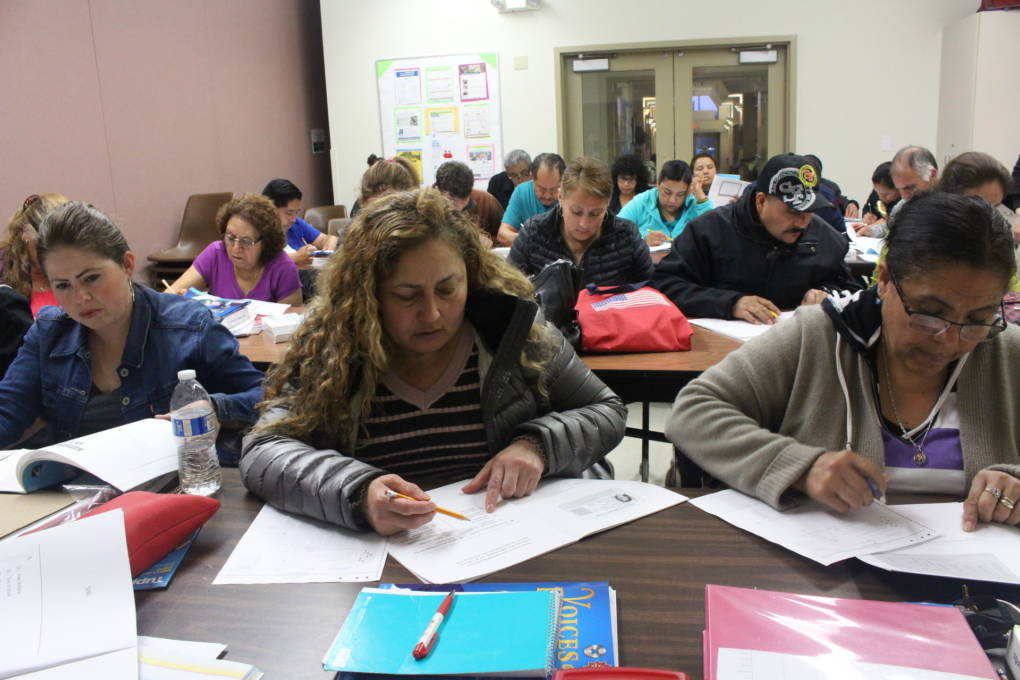
"caption": "Martha Franco, Delfina Gonzalez de Monteroso and Angelina Jimenez (r) study a civics lesson for immigrants seeking U.S. citizenship at the Fair Oaks Community Center in Redwood City, California, on March 22, 2018. Gonzalez said she had to close out a small retirement account from her former job as a janitor to pay for the $725 application fee. ",
"description": null,
"title": "RS36945_Photo 1-qut",
"credit": "Farida Jhabvala Romero/KQED",
"status": "inherit",
"isLoading": false,
"fetchFailed": false
},
"news_11744589": {
"type": "attachments",
"id": "news_11744589",
"meta": {
"index": "attachments_1716263798",
"site": "news",
"id": "11744589",
"found": true
},
"parent": 11744587,
"imgSizes": {
"twentyfourteen-full-width": {
"file": "https://ww2.kqed.org/app/uploads/sites/10/2019/05/05022019_2020-census_census-qut-1038x576.jpg",
"width": 1038,
"mimeType": "image/jpeg",
"height": 576
},
"thumbnail": {
"file": "https://ww2.kqed.org/app/uploads/sites/10/2019/05/05022019_2020-census_census-qut-160x107.jpg",
"width": 160,
"mimeType": "image/jpeg",
"height": 107
},
"post-thumbnail": {
"file": "https://ww2.kqed.org/app/uploads/sites/10/2019/05/05022019_2020-census_census-qut-672x372.jpg",
"width": 672,
"mimeType": "image/jpeg",
"height": 372
},
"kqedFullSize": {
"file": "https://ww2.kqed.org/app/uploads/sites/10/2019/05/05022019_2020-census_census-qut.jpg",
"width": 1920,
"height": 1280
},
"large": {
"file": "https://ww2.kqed.org/app/uploads/sites/10/2019/05/05022019_2020-census_census-qut-1020x680.jpg",
"width": 1020,
"mimeType": "image/jpeg",
"height": 680
},
"complete_open_graph": {
"file": "https://ww2.kqed.org/app/uploads/sites/10/2019/05/05022019_2020-census_census-qut-1200x800.jpg",
"width": 1200,
"mimeType": "image/jpeg",
"height": 800
},
"full-width": {
"file": "https://ww2.kqed.org/app/uploads/sites/10/2019/05/05022019_2020-census_census-qut-1920x1280.jpg",
"width": 1920,
"mimeType": "image/jpeg",
"height": 1280
},
"medium": {
"file": "https://ww2.kqed.org/app/uploads/sites/10/2019/05/05022019_2020-census_census-qut-800x533.jpg",
"width": 800,
"mimeType": "image/jpeg",
"height": 533
}
},
"publishDate": 1556828783,
"modified": 1556828863,
"caption": "Demonstrators rally at the U.S. Supreme Court in Washington, D.C., on April 23, 2019, to protest a proposal to add a citizenship question in the 2020 census.",
"description": "Demonstrators rally at the U.S. Supreme Court in Washington, D.C., on April 23, 2019, to protest a proposal to add a citizenship question in the 2020 census.",
"title": "us-politics-census-protests-rally-demonstration",
"credit": "MANDEL NGAN/AFP/Getty Images",
"status": "inherit",
"isLoading": false,
"fetchFailed": false
},
"news_11744516": {
"type": "attachments",
"id": "news_11744516",
"meta": {
"index": "attachments_1716263798",
"site": "news",
"id": "11744516",
"found": true
},
"title": "In this 2016 photo, a man holds up his iPhone during a rally in support of data privacy outside the Apple store in San Francisco. Watchdog groups that keep tabs on digital privacy rights are concerned that U.S. Customs and Border Protection agents are searching the phones and other digital devices of international travelers at border checkpoints in U.S. airports.",
"publishDate": 1556822893,
"status": "inherit",
"parent": 11744515,
"modified": 1757615642,
"caption": "In this 2016 photo, a man holds up his iPhone during a rally in support of data privacy outside the Apple store in San Francisco. ",
"credit": "Eric Risberg/AP",
"altTag": "In this 2016 photo, a man holds up his iPhone during a rally in support of data privacy outside the Apple store in San Francisco. Watchdog groups that keep tabs on digital privacy rights are concerned that U.S. Customs and Border Protection agents are searching the phones and other digital devices of international travelers at border checkpoints in U.S. airports.",
"description": "In this 2016 photo, a man holds up his iPhone during a rally in support of data privacy outside the Apple store in San Francisco. Watchdog groups that keep tabs on digital privacy rights are concerned that U.S. Customs and Border Protection agents are searching the phones and other digital devices of international travelers at border checkpoints in U.S. airports.",
"imgSizes": {
"thumbnail": {
"file": "https://cdn.kqed.org/wp-content/uploads/sites/10/2019/05/ap_17049076292456-98ef10b0a38140d3e3616319050b387595d13762-160x120.jpg",
"width": 160,
"height": 120,
"mimeType": "image/jpeg"
},
"medium": {
"file": "https://cdn.kqed.org/wp-content/uploads/sites/10/2019/05/ap_17049076292456-98ef10b0a38140d3e3616319050b387595d13762-800x600.jpg",
"width": 800,
"height": 600,
"mimeType": "image/jpeg"
},
"large": {
"file": "https://cdn.kqed.org/wp-content/uploads/sites/10/2019/05/ap_17049076292456-98ef10b0a38140d3e3616319050b387595d13762-1020x765.jpg",
"width": 1020,
"height": 765,
"mimeType": "image/jpeg"
},
"complete_open_graph": {
"file": "https://cdn.kqed.org/wp-content/uploads/sites/10/2019/05/ap_17049076292456-98ef10b0a38140d3e3616319050b387595d13762-1200x900.jpg",
"width": 1200,
"height": 900,
"mimeType": "image/jpeg"
},
"post-thumbnail": {
"file": "https://cdn.kqed.org/wp-content/uploads/sites/10/2019/05/ap_17049076292456-98ef10b0a38140d3e3616319050b387595d13762-672x372.jpg",
"width": 672,
"height": 372,
"mimeType": "image/jpeg"
},
"twentyfourteen-full-width": {
"file": "https://cdn.kqed.org/wp-content/uploads/sites/10/2019/05/ap_17049076292456-98ef10b0a38140d3e3616319050b387595d13762-1038x576.jpg",
"width": 1038,
"height": 576,
"mimeType": "image/jpeg"
},
"full-width": {
"file": "https://cdn.kqed.org/wp-content/uploads/sites/10/2019/05/ap_17049076292456-98ef10b0a38140d3e3616319050b387595d13762-1920x1440.jpg",
"width": 1920,
"height": 1440,
"mimeType": "image/jpeg"
},
"kqedFullSize": {
"file": "https://cdn.kqed.org/wp-content/uploads/sites/10/2019/05/ap_17049076292456-98ef10b0a38140d3e3616319050b387595d13762-e1556823156400.jpg",
"width": 1920,
"height": 1440
}
},
"isLoading": false,
"fetchFailed": false
}
},
"audioPlayerReducer": {
"postId": "stream_live",
"isPaused": true,
"isPlaying": false,
"pfsActive": false,
"pledgeModalIsOpen": true,
"playerDrawerIsOpen": false,
"liveAudioPlayStartedAt": 0,
"liveAudioPlayContext": ""
},
"authorsReducer": {
"byline_news_11747977": {
"type": "authors",
"id": "byline_news_11747977",
"meta": {
"override": true
},
"slug": "byline_news_11747977",
"name": "\u003cstrong>Associated Press\u003c/strong>",
"isLoading": false
},
"byline_news_11747948": {
"type": "authors",
"id": "byline_news_11747948",
"meta": {
"override": true
},
"slug": "byline_news_11747948",
"name": "\u003cstrong>Joel Rose\u003cbr />NPR\u003c/strong>",
"isLoading": false
},
"byline_news_11747705": {
"type": "authors",
"id": "byline_news_11747705",
"meta": {
"override": true
},
"slug": "byline_news_11747705",
"name": "Tamara Keith",
"isLoading": false
},
"byline_news_11747026": {
"type": "authors",
"id": "byline_news_11747026",
"meta": {
"override": true
},
"slug": "byline_news_11747026",
"name": "\u003cstrong>Associated Press\u003c/strong>",
"isLoading": false
},
"byline_news_11746717": {
"type": "authors",
"id": "byline_news_11746717",
"meta": {
"override": true
},
"slug": "byline_news_11746717",
"name": "Benjamin Gottlieb",
"isLoading": false
},
"byline_news_11744587": {
"type": "authors",
"id": "byline_news_11744587",
"meta": {
"override": true
},
"slug": "byline_news_11744587",
"name": "\u003cstrong>Martha Groves\u003c/strong>",
"isLoading": false
},
"byline_news_11744515": {
"type": "authors",
"id": "byline_news_11744515",
"meta": {
"override": true
},
"slug": "byline_news_11744515",
"name": "Matthew S. Schwartz",
"isLoading": false
},
"kqed": {
"type": "authors",
"id": "236",
"meta": {
"index": "authors_1716337520",
"id": "236",
"found": true
},
"name": "KQED News Staff",
"firstName": "KQED News Staff",
"lastName": null,
"slug": "kqed",
"email": "faq@kqed.org",
"display_author_email": false,
"staff_mastheads": [],
"title": null,
"bio": null,
"avatar": "https://secure.gravatar.com/avatar/ef0e801a68c4c54afa9180db14084167?s=600&d=blank&r=g",
"twitter": null,
"facebook": null,
"instagram": null,
"linkedin": null,
"sites": [
{
"site": "arts",
"roles": [
"contributor"
]
},
{
"site": "news",
"roles": [
"editor"
]
},
{
"site": "futureofyou",
"roles": [
"author"
]
}
],
"headData": {
"title": "KQED News Staff | KQED",
"description": null,
"ogImgSrc": "https://secure.gravatar.com/avatar/ef0e801a68c4c54afa9180db14084167?s=600&d=blank&r=g",
"twImgSrc": "https://secure.gravatar.com/avatar/ef0e801a68c4c54afa9180db14084167?s=600&d=blank&r=g"
},
"isLoading": false,
"link": "/author/kqed"
},
"jsmall": {
"type": "authors",
"id": "6625",
"meta": {
"index": "authors_1716337520",
"id": "6625",
"found": true
},
"name": "Julie Small",
"firstName": "Julie",
"lastName": "Small",
"slug": "jsmall",
"email": "jsmall@kqed.org",
"display_author_email": true,
"staff_mastheads": [
"news"
],
"title": "KQED Contributor",
"bio": "Julie Small reports on criminal justice and immigration.\r\n\r\nShe was part of a team at KQED awarded a regional 2019 Edward R. Murrow award for continuing coverage of the Trump Administration's family separation policy.\r\n\r\nThe Society for Professional Journalists recognized Julie's 2018 \u003ca href=\"https://www.kqed.org/news/11636262/the-officer-tased-him-31-times-the-sheriff-called-his-death-an-accident\">reporting\u003c/a> on the San Joaquin County Sheriff's \u003ca href=\"https://www.kqed.org/news/11634689/autopsy-doctors-sheriff-overrode-death-findings-to-protect-law-enforcement\">interference\u003c/a> in death investigations with an Excellence in Journalism Award for Ongoing Coverage.\r\n\r\nJulie's\u003ca href=\"https://www.kqed.org/news/11039666/two-mentally-ill-inmates-died-one-month-in-santa-clara\"> reporting\u003c/a> with Lisa Pickoff-White on the treatment of mentally ill offenders in California jails earned a 2017 regional Edward R. Murrow Award for news reporting and an investigative reporting award from the SPJ of Northern California.\r\n\r\nBefore joining KQED, Julie covered government and politics in Sacramento for Southern California Public Radio (SCPR). Her 2010 \u003ca href=\"https://www.scpr.org/specials/prisonmedical/\">series\u003c/a> on lapses in California’s prison medical care also won a regional Edward R. Murrow Award for investigative reporting and a Golden Mic Award from the RTNDA of Southern California.\r\n\r\nJulie began her career in journalism in 2000 as the deputy foreign editor for public radio's \u003cem>Marketplace, \u003c/em>while earning her master's degree in journalism from USC’s Annenberg School of Communication.",
"avatar": "https://secure.gravatar.com/avatar/4baedf201468df97be97c2a9dd7585d0?s=600&d=blank&r=g",
"twitter": "@SmallRadio2",
"facebook": null,
"instagram": null,
"linkedin": null,
"sites": [
{
"site": "news",
"roles": [
"editor"
]
},
{
"site": "stateofhealth",
"roles": [
"author"
]
},
{
"site": "science",
"roles": [
"author"
]
}
],
"headData": {
"title": "Julie Small | KQED",
"description": "KQED Contributor",
"ogImgSrc": "https://secure.gravatar.com/avatar/4baedf201468df97be97c2a9dd7585d0?s=600&d=blank&r=g",
"twImgSrc": "https://secure.gravatar.com/avatar/4baedf201468df97be97c2a9dd7585d0?s=600&d=blank&r=g"
},
"isLoading": false,
"link": "/author/jsmall"
},
"fjhabvala": {
"type": "authors",
"id": "8659",
"meta": {
"index": "authors_1716337520",
"id": "8659",
"found": true
},
"name": "Farida Jhabvala Romero",
"firstName": "Farida",
"lastName": "Jhabvala Romero",
"slug": "fjhabvala",
"email": "fjhabvala@kqed.org",
"display_author_email": true,
"staff_mastheads": [
"news"
],
"title": "KQED Contributor",
"bio": "Farida Jhabvala Romero is a Labor Correspondent for KQED. She previously covered immigration. Farida was \u003ca href=\"https://www.ccnma.org/2022-most-influential-latina-journalists\">named\u003c/a> one of the 10 Most Influential Latina Journalists in California in 2022 by the California Chicano News Media Association. Her work has won awards from the Society of Professional Journalists (Northern California), as well as a national and regional Edward M. Murrow Award for the collaborative reporting projects “Dangerous Air” and “Graying California.” Before joining KQED, Farida worked as a producer at Radio Bilingüe, a national public radio network. Farida earned her master’s degree in journalism from Stanford University.",
"avatar": "https://secure.gravatar.com/avatar/f9f022d4e2609741874222a1e9d41f48fea74011aa7c615eef91d9a50c944ebe?s=600&d=blank&r=g",
"twitter": "FaridaJhabvala",
"bluesky": null,
"facebook": null,
"instagram": null,
"linkedin": "https://www.linkedin.com/in/faridajhabvala/",
"sites": [
{
"site": "news",
"roles": [
"editor"
]
},
{
"site": "stateofhealth",
"roles": [
"author"
]
},
{
"site": "liveblog",
"roles": [
"author"
]
}
],
"headData": {
"title": "Farida Jhabvala Romero | KQED",
"description": "KQED Contributor",
"ogImgSrc": "https://secure.gravatar.com/avatar/f9f022d4e2609741874222a1e9d41f48fea74011aa7c615eef91d9a50c944ebe?s=600&d=blank&r=g",
"twImgSrc": "https://secure.gravatar.com/avatar/f9f022d4e2609741874222a1e9d41f48fea74011aa7c615eef91d9a50c944ebe?s=600&d=blank&r=g"
},
"isLoading": false,
"link": "/author/fjhabvala"
}
},
"pagesReducer": {
"news_category_immigration": {
"type": "terms",
"id": "news_1169",
"meta": {
"index": "terms_1716263798",
"site": "news",
"id": "1169",
"score": 10.91049
},
"featImg": null,
"name": "Immigration",
"description": null,
"taxonomy": "category",
"headData": {
"twImgId": null,
"twTitle": null,
"ogTitle": null,
"ogImgId": null,
"twDescription": null,
"description": null,
"title": "Immigration Archives | KQED News",
"ogDescription": null
},
"ttid": 1180,
"slug": "immigration",
"isLoading": false,
"title": "Immigration",
"pageMeta": {
"site": "news",
"WpPageTemplate": "page-topic-editorial",
"currentPage": 90
},
"blocks": [
{
"blockName": "kqed/post-list",
"attrs": {
"layout": "cardArticle2",
"query": "posts/news?category=immigration",
"seeMore": false,
"paginated": true,
"page": 90
}
},
{
"blockName": "kqed/ad"
}
]
}
},
"pfsSessionReducer": {},
"postsReducer": {
"stream_live": {
"type": "live",
"id": "stream_live",
"audioUrl": "https://streams.kqed.org/kqedradio",
"title": "Live Stream",
"excerpt": "Live Stream information currently unavailable.",
"link": "/radio",
"featImg": "",
"label": {
"name": "KQED Live",
"link": "/"
}
},
"stream_kqedNewscast": {
"type": "posts",
"id": "stream_kqedNewscast",
"audioUrl": "https://www.kqed.org/.stream/anon/radio/RDnews/newscast.mp3?_=1",
"title": "KQED Newscast",
"featImg": "",
"label": {
"name": "88.5 FM",
"link": "/"
}
},
"news_11748013": {
"type": "posts",
"id": "news_11748013",
"meta": {
"index": "posts_1716263798",
"site": "news",
"id": "11748013",
"score": null,
"sort": [
1558125269000
]
},
"parent": 0,
"labelTerm": {
"site": "news"
},
"blocks": [],
"publishDate": 1558125269,
"format": "standard",
"disqusTitle": "Silicon Valley Says Merit-Based Plan Won't Fix Immigration",
"title": "Silicon Valley Says Merit-Based Plan Won't Fix Immigration",
"headTitle": "KQED News",
"content": "\u003cp>The tech industry says President Trump's plan for a merit-based immigration system, which was unveiled Thursday, won't fix the shortage of skilled workers.\u003c/p>\n\u003cp>[ad fullwidth]\u003c/p>\u003cp>\u003c/p>\n",
"disqusIdentifier": "11748013 https://ww2.kqed.org/news/?p=11748013",
"disqusUrl": "https://ww2.kqed.org/news/2019/05/17/silicon-valley-pushes-back-on-trumps-merit-based-immigration-plan/",
"stats": {
"hasVideo": false,
"hasChartOrMap": false,
"hasAudio": false,
"hasPolis": false,
"wordCount": 28,
"hasGoogleForm": false,
"hasGallery": false,
"hasHearkenModule": false,
"iframeSrcs": [],
"paragraphCount": 3
},
"modified": 1558125601,
"excerpt": "The tech industry says President Trump's plan for a merit-based immigration system, which was unveiled Thursday, won't fix the shortage of skilled workers.\r\n",
"headData": {
"twImgId": "",
"twTitle": "",
"ogTitle": "",
"ogImgId": "",
"twDescription": "",
"description": "The tech industry says President Trump's plan for a merit-based immigration system, which was unveiled Thursday, won't fix the shortage of skilled workers.\r\n",
"title": "Silicon Valley Says Merit-Based Plan Won't Fix Immigration | KQED",
"ogDescription": "",
"schema": {
"@context": "https://schema.org",
"@type": "NewsArticle",
"headline": "Silicon Valley Says Merit-Based Plan Won't Fix Immigration",
"datePublished": "2019-05-17T13:34:29-07:00",
"dateModified": "2019-05-17T13:40:01-07:00",
"image": "https://cdn.kqed.org/wp-content/uploads/2020/02/KQED-OG-Image@1x.png",
"isAccessibleForFree": "True",
"publisher": {
"@type": "NewsMediaOrganization",
"@id": "https://www.kqed.org/#organization",
"name": "KQED",
"logo": "https://cdn.kqed.org/wp-content/uploads/2020/02/KQED-OG-Image@1x.png",
"url": "https://www.kqed.org",
"sameAs": [
"https://www.facebook.com/KQED",
"https://twitter.com/KQED",
"https://www.instagram.com/kqed/",
"https://www.tiktok.com/@kqedofficial",
"https://www.linkedin.com/company/kqed",
"https://www.youtube.com/channel/UCeC0IOo7i1P_61zVUWbJ4nw"
]
}
}
},
"guestAuthors": [],
"slug": "silicon-valley-pushes-back-on-trumps-merit-based-immigration-plan",
"status": "publish",
"audioUrl": "https://www.kqed.org/.stream/anon/radio/tcr/2019/05/RomeroSiliconValleyTCRAM190517.mp3",
"audioTrackLength": 95,
"path": "/news/11748013/silicon-valley-pushes-back-on-trumps-merit-based-immigration-plan",
"audioDuration": 95000,
"parsedContent": [
{
"type": "contentString",
"content": "\u003cdiv class=\"post-body\">\u003cp>\u003cp>The tech industry says President Trump's plan for a merit-based immigration system, which was unveiled Thursday, won't fix the shortage of skilled workers.\u003c/p>\n\u003cp>\u003c/p>\u003c/div>",
"attributes": {
"named": {},
"numeric": []
}
},
{
"type": "component",
"content": "",
"name": "ad",
"attributes": {
"named": {
"label": "fullwidth"
},
"numeric": [
"fullwidth"
]
}
},
{
"type": "contentString",
"content": "\u003cdiv class=\"post-body\">\u003cp>\u003c/p>\u003cp>\u003c/p>\n\u003c/div>\u003c/p>",
"attributes": {
"named": {},
"numeric": []
}
}
],
"link": "/news/11748013/silicon-valley-pushes-back-on-trumps-merit-based-immigration-plan",
"authors": [
"8659"
],
"categories": [
"news_1169"
],
"featImg": "news_11718181",
"label": "news"
},
"news_11747977": {
"type": "posts",
"id": "news_11747977",
"meta": {
"index": "posts_1716263798",
"site": "news",
"id": "11747977",
"score": null,
"sort": [
1558124677000
]
},
"parent": 0,
"labelTerm": {
"site": "news",
"term": 72
},
"blocks": [],
"publishDate": 1558124677,
"format": "standard",
"disqusTitle": "Can Trump Use Emergency Declaration to Build Border Wall? Courts Weigh In",
"title": "Can Trump Use Emergency Declaration to Build Border Wall? Courts Weigh In",
"headTitle": "The California Report | KQED News",
"content": "\u003cp>President Donald Trump is moving fast to spend billions of dollars to build a wall on the Mexican border with money secured under his declaration of a national emergency, but he first must get past the courts.\u003c/p>\n\u003cp>On Friday, a federal judge in Oakland considered arguments in two cases that seek to block the White House from spending Defense and Treasury Department money for wall construction. California and 19 other states brought one lawsuit; the Sierra Club and Southern Border Communities Coalition, represented by the American Civil Liberties Union, filed the other.\u003c/p>\n\u003cp>On Thursday, a federal judge in the nation's capital will consider a bid by the U.S. House of Representatives to prevent Trump from spending any Defense Department money for a border wall.\u003c/p>\n\u003cp>At stake is billions of dollars that would allow Trump to make major progress on a signature campaign promise heading into his campaign for a second term.\u003c/p>\n\u003cp>[pullquote]'The courtroom showdowns come amid a flurry of activity to accelerate wall construction.'[/pullquote]The president's adversaries say the emergency declaration was an illegal attempt to ignore Congress, which authorized far less wall spending than Trump wanted. Trump grudgingly accepted congressional approval of $1.375 billion to end a 35-day government shutdown on Feb. 15 but immediately declared an emergency. The White House says it has identified up to $8.1 billion that it could spend.\u003c/p>\n\u003cp>[ad fullwidth]\u003c/p>\n\u003cp>Trump's actions \"amount to a usurpation of Congress' legislative powers in violation of bedrock separation of powers principles embedded in the Constitution,\" the state attorneys general wrote.\u003c/p>\n\u003cp>\"Our clients are already experiencing irreparable harm. Border communities don't have a choice to sit around while the government holds this over their heads. They need an order stopping it now,\" said ACLU attorney Dror Ladin.\u003c/p>\n\u003cp>The administration argues that the president is protecting national security interests as unprecedented numbers of Central American asylum-seeking families arrive at the U.S. border with Mexico.\u003c/p>\n\u003cp>\"The increasing surge of migrants, the highest in over a decade, has placed a tremendous strain on the limited resources of the Department of Homeland Security and exacerbated the risks to border security, public safety, and the safety of the migrants themselves,\" the Justice Department said in a court filing.\u003c/p>\n\u003cp>[pullquote size='small' align='right' citation='ACLU attorney Dror Ladin']'Border communities don't have a choice to sit around while the government holds this over their heads.'[/pullquote]The courtroom showdowns come amid a flurry of activity to accelerate wall construction. Kenneth Rapuano, an assistant secretary of defense, said in a court filing last month that work on the highest-priority, Pentagon-funded projects — in Yuma, Arizona, and in New Mexico — could begin as soon as May 25.\u003c/p>\n\u003cp>The Defense Department transferred $1 billion to border wall coffers in March and another $1.5 billion last week. Patrick Shanahan, the acting defense secretary, may decide as soon as Wednesday whether to transfer an additional $3.6 billion.\u003c/p>\n\u003cp>Last month, the Army Corps of Engineers awarded a $789 million contract to SLSCO Ltd. of Galveston, Texas, to replace 46 miles of barrier in New Mexico, paid for by Pentagon funds.\u003c/p>\n\u003cp>[aside tag='border-wall' label='More Coverage of the Border']On Wednesday, Barnard Construction Co. of Bozeman, Montana, won a $141.8 million contract to replace 5 miles in Yuma and 15 miles in the Border Patrol's El Centro, California, sector. Southwest Valley Constructors of Albuquerque, New Mexico, won a $646 million contract to replace 63 miles in the Border Patrol's Tucson, Arizona, sector. All of those projects are funded by the Defense Department, with construction expected to begin in as little as 45 days.\u003c/p>\n\u003cp>Also this week, the Department of Homeland Security waived environmental impact and other reviews to replace wall in California and Arizona under a law that gives the secretary sweeping powers to spec construction.\u003c/p>\n\u003cp>The environmental waivers cover a 15-mile replacement in El Centro that is funded by the Homeland Security Department's 2018 appropriations and was awarded in a contract to SLSCO last year. The administration said construction could begin on that project as early as Saturday.\u003c/p>\n\u003cp>Apart from California, states participating in the legal challenge are Colorado, Connecticut, Delaware, Hawaii, Illinois, Maine, Maryland, Massachusetts, Michigan, Minnesota, Nevada, New Jersey, New Mexico, New York, Oregon, Rhode Island, Vermont, Virginia and Wisconsin.\u003c/p>\n\u003cp>\u003c/p>\n\u003cp>\u003cem>KQED News' Lily Jamali contributed to this report.\u003c/em>\u003c/p>\n\n",
"disqusIdentifier": "11747977 https://ww2.kqed.org/news/?p=11747977",
"disqusUrl": "https://ww2.kqed.org/news/2019/05/17/can-trump-use-emergency-declaration-to-build-border-wall-courts-weigh-in/",
"stats": {
"hasVideo": false,
"hasChartOrMap": false,
"hasAudio": false,
"hasPolis": false,
"wordCount": 736,
"hasGoogleForm": false,
"hasGallery": false,
"hasHearkenModule": false,
"iframeSrcs": [],
"paragraphCount": 19
},
"modified": 1558139735,
"excerpt": "The courtroom showdowns come amid a flurry of activity to accelerate wall construction. Work on the highest-priority, Pentagon-funded projects — in Arizona, New Mexico — could begin as soon as May 25.",
"headData": {
"twImgId": "",
"twTitle": "",
"ogTitle": "",
"ogImgId": "",
"twDescription": "",
"description": "The courtroom showdowns come amid a flurry of activity to accelerate wall construction. Work on the highest-priority, Pentagon-funded projects — in Arizona, New Mexico — could begin as soon as May 25.",
"title": "Can Trump Use Emergency Declaration to Build Border Wall? Courts Weigh In | KQED",
"ogDescription": "",
"schema": {
"@context": "https://schema.org",
"@type": "NewsArticle",
"headline": "Can Trump Use Emergency Declaration to Build Border Wall? Courts Weigh In",
"datePublished": "2019-05-17T13:24:37-07:00",
"dateModified": "2019-05-17T17:35:35-07:00",
"image": "https://cdn.kqed.org/wp-content/uploads/2020/02/KQED-OG-Image@1x.png",
"isAccessibleForFree": "True",
"publisher": {
"@type": "NewsMediaOrganization",
"@id": "https://www.kqed.org/#organization",
"name": "KQED",
"logo": "https://cdn.kqed.org/wp-content/uploads/2020/02/KQED-OG-Image@1x.png",
"url": "https://www.kqed.org",
"sameAs": [
"https://www.facebook.com/KQED",
"https://twitter.com/KQED",
"https://www.instagram.com/kqed/",
"https://www.tiktok.com/@kqedofficial",
"https://www.linkedin.com/company/kqed",
"https://www.youtube.com/channel/UCeC0IOo7i1P_61zVUWbJ4nw"
]
}
}
},
"guestAuthors": [],
"slug": "can-trump-use-emergency-declaration-to-build-border-wall-courts-weigh-in",
"status": "publish",
"nprByline": "\u003cstrong>Associated Press\u003c/strong>",
"path": "/news/11747977/can-trump-use-emergency-declaration-to-build-border-wall-courts-weigh-in",
"audioTrackLength": null,
"parsedContent": [
{
"type": "contentString",
"content": "\u003cdiv class=\"post-body\">\u003cp>\u003cp>President Donald Trump is moving fast to spend billions of dollars to build a wall on the Mexican border with money secured under his declaration of a national emergency, but he first must get past the courts.\u003c/p>\n\u003cp>On Friday, a federal judge in Oakland considered arguments in two cases that seek to block the White House from spending Defense and Treasury Department money for wall construction. California and 19 other states brought one lawsuit; the Sierra Club and Southern Border Communities Coalition, represented by the American Civil Liberties Union, filed the other.\u003c/p>\n\u003cp>On Thursday, a federal judge in the nation's capital will consider a bid by the U.S. House of Representatives to prevent Trump from spending any Defense Department money for a border wall.\u003c/p>\n\u003cp>At stake is billions of dollars that would allow Trump to make major progress on a signature campaign promise heading into his campaign for a second term.\u003c/p>\n\u003cp>\u003c/p>\u003c/div>",
"attributes": {
"named": {},
"numeric": []
}
},
{
"type": "component",
"content": "'The courtroom showdowns come amid a flurry of activity to accelerate wall construction.'",
"name": "pullquote",
"attributes": {
"named": {
"label": ""
},
"numeric": []
}
},
{
"type": "contentString",
"content": "\u003cdiv class=\"post-body\">\u003cp>The president's adversaries say the emergency declaration was an illegal attempt to ignore Congress, which authorized far less wall spending than Trump wanted. Trump grudgingly accepted congressional approval of $1.375 billion to end a 35-day government shutdown on Feb. 15 but immediately declared an emergency. The White House says it has identified up to $8.1 billion that it could spend.\u003c/p>\n\u003cp>\u003c/p>\u003c/div>",
"attributes": {
"named": {},
"numeric": []
}
},
{
"type": "component",
"content": "",
"name": "ad",
"attributes": {
"named": {
"label": "fullwidth"
},
"numeric": [
"fullwidth"
]
}
},
{
"type": "contentString",
"content": "\u003cdiv class=\"post-body\">\u003cp>\u003c/p>\n\u003cp>Trump's actions \"amount to a usurpation of Congress' legislative powers in violation of bedrock separation of powers principles embedded in the Constitution,\" the state attorneys general wrote.\u003c/p>\n\u003cp>\"Our clients are already experiencing irreparable harm. Border communities don't have a choice to sit around while the government holds this over their heads. They need an order stopping it now,\" said ACLU attorney Dror Ladin.\u003c/p>\n\u003cp>The administration argues that the president is protecting national security interests as unprecedented numbers of Central American asylum-seeking families arrive at the U.S. border with Mexico.\u003c/p>\n\u003cp>\"The increasing surge of migrants, the highest in over a decade, has placed a tremendous strain on the limited resources of the Department of Homeland Security and exacerbated the risks to border security, public safety, and the safety of the migrants themselves,\" the Justice Department said in a court filing.\u003c/p>\n\u003cp>\u003c/p>\u003c/div>",
"attributes": {
"named": {},
"numeric": []
}
},
{
"type": "component",
"content": "'Border communities don't have a choice to sit around while the government holds this over their heads.'",
"name": "pullquote",
"attributes": {
"named": {
"size": "small",
"align": "right",
"citation": "ACLU attorney Dror Ladin",
"label": ""
},
"numeric": []
}
},
{
"type": "contentString",
"content": "\u003cdiv class=\"post-body\">\u003cp>The courtroom showdowns come amid a flurry of activity to accelerate wall construction. Kenneth Rapuano, an assistant secretary of defense, said in a court filing last month that work on the highest-priority, Pentagon-funded projects — in Yuma, Arizona, and in New Mexico — could begin as soon as May 25.\u003c/p>\n\u003cp>The Defense Department transferred $1 billion to border wall coffers in March and another $1.5 billion last week. Patrick Shanahan, the acting defense secretary, may decide as soon as Wednesday whether to transfer an additional $3.6 billion.\u003c/p>\n\u003cp>Last month, the Army Corps of Engineers awarded a $789 million contract to SLSCO Ltd. of Galveston, Texas, to replace 46 miles of barrier in New Mexico, paid for by Pentagon funds.\u003c/p>\n\u003cp>\u003c/p>\u003c/div>",
"attributes": {
"named": {},
"numeric": []
}
},
{
"type": "component",
"content": "",
"name": "aside",
"attributes": {
"named": {
"tag": "border-wall",
"label": "More Coverage of the Border "
},
"numeric": []
}
},
{
"type": "contentString",
"content": "\u003cdiv class=\"post-body\">\u003cp>On Wednesday, Barnard Construction Co. of Bozeman, Montana, won a $141.8 million contract to replace 5 miles in Yuma and 15 miles in the Border Patrol's El Centro, California, sector. Southwest Valley Constructors of Albuquerque, New Mexico, won a $646 million contract to replace 63 miles in the Border Patrol's Tucson, Arizona, sector. All of those projects are funded by the Defense Department, with construction expected to begin in as little as 45 days.\u003c/p>\n\u003cp>Also this week, the Department of Homeland Security waived environmental impact and other reviews to replace wall in California and Arizona under a law that gives the secretary sweeping powers to spec construction.\u003c/p>\n\u003cp>The environmental waivers cover a 15-mile replacement in El Centro that is funded by the Homeland Security Department's 2018 appropriations and was awarded in a contract to SLSCO last year. The administration said construction could begin on that project as early as Saturday.\u003c/p>\n\u003cp>Apart from California, states participating in the legal challenge are Colorado, Connecticut, Delaware, Hawaii, Illinois, Maine, Maryland, Massachusetts, Michigan, Minnesota, Nevada, New Jersey, New Mexico, New York, Oregon, Rhode Island, Vermont, Virginia and Wisconsin.\u003c/p>\n\u003cp>\u003c/p>\n\u003cp>\u003cem>KQED News' Lily Jamali contributed to this report.\u003c/em>\u003c/p>\n\n\u003c/div>\u003c/p>",
"attributes": {
"named": {},
"numeric": []
}
}
],
"link": "/news/11747977/can-trump-use-emergency-declaration-to-build-border-wall-courts-weigh-in",
"authors": [
"byline_news_11747977"
],
"programs": [
"news_72"
],
"categories": [
"news_1169",
"news_6188",
"news_8",
"news_13"
],
"tags": [
"news_20446",
"news_1323",
"news_17708",
"news_20202",
"news_23978",
"news_21038"
],
"featImg": "news_11747984",
"label": "news_72"
},
"news_11747948": {
"type": "posts",
"id": "news_11747948",
"meta": {
"index": "posts_1716263798",
"site": "news",
"id": "11747948",
"score": null,
"sort": [
1558121518000
]
},
"guestAuthors": [],
"slug": "tracking-trump-on-immigration-despite-focus-many-ideas-are-stalled-or-blocked",
"title": "Tracking Trump on Immigration: Despite Focus, Many Ideas Are Stalled or Blocked",
"publishDate": 1558121518,
"format": "standard",
"headTitle": "Tracking Trump on Immigration: Despite Focus, Many Ideas Are Stalled or Blocked | KQED",
"labelTerm": {},
"content": "\u003cp>President Trump is proposing a fundamental overhaul of the U.S. immigration system, including more border security and tougher standards for who could be admitted. It’s the latest in a long line of White House efforts to reshape and restrict immigration.\u003c/p>\n\u003cp>But many of those efforts have been stymied by the courts, Congress, and the administration’s critics at the state and local level. Here’s a look at what the White House has accomplished on immigration — and what it hasn’t.\u003c/p>\n\u003cp>\u003cimg loading=\"lazy\" decoding=\"async\" src=\"https://ww2.kqed.org/news/wp-content/uploads/sites/10/2019/05/trump-immigration-table-800x1185.png\" alt=\"\" width=\"800\" height=\"1185\" class=\"aligncenter size-medium wp-image-11747953\" srcset=\"https://cdn.kqed.org/wp-content/uploads/sites/10/2019/05/trump-immigration-table-800x1185.png 800w, https://cdn.kqed.org/wp-content/uploads/sites/10/2019/05/trump-immigration-table-160x237.png 160w, https://cdn.kqed.org/wp-content/uploads/sites/10/2019/05/trump-immigration-table-1020x1511.png 1020w, https://cdn.kqed.org/wp-content/uploads/sites/10/2019/05/trump-immigration-table-810x1200.png 810w, https://cdn.kqed.org/wp-content/uploads/sites/10/2019/05/trump-immigration-table.png 1418w\" sizes=\"(max-width: 800px) 100vw, 800px\">\u003c/p>\n\u003cp>\u003cstrong>Merit-Based System \u003c/strong>\u003c/p>\n\u003cp>Trump has laid out sweeping changes he’d like to make to the legal immigration system. The White House proposal would favor immigrants with higher skills and more education, and it would shift the immigration system away from family reunification, which has been \u003ca href=\"https://www.npr.org/2019/01/16/685819397/how-the-1965-immigration-act-made-america-a-nation-of-immigrants\">its guiding principle since 1965\u003c/a>.\u003c/p>\n\u003cp>But the proposal is getting little traction on Capitol Hill — particularly among Democrats, whose support would be necessary for the proposal to become law.\u003c/p>\n\u003cp>\u003cstrong>Travel Ban\u003c/strong>\u003c/p>\n\u003cp>The Trump administration’s effort to restrict immigration and travel from several majority-Muslim countries was blocked by lower courts. But a modified version — including the majority-Muslim countries of Libya, Iran, Somalia, Syria and Yemen, plus North Korea and Venezuela — was \u003ca href=\"https://www.npr.org/2018/06/26/606481548/supreme-court-upholds-trump-travel-ban\">upheld by the Supreme Court\u003c/a> in a major victory for the White House.\u003c/p>\n\u003cp>Another legal challenge remains after a federal judge in Maryland ruled that lawsuit \u003ca href=\"https://www.buzzfeednews.com/article/zoetillman/trump-muslim-travel-ban-court-fight-scotus\">can go forward\u003c/a>. But that could take years, so it may be a long time before people \u003ca href=\"https://www.npr.org/2019/05/04/720221968/a-love-that-stretches-beyond-trumps-travel-ban\">who are affected by the policy\u003c/a> see a change, if any.\u003c/p>\n\u003cp>\u003cstrong>Sanctuary Cities \u003c/strong>\u003c/p>\n\u003cp>Federal courts have \u003ca href=\"https://www.npr.org/sections/thetwo-way/2017/09/15/551397597/federal-court-says-trump-administration-can-t-deny-funds-to-sanctuary-cities\">widely\u003c/a> \u003ca href=\"https://www.npr.org/sections/thetwo-way/2017/11/21/565678707/enter-title\">rejected \u003c/a>the Justice Department’s attempts to withhold law enforcement grants from so-called sanctuary cities that limit their cooperation with immigration authorities. In April, Trump \u003ca href=\"https://www.npr.org/2019/04/12/712760676/trump-threatens-to-send-detained-immigrants-to-sanctuary-cities\">threatened to bus migrants from the border\u003c/a> and then release them in sanctuary cities. But so far, his administration has not acted on those threats.\u003c/p>\n\u003cp>\u003cstrong>Asylum Crackdown \u003c/strong>\u003c/p>\n\u003cp>The White House wants to discourage migrants from seeking asylum in the U.S., arguing that many are abusing generous asylum laws to live and work in the country until their cases are heard in immigration court.\u003c/p>\n\u003cp>Courts have rejected some of the administration’s tactics, including an effort to \u003ca href=\"https://www.npr.org/2018/11/20/669471110/federal-court-blocks-trump-administrations-asylum-ban\">deny asylum to any migrant who crossed the border illegally\u003c/a>. But the Justice Department has succeeded in \u003ca href=\"https://www.npr.org/2019/01/18/686466207/its-getting-harder-for-migrants-to-win-asylum-cases-lawyers-say\">making it harder to get asylum based on gang or domestic violence\u003c/a>.\u003c/p>\n\u003cp>[ad fullwidth]\u003c/p>\n\u003cp>The DOJ is also moving to \u003ca href=\"https://www.npr.org/2019/04/17/714381003/ag-barr-orders-immigration-judges-to-stop-releasing-asylum-seekers-out-on-bail\">get rid of bond hearings\u003c/a> for detained asylum-seekers. And the administration wants to amend \u003ca href=\"https://www.npr.org/2018/06/22/622678753/the-history-of-the-flores-settlement-and-its-effects-on-immigration\">a decades-old settlement called the Flores agreement\u003c/a> in order to hold migrant families in detention for longer than a few weeks.\u003c/p>\n\u003cp>None of these changes have stopped migrant families from \u003ca href=\"https://www.npr.org/2019/05/08/721616007/migrants-apprehended-at-southern-border-tops-100-000-for-second-consecutive-mont\">crossing the southern border in record numbers\u003c/a> to escape from poverty and violence in Central America.\u003c/p>\n\u003cp>\u003cstrong>Remain in Mexico\u003c/strong>\u003c/p>\n\u003cp>Immigration authorities have sent about \u003ca href=\"https://www.npr.org/2019/05/09/721755716/trump-administrations-remain-in-mexico-program-tangles-legal-process\">5,000 thousand migrants back to Mexico\u003c/a> to wait for months until a U.S. immigration court decides their asylum cases.\u003c/p>\n\u003cp>A federal court initially blocked the administration from sending asylum-seekers back to crime-ridden Mexican border towns where many are staying in shelters.\u003c/p>\n\u003cp>But the 9th U.S. Circuit Court of Appeals overturned the lower court’s injunction, \u003ca href=\"https://www.npr.org/2019/05/08/721293828/appeals-court-rules-trump-administration-can-keep-sending-asylum-seekers-to-mexi\">allowing the “Remain in Mexico” policy to continue\u003c/a> while the case plays out. Now the case goes back to the same judge in San Francisco, who \u003ca href=\"https://www.npr.org/2019/04/08/711265433/federal-judge-blocks-trump-administration-policy-of-sending-asylum-seekers-to-me\">said the policy lacked sufficient protections for asylum-seekers\u003c/a>.\u003c/p>\n\u003cp>\u003cstrong>Family Separation \u003c/strong>\u003c/p>\n\u003cp>The administration’s “zero tolerance” policy was \u003ca href=\"https://www.npr.org/2018/05/11/610116389/transcript-white-house-chief-of-staff-john-kellys-interview-with-npr\">intended to deter asylum-seekers\u003c/a> by separating migrant parents and children at the border — until Trump ended the policy under pressure last June.\u003c/p>\n\u003cp>A federal judge has ordered the administration to reunite nearly 3,000 children with their parents. The same judge has since \u003ca href=\"https://www.npr.org/2019/04/26/717380923/court-orders-administration-to-identify-separated-migrant-children-within-6-mont\">ordered the administration to identify what could be thousands of additional families\u003c/a> that were separated before the “zero tolerance” policy took effect.\u003c/p>\n\u003cp>\u003cstrong>The Wall \u003c/strong>\u003c/p>\n\u003cp>After signing a spending bill to end the government shutdown in February, Trump declared a national emergency in order to secure billions of additional dollars for his signature immigration policy: the border wall.\u003c/p>\n\u003cp>That emergency declaration is now being \u003ca href=\"https://www.npr.org/2019/02/18/695821740/16-states-sue-over-trumps-national-emergency-declaration\">challenged in court\u003c/a> by critics who say there is no emergency, and that the president is flouting the will of Congress in order to deliver on a key campaign promise.\u003c/p>\n\u003cp>Lawmakers have authorized more than $1.3 billion for 55 miles of steel fencing on the U.S.-Mexico border. The Trump administration wants to spend an additional $6 billion from military construction and counter-drug accounts to add to that total.\u003c/p>\n\u003cp>\u003cstrong>DACA\u003c/strong>\u003c/p>\n\u003cp>The Trump administration’s efforts to end Deferred Action for Childhood Arrivals, or DACA, are stalled in court. That means \u003ca href=\"https://www.migrationpolicy.org/programs/data-hub/deferred-action-childhood-arrivals-daca-profiles\">nearly 700,000 young immigrants\u003c/a> who were brought to the country illegally as children are still protected from deportation and allowed to work legally — for now.\u003c/p>\n\u003cp>Democrats and moderate Republicans are likely to insist on some relief for DACA recipients as part of any comprehensive immigration overhaul, while immigration hardliners are wary of granting “amnesty” or a path to citizenship.\u003c/p>\n\u003cp>\u003cstrong>TPS\u003c/strong>\u003c/p>\n\u003cp>The administration has moved to wind down Temporary Protected Status, or TPS, for \u003ca href=\"https://www.everycrsreport.com/files/20190329_RS20844_40bba737bf5e4440ac7bebb19757db87fe994fa4.pdf\">more than 400,000 immigrants\u003c/a> from countries wracked by civil conflict or natural disasters.The immigrants are protected from deportation and allowed to work in the U.S.\u003c/p>\n\u003cp>A number of legal challenges have been filed. For instance, the Department of Homeland Security has been \u003ca href=\"https://www.npr.org/2018/10/04/654264072/federal-judge-blocks-trump-from-removing-immigrants-from-four-countries\">blocked from ending TPS\u003c/a> for immigrants from Haiti, El Salvador, Nicaragua and Sudan by a judge in California.\u003c/p>\n\u003cp>\u003cstrong>Birthright Citizenship \u003c/strong>\u003c/p>\n\u003cp>Shortly before the 2018 midterm elections, Trump threatened to end birthright citizenship, which is widely understood by legal scholarsto be \u003ca href=\"https://www.npr.org/2018/10/30/662335612/legal-scholars-say-14th-amendment-doubt-trump-can-end-birthright-citizenship-wit\">guaranteed by the 14th Amendment\u003c/a>. He has not followed through on that threat.\u003c/p>\n\u003cp>More than 30 countries have birthright citizenship, including Canada, Mexico, Brazil and Argentina.\u003c/p>\n\u003cp>\u003cstrong>Public Benefits\u003c/strong>\u003c/p>\n\u003cp>Homeland Security is working on rules that would make it harder for immigrants to get green cards, or bring other family members to the U.S., \u003ca href=\"https://www.npr.org/2018/08/20/640262463/trump-administration-moves-to-penalize-immigrants-for-using-government-benefits\">if they use a wide range of public benefits\u003c/a>, such as food stamps and subsidized health insurance.\u003c/p>\n\u003cp>The final rule is still under development. But critics say the proposal is \u003ca href=\"https://www.npr.org/sections/health-shots/2019/01/26/686325494/fear-of-deportation-or-green-card-denial-deters-some-parents-from-getting-kids-c\">already scaring immigrants away from using benefits\u003c/a>. Immigrant advocates and state and local governments are expected to challenge the rule in court once it’s finalized.\u003c/p>\n\u003cp>\u003cstrong>Deportations\u003c/strong>\u003c/p>\n\u003cp>Arrests and deportations of undocumented immigrants living in the U.S. spiked during the first two years of the Trump administration — for immigrants with and without criminal records. But the numbers remain \u003ca href=\"https://www.migrationpolicy.org/research/revving-deportation-machinery-under-trump-and-pushback\">well below\u003c/a> the highest figures of President Obama’s first term.\u003c/p>\n\u003cp>And the acting director of Immigration and Customs Enforcement says arrests and deportations \u003ca href=\"https://www.usnews.com/news/us/articles/2019-04-17/ice-arresting-deporting-fewer-people-due-to-border-surge\">declined in early 2019\u003c/a> because the agency is devoting more resources to the southern border.\u003c/p>\n\u003cp>Still, immigrant advocates say aggressive enforcement by ICE continues to create a climate of fear among unauthorized migrants.\u003c/p>\n\u003cp>\u003cstrong>Public Housing\u003c/strong>\u003c/p>\n\u003cp>Thousands of families that include undocumented members \u003ca href=\"https://www.npr.org/2019/05/10/722173775/proposed-rule-could-evict-55-000-children-from-subsidized-housing\">could be forced out of public housing\u003c/a> by a rule proposed by the Department of Housing and Urban Development. These families include estimated 55,000 children who are U.S. citizens or legal residents.\u003c/p>\n\u003cp>The rule is intended to prevent undocumented immigrants or mixed-status families from living in public housing. It’s still in the public comment stage, and critics are pressuring HUD Secretary Ben Carson to reconsider.\u003c/p>\n\u003cp>\u003cstrong>Refugee Cap\u003c/strong>\u003c/p>\n\u003cp>The Trump administration has slashed the number of refugees the U.S. will accept. The official cap is set at 30,000 for the year, \u003ca href=\"https://www.migrationpolicy.org/programs/data-hub/charts/us-annual-refugee-resettlement-ceilings-and-number-refugees-admitted-united\">the lowest figure since the current refugee resettlement program began\u003c/a> in 1980.\u003c/p>\n\u003cp>But the administration is on pace to admit far less than the current cap. Halfway through the fiscal year, the U.S. had admitted \u003ca href=\"http://www.rcusa.org/blog/mid-year-refugee-arrivals-report\">fewer than 13,000 refugees\u003c/a>. \u003c/p>\n\u003cp>Copyright 2019 NPR. To see more, visit https://www.npr.org.\u003c/p>\n\u003cp>[ad floatright]\u003c/p>\n",
"blocks": [],
"excerpt": "One of the Trump administration's top priorities is reshaping and restricting immigration. But many of the White House efforts have faced opposition from Congress, courts and local critics.",
"status": "publish",
"parent": 0,
"modified": 1721121172,
"stats": {
"hasAudio": false,
"hasVideo": false,
"hasChartOrMap": false,
"iframeSrcs": [],
"hasGoogleForm": false,
"hasGallery": false,
"hasHearkenModule": false,
"hasPolis": false,
"paragraphCount": 52,
"wordCount": 1323
},
"headData": {
"title": "Tracking Trump on Immigration: Despite Focus, Many Ideas Are Stalled or Blocked | KQED",
"description": "One of the Trump administration's top priorities is reshaping and restricting immigration. But many of the White House efforts have faced opposition from Congress, courts and local critics.",
"ogTitle": "",
"ogDescription": "",
"ogImgId": "",
"twTitle": "",
"twDescription": "",
"twImgId": "",
"schema": {
"@context": "https://schema.org",
"@type": "NewsArticle",
"headline": "Tracking Trump on Immigration: Despite Focus, Many Ideas Are Stalled or Blocked",
"datePublished": "2019-05-17T12:31:58-07:00",
"dateModified": "2024-07-16T02:12:52-07:00",
"image": "https://cdn.kqed.org/wp-content/uploads/2020/02/KQED-OG-Image@1x.png",
"isAccessibleForFree": "True",
"publisher": {
"@type": "NewsMediaOrganization",
"@id": "https://www.kqed.org/#organization",
"name": "KQED",
"logo": "https://cdn.kqed.org/wp-content/uploads/2020/02/KQED-OG-Image@1x.png",
"url": "https://www.kqed.org",
"sameAs": [
"https://www.facebook.com/KQED",
"https://twitter.com/KQED",
"https://www.instagram.com/kqed/",
"https://www.tiktok.com/@kqedofficial",
"https://www.linkedin.com/company/kqed",
"https://www.youtube.com/channel/UCeC0IOo7i1P_61zVUWbJ4nw"
]
}
}
},
"source": "NPR",
"sourceUrl": "https://www.npr.org/",
"sticky": false,
"nprImageCredit": "Susan Walsh",
"nprByline": "\u003cstrong>Joel Rose\u003cbr />NPR\u003c/strong>",
"nprImageAgency": "AP",
"nprStoryId": "723694656",
"nprApiLink": "http://api.npr.org/query?id=723694656&apiKey=MDAxOTAwOTE4MDEyMTkxMDAzNjczZDljZA004",
"nprHtmlLink": "https://www.npr.org/2019/05/17/723694656/tracking-trump-on-immigration-despite-focus-many-ideas-are-stalled-or-blocked?ft=nprml&f=723694656",
"nprRetrievedStory": "1",
"nprPubDate": "Fri, 17 May 2019 08:03:00 -0400",
"nprStoryDate": "Fri, 17 May 2019 05:02:00 -0400",
"nprLastModifiedDate": "Fri, 17 May 2019 06:04:59 -0400",
"nprAudio": "https://ondemand.npr.org/anon.npr-mp3/npr/me/2019/05/20190517_me_tracking_trump_on_immigration_despite_focus_many_ideas_are_stalled_or_blocked.mp3?orgId=1&topicId=1003&d=220&p=3&story=723694656&ft=nprml&f=723694656",
"nprAudioM3u": "http://api.npr.org/m3u/1724234222-cc3e21.m3u?orgId=1&topicId=1003&d=220&p=3&story=723694656&ft=nprml&f=723694656",
"audioTrackLength": 221,
"path": "/news/11747948/tracking-trump-on-immigration-despite-focus-many-ideas-are-stalled-or-blocked",
"audioUrl": "https://ondemand.npr.org/anon.npr-mp3/npr/me/2019/05/20190517_me_tracking_trump_on_immigration_despite_focus_many_ideas_are_stalled_or_blocked.mp3?orgId=1&topicId=1003&d=220&p=3&story=723694656&ft=nprml&f=723694656",
"parsedContent": [
{
"type": "contentString",
"content": "\u003cdiv class=\"post-body\">\u003cp>\u003cp>President Trump is proposing a fundamental overhaul of the U.S. immigration system, including more border security and tougher standards for who could be admitted. It’s the latest in a long line of White House efforts to reshape and restrict immigration.\u003c/p>\n\u003cp>But many of those efforts have been stymied by the courts, Congress, and the administration’s critics at the state and local level. Here’s a look at what the White House has accomplished on immigration — and what it hasn’t.\u003c/p>\n\u003cp>\u003cimg loading=\"lazy\" decoding=\"async\" src=\"https://ww2.kqed.org/news/wp-content/uploads/sites/10/2019/05/trump-immigration-table-800x1185.png\" alt=\"\" width=\"800\" height=\"1185\" class=\"aligncenter size-medium wp-image-11747953\" srcset=\"https://cdn.kqed.org/wp-content/uploads/sites/10/2019/05/trump-immigration-table-800x1185.png 800w, https://cdn.kqed.org/wp-content/uploads/sites/10/2019/05/trump-immigration-table-160x237.png 160w, https://cdn.kqed.org/wp-content/uploads/sites/10/2019/05/trump-immigration-table-1020x1511.png 1020w, https://cdn.kqed.org/wp-content/uploads/sites/10/2019/05/trump-immigration-table-810x1200.png 810w, https://cdn.kqed.org/wp-content/uploads/sites/10/2019/05/trump-immigration-table.png 1418w\" sizes=\"(max-width: 800px) 100vw, 800px\">\u003c/p>\n\u003cp>\u003cstrong>Merit-Based System \u003c/strong>\u003c/p>\n\u003cp>Trump has laid out sweeping changes he’d like to make to the legal immigration system. The White House proposal would favor immigrants with higher skills and more education, and it would shift the immigration system away from family reunification, which has been \u003ca href=\"https://www.npr.org/2019/01/16/685819397/how-the-1965-immigration-act-made-america-a-nation-of-immigrants\">its guiding principle since 1965\u003c/a>.\u003c/p>\n\u003cp>But the proposal is getting little traction on Capitol Hill — particularly among Democrats, whose support would be necessary for the proposal to become law.\u003c/p>\n\u003cp>\u003cstrong>Travel Ban\u003c/strong>\u003c/p>\n\u003cp>The Trump administration’s effort to restrict immigration and travel from several majority-Muslim countries was blocked by lower courts. But a modified version — including the majority-Muslim countries of Libya, Iran, Somalia, Syria and Yemen, plus North Korea and Venezuela — was \u003ca href=\"https://www.npr.org/2018/06/26/606481548/supreme-court-upholds-trump-travel-ban\">upheld by the Supreme Court\u003c/a> in a major victory for the White House.\u003c/p>\n\u003cp>Another legal challenge remains after a federal judge in Maryland ruled that lawsuit \u003ca href=\"https://www.buzzfeednews.com/article/zoetillman/trump-muslim-travel-ban-court-fight-scotus\">can go forward\u003c/a>. But that could take years, so it may be a long time before people \u003ca href=\"https://www.npr.org/2019/05/04/720221968/a-love-that-stretches-beyond-trumps-travel-ban\">who are affected by the policy\u003c/a> see a change, if any.\u003c/p>\n\u003cp>\u003cstrong>Sanctuary Cities \u003c/strong>\u003c/p>\n\u003cp>Federal courts have \u003ca href=\"https://www.npr.org/sections/thetwo-way/2017/09/15/551397597/federal-court-says-trump-administration-can-t-deny-funds-to-sanctuary-cities\">widely\u003c/a> \u003ca href=\"https://www.npr.org/sections/thetwo-way/2017/11/21/565678707/enter-title\">rejected \u003c/a>the Justice Department’s attempts to withhold law enforcement grants from so-called sanctuary cities that limit their cooperation with immigration authorities. In April, Trump \u003ca href=\"https://www.npr.org/2019/04/12/712760676/trump-threatens-to-send-detained-immigrants-to-sanctuary-cities\">threatened to bus migrants from the border\u003c/a> and then release them in sanctuary cities. But so far, his administration has not acted on those threats.\u003c/p>\n\u003cp>\u003cstrong>Asylum Crackdown \u003c/strong>\u003c/p>\n\u003cp>The White House wants to discourage migrants from seeking asylum in the U.S., arguing that many are abusing generous asylum laws to live and work in the country until their cases are heard in immigration court.\u003c/p>\n\u003cp>Courts have rejected some of the administration’s tactics, including an effort to \u003ca href=\"https://www.npr.org/2018/11/20/669471110/federal-court-blocks-trump-administrations-asylum-ban\">deny asylum to any migrant who crossed the border illegally\u003c/a>. But the Justice Department has succeeded in \u003ca href=\"https://www.npr.org/2019/01/18/686466207/its-getting-harder-for-migrants-to-win-asylum-cases-lawyers-say\">making it harder to get asylum based on gang or domestic violence\u003c/a>.\u003c/p>\n\u003cp>\u003c/p>\u003c/div>",
"attributes": {
"named": {},
"numeric": []
}
},
{
"type": "component",
"content": "",
"name": "ad",
"attributes": {
"named": {
"label": "fullwidth"
},
"numeric": [
"fullwidth"
]
}
},
{
"type": "contentString",
"content": "\u003cdiv class=\"post-body\">\u003cp>\u003c/p>\n\u003cp>The DOJ is also moving to \u003ca href=\"https://www.npr.org/2019/04/17/714381003/ag-barr-orders-immigration-judges-to-stop-releasing-asylum-seekers-out-on-bail\">get rid of bond hearings\u003c/a> for detained asylum-seekers. And the administration wants to amend \u003ca href=\"https://www.npr.org/2018/06/22/622678753/the-history-of-the-flores-settlement-and-its-effects-on-immigration\">a decades-old settlement called the Flores agreement\u003c/a> in order to hold migrant families in detention for longer than a few weeks.\u003c/p>\n\u003cp>None of these changes have stopped migrant families from \u003ca href=\"https://www.npr.org/2019/05/08/721616007/migrants-apprehended-at-southern-border-tops-100-000-for-second-consecutive-mont\">crossing the southern border in record numbers\u003c/a> to escape from poverty and violence in Central America.\u003c/p>\n\u003cp>\u003cstrong>Remain in Mexico\u003c/strong>\u003c/p>\n\u003cp>Immigration authorities have sent about \u003ca href=\"https://www.npr.org/2019/05/09/721755716/trump-administrations-remain-in-mexico-program-tangles-legal-process\">5,000 thousand migrants back to Mexico\u003c/a> to wait for months until a U.S. immigration court decides their asylum cases.\u003c/p>\n\u003cp>A federal court initially blocked the administration from sending asylum-seekers back to crime-ridden Mexican border towns where many are staying in shelters.\u003c/p>\n\u003cp>But the 9th U.S. Circuit Court of Appeals overturned the lower court’s injunction, \u003ca href=\"https://www.npr.org/2019/05/08/721293828/appeals-court-rules-trump-administration-can-keep-sending-asylum-seekers-to-mexi\">allowing the “Remain in Mexico” policy to continue\u003c/a> while the case plays out. Now the case goes back to the same judge in San Francisco, who \u003ca href=\"https://www.npr.org/2019/04/08/711265433/federal-judge-blocks-trump-administration-policy-of-sending-asylum-seekers-to-me\">said the policy lacked sufficient protections for asylum-seekers\u003c/a>.\u003c/p>\n\u003cp>\u003cstrong>Family Separation \u003c/strong>\u003c/p>\n\u003cp>The administration’s “zero tolerance” policy was \u003ca href=\"https://www.npr.org/2018/05/11/610116389/transcript-white-house-chief-of-staff-john-kellys-interview-with-npr\">intended to deter asylum-seekers\u003c/a> by separating migrant parents and children at the border — until Trump ended the policy under pressure last June.\u003c/p>\n\u003cp>A federal judge has ordered the administration to reunite nearly 3,000 children with their parents. The same judge has since \u003ca href=\"https://www.npr.org/2019/04/26/717380923/court-orders-administration-to-identify-separated-migrant-children-within-6-mont\">ordered the administration to identify what could be thousands of additional families\u003c/a> that were separated before the “zero tolerance” policy took effect.\u003c/p>\n\u003cp>\u003cstrong>The Wall \u003c/strong>\u003c/p>\n\u003cp>After signing a spending bill to end the government shutdown in February, Trump declared a national emergency in order to secure billions of additional dollars for his signature immigration policy: the border wall.\u003c/p>\n\u003cp>That emergency declaration is now being \u003ca href=\"https://www.npr.org/2019/02/18/695821740/16-states-sue-over-trumps-national-emergency-declaration\">challenged in court\u003c/a> by critics who say there is no emergency, and that the president is flouting the will of Congress in order to deliver on a key campaign promise.\u003c/p>\n\u003cp>Lawmakers have authorized more than $1.3 billion for 55 miles of steel fencing on the U.S.-Mexico border. The Trump administration wants to spend an additional $6 billion from military construction and counter-drug accounts to add to that total.\u003c/p>\n\u003cp>\u003cstrong>DACA\u003c/strong>\u003c/p>\n\u003cp>The Trump administration’s efforts to end Deferred Action for Childhood Arrivals, or DACA, are stalled in court. That means \u003ca href=\"https://www.migrationpolicy.org/programs/data-hub/deferred-action-childhood-arrivals-daca-profiles\">nearly 700,000 young immigrants\u003c/a> who were brought to the country illegally as children are still protected from deportation and allowed to work legally — for now.\u003c/p>\n\u003cp>Democrats and moderate Republicans are likely to insist on some relief for DACA recipients as part of any comprehensive immigration overhaul, while immigration hardliners are wary of granting “amnesty” or a path to citizenship.\u003c/p>\n\u003cp>\u003cstrong>TPS\u003c/strong>\u003c/p>\n\u003cp>The administration has moved to wind down Temporary Protected Status, or TPS, for \u003ca href=\"https://www.everycrsreport.com/files/20190329_RS20844_40bba737bf5e4440ac7bebb19757db87fe994fa4.pdf\">more than 400,000 immigrants\u003c/a> from countries wracked by civil conflict or natural disasters.The immigrants are protected from deportation and allowed to work in the U.S.\u003c/p>\n\u003cp>A number of legal challenges have been filed. For instance, the Department of Homeland Security has been \u003ca href=\"https://www.npr.org/2018/10/04/654264072/federal-judge-blocks-trump-from-removing-immigrants-from-four-countries\">blocked from ending TPS\u003c/a> for immigrants from Haiti, El Salvador, Nicaragua and Sudan by a judge in California.\u003c/p>\n\u003cp>\u003cstrong>Birthright Citizenship \u003c/strong>\u003c/p>\n\u003cp>Shortly before the 2018 midterm elections, Trump threatened to end birthright citizenship, which is widely understood by legal scholarsto be \u003ca href=\"https://www.npr.org/2018/10/30/662335612/legal-scholars-say-14th-amendment-doubt-trump-can-end-birthright-citizenship-wit\">guaranteed by the 14th Amendment\u003c/a>. He has not followed through on that threat.\u003c/p>\n\u003cp>More than 30 countries have birthright citizenship, including Canada, Mexico, Brazil and Argentina.\u003c/p>\n\u003cp>\u003cstrong>Public Benefits\u003c/strong>\u003c/p>\n\u003cp>Homeland Security is working on rules that would make it harder for immigrants to get green cards, or bring other family members to the U.S., \u003ca href=\"https://www.npr.org/2018/08/20/640262463/trump-administration-moves-to-penalize-immigrants-for-using-government-benefits\">if they use a wide range of public benefits\u003c/a>, such as food stamps and subsidized health insurance.\u003c/p>\n\u003cp>The final rule is still under development. But critics say the proposal is \u003ca href=\"https://www.npr.org/sections/health-shots/2019/01/26/686325494/fear-of-deportation-or-green-card-denial-deters-some-parents-from-getting-kids-c\">already scaring immigrants away from using benefits\u003c/a>. Immigrant advocates and state and local governments are expected to challenge the rule in court once it’s finalized.\u003c/p>\n\u003cp>\u003cstrong>Deportations\u003c/strong>\u003c/p>\n\u003cp>Arrests and deportations of undocumented immigrants living in the U.S. spiked during the first two years of the Trump administration — for immigrants with and without criminal records. But the numbers remain \u003ca href=\"https://www.migrationpolicy.org/research/revving-deportation-machinery-under-trump-and-pushback\">well below\u003c/a> the highest figures of President Obama’s first term.\u003c/p>\n\u003cp>And the acting director of Immigration and Customs Enforcement says arrests and deportations \u003ca href=\"https://www.usnews.com/news/us/articles/2019-04-17/ice-arresting-deporting-fewer-people-due-to-border-surge\">declined in early 2019\u003c/a> because the agency is devoting more resources to the southern border.\u003c/p>\n\u003cp>Still, immigrant advocates say aggressive enforcement by ICE continues to create a climate of fear among unauthorized migrants.\u003c/p>\n\u003cp>\u003cstrong>Public Housing\u003c/strong>\u003c/p>\n\u003cp>Thousands of families that include undocumented members \u003ca href=\"https://www.npr.org/2019/05/10/722173775/proposed-rule-could-evict-55-000-children-from-subsidized-housing\">could be forced out of public housing\u003c/a> by a rule proposed by the Department of Housing and Urban Development. These families include estimated 55,000 children who are U.S. citizens or legal residents.\u003c/p>\n\u003cp>The rule is intended to prevent undocumented immigrants or mixed-status families from living in public housing. It’s still in the public comment stage, and critics are pressuring HUD Secretary Ben Carson to reconsider.\u003c/p>\n\u003cp>\u003cstrong>Refugee Cap\u003c/strong>\u003c/p>\n\u003cp>The Trump administration has slashed the number of refugees the U.S. will accept. The official cap is set at 30,000 for the year, \u003ca href=\"https://www.migrationpolicy.org/programs/data-hub/charts/us-annual-refugee-resettlement-ceilings-and-number-refugees-admitted-united\">the lowest figure since the current refugee resettlement program began\u003c/a> in 1980.\u003c/p>\n\u003cp>But the administration is on pace to admit far less than the current cap. Halfway through the fiscal year, the U.S. had admitted \u003ca href=\"http://www.rcusa.org/blog/mid-year-refugee-arrivals-report\">fewer than 13,000 refugees\u003c/a>. \u003c/p>\n\u003cp>Copyright 2019 NPR. To see more, visit https://www.npr.org.\u003c/p>\n\u003cp>\u003c/p>\u003c/div>",
"attributes": {
"named": {},
"numeric": []
}
},
{
"type": "component",
"content": "",
"name": "ad",
"attributes": {
"named": {
"label": "floatright"
},
"numeric": [
"floatright"
]
}
},
{
"type": "contentString",
"content": "\u003cdiv class=\"post-body\">\u003cp>\u003c/p>\n\u003c/div>\u003c/p>",
"attributes": {
"named": {},
"numeric": []
}
}
],
"link": "/news/11747948/tracking-trump-on-immigration-despite-focus-many-ideas-are-stalled-or-blocked",
"authors": [
"byline_news_11747948"
],
"categories": [
"news_1169",
"news_8"
],
"tags": [
"news_23653",
"news_20446",
"news_20226",
"news_21021",
"news_1323",
"news_20202"
],
"featImg": "news_11747949",
"label": "source_news_11747948"
},
"news_11747892": {
"type": "posts",
"id": "news_11747892",
"meta": {
"index": "posts_1716263798",
"site": "news",
"id": "11747892",
"score": null,
"sort": [
1558100632000
]
},
"parent": 0,
"labelTerm": {
"site": "news"
},
"blocks": [],
"publishDate": 1558100632,
"format": "audio",
"disqusTitle": "Silicon Valley Pushes Back on Trump's Merit-Based Immigration Plan",
"title": "Silicon Valley Pushes Back on Trump's Merit-Based Immigration Plan",
"headTitle": "KQED News",
"content": "\u003ch2>\u003ca href=\"https://www.kqed.org/news/11748013/silicon-valley-pushes-back-on-trumps-merit-based-immigration-plan\" target=\"_blank\" rel=\"noopener\">Silicon Valley Pushes Back on Trump's Merit-Based Immigration Plan\u003c/a>\u003c/h2>\n\u003cp>The tech industry says President Trump's plan for a merit-based immigration system, which was unveiled Thursday, won't fix the shortage of skilled workers.\u003cbr>\n\u003cem>Reporter: Farida Jhabvala-Romero\u003c/em>\u003c/p>\n\u003ch2>U.C. Regents Vote to Increase Out-of-State Tuition\u003c/h2>\n\u003cp>The price tag on a University of California education is going up for out-of-state students. The move is drawing loud protest from those 'in-state'.\u003cbr>\n\u003cem>Reporter: Vanessa Rancano\u003c/em>\u003c/p>\n\u003ch2>\u003ca href=\"https://www.kqed.org/news/11748021/kaisers-mental-health-workers-threaten-to-strike\" target=\"_blank\" rel=\"noopener\">Kaiser's Mental Health Workers Threaten to Strike\u003c/a>\u003c/h2>\n\u003cp>Mental health clinicians at Kaiser Permanente are threatening to go on strike again. Their union says there's been no progress in contract negotiations since they hit the picket line in November.\u003cbr>\n\u003cem>Reporter: April Dembosky\u003c/em>\u003c/p>\n\u003ch2>\u003ca href=\"https://www.kqed.org/news/11747985/9th-circuit-to-rule-on-sex-reassignment-surgery-for-idaho-inmate\" target=\"_blank\" rel=\"noopener\">San Francisco Federal Appeals Court Hears Transgender Prisoner's Case\u003c/a>\u003c/h2>\n\u003cp>A transgender inmate in an Idaho prison is suing that state and a private prison healthcare contractor for cruel and unusual punishment. Idaho is appealing a lower court ruling ordering the prison to provide the inmate with gender confirmation surgery.\u003cbr>\n\u003cem>Reporter: Amanda Peacher\u003c/em>\u003c/p>\n\u003ch2>\u003ca href=\"https://www.kqed.org/news/11747809/controversial-state-housing-density-bill-blocked-in-legislature\" target=\"_blank\" rel=\"noopener\">Controversial Housing Density Bill Blocked in State Legislature\u003c/a>\u003c/h2>\n\u003cp>In Sacramento Thursday lawmakers in the Assembly Appropriations Committee sifted through its suspense file. This unglamorous process decides what bills live or die. One of them that didn't make it out was the controversial housing bill, SB50.\u003cbr>\n\u003cem>Guest: Guy Marzorati\u003c/em>\u003c/p>\n\u003cp>[ad fullwidth]\u003c/p>\u003cp>\u003c/p>\n",
"disqusIdentifier": "11747892 https://ww2.kqed.org/news/?p=11747892",
"disqusUrl": "https://ww2.kqed.org/news/2019/05/17/education-bills-move-forward-in-state-legislature/",
"stats": {
"hasVideo": false,
"hasChartOrMap": false,
"hasAudio": false,
"hasPolis": false,
"wordCount": 228,
"hasGoogleForm": false,
"hasGallery": false,
"hasHearkenModule": false,
"iframeSrcs": [],
"paragraphCount": 7
},
"modified": 1558125540,
"excerpt": null,
"headData": {
"twImgId": "",
"twTitle": "",
"ogTitle": "",
"ogImgId": "",
"twDescription": "",
"description": "Silicon Valley Pushes Back on Trump's Merit-Based Immigration Plan The tech industry says President Trump's plan for a merit-based immigration system, which was unveiled Thursday, won't fix the shortage of skilled workers. Reporter: Farida Jhabvala-Romero U.C. Regents Vote to Increase Out-of-State Tuition The price tag on a University of California education is going up for",
"title": "Silicon Valley Pushes Back on Trump's Merit-Based Immigration Plan | KQED",
"ogDescription": "",
"schema": {
"@context": "https://schema.org",
"@type": "NewsArticle",
"headline": "Silicon Valley Pushes Back on Trump's Merit-Based Immigration Plan",
"datePublished": "2019-05-17T06:43:52-07:00",
"dateModified": "2019-05-17T13:39:00-07:00",
"image": "https://cdn.kqed.org/wp-content/uploads/2020/02/KQED-OG-Image@1x.png",
"isAccessibleForFree": "True",
"publisher": {
"@type": "NewsMediaOrganization",
"@id": "https://www.kqed.org/#organization",
"name": "KQED",
"logo": "https://cdn.kqed.org/wp-content/uploads/2020/02/KQED-OG-Image@1x.png",
"url": "https://www.kqed.org",
"sameAs": [
"https://www.facebook.com/KQED",
"https://twitter.com/KQED",
"https://www.instagram.com/kqed/",
"https://www.tiktok.com/@kqedofficial",
"https://www.linkedin.com/company/kqed",
"https://www.youtube.com/channel/UCeC0IOo7i1P_61zVUWbJ4nw"
]
}
}
},
"guestAuthors": [],
"slug": "education-bills-move-forward-in-state-legislature",
"status": "publish",
"audioUrl": "https://www.kqed.org/.stream/anon/radio/tcr/2019/05/TCRAM20190517Podcast.mp3",
"audioTrackLength": 463,
"path": "/news/11747892/education-bills-move-forward-in-state-legislature",
"audioDuration": 522000,
"parsedContent": [
{
"type": "contentString",
"content": "\u003cdiv class=\"post-body\">\u003cp>\u003ch2>\u003ca href=\"https://www.kqed.org/news/11748013/silicon-valley-pushes-back-on-trumps-merit-based-immigration-plan\" target=\"_blank\" rel=\"noopener\">Silicon Valley Pushes Back on Trump's Merit-Based Immigration Plan\u003c/a>\u003c/h2>\n\u003cp>The tech industry says President Trump's plan for a merit-based immigration system, which was unveiled Thursday, won't fix the shortage of skilled workers.\u003cbr>\n\u003cem>Reporter: Farida Jhabvala-Romero\u003c/em>\u003c/p>\n\u003ch2>U.C. Regents Vote to Increase Out-of-State Tuition\u003c/h2>\n\u003cp>The price tag on a University of California education is going up for out-of-state students. The move is drawing loud protest from those 'in-state'.\u003cbr>\n\u003cem>Reporter: Vanessa Rancano\u003c/em>\u003c/p>\n\u003ch2>\u003ca href=\"https://www.kqed.org/news/11748021/kaisers-mental-health-workers-threaten-to-strike\" target=\"_blank\" rel=\"noopener\">Kaiser's Mental Health Workers Threaten to Strike\u003c/a>\u003c/h2>\n\u003cp>Mental health clinicians at Kaiser Permanente are threatening to go on strike again. Their union says there's been no progress in contract negotiations since they hit the picket line in November.\u003cbr>\n\u003cem>Reporter: April Dembosky\u003c/em>\u003c/p>\n\u003ch2>\u003ca href=\"https://www.kqed.org/news/11747985/9th-circuit-to-rule-on-sex-reassignment-surgery-for-idaho-inmate\" target=\"_blank\" rel=\"noopener\">San Francisco Federal Appeals Court Hears Transgender Prisoner's Case\u003c/a>\u003c/h2>\n\u003cp>A transgender inmate in an Idaho prison is suing that state and a private prison healthcare contractor for cruel and unusual punishment. Idaho is appealing a lower court ruling ordering the prison to provide the inmate with gender confirmation surgery.\u003cbr>\n\u003cem>Reporter: Amanda Peacher\u003c/em>\u003c/p>\n\u003ch2>\u003ca href=\"https://www.kqed.org/news/11747809/controversial-state-housing-density-bill-blocked-in-legislature\" target=\"_blank\" rel=\"noopener\">Controversial Housing Density Bill Blocked in State Legislature\u003c/a>\u003c/h2>\n\u003cp>In Sacramento Thursday lawmakers in the Assembly Appropriations Committee sifted through its suspense file. This unglamorous process decides what bills live or die. One of them that didn't make it out was the controversial housing bill, SB50.\u003cbr>\n\u003cem>Guest: Guy Marzorati\u003c/em>\u003c/p>\n\u003cp>\u003c/p>\u003c/div>",
"attributes": {
"named": {},
"numeric": []
}
},
{
"type": "component",
"content": "",
"name": "ad",
"attributes": {
"named": {
"label": "fullwidth"
},
"numeric": [
"fullwidth"
]
}
},
{
"type": "contentString",
"content": "\u003cdiv class=\"post-body\">\u003cp>\u003c/p>\u003cp>\u003c/p>\n\u003c/div>\u003c/p>",
"attributes": {
"named": {},
"numeric": []
}
}
],
"link": "/news/11747892/education-bills-move-forward-in-state-legislature",
"authors": [
"236"
],
"categories": [
"news_1169",
"news_6188"
],
"tags": [
"news_21998",
"news_21268"
],
"featImg": "news_11743201",
"label": "news"
},
"news_11747705": {
"type": "posts",
"id": "news_11747705",
"meta": {
"index": "posts_1716263798",
"site": "news",
"id": "11747705",
"score": null,
"sort": [
1558032779000
]
},
"parent": 0,
"labelTerm": {},
"blocks": [],
"publishDate": 1558032779,
"format": "standard",
"disqusTitle": "Trump Announces Plan Prioritizing Merit-Based Immigration Over Family Ties, Asylum-Seekers",
"title": "Trump Announces Plan Prioritizing Merit-Based Immigration Over Family Ties, Asylum-Seekers",
"headTitle": "The California Report | KQED News",
"content": "\u003cp>\u003cem>Updated at 1 p.m., Thursday, May 16\u003c/em>\u003c/p>\n\u003cp>President Trump announced an immigration proposal on Thursday that would dramatically reshape the legal immigration system in the United States, prioritizing merit-based immigration over family ties and asylum-seekers.\u003c/p>\n\u003cp>The plan \"puts jobs, wages and safety of American workers first,\" Trump said in the White House Rose Garden. \"We must implement an immigration system that will allow our citizens to prosper for generations to come.\" \u003c/p>\n\u003cp>The plan does not address the pressing challenge of what to do about the estimated 11 million people currently in the country illegally, one of the core issues that has animated Trump's presidency.\u003c/p>\n\u003cp>The speech was notably softer in tone for a president who has often used harsh language when describing immigrants.\u003c/p>\n\u003cp>[ad fullwidth]\u003c/p>\n\u003cp>Trump's son-in-law and senior adviser, Jared Kushner, has been quietly working on the plan for months and briefed Republican senators on the details Tuesday. A senior administration official, who spoke to reporters Wednesday on the condition that his name not be used, said the proposal was a \"good faith effort\" intended to unify Republicans and start a discussion.\u003c/p>\n\u003cp>\"Right now, this is the Trump plan and we're hoping this will become the Republican plan,\" the official said.\u003c/p>\n\u003cp>https://www.youtube.com/watch?v=XMbmQMrANic\u003c/p>\n\u003cp>The plan, as described by the administration official, would prioritize merit-based immigration, limiting the number of people who could get green cards by seeking asylum or based on family ties. But it would keep immigration levels static, neither increasing or decreasing the number of people allowed to legally enter the U.S. each year. Here are the elements of the proposal as described to reporters:\u003c/p>\n\u003cul>\n\u003cli>\u003cstrong>Securing the border:\u003c/strong> Finishing the border wall\u003c/li>\n\u003cli>\u003cstrong>Protecting American wages: \u003c/strong>Stemming the flow of low-wage labor\u003c/li>\n\u003cli>\u003cstrong>Attract and retain the best and brightest immigrants\u003c/strong>\u003c/li>\n\u003cli>\u003cstrong>Prioritize nuclear families: \u003c/strong>It would limit family members who can come to the country to children and spouses\u003c/li>\n\u003cli>\u003cstrong>Import labor for critical industries\u003c/strong>\u003c/li>\n\u003cli>\u003cstrong>Preserve humanitarian values:\u003c/strong> Keep asylum system, but limit it\u003c/li>\n\u003c/ul>\n\u003cp>Democrats criticized the plan, which House Speaker Nancy Pelosi said was “dead on arrival.”\u003c/p>\n\u003cp>“I want to say something about the word that they use, merit,\" Pelosi said. \"It is really a condescending word. Are they saying family is without merit? Are they saying most of the people that ever came to the United States in the history of our country are without merit because they don’t have an engineering degree? Certainly we want to attract the best to our country and that includes many people from many parts of society.”\u003c/p>\n\u003cp>The announcement comes as the Trump administration is struggling to deal with a dramatic increase in asylum-seekers trying to enter the U.S. along the southern border, creating what many are now calling a humanitarian crisis.\u003c/p>\n\u003cp>Earlier this year, \u003ca href=\"https://www.npr.org/2019/02/15/695253043/trump-declares-national-emergency-to-help-fund-southern-border-wall\">President Trump declared a national emergency\u003c/a> to go against the wishes of Congress and shift funds to build the border wall he promised during his presidential campaign. White House aides see this as an ideal moment to try again to reshape the immigration system and enhance border security, something that requires congressional buy-in.\u003c/p>\n\u003cp>[aside tag='immigration' label='More KQED immigration coverage']Democrats are unlikely to support any immigration proposal that doesn't also address the young people who came to the U.S. as children and are now here illegally, known as Dreamers. Trump moved to eliminate the Obama-era program to give them work permits and protection from deportation, and the program is now in limbo pending court action.\u003c/p>\n\u003cp>The last time Trump and his White House proposed an immigration overhaul, it included a path to citizenship for Dreamers. While potentially more detailed, this proposal is less comprehensive than previous offers by Trump and his administration.\u003c/p>\n\u003cp>Asked about this omission, White House press secretary Sarah Sanders said Thursday: \"Because it's a serious program, it's not included. Every single time that we have put forward or anyone else has put forward any type of immigration plan and it's included DACA, it's failed. It's a divisive thing. Certainly something to discuss and look at and address, but this plan is focused on fixing a different part of the immigration system.\"\u003c/p>\n\u003cp>DACA has registered strong bipartisan support among voters: \u003ca href=\"https://news.gallup.com/poll/235775/americans-oppose-border-walls-favor-dealing-daca.aspx\">A 2018 Gallup poll\u003c/a> found that 83% of Americans backed giving citizenship to DACA recipients.\u003c/p>\n\u003cp>The Coalition for Humane Immigrant Rights (CHIRLA) said Trump's plan was \"more-of-the-same\" — one that cuts family visas, guts the asylum system and funds a failed border wall — and left out those in the country on conditional status, such as Dreamers.\u003c/p>\n\u003cp>\"This immoral immigration plan helps only those in the lap of privilege and leaves families in the cold,\" Angelica Salas, CHIRLA's executive director, said in a statement. \"Most importantly, we need to affirm, in no uncertain terms, that migration is not a matter of deserving — that it is a human right, not a conferred privilege. Everyone has the right to seek safety and a better life for themselves and their family, and we should aim for a fair process that lets them do that.\"\u003c/p>\n\u003cp>https://twitter.com/RepBarbaraLee/status/1129100915854794752\u003c/p>\n\u003cp>Senate Judiciary Chairman Lindsey Graham, R-S.C., a close ally to Trump, said the proposal was purposely narrow by not addressing those in the country already.\u003c/p>\n\u003cp>\"I don't think it's designed to get Democratic support as much as it is to unify the Republican party around border security,\" said Graham, who characterized it more as a \"negotiating position\" than a legislative proposals. \"This is what we want on border security, this is what we want on merit-based immigration, and then we'll have to sit down and find common ground on the 11 million.\"\u003c/p>\n\u003cp>Graham was involved in the last major bipartisan effort to overhaul immigration in 2013. It passed the Senate but failed in the House. Trump's proposal has zero chance of becoming law without bipartisan support. At the moment, it isn't clear whether it has Republican buy-in, much less Democrats.\u003c/p>\n\u003cp>And the proposal is likely to run into trouble from the right, too, because it doesn't restrict legal immigration.\u003c/p>\n\u003cp>\"This bill will only get worse. As a starting point, it's not acceptable,\" said Mark Krikorian, executive director of the Center for Immigration Studies.\u003c/p>\n\u003cp>Krikorian wants to see the level of legal immigration reduced and is concerned that the Trump proposal doesn't even start by calling for a cut in immigration.\u003c/p>\n\u003cp>[aside tag='border' label='More KQED coverage of the U.S.-Mexico border']\"I don't think any of them really understands how important it is to his voters that there be some acknowledgement that numbers need to come down,\" said Krikorian. \"Is it an actual legislative vehicle or is it a campaign statement? And if it is real legislation why would they start with what is already a compromise position? The art of the deal says you start with an aggressive position. Why wouldn't this have cuts to legal immigration?\"\u003c/p>\n\u003cp>While insisting that this was a serious proposal, the White House official also suggested that the Democrats running for president should be asked about the plan — which isn't in the form of legislation and has no lawmakers signed on as sponsors.\u003c/p>\n\u003cp>Speaking in Trumpian hyperbole, the administration official boasted, \"This will probably be one of the most detailed immigration proposals that has ever been put out,\" before adding the caveat that he was talking about language to be released at some future date and not what Trump will unveil in the Rose Garden.\u003c/p>\n\u003cp>[ad floatright]\u003c/p>\n\u003cp>\u003cem>KQED News' Ted Goldberg, Miranda Leitsinger and Farida Jhabvala Romero contributed to this report.\u003c/em>\u003c/p>\n\n",
"disqusIdentifier": "11747705 https://ww2.kqed.org/news/?p=11747705",
"disqusUrl": "https://ww2.kqed.org/news/2019/05/16/watch-trump-to-announce-plan-prioritizing-merit-based-immigration-over-family-ties-asylum-seekers/",
"stats": {
"hasVideo": true,
"hasChartOrMap": false,
"hasAudio": false,
"hasPolis": false,
"wordCount": 1300,
"hasGoogleForm": false,
"hasGallery": false,
"hasHearkenModule": false,
"iframeSrcs": [],
"paragraphCount": 30
},
"modified": 1558134449,
"excerpt": "President Trump's proposal would keep legal immigration levels the same but dramatically change who would be let in. It does not address the estimated 11 million people in the U.S. illegally.",
"headData": {
"twImgId": "",
"twTitle": "",
"ogTitle": "",
"ogImgId": "",
"twDescription": "",
"description": "President Trump's proposal would keep legal immigration levels the same but dramatically change who would be let in. It does not address the estimated 11 million people in the U.S. illegally.",
"title": "Trump Announces Plan Prioritizing Merit-Based Immigration Over Family Ties, Asylum-Seekers | KQED",
"ogDescription": "",
"schema": {
"@context": "https://schema.org",
"@type": "NewsArticle",
"headline": "Trump Announces Plan Prioritizing Merit-Based Immigration Over Family Ties, Asylum-Seekers",
"datePublished": "2019-05-16T11:52:59-07:00",
"dateModified": "2019-05-17T16:07:29-07:00",
"image": "https://cdn.kqed.org/wp-content/uploads/2020/02/KQED-OG-Image@1x.png",
"isAccessibleForFree": "True",
"publisher": {
"@type": "NewsMediaOrganization",
"@id": "https://www.kqed.org/#organization",
"name": "KQED",
"logo": "https://cdn.kqed.org/wp-content/uploads/2020/02/KQED-OG-Image@1x.png",
"url": "https://www.kqed.org",
"sameAs": [
"https://www.facebook.com/KQED",
"https://twitter.com/KQED",
"https://www.instagram.com/kqed/",
"https://www.tiktok.com/@kqedofficial",
"https://www.linkedin.com/company/kqed",
"https://www.youtube.com/channel/UCeC0IOo7i1P_61zVUWbJ4nw"
]
}
}
},
"guestAuthors": [],
"slug": "watch-trump-to-announce-plan-prioritizing-merit-based-immigration-over-family-ties-asylum-seekers",
"status": "publish",
"nprApiLink": "http://api.npr.org/query?id=723677591&apiKey=MDAxOTAwOTE4MDEyMTkxMDAzNjczZDljZA004",
"nprStoryDate": "Thu, 16 May 2019 05:00:00 -0400",
"nprLastModifiedDate": "Thu, 16 May 2019 14:24:38 -0400",
"nprHtmlLink": "https://www.npr.org/2019/05/16/723677591/trumps-new-immigration-plan-doesn-t-address-undocumented-immigrants?ft=nprml&f=723677591",
"nprAudio": "https://ondemand.npr.org/anon.npr-mp3/npr/me/2019/05/20190516_me_trumps_new_immigration_plan_doesnt_address_undocumented_immigrants.mp3?orgId=1&topicId=1014&d=248&p=3&story=723677591&ft=nprml&f=723677591",
"nprImageAgency": "AFP/Getty Images",
"source": "NPR",
"nprAudioM3u": "http://api.npr.org/m3u/1723878824-b2bf61.m3u?orgId=1&topicId=1014&d=248&p=3&story=723677591&ft=nprml&f=723677591",
"nprStoryId": "723677591",
"sourceUrl": "https://www.npr.org",
"nprByline": "Tamara Keith",
"audioTrackLength": 248,
"nprImageCredit": "Jim Watson",
"nprRetrievedStory": "1",
"nprPubDate": "Thu, 16 May 2019 14:24:00 -0400",
"path": "/news/11747705/watch-trump-to-announce-plan-prioritizing-merit-based-immigration-over-family-ties-asylum-seekers",
"audioUrl": "https://ondemand.npr.org/anon.npr-mp3/npr/me/2019/05/20190516_me_trumps_new_immigration_plan_doesnt_address_undocumented_immigrants.mp3?orgId=1&topicId=1014&d=248&p=3&story=723677591&ft=nprml&f=723677591",
"parsedContent": [
{
"type": "contentString",
"content": "\u003cdiv class=\"post-body\">\u003cp>\u003cp>\u003cem>Updated at 1 p.m., Thursday, May 16\u003c/em>\u003c/p>\n\u003cp>President Trump announced an immigration proposal on Thursday that would dramatically reshape the legal immigration system in the United States, prioritizing merit-based immigration over family ties and asylum-seekers.\u003c/p>\n\u003cp>The plan \"puts jobs, wages and safety of American workers first,\" Trump said in the White House Rose Garden. \"We must implement an immigration system that will allow our citizens to prosper for generations to come.\" \u003c/p>\n\u003cp>The plan does not address the pressing challenge of what to do about the estimated 11 million people currently in the country illegally, one of the core issues that has animated Trump's presidency.\u003c/p>\n\u003cp>The speech was notably softer in tone for a president who has often used harsh language when describing immigrants.\u003c/p>\n\u003cp>\u003c/p>\u003c/div>",
"attributes": {
"named": {},
"numeric": []
}
},
{
"type": "component",
"content": "",
"name": "ad",
"attributes": {
"named": {
"label": "fullwidth"
},
"numeric": [
"fullwidth"
]
}
},
{
"type": "contentString",
"content": "\u003cdiv class=\"post-body\">\u003cp>\u003c/p>\n\u003cp>Trump's son-in-law and senior adviser, Jared Kushner, has been quietly working on the plan for months and briefed Republican senators on the details Tuesday. A senior administration official, who spoke to reporters Wednesday on the condition that his name not be used, said the proposal was a \"good faith effort\" intended to unify Republicans and start a discussion.\u003c/p>\n\u003cp>\"Right now, this is the Trump plan and we're hoping this will become the Republican plan,\" the official said.\u003c/p>\u003c/p>\u003cp>\u003cspan class='utils-parseShortcode-shortcodes-__youtubeShortcode__embedYoutube'>\n \u003cspan class='utils-parseShortcode-shortcodes-__youtubeShortcode__embedYoutubeInside'>\n \u003ciframe\n loading='lazy'\n class='utils-parseShortcode-shortcodes-__youtubeShortcode__youtubePlayer'\n type='text/html'\n src='//www.youtube.com/embed/XMbmQMrANic'\n title='//www.youtube.com/embed/XMbmQMrANic'\n allowfullscreen='true'\n style='border:0;'>\u003c/iframe>\n \u003c/span>\n \u003c/span>\u003c/p>\u003cp>\u003cp>The plan, as described by the administration official, would prioritize merit-based immigration, limiting the number of people who could get green cards by seeking asylum or based on family ties. But it would keep immigration levels static, neither increasing or decreasing the number of people allowed to legally enter the U.S. each year. Here are the elements of the proposal as described to reporters:\u003c/p>\n\u003cul>\n\u003cli>\u003cstrong>Securing the border:\u003c/strong> Finishing the border wall\u003c/li>\n\u003cli>\u003cstrong>Protecting American wages: \u003c/strong>Stemming the flow of low-wage labor\u003c/li>\n\u003cli>\u003cstrong>Attract and retain the best and brightest immigrants\u003c/strong>\u003c/li>\n\u003cli>\u003cstrong>Prioritize nuclear families: \u003c/strong>It would limit family members who can come to the country to children and spouses\u003c/li>\n\u003cli>\u003cstrong>Import labor for critical industries\u003c/strong>\u003c/li>\n\u003cli>\u003cstrong>Preserve humanitarian values:\u003c/strong> Keep asylum system, but limit it\u003c/li>\n\u003c/ul>\n\u003cp>Democrats criticized the plan, which House Speaker Nancy Pelosi said was “dead on arrival.”\u003c/p>\n\u003cp>“I want to say something about the word that they use, merit,\" Pelosi said. \"It is really a condescending word. Are they saying family is without merit? Are they saying most of the people that ever came to the United States in the history of our country are without merit because they don’t have an engineering degree? Certainly we want to attract the best to our country and that includes many people from many parts of society.”\u003c/p>\n\u003cp>The announcement comes as the Trump administration is struggling to deal with a dramatic increase in asylum-seekers trying to enter the U.S. along the southern border, creating what many are now calling a humanitarian crisis.\u003c/p>\n\u003cp>Earlier this year, \u003ca href=\"https://www.npr.org/2019/02/15/695253043/trump-declares-national-emergency-to-help-fund-southern-border-wall\">President Trump declared a national emergency\u003c/a> to go against the wishes of Congress and shift funds to build the border wall he promised during his presidential campaign. White House aides see this as an ideal moment to try again to reshape the immigration system and enhance border security, something that requires congressional buy-in.\u003c/p>\n\u003cp>\u003c/p>\u003c/div>",
"attributes": {
"named": {},
"numeric": []
}
},
{
"type": "component",
"content": "",
"name": "aside",
"attributes": {
"named": {
"tag": "immigration",
"label": "More KQED immigration coverage "
},
"numeric": []
}
},
{
"type": "contentString",
"content": "\u003cdiv class=\"post-body\">\u003cp>Democrats are unlikely to support any immigration proposal that doesn't also address the young people who came to the U.S. as children and are now here illegally, known as Dreamers. Trump moved to eliminate the Obama-era program to give them work permits and protection from deportation, and the program is now in limbo pending court action.\u003c/p>\n\u003cp>The last time Trump and his White House proposed an immigration overhaul, it included a path to citizenship for Dreamers. While potentially more detailed, this proposal is less comprehensive than previous offers by Trump and his administration.\u003c/p>\n\u003cp>Asked about this omission, White House press secretary Sarah Sanders said Thursday: \"Because it's a serious program, it's not included. Every single time that we have put forward or anyone else has put forward any type of immigration plan and it's included DACA, it's failed. It's a divisive thing. Certainly something to discuss and look at and address, but this plan is focused on fixing a different part of the immigration system.\"\u003c/p>\n\u003cp>DACA has registered strong bipartisan support among voters: \u003ca href=\"https://news.gallup.com/poll/235775/americans-oppose-border-walls-favor-dealing-daca.aspx\">A 2018 Gallup poll\u003c/a> found that 83% of Americans backed giving citizenship to DACA recipients.\u003c/p>\n\u003cp>The Coalition for Humane Immigrant Rights (CHIRLA) said Trump's plan was \"more-of-the-same\" — one that cuts family visas, guts the asylum system and funds a failed border wall — and left out those in the country on conditional status, such as Dreamers.\u003c/p>\n\u003cp>\"This immoral immigration plan helps only those in the lap of privilege and leaves families in the cold,\" Angelica Salas, CHIRLA's executive director, said in a statement. \"Most importantly, we need to affirm, in no uncertain terms, that migration is not a matter of deserving — that it is a human right, not a conferred privilege. Everyone has the right to seek safety and a better life for themselves and their family, and we should aim for a fair process that lets them do that.\"\u003c/p>\u003c/p>\u003c/div>",
"attributes": {
"named": {},
"numeric": []
}
},
{
"type": "component",
"content": "",
"name": "singleTwitterStatus",
"attributes": {
"named": {
"id": "1129100915854794752"
},
"numeric": []
}
},
{
"type": "contentString",
"content": "\u003cdiv class=\"post-body\">\u003cp>\n\u003cp>Senate Judiciary Chairman Lindsey Graham, R-S.C., a close ally to Trump, said the proposal was purposely narrow by not addressing those in the country already.\u003c/p>\n\u003cp>\"I don't think it's designed to get Democratic support as much as it is to unify the Republican party around border security,\" said Graham, who characterized it more as a \"negotiating position\" than a legislative proposals. \"This is what we want on border security, this is what we want on merit-based immigration, and then we'll have to sit down and find common ground on the 11 million.\"\u003c/p>\n\u003cp>Graham was involved in the last major bipartisan effort to overhaul immigration in 2013. It passed the Senate but failed in the House. Trump's proposal has zero chance of becoming law without bipartisan support. At the moment, it isn't clear whether it has Republican buy-in, much less Democrats.\u003c/p>\n\u003cp>And the proposal is likely to run into trouble from the right, too, because it doesn't restrict legal immigration.\u003c/p>\n\u003cp>\"This bill will only get worse. As a starting point, it's not acceptable,\" said Mark Krikorian, executive director of the Center for Immigration Studies.\u003c/p>\n\u003cp>Krikorian wants to see the level of legal immigration reduced and is concerned that the Trump proposal doesn't even start by calling for a cut in immigration.\u003c/p>\n\u003cp>\u003c/p>\u003c/div>",
"attributes": {
"named": {},
"numeric": []
}
},
{
"type": "component",
"content": "",
"name": "aside",
"attributes": {
"named": {
"tag": "border",
"label": "More KQED coverage of the U.S.-Mexico border "
},
"numeric": []
}
},
{
"type": "contentString",
"content": "\u003cdiv class=\"post-body\">\u003cp>\"I don't think any of them really understands how important it is to his voters that there be some acknowledgement that numbers need to come down,\" said Krikorian. \"Is it an actual legislative vehicle or is it a campaign statement? And if it is real legislation why would they start with what is already a compromise position? The art of the deal says you start with an aggressive position. Why wouldn't this have cuts to legal immigration?\"\u003c/p>\n\u003cp>While insisting that this was a serious proposal, the White House official also suggested that the Democrats running for president should be asked about the plan — which isn't in the form of legislation and has no lawmakers signed on as sponsors.\u003c/p>\n\u003cp>Speaking in Trumpian hyperbole, the administration official boasted, \"This will probably be one of the most detailed immigration proposals that has ever been put out,\" before adding the caveat that he was talking about language to be released at some future date and not what Trump will unveil in the Rose Garden.\u003c/p>\n\u003cp>\u003c/p>\u003c/div>",
"attributes": {
"named": {},
"numeric": []
}
},
{
"type": "component",
"content": "",
"name": "ad",
"attributes": {
"named": {
"label": "floatright"
},
"numeric": [
"floatright"
]
}
},
{
"type": "contentString",
"content": "\u003cdiv class=\"post-body\">\u003cp>\u003c/p>\n\u003cp>\u003cem>KQED News' Ted Goldberg, Miranda Leitsinger and Farida Jhabvala Romero contributed to this report.\u003c/em>\u003c/p>\n\n\u003c/div>\u003c/p>",
"attributes": {
"named": {},
"numeric": []
}
}
],
"link": "/news/11747705/watch-trump-to-announce-plan-prioritizing-merit-based-immigration-over-family-ties-asylum-seekers",
"authors": [
"byline_news_11747705"
],
"programs": [
"news_72"
],
"categories": [
"news_1169",
"news_8",
"news_13"
],
"tags": [
"news_1323",
"news_19542",
"news_17708",
"news_20202",
"news_17041",
"news_21038"
],
"featImg": "news_11738228",
"label": "source_news_11747705"
},
"news_11746698": {
"type": "posts",
"id": "news_11746698",
"meta": {
"index": "posts_1716263798",
"site": "news",
"id": "11746698",
"score": null,
"sort": [
1557927034000
]
},
"guestAuthors": [],
"slug": "trumps-push-to-detain-more-migrant-families-is-risky-and-inhumane-advocates-warn",
"title": "Trump's Push to Detain More Migrant Families Is Risky and Inhumane, Advocates Warn",
"publishDate": 1557927034,
"format": "audio",
"headTitle": "Trump’s Push to Detain More Migrant Families Is Risky and Inhumane, Advocates Warn | KQED",
"labelTerm": {
"term": 72,
"site": "news"
},
"content": "\u003cp>[dropcap]A[/dropcap]s the number of families seeking asylum at the U.S.-Mexico border \u003ca href=\"https://www.cbp.gov/newsroom/stats/sw-border-migration\" target=\"_blank\" rel=\"noopener\">grows\u003c/a>, the Trump administration is contemplating the detention of more parents with their children while they wait to go before an immigration judge.\u003c/p>\n\u003cp>A new \u003ca href=\"https://www.justice.gov/eoir/file/1154747/download\" target=\"_blank\" rel=\"noopener\">directive\u003c/a> by U.S. Attorney General William Barr that takes effect in July requires U.S. Immigration and Customs Enforcement to detain all asylum-seekers for the months, or even years, it takes to decide their cases.\u003c/p>\n\u003cp>It’s not clear how the change in policy will be applied to families, whose children are protected from lengthy detention under a decades-old legal agreement.\u003c/p>\n\u003cp>Most of the families currently arriving from Central America are being released into the U.S. and given a notice to appear at an immigration court. A small minority — 627 mothers and children — are being detained together, according to an official with ICE; nearly all of them are being held at the South Texas Family Residential Center.\u003c/p>\n\u003cp>\u003cstrong>Most Migrant Families Detained in Rural Texas\u003c/strong>\u003c/p>\n\u003cp>The facility next to the rural city of Dilley can hold up to 2,400 mothers and their children and is the largest family detention center in the country, but it has come under scrutiny as inspectors and detained families report instances of inadequate care.\u003c/p>\n\u003cp>ICE refused KQED’s request to tour the facility to speak with staff and detainees.\u003c/p>\n\u003cfigure id=\"attachment_11746829\" class=\"wp-caption alignleft\" style=\"max-width: 309px\">\u003cimg loading=\"lazy\" decoding=\"async\" class=\"wp-image-11746829 \" src=\"https://ww2.kqed.org/news/wp-content/uploads/sites/10/2019/05/IMG_8923-800x600.jpg\" alt=\"Dilley detention center can hold up to 2,400 moms and kids and is the largest in the US\" width=\"309\" height=\"231\" srcset=\"https://cdn.kqed.org/wp-content/uploads/sites/10/2019/05/IMG_8923-800x600.jpg 800w, https://cdn.kqed.org/wp-content/uploads/sites/10/2019/05/IMG_8923-160x120.jpg 160w, https://cdn.kqed.org/wp-content/uploads/sites/10/2019/05/IMG_8923-1020x765.jpg 1020w, https://cdn.kqed.org/wp-content/uploads/sites/10/2019/05/IMG_8923-1200x900.jpg 1200w, https://cdn.kqed.org/wp-content/uploads/sites/10/2019/05/IMG_8923-1920x1440.jpg 1920w, https://cdn.kqed.org/wp-content/uploads/sites/10/2019/05/IMG_8923-1832x1374.jpg 1832w, https://cdn.kqed.org/wp-content/uploads/sites/10/2019/05/IMG_8923-1376x1032.jpg 1376w, https://cdn.kqed.org/wp-content/uploads/sites/10/2019/05/IMG_8923-1044x783.jpg 1044w, https://cdn.kqed.org/wp-content/uploads/sites/10/2019/05/IMG_8923-632x474.jpg 632w, https://cdn.kqed.org/wp-content/uploads/sites/10/2019/05/IMG_8923-536x402.jpg 536w, https://cdn.kqed.org/wp-content/uploads/sites/10/2019/05/IMG_8923.jpg 2048w\" sizes=\"auto, (max-width: 309px) 100vw, 309px\">\u003cfigcaption class=\"wp-caption-text\">Flood lights at the South Texas Family Residential Center for asylum-seeking mothers with children. \u003ccite>(Julie Small/KQED)\u003c/cite>\u003c/figcaption>\u003c/figure>\n\u003cp>From the outside, all that’s visible from the highway turnoff are the tops of large tents and numerous light poles.\u003c/p>\n\u003cp>Katy Murdza, an advocacy coordinator with the \u003ca href=\"https://www.immigrationjustice.us/about/our-mission\" target=\"_blank\" rel=\"noopener\">Dilley Pro Bono Project\u003c/a>, who helps families detained at Dilley, said the detention center’s floodlights are so bright, there’s a glow a mile away from it at night. Some of the mothers she has spoken with have complained that the lights, which are never turned off, make it hard to sleep.\u003c/p>\n\u003cp>The nonprofit Dilley Pro Bono Project helps families prepare for the first hurdle in the asylum process: convincing U.S. authorities they will be persecuted or tortured if they return to their home countries.\u003c/p>\n\u003cp>[pullquote size='small' align='right' citation='Katy Murdza, advocacy coordinator with the Dilley Pro Bono Project']‘ICE can choose whether or not to detain someone. And that’s why we are advocating for the end to family detention. It’s not something that’s required.’[/pullquote]\u003c/p>\n\u003cp>Every time legal advocates enter the detention center, they undergo a rigorous security check, Murdza said. Similar to an airport inspection, they have to take off belts and remove all of their belongings from their bags to show to staff.\u003c/p>\n\u003cp>“There’s a lot of things you can’t bring in,” Murdza said. “You can’t bring in makeup, hand sanitizer — anything that ICE considers contraband.”\u003c/p>\n\u003cp>To speed things up, Murdza and many of her colleagues cart their belongings in plastic, see-through backpacks.\u003c/p>\n\u003cp>Once inside, attorneys and legal advocates can only access meeting rooms inside a trailer, or a courtroom where mothers and children present their cases to a judge via video conferencing.\u003c/p>\n\u003cp>Murdza said one of the challenges when helping families is managing the needs of kids. Because they’re often too sick to go to day care, or too traumatized to be separated from their moms, children tag along to legal consultations.\u003c/p>\n\u003cp>“We’ve had kids throwing up in the meeting with the mom,” Murdza said. “Moms are deciding between going and waiting for hours at the clinic or meeting with their lawyer.”\u003c/p>\n\u003cp>\u003cstrong>Caring for Children in Detention\u003c/strong>\u003c/p>\n\u003cp>Part of Murdza’s day is spent filing email complaints to ICE on behalf of clients she said aren’t receiving the care they need, like mothers with pregnancy complications or children losing weight quickly.\u003c/p>\n\u003cp>[pullquote size='small' align='right' citation='Dr. Scott Allen']‘The government had great difficulty in keeping children safe and meeting their own standards.’[/pullquote]\u003c/p>\n\u003cp>In an April 23 email, ICE said the allegations were being made by “non-clinicians with very limited access and knowledge to the full range of services and care provided” and that migrants at Dilley who require a higher level of care “are referred to the local hospital network.”\u003c/p>\n\u003cp>But two doctors who investigated the care at Dilley in 2017 found it inadequate, especially for children.\u003c/p>\n\u003cp>“The government had great difficulty in keeping children safe and meeting their own standards,” said Dr. Scott Allen in a phone interview earlier this year.\u003c/p>\n\u003cp>Allen, who was contracted by the Department of Homeland Security’s \u003ca href=\"https://www.dhs.gov/data-complaints-received\" target=\"_blank\" rel=\"noopener\">Office of Civil Rights and Civil Liberties\u003c/a> in 2014 to investigate the quality of medical care in family detention, found many problems.\u003c/p>\n\u003cp>Allen and a child and adolescent psychiatrist, Dr. Pamela McPherson, visited all of the family detention facilities in the country over a three-year period to interview staff, detainees and review medical records.\u003c/p>\n\u003cp>In addition to Dilley, they toured the Karnes County Residential Center in Karnes, Texas, the Berks Family Residential Center in Berks, Pennsylvania, and a now-defunct detention facility in Artesia, New Mexico.\u003c/p>\n\u003cp>[aside tag='immigrant-detention-centers' label='More Coverage of Immigrant Detention Centers']\u003c/p>\n\u003cp>The doctors found problems with recruiting and retaining qualified pediatricians and mental health care providers, and a lack of access to emergency and specialty care, given the remote locations of most of the detention centers.\u003c/p>\n\u003cp>“That has been continuous across facilities and continued until our last investigation,” Allen said.\u003c/p>\n\u003cp>He said that dedicated medical and custody staff were not at fault.\u003c/p>\n\u003cp>“We found a lot of good people in these facilities, both from the contracting agencies and the government agencies, Homeland Security, who are working really hard trying to keep these children safe,” Allen said. “The problem is they are not being given adequate resources.”\u003c/p>\n\u003cp>Last June, after The Trump administration proposed to increase the number of beds for family detention from 3,400 to 15,000, Allen and McPherson sent a\u003ca href=\"https://www.whistleblower.org/press-release/dhswhistleblowersraisenewconcernstocongress/\" target=\"_blank\" rel=\"noopener\"> letter\u003c/a> to Congress cautioning against the move.\u003c/p>\n\u003cp>“Our concern is that if you rapidly expand, the logistical challenges are multiplied and the number of children placed at risk is also increased,” Allen said.\u003c/p>\n\u003cp>The doctors, who are represented by lawyers at the \u003ca href=\"https://www.whistleblower.org/\" target=\"_blank\" rel=\"noopener\">Government Accountability Project\u003c/a>, raised additional concerns this spring.\u003c/p>\n\u003cp>Both Allen and McPherson still work for Homeland Security as subject matter experts, but neither has been asked to investigate family detention since 2017. The doctors asked Congress to investigate whether Homeland Security has conducted any additional investigations of conditions in family detention.\u003c/p>\n\u003cp>\u003cstrong>Legal Limits to Family Detention\u003c/strong>\u003c/p>\n\u003cp>However, any expansion of family detention may be curtailed by a long-standing legal agreement. The 1997 \u003ca href=\"https://www.humanrightsfirst.org/resource/flores-settlement-and-family-incarceration-brief-history-and-next-steps\" target=\"_blank\" rel=\"noopener\">Flores settlement\u003c/a> set national standards for the humane treatment of migrant children in American custody.\u003c/p>\n\u003cp>“The settlement says you can detain children,” said Professor Bill Hing with the University of San Francisco School of Law. “But if you detain children, you’ve got to meet certain requirements.”\u003c/p>\n\u003cp>[ad fullwidth]\u003c/p>\n\u003cp>Hing has served as a monitor for the Flores lawsuit, visiting government facilities holding kids, including the South Texas Family Residential Center. He said the judge overseeing the settlement has made it clear that the facility in Dilley can only be used to hold children with their parents temporarily.\u003c/p>\n\u003cfigure id=\"attachment_11746826\" class=\"wp-caption alignleft\" style=\"max-width: 332px\">\u003cimg loading=\"lazy\" decoding=\"async\" class=\"wp-image-11746826 \" src=\"https://ww2.kqed.org/news/wp-content/uploads/sites/10/2019/05/IMG_8866-800x600.jpg\" alt=\"Dilley Pro Bono Project provides legal help to migrant families in detention in south Texas\" width=\"332\" height=\"249\" srcset=\"https://cdn.kqed.org/wp-content/uploads/sites/10/2019/05/IMG_8866-800x600.jpg 800w, https://cdn.kqed.org/wp-content/uploads/sites/10/2019/05/IMG_8866-160x120.jpg 160w, https://cdn.kqed.org/wp-content/uploads/sites/10/2019/05/IMG_8866-1020x765.jpg 1020w, https://cdn.kqed.org/wp-content/uploads/sites/10/2019/05/IMG_8866-1200x900.jpg 1200w, https://cdn.kqed.org/wp-content/uploads/sites/10/2019/05/IMG_8866-1920x1440.jpg 1920w, https://cdn.kqed.org/wp-content/uploads/sites/10/2019/05/IMG_8866-1832x1374.jpg 1832w, https://cdn.kqed.org/wp-content/uploads/sites/10/2019/05/IMG_8866-1376x1032.jpg 1376w, https://cdn.kqed.org/wp-content/uploads/sites/10/2019/05/IMG_8866-1044x783.jpg 1044w, https://cdn.kqed.org/wp-content/uploads/sites/10/2019/05/IMG_8866-632x474.jpg 632w, https://cdn.kqed.org/wp-content/uploads/sites/10/2019/05/IMG_8866-536x402.jpg 536w, https://cdn.kqed.org/wp-content/uploads/sites/10/2019/05/IMG_8866.jpg 2048w\" sizes=\"auto, (max-width: 332px) 100vw, 332px\">\u003cfigcaption class=\"wp-caption-text\">Katy Murdza shows Dilley Pro Bono Project’s banner to end detention of asylum-seeking families. \u003ccite>(Julie Small/KQED)\u003c/cite>\u003c/figcaption>\u003c/figure>\n\u003cp>The Trump administration has challenged that limit in the Central District Court of California, arguing that the protections for migrant minors should only apply to children who aren’t with a parent.\u003c/p>\n\u003cp>Hing said that reasoning misses the mark.\u003c/p>\n\u003cp>“Even if you’ve got your mom with you, you’re still a child,” he said.\u003c/p>\n\u003cp>Hing visited the family detention center in Dilley about a year ago. He said it looked like a campus, with clean classrooms, a library and places to exercise. But then he saw a group of mothers in an orientation meeting, with young, but lethargic children on their laps, many of them sick.\u003c/p>\n\u003cp>“They just didn’t have any energy, it was so sad,” Hing said. “That’s when you do say to yourself, ‘Really, in the United States we have this, where we’re detaining mothers and children?’ ”\u003c/p>\n\u003cp>[aside tag='immigration' label='More Immigration Coverage']\u003c/p>\n\u003cp>Back in Dilley, Murdza said no families have to be locked up.\u003c/p>\n\u003cp>“ICE can choose whether or not to detain someone,” she said. “And that’s why we are advocating for the end to family detention. It’s not something that’s required.”\u003c/p>\n\u003cp>The April 16 directive from Attorney General Barr, however, appears to require the detention of all families seeking asylum at least for the 20 days currently allowed under the Flores settlement during an influx of migrant families.\u003c/p>\n\u003cp>ICE has repeatedly described family detention as a “humane” way for families to stay together while their asylum case is resolved.\u003c/p>\n\u003cp>\u003cem>This story was reported in collaboration with Public Radio International’s \u003ca href=\"https://www.pri.org/programs/the-world\" target=\"_blank\" rel=\"noopener\">The World\u003c/a>.\u003c/em>\u003c/p>\n\u003cp>[ad floatright]\u003c/p>\n",
"blocks": [],
"excerpt": "A new federal directive, that takes effect in July, requires immigration officials to detain all asylum seekers for the months — or even years — it takes to decide their cases.",
"status": "publish",
"parent": 0,
"modified": 1738715961,
"stats": {
"hasAudio": false,
"hasVideo": false,
"hasChartOrMap": false,
"iframeSrcs": [],
"hasGoogleForm": false,
"hasGallery": false,
"hasHearkenModule": false,
"hasPolis": false,
"paragraphCount": 52,
"wordCount": 1568
},
"headData": {
"title": "Trump's Push to Detain More Migrant Families Is Risky and Inhumane, Advocates Warn | KQED",
"description": "A new federal directive, that takes effect in July, requires immigration officials to detain all asylum seekers for the months — or even years — it takes to decide their cases.",
"ogTitle": "",
"ogDescription": "",
"ogImgId": "",
"twTitle": "",
"twDescription": "",
"twImgId": "",
"schema": {
"@context": "https://schema.org",
"@type": "NewsArticle",
"headline": "Trump's Push to Detain More Migrant Families Is Risky and Inhumane, Advocates Warn",
"datePublished": "2019-05-15T06:30:34-07:00",
"dateModified": "2025-02-04T16:39:21-08:00",
"image": "https://cdn.kqed.org/wp-content/uploads/2020/02/KQED-OG-Image@1x.png",
"isAccessibleForFree": "True",
"publisher": {
"@type": "NewsMediaOrganization",
"@id": "https://www.kqed.org/#organization",
"name": "KQED",
"logo": "https://cdn.kqed.org/wp-content/uploads/2020/02/KQED-OG-Image@1x.png",
"url": "https://www.kqed.org",
"sameAs": [
"https://www.facebook.com/KQED",
"https://twitter.com/KQED",
"https://www.instagram.com/kqed/",
"https://www.tiktok.com/@kqedofficial",
"https://www.linkedin.com/company/kqed",
"https://www.youtube.com/channel/UCeC0IOo7i1P_61zVUWbJ4nw"
]
}
}
},
"audioUrl": "https://www.kqed.org/.stream/anon/radio/RDnews/2019/05/SmallFamilyDetention.mp3",
"sticky": false,
"audioTrackLength": 423,
"path": "/news/11746698/trumps-push-to-detain-more-migrant-families-is-risky-and-inhumane-advocates-warn",
"audioDuration": 423000,
"parsedContent": [
{
"type": "contentString",
"content": "\u003cdiv class=\"post-body\">\u003cp>\u003cp>\u003c/p>\u003cp>\u003cspan class=\"utils-parseShortcode-shortcodes-__dropcapShortcode__dropcap\">A\u003c/span>\u003c/p>\u003cp>s the number of families seeking asylum at the U.S.-Mexico border \u003ca href=\"https://www.cbp.gov/newsroom/stats/sw-border-migration\" target=\"_blank\" rel=\"noopener\">grows\u003c/a>, the Trump administration is contemplating the detention of more parents with their children while they wait to go before an immigration judge.\u003c/p>\n\u003cp>A new \u003ca href=\"https://www.justice.gov/eoir/file/1154747/download\" target=\"_blank\" rel=\"noopener\">directive\u003c/a> by U.S. Attorney General William Barr that takes effect in July requires U.S. Immigration and Customs Enforcement to detain all asylum-seekers for the months, or even years, it takes to decide their cases.\u003c/p>\n\u003cp>It’s not clear how the change in policy will be applied to families, whose children are protected from lengthy detention under a decades-old legal agreement.\u003c/p>\n\u003cp>Most of the families currently arriving from Central America are being released into the U.S. and given a notice to appear at an immigration court. A small minority — 627 mothers and children — are being detained together, according to an official with ICE; nearly all of them are being held at the South Texas Family Residential Center.\u003c/p>\n\u003cp>\u003cstrong>Most Migrant Families Detained in Rural Texas\u003c/strong>\u003c/p>\n\u003cp>The facility next to the rural city of Dilley can hold up to 2,400 mothers and their children and is the largest family detention center in the country, but it has come under scrutiny as inspectors and detained families report instances of inadequate care.\u003c/p>\n\u003cp>ICE refused KQED’s request to tour the facility to speak with staff and detainees.\u003c/p>\n\u003cfigure id=\"attachment_11746829\" class=\"wp-caption alignleft\" style=\"max-width: 309px\">\u003cimg loading=\"lazy\" decoding=\"async\" class=\"wp-image-11746829 \" src=\"https://ww2.kqed.org/news/wp-content/uploads/sites/10/2019/05/IMG_8923-800x600.jpg\" alt=\"Dilley detention center can hold up to 2,400 moms and kids and is the largest in the US\" width=\"309\" height=\"231\" srcset=\"https://cdn.kqed.org/wp-content/uploads/sites/10/2019/05/IMG_8923-800x600.jpg 800w, https://cdn.kqed.org/wp-content/uploads/sites/10/2019/05/IMG_8923-160x120.jpg 160w, https://cdn.kqed.org/wp-content/uploads/sites/10/2019/05/IMG_8923-1020x765.jpg 1020w, https://cdn.kqed.org/wp-content/uploads/sites/10/2019/05/IMG_8923-1200x900.jpg 1200w, https://cdn.kqed.org/wp-content/uploads/sites/10/2019/05/IMG_8923-1920x1440.jpg 1920w, https://cdn.kqed.org/wp-content/uploads/sites/10/2019/05/IMG_8923-1832x1374.jpg 1832w, https://cdn.kqed.org/wp-content/uploads/sites/10/2019/05/IMG_8923-1376x1032.jpg 1376w, https://cdn.kqed.org/wp-content/uploads/sites/10/2019/05/IMG_8923-1044x783.jpg 1044w, https://cdn.kqed.org/wp-content/uploads/sites/10/2019/05/IMG_8923-632x474.jpg 632w, https://cdn.kqed.org/wp-content/uploads/sites/10/2019/05/IMG_8923-536x402.jpg 536w, https://cdn.kqed.org/wp-content/uploads/sites/10/2019/05/IMG_8923.jpg 2048w\" sizes=\"auto, (max-width: 309px) 100vw, 309px\">\u003cfigcaption class=\"wp-caption-text\">Flood lights at the South Texas Family Residential Center for asylum-seeking mothers with children. \u003ccite>(Julie Small/KQED)\u003c/cite>\u003c/figcaption>\u003c/figure>\n\u003cp>From the outside, all that’s visible from the highway turnoff are the tops of large tents and numerous light poles.\u003c/p>\n\u003cp>Katy Murdza, an advocacy coordinator with the \u003ca href=\"https://www.immigrationjustice.us/about/our-mission\" target=\"_blank\" rel=\"noopener\">Dilley Pro Bono Project\u003c/a>, who helps families detained at Dilley, said the detention center’s floodlights are so bright, there’s a glow a mile away from it at night. Some of the mothers she has spoken with have complained that the lights, which are never turned off, make it hard to sleep.\u003c/p>\n\u003cp>The nonprofit Dilley Pro Bono Project helps families prepare for the first hurdle in the asylum process: convincing U.S. authorities they will be persecuted or tortured if they return to their home countries.\u003c/p>\n\u003cp>\u003c/p>\u003c/div>",
"attributes": {
"named": {},
"numeric": []
}
},
{
"type": "component",
"content": "‘ICE can choose whether or not to detain someone. And that’s why we are advocating for the end to family detention. It’s not something that’s required.’",
"name": "pullquote",
"attributes": {
"named": {
"size": "small",
"align": "right",
"citation": "Katy Murdza, advocacy coordinator with the Dilley Pro Bono Project",
"label": ""
},
"numeric": []
}
},
{
"type": "contentString",
"content": "\u003cdiv class=\"post-body\">\u003cp>\u003c/p>\n\u003cp>Every time legal advocates enter the detention center, they undergo a rigorous security check, Murdza said. Similar to an airport inspection, they have to take off belts and remove all of their belongings from their bags to show to staff.\u003c/p>\n\u003cp>“There’s a lot of things you can’t bring in,” Murdza said. “You can’t bring in makeup, hand sanitizer — anything that ICE considers contraband.”\u003c/p>\n\u003cp>To speed things up, Murdza and many of her colleagues cart their belongings in plastic, see-through backpacks.\u003c/p>\n\u003cp>Once inside, attorneys and legal advocates can only access meeting rooms inside a trailer, or a courtroom where mothers and children present their cases to a judge via video conferencing.\u003c/p>\n\u003cp>Murdza said one of the challenges when helping families is managing the needs of kids. Because they’re often too sick to go to day care, or too traumatized to be separated from their moms, children tag along to legal consultations.\u003c/p>\n\u003cp>“We’ve had kids throwing up in the meeting with the mom,” Murdza said. “Moms are deciding between going and waiting for hours at the clinic or meeting with their lawyer.”\u003c/p>\n\u003cp>\u003cstrong>Caring for Children in Detention\u003c/strong>\u003c/p>\n\u003cp>Part of Murdza’s day is spent filing email complaints to ICE on behalf of clients she said aren’t receiving the care they need, like mothers with pregnancy complications or children losing weight quickly.\u003c/p>\n\u003cp>\u003c/p>\u003c/div>",
"attributes": {
"named": {},
"numeric": []
}
},
{
"type": "component",
"content": "‘The government had great difficulty in keeping children safe and meeting their own standards.’",
"name": "pullquote",
"attributes": {
"named": {
"size": "small",
"align": "right",
"citation": "Dr. Scott Allen",
"label": ""
},
"numeric": []
}
},
{
"type": "contentString",
"content": "\u003cdiv class=\"post-body\">\u003cp>\u003c/p>\n\u003cp>In an April 23 email, ICE said the allegations were being made by “non-clinicians with very limited access and knowledge to the full range of services and care provided” and that migrants at Dilley who require a higher level of care “are referred to the local hospital network.”\u003c/p>\n\u003cp>But two doctors who investigated the care at Dilley in 2017 found it inadequate, especially for children.\u003c/p>\n\u003cp>“The government had great difficulty in keeping children safe and meeting their own standards,” said Dr. Scott Allen in a phone interview earlier this year.\u003c/p>\n\u003cp>Allen, who was contracted by the Department of Homeland Security’s \u003ca href=\"https://www.dhs.gov/data-complaints-received\" target=\"_blank\" rel=\"noopener\">Office of Civil Rights and Civil Liberties\u003c/a> in 2014 to investigate the quality of medical care in family detention, found many problems.\u003c/p>\n\u003cp>Allen and a child and adolescent psychiatrist, Dr. Pamela McPherson, visited all of the family detention facilities in the country over a three-year period to interview staff, detainees and review medical records.\u003c/p>\n\u003cp>In addition to Dilley, they toured the Karnes County Residential Center in Karnes, Texas, the Berks Family Residential Center in Berks, Pennsylvania, and a now-defunct detention facility in Artesia, New Mexico.\u003c/p>\n\u003cp>\u003c/p>\u003c/div>",
"attributes": {
"named": {},
"numeric": []
}
},
{
"type": "component",
"content": "",
"name": "aside",
"attributes": {
"named": {
"tag": "immigrant-detention-centers",
"label": "More Coverage of Immigrant Detention Centers "
},
"numeric": []
}
},
{
"type": "contentString",
"content": "\u003cdiv class=\"post-body\">\u003cp>\u003c/p>\n\u003cp>The doctors found problems with recruiting and retaining qualified pediatricians and mental health care providers, and a lack of access to emergency and specialty care, given the remote locations of most of the detention centers.\u003c/p>\n\u003cp>“That has been continuous across facilities and continued until our last investigation,” Allen said.\u003c/p>\n\u003cp>He said that dedicated medical and custody staff were not at fault.\u003c/p>\n\u003cp>“We found a lot of good people in these facilities, both from the contracting agencies and the government agencies, Homeland Security, who are working really hard trying to keep these children safe,” Allen said. “The problem is they are not being given adequate resources.”\u003c/p>\n\u003cp>Last June, after The Trump administration proposed to increase the number of beds for family detention from 3,400 to 15,000, Allen and McPherson sent a\u003ca href=\"https://www.whistleblower.org/press-release/dhswhistleblowersraisenewconcernstocongress/\" target=\"_blank\" rel=\"noopener\"> letter\u003c/a> to Congress cautioning against the move.\u003c/p>\n\u003cp>“Our concern is that if you rapidly expand, the logistical challenges are multiplied and the number of children placed at risk is also increased,” Allen said.\u003c/p>\n\u003cp>The doctors, who are represented by lawyers at the \u003ca href=\"https://www.whistleblower.org/\" target=\"_blank\" rel=\"noopener\">Government Accountability Project\u003c/a>, raised additional concerns this spring.\u003c/p>\n\u003cp>Both Allen and McPherson still work for Homeland Security as subject matter experts, but neither has been asked to investigate family detention since 2017. The doctors asked Congress to investigate whether Homeland Security has conducted any additional investigations of conditions in family detention.\u003c/p>\n\u003cp>\u003cstrong>Legal Limits to Family Detention\u003c/strong>\u003c/p>\n\u003cp>However, any expansion of family detention may be curtailed by a long-standing legal agreement. The 1997 \u003ca href=\"https://www.humanrightsfirst.org/resource/flores-settlement-and-family-incarceration-brief-history-and-next-steps\" target=\"_blank\" rel=\"noopener\">Flores settlement\u003c/a> set national standards for the humane treatment of migrant children in American custody.\u003c/p>\n\u003cp>“The settlement says you can detain children,” said Professor Bill Hing with the University of San Francisco School of Law. “But if you detain children, you’ve got to meet certain requirements.”\u003c/p>\n\u003cp>\u003c/p>\u003c/div>",
"attributes": {
"named": {},
"numeric": []
}
},
{
"type": "component",
"content": "",
"name": "ad",
"attributes": {
"named": {
"label": "fullwidth"
},
"numeric": [
"fullwidth"
]
}
},
{
"type": "contentString",
"content": "\u003cdiv class=\"post-body\">\u003cp>\u003c/p>\n\u003cp>Hing has served as a monitor for the Flores lawsuit, visiting government facilities holding kids, including the South Texas Family Residential Center. He said the judge overseeing the settlement has made it clear that the facility in Dilley can only be used to hold children with their parents temporarily.\u003c/p>\n\u003cfigure id=\"attachment_11746826\" class=\"wp-caption alignleft\" style=\"max-width: 332px\">\u003cimg loading=\"lazy\" decoding=\"async\" class=\"wp-image-11746826 \" src=\"https://ww2.kqed.org/news/wp-content/uploads/sites/10/2019/05/IMG_8866-800x600.jpg\" alt=\"Dilley Pro Bono Project provides legal help to migrant families in detention in south Texas\" width=\"332\" height=\"249\" srcset=\"https://cdn.kqed.org/wp-content/uploads/sites/10/2019/05/IMG_8866-800x600.jpg 800w, https://cdn.kqed.org/wp-content/uploads/sites/10/2019/05/IMG_8866-160x120.jpg 160w, https://cdn.kqed.org/wp-content/uploads/sites/10/2019/05/IMG_8866-1020x765.jpg 1020w, https://cdn.kqed.org/wp-content/uploads/sites/10/2019/05/IMG_8866-1200x900.jpg 1200w, https://cdn.kqed.org/wp-content/uploads/sites/10/2019/05/IMG_8866-1920x1440.jpg 1920w, https://cdn.kqed.org/wp-content/uploads/sites/10/2019/05/IMG_8866-1832x1374.jpg 1832w, https://cdn.kqed.org/wp-content/uploads/sites/10/2019/05/IMG_8866-1376x1032.jpg 1376w, https://cdn.kqed.org/wp-content/uploads/sites/10/2019/05/IMG_8866-1044x783.jpg 1044w, https://cdn.kqed.org/wp-content/uploads/sites/10/2019/05/IMG_8866-632x474.jpg 632w, https://cdn.kqed.org/wp-content/uploads/sites/10/2019/05/IMG_8866-536x402.jpg 536w, https://cdn.kqed.org/wp-content/uploads/sites/10/2019/05/IMG_8866.jpg 2048w\" sizes=\"auto, (max-width: 332px) 100vw, 332px\">\u003cfigcaption class=\"wp-caption-text\">Katy Murdza shows Dilley Pro Bono Project’s banner to end detention of asylum-seeking families. \u003ccite>(Julie Small/KQED)\u003c/cite>\u003c/figcaption>\u003c/figure>\n\u003cp>The Trump administration has challenged that limit in the Central District Court of California, arguing that the protections for migrant minors should only apply to children who aren’t with a parent.\u003c/p>\n\u003cp>Hing said that reasoning misses the mark.\u003c/p>\n\u003cp>“Even if you’ve got your mom with you, you’re still a child,” he said.\u003c/p>\n\u003cp>Hing visited the family detention center in Dilley about a year ago. He said it looked like a campus, with clean classrooms, a library and places to exercise. But then he saw a group of mothers in an orientation meeting, with young, but lethargic children on their laps, many of them sick.\u003c/p>\n\u003cp>“They just didn’t have any energy, it was so sad,” Hing said. “That’s when you do say to yourself, ‘Really, in the United States we have this, where we’re detaining mothers and children?’ ”\u003c/p>\n\u003cp>\u003c/p>\u003c/div>",
"attributes": {
"named": {},
"numeric": []
}
},
{
"type": "component",
"content": "",
"name": "aside",
"attributes": {
"named": {
"tag": "immigration",
"label": "More Immigration Coverage "
},
"numeric": []
}
},
{
"type": "contentString",
"content": "\u003cdiv class=\"post-body\">\u003cp>\u003c/p>\n\u003cp>Back in Dilley, Murdza said no families have to be locked up.\u003c/p>\n\u003cp>“ICE can choose whether or not to detain someone,” she said. “And that’s why we are advocating for the end to family detention. It’s not something that’s required.”\u003c/p>\n\u003cp>The April 16 directive from Attorney General Barr, however, appears to require the detention of all families seeking asylum at least for the 20 days currently allowed under the Flores settlement during an influx of migrant families.\u003c/p>\n\u003cp>ICE has repeatedly described family detention as a “humane” way for families to stay together while their asylum case is resolved.\u003c/p>\n\u003cp>\u003cem>This story was reported in collaboration with Public Radio International’s \u003ca href=\"https://www.pri.org/programs/the-world\" target=\"_blank\" rel=\"noopener\">The World\u003c/a>.\u003c/em>\u003c/p>\n\u003cp>\u003c/p>\u003c/div>",
"attributes": {
"named": {},
"numeric": []
}
},
{
"type": "component",
"content": "",
"name": "ad",
"attributes": {
"named": {
"label": "floatright"
},
"numeric": [
"floatright"
]
}
},
{
"type": "contentString",
"content": "\u003cdiv class=\"post-body\">\u003cp>\u003c/p>\n\u003c/div>\u003c/p>",
"attributes": {
"named": {},
"numeric": []
}
}
],
"link": "/news/11746698/trumps-push-to-detain-more-migrant-families-is-risky-and-inhumane-advocates-warn",
"authors": [
"6625"
],
"programs": [
"news_72"
],
"categories": [
"news_1169",
"news_6188",
"news_8",
"news_33520",
"news_13"
],
"tags": [
"news_24082",
"news_23573",
"news_19542",
"news_21027",
"news_22215",
"news_17708",
"news_20202",
"news_17041",
"news_21038"
],
"featImg": "news_11746833",
"label": "news_72"
},
"news_11747026": {
"type": "posts",
"id": "news_11747026",
"meta": {
"index": "posts_1716263798",
"site": "news",
"id": "11747026",
"score": null,
"sort": [
1557868510000
]
},
"parent": 0,
"labelTerm": {
"site": "news",
"term": 72
},
"blocks": [],
"publishDate": 1557868510,
"format": "standard",
"disqusTitle": "Gov. Newsom Pardons Two Former Cambodian Refugees Facing Deportation",
"title": "Gov. Newsom Pardons Two Former Cambodian Refugees Facing Deportation",
"headTitle": "The California Report | KQED News",
"content": "\u003cp>Two former Cambodian refugees facing deportation for crimes committed as young adults were among seven people granted clemency by California Gov. Gavin Newsom in his first pardons since taking office in January.\u003c/p>\n\u003cp>Newsom on Monday pardoned Kang Hen who pleaded guilty to being the getaway driver during an attempted armed robbery in 1994. Hen, who was brought to the U.S. when he was 9, surrendered to immigration authorities on April 1 after being notified he was wanted for deportation.\u003c/p>\n\u003cp>[pullquote size='small' align='right' citation='Gov. Gavin Newsom']'Their deportation would be an unjust collateral consequence that would harm their families and communities.'[/pullquote]The governor, a Democrat, also issued a pardon for Hay Hov, of Oakland, who was convicted of solicitation to commit murder and participation in a street gang in 2001.\u003c/p>\n\u003cp>Immigration officials took Hov, a naturalized citizen, into custody in March.\u003c/p>\n\u003cp>“We are deeply grateful to Governor Newsom for recognizing the plight of refugees who are being targeted by the Trump administration and for acting with compassion and leadership to stop their deportations,” said Aarti Kohli, executive director of Advancing Justice – Asian Law Caucus, which advocated for the pardons.\u003c/p>\n\u003cp>[ad fullwidth]\u003c/p>\n\u003cp>https://twitter.com/angelafchan/status/1126927832506961920\u003c/p>\n\u003cp>Both men petitioned Newsom for pardons, saying they have moved past their troubled youth to become respectable men with jobs and families. They both immigrated to the U.S. lawfully as children, fleeing the genocidal Khmer Rouge regime.\u003c/p>\n\u003cp>At least 1.7 million people — nearly a quarter of Cambodia's population — were killed by execution, disease, starvation and overwork under the Khmer Rouge's brutal regime from 1975 to 1979.\u003c/p>\n\u003cp>Hen and his family came to the U.S. in 1985, settling in San Jose. At age 12, Hen was pressured into joining a gang, the caucus said. Since his release from jail, Hen has lived in San Francisco, working at a seafood business for the past 13 years. He and his partner of 17 years, Ruth, have a three-year-old son.\u003c/p>\n\u003cfigure id=\"attachment_11747342\" class=\"wp-caption alignnone\" style=\"max-width: 800px\">\u003cimg class=\"size-medium wp-image-11747342\" src=\"https://ww2.kqed.org/news/wp-content/uploads/sites/10/2019/05/05152019_Hay-Hov_Cambodian-refugees_Cambodian-deportees_immigrants_rally-qut-800x600.jpg\" alt=\"Hay Hov was born in Cambodia in 1979; his family was admitted to the U.S. in 1985 after spending many years in refugee camps. They settled in east Oakland. Hov is seen here at a rally urging Newsom to grant the pardons in Sacramento on May 10, 2019.\" width=\"800\" height=\"600\" srcset=\"https://ww2.kqed.org/app/uploads/sites/10/2019/05/05152019_Hay-Hov_Cambodian-refugees_Cambodian-deportees_immigrants_rally-qut-800x600.jpg 800w, https://ww2.kqed.org/app/uploads/sites/10/2019/05/05152019_Hay-Hov_Cambodian-refugees_Cambodian-deportees_immigrants_rally-qut-160x120.jpg 160w, https://ww2.kqed.org/app/uploads/sites/10/2019/05/05152019_Hay-Hov_Cambodian-refugees_Cambodian-deportees_immigrants_rally-qut-1020x765.jpg 1020w, https://ww2.kqed.org/app/uploads/sites/10/2019/05/05152019_Hay-Hov_Cambodian-refugees_Cambodian-deportees_immigrants_rally-qut-1200x900.jpg 1200w, https://ww2.kqed.org/app/uploads/sites/10/2019/05/05152019_Hay-Hov_Cambodian-refugees_Cambodian-deportees_immigrants_rally-qut.jpg 1920w, https://ww2.kqed.org/app/uploads/sites/10/2019/05/05152019_Hay-Hov_Cambodian-refugees_Cambodian-deportees_immigrants_rally-qut-1832x1374.jpg 1832w, https://ww2.kqed.org/app/uploads/sites/10/2019/05/05152019_Hay-Hov_Cambodian-refugees_Cambodian-deportees_immigrants_rally-qut-1376x1032.jpg 1376w, https://ww2.kqed.org/app/uploads/sites/10/2019/05/05152019_Hay-Hov_Cambodian-refugees_Cambodian-deportees_immigrants_rally-qut-1044x783.jpg 1044w, https://ww2.kqed.org/app/uploads/sites/10/2019/05/05152019_Hay-Hov_Cambodian-refugees_Cambodian-deportees_immigrants_rally-qut-632x474.jpg 632w, https://ww2.kqed.org/app/uploads/sites/10/2019/05/05152019_Hay-Hov_Cambodian-refugees_Cambodian-deportees_immigrants_rally-qut-536x402.jpg 536w\" sizes=\"(max-width: 800px) 100vw, 800px\">\u003cfigcaption class=\"wp-caption-text\">Hay Hov was born in Cambodia in 1979; his family was admitted to the U.S. in 1985 after spending many years in refugee camps. They settled in east Oakland. Hov is seen here at a rally urging Newsom to grant the pardons in Sacramento on May 10, 2019. \u003ccite>(Courtesy of Hay Hov)\u003c/cite>\u003c/figcaption>\u003c/figure>\n\u003cp>Hov and his family were admitted to the U.S. in 1985 after spending many years in refugee camps. They settled in east Oakland, where as a child, Hov was beaten up, stabbed and hit with a stray bullet, the caucus said.\u003c/p>\n\u003cp>At age 19, Hov got into a verbal argument with an older man in his neighborhood. The feud between the two escalated and Hov was later convicted of solicitation of murder. Since then, Hov has stayed out of trouble, the group said, and his co-workers at Pet Food Express launched a petition in support of a pardon.\u003c/p>\n\u003cp>While pardons don't automatically halt deportation proceedings, they do eliminate the criminal conviction that judges often base their decisions on, the governor's office said.\u003c/p>\n\u003cp>In Hen's case, a pardon may eventually allow him to stay in the U.S. Hov, whose green card was recently re-instated by a judge, is no longer at risk of deportation.\u003c/p>\n\u003cp>\"Both men have young children, are the primary income provider for their families, and provide care to relatives living with chronic health conditions,\" the governor's office said in a statement. \"Their deportation would be an unjust collateral consequence that would harm their families and communities.\"\u003c/p>\n\u003cp>[aside tag='immigration' label='More Immigration Coverage']\u003c/p>\n\u003cp>The pardons are a rebuke to President Trump's administration, which has cracked down on immigrants who committed crimes. Since Trump took office, a large number of people have been detained and deported to Cambodia, advocates say.\u003c/p>\n\u003cp>Newsom's predecessor, Gov. Jerry Brown, pardoned five Cambodian refugees who faced deportation last year.\u003c/p>\n\u003cp>Newsom also pardoned five other people who had convictions more than 15 years old — including business owners, students and at least one grandparent, the governor's office said. Their crimes ranged from forgery to drug-related offenses.\u003c/p>\n\u003cp>None of those pardoned had multiple felonies and all had completed their sentences, Newsom's office said.\u003c/p>\n\u003cp>Newsom's highest-profile use of his clemency powers came in March, when he placed a moratorium on executions for the 737 people on California's death row. His action temporarily halted the death penalty in the state.\u003c/p>\n\u003cp>\u003c/p>\n\u003cp>\u003cem>KQED News' Miranda Leitsinger contributed to this report.\u003c/em>\u003c/p>\n\n",
"disqusIdentifier": "11747026 https://ww2.kqed.org/news/?p=11747026",
"disqusUrl": "https://ww2.kqed.org/news/2019/05/14/gov-newsom-pardons-two-former-cambodian-refugees-facing-deportation/",
"stats": {
"hasVideo": false,
"hasChartOrMap": false,
"hasAudio": false,
"hasPolis": false,
"wordCount": 758,
"hasGoogleForm": false,
"hasGallery": false,
"hasHearkenModule": false,
"iframeSrcs": [],
"paragraphCount": 22
},
"modified": 1557943028,
"excerpt": "The pardons are a rebuke to President Trump's administration, which has cracked down on immigrants who committed crimes.",
"headData": {
"twImgId": "",
"twTitle": "",
"ogTitle": "",
"ogImgId": "",
"twDescription": "",
"description": "The pardons are a rebuke to President Trump's administration, which has cracked down on immigrants who committed crimes.",
"title": "Gov. Newsom Pardons Two Former Cambodian Refugees Facing Deportation | KQED",
"ogDescription": "",
"schema": {
"@context": "https://schema.org",
"@type": "NewsArticle",
"headline": "Gov. Newsom Pardons Two Former Cambodian Refugees Facing Deportation",
"datePublished": "2019-05-14T14:15:10-07:00",
"dateModified": "2019-05-15T10:57:08-07:00",
"image": "https://cdn.kqed.org/wp-content/uploads/2020/02/KQED-OG-Image@1x.png",
"isAccessibleForFree": "True",
"publisher": {
"@type": "NewsMediaOrganization",
"@id": "https://www.kqed.org/#organization",
"name": "KQED",
"logo": "https://cdn.kqed.org/wp-content/uploads/2020/02/KQED-OG-Image@1x.png",
"url": "https://www.kqed.org",
"sameAs": [
"https://www.facebook.com/KQED",
"https://twitter.com/KQED",
"https://www.instagram.com/kqed/",
"https://www.tiktok.com/@kqedofficial",
"https://www.linkedin.com/company/kqed",
"https://www.youtube.com/channel/UCeC0IOo7i1P_61zVUWbJ4nw"
]
}
}
},
"guestAuthors": [],
"slug": "gov-newsom-pardons-two-former-cambodian-refugees-facing-deportation",
"status": "publish",
"audioUrl": "https://www.kqed.org/.stream/anon/radio/tcr/2019/05/HendricksCamodianPardon.mp3",
"nprByline": "\u003cstrong>Associated Press\u003c/strong>",
"audioTrackLength": 71,
"path": "/news/11747026/gov-newsom-pardons-two-former-cambodian-refugees-facing-deportation",
"audioDuration": 72000,
"parsedContent": [
{
"type": "contentString",
"content": "\u003cdiv class=\"post-body\">\u003cp>\u003cp>Two former Cambodian refugees facing deportation for crimes committed as young adults were among seven people granted clemency by California Gov. Gavin Newsom in his first pardons since taking office in January.\u003c/p>\n\u003cp>Newsom on Monday pardoned Kang Hen who pleaded guilty to being the getaway driver during an attempted armed robbery in 1994. Hen, who was brought to the U.S. when he was 9, surrendered to immigration authorities on April 1 after being notified he was wanted for deportation.\u003c/p>\n\u003cp>\u003c/p>\u003c/div>",
"attributes": {
"named": {},
"numeric": []
}
},
{
"type": "component",
"content": "'Their deportation would be an unjust collateral consequence that would harm their families and communities.'",
"name": "pullquote",
"attributes": {
"named": {
"size": "small",
"align": "right",
"citation": "Gov. Gavin Newsom",
"label": ""
},
"numeric": []
}
},
{
"type": "contentString",
"content": "\u003cdiv class=\"post-body\">\u003cp>The governor, a Democrat, also issued a pardon for Hay Hov, of Oakland, who was convicted of solicitation to commit murder and participation in a street gang in 2001.\u003c/p>\n\u003cp>Immigration officials took Hov, a naturalized citizen, into custody in March.\u003c/p>\n\u003cp>“We are deeply grateful to Governor Newsom for recognizing the plight of refugees who are being targeted by the Trump administration and for acting with compassion and leadership to stop their deportations,” said Aarti Kohli, executive director of Advancing Justice – Asian Law Caucus, which advocated for the pardons.\u003c/p>\n\u003cp>\u003c/p>\u003c/div>",
"attributes": {
"named": {},
"numeric": []
}
},
{
"type": "component",
"content": "",
"name": "ad",
"attributes": {
"named": {
"label": "fullwidth"
},
"numeric": [
"fullwidth"
]
}
},
{
"type": "contentString",
"content": "\u003cdiv class=\"post-body\">\u003cp>\u003c/p>\u003c/p>\u003c/div>",
"attributes": {
"named": {},
"numeric": []
}
},
{
"type": "component",
"content": "",
"name": "singleTwitterStatus",
"attributes": {
"named": {
"id": "1126927832506961920"
},
"numeric": []
}
},
{
"type": "contentString",
"content": "\u003cdiv class=\"post-body\">\u003cp>\n\u003cp>Both men petitioned Newsom for pardons, saying they have moved past their troubled youth to become respectable men with jobs and families. They both immigrated to the U.S. lawfully as children, fleeing the genocidal Khmer Rouge regime.\u003c/p>\n\u003cp>At least 1.7 million people — nearly a quarter of Cambodia's population — were killed by execution, disease, starvation and overwork under the Khmer Rouge's brutal regime from 1975 to 1979.\u003c/p>\n\u003cp>Hen and his family came to the U.S. in 1985, settling in San Jose. At age 12, Hen was pressured into joining a gang, the caucus said. Since his release from jail, Hen has lived in San Francisco, working at a seafood business for the past 13 years. He and his partner of 17 years, Ruth, have a three-year-old son.\u003c/p>\n\u003cfigure id=\"attachment_11747342\" class=\"wp-caption alignnone\" style=\"max-width: 800px\">\u003cimg class=\"size-medium wp-image-11747342\" src=\"https://ww2.kqed.org/news/wp-content/uploads/sites/10/2019/05/05152019_Hay-Hov_Cambodian-refugees_Cambodian-deportees_immigrants_rally-qut-800x600.jpg\" alt=\"Hay Hov was born in Cambodia in 1979; his family was admitted to the U.S. in 1985 after spending many years in refugee camps. They settled in east Oakland. Hov is seen here at a rally urging Newsom to grant the pardons in Sacramento on May 10, 2019.\" width=\"800\" height=\"600\" srcset=\"https://ww2.kqed.org/app/uploads/sites/10/2019/05/05152019_Hay-Hov_Cambodian-refugees_Cambodian-deportees_immigrants_rally-qut-800x600.jpg 800w, https://ww2.kqed.org/app/uploads/sites/10/2019/05/05152019_Hay-Hov_Cambodian-refugees_Cambodian-deportees_immigrants_rally-qut-160x120.jpg 160w, https://ww2.kqed.org/app/uploads/sites/10/2019/05/05152019_Hay-Hov_Cambodian-refugees_Cambodian-deportees_immigrants_rally-qut-1020x765.jpg 1020w, https://ww2.kqed.org/app/uploads/sites/10/2019/05/05152019_Hay-Hov_Cambodian-refugees_Cambodian-deportees_immigrants_rally-qut-1200x900.jpg 1200w, https://ww2.kqed.org/app/uploads/sites/10/2019/05/05152019_Hay-Hov_Cambodian-refugees_Cambodian-deportees_immigrants_rally-qut.jpg 1920w, https://ww2.kqed.org/app/uploads/sites/10/2019/05/05152019_Hay-Hov_Cambodian-refugees_Cambodian-deportees_immigrants_rally-qut-1832x1374.jpg 1832w, https://ww2.kqed.org/app/uploads/sites/10/2019/05/05152019_Hay-Hov_Cambodian-refugees_Cambodian-deportees_immigrants_rally-qut-1376x1032.jpg 1376w, https://ww2.kqed.org/app/uploads/sites/10/2019/05/05152019_Hay-Hov_Cambodian-refugees_Cambodian-deportees_immigrants_rally-qut-1044x783.jpg 1044w, https://ww2.kqed.org/app/uploads/sites/10/2019/05/05152019_Hay-Hov_Cambodian-refugees_Cambodian-deportees_immigrants_rally-qut-632x474.jpg 632w, https://ww2.kqed.org/app/uploads/sites/10/2019/05/05152019_Hay-Hov_Cambodian-refugees_Cambodian-deportees_immigrants_rally-qut-536x402.jpg 536w\" sizes=\"(max-width: 800px) 100vw, 800px\">\u003cfigcaption class=\"wp-caption-text\">Hay Hov was born in Cambodia in 1979; his family was admitted to the U.S. in 1985 after spending many years in refugee camps. They settled in east Oakland. Hov is seen here at a rally urging Newsom to grant the pardons in Sacramento on May 10, 2019. \u003ccite>(Courtesy of Hay Hov)\u003c/cite>\u003c/figcaption>\u003c/figure>\n\u003cp>Hov and his family were admitted to the U.S. in 1985 after spending many years in refugee camps. They settled in east Oakland, where as a child, Hov was beaten up, stabbed and hit with a stray bullet, the caucus said.\u003c/p>\n\u003cp>At age 19, Hov got into a verbal argument with an older man in his neighborhood. The feud between the two escalated and Hov was later convicted of solicitation of murder. Since then, Hov has stayed out of trouble, the group said, and his co-workers at Pet Food Express launched a petition in support of a pardon.\u003c/p>\n\u003cp>While pardons don't automatically halt deportation proceedings, they do eliminate the criminal conviction that judges often base their decisions on, the governor's office said.\u003c/p>\n\u003cp>In Hen's case, a pardon may eventually allow him to stay in the U.S. Hov, whose green card was recently re-instated by a judge, is no longer at risk of deportation.\u003c/p>\n\u003cp>\"Both men have young children, are the primary income provider for their families, and provide care to relatives living with chronic health conditions,\" the governor's office said in a statement. \"Their deportation would be an unjust collateral consequence that would harm their families and communities.\"\u003c/p>\n\u003cp>\u003c/p>\u003c/div>",
"attributes": {
"named": {},
"numeric": []
}
},
{
"type": "component",
"content": "",
"name": "aside",
"attributes": {
"named": {
"tag": "immigration",
"label": "More Immigration Coverage "
},
"numeric": []
}
},
{
"type": "contentString",
"content": "\u003cdiv class=\"post-body\">\u003cp>\u003c/p>\n\u003cp>The pardons are a rebuke to President Trump's administration, which has cracked down on immigrants who committed crimes. Since Trump took office, a large number of people have been detained and deported to Cambodia, advocates say.\u003c/p>\n\u003cp>Newsom's predecessor, Gov. Jerry Brown, pardoned five Cambodian refugees who faced deportation last year.\u003c/p>\n\u003cp>Newsom also pardoned five other people who had convictions more than 15 years old — including business owners, students and at least one grandparent, the governor's office said. Their crimes ranged from forgery to drug-related offenses.\u003c/p>\n\u003cp>None of those pardoned had multiple felonies and all had completed their sentences, Newsom's office said.\u003c/p>\n\u003cp>Newsom's highest-profile use of his clemency powers came in March, when he placed a moratorium on executions for the 737 people on California's death row. His action temporarily halted the death penalty in the state.\u003c/p>\n\u003cp>\u003c/p>\n\u003cp>\u003cem>KQED News' Miranda Leitsinger contributed to this report.\u003c/em>\u003c/p>\n\n\u003c/div>\u003c/p>",
"attributes": {
"named": {},
"numeric": []
}
}
],
"link": "/news/11747026/gov-newsom-pardons-two-former-cambodian-refugees-facing-deportation",
"authors": [
"byline_news_11747026"
],
"programs": [
"news_72"
],
"categories": [
"news_1169",
"news_6188",
"news_8",
"news_13"
],
"tags": [
"news_18123",
"news_1323",
"news_16",
"news_17041"
],
"featImg": "news_11747200",
"label": "news_72"
},
"news_11746717": {
"type": "posts",
"id": "news_11746717",
"meta": {
"index": "posts_1716263798",
"site": "news",
"id": "11746717",
"score": null,
"sort": [
1557771772000
]
},
"parent": 0,
"labelTerm": {
"site": "news"
},
"blocks": [],
"publishDate": 1557771772,
"format": "standard",
"disqusTitle": "Venezuelan Turmoil Top of Mind for Refugees in California",
"title": "Venezuelan Turmoil Top of Mind for Refugees in California",
"headTitle": "KQED News",
"content": "\u003cp>The economic and slow political collapse thousands of miles away in Venezuela is top-of-mind for many of the nation's citizens who've fled to California.\u003c/p>\n\u003cp>[ad fullwidth]\u003c/p>\u003cp>\u003c/p>\n",
"disqusIdentifier": "11746717 https://ww2.kqed.org/news/?p=11746717",
"disqusUrl": "https://ww2.kqed.org/news/2019/05/13/venezuelan-turmoil-top-of-mind-for-refugees-in-california/",
"stats": {
"hasVideo": false,
"hasChartOrMap": false,
"hasAudio": false,
"hasPolis": false,
"wordCount": 30,
"hasGoogleForm": false,
"hasGallery": false,
"hasHearkenModule": false,
"iframeSrcs": [],
"paragraphCount": 3
},
"modified": 1557776523,
"excerpt": "The economic and slow political collapse thousands of miles away in Venezuela is top-of-mind for many of the nation's citizens who've fled to California.\r\n",
"headData": {
"twImgId": "",
"twTitle": "",
"ogTitle": "",
"ogImgId": "",
"twDescription": "",
"description": "The economic and slow political collapse thousands of miles away in Venezuela is top-of-mind for many of the nation's citizens who've fled to California.\r\n",
"title": "Venezuelan Turmoil Top of Mind for Refugees in California | KQED",
"ogDescription": "",
"schema": {
"@context": "https://schema.org",
"@type": "NewsArticle",
"headline": "Venezuelan Turmoil Top of Mind for Refugees in California",
"datePublished": "2019-05-13T11:22:52-07:00",
"dateModified": "2019-05-13T12:42:03-07:00",
"image": "https://cdn.kqed.org/wp-content/uploads/2020/02/KQED-OG-Image@1x.png",
"isAccessibleForFree": "True",
"publisher": {
"@type": "NewsMediaOrganization",
"@id": "https://www.kqed.org/#organization",
"name": "KQED",
"logo": "https://cdn.kqed.org/wp-content/uploads/2020/02/KQED-OG-Image@1x.png",
"url": "https://www.kqed.org",
"sameAs": [
"https://www.facebook.com/KQED",
"https://twitter.com/KQED",
"https://www.instagram.com/kqed/",
"https://www.tiktok.com/@kqedofficial",
"https://www.linkedin.com/company/kqed",
"https://www.youtube.com/channel/UCeC0IOo7i1P_61zVUWbJ4nw"
]
}
}
},
"guestAuthors": [],
"slug": "venezuelan-turmoil-top-of-mind-for-refugees-in-california",
"status": "publish",
"audioUrl": "https://www.kqed.org/.stream/anon/radio/tcr/2019/05/GottliebVenezuela.mp3",
"nprByline": "Benjamin Gottlieb",
"audioTrackLength": 141,
"path": "/news/11746717/venezuelan-turmoil-top-of-mind-for-refugees-in-california",
"audioDuration": 140000,
"parsedContent": [
{
"type": "contentString",
"content": "\u003cdiv class=\"post-body\">\u003cp>\u003cp>The economic and slow political collapse thousands of miles away in Venezuela is top-of-mind for many of the nation's citizens who've fled to California.\u003c/p>\n\u003cp>\u003c/p>\u003c/div>",
"attributes": {
"named": {},
"numeric": []
}
},
{
"type": "component",
"content": "",
"name": "ad",
"attributes": {
"named": {
"label": "fullwidth"
},
"numeric": [
"fullwidth"
]
}
},
{
"type": "contentString",
"content": "\u003cdiv class=\"post-body\">\u003cp>\u003c/p>\u003cp>\u003c/p>\n\u003c/div>\u003c/p>",
"attributes": {
"named": {},
"numeric": []
}
}
],
"link": "/news/11746717/venezuelan-turmoil-top-of-mind-for-refugees-in-california",
"authors": [
"byline_news_11746717"
],
"categories": [
"news_1169"
],
"featImg": "news_11746759",
"label": "news"
},
"news_11746399": {
"type": "posts",
"id": "news_11746399",
"meta": {
"index": "posts_1716263798",
"site": "news",
"id": "11746399",
"score": null,
"sort": [
1557590426000
]
},
"guestAuthors": [],
"slug": "thousands-of-unaccompanied-migrant-kids-held-u-s-custody",
"title": "Wait Times for Migrant Children in U.S. Custody Spiked in Recent Years, Records Show",
"publishDate": 1557590426,
"format": "audio",
"headTitle": "Wait Times for Migrant Children in U.S. Custody Spiked in Recent Years, Records Show | KQED",
"labelTerm": {
"site": "news"
},
"content": "\u003cp>Unaccompanied migrant children are now being held in U.S. custody for more than twice as long, on average, than they were four years ago, according to government data.\u003c/p>\n\u003cp>[aside label=\"additional immigration coverage\" tag=\"immigration\"]\u003c/p>\n\u003cp>In the 2015 fiscal year, officials with the Office of Refugee Resettlement, the agency tasked with caring for unaccompanied minors, released children to sponsors within an average of 34 days. But in the first half of this fiscal year, that average jumped to 77 days.\u003c/p>\n\u003cp>While officials point to the surge of unaccompanied minors crossing the US.-Mexico border as contributing to delays, immigration advocates argue that stricter screening procedures have exacerbated the situation by deterring more sponsors from coming forward.\u003c/p>\n\u003cp>Regardless of the reason for the longer custody, care providers and advocates say children who have crossed the border without a parent or legal guardian have likely already endured trauma, and postponing their release can cause more damage, both psychologically and physically.\u003c/p>\n\u003cp>“The idea that we would take custody of a child and then put them in a dangerous position where they are undergoing more harm or trauma should be completely abhorrent to us as a nation,” said Milli Atkinson, supervising attorney at the Immigrant Center for Women and Children in San Francisco.\u003c/p>\n\u003cp>ORR officials reported in March that they had received about 32,000 children from immigration authorities in the last six months. If that surge continues, the number of unaccompanied children this year could be the largest in history, officials said.\u003c/p>\n\u003cp>Atkinson and others worry that as government-contracted facilities become more crowded and staff are stretched increasingly thin, minors face higher risk of abuse, depression and health problems.\u003c/p>\n\u003cp>“It’s just a recipe for disaster,” said Atkinson.\u003c/p>\n\u003cp>Last month, a 16-year-old boy from Guatemala \u003ca href=\"https://www.buzzfeednews.com/article/hamedaleaziz/unaccompanied-immigrant-boy-dies-us-custody\" target=\"_blank\" rel=\"noopener\">fell ill\u003c/a> and died while held at a shelter in Texas. And in recent years, thousands of migrant children have \u003ca href=\"https://www.npr.org/2019/02/26/698397631/sexual-assault-of-detained-migrant-children-reported-in-the-thousands-since-2015\" target=\"_blank\" rel=\"noopener\">reported\u003c/a> being sexually abused or harassed while in U.S. custody, often by other detained children.\u003c/p>\n\u003cp>\u003c!-- iframe plugin v.4.3 wordpress.org/plugins/iframe/ -->\u003cbr>\n\u003ciframe loading=\"lazy\" src=\"https://e.infogram.com/ae7d561d-adc8-4646-aac8-16cb80ec81d5?src=embed\" title=\"Length of care\" width=\"700\" height=\"630\" scrolling=\"no\" frameborder=\"0\" style=\"border:none;\" allowfullscreen=\"allowfullscreen\" class=\"iframe-class\">\u003c/iframe>\u003c/p>\n\u003cp>Pamela Baez, a former life-skills trainer at Cayuga Centers, a nonprofit agency serving upward of 900 unaccompanied minors in New York City, said the children she cared for were desperate to be reunited with their family members.\u003c/p>\n\u003cp>Between 2015 and 2018, when Baez worked for the agency, she said she saw a noticeable increase in the length of time children were detained.\u003c/p>\n\u003cp>“The case manager would come and be like, ‘Unfortunately, now you have to stay two more months,’ to the point that children started asking if they could be deported back to their country,” she said. “Because they were just over it, they were tired, they were emotionally drained.”\u003c/p>\n\u003cfigure id=\"attachment_11746419\" class=\"wp-caption aligncenter\" style=\"max-width: 1920px\">\u003cimg loading=\"lazy\" decoding=\"async\" class=\"size-full wp-image-11746419\" src=\"https://ww2.kqed.org/news/wp-content/uploads/sites/10/2019/05/RS37039_IMG_2095-qut.jpg\" alt=\"\" width=\"1920\" height=\"1280\" srcset=\"https://cdn.kqed.org/wp-content/uploads/sites/10/2019/05/RS37039_IMG_2095-qut.jpg 1920w, https://cdn.kqed.org/wp-content/uploads/sites/10/2019/05/RS37039_IMG_2095-qut-160x107.jpg 160w, https://cdn.kqed.org/wp-content/uploads/sites/10/2019/05/RS37039_IMG_2095-qut-800x533.jpg 800w, https://cdn.kqed.org/wp-content/uploads/sites/10/2019/05/RS37039_IMG_2095-qut-1020x680.jpg 1020w, https://cdn.kqed.org/wp-content/uploads/sites/10/2019/05/RS37039_IMG_2095-qut-1200x800.jpg 1200w\" sizes=\"auto, (max-width: 1920px) 100vw, 1920px\">\u003cfigcaption class=\"wp-caption-text\">Pamela Baez, 25, prepares to leave her kindergarten classroom at the Voices College-Bound Language Academy in Pinole, Calif. on May 1, 2019. Baez, 25, used to work as a life-skills trainer at an agency serving hundreds of unaccompanied minors in New York City.\u003c/figcaption>\u003c/figure>\n\u003cp>The children at Cayuga Centers are housed with foster parents and attend daily classes and mental health counseling at the agency. But Baez said many kids are traumatized, and keeping them away from their families aggravates their distress.\u003c/p>\n\u003cp>“I would see how they are suffering,” she said. “I would have kids in my classroom and the next day I’d find out that they had even harmed themselves. Some kids were even trying to commit suicide.”\u003c/p>\n\u003cp>A spokesman for Cayuga Centers said the safety and well-being of children is the agency’s top priority, and that children are better off with transitional foster families than being detained at residential shelters, where most unaccompanied minors end up.\u003c/p>\n\u003cp>Children apprehended at the border without a legal guardian are sent to one of over 100 facilities under contract with the U.S. Department of Health and Human Services, which oversees ORR, and they remain in custody until potential sponsors are vetted to ensure kids are released to a safe environment.\u003c/p>\n\u003cp>\u003c!-- iframe plugin v.4.3 wordpress.org/plugins/iframe/ -->\u003cbr>\n\u003ciframe loading=\"lazy\" src=\"https://e.infogram.com/0b6f797a-d522-4ef7-a7b0-1a3a2ee975a6?src=embed\" title=\"Kids in HHS Custody\" width=\"700\" height=\"630\" scrolling=\"no\" frameborder=\"0\" style=\"border:none;\" allowfullscreen=\"allowfullscreen\" class=\"iframe-class\">\u003c/iframe>\u003c/p>\n\u003cp>Angel, a 17-year-old Guatemalan boy, spent nearly three months detained at \u003ca href=\"https://www.npr.org/2019/02/13/694138106/inside-the-largest-and-most-controversial-shelter-for-migrant-children-in-the-u-\" target=\"_blank\" rel=\"noopener\">a shelter\u003c/a> run by a for-profit corporation in southern Florida. He recently attended a legal orientation program in San Francisco’s Mission district with his cousin Santos, who sponsored his release. (KQED is not using the family’s last name because of their immigration status.)\u003c/p>\n\u003cp>Santos, a construction worker, said Angel hasn’t talked much about what happened at the shelter.\u003c/p>\n\u003cp>“Time will heal his wounds, the trauma that he’s carrying,” said Santos, a father of two, who has lived in the Bay Area for 14 years.\u003c/p>\n\u003cp>To get custody of Angel, Santos and his wife had to provide the government with their fingerprints, biographical information, proof of income and a series of other documents.\u003c/p>\n\u003cp>“They know everything about me, they know where I live,” he said. “The government asks for a lot of paperwork, but if we don’t turn it in, they don’t give us the boy.”\u003c/p>\n\u003cp>Santos and his wife decided to risk providing their personal information, even though they knew it could land with immigration enforcement officials. But advocates say that since last year, when ORR agreed to share information about potential sponsors with Immigration and Customs Enforcement, many undocumented families are not claiming children out of fear they could be deported.\u003c/p>\n\u003cp>Previously, service providers felt comfortable reassuring undocumented sponsors that they and other household members wouldn’t become targets of immigration enforcement. But now, \u003ca href=\"https://justiceforimmigrants.org/what-we-are-working-on/unaccompanied-children/orr-and-dhs-information-sharing-agreement-its-consequences/\" target=\"_blank\" rel=\"noopener\">ICE runs\u003c/a> criminal and immigration background checks as part of the vetting process, said Melissa Hastings, a policy advisor at the U.S. Conference of Catholic Bishops in Washington, DC.\u003c/p>\n\u003cp>“While thorough vetting of sponsors is beneficial, we do remain deeply concerned about the information sharing between ORR and ICE,” said Hastings. “[It] continues to represent a significant shift in past practices and it is resulting in serious impacts to children, including prolonged stays in U.S. custody.”\u003c/p>\n\u003cp>In February, Congress limited the use of the ORR data for immigration enforcement after \u003ca href=\"https://www.sfchronicle.com/politics/article/ICE-arrested-undocumented-adults-who-sought-to-13455142.php?psid=3SJnP\" target=\"_blank\" rel=\"noopener\">reports\u003c/a> that ICE had arrested 170 immigrants who were trying to get minors out of U.S. custody. Most of those potential sponsors had no criminal record.\u003c/p>\n\u003cp>But advocates say those restrictions are set to expire in September.\u003c/p>\n\u003cp>“The climate towards immigration right now in this country is inducing a lot of fear for people who in the past may have stepped forward to sponsor a child,” said Atkinson, the San Francisco attorney.\u003c/p>\n\u003cp>Over the last year, the Trump administration expanded requirements for who must be fingerprinted in the sponsor’s household. But the government backtracked after the number of unaccompanied migrant children in U.S. custody ballooned to more than 14,700.\u003c/p>\n\u003cp>Currently, only sponsors who are not the child’s parents or legal guardians must submit their fingerprints for background checks — unless risks and other factors that could harm the child are revealed.\u003c/p>\n\u003cp>[ad fullwidth]\u003c/p>\n\u003cp>[ad floatright]\u003c/p>\n",
"blocks": [],
"excerpt": "Advocates say potential sponsors are fearful of coming forward to claim migrant children because their information would be shared with immigration enforcement authorities.",
"status": "publish",
"parent": 0,
"modified": 1738715967,
"stats": {
"hasAudio": false,
"hasVideo": false,
"hasChartOrMap": true,
"iframeSrcs": [
"https://e.infogram.com/ae7d561d-adc8-4646-aac8-16cb80ec81d5",
"https://e.infogram.com/0b6f797a-d522-4ef7-a7b0-1a3a2ee975a6"
],
"hasGoogleForm": false,
"hasGallery": false,
"hasHearkenModule": false,
"hasPolis": false,
"paragraphCount": 34,
"wordCount": 1182
},
"headData": {
"title": "Wait Times for Migrant Children in U.S. Custody Spiked in Recent Years, Records Show | KQED",
"description": "Advocates say potential sponsors are fearful of coming forward to claim migrant children because their information would be shared with immigration enforcement authorities.",
"ogTitle": "",
"ogDescription": "",
"ogImgId": "",
"twTitle": "",
"twDescription": "",
"twImgId": "",
"schema": {
"@context": "https://schema.org",
"@type": "NewsArticle",
"headline": "Wait Times for Migrant Children in U.S. Custody Spiked in Recent Years, Records Show",
"datePublished": "2019-05-11T09:00:26-07:00",
"dateModified": "2025-02-04T16:39:27-08:00",
"image": "https://cdn.kqed.org/wp-content/uploads/2020/02/KQED-OG-Image@1x.png",
"isAccessibleForFree": "True",
"publisher": {
"@type": "NewsMediaOrganization",
"@id": "https://www.kqed.org/#organization",
"name": "KQED",
"logo": "https://cdn.kqed.org/wp-content/uploads/2020/02/KQED-OG-Image@1x.png",
"url": "https://www.kqed.org",
"sameAs": [
"https://www.facebook.com/KQED",
"https://twitter.com/KQED",
"https://www.instagram.com/kqed/",
"https://www.tiktok.com/@kqedofficial",
"https://www.linkedin.com/company/kqed",
"https://www.youtube.com/channel/UCeC0IOo7i1P_61zVUWbJ4nw"
]
}
}
},
"audioUrl": "https://www.kqed.org/.stream/anon/radio/RDnews/2019/05/RomeroUnaccompaniedMinorsCaretaker.mp3",
"sticky": false,
"audioTrackLength": 244,
"path": "/news/11746399/thousands-of-unaccompanied-migrant-kids-held-u-s-custody",
"parsedContent": [
{
"type": "contentString",
"content": "\u003cdiv class=\"post-body\">\u003cp>\u003cp>Unaccompanied migrant children are now being held in U.S. custody for more than twice as long, on average, than they were four years ago, according to government data.\u003c/p>\n\u003cp>\u003c/p>\u003c/div>",
"attributes": {
"named": {},
"numeric": []
}
},
{
"type": "component",
"content": "",
"name": "aside",
"attributes": {
"named": {
"label": "additional immigration coverage ",
"tag": "immigration"
},
"numeric": []
}
},
{
"type": "contentString",
"content": "\u003cdiv class=\"post-body\">\u003cp>\u003c/p>\n\u003cp>In the 2015 fiscal year, officials with the Office of Refugee Resettlement, the agency tasked with caring for unaccompanied minors, released children to sponsors within an average of 34 days. But in the first half of this fiscal year, that average jumped to 77 days.\u003c/p>\n\u003cp>While officials point to the surge of unaccompanied minors crossing the US.-Mexico border as contributing to delays, immigration advocates argue that stricter screening procedures have exacerbated the situation by deterring more sponsors from coming forward.\u003c/p>\n\u003cp>Regardless of the reason for the longer custody, care providers and advocates say children who have crossed the border without a parent or legal guardian have likely already endured trauma, and postponing their release can cause more damage, both psychologically and physically.\u003c/p>\n\u003cp>“The idea that we would take custody of a child and then put them in a dangerous position where they are undergoing more harm or trauma should be completely abhorrent to us as a nation,” said Milli Atkinson, supervising attorney at the Immigrant Center for Women and Children in San Francisco.\u003c/p>\n\u003cp>ORR officials reported in March that they had received about 32,000 children from immigration authorities in the last six months. If that surge continues, the number of unaccompanied children this year could be the largest in history, officials said.\u003c/p>\n\u003cp>Atkinson and others worry that as government-contracted facilities become more crowded and staff are stretched increasingly thin, minors face higher risk of abuse, depression and health problems.\u003c/p>\n\u003cp>“It’s just a recipe for disaster,” said Atkinson.\u003c/p>\n\u003cp>Last month, a 16-year-old boy from Guatemala \u003ca href=\"https://www.buzzfeednews.com/article/hamedaleaziz/unaccompanied-immigrant-boy-dies-us-custody\" target=\"_blank\" rel=\"noopener\">fell ill\u003c/a> and died while held at a shelter in Texas. And in recent years, thousands of migrant children have \u003ca href=\"https://www.npr.org/2019/02/26/698397631/sexual-assault-of-detained-migrant-children-reported-in-the-thousands-since-2015\" target=\"_blank\" rel=\"noopener\">reported\u003c/a> being sexually abused or harassed while in U.S. custody, often by other detained children.\u003c/p>\n\u003cp>\u003c!-- iframe plugin v.4.3 wordpress.org/plugins/iframe/ -->\u003cbr>\n\u003ciframe loading=\"lazy\" src=\"https://e.infogram.com/ae7d561d-adc8-4646-aac8-16cb80ec81d5?src=embed\" title=\"Length of care\" width=\"700\" height=\"630\" scrolling=\"no\" frameborder=\"0\" style=\"border:none;\" allowfullscreen=\"allowfullscreen\" class=\"iframe-class\">\u003c/iframe>\u003c/p>\n\u003cp>Pamela Baez, a former life-skills trainer at Cayuga Centers, a nonprofit agency serving upward of 900 unaccompanied minors in New York City, said the children she cared for were desperate to be reunited with their family members.\u003c/p>\n\u003cp>Between 2015 and 2018, when Baez worked for the agency, she said she saw a noticeable increase in the length of time children were detained.\u003c/p>\n\u003cp>“The case manager would come and be like, ‘Unfortunately, now you have to stay two more months,’ to the point that children started asking if they could be deported back to their country,” she said. “Because they were just over it, they were tired, they were emotionally drained.”\u003c/p>\n\u003cfigure id=\"attachment_11746419\" class=\"wp-caption aligncenter\" style=\"max-width: 1920px\">\u003cimg loading=\"lazy\" decoding=\"async\" class=\"size-full wp-image-11746419\" src=\"https://ww2.kqed.org/news/wp-content/uploads/sites/10/2019/05/RS37039_IMG_2095-qut.jpg\" alt=\"\" width=\"1920\" height=\"1280\" srcset=\"https://cdn.kqed.org/wp-content/uploads/sites/10/2019/05/RS37039_IMG_2095-qut.jpg 1920w, https://cdn.kqed.org/wp-content/uploads/sites/10/2019/05/RS37039_IMG_2095-qut-160x107.jpg 160w, https://cdn.kqed.org/wp-content/uploads/sites/10/2019/05/RS37039_IMG_2095-qut-800x533.jpg 800w, https://cdn.kqed.org/wp-content/uploads/sites/10/2019/05/RS37039_IMG_2095-qut-1020x680.jpg 1020w, https://cdn.kqed.org/wp-content/uploads/sites/10/2019/05/RS37039_IMG_2095-qut-1200x800.jpg 1200w\" sizes=\"auto, (max-width: 1920px) 100vw, 1920px\">\u003cfigcaption class=\"wp-caption-text\">Pamela Baez, 25, prepares to leave her kindergarten classroom at the Voices College-Bound Language Academy in Pinole, Calif. on May 1, 2019. Baez, 25, used to work as a life-skills trainer at an agency serving hundreds of unaccompanied minors in New York City.\u003c/figcaption>\u003c/figure>\n\u003cp>The children at Cayuga Centers are housed with foster parents and attend daily classes and mental health counseling at the agency. But Baez said many kids are traumatized, and keeping them away from their families aggravates their distress.\u003c/p>\n\u003cp>“I would see how they are suffering,” she said. “I would have kids in my classroom and the next day I’d find out that they had even harmed themselves. Some kids were even trying to commit suicide.”\u003c/p>\n\u003cp>A spokesman for Cayuga Centers said the safety and well-being of children is the agency’s top priority, and that children are better off with transitional foster families than being detained at residential shelters, where most unaccompanied minors end up.\u003c/p>\n\u003cp>Children apprehended at the border without a legal guardian are sent to one of over 100 facilities under contract with the U.S. Department of Health and Human Services, which oversees ORR, and they remain in custody until potential sponsors are vetted to ensure kids are released to a safe environment.\u003c/p>\n\u003cp>\u003c!-- iframe plugin v.4.3 wordpress.org/plugins/iframe/ -->\u003cbr>\n\u003ciframe loading=\"lazy\" src=\"https://e.infogram.com/0b6f797a-d522-4ef7-a7b0-1a3a2ee975a6?src=embed\" title=\"Kids in HHS Custody\" width=\"700\" height=\"630\" scrolling=\"no\" frameborder=\"0\" style=\"border:none;\" allowfullscreen=\"allowfullscreen\" class=\"iframe-class\">\u003c/iframe>\u003c/p>\n\u003cp>Angel, a 17-year-old Guatemalan boy, spent nearly three months detained at \u003ca href=\"https://www.npr.org/2019/02/13/694138106/inside-the-largest-and-most-controversial-shelter-for-migrant-children-in-the-u-\" target=\"_blank\" rel=\"noopener\">a shelter\u003c/a> run by a for-profit corporation in southern Florida. He recently attended a legal orientation program in San Francisco’s Mission district with his cousin Santos, who sponsored his release. (KQED is not using the family’s last name because of their immigration status.)\u003c/p>\n\u003cp>Santos, a construction worker, said Angel hasn’t talked much about what happened at the shelter.\u003c/p>\n\u003cp>“Time will heal his wounds, the trauma that he’s carrying,” said Santos, a father of two, who has lived in the Bay Area for 14 years.\u003c/p>\n\u003cp>To get custody of Angel, Santos and his wife had to provide the government with their fingerprints, biographical information, proof of income and a series of other documents.\u003c/p>\n\u003cp>“They know everything about me, they know where I live,” he said. “The government asks for a lot of paperwork, but if we don’t turn it in, they don’t give us the boy.”\u003c/p>\n\u003cp>Santos and his wife decided to risk providing their personal information, even though they knew it could land with immigration enforcement officials. But advocates say that since last year, when ORR agreed to share information about potential sponsors with Immigration and Customs Enforcement, many undocumented families are not claiming children out of fear they could be deported.\u003c/p>\n\u003cp>Previously, service providers felt comfortable reassuring undocumented sponsors that they and other household members wouldn’t become targets of immigration enforcement. But now, \u003ca href=\"https://justiceforimmigrants.org/what-we-are-working-on/unaccompanied-children/orr-and-dhs-information-sharing-agreement-its-consequences/\" target=\"_blank\" rel=\"noopener\">ICE runs\u003c/a> criminal and immigration background checks as part of the vetting process, said Melissa Hastings, a policy advisor at the U.S. Conference of Catholic Bishops in Washington, DC.\u003c/p>\n\u003cp>“While thorough vetting of sponsors is beneficial, we do remain deeply concerned about the information sharing between ORR and ICE,” said Hastings. “[It] continues to represent a significant shift in past practices and it is resulting in serious impacts to children, including prolonged stays in U.S. custody.”\u003c/p>\n\u003cp>In February, Congress limited the use of the ORR data for immigration enforcement after \u003ca href=\"https://www.sfchronicle.com/politics/article/ICE-arrested-undocumented-adults-who-sought-to-13455142.php?psid=3SJnP\" target=\"_blank\" rel=\"noopener\">reports\u003c/a> that ICE had arrested 170 immigrants who were trying to get minors out of U.S. custody. Most of those potential sponsors had no criminal record.\u003c/p>\n\u003cp>But advocates say those restrictions are set to expire in September.\u003c/p>\n\u003cp>“The climate towards immigration right now in this country is inducing a lot of fear for people who in the past may have stepped forward to sponsor a child,” said Atkinson, the San Francisco attorney.\u003c/p>\n\u003cp>Over the last year, the Trump administration expanded requirements for who must be fingerprinted in the sponsor’s household. But the government backtracked after the number of unaccompanied migrant children in U.S. custody ballooned to more than 14,700.\u003c/p>\n\u003cp>Currently, only sponsors who are not the child’s parents or legal guardians must submit their fingerprints for background checks — unless risks and other factors that could harm the child are revealed.\u003c/p>\n\u003cp>\u003c/p>\u003c/div>",
"attributes": {
"named": {},
"numeric": []
}
},
{
"type": "component",
"content": "",
"name": "ad",
"attributes": {
"named": {
"label": "fullwidth"
},
"numeric": [
"fullwidth"
]
}
},
{
"type": "contentString",
"content": "\u003cdiv class=\"post-body\">\u003cp>\u003c/p>\n\u003cp>\u003c/p>\u003c/div>",
"attributes": {
"named": {},
"numeric": []
}
},
{
"type": "component",
"content": "",
"name": "ad",
"attributes": {
"named": {
"label": "floatright"
},
"numeric": [
"floatright"
]
}
},
{
"type": "contentString",
"content": "\u003cdiv class=\"post-body\">\u003cp>\u003c/p>\n\u003c/div>\u003c/p>",
"attributes": {
"named": {},
"numeric": []
}
}
],
"link": "/news/11746399/thousands-of-unaccompanied-migrant-kids-held-u-s-custody",
"authors": [
"8659"
],
"categories": [
"news_1169",
"news_8"
],
"tags": [
"news_21027",
"news_23687",
"news_6886"
],
"featImg": "news_11746417",
"label": "news"
},
"news_11745013": {
"type": "posts",
"id": "news_11745013",
"meta": {
"index": "posts_1716263798",
"site": "news",
"id": "11745013",
"score": null,
"sort": [
1557140439000
]
},
"parent": 0,
"labelTerm": {
"site": "news",
"term": 72
},
"blocks": [],
"publishDate": 1557140439,
"format": "standard",
"disqusTitle": "Free Immigration Applications May Become Harder to Get Under Federal Proposal",
"title": "Free Immigration Applications May Become Harder to Get Under Federal Proposal",
"headTitle": "The California Report | KQED News",
"content": "\u003cp>A plan in the works from the Trump administration could make it harder for immigrants to request an exemption from fees when they seek to become citizens or legal permanent residents of the United States.\u003c/p>\n\u003cp>Monday is the deadline for public comments on a proposal that would eliminate proof of means-tested benefits, such as Medi-Cal or CalFresh food stamps, as a way to qualify for fee waivers in immigration applications. The agency would still offer to waive fees for applicants who can show through other documents they are very low income or have a financial hardship.\u003c/p>\n\u003cp>In California, the move could exclude more than 200,000 potential applicants for citizenship from obtaining fee waivers, and is likely to discourage others from applying, according to researchers.\u003c/p>\n\u003cp>An application for citizenship costs a total of $725, while a request for a green card is $1,225.\u003c/p>\n\u003cp>Opponents argue that the proposal from U.S. Citizenship and Immigration Services would lengthen and complicate the process of requesting a free application by dropping the most straightforward way for people to prove that their income is low.\u003c/p>\n\u003cp>[ad fullwidth]\u003c/p>\n\u003cp>“This proposal has the potential to affect our clients really seriously, and limit their ability to file their applications,” said Alyssa Simpson, supervising attorney with Catholic Charities of the East Bay. The nonprofit helps about 1,600 low-income immigrants per year to apply for citizenship and humanitarian relief and other visas.\u003c/p>\n\u003cp>[aside tag='immigration-policy' label='More on Immigration Policy']\u003c/p>\n\u003cp>“It’s going to be a longer and dragged-out process,” Simpson added. “It's the sort of thing that's going to make people have to seek out lawyers or community agencies when, in the past, they might have been able to file on their own.”\u003c/p>\n\u003cp>Currently, USCIS will waive the application fees of immigrants who are enrolled in means-tested programs administered by states, or who can prove through other documents that they are very low income or have a financial hardship.\u003c/p>\n\u003cp>The agency argues that the “means-tested benefit receipt” is unfair and should be eliminated, because different states use different income levels to grant food stamps and other federally funded programs.\u003c/p>\n\u003cp>“Consequently, a fee waiver may be granted for one person who has a certain level of income in one state, but denied for a person with that same income who lives in another state,” according to the USCIS \u003ca href=\"https://www.federalregister.gov/documents/2019/04/05/2019-06657/agency-information-collection-activities-revision-of-a-currently-approved-collection-request-for-fee\" target=\"_blank\" rel=\"noopener\">notice\u003c/a> in the Federal Register.\u003c/p>\n\u003cp>USCIS did not return requests for comment.\u003c/p>\n\u003cfigure id=\"attachment_11745015\" class=\"wp-caption aligncenter\" style=\"max-width: 1920px\">\u003cimg class=\"size-full wp-image-11745015\" src=\"https://ww2.kqed.org/news/wp-content/uploads/sites/10/2019/05/RS36944_Photo-2-qut.jpg\" alt=\"\" width=\"1920\" height=\"1280\" srcset=\"https://ww2.kqed.org/app/uploads/sites/10/2019/05/RS36944_Photo-2-qut.jpg 1920w, https://ww2.kqed.org/app/uploads/sites/10/2019/05/RS36944_Photo-2-qut-160x107.jpg 160w, https://ww2.kqed.org/app/uploads/sites/10/2019/05/RS36944_Photo-2-qut-800x533.jpg 800w, https://ww2.kqed.org/app/uploads/sites/10/2019/05/RS36944_Photo-2-qut-1020x680.jpg 1020w, https://ww2.kqed.org/app/uploads/sites/10/2019/05/RS36944_Photo-2-qut-1200x800.jpg 1200w\" sizes=\"(max-width: 1920px) 100vw, 1920px\">\u003cfigcaption class=\"wp-caption-text\">A student reviews a civics lesson for the citizenship exam on March 22, 2018, at a community center in Redwood City, California. \u003ccite>(Farida Jhabvala Romero/KQED)\u003c/cite>\u003c/figcaption>\u003c/figure>\n\u003cp>About 220,000 people in California who are eligible for citizenship and also enrolled in means-tested programs would no longer qualify for a free application if the new policy takes effect, said Michael Hotard, a researcher with the Immigration Policy Lab at Stanford University.\u003c/p>\n\u003cp>He said the changes could deter eligible green card holders from becoming U.S. citizens.\u003c/p>\n\u003cp>“Making it harder to use the fee waiver will certainly discourage some potential citizens from actually applying,” said Hotard, the lead author in a recent \u003ca href=\"https://immigrationlab.org/project/how-a-simple-nudge-could-boost-citizenship-rates/\" target=\"_blank\" rel=\"noopener\">study\u003c/a> that found that just telling low-income immigrants that they might qualify for a fee waiver boosted citizenship application rates.\u003c/p>\n\u003cp>[pullquote size='small' align='right' citation='Melissa Rodgers, director of programs for New Americans Campaign']'I think it's an extremely cynical proposal from an agency that right now is proposing to make it harder for poor people to access immigration benefits for which they qualify by attacking the fee waiver pathway'[/pullquote]\u003c/p>\n\u003cp>In California, roughly 2.4 million people are eligible to become naturalized citizens, and about half of them are eligible to have their application fee waived, a higher proportion than for the rest of the country, according to Hotard.\u003c/p>\n\u003cp>The proposed change to fee waivers comes as the Department of Homeland Security, which oversees USCIS, put forward a \u003ca href=\"http://src.bna.com/wmv\" target=\"_blank\" rel=\"noopener\">budget plan\u003c/a> earlier this year to move nearly $208 million in revenue from USCIS application fees to support agents working on immigration enforcement. Congress declined the request, citing concerns about USCIS’s backlog of more than 750,000 pending immigration applications.\u003c/p>\n\u003cp>Melissa Rodgers, who directs the New Americans Campaign, a national coalition of nonprofits, decried that plan to divert money from processing immigration applications to Immigration and Customs Enforcement.\u003c/p>\n\u003cp>“I think it's an extremely cynical proposal from an agency that right now is proposing to make it harder for poor people to access immigration benefits for which they qualify by attacking the fee waiver pathway,” said Rodgers.\u003c/p>\n\u003cp>[aside tag='green-card' label='Naturalization in the U.S.']\u003c/p>\n\u003cp>Unlike most other federal agencies, which are funded by appropriations from Congress, USCIS depends on the fees it collects from immigrants to cover the majority of its operating costs. The agency periodically reviews its fees, and implemented its latest fee increase in 2016.\u003c/p>\n\u003cp>USCIS waived an estimated $344 million in fees in fiscal year 2016, up from $223 million in 2013, according to a U.S. Department of Homeland Security \u003ca href=\"https://www.dhs.gov/sites/default/files/publications/USCIS%20-%20Fee%20Waiver%20Policies%20and%20Data.pdf\" target=\"_blank\" rel=\"noopener\">report\u003c/a> to Congress.\u003c/p>\n\u003cp>Becoming naturalized U.S. citizens gives people born abroad the right to vote and protects them from deportation. Research also suggests that immigrants who become citizens are able to earn higher wages, which can benefit their families and larger communities.\u003c/p>\n\u003cp>\u003c/p>\n\u003cp>“We live in areas where immigrants are living and working, and they're our friends our neighbors, and so I think it affects all of us,” said Simpson, the attorney.\u003c/p>\n\n",
"disqusIdentifier": "11745013 https://ww2.kqed.org/news/?p=11745013",
"disqusUrl": "https://ww2.kqed.org/news/2019/05/06/free-immigration-applications-may-become-harder-to-get-under-federal-proposal/",
"stats": {
"hasVideo": false,
"hasChartOrMap": false,
"hasAudio": false,
"hasPolis": false,
"wordCount": 934,
"hasGoogleForm": false,
"hasGallery": false,
"hasHearkenModule": false,
"iframeSrcs": [],
"paragraphCount": 27
},
"modified": 1557177788,
"excerpt": "More than 200,000 potential citizenship applicants in California may lose fee waiver option.",
"headData": {
"twImgId": "",
"twTitle": "",
"ogTitle": "",
"ogImgId": "",
"twDescription": "",
"description": "More than 200,000 potential citizenship applicants in California may lose fee waiver option.",
"title": "Free Immigration Applications May Become Harder to Get Under Federal Proposal | KQED",
"ogDescription": "",
"schema": {
"@context": "https://schema.org",
"@type": "NewsArticle",
"headline": "Free Immigration Applications May Become Harder to Get Under Federal Proposal",
"datePublished": "2019-05-06T04:00:39-07:00",
"dateModified": "2019-05-06T14:23:08-07:00",
"image": "https://cdn.kqed.org/wp-content/uploads/2020/02/KQED-OG-Image@1x.png",
"isAccessibleForFree": "True",
"publisher": {
"@type": "NewsMediaOrganization",
"@id": "https://www.kqed.org/#organization",
"name": "KQED",
"logo": "https://cdn.kqed.org/wp-content/uploads/2020/02/KQED-OG-Image@1x.png",
"url": "https://www.kqed.org",
"sameAs": [
"https://www.facebook.com/KQED",
"https://twitter.com/KQED",
"https://www.instagram.com/kqed/",
"https://www.tiktok.com/@kqedofficial",
"https://www.linkedin.com/company/kqed",
"https://www.youtube.com/channel/UCeC0IOo7i1P_61zVUWbJ4nw"
]
}
}
},
"guestAuthors": [],
"slug": "free-immigration-applications-may-become-harder-to-get-under-federal-proposal",
"status": "publish",
"audioUrl": "https://www.kqed.org/.stream/anon/radio/RDnews/2019/05/RomeroUSCISFeeWaivers.mp3",
"audioTrackLength": 141,
"path": "/news/11745013/free-immigration-applications-may-become-harder-to-get-under-federal-proposal",
"parsedContent": [
{
"type": "contentString",
"content": "\u003cdiv class=\"post-body\">\u003cp>\u003cp>A plan in the works from the Trump administration could make it harder for immigrants to request an exemption from fees when they seek to become citizens or legal permanent residents of the United States.\u003c/p>\n\u003cp>Monday is the deadline for public comments on a proposal that would eliminate proof of means-tested benefits, such as Medi-Cal or CalFresh food stamps, as a way to qualify for fee waivers in immigration applications. The agency would still offer to waive fees for applicants who can show through other documents they are very low income or have a financial hardship.\u003c/p>\n\u003cp>In California, the move could exclude more than 200,000 potential applicants for citizenship from obtaining fee waivers, and is likely to discourage others from applying, according to researchers.\u003c/p>\n\u003cp>An application for citizenship costs a total of $725, while a request for a green card is $1,225.\u003c/p>\n\u003cp>Opponents argue that the proposal from U.S. Citizenship and Immigration Services would lengthen and complicate the process of requesting a free application by dropping the most straightforward way for people to prove that their income is low.\u003c/p>\n\u003cp>\u003c/p>\u003c/div>",
"attributes": {
"named": {},
"numeric": []
}
},
{
"type": "component",
"content": "",
"name": "ad",
"attributes": {
"named": {
"label": "fullwidth"
},
"numeric": [
"fullwidth"
]
}
},
{
"type": "contentString",
"content": "\u003cdiv class=\"post-body\">\u003cp>\u003c/p>\n\u003cp>“This proposal has the potential to affect our clients really seriously, and limit their ability to file their applications,” said Alyssa Simpson, supervising attorney with Catholic Charities of the East Bay. The nonprofit helps about 1,600 low-income immigrants per year to apply for citizenship and humanitarian relief and other visas.\u003c/p>\n\u003cp>\u003c/p>\u003c/div>",
"attributes": {
"named": {},
"numeric": []
}
},
{
"type": "component",
"content": "",
"name": "aside",
"attributes": {
"named": {
"tag": "immigration-policy",
"label": "More on Immigration Policy "
},
"numeric": []
}
},
{
"type": "contentString",
"content": "\u003cdiv class=\"post-body\">\u003cp>\u003c/p>\n\u003cp>“It’s going to be a longer and dragged-out process,” Simpson added. “It's the sort of thing that's going to make people have to seek out lawyers or community agencies when, in the past, they might have been able to file on their own.”\u003c/p>\n\u003cp>Currently, USCIS will waive the application fees of immigrants who are enrolled in means-tested programs administered by states, or who can prove through other documents that they are very low income or have a financial hardship.\u003c/p>\n\u003cp>The agency argues that the “means-tested benefit receipt” is unfair and should be eliminated, because different states use different income levels to grant food stamps and other federally funded programs.\u003c/p>\n\u003cp>“Consequently, a fee waiver may be granted for one person who has a certain level of income in one state, but denied for a person with that same income who lives in another state,” according to the USCIS \u003ca href=\"https://www.federalregister.gov/documents/2019/04/05/2019-06657/agency-information-collection-activities-revision-of-a-currently-approved-collection-request-for-fee\" target=\"_blank\" rel=\"noopener\">notice\u003c/a> in the Federal Register.\u003c/p>\n\u003cp>USCIS did not return requests for comment.\u003c/p>\n\u003cfigure id=\"attachment_11745015\" class=\"wp-caption aligncenter\" style=\"max-width: 1920px\">\u003cimg class=\"size-full wp-image-11745015\" src=\"https://ww2.kqed.org/news/wp-content/uploads/sites/10/2019/05/RS36944_Photo-2-qut.jpg\" alt=\"\" width=\"1920\" height=\"1280\" srcset=\"https://ww2.kqed.org/app/uploads/sites/10/2019/05/RS36944_Photo-2-qut.jpg 1920w, https://ww2.kqed.org/app/uploads/sites/10/2019/05/RS36944_Photo-2-qut-160x107.jpg 160w, https://ww2.kqed.org/app/uploads/sites/10/2019/05/RS36944_Photo-2-qut-800x533.jpg 800w, https://ww2.kqed.org/app/uploads/sites/10/2019/05/RS36944_Photo-2-qut-1020x680.jpg 1020w, https://ww2.kqed.org/app/uploads/sites/10/2019/05/RS36944_Photo-2-qut-1200x800.jpg 1200w\" sizes=\"(max-width: 1920px) 100vw, 1920px\">\u003cfigcaption class=\"wp-caption-text\">A student reviews a civics lesson for the citizenship exam on March 22, 2018, at a community center in Redwood City, California. \u003ccite>(Farida Jhabvala Romero/KQED)\u003c/cite>\u003c/figcaption>\u003c/figure>\n\u003cp>About 220,000 people in California who are eligible for citizenship and also enrolled in means-tested programs would no longer qualify for a free application if the new policy takes effect, said Michael Hotard, a researcher with the Immigration Policy Lab at Stanford University.\u003c/p>\n\u003cp>He said the changes could deter eligible green card holders from becoming U.S. citizens.\u003c/p>\n\u003cp>“Making it harder to use the fee waiver will certainly discourage some potential citizens from actually applying,” said Hotard, the lead author in a recent \u003ca href=\"https://immigrationlab.org/project/how-a-simple-nudge-could-boost-citizenship-rates/\" target=\"_blank\" rel=\"noopener\">study\u003c/a> that found that just telling low-income immigrants that they might qualify for a fee waiver boosted citizenship application rates.\u003c/p>\n\u003cp>\u003c/p>\u003c/div>",
"attributes": {
"named": {},
"numeric": []
}
},
{
"type": "component",
"content": "'I think it's an extremely cynical proposal from an agency that right now is proposing to make it harder for poor people to access immigration benefits for which they qualify by attacking the fee waiver pathway'",
"name": "pullquote",
"attributes": {
"named": {
"size": "small",
"align": "right",
"citation": "Melissa Rodgers, director of programs for New Americans Campaign",
"label": ""
},
"numeric": []
}
},
{
"type": "contentString",
"content": "\u003cdiv class=\"post-body\">\u003cp>\u003c/p>\n\u003cp>In California, roughly 2.4 million people are eligible to become naturalized citizens, and about half of them are eligible to have their application fee waived, a higher proportion than for the rest of the country, according to Hotard.\u003c/p>\n\u003cp>The proposed change to fee waivers comes as the Department of Homeland Security, which oversees USCIS, put forward a \u003ca href=\"http://src.bna.com/wmv\" target=\"_blank\" rel=\"noopener\">budget plan\u003c/a> earlier this year to move nearly $208 million in revenue from USCIS application fees to support agents working on immigration enforcement. Congress declined the request, citing concerns about USCIS’s backlog of more than 750,000 pending immigration applications.\u003c/p>\n\u003cp>Melissa Rodgers, who directs the New Americans Campaign, a national coalition of nonprofits, decried that plan to divert money from processing immigration applications to Immigration and Customs Enforcement.\u003c/p>\n\u003cp>“I think it's an extremely cynical proposal from an agency that right now is proposing to make it harder for poor people to access immigration benefits for which they qualify by attacking the fee waiver pathway,” said Rodgers.\u003c/p>\n\u003cp>\u003c/p>\u003c/div>",
"attributes": {
"named": {},
"numeric": []
}
},
{
"type": "component",
"content": "",
"name": "aside",
"attributes": {
"named": {
"tag": "green-card",
"label": "Naturalization in the U.S. "
},
"numeric": []
}
},
{
"type": "contentString",
"content": "\u003cdiv class=\"post-body\">\u003cp>\u003c/p>\n\u003cp>Unlike most other federal agencies, which are funded by appropriations from Congress, USCIS depends on the fees it collects from immigrants to cover the majority of its operating costs. The agency periodically reviews its fees, and implemented its latest fee increase in 2016.\u003c/p>\n\u003cp>USCIS waived an estimated $344 million in fees in fiscal year 2016, up from $223 million in 2013, according to a U.S. Department of Homeland Security \u003ca href=\"https://www.dhs.gov/sites/default/files/publications/USCIS%20-%20Fee%20Waiver%20Policies%20and%20Data.pdf\" target=\"_blank\" rel=\"noopener\">report\u003c/a> to Congress.\u003c/p>\n\u003cp>Becoming naturalized U.S. citizens gives people born abroad the right to vote and protects them from deportation. Research also suggests that immigrants who become citizens are able to earn higher wages, which can benefit their families and larger communities.\u003c/p>\n\u003cp>\u003c/p>\n\u003cp>“We live in areas where immigrants are living and working, and they're our friends our neighbors, and so I think it affects all of us,” said Simpson, the attorney.\u003c/p>\n\n\u003c/div>\u003c/p>",
"attributes": {
"named": {},
"numeric": []
}
}
],
"link": "/news/11745013/free-immigration-applications-may-become-harder-to-get-under-federal-proposal",
"authors": [
"8659"
],
"programs": [
"news_72"
],
"categories": [
"news_1758",
"news_1169",
"news_6188",
"news_8"
],
"tags": [
"news_18538",
"news_22883",
"news_3716",
"news_19542",
"news_20829",
"news_24303",
"news_22530"
],
"featImg": "news_11745017",
"label": "news_72"
},
"news_11744587": {
"type": "posts",
"id": "news_11744587",
"meta": {
"index": "posts_1716263798",
"site": "news",
"id": "11744587",
"score": null,
"sort": [
1556831112000
]
},
"parent": 0,
"labelTerm": {},
"blocks": [],
"publishDate": 1556831112,
"format": "standard",
"disqusTitle": "For ‘Hard-to-Count’ California, 2020 Census Poses Challenges and High Stakes",
"title": "For ‘Hard-to-Count’ California, 2020 Census Poses Challenges and High Stakes",
"headTitle": "The California Report | KQED News",
"content": "\u003cp>Diego San Luis Ortega was a toddler when his parents brought him to California from Veracruz, Mexico. Now 22 and a “Dreamer” who is protected from deportation under the Deferred Action for Childhood Arrivals policy, he is a political activist and a community college student in Visalia who hopes to become a history teacher.\u003c/p>\n\u003cp>He is also gung-ho about standing up to be counted in the 2020 census, despite the concerns of many friends and relatives that participation could put their ability to remain in the United States in jeopardy.\u003c/p>\n\u003cp>“At the end of the day,” Ortega said, “if it’s to better my community, I’ll do it. If I get hurt, I get hurt.”\u003c/p>\n\u003cp>The U.S. Constitution mandates an “actual enumeration” of each state’s population every 10 years. The U.S. Census Bureau, part of the U.S. Commerce Department, conducts the decennial count, which aims to determine how many people reside in the United States and where they live.\u003c/p>\n\u003cp>The answers determine, among other things, how many congressional seats each state will have for the coming decade and where hundreds of billions of federal dollars will be spent on medical and nutritional programs, the national school lunch program, housing vouchers, Head Start, highway construction and myriad other programs. The information also is used to redraw congressional and state legislative district boundaries.\u003c/p>\n\u003cp>[ad fullwidth]\u003c/p>\n\u003cp>A significant element of the 2020 census remains unresolved, awaiting a U.S. Supreme Court decision: Will the Trump administration be allowed to add a question about citizenship?\u003c/p>\n\u003cp>[pullquote size='small' align='right' citation='Sarah Bohn, Public Policy Institute of California']'If there’s a bad count overall and immigrant communities are undercounted, it would be entirely possible for us to lose a seat in Congress.'[/pullquote]\u003c/p>\n\u003cp>The administration has argued that Commerce Secretary Wilbur Ross, who oversees the Census Bureau, added the question to collect detailed data to enforce the Voting Rights Act. District court judges concluded that enforcement of the voting law was a pretext. Many legal analysts have concluded that the question was politically motivated, designed to limit the political power of immigrant communities, areas that typically prefer to vote for Democrats.\u003c/p>\n\u003cp>At issue is how the citizenship question came to be added and whether Ross ignored administrative review processes. U.S. Solicitor General Noel Francisco argued in part that the courts should not meddle in the Commerce Department’s decisions regarding the census. President Trump broke with the Justice Department’s official line last Wednesday, writing on Twitter that “the American people deserve to know who is in this country.”\u003c/p>\n\u003cp>But grassroots activists and social science researchers contend that if the question is added, immigrants and their families — whether documented or unauthorized — would be less likely to respond or might respond inaccurately because of fears that the information would be used for immigration enforcement.\u003c/p>\n\u003cfigure id=\"attachment_11744595\" class=\"wp-caption alignnone\" style=\"max-width: 800px\">\u003cimg class=\"size-medium wp-image-11744595\" src=\"https://ww2.kqed.org/news/wp-content/uploads/sites/10/2019/05/05022019_2020-census_US-census_California-800x760.png\" alt=\"Diego San Luis Ortega — Visalia community college student, activist and Mexican-born Dreamer — says he plans to participate in the 2020 census, regardless of the risk to himself as an immigrant.\" width=\"800\" height=\"760\" srcset=\"https://ww2.kqed.org/app/uploads/sites/10/2019/05/05022019_2020-census_US-census_California-800x760.png 800w, https://ww2.kqed.org/app/uploads/sites/10/2019/05/05022019_2020-census_US-census_California-160x152.png 160w, https://ww2.kqed.org/app/uploads/sites/10/2019/05/05022019_2020-census_US-census_California-1020x969.png 1020w, https://ww2.kqed.org/app/uploads/sites/10/2019/05/05022019_2020-census_US-census_California-1200x1140.png 1200w, https://ww2.kqed.org/app/uploads/sites/10/2019/05/05022019_2020-census_US-census_California.png 1920w\" sizes=\"(max-width: 800px) 100vw, 800px\">\u003cfigcaption class=\"wp-caption-text\">Diego San Luis Ortega — Visalia community college student, activist and Mexican-born Dreamer — says he plans to participate in the 2020 census, regardless of the risk to himself as an immigrant. \u003ccite>(Endrich Sanchez for CALmatters)\u003c/cite>\u003c/figcaption>\u003c/figure>\n\u003cp>California and other states with high immigrant populations stand to lose big. Migrants, particularly Latinos and Asian Americans, have grown to fear the federal government after years of hearing anti-immigrant rhetoric from Trump and like-minded Republicans.\u003c/p>\n\u003cp>“We think Californians will be less likely to fully answer the form if this question is included,” said Sarah Bohn, director of research and a senior fellow at the Public Policy Institute of California in San Francisco. “If there’s a bad count overall and immigrant communities are undercounted, it would be entirely possible for us to lose a seat in Congress.”\u003c/p>\n\u003cp>[pullquote size='small' align='right' citation='Karthick Ramakrishnan, a political science professor helping to direct the California Complete Count Committee ']'The Supreme Court appears to be weighing in on the constitutionality of the policy, not the wisdom.'[/pullquote]\u003c/p>\n\u003cp>In lawsuits brought by dozens of states, cities and groups, three federal judges at U.S. district courts in California, New York and Maryland have issued rulings blocking the administration’s plan to add the question, which asks: “Is this person a citizen of the United States?” The last time such a question appeared on the form was 1950. Since then, citizenship data has been gathered through surveys of a small sample of households.\u003c/p>\n\u003cp>Last Tuesday, the U.S. Supreme Court heard arguments in U.S. Department of Commerce vs. New York, a case challenging the citizenship question as “arbitrary and capricious.”\u003c/p>\n\u003cp>Based on the justices’ questions, it appears that the court’s conservative majority is prepared to back the administration’s plan, even though the Census Bureau’s own statisticians project that as many as 6.5 million people could go uncounted if the question is allowed.\u003c/p>\n\u003cp>The high court is expected to decide by late June, just as census forms are to be printed.\u003c/p>\n\u003cp>[aside tag='census' label='More Coverage of the 2020 Census']\u003c/p>\n\u003cp>Esperanza Guevara, 29, a graduate of Stanford University, has experienced the census challenges firsthand. She recently became the census campaign manager for the Coalition for Humane Immigrant Rights in Los Angeles, or CHIRLA, part of a coalition that launched a get-out-the-count campaign on Monday.\u003c/p>\n\u003cp>Guevara’s parents immigrated to California more than 30 years ago and eventually became naturalized citizens, but they have never participated in a census. “It took me getting this job and having a conversation with my mom for her to learn about this for the first time,” Guevara said.\u003c/p>\n\u003cp>California has already earmarked $100.3 million for census outreach, and Gov. Gavin Newsom has proposed that an additional $54 million be allocated. On a per-person basis, California is investing more than any other state to get out the count, according to the Legislative Analyst’s Office in Sacramento.\u003c/p>\n\u003cp>Many factors conspire to make California the nation’s hardest-to-count state. They include the high immigrant population, many residents’ limited English proficiency, the high number of renters and multiple-family households with children 5 and under, homeless people, couch surfers and those with limited access to technology. For the first time, this census is expected to be conducted, for the most part, electronically.\u003c/p>\n\u003cp>[pullquote size='small' align='right' citation='Diego San Luis Ortega, political activist, Dreamer and college student in Visalia']'If it’s to better my community, I’ll do it. If I get hurt, I get hurt.'[/pullquote]\u003c/p>\n\u003cp>The high stakes and California’s notoriously hard-to-count citizenry have propelled dozens of grassroots, municipal and statewide organizations to brainstorm strategies.\u003c/p>\n\u003cp>The California Complete Count Committee is an advisory panel of 26 members appointed by former Gov. Jerry Brown and state legislators. Similar organizations exist in counties, cities and regions including the Central Valley and the Inland Empire in Southern California.\u003c/p>\n\u003cp>Using funds from the state or philanthropic organizations, groups are plotting multiple outreach efforts. In rural areas of California, Communities for a New California Education Fund — a civil rights organization with offices in Sacramento, Fresno, Merced and Coachella Valley — plans to send teams door to door and to run phone banks. Language will be an issue for volunteers and staff members. The San Joaquin Valley, where many of the efforts will be concentrated, has migrants who speak Spanish, Hmong, Punjabi and indigenous languages of Central America.\u003c/p>\n\u003cp>All of these programs are intended to spread the word that “by filling out the form, you are representing your community,” said Diana Crofts-Pelayo, a spokeswoman for the Sacramento-based California Complete Count — Census 2020, which is coordinating the census outreach strategy. “Waiting for 10 years from now isn’t an option.”\u003c/p>\n\u003cp>California Complete Count is partnering with county offices of education, tribal governments and regional community-based organizations to encourage people to participate.\u003c/p>\n\u003cp>Other groups will pass out census information to families who visit social service agencies, hold town halls and sponsor mobile centers where people will be able to complete the census online.\u003c/p>\n\u003cp>Cindy Quezada, director of research and special projects with the Central Valley Immigrant Integration Collaborative, has held meetings in community centers, day care centers and people’s apartments. “If you speak to people and help them understand [the importance of participating], they get it,” she said. “[But] the inclusion of the citizenship question will be a big deterrent.”\u003c/p>\n\u003cp>In the Los Angeles region, the Census Bureau plans to gather data from homeless-service providers and provide explicit instructions in mailed materials about including young children. Digital advertising will be enlisted to get the attention of renters.\u003c/p>\n\u003cp>Lisa Hershey, who is on the California Complete Count Committee, said that in some areas, properties might house several families, living in garages, tents or trailers — knowledge that must be gained from on-site visits.\u003c/p>\n\u003cp>“We have so many boots on the ground right now … [because] we want to identify where people might live,” said Hershey, executive director of Housing California, a Sacramento nonprofit that seeks to find housing for all Californians.\u003c/p>\n\u003cp>Edward Kissam, a longtime researcher on immigrant issues and a trustee of the WKF Charitable Giving Fund, which supports immigrant integration initiatives, said the addition of the citizenship question would put pressure on the Census Bureau to hire enumerators who could interact “culturally and linguistically” with reluctant households.\u003c/p>\n\u003cp>Karthick Ramakrishnan, a professor of political science and public policy at UC Riverside who is directing the complete count committee for the Inland Empire counties of San Bernardino and Riverside, expressed dismay that the high court appeared to be leaning toward approving the citizenship query.\u003c/p>\n\u003cp>“The Supreme Court appears to be weighing in on the constitutionality of the policy, not the wisdom,” said Ramakrishnan, who is also founding director of the university’s Center for Social Innovation.\u003c/p>\n\u003cp>If the high court allows the question, the next move would be up to Congress, he added.\u003c/p>\n\u003cp>“The House could play hardball with the administration and say: ‘We will not give another dime for the 2020 census until you take that question away,’ ” he said.\u003c/p>\n\u003cp>[ad floatright]\u003c/p>\n\u003cp>\u003cem>CALmatters.org is a nonprofit, nonpartisan media venture explaining California policies and politics.\u003c/em>\u003c/p>\n\n",
"disqusIdentifier": "11744587 https://ww2.kqed.org/news/?p=11744587",
"disqusUrl": "https://ww2.kqed.org/news/2019/05/02/for-hard-to-count-california-2020-census-poses-challenges-and-high-stakes/",
"stats": {
"hasVideo": false,
"hasChartOrMap": false,
"hasAudio": false,
"hasPolis": false,
"wordCount": 1757,
"hasGoogleForm": false,
"hasGallery": false,
"hasHearkenModule": false,
"iframeSrcs": [],
"paragraphCount": 41
},
"modified": 1556832964,
"excerpt": "'If there’s a bad count overall and immigrant communities are undercounted, it would be entirely possible for us to lose a seat in Congress,' said Sarah Bohn, of the Public Policy Institute of California.",
"headData": {
"twImgId": "",
"twTitle": "",
"ogTitle": "",
"ogImgId": "",
"twDescription": "",
"description": "'If there’s a bad count overall and immigrant communities are undercounted, it would be entirely possible for us to lose a seat in Congress,' said Sarah Bohn, of the Public Policy Institute of California.",
"title": "For ‘Hard-to-Count’ California, 2020 Census Poses Challenges and High Stakes | KQED",
"ogDescription": "",
"schema": {
"@context": "https://schema.org",
"@type": "NewsArticle",
"headline": "For ‘Hard-to-Count’ California, 2020 Census Poses Challenges and High Stakes",
"datePublished": "2019-05-02T14:05:12-07:00",
"dateModified": "2019-05-02T14:36:04-07:00",
"image": "https://cdn.kqed.org/wp-content/uploads/2020/02/KQED-OG-Image@1x.png",
"isAccessibleForFree": "True",
"publisher": {
"@type": "NewsMediaOrganization",
"@id": "https://www.kqed.org/#organization",
"name": "KQED",
"logo": "https://cdn.kqed.org/wp-content/uploads/2020/02/KQED-OG-Image@1x.png",
"url": "https://www.kqed.org",
"sameAs": [
"https://www.facebook.com/KQED",
"https://twitter.com/KQED",
"https://www.instagram.com/kqed/",
"https://www.tiktok.com/@kqedofficial",
"https://www.linkedin.com/company/kqed",
"https://www.youtube.com/channel/UCeC0IOo7i1P_61zVUWbJ4nw"
]
}
}
},
"guestAuthors": [],
"slug": "for-hard-to-count-california-2020-census-poses-challenges-and-high-stakes",
"status": "publish",
"sourceUrl": "https://calmatters.org",
"nprByline": "\u003cstrong>Martha Groves\u003c/strong>",
"source": "CALmatters",
"path": "/news/11744587/for-hard-to-count-california-2020-census-poses-challenges-and-high-stakes",
"audioTrackLength": null,
"parsedContent": [
{
"type": "contentString",
"content": "\u003cdiv class=\"post-body\">\u003cp>\u003cp>Diego San Luis Ortega was a toddler when his parents brought him to California from Veracruz, Mexico. Now 22 and a “Dreamer” who is protected from deportation under the Deferred Action for Childhood Arrivals policy, he is a political activist and a community college student in Visalia who hopes to become a history teacher.\u003c/p>\n\u003cp>He is also gung-ho about standing up to be counted in the 2020 census, despite the concerns of many friends and relatives that participation could put their ability to remain in the United States in jeopardy.\u003c/p>\n\u003cp>“At the end of the day,” Ortega said, “if it’s to better my community, I’ll do it. If I get hurt, I get hurt.”\u003c/p>\n\u003cp>The U.S. Constitution mandates an “actual enumeration” of each state’s population every 10 years. The U.S. Census Bureau, part of the U.S. Commerce Department, conducts the decennial count, which aims to determine how many people reside in the United States and where they live.\u003c/p>\n\u003cp>The answers determine, among other things, how many congressional seats each state will have for the coming decade and where hundreds of billions of federal dollars will be spent on medical and nutritional programs, the national school lunch program, housing vouchers, Head Start, highway construction and myriad other programs. The information also is used to redraw congressional and state legislative district boundaries.\u003c/p>\n\u003cp>\u003c/p>\u003c/div>",
"attributes": {
"named": {},
"numeric": []
}
},
{
"type": "component",
"content": "",
"name": "ad",
"attributes": {
"named": {
"label": "fullwidth"
},
"numeric": [
"fullwidth"
]
}
},
{
"type": "contentString",
"content": "\u003cdiv class=\"post-body\">\u003cp>\u003c/p>\n\u003cp>A significant element of the 2020 census remains unresolved, awaiting a U.S. Supreme Court decision: Will the Trump administration be allowed to add a question about citizenship?\u003c/p>\n\u003cp>\u003c/p>\u003c/div>",
"attributes": {
"named": {},
"numeric": []
}
},
{
"type": "component",
"content": "'If there’s a bad count overall and immigrant communities are undercounted, it would be entirely possible for us to lose a seat in Congress.'",
"name": "pullquote",
"attributes": {
"named": {
"size": "small",
"align": "right",
"citation": "Sarah Bohn, Public Policy Institute of California",
"label": ""
},
"numeric": []
}
},
{
"type": "contentString",
"content": "\u003cdiv class=\"post-body\">\u003cp>\u003c/p>\n\u003cp>The administration has argued that Commerce Secretary Wilbur Ross, who oversees the Census Bureau, added the question to collect detailed data to enforce the Voting Rights Act. District court judges concluded that enforcement of the voting law was a pretext. Many legal analysts have concluded that the question was politically motivated, designed to limit the political power of immigrant communities, areas that typically prefer to vote for Democrats.\u003c/p>\n\u003cp>At issue is how the citizenship question came to be added and whether Ross ignored administrative review processes. U.S. Solicitor General Noel Francisco argued in part that the courts should not meddle in the Commerce Department’s decisions regarding the census. President Trump broke with the Justice Department’s official line last Wednesday, writing on Twitter that “the American people deserve to know who is in this country.”\u003c/p>\n\u003cp>But grassroots activists and social science researchers contend that if the question is added, immigrants and their families — whether documented or unauthorized — would be less likely to respond or might respond inaccurately because of fears that the information would be used for immigration enforcement.\u003c/p>\n\u003cfigure id=\"attachment_11744595\" class=\"wp-caption alignnone\" style=\"max-width: 800px\">\u003cimg class=\"size-medium wp-image-11744595\" src=\"https://ww2.kqed.org/news/wp-content/uploads/sites/10/2019/05/05022019_2020-census_US-census_California-800x760.png\" alt=\"Diego San Luis Ortega — Visalia community college student, activist and Mexican-born Dreamer — says he plans to participate in the 2020 census, regardless of the risk to himself as an immigrant.\" width=\"800\" height=\"760\" srcset=\"https://ww2.kqed.org/app/uploads/sites/10/2019/05/05022019_2020-census_US-census_California-800x760.png 800w, https://ww2.kqed.org/app/uploads/sites/10/2019/05/05022019_2020-census_US-census_California-160x152.png 160w, https://ww2.kqed.org/app/uploads/sites/10/2019/05/05022019_2020-census_US-census_California-1020x969.png 1020w, https://ww2.kqed.org/app/uploads/sites/10/2019/05/05022019_2020-census_US-census_California-1200x1140.png 1200w, https://ww2.kqed.org/app/uploads/sites/10/2019/05/05022019_2020-census_US-census_California.png 1920w\" sizes=\"(max-width: 800px) 100vw, 800px\">\u003cfigcaption class=\"wp-caption-text\">Diego San Luis Ortega — Visalia community college student, activist and Mexican-born Dreamer — says he plans to participate in the 2020 census, regardless of the risk to himself as an immigrant. \u003ccite>(Endrich Sanchez for CALmatters)\u003c/cite>\u003c/figcaption>\u003c/figure>\n\u003cp>California and other states with high immigrant populations stand to lose big. Migrants, particularly Latinos and Asian Americans, have grown to fear the federal government after years of hearing anti-immigrant rhetoric from Trump and like-minded Republicans.\u003c/p>\n\u003cp>“We think Californians will be less likely to fully answer the form if this question is included,” said Sarah Bohn, director of research and a senior fellow at the Public Policy Institute of California in San Francisco. “If there’s a bad count overall and immigrant communities are undercounted, it would be entirely possible for us to lose a seat in Congress.”\u003c/p>\n\u003cp>\u003c/p>\u003c/div>",
"attributes": {
"named": {},
"numeric": []
}
},
{
"type": "component",
"content": "'The Supreme Court appears to be weighing in on the constitutionality of the policy, not the wisdom.'",
"name": "pullquote",
"attributes": {
"named": {
"size": "small",
"align": "right",
"citation": "Karthick Ramakrishnan, a political science professor helping to direct the California Complete Count Committee ",
"label": ""
},
"numeric": []
}
},
{
"type": "contentString",
"content": "\u003cdiv class=\"post-body\">\u003cp>\u003c/p>\n\u003cp>In lawsuits brought by dozens of states, cities and groups, three federal judges at U.S. district courts in California, New York and Maryland have issued rulings blocking the administration’s plan to add the question, which asks: “Is this person a citizen of the United States?” The last time such a question appeared on the form was 1950. Since then, citizenship data has been gathered through surveys of a small sample of households.\u003c/p>\n\u003cp>Last Tuesday, the U.S. Supreme Court heard arguments in U.S. Department of Commerce vs. New York, a case challenging the citizenship question as “arbitrary and capricious.”\u003c/p>\n\u003cp>Based on the justices’ questions, it appears that the court’s conservative majority is prepared to back the administration’s plan, even though the Census Bureau’s own statisticians project that as many as 6.5 million people could go uncounted if the question is allowed.\u003c/p>\n\u003cp>The high court is expected to decide by late June, just as census forms are to be printed.\u003c/p>\n\u003cp>\u003c/p>\u003c/div>",
"attributes": {
"named": {},
"numeric": []
}
},
{
"type": "component",
"content": "",
"name": "aside",
"attributes": {
"named": {
"tag": "census",
"label": "More Coverage of the 2020 Census "
},
"numeric": []
}
},
{
"type": "contentString",
"content": "\u003cdiv class=\"post-body\">\u003cp>\u003c/p>\n\u003cp>Esperanza Guevara, 29, a graduate of Stanford University, has experienced the census challenges firsthand. She recently became the census campaign manager for the Coalition for Humane Immigrant Rights in Los Angeles, or CHIRLA, part of a coalition that launched a get-out-the-count campaign on Monday.\u003c/p>\n\u003cp>Guevara’s parents immigrated to California more than 30 years ago and eventually became naturalized citizens, but they have never participated in a census. “It took me getting this job and having a conversation with my mom for her to learn about this for the first time,” Guevara said.\u003c/p>\n\u003cp>California has already earmarked $100.3 million for census outreach, and Gov. Gavin Newsom has proposed that an additional $54 million be allocated. On a per-person basis, California is investing more than any other state to get out the count, according to the Legislative Analyst’s Office in Sacramento.\u003c/p>\n\u003cp>Many factors conspire to make California the nation’s hardest-to-count state. They include the high immigrant population, many residents’ limited English proficiency, the high number of renters and multiple-family households with children 5 and under, homeless people, couch surfers and those with limited access to technology. For the first time, this census is expected to be conducted, for the most part, electronically.\u003c/p>\n\u003cp>\u003c/p>\u003c/div>",
"attributes": {
"named": {},
"numeric": []
}
},
{
"type": "component",
"content": "'If it’s to better my community, I’ll do it. If I get hurt, I get hurt.'",
"name": "pullquote",
"attributes": {
"named": {
"size": "small",
"align": "right",
"citation": "Diego San Luis Ortega, political activist, Dreamer and college student in Visalia",
"label": ""
},
"numeric": []
}
},
{
"type": "contentString",
"content": "\u003cdiv class=\"post-body\">\u003cp>\u003c/p>\n\u003cp>The high stakes and California’s notoriously hard-to-count citizenry have propelled dozens of grassroots, municipal and statewide organizations to brainstorm strategies.\u003c/p>\n\u003cp>The California Complete Count Committee is an advisory panel of 26 members appointed by former Gov. Jerry Brown and state legislators. Similar organizations exist in counties, cities and regions including the Central Valley and the Inland Empire in Southern California.\u003c/p>\n\u003cp>Using funds from the state or philanthropic organizations, groups are plotting multiple outreach efforts. In rural areas of California, Communities for a New California Education Fund — a civil rights organization with offices in Sacramento, Fresno, Merced and Coachella Valley — plans to send teams door to door and to run phone banks. Language will be an issue for volunteers and staff members. The San Joaquin Valley, where many of the efforts will be concentrated, has migrants who speak Spanish, Hmong, Punjabi and indigenous languages of Central America.\u003c/p>\n\u003cp>All of these programs are intended to spread the word that “by filling out the form, you are representing your community,” said Diana Crofts-Pelayo, a spokeswoman for the Sacramento-based California Complete Count — Census 2020, which is coordinating the census outreach strategy. “Waiting for 10 years from now isn’t an option.”\u003c/p>\n\u003cp>California Complete Count is partnering with county offices of education, tribal governments and regional community-based organizations to encourage people to participate.\u003c/p>\n\u003cp>Other groups will pass out census information to families who visit social service agencies, hold town halls and sponsor mobile centers where people will be able to complete the census online.\u003c/p>\n\u003cp>Cindy Quezada, director of research and special projects with the Central Valley Immigrant Integration Collaborative, has held meetings in community centers, day care centers and people’s apartments. “If you speak to people and help them understand [the importance of participating], they get it,” she said. “[But] the inclusion of the citizenship question will be a big deterrent.”\u003c/p>\n\u003cp>In the Los Angeles region, the Census Bureau plans to gather data from homeless-service providers and provide explicit instructions in mailed materials about including young children. Digital advertising will be enlisted to get the attention of renters.\u003c/p>\n\u003cp>Lisa Hershey, who is on the California Complete Count Committee, said that in some areas, properties might house several families, living in garages, tents or trailers — knowledge that must be gained from on-site visits.\u003c/p>\n\u003cp>“We have so many boots on the ground right now … [because] we want to identify where people might live,” said Hershey, executive director of Housing California, a Sacramento nonprofit that seeks to find housing for all Californians.\u003c/p>\n\u003cp>Edward Kissam, a longtime researcher on immigrant issues and a trustee of the WKF Charitable Giving Fund, which supports immigrant integration initiatives, said the addition of the citizenship question would put pressure on the Census Bureau to hire enumerators who could interact “culturally and linguistically” with reluctant households.\u003c/p>\n\u003cp>Karthick Ramakrishnan, a professor of political science and public policy at UC Riverside who is directing the complete count committee for the Inland Empire counties of San Bernardino and Riverside, expressed dismay that the high court appeared to be leaning toward approving the citizenship query.\u003c/p>\n\u003cp>“The Supreme Court appears to be weighing in on the constitutionality of the policy, not the wisdom,” said Ramakrishnan, who is also founding director of the university’s Center for Social Innovation.\u003c/p>\n\u003cp>If the high court allows the question, the next move would be up to Congress, he added.\u003c/p>\n\u003cp>“The House could play hardball with the administration and say: ‘We will not give another dime for the 2020 census until you take that question away,’ ” he said.\u003c/p>\n\u003cp>\u003c/p>\u003c/div>",
"attributes": {
"named": {},
"numeric": []
}
},
{
"type": "component",
"content": "",
"name": "ad",
"attributes": {
"named": {
"label": "floatright"
},
"numeric": [
"floatright"
]
}
},
{
"type": "contentString",
"content": "\u003cdiv class=\"post-body\">\u003cp>\u003c/p>\n\u003cp>\u003cem>CALmatters.org is a nonprofit, nonpartisan media venture explaining California policies and politics.\u003c/em>\u003c/p>\n\n\u003c/div>\u003c/p>",
"attributes": {
"named": {},
"numeric": []
}
}
],
"link": "/news/11744587/for-hard-to-count-california-2020-census-poses-challenges-and-high-stakes",
"authors": [
"byline_news_11744587"
],
"programs": [
"news_72"
],
"categories": [
"news_1169",
"news_6188",
"news_8",
"news_13"
],
"tags": [
"news_25535",
"news_994"
],
"affiliates": [
"news_18481"
],
"featImg": "news_11744589",
"label": "source_news_11744587"
},
"news_11744515": {
"type": "posts",
"id": "news_11744515",
"meta": {
"index": "posts_1716263798",
"site": "news",
"id": "11744515",
"score": null,
"sort": [
1556824973000
]
},
"guestAuthors": [],
"slug": "aclu-border-agents-violate-constitution-when-they-search-electronic-devices",
"title": "ACLU: Border Agents Violate Constitution When They Search Electronic Devices",
"publishDate": 1556824973,
"format": "standard",
"headTitle": "ACLU: Border Agents Violate Constitution When They Search Electronic Devices | KQED",
"labelTerm": {},
"content": "\u003cp>The American Civil Liberties Union says it has uncovered new evidence that federal border agents are violating the Constitution when they search travelers’ electronic devices.\u003c/p>\n\u003cp>The ACLU, along with the San Francisco-based Electronic Frontier Foundation, sued the federal government in 2017, alleging that its “warrantless and suspicionless searches” of electronic devices at the U.S. ports of entry violated the First and Fourth amendments. \u003c/p>\n\u003cp>[pullquote size=\"medium\" align=”right” citation=\"ACLU statement\"]‘Let’s get one thing clear. The government cannot use the pretext of the ‘border’ to make an end run around the Constitution.’[/pullquote]\u003c/p>\n\u003cp>Lawyers now say that, through depositions of border agents, they have learned that the scope of the warrantless searches has expanded far beyond the mere enforcement of immigration and customs laws.\u003c/p>\n\u003cp>Border officers have the authority to search belongings for contraband, or to determine who is admissible into the U.S., the ACLU said. But agents now “claim authority to search travelers’ devices for general law enforcement purposes, such as looking for potential evidence of illegal activity beyond violations of immigration and customs laws,” plaintiffs wrote.\u003c/p>\n\u003cp>“That claimed authority extends to enforcing ‘hundreds’ of federal laws, including tax, bankruptcy, environmental, and consumer protection laws. Defendants’ asserted purposes for conducting warrantless or suspicionless device searches also include intelligence gathering or advancing pre-existing investigations.”\u003c/p>\n\u003cp>These practices violate the Fourth Amendment’s protection against unreasonable search and seizure, the ACLU wrote. They also violate the First Amendment, attorneys said, because people traveling to the U.S. might censor themselves, knowing that a border agent might look through their phone.\u003c/p>\n\u003cp>In a \u003ca href=\"https://www.aclu.org/legal-document/alasaad-v-mcaleenan-memorandum-support-motion-summary-judgment\">filing \u003c/a>this week in the U.S. District Court in Massachusetts, the lawyers asked the government to rule in their favor without a trial.\u003c/p>\n\u003cp>“Let’s get one thing clear,” the ACLU said in a statement. “The government cannot use the pretext of the ‘border’ to make an end run around the Constitution.”\u003c/p>\n\u003cp>[ad fullwidth]\u003c/p>\n\u003cp>The government has said its searches are necessary to protect the country. The Department of Homeland Security did not respond to an Associated Press request for comment; ICE and CBP said they would not comment on pending litigation.\u003c/p>\n\u003cp>The case was filed on behalf of 11 defendants, including a limousine driver, two journalists, and a NASA engineer. Ten of the plaintiffs are U.S. citizens, and one is a lawful permanent resident.\u003c/p>\n\u003cp>[aside postID=news_11744162,news_11743074,news_11739952 label='More Coverage of the Border']\u003c/p>\n\u003cp>Searches of international travelers’ electronic devices have \u003ca href=\"https://www.cbp.gov/newsroom/national-media-release/cbp-releases-updated-border-search-electronic-device-directive-and\">spiked \u003c/a>in recent years. According to the lawsuit, border officers searched the smartphones and laptops of more than 33,000 international travelers in 2018 — an increase of almost 400% from three years earlier. Those searches, the complaint says, violate the Fourth Amendment’s protections against unreasonable search and seizure.\u003c/p>\n\u003cp>“Border searches of electronic devices intrude deeply on the private lives of all travelers and raise unique concerns for the journalists, lawyers, doctors, and others who carry particularly sensitive information about their news sources, clients, and patients,” the attorneys wrote. They argued that the warrantless searches “turn the border into a digital dragnet.”\u003c/p>\n\u003cp>A \u003ca href=\"https://www.cbp.gov/sites/default/files/assets/documents/2018-Jan/CBP-Directive-3340-049A-Border-Search-of-Electronic-Media-Compliant.pdf\">Customs and Border Protection policy\u003c/a> implemented in 2018 permits two kinds of searches: basic and advanced. In a basic search, an officer looks through an electronic device manually. In an advanced search, the officer connects external equipment to the device in order to review and sometimes copy its contents.\u003c/p>\n\u003cp>CBP policy allows basic searches without any suspicion of wrongdoing; advanced searches require a “reasonable suspicion of activity in violation of the laws enforced or administered by CBP” or a “national security concern.” U.S. Immigration and Customs Enforcement has a similar policy permitting both basic and advanced searches.\u003c/p>\n\u003cp>In a legal filing, the agencies said their searches were “a crucial tool for detecting evidence relating to terrorism and other national security matters” and “can also reveal information about financial and commercial crimes.”\u003c/p>\n\u003cp>But those searches go far beyond what the Constitution allows, the ACLU lawsuit argues. “The government cannot use the border to circumvent the Constitution,” they wrote. \u003c/p>\n\u003cdiv class=\"fullattribution\">Copyright 2019 NPR. To see more, visit https://www.npr.org.\u003cimg decoding=\"async\" src=\"https://www.google-analytics.com/__utm.gif?utmac=UA-5828686-4&utmdt=ACLU%3A+Border+Agents+Violate+Constitution+When+They+Search+Electronic+Devices&utme=8(APIKey)9(MDAxOTAwOTE4MDEyMTkxMDAzNjczZDljZA004)\">\u003c/div>\n\u003cp>\u003c/p>\n",
"blocks": [],
"excerpt": "U.S. border agents improperly look for broad evidence of crimes when they search international travelers' phones and laptops without probable cause, civil rights groups argue.",
"status": "publish",
"parent": 0,
"modified": 1721106952,
"stats": {
"hasAudio": false,
"hasVideo": false,
"hasChartOrMap": false,
"iframeSrcs": [],
"hasGoogleForm": false,
"hasGallery": false,
"hasHearkenModule": false,
"hasPolis": false,
"paragraphCount": 20,
"wordCount": 726
},
"headData": {
"title": "ACLU: Border Agents Violate Constitution When They Search Electronic Devices | KQED",
"description": "U.S. border agents improperly look for broad evidence of crimes when they search international travelers' phones and laptops without probable cause, civil rights groups argue.",
"ogTitle": "",
"ogDescription": "",
"ogImgId": "",
"twTitle": "",
"twDescription": "",
"twImgId": "",
"schema": {
"@context": "https://schema.org",
"@type": "NewsArticle",
"headline": "ACLU: Border Agents Violate Constitution When They Search Electronic Devices",
"datePublished": "2019-05-02T12:22:53-07:00",
"dateModified": "2024-07-15T22:15:52-07:00",
"image": "https://cdn.kqed.org/wp-content/uploads/2020/02/KQED-OG-Image@1x.png",
"isAccessibleForFree": "True",
"publisher": {
"@type": "NewsMediaOrganization",
"@id": "https://www.kqed.org/#organization",
"name": "KQED",
"logo": "https://cdn.kqed.org/wp-content/uploads/2020/02/KQED-OG-Image@1x.png",
"url": "https://www.kqed.org",
"sameAs": [
"https://www.facebook.com/KQED",
"https://twitter.com/KQED",
"https://www.instagram.com/kqed/",
"https://www.tiktok.com/@kqedofficial",
"https://www.linkedin.com/company/kqed",
"https://www.youtube.com/channel/UCeC0IOo7i1P_61zVUWbJ4nw"
]
}
}
},
"source": "NPR",
"sourceUrl": "https://www.npr.org/",
"sticky": false,
"nprImageCredit": "Eric Risberg",
"nprByline": "Matthew S. Schwartz",
"nprImageAgency": "AP",
"nprStoryId": "719337356",
"nprApiLink": "http://api.npr.org/query?id=719337356&apiKey=MDAxOTAwOTE4MDEyMTkxMDAzNjczZDljZA004",
"nprHtmlLink": "https://www.npr.org/2019/05/02/719337356/aclu-border-agents-violate-constitution-when-they-search-electronic-devices?ft=nprml&f=719337356",
"nprRetrievedStory": "1",
"nprPubDate": "Thu, 02 May 2019 08:44:00 -0400",
"nprStoryDate": "Thu, 02 May 2019 05:10:57 -0400",
"nprLastModifiedDate": "Thu, 02 May 2019 08:44:16 -0400",
"path": "/news/11744515/aclu-border-agents-violate-constitution-when-they-search-electronic-devices",
"audioTrackLength": null,
"parsedContent": [
{
"type": "contentString",
"content": "\u003cdiv class=\"post-body\">\u003cp>\u003cp>The American Civil Liberties Union says it has uncovered new evidence that federal border agents are violating the Constitution when they search travelers’ electronic devices.\u003c/p>\n\u003cp>The ACLU, along with the San Francisco-based Electronic Frontier Foundation, sued the federal government in 2017, alleging that its “warrantless and suspicionless searches” of electronic devices at the U.S. ports of entry violated the First and Fourth amendments. \u003c/p>\n\u003cp>\u003c/p>\u003c/div>",
"attributes": {
"named": {},
"numeric": []
}
},
{
"type": "component",
"content": "‘Let’s get one thing clear. The government cannot use the pretext of the ‘border’ to make an end run around the Constitution.’",
"name": "pullquote",
"attributes": {
"named": {
"size": "medium",
"align": "”right”",
"citation": "ACLU statement",
"label": ""
},
"numeric": []
}
},
{
"type": "contentString",
"content": "\u003cdiv class=\"post-body\">\u003cp>\u003c/p>\n\u003cp>Lawyers now say that, through depositions of border agents, they have learned that the scope of the warrantless searches has expanded far beyond the mere enforcement of immigration and customs laws.\u003c/p>\n\u003cp>Border officers have the authority to search belongings for contraband, or to determine who is admissible into the U.S., the ACLU said. But agents now “claim authority to search travelers’ devices for general law enforcement purposes, such as looking for potential evidence of illegal activity beyond violations of immigration and customs laws,” plaintiffs wrote.\u003c/p>\n\u003cp>“That claimed authority extends to enforcing ‘hundreds’ of federal laws, including tax, bankruptcy, environmental, and consumer protection laws. Defendants’ asserted purposes for conducting warrantless or suspicionless device searches also include intelligence gathering or advancing pre-existing investigations.”\u003c/p>\n\u003cp>These practices violate the Fourth Amendment’s protection against unreasonable search and seizure, the ACLU wrote. They also violate the First Amendment, attorneys said, because people traveling to the U.S. might censor themselves, knowing that a border agent might look through their phone.\u003c/p>\n\u003cp>In a \u003ca href=\"https://www.aclu.org/legal-document/alasaad-v-mcaleenan-memorandum-support-motion-summary-judgment\">filing \u003c/a>this week in the U.S. District Court in Massachusetts, the lawyers asked the government to rule in their favor without a trial.\u003c/p>\n\u003cp>“Let’s get one thing clear,” the ACLU said in a statement. “The government cannot use the pretext of the ‘border’ to make an end run around the Constitution.”\u003c/p>\n\u003cp>\u003c/p>\u003c/div>",
"attributes": {
"named": {},
"numeric": []
}
},
{
"type": "component",
"content": "",
"name": "ad",
"attributes": {
"named": {
"label": "fullwidth"
},
"numeric": [
"fullwidth"
]
}
},
{
"type": "contentString",
"content": "\u003cdiv class=\"post-body\">\u003cp>\u003c/p>\n\u003cp>The government has said its searches are necessary to protect the country. The Department of Homeland Security did not respond to an Associated Press request for comment; ICE and CBP said they would not comment on pending litigation.\u003c/p>\n\u003cp>The case was filed on behalf of 11 defendants, including a limousine driver, two journalists, and a NASA engineer. Ten of the plaintiffs are U.S. citizens, and one is a lawful permanent resident.\u003c/p>\n\u003cp>\u003c/p>\u003c/div>",
"attributes": {
"named": {},
"numeric": []
}
},
{
"type": "component",
"content": "",
"name": "aside",
"attributes": {
"named": {
"postid": "news_11744162,news_11743074,news_11739952",
"label": "More Coverage of the Border "
},
"numeric": []
}
},
{
"type": "contentString",
"content": "\u003cdiv class=\"post-body\">\u003cp>\u003c/p>\n\u003cp>Searches of international travelers’ electronic devices have \u003ca href=\"https://www.cbp.gov/newsroom/national-media-release/cbp-releases-updated-border-search-electronic-device-directive-and\">spiked \u003c/a>in recent years. According to the lawsuit, border officers searched the smartphones and laptops of more than 33,000 international travelers in 2018 — an increase of almost 400% from three years earlier. Those searches, the complaint says, violate the Fourth Amendment’s protections against unreasonable search and seizure.\u003c/p>\n\u003cp>“Border searches of electronic devices intrude deeply on the private lives of all travelers and raise unique concerns for the journalists, lawyers, doctors, and others who carry particularly sensitive information about their news sources, clients, and patients,” the attorneys wrote. They argued that the warrantless searches “turn the border into a digital dragnet.”\u003c/p>\n\u003cp>A \u003ca href=\"https://www.cbp.gov/sites/default/files/assets/documents/2018-Jan/CBP-Directive-3340-049A-Border-Search-of-Electronic-Media-Compliant.pdf\">Customs and Border Protection policy\u003c/a> implemented in 2018 permits two kinds of searches: basic and advanced. In a basic search, an officer looks through an electronic device manually. In an advanced search, the officer connects external equipment to the device in order to review and sometimes copy its contents.\u003c/p>\n\u003cp>CBP policy allows basic searches without any suspicion of wrongdoing; advanced searches require a “reasonable suspicion of activity in violation of the laws enforced or administered by CBP” or a “national security concern.” U.S. Immigration and Customs Enforcement has a similar policy permitting both basic and advanced searches.\u003c/p>\n\u003cp>In a legal filing, the agencies said their searches were “a crucial tool for detecting evidence relating to terrorism and other national security matters” and “can also reveal information about financial and commercial crimes.”\u003c/p>\n\u003cp>But those searches go far beyond what the Constitution allows, the ACLU lawsuit argues. “The government cannot use the border to circumvent the Constitution,” they wrote. \u003c/p>\n\u003cdiv class=\"fullattribution\">Copyright 2019 NPR. To see more, visit https://www.npr.org.\u003cimg decoding=\"async\" src=\"https://www.google-analytics.com/__utm.gif?utmac=UA-5828686-4&utmdt=ACLU%3A+Border+Agents+Violate+Constitution+When+They+Search+Electronic+Devices&utme=8(APIKey)9(MDAxOTAwOTE4MDEyMTkxMDAzNjczZDljZA004)\">\u003c/div>\n\u003cp>\u003c/p>\n\u003c/div>\u003c/p>",
"attributes": {
"named": {},
"numeric": []
}
}
],
"link": "/news/11744515/aclu-border-agents-violate-constitution-when-they-search-electronic-devices",
"authors": [
"byline_news_11744515"
],
"programs": [
"news_72"
],
"categories": [
"news_1169",
"news_6188",
"news_8",
"news_13"
],
"tags": [
"news_350",
"news_24736",
"news_17725",
"news_21200",
"news_22844",
"news_1323",
"news_4781",
"news_23138",
"news_2125",
"news_20529",
"news_21038"
],
"affiliates": [
"news_253"
],
"featImg": "news_11744516",
"label": "source_news_11744515"
}
},
"podcastsReducer": {
"isFetching": false,
"fetchFailed": false,
"hasFetched": false,
"podcasts": {}
},
"radioProgramsReducer": {
"isFetching": false,
"fetchFailed": false,
"hasFetched": false,
"radioPrograms": {}
},
"radioSearchSegmentsReducer": {},
"programsReducer": {
"all-things-considered": {
"id": "all-things-considered",
"title": "All Things Considered",
"info": "Every weekday, \u003cem>All Things Considered\u003c/em> hosts Robert Siegel, Audie Cornish, Ari Shapiro, and Kelly McEvers present the program's trademark mix of news, interviews, commentaries, reviews, and offbeat features. Michel Martin hosts on the weekends.",
"airtime": "MON-FRI 1pm-2pm, 4:30pm-6:30pm\u003cbr />SAT-SUN 5pm-6pm",
"imageSrc": "https://cdn.kqed.org/wp-content/uploads/2024/04/All-Things-Considered-Podcast-Tile-360x360-1.jpg",
"officialWebsiteLink": "https://www.npr.org/programs/all-things-considered/",
"meta": {
"site": "news",
"source": "npr"
},
"link": "/radio/program/all-things-considered"
},
"american-suburb-podcast": {
"id": "american-suburb-podcast",
"title": "American Suburb: The Podcast",
"tagline": "The flip side of gentrification, told through one town",
"info": "Gentrification is changing cities across America, forcing people from neighborhoods they have long called home. Call them the displaced. Now those priced out of the Bay Area are looking for a better life in an unlikely place. American Suburb follows this migration to one California town along the Delta, 45 miles from San Francisco. But is this once sleepy suburb ready for them?",
"imageSrc": "https://cdn.kqed.org/wp-content/uploads/2024/04/American-Suburb-Podcast-Tile-703x703-1.jpg",
"officialWebsiteLink": "/news/series/american-suburb-podcast",
"meta": {
"site": "news",
"source": "kqed",
"order": 19
},
"link": "/news/series/american-suburb-podcast/",
"subscribe": {
"npr": "https://rpb3r.app.goo.gl/RBrW",
"apple": "https://itunes.apple.com/WebObjects/MZStore.woa/wa/viewPodcast?mt=2&id=1287748328",
"tuneIn": "https://tunein.com/radio/American-Suburb-p1086805/",
"rss": "https://ww2.kqed.org/news/series/american-suburb-podcast/feed/podcast",
"google": "https://podcasts.google.com/feed/aHR0cHM6Ly9mZWVkcy5tZWdhcGhvbmUuZm0vS1FJTkMzMDExODgxNjA5"
}
},
"baycurious": {
"id": "baycurious",
"title": "Bay Curious",
"tagline": "Exploring the Bay Area, one question at a time",
"info": "KQED’s new podcast, Bay Curious, gets to the bottom of the mysteries — both profound and peculiar — that give the Bay Area its unique identity. And we’ll do it with your help! You ask the questions. You decide what Bay Curious investigates. And you join us on the journey to find the answers.",
"imageSrc": "https://cdn.kqed.org/wp-content/uploads/2024/04/Bay-Curious-Podcast-Tile-703x703-1.jpg",
"imageAlt": "KQED Bay Curious",
"officialWebsiteLink": "/news/series/baycurious",
"meta": {
"site": "news",
"source": "kqed",
"order": 3
},
"link": "/podcasts/baycurious",
"subscribe": {
"apple": "https://podcasts.apple.com/us/podcast/bay-curious/id1172473406",
"npr": "https://www.npr.org/podcasts/500557090/bay-curious",
"rss": "https://ww2.kqed.org/news/category/bay-curious-podcast/feed/podcast",
"amazon": "https://music.amazon.com/podcasts/9a90d476-aa04-455d-9a4c-0871ed6216d4/bay-curious",
"stitcher": "https://www.stitcher.com/podcast/kqed/bay-curious",
"spotify": "https://open.spotify.com/show/6O76IdmhixfijmhTZLIJ8k"
}
},
"bbc-world-service": {
"id": "bbc-world-service",
"title": "BBC World Service",
"info": "The day's top stories from BBC News compiled twice daily in the week, once at weekends.",
"airtime": "MON-FRI 9pm-10pm, TUE-FRI 1am-2am",
"imageSrc": "https://cdn.kqed.org/wp-content/uploads/2024/04/BBC-World-Service-Podcast-Tile-360x360-1.jpg",
"officialWebsiteLink": "https://www.bbc.co.uk/sounds/play/live:bbc_world_service",
"meta": {
"site": "news",
"source": "BBC World Service"
},
"link": "/radio/program/bbc-world-service",
"subscribe": {
"apple": "https://itunes.apple.com/us/podcast/global-news-podcast/id135067274?mt=2",
"tuneIn": "https://tunein.com/radio/BBC-World-Service-p455581/",
"rss": "https://podcasts.files.bbci.co.uk/p02nq0gn.rss"
}
},
"californiareport": {
"id": "californiareport",
"title": "The California Report",
"tagline": "California, day by day",
"info": "KQED’s statewide radio news program providing daily coverage of issues, trends and public policy decisions.",
"imageSrc": "https://cdn.kqed.org/wp-content/uploads/2024/04/The-California-Report-Podcast-Tile-703x703-1.jpg",
"imageAlt": "KQED The California Report",
"officialWebsiteLink": "/californiareport",
"meta": {
"site": "news",
"source": "kqed",
"order": 8
},
"link": "/californiareport",
"subscribe": {
"apple": "https://podcasts.apple.com/us/podcast/kqeds-the-california-report/id79681292",
"amazon": "https://music.amazon.com/podcasts/26099305-72af-4542-9dde-ac1807fe36d5/kqed-s-the-california-report",
"npr": "https://www.npr.org/podcasts/432285393/the-california-report",
"stitcher": "https://www.stitcher.com/podcast/kqedfm-kqeds-the-california-report-podcast-8838",
"rss": "https://ww2.kqed.org/news/tag/tcram/feed/podcast"
}
},
"californiareportmagazine": {
"id": "californiareportmagazine",
"title": "The California Report Magazine",
"tagline": "Your state, your stories",
"info": "Every week, The California Report Magazine takes you on a road trip for the ears: to visit the places and meet the people who make California unique. The in-depth storytelling podcast from the California Report.",
"airtime": "FRI 4:30pm-5pm, 6:30pm-7pm, 11pm-11:30pm",
"imageSrc": "https://cdn.kqed.org/wp-content/uploads/2024/04/The-California-Report-Magazine-Podcast-Tile-703x703-1.jpg",
"imageAlt": "KQED The California Report Magazine",
"officialWebsiteLink": "/californiareportmagazine",
"meta": {
"site": "news",
"source": "kqed",
"order": 10
},
"link": "/californiareportmagazine",
"subscribe": {
"apple": "https://podcasts.apple.com/us/podcast/the-california-report-magazine/id1314750545",
"google": "https://podcasts.google.com/feed/aHR0cHM6Ly9mZWVkcy5tZWdhcGhvbmUuZm0vS1FJTkM3NjkwNjk1OTAz",
"npr": "https://www.npr.org/podcasts/564733126/the-california-report-magazine",
"stitcher": "https://www.stitcher.com/podcast/kqed/the-california-report-magazine",
"rss": "https://ww2.kqed.org/news/tag/tcrmag/feed/podcast"
}
},
"city-arts": {
"id": "city-arts",
"title": "City Arts & Lectures",
"info": "A one-hour radio program to hear celebrated writers, artists and thinkers address contemporary ideas and values, often discussing the creative process. Please note: tapes or transcripts are not available",
"imageSrc": "https://ww2.kqed.org/radio/wp-content/uploads/sites/50/2018/05/cityartsandlecture-300x300.jpg",
"officialWebsiteLink": "https://www.cityarts.net/",
"airtime": "SUN 1pm-2pm, TUE 10pm, WED 1am",
"meta": {
"site": "news",
"source": "City Arts & Lectures"
},
"link": "https://www.cityarts.net",
"subscribe": {
"tuneIn": "https://tunein.com/radio/City-Arts-and-Lectures-p692/",
"rss": "https://www.cityarts.net/feed/"
}
},
"closealltabs": {
"id": "closealltabs",
"title": "Close All Tabs",
"tagline": "Your irreverent guide to the trends redefining our world",
"info": "Close All Tabs breaks down how digital culture shapes our world through thoughtful insights and irreverent humor.",
"imageSrc": "https://cdn.kqed.org/wp-content/uploads/2025/02/CAT_2_Tile-scaled.jpg",
"imageAlt": "KQED Close All Tabs",
"officialWebsiteLink": "/podcasts/closealltabs",
"meta": {
"site": "news",
"source": "kqed",
"order": 1
},
"link": "/podcasts/closealltabs",
"subscribe": {
"apple": "https://podcasts.apple.com/us/podcast/close-all-tabs/id214663465",
"rss": "https://feeds.megaphone.fm/KQINC6993880386",
"amazon": "https://music.amazon.com/podcasts/92d9d4ac-67a3-4eed-b10a-fb45d45b1ef2/close-all-tabs",
"spotify": "https://open.spotify.com/show/6LAJFHnGK1pYXYzv6SIol6?si=deb0cae19813417c"
}
},
"code-switch-life-kit": {
"id": "code-switch-life-kit",
"title": "Code Switch / Life Kit",
"info": "\u003cem>Code Switch\u003c/em>, which listeners will hear in the first part of the hour, has fearless and much-needed conversations about race. Hosted by journalists of color, the show tackles the subject of race head-on, exploring how it impacts every part of society — from politics and pop culture to history, sports and more.\u003cbr />\u003cbr />\u003cem>Life Kit\u003c/em>, which will be in the second part of the hour, guides you through spaces and feelings no one prepares you for — from finances to mental health, from workplace microaggressions to imposter syndrome, from relationships to parenting. The show features experts with real world experience and shares their knowledge. Because everyone needs a little help being human.\u003cbr />\u003cbr />\u003ca href=\"https://www.npr.org/podcasts/510312/codeswitch\">\u003cem>Code Switch\u003c/em> offical site and podcast\u003c/a>\u003cbr />\u003ca href=\"https://www.npr.org/lifekit\">\u003cem>Life Kit\u003c/em> offical site and podcast\u003c/a>\u003cbr />",
"airtime": "SUN 9pm-10pm",
"imageSrc": "https://cdn.kqed.org/wp-content/uploads/2024/04/Code-Switch-Life-Kit-Podcast-Tile-360x360-1.jpg",
"meta": {
"site": "radio",
"source": "npr"
},
"link": "/radio/program/code-switch-life-kit",
"subscribe": {
"apple": "https://podcasts.apple.com/podcast/1112190608?mt=2&at=11l79Y&ct=nprdirectory",
"google": "https://podcasts.google.com/feed/aHR0cHM6Ly93d3cubnByLm9yZy9yc3MvcG9kY2FzdC5waHA_aWQ9NTEwMzEy",
"spotify": "https://open.spotify.com/show/3bExJ9JQpkwNhoHvaIIuyV",
"rss": "https://feeds.npr.org/510312/podcast.xml"
}
},
"commonwealth-club": {
"id": "commonwealth-club",
"title": "Commonwealth Club of California Podcast",
"info": "The Commonwealth Club of California is the nation's oldest and largest public affairs forum. As a non-partisan forum, The Club brings to the public airwaves diverse viewpoints on important topics. The Club's weekly radio broadcast - the oldest in the U.S., dating back to 1924 - is carried across the nation on public radio stations and is now podcasting. Our website archive features audio of our recent programs, as well as selected speeches from our long and distinguished history. This podcast feed is usually updated twice a week and is always un-edited.",
"airtime": "THU 10pm, FRI 1am",
"imageSrc": "https://cdn.kqed.org/wp-content/uploads/2024/04/Commonwealth-Club-Podcast-Tile-360x360-1.jpg",
"officialWebsiteLink": "https://www.commonwealthclub.org/podcasts",
"meta": {
"site": "news",
"source": "Commonwealth Club of California"
},
"link": "/radio/program/commonwealth-club",
"subscribe": {
"apple": "https://itunes.apple.com/us/podcast/commonwealth-club-of-california-podcast/id976334034?mt=2",
"google": "https://podcasts.google.com/feed/aHR0cDovL3d3dy5jb21tb253ZWFsdGhjbHViLm9yZy9hdWRpby9wb2RjYXN0L3dlZWtseS54bWw",
"tuneIn": "https://tunein.com/radio/Commonwealth-Club-of-California-p1060/"
}
},
"forum": {
"id": "forum",
"title": "Forum",
"tagline": "The conversation starts here",
"info": "KQED’s live call-in program discussing local, state, national and international issues, as well as in-depth interviews.",
"airtime": "MON-FRI 9am-11am, 10pm-11pm",
"imageSrc": "https://cdn.kqed.org/wp-content/uploads/2024/04/Forum-Podcast-Tile-703x703-1.jpg",
"imageAlt": "KQED Forum with Mina Kim and Alexis Madrigal",
"officialWebsiteLink": "/forum",
"meta": {
"site": "news",
"source": "kqed",
"order": 9
},
"link": "/forum",
"subscribe": {
"apple": "https://podcasts.apple.com/us/podcast/kqeds-forum/id73329719",
"google": "https://podcasts.google.com/feed/aHR0cHM6Ly9mZWVkcy5tZWdhcGhvbmUuZm0vS1FJTkM5NTU3MzgxNjMz",
"npr": "https://www.npr.org/podcasts/432307980/forum",
"stitcher": "https://www.stitcher.com/podcast/kqedfm-kqeds-forum-podcast",
"rss": "https://feeds.megaphone.fm/KQINC9557381633"
}
},
"freakonomics-radio": {
"id": "freakonomics-radio",
"title": "Freakonomics Radio",
"info": "Freakonomics Radio is a one-hour award-winning podcast and public-radio project hosted by Stephen Dubner, with co-author Steve Levitt as a regular guest. It is produced in partnership with WNYC.",
"imageSrc": "https://ww2.kqed.org/news/wp-content/uploads/sites/10/2018/05/freakonomicsRadio.png",
"officialWebsiteLink": "http://freakonomics.com/",
"airtime": "SUN 1am-2am, SAT 3pm-4pm",
"meta": {
"site": "radio",
"source": "WNYC"
},
"link": "/radio/program/freakonomics-radio",
"subscribe": {
"npr": "https://rpb3r.app.goo.gl/4s8b",
"apple": "https://itunes.apple.com/us/podcast/freakonomics-radio/id354668519",
"tuneIn": "https://tunein.com/podcasts/WNYC-Podcasts/Freakonomics-Radio-p272293/",
"rss": "https://feeds.feedburner.com/freakonomicsradio"
}
},
"fresh-air": {
"id": "fresh-air",
"title": "Fresh Air",
"info": "Hosted by Terry Gross, \u003cem>Fresh Air from WHYY\u003c/em> is the Peabody Award-winning weekday magazine of contemporary arts and issues. One of public radio's most popular programs, Fresh Air features intimate conversations with today's biggest luminaries.",
"airtime": "MON-FRI 7pm-8pm",
"imageSrc": "https://cdn.kqed.org/wp-content/uploads/2024/04/Fresh-Air-Podcast-Tile-360x360-1.jpg",
"officialWebsiteLink": "https://www.npr.org/programs/fresh-air/",
"meta": {
"site": "radio",
"source": "npr"
},
"link": "/radio/program/fresh-air",
"subscribe": {
"npr": "https://rpb3r.app.goo.gl/4s8b",
"apple": "https://itunes.apple.com/WebObjects/MZStore.woa/wa/viewPodcast?s=143441&mt=2&id=214089682&at=11l79Y&ct=nprdirectory",
"tuneIn": "https://tunein.com/radio/Fresh-Air-p17/",
"rss": "https://feeds.npr.org/381444908/podcast.xml"
}
},
"here-and-now": {
"id": "here-and-now",
"title": "Here & Now",
"info": "A live production of NPR and WBUR Boston, in collaboration with stations across the country, Here & Now reflects the fluid world of news as it's happening in the middle of the day, with timely, in-depth news, interviews and conversation. Hosted by Robin Young, Jeremy Hobson and Tonya Mosley.",
"airtime": "MON-THU 11am-12pm",
"imageSrc": "https://cdn.kqed.org/wp-content/uploads/2024/04/Here-And-Now-Podcast-Tile-360x360-1.jpg",
"officialWebsiteLink": "http://www.wbur.org/hereandnow",
"meta": {
"site": "news",
"source": "npr"
},
"link": "/radio/program/here-and-now",
"subsdcribe": {
"apple": "https://itunes.apple.com/WebObjects/MZStore.woa/wa/viewPodcast?mt=2&id=426698661",
"tuneIn": "https://tunein.com/radio/Here--Now-p211/",
"rss": "https://feeds.npr.org/510051/podcast.xml"
}
},
"hidden-brain": {
"id": "hidden-brain",
"title": "Hidden Brain",
"info": "Shankar Vedantam uses science and storytelling to reveal the unconscious patterns that drive human behavior, shape our choices and direct our relationships.",
"imageSrc": "https://ww2.kqed.org/radio/wp-content/uploads/sites/50/2018/05/hiddenbrain.jpg",
"officialWebsiteLink": "https://www.npr.org/series/423302056/hidden-brain",
"airtime": "SUN 7pm-8pm",
"meta": {
"site": "news",
"source": "NPR"
},
"link": "/radio/program/hidden-brain",
"subscribe": {
"apple": "https://itunes.apple.com/us/podcast/hidden-brain/id1028908750?mt=2",
"tuneIn": "https://tunein.com/podcasts/Science-Podcasts/Hidden-Brain-p787503/",
"rss": "https://feeds.npr.org/510308/podcast.xml"
}
},
"how-i-built-this": {
"id": "how-i-built-this",
"title": "How I Built This with Guy Raz",
"info": "Guy Raz dives into the stories behind some of the world's best known companies. How I Built This weaves a narrative journey about innovators, entrepreneurs and idealists—and the movements they built.",
"imageSrc": "https://ww2.kqed.org/news/wp-content/uploads/sites/10/2018/05/howIBuiltThis.png",
"officialWebsiteLink": "https://www.npr.org/podcasts/510313/how-i-built-this",
"airtime": "SUN 7:30pm-8pm",
"meta": {
"site": "news",
"source": "npr"
},
"link": "/radio/program/how-i-built-this",
"subscribe": {
"npr": "https://rpb3r.app.goo.gl/3zxy",
"apple": "https://itunes.apple.com/us/podcast/how-i-built-this-with-guy-raz/id1150510297?mt=2",
"tuneIn": "https://tunein.com/podcasts/Arts--Culture-Podcasts/How-I-Built-This-p910896/",
"rss": "https://feeds.npr.org/510313/podcast.xml"
}
},
"hyphenacion": {
"id": "hyphenacion",
"title": "Hyphenación",
"tagline": "Where conversation and cultura meet",
"info": "What kind of no sabo word is Hyphenación? For us, it’s about living within a hyphenation. Like being a third-gen Mexican-American from the Texas border now living that Bay Area Chicano life. Like Xorje! Each week we bring together a couple of hyphenated Latinos to talk all about personal life choices: family, careers, relationships, belonging … everything is on the table. ",
"imageSrc": "https://cdn.kqed.org/wp-content/uploads/2025/03/Hyphenacion_FinalAssets_PodcastTile.png",
"imageAlt": "KQED Hyphenación",
"officialWebsiteLink": "/podcasts/hyphenacion",
"meta": {
"site": "news",
"source": "kqed",
"order": 15
},
"link": "/podcasts/hyphenacion",
"subscribe": {
"apple": "https://podcasts.apple.com/us/podcast/hyphenaci%C3%B3n/id1191591838",
"spotify": "https://open.spotify.com/show/2p3Fifq96nw9BPcmFdIq0o?si=39209f7b25774f38",
"youtube": "https://www.youtube.com/c/kqedarts",
"amazon": "https://music.amazon.com/podcasts/6c3dd23c-93fb-4aab-97ba-1725fa6315f1/hyphenaci%C3%B3n",
"rss": "https://feeds.megaphone.fm/KQINC2275451163"
}
},
"jerrybrown": {
"id": "jerrybrown",
"title": "The Political Mind of Jerry Brown",
"tagline": "Lessons from a lifetime in politics",
"info": "The Political Mind of Jerry Brown brings listeners the wisdom of the former Governor, Mayor, and presidential candidate. Scott Shafer interviewed Brown for more than 40 hours, covering the former governor's life and half-century in the political game – and Brown has some lessons he'd like to share. ",
"imageSrc": "https://cdn.kqed.org/wp-content/uploads/2024/04/The-Political-Mind-of-Jerry-Brown-Podcast-Tile-703x703-1.jpg",
"imageAlt": "KQED The Political Mind of Jerry Brown",
"officialWebsiteLink": "/podcasts/jerrybrown",
"meta": {
"site": "news",
"source": "kqed",
"order": 18
},
"link": "/podcasts/jerrybrown",
"subscribe": {
"npr": "https://www.npr.org/podcasts/790253322/the-political-mind-of-jerry-brown",
"apple": "https://itunes.apple.com/us/podcast/id1492194549",
"rss": "https://ww2.kqed.org/news/series/jerrybrown/feed/podcast/",
"tuneIn": "http://tun.in/pjGcK",
"stitcher": "https://www.stitcher.com/podcast/kqed/the-political-mind-of-jerry-brown",
"spotify": "https://open.spotify.com/show/54C1dmuyFyKMFttY6X2j6r?si=K8SgRCoISNK6ZbjpXrX5-w",
"amazon": "https://music.amazon.com/podcasts/44420f75-3b0e-4301-ab3b-16da6b09e543/the-political-mind-of-jerry-brown"
}
},
"latino-usa": {
"id": "latino-usa",
"title": "Latino USA",
"airtime": "MON 1am-2am, SUN 6pm-7pm",
"info": "Latino USA, the radio journal of news and culture, is the only national, English-language radio program produced from a Latino perspective.",
"imageSrc": "https://ww2.kqed.org/radio/wp-content/uploads/sites/50/2018/04/latinoUsa.jpg",
"officialWebsiteLink": "http://latinousa.org/",
"meta": {
"site": "news",
"source": "npr"
},
"link": "/radio/program/latino-usa",
"subscribe": {
"npr": "https://rpb3r.app.goo.gl/xtTd",
"apple": "https://itunes.apple.com/WebObjects/MZStore.woa/wa/viewPodcast?s=143441&mt=2&id=79681317&at=11l79Y&ct=nprdirectory",
"tuneIn": "https://tunein.com/radio/Latino-USA-p621/",
"rss": "https://feeds.npr.org/510016/podcast.xml"
}
},
"marketplace": {
"id": "marketplace",
"title": "Marketplace",
"info": "Our flagship program, helmed by Kai Ryssdal, examines what the day in money delivered, through stories, conversations, newsworthy numbers and more. Updated Monday through Friday at about 3:30 p.m. PT.",
"airtime": "MON-FRI 4pm-4:30pm, MON-WED 6:30pm-7pm",
"imageSrc": "https://cdn.kqed.org/wp-content/uploads/2024/04/Marketplace-Podcast-Tile-360x360-1.jpg",
"officialWebsiteLink": "https://www.marketplace.org/",
"meta": {
"site": "news",
"source": "American Public Media"
},
"link": "/radio/program/marketplace",
"subscribe": {
"apple": "https://itunes.apple.com/WebObjects/MZStore.woa/wa/viewPodcast?s=143441&mt=2&id=201853034&at=11l79Y&ct=nprdirectory",
"tuneIn": "https://tunein.com/radio/APM-Marketplace-p88/",
"rss": "https://feeds.publicradio.org/public_feeds/marketplace-pm/rss/rss"
}
},
"masters-of-scale": {
"id": "masters-of-scale",
"title": "Masters of Scale",
"info": "Masters of Scale is an original podcast in which LinkedIn co-founder and Greylock Partner Reid Hoffman sets out to describe and prove theories that explain how great entrepreneurs take their companies from zero to a gazillion in ingenious fashion.",
"airtime": "Every other Wednesday June 12 through October 16 at 8pm (repeats Thursdays at 2am)",
"imageSrc": "https://cdn.kqed.org/wp-content/uploads/2024/04/Masters-of-Scale-Podcast-Tile-360x360-1.jpg",
"officialWebsiteLink": "https://mastersofscale.com/",
"meta": {
"site": "radio",
"source": "WaitWhat"
},
"link": "/radio/program/masters-of-scale",
"subscribe": {
"apple": "http://mastersofscale.app.link/",
"rss": "https://rss.art19.com/masters-of-scale"
}
},
"mindshift": {
"id": "mindshift",
"title": "MindShift",
"tagline": "A podcast about the future of learning and how we raise our kids",
"info": "The MindShift podcast explores the innovations in education that are shaping how kids learn. Hosts Ki Sung and Katrina Schwartz introduce listeners to educators, researchers, parents and students who are developing effective ways to improve how kids learn. We cover topics like how fed-up administrators are developing surprising tactics to deal with classroom disruptions; how listening to podcasts are helping kids develop reading skills; the consequences of overparenting; and why interdisciplinary learning can engage students on all ends of the traditional achievement spectrum. This podcast is part of the MindShift education site, a division of KQED News. KQED is an NPR/PBS member station based in San Francisco. You can also visit the MindShift website for episodes and supplemental blog posts or tweet us \u003ca href=\"https://twitter.com/MindShiftKQED\">@MindShiftKQED\u003c/a> or visit us at \u003ca href=\"/mindshift\">MindShift.KQED.org\u003c/a>",
"imageSrc": "https://cdn.kqed.org/wp-content/uploads/2024/04/Mindshift-Podcast-Tile-703x703-1.jpg",
"imageAlt": "KQED MindShift: How We Will Learn",
"officialWebsiteLink": "/mindshift/",
"meta": {
"site": "news",
"source": "kqed",
"order": 12
},
"link": "/podcasts/mindshift",
"subscribe": {
"apple": "https://podcasts.apple.com/us/podcast/mindshift-podcast/id1078765985",
"google": "https://podcasts.google.com/feed/aHR0cHM6Ly9mZWVkcy5tZWdhcGhvbmUuZm0vS1FJTkM1NzY0NjAwNDI5",
"npr": "https://www.npr.org/podcasts/464615685/mind-shift-podcast",
"stitcher": "https://www.stitcher.com/podcast/kqed/stories-teachers-share",
"spotify": "https://open.spotify.com/show/0MxSpNYZKNprFLCl7eEtyx"
}
},
"morning-edition": {
"id": "morning-edition",
"title": "Morning Edition",
"info": "\u003cem>Morning Edition\u003c/em> takes listeners around the country and the world with multi-faceted stories and commentaries every weekday. Hosts Steve Inskeep, David Greene and Rachel Martin bring you the latest breaking news and features to prepare you for the day.",
"airtime": "MON-FRI 3am-9am",
"imageSrc": "https://cdn.kqed.org/wp-content/uploads/2024/04/Morning-Edition-Podcast-Tile-360x360-1.jpg",
"officialWebsiteLink": "https://www.npr.org/programs/morning-edition/",
"meta": {
"site": "news",
"source": "npr"
},
"link": "/radio/program/morning-edition"
},
"onourwatch": {
"id": "onourwatch",
"title": "On Our Watch",
"tagline": "Deeply-reported investigative journalism",
"info": "For decades, the process for how police police themselves has been inconsistent – if not opaque. In some states, like California, these proceedings were completely hidden. After a new police transparency law unsealed scores of internal affairs files, our reporters set out to examine these cases and the shadow world of police discipline. On Our Watch brings listeners into the rooms where officers are questioned and witnesses are interrogated to find out who this system is really protecting. Is it the officers, or the public they've sworn to serve?",
"imageSrc": "https://cdn.kqed.org/wp-content/uploads/2024/04/On-Our-Watch-Podcast-Tile-703x703-1.jpg",
"imageAlt": "On Our Watch from NPR and KQED",
"officialWebsiteLink": "/podcasts/onourwatch",
"meta": {
"site": "news",
"source": "kqed",
"order": 11
},
"link": "/podcasts/onourwatch",
"subscribe": {
"apple": "https://podcasts.apple.com/podcast/id1567098962",
"google": "https://podcasts.google.com/feed/aHR0cHM6Ly9mZWVkcy5ucHIub3JnLzUxMDM2MC9wb2RjYXN0LnhtbD9zYz1nb29nbGVwb2RjYXN0cw",
"npr": "https://rpb3r.app.goo.gl/onourwatch",
"spotify": "https://open.spotify.com/show/0OLWoyizopu6tY1XiuX70x",
"tuneIn": "https://tunein.com/radio/On-Our-Watch-p1436229/",
"stitcher": "https://www.stitcher.com/show/on-our-watch",
"rss": "https://feeds.npr.org/510360/podcast.xml"
}
},
"on-the-media": {
"id": "on-the-media",
"title": "On The Media",
"info": "Our weekly podcast explores how the media 'sausage' is made, casts an incisive eye on fluctuations in the marketplace of ideas, and examines threats to the freedom of information and expression in America and abroad. For one hour a week, the show tries to lift the veil from the process of \"making media,\" especially news media, because it's through that lens that we see the world and the world sees us",
"airtime": "SUN 2pm-3pm, MON 12am-1am",
"imageSrc": "https://ww2.kqed.org/radio/wp-content/uploads/sites/50/2018/04/onTheMedia.png",
"officialWebsiteLink": "https://www.wnycstudios.org/shows/otm",
"meta": {
"site": "news",
"source": "wnyc"
},
"link": "/radio/program/on-the-media",
"subscribe": {
"apple": "https://itunes.apple.com/us/podcast/on-the-media/id73330715?mt=2",
"tuneIn": "https://tunein.com/radio/On-the-Media-p69/",
"rss": "http://feeds.wnyc.org/onthemedia"
}
},
"pbs-newshour": {
"id": "pbs-newshour",
"title": "PBS NewsHour",
"info": "Analysis, background reports and updates from the PBS NewsHour putting today's news in context.",
"airtime": "MON-FRI 3pm-4pm",
"imageSrc": "https://cdn.kqed.org/wp-content/uploads/2024/04/PBS-News-Hour-Podcast-Tile-360x360-1.jpg",
"officialWebsiteLink": "https://www.pbs.org/newshour/",
"meta": {
"site": "news",
"source": "pbs"
},
"link": "/radio/program/pbs-newshour",
"subscribe": {
"apple": "https://itunes.apple.com/us/podcast/pbs-newshour-full-show/id394432287?mt=2",
"tuneIn": "https://tunein.com/radio/PBS-NewsHour---Full-Show-p425698/",
"rss": "https://www.pbs.org/newshour/feeds/rss/podcasts/show"
}
},
"perspectives": {
"id": "perspectives",
"title": "Perspectives",
"tagline": "KQED's series of daily listener commentaries since 1991",
"info": "KQED's series of daily listener commentaries since 1991.",
"imageSrc": "https://cdn.kqed.org/wp-content/uploads/2025/01/Perspectives_Tile_Final.jpg",
"imageAlt": "KQED Perspectives",
"officialWebsiteLink": "/perspectives/",
"meta": {
"site": "radio",
"source": "kqed",
"order": 14
},
"link": "/perspectives",
"subscribe": {
"apple": "https://podcasts.apple.com/us/podcast/id73801135",
"npr": "https://www.npr.org/podcasts/432309616/perspectives",
"rss": "https://ww2.kqed.org/perspectives/category/perspectives/feed/",
"google": "https://podcasts.google.com/feed/aHR0cHM6Ly93dzIua3FlZC5vcmcvcGVyc3BlY3RpdmVzL2NhdGVnb3J5L3BlcnNwZWN0aXZlcy9mZWVkLw"
}
},
"planet-money": {
"id": "planet-money",
"title": "Planet Money",
"info": "The economy explained. Imagine you could call up a friend and say, Meet me at the bar and tell me what's going on with the economy. Now imagine that's actually a fun evening.",
"airtime": "SUN 3pm-4pm",
"imageSrc": "https://ww2.kqed.org/radio/wp-content/uploads/sites/50/2018/04/planetmoney.jpg",
"officialWebsiteLink": "https://www.npr.org/sections/money/",
"meta": {
"site": "news",
"source": "npr"
},
"link": "/radio/program/planet-money",
"subscribe": {
"npr": "https://rpb3r.app.goo.gl/M4f5",
"apple": "https://itunes.apple.com/us/podcast/planet-money/id290783428?mt=2",
"tuneIn": "https://tunein.com/podcasts/Business--Economics-Podcasts/Planet-Money-p164680/",
"rss": "https://feeds.npr.org/510289/podcast.xml"
}
},
"politicalbreakdown": {
"id": "politicalbreakdown",
"title": "Political Breakdown",
"tagline": "Politics from a personal perspective",
"info": "Political Breakdown is a new series that explores the political intersection of California and the nation. Each week hosts Scott Shafer and Marisa Lagos are joined with a new special guest to unpack politics -- with personality — and offer an insider’s glimpse at how politics happens.",
"airtime": "THU 6:30pm-7pm",
"imageSrc": "https://cdn.kqed.org/wp-content/uploads/2024/04/Political-Breakdown-2024-Podcast-Tile-703x703-1.jpg",
"imageAlt": "KQED Political Breakdown",
"officialWebsiteLink": "/podcasts/politicalbreakdown",
"meta": {
"site": "radio",
"source": "kqed",
"order": 5
},
"link": "/podcasts/politicalbreakdown",
"subscribe": {
"apple": "https://podcasts.apple.com/us/podcast/political-breakdown/id1327641087",
"amazon": "https://music.amazon.com/podcasts/e0c2d153-ad36-4c8d-901d-f1da6a724824/political-breakdown",
"npr": "https://www.npr.org/podcasts/572155894/political-breakdown",
"stitcher": "https://www.stitcher.com/podcast/kqed/political-breakdown",
"spotify": "https://open.spotify.com/show/07RVyIjIdk2WDuVehvBMoN",
"rss": "https://ww2.kqed.org/news/tag/political-breakdown/feed/podcast"
}
},
"possible": {
"id": "possible",
"title": "Possible",
"info": "Possible is hosted by entrepreneur Reid Hoffman and writer Aria Finger. Together in Possible, Hoffman and Finger lead enlightening discussions about building a brighter collective future. The show features interviews with visionary guests like Trevor Noah, Sam Altman and Janette Sadik-Khan. Possible paints an optimistic portrait of the world we can create through science, policy, business, art and our shared humanity. It asks: What if everything goes right for once? How can we get there? Each episode also includes a short fiction story generated by advanced AI GPT-4, serving as a thought-provoking springboard to speculate how humanity could leverage technology for good.",
"airtime": "SUN 2pm",
"imageSrc": "https://cdn.kqed.org/wp-content/uploads/2024/04/Possible-Podcast-Tile-360x360-1.jpg",
"officialWebsiteLink": "https://www.possible.fm/",
"meta": {
"site": "news",
"source": "Possible"
},
"link": "/radio/program/possible",
"subscribe": {
"apple": "https://podcasts.apple.com/us/podcast/possible/id1677184070",
"spotify": "https://open.spotify.com/show/730YpdUSNlMyPQwNnyjp4k"
}
},
"pri-the-world": {
"id": "pri-the-world",
"title": "PRI's The World: Latest Edition",
"info": "Each weekday, host Marco Werman and his team of producers bring you the world's most interesting stories in an hour of radio that reminds us just how small our planet really is.",
"airtime": "MON-FRI 2pm-3pm",
"imageSrc": "https://cdn.kqed.org/wp-content/uploads/2024/04/The-World-Podcast-Tile-360x360-1.jpg",
"officialWebsiteLink": "https://www.pri.org/programs/the-world",
"meta": {
"site": "news",
"source": "PRI"
},
"link": "/radio/program/pri-the-world",
"subscribe": {
"apple": "https://itunes.apple.com/us/podcast/pris-the-world-latest-edition/id278196007?mt=2",
"tuneIn": "https://tunein.com/podcasts/News--Politics-Podcasts/PRIs-The-World-p24/",
"rss": "http://feeds.feedburner.com/pri/theworld"
}
},
"radiolab": {
"id": "radiolab",
"title": "Radiolab",
"info": "A two-time Peabody Award-winner, Radiolab is an investigation told through sounds and stories, and centered around one big idea. In the Radiolab world, information sounds like music and science and culture collide. Hosted by Jad Abumrad and Robert Krulwich, the show is designed for listeners who demand skepticism, but appreciate wonder. WNYC Studios is the producer of other leading podcasts including Freakonomics Radio, Death, Sex & Money, On the Media and many more.",
"airtime": "SUN 12am-1am, SAT 2pm-3pm",
"imageSrc": "https://ww2.kqed.org/radio/wp-content/uploads/sites/50/2018/04/radiolab1400.png",
"officialWebsiteLink": "https://www.wnycstudios.org/shows/radiolab/",
"meta": {
"site": "science",
"source": "WNYC"
},
"link": "/radio/program/radiolab",
"subscribe": {
"apple": "https://itunes.apple.com/us/podcast/radiolab/id152249110?mt=2",
"tuneIn": "https://tunein.com/radio/RadioLab-p68032/",
"rss": "https://feeds.wnyc.org/radiolab"
}
},
"reveal": {
"id": "reveal",
"title": "Reveal",
"info": "Created by The Center for Investigative Reporting and PRX, Reveal is public radios first one-hour weekly radio show and podcast dedicated to investigative reporting. Credible, fact based and without a partisan agenda, Reveal combines the power and artistry of driveway moment storytelling with data-rich reporting on critically important issues. The result is stories that inform and inspire, arming our listeners with information to right injustices, hold the powerful accountable and improve lives.Reveal is hosted by Al Letson and showcases the award-winning work of CIR and newsrooms large and small across the nation. In a radio and podcast market crowded with choices, Reveal focuses on important and often surprising stories that illuminate the world for our listeners.",
"airtime": "SAT 4pm-5pm",
"imageSrc": "https://ww2.kqed.org/radio/wp-content/uploads/sites/50/2018/04/reveal300px.png",
"officialWebsiteLink": "https://www.revealnews.org/episodes/",
"meta": {
"site": "news",
"source": "npr"
},
"link": "/radio/program/reveal",
"subscribe": {
"apple": "https://itunes.apple.com/us/podcast/reveal/id886009669",
"tuneIn": "https://tunein.com/radio/Reveal-p679597/",
"rss": "http://feeds.revealradio.org/revealpodcast"
}
},
"rightnowish": {
"id": "rightnowish",
"title": "Rightnowish",
"tagline": "Art is where you find it",
"info": "Rightnowish digs into life in the Bay Area right now… ish. Journalist Pendarvis Harshaw takes us to galleries painted on the sides of liquor stores in West Oakland. We'll dance in warehouses in the Bayview, make smoothies with kids in South Berkeley, and listen to classical music in a 1984 Cutlass Supreme in Richmond. Every week, Pen talks to movers and shakers about how the Bay Area shapes what they create, and how they shape the place we call home.",
"imageSrc": "https://cdn.kqed.org/wp-content/uploads/2024/04/Rightnowish-Podcast-Tile-500x500-1.jpg",
"imageAlt": "KQED Rightnowish with Pendarvis Harshaw",
"officialWebsiteLink": "/podcasts/rightnowish",
"meta": {
"site": "arts",
"source": "kqed",
"order": 16
},
"link": "/podcasts/rightnowish",
"subscribe": {
"npr": "https://www.npr.org/podcasts/721590300/rightnowish",
"rss": "https://ww2.kqed.org/arts/programs/rightnowish/feed/podcast",
"apple": "https://podcasts.apple.com/us/podcast/rightnowish/id1482187648",
"stitcher": "https://www.stitcher.com/podcast/kqed/rightnowish",
"google": "https://podcasts.google.com/feed/aHR0cHM6Ly9mZWVkcy5tZWdhcGhvbmUuZm0vS1FJTkMxMjU5MTY3NDc4",
"spotify": "https://open.spotify.com/show/7kEJuafTzTVan7B78ttz1I"
}
},
"science-friday": {
"id": "science-friday",
"title": "Science Friday",
"info": "Science Friday is a weekly science talk show, broadcast live over public radio stations nationwide. Each week, the show focuses on science topics that are in the news and tries to bring an educated, balanced discussion to bear on the scientific issues at hand. Panels of expert guests join host Ira Flatow, a veteran science journalist, to discuss science and to take questions from listeners during the call-in portion of the program.",
"airtime": "FRI 11am-1pm",
"imageSrc": "https://cdn.kqed.org/wp-content/uploads/2024/04/Science-Friday-Podcast-Tile-360x360-1.jpg",
"officialWebsiteLink": "https://www.wnycstudios.org/shows/science-friday",
"meta": {
"site": "news",
"source": "npr"
},
"link": "/radio/program/science-friday",
"subscribe": {
"apple": "https://itunes.apple.com/WebObjects/MZStore.woa/wa/viewPodcast?s=143441&mt=2&id=73329284&at=11l79Y&ct=nprdirectory",
"tuneIn": "https://tunein.com/radio/Science-Friday-p394/",
"rss": "http://feeds.wnyc.org/science-friday"
}
},
"snap-judgment": {
"id": "snap-judgment",
"title": "Snap Judgment",
"tagline": "Real stories with killer beats",
"info": "The Snap Judgment radio show and podcast mixes real stories with killer beats to produce cinematic, dramatic radio. Snap's musical brand of storytelling dares listeners to see the world through the eyes of another. This is storytelling... with a BEAT!! Snap first aired on public radio stations nationwide in July 2010. Today, Snap Judgment airs on over 450 public radio stations and is brought to the airwaves by KQED & PRX.",
"airtime": "SAT 1pm-2pm, 9pm-10pm",
"imageSrc": "https://cdn.kqed.org/wp-content/uploads/2024/05/Snap-Judgment-Podcast-Tile-703x703-1.jpg",
"imageAlt": "KQED Snap Judgment",
"officialWebsiteLink": "https://snapjudgment.org",
"meta": {
"site": "arts",
"source": "kqed",
"order": 4
},
"link": "https://snapjudgment.org",
"subscribe": {
"apple": "https://podcasts.apple.com/us/podcast/snap-judgment/id283657561",
"npr": "https://www.npr.org/podcasts/449018144/snap-judgment",
"stitcher": "https://www.pandora.com/podcast/snap-judgment/PC:241?source=stitcher-sunset",
"spotify": "https://open.spotify.com/show/3Cct7ZWmxHNAtLgBTqjC5v",
"rss": "https://snap.feed.snapjudgment.org/"
}
},
"soldout": {
"id": "soldout",
"title": "SOLD OUT: Rethinking Housing in America",
"tagline": "A new future for housing",
"info": "Sold Out: Rethinking Housing in America",
"imageSrc": "https://cdn.kqed.org/wp-content/uploads/2024/04/Sold-Out-Podcast-Tile-703x703-1.jpg",
"imageAlt": "KQED Sold Out: Rethinking Housing in America",
"officialWebsiteLink": "/podcasts/soldout",
"meta": {
"site": "news",
"source": "kqed",
"order": 13
},
"link": "/podcasts/soldout",
"subscribe": {
"npr": "https://www.npr.org/podcasts/911586047/s-o-l-d-o-u-t-a-new-future-for-housing",
"apple": "https://podcasts.apple.com/us/podcast/introducing-sold-out-rethinking-housing-in-america/id1531354937",
"rss": "https://feeds.megaphone.fm/soldout",
"spotify": "https://open.spotify.com/show/38dTBSk2ISFoPiyYNoKn1X",
"stitcher": "https://www.stitcher.com/podcast/kqed/sold-out-rethinking-housing-in-america",
"tunein": "https://tunein.com/radio/SOLD-OUT-Rethinking-Housing-in-America-p1365871/"
}
},
"spooked": {
"id": "spooked",
"title": "Spooked",
"tagline": "True-life supernatural stories",
"info": "",
"imageSrc": "https://cdn.kqed.org/wp-content/uploads/2024/10/Spooked-Podcast-Tile-703x703-1.jpg",
"imageAlt": "KQED Spooked",
"officialWebsiteLink": "https://spookedpodcast.org/",
"meta": {
"site": "news",
"source": "kqed",
"order": 7
},
"link": "https://spookedpodcast.org/",
"subscribe": {
"apple": "https://podcasts.apple.com/us/podcast/spooked/id1279361017",
"npr": "https://www.npr.org/podcasts/549547848/snap-judgment-presents-spooked",
"spotify": "https://open.spotify.com/show/76571Rfl3m7PLJQZKQIGCT",
"rss": "https://feeds.simplecast.com/TBotaapn"
}
},
"tech-nation": {
"id": "tech-nation",
"title": "Tech Nation Radio Podcast",
"info": "Tech Nation is a weekly public radio program, hosted by Dr. Moira Gunn. Founded in 1993, it has grown from a simple interview show to a multi-faceted production, featuring conversations with noted technology and science leaders, and a weekly science and technology-related commentary.",
"airtime": "FRI 10pm",
"imageSrc": "https://cdn.kqed.org/wp-content/uploads/2024/04/Tech-Nation-Radio-Podcast-Tile-360x360-1.jpg",
"officialWebsiteLink": "http://technation.podomatic.com/",
"meta": {
"site": "science",
"source": "Tech Nation Media"
},
"link": "/radio/program/tech-nation",
"subscribe": {
"rss": "https://technation.podomatic.com/rss2.xml"
}
},
"ted-radio-hour": {
"id": "ted-radio-hour",
"title": "TED Radio Hour",
"info": "The TED Radio Hour is a journey through fascinating ideas, astonishing inventions, fresh approaches to old problems, and new ways to think and create.",
"airtime": "SUN 3pm-4pm, SAT 10pm-11pm",
"imageSrc": "https://ww2.kqed.org/radio/wp-content/uploads/sites/50/2018/04/tedRadioHour.jpg",
"officialWebsiteLink": "https://www.npr.org/programs/ted-radio-hour/?showDate=2018-06-22",
"meta": {
"site": "news",
"source": "npr"
},
"link": "/radio/program/ted-radio-hour",
"subscribe": {
"npr": "https://rpb3r.app.goo.gl/8vsS",
"apple": "https://itunes.apple.com/WebObjects/MZStore.woa/wa/viewPodcast?s=143441&mt=2&id=523121474&at=11l79Y&ct=nprdirectory",
"tuneIn": "https://tunein.com/radio/TED-Radio-Hour-p418021/",
"rss": "https://feeds.npr.org/510298/podcast.xml"
}
},
"thebay": {
"id": "thebay",
"title": "The Bay",
"tagline": "Local news to keep you rooted",
"info": "Host Devin Katayama walks you through the biggest story of the day with reporters and newsmakers.",
"imageSrc": "https://cdn.kqed.org/wp-content/uploads/2024/04/The-Bay-Podcast-Tile-703x703-1.jpg",
"imageAlt": "KQED The Bay",
"officialWebsiteLink": "/podcasts/thebay",
"meta": {
"site": "radio",
"source": "kqed",
"order": 2
},
"link": "/podcasts/thebay",
"subscribe": {
"apple": "https://podcasts.apple.com/us/podcast/the-bay/id1350043452",
"amazon": "https://music.amazon.com/podcasts/d800ea4c-7a2c-42f2-b861-edaf78a5db0b/the-bay",
"npr": "https://www.npr.org/podcasts/586725995/the-bay",
"stitcher": "https://www.stitcher.com/podcast/kqed/the-bay",
"spotify": "https://open.spotify.com/show/4BIKBKIujizLHlIlBNaAqQ",
"rss": "https://feeds.megaphone.fm/KQINC8259786327"
}
},
"thelatest": {
"id": "thelatest",
"title": "The Latest",
"tagline": "Trusted local news in real time",
"info": "",
"imageSrc": "https://cdn.kqed.org/wp-content/uploads/2025/05/The-Latest-2025-Podcast-Tile-703x703-1.jpg",
"imageAlt": "KQED The Latest",
"officialWebsiteLink": "/thelatest",
"meta": {
"site": "news",
"source": "kqed",
"order": 6
},
"link": "/thelatest",
"subscribe": {
"apple": "https://podcasts.apple.com/us/podcast/the-latest-from-kqed/id1197721799",
"npr": "https://www.npr.org/podcasts/1257949365/the-latest-from-k-q-e-d",
"spotify": "https://open.spotify.com/show/5KIIXMgM9GTi5AepwOYvIZ?si=bd3053fec7244dba",
"rss": "https://feeds.megaphone.fm/KQINC9137121918"
}
},
"theleap": {
"id": "theleap",
"title": "The Leap",
"tagline": "What if you closed your eyes, and jumped?",
"info": "Stories about people making dramatic, risky changes, told by award-winning public radio reporter Judy Campbell.",
"imageSrc": "https://cdn.kqed.org/wp-content/uploads/2024/04/The-Leap-Podcast-Tile-703x703-1.jpg",
"imageAlt": "KQED The Leap",
"officialWebsiteLink": "/podcasts/theleap",
"meta": {
"site": "news",
"source": "kqed",
"order": 17
},
"link": "/podcasts/theleap",
"subscribe": {
"apple": "https://podcasts.apple.com/us/podcast/the-leap/id1046668171",
"npr": "https://www.npr.org/podcasts/447248267/the-leap",
"stitcher": "https://www.stitcher.com/podcast/kqed/the-leap",
"spotify": "https://open.spotify.com/show/3sSlVHHzU0ytLwuGs1SD1U",
"rss": "https://ww2.kqed.org/news/programs/the-leap/feed/podcast"
}
},
"the-moth-radio-hour": {
"id": "the-moth-radio-hour",
"title": "The Moth Radio Hour",
"info": "Since its launch in 1997, The Moth has presented thousands of true stories, told live and without notes, to standing-room-only crowds worldwide. Moth storytellers stand alone, under a spotlight, with only a microphone and a roomful of strangers. The storyteller and the audience embark on a high-wire act of shared experience which is both terrifying and exhilarating. Since 2008, The Moth podcast has featured many of our favorite stories told live on Moth stages around the country. For information on all of our programs and live events, visit themoth.org.",
"airtime": "SAT 8pm-9pm and SUN 11am-12pm",
"imageSrc": "https://ww2.kqed.org/radio/wp-content/uploads/sites/50/2018/04/theMoth.jpg",
"officialWebsiteLink": "https://themoth.org/",
"meta": {
"site": "arts",
"source": "prx"
},
"link": "/radio/program/the-moth-radio-hour",
"subscribe": {
"apple": "https://itunes.apple.com/us/podcast/the-moth-podcast/id275699983?mt=2",
"tuneIn": "https://tunein.com/radio/The-Moth-p273888/",
"rss": "http://feeds.themoth.org/themothpodcast"
}
},
"the-new-yorker-radio-hour": {
"id": "the-new-yorker-radio-hour",
"title": "The New Yorker Radio Hour",
"info": "The New Yorker Radio Hour is a weekly program presented by the magazine's editor, David Remnick, and produced by WNYC Studios and The New Yorker. Each episode features a diverse mix of interviews, profiles, storytelling, and an occasional burst of humor inspired by the magazine, and shaped by its writers, artists, and editors. This isn't a radio version of a magazine, but something all its own, reflecting the rich possibilities of audio storytelling and conversation. Theme music for the show was composed and performed by Merrill Garbus of tUnE-YArDs.",
"airtime": "SAT 10am-11am",
"imageSrc": "https://cdn.kqed.org/wp-content/uploads/2024/04/The-New-Yorker-Podcast-Tile-360x360-1.jpg",
"officialWebsiteLink": "https://www.wnycstudios.org/shows/tnyradiohour",
"meta": {
"site": "arts",
"source": "WNYC"
},
"link": "/radio/program/the-new-yorker-radio-hour",
"subscribe": {
"apple": "https://itunes.apple.com/us/podcast/id1050430296",
"tuneIn": "https://tunein.com/podcasts/WNYC-Podcasts/New-Yorker-Radio-Hour-p803804/",
"rss": "https://feeds.feedburner.com/newyorkerradiohour"
}
},
"the-sam-sanders-show": {
"id": "the-sam-sanders-show",
"title": "The Sam Sanders Show",
"info": "One of public radio's most dynamic voices, Sam Sanders helped launch The NPR Politics Podcast and hosted NPR's hit show It's Been A Minute. Now, the award-winning host returns with something brand new, The Sam Sanders Show. Every week, Sam Sanders and friends dig into the culture that shapes our lives: what's driving the biggest trends, how artists really think, and even the memes you can't stop scrolling past. Sam is beloved for his way of unpacking the world and bringing you up close to fresh currents and engaging conversations. The Sam Sanders Show is smart, funny and always a good time.",
"airtime": "FRI 12-1pm AND SAT 11am-12pm",
"imageSrc": "https://cdn.kqed.org/wp-content/uploads/2025/11/The-Sam-Sanders-Show-Podcast-Tile-400x400-1.jpg",
"officialWebsiteLink": "https://www.kcrw.com/shows/the-sam-sanders-show/latest",
"meta": {
"site": "arts",
"source": "KCRW"
},
"link": "https://www.kcrw.com/shows/the-sam-sanders-show/latest",
"subscribe": {
"rss": "https://feed.cdnstream1.com/zjb/feed/download/ac/28/59/ac28594c-e1d0-4231-8728-61865cdc80e8.xml"
}
},
"the-splendid-table": {
"id": "the-splendid-table",
"title": "The Splendid Table",
"info": "\u003cem>The Splendid Table\u003c/em> hosts our nation's conversations about cooking, sustainability and food culture.",
"imageSrc": "https://cdn.kqed.org/wp-content/uploads/2024/04/The-Splendid-Table-Podcast-Tile-360x360-1.jpg",
"officialWebsiteLink": "https://www.splendidtable.org/",
"airtime": "SUN 10-11 pm",
"meta": {
"site": "radio",
"source": "npr"
},
"link": "/radio/program/the-splendid-table"
},
"this-american-life": {
"id": "this-american-life",
"title": "This American Life",
"info": "This American Life is a weekly public radio show, heard by 2.2 million people on more than 500 stations. Another 2.5 million people download the weekly podcast. It is hosted by Ira Glass, produced in collaboration with Chicago Public Media, delivered to stations by PRX The Public Radio Exchange, and has won all of the major broadcasting awards.",
"airtime": "SAT 12pm-1pm, 7pm-8pm",
"imageSrc": "https://ww2.kqed.org/radio/wp-content/uploads/sites/50/2018/04/thisAmericanLife.png",
"officialWebsiteLink": "https://www.thisamericanlife.org/",
"meta": {
"site": "news",
"source": "wbez"
},
"link": "/radio/program/this-american-life",
"subscribe": {
"apple": "https://itunes.apple.com/WebObjects/MZStore.woa/wa/viewPodcast?s=143441&mt=2&id=201671138&at=11l79Y&ct=nprdirectory",
"rss": "https://www.thisamericanlife.org/podcast/rss.xml"
}
},
"tinydeskradio": {
"id": "tinydeskradio",
"title": "Tiny Desk Radio",
"info": "We're bringing the best of Tiny Desk to the airwaves, only on public radio.",
"airtime": "SUN 8pm and SAT 9pm",
"imageSrc": "https://cdn.kqed.org/wp-content/uploads/2025/04/300x300-For-Member-Station-Logo-Tiny-Desk-Radio-@2x.png",
"officialWebsiteLink": "https://www.npr.org/series/g-s1-52030/tiny-desk-radio",
"meta": {
"site": "news",
"source": "npr"
},
"link": "/radio/program/tinydeskradio",
"subscribe": {
"rss": "https://feeds.npr.org/g-s1-52030/rss.xml"
}
},
"wait-wait-dont-tell-me": {
"id": "wait-wait-dont-tell-me",
"title": "Wait Wait... Don't Tell Me!",
"info": "Peter Sagal and Bill Kurtis host the weekly NPR News quiz show alongside some of the best and brightest news and entertainment personalities.",
"airtime": "SUN 10am-11am, SAT 11am-12pm, SAT 6pm-7pm",
"imageSrc": "https://cdn.kqed.org/wp-content/uploads/2024/04/Wait-Wait-Podcast-Tile-300x300-1.jpg",
"officialWebsiteLink": "https://www.npr.org/programs/wait-wait-dont-tell-me/",
"meta": {
"site": "news",
"source": "npr"
},
"link": "/radio/program/wait-wait-dont-tell-me",
"subscribe": {
"npr": "https://rpb3r.app.goo.gl/Xogv",
"apple": "https://itunes.apple.com/WebObjects/MZStore.woa/wa/viewPodcast?s=143441&mt=2&id=121493804&at=11l79Y&ct=nprdirectory",
"tuneIn": "https://tunein.com/radio/Wait-Wait-Dont-Tell-Me-p46/",
"rss": "https://feeds.npr.org/344098539/podcast.xml"
}
},
"weekend-edition-saturday": {
"id": "weekend-edition-saturday",
"title": "Weekend Edition Saturday",
"info": "Weekend Edition Saturday wraps up the week's news and offers a mix of analysis and features on a wide range of topics, including arts, sports, entertainment, and human interest stories. The two-hour program is hosted by NPR's Peabody Award-winning Scott Simon.",
"airtime": "SAT 5am-10am",
"imageSrc": "https://cdn.kqed.org/wp-content/uploads/2024/04/Weekend-Edition-Podcast-Tile-360x360-1.jpg",
"officialWebsiteLink": "https://www.npr.org/programs/weekend-edition-saturday/",
"meta": {
"site": "news",
"source": "npr"
},
"link": "/radio/program/weekend-edition-saturday"
},
"weekend-edition-sunday": {
"id": "weekend-edition-sunday",
"title": "Weekend Edition Sunday",
"info": "Weekend Edition Sunday features interviews with newsmakers, artists, scientists, politicians, musicians, writers, theologians and historians. The program has covered news events from Nelson Mandela's 1990 release from a South African prison to the capture of Saddam Hussein.",
"airtime": "SUN 5am-10am",
"imageSrc": "https://cdn.kqed.org/wp-content/uploads/2024/04/Weekend-Edition-Podcast-Tile-360x360-1.jpg",
"officialWebsiteLink": "https://www.npr.org/programs/weekend-edition-sunday/",
"meta": {
"site": "news",
"source": "npr"
},
"link": "/radio/program/weekend-edition-sunday"
}
},
"racesReducer": {},
"racesGenElectionReducer": {},
"racesGenElection2026Reducer": {},
"racesGenElection2026PresidentialReducer": {},
"radioSchedulesReducer": {},
"listsReducer": {
"posts/news?category=immigration": {
"isFetching": false,
"latestQuery": {
"from": 1068,
"size": 12
},
"vitalsOnly": false,
"totalRequested": 12,
"isLoading": false,
"isLoadingMore": true,
"total": {
"value": 2389,
"relation": "eq"
},
"items": [
"news_11748013",
"news_11747977",
"news_11747948",
"news_11747892",
"news_11747705",
"news_11746698",
"news_11747026",
"news_11746717",
"news_11746399",
"news_11745013",
"news_11744587",
"news_11744515"
],
"complete": true
}
},
"recallGuideReducer": {
"intros": {},
"policy": {},
"candidates": {}
},
"savedArticleReducer": {
"articles": [],
"status": {}
},
"newslettersReducer": {
"isFetching": false,
"fetchFailed": false,
"hasFetched": false,
"newsletters": {},
"isSubscribing": false,
"isUnsubscribing": false,
"subscribedNewsletters": {}
},
"termsReducer": {
"about": {
"name": "About",
"type": "terms",
"id": "about",
"slug": "about",
"link": "/about",
"taxonomy": "site"
},
"arts": {
"name": "Arts & Culture",
"grouping": [
"arts",
"pop",
"trulyca"
],
"description": "KQED Arts provides daily in-depth coverage of the Bay Area's music, art, film, performing arts, literature and arts news, as well as cultural commentary and criticism.",
"type": "terms",
"id": "arts",
"slug": "arts",
"link": "/arts",
"taxonomy": "site"
},
"artschool": {
"name": "Art School",
"parent": "arts",
"type": "terms",
"id": "artschool",
"slug": "artschool",
"link": "/artschool",
"taxonomy": "site"
},
"bayareabites": {
"name": "KQED food",
"grouping": [
"food",
"bayareabites",
"checkplease"
],
"parent": "food",
"type": "terms",
"id": "bayareabites",
"slug": "bayareabites",
"link": "/food",
"taxonomy": "site"
},
"bayareahiphop": {
"name": "Bay Area Hiphop",
"type": "terms",
"id": "bayareahiphop",
"slug": "bayareahiphop",
"link": "/bayareahiphop",
"taxonomy": "site"
},
"campaign21": {
"name": "Campaign 21",
"type": "terms",
"id": "campaign21",
"slug": "campaign21",
"link": "/campaign21",
"taxonomy": "site"
},
"careers": {
"name": "Careers",
"type": "terms",
"id": "careers",
"slug": "careers",
"link": "/careers",
"taxonomy": "site"
},
"checkplease": {
"name": "KQED food",
"grouping": [
"food",
"bayareabites",
"checkplease"
],
"parent": "food",
"type": "terms",
"id": "checkplease",
"slug": "checkplease",
"link": "/food",
"taxonomy": "site"
},
"education": {
"name": "Education",
"grouping": [
"education"
],
"type": "terms",
"id": "education",
"slug": "education",
"link": "/education",
"taxonomy": "site"
},
"elections": {
"name": "Elections",
"type": "terms",
"id": "elections",
"slug": "elections",
"link": "/elections",
"taxonomy": "site"
},
"events": {
"name": "Events",
"type": "terms",
"id": "events",
"slug": "events",
"link": "/events",
"taxonomy": "site"
},
"event": {
"name": "Event",
"alias": "events",
"type": "terms",
"id": "event",
"slug": "event",
"link": "/event",
"taxonomy": "site"
},
"filmschoolshorts": {
"name": "Film School Shorts",
"type": "terms",
"id": "filmschoolshorts",
"slug": "filmschoolshorts",
"link": "/filmschoolshorts",
"taxonomy": "site"
},
"food": {
"name": "KQED food",
"grouping": [
"food",
"bayareabites",
"checkplease"
],
"type": "terms",
"id": "food",
"slug": "food",
"link": "/food",
"taxonomy": "site"
},
"forum": {
"name": "Forum",
"relatedContentQuery": "posts/forum?",
"parent": "news",
"type": "terms",
"id": "forum",
"slug": "forum",
"link": "/forum",
"taxonomy": "site"
},
"futureofyou": {
"name": "Future of You",
"grouping": [
"science",
"futureofyou"
],
"parent": "science",
"type": "terms",
"id": "futureofyou",
"slug": "futureofyou",
"link": "/futureofyou",
"taxonomy": "site"
},
"jpepinheart": {
"name": "KQED food",
"relatedContentQuery": "posts/food,bayareabites,checkplease",
"parent": "food",
"type": "terms",
"id": "jpepinheart",
"slug": "jpepinheart",
"link": "/food",
"taxonomy": "site"
},
"liveblog": {
"name": "Live Blog",
"type": "terms",
"id": "liveblog",
"slug": "liveblog",
"link": "/liveblog",
"taxonomy": "site"
},
"livetv": {
"name": "Live TV",
"parent": "tv",
"type": "terms",
"id": "livetv",
"slug": "livetv",
"link": "/livetv",
"taxonomy": "site"
},
"lowdown": {
"name": "The Lowdown",
"relatedContentQuery": "posts/lowdown?",
"parent": "news",
"type": "terms",
"id": "lowdown",
"slug": "lowdown",
"link": "/lowdown",
"taxonomy": "site"
},
"mindshift": {
"name": "Mindshift",
"parent": "news",
"description": "MindShift explores the future of education by highlighting the innovative – and sometimes counterintuitive – ways educators and parents are helping all children succeed.",
"type": "terms",
"id": "mindshift",
"slug": "mindshift",
"link": "/mindshift",
"taxonomy": "site"
},
"news": {
"name": "News",
"grouping": [
"news",
"forum"
],
"type": "terms",
"id": "news",
"slug": "news",
"link": "/news",
"taxonomy": "site"
},
"newsletters": {
"name": "newsletters",
"type": "terms",
"id": "newsletters",
"slug": "newsletters",
"link": "/newsletters",
"taxonomy": "site"
},
"perspectives": {
"name": "Perspectives",
"parent": "radio",
"type": "terms",
"id": "perspectives",
"slug": "perspectives",
"link": "/perspectives",
"taxonomy": "site"
},
"podcasts": {
"name": "Podcasts",
"type": "terms",
"id": "podcasts",
"slug": "podcasts",
"link": "/podcasts",
"taxonomy": "site"
},
"pop": {
"name": "Pop",
"parent": "arts",
"type": "terms",
"id": "pop",
"slug": "pop",
"link": "/pop",
"taxonomy": "site"
},
"pressroom": {
"name": "Pressroom",
"type": "terms",
"id": "pressroom",
"slug": "pressroom",
"link": "/pressroom",
"taxonomy": "site"
},
"quest": {
"name": "Quest",
"parent": "science",
"type": "terms",
"id": "quest",
"slug": "quest",
"link": "/quest",
"taxonomy": "site"
},
"radio": {
"name": "Radio",
"grouping": [
"forum",
"perspectives"
],
"description": "Listen to KQED Public Radio – home of Forum and The California Report – on 88.5 FM in San Francisco, 89.3 FM in Sacramento, 88.3 FM in Santa Rosa and 88.1 FM in Martinez.",
"type": "terms",
"id": "radio",
"slug": "radio",
"link": "/radio",
"taxonomy": "site"
},
"root": {
"name": "KQED",
"image": "https://ww2.kqed.org/app/uploads/2020/02/KQED-OG-Image@1x.png",
"imageWidth": 1200,
"imageHeight": 630,
"headData": {
"title": "KQED | News, Radio, Podcasts, TV | Public Media for Northern California",
"description": "KQED provides public radio, television, and independent reporting on issues that matter to the Bay Area. We’re the NPR and PBS member station for Northern California."
},
"type": "terms",
"id": "root",
"slug": "root",
"link": "/root",
"taxonomy": "site"
},
"science": {
"name": "Science",
"grouping": [
"science",
"futureofyou"
],
"description": "KQED Science brings you award-winning science and environment coverage from the Bay Area and beyond.",
"type": "terms",
"id": "science",
"slug": "science",
"link": "/science",
"taxonomy": "site"
},
"stateofhealth": {
"name": "State of Health",
"parent": "science",
"type": "terms",
"id": "stateofhealth",
"slug": "stateofhealth",
"link": "/stateofhealth",
"taxonomy": "site"
},
"support": {
"name": "Support",
"type": "terms",
"id": "support",
"slug": "support",
"link": "/support",
"taxonomy": "site"
},
"thedolist": {
"name": "The Do List",
"parent": "arts",
"type": "terms",
"id": "thedolist",
"slug": "thedolist",
"link": "/thedolist",
"taxonomy": "site"
},
"trulyca": {
"name": "Truly CA",
"grouping": [
"arts",
"pop",
"trulyca"
],
"parent": "arts",
"type": "terms",
"id": "trulyca",
"slug": "trulyca",
"link": "/trulyca",
"taxonomy": "site"
},
"tv": {
"name": "TV",
"type": "terms",
"id": "tv",
"slug": "tv",
"link": "/tv",
"taxonomy": "site"
},
"voterguide": {
"name": "Voter Guide",
"parent": "elections",
"alias": "elections",
"type": "terms",
"id": "voterguide",
"slug": "voterguide",
"link": "/voterguide",
"taxonomy": "site"
},
"guiaelectoral": {
"name": "Guia Electoral",
"parent": "elections",
"alias": "elections",
"type": "terms",
"id": "guiaelectoral",
"slug": "guiaelectoral",
"link": "/guiaelectoral",
"taxonomy": "site"
},
"news_category_immigration": {
"isLoading": true
},
"news_1169": {
"type": "terms",
"id": "news_1169",
"meta": {
"index": "terms_1716263798",
"site": "news",
"id": "1169",
"found": true
},
"relationships": {},
"featImg": null,
"name": "Immigration",
"description": null,
"taxonomy": "category",
"headData": {
"twImgId": null,
"twTitle": null,
"ogTitle": null,
"ogImgId": null,
"twDescription": null,
"description": null,
"title": "Immigration Archives | KQED News",
"ogDescription": null
},
"ttid": 1180,
"slug": "immigration",
"isLoading": false,
"link": "/news/category/immigration"
},
"source_news_11747948": {
"type": "terms",
"id": "source_news_11747948",
"meta": {
"override": true
},
"name": "NPR",
"link": "https://www.npr.org/",
"isLoading": false
},
"source_news_11747705": {
"type": "terms",
"id": "source_news_11747705",
"meta": {
"override": true
},
"name": "NPR",
"link": "https://www.npr.org",
"isLoading": false
},
"source_news_11744587": {
"type": "terms",
"id": "source_news_11744587",
"meta": {
"override": true
},
"name": "CALmatters",
"link": "https://calmatters.org",
"isLoading": false
},
"source_news_11744515": {
"type": "terms",
"id": "source_news_11744515",
"meta": {
"override": true
},
"name": "NPR",
"link": "https://www.npr.org/",
"isLoading": false
},
"news_72": {
"type": "terms",
"id": "news_72",
"meta": {
"index": "terms_1716263798",
"site": "news",
"id": "72",
"found": true
},
"relationships": {},
"featImg": "https://ww2.kqed.org/app/uploads/sites/10/2014/10/TCR-2-Logo-Web-Banners-03.png",
"name": "The California Report",
"description": null,
"taxonomy": "program",
"headData": {
"twImgId": null,
"twTitle": null,
"ogTitle": null,
"ogImgId": null,
"twDescription": null,
"description": null,
"title": "The California Report Archives | KQED News",
"ogDescription": null
},
"ttid": 6969,
"slug": "the-california-report",
"isLoading": false,
"link": "/news/program/the-california-report"
},
"news_6188": {
"type": "terms",
"id": "news_6188",
"meta": {
"index": "terms_1716263798",
"site": "news",
"id": "6188",
"found": true
},
"relationships": {},
"featImg": null,
"name": "Law and Justice",
"description": null,
"taxonomy": "category",
"headData": {
"twImgId": null,
"twTitle": null,
"ogTitle": null,
"ogImgId": null,
"twDescription": null,
"description": null,
"title": "Law and Justice Archives | KQED News",
"ogDescription": null
},
"ttid": 6212,
"slug": "law-and-justice",
"isLoading": false,
"link": "/news/category/law-and-justice"
},
"news_8": {
"type": "terms",
"id": "news_8",
"meta": {
"index": "terms_1716263798",
"site": "news",
"id": "8",
"found": true
},
"relationships": {},
"featImg": null,
"name": "News",
"description": null,
"taxonomy": "category",
"headData": {
"twImgId": null,
"twTitle": null,
"ogTitle": null,
"ogImgId": null,
"twDescription": null,
"description": null,
"title": "News Archives | KQED News",
"ogDescription": null
},
"ttid": 8,
"slug": "news",
"isLoading": false,
"link": "/news/category/news"
},
"news_13": {
"type": "terms",
"id": "news_13",
"meta": {
"index": "terms_1716263798",
"site": "news",
"id": "13",
"found": true
},
"relationships": {},
"name": "Politics",
"slug": "politics",
"taxonomy": "category",
"description": null,
"featImg": null,
"headData": {
"title": "Politics | KQED News",
"description": null,
"ogTitle": null,
"ogDescription": null,
"ogImgId": null,
"twTitle": null,
"twDescription": null,
"twImgId": null
},
"ttid": 13,
"isLoading": false,
"link": "/news/category/politics"
},
"news_20446": {
"type": "terms",
"id": "news_20446",
"meta": {
"index": "terms_1716263798",
"site": "news",
"id": "20446",
"found": true
},
"relationships": {},
"featImg": null,
"name": "Border Wall",
"description": null,
"taxonomy": "tag",
"headData": {
"twImgId": null,
"twTitle": null,
"ogTitle": null,
"ogImgId": null,
"twDescription": null,
"description": null,
"title": "Border Wall Archives | KQED News",
"ogDescription": null
},
"ttid": 20463,
"slug": "border-wall",
"isLoading": false,
"link": "/news/tag/border-wall"
},
"news_1323": {
"type": "terms",
"id": "news_1323",
"meta": {
"index": "terms_1716263798",
"site": "news",
"id": "1323",
"found": true
},
"relationships": {},
"featImg": null,
"name": "Donald Trump",
"description": null,
"taxonomy": "tag",
"headData": {
"twImgId": null,
"twTitle": null,
"ogTitle": null,
"ogImgId": null,
"twDescription": null,
"description": null,
"title": "Donald Trump Archives | KQED News",
"ogDescription": null
},
"ttid": 1335,
"slug": "donald-trump",
"isLoading": false,
"link": "/news/tag/donald-trump"
},
"news_17708": {
"type": "terms",
"id": "news_17708",
"meta": {
"index": "terms_1716263798",
"site": "news",
"id": "17708",
"found": true
},
"relationships": {},
"featImg": null,
"name": "immigrants",
"description": null,
"taxonomy": "tag",
"headData": {
"twImgId": null,
"twTitle": null,
"ogTitle": null,
"ogImgId": null,
"twDescription": null,
"description": null,
"title": "immigrants Archives | KQED News",
"ogDescription": null
},
"ttid": 17742,
"slug": "immigrants",
"isLoading": false,
"link": "/news/tag/immigrants"
},
"news_20202": {
"type": "terms",
"id": "news_20202",
"meta": {
"index": "terms_1716263798",
"site": "news",
"id": "20202",
"found": true
},
"relationships": {},
"featImg": null,
"name": "immigration",
"description": null,
"taxonomy": "tag",
"headData": {
"twImgId": null,
"twTitle": null,
"ogTitle": null,
"ogImgId": null,
"twDescription": null,
"description": null,
"title": "immigration Archives | KQED News",
"ogDescription": null
},
"ttid": 20219,
"slug": "immigration",
"isLoading": false,
"link": "/news/tag/immigration"
},
"news_23978": {
"type": "terms",
"id": "news_23978",
"meta": {
"index": "terms_1716263798",
"site": "news",
"id": "23978",
"found": true
},
"relationships": {},
"featImg": null,
"name": "migrants",
"description": null,
"taxonomy": "tag",
"headData": {
"twImgId": null,
"twTitle": null,
"ogTitle": null,
"ogImgId": null,
"twDescription": null,
"description": null,
"title": "migrants Archives | KQED News",
"ogDescription": null
},
"ttid": 23995,
"slug": "migrants",
"isLoading": false,
"link": "/news/tag/migrants"
},
"news_21038": {
"type": "terms",
"id": "news_21038",
"meta": {
"index": "terms_1716263798",
"site": "news",
"id": "21038",
"found": true
},
"relationships": {},
"featImg": null,
"name": "U.S. Mexico border",
"description": null,
"taxonomy": "tag",
"headData": {
"twImgId": null,
"twTitle": null,
"ogTitle": null,
"ogImgId": null,
"twDescription": null,
"description": null,
"title": "U.S. Mexico border Archives | KQED News",
"ogDescription": null
},
"ttid": 21055,
"slug": "u-s-mexico-border",
"isLoading": false,
"link": "/news/tag/u-s-mexico-border"
},
"news_23653": {
"type": "terms",
"id": "news_23653",
"meta": {
"index": "terms_1716263798",
"site": "news",
"id": "23653",
"found": true
},
"relationships": {},
"featImg": null,
"name": "Asylum-seekers",
"description": null,
"taxonomy": "tag",
"headData": {
"twImgId": null,
"twTitle": null,
"ogTitle": null,
"ogImgId": null,
"twDescription": null,
"description": null,
"title": "Asylum-seekers Archives | KQED News",
"ogDescription": null
},
"ttid": 23670,
"slug": "asylum-seekers",
"isLoading": false,
"link": "/news/tag/asylum-seekers"
},
"news_20226": {
"type": "terms",
"id": "news_20226",
"meta": {
"index": "terms_1716263798",
"site": "news",
"id": "20226",
"found": true
},
"relationships": {},
"featImg": null,
"name": "DACA",
"description": null,
"taxonomy": "tag",
"headData": {
"twImgId": null,
"twTitle": null,
"ogTitle": null,
"ogImgId": null,
"twDescription": null,
"description": null,
"title": "DACA Archives | KQED News",
"ogDescription": null
},
"ttid": 20243,
"slug": "daca",
"isLoading": false,
"link": "/news/tag/daca"
},
"news_21021": {
"type": "terms",
"id": "news_21021",
"meta": {
"index": "terms_1716263798",
"site": "news",
"id": "21021",
"found": true
},
"relationships": {},
"featImg": null,
"name": "Deferred Action for Childhood Arrivals",
"description": null,
"taxonomy": "tag",
"headData": {
"twImgId": null,
"twTitle": null,
"ogTitle": null,
"ogImgId": null,
"twDescription": null,
"description": null,
"title": "Deferred Action for Childhood Arrivals Archives | KQED News",
"ogDescription": null
},
"ttid": 21038,
"slug": "deferred-action-for-childhood-arrivals",
"isLoading": false,
"link": "/news/tag/deferred-action-for-childhood-arrivals"
},
"news_21998": {
"type": "terms",
"id": "news_21998",
"meta": {
"index": "terms_1716263798",
"site": "news",
"id": "21998",
"found": true
},
"relationships": {},
"featImg": null,
"name": "TCRAM",
"description": null,
"taxonomy": "tag",
"headData": {
"twImgId": null,
"twTitle": null,
"ogTitle": null,
"ogImgId": null,
"twDescription": null,
"description": null,
"title": "TCRAM Archives | KQED News",
"ogDescription": null
},
"ttid": 22015,
"slug": "tcram",
"isLoading": false,
"link": "/news/tag/tcram"
},
"news_21268": {
"type": "terms",
"id": "news_21268",
"meta": {
"index": "terms_1716263798",
"site": "news",
"id": "21268",
"found": true
},
"relationships": {},
"featImg": null,
"name": "tcrarchive",
"description": null,
"taxonomy": "tag",
"headData": {
"twImgId": null,
"twTitle": null,
"ogTitle": null,
"ogImgId": null,
"twDescription": null,
"description": null,
"title": "tcrarchive Archives | KQED News",
"ogDescription": null
},
"ttid": 21285,
"slug": "tcrarchive",
"isLoading": false,
"link": "/news/tag/tcrarchive"
},
"news_19542": {
"type": "terms",
"id": "news_19542",
"meta": {
"index": "terms_1716263798",
"site": "news",
"id": "19542",
"found": true
},
"relationships": {},
"featImg": null,
"name": "featured",
"description": null,
"taxonomy": "tag",
"headData": {
"twImgId": null,
"twTitle": null,
"ogTitle": null,
"ogImgId": null,
"twDescription": null,
"description": null,
"title": "featured Archives | KQED News",
"ogDescription": null
},
"ttid": 19559,
"slug": "featured",
"isLoading": false,
"link": "/news/tag/featured"
},
"news_17041": {
"type": "terms",
"id": "news_17041",
"meta": {
"index": "terms_1716263798",
"site": "news",
"id": "17041",
"found": true
},
"relationships": {},
"featImg": null,
"name": "the-california-report-featured",
"description": null,
"taxonomy": "tag",
"headData": {
"twImgId": null,
"twTitle": null,
"ogTitle": null,
"ogImgId": null,
"twDescription": null,
"description": null,
"title": "the-california-report-featured Archives | KQED News",
"ogDescription": null
},
"ttid": 17067,
"slug": "the-california-report-featured",
"isLoading": false,
"link": "/news/tag/the-california-report-featured"
},
"news_33520": {
"type": "terms",
"id": "news_33520",
"meta": {
"index": "terms_1716263798",
"site": "news",
"id": "33520",
"found": true
},
"relationships": {},
"featImg": null,
"name": "Podcast",
"description": null,
"taxonomy": "category",
"headData": {
"twImgId": null,
"twTitle": null,
"ogTitle": null,
"ogImgId": null,
"twDescription": null,
"description": null,
"title": "Podcast Archives | KQED News",
"ogDescription": null
},
"ttid": 33537,
"slug": "podcast",
"isLoading": false,
"link": "/news/category/podcast"
},
"news_24082": {
"type": "terms",
"id": "news_24082",
"meta": {
"index": "terms_1716263798",
"site": "news",
"id": "24082",
"found": true
},
"relationships": {},
"featImg": null,
"name": "child migrants",
"description": null,
"taxonomy": "tag",
"headData": {
"twImgId": null,
"twTitle": null,
"ogTitle": null,
"ogImgId": null,
"twDescription": null,
"description": null,
"title": "child migrants Archives | KQED News",
"ogDescription": null
},
"ttid": 24099,
"slug": "child-migrants",
"isLoading": false,
"link": "/news/tag/child-migrants"
},
"news_23573": {
"type": "terms",
"id": "news_23573",
"meta": {
"index": "terms_1716263798",
"site": "news",
"id": "23573",
"found": true
},
"relationships": {},
"featImg": null,
"name": "family detention",
"description": null,
"taxonomy": "tag",
"headData": {
"twImgId": null,
"twTitle": null,
"ogTitle": null,
"ogImgId": null,
"twDescription": null,
"description": null,
"title": "family detention Archives | KQED News",
"ogDescription": null
},
"ttid": 23590,
"slug": "family-detention",
"isLoading": false,
"link": "/news/tag/family-detention"
},
"news_21027": {
"type": "terms",
"id": "news_21027",
"meta": {
"index": "terms_1716263798",
"site": "news",
"id": "21027",
"found": true
},
"relationships": {},
"featImg": null,
"name": "ICE",
"description": null,
"taxonomy": "tag",
"headData": {
"twImgId": null,
"twTitle": null,
"ogTitle": null,
"ogImgId": null,
"twDescription": null,
"description": null,
"title": "ICE Archives | KQED News",
"ogDescription": null
},
"ttid": 21044,
"slug": "ice",
"isLoading": false,
"link": "/news/tag/ice"
},
"news_22215": {
"type": "terms",
"id": "news_22215",
"meta": {
"index": "terms_1716263798",
"site": "news",
"id": "22215",
"found": true
},
"relationships": {},
"featImg": null,
"name": "immigrant detention centers",
"description": null,
"taxonomy": "tag",
"headData": {
"twImgId": null,
"twTitle": null,
"ogTitle": null,
"ogImgId": null,
"twDescription": null,
"description": null,
"title": "immigrant detention centers Archives | KQED News",
"ogDescription": null
},
"ttid": 22232,
"slug": "immigrant-detention-centers",
"isLoading": false,
"link": "/news/tag/immigrant-detention-centers"
},
"news_18123": {
"type": "terms",
"id": "news_18123",
"meta": {
"index": "terms_1716263798",
"site": "news",
"id": "18123",
"found": true
},
"relationships": {},
"featImg": null,
"name": "deportation",
"description": null,
"taxonomy": "tag",
"headData": {
"twImgId": null,
"twTitle": null,
"ogTitle": null,
"ogImgId": null,
"twDescription": null,
"description": null,
"title": "deportation Archives | KQED News",
"ogDescription": null
},
"ttid": 18157,
"slug": "deportation",
"isLoading": false,
"link": "/news/tag/deportation"
},
"news_16": {
"type": "terms",
"id": "news_16",
"meta": {
"index": "terms_1716263798",
"site": "news",
"id": "16",
"found": true
},
"relationships": {},
"featImg": null,
"name": "Gavin Newsom",
"description": null,
"taxonomy": "tag",
"headData": {
"twImgId": null,
"twTitle": null,
"ogTitle": null,
"ogImgId": null,
"twDescription": null,
"description": null,
"title": "Gavin Newsom Archives | KQED News",
"ogDescription": null
},
"ttid": 16,
"slug": "gavin-newsom",
"isLoading": false,
"link": "/news/tag/gavin-newsom"
},
"news_23687": {
"type": "terms",
"id": "news_23687",
"meta": {
"index": "terms_1716263798",
"site": "news",
"id": "23687",
"found": true
},
"relationships": {},
"featImg": null,
"name": "immigrant detention",
"description": null,
"taxonomy": "tag",
"headData": {
"twImgId": null,
"twTitle": null,
"ogTitle": null,
"ogImgId": null,
"twDescription": null,
"description": null,
"title": "immigrant detention Archives | KQED News",
"ogDescription": null
},
"ttid": 23704,
"slug": "immigrant-detention",
"isLoading": false,
"link": "/news/tag/immigrant-detention"
},
"news_6886": {
"type": "terms",
"id": "news_6886",
"meta": {
"index": "terms_1716263798",
"site": "news",
"id": "6886",
"found": true
},
"relationships": {},
"featImg": null,
"name": "unaccompanied minors",
"description": null,
"taxonomy": "tag",
"headData": {
"twImgId": null,
"twTitle": null,
"ogTitle": null,
"ogImgId": null,
"twDescription": null,
"description": null,
"title": "unaccompanied minors Archives | KQED News",
"ogDescription": null
},
"ttid": 6910,
"slug": "unaccompanied-minors",
"isLoading": false,
"link": "/news/tag/unaccompanied-minors"
},
"news_1758": {
"type": "terms",
"id": "news_1758",
"meta": {
"index": "terms_1716263798",
"site": "news",
"id": "1758",
"found": true
},
"relationships": {},
"featImg": null,
"name": "Economy",
"description": null,
"taxonomy": "category",
"headData": {
"twImgId": null,
"twTitle": null,
"ogTitle": null,
"ogImgId": null,
"twDescription": null,
"description": "Full coverage of the economy",
"title": "Economy Archives | KQED News",
"ogDescription": null
},
"ttid": 2648,
"slug": "economy",
"isLoading": false,
"link": "/news/category/economy"
},
"news_18538": {
"type": "terms",
"id": "news_18538",
"meta": {
"index": "terms_1716263798",
"site": "news",
"id": "18538",
"found": true
},
"relationships": {},
"featImg": null,
"name": "California",
"description": null,
"taxonomy": "tag",
"headData": {
"twImgId": null,
"twTitle": null,
"ogTitle": null,
"ogImgId": null,
"twDescription": null,
"description": null,
"title": "California Archives | KQED News",
"ogDescription": null
},
"ttid": 31,
"slug": "california",
"isLoading": false,
"link": "/news/tag/california"
},
"news_22883": {
"type": "terms",
"id": "news_22883",
"meta": {
"index": "terms_1716263798",
"site": "news",
"id": "22883",
"found": true
},
"relationships": {},
"featImg": null,
"name": "citizenship",
"description": null,
"taxonomy": "tag",
"headData": {
"twImgId": null,
"twTitle": null,
"ogTitle": null,
"ogImgId": null,
"twDescription": null,
"description": null,
"title": "citizenship Archives | KQED News",
"ogDescription": null
},
"ttid": 22900,
"slug": "citizenship",
"isLoading": false,
"link": "/news/tag/citizenship"
},
"news_3716": {
"type": "terms",
"id": "news_3716",
"meta": {
"index": "terms_1716263798",
"site": "news",
"id": "3716",
"found": true
},
"relationships": {},
"featImg": null,
"name": "Department of Homeland Security",
"description": null,
"taxonomy": "tag",
"headData": {
"twImgId": null,
"twTitle": null,
"ogTitle": null,
"ogImgId": null,
"twDescription": null,
"description": null,
"title": "Department of Homeland Security Archives | KQED News",
"ogDescription": null
},
"ttid": 3734,
"slug": "department-of-homeland-security",
"isLoading": false,
"link": "/news/tag/department-of-homeland-security"
},
"news_20829": {
"type": "terms",
"id": "news_20829",
"meta": {
"index": "terms_1716263798",
"site": "news",
"id": "20829",
"found": true
},
"relationships": {},
"featImg": null,
"name": "green card",
"description": null,
"taxonomy": "tag",
"headData": {
"twImgId": null,
"twTitle": null,
"ogTitle": null,
"ogImgId": null,
"twDescription": null,
"description": null,
"title": "green card Archives | KQED News",
"ogDescription": null
},
"ttid": 20846,
"slug": "green-card",
"isLoading": false,
"link": "/news/tag/green-card"
},
"news_24303": {
"type": "terms",
"id": "news_24303",
"meta": {
"index": "terms_1716263798",
"site": "news",
"id": "24303",
"found": true
},
"relationships": {},
"featImg": null,
"name": "immigration policy",
"description": null,
"taxonomy": "tag",
"headData": {
"twImgId": null,
"twTitle": null,
"ogTitle": null,
"ogImgId": null,
"twDescription": null,
"description": null,
"title": "immigration policy Archives | KQED News",
"ogDescription": null
},
"ttid": 24320,
"slug": "immigration-policy",
"isLoading": false,
"link": "/news/tag/immigration-policy"
},
"news_22530": {
"type": "terms",
"id": "news_22530",
"meta": {
"index": "terms_1716263798",
"site": "news",
"id": "22530",
"found": true
},
"relationships": {},
"featImg": null,
"name": "U.S.Citizenship and Immigration Services",
"description": null,
"taxonomy": "tag",
"headData": {
"twImgId": null,
"twTitle": null,
"ogTitle": null,
"ogImgId": null,
"twDescription": null,
"description": null,
"title": "U.S.Citizenship and Immigration Services Archives | KQED News",
"ogDescription": null
},
"ttid": 22547,
"slug": "u-s-citizenship-and-immigration-services",
"isLoading": false,
"link": "/news/tag/u-s-citizenship-and-immigration-services"
},
"news_25535": {
"type": "terms",
"id": "news_25535",
"meta": {
"index": "terms_1716263798",
"site": "news",
"id": "25535",
"found": true
},
"relationships": {},
"featImg": null,
"name": "Census 2020",
"description": null,
"taxonomy": "tag",
"headData": {
"twImgId": null,
"twTitle": null,
"ogTitle": null,
"ogImgId": null,
"twDescription": null,
"description": null,
"title": "Census 2020 Archives | KQED News",
"ogDescription": null
},
"ttid": 25552,
"slug": "census-2020",
"isLoading": false,
"link": "/news/tag/census-2020"
},
"news_994": {
"type": "terms",
"id": "news_994",
"meta": {
"index": "terms_1716263798",
"site": "news",
"id": "994",
"found": true
},
"relationships": {},
"featImg": null,
"name": "U.S. Census",
"description": null,
"taxonomy": "tag",
"headData": {
"twImgId": null,
"twTitle": null,
"ogTitle": null,
"ogImgId": null,
"twDescription": null,
"description": null,
"title": "U.S. Census Archives | KQED News",
"ogDescription": null
},
"ttid": 1004,
"slug": "u-s-census",
"isLoading": false,
"link": "/news/tag/u-s-census"
},
"news_18481": {
"type": "terms",
"id": "news_18481",
"meta": {
"index": "terms_1716263798",
"site": "news",
"id": "18481",
"found": true
},
"relationships": {},
"featImg": null,
"name": "CALmatters",
"description": null,
"taxonomy": "affiliate",
"headData": {
"twImgId": null,
"twTitle": null,
"ogTitle": null,
"ogImgId": null,
"twDescription": null,
"description": null,
"title": "CALmatters Archives | KQED Arts",
"ogDescription": null
},
"ttid": 18515,
"slug": "calmatters",
"isLoading": false,
"link": "/news/affiliate/calmatters"
},
"news_350": {
"type": "terms",
"id": "news_350",
"meta": {
"index": "terms_1716263798",
"site": "news",
"id": "350",
"found": true
},
"relationships": {},
"featImg": null,
"name": "ACLU",
"description": null,
"taxonomy": "tag",
"headData": {
"twImgId": null,
"twTitle": null,
"ogTitle": null,
"ogImgId": null,
"twDescription": null,
"description": null,
"title": "ACLU Archives | KQED News",
"ogDescription": null
},
"ttid": 358,
"slug": "aclu",
"isLoading": false,
"link": "/news/tag/aclu"
},
"news_24736": {
"type": "terms",
"id": "news_24736",
"meta": {
"index": "terms_1716263798",
"site": "news",
"id": "24736",
"found": true
},
"relationships": {},
"featImg": null,
"name": "CBP",
"description": null,
"taxonomy": "tag",
"headData": {
"twImgId": null,
"twTitle": null,
"ogTitle": null,
"ogImgId": null,
"twDescription": null,
"description": null,
"title": "CBP Archives | KQED News",
"ogDescription": null
},
"ttid": 24753,
"slug": "cbp",
"isLoading": false,
"link": "/news/tag/cbp"
},
"news_17725": {
"type": "terms",
"id": "news_17725",
"meta": {
"index": "terms_1716263798",
"site": "news",
"id": "17725",
"found": true
},
"relationships": {},
"featImg": null,
"name": "criminal justice",
"description": null,
"taxonomy": "tag",
"headData": {
"twImgId": null,
"twTitle": null,
"ogTitle": null,
"ogImgId": null,
"twDescription": null,
"description": null,
"title": "criminal justice Archives | KQED News",
"ogDescription": null
},
"ttid": 17759,
"slug": "criminal-justice",
"isLoading": false,
"link": "/news/tag/criminal-justice"
},
"news_21200": {
"type": "terms",
"id": "news_21200",
"meta": {
"index": "terms_1716263798",
"site": "news",
"id": "21200",
"found": true
},
"relationships": {},
"featImg": null,
"name": "Customs and Border Protection",
"description": null,
"taxonomy": "tag",
"headData": {
"twImgId": null,
"twTitle": null,
"ogTitle": null,
"ogImgId": null,
"twDescription": null,
"description": null,
"title": "Customs and Border Protection Archives | KQED News",
"ogDescription": null
},
"ttid": 21217,
"slug": "customs-and-border-protection",
"isLoading": false,
"link": "/news/tag/customs-and-border-protection"
},
"news_22844": {
"type": "terms",
"id": "news_22844",
"meta": {
"index": "terms_1716263798",
"site": "news",
"id": "22844",
"found": true
},
"relationships": {},
"featImg": null,
"name": "Data Privacy",
"description": null,
"taxonomy": "tag",
"headData": {
"twImgId": null,
"twTitle": null,
"ogTitle": null,
"ogImgId": null,
"twDescription": null,
"description": null,
"title": "Data Privacy Archives | KQED News",
"ogDescription": null
},
"ttid": 22861,
"slug": "data-privacy",
"isLoading": false,
"link": "/news/tag/data-privacy"
},
"news_4781": {
"type": "terms",
"id": "news_4781",
"meta": {
"index": "terms_1716263798",
"site": "news",
"id": "4781",
"found": true
},
"relationships": {},
"featImg": null,
"name": "Electronic Frontier Foundation",
"description": null,
"taxonomy": "tag",
"headData": {
"twImgId": null,
"twTitle": null,
"ogTitle": null,
"ogImgId": null,
"twDescription": null,
"description": null,
"title": "Electronic Frontier Foundation Archives | KQED News",
"ogDescription": null
},
"ttid": 4800,
"slug": "electronic-frontier-foundation",
"isLoading": false,
"link": "/news/tag/electronic-frontier-foundation"
},
"news_23138": {
"type": "terms",
"id": "news_23138",
"meta": {
"index": "terms_1716263798",
"site": "news",
"id": "23138",
"found": true
},
"relationships": {},
"featImg": null,
"name": "migrant caravan",
"description": null,
"taxonomy": "tag",
"headData": {
"twImgId": null,
"twTitle": null,
"ogTitle": null,
"ogImgId": null,
"twDescription": null,
"description": null,
"title": "migrant caravan Archives | KQED News",
"ogDescription": null
},
"ttid": 23155,
"slug": "migrant-caravan",
"isLoading": false,
"link": "/news/tag/migrant-caravan"
},
"news_2125": {
"type": "terms",
"id": "news_2125",
"meta": {
"index": "terms_1716263798",
"site": "news",
"id": "2125",
"found": true
},
"relationships": {},
"featImg": null,
"name": "online privacy",
"description": null,
"taxonomy": "tag",
"headData": {
"twImgId": null,
"twTitle": null,
"ogTitle": null,
"ogImgId": null,
"twDescription": null,
"description": null,
"title": "online privacy Archives | KQED News",
"ogDescription": null
},
"ttid": 2140,
"slug": "online-privacy",
"isLoading": false,
"link": "/news/tag/online-privacy"
},
"news_20529": {
"type": "terms",
"id": "news_20529",
"meta": {
"index": "terms_1716263798",
"site": "news",
"id": "20529",
"found": true
},
"relationships": {},
"featImg": null,
"name": "U.S. Immigration and Customs Enforcement",
"description": null,
"taxonomy": "tag",
"headData": {
"twImgId": null,
"twTitle": null,
"ogTitle": null,
"ogImgId": null,
"twDescription": null,
"description": null,
"title": "U.S. Immigration and Customs Enforcement Archives | KQED News",
"ogDescription": null
},
"ttid": 20546,
"slug": "u-s-immigration-and-customs-enforcement",
"isLoading": false,
"link": "/news/tag/u-s-immigration-and-customs-enforcement"
},
"news_253": {
"type": "terms",
"id": "news_253",
"meta": {
"index": "terms_1716263798",
"site": "news",
"id": "253",
"found": true
},
"relationships": {},
"featImg": null,
"name": "NPR",
"description": null,
"taxonomy": "affiliate",
"headData": {
"twImgId": null,
"twTitle": null,
"ogTitle": null,
"ogImgId": null,
"twDescription": null,
"description": "KQED is the NPR station for the Bay Area, providing award-winning news, programming, and community engagement.",
"title": "NPR Archives - Get the Latest News and Reports from California | KQED",
"ogDescription": null
},
"ttid": 7083,
"slug": "npr",
"isLoading": false,
"link": "/news/affiliate/npr"
}
},
"userPermissionsReducer": {
"wpLoggedIn": false
},
"eventsReducer": {},
"fssReducer": {},
"tvDailyScheduleReducer": {},
"tvWeeklyScheduleReducer": {},
"tvPrimetimeScheduleReducer": {},
"tvMonthlyScheduleReducer": {},
"userAccountReducer": {
"user": {
"email": null,
"emailStatus": "EMAIL_UNVALIDATED",
"loggedStatus": "LOGGED_OUT",
"loggingChecked": false,
"articles": [],
"firstName": null,
"lastName": null,
"phoneNumber": null,
"fetchingMembership": false,
"membershipError": false,
"memberships": [
{
"id": null,
"startDate": null,
"firstName": null,
"lastName": null,
"familyNumber": null,
"memberNumber": null,
"memberSince": null,
"expirationDate": null,
"pfsEligible": false,
"isSustaining": false,
"membershipLevel": "Prospect",
"membershipStatus": "Non Member",
"lastGiftDate": null,
"renewalDate": null,
"lastDonationAmount": null
}
]
},
"authModal": {
"isOpen": false,
"view": "LANDING_VIEW"
},
"error": null
},
"youthMediaReducer": {},
"checkPleaseReducer": {
"filterData": {
"region": {
"key": "Restaurant Region",
"filters": [
"Any Region"
]
},
"cuisine": {
"key": "Restaurant Cuisine",
"filters": [
"Any Cuisine"
]
}
},
"restaurantDataById": {},
"restaurantIdsSorted": [],
"error": null
},
"userAgentReducer": {
"userAgent": "Mozilla/5.0 AppleWebKit/537.36 (KHTML, like Gecko; compatible; ClaudeBot/1.0; +claudebot@anthropic.com)",
"isBot": true
},
"requestOutcomesReducer": {
"notFound": []
}
}