window.__IS_SSR__=true
window.__INITIAL_STATE__={
"attachmentsReducer": {
"audio_0": {
"type": "attachments",
"id": "audio_0",
"imgSizes": {
"kqedFullSize": {
"file": "https://ww2.kqed.org/news/wp-content/themes/KQED-unified/img/audio_bgs/background0.jpg"
}
}
},
"audio_1": {
"type": "attachments",
"id": "audio_1",
"imgSizes": {
"kqedFullSize": {
"file": "https://ww2.kqed.org/news/wp-content/themes/KQED-unified/img/audio_bgs/background1.jpg"
}
}
},
"audio_2": {
"type": "attachments",
"id": "audio_2",
"imgSizes": {
"kqedFullSize": {
"file": "https://ww2.kqed.org/news/wp-content/themes/KQED-unified/img/audio_bgs/background2.jpg"
}
}
},
"audio_3": {
"type": "attachments",
"id": "audio_3",
"imgSizes": {
"kqedFullSize": {
"file": "https://ww2.kqed.org/news/wp-content/themes/KQED-unified/img/audio_bgs/background3.jpg"
}
}
},
"audio_4": {
"type": "attachments",
"id": "audio_4",
"imgSizes": {
"kqedFullSize": {
"file": "https://ww2.kqed.org/news/wp-content/themes/KQED-unified/img/audio_bgs/background4.jpg"
}
}
},
"placeholder": {
"type": "attachments",
"id": "placeholder",
"imgSizes": {
"thumbnail": {
"file": "https://cdn.kqed.org/wp-content/uploads/2024/12/KQED-Default-Image-816638274-2000x1333-1-160x107.jpg",
"width": 160,
"height": 107,
"mimeType": "image/jpeg"
},
"medium": {
"file": "https://cdn.kqed.org/wp-content/uploads/2024/12/KQED-Default-Image-816638274-2000x1333-1-800x533.jpg",
"width": 800,
"height": 533,
"mimeType": "image/jpeg"
},
"medium_large": {
"file": "https://cdn.kqed.org/wp-content/uploads/2024/12/KQED-Default-Image-816638274-2000x1333-1-768x512.jpg",
"width": 768,
"height": 512,
"mimeType": "image/jpeg"
},
"large": {
"file": "https://cdn.kqed.org/wp-content/uploads/2024/12/KQED-Default-Image-816638274-2000x1333-1-1020x680.jpg",
"width": 1020,
"height": 680,
"mimeType": "image/jpeg"
},
"1536x1536": {
"file": "https://cdn.kqed.org/wp-content/uploads/2024/12/KQED-Default-Image-816638274-2000x1333-1-1536x1024.jpg",
"width": 1536,
"height": 1024,
"mimeType": "image/jpeg"
},
"fd-lrg": {
"file": "https://cdn.kqed.org/wp-content/uploads/2024/12/KQED-Default-Image-816638274-2000x1333-1-1536x1024.jpg",
"width": 1536,
"height": 1024,
"mimeType": "image/jpeg"
},
"fd-med": {
"file": "https://cdn.kqed.org/wp-content/uploads/2024/12/KQED-Default-Image-816638274-2000x1333-1-1020x680.jpg",
"width": 1020,
"height": 680,
"mimeType": "image/jpeg"
},
"fd-sm": {
"file": "https://cdn.kqed.org/wp-content/uploads/2024/12/KQED-Default-Image-816638274-2000x1333-1-800x533.jpg",
"width": 800,
"height": 533,
"mimeType": "image/jpeg"
},
"post-thumbnail": {
"file": "https://cdn.kqed.org/wp-content/uploads/2024/12/KQED-Default-Image-816638274-2000x1333-1-672x372.jpg",
"width": 672,
"height": 372,
"mimeType": "image/jpeg"
},
"twentyfourteen-full-width": {
"file": "https://cdn.kqed.org/wp-content/uploads/2024/12/KQED-Default-Image-816638274-2000x1333-1-1038x576.jpg",
"width": 1038,
"height": 576,
"mimeType": "image/jpeg"
},
"xxsmall": {
"file": "https://cdn.kqed.org/wp-content/uploads/2024/12/KQED-Default-Image-816638274-2000x1333-1-160x107.jpg",
"width": 160,
"height": 107,
"mimeType": "image/jpeg"
},
"xsmall": {
"file": "https://cdn.kqed.org/wp-content/uploads/2024/12/KQED-Default-Image-816638274-2000x1333-1-672x372.jpg",
"width": 672,
"height": 372,
"mimeType": "image/jpeg"
},
"small": {
"file": "https://cdn.kqed.org/wp-content/uploads/2024/12/KQED-Default-Image-816638274-2000x1333-1-672x372.jpg",
"width": 672,
"height": 372,
"mimeType": "image/jpeg"
},
"xlarge": {
"file": "https://cdn.kqed.org/wp-content/uploads/2024/12/KQED-Default-Image-816638274-2000x1333-1-1020x680.jpg",
"width": 1020,
"height": 680,
"mimeType": "image/jpeg"
},
"full-width": {
"file": "https://cdn.kqed.org/wp-content/uploads/2024/12/KQED-Default-Image-816638274-2000x1333-1-1920x1280.jpg",
"width": 1920,
"height": 1280,
"mimeType": "image/jpeg"
},
"guest-author-32": {
"file": "https://cdn.kqed.org/wp-content/uploads/2025/01/KQED-Default-Image-816638274-1333x1333-1-160x160.jpg",
"width": 32,
"height": 32,
"mimeType": "image/jpeg"
},
"guest-author-50": {
"file": "https://cdn.kqed.org/wp-content/uploads/2025/01/KQED-Default-Image-816638274-1333x1333-1-160x160.jpg",
"width": 50,
"height": 50,
"mimeType": "image/jpeg"
},
"guest-author-64": {
"file": "https://cdn.kqed.org/wp-content/uploads/2025/01/KQED-Default-Image-816638274-1333x1333-1-160x160.jpg",
"width": 64,
"height": 64,
"mimeType": "image/jpeg"
},
"guest-author-96": {
"file": "https://cdn.kqed.org/wp-content/uploads/2025/01/KQED-Default-Image-816638274-1333x1333-1-160x160.jpg",
"width": 96,
"height": 96,
"mimeType": "image/jpeg"
},
"guest-author-128": {
"file": "https://cdn.kqed.org/wp-content/uploads/2025/01/KQED-Default-Image-816638274-1333x1333-1-160x160.jpg",
"width": 128,
"height": 128,
"mimeType": "image/jpeg"
},
"detail": {
"file": "https://cdn.kqed.org/wp-content/uploads/2025/01/KQED-Default-Image-816638274-1333x1333-1-160x160.jpg",
"width": 160,
"height": 160,
"mimeType": "image/jpeg"
},
"kqedFullSize": {
"file": "https://cdn.kqed.org/wp-content/uploads/2024/12/KQED-Default-Image-816638274-2000x1333-1.jpg",
"width": 2000,
"height": 1333
}
}
},
"news_11572756": {
"type": "attachments",
"id": "news_11572756",
"meta": {
"index": "attachments_1716263798",
"site": "news",
"id": "11572756",
"found": true
},
"parent": 0,
"imgSizes": {
"small": {
"file": "https://ww2.kqed.org/app/uploads/sites/10/2017/07/tcr_archive_background-520x195.jpg",
"width": 520,
"mimeType": "image/jpeg",
"height": 195
},
"twentyfourteen-full-width": {
"file": "https://ww2.kqed.org/app/uploads/sites/10/2017/07/tcr_archive_background-1038x450.jpg",
"width": 1038,
"mimeType": "image/jpeg",
"height": 450
},
"thumbnail": {
"file": "https://ww2.kqed.org/app/uploads/sites/10/2017/07/tcr_archive_background-160x60.jpg",
"width": 160,
"mimeType": "image/jpeg",
"height": 60
},
"fd-sm": {
"file": "https://ww2.kqed.org/app/uploads/sites/10/2017/07/tcr_archive_background-960x360.jpg",
"width": 960,
"mimeType": "image/jpeg",
"height": 360
},
"post-thumbnail": {
"file": "https://ww2.kqed.org/app/uploads/sites/10/2017/07/tcr_archive_background-672x372.jpg",
"width": 672,
"mimeType": "image/jpeg",
"height": 372
},
"xsmall": {
"file": "https://ww2.kqed.org/app/uploads/sites/10/2017/07/tcr_archive_background-375x141.jpg",
"width": 375,
"mimeType": "image/jpeg",
"height": 141
},
"kqedFullSize": {
"file": "https://ww2.kqed.org/app/uploads/sites/10/2017/07/tcr_archive_background.jpg",
"width": 1200,
"height": 450
},
"large": {
"file": "https://ww2.kqed.org/app/uploads/sites/10/2017/07/tcr_archive_background-1020x383.jpg",
"width": 1020,
"mimeType": "image/jpeg",
"height": 383
},
"xlarge": {
"file": "https://ww2.kqed.org/app/uploads/sites/10/2017/07/tcr_archive_background-1180x443.jpg",
"width": 1180,
"mimeType": "image/jpeg",
"height": 443
},
"guest-author-50": {
"file": "https://ww2.kqed.org/app/uploads/sites/10/2017/07/tcr_archive_background-50x50.jpg",
"width": 50,
"mimeType": "image/jpeg",
"height": 50
},
"guest-author-96": {
"file": "https://ww2.kqed.org/app/uploads/sites/10/2017/07/tcr_archive_background-96x96.jpg",
"width": 96,
"mimeType": "image/jpeg",
"height": 96
},
"medium": {
"file": "https://ww2.kqed.org/app/uploads/sites/10/2017/07/tcr_archive_background-800x300.jpg",
"width": 800,
"mimeType": "image/jpeg",
"height": 300
},
"guest-author-64": {
"file": "https://ww2.kqed.org/app/uploads/sites/10/2017/07/tcr_archive_background-64x64.jpg",
"width": 64,
"mimeType": "image/jpeg",
"height": 64
},
"guest-author-32": {
"file": "https://ww2.kqed.org/app/uploads/sites/10/2017/07/tcr_archive_background-32x32.jpg",
"width": 32,
"mimeType": "image/jpeg",
"height": 32
},
"fd-med": {
"file": "https://ww2.kqed.org/app/uploads/sites/10/2017/07/tcr_archive_background-1180x443.jpg",
"width": 1180,
"mimeType": "image/jpeg",
"height": 443
},
"detail": {
"file": "https://ww2.kqed.org/app/uploads/sites/10/2017/07/tcr_archive_background-150x150.jpg",
"width": 150,
"mimeType": "image/jpeg",
"height": 150
},
"guest-author-128": {
"file": "https://ww2.kqed.org/app/uploads/sites/10/2017/07/tcr_archive_background-128x128.jpg",
"width": 128,
"mimeType": "image/jpeg",
"height": 128
},
"xxsmall": {
"file": "https://ww2.kqed.org/app/uploads/sites/10/2017/07/tcr_archive_background-240x90.jpg",
"width": 240,
"mimeType": "image/jpeg",
"height": 90
}
},
"publishDate": 1500316142,
"modified": 1500316142,
"caption": null,
"description": null,
"title": "tcr_archive_background",
"credit": null,
"status": "inherit",
"isLoading": false,
"fetchFailed": false
},
"news_11700063": {
"type": "attachments",
"id": "news_11700063",
"meta": {
"index": "attachments_1716263798",
"site": "news",
"id": "11700063",
"found": true
},
"parent": 11700044,
"imgSizes": {
"small": {
"file": "https://ww2.kqed.org/app/uploads/sites/10/2018/10/KdL-onSet-520x355.jpg",
"width": 520,
"mimeType": "image/jpeg",
"height": 355
},
"twentyfourteen-full-width": {
"file": "https://ww2.kqed.org/app/uploads/sites/10/2018/10/KdL-onSet-1038x576.jpg",
"width": 1038,
"mimeType": "image/jpeg",
"height": 576
},
"thumbnail": {
"file": "https://ww2.kqed.org/app/uploads/sites/10/2018/10/KdL-onSet-160x109.jpg",
"width": 160,
"mimeType": "image/jpeg",
"height": 109
},
"fd-sm": {
"file": "https://ww2.kqed.org/app/uploads/sites/10/2018/10/KdL-onSet-960x656.jpg",
"width": 960,
"mimeType": "image/jpeg",
"height": 656
},
"post-thumbnail": {
"file": "https://ww2.kqed.org/app/uploads/sites/10/2018/10/KdL-onSet-672x372.jpg",
"width": 672,
"mimeType": "image/jpeg",
"height": 372
},
"xsmall": {
"file": "https://ww2.kqed.org/app/uploads/sites/10/2018/10/KdL-onSet-375x256.jpg",
"width": 375,
"mimeType": "image/jpeg",
"height": 256
},
"kqedFullSize": {
"file": "https://ww2.kqed.org/app/uploads/sites/10/2018/10/KdL-onSet-e1541456730873.jpg",
"width": 1920,
"height": 1312
},
"large": {
"file": "https://ww2.kqed.org/app/uploads/sites/10/2018/10/KdL-onSet-1020x697.jpg",
"width": 1020,
"mimeType": "image/jpeg",
"height": 697
},
"xlarge": {
"file": "https://ww2.kqed.org/app/uploads/sites/10/2018/10/KdL-onSet-1180x806.jpg",
"width": 1180,
"mimeType": "image/jpeg",
"height": 806
},
"complete_open_graph": {
"file": "https://ww2.kqed.org/app/uploads/sites/10/2018/10/KdL-onSet-1200x820.jpg",
"width": 1200,
"mimeType": "image/jpeg",
"height": 820
},
"guest-author-50": {
"file": "https://ww2.kqed.org/app/uploads/sites/10/2018/10/KdL-onSet-50x50.jpg",
"width": 50,
"mimeType": "image/jpeg",
"height": 50
},
"guest-author-96": {
"file": "https://ww2.kqed.org/app/uploads/sites/10/2018/10/KdL-onSet-96x96.jpg",
"width": 96,
"mimeType": "image/jpeg",
"height": 96
},
"medium": {
"file": "https://ww2.kqed.org/app/uploads/sites/10/2018/10/KdL-onSet-800x547.jpg",
"width": 800,
"mimeType": "image/jpeg",
"height": 547
},
"guest-author-64": {
"file": "https://ww2.kqed.org/app/uploads/sites/10/2018/10/KdL-onSet-64x64.jpg",
"width": 64,
"mimeType": "image/jpeg",
"height": 64
},
"guest-author-32": {
"file": "https://ww2.kqed.org/app/uploads/sites/10/2018/10/KdL-onSet-32x32.jpg",
"width": 32,
"mimeType": "image/jpeg",
"height": 32
},
"fd-lrg": {
"file": "https://ww2.kqed.org/app/uploads/sites/10/2018/10/KdL-onSet-1920x1312.jpg",
"width": 1920,
"mimeType": "image/jpeg",
"height": 1312
},
"fd-med": {
"file": "https://ww2.kqed.org/app/uploads/sites/10/2018/10/KdL-onSet-1180x806.jpg",
"width": 1180,
"mimeType": "image/jpeg",
"height": 806
},
"full-width": {
"file": "https://ww2.kqed.org/app/uploads/sites/10/2018/10/KdL-onSet-1920x1312.jpg",
"width": 1920,
"mimeType": "image/jpeg",
"height": 1312
},
"detail": {
"file": "https://ww2.kqed.org/app/uploads/sites/10/2018/10/KdL-onSet-150x150.jpg",
"width": 150,
"mimeType": "image/jpeg",
"height": 150
},
"guest-author-128": {
"file": "https://ww2.kqed.org/app/uploads/sites/10/2018/10/KdL-onSet-128x128.jpg",
"width": 128,
"mimeType": "image/jpeg",
"height": 128
},
"xxsmall": {
"file": "https://ww2.kqed.org/app/uploads/sites/10/2018/10/KdL-onSet-240x164.jpg",
"width": 240,
"mimeType": "image/jpeg",
"height": 164
}
},
"publishDate": 1539991333,
"modified": 1541456717,
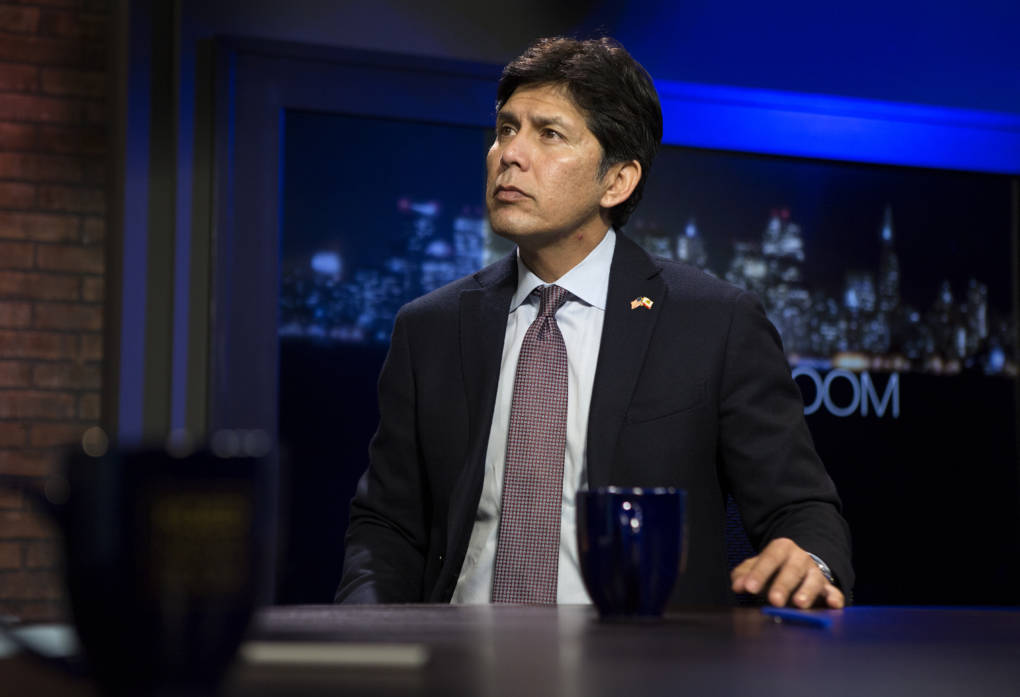
"caption": "California candidate for U.S. Senate Kevin de Leon visits KQED studios on October 15, 2018.",
"description": null,
"title": "KdL-onSet",
"credit": "Anne Wernikoff/KQED",
"status": "inherit",
"isLoading": false,
"fetchFailed": false
},
"news_11699974": {
"type": "attachments",
"id": "news_11699974",
"meta": {
"index": "attachments_1716263798",
"site": "news",
"id": "11699974",
"found": true
},
"parent": 11695081,
"imgSizes": {
"small": {
"file": "https://ww2.kqed.org/app/uploads/sites/10/2018/10/RS33010_IMG_1807-qut-520x347.jpg",
"width": 520,
"mimeType": "image/jpeg",
"height": 347
},
"twentyfourteen-full-width": {
"file": "https://ww2.kqed.org/app/uploads/sites/10/2018/10/RS33010_IMG_1807-qut-1038x576.jpg",
"width": 1038,
"mimeType": "image/jpeg",
"height": 576
},
"thumbnail": {
"file": "https://ww2.kqed.org/app/uploads/sites/10/2018/10/RS33010_IMG_1807-qut-160x107.jpg",
"width": 160,
"mimeType": "image/jpeg",
"height": 107
},
"fd-sm": {
"file": "https://ww2.kqed.org/app/uploads/sites/10/2018/10/RS33010_IMG_1807-qut-960x640.jpg",
"width": 960,
"mimeType": "image/jpeg",
"height": 640
},
"post-thumbnail": {
"file": "https://ww2.kqed.org/app/uploads/sites/10/2018/10/RS33010_IMG_1807-qut-672x372.jpg",
"width": 672,
"mimeType": "image/jpeg",
"height": 372
},
"xsmall": {
"file": "https://ww2.kqed.org/app/uploads/sites/10/2018/10/RS33010_IMG_1807-qut-375x250.jpg",
"width": 375,
"mimeType": "image/jpeg",
"height": 250
},
"kqedFullSize": {
"file": "https://ww2.kqed.org/app/uploads/sites/10/2018/10/RS33010_IMG_1807-qut.jpg",
"width": 1920,
"height": 1280
},
"large": {
"file": "https://ww2.kqed.org/app/uploads/sites/10/2018/10/RS33010_IMG_1807-qut-1020x680.jpg",
"width": 1020,
"mimeType": "image/jpeg",
"height": 680
},
"xlarge": {
"file": "https://ww2.kqed.org/app/uploads/sites/10/2018/10/RS33010_IMG_1807-qut-1180x787.jpg",
"width": 1180,
"mimeType": "image/jpeg",
"height": 787
},
"complete_open_graph": {
"file": "https://ww2.kqed.org/app/uploads/sites/10/2018/10/RS33010_IMG_1807-qut-1200x800.jpg",
"width": 1200,
"mimeType": "image/jpeg",
"height": 800
},
"guest-author-50": {
"file": "https://ww2.kqed.org/app/uploads/sites/10/2018/10/RS33010_IMG_1807-qut-50x50.jpg",
"width": 50,
"mimeType": "image/jpeg",
"height": 50
},
"guest-author-96": {
"file": "https://ww2.kqed.org/app/uploads/sites/10/2018/10/RS33010_IMG_1807-qut-96x96.jpg",
"width": 96,
"mimeType": "image/jpeg",
"height": 96
},
"medium": {
"file": "https://ww2.kqed.org/app/uploads/sites/10/2018/10/RS33010_IMG_1807-qut-800x533.jpg",
"width": 800,
"mimeType": "image/jpeg",
"height": 533
},
"guest-author-64": {
"file": "https://ww2.kqed.org/app/uploads/sites/10/2018/10/RS33010_IMG_1807-qut-64x64.jpg",
"width": 64,
"mimeType": "image/jpeg",
"height": 64
},
"guest-author-32": {
"file": "https://ww2.kqed.org/app/uploads/sites/10/2018/10/RS33010_IMG_1807-qut-32x32.jpg",
"width": 32,
"mimeType": "image/jpeg",
"height": 32
},
"fd-lrg": {
"file": "https://ww2.kqed.org/app/uploads/sites/10/2018/10/RS33010_IMG_1807-qut-1920x1280.jpg",
"width": 1920,
"mimeType": "image/jpeg",
"height": 1280
},
"fd-med": {
"file": "https://ww2.kqed.org/app/uploads/sites/10/2018/10/RS33010_IMG_1807-qut-1180x787.jpg",
"width": 1180,
"mimeType": "image/jpeg",
"height": 787
},
"full-width": {
"file": "https://ww2.kqed.org/app/uploads/sites/10/2018/10/RS33010_IMG_1807-qut-1920x1280.jpg",
"width": 1920,
"mimeType": "image/jpeg",
"height": 1280
},
"detail": {
"file": "https://ww2.kqed.org/app/uploads/sites/10/2018/10/RS33010_IMG_1807-qut-150x150.jpg",
"width": 150,
"mimeType": "image/jpeg",
"height": 150
},
"guest-author-128": {
"file": "https://ww2.kqed.org/app/uploads/sites/10/2018/10/RS33010_IMG_1807-qut-128x128.jpg",
"width": 128,
"mimeType": "image/jpeg",
"height": 128
},
"xxsmall": {
"file": "https://ww2.kqed.org/app/uploads/sites/10/2018/10/RS33010_IMG_1807-qut-240x160.jpg",
"width": 240,
"mimeType": "image/jpeg",
"height": 160
}
},
"publishDate": 1539976653,
"modified": 1539977849,
"caption": "Ismael Gastelum Valencia stands by the entrance of the Casa del Migrante shelter in Tijuana, Mexico on July 30, 2018. Gastelum Valencia was detained by U.S. authorities after crossing the border illegally, and deported.",
"description": null,
"title": "RS33010_IMG_1807-qut",
"credit": "Farida Jhabvala Romero/KQED",
"status": "inherit",
"isLoading": false,
"fetchFailed": false
},
"news_11699143": {
"type": "attachments",
"id": "news_11699143",
"meta": {
"index": "attachments_1716263798",
"site": "news",
"id": "11699143",
"found": true
},
"parent": 11699097,
"imgSizes": {
"small": {
"file": "https://ww2.kqed.org/app/uploads/sites/10/2018/10/DuncanHunter-520x362.jpg",
"width": 520,
"mimeType": "image/jpeg",
"height": 362
},
"twentyfourteen-full-width": {
"file": "https://ww2.kqed.org/app/uploads/sites/10/2018/10/DuncanHunter-1038x576.jpg",
"width": 1038,
"mimeType": "image/jpeg",
"height": 576
},
"thumbnail": {
"file": "https://ww2.kqed.org/app/uploads/sites/10/2018/10/DuncanHunter-160x111.jpg",
"width": 160,
"mimeType": "image/jpeg",
"height": 111
},
"fd-sm": {
"file": "https://ww2.kqed.org/app/uploads/sites/10/2018/10/DuncanHunter-960x669.jpg",
"width": 960,
"mimeType": "image/jpeg",
"height": 669
},
"post-thumbnail": {
"file": "https://ww2.kqed.org/app/uploads/sites/10/2018/10/DuncanHunter-672x372.jpg",
"width": 672,
"mimeType": "image/jpeg",
"height": 372
},
"xsmall": {
"file": "https://ww2.kqed.org/app/uploads/sites/10/2018/10/DuncanHunter-375x261.jpg",
"width": 375,
"mimeType": "image/jpeg",
"height": 261
},
"kqedFullSize": {
"file": "https://ww2.kqed.org/app/uploads/sites/10/2018/10/DuncanHunter.jpg",
"width": 1920,
"height": 1337
},
"large": {
"file": "https://ww2.kqed.org/app/uploads/sites/10/2018/10/DuncanHunter-1020x710.jpg",
"width": 1020,
"mimeType": "image/jpeg",
"height": 710
},
"xlarge": {
"file": "https://ww2.kqed.org/app/uploads/sites/10/2018/10/DuncanHunter-1180x822.jpg",
"width": 1180,
"mimeType": "image/jpeg",
"height": 822
},
"complete_open_graph": {
"file": "https://ww2.kqed.org/app/uploads/sites/10/2018/10/DuncanHunter-1200x836.jpg",
"width": 1200,
"mimeType": "image/jpeg",
"height": 836
},
"guest-author-50": {
"file": "https://ww2.kqed.org/app/uploads/sites/10/2018/10/DuncanHunter-50x50.jpg",
"width": 50,
"mimeType": "image/jpeg",
"height": 50
},
"guest-author-96": {
"file": "https://ww2.kqed.org/app/uploads/sites/10/2018/10/DuncanHunter-96x96.jpg",
"width": 96,
"mimeType": "image/jpeg",
"height": 96
},
"medium": {
"file": "https://ww2.kqed.org/app/uploads/sites/10/2018/10/DuncanHunter-800x557.jpg",
"width": 800,
"mimeType": "image/jpeg",
"height": 557
},
"guest-author-64": {
"file": "https://ww2.kqed.org/app/uploads/sites/10/2018/10/DuncanHunter-64x64.jpg",
"width": 64,
"mimeType": "image/jpeg",
"height": 64
},
"guest-author-32": {
"file": "https://ww2.kqed.org/app/uploads/sites/10/2018/10/DuncanHunter-32x32.jpg",
"width": 32,
"mimeType": "image/jpeg",
"height": 32
},
"fd-lrg": {
"file": "https://ww2.kqed.org/app/uploads/sites/10/2018/10/DuncanHunter-1920x1337.jpg",
"width": 1920,
"mimeType": "image/jpeg",
"height": 1337
},
"fd-med": {
"file": "https://ww2.kqed.org/app/uploads/sites/10/2018/10/DuncanHunter-1180x822.jpg",
"width": 1180,
"mimeType": "image/jpeg",
"height": 822
},
"full-width": {
"file": "https://ww2.kqed.org/app/uploads/sites/10/2018/10/DuncanHunter-1920x1337.jpg",
"width": 1920,
"mimeType": "image/jpeg",
"height": 1337
},
"detail": {
"file": "https://ww2.kqed.org/app/uploads/sites/10/2018/10/DuncanHunter-150x150.jpg",
"width": 150,
"mimeType": "image/jpeg",
"height": 150
},
"guest-author-128": {
"file": "https://ww2.kqed.org/app/uploads/sites/10/2018/10/DuncanHunter-128x128.jpg",
"width": 128,
"mimeType": "image/jpeg",
"height": 128
},
"xxsmall": {
"file": "https://ww2.kqed.org/app/uploads/sites/10/2018/10/DuncanHunter-240x167.jpg",
"width": 240,
"mimeType": "image/jpeg",
"height": 167
}
},
"publishDate": 1539650273,
"modified": 1539650390,
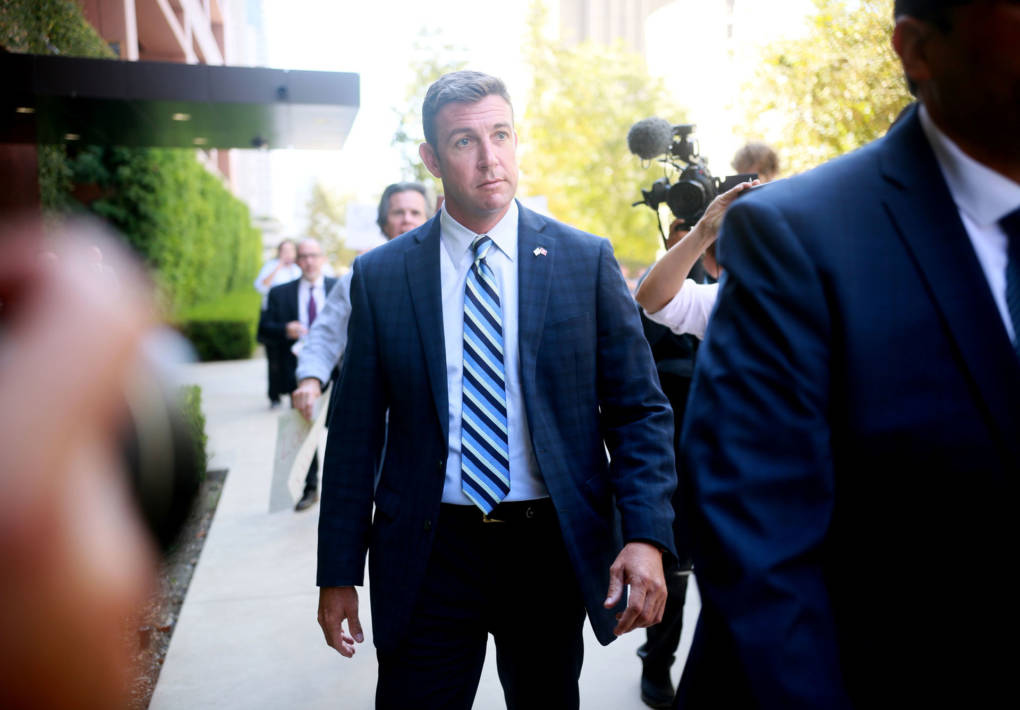
"caption": "Rep. Duncan Hunter walks out of the San Diego Federal Courthouse after an arraignment hearing on Aug. 23, 2018 in San Diego. Hunter and his wife Margaret pled not guilty to using more than $250,000 in campaign funds for personal use.",
"description": "Rep. Duncan Hunter walks out of the San Diego Federal Courthouse after an arraignment hearing on Aug. 23, 2018 in San Diego. Hunter and his wife Margaret pled not guilty to using more than $250,000 in campaign funds for personal use.",
"title": "DuncanHunter",
"credit": "Sandy Huffaker/Getty Images",
"status": "inherit",
"isLoading": false,
"fetchFailed": false
},
"news_11699140": {
"type": "attachments",
"id": "news_11699140",
"meta": {
"index": "attachments_1716263798",
"site": "news",
"id": "11699140",
"found": true
},
"parent": 11699103,
"imgSizes": {
"small": {
"file": "https://ww2.kqed.org/app/uploads/sites/10/2018/10/ICE.Arrest_lg-520x334.jpg",
"width": 520,
"mimeType": "image/jpeg",
"height": 334
},
"twentyfourteen-full-width": {
"file": "https://ww2.kqed.org/app/uploads/sites/10/2018/10/ICE.Arrest_lg-1008x576.jpg",
"width": 1008,
"mimeType": "image/jpeg",
"height": 576
},
"thumbnail": {
"file": "https://ww2.kqed.org/app/uploads/sites/10/2018/10/ICE.Arrest_lg-160x103.jpg",
"width": 160,
"mimeType": "image/jpeg",
"height": 103
},
"fd-sm": {
"file": "https://ww2.kqed.org/app/uploads/sites/10/2018/10/ICE.Arrest_lg-960x617.jpg",
"width": 960,
"mimeType": "image/jpeg",
"height": 617
},
"post-thumbnail": {
"file": "https://ww2.kqed.org/app/uploads/sites/10/2018/10/ICE.Arrest_lg-672x372.jpg",
"width": 672,
"mimeType": "image/jpeg",
"height": 372
},
"xsmall": {
"file": "https://ww2.kqed.org/app/uploads/sites/10/2018/10/ICE.Arrest_lg-375x241.jpg",
"width": 375,
"mimeType": "image/jpeg",
"height": 241
},
"kqedFullSize": {
"file": "https://ww2.kqed.org/app/uploads/sites/10/2018/10/ICE.Arrest_lg.jpg",
"width": 1008,
"height": 648
},
"guest-author-50": {
"file": "https://ww2.kqed.org/app/uploads/sites/10/2018/10/ICE.Arrest_lg-50x50.jpg",
"width": 50,
"mimeType": "image/jpeg",
"height": 50
},
"guest-author-96": {
"file": "https://ww2.kqed.org/app/uploads/sites/10/2018/10/ICE.Arrest_lg-96x96.jpg",
"width": 96,
"mimeType": "image/jpeg",
"height": 96
},
"medium": {
"file": "https://ww2.kqed.org/app/uploads/sites/10/2018/10/ICE.Arrest_lg-800x514.jpg",
"width": 800,
"mimeType": "image/jpeg",
"height": 514
},
"guest-author-64": {
"file": "https://ww2.kqed.org/app/uploads/sites/10/2018/10/ICE.Arrest_lg-64x64.jpg",
"width": 64,
"mimeType": "image/jpeg",
"height": 64
},
"guest-author-32": {
"file": "https://ww2.kqed.org/app/uploads/sites/10/2018/10/ICE.Arrest_lg-32x32.jpg",
"width": 32,
"mimeType": "image/jpeg",
"height": 32
},
"detail": {
"file": "https://ww2.kqed.org/app/uploads/sites/10/2018/10/ICE.Arrest_lg-150x150.jpg",
"width": 150,
"mimeType": "image/jpeg",
"height": 150
},
"guest-author-128": {
"file": "https://ww2.kqed.org/app/uploads/sites/10/2018/10/ICE.Arrest_lg-128x128.jpg",
"width": 128,
"mimeType": "image/jpeg",
"height": 128
},
"xxsmall": {
"file": "https://ww2.kqed.org/app/uploads/sites/10/2018/10/ICE.Arrest_lg-240x154.jpg",
"width": 240,
"mimeType": "image/jpeg",
"height": 154
}
},
"publishDate": 1539649996,
"modified": 1539655713,
"caption": "An ICE special agent arrests a suspect.",
"description": "An ICE special agent arrests a suspect.",
"title": "ICE.Arrest_lg",
"credit": "\u003ca href=\"https://commons.wikimedia.org/wiki/File:ICE.Arrest_lg.jpg#/media/File:ICE.Arrest_lg.jpg\" target=\"_blank\">U.S. Immigration and Customs Enforcement\u003c/a>",
"status": "inherit",
"isLoading": false,
"fetchFailed": false
},
"news_11699102": {
"type": "attachments",
"id": "news_11699102",
"meta": {
"index": "attachments_1716263798",
"site": "news",
"id": "11699102",
"found": true
},
"parent": 11699086,
"imgSizes": {
"small": {
"file": "https://ww2.kqed.org/app/uploads/sites/10/2018/10/ferocious_101518_final-520x349.jpg",
"width": 520,
"mimeType": "image/jpeg",
"height": 349
},
"twentyfourteen-full-width": {
"file": "https://ww2.kqed.org/app/uploads/sites/10/2018/10/ferocious_101518_final-1038x576.jpg",
"width": 1038,
"mimeType": "image/jpeg",
"height": 576
},
"thumbnail": {
"file": "https://ww2.kqed.org/app/uploads/sites/10/2018/10/ferocious_101518_final-160x108.jpg",
"width": 160,
"mimeType": "image/jpeg",
"height": 108
},
"fd-sm": {
"file": "https://ww2.kqed.org/app/uploads/sites/10/2018/10/ferocious_101518_final-960x645.jpg",
"width": 960,
"mimeType": "image/jpeg",
"height": 645
},
"post-thumbnail": {
"file": "https://ww2.kqed.org/app/uploads/sites/10/2018/10/ferocious_101518_final-672x372.jpg",
"width": 672,
"mimeType": "image/jpeg",
"height": 372
},
"xsmall": {
"file": "https://ww2.kqed.org/app/uploads/sites/10/2018/10/ferocious_101518_final-375x252.jpg",
"width": 375,
"mimeType": "image/jpeg",
"height": 252
},
"kqedFullSize": {
"file": "https://ww2.kqed.org/app/uploads/sites/10/2018/10/ferocious_101518_final.jpg",
"width": 1920,
"height": 1290
},
"large": {
"file": "https://ww2.kqed.org/app/uploads/sites/10/2018/10/ferocious_101518_final-1020x685.jpg",
"width": 1020,
"mimeType": "image/jpeg",
"height": 685
},
"xlarge": {
"file": "https://ww2.kqed.org/app/uploads/sites/10/2018/10/ferocious_101518_final-1180x793.jpg",
"width": 1180,
"mimeType": "image/jpeg",
"height": 793
},
"complete_open_graph": {
"file": "https://ww2.kqed.org/app/uploads/sites/10/2018/10/ferocious_101518_final-1200x806.jpg",
"width": 1200,
"mimeType": "image/jpeg",
"height": 806
},
"guest-author-50": {
"file": "https://ww2.kqed.org/app/uploads/sites/10/2018/10/ferocious_101518_final-50x50.jpg",
"width": 50,
"mimeType": "image/jpeg",
"height": 50
},
"guest-author-96": {
"file": "https://ww2.kqed.org/app/uploads/sites/10/2018/10/ferocious_101518_final-96x96.jpg",
"width": 96,
"mimeType": "image/jpeg",
"height": 96
},
"medium": {
"file": "https://ww2.kqed.org/app/uploads/sites/10/2018/10/ferocious_101518_final-800x538.jpg",
"width": 800,
"mimeType": "image/jpeg",
"height": 538
},
"guest-author-64": {
"file": "https://ww2.kqed.org/app/uploads/sites/10/2018/10/ferocious_101518_final-64x64.jpg",
"width": 64,
"mimeType": "image/jpeg",
"height": 64
},
"guest-author-32": {
"file": "https://ww2.kqed.org/app/uploads/sites/10/2018/10/ferocious_101518_final-32x32.jpg",
"width": 32,
"mimeType": "image/jpeg",
"height": 32
},
"fd-lrg": {
"file": "https://ww2.kqed.org/app/uploads/sites/10/2018/10/ferocious_101518_final-1920x1290.jpg",
"width": 1920,
"mimeType": "image/jpeg",
"height": 1290
},
"fd-med": {
"file": "https://ww2.kqed.org/app/uploads/sites/10/2018/10/ferocious_101518_final-1180x793.jpg",
"width": 1180,
"mimeType": "image/jpeg",
"height": 793
},
"full-width": {
"file": "https://ww2.kqed.org/app/uploads/sites/10/2018/10/ferocious_101518_final-1920x1290.jpg",
"width": 1920,
"mimeType": "image/jpeg",
"height": 1290
},
"detail": {
"file": "https://ww2.kqed.org/app/uploads/sites/10/2018/10/ferocious_101518_final-150x150.jpg",
"width": 150,
"mimeType": "image/jpeg",
"height": 150
},
"guest-author-128": {
"file": "https://ww2.kqed.org/app/uploads/sites/10/2018/10/ferocious_101518_final-128x128.jpg",
"width": 128,
"mimeType": "image/jpeg",
"height": 128
},
"xxsmall": {
"file": "https://ww2.kqed.org/app/uploads/sites/10/2018/10/ferocious_101518_final-240x161.jpg",
"width": 240,
"mimeType": "image/jpeg",
"height": 161
}
},
"publishDate": 1539646578,
"modified": 1539646594,
"caption": null,
"description": null,
"title": "ferocious_101518_final",
"credit": null,
"status": "inherit",
"isLoading": false,
"fetchFailed": false
},
"news_11699058": {
"type": "attachments",
"id": "news_11699058",
"meta": {
"index": "attachments_1716263798",
"site": "news",
"id": "11699058",
"found": true
},
"parent": 11699057,
"imgSizes": {
"small": {
"file": "https://ww2.kqed.org/app/uploads/sites/10/2018/10/img-0085-4422f95f91aa3e7c0cce76c7d03eae6c8fbfb8cf-520x390.jpg",
"width": 520,
"mimeType": "image/jpeg",
"height": 390
},
"twentyfourteen-full-width": {
"file": "https://ww2.kqed.org/app/uploads/sites/10/2018/10/img-0085-4422f95f91aa3e7c0cce76c7d03eae6c8fbfb8cf-1038x576.jpg",
"width": 1038,
"mimeType": "image/jpeg",
"height": 576
},
"thumbnail": {
"file": "https://ww2.kqed.org/app/uploads/sites/10/2018/10/img-0085-4422f95f91aa3e7c0cce76c7d03eae6c8fbfb8cf-160x120.jpg",
"width": 160,
"mimeType": "image/jpeg",
"height": 120
},
"fd-sm": {
"file": "https://ww2.kqed.org/app/uploads/sites/10/2018/10/img-0085-4422f95f91aa3e7c0cce76c7d03eae6c8fbfb8cf-960x720.jpg",
"width": 960,
"mimeType": "image/jpeg",
"height": 720
},
"post-thumbnail": {
"file": "https://ww2.kqed.org/app/uploads/sites/10/2018/10/img-0085-4422f95f91aa3e7c0cce76c7d03eae6c8fbfb8cf-672x372.jpg",
"width": 672,
"mimeType": "image/jpeg",
"height": 372
},
"xsmall": {
"file": "https://ww2.kqed.org/app/uploads/sites/10/2018/10/img-0085-4422f95f91aa3e7c0cce76c7d03eae6c8fbfb8cf-375x281.jpg",
"width": 375,
"mimeType": "image/jpeg",
"height": 281
},
"kqedFullSize": {
"file": "https://ww2.kqed.org/app/uploads/sites/10/2018/10/img-0085-4422f95f91aa3e7c0cce76c7d03eae6c8fbfb8cf-e1539638188103.jpg",
"width": 1920,
"height": 1440
},
"large": {
"file": "https://ww2.kqed.org/app/uploads/sites/10/2018/10/img-0085-4422f95f91aa3e7c0cce76c7d03eae6c8fbfb8cf-1020x765.jpg",
"width": 1020,
"mimeType": "image/jpeg",
"height": 765
},
"xlarge": {
"file": "https://ww2.kqed.org/app/uploads/sites/10/2018/10/img-0085-4422f95f91aa3e7c0cce76c7d03eae6c8fbfb8cf-1180x885.jpg",
"width": 1180,
"mimeType": "image/jpeg",
"height": 885
},
"complete_open_graph": {
"file": "https://ww2.kqed.org/app/uploads/sites/10/2018/10/img-0085-4422f95f91aa3e7c0cce76c7d03eae6c8fbfb8cf-1200x900.jpg",
"width": 1200,
"mimeType": "image/jpeg",
"height": 900
},
"guest-author-50": {
"file": "https://ww2.kqed.org/app/uploads/sites/10/2018/10/img-0085-4422f95f91aa3e7c0cce76c7d03eae6c8fbfb8cf-50x50.jpg",
"width": 50,
"mimeType": "image/jpeg",
"height": 50
},
"guest-author-96": {
"file": "https://ww2.kqed.org/app/uploads/sites/10/2018/10/img-0085-4422f95f91aa3e7c0cce76c7d03eae6c8fbfb8cf-96x96.jpg",
"width": 96,
"mimeType": "image/jpeg",
"height": 96
},
"medium": {
"file": "https://ww2.kqed.org/app/uploads/sites/10/2018/10/img-0085-4422f95f91aa3e7c0cce76c7d03eae6c8fbfb8cf-800x600.jpg",
"width": 800,
"mimeType": "image/jpeg",
"height": 600
},
"guest-author-64": {
"file": "https://ww2.kqed.org/app/uploads/sites/10/2018/10/img-0085-4422f95f91aa3e7c0cce76c7d03eae6c8fbfb8cf-64x64.jpg",
"width": 64,
"mimeType": "image/jpeg",
"height": 64
},
"guest-author-32": {
"file": "https://ww2.kqed.org/app/uploads/sites/10/2018/10/img-0085-4422f95f91aa3e7c0cce76c7d03eae6c8fbfb8cf-32x32.jpg",
"width": 32,
"mimeType": "image/jpeg",
"height": 32
},
"fd-lrg": {
"file": "https://ww2.kqed.org/app/uploads/sites/10/2018/10/img-0085-4422f95f91aa3e7c0cce76c7d03eae6c8fbfb8cf-1920x1440.jpg",
"width": 1920,
"mimeType": "image/jpeg",
"height": 1440
},
"fd-med": {
"file": "https://ww2.kqed.org/app/uploads/sites/10/2018/10/img-0085-4422f95f91aa3e7c0cce76c7d03eae6c8fbfb8cf-1180x885.jpg",
"width": 1180,
"mimeType": "image/jpeg",
"height": 885
},
"full-width": {
"file": "https://ww2.kqed.org/app/uploads/sites/10/2018/10/img-0085-4422f95f91aa3e7c0cce76c7d03eae6c8fbfb8cf-1920x1440.jpg",
"width": 1920,
"mimeType": "image/jpeg",
"height": 1440
},
"detail": {
"file": "https://ww2.kqed.org/app/uploads/sites/10/2018/10/img-0085-4422f95f91aa3e7c0cce76c7d03eae6c8fbfb8cf-150x150.jpg",
"width": 150,
"mimeType": "image/jpeg",
"height": 150
},
"guest-author-128": {
"file": "https://ww2.kqed.org/app/uploads/sites/10/2018/10/img-0085-4422f95f91aa3e7c0cce76c7d03eae6c8fbfb8cf-128x128.jpg",
"width": 128,
"mimeType": "image/jpeg",
"height": 128
},
"xxsmall": {
"file": "https://ww2.kqed.org/app/uploads/sites/10/2018/10/img-0085-4422f95f91aa3e7c0cce76c7d03eae6c8fbfb8cf-240x180.jpg",
"width": 240,
"mimeType": "image/jpeg",
"height": 180
}
},
"publishDate": 1539638031,
"modified": 1539638178,
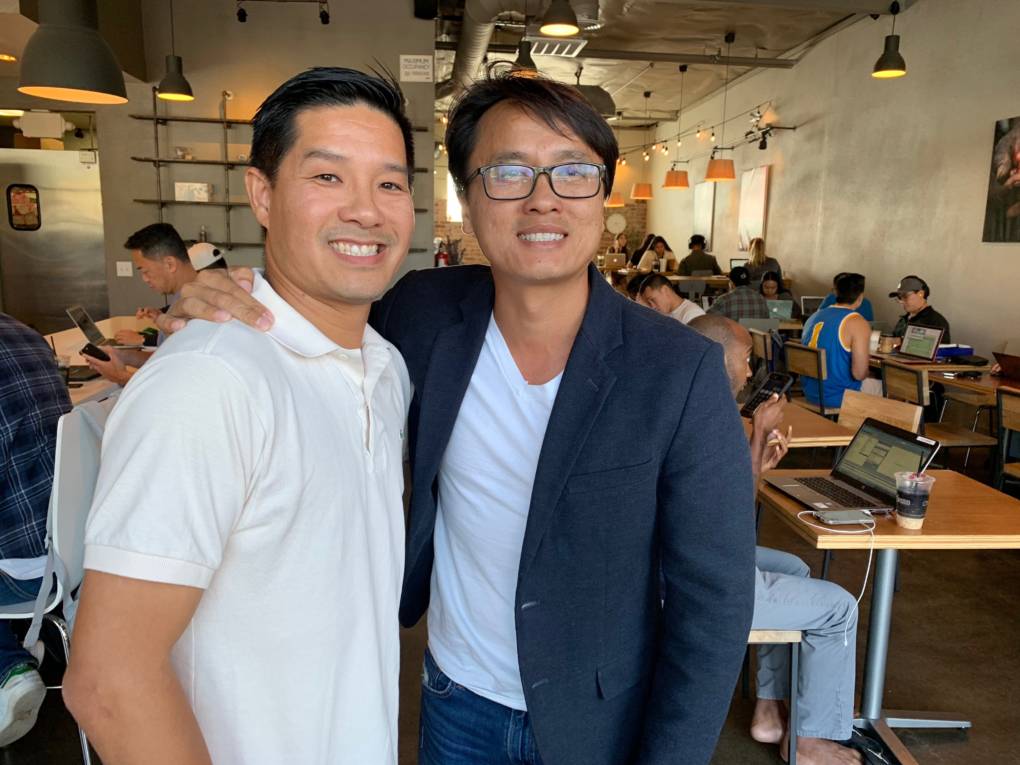
"caption": "Tam and Sonny Nguyen, Vietnamese-American business owners in the Orange County neighborhood of Little Saigon, say they see a \"stark difference\" between the generations not just in their politics, but in how they do business.",
"description": "Tam and Sonny Nguyen, Vietnamese-American business owners in the Orange County neighborhood of Little Saigon, say they see a \"stark difference\" between the generations not just in their politics, but in how they do business.",
"title": "Tam and Sonny Nguyen, Vietnamese-American business owners in the Orange County neighborhood of Little Saigon, say they see a \"stark difference\" between the generations not just in their politics, but in how they do business.",
"credit": "Chris Bentley/Here & Now",
"status": "inherit",
"isLoading": false,
"fetchFailed": false
},
"news_11698575": {
"type": "attachments",
"id": "news_11698575",
"meta": {
"index": "attachments_1716263798",
"site": "news",
"id": "11698575",
"found": true
},
"parent": 11698560,
"imgSizes": {
"small": {
"file": "https://ww2.kqed.org/app/uploads/sites/10/2018/10/reunification_101218_final-520x356.jpg",
"width": 520,
"mimeType": "image/jpeg",
"height": 356
},
"twentyfourteen-full-width": {
"file": "https://ww2.kqed.org/app/uploads/sites/10/2018/10/reunification_101218_final-1038x576.jpg",
"width": 1038,
"mimeType": "image/jpeg",
"height": 576
},
"thumbnail": {
"file": "https://ww2.kqed.org/app/uploads/sites/10/2018/10/reunification_101218_final-160x110.jpg",
"width": 160,
"mimeType": "image/jpeg",
"height": 110
},
"fd-sm": {
"file": "https://ww2.kqed.org/app/uploads/sites/10/2018/10/reunification_101218_final-960x658.jpg",
"width": 960,
"mimeType": "image/jpeg",
"height": 658
},
"post-thumbnail": {
"file": "https://ww2.kqed.org/app/uploads/sites/10/2018/10/reunification_101218_final-672x372.jpg",
"width": 672,
"mimeType": "image/jpeg",
"height": 372
},
"xsmall": {
"file": "https://ww2.kqed.org/app/uploads/sites/10/2018/10/reunification_101218_final-375x257.jpg",
"width": 375,
"mimeType": "image/jpeg",
"height": 257
},
"kqedFullSize": {
"file": "https://ww2.kqed.org/app/uploads/sites/10/2018/10/reunification_101218_final.jpg",
"width": 1920,
"height": 1315
},
"large": {
"file": "https://ww2.kqed.org/app/uploads/sites/10/2018/10/reunification_101218_final-1020x699.jpg",
"width": 1020,
"mimeType": "image/jpeg",
"height": 699
},
"xlarge": {
"file": "https://ww2.kqed.org/app/uploads/sites/10/2018/10/reunification_101218_final-1180x808.jpg",
"width": 1180,
"mimeType": "image/jpeg",
"height": 808
},
"complete_open_graph": {
"file": "https://ww2.kqed.org/app/uploads/sites/10/2018/10/reunification_101218_final-1200x822.jpg",
"width": 1200,
"mimeType": "image/jpeg",
"height": 822
},
"guest-author-50": {
"file": "https://ww2.kqed.org/app/uploads/sites/10/2018/10/reunification_101218_final-50x50.jpg",
"width": 50,
"mimeType": "image/jpeg",
"height": 50
},
"guest-author-96": {
"file": "https://ww2.kqed.org/app/uploads/sites/10/2018/10/reunification_101218_final-96x96.jpg",
"width": 96,
"mimeType": "image/jpeg",
"height": 96
},
"medium": {
"file": "https://ww2.kqed.org/app/uploads/sites/10/2018/10/reunification_101218_final-800x548.jpg",
"width": 800,
"mimeType": "image/jpeg",
"height": 548
},
"guest-author-64": {
"file": "https://ww2.kqed.org/app/uploads/sites/10/2018/10/reunification_101218_final-64x64.jpg",
"width": 64,
"mimeType": "image/jpeg",
"height": 64
},
"guest-author-32": {
"file": "https://ww2.kqed.org/app/uploads/sites/10/2018/10/reunification_101218_final-32x32.jpg",
"width": 32,
"mimeType": "image/jpeg",
"height": 32
},
"fd-lrg": {
"file": "https://ww2.kqed.org/app/uploads/sites/10/2018/10/reunification_101218_final-1920x1315.jpg",
"width": 1920,
"mimeType": "image/jpeg",
"height": 1315
},
"fd-med": {
"file": "https://ww2.kqed.org/app/uploads/sites/10/2018/10/reunification_101218_final-1180x808.jpg",
"width": 1180,
"mimeType": "image/jpeg",
"height": 808
},
"full-width": {
"file": "https://ww2.kqed.org/app/uploads/sites/10/2018/10/reunification_101218_final-1920x1315.jpg",
"width": 1920,
"mimeType": "image/jpeg",
"height": 1315
},
"detail": {
"file": "https://ww2.kqed.org/app/uploads/sites/10/2018/10/reunification_101218_final-150x150.jpg",
"width": 150,
"mimeType": "image/jpeg",
"height": 150
},
"guest-author-128": {
"file": "https://ww2.kqed.org/app/uploads/sites/10/2018/10/reunification_101218_final-128x128.jpg",
"width": 128,
"mimeType": "image/jpeg",
"height": 128
},
"xxsmall": {
"file": "https://ww2.kqed.org/app/uploads/sites/10/2018/10/reunification_101218_final-240x164.jpg",
"width": 240,
"mimeType": "image/jpeg",
"height": 164
}
},
"publishDate": 1539383738,
"modified": 1539383759,
"caption": null,
"description": null,
"title": "reunification_101218_final",
"credit": null,
"status": "inherit",
"isLoading": false,
"fetchFailed": false
},
"news_11698668": {
"type": "attachments",
"id": "news_11698668",
"meta": {
"index": "attachments_1716263798",
"site": "news",
"id": "11698668",
"found": true
},
"parent": 11698629,
"imgSizes": {
"small": {
"file": "https://ww2.kqed.org/app/uploads/sites/10/2018/10/ChildBorderPatrol-520x386.jpg",
"width": 520,
"mimeType": "image/jpeg",
"height": 386
},
"twentyfourteen-full-width": {
"file": "https://ww2.kqed.org/app/uploads/sites/10/2018/10/ChildBorderPatrol-1038x576.jpg",
"width": 1038,
"mimeType": "image/jpeg",
"height": 576
},
"thumbnail": {
"file": "https://ww2.kqed.org/app/uploads/sites/10/2018/10/ChildBorderPatrol-160x119.jpg",
"width": 160,
"mimeType": "image/jpeg",
"height": 119
},
"fd-sm": {
"file": "https://ww2.kqed.org/app/uploads/sites/10/2018/10/ChildBorderPatrol-960x713.jpg",
"width": 960,
"mimeType": "image/jpeg",
"height": 713
},
"post-thumbnail": {
"file": "https://ww2.kqed.org/app/uploads/sites/10/2018/10/ChildBorderPatrol-672x372.jpg",
"width": 672,
"mimeType": "image/jpeg",
"height": 372
},
"xsmall": {
"file": "https://ww2.kqed.org/app/uploads/sites/10/2018/10/ChildBorderPatrol-375x278.jpg",
"width": 375,
"mimeType": "image/jpeg",
"height": 278
},
"kqedFullSize": {
"file": "https://ww2.kqed.org/app/uploads/sites/10/2018/10/ChildBorderPatrol.jpg",
"width": 1920,
"height": 1425
},
"large": {
"file": "https://ww2.kqed.org/app/uploads/sites/10/2018/10/ChildBorderPatrol-1020x757.jpg",
"width": 1020,
"mimeType": "image/jpeg",
"height": 757
},
"xlarge": {
"file": "https://ww2.kqed.org/app/uploads/sites/10/2018/10/ChildBorderPatrol-1180x876.jpg",
"width": 1180,
"mimeType": "image/jpeg",
"height": 876
},
"complete_open_graph": {
"file": "https://ww2.kqed.org/app/uploads/sites/10/2018/10/ChildBorderPatrol-1200x891.jpg",
"width": 1200,
"mimeType": "image/jpeg",
"height": 891
},
"guest-author-50": {
"file": "https://ww2.kqed.org/app/uploads/sites/10/2018/10/ChildBorderPatrol-50x50.jpg",
"width": 50,
"mimeType": "image/jpeg",
"height": 50
},
"guest-author-96": {
"file": "https://ww2.kqed.org/app/uploads/sites/10/2018/10/ChildBorderPatrol-96x96.jpg",
"width": 96,
"mimeType": "image/jpeg",
"height": 96
},
"medium": {
"file": "https://ww2.kqed.org/app/uploads/sites/10/2018/10/ChildBorderPatrol-800x594.jpg",
"width": 800,
"mimeType": "image/jpeg",
"height": 594
},
"guest-author-64": {
"file": "https://ww2.kqed.org/app/uploads/sites/10/2018/10/ChildBorderPatrol-64x64.jpg",
"width": 64,
"mimeType": "image/jpeg",
"height": 64
},
"guest-author-32": {
"file": "https://ww2.kqed.org/app/uploads/sites/10/2018/10/ChildBorderPatrol-32x32.jpg",
"width": 32,
"mimeType": "image/jpeg",
"height": 32
},
"fd-lrg": {
"file": "https://ww2.kqed.org/app/uploads/sites/10/2018/10/ChildBorderPatrol-1920x1425.jpg",
"width": 1920,
"mimeType": "image/jpeg",
"height": 1425
},
"fd-med": {
"file": "https://ww2.kqed.org/app/uploads/sites/10/2018/10/ChildBorderPatrol-1180x876.jpg",
"width": 1180,
"mimeType": "image/jpeg",
"height": 876
},
"full-width": {
"file": "https://ww2.kqed.org/app/uploads/sites/10/2018/10/ChildBorderPatrol-1920x1425.jpg",
"width": 1920,
"mimeType": "image/jpeg",
"height": 1425
},
"detail": {
"file": "https://ww2.kqed.org/app/uploads/sites/10/2018/10/ChildBorderPatrol-150x150.jpg",
"width": 150,
"mimeType": "image/jpeg",
"height": 150
},
"guest-author-128": {
"file": "https://ww2.kqed.org/app/uploads/sites/10/2018/10/ChildBorderPatrol-128x128.jpg",
"width": 128,
"mimeType": "image/jpeg",
"height": 128
},
"xxsmall": {
"file": "https://ww2.kqed.org/app/uploads/sites/10/2018/10/ChildBorderPatrol-240x178.jpg",
"width": 240,
"mimeType": "image/jpeg",
"height": 178
}
},
"publishDate": 1539389867,
"modified": 1539389997,
"caption": "A boy and his father from Honduras are taken into custody by U.S. Border Patrol agents near the U.S.-Mexico Border on June 12, 2018 in Texas. The asylum seekers were then sent to a U.S. Customs and Border Protection (CBP) processing center for possible separation. ",
"description": "A boy and his father from Honduras are taken into custody by U.S. Border Patrol agents near the U.S.-Mexico Border on June 12, 2018 in Texas. The asylum seekers were then sent to a U.S. Customs and Border Protection (CBP) processing center for possible separation. ",
"title": "ChildBorderPatrol",
"credit": "John Moore/Getty Images",
"status": "inherit",
"isLoading": false,
"fetchFailed": false
},
"news_11698429": {
"type": "attachments",
"id": "news_11698429",
"meta": {
"index": "attachments_1716263798",
"site": "news",
"id": "11698429",
"found": true
},
"parent": 11698189,
"imgSizes": {
"small": {
"file": "https://ww2.kqed.org/app/uploads/sites/10/2018/10/IMG_8091-1-1180x885-1-520x390.jpg",
"width": 520,
"mimeType": "image/jpeg",
"height": 390
},
"twentyfourteen-full-width": {
"file": "https://ww2.kqed.org/app/uploads/sites/10/2018/10/IMG_8091-1-1180x885-1-1038x576.jpg",
"width": 1038,
"mimeType": "image/jpeg",
"height": 576
},
"thumbnail": {
"file": "https://ww2.kqed.org/app/uploads/sites/10/2018/10/IMG_8091-1-1180x885-1-160x120.jpg",
"width": 160,
"mimeType": "image/jpeg",
"height": 120
},
"fd-sm": {
"file": "https://ww2.kqed.org/app/uploads/sites/10/2018/10/IMG_8091-1-1180x885-1-960x720.jpg",
"width": 960,
"mimeType": "image/jpeg",
"height": 720
},
"post-thumbnail": {
"file": "https://ww2.kqed.org/app/uploads/sites/10/2018/10/IMG_8091-1-1180x885-1-672x372.jpg",
"width": 672,
"mimeType": "image/jpeg",
"height": 372
},
"xsmall": {
"file": "https://ww2.kqed.org/app/uploads/sites/10/2018/10/IMG_8091-1-1180x885-1-375x281.jpg",
"width": 375,
"mimeType": "image/jpeg",
"height": 281
},
"kqedFullSize": {
"file": "https://ww2.kqed.org/app/uploads/sites/10/2018/10/IMG_8091-1-1180x885-1.jpg",
"width": 1180,
"height": 885
},
"large": {
"file": "https://ww2.kqed.org/app/uploads/sites/10/2018/10/IMG_8091-1-1180x885-1-1020x765.jpg",
"width": 1020,
"mimeType": "image/jpeg",
"height": 765
},
"xlarge": {
"file": "https://ww2.kqed.org/app/uploads/sites/10/2018/10/IMG_8091-1-1180x885-1-1180x885.jpg",
"width": 1180,
"mimeType": "image/jpeg",
"height": 885
},
"guest-author-50": {
"file": "https://ww2.kqed.org/app/uploads/sites/10/2018/10/IMG_8091-1-1180x885-1-50x50.jpg",
"width": 50,
"mimeType": "image/jpeg",
"height": 50
},
"guest-author-96": {
"file": "https://ww2.kqed.org/app/uploads/sites/10/2018/10/IMG_8091-1-1180x885-1-96x96.jpg",
"width": 96,
"mimeType": "image/jpeg",
"height": 96
},
"medium": {
"file": "https://ww2.kqed.org/app/uploads/sites/10/2018/10/IMG_8091-1-1180x885-1-800x600.jpg",
"width": 800,
"mimeType": "image/jpeg",
"height": 600
},
"guest-author-64": {
"file": "https://ww2.kqed.org/app/uploads/sites/10/2018/10/IMG_8091-1-1180x885-1-64x64.jpg",
"width": 64,
"mimeType": "image/jpeg",
"height": 64
},
"guest-author-32": {
"file": "https://ww2.kqed.org/app/uploads/sites/10/2018/10/IMG_8091-1-1180x885-1-32x32.jpg",
"width": 32,
"mimeType": "image/jpeg",
"height": 32
},
"fd-med": {
"file": "https://ww2.kqed.org/app/uploads/sites/10/2018/10/IMG_8091-1-1180x885-1-1180x885.jpg",
"width": 1180,
"mimeType": "image/jpeg",
"height": 885
},
"detail": {
"file": "https://ww2.kqed.org/app/uploads/sites/10/2018/10/IMG_8091-1-1180x885-1-150x150.jpg",
"width": 150,
"mimeType": "image/jpeg",
"height": 150
},
"guest-author-128": {
"file": "https://ww2.kqed.org/app/uploads/sites/10/2018/10/IMG_8091-1-1180x885-1-128x128.jpg",
"width": 128,
"mimeType": "image/jpeg",
"height": 128
},
"xxsmall": {
"file": "https://ww2.kqed.org/app/uploads/sites/10/2018/10/IMG_8091-1-1180x885-1-240x180.jpg",
"width": 240,
"mimeType": "image/jpeg",
"height": 180
}
},
"publishDate": 1539367806,
"modified": 1539374390,
"caption": "East Bay Assemblyman Rob Bonta speaks at the Asian Law Caucus office in San Francisco on Oct. 11, 2018, alongside Assemblyman David Chiu and community advocates, urging Gov. Jerry Brown to pardon Southeast Asian refugees facing deportation.",
"description": "East Bay Assemblyman Rob Bonta speaks at the Asian Law Caucus office in San Francisco on Oct. 11, 2018, alongside Assemblyman David Chiu and community advocates, urging Gov. Jerry Brown to pardon Southeast Asian refugees facing deportation.",
"title": "IMG_8091-1-1180x885",
"credit": "Hope McKenney/KQED",
"status": "inherit",
"isLoading": false,
"fetchFailed": false
}
},
"audioPlayerReducer": {
"postId": "stream_live",
"isPaused": true,
"isPlaying": false,
"pfsActive": false,
"pledgeModalIsOpen": true,
"playerDrawerIsOpen": false,
"liveAudioPlayStartedAt": 0,
"liveAudioPlayContext": ""
},
"authorsReducer": {
"byline_news_11699057": {
"type": "authors",
"id": "byline_news_11699057",
"meta": {
"override": true
},
"slug": "byline_news_11699057",
"name": "Samantha Raphelson \u003cbr> Jeremy Hobson \u003cbr> Chris Bentley",
"isLoading": false
},
"kqed": {
"type": "authors",
"id": "236",
"meta": {
"index": "authors_1716337520",
"id": "236",
"found": true
},
"name": "KQED News Staff",
"firstName": "KQED News Staff",
"lastName": null,
"slug": "kqed",
"email": "faq@kqed.org",
"display_author_email": false,
"staff_mastheads": [],
"title": null,
"bio": null,
"avatar": "https://secure.gravatar.com/avatar/ef0e801a68c4c54afa9180db14084167?s=600&d=blank&r=g",
"twitter": null,
"facebook": null,
"instagram": null,
"linkedin": null,
"sites": [
{
"site": "arts",
"roles": [
"contributor"
]
},
{
"site": "news",
"roles": [
"editor"
]
},
{
"site": "futureofyou",
"roles": [
"author"
]
}
],
"headData": {
"title": "KQED News Staff | KQED",
"description": null,
"ogImgSrc": "https://secure.gravatar.com/avatar/ef0e801a68c4c54afa9180db14084167?s=600&d=blank&r=g",
"twImgSrc": "https://secure.gravatar.com/avatar/ef0e801a68c4c54afa9180db14084167?s=600&d=blank&r=g"
},
"isLoading": false,
"link": "/author/kqed"
},
"markfiore": {
"type": "authors",
"id": "3236",
"meta": {
"index": "authors_1716337520",
"id": "3236",
"found": true
},
"name": "Mark Fiore",
"firstName": "Mark",
"lastName": "Fiore",
"slug": "markfiore",
"email": "mark@markfiore.com",
"display_author_email": false,
"staff_mastheads": [
"news"
],
"title": "KQED News Cartoonist",
"bio": "\u003ca href=\"http://www.MarkFiore.com\">MarkFiore.com\u003c/a> | \u003ca href=\"https://twitter.com/markfiore\">Follow on Twitter\u003c/a> | \u003ca href=\"https://www.facebook.com/pages/Mark-Fiore-Animated-Political-Cartoons/94451707396?ref=bookmarks\">Facebook\u003c/a> | \u003ca href=\"mailto:mark@markfiore.com\">email\u003c/a>\r\n\r\nPulitzer Prize-winner, Mark Fiore, who the Wall Street Journal has called “the undisputed guru of the form,” creates animated political cartoons in San Francisco, where his work has been featured regularly on the San Francisco Chronicle’s web site, SFGate.com. His work has appeared on Newsweek.com, Slate.com, CBSNews.com, MotherJones.com, DailyKos.com and NPR’s web site. Fiore’s political animation has appeared on CNN, Frontline, Bill Moyers Journal, Salon.com and cable and broadcast outlets across the globe.\r\n\r\nBeginning his professional life by drawing traditional political cartoons for newspapers, Fiore’s work appeared in publications ranging from the Washington Post to the Los Angeles Times. In the late 1990s, he began to experiment with animating political cartoons and, after a short stint at the San Jose Mercury News as their staff cartoonist, Fiore devoted all his energies to animation.\r\nGrowing up in California, Fiore also spent a good portion of his life in the backwoods of Idaho. It was this combination that shaped him politically. Mark majored in political science at Colorado College, where, in a perfect send-off for a cartoonist, he received his diploma in 1991 as commencement speaker Dick Cheney smiled approvingly.\r\nMark Fiore was awarded the Pulitzer Prize for political cartooning in 2010, a Robert F. Kennedy Journalism Award in 2004 and has twice received an Online Journalism Award for commentary from the Online News Association (2002, 2008). Fiore has received two awards for his work in new media from the National Cartoonists Society (2001, 2002), and in 2006 received The James Madison Freedom of Information Award from The Society of Professional Journalists.",
"avatar": "https://secure.gravatar.com/avatar/fc4e2a612b15b67bad0c6f0e1db4ca9b?s=600&d=blank&r=g",
"twitter": "MarkFiore",
"facebook": null,
"instagram": "https://www.instagram.com/markfiore/?hl=en",
"linkedin": null,
"sites": [
{
"site": "arts",
"roles": [
"contributor"
]
},
{
"site": "news",
"roles": [
"editor"
]
},
{
"site": "futureofyou",
"roles": [
"editor"
]
},
{
"site": "science",
"roles": [
"editor"
]
}
],
"headData": {
"title": "Mark Fiore | KQED",
"description": "KQED News Cartoonist",
"ogImgSrc": "https://secure.gravatar.com/avatar/fc4e2a612b15b67bad0c6f0e1db4ca9b?s=600&d=blank&r=g",
"twImgSrc": "https://secure.gravatar.com/avatar/fc4e2a612b15b67bad0c6f0e1db4ca9b?s=600&d=blank&r=g"
},
"isLoading": false,
"link": "/author/markfiore"
},
"sheraz-sadiq": {
"type": "authors",
"id": "6176",
"meta": {
"index": "authors_1716337520",
"id": "6176",
"found": true
},
"name": "Sheraz Sadiq",
"firstName": "Sheraz",
"lastName": "Sadiq",
"slug": "sheraz-sadiq",
"email": "ssadiq@kqed.org",
"display_author_email": false,
"staff_mastheads": [],
"title": "KQED Contributor",
"bio": "Sheraz Sadiq is an Emmy Award-winning producer at San Francisco PBS affiliate KQED. In 2012, he received the AAAS Kavli Science Journalism award for a story he produced about the seismic retrofit of the Hetch Hetchy water delivery system which serves the San Francisco Bay Area. In addition to producing television content for KQED Science, he has also created online features and written news articles on scientific subjects ranging from astronomy to synthetic biology.",
"avatar": "https://secure.gravatar.com/avatar/d88c61c214e477c4c6f0ebaed4f581bf7c9b1dafd94cd4361285d427107adb8d?s=600&d=blank&r=g",
"twitter": null,
"bluesky": null,
"facebook": null,
"instagram": null,
"linkedin": null,
"sites": [
{
"site": "arts",
"roles": [
"subscriber"
]
},
{
"site": "news",
"roles": [
"subscriber"
]
},
{
"site": "futureofyou",
"roles": [
"subscriber"
]
},
{
"site": "science",
"roles": [
"subscriber"
]
},
{
"site": "quest",
"roles": [
"leadcoordinator",
"subscriber"
]
}
],
"headData": {
"title": "Sheraz Sadiq | KQED",
"description": "KQED Contributor",
"ogImgSrc": "https://secure.gravatar.com/avatar/d88c61c214e477c4c6f0ebaed4f581bf7c9b1dafd94cd4361285d427107adb8d?s=600&d=blank&r=g",
"twImgSrc": "https://secure.gravatar.com/avatar/d88c61c214e477c4c6f0ebaed4f581bf7c9b1dafd94cd4361285d427107adb8d?s=600&d=blank&r=g"
},
"isLoading": false,
"link": "/author/sheraz-sadiq"
},
"jsmall": {
"type": "authors",
"id": "6625",
"meta": {
"index": "authors_1716337520",
"id": "6625",
"found": true
},
"name": "Julie Small",
"firstName": "Julie",
"lastName": "Small",
"slug": "jsmall",
"email": "jsmall@kqed.org",
"display_author_email": true,
"staff_mastheads": [
"news"
],
"title": "KQED Contributor",
"bio": "Julie Small reports on criminal justice and immigration.\r\n\r\nShe was part of a team at KQED awarded a regional 2019 Edward R. Murrow award for continuing coverage of the Trump Administration's family separation policy.\r\n\r\nThe Society for Professional Journalists recognized Julie's 2018 \u003ca href=\"https://www.kqed.org/news/11636262/the-officer-tased-him-31-times-the-sheriff-called-his-death-an-accident\">reporting\u003c/a> on the San Joaquin County Sheriff's \u003ca href=\"https://www.kqed.org/news/11634689/autopsy-doctors-sheriff-overrode-death-findings-to-protect-law-enforcement\">interference\u003c/a> in death investigations with an Excellence in Journalism Award for Ongoing Coverage.\r\n\r\nJulie's\u003ca href=\"https://www.kqed.org/news/11039666/two-mentally-ill-inmates-died-one-month-in-santa-clara\"> reporting\u003c/a> with Lisa Pickoff-White on the treatment of mentally ill offenders in California jails earned a 2017 regional Edward R. Murrow Award for news reporting and an investigative reporting award from the SPJ of Northern California.\r\n\r\nBefore joining KQED, Julie covered government and politics in Sacramento for Southern California Public Radio (SCPR). Her 2010 \u003ca href=\"https://www.scpr.org/specials/prisonmedical/\">series\u003c/a> on lapses in California’s prison medical care also won a regional Edward R. Murrow Award for investigative reporting and a Golden Mic Award from the RTNDA of Southern California.\r\n\r\nJulie began her career in journalism in 2000 as the deputy foreign editor for public radio's \u003cem>Marketplace, \u003c/em>while earning her master's degree in journalism from USC’s Annenberg School of Communication.",
"avatar": "https://secure.gravatar.com/avatar/4baedf201468df97be97c2a9dd7585d0?s=600&d=blank&r=g",
"twitter": "@SmallRadio2",
"facebook": null,
"instagram": null,
"linkedin": null,
"sites": [
{
"site": "news",
"roles": [
"editor"
]
},
{
"site": "stateofhealth",
"roles": [
"author"
]
},
{
"site": "science",
"roles": [
"author"
]
}
],
"headData": {
"title": "Julie Small | KQED",
"description": "KQED Contributor",
"ogImgSrc": "https://secure.gravatar.com/avatar/4baedf201468df97be97c2a9dd7585d0?s=600&d=blank&r=g",
"twImgSrc": "https://secure.gravatar.com/avatar/4baedf201468df97be97c2a9dd7585d0?s=600&d=blank&r=g"
},
"isLoading": false,
"link": "/author/jsmall"
},
"fjhabvala": {
"type": "authors",
"id": "8659",
"meta": {
"index": "authors_1716337520",
"id": "8659",
"found": true
},
"name": "Farida Jhabvala Romero",
"firstName": "Farida",
"lastName": "Jhabvala Romero",
"slug": "fjhabvala",
"email": "fjhabvala@kqed.org",
"display_author_email": true,
"staff_mastheads": [
"news"
],
"title": "KQED Contributor",
"bio": "Farida Jhabvala Romero is a Labor Correspondent for KQED. She previously covered immigration. Farida was \u003ca href=\"https://www.ccnma.org/2022-most-influential-latina-journalists\">named\u003c/a> one of the 10 Most Influential Latina Journalists in California in 2022 by the California Chicano News Media Association. Her work has won awards from the Society of Professional Journalists (Northern California), as well as a national and regional Edward M. Murrow Award for the collaborative reporting projects “Dangerous Air” and “Graying California.” Before joining KQED, Farida worked as a producer at Radio Bilingüe, a national public radio network. Farida earned her master’s degree in journalism from Stanford University.",
"avatar": "https://secure.gravatar.com/avatar/f9f022d4e2609741874222a1e9d41f48fea74011aa7c615eef91d9a50c944ebe?s=600&d=blank&r=g",
"twitter": "FaridaJhabvala",
"bluesky": null,
"facebook": null,
"instagram": null,
"linkedin": "https://www.linkedin.com/in/faridajhabvala/",
"sites": [
{
"site": "news",
"roles": [
"editor"
]
},
{
"site": "stateofhealth",
"roles": [
"author"
]
},
{
"site": "liveblog",
"roles": [
"author"
]
}
],
"headData": {
"title": "Farida Jhabvala Romero | KQED",
"description": "KQED Contributor",
"ogImgSrc": "https://secure.gravatar.com/avatar/f9f022d4e2609741874222a1e9d41f48fea74011aa7c615eef91d9a50c944ebe?s=600&d=blank&r=g",
"twImgSrc": "https://secure.gravatar.com/avatar/f9f022d4e2609741874222a1e9d41f48fea74011aa7c615eef91d9a50c944ebe?s=600&d=blank&r=g"
},
"isLoading": false,
"link": "/author/fjhabvala"
},
"jsepulvado": {
"type": "authors",
"id": "11298",
"meta": {
"index": "authors_1716337520",
"id": "11298",
"found": true
},
"name": "John Sepulvado",
"firstName": "John",
"lastName": "Sepulvado",
"slug": "jsepulvado",
"email": "jsepulvado@KQED.org",
"display_author_email": false,
"staff_mastheads": [],
"title": null,
"bio": "John Sepulvado is a former morning host of \u003cem>The California Report\u003c/em>. Prior to joining KQED in September 2016, John was the local host of NPR’s \u003cem>Weekend Edition\u003c/em> at Oregon Public Broadcasting (OPB). He has also served as a producer for America Public Media’s \u003cem>Marketplace Weekend\u003c/em> and worked as a national correspondent for CNN and as news director at WUSF in Tampa, Florida. John has earned prestigious RTDNA Murrow and PRNDI awards for investigative reporting, and helped CNN take home a Peabody Award for coverage of the 2010 Gulf oil spill. John attended Florida A&M in Tallahassee and is also a member of Phi Theta Kappa. He left KQED in 2019.",
"avatar": "https://secure.gravatar.com/avatar/b976d3c4cf11750a793b670e5acb7a1c?s=600&d=blank&r=g",
"twitter": null,
"facebook": null,
"instagram": null,
"linkedin": null,
"sites": [
{
"site": "news",
"roles": [
"author",
"edit_others_posts"
]
}
],
"headData": {
"title": "John Sepulvado | KQED",
"description": null,
"ogImgSrc": "https://secure.gravatar.com/avatar/b976d3c4cf11750a793b670e5acb7a1c?s=600&d=blank&r=g",
"twImgSrc": "https://secure.gravatar.com/avatar/b976d3c4cf11750a793b670e5acb7a1c?s=600&d=blank&r=g"
},
"isLoading": false,
"link": "/author/jsepulvado"
},
"hmckenney": {
"type": "authors",
"id": "11560",
"meta": {
"index": "authors_1716337520",
"id": "11560",
"found": true
},
"name": "Hope McKenney",
"firstName": "Hope",
"lastName": "McKenney",
"slug": "hmckenney",
"email": "hmckenney@kqed.org",
"display_author_email": false,
"staff_mastheads": [],
"title": null,
"bio": null,
"avatar": "https://secure.gravatar.com/avatar/e1ad0a80c4d64be4937a42a5d59d53df?s=600&d=blank&r=g",
"twitter": null,
"facebook": null,
"instagram": null,
"linkedin": null,
"sites": [
{
"site": "news",
"roles": [
"author"
]
}
],
"headData": {
"title": "Hope McKenney | KQED",
"description": null,
"ogImgSrc": "https://secure.gravatar.com/avatar/e1ad0a80c4d64be4937a42a5d59d53df?s=600&d=blank&r=g",
"twImgSrc": "https://secure.gravatar.com/avatar/e1ad0a80c4d64be4937a42a5d59d53df?s=600&d=blank&r=g"
},
"isLoading": false,
"link": "/author/hmckenney"
}
},
"pagesReducer": {
"news_category_immigration": {
"type": "terms",
"id": "news_1169",
"meta": {
"index": "terms_1716263798",
"site": "news",
"id": "1169",
"score": 10.910658
},
"featImg": null,
"name": "Immigration",
"description": null,
"taxonomy": "category",
"headData": {
"twImgId": null,
"twTitle": null,
"ogTitle": null,
"ogImgId": null,
"twDescription": null,
"description": null,
"title": "Immigration Archives | KQED News",
"ogDescription": null
},
"ttid": 1180,
"slug": "immigration",
"isLoading": false,
"title": "Immigration",
"pageMeta": {
"site": "news",
"WpPageTemplate": "page-topic-editorial",
"currentPage": 115
},
"blocks": [
{
"blockName": "kqed/post-list",
"attrs": {
"layout": "cardArticle2",
"query": "posts/news?category=immigration",
"seeMore": false,
"paginated": true,
"page": 115
}
},
{
"blockName": "kqed/ad"
}
]
}
},
"pfsSessionReducer": {},
"postsReducer": {
"stream_live": {
"type": "live",
"id": "stream_live",
"audioUrl": "https://streams.kqed.org/kqedradio",
"title": "Live Stream",
"excerpt": "Live Stream information currently unavailable.",
"link": "/radio",
"featImg": "",
"label": {
"name": "KQED Live",
"link": "/"
}
},
"stream_kqedNewscast": {
"type": "posts",
"id": "stream_kqedNewscast",
"audioUrl": "https://www.kqed.org/.stream/anon/radio/RDnews/newscast.mp3?_=1",
"title": "KQED Newscast",
"featImg": "",
"label": {
"name": "88.5 FM",
"link": "/"
}
},
"news_11700298": {
"type": "posts",
"id": "news_11700298",
"meta": {
"index": "posts_1716263798",
"site": "news",
"id": "11700298",
"score": null,
"sort": [
1540217837000
]
},
"parent": 0,
"labelTerm": {},
"blocks": [],
"publishDate": 1540217837,
"format": "audio",
"disqusTitle": "Migrant Caravan Heads North Through Mexico",
"title": "Migrant Caravan Heads North Through Mexico",
"headTitle": "KQED News",
"content": "\u003ch2>\u003ca href=\"https://www.kqed.org/news/11700361/as-migrant-caravan-winds-north-trump-vows-to-cut-aid-to-countries-theyre-fleeing\" rel=\"noopener\" target=\"_blank\">Migrant Caravan Heads North Through Mexico\u003c/a>\u003c/h2>\n\u003cp>Thousands of Honduran migrants crossed the border from Guatemala into Mexico this weekend. They're part of a caravan, which some estimate to be as large as 7,000 people. The Trump administration has been pressuring the Mexican government to stop them. The group could make it to Mexico's border with California in less than a month. Reporter Emily Green has been traveling with them.\u003cbr>\n\u003cem>Guest: Emily Green\u003c/em>\u003c/p>\n\u003ch2>\u003ca href=\"https://www.kqed.org/science/1933317/heres-how-trump-could-mess-with-californias-water\" rel=\"noopener\" target=\"_blank\">Can the Trump Administration Decide Where California's Water Goes?\u003c/a>\u003c/h2>\n\u003cp>President Trump wants to see more water go to Central Valley farmers. He signed an order saying so on Friday. But the president may not have much of a say over California’s water supply.\u003cbr>\n\u003cem> Reporter: Lauren Sommer\u003c/em>\u003c/p>\n\u003ch2>Devin Nunes's Former Teacher Praises His Support of San Joaquin Valley Farmers\u003c/h2>\n\u003cp>California Congressman Devin Nunes has emerged as a close ally of Donald Trump's. Water and other agricultural issues help drive voters to the polls in his district. For some perspective, host Lily Jamali speaks with Dave Caetano, Nunes's high school agriculture instructor.\u003cbr>\n\u003cem>Guest: Dave Caetano\u003c/em>\u003c/p>\n\u003ch2>\u003ca href=\"https://www.kqed.org/news/11699925/probe-into-corrupt-cops-in-kern-county-deepens\" rel=\"noopener\" target=\"_blank\">Kern County Sheriff's Deputies Indicted On Multiple Felony Counts\u003c/a>\u003c/h2>\n\u003cp>In Kern County local prosecutors have taken the almost unheard of step of re-prosecuting two cops who were already convicted in federal court. We bring you this story as part of our California Corruption project, a collaboration with the Investigative Reporting Program at UC Berkeley.\u003cbr>\n\u003cem>Reporter: Robert Lewis\u003c/em>\u003c/p>\n\u003ch2>\u003ca href=\"https://www.kqed.org/news/11700235/point-lobos-crown-jewel-of-state-parks-to-require-reservations\" rel=\"noopener\" target=\"_blank\">Point Lobos, ‘Crown Jewel’ of State Parks, to Require Reservations\u003c/a>\u003c/h2>\n\u003cp>California State Parks is preparing to rollout a reservation system for Point Lobos. Visitors have been loving the state reserve a little too much. The move is part of a trend the National Park Service is setting in places like Muir Woods.\u003cbr>\n\u003cem>Reporter: Erika Mahoney\u003c/em>\u003c/p>\n\u003ch2>Proposition 12 Would Give California Cities Power to Control Rents\u003c/h2>\n\u003cp>There are 11 propositions on the ballot this November. One them deals with rent control. Proposition 12, if passed, would give California cities the power to set their own rent control ordinances.\u003cbr>\n\u003cem>Guest: Guy Marzorati\u003c/em>\u003c/p>\n\u003cp>[ad fullwidth]\u003c/p>\u003cp>\u003c/p>\n",
"disqusIdentifier": "11700298 https://ww2.kqed.org/news/?p=11700298",
"disqusUrl": "https://ww2.kqed.org/news/2018/10/22/migrant-caravan-heads-north-through-mexico/",
"stats": {
"hasVideo": false,
"hasChartOrMap": false,
"hasAudio": false,
"hasPolis": false,
"wordCount": 347,
"hasGoogleForm": false,
"hasGallery": false,
"hasHearkenModule": false,
"iframeSrcs": [],
"paragraphCount": 8
},
"modified": 1540242510,
"excerpt": null,
"headData": {
"twImgId": "",
"twTitle": "",
"ogTitle": "",
"ogImgId": "",
"twDescription": "",
"description": "Migrant Caravan Heads North Through Mexico Thousands of Honduran migrants crossed the border from Guatemala into Mexico this weekend. They're part of a caravan, which some estimate to be as large as 7,000 people. The Trump administration has been pressuring the Mexican government to stop them. The group could make it to Mexico's border with",
"title": "Migrant Caravan Heads North Through Mexico | KQED",
"ogDescription": "",
"schema": {
"@context": "https://schema.org",
"@type": "NewsArticle",
"headline": "Migrant Caravan Heads North Through Mexico",
"datePublished": "2018-10-22T07:17:17-07:00",
"dateModified": "2018-10-22T14:08:30-07:00",
"image": "https://cdn.kqed.org/wp-content/uploads/2020/02/KQED-OG-Image@1x.png",
"isAccessibleForFree": "True",
"publisher": {
"@type": "NewsMediaOrganization",
"@id": "https://www.kqed.org/#organization",
"name": "KQED",
"logo": "https://cdn.kqed.org/wp-content/uploads/2020/02/KQED-OG-Image@1x.png",
"url": "https://www.kqed.org",
"sameAs": [
"https://www.facebook.com/KQED",
"https://twitter.com/KQED",
"https://www.instagram.com/kqed/",
"https://www.tiktok.com/@kqedofficial",
"https://www.linkedin.com/company/kqed",
"https://www.youtube.com/channel/UCeC0IOo7i1P_61zVUWbJ4nw"
]
}
}
},
"guestAuthors": [],
"slug": "migrant-caravan-heads-north-through-mexico",
"status": "publish",
"sourceUrl": "https://www.kqed.org/news/tag/tcrarchive",
"audioUrl": "https://www.kqed.org/.stream/anon/radio/tcr/2018/10/TCRAM20181022Podcast2.mp3",
"audioTrackLength": 819,
"source": "Morning Report",
"path": "/news/11700298/migrant-caravan-heads-north-through-mexico",
"audioDuration": 835000,
"parsedContent": [
{
"type": "contentString",
"content": "\u003cdiv class=\"post-body\">\u003cp>\u003ch2>\u003ca href=\"https://www.kqed.org/news/11700361/as-migrant-caravan-winds-north-trump-vows-to-cut-aid-to-countries-theyre-fleeing\" rel=\"noopener\" target=\"_blank\">Migrant Caravan Heads North Through Mexico\u003c/a>\u003c/h2>\n\u003cp>Thousands of Honduran migrants crossed the border from Guatemala into Mexico this weekend. They're part of a caravan, which some estimate to be as large as 7,000 people. The Trump administration has been pressuring the Mexican government to stop them. The group could make it to Mexico's border with California in less than a month. Reporter Emily Green has been traveling with them.\u003cbr>\n\u003cem>Guest: Emily Green\u003c/em>\u003c/p>\n\u003ch2>\u003ca href=\"https://www.kqed.org/science/1933317/heres-how-trump-could-mess-with-californias-water\" rel=\"noopener\" target=\"_blank\">Can the Trump Administration Decide Where California's Water Goes?\u003c/a>\u003c/h2>\n\u003cp>President Trump wants to see more water go to Central Valley farmers. He signed an order saying so on Friday. But the president may not have much of a say over California’s water supply.\u003cbr>\n\u003cem> Reporter: Lauren Sommer\u003c/em>\u003c/p>\n\u003ch2>Devin Nunes's Former Teacher Praises His Support of San Joaquin Valley Farmers\u003c/h2>\n\u003cp>California Congressman Devin Nunes has emerged as a close ally of Donald Trump's. Water and other agricultural issues help drive voters to the polls in his district. For some perspective, host Lily Jamali speaks with Dave Caetano, Nunes's high school agriculture instructor.\u003cbr>\n\u003cem>Guest: Dave Caetano\u003c/em>\u003c/p>\n\u003ch2>\u003ca href=\"https://www.kqed.org/news/11699925/probe-into-corrupt-cops-in-kern-county-deepens\" rel=\"noopener\" target=\"_blank\">Kern County Sheriff's Deputies Indicted On Multiple Felony Counts\u003c/a>\u003c/h2>\n\u003cp>In Kern County local prosecutors have taken the almost unheard of step of re-prosecuting two cops who were already convicted in federal court. We bring you this story as part of our California Corruption project, a collaboration with the Investigative Reporting Program at UC Berkeley.\u003cbr>\n\u003cem>Reporter: Robert Lewis\u003c/em>\u003c/p>\n\u003ch2>\u003ca href=\"https://www.kqed.org/news/11700235/point-lobos-crown-jewel-of-state-parks-to-require-reservations\" rel=\"noopener\" target=\"_blank\">Point Lobos, ‘Crown Jewel’ of State Parks, to Require Reservations\u003c/a>\u003c/h2>\n\u003cp>California State Parks is preparing to rollout a reservation system for Point Lobos. Visitors have been loving the state reserve a little too much. The move is part of a trend the National Park Service is setting in places like Muir Woods.\u003cbr>\n\u003cem>Reporter: Erika Mahoney\u003c/em>\u003c/p>\n\u003ch2>Proposition 12 Would Give California Cities Power to Control Rents\u003c/h2>\n\u003cp>There are 11 propositions on the ballot this November. One them deals with rent control. Proposition 12, if passed, would give California cities the power to set their own rent control ordinances.\u003cbr>\n\u003cem>Guest: Guy Marzorati\u003c/em>\u003c/p>\n\u003cp>\u003c/p>\u003c/div>",
"attributes": {
"named": {},
"numeric": []
}
},
{
"type": "component",
"content": "",
"name": "ad",
"attributes": {
"named": {
"label": "fullwidth"
},
"numeric": [
"fullwidth"
]
}
},
{
"type": "contentString",
"content": "\u003cdiv class=\"post-body\">\u003cp>\u003c/p>\u003cp>\u003c/p>\n\u003c/div>\u003c/p>",
"attributes": {
"named": {},
"numeric": []
}
}
],
"link": "/news/11700298/migrant-caravan-heads-north-through-mexico",
"authors": [
"236"
],
"categories": [
"news_19906",
"news_1169",
"news_6188",
"news_13"
],
"tags": [
"news_21998",
"news_21268"
],
"featImg": "news_11572756",
"label": "source_news_11700298"
},
"news_11700044": {
"type": "posts",
"id": "news_11700044",
"meta": {
"index": "posts_1716263798",
"site": "news",
"id": "11700044",
"score": null,
"sort": [
1539997396000
]
},
"guestAuthors": [],
"slug": "kevin-de-leon-photographer-pete-souza-week-in-politics",
"title": "Kevin de León, Photographer Pete Souza, Week in Politics",
"publishDate": 1539997396,
"format": "video",
"headTitle": "Kevin de León, Photographer Pete Souza, Week in Politics | KQED",
"labelTerm": {
"term": 7052,
"site": "news"
},
"content": "\u003cp>\u003cb>The Week in Politics\u003cbr>\n\u003c/b>\u003cspan style=\"font-weight: 400\">With less than three weeks to go before the November elections, we look at key California congressional races. Also, the disappearance of journalist Jamal Khashoggi puts pressure on the White House to re-evaluate U.S.-Saudi relations and on the tech sector in Silicon Valley where the Saudis have invested billions of dollars. And what do the migrant caravan from Honduras, a shouting match in the West Wing and rumors of a new family separation policy reveal about the Trump administration’s ever-shifting immigration policies?\u003c/span>\u003c/p>\n\u003cp>\u003cspan style=\"font-weight: 400\">Guests:\u003c/span>\u003c/p>\n\u003cul>\n\u003cli>\u003cspan style=\"font-weight: 400\"> Carla Marinucci, POLITICO’s California Playbook reporter\u003c/span>\u003c/li>\n\u003cli>\u003cspan style=\"font-weight: 400\"> John Myers, Los Angeles Times political reporter\u003c/span>\u003c/li>\n\u003cli>\u003cspan style=\"font-weight: 400\"> Sean Walsh, Republican political consultant\u003c/span>\u003c/li>\n\u003c/ul>\n\u003cp>\u003cb>Senate Candidate Kevin de Le\u003c/b>\u003cb>ó\u003c/b>\u003cb>n\u003cbr>\n\u003c/b>\u003cb>State Sen.\u003c/b> \u003cb>Kevin de Le\u003c/b>\u003cb>ó\u003c/b>\u003cb>n\u003c/b>\u003cspan style=\"font-weight: 400\"> is trying to unseat incumbent Sen. Dianne Feinstein, who’s been representing the state since 1992. De Le\u003c/span>\u003cspan style=\"font-weight: 400\">ón has served in for 12 years in the state Legislature and was president pro tem of the state senate. \u003c/span>\u003cspan style=\"font-weight: 400\">He\u003c/span>\u003cspan style=\"font-weight: 400\"> stopped by our studios to talk about why he thinks it’s time for “a new way of thinking” in Washington, D.C.\u003c/span>\u003c/p>\n\u003cp>\u003cb>Former White House Photographer Pete Souza\u003cbr>\n\u003c/b>\u003cspan style=\"font-weight: 400\">Chief Official White House Photographer Pete Souza brought us an intimate view of President Obama, his family and his administration. Since President Trump was elected, Souza began posting photos of former president Obama and writing captions that challenge the current president’s tweets, quotes and news. Souza has compiled those photos, and their captions, into a new book entitled “Shade: A Tale of Two Presidents.”\u003c/span>\u003c/p>\n\u003cp>[ad fullwidth]\u003c/p>\u003cp>\u003c/p>\n",
"blocks": [],
"excerpt": "Interviews with Senate candidate Kevin de León, White House photog Pete Souza, and the week in Politics",
"status": "publish",
"parent": 0,
"modified": 1721154072,
"stats": {
"hasAudio": false,
"hasVideo": false,
"hasChartOrMap": false,
"iframeSrcs": [],
"hasGoogleForm": false,
"hasGallery": false,
"hasHearkenModule": false,
"hasPolis": false,
"paragraphCount": 6,
"wordCount": 294
},
"headData": {
"title": "Kevin de León, Photographer Pete Souza, Week in Politics | KQED",
"description": "Interviews with Senate candidate Kevin de León, White House photog Pete Souza, and the week in Politics",
"ogTitle": "",
"ogDescription": "",
"ogImgId": "",
"twTitle": "",
"twDescription": "",
"twImgId": "",
"schema": {
"@context": "https://schema.org",
"@type": "NewsArticle",
"headline": "Kevin de León, Photographer Pete Souza, Week in Politics",
"datePublished": "2018-10-19T18:03:16-07:00",
"dateModified": "2024-07-16T11:21:12-07:00",
"image": "https://cdn.kqed.org/wp-content/uploads/2020/02/KQED-OG-Image@1x.png",
"isAccessibleForFree": "True",
"publisher": {
"@type": "NewsMediaOrganization",
"@id": "https://www.kqed.org/#organization",
"name": "KQED",
"logo": "https://cdn.kqed.org/wp-content/uploads/2020/02/KQED-OG-Image@1x.png",
"url": "https://www.kqed.org",
"sameAs": [
"https://www.facebook.com/KQED",
"https://twitter.com/KQED",
"https://www.instagram.com/kqed/",
"https://www.tiktok.com/@kqedofficial",
"https://www.linkedin.com/company/kqed",
"https://www.youtube.com/channel/UCeC0IOo7i1P_61zVUWbJ4nw"
]
}
}
},
"videoEmbed": "https://youtu.be/f_huKPp8a18",
"sticky": false,
"path": "/news/11700044/kevin-de-leon-photographer-pete-souza-week-in-politics",
"audioTrackLength": null,
"parsedContent": [
{
"type": "contentString",
"content": "\u003cdiv class=\"post-body\">\u003cp>\u003cp>\u003cb>The Week in Politics\u003cbr>\n\u003c/b>\u003cspan style=\"font-weight: 400\">With less than three weeks to go before the November elections, we look at key California congressional races. Also, the disappearance of journalist Jamal Khashoggi puts pressure on the White House to re-evaluate U.S.-Saudi relations and on the tech sector in Silicon Valley where the Saudis have invested billions of dollars. And what do the migrant caravan from Honduras, a shouting match in the West Wing and rumors of a new family separation policy reveal about the Trump administration’s ever-shifting immigration policies?\u003c/span>\u003c/p>\n\u003cp>\u003cspan style=\"font-weight: 400\">Guests:\u003c/span>\u003c/p>\n\u003cul>\n\u003cli>\u003cspan style=\"font-weight: 400\"> Carla Marinucci, POLITICO’s California Playbook reporter\u003c/span>\u003c/li>\n\u003cli>\u003cspan style=\"font-weight: 400\"> John Myers, Los Angeles Times political reporter\u003c/span>\u003c/li>\n\u003cli>\u003cspan style=\"font-weight: 400\"> Sean Walsh, Republican political consultant\u003c/span>\u003c/li>\n\u003c/ul>\n\u003cp>\u003cb>Senate Candidate Kevin de Le\u003c/b>\u003cb>ó\u003c/b>\u003cb>n\u003cbr>\n\u003c/b>\u003cb>State Sen.\u003c/b> \u003cb>Kevin de Le\u003c/b>\u003cb>ó\u003c/b>\u003cb>n\u003c/b>\u003cspan style=\"font-weight: 400\"> is trying to unseat incumbent Sen. Dianne Feinstein, who’s been representing the state since 1992. De Le\u003c/span>\u003cspan style=\"font-weight: 400\">ón has served in for 12 years in the state Legislature and was president pro tem of the state senate. \u003c/span>\u003cspan style=\"font-weight: 400\">He\u003c/span>\u003cspan style=\"font-weight: 400\"> stopped by our studios to talk about why he thinks it’s time for “a new way of thinking” in Washington, D.C.\u003c/span>\u003c/p>\n\u003cp>\u003cb>Former White House Photographer Pete Souza\u003cbr>\n\u003c/b>\u003cspan style=\"font-weight: 400\">Chief Official White House Photographer Pete Souza brought us an intimate view of President Obama, his family and his administration. Since President Trump was elected, Souza began posting photos of former president Obama and writing captions that challenge the current president’s tweets, quotes and news. Souza has compiled those photos, and their captions, into a new book entitled “Shade: A Tale of Two Presidents.”\u003c/span>\u003c/p>\n\u003cp>\u003c/p>\u003c/div>",
"attributes": {
"named": {},
"numeric": []
}
},
{
"type": "component",
"content": "",
"name": "ad",
"attributes": {
"named": {
"label": "fullwidth"
},
"numeric": [
"fullwidth"
]
}
},
{
"type": "contentString",
"content": "\u003cdiv class=\"post-body\">\u003cp>\u003c/p>\u003cp>\u003c/p>\n\u003c/div>\u003c/p>",
"attributes": {
"named": {},
"numeric": []
}
}
],
"link": "/news/11700044/kevin-de-leon-photographer-pete-souza-week-in-politics",
"authors": [
"236"
],
"programs": [
"news_7052"
],
"categories": [
"news_1758",
"news_1169",
"news_8",
"news_13"
],
"tags": [
"news_335",
"news_20191",
"news_20202",
"news_18391",
"news_20297",
"news_19177",
"news_23749",
"news_24023",
"news_23213"
],
"featImg": "news_11700063",
"label": "news_7052"
},
"news_11695081": {
"type": "posts",
"id": "news_11695081",
"meta": {
"index": "posts_1716263798",
"site": "news",
"id": "11695081",
"score": null,
"sort": [
1539997223000
]
},
"parent": 0,
"labelTerm": {
"site": "news",
"term": 72
},
"blocks": [],
"publishDate": 1539997223,
"format": "standard",
"disqusTitle": "Dispatches from Tijuana: U.S. Immigration Policy Through the Lives of Deportees",
"title": "Dispatches from Tijuana: U.S. Immigration Policy Through the Lives of Deportees",
"headTitle": "The California Report | KQED News",
"content": "\u003cp>At a migrant shelter in Tijuana, Mexico, less than three miles away from the metal border fence, Sergio Saucedo, 47, was reeling from his deportation from the United States, where he had spent over half of his life.\u003c/p>\n\u003cp>Three days earlier, U.S. immigration authorities had handed him to their Mexican counterparts at the border crossing, Saucedo said, with just the clothes he was wearing and some paperwork from his deportation. When Immigration and Customs Enforcement agents arrested him in Los Angeles, Saucedo said he didn’t have his wallet or cell phone. Now, he wished he had enough money to call his children, back home in California.\u003c/p>\n\u003cp>\"I spent so many years in California. Practically speaking, my life is there,\" said Saucedo, who lived in the Los Angeles area for 27 years and worked as a restaurant cook. “Now I can’t see my family.”\u003c/p>\n\u003cp>The experiences of recent deportees like Saucedo highlight ways the Trump administration has reshaped immigration policies affecting hundreds of thousands of people. Under President Trump, the federal government \u003ca href=\"https://www.ice.gov/removal-statistics/2017\" target=\"_blank\" rel=\"noopener\">stepped up deportations\u003c/a> of non-citizens without criminal violations, and \u003ca href=\"https://www.justice.gov/eoir/page/file/1061526/download\" target=\"_blank\" rel=\"noopener\">rejected more\u003c/a> asylum applicants than in any year in the last decade. Such changes, ordered by Trump during his first weeks in office, are in stark contrast to immigration enforcement under the latter years of the Obama administration.\u003c/p>\n\u003cp>Mexicans deported from California often end up first in Tijuana, a city local leaders say is absorbing thousands of deportees and also migrants from other countries who were drawn to the U.S. border.\u003c/p>\n\u003cp>[ad fullwidth]\u003c/p>\n\u003cp>\u003cstrong>'We Don't Have Those Bad Hombres'\u003c/strong>\u003c/p>\n\u003cp>Every day, \u003ca href=\"https://casadelmigrantetijuana.com/en/\" target=\"_blank\" rel=\"noopener\">Casa del Migrante\u003c/a> provides shelter and meals to about 120 people, said Gilberto Martinez, who manages the Catholic non-profit which opened its doors in 1987.\u003c/p>\n\u003cp>In recent months, Martinez is seeing more deportees who have a long history in the U.S. and no significant criminal records.\u003c/p>\n\u003cp>\"We don't have those bad hombres that Trump was talking about. We have regular people who don't even have a traffic ticket,” said Martinez, who has worked at the shelter for two decades. “It’s a lot of people who arrived in the U.S. 20, 30 years ago and have done nothing but work and work.”\u003c/p>\n\u003cp>Most of the immigrants deported last year after living in the U.S. do have a criminal conviction, \u003ca href=\"https://www.ice.gov/removal-statistics/2017\" target=\"_blank\" rel=\"noopener\">according to ICE\u003c/a>, but immigration officials are also deporting thousands more people with no criminal records. Among ICE detainees with convictions, the most common offenses were traffic, drug and immigration violations.\u003c/p>\n\u003cp>As the Trump administration has broadened its scope for immigration enforcement, ICE agents are detaining unauthorized immigrants in community locations including at courthouses. That’s where Saucedo said he was arrested by ICE.\u003c/p>\n\u003cfigure id=\"attachment_11699975\" class=\"wp-caption aligncenter\" style=\"max-width: 1920px\">\u003cimg class=\"size-full wp-image-11699975\" src=\"https://ww2.kqed.org/news/wp-content/uploads/sites/10/2018/10/RS33012_IMG_1866-qut.jpg\" alt=\"\" width=\"1920\" height=\"1280\" srcset=\"https://ww2.kqed.org/app/uploads/sites/10/2018/10/RS33012_IMG_1866-qut.jpg 1920w, https://ww2.kqed.org/app/uploads/sites/10/2018/10/RS33012_IMG_1866-qut-160x107.jpg 160w, https://ww2.kqed.org/app/uploads/sites/10/2018/10/RS33012_IMG_1866-qut-800x533.jpg 800w, https://ww2.kqed.org/app/uploads/sites/10/2018/10/RS33012_IMG_1866-qut-1020x680.jpg 1020w, https://ww2.kqed.org/app/uploads/sites/10/2018/10/RS33012_IMG_1866-qut-1200x800.jpg 1200w, https://ww2.kqed.org/app/uploads/sites/10/2018/10/RS33012_IMG_1866-qut-1180x787.jpg 1180w, https://ww2.kqed.org/app/uploads/sites/10/2018/10/RS33012_IMG_1866-qut-960x640.jpg 960w, https://ww2.kqed.org/app/uploads/sites/10/2018/10/RS33012_IMG_1866-qut-240x160.jpg 240w, https://ww2.kqed.org/app/uploads/sites/10/2018/10/RS33012_IMG_1866-qut-375x250.jpg 375w, https://ww2.kqed.org/app/uploads/sites/10/2018/10/RS33012_IMG_1866-qut-520x347.jpg 520w\" sizes=\"(max-width: 1920px) 100vw, 1920px\">\u003cfigcaption class=\"wp-caption-text\">Sergio Saucedo at the Casa del Migrante shelter in Tijuana on July 31, 2018. Saucedo lived in the Los Angeles area for 27 years. \u003ccite>(Farida Jhabvala Romero/KQED)\u003c/cite>\u003c/figcaption>\u003c/figure>\n\u003cp>Back in July, Saucedo was eating at a fried chicken restaurant in Long Beach when a fight broke out next to him, he said. The police officers who arrived at the scene also detained him, possibly because of an old bench warrant after he failed to appear in court for a 2008 misdemeanor charge of vandalism. Saucedo said he appeared before a judge in Los Angeles County Superior Court and was released on probation. But as he was leaving the courthouse, he said, two ICE agents approached him in the hallway.\u003c/p>\n\u003cp>“They asked if I was Sergio Saucedo, and they said I had to go with them,” remembered Saucedo, as he sat hunched on a folding chair at the Casa del Migrante shelter.\u003c/p>\n\u003cp>He said he worried for his wife and two kids, ages 7 and 15, in Southern California.\u003c/p>\n\u003cp>“I’m devastated,” said Saucedo. “How are they going to manage?”\u003c/p>\n\u003cp>Saucedo and others like him are in mourning, said Beatriz Barrera, a psychologist at the shelter. She said the first week of deportation can be especially stressful for people who lived in the U.S. for decades.\u003c/p>\n\u003cp>\"They don't just lose their families, they lost a way of life,\" said Barrera. “And for those who grew up in the U.S., maybe they don’t speak Spanish that well, so they are really scared and confused.”\u003c/p>\n\u003cp>[audio src=\"https://www.kqed.org/.stream/anon/radio/tcr/2018/09/TCRAM20180924JhabvalaRomeroTijuanaShelter.mp3\" Image=\" https://ww2.kqed.org/news/wp-content/uploads/sites/10/2018/10/IMG_1862.jpg\" Title=\"Shelter\" program=\"The California Report\"]\u003c/p>\n\u003cp>Shelter staff help residents get new Mexican ID cards and find work, so they can begin to move on with their lives. But equally important are the shelter’s counseling sessions and weekly meditation workshops to manage stress and depression. She said she’ll often ask participants to raise their hand if they feel stressed and lonely. Many do.\u003c/p>\n\u003cp>“They realize they are not alone. Here they are in a group who understands what they are going through,” said Barrera. “And we are not here to judge them.”\u003c/p>\n\u003cp>\u003cstrong>A Jail Arrest Despite Sanctuary Law\u003c/strong>\u003c/p>\n\u003cp>Another man coping with a recent deportation at the shelter was Ricardo Padron. It was his 43rd birthday, but Padron said there was little to celebrate after his arrest by U.S. immigration authorities a week before in Richmond, California.\u003c/p>\n\u003cp>“I lost everything,” said Padron, a father of two. “Now I’m here in Tijuana and I don’t know what to do.\"\u003c/p>\n\u003cp>Padron said he arrived in the U.S. on a temporary visa 21 years ago, but overstayed. He worked under the table as a landscaper and DJ in the San Francisco Bay Area. He got married and started a family.\u003c/p>\n\u003cfigure id=\"attachment_11699979\" class=\"wp-caption aligncenter\" style=\"max-width: 1920px\">\u003cimg class=\"size-full wp-image-11699979\" src=\"https://ww2.kqed.org/news/wp-content/uploads/sites/10/2018/10/RS33011_IMG_1813-qut.jpg\" alt=\"\" width=\"1920\" height=\"1280\" srcset=\"https://ww2.kqed.org/app/uploads/sites/10/2018/10/RS33011_IMG_1813-qut.jpg 1920w, https://ww2.kqed.org/app/uploads/sites/10/2018/10/RS33011_IMG_1813-qut-160x107.jpg 160w, https://ww2.kqed.org/app/uploads/sites/10/2018/10/RS33011_IMG_1813-qut-800x533.jpg 800w, https://ww2.kqed.org/app/uploads/sites/10/2018/10/RS33011_IMG_1813-qut-1020x680.jpg 1020w, https://ww2.kqed.org/app/uploads/sites/10/2018/10/RS33011_IMG_1813-qut-1200x800.jpg 1200w, https://ww2.kqed.org/app/uploads/sites/10/2018/10/RS33011_IMG_1813-qut-1180x787.jpg 1180w, https://ww2.kqed.org/app/uploads/sites/10/2018/10/RS33011_IMG_1813-qut-960x640.jpg 960w, https://ww2.kqed.org/app/uploads/sites/10/2018/10/RS33011_IMG_1813-qut-240x160.jpg 240w, https://ww2.kqed.org/app/uploads/sites/10/2018/10/RS33011_IMG_1813-qut-375x250.jpg 375w, https://ww2.kqed.org/app/uploads/sites/10/2018/10/RS33011_IMG_1813-qut-520x347.jpg 520w\" sizes=\"(max-width: 1920px) 100vw, 1920px\">\u003cfigcaption class=\"wp-caption-text\">Ricardo Padron spent his 43rd birthday on July 30, 2018 in Tijuana. The father of two U.S. citizen children lived in the San Francisco Bay Area for 21 years. \u003ccite>(Farida Jhabvala Romero/KQED)\u003c/cite>\u003c/figcaption>\u003c/figure>\n\u003cp>In July, Padron was convicted of a misdemeanor for drug possession. After he spent 10 days at the West County Detention Facility in Richmond, a judge released him on probation, according to court records. But just as happened to Saucedo in a courthouse, two ICE agents approached Padron as he was about to leave the jail, he said.\u003c/p>\n\u003cp>\"They knew who I was. So they say ‘Mr. Padron, could you give me a minute?’\" he said.\u003c/p>\n\u003cp>Immigration agents have long made \u003ca href=\"http://trac.syr.edu/immigration/reports/529/\" target=\"_blank\" rel=\"noopener\">most of their arrests\u003c/a> at jails and prisons. But during the Obama administration, enforcement became \u003ca href=\"https://bipartisanpolicy.org/blog/comparing-trump-and-obamas-deportation-priorities/\" target=\"_blank\" rel=\"noopener\">focused on\u003c/a> national security threats, recent border crossers and serious criminals.\u003c/p>\n\u003cp>Last year, California passed a landmark sanctuary law to protect non-violent, low-level offenders like Padron from the Trump administration’s aggressive immigration enforcement. Many sheriffs opposed the law, arguing it would shield criminals. And several sheriffs began making public all inmate release dates after its passage, including in Contra Costa, the county where Padron was arrested.\u003c/p>\n\u003cp>Richard Rocha, a spokesman for ICE, declined to comment on how the agency tracked Padron. But he said ICE uses multiple sources.\u003c/p>\n\u003cp>“We use a variety of law enforcement databases and others provided to us to identify individuals that may be subject for arrest,” said Rocha.\u003c/p>\n\u003cp>[audio src=\"https://www.kqed.org/.stream/anon/radio/tcr/2018/09/TCRAM20180925JhabvalaRomeroTijuanaJail.mp3\" Image=\" https://ww2.kqed.org/news/wp-content/uploads/sites/10/2018/10/IMG_1814-e1539993332596.jpg\" Title=\"No Sanctuary\" program=\"The California Report\"]\u003c/p>\n\u003cp>During dinner time at the Tijuana shelter, Padron volunteered to say grace before dozens of men sitting at long wooden tables. After the prayer, forks clinked on plates filled with beans and rice, and chatter filled the room. Padron said he would probably move to Mexico City, where he grew up.\u003c/p>\n\u003cp>“I’m going to start a new life here, because I'm not going back. I don't have a chance to fix my situation and I don't want to cross illegally,” said Padron.\u003c/p>\n\u003cp>He said he hopes his two U.S.-born children, ages 8 and 10, will be able to visit him for Christmas.\u003c/p>\n\u003cp>\u003cstrong>Asylum Seeker Rejected After Months in Detention\u003c/strong>\u003c/p>\n\u003cp>After dinner, a 24-year-old Guatemalan with a different migration story leaned against a wall near the shelter’s front gate. Luna Guzman was also deported from California this year, but unlike Saucedo and Padron, her only experience of living in the U.S. was inside detention centers.\u003c/p>\n\u003cp>Guzman, who identifies as transgender, was raised as a boy in a town north of Guatemala’s capital. She said she suffered death threats and heavy discrimination because of her gender identity.\u003c/p>\n\u003cp>“I wouldn’t leave my house because people would throw water and stones at me on the street,” Guzman said in Spanish. “I could not live there anymore.”\u003c/p>\n\u003cp>Guzman fled north, and described a treacherous journey across Mexico, riding atop cargo trains. She said she arrived in Tijuana and, in August 2017, walked up to U.S. border authorities and sought asylum. She was placed in ICE custody to await a hearing in immigration court, she said.\u003c/p>\n\u003cfigure id=\"attachment_11699985\" class=\"wp-caption aligncenter\" style=\"max-width: 1920px\">\u003cimg class=\"size-full wp-image-11699985\" src=\"https://ww2.kqed.org/news/wp-content/uploads/sites/10/2018/10/RS33322_IMG_1872-qut.jpg\" alt=\"\" width=\"1920\" height=\"1280\" srcset=\"https://ww2.kqed.org/app/uploads/sites/10/2018/10/RS33322_IMG_1872-qut.jpg 1920w, https://ww2.kqed.org/app/uploads/sites/10/2018/10/RS33322_IMG_1872-qut-160x107.jpg 160w, https://ww2.kqed.org/app/uploads/sites/10/2018/10/RS33322_IMG_1872-qut-800x533.jpg 800w, https://ww2.kqed.org/app/uploads/sites/10/2018/10/RS33322_IMG_1872-qut-1020x680.jpg 1020w, https://ww2.kqed.org/app/uploads/sites/10/2018/10/RS33322_IMG_1872-qut-1200x800.jpg 1200w, https://ww2.kqed.org/app/uploads/sites/10/2018/10/RS33322_IMG_1872-qut-1180x787.jpg 1180w, https://ww2.kqed.org/app/uploads/sites/10/2018/10/RS33322_IMG_1872-qut-960x640.jpg 960w, https://ww2.kqed.org/app/uploads/sites/10/2018/10/RS33322_IMG_1872-qut-240x160.jpg 240w, https://ww2.kqed.org/app/uploads/sites/10/2018/10/RS33322_IMG_1872-qut-375x250.jpg 375w, https://ww2.kqed.org/app/uploads/sites/10/2018/10/RS33322_IMG_1872-qut-520x347.jpg 520w\" sizes=\"(max-width: 1920px) 100vw, 1920px\">\u003cfigcaption class=\"wp-caption-text\">Luna Guzman, 24, returned to Casa del Migrante after working at a recycling plant on July 31, 2018. Guzman, who identifies as transgender, said she fled death threats and discrimination in her native Guatemala. \u003ccite>(Farida Jhabvala Romero/KQED)\u003c/cite>\u003c/figcaption>\u003c/figure>\n\u003cp>Asylum seekers like Guzman can often win protection if they are represented by an attorney, said Elizabeth Camarena, an associate director with Casa Cornelia Law Center in San Diego.\u003c/p>\n\u003cp>“We represent the LGBT community on a regular basis and we are successful,” said Camarena, whose non-profit specializes asylum cases. “Accessing protections under asylum law is very hard. It’s not an easy proposition.”\u003c/p>\n\u003cp>But Guzman, like most immigration detainees, did not have an attorney. She said a friend she made at the detention center helped her fill out her asylum application. An immigration judge set a $25,000 bond, but Guzman couldn’t pay, so she remained in ICE detention for eight months, where other detainees beat her up, she said.\u003c/p>\n\u003cp>“I had never been jailed before,” she said. “To be far away from your country, with no friends, with no money, with no help, you feel that your world is ending.”\u003c/p>\n\u003cp>In his first month as president, Trump \u003ca href=\"https://www.whitehouse.gov/presidential-actions/executive-order-border-security-immigration-enforcement-improvements/\" target=\"_blank\" rel=\"noopener\">ordered\u003c/a> immigration authorities to keep asylum applicants and others arrested at the border in detention. Previously, people seeking asylum \u003ca href=\"https://www.americanactionforum.org/insight/overview-president-trumps-executive-actions-immigration/#ixzz5UJHzy5ll\" target=\"_blank\" rel=\"noopener\">could be released\u003c/a> into the U.S. and monitored as they awaited interviews or court dates. But Trump officials argue that release encourages fraud, and current rates of detention are \u003ca href=\"https://www.americanprogress.org/issues/immigration/reports/2018/06/13/452025/asylum-trump-era/\" target=\"_blank\" rel=\"noopener\">unprecedented\u003c/a>.\u003c/p>\n\u003cp>San Diego attorney Camarena said many of her clients have given up valid asylum claims just to get out of ICE detention.\u003c/p>\n\u003cp>“It is a very harsh environment, and not many people can withstand that,” she said. “And of course, somebody who has been victimized in the past enters the facility and can be re-traumatized.”\u003c/p>\n\u003cp>Guzman said that in April 2018, Immigration Judge Olga Attia denied her asylum claim, saying she hadn’t presented enough evidence.\u003c/p>\n\u003cp>“I burst into tears,” Guzman said. “It felt like a fatal blow.”\u003c/p>\n\u003cp>Guzman became one of the 19,219 asylum seekers whose claims were rejected in the first six months of 2018, more than in any year in the last decade, according to Justice Department \u003ca href=\"https://www.justice.gov/eoir/page/file/1061526/download\" target=\"_blank\" rel=\"noopener\">figures\u003c/a>.\u003c/p>\n\u003cp>Guzman could have appealed, but she said the judge told her she would have to remain locked up for another year and a half. Guzman said she couldn’t bear that prospect, so she signed her deportation to Guatemala.\u003c/p>\n\u003cp>[audio src=\"https://www.kqed.org/.stream/anon/radio/tcr/2018/10/RomeroTijuanaAsylumSeeker.mp3\" Image=\" https://ww2.kqed.org/news/wp-content/uploads/sites/10/2018/10/RS33322_IMG_1872-qut.jpg\" Title=\"Asylum Elusive\" program=\"The California Report\"]\u003c/p>\n\u003cp>Back home, discrimination and threats continued, she said, so she made the arduous journey to the U.S. border once again.\u003c/p>\n\u003cp>“I didn’t leave to get rich,” said Guzman, “but to live with a little dignity.”\u003c/p>\n\u003cp>Resting at the Tijuana shelter, after a day’s work sorting trash at a recycling center, Guzman said she still hopes for protection across the border in the U.S. But she said she would only try applying if she could find legal help.\u003c/p>\n\u003cp>\u003cstrong>Tijuana Jobs Offer Hope\u003c/strong>\u003c/p>\n\u003cp>While she figures out her next steps, the recycling job offers Guzman a little stability. Other deportees at the Casa del Migrante have also found work quickly and, with it, a glimmer of hope.\u003c/p>\n\u003cp>In recent years, Tijuana has become home, at least temporarily, to thousands of nationals from countries like Haiti and India who are hoping to eventually emigrate to the U.S., said Bernabe Esquer Peraza who head’s Tijuana’s economic development agency.\u003c/p>\n\u003cp>Some deported Mexicans are also settling there, to stay close to relatives in California. The city is struggling with a \u003ca href=\"https://justiceinmexico.org/wp-content/uploads/2018/02/180205_TJViolence.pdf\" target=\"_blank\" rel=\"noopener\">resurgence\u003c/a> in drug-related violence, but Tijuana’s economy seems increasingly able to absorb new workers.\u003c/p>\n\u003cp>“We have a lot of industry,” said Esquer Peraza. “We build a lot of medical devices, televisions, we build Toyotas that sell around the world.” He said his agency has 8,000 job openings listed.\u003c/p>\n\u003cp>[audio src=\" https://www.kqed.org/.stream/anon/radio/tcr/2018/10/TCRAM20181015JhabvalaRomeroTijuanaMigrantJobs.mp3\" Image=\" https://ww2.kqed.org/news/wp-content/uploads/sites/10/2018/10/RS33010_IMG_1807-qut-1180x787.jpg\" Title=\"Jobs Waiting\" program=\"The California Report\"]\u003c/p>\n\u003cp>Tijuana has attracted more than $5.6 billion in global investment since 2012 and employment in global companies has grown steadily in the city, according to a 2017 \u003ca href=\"https://usmex.ucsd.edu/_files/frontera-friday/tijuana-regional-profile-2017.pdf\" target=\"_blank\" rel=\"noopener\">report\u003c/a> by the non-profit San Diego Regional Economic Development Corporation. And the city is in the midst of a \u003ca href=\"https://calbizjournal.com/tijuana-condo-boom-new-san-diego/\" target=\"_blank\" rel=\"noopener\">building boom\u003c/a>.\u003c/p>\n\u003cp>“A lot of people that get deported, they have construction experience,\" Esquer Peraza said. \"They can work immediately.\"\u003c/p>\n\u003cp>Sergio Saucedo said that three days after his deportation, he found work as cook at a casino in downtown Tijuana. He believes he was hired because of his 10 years of experience cooking for restaurants in the Los Angeles area.\u003c/p>\n\u003cp>His first priority, he said, will be to save money to buy a cell phone so he can call his two children in the U.S.\u003c/p>\n\u003cp>[ad floatright]\u003c/p>\n\u003cp>“I know there’s still a chance to move forward,” Saucedo said.\u003c/p>\n\n",
"disqusIdentifier": "11695081 https://ww2.kqed.org/news/?p=11695081",
"disqusUrl": "https://ww2.kqed.org/news/2018/10/19/dispatches-from-tijuana-u-s-immigration-policy-through-the-lives-of-deportees/",
"stats": {
"hasVideo": false,
"hasChartOrMap": false,
"hasAudio": true,
"hasPolis": false,
"wordCount": 2446,
"hasGoogleForm": false,
"hasGallery": false,
"hasHearkenModule": false,
"iframeSrcs": [],
"paragraphCount": 63
},
"modified": 1539997812,
"excerpt": "The stories of three recently deported people reveal the impacts of President Trump’s crackdown on long-time U.S. residents and asylum seekers.\r\n",
"headData": {
"twImgId": "",
"twTitle": "",
"ogTitle": "",
"ogImgId": "",
"twDescription": "",
"description": "The stories of three recently deported people reveal the impacts of President Trump’s crackdown on long-time U.S. residents and asylum seekers.\r\n",
"title": "Dispatches from Tijuana: U.S. Immigration Policy Through the Lives of Deportees | KQED",
"ogDescription": "",
"schema": {
"@context": "https://schema.org",
"@type": "NewsArticle",
"headline": "Dispatches from Tijuana: U.S. Immigration Policy Through the Lives of Deportees",
"datePublished": "2018-10-19T18:00:23-07:00",
"dateModified": "2018-10-19T18:10:12-07:00",
"image": "https://cdn.kqed.org/wp-content/uploads/2020/02/KQED-OG-Image@1x.png",
"isAccessibleForFree": "True",
"publisher": {
"@type": "NewsMediaOrganization",
"@id": "https://www.kqed.org/#organization",
"name": "KQED",
"logo": "https://cdn.kqed.org/wp-content/uploads/2020/02/KQED-OG-Image@1x.png",
"url": "https://www.kqed.org",
"sameAs": [
"https://www.facebook.com/KQED",
"https://twitter.com/KQED",
"https://www.instagram.com/kqed/",
"https://www.tiktok.com/@kqedofficial",
"https://www.linkedin.com/company/kqed",
"https://www.youtube.com/channel/UCeC0IOo7i1P_61zVUWbJ4nw"
]
}
}
},
"guestAuthors": [],
"slug": "dispatches-from-tijuana-u-s-immigration-policy-through-the-lives-of-deportees",
"status": "publish",
"path": "/news/11695081/dispatches-from-tijuana-u-s-immigration-policy-through-the-lives-of-deportees",
"audioTrackLength": null,
"parsedContent": [
{
"type": "contentString",
"content": "\u003cdiv class=\"post-body\">\u003cp>\u003cp>At a migrant shelter in Tijuana, Mexico, less than three miles away from the metal border fence, Sergio Saucedo, 47, was reeling from his deportation from the United States, where he had spent over half of his life.\u003c/p>\n\u003cp>Three days earlier, U.S. immigration authorities had handed him to their Mexican counterparts at the border crossing, Saucedo said, with just the clothes he was wearing and some paperwork from his deportation. When Immigration and Customs Enforcement agents arrested him in Los Angeles, Saucedo said he didn’t have his wallet or cell phone. Now, he wished he had enough money to call his children, back home in California.\u003c/p>\n\u003cp>\"I spent so many years in California. Practically speaking, my life is there,\" said Saucedo, who lived in the Los Angeles area for 27 years and worked as a restaurant cook. “Now I can’t see my family.”\u003c/p>\n\u003cp>The experiences of recent deportees like Saucedo highlight ways the Trump administration has reshaped immigration policies affecting hundreds of thousands of people. Under President Trump, the federal government \u003ca href=\"https://www.ice.gov/removal-statistics/2017\" target=\"_blank\" rel=\"noopener\">stepped up deportations\u003c/a> of non-citizens without criminal violations, and \u003ca href=\"https://www.justice.gov/eoir/page/file/1061526/download\" target=\"_blank\" rel=\"noopener\">rejected more\u003c/a> asylum applicants than in any year in the last decade. Such changes, ordered by Trump during his first weeks in office, are in stark contrast to immigration enforcement under the latter years of the Obama administration.\u003c/p>\n\u003cp>Mexicans deported from California often end up first in Tijuana, a city local leaders say is absorbing thousands of deportees and also migrants from other countries who were drawn to the U.S. border.\u003c/p>\n\u003cp>\u003c/p>\u003c/div>",
"attributes": {
"named": {},
"numeric": []
}
},
{
"type": "component",
"content": "",
"name": "ad",
"attributes": {
"named": {
"label": "fullwidth"
},
"numeric": [
"fullwidth"
]
}
},
{
"type": "contentString",
"content": "\u003cdiv class=\"post-body\">\u003cp>\u003c/p>\n\u003cp>\u003cstrong>'We Don't Have Those Bad Hombres'\u003c/strong>\u003c/p>\n\u003cp>Every day, \u003ca href=\"https://casadelmigrantetijuana.com/en/\" target=\"_blank\" rel=\"noopener\">Casa del Migrante\u003c/a> provides shelter and meals to about 120 people, said Gilberto Martinez, who manages the Catholic non-profit which opened its doors in 1987.\u003c/p>\n\u003cp>In recent months, Martinez is seeing more deportees who have a long history in the U.S. and no significant criminal records.\u003c/p>\n\u003cp>\"We don't have those bad hombres that Trump was talking about. We have regular people who don't even have a traffic ticket,” said Martinez, who has worked at the shelter for two decades. “It’s a lot of people who arrived in the U.S. 20, 30 years ago and have done nothing but work and work.”\u003c/p>\n\u003cp>Most of the immigrants deported last year after living in the U.S. do have a criminal conviction, \u003ca href=\"https://www.ice.gov/removal-statistics/2017\" target=\"_blank\" rel=\"noopener\">according to ICE\u003c/a>, but immigration officials are also deporting thousands more people with no criminal records. Among ICE detainees with convictions, the most common offenses were traffic, drug and immigration violations.\u003c/p>\n\u003cp>As the Trump administration has broadened its scope for immigration enforcement, ICE agents are detaining unauthorized immigrants in community locations including at courthouses. That’s where Saucedo said he was arrested by ICE.\u003c/p>\n\u003cfigure id=\"attachment_11699975\" class=\"wp-caption aligncenter\" style=\"max-width: 1920px\">\u003cimg class=\"size-full wp-image-11699975\" src=\"https://ww2.kqed.org/news/wp-content/uploads/sites/10/2018/10/RS33012_IMG_1866-qut.jpg\" alt=\"\" width=\"1920\" height=\"1280\" srcset=\"https://ww2.kqed.org/app/uploads/sites/10/2018/10/RS33012_IMG_1866-qut.jpg 1920w, https://ww2.kqed.org/app/uploads/sites/10/2018/10/RS33012_IMG_1866-qut-160x107.jpg 160w, https://ww2.kqed.org/app/uploads/sites/10/2018/10/RS33012_IMG_1866-qut-800x533.jpg 800w, https://ww2.kqed.org/app/uploads/sites/10/2018/10/RS33012_IMG_1866-qut-1020x680.jpg 1020w, https://ww2.kqed.org/app/uploads/sites/10/2018/10/RS33012_IMG_1866-qut-1200x800.jpg 1200w, https://ww2.kqed.org/app/uploads/sites/10/2018/10/RS33012_IMG_1866-qut-1180x787.jpg 1180w, https://ww2.kqed.org/app/uploads/sites/10/2018/10/RS33012_IMG_1866-qut-960x640.jpg 960w, https://ww2.kqed.org/app/uploads/sites/10/2018/10/RS33012_IMG_1866-qut-240x160.jpg 240w, https://ww2.kqed.org/app/uploads/sites/10/2018/10/RS33012_IMG_1866-qut-375x250.jpg 375w, https://ww2.kqed.org/app/uploads/sites/10/2018/10/RS33012_IMG_1866-qut-520x347.jpg 520w\" sizes=\"(max-width: 1920px) 100vw, 1920px\">\u003cfigcaption class=\"wp-caption-text\">Sergio Saucedo at the Casa del Migrante shelter in Tijuana on July 31, 2018. Saucedo lived in the Los Angeles area for 27 years. \u003ccite>(Farida Jhabvala Romero/KQED)\u003c/cite>\u003c/figcaption>\u003c/figure>\n\u003cp>Back in July, Saucedo was eating at a fried chicken restaurant in Long Beach when a fight broke out next to him, he said. The police officers who arrived at the scene also detained him, possibly because of an old bench warrant after he failed to appear in court for a 2008 misdemeanor charge of vandalism. Saucedo said he appeared before a judge in Los Angeles County Superior Court and was released on probation. But as he was leaving the courthouse, he said, two ICE agents approached him in the hallway.\u003c/p>\n\u003cp>“They asked if I was Sergio Saucedo, and they said I had to go with them,” remembered Saucedo, as he sat hunched on a folding chair at the Casa del Migrante shelter.\u003c/p>\n\u003cp>He said he worried for his wife and two kids, ages 7 and 15, in Southern California.\u003c/p>\n\u003cp>“I’m devastated,” said Saucedo. “How are they going to manage?”\u003c/p>\n\u003cp>Saucedo and others like him are in mourning, said Beatriz Barrera, a psychologist at the shelter. She said the first week of deportation can be especially stressful for people who lived in the U.S. for decades.\u003c/p>\n\u003cp>\"They don't just lose their families, they lost a way of life,\" said Barrera. “And for those who grew up in the U.S., maybe they don’t speak Spanish that well, so they are really scared and confused.”\u003c/p>\n\u003cp>\u003c/p>\u003c/div>",
"attributes": {
"named": {},
"numeric": []
}
},
{
"type": "component",
"content": "",
"name": "audio",
"attributes": {
"named": {
"src": "https://www.kqed.org/.stream/anon/radio/tcr/2018/09/TCRAM20180924JhabvalaRomeroTijuanaShelter.mp3",
"image": " https://ww2.kqed.org/news/wp-content/uploads/sites/10/2018/10/IMG_1862.jpg",
"title": "Shelter",
"program": "The California Report",
"label": ""
},
"numeric": []
}
},
{
"type": "contentString",
"content": "\u003cdiv class=\"post-body\">\u003cp>\u003c/p>\n\u003cp>Shelter staff help residents get new Mexican ID cards and find work, so they can begin to move on with their lives. But equally important are the shelter’s counseling sessions and weekly meditation workshops to manage stress and depression. She said she’ll often ask participants to raise their hand if they feel stressed and lonely. Many do.\u003c/p>\n\u003cp>“They realize they are not alone. Here they are in a group who understands what they are going through,” said Barrera. “And we are not here to judge them.”\u003c/p>\n\u003cp>\u003cstrong>A Jail Arrest Despite Sanctuary Law\u003c/strong>\u003c/p>\n\u003cp>Another man coping with a recent deportation at the shelter was Ricardo Padron. It was his 43rd birthday, but Padron said there was little to celebrate after his arrest by U.S. immigration authorities a week before in Richmond, California.\u003c/p>\n\u003cp>“I lost everything,” said Padron, a father of two. “Now I’m here in Tijuana and I don’t know what to do.\"\u003c/p>\n\u003cp>Padron said he arrived in the U.S. on a temporary visa 21 years ago, but overstayed. He worked under the table as a landscaper and DJ in the San Francisco Bay Area. He got married and started a family.\u003c/p>\n\u003cfigure id=\"attachment_11699979\" class=\"wp-caption aligncenter\" style=\"max-width: 1920px\">\u003cimg class=\"size-full wp-image-11699979\" src=\"https://ww2.kqed.org/news/wp-content/uploads/sites/10/2018/10/RS33011_IMG_1813-qut.jpg\" alt=\"\" width=\"1920\" height=\"1280\" srcset=\"https://ww2.kqed.org/app/uploads/sites/10/2018/10/RS33011_IMG_1813-qut.jpg 1920w, https://ww2.kqed.org/app/uploads/sites/10/2018/10/RS33011_IMG_1813-qut-160x107.jpg 160w, https://ww2.kqed.org/app/uploads/sites/10/2018/10/RS33011_IMG_1813-qut-800x533.jpg 800w, https://ww2.kqed.org/app/uploads/sites/10/2018/10/RS33011_IMG_1813-qut-1020x680.jpg 1020w, https://ww2.kqed.org/app/uploads/sites/10/2018/10/RS33011_IMG_1813-qut-1200x800.jpg 1200w, https://ww2.kqed.org/app/uploads/sites/10/2018/10/RS33011_IMG_1813-qut-1180x787.jpg 1180w, https://ww2.kqed.org/app/uploads/sites/10/2018/10/RS33011_IMG_1813-qut-960x640.jpg 960w, https://ww2.kqed.org/app/uploads/sites/10/2018/10/RS33011_IMG_1813-qut-240x160.jpg 240w, https://ww2.kqed.org/app/uploads/sites/10/2018/10/RS33011_IMG_1813-qut-375x250.jpg 375w, https://ww2.kqed.org/app/uploads/sites/10/2018/10/RS33011_IMG_1813-qut-520x347.jpg 520w\" sizes=\"(max-width: 1920px) 100vw, 1920px\">\u003cfigcaption class=\"wp-caption-text\">Ricardo Padron spent his 43rd birthday on July 30, 2018 in Tijuana. The father of two U.S. citizen children lived in the San Francisco Bay Area for 21 years. \u003ccite>(Farida Jhabvala Romero/KQED)\u003c/cite>\u003c/figcaption>\u003c/figure>\n\u003cp>In July, Padron was convicted of a misdemeanor for drug possession. After he spent 10 days at the West County Detention Facility in Richmond, a judge released him on probation, according to court records. But just as happened to Saucedo in a courthouse, two ICE agents approached Padron as he was about to leave the jail, he said.\u003c/p>\n\u003cp>\"They knew who I was. So they say ‘Mr. Padron, could you give me a minute?’\" he said.\u003c/p>\n\u003cp>Immigration agents have long made \u003ca href=\"http://trac.syr.edu/immigration/reports/529/\" target=\"_blank\" rel=\"noopener\">most of their arrests\u003c/a> at jails and prisons. But during the Obama administration, enforcement became \u003ca href=\"https://bipartisanpolicy.org/blog/comparing-trump-and-obamas-deportation-priorities/\" target=\"_blank\" rel=\"noopener\">focused on\u003c/a> national security threats, recent border crossers and serious criminals.\u003c/p>\n\u003cp>Last year, California passed a landmark sanctuary law to protect non-violent, low-level offenders like Padron from the Trump administration’s aggressive immigration enforcement. Many sheriffs opposed the law, arguing it would shield criminals. And several sheriffs began making public all inmate release dates after its passage, including in Contra Costa, the county where Padron was arrested.\u003c/p>\n\u003cp>Richard Rocha, a spokesman for ICE, declined to comment on how the agency tracked Padron. But he said ICE uses multiple sources.\u003c/p>\n\u003cp>“We use a variety of law enforcement databases and others provided to us to identify individuals that may be subject for arrest,” said Rocha.\u003c/p>\n\u003cp>\u003c/p>\u003c/div>",
"attributes": {
"named": {},
"numeric": []
}
},
{
"type": "component",
"content": "",
"name": "audio",
"attributes": {
"named": {
"src": "https://www.kqed.org/.stream/anon/radio/tcr/2018/09/TCRAM20180925JhabvalaRomeroTijuanaJail.mp3",
"image": " https://ww2.kqed.org/news/wp-content/uploads/sites/10/2018/10/IMG_1814-e1539993332596.jpg",
"title": "No Sanctuary",
"program": "The California Report",
"label": ""
},
"numeric": []
}
},
{
"type": "contentString",
"content": "\u003cdiv class=\"post-body\">\u003cp>\u003c/p>\n\u003cp>During dinner time at the Tijuana shelter, Padron volunteered to say grace before dozens of men sitting at long wooden tables. After the prayer, forks clinked on plates filled with beans and rice, and chatter filled the room. Padron said he would probably move to Mexico City, where he grew up.\u003c/p>\n\u003cp>“I’m going to start a new life here, because I'm not going back. I don't have a chance to fix my situation and I don't want to cross illegally,” said Padron.\u003c/p>\n\u003cp>He said he hopes his two U.S.-born children, ages 8 and 10, will be able to visit him for Christmas.\u003c/p>\n\u003cp>\u003cstrong>Asylum Seeker Rejected After Months in Detention\u003c/strong>\u003c/p>\n\u003cp>After dinner, a 24-year-old Guatemalan with a different migration story leaned against a wall near the shelter’s front gate. Luna Guzman was also deported from California this year, but unlike Saucedo and Padron, her only experience of living in the U.S. was inside detention centers.\u003c/p>\n\u003cp>Guzman, who identifies as transgender, was raised as a boy in a town north of Guatemala’s capital. She said she suffered death threats and heavy discrimination because of her gender identity.\u003c/p>\n\u003cp>“I wouldn’t leave my house because people would throw water and stones at me on the street,” Guzman said in Spanish. “I could not live there anymore.”\u003c/p>\n\u003cp>Guzman fled north, and described a treacherous journey across Mexico, riding atop cargo trains. She said she arrived in Tijuana and, in August 2017, walked up to U.S. border authorities and sought asylum. She was placed in ICE custody to await a hearing in immigration court, she said.\u003c/p>\n\u003cfigure id=\"attachment_11699985\" class=\"wp-caption aligncenter\" style=\"max-width: 1920px\">\u003cimg class=\"size-full wp-image-11699985\" src=\"https://ww2.kqed.org/news/wp-content/uploads/sites/10/2018/10/RS33322_IMG_1872-qut.jpg\" alt=\"\" width=\"1920\" height=\"1280\" srcset=\"https://ww2.kqed.org/app/uploads/sites/10/2018/10/RS33322_IMG_1872-qut.jpg 1920w, https://ww2.kqed.org/app/uploads/sites/10/2018/10/RS33322_IMG_1872-qut-160x107.jpg 160w, https://ww2.kqed.org/app/uploads/sites/10/2018/10/RS33322_IMG_1872-qut-800x533.jpg 800w, https://ww2.kqed.org/app/uploads/sites/10/2018/10/RS33322_IMG_1872-qut-1020x680.jpg 1020w, https://ww2.kqed.org/app/uploads/sites/10/2018/10/RS33322_IMG_1872-qut-1200x800.jpg 1200w, https://ww2.kqed.org/app/uploads/sites/10/2018/10/RS33322_IMG_1872-qut-1180x787.jpg 1180w, https://ww2.kqed.org/app/uploads/sites/10/2018/10/RS33322_IMG_1872-qut-960x640.jpg 960w, https://ww2.kqed.org/app/uploads/sites/10/2018/10/RS33322_IMG_1872-qut-240x160.jpg 240w, https://ww2.kqed.org/app/uploads/sites/10/2018/10/RS33322_IMG_1872-qut-375x250.jpg 375w, https://ww2.kqed.org/app/uploads/sites/10/2018/10/RS33322_IMG_1872-qut-520x347.jpg 520w\" sizes=\"(max-width: 1920px) 100vw, 1920px\">\u003cfigcaption class=\"wp-caption-text\">Luna Guzman, 24, returned to Casa del Migrante after working at a recycling plant on July 31, 2018. Guzman, who identifies as transgender, said she fled death threats and discrimination in her native Guatemala. \u003ccite>(Farida Jhabvala Romero/KQED)\u003c/cite>\u003c/figcaption>\u003c/figure>\n\u003cp>Asylum seekers like Guzman can often win protection if they are represented by an attorney, said Elizabeth Camarena, an associate director with Casa Cornelia Law Center in San Diego.\u003c/p>\n\u003cp>“We represent the LGBT community on a regular basis and we are successful,” said Camarena, whose non-profit specializes asylum cases. “Accessing protections under asylum law is very hard. It’s not an easy proposition.”\u003c/p>\n\u003cp>But Guzman, like most immigration detainees, did not have an attorney. She said a friend she made at the detention center helped her fill out her asylum application. An immigration judge set a $25,000 bond, but Guzman couldn’t pay, so she remained in ICE detention for eight months, where other detainees beat her up, she said.\u003c/p>\n\u003cp>“I had never been jailed before,” she said. “To be far away from your country, with no friends, with no money, with no help, you feel that your world is ending.”\u003c/p>\n\u003cp>In his first month as president, Trump \u003ca href=\"https://www.whitehouse.gov/presidential-actions/executive-order-border-security-immigration-enforcement-improvements/\" target=\"_blank\" rel=\"noopener\">ordered\u003c/a> immigration authorities to keep asylum applicants and others arrested at the border in detention. Previously, people seeking asylum \u003ca href=\"https://www.americanactionforum.org/insight/overview-president-trumps-executive-actions-immigration/#ixzz5UJHzy5ll\" target=\"_blank\" rel=\"noopener\">could be released\u003c/a> into the U.S. and monitored as they awaited interviews or court dates. But Trump officials argue that release encourages fraud, and current rates of detention are \u003ca href=\"https://www.americanprogress.org/issues/immigration/reports/2018/06/13/452025/asylum-trump-era/\" target=\"_blank\" rel=\"noopener\">unprecedented\u003c/a>.\u003c/p>\n\u003cp>San Diego attorney Camarena said many of her clients have given up valid asylum claims just to get out of ICE detention.\u003c/p>\n\u003cp>“It is a very harsh environment, and not many people can withstand that,” she said. “And of course, somebody who has been victimized in the past enters the facility and can be re-traumatized.”\u003c/p>\n\u003cp>Guzman said that in April 2018, Immigration Judge Olga Attia denied her asylum claim, saying she hadn’t presented enough evidence.\u003c/p>\n\u003cp>“I burst into tears,” Guzman said. “It felt like a fatal blow.”\u003c/p>\n\u003cp>Guzman became one of the 19,219 asylum seekers whose claims were rejected in the first six months of 2018, more than in any year in the last decade, according to Justice Department \u003ca href=\"https://www.justice.gov/eoir/page/file/1061526/download\" target=\"_blank\" rel=\"noopener\">figures\u003c/a>.\u003c/p>\n\u003cp>Guzman could have appealed, but she said the judge told her she would have to remain locked up for another year and a half. Guzman said she couldn’t bear that prospect, so she signed her deportation to Guatemala.\u003c/p>\n\u003cp>\u003c/p>\u003c/div>",
"attributes": {
"named": {},
"numeric": []
}
},
{
"type": "component",
"content": "",
"name": "audio",
"attributes": {
"named": {
"src": "https://www.kqed.org/.stream/anon/radio/tcr/2018/10/RomeroTijuanaAsylumSeeker.mp3",
"image": " https://ww2.kqed.org/news/wp-content/uploads/sites/10/2018/10/RS33322_IMG_1872-qut.jpg",
"title": "Asylum Elusive",
"program": "The California Report",
"label": ""
},
"numeric": []
}
},
{
"type": "contentString",
"content": "\u003cdiv class=\"post-body\">\u003cp>\u003c/p>\n\u003cp>Back home, discrimination and threats continued, she said, so she made the arduous journey to the U.S. border once again.\u003c/p>\n\u003cp>“I didn’t leave to get rich,” said Guzman, “but to live with a little dignity.”\u003c/p>\n\u003cp>Resting at the Tijuana shelter, after a day’s work sorting trash at a recycling center, Guzman said she still hopes for protection across the border in the U.S. But she said she would only try applying if she could find legal help.\u003c/p>\n\u003cp>\u003cstrong>Tijuana Jobs Offer Hope\u003c/strong>\u003c/p>\n\u003cp>While she figures out her next steps, the recycling job offers Guzman a little stability. Other deportees at the Casa del Migrante have also found work quickly and, with it, a glimmer of hope.\u003c/p>\n\u003cp>In recent years, Tijuana has become home, at least temporarily, to thousands of nationals from countries like Haiti and India who are hoping to eventually emigrate to the U.S., said Bernabe Esquer Peraza who head’s Tijuana’s economic development agency.\u003c/p>\n\u003cp>Some deported Mexicans are also settling there, to stay close to relatives in California. The city is struggling with a \u003ca href=\"https://justiceinmexico.org/wp-content/uploads/2018/02/180205_TJViolence.pdf\" target=\"_blank\" rel=\"noopener\">resurgence\u003c/a> in drug-related violence, but Tijuana’s economy seems increasingly able to absorb new workers.\u003c/p>\n\u003cp>“We have a lot of industry,” said Esquer Peraza. “We build a lot of medical devices, televisions, we build Toyotas that sell around the world.” He said his agency has 8,000 job openings listed.\u003c/p>\n\u003cp>\u003c/p>\u003c/div>",
"attributes": {
"named": {},
"numeric": []
}
},
{
"type": "component",
"content": "",
"name": "audio",
"attributes": {
"named": {
"src": " https://www.kqed.org/.stream/anon/radio/tcr/2018/10/TCRAM20181015JhabvalaRomeroTijuanaMigrantJobs.mp3",
"image": " https://ww2.kqed.org/news/wp-content/uploads/sites/10/2018/10/RS33010_IMG_1807-qut-1180x787.jpg",
"title": "Jobs Waiting",
"program": "The California Report",
"label": ""
},
"numeric": []
}
},
{
"type": "contentString",
"content": "\u003cdiv class=\"post-body\">\u003cp>\u003c/p>\n\u003cp>Tijuana has attracted more than $5.6 billion in global investment since 2012 and employment in global companies has grown steadily in the city, according to a 2017 \u003ca href=\"https://usmex.ucsd.edu/_files/frontera-friday/tijuana-regional-profile-2017.pdf\" target=\"_blank\" rel=\"noopener\">report\u003c/a> by the non-profit San Diego Regional Economic Development Corporation. And the city is in the midst of a \u003ca href=\"https://calbizjournal.com/tijuana-condo-boom-new-san-diego/\" target=\"_blank\" rel=\"noopener\">building boom\u003c/a>.\u003c/p>\n\u003cp>“A lot of people that get deported, they have construction experience,\" Esquer Peraza said. \"They can work immediately.\"\u003c/p>\n\u003cp>Sergio Saucedo said that three days after his deportation, he found work as cook at a casino in downtown Tijuana. He believes he was hired because of his 10 years of experience cooking for restaurants in the Los Angeles area.\u003c/p>\n\u003cp>His first priority, he said, will be to save money to buy a cell phone so he can call his two children in the U.S.\u003c/p>\n\u003cp>\u003c/p>\u003c/div>",
"attributes": {
"named": {},
"numeric": []
}
},
{
"type": "component",
"content": "",
"name": "ad",
"attributes": {
"named": {
"label": "floatright"
},
"numeric": [
"floatright"
]
}
},
{
"type": "contentString",
"content": "\u003cdiv class=\"post-body\">\u003cp>\u003c/p>\n\u003cp>“I know there’s still a chance to move forward,” Saucedo said.\u003c/p>\n\n\u003c/div>\u003c/p>",
"attributes": {
"named": {},
"numeric": []
}
}
],
"link": "/news/11695081/dispatches-from-tijuana-u-s-immigration-policy-through-the-lives-of-deportees",
"authors": [
"8659"
],
"programs": [
"news_72"
],
"categories": [
"news_1169",
"news_8"
],
"tags": [
"news_23087",
"news_18123",
"news_20611",
"news_18121"
],
"featImg": "news_11699974",
"label": "news_72"
},
"news_11699910": {
"type": "posts",
"id": "news_11699910",
"meta": {
"index": "posts_1716263798",
"site": "news",
"id": "11699910",
"score": null,
"sort": [
1539954834000
]
},
"parent": 0,
"labelTerm": {},
"blocks": [],
"publishDate": 1539954834,
"format": "audio",
"disqusTitle": "San Jose Diocese Names 15 Priests Accused of Child Sexual Abuse, But Critics Say the List Falls Short",
"title": "San Jose Diocese Names 15 Priests Accused of Child Sexual Abuse, But Critics Say the List Falls Short",
"headTitle": "KQED News",
"content": "\u003ch2>\u003ca href=\"https://www.kqed.org/news/11699763/san-jose-diocese-names-15-priests-accused-of-child-sexual-abuse-but-critics-say-the-list-falls-short\">San Jose Diocese Names 15 Priests Accused of Child Sexual Abuse, But Critics Say the List Falls Short\u003c/a>\u003c/h2>\n\u003cp>The San Jose Diocese released the names of 15 clergy who have been credibly accused of sexually abusing children.\u003cbr>\n\u003cem>Reporter: Rachael Myrow\u003c/em>\u003c/p>\n\u003ch2>\u003ca href=\"https://www.kpbs.org/news/2018/oct/18/us-mexico-block-honduran-migrant-caravan/\">U.S. And Mexico Move To Block Honduran Migrant Caravan, Triggering Human Rights Concerns\u003c/a>\u003c/h2>\n\u003cp>President Trump is demanding that Mexico stop a mass exodus of Hondurans, a caravan of more than 2,000 migrants, as they try to reach the U.S. Human rights activists say Trump’s demand is endangering lives. Some of the migrants are headed for the California-Mexico border.\u003cbr>\n\u003cem>Reporter: Jean Guerrero\u003c/em>\u003cbr>\n\u003cem>Guest: Emily Green\u003c/em>\u003c/p>\n\u003ch2>President Trump Has Threatened to Close the Border -- How Would That Happen?\u003c/h2>\n\u003cp>President Trump tweeted yesterday that he would close down the border and send in the military to stop the migrant caravan from entering the U.S. That has never happened in the modern era.\u003cbr>\n\u003cem>Reporter: John Sepulvado\u003c/em>\u003c/p>\n\u003ch2>Boy Scouts of America Won't Have to Disclose Sex Misconduct Records\u003c/h2>\n\u003cp>A San Benito County judge issued a ruling in a case involving alleged sexual misconduct and the Boy Scouts. The organization won't have to disclose records some wanted made public.\u003cbr>\n\u003cem>Reporter: Hope McKenney\u003c/em>\u003c/p>\n\u003ch2>Cox Goads Newsom on Marital Affairs But Is Silent About His Own\u003c/h2>\n\u003cp>Throughout his campaign for governor, Republican John Cox and his allies have criticized Democratic opponents for affairs they had while in office, condemning their behavior as potentially attracting harmful exposure. He’s said voters should “judge someone based upon what they’ve done in the past.” But Cox has also faced accusations of marital infidelity, KQED and KPCC have learned.\u003cbr>\n\u003cem>Reporters: John Sepulvado and Annie Gilbertson\u003c/em>\u003c/p>\n\u003cp>[ad fullwidth]\u003c/p>\u003cp>\u003c/p>\n",
"disqusIdentifier": "11699910 https://ww2.kqed.org/news/?p=11699910",
"disqusUrl": "https://ww2.kqed.org/news/2018/10/19/san-jose-diocese-names-15-priests-accused-of-child-sexual-abuse-but-critics-say-the-list-falls-short-2/",
"stats": {
"hasVideo": false,
"hasChartOrMap": false,
"hasAudio": false,
"hasPolis": false,
"wordCount": 289,
"hasGoogleForm": false,
"hasGallery": false,
"hasHearkenModule": false,
"iframeSrcs": [],
"paragraphCount": 7
},
"modified": 1539964982,
"excerpt": null,
"headData": {
"twImgId": "",
"twTitle": "",
"ogTitle": "",
"ogImgId": "",
"twDescription": "",
"description": "San Jose Diocese Names 15 Priests Accused of Child Sexual Abuse, But Critics Say the List Falls Short The San Jose Diocese released the names of 15 clergy who have been credibly accused of sexually abusing children. Reporter: Rachael Myrow U.S. And Mexico Move To Block Honduran Migrant Caravan, Triggering Human Rights Concerns President Trump",
"title": "San Jose Diocese Names 15 Priests Accused of Child Sexual Abuse, But Critics Say the List Falls Short | KQED",
"ogDescription": "",
"schema": {
"@context": "https://schema.org",
"@type": "NewsArticle",
"headline": "San Jose Diocese Names 15 Priests Accused of Child Sexual Abuse, But Critics Say the List Falls Short",
"datePublished": "2018-10-19T06:13:54-07:00",
"dateModified": "2018-10-19T09:03:02-07:00",
"image": "https://cdn.kqed.org/wp-content/uploads/2020/02/KQED-OG-Image@1x.png",
"isAccessibleForFree": "True",
"publisher": {
"@type": "NewsMediaOrganization",
"@id": "https://www.kqed.org/#organization",
"name": "KQED",
"logo": "https://cdn.kqed.org/wp-content/uploads/2020/02/KQED-OG-Image@1x.png",
"url": "https://www.kqed.org",
"sameAs": [
"https://www.facebook.com/KQED",
"https://twitter.com/KQED",
"https://www.instagram.com/kqed/",
"https://www.tiktok.com/@kqedofficial",
"https://www.linkedin.com/company/kqed",
"https://www.youtube.com/channel/UCeC0IOo7i1P_61zVUWbJ4nw"
]
}
}
},
"guestAuthors": [],
"slug": "san-jose-diocese-names-15-priests-accused-of-child-sexual-abuse-but-critics-say-the-list-falls-short-2",
"status": "publish",
"sourceUrl": "https://www.kqed.org/news/tag/tcrarchive/",
"audioUrl": "https://www.kqed.org/.stream/anon/radio/tcr/2018/10/TCRPodcast1019.mp3",
"audioTrackLength": 831,
"source": "Morning Report",
"path": "/news/11699910/san-jose-diocese-names-15-priests-accused-of-child-sexual-abuse-but-critics-say-the-list-falls-short-2",
"audioDuration": 847000,
"parsedContent": [
{
"type": "contentString",
"content": "\u003cdiv class=\"post-body\">\u003cp>\u003ch2>\u003ca href=\"https://www.kqed.org/news/11699763/san-jose-diocese-names-15-priests-accused-of-child-sexual-abuse-but-critics-say-the-list-falls-short\">San Jose Diocese Names 15 Priests Accused of Child Sexual Abuse, But Critics Say the List Falls Short\u003c/a>\u003c/h2>\n\u003cp>The San Jose Diocese released the names of 15 clergy who have been credibly accused of sexually abusing children.\u003cbr>\n\u003cem>Reporter: Rachael Myrow\u003c/em>\u003c/p>\n\u003ch2>\u003ca href=\"https://www.kpbs.org/news/2018/oct/18/us-mexico-block-honduran-migrant-caravan/\">U.S. And Mexico Move To Block Honduran Migrant Caravan, Triggering Human Rights Concerns\u003c/a>\u003c/h2>\n\u003cp>President Trump is demanding that Mexico stop a mass exodus of Hondurans, a caravan of more than 2,000 migrants, as they try to reach the U.S. Human rights activists say Trump’s demand is endangering lives. Some of the migrants are headed for the California-Mexico border.\u003cbr>\n\u003cem>Reporter: Jean Guerrero\u003c/em>\u003cbr>\n\u003cem>Guest: Emily Green\u003c/em>\u003c/p>\n\u003ch2>President Trump Has Threatened to Close the Border -- How Would That Happen?\u003c/h2>\n\u003cp>President Trump tweeted yesterday that he would close down the border and send in the military to stop the migrant caravan from entering the U.S. That has never happened in the modern era.\u003cbr>\n\u003cem>Reporter: John Sepulvado\u003c/em>\u003c/p>\n\u003ch2>Boy Scouts of America Won't Have to Disclose Sex Misconduct Records\u003c/h2>\n\u003cp>A San Benito County judge issued a ruling in a case involving alleged sexual misconduct and the Boy Scouts. The organization won't have to disclose records some wanted made public.\u003cbr>\n\u003cem>Reporter: Hope McKenney\u003c/em>\u003c/p>\n\u003ch2>Cox Goads Newsom on Marital Affairs But Is Silent About His Own\u003c/h2>\n\u003cp>Throughout his campaign for governor, Republican John Cox and his allies have criticized Democratic opponents for affairs they had while in office, condemning their behavior as potentially attracting harmful exposure. He’s said voters should “judge someone based upon what they’ve done in the past.” But Cox has also faced accusations of marital infidelity, KQED and KPCC have learned.\u003cbr>\n\u003cem>Reporters: John Sepulvado and Annie Gilbertson\u003c/em>\u003c/p>\n\u003cp>\u003c/p>\u003c/div>",
"attributes": {
"named": {},
"numeric": []
}
},
{
"type": "component",
"content": "",
"name": "ad",
"attributes": {
"named": {
"label": "fullwidth"
},
"numeric": [
"fullwidth"
]
}
},
{
"type": "contentString",
"content": "\u003cdiv class=\"post-body\">\u003cp>\u003c/p>\u003cp>\u003c/p>\n\u003c/div>\u003c/p>",
"attributes": {
"named": {},
"numeric": []
}
}
],
"link": "/news/11699910/san-jose-diocese-names-15-priests-accused-of-child-sexual-abuse-but-critics-say-the-list-falls-short-2",
"authors": [
"236"
],
"categories": [
"news_1169",
"news_6188"
],
"tags": [
"news_21998",
"news_21268"
],
"featImg": "news_11572756",
"label": "source_news_11699910"
},
"news_11699212": {
"type": "posts",
"id": "news_11699212",
"meta": {
"index": "posts_1716263798",
"site": "news",
"id": "11699212",
"score": null,
"sort": [
1539700087000
]
},
"parent": 0,
"labelTerm": {},
"blocks": [],
"publishDate": 1539700087,
"format": "audio",
"disqusTitle": "Cal State Students Call For Justice in Slaying of Humboldt Classmate",
"title": "Cal State Students Call For Justice in Slaying of Humboldt Classmate",
"headTitle": "KQED News",
"content": "\u003ch2>L.A. Federal Judge Could Limit Regulation of Conditions at Facilities for Migrant Children\u003c/h2>\n\u003cp>Wednesday is the first day on the job for an independent monitor tasked with making sure that the federal government follows court orders when it comes to treating migrant kids humanely. But the Trump administration is pushing back, asking a federal judge in Los Angeles to limit how much power she has.\u003cbr>\n\u003cem>Reporter: Farida Jhabvala Romero\u003c/em>\u003c/p>\n\u003ch2>\u003ca href=\"https://www.kqed.org/news/11699097/indicted-rep-duncan-hunter-calls-his-opponent-a-muslim-infiltrator\" rel=\"noopener\" target=\"_blank\">Congressional Challenger Campa-Najjar Says He Expected Opponent Duncan Hunter to Make Race an Issue\u003c/a>\u003c/h2>\n\u003cp>The 50th district Congressional race between Republican Duncan Hunter and Democratic challenger Ammar Campa-Najjar is shaping up to be a close one. Hunter is under federal indictment for misusing campaign funds. As those details continue to surface, Hunter has turned to attacking Campa-Najjar’s Palestinian heritage. Campa-Najjar, a U.S.-born native to San Diego County, tells host John Sepulvado he was expecting Hunter to bring race into his campaign.\u003cbr>\n\u003cem>Guest: Ammar Campa-Najjar\u003c/em>\u003c/p>\n\u003ch2>Cal State Students Call For Justice in Slaying of Humboldt Classmate\u003c/h2>\n\u003cp>A year and a half ago, a 19-year-old African-American student at Humboldt State was stabbed to death at an off-campus party. His name was David Josiah Lawson, and his killing remains unsolved. This week, students at Cal State campuses across the state are rallying and demanding, \"Justice for Josiah.\"\u003cbr>\n\u003cem>Reporter: Sandhya Dirks\u003c/em>\u003c/p>\n\u003ch2>Mother of Murdered Student Says She's 'Proud' to See the Community's Response\u003c/h2>\n\u003cp>We spoke with David Josiah Lawson's mother, Charmaine, on Monday to ask how she's doing. She'll be heading to several Cal State campuses this week to rally with students who are supporting her son.\u003cbr>\n\u003cem>Guest: Charmaine Lawson\u003c/em>\u003c/p>\n\u003ch2>New Bill Would Require Animals Raised on Farms to be Cage-Free\u003c/h2>\n\u003cp>One of the propositions on the ballot this November would ensure livestock and other farm animals have space to roam. KQED Science Reporter Lesley McClurg breaks down Proposition 12 for host John Sepulvado.\u003cbr>\n\u003cem>Guest: Lesley McClurg\u003c/em>\u003c/p>\n\u003ch2>Remembering Microsoft Co-Founder Paul Allen\u003c/h2>\n\u003cp>Microsoft co-founder Paul Allen died in Seattle on Monday. He was 65 years old and passed after a battle with non-Hodgkin's lymphoma. Allen is being hailed this morning as a founding father of personal computing. We hear from Janet Wozniak, wife of Apple co-founder Steve Wozniak, and Oren Etzioni, CEO of the Allen Institute for Artificial Intelligence, about Allen's legacy.\u003cbr>\n\u003cem>Guests: Janet Wozniak, Oren Etzioni\u003c/em>\u003c/p>\n\u003cp>[ad fullwidth]\u003c/p>\u003cp>\u003c/p>\n",
"disqusIdentifier": "11699212 https://ww2.kqed.org/news/?p=11699212",
"disqusUrl": "https://ww2.kqed.org/news/2018/10/16/cal-state-students-call-for-justice-in-slaying-of-humboldt-classmate/",
"stats": {
"hasVideo": false,
"hasChartOrMap": false,
"hasAudio": false,
"hasPolis": false,
"wordCount": 410,
"hasGoogleForm": false,
"hasGallery": false,
"hasHearkenModule": false,
"iframeSrcs": [],
"paragraphCount": 8
},
"modified": 1539715098,
"excerpt": null,
"headData": {
"twImgId": "",
"twTitle": "",
"ogTitle": "",
"ogImgId": "",
"twDescription": "",
"description": "L.A. Federal Judge Could Limit Regulation of Conditions at Facilities for Migrant Children Wednesday is the first day on the job for an independent monitor tasked with making sure that the federal government follows court orders when it comes to treating migrant kids humanely. But the Trump administration is pushing back, asking a federal judge",
"title": "Cal State Students Call For Justice in Slaying of Humboldt Classmate | KQED",
"ogDescription": "",
"schema": {
"@context": "https://schema.org",
"@type": "NewsArticle",
"headline": "Cal State Students Call For Justice in Slaying of Humboldt Classmate",
"datePublished": "2018-10-16T07:28:07-07:00",
"dateModified": "2018-10-16T11:38:18-07:00",
"image": "https://cdn.kqed.org/wp-content/uploads/2020/02/KQED-OG-Image@1x.png",
"isAccessibleForFree": "True",
"publisher": {
"@type": "NewsMediaOrganization",
"@id": "https://www.kqed.org/#organization",
"name": "KQED",
"logo": "https://cdn.kqed.org/wp-content/uploads/2020/02/KQED-OG-Image@1x.png",
"url": "https://www.kqed.org",
"sameAs": [
"https://www.facebook.com/KQED",
"https://twitter.com/KQED",
"https://www.instagram.com/kqed/",
"https://www.tiktok.com/@kqedofficial",
"https://www.linkedin.com/company/kqed",
"https://www.youtube.com/channel/UCeC0IOo7i1P_61zVUWbJ4nw"
]
}
}
},
"guestAuthors": [],
"slug": "cal-state-students-call-for-justice-in-slaying-of-humboldt-classmate",
"status": "publish",
"sourceUrl": "https://www.kqed.org/news/tag/tcrarchive",
"audioUrl": "https://www.kqed.org/.stream/anon/radio/tcr/2018/10/1016Podcast2.mp3",
"audioTrackLength": 1114,
"source": "Morning Report",
"path": "/news/11699212/cal-state-students-call-for-justice-in-slaying-of-humboldt-classmate",
"audioDuration": 1129000,
"parsedContent": [
{
"type": "contentString",
"content": "\u003cdiv class=\"post-body\">\u003cp>\u003ch2>L.A. Federal Judge Could Limit Regulation of Conditions at Facilities for Migrant Children\u003c/h2>\n\u003cp>Wednesday is the first day on the job for an independent monitor tasked with making sure that the federal government follows court orders when it comes to treating migrant kids humanely. But the Trump administration is pushing back, asking a federal judge in Los Angeles to limit how much power she has.\u003cbr>\n\u003cem>Reporter: Farida Jhabvala Romero\u003c/em>\u003c/p>\n\u003ch2>\u003ca href=\"https://www.kqed.org/news/11699097/indicted-rep-duncan-hunter-calls-his-opponent-a-muslim-infiltrator\" rel=\"noopener\" target=\"_blank\">Congressional Challenger Campa-Najjar Says He Expected Opponent Duncan Hunter to Make Race an Issue\u003c/a>\u003c/h2>\n\u003cp>The 50th district Congressional race between Republican Duncan Hunter and Democratic challenger Ammar Campa-Najjar is shaping up to be a close one. Hunter is under federal indictment for misusing campaign funds. As those details continue to surface, Hunter has turned to attacking Campa-Najjar’s Palestinian heritage. Campa-Najjar, a U.S.-born native to San Diego County, tells host John Sepulvado he was expecting Hunter to bring race into his campaign.\u003cbr>\n\u003cem>Guest: Ammar Campa-Najjar\u003c/em>\u003c/p>\n\u003ch2>Cal State Students Call For Justice in Slaying of Humboldt Classmate\u003c/h2>\n\u003cp>A year and a half ago, a 19-year-old African-American student at Humboldt State was stabbed to death at an off-campus party. His name was David Josiah Lawson, and his killing remains unsolved. This week, students at Cal State campuses across the state are rallying and demanding, \"Justice for Josiah.\"\u003cbr>\n\u003cem>Reporter: Sandhya Dirks\u003c/em>\u003c/p>\n\u003ch2>Mother of Murdered Student Says She's 'Proud' to See the Community's Response\u003c/h2>\n\u003cp>We spoke with David Josiah Lawson's mother, Charmaine, on Monday to ask how she's doing. She'll be heading to several Cal State campuses this week to rally with students who are supporting her son.\u003cbr>\n\u003cem>Guest: Charmaine Lawson\u003c/em>\u003c/p>\n\u003ch2>New Bill Would Require Animals Raised on Farms to be Cage-Free\u003c/h2>\n\u003cp>One of the propositions on the ballot this November would ensure livestock and other farm animals have space to roam. KQED Science Reporter Lesley McClurg breaks down Proposition 12 for host John Sepulvado.\u003cbr>\n\u003cem>Guest: Lesley McClurg\u003c/em>\u003c/p>\n\u003ch2>Remembering Microsoft Co-Founder Paul Allen\u003c/h2>\n\u003cp>Microsoft co-founder Paul Allen died in Seattle on Monday. He was 65 years old and passed after a battle with non-Hodgkin's lymphoma. Allen is being hailed this morning as a founding father of personal computing. We hear from Janet Wozniak, wife of Apple co-founder Steve Wozniak, and Oren Etzioni, CEO of the Allen Institute for Artificial Intelligence, about Allen's legacy.\u003cbr>\n\u003cem>Guests: Janet Wozniak, Oren Etzioni\u003c/em>\u003c/p>\n\u003cp>\u003c/p>\u003c/div>",
"attributes": {
"named": {},
"numeric": []
}
},
{
"type": "component",
"content": "",
"name": "ad",
"attributes": {
"named": {
"label": "fullwidth"
},
"numeric": [
"fullwidth"
]
}
},
{
"type": "contentString",
"content": "\u003cdiv class=\"post-body\">\u003cp>\u003c/p>\u003cp>\u003c/p>\n\u003c/div>\u003c/p>",
"attributes": {
"named": {},
"numeric": []
}
}
],
"link": "/news/11699212/cal-state-students-call-for-justice-in-slaying-of-humboldt-classmate",
"authors": [
"236"
],
"categories": [
"news_1169",
"news_6188",
"news_13",
"news_248"
],
"tags": [
"news_21998",
"news_21268"
],
"featImg": "news_11572756",
"label": "source_news_11699212"
},
"news_11699097": {
"type": "posts",
"id": "news_11699097",
"meta": {
"index": "posts_1716263798",
"site": "news",
"id": "11699097",
"score": null,
"sort": [
1539652122000
]
},
"guestAuthors": [],
"slug": "indicted-rep-duncan-hunter-calls-his-opponent-a-muslim-infiltrator",
"title": "Indicted Rep. Duncan Hunter Calls His Opponent a 'Muslim Infiltrator'",
"publishDate": 1539652122,
"format": "audio",
"headTitle": "Indicted Rep. Duncan Hunter Calls His Opponent a ‘Muslim Infiltrator’ | KQED",
"labelTerm": {
"term": 72,
"site": "news"
},
"content": "\u003cp>Faced with the toughest race of his 10-year political career, Rep. Duncan Hunter (R-Alpine) is relentlessly attacking his opponent, Democrat Ammar Campa-Najjar in bigoted, xenophobic and false smears.\u003c/p>\n\u003cp>In a speech to a GOP women’s group at the end of September, Hunter called Muslims “disgusting.”\u003c/p>\n\u003cp>In that same speech, as well as in a subsequent television ad, Hunter falsely said Campa-Najjar changed his name three months ago to hide an affiliation with the late Palestinian leader Yasser Arafat. Hunter also falsely claimed that Campa-Najjar is a Muslim trying to “infiltrate” Congress.\u003c/p>\n\u003cp>“Radical Muslims are trying to infiltrate the U.S. government,” Hunter said, in audio obtained by the Times of San Diego. “You have more Islamists run for office at the federal level than ever before in U.S. history.”\u003c/p>\n\u003cp>Hunter’s campaign then released a television ad — widely criticized by national security experts — with the same false, bigoted claims. Then, this past weekend, Hunter’s campaign sent out a letter claiming that Campa-Najjar could not be trusted with national security information because he is “a member of the Najjar family, which have been heavily involved in terrorist operations and massacres.”\u003c/p>\n\u003cp>https://twitter.com/CalReportTweets/status/1051860551293235200\u003c/p>\n\u003cp>The letter was signed by three former Marine generals who are GOP lobbyists and have long been associated with Duncan Hunter and his family.\u003c/p>\n\u003cp>“If … Najjar should get elected and see secret information on U.S. military operations that would endanger members of the Najjar family in the Middle East, would he compromise U.S. operations to protect his relatives, the Najjars?” the letter goes on to ask.\u003c/p>\n\u003ch2>Who is Ammar Campa-Najjar?\u003c/h2>\n\u003cp>Born in East County San Diego, Ammar Campa-Najjar is the son of a Middle Eastern father and Latina mother. At age six, his father left the family, leaving Campa-Najjar to be raised by his mother. She raised him in an Eastlake Christian church. He said part of his involvement was a result of “looking for a father figure.”\u003c/p>\n\u003cp>“When your dad’s gone, you’re left looking for other people to fill that hole,” Campa-Najjar said in an interview with KQED.\u003c/p>\n\u003cfigure id=\"attachment_11699148\" class=\"wp-caption aligncenter\" style=\"max-width: 800px\">\u003cimg loading=\"lazy\" decoding=\"async\" class=\"size-medium wp-image-11699148\" src=\"https://ww2.kqed.org/news/wp-content/uploads/sites/10/2018/10/AmmarCampaNajjar-800x488.jpg\" alt=\"Ammar Campa-Najjar speaks at a recent campaign event.\" width=\"800\" height=\"488\" srcset=\"https://cdn.kqed.org/wp-content/uploads/sites/10/2018/10/AmmarCampaNajjar-800x488.jpg 800w, https://cdn.kqed.org/wp-content/uploads/sites/10/2018/10/AmmarCampaNajjar-160x98.jpg 160w, https://cdn.kqed.org/wp-content/uploads/sites/10/2018/10/AmmarCampaNajjar-1020x622.jpg 1020w, https://cdn.kqed.org/wp-content/uploads/sites/10/2018/10/AmmarCampaNajjar-1200x732.jpg 1200w, https://cdn.kqed.org/wp-content/uploads/sites/10/2018/10/AmmarCampaNajjar.jpg 1920w, https://cdn.kqed.org/wp-content/uploads/sites/10/2018/10/AmmarCampaNajjar-1180x720.jpg 1180w, https://cdn.kqed.org/wp-content/uploads/sites/10/2018/10/AmmarCampaNajjar-960x586.jpg 960w, https://cdn.kqed.org/wp-content/uploads/sites/10/2018/10/AmmarCampaNajjar-240x146.jpg 240w, https://cdn.kqed.org/wp-content/uploads/sites/10/2018/10/AmmarCampaNajjar-375x229.jpg 375w, https://cdn.kqed.org/wp-content/uploads/sites/10/2018/10/AmmarCampaNajjar-520x317.jpg 520w\" sizes=\"(max-width: 800px) 100vw, 800px\">\u003cfigcaption class=\"wp-caption-text\">Ammar Campa-Najjar speaks at a recent campaign event. \u003ccite>(Ariana Drehsler/KQED)\u003c/cite>\u003c/figcaption>\u003c/figure>\n\u003cp>Campa-Najjar was a self-described “knucklehead” in high school, and got into minor trouble with teachers for being flippant and defiant. He described being adrift as a young man, until reading “Dreams From My Father,” which Barack Obama wrote years before he was president.\u003c/p>\n\u003cp>“He had a huge influence on me, huge,” Campa-Najjar said. “I’m a skinny kid with a funny name. My dad wasn’t around. I was trying to figure out who I was, and what I was about.”\u003c/p>\n\u003cp>Campa-Najjar would end up working on Obama’s campaign, before going on to serve in the Obama administration and the U.S. Department of Labor.\u003c/p>\n\u003cp>And just as Obama was smeared with false rumors that he was secretly a Muslim extremist with ties to terrorist organizations, so too has Campa-Najjar. A Christian who held a White House security clearance, the 29-year-old Democrat said he expected Rep. Hunter to paint him as an outsider, even though both candidates are from the 50th Congressional District.\u003c/p>\n\u003cp>“On an emotional level, I was ready for it,” said Campa-Najjar. “And then when I saw [the ads], I’m like ‘this would be funny if this wasn’t so sad.’ It just shows that he’s threatened. I don’t pose a national security risk, but I sure as hell pose a risk to his seat.”\u003c/p>\n\u003cp>Recent polling from the L.A. Times and other organizations shows that Hunter and Campa-Najjar are statistically tied, with about 10 percent of this conservative district still undecided. More noteworthy is that Hunter has actually lost ground since releasing the anti-Muslim ads.\u003c/p>\n\u003cp>“We’ve had Republicans who came to our office, who said, ‘We were never going to vote for you, but now, Hunter has just gone too far.’” Campa-Najjar said. “The pennies he’s pinching together, that he has left after spending all his money on legal fees, he’s using to give me more name I.D.”\u003c/p>\n\u003cp>[ad fullwidth]\u003c/p>\n\u003cp>Those ads center around the fact the candidate’s grandfather was a Palestinian Liberation Organization militant who was killed during the 1972 Munich Massacre. Rep. Hunter points to this relationship as the basis for his anti-Muslim attacks.\u003c/p>\n\u003cp>“His grandfather was the mastermind and perpetrator of the 1972 Munich attacks against the Olympics Israeli athletes,” Hunter said in December. “That was his grandfather.”\u003c/p>\n\u003cp>Campa-Najjar is frank that one side of his family \u003cem>does\u003c/em> have ties to terror.\u003c/p>\n\u003cp>“I don’t know that grandfather, he died 15 years before I was born,” Campa-Najjar said. “I don’t know them. I know my mom. I know how hard she worked. I know what she sacrificed. And I know that if Hunter is focusing on this, he’s in a lot of trouble.”\u003c/p>\n\u003cp>“They have to go back three decades to drag up something I have nothing to do with to find questions about whether voters can trust me,” Campa-Najjar added. “I only have to go back three weeks to find questions of whether voters should trust Duncan Hunter.”\u003c/p>\n\u003ch2>Regardless of Election, Duncan Hunter Faces Uncertain Future\u003c/h2>\n\u003cp>The 50th Congressional District is a unique district in that its boundaries contain both some of the wealthiest and poorest neighborhoods in San Diego County.\u003c/p>\n\u003cp>There are dense urban cores in the district, as well as remote urban outposts high in the mountains. A five-minute drive can separate million-dollar tract houses from RV parks with rundown trailer homes.\u003c/p>\n\u003cp>While serious issues face the district, the race has largely become a referendum on Hunter after \u003ca href=\"https://www.kqed.org/news/11688089/california-rep-duncan-hunter-wife-indicted-on-corruption-charges\" target=\"_blank\" rel=\"noopener\">his federal indictment\u003c/a> this past summer for misusing campaign funds.\u003c/p>\n\u003cp>Shortly after federal officers charged Hunter, he took to Fox News where he \u003ca href=\"https://www.kqed.org/news/11688650/duncan-hunter-suggests-wife-to-blame-for-misusing-campaign-funds\" target=\"_blank\" rel=\"noopener\">appeared to blame his wife\u003c/a> for any wrongdoing. The indictment also contained unsavory details that Hunter misspent funds for shorts and claimed they were for the Wounded Warriors non-profit. The indictment also contains allegations that Hunter used campaign money to pay for everything from lavish vacations to fast-food trips.\u003c/p>\n\u003caside class=\"alignright\">\n\u003ch3>\u003ca href=\"https://www.kqed.org/news/11688650/duncan-hunter-suggests-wife-to-blame-for-misusing-campaign-funds\">Duncan Hunter Suggests Wife to Blame for Misusing Campaign Funds\u003c/a>\u003c/h3>\n\u003cfigure>\u003ca href=\"https://www.kqed.org/news/11688650/duncan-hunter-suggests-wife-to-blame-for-misusing-campaign-funds\">\u003cimg decoding=\"async\" src=\"https://ww2.kqed.org/news/wp-content/uploads/sites/10/2018/08/DuncanHunter-1180x769.jpg\" alt=\"\">\u003c/a>\u003c/figure>\n\u003c/aside>\n\u003cp>Hunter is a former Marine and father of three who served tours in Iraq and Afghanistan. He inherited the seat from his father, also named Duncan Hunter, who resigned in 2008 for a short-lived presidential run.\u003c/p>\n\u003cp>In his last election, the younger Hunter won the seat by 27 percentage points. Yet, after the criminal indictment — and his response on Fox News — Hunter has seen his polling plummet, resulting in a toss-up race.\u003c/p>\n\u003cp>As the political reality sets in that Hunter could potentially lose his seat, he has turned to conspiracy theories to explain his current problems. His opponent is part of a “Muslim infiltration.” His own legal trouble started when he was targeted by the “[Former U.S. Attorney General] Loretta Lynch and Obama.”\u003c/p>\n\u003cp>“There is a deep state,” Hunter said last month in Ramona. “The Justice Department is corrupt. And that should scare you out of your minds. Because the only oversight they have on them, is them.”\u003c/p>\n\u003cp>That message might resonate with voters in this staunchly conservative area, and there’s a reasonable chance Hunter will win re-election. Yet, less than a month after Election Day, on Dec. 3, Hunter is scheduled for another hearing in the criminal case against him.\u003c/p>\n\u003cp>“Whatever happens, I go on with my life,” Campa-Najjar said. “But Hunter, he goes on to court.”\u003c/p>\n\u003cp>[ad floatright]\u003c/p>\n",
"blocks": [],
"excerpt": "Hunter — indicted for using over $250,000 in campaign funds for personal expenses — is attacking his opponent, Ammar Campa-Najjar, claiming ‘radical Muslims are trying to infiltrate the U.S. government.’",
"status": "publish",
"parent": 0,
"modified": 1721118011,
"stats": {
"hasAudio": false,
"hasVideo": false,
"hasChartOrMap": false,
"iframeSrcs": [],
"hasGoogleForm": false,
"hasGallery": false,
"hasHearkenModule": false,
"hasPolis": false,
"paragraphCount": 33,
"wordCount": 1366
},
"headData": {
"title": "Indicted Rep. Duncan Hunter Calls His Opponent a 'Muslim Infiltrator' | KQED",
"description": "Hunter — indicted for using over $250,000 in campaign funds for personal expenses — is attacking his opponent, Ammar Campa-Najjar, claiming ‘radical Muslims are trying to infiltrate the U.S. government.’",
"ogTitle": "",
"ogDescription": "",
"ogImgId": "",
"twTitle": "",
"twDescription": "",
"twImgId": "",
"schema": {
"@context": "https://schema.org",
"@type": "NewsArticle",
"headline": "Indicted Rep. Duncan Hunter Calls His Opponent a 'Muslim Infiltrator'",
"datePublished": "2018-10-15T18:08:42-07:00",
"dateModified": "2024-07-16T01:20:11-07:00",
"image": "https://cdn.kqed.org/wp-content/uploads/2020/02/KQED-OG-Image@1x.png",
"isAccessibleForFree": "True",
"publisher": {
"@type": "NewsMediaOrganization",
"@id": "https://www.kqed.org/#organization",
"name": "KQED",
"logo": "https://cdn.kqed.org/wp-content/uploads/2020/02/KQED-OG-Image@1x.png",
"url": "https://www.kqed.org",
"sameAs": [
"https://www.facebook.com/KQED",
"https://twitter.com/KQED",
"https://www.instagram.com/kqed/",
"https://www.tiktok.com/@kqedofficial",
"https://www.linkedin.com/company/kqed",
"https://www.youtube.com/channel/UCeC0IOo7i1P_61zVUWbJ4nw"
]
}
}
},
"audioUrl": "https://www.kqed.org/.stream/anon/radio/tcr/2018/10/TCRAM20181015SepulvadoDuncanHunter.mp3",
"sticky": false,
"audioTrackLength": 399,
"path": "/news/11699097/indicted-rep-duncan-hunter-calls-his-opponent-a-muslim-infiltrator",
"parsedContent": [
{
"type": "contentString",
"content": "\u003cdiv class=\"post-body\">\u003cp>\u003cp>Faced with the toughest race of his 10-year political career, Rep. Duncan Hunter (R-Alpine) is relentlessly attacking his opponent, Democrat Ammar Campa-Najjar in bigoted, xenophobic and false smears.\u003c/p>\n\u003cp>In a speech to a GOP women’s group at the end of September, Hunter called Muslims “disgusting.”\u003c/p>\n\u003cp>In that same speech, as well as in a subsequent television ad, Hunter falsely said Campa-Najjar changed his name three months ago to hide an affiliation with the late Palestinian leader Yasser Arafat. Hunter also falsely claimed that Campa-Najjar is a Muslim trying to “infiltrate” Congress.\u003c/p>\n\u003cp>“Radical Muslims are trying to infiltrate the U.S. government,” Hunter said, in audio obtained by the Times of San Diego. “You have more Islamists run for office at the federal level than ever before in U.S. history.”\u003c/p>\n\u003cp>Hunter’s campaign then released a television ad — widely criticized by national security experts — with the same false, bigoted claims. Then, this past weekend, Hunter’s campaign sent out a letter claiming that Campa-Najjar could not be trusted with national security information because he is “a member of the Najjar family, which have been heavily involved in terrorist operations and massacres.”\u003c/p>\u003c/p>\u003c/div>",
"attributes": {
"named": {},
"numeric": []
}
},
{
"type": "component",
"content": "",
"name": "singleTwitterStatus",
"attributes": {
"named": {
"id": "1051860551293235200"
},
"numeric": []
}
},
{
"type": "contentString",
"content": "\u003cdiv class=\"post-body\">\u003cp>\n\u003cp>The letter was signed by three former Marine generals who are GOP lobbyists and have long been associated with Duncan Hunter and his family.\u003c/p>\n\u003cp>“If … Najjar should get elected and see secret information on U.S. military operations that would endanger members of the Najjar family in the Middle East, would he compromise U.S. operations to protect his relatives, the Najjars?” the letter goes on to ask.\u003c/p>\n\u003ch2>Who is Ammar Campa-Najjar?\u003c/h2>\n\u003cp>Born in East County San Diego, Ammar Campa-Najjar is the son of a Middle Eastern father and Latina mother. At age six, his father left the family, leaving Campa-Najjar to be raised by his mother. She raised him in an Eastlake Christian church. He said part of his involvement was a result of “looking for a father figure.”\u003c/p>\n\u003cp>“When your dad’s gone, you’re left looking for other people to fill that hole,” Campa-Najjar said in an interview with KQED.\u003c/p>\n\u003cfigure id=\"attachment_11699148\" class=\"wp-caption aligncenter\" style=\"max-width: 800px\">\u003cimg loading=\"lazy\" decoding=\"async\" class=\"size-medium wp-image-11699148\" src=\"https://ww2.kqed.org/news/wp-content/uploads/sites/10/2018/10/AmmarCampaNajjar-800x488.jpg\" alt=\"Ammar Campa-Najjar speaks at a recent campaign event.\" width=\"800\" height=\"488\" srcset=\"https://cdn.kqed.org/wp-content/uploads/sites/10/2018/10/AmmarCampaNajjar-800x488.jpg 800w, https://cdn.kqed.org/wp-content/uploads/sites/10/2018/10/AmmarCampaNajjar-160x98.jpg 160w, https://cdn.kqed.org/wp-content/uploads/sites/10/2018/10/AmmarCampaNajjar-1020x622.jpg 1020w, https://cdn.kqed.org/wp-content/uploads/sites/10/2018/10/AmmarCampaNajjar-1200x732.jpg 1200w, https://cdn.kqed.org/wp-content/uploads/sites/10/2018/10/AmmarCampaNajjar.jpg 1920w, https://cdn.kqed.org/wp-content/uploads/sites/10/2018/10/AmmarCampaNajjar-1180x720.jpg 1180w, https://cdn.kqed.org/wp-content/uploads/sites/10/2018/10/AmmarCampaNajjar-960x586.jpg 960w, https://cdn.kqed.org/wp-content/uploads/sites/10/2018/10/AmmarCampaNajjar-240x146.jpg 240w, https://cdn.kqed.org/wp-content/uploads/sites/10/2018/10/AmmarCampaNajjar-375x229.jpg 375w, https://cdn.kqed.org/wp-content/uploads/sites/10/2018/10/AmmarCampaNajjar-520x317.jpg 520w\" sizes=\"(max-width: 800px) 100vw, 800px\">\u003cfigcaption class=\"wp-caption-text\">Ammar Campa-Najjar speaks at a recent campaign event. \u003ccite>(Ariana Drehsler/KQED)\u003c/cite>\u003c/figcaption>\u003c/figure>\n\u003cp>Campa-Najjar was a self-described “knucklehead” in high school, and got into minor trouble with teachers for being flippant and defiant. He described being adrift as a young man, until reading “Dreams From My Father,” which Barack Obama wrote years before he was president.\u003c/p>\n\u003cp>“He had a huge influence on me, huge,” Campa-Najjar said. “I’m a skinny kid with a funny name. My dad wasn’t around. I was trying to figure out who I was, and what I was about.”\u003c/p>\n\u003cp>Campa-Najjar would end up working on Obama’s campaign, before going on to serve in the Obama administration and the U.S. Department of Labor.\u003c/p>\n\u003cp>And just as Obama was smeared with false rumors that he was secretly a Muslim extremist with ties to terrorist organizations, so too has Campa-Najjar. A Christian who held a White House security clearance, the 29-year-old Democrat said he expected Rep. Hunter to paint him as an outsider, even though both candidates are from the 50th Congressional District.\u003c/p>\n\u003cp>“On an emotional level, I was ready for it,” said Campa-Najjar. “And then when I saw [the ads], I’m like ‘this would be funny if this wasn’t so sad.’ It just shows that he’s threatened. I don’t pose a national security risk, but I sure as hell pose a risk to his seat.”\u003c/p>\n\u003cp>Recent polling from the L.A. Times and other organizations shows that Hunter and Campa-Najjar are statistically tied, with about 10 percent of this conservative district still undecided. More noteworthy is that Hunter has actually lost ground since releasing the anti-Muslim ads.\u003c/p>\n\u003cp>“We’ve had Republicans who came to our office, who said, ‘We were never going to vote for you, but now, Hunter has just gone too far.’” Campa-Najjar said. “The pennies he’s pinching together, that he has left after spending all his money on legal fees, he’s using to give me more name I.D.”\u003c/p>\n\u003cp>\u003c/p>\u003c/div>",
"attributes": {
"named": {},
"numeric": []
}
},
{
"type": "component",
"content": "",
"name": "ad",
"attributes": {
"named": {
"label": "fullwidth"
},
"numeric": [
"fullwidth"
]
}
},
{
"type": "contentString",
"content": "\u003cdiv class=\"post-body\">\u003cp>\u003c/p>\n\u003cp>Those ads center around the fact the candidate’s grandfather was a Palestinian Liberation Organization militant who was killed during the 1972 Munich Massacre. Rep. Hunter points to this relationship as the basis for his anti-Muslim attacks.\u003c/p>\n\u003cp>“His grandfather was the mastermind and perpetrator of the 1972 Munich attacks against the Olympics Israeli athletes,” Hunter said in December. “That was his grandfather.”\u003c/p>\n\u003cp>Campa-Najjar is frank that one side of his family \u003cem>does\u003c/em> have ties to terror.\u003c/p>\n\u003cp>“I don’t know that grandfather, he died 15 years before I was born,” Campa-Najjar said. “I don’t know them. I know my mom. I know how hard she worked. I know what she sacrificed. And I know that if Hunter is focusing on this, he’s in a lot of trouble.”\u003c/p>\n\u003cp>“They have to go back three decades to drag up something I have nothing to do with to find questions about whether voters can trust me,” Campa-Najjar added. “I only have to go back three weeks to find questions of whether voters should trust Duncan Hunter.”\u003c/p>\n\u003ch2>Regardless of Election, Duncan Hunter Faces Uncertain Future\u003c/h2>\n\u003cp>The 50th Congressional District is a unique district in that its boundaries contain both some of the wealthiest and poorest neighborhoods in San Diego County.\u003c/p>\n\u003cp>There are dense urban cores in the district, as well as remote urban outposts high in the mountains. A five-minute drive can separate million-dollar tract houses from RV parks with rundown trailer homes.\u003c/p>\n\u003cp>While serious issues face the district, the race has largely become a referendum on Hunter after \u003ca href=\"https://www.kqed.org/news/11688089/california-rep-duncan-hunter-wife-indicted-on-corruption-charges\" target=\"_blank\" rel=\"noopener\">his federal indictment\u003c/a> this past summer for misusing campaign funds.\u003c/p>\n\u003cp>Shortly after federal officers charged Hunter, he took to Fox News where he \u003ca href=\"https://www.kqed.org/news/11688650/duncan-hunter-suggests-wife-to-blame-for-misusing-campaign-funds\" target=\"_blank\" rel=\"noopener\">appeared to blame his wife\u003c/a> for any wrongdoing. The indictment also contained unsavory details that Hunter misspent funds for shorts and claimed they were for the Wounded Warriors non-profit. The indictment also contains allegations that Hunter used campaign money to pay for everything from lavish vacations to fast-food trips.\u003c/p>\n\u003caside class=\"alignright\">\n\u003ch3>\u003ca href=\"https://www.kqed.org/news/11688650/duncan-hunter-suggests-wife-to-blame-for-misusing-campaign-funds\">Duncan Hunter Suggests Wife to Blame for Misusing Campaign Funds\u003c/a>\u003c/h3>\n\u003cfigure>\u003ca href=\"https://www.kqed.org/news/11688650/duncan-hunter-suggests-wife-to-blame-for-misusing-campaign-funds\">\u003cimg decoding=\"async\" src=\"https://ww2.kqed.org/news/wp-content/uploads/sites/10/2018/08/DuncanHunter-1180x769.jpg\" alt=\"\">\u003c/a>\u003c/figure>\n\u003c/aside>\n\u003cp>Hunter is a former Marine and father of three who served tours in Iraq and Afghanistan. He inherited the seat from his father, also named Duncan Hunter, who resigned in 2008 for a short-lived presidential run.\u003c/p>\n\u003cp>In his last election, the younger Hunter won the seat by 27 percentage points. Yet, after the criminal indictment — and his response on Fox News — Hunter has seen his polling plummet, resulting in a toss-up race.\u003c/p>\n\u003cp>As the political reality sets in that Hunter could potentially lose his seat, he has turned to conspiracy theories to explain his current problems. His opponent is part of a “Muslim infiltration.” His own legal trouble started when he was targeted by the “[Former U.S. Attorney General] Loretta Lynch and Obama.”\u003c/p>\n\u003cp>“There is a deep state,” Hunter said last month in Ramona. “The Justice Department is corrupt. And that should scare you out of your minds. Because the only oversight they have on them, is them.”\u003c/p>\n\u003cp>That message might resonate with voters in this staunchly conservative area, and there’s a reasonable chance Hunter will win re-election. Yet, less than a month after Election Day, on Dec. 3, Hunter is scheduled for another hearing in the criminal case against him.\u003c/p>\n\u003cp>“Whatever happens, I go on with my life,” Campa-Najjar said. “But Hunter, he goes on to court.”\u003c/p>\n\u003cp>\u003c/p>\u003c/div>",
"attributes": {
"named": {},
"numeric": []
}
},
{
"type": "component",
"content": "",
"name": "ad",
"attributes": {
"named": {
"label": "floatright"
},
"numeric": [
"floatright"
]
}
},
{
"type": "contentString",
"content": "\u003cdiv class=\"post-body\">\u003cp>\u003c/p>\n\u003c/div>\u003c/p>",
"attributes": {
"named": {},
"numeric": []
}
}
],
"link": "/news/11699097/indicted-rep-duncan-hunter-calls-his-opponent-a-muslim-infiltrator",
"authors": [
"11298"
],
"programs": [
"news_72"
],
"categories": [
"news_1169",
"news_6188",
"news_8",
"news_13"
],
"tags": [
"news_17725",
"news_23993",
"news_20191",
"news_23228",
"news_1768",
"news_4272",
"news_17968",
"news_4486",
"news_17041"
],
"featImg": "news_11699143",
"label": "news_72"
},
"news_11699103": {
"type": "posts",
"id": "news_11699103",
"meta": {
"index": "posts_1716263798",
"site": "news",
"id": "11699103",
"score": null,
"sort": [
1539650259000
]
},
"guestAuthors": [],
"slug": "berkeley-to-vote-on-ice-contracting-policy",
"title": "Berkeley Considers Cutting Ties with Vendors that Provide Data to ICE",
"publishDate": 1539650259,
"format": "standard",
"headTitle": "Berkeley Considers Cutting Ties with Vendors that Provide Data to ICE | KQED",
"labelTerm": {
"term": 72,
"site": "news"
},
"content": "\u003cp>\u003cspan style=\"font-weight: 400\">The \u003ca href=\"https://www.dropbox.com/s/htszk5qgbau7ow1/2018-10-16%20Special%20Agenda%20Packet%20-%20WEB.pdf?dl=0\">Berkeley City Council\u003c/a> will vote Tuesday on a proposal that would prohibit the city from doing business with any vendor that acts as a data broker or provides “extreme vetting” services to U.S. Immigration and Customs Enforcement, or ICE.\u003c/span>\u003c/p>\n\u003cp>\u003cspan style=\"font-weight: 400\">“We don’t have direct power over ICE but we do have direct power over where do we invest the city’s money and who do we contract with,” said Kriss Worthington, a Berkeley councilman who is sponsoring the measure along with councilmembers Cheryl Davila and Kate Harrison. “It’s the same thing that any consumer, when they go shopping, can [do to] send a message to corporations about which products they’re willing to buy and which products they’re willing to boycott,” he added.\u003c/span>\u003c/p>\n\u003cp>\u003cspan style=\"font-weight: 400\">Berkeley’s Sanctuary Contracting Ordinance is modeled after one that was\u003c/span>\u003ca href=\"https://www.kqed.org/news/11668610/richmond-moves-forward-on-sanctuary-city-contracting-policy\"> \u003cspan style=\"font-weight: 400\">passed by the Richmond City Council\u003c/span>\u003c/a>\u003cspan style=\"font-weight: 400\"> in May of this year. In addition to Berkeley, the city councils of Alameda and Oakland are also considering similar proposals to forbid working with firms that provide data or personal information that could be used by ICE to target undocumented immigrants.\u003c/span>\u003c/p>\n\u003cp>\u003cspan style=\"font-weight: 400\">The Berkeley ordinance defines extreme vetting as “data mining, threat modeling, predictive risk analysis or other similar services.” A data broker collects and resells personal information to third parties — including government agencies — such as a consumer’s credit history, court records, driver’s license and vehicle registration information.\u003c/span>\u003c/p>\n\u003cp>\u003cspan style=\"font-weight: 400\">The Berkeley city council would be able to grant a waiver to a company if no “reasonable alternative” exists for the services provided by it. \u003c/span>\u003c/p>\n\u003cp>[ad fullwidth]\u003c/p>\n\u003cp>\u003cspan style=\"font-weight: 400\">In November 2016, after Donald J. Trump was elected President, Berkeley reaffirmed its status as a sanctuary city, and has since passed resolutions that restrict the use of city funds and resources to help enforce federal immigration laws. In March 2017, \u003ca href=\"https://www.washingtonpost.com/news/morning-mix/wp/2017/03/17/berkeley-calif-to-boycott-companies-involved-in-building-trumps-wall/?utm_term=.a796f6f50808\">Berkeley made national headlines\u003c/a> when its city council voted to divest city funds from any company involved in the construction of a new wall along the U.S.-Mexico border. \u003c/span>\u003c/p>\n\u003cp>\u003cspan style=\"font-weight: 400\">“In every California sanctuary city proclamation that we’ve seen, it’s been by resolution, and a resolution is just a mission statement, it’s unenforceable,” said Brian Hofer, chairman of the Oakland Privacy Commission and a member of\u003c/span>\u003ca href=\"https://www.deportice.org/\"> \u003cspan style=\"font-weight: 400\">Deport ICE\u003c/span>\u003c/a>\u003cspan style=\"font-weight: 400\">, a coalition that has been lobbying cities in California to adopt ordinances to stop doing businesses with firms whose services help ICE identify or detain undocumented immigrants. \u003c/span>\u003c/p>\n\u003cp>\u003cspan style=\"font-weight: 400\">“It’s going to start impacting these companies’ bottom lines and profits as they start to become ineligible for contracts… and that’s ultimately our goal, that they just stop working with ICE,” said Hofer.\u003c/span>\u003c/p>\n\u003cp>\u003cspan style=\"font-weight: 400\">Deport ICE was one of more than two dozen organizations that sent a letter on Monday to Berkeley Mayor Jesse Arreguin and the eight Berkeley City council members. The letter pointed to actions taken by the cities of Alameda, Culver City and San Pablo earlier this year to either reject or postpone contracts worth more than three million dollars with\u003c/span>\u003ca href=\"https://www.vigilantsolutions.com/about/\"> \u003cspan style=\"font-weight: 400\">Vigilant Solutions\u003c/span>\u003c/a>\u003cspan style=\"font-weight: 400\">, a Livermore-based company that provides license plate recognition, facial recognition and other data analytics to law enforcement agencies.\u003c/span>\u003c/p>\n\u003cp>\u003cspan style=\"font-weight: 400\">Responding by email, Mary Alice Johnson, a spokeswoman for Vigilant said, “Vigilant Solutions does not share any law enforcement data.” She added that the company “\u003c/span>\u003cspan style=\"font-weight: 400\">is not at liberty to discuss or share any contractual details,” in response to a question about whether Vigilant’s business has been impacted by cities taking a closer look at awarding contracts to companies that may do work for ICE. \u003c/span>\u003c/p>\n\u003cp>\u003cspan style=\"font-weight: 400\">The Berkeley City Manager’s office has not yet evaluated what impact the proposal would have on existing city contracts. \u003c/span>\u003c/p>\n\u003cp>\u003cspan style=\"font-weight: 400\">An ICE representative did not immediately respond to a request for comment.\u003c/span>\u003c/p>\n\u003cp>\u003c/p>\n\u003cp>\u003cem>This story has been updated.\u003c/em>\u003c/p>\n\n",
"blocks": [],
"excerpt": "On Tuesday, Berkeley's City Council will vote on whether to prohibit the city from doing business with any vendor that acts as a data broker or provides \"extreme vetting\" services to U.S. Immigration and Customs Enforcement.",
"status": "publish",
"parent": 0,
"modified": 1720819963,
"stats": {
"hasAudio": false,
"hasVideo": false,
"hasChartOrMap": false,
"iframeSrcs": [],
"hasGoogleForm": false,
"hasGallery": false,
"hasHearkenModule": false,
"hasPolis": false,
"paragraphCount": 15,
"wordCount": 661
},
"headData": {
"title": "Berkeley Considers Cutting Ties with Vendors that Provide Data to ICE | KQED",
"description": "On Tuesday, Berkeley's City Council will vote on whether to prohibit the city from doing business with any vendor that acts as a data broker or provides "extreme vetting" services to U.S. Immigration and Customs Enforcement.",
"ogTitle": "",
"ogDescription": "",
"ogImgId": "",
"twTitle": "",
"twDescription": "",
"twImgId": "",
"schema": {
"@context": "https://schema.org",
"@type": "NewsArticle",
"headline": "Berkeley Considers Cutting Ties with Vendors that Provide Data to ICE",
"datePublished": "2018-10-15T17:37:39-07:00",
"dateModified": "2024-07-12T14:32:43-07:00",
"image": "https://cdn.kqed.org/wp-content/uploads/2020/02/KQED-OG-Image@1x.png",
"isAccessibleForFree": "True",
"publisher": {
"@type": "NewsMediaOrganization",
"@id": "https://www.kqed.org/#organization",
"name": "KQED",
"logo": "https://cdn.kqed.org/wp-content/uploads/2020/02/KQED-OG-Image@1x.png",
"url": "https://www.kqed.org",
"sameAs": [
"https://www.facebook.com/KQED",
"https://twitter.com/KQED",
"https://www.instagram.com/kqed/",
"https://www.tiktok.com/@kqedofficial",
"https://www.linkedin.com/company/kqed",
"https://www.youtube.com/channel/UCeC0IOo7i1P_61zVUWbJ4nw"
]
}
}
},
"sticky": false,
"path": "/news/11699103/berkeley-to-vote-on-ice-contracting-policy",
"audioTrackLength": null,
"parsedContent": [
{
"type": "contentString",
"content": "\u003cdiv class=\"post-body\">\u003cp>\u003cp>\u003cspan style=\"font-weight: 400\">The \u003ca href=\"https://www.dropbox.com/s/htszk5qgbau7ow1/2018-10-16%20Special%20Agenda%20Packet%20-%20WEB.pdf?dl=0\">Berkeley City Council\u003c/a> will vote Tuesday on a proposal that would prohibit the city from doing business with any vendor that acts as a data broker or provides “extreme vetting” services to U.S. Immigration and Customs Enforcement, or ICE.\u003c/span>\u003c/p>\n\u003cp>\u003cspan style=\"font-weight: 400\">“We don’t have direct power over ICE but we do have direct power over where do we invest the city’s money and who do we contract with,” said Kriss Worthington, a Berkeley councilman who is sponsoring the measure along with councilmembers Cheryl Davila and Kate Harrison. “It’s the same thing that any consumer, when they go shopping, can [do to] send a message to corporations about which products they’re willing to buy and which products they’re willing to boycott,” he added.\u003c/span>\u003c/p>\n\u003cp>\u003cspan style=\"font-weight: 400\">Berkeley’s Sanctuary Contracting Ordinance is modeled after one that was\u003c/span>\u003ca href=\"https://www.kqed.org/news/11668610/richmond-moves-forward-on-sanctuary-city-contracting-policy\"> \u003cspan style=\"font-weight: 400\">passed by the Richmond City Council\u003c/span>\u003c/a>\u003cspan style=\"font-weight: 400\"> in May of this year. In addition to Berkeley, the city councils of Alameda and Oakland are also considering similar proposals to forbid working with firms that provide data or personal information that could be used by ICE to target undocumented immigrants.\u003c/span>\u003c/p>\n\u003cp>\u003cspan style=\"font-weight: 400\">The Berkeley ordinance defines extreme vetting as “data mining, threat modeling, predictive risk analysis or other similar services.” A data broker collects and resells personal information to third parties — including government agencies — such as a consumer’s credit history, court records, driver’s license and vehicle registration information.\u003c/span>\u003c/p>\n\u003cp>\u003cspan style=\"font-weight: 400\">The Berkeley city council would be able to grant a waiver to a company if no “reasonable alternative” exists for the services provided by it. \u003c/span>\u003c/p>\n\u003cp>\u003c/p>\u003c/div>",
"attributes": {
"named": {},
"numeric": []
}
},
{
"type": "component",
"content": "",
"name": "ad",
"attributes": {
"named": {
"label": "fullwidth"
},
"numeric": [
"fullwidth"
]
}
},
{
"type": "contentString",
"content": "\u003cdiv class=\"post-body\">\u003cp>\u003c/p>\n\u003cp>\u003cspan style=\"font-weight: 400\">In November 2016, after Donald J. Trump was elected President, Berkeley reaffirmed its status as a sanctuary city, and has since passed resolutions that restrict the use of city funds and resources to help enforce federal immigration laws. In March 2017, \u003ca href=\"https://www.washingtonpost.com/news/morning-mix/wp/2017/03/17/berkeley-calif-to-boycott-companies-involved-in-building-trumps-wall/?utm_term=.a796f6f50808\">Berkeley made national headlines\u003c/a> when its city council voted to divest city funds from any company involved in the construction of a new wall along the U.S.-Mexico border. \u003c/span>\u003c/p>\n\u003cp>\u003cspan style=\"font-weight: 400\">“In every California sanctuary city proclamation that we’ve seen, it’s been by resolution, and a resolution is just a mission statement, it’s unenforceable,” said Brian Hofer, chairman of the Oakland Privacy Commission and a member of\u003c/span>\u003ca href=\"https://www.deportice.org/\"> \u003cspan style=\"font-weight: 400\">Deport ICE\u003c/span>\u003c/a>\u003cspan style=\"font-weight: 400\">, a coalition that has been lobbying cities in California to adopt ordinances to stop doing businesses with firms whose services help ICE identify or detain undocumented immigrants. \u003c/span>\u003c/p>\n\u003cp>\u003cspan style=\"font-weight: 400\">“It’s going to start impacting these companies’ bottom lines and profits as they start to become ineligible for contracts… and that’s ultimately our goal, that they just stop working with ICE,” said Hofer.\u003c/span>\u003c/p>\n\u003cp>\u003cspan style=\"font-weight: 400\">Deport ICE was one of more than two dozen organizations that sent a letter on Monday to Berkeley Mayor Jesse Arreguin and the eight Berkeley City council members. The letter pointed to actions taken by the cities of Alameda, Culver City and San Pablo earlier this year to either reject or postpone contracts worth more than three million dollars with\u003c/span>\u003ca href=\"https://www.vigilantsolutions.com/about/\"> \u003cspan style=\"font-weight: 400\">Vigilant Solutions\u003c/span>\u003c/a>\u003cspan style=\"font-weight: 400\">, a Livermore-based company that provides license plate recognition, facial recognition and other data analytics to law enforcement agencies.\u003c/span>\u003c/p>\n\u003cp>\u003cspan style=\"font-weight: 400\">Responding by email, Mary Alice Johnson, a spokeswoman for Vigilant said, “Vigilant Solutions does not share any law enforcement data.” She added that the company “\u003c/span>\u003cspan style=\"font-weight: 400\">is not at liberty to discuss or share any contractual details,” in response to a question about whether Vigilant’s business has been impacted by cities taking a closer look at awarding contracts to companies that may do work for ICE. \u003c/span>\u003c/p>\n\u003cp>\u003cspan style=\"font-weight: 400\">The Berkeley City Manager’s office has not yet evaluated what impact the proposal would have on existing city contracts. \u003c/span>\u003c/p>\n\u003cp>\u003cspan style=\"font-weight: 400\">An ICE representative did not immediately respond to a request for comment.\u003c/span>\u003c/p>\n\u003cp>\u003c/p>\n\u003cp>\u003cem>This story has been updated.\u003c/em>\u003c/p>\n\n\u003c/div>\u003c/p>",
"attributes": {
"named": {},
"numeric": []
}
}
],
"link": "/news/11699103/berkeley-to-vote-on-ice-contracting-policy",
"authors": [
"6176"
],
"programs": [
"news_72"
],
"categories": [
"news_1169",
"news_8"
],
"tags": [
"news_673",
"news_21027",
"news_20202"
],
"featImg": "news_11699140",
"label": "news_72"
},
"news_11699086": {
"type": "posts",
"id": "news_11699086",
"meta": {
"index": "posts_1716263798",
"site": "news",
"id": "11699086",
"score": null,
"sort": [
1539647915000
]
},
"guestAuthors": [],
"slug": "the-rabbit-avenger",
"title": "The Rabbit Avenger",
"publishDate": 1539647915,
"format": "standard",
"headTitle": "The Rabbit Avenger | KQED",
"labelTerm": {
"term": 72,
"site": "news"
},
"content": "\u003cp>As the race for his House seat tightens, Southern California Republican congressman Duncan Hunter is \u003ca href=\"https://www.kqed.org/news/11699097/indicted-rep-duncan-hunter-calls-his-opponent-a-muslim-infiltrator\" rel=\"noopener\" target=\"_blank\">accusing his opponent\u003c/a> of having dangerous terrorist connections.\u003c/p>\n\u003cp>https://twitter.com/CalReportTweets/status/1051860551293235200\u003c/p>\n\u003cp>Hunter and his wife were recently \u003ca href=\"https://www.kqed.org/news/11688650/duncan-hunter-suggests-wife-to-blame-for-misusing-campaign-funds\" rel=\"noopener\" target=\"_blank\">indicted\u003c/a> for using $250,000 in campaign funds for personal expenses, including flying their pet rabbit on a family vacation.\u003c/p>\n\u003cp>The Republican congressman referred to Muslims as “disgusting” and decried a deep state conspiracy that is out to get him and President Donald Trump.\u003c/p>\n\u003cp>Hunter’s opponent, Ammar Campa-Najjar, was born in San Diego County to a Mexican-American mother and Palestinian-American father.\u003c/p>\n\u003cp>It is true that Campa-Najjar’s grandfather \u003ca href=\"https://www.timesofisrael.com/congressional-candidate-distances-self-from-munich-terrorist-grandfather/\" target=\"_blank\" rel=\"noopener\">helped organize the 1972 Munich Olympics terror attack\u003c/a>, although the 28-year-old candidate never met his notorious relative.\u003c/p>\n\u003cp>[ad fullwidth]\u003c/p>\n\u003cp>\u003c/p>\n",
"blocks": [],
"excerpt": "As the race for his House seat tightens, indicted Southern California congressman Duncan Hunter is accusing his opponent of having dangerous terrorist connections. ",
"status": "publish",
"parent": 0,
"modified": 1721117780,
"stats": {
"hasAudio": false,
"hasVideo": false,
"hasChartOrMap": false,
"iframeSrcs": [],
"hasGoogleForm": false,
"hasGallery": false,
"hasHearkenModule": false,
"hasPolis": false,
"paragraphCount": 7,
"wordCount": 133
},
"headData": {
"title": "The Rabbit Avenger | KQED",
"description": "As the race for his House seat tightens, indicted Southern California congressman Duncan Hunter is accusing his opponent of having dangerous terrorist connections. ",
"ogTitle": "",
"ogDescription": "",
"ogImgId": "",
"twTitle": "",
"twDescription": "",
"twImgId": "",
"schema": {
"@context": "https://schema.org",
"@type": "NewsArticle",
"headline": "The Rabbit Avenger",
"datePublished": "2018-10-15T16:58:35-07:00",
"dateModified": "2024-07-16T01:16:20-07:00",
"image": "https://cdn.kqed.org/wp-content/uploads/2020/02/KQED-OG-Image@1x.png",
"isAccessibleForFree": "True",
"publisher": {
"@type": "NewsMediaOrganization",
"@id": "https://www.kqed.org/#organization",
"name": "KQED",
"logo": "https://cdn.kqed.org/wp-content/uploads/2020/02/KQED-OG-Image@1x.png",
"url": "https://www.kqed.org",
"sameAs": [
"https://www.facebook.com/KQED",
"https://twitter.com/KQED",
"https://www.instagram.com/kqed/",
"https://www.tiktok.com/@kqedofficial",
"https://www.linkedin.com/company/kqed",
"https://www.youtube.com/channel/UCeC0IOo7i1P_61zVUWbJ4nw"
]
}
}
},
"sticky": false,
"path": "/news/11699086/the-rabbit-avenger",
"audioTrackLength": null,
"parsedContent": [
{
"type": "contentString",
"content": "\u003cdiv class=\"post-body\">\u003cp>\u003cp>As the race for his House seat tightens, Southern California Republican congressman Duncan Hunter is \u003ca href=\"https://www.kqed.org/news/11699097/indicted-rep-duncan-hunter-calls-his-opponent-a-muslim-infiltrator\" rel=\"noopener\" target=\"_blank\">accusing his opponent\u003c/a> of having dangerous terrorist connections.\u003c/p>\u003c/p>\u003c/div>",
"attributes": {
"named": {},
"numeric": []
}
},
{
"type": "component",
"content": "",
"name": "singleTwitterStatus",
"attributes": {
"named": {
"id": "1051860551293235200"
},
"numeric": []
}
},
{
"type": "contentString",
"content": "\u003cdiv class=\"post-body\">\u003cp>\n\u003cp>Hunter and his wife were recently \u003ca href=\"https://www.kqed.org/news/11688650/duncan-hunter-suggests-wife-to-blame-for-misusing-campaign-funds\" rel=\"noopener\" target=\"_blank\">indicted\u003c/a> for using $250,000 in campaign funds for personal expenses, including flying their pet rabbit on a family vacation.\u003c/p>\n\u003cp>The Republican congressman referred to Muslims as “disgusting” and decried a deep state conspiracy that is out to get him and President Donald Trump.\u003c/p>\n\u003cp>Hunter’s opponent, Ammar Campa-Najjar, was born in San Diego County to a Mexican-American mother and Palestinian-American father.\u003c/p>\n\u003cp>It is true that Campa-Najjar’s grandfather \u003ca href=\"https://www.timesofisrael.com/congressional-candidate-distances-self-from-munich-terrorist-grandfather/\" target=\"_blank\" rel=\"noopener\">helped organize the 1972 Munich Olympics terror attack\u003c/a>, although the 28-year-old candidate never met his notorious relative.\u003c/p>\n\u003cp>\u003c/p>\u003c/div>",
"attributes": {
"named": {},
"numeric": []
}
},
{
"type": "component",
"content": "",
"name": "ad",
"attributes": {
"named": {
"label": "fullwidth"
},
"numeric": [
"fullwidth"
]
}
},
{
"type": "contentString",
"content": "\u003cdiv class=\"post-body\">\u003cp>\u003c/p>\n\u003cp>\u003c/p>\n\u003c/div>\u003c/p>",
"attributes": {
"named": {},
"numeric": []
}
}
],
"link": "/news/11699086/the-rabbit-avenger",
"authors": [
"3236"
],
"programs": [
"news_72"
],
"series": [
"news_18515"
],
"categories": [
"news_1169",
"news_6188",
"news_8",
"news_13"
],
"tags": [
"news_24007",
"news_23993",
"news_23394",
"news_20949",
"news_23969",
"news_17968",
"news_387"
],
"featImg": "news_11699102",
"label": "news_72"
},
"news_11699057": {
"type": "posts",
"id": "news_11699057",
"meta": {
"index": "posts_1716263798",
"site": "news",
"id": "11699057",
"score": null,
"sort": [
1539640063000
]
},
"guestAuthors": [],
"slug": "california-democrats-hope-asian-american-voters-can-help-flip-red-districts",
"title": "California Democrats Hope Asian-American Voters Can Help Flip Red Districts",
"publishDate": 1539640063,
"format": "standard",
"headTitle": "California Democrats Hope Asian-American Voters Can Help Flip Red Districts | KQED",
"labelTerm": {},
"content": "\u003cp>Asian-Americans are the fastest growing ethnic group in California, now making up \u003ca href=\"https://www.census.gov/quickfacts/ca\">more than 14 percent\u003c/a> of the population. It’s a slice of the demographic pie that has tripled since 1980.\u003c/p>\n\u003cp>And in historically red Orange County — where there are four races that the \u003ca href=\"https://www.cookpolitical.com/ratings/house-race-ratings\">Cook Political Report labels\u003c/a> as competitive — Democrats are hoping that \u003ca href=\"http://www.wbur.org/hereandnow/2018/10/10/asian-american-vote-orange-county\">Asian-American voters\u003c/a> could help turn the county blue.\u003c/p>\n\u003cp>According to the U.S. Census Bureau, Asian-Americans now make up \u003ca href=\"https://www.census.gov/quickfacts/orangecountycalifornia\">more than 20 percent\u003c/a> of Orange County residents. Mary Anne Foo, executive director of the Orange County Asian and Pacific Islander Community Alliance, says that many of these families have roots in the Philippines, China, Korea, Vietnam, Japan and more. This has been the case for decades, but the difference now is a greater number of those people were born in the U.S.\u003c/p>\n\u003cp>“You see more and more diversity here in Orange County,” she says, “and you’ll see more of a rise of second-generation [voters].”\u003c/p>\n\u003cp>Asian-Americans \u003ca href=\"http://www.people-press.org/2018/03/20/1-trends-in-party-affiliation-among-demographic-groups/\">tend to vote\u003c/a> Democratic, according to data from the Pew Research Center, with 65 percent identifying as Democrats or leaning Democratic and just 27 percent who identify as or sway Republican. When Pew first started tracking the Asian-American vote in 1998, 53 percent identified as Democrats compared with 33 percent Republican.\u003c/p>\n\u003cp>[ad fullwidth]\u003c/p>\n\u003cp>While Asian-Americans generally voted Democratic, those in Orange County are becoming even more progressive and politically active than their parents and grandparents, says Alex Kim, a Korean-American Republican who is currently the principal and CEO of Three Kings Public Affairs. He previously worked as a political consultant for Democrat James Hahn, the former mayor of Los Angeles, and former California Republican governor Arnold Schwarzenegger.\u003c/p>\n\u003cp>Among Korean-Americans in Orange County at least, the first generation leans more conservatively for the same reasons that Cuban-Americans and Vietnamese-Americans do, Kim says. Their political views are informed by where they came from: countries torn apart by trauma, war and financial distress.\u003c/p>\n\u003cp>Many of the first-generation Asian immigrants in Orange County are small-business owners running nail salons, dry cleaners and restaurants. Kim says they often use Korean community banks because decades ago it was difficult for them to get loans from American banks.\u003c/p>\n\u003caside class=\"pullquote alignright\">‘As a Republican, I’m helping a Democrat because it’s not just about party … And having not a single Korean-American in Congress right now … I would like to see a Korean-American on there to represent me.’\u003ccite>Alex Kim, Korean-American Republican, CEO of Three Kings Public Affairs\u003c/cite>\u003c/aside>\n\u003cp>The younger generation also is influenced by their environment, but in the opposite way, Kim says.\u003c/p>\n\u003cp>“A lot of these Korean-Americans that grew up in [the] second generation tend to grow up in urban areas,” he says. “Urban areas tend to focus more on progressive thinking than more of the conservative, suburban ideals.”\u003c/p>\n\u003cp>For Asian-American voters on both sides of the aisle, one of the key issues on their minds is immigration, Kim says. Many are concerned about President Trump’s policies on family separation at the U.S.-Mexico border and “the thought of eliminating” chain migration, he says.\u003c/p>\n\u003cp>“A lot of my relatives came here through chain migration, and the question of workforce and how a lot of the small businesses are [hiring] immigrants coming from that chain migration system,” Kim says. “It seems like Korean-Americans, the first generation, still are more majority loyal to Trump. They came here legally, a majority of them, and they believe that what he’s doing is fair for the country. But definitely my friends that lean more Democratic or liberal Republicans, progressive Republicans like myself, have definitely some qualms about that key issue.”\u003c/p>\n\u003cfigure id=\"attachment_11699059\" class=\"wp-caption aligncenter\" style=\"max-width: 800px\">\u003cimg loading=\"lazy\" decoding=\"async\" src=\"https://ww2.kqed.org/news/wp-content/uploads/sites/10/2018/10/vietnamese_signs_wide-2b7b8ceeb1c70e0d745c0d58b14b1b4436375a56-800x450.jpg\" alt=\"In the Orange County neighborhood known as Little Saigon, signs for political candidates with Vietnamese names line an intersection. The state's growing Asian-American population is expected to have an impact on the midterms in November.\" width=\"800\" height=\"450\" class=\"size-medium wp-image-11699059\">\u003cfigcaption class=\"wp-caption-text\">In the Orange County neighborhood known as Little Saigon, signs for political candidates with Vietnamese names line an intersection. The state’s growing Asian-American population is expected to have an impact on the midterms in November. \u003ccite>(Chris Bentley/Here & Now)\u003c/cite>\u003c/figcaption>\u003c/figure>\n\u003cp>For Vietnamese-Americans in Orange County, the politics also are shifting by generation, say Tam and Sonny Nguyen, Vietnamese-Americans who own businesses in the Orange County neighborhood known as Little Saigon.\u003c/p>\n\u003cp>They were born in Vietnam but raised in the U.S., Sonny says. “So we understand what it means to be an American, but we also understand our parents and where they came from,” he says.\u003c/p>\n\u003cp>Sonny says they can see a “stark difference” between the older and younger generations in not just their political views, but in how they do business. Vietnamese-American businesses were historically isolated because their owners came from a country where you couldn’t trust the government or corporations, he says. That’s why you’ll notice a lot of the businesses in Little Saigon are cash only, he adds.\u003c/p>\n\u003cp>“First generations, they’re known to be very fragmented, and you don’t want to collaborate,” he says. “And being an American and having inclusivity, I think that’s one of the reasons why we have grown, is because we do collaborate, and we’re showing our first [generation], our parents, that look, ‘We work closely with the cities. We are sharing our best practices.’ ”\u003c/p>\n\u003cp>On the streets of Little Saigon, the fence at a busy intersection is covered in political campaign signs. Nearly every candidate’s name is Vietnamese, but the \u003ca href=\"https://www.kqed.org/news/11694478/gop-retirement-leaves-socal-congressional-seat-up-for-grabs\" rel=\"noopener\" target=\"_blank\">only Asian-American running for Congress in Orange County this year\u003c/a> is 55-year-old Young Kim, a Korean-American Republican who worked for the lawmaker she is running to replace, Rep. Ed Royce.\u003c/p>\n\u003caside class=\"alignright\">\n\u003ch3>\u003ca href=\"https://www.kqed.org/news/11694478/gop-retirement-leaves-socal-congressional-seat-up-for-grabs\">GOP Retirement Leaves SoCal Congressional Seat Up for Grabs\u003c/a>\u003c/h3>\n\u003cfigure>\u003ca href=\"https://www.kqed.org/news/11694478/gop-retirement-leaves-socal-congressional-seat-up-for-grabs\">\u003cimg decoding=\"async\" src=\"https://ww2.kqed.org/news/wp-content/uploads/sites/10/2018/09/kim-pic-1038x576.jpg\" alt=\"\">\u003c/a>\u003c/figure>\n\u003c/aside>\n\u003cp>There hasn’t been a Korean-American in Congress since 1999, but three are on the ballot this November. Alex Kim says some Asian-American voters are more inclined to support a candidate that looks like them, regardless of party. Even though he’s a Republican, Alex Kim is working with a Korean-American Democrat who is running for office in Georgia.\u003c/p>\n\u003cp>“As a Republican, I’m helping a Democrat because it’s not just about party, it’s about also this connection, this ethnic connection,” he says. “And having not a single Korean-American in Congress right now, I’d rather, it doesn’t matter if they’re Democrat, Republican, I would like to see a Korean-American on there to represent me.”\u003c/p>\n\u003cp>That sentiment is in part a reaction to the way many Asian-Americans have been treated in this country as outsiders, Foo says. They still face discrimination in the workplace, education and housing.\u003c/p>\n\u003cp>“Asian-Americans, no matter how long they’ve been here, they get the question of you know, ‘Where are you really from?’ ” she says. “I’m fourth generation, my family’s been here since 1861, and I still get it. And so it makes people feel that they’re not really accepted, or they’re not really American.”\u003c/p>\n\u003cp>Politicians on both sides have a lot to gain from these Asian-American communities in Orange County, Foo says, adding that those who haven’t paid attention to them in the past are now.\u003c/p>\n\u003cp>But if Democrats expect to flip conservative districts in Orange County, they will have to convince Asian-Americans to show up on Election Day. Voter turnout among Asian-Americans has been \u003ca href=\"http://aapidata.com/blog/voting-gains-gaps/\">historically low\u003c/a> compared with other groups — just 49 percent in 2016.\u003c/p>\n\u003cp>But Foo says the global political situation across Asia, particularly the trade war with China and the situation in North Korea, is expected to drive more Asian-Americans to vote.\u003c/p>\n\u003cp>[ad floatright]\u003c/p>\n\u003cp>“I think that it makes people more interested in voting because they’re really concerned about what’s going to happen with trade, what’s going to happen with the relationships with [their] home country,” she says. “So you’ll see more people participating.” \u003c/p>\n\u003cdiv class=\"fullattribution\">Copyright 2018 NPR. To see more, visit http://www.npr.org/.\u003cimg decoding=\"async\" src=\"https://www.google-analytics.com/__utm.gif?utmac=UA-5828686-4&utmdt=California+Democrats+Hope+Asian-American+Voters+Can+Help+Flip+Red+Districts&utme=8(APIKey)9(MDAxOTAwOTE4MDEyMTkxMDAzNjczZDljZA004)\">\u003c/div>\n\n",
"blocks": [],
"excerpt": "In conservative Orange County, a growing Asian-American population could have an impact on some key competitive House races in the midterms.",
"status": "publish",
"parent": 0,
"modified": 1721112701,
"stats": {
"hasAudio": false,
"hasVideo": false,
"hasChartOrMap": false,
"iframeSrcs": [],
"hasGoogleForm": false,
"hasGallery": false,
"hasHearkenModule": false,
"hasPolis": false,
"paragraphCount": 27,
"wordCount": 1391
},
"headData": {
"title": "California Democrats Hope Asian-American Voters Can Help Flip Red Districts | KQED",
"description": "In conservative Orange County, a growing Asian-American population could have an impact on some key competitive House races in the midterms.",
"ogTitle": "",
"ogDescription": "",
"ogImgId": "",
"twTitle": "",
"twDescription": "",
"twImgId": "",
"schema": {
"@context": "https://schema.org",
"@type": "NewsArticle",
"headline": "California Democrats Hope Asian-American Voters Can Help Flip Red Districts",
"datePublished": "2018-10-15T14:47:43-07:00",
"dateModified": "2024-07-15T23:51:41-07:00",
"image": "https://cdn.kqed.org/wp-content/uploads/2020/02/KQED-OG-Image@1x.png",
"isAccessibleForFree": "True",
"publisher": {
"@type": "NewsMediaOrganization",
"@id": "https://www.kqed.org/#organization",
"name": "KQED",
"logo": "https://cdn.kqed.org/wp-content/uploads/2020/02/KQED-OG-Image@1x.png",
"url": "https://www.kqed.org",
"sameAs": [
"https://www.facebook.com/KQED",
"https://twitter.com/KQED",
"https://www.instagram.com/kqed/",
"https://www.tiktok.com/@kqedofficial",
"https://www.linkedin.com/company/kqed",
"https://www.youtube.com/channel/UCeC0IOo7i1P_61zVUWbJ4nw"
]
}
}
},
"source": "NPR",
"sourceUrl": "https://www.npr.org/",
"sticky": false,
"nprImageCredit": "Chris Bentley",
"nprByline": "Samantha Raphelson \u003cbr> Jeremy Hobson \u003cbr> Chris Bentley",
"nprImageAgency": "Here & Now",
"nprStoryId": "656393080",
"nprApiLink": "http://api.npr.org/query?id=656393080&apiKey=MDAxOTAwOTE4MDEyMTkxMDAzNjczZDljZA004",
"nprHtmlLink": "https://www.npr.org/2018/10/12/656393080/california-democrats-hope-asian-american-voters-can-help-flip-red-districts?ft=nprml&f=656393080",
"nprRetrievedStory": "1",
"nprPubDate": "Sun, 14 Oct 2018 20:03:00 -0400",
"nprStoryDate": "Fri, 12 Oct 2018 16:01:33 -0400",
"nprLastModifiedDate": "Sun, 14 Oct 2018 20:03:33 -0400",
"path": "/news/11699057/california-democrats-hope-asian-american-voters-can-help-flip-red-districts",
"audioTrackLength": null,
"parsedContent": [
{
"type": "contentString",
"content": "\u003cdiv class=\"post-body\">\u003cp>\u003cp>Asian-Americans are the fastest growing ethnic group in California, now making up \u003ca href=\"https://www.census.gov/quickfacts/ca\">more than 14 percent\u003c/a> of the population. It’s a slice of the demographic pie that has tripled since 1980.\u003c/p>\n\u003cp>And in historically red Orange County — where there are four races that the \u003ca href=\"https://www.cookpolitical.com/ratings/house-race-ratings\">Cook Political Report labels\u003c/a> as competitive — Democrats are hoping that \u003ca href=\"http://www.wbur.org/hereandnow/2018/10/10/asian-american-vote-orange-county\">Asian-American voters\u003c/a> could help turn the county blue.\u003c/p>\n\u003cp>According to the U.S. Census Bureau, Asian-Americans now make up \u003ca href=\"https://www.census.gov/quickfacts/orangecountycalifornia\">more than 20 percent\u003c/a> of Orange County residents. Mary Anne Foo, executive director of the Orange County Asian and Pacific Islander Community Alliance, says that many of these families have roots in the Philippines, China, Korea, Vietnam, Japan and more. This has been the case for decades, but the difference now is a greater number of those people were born in the U.S.\u003c/p>\n\u003cp>“You see more and more diversity here in Orange County,” she says, “and you’ll see more of a rise of second-generation [voters].”\u003c/p>\n\u003cp>Asian-Americans \u003ca href=\"http://www.people-press.org/2018/03/20/1-trends-in-party-affiliation-among-demographic-groups/\">tend to vote\u003c/a> Democratic, according to data from the Pew Research Center, with 65 percent identifying as Democrats or leaning Democratic and just 27 percent who identify as or sway Republican. When Pew first started tracking the Asian-American vote in 1998, 53 percent identified as Democrats compared with 33 percent Republican.\u003c/p>\n\u003cp>\u003c/p>\u003c/div>",
"attributes": {
"named": {},
"numeric": []
}
},
{
"type": "component",
"content": "",
"name": "ad",
"attributes": {
"named": {
"label": "fullwidth"
},
"numeric": [
"fullwidth"
]
}
},
{
"type": "contentString",
"content": "\u003cdiv class=\"post-body\">\u003cp>\u003c/p>\n\u003cp>While Asian-Americans generally voted Democratic, those in Orange County are becoming even more progressive and politically active than their parents and grandparents, says Alex Kim, a Korean-American Republican who is currently the principal and CEO of Three Kings Public Affairs. He previously worked as a political consultant for Democrat James Hahn, the former mayor of Los Angeles, and former California Republican governor Arnold Schwarzenegger.\u003c/p>\n\u003cp>Among Korean-Americans in Orange County at least, the first generation leans more conservatively for the same reasons that Cuban-Americans and Vietnamese-Americans do, Kim says. Their political views are informed by where they came from: countries torn apart by trauma, war and financial distress.\u003c/p>\n\u003cp>Many of the first-generation Asian immigrants in Orange County are small-business owners running nail salons, dry cleaners and restaurants. Kim says they often use Korean community banks because decades ago it was difficult for them to get loans from American banks.\u003c/p>\n\u003caside class=\"pullquote alignright\">‘As a Republican, I’m helping a Democrat because it’s not just about party … And having not a single Korean-American in Congress right now … I would like to see a Korean-American on there to represent me.’\u003ccite>Alex Kim, Korean-American Republican, CEO of Three Kings Public Affairs\u003c/cite>\u003c/aside>\n\u003cp>The younger generation also is influenced by their environment, but in the opposite way, Kim says.\u003c/p>\n\u003cp>“A lot of these Korean-Americans that grew up in [the] second generation tend to grow up in urban areas,” he says. “Urban areas tend to focus more on progressive thinking than more of the conservative, suburban ideals.”\u003c/p>\n\u003cp>For Asian-American voters on both sides of the aisle, one of the key issues on their minds is immigration, Kim says. Many are concerned about President Trump’s policies on family separation at the U.S.-Mexico border and “the thought of eliminating” chain migration, he says.\u003c/p>\n\u003cp>“A lot of my relatives came here through chain migration, and the question of workforce and how a lot of the small businesses are [hiring] immigrants coming from that chain migration system,” Kim says. “It seems like Korean-Americans, the first generation, still are more majority loyal to Trump. They came here legally, a majority of them, and they believe that what he’s doing is fair for the country. But definitely my friends that lean more Democratic or liberal Republicans, progressive Republicans like myself, have definitely some qualms about that key issue.”\u003c/p>\n\u003cfigure id=\"attachment_11699059\" class=\"wp-caption aligncenter\" style=\"max-width: 800px\">\u003cimg loading=\"lazy\" decoding=\"async\" src=\"https://ww2.kqed.org/news/wp-content/uploads/sites/10/2018/10/vietnamese_signs_wide-2b7b8ceeb1c70e0d745c0d58b14b1b4436375a56-800x450.jpg\" alt=\"In the Orange County neighborhood known as Little Saigon, signs for political candidates with Vietnamese names line an intersection. The state's growing Asian-American population is expected to have an impact on the midterms in November.\" width=\"800\" height=\"450\" class=\"size-medium wp-image-11699059\">\u003cfigcaption class=\"wp-caption-text\">In the Orange County neighborhood known as Little Saigon, signs for political candidates with Vietnamese names line an intersection. The state’s growing Asian-American population is expected to have an impact on the midterms in November. \u003ccite>(Chris Bentley/Here & Now)\u003c/cite>\u003c/figcaption>\u003c/figure>\n\u003cp>For Vietnamese-Americans in Orange County, the politics also are shifting by generation, say Tam and Sonny Nguyen, Vietnamese-Americans who own businesses in the Orange County neighborhood known as Little Saigon.\u003c/p>\n\u003cp>They were born in Vietnam but raised in the U.S., Sonny says. “So we understand what it means to be an American, but we also understand our parents and where they came from,” he says.\u003c/p>\n\u003cp>Sonny says they can see a “stark difference” between the older and younger generations in not just their political views, but in how they do business. Vietnamese-American businesses were historically isolated because their owners came from a country where you couldn’t trust the government or corporations, he says. That’s why you’ll notice a lot of the businesses in Little Saigon are cash only, he adds.\u003c/p>\n\u003cp>“First generations, they’re known to be very fragmented, and you don’t want to collaborate,” he says. “And being an American and having inclusivity, I think that’s one of the reasons why we have grown, is because we do collaborate, and we’re showing our first [generation], our parents, that look, ‘We work closely with the cities. We are sharing our best practices.’ ”\u003c/p>\n\u003cp>On the streets of Little Saigon, the fence at a busy intersection is covered in political campaign signs. Nearly every candidate’s name is Vietnamese, but the \u003ca href=\"https://www.kqed.org/news/11694478/gop-retirement-leaves-socal-congressional-seat-up-for-grabs\" rel=\"noopener\" target=\"_blank\">only Asian-American running for Congress in Orange County this year\u003c/a> is 55-year-old Young Kim, a Korean-American Republican who worked for the lawmaker she is running to replace, Rep. Ed Royce.\u003c/p>\n\u003caside class=\"alignright\">\n\u003ch3>\u003ca href=\"https://www.kqed.org/news/11694478/gop-retirement-leaves-socal-congressional-seat-up-for-grabs\">GOP Retirement Leaves SoCal Congressional Seat Up for Grabs\u003c/a>\u003c/h3>\n\u003cfigure>\u003ca href=\"https://www.kqed.org/news/11694478/gop-retirement-leaves-socal-congressional-seat-up-for-grabs\">\u003cimg decoding=\"async\" src=\"https://ww2.kqed.org/news/wp-content/uploads/sites/10/2018/09/kim-pic-1038x576.jpg\" alt=\"\">\u003c/a>\u003c/figure>\n\u003c/aside>\n\u003cp>There hasn’t been a Korean-American in Congress since 1999, but three are on the ballot this November. Alex Kim says some Asian-American voters are more inclined to support a candidate that looks like them, regardless of party. Even though he’s a Republican, Alex Kim is working with a Korean-American Democrat who is running for office in Georgia.\u003c/p>\n\u003cp>“As a Republican, I’m helping a Democrat because it’s not just about party, it’s about also this connection, this ethnic connection,” he says. “And having not a single Korean-American in Congress right now, I’d rather, it doesn’t matter if they’re Democrat, Republican, I would like to see a Korean-American on there to represent me.”\u003c/p>\n\u003cp>That sentiment is in part a reaction to the way many Asian-Americans have been treated in this country as outsiders, Foo says. They still face discrimination in the workplace, education and housing.\u003c/p>\n\u003cp>“Asian-Americans, no matter how long they’ve been here, they get the question of you know, ‘Where are you really from?’ ” she says. “I’m fourth generation, my family’s been here since 1861, and I still get it. And so it makes people feel that they’re not really accepted, or they’re not really American.”\u003c/p>\n\u003cp>Politicians on both sides have a lot to gain from these Asian-American communities in Orange County, Foo says, adding that those who haven’t paid attention to them in the past are now.\u003c/p>\n\u003cp>But if Democrats expect to flip conservative districts in Orange County, they will have to convince Asian-Americans to show up on Election Day. Voter turnout among Asian-Americans has been \u003ca href=\"http://aapidata.com/blog/voting-gains-gaps/\">historically low\u003c/a> compared with other groups — just 49 percent in 2016.\u003c/p>\n\u003cp>But Foo says the global political situation across Asia, particularly the trade war with China and the situation in North Korea, is expected to drive more Asian-Americans to vote.\u003c/p>\n\u003cp>\u003c/p>\u003c/div>",
"attributes": {
"named": {},
"numeric": []
}
},
{
"type": "component",
"content": "",
"name": "ad",
"attributes": {
"named": {
"label": "floatright"
},
"numeric": [
"floatright"
]
}
},
{
"type": "contentString",
"content": "\u003cdiv class=\"post-body\">\u003cp>\u003c/p>\n\u003cp>“I think that it makes people more interested in voting because they’re really concerned about what’s going to happen with trade, what’s going to happen with the relationships with [their] home country,” she says. “So you’ll see more people participating.” \u003c/p>\n\u003cdiv class=\"fullattribution\">Copyright 2018 NPR. To see more, visit http://www.npr.org/.\u003cimg decoding=\"async\" src=\"https://www.google-analytics.com/__utm.gif?utmac=UA-5828686-4&utmdt=California+Democrats+Hope+Asian-American+Voters+Can+Help+Flip+Red+Districts&utme=8(APIKey)9(MDAxOTAwOTE4MDEyMTkxMDAzNjczZDljZA004)\">\u003c/div>\n\n\u003c/div>\u003c/p>",
"attributes": {
"named": {},
"numeric": []
}
}
],
"link": "/news/11699057/california-democrats-hope-asian-american-voters-can-help-flip-red-districts",
"authors": [
"byline_news_11699057"
],
"programs": [
"news_72"
],
"categories": [
"news_1169",
"news_8",
"news_13"
],
"tags": [
"news_20075",
"news_23240",
"news_20191",
"news_23228",
"news_18371",
"news_17968",
"news_24198"
],
"affiliates": [
"news_253"
],
"featImg": "news_11699058",
"label": "source_news_11699057"
},
"news_11698560": {
"type": "posts",
"id": "news_11698560",
"meta": {
"index": "posts_1716263798",
"site": "news",
"id": "11698560",
"score": null,
"sort": [
1539390430000
]
},
"guestAuthors": [],
"slug": "families-remain-separated",
"title": "Families Remain Separated, Parents Face Dire Choice",
"publishDate": 1539390430,
"format": "standard",
"headTitle": "Families Remain Separated, Parents Face Dire Choice | KQED",
"labelTerm": {
"term": 18515,
"site": "news"
},
"content": "\u003cp>Months after President Trump issued an executive order declaring an end to family separation at the border, hundreds of migrant children are still separated from their families.\u003c/p>\n\u003cp>Many parents say they were coerced into signing their own removal orders after government officials told them that was only way they would be reunited with their children.\u003c/p>\n\u003cp>Under a settlement provisionally approved this week, \u003ca href=\"https://www.kqed.org/news/11698629/parents-deported-without-their-kids-face-untenable-choice\" rel=\"noopener\" target=\"_blank\">those parents face an untenable choice\u003c/a>: bring their children back to violence the family fled, or leave the children in the U.S. and risk never seeing them again.\u003c/p>\n\u003cp>Court documents show that 414 parents were deported without their children.\u003c/p>\n\u003cp>[ad fullwidth]\u003c/p>\u003cp>\u003c/p>\n",
"blocks": [],
"excerpt": "Months after President Trump issued an executive order declaring an end to family separation, hundreds of children are still separated from their families.",
"status": "publish",
"parent": 0,
"modified": 1738180179,
"stats": {
"hasAudio": false,
"hasVideo": false,
"hasChartOrMap": false,
"iframeSrcs": [],
"hasGoogleForm": false,
"hasGallery": false,
"hasHearkenModule": false,
"hasPolis": false,
"paragraphCount": 6,
"wordCount": 104
},
"headData": {
"title": "Families Remain Separated, Parents Face Dire Choice | KQED",
"description": "Months after President Trump issued an executive order declaring an end to family separation, hundreds of children are still separated from their families.",
"ogTitle": "",
"ogDescription": "",
"ogImgId": "",
"twTitle": "",
"twDescription": "",
"twImgId": "",
"schema": {
"@context": "https://schema.org",
"@type": "NewsArticle",
"headline": "Families Remain Separated, Parents Face Dire Choice",
"datePublished": "2018-10-12T17:27:10-07:00",
"dateModified": "2025-01-29T11:49:39-08:00",
"image": "https://cdn.kqed.org/wp-content/uploads/2020/02/KQED-OG-Image@1x.png",
"isAccessibleForFree": "True",
"publisher": {
"@type": "NewsMediaOrganization",
"@id": "https://www.kqed.org/#organization",
"name": "KQED",
"logo": "https://cdn.kqed.org/wp-content/uploads/2020/02/KQED-OG-Image@1x.png",
"url": "https://www.kqed.org",
"sameAs": [
"https://www.facebook.com/KQED",
"https://twitter.com/KQED",
"https://www.instagram.com/kqed/",
"https://www.tiktok.com/@kqedofficial",
"https://www.linkedin.com/company/kqed",
"https://www.youtube.com/channel/UCeC0IOo7i1P_61zVUWbJ4nw"
]
}
}
},
"sticky": false,
"path": "/news/11698560/families-remain-separated",
"audioTrackLength": null,
"parsedContent": [
{
"type": "contentString",
"content": "\u003cdiv class=\"post-body\">\u003cp>\u003cp>Months after President Trump issued an executive order declaring an end to family separation at the border, hundreds of migrant children are still separated from their families.\u003c/p>\n\u003cp>Many parents say they were coerced into signing their own removal orders after government officials told them that was only way they would be reunited with their children.\u003c/p>\n\u003cp>Under a settlement provisionally approved this week, \u003ca href=\"https://www.kqed.org/news/11698629/parents-deported-without-their-kids-face-untenable-choice\" rel=\"noopener\" target=\"_blank\">those parents face an untenable choice\u003c/a>: bring their children back to violence the family fled, or leave the children in the U.S. and risk never seeing them again.\u003c/p>\n\u003cp>Court documents show that 414 parents were deported without their children.\u003c/p>\n\u003cp>\u003c/p>\u003c/div>",
"attributes": {
"named": {},
"numeric": []
}
},
{
"type": "component",
"content": "",
"name": "ad",
"attributes": {
"named": {
"label": "fullwidth"
},
"numeric": [
"fullwidth"
]
}
},
{
"type": "contentString",
"content": "\u003cdiv class=\"post-body\">\u003cp>\u003c/p>\u003cp>\u003c/p>\n\u003c/div>\u003c/p>",
"attributes": {
"named": {},
"numeric": []
}
}
],
"link": "/news/11698560/families-remain-separated",
"authors": [
"3236"
],
"series": [
"news_18515"
],
"categories": [
"news_1169",
"news_6188",
"news_8",
"news_13"
],
"tags": [
"news_23087",
"news_1323",
"news_20466",
"news_23456",
"news_24303",
"news_20949",
"news_19006",
"news_23457"
],
"featImg": "news_11698575",
"label": "news_18515"
},
"news_11698629": {
"type": "posts",
"id": "news_11698629",
"meta": {
"index": "posts_1716263798",
"site": "news",
"id": "11698629",
"score": null,
"sort": [
1539390197000
]
},
"parent": 0,
"labelTerm": {
"site": "news",
"term": 72
},
"blocks": [],
"publishDate": 1539390197,
"format": "standard",
"disqusTitle": "Parents Deported Without Their Kids Face Untenable Choice",
"title": "Parents Deported Without Their Kids Face Untenable Choice",
"headTitle": "The California Report | KQED News",
"content": "\u003cp>A federal judge in San Diego gave provisional approval this week to a settlement agreement that gives hundreds of migrant parents and children separated at the U.S.-Mexico border another chance to apply for asylum — but some immigrant advocates say the agreement unfairly excludes hundreds of already-deported families.\u003c/p>\n\u003cp>The settlement comes more than three months after U.S. District Judge Dana Sabraw halted a Trump administration “zero tolerance” policy that led to thousands of children, including infants and toddlers, being forcibly taken from their parents in Border Patrol stations, ostensibly so the parents could be prosecuted in criminal court for illegally entering the United States. \u003c/p>\n\u003cp>Sabraw has been overseeing the reunification of 2,654 children with their families, and all but 358 children have so far been released to a parent or other sponsor.\u003c/p>\n\u003cp>At a San Diego hearing Tuesday, Sabraw congratulated attorneys on the progress toward reunifications.\u003c/p>\n\u003cp>“We appear to be moving closer to wrapping things up,” he said.\u003c/p>\n\u003ch2>Rights Under the Settlement Agreement\u003c/h2>\n\u003cp>The agreement reached between the government and the American Civil Liberties Union will resolve three separate lawsuits challenging migrant family separations, and give children and parents who are still in the United States a chance to re-file an asylum claim and provide them legal help to do so.\u003c/p>\n\u003cp>[ad fullwidth]\u003c/p>\n\u003cp>ACLU attorney Lee Gelernt says the agreement protects the asylum rights of at least 1,000 immigrant children and parents by giving them a new interview regarding credible fear in their home countries — the first hurdle in applying for asylum.\u003c/p>\n\u003cp>“If they pass, they and their child will get to pursue asylum in more full immigration hearings,” Gelernt said. “If the parents don't pass, the child will get to have an asylum hearing. And if they [the children] pass, both parent and child will get to have a more full process to seek asylum.”\u003c/p>\n\u003ch2>Deported Parents Face Untenable Choice\u003c/h2>\n\u003cp>But advocates say the settlement unfairly excludes 414 parents deported by U.S. Immigration and Customs Enforcement without their children. Immigrant kids who have since returned to their home countries are also ineligible to reapply for asylum. \u003c/p>\n\u003cp>“To me it’s striking,” said attorney Erika Pinheiro. “Parents who suffered the same or worse rights violations and who were deported are not receiving the same kind of benefits.”\u003c/p>\n\u003cp>Pinheiro is with the nonprofit legal organization Al Otro Lado, whose attorneys recently fanned out through El Salvador, Guatemala and Honduras to meet with dozens of deported parents whose kids are still in the U.S.\u003c/p>\n\u003caside class=\"pullquote alignright\">'Essentially they were told that the only way that they could ... have contact with their child was to get out of detention. And the only way to do that was to sign their own removal order.'\u003ccite>Erika Pinheiro, Al Otro Lado\u003c/cite>\u003c/aside>\n\u003cp>She said all of the parents she met with in Central America had legitimate fears that they would be threatened or killed if they returned to their home countries, but most were not allowed to meet with an asylum officer before they were deported. \u003c/p>\n\u003cp>The countries of Central America’s northern triangle are experiencing widespread gang violence and extortion.\u003c/p>\n\u003cp>Pinheiro said excluding deported parents from reapplying for asylum means that if they want their children to remain in the U.S. to seek asylum, they may never see them again.\u003c/p>\n\u003cp>“The parents are really desperate and feel very powerless to help their children,” Pinheiro said. “But at the same time they don't want their children returned to them in home country because of the very real threat of persecution or death that they face.” \u003c/p>\n\u003ch2>Government Refuses to Bring Parents Back\u003c/h2>\n\u003cp>Department of Homeland Security officials have repeatedly said they have no legal obligation to bring deported parents back to the U.S., and the settlement agreement explicitly states, “The government does not intend to, nor does it agree to, return any removed parent to the United States.”\u003c/p>\n\u003cp>There is a provision in the agreement that enables attorneys to advocate for the return of some deported parents, but only in “rare” and “unusual” cases. \u003c/p>\n\u003cp>“We'll be looking into a number of cases where we believe the parent may have been misled or coerced,” said the ACLU’s Gelernt.\u003c/p>\n\u003caside class=\"alignright\">\n\u003ch3>\u003ca href=\"https://www.kqed.org/news/11695281/u-s-still-separating-families-at-border-when-children-are-u-s-citizens\">U.S. Still Separating Families at Border When Children Are U.S. Citizens\u003c/a>\u003c/h3>\n\u003cfigure>\u003ca href=\"https://www.kqed.org/news/11695281/u-s-still-separating-families-at-border-when-children-are-u-s-citizens\">\u003cimg src=\"https://ww2.kqed.org/news/wp-content/uploads/sites/10/2018/09/CBPSanYsidro-1180x787.jpg\" alt=\"\">\u003c/a>\u003c/figure>\n\u003c/aside>\n\u003cp>Pinheiro said many of the men and women she spoke to in Central America say they were pressured or misled into accepting deportation after their children were taken from them.\u003c/p>\n\u003cp>“Essentially they were told that the only way that they could really have contact with their child was to get out of detention,” Pinheiro said. “And the only way to do that was to sign their own removal order.” \u003c/p>\n\u003cp>Immigrant advocates hope to convince Judge Sabraw to give deported parents a chance to return to their children in the U.S. to seek asylum.\u003c/p>\n\u003cp>Any objections to the settlement will be considered at a Nov. 15 hearing in Sabraw’s courtroom.\u003c/p>\n\u003ch2>Family Separations Before Zero Tolerance\u003c/h2>\n\u003cp>Under the settlement, the right to reapply for asylum is given only to children and parents who have been in the United States since June 26 — the day Sabraw issued a preliminary \u003ca href=\"https://www.kqed.org/news/11677646/judge-bars-migrant-family-separations-orders-return-of-children-within-30-days\">injunction\u003c/a> that stopped the government from separating families.\u003c/p>\n\u003cp>But Pinhiero and other immigrant advocates say they started getting reports of numerous children being taken from parents as early as January 2017, long before the May 5 adoption of the zero tolerance policy.\u003c/p>\n\u003cp>\u003c/p>\n\u003cp>An \u003ca href=\"https://www.nbcnews.com/storyline/immigration-border-crisis/trump-admin-ran-pilot-program-separating-migrant-families-2017-n887616\">investigation\u003c/a> this summer by NBC found that the government separated 1,768 children from their parents between October 2016 and February 2018.\u003c/p>\n\n",
"disqusIdentifier": "11698629 https://ww2.kqed.org/news/?p=11698629",
"disqusUrl": "https://ww2.kqed.org/news/2018/10/12/parents-deported-without-their-kids-face-untenable-choice/",
"stats": {
"hasVideo": false,
"hasChartOrMap": false,
"hasAudio": false,
"hasPolis": false,
"wordCount": 962,
"hasGoogleForm": false,
"hasGallery": false,
"hasHearkenModule": false,
"iframeSrcs": [],
"paragraphCount": 27
},
"modified": 1539393539,
"excerpt": "Under a settlement provisionally approved this week, the choice is this: bring the children back to violence the family fled, or leave the children in the U.S. and risk never seeing them again.",
"headData": {
"twImgId": "",
"twTitle": "",
"ogTitle": "",
"ogImgId": "",
"twDescription": "",
"description": "Under a settlement provisionally approved this week, the choice is this: bring the children back to violence the family fled, or leave the children in the U.S. and risk never seeing them again.",
"title": "Parents Deported Without Their Kids Face Untenable Choice | KQED",
"ogDescription": "",
"schema": {
"@context": "https://schema.org",
"@type": "NewsArticle",
"headline": "Parents Deported Without Their Kids Face Untenable Choice",
"datePublished": "2018-10-12T17:23:17-07:00",
"dateModified": "2018-10-12T18:18:59-07:00",
"image": "https://cdn.kqed.org/wp-content/uploads/2020/02/KQED-OG-Image@1x.png",
"isAccessibleForFree": "True",
"publisher": {
"@type": "NewsMediaOrganization",
"@id": "https://www.kqed.org/#organization",
"name": "KQED",
"logo": "https://cdn.kqed.org/wp-content/uploads/2020/02/KQED-OG-Image@1x.png",
"url": "https://www.kqed.org",
"sameAs": [
"https://www.facebook.com/KQED",
"https://twitter.com/KQED",
"https://www.instagram.com/kqed/",
"https://www.tiktok.com/@kqedofficial",
"https://www.linkedin.com/company/kqed",
"https://www.youtube.com/channel/UCeC0IOo7i1P_61zVUWbJ4nw"
]
}
}
},
"guestAuthors": [],
"slug": "parents-deported-without-their-kids-face-untenable-choice",
"status": "publish",
"path": "/news/11698629/parents-deported-without-their-kids-face-untenable-choice",
"audioTrackLength": null,
"parsedContent": [
{
"type": "contentString",
"content": "\u003cdiv class=\"post-body\">\u003cp>\u003cp>A federal judge in San Diego gave provisional approval this week to a settlement agreement that gives hundreds of migrant parents and children separated at the U.S.-Mexico border another chance to apply for asylum — but some immigrant advocates say the agreement unfairly excludes hundreds of already-deported families.\u003c/p>\n\u003cp>The settlement comes more than three months after U.S. District Judge Dana Sabraw halted a Trump administration “zero tolerance” policy that led to thousands of children, including infants and toddlers, being forcibly taken from their parents in Border Patrol stations, ostensibly so the parents could be prosecuted in criminal court for illegally entering the United States. \u003c/p>\n\u003cp>Sabraw has been overseeing the reunification of 2,654 children with their families, and all but 358 children have so far been released to a parent or other sponsor.\u003c/p>\n\u003cp>At a San Diego hearing Tuesday, Sabraw congratulated attorneys on the progress toward reunifications.\u003c/p>\n\u003cp>“We appear to be moving closer to wrapping things up,” he said.\u003c/p>\n\u003ch2>Rights Under the Settlement Agreement\u003c/h2>\n\u003cp>The agreement reached between the government and the American Civil Liberties Union will resolve three separate lawsuits challenging migrant family separations, and give children and parents who are still in the United States a chance to re-file an asylum claim and provide them legal help to do so.\u003c/p>\n\u003cp>\u003c/p>\u003c/div>",
"attributes": {
"named": {},
"numeric": []
}
},
{
"type": "component",
"content": "",
"name": "ad",
"attributes": {
"named": {
"label": "fullwidth"
},
"numeric": [
"fullwidth"
]
}
},
{
"type": "contentString",
"content": "\u003cdiv class=\"post-body\">\u003cp>\u003c/p>\n\u003cp>ACLU attorney Lee Gelernt says the agreement protects the asylum rights of at least 1,000 immigrant children and parents by giving them a new interview regarding credible fear in their home countries — the first hurdle in applying for asylum.\u003c/p>\n\u003cp>“If they pass, they and their child will get to pursue asylum in more full immigration hearings,” Gelernt said. “If the parents don't pass, the child will get to have an asylum hearing. And if they [the children] pass, both parent and child will get to have a more full process to seek asylum.”\u003c/p>\n\u003ch2>Deported Parents Face Untenable Choice\u003c/h2>\n\u003cp>But advocates say the settlement unfairly excludes 414 parents deported by U.S. Immigration and Customs Enforcement without their children. Immigrant kids who have since returned to their home countries are also ineligible to reapply for asylum. \u003c/p>\n\u003cp>“To me it’s striking,” said attorney Erika Pinheiro. “Parents who suffered the same or worse rights violations and who were deported are not receiving the same kind of benefits.”\u003c/p>\n\u003cp>Pinheiro is with the nonprofit legal organization Al Otro Lado, whose attorneys recently fanned out through El Salvador, Guatemala and Honduras to meet with dozens of deported parents whose kids are still in the U.S.\u003c/p>\n\u003caside class=\"pullquote alignright\">'Essentially they were told that the only way that they could ... have contact with their child was to get out of detention. And the only way to do that was to sign their own removal order.'\u003ccite>Erika Pinheiro, Al Otro Lado\u003c/cite>\u003c/aside>\n\u003cp>She said all of the parents she met with in Central America had legitimate fears that they would be threatened or killed if they returned to their home countries, but most were not allowed to meet with an asylum officer before they were deported. \u003c/p>\n\u003cp>The countries of Central America’s northern triangle are experiencing widespread gang violence and extortion.\u003c/p>\n\u003cp>Pinheiro said excluding deported parents from reapplying for asylum means that if they want their children to remain in the U.S. to seek asylum, they may never see them again.\u003c/p>\n\u003cp>“The parents are really desperate and feel very powerless to help their children,” Pinheiro said. “But at the same time they don't want their children returned to them in home country because of the very real threat of persecution or death that they face.” \u003c/p>\n\u003ch2>Government Refuses to Bring Parents Back\u003c/h2>\n\u003cp>Department of Homeland Security officials have repeatedly said they have no legal obligation to bring deported parents back to the U.S., and the settlement agreement explicitly states, “The government does not intend to, nor does it agree to, return any removed parent to the United States.”\u003c/p>\n\u003cp>There is a provision in the agreement that enables attorneys to advocate for the return of some deported parents, but only in “rare” and “unusual” cases. \u003c/p>\n\u003cp>“We'll be looking into a number of cases where we believe the parent may have been misled or coerced,” said the ACLU’s Gelernt.\u003c/p>\n\u003caside class=\"alignright\">\n\u003ch3>\u003ca href=\"https://www.kqed.org/news/11695281/u-s-still-separating-families-at-border-when-children-are-u-s-citizens\">U.S. Still Separating Families at Border When Children Are U.S. Citizens\u003c/a>\u003c/h3>\n\u003cfigure>\u003ca href=\"https://www.kqed.org/news/11695281/u-s-still-separating-families-at-border-when-children-are-u-s-citizens\">\u003cimg src=\"https://ww2.kqed.org/news/wp-content/uploads/sites/10/2018/09/CBPSanYsidro-1180x787.jpg\" alt=\"\">\u003c/a>\u003c/figure>\n\u003c/aside>\n\u003cp>Pinheiro said many of the men and women she spoke to in Central America say they were pressured or misled into accepting deportation after their children were taken from them.\u003c/p>\n\u003cp>“Essentially they were told that the only way that they could really have contact with their child was to get out of detention,” Pinheiro said. “And the only way to do that was to sign their own removal order.” \u003c/p>\n\u003cp>Immigrant advocates hope to convince Judge Sabraw to give deported parents a chance to return to their children in the U.S. to seek asylum.\u003c/p>\n\u003cp>Any objections to the settlement will be considered at a Nov. 15 hearing in Sabraw’s courtroom.\u003c/p>\n\u003ch2>Family Separations Before Zero Tolerance\u003c/h2>\n\u003cp>Under the settlement, the right to reapply for asylum is given only to children and parents who have been in the United States since June 26 — the day Sabraw issued a preliminary \u003ca href=\"https://www.kqed.org/news/11677646/judge-bars-migrant-family-separations-orders-return-of-children-within-30-days\">injunction\u003c/a> that stopped the government from separating families.\u003c/p>\n\u003cp>But Pinhiero and other immigrant advocates say they started getting reports of numerous children being taken from parents as early as January 2017, long before the May 5 adoption of the zero tolerance policy.\u003c/p>\n\u003cp>\u003c/p>\n\u003cp>An \u003ca href=\"https://www.nbcnews.com/storyline/immigration-border-crisis/trump-admin-ran-pilot-program-separating-migrant-families-2017-n887616\">investigation\u003c/a> this summer by NBC found that the government separated 1,768 children from their parents between October 2016 and February 2018.\u003c/p>\n\n\u003c/div>\u003c/p>",
"attributes": {
"named": {},
"numeric": []
}
}
],
"link": "/news/11698629/parents-deported-without-their-kids-face-untenable-choice",
"authors": [
"6625"
],
"programs": [
"news_72"
],
"categories": [
"news_1169",
"news_6188",
"news_8",
"news_13"
],
"tags": [
"news_24082",
"news_23725",
"news_1323",
"news_23456",
"news_20529"
],
"featImg": "news_11698668",
"label": "news_72"
},
"news_11698189": {
"type": "posts",
"id": "news_11698189",
"meta": {
"index": "posts_1716263798",
"site": "news",
"id": "11698189",
"score": null,
"sort": [
1539356742000
]
},
"parent": 0,
"labelTerm": {
"site": "news",
"term": 72
},
"blocks": [],
"publishDate": 1539356742,
"format": "audio",
"disqusTitle": "Bay Area Lawmakers, Advocates Urge Pardon for Southeast Asian Refugees Facing Deportation",
"title": "Bay Area Lawmakers, Advocates Urge Pardon for Southeast Asian Refugees Facing Deportation",
"headTitle": "The California Report | KQED News",
"content": "\u003cp>Asian-American state lawmakers, along with immigrant and civil rights advocates, are urging Gov. Jerry Brown to immediately pardon dozens of Southeast Asian refugees facing deportation.\u003c/p>\n\u003cp>This group of refugees — mostly from Cambodia — are permanent legal residents, and most have lived in the U.S. since they were children. But in past years they were convicted of crimes, some of them gang-related. Because of that, immigration authorities have stripped them of their legal immigration status. \u003c/p>\n\u003cp>The refugees seeking pardons have been detained by U.S. Immigration and Customs Enforcement (ICE) and could be deported before the end of the year.\u003c/p>\n\u003cp>Advocates are turning to the governor because if the criminal convictions are pardoned, the refugees could reopen their cases in immigration court and fight deportation.\u003c/p>\n\u003cp>East Bay Assemblyman Rob Bonta, who joined the call for Brown to intercede, said these longtime California residents have served their time and are now fully rehabilitated and contributing to society. And he condemned ICE for targeting the refugees, which he says is part of a broader hostility of the Trump administration toward immigrants.\u003c/p>\n\u003cp>[ad fullwidth]\u003c/p>\n\u003cp>\"California immigrants are under full frontal assault from the federal administration. Period,\" said Bonta at a San Francisco press conference held by the Asian Law Caucus on Wednesday. \"We believe — the API Caucus and our California Legislature — that we should do, and must do, everything in our power to stand up for, defend and protect our immigrants.\"\u003c/p>\n\u003cp>Angela Chan, policy director of the Asian Law Caucus, said the refugees and their families came to this country because of the violence in Southeast Asia that resulted from the U.S. war in Vietnam and related upheavals. She said it is ironic that decades later, the U.S. is trying to deport them back to those countries. But Chan asserted that the state government also played a role.\u003c/p>\n\u003cp>\"California's prison boom and harsh criminal laws over the past three decades have contributed to the criminalization of many Southeast Asian-Americans, who came to the country as refugees, and were resettled by the U.S. government in low-income communities that were over-policed and over-criminalized,\" Chan said.\u003c/p>\n\u003cp>Between 1977 and 1997 the criminal arrest rate for Asian American and Pacific Islander youth increased by more than 700 percent, according to the Asian Law Caucus.\u003c/p>\n\u003cp>Russell Jeung, chairman of the Asian American Studies Department at San Francisco State University, said the fate of these refugees is a public policy concern that affects the fabric of California families and communities.\u003c/p>\n\u003cp>\"The deportation of Southeast Asians is the top issue facing our community because it has such dire consequences,\" Jeung said. \"We are tearing apart families at the borders. But for Asian Americans, we are tearing families apart by oceans.\"\u003c/p>\n\u003cp>\u003c/p>\n\u003cp>A new law, Assembly Bill 2845, authored by Bonta, will make the pardon and commutation process more transparent and creates an expedited pardon system when an urgent issue, such as a deportation, is at stake. It is due to go into effect in January.\u003c/p>\n\n",
"disqusIdentifier": "11698189 https://ww2.kqed.org/news/?p=11698189",
"disqusUrl": "https://ww2.kqed.org/news/2018/10/12/bay-area-lawmakers-and-advocates-urge-governor-to-pardon-refugees-facing-deportation/",
"stats": {
"hasVideo": false,
"hasChartOrMap": false,
"hasAudio": false,
"hasPolis": false,
"wordCount": 509,
"hasGoogleForm": false,
"hasGallery": false,
"hasHearkenModule": false,
"iframeSrcs": [],
"paragraphCount": 14
},
"modified": 1539375129,
"excerpt": "Southeast Asian refugees who have been convicted of crimes in the past have been detained by ICE, and could be deported before the end of the year. Most have lived in the U.S. since they were children.",
"headData": {
"twImgId": "",
"twTitle": "",
"ogTitle": "",
"ogImgId": "",
"twDescription": "",
"description": "Southeast Asian refugees who have been convicted of crimes in the past have been detained by ICE, and could be deported before the end of the year. Most have lived in the U.S. since they were children.",
"title": "Bay Area Lawmakers, Advocates Urge Pardon for Southeast Asian Refugees Facing Deportation | KQED",
"ogDescription": "",
"schema": {
"@context": "https://schema.org",
"@type": "NewsArticle",
"headline": "Bay Area Lawmakers, Advocates Urge Pardon for Southeast Asian Refugees Facing Deportation",
"datePublished": "2018-10-12T08:05:42-07:00",
"dateModified": "2018-10-12T13:12:09-07:00",
"image": "https://cdn.kqed.org/wp-content/uploads/2020/02/KQED-OG-Image@1x.png",
"isAccessibleForFree": "True",
"publisher": {
"@type": "NewsMediaOrganization",
"@id": "https://www.kqed.org/#organization",
"name": "KQED",
"logo": "https://cdn.kqed.org/wp-content/uploads/2020/02/KQED-OG-Image@1x.png",
"url": "https://www.kqed.org",
"sameAs": [
"https://www.facebook.com/KQED",
"https://twitter.com/KQED",
"https://www.instagram.com/kqed/",
"https://www.tiktok.com/@kqedofficial",
"https://www.linkedin.com/company/kqed",
"https://www.youtube.com/channel/UCeC0IOo7i1P_61zVUWbJ4nw"
]
}
}
},
"guestAuthors": [],
"slug": "bay-area-lawmakers-and-advocates-urge-governor-to-pardon-refugees-facing-deportation",
"status": "publish",
"audioUrl": "https://www.kqed.org/.stream/anon/radio/tcr/2018/10/12McKenneyAPIImmigration.mp3",
"audioTrackLength": 86,
"path": "/news/11698189/bay-area-lawmakers-and-advocates-urge-governor-to-pardon-refugees-facing-deportation",
"audioDuration": 102000,
"parsedContent": [
{
"type": "contentString",
"content": "\u003cdiv class=\"post-body\">\u003cp>\u003cp>Asian-American state lawmakers, along with immigrant and civil rights advocates, are urging Gov. Jerry Brown to immediately pardon dozens of Southeast Asian refugees facing deportation.\u003c/p>\n\u003cp>This group of refugees — mostly from Cambodia — are permanent legal residents, and most have lived in the U.S. since they were children. But in past years they were convicted of crimes, some of them gang-related. Because of that, immigration authorities have stripped them of their legal immigration status. \u003c/p>\n\u003cp>The refugees seeking pardons have been detained by U.S. Immigration and Customs Enforcement (ICE) and could be deported before the end of the year.\u003c/p>\n\u003cp>Advocates are turning to the governor because if the criminal convictions are pardoned, the refugees could reopen their cases in immigration court and fight deportation.\u003c/p>\n\u003cp>East Bay Assemblyman Rob Bonta, who joined the call for Brown to intercede, said these longtime California residents have served their time and are now fully rehabilitated and contributing to society. And he condemned ICE for targeting the refugees, which he says is part of a broader hostility of the Trump administration toward immigrants.\u003c/p>\n\u003cp>\u003c/p>\u003c/div>",
"attributes": {
"named": {},
"numeric": []
}
},
{
"type": "component",
"content": "",
"name": "ad",
"attributes": {
"named": {
"label": "fullwidth"
},
"numeric": [
"fullwidth"
]
}
},
{
"type": "contentString",
"content": "\u003cdiv class=\"post-body\">\u003cp>\u003c/p>\n\u003cp>\"California immigrants are under full frontal assault from the federal administration. Period,\" said Bonta at a San Francisco press conference held by the Asian Law Caucus on Wednesday. \"We believe — the API Caucus and our California Legislature — that we should do, and must do, everything in our power to stand up for, defend and protect our immigrants.\"\u003c/p>\n\u003cp>Angela Chan, policy director of the Asian Law Caucus, said the refugees and their families came to this country because of the violence in Southeast Asia that resulted from the U.S. war in Vietnam and related upheavals. She said it is ironic that decades later, the U.S. is trying to deport them back to those countries. But Chan asserted that the state government also played a role.\u003c/p>\n\u003cp>\"California's prison boom and harsh criminal laws over the past three decades have contributed to the criminalization of many Southeast Asian-Americans, who came to the country as refugees, and were resettled by the U.S. government in low-income communities that were over-policed and over-criminalized,\" Chan said.\u003c/p>\n\u003cp>Between 1977 and 1997 the criminal arrest rate for Asian American and Pacific Islander youth increased by more than 700 percent, according to the Asian Law Caucus.\u003c/p>\n\u003cp>Russell Jeung, chairman of the Asian American Studies Department at San Francisco State University, said the fate of these refugees is a public policy concern that affects the fabric of California families and communities.\u003c/p>\n\u003cp>\"The deportation of Southeast Asians is the top issue facing our community because it has such dire consequences,\" Jeung said. \"We are tearing apart families at the borders. But for Asian Americans, we are tearing families apart by oceans.\"\u003c/p>\n\u003cp>\u003c/p>\n\u003cp>A new law, Assembly Bill 2845, authored by Bonta, will make the pardon and commutation process more transparent and creates an expedited pardon system when an urgent issue, such as a deportation, is at stake. It is due to go into effect in January.\u003c/p>\n\n\u003c/div>\u003c/p>",
"attributes": {
"named": {},
"numeric": []
}
}
],
"link": "/news/11698189/bay-area-lawmakers-and-advocates-urge-governor-to-pardon-refugees-facing-deportation",
"authors": [
"11560"
],
"programs": [
"news_72"
],
"categories": [
"news_1169",
"news_6188",
"news_8"
],
"tags": [
"news_19542",
"news_30",
"news_3674",
"news_20529"
],
"featImg": "news_11698429",
"label": "news_72"
}
},
"podcastsReducer": {
"isFetching": false,
"fetchFailed": false,
"hasFetched": false,
"podcasts": {}
},
"radioProgramsReducer": {
"isFetching": false,
"fetchFailed": false,
"hasFetched": false,
"radioPrograms": {}
},
"radioSearchSegmentsReducer": {},
"programsReducer": {
"all-things-considered": {
"id": "all-things-considered",
"title": "All Things Considered",
"info": "Every weekday, \u003cem>All Things Considered\u003c/em> hosts Robert Siegel, Audie Cornish, Ari Shapiro, and Kelly McEvers present the program's trademark mix of news, interviews, commentaries, reviews, and offbeat features. Michel Martin hosts on the weekends.",
"airtime": "MON-FRI 1pm-2pm, 4:30pm-6:30pm\u003cbr />SAT-SUN 5pm-6pm",
"imageSrc": "https://cdn.kqed.org/wp-content/uploads/2024/04/All-Things-Considered-Podcast-Tile-360x360-1.jpg",
"officialWebsiteLink": "https://www.npr.org/programs/all-things-considered/",
"meta": {
"site": "news",
"source": "npr"
},
"link": "/radio/program/all-things-considered"
},
"american-suburb-podcast": {
"id": "american-suburb-podcast",
"title": "American Suburb: The Podcast",
"tagline": "The flip side of gentrification, told through one town",
"info": "Gentrification is changing cities across America, forcing people from neighborhoods they have long called home. Call them the displaced. Now those priced out of the Bay Area are looking for a better life in an unlikely place. American Suburb follows this migration to one California town along the Delta, 45 miles from San Francisco. But is this once sleepy suburb ready for them?",
"imageSrc": "https://cdn.kqed.org/wp-content/uploads/2024/04/American-Suburb-Podcast-Tile-703x703-1.jpg",
"officialWebsiteLink": "/news/series/american-suburb-podcast",
"meta": {
"site": "news",
"source": "kqed",
"order": 19
},
"link": "/news/series/american-suburb-podcast/",
"subscribe": {
"npr": "https://rpb3r.app.goo.gl/RBrW",
"apple": "https://itunes.apple.com/WebObjects/MZStore.woa/wa/viewPodcast?mt=2&id=1287748328",
"tuneIn": "https://tunein.com/radio/American-Suburb-p1086805/",
"rss": "https://ww2.kqed.org/news/series/american-suburb-podcast/feed/podcast",
"google": "https://podcasts.google.com/feed/aHR0cHM6Ly9mZWVkcy5tZWdhcGhvbmUuZm0vS1FJTkMzMDExODgxNjA5"
}
},
"baycurious": {
"id": "baycurious",
"title": "Bay Curious",
"tagline": "Exploring the Bay Area, one question at a time",
"info": "KQED’s new podcast, Bay Curious, gets to the bottom of the mysteries — both profound and peculiar — that give the Bay Area its unique identity. And we’ll do it with your help! You ask the questions. You decide what Bay Curious investigates. And you join us on the journey to find the answers.",
"imageSrc": "https://cdn.kqed.org/wp-content/uploads/2024/04/Bay-Curious-Podcast-Tile-703x703-1.jpg",
"imageAlt": "KQED Bay Curious",
"officialWebsiteLink": "/news/series/baycurious",
"meta": {
"site": "news",
"source": "kqed",
"order": 3
},
"link": "/podcasts/baycurious",
"subscribe": {
"apple": "https://podcasts.apple.com/us/podcast/bay-curious/id1172473406",
"npr": "https://www.npr.org/podcasts/500557090/bay-curious",
"rss": "https://ww2.kqed.org/news/category/bay-curious-podcast/feed/podcast",
"amazon": "https://music.amazon.com/podcasts/9a90d476-aa04-455d-9a4c-0871ed6216d4/bay-curious",
"stitcher": "https://www.stitcher.com/podcast/kqed/bay-curious",
"spotify": "https://open.spotify.com/show/6O76IdmhixfijmhTZLIJ8k"
}
},
"bbc-world-service": {
"id": "bbc-world-service",
"title": "BBC World Service",
"info": "The day's top stories from BBC News compiled twice daily in the week, once at weekends.",
"airtime": "MON-FRI 9pm-10pm, TUE-FRI 1am-2am",
"imageSrc": "https://cdn.kqed.org/wp-content/uploads/2024/04/BBC-World-Service-Podcast-Tile-360x360-1.jpg",
"officialWebsiteLink": "https://www.bbc.co.uk/sounds/play/live:bbc_world_service",
"meta": {
"site": "news",
"source": "BBC World Service"
},
"link": "/radio/program/bbc-world-service",
"subscribe": {
"apple": "https://itunes.apple.com/us/podcast/global-news-podcast/id135067274?mt=2",
"tuneIn": "https://tunein.com/radio/BBC-World-Service-p455581/",
"rss": "https://podcasts.files.bbci.co.uk/p02nq0gn.rss"
}
},
"californiareport": {
"id": "californiareport",
"title": "The California Report",
"tagline": "California, day by day",
"info": "KQED’s statewide radio news program providing daily coverage of issues, trends and public policy decisions.",
"imageSrc": "https://cdn.kqed.org/wp-content/uploads/2024/04/The-California-Report-Podcast-Tile-703x703-1.jpg",
"imageAlt": "KQED The California Report",
"officialWebsiteLink": "/californiareport",
"meta": {
"site": "news",
"source": "kqed",
"order": 8
},
"link": "/californiareport",
"subscribe": {
"apple": "https://podcasts.apple.com/us/podcast/kqeds-the-california-report/id79681292",
"amazon": "https://music.amazon.com/podcasts/26099305-72af-4542-9dde-ac1807fe36d5/kqed-s-the-california-report",
"npr": "https://www.npr.org/podcasts/432285393/the-california-report",
"stitcher": "https://www.stitcher.com/podcast/kqedfm-kqeds-the-california-report-podcast-8838",
"rss": "https://ww2.kqed.org/news/tag/tcram/feed/podcast"
}
},
"californiareportmagazine": {
"id": "californiareportmagazine",
"title": "The California Report Magazine",
"tagline": "Your state, your stories",
"info": "Every week, The California Report Magazine takes you on a road trip for the ears: to visit the places and meet the people who make California unique. The in-depth storytelling podcast from the California Report.",
"airtime": "FRI 4:30pm-5pm, 6:30pm-7pm, 11pm-11:30pm",
"imageSrc": "https://cdn.kqed.org/wp-content/uploads/2024/04/The-California-Report-Magazine-Podcast-Tile-703x703-1.jpg",
"imageAlt": "KQED The California Report Magazine",
"officialWebsiteLink": "/californiareportmagazine",
"meta": {
"site": "news",
"source": "kqed",
"order": 10
},
"link": "/californiareportmagazine",
"subscribe": {
"apple": "https://podcasts.apple.com/us/podcast/the-california-report-magazine/id1314750545",
"google": "https://podcasts.google.com/feed/aHR0cHM6Ly9mZWVkcy5tZWdhcGhvbmUuZm0vS1FJTkM3NjkwNjk1OTAz",
"npr": "https://www.npr.org/podcasts/564733126/the-california-report-magazine",
"stitcher": "https://www.stitcher.com/podcast/kqed/the-california-report-magazine",
"rss": "https://ww2.kqed.org/news/tag/tcrmag/feed/podcast"
}
},
"city-arts": {
"id": "city-arts",
"title": "City Arts & Lectures",
"info": "A one-hour radio program to hear celebrated writers, artists and thinkers address contemporary ideas and values, often discussing the creative process. Please note: tapes or transcripts are not available",
"imageSrc": "https://ww2.kqed.org/radio/wp-content/uploads/sites/50/2018/05/cityartsandlecture-300x300.jpg",
"officialWebsiteLink": "https://www.cityarts.net/",
"airtime": "SUN 1pm-2pm, TUE 10pm, WED 1am",
"meta": {
"site": "news",
"source": "City Arts & Lectures"
},
"link": "https://www.cityarts.net",
"subscribe": {
"tuneIn": "https://tunein.com/radio/City-Arts-and-Lectures-p692/",
"rss": "https://www.cityarts.net/feed/"
}
},
"closealltabs": {
"id": "closealltabs",
"title": "Close All Tabs",
"tagline": "Your irreverent guide to the trends redefining our world",
"info": "Close All Tabs breaks down how digital culture shapes our world through thoughtful insights and irreverent humor.",
"imageSrc": "https://cdn.kqed.org/wp-content/uploads/2025/02/CAT_2_Tile-scaled.jpg",
"imageAlt": "KQED Close All Tabs",
"officialWebsiteLink": "/podcasts/closealltabs",
"meta": {
"site": "news",
"source": "kqed",
"order": 1
},
"link": "/podcasts/closealltabs",
"subscribe": {
"apple": "https://podcasts.apple.com/us/podcast/close-all-tabs/id214663465",
"rss": "https://feeds.megaphone.fm/KQINC6993880386",
"amazon": "https://music.amazon.com/podcasts/92d9d4ac-67a3-4eed-b10a-fb45d45b1ef2/close-all-tabs",
"spotify": "https://open.spotify.com/show/6LAJFHnGK1pYXYzv6SIol6?si=deb0cae19813417c"
}
},
"code-switch-life-kit": {
"id": "code-switch-life-kit",
"title": "Code Switch / Life Kit",
"info": "\u003cem>Code Switch\u003c/em>, which listeners will hear in the first part of the hour, has fearless and much-needed conversations about race. Hosted by journalists of color, the show tackles the subject of race head-on, exploring how it impacts every part of society — from politics and pop culture to history, sports and more.\u003cbr />\u003cbr />\u003cem>Life Kit\u003c/em>, which will be in the second part of the hour, guides you through spaces and feelings no one prepares you for — from finances to mental health, from workplace microaggressions to imposter syndrome, from relationships to parenting. The show features experts with real world experience and shares their knowledge. Because everyone needs a little help being human.\u003cbr />\u003cbr />\u003ca href=\"https://www.npr.org/podcasts/510312/codeswitch\">\u003cem>Code Switch\u003c/em> offical site and podcast\u003c/a>\u003cbr />\u003ca href=\"https://www.npr.org/lifekit\">\u003cem>Life Kit\u003c/em> offical site and podcast\u003c/a>\u003cbr />",
"airtime": "SUN 9pm-10pm",
"imageSrc": "https://cdn.kqed.org/wp-content/uploads/2024/04/Code-Switch-Life-Kit-Podcast-Tile-360x360-1.jpg",
"meta": {
"site": "radio",
"source": "npr"
},
"link": "/radio/program/code-switch-life-kit",
"subscribe": {
"apple": "https://podcasts.apple.com/podcast/1112190608?mt=2&at=11l79Y&ct=nprdirectory",
"google": "https://podcasts.google.com/feed/aHR0cHM6Ly93d3cubnByLm9yZy9yc3MvcG9kY2FzdC5waHA_aWQ9NTEwMzEy",
"spotify": "https://open.spotify.com/show/3bExJ9JQpkwNhoHvaIIuyV",
"rss": "https://feeds.npr.org/510312/podcast.xml"
}
},
"commonwealth-club": {
"id": "commonwealth-club",
"title": "Commonwealth Club of California Podcast",
"info": "The Commonwealth Club of California is the nation's oldest and largest public affairs forum. As a non-partisan forum, The Club brings to the public airwaves diverse viewpoints on important topics. The Club's weekly radio broadcast - the oldest in the U.S., dating back to 1924 - is carried across the nation on public radio stations and is now podcasting. Our website archive features audio of our recent programs, as well as selected speeches from our long and distinguished history. This podcast feed is usually updated twice a week and is always un-edited.",
"airtime": "THU 10pm, FRI 1am",
"imageSrc": "https://cdn.kqed.org/wp-content/uploads/2024/04/Commonwealth-Club-Podcast-Tile-360x360-1.jpg",
"officialWebsiteLink": "https://www.commonwealthclub.org/podcasts",
"meta": {
"site": "news",
"source": "Commonwealth Club of California"
},
"link": "/radio/program/commonwealth-club",
"subscribe": {
"apple": "https://itunes.apple.com/us/podcast/commonwealth-club-of-california-podcast/id976334034?mt=2",
"google": "https://podcasts.google.com/feed/aHR0cDovL3d3dy5jb21tb253ZWFsdGhjbHViLm9yZy9hdWRpby9wb2RjYXN0L3dlZWtseS54bWw",
"tuneIn": "https://tunein.com/radio/Commonwealth-Club-of-California-p1060/"
}
},
"forum": {
"id": "forum",
"title": "Forum",
"tagline": "The conversation starts here",
"info": "KQED’s live call-in program discussing local, state, national and international issues, as well as in-depth interviews.",
"airtime": "MON-FRI 9am-11am, 10pm-11pm",
"imageSrc": "https://cdn.kqed.org/wp-content/uploads/2024/04/Forum-Podcast-Tile-703x703-1.jpg",
"imageAlt": "KQED Forum with Mina Kim and Alexis Madrigal",
"officialWebsiteLink": "/forum",
"meta": {
"site": "news",
"source": "kqed",
"order": 9
},
"link": "/forum",
"subscribe": {
"apple": "https://podcasts.apple.com/us/podcast/kqeds-forum/id73329719",
"google": "https://podcasts.google.com/feed/aHR0cHM6Ly9mZWVkcy5tZWdhcGhvbmUuZm0vS1FJTkM5NTU3MzgxNjMz",
"npr": "https://www.npr.org/podcasts/432307980/forum",
"stitcher": "https://www.stitcher.com/podcast/kqedfm-kqeds-forum-podcast",
"rss": "https://feeds.megaphone.fm/KQINC9557381633"
}
},
"freakonomics-radio": {
"id": "freakonomics-radio",
"title": "Freakonomics Radio",
"info": "Freakonomics Radio is a one-hour award-winning podcast and public-radio project hosted by Stephen Dubner, with co-author Steve Levitt as a regular guest. It is produced in partnership with WNYC.",
"imageSrc": "https://ww2.kqed.org/news/wp-content/uploads/sites/10/2018/05/freakonomicsRadio.png",
"officialWebsiteLink": "http://freakonomics.com/",
"airtime": "SUN 1am-2am, SAT 3pm-4pm",
"meta": {
"site": "radio",
"source": "WNYC"
},
"link": "/radio/program/freakonomics-radio",
"subscribe": {
"npr": "https://rpb3r.app.goo.gl/4s8b",
"apple": "https://itunes.apple.com/us/podcast/freakonomics-radio/id354668519",
"tuneIn": "https://tunein.com/podcasts/WNYC-Podcasts/Freakonomics-Radio-p272293/",
"rss": "https://feeds.feedburner.com/freakonomicsradio"
}
},
"fresh-air": {
"id": "fresh-air",
"title": "Fresh Air",
"info": "Hosted by Terry Gross, \u003cem>Fresh Air from WHYY\u003c/em> is the Peabody Award-winning weekday magazine of contemporary arts and issues. One of public radio's most popular programs, Fresh Air features intimate conversations with today's biggest luminaries.",
"airtime": "MON-FRI 7pm-8pm",
"imageSrc": "https://cdn.kqed.org/wp-content/uploads/2024/04/Fresh-Air-Podcast-Tile-360x360-1.jpg",
"officialWebsiteLink": "https://www.npr.org/programs/fresh-air/",
"meta": {
"site": "radio",
"source": "npr"
},
"link": "/radio/program/fresh-air",
"subscribe": {
"npr": "https://rpb3r.app.goo.gl/4s8b",
"apple": "https://itunes.apple.com/WebObjects/MZStore.woa/wa/viewPodcast?s=143441&mt=2&id=214089682&at=11l79Y&ct=nprdirectory",
"tuneIn": "https://tunein.com/radio/Fresh-Air-p17/",
"rss": "https://feeds.npr.org/381444908/podcast.xml"
}
},
"here-and-now": {
"id": "here-and-now",
"title": "Here & Now",
"info": "A live production of NPR and WBUR Boston, in collaboration with stations across the country, Here & Now reflects the fluid world of news as it's happening in the middle of the day, with timely, in-depth news, interviews and conversation. Hosted by Robin Young, Jeremy Hobson and Tonya Mosley.",
"airtime": "MON-THU 11am-12pm",
"imageSrc": "https://cdn.kqed.org/wp-content/uploads/2024/04/Here-And-Now-Podcast-Tile-360x360-1.jpg",
"officialWebsiteLink": "http://www.wbur.org/hereandnow",
"meta": {
"site": "news",
"source": "npr"
},
"link": "/radio/program/here-and-now",
"subsdcribe": {
"apple": "https://itunes.apple.com/WebObjects/MZStore.woa/wa/viewPodcast?mt=2&id=426698661",
"tuneIn": "https://tunein.com/radio/Here--Now-p211/",
"rss": "https://feeds.npr.org/510051/podcast.xml"
}
},
"hidden-brain": {
"id": "hidden-brain",
"title": "Hidden Brain",
"info": "Shankar Vedantam uses science and storytelling to reveal the unconscious patterns that drive human behavior, shape our choices and direct our relationships.",
"imageSrc": "https://ww2.kqed.org/radio/wp-content/uploads/sites/50/2018/05/hiddenbrain.jpg",
"officialWebsiteLink": "https://www.npr.org/series/423302056/hidden-brain",
"airtime": "SUN 7pm-8pm",
"meta": {
"site": "news",
"source": "NPR"
},
"link": "/radio/program/hidden-brain",
"subscribe": {
"apple": "https://itunes.apple.com/us/podcast/hidden-brain/id1028908750?mt=2",
"tuneIn": "https://tunein.com/podcasts/Science-Podcasts/Hidden-Brain-p787503/",
"rss": "https://feeds.npr.org/510308/podcast.xml"
}
},
"how-i-built-this": {
"id": "how-i-built-this",
"title": "How I Built This with Guy Raz",
"info": "Guy Raz dives into the stories behind some of the world's best known companies. How I Built This weaves a narrative journey about innovators, entrepreneurs and idealists—and the movements they built.",
"imageSrc": "https://ww2.kqed.org/news/wp-content/uploads/sites/10/2018/05/howIBuiltThis.png",
"officialWebsiteLink": "https://www.npr.org/podcasts/510313/how-i-built-this",
"airtime": "SUN 7:30pm-8pm",
"meta": {
"site": "news",
"source": "npr"
},
"link": "/radio/program/how-i-built-this",
"subscribe": {
"npr": "https://rpb3r.app.goo.gl/3zxy",
"apple": "https://itunes.apple.com/us/podcast/how-i-built-this-with-guy-raz/id1150510297?mt=2",
"tuneIn": "https://tunein.com/podcasts/Arts--Culture-Podcasts/How-I-Built-This-p910896/",
"rss": "https://feeds.npr.org/510313/podcast.xml"
}
},
"hyphenacion": {
"id": "hyphenacion",
"title": "Hyphenación",
"tagline": "Where conversation and cultura meet",
"info": "What kind of no sabo word is Hyphenación? For us, it’s about living within a hyphenation. Like being a third-gen Mexican-American from the Texas border now living that Bay Area Chicano life. Like Xorje! Each week we bring together a couple of hyphenated Latinos to talk all about personal life choices: family, careers, relationships, belonging … everything is on the table. ",
"imageSrc": "https://cdn.kqed.org/wp-content/uploads/2025/03/Hyphenacion_FinalAssets_PodcastTile.png",
"imageAlt": "KQED Hyphenación",
"officialWebsiteLink": "/podcasts/hyphenacion",
"meta": {
"site": "news",
"source": "kqed",
"order": 15
},
"link": "/podcasts/hyphenacion",
"subscribe": {
"apple": "https://podcasts.apple.com/us/podcast/hyphenaci%C3%B3n/id1191591838",
"spotify": "https://open.spotify.com/show/2p3Fifq96nw9BPcmFdIq0o?si=39209f7b25774f38",
"youtube": "https://www.youtube.com/c/kqedarts",
"amazon": "https://music.amazon.com/podcasts/6c3dd23c-93fb-4aab-97ba-1725fa6315f1/hyphenaci%C3%B3n",
"rss": "https://feeds.megaphone.fm/KQINC2275451163"
}
},
"jerrybrown": {
"id": "jerrybrown",
"title": "The Political Mind of Jerry Brown",
"tagline": "Lessons from a lifetime in politics",
"info": "The Political Mind of Jerry Brown brings listeners the wisdom of the former Governor, Mayor, and presidential candidate. Scott Shafer interviewed Brown for more than 40 hours, covering the former governor's life and half-century in the political game – and Brown has some lessons he'd like to share. ",
"imageSrc": "https://cdn.kqed.org/wp-content/uploads/2024/04/The-Political-Mind-of-Jerry-Brown-Podcast-Tile-703x703-1.jpg",
"imageAlt": "KQED The Political Mind of Jerry Brown",
"officialWebsiteLink": "/podcasts/jerrybrown",
"meta": {
"site": "news",
"source": "kqed",
"order": 18
},
"link": "/podcasts/jerrybrown",
"subscribe": {
"npr": "https://www.npr.org/podcasts/790253322/the-political-mind-of-jerry-brown",
"apple": "https://itunes.apple.com/us/podcast/id1492194549",
"rss": "https://ww2.kqed.org/news/series/jerrybrown/feed/podcast/",
"tuneIn": "http://tun.in/pjGcK",
"stitcher": "https://www.stitcher.com/podcast/kqed/the-political-mind-of-jerry-brown",
"spotify": "https://open.spotify.com/show/54C1dmuyFyKMFttY6X2j6r?si=K8SgRCoISNK6ZbjpXrX5-w",
"amazon": "https://music.amazon.com/podcasts/44420f75-3b0e-4301-ab3b-16da6b09e543/the-political-mind-of-jerry-brown"
}
},
"latino-usa": {
"id": "latino-usa",
"title": "Latino USA",
"airtime": "MON 1am-2am, SUN 6pm-7pm",
"info": "Latino USA, the radio journal of news and culture, is the only national, English-language radio program produced from a Latino perspective.",
"imageSrc": "https://ww2.kqed.org/radio/wp-content/uploads/sites/50/2018/04/latinoUsa.jpg",
"officialWebsiteLink": "http://latinousa.org/",
"meta": {
"site": "news",
"source": "npr"
},
"link": "/radio/program/latino-usa",
"subscribe": {
"npr": "https://rpb3r.app.goo.gl/xtTd",
"apple": "https://itunes.apple.com/WebObjects/MZStore.woa/wa/viewPodcast?s=143441&mt=2&id=79681317&at=11l79Y&ct=nprdirectory",
"tuneIn": "https://tunein.com/radio/Latino-USA-p621/",
"rss": "https://feeds.npr.org/510016/podcast.xml"
}
},
"marketplace": {
"id": "marketplace",
"title": "Marketplace",
"info": "Our flagship program, helmed by Kai Ryssdal, examines what the day in money delivered, through stories, conversations, newsworthy numbers and more. Updated Monday through Friday at about 3:30 p.m. PT.",
"airtime": "MON-FRI 4pm-4:30pm, MON-WED 6:30pm-7pm",
"imageSrc": "https://cdn.kqed.org/wp-content/uploads/2024/04/Marketplace-Podcast-Tile-360x360-1.jpg",
"officialWebsiteLink": "https://www.marketplace.org/",
"meta": {
"site": "news",
"source": "American Public Media"
},
"link": "/radio/program/marketplace",
"subscribe": {
"apple": "https://itunes.apple.com/WebObjects/MZStore.woa/wa/viewPodcast?s=143441&mt=2&id=201853034&at=11l79Y&ct=nprdirectory",
"tuneIn": "https://tunein.com/radio/APM-Marketplace-p88/",
"rss": "https://feeds.publicradio.org/public_feeds/marketplace-pm/rss/rss"
}
},
"masters-of-scale": {
"id": "masters-of-scale",
"title": "Masters of Scale",
"info": "Masters of Scale is an original podcast in which LinkedIn co-founder and Greylock Partner Reid Hoffman sets out to describe and prove theories that explain how great entrepreneurs take their companies from zero to a gazillion in ingenious fashion.",
"airtime": "Every other Wednesday June 12 through October 16 at 8pm (repeats Thursdays at 2am)",
"imageSrc": "https://cdn.kqed.org/wp-content/uploads/2024/04/Masters-of-Scale-Podcast-Tile-360x360-1.jpg",
"officialWebsiteLink": "https://mastersofscale.com/",
"meta": {
"site": "radio",
"source": "WaitWhat"
},
"link": "/radio/program/masters-of-scale",
"subscribe": {
"apple": "http://mastersofscale.app.link/",
"rss": "https://rss.art19.com/masters-of-scale"
}
},
"mindshift": {
"id": "mindshift",
"title": "MindShift",
"tagline": "A podcast about the future of learning and how we raise our kids",
"info": "The MindShift podcast explores the innovations in education that are shaping how kids learn. Hosts Ki Sung and Katrina Schwartz introduce listeners to educators, researchers, parents and students who are developing effective ways to improve how kids learn. We cover topics like how fed-up administrators are developing surprising tactics to deal with classroom disruptions; how listening to podcasts are helping kids develop reading skills; the consequences of overparenting; and why interdisciplinary learning can engage students on all ends of the traditional achievement spectrum. This podcast is part of the MindShift education site, a division of KQED News. KQED is an NPR/PBS member station based in San Francisco. You can also visit the MindShift website for episodes and supplemental blog posts or tweet us \u003ca href=\"https://twitter.com/MindShiftKQED\">@MindShiftKQED\u003c/a> or visit us at \u003ca href=\"/mindshift\">MindShift.KQED.org\u003c/a>",
"imageSrc": "https://cdn.kqed.org/wp-content/uploads/2024/04/Mindshift-Podcast-Tile-703x703-1.jpg",
"imageAlt": "KQED MindShift: How We Will Learn",
"officialWebsiteLink": "/mindshift/",
"meta": {
"site": "news",
"source": "kqed",
"order": 12
},
"link": "/podcasts/mindshift",
"subscribe": {
"apple": "https://podcasts.apple.com/us/podcast/mindshift-podcast/id1078765985",
"google": "https://podcasts.google.com/feed/aHR0cHM6Ly9mZWVkcy5tZWdhcGhvbmUuZm0vS1FJTkM1NzY0NjAwNDI5",
"npr": "https://www.npr.org/podcasts/464615685/mind-shift-podcast",
"stitcher": "https://www.stitcher.com/podcast/kqed/stories-teachers-share",
"spotify": "https://open.spotify.com/show/0MxSpNYZKNprFLCl7eEtyx"
}
},
"morning-edition": {
"id": "morning-edition",
"title": "Morning Edition",
"info": "\u003cem>Morning Edition\u003c/em> takes listeners around the country and the world with multi-faceted stories and commentaries every weekday. Hosts Steve Inskeep, David Greene and Rachel Martin bring you the latest breaking news and features to prepare you for the day.",
"airtime": "MON-FRI 3am-9am",
"imageSrc": "https://cdn.kqed.org/wp-content/uploads/2024/04/Morning-Edition-Podcast-Tile-360x360-1.jpg",
"officialWebsiteLink": "https://www.npr.org/programs/morning-edition/",
"meta": {
"site": "news",
"source": "npr"
},
"link": "/radio/program/morning-edition"
},
"onourwatch": {
"id": "onourwatch",
"title": "On Our Watch",
"tagline": "Deeply-reported investigative journalism",
"info": "For decades, the process for how police police themselves has been inconsistent – if not opaque. In some states, like California, these proceedings were completely hidden. After a new police transparency law unsealed scores of internal affairs files, our reporters set out to examine these cases and the shadow world of police discipline. On Our Watch brings listeners into the rooms where officers are questioned and witnesses are interrogated to find out who this system is really protecting. Is it the officers, or the public they've sworn to serve?",
"imageSrc": "https://cdn.kqed.org/wp-content/uploads/2024/04/On-Our-Watch-Podcast-Tile-703x703-1.jpg",
"imageAlt": "On Our Watch from NPR and KQED",
"officialWebsiteLink": "/podcasts/onourwatch",
"meta": {
"site": "news",
"source": "kqed",
"order": 11
},
"link": "/podcasts/onourwatch",
"subscribe": {
"apple": "https://podcasts.apple.com/podcast/id1567098962",
"google": "https://podcasts.google.com/feed/aHR0cHM6Ly9mZWVkcy5ucHIub3JnLzUxMDM2MC9wb2RjYXN0LnhtbD9zYz1nb29nbGVwb2RjYXN0cw",
"npr": "https://rpb3r.app.goo.gl/onourwatch",
"spotify": "https://open.spotify.com/show/0OLWoyizopu6tY1XiuX70x",
"tuneIn": "https://tunein.com/radio/On-Our-Watch-p1436229/",
"stitcher": "https://www.stitcher.com/show/on-our-watch",
"rss": "https://feeds.npr.org/510360/podcast.xml"
}
},
"on-the-media": {
"id": "on-the-media",
"title": "On The Media",
"info": "Our weekly podcast explores how the media 'sausage' is made, casts an incisive eye on fluctuations in the marketplace of ideas, and examines threats to the freedom of information and expression in America and abroad. For one hour a week, the show tries to lift the veil from the process of \"making media,\" especially news media, because it's through that lens that we see the world and the world sees us",
"airtime": "SUN 2pm-3pm, MON 12am-1am",
"imageSrc": "https://ww2.kqed.org/radio/wp-content/uploads/sites/50/2018/04/onTheMedia.png",
"officialWebsiteLink": "https://www.wnycstudios.org/shows/otm",
"meta": {
"site": "news",
"source": "wnyc"
},
"link": "/radio/program/on-the-media",
"subscribe": {
"apple": "https://itunes.apple.com/us/podcast/on-the-media/id73330715?mt=2",
"tuneIn": "https://tunein.com/radio/On-the-Media-p69/",
"rss": "http://feeds.wnyc.org/onthemedia"
}
},
"pbs-newshour": {
"id": "pbs-newshour",
"title": "PBS NewsHour",
"info": "Analysis, background reports and updates from the PBS NewsHour putting today's news in context.",
"airtime": "MON-FRI 3pm-4pm",
"imageSrc": "https://cdn.kqed.org/wp-content/uploads/2024/04/PBS-News-Hour-Podcast-Tile-360x360-1.jpg",
"officialWebsiteLink": "https://www.pbs.org/newshour/",
"meta": {
"site": "news",
"source": "pbs"
},
"link": "/radio/program/pbs-newshour",
"subscribe": {
"apple": "https://itunes.apple.com/us/podcast/pbs-newshour-full-show/id394432287?mt=2",
"tuneIn": "https://tunein.com/radio/PBS-NewsHour---Full-Show-p425698/",
"rss": "https://www.pbs.org/newshour/feeds/rss/podcasts/show"
}
},
"perspectives": {
"id": "perspectives",
"title": "Perspectives",
"tagline": "KQED's series of daily listener commentaries since 1991",
"info": "KQED's series of daily listener commentaries since 1991.",
"imageSrc": "https://cdn.kqed.org/wp-content/uploads/2025/01/Perspectives_Tile_Final.jpg",
"imageAlt": "KQED Perspectives",
"officialWebsiteLink": "/perspectives/",
"meta": {
"site": "radio",
"source": "kqed",
"order": 14
},
"link": "/perspectives",
"subscribe": {
"apple": "https://podcasts.apple.com/us/podcast/id73801135",
"npr": "https://www.npr.org/podcasts/432309616/perspectives",
"rss": "https://ww2.kqed.org/perspectives/category/perspectives/feed/",
"google": "https://podcasts.google.com/feed/aHR0cHM6Ly93dzIua3FlZC5vcmcvcGVyc3BlY3RpdmVzL2NhdGVnb3J5L3BlcnNwZWN0aXZlcy9mZWVkLw"
}
},
"planet-money": {
"id": "planet-money",
"title": "Planet Money",
"info": "The economy explained. Imagine you could call up a friend and say, Meet me at the bar and tell me what's going on with the economy. Now imagine that's actually a fun evening.",
"airtime": "SUN 3pm-4pm",
"imageSrc": "https://ww2.kqed.org/radio/wp-content/uploads/sites/50/2018/04/planetmoney.jpg",
"officialWebsiteLink": "https://www.npr.org/sections/money/",
"meta": {
"site": "news",
"source": "npr"
},
"link": "/radio/program/planet-money",
"subscribe": {
"npr": "https://rpb3r.app.goo.gl/M4f5",
"apple": "https://itunes.apple.com/us/podcast/planet-money/id290783428?mt=2",
"tuneIn": "https://tunein.com/podcasts/Business--Economics-Podcasts/Planet-Money-p164680/",
"rss": "https://feeds.npr.org/510289/podcast.xml"
}
},
"politicalbreakdown": {
"id": "politicalbreakdown",
"title": "Political Breakdown",
"tagline": "Politics from a personal perspective",
"info": "Political Breakdown is a new series that explores the political intersection of California and the nation. Each week hosts Scott Shafer and Marisa Lagos are joined with a new special guest to unpack politics -- with personality — and offer an insider’s glimpse at how politics happens.",
"airtime": "THU 6:30pm-7pm",
"imageSrc": "https://cdn.kqed.org/wp-content/uploads/2024/04/Political-Breakdown-2024-Podcast-Tile-703x703-1.jpg",
"imageAlt": "KQED Political Breakdown",
"officialWebsiteLink": "/podcasts/politicalbreakdown",
"meta": {
"site": "radio",
"source": "kqed",
"order": 5
},
"link": "/podcasts/politicalbreakdown",
"subscribe": {
"apple": "https://podcasts.apple.com/us/podcast/political-breakdown/id1327641087",
"amazon": "https://music.amazon.com/podcasts/e0c2d153-ad36-4c8d-901d-f1da6a724824/political-breakdown",
"npr": "https://www.npr.org/podcasts/572155894/political-breakdown",
"stitcher": "https://www.stitcher.com/podcast/kqed/political-breakdown",
"spotify": "https://open.spotify.com/show/07RVyIjIdk2WDuVehvBMoN",
"rss": "https://ww2.kqed.org/news/tag/political-breakdown/feed/podcast"
}
},
"possible": {
"id": "possible",
"title": "Possible",
"info": "Possible is hosted by entrepreneur Reid Hoffman and writer Aria Finger. Together in Possible, Hoffman and Finger lead enlightening discussions about building a brighter collective future. The show features interviews with visionary guests like Trevor Noah, Sam Altman and Janette Sadik-Khan. Possible paints an optimistic portrait of the world we can create through science, policy, business, art and our shared humanity. It asks: What if everything goes right for once? How can we get there? Each episode also includes a short fiction story generated by advanced AI GPT-4, serving as a thought-provoking springboard to speculate how humanity could leverage technology for good.",
"airtime": "SUN 2pm",
"imageSrc": "https://cdn.kqed.org/wp-content/uploads/2024/04/Possible-Podcast-Tile-360x360-1.jpg",
"officialWebsiteLink": "https://www.possible.fm/",
"meta": {
"site": "news",
"source": "Possible"
},
"link": "/radio/program/possible",
"subscribe": {
"apple": "https://podcasts.apple.com/us/podcast/possible/id1677184070",
"spotify": "https://open.spotify.com/show/730YpdUSNlMyPQwNnyjp4k"
}
},
"pri-the-world": {
"id": "pri-the-world",
"title": "PRI's The World: Latest Edition",
"info": "Each weekday, host Marco Werman and his team of producers bring you the world's most interesting stories in an hour of radio that reminds us just how small our planet really is.",
"airtime": "MON-FRI 2pm-3pm",
"imageSrc": "https://cdn.kqed.org/wp-content/uploads/2024/04/The-World-Podcast-Tile-360x360-1.jpg",
"officialWebsiteLink": "https://www.pri.org/programs/the-world",
"meta": {
"site": "news",
"source": "PRI"
},
"link": "/radio/program/pri-the-world",
"subscribe": {
"apple": "https://itunes.apple.com/us/podcast/pris-the-world-latest-edition/id278196007?mt=2",
"tuneIn": "https://tunein.com/podcasts/News--Politics-Podcasts/PRIs-The-World-p24/",
"rss": "http://feeds.feedburner.com/pri/theworld"
}
},
"radiolab": {
"id": "radiolab",
"title": "Radiolab",
"info": "A two-time Peabody Award-winner, Radiolab is an investigation told through sounds and stories, and centered around one big idea. In the Radiolab world, information sounds like music and science and culture collide. Hosted by Jad Abumrad and Robert Krulwich, the show is designed for listeners who demand skepticism, but appreciate wonder. WNYC Studios is the producer of other leading podcasts including Freakonomics Radio, Death, Sex & Money, On the Media and many more.",
"airtime": "SUN 12am-1am, SAT 2pm-3pm",
"imageSrc": "https://ww2.kqed.org/radio/wp-content/uploads/sites/50/2018/04/radiolab1400.png",
"officialWebsiteLink": "https://www.wnycstudios.org/shows/radiolab/",
"meta": {
"site": "science",
"source": "WNYC"
},
"link": "/radio/program/radiolab",
"subscribe": {
"apple": "https://itunes.apple.com/us/podcast/radiolab/id152249110?mt=2",
"tuneIn": "https://tunein.com/radio/RadioLab-p68032/",
"rss": "https://feeds.wnyc.org/radiolab"
}
},
"reveal": {
"id": "reveal",
"title": "Reveal",
"info": "Created by The Center for Investigative Reporting and PRX, Reveal is public radios first one-hour weekly radio show and podcast dedicated to investigative reporting. Credible, fact based and without a partisan agenda, Reveal combines the power and artistry of driveway moment storytelling with data-rich reporting on critically important issues. The result is stories that inform and inspire, arming our listeners with information to right injustices, hold the powerful accountable and improve lives.Reveal is hosted by Al Letson and showcases the award-winning work of CIR and newsrooms large and small across the nation. In a radio and podcast market crowded with choices, Reveal focuses on important and often surprising stories that illuminate the world for our listeners.",
"airtime": "SAT 4pm-5pm",
"imageSrc": "https://ww2.kqed.org/radio/wp-content/uploads/sites/50/2018/04/reveal300px.png",
"officialWebsiteLink": "https://www.revealnews.org/episodes/",
"meta": {
"site": "news",
"source": "npr"
},
"link": "/radio/program/reveal",
"subscribe": {
"apple": "https://itunes.apple.com/us/podcast/reveal/id886009669",
"tuneIn": "https://tunein.com/radio/Reveal-p679597/",
"rss": "http://feeds.revealradio.org/revealpodcast"
}
},
"rightnowish": {
"id": "rightnowish",
"title": "Rightnowish",
"tagline": "Art is where you find it",
"info": "Rightnowish digs into life in the Bay Area right now… ish. Journalist Pendarvis Harshaw takes us to galleries painted on the sides of liquor stores in West Oakland. We'll dance in warehouses in the Bayview, make smoothies with kids in South Berkeley, and listen to classical music in a 1984 Cutlass Supreme in Richmond. Every week, Pen talks to movers and shakers about how the Bay Area shapes what they create, and how they shape the place we call home.",
"imageSrc": "https://cdn.kqed.org/wp-content/uploads/2024/04/Rightnowish-Podcast-Tile-500x500-1.jpg",
"imageAlt": "KQED Rightnowish with Pendarvis Harshaw",
"officialWebsiteLink": "/podcasts/rightnowish",
"meta": {
"site": "arts",
"source": "kqed",
"order": 16
},
"link": "/podcasts/rightnowish",
"subscribe": {
"npr": "https://www.npr.org/podcasts/721590300/rightnowish",
"rss": "https://ww2.kqed.org/arts/programs/rightnowish/feed/podcast",
"apple": "https://podcasts.apple.com/us/podcast/rightnowish/id1482187648",
"stitcher": "https://www.stitcher.com/podcast/kqed/rightnowish",
"google": "https://podcasts.google.com/feed/aHR0cHM6Ly9mZWVkcy5tZWdhcGhvbmUuZm0vS1FJTkMxMjU5MTY3NDc4",
"spotify": "https://open.spotify.com/show/7kEJuafTzTVan7B78ttz1I"
}
},
"science-friday": {
"id": "science-friday",
"title": "Science Friday",
"info": "Science Friday is a weekly science talk show, broadcast live over public radio stations nationwide. Each week, the show focuses on science topics that are in the news and tries to bring an educated, balanced discussion to bear on the scientific issues at hand. Panels of expert guests join host Ira Flatow, a veteran science journalist, to discuss science and to take questions from listeners during the call-in portion of the program.",
"airtime": "FRI 11am-1pm",
"imageSrc": "https://cdn.kqed.org/wp-content/uploads/2024/04/Science-Friday-Podcast-Tile-360x360-1.jpg",
"officialWebsiteLink": "https://www.wnycstudios.org/shows/science-friday",
"meta": {
"site": "news",
"source": "npr"
},
"link": "/radio/program/science-friday",
"subscribe": {
"apple": "https://itunes.apple.com/WebObjects/MZStore.woa/wa/viewPodcast?s=143441&mt=2&id=73329284&at=11l79Y&ct=nprdirectory",
"tuneIn": "https://tunein.com/radio/Science-Friday-p394/",
"rss": "http://feeds.wnyc.org/science-friday"
}
},
"snap-judgment": {
"id": "snap-judgment",
"title": "Snap Judgment",
"tagline": "Real stories with killer beats",
"info": "The Snap Judgment radio show and podcast mixes real stories with killer beats to produce cinematic, dramatic radio. Snap's musical brand of storytelling dares listeners to see the world through the eyes of another. This is storytelling... with a BEAT!! Snap first aired on public radio stations nationwide in July 2010. Today, Snap Judgment airs on over 450 public radio stations and is brought to the airwaves by KQED & PRX.",
"airtime": "SAT 1pm-2pm, 9pm-10pm",
"imageSrc": "https://cdn.kqed.org/wp-content/uploads/2024/05/Snap-Judgment-Podcast-Tile-703x703-1.jpg",
"imageAlt": "KQED Snap Judgment",
"officialWebsiteLink": "https://snapjudgment.org",
"meta": {
"site": "arts",
"source": "kqed",
"order": 4
},
"link": "https://snapjudgment.org",
"subscribe": {
"apple": "https://podcasts.apple.com/us/podcast/snap-judgment/id283657561",
"npr": "https://www.npr.org/podcasts/449018144/snap-judgment",
"stitcher": "https://www.pandora.com/podcast/snap-judgment/PC:241?source=stitcher-sunset",
"spotify": "https://open.spotify.com/show/3Cct7ZWmxHNAtLgBTqjC5v",
"rss": "https://snap.feed.snapjudgment.org/"
}
},
"soldout": {
"id": "soldout",
"title": "SOLD OUT: Rethinking Housing in America",
"tagline": "A new future for housing",
"info": "Sold Out: Rethinking Housing in America",
"imageSrc": "https://cdn.kqed.org/wp-content/uploads/2024/04/Sold-Out-Podcast-Tile-703x703-1.jpg",
"imageAlt": "KQED Sold Out: Rethinking Housing in America",
"officialWebsiteLink": "/podcasts/soldout",
"meta": {
"site": "news",
"source": "kqed",
"order": 13
},
"link": "/podcasts/soldout",
"subscribe": {
"npr": "https://www.npr.org/podcasts/911586047/s-o-l-d-o-u-t-a-new-future-for-housing",
"apple": "https://podcasts.apple.com/us/podcast/introducing-sold-out-rethinking-housing-in-america/id1531354937",
"rss": "https://feeds.megaphone.fm/soldout",
"spotify": "https://open.spotify.com/show/38dTBSk2ISFoPiyYNoKn1X",
"stitcher": "https://www.stitcher.com/podcast/kqed/sold-out-rethinking-housing-in-america",
"tunein": "https://tunein.com/radio/SOLD-OUT-Rethinking-Housing-in-America-p1365871/"
}
},
"spooked": {
"id": "spooked",
"title": "Spooked",
"tagline": "True-life supernatural stories",
"info": "",
"imageSrc": "https://cdn.kqed.org/wp-content/uploads/2024/10/Spooked-Podcast-Tile-703x703-1.jpg",
"imageAlt": "KQED Spooked",
"officialWebsiteLink": "https://spookedpodcast.org/",
"meta": {
"site": "news",
"source": "kqed",
"order": 7
},
"link": "https://spookedpodcast.org/",
"subscribe": {
"apple": "https://podcasts.apple.com/us/podcast/spooked/id1279361017",
"npr": "https://www.npr.org/podcasts/549547848/snap-judgment-presents-spooked",
"spotify": "https://open.spotify.com/show/76571Rfl3m7PLJQZKQIGCT",
"rss": "https://feeds.simplecast.com/TBotaapn"
}
},
"tech-nation": {
"id": "tech-nation",
"title": "Tech Nation Radio Podcast",
"info": "Tech Nation is a weekly public radio program, hosted by Dr. Moira Gunn. Founded in 1993, it has grown from a simple interview show to a multi-faceted production, featuring conversations with noted technology and science leaders, and a weekly science and technology-related commentary.",
"airtime": "FRI 10pm",
"imageSrc": "https://cdn.kqed.org/wp-content/uploads/2024/04/Tech-Nation-Radio-Podcast-Tile-360x360-1.jpg",
"officialWebsiteLink": "http://technation.podomatic.com/",
"meta": {
"site": "science",
"source": "Tech Nation Media"
},
"link": "/radio/program/tech-nation",
"subscribe": {
"rss": "https://technation.podomatic.com/rss2.xml"
}
},
"ted-radio-hour": {
"id": "ted-radio-hour",
"title": "TED Radio Hour",
"info": "The TED Radio Hour is a journey through fascinating ideas, astonishing inventions, fresh approaches to old problems, and new ways to think and create.",
"airtime": "SUN 3pm-4pm, SAT 10pm-11pm",
"imageSrc": "https://ww2.kqed.org/radio/wp-content/uploads/sites/50/2018/04/tedRadioHour.jpg",
"officialWebsiteLink": "https://www.npr.org/programs/ted-radio-hour/?showDate=2018-06-22",
"meta": {
"site": "news",
"source": "npr"
},
"link": "/radio/program/ted-radio-hour",
"subscribe": {
"npr": "https://rpb3r.app.goo.gl/8vsS",
"apple": "https://itunes.apple.com/WebObjects/MZStore.woa/wa/viewPodcast?s=143441&mt=2&id=523121474&at=11l79Y&ct=nprdirectory",
"tuneIn": "https://tunein.com/radio/TED-Radio-Hour-p418021/",
"rss": "https://feeds.npr.org/510298/podcast.xml"
}
},
"thebay": {
"id": "thebay",
"title": "The Bay",
"tagline": "Local news to keep you rooted",
"info": "Host Devin Katayama walks you through the biggest story of the day with reporters and newsmakers.",
"imageSrc": "https://cdn.kqed.org/wp-content/uploads/2024/04/The-Bay-Podcast-Tile-703x703-1.jpg",
"imageAlt": "KQED The Bay",
"officialWebsiteLink": "/podcasts/thebay",
"meta": {
"site": "radio",
"source": "kqed",
"order": 2
},
"link": "/podcasts/thebay",
"subscribe": {
"apple": "https://podcasts.apple.com/us/podcast/the-bay/id1350043452",
"amazon": "https://music.amazon.com/podcasts/d800ea4c-7a2c-42f2-b861-edaf78a5db0b/the-bay",
"npr": "https://www.npr.org/podcasts/586725995/the-bay",
"stitcher": "https://www.stitcher.com/podcast/kqed/the-bay",
"spotify": "https://open.spotify.com/show/4BIKBKIujizLHlIlBNaAqQ",
"rss": "https://feeds.megaphone.fm/KQINC8259786327"
}
},
"thelatest": {
"id": "thelatest",
"title": "The Latest",
"tagline": "Trusted local news in real time",
"info": "",
"imageSrc": "https://cdn.kqed.org/wp-content/uploads/2025/05/The-Latest-2025-Podcast-Tile-703x703-1.jpg",
"imageAlt": "KQED The Latest",
"officialWebsiteLink": "/thelatest",
"meta": {
"site": "news",
"source": "kqed",
"order": 6
},
"link": "/thelatest",
"subscribe": {
"apple": "https://podcasts.apple.com/us/podcast/the-latest-from-kqed/id1197721799",
"npr": "https://www.npr.org/podcasts/1257949365/the-latest-from-k-q-e-d",
"spotify": "https://open.spotify.com/show/5KIIXMgM9GTi5AepwOYvIZ?si=bd3053fec7244dba",
"rss": "https://feeds.megaphone.fm/KQINC9137121918"
}
},
"theleap": {
"id": "theleap",
"title": "The Leap",
"tagline": "What if you closed your eyes, and jumped?",
"info": "Stories about people making dramatic, risky changes, told by award-winning public radio reporter Judy Campbell.",
"imageSrc": "https://cdn.kqed.org/wp-content/uploads/2024/04/The-Leap-Podcast-Tile-703x703-1.jpg",
"imageAlt": "KQED The Leap",
"officialWebsiteLink": "/podcasts/theleap",
"meta": {
"site": "news",
"source": "kqed",
"order": 17
},
"link": "/podcasts/theleap",
"subscribe": {
"apple": "https://podcasts.apple.com/us/podcast/the-leap/id1046668171",
"npr": "https://www.npr.org/podcasts/447248267/the-leap",
"stitcher": "https://www.stitcher.com/podcast/kqed/the-leap",
"spotify": "https://open.spotify.com/show/3sSlVHHzU0ytLwuGs1SD1U",
"rss": "https://ww2.kqed.org/news/programs/the-leap/feed/podcast"
}
},
"the-moth-radio-hour": {
"id": "the-moth-radio-hour",
"title": "The Moth Radio Hour",
"info": "Since its launch in 1997, The Moth has presented thousands of true stories, told live and without notes, to standing-room-only crowds worldwide. Moth storytellers stand alone, under a spotlight, with only a microphone and a roomful of strangers. The storyteller and the audience embark on a high-wire act of shared experience which is both terrifying and exhilarating. Since 2008, The Moth podcast has featured many of our favorite stories told live on Moth stages around the country. For information on all of our programs and live events, visit themoth.org.",
"airtime": "SAT 8pm-9pm and SUN 11am-12pm",
"imageSrc": "https://ww2.kqed.org/radio/wp-content/uploads/sites/50/2018/04/theMoth.jpg",
"officialWebsiteLink": "https://themoth.org/",
"meta": {
"site": "arts",
"source": "prx"
},
"link": "/radio/program/the-moth-radio-hour",
"subscribe": {
"apple": "https://itunes.apple.com/us/podcast/the-moth-podcast/id275699983?mt=2",
"tuneIn": "https://tunein.com/radio/The-Moth-p273888/",
"rss": "http://feeds.themoth.org/themothpodcast"
}
},
"the-new-yorker-radio-hour": {
"id": "the-new-yorker-radio-hour",
"title": "The New Yorker Radio Hour",
"info": "The New Yorker Radio Hour is a weekly program presented by the magazine's editor, David Remnick, and produced by WNYC Studios and The New Yorker. Each episode features a diverse mix of interviews, profiles, storytelling, and an occasional burst of humor inspired by the magazine, and shaped by its writers, artists, and editors. This isn't a radio version of a magazine, but something all its own, reflecting the rich possibilities of audio storytelling and conversation. Theme music for the show was composed and performed by Merrill Garbus of tUnE-YArDs.",
"airtime": "SAT 10am-11am",
"imageSrc": "https://cdn.kqed.org/wp-content/uploads/2024/04/The-New-Yorker-Podcast-Tile-360x360-1.jpg",
"officialWebsiteLink": "https://www.wnycstudios.org/shows/tnyradiohour",
"meta": {
"site": "arts",
"source": "WNYC"
},
"link": "/radio/program/the-new-yorker-radio-hour",
"subscribe": {
"apple": "https://itunes.apple.com/us/podcast/id1050430296",
"tuneIn": "https://tunein.com/podcasts/WNYC-Podcasts/New-Yorker-Radio-Hour-p803804/",
"rss": "https://feeds.feedburner.com/newyorkerradiohour"
}
},
"the-sam-sanders-show": {
"id": "the-sam-sanders-show",
"title": "The Sam Sanders Show",
"info": "One of public radio's most dynamic voices, Sam Sanders helped launch The NPR Politics Podcast and hosted NPR's hit show It's Been A Minute. Now, the award-winning host returns with something brand new, The Sam Sanders Show. Every week, Sam Sanders and friends dig into the culture that shapes our lives: what's driving the biggest trends, how artists really think, and even the memes you can't stop scrolling past. Sam is beloved for his way of unpacking the world and bringing you up close to fresh currents and engaging conversations. The Sam Sanders Show is smart, funny and always a good time.",
"airtime": "FRI 12-1pm AND SAT 11am-12pm",
"imageSrc": "https://cdn.kqed.org/wp-content/uploads/2025/11/The-Sam-Sanders-Show-Podcast-Tile-400x400-1.jpg",
"officialWebsiteLink": "https://www.kcrw.com/shows/the-sam-sanders-show/latest",
"meta": {
"site": "arts",
"source": "KCRW"
},
"link": "https://www.kcrw.com/shows/the-sam-sanders-show/latest",
"subscribe": {
"rss": "https://feed.cdnstream1.com/zjb/feed/download/ac/28/59/ac28594c-e1d0-4231-8728-61865cdc80e8.xml"
}
},
"the-splendid-table": {
"id": "the-splendid-table",
"title": "The Splendid Table",
"info": "\u003cem>The Splendid Table\u003c/em> hosts our nation's conversations about cooking, sustainability and food culture.",
"imageSrc": "https://cdn.kqed.org/wp-content/uploads/2024/04/The-Splendid-Table-Podcast-Tile-360x360-1.jpg",
"officialWebsiteLink": "https://www.splendidtable.org/",
"airtime": "SUN 10-11 pm",
"meta": {
"site": "radio",
"source": "npr"
},
"link": "/radio/program/the-splendid-table"
},
"this-american-life": {
"id": "this-american-life",
"title": "This American Life",
"info": "This American Life is a weekly public radio show, heard by 2.2 million people on more than 500 stations. Another 2.5 million people download the weekly podcast. It is hosted by Ira Glass, produced in collaboration with Chicago Public Media, delivered to stations by PRX The Public Radio Exchange, and has won all of the major broadcasting awards.",
"airtime": "SAT 12pm-1pm, 7pm-8pm",
"imageSrc": "https://ww2.kqed.org/radio/wp-content/uploads/sites/50/2018/04/thisAmericanLife.png",
"officialWebsiteLink": "https://www.thisamericanlife.org/",
"meta": {
"site": "news",
"source": "wbez"
},
"link": "/radio/program/this-american-life",
"subscribe": {
"apple": "https://itunes.apple.com/WebObjects/MZStore.woa/wa/viewPodcast?s=143441&mt=2&id=201671138&at=11l79Y&ct=nprdirectory",
"rss": "https://www.thisamericanlife.org/podcast/rss.xml"
}
},
"tinydeskradio": {
"id": "tinydeskradio",
"title": "Tiny Desk Radio",
"info": "We're bringing the best of Tiny Desk to the airwaves, only on public radio.",
"airtime": "SUN 8pm and SAT 9pm",
"imageSrc": "https://cdn.kqed.org/wp-content/uploads/2025/04/300x300-For-Member-Station-Logo-Tiny-Desk-Radio-@2x.png",
"officialWebsiteLink": "https://www.npr.org/series/g-s1-52030/tiny-desk-radio",
"meta": {
"site": "news",
"source": "npr"
},
"link": "/radio/program/tinydeskradio",
"subscribe": {
"rss": "https://feeds.npr.org/g-s1-52030/rss.xml"
}
},
"wait-wait-dont-tell-me": {
"id": "wait-wait-dont-tell-me",
"title": "Wait Wait... Don't Tell Me!",
"info": "Peter Sagal and Bill Kurtis host the weekly NPR News quiz show alongside some of the best and brightest news and entertainment personalities.",
"airtime": "SUN 10am-11am, SAT 11am-12pm, SAT 6pm-7pm",
"imageSrc": "https://cdn.kqed.org/wp-content/uploads/2024/04/Wait-Wait-Podcast-Tile-300x300-1.jpg",
"officialWebsiteLink": "https://www.npr.org/programs/wait-wait-dont-tell-me/",
"meta": {
"site": "news",
"source": "npr"
},
"link": "/radio/program/wait-wait-dont-tell-me",
"subscribe": {
"npr": "https://rpb3r.app.goo.gl/Xogv",
"apple": "https://itunes.apple.com/WebObjects/MZStore.woa/wa/viewPodcast?s=143441&mt=2&id=121493804&at=11l79Y&ct=nprdirectory",
"tuneIn": "https://tunein.com/radio/Wait-Wait-Dont-Tell-Me-p46/",
"rss": "https://feeds.npr.org/344098539/podcast.xml"
}
},
"weekend-edition-saturday": {
"id": "weekend-edition-saturday",
"title": "Weekend Edition Saturday",
"info": "Weekend Edition Saturday wraps up the week's news and offers a mix of analysis and features on a wide range of topics, including arts, sports, entertainment, and human interest stories. The two-hour program is hosted by NPR's Peabody Award-winning Scott Simon.",
"airtime": "SAT 5am-10am",
"imageSrc": "https://cdn.kqed.org/wp-content/uploads/2024/04/Weekend-Edition-Podcast-Tile-360x360-1.jpg",
"officialWebsiteLink": "https://www.npr.org/programs/weekend-edition-saturday/",
"meta": {
"site": "news",
"source": "npr"
},
"link": "/radio/program/weekend-edition-saturday"
},
"weekend-edition-sunday": {
"id": "weekend-edition-sunday",
"title": "Weekend Edition Sunday",
"info": "Weekend Edition Sunday features interviews with newsmakers, artists, scientists, politicians, musicians, writers, theologians and historians. The program has covered news events from Nelson Mandela's 1990 release from a South African prison to the capture of Saddam Hussein.",
"airtime": "SUN 5am-10am",
"imageSrc": "https://cdn.kqed.org/wp-content/uploads/2024/04/Weekend-Edition-Podcast-Tile-360x360-1.jpg",
"officialWebsiteLink": "https://www.npr.org/programs/weekend-edition-sunday/",
"meta": {
"site": "news",
"source": "npr"
},
"link": "/radio/program/weekend-edition-sunday"
}
},
"racesReducer": {},
"racesGenElectionReducer": {},
"racesGenElection2026Reducer": {},
"racesGenElection2026PresidentialReducer": {},
"radioSchedulesReducer": {},
"listsReducer": {
"posts/news?category=immigration": {
"isFetching": false,
"latestQuery": {
"from": 1368,
"size": 12
},
"vitalsOnly": false,
"totalRequested": 12,
"isLoading": false,
"isLoadingMore": true,
"total": {
"value": 2391,
"relation": "eq"
},
"items": [
"news_11700298",
"news_11700044",
"news_11695081",
"news_11699910",
"news_11699212",
"news_11699097",
"news_11699103",
"news_11699086",
"news_11699057",
"news_11698560",
"news_11698629",
"news_11698189"
],
"complete": true
}
},
"recallGuideReducer": {
"intros": {},
"policy": {},
"candidates": {}
},
"savedArticleReducer": {
"articles": [],
"status": {}
},
"newslettersReducer": {
"isFetching": false,
"fetchFailed": false,
"hasFetched": false,
"newsletters": {},
"isSubscribing": false,
"isUnsubscribing": false,
"subscribedNewsletters": {}
},
"termsReducer": {
"about": {
"name": "About",
"type": "terms",
"id": "about",
"slug": "about",
"link": "/about",
"taxonomy": "site"
},
"arts": {
"name": "Arts & Culture",
"grouping": [
"arts",
"pop",
"trulyca"
],
"description": "KQED Arts provides daily in-depth coverage of the Bay Area's music, art, film, performing arts, literature and arts news, as well as cultural commentary and criticism.",
"type": "terms",
"id": "arts",
"slug": "arts",
"link": "/arts",
"taxonomy": "site"
},
"artschool": {
"name": "Art School",
"parent": "arts",
"type": "terms",
"id": "artschool",
"slug": "artschool",
"link": "/artschool",
"taxonomy": "site"
},
"bayareabites": {
"name": "KQED food",
"grouping": [
"food",
"bayareabites",
"checkplease"
],
"parent": "food",
"type": "terms",
"id": "bayareabites",
"slug": "bayareabites",
"link": "/food",
"taxonomy": "site"
},
"bayareahiphop": {
"name": "Bay Area Hiphop",
"type": "terms",
"id": "bayareahiphop",
"slug": "bayareahiphop",
"link": "/bayareahiphop",
"taxonomy": "site"
},
"campaign21": {
"name": "Campaign 21",
"type": "terms",
"id": "campaign21",
"slug": "campaign21",
"link": "/campaign21",
"taxonomy": "site"
},
"careers": {
"name": "Careers",
"type": "terms",
"id": "careers",
"slug": "careers",
"link": "/careers",
"taxonomy": "site"
},
"checkplease": {
"name": "KQED food",
"grouping": [
"food",
"bayareabites",
"checkplease"
],
"parent": "food",
"type": "terms",
"id": "checkplease",
"slug": "checkplease",
"link": "/food",
"taxonomy": "site"
},
"education": {
"name": "Education",
"grouping": [
"education"
],
"type": "terms",
"id": "education",
"slug": "education",
"link": "/education",
"taxonomy": "site"
},
"elections": {
"name": "Elections",
"type": "terms",
"id": "elections",
"slug": "elections",
"link": "/elections",
"taxonomy": "site"
},
"events": {
"name": "Events",
"type": "terms",
"id": "events",
"slug": "events",
"link": "/events",
"taxonomy": "site"
},
"event": {
"name": "Event",
"alias": "events",
"type": "terms",
"id": "event",
"slug": "event",
"link": "/event",
"taxonomy": "site"
},
"filmschoolshorts": {
"name": "Film School Shorts",
"type": "terms",
"id": "filmschoolshorts",
"slug": "filmschoolshorts",
"link": "/filmschoolshorts",
"taxonomy": "site"
},
"food": {
"name": "KQED food",
"grouping": [
"food",
"bayareabites",
"checkplease"
],
"type": "terms",
"id": "food",
"slug": "food",
"link": "/food",
"taxonomy": "site"
},
"forum": {
"name": "Forum",
"relatedContentQuery": "posts/forum?",
"parent": "news",
"type": "terms",
"id": "forum",
"slug": "forum",
"link": "/forum",
"taxonomy": "site"
},
"futureofyou": {
"name": "Future of You",
"grouping": [
"science",
"futureofyou"
],
"parent": "science",
"type": "terms",
"id": "futureofyou",
"slug": "futureofyou",
"link": "/futureofyou",
"taxonomy": "site"
},
"jpepinheart": {
"name": "KQED food",
"relatedContentQuery": "posts/food,bayareabites,checkplease",
"parent": "food",
"type": "terms",
"id": "jpepinheart",
"slug": "jpepinheart",
"link": "/food",
"taxonomy": "site"
},
"liveblog": {
"name": "Live Blog",
"type": "terms",
"id": "liveblog",
"slug": "liveblog",
"link": "/liveblog",
"taxonomy": "site"
},
"livetv": {
"name": "Live TV",
"parent": "tv",
"type": "terms",
"id": "livetv",
"slug": "livetv",
"link": "/livetv",
"taxonomy": "site"
},
"lowdown": {
"name": "The Lowdown",
"relatedContentQuery": "posts/lowdown?",
"parent": "news",
"type": "terms",
"id": "lowdown",
"slug": "lowdown",
"link": "/lowdown",
"taxonomy": "site"
},
"mindshift": {
"name": "Mindshift",
"parent": "news",
"description": "MindShift explores the future of education by highlighting the innovative – and sometimes counterintuitive – ways educators and parents are helping all children succeed.",
"type": "terms",
"id": "mindshift",
"slug": "mindshift",
"link": "/mindshift",
"taxonomy": "site"
},
"news": {
"name": "News",
"grouping": [
"news",
"forum"
],
"type": "terms",
"id": "news",
"slug": "news",
"link": "/news",
"taxonomy": "site"
},
"newsletters": {
"name": "newsletters",
"type": "terms",
"id": "newsletters",
"slug": "newsletters",
"link": "/newsletters",
"taxonomy": "site"
},
"perspectives": {
"name": "Perspectives",
"parent": "radio",
"type": "terms",
"id": "perspectives",
"slug": "perspectives",
"link": "/perspectives",
"taxonomy": "site"
},
"podcasts": {
"name": "Podcasts",
"type": "terms",
"id": "podcasts",
"slug": "podcasts",
"link": "/podcasts",
"taxonomy": "site"
},
"pop": {
"name": "Pop",
"parent": "arts",
"type": "terms",
"id": "pop",
"slug": "pop",
"link": "/pop",
"taxonomy": "site"
},
"pressroom": {
"name": "Pressroom",
"type": "terms",
"id": "pressroom",
"slug": "pressroom",
"link": "/pressroom",
"taxonomy": "site"
},
"quest": {
"name": "Quest",
"parent": "science",
"type": "terms",
"id": "quest",
"slug": "quest",
"link": "/quest",
"taxonomy": "site"
},
"radio": {
"name": "Radio",
"grouping": [
"forum",
"perspectives"
],
"description": "Listen to KQED Public Radio – home of Forum and The California Report – on 88.5 FM in San Francisco, 89.3 FM in Sacramento, 88.3 FM in Santa Rosa and 88.1 FM in Martinez.",
"type": "terms",
"id": "radio",
"slug": "radio",
"link": "/radio",
"taxonomy": "site"
},
"root": {
"name": "KQED",
"image": "https://ww2.kqed.org/app/uploads/2020/02/KQED-OG-Image@1x.png",
"imageWidth": 1200,
"imageHeight": 630,
"headData": {
"title": "KQED | News, Radio, Podcasts, TV | Public Media for Northern California",
"description": "KQED provides public radio, television, and independent reporting on issues that matter to the Bay Area. We’re the NPR and PBS member station for Northern California."
},
"type": "terms",
"id": "root",
"slug": "root",
"link": "/root",
"taxonomy": "site"
},
"science": {
"name": "Science",
"grouping": [
"science",
"futureofyou"
],
"description": "KQED Science brings you award-winning science and environment coverage from the Bay Area and beyond.",
"type": "terms",
"id": "science",
"slug": "science",
"link": "/science",
"taxonomy": "site"
},
"stateofhealth": {
"name": "State of Health",
"parent": "science",
"type": "terms",
"id": "stateofhealth",
"slug": "stateofhealth",
"link": "/stateofhealth",
"taxonomy": "site"
},
"support": {
"name": "Support",
"type": "terms",
"id": "support",
"slug": "support",
"link": "/support",
"taxonomy": "site"
},
"thedolist": {
"name": "The Do List",
"parent": "arts",
"type": "terms",
"id": "thedolist",
"slug": "thedolist",
"link": "/thedolist",
"taxonomy": "site"
},
"trulyca": {
"name": "Truly CA",
"grouping": [
"arts",
"pop",
"trulyca"
],
"parent": "arts",
"type": "terms",
"id": "trulyca",
"slug": "trulyca",
"link": "/trulyca",
"taxonomy": "site"
},
"tv": {
"name": "TV",
"type": "terms",
"id": "tv",
"slug": "tv",
"link": "/tv",
"taxonomy": "site"
},
"voterguide": {
"name": "Voter Guide",
"parent": "elections",
"alias": "elections",
"type": "terms",
"id": "voterguide",
"slug": "voterguide",
"link": "/voterguide",
"taxonomy": "site"
},
"guiaelectoral": {
"name": "Guia Electoral",
"parent": "elections",
"alias": "elections",
"type": "terms",
"id": "guiaelectoral",
"slug": "guiaelectoral",
"link": "/guiaelectoral",
"taxonomy": "site"
},
"news_category_immigration": {
"isLoading": true
},
"news_1169": {
"type": "terms",
"id": "news_1169",
"meta": {
"index": "terms_1716263798",
"site": "news",
"id": "1169",
"found": true
},
"relationships": {},
"featImg": null,
"name": "Immigration",
"description": null,
"taxonomy": "category",
"headData": {
"twImgId": null,
"twTitle": null,
"ogTitle": null,
"ogImgId": null,
"twDescription": null,
"description": null,
"title": "Immigration Archives | KQED News",
"ogDescription": null
},
"ttid": 1180,
"slug": "immigration",
"isLoading": false,
"link": "/news/category/immigration"
},
"source_news_11700298": {
"type": "terms",
"id": "source_news_11700298",
"meta": {
"override": true
},
"name": "Morning Report",
"link": "https://www.kqed.org/news/tag/tcrarchive",
"isLoading": false
},
"source_news_11699910": {
"type": "terms",
"id": "source_news_11699910",
"meta": {
"override": true
},
"name": "Morning Report",
"link": "https://www.kqed.org/news/tag/tcrarchive/",
"isLoading": false
},
"source_news_11699212": {
"type": "terms",
"id": "source_news_11699212",
"meta": {
"override": true
},
"name": "Morning Report",
"link": "https://www.kqed.org/news/tag/tcrarchive",
"isLoading": false
},
"source_news_11699057": {
"type": "terms",
"id": "source_news_11699057",
"meta": {
"override": true
},
"name": "NPR",
"link": "https://www.npr.org/",
"isLoading": false
},
"news_19906": {
"type": "terms",
"id": "news_19906",
"meta": {
"index": "terms_1716263798",
"site": "news",
"id": "19906",
"found": true
},
"relationships": {},
"featImg": null,
"name": "Environment",
"description": null,
"taxonomy": "category",
"headData": {
"twImgId": null,
"twTitle": null,
"ogTitle": null,
"ogImgId": null,
"twDescription": null,
"description": null,
"title": "Environment Archives | KQED News",
"ogDescription": null
},
"ttid": 19923,
"slug": "environment",
"isLoading": false,
"link": "/news/category/environment"
},
"news_6188": {
"type": "terms",
"id": "news_6188",
"meta": {
"index": "terms_1716263798",
"site": "news",
"id": "6188",
"found": true
},
"relationships": {},
"featImg": null,
"name": "Law and Justice",
"description": null,
"taxonomy": "category",
"headData": {
"twImgId": null,
"twTitle": null,
"ogTitle": null,
"ogImgId": null,
"twDescription": null,
"description": null,
"title": "Law and Justice Archives | KQED News",
"ogDescription": null
},
"ttid": 6212,
"slug": "law-and-justice",
"isLoading": false,
"link": "/news/category/law-and-justice"
},
"news_13": {
"type": "terms",
"id": "news_13",
"meta": {
"index": "terms_1716263798",
"site": "news",
"id": "13",
"found": true
},
"relationships": {},
"name": "Politics",
"slug": "politics",
"taxonomy": "category",
"description": null,
"featImg": null,
"headData": {
"title": "Politics | KQED News",
"description": null,
"ogTitle": null,
"ogDescription": null,
"ogImgId": null,
"twTitle": null,
"twDescription": null,
"twImgId": null
},
"ttid": 13,
"isLoading": false,
"link": "/news/category/politics"
},
"news_21998": {
"type": "terms",
"id": "news_21998",
"meta": {
"index": "terms_1716263798",
"site": "news",
"id": "21998",
"found": true
},
"relationships": {},
"featImg": null,
"name": "TCRAM",
"description": null,
"taxonomy": "tag",
"headData": {
"twImgId": null,
"twTitle": null,
"ogTitle": null,
"ogImgId": null,
"twDescription": null,
"description": null,
"title": "TCRAM Archives | KQED News",
"ogDescription": null
},
"ttid": 22015,
"slug": "tcram",
"isLoading": false,
"link": "/news/tag/tcram"
},
"news_21268": {
"type": "terms",
"id": "news_21268",
"meta": {
"index": "terms_1716263798",
"site": "news",
"id": "21268",
"found": true
},
"relationships": {},
"featImg": null,
"name": "tcrarchive",
"description": null,
"taxonomy": "tag",
"headData": {
"twImgId": null,
"twTitle": null,
"ogTitle": null,
"ogImgId": null,
"twDescription": null,
"description": null,
"title": "tcrarchive Archives | KQED News",
"ogDescription": null
},
"ttid": 21285,
"slug": "tcrarchive",
"isLoading": false,
"link": "/news/tag/tcrarchive"
},
"news_7052": {
"type": "terms",
"id": "news_7052",
"meta": {
"index": "terms_1716263798",
"site": "news",
"id": "7052",
"found": true
},
"relationships": {
"ogImgId": {
"data": {
"type": "attachments",
"id": "news_117396"
}
}
},
"featImg": "https://ww2.kqed.org/app/uploads/sites/10/2014/10/KQED-Newsroom-Logo-Web-Banners-051.png",
"name": "KQED Newsroom",
"description": null,
"taxonomy": "program",
"headData": {
"twImgId": null,
"twTitle": null,
"ogTitle": "KQED Newsroom",
"ogImgId": "news_117396",
"twDescription": null,
"description": "KQED Newsroom airs every Friday on KQED-9",
"title": "KQED Newsroom | KQED Arts",
"ogDescription": "KQED Newsroom is our weekly show highlighting the issues that matter most to the people of Northern California."
},
"ttid": 7078,
"slug": "kqed-newsroom",
"isLoading": false,
"link": "/news/program/kqed-newsroom"
},
"news_1758": {
"type": "terms",
"id": "news_1758",
"meta": {
"index": "terms_1716263798",
"site": "news",
"id": "1758",
"found": true
},
"relationships": {},
"featImg": null,
"name": "Economy",
"description": null,
"taxonomy": "category",
"headData": {
"twImgId": null,
"twTitle": null,
"ogTitle": null,
"ogImgId": null,
"twDescription": null,
"description": "Full coverage of the economy",
"title": "Economy Archives | KQED News",
"ogDescription": null
},
"ttid": 2648,
"slug": "economy",
"isLoading": false,
"link": "/news/category/economy"
},
"news_8": {
"type": "terms",
"id": "news_8",
"meta": {
"index": "terms_1716263798",
"site": "news",
"id": "8",
"found": true
},
"relationships": {},
"featImg": null,
"name": "News",
"description": null,
"taxonomy": "category",
"headData": {
"twImgId": null,
"twTitle": null,
"ogTitle": null,
"ogImgId": null,
"twDescription": null,
"description": null,
"title": "News Archives | KQED News",
"ogDescription": null
},
"ttid": 8,
"slug": "news",
"isLoading": false,
"link": "/news/category/news"
},
"news_335": {
"type": "terms",
"id": "news_335",
"meta": {
"index": "terms_1716263798",
"site": "news",
"id": "335",
"found": true
},
"relationships": {},
"featImg": null,
"name": "Barack Obama",
"description": null,
"taxonomy": "tag",
"headData": {
"twImgId": null,
"twTitle": null,
"ogTitle": null,
"ogImgId": null,
"twDescription": null,
"description": null,
"title": "Barack Obama Archives | KQED News",
"ogDescription": null
},
"ttid": 343,
"slug": "barack-obama",
"isLoading": false,
"link": "/news/tag/barack-obama"
},
"news_20191": {
"type": "terms",
"id": "news_20191",
"meta": {
"index": "terms_1716263798",
"site": "news",
"id": "20191",
"found": true
},
"relationships": {},
"featImg": null,
"name": "election 2018",
"description": null,
"taxonomy": "tag",
"headData": {
"twImgId": null,
"twTitle": null,
"ogTitle": null,
"ogImgId": null,
"twDescription": null,
"description": null,
"title": "election 2018 Archives | KQED News",
"ogDescription": null
},
"ttid": 20208,
"slug": "election-2018",
"isLoading": false,
"link": "/news/tag/election-2018"
},
"news_20202": {
"type": "terms",
"id": "news_20202",
"meta": {
"index": "terms_1716263798",
"site": "news",
"id": "20202",
"found": true
},
"relationships": {},
"featImg": null,
"name": "immigration",
"description": null,
"taxonomy": "tag",
"headData": {
"twImgId": null,
"twTitle": null,
"ogTitle": null,
"ogImgId": null,
"twDescription": null,
"description": null,
"title": "immigration Archives | KQED News",
"ogDescription": null
},
"ttid": 20219,
"slug": "immigration",
"isLoading": false,
"link": "/news/tag/immigration"
},
"news_18391": {
"type": "terms",
"id": "news_18391",
"meta": {
"index": "terms_1716263798",
"site": "news",
"id": "18391",
"found": true
},
"relationships": {},
"featImg": null,
"name": "Kevin de Leon",
"description": null,
"taxonomy": "tag",
"headData": {
"twImgId": null,
"twTitle": null,
"ogTitle": null,
"ogImgId": null,
"twDescription": null,
"description": null,
"title": "Kevin de Leon Archives | KQED News",
"ogDescription": null
},
"ttid": 18425,
"slug": "kevin-de-leon",
"isLoading": false,
"link": "/news/tag/kevin-de-leon"
},
"news_20297": {
"type": "terms",
"id": "news_20297",
"meta": {
"index": "terms_1716263798",
"site": "news",
"id": "20297",
"found": true
},
"relationships": {},
"featImg": "https://ww2.kqed.org/app/uploads/sites/10/2014/10/KQED-Newsroom-Logo-Web-Banners-051.png",
"name": "KQED Newsroom Full Episodes",
"description": null,
"taxonomy": "tag",
"headData": {
"twImgId": null,
"twTitle": null,
"ogTitle": null,
"ogImgId": null,
"twDescription": null,
"description": null,
"title": "KQED Newsroom Full Episodes Archives | KQED News",
"ogDescription": null
},
"ttid": 20314,
"slug": "kqed-newsroom-episode",
"isLoading": false,
"link": "/news/tag/kqed-newsroom-episode"
},
"news_19177": {
"type": "terms",
"id": "news_19177",
"meta": {
"index": "terms_1716263798",
"site": "news",
"id": "19177",
"found": true
},
"relationships": {},
"featImg": null,
"name": "kqed-newsroom-featured",
"description": null,
"taxonomy": "tag",
"headData": {
"twImgId": null,
"twTitle": null,
"ogTitle": null,
"ogImgId": null,
"twDescription": null,
"description": null,
"title": "kqed-newsroom-featured Archives | KQED News",
"ogDescription": null
},
"ttid": 19194,
"slug": "kqed-newsroom-featured",
"isLoading": false,
"link": "/news/tag/kqed-newsroom-featured"
},
"news_23749": {
"type": "terms",
"id": "news_23749",
"meta": {
"index": "terms_1716263798",
"site": "news",
"id": "23749",
"found": true
},
"relationships": {},
"featImg": null,
"name": "Saudi Arabia",
"description": null,
"taxonomy": "tag",
"headData": {
"twImgId": null,
"twTitle": null,
"ogTitle": null,
"ogImgId": null,
"twDescription": null,
"description": null,
"title": "Saudi Arabia Archives | KQED News",
"ogDescription": null
},
"ttid": 23766,
"slug": "saudi-arabia",
"isLoading": false,
"link": "/news/tag/saudi-arabia"
},
"news_24023": {
"type": "terms",
"id": "news_24023",
"meta": {
"index": "terms_1716263798",
"site": "news",
"id": "24023",
"found": true
},
"relationships": {},
"featImg": null,
"name": "Senate",
"description": null,
"taxonomy": "tag",
"headData": {
"twImgId": null,
"twTitle": null,
"ogTitle": null,
"ogImgId": null,
"twDescription": null,
"description": null,
"title": "Senate Archives | KQED News",
"ogDescription": null
},
"ttid": 24040,
"slug": "senate",
"isLoading": false,
"link": "/news/tag/senate"
},
"news_23213": {
"type": "terms",
"id": "news_23213",
"meta": {
"index": "terms_1716263798",
"site": "news",
"id": "23213",
"found": true
},
"relationships": {},
"featImg": null,
"name": "Senate 2018",
"description": null,
"taxonomy": "tag",
"headData": {
"twImgId": null,
"twTitle": null,
"ogTitle": null,
"ogImgId": null,
"twDescription": null,
"description": null,
"title": "Senate 2018 Archives | KQED News",
"ogDescription": null
},
"ttid": 23230,
"slug": "senate-2018",
"isLoading": false,
"link": "/news/tag/senate-2018"
},
"news_72": {
"type": "terms",
"id": "news_72",
"meta": {
"index": "terms_1716263798",
"site": "news",
"id": "72",
"found": true
},
"relationships": {},
"featImg": "https://ww2.kqed.org/app/uploads/sites/10/2014/10/TCR-2-Logo-Web-Banners-03.png",
"name": "The California Report",
"description": null,
"taxonomy": "program",
"headData": {
"twImgId": null,
"twTitle": null,
"ogTitle": null,
"ogImgId": null,
"twDescription": null,
"description": null,
"title": "The California Report Archives | KQED News",
"ogDescription": null
},
"ttid": 6969,
"slug": "the-california-report",
"isLoading": false,
"link": "/news/program/the-california-report"
},
"news_23087": {
"type": "terms",
"id": "news_23087",
"meta": {
"index": "terms_1716263798",
"site": "news",
"id": "23087",
"found": true
},
"relationships": {},
"featImg": null,
"name": "Asylum",
"description": null,
"taxonomy": "tag",
"headData": {
"twImgId": null,
"twTitle": null,
"ogTitle": null,
"ogImgId": null,
"twDescription": null,
"description": null,
"title": "Asylum Archives | KQED News",
"ogDescription": null
},
"ttid": 23104,
"slug": "asylum",
"isLoading": false,
"link": "/news/tag/asylum"
},
"news_18123": {
"type": "terms",
"id": "news_18123",
"meta": {
"index": "terms_1716263798",
"site": "news",
"id": "18123",
"found": true
},
"relationships": {},
"featImg": null,
"name": "deportation",
"description": null,
"taxonomy": "tag",
"headData": {
"twImgId": null,
"twTitle": null,
"ogTitle": null,
"ogImgId": null,
"twDescription": null,
"description": null,
"title": "deportation Archives | KQED News",
"ogDescription": null
},
"ttid": 18157,
"slug": "deportation",
"isLoading": false,
"link": "/news/tag/deportation"
},
"news_20611": {
"type": "terms",
"id": "news_20611",
"meta": {
"index": "terms_1716263798",
"site": "news",
"id": "20611",
"found": true
},
"relationships": {},
"featImg": null,
"name": "immigrant",
"description": null,
"taxonomy": "tag",
"headData": {
"twImgId": null,
"twTitle": null,
"ogTitle": null,
"ogImgId": null,
"twDescription": null,
"description": null,
"title": "immigrant Archives | KQED News",
"ogDescription": null
},
"ttid": 20628,
"slug": "immigrant",
"isLoading": false,
"link": "/news/tag/immigrant"
},
"news_18121": {
"type": "terms",
"id": "news_18121",
"meta": {
"index": "terms_1716263798",
"site": "news",
"id": "18121",
"found": true
},
"relationships": {},
"featImg": null,
"name": "Tijuana",
"description": null,
"taxonomy": "tag",
"headData": {
"twImgId": null,
"twTitle": null,
"ogTitle": null,
"ogImgId": null,
"twDescription": null,
"description": null,
"title": "Tijuana Archives | KQED News",
"ogDescription": null
},
"ttid": 18155,
"slug": "tijuana",
"isLoading": false,
"link": "/news/tag/tijuana"
},
"news_248": {
"type": "terms",
"id": "news_248",
"meta": {
"index": "terms_1716263798",
"site": "news",
"id": "248",
"found": true
},
"relationships": {},
"featImg": null,
"name": "Technology",
"description": null,
"taxonomy": "category",
"headData": {
"twImgId": null,
"twTitle": null,
"ogTitle": null,
"ogImgId": null,
"twDescription": null,
"description": null,
"title": "Technology Archives | KQED News",
"ogDescription": null
},
"ttid": 256,
"slug": "technology",
"isLoading": false,
"link": "/news/category/technology"
},
"news_17725": {
"type": "terms",
"id": "news_17725",
"meta": {
"index": "terms_1716263798",
"site": "news",
"id": "17725",
"found": true
},
"relationships": {},
"featImg": null,
"name": "criminal justice",
"description": null,
"taxonomy": "tag",
"headData": {
"twImgId": null,
"twTitle": null,
"ogTitle": null,
"ogImgId": null,
"twDescription": null,
"description": null,
"title": "criminal justice Archives | KQED News",
"ogDescription": null
},
"ttid": 17759,
"slug": "criminal-justice",
"isLoading": false,
"link": "/news/tag/criminal-justice"
},
"news_23993": {
"type": "terms",
"id": "news_23993",
"meta": {
"index": "terms_1716263798",
"site": "news",
"id": "23993",
"found": true
},
"relationships": {},
"featImg": null,
"name": "duncan hunter",
"description": null,
"taxonomy": "tag",
"headData": {
"twImgId": null,
"twTitle": null,
"ogTitle": null,
"ogImgId": null,
"twDescription": null,
"description": null,
"title": "duncan hunter Archives | KQED News",
"ogDescription": null
},
"ttid": 24010,
"slug": "duncan-hunter",
"isLoading": false,
"link": "/news/tag/duncan-hunter"
},
"news_23228": {
"type": "terms",
"id": "news_23228",
"meta": {
"index": "terms_1716263798",
"site": "news",
"id": "23228",
"found": true
},
"relationships": {},
"featImg": null,
"name": "House 2018",
"description": null,
"taxonomy": "tag",
"headData": {
"twImgId": null,
"twTitle": null,
"ogTitle": null,
"ogImgId": null,
"twDescription": null,
"description": null,
"title": "House 2018 Archives | KQED News",
"ogDescription": null
},
"ttid": 23245,
"slug": "house-2018",
"isLoading": false,
"link": "/news/tag/house-2018"
},
"news_1768": {
"type": "terms",
"id": "news_1768",
"meta": {
"index": "terms_1716263798",
"site": "news",
"id": "1768",
"found": true
},
"relationships": {},
"featImg": null,
"name": "Islam",
"description": null,
"taxonomy": "tag",
"headData": {
"twImgId": null,
"twTitle": null,
"ogTitle": null,
"ogImgId": null,
"twDescription": null,
"description": null,
"title": "Islam Archives | KQED News",
"ogDescription": null
},
"ttid": 1782,
"slug": "islam",
"isLoading": false,
"link": "/news/tag/islam"
},
"news_4272": {
"type": "terms",
"id": "news_4272",
"meta": {
"index": "terms_1716263798",
"site": "news",
"id": "4272",
"found": true
},
"relationships": {},
"featImg": null,
"name": "Muslims",
"description": null,
"taxonomy": "tag",
"headData": {
"twImgId": null,
"twTitle": null,
"ogTitle": null,
"ogImgId": null,
"twDescription": null,
"description": null,
"title": "Muslims Archives | KQED News",
"ogDescription": null
},
"ttid": 4291,
"slug": "muslims",
"isLoading": false,
"link": "/news/tag/muslims"
},
"news_17968": {
"type": "terms",
"id": "news_17968",
"meta": {
"index": "terms_1716263798",
"site": "news",
"id": "17968",
"found": true
},
"relationships": {},
"name": "Politics",
"slug": "politics",
"taxonomy": "tag",
"description": null,
"featImg": null,
"headData": {
"title": "Politics | KQED News",
"description": null,
"ogTitle": null,
"ogDescription": null,
"ogImgId": null,
"twTitle": null,
"twDescription": null,
"twImgId": null
},
"ttid": 18002,
"isLoading": false,
"link": "/news/tag/politics"
},
"news_4486": {
"type": "terms",
"id": "news_4486",
"meta": {
"index": "terms_1716263798",
"site": "news",
"id": "4486",
"found": true
},
"relationships": {},
"featImg": null,
"name": "San Diego",
"description": null,
"taxonomy": "tag",
"headData": {
"twImgId": null,
"twTitle": null,
"ogTitle": null,
"ogImgId": null,
"twDescription": null,
"description": null,
"title": "San Diego Archives | KQED News",
"ogDescription": null
},
"ttid": 4505,
"slug": "san-diego",
"isLoading": false,
"link": "/news/tag/san-diego"
},
"news_17041": {
"type": "terms",
"id": "news_17041",
"meta": {
"index": "terms_1716263798",
"site": "news",
"id": "17041",
"found": true
},
"relationships": {},
"featImg": null,
"name": "the-california-report-featured",
"description": null,
"taxonomy": "tag",
"headData": {
"twImgId": null,
"twTitle": null,
"ogTitle": null,
"ogImgId": null,
"twDescription": null,
"description": null,
"title": "the-california-report-featured Archives | KQED News",
"ogDescription": null
},
"ttid": 17067,
"slug": "the-california-report-featured",
"isLoading": false,
"link": "/news/tag/the-california-report-featured"
},
"news_673": {
"type": "terms",
"id": "news_673",
"meta": {
"index": "terms_1716263798",
"site": "news",
"id": "673",
"found": true
},
"relationships": {},
"featImg": null,
"name": "Berkeley City Council",
"description": null,
"taxonomy": "tag",
"headData": {
"twImgId": null,
"twTitle": null,
"ogTitle": null,
"ogImgId": null,
"twDescription": null,
"description": null,
"title": "Berkeley City Council Archives | KQED News",
"ogDescription": null
},
"ttid": 682,
"slug": "berkeley-city-council",
"isLoading": false,
"link": "/news/tag/berkeley-city-council"
},
"news_21027": {
"type": "terms",
"id": "news_21027",
"meta": {
"index": "terms_1716263798",
"site": "news",
"id": "21027",
"found": true
},
"relationships": {},
"featImg": null,
"name": "ICE",
"description": null,
"taxonomy": "tag",
"headData": {
"twImgId": null,
"twTitle": null,
"ogTitle": null,
"ogImgId": null,
"twDescription": null,
"description": null,
"title": "ICE Archives | KQED News",
"ogDescription": null
},
"ttid": 21044,
"slug": "ice",
"isLoading": false,
"link": "/news/tag/ice"
},
"news_18515": {
"type": "terms",
"id": "news_18515",
"meta": {
"index": "terms_1716263798",
"site": "news",
"id": "18515",
"found": true
},
"relationships": {},
"featImg": "https://ww2.kqed.org/app/uploads/sites/10/2015/09/DrawnBayHeader.jpg",
"name": "Mark Fiore: Drawn to the Bay",
"description": "\"Mark Fiore: Drawn to the Bay\" is a look at the Bay Area through the eyes of a longtime local cartoonist. Sometimes current, sometimes quirky, always interesting and engaging, you can find Drawn to the Bay here and on KQED’s Facebook, Twitter and Instagram feeds Monday through Friday. Mark Fiore is a Pulitzer Prize-winning political animator and cartoonist who hatched in California before the Intertubes were even invented.\r\n",
"taxonomy": "series",
"headData": {
"twImgId": null,
"twTitle": null,
"ogTitle": null,
"ogImgId": null,
"twDescription": null,
"description": "\"Mark Fiore: Drawn to the Bay\" is a look at the Bay Area through the eyes of a longtime local cartoonist. Sometimes current, sometimes quirky, always interesting and engaging, you can find Drawn to the Bay here and on KQED’s Facebook, Twitter and Instagram feeds Monday through Friday. Mark Fiore is a Pulitzer Prize-winning political animator and cartoonist who hatched in California before the Intertubes were even invented.",
"title": "Mark Fiore: Drawn to the Bay Archives | KQED News",
"ogDescription": null
},
"ttid": 18549,
"slug": "mark-fiore-drawn-to-the-bay",
"isLoading": false,
"link": "/news/series/mark-fiore-drawn-to-the-bay"
},
"news_24007": {
"type": "terms",
"id": "news_24007",
"meta": {
"index": "terms_1716263798",
"site": "news",
"id": "24007",
"found": true
},
"relationships": {},
"featImg": null,
"name": "Congress 2018",
"description": null,
"taxonomy": "tag",
"headData": {
"twImgId": null,
"twTitle": null,
"ogTitle": null,
"ogImgId": null,
"twDescription": null,
"description": null,
"title": "Congress 2018 Archives | KQED News",
"ogDescription": null
},
"ttid": 24024,
"slug": "congress-2018",
"isLoading": false,
"link": "/news/tag/congress-2018"
},
"news_23394": {
"type": "terms",
"id": "news_23394",
"meta": {
"index": "terms_1716263798",
"site": "news",
"id": "23394",
"found": true
},
"relationships": {},
"featImg": null,
"name": "elections",
"description": null,
"taxonomy": "tag",
"headData": {
"twImgId": null,
"twTitle": null,
"ogTitle": null,
"ogImgId": null,
"twDescription": null,
"description": null,
"title": "elections Archives | KQED News",
"ogDescription": null
},
"ttid": 23411,
"slug": "elections",
"isLoading": false,
"link": "/news/tag/elections"
},
"news_20949": {
"type": "terms",
"id": "news_20949",
"meta": {
"index": "terms_1716263798",
"site": "news",
"id": "20949",
"found": true
},
"relationships": {},
"featImg": null,
"name": "mark-fiore-drawn-to-the-bay-featured",
"description": null,
"taxonomy": "tag",
"headData": {
"twImgId": null,
"twTitle": null,
"ogTitle": null,
"ogImgId": null,
"twDescription": null,
"description": null,
"title": "mark-fiore-drawn-to-the-bay-featured Archives | KQED News",
"ogDescription": null
},
"ttid": 20966,
"slug": "mark-fiore-drawn-to-the-bay-featured",
"isLoading": false,
"link": "/news/tag/mark-fiore-drawn-to-the-bay-featured"
},
"news_23969": {
"type": "terms",
"id": "news_23969",
"meta": {
"index": "terms_1716263798",
"site": "news",
"id": "23969",
"found": true
},
"relationships": {},
"featImg": null,
"name": "midterms",
"description": null,
"taxonomy": "tag",
"headData": {
"twImgId": null,
"twTitle": null,
"ogTitle": null,
"ogImgId": null,
"twDescription": null,
"description": null,
"title": "midterms Archives | KQED News",
"ogDescription": null
},
"ttid": 23986,
"slug": "midterms",
"isLoading": false,
"link": "/news/tag/midterms"
},
"news_387": {
"type": "terms",
"id": "news_387",
"meta": {
"index": "terms_1716263798",
"site": "news",
"id": "387",
"found": true
},
"relationships": {},
"featImg": null,
"name": "U.S. House of Representatives",
"description": null,
"taxonomy": "tag",
"headData": {
"twImgId": null,
"twTitle": null,
"ogTitle": null,
"ogImgId": null,
"twDescription": null,
"description": null,
"title": "U.S. House of Representatives Archives | KQED News",
"ogDescription": null
},
"ttid": 395,
"slug": "u-s-house-of-representatives",
"isLoading": false,
"link": "/news/tag/u-s-house-of-representatives"
},
"news_20075": {
"type": "terms",
"id": "news_20075",
"meta": {
"index": "terms_1716263798",
"site": "news",
"id": "20075",
"found": true
},
"relationships": {},
"featImg": null,
"name": "asian americans",
"description": null,
"taxonomy": "tag",
"headData": {
"twImgId": null,
"twTitle": null,
"ogTitle": null,
"ogImgId": null,
"twDescription": null,
"description": null,
"title": "asian americans Archives | KQED News",
"ogDescription": null
},
"ttid": 20092,
"slug": "asian-americans",
"isLoading": false,
"link": "/news/tag/asian-americans"
},
"news_23240": {
"type": "terms",
"id": "news_23240",
"meta": {
"index": "terms_1716263798",
"site": "news",
"id": "23240",
"found": true
},
"relationships": {},
"featImg": null,
"name": "CD39",
"description": null,
"taxonomy": "tag",
"headData": {
"twImgId": null,
"twTitle": null,
"ogTitle": null,
"ogImgId": null,
"twDescription": null,
"description": null,
"title": "CD39 Archives | KQED News",
"ogDescription": null
},
"ttid": 23257,
"slug": "cd39",
"isLoading": false,
"link": "/news/tag/cd39"
},
"news_18371": {
"type": "terms",
"id": "news_18371",
"meta": {
"index": "terms_1716263798",
"site": "news",
"id": "18371",
"found": true
},
"relationships": {},
"featImg": null,
"name": "orange county",
"description": null,
"taxonomy": "tag",
"headData": {
"twImgId": null,
"twTitle": null,
"ogTitle": null,
"ogImgId": null,
"twDescription": null,
"description": null,
"title": "orange county Archives | KQED News",
"ogDescription": null
},
"ttid": 18405,
"slug": "orange-county",
"isLoading": false,
"link": "/news/tag/orange-county"
},
"news_24198": {
"type": "terms",
"id": "news_24198",
"meta": {
"index": "terms_1716263798",
"site": "news",
"id": "24198",
"found": true
},
"relationships": {},
"featImg": null,
"name": "Young Kim",
"description": null,
"taxonomy": "tag",
"headData": {
"twImgId": null,
"twTitle": null,
"ogTitle": null,
"ogImgId": null,
"twDescription": null,
"description": null,
"title": "Young Kim Archives | KQED News",
"ogDescription": null
},
"ttid": 24215,
"slug": "young-kim",
"isLoading": false,
"link": "/news/tag/young-kim"
},
"news_253": {
"type": "terms",
"id": "news_253",
"meta": {
"index": "terms_1716263798",
"site": "news",
"id": "253",
"found": true
},
"relationships": {},
"featImg": null,
"name": "NPR",
"description": null,
"taxonomy": "affiliate",
"headData": {
"twImgId": null,
"twTitle": null,
"ogTitle": null,
"ogImgId": null,
"twDescription": null,
"description": "KQED is the NPR station for the Bay Area, providing award-winning news, programming, and community engagement.",
"title": "NPR Archives - Get the Latest News and Reports from California | KQED",
"ogDescription": null
},
"ttid": 7083,
"slug": "npr",
"isLoading": false,
"link": "/news/affiliate/npr"
},
"news_1323": {
"type": "terms",
"id": "news_1323",
"meta": {
"index": "terms_1716263798",
"site": "news",
"id": "1323",
"found": true
},
"relationships": {},
"featImg": null,
"name": "Donald Trump",
"description": null,
"taxonomy": "tag",
"headData": {
"twImgId": null,
"twTitle": null,
"ogTitle": null,
"ogImgId": null,
"twDescription": null,
"description": null,
"title": "Donald Trump Archives | KQED News",
"ogDescription": null
},
"ttid": 1335,
"slug": "donald-trump",
"isLoading": false,
"link": "/news/tag/donald-trump"
},
"news_20466": {
"type": "terms",
"id": "news_20466",
"meta": {
"index": "terms_1716263798",
"site": "news",
"id": "20466",
"found": true
},
"relationships": {},
"featImg": null,
"name": "Executive Order",
"description": null,
"taxonomy": "tag",
"headData": {
"twImgId": null,
"twTitle": null,
"ogTitle": null,
"ogImgId": null,
"twDescription": null,
"description": null,
"title": "Executive Order Archives | KQED News",
"ogDescription": null
},
"ttid": 20483,
"slug": "executive-order",
"isLoading": false,
"link": "/news/tag/executive-order"
},
"news_23456": {
"type": "terms",
"id": "news_23456",
"meta": {
"index": "terms_1716263798",
"site": "news",
"id": "23456",
"found": true
},
"relationships": {},
"featImg": null,
"name": "family separation",
"description": null,
"taxonomy": "tag",
"headData": {
"twImgId": null,
"twTitle": null,
"ogTitle": null,
"ogImgId": null,
"twDescription": null,
"description": null,
"title": "family separation Archives | KQED News",
"ogDescription": null
},
"ttid": 23473,
"slug": "family-separation",
"isLoading": false,
"link": "/news/tag/family-separation"
},
"news_24303": {
"type": "terms",
"id": "news_24303",
"meta": {
"index": "terms_1716263798",
"site": "news",
"id": "24303",
"found": true
},
"relationships": {},
"featImg": null,
"name": "immigration policy",
"description": null,
"taxonomy": "tag",
"headData": {
"twImgId": null,
"twTitle": null,
"ogTitle": null,
"ogImgId": null,
"twDescription": null,
"description": null,
"title": "immigration policy Archives | KQED News",
"ogDescription": null
},
"ttid": 24320,
"slug": "immigration-policy",
"isLoading": false,
"link": "/news/tag/immigration-policy"
},
"news_19006": {
"type": "terms",
"id": "news_19006",
"meta": {
"index": "terms_1716263798",
"site": "news",
"id": "19006",
"found": true
},
"relationships": {},
"featImg": null,
"name": "refugees",
"description": null,
"taxonomy": "tag",
"headData": {
"twImgId": null,
"twTitle": null,
"ogTitle": null,
"ogImgId": null,
"twDescription": null,
"description": null,
"title": "refugees Archives | KQED News",
"ogDescription": null
},
"ttid": 19023,
"slug": "refugees",
"isLoading": false,
"link": "/news/tag/refugees"
},
"news_23457": {
"type": "terms",
"id": "news_23457",
"meta": {
"index": "terms_1716263798",
"site": "news",
"id": "23457",
"found": true
},
"relationships": {},
"featImg": null,
"name": "zero tolerance",
"description": null,
"taxonomy": "tag",
"headData": {
"twImgId": null,
"twTitle": null,
"ogTitle": null,
"ogImgId": null,
"twDescription": null,
"description": null,
"title": "zero tolerance Archives | KQED News",
"ogDescription": null
},
"ttid": 23474,
"slug": "zero-tolerance",
"isLoading": false,
"link": "/news/tag/zero-tolerance"
},
"news_24082": {
"type": "terms",
"id": "news_24082",
"meta": {
"index": "terms_1716263798",
"site": "news",
"id": "24082",
"found": true
},
"relationships": {},
"featImg": null,
"name": "child migrants",
"description": null,
"taxonomy": "tag",
"headData": {
"twImgId": null,
"twTitle": null,
"ogTitle": null,
"ogImgId": null,
"twDescription": null,
"description": null,
"title": "child migrants Archives | KQED News",
"ogDescription": null
},
"ttid": 24099,
"slug": "child-migrants",
"isLoading": false,
"link": "/news/tag/child-migrants"
},
"news_23725": {
"type": "terms",
"id": "news_23725",
"meta": {
"index": "terms_1716263798",
"site": "news",
"id": "23725",
"found": true
},
"relationships": {},
"featImg": null,
"name": "Dana Sabraw",
"description": null,
"taxonomy": "tag",
"headData": {
"twImgId": null,
"twTitle": null,
"ogTitle": null,
"ogImgId": null,
"twDescription": null,
"description": null,
"title": "Dana Sabraw Archives | KQED News",
"ogDescription": null
},
"ttid": 23742,
"slug": "dana-sabraw",
"isLoading": false,
"link": "/news/tag/dana-sabraw"
},
"news_20529": {
"type": "terms",
"id": "news_20529",
"meta": {
"index": "terms_1716263798",
"site": "news",
"id": "20529",
"found": true
},
"relationships": {},
"featImg": null,
"name": "U.S. Immigration and Customs Enforcement",
"description": null,
"taxonomy": "tag",
"headData": {
"twImgId": null,
"twTitle": null,
"ogTitle": null,
"ogImgId": null,
"twDescription": null,
"description": null,
"title": "U.S. Immigration and Customs Enforcement Archives | KQED News",
"ogDescription": null
},
"ttid": 20546,
"slug": "u-s-immigration-and-customs-enforcement",
"isLoading": false,
"link": "/news/tag/u-s-immigration-and-customs-enforcement"
},
"news_19542": {
"type": "terms",
"id": "news_19542",
"meta": {
"index": "terms_1716263798",
"site": "news",
"id": "19542",
"found": true
},
"relationships": {},
"featImg": null,
"name": "featured",
"description": null,
"taxonomy": "tag",
"headData": {
"twImgId": null,
"twTitle": null,
"ogTitle": null,
"ogImgId": null,
"twDescription": null,
"description": null,
"title": "featured Archives | KQED News",
"ogDescription": null
},
"ttid": 19559,
"slug": "featured",
"isLoading": false,
"link": "/news/tag/featured"
},
"news_30": {
"type": "terms",
"id": "news_30",
"meta": {
"index": "terms_1716263798",
"site": "news",
"id": "30",
"found": true
},
"relationships": {},
"featImg": null,
"name": "Jerry Brown",
"description": null,
"taxonomy": "tag",
"headData": {
"twImgId": null,
"twTitle": null,
"ogTitle": null,
"ogImgId": null,
"twDescription": null,
"description": null,
"title": "Jerry Brown Archives | KQED News",
"ogDescription": null
},
"ttid": 30,
"slug": "jerry-brown",
"isLoading": false,
"link": "/news/tag/jerry-brown"
},
"news_3674": {
"type": "terms",
"id": "news_3674",
"meta": {
"index": "terms_1716263798",
"site": "news",
"id": "3674",
"found": true
},
"relationships": {},
"featImg": null,
"name": "Rob Bonta",
"description": null,
"taxonomy": "tag",
"headData": {
"twImgId": null,
"twTitle": null,
"ogTitle": null,
"ogImgId": null,
"twDescription": null,
"description": null,
"title": "Rob Bonta Archives | KQED News",
"ogDescription": null
},
"ttid": 3692,
"slug": "rob-bonta",
"isLoading": false,
"link": "/news/tag/rob-bonta"
}
},
"userPermissionsReducer": {
"wpLoggedIn": false
},
"eventsReducer": {},
"fssReducer": {},
"tvDailyScheduleReducer": {},
"tvWeeklyScheduleReducer": {},
"tvPrimetimeScheduleReducer": {},
"tvMonthlyScheduleReducer": {},
"userAccountReducer": {
"user": {
"email": null,
"emailStatus": "EMAIL_UNVALIDATED",
"loggedStatus": "LOGGED_OUT",
"loggingChecked": false,
"articles": [],
"firstName": null,
"lastName": null,
"phoneNumber": null,
"fetchingMembership": false,
"membershipError": false,
"memberships": [
{
"id": null,
"startDate": null,
"firstName": null,
"lastName": null,
"familyNumber": null,
"memberNumber": null,
"memberSince": null,
"expirationDate": null,
"pfsEligible": false,
"isSustaining": false,
"membershipLevel": "Prospect",
"membershipStatus": "Non Member",
"lastGiftDate": null,
"renewalDate": null,
"lastDonationAmount": null
}
]
},
"authModal": {
"isOpen": false,
"view": "LANDING_VIEW"
},
"error": null
},
"youthMediaReducer": {},
"checkPleaseReducer": {
"filterData": {
"region": {
"key": "Restaurant Region",
"filters": [
"Any Region"
]
},
"cuisine": {
"key": "Restaurant Cuisine",
"filters": [
"Any Cuisine"
]
}
},
"restaurantDataById": {},
"restaurantIdsSorted": [],
"error": null
},
"userAgentReducer": {
"userAgent": "Mozilla/5.0 AppleWebKit/537.36 (KHTML, like Gecko; compatible; ClaudeBot/1.0; +claudebot@anthropic.com)",
"isBot": true
},
"requestOutcomesReducer": {
"notFound": []
}
}