window.__IS_SSR__=true
window.__INITIAL_STATE__={
"attachmentsReducer": {
"audio_0": {
"type": "attachments",
"id": "audio_0",
"imgSizes": {
"kqedFullSize": {
"file": "https://ww2.kqed.org/news/wp-content/themes/KQED-unified/img/audio_bgs/background0.jpg"
}
}
},
"audio_1": {
"type": "attachments",
"id": "audio_1",
"imgSizes": {
"kqedFullSize": {
"file": "https://ww2.kqed.org/news/wp-content/themes/KQED-unified/img/audio_bgs/background1.jpg"
}
}
},
"audio_2": {
"type": "attachments",
"id": "audio_2",
"imgSizes": {
"kqedFullSize": {
"file": "https://ww2.kqed.org/news/wp-content/themes/KQED-unified/img/audio_bgs/background2.jpg"
}
}
},
"audio_3": {
"type": "attachments",
"id": "audio_3",
"imgSizes": {
"kqedFullSize": {
"file": "https://ww2.kqed.org/news/wp-content/themes/KQED-unified/img/audio_bgs/background3.jpg"
}
}
},
"audio_4": {
"type": "attachments",
"id": "audio_4",
"imgSizes": {
"kqedFullSize": {
"file": "https://ww2.kqed.org/news/wp-content/themes/KQED-unified/img/audio_bgs/background4.jpg"
}
}
},
"placeholder": {
"type": "attachments",
"id": "placeholder",
"imgSizes": {
"thumbnail": {
"file": "https://cdn.kqed.org/wp-content/uploads/2024/12/KQED-Default-Image-816638274-2000x1333-1-160x107.jpg",
"width": 160,
"height": 107,
"mimeType": "image/jpeg"
},
"medium": {
"file": "https://cdn.kqed.org/wp-content/uploads/2024/12/KQED-Default-Image-816638274-2000x1333-1-800x533.jpg",
"width": 800,
"height": 533,
"mimeType": "image/jpeg"
},
"medium_large": {
"file": "https://cdn.kqed.org/wp-content/uploads/2024/12/KQED-Default-Image-816638274-2000x1333-1-768x512.jpg",
"width": 768,
"height": 512,
"mimeType": "image/jpeg"
},
"large": {
"file": "https://cdn.kqed.org/wp-content/uploads/2024/12/KQED-Default-Image-816638274-2000x1333-1-1020x680.jpg",
"width": 1020,
"height": 680,
"mimeType": "image/jpeg"
},
"1536x1536": {
"file": "https://cdn.kqed.org/wp-content/uploads/2024/12/KQED-Default-Image-816638274-2000x1333-1-1536x1024.jpg",
"width": 1536,
"height": 1024,
"mimeType": "image/jpeg"
},
"fd-lrg": {
"file": "https://cdn.kqed.org/wp-content/uploads/2024/12/KQED-Default-Image-816638274-2000x1333-1-1536x1024.jpg",
"width": 1536,
"height": 1024,
"mimeType": "image/jpeg"
},
"fd-med": {
"file": "https://cdn.kqed.org/wp-content/uploads/2024/12/KQED-Default-Image-816638274-2000x1333-1-1020x680.jpg",
"width": 1020,
"height": 680,
"mimeType": "image/jpeg"
},
"fd-sm": {
"file": "https://cdn.kqed.org/wp-content/uploads/2024/12/KQED-Default-Image-816638274-2000x1333-1-800x533.jpg",
"width": 800,
"height": 533,
"mimeType": "image/jpeg"
},
"post-thumbnail": {
"file": "https://cdn.kqed.org/wp-content/uploads/2024/12/KQED-Default-Image-816638274-2000x1333-1-672x372.jpg",
"width": 672,
"height": 372,
"mimeType": "image/jpeg"
},
"twentyfourteen-full-width": {
"file": "https://cdn.kqed.org/wp-content/uploads/2024/12/KQED-Default-Image-816638274-2000x1333-1-1038x576.jpg",
"width": 1038,
"height": 576,
"mimeType": "image/jpeg"
},
"xxsmall": {
"file": "https://cdn.kqed.org/wp-content/uploads/2024/12/KQED-Default-Image-816638274-2000x1333-1-160x107.jpg",
"width": 160,
"height": 107,
"mimeType": "image/jpeg"
},
"xsmall": {
"file": "https://cdn.kqed.org/wp-content/uploads/2024/12/KQED-Default-Image-816638274-2000x1333-1-672x372.jpg",
"width": 672,
"height": 372,
"mimeType": "image/jpeg"
},
"small": {
"file": "https://cdn.kqed.org/wp-content/uploads/2024/12/KQED-Default-Image-816638274-2000x1333-1-672x372.jpg",
"width": 672,
"height": 372,
"mimeType": "image/jpeg"
},
"xlarge": {
"file": "https://cdn.kqed.org/wp-content/uploads/2024/12/KQED-Default-Image-816638274-2000x1333-1-1020x680.jpg",
"width": 1020,
"height": 680,
"mimeType": "image/jpeg"
},
"full-width": {
"file": "https://cdn.kqed.org/wp-content/uploads/2024/12/KQED-Default-Image-816638274-2000x1333-1-1920x1280.jpg",
"width": 1920,
"height": 1280,
"mimeType": "image/jpeg"
},
"guest-author-32": {
"file": "https://cdn.kqed.org/wp-content/uploads/2025/01/KQED-Default-Image-816638274-1333x1333-1-160x160.jpg",
"width": 32,
"height": 32,
"mimeType": "image/jpeg"
},
"guest-author-50": {
"file": "https://cdn.kqed.org/wp-content/uploads/2025/01/KQED-Default-Image-816638274-1333x1333-1-160x160.jpg",
"width": 50,
"height": 50,
"mimeType": "image/jpeg"
},
"guest-author-64": {
"file": "https://cdn.kqed.org/wp-content/uploads/2025/01/KQED-Default-Image-816638274-1333x1333-1-160x160.jpg",
"width": 64,
"height": 64,
"mimeType": "image/jpeg"
},
"guest-author-96": {
"file": "https://cdn.kqed.org/wp-content/uploads/2025/01/KQED-Default-Image-816638274-1333x1333-1-160x160.jpg",
"width": 96,
"height": 96,
"mimeType": "image/jpeg"
},
"guest-author-128": {
"file": "https://cdn.kqed.org/wp-content/uploads/2025/01/KQED-Default-Image-816638274-1333x1333-1-160x160.jpg",
"width": 128,
"height": 128,
"mimeType": "image/jpeg"
},
"detail": {
"file": "https://cdn.kqed.org/wp-content/uploads/2025/01/KQED-Default-Image-816638274-1333x1333-1-160x160.jpg",
"width": 160,
"height": 160,
"mimeType": "image/jpeg"
},
"kqedFullSize": {
"file": "https://cdn.kqed.org/wp-content/uploads/2024/12/KQED-Default-Image-816638274-2000x1333-1.jpg",
"width": 2000,
"height": 1333
}
}
},
"news_11636699": {
"type": "attachments",
"id": "news_11636699",
"meta": {
"index": "attachments_1716263798",
"site": "news",
"id": "11636699",
"found": true
},
"title": "RS13372_20141204_jungle_jt_007-qut",
"publishDate": 1513194641,
"status": "inherit",
"parent": 11636690,
"modified": 1740074014,
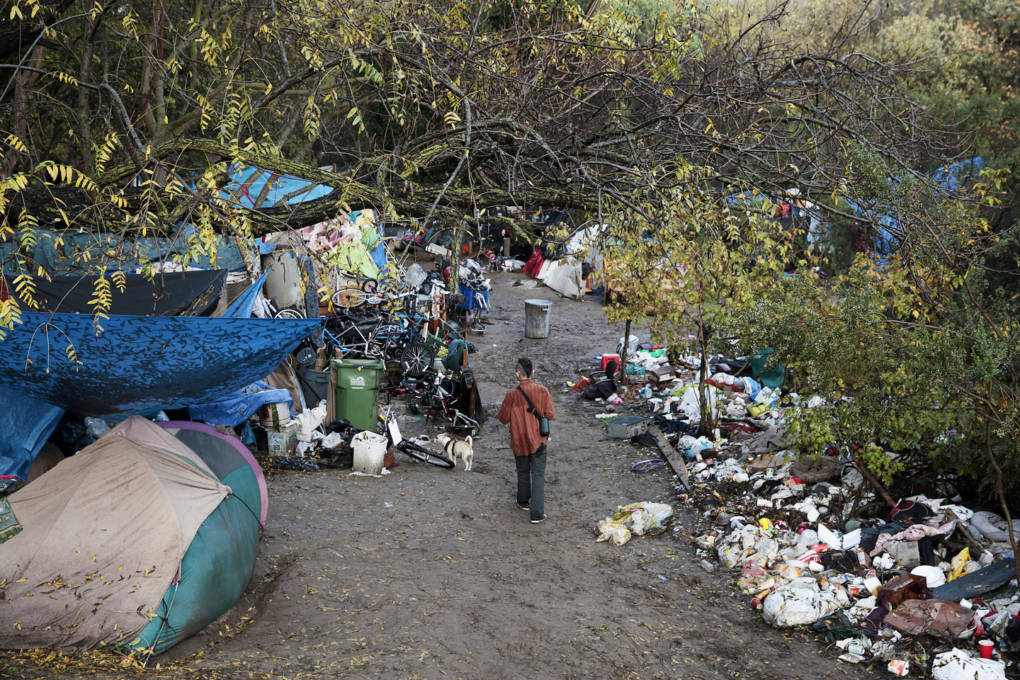
"caption": "A man walks through the Jungle homeless encampment in San José on Dec. 4, 2014. The city of San José cleared out the part of Coyote Creek that was home to around 300 people.",
"credit": "James Tensuan/KQED",
"altTag": null,
"description": null,
"imgSizes": {
"thumbnail": {
"file": "https://cdn.kqed.org/wp-content/uploads/sites/10/2017/12/RS13372_20141204_jungle_jt_007-qut-160x107.jpg",
"width": 160,
"height": 107,
"mimeType": "image/jpeg"
},
"medium": {
"file": "https://cdn.kqed.org/wp-content/uploads/sites/10/2017/12/RS13372_20141204_jungle_jt_007-qut-800x533.jpg",
"width": 800,
"height": 533,
"mimeType": "image/jpeg"
},
"large": {
"file": "https://cdn.kqed.org/wp-content/uploads/sites/10/2017/12/RS13372_20141204_jungle_jt_007-qut-1020x680.jpg",
"width": 1020,
"height": 680,
"mimeType": "image/jpeg"
},
"fd-med": {
"file": "https://cdn.kqed.org/wp-content/uploads/sites/10/2017/12/RS13372_20141204_jungle_jt_007-qut-1180x787.jpg",
"width": 1180,
"height": 787,
"mimeType": "image/jpeg"
},
"fd-sm": {
"file": "https://cdn.kqed.org/wp-content/uploads/sites/10/2017/12/RS13372_20141204_jungle_jt_007-qut-960x640.jpg",
"width": 960,
"height": 640,
"mimeType": "image/jpeg"
},
"post-thumbnail": {
"file": "https://cdn.kqed.org/wp-content/uploads/sites/10/2017/12/RS13372_20141204_jungle_jt_007-qut-672x372.jpg",
"width": 672,
"height": 372,
"mimeType": "image/jpeg"
},
"twentyfourteen-full-width": {
"file": "https://cdn.kqed.org/wp-content/uploads/sites/10/2017/12/RS13372_20141204_jungle_jt_007-qut-1038x576.jpg",
"width": 1038,
"height": 576,
"mimeType": "image/jpeg"
},
"xxsmall": {
"file": "https://cdn.kqed.org/wp-content/uploads/sites/10/2017/12/RS13372_20141204_jungle_jt_007-qut-240x160.jpg",
"width": 240,
"height": 160,
"mimeType": "image/jpeg"
},
"xsmall": {
"file": "https://cdn.kqed.org/wp-content/uploads/sites/10/2017/12/RS13372_20141204_jungle_jt_007-qut-375x250.jpg",
"width": 375,
"height": 250,
"mimeType": "image/jpeg"
},
"small": {
"file": "https://cdn.kqed.org/wp-content/uploads/sites/10/2017/12/RS13372_20141204_jungle_jt_007-qut-520x347.jpg",
"width": 520,
"height": 347,
"mimeType": "image/jpeg"
},
"xlarge": {
"file": "https://cdn.kqed.org/wp-content/uploads/sites/10/2017/12/RS13372_20141204_jungle_jt_007-qut-1180x787.jpg",
"width": 1180,
"height": 787,
"mimeType": "image/jpeg"
},
"guest-author-32": {
"file": "https://cdn.kqed.org/wp-content/uploads/sites/10/2017/12/RS13372_20141204_jungle_jt_007-qut-32x32.jpg",
"width": 32,
"height": 32,
"mimeType": "image/jpeg"
},
"guest-author-50": {
"file": "https://cdn.kqed.org/wp-content/uploads/sites/10/2017/12/RS13372_20141204_jungle_jt_007-qut-50x50.jpg",
"width": 50,
"height": 50,
"mimeType": "image/jpeg"
},
"guest-author-64": {
"file": "https://cdn.kqed.org/wp-content/uploads/sites/10/2017/12/RS13372_20141204_jungle_jt_007-qut-64x64.jpg",
"width": 64,
"height": 64,
"mimeType": "image/jpeg"
},
"guest-author-96": {
"file": "https://cdn.kqed.org/wp-content/uploads/sites/10/2017/12/RS13372_20141204_jungle_jt_007-qut-96x96.jpg",
"width": 96,
"height": 96,
"mimeType": "image/jpeg"
},
"guest-author-128": {
"file": "https://cdn.kqed.org/wp-content/uploads/sites/10/2017/12/RS13372_20141204_jungle_jt_007-qut-128x128.jpg",
"width": 128,
"height": 128,
"mimeType": "image/jpeg"
},
"detail": {
"file": "https://cdn.kqed.org/wp-content/uploads/sites/10/2017/12/RS13372_20141204_jungle_jt_007-qut-150x150.jpg",
"width": 150,
"height": 150,
"mimeType": "image/jpeg"
},
"kqedFullSize": {
"file": "https://cdn.kqed.org/wp-content/uploads/sites/10/2017/12/RS13372_20141204_jungle_jt_007-qut.jpg",
"width": 1440,
"height": 960
}
},
"isLoading": false,
"fetchFailed": false
},
"news_11636566": {
"type": "attachments",
"id": "news_11636566",
"meta": {
"index": "attachments_1716263798",
"site": "news",
"id": "11636566",
"found": true
},
"parent": 11636564,
"imgSizes": {
"small": {
"file": "https://ww2.kqed.org/app/uploads/sites/10/2017/12/Skirball1920-520x347.jpg",
"width": 520,
"mimeType": "image/jpeg",
"height": 347
},
"twentyfourteen-full-width": {
"file": "https://ww2.kqed.org/app/uploads/sites/10/2017/12/Skirball1920-1038x576.jpg",
"width": 1038,
"mimeType": "image/jpeg",
"height": 576
},
"thumbnail": {
"file": "https://ww2.kqed.org/app/uploads/sites/10/2017/12/Skirball1920-160x107.jpg",
"width": 160,
"mimeType": "image/jpeg",
"height": 107
},
"fd-sm": {
"file": "https://ww2.kqed.org/app/uploads/sites/10/2017/12/Skirball1920-960x640.jpg",
"width": 960,
"mimeType": "image/jpeg",
"height": 640
},
"post-thumbnail": {
"file": "https://ww2.kqed.org/app/uploads/sites/10/2017/12/Skirball1920-672x372.jpg",
"width": 672,
"mimeType": "image/jpeg",
"height": 372
},
"xsmall": {
"file": "https://ww2.kqed.org/app/uploads/sites/10/2017/12/Skirball1920-375x250.jpg",
"width": 375,
"mimeType": "image/jpeg",
"height": 250
},
"kqedFullSize": {
"file": "https://ww2.kqed.org/app/uploads/sites/10/2017/12/Skirball1920.jpg",
"width": 1920,
"height": 1280
},
"large": {
"file": "https://ww2.kqed.org/app/uploads/sites/10/2017/12/Skirball1920-1020x680.jpg",
"width": 1020,
"mimeType": "image/jpeg",
"height": 680
},
"xlarge": {
"file": "https://ww2.kqed.org/app/uploads/sites/10/2017/12/Skirball1920-1180x787.jpg",
"width": 1180,
"mimeType": "image/jpeg",
"height": 787
},
"guest-author-50": {
"file": "https://ww2.kqed.org/app/uploads/sites/10/2017/12/Skirball1920-50x50.jpg",
"width": 50,
"mimeType": "image/jpeg",
"height": 50
},
"guest-author-96": {
"file": "https://ww2.kqed.org/app/uploads/sites/10/2017/12/Skirball1920-96x96.jpg",
"width": 96,
"mimeType": "image/jpeg",
"height": 96
},
"medium": {
"file": "https://ww2.kqed.org/app/uploads/sites/10/2017/12/Skirball1920-800x533.jpg",
"width": 800,
"mimeType": "image/jpeg",
"height": 533
},
"guest-author-64": {
"file": "https://ww2.kqed.org/app/uploads/sites/10/2017/12/Skirball1920-64x64.jpg",
"width": 64,
"mimeType": "image/jpeg",
"height": 64
},
"guest-author-32": {
"file": "https://ww2.kqed.org/app/uploads/sites/10/2017/12/Skirball1920-32x32.jpg",
"width": 32,
"mimeType": "image/jpeg",
"height": 32
},
"fd-lrg": {
"file": "https://ww2.kqed.org/app/uploads/sites/10/2017/12/Skirball1920-1920x1280.jpg",
"width": 1920,
"mimeType": "image/jpeg",
"height": 1280
},
"fd-med": {
"file": "https://ww2.kqed.org/app/uploads/sites/10/2017/12/Skirball1920-1180x787.jpg",
"width": 1180,
"mimeType": "image/jpeg",
"height": 787
},
"full-width": {
"file": "https://ww2.kqed.org/app/uploads/sites/10/2017/12/Skirball1920-1920x1280.jpg",
"width": 1920,
"mimeType": "image/jpeg",
"height": 1280
},
"detail": {
"file": "https://ww2.kqed.org/app/uploads/sites/10/2017/12/Skirball1920-150x150.jpg",
"width": 150,
"mimeType": "image/jpeg",
"height": 150
},
"guest-author-128": {
"file": "https://ww2.kqed.org/app/uploads/sites/10/2017/12/Skirball1920-128x128.jpg",
"width": 128,
"mimeType": "image/jpeg",
"height": 128
},
"xxsmall": {
"file": "https://ww2.kqed.org/app/uploads/sites/10/2017/12/Skirball1920-240x160.jpg",
"width": 240,
"mimeType": "image/jpeg",
"height": 160
}
},
"publishDate": 1513122385,
"modified": 1513128255,
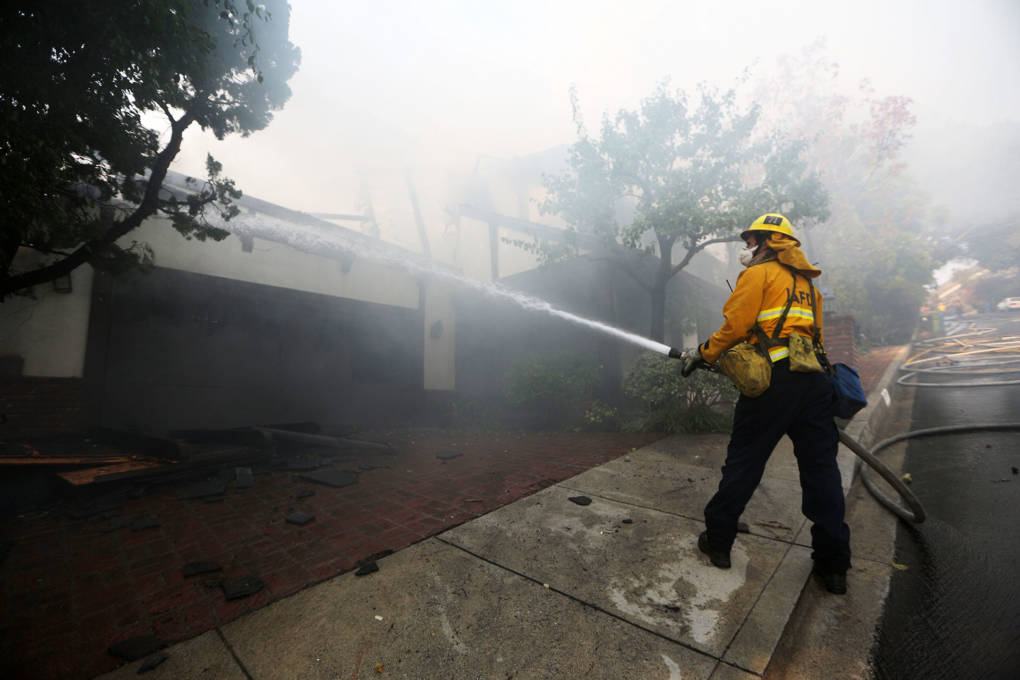
"caption": "A firefighter sprays water on a burning home in the wealthy Bel Air neighborhood during the Skirball Fire on Dec. 6, 2017.",
"description": "A firefighter sprays water on a burning home in the wealthy Bel-Air neighborhood during the Skirball Fire on Dec. 6, 2017.",
"title": "Skirball1920",
"credit": "Mario Tama/Getty Images",
"status": "inherit",
"isLoading": false,
"fetchFailed": false
},
"news_11636450": {
"type": "attachments",
"id": "news_11636450",
"meta": {
"index": "attachments_1716263798",
"site": "news",
"id": "11636450",
"found": true
},
"parent": 11636443,
"imgSizes": {
"small": {
"file": "https://ww2.kqed.org/app/uploads/sites/10/2017/12/edlee_121217_final-520x520.jpg",
"width": 520,
"mimeType": "image/jpeg",
"height": 520
},
"twentyfourteen-full-width": {
"file": "https://ww2.kqed.org/app/uploads/sites/10/2017/12/edlee_121217_final-1038x576.jpg",
"width": 1038,
"mimeType": "image/jpeg",
"height": 576
},
"thumbnail": {
"file": "https://ww2.kqed.org/app/uploads/sites/10/2017/12/edlee_121217_final-160x160.jpg",
"width": 160,
"mimeType": "image/jpeg",
"height": 160
},
"fd-sm": {
"file": "https://ww2.kqed.org/app/uploads/sites/10/2017/12/edlee_121217_final-960x960.jpg",
"width": 960,
"mimeType": "image/jpeg",
"height": 960
},
"post-thumbnail": {
"file": "https://ww2.kqed.org/app/uploads/sites/10/2017/12/edlee_121217_final-672x372.jpg",
"width": 672,
"mimeType": "image/jpeg",
"height": 372
},
"xsmall": {
"file": "https://ww2.kqed.org/app/uploads/sites/10/2017/12/edlee_121217_final-375x375.jpg",
"width": 375,
"mimeType": "image/jpeg",
"height": 375
},
"kqedFullSize": {
"file": "https://ww2.kqed.org/app/uploads/sites/10/2017/12/edlee_121217_final.jpg",
"width": 1920,
"height": 1920
},
"large": {
"file": "https://ww2.kqed.org/app/uploads/sites/10/2017/12/edlee_121217_final-1020x1020.jpg",
"width": 1020,
"mimeType": "image/jpeg",
"height": 1020
},
"xlarge": {
"file": "https://ww2.kqed.org/app/uploads/sites/10/2017/12/edlee_121217_final-1180x1180.jpg",
"width": 1180,
"mimeType": "image/jpeg",
"height": 1180
},
"guest-author-50": {
"file": "https://ww2.kqed.org/app/uploads/sites/10/2017/12/edlee_121217_final-50x50.jpg",
"width": 50,
"mimeType": "image/jpeg",
"height": 50
},
"guest-author-96": {
"file": "https://ww2.kqed.org/app/uploads/sites/10/2017/12/edlee_121217_final-96x96.jpg",
"width": 96,
"mimeType": "image/jpeg",
"height": 96
},
"medium": {
"file": "https://ww2.kqed.org/app/uploads/sites/10/2017/12/edlee_121217_final-800x800.jpg",
"width": 800,
"mimeType": "image/jpeg",
"height": 800
},
"guest-author-64": {
"file": "https://ww2.kqed.org/app/uploads/sites/10/2017/12/edlee_121217_final-64x64.jpg",
"width": 64,
"mimeType": "image/jpeg",
"height": 64
},
"guest-author-32": {
"file": "https://ww2.kqed.org/app/uploads/sites/10/2017/12/edlee_121217_final-32x32.jpg",
"width": 32,
"mimeType": "image/jpeg",
"height": 32
},
"fd-lrg": {
"file": "https://ww2.kqed.org/app/uploads/sites/10/2017/12/edlee_121217_final-1920x1920.jpg",
"width": 1920,
"mimeType": "image/jpeg",
"height": 1920
},
"fd-med": {
"file": "https://ww2.kqed.org/app/uploads/sites/10/2017/12/edlee_121217_final-1180x1180.jpg",
"width": 1180,
"mimeType": "image/jpeg",
"height": 1180
},
"full-width": {
"file": "https://ww2.kqed.org/app/uploads/sites/10/2017/12/edlee_121217_final-1920x1920.jpg",
"width": 1920,
"mimeType": "image/jpeg",
"height": 1920
},
"detail": {
"file": "https://ww2.kqed.org/app/uploads/sites/10/2017/12/edlee_121217_final-150x150.jpg",
"width": 150,
"mimeType": "image/jpeg",
"height": 150
},
"guest-author-128": {
"file": "https://ww2.kqed.org/app/uploads/sites/10/2017/12/edlee_121217_final-128x128.jpg",
"width": 128,
"mimeType": "image/jpeg",
"height": 128
},
"xxsmall": {
"file": "https://ww2.kqed.org/app/uploads/sites/10/2017/12/edlee_121217_final-240x240.jpg",
"width": 240,
"mimeType": "image/jpeg",
"height": 240
}
},
"publishDate": 1513111518,
"modified": 1513111548,
"caption": null,
"description": null,
"title": "edlee_121217_final",
"credit": null,
"status": "inherit",
"isLoading": false,
"fetchFailed": false
},
"news_11636116": {
"type": "attachments",
"id": "news_11636116",
"meta": {
"index": "attachments_1716263798",
"site": "news",
"id": "11636116",
"found": true
},
"parent": 11636110,
"imgSizes": {
"small": {
"file": "https://ww2.kqed.org/app/uploads/sites/10/2017/12/GettyImages-888376316-520x347.jpg",
"width": 520,
"mimeType": "image/jpeg",
"height": 347
},
"twentyfourteen-full-width": {
"file": "https://ww2.kqed.org/app/uploads/sites/10/2017/12/GettyImages-888376316-1038x576.jpg",
"width": 1038,
"mimeType": "image/jpeg",
"height": 576
},
"thumbnail": {
"file": "https://ww2.kqed.org/app/uploads/sites/10/2017/12/GettyImages-888376316-160x107.jpg",
"width": 160,
"mimeType": "image/jpeg",
"height": 107
},
"fd-sm": {
"file": "https://ww2.kqed.org/app/uploads/sites/10/2017/12/GettyImages-888376316-960x640.jpg",
"width": 960,
"mimeType": "image/jpeg",
"height": 640
},
"post-thumbnail": {
"file": "https://ww2.kqed.org/app/uploads/sites/10/2017/12/GettyImages-888376316-672x372.jpg",
"width": 672,
"mimeType": "image/jpeg",
"height": 372
},
"xsmall": {
"file": "https://ww2.kqed.org/app/uploads/sites/10/2017/12/GettyImages-888376316-375x250.jpg",
"width": 375,
"mimeType": "image/jpeg",
"height": 250
},
"kqedFullSize": {
"file": "https://ww2.kqed.org/app/uploads/sites/10/2017/12/GettyImages-888376316.jpg",
"width": 2048,
"height": 1365
},
"large": {
"file": "https://ww2.kqed.org/app/uploads/sites/10/2017/12/GettyImages-888376316-1020x680.jpg",
"width": 1020,
"mimeType": "image/jpeg",
"height": 680
},
"xlarge": {
"file": "https://ww2.kqed.org/app/uploads/sites/10/2017/12/GettyImages-888376316-1180x787.jpg",
"width": 1180,
"mimeType": "image/jpeg",
"height": 787
},
"guest-author-50": {
"file": "https://ww2.kqed.org/app/uploads/sites/10/2017/12/GettyImages-888376316-50x50.jpg",
"width": 50,
"mimeType": "image/jpeg",
"height": 50
},
"guest-author-96": {
"file": "https://ww2.kqed.org/app/uploads/sites/10/2017/12/GettyImages-888376316-96x96.jpg",
"width": 96,
"mimeType": "image/jpeg",
"height": 96
},
"medium": {
"file": "https://ww2.kqed.org/app/uploads/sites/10/2017/12/GettyImages-888376316-800x533.jpg",
"width": 800,
"mimeType": "image/jpeg",
"height": 533
},
"guest-author-64": {
"file": "https://ww2.kqed.org/app/uploads/sites/10/2017/12/GettyImages-888376316-64x64.jpg",
"width": 64,
"mimeType": "image/jpeg",
"height": 64
},
"guest-author-32": {
"file": "https://ww2.kqed.org/app/uploads/sites/10/2017/12/GettyImages-888376316-32x32.jpg",
"width": 32,
"mimeType": "image/jpeg",
"height": 32
},
"fd-lrg": {
"file": "https://ww2.kqed.org/app/uploads/sites/10/2017/12/GettyImages-888376316-1920x1280.jpg",
"width": 1920,
"mimeType": "image/jpeg",
"height": 1280
},
"fd-med": {
"file": "https://ww2.kqed.org/app/uploads/sites/10/2017/12/GettyImages-888376316-1180x787.jpg",
"width": 1180,
"mimeType": "image/jpeg",
"height": 787
},
"full-width": {
"file": "https://ww2.kqed.org/app/uploads/sites/10/2017/12/GettyImages-888376316-1920x1280.jpg",
"width": 1920,
"mimeType": "image/jpeg",
"height": 1280
},
"detail": {
"file": "https://ww2.kqed.org/app/uploads/sites/10/2017/12/GettyImages-888376316-150x150.jpg",
"width": 150,
"mimeType": "image/jpeg",
"height": 150
},
"guest-author-128": {
"file": "https://ww2.kqed.org/app/uploads/sites/10/2017/12/GettyImages-888376316-128x128.jpg",
"width": 128,
"mimeType": "image/jpeg",
"height": 128
},
"xxsmall": {
"file": "https://ww2.kqed.org/app/uploads/sites/10/2017/12/GettyImages-888376316-240x160.jpg",
"width": 240,
"mimeType": "image/jpeg",
"height": 160
}
},
"publishDate": 1512868731,
"modified": 1513033078,
"caption": "Houses burn in the Lilac Fire in the early morning hours of Dec. 8, 2017, near Bonsall, California.",
"description": null,
"title": "Southern California Wildfires Forces Thousands to Evacuate",
"credit": "David McNew/Getty Images",
"status": "inherit",
"isLoading": false,
"fetchFailed": false
},
"news_11635993": {
"type": "attachments",
"id": "news_11635993",
"meta": {
"index": "attachments_1716263798",
"site": "news",
"id": "11635993",
"found": true
},
"parent": 11635991,
"imgSizes": {
"small": {
"file": "https://ww2.kqed.org/app/uploads/sites/10/2017/12/MARQUEE_FB-RATHER-520x293.jpg",
"width": 520,
"mimeType": "image/jpeg",
"height": 293
},
"twentyfourteen-full-width": {
"file": "https://ww2.kqed.org/app/uploads/sites/10/2017/12/MARQUEE_FB-RATHER-1038x576.jpg",
"width": 1038,
"mimeType": "image/jpeg",
"height": 576
},
"thumbnail": {
"file": "https://ww2.kqed.org/app/uploads/sites/10/2017/12/MARQUEE_FB-RATHER-160x90.jpg",
"width": 160,
"mimeType": "image/jpeg",
"height": 90
},
"fd-sm": {
"file": "https://ww2.kqed.org/app/uploads/sites/10/2017/12/MARQUEE_FB-RATHER-960x540.jpg",
"width": 960,
"mimeType": "image/jpeg",
"height": 540
},
"post-thumbnail": {
"file": "https://ww2.kqed.org/app/uploads/sites/10/2017/12/MARQUEE_FB-RATHER-672x372.jpg",
"width": 672,
"mimeType": "image/jpeg",
"height": 372
},
"xsmall": {
"file": "https://ww2.kqed.org/app/uploads/sites/10/2017/12/MARQUEE_FB-RATHER-375x211.jpg",
"width": 375,
"mimeType": "image/jpeg",
"height": 211
},
"kqedFullSize": {
"file": "https://ww2.kqed.org/app/uploads/sites/10/2017/12/MARQUEE_FB-RATHER.jpg",
"width": 1920,
"height": 1080
},
"large": {
"file": "https://ww2.kqed.org/app/uploads/sites/10/2017/12/MARQUEE_FB-RATHER-1020x574.jpg",
"width": 1020,
"mimeType": "image/jpeg",
"height": 574
},
"xlarge": {
"file": "https://ww2.kqed.org/app/uploads/sites/10/2017/12/MARQUEE_FB-RATHER-1180x664.jpg",
"width": 1180,
"mimeType": "image/jpeg",
"height": 664
},
"guest-author-50": {
"file": "https://ww2.kqed.org/app/uploads/sites/10/2017/12/MARQUEE_FB-RATHER-50x50.jpg",
"width": 50,
"mimeType": "image/jpeg",
"height": 50
},
"guest-author-96": {
"file": "https://ww2.kqed.org/app/uploads/sites/10/2017/12/MARQUEE_FB-RATHER-96x96.jpg",
"width": 96,
"mimeType": "image/jpeg",
"height": 96
},
"medium": {
"file": "https://ww2.kqed.org/app/uploads/sites/10/2017/12/MARQUEE_FB-RATHER-800x450.jpg",
"width": 800,
"mimeType": "image/jpeg",
"height": 450
},
"guest-author-64": {
"file": "https://ww2.kqed.org/app/uploads/sites/10/2017/12/MARQUEE_FB-RATHER-64x64.jpg",
"width": 64,
"mimeType": "image/jpeg",
"height": 64
},
"guest-author-32": {
"file": "https://ww2.kqed.org/app/uploads/sites/10/2017/12/MARQUEE_FB-RATHER-32x32.jpg",
"width": 32,
"mimeType": "image/jpeg",
"height": 32
},
"fd-lrg": {
"file": "https://ww2.kqed.org/app/uploads/sites/10/2017/12/MARQUEE_FB-RATHER-1920x1080.jpg",
"width": 1920,
"mimeType": "image/jpeg",
"height": 1080
},
"fd-med": {
"file": "https://ww2.kqed.org/app/uploads/sites/10/2017/12/MARQUEE_FB-RATHER-1180x664.jpg",
"width": 1180,
"mimeType": "image/jpeg",
"height": 664
},
"full-width": {
"file": "https://ww2.kqed.org/app/uploads/sites/10/2017/12/MARQUEE_FB-RATHER-1920x1080.jpg",
"width": 1920,
"mimeType": "image/jpeg",
"height": 1080
},
"detail": {
"file": "https://ww2.kqed.org/app/uploads/sites/10/2017/12/MARQUEE_FB-RATHER-150x150.jpg",
"width": 150,
"mimeType": "image/jpeg",
"height": 150
},
"guest-author-128": {
"file": "https://ww2.kqed.org/app/uploads/sites/10/2017/12/MARQUEE_FB-RATHER-128x128.jpg",
"width": 128,
"mimeType": "image/jpeg",
"height": 128
},
"xxsmall": {
"file": "https://ww2.kqed.org/app/uploads/sites/10/2017/12/MARQUEE_FB-RATHER-240x135.jpg",
"width": 240,
"mimeType": "image/jpeg",
"height": 135
}
},
"publishDate": 1512782110,
"modified": 1518654038,
"caption": "Dan Rather",
"description": null,
"title": "Dan Rather",
"credit": null,
"status": "inherit",
"isLoading": false,
"fetchFailed": false
},
"news_11635615": {
"type": "attachments",
"id": "news_11635615",
"meta": {
"index": "attachments_1716263798",
"site": "news",
"id": "11635615",
"found": true
},
"parent": 11635583,
"imgSizes": {
"small": {
"file": "https://ww2.kqed.org/app/uploads/sites/10/2017/12/RS28368_alt_655-520x364.jpg",
"width": 520,
"mimeType": "image/jpeg",
"height": 364
},
"twentyfourteen-full-width": {
"file": "https://ww2.kqed.org/app/uploads/sites/10/2017/12/RS28368_alt_655-1038x576.jpg",
"width": 1038,
"mimeType": "image/jpeg",
"height": 576
},
"thumbnail": {
"file": "https://ww2.kqed.org/app/uploads/sites/10/2017/12/RS28368_alt_655-160x112.jpg",
"width": 160,
"mimeType": "image/jpeg",
"height": 112
},
"fd-sm": {
"file": "https://ww2.kqed.org/app/uploads/sites/10/2017/12/RS28368_alt_655-960x672.jpg",
"width": 960,
"mimeType": "image/jpeg",
"height": 672
},
"post-thumbnail": {
"file": "https://ww2.kqed.org/app/uploads/sites/10/2017/12/RS28368_alt_655-672x372.jpg",
"width": 672,
"mimeType": "image/jpeg",
"height": 372
},
"xsmall": {
"file": "https://ww2.kqed.org/app/uploads/sites/10/2017/12/RS28368_alt_655-375x262.jpg",
"width": 375,
"mimeType": "image/jpeg",
"height": 262
},
"kqedFullSize": {
"file": "https://ww2.kqed.org/app/uploads/sites/10/2017/12/RS28368_alt_655.jpg",
"width": 1920,
"height": 1343
},
"large": {
"file": "https://ww2.kqed.org/app/uploads/sites/10/2017/12/RS28368_alt_655-1020x713.jpg",
"width": 1020,
"mimeType": "image/jpeg",
"height": 713
},
"xlarge": {
"file": "https://ww2.kqed.org/app/uploads/sites/10/2017/12/RS28368_alt_655-1180x825.jpg",
"width": 1180,
"mimeType": "image/jpeg",
"height": 825
},
"guest-author-50": {
"file": "https://ww2.kqed.org/app/uploads/sites/10/2017/12/RS28368_alt_655-50x50.jpg",
"width": 50,
"mimeType": "image/jpeg",
"height": 50
},
"guest-author-96": {
"file": "https://ww2.kqed.org/app/uploads/sites/10/2017/12/RS28368_alt_655-96x96.jpg",
"width": 96,
"mimeType": "image/jpeg",
"height": 96
},
"medium": {
"file": "https://ww2.kqed.org/app/uploads/sites/10/2017/12/RS28368_alt_655-800x560.jpg",
"width": 800,
"mimeType": "image/jpeg",
"height": 560
},
"guest-author-64": {
"file": "https://ww2.kqed.org/app/uploads/sites/10/2017/12/RS28368_alt_655-64x64.jpg",
"width": 64,
"mimeType": "image/jpeg",
"height": 64
},
"guest-author-32": {
"file": "https://ww2.kqed.org/app/uploads/sites/10/2017/12/RS28368_alt_655-32x32.jpg",
"width": 32,
"mimeType": "image/jpeg",
"height": 32
},
"fd-lrg": {
"file": "https://ww2.kqed.org/app/uploads/sites/10/2017/12/RS28368_alt_655-1920x1343.jpg",
"width": 1920,
"mimeType": "image/jpeg",
"height": 1343
},
"fd-med": {
"file": "https://ww2.kqed.org/app/uploads/sites/10/2017/12/RS28368_alt_655-1180x825.jpg",
"width": 1180,
"mimeType": "image/jpeg",
"height": 825
},
"full-width": {
"file": "https://ww2.kqed.org/app/uploads/sites/10/2017/12/RS28368_alt_655-1920x1343.jpg",
"width": 1920,
"mimeType": "image/jpeg",
"height": 1343
},
"detail": {
"file": "https://ww2.kqed.org/app/uploads/sites/10/2017/12/RS28368_alt_655-150x150.jpg",
"width": 150,
"mimeType": "image/jpeg",
"height": 150
},
"guest-author-128": {
"file": "https://ww2.kqed.org/app/uploads/sites/10/2017/12/RS28368_alt_655-128x128.jpg",
"width": 128,
"mimeType": "image/jpeg",
"height": 128
},
"xxsmall": {
"file": "https://ww2.kqed.org/app/uploads/sites/10/2017/12/RS28368_alt_655-240x168.jpg",
"width": 240,
"mimeType": "image/jpeg",
"height": 168
}
},
"publishDate": 1512681157,
"modified": 1512688121,
"caption": "Leah \"Swan\" Vega leaves a preliminary hearing in Oakland on Dec. 7, 2017, where a judge is weighing evidence against Derick Almena and Max Harris to determine whether they will stand trial for manslaughter following the Ghost Ship fire that killed 36 people.",
"description": "Leah \"Swan\" Vega leaves a preliminary hearing in Oakland on Dec. 7, 2017, where a jidge is weighing evidence against Derick Almena and Max Harris to determine whether they will stand trial for manslaughter following the Ghost Ship fire that killed 36 people.",
"title": "RS28368_alt_655",
"credit": "Alex Emslie/KQED",
"status": "inherit",
"isLoading": false,
"fetchFailed": false
},
"news_11610987": {
"type": "attachments",
"id": "news_11610987",
"meta": {
"index": "attachments_1716263798",
"site": "news",
"id": "11610987",
"found": true
},
"parent": 11610959,
"imgSizes": {
"small": {
"file": "https://ww2.kqed.org/app/uploads/sites/10/2017/08/HomelessCamp-520x347.jpg",
"width": 520,
"mimeType": "image/jpeg",
"height": 347
},
"twentyfourteen-full-width": {
"file": "https://ww2.kqed.org/app/uploads/sites/10/2017/08/HomelessCamp-1038x576.jpg",
"width": 1038,
"mimeType": "image/jpeg",
"height": 576
},
"thumbnail": {
"file": "https://ww2.kqed.org/app/uploads/sites/10/2017/08/HomelessCamp-160x107.jpg",
"width": 160,
"mimeType": "image/jpeg",
"height": 107
},
"fd-sm": {
"file": "https://ww2.kqed.org/app/uploads/sites/10/2017/08/HomelessCamp-960x640.jpg",
"width": 960,
"mimeType": "image/jpeg",
"height": 640
},
"post-thumbnail": {
"file": "https://ww2.kqed.org/app/uploads/sites/10/2017/08/HomelessCamp-672x372.jpg",
"width": 672,
"mimeType": "image/jpeg",
"height": 372
},
"xsmall": {
"file": "https://ww2.kqed.org/app/uploads/sites/10/2017/08/HomelessCamp-375x250.jpg",
"width": 375,
"mimeType": "image/jpeg",
"height": 250
},
"kqedFullSize": {
"file": "https://ww2.kqed.org/app/uploads/sites/10/2017/08/HomelessCamp.jpg",
"width": 1920,
"height": 1280
},
"large": {
"file": "https://ww2.kqed.org/app/uploads/sites/10/2017/08/HomelessCamp-1020x680.jpg",
"width": 1020,
"mimeType": "image/jpeg",
"height": 680
},
"xlarge": {
"file": "https://ww2.kqed.org/app/uploads/sites/10/2017/08/HomelessCamp-1180x787.jpg",
"width": 1180,
"mimeType": "image/jpeg",
"height": 787
},
"guest-author-50": {
"file": "https://ww2.kqed.org/app/uploads/sites/10/2017/08/HomelessCamp-50x50.jpg",
"width": 50,
"mimeType": "image/jpeg",
"height": 50
},
"guest-author-96": {
"file": "https://ww2.kqed.org/app/uploads/sites/10/2017/08/HomelessCamp-96x96.jpg",
"width": 96,
"mimeType": "image/jpeg",
"height": 96
},
"medium": {
"file": "https://ww2.kqed.org/app/uploads/sites/10/2017/08/HomelessCamp-800x533.jpg",
"width": 800,
"mimeType": "image/jpeg",
"height": 533
},
"guest-author-64": {
"file": "https://ww2.kqed.org/app/uploads/sites/10/2017/08/HomelessCamp-64x64.jpg",
"width": 64,
"mimeType": "image/jpeg",
"height": 64
},
"guest-author-32": {
"file": "https://ww2.kqed.org/app/uploads/sites/10/2017/08/HomelessCamp-32x32.jpg",
"width": 32,
"mimeType": "image/jpeg",
"height": 32
},
"fd-lrg": {
"file": "https://ww2.kqed.org/app/uploads/sites/10/2017/08/HomelessCamp-1920x1280.jpg",
"width": 1920,
"mimeType": "image/jpeg",
"height": 1280
},
"fd-med": {
"file": "https://ww2.kqed.org/app/uploads/sites/10/2017/08/HomelessCamp-1180x787.jpg",
"width": 1180,
"mimeType": "image/jpeg",
"height": 787
},
"full-width": {
"file": "https://ww2.kqed.org/app/uploads/sites/10/2017/08/HomelessCamp-1920x1280.jpg",
"width": 1920,
"mimeType": "image/jpeg",
"height": 1280
},
"detail": {
"file": "https://ww2.kqed.org/app/uploads/sites/10/2017/08/HomelessCamp-150x150.jpg",
"width": 150,
"mimeType": "image/jpeg",
"height": 150
},
"guest-author-128": {
"file": "https://ww2.kqed.org/app/uploads/sites/10/2017/08/HomelessCamp-128x128.jpg",
"width": 128,
"mimeType": "image/jpeg",
"height": 128
},
"xxsmall": {
"file": "https://ww2.kqed.org/app/uploads/sites/10/2017/08/HomelessCamp-240x160.jpg",
"width": 240,
"mimeType": "image/jpeg",
"height": 160
}
},
"publishDate": 1502397516,
"modified": 1512582338,
"caption": "A woman walks past a homeless encampment on May 1, 2017 in Los Angeles.",
"description": "A woman walks past a homeless encampment on May 1, 2017 in Los Angeles.",
"title": "HomelessCamp",
"credit": "David McNew/Getty Images",
"status": "inherit",
"isLoading": false,
"fetchFailed": false
},
"news_11635012": {
"type": "attachments",
"id": "news_11635012",
"meta": {
"index": "attachments_1716263798",
"site": "news",
"id": "11635012",
"found": true
},
"parent": 11634601,
"imgSizes": {
"small": {
"file": "https://ww2.kqed.org/app/uploads/sites/10/2017/12/iStock-183834678-520x389.jpg",
"width": 520,
"mimeType": "image/jpeg",
"height": 389
},
"twentyfourteen-full-width": {
"file": "https://ww2.kqed.org/app/uploads/sites/10/2017/12/iStock-183834678-1038x576.jpg",
"width": 1038,
"mimeType": "image/jpeg",
"height": 576
},
"thumbnail": {
"file": "https://ww2.kqed.org/app/uploads/sites/10/2017/12/iStock-183834678-160x120.jpg",
"width": 160,
"mimeType": "image/jpeg",
"height": 120
},
"fd-sm": {
"file": "https://ww2.kqed.org/app/uploads/sites/10/2017/12/iStock-183834678-960x718.jpg",
"width": 960,
"mimeType": "image/jpeg",
"height": 718
},
"post-thumbnail": {
"file": "https://ww2.kqed.org/app/uploads/sites/10/2017/12/iStock-183834678-672x372.jpg",
"width": 672,
"mimeType": "image/jpeg",
"height": 372
},
"xsmall": {
"file": "https://ww2.kqed.org/app/uploads/sites/10/2017/12/iStock-183834678-375x280.jpg",
"width": 375,
"mimeType": "image/jpeg",
"height": 280
},
"kqedFullSize": {
"file": "https://ww2.kqed.org/app/uploads/sites/10/2017/12/iStock-183834678.jpg",
"width": 2048,
"height": 1531
},
"large": {
"file": "https://ww2.kqed.org/app/uploads/sites/10/2017/12/iStock-183834678-1020x763.jpg",
"width": 1020,
"mimeType": "image/jpeg",
"height": 763
},
"xlarge": {
"file": "https://ww2.kqed.org/app/uploads/sites/10/2017/12/iStock-183834678-1180x882.jpg",
"width": 1180,
"mimeType": "image/jpeg",
"height": 882
},
"guest-author-50": {
"file": "https://ww2.kqed.org/app/uploads/sites/10/2017/12/iStock-183834678-50x50.jpg",
"width": 50,
"mimeType": "image/jpeg",
"height": 50
},
"guest-author-96": {
"file": "https://ww2.kqed.org/app/uploads/sites/10/2017/12/iStock-183834678-96x96.jpg",
"width": 96,
"mimeType": "image/jpeg",
"height": 96
},
"medium": {
"file": "https://ww2.kqed.org/app/uploads/sites/10/2017/12/iStock-183834678-800x598.jpg",
"width": 800,
"mimeType": "image/jpeg",
"height": 598
},
"guest-author-64": {
"file": "https://ww2.kqed.org/app/uploads/sites/10/2017/12/iStock-183834678-64x64.jpg",
"width": 64,
"mimeType": "image/jpeg",
"height": 64
},
"guest-author-32": {
"file": "https://ww2.kqed.org/app/uploads/sites/10/2017/12/iStock-183834678-32x32.jpg",
"width": 32,
"mimeType": "image/jpeg",
"height": 32
},
"fd-lrg": {
"file": "https://ww2.kqed.org/app/uploads/sites/10/2017/12/iStock-183834678-1920x1436.jpg",
"width": 1920,
"mimeType": "image/jpeg",
"height": 1436
},
"fd-med": {
"file": "https://ww2.kqed.org/app/uploads/sites/10/2017/12/iStock-183834678-1180x882.jpg",
"width": 1180,
"mimeType": "image/jpeg",
"height": 882
},
"full-width": {
"file": "https://ww2.kqed.org/app/uploads/sites/10/2017/12/iStock-183834678-1920x1436.jpg",
"width": 1920,
"mimeType": "image/jpeg",
"height": 1436
},
"detail": {
"file": "https://ww2.kqed.org/app/uploads/sites/10/2017/12/iStock-183834678-150x150.jpg",
"width": 150,
"mimeType": "image/jpeg",
"height": 150
},
"guest-author-128": {
"file": "https://ww2.kqed.org/app/uploads/sites/10/2017/12/iStock-183834678-128x128.jpg",
"width": 128,
"mimeType": "image/jpeg",
"height": 128
},
"xxsmall": {
"file": "https://ww2.kqed.org/app/uploads/sites/10/2017/12/iStock-183834678-240x179.jpg",
"width": 240,
"mimeType": "image/jpeg",
"height": 179
}
},
"publishDate": 1512510825,
"modified": 1512510906,
"caption": "Longtime Castro residents say the neighborhood has evolved as house prices have gone up. ",
"description": "Longtime Castro residents say the neighborhood has evolved as house prices have gone up. ",
"title": "Castro sign",
"credit": "oversnap/iStock",
"status": "inherit",
"isLoading": false,
"fetchFailed": false
},
"news_11632395": {
"type": "attachments",
"id": "news_11632395",
"meta": {
"index": "attachments_1716263798",
"site": "news",
"id": "11632395",
"found": true
},
"parent": 11632393,
"imgSizes": {
"small": {
"file": "https://ww2.kqed.org/app/uploads/sites/10/2017/11/RS28075_FosteringHomeless-qut-520x390.jpg",
"width": 520,
"mimeType": "image/jpeg",
"height": 390
},
"twentyfourteen-full-width": {
"file": "https://ww2.kqed.org/app/uploads/sites/10/2017/11/RS28075_FosteringHomeless-qut-1038x576.jpg",
"width": 1038,
"mimeType": "image/jpeg",
"height": 576
},
"thumbnail": {
"file": "https://ww2.kqed.org/app/uploads/sites/10/2017/11/RS28075_FosteringHomeless-qut-160x120.jpg",
"width": 160,
"mimeType": "image/jpeg",
"height": 120
},
"fd-sm": {
"file": "https://ww2.kqed.org/app/uploads/sites/10/2017/11/RS28075_FosteringHomeless-qut-960x720.jpg",
"width": 960,
"mimeType": "image/jpeg",
"height": 720
},
"post-thumbnail": {
"file": "https://ww2.kqed.org/app/uploads/sites/10/2017/11/RS28075_FosteringHomeless-qut-672x372.jpg",
"width": 672,
"mimeType": "image/jpeg",
"height": 372
},
"xsmall": {
"file": "https://ww2.kqed.org/app/uploads/sites/10/2017/11/RS28075_FosteringHomeless-qut-375x281.jpg",
"width": 375,
"mimeType": "image/jpeg",
"height": 281
},
"kqedFullSize": {
"file": "https://ww2.kqed.org/app/uploads/sites/10/2017/11/RS28075_FosteringHomeless-qut.jpg",
"width": 1920,
"height": 1440
},
"large": {
"file": "https://ww2.kqed.org/app/uploads/sites/10/2017/11/RS28075_FosteringHomeless-qut-1020x765.jpg",
"width": 1020,
"mimeType": "image/jpeg",
"height": 765
},
"xlarge": {
"file": "https://ww2.kqed.org/app/uploads/sites/10/2017/11/RS28075_FosteringHomeless-qut-1180x885.jpg",
"width": 1180,
"mimeType": "image/jpeg",
"height": 885
},
"guest-author-50": {
"file": "https://ww2.kqed.org/app/uploads/sites/10/2017/11/RS28075_FosteringHomeless-qut-50x50.jpg",
"width": 50,
"mimeType": "image/jpeg",
"height": 50
},
"guest-author-96": {
"file": "https://ww2.kqed.org/app/uploads/sites/10/2017/11/RS28075_FosteringHomeless-qut-96x96.jpg",
"width": 96,
"mimeType": "image/jpeg",
"height": 96
},
"medium": {
"file": "https://ww2.kqed.org/app/uploads/sites/10/2017/11/RS28075_FosteringHomeless-qut-800x600.jpg",
"width": 800,
"mimeType": "image/jpeg",
"height": 600
},
"guest-author-64": {
"file": "https://ww2.kqed.org/app/uploads/sites/10/2017/11/RS28075_FosteringHomeless-qut-64x64.jpg",
"width": 64,
"mimeType": "image/jpeg",
"height": 64
},
"guest-author-32": {
"file": "https://ww2.kqed.org/app/uploads/sites/10/2017/11/RS28075_FosteringHomeless-qut-32x32.jpg",
"width": 32,
"mimeType": "image/jpeg",
"height": 32
},
"fd-lrg": {
"file": "https://ww2.kqed.org/app/uploads/sites/10/2017/11/RS28075_FosteringHomeless-qut-1920x1440.jpg",
"width": 1920,
"mimeType": "image/jpeg",
"height": 1440
},
"fd-med": {
"file": "https://ww2.kqed.org/app/uploads/sites/10/2017/11/RS28075_FosteringHomeless-qut-1180x885.jpg",
"width": 1180,
"mimeType": "image/jpeg",
"height": 885
},
"full-width": {
"file": "https://ww2.kqed.org/app/uploads/sites/10/2017/11/RS28075_FosteringHomeless-qut-1920x1440.jpg",
"width": 1920,
"mimeType": "image/jpeg",
"height": 1440
},
"detail": {
"file": "https://ww2.kqed.org/app/uploads/sites/10/2017/11/RS28075_FosteringHomeless-qut-150x150.jpg",
"width": 150,
"mimeType": "image/jpeg",
"height": 150
},
"guest-author-128": {
"file": "https://ww2.kqed.org/app/uploads/sites/10/2017/11/RS28075_FosteringHomeless-qut-128x128.jpg",
"width": 128,
"mimeType": "image/jpeg",
"height": 128
},
"xxsmall": {
"file": "https://ww2.kqed.org/app/uploads/sites/10/2017/11/RS28075_FosteringHomeless-qut-240x180.jpg",
"width": 240,
"mimeType": "image/jpeg",
"height": 180
}
},
"publishDate": 1511207809,
"modified": 1511210888,
"caption": "Nikkii Creer (left) and Teryl Burt (right) sit in Burt’s living room two weeks into their stay together as part of the Safe Time program.",
"description": "Nikkii Creer (left) and Teryl Burt (right) sit in Burt’s living room two weeks into their stay together as part of the Safe Time program.",
"title": "RS28075_FosteringHomeless-qut",
"credit": "Ariel Plotnick",
"status": "inherit",
"isLoading": false,
"fetchFailed": false
},
"news_11634084": {
"type": "attachments",
"id": "news_11634084",
"meta": {
"index": "attachments_1716263798",
"site": "news",
"id": "11634084",
"found": true
},
"parent": 11634077,
"imgSizes": {
"small": {
"file": "https://ww2.kqed.org/app/uploads/sites/10/2017/11/ghost_ship_anniversary01-520x520.gif",
"width": 520,
"mimeType": "image/gif",
"height": 520
},
"twentyfourteen-full-width": {
"file": "https://ww2.kqed.org/app/uploads/sites/10/2017/11/ghost_ship_anniversary01-1008x576.gif",
"width": 1008,
"mimeType": "image/gif",
"height": 576
},
"thumbnail": {
"file": "https://ww2.kqed.org/app/uploads/sites/10/2017/11/ghost_ship_anniversary01-160x160.gif",
"width": 160,
"mimeType": "image/gif",
"height": 160
},
"fd-sm": {
"file": "https://ww2.kqed.org/app/uploads/sites/10/2017/11/ghost_ship_anniversary01-960x960.gif",
"width": 960,
"mimeType": "image/gif",
"height": 960
},
"post-thumbnail": {
"file": "https://ww2.kqed.org/app/uploads/sites/10/2017/11/ghost_ship_anniversary01-672x372.gif",
"width": 672,
"mimeType": "image/gif",
"height": 372
},
"xsmall": {
"file": "https://ww2.kqed.org/app/uploads/sites/10/2017/11/ghost_ship_anniversary01-375x375.gif",
"width": 375,
"mimeType": "image/gif",
"height": 375
},
"kqedFullSize": {
"file": "https://ww2.kqed.org/app/uploads/sites/10/2017/11/ghost_ship_anniversary01.gif",
"width": 1008,
"height": 1008
},
"guest-author-50": {
"file": "https://ww2.kqed.org/app/uploads/sites/10/2017/11/ghost_ship_anniversary01-50x50.gif",
"width": 50,
"mimeType": "image/gif",
"height": 50
},
"guest-author-96": {
"file": "https://ww2.kqed.org/app/uploads/sites/10/2017/11/ghost_ship_anniversary01-96x96.gif",
"width": 96,
"mimeType": "image/gif",
"height": 96
},
"medium": {
"file": "https://ww2.kqed.org/app/uploads/sites/10/2017/11/ghost_ship_anniversary01-800x800.gif",
"width": 800,
"mimeType": "image/gif",
"height": 800
},
"guest-author-64": {
"file": "https://ww2.kqed.org/app/uploads/sites/10/2017/11/ghost_ship_anniversary01-64x64.gif",
"width": 64,
"mimeType": "image/gif",
"height": 64
},
"guest-author-32": {
"file": "https://ww2.kqed.org/app/uploads/sites/10/2017/11/ghost_ship_anniversary01-32x32.gif",
"width": 32,
"mimeType": "image/gif",
"height": 32
},
"detail": {
"file": "https://ww2.kqed.org/app/uploads/sites/10/2017/11/ghost_ship_anniversary01-150x150.gif",
"width": 150,
"mimeType": "image/gif",
"height": 150
},
"guest-author-128": {
"file": "https://ww2.kqed.org/app/uploads/sites/10/2017/11/ghost_ship_anniversary01-128x128.gif",
"width": 128,
"mimeType": "image/gif",
"height": 128
},
"xxsmall": {
"file": "https://ww2.kqed.org/app/uploads/sites/10/2017/11/ghost_ship_anniversary01-240x240.gif",
"width": 240,
"mimeType": "image/gif",
"height": 240
}
},
"publishDate": 1512077366,
"modified": 1512077398,
"caption": null,
"description": null,
"title": "ghost_ship_anniversary01",
"credit": null,
"status": "inherit",
"isLoading": false,
"fetchFailed": false
},
"news_11633823": {
"type": "attachments",
"id": "news_11633823",
"meta": {
"index": "attachments_1716263798",
"site": "news",
"id": "11633823",
"found": true
},
"parent": 11633820,
"imgSizes": {
"small": {
"file": "https://ww2.kqed.org/app/uploads/sites/10/2017/11/presidio-terrace-1920-520x347.jpg",
"width": 520,
"mimeType": "image/jpeg",
"height": 347
},
"twentyfourteen-full-width": {
"file": "https://ww2.kqed.org/app/uploads/sites/10/2017/11/presidio-terrace-1920-1038x576.jpg",
"width": 1038,
"mimeType": "image/jpeg",
"height": 576
},
"thumbnail": {
"file": "https://ww2.kqed.org/app/uploads/sites/10/2017/11/presidio-terrace-1920-160x107.jpg",
"width": 160,
"mimeType": "image/jpeg",
"height": 107
},
"fd-sm": {
"file": "https://ww2.kqed.org/app/uploads/sites/10/2017/11/presidio-terrace-1920-960x640.jpg",
"width": 960,
"mimeType": "image/jpeg",
"height": 640
},
"post-thumbnail": {
"file": "https://ww2.kqed.org/app/uploads/sites/10/2017/11/presidio-terrace-1920-672x372.jpg",
"width": 672,
"mimeType": "image/jpeg",
"height": 372
},
"xsmall": {
"file": "https://ww2.kqed.org/app/uploads/sites/10/2017/11/presidio-terrace-1920-375x250.jpg",
"width": 375,
"mimeType": "image/jpeg",
"height": 250
},
"kqedFullSize": {
"file": "https://ww2.kqed.org/app/uploads/sites/10/2017/11/presidio-terrace-1920.jpg",
"width": 1920,
"height": 1280
},
"large": {
"file": "https://ww2.kqed.org/app/uploads/sites/10/2017/11/presidio-terrace-1920-1020x680.jpg",
"width": 1020,
"mimeType": "image/jpeg",
"height": 680
},
"xlarge": {
"file": "https://ww2.kqed.org/app/uploads/sites/10/2017/11/presidio-terrace-1920-1180x787.jpg",
"width": 1180,
"mimeType": "image/jpeg",
"height": 787
},
"guest-author-50": {
"file": "https://ww2.kqed.org/app/uploads/sites/10/2017/11/presidio-terrace-1920-50x50.jpg",
"width": 50,
"mimeType": "image/jpeg",
"height": 50
},
"guest-author-96": {
"file": "https://ww2.kqed.org/app/uploads/sites/10/2017/11/presidio-terrace-1920-96x96.jpg",
"width": 96,
"mimeType": "image/jpeg",
"height": 96
},
"medium": {
"file": "https://ww2.kqed.org/app/uploads/sites/10/2017/11/presidio-terrace-1920-800x533.jpg",
"width": 800,
"mimeType": "image/jpeg",
"height": 533
},
"guest-author-64": {
"file": "https://ww2.kqed.org/app/uploads/sites/10/2017/11/presidio-terrace-1920-64x64.jpg",
"width": 64,
"mimeType": "image/jpeg",
"height": 64
},
"guest-author-32": {
"file": "https://ww2.kqed.org/app/uploads/sites/10/2017/11/presidio-terrace-1920-32x32.jpg",
"width": 32,
"mimeType": "image/jpeg",
"height": 32
},
"fd-lrg": {
"file": "https://ww2.kqed.org/app/uploads/sites/10/2017/11/presidio-terrace-1920-1920x1280.jpg",
"width": 1920,
"mimeType": "image/jpeg",
"height": 1280
},
"fd-med": {
"file": "https://ww2.kqed.org/app/uploads/sites/10/2017/11/presidio-terrace-1920-1180x787.jpg",
"width": 1180,
"mimeType": "image/jpeg",
"height": 787
},
"full-width": {
"file": "https://ww2.kqed.org/app/uploads/sites/10/2017/11/presidio-terrace-1920-1920x1280.jpg",
"width": 1920,
"mimeType": "image/jpeg",
"height": 1280
},
"detail": {
"file": "https://ww2.kqed.org/app/uploads/sites/10/2017/11/presidio-terrace-1920-150x150.jpg",
"width": 150,
"mimeType": "image/jpeg",
"height": 150
},
"guest-author-128": {
"file": "https://ww2.kqed.org/app/uploads/sites/10/2017/11/presidio-terrace-1920-128x128.jpg",
"width": 128,
"mimeType": "image/jpeg",
"height": 128
},
"xxsmall": {
"file": "https://ww2.kqed.org/app/uploads/sites/10/2017/11/presidio-terrace-1920-240x160.jpg",
"width": 240,
"mimeType": "image/jpeg",
"height": 160
}
},
"publishDate": 1511976480,
"modified": 1511997171,
"caption": "A steet sign is posted on Presidio Terrace on Aug. 9, 2017, in San Francisco. California couple Tina Lam and Michael Cheng purchased the streets and sidewalks of Presidio Terrace, a private cul-de-sac that features several multimillion-dollar mansions, for $90,000 at public auction. The couple was able to purchase the street and common areas when the homeowners association defaulted on the property tax for the street.",
"description": null,
"title": "California Couple Buys Street In Exclusive San Francisco Enclave",
"credit": "Justin Sullivan/Getty Images)",
"status": "inherit",
"isLoading": false,
"fetchFailed": false
},
"news_11633256": {
"type": "attachments",
"id": "news_11633256",
"meta": {
"index": "attachments_1716263798",
"site": "news",
"id": "11633256",
"found": true
},
"parent": 11632959,
"imgSizes": {
"small": {
"file": "https://ww2.kqed.org/app/uploads/sites/10/2017/11/diazedit-520x455.jpg",
"width": 520,
"mimeType": "image/jpeg",
"height": 455
},
"twentyfourteen-full-width": {
"file": "https://ww2.kqed.org/app/uploads/sites/10/2017/11/diazedit-797x576.jpg",
"width": 797,
"mimeType": "image/jpeg",
"height": 576
},
"thumbnail": {
"file": "https://ww2.kqed.org/app/uploads/sites/10/2017/11/diazedit-160x140.jpg",
"width": 160,
"mimeType": "image/jpeg",
"height": 140
},
"post-thumbnail": {
"file": "https://ww2.kqed.org/app/uploads/sites/10/2017/11/diazedit-672x372.jpg",
"width": 672,
"mimeType": "image/jpeg",
"height": 372
},
"xsmall": {
"file": "https://ww2.kqed.org/app/uploads/sites/10/2017/11/diazedit-375x328.jpg",
"width": 375,
"mimeType": "image/jpeg",
"height": 328
},
"kqedFullSize": {
"file": "https://ww2.kqed.org/app/uploads/sites/10/2017/11/diazedit.jpg",
"width": 797,
"height": 698
},
"guest-author-50": {
"file": "https://ww2.kqed.org/app/uploads/sites/10/2017/11/diazedit-50x50.jpg",
"width": 50,
"mimeType": "image/jpeg",
"height": 50
},
"guest-author-96": {
"file": "https://ww2.kqed.org/app/uploads/sites/10/2017/11/diazedit-96x96.jpg",
"width": 96,
"mimeType": "image/jpeg",
"height": 96
},
"guest-author-64": {
"file": "https://ww2.kqed.org/app/uploads/sites/10/2017/11/diazedit-64x64.jpg",
"width": 64,
"mimeType": "image/jpeg",
"height": 64
},
"guest-author-32": {
"file": "https://ww2.kqed.org/app/uploads/sites/10/2017/11/diazedit-32x32.jpg",
"width": 32,
"mimeType": "image/jpeg",
"height": 32
},
"detail": {
"file": "https://ww2.kqed.org/app/uploads/sites/10/2017/11/diazedit-150x150.jpg",
"width": 150,
"mimeType": "image/jpeg",
"height": 150
},
"guest-author-128": {
"file": "https://ww2.kqed.org/app/uploads/sites/10/2017/11/diazedit-128x128.jpg",
"width": 128,
"mimeType": "image/jpeg",
"height": 128
},
"xxsmall": {
"file": "https://ww2.kqed.org/app/uploads/sites/10/2017/11/diazedit-240x210.jpg",
"width": 240,
"mimeType": "image/jpeg",
"height": 210
}
},
"publishDate": 1511403553,
"modified": 1511825886,
"caption": "Adrian Diaz, his wife, Elly, and their three sons at Yosemite this summer before their home burned down in Mendocino County. ",
"description": null,
"title": "diazedit",
"credit": "Courtesy of Adrian Diaz",
"status": "inherit",
"isLoading": false,
"fetchFailed": false
}
},
"audioPlayerReducer": {
"postId": "stream_live",
"isPaused": true,
"isPlaying": false,
"pfsActive": false,
"pledgeModalIsOpen": true,
"playerDrawerIsOpen": false,
"liveAudioPlayStartedAt": 0,
"liveAudioPlayContext": ""
},
"authorsReducer": {
"byline_news_11636690": {
"type": "authors",
"id": "byline_news_11636690",
"meta": {
"override": true
},
"slug": "byline_news_11636690",
"name": "\u003cstrong>The Associated Press\u003c/strong>",
"isLoading": false
},
"byline_news_11636564": {
"type": "authors",
"id": "byline_news_11636564",
"meta": {
"override": true
},
"slug": "byline_news_11636564",
"name": "KPCC staff",
"isLoading": false
},
"byline_news_11635229": {
"type": "authors",
"id": "byline_news_11635229",
"meta": {
"override": true
},
"slug": "byline_news_11635229",
"name": "\u003cstrong>Pam Fessler\u003cbr />NPR\u003c/strong>",
"isLoading": false
},
"byline_news_11632393": {
"type": "authors",
"id": "byline_news_11632393",
"meta": {
"override": true
},
"slug": "byline_news_11632393",
"name": "\u003cstrong>Ariel Plotnick\u003c/strong>",
"isLoading": false
},
"byline_news_11633820": {
"type": "authors",
"id": "byline_news_11633820",
"meta": {
"override": true
},
"slug": "byline_news_11633820",
"name": "\u003cstrong>Janie Har\u003cbr />Associated Press\u003c/strong>",
"isLoading": false
},
"gmarzorati": {
"type": "authors",
"id": "227",
"meta": {
"index": "authors_1716337520",
"id": "227",
"found": true
},
"name": "Guy Marzorati",
"firstName": "Guy",
"lastName": "Marzorati",
"slug": "gmarzorati",
"email": "gmarzorati@KQED.org",
"display_author_email": true,
"staff_mastheads": [
"news"
],
"title": "Correspondent",
"bio": "Guy Marzorati is a correspondent on KQED's California Politics and Government Desk, based in San Jose. A graduate of Santa Clara University, Guy joined KQED in 2013. He reports on state and local politics and produces KQED's digital voter guide.",
"avatar": "https://secure.gravatar.com/avatar/771cddf45ce3a8ed533d82dcc214e9ef925d76d2af5794a33da1ce439eb54a32?s=600&d=blank&r=g",
"twitter": "guymarzorati",
"bluesky": null,
"facebook": null,
"instagram": null,
"linkedin": null,
"sites": [
{
"site": "",
"roles": [
"editor"
]
},
{
"site": "news",
"roles": [
"editor"
]
},
{
"site": "science",
"roles": [
"editor"
]
},
{
"site": "forum",
"roles": [
"editor"
]
},
{
"site": "elections",
"roles": [
"editor"
]
},
{
"site": "liveblog",
"roles": [
"editor"
]
}
],
"headData": {
"title": "Guy Marzorati | KQED",
"description": "Correspondent",
"ogImgSrc": "https://secure.gravatar.com/avatar/771cddf45ce3a8ed533d82dcc214e9ef925d76d2af5794a33da1ce439eb54a32?s=600&d=blank&r=g",
"twImgSrc": "https://secure.gravatar.com/avatar/771cddf45ce3a8ed533d82dcc214e9ef925d76d2af5794a33da1ce439eb54a32?s=600&d=blank&r=g"
},
"isLoading": false,
"link": "/author/gmarzorati"
},
"kqed": {
"type": "authors",
"id": "236",
"meta": {
"index": "authors_1716337520",
"id": "236",
"found": true
},
"name": "KQED News Staff",
"firstName": "KQED News Staff",
"lastName": null,
"slug": "kqed",
"email": "faq@kqed.org",
"display_author_email": false,
"staff_mastheads": [],
"title": null,
"bio": null,
"avatar": "https://secure.gravatar.com/avatar/ef0e801a68c4c54afa9180db14084167?s=600&d=blank&r=g",
"twitter": null,
"facebook": null,
"instagram": null,
"linkedin": null,
"sites": [
{
"site": "arts",
"roles": [
"contributor"
]
},
{
"site": "news",
"roles": [
"editor"
]
},
{
"site": "futureofyou",
"roles": [
"author"
]
}
],
"headData": {
"title": "KQED News Staff | KQED",
"description": null,
"ogImgSrc": "https://secure.gravatar.com/avatar/ef0e801a68c4c54afa9180db14084167?s=600&d=blank&r=g",
"twImgSrc": "https://secure.gravatar.com/avatar/ef0e801a68c4c54afa9180db14084167?s=600&d=blank&r=g"
},
"isLoading": false,
"link": "/author/kqed"
},
"aemslie": {
"type": "authors",
"id": "3206",
"meta": {
"index": "authors_1716337520",
"id": "3206",
"found": true
},
"name": "Alex Emslie",
"firstName": "Alex",
"lastName": "Emslie",
"slug": "aemslie",
"email": "aemslie@kqed.org",
"display_author_email": true,
"staff_mastheads": [
"news"
],
"title": "KQED Senior Editor",
"bio": "Alex Emslie is senior editor of talent and development at KQED, where he manages dozens of early career journalists and oversees news department internships.\r\n\r\nHe is a former carpenter and proud graduate of City College of San Francisco and San Francisco State University, where he studied journalism and criminal justice before joining KQED in 2013.\r\n\r\nAlex produced investigative journalism focused on \u003ca href=\"https://www.kqed.org/news/11667594/the-trials-of-marvin-mutch-video\">criminal justice\u003c/a> and policing for most of a decade. He has broken major stories about \u003ca href=\"https://www.kqed.org/news/135682/amid-a-series-of-vallejo-police-shootings-one-officers-name-stands-out\">police use of deadly force\u003c/a>, \u003ca href=\"https://www.kqed.org/news/10454955/racist-texts-prompt-sfpd-internal-investigation\">officer misconduct\u003c/a> and \u003ca href=\"https://www.kqed.org/news/11712239/terrorist-or-troll-judge-to-weigh-whether-oakland-man-really-intended-to-attack-bay-area\">other\u003c/a> \u003ca href=\"https://www.kqed.org/news/11221414/hayward-paid-159000-to-husband-of-retired-police-chief-documents-show\">high\u003c/a>-\u003ca href=\"https://www.kqed.org/news/10622762/the-forgotten-tracking-two-homicides-in-san-francisco-public-housing\">profile\u003c/a> \u003ca href=\"https://www.kqed.org/news/11624516/federal-agency-promoted-ranger-just-months-after-his-gun-was-stolen-and-used-in-steinle-killing\">cases\u003c/a>. He co-founded the \u003ca href=\"https://projects.scpr.org/california-reporting-project/\">California Reporting Project\u003c/a> in 2019 to obtain and report on previously confidential police internal investigations. The effort produced well over 100 original stories and changed the course of multiple criminal cases.\r\n\r\nHis work has been recognized with numerous journalism awards, including a national Edward R. Murrow award for several years of \u003ca href=\"https://www.kqed.org/news/11688481/sfpd-officers-in-mario-woods-case-recount-shooting-in-newly-filed-depositions\">reporting\u003c/a> on the San Francisco Police shooting of Mario Woods. His \u003ca href=\"https://www.kqed.org/news/147854/half-of-those-killed-by-san-francisco-police-are-mentally-ill\">reporting\u003c/a> on police killings of people in psychiatric crisis was cited in amicus briefs before the U.S. Supreme Court.\r\n\r\nAlex now enjoys mentoring the next generation of journalists at KQED.",
"avatar": "https://secure.gravatar.com/avatar/e691e65209f20e9da202bd730ead5663?s=600&d=blank&r=g",
"twitter": "SFNewsReporter",
"facebook": null,
"instagram": null,
"linkedin": null,
"sites": [
{
"site": "arts",
"roles": [
"editor"
]
},
{
"site": "news",
"roles": [
"editor"
]
},
{
"site": "mindshift",
"roles": [
"editor"
]
},
{
"site": "stateofhealth",
"roles": [
"editor"
]
},
{
"site": "science",
"roles": [
"administrator"
]
}
],
"headData": {
"title": "Alex Emslie | KQED",
"description": "KQED Senior Editor",
"ogImgSrc": "https://secure.gravatar.com/avatar/e691e65209f20e9da202bd730ead5663?s=600&d=blank&r=g",
"twImgSrc": "https://secure.gravatar.com/avatar/e691e65209f20e9da202bd730ead5663?s=600&d=blank&r=g"
},
"isLoading": false,
"link": "/author/aemslie"
},
"markfiore": {
"type": "authors",
"id": "3236",
"meta": {
"index": "authors_1716337520",
"id": "3236",
"found": true
},
"name": "Mark Fiore",
"firstName": "Mark",
"lastName": "Fiore",
"slug": "markfiore",
"email": "mark@markfiore.com",
"display_author_email": false,
"staff_mastheads": [
"news"
],
"title": "KQED News Cartoonist",
"bio": "\u003ca href=\"http://www.MarkFiore.com\">MarkFiore.com\u003c/a> | \u003ca href=\"https://twitter.com/markfiore\">Follow on Twitter\u003c/a> | \u003ca href=\"https://www.facebook.com/pages/Mark-Fiore-Animated-Political-Cartoons/94451707396?ref=bookmarks\">Facebook\u003c/a> | \u003ca href=\"mailto:mark@markfiore.com\">email\u003c/a>\r\n\r\nPulitzer Prize-winner, Mark Fiore, who the Wall Street Journal has called “the undisputed guru of the form,” creates animated political cartoons in San Francisco, where his work has been featured regularly on the San Francisco Chronicle’s web site, SFGate.com. His work has appeared on Newsweek.com, Slate.com, CBSNews.com, MotherJones.com, DailyKos.com and NPR’s web site. Fiore’s political animation has appeared on CNN, Frontline, Bill Moyers Journal, Salon.com and cable and broadcast outlets across the globe.\r\n\r\nBeginning his professional life by drawing traditional political cartoons for newspapers, Fiore’s work appeared in publications ranging from the Washington Post to the Los Angeles Times. In the late 1990s, he began to experiment with animating political cartoons and, after a short stint at the San Jose Mercury News as their staff cartoonist, Fiore devoted all his energies to animation.\r\nGrowing up in California, Fiore also spent a good portion of his life in the backwoods of Idaho. It was this combination that shaped him politically. Mark majored in political science at Colorado College, where, in a perfect send-off for a cartoonist, he received his diploma in 1991 as commencement speaker Dick Cheney smiled approvingly.\r\nMark Fiore was awarded the Pulitzer Prize for political cartooning in 2010, a Robert F. Kennedy Journalism Award in 2004 and has twice received an Online Journalism Award for commentary from the Online News Association (2002, 2008). Fiore has received two awards for his work in new media from the National Cartoonists Society (2001, 2002), and in 2006 received The James Madison Freedom of Information Award from The Society of Professional Journalists.",
"avatar": "https://secure.gravatar.com/avatar/fc4e2a612b15b67bad0c6f0e1db4ca9b?s=600&d=blank&r=g",
"twitter": "MarkFiore",
"facebook": null,
"instagram": "https://www.instagram.com/markfiore/?hl=en",
"linkedin": null,
"sites": [
{
"site": "arts",
"roles": [
"contributor"
]
},
{
"site": "news",
"roles": [
"editor"
]
},
{
"site": "futureofyou",
"roles": [
"editor"
]
},
{
"site": "science",
"roles": [
"editor"
]
}
],
"headData": {
"title": "Mark Fiore | KQED",
"description": "KQED News Cartoonist",
"ogImgSrc": "https://secure.gravatar.com/avatar/fc4e2a612b15b67bad0c6f0e1db4ca9b?s=600&d=blank&r=g",
"twImgSrc": "https://secure.gravatar.com/avatar/fc4e2a612b15b67bad0c6f0e1db4ca9b?s=600&d=blank&r=g"
},
"isLoading": false,
"link": "/author/markfiore"
},
"slewis": {
"type": "authors",
"id": "8676",
"meta": {
"index": "authors_1716337520",
"id": "8676",
"found": true
},
"name": "Sukey Lewis",
"firstName": "Sukey",
"lastName": "Lewis",
"slug": "slewis",
"email": "slewis@kqed.org",
"display_author_email": true,
"staff_mastheads": [
"news"
],
"title": "KQED Contributor",
"bio": "Sukey Lewis is a criminal justice reporter and host of \u003cem>On Our Watch\u003c/em>, a new podcast from NPR and KQED about the shadow world of police discipline. In 2018, she co-founded the California Reporting Project, a coalition of newsrooms across the state focused on obtaining previously sealed internal affairs records from law enforcement. In addition to her reporting on police accountability, Sukey has investigated the bail bonds industry, California's wildfires and the high cost of prison phone calls. Sukey earned a master's degree in journalism from the University of California at Berkeley. Send news tips to slewis@kqed.org.",
"avatar": "https://secure.gravatar.com/avatar/03fd6b21024f99d8b0a1966654586de7?s=600&d=blank&r=g",
"twitter": "SukeyLewis",
"facebook": null,
"instagram": null,
"linkedin": null,
"sites": [
{
"site": "news",
"roles": [
"author",
"edit_others_posts"
]
}
],
"headData": {
"title": "Sukey Lewis | KQED",
"description": "KQED Contributor",
"ogImgSrc": "https://secure.gravatar.com/avatar/03fd6b21024f99d8b0a1966654586de7?s=600&d=blank&r=g",
"twImgSrc": "https://secure.gravatar.com/avatar/03fd6b21024f99d8b0a1966654586de7?s=600&d=blank&r=g"
},
"isLoading": false,
"link": "/author/slewis"
},
"rlevi": {
"type": "authors",
"id": "11260",
"meta": {
"index": "authors_1716337520",
"id": "11260",
"found": true
},
"name": "Ryan Levi",
"firstName": "Ryan",
"lastName": "Levi",
"slug": "rlevi",
"email": "rlevi@KQED.org",
"display_author_email": false,
"staff_mastheads": [],
"title": "KQED Contributor",
"bio": "Ryan Levi was a reporter and podcast producer at KQED News from 2016-2019. He worked on \u003ca href=\"https://www.kqed.org/news/series/baycurious\">Bay Curious\u003c/a>, \u003ca href=\"https://www.kqed.org/news/tag/the-bay/\">The Bay, \u003c/a>and \u003ca href=\"https://podcasts.apple.com/us/podcast/the-california-report-magazine/id1314750545\">The California Report Magazine\u003c/a>, as well as hosting and producing the weekly \u003ca href=\"https://www.kqed.org/news/program/qedup/\">Q'ed Up podcast. \u003c/a>He also helped inaugurate KQED's weekend news coverage in 2017 as one of two original digital producers. Ryan holds degrees in multimedia journalism and Spanish from the University of Missouri.",
"avatar": "https://secure.gravatar.com/avatar/4cb2ddd028ac8807d1adf09609c5555d?s=600&d=blank&r=g",
"twitter": "ryan_levi",
"facebook": null,
"instagram": null,
"linkedin": null,
"sites": [
{
"site": "arts",
"roles": [
"editor"
]
},
{
"site": "news",
"roles": [
"subscriber"
]
},
{
"site": "stateofhealth",
"roles": [
"editor"
]
},
{
"site": "science",
"roles": [
"editor"
]
},
{
"site": "forum",
"roles": [
"administrator"
]
},
{
"site": "perspectives",
"roles": [
"administrator"
]
}
],
"headData": {
"title": "Ryan Levi | KQED",
"description": "KQED Contributor",
"ogImgSrc": "https://secure.gravatar.com/avatar/4cb2ddd028ac8807d1adf09609c5555d?s=600&d=blank&r=g",
"twImgSrc": "https://secure.gravatar.com/avatar/4cb2ddd028ac8807d1adf09609c5555d?s=600&d=blank&r=g"
},
"isLoading": false,
"link": "/author/rlevi"
}
},
"pagesReducer": {
"news_category_housing": {
"type": "terms",
"id": "news_6266",
"meta": {
"index": "terms_1716263798",
"site": "news",
"id": "6266",
"score": 11.036749
},
"featImg": null,
"name": "Housing",
"description": null,
"taxonomy": "category",
"headData": {
"twImgId": null,
"twTitle": null,
"ogTitle": null,
"ogImgId": null,
"twDescription": null,
"description": null,
"title": "Housing Archives | KQED News",
"ogDescription": null
},
"ttid": 6290,
"slug": "housing",
"isLoading": false,
"title": "Housing",
"pageMeta": {
"site": "news",
"WpPageTemplate": "page-topic-editorial",
"currentPage": 138
},
"blocks": [
{
"blockName": "kqed/post-list",
"attrs": {
"layout": "cardArticle2",
"query": "posts/news?category=housing",
"seeMore": false,
"paginated": true,
"page": 138
}
},
{
"blockName": "kqed/ad"
}
]
}
},
"pfsSessionReducer": {},
"postsReducer": {
"stream_live": {
"type": "live",
"id": "stream_live",
"audioUrl": "https://hls.kqed.org/hls/kqed_app/playlist.m3u8",
"title": "Live Stream",
"excerpt": "Live Stream information currently unavailable.",
"link": "/radio",
"featImg": "",
"label": {
"name": "KQED Live",
"link": "/"
}
},
"stream_kqedNewscast": {
"type": "posts",
"id": "stream_kqedNewscast",
"audioUrl": "https://www.kqed.org/.stream/anon/radio/RDnews/newscast.mp3?_=1",
"title": "KQED Newscast",
"featImg": "",
"label": {
"name": "88.5 FM",
"link": "/"
}
},
"news_11636690": {
"type": "posts",
"id": "news_11636690",
"meta": {
"index": "posts_1716263798",
"site": "news",
"id": "11636690",
"score": null,
"sort": [
1513195165000
]
},
"parent": 0,
"labelTerm": {},
"blocks": [],
"publishDate": 1513195165,
"format": "standard",
"disqusTitle": "San Jose Approves Tiny Home Plan to Tackle Homelessness",
"title": "San Jose Approves Tiny Home Plan to Tackle Homelessness",
"headTitle": "News Fix | KQED News",
"content": "\u003cp>Officials in San Jose have approved a pilot program to build 40 so-called tiny homes for homeless people to address a growing problem in one of the most expensive rental markets in the country.\u003c/p>\n\u003cp>At a meeting Tuesday night, the City Council voted 9-2 to approve the plan to build micro sleeping cabins, which could eventually be expanded to include all 10 council districts.\u003c/p>\n\u003cp>The \u003ca href=\"http://www.mercurynews.com/2017/12/12/tiny-homes-for-san-joses-homeless-wins-approval-after-heated-debate/\" target=\"_blank\" rel=\"noopener\">Mercury News of San Jose reported\u003c/a> that an angry group of homeowners turned out to plead against the plan, which they say will bring blight and health concerns.\u003c/p>\n\u003cp>The tiny sleeping cabins come with a large sticker price, though: more than $73,000 each for 40 units.\u003c/p>\n\u003cp>Two council members who voted against the plan questioned whether the money could be spent more efficiently.\u003c/p>\n\u003cp>[ad fullwidth]\u003c/p>\u003cp>\u003c/p>\n",
"disqusIdentifier": "11636690 https://ww2.kqed.org/news/?p=11636690",
"disqusUrl": "https://ww2.kqed.org/news/2017/12/13/san-jose-approves-tiny-home-plan-to-tackle-homelessness/",
"stats": {
"hasVideo": false,
"hasChartOrMap": false,
"hasAudio": false,
"hasPolis": false,
"wordCount": 133,
"hasGoogleForm": false,
"hasGallery": false,
"hasHearkenModule": false,
"iframeSrcs": [],
"paragraphCount": 7
},
"modified": 1513204985,
"excerpt": "City Council votes 9-2 for pilot program to build micro sleeping cabins, which could eventually be expanded to include all 10 council districts.",
"headData": {
"twImgId": "",
"twTitle": "",
"ogTitle": "",
"ogImgId": "",
"twDescription": "",
"description": "City Council votes 9-2 for pilot program to build micro sleeping cabins, which could eventually be expanded to include all 10 council districts.",
"title": "San Jose Approves Tiny Home Plan to Tackle Homelessness | KQED",
"ogDescription": "",
"schema": {
"@context": "https://schema.org",
"@type": "NewsArticle",
"headline": "San Jose Approves Tiny Home Plan to Tackle Homelessness",
"datePublished": "2017-12-13T11:59:25-08:00",
"dateModified": "2017-12-13T14:43:05-08:00",
"image": "https://cdn.kqed.org/wp-content/uploads/2020/02/KQED-OG-Image@1x.png",
"isAccessibleForFree": "True",
"publisher": {
"@type": "NewsMediaOrganization",
"@id": "https://www.kqed.org/#organization",
"name": "KQED",
"logo": "https://cdn.kqed.org/wp-content/uploads/2020/02/KQED-OG-Image@1x.png",
"url": "https://www.kqed.org",
"sameAs": [
"https://www.facebook.com/KQED",
"https://twitter.com/KQED",
"https://www.instagram.com/kqed/",
"https://www.tiktok.com/@kqedofficial",
"https://www.linkedin.com/company/kqed",
"https://www.youtube.com/channel/UCeC0IOo7i1P_61zVUWbJ4nw"
]
}
}
},
"guestAuthors": [],
"slug": "san-jose-approves-tiny-home-plan-to-tackle-homelessness",
"status": "publish",
"nprByline": "\u003cstrong>The Associated Press\u003c/strong>",
"source": "Associated Press",
"path": "/news/11636690/san-jose-approves-tiny-home-plan-to-tackle-homelessness",
"audioTrackLength": null,
"parsedContent": [
{
"type": "contentString",
"content": "\u003cdiv class=\"post-body\">\u003cp>\u003cp>Officials in San Jose have approved a pilot program to build 40 so-called tiny homes for homeless people to address a growing problem in one of the most expensive rental markets in the country.\u003c/p>\n\u003cp>At a meeting Tuesday night, the City Council voted 9-2 to approve the plan to build micro sleeping cabins, which could eventually be expanded to include all 10 council districts.\u003c/p>\n\u003cp>The \u003ca href=\"http://www.mercurynews.com/2017/12/12/tiny-homes-for-san-joses-homeless-wins-approval-after-heated-debate/\" target=\"_blank\" rel=\"noopener\">Mercury News of San Jose reported\u003c/a> that an angry group of homeowners turned out to plead against the plan, which they say will bring blight and health concerns.\u003c/p>\n\u003cp>The tiny sleeping cabins come with a large sticker price, though: more than $73,000 each for 40 units.\u003c/p>\n\u003cp>Two council members who voted against the plan questioned whether the money could be spent more efficiently.\u003c/p>\n\u003cp>\u003c/p>\u003c/div>",
"attributes": {
"named": {},
"numeric": []
}
},
{
"type": "component",
"content": "",
"name": "ad",
"attributes": {
"named": {
"label": "fullwidth"
},
"numeric": [
"fullwidth"
]
}
},
{
"type": "contentString",
"content": "\u003cdiv class=\"post-body\">\u003cp>\u003c/p>\u003cp>\u003c/p>\n\u003c/div>\u003c/p>",
"attributes": {
"named": {},
"numeric": []
}
}
],
"link": "/news/11636690/san-jose-approves-tiny-home-plan-to-tackle-homelessness",
"authors": [
"byline_news_11636690"
],
"programs": [
"news_6944"
],
"categories": [
"news_6266",
"news_8"
],
"tags": [
"news_4020",
"news_18541"
],
"featImg": "news_11636699",
"label": "source_news_11636690"
},
"news_11636564": {
"type": "posts",
"id": "news_11636564",
"meta": {
"index": "posts_1716263798",
"site": "news",
"id": "11636564",
"score": null,
"sort": [
1513122946000
]
},
"guestAuthors": [],
"slug": "l-a-s-skirball-fire-was-sparked-by-an-illegal-cooking-fire",
"title": "L.A.'s Skirball Fire Was Sparked by an Illegal Cooking Fire",
"publishDate": 1513122946,
"format": "image",
"headTitle": "L.A.’s Skirball Fire Was Sparked by an Illegal Cooking Fire | KQED",
"labelTerm": {},
"content": "\u003cp>The brush fire that \u003ca href=\"https://ww2.kqed.org/news/2017/12/06/southern-california-fire-siege-expands-as-new-blaze-erupts-in-l-a/\" target=\"_blank\" rel=\"noopener\">raced up Sepulveda Pass and into ritzy Bel Air last week\u003c/a>, stopping traffic on the 405 freeway and destroying six homes, was started by an illegal cooking fire, investigators with the Los Angeles Fire Department have concluded.\u003c/p>\n\u003cp>The Skirball Fire was ignited at an encampment in the brush along Sepulveda Boulevard, where the street passes under Interstate 405, LAFD officials said in a statement Tuesday, even as dozens of firefighters continued working to fence in the flames.\u003c/p>\n\u003cp>The fire has blackened more than 400 acres since it broke out nearly a week ago. It was 85 percent contained Tuesday.\u003c/p>\n\u003cp>Los Angeles City Councilman Mike Bonin said homeless people who were being moved around by increasingly restrictive city policies were making improvised homes in the city’s fire-vulnerable canyons.\u003c/p>\n\u003cp>“We can’t continue to allow encampments on our sidewalks. We can’t go let them in our parks and the canyons,” Bonin said. “We keep moving encampments around from place to place.”\u003c/p>\n\u003cp>[ad fullwidth]\u003c/p>\n\u003cp>https://twitter.com/LACoFireAirOps/status/938527084195889152\u003c/p>\n\u003cp>Bonin said more such fires could occur, unless the city takes additional steps to reduce homelessness in the canyons.\u003c/p>\n\u003cp>“We need to make sure we’re taking every step possible to reduce all those risks, whether it’s regulating the equipment that is used to clear brush or doing everything we can to address homelessness,” Bonin said. “But we cannot have people living in encampments and lighting fires in a high-fire-danger area, because we can wind up with thousands of people dead in a very short time.”\u003c/p>\n\u003cp>Canyons and other areas where homeless people set up encampments are surveyed each year by the Los Angeles Fire Department in advance of the fall and winter rainy season so that the information can be shared in times of potential floods and mudslides with law enforcement and other emergency workers.\u003c/p>\n\u003cp>Such areas had not previously been surveyed in June and July, in advance of L.A.’s fire season, said LAFD spokesman Capt. Erik Scott.\u003c/p>\n\u003cp>The encampment where the Skirball Fire started was not on the endangered encampment areas survey, he said. However, such areas would be surveyed next year in advance of both fire and storm seasons.\u003c/p>\n\u003cp>\u003c/p>\n\u003cp>No one was present when firefighters first arrived on scene last Wednesday, and no arrests have been made, according to the statement.\u003c/p>\n\n",
"blocks": [],
"excerpt": "The blaze that destroyed six homes in Bel Air last week was ignited at an encampment in the brush along Sepulveda Boulevard, L.A. fire officials said Tuesday.",
"status": "publish",
"parent": 0,
"modified": 1721113335,
"stats": {
"hasAudio": false,
"hasVideo": false,
"hasChartOrMap": false,
"iframeSrcs": [],
"hasGoogleForm": false,
"hasGallery": false,
"hasHearkenModule": false,
"hasPolis": false,
"paragraphCount": 13,
"wordCount": 407
},
"headData": {
"title": "L.A.'s Skirball Fire Was Sparked by an Illegal Cooking Fire | KQED",
"description": "The blaze that destroyed six homes in Bel Air last week was ignited at an encampment in the brush along Sepulveda Boulevard, L.A. fire officials said Tuesday.",
"ogTitle": "",
"ogDescription": "",
"ogImgId": "",
"twTitle": "",
"twDescription": "",
"twImgId": "",
"schema": {
"@context": "https://schema.org",
"@type": "NewsArticle",
"headline": "L.A.'s Skirball Fire Was Sparked by an Illegal Cooking Fire",
"datePublished": "2017-12-12T15:55:46-08:00",
"dateModified": "2024-07-16T00:02:15-07:00",
"image": "https://cdn.kqed.org/wp-content/uploads/2020/02/KQED-OG-Image@1x.png",
"isAccessibleForFree": "True",
"publisher": {
"@type": "NewsMediaOrganization",
"@id": "https://www.kqed.org/#organization",
"name": "KQED",
"logo": "https://cdn.kqed.org/wp-content/uploads/2020/02/KQED-OG-Image@1x.png",
"url": "https://www.kqed.org",
"sameAs": [
"https://www.facebook.com/KQED",
"https://twitter.com/KQED",
"https://www.instagram.com/kqed/",
"https://www.tiktok.com/@kqedofficial",
"https://www.linkedin.com/company/kqed",
"https://www.youtube.com/channel/UCeC0IOo7i1P_61zVUWbJ4nw"
]
}
}
},
"source": "KPCC",
"sourceUrl": "https://www.scpr.org/",
"sticky": false,
"nprByline": "KPCC staff",
"path": "/news/11636564/l-a-s-skirball-fire-was-sparked-by-an-illegal-cooking-fire",
"audioTrackLength": null,
"parsedContent": [
{
"type": "contentString",
"content": "\u003cdiv class=\"post-body\">\u003cp>\u003cp>The brush fire that \u003ca href=\"https://ww2.kqed.org/news/2017/12/06/southern-california-fire-siege-expands-as-new-blaze-erupts-in-l-a/\" target=\"_blank\" rel=\"noopener\">raced up Sepulveda Pass and into ritzy Bel Air last week\u003c/a>, stopping traffic on the 405 freeway and destroying six homes, was started by an illegal cooking fire, investigators with the Los Angeles Fire Department have concluded.\u003c/p>\n\u003cp>The Skirball Fire was ignited at an encampment in the brush along Sepulveda Boulevard, where the street passes under Interstate 405, LAFD officials said in a statement Tuesday, even as dozens of firefighters continued working to fence in the flames.\u003c/p>\n\u003cp>The fire has blackened more than 400 acres since it broke out nearly a week ago. It was 85 percent contained Tuesday.\u003c/p>\n\u003cp>Los Angeles City Councilman Mike Bonin said homeless people who were being moved around by increasingly restrictive city policies were making improvised homes in the city’s fire-vulnerable canyons.\u003c/p>\n\u003cp>“We can’t continue to allow encampments on our sidewalks. We can’t go let them in our parks and the canyons,” Bonin said. “We keep moving encampments around from place to place.”\u003c/p>\n\u003cp>\u003c/p>\u003c/div>",
"attributes": {
"named": {},
"numeric": []
}
},
{
"type": "component",
"content": "",
"name": "ad",
"attributes": {
"named": {
"label": "fullwidth"
},
"numeric": [
"fullwidth"
]
}
},
{
"type": "contentString",
"content": "\u003cdiv class=\"post-body\">\u003cp>\u003c/p>\u003c/p>\u003c/div>",
"attributes": {
"named": {},
"numeric": []
}
},
{
"type": "component",
"content": "",
"name": "singleTwitterStatus",
"attributes": {
"named": {
"id": "938527084195889152"
},
"numeric": []
}
},
{
"type": "contentString",
"content": "\u003cdiv class=\"post-body\">\u003cp>\n\u003cp>Bonin said more such fires could occur, unless the city takes additional steps to reduce homelessness in the canyons.\u003c/p>\n\u003cp>“We need to make sure we’re taking every step possible to reduce all those risks, whether it’s regulating the equipment that is used to clear brush or doing everything we can to address homelessness,” Bonin said. “But we cannot have people living in encampments and lighting fires in a high-fire-danger area, because we can wind up with thousands of people dead in a very short time.”\u003c/p>\n\u003cp>Canyons and other areas where homeless people set up encampments are surveyed each year by the Los Angeles Fire Department in advance of the fall and winter rainy season so that the information can be shared in times of potential floods and mudslides with law enforcement and other emergency workers.\u003c/p>\n\u003cp>Such areas had not previously been surveyed in June and July, in advance of L.A.’s fire season, said LAFD spokesman Capt. Erik Scott.\u003c/p>\n\u003cp>The encampment where the Skirball Fire started was not on the endangered encampment areas survey, he said. However, such areas would be surveyed next year in advance of both fire and storm seasons.\u003c/p>\n\u003cp>\u003c/p>\n\u003cp>No one was present when firefighters first arrived on scene last Wednesday, and no arrests have been made, according to the statement.\u003c/p>\n\n\u003c/div>\u003c/p>",
"attributes": {
"named": {},
"numeric": []
}
}
],
"link": "/news/11636564/l-a-s-skirball-fire-was-sparked-by-an-illegal-cooking-fire",
"authors": [
"byline_news_11636564"
],
"programs": [
"news_72"
],
"categories": [
"news_6266",
"news_8"
],
"tags": [
"news_4020",
"news_4",
"news_17286",
"news_4463"
],
"affiliates": [
"news_7055"
],
"featImg": "news_11636566",
"label": "source_news_11636564"
},
"news_11636443": {
"type": "posts",
"id": "news_11636443",
"meta": {
"index": "posts_1716263798",
"site": "news",
"id": "11636443",
"score": null,
"sort": [
1513113011000
]
},
"parent": 0,
"labelTerm": {
"site": "news",
"term": 18515
},
"blocks": [],
"publishDate": 1513113011,
"format": "standard",
"disqusTitle": "Farewell to Ed Lee",
"title": "Farewell to Ed Lee",
"headTitle": "Mark Fiore: Drawn to the Bay | KQED News",
"content": "\u003cp>San Francisco Mayor Ed Lee, who presided over a dramatically changing city skyline, \u003ca href=\"http://bit.ly/fiorelee\">died early Tuesday morning\u003c/a> at the age of 65.\u003c/p>\n\u003cp>After then-mayor Gavin Newsom won the race to be California's lieutenant governor, he appointed Lee mayor in 2011.\u003c/p>\n\u003cp>The initially reluctant Mayor Lee led San Francisco from the depths of the Great Recession in 2011 to the booming tech days of today.\u003c/p>\n\u003cp>[ad fullwidth]\u003c/p>\u003cp>\u003c/p>\n",
"disqusIdentifier": "11636443 https://ww2.kqed.org/news/?p=11636443",
"disqusUrl": "https://ww2.kqed.org/news/2017/12/12/farewell-to-ed-lee/",
"stats": {
"hasVideo": false,
"hasChartOrMap": false,
"hasAudio": false,
"hasPolis": false,
"wordCount": 68,
"hasGoogleForm": false,
"hasGallery": false,
"hasHearkenModule": false,
"iframeSrcs": [],
"paragraphCount": 5
},
"modified": 1513113011,
"excerpt": "San Francisco Mayor Ed Lee, who presided over a dramatically changing city skyline, died early Tuesday morning at the age of 65.",
"headData": {
"twImgId": "",
"twTitle": "",
"ogTitle": "",
"ogImgId": "",
"twDescription": "",
"description": "San Francisco Mayor Ed Lee, who presided over a dramatically changing city skyline, died early Tuesday morning at the age of 65.",
"title": "Farewell to Ed Lee | KQED",
"ogDescription": "",
"schema": {
"@context": "https://schema.org",
"@type": "NewsArticle",
"headline": "Farewell to Ed Lee",
"datePublished": "2017-12-12T13:10:11-08:00",
"dateModified": "2017-12-12T13:10:11-08:00",
"image": "https://cdn.kqed.org/wp-content/uploads/2020/02/KQED-OG-Image@1x.png",
"isAccessibleForFree": "True",
"publisher": {
"@type": "NewsMediaOrganization",
"@id": "https://www.kqed.org/#organization",
"name": "KQED",
"logo": "https://cdn.kqed.org/wp-content/uploads/2020/02/KQED-OG-Image@1x.png",
"url": "https://www.kqed.org",
"sameAs": [
"https://www.facebook.com/KQED",
"https://twitter.com/KQED",
"https://www.instagram.com/kqed/",
"https://www.tiktok.com/@kqedofficial",
"https://www.linkedin.com/company/kqed",
"https://www.youtube.com/channel/UCeC0IOo7i1P_61zVUWbJ4nw"
]
}
}
},
"guestAuthors": [],
"slug": "farewell-to-ed-lee",
"status": "publish",
"path": "/news/11636443/farewell-to-ed-lee",
"audioTrackLength": null,
"parsedContent": [
{
"type": "contentString",
"content": "\u003cdiv class=\"post-body\">\u003cp>\u003cp>San Francisco Mayor Ed Lee, who presided over a dramatically changing city skyline, \u003ca href=\"http://bit.ly/fiorelee\">died early Tuesday morning\u003c/a> at the age of 65.\u003c/p>\n\u003cp>After then-mayor Gavin Newsom won the race to be California's lieutenant governor, he appointed Lee mayor in 2011.\u003c/p>\n\u003cp>The initially reluctant Mayor Lee led San Francisco from the depths of the Great Recession in 2011 to the booming tech days of today.\u003c/p>\n\u003cp>\u003c/p>\u003c/div>",
"attributes": {
"named": {},
"numeric": []
}
},
{
"type": "component",
"content": "",
"name": "ad",
"attributes": {
"named": {
"label": "fullwidth"
},
"numeric": [
"fullwidth"
]
}
},
{
"type": "contentString",
"content": "\u003cdiv class=\"post-body\">\u003cp>\u003c/p>\u003cp>\u003c/p>\n\u003c/div>\u003c/p>",
"attributes": {
"named": {},
"numeric": []
}
}
],
"link": "/news/11636443/farewell-to-ed-lee",
"authors": [
"3236"
],
"series": [
"news_18515"
],
"categories": [
"news_1758",
"news_6266",
"news_8",
"news_13"
],
"tags": [
"news_543",
"news_20150",
"news_16",
"news_20949",
"news_1631"
],
"featImg": "news_11636450",
"label": "news_18515"
},
"news_11636110": {
"type": "posts",
"id": "news_11636110",
"meta": {
"index": "posts_1716263798",
"site": "news",
"id": "11636110",
"score": null,
"sort": [
1512870081000
]
},
"guestAuthors": [],
"slug": "insurance-commissioner-says-more-intense-fires-could-lead-to-fewer-fire-insurance-options",
"title": "Insurance Commissioner Says More Intense Fires Could Lead to Fewer Fire Insurance Options",
"publishDate": 1512870081,
"format": "audio",
"headTitle": "Insurance Commissioner Says More Intense Fires Could Lead to Fewer Fire Insurance Options | KQED",
"labelTerm": {
"term": 72,
"site": "news"
},
"content": "\u003cp>The “new normal” of California’s fire season — year-round threats to homes all over the state — could alter the marketplace for fire insurance, according to California Insurance Commissioner Dave Jones.\u003c/p>\n\u003cp>Multiple \u003ca href=\"https://ww2.kqed.org/news/2017/12/09/thomas-fire-grows-slightly-overnight-now-at-15-percent-containment/\" target=\"_blank\" rel=\"noopener\">major wildfires\u003c/a> have destroyed at least 800 structures in Southern California this week, just months after deadly fires in the northern part of the state led to a record \u003ca href=\"https://ww2.kqed.org/news/2017/12/06/insurance-claims-for-northern-california-wildfires-reach-9b/\" target=\"_blank\" rel=\"noopener\">$9 billion\u003c/a> in insurance claims. Jones says insurers could respond by being more selective about where they issue policies.\u003c/p>\n\u003cp>“It’s possible in the wake of these disasters that we’ll see some insurance companies, in some homes, begin to decide that they don’t want to write new policies,” Jones said.\u003c/p>\n\u003cp>Any change in coverage won’t immediately affect victims of this year’s fires as state law gives them the right to renew their policy. But Jones said that insurers are increasingly relying on sophisticated risk models to pinpoint houses that are at risk of wildfire.\u003c/p>\n\u003cp>[contextly_sidebar id=”wu3aPg3jHQMXnYzDQmfpnCvzZwL4i7xb”]\u003c/p>\n\u003cp>“Even if a homeowner has fortified their home with fire prevention methods, cleared brush, the insurer may still decide that because of the location of the home, the topography, the wind direction, its proximity to large forests, that the particular home is one they don’t want to write,” he added.\u003c/p>\n\u003cp>[ad fullwidth]\u003c/p>\n\u003cp>This year’s destructive fires are less likely to cause an increase in insurance rates, according to Jones, because insurance companies have healthy reserves, and the state insurance commissioner can block proposed rate hikes. Additionally, any cost related to a major event like the North Bay fires is folded into a 20-year trend of catastrophes and then averaged out.\u003c/p>\n\u003cp>However, insurance companies are under less state scrutiny when it comes to deciding who gets insurance.\u003c/p>\n\u003cp>“Until the Legislature passes a law requiring them to write insurance for everybody, they have the right under the California statutes to decide where they’re going to write and how much,” Jones said.\u003c/p>\n\u003cp>\u003c/p>\n\u003cp>California does offer a last-resort fire insurance policy, called the \u003ca href=\"https://www.cfpnet.com/\" target=\"_blank\" rel=\"noopener\">California FAIR Plan\u003c/a>, but it is more expensive and covers less than most homeowners insurance.\u003c/p>\n\n",
"blocks": [],
"excerpt": "Insurers could respond to recent destructive wildfires by being more selective about where they issue policies.",
"status": "publish",
"parent": 0,
"modified": 1722634775,
"stats": {
"hasAudio": false,
"hasVideo": false,
"hasChartOrMap": false,
"iframeSrcs": [],
"hasGoogleForm": false,
"hasGallery": false,
"hasHearkenModule": false,
"hasPolis": false,
"paragraphCount": 12,
"wordCount": 372
},
"headData": {
"title": "Insurance Commissioner Says More Intense Fires Could Lead to Fewer Fire Insurance Options | KQED",
"description": "Insurers could respond to recent destructive wildfires by being more selective about where they issue policies.",
"ogTitle": "",
"ogDescription": "",
"ogImgId": "",
"twTitle": "",
"twDescription": "",
"twImgId": "",
"schema": {
"@context": "https://schema.org",
"@type": "NewsArticle",
"headline": "Insurance Commissioner Says More Intense Fires Could Lead to Fewer Fire Insurance Options",
"datePublished": "2017-12-09T17:41:21-08:00",
"dateModified": "2024-08-02T14:39:35-07:00",
"image": "https://cdn.kqed.org/wp-content/uploads/2020/02/KQED-OG-Image@1x.png",
"isAccessibleForFree": "True",
"publisher": {
"@type": "NewsMediaOrganization",
"@id": "https://www.kqed.org/#organization",
"name": "KQED",
"logo": "https://cdn.kqed.org/wp-content/uploads/2020/02/KQED-OG-Image@1x.png",
"url": "https://www.kqed.org",
"sameAs": [
"https://www.facebook.com/KQED",
"https://twitter.com/KQED",
"https://www.instagram.com/kqed/",
"https://www.tiktok.com/@kqedofficial",
"https://www.linkedin.com/company/kqed",
"https://www.youtube.com/channel/UCeC0IOo7i1P_61zVUWbJ4nw"
]
}
}
},
"audioUrl": "https://www.kqed.org/.stream/anon/radio/RDnews/2017/12/FireInsurancesuperspot.mp3",
"sticky": false,
"path": "/news/11636110/insurance-commissioner-says-more-intense-fires-could-lead-to-fewer-fire-insurance-options",
"audioTrackLength": null,
"parsedContent": [
{
"type": "contentString",
"content": "\u003cdiv class=\"post-body\">\u003cp>\u003cp>The “new normal” of California’s fire season — year-round threats to homes all over the state — could alter the marketplace for fire insurance, according to California Insurance Commissioner Dave Jones.\u003c/p>\n\u003cp>Multiple \u003ca href=\"https://ww2.kqed.org/news/2017/12/09/thomas-fire-grows-slightly-overnight-now-at-15-percent-containment/\" target=\"_blank\" rel=\"noopener\">major wildfires\u003c/a> have destroyed at least 800 structures in Southern California this week, just months after deadly fires in the northern part of the state led to a record \u003ca href=\"https://ww2.kqed.org/news/2017/12/06/insurance-claims-for-northern-california-wildfires-reach-9b/\" target=\"_blank\" rel=\"noopener\">$9 billion\u003c/a> in insurance claims. Jones says insurers could respond by being more selective about where they issue policies.\u003c/p>\n\u003cp>“It’s possible in the wake of these disasters that we’ll see some insurance companies, in some homes, begin to decide that they don’t want to write new policies,” Jones said.\u003c/p>\n\u003cp>Any change in coverage won’t immediately affect victims of this year’s fires as state law gives them the right to renew their policy. But Jones said that insurers are increasingly relying on sophisticated risk models to pinpoint houses that are at risk of wildfire.\u003c/p>\n\u003cp>\u003c/p>\u003cp>\u003c/p>\u003cp>\u003c/p>\n\u003cp>“Even if a homeowner has fortified their home with fire prevention methods, cleared brush, the insurer may still decide that because of the location of the home, the topography, the wind direction, its proximity to large forests, that the particular home is one they don’t want to write,” he added.\u003c/p>\n\u003cp>\u003c/p>\u003c/div>",
"attributes": {
"named": {},
"numeric": []
}
},
{
"type": "component",
"content": "",
"name": "ad",
"attributes": {
"named": {
"label": "fullwidth"
},
"numeric": [
"fullwidth"
]
}
},
{
"type": "contentString",
"content": "\u003cdiv class=\"post-body\">\u003cp>\u003c/p>\n\u003cp>This year’s destructive fires are less likely to cause an increase in insurance rates, according to Jones, because insurance companies have healthy reserves, and the state insurance commissioner can block proposed rate hikes. Additionally, any cost related to a major event like the North Bay fires is folded into a 20-year trend of catastrophes and then averaged out.\u003c/p>\n\u003cp>However, insurance companies are under less state scrutiny when it comes to deciding who gets insurance.\u003c/p>\n\u003cp>“Until the Legislature passes a law requiring them to write insurance for everybody, they have the right under the California statutes to decide where they’re going to write and how much,” Jones said.\u003c/p>\n\u003cp>\u003c/p>\n\u003cp>California does offer a last-resort fire insurance policy, called the \u003ca href=\"https://www.cfpnet.com/\" target=\"_blank\" rel=\"noopener\">California FAIR Plan\u003c/a>, but it is more expensive and covers less than most homeowners insurance.\u003c/p>\n\n\u003c/div>\u003c/p>",
"attributes": {
"named": {},
"numeric": []
}
}
],
"link": "/news/11636110/insurance-commissioner-says-more-intense-fires-could-lead-to-fewer-fire-insurance-options",
"authors": [
"227"
],
"programs": [
"news_6944",
"news_72"
],
"categories": [
"news_1758",
"news_6266",
"news_8"
],
"tags": [
"news_18538",
"news_17286",
"news_4463"
],
"featImg": "news_11636116",
"label": "news_72"
},
"news_11635991": {
"type": "posts",
"id": "news_11635991",
"meta": {
"index": "posts_1716263798",
"site": "news",
"id": "11635991",
"score": null,
"sort": [
1512784053000
]
},
"guestAuthors": [],
"slug": "dan-rather-gop-tax-plans-anthony-rendon",
"title": "Dan Rather, GOP Tax Plans, Anthony Rendon",
"publishDate": 1512784053,
"format": "video",
"headTitle": "Dan Rather, GOP Tax Plans, Anthony Rendon | KQED",
"labelTerm": {
"term": 7052,
"site": "news"
},
"content": "\u003cp>\u003cb>Dan Rather on \u003c/b>\u003cb>\u003ci>What Unites Us: Reflections on Patriotism\u003cbr>\n\u003c/i>\u003c/b>\u003cspan style=\"font-weight: 400\">Author and veteran journalist Dan Rather talks about his new book, \u003c/span>\u003ci>\u003cspan style=\"font-weight: 400\">What Unites Us: Reflections on Patriotism\u003c/span>\u003c/i>\u003cspan style=\"font-weight: 400\">. He also weighs in on sexual harassment in the workplace and why he thinks President Trump is a “fake news machine.”\u003c/span>\u003c/p>\n\u003cp>\u003cb>GOP Tax Plans: What They Could Mean for California\u003cbr>\n\u003c/b>\u003cspan style=\"font-weight: 400\">The House and Senate are racing to reconcile the differences between their tax plans. Both include a big tax cut for corporations that Republican leaders say will spur economic growth, but key differences remain to be ironed out on state and local tax deductions. The impact on California is uncertain for now, but economists say tech giants like Apple and Google could stand to gain. \u003c/span>\u003c/p>\n\u003cp>\u003cspan style=\"font-weight: 400\">Guests:\u003c/span>\u003c/p>\n\u003cul>\n\u003cli>\u003cspan style=\"font-weight: 400\"> Chris Thornberg, Beacon Economics founding partner and UC Riverside Center for Economic Forecasting director\u003c/span>\u003c/li>\n\u003cli>\u003cspan style=\"font-weight: 400\"> Marisa Lagos, KQED politics and government reporter\u003c/span>\u003c/li>\n\u003c/ul>\n\u003cp>\u003cb>State Assembly Speaker Anthony Rendon\u003c/b> \u003cspan style=\"font-weight: 400\">\u003cbr>\n\u003c/span>\u003cspan style=\"font-weight: 400\">This week, state Assemblyman Matt Dababneh was named in a formal complaint of sexual harassment by lobbyist Pamela Lopez, who described a harrowing experience of being locked in a bathroom with the lawmaker. We talk to Assembly Speaker Anthony Rendon about what he thinks should be done to fight sexual harassment within the halls of state government. Rendon also weighs in on the governor’s race and his love of philosophy.\u003c/span>\u003c/p>\n\u003cp>[ad fullwidth]\u003c/p>\u003cp>\u003c/p>\n",
"blocks": [],
"excerpt": null,
"status": "publish",
"parent": 0,
"modified": 1727476276,
"stats": {
"hasAudio": false,
"hasVideo": false,
"hasChartOrMap": false,
"iframeSrcs": [],
"hasGoogleForm": false,
"hasGallery": false,
"hasHearkenModule": false,
"hasPolis": false,
"paragraphCount": 6,
"wordCount": 240
},
"headData": {
"title": "Dan Rather, GOP Tax Plans, Anthony Rendon | KQED",
"description": "Dan Rather on What Unites Us: Reflections on Patriotism Author and veteran journalist Dan Rather talks about his new book, What Unites Us: Reflections on Patriotism. He also weighs in on sexual harassment in the workplace and why he thinks President Trump is a “fake news machine.” GOP Tax Plans: What They Could Mean for California The House and Senate are racing to reconcile the differences between their tax plans. Both include a big tax cut for corporations that Republican leaders say will spur economic growth, but key differences remain to be ironed out on state and local tax deductions.",
"ogTitle": "",
"ogDescription": "",
"ogImgId": "",
"twTitle": "",
"twDescription": "",
"twImgId": "",
"schema": {
"@context": "https://schema.org",
"@type": "NewsArticle",
"headline": "Dan Rather, GOP Tax Plans, Anthony Rendon",
"datePublished": "2017-12-08T17:47:33-08:00",
"dateModified": "2024-09-27T15:31:16-07:00",
"image": "https://cdn.kqed.org/wp-content/uploads/2020/02/KQED-OG-Image@1x.png",
"isAccessibleForFree": "True",
"publisher": {
"@type": "NewsMediaOrganization",
"@id": "https://www.kqed.org/#organization",
"name": "KQED",
"logo": "https://cdn.kqed.org/wp-content/uploads/2020/02/KQED-OG-Image@1x.png",
"url": "https://www.kqed.org",
"sameAs": [
"https://www.facebook.com/KQED",
"https://twitter.com/KQED",
"https://www.instagram.com/kqed/",
"https://www.tiktok.com/@kqedofficial",
"https://www.linkedin.com/company/kqed",
"https://www.youtube.com/channel/UCeC0IOo7i1P_61zVUWbJ4nw"
]
}
}
},
"videoEmbed": "https://youtu.be/4SrcB12d218",
"sticky": false,
"path": "/news/11635991/dan-rather-gop-tax-plans-anthony-rendon",
"audioTrackLength": null,
"parsedContent": [
{
"type": "contentString",
"content": "\u003cdiv class=\"post-body\">\u003cp>\u003cp>\u003cb>Dan Rather on \u003c/b>\u003cb>\u003ci>What Unites Us: Reflections on Patriotism\u003cbr>\n\u003c/i>\u003c/b>\u003cspan style=\"font-weight: 400\">Author and veteran journalist Dan Rather talks about his new book, \u003c/span>\u003ci>\u003cspan style=\"font-weight: 400\">What Unites Us: Reflections on Patriotism\u003c/span>\u003c/i>\u003cspan style=\"font-weight: 400\">. He also weighs in on sexual harassment in the workplace and why he thinks President Trump is a “fake news machine.”\u003c/span>\u003c/p>\n\u003cp>\u003cb>GOP Tax Plans: What They Could Mean for California\u003cbr>\n\u003c/b>\u003cspan style=\"font-weight: 400\">The House and Senate are racing to reconcile the differences between their tax plans. Both include a big tax cut for corporations that Republican leaders say will spur economic growth, but key differences remain to be ironed out on state and local tax deductions. The impact on California is uncertain for now, but economists say tech giants like Apple and Google could stand to gain. \u003c/span>\u003c/p>\n\u003cp>\u003cspan style=\"font-weight: 400\">Guests:\u003c/span>\u003c/p>\n\u003cul>\n\u003cli>\u003cspan style=\"font-weight: 400\"> Chris Thornberg, Beacon Economics founding partner and UC Riverside Center for Economic Forecasting director\u003c/span>\u003c/li>\n\u003cli>\u003cspan style=\"font-weight: 400\"> Marisa Lagos, KQED politics and government reporter\u003c/span>\u003c/li>\n\u003c/ul>\n\u003cp>\u003cb>State Assembly Speaker Anthony Rendon\u003c/b> \u003cspan style=\"font-weight: 400\">\u003cbr>\n\u003c/span>\u003cspan style=\"font-weight: 400\">This week, state Assemblyman Matt Dababneh was named in a formal complaint of sexual harassment by lobbyist Pamela Lopez, who described a harrowing experience of being locked in a bathroom with the lawmaker. We talk to Assembly Speaker Anthony Rendon about what he thinks should be done to fight sexual harassment within the halls of state government. Rendon also weighs in on the governor’s race and his love of philosophy.\u003c/span>\u003c/p>\n\u003cp>\u003c/p>\u003c/div>",
"attributes": {
"named": {},
"numeric": []
}
},
{
"type": "component",
"content": "",
"name": "ad",
"attributes": {
"named": {
"label": "fullwidth"
},
"numeric": [
"fullwidth"
]
}
},
{
"type": "contentString",
"content": "\u003cdiv class=\"post-body\">\u003cp>\u003c/p>\u003cp>\u003c/p>\n\u003c/div>\u003c/p>",
"attributes": {
"named": {},
"numeric": []
}
}
],
"link": "/news/11635991/dan-rather-gop-tax-plans-anthony-rendon",
"authors": [
"236"
],
"programs": [
"news_7052"
],
"categories": [
"news_1758",
"news_6266",
"news_6188",
"news_8",
"news_13"
],
"tags": [
"news_19085",
"news_18538",
"news_1323",
"news_20261",
"news_22036",
"news_20297",
"news_20052",
"news_19177",
"news_20562",
"news_22128",
"news_205",
"news_17968",
"news_95",
"news_2838"
],
"featImg": "news_11635993",
"label": "news_7052"
},
"news_11635583": {
"type": "posts",
"id": "news_11635583",
"meta": {
"index": "posts_1716263798",
"site": "news",
"id": "11635583",
"score": null,
"sort": [
1512754514000
]
},
"parent": 0,
"labelTerm": {
"site": "news",
"term": 72
},
"blocks": [],
"publishDate": 1512754514,
"format": "standard",
"disqusTitle": "Former Ghost Ship Resident Describes Art Collective in Warehouse 'Not Meant for Humans'",
"title": "Former Ghost Ship Resident Describes Art Collective in Warehouse 'Not Meant for Humans'",
"headTitle": "The California Report | KQED News",
"content": "\u003cp>Surrounded by men in suits at a preliminary hearing in Oakland Thursday, a former resident of the illegally converted warehouse struggled to describe the social structure of the place nicknamed the \"Ghost Ship,\" where a fire killed 36 people a year ago.\u003c/p>\n\u003cp>Leah \"Swan\" Vega said the warehouse was her \"last hope\" for a living space after she'd left an apartment in 2014.\u003c/p>\n\u003cp>\"I would stay there when there was nowhere else to be sheltered, basically,\" she said, adding that she preferred staying with friends or family when she could.\u003c/p>\n\u003cp>\"That was not a living accommodation at all,\" she said. \"The building was not meant for humans. They had no business renting that space -- the owners.\"\u003c/p>\n\u003cp>[contextly_sidebar id=\"YoikAtznnVgtT7rEwXCot5AV2WnNTORR\"]\u003c/p>\n\u003cp>Building owner Chor Ng's attorneys \u003ca href=\"https://ww2.kqed.org/news/2017/11/06/ghost-ship-tenant-says-owner-should-face-charges/\" target=\"_blank\" rel=\"noopener\">have said\u003c/a> she did not know people were living in the warehouse, which she began renting to Derick Almena in 2013.\u003c/p>\n\u003cp>[ad fullwidth]\u003c/p>\n\u003cp>Despite a lack of amenities, Vega said she became \"amazingly more productive\" with just a mattress on the floor -- a place to rest after late-night shifts as a bartender and caterer.\u003c/p>\n\u003cp>Vega said, \"Hi, Tinsel,\" when prosecutor David Lim asked her to identify defendant Derick Almena, the master tenant of the building, who along with former resident Max Harris, is facing 36 counts of involuntary manslaughter. Vega explained \"Tinsel\" is a nickname of Almena's.\u003c/p>\n\u003cp>Prosecutors have sought to establish through Vega and other witnesses at \u003ca href=\"https://ww2.kqed.org/news/2017/12/06/witness-recalls-escape-from-oakland-warehouse-during-ghost-ship-fire/\" target=\"_blank\" rel=\"noopener\">preliminary hearings that began on Wednesday\u003c/a> that Almena was in charge of the space, along with his second-in-command and \"creative director,\" Harris.\u003c/p>\n\u003cp>But Vega and two other former residents have pushed back against those labels for the two defendants, instead describing an artists' collective with no clear leader or hierarchy.\u003c/p>\n\u003cp>\"It's just a different system,\" Vega said. \"We didn't have an 'in-charge.' We had a collective. We all did our best.\"\u003c/p>\n\u003cp>Former Ghost Ship resident Jose Avalos testified that Oakland police officers had been to the building multiple times.\u003c/p>\n\u003cp>\"They came and they helped us evict people who just refused to leave,\" Avalos said. He also said an OPD officer would occasionally stop by the warehouse \"to check on us\" and was friendly with Almena.\u003c/p>\n\u003cp>Vega said the Satya Yuga art collective -- another name for the community at the warehouse -- grew \"organically.\"\u003c/p>\n\u003cp>\"This had become way more of an Oakland art movement that just landed on us,\" she said. The residents swelled to more than 20 people in 2016.\u003c/p>\n\u003cp>Vega began crying when Lim asked her about Peter Wadsworth, the only Ghost Ship resident to die in the fire. The other 35 people who died were attending a concert on Dec. 2, 2016, when the building caught fire.\u003c/p>\n\u003cp>\"He died a horrible death,\" Vega said.\u003c/p>\n\u003cp>Avalos and Vega testified that they both gave money to Harris in exchange for living at the warehouse.\u003c/p>\n\u003cp>\"I would bring it to Max and he would just hold it,\" she said, stating that she initially paid $250 and had last paid $1,400. \"That's not like a fun job. It's full of drama and melodrama. Max was just such a sweetie pie.\"\u003c/p>\n\u003cp>When Lim asked her who invited her to live in the space, Vega answered, \"The art community.\"\u003c/p>\n\u003cp>\"The art community is a living, breathing entity beyond one person,\" she said. \"Artists can rub two nickles together and make a dollar. Artists can make a city.\"\u003c/p>\n\u003cp>\u003cstrong>Satya Yuga: Origin of the Ghost Ship\u003c/strong>\u003c/p>\n\u003cp>Nicholas Bouchard testified he had a very different vision for the space when he co-signed a lease with Almena and Eva Ng, building owner Chor Ng's daughter, in late 2012. Max Harris didn't join the group until two years later.\u003c/p>\n\u003cp>Bouchard said he was part of the Satya Yuga art collective along with Almena and six or seven other people who set out to start a community center, which would eventually host after-school programs in addition to art and music events. The group moved a few RV's into the warehouse and immediately started living there, in violation of the lease conditions. He said he believed Eva Ng was aware people would be living in the warehouse, though.\u003c/p>\n\u003cp>But soon after signing the lease, he and Almena had a falling out, Bouchard said.\u003c/p>\n\u003cp>\"Most of the decision making was done by Derick (Almena) at that time,\" he testified. \"There was the tendency for plans to change depending on what Derick wanted.\"\u003c/p>\n\u003cp>That included cutting a large hole in the second floor, Bouchard said. He called a meeting of the group and invited his mother for advice on how to fundraise and bring the warehouse up to code.\u003c/p>\n\u003cp>\"Derick showed up about two hours late, and when it came to talking about what we wanted to talk about, he scoffed,\" Bouchard testified.\u003c/p>\n\u003cp>He said he moved out of the warehouse three weeks after moving in.\u003c/p>\n\u003cp>\"A lot of the reason for leaving was emotional as well,\" Bouchard said. \"Derick had started heavily using speed and changing his behavior quite rapidly.\"\u003c/p>\n\u003cp>Bouchard said he hired an attorney to try to get out of the lease. He said he sent an email to Eva Ng notifying her that the lease conditions were being broken and that she should reclaim the property, but Ng did not agree to terminate the lease.\u003c/p>\n\u003cp>Curtis Briggs, Max Harris' defense attorney, pressed Bouchard on why, if he did not agree with what was happening at the warehouse, he didn't alert authorities. He appears to have made amends with Almena at some point and visited the warehouse several times, the last in August 2016.\u003c/p>\n\u003cp>\"You wanted to protect yourself,\" Briggs said in court. \"You didn't take any steps to protect anybody else.\"\u003c/p>\n\u003cp>\u003c/p>\n\u003cp>Bouchard is scheduled to continue testifying on Monday.\u003c/p>\n\n",
"disqusIdentifier": "11635583 https://ww2.kqed.org/news/?p=11635583",
"disqusUrl": "https://ww2.kqed.org/news/2017/12/08/former-ghost-ship-resident-describes-art-collective-in-warehouse-not-meant-for-humans/",
"stats": {
"hasVideo": false,
"hasChartOrMap": false,
"hasAudio": false,
"hasPolis": false,
"wordCount": 960,
"hasGoogleForm": false,
"hasGallery": false,
"hasHearkenModule": false,
"iframeSrcs": [],
"paragraphCount": 36
},
"modified": 1512754514,
"excerpt": "A former resident of the illegally converted warehouse struggled to describe the social structure of the place nicknamed the \"Ghost Ship,\" where a fire killed 36 people a year ago.",
"headData": {
"twImgId": "",
"twTitle": "",
"ogTitle": "",
"ogImgId": "",
"twDescription": "",
"description": "A former resident of the illegally converted warehouse struggled to describe the social structure of the place nicknamed the "Ghost Ship," where a fire killed 36 people a year ago.",
"title": "Former Ghost Ship Resident Describes Art Collective in Warehouse 'Not Meant for Humans' | KQED",
"ogDescription": "",
"schema": {
"@context": "https://schema.org",
"@type": "NewsArticle",
"headline": "Former Ghost Ship Resident Describes Art Collective in Warehouse 'Not Meant for Humans'",
"datePublished": "2017-12-08T09:35:14-08:00",
"dateModified": "2017-12-08T09:35:14-08:00",
"image": "https://cdn.kqed.org/wp-content/uploads/2020/02/KQED-OG-Image@1x.png",
"isAccessibleForFree": "True",
"publisher": {
"@type": "NewsMediaOrganization",
"@id": "https://www.kqed.org/#organization",
"name": "KQED",
"logo": "https://cdn.kqed.org/wp-content/uploads/2020/02/KQED-OG-Image@1x.png",
"url": "https://www.kqed.org",
"sameAs": [
"https://www.facebook.com/KQED",
"https://twitter.com/KQED",
"https://www.instagram.com/kqed/",
"https://www.tiktok.com/@kqedofficial",
"https://www.linkedin.com/company/kqed",
"https://www.youtube.com/channel/UCeC0IOo7i1P_61zVUWbJ4nw"
]
}
}
},
"guestAuthors": [],
"slug": "former-ghost-ship-resident-describes-art-collective-in-warehouse-not-meant-for-humans",
"status": "publish",
"path": "/news/11635583/former-ghost-ship-resident-describes-art-collective-in-warehouse-not-meant-for-humans",
"audioTrackLength": null,
"parsedContent": [
{
"type": "contentString",
"content": "\u003cdiv class=\"post-body\">\u003cp>\u003cp>Surrounded by men in suits at a preliminary hearing in Oakland Thursday, a former resident of the illegally converted warehouse struggled to describe the social structure of the place nicknamed the \"Ghost Ship,\" where a fire killed 36 people a year ago.\u003c/p>\n\u003cp>Leah \"Swan\" Vega said the warehouse was her \"last hope\" for a living space after she'd left an apartment in 2014.\u003c/p>\n\u003cp>\"I would stay there when there was nowhere else to be sheltered, basically,\" she said, adding that she preferred staying with friends or family when she could.\u003c/p>\n\u003cp>\"That was not a living accommodation at all,\" she said. \"The building was not meant for humans. They had no business renting that space -- the owners.\"\u003c/p>\n\u003cp>\u003c/p>\u003cp>\u003c/p>\u003cp>\u003c/p>\n\u003cp>Building owner Chor Ng's attorneys \u003ca href=\"https://ww2.kqed.org/news/2017/11/06/ghost-ship-tenant-says-owner-should-face-charges/\" target=\"_blank\" rel=\"noopener\">have said\u003c/a> she did not know people were living in the warehouse, which she began renting to Derick Almena in 2013.\u003c/p>\n\u003cp>\u003c/p>\u003c/div>",
"attributes": {
"named": {},
"numeric": []
}
},
{
"type": "component",
"content": "",
"name": "ad",
"attributes": {
"named": {
"label": "fullwidth"
},
"numeric": [
"fullwidth"
]
}
},
{
"type": "contentString",
"content": "\u003cdiv class=\"post-body\">\u003cp>\u003c/p>\n\u003cp>Despite a lack of amenities, Vega said she became \"amazingly more productive\" with just a mattress on the floor -- a place to rest after late-night shifts as a bartender and caterer.\u003c/p>\n\u003cp>Vega said, \"Hi, Tinsel,\" when prosecutor David Lim asked her to identify defendant Derick Almena, the master tenant of the building, who along with former resident Max Harris, is facing 36 counts of involuntary manslaughter. Vega explained \"Tinsel\" is a nickname of Almena's.\u003c/p>\n\u003cp>Prosecutors have sought to establish through Vega and other witnesses at \u003ca href=\"https://ww2.kqed.org/news/2017/12/06/witness-recalls-escape-from-oakland-warehouse-during-ghost-ship-fire/\" target=\"_blank\" rel=\"noopener\">preliminary hearings that began on Wednesday\u003c/a> that Almena was in charge of the space, along with his second-in-command and \"creative director,\" Harris.\u003c/p>\n\u003cp>But Vega and two other former residents have pushed back against those labels for the two defendants, instead describing an artists' collective with no clear leader or hierarchy.\u003c/p>\n\u003cp>\"It's just a different system,\" Vega said. \"We didn't have an 'in-charge.' We had a collective. We all did our best.\"\u003c/p>\n\u003cp>Former Ghost Ship resident Jose Avalos testified that Oakland police officers had been to the building multiple times.\u003c/p>\n\u003cp>\"They came and they helped us evict people who just refused to leave,\" Avalos said. He also said an OPD officer would occasionally stop by the warehouse \"to check on us\" and was friendly with Almena.\u003c/p>\n\u003cp>Vega said the Satya Yuga art collective -- another name for the community at the warehouse -- grew \"organically.\"\u003c/p>\n\u003cp>\"This had become way more of an Oakland art movement that just landed on us,\" she said. The residents swelled to more than 20 people in 2016.\u003c/p>\n\u003cp>Vega began crying when Lim asked her about Peter Wadsworth, the only Ghost Ship resident to die in the fire. The other 35 people who died were attending a concert on Dec. 2, 2016, when the building caught fire.\u003c/p>\n\u003cp>\"He died a horrible death,\" Vega said.\u003c/p>\n\u003cp>Avalos and Vega testified that they both gave money to Harris in exchange for living at the warehouse.\u003c/p>\n\u003cp>\"I would bring it to Max and he would just hold it,\" she said, stating that she initially paid $250 and had last paid $1,400. \"That's not like a fun job. It's full of drama and melodrama. Max was just such a sweetie pie.\"\u003c/p>\n\u003cp>When Lim asked her who invited her to live in the space, Vega answered, \"The art community.\"\u003c/p>\n\u003cp>\"The art community is a living, breathing entity beyond one person,\" she said. \"Artists can rub two nickles together and make a dollar. Artists can make a city.\"\u003c/p>\n\u003cp>\u003cstrong>Satya Yuga: Origin of the Ghost Ship\u003c/strong>\u003c/p>\n\u003cp>Nicholas Bouchard testified he had a very different vision for the space when he co-signed a lease with Almena and Eva Ng, building owner Chor Ng's daughter, in late 2012. Max Harris didn't join the group until two years later.\u003c/p>\n\u003cp>Bouchard said he was part of the Satya Yuga art collective along with Almena and six or seven other people who set out to start a community center, which would eventually host after-school programs in addition to art and music events. The group moved a few RV's into the warehouse and immediately started living there, in violation of the lease conditions. He said he believed Eva Ng was aware people would be living in the warehouse, though.\u003c/p>\n\u003cp>But soon after signing the lease, he and Almena had a falling out, Bouchard said.\u003c/p>\n\u003cp>\"Most of the decision making was done by Derick (Almena) at that time,\" he testified. \"There was the tendency for plans to change depending on what Derick wanted.\"\u003c/p>\n\u003cp>That included cutting a large hole in the second floor, Bouchard said. He called a meeting of the group and invited his mother for advice on how to fundraise and bring the warehouse up to code.\u003c/p>\n\u003cp>\"Derick showed up about two hours late, and when it came to talking about what we wanted to talk about, he scoffed,\" Bouchard testified.\u003c/p>\n\u003cp>He said he moved out of the warehouse three weeks after moving in.\u003c/p>\n\u003cp>\"A lot of the reason for leaving was emotional as well,\" Bouchard said. \"Derick had started heavily using speed and changing his behavior quite rapidly.\"\u003c/p>\n\u003cp>Bouchard said he hired an attorney to try to get out of the lease. He said he sent an email to Eva Ng notifying her that the lease conditions were being broken and that she should reclaim the property, but Ng did not agree to terminate the lease.\u003c/p>\n\u003cp>Curtis Briggs, Max Harris' defense attorney, pressed Bouchard on why, if he did not agree with what was happening at the warehouse, he didn't alert authorities. He appears to have made amends with Almena at some point and visited the warehouse several times, the last in August 2016.\u003c/p>\n\u003cp>\"You wanted to protect yourself,\" Briggs said in court. \"You didn't take any steps to protect anybody else.\"\u003c/p>\n\u003cp>\u003c/p>\n\u003cp>Bouchard is scheduled to continue testifying on Monday.\u003c/p>\n\n\u003c/div>\u003c/p>",
"attributes": {
"named": {},
"numeric": []
}
}
],
"link": "/news/11635583/former-ghost-ship-resident-describes-art-collective-in-warehouse-not-meant-for-humans",
"authors": [
"3206"
],
"programs": [
"news_6944",
"news_72"
],
"categories": [
"news_6266",
"news_8"
],
"tags": [
"news_21915",
"news_20258",
"news_21354"
],
"featImg": "news_11635615",
"label": "news_72"
},
"news_11635229": {
"type": "posts",
"id": "news_11635229",
"meta": {
"index": "posts_1716263798",
"site": "news",
"id": "11635229",
"score": null,
"sort": [
1512582617000
]
},
"parent": 0,
"labelTerm": {},
"blocks": [],
"publishDate": 1512582617,
"format": "standard",
"disqusTitle": "Homeless Population Rises, Driven by West Coast Affordable-Housing Crisis",
"title": "Homeless Population Rises, Driven by West Coast Affordable-Housing Crisis",
"headTitle": "The California Report | KQED News",
"content": "\u003cp>Homelessness in the United States went up slightly this year for the first time since 2010. During a one-night count in January, 553,742 people were found living outside or in shelters across the country, a 0.7 percent increase from the year before, according to new data released by the Department of Housing and Urban Development on Wednesday. \u003c/p>\n\u003cp>The increase is almost entirely due to a surge in homelessness in Los Angeles and other cities facing severe shortages of affordable housing, say HUD officials. Many of the cities are on the West Coast, including Seattle, San Diego and Sacramento.\u003c/p>\n\u003cp>Overall, the nation's homeless numbers are 13 percent lower than they were in 2010 and some communities have all but eliminated homelessness among veterans, emphasized HUD Secretary Ben Carson. \u003c/p>\n\u003cp>\"Where we're not making great progress are in places like Los Angeles and New York City. These happen to be places where the rents are going up much faster than the incomes,\" said Carson in an interview with NPR.\u003c/p>\n\u003cp>[contextly_sidebar id=\"7mYt0skqfHtWSeTqUxxuJH244DAQwFtn\"]\u003c/p>\n\u003cp>In fact, Los Angeles reported a nearly 26 percent rise in homelessness this year over 2016. Most of the increase was among individuals living outside on the street.\u003c/p>\n\u003cp>[ad fullwidth]\u003c/p>\n\u003cp>The number of homeless veterans was also up 1.5 percent nationally, despite major efforts by the government and nonprofit groups to house veterans. Again, officials say that rise is due to the unusually large surge in homeless veterans in Los Angeles. Veterans' homelessness in the rest of the nation, excluding the city and county of Los Angeles, dropped by 3.2 percent. \u003c/p>\n\u003cp>Nan Roman, president and CEO of the National Alliance to End Homelessness, was surprised the overall numbers weren't better. \u003c/p>\n\u003cp>\"Just because I think there's been a continuing investment in veterans, and an improvement in approaches,\" she says. \"We might expect to have seen a continuing downward trend. And we're not.\"\u003c/p>\n\u003cp>Roman says it's increasingly difficult to find available units in some areas of the country to house the homeless. And she worries the problem could get worse. Housing advocates note that the Trump administration has proposed cutting low-income housing subsidies, which many people rely on to stay housed. They also believe the tax bill working its way through Congress could discourage investment in new affordable housing construction by reducing tax credits used by developers. \u003c/p>\n\u003cp>Carson insists the administration is committed to helping homeless individuals, but he says that the federal government needs to work more with nonprofits, faith-based communities, state and local governments and the private sector to address the problem.\u003c/p>\n\u003cp>\"We just need to move a little bit away from the concept that only the government can solve this problem by throwing more money at it,\" he says.\u003c/p>\n\u003cp>[contextly_sidebar id=\"XyszyTbdELVmQEXqxXI4S54MuzUvaaed\"]\u003c/p>\n\u003cp>In fact, much of the progress that's been made in recent years reducing homelessness has been the result of joint efforts between nonprofits, the private sector and government. \u003c/p>\n\u003cp>There are also some positive trends. While veterans' homelessness is up, tens of thousands of homeless veterans have been housed in recent years. This year's count of 40,056 is 46 percent lower than it was in 2010. \u003c/p>\n\u003cp>Family homelessness was also down 5.4 percent from last year and 27 percent lower than it was in 2010. Still, there were 58,000 families with children living outside or in shelters earlier this year. The number of unaccompanied homeless youth and children was close to 41,000; more than half were unsheltered.\u003c/p>\n\u003cp>The number of people experiencing chronic or long-term homelessness was also up 12 percent from the year before. \u003c/p>\n\u003cp>\u003c/p>\n\u003cp>Copyright 2017 NPR. To see more, visit http://www.npr.org/.\u003c/p>\n\n",
"disqusIdentifier": "11635229 https://ww2.kqed.org/news/?p=11635229",
"disqusUrl": "https://ww2.kqed.org/news/2017/12/06/homeless-population-rises-driven-by-west-coast-affordable-housing-crisis/",
"stats": {
"hasVideo": false,
"hasChartOrMap": false,
"hasAudio": false,
"hasPolis": false,
"wordCount": 616,
"hasGoogleForm": false,
"hasGallery": false,
"hasHearkenModule": false,
"iframeSrcs": [],
"paragraphCount": 20
},
"modified": 1512582680,
"excerpt": "It's the first time the number of homeless people has grown since 2010. In Los Angeles, homelessness is up by nearly 26 percent, fueled by high housing prices. ",
"headData": {
"twImgId": "",
"twTitle": "",
"ogTitle": "",
"ogImgId": "",
"twDescription": "",
"description": "It's the first time the number of homeless people has grown since 2010. In Los Angeles, homelessness is up by nearly 26 percent, fueled by high housing prices. ",
"title": "Homeless Population Rises, Driven by West Coast Affordable-Housing Crisis | KQED",
"ogDescription": "",
"schema": {
"@context": "https://schema.org",
"@type": "NewsArticle",
"headline": "Homeless Population Rises, Driven by West Coast Affordable-Housing Crisis",
"datePublished": "2017-12-06T09:50:17-08:00",
"dateModified": "2017-12-06T09:51:20-08:00",
"image": "https://cdn.kqed.org/wp-content/uploads/2020/02/KQED-OG-Image@1x.png",
"isAccessibleForFree": "True",
"publisher": {
"@type": "NewsMediaOrganization",
"@id": "https://www.kqed.org/#organization",
"name": "KQED",
"logo": "https://cdn.kqed.org/wp-content/uploads/2020/02/KQED-OG-Image@1x.png",
"url": "https://www.kqed.org",
"sameAs": [
"https://www.facebook.com/KQED",
"https://twitter.com/KQED",
"https://www.instagram.com/kqed/",
"https://www.tiktok.com/@kqedofficial",
"https://www.linkedin.com/company/kqed",
"https://www.youtube.com/channel/UCeC0IOo7i1P_61zVUWbJ4nw"
]
}
}
},
"guestAuthors": [],
"slug": "homeless-population-rises-driven-by-west-coast-affordable-housing-crisis",
"status": "publish",
"sourceUrl": "https://www.npr.org/",
"nprApiLink": "http://api.npr.org/query?id=568605069&apiKey=MDAxOTAwOTE4MDEyMTkxMDAzNjczZDljZA004",
"nprByline": "\u003cstrong>Pam Fessler\u003cbr />NPR\u003c/strong>",
"nprStoryDate": "Wed, 06 Dec 2017 00:02:20 -0500",
"nprLastModifiedDate": "Wed, 06 Dec 2017 10:23:57 -0500",
"nprHtmlLink": "https://www.npr.org/2017/12/06/568605069/homeless-population-rises-driven-by-west-coast-affordable-housing-crisis?ft=nprml&f=568605069",
"nprImageAgency": "AFP/Getty Images",
"nprImageCredit": "Frederic J. Brown",
"source": "NPR",
"nprStoryId": "568605069",
"nprRetrievedStory": "1",
"nprPubDate": "Wed, 06 Dec 2017 10:23:00 -0500",
"path": "/news/11635229/homeless-population-rises-driven-by-west-coast-affordable-housing-crisis",
"audioTrackLength": null,
"parsedContent": [
{
"type": "contentString",
"content": "\u003cdiv class=\"post-body\">\u003cp>\u003cp>Homelessness in the United States went up slightly this year for the first time since 2010. During a one-night count in January, 553,742 people were found living outside or in shelters across the country, a 0.7 percent increase from the year before, according to new data released by the Department of Housing and Urban Development on Wednesday. \u003c/p>\n\u003cp>The increase is almost entirely due to a surge in homelessness in Los Angeles and other cities facing severe shortages of affordable housing, say HUD officials. Many of the cities are on the West Coast, including Seattle, San Diego and Sacramento.\u003c/p>\n\u003cp>Overall, the nation's homeless numbers are 13 percent lower than they were in 2010 and some communities have all but eliminated homelessness among veterans, emphasized HUD Secretary Ben Carson. \u003c/p>\n\u003cp>\"Where we're not making great progress are in places like Los Angeles and New York City. These happen to be places where the rents are going up much faster than the incomes,\" said Carson in an interview with NPR.\u003c/p>\n\u003cp>\u003c/p>\u003cp>\u003c/p>\u003cp>\u003c/p>\n\u003cp>In fact, Los Angeles reported a nearly 26 percent rise in homelessness this year over 2016. Most of the increase was among individuals living outside on the street.\u003c/p>\n\u003cp>\u003c/p>\u003c/div>",
"attributes": {
"named": {},
"numeric": []
}
},
{
"type": "component",
"content": "",
"name": "ad",
"attributes": {
"named": {
"label": "fullwidth"
},
"numeric": [
"fullwidth"
]
}
},
{
"type": "contentString",
"content": "\u003cdiv class=\"post-body\">\u003cp>\u003c/p>\n\u003cp>The number of homeless veterans was also up 1.5 percent nationally, despite major efforts by the government and nonprofit groups to house veterans. Again, officials say that rise is due to the unusually large surge in homeless veterans in Los Angeles. Veterans' homelessness in the rest of the nation, excluding the city and county of Los Angeles, dropped by 3.2 percent. \u003c/p>\n\u003cp>Nan Roman, president and CEO of the National Alliance to End Homelessness, was surprised the overall numbers weren't better. \u003c/p>\n\u003cp>\"Just because I think there's been a continuing investment in veterans, and an improvement in approaches,\" she says. \"We might expect to have seen a continuing downward trend. And we're not.\"\u003c/p>\n\u003cp>Roman says it's increasingly difficult to find available units in some areas of the country to house the homeless. And she worries the problem could get worse. Housing advocates note that the Trump administration has proposed cutting low-income housing subsidies, which many people rely on to stay housed. They also believe the tax bill working its way through Congress could discourage investment in new affordable housing construction by reducing tax credits used by developers. \u003c/p>\n\u003cp>Carson insists the administration is committed to helping homeless individuals, but he says that the federal government needs to work more with nonprofits, faith-based communities, state and local governments and the private sector to address the problem.\u003c/p>\n\u003cp>\"We just need to move a little bit away from the concept that only the government can solve this problem by throwing more money at it,\" he says.\u003c/p>\n\u003cp>\u003c/p>\u003cp>\u003c/p>\u003cp>\u003c/p>\n\u003cp>In fact, much of the progress that's been made in recent years reducing homelessness has been the result of joint efforts between nonprofits, the private sector and government. \u003c/p>\n\u003cp>There are also some positive trends. While veterans' homelessness is up, tens of thousands of homeless veterans have been housed in recent years. This year's count of 40,056 is 46 percent lower than it was in 2010. \u003c/p>\n\u003cp>Family homelessness was also down 5.4 percent from last year and 27 percent lower than it was in 2010. Still, there were 58,000 families with children living outside or in shelters earlier this year. The number of unaccompanied homeless youth and children was close to 41,000; more than half were unsheltered.\u003c/p>\n\u003cp>The number of people experiencing chronic or long-term homelessness was also up 12 percent from the year before. \u003c/p>\n\u003cp>\u003c/p>\n\u003cp>Copyright 2017 NPR. To see more, visit http://www.npr.org/.\u003c/p>\n\n\u003c/div>\u003c/p>",
"attributes": {
"named": {},
"numeric": []
}
}
],
"link": "/news/11635229/homeless-population-rises-driven-by-west-coast-affordable-housing-crisis",
"authors": [
"byline_news_11635229"
],
"programs": [
"news_6944",
"news_72"
],
"categories": [
"news_6266",
"news_8"
],
"tags": [
"news_4020",
"news_4"
],
"affiliates": [
"news_253"
],
"featImg": "news_11610987",
"label": "source_news_11635229"
},
"news_11634601": {
"type": "posts",
"id": "news_11634601",
"meta": {
"index": "posts_1716263798",
"site": "news",
"id": "11634601",
"score": null,
"sort": [
1512558042000
]
},
"parent": 0,
"labelTerm": {},
"blocks": [],
"publishDate": 1512558042,
"format": "audio",
"title": "Is the Castro Getting Less Gay?",
"headTitle": "Is the Castro Getting Less Gay? | KQED",
"content": "\u003cp>[dropcap]W[/dropcap]hen I first moved to San Francisco in the summer of 2016, I was blown away by the Castro.\u003c/p>\n\u003cp>As a queer guy who grew up in the Midwest, I had never seen anything like it. Rainbow flags. Rainbow crosswalks. Gay couples everywhere holding hands.\u003c/p>\n\u003cp>I had never seen a gayer place.[baycuriouspodcastinfo]\u003c/p>\n\u003cp>But our question asker Bob Girard had a different experience the last time he was in the Castro. He lives in Ventura County with his partner and has visited the Castro a lot over the years.\u003c/p>\n\u003cp>“The last time we were there it just really seemed to have changed a lot,” Girard said. “Doesn’t seem to be quite the same old Castro as in years past.”\u003c/p>\n\u003cp>[ad fullwidth]\u003c/p>\n\u003cp>So what has changed?\u003c/p>\n\u003cp>“Well, it just didn’t seem to be as gay as it used to be,” he said.\u003c/p>\n\u003cp>Which raises the question: \u003cstrong>Is the Castro getting less gay?\u003c/strong>\u003c/p>\n\u003cp>While the Castro might look as gay as ever, the rainbow explosion on the streets covers up a changing neighborhood that’s home to fewer and fewer gay people.\u003c/p>\n\u003cfigure id=\"attachment_11634607\" class=\"wp-caption alignright\" style=\"max-width: 800px\">\u003cimg decoding=\"async\" loading=\"lazy\" class=\"size-medium wp-image-11634607\" src=\"https://ww2.kqed.org/news/wp-content/uploads/sites/10/2017/12/RS28194_Castro-2-qut-800x530.jpg\" alt=\"San Francisco's Castro District on Oct. 27, 2017. Many of the neighborhood's gay residents have been priced out in recent years.\" width=\"800\" height=\"530\" srcset=\"https://ww2.kqed.org/app/uploads/sites/10/2017/12/RS28194_Castro-2-qut-800x530.jpg 800w, https://ww2.kqed.org/app/uploads/sites/10/2017/12/RS28194_Castro-2-qut-160x106.jpg 160w, https://ww2.kqed.org/app/uploads/sites/10/2017/12/RS28194_Castro-2-qut-1020x676.jpg 1020w, https://ww2.kqed.org/app/uploads/sites/10/2017/12/RS28194_Castro-2-qut.jpg 1920w, https://ww2.kqed.org/app/uploads/sites/10/2017/12/RS28194_Castro-2-qut-1180x782.jpg 1180w, https://ww2.kqed.org/app/uploads/sites/10/2017/12/RS28194_Castro-2-qut-960x636.jpg 960w, https://ww2.kqed.org/app/uploads/sites/10/2017/12/RS28194_Castro-2-qut-240x159.jpg 240w, https://ww2.kqed.org/app/uploads/sites/10/2017/12/RS28194_Castro-2-qut-375x248.jpg 375w, https://ww2.kqed.org/app/uploads/sites/10/2017/12/RS28194_Castro-2-qut-520x345.jpg 520w\" sizes=\"(max-width: 800px) 100vw, 800px\">\u003cfigcaption class=\"wp-caption-text\">San Francisco’s Castro District on Oct. 27, 2017. Many of the neighborhood’s gay residents have been priced out in recent years. \u003ccite>(Ryan Levi/KQED)\u003c/cite>\u003c/figcaption>\u003c/figure>\n\u003cp>“It’s gone from being a gay village to being a tourist destination for people around the world who want to come here and experience a little bit of the gay,” says Don Romesburg, an LGBTQ historian who moved to the Castro in the 1990s after college.\u003c/p>\n\u003cp>San Francisco has long had neighborhoods where LGBTQ people concentrated — North Beach, the Tenderloin, the Polk. But Romesburg says the rise of the Castro in the 1970s was different.\u003c/p>\n\u003cp>The Castro and the gay liberation movement gained speed together, creating a more fully realized neighborhood than any of its predecessors. There weren’t just gay bars and bathhouses in the Castro. There were gay barbers and gay doctors and opportunities to do gay activism with gay nonprofits.\u003c/p>\n\u003cp>“To have a place in San Francisco, in the world, where gay people can come together as a community and feel like they truly belong and that there’s no real sense of stigma, that’s what made the Castro very special for me as a young guy in my 20s,” Romesburg says.\u003c/p>\n\u003cp>But in a country where gay marriage is legal and acceptance of LGBTQ people is greater than ever, some argue that “gayborhoods” aren’t necessary anymore.\u003c/p>\n\u003cfigure id=\"attachment_11634604\" class=\"wp-caption alignright\" style=\"max-width: 800px\">\u003ca href=\"https://ww2.kqed.org/news/wp-content/uploads/sites/10/2017/12/RS28193_Romesburg-1-qut-e1512340502669.jpg\">\u003cimg decoding=\"async\" loading=\"lazy\" class=\"size-medium wp-image-11634604\" src=\"https://ww2.kqed.org/news/wp-content/uploads/sites/10/2017/12/RS28193_Romesburg-1-qut-e1512340502669-800x1057.jpg\" alt='LGBTQ historian Don Romesburg stands in front of the Castro apartment building he was priced out of in 2011. \"There was absolutely no way we could afford anywhere else remotely close to the Castro,\" Romesburg said.' width=\"800\" height=\"1057\" srcset=\"https://ww2.kqed.org/app/uploads/sites/10/2017/12/RS28193_Romesburg-1-qut-e1512340502669-800x1057.jpg 800w, https://ww2.kqed.org/app/uploads/sites/10/2017/12/RS28193_Romesburg-1-qut-e1512340502669-160x211.jpg 160w, https://ww2.kqed.org/app/uploads/sites/10/2017/12/RS28193_Romesburg-1-qut-e1512340502669-1020x1347.jpg 1020w, https://ww2.kqed.org/app/uploads/sites/10/2017/12/RS28193_Romesburg-1-qut-e1512340502669-1180x1558.jpg 1180w, https://ww2.kqed.org/app/uploads/sites/10/2017/12/RS28193_Romesburg-1-qut-e1512340502669-960x1268.jpg 960w, https://ww2.kqed.org/app/uploads/sites/10/2017/12/RS28193_Romesburg-1-qut-e1512340502669-240x317.jpg 240w, https://ww2.kqed.org/app/uploads/sites/10/2017/12/RS28193_Romesburg-1-qut-e1512340502669-375x495.jpg 375w, https://ww2.kqed.org/app/uploads/sites/10/2017/12/RS28193_Romesburg-1-qut-e1512340502669-520x687.jpg 520w, https://ww2.kqed.org/app/uploads/sites/10/2017/12/RS28193_Romesburg-1-qut-e1512340502669.jpg 1272w\" sizes=\"(max-width: 800px) 100vw, 800px\">\u003c/a>\u003cfigcaption class=\"wp-caption-text\">LGBTQ historian Don Romesburg stands in front of the Castro apartment building he was priced out of in 2011. “There was absolutely no way we could afford anywhere else remotely close to the Castro,” Romesburg said. \u003ccite>(Ryan Levi/KQED)\u003c/cite>\u003c/figcaption>\u003c/figure>\n\u003cp>Romesburg agrees that this “post-gay thesis” is part of the reason why there are fewer gay people living in the Castro today.\u003c/p>\n\u003cp>But it’s not the whole story.\u003c/p>\n\u003cp>“I think that’s a little too optimistic,” he says. “I think it’s too shiny and progress-y.”\u003c/p>\n\u003cp>Instead, Romesburg points the finger at a more familiar culprit: gentrification.\u003c/p>\n\u003cp>According to Romesburg, the mostly gay white men who moved into the Castro in the 1970s transformed the working-class neighborhood. They rebuilt old Victorian homes that lined the streets and opened popular restaurants and shops.\u003c/p>\n\u003cp>By the mid-to-late 1990s, the Castro had become an attractive place to live for queer and straight people alike. Romesburg says this led to a second wave of gentrification that pushed older LGBTQ people — including many older gay men with HIV and AIDS — out of the neighborhood. It also raised costs to the point where young LGBTQ people couldn’t afford to move in.\u003c/p>\n\u003cp>It costs more than $3,800 a month \u003ca href=\"https://www.rentjungle.com/average-rent-in-san-francisco-rent-trends/\" target=\"_blank\" rel=\"noopener\">on average to rent\u003c/a> an apartment in the Castro, according to one company that tracks rents. The \u003ca href=\"http://sfar.stats.10kresearch.com/infoserv/s-v1/bGWu-SAz\" target=\"_blank\" rel=\"noopener\">median price of a house\u003c/a> in the neighborhood is close to $3 million.\u003c/p>\n\u003cp>Romesburg was renting an apartment in the Castro with his partner and their young daughter when they were forced out a few years ago and couldn’t afford to rent anywhere else in the neighborhood. They stayed in San Francisco, moving to the city’s west side, but Romesburg knows of men who have left the Bay Area, moving to Southern California and even out of state after being priced out of the Castro.\u003c/p>\n\u003cp>“A community is woven together like a tapestry, and as you pull out the threads of it, the community becomes much more frayed,” Romesburg says. “I think of the Castro in that way. I feel like, as it becomes more of a global tourist destination and less of a community, it loses some of its heart and some of its soul.”\u003c/p>\n\u003ch3>So where is everyone moving?\u003c/h3>\n\u003cp>If fewer LGBTQ people are living in the Castro, where are they living?\u003c/p>\n\u003cp>Bob Girard and his partner are looking at moving to the Bay Area, but they don’t want to live in San Francisco. They do, however, want to make sure they end up somewhere where they’re not the only gay couple around.\u003c/p>\n\u003cp>“It’s not necessary that it needs to be a high percentage,” Girard says of where they’d like to move. “I’d just like to see other gay people out in public once in a while and to have more social opportunities than exist where we live now.”\u003c/p>\n\u003cp>Real estate agents say they’ve seen an exodus of LGBTQ people out of San Francisco and into Oakland. Taylor Sublett, an agent who works with a lot of gay clients, says they’re moving to Oakland for the same reason that everyone else is moving to Oakland: affordability, proximity to San Francisco and more space.\u003c/p>\n\u003cp>But unlike the Castro, there’s no one neighborhood in Oakland where gay people are concentrating.\u003c/p>\n\u003cp>“It’s the same places you see people concentrating from San Francisco period,” Sublett says. “They want to be able to walk to a coffee or be somewhere with that neighborhood-y feel that they’ve been priced out of in San Francisco.”\u003c/p>\n\u003cp>Myles Downes is one of those people. He’s a therapist who has been trying to get out of San Francisco for years.\u003c/p>\n\u003cfigure id=\"attachment_11634602\" class=\"wp-caption aligncenter\" style=\"max-width: 800px\">\u003ca href=\"https://ww2.kqed.org/news/wp-content/uploads/sites/10/2017/12/RS28196_Myles-qut.jpg\">\u003cimg decoding=\"async\" loading=\"lazy\" class=\"size-medium wp-image-11634602\" src=\"https://ww2.kqed.org/news/wp-content/uploads/sites/10/2017/12/RS28196_Myles-qut-800x530.jpg\" alt=\"Myles Downes looks at houses in Oakland on October 27, 2017. Downes, who is gay, has been living in San Francisco for years and is looking to move somewhere more affordable.\" width=\"800\" height=\"530\" srcset=\"https://ww2.kqed.org/app/uploads/sites/10/2017/12/RS28196_Myles-qut-800x530.jpg 800w, https://ww2.kqed.org/app/uploads/sites/10/2017/12/RS28196_Myles-qut-160x106.jpg 160w, https://ww2.kqed.org/app/uploads/sites/10/2017/12/RS28196_Myles-qut-1020x676.jpg 1020w, https://ww2.kqed.org/app/uploads/sites/10/2017/12/RS28196_Myles-qut.jpg 1920w, https://ww2.kqed.org/app/uploads/sites/10/2017/12/RS28196_Myles-qut-1180x782.jpg 1180w, https://ww2.kqed.org/app/uploads/sites/10/2017/12/RS28196_Myles-qut-960x636.jpg 960w, https://ww2.kqed.org/app/uploads/sites/10/2017/12/RS28196_Myles-qut-240x159.jpg 240w, https://ww2.kqed.org/app/uploads/sites/10/2017/12/RS28196_Myles-qut-375x248.jpg 375w, https://ww2.kqed.org/app/uploads/sites/10/2017/12/RS28196_Myles-qut-520x345.jpg 520w\" sizes=\"(max-width: 800px) 100vw, 800px\">\u003c/a>\u003cfigcaption class=\"wp-caption-text\">Myles Downes looks at houses in Oakland on Oct. 27, 2017. Downes, who is gay, has been living in San Francisco for years and is looking to move somewhere more affordable. \u003ccite>(Ryan Levi/KQED)\u003c/cite>\u003c/figcaption>\u003c/figure>\n\u003cp>He says many of his gay friends have moved out of the city, and it’s become harder to maintain those relationships. He’d love to find a place in Oakland where he’s surrounded by other gay people, but like a lot of people making that move, it’s not his top priority.\u003c/p>\n\u003cp>“There was a time when we needed ghettoization because it was safer,” Downes says. “Now we don’t really need that as much. We can go and live in the middle of a predominantly straight community, and people are pretty cool with it and it’s no big deal.”\u003c/p>\n\u003cp>But other places in the Bay Area with growing queer communities are trying to be a little more purposeful.\u003c/p>\n\u003cp>Sonoma and Alameda counties have the highest proportion of same-sex couples in the Bay Area (and in the state, along with Riverside and Santa Cruz) after San Francisco, according to the \u003ca href=\"https://factfinder.census.gov/faces/tableservices/jsf/pages/productview.xhtml?pid=ACS_16_5YR_S1101&prodType=table\" target=\"_blank\" rel=\"noopener\">2016 American Community Survey\u003c/a>.\u003c/p>\n\u003cp>[baycuriousbug]“Sonoma County is so spread out. I think if we all got together in one place, it would really show how many folks are here,” says Alisse Cottle.\u003c/p>\n\u003cp>When the Supreme Court ruled gay marriage was legal in 2015, Cottle and her partner, Jess Borrayo, put a rainbow flag outside Brew Coffee and Beer House, the cafe they run in downtown Santa Rosa.\u003c/p>\n\u003cp>They opened the restaurant at the beginning of the year without any political agenda. But with the flag now waving proudly outside, Brew started becoming a hub for the area’s growing queer community.\u003c/p>\n\u003cfigure id=\"attachment_11634605\" class=\"wp-caption aligncenter\" style=\"max-width: 800px\">\u003ca href=\"https://ww2.kqed.org/news/wp-content/uploads/sites/10/2017/12/RS28198_Brew-1-qut.jpg\">\u003cimg decoding=\"async\" loading=\"lazy\" class=\"size-medium wp-image-11634605\" src=\"https://ww2.kqed.org/news/wp-content/uploads/sites/10/2017/12/RS28198_Brew-1-qut-800x530.jpg\" alt=\"A rainbow gay pride flag hangs outside Brew in Santa Rosa. Brew's owners put the flag out after the Supreme Court ruled gay marriage legal across the country, and the cafe has since become a hub for Santa Rosa's growing queer community.\" width=\"800\" height=\"530\" srcset=\"https://ww2.kqed.org/app/uploads/sites/10/2017/12/RS28198_Brew-1-qut-800x530.jpg 800w, https://ww2.kqed.org/app/uploads/sites/10/2017/12/RS28198_Brew-1-qut-160x106.jpg 160w, https://ww2.kqed.org/app/uploads/sites/10/2017/12/RS28198_Brew-1-qut-1020x676.jpg 1020w, https://ww2.kqed.org/app/uploads/sites/10/2017/12/RS28198_Brew-1-qut.jpg 1920w, https://ww2.kqed.org/app/uploads/sites/10/2017/12/RS28198_Brew-1-qut-1180x782.jpg 1180w, https://ww2.kqed.org/app/uploads/sites/10/2017/12/RS28198_Brew-1-qut-960x636.jpg 960w, https://ww2.kqed.org/app/uploads/sites/10/2017/12/RS28198_Brew-1-qut-240x159.jpg 240w, https://ww2.kqed.org/app/uploads/sites/10/2017/12/RS28198_Brew-1-qut-375x248.jpg 375w, https://ww2.kqed.org/app/uploads/sites/10/2017/12/RS28198_Brew-1-qut-520x345.jpg 520w\" sizes=\"(max-width: 800px) 100vw, 800px\">\u003c/a>\u003cfigcaption class=\"wp-caption-text\">A rainbow gay pride flag hangs outside Brew in Santa Rosa. Brew’s owners put the flag out after the Supreme Court ruled gay marriage legal across the country, and the cafe has since become a hub for Santa Rosa’s growing queer community. \u003ccite>(Ryan Levi/KQED)\u003c/cite>\u003c/figcaption>\u003c/figure>\n\u003cp>“It just started fitting a need that clearly people wanted it,” Cottle said. “And we didn’t really have to do much of anything but just be open to it and be willing.”\u003c/p>\n\u003cp>\u003ca href=\"http://letterpeople.io/\" target=\"_blank\" rel=\"noopener\">Letter People\u003c/a>, Sonoma County’s queer professionals group, started holding its meetings at Brew. \u003ca href=\"http://posimages.org/\" target=\"_blank\" rel=\"noopener\">Positive Images\u003c/a>, the county’s LGBTQ youth group, started doing the same.\u003c/p>\n\u003cp>Transgender people are a big part of Santa Rosa’s LGBTQ community. The city hosts an annual transgender conference, and Brew hosted a party for a group of transgender kids in October.\u003c/p>\n\u003cp>Cordelia Southworth, a trans woman, has been living in Santa Rosa for more than 20 years. She has been looking to move to San Francisco recently to be a part of a more active queer community.\u003c/p>\n\u003cp>“But I’m really enjoying seeing what’s happening up here now that it’s starting to come together and be more visible,” she says. “So I don’t know. It might liven up around here.”\u003c/p>\n\u003cp>\u003cem>This post has been updated with the newest data from the American Community Survey.\u003c/em>\u003c/p>\n\u003cp>[ad floatright]\u003c/p>\n\u003cp>[baycuriousquestion]\u003c/p>\n\n",
"stats": {
"hasVideo": false,
"hasChartOrMap": false,
"hasAudio": false,
"hasPolis": false,
"wordCount": 1646,
"hasGoogleForm": false,
"hasGallery": false,
"hasHearkenModule": true,
"iframeSrcs": [],
"paragraphCount": 46
},
"modified": 1700597333,
"excerpt": "How economics and cultural acceptance are changing queer communities across the Bay Area.",
"headData": {
"twImgId": "",
"twTitle": "",
"ogTitle": "",
"ogImgId": "",
"twDescription": "",
"description": "How economics and cultural acceptance are changing queer communities across the Bay Area.",
"title": "Is the Castro Getting Less Gay? | KQED",
"ogDescription": "",
"schema": {
"@context": "https://schema.org",
"@type": "NewsArticle",
"headline": "Is the Castro Getting Less Gay?",
"datePublished": "2017-12-06T03:00:42-08:00",
"dateModified": "2023-11-21T12:08:53-08:00",
"image": "https://cdn.kqed.org/wp-content/uploads/2020/02/KQED-OG-Image@1x.png",
"isAccessibleForFree": "True",
"publisher": {
"@type": "NewsMediaOrganization",
"@id": "https://www.kqed.org/#organization",
"name": "KQED",
"logo": "https://cdn.kqed.org/wp-content/uploads/2020/02/KQED-OG-Image@1x.png",
"url": "https://www.kqed.org",
"sameAs": [
"https://www.facebook.com/KQED",
"https://twitter.com/KQED",
"https://www.instagram.com/kqed/",
"https://www.tiktok.com/@kqedofficial",
"https://www.linkedin.com/company/kqed",
"https://www.youtube.com/channel/UCeC0IOo7i1P_61zVUWbJ4nw"
]
}
}
},
"guestAuthors": [],
"slug": "is-the-castro-getting-less-gay",
"status": "publish",
"audioUrl": "https://www.kqed.org/.stream/anon/radio/bay-curious/2017/12/gayborhood-podcast.mp3",
"audioTrackLength": 643,
"source": "Bay Curious",
"path": "/news/11634601/is-the-castro-getting-less-gay",
"audioDuration": 658000,
"parsedContent": [
{
"type": "contentString",
"content": "\u003cdiv class=\"post-body\">\u003cp>\u003cp>\u003c/p>\u003cp>\u003cspan class=\"utils-parseShortcode-shortcodes-__dropcapShortcode__dropcap\">W\u003c/span>\u003c/p>\u003cp>hen I first moved to San Francisco in the summer of 2016, I was blown away by the Castro.\u003c/p>\n\u003cp>As a queer guy who grew up in the Midwest, I had never seen anything like it. Rainbow flags. Rainbow crosswalks. Gay couples everywhere holding hands.\u003c/p>\n\u003cp>I had never seen a gayer place.\u003c/p>\u003cp>\u003caside class=\"alignleft utils-parseShortcode-shortcodes-__bayCuriousPodcastShortcode__bayCurious\">\u003cimg src=https://cdn.kqed.org/wp-content/uploads/2023/02/bayCuriousLogo.png alt=\"Bay Curious Podcast\" loading=\"lazy\" />\n \u003ca href=\"/news/series/baycurious\">Bay Curious\u003c/a> is a podcast that answers your questions about the Bay Area.\n Subscribe on \u003ca href=\"https://itunes.apple.com/us/podcast/bay-curious/id1172473406\" target=\"_blank\" rel=\"noopener noreferrer\">Apple Podcasts\u003c/a>,\n \u003ca href=\"http://www.npr.org/podcasts/500557090/bay-curious\" target=\"_blank\" rel=\"noopener noreferrer\">NPR One\u003c/a> or your favorite podcast platform.\u003c/aside>\u003c/p>\u003cp>\u003c/p>\n\u003cp>But our question asker Bob Girard had a different experience the last time he was in the Castro. He lives in Ventura County with his partner and has visited the Castro a lot over the years.\u003c/p>\n\u003cp>“The last time we were there it just really seemed to have changed a lot,” Girard said. “Doesn’t seem to be quite the same old Castro as in years past.”\u003c/p>\n\u003cp>\u003c/p>\u003c/div>",
"attributes": {
"named": {},
"numeric": []
}
},
{
"type": "component",
"content": "",
"name": "ad",
"attributes": {
"named": {
"label": "fullwidth"
},
"numeric": [
"fullwidth"
]
}
},
{
"type": "contentString",
"content": "\u003cdiv class=\"post-body\">\u003cp>\u003c/p>\n\u003cp>So what has changed?\u003c/p>\n\u003cp>“Well, it just didn’t seem to be as gay as it used to be,” he said.\u003c/p>\n\u003cp>Which raises the question: \u003cstrong>Is the Castro getting less gay?\u003c/strong>\u003c/p>\n\u003cp>While the Castro might look as gay as ever, the rainbow explosion on the streets covers up a changing neighborhood that’s home to fewer and fewer gay people.\u003c/p>\n\u003cfigure id=\"attachment_11634607\" class=\"wp-caption alignright\" style=\"max-width: 800px\">\u003cimg decoding=\"async\" loading=\"lazy\" class=\"size-medium wp-image-11634607\" src=\"https://ww2.kqed.org/news/wp-content/uploads/sites/10/2017/12/RS28194_Castro-2-qut-800x530.jpg\" alt=\"San Francisco's Castro District on Oct. 27, 2017. Many of the neighborhood's gay residents have been priced out in recent years.\" width=\"800\" height=\"530\" srcset=\"https://ww2.kqed.org/app/uploads/sites/10/2017/12/RS28194_Castro-2-qut-800x530.jpg 800w, https://ww2.kqed.org/app/uploads/sites/10/2017/12/RS28194_Castro-2-qut-160x106.jpg 160w, https://ww2.kqed.org/app/uploads/sites/10/2017/12/RS28194_Castro-2-qut-1020x676.jpg 1020w, https://ww2.kqed.org/app/uploads/sites/10/2017/12/RS28194_Castro-2-qut.jpg 1920w, https://ww2.kqed.org/app/uploads/sites/10/2017/12/RS28194_Castro-2-qut-1180x782.jpg 1180w, https://ww2.kqed.org/app/uploads/sites/10/2017/12/RS28194_Castro-2-qut-960x636.jpg 960w, https://ww2.kqed.org/app/uploads/sites/10/2017/12/RS28194_Castro-2-qut-240x159.jpg 240w, https://ww2.kqed.org/app/uploads/sites/10/2017/12/RS28194_Castro-2-qut-375x248.jpg 375w, https://ww2.kqed.org/app/uploads/sites/10/2017/12/RS28194_Castro-2-qut-520x345.jpg 520w\" sizes=\"(max-width: 800px) 100vw, 800px\">\u003cfigcaption class=\"wp-caption-text\">San Francisco’s Castro District on Oct. 27, 2017. Many of the neighborhood’s gay residents have been priced out in recent years. \u003ccite>(Ryan Levi/KQED)\u003c/cite>\u003c/figcaption>\u003c/figure>\n\u003cp>“It’s gone from being a gay village to being a tourist destination for people around the world who want to come here and experience a little bit of the gay,” says Don Romesburg, an LGBTQ historian who moved to the Castro in the 1990s after college.\u003c/p>\n\u003cp>San Francisco has long had neighborhoods where LGBTQ people concentrated — North Beach, the Tenderloin, the Polk. But Romesburg says the rise of the Castro in the 1970s was different.\u003c/p>\n\u003cp>The Castro and the gay liberation movement gained speed together, creating a more fully realized neighborhood than any of its predecessors. There weren’t just gay bars and bathhouses in the Castro. There were gay barbers and gay doctors and opportunities to do gay activism with gay nonprofits.\u003c/p>\n\u003cp>“To have a place in San Francisco, in the world, where gay people can come together as a community and feel like they truly belong and that there’s no real sense of stigma, that’s what made the Castro very special for me as a young guy in my 20s,” Romesburg says.\u003c/p>\n\u003cp>But in a country where gay marriage is legal and acceptance of LGBTQ people is greater than ever, some argue that “gayborhoods” aren’t necessary anymore.\u003c/p>\n\u003cfigure id=\"attachment_11634604\" class=\"wp-caption alignright\" style=\"max-width: 800px\">\u003ca href=\"https://ww2.kqed.org/news/wp-content/uploads/sites/10/2017/12/RS28193_Romesburg-1-qut-e1512340502669.jpg\">\u003cimg decoding=\"async\" loading=\"lazy\" class=\"size-medium wp-image-11634604\" src=\"https://ww2.kqed.org/news/wp-content/uploads/sites/10/2017/12/RS28193_Romesburg-1-qut-e1512340502669-800x1057.jpg\" alt='LGBTQ historian Don Romesburg stands in front of the Castro apartment building he was priced out of in 2011. \"There was absolutely no way we could afford anywhere else remotely close to the Castro,\" Romesburg said.' width=\"800\" height=\"1057\" srcset=\"https://ww2.kqed.org/app/uploads/sites/10/2017/12/RS28193_Romesburg-1-qut-e1512340502669-800x1057.jpg 800w, https://ww2.kqed.org/app/uploads/sites/10/2017/12/RS28193_Romesburg-1-qut-e1512340502669-160x211.jpg 160w, https://ww2.kqed.org/app/uploads/sites/10/2017/12/RS28193_Romesburg-1-qut-e1512340502669-1020x1347.jpg 1020w, https://ww2.kqed.org/app/uploads/sites/10/2017/12/RS28193_Romesburg-1-qut-e1512340502669-1180x1558.jpg 1180w, https://ww2.kqed.org/app/uploads/sites/10/2017/12/RS28193_Romesburg-1-qut-e1512340502669-960x1268.jpg 960w, https://ww2.kqed.org/app/uploads/sites/10/2017/12/RS28193_Romesburg-1-qut-e1512340502669-240x317.jpg 240w, https://ww2.kqed.org/app/uploads/sites/10/2017/12/RS28193_Romesburg-1-qut-e1512340502669-375x495.jpg 375w, https://ww2.kqed.org/app/uploads/sites/10/2017/12/RS28193_Romesburg-1-qut-e1512340502669-520x687.jpg 520w, https://ww2.kqed.org/app/uploads/sites/10/2017/12/RS28193_Romesburg-1-qut-e1512340502669.jpg 1272w\" sizes=\"(max-width: 800px) 100vw, 800px\">\u003c/a>\u003cfigcaption class=\"wp-caption-text\">LGBTQ historian Don Romesburg stands in front of the Castro apartment building he was priced out of in 2011. “There was absolutely no way we could afford anywhere else remotely close to the Castro,” Romesburg said. \u003ccite>(Ryan Levi/KQED)\u003c/cite>\u003c/figcaption>\u003c/figure>\n\u003cp>Romesburg agrees that this “post-gay thesis” is part of the reason why there are fewer gay people living in the Castro today.\u003c/p>\n\u003cp>But it’s not the whole story.\u003c/p>\n\u003cp>“I think that’s a little too optimistic,” he says. “I think it’s too shiny and progress-y.”\u003c/p>\n\u003cp>Instead, Romesburg points the finger at a more familiar culprit: gentrification.\u003c/p>\n\u003cp>According to Romesburg, the mostly gay white men who moved into the Castro in the 1970s transformed the working-class neighborhood. They rebuilt old Victorian homes that lined the streets and opened popular restaurants and shops.\u003c/p>\n\u003cp>By the mid-to-late 1990s, the Castro had become an attractive place to live for queer and straight people alike. Romesburg says this led to a second wave of gentrification that pushed older LGBTQ people — including many older gay men with HIV and AIDS — out of the neighborhood. It also raised costs to the point where young LGBTQ people couldn’t afford to move in.\u003c/p>\n\u003cp>It costs more than $3,800 a month \u003ca href=\"https://www.rentjungle.com/average-rent-in-san-francisco-rent-trends/\" target=\"_blank\" rel=\"noopener\">on average to rent\u003c/a> an apartment in the Castro, according to one company that tracks rents. The \u003ca href=\"http://sfar.stats.10kresearch.com/infoserv/s-v1/bGWu-SAz\" target=\"_blank\" rel=\"noopener\">median price of a house\u003c/a> in the neighborhood is close to $3 million.\u003c/p>\n\u003cp>Romesburg was renting an apartment in the Castro with his partner and their young daughter when they were forced out a few years ago and couldn’t afford to rent anywhere else in the neighborhood. They stayed in San Francisco, moving to the city’s west side, but Romesburg knows of men who have left the Bay Area, moving to Southern California and even out of state after being priced out of the Castro.\u003c/p>\n\u003cp>“A community is woven together like a tapestry, and as you pull out the threads of it, the community becomes much more frayed,” Romesburg says. “I think of the Castro in that way. I feel like, as it becomes more of a global tourist destination and less of a community, it loses some of its heart and some of its soul.”\u003c/p>\n\u003ch3>So where is everyone moving?\u003c/h3>\n\u003cp>If fewer LGBTQ people are living in the Castro, where are they living?\u003c/p>\n\u003cp>Bob Girard and his partner are looking at moving to the Bay Area, but they don’t want to live in San Francisco. They do, however, want to make sure they end up somewhere where they’re not the only gay couple around.\u003c/p>\n\u003cp>“It’s not necessary that it needs to be a high percentage,” Girard says of where they’d like to move. “I’d just like to see other gay people out in public once in a while and to have more social opportunities than exist where we live now.”\u003c/p>\n\u003cp>Real estate agents say they’ve seen an exodus of LGBTQ people out of San Francisco and into Oakland. Taylor Sublett, an agent who works with a lot of gay clients, says they’re moving to Oakland for the same reason that everyone else is moving to Oakland: affordability, proximity to San Francisco and more space.\u003c/p>\n\u003cp>But unlike the Castro, there’s no one neighborhood in Oakland where gay people are concentrating.\u003c/p>\n\u003cp>“It’s the same places you see people concentrating from San Francisco period,” Sublett says. “They want to be able to walk to a coffee or be somewhere with that neighborhood-y feel that they’ve been priced out of in San Francisco.”\u003c/p>\n\u003cp>Myles Downes is one of those people. He’s a therapist who has been trying to get out of San Francisco for years.\u003c/p>\n\u003cfigure id=\"attachment_11634602\" class=\"wp-caption aligncenter\" style=\"max-width: 800px\">\u003ca href=\"https://ww2.kqed.org/news/wp-content/uploads/sites/10/2017/12/RS28196_Myles-qut.jpg\">\u003cimg decoding=\"async\" loading=\"lazy\" class=\"size-medium wp-image-11634602\" src=\"https://ww2.kqed.org/news/wp-content/uploads/sites/10/2017/12/RS28196_Myles-qut-800x530.jpg\" alt=\"Myles Downes looks at houses in Oakland on October 27, 2017. Downes, who is gay, has been living in San Francisco for years and is looking to move somewhere more affordable.\" width=\"800\" height=\"530\" srcset=\"https://ww2.kqed.org/app/uploads/sites/10/2017/12/RS28196_Myles-qut-800x530.jpg 800w, https://ww2.kqed.org/app/uploads/sites/10/2017/12/RS28196_Myles-qut-160x106.jpg 160w, https://ww2.kqed.org/app/uploads/sites/10/2017/12/RS28196_Myles-qut-1020x676.jpg 1020w, https://ww2.kqed.org/app/uploads/sites/10/2017/12/RS28196_Myles-qut.jpg 1920w, https://ww2.kqed.org/app/uploads/sites/10/2017/12/RS28196_Myles-qut-1180x782.jpg 1180w, https://ww2.kqed.org/app/uploads/sites/10/2017/12/RS28196_Myles-qut-960x636.jpg 960w, https://ww2.kqed.org/app/uploads/sites/10/2017/12/RS28196_Myles-qut-240x159.jpg 240w, https://ww2.kqed.org/app/uploads/sites/10/2017/12/RS28196_Myles-qut-375x248.jpg 375w, https://ww2.kqed.org/app/uploads/sites/10/2017/12/RS28196_Myles-qut-520x345.jpg 520w\" sizes=\"(max-width: 800px) 100vw, 800px\">\u003c/a>\u003cfigcaption class=\"wp-caption-text\">Myles Downes looks at houses in Oakland on Oct. 27, 2017. Downes, who is gay, has been living in San Francisco for years and is looking to move somewhere more affordable. \u003ccite>(Ryan Levi/KQED)\u003c/cite>\u003c/figcaption>\u003c/figure>\n\u003cp>He says many of his gay friends have moved out of the city, and it’s become harder to maintain those relationships. He’d love to find a place in Oakland where he’s surrounded by other gay people, but like a lot of people making that move, it’s not his top priority.\u003c/p>\n\u003cp>“There was a time when we needed ghettoization because it was safer,” Downes says. “Now we don’t really need that as much. We can go and live in the middle of a predominantly straight community, and people are pretty cool with it and it’s no big deal.”\u003c/p>\n\u003cp>But other places in the Bay Area with growing queer communities are trying to be a little more purposeful.\u003c/p>\n\u003cp>Sonoma and Alameda counties have the highest proportion of same-sex couples in the Bay Area (and in the state, along with Riverside and Santa Cruz) after San Francisco, according to the \u003ca href=\"https://factfinder.census.gov/faces/tableservices/jsf/pages/productview.xhtml?pid=ACS_16_5YR_S1101&prodType=table\" target=\"_blank\" rel=\"noopener\">2016 American Community Survey\u003c/a>.\u003c/p>\n\u003cp>\u003c/p>\u003cp>\u003caside class=\"alignleft utils-parseShortcode-shortcodes-__bayCuriousPodcastShortcode__bayCurious\">\u003cimg src=https://cdn.kqed.org/wp-content/uploads/2023/02/bayCuriousLogo.png alt=\"Bay Curious Podcast\" loading=\"lazy\" />\n What do you wonder about the Bay Area, its culture or people that you want KQED to investigate?\n \u003ca href=\"/news/series/baycurious\">Ask Bay Curious.\u003c/a>\u003c/aside>\u003c/p>\u003cp>“Sonoma County is so spread out. I think if we all got together in one place, it would really show how many folks are here,” says Alisse Cottle.\u003c/p>\n\u003cp>When the Supreme Court ruled gay marriage was legal in 2015, Cottle and her partner, Jess Borrayo, put a rainbow flag outside Brew Coffee and Beer House, the cafe they run in downtown Santa Rosa.\u003c/p>\n\u003cp>They opened the restaurant at the beginning of the year without any political agenda. But with the flag now waving proudly outside, Brew started becoming a hub for the area’s growing queer community.\u003c/p>\n\u003cfigure id=\"attachment_11634605\" class=\"wp-caption aligncenter\" style=\"max-width: 800px\">\u003ca href=\"https://ww2.kqed.org/news/wp-content/uploads/sites/10/2017/12/RS28198_Brew-1-qut.jpg\">\u003cimg decoding=\"async\" loading=\"lazy\" class=\"size-medium wp-image-11634605\" src=\"https://ww2.kqed.org/news/wp-content/uploads/sites/10/2017/12/RS28198_Brew-1-qut-800x530.jpg\" alt=\"A rainbow gay pride flag hangs outside Brew in Santa Rosa. Brew's owners put the flag out after the Supreme Court ruled gay marriage legal across the country, and the cafe has since become a hub for Santa Rosa's growing queer community.\" width=\"800\" height=\"530\" srcset=\"https://ww2.kqed.org/app/uploads/sites/10/2017/12/RS28198_Brew-1-qut-800x530.jpg 800w, https://ww2.kqed.org/app/uploads/sites/10/2017/12/RS28198_Brew-1-qut-160x106.jpg 160w, https://ww2.kqed.org/app/uploads/sites/10/2017/12/RS28198_Brew-1-qut-1020x676.jpg 1020w, https://ww2.kqed.org/app/uploads/sites/10/2017/12/RS28198_Brew-1-qut.jpg 1920w, https://ww2.kqed.org/app/uploads/sites/10/2017/12/RS28198_Brew-1-qut-1180x782.jpg 1180w, https://ww2.kqed.org/app/uploads/sites/10/2017/12/RS28198_Brew-1-qut-960x636.jpg 960w, https://ww2.kqed.org/app/uploads/sites/10/2017/12/RS28198_Brew-1-qut-240x159.jpg 240w, https://ww2.kqed.org/app/uploads/sites/10/2017/12/RS28198_Brew-1-qut-375x248.jpg 375w, https://ww2.kqed.org/app/uploads/sites/10/2017/12/RS28198_Brew-1-qut-520x345.jpg 520w\" sizes=\"(max-width: 800px) 100vw, 800px\">\u003c/a>\u003cfigcaption class=\"wp-caption-text\">A rainbow gay pride flag hangs outside Brew in Santa Rosa. Brew’s owners put the flag out after the Supreme Court ruled gay marriage legal across the country, and the cafe has since become a hub for Santa Rosa’s growing queer community. \u003ccite>(Ryan Levi/KQED)\u003c/cite>\u003c/figcaption>\u003c/figure>\n\u003cp>“It just started fitting a need that clearly people wanted it,” Cottle said. “And we didn’t really have to do much of anything but just be open to it and be willing.”\u003c/p>\n\u003cp>\u003ca href=\"http://letterpeople.io/\" target=\"_blank\" rel=\"noopener\">Letter People\u003c/a>, Sonoma County’s queer professionals group, started holding its meetings at Brew. \u003ca href=\"http://posimages.org/\" target=\"_blank\" rel=\"noopener\">Positive Images\u003c/a>, the county’s LGBTQ youth group, started doing the same.\u003c/p>\n\u003cp>Transgender people are a big part of Santa Rosa’s LGBTQ community. The city hosts an annual transgender conference, and Brew hosted a party for a group of transgender kids in October.\u003c/p>\n\u003cp>Cordelia Southworth, a trans woman, has been living in Santa Rosa for more than 20 years. She has been looking to move to San Francisco recently to be a part of a more active queer community.\u003c/p>\n\u003cp>“But I’m really enjoying seeing what’s happening up here now that it’s starting to come together and be more visible,” she says. “So I don’t know. It might liven up around here.”\u003c/p>\n\u003cp>\u003cem>This post has been updated with the newest data from the American Community Survey.\u003c/em>\u003c/p>\n\u003cp>\u003c/p>\u003c/div>",
"attributes": {
"named": {},
"numeric": []
}
},
{
"type": "component",
"content": "",
"name": "ad",
"attributes": {
"named": {
"label": "floatright"
},
"numeric": [
"floatright"
]
}
},
{
"type": "contentString",
"content": "\u003cdiv class=\"post-body\">\u003cp>\u003c/p>\n\u003cp>\u003c/p>\u003c/div>",
"attributes": {
"named": {},
"numeric": []
}
},
{
"type": "component",
"content": "",
"name": "baycuriousquestion",
"attributes": {
"named": {
"label": ""
},
"numeric": []
}
},
{
"type": "contentString",
"content": "\u003cdiv class=\"post-body\">\u003cp>\u003c/p>\n\n\u003c/div>\u003c/p>",
"attributes": {
"named": {},
"numeric": []
}
}
],
"link": "/news/11634601/is-the-castro-getting-less-gay",
"authors": [
"11260"
],
"programs": [
"news_6944",
"news_33523"
],
"series": [
"news_17986"
],
"categories": [
"news_6266",
"news_8",
"news_33520"
],
"tags": [
"news_22136",
"news_3252",
"news_20004"
],
"featImg": "news_11635012",
"label": "source_news_11634601"
},
"news_11632393": {
"type": "posts",
"id": "news_11632393",
"meta": {
"index": "posts_1716263798",
"site": "news",
"id": "11632393",
"score": null,
"sort": [
1512259253000
]
},
"guestAuthors": [],
"slug": "helping-the-homeless-by-living-with-them",
"title": "Helping the Homeless, by Living With Them",
"publishDate": 1512259253,
"format": "audio",
"headTitle": "Helping the Homeless, by Living With Them | KQED",
"labelTerm": {
"term": 72,
"site": "news"
},
"content": "\u003cp>Teryl Burt is 65, and sometimes lives alone in a three-bedroom townhouse in El Cerrito. The once empty rooms in her home now help house homeless guests for months at a time through a tiny non-profit in Richmond. \u003ca href=\"https://safetimehost.org/\" target=\"_blank\" rel=\"noopener\">Safe Time\u003c/a> works by matching up hosts who have an extra bedroom to share with homeless in need. \u003c/p>\n\u003cp>The guests aren’t necessarily living on the streets, but they are homeless. To qualify, they can’t have any criminal history or drug issues.\u003c/p>\n\u003cp>Nikkii Creer and her five-year-old son Demareau moved into Burt’s home over the summer. The day Creer moved in, Burt started a diary.\u003c/p>\n\u003cp>“Day One,” Burt reads. “Today Nikkii arrives an hour early to move in. I am not ready. Inconsiderate or super responsible? Are we compatible? I look around and register that this is not a kid-friendly house. Too much glass and pottery. In walks a petite, outgoing young woman with a tall handsome child. ‘Mom, can I go on that swing? C’mon Mom!’ Excitement and joy floods the air.”\u003c/p>\n\u003cp>Creer is 27, but she is still finding her way after years in foster care. She only has a high school degree, and finding work has been tough. And then, she became a single mom.\u003c/p>\n\u003cp>[ad fullwidth]\u003c/p>\n\u003cp>“He just wants to play all the time,” says Creer. “We’ve been to the Marina a lot since we’ve been here.”\u003c/p>\n\u003cp>The Berkeley Marina is close to El Cerrito, which is great because Demareau loves animals. “He saw a stingray today,” Creer says.\u003c/p>\n\u003cp>“Washed up on the sea!” Demareau exclaims. “The water washed him on the rocks.”\u003c/p>\n\u003cp>Like many, Burt has watched homelessness explode in the Bay Area. Today, there are roughly 28,000 people without a home in the nine-county area.\u003c/p>\n\u003cp>“When you see the tent encampments,” Burt says, “you just want to do something, but you really can’t do anything.”\u003c/p>\n\u003cp>Burt felt helpless. But when she heard about Safe Time, she realized she could do something else, besides giving money.\u003c/p>\n\u003cp>“When this program came along, it just seemed like a good fit for me,” Burt says.\u003c/p>\n\u003cp>Burt found out about Safe Time from her friend Chuck Grant in nearby Kensington. Grant started Safe Time a few months ago. He was retired and reading about homelessness. So far, the program has made 10 matches.\u003c/p>\n\u003cp>“We thought there may be a significant number of people who would take folks into their homes for karma points,” Grant says.\u003c/p>\n\u003cp>Burt grew up in small-town Illinois, and her parents would take in acquaintances who needed a place to stay. But even with that example, Teryl needed something like Safe Time to make the experience feel more…safe.\u003c/p>\n\u003cp>Safe Time, however, is loose on guidelines for how hosts and guests should negotiate the new living arrangements. It’s up to Burt and Creer to figure out how to live together.\u003c/p>\n\u003cp>“We have to tell the truth,” Burt says to Creer. “If you get mad at me for something, you have to say. And if I get mad at you for something, I have to say, and then there comes not compromise, but cooperation.”\u003c/p>\n\u003cp>Advocates who have worked with the homeless for a long time are watching this small experiment.\u003c/p>\n\u003cp>Kelley Cutler, a human rights organizer at San Francisco’s \u003ca href=\"http://www.cohsf.org/\" rel=\"noopener\" target=\"_blank\">Coalition on Homelessness\u003c/a>, says, “It’s not just housing because…’okay, here’s a room, go in here.’ Is everything like perfect now? No, you still need community.”\u003c/p>\n\u003cp>A room helps, but people who are homeless also need services, jobs, health care, and sometimes childcare, too.\u003c/p>\n\u003cp>Creer spent her summer trying to organize the next steps after Safe Time: finding a place to live, and a job. She went to Seattle to check out a job, but couldn’t find anywhere to live. She and Demareau spent a lot of weekends in Sacramento crashing with relatives, and looking for apartments. She also looked for apartments in the East Bay.\u003c/p>\n\u003cp>The apartment search is “excruciating,” Creer says. “That’s all I do from the time I wake up to the time I go to sleep is I’m looking for an apartment.”\u003c/p>\n\u003cp>When Burt finally catches up with Creer, they’ve scarcely seen each other for weeks. Sitting around the kitchen table, Creer mentions she’s thinking of moving out of Burt’s house that day.\u003c/p>\n\u003cp>“It’s just costing me a lot more money to come back and forth from Sacramento to Richmond,” Creer says.\u003c/p>\n\u003cp>That’s a huge surprise to Burt. It’s only been one month. That afternoon, while out running errands, Burt is still confused.\u003c/p>\n\u003cp>“I’m so her supporter in every way,” Burt says. “And I just feel like maybe she misrepresented her family situation. I mean why are we here?”\u003c/p>\n\u003cp>Burt had a lot of questions. If Creer was spending so much time in Sacramento with family, did she really need housing? And what exactly was she, Burt, supposed to be? A landlord or a friend? And the real frustration: why didn’t Creer think things through? Sometimes, Creer’s decisions didn’t make any sense to Burt.\u003c/p>\n\u003cp>Cutler, with the Homeless Coalition, says Burt’s reaction is understandable.\u003c/p>\n\u003cp>“If you’re experiencing homelessness, you’re in this constant crisis mode, so it is a lot of reacting, and it’s just about survival,” Cutler says. “Others who have stable housing and income are often like, ‘I can’t believe this decision this person is making!’”\u003c/p>\n\u003cp>Cutler says Creer’s behavior might make more sense if Safe Time helped hosts understand the realities of homelessness.\u003c/p>\n\u003cp>That night, after Burt got back from running errands, Creer began packing. A few days later, Creer and her son moved out. They eventually found an apartment they could afford in Sacramento, but Creer is still searching for a job.\u003c/p>\n\u003cp>Since then, Burt has hosted three more people. And she’s encouraged her friends to try it.\u003c/p>\n\u003cp>“We can’t solve homelessness overnight,” Burt says. “We can only take baby steps to get there.”\u003c/p>\n\u003cp>Burt doesn’t have any guests right now, but she’s told Safe Time she’s ready to do it again soon.\u003c/p>\n\u003cp>[ad floatright]\u003c/p>\n\u003cp>\u003cem>This story originally aired on \u003ca href=\"http://kalw.org/post/east-bay-residents-open-their-homes-families-seeking-shelter#stream/0\">KALW.\u003c/a>\u003c/em>\u003c/p>\n\n",
"blocks": [],
"excerpt": "The program matches up hosts who have an extra bedroom to share, with guests who need a place to live.",
"status": "publish",
"parent": 0,
"modified": 1740517718,
"stats": {
"hasAudio": false,
"hasVideo": false,
"hasChartOrMap": false,
"iframeSrcs": [],
"hasGoogleForm": false,
"hasGallery": false,
"hasHearkenModule": false,
"hasPolis": false,
"paragraphCount": 37,
"wordCount": 1132
},
"headData": {
"title": "Helping the Homeless, by Living With Them | KQED",
"description": "The program matches up hosts who have an extra bedroom to share, with guests who need a place to live.",
"ogTitle": "",
"ogDescription": "",
"ogImgId": "",
"twTitle": "",
"twDescription": "",
"twImgId": "",
"schema": {
"@context": "https://schema.org",
"@type": "NewsArticle",
"headline": "Helping the Homeless, by Living With Them",
"datePublished": "2017-12-02T16:00:53-08:00",
"dateModified": "2025-02-25T13:08:38-08:00",
"image": "https://cdn.kqed.org/wp-content/uploads/2020/02/KQED-OG-Image@1x.png",
"isAccessibleForFree": "True",
"publisher": {
"@type": "NewsMediaOrganization",
"@id": "https://www.kqed.org/#organization",
"name": "KQED",
"logo": "https://cdn.kqed.org/wp-content/uploads/2020/02/KQED-OG-Image@1x.png",
"url": "https://www.kqed.org",
"sameAs": [
"https://www.facebook.com/KQED",
"https://twitter.com/KQED",
"https://www.instagram.com/kqed/",
"https://www.tiktok.com/@kqedofficial",
"https://www.linkedin.com/company/kqed",
"https://www.youtube.com/channel/UCeC0IOo7i1P_61zVUWbJ4nw"
]
}
}
},
"audioUrl": "https://www.kqed.org/.stream/anon/radio/tcrmag/2017/12/HomelessFamily.mp3",
"sticky": false,
"nprByline": "\u003cstrong>Ariel Plotnick\u003c/strong>",
"path": "/news/11632393/helping-the-homeless-by-living-with-them",
"audioTrackLength": null,
"parsedContent": [
{
"type": "contentString",
"content": "\u003cdiv class=\"post-body\">\u003cp>\u003cp>Teryl Burt is 65, and sometimes lives alone in a three-bedroom townhouse in El Cerrito. The once empty rooms in her home now help house homeless guests for months at a time through a tiny non-profit in Richmond. \u003ca href=\"https://safetimehost.org/\" target=\"_blank\" rel=\"noopener\">Safe Time\u003c/a> works by matching up hosts who have an extra bedroom to share with homeless in need. \u003c/p>\n\u003cp>The guests aren’t necessarily living on the streets, but they are homeless. To qualify, they can’t have any criminal history or drug issues.\u003c/p>\n\u003cp>Nikkii Creer and her five-year-old son Demareau moved into Burt’s home over the summer. The day Creer moved in, Burt started a diary.\u003c/p>\n\u003cp>“Day One,” Burt reads. “Today Nikkii arrives an hour early to move in. I am not ready. Inconsiderate or super responsible? Are we compatible? I look around and register that this is not a kid-friendly house. Too much glass and pottery. In walks a petite, outgoing young woman with a tall handsome child. ‘Mom, can I go on that swing? C’mon Mom!’ Excitement and joy floods the air.”\u003c/p>\n\u003cp>Creer is 27, but she is still finding her way after years in foster care. She only has a high school degree, and finding work has been tough. And then, she became a single mom.\u003c/p>\n\u003cp>\u003c/p>\u003c/div>",
"attributes": {
"named": {},
"numeric": []
}
},
{
"type": "component",
"content": "",
"name": "ad",
"attributes": {
"named": {
"label": "fullwidth"
},
"numeric": [
"fullwidth"
]
}
},
{
"type": "contentString",
"content": "\u003cdiv class=\"post-body\">\u003cp>\u003c/p>\n\u003cp>“He just wants to play all the time,” says Creer. “We’ve been to the Marina a lot since we’ve been here.”\u003c/p>\n\u003cp>The Berkeley Marina is close to El Cerrito, which is great because Demareau loves animals. “He saw a stingray today,” Creer says.\u003c/p>\n\u003cp>“Washed up on the sea!” Demareau exclaims. “The water washed him on the rocks.”\u003c/p>\n\u003cp>Like many, Burt has watched homelessness explode in the Bay Area. Today, there are roughly 28,000 people without a home in the nine-county area.\u003c/p>\n\u003cp>“When you see the tent encampments,” Burt says, “you just want to do something, but you really can’t do anything.”\u003c/p>\n\u003cp>Burt felt helpless. But when she heard about Safe Time, she realized she could do something else, besides giving money.\u003c/p>\n\u003cp>“When this program came along, it just seemed like a good fit for me,” Burt says.\u003c/p>\n\u003cp>Burt found out about Safe Time from her friend Chuck Grant in nearby Kensington. Grant started Safe Time a few months ago. He was retired and reading about homelessness. So far, the program has made 10 matches.\u003c/p>\n\u003cp>“We thought there may be a significant number of people who would take folks into their homes for karma points,” Grant says.\u003c/p>\n\u003cp>Burt grew up in small-town Illinois, and her parents would take in acquaintances who needed a place to stay. But even with that example, Teryl needed something like Safe Time to make the experience feel more…safe.\u003c/p>\n\u003cp>Safe Time, however, is loose on guidelines for how hosts and guests should negotiate the new living arrangements. It’s up to Burt and Creer to figure out how to live together.\u003c/p>\n\u003cp>“We have to tell the truth,” Burt says to Creer. “If you get mad at me for something, you have to say. And if I get mad at you for something, I have to say, and then there comes not compromise, but cooperation.”\u003c/p>\n\u003cp>Advocates who have worked with the homeless for a long time are watching this small experiment.\u003c/p>\n\u003cp>Kelley Cutler, a human rights organizer at San Francisco’s \u003ca href=\"http://www.cohsf.org/\" rel=\"noopener\" target=\"_blank\">Coalition on Homelessness\u003c/a>, says, “It’s not just housing because…’okay, here’s a room, go in here.’ Is everything like perfect now? No, you still need community.”\u003c/p>\n\u003cp>A room helps, but people who are homeless also need services, jobs, health care, and sometimes childcare, too.\u003c/p>\n\u003cp>Creer spent her summer trying to organize the next steps after Safe Time: finding a place to live, and a job. She went to Seattle to check out a job, but couldn’t find anywhere to live. She and Demareau spent a lot of weekends in Sacramento crashing with relatives, and looking for apartments. She also looked for apartments in the East Bay.\u003c/p>\n\u003cp>The apartment search is “excruciating,” Creer says. “That’s all I do from the time I wake up to the time I go to sleep is I’m looking for an apartment.”\u003c/p>\n\u003cp>When Burt finally catches up with Creer, they’ve scarcely seen each other for weeks. Sitting around the kitchen table, Creer mentions she’s thinking of moving out of Burt’s house that day.\u003c/p>\n\u003cp>“It’s just costing me a lot more money to come back and forth from Sacramento to Richmond,” Creer says.\u003c/p>\n\u003cp>That’s a huge surprise to Burt. It’s only been one month. That afternoon, while out running errands, Burt is still confused.\u003c/p>\n\u003cp>“I’m so her supporter in every way,” Burt says. “And I just feel like maybe she misrepresented her family situation. I mean why are we here?”\u003c/p>\n\u003cp>Burt had a lot of questions. If Creer was spending so much time in Sacramento with family, did she really need housing? And what exactly was she, Burt, supposed to be? A landlord or a friend? And the real frustration: why didn’t Creer think things through? Sometimes, Creer’s decisions didn’t make any sense to Burt.\u003c/p>\n\u003cp>Cutler, with the Homeless Coalition, says Burt’s reaction is understandable.\u003c/p>\n\u003cp>“If you’re experiencing homelessness, you’re in this constant crisis mode, so it is a lot of reacting, and it’s just about survival,” Cutler says. “Others who have stable housing and income are often like, ‘I can’t believe this decision this person is making!’”\u003c/p>\n\u003cp>Cutler says Creer’s behavior might make more sense if Safe Time helped hosts understand the realities of homelessness.\u003c/p>\n\u003cp>That night, after Burt got back from running errands, Creer began packing. A few days later, Creer and her son moved out. They eventually found an apartment they could afford in Sacramento, but Creer is still searching for a job.\u003c/p>\n\u003cp>Since then, Burt has hosted three more people. And she’s encouraged her friends to try it.\u003c/p>\n\u003cp>“We can’t solve homelessness overnight,” Burt says. “We can only take baby steps to get there.”\u003c/p>\n\u003cp>Burt doesn’t have any guests right now, but she’s told Safe Time she’s ready to do it again soon.\u003c/p>\n\u003cp>\u003c/p>\u003c/div>",
"attributes": {
"named": {},
"numeric": []
}
},
{
"type": "component",
"content": "",
"name": "ad",
"attributes": {
"named": {
"label": "floatright"
},
"numeric": [
"floatright"
]
}
},
{
"type": "contentString",
"content": "\u003cdiv class=\"post-body\">\u003cp>\u003c/p>\n\u003cp>\u003cem>This story originally aired on \u003ca href=\"http://kalw.org/post/east-bay-residents-open-their-homes-families-seeking-shelter#stream/0\">KALW.\u003c/a>\u003c/em>\u003c/p>\n\n\u003c/div>\u003c/p>",
"attributes": {
"named": {},
"numeric": []
}
}
],
"link": "/news/11632393/helping-the-homeless-by-living-with-them",
"authors": [
"byline_news_11632393"
],
"programs": [
"news_72"
],
"categories": [
"news_6266",
"news_8",
"news_33520"
],
"tags": [
"news_4020",
"news_17286"
],
"featImg": "news_11632395",
"label": "news_72"
},
"news_11634077": {
"type": "posts",
"id": "news_11634077",
"meta": {
"index": "posts_1716263798",
"site": "news",
"id": "11634077",
"score": null,
"sort": [
1512084006000
]
},
"parent": 0,
"labelTerm": {
"site": "news",
"term": 18515
},
"blocks": [],
"publishDate": 1512084006,
"format": "standard",
"disqusTitle": "One Year Ago",
"title": "One Year Ago",
"headTitle": "Mark Fiore: Drawn to the Bay | KQED News",
"content": "\u003cp>This weekend marks the one-year anniversary of the tragic \u003ca href=\"https://ww2.kqed.org/news/tag/ghost-ship-fire/\">Ghost Ship fire \u003c/a>that killed 36 people in a converted Oakland warehouse.\u003c/p>\n\u003cp>[contextly_sidebar id=\"XFnTREGfaPcl3W2G4D00BoYUxRGfky9E\"]\u003c/p>\n\u003cp>The people who lost their lives in the fire were very active in the Bay Area art community and are \u003ca href=\"https://ww2.kqed.org/arts/programs/oakland-warehouse-memorial/\">profiled here\u003c/a>.\u003c/p>\n\u003cp>In September, two men charged with turning the warehouse space into a dangerous firetrap \u003ca href=\"https://ww2.kqed.org/news/2017/09/27/suspects-in-oakland-ghost-ship-warehouse-fire-that-killed-36-plead-not-guilty/\" rel=\"noopener\" target=\"_blank\">each pleaded not guilty\u003c/a> to 36 counts of involuntary manslaughter.\u003c/p>\n\u003cp>[ad fullwidth]\u003c/p>\u003cp>\u003c/p>\n",
"disqusIdentifier": "11634077 https://ww2.kqed.org/news/?p=11634077",
"disqusUrl": "https://ww2.kqed.org/news/2017/11/30/one-year-ago/",
"stats": {
"hasVideo": false,
"hasChartOrMap": false,
"hasAudio": false,
"hasPolis": false,
"wordCount": 73,
"hasGoogleForm": false,
"hasGallery": false,
"hasHearkenModule": false,
"iframeSrcs": [],
"paragraphCount": 6
},
"modified": 1512085267,
"excerpt": "This weekend marks the one-year anniversary of the tragic Ghost Ship fire that killed 36 people in a converted Oakland warehouse.",
"headData": {
"twImgId": "",
"twTitle": "",
"ogTitle": "",
"ogImgId": "",
"twDescription": "",
"description": "This weekend marks the one-year anniversary of the tragic Ghost Ship fire that killed 36 people in a converted Oakland warehouse.",
"title": "One Year Ago | KQED",
"ogDescription": "",
"schema": {
"@context": "https://schema.org",
"@type": "NewsArticle",
"headline": "One Year Ago",
"datePublished": "2017-11-30T15:20:06-08:00",
"dateModified": "2017-11-30T15:41:07-08:00",
"image": "https://cdn.kqed.org/wp-content/uploads/2020/02/KQED-OG-Image@1x.png",
"isAccessibleForFree": "True",
"publisher": {
"@type": "NewsMediaOrganization",
"@id": "https://www.kqed.org/#organization",
"name": "KQED",
"logo": "https://cdn.kqed.org/wp-content/uploads/2020/02/KQED-OG-Image@1x.png",
"url": "https://www.kqed.org",
"sameAs": [
"https://www.facebook.com/KQED",
"https://twitter.com/KQED",
"https://www.instagram.com/kqed/",
"https://www.tiktok.com/@kqedofficial",
"https://www.linkedin.com/company/kqed",
"https://www.youtube.com/channel/UCeC0IOo7i1P_61zVUWbJ4nw"
]
}
}
},
"guestAuthors": [],
"slug": "one-year-ago",
"status": "publish",
"path": "/news/11634077/one-year-ago",
"audioTrackLength": null,
"parsedContent": [
{
"type": "contentString",
"content": "\u003cdiv class=\"post-body\">\u003cp>\u003cp>This weekend marks the one-year anniversary of the tragic \u003ca href=\"https://ww2.kqed.org/news/tag/ghost-ship-fire/\">Ghost Ship fire \u003c/a>that killed 36 people in a converted Oakland warehouse.\u003c/p>\n\u003cp>\u003c/p>\u003cp>\u003c/p>\u003cp>\u003c/p>\n\u003cp>The people who lost their lives in the fire were very active in the Bay Area art community and are \u003ca href=\"https://ww2.kqed.org/arts/programs/oakland-warehouse-memorial/\">profiled here\u003c/a>.\u003c/p>\n\u003cp>In September, two men charged with turning the warehouse space into a dangerous firetrap \u003ca href=\"https://ww2.kqed.org/news/2017/09/27/suspects-in-oakland-ghost-ship-warehouse-fire-that-killed-36-plead-not-guilty/\" rel=\"noopener\" target=\"_blank\">each pleaded not guilty\u003c/a> to 36 counts of involuntary manslaughter.\u003c/p>\n\u003cp>\u003c/p>\u003c/div>",
"attributes": {
"named": {},
"numeric": []
}
},
{
"type": "component",
"content": "",
"name": "ad",
"attributes": {
"named": {
"label": "fullwidth"
},
"numeric": [
"fullwidth"
]
}
},
{
"type": "contentString",
"content": "\u003cdiv class=\"post-body\">\u003cp>\u003c/p>\u003cp>\u003c/p>\n\u003c/div>\u003c/p>",
"attributes": {
"named": {},
"numeric": []
}
}
],
"link": "/news/11634077/one-year-ago",
"authors": [
"3236"
],
"series": [
"news_18515"
],
"categories": [
"news_223",
"news_6266",
"news_6188",
"news_8"
],
"tags": [
"news_21915",
"news_20150",
"news_20259",
"news_20258",
"news_20949",
"news_21354"
],
"featImg": "news_11634084",
"label": "news_18515"
},
"news_11633820": {
"type": "posts",
"id": "news_11633820",
"meta": {
"index": "posts_1716263798",
"site": "news",
"id": "11633820",
"score": null,
"sort": [
1511977005000
]
},
"parent": 0,
"labelTerm": {},
"blocks": [],
"publishDate": 1511977005,
"format": "standard",
"disqusTitle": "Rich San Francisco Homeowners Get Sold-Off Street Back",
"title": "Rich San Francisco Homeowners Get Sold-Off Street Back",
"headTitle": "News Fix | KQED News",
"content": "\u003cp>Residents of an exclusive San Francisco neighborhood who failed to pay taxes on their private, gated street for two decades got the street back Tuesday after supervisors voted to rescind the sale of the tax-defaulted property.\u003c/p>\n\u003cp>The Board of Supervisors split 7-4 on the move, with those in favor saying residents of Presidio Terrace had not received enough notice before their sidewalks, street and common areas were sold at auction in 2015.\u003c/p>\n\u003cp>Supervisor Mark Farrell, who represents the district, said it was not good policy to allow out-of-town land \"speculators\" to swoop in on law-abiding property owners who simply did not know they owed tax on their street.\u003c/p>\n\u003cp>He agreed the homeowners' due process rights were violated when the tax collector sent tax bills to an outdated address. The association had failed to update its mailing address.\u003c/p>\n\u003cp>\"When I look to the Constitution and deprivation of property and taking of property from individuals, I think that is a high standard that hasn't been met here,\" Supervisor Katy Tang added.\u003c/p>\n\u003cp>[ad fullwidth]\u003c/p>\n\u003cp>Supervisor Hillary Ronen voted against reversing the sale, saying homeowners had defaulted before and should have been on notice.\u003cbr>\nShe agreed that most people did not expect to pay taxes on the sidewalk in front of their house but pointed out that most people don't have a private street in front of their house.\u003c/p>\n\u003cp>\"Did the treasurer act unreasonably? I don't think so, and should we give a second bite of the apple to these homeowners when most people don't get that?\" she said. \"I don't think so.\"\u003c/p>\n\u003cp>The issue is unprecedented in San Francisco, although supervisors in other California counties have reversed sales as allowed under state law.\u003c/p>\n\u003cp>The oval-shaped street in upscale Presidio Heights is lined with leafy palms, lush landscaping and multimillion-dollar mansions.\u003c/p>\n\u003cp>Previous residents of the gated neighborhood include U.S. Rep. Nancy Pelosi and U.S. Sen. Dianne Feinstein, who wrote a letter that accused the city of bureaucratic bungling.\u003c/p>\n\u003cp>Current residents lined up Tuesday to plead their case, saying they were regular, hard-working San Franciscans who had faithfully paid taxes on their homes and simply didn't know about the separate tax lot. The British consul general in San Francisco lives in the neighborhood.\u003c/p>\n\u003cp>The residents cheered when the vote was announced.\u003c/p>\n\u003cp>Investor Tina Lam had bought the street, its sidewalks and common areas for a mere $90,000 at an auction in 2015 after the Presidio Terrace Association failed to pay property taxes on it for two decades. The annual tax bills of $14 and auction notice were sent to an outdated address that the association failed to update.\u003c/p>\n\u003cp>Homeowners learned about the sale earlier this year and petitioned the board for a hearing.\u003c/p>\n\u003cp>City Treasurer Jose Cisneros said he followed the rules and that there was no indication that the property, listed as a vacant lot, was attached to residences. Otherwise, he said, his office would have reached out to homeowners.\u003c/p>\n\u003cp>It marks the second time the association has defaulted, but it won back the street in 1985 after paying up.\u003c/p>\n\u003cp>Shepard Kopp, attorney for the buyer, said in a statement he was disappointed in the supervisors who sided with the association.\u003c/p>\n\u003cp>\"Sadly, the seven members of the Board who voted to rescind this sale have demonstrated that you get a different standard of government in San Francisco if you are rich and politically connected,\" he wrote in a statement.\u003c/p>\n\u003cp>\u003c/p>\n\u003cp>\"This decision was wrong and this battle is not over.\"\u003c/p>\n\n",
"disqusIdentifier": "11633820 https://ww2.kqed.org/news/?p=11633820",
"disqusUrl": "https://ww2.kqed.org/news/2017/11/29/rich-san-francisco-homeowners-get-sold-off-street-back/",
"stats": {
"hasVideo": false,
"hasChartOrMap": false,
"hasAudio": false,
"hasPolis": false,
"wordCount": 592,
"hasGoogleForm": false,
"hasGallery": false,
"hasHearkenModule": false,
"iframeSrcs": [],
"paragraphCount": 21
},
"modified": 1511997175,
"excerpt": "The Board of Supervisors split 7-4 on the move, with those in favor saying residents of Presidio Terrace had not received enough notice before their sidewalks, street and common areas were sold at auction in 2015.",
"headData": {
"twImgId": "",
"twTitle": "",
"ogTitle": "",
"ogImgId": "",
"twDescription": "",
"description": "The Board of Supervisors split 7-4 on the move, with those in favor saying residents of Presidio Terrace had not received enough notice before their sidewalks, street and common areas were sold at auction in 2015.",
"title": "Rich San Francisco Homeowners Get Sold-Off Street Back | KQED",
"ogDescription": "",
"schema": {
"@context": "https://schema.org",
"@type": "NewsArticle",
"headline": "Rich San Francisco Homeowners Get Sold-Off Street Back",
"datePublished": "2017-11-29T09:36:45-08:00",
"dateModified": "2017-11-29T15:12:55-08:00",
"image": "https://cdn.kqed.org/wp-content/uploads/2020/02/KQED-OG-Image@1x.png",
"isAccessibleForFree": "True",
"publisher": {
"@type": "NewsMediaOrganization",
"@id": "https://www.kqed.org/#organization",
"name": "KQED",
"logo": "https://cdn.kqed.org/wp-content/uploads/2020/02/KQED-OG-Image@1x.png",
"url": "https://www.kqed.org",
"sameAs": [
"https://www.facebook.com/KQED",
"https://twitter.com/KQED",
"https://www.instagram.com/kqed/",
"https://www.tiktok.com/@kqedofficial",
"https://www.linkedin.com/company/kqed",
"https://www.youtube.com/channel/UCeC0IOo7i1P_61zVUWbJ4nw"
]
}
}
},
"guestAuthors": [],
"slug": "rich-san-francisco-homeowners-get-sold-off-street-back",
"status": "publish",
"nprByline": "\u003cstrong>Janie Har\u003cbr />Associated Press\u003c/strong>",
"source": "Associated Press",
"path": "/news/11633820/rich-san-francisco-homeowners-get-sold-off-street-back",
"audioTrackLength": null,
"parsedContent": [
{
"type": "contentString",
"content": "\u003cdiv class=\"post-body\">\u003cp>\u003cp>Residents of an exclusive San Francisco neighborhood who failed to pay taxes on their private, gated street for two decades got the street back Tuesday after supervisors voted to rescind the sale of the tax-defaulted property.\u003c/p>\n\u003cp>The Board of Supervisors split 7-4 on the move, with those in favor saying residents of Presidio Terrace had not received enough notice before their sidewalks, street and common areas were sold at auction in 2015.\u003c/p>\n\u003cp>Supervisor Mark Farrell, who represents the district, said it was not good policy to allow out-of-town land \"speculators\" to swoop in on law-abiding property owners who simply did not know they owed tax on their street.\u003c/p>\n\u003cp>He agreed the homeowners' due process rights were violated when the tax collector sent tax bills to an outdated address. The association had failed to update its mailing address.\u003c/p>\n\u003cp>\"When I look to the Constitution and deprivation of property and taking of property from individuals, I think that is a high standard that hasn't been met here,\" Supervisor Katy Tang added.\u003c/p>\n\u003cp>\u003c/p>\u003c/div>",
"attributes": {
"named": {},
"numeric": []
}
},
{
"type": "component",
"content": "",
"name": "ad",
"attributes": {
"named": {
"label": "fullwidth"
},
"numeric": [
"fullwidth"
]
}
},
{
"type": "contentString",
"content": "\u003cdiv class=\"post-body\">\u003cp>\u003c/p>\n\u003cp>Supervisor Hillary Ronen voted against reversing the sale, saying homeowners had defaulted before and should have been on notice.\u003cbr>\nShe agreed that most people did not expect to pay taxes on the sidewalk in front of their house but pointed out that most people don't have a private street in front of their house.\u003c/p>\n\u003cp>\"Did the treasurer act unreasonably? I don't think so, and should we give a second bite of the apple to these homeowners when most people don't get that?\" she said. \"I don't think so.\"\u003c/p>\n\u003cp>The issue is unprecedented in San Francisco, although supervisors in other California counties have reversed sales as allowed under state law.\u003c/p>\n\u003cp>The oval-shaped street in upscale Presidio Heights is lined with leafy palms, lush landscaping and multimillion-dollar mansions.\u003c/p>\n\u003cp>Previous residents of the gated neighborhood include U.S. Rep. Nancy Pelosi and U.S. Sen. Dianne Feinstein, who wrote a letter that accused the city of bureaucratic bungling.\u003c/p>\n\u003cp>Current residents lined up Tuesday to plead their case, saying they were regular, hard-working San Franciscans who had faithfully paid taxes on their homes and simply didn't know about the separate tax lot. The British consul general in San Francisco lives in the neighborhood.\u003c/p>\n\u003cp>The residents cheered when the vote was announced.\u003c/p>\n\u003cp>Investor Tina Lam had bought the street, its sidewalks and common areas for a mere $90,000 at an auction in 2015 after the Presidio Terrace Association failed to pay property taxes on it for two decades. The annual tax bills of $14 and auction notice were sent to an outdated address that the association failed to update.\u003c/p>\n\u003cp>Homeowners learned about the sale earlier this year and petitioned the board for a hearing.\u003c/p>\n\u003cp>City Treasurer Jose Cisneros said he followed the rules and that there was no indication that the property, listed as a vacant lot, was attached to residences. Otherwise, he said, his office would have reached out to homeowners.\u003c/p>\n\u003cp>It marks the second time the association has defaulted, but it won back the street in 1985 after paying up.\u003c/p>\n\u003cp>Shepard Kopp, attorney for the buyer, said in a statement he was disappointed in the supervisors who sided with the association.\u003c/p>\n\u003cp>\"Sadly, the seven members of the Board who voted to rescind this sale have demonstrated that you get a different standard of government in San Francisco if you are rich and politically connected,\" he wrote in a statement.\u003c/p>\n\u003cp>\u003c/p>\n\u003cp>\"This decision was wrong and this battle is not over.\"\u003c/p>\n\n\u003c/div>\u003c/p>",
"attributes": {
"named": {},
"numeric": []
}
}
],
"link": "/news/11633820/rich-san-francisco-homeowners-get-sold-off-street-back",
"authors": [
"byline_news_11633820"
],
"programs": [
"news_6944"
],
"categories": [
"news_6266",
"news_8",
"news_13"
],
"tags": [
"news_38"
],
"featImg": "news_11633823",
"label": "source_news_11633820"
},
"news_11632959": {
"type": "posts",
"id": "news_11632959",
"meta": {
"index": "posts_1716263798",
"site": "news",
"id": "11632959",
"score": null,
"sort": [
1511528446000
]
},
"guestAuthors": [],
"slug": "for-some-wildfire-insurance-claims-are-the-disaster-after-the-disaster",
"title": "For Some, Wildfire Insurance Claims Are the Disaster After the Disaster",
"publishDate": 1511528446,
"format": "standard",
"headTitle": "For Some, Wildfire Insurance Claims Are the Disaster After the Disaster | KQED",
"labelTerm": {
"term": 72,
"site": "news"
},
"content": "\u003cp>Adrian Diaz woke up about 1:30 a.m. on Monday, Oct. 9, to a neighbor pounding on his door. A \u003ca href=\"https://ww2.kqed.org/news/2017/10/09/wind-whipped-wildfires-forcing-evacuations-in-napa-and-sonoma-counties/\" target=\"_blank\" rel=\"noopener\">firestorm\u003c/a> was sweeping toward his house on Tomki Road in Mendocino County’s Redwood Valley. Diaz and his wife had minutes to load their three kids and dog into their car and drive away.\u003c/p>\n\u003cp>“Everything in front, behind and around was a 20-30-foot wall of fire,” Diaz said. As they drove through flames his car’s bumper melted in the heat. “It was very, very scary making it out. Cars aren’t designed to drive through fire.”\u003c/p>\n\u003cp>Nine people died in the Redwood Valley blaze, all of them within a few square miles of the Diaz family home, which burned to the ground.\u003c/p>\n\u003cp>“Basically, we’re still homeless,” he said. “I mean we’re bouncing around with friends and family but, you know, it’s difficult.”\u003c/p>\n\u003cp>[audio src=\"https://www.kqed.org/.stream/anon/radio/tcr/2017/11/TCRam112417LewisFireInsurance.mp3\" Image=\"https://ww2.kqed.org/news/wp-content/uploads/sites/10/2017/10/ww2.kqed_.orgFires2-web-800x450-35153863c166389eaeddffb2230ef637684ed47d.jpg\" Title=\"For Some, Wildfire Insurance Claims Are the Disaster After the Disaster\" program=\"The California Report\"]\u003c/p>\n\u003cp>Diaz said the past month has been a roller coaster. First, he felt shock and adrenaline, then gratitude for his family’s survival, then guilt and sorrow, followed by anger.\u003c/p>\n\u003cp>[ad fullwidth]\u003c/p>\n\u003cp>“Now it’s a transition into the rebuild stage piece, like I’ve just got… we’ve just got to move on,” he said. “You know it’s like we’ve got to get back to a sense of normalcy.”\u003c/p>\n\u003cp>The first step in that rebuild stage, said Diaz, has been calling his insurance company to start the claims process.\u003c/p>\n\u003cp>That, he said, has been its own kind of hardship.\u003c/p>\n\u003ch2>State of emergency\u003c/h2>\n\u003cp>Just days after the wildfires ripped through Sonoma, Napa, Mendocino and Lake counties, California Department of Insurance Commissioner Dave Jones \u003ca href=\"https://www.insurance.ca.gov/0400-news/0100-press-releases/2017/upload/nr106EmergencyDeclaration.pdf\" target=\"_blank\" rel=\"noopener\">declared a state of emergency \u003c/a>to allow insurers to bring in out-of-state adjusters. Jones also asked insurers to sign on to an \u003ca href=\"http://www.insurance.ca.gov/0400-news/0100-press-releases/2017/upload/nr106NOTICE.pdf\" target=\"_blank\" rel=\"noopener\">expedited claims process\u003c/a> that allowed policyholders to get money upfront for four months of additional living expenses and 25 percent of their policy limits for personal property.\u003c/p>\n\u003cp>“People lost everything, including every piece of paper they had,” Jones said. “And we wanted to make sure insurers were cutting checks right away to help people get back on their feet.”\u003c/p>\n\u003cp>But Diaz said he didn’t get any money from his insurance company for weeks.\u003c/p>\n\u003cp>“Even though we had a total loss of everything, they expected us to live off of gift cards from the community,” he said. “For 25 days we got nothing.”\u003c/p>\n\u003cfigure id=\"attachment_11633203\" class=\"wp-caption aligncenter\" style=\"max-width: 800px\">\u003cimg loading=\"lazy\" decoding=\"async\" class=\"size-medium wp-image-11633203\" src=\"https://ww2.kqed.org/news/wp-content/uploads/sites/10/2017/11/23213118_10207839293498751_244685750143681301_o-800x450.jpg\" alt=\"Elly Diaz in front of the ashes that remain of their family home in Redwood Valley, Mendocino. \" width=\"800\" height=\"450\" srcset=\"https://cdn.kqed.org/wp-content/uploads/sites/10/2017/11/23213118_10207839293498751_244685750143681301_o-800x450.jpg 800w, https://cdn.kqed.org/wp-content/uploads/sites/10/2017/11/23213118_10207839293498751_244685750143681301_o-160x90.jpg 160w, https://cdn.kqed.org/wp-content/uploads/sites/10/2017/11/23213118_10207839293498751_244685750143681301_o-1020x574.jpg 1020w, https://cdn.kqed.org/wp-content/uploads/sites/10/2017/11/23213118_10207839293498751_244685750143681301_o.jpg 1920w, https://cdn.kqed.org/wp-content/uploads/sites/10/2017/11/23213118_10207839293498751_244685750143681301_o-1180x664.jpg 1180w, https://cdn.kqed.org/wp-content/uploads/sites/10/2017/11/23213118_10207839293498751_244685750143681301_o-960x540.jpg 960w, https://cdn.kqed.org/wp-content/uploads/sites/10/2017/11/23213118_10207839293498751_244685750143681301_o-240x135.jpg 240w, https://cdn.kqed.org/wp-content/uploads/sites/10/2017/11/23213118_10207839293498751_244685750143681301_o-375x211.jpg 375w, https://cdn.kqed.org/wp-content/uploads/sites/10/2017/11/23213118_10207839293498751_244685750143681301_o-520x293.jpg 520w\" sizes=\"(max-width: 800px) 100vw, 800px\">\u003cfigcaption class=\"wp-caption-text\">Elly Diaz in front of the ashes that remain of their family home in Redwood Valley, Mendocino. \u003ccite>(Courtesy of Adrian Diaz)\u003c/cite>\u003c/figcaption>\u003c/figure>\n\u003cp>Diaz said he found out about the expedited claims process, which his insurer had signed on to, only by calling the California Department of Insurance. Now he says his insurer has agreed to give him the four months of living expenses.\u003c/p>\n\u003cp>“If you call them on it, they’ll eventually bend,” he said. “But it’s like pulling teeth. It’s struggling for every dollar.”\u003c/p>\n\u003cp>Diaz’s experience isn’t unique.\u003c/p>\n\u003ch2>Disaster after the disaster\u003c/h2>\n\u003cp>This all sounds familiar to Lake County resident Carolynn Spezza, who is still trying to complete the process that thousands of wildfire survivors like Diaz are just beginning.\u003c/p>\n\u003cp>On Sept. 12, 2015, the \u003ca href=\"https://ww2.kqed.org/news/2015/10/01/the-valley-fire-what-it-burned-and-what-it-left-behind/\" target=\"_blank\" rel=\"noopener\">Valley Fire\u003c/a> swept through Lake County, burning through 70,000 acres of woodland, killing four people and torching 1,280 structures, including the Spezzas’ home in Middletown. Now, two years into the \u003ca href=\"https://ww2.kqed.org/news/2017/09/22/2-years-after-destructive-valley-fire-lake-county-rebuilds-and-readjusts/\" target=\"_blank\" rel=\"noopener\">recovery\u003c/a> process, 75-80 percent of the structures that burned have not been rebuilt.\u003c/p>\n\u003cp>After the fire, Spezza said, she and her husband were determined to rebuild. So, they started tackling the first step: detailing the home they’d lost for their insurance company.\u003c/p>\n\u003cp>Spezza flips through a navy-blue binder that includes about 100 pages of architectural drawings, photos of light fixtures and images of their custom cabinets, along with photos of their two young daughters playing in the garden.\u003c/p>\n\u003cp>“So we did this very professionally with all the details they would possibly need,” she said. “We were totally honest. Like page after page after page.”\u003c/p>\n\u003cp>But Spezza said that by May 2016 — eight months after the fire — her insurance adjuster still hadn’t done an estimate on what it would cost to rebuild the home. Even more frustrating, Spezza said, was when her insurance agent would simply not respond to her emails for months.\u003c/p>\n\u003cp>According to the California \u003ca href=\"https://www.insurance.ca.gov/01-consumers/130-laws-regs-hearings/05-CCR/fair-claims-regs.cfm#communications\" target=\"_blank\" rel=\"noopener\">insurance code\u003c/a>, insurers must respond to consumer requests within 15 days.\u003c/p>\n\u003cp>“I wonder how much of it is just them wearing you down,” she said. ” ‘Cause it’s maddening.”\u003c/p>\n\u003cfigure id=\"attachment_11633205\" class=\"wp-caption aligncenter\" style=\"max-width: 800px\">\u003cimg loading=\"lazy\" decoding=\"async\" class=\"wp-image-11633205 size-medium\" src=\"https://ww2.kqed.org/news/wp-content/uploads/sites/10/2017/11/spezzaashes-800x600.jpeg\" alt=\"Carolynn Spezza and her two daughters Lucia and Viena sifting through the ashes of their home in Middletown. \" width=\"800\" height=\"600\" srcset=\"https://cdn.kqed.org/wp-content/uploads/sites/10/2017/11/spezzaashes-800x600.jpeg 800w, https://cdn.kqed.org/wp-content/uploads/sites/10/2017/11/spezzaashes-160x120.jpeg 160w, https://cdn.kqed.org/wp-content/uploads/sites/10/2017/11/spezzaashes-1020x765.jpeg 1020w, https://cdn.kqed.org/wp-content/uploads/sites/10/2017/11/spezzaashes-1180x885.jpeg 1180w, https://cdn.kqed.org/wp-content/uploads/sites/10/2017/11/spezzaashes-960x720.jpeg 960w, https://cdn.kqed.org/wp-content/uploads/sites/10/2017/11/spezzaashes-240x180.jpeg 240w, https://cdn.kqed.org/wp-content/uploads/sites/10/2017/11/spezzaashes-375x281.jpeg 375w, https://cdn.kqed.org/wp-content/uploads/sites/10/2017/11/spezzaashes-520x390.jpeg 520w, https://cdn.kqed.org/wp-content/uploads/sites/10/2017/11/spezzaashes.jpeg 1280w\" sizes=\"(max-width: 800px) 100vw, 800px\">\u003cfigcaption class=\"wp-caption-text\">Carolynn Spezza and her two daughters, Lucia (L) and Viena (R), sifting through the ashes of their home in Middletown. \u003ccite>(Courtesy of Carolynn Spezza)\u003c/cite>\u003c/figcaption>\u003c/figure>\n\u003cp>Corresponding with her insurer and filling out paperwork became all-consuming. Spezza stopped working as a research associate to focus on the insurance claim full time.\u003c/p>\n\u003cp>“So, meanwhile, the backdrop of this is our girls are dying to move back home,” she said. “And our next-door neighbor, they’re the first in the county to rebuild, literally. So, they keep asking us, like, “Why is their house going up and not ours?’ ”\u003c/p>\n\u003cp>Finally, the family gave up the idea of rebuilding, hired lawyers to help them get a chunk of their policy and bought a replacement home. But she said they still haven’t gotten the money from their personal property that burned.\u003c/p>\n\u003cfigure id=\"attachment_11633214\" class=\"wp-caption aligncenter\" style=\"max-width: 800px\">\u003cimg loading=\"lazy\" decoding=\"async\" class=\"size-medium wp-image-11633214\" src=\"https://ww2.kqed.org/news/wp-content/uploads/sites/10/2017/11/IMG_9144-800x600.jpg\" alt=\"Carolynn Spezza sits at the kitchen table in her new home with her two daughters, a pile of insurance paperwork on the table in front of them.\" width=\"800\" height=\"600\" srcset=\"https://cdn.kqed.org/wp-content/uploads/sites/10/2017/11/IMG_9144-800x600.jpg 800w, https://cdn.kqed.org/wp-content/uploads/sites/10/2017/11/IMG_9144-160x120.jpg 160w, https://cdn.kqed.org/wp-content/uploads/sites/10/2017/11/IMG_9144-1020x765.jpg 1020w, https://cdn.kqed.org/wp-content/uploads/sites/10/2017/11/IMG_9144-1920x1440.jpg 1920w, https://cdn.kqed.org/wp-content/uploads/sites/10/2017/11/IMG_9144-1180x885.jpg 1180w, https://cdn.kqed.org/wp-content/uploads/sites/10/2017/11/IMG_9144-960x720.jpg 960w, https://cdn.kqed.org/wp-content/uploads/sites/10/2017/11/IMG_9144-240x180.jpg 240w, https://cdn.kqed.org/wp-content/uploads/sites/10/2017/11/IMG_9144-375x281.jpg 375w, https://cdn.kqed.org/wp-content/uploads/sites/10/2017/11/IMG_9144-520x390.jpg 520w, https://cdn.kqed.org/wp-content/uploads/sites/10/2017/11/IMG_9144.jpg 2048w\" sizes=\"(max-width: 800px) 100vw, 800px\">\u003cfigcaption class=\"wp-caption-text\">Carolynn Spezza sits at the kitchen table in her new home with her two daughters, a pile of insurance paperwork on the table in front of them. \u003ccite>(Sukey Lewis/KQED)\u003c/cite>\u003c/figcaption>\u003c/figure>\n\u003cp>“One of our concerns is if people like us that are really good at paperwork can’t get our policies, then what are other people that are vulnerable, that don’t even know what their rights are, how are they being taken advantage of?” she said.\u003c/p>\n\u003cp>Spezza said she is going into mediation with her insurance company next month. She also made a short \u003ca href=\"https://www.youtube.com/watch?v=TZfwaG7WjUg&feature=youtu.be\" target=\"_blank\" rel=\"noopener\">video\u003c/a> about their insurance ordeal, appealing to lawmakers to make the insurance process easier for survivors.\u003c/p>\n\u003ch2>Complicated claims after unprecedented disaster\u003c/h2>\n\u003cp>Many policyholders who lost homes to wildfire have no complaints about how their insurance company is handling post-disaster claims.\u003c/p>\n\u003cp>Brett Donnells, who lost his home in Santa Rosa’s Coffey Park, said his insurer has been great. The first day that residents were allowed back into their properties, his adjuster was there to start the claims process.\u003c/p>\n\u003cp>“So we actually have everything in motion now,” he said.\u003c/p>\n\u003cfigure id=\"attachment_11633210\" class=\"wp-caption aligncenter\" style=\"max-width: 800px\">\u003cimg loading=\"lazy\" decoding=\"async\" class=\"size-medium wp-image-11633210\" src=\"https://ww2.kqed.org/news/wp-content/uploads/sites/10/2017/11/IMG_8913-800x600.jpg\" alt=\"Brett Donnells in front of his burned homesite in Coffey Park the same day the insurance adjuster came to assess his losses. \" width=\"800\" height=\"600\" srcset=\"https://cdn.kqed.org/wp-content/uploads/sites/10/2017/11/IMG_8913-800x600.jpg 800w, https://cdn.kqed.org/wp-content/uploads/sites/10/2017/11/IMG_8913-160x120.jpg 160w, https://cdn.kqed.org/wp-content/uploads/sites/10/2017/11/IMG_8913-1020x765.jpg 1020w, https://cdn.kqed.org/wp-content/uploads/sites/10/2017/11/IMG_8913-1920x1440.jpg 1920w, https://cdn.kqed.org/wp-content/uploads/sites/10/2017/11/IMG_8913-1180x885.jpg 1180w, https://cdn.kqed.org/wp-content/uploads/sites/10/2017/11/IMG_8913-960x720.jpg 960w, https://cdn.kqed.org/wp-content/uploads/sites/10/2017/11/IMG_8913-240x180.jpg 240w, https://cdn.kqed.org/wp-content/uploads/sites/10/2017/11/IMG_8913-375x281.jpg 375w, https://cdn.kqed.org/wp-content/uploads/sites/10/2017/11/IMG_8913-520x390.jpg 520w, https://cdn.kqed.org/wp-content/uploads/sites/10/2017/11/IMG_8913.jpg 2048w\" sizes=\"(max-width: 800px) 100vw, 800px\">\u003cfigcaption class=\"wp-caption-text\">Brett Donnells in front of his burned home site in Coffey Park the same day the insurance adjuster came to assess his losses. \u003ccite>(Sukey Lewis/KQED)\u003c/cite>\u003c/figcaption>\u003c/figure>\n\u003cp>Tim Foster, a catastrophe claims specialist with State Farm, said part of the reason the process takes so long is because insurers are working with customers to get the full limits on their policies.\u003c/p>\n\u003cp>“It can be challenging,” he said. “And it really involves a lot of conversation with our customers and just making sure that we’re covering everything that you’d like.”\u003c/p>\n\u003cp>Foster said insurers will work with whatever resources their policyholders have — including photographs, blueprints or just talking to them — to make sure they are taking into account all the aspects of the claim that they are owed.\u003c/p>\n\u003cp>A spokesman for the insurance industry, Jeffrey Brewer, responded to KQED’s request for comment via email.\u003c/p>\n\u003cp>“Insurers recognize the urgent need to help people repair and replace damaged or lost property, and work hard to ensure the claims handling process is as smooth and easy as possible,” he said. “The rebuilding process after a disaster is complicated and requires some patience as all of the various parties involved work together to get residents back to normal.”\u003c/p>\n\u003cp>But some consumers, like Adrian Diaz of Mendocino, continue to have difficulties.\u003c/p>\n\u003cp>“I don’t want to be that guy who complains,” Diaz said, “I wanted to work with my insurance company, but basically I was left with no choice but to file a complaint.”\u003c/p>\n\u003cp>In the first month of the 2017 Northern California wildfires, 53 complaints were filed with the California Department of Insurance. The issues that consumers have with insurers can have a big impact on survivors’ ability to rebuild and recover.\u003c/p>\n\u003ch2>Insurers put on notice to obey the law\u003c/h2>\n\u003cp>“We’re here to say this needs to stop,” Insurance Commissioner Dave Jones said at a press conference this week. Jones put insurers on \u003ca href=\"///Users/sukeylewis/Downloads/nr%20129-2017%20Public%20adjuster%20notice%2011-20-17.pdf\" target=\"_blank\" rel=\"noopener\">notice\u003c/a> that they must abide by California state law following a disaster. The announcement came in the wake of multiple reports that some insurers were giving policyholders bad information.\u003c/p>\n\u003cp>Mendocino County resident Jon Kennedy did not lose his home in the wildfires, but a number of his friends did. Kennedy isn’t an insurance expert, but he is a public policy nerd and good at navigating complex legalese. So he reached out to his friends and asked if he could help by making insurance calls on their behalf.\u003c/p>\n\u003cp>“In all reality the insurance adjuster’s job is to, you know, not rip anyone off,” he said. “But to settle for as little as they possibly can, that’s the cynic in me and the mother bear in me to protect friends and family.”\u003c/p>\n\u003cp>The adjuster told Kennedy that the insurance company would pay for family living expenses only up until 30 days after a reasonable settlement, but California law says insurers have to pay this for two full years following a disaster. When Kennedy reminded him of this, the adjuster agreed to help the family out.\u003c/p>\n\u003cp>According to the \u003ca href=\"https://www.insurance.ca.gov/\">California Department of Insurance\u003c/a>, insurers also incorrectly told fire survivors they must rebuild in the same place to take advantage of the full amount of their policy and gave them unlawful deadlines to collect on their claims.\u003c/p>\n\u003cp>Jones said the problem may arise from out-of-state adjusters who are not familiar with California law, but he said it is vital that consumers get correct information so they can make decisions about how to rebuild.\u003c/p>\n\u003cp>“If this persists we would encourage consumers to contact us,” he said. “We will be opening up formal complaints against the insurance companies. Ultimately, the insurance code provides for sanctions, including penalties.”\u003c/p>\n\u003cp>[ad floatright]\u003c/p>\n\u003cp>Jones said his objective is to make sure that this is being done right at the front end.\u003c/p>\n\n",
"blocks": [],
"excerpt": "Adrian Diaz got his insurance policy seven years ago when he bought his house. Now he's becoming an expert. ",
"status": "publish",
"parent": 0,
"modified": 1722638622,
"stats": {
"hasAudio": true,
"hasVideo": false,
"hasChartOrMap": false,
"iframeSrcs": [],
"hasGoogleForm": false,
"hasGallery": false,
"hasHearkenModule": false,
"hasPolis": false,
"paragraphCount": 49,
"wordCount": 1873
},
"headData": {
"title": "For Some, Wildfire Insurance Claims Are the Disaster After the Disaster | KQED",
"description": "Adrian Diaz got his insurance policy seven years ago when he bought his house. Now he's becoming an expert. ",
"ogTitle": "",
"ogDescription": "",
"ogImgId": "",
"twTitle": "",
"twDescription": "",
"twImgId": "",
"schema": {
"@context": "https://schema.org",
"@type": "NewsArticle",
"headline": "For Some, Wildfire Insurance Claims Are the Disaster After the Disaster",
"datePublished": "2017-11-24T05:00:46-08:00",
"dateModified": "2024-08-02T15:43:42-07:00",
"image": "https://cdn.kqed.org/wp-content/uploads/2020/02/KQED-OG-Image@1x.png",
"isAccessibleForFree": "True",
"publisher": {
"@type": "NewsMediaOrganization",
"@id": "https://www.kqed.org/#organization",
"name": "KQED",
"logo": "https://cdn.kqed.org/wp-content/uploads/2020/02/KQED-OG-Image@1x.png",
"url": "https://www.kqed.org",
"sameAs": [
"https://www.facebook.com/KQED",
"https://twitter.com/KQED",
"https://www.instagram.com/kqed/",
"https://www.tiktok.com/@kqedofficial",
"https://www.linkedin.com/company/kqed",
"https://www.youtube.com/channel/UCeC0IOo7i1P_61zVUWbJ4nw"
]
}
}
},
"sticky": false,
"path": "/news/11632959/for-some-wildfire-insurance-claims-are-the-disaster-after-the-disaster",
"audioUrl": "https://www.kqed.org/.stream/anon/radio/tcr/2017/11/TCRam112417LewisFireInsurance.mp3",
"audioDuration": 273000,
"audioTrackLength": null,
"parsedContent": [
{
"type": "contentString",
"content": "\u003cdiv class=\"post-body\">\u003cp>\u003cp>Adrian Diaz woke up about 1:30 a.m. on Monday, Oct. 9, to a neighbor pounding on his door. A \u003ca href=\"https://ww2.kqed.org/news/2017/10/09/wind-whipped-wildfires-forcing-evacuations-in-napa-and-sonoma-counties/\" target=\"_blank\" rel=\"noopener\">firestorm\u003c/a> was sweeping toward his house on Tomki Road in Mendocino County’s Redwood Valley. Diaz and his wife had minutes to load their three kids and dog into their car and drive away.\u003c/p>\n\u003cp>“Everything in front, behind and around was a 20-30-foot wall of fire,” Diaz said. As they drove through flames his car’s bumper melted in the heat. “It was very, very scary making it out. Cars aren’t designed to drive through fire.”\u003c/p>\n\u003cp>Nine people died in the Redwood Valley blaze, all of them within a few square miles of the Diaz family home, which burned to the ground.\u003c/p>\n\u003cp>“Basically, we’re still homeless,” he said. “I mean we’re bouncing around with friends and family but, you know, it’s difficult.”\u003c/p>\n\u003cp>\u003c/p>\u003c/div>",
"attributes": {
"named": {},
"numeric": []
}
},
{
"type": "component",
"content": "",
"name": "audio",
"attributes": {
"named": {
"src": "https://www.kqed.org/.stream/anon/radio/tcr/2017/11/TCRam112417LewisFireInsurance.mp3",
"image": "https://ww2.kqed.org/news/wp-content/uploads/sites/10/2017/10/ww2.kqed_.orgFires2-web-800x450-35153863c166389eaeddffb2230ef637684ed47d.jpg",
"title": "For Some, Wildfire Insurance Claims Are the Disaster After the Disaster",
"program": "The California Report",
"label": ""
},
"numeric": []
}
},
{
"type": "contentString",
"content": "\u003cdiv class=\"post-body\">\u003cp>\u003c/p>\n\u003cp>Diaz said the past month has been a roller coaster. First, he felt shock and adrenaline, then gratitude for his family’s survival, then guilt and sorrow, followed by anger.\u003c/p>\n\u003cp>\u003c/p>\u003c/div>",
"attributes": {
"named": {},
"numeric": []
}
},
{
"type": "component",
"content": "",
"name": "ad",
"attributes": {
"named": {
"label": "fullwidth"
},
"numeric": [
"fullwidth"
]
}
},
{
"type": "contentString",
"content": "\u003cdiv class=\"post-body\">\u003cp>\u003c/p>\n\u003cp>“Now it’s a transition into the rebuild stage piece, like I’ve just got… we’ve just got to move on,” he said. “You know it’s like we’ve got to get back to a sense of normalcy.”\u003c/p>\n\u003cp>The first step in that rebuild stage, said Diaz, has been calling his insurance company to start the claims process.\u003c/p>\n\u003cp>That, he said, has been its own kind of hardship.\u003c/p>\n\u003ch2>State of emergency\u003c/h2>\n\u003cp>Just days after the wildfires ripped through Sonoma, Napa, Mendocino and Lake counties, California Department of Insurance Commissioner Dave Jones \u003ca href=\"https://www.insurance.ca.gov/0400-news/0100-press-releases/2017/upload/nr106EmergencyDeclaration.pdf\" target=\"_blank\" rel=\"noopener\">declared a state of emergency \u003c/a>to allow insurers to bring in out-of-state adjusters. Jones also asked insurers to sign on to an \u003ca href=\"http://www.insurance.ca.gov/0400-news/0100-press-releases/2017/upload/nr106NOTICE.pdf\" target=\"_blank\" rel=\"noopener\">expedited claims process\u003c/a> that allowed policyholders to get money upfront for four months of additional living expenses and 25 percent of their policy limits for personal property.\u003c/p>\n\u003cp>“People lost everything, including every piece of paper they had,” Jones said. “And we wanted to make sure insurers were cutting checks right away to help people get back on their feet.”\u003c/p>\n\u003cp>But Diaz said he didn’t get any money from his insurance company for weeks.\u003c/p>\n\u003cp>“Even though we had a total loss of everything, they expected us to live off of gift cards from the community,” he said. “For 25 days we got nothing.”\u003c/p>\n\u003cfigure id=\"attachment_11633203\" class=\"wp-caption aligncenter\" style=\"max-width: 800px\">\u003cimg loading=\"lazy\" decoding=\"async\" class=\"size-medium wp-image-11633203\" src=\"https://ww2.kqed.org/news/wp-content/uploads/sites/10/2017/11/23213118_10207839293498751_244685750143681301_o-800x450.jpg\" alt=\"Elly Diaz in front of the ashes that remain of their family home in Redwood Valley, Mendocino. \" width=\"800\" height=\"450\" srcset=\"https://cdn.kqed.org/wp-content/uploads/sites/10/2017/11/23213118_10207839293498751_244685750143681301_o-800x450.jpg 800w, https://cdn.kqed.org/wp-content/uploads/sites/10/2017/11/23213118_10207839293498751_244685750143681301_o-160x90.jpg 160w, https://cdn.kqed.org/wp-content/uploads/sites/10/2017/11/23213118_10207839293498751_244685750143681301_o-1020x574.jpg 1020w, https://cdn.kqed.org/wp-content/uploads/sites/10/2017/11/23213118_10207839293498751_244685750143681301_o.jpg 1920w, https://cdn.kqed.org/wp-content/uploads/sites/10/2017/11/23213118_10207839293498751_244685750143681301_o-1180x664.jpg 1180w, https://cdn.kqed.org/wp-content/uploads/sites/10/2017/11/23213118_10207839293498751_244685750143681301_o-960x540.jpg 960w, https://cdn.kqed.org/wp-content/uploads/sites/10/2017/11/23213118_10207839293498751_244685750143681301_o-240x135.jpg 240w, https://cdn.kqed.org/wp-content/uploads/sites/10/2017/11/23213118_10207839293498751_244685750143681301_o-375x211.jpg 375w, https://cdn.kqed.org/wp-content/uploads/sites/10/2017/11/23213118_10207839293498751_244685750143681301_o-520x293.jpg 520w\" sizes=\"(max-width: 800px) 100vw, 800px\">\u003cfigcaption class=\"wp-caption-text\">Elly Diaz in front of the ashes that remain of their family home in Redwood Valley, Mendocino. \u003ccite>(Courtesy of Adrian Diaz)\u003c/cite>\u003c/figcaption>\u003c/figure>\n\u003cp>Diaz said he found out about the expedited claims process, which his insurer had signed on to, only by calling the California Department of Insurance. Now he says his insurer has agreed to give him the four months of living expenses.\u003c/p>\n\u003cp>“If you call them on it, they’ll eventually bend,” he said. “But it’s like pulling teeth. It’s struggling for every dollar.”\u003c/p>\n\u003cp>Diaz’s experience isn’t unique.\u003c/p>\n\u003ch2>Disaster after the disaster\u003c/h2>\n\u003cp>This all sounds familiar to Lake County resident Carolynn Spezza, who is still trying to complete the process that thousands of wildfire survivors like Diaz are just beginning.\u003c/p>\n\u003cp>On Sept. 12, 2015, the \u003ca href=\"https://ww2.kqed.org/news/2015/10/01/the-valley-fire-what-it-burned-and-what-it-left-behind/\" target=\"_blank\" rel=\"noopener\">Valley Fire\u003c/a> swept through Lake County, burning through 70,000 acres of woodland, killing four people and torching 1,280 structures, including the Spezzas’ home in Middletown. Now, two years into the \u003ca href=\"https://ww2.kqed.org/news/2017/09/22/2-years-after-destructive-valley-fire-lake-county-rebuilds-and-readjusts/\" target=\"_blank\" rel=\"noopener\">recovery\u003c/a> process, 75-80 percent of the structures that burned have not been rebuilt.\u003c/p>\n\u003cp>After the fire, Spezza said, she and her husband were determined to rebuild. So, they started tackling the first step: detailing the home they’d lost for their insurance company.\u003c/p>\n\u003cp>Spezza flips through a navy-blue binder that includes about 100 pages of architectural drawings, photos of light fixtures and images of their custom cabinets, along with photos of their two young daughters playing in the garden.\u003c/p>\n\u003cp>“So we did this very professionally with all the details they would possibly need,” she said. “We were totally honest. Like page after page after page.”\u003c/p>\n\u003cp>But Spezza said that by May 2016 — eight months after the fire — her insurance adjuster still hadn’t done an estimate on what it would cost to rebuild the home. Even more frustrating, Spezza said, was when her insurance agent would simply not respond to her emails for months.\u003c/p>\n\u003cp>According to the California \u003ca href=\"https://www.insurance.ca.gov/01-consumers/130-laws-regs-hearings/05-CCR/fair-claims-regs.cfm#communications\" target=\"_blank\" rel=\"noopener\">insurance code\u003c/a>, insurers must respond to consumer requests within 15 days.\u003c/p>\n\u003cp>“I wonder how much of it is just them wearing you down,” she said. ” ‘Cause it’s maddening.”\u003c/p>\n\u003cfigure id=\"attachment_11633205\" class=\"wp-caption aligncenter\" style=\"max-width: 800px\">\u003cimg loading=\"lazy\" decoding=\"async\" class=\"wp-image-11633205 size-medium\" src=\"https://ww2.kqed.org/news/wp-content/uploads/sites/10/2017/11/spezzaashes-800x600.jpeg\" alt=\"Carolynn Spezza and her two daughters Lucia and Viena sifting through the ashes of their home in Middletown. \" width=\"800\" height=\"600\" srcset=\"https://cdn.kqed.org/wp-content/uploads/sites/10/2017/11/spezzaashes-800x600.jpeg 800w, https://cdn.kqed.org/wp-content/uploads/sites/10/2017/11/spezzaashes-160x120.jpeg 160w, https://cdn.kqed.org/wp-content/uploads/sites/10/2017/11/spezzaashes-1020x765.jpeg 1020w, https://cdn.kqed.org/wp-content/uploads/sites/10/2017/11/spezzaashes-1180x885.jpeg 1180w, https://cdn.kqed.org/wp-content/uploads/sites/10/2017/11/spezzaashes-960x720.jpeg 960w, https://cdn.kqed.org/wp-content/uploads/sites/10/2017/11/spezzaashes-240x180.jpeg 240w, https://cdn.kqed.org/wp-content/uploads/sites/10/2017/11/spezzaashes-375x281.jpeg 375w, https://cdn.kqed.org/wp-content/uploads/sites/10/2017/11/spezzaashes-520x390.jpeg 520w, https://cdn.kqed.org/wp-content/uploads/sites/10/2017/11/spezzaashes.jpeg 1280w\" sizes=\"(max-width: 800px) 100vw, 800px\">\u003cfigcaption class=\"wp-caption-text\">Carolynn Spezza and her two daughters, Lucia (L) and Viena (R), sifting through the ashes of their home in Middletown. \u003ccite>(Courtesy of Carolynn Spezza)\u003c/cite>\u003c/figcaption>\u003c/figure>\n\u003cp>Corresponding with her insurer and filling out paperwork became all-consuming. Spezza stopped working as a research associate to focus on the insurance claim full time.\u003c/p>\n\u003cp>“So, meanwhile, the backdrop of this is our girls are dying to move back home,” she said. “And our next-door neighbor, they’re the first in the county to rebuild, literally. So, they keep asking us, like, “Why is their house going up and not ours?’ ”\u003c/p>\n\u003cp>Finally, the family gave up the idea of rebuilding, hired lawyers to help them get a chunk of their policy and bought a replacement home. But she said they still haven’t gotten the money from their personal property that burned.\u003c/p>\n\u003cfigure id=\"attachment_11633214\" class=\"wp-caption aligncenter\" style=\"max-width: 800px\">\u003cimg loading=\"lazy\" decoding=\"async\" class=\"size-medium wp-image-11633214\" src=\"https://ww2.kqed.org/news/wp-content/uploads/sites/10/2017/11/IMG_9144-800x600.jpg\" alt=\"Carolynn Spezza sits at the kitchen table in her new home with her two daughters, a pile of insurance paperwork on the table in front of them.\" width=\"800\" height=\"600\" srcset=\"https://cdn.kqed.org/wp-content/uploads/sites/10/2017/11/IMG_9144-800x600.jpg 800w, https://cdn.kqed.org/wp-content/uploads/sites/10/2017/11/IMG_9144-160x120.jpg 160w, https://cdn.kqed.org/wp-content/uploads/sites/10/2017/11/IMG_9144-1020x765.jpg 1020w, https://cdn.kqed.org/wp-content/uploads/sites/10/2017/11/IMG_9144-1920x1440.jpg 1920w, https://cdn.kqed.org/wp-content/uploads/sites/10/2017/11/IMG_9144-1180x885.jpg 1180w, https://cdn.kqed.org/wp-content/uploads/sites/10/2017/11/IMG_9144-960x720.jpg 960w, https://cdn.kqed.org/wp-content/uploads/sites/10/2017/11/IMG_9144-240x180.jpg 240w, https://cdn.kqed.org/wp-content/uploads/sites/10/2017/11/IMG_9144-375x281.jpg 375w, https://cdn.kqed.org/wp-content/uploads/sites/10/2017/11/IMG_9144-520x390.jpg 520w, https://cdn.kqed.org/wp-content/uploads/sites/10/2017/11/IMG_9144.jpg 2048w\" sizes=\"(max-width: 800px) 100vw, 800px\">\u003cfigcaption class=\"wp-caption-text\">Carolynn Spezza sits at the kitchen table in her new home with her two daughters, a pile of insurance paperwork on the table in front of them. \u003ccite>(Sukey Lewis/KQED)\u003c/cite>\u003c/figcaption>\u003c/figure>\n\u003cp>“One of our concerns is if people like us that are really good at paperwork can’t get our policies, then what are other people that are vulnerable, that don’t even know what their rights are, how are they being taken advantage of?” she said.\u003c/p>\n\u003cp>Spezza said she is going into mediation with her insurance company next month. She also made a short \u003ca href=\"https://www.youtube.com/watch?v=TZfwaG7WjUg&feature=youtu.be\" target=\"_blank\" rel=\"noopener\">video\u003c/a> about their insurance ordeal, appealing to lawmakers to make the insurance process easier for survivors.\u003c/p>\n\u003ch2>Complicated claims after unprecedented disaster\u003c/h2>\n\u003cp>Many policyholders who lost homes to wildfire have no complaints about how their insurance company is handling post-disaster claims.\u003c/p>\n\u003cp>Brett Donnells, who lost his home in Santa Rosa’s Coffey Park, said his insurer has been great. The first day that residents were allowed back into their properties, his adjuster was there to start the claims process.\u003c/p>\n\u003cp>“So we actually have everything in motion now,” he said.\u003c/p>\n\u003cfigure id=\"attachment_11633210\" class=\"wp-caption aligncenter\" style=\"max-width: 800px\">\u003cimg loading=\"lazy\" decoding=\"async\" class=\"size-medium wp-image-11633210\" src=\"https://ww2.kqed.org/news/wp-content/uploads/sites/10/2017/11/IMG_8913-800x600.jpg\" alt=\"Brett Donnells in front of his burned homesite in Coffey Park the same day the insurance adjuster came to assess his losses. \" width=\"800\" height=\"600\" srcset=\"https://cdn.kqed.org/wp-content/uploads/sites/10/2017/11/IMG_8913-800x600.jpg 800w, https://cdn.kqed.org/wp-content/uploads/sites/10/2017/11/IMG_8913-160x120.jpg 160w, https://cdn.kqed.org/wp-content/uploads/sites/10/2017/11/IMG_8913-1020x765.jpg 1020w, https://cdn.kqed.org/wp-content/uploads/sites/10/2017/11/IMG_8913-1920x1440.jpg 1920w, https://cdn.kqed.org/wp-content/uploads/sites/10/2017/11/IMG_8913-1180x885.jpg 1180w, https://cdn.kqed.org/wp-content/uploads/sites/10/2017/11/IMG_8913-960x720.jpg 960w, https://cdn.kqed.org/wp-content/uploads/sites/10/2017/11/IMG_8913-240x180.jpg 240w, https://cdn.kqed.org/wp-content/uploads/sites/10/2017/11/IMG_8913-375x281.jpg 375w, https://cdn.kqed.org/wp-content/uploads/sites/10/2017/11/IMG_8913-520x390.jpg 520w, https://cdn.kqed.org/wp-content/uploads/sites/10/2017/11/IMG_8913.jpg 2048w\" sizes=\"(max-width: 800px) 100vw, 800px\">\u003cfigcaption class=\"wp-caption-text\">Brett Donnells in front of his burned home site in Coffey Park the same day the insurance adjuster came to assess his losses. \u003ccite>(Sukey Lewis/KQED)\u003c/cite>\u003c/figcaption>\u003c/figure>\n\u003cp>Tim Foster, a catastrophe claims specialist with State Farm, said part of the reason the process takes so long is because insurers are working with customers to get the full limits on their policies.\u003c/p>\n\u003cp>“It can be challenging,” he said. “And it really involves a lot of conversation with our customers and just making sure that we’re covering everything that you’d like.”\u003c/p>\n\u003cp>Foster said insurers will work with whatever resources their policyholders have — including photographs, blueprints or just talking to them — to make sure they are taking into account all the aspects of the claim that they are owed.\u003c/p>\n\u003cp>A spokesman for the insurance industry, Jeffrey Brewer, responded to KQED’s request for comment via email.\u003c/p>\n\u003cp>“Insurers recognize the urgent need to help people repair and replace damaged or lost property, and work hard to ensure the claims handling process is as smooth and easy as possible,” he said. “The rebuilding process after a disaster is complicated and requires some patience as all of the various parties involved work together to get residents back to normal.”\u003c/p>\n\u003cp>But some consumers, like Adrian Diaz of Mendocino, continue to have difficulties.\u003c/p>\n\u003cp>“I don’t want to be that guy who complains,” Diaz said, “I wanted to work with my insurance company, but basically I was left with no choice but to file a complaint.”\u003c/p>\n\u003cp>In the first month of the 2017 Northern California wildfires, 53 complaints were filed with the California Department of Insurance. The issues that consumers have with insurers can have a big impact on survivors’ ability to rebuild and recover.\u003c/p>\n\u003ch2>Insurers put on notice to obey the law\u003c/h2>\n\u003cp>“We’re here to say this needs to stop,” Insurance Commissioner Dave Jones said at a press conference this week. Jones put insurers on \u003ca href=\"///Users/sukeylewis/Downloads/nr%20129-2017%20Public%20adjuster%20notice%2011-20-17.pdf\" target=\"_blank\" rel=\"noopener\">notice\u003c/a> that they must abide by California state law following a disaster. The announcement came in the wake of multiple reports that some insurers were giving policyholders bad information.\u003c/p>\n\u003cp>Mendocino County resident Jon Kennedy did not lose his home in the wildfires, but a number of his friends did. Kennedy isn’t an insurance expert, but he is a public policy nerd and good at navigating complex legalese. So he reached out to his friends and asked if he could help by making insurance calls on their behalf.\u003c/p>\n\u003cp>“In all reality the insurance adjuster’s job is to, you know, not rip anyone off,” he said. “But to settle for as little as they possibly can, that’s the cynic in me and the mother bear in me to protect friends and family.”\u003c/p>\n\u003cp>The adjuster told Kennedy that the insurance company would pay for family living expenses only up until 30 days after a reasonable settlement, but California law says insurers have to pay this for two full years following a disaster. When Kennedy reminded him of this, the adjuster agreed to help the family out.\u003c/p>\n\u003cp>According to the \u003ca href=\"https://www.insurance.ca.gov/\">California Department of Insurance\u003c/a>, insurers also incorrectly told fire survivors they must rebuild in the same place to take advantage of the full amount of their policy and gave them unlawful deadlines to collect on their claims.\u003c/p>\n\u003cp>Jones said the problem may arise from out-of-state adjusters who are not familiar with California law, but he said it is vital that consumers get correct information so they can make decisions about how to rebuild.\u003c/p>\n\u003cp>“If this persists we would encourage consumers to contact us,” he said. “We will be opening up formal complaints against the insurance companies. Ultimately, the insurance code provides for sanctions, including penalties.”\u003c/p>\n\u003cp>\u003c/p>\u003c/div>",
"attributes": {
"named": {},
"numeric": []
}
},
{
"type": "component",
"content": "",
"name": "ad",
"attributes": {
"named": {
"label": "floatright"
},
"numeric": [
"floatright"
]
}
},
{
"type": "contentString",
"content": "\u003cdiv class=\"post-body\">\u003cp>\u003c/p>\n\u003cp>Jones said his objective is to make sure that this is being done right at the front end.\u003c/p>\n\n\u003c/div>\u003c/p>",
"attributes": {
"named": {},
"numeric": []
}
}
],
"link": "/news/11632959/for-some-wildfire-insurance-claims-are-the-disaster-after-the-disaster",
"authors": [
"8676"
],
"programs": [
"news_6944",
"news_72"
],
"categories": [
"news_6266",
"news_8"
],
"tags": [
"news_18159",
"news_17286",
"news_4463"
],
"featImg": "news_11633256",
"label": "news_72"
}
},
"podcastsReducer": {
"isFetching": false,
"fetchFailed": false,
"hasFetched": false,
"podcasts": {}
},
"radioProgramsReducer": {
"isFetching": false,
"fetchFailed": false,
"hasFetched": false,
"radioPrograms": {}
},
"radioSearchSegmentsReducer": {},
"programsReducer": {
"all-things-considered": {
"id": "all-things-considered",
"title": "All Things Considered",
"info": "Every weekday, \u003cem>All Things Considered\u003c/em> hosts Robert Siegel, Audie Cornish, Ari Shapiro, and Kelly McEvers present the program's trademark mix of news, interviews, commentaries, reviews, and offbeat features. Michel Martin hosts on the weekends.",
"airtime": "MON-FRI 1pm-2pm, 4:30pm-6:30pm\u003cbr />SAT-SUN 5pm-6pm",
"imageSrc": "https://cdn.kqed.org/wp-content/uploads/2024/04/All-Things-Considered-Podcast-Tile-360x360-1.jpg",
"officialWebsiteLink": "https://www.npr.org/programs/all-things-considered/",
"meta": {
"site": "news",
"source": "npr"
},
"link": "/radio/program/all-things-considered"
},
"american-suburb-podcast": {
"id": "american-suburb-podcast",
"title": "American Suburb: The Podcast",
"tagline": "The flip side of gentrification, told through one town",
"info": "Gentrification is changing cities across America, forcing people from neighborhoods they have long called home. Call them the displaced. Now those priced out of the Bay Area are looking for a better life in an unlikely place. American Suburb follows this migration to one California town along the Delta, 45 miles from San Francisco. But is this once sleepy suburb ready for them?",
"imageSrc": "https://cdn.kqed.org/wp-content/uploads/2024/04/American-Suburb-Podcast-Tile-703x703-1.jpg",
"officialWebsiteLink": "/news/series/american-suburb-podcast",
"meta": {
"site": "news",
"source": "kqed",
"order": 19
},
"link": "/news/series/american-suburb-podcast/",
"subscribe": {
"npr": "https://rpb3r.app.goo.gl/RBrW",
"apple": "https://itunes.apple.com/WebObjects/MZStore.woa/wa/viewPodcast?mt=2&id=1287748328",
"tuneIn": "https://tunein.com/radio/American-Suburb-p1086805/",
"rss": "https://ww2.kqed.org/news/series/american-suburb-podcast/feed/podcast",
"google": "https://podcasts.google.com/feed/aHR0cHM6Ly9mZWVkcy5tZWdhcGhvbmUuZm0vS1FJTkMzMDExODgxNjA5"
}
},
"baycurious": {
"id": "baycurious",
"title": "Bay Curious",
"tagline": "Exploring the Bay Area, one question at a time",
"info": "KQED’s new podcast, Bay Curious, gets to the bottom of the mysteries — both profound and peculiar — that give the Bay Area its unique identity. And we’ll do it with your help! You ask the questions. You decide what Bay Curious investigates. And you join us on the journey to find the answers.",
"imageSrc": "https://cdn.kqed.org/wp-content/uploads/2024/04/Bay-Curious-Podcast-Tile-703x703-1.jpg",
"imageAlt": "KQED Bay Curious",
"officialWebsiteLink": "/news/series/baycurious",
"meta": {
"site": "news",
"source": "kqed",
"order": 3
},
"link": "/podcasts/baycurious",
"subscribe": {
"apple": "https://podcasts.apple.com/us/podcast/bay-curious/id1172473406",
"npr": "https://www.npr.org/podcasts/500557090/bay-curious",
"rss": "https://ww2.kqed.org/news/category/bay-curious-podcast/feed/podcast",
"amazon": "https://music.amazon.com/podcasts/9a90d476-aa04-455d-9a4c-0871ed6216d4/bay-curious",
"stitcher": "https://www.stitcher.com/podcast/kqed/bay-curious",
"spotify": "https://open.spotify.com/show/6O76IdmhixfijmhTZLIJ8k"
}
},
"bbc-world-service": {
"id": "bbc-world-service",
"title": "BBC World Service",
"info": "The day's top stories from BBC News compiled twice daily in the week, once at weekends.",
"airtime": "MON-FRI 9pm-10pm, TUE-FRI 1am-2am",
"imageSrc": "https://cdn.kqed.org/wp-content/uploads/2024/04/BBC-World-Service-Podcast-Tile-360x360-1.jpg",
"officialWebsiteLink": "https://www.bbc.co.uk/sounds/play/live:bbc_world_service",
"meta": {
"site": "news",
"source": "BBC World Service"
},
"link": "/radio/program/bbc-world-service",
"subscribe": {
"apple": "https://itunes.apple.com/us/podcast/global-news-podcast/id135067274?mt=2",
"tuneIn": "https://tunein.com/radio/BBC-World-Service-p455581/",
"rss": "https://podcasts.files.bbci.co.uk/p02nq0gn.rss"
}
},
"californiareport": {
"id": "californiareport",
"title": "The California Report",
"tagline": "California, day by day",
"info": "KQED’s statewide radio news program providing daily coverage of issues, trends and public policy decisions.",
"imageSrc": "https://cdn.kqed.org/wp-content/uploads/2024/04/The-California-Report-Podcast-Tile-703x703-1.jpg",
"imageAlt": "KQED The California Report",
"officialWebsiteLink": "/californiareport",
"meta": {
"site": "news",
"source": "kqed",
"order": 8
},
"link": "/californiareport",
"subscribe": {
"apple": "https://podcasts.apple.com/us/podcast/kqeds-the-california-report/id79681292",
"amazon": "https://music.amazon.com/podcasts/26099305-72af-4542-9dde-ac1807fe36d5/kqed-s-the-california-report",
"npr": "https://www.npr.org/podcasts/432285393/the-california-report",
"stitcher": "https://www.stitcher.com/podcast/kqedfm-kqeds-the-california-report-podcast-8838",
"rss": "https://ww2.kqed.org/news/tag/tcram/feed/podcast"
}
},
"californiareportmagazine": {
"id": "californiareportmagazine",
"title": "The California Report Magazine",
"tagline": "Your state, your stories",
"info": "Every week, The California Report Magazine takes you on a road trip for the ears: to visit the places and meet the people who make California unique. The in-depth storytelling podcast from the California Report.",
"airtime": "FRI 4:30pm-5pm, 6:30pm-7pm, 11pm-11:30pm",
"imageSrc": "https://cdn.kqed.org/wp-content/uploads/2024/04/The-California-Report-Magazine-Podcast-Tile-703x703-1.jpg",
"imageAlt": "KQED The California Report Magazine",
"officialWebsiteLink": "/californiareportmagazine",
"meta": {
"site": "news",
"source": "kqed",
"order": 10
},
"link": "/californiareportmagazine",
"subscribe": {
"apple": "https://podcasts.apple.com/us/podcast/the-california-report-magazine/id1314750545",
"google": "https://podcasts.google.com/feed/aHR0cHM6Ly9mZWVkcy5tZWdhcGhvbmUuZm0vS1FJTkM3NjkwNjk1OTAz",
"npr": "https://www.npr.org/podcasts/564733126/the-california-report-magazine",
"stitcher": "https://www.stitcher.com/podcast/kqed/the-california-report-magazine",
"rss": "https://ww2.kqed.org/news/tag/tcrmag/feed/podcast"
}
},
"city-arts": {
"id": "city-arts",
"title": "City Arts & Lectures",
"info": "A one-hour radio program to hear celebrated writers, artists and thinkers address contemporary ideas and values, often discussing the creative process. Please note: tapes or transcripts are not available",
"imageSrc": "https://ww2.kqed.org/radio/wp-content/uploads/sites/50/2018/05/cityartsandlecture-300x300.jpg",
"officialWebsiteLink": "https://www.cityarts.net/",
"airtime": "SUN 1pm-2pm, TUE 10pm, WED 1am",
"meta": {
"site": "news",
"source": "City Arts & Lectures"
},
"link": "https://www.cityarts.net",
"subscribe": {
"tuneIn": "https://tunein.com/radio/City-Arts-and-Lectures-p692/",
"rss": "https://www.cityarts.net/feed/"
}
},
"closealltabs": {
"id": "closealltabs",
"title": "Close All Tabs",
"tagline": "Your irreverent guide to the trends redefining our world",
"info": "Close All Tabs breaks down how digital culture shapes our world through thoughtful insights and irreverent humor.",
"imageSrc": "https://cdn.kqed.org/wp-content/uploads/2025/02/CAT_2_Tile-scaled.jpg",
"imageAlt": "KQED Close All Tabs",
"officialWebsiteLink": "/podcasts/closealltabs",
"meta": {
"site": "news",
"source": "kqed",
"order": 1
},
"link": "/podcasts/closealltabs",
"subscribe": {
"apple": "https://podcasts.apple.com/us/podcast/close-all-tabs/id214663465",
"rss": "https://feeds.megaphone.fm/KQINC6993880386",
"amazon": "https://music.amazon.com/podcasts/92d9d4ac-67a3-4eed-b10a-fb45d45b1ef2/close-all-tabs",
"spotify": "https://open.spotify.com/show/6LAJFHnGK1pYXYzv6SIol6?si=deb0cae19813417c"
}
},
"code-switch-life-kit": {
"id": "code-switch-life-kit",
"title": "Code Switch / Life Kit",
"info": "\u003cem>Code Switch\u003c/em>, which listeners will hear in the first part of the hour, has fearless and much-needed conversations about race. Hosted by journalists of color, the show tackles the subject of race head-on, exploring how it impacts every part of society — from politics and pop culture to history, sports and more.\u003cbr />\u003cbr />\u003cem>Life Kit\u003c/em>, which will be in the second part of the hour, guides you through spaces and feelings no one prepares you for — from finances to mental health, from workplace microaggressions to imposter syndrome, from relationships to parenting. The show features experts with real world experience and shares their knowledge. Because everyone needs a little help being human.\u003cbr />\u003cbr />\u003ca href=\"https://www.npr.org/podcasts/510312/codeswitch\">\u003cem>Code Switch\u003c/em> offical site and podcast\u003c/a>\u003cbr />\u003ca href=\"https://www.npr.org/lifekit\">\u003cem>Life Kit\u003c/em> offical site and podcast\u003c/a>\u003cbr />",
"airtime": "SUN 9pm-10pm",
"imageSrc": "https://cdn.kqed.org/wp-content/uploads/2024/04/Code-Switch-Life-Kit-Podcast-Tile-360x360-1.jpg",
"meta": {
"site": "radio",
"source": "npr"
},
"link": "/radio/program/code-switch-life-kit",
"subscribe": {
"apple": "https://podcasts.apple.com/podcast/1112190608?mt=2&at=11l79Y&ct=nprdirectory",
"google": "https://podcasts.google.com/feed/aHR0cHM6Ly93d3cubnByLm9yZy9yc3MvcG9kY2FzdC5waHA_aWQ9NTEwMzEy",
"spotify": "https://open.spotify.com/show/3bExJ9JQpkwNhoHvaIIuyV",
"rss": "https://feeds.npr.org/510312/podcast.xml"
}
},
"commonwealth-club": {
"id": "commonwealth-club",
"title": "Commonwealth Club of California Podcast",
"info": "The Commonwealth Club of California is the nation's oldest and largest public affairs forum. As a non-partisan forum, The Club brings to the public airwaves diverse viewpoints on important topics. The Club's weekly radio broadcast - the oldest in the U.S., dating back to 1924 - is carried across the nation on public radio stations and is now podcasting. Our website archive features audio of our recent programs, as well as selected speeches from our long and distinguished history. This podcast feed is usually updated twice a week and is always un-edited.",
"airtime": "THU 10pm, FRI 1am",
"imageSrc": "https://cdn.kqed.org/wp-content/uploads/2024/04/Commonwealth-Club-Podcast-Tile-360x360-1.jpg",
"officialWebsiteLink": "https://www.commonwealthclub.org/podcasts",
"meta": {
"site": "news",
"source": "Commonwealth Club of California"
},
"link": "/radio/program/commonwealth-club",
"subscribe": {
"apple": "https://itunes.apple.com/us/podcast/commonwealth-club-of-california-podcast/id976334034?mt=2",
"google": "https://podcasts.google.com/feed/aHR0cDovL3d3dy5jb21tb253ZWFsdGhjbHViLm9yZy9hdWRpby9wb2RjYXN0L3dlZWtseS54bWw",
"tuneIn": "https://tunein.com/radio/Commonwealth-Club-of-California-p1060/"
}
},
"forum": {
"id": "forum",
"title": "Forum",
"tagline": "The conversation starts here",
"info": "KQED’s live call-in program discussing local, state, national and international issues, as well as in-depth interviews.",
"airtime": "MON-FRI 9am-11am, 10pm-11pm",
"imageSrc": "https://cdn.kqed.org/wp-content/uploads/2024/04/Forum-Podcast-Tile-703x703-1.jpg",
"imageAlt": "KQED Forum with Mina Kim and Alexis Madrigal",
"officialWebsiteLink": "/forum",
"meta": {
"site": "news",
"source": "kqed",
"order": 9
},
"link": "/forum",
"subscribe": {
"apple": "https://podcasts.apple.com/us/podcast/kqeds-forum/id73329719",
"google": "https://podcasts.google.com/feed/aHR0cHM6Ly9mZWVkcy5tZWdhcGhvbmUuZm0vS1FJTkM5NTU3MzgxNjMz",
"npr": "https://www.npr.org/podcasts/432307980/forum",
"stitcher": "https://www.stitcher.com/podcast/kqedfm-kqeds-forum-podcast",
"rss": "https://feeds.megaphone.fm/KQINC9557381633"
}
},
"freakonomics-radio": {
"id": "freakonomics-radio",
"title": "Freakonomics Radio",
"info": "Freakonomics Radio is a one-hour award-winning podcast and public-radio project hosted by Stephen Dubner, with co-author Steve Levitt as a regular guest. It is produced in partnership with WNYC.",
"imageSrc": "https://ww2.kqed.org/news/wp-content/uploads/sites/10/2018/05/freakonomicsRadio.png",
"officialWebsiteLink": "http://freakonomics.com/",
"airtime": "SUN 1am-2am, SAT 3pm-4pm",
"meta": {
"site": "radio",
"source": "WNYC"
},
"link": "/radio/program/freakonomics-radio",
"subscribe": {
"npr": "https://rpb3r.app.goo.gl/4s8b",
"apple": "https://itunes.apple.com/us/podcast/freakonomics-radio/id354668519",
"tuneIn": "https://tunein.com/podcasts/WNYC-Podcasts/Freakonomics-Radio-p272293/",
"rss": "https://feeds.feedburner.com/freakonomicsradio"
}
},
"fresh-air": {
"id": "fresh-air",
"title": "Fresh Air",
"info": "Hosted by Terry Gross, \u003cem>Fresh Air from WHYY\u003c/em> is the Peabody Award-winning weekday magazine of contemporary arts and issues. One of public radio's most popular programs, Fresh Air features intimate conversations with today's biggest luminaries.",
"airtime": "MON-FRI 7pm-8pm",
"imageSrc": "https://cdn.kqed.org/wp-content/uploads/2024/04/Fresh-Air-Podcast-Tile-360x360-1.jpg",
"officialWebsiteLink": "https://www.npr.org/programs/fresh-air/",
"meta": {
"site": "radio",
"source": "npr"
},
"link": "/radio/program/fresh-air",
"subscribe": {
"npr": "https://rpb3r.app.goo.gl/4s8b",
"apple": "https://itunes.apple.com/WebObjects/MZStore.woa/wa/viewPodcast?s=143441&mt=2&id=214089682&at=11l79Y&ct=nprdirectory",
"tuneIn": "https://tunein.com/radio/Fresh-Air-p17/",
"rss": "https://feeds.npr.org/381444908/podcast.xml"
}
},
"here-and-now": {
"id": "here-and-now",
"title": "Here & Now",
"info": "A live production of NPR and WBUR Boston, in collaboration with stations across the country, Here & Now reflects the fluid world of news as it's happening in the middle of the day, with timely, in-depth news, interviews and conversation. Hosted by Robin Young, Jeremy Hobson and Tonya Mosley.",
"airtime": "MON-THU 11am-12pm",
"imageSrc": "https://cdn.kqed.org/wp-content/uploads/2024/04/Here-And-Now-Podcast-Tile-360x360-1.jpg",
"officialWebsiteLink": "http://www.wbur.org/hereandnow",
"meta": {
"site": "news",
"source": "npr"
},
"link": "/radio/program/here-and-now",
"subsdcribe": {
"apple": "https://itunes.apple.com/WebObjects/MZStore.woa/wa/viewPodcast?mt=2&id=426698661",
"tuneIn": "https://tunein.com/radio/Here--Now-p211/",
"rss": "https://feeds.npr.org/510051/podcast.xml"
}
},
"hidden-brain": {
"id": "hidden-brain",
"title": "Hidden Brain",
"info": "Shankar Vedantam uses science and storytelling to reveal the unconscious patterns that drive human behavior, shape our choices and direct our relationships.",
"imageSrc": "https://ww2.kqed.org/radio/wp-content/uploads/sites/50/2018/05/hiddenbrain.jpg",
"officialWebsiteLink": "https://www.npr.org/series/423302056/hidden-brain",
"airtime": "SUN 7pm-8pm",
"meta": {
"site": "news",
"source": "NPR"
},
"link": "/radio/program/hidden-brain",
"subscribe": {
"apple": "https://itunes.apple.com/us/podcast/hidden-brain/id1028908750?mt=2",
"tuneIn": "https://tunein.com/podcasts/Science-Podcasts/Hidden-Brain-p787503/",
"rss": "https://feeds.npr.org/510308/podcast.xml"
}
},
"how-i-built-this": {
"id": "how-i-built-this",
"title": "How I Built This with Guy Raz",
"info": "Guy Raz dives into the stories behind some of the world's best known companies. How I Built This weaves a narrative journey about innovators, entrepreneurs and idealists—and the movements they built.",
"imageSrc": "https://ww2.kqed.org/news/wp-content/uploads/sites/10/2018/05/howIBuiltThis.png",
"officialWebsiteLink": "https://www.npr.org/podcasts/510313/how-i-built-this",
"airtime": "SUN 7:30pm-8pm",
"meta": {
"site": "news",
"source": "npr"
},
"link": "/radio/program/how-i-built-this",
"subscribe": {
"npr": "https://rpb3r.app.goo.gl/3zxy",
"apple": "https://itunes.apple.com/us/podcast/how-i-built-this-with-guy-raz/id1150510297?mt=2",
"tuneIn": "https://tunein.com/podcasts/Arts--Culture-Podcasts/How-I-Built-This-p910896/",
"rss": "https://feeds.npr.org/510313/podcast.xml"
}
},
"hyphenacion": {
"id": "hyphenacion",
"title": "Hyphenación",
"tagline": "Where conversation and cultura meet",
"info": "What kind of no sabo word is Hyphenación? For us, it’s about living within a hyphenation. Like being a third-gen Mexican-American from the Texas border now living that Bay Area Chicano life. Like Xorje! Each week we bring together a couple of hyphenated Latinos to talk all about personal life choices: family, careers, relationships, belonging … everything is on the table. ",
"imageSrc": "https://cdn.kqed.org/wp-content/uploads/2025/03/Hyphenacion_FinalAssets_PodcastTile.png",
"imageAlt": "KQED Hyphenación",
"officialWebsiteLink": "/podcasts/hyphenacion",
"meta": {
"site": "news",
"source": "kqed",
"order": 15
},
"link": "/podcasts/hyphenacion",
"subscribe": {
"apple": "https://podcasts.apple.com/us/podcast/hyphenaci%C3%B3n/id1191591838",
"spotify": "https://open.spotify.com/show/2p3Fifq96nw9BPcmFdIq0o?si=39209f7b25774f38",
"youtube": "https://www.youtube.com/c/kqedarts",
"amazon": "https://music.amazon.com/podcasts/6c3dd23c-93fb-4aab-97ba-1725fa6315f1/hyphenaci%C3%B3n",
"rss": "https://feeds.megaphone.fm/KQINC2275451163"
}
},
"jerrybrown": {
"id": "jerrybrown",
"title": "The Political Mind of Jerry Brown",
"tagline": "Lessons from a lifetime in politics",
"info": "The Political Mind of Jerry Brown brings listeners the wisdom of the former Governor, Mayor, and presidential candidate. Scott Shafer interviewed Brown for more than 40 hours, covering the former governor's life and half-century in the political game – and Brown has some lessons he'd like to share. ",
"imageSrc": "https://cdn.kqed.org/wp-content/uploads/2024/04/The-Political-Mind-of-Jerry-Brown-Podcast-Tile-703x703-1.jpg",
"imageAlt": "KQED The Political Mind of Jerry Brown",
"officialWebsiteLink": "/podcasts/jerrybrown",
"meta": {
"site": "news",
"source": "kqed",
"order": 18
},
"link": "/podcasts/jerrybrown",
"subscribe": {
"npr": "https://www.npr.org/podcasts/790253322/the-political-mind-of-jerry-brown",
"apple": "https://itunes.apple.com/us/podcast/id1492194549",
"rss": "https://ww2.kqed.org/news/series/jerrybrown/feed/podcast/",
"tuneIn": "http://tun.in/pjGcK",
"stitcher": "https://www.stitcher.com/podcast/kqed/the-political-mind-of-jerry-brown",
"spotify": "https://open.spotify.com/show/54C1dmuyFyKMFttY6X2j6r?si=K8SgRCoISNK6ZbjpXrX5-w",
"amazon": "https://music.amazon.com/podcasts/44420f75-3b0e-4301-ab3b-16da6b09e543/the-political-mind-of-jerry-brown"
}
},
"latino-usa": {
"id": "latino-usa",
"title": "Latino USA",
"airtime": "MON 1am-2am, SUN 6pm-7pm",
"info": "Latino USA, the radio journal of news and culture, is the only national, English-language radio program produced from a Latino perspective.",
"imageSrc": "https://ww2.kqed.org/radio/wp-content/uploads/sites/50/2018/04/latinoUsa.jpg",
"officialWebsiteLink": "http://latinousa.org/",
"meta": {
"site": "news",
"source": "npr"
},
"link": "/radio/program/latino-usa",
"subscribe": {
"npr": "https://rpb3r.app.goo.gl/xtTd",
"apple": "https://itunes.apple.com/WebObjects/MZStore.woa/wa/viewPodcast?s=143441&mt=2&id=79681317&at=11l79Y&ct=nprdirectory",
"tuneIn": "https://tunein.com/radio/Latino-USA-p621/",
"rss": "https://feeds.npr.org/510016/podcast.xml"
}
},
"marketplace": {
"id": "marketplace",
"title": "Marketplace",
"info": "Our flagship program, helmed by Kai Ryssdal, examines what the day in money delivered, through stories, conversations, newsworthy numbers and more. Updated Monday through Friday at about 3:30 p.m. PT.",
"airtime": "MON-FRI 4pm-4:30pm, MON-WED 6:30pm-7pm",
"imageSrc": "https://cdn.kqed.org/wp-content/uploads/2024/04/Marketplace-Podcast-Tile-360x360-1.jpg",
"officialWebsiteLink": "https://www.marketplace.org/",
"meta": {
"site": "news",
"source": "American Public Media"
},
"link": "/radio/program/marketplace",
"subscribe": {
"apple": "https://itunes.apple.com/WebObjects/MZStore.woa/wa/viewPodcast?s=143441&mt=2&id=201853034&at=11l79Y&ct=nprdirectory",
"tuneIn": "https://tunein.com/radio/APM-Marketplace-p88/",
"rss": "https://feeds.publicradio.org/public_feeds/marketplace-pm/rss/rss"
}
},
"masters-of-scale": {
"id": "masters-of-scale",
"title": "Masters of Scale",
"info": "Masters of Scale is an original podcast in which LinkedIn co-founder and Greylock Partner Reid Hoffman sets out to describe and prove theories that explain how great entrepreneurs take their companies from zero to a gazillion in ingenious fashion.",
"airtime": "Every other Wednesday June 12 through October 16 at 8pm (repeats Thursdays at 2am)",
"imageSrc": "https://cdn.kqed.org/wp-content/uploads/2024/04/Masters-of-Scale-Podcast-Tile-360x360-1.jpg",
"officialWebsiteLink": "https://mastersofscale.com/",
"meta": {
"site": "radio",
"source": "WaitWhat"
},
"link": "/radio/program/masters-of-scale",
"subscribe": {
"apple": "http://mastersofscale.app.link/",
"rss": "https://rss.art19.com/masters-of-scale"
}
},
"mindshift": {
"id": "mindshift",
"title": "MindShift",
"tagline": "A podcast about the future of learning and how we raise our kids",
"info": "The MindShift podcast explores the innovations in education that are shaping how kids learn. Hosts Ki Sung and Katrina Schwartz introduce listeners to educators, researchers, parents and students who are developing effective ways to improve how kids learn. We cover topics like how fed-up administrators are developing surprising tactics to deal with classroom disruptions; how listening to podcasts are helping kids develop reading skills; the consequences of overparenting; and why interdisciplinary learning can engage students on all ends of the traditional achievement spectrum. This podcast is part of the MindShift education site, a division of KQED News. KQED is an NPR/PBS member station based in San Francisco. You can also visit the MindShift website for episodes and supplemental blog posts or tweet us \u003ca href=\"https://twitter.com/MindShiftKQED\">@MindShiftKQED\u003c/a> or visit us at \u003ca href=\"/mindshift\">MindShift.KQED.org\u003c/a>",
"imageSrc": "https://cdn.kqed.org/wp-content/uploads/2024/04/Mindshift-Podcast-Tile-703x703-1.jpg",
"imageAlt": "KQED MindShift: How We Will Learn",
"officialWebsiteLink": "/mindshift/",
"meta": {
"site": "news",
"source": "kqed",
"order": 12
},
"link": "/podcasts/mindshift",
"subscribe": {
"apple": "https://podcasts.apple.com/us/podcast/mindshift-podcast/id1078765985",
"google": "https://podcasts.google.com/feed/aHR0cHM6Ly9mZWVkcy5tZWdhcGhvbmUuZm0vS1FJTkM1NzY0NjAwNDI5",
"npr": "https://www.npr.org/podcasts/464615685/mind-shift-podcast",
"stitcher": "https://www.stitcher.com/podcast/kqed/stories-teachers-share",
"spotify": "https://open.spotify.com/show/0MxSpNYZKNprFLCl7eEtyx"
}
},
"morning-edition": {
"id": "morning-edition",
"title": "Morning Edition",
"info": "\u003cem>Morning Edition\u003c/em> takes listeners around the country and the world with multi-faceted stories and commentaries every weekday. Hosts Steve Inskeep, David Greene and Rachel Martin bring you the latest breaking news and features to prepare you for the day.",
"airtime": "MON-FRI 3am-9am",
"imageSrc": "https://cdn.kqed.org/wp-content/uploads/2024/04/Morning-Edition-Podcast-Tile-360x360-1.jpg",
"officialWebsiteLink": "https://www.npr.org/programs/morning-edition/",
"meta": {
"site": "news",
"source": "npr"
},
"link": "/radio/program/morning-edition"
},
"onourwatch": {
"id": "onourwatch",
"title": "On Our Watch",
"tagline": "Deeply-reported investigative journalism",
"info": "For decades, the process for how police police themselves has been inconsistent – if not opaque. In some states, like California, these proceedings were completely hidden. After a new police transparency law unsealed scores of internal affairs files, our reporters set out to examine these cases and the shadow world of police discipline. On Our Watch brings listeners into the rooms where officers are questioned and witnesses are interrogated to find out who this system is really protecting. Is it the officers, or the public they've sworn to serve?",
"imageSrc": "https://cdn.kqed.org/wp-content/uploads/2024/04/On-Our-Watch-Podcast-Tile-703x703-1.jpg",
"imageAlt": "On Our Watch from NPR and KQED",
"officialWebsiteLink": "/podcasts/onourwatch",
"meta": {
"site": "news",
"source": "kqed",
"order": 11
},
"link": "/podcasts/onourwatch",
"subscribe": {
"apple": "https://podcasts.apple.com/podcast/id1567098962",
"google": "https://podcasts.google.com/feed/aHR0cHM6Ly9mZWVkcy5ucHIub3JnLzUxMDM2MC9wb2RjYXN0LnhtbD9zYz1nb29nbGVwb2RjYXN0cw",
"npr": "https://rpb3r.app.goo.gl/onourwatch",
"spotify": "https://open.spotify.com/show/0OLWoyizopu6tY1XiuX70x",
"tuneIn": "https://tunein.com/radio/On-Our-Watch-p1436229/",
"stitcher": "https://www.stitcher.com/show/on-our-watch",
"rss": "https://feeds.npr.org/510360/podcast.xml"
}
},
"on-the-media": {
"id": "on-the-media",
"title": "On The Media",
"info": "Our weekly podcast explores how the media 'sausage' is made, casts an incisive eye on fluctuations in the marketplace of ideas, and examines threats to the freedom of information and expression in America and abroad. For one hour a week, the show tries to lift the veil from the process of \"making media,\" especially news media, because it's through that lens that we see the world and the world sees us",
"airtime": "SUN 2pm-3pm, MON 12am-1am",
"imageSrc": "https://ww2.kqed.org/radio/wp-content/uploads/sites/50/2018/04/onTheMedia.png",
"officialWebsiteLink": "https://www.wnycstudios.org/shows/otm",
"meta": {
"site": "news",
"source": "wnyc"
},
"link": "/radio/program/on-the-media",
"subscribe": {
"apple": "https://itunes.apple.com/us/podcast/on-the-media/id73330715?mt=2",
"tuneIn": "https://tunein.com/radio/On-the-Media-p69/",
"rss": "http://feeds.wnyc.org/onthemedia"
}
},
"pbs-newshour": {
"id": "pbs-newshour",
"title": "PBS NewsHour",
"info": "Analysis, background reports and updates from the PBS NewsHour putting today's news in context.",
"airtime": "MON-FRI 3pm-4pm",
"imageSrc": "https://cdn.kqed.org/wp-content/uploads/2024/04/PBS-News-Hour-Podcast-Tile-360x360-1.jpg",
"officialWebsiteLink": "https://www.pbs.org/newshour/",
"meta": {
"site": "news",
"source": "pbs"
},
"link": "/radio/program/pbs-newshour",
"subscribe": {
"apple": "https://itunes.apple.com/us/podcast/pbs-newshour-full-show/id394432287?mt=2",
"tuneIn": "https://tunein.com/radio/PBS-NewsHour---Full-Show-p425698/",
"rss": "https://www.pbs.org/newshour/feeds/rss/podcasts/show"
}
},
"perspectives": {
"id": "perspectives",
"title": "Perspectives",
"tagline": "KQED's series of daily listener commentaries since 1991",
"info": "KQED's series of daily listener commentaries since 1991.",
"imageSrc": "https://cdn.kqed.org/wp-content/uploads/2025/01/Perspectives_Tile_Final.jpg",
"imageAlt": "KQED Perspectives",
"officialWebsiteLink": "/perspectives/",
"meta": {
"site": "radio",
"source": "kqed",
"order": 14
},
"link": "/perspectives",
"subscribe": {
"apple": "https://podcasts.apple.com/us/podcast/id73801135",
"npr": "https://www.npr.org/podcasts/432309616/perspectives",
"rss": "https://ww2.kqed.org/perspectives/category/perspectives/feed/",
"google": "https://podcasts.google.com/feed/aHR0cHM6Ly93dzIua3FlZC5vcmcvcGVyc3BlY3RpdmVzL2NhdGVnb3J5L3BlcnNwZWN0aXZlcy9mZWVkLw"
}
},
"planet-money": {
"id": "planet-money",
"title": "Planet Money",
"info": "The economy explained. Imagine you could call up a friend and say, Meet me at the bar and tell me what's going on with the economy. Now imagine that's actually a fun evening.",
"airtime": "SUN 3pm-4pm",
"imageSrc": "https://ww2.kqed.org/radio/wp-content/uploads/sites/50/2018/04/planetmoney.jpg",
"officialWebsiteLink": "https://www.npr.org/sections/money/",
"meta": {
"site": "news",
"source": "npr"
},
"link": "/radio/program/planet-money",
"subscribe": {
"npr": "https://rpb3r.app.goo.gl/M4f5",
"apple": "https://itunes.apple.com/us/podcast/planet-money/id290783428?mt=2",
"tuneIn": "https://tunein.com/podcasts/Business--Economics-Podcasts/Planet-Money-p164680/",
"rss": "https://feeds.npr.org/510289/podcast.xml"
}
},
"politicalbreakdown": {
"id": "politicalbreakdown",
"title": "Political Breakdown",
"tagline": "Politics from a personal perspective",
"info": "Political Breakdown is a new series that explores the political intersection of California and the nation. Each week hosts Scott Shafer and Marisa Lagos are joined with a new special guest to unpack politics -- with personality — and offer an insider’s glimpse at how politics happens.",
"airtime": "THU 6:30pm-7pm",
"imageSrc": "https://cdn.kqed.org/wp-content/uploads/2024/04/Political-Breakdown-2024-Podcast-Tile-703x703-1.jpg",
"imageAlt": "KQED Political Breakdown",
"officialWebsiteLink": "/podcasts/politicalbreakdown",
"meta": {
"site": "radio",
"source": "kqed",
"order": 5
},
"link": "/podcasts/politicalbreakdown",
"subscribe": {
"apple": "https://podcasts.apple.com/us/podcast/political-breakdown/id1327641087",
"amazon": "https://music.amazon.com/podcasts/e0c2d153-ad36-4c8d-901d-f1da6a724824/political-breakdown",
"npr": "https://www.npr.org/podcasts/572155894/political-breakdown",
"stitcher": "https://www.stitcher.com/podcast/kqed/political-breakdown",
"spotify": "https://open.spotify.com/show/07RVyIjIdk2WDuVehvBMoN",
"rss": "https://ww2.kqed.org/news/tag/political-breakdown/feed/podcast"
}
},
"possible": {
"id": "possible",
"title": "Possible",
"info": "Possible is hosted by entrepreneur Reid Hoffman and writer Aria Finger. Together in Possible, Hoffman and Finger lead enlightening discussions about building a brighter collective future. The show features interviews with visionary guests like Trevor Noah, Sam Altman and Janette Sadik-Khan. Possible paints an optimistic portrait of the world we can create through science, policy, business, art and our shared humanity. It asks: What if everything goes right for once? How can we get there? Each episode also includes a short fiction story generated by advanced AI GPT-4, serving as a thought-provoking springboard to speculate how humanity could leverage technology for good.",
"airtime": "SUN 2pm",
"imageSrc": "https://cdn.kqed.org/wp-content/uploads/2024/04/Possible-Podcast-Tile-360x360-1.jpg",
"officialWebsiteLink": "https://www.possible.fm/",
"meta": {
"site": "news",
"source": "Possible"
},
"link": "/radio/program/possible",
"subscribe": {
"apple": "https://podcasts.apple.com/us/podcast/possible/id1677184070",
"spotify": "https://open.spotify.com/show/730YpdUSNlMyPQwNnyjp4k"
}
},
"pri-the-world": {
"id": "pri-the-world",
"title": "PRI's The World: Latest Edition",
"info": "Each weekday, host Marco Werman and his team of producers bring you the world's most interesting stories in an hour of radio that reminds us just how small our planet really is.",
"airtime": "MON-FRI 2pm-3pm",
"imageSrc": "https://cdn.kqed.org/wp-content/uploads/2024/04/The-World-Podcast-Tile-360x360-1.jpg",
"officialWebsiteLink": "https://www.pri.org/programs/the-world",
"meta": {
"site": "news",
"source": "PRI"
},
"link": "/radio/program/pri-the-world",
"subscribe": {
"apple": "https://itunes.apple.com/us/podcast/pris-the-world-latest-edition/id278196007?mt=2",
"tuneIn": "https://tunein.com/podcasts/News--Politics-Podcasts/PRIs-The-World-p24/",
"rss": "http://feeds.feedburner.com/pri/theworld"
}
},
"radiolab": {
"id": "radiolab",
"title": "Radiolab",
"info": "A two-time Peabody Award-winner, Radiolab is an investigation told through sounds and stories, and centered around one big idea. In the Radiolab world, information sounds like music and science and culture collide. Hosted by Jad Abumrad and Robert Krulwich, the show is designed for listeners who demand skepticism, but appreciate wonder. WNYC Studios is the producer of other leading podcasts including Freakonomics Radio, Death, Sex & Money, On the Media and many more.",
"airtime": "SUN 12am-1am, SAT 2pm-3pm",
"imageSrc": "https://ww2.kqed.org/radio/wp-content/uploads/sites/50/2018/04/radiolab1400.png",
"officialWebsiteLink": "https://www.wnycstudios.org/shows/radiolab/",
"meta": {
"site": "science",
"source": "WNYC"
},
"link": "/radio/program/radiolab",
"subscribe": {
"apple": "https://itunes.apple.com/us/podcast/radiolab/id152249110?mt=2",
"tuneIn": "https://tunein.com/radio/RadioLab-p68032/",
"rss": "https://feeds.wnyc.org/radiolab"
}
},
"reveal": {
"id": "reveal",
"title": "Reveal",
"info": "Created by The Center for Investigative Reporting and PRX, Reveal is public radios first one-hour weekly radio show and podcast dedicated to investigative reporting. Credible, fact based and without a partisan agenda, Reveal combines the power and artistry of driveway moment storytelling with data-rich reporting on critically important issues. The result is stories that inform and inspire, arming our listeners with information to right injustices, hold the powerful accountable and improve lives.Reveal is hosted by Al Letson and showcases the award-winning work of CIR and newsrooms large and small across the nation. In a radio and podcast market crowded with choices, Reveal focuses on important and often surprising stories that illuminate the world for our listeners.",
"airtime": "SAT 4pm-5pm",
"imageSrc": "https://ww2.kqed.org/radio/wp-content/uploads/sites/50/2018/04/reveal300px.png",
"officialWebsiteLink": "https://www.revealnews.org/episodes/",
"meta": {
"site": "news",
"source": "npr"
},
"link": "/radio/program/reveal",
"subscribe": {
"apple": "https://itunes.apple.com/us/podcast/reveal/id886009669",
"tuneIn": "https://tunein.com/radio/Reveal-p679597/",
"rss": "http://feeds.revealradio.org/revealpodcast"
}
},
"rightnowish": {
"id": "rightnowish",
"title": "Rightnowish",
"tagline": "Art is where you find it",
"info": "Rightnowish digs into life in the Bay Area right now… ish. Journalist Pendarvis Harshaw takes us to galleries painted on the sides of liquor stores in West Oakland. We'll dance in warehouses in the Bayview, make smoothies with kids in South Berkeley, and listen to classical music in a 1984 Cutlass Supreme in Richmond. Every week, Pen talks to movers and shakers about how the Bay Area shapes what they create, and how they shape the place we call home.",
"imageSrc": "https://cdn.kqed.org/wp-content/uploads/2024/04/Rightnowish-Podcast-Tile-500x500-1.jpg",
"imageAlt": "KQED Rightnowish with Pendarvis Harshaw",
"officialWebsiteLink": "/podcasts/rightnowish",
"meta": {
"site": "arts",
"source": "kqed",
"order": 16
},
"link": "/podcasts/rightnowish",
"subscribe": {
"npr": "https://www.npr.org/podcasts/721590300/rightnowish",
"rss": "https://ww2.kqed.org/arts/programs/rightnowish/feed/podcast",
"apple": "https://podcasts.apple.com/us/podcast/rightnowish/id1482187648",
"stitcher": "https://www.stitcher.com/podcast/kqed/rightnowish",
"google": "https://podcasts.google.com/feed/aHR0cHM6Ly9mZWVkcy5tZWdhcGhvbmUuZm0vS1FJTkMxMjU5MTY3NDc4",
"spotify": "https://open.spotify.com/show/7kEJuafTzTVan7B78ttz1I"
}
},
"science-friday": {
"id": "science-friday",
"title": "Science Friday",
"info": "Science Friday is a weekly science talk show, broadcast live over public radio stations nationwide. Each week, the show focuses on science topics that are in the news and tries to bring an educated, balanced discussion to bear on the scientific issues at hand. Panels of expert guests join host Ira Flatow, a veteran science journalist, to discuss science and to take questions from listeners during the call-in portion of the program.",
"airtime": "FRI 11am-1pm",
"imageSrc": "https://cdn.kqed.org/wp-content/uploads/2024/04/Science-Friday-Podcast-Tile-360x360-1.jpg",
"officialWebsiteLink": "https://www.wnycstudios.org/shows/science-friday",
"meta": {
"site": "news",
"source": "npr"
},
"link": "/radio/program/science-friday",
"subscribe": {
"apple": "https://itunes.apple.com/WebObjects/MZStore.woa/wa/viewPodcast?s=143441&mt=2&id=73329284&at=11l79Y&ct=nprdirectory",
"tuneIn": "https://tunein.com/radio/Science-Friday-p394/",
"rss": "http://feeds.wnyc.org/science-friday"
}
},
"snap-judgment": {
"id": "snap-judgment",
"title": "Snap Judgment",
"tagline": "Real stories with killer beats",
"info": "The Snap Judgment radio show and podcast mixes real stories with killer beats to produce cinematic, dramatic radio. Snap's musical brand of storytelling dares listeners to see the world through the eyes of another. This is storytelling... with a BEAT!! Snap first aired on public radio stations nationwide in July 2010. Today, Snap Judgment airs on over 450 public radio stations and is brought to the airwaves by KQED & PRX.",
"airtime": "SAT 1pm-2pm, 9pm-10pm",
"imageSrc": "https://cdn.kqed.org/wp-content/uploads/2024/05/Snap-Judgment-Podcast-Tile-703x703-1.jpg",
"imageAlt": "KQED Snap Judgment",
"officialWebsiteLink": "https://snapjudgment.org",
"meta": {
"site": "arts",
"source": "kqed",
"order": 4
},
"link": "https://snapjudgment.org",
"subscribe": {
"apple": "https://podcasts.apple.com/us/podcast/snap-judgment/id283657561",
"npr": "https://www.npr.org/podcasts/449018144/snap-judgment",
"stitcher": "https://www.pandora.com/podcast/snap-judgment/PC:241?source=stitcher-sunset",
"spotify": "https://open.spotify.com/show/3Cct7ZWmxHNAtLgBTqjC5v",
"rss": "https://snap.feed.snapjudgment.org/"
}
},
"soldout": {
"id": "soldout",
"title": "SOLD OUT: Rethinking Housing in America",
"tagline": "A new future for housing",
"info": "Sold Out: Rethinking Housing in America",
"imageSrc": "https://cdn.kqed.org/wp-content/uploads/2024/04/Sold-Out-Podcast-Tile-703x703-1.jpg",
"imageAlt": "KQED Sold Out: Rethinking Housing in America",
"officialWebsiteLink": "/podcasts/soldout",
"meta": {
"site": "news",
"source": "kqed",
"order": 13
},
"link": "/podcasts/soldout",
"subscribe": {
"npr": "https://www.npr.org/podcasts/911586047/s-o-l-d-o-u-t-a-new-future-for-housing",
"apple": "https://podcasts.apple.com/us/podcast/introducing-sold-out-rethinking-housing-in-america/id1531354937",
"rss": "https://feeds.megaphone.fm/soldout",
"spotify": "https://open.spotify.com/show/38dTBSk2ISFoPiyYNoKn1X",
"stitcher": "https://www.stitcher.com/podcast/kqed/sold-out-rethinking-housing-in-america",
"tunein": "https://tunein.com/radio/SOLD-OUT-Rethinking-Housing-in-America-p1365871/"
}
},
"spooked": {
"id": "spooked",
"title": "Spooked",
"tagline": "True-life supernatural stories",
"info": "",
"imageSrc": "https://cdn.kqed.org/wp-content/uploads/2024/10/Spooked-Podcast-Tile-703x703-1.jpg",
"imageAlt": "KQED Spooked",
"officialWebsiteLink": "https://spookedpodcast.org/",
"meta": {
"site": "news",
"source": "kqed",
"order": 7
},
"link": "https://spookedpodcast.org/",
"subscribe": {
"apple": "https://podcasts.apple.com/us/podcast/spooked/id1279361017",
"npr": "https://www.npr.org/podcasts/549547848/snap-judgment-presents-spooked",
"spotify": "https://open.spotify.com/show/76571Rfl3m7PLJQZKQIGCT",
"rss": "https://feeds.simplecast.com/TBotaapn"
}
},
"tech-nation": {
"id": "tech-nation",
"title": "Tech Nation Radio Podcast",
"info": "Tech Nation is a weekly public radio program, hosted by Dr. Moira Gunn. Founded in 1993, it has grown from a simple interview show to a multi-faceted production, featuring conversations with noted technology and science leaders, and a weekly science and technology-related commentary.",
"airtime": "FRI 10pm",
"imageSrc": "https://cdn.kqed.org/wp-content/uploads/2024/04/Tech-Nation-Radio-Podcast-Tile-360x360-1.jpg",
"officialWebsiteLink": "http://technation.podomatic.com/",
"meta": {
"site": "science",
"source": "Tech Nation Media"
},
"link": "/radio/program/tech-nation",
"subscribe": {
"rss": "https://technation.podomatic.com/rss2.xml"
}
},
"ted-radio-hour": {
"id": "ted-radio-hour",
"title": "TED Radio Hour",
"info": "The TED Radio Hour is a journey through fascinating ideas, astonishing inventions, fresh approaches to old problems, and new ways to think and create.",
"airtime": "SUN 3pm-4pm, SAT 10pm-11pm",
"imageSrc": "https://ww2.kqed.org/radio/wp-content/uploads/sites/50/2018/04/tedRadioHour.jpg",
"officialWebsiteLink": "https://www.npr.org/programs/ted-radio-hour/?showDate=2018-06-22",
"meta": {
"site": "news",
"source": "npr"
},
"link": "/radio/program/ted-radio-hour",
"subscribe": {
"npr": "https://rpb3r.app.goo.gl/8vsS",
"apple": "https://itunes.apple.com/WebObjects/MZStore.woa/wa/viewPodcast?s=143441&mt=2&id=523121474&at=11l79Y&ct=nprdirectory",
"tuneIn": "https://tunein.com/radio/TED-Radio-Hour-p418021/",
"rss": "https://feeds.npr.org/510298/podcast.xml"
}
},
"thebay": {
"id": "thebay",
"title": "The Bay",
"tagline": "Local news to keep you rooted",
"info": "Host Devin Katayama walks you through the biggest story of the day with reporters and newsmakers.",
"imageSrc": "https://cdn.kqed.org/wp-content/uploads/2024/04/The-Bay-Podcast-Tile-703x703-1.jpg",
"imageAlt": "KQED The Bay",
"officialWebsiteLink": "/podcasts/thebay",
"meta": {
"site": "radio",
"source": "kqed",
"order": 2
},
"link": "/podcasts/thebay",
"subscribe": {
"apple": "https://podcasts.apple.com/us/podcast/the-bay/id1350043452",
"amazon": "https://music.amazon.com/podcasts/d800ea4c-7a2c-42f2-b861-edaf78a5db0b/the-bay",
"npr": "https://www.npr.org/podcasts/586725995/the-bay",
"stitcher": "https://www.stitcher.com/podcast/kqed/the-bay",
"spotify": "https://open.spotify.com/show/4BIKBKIujizLHlIlBNaAqQ",
"rss": "https://feeds.megaphone.fm/KQINC8259786327"
}
},
"thelatest": {
"id": "thelatest",
"title": "The Latest",
"tagline": "Trusted local news in real time",
"info": "",
"imageSrc": "https://cdn.kqed.org/wp-content/uploads/2025/05/The-Latest-2025-Podcast-Tile-703x703-1.jpg",
"imageAlt": "KQED The Latest",
"officialWebsiteLink": "/thelatest",
"meta": {
"site": "news",
"source": "kqed",
"order": 6
},
"link": "/thelatest",
"subscribe": {
"apple": "https://podcasts.apple.com/us/podcast/the-latest-from-kqed/id1197721799",
"npr": "https://www.npr.org/podcasts/1257949365/the-latest-from-k-q-e-d",
"spotify": "https://open.spotify.com/show/5KIIXMgM9GTi5AepwOYvIZ?si=bd3053fec7244dba",
"rss": "https://feeds.megaphone.fm/KQINC9137121918"
}
},
"theleap": {
"id": "theleap",
"title": "The Leap",
"tagline": "What if you closed your eyes, and jumped?",
"info": "Stories about people making dramatic, risky changes, told by award-winning public radio reporter Judy Campbell.",
"imageSrc": "https://cdn.kqed.org/wp-content/uploads/2024/04/The-Leap-Podcast-Tile-703x703-1.jpg",
"imageAlt": "KQED The Leap",
"officialWebsiteLink": "/podcasts/theleap",
"meta": {
"site": "news",
"source": "kqed",
"order": 17
},
"link": "/podcasts/theleap",
"subscribe": {
"apple": "https://podcasts.apple.com/us/podcast/the-leap/id1046668171",
"npr": "https://www.npr.org/podcasts/447248267/the-leap",
"stitcher": "https://www.stitcher.com/podcast/kqed/the-leap",
"spotify": "https://open.spotify.com/show/3sSlVHHzU0ytLwuGs1SD1U",
"rss": "https://ww2.kqed.org/news/programs/the-leap/feed/podcast"
}
},
"the-moth-radio-hour": {
"id": "the-moth-radio-hour",
"title": "The Moth Radio Hour",
"info": "Since its launch in 1997, The Moth has presented thousands of true stories, told live and without notes, to standing-room-only crowds worldwide. Moth storytellers stand alone, under a spotlight, with only a microphone and a roomful of strangers. The storyteller and the audience embark on a high-wire act of shared experience which is both terrifying and exhilarating. Since 2008, The Moth podcast has featured many of our favorite stories told live on Moth stages around the country. For information on all of our programs and live events, visit themoth.org.",
"airtime": "SAT 8pm-9pm and SUN 11am-12pm",
"imageSrc": "https://ww2.kqed.org/radio/wp-content/uploads/sites/50/2018/04/theMoth.jpg",
"officialWebsiteLink": "https://themoth.org/",
"meta": {
"site": "arts",
"source": "prx"
},
"link": "/radio/program/the-moth-radio-hour",
"subscribe": {
"apple": "https://itunes.apple.com/us/podcast/the-moth-podcast/id275699983?mt=2",
"tuneIn": "https://tunein.com/radio/The-Moth-p273888/",
"rss": "http://feeds.themoth.org/themothpodcast"
}
},
"the-new-yorker-radio-hour": {
"id": "the-new-yorker-radio-hour",
"title": "The New Yorker Radio Hour",
"info": "The New Yorker Radio Hour is a weekly program presented by the magazine's editor, David Remnick, and produced by WNYC Studios and The New Yorker. Each episode features a diverse mix of interviews, profiles, storytelling, and an occasional burst of humor inspired by the magazine, and shaped by its writers, artists, and editors. This isn't a radio version of a magazine, but something all its own, reflecting the rich possibilities of audio storytelling and conversation. Theme music for the show was composed and performed by Merrill Garbus of tUnE-YArDs.",
"airtime": "SAT 10am-11am",
"imageSrc": "https://cdn.kqed.org/wp-content/uploads/2024/04/The-New-Yorker-Podcast-Tile-360x360-1.jpg",
"officialWebsiteLink": "https://www.wnycstudios.org/shows/tnyradiohour",
"meta": {
"site": "arts",
"source": "WNYC"
},
"link": "/radio/program/the-new-yorker-radio-hour",
"subscribe": {
"apple": "https://itunes.apple.com/us/podcast/id1050430296",
"tuneIn": "https://tunein.com/podcasts/WNYC-Podcasts/New-Yorker-Radio-Hour-p803804/",
"rss": "https://feeds.feedburner.com/newyorkerradiohour"
}
},
"the-sam-sanders-show": {
"id": "the-sam-sanders-show",
"title": "The Sam Sanders Show",
"info": "One of public radio's most dynamic voices, Sam Sanders helped launch The NPR Politics Podcast and hosted NPR's hit show It's Been A Minute. Now, the award-winning host returns with something brand new, The Sam Sanders Show. Every week, Sam Sanders and friends dig into the culture that shapes our lives: what's driving the biggest trends, how artists really think, and even the memes you can't stop scrolling past. Sam is beloved for his way of unpacking the world and bringing you up close to fresh currents and engaging conversations. The Sam Sanders Show is smart, funny and always a good time.",
"airtime": "FRI 12-1pm AND SAT 11am-12pm",
"imageSrc": "https://cdn.kqed.org/wp-content/uploads/2025/11/The-Sam-Sanders-Show-Podcast-Tile-400x400-1.jpg",
"officialWebsiteLink": "https://www.kcrw.com/shows/the-sam-sanders-show/latest",
"meta": {
"site": "arts",
"source": "KCRW"
},
"link": "https://www.kcrw.com/shows/the-sam-sanders-show/latest",
"subscribe": {
"rss": "https://feed.cdnstream1.com/zjb/feed/download/ac/28/59/ac28594c-e1d0-4231-8728-61865cdc80e8.xml"
}
},
"the-splendid-table": {
"id": "the-splendid-table",
"title": "The Splendid Table",
"info": "\u003cem>The Splendid Table\u003c/em> hosts our nation's conversations about cooking, sustainability and food culture.",
"imageSrc": "https://cdn.kqed.org/wp-content/uploads/2024/04/The-Splendid-Table-Podcast-Tile-360x360-1.jpg",
"officialWebsiteLink": "https://www.splendidtable.org/",
"airtime": "SUN 10-11 pm",
"meta": {
"site": "radio",
"source": "npr"
},
"link": "/radio/program/the-splendid-table"
},
"this-american-life": {
"id": "this-american-life",
"title": "This American Life",
"info": "This American Life is a weekly public radio show, heard by 2.2 million people on more than 500 stations. Another 2.5 million people download the weekly podcast. It is hosted by Ira Glass, produced in collaboration with Chicago Public Media, delivered to stations by PRX The Public Radio Exchange, and has won all of the major broadcasting awards.",
"airtime": "SAT 12pm-1pm, 7pm-8pm",
"imageSrc": "https://ww2.kqed.org/radio/wp-content/uploads/sites/50/2018/04/thisAmericanLife.png",
"officialWebsiteLink": "https://www.thisamericanlife.org/",
"meta": {
"site": "news",
"source": "wbez"
},
"link": "/radio/program/this-american-life",
"subscribe": {
"apple": "https://itunes.apple.com/WebObjects/MZStore.woa/wa/viewPodcast?s=143441&mt=2&id=201671138&at=11l79Y&ct=nprdirectory",
"rss": "https://www.thisamericanlife.org/podcast/rss.xml"
}
},
"tinydeskradio": {
"id": "tinydeskradio",
"title": "Tiny Desk Radio",
"info": "We're bringing the best of Tiny Desk to the airwaves, only on public radio.",
"airtime": "SUN 8pm and SAT 9pm",
"imageSrc": "https://cdn.kqed.org/wp-content/uploads/2025/04/300x300-For-Member-Station-Logo-Tiny-Desk-Radio-@2x.png",
"officialWebsiteLink": "https://www.npr.org/series/g-s1-52030/tiny-desk-radio",
"meta": {
"site": "news",
"source": "npr"
},
"link": "/radio/program/tinydeskradio",
"subscribe": {
"rss": "https://feeds.npr.org/g-s1-52030/rss.xml"
}
},
"wait-wait-dont-tell-me": {
"id": "wait-wait-dont-tell-me",
"title": "Wait Wait... Don't Tell Me!",
"info": "Peter Sagal and Bill Kurtis host the weekly NPR News quiz show alongside some of the best and brightest news and entertainment personalities.",
"airtime": "SUN 10am-11am, SAT 11am-12pm, SAT 6pm-7pm",
"imageSrc": "https://cdn.kqed.org/wp-content/uploads/2024/04/Wait-Wait-Podcast-Tile-300x300-1.jpg",
"officialWebsiteLink": "https://www.npr.org/programs/wait-wait-dont-tell-me/",
"meta": {
"site": "news",
"source": "npr"
},
"link": "/radio/program/wait-wait-dont-tell-me",
"subscribe": {
"npr": "https://rpb3r.app.goo.gl/Xogv",
"apple": "https://itunes.apple.com/WebObjects/MZStore.woa/wa/viewPodcast?s=143441&mt=2&id=121493804&at=11l79Y&ct=nprdirectory",
"tuneIn": "https://tunein.com/radio/Wait-Wait-Dont-Tell-Me-p46/",
"rss": "https://feeds.npr.org/344098539/podcast.xml"
}
},
"weekend-edition-saturday": {
"id": "weekend-edition-saturday",
"title": "Weekend Edition Saturday",
"info": "Weekend Edition Saturday wraps up the week's news and offers a mix of analysis and features on a wide range of topics, including arts, sports, entertainment, and human interest stories. The two-hour program is hosted by NPR's Peabody Award-winning Scott Simon.",
"airtime": "SAT 5am-10am",
"imageSrc": "https://cdn.kqed.org/wp-content/uploads/2024/04/Weekend-Edition-Podcast-Tile-360x360-1.jpg",
"officialWebsiteLink": "https://www.npr.org/programs/weekend-edition-saturday/",
"meta": {
"site": "news",
"source": "npr"
},
"link": "/radio/program/weekend-edition-saturday"
},
"weekend-edition-sunday": {
"id": "weekend-edition-sunday",
"title": "Weekend Edition Sunday",
"info": "Weekend Edition Sunday features interviews with newsmakers, artists, scientists, politicians, musicians, writers, theologians and historians. The program has covered news events from Nelson Mandela's 1990 release from a South African prison to the capture of Saddam Hussein.",
"airtime": "SUN 5am-10am",
"imageSrc": "https://cdn.kqed.org/wp-content/uploads/2024/04/Weekend-Edition-Podcast-Tile-360x360-1.jpg",
"officialWebsiteLink": "https://www.npr.org/programs/weekend-edition-sunday/",
"meta": {
"site": "news",
"source": "npr"
},
"link": "/radio/program/weekend-edition-sunday"
}
},
"racesReducer": {},
"racesGenElectionReducer": {},
"racesGenElection2026Reducer": {},
"racesGeneralEl2026Reducer": {},
"radioSchedulesReducer": {},
"listsReducer": {
"posts/news?category=housing": {
"isFetching": false,
"latestQuery": {
"from": 1644,
"size": 12
},
"vitalsOnly": false,
"totalRequested": 12,
"isLoading": false,
"isLoadingMore": true,
"total": {
"value": 2359,
"relation": "eq"
},
"items": [
"news_11636690",
"news_11636564",
"news_11636443",
"news_11636110",
"news_11635991",
"news_11635583",
"news_11635229",
"news_11634601",
"news_11632393",
"news_11634077",
"news_11633820",
"news_11632959"
],
"complete": true
}
},
"recallGuideReducer": {
"intros": {},
"policy": {},
"candidates": {}
},
"savedArticleReducer": {
"articles": [],
"status": {}
},
"newslettersReducer": {
"isFetching": false,
"fetchFailed": false,
"hasFetched": false,
"newsletters": {},
"isSubscribing": false,
"isUnsubscribing": false,
"subscribedNewsletters": {}
},
"termsReducer": {
"about": {
"name": "About",
"type": "terms",
"id": "about",
"slug": "about",
"link": "/about",
"taxonomy": "site"
},
"arts": {
"name": "Arts & Culture",
"grouping": [
"arts",
"pop",
"trulyca"
],
"description": "KQED Arts provides daily in-depth coverage of the Bay Area's music, art, film, performing arts, literature and arts news, as well as cultural commentary and criticism.",
"type": "terms",
"id": "arts",
"slug": "arts",
"link": "/arts",
"taxonomy": "site"
},
"artschool": {
"name": "Art School",
"parent": "arts",
"type": "terms",
"id": "artschool",
"slug": "artschool",
"link": "/artschool",
"taxonomy": "site"
},
"bayareabites": {
"name": "KQED food",
"grouping": [
"food",
"bayareabites",
"checkplease"
],
"parent": "food",
"type": "terms",
"id": "bayareabites",
"slug": "bayareabites",
"link": "/food",
"taxonomy": "site"
},
"bayareahiphop": {
"name": "Bay Area Hiphop",
"type": "terms",
"id": "bayareahiphop",
"slug": "bayareahiphop",
"link": "/bayareahiphop",
"taxonomy": "site"
},
"campaign21": {
"name": "Campaign 21",
"type": "terms",
"id": "campaign21",
"slug": "campaign21",
"link": "/campaign21",
"taxonomy": "site"
},
"careers": {
"name": "Careers",
"type": "terms",
"id": "careers",
"slug": "careers",
"link": "/careers",
"taxonomy": "site"
},
"checkplease": {
"name": "KQED food",
"grouping": [
"food",
"bayareabites",
"checkplease"
],
"parent": "food",
"type": "terms",
"id": "checkplease",
"slug": "checkplease",
"link": "/food",
"taxonomy": "site"
},
"education": {
"name": "Education",
"grouping": [
"education"
],
"type": "terms",
"id": "education",
"slug": "education",
"link": "/education",
"taxonomy": "site"
},
"elections": {
"name": "Elections",
"type": "terms",
"id": "elections",
"slug": "elections",
"link": "/elections",
"taxonomy": "site"
},
"events": {
"name": "Events",
"type": "terms",
"id": "events",
"slug": "events",
"link": "/events",
"taxonomy": "site"
},
"event": {
"name": "Event",
"alias": "events",
"type": "terms",
"id": "event",
"slug": "event",
"link": "/event",
"taxonomy": "site"
},
"filmschoolshorts": {
"name": "Film School Shorts",
"type": "terms",
"id": "filmschoolshorts",
"slug": "filmschoolshorts",
"link": "/filmschoolshorts",
"taxonomy": "site"
},
"food": {
"name": "KQED food",
"grouping": [
"food",
"bayareabites",
"checkplease"
],
"type": "terms",
"id": "food",
"slug": "food",
"link": "/food",
"taxonomy": "site"
},
"forum": {
"name": "Forum",
"relatedContentQuery": "posts/forum?",
"parent": "news",
"type": "terms",
"id": "forum",
"slug": "forum",
"link": "/forum",
"taxonomy": "site"
},
"futureofyou": {
"name": "Future of You",
"grouping": [
"science",
"futureofyou"
],
"parent": "science",
"type": "terms",
"id": "futureofyou",
"slug": "futureofyou",
"link": "/futureofyou",
"taxonomy": "site"
},
"jpepinheart": {
"name": "KQED food",
"relatedContentQuery": "posts/food,bayareabites,checkplease",
"parent": "food",
"type": "terms",
"id": "jpepinheart",
"slug": "jpepinheart",
"link": "/food",
"taxonomy": "site"
},
"liveblog": {
"name": "Live Blog",
"type": "terms",
"id": "liveblog",
"slug": "liveblog",
"link": "/liveblog",
"taxonomy": "site"
},
"livetv": {
"name": "Live TV",
"parent": "tv",
"type": "terms",
"id": "livetv",
"slug": "livetv",
"link": "/livetv",
"taxonomy": "site"
},
"lowdown": {
"name": "The Lowdown",
"relatedContentQuery": "posts/lowdown?",
"parent": "news",
"type": "terms",
"id": "lowdown",
"slug": "lowdown",
"link": "/lowdown",
"taxonomy": "site"
},
"mindshift": {
"name": "Mindshift",
"parent": "news",
"description": "MindShift explores the future of education by highlighting the innovative – and sometimes counterintuitive – ways educators and parents are helping all children succeed.",
"type": "terms",
"id": "mindshift",
"slug": "mindshift",
"link": "/mindshift",
"taxonomy": "site"
},
"news": {
"name": "News",
"grouping": [
"news",
"forum"
],
"type": "terms",
"id": "news",
"slug": "news",
"link": "/news",
"taxonomy": "site"
},
"newsletters": {
"name": "newsletters",
"type": "terms",
"id": "newsletters",
"slug": "newsletters",
"link": "/newsletters",
"taxonomy": "site"
},
"perspectives": {
"name": "Perspectives",
"parent": "radio",
"type": "terms",
"id": "perspectives",
"slug": "perspectives",
"link": "/perspectives",
"taxonomy": "site"
},
"podcasts": {
"name": "Podcasts",
"type": "terms",
"id": "podcasts",
"slug": "podcasts",
"link": "/podcasts",
"taxonomy": "site"
},
"pop": {
"name": "Pop",
"parent": "arts",
"type": "terms",
"id": "pop",
"slug": "pop",
"link": "/pop",
"taxonomy": "site"
},
"pressroom": {
"name": "Pressroom",
"type": "terms",
"id": "pressroom",
"slug": "pressroom",
"link": "/pressroom",
"taxonomy": "site"
},
"quest": {
"name": "Quest",
"parent": "science",
"type": "terms",
"id": "quest",
"slug": "quest",
"link": "/quest",
"taxonomy": "site"
},
"radio": {
"name": "Radio",
"grouping": [
"forum",
"perspectives"
],
"description": "Listen to KQED Public Radio – home of Forum and The California Report – on 88.5 FM in San Francisco, 89.3 FM in Sacramento, 88.3 FM in Santa Rosa and 88.1 FM in Martinez.",
"type": "terms",
"id": "radio",
"slug": "radio",
"link": "/radio",
"taxonomy": "site"
},
"root": {
"name": "KQED",
"image": "https://ww2.kqed.org/app/uploads/2020/02/KQED-OG-Image@1x.png",
"imageWidth": 1200,
"imageHeight": 630,
"headData": {
"title": "KQED | News, Radio, Podcasts, TV | Public Media for Northern California",
"description": "KQED provides public radio, television, and independent reporting on issues that matter to the Bay Area. We’re the NPR and PBS member station for Northern California."
},
"type": "terms",
"id": "root",
"slug": "root",
"link": "/root",
"taxonomy": "site"
},
"science": {
"name": "Science",
"grouping": [
"science",
"futureofyou"
],
"description": "KQED Science brings you award-winning science and environment coverage from the Bay Area and beyond.",
"type": "terms",
"id": "science",
"slug": "science",
"link": "/science",
"taxonomy": "site"
},
"stateofhealth": {
"name": "State of Health",
"parent": "science",
"type": "terms",
"id": "stateofhealth",
"slug": "stateofhealth",
"link": "/stateofhealth",
"taxonomy": "site"
},
"support": {
"name": "Support",
"type": "terms",
"id": "support",
"slug": "support",
"link": "/support",
"taxonomy": "site"
},
"thedolist": {
"name": "The Do List",
"parent": "arts",
"type": "terms",
"id": "thedolist",
"slug": "thedolist",
"link": "/thedolist",
"taxonomy": "site"
},
"trulyca": {
"name": "Truly CA",
"grouping": [
"arts",
"pop",
"trulyca"
],
"parent": "arts",
"type": "terms",
"id": "trulyca",
"slug": "trulyca",
"link": "/trulyca",
"taxonomy": "site"
},
"tv": {
"name": "TV",
"type": "terms",
"id": "tv",
"slug": "tv",
"link": "/tv",
"taxonomy": "site"
},
"voterguide": {
"name": "Voter Guide",
"parent": "elections",
"alias": "elections",
"type": "terms",
"id": "voterguide",
"slug": "voterguide",
"link": "/voterguide",
"taxonomy": "site"
},
"guiaelectoral": {
"name": "Guia Electoral",
"parent": "elections",
"alias": "elections",
"type": "terms",
"id": "guiaelectoral",
"slug": "guiaelectoral",
"link": "/guiaelectoral",
"taxonomy": "site"
},
"news_category_housing": {
"isLoading": true
},
"news_6266": {
"type": "terms",
"id": "news_6266",
"meta": {
"index": "terms_1716263798",
"site": "news",
"id": "6266",
"found": true
},
"relationships": {},
"featImg": null,
"name": "Housing",
"description": null,
"taxonomy": "category",
"headData": {
"twImgId": null,
"twTitle": null,
"ogTitle": null,
"ogImgId": null,
"twDescription": null,
"description": null,
"title": "Housing Archives | KQED News",
"ogDescription": null
},
"ttid": 6290,
"slug": "housing",
"isLoading": false,
"link": "/news/category/housing"
},
"source_news_11636690": {
"type": "terms",
"id": "source_news_11636690",
"meta": {
"override": true
},
"name": "Associated Press",
"isLoading": false
},
"source_news_11636564": {
"type": "terms",
"id": "source_news_11636564",
"meta": {
"override": true
},
"name": "KPCC",
"link": "https://www.scpr.org/",
"isLoading": false
},
"source_news_11635229": {
"type": "terms",
"id": "source_news_11635229",
"meta": {
"override": true
},
"name": "NPR",
"link": "https://www.npr.org/",
"isLoading": false
},
"source_news_11634601": {
"type": "terms",
"id": "source_news_11634601",
"meta": {
"override": true
},
"name": "Bay Curious",
"isLoading": false
},
"source_news_11633820": {
"type": "terms",
"id": "source_news_11633820",
"meta": {
"override": true
},
"name": "Associated Press",
"isLoading": false
},
"news_6944": {
"type": "terms",
"id": "news_6944",
"meta": {
"index": "terms_1716263798",
"site": "news",
"id": "6944",
"found": true
},
"relationships": {},
"featImg": "https://ww2.kqed.org/app/uploads/sites/10/2014/10/News-Fix-Logo-Web-Banners-04.png",
"name": "News Fix",
"description": null,
"taxonomy": "program",
"headData": {
"twImgId": null,
"twTitle": null,
"ogTitle": null,
"ogImgId": null,
"twDescription": null,
"description": "The News Fix is a daily news podcast from KQED that breaks down the latest headlines and provides in-depth analysis of the stories that matter to the Bay Area.",
"title": "News Fix - Daily Dose of Bay Area News | KQED",
"ogDescription": null
},
"ttid": 6968,
"slug": "news-fix",
"isLoading": false,
"link": "/news/program/news-fix"
},
"news_8": {
"type": "terms",
"id": "news_8",
"meta": {
"index": "terms_1716263798",
"site": "news",
"id": "8",
"found": true
},
"relationships": {},
"featImg": null,
"name": "News",
"description": null,
"taxonomy": "category",
"headData": {
"twImgId": null,
"twTitle": null,
"ogTitle": null,
"ogImgId": null,
"twDescription": null,
"description": null,
"title": "News Archives | KQED News",
"ogDescription": null
},
"ttid": 8,
"slug": "news",
"isLoading": false,
"link": "/news/category/news"
},
"news_4020": {
"type": "terms",
"id": "news_4020",
"meta": {
"index": "terms_1716263798",
"site": "news",
"id": "4020",
"found": true
},
"relationships": {},
"name": "Homelessness",
"slug": "homelessness",
"taxonomy": "tag",
"description": null,
"featImg": null,
"headData": {
"title": "Homelessness | KQED News",
"description": null,
"ogTitle": null,
"ogDescription": null,
"ogImgId": null,
"twTitle": null,
"twDescription": null,
"twImgId": null,
"metaRobotsNoIndex": "index"
},
"ttid": 4039,
"isLoading": false,
"link": "/news/tag/homelessness"
},
"news_18541": {
"type": "terms",
"id": "news_18541",
"meta": {
"index": "terms_1716263798",
"site": "news",
"id": "18541",
"found": true
},
"relationships": {},
"featImg": null,
"name": "San Jose",
"description": null,
"taxonomy": "tag",
"headData": {
"twImgId": null,
"twTitle": null,
"ogTitle": null,
"ogImgId": null,
"twDescription": null,
"description": null,
"title": "San Jose Archives | KQED News",
"ogDescription": null
},
"ttid": 91,
"slug": "san-jose",
"isLoading": false,
"link": "/news/tag/san-jose"
},
"news_72": {
"type": "terms",
"id": "news_72",
"meta": {
"index": "terms_1716263798",
"site": "news",
"id": "72",
"found": true
},
"relationships": {},
"featImg": "https://ww2.kqed.org/app/uploads/sites/10/2014/10/TCR-2-Logo-Web-Banners-03.png",
"name": "The California Report",
"description": null,
"taxonomy": "program",
"headData": {
"twImgId": null,
"twTitle": null,
"ogTitle": null,
"ogImgId": null,
"twDescription": null,
"description": null,
"title": "The California Report Archives | KQED News",
"ogDescription": null
},
"ttid": 6969,
"slug": "the-california-report",
"isLoading": false,
"link": "/news/program/the-california-report"
},
"news_4": {
"type": "terms",
"id": "news_4",
"meta": {
"index": "terms_1716263798",
"site": "news",
"id": "4",
"found": true
},
"relationships": {},
"featImg": null,
"name": "los angeles",
"description": null,
"taxonomy": "tag",
"headData": {
"twImgId": null,
"twTitle": null,
"ogTitle": null,
"ogImgId": null,
"twDescription": null,
"description": null,
"title": "los angeles Archives | KQED News",
"ogDescription": null
},
"ttid": 4,
"slug": "los-angeles",
"isLoading": false,
"link": "/news/tag/los-angeles"
},
"news_17286": {
"type": "terms",
"id": "news_17286",
"meta": {
"index": "terms_1716263798",
"site": "news",
"id": "17286",
"found": true
},
"relationships": {},
"featImg": null,
"name": "tcr",
"description": null,
"taxonomy": "tag",
"headData": {
"twImgId": null,
"twTitle": null,
"ogTitle": null,
"ogImgId": null,
"twDescription": null,
"description": null,
"title": "tcr Archives | KQED News",
"ogDescription": null
},
"ttid": 17318,
"slug": "tcr",
"isLoading": false,
"link": "/news/tag/tcr"
},
"news_4463": {
"type": "terms",
"id": "news_4463",
"meta": {
"index": "terms_1716263798",
"site": "news",
"id": "4463",
"found": true
},
"relationships": {},
"featImg": null,
"name": "wildfires",
"description": null,
"taxonomy": "tag",
"headData": {
"twImgId": null,
"twTitle": null,
"ogTitle": null,
"ogImgId": null,
"twDescription": null,
"description": null,
"title": "wildfires Archives | KQED News",
"ogDescription": null
},
"ttid": 4482,
"slug": "wildfires",
"isLoading": false,
"link": "/news/tag/wildfires"
},
"news_7055": {
"type": "terms",
"id": "news_7055",
"meta": {
"index": "terms_1716263798",
"site": "news",
"id": "7055",
"found": true
},
"relationships": {},
"featImg": null,
"name": "KPCC",
"description": null,
"taxonomy": "affiliate",
"headData": {
"twImgId": null,
"twTitle": null,
"ogTitle": null,
"ogImgId": null,
"twDescription": null,
"description": null,
"title": "KPCC Archives | KQED Arts",
"ogDescription": null
},
"ttid": 7082,
"slug": "kpcc",
"isLoading": false,
"link": "/news/affiliate/kpcc"
},
"news_18515": {
"type": "terms",
"id": "news_18515",
"meta": {
"index": "terms_1716263798",
"site": "news",
"id": "18515",
"found": true
},
"relationships": {},
"featImg": "https://ww2.kqed.org/app/uploads/sites/10/2015/09/DrawnBayHeader.jpg",
"name": "Mark Fiore: Drawn to the Bay",
"description": "\"Mark Fiore: Drawn to the Bay\" is a look at the Bay Area through the eyes of a longtime local cartoonist. Sometimes current, sometimes quirky, always interesting and engaging, you can find Drawn to the Bay here and on KQED’s Facebook, Twitter and Instagram feeds Monday through Friday. Mark Fiore is a Pulitzer Prize-winning political animator and cartoonist who hatched in California before the Intertubes were even invented.\r\n",
"taxonomy": "series",
"headData": {
"twImgId": null,
"twTitle": null,
"ogTitle": null,
"ogImgId": null,
"twDescription": null,
"description": "\"Mark Fiore: Drawn to the Bay\" is a look at the Bay Area through the eyes of a longtime local cartoonist. Sometimes current, sometimes quirky, always interesting and engaging, you can find Drawn to the Bay here and on KQED’s Facebook, Twitter and Instagram feeds Monday through Friday. Mark Fiore is a Pulitzer Prize-winning political animator and cartoonist who hatched in California before the Intertubes were even invented.",
"title": "Mark Fiore: Drawn to the Bay Archives | KQED News",
"ogDescription": null
},
"ttid": 18549,
"slug": "mark-fiore-drawn-to-the-bay",
"isLoading": false,
"link": "/news/series/mark-fiore-drawn-to-the-bay"
},
"news_1758": {
"type": "terms",
"id": "news_1758",
"meta": {
"index": "terms_1716263798",
"site": "news",
"id": "1758",
"found": true
},
"relationships": {},
"featImg": null,
"name": "Economy",
"description": null,
"taxonomy": "category",
"headData": {
"twImgId": null,
"twTitle": null,
"ogTitle": null,
"ogImgId": null,
"twDescription": null,
"description": "Full coverage of the economy",
"title": "Economy Archives | KQED News",
"ogDescription": null
},
"ttid": 2648,
"slug": "economy",
"isLoading": false,
"link": "/news/category/economy"
},
"news_13": {
"type": "terms",
"id": "news_13",
"meta": {
"index": "terms_1716263798",
"site": "news",
"id": "13",
"found": true
},
"relationships": {},
"name": "Politics",
"slug": "politics",
"taxonomy": "category",
"description": null,
"featImg": null,
"headData": {
"title": "Politics | KQED News",
"description": null,
"ogTitle": null,
"ogDescription": null,
"ogImgId": null,
"twTitle": null,
"twDescription": null,
"twImgId": null
},
"ttid": 13,
"isLoading": false,
"link": "/news/category/politics"
},
"news_543": {
"type": "terms",
"id": "news_543",
"meta": {
"index": "terms_1716263798",
"site": "news",
"id": "543",
"found": true
},
"relationships": {},
"featImg": null,
"name": "Ed Lee",
"description": null,
"taxonomy": "tag",
"headData": {
"twImgId": null,
"twTitle": null,
"ogTitle": null,
"ogImgId": null,
"twDescription": null,
"description": null,
"title": "Ed Lee Archives | KQED News",
"ogDescription": null
},
"ttid": 552,
"slug": "ed-lee",
"isLoading": false,
"link": "/news/tag/ed-lee"
},
"news_20150": {
"type": "terms",
"id": "news_20150",
"meta": {
"index": "terms_1716263798",
"site": "news",
"id": "20150",
"found": true
},
"relationships": {},
"featImg": null,
"name": "exclude",
"description": null,
"taxonomy": "tag",
"headData": {
"twImgId": null,
"twTitle": null,
"ogTitle": null,
"ogImgId": null,
"twDescription": null,
"description": null,
"title": "exclude Archives | KQED News",
"ogDescription": null
},
"ttid": 20167,
"slug": "exclude",
"isLoading": false,
"link": "/news/tag/exclude"
},
"news_16": {
"type": "terms",
"id": "news_16",
"meta": {
"index": "terms_1716263798",
"site": "news",
"id": "16",
"found": true
},
"relationships": {},
"featImg": null,
"name": "Gavin Newsom",
"description": null,
"taxonomy": "tag",
"headData": {
"twImgId": null,
"twTitle": null,
"ogTitle": null,
"ogImgId": null,
"twDescription": null,
"description": null,
"title": "Gavin Newsom Archives | KQED News",
"ogDescription": null
},
"ttid": 16,
"slug": "gavin-newsom",
"isLoading": false,
"link": "/news/tag/gavin-newsom"
},
"news_20949": {
"type": "terms",
"id": "news_20949",
"meta": {
"index": "terms_1716263798",
"site": "news",
"id": "20949",
"found": true
},
"relationships": {},
"featImg": null,
"name": "mark-fiore-drawn-to-the-bay-featured",
"description": null,
"taxonomy": "tag",
"headData": {
"twImgId": null,
"twTitle": null,
"ogTitle": null,
"ogImgId": null,
"twDescription": null,
"description": null,
"title": "mark-fiore-drawn-to-the-bay-featured Archives | KQED News",
"ogDescription": null
},
"ttid": 20966,
"slug": "mark-fiore-drawn-to-the-bay-featured",
"isLoading": false,
"link": "/news/tag/mark-fiore-drawn-to-the-bay-featured"
},
"news_1631": {
"type": "terms",
"id": "news_1631",
"meta": {
"index": "terms_1716263798",
"site": "news",
"id": "1631",
"found": true
},
"relationships": {},
"name": "Technology",
"slug": "technology",
"taxonomy": "tag",
"description": null,
"featImg": null,
"headData": {
"title": "Technology | KQED News",
"description": null,
"ogTitle": null,
"ogDescription": null,
"ogImgId": null,
"twTitle": null,
"twDescription": null,
"twImgId": null
},
"ttid": 1643,
"isLoading": false,
"link": "/news/tag/technology"
},
"news_18538": {
"type": "terms",
"id": "news_18538",
"meta": {
"index": "terms_1716263798",
"site": "news",
"id": "18538",
"found": true
},
"relationships": {},
"featImg": null,
"name": "California",
"description": null,
"taxonomy": "tag",
"headData": {
"twImgId": null,
"twTitle": null,
"ogTitle": null,
"ogImgId": null,
"twDescription": null,
"description": null,
"title": "California Archives | KQED News",
"ogDescription": null
},
"ttid": 31,
"slug": "california",
"isLoading": false,
"link": "/news/tag/california"
},
"news_7052": {
"type": "terms",
"id": "news_7052",
"meta": {
"index": "terms_1716263798",
"site": "news",
"id": "7052",
"found": true
},
"relationships": {
"ogImgId": {
"data": {
"type": "attachments",
"id": "news_117396"
}
}
},
"featImg": "https://ww2.kqed.org/app/uploads/sites/10/2014/10/KQED-Newsroom-Logo-Web-Banners-051.png",
"name": "KQED Newsroom",
"description": null,
"taxonomy": "program",
"headData": {
"twImgId": null,
"twTitle": null,
"ogTitle": "KQED Newsroom",
"ogImgId": "news_117396",
"twDescription": null,
"description": "KQED Newsroom airs every Friday on KQED-9",
"title": "KQED Newsroom | KQED Arts",
"ogDescription": "KQED Newsroom is our weekly show highlighting the issues that matter most to the people of Northern California."
},
"ttid": 7078,
"slug": "kqed-newsroom",
"isLoading": false,
"link": "/news/program/kqed-newsroom"
},
"news_6188": {
"type": "terms",
"id": "news_6188",
"meta": {
"index": "terms_1716263798",
"site": "news",
"id": "6188",
"found": true
},
"relationships": {},
"featImg": null,
"name": "Law and Justice",
"description": null,
"taxonomy": "category",
"headData": {
"twImgId": null,
"twTitle": null,
"ogTitle": null,
"ogImgId": null,
"twDescription": null,
"description": null,
"title": "Law and Justice Archives | KQED News",
"ogDescription": null
},
"ttid": 6212,
"slug": "law-and-justice",
"isLoading": false,
"link": "/news/category/law-and-justice"
},
"news_19085": {
"type": "terms",
"id": "news_19085",
"meta": {
"index": "terms_1716263798",
"site": "news",
"id": "19085",
"found": true
},
"relationships": {},
"featImg": null,
"name": "Anthony Rendon",
"description": null,
"taxonomy": "tag",
"headData": {
"twImgId": null,
"twTitle": null,
"ogTitle": null,
"ogImgId": null,
"twDescription": null,
"description": null,
"title": "Anthony Rendon Archives | KQED News",
"ogDescription": null
},
"ttid": 19102,
"slug": "anthony-rendon",
"isLoading": false,
"link": "/news/tag/anthony-rendon"
},
"news_1323": {
"type": "terms",
"id": "news_1323",
"meta": {
"index": "terms_1716263798",
"site": "news",
"id": "1323",
"found": true
},
"relationships": {},
"featImg": null,
"name": "Donald Trump",
"description": null,
"taxonomy": "tag",
"headData": {
"twImgId": null,
"twTitle": null,
"ogTitle": null,
"ogImgId": null,
"twDescription": null,
"description": null,
"title": "Donald Trump Archives | KQED News",
"ogDescription": null
},
"ttid": 1335,
"slug": "donald-trump",
"isLoading": false,
"link": "/news/tag/donald-trump"
},
"news_20261": {
"type": "terms",
"id": "news_20261",
"meta": {
"index": "terms_1716263798",
"site": "news",
"id": "20261",
"found": true
},
"relationships": {},
"featImg": null,
"name": "fake news",
"description": null,
"taxonomy": "tag",
"headData": {
"twImgId": null,
"twTitle": null,
"ogTitle": null,
"ogImgId": null,
"twDescription": null,
"description": null,
"title": "fake news Archives | KQED News",
"ogDescription": null
},
"ttid": 20278,
"slug": "fake-news",
"isLoading": false,
"link": "/news/tag/fake-news"
},
"news_22036": {
"type": "terms",
"id": "news_22036",
"meta": {
"index": "terms_1716263798",
"site": "news",
"id": "22036",
"found": true
},
"relationships": {},
"featImg": null,
"name": "GOP tax bill",
"description": null,
"taxonomy": "tag",
"headData": {
"twImgId": null,
"twTitle": null,
"ogTitle": null,
"ogImgId": null,
"twDescription": null,
"description": null,
"title": "GOP tax bill Archives | KQED News",
"ogDescription": null
},
"ttid": 22053,
"slug": "gop-tax-bill",
"isLoading": false,
"link": "/news/tag/gop-tax-bill"
},
"news_20297": {
"type": "terms",
"id": "news_20297",
"meta": {
"index": "terms_1716263798",
"site": "news",
"id": "20297",
"found": true
},
"relationships": {},
"featImg": "https://ww2.kqed.org/app/uploads/sites/10/2014/10/KQED-Newsroom-Logo-Web-Banners-051.png",
"name": "KQED Newsroom Full Episodes",
"description": null,
"taxonomy": "tag",
"headData": {
"twImgId": null,
"twTitle": null,
"ogTitle": null,
"ogImgId": null,
"twDescription": null,
"description": null,
"title": "KQED Newsroom Full Episodes Archives | KQED News",
"ogDescription": null
},
"ttid": 20314,
"slug": "kqed-newsroom-episode",
"isLoading": false,
"link": "/news/tag/kqed-newsroom-episode"
},
"news_20052": {
"type": "terms",
"id": "news_20052",
"meta": {
"index": "terms_1716263798",
"site": "news",
"id": "20052",
"found": true
},
"relationships": {},
"featImg": null,
"name": "KQED Newsroom Segments",
"description": null,
"taxonomy": "tag",
"headData": {
"twImgId": null,
"twTitle": null,
"ogTitle": null,
"ogImgId": null,
"twDescription": null,
"description": null,
"title": "KQED Newsroom Segments Archives | KQED News",
"ogDescription": null
},
"ttid": 20069,
"slug": "kqed-newsroom-video",
"isLoading": false,
"link": "/news/tag/kqed-newsroom-video"
},
"news_19177": {
"type": "terms",
"id": "news_19177",
"meta": {
"index": "terms_1716263798",
"site": "news",
"id": "19177",
"found": true
},
"relationships": {},
"featImg": null,
"name": "kqed-newsroom-featured",
"description": null,
"taxonomy": "tag",
"headData": {
"twImgId": null,
"twTitle": null,
"ogTitle": null,
"ogImgId": null,
"twDescription": null,
"description": null,
"title": "kqed-newsroom-featured Archives | KQED News",
"ogDescription": null
},
"ttid": 19194,
"slug": "kqed-newsroom-featured",
"isLoading": false,
"link": "/news/tag/kqed-newsroom-featured"
},
"news_20562": {
"type": "terms",
"id": "news_20562",
"meta": {
"index": "terms_1716263798",
"site": "news",
"id": "20562",
"found": true
},
"relationships": {},
"featImg": null,
"name": "Marisa Lagos",
"description": null,
"taxonomy": "tag",
"headData": {
"twImgId": null,
"twTitle": null,
"ogTitle": null,
"ogImgId": null,
"twDescription": null,
"description": null,
"title": "Marisa Lagos Archives | KQED News",
"ogDescription": null
},
"ttid": 20579,
"slug": "marisa-lagos",
"isLoading": false,
"link": "/news/tag/marisa-lagos"
},
"news_22128": {
"type": "terms",
"id": "news_22128",
"meta": {
"index": "terms_1716263798",
"site": "news",
"id": "22128",
"found": true
},
"relationships": {},
"featImg": null,
"name": "Matt Dababneh",
"description": null,
"taxonomy": "tag",
"headData": {
"twImgId": null,
"twTitle": null,
"ogTitle": null,
"ogImgId": null,
"twDescription": null,
"description": null,
"title": "Matt Dababneh Archives | KQED News",
"ogDescription": null
},
"ttid": 22145,
"slug": "matt-dababneh",
"isLoading": false,
"link": "/news/tag/matt-dababneh"
},
"news_205": {
"type": "terms",
"id": "news_205",
"meta": {
"index": "terms_1716263798",
"site": "news",
"id": "205",
"found": true
},
"relationships": {},
"featImg": null,
"name": "Media",
"description": null,
"taxonomy": "tag",
"headData": {
"twImgId": null,
"twTitle": null,
"ogTitle": null,
"ogImgId": null,
"twDescription": null,
"description": null,
"title": "Media Archives | KQED News",
"ogDescription": null
},
"ttid": 213,
"slug": "media",
"isLoading": false,
"link": "/news/tag/media"
},
"news_17968": {
"type": "terms",
"id": "news_17968",
"meta": {
"index": "terms_1716263798",
"site": "news",
"id": "17968",
"found": true
},
"relationships": {},
"name": "Politics",
"slug": "politics",
"taxonomy": "tag",
"description": null,
"featImg": null,
"headData": {
"title": "Politics | KQED News",
"description": null,
"ogTitle": null,
"ogDescription": null,
"ogImgId": null,
"twTitle": null,
"twDescription": null,
"twImgId": null
},
"ttid": 18002,
"isLoading": false,
"link": "/news/tag/politics"
},
"news_95": {
"type": "terms",
"id": "news_95",
"meta": {
"index": "terms_1716263798",
"site": "news",
"id": "95",
"found": true
},
"relationships": {},
"featImg": null,
"name": "Sacramento",
"description": null,
"taxonomy": "tag",
"headData": {
"twImgId": null,
"twTitle": null,
"ogTitle": null,
"ogImgId": null,
"twDescription": null,
"description": null,
"title": "Sacramento Archives | KQED News",
"ogDescription": null
},
"ttid": 411,
"slug": "sacramento",
"isLoading": false,
"link": "/news/tag/sacramento"
},
"news_2838": {
"type": "terms",
"id": "news_2838",
"meta": {
"index": "terms_1716263798",
"site": "news",
"id": "2838",
"found": true
},
"relationships": {},
"featImg": null,
"name": "sexual harassment",
"description": null,
"taxonomy": "tag",
"headData": {
"twImgId": null,
"twTitle": null,
"ogTitle": null,
"ogImgId": null,
"twDescription": null,
"description": null,
"title": "sexual harassment Archives | KQED News",
"ogDescription": null
},
"ttid": 2856,
"slug": "sexual-harassment",
"isLoading": false,
"link": "/news/tag/sexual-harassment"
},
"news_21915": {
"type": "terms",
"id": "news_21915",
"meta": {
"index": "terms_1716263798",
"site": "news",
"id": "21915",
"found": true
},
"relationships": {},
"featImg": null,
"name": "Derick Almena",
"description": null,
"taxonomy": "tag",
"headData": {
"twImgId": null,
"twTitle": null,
"ogTitle": null,
"ogImgId": null,
"twDescription": null,
"description": null,
"title": "Derick Almena Archives | KQED News",
"ogDescription": null
},
"ttid": 21932,
"slug": "derick-almena",
"isLoading": false,
"link": "/news/tag/derick-almena"
},
"news_20258": {
"type": "terms",
"id": "news_20258",
"meta": {
"index": "terms_1716263798",
"site": "news",
"id": "20258",
"found": true
},
"relationships": {},
"featImg": null,
"name": "Ghost Ship Fire",
"description": null,
"taxonomy": "tag",
"headData": {
"twImgId": null,
"twTitle": null,
"ogTitle": null,
"ogImgId": null,
"twDescription": null,
"description": null,
"title": "Ghost Ship Fire Archives | KQED News",
"ogDescription": null
},
"ttid": 20275,
"slug": "ghost-ship-fire",
"isLoading": false,
"link": "/news/tag/ghost-ship-fire"
},
"news_21354": {
"type": "terms",
"id": "news_21354",
"meta": {
"index": "terms_1716263798",
"site": "news",
"id": "21354",
"found": true
},
"relationships": {},
"featImg": null,
"name": "Max Harris",
"description": null,
"taxonomy": "tag",
"headData": {
"twImgId": null,
"twTitle": null,
"ogTitle": null,
"ogImgId": null,
"twDescription": null,
"description": null,
"title": "Max Harris Archives | KQED News",
"ogDescription": null
},
"ttid": 21371,
"slug": "max-harris",
"isLoading": false,
"link": "/news/tag/max-harris"
},
"news_253": {
"type": "terms",
"id": "news_253",
"meta": {
"index": "terms_1716263798",
"site": "news",
"id": "253",
"found": true
},
"relationships": {},
"featImg": null,
"name": "NPR",
"description": null,
"taxonomy": "affiliate",
"headData": {
"twImgId": null,
"twTitle": null,
"ogTitle": null,
"ogImgId": null,
"twDescription": null,
"description": "KQED is the NPR station for the Bay Area, providing award-winning news, programming, and community engagement.",
"title": "NPR Archives - Get the Latest News and Reports from California | KQED",
"ogDescription": null
},
"ttid": 7083,
"slug": "npr",
"isLoading": false,
"link": "/news/affiliate/npr"
},
"news_33523": {
"type": "terms",
"id": "news_33523",
"meta": {
"index": "terms_1716263798",
"site": "news",
"id": "33523",
"found": true
},
"relationships": {},
"featImg": null,
"name": "Bay Curious",
"description": null,
"taxonomy": "program",
"headData": {
"twImgId": null,
"twTitle": null,
"ogTitle": null,
"ogImgId": null,
"twDescription": null,
"description": null,
"title": "Bay Curious Archives | KQED News",
"ogDescription": null
},
"ttid": 33540,
"slug": "bay-curious",
"isLoading": false,
"link": "/news/program/bay-curious"
},
"news_17986": {
"type": "terms",
"id": "news_17986",
"meta": {
"index": "terms_1716263798",
"site": "news",
"id": "17986",
"found": true
},
"relationships": {},
"featImg": "https://ww2.kqed.org/app/uploads/sites/10/2016/11/BayCuriousLogoFinal01-e1493662037229.png",
"name": "Bay Curious",
"description": "\u003ch2>A podcast exploring the Bay Area one question at a time\u003c/h2>\r\n\r\n\u003caside>\r\n\u003cdiv style=\"width: 100%; padding-right: 20px;\">\r\n\r\nKQED’s \u003cstrong>Bay Curious\u003c/strong> gets to the bottom of the mysteries — both profound and peculiar — that give the Bay Area its unique identity. And we’ll do it with your help! You ask the questions. You decide what Bay Curious investigates. And you join us on the journey to find the answers.\r\n\u003cbr />\r\n\u003cspan class=\"alignleft\">\u003ca href=\"https://itunes.apple.com/us/podcast/id1172473406\">\u003cimg width=\"75px\" src=\"https://ww2.kqed.org/news/wp-content/uploads/sites/10/2016/11/DownloadOniTunes_100x100.png\">\u003c/a> \u003ca href=\"https://goo.gl/app/playmusic?ibi=com.google.PlayMusic&isi=691797987&ius=googleplaymusic&link=https://play.google.com/music/m/Ipi2mc5aqfen4nr2daayiziiyuy?t%3DBay_Curious\">\u003cimg width=\"75px\" src=\"https://ww2.kqed.org/news/wp-content/uploads/sites/10/2016/11/Google_Play_100x100.png\">\u003c/a>\u003c/span>\u003c/div>\r\n\u003c/aside> \r\n\u003ch2>What's your question?\u003c/h2>\r\n\u003cdiv id=\"huxq6\" class=\"curiosity-module\" data-pym-src=\"//modules.wearehearken.com/kqed/curiosity_modules/133\">\u003c/div>\r\n\u003cscript src=\"//assets.wearehearken.com/production/thirdparty/p.m.js\">\u003c/script>\r\n\u003ch2>Bay Curious monthly newsletter\u003c/h2>\r\nWe're launching it soon! \u003ca href=\"https://docs.google.com/forms/d/e/1FAIpQLSdEtzbyNbSQkRHCCAkKhoGiAl3Bd0zWxhk0ZseJ1KH_o_ZDjQ/viewform\" target=\"_blank\">Sign up\u003c/a> so you don't miss it when it drops.\r\n",
"taxonomy": "series",
"headData": {
"twImgId": null,
"twTitle": null,
"ogTitle": null,
"ogImgId": null,
"twDescription": null,
"description": "A podcast exploring the Bay Area one question at a time KQED’s Bay Curious gets to the bottom of the mysteries — both profound and peculiar — that give the Bay Area its unique identity. And we’ll do it with your help! You ask the questions. You decide what Bay Curious investigates. And you join us on the journey to find the answers. What's your question? Bay Curious monthly newsletter We're launching it soon! Sign up so you don't miss it when it drops.",
"title": "Bay Curious Archives | KQED News",
"ogDescription": null
},
"ttid": 18020,
"slug": "baycurious",
"isLoading": false,
"link": "/news/series/baycurious"
},
"news_33520": {
"type": "terms",
"id": "news_33520",
"meta": {
"index": "terms_1716263798",
"site": "news",
"id": "33520",
"found": true
},
"relationships": {},
"featImg": null,
"name": "Podcast",
"description": null,
"taxonomy": "category",
"headData": {
"twImgId": null,
"twTitle": null,
"ogTitle": null,
"ogImgId": null,
"twDescription": null,
"description": null,
"title": "Podcast Archives | KQED News",
"ogDescription": null
},
"ttid": 33537,
"slug": "podcast",
"isLoading": false,
"link": "/news/category/podcast"
},
"news_22136": {
"type": "terms",
"id": "news_22136",
"meta": {
"index": "terms_1716263798",
"site": "news",
"id": "22136",
"found": true
},
"relationships": {},
"featImg": null,
"name": "BC First Play",
"description": null,
"taxonomy": "tag",
"headData": {
"twImgId": null,
"twTitle": null,
"ogTitle": null,
"ogImgId": null,
"twDescription": null,
"description": null,
"title": "BC First Play Archives | KQED News",
"ogDescription": null
},
"ttid": 22153,
"slug": "bc-first-play",
"isLoading": false,
"link": "/news/tag/bc-first-play"
},
"news_3252": {
"type": "terms",
"id": "news_3252",
"meta": {
"index": "terms_1716263798",
"site": "news",
"id": "3252",
"found": true
},
"relationships": {},
"featImg": null,
"name": "Castro district",
"description": null,
"taxonomy": "tag",
"headData": {
"twImgId": null,
"twTitle": null,
"ogTitle": null,
"ogImgId": null,
"twDescription": null,
"description": null,
"title": "Castro district Archives | KQED News",
"ogDescription": null
},
"ttid": 3270,
"slug": "castro-district",
"isLoading": false,
"link": "/news/tag/castro-district"
},
"news_20004": {
"type": "terms",
"id": "news_20004",
"meta": {
"index": "terms_1716263798",
"site": "news",
"id": "20004",
"found": true
},
"relationships": {},
"featImg": null,
"name": "LGBTQ",
"description": null,
"taxonomy": "tag",
"headData": {
"twImgId": null,
"twTitle": null,
"ogTitle": null,
"ogImgId": null,
"twDescription": null,
"description": null,
"title": "LGBTQ Archives | KQED News",
"ogDescription": null
},
"ttid": 20021,
"slug": "lgbtq",
"isLoading": false,
"link": "/news/tag/lgbtq"
},
"news_223": {
"type": "terms",
"id": "news_223",
"meta": {
"index": "terms_1716263798",
"site": "news",
"id": "223",
"found": true
},
"relationships": {},
"featImg": null,
"name": "Arts and Culture",
"description": null,
"taxonomy": "category",
"headData": {
"twImgId": null,
"twTitle": null,
"ogTitle": null,
"ogImgId": null,
"twDescription": null,
"description": null,
"title": "Arts and Culture Archives | KQED News",
"ogDescription": null
},
"ttid": 231,
"slug": "arts-and-culture",
"isLoading": false,
"link": "/news/category/arts-and-culture"
},
"news_20259": {
"type": "terms",
"id": "news_20259",
"meta": {
"index": "terms_1716263798",
"site": "news",
"id": "20259",
"found": true
},
"relationships": {},
"featImg": null,
"name": "Ghost Ship",
"description": null,
"taxonomy": "tag",
"headData": {
"twImgId": null,
"twTitle": null,
"ogTitle": null,
"ogImgId": null,
"twDescription": null,
"description": null,
"title": "Ghost Ship Archives | KQED News",
"ogDescription": null
},
"ttid": 20276,
"slug": "ghost-ship",
"isLoading": false,
"link": "/news/tag/ghost-ship"
},
"news_38": {
"type": "terms",
"id": "news_38",
"meta": {
"index": "terms_1716263798",
"site": "news",
"id": "38",
"found": true
},
"relationships": {},
"featImg": null,
"name": "San Francisco",
"description": null,
"taxonomy": "tag",
"headData": {
"twImgId": null,
"twTitle": null,
"ogTitle": null,
"ogImgId": null,
"twDescription": null,
"description": null,
"title": "San Francisco Archives | KQED News",
"ogDescription": null
},
"ttid": 58,
"slug": "san-francisco",
"isLoading": false,
"link": "/news/tag/san-francisco"
},
"news_18159": {
"type": "terms",
"id": "news_18159",
"meta": {
"index": "terms_1716263798",
"site": "news",
"id": "18159",
"found": true
},
"relationships": {},
"featImg": null,
"name": "insurance",
"description": null,
"taxonomy": "tag",
"headData": {
"twImgId": null,
"twTitle": null,
"ogTitle": null,
"ogImgId": null,
"twDescription": null,
"description": null,
"title": "insurance Archives | KQED News",
"ogDescription": null
},
"ttid": 18193,
"slug": "insurance",
"isLoading": false,
"link": "/news/tag/insurance"
}
},
"userPermissionsReducer": {
"wpLoggedIn": false
},
"eventsReducer": {},
"fssReducer": {},
"tvDailyScheduleReducer": {},
"tvWeeklyScheduleReducer": {},
"tvPrimetimeScheduleReducer": {},
"tvMonthlyScheduleReducer": {},
"userAccountReducer": {
"user": {
"email": null,
"emailStatus": "EMAIL_UNVALIDATED",
"loggedStatus": "LOGGED_OUT",
"loggingChecked": false,
"articles": [],
"firstName": null,
"lastName": null,
"phoneNumber": null,
"fetchingMembership": false,
"membershipError": false,
"memberships": [
{
"id": null,
"startDate": null,
"firstName": null,
"lastName": null,
"familyNumber": null,
"memberNumber": null,
"memberSince": null,
"expirationDate": null,
"pfsEligible": false,
"isSustaining": false,
"membershipLevel": "Prospect",
"membershipStatus": "Non Member",
"lastGiftDate": null,
"renewalDate": null,
"lastDonationAmount": null
}
]
},
"authModal": {
"isOpen": false,
"view": "LANDING_VIEW"
},
"error": null
},
"youthMediaReducer": {},
"checkPleaseReducer": {
"filterData": {
"region": {
"key": "Restaurant Region",
"filters": [
"Any Region"
]
},
"cuisine": {
"key": "Restaurant Cuisine",
"filters": [
"Any Cuisine"
]
}
},
"restaurantDataById": {},
"restaurantIdsSorted": [],
"error": null
},
"userAgentReducer": {
"userAgent": "Mozilla/5.0 AppleWebKit/537.36 (KHTML, like Gecko; compatible; ClaudeBot/1.0; +claudebot@anthropic.com)",
"isBot": true
},
"requestOutcomesReducer": {
"notFound": []
},
"navPromosReducer": {
"isFetching": false,
"fetchFailed": false,
"hasFetched": true,
"promos": {
"news": {},
"podcasts-radio": {},
"video-tv": {},
"events": {},
"support": {
"name": "Shop exclusive Bay Area offers",
"link": "https://shop.kqed.org/",
"imageURL": "https://cdn.kqed.org/wp-content/uploads/2026/11/Nav-Support-KQED-Marketplace@2x-e29b8111.png",
"description": "100% of net proceeds go to support KQED’s mission."
}
}
}
}