window.__IS_SSR__=true
window.__INITIAL_STATE__={
"attachmentsReducer": {
"audio_0": {
"type": "attachments",
"id": "audio_0",
"imgSizes": {
"kqedFullSize": {
"file": "https://ww2.kqed.org/news/wp-content/themes/KQED-unified/img/audio_bgs/background0.jpg"
}
}
},
"audio_1": {
"type": "attachments",
"id": "audio_1",
"imgSizes": {
"kqedFullSize": {
"file": "https://ww2.kqed.org/news/wp-content/themes/KQED-unified/img/audio_bgs/background1.jpg"
}
}
},
"audio_2": {
"type": "attachments",
"id": "audio_2",
"imgSizes": {
"kqedFullSize": {
"file": "https://ww2.kqed.org/news/wp-content/themes/KQED-unified/img/audio_bgs/background2.jpg"
}
}
},
"audio_3": {
"type": "attachments",
"id": "audio_3",
"imgSizes": {
"kqedFullSize": {
"file": "https://ww2.kqed.org/news/wp-content/themes/KQED-unified/img/audio_bgs/background3.jpg"
}
}
},
"audio_4": {
"type": "attachments",
"id": "audio_4",
"imgSizes": {
"kqedFullSize": {
"file": "https://ww2.kqed.org/news/wp-content/themes/KQED-unified/img/audio_bgs/background4.jpg"
}
}
},
"placeholder": {
"type": "attachments",
"id": "placeholder",
"imgSizes": {
"thumbnail": {
"file": "https://cdn.kqed.org/wp-content/uploads/2024/12/KQED-Default-Image-816638274-2000x1333-1-160x107.jpg",
"width": 160,
"height": 107,
"mimeType": "image/jpeg"
},
"medium": {
"file": "https://cdn.kqed.org/wp-content/uploads/2024/12/KQED-Default-Image-816638274-2000x1333-1-800x533.jpg",
"width": 800,
"height": 533,
"mimeType": "image/jpeg"
},
"medium_large": {
"file": "https://cdn.kqed.org/wp-content/uploads/2024/12/KQED-Default-Image-816638274-2000x1333-1-768x512.jpg",
"width": 768,
"height": 512,
"mimeType": "image/jpeg"
},
"large": {
"file": "https://cdn.kqed.org/wp-content/uploads/2024/12/KQED-Default-Image-816638274-2000x1333-1-1020x680.jpg",
"width": 1020,
"height": 680,
"mimeType": "image/jpeg"
},
"1536x1536": {
"file": "https://cdn.kqed.org/wp-content/uploads/2024/12/KQED-Default-Image-816638274-2000x1333-1-1536x1024.jpg",
"width": 1536,
"height": 1024,
"mimeType": "image/jpeg"
},
"fd-lrg": {
"file": "https://cdn.kqed.org/wp-content/uploads/2024/12/KQED-Default-Image-816638274-2000x1333-1-1536x1024.jpg",
"width": 1536,
"height": 1024,
"mimeType": "image/jpeg"
},
"fd-med": {
"file": "https://cdn.kqed.org/wp-content/uploads/2024/12/KQED-Default-Image-816638274-2000x1333-1-1020x680.jpg",
"width": 1020,
"height": 680,
"mimeType": "image/jpeg"
},
"fd-sm": {
"file": "https://cdn.kqed.org/wp-content/uploads/2024/12/KQED-Default-Image-816638274-2000x1333-1-800x533.jpg",
"width": 800,
"height": 533,
"mimeType": "image/jpeg"
},
"post-thumbnail": {
"file": "https://cdn.kqed.org/wp-content/uploads/2024/12/KQED-Default-Image-816638274-2000x1333-1-672x372.jpg",
"width": 672,
"height": 372,
"mimeType": "image/jpeg"
},
"twentyfourteen-full-width": {
"file": "https://cdn.kqed.org/wp-content/uploads/2024/12/KQED-Default-Image-816638274-2000x1333-1-1038x576.jpg",
"width": 1038,
"height": 576,
"mimeType": "image/jpeg"
},
"xxsmall": {
"file": "https://cdn.kqed.org/wp-content/uploads/2024/12/KQED-Default-Image-816638274-2000x1333-1-160x107.jpg",
"width": 160,
"height": 107,
"mimeType": "image/jpeg"
},
"xsmall": {
"file": "https://cdn.kqed.org/wp-content/uploads/2024/12/KQED-Default-Image-816638274-2000x1333-1-672x372.jpg",
"width": 672,
"height": 372,
"mimeType": "image/jpeg"
},
"small": {
"file": "https://cdn.kqed.org/wp-content/uploads/2024/12/KQED-Default-Image-816638274-2000x1333-1-672x372.jpg",
"width": 672,
"height": 372,
"mimeType": "image/jpeg"
},
"xlarge": {
"file": "https://cdn.kqed.org/wp-content/uploads/2024/12/KQED-Default-Image-816638274-2000x1333-1-1020x680.jpg",
"width": 1020,
"height": 680,
"mimeType": "image/jpeg"
},
"full-width": {
"file": "https://cdn.kqed.org/wp-content/uploads/2024/12/KQED-Default-Image-816638274-2000x1333-1-1920x1280.jpg",
"width": 1920,
"height": 1280,
"mimeType": "image/jpeg"
},
"guest-author-32": {
"file": "https://cdn.kqed.org/wp-content/uploads/2025/01/KQED-Default-Image-816638274-1333x1333-1-160x160.jpg",
"width": 32,
"height": 32,
"mimeType": "image/jpeg"
},
"guest-author-50": {
"file": "https://cdn.kqed.org/wp-content/uploads/2025/01/KQED-Default-Image-816638274-1333x1333-1-160x160.jpg",
"width": 50,
"height": 50,
"mimeType": "image/jpeg"
},
"guest-author-64": {
"file": "https://cdn.kqed.org/wp-content/uploads/2025/01/KQED-Default-Image-816638274-1333x1333-1-160x160.jpg",
"width": 64,
"height": 64,
"mimeType": "image/jpeg"
},
"guest-author-96": {
"file": "https://cdn.kqed.org/wp-content/uploads/2025/01/KQED-Default-Image-816638274-1333x1333-1-160x160.jpg",
"width": 96,
"height": 96,
"mimeType": "image/jpeg"
},
"guest-author-128": {
"file": "https://cdn.kqed.org/wp-content/uploads/2025/01/KQED-Default-Image-816638274-1333x1333-1-160x160.jpg",
"width": 128,
"height": 128,
"mimeType": "image/jpeg"
},
"detail": {
"file": "https://cdn.kqed.org/wp-content/uploads/2025/01/KQED-Default-Image-816638274-1333x1333-1-160x160.jpg",
"width": 160,
"height": 160,
"mimeType": "image/jpeg"
},
"kqedFullSize": {
"file": "https://cdn.kqed.org/wp-content/uploads/2024/12/KQED-Default-Image-816638274-2000x1333-1.jpg",
"width": 2000,
"height": 1333
}
}
},
"news_12001625": {
"type": "attachments",
"id": "news_12001625",
"meta": {
"index": "attachments_1716263798",
"site": "news",
"id": "12001625",
"found": true
},
"title": "Sunset and planes at San Francisco Bay Area",
"publishDate": 1724439607,
"status": "inherit",
"parent": 12001249,
"modified": 1724439639,
"caption": "Sun sets over the San Francisco Bay on May 15, 2024 in San Francisco.",
"credit": "Tayfun Coskun/Anadolu via Getty Images",
"altTag": null,
"description": null,
"imgSizes": {
"medium": {
"file": "https://cdn.kqed.org/wp-content/uploads/sites/10/2024/08/GettyImages-2152611049-800x533.jpg",
"width": 800,
"height": 533,
"mimeType": "image/jpeg"
},
"large": {
"file": "https://cdn.kqed.org/wp-content/uploads/sites/10/2024/08/GettyImages-2152611049-1020x679.jpg",
"width": 1020,
"height": 679,
"mimeType": "image/jpeg"
},
"thumbnail": {
"file": "https://cdn.kqed.org/wp-content/uploads/sites/10/2024/08/GettyImages-2152611049-160x107.jpg",
"width": 160,
"height": 107,
"mimeType": "image/jpeg"
},
"post-thumbnail": {
"file": "https://cdn.kqed.org/wp-content/uploads/sites/10/2024/08/GettyImages-2152611049-672x372.jpg",
"width": 672,
"height": 372,
"mimeType": "image/jpeg"
},
"twentyfourteen-full-width": {
"file": "https://cdn.kqed.org/wp-content/uploads/sites/10/2024/08/GettyImages-2152611049-1024x576.jpg",
"width": 1024,
"height": 576,
"mimeType": "image/jpeg"
},
"kqedFullSize": {
"file": "https://cdn.kqed.org/wp-content/uploads/sites/10/2024/08/GettyImages-2152611049.jpg",
"width": 1024,
"height": 682
}
},
"isLoading": false,
"fetchFailed": false
},
"news_12001514": {
"type": "attachments",
"id": "news_12001514",
"meta": {
"index": "attachments_1716263798",
"site": "news",
"id": "12001514",
"found": true
},
"title": "where-to-get-new-covid-vaccine",
"publishDate": 1724373438,
"status": "inherit",
"parent": 12001396,
"modified": 1724437765,
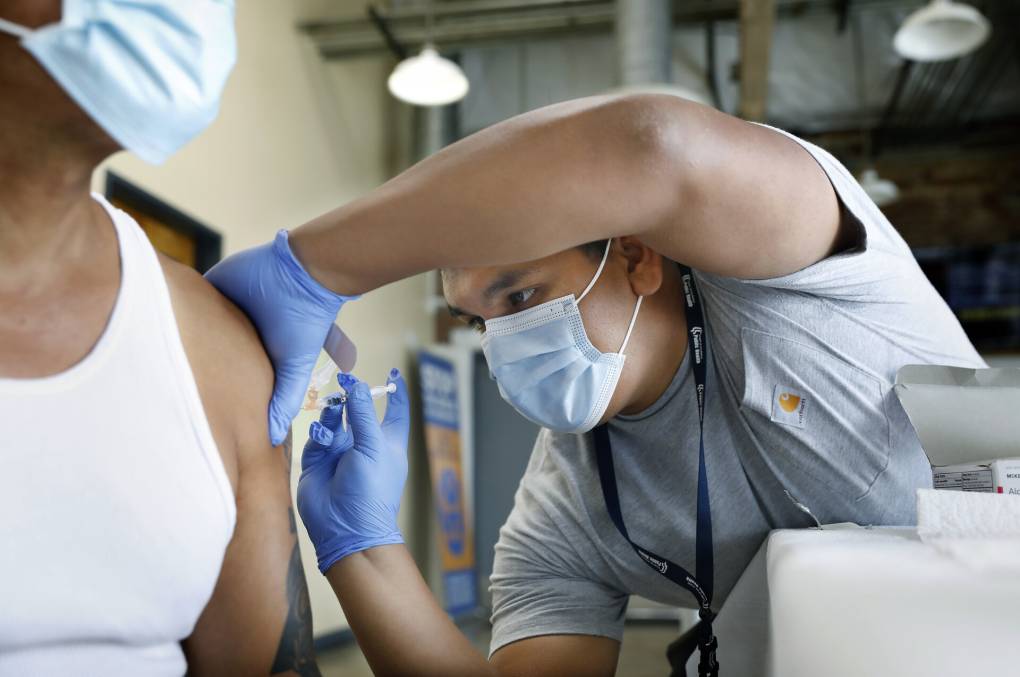
"caption": "Where can you get the new COVID-19 vaccine? It'll be rolling out in California in the coming days and weeks after FDA approval.",
"credit": "Imaginestock/Getty Images",
"altTag": "A young doctor in a white protective glove holds a medical syringe and vial.",
"description": null,
"imgSizes": {
"medium": {
"file": "https://cdn.kqed.org/wp-content/uploads/sites/10/2024/08/GettyImages-1303038502-800x516.jpg",
"width": 800,
"height": 516,
"mimeType": "image/jpeg"
},
"large": {
"file": "https://cdn.kqed.org/wp-content/uploads/sites/10/2024/08/GettyImages-1303038502-1020x658.jpg",
"width": 1020,
"height": 658,
"mimeType": "image/jpeg"
},
"thumbnail": {
"file": "https://cdn.kqed.org/wp-content/uploads/sites/10/2024/08/GettyImages-1303038502-160x103.jpg",
"width": 160,
"height": 103,
"mimeType": "image/jpeg"
},
"1536x1536": {
"file": "https://cdn.kqed.org/wp-content/uploads/sites/10/2024/08/GettyImages-1303038502-1536x991.jpg",
"width": 1536,
"height": 991,
"mimeType": "image/jpeg"
},
"2048x2048": {
"file": "https://cdn.kqed.org/wp-content/uploads/sites/10/2024/08/GettyImages-1303038502-2048x1322.jpg",
"width": 2048,
"height": 1322,
"mimeType": "image/jpeg"
},
"post-thumbnail": {
"file": "https://cdn.kqed.org/wp-content/uploads/sites/10/2024/08/GettyImages-1303038502-672x372.jpg",
"width": 672,
"height": 372,
"mimeType": "image/jpeg"
},
"twentyfourteen-full-width": {
"file": "https://cdn.kqed.org/wp-content/uploads/sites/10/2024/08/GettyImages-1303038502-1038x576.jpg",
"width": 1038,
"height": 576,
"mimeType": "image/jpeg"
},
"full-width": {
"file": "https://cdn.kqed.org/wp-content/uploads/sites/10/2024/08/GettyImages-1303038502-1920x1239.jpg",
"width": 1920,
"height": 1239,
"mimeType": "image/jpeg"
},
"kqedFullSize": {
"file": "https://cdn.kqed.org/wp-content/uploads/sites/10/2024/08/GettyImages-1303038502.jpg",
"width": 2155,
"height": 1391
}
},
"isLoading": false,
"fetchFailed": false
},
"news_12001354": {
"type": "attachments",
"id": "news_12001354",
"meta": {
"index": "attachments_1716263798",
"site": "news",
"id": "12001354",
"found": true
},
"title": "new-covid-vaccine",
"publishDate": 1724345053,
"status": "inherit",
"parent": 12001344,
"modified": 1724345106,
"caption": "A new round of COVID-19 vaccines will be rolled out soon.\n",
"credit": "Scott Olson/Getty Images",
"altTag": "A close up of hands wearing blue surgical gloves, administering a vaccine.",
"description": null,
"imgSizes": {
"medium": {
"file": "https://cdn.kqed.org/wp-content/uploads/sites/10/2024/08/new-covid-vaccine-800x533.png",
"width": 800,
"height": 533,
"mimeType": "image/png"
},
"large": {
"file": "https://cdn.kqed.org/wp-content/uploads/sites/10/2024/08/new-covid-vaccine-1020x680.png",
"width": 1020,
"height": 680,
"mimeType": "image/png"
},
"thumbnail": {
"file": "https://cdn.kqed.org/wp-content/uploads/sites/10/2024/08/new-covid-vaccine-160x107.png",
"width": 160,
"height": 107,
"mimeType": "image/png"
},
"1536x1536": {
"file": "https://cdn.kqed.org/wp-content/uploads/sites/10/2024/08/new-covid-vaccine-1536x1024.png",
"width": 1536,
"height": 1024,
"mimeType": "image/png"
},
"post-thumbnail": {
"file": "https://cdn.kqed.org/wp-content/uploads/sites/10/2024/08/new-covid-vaccine-672x372.png",
"width": 672,
"height": 372,
"mimeType": "image/png"
},
"twentyfourteen-full-width": {
"file": "https://cdn.kqed.org/wp-content/uploads/sites/10/2024/08/new-covid-vaccine-1038x576.png",
"width": 1038,
"height": 576,
"mimeType": "image/png"
},
"kqedFullSize": {
"file": "https://cdn.kqed.org/wp-content/uploads/sites/10/2024/08/new-covid-vaccine.png",
"width": 1920,
"height": 1280
}
},
"isLoading": false,
"fetchFailed": false
},
"news_12000403": {
"type": "attachments",
"id": "news_12000403",
"meta": {
"index": "attachments_1716263798",
"site": "news",
"id": "12000403",
"found": true
},
"title": "untitled-10_qed",
"publishDate": 1723747049,
"status": "inherit",
"parent": 12000395,
"modified": 1723850246,
"caption": "After a yearslong fight, 16- and 17-year-olds in Berkeley and Oakland will be able to vote in school board elections this fall, the first two districts in the state to give young people a say in who governs their public schools. ",
"credit": "Samantha Shanahan/KQED",
"altTag": null,
"description": null,
"imgSizes": {
"medium": {
"file": "https://cdn.kqed.org/wp-content/uploads/sites/10/2024/08/untitled-10_qed-800x533.jpg",
"width": 800,
"height": 533,
"mimeType": "image/jpeg"
},
"large": {
"file": "https://cdn.kqed.org/wp-content/uploads/sites/10/2024/08/untitled-10_qed-1020x680.jpg",
"width": 1020,
"height": 680,
"mimeType": "image/jpeg"
},
"thumbnail": {
"file": "https://cdn.kqed.org/wp-content/uploads/sites/10/2024/08/untitled-10_qed-160x107.jpg",
"width": 160,
"height": 107,
"mimeType": "image/jpeg"
},
"1536x1536": {
"file": "https://cdn.kqed.org/wp-content/uploads/sites/10/2024/08/untitled-10_qed-1536x1024.jpg",
"width": 1536,
"height": 1024,
"mimeType": "image/jpeg"
},
"post-thumbnail": {
"file": "https://cdn.kqed.org/wp-content/uploads/sites/10/2024/08/untitled-10_qed-672x372.jpg",
"width": 672,
"height": 372,
"mimeType": "image/jpeg"
},
"twentyfourteen-full-width": {
"file": "https://cdn.kqed.org/wp-content/uploads/sites/10/2024/08/untitled-10_qed-1038x576.jpg",
"width": 1038,
"height": 576,
"mimeType": "image/jpeg"
},
"full-width": {
"file": "https://cdn.kqed.org/wp-content/uploads/sites/10/2024/08/untitled-10_qed-1920x1280.jpg",
"width": 1920,
"height": 1280,
"mimeType": "image/jpeg"
},
"kqedFullSize": {
"file": "https://cdn.kqed.org/wp-content/uploads/sites/10/2024/08/untitled-10_qed.jpg",
"width": 1999,
"height": 1333
}
},
"isLoading": false,
"fetchFailed": false
},
"news_12000426": {
"type": "attachments",
"id": "news_12000426",
"meta": {
"index": "attachments_1716263798",
"site": "news",
"id": "12000426",
"found": true
},
"title": "Kamala-Cases_AH_CM_01",
"publishDate": 1723751469,
"status": "inherit",
"parent": 12000397,
"modified": 1723753516,
"caption": null,
"credit": "Illustration by Adriana Heldiz / CalMatters; iStock",
"altTag": "An illustration of a woman holding a microphone with a scale, a for sale sign and buildings in the background.",
"description": null,
"imgSizes": {
"medium": {
"file": "https://cdn.kqed.org/wp-content/uploads/sites/10/2024/08/Kamala-Cases_AH_CM_01-800x533.jpg",
"width": 800,
"height": 533,
"mimeType": "image/jpeg"
},
"large": {
"file": "https://cdn.kqed.org/wp-content/uploads/sites/10/2024/08/Kamala-Cases_AH_CM_01-1020x680.jpg",
"width": 1020,
"height": 680,
"mimeType": "image/jpeg"
},
"thumbnail": {
"file": "https://cdn.kqed.org/wp-content/uploads/sites/10/2024/08/Kamala-Cases_AH_CM_01-160x107.jpg",
"width": 160,
"height": 107,
"mimeType": "image/jpeg"
},
"1536x1536": {
"file": "https://cdn.kqed.org/wp-content/uploads/sites/10/2024/08/Kamala-Cases_AH_CM_01-1536x1024.jpg",
"width": 1536,
"height": 1024,
"mimeType": "image/jpeg"
},
"post-thumbnail": {
"file": "https://cdn.kqed.org/wp-content/uploads/sites/10/2024/08/Kamala-Cases_AH_CM_01-672x372.jpg",
"width": 672,
"height": 372,
"mimeType": "image/jpeg"
},
"twentyfourteen-full-width": {
"file": "https://cdn.kqed.org/wp-content/uploads/sites/10/2024/08/Kamala-Cases_AH_CM_01-1038x576.jpg",
"width": 1038,
"height": 576,
"mimeType": "image/jpeg"
},
"full-width": {
"file": "https://cdn.kqed.org/wp-content/uploads/sites/10/2024/08/Kamala-Cases_AH_CM_01-1920x1280.jpg",
"width": 1920,
"height": 1280,
"mimeType": "image/jpeg"
},
"kqedFullSize": {
"file": "https://cdn.kqed.org/wp-content/uploads/sites/10/2024/08/Kamala-Cases_AH_CM_01.jpg",
"width": 2000,
"height": 1333
}
},
"isLoading": false,
"fetchFailed": false
},
"news_12000320": {
"type": "attachments",
"id": "news_12000320",
"meta": {
"index": "attachments_1716263798",
"site": "news",
"id": "12000320",
"found": true
},
"title": "mpox-monkeypox-global-emergency-who-vaccine",
"publishDate": 1723740957,
"status": "inherit",
"parent": 12000319,
"modified": 1723750986,
"caption": "Licensed Vocational Nurse (LVN) Gabriela Solis prepares a dose of the Jynneos mpox vaccine at an L.A. County vaccination site in East Los Angeles on Aug. 10, 2022.",
"credit": "Mario Tama/Getty Images",
"altTag": "A woman wearing glasses, a face mask and a visor with blue surgical gloves holds a syringe and a small bottle.",
"description": null,
"imgSizes": {
"medium": {
"file": "https://cdn.kqed.org/wp-content/uploads/sites/10/2024/08/GettyImages-1414098149-800x505.jpg",
"width": 800,
"height": 505,
"mimeType": "image/jpeg"
},
"large": {
"file": "https://cdn.kqed.org/wp-content/uploads/sites/10/2024/08/GettyImages-1414098149-1020x643.jpg",
"width": 1020,
"height": 643,
"mimeType": "image/jpeg"
},
"thumbnail": {
"file": "https://cdn.kqed.org/wp-content/uploads/sites/10/2024/08/GettyImages-1414098149-160x101.jpg",
"width": 160,
"height": 101,
"mimeType": "image/jpeg"
},
"post-thumbnail": {
"file": "https://cdn.kqed.org/wp-content/uploads/sites/10/2024/08/GettyImages-1414098149-672x372.jpg",
"width": 672,
"height": 372,
"mimeType": "image/jpeg"
},
"twentyfourteen-full-width": {
"file": "https://cdn.kqed.org/wp-content/uploads/sites/10/2024/08/GettyImages-1414098149-1024x576.jpg",
"width": 1024,
"height": 576,
"mimeType": "image/jpeg"
},
"kqedFullSize": {
"file": "https://cdn.kqed.org/wp-content/uploads/sites/10/2024/08/GettyImages-1414098149.jpg",
"width": 1024,
"height": 646
}
},
"isLoading": false,
"fetchFailed": false
},
"news_11966640": {
"type": "attachments",
"id": "news_11966640",
"meta": {
"index": "attachments_1716263798",
"site": "news",
"id": "11966640",
"found": true
},
"title": "Los Angeles Department of Public Health, The People Concern, vaccination clinic.",
"publishDate": 1699385423,
"status": "inherit",
"parent": 11966587,
"modified": 1723747487,
"caption": "A registered nurse with the Los Angeles Department of Public Health administers a COVID-19 vaccination at the Village Mental Health Services in Los Angeles in August 2022. ",
"credit": "Christina House/Los Angeles Times via Getty Images",
"altTag": "A person wearing a mask and latex gloves administers a shot in another person's arm.",
"description": null,
"imgSizes": {
"medium": {
"file": "https://cdn.kqed.org/wp-content/uploads/sites/10/2023/11/GettyImages-1242749971-qut-800x531.jpg",
"width": 800,
"height": 531,
"mimeType": "image/jpeg"
},
"large": {
"file": "https://cdn.kqed.org/wp-content/uploads/sites/10/2023/11/GettyImages-1242749971-qut-1020x677.jpg",
"width": 1020,
"height": 677,
"mimeType": "image/jpeg"
},
"thumbnail": {
"file": "https://cdn.kqed.org/wp-content/uploads/sites/10/2023/11/GettyImages-1242749971-qut-160x106.jpg",
"width": 160,
"height": 106,
"mimeType": "image/jpeg"
},
"1536x1536": {
"file": "https://cdn.kqed.org/wp-content/uploads/sites/10/2023/11/GettyImages-1242749971-qut-1536x1019.jpg",
"width": 1536,
"height": 1019,
"mimeType": "image/jpeg"
},
"post-thumbnail": {
"file": "https://cdn.kqed.org/wp-content/uploads/sites/10/2023/11/GettyImages-1242749971-qut-672x372.jpg",
"width": 672,
"height": 372,
"mimeType": "image/jpeg"
},
"twentyfourteen-full-width": {
"file": "https://cdn.kqed.org/wp-content/uploads/sites/10/2023/11/GettyImages-1242749971-qut-1038x576.jpg",
"width": 1038,
"height": 576,
"mimeType": "image/jpeg"
},
"kqedFullSize": {
"file": "https://cdn.kqed.org/wp-content/uploads/sites/10/2023/11/GettyImages-1242749971-qut.jpg",
"width": 1920,
"height": 1274
}
},
"isLoading": false,
"fetchFailed": false
},
"news_11999255": {
"type": "attachments",
"id": "news_11999255",
"meta": {
"index": "attachments_1716263798",
"site": "news",
"id": "11999255",
"found": true
},
"title": "text-scams-voting",
"publishDate": 1723062739,
"status": "inherit",
"parent": 11998892,
"modified": 1723138729,
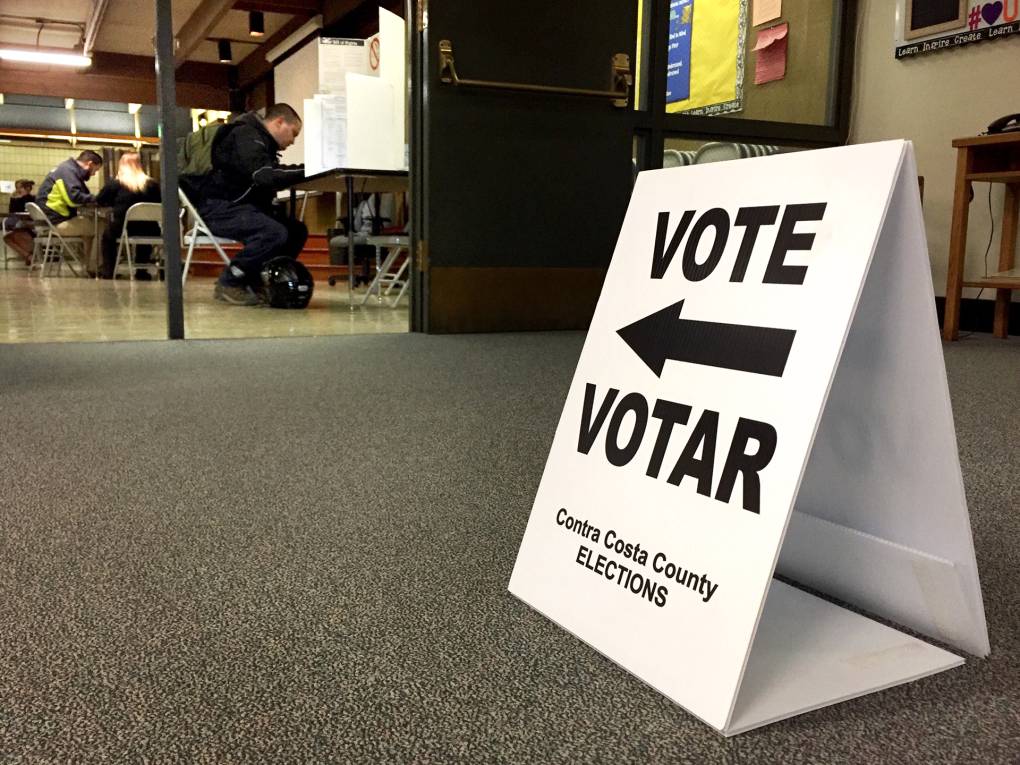
"caption": "Contra Costa County elections officials warn of a potential texting scam where constituents across California are getting messages asking them to check their registration and providing links.",
"credit": "Brittany Hosea-Small/KQED",
"altTag": null,
"description": null,
"imgSizes": {
"medium": {
"file": "https://cdn.kqed.org/wp-content/uploads/sites/10/2024/08/161108_ConcordPolling_bhs02-800x600.jpg",
"width": 800,
"height": 600,
"mimeType": "image/jpeg"
},
"large": {
"file": "https://cdn.kqed.org/wp-content/uploads/sites/10/2024/08/161108_ConcordPolling_bhs02-1020x765.jpg",
"width": 1020,
"height": 765,
"mimeType": "image/jpeg"
},
"thumbnail": {
"file": "https://cdn.kqed.org/wp-content/uploads/sites/10/2024/08/161108_ConcordPolling_bhs02-160x120.jpg",
"width": 160,
"height": 120,
"mimeType": "image/jpeg"
},
"1536x1536": {
"file": "https://cdn.kqed.org/wp-content/uploads/sites/10/2024/08/161108_ConcordPolling_bhs02-1536x1152.jpg",
"width": 1536,
"height": 1152,
"mimeType": "image/jpeg"
},
"post-thumbnail": {
"file": "https://cdn.kqed.org/wp-content/uploads/sites/10/2024/08/161108_ConcordPolling_bhs02-672x372.jpg",
"width": 672,
"height": 372,
"mimeType": "image/jpeg"
},
"twentyfourteen-full-width": {
"file": "https://cdn.kqed.org/wp-content/uploads/sites/10/2024/08/161108_ConcordPolling_bhs02-1038x576.jpg",
"width": 1038,
"height": 576,
"mimeType": "image/jpeg"
},
"kqedFullSize": {
"file": "https://cdn.kqed.org/wp-content/uploads/sites/10/2024/08/161108_ConcordPolling_bhs02.jpg",
"width": 1920,
"height": 1440
}
},
"isLoading": false,
"fetchFailed": false
},
"news_11999375": {
"type": "attachments",
"id": "news_11999375",
"meta": {
"index": "attachments_1716263798",
"site": "news",
"id": "11999375",
"found": true
},
"title": "Multi-generation family at garage sale",
"publishDate": 1723075698,
"status": "inherit",
"parent": 11999259,
"modified": 1723139105,
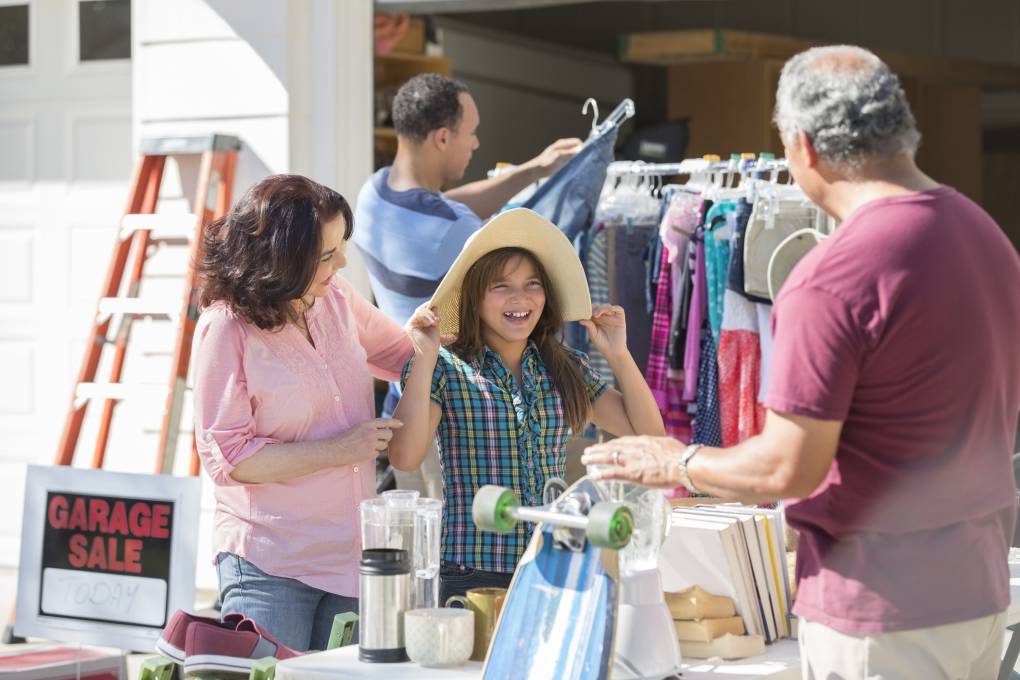
"caption": "Between regularly scheduled events and the impromptu stoop sale is a bargain hunter's sweet spot: city or neighborhood-wide garage sales.",
"credit": "Caiaimage/Sam Edwards/Getty Images",
"altTag": null,
"description": null,
"imgSizes": {
"medium": {
"file": "https://cdn.kqed.org/wp-content/uploads/sites/10/2024/08/GettyImages-500797583-800x533.jpg",
"width": 800,
"height": 533,
"mimeType": "image/jpeg"
},
"large": {
"file": "https://cdn.kqed.org/wp-content/uploads/sites/10/2024/08/GettyImages-500797583-1020x680.jpg",
"width": 1020,
"height": 680,
"mimeType": "image/jpeg"
},
"thumbnail": {
"file": "https://cdn.kqed.org/wp-content/uploads/sites/10/2024/08/GettyImages-500797583-160x107.jpg",
"width": 160,
"height": 107,
"mimeType": "image/jpeg"
},
"1536x1536": {
"file": "https://cdn.kqed.org/wp-content/uploads/sites/10/2024/08/GettyImages-500797583-1536x1024.jpg",
"width": 1536,
"height": 1024,
"mimeType": "image/jpeg"
},
"2048x2048": {
"file": "https://cdn.kqed.org/wp-content/uploads/sites/10/2024/08/GettyImages-500797583-2048x1365.jpg",
"width": 2048,
"height": 1365,
"mimeType": "image/jpeg"
},
"post-thumbnail": {
"file": "https://cdn.kqed.org/wp-content/uploads/sites/10/2024/08/GettyImages-500797583-672x372.jpg",
"width": 672,
"height": 372,
"mimeType": "image/jpeg"
},
"twentyfourteen-full-width": {
"file": "https://cdn.kqed.org/wp-content/uploads/sites/10/2024/08/GettyImages-500797583-1038x576.jpg",
"width": 1038,
"height": 576,
"mimeType": "image/jpeg"
},
"full-width": {
"file": "https://cdn.kqed.org/wp-content/uploads/sites/10/2024/08/GettyImages-500797583-1920x1280.jpg",
"width": 1920,
"height": 1280,
"mimeType": "image/jpeg"
},
"kqedFullSize": {
"file": "https://cdn.kqed.org/wp-content/uploads/sites/10/2024/08/GettyImages-500797583.jpg",
"width": 2121,
"height": 1414
}
},
"isLoading": false,
"fetchFailed": false
},
"news_11999246": {
"type": "attachments",
"id": "news_11999246",
"meta": {
"index": "attachments_1716263798",
"site": "news",
"id": "11999246",
"found": true
},
"title": "OUTSIDELANDS2023_0812_132329-1874_ALIVECOVERAGE",
"publishDate": 1723061245,
"status": "inherit",
"parent": 11999085,
"modified": 1723061379,
"caption": "Outside Lands takes over Golden Gate Park in San Francisco for three days in August every year.",
"credit": "Alive Coverage/Outside Lands",
"altTag": null,
"description": null,
"imgSizes": {
"medium": {
"file": "https://cdn.kqed.org/wp-content/uploads/sites/10/2024/08/OUTSIDELANDS2023_0812_132329-1874_ALIVECOVERAGE-800x533.png",
"width": 800,
"height": 533,
"mimeType": "image/png"
},
"large": {
"file": "https://cdn.kqed.org/wp-content/uploads/sites/10/2024/08/OUTSIDELANDS2023_0812_132329-1874_ALIVECOVERAGE-1020x680.png",
"width": 1020,
"height": 680,
"mimeType": "image/png"
},
"thumbnail": {
"file": "https://cdn.kqed.org/wp-content/uploads/sites/10/2024/08/OUTSIDELANDS2023_0812_132329-1874_ALIVECOVERAGE-160x107.png",
"width": 160,
"height": 107,
"mimeType": "image/png"
},
"1536x1536": {
"file": "https://cdn.kqed.org/wp-content/uploads/sites/10/2024/08/OUTSIDELANDS2023_0812_132329-1874_ALIVECOVERAGE-1536x1024.png",
"width": 1536,
"height": 1024,
"mimeType": "image/png"
},
"post-thumbnail": {
"file": "https://cdn.kqed.org/wp-content/uploads/sites/10/2024/08/OUTSIDELANDS2023_0812_132329-1874_ALIVECOVERAGE-672x372.png",
"width": 672,
"height": 372,
"mimeType": "image/png"
},
"twentyfourteen-full-width": {
"file": "https://cdn.kqed.org/wp-content/uploads/sites/10/2024/08/OUTSIDELANDS2023_0812_132329-1874_ALIVECOVERAGE-1038x576.png",
"width": 1038,
"height": 576,
"mimeType": "image/png"
},
"kqedFullSize": {
"file": "https://cdn.kqed.org/wp-content/uploads/sites/10/2024/08/OUTSIDELANDS2023_0812_132329-1874_ALIVECOVERAGE.png",
"width": 1920,
"height": 1280
}
},
"isLoading": false,
"fetchFailed": false
},
"news_12063214": {
"type": "attachments",
"id": "news_12063214",
"meta": {
"index": "attachments_1716263798",
"site": "news",
"id": "12063214",
"found": true
},
"title": "20240802_OliviaRodrigo_GC-22_qed",
"publishDate": 1762452903,
"status": "inherit",
"parent": 11999092,
"modified": 1762452919,
"caption": "Olivia Rodrigo performs during her “Guts” World Tour at the Chase Center in San Francisco on August 2, 2024.",
"credit": "Gina Castro/KQED",
"altTag": null,
"description": null,
"imgSizes": {
"thumbnail": {
"file": "https://cdn.kqed.org/wp-content/uploads/sites/10/2024/08/20240802_OliviaRodrigo_GC-22_qed-160x107.jpg",
"width": 160,
"height": 107,
"mimeType": "image/jpeg"
},
"1536x1536": {
"file": "https://cdn.kqed.org/wp-content/uploads/sites/10/2024/08/20240802_OliviaRodrigo_GC-22_qed-1536x1024.jpg",
"width": 1536,
"height": 1024,
"mimeType": "image/jpeg"
},
"post-thumbnail": {
"file": "https://cdn.kqed.org/wp-content/uploads/sites/10/2024/08/20240802_OliviaRodrigo_GC-22_qed-672x372.jpg",
"width": 672,
"height": 372,
"mimeType": "image/jpeg"
},
"twentyfourteen-full-width": {
"file": "https://cdn.kqed.org/wp-content/uploads/sites/10/2024/08/20240802_OliviaRodrigo_GC-22_qed-1038x576.jpg",
"width": 1038,
"height": 576,
"mimeType": "image/jpeg"
},
"npr-cds-wide": {
"file": "https://cdn.kqed.org/wp-content/uploads/sites/10/2024/08/20240802_OliviaRodrigo_GC-22_qed-1200x675.jpg",
"width": 1200,
"height": 675,
"mimeType": "image/jpeg"
},
"kqedFullSize": {
"file": "https://cdn.kqed.org/wp-content/uploads/sites/10/2024/08/20240802_OliviaRodrigo_GC-22_qed.jpg",
"width": 2000,
"height": 1333
}
},
"isLoading": false,
"fetchFailed": false
},
"news_11998152": {
"type": "attachments",
"id": "news_11998152",
"meta": {
"index": "attachments_1716263798",
"site": "news",
"id": "11998152",
"found": true
},
"title": "olivia-rodrigo-san-francisco-guts",
"publishDate": 1722443959,
"status": "inherit",
"parent": 11998109,
"modified": 1722624621,
"caption": "Singer Olivia Rodrigo during a performance at the Wizink Center on June 20, 2024, in Madrid, Spain. Olivia Rodrigo is a 3-time Grammy Award-winning American actress, singer and songwriter. She gained recognition in the late 2010s with her leading roles in the television shows 'Bizaardvark' and 'High School Musical: The Musical: The Series'. Produced by Live Nation, The SOUR Tour world tour includes 57 dates. ",
"credit": "Ricardo Rubio/Europa Press via Getty Images",
"altTag": null,
"description": null,
"imgSizes": {
"medium": {
"file": "https://cdn.kqed.org/wp-content/uploads/sites/10/2024/07/Rodrigo1-800x534.jpg",
"width": 800,
"height": 534,
"mimeType": "image/jpeg"
},
"large": {
"file": "https://cdn.kqed.org/wp-content/uploads/sites/10/2024/07/Rodrigo1-1020x680.jpg",
"width": 1020,
"height": 680,
"mimeType": "image/jpeg"
},
"thumbnail": {
"file": "https://cdn.kqed.org/wp-content/uploads/sites/10/2024/07/Rodrigo1-160x107.jpg",
"width": 160,
"height": 107,
"mimeType": "image/jpeg"
},
"1536x1536": {
"file": "https://cdn.kqed.org/wp-content/uploads/sites/10/2024/07/Rodrigo1-1536x1024.jpg",
"width": 1536,
"height": 1024,
"mimeType": "image/jpeg"
},
"2048x2048": {
"file": "https://cdn.kqed.org/wp-content/uploads/sites/10/2024/07/Rodrigo1-2048x1366.jpg",
"width": 2048,
"height": 1366,
"mimeType": "image/jpeg"
},
"post-thumbnail": {
"file": "https://cdn.kqed.org/wp-content/uploads/sites/10/2024/07/Rodrigo1-672x372.jpg",
"width": 672,
"height": 372,
"mimeType": "image/jpeg"
},
"twentyfourteen-full-width": {
"file": "https://cdn.kqed.org/wp-content/uploads/sites/10/2024/07/Rodrigo1-1038x576.jpg",
"width": 1038,
"height": 576,
"mimeType": "image/jpeg"
},
"full-width": {
"file": "https://cdn.kqed.org/wp-content/uploads/sites/10/2024/07/Rodrigo1-1920x1281.jpg",
"width": 1920,
"height": 1281,
"mimeType": "image/jpeg"
},
"kqedFullSize": {
"file": "https://cdn.kqed.org/wp-content/uploads/sites/10/2024/07/Rodrigo1-scaled.jpg",
"width": 2560,
"height": 1707
}
},
"isLoading": false,
"fetchFailed": false
}
},
"audioPlayerReducer": {
"postId": "stream_live",
"isPaused": true,
"isPlaying": false,
"pfsActive": false,
"pledgeModalIsOpen": true,
"playerDrawerIsOpen": false,
"liveAudioPlayStartedAt": 0,
"liveAudioPlayContext": ""
},
"authorsReducer": {
"byline_news_12001344": {
"type": "authors",
"id": "byline_news_12001344",
"meta": {
"override": true
},
"slug": "byline_news_12001344",
"name": "Rob Stein",
"isLoading": false
},
"byline_news_12000397": {
"type": "authors",
"id": "byline_news_12000397",
"meta": {
"override": true
},
"slug": "byline_news_12000397",
"name": "\u003ca href=\"https://calmatters.org/author/nigelduara\">Nigel Duara, CalMatters\u003c/a>",
"isLoading": false
},
"byline_news_12000319": {
"type": "authors",
"id": "byline_news_12000319",
"meta": {
"override": true
},
"slug": "byline_news_12000319",
"name": "\u003ca href=\"https://x.com/mylcheng?lang=en\">Maria Cheng (AP)\u003c/a>, \u003ca href=\"https://www.kqed.org/author/ccabreralomeli\">Carlos Cabrera-Lomelí\u003c/a> and \u003ca href=\"https://www.kqed.org/author/carlysevern\">Carly Severn\u003c/a>",
"isLoading": false
},
"shotchkiss": {
"type": "authors",
"id": "61",
"meta": {
"index": "authors_1716337520",
"id": "61",
"found": true
},
"name": "Sarah Hotchkiss",
"firstName": "Sarah",
"lastName": "Hotchkiss",
"slug": "shotchkiss",
"email": "shotchkiss@kqed.org",
"display_author_email": true,
"staff_mastheads": [
"arts"
],
"title": "Senior Editor",
"bio": "Sarah Hotchkiss is a San Francisco \u003ca href=\"http://www.sarahhotchkiss.com\">artist\u003c/a> and arts writer. In 2019, she received the Dorothea & Leo Rabkin Foundation grant for visual art journalism and in 2020 she received a Society of Professional Journalists, Northern California award for excellence in arts and culture reporting.",
"avatar": "https://secure.gravatar.com/avatar/bc662df144b3d27fd8b1b6f1c2a420d34e91e53154d411bb7ad353cc8b6cea8d?s=600&d=blank&r=g",
"twitter": null,
"bluesky": null,
"facebook": null,
"instagram": null,
"linkedin": null,
"sites": [
{
"site": "",
"roles": [
"editor"
]
},
{
"site": "arts",
"roles": [
"Contributor",
"administrator"
]
},
{
"site": "artschool",
"roles": [
"administrator"
]
},
{
"site": "news",
"roles": [
"editor"
]
},
{
"site": "pop",
"roles": [
"administrator"
]
},
{
"site": "bayareabites",
"roles": [
"editor"
]
},
{
"site": "spark",
"roles": [
"editor"
]
},
{
"site": "checkplease",
"roles": [
"editor"
]
}
],
"headData": {
"title": "Sarah Hotchkiss | KQED",
"description": "Senior Editor",
"ogImgSrc": "https://secure.gravatar.com/avatar/bc662df144b3d27fd8b1b6f1c2a420d34e91e53154d411bb7ad353cc8b6cea8d?s=600&d=blank&r=g",
"twImgSrc": "https://secure.gravatar.com/avatar/bc662df144b3d27fd8b1b6f1c2a420d34e91e53154d411bb7ad353cc8b6cea8d?s=600&d=blank&r=g"
},
"isLoading": false,
"link": "/author/shotchkiss"
},
"carlysevern": {
"type": "authors",
"id": "3243",
"meta": {
"index": "authors_1716337520",
"id": "3243",
"found": true
},
"name": "Carly Severn",
"firstName": "Carly",
"lastName": "Severn",
"slug": "carlysevern",
"email": "csevern@kqed.org",
"display_author_email": false,
"staff_mastheads": [
"news"
],
"title": "Senior Editor, Audience News ",
"bio": "Carly is KQED's Senior Editor of Audience News on the Digital News team, and has reported for the California Report Magazine, Bay Curious and KQED Arts. She's formerly the host of \u003ca href=\"http://ww2.kqed.org/pop/category/the-cooler/\" rel=\"noopener noreferrer\">The Cooler\u003c/a> podcast.",
"avatar": "https://secure.gravatar.com/avatar/54037bf5c128fe678f0ef26cec97a93f2e7f220a22d7285703328f12c42c1b1d?s=600&d=blank&r=g",
"twitter": "teacupinthebay",
"bluesky": null,
"facebook": null,
"instagram": null,
"linkedin": null,
"sites": [
{
"site": "",
"roles": [
"editor"
]
},
{
"site": "arts",
"roles": [
"editor"
]
},
{
"site": "news",
"roles": [
"administrator"
]
},
{
"site": "pop",
"roles": [
"editor"
]
},
{
"site": "futureofyou",
"roles": [
"editor"
]
},
{
"site": "about",
"roles": [
"administrator"
]
},
{
"site": "mindshift",
"roles": [
"editor"
]
},
{
"site": "bayareabites",
"roles": [
"editor"
]
},
{
"site": "stateofhealth",
"roles": [
"editor"
]
},
{
"site": "science",
"roles": [
"editor"
]
},
{
"site": "food",
"roles": [
"contributor"
]
},
{
"site": "forum",
"roles": [
"editor"
]
},
{
"site": "perspectives",
"roles": [
"administrator"
]
},
{
"site": "liveblog",
"roles": [
"editor"
]
}
],
"headData": {
"title": "Carly Severn | KQED",
"description": "Senior Editor, Audience News ",
"ogImgSrc": "https://secure.gravatar.com/avatar/54037bf5c128fe678f0ef26cec97a93f2e7f220a22d7285703328f12c42c1b1d?s=600&d=blank&r=g",
"twImgSrc": "https://secure.gravatar.com/avatar/54037bf5c128fe678f0ef26cec97a93f2e7f220a22d7285703328f12c42c1b1d?s=600&d=blank&r=g"
},
"isLoading": false,
"link": "/author/carlysevern"
},
"ccabreralomeli": {
"type": "authors",
"id": "11708",
"meta": {
"index": "authors_1716337520",
"id": "11708",
"found": true
},
"name": "Carlos Cabrera-Lomelí",
"firstName": "Carlos",
"lastName": "Cabrera-Lomelí",
"slug": "ccabreralomeli",
"email": "ccabreralomeli@KQED.org",
"display_author_email": true,
"staff_mastheads": [
"news"
],
"title": "Community Reporter",
"bio": "Carlos Cabrera-Lomelí is a community reporter with KQED's digital engagement team. He also reports and co-produces for KQED's bilingual news hub KQED en Español. He grew up in San Francisco's Mission District and has previously worked with Univision, 48 Hills and REFORMA in Mexico City.",
"avatar": "https://secure.gravatar.com/avatar/c309be9665e484f887b818c89e273ecc673004f426f36b24d00a4d813a2e0518?s=600&d=blank&r=g",
"twitter": "@LomeliCabrera",
"bluesky": null,
"facebook": null,
"instagram": null,
"linkedin": null,
"sites": [
{
"site": "arts",
"roles": [
"editor"
]
},
{
"site": "news",
"roles": [
"editor"
]
},
{
"site": "about",
"roles": [
"editor"
]
},
{
"site": "science",
"roles": [
"editor"
]
},
{
"site": "perspectives",
"roles": [
"editor"
]
},
{
"site": "elections",
"roles": [
"editor"
]
},
{
"site": "liveblog",
"roles": [
"contributor"
]
}
],
"headData": {
"title": "Carlos Cabrera-Lomelí | KQED",
"description": "Community Reporter",
"ogImgSrc": "https://secure.gravatar.com/avatar/c309be9665e484f887b818c89e273ecc673004f426f36b24d00a4d813a2e0518?s=600&d=blank&r=g",
"twImgSrc": "https://secure.gravatar.com/avatar/c309be9665e484f887b818c89e273ecc673004f426f36b24d00a4d813a2e0518?s=600&d=blank&r=g"
},
"isLoading": false,
"link": "/author/ccabreralomeli"
},
"afinney": {
"type": "authors",
"id": "11772",
"meta": {
"index": "authors_1716337520",
"id": "11772",
"found": true
},
"name": "Annelise Finney",
"firstName": "Annelise",
"lastName": "Finney",
"slug": "afinney",
"email": "afinney@kqed.org",
"display_author_email": true,
"staff_mastheads": [
"news"
],
"title": "Reporter",
"bio": "Annelise reports on reparations in California and East Bay politics. She co-produced the Sunday Music Drop, a limited-term radio series featuring Bay Area musicians that aired between Sept 2022 and Oct 2024. She joined KQED in 2021 as a general assignment reporter and is an alumna of KALW's Audio Academy. She was born and raised in the East Bay. She is currently away from KQED completing a year-long reporting project in Berlin, Germany as a Alexander Von Humboldt German Chancellor Fellow.",
"avatar": "https://secure.gravatar.com/avatar/5fded66cae47704cdfc5021cde0f3aa4?s=600&d=blank&r=g",
"twitter": null,
"facebook": null,
"instagram": null,
"linkedin": null,
"sites": [
{
"site": "news",
"roles": [
"editor"
]
},
{
"site": "liveblog",
"roles": [
"author"
]
}
],
"headData": {
"title": "Annelise Finney | KQED",
"description": "Reporter",
"ogImgSrc": "https://secure.gravatar.com/avatar/5fded66cae47704cdfc5021cde0f3aa4?s=600&d=blank&r=g",
"twImgSrc": "https://secure.gravatar.com/avatar/5fded66cae47704cdfc5021cde0f3aa4?s=600&d=blank&r=g"
},
"isLoading": false,
"link": "/author/afinney"
},
"nkhan": {
"type": "authors",
"id": "11867",
"meta": {
"index": "authors_1716337520",
"id": "11867",
"found": true
},
"name": "Nisa Khan",
"firstName": "Nisa",
"lastName": "Khan",
"slug": "nkhan",
"email": "nkhan@kqed.org",
"display_author_email": false,
"staff_mastheads": [],
"title": "KQED Contributor",
"bio": "Nisa Khan is a reporter for KQED's Audience News Desk. She was formerly a data reporter at Michigan Radio. She earned a Bachelor of Science in Information from the University of Michigan and a Master of Arts in Communication from Stanford University.",
"avatar": "https://secure.gravatar.com/avatar/8720459eef081ff64582b3506b124d58523e80e120704a0cbd9892533c914991?s=600&d=blank&r=g",
"twitter": "mnisakhan",
"bluesky": null,
"facebook": null,
"instagram": null,
"linkedin": null,
"sites": [
{
"site": "arts",
"roles": [
"editor"
]
},
{
"site": "news",
"roles": [
"editor"
]
},
{
"site": "science",
"roles": [
"editor",
"author"
]
},
{
"site": "forum",
"roles": [
"editor"
]
},
{
"site": "liveblog",
"roles": [
"contributor"
]
}
],
"headData": {
"title": "Nisa Khan | KQED",
"description": "KQED Contributor",
"ogImgSrc": "https://secure.gravatar.com/avatar/8720459eef081ff64582b3506b124d58523e80e120704a0cbd9892533c914991?s=600&d=blank&r=g",
"twImgSrc": "https://secure.gravatar.com/avatar/8720459eef081ff64582b3506b124d58523e80e120704a0cbd9892533c914991?s=600&d=blank&r=g"
},
"isLoading": false,
"link": "/author/nkhan"
},
"udursun": {
"type": "authors",
"id": "11883",
"meta": {
"index": "authors_1716337520",
"id": "11883",
"found": true
},
"name": "Ugur Dursun",
"firstName": "Ugur",
"lastName": "Dursun",
"slug": "udursun",
"email": "udursun@kqed.org",
"display_author_email": true,
"staff_mastheads": [
"arts"
],
"title": "Engagement Producer, KQED Arts & Culture",
"bio": "Ugur Dursun is a reporter and audience engagement producer for KQED Arts. Previously, her reporting has appeared on SFGate, East Bay Times, The Mercury News, KTVU, NBC Bay Area, The Stanford Daily, and other Bay Area local news outlets. In 2023, she was a recipient of Online News Association's \u003ca href=\"https://journalists.org/programs/mj-bear-fellowship/\">MJ Bear Fellowship\u003c/a>, which honors six standout journalists under the age of 30 who are pushing innovation in digital news.",
"avatar": "https://secure.gravatar.com/avatar/9c5fe6a93389635670fe02d7fa44666938055adfbfc2cfd7fffc1de9e29072a2?s=600&d=blank&r=g",
"twitter": null,
"bluesky": null,
"facebook": null,
"instagram": null,
"linkedin": null,
"sites": [
{
"site": "arts",
"roles": [
"administrator"
]
},
{
"site": "news",
"roles": [
"editor"
]
}
],
"headData": {
"title": "Ugur Dursun | KQED",
"description": "Engagement Producer, KQED Arts & Culture",
"ogImgSrc": "https://secure.gravatar.com/avatar/9c5fe6a93389635670fe02d7fa44666938055adfbfc2cfd7fffc1de9e29072a2?s=600&d=blank&r=g",
"twImgSrc": "https://secure.gravatar.com/avatar/9c5fe6a93389635670fe02d7fa44666938055adfbfc2cfd7fffc1de9e29072a2?s=600&d=blank&r=g"
},
"isLoading": false,
"link": "/author/udursun"
},
"kdebenedetti": {
"type": "authors",
"id": "11913",
"meta": {
"index": "authors_1716337520",
"id": "11913",
"found": true
},
"name": "Katie DeBenedetti",
"firstName": "Katie",
"lastName": "DeBenedetti",
"slug": "kdebenedetti",
"email": "kdebenedetti@kqed.org",
"display_author_email": false,
"staff_mastheads": [
"news",
"science"
],
"title": "KQED Contributor",
"bio": "Katie DeBenedetti is a digital reporter covering daily news for the Express Desk. Prior to joining KQED as a culture reporting intern in January 2024, she covered education and city government for the Napa Valley Register.",
"avatar": "https://secure.gravatar.com/avatar/6e31073cb8f7e4214ab03f42771d0f45?s=600&d=blank&r=g",
"twitter": null,
"facebook": null,
"instagram": null,
"linkedin": null,
"sites": [
{
"site": "news",
"roles": [
"author"
]
},
{
"site": "science",
"roles": [
"author"
]
},
{
"site": "liveblog",
"roles": [
"author"
]
}
],
"headData": {
"title": "Katie DeBenedetti | KQED",
"description": "KQED Contributor",
"ogImgSrc": "https://secure.gravatar.com/avatar/6e31073cb8f7e4214ab03f42771d0f45?s=600&d=blank&r=g",
"twImgSrc": "https://secure.gravatar.com/avatar/6e31073cb8f7e4214ab03f42771d0f45?s=600&d=blank&r=g"
},
"isLoading": false,
"link": "/author/kdebenedetti"
}
},
"pagesReducer": {
"news_category_guides-and-explainers": {
"type": "terms",
"id": "news_34168",
"meta": {
"index": "terms_1716263798",
"site": "news",
"id": "34168",
"score": 14.406026
},
"name": "Guides and Explainers",
"slug": "guides-and-explainers",
"taxonomy": "category",
"description": null,
"featImg": null,
"headData": {
"title": "Guides and Explainers Archives | KQED News",
"description": null,
"ogTitle": null,
"ogDescription": null,
"ogImgId": null,
"twTitle": null,
"twDescription": null,
"twImgId": null
},
"ttid": 34185,
"isLoading": false,
"title": "Guides and Explainers",
"pageMeta": {
"site": "news",
"WpPageTemplate": "page-topic-editorial",
"currentPage": 34
},
"blocks": [
{
"blockName": "kqed/post-list",
"attrs": {
"layout": "cardArticle2",
"query": "posts/news?category=guides-and-explainers",
"seeMore": false,
"paginated": true,
"page": 34
}
},
{
"blockName": "kqed/ad"
}
]
}
},
"pfsSessionReducer": {},
"postsReducer": {
"stream_live": {
"type": "live",
"id": "stream_live",
"audioUrl": "https://streams.kqed.org/kqedradio",
"title": "Live Stream",
"excerpt": "Live Stream information currently unavailable.",
"link": "/radio",
"featImg": "",
"label": {
"name": "KQED Live",
"link": "/"
}
},
"stream_kqedNewscast": {
"type": "posts",
"id": "stream_kqedNewscast",
"audioUrl": "https://www.kqed.org/.stream/anon/radio/RDnews/newscast.mp3?_=1",
"title": "KQED Newscast",
"featImg": "",
"label": {
"name": "88.5 FM",
"link": "/"
}
},
"news_12001249": {
"type": "posts",
"id": "news_12001249",
"meta": {
"index": "posts_1716263798",
"site": "news",
"id": "12001249",
"score": null,
"sort": [
1724670024000
]
},
"guestAuthors": [],
"slug": "what-are-heat-islands-and-where-are-they-in-the-bay-area",
"title": "What Is a 'Heat Island'? You Might Be Living Inside One in the Bay Area",
"publishDate": 1724670024,
"format": "standard",
"headTitle": "What Is a ‘Heat Island’? You Might Be Living Inside One in the Bay Area | KQED",
"labelTerm": {
"site": "news"
},
"content": "\u003cp>[dropcap]T[/dropcap]he Earth baked under its hottest July in recorded history, according to \u003ca href=\"https://www.noaa.gov/news/earth-just-had-its-warmest-july-on-record#:~:text=The%20average%20July%20global%20surface,high%20temperatures%20for%20the%20planet.\">the latest data from the National Oceanic and Atmospheric Administration\u003c/a> (NOAA). That same agency also confirmed that \u003ca href=\"https://laist.com/news/climate-environment/july-was-californias-hottest-month-ever\">July was the warmest month on record for California\u003c/a>.\u003c/p>\n\u003cp>But heat does not impact everybody the same way. In a state as unequal as California — where families at the top 10th percentile \u003ca href=\"https://www.ppic.org/publication/income-inequality-in-california/#:~:text=The%20gap%20between%20high%20and,%2429%2C000%2C%20respectively).\">make ten times more than families at the bottom 10th percentile\u003c/a> — there’s also a striking inequality at play when it comes to which Californians are bearing the brunt of rising temperatures.\u003c/p>\n\u003cp>I’ve reported on how workers \u003ca href=\"https://www.kqed.org/news/11918317/blacklisted-for-speaking-up-how-california-farmworkers-fighting-abuses-are-vulnerable-to-retaliation\">experience extreme heat\u003c/a> — both \u003ca href=\"https://www.kqed.org/news/11999014/working-inside-during-a-heat-wave-what-to-know-about-californias-new-protections\">indoors\u003c/a> and \u003ca href=\"https://www.kqed.org/news/11886628/feeling-the-heat-how-workers-can-advocate-for-safer-working-conditions-under-the-sun\">outdoors\u003c/a> — but in conversation after conversation with folks, the obvious kept coming up: where we work is only one place where we experience heat. Excessive heat follows us where we live, eat, play and rest. Place helps define our relationship with heat. But we all don’t have access to the same places.\u003c/p>\n\u003cp>[ad fullwidth]\u003c/p>\n\u003cp>In a region as expensive — \u003ca href=\"https://belonging.berkeley.edu/segregationinthebay\">and historically segregated\u003c/a> — as the Bay Area, how much economic, political and social power each of us has gives us access to different spaces. The way our cities are built reflects that and as human-made climate change intensifies, certain cities and neighborhoods — along with their residents — will experience heat more intensely than others.\u003c/p>\n\u003cp>To better understand what’s in store for the future, I spoke to researchers, community organizers and residents to learn how heat is unevenly impacting the Bay Area now. What Bay Area cities and neighborhoods are feeling more of the heat now? And what actions are residents and officials taking to make these communities more heat resilient as we approach a much hotter future?\u003c/p>\n\u003ch2>\u003cstrong>Searching for heat islands\u003c/strong>\u003c/h2>\n\u003cp>Researchers use the term “urban heat island” to describe when urban areas experience warmer temperatures than what’s around them. The heat island “effect” is defined as “the difference between the temperature of the air in the city and some reference that you have outside,” said Ronnen Levinson, a Lawrence Berkeley National Lab scientist who has studied the impact of heat in cities for decades.\u003c/p>\n\u003cp>Cities absorb heat from the sun. Miles and miles of concrete soak up heat during the day and release it at night. During heat waves, \u003ca href=\"https://www.theguardian.com/us-news/2023/jan/03/los-angeles-is-becoming-too-hot-to-bear-can-it-design-its-way-cooler\">places like Los Angeles\u003c/a> or Houston clearly show much higher temperatures than surrounding areas.\u003c/p>\n\u003cp>Much of that is due to exposed concrete surfaces like highways, parking lots and large-scale developments.\u003c/p>\n\u003cfigure id=\"attachment_12001708\" class=\"wp-caption alignnone\" style=\"max-width: 1024px\">\u003cimg loading=\"lazy\" decoding=\"async\" class=\"size-full wp-image-12001708\" src=\"https://cdn.kqed.org/wp-content/uploads/sites/10/2024/08/GettyImages-1298826306.jpg\" alt=\"\" width=\"1024\" height=\"683\" srcset=\"https://cdn.kqed.org/wp-content/uploads/sites/10/2024/08/GettyImages-1298826306.jpg 1024w, https://cdn.kqed.org/wp-content/uploads/sites/10/2024/08/GettyImages-1298826306-800x534.jpg 800w, https://cdn.kqed.org/wp-content/uploads/sites/10/2024/08/GettyImages-1298826306-1020x680.jpg 1020w, https://cdn.kqed.org/wp-content/uploads/sites/10/2024/08/GettyImages-1298826306-160x107.jpg 160w\" sizes=\"(max-width: 1024px) 100vw, 1024px\">\u003cfigcaption class=\"wp-caption-text\">People use clothes and bags to keep cool while applying sunblock as they wait in line for the cable car in extremely hot weather on Sept. 1, 2017 in San Francisco. \u003ccite>(Lea Suzuki/San Francisco Chronicle via Getty Images)\u003c/cite>\u003c/figcaption>\u003c/figure>\n\u003cp>However, Levinson said that just comparing the air temperature inside and outside an urban area doesn’t always give us a complete picture of how heat builds up.\u003c/p>\n\u003cp>In the Bay Area, the region’s geography — cities freckled with hills, year-round fog rolling in from the Pacific Ocean, and the Bay itself — naturally produces different microclimates. It wouldn’t make sense to compare the air temperature in San José, a very developed urban area located in a valley, to that of a coastal forest somewhere in San Mateo County.\u003c/p>\n\u003cp>“In my mind, the question is really: Is the temperature inside the city higher than you want it to be?” Levinson said.\u003c/p>\n\u003cp>That’s why researchers have started to zoom in: instead of comparing metro areas with what’s outside, they’re now looking at the temperature differences between different neighborhoods — and even street blocks.\u003c/p>\n\u003ch2>\u003cstrong>How heat moves within Bay Area cities\u003c/strong>\u003c/h2>\n\u003cp>In 2018, NOAA began a multi-year campaign to map out urban heat islands across major U.S. cities, including \u003ca href=\"https://osf.io/s9at3\">San Francisco\u003c/a>, San José, \u003ca href=\"https://osf.io/7scw2\">Oakland, along with parts of the East Bay\u003c/a>. Researchers weren’t comparing these cities to each other. Instead, in each city, they recruited residents and asked them on a hot summer day to drive around at different points with special sensors on top of their cars.\u003c/p>\n\u003cp>The sensors were consistently measuring the air temperature — what’s called a “temperature transect.”\u003c/p>\n\u003cp>By collecting temperature transects, researchers identified which neighborhoods experience warmer temperatures in comparison to other parts of the same city. NOAA published the results \u003ca href=\"https://www.heat.gov/pages/nihhis-urban-heat-island-mapping-campaign-cities\">as separate Heat Watch reports for each city\u003c/a>.\u003c/p>\n\u003cfigure id=\"attachment_12001709\" class=\"wp-caption alignnone\" style=\"max-width: 1024px\">\u003cimg loading=\"lazy\" decoding=\"async\" class=\"size-full wp-image-12001709\" src=\"https://cdn.kqed.org/wp-content/uploads/sites/10/2024/08/GettyImages-1421418993.jpg\" alt=\"\" width=\"1024\" height=\"664\" srcset=\"https://cdn.kqed.org/wp-content/uploads/sites/10/2024/08/GettyImages-1421418993.jpg 1024w, https://cdn.kqed.org/wp-content/uploads/sites/10/2024/08/GettyImages-1421418993-800x519.jpg 800w, https://cdn.kqed.org/wp-content/uploads/sites/10/2024/08/GettyImages-1421418993-1020x661.jpg 1020w, https://cdn.kqed.org/wp-content/uploads/sites/10/2024/08/GettyImages-1421418993-160x104.jpg 160w\" sizes=\"(max-width: 1024px) 100vw, 1024px\">\u003cfigcaption class=\"wp-caption-text\">A construction worker drinks water while working on a highway project along Highway 101 during a major heatwave in the San Francisco Bay Area on Sept. 6, 2022 in Novato, Marin County. \u003ccite>(Justin Sullivan/Getty Images)\u003c/cite>\u003c/figcaption>\u003c/figure>\n\u003cp>“If you were to look at a city from afar and you see that it’s got a lot of green spaces, that’s probably a good thing.” said Levinson from the Lawrence Berkeley National Lab who has reviewed the Heat Watch reports.\u003c/p>\n\u003cp>“If you are seeing a lot of pavement, almost all pavement is quite hot. The same goes for roofs,” he added, “especially on flat buildings if you see dark roofs. With a few exceptions, those are all quite hot.”\u003c/p>\n\u003cp>In each Bay Area city included in the study, we see how heat responds to both geography and human activity — both past and present.\u003c/p>\n\u003cp>In the East Bay, volunteers drove different routes that crossed Oakland, Berkeley, Emeryville, Piedmont and Albany. Neighborhoods between International Boulevard and the 580 freeway, such as Saint Elizabeth, Jefferson and Maxwell Park were consistently the warmest areas in Oakland, in comparison to the rest of the city. Meanwhile residential areas at higher elevations, like Montclair, stayed much cooler.\u003c/p>\n\u003cp>Below is a map that uses NOAA data to visualize temperature ranges collected by volunteers in the afternoon of September 17, 2019. Neighborhoods that are shown to be warmer are also home to thousands of Black and Latino families and also have less available tree canopy than the rest of Oakland, according to city data. West Oakland and neighborhoods near the Coliseum still have a lot of industry present, which means large tracts of exposed concrete.\u003c/p>\n\u003cdiv style=\"width: 100%\" align=\"center\">\n\u003c!-- iframe plugin v.4.3 wordpress.org/plugins/iframe/ -->\u003cbr>\n\u003ciframe loading=\"lazy\" src=\"https://kqedsf.maps.arcgis.com/apps/instant/basic/index.html?appid=191901b1b22744c9b08c463e397b67a5\" width=\"1200\" height=\"800\" scrolling=\"yes\" class=\"iframe-class\" frameborder=\"0\">\u003c/iframe>\n\u003c/div>\n\u003cp>\u003cem>Source: NOAA Climate Program Office and CAPA Strategies/University of Richmond.\u003cbr>Map Produced by Matthew Green\u003c/em>\u003c/p>\n\u003ch2>\u003cstrong>How historic racism parallels heat outcomes today\u003c/strong>\u003c/h2>\n\u003cp>Oakland’s current demographic distribution has roots in\u003ca href=\"https://www.kqed.org/lowdown/18486/redlining\"> an urban segregation policy that began in the 1930s known as redlining\u003c/a>, where banks would deny mortgages to families of color — specifically Black families — in certain neighborhoods of U.S. cities. Families of color were then only able to buy homes in different areas, usually near freeways, industrial zones or airports.\u003c/p>\n\u003cp>Thanks to University of Richmond researchers who created the spatial data project, \u003ca href=\"https://dsl.richmond.edu/panorama/redlining/about\">Mapping Inequality: Redlining in New Deal America\u003c/a>, we have access to maps created by the Home Owners’ Loan Corporation (HOLC) in the 1930s that divide many American cities into areas by colors — with blue representing places that were “best” for investment and red meaning “hazardous,” usually defined as neighborhoods where it was in fact possible for families of color to secure a housing loan.\u003c/p>\n\u003cp>In all the maps of Bay Area cities included in this story, we’ve added the option to see which neighborhoods were redlined and how that compares to heat distribution in these cities — just choose between the different layers listed on the upper left side of the maps.\u003c/p>\n\u003cp>Over in the South Bay, volunteers crisscrossed San José on August 26, 2020 and tracked higher temperatures in the northern and eastern half of the city during the morning commute, while in the afternoon, they found warmer temperatures in southern and eastern neighborhoods, like Alum Rock, Evergreen, Edenvale and Santa Teresa. The report points out that neighborhoods with more roads, highways and parking lots “appear to create hotspots that affect nearby residential developments.”\u003c/p>\n\u003cdiv style=\"width: 100%\" align=\"center\">\n\u003c!-- iframe plugin v.4.3 wordpress.org/plugins/iframe/ -->\u003cbr>\n\u003ciframe loading=\"lazy\" src=\"https://kqedsf.maps.arcgis.com/apps/instant/basic/index.html?appid=7813597069c342f0bda2fc86ad928310\" width=\"1200\" height=\"800\" scrolling=\"yes\" class=\"iframe-class\" frameborder=\"0\">\u003c/iframe>\n\u003c/div>\n\u003cp>\u003cem>Source: NOAA Climate Program Office and CAPA Strategies/University of Richmond.\u003cbr>Map Produced by Matthew Green\u003c/em>\u003c/p>\n\u003cp>When we compare this Heat Watch Report to 2020 Census data available for San José, we find that the warmest neighborhoods are also the ones with some of the highest levels of Latino and Asian residents. According to city data, some of the neighborhoods with the highest levels of poverty \u003ca href=\"https://www.sanjoseca.gov/home/showpublisheddocument/83642/637837331099770000\">are also those with the lowest levels of canopy cover\u003c/a> — most of them located east of Highway 101.\u003c/p>\n\u003cp>A 1937 redlining map for the city is also available but it only shows central San José, and unlike Oakland, the parallels between past urban planning decisions and current heat outcomes aren’t as clearcut.\u003c/p>\n\u003cp>It’s also important to point out the role geography plays in the way heat moves through the South Bay. San José sits in a valley — the Santa Clara Valley, or also known by the industry that calls this place home, Silicon Valley — where the Santa Cruz Mountains sit on the west and the Diablo Range on the east. With the Pacific Ocean flanking its side, the Santa Cruz Mountains take in a lot more humidity, which helps keep communities on the western side of the valley cooler than those on the east.\u003c/p>\n\u003cdiv style=\"width: 100%\" align=\"center\">\n\u003c!-- iframe plugin v.4.3 wordpress.org/plugins/iframe/ -->\u003cbr>\n\u003ciframe loading=\"lazy\" src=\"https://kqedsf.maps.arcgis.com/apps/instant/basic/index.html?appid=6d116ac4ab5b42b881bc8befa5db58ca\" width=\"1200\" height=\"800\" scrolling=\"yes\" class=\"iframe-class\" frameborder=\"0\">\u003c/iframe>\n\u003c/div>\n\u003cp>\u003cem>Source: NOAA Climate Program Office and CAPA Strategies/University of Richmond.\u003cbr>Map Produced by Matthew Green\u003c/em>\u003c/p>\n\u003cp>Two years later, on September 2, 2022, neighborhoods in San Francisco found warmer afternoon temperatures in the eastern half of the city, including the Tenderloin, Chinatown, Mission, Bayview, South of Market, Mission Bay and Treasure Island.\u003c/p>\n\u003cp>Like in the East Bay and San José, San Francisco’s warmer neighborhoods are home to very diverse communities, including the bulk of the city’s Black and Latino populations. San Francisco’s Heat Watch Report points out that the built environment, like having large amounts of impervious surfaces exposed to the sun, is a factor in these communities being warmer — after all, San Francisco \u003ca href=\"https://sfplanning.org/resource/zoning-use-districts\">still has industrial areas\u003c/a>, and they’re overwhelmingly concentrated in the Bayview District, \u003ca href=\"https://www.sfmta.com/projects/bayview-hunters-point-express\">where one in five of the city’s Black residents live\u003c/a>.\u003c/p>\n\u003cp>We can also compare the Heat Watch data to San Francisco’s own 1937 redlining map. Almost all areas marked favorable for white residents are located in the city’s westside and northern neighborhoods immediately near the Presidio.\u003c/p>\n\u003cp>And similarly to San José, geography is also a factor to the way heat moves around the city. While western neighborhoods like the Sunset or Richmond District don’t have large industrial areas, they do have four very large parks — Golden Gate, the Presidio, Lincoln and Lake Merced — nearby and are the most exposed to the fog that rolls in from the Pacific Ocean, which helps cool these parts significantly.\u003c/p>\n\u003ch2>\u003cstrong>What heat island maps don’t tell us\u003c/strong>\u003c/h2>\n\u003cp>At a quick glance, San Francisco’s Heat Watch Report seems to tell a straightforward story: eastern neighborhoods are hotter than western ones due to differences in their built environment. But like all things in the Bay Area, things are more complicated than what they seem.\u003c/p>\n\u003cp>“If you take the Heat Watch Report and put it on top of health impact data, it’s not necessarily one to one,” said Matt Wolff, who manages the climate and health program with the San Francisco Department of Public Health. He, along with city staff from different agencies, developed San Francisco’s very first \u003ca href=\"https://onesanfrancisco.org/sites/default/files/inline-files/HAQR-230522.pdf\">Heat and Air Quality Resilience (HAQR) Project (PDF)\u003c/a>, which defines potential strategies the city can take to adapt to more intense heat and wildfire smoke brought upon by climate change.\u003c/p>\n\u003cp>As part of that project, Wolff and his team looked at the temperature differences between different neighborhoods, but also at other factors, like data on heat-related 911 calls and emergency room visits. The team soon realized that just mapping out heat islands wasn’t the best way to identify who is the most vulnerable to extreme heat.[aside label=\"Related Stories\" postID=\"news_11993192,science_1993644,news_11999014\"]“There are vulnerable people in every neighborhood,” said Alex Morrison, who’s a geographic information system analyst with the city’s Office of Resilience and Capital Planning and along with Wolff, helped lead the project.\u003c/p>\n\u003cp>Sometimes, Morrison said, looking at a map through too many different layers of information can oversimplify where vulnerable populations are. “If you have a map that shows vulnerability is concentrated in this [one] neighborhood, what you’re doing is you’re not telling the story of the older adult who maybe lives alone in the Sunset District and is vulnerable because they live in a house without air conditioning.”\u003c/p>\n\u003cp>“The one day it gets to 100 degrees, that person’s vulnerable too.”\u003c/p>\n\u003cp>When it’s really hot around us, it becomes harder for our body to regulate its internal temperature. Our body has certain tools, like sweating, to help deal with excess heat but there is a point when it becomes overwhelmed — that’s called \u003ca href=\"https://www.kqed.org/news/11878134/bay-area-heat-wave-how-to-stay-safe-during-dangerously-hot-weather\">heat illness\u003c/a>.\u003c/p>\n\u003cp>Painful muscle cramps and fainting are both symptoms of heat illness, which could potentially lead to heatstroke, where the body’s internal temperature continues to rise causing serious damage to the brain and other vital organs. Anyone can develop heat illness, but there’s factors, like age and pre-existing medical conditions, that put certain folks at greater risk.\u003c/p>\n\u003cp>One more element the team looked at, Wolff said, is a person’s capacity to adapt to extreme heat. “Do you have access to the economic, political and social power to prepare for and respond to heat?” he explained.\u003c/p>\n\u003ch2>\u003cstrong>How do we close the heat gap?\u003c/strong>\u003c/h2>\n\u003cp>There isn’t just one solution to heat inequality.\u003c/p>\n\u003cp>In their report, San Francisco’s team \u003ca href=\"https://onesanfrancisco.org/sites/default/files/inline-files/HAQR-230522.pdf\">makes several recommendations for city leadership (PDF)\u003c/a>, which include setting up incentives for property owners to adapt their buildings for stronger heat waves. Of San Franciscans, \u003ca href=\"https://default.sfplanning.org/publications_reports/Housing-Needs-and-Trends-Report-2018.pdf\">65% rent their homes (PDFs)\u003c/a> and the report acknowledges that in many situations, tenants don’t have the capacity to install things like heat pumps or \u003ca href=\"https://www.epa.gov/heatislands/using-cool-roofs-reduce-heat-islands\">high albedo roofs\u003c/a> that help cool down a building’s temperature by reflecting back sunlight. By covering the costs of these improvements, officials may be able to encourage hesitant landlords.\u003c/p>\n\u003cp>“There’s a saying in the field that ‘every heat death is a preventable death,’” Morrison said. If someone is experiencing extreme heat, city officials have the responsibility to make sure that they are taken care of as soon as possible, he added.\u003c/p>\n\u003cp>“The ability of our public health sector in emergency response to scale with these [extreme heat] events is essential to preventing a lot of those potential deaths,” he said.\u003c/p>\n\u003cfigure id=\"attachment_12001492\" class=\"wp-caption alignnone\" style=\"max-width: 2000px\">\u003cimg loading=\"lazy\" decoding=\"async\" class=\"size-full wp-image-12001492\" src=\"https://cdn.kqed.org/wp-content/uploads/sites/10/2024/08/016_KQED_HeatWaveConcord_09082022_qed.jpg\" alt=\"\" width=\"2000\" height=\"1333\" srcset=\"https://cdn.kqed.org/wp-content/uploads/sites/10/2024/08/016_KQED_HeatWaveConcord_09082022_qed.jpg 2000w, https://cdn.kqed.org/wp-content/uploads/sites/10/2024/08/016_KQED_HeatWaveConcord_09082022_qed-800x533.jpg 800w, https://cdn.kqed.org/wp-content/uploads/sites/10/2024/08/016_KQED_HeatWaveConcord_09082022_qed-1020x680.jpg 1020w, https://cdn.kqed.org/wp-content/uploads/sites/10/2024/08/016_KQED_HeatWaveConcord_09082022_qed-160x107.jpg 160w, https://cdn.kqed.org/wp-content/uploads/sites/10/2024/08/016_KQED_HeatWaveConcord_09082022_qed-1536x1024.jpg 1536w, https://cdn.kqed.org/wp-content/uploads/sites/10/2024/08/016_KQED_HeatWaveConcord_09082022_qed-1920x1280.jpg 1920w\" sizes=\"(max-width: 2000px) 100vw, 2000px\">\u003cfigcaption class=\"wp-caption-text\">A family buys ice cream after school in Concord on Sept. 8, 2022, as the temperature soared to 108 degrees. \u003ccite>(Beth LaBerge/KQED)\u003c/cite>\u003c/figcaption>\u003c/figure>\n\u003cp>One more tool cities have to help cool down warmer neighborhoods: green infrastructure. If things like large parking lots, freeways and industrial areas — what comes to mind when we talk about infrastructure — absorb heat really well, cities can move away from this type of development and push for structures that reflect off heat instead.\u003c/p>\n\u003cp>In the heat watchmaps for San Francisco, the East Bay and San José, neighborhoods with more green areas tended to stay cooler throughout the day than other parts of the city. With this in mind, Bay Area cities are heavily investing in developing stronger urban forests and giving priority to neighborhoods that have less trees and parks.\u003c/p>\n\u003cp>“Trees are green infrastructure,” said David Moore, senior tree supervisor with Oakland’s Department of Public Works. Moore and his team have been working for a few years on developing the city’s \u003ca href=\"https://www.oaklandca.gov/projects/oakland-urban-forest-plan\">Draft Urban Forest Plan\u003c/a>, which acknowledges that factors like historical redlining policies and income inequality across the city are why street trees are not evenly distributed throughout the city.\u003c/p>\n\u003cp>“Trees are also infrastructure that appreciates value over time,” he said. “Instead of building something that soon after starts rusting and falling apart, you plant this little thing and it gets bigger and bigger and provides more value over time.”\u003c/p>\n\u003cp>The draft plan states that having more tree canopy cover and green spaces in areas where people live and work \u003ca href=\"https://www.oaklandca.gov/projects/oakland-urban-forest-plan\">can help close the gap in which neighborhoods experience more heat\u003c/a>, along with providing relief to those who are most at risk during heat waves.\u003c/p>\n\u003cp>“The cliché would be, ‘Well, the government should just plant more trees in these areas,’” Moore said. But something important to keep in mind, Moore said, is that when the city plants a tree in front of a family’s house, that family is now responsible for maintaining it. And as the tree grows, that responsibility also grows with it.\u003c/p>\n\u003cp>In 2008, Oakland \u003ca href=\"https://www.oaklandca.gov/topics/tree-services#:~:text=The%20City%20of%20Oakland%20will,pollarding%20services%20were%20all%20eliminated.\">eliminated its street tree pruning and watering program due to budget cuts\u003c/a>. There are now trees that the city planted in front of homes that the city hasn’t given care to in over 15 years, Moore added.\u003c/p>\n\u003cp>“There’s a feeling of frustration that the city hasn’t taken responsibility for these amazing trees — which could be great assets — but end up getting a bad rap when we look at them,” he said. “So we can’t assume that people necessarily want a street tree in front of their house, and if they do want it, it might not be from us.”\u003c/p>\n\u003cp>City officials have partnered with local nonprofits \u003ca href=\"https://www.commonvision.org/\">Common Vision\u003c/a> and the \u003ca href=\"https://www.oaklandparks.org/\">Oakland Parks and Recreation Foundation\u003c/a> in order to identify community members interested in having trees planted by their homes and deciding, as a collective, what type of tree to plant and how to share the responsibility of caring for it.\u003c/p>\n\u003cp>And there’s money to back up these efforts: Last year, the U.S. Forest Service awarded the city $8 million \u003ca href=\"https://www.fs.usda.gov/managing-land/urban-forests/ucf/2023-grant-funding\">as part of the agency’s Urban & Community Forestry Inflation Reduction Act Grants\u003c/a>. The funds will be used to increase tree canopy on public and private land, boost maintenance for existing trees and create jobs to support these efforts — all of this in \u003ca href=\"https://www.oaklandca.gov/resources/oakdot-geographic-equity-toolbox\">priority neighborhoods in the city’s downtown, east side and Fruitvale\u003c/a>.\u003c/p>\n\u003cp>Several other cities in the region, including San Francisco, San José, Berkeley, Vallejo, Petaluma, Hayward and Concord, have also been awarded grants from the Forest Service. In San José, $5.5 million will be designated for existing tree management and plant thousands of new trees in disadvantaged census tracts, \u003ca href=\"https://www.sanjoseca.gov/home/showpublisheddocument/83642/637837331099770000\">most of them located in the city’s east side\u003c/a>.\u003c/p>\n\u003cp>“This is an engineered environment and we have the ability to engineer it so that it is lush and has a canopy cover across the whole city,” said Colin Heyne, public information officer for the San José Department of Transportation, which created the city’s \u003ca href=\"https://www.sanjoseca.gov/your-government/departments-offices/transportation/landscaping/trees/community-forest-management-plan\">Community Forest Management Plan\u003c/a>.\u003c/p>\n\u003ch2>\u003cstrong>The power community has to resist heat\u003c/strong>\u003c/h2>\n\u003cp>Every public official KQED spoke to for this story agreed on one thing: heat mitigation strategies are most effective when community members take the lead and cities follow.\u003c/p>\n\u003cp>In San Francisco’s Mission District, In Chan Kaajal Park is one clear example of how residents in a neighborhood with greater exposure to heat organized to transform their built environment.\u003c/p>\n\u003cfigure id=\"attachment_12001701\" class=\"wp-caption alignnone\" style=\"max-width: 2000px\">\u003cimg loading=\"lazy\" decoding=\"async\" class=\"size-full wp-image-12001701\" src=\"https://cdn.kqed.org/wp-content/uploads/sites/10/2024/08/20240823_HEATISLANDS_GC-20-KQED.jpg\" alt=\"\" width=\"2000\" height=\"1333\" srcset=\"https://cdn.kqed.org/wp-content/uploads/sites/10/2024/08/20240823_HEATISLANDS_GC-20-KQED.jpg 2000w, https://cdn.kqed.org/wp-content/uploads/sites/10/2024/08/20240823_HEATISLANDS_GC-20-KQED-800x533.jpg 800w, https://cdn.kqed.org/wp-content/uploads/sites/10/2024/08/20240823_HEATISLANDS_GC-20-KQED-1020x680.jpg 1020w, https://cdn.kqed.org/wp-content/uploads/sites/10/2024/08/20240823_HEATISLANDS_GC-20-KQED-160x107.jpg 160w, https://cdn.kqed.org/wp-content/uploads/sites/10/2024/08/20240823_HEATISLANDS_GC-20-KQED-1536x1024.jpg 1536w, https://cdn.kqed.org/wp-content/uploads/sites/10/2024/08/20240823_HEATISLANDS_GC-20-KQED-1920x1280.jpg 1920w\" sizes=\"(max-width: 2000px) 100vw, 2000px\">\u003cfigcaption class=\"wp-caption-text\">In Chan Kaajal Park in the Mission District on Aug. 23, 2024. \u003ccite>(Gina Castro/KQED)\u003c/cite>\u003c/figcaption>\u003c/figure>\n\u003cp>In 2008, the corner of 17th and South Van Ness streets \u003ca href=\"https://sfrecpark.org/1436/In-Chan-Kaajal-Park\">was a parking lot\u003c/a>. Families in the area, with the support of environmental justice group \u003ca href=\"https://podersf.org/\">PODER\u003c/a>, had pushed the city for a new park in that part of the neighborhood for years — and community members wanted to transform this space \u003ca href=\"https://www.youtube.com/watch?v=HniBRzzecXw\">with affordable housing alongside it\u003c/a>. In 2012, the city finally approved a plan for the park, while at the same time, residents worked with PODER and the Mission Economic Development Agency \u003ca href=\"https://medasf.org/chan-kaajal-park-opens-will-serve-parkside-porch-people-medas-2060-folsom-affordable-housing-development/\">on a fully affordable housing development next door\u003c/a>.\u003c/p>\n\u003cp>Almost a decade later, In Chan Kaajal — which translates to “My Little Town” in Maya Yucateco, spoken by many of the Indigenous families in the area — opened in 2017.\u003c/p>\n\u003cp>“In our organizing work, so much of it is about stopping gentrification, displacement, speculation,” said Jacqui Gutiérrez, organizer and educator with PODER. She herself was not involved directly in the push for In Chan Kaajal, but those efforts have served as a blueprint for other organizing efforts she’s helped lead to expand green spaces in the rest of the Mission and Excelsior District. “We also need to envision and build what we need to thrive. Green space is non-negotiable in a climate crisis.”\u003c/p>\n\u003cp>“In Chan Kaajal is a result of that. It’s a tangible kind of win in environmental justice because people use the park every single day,” she added.\u003c/p>\n\u003cp>Organizing for more green spaces and protections against extreme heat can happen anywhere, she added.\u003c/p>\n\u003cp>“First map out where the existing gathering places in your community already are, whether they’re inside or outdoors, whether they’re green or not,” she said. “Often the list of resources available for our communities don’t exist. When we know what we have, and don’t have, that’s our starting point.”\u003c/p>\n\u003cfigure id=\"attachment_12001702\" class=\"wp-caption alignnone\" style=\"max-width: 2000px\">\u003cimg loading=\"lazy\" decoding=\"async\" class=\"size-full wp-image-12001702\" src=\"https://cdn.kqed.org/wp-content/uploads/sites/10/2024/08/20240823_HEATISLANDS_GC-26-KQED.jpg\" alt=\"\" width=\"2000\" height=\"1333\" srcset=\"https://cdn.kqed.org/wp-content/uploads/sites/10/2024/08/20240823_HEATISLANDS_GC-26-KQED.jpg 2000w, https://cdn.kqed.org/wp-content/uploads/sites/10/2024/08/20240823_HEATISLANDS_GC-26-KQED-800x533.jpg 800w, https://cdn.kqed.org/wp-content/uploads/sites/10/2024/08/20240823_HEATISLANDS_GC-26-KQED-1020x680.jpg 1020w, https://cdn.kqed.org/wp-content/uploads/sites/10/2024/08/20240823_HEATISLANDS_GC-26-KQED-160x107.jpg 160w, https://cdn.kqed.org/wp-content/uploads/sites/10/2024/08/20240823_HEATISLANDS_GC-26-KQED-1536x1024.jpg 1536w, https://cdn.kqed.org/wp-content/uploads/sites/10/2024/08/20240823_HEATISLANDS_GC-26-KQED-1920x1280.jpg 1920w\" sizes=\"(max-width: 2000px) 100vw, 2000px\">\u003cfigcaption class=\"wp-caption-text\">Kids from La Scuola International School play at In Chan Kaajal Park’s playground during their lunch recess on August 23, 2024. \u003ccite>(Gina Castro/KQED)\u003c/cite>\u003c/figcaption>\u003c/figure>\n\u003ch2>\u003cstrong>Understanding your own heat risks — and the protections you have\u003c/strong>\u003c/h2>\n\u003cp>Before\u003ca href=\"https://www.kqed.org/news/11878134/bay-area-heat-wave-how-to-stay-safe-during-dangerously-hot-weather\"> the next heat wave\u003c/a> rolls through California, take some time to assess where extreme heat impacts you and your loved ones the most.\u003c/p>\n\u003cp>\u003cstrong>Find out: Is your family’s health particularly vulnerable to heat?\u003c/strong>\u003c/p>\n\u003cp>San Francisco’s heat team found that it’s indoors where many residents experience heat — given the fact that \u003ca href=\"https://www.sfgate.com/local/article/san-francisco-lacks-air-conditioning-17685873.php\">San Francisco has the lowest rate of air conditioning in the country\u003c/a>. Certain types of homes in San Francisco and the rest of the Bay Area are very effective at trapping heat during the day, but aren’t as well designed to let that heat out at night.\u003c/p>\n\u003cp>There’s several chronic health conditions \u003ca href=\"https://heatreadyca.com/tips-to-stay-cool/chronic-health-conditions/\">that can intensify during a heat wave\u003c/a>, including diabetes, certain types of heart disease, asthma and other lung conditions, and even some mental health disorders. State officials have created an interactive guide that helps you\u003ca href=\"https://heatreadyca.com/make-a-plan/\"> create your own extreme heat plan\u003c/a>, which also points out which risk factors you should take into account.\u003c/p>\n\u003cp>\u003cstrong>Remember: your workplace should be protecting you from high temperatures\u003c/strong>\u003c/p>\n\u003cp>Another place where many Californians experience extreme heat during the day: \u003ca href=\"https://www.rand.org/pubs/working_papers/WRA1386-1.html\">their workplace\u003c/a>.\u003c/p>\n\u003cp>If you work indoors and your job doesn’t have a working A/C system, state officials announced earlier this year \u003ca href=\"https://www.kqed.org/news/11999014/working-inside-during-a-heat-wave-what-to-know-about-californias-new-protections\">new heat protections for indoor workers\u003c/a>. Once it’s 82 degrees or hotter in your workplace, your employer needs to provide you and all your coworkers with water, cool-down breaks and training to prevent heat illness. This includes restaurants, office buildings, warehouses and almost every other indoor workplace.\u003c/p>\n\u003cp>If you work outdoors — whether that’s in agriculture, construction, deliveries or another job where you’re exposed to the sun — your employer is also required \u003ca href=\"https://www.kqed.org/news/11886628/feeling-the-heat-how-workers-can-advocate-for-safer-working-conditions-under-the-sun\">to provide you with similar protections during heat waves\u003c/a>.\u003c/p>\n\u003cp>Any person in California is entitled to these rights, regardless of immigration or contract status.\u003c/p>\n\u003cp>[ad floatright]\u003c/p>\n",
"blocks": [],
"excerpt": "As human-caused climate change intensifies, certain cities and neighborhoods — along with their residents — will experience heat more intensely than others.",
"status": "publish",
"parent": 0,
"modified": 1726011705,
"stats": {
"hasAudio": false,
"hasVideo": false,
"hasChartOrMap": true,
"iframeSrcs": [
"https://kqedsf.maps.arcgis.com/apps/instant/basic/index.html"
],
"hasGoogleForm": false,
"hasGallery": false,
"hasHearkenModule": false,
"hasPolis": false,
"paragraphCount": 77,
"wordCount": 3979
},
"headData": {
"title": "What Is a 'Heat Island'? You Might Be Living Inside One in the Bay Area | KQED",
"description": "As human-caused climate change intensifies, certain cities and neighborhoods — along with their residents — will experience heat more intensely than others.",
"ogTitle": "",
"ogDescription": "",
"ogImgId": "",
"twTitle": "",
"twDescription": "",
"twImgId": "",
"schema": {
"@context": "https://schema.org",
"@type": "NewsArticle",
"headline": "What Is a 'Heat Island'? You Might Be Living Inside One in the Bay Area",
"datePublished": "2024-08-26T04:00:24-07:00",
"dateModified": "2024-09-10T16:41:45-07:00",
"image": "https://cdn.kqed.org/wp-content/uploads/2020/02/KQED-OG-Image@1x.png",
"isAccessibleForFree": "True",
"publisher": {
"@type": "NewsMediaOrganization",
"@id": "https://www.kqed.org/#organization",
"name": "KQED",
"logo": "https://cdn.kqed.org/wp-content/uploads/2020/02/KQED-OG-Image@1x.png",
"url": "https://www.kqed.org",
"sameAs": [
"https://www.facebook.com/KQED",
"https://twitter.com/KQED",
"https://www.instagram.com/kqed/",
"https://www.tiktok.com/@kqedofficial",
"https://www.linkedin.com/company/kqed",
"https://www.youtube.com/channel/UCeC0IOo7i1P_61zVUWbJ4nw"
]
}
}
},
"sticky": false,
"nprStoryId": "kqed-12001249",
"excludeFromSiteSearch": "Include",
"articleAge": "0",
"path": "/news/12001249/what-are-heat-islands-and-where-are-they-in-the-bay-area",
"audioTrackLength": null,
"parsedContent": [
{
"type": "contentString",
"content": "\u003cdiv class=\"post-body\">\u003cp>\u003cp>\u003c/p>\u003cp>\u003cspan class=\"utils-parseShortcode-shortcodes-__dropcapShortcode__dropcap\">T\u003c/span>\u003c/p>\u003cp>he Earth baked under its hottest July in recorded history, according to \u003ca href=\"https://www.noaa.gov/news/earth-just-had-its-warmest-july-on-record#:~:text=The%20average%20July%20global%20surface,high%20temperatures%20for%20the%20planet.\">the latest data from the National Oceanic and Atmospheric Administration\u003c/a> (NOAA). That same agency also confirmed that \u003ca href=\"https://laist.com/news/climate-environment/july-was-californias-hottest-month-ever\">July was the warmest month on record for California\u003c/a>.\u003c/p>\n\u003cp>But heat does not impact everybody the same way. In a state as unequal as California — where families at the top 10th percentile \u003ca href=\"https://www.ppic.org/publication/income-inequality-in-california/#:~:text=The%20gap%20between%20high%20and,%2429%2C000%2C%20respectively).\">make ten times more than families at the bottom 10th percentile\u003c/a> — there’s also a striking inequality at play when it comes to which Californians are bearing the brunt of rising temperatures.\u003c/p>\n\u003cp>I’ve reported on how workers \u003ca href=\"https://www.kqed.org/news/11918317/blacklisted-for-speaking-up-how-california-farmworkers-fighting-abuses-are-vulnerable-to-retaliation\">experience extreme heat\u003c/a> — both \u003ca href=\"https://www.kqed.org/news/11999014/working-inside-during-a-heat-wave-what-to-know-about-californias-new-protections\">indoors\u003c/a> and \u003ca href=\"https://www.kqed.org/news/11886628/feeling-the-heat-how-workers-can-advocate-for-safer-working-conditions-under-the-sun\">outdoors\u003c/a> — but in conversation after conversation with folks, the obvious kept coming up: where we work is only one place where we experience heat. Excessive heat follows us where we live, eat, play and rest. Place helps define our relationship with heat. But we all don’t have access to the same places.\u003c/p>\n\u003cp>\u003c/p>\u003c/div>",
"attributes": {
"named": {},
"numeric": []
}
},
{
"type": "component",
"content": "",
"name": "ad",
"attributes": {
"named": {
"label": "fullwidth"
},
"numeric": [
"fullwidth"
]
}
},
{
"type": "contentString",
"content": "\u003cdiv class=\"post-body\">\u003cp>\u003c/p>\n\u003cp>In a region as expensive — \u003ca href=\"https://belonging.berkeley.edu/segregationinthebay\">and historically segregated\u003c/a> — as the Bay Area, how much economic, political and social power each of us has gives us access to different spaces. The way our cities are built reflects that and as human-made climate change intensifies, certain cities and neighborhoods — along with their residents — will experience heat more intensely than others.\u003c/p>\n\u003cp>To better understand what’s in store for the future, I spoke to researchers, community organizers and residents to learn how heat is unevenly impacting the Bay Area now. What Bay Area cities and neighborhoods are feeling more of the heat now? And what actions are residents and officials taking to make these communities more heat resilient as we approach a much hotter future?\u003c/p>\n\u003ch2>\u003cstrong>Searching for heat islands\u003c/strong>\u003c/h2>\n\u003cp>Researchers use the term “urban heat island” to describe when urban areas experience warmer temperatures than what’s around them. The heat island “effect” is defined as “the difference between the temperature of the air in the city and some reference that you have outside,” said Ronnen Levinson, a Lawrence Berkeley National Lab scientist who has studied the impact of heat in cities for decades.\u003c/p>\n\u003cp>Cities absorb heat from the sun. Miles and miles of concrete soak up heat during the day and release it at night. During heat waves, \u003ca href=\"https://www.theguardian.com/us-news/2023/jan/03/los-angeles-is-becoming-too-hot-to-bear-can-it-design-its-way-cooler\">places like Los Angeles\u003c/a> or Houston clearly show much higher temperatures than surrounding areas.\u003c/p>\n\u003cp>Much of that is due to exposed concrete surfaces like highways, parking lots and large-scale developments.\u003c/p>\n\u003cfigure id=\"attachment_12001708\" class=\"wp-caption alignnone\" style=\"max-width: 1024px\">\u003cimg loading=\"lazy\" decoding=\"async\" class=\"size-full wp-image-12001708\" src=\"https://cdn.kqed.org/wp-content/uploads/sites/10/2024/08/GettyImages-1298826306.jpg\" alt=\"\" width=\"1024\" height=\"683\" srcset=\"https://cdn.kqed.org/wp-content/uploads/sites/10/2024/08/GettyImages-1298826306.jpg 1024w, https://cdn.kqed.org/wp-content/uploads/sites/10/2024/08/GettyImages-1298826306-800x534.jpg 800w, https://cdn.kqed.org/wp-content/uploads/sites/10/2024/08/GettyImages-1298826306-1020x680.jpg 1020w, https://cdn.kqed.org/wp-content/uploads/sites/10/2024/08/GettyImages-1298826306-160x107.jpg 160w\" sizes=\"(max-width: 1024px) 100vw, 1024px\">\u003cfigcaption class=\"wp-caption-text\">People use clothes and bags to keep cool while applying sunblock as they wait in line for the cable car in extremely hot weather on Sept. 1, 2017 in San Francisco. \u003ccite>(Lea Suzuki/San Francisco Chronicle via Getty Images)\u003c/cite>\u003c/figcaption>\u003c/figure>\n\u003cp>However, Levinson said that just comparing the air temperature inside and outside an urban area doesn’t always give us a complete picture of how heat builds up.\u003c/p>\n\u003cp>In the Bay Area, the region’s geography — cities freckled with hills, year-round fog rolling in from the Pacific Ocean, and the Bay itself — naturally produces different microclimates. It wouldn’t make sense to compare the air temperature in San José, a very developed urban area located in a valley, to that of a coastal forest somewhere in San Mateo County.\u003c/p>\n\u003cp>“In my mind, the question is really: Is the temperature inside the city higher than you want it to be?” Levinson said.\u003c/p>\n\u003cp>That’s why researchers have started to zoom in: instead of comparing metro areas with what’s outside, they’re now looking at the temperature differences between different neighborhoods — and even street blocks.\u003c/p>\n\u003ch2>\u003cstrong>How heat moves within Bay Area cities\u003c/strong>\u003c/h2>\n\u003cp>In 2018, NOAA began a multi-year campaign to map out urban heat islands across major U.S. cities, including \u003ca href=\"https://osf.io/s9at3\">San Francisco\u003c/a>, San José, \u003ca href=\"https://osf.io/7scw2\">Oakland, along with parts of the East Bay\u003c/a>. Researchers weren’t comparing these cities to each other. Instead, in each city, they recruited residents and asked them on a hot summer day to drive around at different points with special sensors on top of their cars.\u003c/p>\n\u003cp>The sensors were consistently measuring the air temperature — what’s called a “temperature transect.”\u003c/p>\n\u003cp>By collecting temperature transects, researchers identified which neighborhoods experience warmer temperatures in comparison to other parts of the same city. NOAA published the results \u003ca href=\"https://www.heat.gov/pages/nihhis-urban-heat-island-mapping-campaign-cities\">as separate Heat Watch reports for each city\u003c/a>.\u003c/p>\n\u003cfigure id=\"attachment_12001709\" class=\"wp-caption alignnone\" style=\"max-width: 1024px\">\u003cimg loading=\"lazy\" decoding=\"async\" class=\"size-full wp-image-12001709\" src=\"https://cdn.kqed.org/wp-content/uploads/sites/10/2024/08/GettyImages-1421418993.jpg\" alt=\"\" width=\"1024\" height=\"664\" srcset=\"https://cdn.kqed.org/wp-content/uploads/sites/10/2024/08/GettyImages-1421418993.jpg 1024w, https://cdn.kqed.org/wp-content/uploads/sites/10/2024/08/GettyImages-1421418993-800x519.jpg 800w, https://cdn.kqed.org/wp-content/uploads/sites/10/2024/08/GettyImages-1421418993-1020x661.jpg 1020w, https://cdn.kqed.org/wp-content/uploads/sites/10/2024/08/GettyImages-1421418993-160x104.jpg 160w\" sizes=\"(max-width: 1024px) 100vw, 1024px\">\u003cfigcaption class=\"wp-caption-text\">A construction worker drinks water while working on a highway project along Highway 101 during a major heatwave in the San Francisco Bay Area on Sept. 6, 2022 in Novato, Marin County. \u003ccite>(Justin Sullivan/Getty Images)\u003c/cite>\u003c/figcaption>\u003c/figure>\n\u003cp>“If you were to look at a city from afar and you see that it’s got a lot of green spaces, that’s probably a good thing.” said Levinson from the Lawrence Berkeley National Lab who has reviewed the Heat Watch reports.\u003c/p>\n\u003cp>“If you are seeing a lot of pavement, almost all pavement is quite hot. The same goes for roofs,” he added, “especially on flat buildings if you see dark roofs. With a few exceptions, those are all quite hot.”\u003c/p>\n\u003cp>In each Bay Area city included in the study, we see how heat responds to both geography and human activity — both past and present.\u003c/p>\n\u003cp>In the East Bay, volunteers drove different routes that crossed Oakland, Berkeley, Emeryville, Piedmont and Albany. Neighborhoods between International Boulevard and the 580 freeway, such as Saint Elizabeth, Jefferson and Maxwell Park were consistently the warmest areas in Oakland, in comparison to the rest of the city. Meanwhile residential areas at higher elevations, like Montclair, stayed much cooler.\u003c/p>\n\u003cp>Below is a map that uses NOAA data to visualize temperature ranges collected by volunteers in the afternoon of September 17, 2019. Neighborhoods that are shown to be warmer are also home to thousands of Black and Latino families and also have less available tree canopy than the rest of Oakland, according to city data. West Oakland and neighborhoods near the Coliseum still have a lot of industry present, which means large tracts of exposed concrete.\u003c/p>\n\u003cdiv style=\"width: 100%\" align=\"center\">\n\u003c!-- iframe plugin v.4.3 wordpress.org/plugins/iframe/ -->\u003cbr>\n\u003ciframe loading=\"lazy\" src=\"https://kqedsf.maps.arcgis.com/apps/instant/basic/index.html?appid=191901b1b22744c9b08c463e397b67a5\" width=\"1200\" height=\"800\" scrolling=\"yes\" class=\"iframe-class\" frameborder=\"0\">\u003c/iframe>\n\u003c/div>\n\u003cp>\u003cem>Source: NOAA Climate Program Office and CAPA Strategies/University of Richmond.\u003cbr>Map Produced by Matthew Green\u003c/em>\u003c/p>\n\u003ch2>\u003cstrong>How historic racism parallels heat outcomes today\u003c/strong>\u003c/h2>\n\u003cp>Oakland’s current demographic distribution has roots in\u003ca href=\"https://www.kqed.org/lowdown/18486/redlining\"> an urban segregation policy that began in the 1930s known as redlining\u003c/a>, where banks would deny mortgages to families of color — specifically Black families — in certain neighborhoods of U.S. cities. Families of color were then only able to buy homes in different areas, usually near freeways, industrial zones or airports.\u003c/p>\n\u003cp>Thanks to University of Richmond researchers who created the spatial data project, \u003ca href=\"https://dsl.richmond.edu/panorama/redlining/about\">Mapping Inequality: Redlining in New Deal America\u003c/a>, we have access to maps created by the Home Owners’ Loan Corporation (HOLC) in the 1930s that divide many American cities into areas by colors — with blue representing places that were “best” for investment and red meaning “hazardous,” usually defined as neighborhoods where it was in fact possible for families of color to secure a housing loan.\u003c/p>\n\u003cp>In all the maps of Bay Area cities included in this story, we’ve added the option to see which neighborhoods were redlined and how that compares to heat distribution in these cities — just choose between the different layers listed on the upper left side of the maps.\u003c/p>\n\u003cp>Over in the South Bay, volunteers crisscrossed San José on August 26, 2020 and tracked higher temperatures in the northern and eastern half of the city during the morning commute, while in the afternoon, they found warmer temperatures in southern and eastern neighborhoods, like Alum Rock, Evergreen, Edenvale and Santa Teresa. The report points out that neighborhoods with more roads, highways and parking lots “appear to create hotspots that affect nearby residential developments.”\u003c/p>\n\u003cdiv style=\"width: 100%\" align=\"center\">\n\u003c!-- iframe plugin v.4.3 wordpress.org/plugins/iframe/ -->\u003cbr>\n\u003ciframe loading=\"lazy\" src=\"https://kqedsf.maps.arcgis.com/apps/instant/basic/index.html?appid=7813597069c342f0bda2fc86ad928310\" width=\"1200\" height=\"800\" scrolling=\"yes\" class=\"iframe-class\" frameborder=\"0\">\u003c/iframe>\n\u003c/div>\n\u003cp>\u003cem>Source: NOAA Climate Program Office and CAPA Strategies/University of Richmond.\u003cbr>Map Produced by Matthew Green\u003c/em>\u003c/p>\n\u003cp>When we compare this Heat Watch Report to 2020 Census data available for San José, we find that the warmest neighborhoods are also the ones with some of the highest levels of Latino and Asian residents. According to city data, some of the neighborhoods with the highest levels of poverty \u003ca href=\"https://www.sanjoseca.gov/home/showpublisheddocument/83642/637837331099770000\">are also those with the lowest levels of canopy cover\u003c/a> — most of them located east of Highway 101.\u003c/p>\n\u003cp>A 1937 redlining map for the city is also available but it only shows central San José, and unlike Oakland, the parallels between past urban planning decisions and current heat outcomes aren’t as clearcut.\u003c/p>\n\u003cp>It’s also important to point out the role geography plays in the way heat moves through the South Bay. San José sits in a valley — the Santa Clara Valley, or also known by the industry that calls this place home, Silicon Valley — where the Santa Cruz Mountains sit on the west and the Diablo Range on the east. With the Pacific Ocean flanking its side, the Santa Cruz Mountains take in a lot more humidity, which helps keep communities on the western side of the valley cooler than those on the east.\u003c/p>\n\u003cdiv style=\"width: 100%\" align=\"center\">\n\u003c!-- iframe plugin v.4.3 wordpress.org/plugins/iframe/ -->\u003cbr>\n\u003ciframe loading=\"lazy\" src=\"https://kqedsf.maps.arcgis.com/apps/instant/basic/index.html?appid=6d116ac4ab5b42b881bc8befa5db58ca\" width=\"1200\" height=\"800\" scrolling=\"yes\" class=\"iframe-class\" frameborder=\"0\">\u003c/iframe>\n\u003c/div>\n\u003cp>\u003cem>Source: NOAA Climate Program Office and CAPA Strategies/University of Richmond.\u003cbr>Map Produced by Matthew Green\u003c/em>\u003c/p>\n\u003cp>Two years later, on September 2, 2022, neighborhoods in San Francisco found warmer afternoon temperatures in the eastern half of the city, including the Tenderloin, Chinatown, Mission, Bayview, South of Market, Mission Bay and Treasure Island.\u003c/p>\n\u003cp>Like in the East Bay and San José, San Francisco’s warmer neighborhoods are home to very diverse communities, including the bulk of the city’s Black and Latino populations. San Francisco’s Heat Watch Report points out that the built environment, like having large amounts of impervious surfaces exposed to the sun, is a factor in these communities being warmer — after all, San Francisco \u003ca href=\"https://sfplanning.org/resource/zoning-use-districts\">still has industrial areas\u003c/a>, and they’re overwhelmingly concentrated in the Bayview District, \u003ca href=\"https://www.sfmta.com/projects/bayview-hunters-point-express\">where one in five of the city’s Black residents live\u003c/a>.\u003c/p>\n\u003cp>We can also compare the Heat Watch data to San Francisco’s own 1937 redlining map. Almost all areas marked favorable for white residents are located in the city’s westside and northern neighborhoods immediately near the Presidio.\u003c/p>\n\u003cp>And similarly to San José, geography is also a factor to the way heat moves around the city. While western neighborhoods like the Sunset or Richmond District don’t have large industrial areas, they do have four very large parks — Golden Gate, the Presidio, Lincoln and Lake Merced — nearby and are the most exposed to the fog that rolls in from the Pacific Ocean, which helps cool these parts significantly.\u003c/p>\n\u003ch2>\u003cstrong>What heat island maps don’t tell us\u003c/strong>\u003c/h2>\n\u003cp>At a quick glance, San Francisco’s Heat Watch Report seems to tell a straightforward story: eastern neighborhoods are hotter than western ones due to differences in their built environment. But like all things in the Bay Area, things are more complicated than what they seem.\u003c/p>\n\u003cp>“If you take the Heat Watch Report and put it on top of health impact data, it’s not necessarily one to one,” said Matt Wolff, who manages the climate and health program with the San Francisco Department of Public Health. He, along with city staff from different agencies, developed San Francisco’s very first \u003ca href=\"https://onesanfrancisco.org/sites/default/files/inline-files/HAQR-230522.pdf\">Heat and Air Quality Resilience (HAQR) Project (PDF)\u003c/a>, which defines potential strategies the city can take to adapt to more intense heat and wildfire smoke brought upon by climate change.\u003c/p>\n\u003cp>As part of that project, Wolff and his team looked at the temperature differences between different neighborhoods, but also at other factors, like data on heat-related 911 calls and emergency room visits. The team soon realized that just mapping out heat islands wasn’t the best way to identify who is the most vulnerable to extreme heat.\u003c/p>\u003c/div>",
"attributes": {
"named": {},
"numeric": []
}
},
{
"type": "component",
"content": "",
"name": "aside",
"attributes": {
"named": {
"label": "Related Stories ",
"postid": "news_11993192,science_1993644,news_11999014"
},
"numeric": []
}
},
{
"type": "contentString",
"content": "\u003cdiv class=\"post-body\">\u003cp>“There are vulnerable people in every neighborhood,” said Alex Morrison, who’s a geographic information system analyst with the city’s Office of Resilience and Capital Planning and along with Wolff, helped lead the project.\u003c/p>\n\u003cp>Sometimes, Morrison said, looking at a map through too many different layers of information can oversimplify where vulnerable populations are. “If you have a map that shows vulnerability is concentrated in this [one] neighborhood, what you’re doing is you’re not telling the story of the older adult who maybe lives alone in the Sunset District and is vulnerable because they live in a house without air conditioning.”\u003c/p>\n\u003cp>“The one day it gets to 100 degrees, that person’s vulnerable too.”\u003c/p>\n\u003cp>When it’s really hot around us, it becomes harder for our body to regulate its internal temperature. Our body has certain tools, like sweating, to help deal with excess heat but there is a point when it becomes overwhelmed — that’s called \u003ca href=\"https://www.kqed.org/news/11878134/bay-area-heat-wave-how-to-stay-safe-during-dangerously-hot-weather\">heat illness\u003c/a>.\u003c/p>\n\u003cp>Painful muscle cramps and fainting are both symptoms of heat illness, which could potentially lead to heatstroke, where the body’s internal temperature continues to rise causing serious damage to the brain and other vital organs. Anyone can develop heat illness, but there’s factors, like age and pre-existing medical conditions, that put certain folks at greater risk.\u003c/p>\n\u003cp>One more element the team looked at, Wolff said, is a person’s capacity to adapt to extreme heat. “Do you have access to the economic, political and social power to prepare for and respond to heat?” he explained.\u003c/p>\n\u003ch2>\u003cstrong>How do we close the heat gap?\u003c/strong>\u003c/h2>\n\u003cp>There isn’t just one solution to heat inequality.\u003c/p>\n\u003cp>In their report, San Francisco’s team \u003ca href=\"https://onesanfrancisco.org/sites/default/files/inline-files/HAQR-230522.pdf\">makes several recommendations for city leadership (PDF)\u003c/a>, which include setting up incentives for property owners to adapt their buildings for stronger heat waves. Of San Franciscans, \u003ca href=\"https://default.sfplanning.org/publications_reports/Housing-Needs-and-Trends-Report-2018.pdf\">65% rent their homes (PDFs)\u003c/a> and the report acknowledges that in many situations, tenants don’t have the capacity to install things like heat pumps or \u003ca href=\"https://www.epa.gov/heatislands/using-cool-roofs-reduce-heat-islands\">high albedo roofs\u003c/a> that help cool down a building’s temperature by reflecting back sunlight. By covering the costs of these improvements, officials may be able to encourage hesitant landlords.\u003c/p>\n\u003cp>“There’s a saying in the field that ‘every heat death is a preventable death,’” Morrison said. If someone is experiencing extreme heat, city officials have the responsibility to make sure that they are taken care of as soon as possible, he added.\u003c/p>\n\u003cp>“The ability of our public health sector in emergency response to scale with these [extreme heat] events is essential to preventing a lot of those potential deaths,” he said.\u003c/p>\n\u003cfigure id=\"attachment_12001492\" class=\"wp-caption alignnone\" style=\"max-width: 2000px\">\u003cimg loading=\"lazy\" decoding=\"async\" class=\"size-full wp-image-12001492\" src=\"https://cdn.kqed.org/wp-content/uploads/sites/10/2024/08/016_KQED_HeatWaveConcord_09082022_qed.jpg\" alt=\"\" width=\"2000\" height=\"1333\" srcset=\"https://cdn.kqed.org/wp-content/uploads/sites/10/2024/08/016_KQED_HeatWaveConcord_09082022_qed.jpg 2000w, https://cdn.kqed.org/wp-content/uploads/sites/10/2024/08/016_KQED_HeatWaveConcord_09082022_qed-800x533.jpg 800w, https://cdn.kqed.org/wp-content/uploads/sites/10/2024/08/016_KQED_HeatWaveConcord_09082022_qed-1020x680.jpg 1020w, https://cdn.kqed.org/wp-content/uploads/sites/10/2024/08/016_KQED_HeatWaveConcord_09082022_qed-160x107.jpg 160w, https://cdn.kqed.org/wp-content/uploads/sites/10/2024/08/016_KQED_HeatWaveConcord_09082022_qed-1536x1024.jpg 1536w, https://cdn.kqed.org/wp-content/uploads/sites/10/2024/08/016_KQED_HeatWaveConcord_09082022_qed-1920x1280.jpg 1920w\" sizes=\"(max-width: 2000px) 100vw, 2000px\">\u003cfigcaption class=\"wp-caption-text\">A family buys ice cream after school in Concord on Sept. 8, 2022, as the temperature soared to 108 degrees. \u003ccite>(Beth LaBerge/KQED)\u003c/cite>\u003c/figcaption>\u003c/figure>\n\u003cp>One more tool cities have to help cool down warmer neighborhoods: green infrastructure. If things like large parking lots, freeways and industrial areas — what comes to mind when we talk about infrastructure — absorb heat really well, cities can move away from this type of development and push for structures that reflect off heat instead.\u003c/p>\n\u003cp>In the heat watchmaps for San Francisco, the East Bay and San José, neighborhoods with more green areas tended to stay cooler throughout the day than other parts of the city. With this in mind, Bay Area cities are heavily investing in developing stronger urban forests and giving priority to neighborhoods that have less trees and parks.\u003c/p>\n\u003cp>“Trees are green infrastructure,” said David Moore, senior tree supervisor with Oakland’s Department of Public Works. Moore and his team have been working for a few years on developing the city’s \u003ca href=\"https://www.oaklandca.gov/projects/oakland-urban-forest-plan\">Draft Urban Forest Plan\u003c/a>, which acknowledges that factors like historical redlining policies and income inequality across the city are why street trees are not evenly distributed throughout the city.\u003c/p>\n\u003cp>“Trees are also infrastructure that appreciates value over time,” he said. “Instead of building something that soon after starts rusting and falling apart, you plant this little thing and it gets bigger and bigger and provides more value over time.”\u003c/p>\n\u003cp>The draft plan states that having more tree canopy cover and green spaces in areas where people live and work \u003ca href=\"https://www.oaklandca.gov/projects/oakland-urban-forest-plan\">can help close the gap in which neighborhoods experience more heat\u003c/a>, along with providing relief to those who are most at risk during heat waves.\u003c/p>\n\u003cp>“The cliché would be, ‘Well, the government should just plant more trees in these areas,’” Moore said. But something important to keep in mind, Moore said, is that when the city plants a tree in front of a family’s house, that family is now responsible for maintaining it. And as the tree grows, that responsibility also grows with it.\u003c/p>\n\u003cp>In 2008, Oakland \u003ca href=\"https://www.oaklandca.gov/topics/tree-services#:~:text=The%20City%20of%20Oakland%20will,pollarding%20services%20were%20all%20eliminated.\">eliminated its street tree pruning and watering program due to budget cuts\u003c/a>. There are now trees that the city planted in front of homes that the city hasn’t given care to in over 15 years, Moore added.\u003c/p>\n\u003cp>“There’s a feeling of frustration that the city hasn’t taken responsibility for these amazing trees — which could be great assets — but end up getting a bad rap when we look at them,” he said. “So we can’t assume that people necessarily want a street tree in front of their house, and if they do want it, it might not be from us.”\u003c/p>\n\u003cp>City officials have partnered with local nonprofits \u003ca href=\"https://www.commonvision.org/\">Common Vision\u003c/a> and the \u003ca href=\"https://www.oaklandparks.org/\">Oakland Parks and Recreation Foundation\u003c/a> in order to identify community members interested in having trees planted by their homes and deciding, as a collective, what type of tree to plant and how to share the responsibility of caring for it.\u003c/p>\n\u003cp>And there’s money to back up these efforts: Last year, the U.S. Forest Service awarded the city $8 million \u003ca href=\"https://www.fs.usda.gov/managing-land/urban-forests/ucf/2023-grant-funding\">as part of the agency’s Urban & Community Forestry Inflation Reduction Act Grants\u003c/a>. The funds will be used to increase tree canopy on public and private land, boost maintenance for existing trees and create jobs to support these efforts — all of this in \u003ca href=\"https://www.oaklandca.gov/resources/oakdot-geographic-equity-toolbox\">priority neighborhoods in the city’s downtown, east side and Fruitvale\u003c/a>.\u003c/p>\n\u003cp>Several other cities in the region, including San Francisco, San José, Berkeley, Vallejo, Petaluma, Hayward and Concord, have also been awarded grants from the Forest Service. In San José, $5.5 million will be designated for existing tree management and plant thousands of new trees in disadvantaged census tracts, \u003ca href=\"https://www.sanjoseca.gov/home/showpublisheddocument/83642/637837331099770000\">most of them located in the city’s east side\u003c/a>.\u003c/p>\n\u003cp>“This is an engineered environment and we have the ability to engineer it so that it is lush and has a canopy cover across the whole city,” said Colin Heyne, public information officer for the San José Department of Transportation, which created the city’s \u003ca href=\"https://www.sanjoseca.gov/your-government/departments-offices/transportation/landscaping/trees/community-forest-management-plan\">Community Forest Management Plan\u003c/a>.\u003c/p>\n\u003ch2>\u003cstrong>The power community has to resist heat\u003c/strong>\u003c/h2>\n\u003cp>Every public official KQED spoke to for this story agreed on one thing: heat mitigation strategies are most effective when community members take the lead and cities follow.\u003c/p>\n\u003cp>In San Francisco’s Mission District, In Chan Kaajal Park is one clear example of how residents in a neighborhood with greater exposure to heat organized to transform their built environment.\u003c/p>\n\u003cfigure id=\"attachment_12001701\" class=\"wp-caption alignnone\" style=\"max-width: 2000px\">\u003cimg loading=\"lazy\" decoding=\"async\" class=\"size-full wp-image-12001701\" src=\"https://cdn.kqed.org/wp-content/uploads/sites/10/2024/08/20240823_HEATISLANDS_GC-20-KQED.jpg\" alt=\"\" width=\"2000\" height=\"1333\" srcset=\"https://cdn.kqed.org/wp-content/uploads/sites/10/2024/08/20240823_HEATISLANDS_GC-20-KQED.jpg 2000w, https://cdn.kqed.org/wp-content/uploads/sites/10/2024/08/20240823_HEATISLANDS_GC-20-KQED-800x533.jpg 800w, https://cdn.kqed.org/wp-content/uploads/sites/10/2024/08/20240823_HEATISLANDS_GC-20-KQED-1020x680.jpg 1020w, https://cdn.kqed.org/wp-content/uploads/sites/10/2024/08/20240823_HEATISLANDS_GC-20-KQED-160x107.jpg 160w, https://cdn.kqed.org/wp-content/uploads/sites/10/2024/08/20240823_HEATISLANDS_GC-20-KQED-1536x1024.jpg 1536w, https://cdn.kqed.org/wp-content/uploads/sites/10/2024/08/20240823_HEATISLANDS_GC-20-KQED-1920x1280.jpg 1920w\" sizes=\"(max-width: 2000px) 100vw, 2000px\">\u003cfigcaption class=\"wp-caption-text\">In Chan Kaajal Park in the Mission District on Aug. 23, 2024. \u003ccite>(Gina Castro/KQED)\u003c/cite>\u003c/figcaption>\u003c/figure>\n\u003cp>In 2008, the corner of 17th and South Van Ness streets \u003ca href=\"https://sfrecpark.org/1436/In-Chan-Kaajal-Park\">was a parking lot\u003c/a>. Families in the area, with the support of environmental justice group \u003ca href=\"https://podersf.org/\">PODER\u003c/a>, had pushed the city for a new park in that part of the neighborhood for years — and community members wanted to transform this space \u003ca href=\"https://www.youtube.com/watch?v=HniBRzzecXw\">with affordable housing alongside it\u003c/a>. In 2012, the city finally approved a plan for the park, while at the same time, residents worked with PODER and the Mission Economic Development Agency \u003ca href=\"https://medasf.org/chan-kaajal-park-opens-will-serve-parkside-porch-people-medas-2060-folsom-affordable-housing-development/\">on a fully affordable housing development next door\u003c/a>.\u003c/p>\n\u003cp>Almost a decade later, In Chan Kaajal — which translates to “My Little Town” in Maya Yucateco, spoken by many of the Indigenous families in the area — opened in 2017.\u003c/p>\n\u003cp>“In our organizing work, so much of it is about stopping gentrification, displacement, speculation,” said Jacqui Gutiérrez, organizer and educator with PODER. She herself was not involved directly in the push for In Chan Kaajal, but those efforts have served as a blueprint for other organizing efforts she’s helped lead to expand green spaces in the rest of the Mission and Excelsior District. “We also need to envision and build what we need to thrive. Green space is non-negotiable in a climate crisis.”\u003c/p>\n\u003cp>“In Chan Kaajal is a result of that. It’s a tangible kind of win in environmental justice because people use the park every single day,” she added.\u003c/p>\n\u003cp>Organizing for more green spaces and protections against extreme heat can happen anywhere, she added.\u003c/p>\n\u003cp>“First map out where the existing gathering places in your community already are, whether they’re inside or outdoors, whether they’re green or not,” she said. “Often the list of resources available for our communities don’t exist. When we know what we have, and don’t have, that’s our starting point.”\u003c/p>\n\u003cfigure id=\"attachment_12001702\" class=\"wp-caption alignnone\" style=\"max-width: 2000px\">\u003cimg loading=\"lazy\" decoding=\"async\" class=\"size-full wp-image-12001702\" src=\"https://cdn.kqed.org/wp-content/uploads/sites/10/2024/08/20240823_HEATISLANDS_GC-26-KQED.jpg\" alt=\"\" width=\"2000\" height=\"1333\" srcset=\"https://cdn.kqed.org/wp-content/uploads/sites/10/2024/08/20240823_HEATISLANDS_GC-26-KQED.jpg 2000w, https://cdn.kqed.org/wp-content/uploads/sites/10/2024/08/20240823_HEATISLANDS_GC-26-KQED-800x533.jpg 800w, https://cdn.kqed.org/wp-content/uploads/sites/10/2024/08/20240823_HEATISLANDS_GC-26-KQED-1020x680.jpg 1020w, https://cdn.kqed.org/wp-content/uploads/sites/10/2024/08/20240823_HEATISLANDS_GC-26-KQED-160x107.jpg 160w, https://cdn.kqed.org/wp-content/uploads/sites/10/2024/08/20240823_HEATISLANDS_GC-26-KQED-1536x1024.jpg 1536w, https://cdn.kqed.org/wp-content/uploads/sites/10/2024/08/20240823_HEATISLANDS_GC-26-KQED-1920x1280.jpg 1920w\" sizes=\"(max-width: 2000px) 100vw, 2000px\">\u003cfigcaption class=\"wp-caption-text\">Kids from La Scuola International School play at In Chan Kaajal Park’s playground during their lunch recess on August 23, 2024. \u003ccite>(Gina Castro/KQED)\u003c/cite>\u003c/figcaption>\u003c/figure>\n\u003ch2>\u003cstrong>Understanding your own heat risks — and the protections you have\u003c/strong>\u003c/h2>\n\u003cp>Before\u003ca href=\"https://www.kqed.org/news/11878134/bay-area-heat-wave-how-to-stay-safe-during-dangerously-hot-weather\"> the next heat wave\u003c/a> rolls through California, take some time to assess where extreme heat impacts you and your loved ones the most.\u003c/p>\n\u003cp>\u003cstrong>Find out: Is your family’s health particularly vulnerable to heat?\u003c/strong>\u003c/p>\n\u003cp>San Francisco’s heat team found that it’s indoors where many residents experience heat — given the fact that \u003ca href=\"https://www.sfgate.com/local/article/san-francisco-lacks-air-conditioning-17685873.php\">San Francisco has the lowest rate of air conditioning in the country\u003c/a>. Certain types of homes in San Francisco and the rest of the Bay Area are very effective at trapping heat during the day, but aren’t as well designed to let that heat out at night.\u003c/p>\n\u003cp>There’s several chronic health conditions \u003ca href=\"https://heatreadyca.com/tips-to-stay-cool/chronic-health-conditions/\">that can intensify during a heat wave\u003c/a>, including diabetes, certain types of heart disease, asthma and other lung conditions, and even some mental health disorders. State officials have created an interactive guide that helps you\u003ca href=\"https://heatreadyca.com/make-a-plan/\"> create your own extreme heat plan\u003c/a>, which also points out which risk factors you should take into account.\u003c/p>\n\u003cp>\u003cstrong>Remember: your workplace should be protecting you from high temperatures\u003c/strong>\u003c/p>\n\u003cp>Another place where many Californians experience extreme heat during the day: \u003ca href=\"https://www.rand.org/pubs/working_papers/WRA1386-1.html\">their workplace\u003c/a>.\u003c/p>\n\u003cp>If you work indoors and your job doesn’t have a working A/C system, state officials announced earlier this year \u003ca href=\"https://www.kqed.org/news/11999014/working-inside-during-a-heat-wave-what-to-know-about-californias-new-protections\">new heat protections for indoor workers\u003c/a>. Once it’s 82 degrees or hotter in your workplace, your employer needs to provide you and all your coworkers with water, cool-down breaks and training to prevent heat illness. This includes restaurants, office buildings, warehouses and almost every other indoor workplace.\u003c/p>\n\u003cp>If you work outdoors — whether that’s in agriculture, construction, deliveries or another job where you’re exposed to the sun — your employer is also required \u003ca href=\"https://www.kqed.org/news/11886628/feeling-the-heat-how-workers-can-advocate-for-safer-working-conditions-under-the-sun\">to provide you with similar protections during heat waves\u003c/a>.\u003c/p>\n\u003cp>Any person in California is entitled to these rights, regardless of immigration or contract status.\u003c/p>\n\u003cp>\u003c/p>\u003c/div>",
"attributes": {
"named": {},
"numeric": []
}
},
{
"type": "component",
"content": "",
"name": "ad",
"attributes": {
"named": {
"label": "floatright"
},
"numeric": [
"floatright"
]
}
},
{
"type": "contentString",
"content": "\u003cdiv class=\"post-body\">\u003cp>\u003c/p>\n\u003c/div>\u003c/p>",
"attributes": {
"named": {},
"numeric": []
}
}
],
"link": "/news/12001249/what-are-heat-islands-and-where-are-they-in-the-bay-area",
"authors": [
"11708"
],
"categories": [
"news_34165",
"news_34168",
"news_8",
"news_356"
],
"tags": [
"news_32707",
"news_27626",
"news_2929",
"news_21164"
],
"featImg": "news_12001625",
"label": "news"
},
"news_12001396": {
"type": "posts",
"id": "news_12001396",
"meta": {
"index": "posts_1716263798",
"site": "news",
"id": "12001396",
"score": null,
"sort": [
1724410810000
]
},
"guestAuthors": [],
"slug": "where-can-i-get-new-covid-vaccine-near-me-2024",
"title": "Where Can I Get the New 2024 COVID Vaccine Near Me?",
"publishDate": 1724410810,
"format": "image",
"headTitle": "Where Can I Get the New 2024 COVID Vaccine Near Me? | KQED",
"labelTerm": {
"site": "news"
},
"content": "\u003cp>\u003cstrong>\u003cem>Looking for \u003ca href=\"https://www.kqed.org/news/12055165/where-can-i-find-new-updated-2025-covid-vaccine-near-me-moderna-pfizer-cvs-walgreens-safeway-vaccinations-health-insurance-cost\">where to find your 2025 COVID-19 vaccine instead\u003c/a>? See our new \u003ca href=\"https://www.kqed.org/news/12055165/where-can-i-find-new-updated-2025-covid-vaccine-near-me-moderna-pfizer-cvs-walgreens-safeway-vaccinations-health-insurance-cost\">guide on how to get vaccinated in 2025\u003c/a>.\u003c/em>\u003c/strong>\u003c/p>\n\u003cp>\u003cem>\u003cbr>\nUpdated 6:20 p.m. on Sept. 1\u003c/em>\u003c/p>\n\u003cp>Have you been wondering, \u003ca href=\"https://www.kqed.org/news/12001344/when-are-new-covid-vaccines-coming-2024\">“When will the new 2024 COVID-19 vaccine be available?” \u003c/a>\u003c/p>\n\u003cp>The short answer is: It’s here. But even though the “fall vaccine” has been approved much earlier this year than the 2023 COVID-19 vaccine was, just like last year, it may take a while for these shots to become widely available to the public.\u003c/p>\n\u003ch2>When will the new COVID vaccines become available?\u003c/h2>\n\u003cp>On Aug. 22, \u003ca href=\"https://apnews.com/article/covid19-vaccines-virus-pfizer-moderna-fb542f97096e9759059c0bdd82a48a74\">the Food and Drug Administration (FDA) signed off on these updated COVID-19 vaccines\u003c/a> from Moderna and Pfizer (also known as Comirnaty), which should roll out across the United States in the coming weeks as \u003ca href=\"https://www.kqed.org/news/11973108/how-long-to-isolate-with-covid-in-2024-california-now-says-that-depends-on-symptoms\">the 2024 summer wave of infections continues around the country. \u003c/a>\u003c/p>\n\u003cp>On Aug. 30, \u003ca href=\"https://www.statnews.com/2024/08/30/novavax-covid-vaccine-fda-authorization/\">the FDA also signed off on the updated Novavax COVID vaccine\u003c/a>.\u003c/p>\n\u003cp>Earlier this year, the Centers for Disease Control and Prevention (CDC) recommended that the updated shots be available to everyone age 6 months and older through pharmacies like CVS, Walgreens, Rite Aid and Safeway, as well as health care providers, county public health departments and community clinics.\u003c/p>\n\u003cp>These COVID-19 vaccines usually become available at pharmacies first because pharmacies take their cue from the federal government and not the state — but with vaccines needing to be shipped, it might still be a while before vaccinations are available. For example, \u003ca href=\"https://www.cvs.com/immunizations/covid-19-vaccine\">CVS is currently offering appointments for the new COVID-19 vaccine\u003c/a> starting no earlier than late August, and \u003ca href=\"https://www.walgreens.com/findcare/schedule-vaccine\">Walgreens is similarly offering appointments \u003c/a>that begin Sept. 6.\u003c/p>\n\u003cp>We’ll keep updating the guide below as vaccines start to roll out, so consider bookmarking this link.\u003c/p>\n\u003cp>\u003cstrong>Jump straight to: \u003c/strong>\u003c/p>\n\u003cul>\n\u003cli>\u003cstrong>\u003ca href=\"#where\">Where can I get the new COVID vaccine near me when it’s available?\u003c/a>\u003c/strong>\u003c/li>\n\u003cli>\u003cstrong>\u003ca href=\"#novavax-covid-vaccine\">Is the new Novavax vaccine now available too?\u003c/a>\u003c/strong>\u003c/li>\n\u003cli>\u003cstrong>\u003ca href=\"#doihavetopayfornewcovidvaccine\">Why do COVID vaccines now involve health insurance? \u003c/a>\u003c/strong>\u003c/li>\n\u003cli>\u003cstrong>\u003ca href=\"#kaisernewcovidvaccine\">Why can’t I get a new COVID vaccine at a pharmacy if I have Kaiser health insurance?\u003c/a>\u003c/strong>\u003c/li>\n\u003c/ul>\n\u003cp>Remember: Unlike previous rounds of the vaccine, the FDA and the CDC stopped calling these updated shots “boosters” in 2023 — so you won’t see that language online around appointments. Instead, they refer to these annual fall vaccines as “new” or “updated” vaccines that have been reformulated to better target a more recent strain of the coronavirus. This time around, Moderna and Pfizer’s vaccines target the omicron variant known as KP.2 that was common earlier this year, and Novavax’s new vaccine targets KP.2’s parent strain, JN.1.\u003c/p>\n\u003cp>Keep reading for what you need to know about the new COVID-19 shots from Pfizer and Moderna — and now Novavax too —and how to find a free COVID-19 vaccine near you \u003cem>when\u003c/em> it becomes available. Or jump straight to:\u003c/p>\n\u003cul>\n\u003cli>\u003cstrong>\u003ca href=\"#delay-covid-vaccine\">The vaccine is available early this year. Should I wait to get it?\u003c/a>\u003c/strong>\u003c/li>\n\u003cli>\u003cstrong>\u003ca href=\"#howsoonaftercovidgetvaccine\">I got COVID this summer. How soon can I get the new COVID vaccine?\u003cbr>\n\u003c/a>\u003c/strong>\u003c/li>\n\u003cli>\u003cstrong>\u003ca href=\"#shouldigetfluandcovidvaccine\">Should I get my 2024 flu shot at the same time as my new COVID vaccine?\u003c/a>\u003c/strong>\u003c/li>\n\u003cli>\u003cstrong>\u003ca href=\"#covidvaccine-no-insurance\">How do I find a COVID vaccine if I’m uninsured?\u003c/a>\u003c/strong>\u003c/li>\n\u003c/ul>\n\u003ch2>\u003ca id=\"doihavetopayfornewcovidvaccine\">\u003c/a>Why do the new COVID vaccine rollouts seem different than they used to?\u003c/h2>\n\u003cp>If you’re wondering why the new COVID-19 vaccine seems to take so long to become widely available now, why you can no longer walk into any vaccination location to get an updated shot and why health insurance matters now, it’s because of the major change that came into effect last year: The federal government has stopped footing the bill for COVID-19 vaccines.\u003c/p>\n\u003cp>\u003ca href=\"https://www.hhs.gov/about/news/2023/05/09/fact-sheet-end-of-the-covid-19-public-health-emergency.html\">These shots have now transitioned into the traditional health care market, like many other kinds of vaccines\u003c/a>. So, for most people with health insurance, insurers will now cover the cost of getting the new COVID-19 vaccine directly, much like your plan might cover your flu shot. This is why you’ll hear many county public health officials urging people to first seek out the new vaccine via their health care provider (and also why those county-run vaccination sites that were so common at the height of the pandemic now don’t exist at least on the same scale.)\u003c/p>\n\u003cul>\n\u003cli>\u003cstrong>Jump straight to: \u003ca href=\"#delay-covid-vaccine\">The vaccine is available early this year. Should I wait to get it?\u003c/a>\u003c/strong>\u003c/li>\n\u003c/ul>\n\u003cp>However, COVID-19 vaccines now being purchased and distributed through the health care market also means it’s far less simple for people without health insurance to find a free shot. Jump to “\u003ca href=\"#covidvaccine-no-insurance\">How do I find a COVID vaccine if I’m uninsured?”\u003c/a>\u003c/p>\n\u003ch2>\u003ca id=\"novavax-covid-vaccine\">\u003c/a>Is the Novavax COVID vaccine available, as well as Moderna and Pfizer’s new vaccines?\u003c/h2>\n\u003cp>The new Novavax vaccine was approved by the FDA on Aug. 30, so expect appointment availability for this particular shot to be a little behind Moderna and Pfizer’s vaccines, which were approved over a week earlier. Right now, our guide to where to find a new vaccine appointment below reflects the Moderna and Pfizer vaccines, as they’re the shots that are currently available.\u003c/p>\n\u003cp>Unlike Pfizer and Moderna’s new COVID-19 shots, the Novavax vaccine is a non-mRNA, protein-based vaccine. One reason some people choose the Novavax vaccine is based on aftereffects from getting the shot — as \u003cem>Science\u003c/em> has reported,\u003ca href=\"https://www.science.org/content/article/should-you-pick-novavax-s-covid-19-shot-over-mrna-options\"> Novavax “appeared less likely than mRNA shots to cause side effects like headache and fatigue”\u003c/a> in clinical trials.\u003c/p>\n\u003cul>\n\u003cli>\u003cstrong>Jump to: \u003ca href=\"#where\">Where can I find the new COVID vaccine near me when it’s available?\u003c/a>\u003c/strong>\u003c/li>\n\u003c/ul>\n\u003ch2>How effective are the new COVID vaccines against the current strains?\u003c/h2>\n\u003cp>Much like the flu shot, COVID-19 vaccines have now become annual shots offered in the fall — and their “recipe” gets updated each year in the hope of maximum efficacy against current strains.\u003c/p>\n\u003cp>The new 2024–25 COVID-19 vaccines from Moderna and Pfizer is an updated shot that supersedes and replaces the 2023–2024 shot, which you should now consider outdated. The recipe for this new vaccine will address a newer target: The KP.2 subvariant of omicron.\u003c/p>\n\u003cp>COVID-19 strains are a moving target, and as you can see from the \u003ca href=\"https://covid.cdc.gov/covid-data-tracker/#variant-proportions\">CDC’s COVID Variant Tracker\u003c/a>, KP.2 is no longer the dominant subvariant in the U.S. — that’s currently KP.3.1.1. But this family of omicron subvariants is closely enough related that the vaccines promise cross-protection. \u003ca href=\"https://apnews.com/article/covid19-vaccines-virus-pfizer-moderna-fb542f97096e9759059c0bdd82a48a74\">A Pfizer spokesman said the company submitted data to the FDA\u003c/a> showing its updated vaccine “generates a substantially improved response” against multiple virus subtypes compared to last fall’s vaccine.\u003c/p>\n\u003cp>“The vaccine is not intended to be perfect. It’s not going to absolutely prevent COVID-19,” said Dr. \u003ca href=\"https://www.fda.gov/about-fda/fda-organization/peter-marks\">Peter Marks\u003c/a>, director of the FDA’s Center for Biologics Evaluation and Research, in a statement announcing the approval decision. “But if we can prevent people from getting serious cases that end them up in emergency rooms, hospitals or worse — dead — that’s what we’re trying to do with these vaccines.”\u003c/p>\n\u003cp>The new vaccines should cut the risk of getting COVID-19 by 60% to 70% and reduce the risk of getting seriously ill by 80% to 90%, Marks said.\u003c/p>\n\u003cul>\n\u003cli>\u003cstrong>\u003ca href=\"#tellus\">Tell us: What else do you need information about right now?\u003c/a>\u003c/strong>\u003c/li>\n\u003c/ul>\n\u003ch2>\u003ca id=\"eligiblebooster\">\u003c/a>Who can get the new COVID vaccine?\u003c/h2>\n\u003cp>As of Aug. 22, anyone aged 6 months and up who got their last COVID-19 vaccine shot at least two months ago — whether that was their primary vaccination series or their last booster shot — can get an updated COVID-19 vaccine from Pfizer or Moderna, as soon as \u003ca href=\"#where\">vaccination appointments become available. \u003c/a>As in 2023, appointments may not become immediately widespread, depending on your location. \u003ca href=\"#where\">Jump straight to where you can find a new COVID-19 vaccine near you.\u003c/a>\u003c/p>\n\u003cp>“Vaccination continues to be the cornerstone of COVID-19 prevention,” Marks said. “Given waning immunity of the population from previous exposure to the virus and from prior vaccination, we strongly encourage those who are eligible to consider receiving an updated COVID-19 vaccine to provide better protection against currently circulating variants.”\u003c/p>\n\u003cp>There is no specific guidance for certain age groups, but, as with other vaccines, children under 12 will be offered a pediatric (smaller) dose of this vaccine.\u003c/p>\n\u003cfigure id=\"attachment_11961117\" class=\"wp-caption aligncenter\" style=\"max-width: 1920px\">\u003cimg loading=\"lazy\" decoding=\"async\" class=\"wp-image-11961117 size-full\" src=\"https://ww2.kqed.org/app/uploads/sites/10/2023/09/013_SanFrancisco_UnitedinHealthKidsCOVIDVaccination_11092021-qut.jpg\" alt=\"A nurse gives a little boy a shot while his mother gives him encouragement.\" width=\"1920\" height=\"1280\" srcset=\"https://cdn.kqed.org/wp-content/uploads/sites/10/2023/09/013_SanFrancisco_UnitedinHealthKidsCOVIDVaccination_11092021-qut.jpg 1920w, https://cdn.kqed.org/wp-content/uploads/sites/10/2023/09/013_SanFrancisco_UnitedinHealthKidsCOVIDVaccination_11092021-qut-800x533.jpg 800w, https://cdn.kqed.org/wp-content/uploads/sites/10/2023/09/013_SanFrancisco_UnitedinHealthKidsCOVIDVaccination_11092021-qut-1020x680.jpg 1020w, https://cdn.kqed.org/wp-content/uploads/sites/10/2023/09/013_SanFrancisco_UnitedinHealthKidsCOVIDVaccination_11092021-qut-160x107.jpg 160w, https://cdn.kqed.org/wp-content/uploads/sites/10/2023/09/013_SanFrancisco_UnitedinHealthKidsCOVIDVaccination_11092021-qut-1536x1024.jpg 1536w\" sizes=\"auto, (max-width: 1920px) 100vw, 1920px\">\u003cfigcaption class=\"wp-caption-text\">COVID-19 shots are transitioning to the traditional health care market and will be increasingly considered the way that other preventative vaccines, like flu shots, are. \u003ccite>(Beth LaBerge/KQED)\u003c/cite>\u003c/figcaption>\u003c/figure>\n\u003ch2>\u003ca id=\"delay-covid-vaccine\">\u003c/a>This ‘fall’ vaccine is available pretty early this year. Who should get it straight away?\u003c/h2>\n\u003cp>The FDA’s Marks said that, for his part, “when this gets into pharmacies, I will probably be online as soon as it gets rolled out.”\u003c/p>\n\u003cp>“Right now, we’re in a wave, so you’d like to get protection against what’s going on right now,” he said. “So I would probably get vaccinated in as timely a manner as possible. Because right now, the match is reasonably close. You’re probably going to get the most benefit you’re going to get from this vaccine against what’s currently circulating.”\u003c/p>\n\u003cp>Dr. Peter Chin-Hong, an infectious disease specialist at UCSF, said that older folks (age 65 and over) or people who are immunocompromised who have neither had a COVID-19 vaccine in the last year nor had a COVID-19 infection should seek out their new vaccine as soon as they can. These were the “folks I saw in the hospital very ill with COVID in the past few months,” Chin-Hong said.\u003c/p>\n\u003cp>Additionally, for Chin-Hong, the best vaccine is the one you actually get, so “at the end of the day, convenience trumps everything,” he said. “If you are motivated to get the updated COVID shot when it comes out sooner rather than later, just do it.”\u003c/p>\n\u003cp>“Getting it in your arm when you are motivated trumps being strategic about the whole thing,” Chin-Hong said.\u003c/p>\n\u003ch2>Who should consider waiting a little while to get the new vaccine?\u003c/h2>\n\u003cp>Delaying getting the updated vaccine may be right for …\u003c/p>\n\u003cp>\u003cstrong>Those who want the best possible immunity for a winter wave — and over the holidays\u003c/strong>\u003c/p>\n\u003cp>Marks also said that even though he personally will be getting his vaccine straightaway, others might consider waiting until September or October if they’re particularly focused on having maximal protection through the anticipated winter COVID-19 wave, as well as over the holidays. “Getting vaccinated sometime in the September to early October time frame seems like a pretty reasonable thing to do to help bring you protection through the December/January time frame,” Marks said.\u003c/p>\n\u003cp>For Chin-Hong, the “sweet spot” for getting the new COVID-19 vaccine, if you’re not in that higher-risk group above, “is still some time in October so that antibodies peak in the winter when things are expected to be worse than the summer.”\u003c/p>\n\u003cp>“This is going to apply to most people,” he said. And while “the vaccine’s superpower is protection against serious disease, hospitalization and death,” the updated shot “does have the bonus of increasing the force field against getting infected as well,” Chin-Hong said. “Because there are so many events after October (Thanksgiving, holiday get-togethers, Christmas, New Year’s), you may also want your antibodies to peak then for that bonus of lowering infection risk.”\u003c/p>\n\u003cp>\u003cstrong>\u003ca id=\"#howsoonaftercovidgetvaccine\">\u003c/a>People who’ve had a COVID vaccine — or a COVID infection — recently\u003c/strong>\u003c/p>\n\u003cp>Another reason you’d want to wait to seek the new vaccine is \u003ca href=\"https://www.cdc.gov/vaccines/covid-19/downloads/COVID-19-immunization-schedule-ages-6months-older.pdf\">if you got your last COVID-19 shot less than two months ago or you had a COVID-19 infection less than three months ago. (PDF)\u003c/a> (If your case was asymptomatic, use the date of your positive test instead of the onset of your symptoms.)\u003c/p>\n\u003cp>“If you have received a vaccine over the summer or got infected over the summer, there is no need to rush out and get the new vaccine as you will be well protected,” Chin-Hong said. “Wait until October and get both flu and COVID shots at the same time.”\u003c/p>\n\u003cp>\u003cstrong>People who are uninsured and need a free vaccine\u003c/strong>\u003c/p>\n\u003cp>The CDC’s \u003ca href=\"https://www.cdc.gov/media/releases/2023/p0914-uninsured-vaccination.html\">Bridge Access Program\u003c/a>, which was launched in September 2023 to provide free COVID-19 vaccinations to uninsured people, was \u003ca href=\"https://www.kqed.org/news/12000297/uninsured-experts-explain-how-to-get-your-free-covid-shot-before-the-money-runs-out\">forecast to last until December — but is instead ending this month\u003c/a>. And while a CDC spokesperson said that the agency will be making “$62 million of unused vaccine contract money” available to states to help vaccinate people without health insurance, right now, it’s still unclear how that will work practically.\u003c/p>\n\u003cp>Waiting for your fall COVID-19 shot, Chin-Hong said, will “give it more time for that system to be put into place so you won’t be charged if you don’t have insurance.”\u003c/p>\n\u003ch2>\u003ca id=\"shouldigetfluandcovidvaccine\">\u003c/a>Should I get my 2024 flu shot at the same time as my new COVID vaccine?\u003c/h2>\n\u003cp>It’s totally fine and safe to get your flu shot at the same time as your new COVID-19 vaccine, and when appointments roll out more widely, you’ll often find that COVID-19 vaccine appointments will prompt you to “add on” a flu shot at the same session — especially at pharmacies. Although, if you’re trying to schedule your kid’s vaccinations, \u003ca href=\"https://www.npr.org/sections/health-shots/2023/09/13/1198803134/covid-boosters-updated-vaccines-fda-cdc\">the CDC advised in 2023 that you first talk to your pediatrician\u003c/a> about the best schedule for the COVID-19 and flu vaccines (and now the RSV — respiratory syncytial virus — preventive treatment, too).\u003c/p>\n\u003cp>That said, the recommendations medical professionals make about when to get a flu shot are based on the fact that, like with your COVID-19 vaccine, it takes about two weeks after you get vaccinated for antibodies to develop and provide protection against the virus.\u003c/p>\n\u003cp>\u003ca href=\"https://www.cdc.gov/flu/professionals/vaccination/vax-summary.htm\">The CDC said that September and October “are generally good times” to get your flu shot.\u003c/a> In 2023, UCSF’s Chin-Hong told KQED that his “optimal sweet point” for getting this shot is “sometime before Halloween” — but notes that this is based on traditional predictions of flu season starting in November and peaking around January or February. If flu cases start to rise earlier, you should seek out your flu shot sooner, he said. And ultimately, in the spirit of any vaccine being better than no vaccine, “do what is most convenient,” he advised.\u003c/p>\n\u003cfigure id=\"attachment_11890214\" class=\"wp-caption alignnone\" style=\"max-width: 2560px\">\u003cimg loading=\"lazy\" decoding=\"async\" class=\"size-full wp-image-11890214\" src=\"https://ww2.kqed.org/app/uploads/sites/10/2021/09/GettyImages-1234768670-scaled.jpg\" alt=\"A man sitting on a large porch lifts up his sleeve as he awaits his vaccine, beside a woman in an orange safety vest preparing the vaccine.\" width=\"2560\" height=\"1703\" srcset=\"https://cdn.kqed.org/wp-content/uploads/sites/10/2021/09/GettyImages-1234768670-scaled.jpg 2560w, https://cdn.kqed.org/wp-content/uploads/sites/10/2021/09/GettyImages-1234768670-800x532.jpg 800w, https://cdn.kqed.org/wp-content/uploads/sites/10/2021/09/GettyImages-1234768670-1020x679.jpg 1020w, https://cdn.kqed.org/wp-content/uploads/sites/10/2021/09/GettyImages-1234768670-160x106.jpg 160w, https://cdn.kqed.org/wp-content/uploads/sites/10/2021/09/GettyImages-1234768670-1536x1022.jpg 1536w, https://cdn.kqed.org/wp-content/uploads/sites/10/2021/09/GettyImages-1234768670-2048x1362.jpg 2048w, https://cdn.kqed.org/wp-content/uploads/sites/10/2021/09/GettyImages-1234768670-1920x1277.jpg 1920w\" sizes=\"auto, (max-width: 2560px) 100vw, 2560px\">\u003cfigcaption class=\"wp-caption-text\">A nurse prepares a first dose of the Pfizer coronavirus vaccine for Jose Luis Sánchez at a clinic in Pasadena on Aug. 19, 2021. The clinic was one of the first in the city to offer ‘supplemental’ third coronavirus shots to people with immunological conditions, according to organizers. \u003ccite>(Robyn Beck/AFP via Getty Images)\u003c/cite>\u003c/figcaption>\u003c/figure>\n\u003ch2>\u003ca id=\"where\">\u003c/a>Where can I find a new COVID vaccine this fall when it becomes available?\u003c/h2>\n\u003cp>Don’t assume you’ll be proactively contacted about getting the new COVID-19 vaccine.\u003c/p>\n\u003cp>Remember that a certain location may only be offering a certain brand of the new vaccine, whether that’s Moderna or Pfizer (or soon, Novavax). So be sure that the location you’re walking into or making an appointment for offers the type of updated vaccine you need or want.\u003c/p>\n\u003cp>Also, make sure the appointment you schedule for your new vaccine is at least two months after your last COVID-19 vaccine shot or three months after your last COVID-19 infection. (When you’re making an appointment for a new vaccine, you’ll likely be asked for the date of your last COVID-19 vaccine dose or booster dose for this reason, to ensure you’re not getting your shot too soon.)\u003c/p>\n\u003cp>If you don’t have health insurance, jump to \u003ca href=\"#covidvaccine-no-insurance\">what we know about COVID-19 vaccination for uninsured folks.\u003c/a>\u003c/p>\n\u003cfigure id=\"attachment_11890217\" class=\"wp-caption alignnone\" style=\"max-width: 2560px\">\u003ca href=\"#mix\">\u003cimg loading=\"lazy\" decoding=\"async\" class=\"wp-image-11890217 size-full\" src=\"https://ww2.kqed.org/app/uploads/sites/10/2021/09/GettyImages-1234768450-scaled.jpg\" alt=\"A close-up of a hand gripping a vaccination card and writing on it with a pen.\" width=\"2560\" height=\"1704\" srcset=\"https://cdn.kqed.org/wp-content/uploads/sites/10/2021/09/GettyImages-1234768450-scaled.jpg 2560w, https://cdn.kqed.org/wp-content/uploads/sites/10/2021/09/GettyImages-1234768450-800x532.jpg 800w, https://cdn.kqed.org/wp-content/uploads/sites/10/2021/09/GettyImages-1234768450-1020x679.jpg 1020w, https://cdn.kqed.org/wp-content/uploads/sites/10/2021/09/GettyImages-1234768450-160x106.jpg 160w, https://cdn.kqed.org/wp-content/uploads/sites/10/2021/09/GettyImages-1234768450-1536x1022.jpg 1536w, https://cdn.kqed.org/wp-content/uploads/sites/10/2021/09/GettyImages-1234768450-2048x1363.jpg 2048w, https://cdn.kqed.org/wp-content/uploads/sites/10/2021/09/GettyImages-1234768450-1920x1278.jpg 1920w\" sizes=\"auto, (max-width: 2560px) 100vw, 2560px\">\u003c/a>\u003cfigcaption class=\"wp-caption-text\">A nurse marks a coronavirus vaccination card with a third booster dose of Pfizer at a vaccine clinic in Pasadena on Aug. 19, 2021. \u003ccite>(Robyn Beck/AFP via Getty Images))\u003c/cite>\u003c/figcaption>\u003c/figure>\n\u003cp>\u003cstrong>1. Find a new COVID vaccine through a local pharmacy, when available\u003c/strong>\u003c/p>\n\u003cp>For future reference, pharmacies are usually the first place new vaccine shots become available when announced because pharmacies take their cue from the federal government, not the state.\u003c/p>\n\u003cp>For example, \u003ca href=\"https://www.cvs.com/immunizations/covid-19-vaccine\">CVS’s COVID-19 vaccination homepage\u003c/a> says that the pharmacy chain is now “waiting on the arrival of the new 2024–25 COVID-19 vaccines” and that “you can schedule an appointment online now for a date in the near future.” \u003ca href=\"https://www.walgreens.com/findcare/schedule-vaccine?ban=RI22_covidvaccine_landing_hero_scheduler&vaccineType=covid\">Walgreens is also offering appointments for the new vaccine starting Sept. 6\u003c/a>.\u003c/p>\n\u003cp>Remember that pharmacies can’t vaccinate kids under 3, except for CVS MinuteClinics, who are permitted to vaccinate kids as young as 18 months old.\u003c/p>\n\u003cp>If you have health insurance, you should be able to give your insurer’s details at a pharmacy vaccination appointment to have the cost of your shot billed to them. One big exception to this: If you get your health care through a health system like Kaiser Permanente, you almost certainly \u003cem>won’t\u003c/em> be able to get your new COVID-19 vaccine for free (i.e., covered by your insurance) at a pharmacy like CVS or Walgreens, the way you can’t get your flu shot covered by Kaiser at a pharmacy either.\u003c/p>\n\u003cp>Ultimately, \u003ca href=\"#kaisernewcovidvaccine\">if you are a member of a health system like Kaiser \u003c/a>and are unsure about what your health insurance covers, reach out to your provider to check if you will need to obtain your new COVID-19 vaccine through them in order to have it covered.\u003c/p>\n\u003cul>\n\u003cli>\u003ca href=\"https://www.cvs.com/immunizations/covid-19-vaccine?icid=cvs-home-hero1-banner-1-link2-coronavirus-vaccine\">CVS COVID vaccine appointments. \u003c/a>\u003c/li>\n\u003cli>\u003ca href=\"https://www.walgreens.com/findcare/vaccination/covid-19?ban=covid_vaccine_landing_schedule\">Walgreens COVID vaccine appointments\u003c/a>, or call 800-WALGREENS/800-925-4733.\u003c/li>\n\u003cli>\u003ca href=\"https://www.riteaid.com/pharmacy/covid-qualifier?utm_source=state&utm_medium=web&utm_campaign=Covid19&utm_content=Covid19scheduler_CA_2_12_21\">Rite Aid COVID vaccine appointments.\u003c/a>\u003c/li>\n\u003cli>\u003ca href=\"https://www.mhealthappointments.com/covidappt\">Safeway (Albertsons) COVID vaccine appointments.\u003c/a>\u003c/li>\n\u003c/ul>\n\u003cp>\u003cstrong>2. Find a new COVID vaccine through your health care provider, when available\u003c/strong>\u003c/p>\n\u003cp>If you have health insurance, check with your health care provider to see whether they can offer you an updated COVID-19 vaccine. The San Francisco Department of Public Health stresses that “Health care providers are the first place to go for COVID-19 and flu health care.” That said, you could still be looking at a wait for supplies to reach your health care provider, even after the new shots were first authorized.\u003c/p>\n\u003cp>If you don’t have health insurance but get medical care through a city- or county-run provider, you should check with that location to see whether they can offer you the new COVID-19 vaccine.\u003c/p>\n\u003cp>In addition to trying to talk with your health care provider directly, check the website of your provider to see whether it offers the ability to make appointments and sign up for their vaccine notifications if that’s an option.\u003c/p>\n\u003cp>\u003cstrong>3. Find a new COVID vaccine through vaccines.gov, when available\u003c/strong>\u003c/p>\n\u003cp>Visit the federal government’s \u003ca href=\"https://www.vaccines.gov/\">vaccines.gov\u003c/a> website to see when appointments for the new updated COVID-19 vaccine in or near your zip code become available.\u003c/p>\n\u003cp>A message on the site states that the CDC is updating this tool, “including replacing the vaccine locator with a pharmacy lookup tool to help people find a pharmacy near them, and this “lookup tool will be added once 2024–25 flu and COVID-19 vaccines become widely available.”\u003c/p>\n\u003cp>\u003cstrong>4. Find a new Moderna or Pfizer COVID vaccine through My Turn, when available\u003c/strong>\u003c/p>\n\u003cp>Throughout the pandemic, \u003ca href=\"https://myturn.ca.gov/\">My Turn has been the state’s site\u003c/a> for all Californians to schedule vaccination appointments or find walk-in locations, regardless of health insurance status.\u003c/p>\n\u003cp>Because the new COVID-19 vaccines are now being distributed through the traditional health care market, My Turn’s services have now been geared primarily toward uninsured people.\u003c/p>\n\u003cp>\u003ca href=\"https://myturn.ca.gov/\">If you visit the My Turn page\u003c/a>, select “Make an Appointment.” My Turn will ask for your information and the ZIP code or location you’d like to use to search for vaccine appointments. You can give your home location or input other locations to see which sites might be available farther away.\u003c/p>\n\u003cp>[ad fullwidth]\u003c/p>\n\u003cp>If you can’t travel to a clinic for your new COVID-19 vaccine because of health or transportation issues, you can note this when registering on My Turn, and a representative from the CDPH is supposed to call you to arrange an in-home visit or transportation.\u003c/p>\n\u003cp>My Turn will ask you to provide a cellphone number and an email address. The state says this is so you can use two-factor authentication to confirm your identity and make your appointment and to prevent bots from automatically scooping up available appointments online.\u003c/p>\n\u003cp>If you don’t have an email address or a cellphone number, or you have questions, you can call the California COVID-19 hotline at 833-422-4255 (Monday–Friday 8 a.m.–8 p.m., Saturday and Sunday 8 a.m.–5 p.m. PDT) and sign up over the phone. Both English-speaking and Spanish-speaking operators are available. Callers needing information in other languages will be connected to a translation service that offers assistance in over 250 languages.\u003c/p>\n\u003cfigure id=\"attachment_11889661\" class=\"wp-caption alignnone\" style=\"max-width: 1920px\">\u003cimg loading=\"lazy\" decoding=\"async\" class=\"size-full wp-image-11889661\" src=\"https://ww2.kqed.org/app/uploads/sites/10/2021/09/michigan_shot_gettyimages-1234850852-8f2a1402d5a0ab808313f55bdac52f950c8ad974-scaled-e1632414475184.jpg\" alt=\"Blue-gloved hands administer a vaccine into a shoulder.\" width=\"1920\" height=\"1440\">\u003cfigcaption class=\"wp-caption-text\">Rufus Peoples receives his booster dose of the Pfizer-BioNTech coronavirus vaccine during an Oakland County Health Department vaccination clinic at the Southfield Pavilion on Aug. 24, 2021, in Southfield, Michigan. \u003ccite>(Emily Elconin/Getty Images)\u003c/cite>\u003c/figcaption>\u003c/figure>\n\u003cp>\u003cstrong>5. Find a new COVID vaccine through your county, when available\u003c/strong>\u003c/p>\n\u003cp>\u003ca href=\"https://www.kqed.org/news/11855623/where-can-i-get-a-covid-19-vaccine-in-the-bay-area-your-questions-answered#county\">Visit your county’s public health website \u003c/a>to learn if your county will soon be offering the new updated COVID-19 vaccine to its residents, particularly those who are uninsured or under-insured.\u003c/p>\n\u003cp>\u003ca href=\"https://www.kqed.org/news/11855623/where-can-i-get-a-covid-19-vaccine-in-the-bay-area-your-questions-answered#county\">Find your Bay Area county in our list.\u003c/a>\u003c/p>\n\u003ch2>\u003ca id=\"covidvaccine-no-insurance\">\u003c/a>Where can I find a new COVID vaccine near me if I’m uninsured?\u003c/h2>\n\u003cp>The CDC’s \u003ca href=\"https://www.cdc.gov/media/releases/2023/p0914-uninsured-vaccination.html\">Bridge Access Program\u003c/a>, which was launched in September 2023 to provide free COVID-19 vaccinations to uninsured people, was \u003ca href=\"https://www.kqed.org/news/12000297/uninsured-experts-explain-how-to-get-your-free-covid-shot-before-the-money-runs-out\">forecast to last until December — but is instead ending this month\u003c/a>.\u003c/p>\n\u003cp>A CDC spokesperson told KQED that the agency will now supply states with “$62 million of unused vaccine contract money” to support state and local health departments this respiratory virus season “and help improve access for uninsured and underinsured Americans to COVID vaccines.” Right now, details of how this will practically work for folks without insurance in California are unclear, so we’ll keep updating this section as we find out new information relating to how people without health insurance can find a free or low-cost vaccine.\u003c/p>\n\u003cp>Uninsured children ages 18 and under can still get free COVID-19 vaccines — and other free immunizations — as part of the \u003ca href=\"https://www.cdc.gov/vaccines/programs/vfc/index.html\">Vaccines for Children Program\u003c/a>.\u003c/p>\n\u003ch2>\u003ca id=\"kaisernewcovidvaccine\">\u003c/a>Why can’t I get my new COVID vaccine at a pharmacy if I have Kaiser health insurance?\u003c/h2>\n\u003cp>Something to watch for this fall: If you get your health care through a health system like Kaiser Permanente, you’ll be asked to pay out-of-pocket if you try to get your new COVID-19 vaccine at a pharmacy like CVS or Walgreens.\u003c/p>\n\u003cp>Why? Usually, if you have health insurance, you should be able to give your insurer’s details at a pharmacy vaccination appointment to have the cost of your shot billed to them. Health systems like Kaiser are the exception to this, and so you almost certainly won’t be able to get your new COVID-19 vaccine at a pharmacy like CVS or Walgreens, the way you can’t get your flu shot covered by Kaiser at a pharmacy either.\u003c/p>\n\u003cp>Instead, last year, Kaiser recommended that its members receive their updated COVID-19 shot at a Kaiser facility. The health system’s website says that \u003ca href=\"https://healthy.kaiserpermanente.org/northern-california/health-wellness/coronavirus-information/vaccine-appointments\">“when provided by Kaiser Permanente, COVID-19 vaccines are covered at no cost,”\u003c/a> but that “most California members” apart from Medi-Cal members will need to pay for the shot if obtained elsewhere. (KP.com also states that \u003ca href=\"https://healthy.kaiserpermanente.org/northern-california/health-wellness/coronavirus-information/vaccine-appointments\">you “may be able to get up to half of the cost reimbursed” from Kaiser\u003c/a> if you do.)\u003c/p>\n\u003cp>This meant that in 2023, people with health insurance through Kaiser faced a longer wait for their new COVID-19 vaccine than folks with other types of insurance unless they were prepared to pay these large costs up-front.\u003ca href=\"https://www.cvs.com/immunizations/covid-19-vaccine\">CVS, for example, charges $190.99 for the new COVID-19 vaccine\u003c/a> “if CVS is not in network with your insurance plan.”\u003c/p>\n\u003cp>We’ll keep updating this guide with information as we get it.\u003ca href=\"https://mydoctor.kaiserpermanente.org/ncal/covid-19-vaccine-locations/\"> Find a Kaiser location near you that may offer the new COVID-19 vaccine when it’s available.\u003c/a>\u003c/p>\n\u003ch2>\u003ca id=\"tellus\">\u003c/a>Tell us: What else do you need information about?\u003c/h2>\n\u003cp>At KQED News, we know that it can sometimes be hard to track down the answers to navigate life in the Bay Area in 2024. We’ve published everything from \u003ca href=\"https://www.kqed.org/news/tag/coronavirus-resources-and-explainers\">clear, practical explainers and guides about COVID-19 \u003c/a>to \u003ca href=\"https://www.kqed.org/news/11821950/how-to-safely-attend-a-protest-in-the-bay-area\">how to exercise your right to protest safely\u003c/a>.\u003c/p>\n\u003cp>So tell us: What do you need to know more about? What questions didn’t you have answered in this guide? Tell us, and you could see your question answered online or on social media. What you submit will make our reporting stronger and help us decide what to cover here on our site and on KQED Public Radio, too.\u003c/p>\n\u003cp>[hearken id=\"10483\" src=\"https://modules.wearehearken.com/kqed/embed/10483.js\"]\u003c/p>\n\u003cp>\u003cem>This story contains reporting from The Associated Press.\u003c/em>\u003c/p>\n\u003cp>[ad floatright]\u003c/p>\n",
"blocks": [],
"excerpt": "The new 2024 COVID-19 vaccine has been approved and will roll out in the coming days and weeks. But should you get it as soon as possible or delay it until later this fall? Here's how to find a free COVID-19 vaccine near you.",
"status": "publish",
"parent": 0,
"modified": 1758058046,
"stats": {
"hasAudio": false,
"hasVideo": false,
"hasChartOrMap": false,
"iframeSrcs": [],
"hasGoogleForm": false,
"hasGallery": false,
"hasHearkenModule": true,
"hasPolis": false,
"paragraphCount": 85,
"wordCount": 4382
},
"headData": {
"title": "Where Can I Get the New 2024 COVID Vaccine Near Me? | KQED",
"description": "The new 2024 COVID-19 vaccine has been approved and will roll out in the coming days and weeks. But should you get it as soon as possible or delay it until later this fall? Here's how to find a free COVID-19 vaccine near you.",
"ogTitle": "",
"ogDescription": "",
"ogImgId": "",
"twTitle": "",
"twDescription": "",
"twImgId": "",
"schema": {
"@context": "https://schema.org",
"@type": "NewsArticle",
"headline": "Where Can I Get the New 2024 COVID Vaccine Near Me?",
"datePublished": "2024-08-23T04:00:10-07:00",
"dateModified": "2025-09-16T14:27:26-07:00",
"image": "https://cdn.kqed.org/wp-content/uploads/2020/02/KQED-OG-Image@1x.png",
"isAccessibleForFree": "True",
"publisher": {
"@type": "NewsMediaOrganization",
"@id": "https://www.kqed.org/#organization",
"name": "KQED",
"logo": "https://cdn.kqed.org/wp-content/uploads/2020/02/KQED-OG-Image@1x.png",
"url": "https://www.kqed.org",
"sameAs": [
"https://www.facebook.com/KQED",
"https://twitter.com/KQED",
"https://www.instagram.com/kqed/",
"https://www.tiktok.com/@kqedofficial",
"https://www.linkedin.com/company/kqed",
"https://www.youtube.com/channel/UCeC0IOo7i1P_61zVUWbJ4nw"
]
}
}
},
"primaryCategory": {
"termId": 8,
"slug": "news",
"name": "News"
},
"sticky": false,
"templateType": "standard",
"featuredImageType": "standard",
"excludeFromSiteSearch": "Include",
"articleAge": "0",
"path": "/news/12001396/where-can-i-get-new-covid-vaccine-near-me-2024",
"audioTrackLength": null,
"parsedContent": [
{
"type": "contentString",
"content": "\u003cdiv class=\"post-body\">\u003cp>\u003cp>\u003cstrong>\u003cem>Looking for \u003ca href=\"https://www.kqed.org/news/12055165/where-can-i-find-new-updated-2025-covid-vaccine-near-me-moderna-pfizer-cvs-walgreens-safeway-vaccinations-health-insurance-cost\">where to find your 2025 COVID-19 vaccine instead\u003c/a>? See our new \u003ca href=\"https://www.kqed.org/news/12055165/where-can-i-find-new-updated-2025-covid-vaccine-near-me-moderna-pfizer-cvs-walgreens-safeway-vaccinations-health-insurance-cost\">guide on how to get vaccinated in 2025\u003c/a>.\u003c/em>\u003c/strong>\u003c/p>\n\u003cp>\u003cem>\u003cbr>\nUpdated 6:20 p.m. on Sept. 1\u003c/em>\u003c/p>\n\u003cp>Have you been wondering, \u003ca href=\"https://www.kqed.org/news/12001344/when-are-new-covid-vaccines-coming-2024\">“When will the new 2024 COVID-19 vaccine be available?” \u003c/a>\u003c/p>\n\u003cp>The short answer is: It’s here. But even though the “fall vaccine” has been approved much earlier this year than the 2023 COVID-19 vaccine was, just like last year, it may take a while for these shots to become widely available to the public.\u003c/p>\n\u003ch2>When will the new COVID vaccines become available?\u003c/h2>\n\u003cp>On Aug. 22, \u003ca href=\"https://apnews.com/article/covid19-vaccines-virus-pfizer-moderna-fb542f97096e9759059c0bdd82a48a74\">the Food and Drug Administration (FDA) signed off on these updated COVID-19 vaccines\u003c/a> from Moderna and Pfizer (also known as Comirnaty), which should roll out across the United States in the coming weeks as \u003ca href=\"https://www.kqed.org/news/11973108/how-long-to-isolate-with-covid-in-2024-california-now-says-that-depends-on-symptoms\">the 2024 summer wave of infections continues around the country. \u003c/a>\u003c/p>\n\u003cp>On Aug. 30, \u003ca href=\"https://www.statnews.com/2024/08/30/novavax-covid-vaccine-fda-authorization/\">the FDA also signed off on the updated Novavax COVID vaccine\u003c/a>.\u003c/p>\n\u003cp>Earlier this year, the Centers for Disease Control and Prevention (CDC) recommended that the updated shots be available to everyone age 6 months and older through pharmacies like CVS, Walgreens, Rite Aid and Safeway, as well as health care providers, county public health departments and community clinics.\u003c/p>\n\u003cp>These COVID-19 vaccines usually become available at pharmacies first because pharmacies take their cue from the federal government and not the state — but with vaccines needing to be shipped, it might still be a while before vaccinations are available. For example, \u003ca href=\"https://www.cvs.com/immunizations/covid-19-vaccine\">CVS is currently offering appointments for the new COVID-19 vaccine\u003c/a> starting no earlier than late August, and \u003ca href=\"https://www.walgreens.com/findcare/schedule-vaccine\">Walgreens is similarly offering appointments \u003c/a>that begin Sept. 6.\u003c/p>\n\u003cp>We’ll keep updating the guide below as vaccines start to roll out, so consider bookmarking this link.\u003c/p>\n\u003cp>\u003cstrong>Jump straight to: \u003c/strong>\u003c/p>\n\u003cul>\n\u003cli>\u003cstrong>\u003ca href=\"#where\">Where can I get the new COVID vaccine near me when it’s available?\u003c/a>\u003c/strong>\u003c/li>\n\u003cli>\u003cstrong>\u003ca href=\"#novavax-covid-vaccine\">Is the new Novavax vaccine now available too?\u003c/a>\u003c/strong>\u003c/li>\n\u003cli>\u003cstrong>\u003ca href=\"#doihavetopayfornewcovidvaccine\">Why do COVID vaccines now involve health insurance? \u003c/a>\u003c/strong>\u003c/li>\n\u003cli>\u003cstrong>\u003ca href=\"#kaisernewcovidvaccine\">Why can’t I get a new COVID vaccine at a pharmacy if I have Kaiser health insurance?\u003c/a>\u003c/strong>\u003c/li>\n\u003c/ul>\n\u003cp>Remember: Unlike previous rounds of the vaccine, the FDA and the CDC stopped calling these updated shots “boosters” in 2023 — so you won’t see that language online around appointments. Instead, they refer to these annual fall vaccines as “new” or “updated” vaccines that have been reformulated to better target a more recent strain of the coronavirus. This time around, Moderna and Pfizer’s vaccines target the omicron variant known as KP.2 that was common earlier this year, and Novavax’s new vaccine targets KP.2’s parent strain, JN.1.\u003c/p>\n\u003cp>Keep reading for what you need to know about the new COVID-19 shots from Pfizer and Moderna — and now Novavax too —and how to find a free COVID-19 vaccine near you \u003cem>when\u003c/em> it becomes available. Or jump straight to:\u003c/p>\n\u003cul>\n\u003cli>\u003cstrong>\u003ca href=\"#delay-covid-vaccine\">The vaccine is available early this year. Should I wait to get it?\u003c/a>\u003c/strong>\u003c/li>\n\u003cli>\u003cstrong>\u003ca href=\"#howsoonaftercovidgetvaccine\">I got COVID this summer. How soon can I get the new COVID vaccine?\u003cbr>\n\u003c/a>\u003c/strong>\u003c/li>\n\u003cli>\u003cstrong>\u003ca href=\"#shouldigetfluandcovidvaccine\">Should I get my 2024 flu shot at the same time as my new COVID vaccine?\u003c/a>\u003c/strong>\u003c/li>\n\u003cli>\u003cstrong>\u003ca href=\"#covidvaccine-no-insurance\">How do I find a COVID vaccine if I’m uninsured?\u003c/a>\u003c/strong>\u003c/li>\n\u003c/ul>\n\u003ch2>\u003ca id=\"doihavetopayfornewcovidvaccine\">\u003c/a>Why do the new COVID vaccine rollouts seem different than they used to?\u003c/h2>\n\u003cp>If you’re wondering why the new COVID-19 vaccine seems to take so long to become widely available now, why you can no longer walk into any vaccination location to get an updated shot and why health insurance matters now, it’s because of the major change that came into effect last year: The federal government has stopped footing the bill for COVID-19 vaccines.\u003c/p>\n\u003cp>\u003ca href=\"https://www.hhs.gov/about/news/2023/05/09/fact-sheet-end-of-the-covid-19-public-health-emergency.html\">These shots have now transitioned into the traditional health care market, like many other kinds of vaccines\u003c/a>. So, for most people with health insurance, insurers will now cover the cost of getting the new COVID-19 vaccine directly, much like your plan might cover your flu shot. This is why you’ll hear many county public health officials urging people to first seek out the new vaccine via their health care provider (and also why those county-run vaccination sites that were so common at the height of the pandemic now don’t exist at least on the same scale.)\u003c/p>\n\u003cul>\n\u003cli>\u003cstrong>Jump straight to: \u003ca href=\"#delay-covid-vaccine\">The vaccine is available early this year. Should I wait to get it?\u003c/a>\u003c/strong>\u003c/li>\n\u003c/ul>\n\u003cp>However, COVID-19 vaccines now being purchased and distributed through the health care market also means it’s far less simple for people without health insurance to find a free shot. Jump to “\u003ca href=\"#covidvaccine-no-insurance\">How do I find a COVID vaccine if I’m uninsured?”\u003c/a>\u003c/p>\n\u003ch2>\u003ca id=\"novavax-covid-vaccine\">\u003c/a>Is the Novavax COVID vaccine available, as well as Moderna and Pfizer’s new vaccines?\u003c/h2>\n\u003cp>The new Novavax vaccine was approved by the FDA on Aug. 30, so expect appointment availability for this particular shot to be a little behind Moderna and Pfizer’s vaccines, which were approved over a week earlier. Right now, our guide to where to find a new vaccine appointment below reflects the Moderna and Pfizer vaccines, as they’re the shots that are currently available.\u003c/p>\n\u003cp>Unlike Pfizer and Moderna’s new COVID-19 shots, the Novavax vaccine is a non-mRNA, protein-based vaccine. One reason some people choose the Novavax vaccine is based on aftereffects from getting the shot — as \u003cem>Science\u003c/em> has reported,\u003ca href=\"https://www.science.org/content/article/should-you-pick-novavax-s-covid-19-shot-over-mrna-options\"> Novavax “appeared less likely than mRNA shots to cause side effects like headache and fatigue”\u003c/a> in clinical trials.\u003c/p>\n\u003cul>\n\u003cli>\u003cstrong>Jump to: \u003ca href=\"#where\">Where can I find the new COVID vaccine near me when it’s available?\u003c/a>\u003c/strong>\u003c/li>\n\u003c/ul>\n\u003ch2>How effective are the new COVID vaccines against the current strains?\u003c/h2>\n\u003cp>Much like the flu shot, COVID-19 vaccines have now become annual shots offered in the fall — and their “recipe” gets updated each year in the hope of maximum efficacy against current strains.\u003c/p>\n\u003cp>The new 2024–25 COVID-19 vaccines from Moderna and Pfizer is an updated shot that supersedes and replaces the 2023–2024 shot, which you should now consider outdated. The recipe for this new vaccine will address a newer target: The KP.2 subvariant of omicron.\u003c/p>\n\u003cp>COVID-19 strains are a moving target, and as you can see from the \u003ca href=\"https://covid.cdc.gov/covid-data-tracker/#variant-proportions\">CDC’s COVID Variant Tracker\u003c/a>, KP.2 is no longer the dominant subvariant in the U.S. — that’s currently KP.3.1.1. But this family of omicron subvariants is closely enough related that the vaccines promise cross-protection. \u003ca href=\"https://apnews.com/article/covid19-vaccines-virus-pfizer-moderna-fb542f97096e9759059c0bdd82a48a74\">A Pfizer spokesman said the company submitted data to the FDA\u003c/a> showing its updated vaccine “generates a substantially improved response” against multiple virus subtypes compared to last fall’s vaccine.\u003c/p>\n\u003cp>“The vaccine is not intended to be perfect. It’s not going to absolutely prevent COVID-19,” said Dr. \u003ca href=\"https://www.fda.gov/about-fda/fda-organization/peter-marks\">Peter Marks\u003c/a>, director of the FDA’s Center for Biologics Evaluation and Research, in a statement announcing the approval decision. “But if we can prevent people from getting serious cases that end them up in emergency rooms, hospitals or worse — dead — that’s what we’re trying to do with these vaccines.”\u003c/p>\n\u003cp>The new vaccines should cut the risk of getting COVID-19 by 60% to 70% and reduce the risk of getting seriously ill by 80% to 90%, Marks said.\u003c/p>\n\u003cul>\n\u003cli>\u003cstrong>\u003ca href=\"#tellus\">Tell us: What else do you need information about right now?\u003c/a>\u003c/strong>\u003c/li>\n\u003c/ul>\n\u003ch2>\u003ca id=\"eligiblebooster\">\u003c/a>Who can get the new COVID vaccine?\u003c/h2>\n\u003cp>As of Aug. 22, anyone aged 6 months and up who got their last COVID-19 vaccine shot at least two months ago — whether that was their primary vaccination series or their last booster shot — can get an updated COVID-19 vaccine from Pfizer or Moderna, as soon as \u003ca href=\"#where\">vaccination appointments become available. \u003c/a>As in 2023, appointments may not become immediately widespread, depending on your location. \u003ca href=\"#where\">Jump straight to where you can find a new COVID-19 vaccine near you.\u003c/a>\u003c/p>\n\u003cp>“Vaccination continues to be the cornerstone of COVID-19 prevention,” Marks said. “Given waning immunity of the population from previous exposure to the virus and from prior vaccination, we strongly encourage those who are eligible to consider receiving an updated COVID-19 vaccine to provide better protection against currently circulating variants.”\u003c/p>\n\u003cp>There is no specific guidance for certain age groups, but, as with other vaccines, children under 12 will be offered a pediatric (smaller) dose of this vaccine.\u003c/p>\n\u003cfigure id=\"attachment_11961117\" class=\"wp-caption aligncenter\" style=\"max-width: 1920px\">\u003cimg loading=\"lazy\" decoding=\"async\" class=\"wp-image-11961117 size-full\" src=\"https://ww2.kqed.org/app/uploads/sites/10/2023/09/013_SanFrancisco_UnitedinHealthKidsCOVIDVaccination_11092021-qut.jpg\" alt=\"A nurse gives a little boy a shot while his mother gives him encouragement.\" width=\"1920\" height=\"1280\" srcset=\"https://cdn.kqed.org/wp-content/uploads/sites/10/2023/09/013_SanFrancisco_UnitedinHealthKidsCOVIDVaccination_11092021-qut.jpg 1920w, https://cdn.kqed.org/wp-content/uploads/sites/10/2023/09/013_SanFrancisco_UnitedinHealthKidsCOVIDVaccination_11092021-qut-800x533.jpg 800w, https://cdn.kqed.org/wp-content/uploads/sites/10/2023/09/013_SanFrancisco_UnitedinHealthKidsCOVIDVaccination_11092021-qut-1020x680.jpg 1020w, https://cdn.kqed.org/wp-content/uploads/sites/10/2023/09/013_SanFrancisco_UnitedinHealthKidsCOVIDVaccination_11092021-qut-160x107.jpg 160w, https://cdn.kqed.org/wp-content/uploads/sites/10/2023/09/013_SanFrancisco_UnitedinHealthKidsCOVIDVaccination_11092021-qut-1536x1024.jpg 1536w\" sizes=\"auto, (max-width: 1920px) 100vw, 1920px\">\u003cfigcaption class=\"wp-caption-text\">COVID-19 shots are transitioning to the traditional health care market and will be increasingly considered the way that other preventative vaccines, like flu shots, are. \u003ccite>(Beth LaBerge/KQED)\u003c/cite>\u003c/figcaption>\u003c/figure>\n\u003ch2>\u003ca id=\"delay-covid-vaccine\">\u003c/a>This ‘fall’ vaccine is available pretty early this year. Who should get it straight away?\u003c/h2>\n\u003cp>The FDA’s Marks said that, for his part, “when this gets into pharmacies, I will probably be online as soon as it gets rolled out.”\u003c/p>\n\u003cp>“Right now, we’re in a wave, so you’d like to get protection against what’s going on right now,” he said. “So I would probably get vaccinated in as timely a manner as possible. Because right now, the match is reasonably close. You’re probably going to get the most benefit you’re going to get from this vaccine against what’s currently circulating.”\u003c/p>\n\u003cp>Dr. Peter Chin-Hong, an infectious disease specialist at UCSF, said that older folks (age 65 and over) or people who are immunocompromised who have neither had a COVID-19 vaccine in the last year nor had a COVID-19 infection should seek out their new vaccine as soon as they can. These were the “folks I saw in the hospital very ill with COVID in the past few months,” Chin-Hong said.\u003c/p>\n\u003cp>Additionally, for Chin-Hong, the best vaccine is the one you actually get, so “at the end of the day, convenience trumps everything,” he said. “If you are motivated to get the updated COVID shot when it comes out sooner rather than later, just do it.”\u003c/p>\n\u003cp>“Getting it in your arm when you are motivated trumps being strategic about the whole thing,” Chin-Hong said.\u003c/p>\n\u003ch2>Who should consider waiting a little while to get the new vaccine?\u003c/h2>\n\u003cp>Delaying getting the updated vaccine may be right for …\u003c/p>\n\u003cp>\u003cstrong>Those who want the best possible immunity for a winter wave — and over the holidays\u003c/strong>\u003c/p>\n\u003cp>Marks also said that even though he personally will be getting his vaccine straightaway, others might consider waiting until September or October if they’re particularly focused on having maximal protection through the anticipated winter COVID-19 wave, as well as over the holidays. “Getting vaccinated sometime in the September to early October time frame seems like a pretty reasonable thing to do to help bring you protection through the December/January time frame,” Marks said.\u003c/p>\n\u003cp>For Chin-Hong, the “sweet spot” for getting the new COVID-19 vaccine, if you’re not in that higher-risk group above, “is still some time in October so that antibodies peak in the winter when things are expected to be worse than the summer.”\u003c/p>\n\u003cp>“This is going to apply to most people,” he said. And while “the vaccine’s superpower is protection against serious disease, hospitalization and death,” the updated shot “does have the bonus of increasing the force field against getting infected as well,” Chin-Hong said. “Because there are so many events after October (Thanksgiving, holiday get-togethers, Christmas, New Year’s), you may also want your antibodies to peak then for that bonus of lowering infection risk.”\u003c/p>\n\u003cp>\u003cstrong>\u003ca id=\"#howsoonaftercovidgetvaccine\">\u003c/a>People who’ve had a COVID vaccine — or a COVID infection — recently\u003c/strong>\u003c/p>\n\u003cp>Another reason you’d want to wait to seek the new vaccine is \u003ca href=\"https://www.cdc.gov/vaccines/covid-19/downloads/COVID-19-immunization-schedule-ages-6months-older.pdf\">if you got your last COVID-19 shot less than two months ago or you had a COVID-19 infection less than three months ago. (PDF)\u003c/a> (If your case was asymptomatic, use the date of your positive test instead of the onset of your symptoms.)\u003c/p>\n\u003cp>“If you have received a vaccine over the summer or got infected over the summer, there is no need to rush out and get the new vaccine as you will be well protected,” Chin-Hong said. “Wait until October and get both flu and COVID shots at the same time.”\u003c/p>\n\u003cp>\u003cstrong>People who are uninsured and need a free vaccine\u003c/strong>\u003c/p>\n\u003cp>The CDC’s \u003ca href=\"https://www.cdc.gov/media/releases/2023/p0914-uninsured-vaccination.html\">Bridge Access Program\u003c/a>, which was launched in September 2023 to provide free COVID-19 vaccinations to uninsured people, was \u003ca href=\"https://www.kqed.org/news/12000297/uninsured-experts-explain-how-to-get-your-free-covid-shot-before-the-money-runs-out\">forecast to last until December — but is instead ending this month\u003c/a>. And while a CDC spokesperson said that the agency will be making “$62 million of unused vaccine contract money” available to states to help vaccinate people without health insurance, right now, it’s still unclear how that will work practically.\u003c/p>\n\u003cp>Waiting for your fall COVID-19 shot, Chin-Hong said, will “give it more time for that system to be put into place so you won’t be charged if you don’t have insurance.”\u003c/p>\n\u003ch2>\u003ca id=\"shouldigetfluandcovidvaccine\">\u003c/a>Should I get my 2024 flu shot at the same time as my new COVID vaccine?\u003c/h2>\n\u003cp>It’s totally fine and safe to get your flu shot at the same time as your new COVID-19 vaccine, and when appointments roll out more widely, you’ll often find that COVID-19 vaccine appointments will prompt you to “add on” a flu shot at the same session — especially at pharmacies. Although, if you’re trying to schedule your kid’s vaccinations, \u003ca href=\"https://www.npr.org/sections/health-shots/2023/09/13/1198803134/covid-boosters-updated-vaccines-fda-cdc\">the CDC advised in 2023 that you first talk to your pediatrician\u003c/a> about the best schedule for the COVID-19 and flu vaccines (and now the RSV — respiratory syncytial virus — preventive treatment, too).\u003c/p>\n\u003cp>That said, the recommendations medical professionals make about when to get a flu shot are based on the fact that, like with your COVID-19 vaccine, it takes about two weeks after you get vaccinated for antibodies to develop and provide protection against the virus.\u003c/p>\n\u003cp>\u003ca href=\"https://www.cdc.gov/flu/professionals/vaccination/vax-summary.htm\">The CDC said that September and October “are generally good times” to get your flu shot.\u003c/a> In 2023, UCSF’s Chin-Hong told KQED that his “optimal sweet point” for getting this shot is “sometime before Halloween” — but notes that this is based on traditional predictions of flu season starting in November and peaking around January or February. If flu cases start to rise earlier, you should seek out your flu shot sooner, he said. And ultimately, in the spirit of any vaccine being better than no vaccine, “do what is most convenient,” he advised.\u003c/p>\n\u003cfigure id=\"attachment_11890214\" class=\"wp-caption alignnone\" style=\"max-width: 2560px\">\u003cimg loading=\"lazy\" decoding=\"async\" class=\"size-full wp-image-11890214\" src=\"https://ww2.kqed.org/app/uploads/sites/10/2021/09/GettyImages-1234768670-scaled.jpg\" alt=\"A man sitting on a large porch lifts up his sleeve as he awaits his vaccine, beside a woman in an orange safety vest preparing the vaccine.\" width=\"2560\" height=\"1703\" srcset=\"https://cdn.kqed.org/wp-content/uploads/sites/10/2021/09/GettyImages-1234768670-scaled.jpg 2560w, https://cdn.kqed.org/wp-content/uploads/sites/10/2021/09/GettyImages-1234768670-800x532.jpg 800w, https://cdn.kqed.org/wp-content/uploads/sites/10/2021/09/GettyImages-1234768670-1020x679.jpg 1020w, https://cdn.kqed.org/wp-content/uploads/sites/10/2021/09/GettyImages-1234768670-160x106.jpg 160w, https://cdn.kqed.org/wp-content/uploads/sites/10/2021/09/GettyImages-1234768670-1536x1022.jpg 1536w, https://cdn.kqed.org/wp-content/uploads/sites/10/2021/09/GettyImages-1234768670-2048x1362.jpg 2048w, https://cdn.kqed.org/wp-content/uploads/sites/10/2021/09/GettyImages-1234768670-1920x1277.jpg 1920w\" sizes=\"auto, (max-width: 2560px) 100vw, 2560px\">\u003cfigcaption class=\"wp-caption-text\">A nurse prepares a first dose of the Pfizer coronavirus vaccine for Jose Luis Sánchez at a clinic in Pasadena on Aug. 19, 2021. The clinic was one of the first in the city to offer ‘supplemental’ third coronavirus shots to people with immunological conditions, according to organizers. \u003ccite>(Robyn Beck/AFP via Getty Images)\u003c/cite>\u003c/figcaption>\u003c/figure>\n\u003ch2>\u003ca id=\"where\">\u003c/a>Where can I find a new COVID vaccine this fall when it becomes available?\u003c/h2>\n\u003cp>Don’t assume you’ll be proactively contacted about getting the new COVID-19 vaccine.\u003c/p>\n\u003cp>Remember that a certain location may only be offering a certain brand of the new vaccine, whether that’s Moderna or Pfizer (or soon, Novavax). So be sure that the location you’re walking into or making an appointment for offers the type of updated vaccine you need or want.\u003c/p>\n\u003cp>Also, make sure the appointment you schedule for your new vaccine is at least two months after your last COVID-19 vaccine shot or three months after your last COVID-19 infection. (When you’re making an appointment for a new vaccine, you’ll likely be asked for the date of your last COVID-19 vaccine dose or booster dose for this reason, to ensure you’re not getting your shot too soon.)\u003c/p>\n\u003cp>If you don’t have health insurance, jump to \u003ca href=\"#covidvaccine-no-insurance\">what we know about COVID-19 vaccination for uninsured folks.\u003c/a>\u003c/p>\n\u003cfigure id=\"attachment_11890217\" class=\"wp-caption alignnone\" style=\"max-width: 2560px\">\u003ca href=\"#mix\">\u003cimg loading=\"lazy\" decoding=\"async\" class=\"wp-image-11890217 size-full\" src=\"https://ww2.kqed.org/app/uploads/sites/10/2021/09/GettyImages-1234768450-scaled.jpg\" alt=\"A close-up of a hand gripping a vaccination card and writing on it with a pen.\" width=\"2560\" height=\"1704\" srcset=\"https://cdn.kqed.org/wp-content/uploads/sites/10/2021/09/GettyImages-1234768450-scaled.jpg 2560w, https://cdn.kqed.org/wp-content/uploads/sites/10/2021/09/GettyImages-1234768450-800x532.jpg 800w, https://cdn.kqed.org/wp-content/uploads/sites/10/2021/09/GettyImages-1234768450-1020x679.jpg 1020w, https://cdn.kqed.org/wp-content/uploads/sites/10/2021/09/GettyImages-1234768450-160x106.jpg 160w, https://cdn.kqed.org/wp-content/uploads/sites/10/2021/09/GettyImages-1234768450-1536x1022.jpg 1536w, https://cdn.kqed.org/wp-content/uploads/sites/10/2021/09/GettyImages-1234768450-2048x1363.jpg 2048w, https://cdn.kqed.org/wp-content/uploads/sites/10/2021/09/GettyImages-1234768450-1920x1278.jpg 1920w\" sizes=\"auto, (max-width: 2560px) 100vw, 2560px\">\u003c/a>\u003cfigcaption class=\"wp-caption-text\">A nurse marks a coronavirus vaccination card with a third booster dose of Pfizer at a vaccine clinic in Pasadena on Aug. 19, 2021. \u003ccite>(Robyn Beck/AFP via Getty Images))\u003c/cite>\u003c/figcaption>\u003c/figure>\n\u003cp>\u003cstrong>1. Find a new COVID vaccine through a local pharmacy, when available\u003c/strong>\u003c/p>\n\u003cp>For future reference, pharmacies are usually the first place new vaccine shots become available when announced because pharmacies take their cue from the federal government, not the state.\u003c/p>\n\u003cp>For example, \u003ca href=\"https://www.cvs.com/immunizations/covid-19-vaccine\">CVS’s COVID-19 vaccination homepage\u003c/a> says that the pharmacy chain is now “waiting on the arrival of the new 2024–25 COVID-19 vaccines” and that “you can schedule an appointment online now for a date in the near future.” \u003ca href=\"https://www.walgreens.com/findcare/schedule-vaccine?ban=RI22_covidvaccine_landing_hero_scheduler&vaccineType=covid\">Walgreens is also offering appointments for the new vaccine starting Sept. 6\u003c/a>.\u003c/p>\n\u003cp>Remember that pharmacies can’t vaccinate kids under 3, except for CVS MinuteClinics, who are permitted to vaccinate kids as young as 18 months old.\u003c/p>\n\u003cp>If you have health insurance, you should be able to give your insurer’s details at a pharmacy vaccination appointment to have the cost of your shot billed to them. One big exception to this: If you get your health care through a health system like Kaiser Permanente, you almost certainly \u003cem>won’t\u003c/em> be able to get your new COVID-19 vaccine for free (i.e., covered by your insurance) at a pharmacy like CVS or Walgreens, the way you can’t get your flu shot covered by Kaiser at a pharmacy either.\u003c/p>\n\u003cp>Ultimately, \u003ca href=\"#kaisernewcovidvaccine\">if you are a member of a health system like Kaiser \u003c/a>and are unsure about what your health insurance covers, reach out to your provider to check if you will need to obtain your new COVID-19 vaccine through them in order to have it covered.\u003c/p>\n\u003cul>\n\u003cli>\u003ca href=\"https://www.cvs.com/immunizations/covid-19-vaccine?icid=cvs-home-hero1-banner-1-link2-coronavirus-vaccine\">CVS COVID vaccine appointments. \u003c/a>\u003c/li>\n\u003cli>\u003ca href=\"https://www.walgreens.com/findcare/vaccination/covid-19?ban=covid_vaccine_landing_schedule\">Walgreens COVID vaccine appointments\u003c/a>, or call 800-WALGREENS/800-925-4733.\u003c/li>\n\u003cli>\u003ca href=\"https://www.riteaid.com/pharmacy/covid-qualifier?utm_source=state&utm_medium=web&utm_campaign=Covid19&utm_content=Covid19scheduler_CA_2_12_21\">Rite Aid COVID vaccine appointments.\u003c/a>\u003c/li>\n\u003cli>\u003ca href=\"https://www.mhealthappointments.com/covidappt\">Safeway (Albertsons) COVID vaccine appointments.\u003c/a>\u003c/li>\n\u003c/ul>\n\u003cp>\u003cstrong>2. Find a new COVID vaccine through your health care provider, when available\u003c/strong>\u003c/p>\n\u003cp>If you have health insurance, check with your health care provider to see whether they can offer you an updated COVID-19 vaccine. The San Francisco Department of Public Health stresses that “Health care providers are the first place to go for COVID-19 and flu health care.” That said, you could still be looking at a wait for supplies to reach your health care provider, even after the new shots were first authorized.\u003c/p>\n\u003cp>If you don’t have health insurance but get medical care through a city- or county-run provider, you should check with that location to see whether they can offer you the new COVID-19 vaccine.\u003c/p>\n\u003cp>In addition to trying to talk with your health care provider directly, check the website of your provider to see whether it offers the ability to make appointments and sign up for their vaccine notifications if that’s an option.\u003c/p>\n\u003cp>\u003cstrong>3. Find a new COVID vaccine through vaccines.gov, when available\u003c/strong>\u003c/p>\n\u003cp>Visit the federal government’s \u003ca href=\"https://www.vaccines.gov/\">vaccines.gov\u003c/a> website to see when appointments for the new updated COVID-19 vaccine in or near your zip code become available.\u003c/p>\n\u003cp>A message on the site states that the CDC is updating this tool, “including replacing the vaccine locator with a pharmacy lookup tool to help people find a pharmacy near them, and this “lookup tool will be added once 2024–25 flu and COVID-19 vaccines become widely available.”\u003c/p>\n\u003cp>\u003cstrong>4. Find a new Moderna or Pfizer COVID vaccine through My Turn, when available\u003c/strong>\u003c/p>\n\u003cp>Throughout the pandemic, \u003ca href=\"https://myturn.ca.gov/\">My Turn has been the state’s site\u003c/a> for all Californians to schedule vaccination appointments or find walk-in locations, regardless of health insurance status.\u003c/p>\n\u003cp>Because the new COVID-19 vaccines are now being distributed through the traditional health care market, My Turn’s services have now been geared primarily toward uninsured people.\u003c/p>\n\u003cp>\u003ca href=\"https://myturn.ca.gov/\">If you visit the My Turn page\u003c/a>, select “Make an Appointment.” My Turn will ask for your information and the ZIP code or location you’d like to use to search for vaccine appointments. You can give your home location or input other locations to see which sites might be available farther away.\u003c/p>\n\u003cp>\u003c/p>\u003c/div>",
"attributes": {
"named": {},
"numeric": []
}
},
{
"type": "component",
"content": "",
"name": "ad",
"attributes": {
"named": {
"label": "fullwidth"
},
"numeric": [
"fullwidth"
]
}
},
{
"type": "contentString",
"content": "\u003cdiv class=\"post-body\">\u003cp>\u003c/p>\n\u003cp>If you can’t travel to a clinic for your new COVID-19 vaccine because of health or transportation issues, you can note this when registering on My Turn, and a representative from the CDPH is supposed to call you to arrange an in-home visit or transportation.\u003c/p>\n\u003cp>My Turn will ask you to provide a cellphone number and an email address. The state says this is so you can use two-factor authentication to confirm your identity and make your appointment and to prevent bots from automatically scooping up available appointments online.\u003c/p>\n\u003cp>If you don’t have an email address or a cellphone number, or you have questions, you can call the California COVID-19 hotline at 833-422-4255 (Monday–Friday 8 a.m.–8 p.m., Saturday and Sunday 8 a.m.–5 p.m. PDT) and sign up over the phone. Both English-speaking and Spanish-speaking operators are available. Callers needing information in other languages will be connected to a translation service that offers assistance in over 250 languages.\u003c/p>\n\u003cfigure id=\"attachment_11889661\" class=\"wp-caption alignnone\" style=\"max-width: 1920px\">\u003cimg loading=\"lazy\" decoding=\"async\" class=\"size-full wp-image-11889661\" src=\"https://ww2.kqed.org/app/uploads/sites/10/2021/09/michigan_shot_gettyimages-1234850852-8f2a1402d5a0ab808313f55bdac52f950c8ad974-scaled-e1632414475184.jpg\" alt=\"Blue-gloved hands administer a vaccine into a shoulder.\" width=\"1920\" height=\"1440\">\u003cfigcaption class=\"wp-caption-text\">Rufus Peoples receives his booster dose of the Pfizer-BioNTech coronavirus vaccine during an Oakland County Health Department vaccination clinic at the Southfield Pavilion on Aug. 24, 2021, in Southfield, Michigan. \u003ccite>(Emily Elconin/Getty Images)\u003c/cite>\u003c/figcaption>\u003c/figure>\n\u003cp>\u003cstrong>5. Find a new COVID vaccine through your county, when available\u003c/strong>\u003c/p>\n\u003cp>\u003ca href=\"https://www.kqed.org/news/11855623/where-can-i-get-a-covid-19-vaccine-in-the-bay-area-your-questions-answered#county\">Visit your county’s public health website \u003c/a>to learn if your county will soon be offering the new updated COVID-19 vaccine to its residents, particularly those who are uninsured or under-insured.\u003c/p>\n\u003cp>\u003ca href=\"https://www.kqed.org/news/11855623/where-can-i-get-a-covid-19-vaccine-in-the-bay-area-your-questions-answered#county\">Find your Bay Area county in our list.\u003c/a>\u003c/p>\n\u003ch2>\u003ca id=\"covidvaccine-no-insurance\">\u003c/a>Where can I find a new COVID vaccine near me if I’m uninsured?\u003c/h2>\n\u003cp>The CDC’s \u003ca href=\"https://www.cdc.gov/media/releases/2023/p0914-uninsured-vaccination.html\">Bridge Access Program\u003c/a>, which was launched in September 2023 to provide free COVID-19 vaccinations to uninsured people, was \u003ca href=\"https://www.kqed.org/news/12000297/uninsured-experts-explain-how-to-get-your-free-covid-shot-before-the-money-runs-out\">forecast to last until December — but is instead ending this month\u003c/a>.\u003c/p>\n\u003cp>A CDC spokesperson told KQED that the agency will now supply states with “$62 million of unused vaccine contract money” to support state and local health departments this respiratory virus season “and help improve access for uninsured and underinsured Americans to COVID vaccines.” Right now, details of how this will practically work for folks without insurance in California are unclear, so we’ll keep updating this section as we find out new information relating to how people without health insurance can find a free or low-cost vaccine.\u003c/p>\n\u003cp>Uninsured children ages 18 and under can still get free COVID-19 vaccines — and other free immunizations — as part of the \u003ca href=\"https://www.cdc.gov/vaccines/programs/vfc/index.html\">Vaccines for Children Program\u003c/a>.\u003c/p>\n\u003ch2>\u003ca id=\"kaisernewcovidvaccine\">\u003c/a>Why can’t I get my new COVID vaccine at a pharmacy if I have Kaiser health insurance?\u003c/h2>\n\u003cp>Something to watch for this fall: If you get your health care through a health system like Kaiser Permanente, you’ll be asked to pay out-of-pocket if you try to get your new COVID-19 vaccine at a pharmacy like CVS or Walgreens.\u003c/p>\n\u003cp>Why? Usually, if you have health insurance, you should be able to give your insurer’s details at a pharmacy vaccination appointment to have the cost of your shot billed to them. Health systems like Kaiser are the exception to this, and so you almost certainly won’t be able to get your new COVID-19 vaccine at a pharmacy like CVS or Walgreens, the way you can’t get your flu shot covered by Kaiser at a pharmacy either.\u003c/p>\n\u003cp>Instead, last year, Kaiser recommended that its members receive their updated COVID-19 shot at a Kaiser facility. The health system’s website says that \u003ca href=\"https://healthy.kaiserpermanente.org/northern-california/health-wellness/coronavirus-information/vaccine-appointments\">“when provided by Kaiser Permanente, COVID-19 vaccines are covered at no cost,”\u003c/a> but that “most California members” apart from Medi-Cal members will need to pay for the shot if obtained elsewhere. (KP.com also states that \u003ca href=\"https://healthy.kaiserpermanente.org/northern-california/health-wellness/coronavirus-information/vaccine-appointments\">you “may be able to get up to half of the cost reimbursed” from Kaiser\u003c/a> if you do.)\u003c/p>\n\u003cp>This meant that in 2023, people with health insurance through Kaiser faced a longer wait for their new COVID-19 vaccine than folks with other types of insurance unless they were prepared to pay these large costs up-front.\u003ca href=\"https://www.cvs.com/immunizations/covid-19-vaccine\">CVS, for example, charges $190.99 for the new COVID-19 vaccine\u003c/a> “if CVS is not in network with your insurance plan.”\u003c/p>\n\u003cp>We’ll keep updating this guide with information as we get it.\u003ca href=\"https://mydoctor.kaiserpermanente.org/ncal/covid-19-vaccine-locations/\"> Find a Kaiser location near you that may offer the new COVID-19 vaccine when it’s available.\u003c/a>\u003c/p>\n\u003ch2>\u003ca id=\"tellus\">\u003c/a>Tell us: What else do you need information about?\u003c/h2>\n\u003cp>At KQED News, we know that it can sometimes be hard to track down the answers to navigate life in the Bay Area in 2024. We’ve published everything from \u003ca href=\"https://www.kqed.org/news/tag/coronavirus-resources-and-explainers\">clear, practical explainers and guides about COVID-19 \u003c/a>to \u003ca href=\"https://www.kqed.org/news/11821950/how-to-safely-attend-a-protest-in-the-bay-area\">how to exercise your right to protest safely\u003c/a>.\u003c/p>\n\u003cp>So tell us: What do you need to know more about? What questions didn’t you have answered in this guide? Tell us, and you could see your question answered online or on social media. What you submit will make our reporting stronger and help us decide what to cover here on our site and on KQED Public Radio, too.\u003c/p>\n\u003cp>\u003c/p>\u003c/div>",
"attributes": {
"named": {},
"numeric": []
}
},
{
"type": "component",
"content": "",
"name": "hearken",
"attributes": {
"named": {
"id": "10483",
"src": "https://modules.wearehearken.com/kqed/embed/10483.js",
"label": ""
},
"numeric": []
}
},
{
"type": "contentString",
"content": "\u003cdiv class=\"post-body\">\u003cp>\u003c/p>\n\u003cp>\u003cem>This story contains reporting from The Associated Press.\u003c/em>\u003c/p>\n\u003cp>\u003c/p>\u003c/div>",
"attributes": {
"named": {},
"numeric": []
}
},
{
"type": "component",
"content": "",
"name": "ad",
"attributes": {
"named": {
"label": "floatright"
},
"numeric": [
"floatright"
]
}
},
{
"type": "contentString",
"content": "\u003cdiv class=\"post-body\">\u003cp>\u003c/p>\n\u003c/div>\u003c/p>",
"attributes": {
"named": {},
"numeric": []
}
}
],
"link": "/news/12001396/where-can-i-get-new-covid-vaccine-near-me-2024",
"authors": [
"3243"
],
"categories": [
"news_34168",
"news_457",
"news_8"
],
"tags": [
"news_32707",
"news_29914",
"news_27350",
"news_29029",
"news_27989",
"news_28801",
"news_27626",
"news_981"
],
"featImg": "news_12001514",
"label": "news"
},
"news_12001344": {
"type": "posts",
"id": "news_12001344",
"meta": {
"index": "posts_1716263798",
"site": "news",
"id": "12001344",
"score": null,
"sort": [
1724350518000
]
},
"guestAuthors": [],
"slug": "when-are-new-covid-vaccines-coming-2024",
"title": "The FDA Has Approved the New 2024 COVID Vaccines",
"publishDate": 1724350518,
"format": "standard",
"headTitle": "The FDA Has Approved the New 2024 COVID Vaccines | KQED",
"labelTerm": {
"term": 253,
"site": "news"
},
"content": "\u003cp>The Food and Drug Administration Thursday gave the green light to two updated COVID-19 vaccines to help people protect themselves from the latest strains of the virus.\u003c/p>\n\u003cp>The new \u003ca href=\"https://covid.cdc.gov/covid-data-tracker/#datatracker-home\">COVID\u003c/a> vaccines are designed to keep the shots up to date with the virus, which keeps evolving to evade our immune systems.\u003c/p>\n\u003cp>“Vaccination continues to be the cornerstone of COVID-19 prevention,” said Dr. \u003ca href=\"https://www.fda.gov/about-fda/fda-organization/peter-marks\">Peter Marks\u003c/a>, director of the FDA’s Center for Biologics Evaluation and Research in a statement announcing the decision. “These updated vaccines meet the agency’s rigorous, scientific standards for safety, effectiveness, and manufacturing quality. Given waning immunity of the population from previous exposure to the virus and from prior vaccination, we strongly encourage those who are eligible to consider receiving an updated COVID-19 vaccine to provide better protection against currently circulating variants.”\u003c/p>\n\u003cp>The Pfizer-BioNTech and Moderna mRNA vaccines expected to get the go-ahead this week target the \u003ca href=\"https://www.idsociety.org/covid-19-real-time-learning-network/diagnostics/covid-19-variant-update/#/+/0/publishedDate_na_dt/desc/\">KP.2 variant\u003c/a>. The Novavax vaccine, which is based on an older technology, targets an earlier strain called JN.1.\u003c/p>\n\u003ch3>An imperfect vaccine can still provide protection\u003c/h3>\n\u003cp>Both target strains have already been overtaken by even newer variants, but they’re all still part of the omicron group. The hope is the vaccines are close enough to boost immunity and protect people through the rest of \u003ca href=\"https://www.kqed.org/news/11987343/covid-bay-area-wastewater-variant-symptoms-isolation-guidance\">the surprisingly big summer wave\u003c/a> and the surge expected this winter.\u003c/p>\n\u003cp>[ad fullwidth]\u003c/p>\n\u003cp>“The vaccine is not intended to be perfect. It’s not going to absolutely prevent COVID-19,” Marks says. “But if we can prevent people from getting serious cases that end them up in emergency rooms, hospitals or worse — dead — that’s what we’re trying to do with these vaccines.”\u003c/p>\n\u003cp>The new vaccines should cut the risk of getting COVID by 60% to 70% and reduce the risk of getting seriously ill by 80% to 90%, Marks says. The shots are expected to become available as soon as this weekend to anyone age 6 months and older.\u003c/p>\n\u003ch3>Vaccination timing could be a personal decision\u003c/h3>\n\u003cp>“Right now we’re in a wave, so you’d like to get protection against what’s going on right now,” Marks says. “So I would probably get vaccinated in as timely a manner as possible. Because right now the match is reasonably close. You’re probably going to get the most benefit you’re going to get from this vaccine against what’s currently circulating. So when this gets into pharmacies I will probably be on line as soon as it gets rolled out.”\u003c/p>\n\u003cp>To maximize the chances of getting the best protection, people should wait at least two or three months since their last bout of COVID or their last shot to get one of the new vaccines, Marks says.\u003c/p>\n\u003cp>Some people could consider waiting until September or October if they’re especially concerned about maximizing protection through the winter surge and over the holidays.\u003c/p>\n\u003cp>“Getting vaccinated sometime in the September to early October time frame seems like a pretty reasonable thing to do to help bring you protection through the December/January time frame,” says Marks. “It doesn’t, like, suddenly stop. This is not like something that suddenly cuts off at three or four months. It’s just that the immunity will decrease with time.”\u003c/p>\n\u003ch3>Vaccination can help slow COVID’s spread\u003c/h3>\n\u003cp>“In my opinion, everyone should get one of the new vaccines,” says Dr. \u003ca href=\"https://www.providence.org/doctors/infectious-diseases/wa/everett/george-diaz-1164523130\">George Diaz\u003c/a>, chief of medicine at Providence Regional Medical Center Everett in Everett, Wash., and a spokesperson for the Infectious Disease Society of America. “Being vaccinated yourself will prevent transmission to other people. So that will help reduce the spread of the disease in the community, especially to the most vulnerable people. So you’re not just helping yourself but also helping others.”\u003c/p>\n\u003cp>In addition, getting vaccinated reduces the risk for long COVID, Diaz adds.\u003c/p>\n\u003cp>Others question whether everyone necessarily needs another shot, arguing most younger healthy people still probably have enough immunity from all the shots and infections they’ve already gotten to protect them from getting really sick.\u003c/p>\n\u003cp>“Anyone who wants to get this vaccine should get it,” says Dr. \u003ca href=\"https://www.chop.edu/doctors/offit-paul-a\">Paul Offit\u003c/a>, a vaccine expert at the University of Pennsylvania who advises the FDA. “It certainly makes sense why someone would want to get it because it lessens your chance of getting a mild or moderate infection for about four to six months and to some extent lessens your chances of spreading the virus.” But the calculation could be different for younger people. “Were I a 35-year-old healthy adult who’d already had several doses of vaccine and one or two natural infections I wouldn’t feel compelled to get it,” Offit says.\u003c/p>\n\u003cp>And regardless of the public health advice, it’s far from clear how many people will want one of the new shots. Only about 22% of eligible adults got one of the last ones.\u003c/p>\n\u003cp>But for anyone who does want the COVID vaccine, they can \u003ca href=\"https://www.cdc.gov/media/releases/2024/s-t0627-vaccine-recommendations.html\">\u003cu>get the flu shot at the same time\u003c/u>\u003c/a>. In addition, federal officials are recommending anyone age 75 and older also get one of the \u003ca href=\"https://www.cdc.gov/media/releases/2024/s-0626-vaccination-adults.html\">new vaccines to protect against the respiratory syncytial virus\u003c/a>, or RSV. Same goes for pregnant people and those ages 65 to 74 who are at high risk of getting seriously ill from RSV.\u003c/p>\n\u003cp>Older at-risk people will probably be able to get a second shot with the new COVID vaccines in the spring or early summer to help protect them against another wave next summer.\u003c/p>\n\u003cp>Insured people can get all three vaccines for free if they get their shot from an in-network provider. But \u003ca href=\"https://www.kqed.org/news/12000297/uninsured-experts-explain-how-to-get-your-free-covid-shot-before-the-money-runs-out\">a federal program that paid for the vaccines for uninsured adults expired\u003c/a>.\u003c/p>\n\u003cp>\u003c/p>\n\u003cp>“In the public health community we’re very concerned about how they will access protection and looking for ways for how we’re going to solve that problem,” says Dr. \u003ca href=\"https://www.immunize.org/about/org/bod/\">\u003cu>Kelly Moore\u003c/u>\u003c/a>, who runs \u003ca href=\"https://www.immunize.org/\">Immunize.org\u003c/a>, an advocacy group. “We know that the people who are uninsured are the least likely to be able to afford becoming ill – missing work, staying home from school.”\u003c/p>\n\n",
"blocks": [],
"excerpt": "The Food and Drug Administration has given the green light to new COVID-19 vaccines this week to protect against recent variants of the coronavirus. ",
"status": "publish",
"parent": 0,
"modified": 1726011714,
"stats": {
"hasAudio": false,
"hasVideo": false,
"hasChartOrMap": false,
"iframeSrcs": [],
"hasGoogleForm": false,
"hasGallery": false,
"hasHearkenModule": false,
"hasPolis": false,
"paragraphCount": 22,
"wordCount": 1072
},
"headData": {
"title": "The FDA Has Approved the New 2024 COVID Vaccines | KQED",
"description": "The Food and Drug Administration has given the green light to new COVID-19 vaccines this week to protect against recent variants of the coronavirus. ",
"ogTitle": "",
"ogDescription": "",
"ogImgId": "",
"twTitle": "",
"twDescription": "",
"twImgId": "",
"schema": {
"@context": "https://schema.org",
"@type": "NewsArticle",
"headline": "The FDA Has Approved the New 2024 COVID Vaccines",
"datePublished": "2024-08-22T11:15:18-07:00",
"dateModified": "2024-09-10T16:41:54-07:00",
"image": "https://cdn.kqed.org/wp-content/uploads/2020/02/KQED-OG-Image@1x.png",
"isAccessibleForFree": "True",
"publisher": {
"@type": "NewsMediaOrganization",
"@id": "https://www.kqed.org/#organization",
"name": "KQED",
"logo": "https://cdn.kqed.org/wp-content/uploads/2020/02/KQED-OG-Image@1x.png",
"url": "https://www.kqed.org",
"sameAs": [
"https://www.facebook.com/KQED",
"https://twitter.com/KQED",
"https://www.instagram.com/kqed/",
"https://www.tiktok.com/@kqedofficial",
"https://www.linkedin.com/company/kqed",
"https://www.youtube.com/channel/UCeC0IOo7i1P_61zVUWbJ4nw"
]
}
}
},
"sticky": false,
"nprByline": "Rob Stein",
"nprStoryId": "nx-s1-5082372",
"nprHtmlLink": "https://www.npr.org/sections/shots-health-news/2024/08/22/nx-s1-5082372/updated-covid-vaccines-fda-approved",
"nprRetrievedStory": "1",
"nprPubDate": "2024-08-22T05:00:00-04:00",
"nprStoryDate": "2024-08-22T05:00:00-04:00",
"nprLastModifiedDate": "2024-08-22T07:55:06.375-04:00",
"nprAudio": "https://ondemand.npr.org/anon.npr-mp3/npr/me/2024/08/20240822_me_new_covid_vaccines.mp3?size=3834402&d=239602&e=nx-s1-5082372",
"excludeFromSiteSearch": "Include",
"showOnAuthorArchivePages": "No",
"articleAge": "0",
"path": "/news/12001344/when-are-new-covid-vaccines-coming-2024",
"audioUrl": "https://ondemand.npr.org/anon.npr-mp3/npr/me/2024/08/20240822_me_new_covid_vaccines.mp3?size=3834402&d=239602&e=nx-s1-5082372",
"audioTrackLength": null,
"parsedContent": [
{
"type": "contentString",
"content": "\u003cdiv class=\"post-body\">\u003cp>\u003cp>The Food and Drug Administration Thursday gave the green light to two updated COVID-19 vaccines to help people protect themselves from the latest strains of the virus.\u003c/p>\n\u003cp>The new \u003ca href=\"https://covid.cdc.gov/covid-data-tracker/#datatracker-home\">COVID\u003c/a> vaccines are designed to keep the shots up to date with the virus, which keeps evolving to evade our immune systems.\u003c/p>\n\u003cp>“Vaccination continues to be the cornerstone of COVID-19 prevention,” said Dr. \u003ca href=\"https://www.fda.gov/about-fda/fda-organization/peter-marks\">Peter Marks\u003c/a>, director of the FDA’s Center for Biologics Evaluation and Research in a statement announcing the decision. “These updated vaccines meet the agency’s rigorous, scientific standards for safety, effectiveness, and manufacturing quality. Given waning immunity of the population from previous exposure to the virus and from prior vaccination, we strongly encourage those who are eligible to consider receiving an updated COVID-19 vaccine to provide better protection against currently circulating variants.”\u003c/p>\n\u003cp>The Pfizer-BioNTech and Moderna mRNA vaccines expected to get the go-ahead this week target the \u003ca href=\"https://www.idsociety.org/covid-19-real-time-learning-network/diagnostics/covid-19-variant-update/#/+/0/publishedDate_na_dt/desc/\">KP.2 variant\u003c/a>. The Novavax vaccine, which is based on an older technology, targets an earlier strain called JN.1.\u003c/p>\n\u003ch3>An imperfect vaccine can still provide protection\u003c/h3>\n\u003cp>Both target strains have already been overtaken by even newer variants, but they’re all still part of the omicron group. The hope is the vaccines are close enough to boost immunity and protect people through the rest of \u003ca href=\"https://www.kqed.org/news/11987343/covid-bay-area-wastewater-variant-symptoms-isolation-guidance\">the surprisingly big summer wave\u003c/a> and the surge expected this winter.\u003c/p>\n\u003cp>\u003c/p>\u003c/div>",
"attributes": {
"named": {},
"numeric": []
}
},
{
"type": "component",
"content": "",
"name": "ad",
"attributes": {
"named": {
"label": "fullwidth"
},
"numeric": [
"fullwidth"
]
}
},
{
"type": "contentString",
"content": "\u003cdiv class=\"post-body\">\u003cp>\u003c/p>\n\u003cp>“The vaccine is not intended to be perfect. It’s not going to absolutely prevent COVID-19,” Marks says. “But if we can prevent people from getting serious cases that end them up in emergency rooms, hospitals or worse — dead — that’s what we’re trying to do with these vaccines.”\u003c/p>\n\u003cp>The new vaccines should cut the risk of getting COVID by 60% to 70% and reduce the risk of getting seriously ill by 80% to 90%, Marks says. The shots are expected to become available as soon as this weekend to anyone age 6 months and older.\u003c/p>\n\u003ch3>Vaccination timing could be a personal decision\u003c/h3>\n\u003cp>“Right now we’re in a wave, so you’d like to get protection against what’s going on right now,” Marks says. “So I would probably get vaccinated in as timely a manner as possible. Because right now the match is reasonably close. You’re probably going to get the most benefit you’re going to get from this vaccine against what’s currently circulating. So when this gets into pharmacies I will probably be on line as soon as it gets rolled out.”\u003c/p>\n\u003cp>To maximize the chances of getting the best protection, people should wait at least two or three months since their last bout of COVID or their last shot to get one of the new vaccines, Marks says.\u003c/p>\n\u003cp>Some people could consider waiting until September or October if they’re especially concerned about maximizing protection through the winter surge and over the holidays.\u003c/p>\n\u003cp>“Getting vaccinated sometime in the September to early October time frame seems like a pretty reasonable thing to do to help bring you protection through the December/January time frame,” says Marks. “It doesn’t, like, suddenly stop. This is not like something that suddenly cuts off at three or four months. It’s just that the immunity will decrease with time.”\u003c/p>\n\u003ch3>Vaccination can help slow COVID’s spread\u003c/h3>\n\u003cp>“In my opinion, everyone should get one of the new vaccines,” says Dr. \u003ca href=\"https://www.providence.org/doctors/infectious-diseases/wa/everett/george-diaz-1164523130\">George Diaz\u003c/a>, chief of medicine at Providence Regional Medical Center Everett in Everett, Wash., and a spokesperson for the Infectious Disease Society of America. “Being vaccinated yourself will prevent transmission to other people. So that will help reduce the spread of the disease in the community, especially to the most vulnerable people. So you’re not just helping yourself but also helping others.”\u003c/p>\n\u003cp>In addition, getting vaccinated reduces the risk for long COVID, Diaz adds.\u003c/p>\n\u003cp>Others question whether everyone necessarily needs another shot, arguing most younger healthy people still probably have enough immunity from all the shots and infections they’ve already gotten to protect them from getting really sick.\u003c/p>\n\u003cp>“Anyone who wants to get this vaccine should get it,” says Dr. \u003ca href=\"https://www.chop.edu/doctors/offit-paul-a\">Paul Offit\u003c/a>, a vaccine expert at the University of Pennsylvania who advises the FDA. “It certainly makes sense why someone would want to get it because it lessens your chance of getting a mild or moderate infection for about four to six months and to some extent lessens your chances of spreading the virus.” But the calculation could be different for younger people. “Were I a 35-year-old healthy adult who’d already had several doses of vaccine and one or two natural infections I wouldn’t feel compelled to get it,” Offit says.\u003c/p>\n\u003cp>And regardless of the public health advice, it’s far from clear how many people will want one of the new shots. Only about 22% of eligible adults got one of the last ones.\u003c/p>\n\u003cp>But for anyone who does want the COVID vaccine, they can \u003ca href=\"https://www.cdc.gov/media/releases/2024/s-t0627-vaccine-recommendations.html\">\u003cu>get the flu shot at the same time\u003c/u>\u003c/a>. In addition, federal officials are recommending anyone age 75 and older also get one of the \u003ca href=\"https://www.cdc.gov/media/releases/2024/s-0626-vaccination-adults.html\">new vaccines to protect against the respiratory syncytial virus\u003c/a>, or RSV. Same goes for pregnant people and those ages 65 to 74 who are at high risk of getting seriously ill from RSV.\u003c/p>\n\u003cp>Older at-risk people will probably be able to get a second shot with the new COVID vaccines in the spring or early summer to help protect them against another wave next summer.\u003c/p>\n\u003cp>Insured people can get all three vaccines for free if they get their shot from an in-network provider. But \u003ca href=\"https://www.kqed.org/news/12000297/uninsured-experts-explain-how-to-get-your-free-covid-shot-before-the-money-runs-out\">a federal program that paid for the vaccines for uninsured adults expired\u003c/a>.\u003c/p>\n\u003cp>\u003c/p>\n\u003cp>“In the public health community we’re very concerned about how they will access protection and looking for ways for how we’re going to solve that problem,” says Dr. \u003ca href=\"https://www.immunize.org/about/org/bod/\">\u003cu>Kelly Moore\u003c/u>\u003c/a>, who runs \u003ca href=\"https://www.immunize.org/\">Immunize.org\u003c/a>, an advocacy group. “We know that the people who are uninsured are the least likely to be able to afford becoming ill – missing work, staying home from school.”\u003c/p>\n\n\u003c/div>\u003c/p>",
"attributes": {
"named": {},
"numeric": []
}
}
],
"link": "/news/12001344/when-are-new-covid-vaccines-coming-2024",
"authors": [
"byline_news_12001344"
],
"categories": [
"news_34168",
"news_457",
"news_8",
"news_356"
],
"tags": [
"news_32707",
"news_29029",
"news_27989",
"news_28801",
"news_20402"
],
"affiliates": [
"news_253"
],
"featImg": "news_12001354",
"label": "news_253"
},
"news_12000395": {
"type": "posts",
"id": "news_12000395",
"meta": {
"index": "posts_1716263798",
"site": "news",
"id": "12000395",
"score": null,
"sort": [
1723914050000
]
},
"guestAuthors": [],
"slug": "how-teen-voters-in-berkeley-oakland-can-shape-upcoming-school-board-elections",
"title": "How Teen Voters in Berkeley, Oakland Can Shape Upcoming School Board Elections",
"publishDate": 1723914050,
"format": "standard",
"headTitle": "How Teen Voters in Berkeley, Oakland Can Shape Upcoming School Board Elections | KQED",
"labelTerm": {
"site": "news"
},
"content": "\u003cp>After a years-long fight, 16 and 17-year-olds in Berkeley and Oakland will be able to vote in school board \u003ca href=\"https://www.kqed.org/voterguide/alameda/school\">elections\u003c/a> this fall, the first two districts in the state to give young people a say in who governs their public schools.\u003c/p>\n\u003cp>Earlier this month, the Alameda County Registrar of Voters announced technology for printing and counting youth ballots is ready for the November election. Berkeley passed Measure Y1, giving young people the right to vote in school board elections in 2016. Oakland followed suit with Measure QQ four years later.\u003c/p>\n\u003cp>Ixchel Arista, an Oakland High School graduate, joined the campaign for the Oakland measure as a high school freshman.\u003c/p>\n\u003cp>“We are the main constituents and recipients of the decisions made at the school board level, and it only makes sense in my mind that 16-17 year-olds are able to decide who they feel is going to best represent their interests,” Arista says, adding that the challenge now is making sure young people have the information they need to cast their vote.\u003c/p>\n\u003cp>[ad fullwidth]\u003c/p>\n\u003cp>And there is a lot to learn. Chances are, if you are 16 or 17, you have never voted in an election before. If that’s the case, don’t worry; this is new to everyone. Even the county registrar has had a hard time figuring it out and spent months designing and building a new voting system for young people. Below, you’ll find information about how to register, how to learn about candidates, and where to vote.\u003c/p>\n\u003cp>\u003cem>Did we miss something? If you have other questions about how to vote, please send us your questions by \u003ca href=\"https://docs.google.com/forms/d/e/1FAIpQLSe2Acbz9vp9kYjW_zXntoPd3AGmn4q3A57lVKLQ-oInhMdzXg/viewform\">filling out this form\u003c/a>. If you’d like to email me directly, \u003ca href=\"mailto:afinney@kqed.org\">click here.\u003c/a>\u003c/em>\u003c/p>\n\u003cfigure id=\"attachment_12000542\" class=\"wp-caption aligncenter\" style=\"max-width: 1999px\">\u003cimg loading=\"lazy\" decoding=\"async\" class=\"size-full wp-image-12000542\" src=\"https://cdn.kqed.org/wp-content/uploads/sites/10/2024/08/Photo3_qed.jpg\" alt=\"\" width=\"1999\" height=\"1333\" srcset=\"https://cdn.kqed.org/wp-content/uploads/sites/10/2024/08/Photo3_qed.jpg 1999w, https://cdn.kqed.org/wp-content/uploads/sites/10/2024/08/Photo3_qed-800x533.jpg 800w, https://cdn.kqed.org/wp-content/uploads/sites/10/2024/08/Photo3_qed-1020x680.jpg 1020w, https://cdn.kqed.org/wp-content/uploads/sites/10/2024/08/Photo3_qed-160x107.jpg 160w, https://cdn.kqed.org/wp-content/uploads/sites/10/2024/08/Photo3_qed-1536x1024.jpg 1536w, https://cdn.kqed.org/wp-content/uploads/sites/10/2024/08/Photo3_qed-1920x1280.jpg 1920w\" sizes=\"auto, (max-width: 1999px) 100vw, 1999px\">\u003cfigcaption class=\"wp-caption-text\">This November, 16- and 17-year-olds in Oakland will have four school board seats to consider on the ballot, while those in Berkeley will have two. \u003ccite>(Aaron Mendelson/KQED)\u003c/cite>\u003c/figcaption>\u003c/figure>\n\u003ch2>How do I register to vote?\u003c/h2>\n\u003cp>To cast a ballot, people who are 16 or 17 need to register with the Secretary of State using a process called “pre-registration.” You can pre-register \u003ca href=\"https://registertovote.ca.gov/\">online\u003c/a> or in person at the Alameda County Registrar’s office in the Rene C. Davidson Courthouse near Lake Merritt in Oakland at 1225 Fallon St., room G1. Paper forms are also available at some public libraries and DMV locations.\u003c/p>\n\u003cp>If you register online, make sure you select the “pre-register” option on the Secretary of State’s website. If you are using a paper form, check the box at the top of the page that says you are 16 or 17.\u003c/p>\n\u003cp>To pre-register to vote in Berkeley or Oakland school board elections, you’ll need to meet all of the state’s regular voting requirements, other than being 18, and be a Berkeley or Oakland resident.\u003c/p>\n\u003cp>The online application will ask you for the following information, so it’s good to have it ready when you go online to fill out the form:\u003c/p>\n\u003cul>\n\u003cli>Your home address\u003c/li>\n\u003cli>The last four digits of your social security number or a state driver’s license or ID card number. If you don’t have a state ID, the registrar will need a copy of your signature to have on file. The registrar will compare that signature with the signature on your ballot to make sure it came from you. If you register on paper, the registrar will ask you to sign a legal document called an affidavit. If you register online, you will have to print a form, sign it and mail it to the registrar’s office.\u003c/li>\n\u003c/ul>\n\u003cp>After you register, you can check to make sure it was received using the Secretary of State’s \u003ca href=\"https://voterstatus.sos.ca.gov/\">registration voter status page\u003c/a>. The Alameda County Registrar is encouraging young people to register before Oct. 21.\u003c/p>\n\u003ch2>How can I learn about what I’ll be voting on?\u003c/h2>\n\u003cp>Eligible voters who are 16 and 17 are only allowed to vote in their school board elections. In Oakland, there are four school board seats on the ballot in November, two in Berkeley.\u003c/p>\n\u003cp>In Oakland, only eligible youth voters living in school board Districts 1, 3, 5 and 7 will vote this year. In 2026, Districts 2, 4 and 6, will be up for election. You can look up which Oakland school board district you live in using this \u003ca href=\"https://gisapps1.mapoakland.com/ousd/\">Oakland Unified School District District map\u003c/a>.\u003c/p>\n\u003cp>\u003cspan style=\"font-weight: 400\">[aside postID=news_12000525 hero='https://cdn.kqed.org/wp-content/uploads/sites/10/2024/08/016_KQEDScience_IntCommunitySchoolOakland_10202022_qed-1020x680.jpg']\u003c/span>\u003c/p>\n\u003cp>In Berkeley, school board members serve the entire city, so all eligible youth voters will be able to vote regardless of where they live in the city.\u003c/p>\n\u003cp>School boards are a group of people elected to make decisions about how local public schools operate. They vote on what schools teach, how schools are kept safe and how to spend money set aside by the state for schools. There is a lot to say about what school boards do. For more check out \u003ca href=\"https://oaklandside.org/2020/09/17/what-do-oakland-school-board-members-do-exactly/?gad_source=1&gclid=Cj0KCQjwiOy1BhDCARIsADGvQnCmKEjAinyYWO727WdG7ixHUEAarQxP6O4ATBxpFpKrnRgV6P8YPVMaAiy1EALw_wcB\">this 2020 article\u003c/a> from \u003cem>The Oaklandside\u003c/em>.\u003c/p>\n\u003cp>School board directors in Oakland and Berkeley are up for election every four years. Leading up to elections, people interested in becoming school board members file official paperwork, start raising money, make campaign websites, print advertisements like lawn signs (if you keep an eye out, you’ll probably see some around your city) and host campaign events.\u003c/p>\n\u003cp>To find out what candidates support, you can search online for their campaign websites, go to local campaign events or candidate forums, read local reporting about how candidates have voted in the past and research candidates in voter information guides. You can look up who is giving money to each candidate on \u003ca href=\"https://public.netfile.com/pub2/Default.aspx?aid=COAK\">Oakland’s campaign finance website\u003c/a> or \u003ca href=\"https://public.netfile.com/pub2/?aid=BRK\">Berkeley’s campaign finance website\u003c/a>.\u003c/p>\n\u003cp>KQED has a voter guide that will give you basic information about Oakland’s school board candidates for Districts \u003ca href=\"https://www.kqed.org/voterguide/alameda/school#oakland-school-director-district-1\">1\u003c/a>, \u003ca href=\"https://www.kqed.org/voterguide/alameda/school#oakland-school-director-district-3\">3\u003c/a>, \u003ca href=\"https://www.kqed.org/voterguide/alameda/school#oakland-school-director-district-5\">5\u003c/a> and \u003ca href=\"https://www.kqed.org/voterguide/alameda/school#oakland-school-director-district-7\">7\u003c/a> and \u003ca href=\"https://www.kqed.org/voterguide/alameda/school#berkeley-school-director\">Berkeley’s school board candidates\u003c/a>.\u003c/p>\n\u003ch2>How do I vote?\u003c/h2>\n\u003cp>If you pre-register with the Secretary of State, you’ll get a ballot sent to the address on your registration. You have to fill out the ballot, sign the envelope and send it in on or before Election Day on Nov. 5.\u003c/p>\n\u003cp>If you don’t receive a mail-in ballot, lose it or would just like to get help filling it out, there will be one location for in-person youth voting on Nov. 5: The Alameda County Registrar’s office at the Rene Davidson Courthouse.\u003c/p>\n\u003cp>[ad floatright]\u003c/p>\n",
"blocks": [],
"excerpt": "Here’s the information eligible teenagers need to register to vote, learn about candidates and how to vote in upcoming elections.",
"status": "publish",
"parent": 0,
"modified": 1740613308,
"stats": {
"hasAudio": false,
"hasVideo": false,
"hasChartOrMap": false,
"iframeSrcs": [],
"hasGoogleForm": false,
"hasGallery": false,
"hasHearkenModule": false,
"hasPolis": false,
"paragraphCount": 23,
"wordCount": 1110
},
"headData": {
"title": "How Teen Voters in Berkeley, Oakland Can Shape Upcoming School Board Elections | KQED",
"description": "Here’s the information eligible teenagers need to register to vote, learn about candidates and how to vote in upcoming elections.",
"ogTitle": "",
"ogDescription": "",
"ogImgId": "",
"twTitle": "",
"twDescription": "",
"twImgId": "",
"schema": {
"@context": "https://schema.org",
"@type": "NewsArticle",
"headline": "How Teen Voters in Berkeley, Oakland Can Shape Upcoming School Board Elections",
"datePublished": "2024-08-17T10:00:50-07:00",
"dateModified": "2025-02-26T15:41:48-08:00",
"image": "https://cdn.kqed.org/wp-content/uploads/2020/02/KQED-OG-Image@1x.png",
"isAccessibleForFree": "True",
"publisher": {
"@type": "NewsMediaOrganization",
"@id": "https://www.kqed.org/#organization",
"name": "KQED",
"logo": "https://cdn.kqed.org/wp-content/uploads/2020/02/KQED-OG-Image@1x.png",
"url": "https://www.kqed.org",
"sameAs": [
"https://www.facebook.com/KQED",
"https://twitter.com/KQED",
"https://www.instagram.com/kqed/",
"https://www.tiktok.com/@kqedofficial",
"https://www.linkedin.com/company/kqed",
"https://www.youtube.com/channel/UCeC0IOo7i1P_61zVUWbJ4nw"
]
}
}
},
"audioUrl": "https://traffic.omny.fm/d/clips/0af137ef-751e-4b19-a055-aaef00d2d578/ffca7e9f-6831-41c5-bcaf-aaef00f5a073/c5015048-6a08-4799-99ac-b1ca01074452/audio.mp3",
"sticky": false,
"nprStoryId": "kqed-12000395",
"excludeFromSiteSearch": "Include",
"articleAge": "0",
"path": "/news/12000395/how-teen-voters-in-berkeley-oakland-can-shape-upcoming-school-board-elections",
"audioTrackLength": null,
"parsedContent": [
{
"type": "contentString",
"content": "\u003cdiv class=\"post-body\">\u003cp>\u003cp>After a years-long fight, 16 and 17-year-olds in Berkeley and Oakland will be able to vote in school board \u003ca href=\"https://www.kqed.org/voterguide/alameda/school\">elections\u003c/a> this fall, the first two districts in the state to give young people a say in who governs their public schools.\u003c/p>\n\u003cp>Earlier this month, the Alameda County Registrar of Voters announced technology for printing and counting youth ballots is ready for the November election. Berkeley passed Measure Y1, giving young people the right to vote in school board elections in 2016. Oakland followed suit with Measure QQ four years later.\u003c/p>\n\u003cp>Ixchel Arista, an Oakland High School graduate, joined the campaign for the Oakland measure as a high school freshman.\u003c/p>\n\u003cp>“We are the main constituents and recipients of the decisions made at the school board level, and it only makes sense in my mind that 16-17 year-olds are able to decide who they feel is going to best represent their interests,” Arista says, adding that the challenge now is making sure young people have the information they need to cast their vote.\u003c/p>\n\u003cp>\u003c/p>\u003c/div>",
"attributes": {
"named": {},
"numeric": []
}
},
{
"type": "component",
"content": "",
"name": "ad",
"attributes": {
"named": {
"label": "fullwidth"
},
"numeric": [
"fullwidth"
]
}
},
{
"type": "contentString",
"content": "\u003cdiv class=\"post-body\">\u003cp>\u003c/p>\n\u003cp>And there is a lot to learn. Chances are, if you are 16 or 17, you have never voted in an election before. If that’s the case, don’t worry; this is new to everyone. Even the county registrar has had a hard time figuring it out and spent months designing and building a new voting system for young people. Below, you’ll find information about how to register, how to learn about candidates, and where to vote.\u003c/p>\n\u003cp>\u003cem>Did we miss something? If you have other questions about how to vote, please send us your questions by \u003ca href=\"https://docs.google.com/forms/d/e/1FAIpQLSe2Acbz9vp9kYjW_zXntoPd3AGmn4q3A57lVKLQ-oInhMdzXg/viewform\">filling out this form\u003c/a>. If you’d like to email me directly, \u003ca href=\"mailto:afinney@kqed.org\">click here.\u003c/a>\u003c/em>\u003c/p>\n\u003cfigure id=\"attachment_12000542\" class=\"wp-caption aligncenter\" style=\"max-width: 1999px\">\u003cimg loading=\"lazy\" decoding=\"async\" class=\"size-full wp-image-12000542\" src=\"https://cdn.kqed.org/wp-content/uploads/sites/10/2024/08/Photo3_qed.jpg\" alt=\"\" width=\"1999\" height=\"1333\" srcset=\"https://cdn.kqed.org/wp-content/uploads/sites/10/2024/08/Photo3_qed.jpg 1999w, https://cdn.kqed.org/wp-content/uploads/sites/10/2024/08/Photo3_qed-800x533.jpg 800w, https://cdn.kqed.org/wp-content/uploads/sites/10/2024/08/Photo3_qed-1020x680.jpg 1020w, https://cdn.kqed.org/wp-content/uploads/sites/10/2024/08/Photo3_qed-160x107.jpg 160w, https://cdn.kqed.org/wp-content/uploads/sites/10/2024/08/Photo3_qed-1536x1024.jpg 1536w, https://cdn.kqed.org/wp-content/uploads/sites/10/2024/08/Photo3_qed-1920x1280.jpg 1920w\" sizes=\"auto, (max-width: 1999px) 100vw, 1999px\">\u003cfigcaption class=\"wp-caption-text\">This November, 16- and 17-year-olds in Oakland will have four school board seats to consider on the ballot, while those in Berkeley will have two. \u003ccite>(Aaron Mendelson/KQED)\u003c/cite>\u003c/figcaption>\u003c/figure>\n\u003ch2>How do I register to vote?\u003c/h2>\n\u003cp>To cast a ballot, people who are 16 or 17 need to register with the Secretary of State using a process called “pre-registration.” You can pre-register \u003ca href=\"https://registertovote.ca.gov/\">online\u003c/a> or in person at the Alameda County Registrar’s office in the Rene C. Davidson Courthouse near Lake Merritt in Oakland at 1225 Fallon St., room G1. Paper forms are also available at some public libraries and DMV locations.\u003c/p>\n\u003cp>If you register online, make sure you select the “pre-register” option on the Secretary of State’s website. If you are using a paper form, check the box at the top of the page that says you are 16 or 17.\u003c/p>\n\u003cp>To pre-register to vote in Berkeley or Oakland school board elections, you’ll need to meet all of the state’s regular voting requirements, other than being 18, and be a Berkeley or Oakland resident.\u003c/p>\n\u003cp>The online application will ask you for the following information, so it’s good to have it ready when you go online to fill out the form:\u003c/p>\n\u003cul>\n\u003cli>Your home address\u003c/li>\n\u003cli>The last four digits of your social security number or a state driver’s license or ID card number. If you don’t have a state ID, the registrar will need a copy of your signature to have on file. The registrar will compare that signature with the signature on your ballot to make sure it came from you. If you register on paper, the registrar will ask you to sign a legal document called an affidavit. If you register online, you will have to print a form, sign it and mail it to the registrar’s office.\u003c/li>\n\u003c/ul>\n\u003cp>After you register, you can check to make sure it was received using the Secretary of State’s \u003ca href=\"https://voterstatus.sos.ca.gov/\">registration voter status page\u003c/a>. The Alameda County Registrar is encouraging young people to register before Oct. 21.\u003c/p>\n\u003ch2>How can I learn about what I’ll be voting on?\u003c/h2>\n\u003cp>Eligible voters who are 16 and 17 are only allowed to vote in their school board elections. In Oakland, there are four school board seats on the ballot in November, two in Berkeley.\u003c/p>\n\u003cp>In Oakland, only eligible youth voters living in school board Districts 1, 3, 5 and 7 will vote this year. In 2026, Districts 2, 4 and 6, will be up for election. You can look up which Oakland school board district you live in using this \u003ca href=\"https://gisapps1.mapoakland.com/ousd/\">Oakland Unified School District District map\u003c/a>.\u003c/p>\n\u003cp>\u003cspan style=\"font-weight: 400\">\u003c/p>\u003c/div>",
"attributes": {
"named": {},
"numeric": []
}
},
{
"type": "component",
"content": "",
"name": "aside",
"attributes": {
"named": {
"postid": "news_12000525",
"hero": "https://cdn.kqed.org/wp-content/uploads/sites/10/2024/08/016_KQEDScience_IntCommunitySchoolOakland_10202022_qed-1020x680.jpg",
"label": ""
},
"numeric": []
}
},
{
"type": "contentString",
"content": "\u003cdiv class=\"post-body\">\u003cp>\u003c/span>\u003c/p>\n\u003cp>In Berkeley, school board members serve the entire city, so all eligible youth voters will be able to vote regardless of where they live in the city.\u003c/p>\n\u003cp>School boards are a group of people elected to make decisions about how local public schools operate. They vote on what schools teach, how schools are kept safe and how to spend money set aside by the state for schools. There is a lot to say about what school boards do. For more check out \u003ca href=\"https://oaklandside.org/2020/09/17/what-do-oakland-school-board-members-do-exactly/?gad_source=1&gclid=Cj0KCQjwiOy1BhDCARIsADGvQnCmKEjAinyYWO727WdG7ixHUEAarQxP6O4ATBxpFpKrnRgV6P8YPVMaAiy1EALw_wcB\">this 2020 article\u003c/a> from \u003cem>The Oaklandside\u003c/em>.\u003c/p>\n\u003cp>School board directors in Oakland and Berkeley are up for election every four years. Leading up to elections, people interested in becoming school board members file official paperwork, start raising money, make campaign websites, print advertisements like lawn signs (if you keep an eye out, you’ll probably see some around your city) and host campaign events.\u003c/p>\n\u003cp>To find out what candidates support, you can search online for their campaign websites, go to local campaign events or candidate forums, read local reporting about how candidates have voted in the past and research candidates in voter information guides. You can look up who is giving money to each candidate on \u003ca href=\"https://public.netfile.com/pub2/Default.aspx?aid=COAK\">Oakland’s campaign finance website\u003c/a> or \u003ca href=\"https://public.netfile.com/pub2/?aid=BRK\">Berkeley’s campaign finance website\u003c/a>.\u003c/p>\n\u003cp>KQED has a voter guide that will give you basic information about Oakland’s school board candidates for Districts \u003ca href=\"https://www.kqed.org/voterguide/alameda/school#oakland-school-director-district-1\">1\u003c/a>, \u003ca href=\"https://www.kqed.org/voterguide/alameda/school#oakland-school-director-district-3\">3\u003c/a>, \u003ca href=\"https://www.kqed.org/voterguide/alameda/school#oakland-school-director-district-5\">5\u003c/a> and \u003ca href=\"https://www.kqed.org/voterguide/alameda/school#oakland-school-director-district-7\">7\u003c/a> and \u003ca href=\"https://www.kqed.org/voterguide/alameda/school#berkeley-school-director\">Berkeley’s school board candidates\u003c/a>.\u003c/p>\n\u003ch2>How do I vote?\u003c/h2>\n\u003cp>If you pre-register with the Secretary of State, you’ll get a ballot sent to the address on your registration. You have to fill out the ballot, sign the envelope and send it in on or before Election Day on Nov. 5.\u003c/p>\n\u003cp>If you don’t receive a mail-in ballot, lose it or would just like to get help filling it out, there will be one location for in-person youth voting on Nov. 5: The Alameda County Registrar’s office at the Rene Davidson Courthouse.\u003c/p>\n\u003cp>\u003c/p>\u003c/div>",
"attributes": {
"named": {},
"numeric": []
}
},
{
"type": "component",
"content": "",
"name": "ad",
"attributes": {
"named": {
"label": "floatright"
},
"numeric": [
"floatright"
]
}
},
{
"type": "contentString",
"content": "\u003cdiv class=\"post-body\">\u003cp>\u003c/p>\n\u003c/div>\u003c/p>",
"attributes": {
"named": {},
"numeric": []
}
}
],
"link": "/news/12000395/how-teen-voters-in-berkeley-oakland-can-shape-upcoming-school-board-elections",
"authors": [
"11772"
],
"categories": [
"news_18540",
"news_34168",
"news_8"
],
"tags": [
"news_32707",
"news_129",
"news_26942",
"news_20013",
"news_27626",
"news_34054",
"news_4281",
"news_1826",
"news_31987",
"news_3457",
"news_34381",
"news_98",
"news_24431"
],
"featImg": "news_12000403",
"label": "news"
},
"news_12000397": {
"type": "posts",
"id": "news_12000397",
"meta": {
"index": "posts_1716263798",
"site": "news",
"id": "12000397",
"score": null,
"sort": [
1723755608000
]
},
"guestAuthors": [],
"slug": "what-9-cases-from-kamala-harris-past-say-about-her-record-as-a-california-prosecutor",
"title": "What 9 Cases From Kamala Harris’ Past Say About Her Record as a California Prosecutor",
"publishDate": 1723755608,
"format": "standard",
"headTitle": "What 9 Cases From Kamala Harris’ Past Say About Her Record as a California Prosecutor | KQED",
"labelTerm": {
"term": 18481,
"site": "news"
},
"content": "\u003cp>In campaign mode, Kamala Harris doesn’t refer to herself as a politician but as a prosecutor.\u003c/p>\n\u003cp>Her rise in Democratic politics began in California’s courtrooms. Voters elected her first as San Francisco’s district attorney and then as the state’s attorney general.\u003c/p>\n\u003cp>She battled multinational corporations on behalf of Californians but also oversaw the wrongful conviction of someone who was later stabbed in prison. As the state’s lawyer, she refused to defend California’s gay marriage ban but did the opposite on the death penalty, defending the state’s policy despite her personal opposition to it.\u003c/p>\n\u003cp>When she first ran for president five years ago, in a time of rising skepticism about policing, she pitched herself to Democratic primary voters as not merely a prosecutor but a \u003cem>progressive \u003c/em>prosecutor. Today, in a general election campaign that may hinge on winning over independents concerned about crime, she’s largely dropped the modifier. Her record as a prosecutor draws criticism from both sides: The left has \u003ca href=\"https://www.nytimes.com/2019/01/17/opinion/kamala-harris-criminal-justice.html\">criticized her for having been too tough\u003c/a>, even as the Trump campaign charges that she was “\u003ca href=\"https://x.com/TheStevenCheung/status/1816148262908293360\">soft as CHARMIN\u003c/a>.”\u003c/p>\n\u003cp>These nine cases — some successes, some stumbles — helped define the complicated law enforcement legacy of the Democratic Party’s presidential nominee:\u003c/p>\n\u003ch2>1. Harris faces first test when a cop is killed\u003c/h2>\n\u003cp>The shooting of a police officer on a poorly lit street in San Francisco in 2004 would haunt Harris for decades.\u003c/p>\n\u003cp>[ad fullwidth]\u003c/p>\n\u003cp>Officer \u003ca href=\"https://www.odmp.org/officer/17277-police-officer-isaac-anthony-espinoza\">Isaac Espinoza\u003c/a> and his partner were in plainclothes when they approached a man in their unmarked vehicle on April 10. Espinoza, 29, stepped out and flashed a light at David Hill, according to \u003ca href=\"https://www.sfexaminer.com/news/gang-member-guilty-of-officer-s-murder/article_0ffd1f81-386a-5cb4-ba7f-826ebff0b185.html\">accounts of trial testimony\u003c/a>.\u003c/p>\n\u003cp>Hill fired several rounds from an AK-47. Two struck Espinoza, killing him. Espinoza’s partner was injured, and Hill was accused of first-degree murder, along with other charges.\u003c/p>\n\u003cp>The newly elected DA, Harris, declined to pursue the death penalty against Hill – consistent with her position while she campaigned for the office, but offensive to many who attended Espinoza’s funeral.\u003c/p>\n\u003cfigure id=\"attachment_12000425\" class=\"wp-caption aligncenter\" style=\"max-width: 900px\">\u003ca href=\"https://cdn.kqed.org/wp-content/uploads/sites/10/2024/08/Isaac-Espinoza_CM_01.jpg\">\u003cimg loading=\"lazy\" decoding=\"async\" class=\"size-full wp-image-12000425\" src=\"https://cdn.kqed.org/wp-content/uploads/sites/10/2024/08/Isaac-Espinoza_CM_01.jpg\" alt=\"An image of a man dressed in a police uniform.\" width=\"900\" height=\"1200\" srcset=\"https://cdn.kqed.org/wp-content/uploads/sites/10/2024/08/Isaac-Espinoza_CM_01.jpg 900w, https://cdn.kqed.org/wp-content/uploads/sites/10/2024/08/Isaac-Espinoza_CM_01-800x1067.jpg 800w, https://cdn.kqed.org/wp-content/uploads/sites/10/2024/08/Isaac-Espinoza_CM_01-160x213.jpg 160w\" sizes=\"(max-width: 900px) 100vw, 900px\">\u003c/a>\u003cfigcaption class=\"wp-caption-text\">San Francisco Police Officer Isaac Espinoza was shot and killed while working undercover in 2004. \u003ccite>(Photo via San Francisco Police Officers Association’s X account, the platform formerly known as Twitter)\u003c/cite>\u003c/figcaption>\u003c/figure>\n\u003cp>“This is not only the definition of tragedy, it’s the special circumstance called for by the death penalty law,” \u003ca href=\"https://www.sfgate.com/bayarea/article/SAN-FRANCISCO-Police-mourn-hero-who-refused-to-2766747.php\">former Sen. Dianne Feinstein told the mourners\u003c/a>, provoking a resounding standing ovation.\u003c/p>\n\u003cp>The decision immediately pitted Harris — the first woman, first Black and first Asian American district attorney in San Francisco history — against the police.\u003c/p>\n\u003cp>“Isaac paid the ultimate price,” said San Francisco Police Officers Association President Gary Delagnes \u003ca href=\"https://www.sfgate.com/bayarea/article/SAN-FRANCISCO-Police-mourn-hero-who-refused-to-2766747.php%5C\">at the funeral\u003c/a>. “And I speak for all officers in demanding that his killer also pay the ultimate price.”\u003c/p>\n\u003cp>After eight weeks of testimony, jurors convicted Hill of second-degree murder and attempted murder. They rejected the charge of first-degree murder, not finding the act premeditated, and Hill’s \u003ca href=\"https://www.sfgate.com/crime/article/Court-upholds-conviction-for-killing-S-F-cop-2462026.php\">conviction and life sentence\u003c/a> were upheld in 2011.\u003c/p>\n\u003cp>In her 2009 book “Smart on Crime,” Harris wrote: “The broadly held assumption that simply increasing the penalty for any crime will automatically deter more people from committing the crime is a myth. We have to understand why long sentences alone are not sufficient to rock the crime pyramid for many types of crimes.”\u003c/p>\n\u003ch2>2. Harris’ office convicts the wrong man — a $13 million mistake\u003c/h2>\n\u003cp>Actor Jamal Trulove was a contestant on VH1’s “I Love New York 2,” a “Bachelor”-style dating show in which 20 men competed for the affections of a failed reality show contestant.\u003c/p>\n\u003cp>A viewer who happened to have witnessed a fatal July 2007 shooting at San Francisco’s Sunnydale housing project \u003ca href=\"https://www.law.umich.edu/special/exoneration/Pages/casedetail.aspx?caseid=4658\">saw the show\u003c/a> and told police she was convinced: \u003ca href=\"https://www.law.umich.edu/special/exoneration/Pages/casedetail.aspx?caseid=4658\">Trulove\u003c/a>, she said, had been the shooter.\u003c/p>\n\u003cp>The witness, Priscilla Lualemaga, had initially identified a different man as the shooter. When police showed her a photo lineup and told her the shooter in that lineup, Lualemaga said \u003ca href=\"http://trulove/\">Trulove\u003c/a> “looks like the guy who could have shot” the victim.\u003c/p>\n\u003cp>But after the show aired, Lualemaga said she was certain.\u003c/p>\n\u003cp>When the \u003ca href=\"https://www.politifact.com/factchecks/2020/oct/09/viral-image/harris-didnt-frame-and-prosecute-man-murder/\">case went to trial\u003c/a> in 2010, the DA’s office put both Lualemaga and her sister in witness protection, citing alleged threats. The jury convicted Trulove of first-degree murder, and he was sentenced to 50 years to life.\u003c/p>\n\u003cfigure id=\"attachment_12000422\" class=\"wp-caption aligncenter\" style=\"max-width: 2000px\">\u003ca href=\"https://cdn.kqed.org/wp-content/uploads/sites/10/2024/08/081424-Jamal-Trulove-YT-CM.jpg\">\u003cimg loading=\"lazy\" decoding=\"async\" class=\"size-full wp-image-12000422\" src=\"https://cdn.kqed.org/wp-content/uploads/sites/10/2024/08/081424-Jamal-Trulove-YT-CM.jpg\" alt=\"A Black man wearing sun glasses and a black leather jacket sits down inside a building.\" width=\"2000\" height=\"1125\" srcset=\"https://cdn.kqed.org/wp-content/uploads/sites/10/2024/08/081424-Jamal-Trulove-YT-CM.jpg 2000w, https://cdn.kqed.org/wp-content/uploads/sites/10/2024/08/081424-Jamal-Trulove-YT-CM-800x450.jpg 800w, https://cdn.kqed.org/wp-content/uploads/sites/10/2024/08/081424-Jamal-Trulove-YT-CM-1020x574.jpg 1020w, https://cdn.kqed.org/wp-content/uploads/sites/10/2024/08/081424-Jamal-Trulove-YT-CM-160x90.jpg 160w, https://cdn.kqed.org/wp-content/uploads/sites/10/2024/08/081424-Jamal-Trulove-YT-CM-1536x864.jpg 1536w, https://cdn.kqed.org/wp-content/uploads/sites/10/2024/08/081424-Jamal-Trulove-YT-CM-1920x1080.jpg 1920w\" sizes=\"(max-width: 2000px) 100vw, 2000px\">\u003c/a>\u003cfigcaption class=\"wp-caption-text\">Jamal Trulove during an interview on the music podcast The Art of Dialogue. \u003ccite>(Image via screenshot of The Art of Dialogue’s YouTube Channel)\u003c/cite>\u003c/figcaption>\u003c/figure>\n\u003cp>But on appeal, a ballistics expert testified that Lualemaga — \u003ca href=\"https://casetext.com/case/people-v-trulove\">the only eyewitness\u003c/a> to testify that Trulove was at the scene — could not have observed the shooting from the direction she was facing, given the rounds’ trajectory.\u003c/p>\n\u003cp>“The prosecutor wove these points into the very fabric of her closing argument, going so far as to urge the jury to have the same ‘courage’ as Lualemaga and find defendant guilty,” \u003ca href=\"https://casetext.com/case/people-v-trulove\">wrote appellate court judges\u003c/a>. “There was no evidence of any threats or other actual danger presented by defendant, his friends, or his family to Lualemaga or her family…”\u003c/p>\n\u003cp>Trulove was acquitted in March 2015 and went on to a role in the film “The Last Black Man in San Francisco.”\u003c/p>\n\u003cp>A \u003ca href=\"https://www.scribd.com/document/415119960/Trulove-Complaint\">federal lawsuit he filed after his release\u003c/a> — noting he was stabbed in prison when he failed to give his cell’s bottom bunk to a gang leader — cost the city and county of San Francisco $13 million.\u003c/p>\n\u003cp>In a new \u003ca href=\"https://www.youtube.com/watch?v=8gGA4VGj9Qw\">podcast interview\u003c/a>, he recounted his conviction: “I’ll never forget, when I turned around, and I looked, and I seen Kamala Harris — we locked eyes this one time, and she laughed — she literally just kinda busted out laughing,” said Trulove, who’s endorsed, Donald Trump.\u003c/p>\n\u003ch2>3. Harris vs. the mentally ill woman shot by police, then prosecuted\u003c/h2>\n\u003cp>The Espinoza case left Harris on shaky ground with the San Francisco Police Department — tension she sought to soothe via a monthly spot in the \u003ca href=\"https://calmatters.org/justice/2019/09/kamala-harris-prosecuted-mentally-ill-woman-police-shot-democratic-presidential-campaign-san-francisco/\">police union newsletter.\u003c/a> In October 2008, here’s how her office \u003ca href=\"https://sfpoa.org/journal_archives/Vol_40_No_10_October_2008.pdf\">presented\u003c/a> a case in which police responded to a mentally ill woman in crisis:\u003c/p>\n\u003cp>“When police were called to the defendant’s home, she allegedly attempted to assault the responding officers with a knife. The police subdued the defendant by shooting her several times.”\u003c/p>\n\u003cp>Put another way: Police repeatedly shot a schizophrenic woman. And then Harris prosecuted her — but the jury balked.\u003c/p>\n\u003cp>In August 2008, Teresa Sheehan, then 56, was living in a group home for people with mental illness. When one of the home’s workers attempted to check on her, Sheehan replied with threats and \u003ca href=\"https://supreme.justia.com/cases/federal/us/575/600/#tab-opinion-3407052\">said she had a knife\u003c/a>.\u003c/p>\n\u003cp>A worker summoned police. Two officers knocked on Sheehan’s private room and eventually used a key to open her door. She grabbed a knife with a five-inch blade, the officers would later testify and said, “I am going to kill you. I don’t need help. Get out.”\u003c/p>\n\u003cfigure id=\"attachment_12000423\" class=\"wp-caption aligncenter\" style=\"max-width: 1934px\">\u003ca href=\"https://cdn.kqed.org/wp-content/uploads/sites/10/2024/08/081424-Teresa-A-Sheehan-Christmas-2013-Photo-Courtesy-of-Patricia-Sheehan-CM.jpg\">\u003cimg loading=\"lazy\" decoding=\"async\" class=\"size-full wp-image-12000423\" src=\"https://cdn.kqed.org/wp-content/uploads/sites/10/2024/08/081424-Teresa-A-Sheehan-Christmas-2013-Photo-Courtesy-of-Patricia-Sheehan-CM.jpg\" alt=\"A woman wearing glasses and a black shirt sits down at a kitchen table.\" width=\"1934\" height=\"1289\" srcset=\"https://cdn.kqed.org/wp-content/uploads/sites/10/2024/08/081424-Teresa-A-Sheehan-Christmas-2013-Photo-Courtesy-of-Patricia-Sheehan-CM.jpg 1934w, https://cdn.kqed.org/wp-content/uploads/sites/10/2024/08/081424-Teresa-A-Sheehan-Christmas-2013-Photo-Courtesy-of-Patricia-Sheehan-CM-800x533.jpg 800w, https://cdn.kqed.org/wp-content/uploads/sites/10/2024/08/081424-Teresa-A-Sheehan-Christmas-2013-Photo-Courtesy-of-Patricia-Sheehan-CM-1020x680.jpg 1020w, https://cdn.kqed.org/wp-content/uploads/sites/10/2024/08/081424-Teresa-A-Sheehan-Christmas-2013-Photo-Courtesy-of-Patricia-Sheehan-CM-160x107.jpg 160w, https://cdn.kqed.org/wp-content/uploads/sites/10/2024/08/081424-Teresa-A-Sheehan-Christmas-2013-Photo-Courtesy-of-Patricia-Sheehan-CM-1536x1024.jpg 1536w, https://cdn.kqed.org/wp-content/uploads/sites/10/2024/08/081424-Teresa-A-Sheehan-Christmas-2013-Photo-Courtesy-of-Patricia-Sheehan-CM-1920x1280.jpg 1920w\" sizes=\"(max-width: 1934px) 100vw, 1934px\">\u003c/a>\u003cfigcaption class=\"wp-caption-text\">Teresa Sheehan during Christmas in 2013 \u003ccite>(Photo courtesy of Patricia Sheehan)\u003c/cite>\u003c/figcaption>\u003c/figure>\n\u003cp>The officers later testified that they retreated but, worried that Sheehan might climb out of her window and to a fire escape, they opened the door again. One pepper-sprayed Sheehan, and when she didn’t drop the knife, the other shot her twice. The first officer also shot her.\u003c/p>\n\u003cp>She survived, and a jury acquitted her of making criminal threats and deadlocked on assault, though \u003ca href=\"https://calmatters.org/justice/2019/09/kamala-harris-prosecuted-mentally-ill-woman-police-shot-democratic-presidential-campaign-san-francisco/\">11 of 12 jurors\u003c/a> voted for acquittal. Sheehan sued San Francisco, settling for $1 million.\u003c/p>\n\u003cp>“If (Harris) actually looked at it and said, ‘This is a righteous case, I want to go after a mentally ill woman who was shot,’ then you question that decision,” Laurie Levenson, a criminal law professor at LA’s Loyola Law School \u003ca href=\"https://calmatters.org/justice/2019/09/kamala-harris-prosecuted-mentally-ill-woman-police-shot-democratic-presidential-campaign-san-francisco/\">told CalMatters\u003c/a>. “If she didn’t know about it, then you question her management skills.”\u003c/p>\n\u003ch2>4. Harris vs. a ‘predatory’ for-profit college\u003c/h2>\n\u003cp>When a 2013 U.S. Justice Department investigation turned up evidence that the for-profit Corinthian Colleges were \u003ca href=\"https://www.latimes.com/business/la-xpm-2013-oct-10-la-fi-mo-corinthian-colleges-kamala-harris-lawsuit-20131010-story.html\">targeting “isolated” people\u003c/a> who were “unable to see and plan well for the future” while falsely promising prospective students job placement rates as high as 100%, it caught the eye of Kamala Harris. As California’s new attorney general, she sued them, alleging false advertising and deceptive marketing.\u003c/p>\n\u003cp>The Santa Ana-based company had purchased several private for-profit colleges that were in financial trouble, including at least three in California. By 2010, it had enrolled more than 110,000 students at 105 campuses.\u003c/p>\n\u003cp>Soon, a number of Corinthian students told the U.S. Education Department that the \u003ca href=\"https://www.ed.gov/news/press-releases/department-education-and-attorney-general-kamala-harris-announce-findings-investigation-wyotech-and-everest-programs\">schools weren’t placing them in jobs\u003c/a> at the rates Corinthian had promised, leaving them saddled with student debt. The Office of Federal Student Aid forced the schools to stop any mergers, purchases of new schools or offering new programs.\u003c/p>\n\u003cp>Harris said the schools were targeting some of California’s most vulnerable prospective students.\u003c/p>\n\u003cp>“The predatory scheme devised by executives at Corinthian Colleges, Inc. is unconscionable,” Harris \u003ca href=\"https://oag.ca.gov/news/press-releases/attorney-general-kamala-d-harris-files-suit-alleged-profit-college-predatory\">said in 2013\u003c/a>. “Designed to rake in profits and mislead investors, they targeted some of our state’s most particularly vulnerable people—including low-income, single mothers and veterans returning from combat.”\u003c/p>\n\u003cp>In March 2016, Harris won a default judgment against Corinthian for $1.1 billion; the company never answered Harris’ legal complaint, and its lawyers \u003ca href=\"https://oag.ca.gov/system/files/attachments/press_releases/Corinthian%20Final%20Judgment_1.pdf\">didn’t appear in court on the day of the verdict.\u003c/a>\u003c/p>\n\u003cp>In 2022, the U.S. Department of Education discharged \u003ca href=\"https://www.ed.gov/news/press-releases/education-department-approves-58-billion-group-discharge-cancel-all-remaining-loans-560000-borrowers-who-attended-corinthian-colleges\">$5.8 billion in student loan debt\u003c/a> to 560,000 borrowers who paid to attend Corinthian Colleges.\u003c/p>\n\u003ch2>5. Harris vs. big banks in the mortgage meltdown\u003c/h2>\n\u003cp>Harris’ entry into the national spotlight came at the tail end of the Great Recession in 2011, when, as California’s attorney general, she rejected a settlement offer from five major mortgage lenders — one other states agreed to.[aside postID=\"news_11996875,news_11996883,news_11996704\" label=\"Related Stories\"]\u003c/p>\n\u003cp>It could have jeopardized the deal, \u003ca href=\"https://www.cbsnews.com/sanfrancisco/news/california-to-receive-more-than-20-billion-from-mortgage-settlement/\">but her brinkmanship\u003c/a> worked: The banks kicked in a lot more, allowing California to collect about $20 billion from \u003ca href=\"https://oag.ca.gov/news/press-releases/attorney-general-kamala-d-harris-secures-18-billion-california-commitment\">an initial settlement offer of $4 billion.\u003c/a>\u003c/p>\n\u003cp>The agreement meant Bank of America Corp., JPMorgan Chase & Co., Wells Fargo & Co., Citigroup Inc. and Ally Financial Inc. collectively reduced $12 billion in principal on loans or offered short sales to about 250,000 California homeowners who owed more on their mortgages than their houses were worth.\u003c/p>\n\u003cp>The story of that negotiation and settlement became \u003ca href=\"https://www.reuters.com/article/world/kamala-harris-stood-up-to-big-banks-with-mixed-results-for-consumers-in-crisis-idUSKCN1SF0Z4/\">a key part\u003c/a> of Harris’ political narrative, especially during her first candidacy for president in the 2020 Democratic primaries.\u003c/p>\n\u003cp>But the shine has somewhat worn off that victory in the years since.\u003c/p>\n\u003cp>A recent \u003ca href=\"https://www.wsj.com/finance/harris-says-she-rescued-california-homeowners-hurt-by-the-financial-crisis-the-reality-is-more-complex-0b38ffbc\">Wall Street Journal analysis\u003c/a> of the settlement found that, though Harris wanted to use the settlement money to reduce mortgage principals, about half the settlement went to banks that wrote off the mortgages on homes that had already been abandoned. Each Californian with a defaulted mortgage got a check for $1,400, which the state suggested it could use to help pay a month’s worth of rent.\u003c/p>\n\u003cp>Another $4.7 billion was used to reduce debt on second mortgages, often home equity credit lines. Only about $4.5 billion was used to lower debt on primary mortgages.\u003c/p>\n\u003cp>At the time, Harris \u003ca href=\"https://www.nytimes.com/2012/02/14/business/how-kamala-harris-finessed-a-foreclosure-deal-for-california.html\">told the \u003cem>New York Times\u003c/em>\u003c/a> that in a homicide case, “you’re talking about something where the body’s cold. So the conversation is about punishment, it’s about restitution. This was not that. Every day, there are homeowners in California who will either receive relief so they can stay in their home or will be in the foreclosure process and potentially lose their home. And that always weighed heavily on my mind.”\u003c/p>\n\u003ch2>6. When Harris defended the death penalty she opposes\u003c/h2>\n\u003cp>When Julia Miller’s husband found her body on Aug. 25, 1992, she had been bound with a telephone cord and stabbed to death. She had two knives still in her neck. There were pieces of three other knives near her body. There was a rag stuffed in her mouth.\u003c/p>\n\u003cp>Evidence immediately pointed to \u003ca href=\"https://scocal.stanford.edu/opinion/people-v-jones-ernest-33266\">Miller’s daughter’s boyfriend\u003c/a>, Ernest Dewayne Jones, who had already served six years in state prison for raping his previous girlfriend’s mother.\u003c/p>\n\u003cp>Pamela Miller, Juila’s daughter, told the court, “That bastard needs to be sentenced to death.” A judge agreed, and Jones was sent to California’s death row. But Pamela Miller told an\u003cem> LA Times\u003c/em> reporter that the sentencing was pointless because of how rarely executions were carried out.\u003c/p>\n\u003cp>Nearly 20 years later, while Jones awaited execution, \u003ca href=\"https://deathpenaltyinfo.org/documents/CarneyOrder.pdf\">a federal judge overturned the sentence, declaring\u003c/a> California’s death penalty was unconstitutional because of the “inordinate and unpredictable period of delay” before execution.”\u003c/p>\n\u003cp>Harris — despite her own personal opposition to the death penalty and \u003ca href=\"https://www.latimes.com/local/lanow/la-me-ln-death-penalty-appeal-20140821-story.html\">over the objections of death penalty opponents\u003c/a> — went to court to defend it. “I am appealing the court’s decision because it is not supported by the law,” \u003ca href=\"https://oag.ca.gov/news/press-releases/attorney-general-kamala-d-harris-issues-statement-appeal-court-ruling-california\">Harris said in 2014\u003c/a>, “and it undermines important protections that our courts provide to defendants.”\u003c/p>\n\u003cp>She prevailed, and the 9th U.S. Circuit Court of Appeals \u003ca href=\"https://www.reuters.com/article/world/uk/us-appeals-court-rejects-challenge-to-california-death-penalty-idUSKCN0T12B9/\">reinstated Jones’ death sentence\u003c/a>. In 2019, Gov. Gavin Newsom issued a \u003ca href=\"https://calmatters.org/justice/2019/03/gavin-newsom-halts-executions-california/\">moratorium on executions\u003c/a>, shuttering San Quentin’s death chamber.\u003c/p>\n\u003ch2>7. When Harris refused to defend a same-sex marriage ban\u003c/h2>\n\u003cp>For 29 days in early 2004, San Francisco issued more than 4,000 marriage licenses. Then-mayor Newsom had decided to allow same-sex couples to marry three weeks into his first term; the number of people \u003ca href=\"https://www.sfchronicle.com/news/article/Newsom-was-central-to-same-sex-marriage-saga-3186381.php\">calling City Hall\u003c/a> temporarily knocked out its phone lines.\u003c/p>\n\u003cp>The weddings were, technically, against the law. Newsom’s office expected an immediate injunction after the first wedding, but it didn’t come for a month. Among those who officiated weddings during that 29-day blitz was the city’s district attorney, Kamala Harris.\u003c/p>\n\u003cp>“One of the most joyful (moments of my career) was performing the marriages in 2004. Truly joyful,” \u003ca href=\"https://www.yahoo.com/news/kamala-harris-marks-20-years-122723615.html\">Harris told The Advocate\u003c/a> earlier this year.\u003c/p>\n\u003cp>The California Supreme Court \u003ca href=\"https://www.nbcnews.com/id/wbna5685429\">nullified all of the marriages\u003c/a> in April 2004, and voters then approved Proposition 8, which defined marriage as between a man and a woman.\u003c/p>\n\u003cp>When same-sex couples challenged the ballot measure all the way to the nation’s highest court, then-Attorney General Harris \u003ca href=\"https://oag.ca.gov/news/press-releases/attorney-general-kamala-d-harris-issues-statement-prop-8-arguments\">refused to defend it\u003c/a>, saying it was unconstitutional. “The Supreme Court has described marriage as a fundamental right 14 times since 1888,” Harris said in 2013. “The time has come for this right to be afforded to every citizen.”\u003c/p>\n\u003cp>Later that year, when the 9th U.S. Circuit Court of Appeals cleared the way for same-sex marriages to resume in California, \u003ca href=\"https://www.latimes.com/local/lanow/la-xpm-2013-jun-28-la-me-ln-gay-marriage-resumes-20130628-story.html\">Harris officiated the first wedding\u003c/a>.\u003c/p>\n\u003ch2>8. Cheap prison labor, defended by Harris’ office\u003c/h2>\n\u003cp>Harris read a news story one day in 2014 and discovered that attorneys at the state Justice Department she was heading had \u003ca href=\"https://www.latimes.com/local/political/la-me-ff-federal-judges-order-state-to-release-more-prisoners-20141114-story.html\">argued against the release\u003c/a> of minimum-security prisoners because of their value to the state labor pool.\u003c/p>\n\u003cp>That, at least, is how she explained it in an interview with Buzzfeed News.\u003c/p>\n\u003cp>“I will be very candid with you because I saw that article this morning, and I was shocked, and I’m looking into it to see if the way it was characterized in the paper is actually how it occurred in court,” \u003ca href=\"https://www.buzzfeednews.com/article/adamserwer/some-lawyers-just-want-to-see-the-world-burn\">Harris told BuzzFeed News in a 2014 interview\u003c/a>. “I was very troubled by what I read. I just need to find out what did we actually say in court.”\u003c/p>\n\u003cp>The inmates working in prisons as groundskeepers, janitors and cooks earned between \u003ca href=\"https://documents.latimes.com/inmate-wages/\">8 and 37 cents per hour\u003c/a>.\u003c/p>\n\u003cp>A federal judicial panel overseeing California’s overcrowded prison system had ordered the state to increase the sentence reductions minimum-security inmates earned for participating in rehabilitation and education programs.\u003c/p>\n\u003cp>However, California Justice Department attorneys had a different view, arguing that prisons needed cheap inmate labor to keep functioning.\u003c/p>\n\u003cp>“Extending 2-for-1 credits to all minimum custody inmates at this time would severely impact fire camp participation — a dangerous outcome while California is in the middle of a difficult fire season and severe drought,” \u003ca href=\"https://www.buzzfeednews.com/article/adamserwer/some-lawyers-just-want-to-see-the-world-burn\">Justice Department attorneys wrote\u003c/a> in a September 2014 filing.\u003c/p>\n\u003cp>The argument, later disavowed by Harris, was part of her office’s frequent conflicts with the three-judge panel overseeing the prison system.\u003c/p>\n\u003cp>Harris’ attorney general’s office “continually equivocated regarding the facts and the law,” the three-judge panel \u003ca href=\"https://prospect.org/justice/how-kamala-harris-fought-to-keep-nonviolent-prisoners-locked-up/\">wrote in 2013\u003c/a>. “This court would, therefore, be within its rights to issue an order to show cause and institute contempt proceedings immediately.”\u003c/p>\n\u003cp>The judges said they didn’t do so because that might further delay the state’s release of nonviolent prisoners.\u003c/p>\n\u003ch2>9. Harris, her lawyers and a fake confession\u003c/h2>\n\u003cp>A Kern County prosecutor invented two lines of incriminating testimony in a defendant’s 2013 deposition and sent the faked transcript to the defendant’s public defender.\u003c/p>\n\u003cp>The phony lines read like a confession from defendant Efrain Velasco-Palacios and would have changed the potential charges of lewd and lascivious conduct with a child to penetrative sex with a child — meaning a conviction could trigger a life sentence.\u003c/p>\n\u003cp>When the public defender discovered the fabrication, he successfully \u003ca href=\"https://caselaw.findlaw.com/court/ca-court-of-appeal/1695398.html\">argued to get the case dismissed\u003c/a>.\u003c/p>\n\u003cp>Then, Harris’ Justice Department appealed.\u003c/p>\n\u003cp>Their argument: The charges shouldn’t have been dismissed because, while the prosecutor did fake the lines, he didn’t physically assault Velasco-Palacios.\u003c/p>\n\u003cp>“Dismissal is an appropriate sanction for government misconduct that is egregious enough to prejudice a defendant’s constitutional rights,” the California Court of Appeals found in 2015. “On appeal, however, the People dispute that (the prosecutor’s) misconduct was outrageous or conscience shocking in a constitutional sense, as it was not physically brutal.”\u003c/p>\n\u003cp>The appellate court justices said it found “no support” for that argument.\u003c/p>\n\u003cfigure id=\"attachment_12000424\" class=\"wp-caption aligncenter\" style=\"max-width: 2193px\">\u003ca href=\"https://cdn.kqed.org/wp-content/uploads/sites/10/2024/08/AP24216054883839.jpg\">\u003cimg loading=\"lazy\" decoding=\"async\" class=\"size-full wp-image-12000424\" src=\"https://cdn.kqed.org/wp-content/uploads/sites/10/2024/08/AP24216054883839.jpg\" alt=\"A woman wearing a business suit outfit expresses herself with her hands behind a podium with the California flag in the background.\" width=\"2193\" height=\"1461\" srcset=\"https://cdn.kqed.org/wp-content/uploads/sites/10/2024/08/AP24216054883839.jpg 2193w, https://cdn.kqed.org/wp-content/uploads/sites/10/2024/08/AP24216054883839-800x533.jpg 800w, https://cdn.kqed.org/wp-content/uploads/sites/10/2024/08/AP24216054883839-1020x680.jpg 1020w, https://cdn.kqed.org/wp-content/uploads/sites/10/2024/08/AP24216054883839-160x107.jpg 160w, https://cdn.kqed.org/wp-content/uploads/sites/10/2024/08/AP24216054883839-1536x1023.jpg 1536w, https://cdn.kqed.org/wp-content/uploads/sites/10/2024/08/AP24216054883839-2048x1364.jpg 2048w, https://cdn.kqed.org/wp-content/uploads/sites/10/2024/08/AP24216054883839-1920x1279.jpg 1920w\" sizes=\"(max-width: 2193px) 100vw, 2193px\">\u003c/a>\u003cfigcaption class=\"wp-caption-text\">Former California Attorney General Kamala Harris gives her first news conference in Los Angeles on Nov. 30, 2010. \u003ccite>(Damian Dovarganes/The Associated Press)\u003c/cite>\u003c/figcaption>\u003c/figure>\n\u003cp>“If Harris really thinks that knowingly producing a fraudulent document to secure an illicit advantage isn’t ‘outrageous,’ then perhaps she slept through her legal ethics courses,” \u003ca href=\"https://www.usatoday.com/story/opinion/2015/03/08/justice-honesty-government-prosecutor-column/24611623/\">wrote Glenn Harlan Reynolds\u003c/a>, a University of Tennessee law professor, in 2015.\u003c/p>\n\u003cp>\u003ca href=\"https://apps.calbar.ca.gov/attorney/Licensee/Detail/228691\">Robert Murray\u003c/a>, the prosecutor who filed the false transcript, \u003ca href=\"https://www.statebarcourt.ca.gov/Portals/2/documents/opinions/Murray.doc\">would later describe\u003c/a> his actions to the State Bar Court as a joke and a prank. It recommended a two-year suspension. Murray now works at the Office of the Inspector General and has had an active law license since 2018, according to the state bar website.\u003c/p>\n\u003cp>In her 2009 autobiography, in which she recounted her years as a prosecutor, Harris wrote about the kind of crimes that motivated her.\u003c/p>\n\u003cp>[ad floatright]\u003c/p>\n\u003cp>“In nearly twenty years as a prosecutor, the last six as the elected District Attorney of the City and County of San Francisco, I have spent a lot of time moving between the bright spotlight that shines on certain aspects of our criminal justice system and the darker places that the public doesn’t see,” she wrote. “I have prosecuted the manipulative predators who commit sexual assaults on children. I have prosecuted conduct that is so destructive that my first and only priority has been to remove the perpetrator from free society for as long as humanly possible. Sometimes, forever.”\u003c/p>\n\n",
"blocks": [],
"excerpt": "Was the former California attorney general and San Francisco DA too soft on crime? Or too tough? Her critics are quick to label her, but the reality isn’t so simple.",
"status": "publish",
"parent": 0,
"modified": 1726011727,
"stats": {
"hasAudio": false,
"hasVideo": false,
"hasChartOrMap": false,
"iframeSrcs": [],
"hasGoogleForm": false,
"hasGallery": false,
"hasHearkenModule": false,
"hasPolis": false,
"paragraphCount": 82,
"wordCount": 3376
},
"headData": {
"title": "What 9 Cases From Kamala Harris’ Past Say About Her Record as a California Prosecutor | KQED",
"description": "Was the former California attorney general and San Francisco DA too soft on crime? Or too tough? Her critics are quick to label her, but the reality isn’t so simple.",
"ogTitle": "",
"ogDescription": "",
"ogImgId": "",
"twTitle": "",
"twDescription": "",
"twImgId": "",
"schema": {
"@context": "https://schema.org",
"@type": "NewsArticle",
"headline": "What 9 Cases From Kamala Harris’ Past Say About Her Record as a California Prosecutor",
"datePublished": "2024-08-15T14:00:08-07:00",
"dateModified": "2024-09-10T16:42:07-07:00",
"image": "https://cdn.kqed.org/wp-content/uploads/2020/02/KQED-OG-Image@1x.png",
"isAccessibleForFree": "True",
"publisher": {
"@type": "NewsMediaOrganization",
"@id": "https://www.kqed.org/#organization",
"name": "KQED",
"logo": "https://cdn.kqed.org/wp-content/uploads/2020/02/KQED-OG-Image@1x.png",
"url": "https://www.kqed.org",
"sameAs": [
"https://www.facebook.com/KQED",
"https://twitter.com/KQED",
"https://www.instagram.com/kqed/",
"https://www.tiktok.com/@kqedofficial",
"https://www.linkedin.com/company/kqed",
"https://www.youtube.com/channel/UCeC0IOo7i1P_61zVUWbJ4nw"
]
}
}
},
"sticky": false,
"nprByline": "\u003ca href=\"https://calmatters.org/author/nigelduara\">Nigel Duara, CalMatters\u003c/a>",
"nprStoryId": "kqed-12000397",
"excludeFromSiteSearch": "Include",
"showOnAuthorArchivePages": "No",
"articleAge": "0",
"path": "/news/12000397/what-9-cases-from-kamala-harris-past-say-about-her-record-as-a-california-prosecutor",
"audioTrackLength": null,
"parsedContent": [
{
"type": "contentString",
"content": "\u003cdiv class=\"post-body\">\u003cp>\u003cp>In campaign mode, Kamala Harris doesn’t refer to herself as a politician but as a prosecutor.\u003c/p>\n\u003cp>Her rise in Democratic politics began in California’s courtrooms. Voters elected her first as San Francisco’s district attorney and then as the state’s attorney general.\u003c/p>\n\u003cp>She battled multinational corporations on behalf of Californians but also oversaw the wrongful conviction of someone who was later stabbed in prison. As the state’s lawyer, she refused to defend California’s gay marriage ban but did the opposite on the death penalty, defending the state’s policy despite her personal opposition to it.\u003c/p>\n\u003cp>When she first ran for president five years ago, in a time of rising skepticism about policing, she pitched herself to Democratic primary voters as not merely a prosecutor but a \u003cem>progressive \u003c/em>prosecutor. Today, in a general election campaign that may hinge on winning over independents concerned about crime, she’s largely dropped the modifier. Her record as a prosecutor draws criticism from both sides: The left has \u003ca href=\"https://www.nytimes.com/2019/01/17/opinion/kamala-harris-criminal-justice.html\">criticized her for having been too tough\u003c/a>, even as the Trump campaign charges that she was “\u003ca href=\"https://x.com/TheStevenCheung/status/1816148262908293360\">soft as CHARMIN\u003c/a>.”\u003c/p>\n\u003cp>These nine cases — some successes, some stumbles — helped define the complicated law enforcement legacy of the Democratic Party’s presidential nominee:\u003c/p>\n\u003ch2>1. Harris faces first test when a cop is killed\u003c/h2>\n\u003cp>The shooting of a police officer on a poorly lit street in San Francisco in 2004 would haunt Harris for decades.\u003c/p>\n\u003cp>\u003c/p>\u003c/div>",
"attributes": {
"named": {},
"numeric": []
}
},
{
"type": "component",
"content": "",
"name": "ad",
"attributes": {
"named": {
"label": "fullwidth"
},
"numeric": [
"fullwidth"
]
}
},
{
"type": "contentString",
"content": "\u003cdiv class=\"post-body\">\u003cp>\u003c/p>\n\u003cp>Officer \u003ca href=\"https://www.odmp.org/officer/17277-police-officer-isaac-anthony-espinoza\">Isaac Espinoza\u003c/a> and his partner were in plainclothes when they approached a man in their unmarked vehicle on April 10. Espinoza, 29, stepped out and flashed a light at David Hill, according to \u003ca href=\"https://www.sfexaminer.com/news/gang-member-guilty-of-officer-s-murder/article_0ffd1f81-386a-5cb4-ba7f-826ebff0b185.html\">accounts of trial testimony\u003c/a>.\u003c/p>\n\u003cp>Hill fired several rounds from an AK-47. Two struck Espinoza, killing him. Espinoza’s partner was injured, and Hill was accused of first-degree murder, along with other charges.\u003c/p>\n\u003cp>The newly elected DA, Harris, declined to pursue the death penalty against Hill – consistent with her position while she campaigned for the office, but offensive to many who attended Espinoza’s funeral.\u003c/p>\n\u003cfigure id=\"attachment_12000425\" class=\"wp-caption aligncenter\" style=\"max-width: 900px\">\u003ca href=\"https://cdn.kqed.org/wp-content/uploads/sites/10/2024/08/Isaac-Espinoza_CM_01.jpg\">\u003cimg loading=\"lazy\" decoding=\"async\" class=\"size-full wp-image-12000425\" src=\"https://cdn.kqed.org/wp-content/uploads/sites/10/2024/08/Isaac-Espinoza_CM_01.jpg\" alt=\"An image of a man dressed in a police uniform.\" width=\"900\" height=\"1200\" srcset=\"https://cdn.kqed.org/wp-content/uploads/sites/10/2024/08/Isaac-Espinoza_CM_01.jpg 900w, https://cdn.kqed.org/wp-content/uploads/sites/10/2024/08/Isaac-Espinoza_CM_01-800x1067.jpg 800w, https://cdn.kqed.org/wp-content/uploads/sites/10/2024/08/Isaac-Espinoza_CM_01-160x213.jpg 160w\" sizes=\"(max-width: 900px) 100vw, 900px\">\u003c/a>\u003cfigcaption class=\"wp-caption-text\">San Francisco Police Officer Isaac Espinoza was shot and killed while working undercover in 2004. \u003ccite>(Photo via San Francisco Police Officers Association’s X account, the platform formerly known as Twitter)\u003c/cite>\u003c/figcaption>\u003c/figure>\n\u003cp>“This is not only the definition of tragedy, it’s the special circumstance called for by the death penalty law,” \u003ca href=\"https://www.sfgate.com/bayarea/article/SAN-FRANCISCO-Police-mourn-hero-who-refused-to-2766747.php\">former Sen. Dianne Feinstein told the mourners\u003c/a>, provoking a resounding standing ovation.\u003c/p>\n\u003cp>The decision immediately pitted Harris — the first woman, first Black and first Asian American district attorney in San Francisco history — against the police.\u003c/p>\n\u003cp>“Isaac paid the ultimate price,” said San Francisco Police Officers Association President Gary Delagnes \u003ca href=\"https://www.sfgate.com/bayarea/article/SAN-FRANCISCO-Police-mourn-hero-who-refused-to-2766747.php%5C\">at the funeral\u003c/a>. “And I speak for all officers in demanding that his killer also pay the ultimate price.”\u003c/p>\n\u003cp>After eight weeks of testimony, jurors convicted Hill of second-degree murder and attempted murder. They rejected the charge of first-degree murder, not finding the act premeditated, and Hill’s \u003ca href=\"https://www.sfgate.com/crime/article/Court-upholds-conviction-for-killing-S-F-cop-2462026.php\">conviction and life sentence\u003c/a> were upheld in 2011.\u003c/p>\n\u003cp>In her 2009 book “Smart on Crime,” Harris wrote: “The broadly held assumption that simply increasing the penalty for any crime will automatically deter more people from committing the crime is a myth. We have to understand why long sentences alone are not sufficient to rock the crime pyramid for many types of crimes.”\u003c/p>\n\u003ch2>2. Harris’ office convicts the wrong man — a $13 million mistake\u003c/h2>\n\u003cp>Actor Jamal Trulove was a contestant on VH1’s “I Love New York 2,” a “Bachelor”-style dating show in which 20 men competed for the affections of a failed reality show contestant.\u003c/p>\n\u003cp>A viewer who happened to have witnessed a fatal July 2007 shooting at San Francisco’s Sunnydale housing project \u003ca href=\"https://www.law.umich.edu/special/exoneration/Pages/casedetail.aspx?caseid=4658\">saw the show\u003c/a> and told police she was convinced: \u003ca href=\"https://www.law.umich.edu/special/exoneration/Pages/casedetail.aspx?caseid=4658\">Trulove\u003c/a>, she said, had been the shooter.\u003c/p>\n\u003cp>The witness, Priscilla Lualemaga, had initially identified a different man as the shooter. When police showed her a photo lineup and told her the shooter in that lineup, Lualemaga said \u003ca href=\"http://trulove/\">Trulove\u003c/a> “looks like the guy who could have shot” the victim.\u003c/p>\n\u003cp>But after the show aired, Lualemaga said she was certain.\u003c/p>\n\u003cp>When the \u003ca href=\"https://www.politifact.com/factchecks/2020/oct/09/viral-image/harris-didnt-frame-and-prosecute-man-murder/\">case went to trial\u003c/a> in 2010, the DA’s office put both Lualemaga and her sister in witness protection, citing alleged threats. The jury convicted Trulove of first-degree murder, and he was sentenced to 50 years to life.\u003c/p>\n\u003cfigure id=\"attachment_12000422\" class=\"wp-caption aligncenter\" style=\"max-width: 2000px\">\u003ca href=\"https://cdn.kqed.org/wp-content/uploads/sites/10/2024/08/081424-Jamal-Trulove-YT-CM.jpg\">\u003cimg loading=\"lazy\" decoding=\"async\" class=\"size-full wp-image-12000422\" src=\"https://cdn.kqed.org/wp-content/uploads/sites/10/2024/08/081424-Jamal-Trulove-YT-CM.jpg\" alt=\"A Black man wearing sun glasses and a black leather jacket sits down inside a building.\" width=\"2000\" height=\"1125\" srcset=\"https://cdn.kqed.org/wp-content/uploads/sites/10/2024/08/081424-Jamal-Trulove-YT-CM.jpg 2000w, https://cdn.kqed.org/wp-content/uploads/sites/10/2024/08/081424-Jamal-Trulove-YT-CM-800x450.jpg 800w, https://cdn.kqed.org/wp-content/uploads/sites/10/2024/08/081424-Jamal-Trulove-YT-CM-1020x574.jpg 1020w, https://cdn.kqed.org/wp-content/uploads/sites/10/2024/08/081424-Jamal-Trulove-YT-CM-160x90.jpg 160w, https://cdn.kqed.org/wp-content/uploads/sites/10/2024/08/081424-Jamal-Trulove-YT-CM-1536x864.jpg 1536w, https://cdn.kqed.org/wp-content/uploads/sites/10/2024/08/081424-Jamal-Trulove-YT-CM-1920x1080.jpg 1920w\" sizes=\"(max-width: 2000px) 100vw, 2000px\">\u003c/a>\u003cfigcaption class=\"wp-caption-text\">Jamal Trulove during an interview on the music podcast The Art of Dialogue. \u003ccite>(Image via screenshot of The Art of Dialogue’s YouTube Channel)\u003c/cite>\u003c/figcaption>\u003c/figure>\n\u003cp>But on appeal, a ballistics expert testified that Lualemaga — \u003ca href=\"https://casetext.com/case/people-v-trulove\">the only eyewitness\u003c/a> to testify that Trulove was at the scene — could not have observed the shooting from the direction she was facing, given the rounds’ trajectory.\u003c/p>\n\u003cp>“The prosecutor wove these points into the very fabric of her closing argument, going so far as to urge the jury to have the same ‘courage’ as Lualemaga and find defendant guilty,” \u003ca href=\"https://casetext.com/case/people-v-trulove\">wrote appellate court judges\u003c/a>. “There was no evidence of any threats or other actual danger presented by defendant, his friends, or his family to Lualemaga or her family…”\u003c/p>\n\u003cp>Trulove was acquitted in March 2015 and went on to a role in the film “The Last Black Man in San Francisco.”\u003c/p>\n\u003cp>A \u003ca href=\"https://www.scribd.com/document/415119960/Trulove-Complaint\">federal lawsuit he filed after his release\u003c/a> — noting he was stabbed in prison when he failed to give his cell’s bottom bunk to a gang leader — cost the city and county of San Francisco $13 million.\u003c/p>\n\u003cp>In a new \u003ca href=\"https://www.youtube.com/watch?v=8gGA4VGj9Qw\">podcast interview\u003c/a>, he recounted his conviction: “I’ll never forget, when I turned around, and I looked, and I seen Kamala Harris — we locked eyes this one time, and she laughed — she literally just kinda busted out laughing,” said Trulove, who’s endorsed, Donald Trump.\u003c/p>\n\u003ch2>3. Harris vs. the mentally ill woman shot by police, then prosecuted\u003c/h2>\n\u003cp>The Espinoza case left Harris on shaky ground with the San Francisco Police Department — tension she sought to soothe via a monthly spot in the \u003ca href=\"https://calmatters.org/justice/2019/09/kamala-harris-prosecuted-mentally-ill-woman-police-shot-democratic-presidential-campaign-san-francisco/\">police union newsletter.\u003c/a> In October 2008, here’s how her office \u003ca href=\"https://sfpoa.org/journal_archives/Vol_40_No_10_October_2008.pdf\">presented\u003c/a> a case in which police responded to a mentally ill woman in crisis:\u003c/p>\n\u003cp>“When police were called to the defendant’s home, she allegedly attempted to assault the responding officers with a knife. The police subdued the defendant by shooting her several times.”\u003c/p>\n\u003cp>Put another way: Police repeatedly shot a schizophrenic woman. And then Harris prosecuted her — but the jury balked.\u003c/p>\n\u003cp>In August 2008, Teresa Sheehan, then 56, was living in a group home for people with mental illness. When one of the home’s workers attempted to check on her, Sheehan replied with threats and \u003ca href=\"https://supreme.justia.com/cases/federal/us/575/600/#tab-opinion-3407052\">said she had a knife\u003c/a>.\u003c/p>\n\u003cp>A worker summoned police. Two officers knocked on Sheehan’s private room and eventually used a key to open her door. She grabbed a knife with a five-inch blade, the officers would later testify and said, “I am going to kill you. I don’t need help. Get out.”\u003c/p>\n\u003cfigure id=\"attachment_12000423\" class=\"wp-caption aligncenter\" style=\"max-width: 1934px\">\u003ca href=\"https://cdn.kqed.org/wp-content/uploads/sites/10/2024/08/081424-Teresa-A-Sheehan-Christmas-2013-Photo-Courtesy-of-Patricia-Sheehan-CM.jpg\">\u003cimg loading=\"lazy\" decoding=\"async\" class=\"size-full wp-image-12000423\" src=\"https://cdn.kqed.org/wp-content/uploads/sites/10/2024/08/081424-Teresa-A-Sheehan-Christmas-2013-Photo-Courtesy-of-Patricia-Sheehan-CM.jpg\" alt=\"A woman wearing glasses and a black shirt sits down at a kitchen table.\" width=\"1934\" height=\"1289\" srcset=\"https://cdn.kqed.org/wp-content/uploads/sites/10/2024/08/081424-Teresa-A-Sheehan-Christmas-2013-Photo-Courtesy-of-Patricia-Sheehan-CM.jpg 1934w, https://cdn.kqed.org/wp-content/uploads/sites/10/2024/08/081424-Teresa-A-Sheehan-Christmas-2013-Photo-Courtesy-of-Patricia-Sheehan-CM-800x533.jpg 800w, https://cdn.kqed.org/wp-content/uploads/sites/10/2024/08/081424-Teresa-A-Sheehan-Christmas-2013-Photo-Courtesy-of-Patricia-Sheehan-CM-1020x680.jpg 1020w, https://cdn.kqed.org/wp-content/uploads/sites/10/2024/08/081424-Teresa-A-Sheehan-Christmas-2013-Photo-Courtesy-of-Patricia-Sheehan-CM-160x107.jpg 160w, https://cdn.kqed.org/wp-content/uploads/sites/10/2024/08/081424-Teresa-A-Sheehan-Christmas-2013-Photo-Courtesy-of-Patricia-Sheehan-CM-1536x1024.jpg 1536w, https://cdn.kqed.org/wp-content/uploads/sites/10/2024/08/081424-Teresa-A-Sheehan-Christmas-2013-Photo-Courtesy-of-Patricia-Sheehan-CM-1920x1280.jpg 1920w\" sizes=\"(max-width: 1934px) 100vw, 1934px\">\u003c/a>\u003cfigcaption class=\"wp-caption-text\">Teresa Sheehan during Christmas in 2013 \u003ccite>(Photo courtesy of Patricia Sheehan)\u003c/cite>\u003c/figcaption>\u003c/figure>\n\u003cp>The officers later testified that they retreated but, worried that Sheehan might climb out of her window and to a fire escape, they opened the door again. One pepper-sprayed Sheehan, and when she didn’t drop the knife, the other shot her twice. The first officer also shot her.\u003c/p>\n\u003cp>She survived, and a jury acquitted her of making criminal threats and deadlocked on assault, though \u003ca href=\"https://calmatters.org/justice/2019/09/kamala-harris-prosecuted-mentally-ill-woman-police-shot-democratic-presidential-campaign-san-francisco/\">11 of 12 jurors\u003c/a> voted for acquittal. Sheehan sued San Francisco, settling for $1 million.\u003c/p>\n\u003cp>“If (Harris) actually looked at it and said, ‘This is a righteous case, I want to go after a mentally ill woman who was shot,’ then you question that decision,” Laurie Levenson, a criminal law professor at LA’s Loyola Law School \u003ca href=\"https://calmatters.org/justice/2019/09/kamala-harris-prosecuted-mentally-ill-woman-police-shot-democratic-presidential-campaign-san-francisco/\">told CalMatters\u003c/a>. “If she didn’t know about it, then you question her management skills.”\u003c/p>\n\u003ch2>4. Harris vs. a ‘predatory’ for-profit college\u003c/h2>\n\u003cp>When a 2013 U.S. Justice Department investigation turned up evidence that the for-profit Corinthian Colleges were \u003ca href=\"https://www.latimes.com/business/la-xpm-2013-oct-10-la-fi-mo-corinthian-colleges-kamala-harris-lawsuit-20131010-story.html\">targeting “isolated” people\u003c/a> who were “unable to see and plan well for the future” while falsely promising prospective students job placement rates as high as 100%, it caught the eye of Kamala Harris. As California’s new attorney general, she sued them, alleging false advertising and deceptive marketing.\u003c/p>\n\u003cp>The Santa Ana-based company had purchased several private for-profit colleges that were in financial trouble, including at least three in California. By 2010, it had enrolled more than 110,000 students at 105 campuses.\u003c/p>\n\u003cp>Soon, a number of Corinthian students told the U.S. Education Department that the \u003ca href=\"https://www.ed.gov/news/press-releases/department-education-and-attorney-general-kamala-harris-announce-findings-investigation-wyotech-and-everest-programs\">schools weren’t placing them in jobs\u003c/a> at the rates Corinthian had promised, leaving them saddled with student debt. The Office of Federal Student Aid forced the schools to stop any mergers, purchases of new schools or offering new programs.\u003c/p>\n\u003cp>Harris said the schools were targeting some of California’s most vulnerable prospective students.\u003c/p>\n\u003cp>“The predatory scheme devised by executives at Corinthian Colleges, Inc. is unconscionable,” Harris \u003ca href=\"https://oag.ca.gov/news/press-releases/attorney-general-kamala-d-harris-files-suit-alleged-profit-college-predatory\">said in 2013\u003c/a>. “Designed to rake in profits and mislead investors, they targeted some of our state’s most particularly vulnerable people—including low-income, single mothers and veterans returning from combat.”\u003c/p>\n\u003cp>In March 2016, Harris won a default judgment against Corinthian for $1.1 billion; the company never answered Harris’ legal complaint, and its lawyers \u003ca href=\"https://oag.ca.gov/system/files/attachments/press_releases/Corinthian%20Final%20Judgment_1.pdf\">didn’t appear in court on the day of the verdict.\u003c/a>\u003c/p>\n\u003cp>In 2022, the U.S. Department of Education discharged \u003ca href=\"https://www.ed.gov/news/press-releases/education-department-approves-58-billion-group-discharge-cancel-all-remaining-loans-560000-borrowers-who-attended-corinthian-colleges\">$5.8 billion in student loan debt\u003c/a> to 560,000 borrowers who paid to attend Corinthian Colleges.\u003c/p>\n\u003ch2>5. Harris vs. big banks in the mortgage meltdown\u003c/h2>\n\u003cp>Harris’ entry into the national spotlight came at the tail end of the Great Recession in 2011, when, as California’s attorney general, she rejected a settlement offer from five major mortgage lenders — one other states agreed to.\u003c/p>\u003c/div>",
"attributes": {
"named": {},
"numeric": []
}
},
{
"type": "component",
"content": "",
"name": "aside",
"attributes": {
"named": {
"postid": "news_11996875,news_11996883,news_11996704",
"label": "Related Stories "
},
"numeric": []
}
},
{
"type": "contentString",
"content": "\u003cdiv class=\"post-body\">\u003cp>\u003c/p>\n\u003cp>It could have jeopardized the deal, \u003ca href=\"https://www.cbsnews.com/sanfrancisco/news/california-to-receive-more-than-20-billion-from-mortgage-settlement/\">but her brinkmanship\u003c/a> worked: The banks kicked in a lot more, allowing California to collect about $20 billion from \u003ca href=\"https://oag.ca.gov/news/press-releases/attorney-general-kamala-d-harris-secures-18-billion-california-commitment\">an initial settlement offer of $4 billion.\u003c/a>\u003c/p>\n\u003cp>The agreement meant Bank of America Corp., JPMorgan Chase & Co., Wells Fargo & Co., Citigroup Inc. and Ally Financial Inc. collectively reduced $12 billion in principal on loans or offered short sales to about 250,000 California homeowners who owed more on their mortgages than their houses were worth.\u003c/p>\n\u003cp>The story of that negotiation and settlement became \u003ca href=\"https://www.reuters.com/article/world/kamala-harris-stood-up-to-big-banks-with-mixed-results-for-consumers-in-crisis-idUSKCN1SF0Z4/\">a key part\u003c/a> of Harris’ political narrative, especially during her first candidacy for president in the 2020 Democratic primaries.\u003c/p>\n\u003cp>But the shine has somewhat worn off that victory in the years since.\u003c/p>\n\u003cp>A recent \u003ca href=\"https://www.wsj.com/finance/harris-says-she-rescued-california-homeowners-hurt-by-the-financial-crisis-the-reality-is-more-complex-0b38ffbc\">Wall Street Journal analysis\u003c/a> of the settlement found that, though Harris wanted to use the settlement money to reduce mortgage principals, about half the settlement went to banks that wrote off the mortgages on homes that had already been abandoned. Each Californian with a defaulted mortgage got a check for $1,400, which the state suggested it could use to help pay a month’s worth of rent.\u003c/p>\n\u003cp>Another $4.7 billion was used to reduce debt on second mortgages, often home equity credit lines. Only about $4.5 billion was used to lower debt on primary mortgages.\u003c/p>\n\u003cp>At the time, Harris \u003ca href=\"https://www.nytimes.com/2012/02/14/business/how-kamala-harris-finessed-a-foreclosure-deal-for-california.html\">told the \u003cem>New York Times\u003c/em>\u003c/a> that in a homicide case, “you’re talking about something where the body’s cold. So the conversation is about punishment, it’s about restitution. This was not that. Every day, there are homeowners in California who will either receive relief so they can stay in their home or will be in the foreclosure process and potentially lose their home. And that always weighed heavily on my mind.”\u003c/p>\n\u003ch2>6. When Harris defended the death penalty she opposes\u003c/h2>\n\u003cp>When Julia Miller’s husband found her body on Aug. 25, 1992, she had been bound with a telephone cord and stabbed to death. She had two knives still in her neck. There were pieces of three other knives near her body. There was a rag stuffed in her mouth.\u003c/p>\n\u003cp>Evidence immediately pointed to \u003ca href=\"https://scocal.stanford.edu/opinion/people-v-jones-ernest-33266\">Miller’s daughter’s boyfriend\u003c/a>, Ernest Dewayne Jones, who had already served six years in state prison for raping his previous girlfriend’s mother.\u003c/p>\n\u003cp>Pamela Miller, Juila’s daughter, told the court, “That bastard needs to be sentenced to death.” A judge agreed, and Jones was sent to California’s death row. But Pamela Miller told an\u003cem> LA Times\u003c/em> reporter that the sentencing was pointless because of how rarely executions were carried out.\u003c/p>\n\u003cp>Nearly 20 years later, while Jones awaited execution, \u003ca href=\"https://deathpenaltyinfo.org/documents/CarneyOrder.pdf\">a federal judge overturned the sentence, declaring\u003c/a> California’s death penalty was unconstitutional because of the “inordinate and unpredictable period of delay” before execution.”\u003c/p>\n\u003cp>Harris — despite her own personal opposition to the death penalty and \u003ca href=\"https://www.latimes.com/local/lanow/la-me-ln-death-penalty-appeal-20140821-story.html\">over the objections of death penalty opponents\u003c/a> — went to court to defend it. “I am appealing the court’s decision because it is not supported by the law,” \u003ca href=\"https://oag.ca.gov/news/press-releases/attorney-general-kamala-d-harris-issues-statement-appeal-court-ruling-california\">Harris said in 2014\u003c/a>, “and it undermines important protections that our courts provide to defendants.”\u003c/p>\n\u003cp>She prevailed, and the 9th U.S. Circuit Court of Appeals \u003ca href=\"https://www.reuters.com/article/world/uk/us-appeals-court-rejects-challenge-to-california-death-penalty-idUSKCN0T12B9/\">reinstated Jones’ death sentence\u003c/a>. In 2019, Gov. Gavin Newsom issued a \u003ca href=\"https://calmatters.org/justice/2019/03/gavin-newsom-halts-executions-california/\">moratorium on executions\u003c/a>, shuttering San Quentin’s death chamber.\u003c/p>\n\u003ch2>7. When Harris refused to defend a same-sex marriage ban\u003c/h2>\n\u003cp>For 29 days in early 2004, San Francisco issued more than 4,000 marriage licenses. Then-mayor Newsom had decided to allow same-sex couples to marry three weeks into his first term; the number of people \u003ca href=\"https://www.sfchronicle.com/news/article/Newsom-was-central-to-same-sex-marriage-saga-3186381.php\">calling City Hall\u003c/a> temporarily knocked out its phone lines.\u003c/p>\n\u003cp>The weddings were, technically, against the law. Newsom’s office expected an immediate injunction after the first wedding, but it didn’t come for a month. Among those who officiated weddings during that 29-day blitz was the city’s district attorney, Kamala Harris.\u003c/p>\n\u003cp>“One of the most joyful (moments of my career) was performing the marriages in 2004. Truly joyful,” \u003ca href=\"https://www.yahoo.com/news/kamala-harris-marks-20-years-122723615.html\">Harris told The Advocate\u003c/a> earlier this year.\u003c/p>\n\u003cp>The California Supreme Court \u003ca href=\"https://www.nbcnews.com/id/wbna5685429\">nullified all of the marriages\u003c/a> in April 2004, and voters then approved Proposition 8, which defined marriage as between a man and a woman.\u003c/p>\n\u003cp>When same-sex couples challenged the ballot measure all the way to the nation’s highest court, then-Attorney General Harris \u003ca href=\"https://oag.ca.gov/news/press-releases/attorney-general-kamala-d-harris-issues-statement-prop-8-arguments\">refused to defend it\u003c/a>, saying it was unconstitutional. “The Supreme Court has described marriage as a fundamental right 14 times since 1888,” Harris said in 2013. “The time has come for this right to be afforded to every citizen.”\u003c/p>\n\u003cp>Later that year, when the 9th U.S. Circuit Court of Appeals cleared the way for same-sex marriages to resume in California, \u003ca href=\"https://www.latimes.com/local/lanow/la-xpm-2013-jun-28-la-me-ln-gay-marriage-resumes-20130628-story.html\">Harris officiated the first wedding\u003c/a>.\u003c/p>\n\u003ch2>8. Cheap prison labor, defended by Harris’ office\u003c/h2>\n\u003cp>Harris read a news story one day in 2014 and discovered that attorneys at the state Justice Department she was heading had \u003ca href=\"https://www.latimes.com/local/political/la-me-ff-federal-judges-order-state-to-release-more-prisoners-20141114-story.html\">argued against the release\u003c/a> of minimum-security prisoners because of their value to the state labor pool.\u003c/p>\n\u003cp>That, at least, is how she explained it in an interview with Buzzfeed News.\u003c/p>\n\u003cp>“I will be very candid with you because I saw that article this morning, and I was shocked, and I’m looking into it to see if the way it was characterized in the paper is actually how it occurred in court,” \u003ca href=\"https://www.buzzfeednews.com/article/adamserwer/some-lawyers-just-want-to-see-the-world-burn\">Harris told BuzzFeed News in a 2014 interview\u003c/a>. “I was very troubled by what I read. I just need to find out what did we actually say in court.”\u003c/p>\n\u003cp>The inmates working in prisons as groundskeepers, janitors and cooks earned between \u003ca href=\"https://documents.latimes.com/inmate-wages/\">8 and 37 cents per hour\u003c/a>.\u003c/p>\n\u003cp>A federal judicial panel overseeing California’s overcrowded prison system had ordered the state to increase the sentence reductions minimum-security inmates earned for participating in rehabilitation and education programs.\u003c/p>\n\u003cp>However, California Justice Department attorneys had a different view, arguing that prisons needed cheap inmate labor to keep functioning.\u003c/p>\n\u003cp>“Extending 2-for-1 credits to all minimum custody inmates at this time would severely impact fire camp participation — a dangerous outcome while California is in the middle of a difficult fire season and severe drought,” \u003ca href=\"https://www.buzzfeednews.com/article/adamserwer/some-lawyers-just-want-to-see-the-world-burn\">Justice Department attorneys wrote\u003c/a> in a September 2014 filing.\u003c/p>\n\u003cp>The argument, later disavowed by Harris, was part of her office’s frequent conflicts with the three-judge panel overseeing the prison system.\u003c/p>\n\u003cp>Harris’ attorney general’s office “continually equivocated regarding the facts and the law,” the three-judge panel \u003ca href=\"https://prospect.org/justice/how-kamala-harris-fought-to-keep-nonviolent-prisoners-locked-up/\">wrote in 2013\u003c/a>. “This court would, therefore, be within its rights to issue an order to show cause and institute contempt proceedings immediately.”\u003c/p>\n\u003cp>The judges said they didn’t do so because that might further delay the state’s release of nonviolent prisoners.\u003c/p>\n\u003ch2>9. Harris, her lawyers and a fake confession\u003c/h2>\n\u003cp>A Kern County prosecutor invented two lines of incriminating testimony in a defendant’s 2013 deposition and sent the faked transcript to the defendant’s public defender.\u003c/p>\n\u003cp>The phony lines read like a confession from defendant Efrain Velasco-Palacios and would have changed the potential charges of lewd and lascivious conduct with a child to penetrative sex with a child — meaning a conviction could trigger a life sentence.\u003c/p>\n\u003cp>When the public defender discovered the fabrication, he successfully \u003ca href=\"https://caselaw.findlaw.com/court/ca-court-of-appeal/1695398.html\">argued to get the case dismissed\u003c/a>.\u003c/p>\n\u003cp>Then, Harris’ Justice Department appealed.\u003c/p>\n\u003cp>Their argument: The charges shouldn’t have been dismissed because, while the prosecutor did fake the lines, he didn’t physically assault Velasco-Palacios.\u003c/p>\n\u003cp>“Dismissal is an appropriate sanction for government misconduct that is egregious enough to prejudice a defendant’s constitutional rights,” the California Court of Appeals found in 2015. “On appeal, however, the People dispute that (the prosecutor’s) misconduct was outrageous or conscience shocking in a constitutional sense, as it was not physically brutal.”\u003c/p>\n\u003cp>The appellate court justices said it found “no support” for that argument.\u003c/p>\n\u003cfigure id=\"attachment_12000424\" class=\"wp-caption aligncenter\" style=\"max-width: 2193px\">\u003ca href=\"https://cdn.kqed.org/wp-content/uploads/sites/10/2024/08/AP24216054883839.jpg\">\u003cimg loading=\"lazy\" decoding=\"async\" class=\"size-full wp-image-12000424\" src=\"https://cdn.kqed.org/wp-content/uploads/sites/10/2024/08/AP24216054883839.jpg\" alt=\"A woman wearing a business suit outfit expresses herself with her hands behind a podium with the California flag in the background.\" width=\"2193\" height=\"1461\" srcset=\"https://cdn.kqed.org/wp-content/uploads/sites/10/2024/08/AP24216054883839.jpg 2193w, https://cdn.kqed.org/wp-content/uploads/sites/10/2024/08/AP24216054883839-800x533.jpg 800w, https://cdn.kqed.org/wp-content/uploads/sites/10/2024/08/AP24216054883839-1020x680.jpg 1020w, https://cdn.kqed.org/wp-content/uploads/sites/10/2024/08/AP24216054883839-160x107.jpg 160w, https://cdn.kqed.org/wp-content/uploads/sites/10/2024/08/AP24216054883839-1536x1023.jpg 1536w, https://cdn.kqed.org/wp-content/uploads/sites/10/2024/08/AP24216054883839-2048x1364.jpg 2048w, https://cdn.kqed.org/wp-content/uploads/sites/10/2024/08/AP24216054883839-1920x1279.jpg 1920w\" sizes=\"(max-width: 2193px) 100vw, 2193px\">\u003c/a>\u003cfigcaption class=\"wp-caption-text\">Former California Attorney General Kamala Harris gives her first news conference in Los Angeles on Nov. 30, 2010. \u003ccite>(Damian Dovarganes/The Associated Press)\u003c/cite>\u003c/figcaption>\u003c/figure>\n\u003cp>“If Harris really thinks that knowingly producing a fraudulent document to secure an illicit advantage isn’t ‘outrageous,’ then perhaps she slept through her legal ethics courses,” \u003ca href=\"https://www.usatoday.com/story/opinion/2015/03/08/justice-honesty-government-prosecutor-column/24611623/\">wrote Glenn Harlan Reynolds\u003c/a>, a University of Tennessee law professor, in 2015.\u003c/p>\n\u003cp>\u003ca href=\"https://apps.calbar.ca.gov/attorney/Licensee/Detail/228691\">Robert Murray\u003c/a>, the prosecutor who filed the false transcript, \u003ca href=\"https://www.statebarcourt.ca.gov/Portals/2/documents/opinions/Murray.doc\">would later describe\u003c/a> his actions to the State Bar Court as a joke and a prank. It recommended a two-year suspension. Murray now works at the Office of the Inspector General and has had an active law license since 2018, according to the state bar website.\u003c/p>\n\u003cp>In her 2009 autobiography, in which she recounted her years as a prosecutor, Harris wrote about the kind of crimes that motivated her.\u003c/p>\n\u003cp>\u003c/p>\u003c/div>",
"attributes": {
"named": {},
"numeric": []
}
},
{
"type": "component",
"content": "",
"name": "ad",
"attributes": {
"named": {
"label": "floatright"
},
"numeric": [
"floatright"
]
}
},
{
"type": "contentString",
"content": "\u003cdiv class=\"post-body\">\u003cp>\u003c/p>\n\u003cp>“In nearly twenty years as a prosecutor, the last six as the elected District Attorney of the City and County of San Francisco, I have spent a lot of time moving between the bright spotlight that shines on certain aspects of our criminal justice system and the darker places that the public doesn’t see,” she wrote. “I have prosecuted the manipulative predators who commit sexual assaults on children. I have prosecuted conduct that is so destructive that my first and only priority has been to remove the perpetrator from free society for as long as humanly possible. Sometimes, forever.”\u003c/p>\n\n\u003c/div>\u003c/p>",
"attributes": {
"named": {},
"numeric": []
}
}
],
"link": "/news/12000397/what-9-cases-from-kamala-harris-past-say-about-her-record-as-a-california-prosecutor",
"authors": [
"byline_news_12000397"
],
"categories": [
"news_34167",
"news_34168",
"news_8"
],
"tags": [
"news_32707",
"news_3014",
"news_17825",
"news_17725",
"news_2842",
"news_61"
],
"affiliates": [
"news_18481"
],
"featImg": "news_12000426",
"label": "news_18481"
},
"news_12000319": {
"type": "posts",
"id": "news_12000319",
"meta": {
"index": "posts_1716263798",
"site": "news",
"id": "12000319",
"score": null,
"sort": [
1723748354000
]
},
"guestAuthors": [],
"slug": "mpox-is-declared-a-global-emergency-again-heres-what-to-know",
"title": "Mpox is Declared a Global Emergency Again. Here's What to Know",
"publishDate": 1723748354,
"format": "standard",
"headTitle": "Mpox is Declared a Global Emergency Again. Here’s What to Know | KQED",
"labelTerm": {
"site": "news"
},
"content": "\u003cp>\u003cem>Updated 10:15 a.m. Thursday\u003c/em>\u003c/p>\n\u003cp>The World Health Organization (WHO) declared the \u003ca href=\"https://www.kqed.org/news/11988079/2024-mpox-vaccine-formerly-monkeypox-symptoms-rash\">mpox\u003c/a> outbreaks in Congo and elsewhere in Africa \u003ca href=\"https://apnews.com/article/what-is-mpox-monkey-pox-congo-emergency-415d11f9e62d104b4c40dd8fe8e80b47\">a global emergency\u003c/a> last week on August 14, with cases confirmed among children and adults in more than a dozen countries and resulting in more than 500 deaths in 2024.\u003c/p>\n\u003cp>Earlier that week, the Africa Centers for Disease Control and Prevention (CDC) announced that the outbreaks of mpox — \u003ca href=\"https://www.ems1.com/infectious-diseases/articles/monkeypox-gets-new-name-after-racist-and-stigmatizing-language-health-officials-say-i1djjhzOPR7VCJrC/#:~:text=%E2%80%9CWhen%20the%20outbreak%20of%20monkeypox,monkeypox%20worldwide%20as%20of%20Nov.\">formerly known as monkeypox\u003c/a> — were a public health emergency, calling for international help to stop the virus’ spread. The Africa CDC said mpox has been detected in 13 countries this year, and more than 96% of all cases and deaths are in Congo.\u003c/p>\n\u003cul>\n\u003cli>\u003cstrong>Jump to: \u003ca href=\"#mpox-wastewater\">Why the mpox detected in Bay Area wastewater is a less dangerous strain\u003c/a>\u003c/strong>\u003c/li>\n\u003c/ul>\n\u003cp>Mpox mostly spreads via close contact with infected people, including through sex. There is a \u003ca href=\"#mpox-vaccine-near-me\">vaccine \u003c/a>for the disease, but few doses are available on the African continent.\u003c/p>\n\u003cp>“This is something that should concern us all … The potential for further spread within Africa and beyond is very worrying,” WHO director-general Tedros Adhanom Ghebreyesus said.\u003c/p>\n\u003cp>The CDC recommends that any person who has traveled to Congo or any bordering countries in the last 21 days and who develops a new, unexplained skin rash should seek medical evaluation and avoid physical contact with others.\u003c/p>\n\u003cp>On Thursday, \u003ca href=\"https://www.reuters.com/business/healthcare-pharmaceuticals/thailand-confirms-its-mpox-case-is-clade-1b-strain-first-country-2024-08-22/\">Thailand’s Department of Disease Control confirmed\u003c/a> that an mpox case detected in that country was the more infectious form of the virus first seen in Congo. This case in Thailand is now the second such confirmed detection outside of the African continent, after \u003ca href=\"https://apnews.com/article/mpox-sweden-congo-9923d0ee8deb362b2af5416bb273d629\">Swedish health officials announced Aug. 15 that they’d identified a case of a person with this more dangerous form of mpox.\u003c/a>\u003c/p>\n\u003cp>\u003ca href=\"https://www.kqed.org/news/11919070/monkeypox-in-the-bay-area-from-symptoms-to-how-to-find-a-vaccine-heres-what-we-know\">The Bay Area experienced its own mpox outbreak in 2022\u003c/a>, but the strain of the virus now spreading from Congo is different in several ways. Keep reading for what you need to know about mpox in 2024, including the \u003ca href=\"#mpox-symptoms\">the symptoms of mpox\u003c/a>, \u003ca href=\"#mpox-vaccine-near-me\">where to find an mpox vaccine in the Bay Area\u003c/a> and understanding this global emergency declaration.\u003c/p>\n\u003ch2>\u003ca id=\"mpox-wastewater\">\u003c/a>Understanding the two different strains of mpox\u003c/h2>\n\u003cp>In 2022, WHO declared mpox to be a global emergency after it spread to more than 70 countries that had not previously reported mpox, mostly affecting gay and bisexual men. In that outbreak, fewer than 1% of people died. Before this outbreak, the disease had mostly been seen in sporadic outbreaks in central and West Africa when people came into close contact with infected wild animals.\u003c/p>\n\u003cul>\n\u003cli>\u003cstrong>Jump to: \u003ca href=\"#mpox-vaccine-near-me\">Where to find an mpox vaccine in the Bay Area\u003c/a>\u003c/strong>\u003c/li>\n\u003c/ul>\n\u003cp>\u003ca href=\"https://www.kqed.org/news/11919070/monkeypox-in-the-bay-area-from-symptoms-to-how-to-find-a-vaccine-heres-what-we-know\">The 2022 mpox global outbreak in the United States \u003c/a>— which particularly affected gay and bisexual men as well as trans and nonbinary people who have sex with men — was caused by a version of the mpox virus known as “clade II.”\u003c/p>\n\u003cp>The mpox outbreak spreading from Congo is caused by another type of the virus, called “clade I,” which causes more severe illness and higher fatality rates than the clade II type that’s been circulating in the U.S. — albeit at low levels — since the 2022 outbreak.\u003c/p>\n\u003cp>Data from Stanford University’s WastewaterSCAN project, which monitors the presence of viruses including mpox in human sewage across the U.S., shows that two years after the initial 2022 outbreak, this clade II strain of mpox is still occasionally detected in the Bay Area’s wastewater. Most recently, \u003ca href=\"https://data.wastewaterscan.org/tracker/?charts=CjEQASABSABSBmU5ZTg3ZVIGMzc0MzBhWgpNUFhWX0cyUl9HeIkBigEGNDViZDBlwAEB&selectedChartId=45bd0e\">clade II mpox has been detected as recently as Aug. 18 at San Francisco’s two wastewater plants\u003c/a>, but WastewaterSCAN’s Ali Boehm confirmed that these detections were “low level” and not related to the the clade I outbreak spreading in Congo.\u003c/p>\n\u003cul>\n\u003cli>\u003cstrong>Jump to: \u003ca href=\"#mpox-symptoms\">What are the symptoms of mpox?\u003c/a>\u003c/strong>\u003c/li>\n\u003c/ul>\n\u003cp>So far, in 2024,\u003ca href=\"https://apnews.com/article/mpox-africa-outbreak-vaccines-health-congo-3f79d757e7666600c06cbdad39613bc8\"> there have been almost 19,000 cases of clade I from the Congo outbreak, and over 500 people have died.\u003c/a> Cases are up 160% and deaths are up 19% compared with the same period last year. Salim Abdool Karim, a South African infectious diseases expert who chairs the Africa CDC emergency group, said the new version of mpox spreading from Congo appears to have a death rate of about 3%-4%.\u003c/p>\n\u003ch2>Where has clade I mpox spread globally?\u003c/h2>\n\u003cp>So far there have been only two clade I cases detected outside of the African continent, and none of them are in the United States.\u003c/p>\n\u003cp>On Thursday, \u003ca href=\"https://www.reuters.com/business/healthcare-pharmaceuticals/thailand-confirms-its-mpox-case-is-clade-1b-strain-first-country-2024-08-22/\">Thailand’s Department of Disease Control confirmed\u003c/a> that an mpox case detected in that country was the more infectious form of the virus first seen in Congo. Thai health officials said that the patient was a European man who had arrived in Thailand last week from an unnamed African country where the disease was spreading.\u003c/p>\n\u003cp>On Aug. 15, the Swedish public health agency said that \u003ca href=\"https://apnews.com/article/mpox-sweden-congo-9923d0ee8deb362b2af5416bb273d629\">the clade I case identified in that country\u003c/a> was a patient who recently sought health care in Stockholm after traveling to “the part of Africa where there is a major outbreak,” according to the agency. Officials said the risk to the general public was considered “very low” and that they expected sporadic imported cases to continue.\u003c/p>\n\u003cp>Individual cases of \u003ca href=\"https://www.reuters.com/world/asia-pacific/philippines-says-recent-mpox-case-is-mild-clade-2-variant-2024-08-21/\">mpox reported in the Philippines\u003c/a> and \u003ca href=\"https://www.reuters.com/business/healthcare-pharmaceuticals/one-case-mpox-detected-pakistan-2024-08-19/\">Pakistan\u003c/a> were confirmed this week to in fact be the less dangerous clade II mpox.\u003c/p>\n\u003ch2>Understanding mpox in the Bay Area\u003c/h2>\n\u003cp>According to data from multiple local health departments, the overwhelming majority of mpox cases in the Bay Area during the 2022 outbreak were reported among gay men and other men who have sex with men. At the peak of the 2022 outbreak, San Francisco health officials \u003ca href=\"https://www.sf.gov/resource/2022/mpox-data-and-reports\">saw dozens of new mpox cases each week in July of that year\u003c/a>.\u003c/p>\n\u003cp>Around the same time, the city \u003ca href=\"https://www.kqed.org/news/11919070/monkeypox-in-the-bay-area-from-symptoms-to-how-to-find-a-vaccine-heres-what-we-know\">declared a public health emergency\u003c/a> — the first city in the country to do so. The White House soon followed suit and declared mpox a public health emergency in August, when more than 6,000 cases had been confirmed in the U.S.\u003c/p>\n\u003cp>In 2022, organizers from the LGBTQ+ community \u003ca href=\"https://www.kqed.org/news/11919070/monkeypox-in-the-bay-area-from-symptoms-to-how-to-find-a-vaccine-heres-what-we-know\">quickly mobilized to pressure public health officials\u003c/a> at every level of government to make vaccines and treatment widely available to this vulnerable population. The San Francisco AIDS Foundation (SFAF) helped spearhead these efforts and has continued to provide free mpox vaccines. \u003cstrong>(Jump straight to\u003c/strong> \u003cstrong>\u003ca href=\"#mpox-vaccine-near-me\">where to find an mpox vaccine in the Bay Area\u003c/a>.)\u003c/strong>\u003c/p>\n\u003cp>“We are aware of the mpox health emergency in Africa, and although mpox rates in the Bay Area are currently at low levels, we know that infection rates can change or increase — sometimes rapidly,” said Jorge Roman, senior director of clinical services at SFAF in a statement to KQED.\u003c/p>\n\u003cp>Soon after the WHO declared the global emergency on Wednesday, San Francisco public health officials confirmed that the risk of this new strain remains relatively low in the Bay Area.\u003c/p>\n\u003cp>In a statement, the San Francisco Department of Public Health (SFDPH) said that “the overall risk to the general population in the United States is considered to be very low.” The agency said it will continue “to closely monitor the situation alongside our federal and state partners.”\u003c/p>\n\u003cp>\u003ca href=\"https://www.sf.gov/resource/2022/mpox-data-and-reports\">Cases of clade II mpox “remain low” in San Francisco\u003c/a>, SFDPH said, “and we will continue to update the community if further actions are needed to protect health.” \u003ca href=\"https://www.sf.gov/resource/2022/mpox-data-and-reports\">The current rolling 7-day average of new mpox cases per day in San Francisco is zero.\u003c/a>\u003c/p>\n\u003cp>[ad fullwidth]\u003c/p>\n\u003ch2>‘A failure of the global community’\u003c/h2>\n\u003cp>Officials at the Africa CDC said nearly 70% of cases in Congo are in children younger than 15, who also accounted for 85% of deaths.\u003c/p>\n\u003cp>Jacques Alonda, an epidemiologist working in Congo with international charities, said he and other experts were particularly worried about the spread of mpox in camps for refugees in the country’s conflict-ridden east.[aside postID='news_11988079,news_11973108' label='Related Stories]\u003c/p>\n\u003cp>“The worst case I’ve seen is that of a 6-week-old baby who was just two weeks old when he contracted mpox,” Alonda said, adding the baby has been in their care for a month. “He got infected because hospital overcrowding meant he and his mother were forced to share a room with someone else who had the virus, which was undiagnosed.”\u003c/p>\n\u003cp>Earlier this year, scientists also reported the \u003ca href=\"https://apnews.com/article/mpox-congo-outbreak-who-fda17cea128f46e48110ad7adcd9e5de\">emergence of a new form\u003c/a> of the deadlier clade I form of mpox, which can kill up to 10% of people in a Congolese mining town that they feared might spread more easily.\u003c/p>\n\u003cp>Unlike in previous mpox outbreaks, where lesions were mostly seen on the chest, hands and feet, the new form causes milder symptoms and lesions on the genitals. That makes it harder to spot, meaning people might also sicken others without knowing they’re infected.\u003c/p>\n\u003cp>Michael Marks, a professor of medicine at the London School of Hygiene and Tropical Medicine, said declaring these latest mpox outbreaks in Africa an emergency is warranted if that might lead to more support to contain them.\u003c/p>\n\u003cp>“It’s a failure of the global community that things had to get this bad to release the resources needed,” he said.\u003c/p>\n\u003cp>The U.N. health agency said mpox was recently identified for the first time in four East African countries: Burundi, Kenya, Rwanda and Uganda. All of those outbreaks are linked to the one in Congo. In Ivory Coast and South Africa, health authorities have reported outbreaks of the less dangerous clade II version of mpox that spread worldwide in 2022.\u003c/p>\n\u003ch2>\u003ca id=\"mpox-symptoms\">\u003c/a>What to know about mpox symptoms and how the virus spreads\u003c/h2>\n\u003cp>The mpox virus spreads through close contact with someone who is infected. This could be direct contact with the infectious rashes or scabs someone with mpox develops, scabs, having intimate physical contact with someone who has mpox, such as kissing, cuddling or sex. Coming into contact with infected bodily fluids or items that have been touched by rashes or fluids from an infected person can also expose you to the virus.\u003c/p>\n\u003cp>Mpox symptoms often start as flu-like conditions, SFPDH said — which is worth bearing in mind during \u003ca href=\"https://www.kqed.org/news/11987343/covid-bay-area-wastewater-variant-symptoms-isolation-guidance\">this current COVID-19 surge\u003c/a>.\u003c/p>\n\u003cp>The mpox virus also appears as a rash or sores or spots that can resemble pimples or blisters on the skin anywhere on the body, including the face, inside the mouth, hands, feet, chest, genitals and anus. These spots often start as red, flat spots that then become bumps before the bumps become filled with pus and turn into scabs when they break. These symptoms can be extremely painful. \u003ca href=\"https://www.cdc.gov/poxvirus/mpox/symptoms/index.html\">If you’re unsure about recognizing an mpox rash, the CDC has a photo guide.\u003c/a>\u003c/p>\n\u003cp>\u003ca href=\"https://www.cdc.gov/poxvirus/mpox/symptoms/index.html\">Mpox can have a long incubation period\u003c/a> — that is, the time between when you’re exposed to mpox and when you start to develop symptoms — that can range from three to 17 days, according to the CDC.\u003c/p>\n\u003cp>If you suspect you might have mpox symptoms — even if they’re subtle — see your health care provider right away or \u003ca href=\"https://www.sf.gov/get-mpox-vaccines-testing-and-medicine\">consult one of SFPDH’s clinics for mpox testing\u003c/a>. \u003ca href=\"https://sf.gov/information/mpox\">See more on what to do if you suspect you have mpox.\u003c/a>\u003c/p>\n\u003ch2>\u003ca id=\"mpox-vaccine-near-me\">\u003c/a>Where you can find an mpox vaccine in the Bay Area\u003c/h2>\n\u003cp>The two-dose mpox vaccine is available to anybody in the Bay Area, with no eligibility requirements to meet. (In the early days of the 2022 outbreak, public health officials were originally only offering vaccines to people who’d been exposed to mpox or were categorized as being in a specific group more at risk from mpox, but rest assured that those criteria are no longer in effect.)\u003c/p>\n\u003cp>The U.S. Department of Health and Human Services said in a statement that people who have received both doses of the mpox vaccine — along with people who have already had clade II mpox — “are \u003ca href=\"https://www.hhs.gov/about/news/2024/08/14/united-states-governments-response-clade-i-mpox-outbreak-democratic-republic-congo-other-countries-region.html\">expected to be protected against severe illness from clade I mpox\u003c/a>” as well.\u003c/p>\n\u003cp>“We recommend that all people who may be at risk of mpox receive both doses of the Jynneos mpox vaccine,” Roman of the San Francisco Aids Foundation said. “Vaccines are plentiful and easily available at this point in time, from San Francisco AIDS Foundation and other City and community partners.” Mpox vaccination is not recommended at this time for those who have previously been infected.\u003c/p>\n\u003cp>\u003cstrong>Who is recommended to get the mpox vaccine?\u003c/strong>\u003c/p>\n\u003cp>SFDPH said that previous mpox outbreaks have predominantly affected communities of gay and bisexual men and men who have sex with men (MSM), as well as trans and nonbinary people who have sex with men. City health officials also especially recommend the mpox vaccine for all people living with HIV and anyone taking or eligible to take HIV PrEP.\u003c/p>\n\u003cp>Public health officials also recommend that sex workers, people who’ve been diagnosed with a bacterial sexually transmitted disease (like chlamydia, gonorrhea or syphilis) in the last three months and folks with certain job-related risks of mpox seek the free vaccine. \u003ca href=\"https://www.sf.gov/get-mpox-vaccines-testing-and-medicine\">See SFDPH’s full list of people who may be at higher risk of getting mpox.\u003c/a>\u003c/p>\n\u003cp>The mpox vaccine was also originally only available for people aged 18 and older, but in 2022 the Food and Drug Administration (FDA) issued an emergency-use authorization that allows providers to also give the vaccine to young people aged under 18 who are “determined to be at high risk” of infection.\u003c/p>\n\u003cp>The vaccine currently available in the U.S. (brand name: Jynneos) is a two-dose series, with roughly a month between doses. Maximal immunity will build two weeks after your second dose.\u003c/p>\n\u003cp>\u003cb>If you’ve already had both doses of the mpox vaccine, even back in 2022:\u003c/b>\u003c/p>\n\u003cp>You’re all up to date — and you don’t need to get another mpox vaccine in 2024. There’s no recommendation at this time to get an mpox booster.\u003c/p>\n\u003cp>\u003cb>If you \u003c/b>\u003cb>\u003ci>haven’t \u003c/i>\u003c/b>\u003cb>already had the mpox vaccine:\u003c/b>\u003c/p>\n\u003cp>Go ahead and get your first dose as soon as possible, then get your second dose around 28 days later. But if you forget or get overwhelmed by events, don’t stress too much about timing: Just go get your mpox vaccine when you can.\u003c/p>\n\u003cp>If you already have your first dose but forgot to get your second, go get that last dose as soon as possible — even if you got Dose 1 back in 2022.\u003c/p>\n\u003ch2>\u003cb>Locations offering the mpox vaccine in the Bay Area\u003c/b>\u003c/h2>\n\u003cp>Your mpox vaccine will be 100% free, and you don’t need health insurance to receive one. As with the COVID-19 vaccine, receiving an mpox vaccine won’t make you \u003ca href=\"https://documentedny.com/2021/04/04/public-charge-rule-explained/\">a public charge\u003c/a> or affect any future immigration processes you may enter into, and you won’t be asked about your immigration status to receive the mpox vaccine.\u003c/p>\n\u003cp>If you have a regular health care provider, SFDPH recommends you ask them first about getting the mpox vaccine. Your vaccine will be free, but you may be charged a regular copay for seeing your provider.\u003c/p>\n\u003cp>If you don’t have a regular health care provider or insurance, you can find the mpox vaccine free at clinics around the Bay Area. You can opt to schedule an appointment or choose a walk-in clinic, depending on what works best for you.\u003c/p>\n\u003cp>\u003cb>If you live in or near San Francisco:\u003c/b>\u003c/p>\n\u003cp>See \u003ca href=\"https://sf.gov/information/mpox-vaccine\">a full list of mpox vaccine sites near you in San Francisco\u003c/a>. SFDPH confirms that you don’t have to be a city resident to get vaccinated for mpox in San Francisco.\u003c/p>\n\u003cp>\u003cb>Mpox vaccination sites elsewhere in the Bay Area and California:\u003c/b>\u003c/p>\n\u003cul>\n\u003cli style=\"font-weight: 400;\">Find an mpox vaccine clinic near you using \u003ca href=\"https://npin.cdc.gov/DynWidgets/index.html?chost=www.cdc.gov&cpath=/lgbthealth/summer/index.html&csearch=&chash=&ctitle=Get%20Healthy%20and%20Ready%20for%20Summer%20%7C%20LGBT%20Health%20%7C%20CDC&wn=DynWidgets&wf=/DynWidgets/&wid=DynWidgets1&mMode=widget&mPage=&mChannel=&componentName=MpoxLocator#/\">the CDC’s Vaccine Locator\u003c/a>\u003c/li>\n\u003cli style=\"font-weight: 400;\">Find an mpox vaccine clinic near you using \u003ca href=\"https://myturn.ca.gov/\">the state’s myturn.ca.gov site\u003c/a>\u003c/li>\n\u003c/ul>\n\u003cp>SFAF will also administer free first and second doses of the vaccine at the upcoming Castro Street Fair on Oct. 6, with no appointment needed. You can find the SFAF booth at 470 Castro St., San Francisco.\u003c/p>\n\u003cp>\u003cstrong>Can I get my mpox vaccine at a pharmacy?\u003c/strong>\u003c/p>\n\u003cp>Some pharmacies offer mpox vaccination appointments online, along with other vaccines like COVID and flu. But if you choose this route, you’ll be asked for insurance details — and it’s important to verify with your insurer first that they’ll cover you receiving the mpox vaccine at a pharmacy like CVS or Walgreens, as the out-of-pocket costs you’ll be quoted may be steep.\u003c/p>\n\u003cp>If you get your health care through a health system like Kaiser Permanente, it’s unlikely you’ll be able to get your mpox vaccine covered by insurance at a pharmacy — the way you can’t get your COVID or flu shot covered by Kaiser at a pharmacy either — and may have to seek it directly from a Kaiser provider.\u003c/p>\n\u003cp>If you’re able to make an appointment online at a pharmacy for your mpox vaccine, you should consider calling that location ahead of time to verify that they do indeed have supply in stock. A CVS spokesperson told KQED by email that in San Francisco, CVS pharmacies have “limited supply of the monkeypox vaccine in our pharmacies, but a pharmacist can order the vaccine if requested by a patient.”\u003c/p>\n\u003cp>\u003cem>Associated Press writers Gerald Imray in Cape Town, South Africa, Christina Malkia in Kinshasa, Congo and Mark Banchereau in Dakar, Senegal contributed to this report, as well as KQED’s Nisa Khan.\u003c/em>\u003c/p>\n\u003cp>\u003cem>The Associated Press Health and Science Department receives support from the Howard Hughes Medical Institute’s Science and Educational Media Group. The AP is solely responsible for all content.\u003c/em>\u003c/p>\n\u003cp>[ad floatright]\u003c/p>\n",
"blocks": [],
"excerpt": "Following the 2022 outbreak that hit the Bay Area, mpox (formerly monkeypox) has been declared a global emergency once more as thousands of cases spread from an outbreak in Congo.\r\n",
"status": "publish",
"parent": 0,
"modified": 1726011734,
"stats": {
"hasAudio": false,
"hasVideo": false,
"hasChartOrMap": false,
"iframeSrcs": [],
"hasGoogleForm": false,
"hasGallery": false,
"hasHearkenModule": false,
"hasPolis": false,
"paragraphCount": 65,
"wordCount": 2997
},
"headData": {
"title": "Mpox is Declared a Global Emergency Again. Here's What to Know | KQED",
"description": "Following the 2022 outbreak that hit the Bay Area, mpox (formerly monkeypox) has been declared a global emergency once more as thousands of cases spread from an outbreak in Congo.\r\n",
"ogTitle": "",
"ogDescription": "",
"ogImgId": "",
"twTitle": "",
"twDescription": "",
"twImgId": "",
"schema": {
"@context": "https://schema.org",
"@type": "NewsArticle",
"headline": "Mpox is Declared a Global Emergency Again. Here's What to Know",
"datePublished": "2024-08-15T11:59:14-07:00",
"dateModified": "2024-09-10T16:42:14-07:00",
"image": "https://cdn.kqed.org/wp-content/uploads/2020/02/KQED-OG-Image@1x.png",
"isAccessibleForFree": "True",
"publisher": {
"@type": "NewsMediaOrganization",
"@id": "https://www.kqed.org/#organization",
"name": "KQED",
"logo": "https://cdn.kqed.org/wp-content/uploads/2020/02/KQED-OG-Image@1x.png",
"url": "https://www.kqed.org",
"sameAs": [
"https://www.facebook.com/KQED",
"https://twitter.com/KQED",
"https://www.instagram.com/kqed/",
"https://www.tiktok.com/@kqedofficial",
"https://www.linkedin.com/company/kqed",
"https://www.youtube.com/channel/UCeC0IOo7i1P_61zVUWbJ4nw"
]
}
}
},
"sticky": false,
"nprByline": "\u003ca href=\"https://x.com/mylcheng?lang=en\">Maria Cheng (AP)\u003c/a>, \u003ca href=\"https://www.kqed.org/author/ccabreralomeli\">Carlos Cabrera-Lomelí\u003c/a> and \u003ca href=\"https://www.kqed.org/author/carlysevern\">Carly Severn\u003c/a>",
"nprStoryId": "kqed-12000319",
"excludeFromSiteSearch": "Include",
"showOnAuthorArchivePages": "No",
"articleAge": "0",
"path": "/news/12000319/mpox-is-declared-a-global-emergency-again-heres-what-to-know",
"audioTrackLength": null,
"parsedContent": [
{
"type": "contentString",
"content": "\u003cdiv class=\"post-body\">\u003cp>\u003cp>\u003cem>Updated 10:15 a.m. Thursday\u003c/em>\u003c/p>\n\u003cp>The World Health Organization (WHO) declared the \u003ca href=\"https://www.kqed.org/news/11988079/2024-mpox-vaccine-formerly-monkeypox-symptoms-rash\">mpox\u003c/a> outbreaks in Congo and elsewhere in Africa \u003ca href=\"https://apnews.com/article/what-is-mpox-monkey-pox-congo-emergency-415d11f9e62d104b4c40dd8fe8e80b47\">a global emergency\u003c/a> last week on August 14, with cases confirmed among children and adults in more than a dozen countries and resulting in more than 500 deaths in 2024.\u003c/p>\n\u003cp>Earlier that week, the Africa Centers for Disease Control and Prevention (CDC) announced that the outbreaks of mpox — \u003ca href=\"https://www.ems1.com/infectious-diseases/articles/monkeypox-gets-new-name-after-racist-and-stigmatizing-language-health-officials-say-i1djjhzOPR7VCJrC/#:~:text=%E2%80%9CWhen%20the%20outbreak%20of%20monkeypox,monkeypox%20worldwide%20as%20of%20Nov.\">formerly known as monkeypox\u003c/a> — were a public health emergency, calling for international help to stop the virus’ spread. The Africa CDC said mpox has been detected in 13 countries this year, and more than 96% of all cases and deaths are in Congo.\u003c/p>\n\u003cul>\n\u003cli>\u003cstrong>Jump to: \u003ca href=\"#mpox-wastewater\">Why the mpox detected in Bay Area wastewater is a less dangerous strain\u003c/a>\u003c/strong>\u003c/li>\n\u003c/ul>\n\u003cp>Mpox mostly spreads via close contact with infected people, including through sex. There is a \u003ca href=\"#mpox-vaccine-near-me\">vaccine \u003c/a>for the disease, but few doses are available on the African continent.\u003c/p>\n\u003cp>“This is something that should concern us all … The potential for further spread within Africa and beyond is very worrying,” WHO director-general Tedros Adhanom Ghebreyesus said.\u003c/p>\n\u003cp>The CDC recommends that any person who has traveled to Congo or any bordering countries in the last 21 days and who develops a new, unexplained skin rash should seek medical evaluation and avoid physical contact with others.\u003c/p>\n\u003cp>On Thursday, \u003ca href=\"https://www.reuters.com/business/healthcare-pharmaceuticals/thailand-confirms-its-mpox-case-is-clade-1b-strain-first-country-2024-08-22/\">Thailand’s Department of Disease Control confirmed\u003c/a> that an mpox case detected in that country was the more infectious form of the virus first seen in Congo. This case in Thailand is now the second such confirmed detection outside of the African continent, after \u003ca href=\"https://apnews.com/article/mpox-sweden-congo-9923d0ee8deb362b2af5416bb273d629\">Swedish health officials announced Aug. 15 that they’d identified a case of a person with this more dangerous form of mpox.\u003c/a>\u003c/p>\n\u003cp>\u003ca href=\"https://www.kqed.org/news/11919070/monkeypox-in-the-bay-area-from-symptoms-to-how-to-find-a-vaccine-heres-what-we-know\">The Bay Area experienced its own mpox outbreak in 2022\u003c/a>, but the strain of the virus now spreading from Congo is different in several ways. Keep reading for what you need to know about mpox in 2024, including the \u003ca href=\"#mpox-symptoms\">the symptoms of mpox\u003c/a>, \u003ca href=\"#mpox-vaccine-near-me\">where to find an mpox vaccine in the Bay Area\u003c/a> and understanding this global emergency declaration.\u003c/p>\n\u003ch2>\u003ca id=\"mpox-wastewater\">\u003c/a>Understanding the two different strains of mpox\u003c/h2>\n\u003cp>In 2022, WHO declared mpox to be a global emergency after it spread to more than 70 countries that had not previously reported mpox, mostly affecting gay and bisexual men. In that outbreak, fewer than 1% of people died. Before this outbreak, the disease had mostly been seen in sporadic outbreaks in central and West Africa when people came into close contact with infected wild animals.\u003c/p>\n\u003cul>\n\u003cli>\u003cstrong>Jump to: \u003ca href=\"#mpox-vaccine-near-me\">Where to find an mpox vaccine in the Bay Area\u003c/a>\u003c/strong>\u003c/li>\n\u003c/ul>\n\u003cp>\u003ca href=\"https://www.kqed.org/news/11919070/monkeypox-in-the-bay-area-from-symptoms-to-how-to-find-a-vaccine-heres-what-we-know\">The 2022 mpox global outbreak in the United States \u003c/a>— which particularly affected gay and bisexual men as well as trans and nonbinary people who have sex with men — was caused by a version of the mpox virus known as “clade II.”\u003c/p>\n\u003cp>The mpox outbreak spreading from Congo is caused by another type of the virus, called “clade I,” which causes more severe illness and higher fatality rates than the clade II type that’s been circulating in the U.S. — albeit at low levels — since the 2022 outbreak.\u003c/p>\n\u003cp>Data from Stanford University’s WastewaterSCAN project, which monitors the presence of viruses including mpox in human sewage across the U.S., shows that two years after the initial 2022 outbreak, this clade II strain of mpox is still occasionally detected in the Bay Area’s wastewater. Most recently, \u003ca href=\"https://data.wastewaterscan.org/tracker/?charts=CjEQASABSABSBmU5ZTg3ZVIGMzc0MzBhWgpNUFhWX0cyUl9HeIkBigEGNDViZDBlwAEB&selectedChartId=45bd0e\">clade II mpox has been detected as recently as Aug. 18 at San Francisco’s two wastewater plants\u003c/a>, but WastewaterSCAN’s Ali Boehm confirmed that these detections were “low level” and not related to the the clade I outbreak spreading in Congo.\u003c/p>\n\u003cul>\n\u003cli>\u003cstrong>Jump to: \u003ca href=\"#mpox-symptoms\">What are the symptoms of mpox?\u003c/a>\u003c/strong>\u003c/li>\n\u003c/ul>\n\u003cp>So far, in 2024,\u003ca href=\"https://apnews.com/article/mpox-africa-outbreak-vaccines-health-congo-3f79d757e7666600c06cbdad39613bc8\"> there have been almost 19,000 cases of clade I from the Congo outbreak, and over 500 people have died.\u003c/a> Cases are up 160% and deaths are up 19% compared with the same period last year. Salim Abdool Karim, a South African infectious diseases expert who chairs the Africa CDC emergency group, said the new version of mpox spreading from Congo appears to have a death rate of about 3%-4%.\u003c/p>\n\u003ch2>Where has clade I mpox spread globally?\u003c/h2>\n\u003cp>So far there have been only two clade I cases detected outside of the African continent, and none of them are in the United States.\u003c/p>\n\u003cp>On Thursday, \u003ca href=\"https://www.reuters.com/business/healthcare-pharmaceuticals/thailand-confirms-its-mpox-case-is-clade-1b-strain-first-country-2024-08-22/\">Thailand’s Department of Disease Control confirmed\u003c/a> that an mpox case detected in that country was the more infectious form of the virus first seen in Congo. Thai health officials said that the patient was a European man who had arrived in Thailand last week from an unnamed African country where the disease was spreading.\u003c/p>\n\u003cp>On Aug. 15, the Swedish public health agency said that \u003ca href=\"https://apnews.com/article/mpox-sweden-congo-9923d0ee8deb362b2af5416bb273d629\">the clade I case identified in that country\u003c/a> was a patient who recently sought health care in Stockholm after traveling to “the part of Africa where there is a major outbreak,” according to the agency. Officials said the risk to the general public was considered “very low” and that they expected sporadic imported cases to continue.\u003c/p>\n\u003cp>Individual cases of \u003ca href=\"https://www.reuters.com/world/asia-pacific/philippines-says-recent-mpox-case-is-mild-clade-2-variant-2024-08-21/\">mpox reported in the Philippines\u003c/a> and \u003ca href=\"https://www.reuters.com/business/healthcare-pharmaceuticals/one-case-mpox-detected-pakistan-2024-08-19/\">Pakistan\u003c/a> were confirmed this week to in fact be the less dangerous clade II mpox.\u003c/p>\n\u003ch2>Understanding mpox in the Bay Area\u003c/h2>\n\u003cp>According to data from multiple local health departments, the overwhelming majority of mpox cases in the Bay Area during the 2022 outbreak were reported among gay men and other men who have sex with men. At the peak of the 2022 outbreak, San Francisco health officials \u003ca href=\"https://www.sf.gov/resource/2022/mpox-data-and-reports\">saw dozens of new mpox cases each week in July of that year\u003c/a>.\u003c/p>\n\u003cp>Around the same time, the city \u003ca href=\"https://www.kqed.org/news/11919070/monkeypox-in-the-bay-area-from-symptoms-to-how-to-find-a-vaccine-heres-what-we-know\">declared a public health emergency\u003c/a> — the first city in the country to do so. The White House soon followed suit and declared mpox a public health emergency in August, when more than 6,000 cases had been confirmed in the U.S.\u003c/p>\n\u003cp>In 2022, organizers from the LGBTQ+ community \u003ca href=\"https://www.kqed.org/news/11919070/monkeypox-in-the-bay-area-from-symptoms-to-how-to-find-a-vaccine-heres-what-we-know\">quickly mobilized to pressure public health officials\u003c/a> at every level of government to make vaccines and treatment widely available to this vulnerable population. The San Francisco AIDS Foundation (SFAF) helped spearhead these efforts and has continued to provide free mpox vaccines. \u003cstrong>(Jump straight to\u003c/strong> \u003cstrong>\u003ca href=\"#mpox-vaccine-near-me\">where to find an mpox vaccine in the Bay Area\u003c/a>.)\u003c/strong>\u003c/p>\n\u003cp>“We are aware of the mpox health emergency in Africa, and although mpox rates in the Bay Area are currently at low levels, we know that infection rates can change or increase — sometimes rapidly,” said Jorge Roman, senior director of clinical services at SFAF in a statement to KQED.\u003c/p>\n\u003cp>Soon after the WHO declared the global emergency on Wednesday, San Francisco public health officials confirmed that the risk of this new strain remains relatively low in the Bay Area.\u003c/p>\n\u003cp>In a statement, the San Francisco Department of Public Health (SFDPH) said that “the overall risk to the general population in the United States is considered to be very low.” The agency said it will continue “to closely monitor the situation alongside our federal and state partners.”\u003c/p>\n\u003cp>\u003ca href=\"https://www.sf.gov/resource/2022/mpox-data-and-reports\">Cases of clade II mpox “remain low” in San Francisco\u003c/a>, SFDPH said, “and we will continue to update the community if further actions are needed to protect health.” \u003ca href=\"https://www.sf.gov/resource/2022/mpox-data-and-reports\">The current rolling 7-day average of new mpox cases per day in San Francisco is zero.\u003c/a>\u003c/p>\n\u003cp>\u003c/p>\u003c/div>",
"attributes": {
"named": {},
"numeric": []
}
},
{
"type": "component",
"content": "",
"name": "ad",
"attributes": {
"named": {
"label": "fullwidth"
},
"numeric": [
"fullwidth"
]
}
},
{
"type": "contentString",
"content": "\u003cdiv class=\"post-body\">\u003cp>\u003c/p>\n\u003ch2>‘A failure of the global community’\u003c/h2>\n\u003cp>Officials at the Africa CDC said nearly 70% of cases in Congo are in children younger than 15, who also accounted for 85% of deaths.\u003c/p>\n\u003cp>Jacques Alonda, an epidemiologist working in Congo with international charities, said he and other experts were particularly worried about the spread of mpox in camps for refugees in the country’s conflict-ridden east.\u003c/p>\u003c/div>",
"attributes": {
"named": {},
"numeric": []
}
},
{
"type": "component",
"content": "",
"name": "aside",
"attributes": {
"named": {
"postid": "news_11988079,news_11973108",
"label": "label='Related Stories"
},
"numeric": [
"label='Related",
"Stories"
]
}
},
{
"type": "contentString",
"content": "\u003cdiv class=\"post-body\">\u003cp>\u003c/p>\n\u003cp>“The worst case I’ve seen is that of a 6-week-old baby who was just two weeks old when he contracted mpox,” Alonda said, adding the baby has been in their care for a month. “He got infected because hospital overcrowding meant he and his mother were forced to share a room with someone else who had the virus, which was undiagnosed.”\u003c/p>\n\u003cp>Earlier this year, scientists also reported the \u003ca href=\"https://apnews.com/article/mpox-congo-outbreak-who-fda17cea128f46e48110ad7adcd9e5de\">emergence of a new form\u003c/a> of the deadlier clade I form of mpox, which can kill up to 10% of people in a Congolese mining town that they feared might spread more easily.\u003c/p>\n\u003cp>Unlike in previous mpox outbreaks, where lesions were mostly seen on the chest, hands and feet, the new form causes milder symptoms and lesions on the genitals. That makes it harder to spot, meaning people might also sicken others without knowing they’re infected.\u003c/p>\n\u003cp>Michael Marks, a professor of medicine at the London School of Hygiene and Tropical Medicine, said declaring these latest mpox outbreaks in Africa an emergency is warranted if that might lead to more support to contain them.\u003c/p>\n\u003cp>“It’s a failure of the global community that things had to get this bad to release the resources needed,” he said.\u003c/p>\n\u003cp>The U.N. health agency said mpox was recently identified for the first time in four East African countries: Burundi, Kenya, Rwanda and Uganda. All of those outbreaks are linked to the one in Congo. In Ivory Coast and South Africa, health authorities have reported outbreaks of the less dangerous clade II version of mpox that spread worldwide in 2022.\u003c/p>\n\u003ch2>\u003ca id=\"mpox-symptoms\">\u003c/a>What to know about mpox symptoms and how the virus spreads\u003c/h2>\n\u003cp>The mpox virus spreads through close contact with someone who is infected. This could be direct contact with the infectious rashes or scabs someone with mpox develops, scabs, having intimate physical contact with someone who has mpox, such as kissing, cuddling or sex. Coming into contact with infected bodily fluids or items that have been touched by rashes or fluids from an infected person can also expose you to the virus.\u003c/p>\n\u003cp>Mpox symptoms often start as flu-like conditions, SFPDH said — which is worth bearing in mind during \u003ca href=\"https://www.kqed.org/news/11987343/covid-bay-area-wastewater-variant-symptoms-isolation-guidance\">this current COVID-19 surge\u003c/a>.\u003c/p>\n\u003cp>The mpox virus also appears as a rash or sores or spots that can resemble pimples or blisters on the skin anywhere on the body, including the face, inside the mouth, hands, feet, chest, genitals and anus. These spots often start as red, flat spots that then become bumps before the bumps become filled with pus and turn into scabs when they break. These symptoms can be extremely painful. \u003ca href=\"https://www.cdc.gov/poxvirus/mpox/symptoms/index.html\">If you’re unsure about recognizing an mpox rash, the CDC has a photo guide.\u003c/a>\u003c/p>\n\u003cp>\u003ca href=\"https://www.cdc.gov/poxvirus/mpox/symptoms/index.html\">Mpox can have a long incubation period\u003c/a> — that is, the time between when you’re exposed to mpox and when you start to develop symptoms — that can range from three to 17 days, according to the CDC.\u003c/p>\n\u003cp>If you suspect you might have mpox symptoms — even if they’re subtle — see your health care provider right away or \u003ca href=\"https://www.sf.gov/get-mpox-vaccines-testing-and-medicine\">consult one of SFPDH’s clinics for mpox testing\u003c/a>. \u003ca href=\"https://sf.gov/information/mpox\">See more on what to do if you suspect you have mpox.\u003c/a>\u003c/p>\n\u003ch2>\u003ca id=\"mpox-vaccine-near-me\">\u003c/a>Where you can find an mpox vaccine in the Bay Area\u003c/h2>\n\u003cp>The two-dose mpox vaccine is available to anybody in the Bay Area, with no eligibility requirements to meet. (In the early days of the 2022 outbreak, public health officials were originally only offering vaccines to people who’d been exposed to mpox or were categorized as being in a specific group more at risk from mpox, but rest assured that those criteria are no longer in effect.)\u003c/p>\n\u003cp>The U.S. Department of Health and Human Services said in a statement that people who have received both doses of the mpox vaccine — along with people who have already had clade II mpox — “are \u003ca href=\"https://www.hhs.gov/about/news/2024/08/14/united-states-governments-response-clade-i-mpox-outbreak-democratic-republic-congo-other-countries-region.html\">expected to be protected against severe illness from clade I mpox\u003c/a>” as well.\u003c/p>\n\u003cp>“We recommend that all people who may be at risk of mpox receive both doses of the Jynneos mpox vaccine,” Roman of the San Francisco Aids Foundation said. “Vaccines are plentiful and easily available at this point in time, from San Francisco AIDS Foundation and other City and community partners.” Mpox vaccination is not recommended at this time for those who have previously been infected.\u003c/p>\n\u003cp>\u003cstrong>Who is recommended to get the mpox vaccine?\u003c/strong>\u003c/p>\n\u003cp>SFDPH said that previous mpox outbreaks have predominantly affected communities of gay and bisexual men and men who have sex with men (MSM), as well as trans and nonbinary people who have sex with men. City health officials also especially recommend the mpox vaccine for all people living with HIV and anyone taking or eligible to take HIV PrEP.\u003c/p>\n\u003cp>Public health officials also recommend that sex workers, people who’ve been diagnosed with a bacterial sexually transmitted disease (like chlamydia, gonorrhea or syphilis) in the last three months and folks with certain job-related risks of mpox seek the free vaccine. \u003ca href=\"https://www.sf.gov/get-mpox-vaccines-testing-and-medicine\">See SFDPH’s full list of people who may be at higher risk of getting mpox.\u003c/a>\u003c/p>\n\u003cp>The mpox vaccine was also originally only available for people aged 18 and older, but in 2022 the Food and Drug Administration (FDA) issued an emergency-use authorization that allows providers to also give the vaccine to young people aged under 18 who are “determined to be at high risk” of infection.\u003c/p>\n\u003cp>The vaccine currently available in the U.S. (brand name: Jynneos) is a two-dose series, with roughly a month between doses. Maximal immunity will build two weeks after your second dose.\u003c/p>\n\u003cp>\u003cb>If you’ve already had both doses of the mpox vaccine, even back in 2022:\u003c/b>\u003c/p>\n\u003cp>You’re all up to date — and you don’t need to get another mpox vaccine in 2024. There’s no recommendation at this time to get an mpox booster.\u003c/p>\n\u003cp>\u003cb>If you \u003c/b>\u003cb>\u003ci>haven’t \u003c/i>\u003c/b>\u003cb>already had the mpox vaccine:\u003c/b>\u003c/p>\n\u003cp>Go ahead and get your first dose as soon as possible, then get your second dose around 28 days later. But if you forget or get overwhelmed by events, don’t stress too much about timing: Just go get your mpox vaccine when you can.\u003c/p>\n\u003cp>If you already have your first dose but forgot to get your second, go get that last dose as soon as possible — even if you got Dose 1 back in 2022.\u003c/p>\n\u003ch2>\u003cb>Locations offering the mpox vaccine in the Bay Area\u003c/b>\u003c/h2>\n\u003cp>Your mpox vaccine will be 100% free, and you don’t need health insurance to receive one. As with the COVID-19 vaccine, receiving an mpox vaccine won’t make you \u003ca href=\"https://documentedny.com/2021/04/04/public-charge-rule-explained/\">a public charge\u003c/a> or affect any future immigration processes you may enter into, and you won’t be asked about your immigration status to receive the mpox vaccine.\u003c/p>\n\u003cp>If you have a regular health care provider, SFDPH recommends you ask them first about getting the mpox vaccine. Your vaccine will be free, but you may be charged a regular copay for seeing your provider.\u003c/p>\n\u003cp>If you don’t have a regular health care provider or insurance, you can find the mpox vaccine free at clinics around the Bay Area. You can opt to schedule an appointment or choose a walk-in clinic, depending on what works best for you.\u003c/p>\n\u003cp>\u003cb>If you live in or near San Francisco:\u003c/b>\u003c/p>\n\u003cp>See \u003ca href=\"https://sf.gov/information/mpox-vaccine\">a full list of mpox vaccine sites near you in San Francisco\u003c/a>. SFDPH confirms that you don’t have to be a city resident to get vaccinated for mpox in San Francisco.\u003c/p>\n\u003cp>\u003cb>Mpox vaccination sites elsewhere in the Bay Area and California:\u003c/b>\u003c/p>\n\u003cul>\n\u003cli style=\"font-weight: 400;\">Find an mpox vaccine clinic near you using \u003ca href=\"https://npin.cdc.gov/DynWidgets/index.html?chost=www.cdc.gov&cpath=/lgbthealth/summer/index.html&csearch=&chash=&ctitle=Get%20Healthy%20and%20Ready%20for%20Summer%20%7C%20LGBT%20Health%20%7C%20CDC&wn=DynWidgets&wf=/DynWidgets/&wid=DynWidgets1&mMode=widget&mPage=&mChannel=&componentName=MpoxLocator#/\">the CDC’s Vaccine Locator\u003c/a>\u003c/li>\n\u003cli style=\"font-weight: 400;\">Find an mpox vaccine clinic near you using \u003ca href=\"https://myturn.ca.gov/\">the state’s myturn.ca.gov site\u003c/a>\u003c/li>\n\u003c/ul>\n\u003cp>SFAF will also administer free first and second doses of the vaccine at the upcoming Castro Street Fair on Oct. 6, with no appointment needed. You can find the SFAF booth at 470 Castro St., San Francisco.\u003c/p>\n\u003cp>\u003cstrong>Can I get my mpox vaccine at a pharmacy?\u003c/strong>\u003c/p>\n\u003cp>Some pharmacies offer mpox vaccination appointments online, along with other vaccines like COVID and flu. But if you choose this route, you’ll be asked for insurance details — and it’s important to verify with your insurer first that they’ll cover you receiving the mpox vaccine at a pharmacy like CVS or Walgreens, as the out-of-pocket costs you’ll be quoted may be steep.\u003c/p>\n\u003cp>If you get your health care through a health system like Kaiser Permanente, it’s unlikely you’ll be able to get your mpox vaccine covered by insurance at a pharmacy — the way you can’t get your COVID or flu shot covered by Kaiser at a pharmacy either — and may have to seek it directly from a Kaiser provider.\u003c/p>\n\u003cp>If you’re able to make an appointment online at a pharmacy for your mpox vaccine, you should consider calling that location ahead of time to verify that they do indeed have supply in stock. A CVS spokesperson told KQED by email that in San Francisco, CVS pharmacies have “limited supply of the monkeypox vaccine in our pharmacies, but a pharmacist can order the vaccine if requested by a patient.”\u003c/p>\n\u003cp>\u003cem>Associated Press writers Gerald Imray in Cape Town, South Africa, Christina Malkia in Kinshasa, Congo and Mark Banchereau in Dakar, Senegal contributed to this report, as well as KQED’s Nisa Khan.\u003c/em>\u003c/p>\n\u003cp>\u003cem>The Associated Press Health and Science Department receives support from the Howard Hughes Medical Institute’s Science and Educational Media Group. The AP is solely responsible for all content.\u003c/em>\u003c/p>\n\u003cp>\u003c/p>\u003c/div>",
"attributes": {
"named": {},
"numeric": []
}
},
{
"type": "component",
"content": "",
"name": "ad",
"attributes": {
"named": {
"label": "floatright"
},
"numeric": [
"floatright"
]
}
},
{
"type": "contentString",
"content": "\u003cdiv class=\"post-body\">\u003cp>\u003c/p>\n\u003c/div>\u003c/p>",
"attributes": {
"named": {},
"numeric": []
}
}
],
"link": "/news/12000319/mpox-is-declared-a-global-emergency-again-heres-what-to-know",
"authors": [
"byline_news_12000319"
],
"categories": [
"news_34168",
"news_457",
"news_8"
],
"tags": [
"news_32707",
"news_1386",
"news_24504",
"news_27626",
"news_31325",
"news_32353",
"news_26203"
],
"featImg": "news_12000320",
"label": "news"
},
"news_12000297": {
"type": "posts",
"id": "news_12000297",
"meta": {
"index": "posts_1716263798",
"site": "news",
"id": "12000297",
"score": null,
"sort": [
1723719616000
]
},
"guestAuthors": [],
"slug": "uninsured-experts-explain-how-to-get-your-free-covid-shot-before-the-money-runs-out",
"title": "Uninsured? Experts Explain How to Get Your Free COVID Shot Before the Money Runs Out",
"publishDate": 1723719616,
"format": "standard",
"headTitle": "Uninsured? Experts Explain How to Get Your Free COVID Shot Before the Money Runs Out | KQED",
"labelTerm": {
"site": "news"
},
"content": "\u003cp>The federal program that funds free COVID-19 vaccines for people without health insurance is ending several months earlier than expected — and uninsured people are now being told it could be their last chance to seek out a free shot before the money runs out for good.\u003c/p>\n\u003cp>\u003ca href=\"https://www.cdc.gov/media/releases/2023/p0914-uninsured-vaccination.html\">The Bridge Access Program was launched\u003c/a> by the Centers for Disease Control and Prevention (CDC) in September 2023 to provide free COVID-19 vaccinations to the estimated 25 million to 30 million adults in the U.S. without health insurance. The funds were previously forecast to last until December and would have made COVID-19 vaccines accessible to uninsured people through the brunt of another winter respiratory virus season.\u003c/p>\n\u003cp>However, after March \u003ca href=\"https://www.pbs.org/newshour/health/this-covid-vaccine-program-offered-a-bridge-to-uninsured-adults-and-then-the-funding-crumbled\">negotiations in Congress resulted in $4.3 billion being withdrawn from the Department of Health and Human Services’ COVID-19 fund\u003c/a>, the program is instead ending this month, months ahead of schedule.\u003c/p>\n\u003cul>\n\u003cli>\u003cstrong>\u003ca href=\"#location\">Jump to: Where can I still find a free COVID vaccine if I’m uninsured?\u003c/a>\u003c/strong>\u003c/li>\n\u003c/ul>\n\u003cp>The CDC has not given a firm deadline for the end of the program beyond “August 2024” and has yet to respond to KQED’s request for more specific details.\u003c/p>\n\u003cp>However, in a statement, the California Department of Public Health said that the program is \u003ca href=\"https://www.fda.gov/vaccines-blood-biologics/updated-covid-19-vaccines-use-united-states-beginning-fall-2024\">“scheduled to end when the new 2024–25 COVID-19 vaccines are approved by the federal government.\u003c/a>” According to drug manufacturers Pfizer and Moderna, these updated fall COVID-19 vaccines, which will be targeted to the latest variants, \u003ca href=\"https://www.forbes.com/sites/ariannajohnson/2024/08/05/updated-covid-vaccines-are-coming-effectiveness-whos-eligible-and-more/\">could be ready as early as this month\u003c/a>.\u003c/p>\n\u003cp>[ad fullwidth]\u003c/p>\n\u003cp>Finding locations that offer free COVID-19 shots has also become more difficult for those without insurance, even though the Bridge Access Program funding is technically still in place. The CDC’s online vaccine locator tool, which previously offered people a way to search for nearby vaccination sites and filter by whether they were participating in the program, has now been removed from \u003ca href=\"http://vaccines.gov\">vaccines.gov\u003c/a>.\u003c/p>\n\u003cp>A message on that site now states that the vaccine locator will be replaced with a pharmacy lookup tool that “will be added once 2024–25 flu and COVID-19 vaccines become widely available.” However, the site does not currently appear to offer any way to find free vaccination locations.\u003c/p>\n\u003cp>Keep reading for what to know about COVID-19 shots for uninsured people, or\u003cstrong>\u003ca href=\"#location\"> jump straight to how to find a free vaccine if you don’t have health insurance.\u003c/a>\u003c/strong>\u003c/p>\n\u003ch2>\u003cstrong>As funding dries up, clinics are left scrambling \u003c/strong>\u003c/h2>\n\u003cp>“We didn’t get any specific advance notice of exactly when it was going to be happening,” said Dr. Michael Stacey, chief medical officer at LifeLong Medical Care — one of the community clinics that’s been offering free COVID-19 shots to uninsured people through the Bridge Access Program. “Our notification came along with the rest of the rest of the world.”\u003c/p>\n\u003cp>The federal program launched when the commercial health care market began taking over COVID-19 vaccine distribution from the federal government, which had until then made the vaccines free to everyone, regardless of insurance. This means that, like the flu shot, a person’s COVID-19 vaccine is now either paid for under their health insurance plan if they have one or through a sizable out-of-pocket payment. At CVS, for instance, \u003ca href=\"https://www.cvs.com/immunizations/covid-19-vaccine\">a COVID-19 vaccine costs $190.99 if you don’t have any insurance\u003c/a>.\u003c/p>\n\u003cp>The Bridge Access Program was one of the few remaining sources of pandemic-era funding to offer COVID-19 care to “the most vulnerable in the community,” said Stacey, who noted that the timing is particularly unfortunate due to \u003ca href=\"https://www.kqed.org/news/11987343/covid-bay-area-wastewater-variant-symptoms-isolation-guidance\">the ongoing nationwide summer surge in infections\u003c/a>.\u003c/p>\n\u003cp>Uninsured children, ages 18 and under, can still get free COVID-19 vaccines and other free immunizations as part of \u003ca href=\"https://www.cdc.gov/vaccines-for-children/about/index.html\">the Vaccines for Children Program\u003c/a>.\u003c/p>\n\u003cp>During a visit this week to the Petaluma Health Center — one of the clinics still offering free COVID-19 shots for uninsured people — U.S. Secretary of Health and Human Services Xavier Becerra said he “believe[d] the clinics, the community health centers will continue to have shots” after the program’s funding ends. However, he did not offer any specifics on how the clinics could continue to offer them.\u003c/p>\n\u003cp>Locations like the Petaluma Health Center say they are now seeking grants, along with county and state funding, to make sure they can keep offering free vaccines.\u003c/p>\n\u003ch2>\u003cstrong>Should uninsured people seek a free shot ASAP before the funding runs out?\u003c/strong>\u003c/h2>\n\u003cp>For Stacey, of Lifelong Medical Care, the answer is simple: Yes. “For those that don’t have insurance, try to get the vaccine now before the [Bridge Access] program ends,” he said.\u003c/p>\n\u003cp>“We’re plugging ahead in these last days that we have to be able to vaccinate the uninsured as much as we can before the program actually shuts off,” Stacey said.\u003c/p>\n\u003cp>Dr. Peter Chin-Hong, an infectious disease expert at UCSF, echoed that, telling KQED by email that it’s “100% true that uninsured people should try to get the vaccine now, given the uncertainty of what will happen in the fall” regarding the program’s funding.\u003c/p>\n\u003cp>[aside label=\"More on covid treatment\" postID=\"news_11973108,news_11987343,news_11968709\"]\u003c/p>\n\u003cp>\u003ca href=\"https://www.kqed.org/news/11960630/free-new-covid-vaccine-near-me-2023\">The COVID-19 vaccine that’s currently available\u003c/a> has been around since September 2023 (and this spring, \u003ca href=\"https://www.kqed.org/news/11977786/a-new-covid-vaccine-dose-is-now-available-for-people-age-65-and-older-where-can-you-find-a-shot-near-you\">an extra shot of the vaccine formulation\u003c/a> was recommended for people age 65 and older.) The \u003ca href=\"https://www.fda.gov/vaccines-blood-biologics/updated-covid-19-vaccines-use-united-states-beginning-fall-2024\">new, updated COVID-19 vaccine targeted to the latest variants\u003c/a> is scheduled for release this fall, with \u003ca href=\"https://www.forbes.com/sites/ariannajohnson/2024/08/05/updated-covid-vaccines-are-coming-effectiveness-whos-eligible-and-more/\">Pfizer and Moderna both saying their vaccines could be ready as early as this month\u003c/a>.\u003c/p>\n\u003cp>But Chin-Hong said that just because a new vaccine is expected soon, uninsured people shouldn’t be dissuaded from getting the current vaccine for free now — not just because the money for free shots is about to run out, but also because it’s not necessarily the best idea to get the new shot the minute it’s released anyway.\u003c/p>\n\u003cp>Even though the CDC recommends waiting two months between COVID-19 shots, “you won’t want to get the vaccine when it comes out immediately anyway as it is meant for the expected onslaught of cases in the winter,” Chin-Hong said. “Get it too soon, and your maximal antibodies will peak before you need it.”\u003c/p>\n\u003cp>And amid current high infection rates, there’s data to indicate that the available COVID-19 vaccine still offers good protection against the latest variants causing this surge, even though it was originally targeted to older variants, Chin-Hong said.\u003c/p>\n\u003cp>“The superpower of the vaccine is to protect against serious disease, hospitalization and death,” he said. “And for that, even the [current] XBB.1.5 booster will perform spectacularly well.”\u003c/p>\n\u003cp>Getting the current COVID-19 vaccine now for free might also buy uninsured people some time — and extra immunity — as public health agencies work out how to continue extending access to them, Chin-Hong said.\u003c/p>\n\u003cp>“Uninsured people who get the vaccine now can rest assured that the vaccine will likely protect against serious disease for at least a year,” he said. “So even if there are problems with getting the new vaccine in the fall, I feel comfortable that many of those can take this immune system reminder to carry them through the winter reasonably well.”\u003c/p>\n\u003ch2>\u003cstrong>\u003ca id=\"location\">\u003c/a>How can I find a free COVID shot ASAP if I’m uninsured?\u003c/strong>\u003c/h2>\n\u003cp>Like many aspects of finding COVID-19 care at this stage of the pandemic, even finding a location that offers free COVID-19 vaccines to uninsured people through the Bridge Access Program has become more difficult — especially since the CDC removed its online vaccine locator tool, which showed all Bridge Access Program sites from \u003ca href=\"http://vaccines.gov\">vaccines.gov\u003c/a>.\u003c/p>\n\u003cp>So, if you’re uninsured and want to find a free COVID-19 shot as soon as possible before the program funding runs out, here’s a selection of options. Unfortunately, a number of them now require proactive research and action.\u003c/p>\n\u003cp>\u003cstrong>Use the state’s My Turn Vaccine Locator\u003c/strong>\u003c/p>\n\u003cp>\u003ca href=\"https://myturn.ca.gov/vaccinelocator.html\">This online tool from the California Department of Public Health\u003c/a> allows you to filter by vaccine type and insurance status. However, this tool does not show every single vaccination site that may offer free shots through the Bridge Access Program for those without insurance. For example, it only returns two clinics that offer COVID-19 shots to uninsured people within 50 miles of San Francisco (in Napa and San Jose).\u003c/p>\n\u003cp>\u003cstrong>Find a community health center through the U.S. Department of Health and Human Services (HHS)\u003c/strong>\u003c/p>\n\u003cp>\u003ca href=\"https://findahealthcenter.hrsa.gov/\">HHS has a map tool showing community health centers \u003c/a>that \u003cem>may \u003c/em>offer free COVID-19 shots for uninsured people. After you search for a nearby location, contact that center directly to ask if it’s offering no-insurance COVID-19 shots for free through the Bridge Access Program.\u003c/p>\n\u003cp>The San Francisco Department of Public Health (SFDPH) also said that\u003ca href=\"https://www.sf.gov/get-vaccinated-against-covid-19-flu-and-rsv\"> its AITC Immunization and Travel Clinic provides the COVID-19 vaccine to uninsured people\u003c/a>, although the agency notes that “people outside of San Francisco are encouraged to contact their local health department to find a vaccine near them.” The clinic is located at 101 Grove Street, Room 102, and appointments are required: call 415-554-2625 for hours and availability.\u003c/p>\n\u003cp>SFDPH also recommends that \u003ca href=\"https://www.sf.gov/get-vaccinated-against-covid-19-flu-and-rsv\">uninsured people visit the appointment-only San Francisco Free Clinic \u003c/a>(4900 California St.; call 415-750-9894 for hours and availability). But when you call, check if you need to be an SF resident to receive a free COVID-19 vaccine.\u003c/p>\n\u003cp>\u003cstrong>Reach out to your local pharmacy\u003c/strong>\u003c/p>\n\u003cp>Both the California Department of Public Health and SFDPH recommend you directly contact pharmacies near you to ask if they have COVID-19 vaccines in stock and whether they’re offering those shots for free through the Bridge Access Program.\u003c/p>\n\u003cp>Remember to be \u003cem>really \u003c/em>careful and confirm repeatedly that any shot will actually be free, as the \u003ca href=\"https://www.cvs.com/immunizations/covid-19-vaccine\">out-of-pocket cost can be steep. \u003c/a>\u003c/p>\n\u003cp>\u003cstrong>Reach out to your local health department\u003c/strong>\u003c/p>\n\u003cp>Contact your city or county’s public health department to ask if they’re still offering free COVID-19 vaccines to people without insurance through the Bridge Access Program or otherwise. The following links may also provide information on community clinics offering vaccines — just be sure to stress you don’t have insurance and are looking for free shots.\u003c/p>\n\u003cul>\n\u003cli>\u003ca href=\"https://covid-19.acgov.org/vaccines\">Alameda County COVID-19 vaccination \u003c/a>\u003c/li>\n\u003cli>\u003ca href=\"https://www.cityofberkeley.info/covid19-vaccine/\">City of Berkeley COVID-19 vaccination \u003c/a>\u003c/li>\n\u003cli>\u003ca href=\"https://www.cchealth.org/health-and-safety-information/communicable-disease-program/covid-19/covid-vaccine\">Contra Costa COVID-19 vaccination\u003c/a>\u003c/li>\n\u003cli>\u003ca href=\"https://coronavirus.marinhhs.org/vaccinefinder\">Marin County COVID-19 vaccination\u003c/a>\u003c/li>\n\u003cli>\u003ca href=\"https://www.countyofnapa.org/3096/Vaccination\">Napa County COVID-19 vaccination\u003c/a>\u003c/li>\n\u003cli>\u003ca href=\"https://sf.gov/get-vaccinated-against-covid-19-flu-and-rsv\">San Francisco COVID-19 vaccination\u003c/a>\u003c/li>\n\u003cli>\u003ca href=\"https://www.smchealth.org/coronavirus\">San Mateo County COVID-19 vaccination\u003c/a>\u003c/li>\n\u003cli>\u003ca href=\"https://publichealth.santaclaracounty.gov/programs-and-services/pharmacy-and-vaccination-services/covid-testing-vaccines-and-treatment\">Santa Clara County COVID-19 vaccination\u003c/a>\u003c/li>\n\u003cli>\u003ca href=\"https://solanocounty.com/depts/ph/default.asp\">Solano County COVID-19 vaccination\u003c/a>\u003c/li>\n\u003cli>\u003ca href=\"https://sonomacounty.ca.gov/health-and-human-services/health-services/divisions/public-health/disease-control/covid-19/vaccines\">Sonoma County COVID-19 vaccination\u003c/a>\u003c/li>\n\u003c/ul>\n\u003ch2>What will happen with free COVID vaccinations for uninsured people in the long run?\u003c/h2>\n\u003cp>It’s still unclear.\u003c/p>\n\u003cp>In a recent statement, the California Department of Public Health said they are “exploring options to continue to support COVID-19 vaccine access after the end of the BAP program for uninsured and underinsured adults, including limited federal and state funding sources,” and that vaccine manufacturers “may also develop patient assistance programs.”\u003c/p>\n\u003cp>The agency, it said, “remains committed to monitoring vaccine access options for vulnerable populations, including uninsured adults and will share relevant information as it becomes available.”\u003c/p>\n\u003cp>Stacey, of Lifelong Medical Care, said that in the absence of official guidance, clinics like his are “going to work on seeing what we can do to get funding and get resources to be able to continue, hopefully in the near future, to be able to provide the vaccines to the uninsured again.”\u003c/p>\n\u003cp>“We are trying to figure out how we can get funding or be able to purchase at least a limited supply of vaccines that we can use for those who are experiencing homelessness,” he said. “We don’t have a solution to that right now. Not only are the vaccines not being provided to us through this program, but the cost of the vaccines has also gone up.”\u003c/p>\n\u003cp>Chin-Hong, of UCSF, is optimistic that in the fall, Bay Area and statewide public health officials “will likely find a way to get the new COVID vaccine into uninsured arms” since he’s found those agencies “generally more forward-thinking” and willing to “provide more safety net programs than many other areas in the country.”\u003c/p>\n\u003cp>“However,” he said, “it will take some time for these programs to roll out smoothly.”\u003c/p>\n\u003cp>[ad floatright]\u003c/p>\n\u003cp>\u003cem>This story includes reporting from KQED’s Spencer Whitney and Danielle Venton. \u003c/em>\u003c/p>\n\n",
"blocks": [],
"excerpt": "The federal program that funds free COVID-19 vaccines for those without health insurance is ending several months earlier than expected — and medical experts are advising uninsured people to get their shots before the money runs out for good.",
"status": "publish",
"parent": 0,
"modified": 1740614060,
"stats": {
"hasAudio": false,
"hasVideo": false,
"hasChartOrMap": false,
"iframeSrcs": [],
"hasGoogleForm": false,
"hasGallery": false,
"hasHearkenModule": false,
"hasPolis": false,
"paragraphCount": 48,
"wordCount": 2169
},
"headData": {
"title": "Uninsured? Experts Explain How to Get Your Free COVID Shot Before the Money Runs Out | KQED",
"description": "The federal program that funds free COVID-19 vaccines for those without health insurance is ending several months earlier than expected — and medical experts are advising uninsured people to get their shots before the money runs out for good.",
"ogTitle": "",
"ogDescription": "",
"ogImgId": "",
"twTitle": "",
"twDescription": "",
"twImgId": "",
"schema": {
"@context": "https://schema.org",
"@type": "NewsArticle",
"headline": "Uninsured? Experts Explain How to Get Your Free COVID Shot Before the Money Runs Out",
"datePublished": "2024-08-15T04:00:16-07:00",
"dateModified": "2025-02-26T15:54:20-08:00",
"image": "https://cdn.kqed.org/wp-content/uploads/2020/02/KQED-OG-Image@1x.png",
"isAccessibleForFree": "True",
"publisher": {
"@type": "NewsMediaOrganization",
"@id": "https://www.kqed.org/#organization",
"name": "KQED",
"logo": "https://cdn.kqed.org/wp-content/uploads/2020/02/KQED-OG-Image@1x.png",
"url": "https://www.kqed.org",
"sameAs": [
"https://www.facebook.com/KQED",
"https://twitter.com/KQED",
"https://www.instagram.com/kqed/",
"https://www.tiktok.com/@kqedofficial",
"https://www.linkedin.com/company/kqed",
"https://www.youtube.com/channel/UCeC0IOo7i1P_61zVUWbJ4nw"
]
}
}
},
"sticky": false,
"nprStoryId": "kqed-12000297",
"excludeFromSiteSearch": "Include",
"articleAge": "0",
"path": "/news/12000297/uninsured-experts-explain-how-to-get-your-free-covid-shot-before-the-money-runs-out",
"audioTrackLength": null,
"parsedContent": [
{
"type": "contentString",
"content": "\u003cdiv class=\"post-body\">\u003cp>\u003cp>The federal program that funds free COVID-19 vaccines for people without health insurance is ending several months earlier than expected — and uninsured people are now being told it could be their last chance to seek out a free shot before the money runs out for good.\u003c/p>\n\u003cp>\u003ca href=\"https://www.cdc.gov/media/releases/2023/p0914-uninsured-vaccination.html\">The Bridge Access Program was launched\u003c/a> by the Centers for Disease Control and Prevention (CDC) in September 2023 to provide free COVID-19 vaccinations to the estimated 25 million to 30 million adults in the U.S. without health insurance. The funds were previously forecast to last until December and would have made COVID-19 vaccines accessible to uninsured people through the brunt of another winter respiratory virus season.\u003c/p>\n\u003cp>However, after March \u003ca href=\"https://www.pbs.org/newshour/health/this-covid-vaccine-program-offered-a-bridge-to-uninsured-adults-and-then-the-funding-crumbled\">negotiations in Congress resulted in $4.3 billion being withdrawn from the Department of Health and Human Services’ COVID-19 fund\u003c/a>, the program is instead ending this month, months ahead of schedule.\u003c/p>\n\u003cul>\n\u003cli>\u003cstrong>\u003ca href=\"#location\">Jump to: Where can I still find a free COVID vaccine if I’m uninsured?\u003c/a>\u003c/strong>\u003c/li>\n\u003c/ul>\n\u003cp>The CDC has not given a firm deadline for the end of the program beyond “August 2024” and has yet to respond to KQED’s request for more specific details.\u003c/p>\n\u003cp>However, in a statement, the California Department of Public Health said that the program is \u003ca href=\"https://www.fda.gov/vaccines-blood-biologics/updated-covid-19-vaccines-use-united-states-beginning-fall-2024\">“scheduled to end when the new 2024–25 COVID-19 vaccines are approved by the federal government.\u003c/a>” According to drug manufacturers Pfizer and Moderna, these updated fall COVID-19 vaccines, which will be targeted to the latest variants, \u003ca href=\"https://www.forbes.com/sites/ariannajohnson/2024/08/05/updated-covid-vaccines-are-coming-effectiveness-whos-eligible-and-more/\">could be ready as early as this month\u003c/a>.\u003c/p>\n\u003cp>\u003c/p>\u003c/div>",
"attributes": {
"named": {},
"numeric": []
}
},
{
"type": "component",
"content": "",
"name": "ad",
"attributes": {
"named": {
"label": "fullwidth"
},
"numeric": [
"fullwidth"
]
}
},
{
"type": "contentString",
"content": "\u003cdiv class=\"post-body\">\u003cp>\u003c/p>\n\u003cp>Finding locations that offer free COVID-19 shots has also become more difficult for those without insurance, even though the Bridge Access Program funding is technically still in place. The CDC’s online vaccine locator tool, which previously offered people a way to search for nearby vaccination sites and filter by whether they were participating in the program, has now been removed from \u003ca href=\"http://vaccines.gov\">vaccines.gov\u003c/a>.\u003c/p>\n\u003cp>A message on that site now states that the vaccine locator will be replaced with a pharmacy lookup tool that “will be added once 2024–25 flu and COVID-19 vaccines become widely available.” However, the site does not currently appear to offer any way to find free vaccination locations.\u003c/p>\n\u003cp>Keep reading for what to know about COVID-19 shots for uninsured people, or\u003cstrong>\u003ca href=\"#location\"> jump straight to how to find a free vaccine if you don’t have health insurance.\u003c/a>\u003c/strong>\u003c/p>\n\u003ch2>\u003cstrong>As funding dries up, clinics are left scrambling \u003c/strong>\u003c/h2>\n\u003cp>“We didn’t get any specific advance notice of exactly when it was going to be happening,” said Dr. Michael Stacey, chief medical officer at LifeLong Medical Care — one of the community clinics that’s been offering free COVID-19 shots to uninsured people through the Bridge Access Program. “Our notification came along with the rest of the rest of the world.”\u003c/p>\n\u003cp>The federal program launched when the commercial health care market began taking over COVID-19 vaccine distribution from the federal government, which had until then made the vaccines free to everyone, regardless of insurance. This means that, like the flu shot, a person’s COVID-19 vaccine is now either paid for under their health insurance plan if they have one or through a sizable out-of-pocket payment. At CVS, for instance, \u003ca href=\"https://www.cvs.com/immunizations/covid-19-vaccine\">a COVID-19 vaccine costs $190.99 if you don’t have any insurance\u003c/a>.\u003c/p>\n\u003cp>The Bridge Access Program was one of the few remaining sources of pandemic-era funding to offer COVID-19 care to “the most vulnerable in the community,” said Stacey, who noted that the timing is particularly unfortunate due to \u003ca href=\"https://www.kqed.org/news/11987343/covid-bay-area-wastewater-variant-symptoms-isolation-guidance\">the ongoing nationwide summer surge in infections\u003c/a>.\u003c/p>\n\u003cp>Uninsured children, ages 18 and under, can still get free COVID-19 vaccines and other free immunizations as part of \u003ca href=\"https://www.cdc.gov/vaccines-for-children/about/index.html\">the Vaccines for Children Program\u003c/a>.\u003c/p>\n\u003cp>During a visit this week to the Petaluma Health Center — one of the clinics still offering free COVID-19 shots for uninsured people — U.S. Secretary of Health and Human Services Xavier Becerra said he “believe[d] the clinics, the community health centers will continue to have shots” after the program’s funding ends. However, he did not offer any specifics on how the clinics could continue to offer them.\u003c/p>\n\u003cp>Locations like the Petaluma Health Center say they are now seeking grants, along with county and state funding, to make sure they can keep offering free vaccines.\u003c/p>\n\u003ch2>\u003cstrong>Should uninsured people seek a free shot ASAP before the funding runs out?\u003c/strong>\u003c/h2>\n\u003cp>For Stacey, of Lifelong Medical Care, the answer is simple: Yes. “For those that don’t have insurance, try to get the vaccine now before the [Bridge Access] program ends,” he said.\u003c/p>\n\u003cp>“We’re plugging ahead in these last days that we have to be able to vaccinate the uninsured as much as we can before the program actually shuts off,” Stacey said.\u003c/p>\n\u003cp>Dr. Peter Chin-Hong, an infectious disease expert at UCSF, echoed that, telling KQED by email that it’s “100% true that uninsured people should try to get the vaccine now, given the uncertainty of what will happen in the fall” regarding the program’s funding.\u003c/p>\n\u003cp>\u003c/p>\u003c/div>",
"attributes": {
"named": {},
"numeric": []
}
},
{
"type": "component",
"content": "",
"name": "aside",
"attributes": {
"named": {
"label": "More on covid treatment ",
"postid": "news_11973108,news_11987343,news_11968709"
},
"numeric": []
}
},
{
"type": "contentString",
"content": "\u003cdiv class=\"post-body\">\u003cp>\u003c/p>\n\u003cp>\u003ca href=\"https://www.kqed.org/news/11960630/free-new-covid-vaccine-near-me-2023\">The COVID-19 vaccine that’s currently available\u003c/a> has been around since September 2023 (and this spring, \u003ca href=\"https://www.kqed.org/news/11977786/a-new-covid-vaccine-dose-is-now-available-for-people-age-65-and-older-where-can-you-find-a-shot-near-you\">an extra shot of the vaccine formulation\u003c/a> was recommended for people age 65 and older.) The \u003ca href=\"https://www.fda.gov/vaccines-blood-biologics/updated-covid-19-vaccines-use-united-states-beginning-fall-2024\">new, updated COVID-19 vaccine targeted to the latest variants\u003c/a> is scheduled for release this fall, with \u003ca href=\"https://www.forbes.com/sites/ariannajohnson/2024/08/05/updated-covid-vaccines-are-coming-effectiveness-whos-eligible-and-more/\">Pfizer and Moderna both saying their vaccines could be ready as early as this month\u003c/a>.\u003c/p>\n\u003cp>But Chin-Hong said that just because a new vaccine is expected soon, uninsured people shouldn’t be dissuaded from getting the current vaccine for free now — not just because the money for free shots is about to run out, but also because it’s not necessarily the best idea to get the new shot the minute it’s released anyway.\u003c/p>\n\u003cp>Even though the CDC recommends waiting two months between COVID-19 shots, “you won’t want to get the vaccine when it comes out immediately anyway as it is meant for the expected onslaught of cases in the winter,” Chin-Hong said. “Get it too soon, and your maximal antibodies will peak before you need it.”\u003c/p>\n\u003cp>And amid current high infection rates, there’s data to indicate that the available COVID-19 vaccine still offers good protection against the latest variants causing this surge, even though it was originally targeted to older variants, Chin-Hong said.\u003c/p>\n\u003cp>“The superpower of the vaccine is to protect against serious disease, hospitalization and death,” he said. “And for that, even the [current] XBB.1.5 booster will perform spectacularly well.”\u003c/p>\n\u003cp>Getting the current COVID-19 vaccine now for free might also buy uninsured people some time — and extra immunity — as public health agencies work out how to continue extending access to them, Chin-Hong said.\u003c/p>\n\u003cp>“Uninsured people who get the vaccine now can rest assured that the vaccine will likely protect against serious disease for at least a year,” he said. “So even if there are problems with getting the new vaccine in the fall, I feel comfortable that many of those can take this immune system reminder to carry them through the winter reasonably well.”\u003c/p>\n\u003ch2>\u003cstrong>\u003ca id=\"location\">\u003c/a>How can I find a free COVID shot ASAP if I’m uninsured?\u003c/strong>\u003c/h2>\n\u003cp>Like many aspects of finding COVID-19 care at this stage of the pandemic, even finding a location that offers free COVID-19 vaccines to uninsured people through the Bridge Access Program has become more difficult — especially since the CDC removed its online vaccine locator tool, which showed all Bridge Access Program sites from \u003ca href=\"http://vaccines.gov\">vaccines.gov\u003c/a>.\u003c/p>\n\u003cp>So, if you’re uninsured and want to find a free COVID-19 shot as soon as possible before the program funding runs out, here’s a selection of options. Unfortunately, a number of them now require proactive research and action.\u003c/p>\n\u003cp>\u003cstrong>Use the state’s My Turn Vaccine Locator\u003c/strong>\u003c/p>\n\u003cp>\u003ca href=\"https://myturn.ca.gov/vaccinelocator.html\">This online tool from the California Department of Public Health\u003c/a> allows you to filter by vaccine type and insurance status. However, this tool does not show every single vaccination site that may offer free shots through the Bridge Access Program for those without insurance. For example, it only returns two clinics that offer COVID-19 shots to uninsured people within 50 miles of San Francisco (in Napa and San Jose).\u003c/p>\n\u003cp>\u003cstrong>Find a community health center through the U.S. Department of Health and Human Services (HHS)\u003c/strong>\u003c/p>\n\u003cp>\u003ca href=\"https://findahealthcenter.hrsa.gov/\">HHS has a map tool showing community health centers \u003c/a>that \u003cem>may \u003c/em>offer free COVID-19 shots for uninsured people. After you search for a nearby location, contact that center directly to ask if it’s offering no-insurance COVID-19 shots for free through the Bridge Access Program.\u003c/p>\n\u003cp>The San Francisco Department of Public Health (SFDPH) also said that\u003ca href=\"https://www.sf.gov/get-vaccinated-against-covid-19-flu-and-rsv\"> its AITC Immunization and Travel Clinic provides the COVID-19 vaccine to uninsured people\u003c/a>, although the agency notes that “people outside of San Francisco are encouraged to contact their local health department to find a vaccine near them.” The clinic is located at 101 Grove Street, Room 102, and appointments are required: call 415-554-2625 for hours and availability.\u003c/p>\n\u003cp>SFDPH also recommends that \u003ca href=\"https://www.sf.gov/get-vaccinated-against-covid-19-flu-and-rsv\">uninsured people visit the appointment-only San Francisco Free Clinic \u003c/a>(4900 California St.; call 415-750-9894 for hours and availability). But when you call, check if you need to be an SF resident to receive a free COVID-19 vaccine.\u003c/p>\n\u003cp>\u003cstrong>Reach out to your local pharmacy\u003c/strong>\u003c/p>\n\u003cp>Both the California Department of Public Health and SFDPH recommend you directly contact pharmacies near you to ask if they have COVID-19 vaccines in stock and whether they’re offering those shots for free through the Bridge Access Program.\u003c/p>\n\u003cp>Remember to be \u003cem>really \u003c/em>careful and confirm repeatedly that any shot will actually be free, as the \u003ca href=\"https://www.cvs.com/immunizations/covid-19-vaccine\">out-of-pocket cost can be steep. \u003c/a>\u003c/p>\n\u003cp>\u003cstrong>Reach out to your local health department\u003c/strong>\u003c/p>\n\u003cp>Contact your city or county’s public health department to ask if they’re still offering free COVID-19 vaccines to people without insurance through the Bridge Access Program or otherwise. The following links may also provide information on community clinics offering vaccines — just be sure to stress you don’t have insurance and are looking for free shots.\u003c/p>\n\u003cul>\n\u003cli>\u003ca href=\"https://covid-19.acgov.org/vaccines\">Alameda County COVID-19 vaccination \u003c/a>\u003c/li>\n\u003cli>\u003ca href=\"https://www.cityofberkeley.info/covid19-vaccine/\">City of Berkeley COVID-19 vaccination \u003c/a>\u003c/li>\n\u003cli>\u003ca href=\"https://www.cchealth.org/health-and-safety-information/communicable-disease-program/covid-19/covid-vaccine\">Contra Costa COVID-19 vaccination\u003c/a>\u003c/li>\n\u003cli>\u003ca href=\"https://coronavirus.marinhhs.org/vaccinefinder\">Marin County COVID-19 vaccination\u003c/a>\u003c/li>\n\u003cli>\u003ca href=\"https://www.countyofnapa.org/3096/Vaccination\">Napa County COVID-19 vaccination\u003c/a>\u003c/li>\n\u003cli>\u003ca href=\"https://sf.gov/get-vaccinated-against-covid-19-flu-and-rsv\">San Francisco COVID-19 vaccination\u003c/a>\u003c/li>\n\u003cli>\u003ca href=\"https://www.smchealth.org/coronavirus\">San Mateo County COVID-19 vaccination\u003c/a>\u003c/li>\n\u003cli>\u003ca href=\"https://publichealth.santaclaracounty.gov/programs-and-services/pharmacy-and-vaccination-services/covid-testing-vaccines-and-treatment\">Santa Clara County COVID-19 vaccination\u003c/a>\u003c/li>\n\u003cli>\u003ca href=\"https://solanocounty.com/depts/ph/default.asp\">Solano County COVID-19 vaccination\u003c/a>\u003c/li>\n\u003cli>\u003ca href=\"https://sonomacounty.ca.gov/health-and-human-services/health-services/divisions/public-health/disease-control/covid-19/vaccines\">Sonoma County COVID-19 vaccination\u003c/a>\u003c/li>\n\u003c/ul>\n\u003ch2>What will happen with free COVID vaccinations for uninsured people in the long run?\u003c/h2>\n\u003cp>It’s still unclear.\u003c/p>\n\u003cp>In a recent statement, the California Department of Public Health said they are “exploring options to continue to support COVID-19 vaccine access after the end of the BAP program for uninsured and underinsured adults, including limited federal and state funding sources,” and that vaccine manufacturers “may also develop patient assistance programs.”\u003c/p>\n\u003cp>The agency, it said, “remains committed to monitoring vaccine access options for vulnerable populations, including uninsured adults and will share relevant information as it becomes available.”\u003c/p>\n\u003cp>Stacey, of Lifelong Medical Care, said that in the absence of official guidance, clinics like his are “going to work on seeing what we can do to get funding and get resources to be able to continue, hopefully in the near future, to be able to provide the vaccines to the uninsured again.”\u003c/p>\n\u003cp>“We are trying to figure out how we can get funding or be able to purchase at least a limited supply of vaccines that we can use for those who are experiencing homelessness,” he said. “We don’t have a solution to that right now. Not only are the vaccines not being provided to us through this program, but the cost of the vaccines has also gone up.”\u003c/p>\n\u003cp>Chin-Hong, of UCSF, is optimistic that in the fall, Bay Area and statewide public health officials “will likely find a way to get the new COVID vaccine into uninsured arms” since he’s found those agencies “generally more forward-thinking” and willing to “provide more safety net programs than many other areas in the country.”\u003c/p>\n\u003cp>“However,” he said, “it will take some time for these programs to roll out smoothly.”\u003c/p>\n\u003cp>\u003c/p>\u003c/div>",
"attributes": {
"named": {},
"numeric": []
}
},
{
"type": "component",
"content": "",
"name": "ad",
"attributes": {
"named": {
"label": "floatright"
},
"numeric": [
"floatright"
]
}
},
{
"type": "contentString",
"content": "\u003cdiv class=\"post-body\">\u003cp>\u003c/p>\n\u003cp>\u003cem>This story includes reporting from KQED’s Spencer Whitney and Danielle Venton. \u003c/em>\u003c/p>\n\n\u003c/div>\u003c/p>",
"attributes": {
"named": {},
"numeric": []
}
}
],
"link": "/news/12000297/uninsured-experts-explain-how-to-get-your-free-covid-shot-before-the-money-runs-out",
"authors": [
"3243"
],
"categories": [
"news_34168",
"news_457",
"news_8"
],
"tags": [
"news_32707",
"news_29029",
"news_27989",
"news_28801",
"news_18543"
],
"featImg": "news_11966640",
"label": "news"
},
"news_11998892": {
"type": "posts",
"id": "news_11998892",
"meta": {
"index": "posts_1716263798",
"site": "news",
"id": "11998892",
"score": null,
"sort": [
1723127453000
]
},
"guestAuthors": [],
"slug": "dont-trust-texts-saying-youre-not-registered-to-vote-heres-what-to-do-instead",
"title": "Don’t Trust Texts Saying You’re Not Registered to Vote. Here’s What to Do Instead",
"publishDate": 1723127453,
"format": "standard",
"headTitle": "Don’t Trust Texts Saying You’re Not Registered to Vote. Here’s What to Do Instead | KQED",
"labelTerm": {
"site": "news"
},
"content": "\u003cp>Text messages that appear to be from a conservative political organization are circulating in some California counties asking people to check their voter registration, prompting warnings of a potential scam from \u003ca href=\"https://www.kqed.org/news/tag/contra-costa-county\">Contra Costa County\u003c/a> elections officials — and firm pushback from the political group.\u003c/p>\n\u003cp>Although the messages seem to contain a link to the California Secretary of State’s website and don’t appear to be threatening, officials warned that residents should not click links or respond to texts regarding their voter status.\u003c/p>\n\u003cp>“We don’t have any reason to believe that the link itself is dangerous, but since \u003ca href=\"https://www.sos.ca.gov/elections/voting-resources/county-elections-offices\">county elections offices\u003c/a> and \u003ca href=\"https://www.sos.ca.gov/\">the [secretary of state]\u003c/a> are the only parties able to access real-time voter data, we urged our voters to exercise caution and reach out to one of those two official sources if they believe that they are a registered voter and want to confirm,” Erin Clausen, a spokesperson for the San Luis Obispo County clerk-recorder, told KQED.\u003c/p>\n\u003cp>Instead of responding to potential spam, here’s how to safely check your voter registration and what you should know to avoid getting duped.\u003c/p>\n\u003cp>[ad fullwidth]\u003c/p>\n\u003ch2>What to watch for around potential text scams\u003c/h2>\n\u003cp>The texts appear to be from Fix California, a San Diego-based conservative political organization, according to representatives of multiple counties.\u003c/p>\n\u003cfigure id=\"attachment_11999356\" class=\"wp-caption aligncenter\" style=\"max-width: 314px\">\u003cimg loading=\"lazy\" decoding=\"async\" class=\"wp-image-11999356 size-full\" src=\"https://cdn.kqed.org/wp-content/uploads/sites/10/2024/08/CCCVoterText2.png\" alt=\"\" width=\"314\" height=\"675\" srcset=\"https://cdn.kqed.org/wp-content/uploads/sites/10/2024/08/CCCVoterText2.png 314w, https://cdn.kqed.org/wp-content/uploads/sites/10/2024/08/CCCVoterText2-160x344.png 160w\" sizes=\"(max-width: 314px) 100vw, 314px\">\u003cfigcaption class=\"wp-caption-text\">An example of the potential texting scam flagged by Contra Costa County elections officials. \u003ccite>(Courtesy San Luis Obispo Clerk-Recorder’s Office)\u003c/cite>\u003c/figcaption>\u003c/figure>\n\u003cp>The message said that the recipient’s “voter registration appears inactive” and that they can click on an embedded link to the secretary of state’s website to register.\u003c/p>\n\u003cp>“Time is running out to register to vote. It takes less than two minutes. You can now register online at the California Secretary of State’s website,” part of the message reads.\u003c/p>\n\u003cp>Donna Johnston, Sutter County’s clerk-recorder, said that the messages appear to be coming from \u003ca href=\"https://fixcalifornia.com/\">Fix California\u003c/a>, an organization led by former Trump administration Cabinet member Ric Grenell that is “committed to pursuing long-term solutions that advance conservative ideas and causes throughout the state,” according to its \u003ca href=\"https://fixcalifornia.com/\">website\u003c/a>.\u003c/p>\n\u003cp>Nick Meade, the executive director of Fix California, said that the organization aims to “identify and assist Californians who are eligible but not yet registered to vote.”\u003c/p>\n\u003cp>“Fix California adheres to stringent standards, ensuring full compliance with all pertinent state laws governing voter registration; recent claims falsely labeling our organization as a scam are wholly unfounded and distort our true mission,” he said via email. “More, Fix California advises anyone with concerns about their voter registration to verify their status directly via the California Secretary of State’s official website.”\u003c/p>\n\u003cp>It’s unclear how the group is gathering voter information, but multiple county clerk recorder’s offices said that many of the people who reported getting the messages were registered to vote.\u003c/p>\n\u003ch2>How to safely check your voter registration\u003c/h2>\n\u003cp>Most municipalities have their own websites for checking voter registration and information. Bay Area residents should refer to \u003ca href=\"http://www.contracostavote.gov/\">Contra Costa\u003c/a>, \u003ca href=\"https://www.acvote.org/voting/register-to-vote\">Alameda\u003c/a>, \u003ca href=\"https://www.sf.gov/register-vote\">San Francisco\u003c/a>, \u003ca href=\"https://smcacre.gov/elections/voter-registration\">San Mateo\u003c/a>, \u003ca href=\"https://vote.santaclaracounty.gov/home\">Santa Clara\u003c/a>, \u003ca href=\"https://www.marincounty.org/depts/rv/voter-registration\">Marin\u003c/a>, \u003ca href=\"https://www.countyofnapa.org/399/About-Voter-Registration\">Napa\u003c/a>, \u003ca href=\"https://www.solanocounty.com/depts/rov/voter_registration/voter_registration_information.asp\">Solano\u003c/a> and \u003ca href=\"https://sonomacounty.ca.gov/administrative-support-and-fiscal-services/clerk-recorder-assessor-registrar-of-voters/registrar-of-voters/general-information/register-to-vote\">Sonoma\u003c/a> counties’ specific election information websites.\u003c/p>\n\u003cp>The California Secretary of State also has a site — \u003ca href=\"http://voterstatus.sos.ca.gov\">voterstatus.sos.ca.gov\u003c/a> — where any California voter can check their registration, get information about upcoming elections and polling places and find out how to contact their local elections office.\u003c/p>\n\u003cp>Scams targeting voters are more common during election years, but it is not common practice for elections offices to contact people via text message, Contra Costa County deputy clerk-recorder Tommy Gong told KQED. He said it is always best for people to rely on their local registrar’s office as their first source of information for voting-related questions.\u003c/p>\n\u003cp>\u003cem>KQED’s \u003ca href=\"https://www.kqed.org/author/swhitney\">Spencer Whitney\u003c/a> contributed to this report. On Aug. 13, it was updated with comment from the executive director of Fix California.\u003c/em>\u003c/p>\n\u003cp>\u003c/p>\n",
"blocks": [],
"excerpt": "Text messages about voter registration that appear to be from a conservative California organization have spurred warnings from elections officials.",
"status": "publish",
"parent": 0,
"modified": 1726011747,
"stats": {
"hasAudio": false,
"hasVideo": false,
"hasChartOrMap": false,
"iframeSrcs": [],
"hasGoogleForm": false,
"hasGallery": false,
"hasHearkenModule": false,
"hasPolis": false,
"paragraphCount": 17,
"wordCount": 669
},
"headData": {
"title": "Don’t Trust Texts Saying You’re Not Registered to Vote. Here’s What to Do Instead | KQED",
"description": "Text messages about voter registration that appear to be from a conservative California organization have spurred warnings from elections officials.",
"ogTitle": "",
"ogDescription": "",
"ogImgId": "",
"twTitle": "",
"twDescription": "",
"twImgId": "",
"schema": {
"@context": "https://schema.org",
"@type": "NewsArticle",
"headline": "Don’t Trust Texts Saying You’re Not Registered to Vote. Here’s What to Do Instead",
"datePublished": "2024-08-08T07:30:53-07:00",
"dateModified": "2024-09-10T16:42:27-07:00",
"image": "https://cdn.kqed.org/wp-content/uploads/2020/02/KQED-OG-Image@1x.png",
"isAccessibleForFree": "True",
"publisher": {
"@type": "NewsMediaOrganization",
"@id": "https://www.kqed.org/#organization",
"name": "KQED",
"logo": "https://cdn.kqed.org/wp-content/uploads/2020/02/KQED-OG-Image@1x.png",
"url": "https://www.kqed.org",
"sameAs": [
"https://www.facebook.com/KQED",
"https://twitter.com/KQED",
"https://www.instagram.com/kqed/",
"https://www.tiktok.com/@kqedofficial",
"https://www.linkedin.com/company/kqed",
"https://www.youtube.com/channel/UCeC0IOo7i1P_61zVUWbJ4nw"
]
}
}
},
"sticky": false,
"nprStoryId": "kqed-11998892",
"excludeFromSiteSearch": "Include",
"articleAge": "0",
"path": "/news/11998892/dont-trust-texts-saying-youre-not-registered-to-vote-heres-what-to-do-instead",
"audioTrackLength": null,
"parsedContent": [
{
"type": "contentString",
"content": "\u003cdiv class=\"post-body\">\u003cp>\u003cp>Text messages that appear to be from a conservative political organization are circulating in some California counties asking people to check their voter registration, prompting warnings of a potential scam from \u003ca href=\"https://www.kqed.org/news/tag/contra-costa-county\">Contra Costa County\u003c/a> elections officials — and firm pushback from the political group.\u003c/p>\n\u003cp>Although the messages seem to contain a link to the California Secretary of State’s website and don’t appear to be threatening, officials warned that residents should not click links or respond to texts regarding their voter status.\u003c/p>\n\u003cp>“We don’t have any reason to believe that the link itself is dangerous, but since \u003ca href=\"https://www.sos.ca.gov/elections/voting-resources/county-elections-offices\">county elections offices\u003c/a> and \u003ca href=\"https://www.sos.ca.gov/\">the [secretary of state]\u003c/a> are the only parties able to access real-time voter data, we urged our voters to exercise caution and reach out to one of those two official sources if they believe that they are a registered voter and want to confirm,” Erin Clausen, a spokesperson for the San Luis Obispo County clerk-recorder, told KQED.\u003c/p>\n\u003cp>Instead of responding to potential spam, here’s how to safely check your voter registration and what you should know to avoid getting duped.\u003c/p>\n\u003cp>\u003c/p>\u003c/div>",
"attributes": {
"named": {},
"numeric": []
}
},
{
"type": "component",
"content": "",
"name": "ad",
"attributes": {
"named": {
"label": "fullwidth"
},
"numeric": [
"fullwidth"
]
}
},
{
"type": "contentString",
"content": "\u003cdiv class=\"post-body\">\u003cp>\u003c/p>\n\u003ch2>What to watch for around potential text scams\u003c/h2>\n\u003cp>The texts appear to be from Fix California, a San Diego-based conservative political organization, according to representatives of multiple counties.\u003c/p>\n\u003cfigure id=\"attachment_11999356\" class=\"wp-caption aligncenter\" style=\"max-width: 314px\">\u003cimg loading=\"lazy\" decoding=\"async\" class=\"wp-image-11999356 size-full\" src=\"https://cdn.kqed.org/wp-content/uploads/sites/10/2024/08/CCCVoterText2.png\" alt=\"\" width=\"314\" height=\"675\" srcset=\"https://cdn.kqed.org/wp-content/uploads/sites/10/2024/08/CCCVoterText2.png 314w, https://cdn.kqed.org/wp-content/uploads/sites/10/2024/08/CCCVoterText2-160x344.png 160w\" sizes=\"(max-width: 314px) 100vw, 314px\">\u003cfigcaption class=\"wp-caption-text\">An example of the potential texting scam flagged by Contra Costa County elections officials. \u003ccite>(Courtesy San Luis Obispo Clerk-Recorder’s Office)\u003c/cite>\u003c/figcaption>\u003c/figure>\n\u003cp>The message said that the recipient’s “voter registration appears inactive” and that they can click on an embedded link to the secretary of state’s website to register.\u003c/p>\n\u003cp>“Time is running out to register to vote. It takes less than two minutes. You can now register online at the California Secretary of State’s website,” part of the message reads.\u003c/p>\n\u003cp>Donna Johnston, Sutter County’s clerk-recorder, said that the messages appear to be coming from \u003ca href=\"https://fixcalifornia.com/\">Fix California\u003c/a>, an organization led by former Trump administration Cabinet member Ric Grenell that is “committed to pursuing long-term solutions that advance conservative ideas and causes throughout the state,” according to its \u003ca href=\"https://fixcalifornia.com/\">website\u003c/a>.\u003c/p>\n\u003cp>Nick Meade, the executive director of Fix California, said that the organization aims to “identify and assist Californians who are eligible but not yet registered to vote.”\u003c/p>\n\u003cp>“Fix California adheres to stringent standards, ensuring full compliance with all pertinent state laws governing voter registration; recent claims falsely labeling our organization as a scam are wholly unfounded and distort our true mission,” he said via email. “More, Fix California advises anyone with concerns about their voter registration to verify their status directly via the California Secretary of State’s official website.”\u003c/p>\n\u003cp>It’s unclear how the group is gathering voter information, but multiple county clerk recorder’s offices said that many of the people who reported getting the messages were registered to vote.\u003c/p>\n\u003ch2>How to safely check your voter registration\u003c/h2>\n\u003cp>Most municipalities have their own websites for checking voter registration and information. Bay Area residents should refer to \u003ca href=\"http://www.contracostavote.gov/\">Contra Costa\u003c/a>, \u003ca href=\"https://www.acvote.org/voting/register-to-vote\">Alameda\u003c/a>, \u003ca href=\"https://www.sf.gov/register-vote\">San Francisco\u003c/a>, \u003ca href=\"https://smcacre.gov/elections/voter-registration\">San Mateo\u003c/a>, \u003ca href=\"https://vote.santaclaracounty.gov/home\">Santa Clara\u003c/a>, \u003ca href=\"https://www.marincounty.org/depts/rv/voter-registration\">Marin\u003c/a>, \u003ca href=\"https://www.countyofnapa.org/399/About-Voter-Registration\">Napa\u003c/a>, \u003ca href=\"https://www.solanocounty.com/depts/rov/voter_registration/voter_registration_information.asp\">Solano\u003c/a> and \u003ca href=\"https://sonomacounty.ca.gov/administrative-support-and-fiscal-services/clerk-recorder-assessor-registrar-of-voters/registrar-of-voters/general-information/register-to-vote\">Sonoma\u003c/a> counties’ specific election information websites.\u003c/p>\n\u003cp>The California Secretary of State also has a site — \u003ca href=\"http://voterstatus.sos.ca.gov\">voterstatus.sos.ca.gov\u003c/a> — where any California voter can check their registration, get information about upcoming elections and polling places and find out how to contact their local elections office.\u003c/p>\n\u003cp>Scams targeting voters are more common during election years, but it is not common practice for elections offices to contact people via text message, Contra Costa County deputy clerk-recorder Tommy Gong told KQED. He said it is always best for people to rely on their local registrar’s office as their first source of information for voting-related questions.\u003c/p>\n\u003cp>\u003cem>KQED’s \u003ca href=\"https://www.kqed.org/author/swhitney\">Spencer Whitney\u003c/a> contributed to this report. On Aug. 13, it was updated with comment from the executive director of Fix California.\u003c/em>\u003c/p>\n\u003cp>\u003c/p>\n\u003c/div>\u003c/p>",
"attributes": {
"named": {},
"numeric": []
}
}
],
"link": "/news/11998892/dont-trust-texts-saying-youre-not-registered-to-vote-heres-what-to-do-instead",
"authors": [
"11913"
],
"categories": [
"news_34168",
"news_8"
],
"tags": [
"news_32707",
"news_1386",
"news_18053",
"news_1467",
"news_32839",
"news_17968",
"news_4308",
"news_20572"
],
"featImg": "news_11999255",
"label": "news"
},
"news_11999259": {
"type": "posts",
"id": "news_11999259",
"meta": {
"index": "posts_1716263798",
"site": "news",
"id": "11999259",
"score": null,
"sort": [
1723114853000
]
},
"guestAuthors": [],
"slug": "need-weekend-plans-in-the-bay-area-consider-a-citywide-garage-sale",
"title": "Need Weekend Plans in the Bay Area? Consider a Citywide Garage Sale",
"publishDate": 1723114853,
"format": "standard",
"headTitle": "Need Weekend Plans in the Bay Area? Consider a Citywide Garage Sale | KQED",
"labelTerm": {
"site": "news"
},
"content": "\u003cp>As a major proponent of the joy of regularly visiting flea markets, I love doing U-turns for chanced-upon garage sales and stepping into the dustiest and most cluttered of second-hand stores. Nothing beats an unexpected find. I love an object that unlocks a memory of a place or a particularly well-negotiated deal.\u003c/p>\n\u003cp>If you share these compulsions, you’ll know that \u003ca href=\"https://www.kqed.org/arts/13960097/alemany-flea-market-san-francisco-city-budget-cuts\">the Bay Area is home to a number of flea markets\u003c/a> and \u003ca href=\"https://www.theyesco.com/\">multiple companies do brisk business in estate sales\u003c/a>. But between regularly scheduled events and the impromptu stoop sale is a bargain hunter’s sweet spot: city or neighborhood-wide garage sales.\u003c/p>\n\u003cp>Organized by community nonprofits, city departments or residents themselves, these coordinated events provide people living in a particular place with the incentive to finally go through those boxes — and for avid thrifters to reap the benefits. Generally scheduled once or twice a year, these sales take place across the Bay Area, usually on set weekends.\u003c/p>\n\u003cp>[ad fullwidth]\u003c/p>\n\u003cp>We’ve put together a handy guide to upcoming community-wide garage sales — the first of which is coming up this weekend — along with events to look out for in 2025. Not only are these great cheap date destinations, but community-wide garage sales are a stellar reason to finally take a day trip to a lesser-known part of the Bay.\u003c/p>\n\u003cp>And if I’ve left out your favorite citywide garage sale, you can use the comment box at the bottom to suggest an update to this guide.\u003c/p>\n\u003ch2>\u003cstrong>Before you go to a citywide garage sale\u003c/strong>\u003c/h2>\n\u003cp>Be prepared to carry your goods — bring an empty backpack or tote bag.\u003c/p>\n\u003cp>If you’re driving, remember to keep your purchases out of sight in your car to \u003ca href=\"https://www.kqed.org/news/11959799/how-to-avoid-a-car-break-in-bay-area\">avoid potential break-ins. \u003c/a>\u003c/p>\n\u003cp>Most importantly, bring cash, especially small denominations. While many have embraced the PayPal/Venmo/Zelle/Cash App era, nothing is as convenient for a seller as good old dollar bills. (Cash can also provide a great haggling prop: “I only have $5!”)\u003c/p>\n\u003ch2>\u003cstrong>Upcoming citywide garage sales\u003c/strong>\u003c/h2>\n\u003cp>\u003ca href=\"https://hillwide.com/\">\u003cstrong>Hillwide Garage Sale\u003c/strong>\u003c/a>\u003cbr>\nBernal Heights, San Francisco\u003cbr>\n\u003cem>Saturday, Aug. 10, 9 a.m.–2 p.m.\u003c/em>\u003c/p>\n\u003cp>The Bernal Heights Hillwide Garage Sale has been a San Francisco institution for over 20 years, a rare neighbor-organized event in the world of community garage sales. In 2013, the annual event became a fundraiser for the Bernal Heights Neighborhood Center, a nonprofit that develops and preserves affordable housing in the area. Hillwide has since raised over $30,000 for the center.\u003c/p>\n\u003cp>Sellers pay a sliding-scale donation to list their addresses on \u003ca href=\"https://hillwide.com/the-official-2024-hillwide-garage-sale-map/\">the Hillwide map\u003c/a>, noting what they’ll have in stock — sometimes all the way down to specific clothing sizes. By the afternoon, the whole thing turns into a delightfully cheery neighborhood-wide party, with houses offering up free treats and giveaways.\u003c/p>\n\u003cp>Lynn Pearce, a “hardcore” Hillwide organizer with Edie Williams, says they’ve gotten flak in the past about holding the sale on \u003ca href=\"https://www.kqed.org/news/11999085/outside-lands-2024-tickets-parking-closures-food-bart-muni-bag-rules\">the same weekend as Outside Lands\u003c/a>. Pearce countered, with a laugh, that people have to get their act together: they have three whole days to get themselves to Golden Gate Park. The Hillwide sale isn’t shifting for anyone.\u003c/p>\n\u003cp>“You \u003cem>do \u003c/em>know it’s National Garage Sale Day?” Pearce says. “And we’ve been around a lot longer than Outside Lands!”\u003c/p>\n\u003cp>\u003ca href=\"https://www.santaclaraca.gov/Home/Components/Calendar/Event/96561/41\">\u003cstrong>Santa Clara Spring Citywide Garage Sale\u003c/strong>\u003c/a>\u003cbr>\n\u003cem>Saturday, Aug. 10, times vary by participant\u003c/em>\u003c/p>\n\u003cp>Depending on where you live, you may be able to hit both Bernal and Santa Clara’s annual citywide garage sale on the same day. Santa Clara’s event is organized as part of the city’s environmental initiatives since it helps redirect usable items into new homes and away from landfills.\u003c/p>\n\u003cp>The truly organized shopper can plot their route through the city with \u003ca href=\"https://www.santaclaraca.gov/our-city/departments-g-z/public-works/environmental-programs/citywide-garage-sale/citywide-garage-sale-registration\">a map of registered households\u003c/a> (including “open hours” and types of wares). My suggestion: simply park in a central location at your first opportunity and start wandering.\u003c/p>\n\u003cp>\u003ca href=\"https://www.niles.org/annual-events/antique-faire-and-flea-market\">\u003cstrong>Niles Antique Faire and Flea Market\u003c/strong>\u003c/a>\u003cbr>\n\u003cem>Sunday, Aug. 25\u003c/em>\u003c/p>\n\u003cp>Arguably the longest-running event on this list, the Niles Antique Faire and Flea Market celebrates its 60th anniversary this year. Held on the last Sunday of every August, the event includes hundreds of vendors from all over the Bay Area and boasts an attendance of “several thousand.”\u003c/p>\n\u003cp>Local businesses and nonprofits also get in the mix. One stop worth mentioning is the Dharma Drum Mountain San Francisco Bay Area Center, which allows people to drop off donations throughout the month and then, over the course of the weekend, sells the goods as a fundraiser for the Buddhism center. Stop by to learn about tea meditation or if you’re looking for more of the garage-sale feel amid the bustle of the antique fair.\u003c/p>\n\u003cp>\u003ca href=\"https://www.mountainview.gov/our-city/departments/public-works/recycling-zero-waste/events/citywide-garage-sale\">\u003cstrong>Mountain View\u003c/strong>\u003c/a>\u003cbr>\n\u003cem>Sept. 14–15, 8 a.m.–2 p.m.\u003c/em>\u003c/p>\n\u003cp>Mountain View’s annual citywide garage sale is trying out a new (hopefully non-rainy) weekend this year, shifting from May to September. The event has been ongoing since 2002 and usually involves between 100 and 153 sellers.\u003c/p>\n\u003cp>“It’s a fun way for people to meet their neighbors,” says Jennifer Cutter, the city’s solid waste program manager. The top offerings, based on last year’s participant listings, Cutter says, were clothes, books, kids and kitchen items.\u003c/p>\n\u003cp>\u003ca href=\"https://www.el-cerrito.org/943/Citywide-Garage-Sale\">\u003cstrong>El Cerrito\u003c/strong>\u003c/a>\u003cbr>\n\u003cem>Oct. 12, 9 a.m.–3 p.m.\u003c/em>\u003c/p>\n\u003cp>El Cerrito is home to not just one but \u003cem>two \u003c/em>annual citywide garage sales, taking place in spring and fall. Carlos Hernandez, an environmental specialist with the city, says that an average of 40–60 households participate in each event, which the Operations & Environmental Services Division helps organize and promote.\u003c/p>\n\u003cp>The city had coordinated garage sales since 1990 when El Cerrito resident Marianne Hegeman proposed the idea to the city council in the wake of the Loma Prieta earthquake. It turns out that holding on to too much stuff isn’t just psychically bad for you; people’s crowded garages were preventing them from getting their foundations inspected.\u003c/p>\n\u003cp>And for those of you thinking way ahead, El Cerrito’s spring citywide garage sale last took place in mid-May.\u003c/p>\n\u003cul>\n\u003cli>\u003cstrong>\u003ca href=\"#tellus\">Tell us: What’s missing from our list?\u003c/a>\u003c/strong>\u003c/li>\n\u003c/ul>\n\u003ch2>\u003cstrong>Mark your calendars: 2025 citywide yard sales\u003c/strong>\u003c/h2>\n\u003cp>\u003ca href=\"https://www.sausalito.gov/departments/parks-and-recreation/events/city-wide-yard-sale\">\u003cstrong>Sausalito\u003c/strong>\u003c/a>\u003cbr>\n\u003cem>Late April, as of 2024\u003c/em>\u003c/p>\n\u003cp>Unlike dispersed citywide sales, the Sausalito version is centrally located, making it much easier for visitors to attend. Over 80 sellers (residents and non-residents alike) register for booths in the MLK Gym parking lot just a few blocks from the waterfront. Goodwill sets up a station at the end of the day so that unsold goods can be easily donated.\u003c/p>\n\u003cp>\u003ca href=\"https://www.crockettcalifornia.com/twys\">\u003cstrong>Crockett\u003c/strong>\u003c/a>\u003cbr>\n\u003cem>Early May, as of 2024\u003c/em>\u003c/p>\n\u003cp>Nestled under the Carquinez Bridge and known for its C&H Sugar Factory, which dominates its skyline, Crockett claims to host the longest-running town-wide yard sale in the Bay Area. (We did not fact-check this.)\u003c/p>\n\u003cp>While you’re there, don’t miss the \u003ca href=\"https://www.crockettmuseum.org/\">Crockett Historical Society\u003c/a>, located in an old rail station and packed to the gills with vitrines on local history, or the incredible installations by the \u003ca href=\"https://cmrstrainclub.org/\">Carquinez Model Railroad Society\u003c/a>.\u003c/p>\n\u003cp>\u003ca href=\"https://packratandpeddler.com/\">\u003cstrong>Port Costa\u003c/strong>\u003c/a>\u003cbr>\n\u003cem>Late May, as of 2024\u003c/em>\u003c/p>\n\u003cp>Next door to Crockett is Port Costa, whose town-wide yard sale doesn’t boast the same longevity but does have a certain legendary status. With a population of around 200, the “waterfront Victorian ghost town” is just a handful of streets ending at a motorcycle bar and the Carquinez Strait. Once a year, those streets turn out with antiques, clothes, food, drinks and music.\u003c/p>\n\u003cp>A mix of centralized areas with stalls and true stoop sales, the Port Costa event is just an added incentive to visit this strange little place. And if you get parched, \u003cem>do not\u003c/em> miss the Warehouse, that aforementioned motorcycle bar, which is home to not one but two stuffed bears. Just make sure you arrive early enough in the day to find parking, as such a small town gets truly congested with cars.\u003c/p>\n\u003cp>\u003ca href=\"https://yardsale.paloaltoonline.com/\">\u003cstrong>Palo Alto\u003c/strong>\u003c/a>\u003cbr>\n\u003cem>Late May, as of 2024\u003c/em>\u003c/p>\n\u003cp>I’ll only say that garage sales in tonier places often contain unexpected and deeply affordable delights.\u003c/p>\n\u003cp>\u003ca href=\"https://www.cityofsanmateo.org/3034/Citywide-Yard-Sale\">\u003cstrong>San Mateo\u003c/strong>\u003c/a>\u003cbr>\n\u003cem>Early June, as of 2024\u003c/em>\u003c/p>\n\u003cp>Please see the note above re: toniness. Also! The San Mateo event has previously taken place over three whole days, so there’s plenty of time to factor it into your weekend schedule.\u003c/p>\n\u003cp>\u003ca href=\"https://www.fostercity.org/parksrec/page/city-wide-yard-sale\">\u003cstrong>Foster City\u003c/strong>\u003c/a>\u003cbr>\n\u003cem>Mid-July, as of 2024\u003c/em>\u003c/p>\n\u003cp>One of the great joys of perusing citywide garage sale listings is trying to visualize the household from which these items are coming. A favorite from Foster City’s 2024 listings: “Bean bags, bar stools, firewood, dollhouse, printer.” Another simply reads: “Bowflex.” Yet another: “Hand-made candles.”\u003c/p>\n\u003cp>You never know what you’ll find.\u003c/p>\n\u003ch2>\u003ca id=\"tellus\">\u003c/a>What’s your favorite community-wide garage sale that we missed?\u003c/h2>\n\u003cp>Whether it’s your local sale or just one you’ve enjoyed in the past somewhere in the Bay Area, use the comment box below to tell us about it.\u003c/p>\n\u003cp>[hearken id=\"10483\" src=\"https://modules.wearehearken.com/kqed/embed/10483.js\"]\u003c/p>\n\u003cp>[ad floatright]\u003c/p>\n",
"blocks": [],
"excerpt": "From Palo Alto to Sausalito, cities and neighborhoods across the Bay Area organize dream events for bargain hunters.",
"status": "publish",
"parent": 0,
"modified": 1726011752,
"stats": {
"hasAudio": false,
"hasVideo": false,
"hasChartOrMap": false,
"iframeSrcs": [],
"hasGoogleForm": false,
"hasGallery": false,
"hasHearkenModule": true,
"hasPolis": false,
"paragraphCount": 45,
"wordCount": 1576
},
"headData": {
"title": "Need Weekend Plans in the Bay Area? Consider a Citywide Garage Sale | KQED",
"description": "From Palo Alto to Sausalito, cities and neighborhoods across the Bay Area organize dream events for bargain hunters.",
"ogTitle": "",
"ogDescription": "",
"ogImgId": "",
"twTitle": "",
"twDescription": "",
"twImgId": "",
"schema": {
"@context": "https://schema.org",
"@type": "NewsArticle",
"headline": "Need Weekend Plans in the Bay Area? Consider a Citywide Garage Sale",
"datePublished": "2024-08-08T04:00:53-07:00",
"dateModified": "2024-09-10T16:42:32-07:00",
"image": "https://cdn.kqed.org/wp-content/uploads/2020/02/KQED-OG-Image@1x.png",
"isAccessibleForFree": "True",
"publisher": {
"@type": "NewsMediaOrganization",
"@id": "https://www.kqed.org/#organization",
"name": "KQED",
"logo": "https://cdn.kqed.org/wp-content/uploads/2020/02/KQED-OG-Image@1x.png",
"url": "https://www.kqed.org",
"sameAs": [
"https://www.facebook.com/KQED",
"https://twitter.com/KQED",
"https://www.instagram.com/kqed/",
"https://www.tiktok.com/@kqedofficial",
"https://www.linkedin.com/company/kqed",
"https://www.youtube.com/channel/UCeC0IOo7i1P_61zVUWbJ4nw"
]
}
}
},
"sticky": false,
"nprStoryId": "kqed-11999259",
"templateType": "standard",
"featuredImageType": "standard",
"excludeFromSiteSearch": "Include",
"articleAge": "0",
"path": "/news/11999259/need-weekend-plans-in-the-bay-area-consider-a-citywide-garage-sale",
"audioTrackLength": null,
"parsedContent": [
{
"type": "contentString",
"content": "\u003cdiv class=\"post-body\">\u003cp>\u003cp>As a major proponent of the joy of regularly visiting flea markets, I love doing U-turns for chanced-upon garage sales and stepping into the dustiest and most cluttered of second-hand stores. Nothing beats an unexpected find. I love an object that unlocks a memory of a place or a particularly well-negotiated deal.\u003c/p>\n\u003cp>If you share these compulsions, you’ll know that \u003ca href=\"https://www.kqed.org/arts/13960097/alemany-flea-market-san-francisco-city-budget-cuts\">the Bay Area is home to a number of flea markets\u003c/a> and \u003ca href=\"https://www.theyesco.com/\">multiple companies do brisk business in estate sales\u003c/a>. But between regularly scheduled events and the impromptu stoop sale is a bargain hunter’s sweet spot: city or neighborhood-wide garage sales.\u003c/p>\n\u003cp>Organized by community nonprofits, city departments or residents themselves, these coordinated events provide people living in a particular place with the incentive to finally go through those boxes — and for avid thrifters to reap the benefits. Generally scheduled once or twice a year, these sales take place across the Bay Area, usually on set weekends.\u003c/p>\n\u003cp>\u003c/p>\u003c/div>",
"attributes": {
"named": {},
"numeric": []
}
},
{
"type": "component",
"content": "",
"name": "ad",
"attributes": {
"named": {
"label": "fullwidth"
},
"numeric": [
"fullwidth"
]
}
},
{
"type": "contentString",
"content": "\u003cdiv class=\"post-body\">\u003cp>\u003c/p>\n\u003cp>We’ve put together a handy guide to upcoming community-wide garage sales — the first of which is coming up this weekend — along with events to look out for in 2025. Not only are these great cheap date destinations, but community-wide garage sales are a stellar reason to finally take a day trip to a lesser-known part of the Bay.\u003c/p>\n\u003cp>And if I’ve left out your favorite citywide garage sale, you can use the comment box at the bottom to suggest an update to this guide.\u003c/p>\n\u003ch2>\u003cstrong>Before you go to a citywide garage sale\u003c/strong>\u003c/h2>\n\u003cp>Be prepared to carry your goods — bring an empty backpack or tote bag.\u003c/p>\n\u003cp>If you’re driving, remember to keep your purchases out of sight in your car to \u003ca href=\"https://www.kqed.org/news/11959799/how-to-avoid-a-car-break-in-bay-area\">avoid potential break-ins. \u003c/a>\u003c/p>\n\u003cp>Most importantly, bring cash, especially small denominations. While many have embraced the PayPal/Venmo/Zelle/Cash App era, nothing is as convenient for a seller as good old dollar bills. (Cash can also provide a great haggling prop: “I only have $5!”)\u003c/p>\n\u003ch2>\u003cstrong>Upcoming citywide garage sales\u003c/strong>\u003c/h2>\n\u003cp>\u003ca href=\"https://hillwide.com/\">\u003cstrong>Hillwide Garage Sale\u003c/strong>\u003c/a>\u003cbr>\nBernal Heights, San Francisco\u003cbr>\n\u003cem>Saturday, Aug. 10, 9 a.m.–2 p.m.\u003c/em>\u003c/p>\n\u003cp>The Bernal Heights Hillwide Garage Sale has been a San Francisco institution for over 20 years, a rare neighbor-organized event in the world of community garage sales. In 2013, the annual event became a fundraiser for the Bernal Heights Neighborhood Center, a nonprofit that develops and preserves affordable housing in the area. Hillwide has since raised over $30,000 for the center.\u003c/p>\n\u003cp>Sellers pay a sliding-scale donation to list their addresses on \u003ca href=\"https://hillwide.com/the-official-2024-hillwide-garage-sale-map/\">the Hillwide map\u003c/a>, noting what they’ll have in stock — sometimes all the way down to specific clothing sizes. By the afternoon, the whole thing turns into a delightfully cheery neighborhood-wide party, with houses offering up free treats and giveaways.\u003c/p>\n\u003cp>Lynn Pearce, a “hardcore” Hillwide organizer with Edie Williams, says they’ve gotten flak in the past about holding the sale on \u003ca href=\"https://www.kqed.org/news/11999085/outside-lands-2024-tickets-parking-closures-food-bart-muni-bag-rules\">the same weekend as Outside Lands\u003c/a>. Pearce countered, with a laugh, that people have to get their act together: they have three whole days to get themselves to Golden Gate Park. The Hillwide sale isn’t shifting for anyone.\u003c/p>\n\u003cp>“You \u003cem>do \u003c/em>know it’s National Garage Sale Day?” Pearce says. “And we’ve been around a lot longer than Outside Lands!”\u003c/p>\n\u003cp>\u003ca href=\"https://www.santaclaraca.gov/Home/Components/Calendar/Event/96561/41\">\u003cstrong>Santa Clara Spring Citywide Garage Sale\u003c/strong>\u003c/a>\u003cbr>\n\u003cem>Saturday, Aug. 10, times vary by participant\u003c/em>\u003c/p>\n\u003cp>Depending on where you live, you may be able to hit both Bernal and Santa Clara’s annual citywide garage sale on the same day. Santa Clara’s event is organized as part of the city’s environmental initiatives since it helps redirect usable items into new homes and away from landfills.\u003c/p>\n\u003cp>The truly organized shopper can plot their route through the city with \u003ca href=\"https://www.santaclaraca.gov/our-city/departments-g-z/public-works/environmental-programs/citywide-garage-sale/citywide-garage-sale-registration\">a map of registered households\u003c/a> (including “open hours” and types of wares). My suggestion: simply park in a central location at your first opportunity and start wandering.\u003c/p>\n\u003cp>\u003ca href=\"https://www.niles.org/annual-events/antique-faire-and-flea-market\">\u003cstrong>Niles Antique Faire and Flea Market\u003c/strong>\u003c/a>\u003cbr>\n\u003cem>Sunday, Aug. 25\u003c/em>\u003c/p>\n\u003cp>Arguably the longest-running event on this list, the Niles Antique Faire and Flea Market celebrates its 60th anniversary this year. Held on the last Sunday of every August, the event includes hundreds of vendors from all over the Bay Area and boasts an attendance of “several thousand.”\u003c/p>\n\u003cp>Local businesses and nonprofits also get in the mix. One stop worth mentioning is the Dharma Drum Mountain San Francisco Bay Area Center, which allows people to drop off donations throughout the month and then, over the course of the weekend, sells the goods as a fundraiser for the Buddhism center. Stop by to learn about tea meditation or if you’re looking for more of the garage-sale feel amid the bustle of the antique fair.\u003c/p>\n\u003cp>\u003ca href=\"https://www.mountainview.gov/our-city/departments/public-works/recycling-zero-waste/events/citywide-garage-sale\">\u003cstrong>Mountain View\u003c/strong>\u003c/a>\u003cbr>\n\u003cem>Sept. 14–15, 8 a.m.–2 p.m.\u003c/em>\u003c/p>\n\u003cp>Mountain View’s annual citywide garage sale is trying out a new (hopefully non-rainy) weekend this year, shifting from May to September. The event has been ongoing since 2002 and usually involves between 100 and 153 sellers.\u003c/p>\n\u003cp>“It’s a fun way for people to meet their neighbors,” says Jennifer Cutter, the city’s solid waste program manager. The top offerings, based on last year’s participant listings, Cutter says, were clothes, books, kids and kitchen items.\u003c/p>\n\u003cp>\u003ca href=\"https://www.el-cerrito.org/943/Citywide-Garage-Sale\">\u003cstrong>El Cerrito\u003c/strong>\u003c/a>\u003cbr>\n\u003cem>Oct. 12, 9 a.m.–3 p.m.\u003c/em>\u003c/p>\n\u003cp>El Cerrito is home to not just one but \u003cem>two \u003c/em>annual citywide garage sales, taking place in spring and fall. Carlos Hernandez, an environmental specialist with the city, says that an average of 40–60 households participate in each event, which the Operations & Environmental Services Division helps organize and promote.\u003c/p>\n\u003cp>The city had coordinated garage sales since 1990 when El Cerrito resident Marianne Hegeman proposed the idea to the city council in the wake of the Loma Prieta earthquake. It turns out that holding on to too much stuff isn’t just psychically bad for you; people’s crowded garages were preventing them from getting their foundations inspected.\u003c/p>\n\u003cp>And for those of you thinking way ahead, El Cerrito’s spring citywide garage sale last took place in mid-May.\u003c/p>\n\u003cul>\n\u003cli>\u003cstrong>\u003ca href=\"#tellus\">Tell us: What’s missing from our list?\u003c/a>\u003c/strong>\u003c/li>\n\u003c/ul>\n\u003ch2>\u003cstrong>Mark your calendars: 2025 citywide yard sales\u003c/strong>\u003c/h2>\n\u003cp>\u003ca href=\"https://www.sausalito.gov/departments/parks-and-recreation/events/city-wide-yard-sale\">\u003cstrong>Sausalito\u003c/strong>\u003c/a>\u003cbr>\n\u003cem>Late April, as of 2024\u003c/em>\u003c/p>\n\u003cp>Unlike dispersed citywide sales, the Sausalito version is centrally located, making it much easier for visitors to attend. Over 80 sellers (residents and non-residents alike) register for booths in the MLK Gym parking lot just a few blocks from the waterfront. Goodwill sets up a station at the end of the day so that unsold goods can be easily donated.\u003c/p>\n\u003cp>\u003ca href=\"https://www.crockettcalifornia.com/twys\">\u003cstrong>Crockett\u003c/strong>\u003c/a>\u003cbr>\n\u003cem>Early May, as of 2024\u003c/em>\u003c/p>\n\u003cp>Nestled under the Carquinez Bridge and known for its C&H Sugar Factory, which dominates its skyline, Crockett claims to host the longest-running town-wide yard sale in the Bay Area. (We did not fact-check this.)\u003c/p>\n\u003cp>While you’re there, don’t miss the \u003ca href=\"https://www.crockettmuseum.org/\">Crockett Historical Society\u003c/a>, located in an old rail station and packed to the gills with vitrines on local history, or the incredible installations by the \u003ca href=\"https://cmrstrainclub.org/\">Carquinez Model Railroad Society\u003c/a>.\u003c/p>\n\u003cp>\u003ca href=\"https://packratandpeddler.com/\">\u003cstrong>Port Costa\u003c/strong>\u003c/a>\u003cbr>\n\u003cem>Late May, as of 2024\u003c/em>\u003c/p>\n\u003cp>Next door to Crockett is Port Costa, whose town-wide yard sale doesn’t boast the same longevity but does have a certain legendary status. With a population of around 200, the “waterfront Victorian ghost town” is just a handful of streets ending at a motorcycle bar and the Carquinez Strait. Once a year, those streets turn out with antiques, clothes, food, drinks and music.\u003c/p>\n\u003cp>A mix of centralized areas with stalls and true stoop sales, the Port Costa event is just an added incentive to visit this strange little place. And if you get parched, \u003cem>do not\u003c/em> miss the Warehouse, that aforementioned motorcycle bar, which is home to not one but two stuffed bears. Just make sure you arrive early enough in the day to find parking, as such a small town gets truly congested with cars.\u003c/p>\n\u003cp>\u003ca href=\"https://yardsale.paloaltoonline.com/\">\u003cstrong>Palo Alto\u003c/strong>\u003c/a>\u003cbr>\n\u003cem>Late May, as of 2024\u003c/em>\u003c/p>\n\u003cp>I’ll only say that garage sales in tonier places often contain unexpected and deeply affordable delights.\u003c/p>\n\u003cp>\u003ca href=\"https://www.cityofsanmateo.org/3034/Citywide-Yard-Sale\">\u003cstrong>San Mateo\u003c/strong>\u003c/a>\u003cbr>\n\u003cem>Early June, as of 2024\u003c/em>\u003c/p>\n\u003cp>Please see the note above re: toniness. Also! The San Mateo event has previously taken place over three whole days, so there’s plenty of time to factor it into your weekend schedule.\u003c/p>\n\u003cp>\u003ca href=\"https://www.fostercity.org/parksrec/page/city-wide-yard-sale\">\u003cstrong>Foster City\u003c/strong>\u003c/a>\u003cbr>\n\u003cem>Mid-July, as of 2024\u003c/em>\u003c/p>\n\u003cp>One of the great joys of perusing citywide garage sale listings is trying to visualize the household from which these items are coming. A favorite from Foster City’s 2024 listings: “Bean bags, bar stools, firewood, dollhouse, printer.” Another simply reads: “Bowflex.” Yet another: “Hand-made candles.”\u003c/p>\n\u003cp>You never know what you’ll find.\u003c/p>\n\u003ch2>\u003ca id=\"tellus\">\u003c/a>What’s your favorite community-wide garage sale that we missed?\u003c/h2>\n\u003cp>Whether it’s your local sale or just one you’ve enjoyed in the past somewhere in the Bay Area, use the comment box below to tell us about it.\u003c/p>\n\u003cp>\u003c/p>\u003c/div>",
"attributes": {
"named": {},
"numeric": []
}
},
{
"type": "component",
"content": "",
"name": "hearken",
"attributes": {
"named": {
"id": "10483",
"src": "https://modules.wearehearken.com/kqed/embed/10483.js",
"label": ""
},
"numeric": []
}
},
{
"type": "contentString",
"content": "\u003cdiv class=\"post-body\">\u003cp>\u003c/p>\n\u003cp>\u003c/p>\u003c/div>",
"attributes": {
"named": {},
"numeric": []
}
},
{
"type": "component",
"content": "",
"name": "ad",
"attributes": {
"named": {
"label": "floatright"
},
"numeric": [
"floatright"
]
}
},
{
"type": "contentString",
"content": "\u003cdiv class=\"post-body\">\u003cp>\u003c/p>\n\u003c/div>\u003c/p>",
"attributes": {
"named": {},
"numeric": []
}
}
],
"link": "/news/11999259/need-weekend-plans-in-the-bay-area-consider-a-citywide-garage-sale",
"authors": [
"61"
],
"categories": [
"news_29992",
"news_34168",
"news_8"
],
"tags": [
"news_19133",
"news_32662",
"news_32707"
],
"featImg": "news_11999375",
"label": "news"
},
"news_11999085": {
"type": "posts",
"id": "news_11999085",
"meta": {
"index": "posts_1716263798",
"site": "news",
"id": "11999085",
"score": null,
"sort": [
1723065721000
]
},
"guestAuthors": [],
"slug": "outside-lands-2024-tickets-parking-closures-food-bart-muni-bag-rules",
"title": "Outside Lands 2024: From Parking and Road Closures to Will Call, Food and Bag Rules",
"publishDate": 1723065721,
"format": "standard",
"headTitle": "Outside Lands 2024: From Parking and Road Closures to Will Call, Food and Bag Rules | KQED",
"labelTerm": {
"site": "news"
},
"content": "\u003cp>\u003ca href=\"https://www.kqed.org/arts/13956373/outside-lands-lineup-2024-san-francisco\">San Francisco’s biggest music festival, Outside Lands\u003c/a>, is coming to Golden Gate Park this weekend with a 2024 lineup that includes The Killers, Sabrina Carpenter, Chappell Roan, Post Malone, Grace Jones and Victoria Monét.\u003c/p>\n\u003cp>But if you nabbed tickets to the \u003ca href=\"https://sfoutsidelands.com/\">three-day festival that starts Friday, Aug. 9 and lasts through Sunday, Aug. 11\u003c/a>, you might have questions about parking, public transit, the bag policy and more. After all, Outside Lands is a huge, sprawling event that takes over a large part of Golden Gate Park and impacts a lot of the surrounding areas of the Richmond and Sunset districts in San Francisco.\u003c/p>\n\u003cp>So keep reading for our guide to this year’s Outside Lands festival with everything you need to know, from what to bring to Outside Lands, the weather in Golden Gate Park, how to buy tickets and how will call works, maps of the festival, road closures and more.\u003c/p>\n\u003cp>\u003cstrong>Jump straight to:\u003c/strong>\u003c/p>\n\u003cul>\n\u003cli>\u003cstrong>\u003ca href=\"#outsidelandstickets\">Can I still buy tickets for Outside Lands?\u003c/a>\u003c/strong>\u003c/li>\n\u003cli>\u003cstrong>\u003ca href=\"#outsidelands-will-call-box-office\">Where is the Outside Lands will call or box office to pick up my wristband?\u003c/a>\u003c/strong>\u003c/li>\n\u003cli>\u003cstrong>\u003ca href=\"#food-outside-lands\">Can I bring my own food to Outside Lands?\u003c/a>\u003c/strong>\u003c/li>\n\u003cli>\u003cstrong>\u003ca href=\"#parkingoutsidelands\">Where can I find parking for Outside Lands?\u003c/a>\u003c/strong>\u003c/li>\n\u003cli>\u003cstrong>\u003ca href=\"#outsidelandsroadclosures\">What are the Outside Lands road closures, and where can I get dropped off?\u003c/a>\u003c/strong>\u003c/li>\n\u003cli>\u003cstrong>\u003ca href=\"#wristbandoutsidelands\">Can I take off my wristband or leave Outside Lands to reenter?\u003c/a>\u003c/strong>\u003c/li>\n\u003cli>\u003cstrong>\u003ca href=\"#outsidelandsbartmuni\">What’s the best way to get to Golden Gate Park using public transit?\u003c/a>\u003c/strong>\u003c/li>\n\u003cli>\u003cstrong>\u003ca href=\"#banneditemsoutsidelands\">What are the bag rules at Outside Lands?\u003c/a>\u003c/strong>\u003c/li>\n\u003c/ul>\n\u003ch2>\u003ca id=\"outsidelandstickets\">\u003c/a>Can I still get tickets for Outside Lands 2024?\u003c/h2>\n\u003cp>As of Wednesday, \u003ca href=\"https://sfoutsidelands.com/tickets/\">single-day tickets and three-day tickets are still available for Outside Lands.\u003c/a>\u003c/p>\n\u003cp>In previous years, tickets have frequently sold out a few days before the festival.\u003c/p>\n\u003ch2>What’s the Outside Lands 2024 schedule, and when does the festival start?\u003c/h2>\n\u003cp>The Outside Lands will call opens at 10 a.m., gates open at 11 a.m., and the music lineup begins at 12 p.m. on Friday, Aug. 9, Saturday, Aug. 10 and Sunday, Aug. 11.\u003c/p>\n\u003cp>Take a look at \u003ca href=\"https://sfoutsidelands.com/schedule/#/\">the Outside Lands lineup and full schedule\u003c/a> for each day to see when each act is playing.\u003c/p>\n\u003ch2>\u003ca id=\"outsidelands-will-call-box-office\">\u003c/a>Where is the will call to pick up my wristband for Outside Lands?\u003c/h2>\n\u003cp>If you bought your tickets after July 30, you’ll have to pick up your wristband at will call in Golden Gate Park during the week of the festival or when you first arrive at Outside Lands. (The box office at Bill Graham Civic Auditorium is no longer open for picking up Outside Lands wristbands.)\u003c/p>\n\u003cp>You can pick up your wristband at the Marx Meadow will call (25th & Fulton) in Golden Gate Park, which is open:\u003c/p>\n\u003cul>\n\u003cli>Wednesday, Aug. 7 (1–7 p.m.)\u003c/li>\n\u003cli>Thursday, Aug. 8 (1–7 p.m.)\u003c/li>\n\u003cli>Friday, Aug. 9 (10 a.m.–9 p.m.)\u003c/li>\n\u003cli>Saturday, Aug. 10 (10 a.m.–9 p.m.)\u003c/li>\n\u003cli>Sunday, Aug. 11 (10 a.m.–8 p.m.)\u003c/li>\n\u003c/ul>\n\u003cp>If you have a VIP or Golden Gate Club ticket, you can use the VIP will call at 36th and JFK Drive, near the VIP entrance, which is open on festival days only (10:30 a.m.–8 p.m. Friday and Saturday, 10:30 a.m.–7 p.m. Sunday.)\u003c/p>\n\u003cp>What if you purchased your Outside Lands tickets before July 30 but haven’t received your wristbands yet? Festival organizers say if you didn’t receive a tracking number by this week, you should \u003ca href=\"https://support.frontgatetickets.com/hc/en-us/requests/new\">submit a request with Front Gate Tickets\u003c/a> as soon as possible.\u003c/p>\n\u003ch2>\u003ca id=\"outsidelandsroadclosures\">\u003c/a>Getting to Outside Lands by car: Where are the road closures?\u003c/h2>\n\u003cp>Outside Lands organizers (and KQED reporters) recommend ticket holders\u003ca href=\"https://sfoutsidelands.com/info/\"> \u003cem>don’t\u003c/em> drive to the festival\u003c/a> — and when you read our information about road closures and the parking situation, you may understand why.\u003c/p>\n\u003cp>\u003cstrong>Road closures for Outside Lands\u003c/strong>\u003c/p>\n\u003cp>These are the \u003ca href=\"https://sfrecpark.org/547/Golden-Gate-Park-Road-Closures\">entrances closed on the north side of Golden Gate Park\u003c/a>, according to the park’s official website: Transverse Drive at Crossover Drive, JFK Drive at Transverse Drive, 30th Avenue, 36th Avenue, 43rd Avenue (Chain of Lakes), 47th Avenue and The Great Highway at JFK Drive.[aside postID=arts_13956373 hero='https://cdn.kqed.org/wp-content/uploads/sites/2/2024/06/GettyImages-2156725960-1020x679.jpg']\u003c/p>\n\u003cp>These are the entrances closed on the south side of the park: Martin Luther King Jr. Drive at Crossover Drive, 25th Avenue, Sunset Boulevard at Irving Street, 41st Avenue (Chain of Lakes) and Martin Luther King Jr. Drive at Lincoln Avenue.\u003c/p>\n\u003cp>Below is a\u003ca href=\"https://sfoutsidelands.com/assets/ol24_publicletter_map.pdf\"> map of the road closures near the park\u003c/a>. Roads will be closed from Thursday, Aug. 8 at 8 p.m. to Sunday, Aug. 13 at 11 p.m..\u003c/p>\n\u003cfigure id=\"attachment_11999217\" class=\"wp-caption alignnone\" style=\"max-width: 1920px\">\u003cimg loading=\"lazy\" decoding=\"async\" class=\"size-full wp-image-11999217\" src=\"https://cdn.kqed.org/wp-content/uploads/sites/10/2024/08/Outside-Lands-2024-Road-Closures-Golden-Gate-Park.png\" alt=\"\" width=\"1920\" height=\"900\" srcset=\"https://cdn.kqed.org/wp-content/uploads/sites/10/2024/08/Outside-Lands-2024-Road-Closures-Golden-Gate-Park.png 1920w, https://cdn.kqed.org/wp-content/uploads/sites/10/2024/08/Outside-Lands-2024-Road-Closures-Golden-Gate-Park-800x375.png 800w, https://cdn.kqed.org/wp-content/uploads/sites/10/2024/08/Outside-Lands-2024-Road-Closures-Golden-Gate-Park-1020x478.png 1020w, https://cdn.kqed.org/wp-content/uploads/sites/10/2024/08/Outside-Lands-2024-Road-Closures-Golden-Gate-Park-160x75.png 160w, https://cdn.kqed.org/wp-content/uploads/sites/10/2024/08/Outside-Lands-2024-Road-Closures-Golden-Gate-Park-1536x720.png 1536w\" sizes=\"(max-width: 1920px) 100vw, 1920px\">\u003cfigcaption class=\"wp-caption-text\">A map showing the various road closures around Golden Gate Park for Outside Lands 2024. \u003ccite>(SF Outside Lands)\u003c/cite>\u003c/figcaption>\u003c/figure>\n\u003cp>If you have any \u003ca href=\"https://sfoutsidelands.com/311/\">questions about road closures or restrictions\u003c/a>, you can call 415-965-8001 or email community@sfoutsidelands.com.\u003c/p>\n\u003cp>\u003cstrong>Where can I get picked up or dropped off at Outside Lands?\u003c/strong>\u003c/p>\n\u003cp>If you’re looking for a good pickup or drop-off point — either for yourself or because you’re someone else’s ride — Outside Lands recommends \u003ca href=\"https://sfoutsidelands.com/info/\">“several blocks north or south of the park”\u003c/a> — particularly advising that you try Geary Boulevard or Balboa Street to the north or Irving Street to the south.\u003c/p>\n\u003cp>In the Outer Richmond (the north side of the park near the high school), you can get \u003ca href=\"https://www.sfmta.com/travel-updates/outside-lands-august-9-11-2024\">picked up or dropped off\u003c/a> at:\u003c/p>\n\u003cul>\n\u003cli>The north side of Irving, between 25th and 27th avenues,\u003c/li>\n\u003cli>The north side of Balboa, between 30th and 31st avenues,\u003c/li>\n\u003cli>The west side of 30th Avenue, between Balboa and Anza.\u003c/li>\n\u003c/ul>\n\u003cp>\u003cstrong>Advice for using rideshares and taxis\u003c/strong>\u003c/p>\n\u003cp>\u003ca href=\"https://sfoutsidelands.com/info/\">If you use rideshare apps like Lyft or Uber\u003c/a>, the official Outside Lands pickup and drop-off locations are Balboa & 30th Avenue or Irving Street between 25th and 27th avenues. Be aware that these apps will impose dynamic pricing for an event like Outside Lands, which will make even a short ride much more expensive than usual.[aside postID=arts_13962095 hero='https://cdn.kqed.org/wp-content/uploads/sites/2/2024/08/MiLES.MAIN_-1020x680.jpg']\u003c/p>\n\u003cp>If you are \u003ca href=\"https://www.sfmta.com/travel-updates/outside-lands-august-9-11-2024#TaxiStands\">using a taxi to get to or from Outside Lands\u003c/a> any time from Friday, Aug. 9 at 9 a.m. to Monday, Aug. 11 at 2 a.m., there are taxi stands:\u003c/p>\n\u003cul>\n\u003cli>Southside of Fulton Street between 28th and 29th avenues\u003c/li>\n\u003cli>Southside of Fulton Street between 24th and 25th avenues\u003c/li>\n\u003cli>Northside of Fulton Street between 33rd and 34th avenues\u003c/li>\n\u003cli>Northside of Irving Street between 26th and 27th avenues\u003c/li>\n\u003c/ul>\n\u003cp>\u003cstrong>Are there no-go areas for pickup and drop-off for Outside Lands?\u003c/strong>\u003c/p>\n\u003cp>According to SFMTA, \u003ca href=\"https://www.sfmta.com/travel-updates/outside-lands-august-9-11-2024\">these areas are strictly forbidden to pick someone up or drop someone off\u003c/a>:\u003c/p>\n\u003cp>Outer Sunset, south side of the park:\u003c/p>\n\u003cul>\n\u003cli>Lincoln Way, between 25th and 41st avenues.\u003c/li>\n\u003c/ul>\n\u003cp>Outer Richmond, north side of the park:\u003c/p>\n\u003cul>\n\u003cli>Fulton, between 26th and 37th avenues.\u003c/li>\n\u003cli>26th, 27th, 28th, 29th, 30th, 31st, 32nd, 33rd, 34th, 35th, 36th and 37th avenues, between Fulton and Cabrillo.\u003c/li>\n\u003c/ul>\n\u003cp>Golden Gate Park from Friday at 11 a.m. to Sunday at 11:59 p.m.:\u003c/p>\n\u003cul>\n\u003cli>All streets in Golden Gate Park, including Crossover.\u003c/li>\n\u003c/ul>\n\u003ch2>\u003ca id=\"parkingoutsidelands\">\u003c/a>Where can I find parking for Outside Lands?\u003c/h2>\n\u003cp>Let’s get this out of the way: There is no “official” general parking for Outside Lands. (Jump straight to \u003ca href=\"#accessibilityoutsidelands\">more information on accessible parking below\u003c/a>.)\u003c/p>\n\u003cp>Remember, if you’re choosing to try to park near Outside Lands, break-ins are common in San Francisco — so leave nothing visible in your vehicle, and if at all possible, leave your trunk exposed to show it’s empty. Never leave any electronics like laptops in your vehicle, even if you think they’re hidden. \u003ca href=\"https://www.kqed.org/news/11959799/how-to-avoid-a-car-break-in-bay-area\">Read our full guide to reducing your chances of suffering a car break-in in San Francisco\u003c/a> (and if you’re unlucky enough to have your car broken into, our guide to \u003ca href=\"https://www.kqed.org/news/11959477/car-break-ins-bay-area-glass-repair-what-to-do\">how to claim the costs of window repair and stolen items from your insurance\u003c/a>.)\u003c/p>\n\u003cul>\n\u003cli>\u003cstrong>\u003ca href=\"#tellus\">Tell us: What else would you like to read a guide about?\u003c/a>\u003c/strong>\u003c/li>\n\u003c/ul>\n\u003cfigure id=\"attachment_11894419\" class=\"wp-caption alignnone\" style=\"max-width: 1920px\">\u003cimg loading=\"lazy\" decoding=\"async\" class=\"size-full wp-image-11894419\" src=\"https://ww2.kqed.org/app/uploads/sites/10/2021/10/Josh-Withers-scaled-e1635549076106.jpg\" alt=\"A large crowd at a nighttime outdoor concert.\" width=\"1920\" height=\"1280\">\u003cfigcaption class=\"wp-caption-text\">A packed crowd at the Outside Lands Festival in Golden Gate Park in 2019, the last time the event was held before the COVID-19 pandemic. \u003ccite>(Josh Withers/Outside Lands)\u003c/cite>\u003c/figcaption>\u003c/figure>\n\u003cp>\u003cstrong>Can I pay to use a resident’s parking spot?\u003c/strong>\u003c/p>\n\u003cp>Some schools near Golden Gate Park sell their parking during Outside Lands to fundraise money, such as \u003ca href=\"https://www.argonnesf.org/outsidelandsparking.html\">Argonne Elementary School (which does not take reservations.)\u003c/a>\u003c/p>\n\u003cp>Residents around Golden Gate Park may also sell their parking spaces to festival visitors. You can find these on Reddit, Facebook or even by trolling through the Sunset District in person and seeing who has signed up. If you choose to go this route to find parking, stay extra vigilant for scams, and make sure you’re always sending money to the right person.\u003c/p>\n\u003cp>\u003cstrong>What about blocking a driveway, even if it’s mine?\u003c/strong>\u003c/p>\n\u003cp>According to the SFMTA, \u003ca href=\"https://www.sfmta.com/travel-updates/outside-lands-august-9-11-2024\">the San Francisco Transportation Code allows residents to park in the street and block their own driveway\u003c/a> “provided the driveway does not serve more than two tenants.” Any multifamily units of three or more, SFMTA says, may not block their own driveway. Vehicles may also never be parked on the sidewalk.\u003c/p>\n\u003cp>During Outside Lands, the SFMTA will enforce blocked driveways “on a complaint basis only,” SFMTA says. Of course, that’s not giving you free rein to block a person’s driveway — they’ll almost certainly make that complaint and have you towed if they don’t recognize your car.\u003c/p>\n\u003cp>If you live near Golden Gate Park, you can \u003ca href=\"https://www.sfoutsidelands.com/311/\">check Outside Lands’ Neighborhood 311 advisory page for local residents\u003c/a> for any updates.\u003c/p>\n\u003ch2>\u003ca id=\"outsidelandsbartmuni\">\u003c/a>How to get to Outside Lands using public transit\u003c/h2>\n\u003cp>\u003cstrong>Getting to Outside Lands using SF Muni\u003c/strong>\u003c/p>\n\u003cp>\u003ca href=\"https://www.sfmta.com/sites/default/files/imce-images/2022/map_-_outside_lands_-_transportation_map.png\">SF Muni has a useful map of your options for transportation routes to Outside Lands (PNG)\u003c/a>, and the agency has its own\u003ca href=\"https://www.sfmta.com/blog/plan-your-next-golden-gate-park-trip-muni\"> guide on getting to Golden Gate Park on Muni.\u003c/a>\u003c/p>\n\u003cp>\u003ca href=\"https://www.sfmta.com/travel-updates/outside-lands-august-9-11-2024#MuniService\">Muni will provide extra service\u003c/a> on the N Judah and 5R Fulton Rapid. However, remember: The extra service on 5R will not serve the entire route. Each night of the festival, \u003ca href=\"https://www.sfmta.com/travel-updates/outside-lands-august-11-13-2023#MuniService\">there will be a Muni 5X Fulton Express service from Golden Gate Park to Civic Center BART Station\u003c/a>.\u003c/p>\n\u003cp>\u003ca href=\"https://www.sfmta.com/travel-updates/outside-lands-august-11-13-2023#MuniService\">Bookmark the SFMTA website\u003c/a> for a comprehensive list of extra stops provided by Muni for the weekend of Outside Lands.\u003c/p>\n\u003cp>\u003ca href=\"https://www.sfmta.com/travel-updates/outside-lands-august-9-11-2024#MuniService\">Other public transit advisories\u003c/a>, as noted on SFMTA’s website:\u003c/p>\n\u003cul>\n\u003cli>The \u003ca href=\"https://www.sfmta.com/routes/7-haight-noriega\">7 Haight/Noriega\u003c/a>,\u003ca href=\"https://www.sfmta.com/routes/28-19th-avenue\"> 28 19th Avenue\u003c/a>, \u003ca href=\"https://www.sfmta.com/routes/29-sunset\">29 Sunset\u003c/a> and \u003ca href=\"https://www.sfmta.com/routes/44-oshaughnessy\">44 O’Shaughnessy\u003c/a> serve areas of Golden Gate Park and may be subject to crowds.\u003c/li>\n\u003cli>The \u003ca href=\"https://www.sfmta.com/routes/38-geary\">38 Geary\u003c/a> and \u003ca href=\"https://www.sfmta.com/routes/38r-geary-rapid\">38R Geary Rapid routes\u003c/a>, which are four blocks north of the Fulton/30th entrance to Golden Gate Park, may also be considered as alternative options to and from the event.\u003c/li>\n\u003c/ul>\n\u003cp>You can \u003ca href=\"https://511.org/\">plan your Muni trip on 511.org\u003c/a> and \u003ca href=\"https://511.org/\">check Muni’s arrival information on Next Bus\u003c/a>.\u003c/p>\n\u003cp>\u003cstrong>Using the official Outside Lands shuttle\u003c/strong>\u003c/p>\n\u003cp>You can hop a ride on the \u003ca href=\"https://outsidelands.frontgatetickets.com/event/4am8dj5mr25vspoj\">Outside Lands’ shuttle, which departs from the Bill Graham Civic Auditorium\u003c/a> to the south entrance of Outside Lands in Golden Gate Park. Civic Center BART station is next to the Bill Graham Auditorium.\u003c/p>\n\u003cp>\u003ca href=\"https://outsidelands.frontgatetickets.com/event/4am8dj5mr25vspoj\">These “coach-style buses” are pre-paid and cost $29.50\u003c/a> for a one-day pass (with a service fee.) As of Thursday, \u003ca href=\"https://outsidelands.frontgatetickets.com/event/4am8dj5mr25vspoj\">only the highest tier of three-day ticket is available for $44.50\u003c/a>.\u003c/p>\n\u003cp>The service will begin running each day at 11 a.m. and run “continuously all day with limited coverage” from 5 p.m. to 8 p.m., with the last shuttle to the festival leaving Bill Graham Civic Auditorium at 8 p.m. As for getting back, return shuttles run until one hour after the music ends each night, festival organizers say.\u003c/p>\n\u003cp>Outside Lands officials strongly recommend taking BART to Civic Center to pick up the official shuttle, but if you do drive, paid parking is available in the Civic Center Parking Garage adjacent to the Bill Graham Civic Auditorium for a fee (entrance at McAllister Street between Polk Street and Larkin Street.)\u003c/p>\n\u003cp>\u003cstrong>Getting to Outside Lands on BART\u003c/strong>\u003c/p>\n\u003cp>The nearest BART station to Golden Gate Park is Civic Center. From there, you can \u003ca href=\"https://www.sfmta.com/blog/plan-your-next-golden-gate-park-trip-muni\">travel onward to Outside Lands using SF Muni\u003c/a> or \u003ca href=\"https://sfoutsidelands.com/info/\">use the official paid Outside Lands shuttle,\u003c/a> which departs from the nearby Bill Graham Civic Auditorium.\u003c/p>\n\u003cfigure id=\"attachment_11999220\" class=\"wp-caption alignnone\" style=\"max-width: 1920px\">\u003cimg loading=\"lazy\" decoding=\"async\" class=\"size-full wp-image-11999220\" src=\"https://cdn.kqed.org/wp-content/uploads/sites/10/2024/08/Outside-Lands-Public-Transit-BART-Muni.png\" alt=\"\" width=\"1920\" height=\"830\" srcset=\"https://cdn.kqed.org/wp-content/uploads/sites/10/2024/08/Outside-Lands-Public-Transit-BART-Muni.png 1920w, https://cdn.kqed.org/wp-content/uploads/sites/10/2024/08/Outside-Lands-Public-Transit-BART-Muni-800x346.png 800w, https://cdn.kqed.org/wp-content/uploads/sites/10/2024/08/Outside-Lands-Public-Transit-BART-Muni-1020x441.png 1020w, https://cdn.kqed.org/wp-content/uploads/sites/10/2024/08/Outside-Lands-Public-Transit-BART-Muni-160x69.png 160w, https://cdn.kqed.org/wp-content/uploads/sites/10/2024/08/Outside-Lands-Public-Transit-BART-Muni-1536x664.png 1536w\" sizes=\"(max-width: 1920px) 100vw, 1920px\">\u003cfigcaption class=\"wp-caption-text\">A map showing SF Muni routes around Golden Gate Park for Outside Lands 2024. \u003ccite>(SFMTA)\u003c/cite>\u003c/figcaption>\u003c/figure>\n\u003cp>\u003ca href=\"https://sfoutsidelands.com/info/\">BART service will run until “around midnight” on all three days\u003c/a>, the Outside Lands official guidance says. Parking at BART stations with BART-run parking lots is free after 3 p.m. on Friday and free all day on Saturday and Sunday (except for the Milpitas and Berryessa/North San Jose stations, which still charge on weekends).\u003c/p>\n\u003cp>You can \u003ca href=\"https://www.bart.gov/planner\">use the BART Trip Planner to hash out the details.\u003c/a>\u003c/p>\n\u003cp>\u003cstrong>Getting to Outside Lands by bike\u003c/strong>\u003c/p>\n\u003cp>You can park your bikes at the festival, with parking available at the eastern and southern parts of the festival site. \u003ca href=\"https://sfoutsidelands.com/assets/ol24_show_bike_map.pdf\">See a map of bike route closures and detours for Outside Lands.\u003c/a>\u003c/p>\n\u003cp>\u003ca href=\"https://www.lyft.com/bikes/bay-wheels\">Bay Wheels, run by rideshare app Lyft\u003c/a>, is available at the festival on JFK Drive, just east of Transverse Drive, to park your bike or get a bike home. \u003ca href=\"https://account.baywheels.com/map\">Use this website to find Bay Wheels near you.\u003c/a>\u003c/p>\n\u003ch2>Make a plan for getting home each night (and know your last transit option)\u003c/h2>\n\u003cp>\u003ca href=\"https://sfoutsidelands.com/info/\">Music ends at 10 p.m. on all days.\u003c/a>\u003c/p>\n\u003cp>Phil Ginsburg, general manager of San Francisco Parks and Recreation, told KQED in 2023 that exit routes are “very well marked and the strategies for both entering and leaving the festival are pretty well established at this point and we’ll have tons of security and there’s a lot of lightning in the area to keep people safe as they exit the festival.”\u003c/p>\n\u003cp>Use \u003ca href=\"https://www.bart.gov/planner\">BART’s Trip Planner\u003c/a> and \u003ca href=\"https://www.sfmta.com/muni-transit\">SFMTA’s Trip Planner\u003c/a> to check what time the last service of the day is.\u003c/p>\n\u003cp>If you’re hoping to get a rideshare like Uber or Lyft home from Outside Lands, remember \u003ca href=\"#outsidelandsroadclosures\">those recommended pickup locations around Golden Gate Park \u003c/a>— and that dynamic surge pricing for these services will almost certainly mean that ordering an Uber or Lyft home will be pretty pricey. (If you’re determined, you may wish to consider pre-organizing a crew to share the ride and split the cost.)\u003c/p>\n\u003cp>[ad fullwidth]\u003c/p>\n\u003ch2>\u003ca id=\"wristbandoutsidelands\">\u003c/a>Can I take off my wristband or leave Outside Lands to reenter?\u003c/h2>\n\u003cp>No, keep your wristband on your wrist if you’re attending multiple days of Outside Lands. (\u003ca href=\"https://www.sfoutsidelands.com/news/know-before-you-go/\">It’s waterproof, so you can shower with it.\u003c/a>)\u003c/p>\n\u003cp>Ticketholders all get a wristband — and festival organizers want you to “treat it like cash.” In other words, the festival won’t replace your wristband if it gets lost or stolen. Do not cut it or twist your wristband because it can fray, and the festival will not replace it in those cases, either.\u003c/p>\n\u003cp>Same-day reentry is not allowed. But if you \u003cem>have\u003c/em> to leave the festival, festival organizers ask that you speak with a supervising staff member at an exit before leaving to work out the details.\u003c/p>\n\u003ch2>\u003ca id=\"accessibilityoutsidelands\">\u003c/a>What to know about accessibility at Outside Lands\u003c/h2>\n\u003cp>\u003ca href=\"https://sfoutsidelands.com/accessibility/\">There is a designated ADA Entrance at 36th Avenue & JFK\u003c/a>. This is where the Access Center is, and you can request a golf cart inside or get a collar for your service animal. Accessible pickup and drop-off is at 36th and Fulton. If you are taking a rideshare, let your driver know to tell the parking staff that you need access to the ADA parking, which is also at the 36th and Fulton entrance.\u003c/p>\n\u003cp>There is limited ADA parking available, and it is first come, first served. You can access this parking by entering 36th Avenue and Fulton and talking to the gate agents. It is worth noting that some of the ADA parking is on roads with uneven terrain, with a walk to the ADA gate. Notify the parking staff so they can request a shuttle for you to the gate.\u003c/p>\n\u003cp>There is a lot of demand for shuttles, so Outside Lands is limiting “capacity to our disabled patrons plus one companion. Because of the ‘limited number’ of shuttles, Outside Lands organizers advise disabled festival goers to “please expect a wait, and plan your requests accordingly.”\u003c/p>\n\u003cp>Outside Lands provides elevated platforms at the following stages: Sutro, Twin Peaks and Lands End stages. \u003ca href=\"https://sfoutsidelands.com/accessibility/\">There are “banquet style” folding chairs available at all of the platforms.\u003c/a>\u003c/p>\n\u003cp>ADA restrooms are next to all of the accessible viewing platforms. Restrooms at Outside Lands also have accessible options at the ends.\u003c/p>\n\u003cp>Festival organizers recommend that you email \u003ca href=\"mailto:access@sfoutsidelands.com\">access@sfoutsidelands.com\u003c/a> ahead of time with any accessibility questions or requests.\u003c/p>\n\u003ch2>Do I need to bring a jacket to Outside Lands?\u003c/h2>\n\u003cp>Yes, it’s August. Yes, it’s Golden Gate Park. Yes, you still need to bring a jacket.\u003c/p>\n\u003cp>You can keep an eye on \u003ca href=\"https://forecast.weather.gov/MapClick.php?lat=37.7771&lon=-122.4196\">the National Weather Service’s forecast for San Francisco\u003c/a> as the festival draws closer. Right now, the forecast in the City calls for “mostly sunny” weather this weekend, with highs near 69 on Friday, 70 on Saturday and 68 on Sunday. But Golden Gate Park is near the ocean, and it gets \u003cem>cold\u003c/em> even when other parts of San Francisco are toasty. Forgetting layers for a day in the park is a classic mistake to make.\u003c/p>\n\u003cp>Also, another outfit suggestion from experienced KQED reporters: Comfortable shoes you don’t mind getting dirty.\u003c/p>\n\u003cp>You can also consider \u003ca href=\"https://www.nytimes.com/wirecutter/reviews/best-earplugs-for-concerts/\">buying earplugs that allow for sounds to get through for around $30\u003c/a>.\u003c/p>\n\u003ch2>\u003ca id=\"banneditemsoutsidelands\">\u003c/a>What can I bring to Outside Lands?\u003c/h2>\n\u003cp>\u003cstrong>\u003ca href=\"https://sfoutsidelands.com/news/know-before-you-go/\">Some items you can bring to Outside Lands\u003c/a> \u003c/strong>\u003c/p>\n\u003cul>\n\u003cli>Clear backpacks and bags.\u003c/li>\n\u003cli>Non-clear small bags, fanny packs and purses up to 6” x 8” x 3”.\u003c/li>\n\u003cli>Empty dedicated hydration packs with a capacity under 2.5L/150 inches and just one pocket (standard-size backpacks with hydration bladders will not be allowed into the festival.)\u003c/li>\n\u003c/ul>\n\u003cp>\u003ca href=\"https://sfoutsidelands.com/sustainability/refillable-water-program/\">Ticketholders are encouraged to bring a reusable water bottle\u003c/a> and refill it at one of the water stations around the festival.\u003c/p>\n\u003cp>You can \u003ca href=\"https://secure.mobilecharginglockers.com/affiliate/website/event/outside-lands-locker-rental-2024\">reserve a locker\u003c/a> on the festival grounds in advance, but be sure to do so as soon as possible, as these reservations can sell out quickly.\u003c/p>\n\u003cfigure id=\"attachment_11957311\" class=\"wp-caption alignnone\" style=\"max-width: 1920px\">\u003cimg loading=\"lazy\" decoding=\"async\" class=\"size-full wp-image-11957311\" src=\"https://ww2.kqed.org/app/uploads/sites/10/2023/08/outside-lands-bag-policy.jpg\" alt=\"\" width=\"1920\" height=\"1920\" srcset=\"https://cdn.kqed.org/wp-content/uploads/sites/10/2023/08/outside-lands-bag-policy.jpg 1920w, https://cdn.kqed.org/wp-content/uploads/sites/10/2023/08/outside-lands-bag-policy-800x800.jpg 800w, https://cdn.kqed.org/wp-content/uploads/sites/10/2023/08/outside-lands-bag-policy-1020x1020.jpg 1020w, https://cdn.kqed.org/wp-content/uploads/sites/10/2023/08/outside-lands-bag-policy-160x160.jpg 160w, https://cdn.kqed.org/wp-content/uploads/sites/10/2023/08/outside-lands-bag-policy-1536x1536.jpg 1536w\" sizes=\"(max-width: 1920px) 100vw, 1920px\">\u003cfigcaption class=\"wp-caption-text\">An illustration showing the bag policy at Outside Lands \u003ccite>(sfoutsidelands.com)\u003c/cite>\u003c/figcaption>\u003c/figure>\n\u003cp>\u003cstrong>Some items you \u003cem>can’t\u003c/em> bring to Outside Lands\u003c/strong>\u003c/p>\n\u003cul>\n\u003cli>Glow-sticks, laser pointers (however glow bracelets and necklaces are allowed).\u003c/li>\n\u003cli>Weapons, fireworks (including pocket knives).\u003c/li>\n\u003cli>Alcohol.\u003c/li>\n\u003cli>Pets (apart from service dogs).\u003c/li>\n\u003cli>Glass or cans.\u003c/li>\n\u003cli>Video or audio recording equipment (including drones, GoPros and selfie sticks).\u003c/li>\n\u003cli>Professional still camera equipment with “a detachable lens longer than 2 inches, tripods, big zooms or commercial use rigs.”\u003c/li>\n\u003cli>Skateboards, scooters or bikes.\u003c/li>\n\u003cli>Strollers, wagons or carts.\u003c/li>\n\u003cli>Hammocks, umbrellas, picnic baskets, coolers, liquids (excluding personal-sized hand sanitizers).\u003c/li>\n\u003cli>Chairs with legs or tents.\u003c/li>\n\u003c/ul>\n\u003cp>\u003ca href=\"https://www.sfoutsidelands.com/info/\">See the full list of items allowed or prohibited at Outside Lands.\u003c/a>\u003c/p>\n\u003ch2>\u003ca id=\"food-outside-lands\">\u003c/a>Can I bring my own food into Outside Lands, and what food is available there?\u003c/h2>\n\u003cp>\u003ca href=\"https://sfoutsidelands.com/info/\">The Outside Lands FAQ and venue information\u003c/a> states that bringing your own alcohol into the festival is prohibited, but does not explicitly ban bringing your own food. Just remember: the \u003ca href=\"#banneditemsoutsidelands\">Outside Lands bag policy prohibits common kinds of non-clear backpacks.\u003c/a>\u003c/p>\n\u003cp>You can \u003ca href=\"https://www.sfoutsidelands.com/food-and-drink/taste-of-the-bay-area/\">see the Outside Lands food vendor list ahead of time (DOCX)\u003c/a>, with vegan options marked, as well as \u003ca href=\"https://www.sfoutsidelands.com/experiences/\">the drinks list (including alcoholic and non-alcoholic options)(DOCX\u003c/a>\u003ca href=\"https://www.dropbox.com/scl/fi/ozi9fn7wdoreb0e74k1dj/OL23-Drink-Release_7-28-Update.docx?rlkey=5hfb8rfe22zxi8mjp1qg8wdvs&dl=0\">)\u003c/a>.\u003c/p>\n\u003cp>Or, as KQED Arts reported back in 2014, \u003ca href=\"https://www.kqed.org/arts/10139926/how-to-survive-outside-lands-a-veterans-guide\">another option apparently favored by some locals is to “bury bottles of liquor in Golden Gate Park a week before the festival\u003c/a> and dig it up later after you’ve slid past security.”\u003c/p>\n\u003ch2>Any other useful Outside Lands tips I should know?\u003c/h2>\n\u003cp>If you are looking for shortcuts to other stages (like a tunnel between Polo Field and Sutro Stage) or emergency exits, \u003ca href=\"https://sfoutsidelands.com/assets/outsidelands24_patronmap.png\">save the festival’s official map to your Camera Roll (JPG)\u003c/a>:\u003c/p>\n\u003cp>Here are some other insider tips from KQED reporters:\u003c/p>\n\u003cul>\n\u003cli>If you are trying to see someone on the Polo Field, get there early. It gets very crowded quickly.\u003c/li>\n\u003cli>There have been bleachers and ADA platforms in Hellman Hollow, near the Twin Peaks stage.\u003c/li>\n\u003cli>Sometimes artists hang out at the food trucks, talking to fans (and, if you are lucky, performing a quick song.)\u003c/li>\n\u003cli>\u003ca href=\"https://www.kqed.org/arts/13862534/headed-to-outside-lands-heres-everything-you-need-to-know#:~:text=The%20festival%20has%20a%20Sober,sane%20among%20all%20party%20people.\">There is a sober tent available at Outside Lands\u003c/a> for those who feel like they need someone to talk to among the partying. It is near the food trucks.\u003c/li>\n\u003cli>You can now get \u003ca href=\"https://www.kqed.org/arts/13956845/legal-weddings-married-outisde-lands-city-hall\">married at Outside Lands.\u003c/a>\u003c/li>\n\u003c/ul>\n\u003ch2>What should I do in a crowd?\u003c/h2>\n\u003cp>\u003ca href=\"https://www.sfmta.com/travel-updates/outside-lands-august-11-13-2023\">SFMTA expects around 75,000 people each day of the festival\u003c/a> — and crowds can be overwhelming for some, especially with predictions of a \u003ca href=\"https://blockclubchicago.org/2024/08/06/chappell-roan-made-lollapalooza-history/\">huge turnout for singer Chappell Roan\u003c/a>. With \u003ca href=\"https://www.npr.org/2021/11/11/1054765905/what-went-wrong-at-astroworld-the-deadly-dynamics-of-crowd-surge\">past tragic incidents at other festivals\u003c/a> and \u003ca href=\"https://www.change.org/p/urge-outside-lands-to-have-better-exits-to-prevent-astroworld-festival-like-crowd-crush\">Outside Lands fans even asking for better exits to prevent crowd crushes\u003c/a>, it does not hurt to be cautious and prepared. \u003ca href=\"https://www.npr.org/2021/11/09/1053828800/south-korea-seoul-halloween-crowd-safety-tips\">Read NPR’s full guide on what to do if you find yourself caught in a crowd crush\u003c/a>.\u003c/p>\n\u003cp>According to Mehdi Moussaïd, a research scientist in Berlin who studies crowd behavior, rely on your instincts and senses if you feel like the crowd is getting too dense. If you get stuck in a crush, move with the crowd and put your arms out in front of your chest and hold them there.\u003c/p>\n\u003cp>“In this position, you would have some space, just a little bit, to push for half a centimeter or just 1 centimeter — enough for you to keep breathing,” \u003ca href=\"https://www.npr.org/2021/11/09/1053828800/south-korea-seoul-halloween-crowd-safety-tips\">Moussaïd told NPR in 2022\u003c/a>. “It’s not going to be comfortable. You’re going to be feeling really bad, but at least you’ll survive.”\u003c/p>\n\u003ch2>I can’t afford tickets — are there other related performances I can enjoy?\u003c/h2>\n\u003cp>Yes, \u003ca href=\"https://sfoutsidelands.com/night-shows/night-shows/\">Outside Lands has several after-parties around San Francisco for which you can get tickets\u003c/a> from Thursday through Sunday, including one featuring \u003ca href=\"https://www.eventbrite.com/e/princess-w-willow-pill-the-official-outside-lands-afterparty-tickets-940612757077\">RuPaul Drag Race winner Willow Pill\u003c/a>.\u003c/p>\n\u003cp>\u003cem>KQED’s Gabe Meline, Nastia Voynovskaya and Carly Severn contributed to this story\u003c/em>\u003c/p>\n\u003ch2>\u003ca id=\"tellus\">\u003c/a>Tell us: What else do you need information about?\u003c/h2>\n\u003cp>At KQED News, we know that it can sometimes be hard to track down \u003ca href=\"https://www.kqed.org/explainers\">the answers to navigate life in the Bay Area in 2024\u003c/a>.\u003c/p>\n\u003cp>So tell us: What do you need to know more about? Tell us, and you could see your question answered online or on social media. What you submit will make our reporting stronger and help us decide what to cover here on our site and on KQED Public Radio, too.\u003c/p>\n\u003cp>[hearken id=\"10483\" src=\"https://modules.wearehearken.com/kqed/embed/10483.js\"]\u003c/p>\n\u003cp>[ad floatright]\u003c/p>\n",
"blocks": [],
"excerpt": "What can you bring to Outside Lands? Where is will call, what will the weather be like in Golden Gate Park this weekend, and can you bring your own food? We have everything you need to know about Outside Lands 2024, including the best ways to get home.",
"status": "publish",
"parent": 0,
"modified": 1726011757,
"stats": {
"hasAudio": false,
"hasVideo": false,
"hasChartOrMap": false,
"iframeSrcs": [],
"hasGoogleForm": false,
"hasGallery": false,
"hasHearkenModule": true,
"hasPolis": false,
"paragraphCount": 93,
"wordCount": 3865
},
"headData": {
"title": "Outside Lands 2024: From Parking and Road Closures to Will Call, Food and Bag Rules | KQED",
"description": "What can you bring to Outside Lands? Where is will call, what will the weather be like in Golden Gate Park this weekend, and can you bring your own food? We have everything you need to know about Outside Lands 2024, including the best ways to get home.",
"ogTitle": "",
"ogDescription": "",
"ogImgId": "",
"twTitle": "",
"twDescription": "",
"twImgId": "",
"schema": {
"@context": "https://schema.org",
"@type": "NewsArticle",
"headline": "Outside Lands 2024: From Parking and Road Closures to Will Call, Food and Bag Rules",
"datePublished": "2024-08-07T14:22:01-07:00",
"dateModified": "2024-09-10T16:42:37-07:00",
"image": "https://cdn.kqed.org/wp-content/uploads/2020/02/KQED-OG-Image@1x.png",
"isAccessibleForFree": "True",
"publisher": {
"@type": "NewsMediaOrganization",
"@id": "https://www.kqed.org/#organization",
"name": "KQED",
"logo": "https://cdn.kqed.org/wp-content/uploads/2020/02/KQED-OG-Image@1x.png",
"url": "https://www.kqed.org",
"sameAs": [
"https://www.facebook.com/KQED",
"https://twitter.com/KQED",
"https://www.instagram.com/kqed/",
"https://www.tiktok.com/@kqedofficial",
"https://www.linkedin.com/company/kqed",
"https://www.youtube.com/channel/UCeC0IOo7i1P_61zVUWbJ4nw"
]
}
}
},
"sticky": false,
"templateType": "standard",
"featuredImageType": "standard",
"excludeFromSiteSearch": "Include",
"articleAge": "0",
"path": "/news/11999085/outside-lands-2024-tickets-parking-closures-food-bart-muni-bag-rules",
"audioTrackLength": null,
"parsedContent": [
{
"type": "contentString",
"content": "\u003cdiv class=\"post-body\">\u003cp>\u003cp>\u003ca href=\"https://www.kqed.org/arts/13956373/outside-lands-lineup-2024-san-francisco\">San Francisco’s biggest music festival, Outside Lands\u003c/a>, is coming to Golden Gate Park this weekend with a 2024 lineup that includes The Killers, Sabrina Carpenter, Chappell Roan, Post Malone, Grace Jones and Victoria Monét.\u003c/p>\n\u003cp>But if you nabbed tickets to the \u003ca href=\"https://sfoutsidelands.com/\">three-day festival that starts Friday, Aug. 9 and lasts through Sunday, Aug. 11\u003c/a>, you might have questions about parking, public transit, the bag policy and more. After all, Outside Lands is a huge, sprawling event that takes over a large part of Golden Gate Park and impacts a lot of the surrounding areas of the Richmond and Sunset districts in San Francisco.\u003c/p>\n\u003cp>So keep reading for our guide to this year’s Outside Lands festival with everything you need to know, from what to bring to Outside Lands, the weather in Golden Gate Park, how to buy tickets and how will call works, maps of the festival, road closures and more.\u003c/p>\n\u003cp>\u003cstrong>Jump straight to:\u003c/strong>\u003c/p>\n\u003cul>\n\u003cli>\u003cstrong>\u003ca href=\"#outsidelandstickets\">Can I still buy tickets for Outside Lands?\u003c/a>\u003c/strong>\u003c/li>\n\u003cli>\u003cstrong>\u003ca href=\"#outsidelands-will-call-box-office\">Where is the Outside Lands will call or box office to pick up my wristband?\u003c/a>\u003c/strong>\u003c/li>\n\u003cli>\u003cstrong>\u003ca href=\"#food-outside-lands\">Can I bring my own food to Outside Lands?\u003c/a>\u003c/strong>\u003c/li>\n\u003cli>\u003cstrong>\u003ca href=\"#parkingoutsidelands\">Where can I find parking for Outside Lands?\u003c/a>\u003c/strong>\u003c/li>\n\u003cli>\u003cstrong>\u003ca href=\"#outsidelandsroadclosures\">What are the Outside Lands road closures, and where can I get dropped off?\u003c/a>\u003c/strong>\u003c/li>\n\u003cli>\u003cstrong>\u003ca href=\"#wristbandoutsidelands\">Can I take off my wristband or leave Outside Lands to reenter?\u003c/a>\u003c/strong>\u003c/li>\n\u003cli>\u003cstrong>\u003ca href=\"#outsidelandsbartmuni\">What’s the best way to get to Golden Gate Park using public transit?\u003c/a>\u003c/strong>\u003c/li>\n\u003cli>\u003cstrong>\u003ca href=\"#banneditemsoutsidelands\">What are the bag rules at Outside Lands?\u003c/a>\u003c/strong>\u003c/li>\n\u003c/ul>\n\u003ch2>\u003ca id=\"outsidelandstickets\">\u003c/a>Can I still get tickets for Outside Lands 2024?\u003c/h2>\n\u003cp>As of Wednesday, \u003ca href=\"https://sfoutsidelands.com/tickets/\">single-day tickets and three-day tickets are still available for Outside Lands.\u003c/a>\u003c/p>\n\u003cp>In previous years, tickets have frequently sold out a few days before the festival.\u003c/p>\n\u003ch2>What’s the Outside Lands 2024 schedule, and when does the festival start?\u003c/h2>\n\u003cp>The Outside Lands will call opens at 10 a.m., gates open at 11 a.m., and the music lineup begins at 12 p.m. on Friday, Aug. 9, Saturday, Aug. 10 and Sunday, Aug. 11.\u003c/p>\n\u003cp>Take a look at \u003ca href=\"https://sfoutsidelands.com/schedule/#/\">the Outside Lands lineup and full schedule\u003c/a> for each day to see when each act is playing.\u003c/p>\n\u003ch2>\u003ca id=\"outsidelands-will-call-box-office\">\u003c/a>Where is the will call to pick up my wristband for Outside Lands?\u003c/h2>\n\u003cp>If you bought your tickets after July 30, you’ll have to pick up your wristband at will call in Golden Gate Park during the week of the festival or when you first arrive at Outside Lands. (The box office at Bill Graham Civic Auditorium is no longer open for picking up Outside Lands wristbands.)\u003c/p>\n\u003cp>You can pick up your wristband at the Marx Meadow will call (25th & Fulton) in Golden Gate Park, which is open:\u003c/p>\n\u003cul>\n\u003cli>Wednesday, Aug. 7 (1–7 p.m.)\u003c/li>\n\u003cli>Thursday, Aug. 8 (1–7 p.m.)\u003c/li>\n\u003cli>Friday, Aug. 9 (10 a.m.–9 p.m.)\u003c/li>\n\u003cli>Saturday, Aug. 10 (10 a.m.–9 p.m.)\u003c/li>\n\u003cli>Sunday, Aug. 11 (10 a.m.–8 p.m.)\u003c/li>\n\u003c/ul>\n\u003cp>If you have a VIP or Golden Gate Club ticket, you can use the VIP will call at 36th and JFK Drive, near the VIP entrance, which is open on festival days only (10:30 a.m.–8 p.m. Friday and Saturday, 10:30 a.m.–7 p.m. Sunday.)\u003c/p>\n\u003cp>What if you purchased your Outside Lands tickets before July 30 but haven’t received your wristbands yet? Festival organizers say if you didn’t receive a tracking number by this week, you should \u003ca href=\"https://support.frontgatetickets.com/hc/en-us/requests/new\">submit a request with Front Gate Tickets\u003c/a> as soon as possible.\u003c/p>\n\u003ch2>\u003ca id=\"outsidelandsroadclosures\">\u003c/a>Getting to Outside Lands by car: Where are the road closures?\u003c/h2>\n\u003cp>Outside Lands organizers (and KQED reporters) recommend ticket holders\u003ca href=\"https://sfoutsidelands.com/info/\"> \u003cem>don’t\u003c/em> drive to the festival\u003c/a> — and when you read our information about road closures and the parking situation, you may understand why.\u003c/p>\n\u003cp>\u003cstrong>Road closures for Outside Lands\u003c/strong>\u003c/p>\n\u003cp>These are the \u003ca href=\"https://sfrecpark.org/547/Golden-Gate-Park-Road-Closures\">entrances closed on the north side of Golden Gate Park\u003c/a>, according to the park’s official website: Transverse Drive at Crossover Drive, JFK Drive at Transverse Drive, 30th Avenue, 36th Avenue, 43rd Avenue (Chain of Lakes), 47th Avenue and The Great Highway at JFK Drive.\u003c/p>\u003c/div>",
"attributes": {
"named": {},
"numeric": []
}
},
{
"type": "component",
"content": "",
"name": "aside",
"attributes": {
"named": {
"postid": "arts_13956373",
"hero": "https://cdn.kqed.org/wp-content/uploads/sites/2/2024/06/GettyImages-2156725960-1020x679.jpg",
"label": ""
},
"numeric": []
}
},
{
"type": "contentString",
"content": "\u003cdiv class=\"post-body\">\u003cp>\u003c/p>\n\u003cp>These are the entrances closed on the south side of the park: Martin Luther King Jr. Drive at Crossover Drive, 25th Avenue, Sunset Boulevard at Irving Street, 41st Avenue (Chain of Lakes) and Martin Luther King Jr. Drive at Lincoln Avenue.\u003c/p>\n\u003cp>Below is a\u003ca href=\"https://sfoutsidelands.com/assets/ol24_publicletter_map.pdf\"> map of the road closures near the park\u003c/a>. Roads will be closed from Thursday, Aug. 8 at 8 p.m. to Sunday, Aug. 13 at 11 p.m..\u003c/p>\n\u003cfigure id=\"attachment_11999217\" class=\"wp-caption alignnone\" style=\"max-width: 1920px\">\u003cimg loading=\"lazy\" decoding=\"async\" class=\"size-full wp-image-11999217\" src=\"https://cdn.kqed.org/wp-content/uploads/sites/10/2024/08/Outside-Lands-2024-Road-Closures-Golden-Gate-Park.png\" alt=\"\" width=\"1920\" height=\"900\" srcset=\"https://cdn.kqed.org/wp-content/uploads/sites/10/2024/08/Outside-Lands-2024-Road-Closures-Golden-Gate-Park.png 1920w, https://cdn.kqed.org/wp-content/uploads/sites/10/2024/08/Outside-Lands-2024-Road-Closures-Golden-Gate-Park-800x375.png 800w, https://cdn.kqed.org/wp-content/uploads/sites/10/2024/08/Outside-Lands-2024-Road-Closures-Golden-Gate-Park-1020x478.png 1020w, https://cdn.kqed.org/wp-content/uploads/sites/10/2024/08/Outside-Lands-2024-Road-Closures-Golden-Gate-Park-160x75.png 160w, https://cdn.kqed.org/wp-content/uploads/sites/10/2024/08/Outside-Lands-2024-Road-Closures-Golden-Gate-Park-1536x720.png 1536w\" sizes=\"(max-width: 1920px) 100vw, 1920px\">\u003cfigcaption class=\"wp-caption-text\">A map showing the various road closures around Golden Gate Park for Outside Lands 2024. \u003ccite>(SF Outside Lands)\u003c/cite>\u003c/figcaption>\u003c/figure>\n\u003cp>If you have any \u003ca href=\"https://sfoutsidelands.com/311/\">questions about road closures or restrictions\u003c/a>, you can call 415-965-8001 or email community@sfoutsidelands.com.\u003c/p>\n\u003cp>\u003cstrong>Where can I get picked up or dropped off at Outside Lands?\u003c/strong>\u003c/p>\n\u003cp>If you’re looking for a good pickup or drop-off point — either for yourself or because you’re someone else’s ride — Outside Lands recommends \u003ca href=\"https://sfoutsidelands.com/info/\">“several blocks north or south of the park”\u003c/a> — particularly advising that you try Geary Boulevard or Balboa Street to the north or Irving Street to the south.\u003c/p>\n\u003cp>In the Outer Richmond (the north side of the park near the high school), you can get \u003ca href=\"https://www.sfmta.com/travel-updates/outside-lands-august-9-11-2024\">picked up or dropped off\u003c/a> at:\u003c/p>\n\u003cul>\n\u003cli>The north side of Irving, between 25th and 27th avenues,\u003c/li>\n\u003cli>The north side of Balboa, between 30th and 31st avenues,\u003c/li>\n\u003cli>The west side of 30th Avenue, between Balboa and Anza.\u003c/li>\n\u003c/ul>\n\u003cp>\u003cstrong>Advice for using rideshares and taxis\u003c/strong>\u003c/p>\n\u003cp>\u003ca href=\"https://sfoutsidelands.com/info/\">If you use rideshare apps like Lyft or Uber\u003c/a>, the official Outside Lands pickup and drop-off locations are Balboa & 30th Avenue or Irving Street between 25th and 27th avenues. Be aware that these apps will impose dynamic pricing for an event like Outside Lands, which will make even a short ride much more expensive than usual.\u003c/p>\u003c/div>",
"attributes": {
"named": {},
"numeric": []
}
},
{
"type": "component",
"content": "",
"name": "aside",
"attributes": {
"named": {
"postid": "arts_13962095",
"hero": "https://cdn.kqed.org/wp-content/uploads/sites/2/2024/08/MiLES.MAIN_-1020x680.jpg",
"label": ""
},
"numeric": []
}
},
{
"type": "contentString",
"content": "\u003cdiv class=\"post-body\">\u003cp>\u003c/p>\n\u003cp>If you are \u003ca href=\"https://www.sfmta.com/travel-updates/outside-lands-august-9-11-2024#TaxiStands\">using a taxi to get to or from Outside Lands\u003c/a> any time from Friday, Aug. 9 at 9 a.m. to Monday, Aug. 11 at 2 a.m., there are taxi stands:\u003c/p>\n\u003cul>\n\u003cli>Southside of Fulton Street between 28th and 29th avenues\u003c/li>\n\u003cli>Southside of Fulton Street between 24th and 25th avenues\u003c/li>\n\u003cli>Northside of Fulton Street between 33rd and 34th avenues\u003c/li>\n\u003cli>Northside of Irving Street between 26th and 27th avenues\u003c/li>\n\u003c/ul>\n\u003cp>\u003cstrong>Are there no-go areas for pickup and drop-off for Outside Lands?\u003c/strong>\u003c/p>\n\u003cp>According to SFMTA, \u003ca href=\"https://www.sfmta.com/travel-updates/outside-lands-august-9-11-2024\">these areas are strictly forbidden to pick someone up or drop someone off\u003c/a>:\u003c/p>\n\u003cp>Outer Sunset, south side of the park:\u003c/p>\n\u003cul>\n\u003cli>Lincoln Way, between 25th and 41st avenues.\u003c/li>\n\u003c/ul>\n\u003cp>Outer Richmond, north side of the park:\u003c/p>\n\u003cul>\n\u003cli>Fulton, between 26th and 37th avenues.\u003c/li>\n\u003cli>26th, 27th, 28th, 29th, 30th, 31st, 32nd, 33rd, 34th, 35th, 36th and 37th avenues, between Fulton and Cabrillo.\u003c/li>\n\u003c/ul>\n\u003cp>Golden Gate Park from Friday at 11 a.m. to Sunday at 11:59 p.m.:\u003c/p>\n\u003cul>\n\u003cli>All streets in Golden Gate Park, including Crossover.\u003c/li>\n\u003c/ul>\n\u003ch2>\u003ca id=\"parkingoutsidelands\">\u003c/a>Where can I find parking for Outside Lands?\u003c/h2>\n\u003cp>Let’s get this out of the way: There is no “official” general parking for Outside Lands. (Jump straight to \u003ca href=\"#accessibilityoutsidelands\">more information on accessible parking below\u003c/a>.)\u003c/p>\n\u003cp>Remember, if you’re choosing to try to park near Outside Lands, break-ins are common in San Francisco — so leave nothing visible in your vehicle, and if at all possible, leave your trunk exposed to show it’s empty. Never leave any electronics like laptops in your vehicle, even if you think they’re hidden. \u003ca href=\"https://www.kqed.org/news/11959799/how-to-avoid-a-car-break-in-bay-area\">Read our full guide to reducing your chances of suffering a car break-in in San Francisco\u003c/a> (and if you’re unlucky enough to have your car broken into, our guide to \u003ca href=\"https://www.kqed.org/news/11959477/car-break-ins-bay-area-glass-repair-what-to-do\">how to claim the costs of window repair and stolen items from your insurance\u003c/a>.)\u003c/p>\n\u003cul>\n\u003cli>\u003cstrong>\u003ca href=\"#tellus\">Tell us: What else would you like to read a guide about?\u003c/a>\u003c/strong>\u003c/li>\n\u003c/ul>\n\u003cfigure id=\"attachment_11894419\" class=\"wp-caption alignnone\" style=\"max-width: 1920px\">\u003cimg loading=\"lazy\" decoding=\"async\" class=\"size-full wp-image-11894419\" src=\"https://ww2.kqed.org/app/uploads/sites/10/2021/10/Josh-Withers-scaled-e1635549076106.jpg\" alt=\"A large crowd at a nighttime outdoor concert.\" width=\"1920\" height=\"1280\">\u003cfigcaption class=\"wp-caption-text\">A packed crowd at the Outside Lands Festival in Golden Gate Park in 2019, the last time the event was held before the COVID-19 pandemic. \u003ccite>(Josh Withers/Outside Lands)\u003c/cite>\u003c/figcaption>\u003c/figure>\n\u003cp>\u003cstrong>Can I pay to use a resident’s parking spot?\u003c/strong>\u003c/p>\n\u003cp>Some schools near Golden Gate Park sell their parking during Outside Lands to fundraise money, such as \u003ca href=\"https://www.argonnesf.org/outsidelandsparking.html\">Argonne Elementary School (which does not take reservations.)\u003c/a>\u003c/p>\n\u003cp>Residents around Golden Gate Park may also sell their parking spaces to festival visitors. You can find these on Reddit, Facebook or even by trolling through the Sunset District in person and seeing who has signed up. If you choose to go this route to find parking, stay extra vigilant for scams, and make sure you’re always sending money to the right person.\u003c/p>\n\u003cp>\u003cstrong>What about blocking a driveway, even if it’s mine?\u003c/strong>\u003c/p>\n\u003cp>According to the SFMTA, \u003ca href=\"https://www.sfmta.com/travel-updates/outside-lands-august-9-11-2024\">the San Francisco Transportation Code allows residents to park in the street and block their own driveway\u003c/a> “provided the driveway does not serve more than two tenants.” Any multifamily units of three or more, SFMTA says, may not block their own driveway. Vehicles may also never be parked on the sidewalk.\u003c/p>\n\u003cp>During Outside Lands, the SFMTA will enforce blocked driveways “on a complaint basis only,” SFMTA says. Of course, that’s not giving you free rein to block a person’s driveway — they’ll almost certainly make that complaint and have you towed if they don’t recognize your car.\u003c/p>\n\u003cp>If you live near Golden Gate Park, you can \u003ca href=\"https://www.sfoutsidelands.com/311/\">check Outside Lands’ Neighborhood 311 advisory page for local residents\u003c/a> for any updates.\u003c/p>\n\u003ch2>\u003ca id=\"outsidelandsbartmuni\">\u003c/a>How to get to Outside Lands using public transit\u003c/h2>\n\u003cp>\u003cstrong>Getting to Outside Lands using SF Muni\u003c/strong>\u003c/p>\n\u003cp>\u003ca href=\"https://www.sfmta.com/sites/default/files/imce-images/2022/map_-_outside_lands_-_transportation_map.png\">SF Muni has a useful map of your options for transportation routes to Outside Lands (PNG)\u003c/a>, and the agency has its own\u003ca href=\"https://www.sfmta.com/blog/plan-your-next-golden-gate-park-trip-muni\"> guide on getting to Golden Gate Park on Muni.\u003c/a>\u003c/p>\n\u003cp>\u003ca href=\"https://www.sfmta.com/travel-updates/outside-lands-august-9-11-2024#MuniService\">Muni will provide extra service\u003c/a> on the N Judah and 5R Fulton Rapid. However, remember: The extra service on 5R will not serve the entire route. Each night of the festival, \u003ca href=\"https://www.sfmta.com/travel-updates/outside-lands-august-11-13-2023#MuniService\">there will be a Muni 5X Fulton Express service from Golden Gate Park to Civic Center BART Station\u003c/a>.\u003c/p>\n\u003cp>\u003ca href=\"https://www.sfmta.com/travel-updates/outside-lands-august-11-13-2023#MuniService\">Bookmark the SFMTA website\u003c/a> for a comprehensive list of extra stops provided by Muni for the weekend of Outside Lands.\u003c/p>\n\u003cp>\u003ca href=\"https://www.sfmta.com/travel-updates/outside-lands-august-9-11-2024#MuniService\">Other public transit advisories\u003c/a>, as noted on SFMTA’s website:\u003c/p>\n\u003cul>\n\u003cli>The \u003ca href=\"https://www.sfmta.com/routes/7-haight-noriega\">7 Haight/Noriega\u003c/a>,\u003ca href=\"https://www.sfmta.com/routes/28-19th-avenue\"> 28 19th Avenue\u003c/a>, \u003ca href=\"https://www.sfmta.com/routes/29-sunset\">29 Sunset\u003c/a> and \u003ca href=\"https://www.sfmta.com/routes/44-oshaughnessy\">44 O’Shaughnessy\u003c/a> serve areas of Golden Gate Park and may be subject to crowds.\u003c/li>\n\u003cli>The \u003ca href=\"https://www.sfmta.com/routes/38-geary\">38 Geary\u003c/a> and \u003ca href=\"https://www.sfmta.com/routes/38r-geary-rapid\">38R Geary Rapid routes\u003c/a>, which are four blocks north of the Fulton/30th entrance to Golden Gate Park, may also be considered as alternative options to and from the event.\u003c/li>\n\u003c/ul>\n\u003cp>You can \u003ca href=\"https://511.org/\">plan your Muni trip on 511.org\u003c/a> and \u003ca href=\"https://511.org/\">check Muni’s arrival information on Next Bus\u003c/a>.\u003c/p>\n\u003cp>\u003cstrong>Using the official Outside Lands shuttle\u003c/strong>\u003c/p>\n\u003cp>You can hop a ride on the \u003ca href=\"https://outsidelands.frontgatetickets.com/event/4am8dj5mr25vspoj\">Outside Lands’ shuttle, which departs from the Bill Graham Civic Auditorium\u003c/a> to the south entrance of Outside Lands in Golden Gate Park. Civic Center BART station is next to the Bill Graham Auditorium.\u003c/p>\n\u003cp>\u003ca href=\"https://outsidelands.frontgatetickets.com/event/4am8dj5mr25vspoj\">These “coach-style buses” are pre-paid and cost $29.50\u003c/a> for a one-day pass (with a service fee.) As of Thursday, \u003ca href=\"https://outsidelands.frontgatetickets.com/event/4am8dj5mr25vspoj\">only the highest tier of three-day ticket is available for $44.50\u003c/a>.\u003c/p>\n\u003cp>The service will begin running each day at 11 a.m. and run “continuously all day with limited coverage” from 5 p.m. to 8 p.m., with the last shuttle to the festival leaving Bill Graham Civic Auditorium at 8 p.m. As for getting back, return shuttles run until one hour after the music ends each night, festival organizers say.\u003c/p>\n\u003cp>Outside Lands officials strongly recommend taking BART to Civic Center to pick up the official shuttle, but if you do drive, paid parking is available in the Civic Center Parking Garage adjacent to the Bill Graham Civic Auditorium for a fee (entrance at McAllister Street between Polk Street and Larkin Street.)\u003c/p>\n\u003cp>\u003cstrong>Getting to Outside Lands on BART\u003c/strong>\u003c/p>\n\u003cp>The nearest BART station to Golden Gate Park is Civic Center. From there, you can \u003ca href=\"https://www.sfmta.com/blog/plan-your-next-golden-gate-park-trip-muni\">travel onward to Outside Lands using SF Muni\u003c/a> or \u003ca href=\"https://sfoutsidelands.com/info/\">use the official paid Outside Lands shuttle,\u003c/a> which departs from the nearby Bill Graham Civic Auditorium.\u003c/p>\n\u003cfigure id=\"attachment_11999220\" class=\"wp-caption alignnone\" style=\"max-width: 1920px\">\u003cimg loading=\"lazy\" decoding=\"async\" class=\"size-full wp-image-11999220\" src=\"https://cdn.kqed.org/wp-content/uploads/sites/10/2024/08/Outside-Lands-Public-Transit-BART-Muni.png\" alt=\"\" width=\"1920\" height=\"830\" srcset=\"https://cdn.kqed.org/wp-content/uploads/sites/10/2024/08/Outside-Lands-Public-Transit-BART-Muni.png 1920w, https://cdn.kqed.org/wp-content/uploads/sites/10/2024/08/Outside-Lands-Public-Transit-BART-Muni-800x346.png 800w, https://cdn.kqed.org/wp-content/uploads/sites/10/2024/08/Outside-Lands-Public-Transit-BART-Muni-1020x441.png 1020w, https://cdn.kqed.org/wp-content/uploads/sites/10/2024/08/Outside-Lands-Public-Transit-BART-Muni-160x69.png 160w, https://cdn.kqed.org/wp-content/uploads/sites/10/2024/08/Outside-Lands-Public-Transit-BART-Muni-1536x664.png 1536w\" sizes=\"(max-width: 1920px) 100vw, 1920px\">\u003cfigcaption class=\"wp-caption-text\">A map showing SF Muni routes around Golden Gate Park for Outside Lands 2024. \u003ccite>(SFMTA)\u003c/cite>\u003c/figcaption>\u003c/figure>\n\u003cp>\u003ca href=\"https://sfoutsidelands.com/info/\">BART service will run until “around midnight” on all three days\u003c/a>, the Outside Lands official guidance says. Parking at BART stations with BART-run parking lots is free after 3 p.m. on Friday and free all day on Saturday and Sunday (except for the Milpitas and Berryessa/North San Jose stations, which still charge on weekends).\u003c/p>\n\u003cp>You can \u003ca href=\"https://www.bart.gov/planner\">use the BART Trip Planner to hash out the details.\u003c/a>\u003c/p>\n\u003cp>\u003cstrong>Getting to Outside Lands by bike\u003c/strong>\u003c/p>\n\u003cp>You can park your bikes at the festival, with parking available at the eastern and southern parts of the festival site. \u003ca href=\"https://sfoutsidelands.com/assets/ol24_show_bike_map.pdf\">See a map of bike route closures and detours for Outside Lands.\u003c/a>\u003c/p>\n\u003cp>\u003ca href=\"https://www.lyft.com/bikes/bay-wheels\">Bay Wheels, run by rideshare app Lyft\u003c/a>, is available at the festival on JFK Drive, just east of Transverse Drive, to park your bike or get a bike home. \u003ca href=\"https://account.baywheels.com/map\">Use this website to find Bay Wheels near you.\u003c/a>\u003c/p>\n\u003ch2>Make a plan for getting home each night (and know your last transit option)\u003c/h2>\n\u003cp>\u003ca href=\"https://sfoutsidelands.com/info/\">Music ends at 10 p.m. on all days.\u003c/a>\u003c/p>\n\u003cp>Phil Ginsburg, general manager of San Francisco Parks and Recreation, told KQED in 2023 that exit routes are “very well marked and the strategies for both entering and leaving the festival are pretty well established at this point and we’ll have tons of security and there’s a lot of lightning in the area to keep people safe as they exit the festival.”\u003c/p>\n\u003cp>Use \u003ca href=\"https://www.bart.gov/planner\">BART’s Trip Planner\u003c/a> and \u003ca href=\"https://www.sfmta.com/muni-transit\">SFMTA’s Trip Planner\u003c/a> to check what time the last service of the day is.\u003c/p>\n\u003cp>If you’re hoping to get a rideshare like Uber or Lyft home from Outside Lands, remember \u003ca href=\"#outsidelandsroadclosures\">those recommended pickup locations around Golden Gate Park \u003c/a>— and that dynamic surge pricing for these services will almost certainly mean that ordering an Uber or Lyft home will be pretty pricey. (If you’re determined, you may wish to consider pre-organizing a crew to share the ride and split the cost.)\u003c/p>\n\u003cp>\u003c/p>\u003c/div>",
"attributes": {
"named": {},
"numeric": []
}
},
{
"type": "component",
"content": "",
"name": "ad",
"attributes": {
"named": {
"label": "fullwidth"
},
"numeric": [
"fullwidth"
]
}
},
{
"type": "contentString",
"content": "\u003cdiv class=\"post-body\">\u003cp>\u003c/p>\n\u003ch2>\u003ca id=\"wristbandoutsidelands\">\u003c/a>Can I take off my wristband or leave Outside Lands to reenter?\u003c/h2>\n\u003cp>No, keep your wristband on your wrist if you’re attending multiple days of Outside Lands. (\u003ca href=\"https://www.sfoutsidelands.com/news/know-before-you-go/\">It’s waterproof, so you can shower with it.\u003c/a>)\u003c/p>\n\u003cp>Ticketholders all get a wristband — and festival organizers want you to “treat it like cash.” In other words, the festival won’t replace your wristband if it gets lost or stolen. Do not cut it or twist your wristband because it can fray, and the festival will not replace it in those cases, either.\u003c/p>\n\u003cp>Same-day reentry is not allowed. But if you \u003cem>have\u003c/em> to leave the festival, festival organizers ask that you speak with a supervising staff member at an exit before leaving to work out the details.\u003c/p>\n\u003ch2>\u003ca id=\"accessibilityoutsidelands\">\u003c/a>What to know about accessibility at Outside Lands\u003c/h2>\n\u003cp>\u003ca href=\"https://sfoutsidelands.com/accessibility/\">There is a designated ADA Entrance at 36th Avenue & JFK\u003c/a>. This is where the Access Center is, and you can request a golf cart inside or get a collar for your service animal. Accessible pickup and drop-off is at 36th and Fulton. If you are taking a rideshare, let your driver know to tell the parking staff that you need access to the ADA parking, which is also at the 36th and Fulton entrance.\u003c/p>\n\u003cp>There is limited ADA parking available, and it is first come, first served. You can access this parking by entering 36th Avenue and Fulton and talking to the gate agents. It is worth noting that some of the ADA parking is on roads with uneven terrain, with a walk to the ADA gate. Notify the parking staff so they can request a shuttle for you to the gate.\u003c/p>\n\u003cp>There is a lot of demand for shuttles, so Outside Lands is limiting “capacity to our disabled patrons plus one companion. Because of the ‘limited number’ of shuttles, Outside Lands organizers advise disabled festival goers to “please expect a wait, and plan your requests accordingly.”\u003c/p>\n\u003cp>Outside Lands provides elevated platforms at the following stages: Sutro, Twin Peaks and Lands End stages. \u003ca href=\"https://sfoutsidelands.com/accessibility/\">There are “banquet style” folding chairs available at all of the platforms.\u003c/a>\u003c/p>\n\u003cp>ADA restrooms are next to all of the accessible viewing platforms. Restrooms at Outside Lands also have accessible options at the ends.\u003c/p>\n\u003cp>Festival organizers recommend that you email \u003ca href=\"mailto:access@sfoutsidelands.com\">access@sfoutsidelands.com\u003c/a> ahead of time with any accessibility questions or requests.\u003c/p>\n\u003ch2>Do I need to bring a jacket to Outside Lands?\u003c/h2>\n\u003cp>Yes, it’s August. Yes, it’s Golden Gate Park. Yes, you still need to bring a jacket.\u003c/p>\n\u003cp>You can keep an eye on \u003ca href=\"https://forecast.weather.gov/MapClick.php?lat=37.7771&lon=-122.4196\">the National Weather Service’s forecast for San Francisco\u003c/a> as the festival draws closer. Right now, the forecast in the City calls for “mostly sunny” weather this weekend, with highs near 69 on Friday, 70 on Saturday and 68 on Sunday. But Golden Gate Park is near the ocean, and it gets \u003cem>cold\u003c/em> even when other parts of San Francisco are toasty. Forgetting layers for a day in the park is a classic mistake to make.\u003c/p>\n\u003cp>Also, another outfit suggestion from experienced KQED reporters: Comfortable shoes you don’t mind getting dirty.\u003c/p>\n\u003cp>You can also consider \u003ca href=\"https://www.nytimes.com/wirecutter/reviews/best-earplugs-for-concerts/\">buying earplugs that allow for sounds to get through for around $30\u003c/a>.\u003c/p>\n\u003ch2>\u003ca id=\"banneditemsoutsidelands\">\u003c/a>What can I bring to Outside Lands?\u003c/h2>\n\u003cp>\u003cstrong>\u003ca href=\"https://sfoutsidelands.com/news/know-before-you-go/\">Some items you can bring to Outside Lands\u003c/a> \u003c/strong>\u003c/p>\n\u003cul>\n\u003cli>Clear backpacks and bags.\u003c/li>\n\u003cli>Non-clear small bags, fanny packs and purses up to 6” x 8” x 3”.\u003c/li>\n\u003cli>Empty dedicated hydration packs with a capacity under 2.5L/150 inches and just one pocket (standard-size backpacks with hydration bladders will not be allowed into the festival.)\u003c/li>\n\u003c/ul>\n\u003cp>\u003ca href=\"https://sfoutsidelands.com/sustainability/refillable-water-program/\">Ticketholders are encouraged to bring a reusable water bottle\u003c/a> and refill it at one of the water stations around the festival.\u003c/p>\n\u003cp>You can \u003ca href=\"https://secure.mobilecharginglockers.com/affiliate/website/event/outside-lands-locker-rental-2024\">reserve a locker\u003c/a> on the festival grounds in advance, but be sure to do so as soon as possible, as these reservations can sell out quickly.\u003c/p>\n\u003cfigure id=\"attachment_11957311\" class=\"wp-caption alignnone\" style=\"max-width: 1920px\">\u003cimg loading=\"lazy\" decoding=\"async\" class=\"size-full wp-image-11957311\" src=\"https://ww2.kqed.org/app/uploads/sites/10/2023/08/outside-lands-bag-policy.jpg\" alt=\"\" width=\"1920\" height=\"1920\" srcset=\"https://cdn.kqed.org/wp-content/uploads/sites/10/2023/08/outside-lands-bag-policy.jpg 1920w, https://cdn.kqed.org/wp-content/uploads/sites/10/2023/08/outside-lands-bag-policy-800x800.jpg 800w, https://cdn.kqed.org/wp-content/uploads/sites/10/2023/08/outside-lands-bag-policy-1020x1020.jpg 1020w, https://cdn.kqed.org/wp-content/uploads/sites/10/2023/08/outside-lands-bag-policy-160x160.jpg 160w, https://cdn.kqed.org/wp-content/uploads/sites/10/2023/08/outside-lands-bag-policy-1536x1536.jpg 1536w\" sizes=\"(max-width: 1920px) 100vw, 1920px\">\u003cfigcaption class=\"wp-caption-text\">An illustration showing the bag policy at Outside Lands \u003ccite>(sfoutsidelands.com)\u003c/cite>\u003c/figcaption>\u003c/figure>\n\u003cp>\u003cstrong>Some items you \u003cem>can’t\u003c/em> bring to Outside Lands\u003c/strong>\u003c/p>\n\u003cul>\n\u003cli>Glow-sticks, laser pointers (however glow bracelets and necklaces are allowed).\u003c/li>\n\u003cli>Weapons, fireworks (including pocket knives).\u003c/li>\n\u003cli>Alcohol.\u003c/li>\n\u003cli>Pets (apart from service dogs).\u003c/li>\n\u003cli>Glass or cans.\u003c/li>\n\u003cli>Video or audio recording equipment (including drones, GoPros and selfie sticks).\u003c/li>\n\u003cli>Professional still camera equipment with “a detachable lens longer than 2 inches, tripods, big zooms or commercial use rigs.”\u003c/li>\n\u003cli>Skateboards, scooters or bikes.\u003c/li>\n\u003cli>Strollers, wagons or carts.\u003c/li>\n\u003cli>Hammocks, umbrellas, picnic baskets, coolers, liquids (excluding personal-sized hand sanitizers).\u003c/li>\n\u003cli>Chairs with legs or tents.\u003c/li>\n\u003c/ul>\n\u003cp>\u003ca href=\"https://www.sfoutsidelands.com/info/\">See the full list of items allowed or prohibited at Outside Lands.\u003c/a>\u003c/p>\n\u003ch2>\u003ca id=\"food-outside-lands\">\u003c/a>Can I bring my own food into Outside Lands, and what food is available there?\u003c/h2>\n\u003cp>\u003ca href=\"https://sfoutsidelands.com/info/\">The Outside Lands FAQ and venue information\u003c/a> states that bringing your own alcohol into the festival is prohibited, but does not explicitly ban bringing your own food. Just remember: the \u003ca href=\"#banneditemsoutsidelands\">Outside Lands bag policy prohibits common kinds of non-clear backpacks.\u003c/a>\u003c/p>\n\u003cp>You can \u003ca href=\"https://www.sfoutsidelands.com/food-and-drink/taste-of-the-bay-area/\">see the Outside Lands food vendor list ahead of time (DOCX)\u003c/a>, with vegan options marked, as well as \u003ca href=\"https://www.sfoutsidelands.com/experiences/\">the drinks list (including alcoholic and non-alcoholic options)(DOCX\u003c/a>\u003ca href=\"https://www.dropbox.com/scl/fi/ozi9fn7wdoreb0e74k1dj/OL23-Drink-Release_7-28-Update.docx?rlkey=5hfb8rfe22zxi8mjp1qg8wdvs&dl=0\">)\u003c/a>.\u003c/p>\n\u003cp>Or, as KQED Arts reported back in 2014, \u003ca href=\"https://www.kqed.org/arts/10139926/how-to-survive-outside-lands-a-veterans-guide\">another option apparently favored by some locals is to “bury bottles of liquor in Golden Gate Park a week before the festival\u003c/a> and dig it up later after you’ve slid past security.”\u003c/p>\n\u003ch2>Any other useful Outside Lands tips I should know?\u003c/h2>\n\u003cp>If you are looking for shortcuts to other stages (like a tunnel between Polo Field and Sutro Stage) or emergency exits, \u003ca href=\"https://sfoutsidelands.com/assets/outsidelands24_patronmap.png\">save the festival’s official map to your Camera Roll (JPG)\u003c/a>:\u003c/p>\n\u003cp>Here are some other insider tips from KQED reporters:\u003c/p>\n\u003cul>\n\u003cli>If you are trying to see someone on the Polo Field, get there early. It gets very crowded quickly.\u003c/li>\n\u003cli>There have been bleachers and ADA platforms in Hellman Hollow, near the Twin Peaks stage.\u003c/li>\n\u003cli>Sometimes artists hang out at the food trucks, talking to fans (and, if you are lucky, performing a quick song.)\u003c/li>\n\u003cli>\u003ca href=\"https://www.kqed.org/arts/13862534/headed-to-outside-lands-heres-everything-you-need-to-know#:~:text=The%20festival%20has%20a%20Sober,sane%20among%20all%20party%20people.\">There is a sober tent available at Outside Lands\u003c/a> for those who feel like they need someone to talk to among the partying. It is near the food trucks.\u003c/li>\n\u003cli>You can now get \u003ca href=\"https://www.kqed.org/arts/13956845/legal-weddings-married-outisde-lands-city-hall\">married at Outside Lands.\u003c/a>\u003c/li>\n\u003c/ul>\n\u003ch2>What should I do in a crowd?\u003c/h2>\n\u003cp>\u003ca href=\"https://www.sfmta.com/travel-updates/outside-lands-august-11-13-2023\">SFMTA expects around 75,000 people each day of the festival\u003c/a> — and crowds can be overwhelming for some, especially with predictions of a \u003ca href=\"https://blockclubchicago.org/2024/08/06/chappell-roan-made-lollapalooza-history/\">huge turnout for singer Chappell Roan\u003c/a>. With \u003ca href=\"https://www.npr.org/2021/11/11/1054765905/what-went-wrong-at-astroworld-the-deadly-dynamics-of-crowd-surge\">past tragic incidents at other festivals\u003c/a> and \u003ca href=\"https://www.change.org/p/urge-outside-lands-to-have-better-exits-to-prevent-astroworld-festival-like-crowd-crush\">Outside Lands fans even asking for better exits to prevent crowd crushes\u003c/a>, it does not hurt to be cautious and prepared. \u003ca href=\"https://www.npr.org/2021/11/09/1053828800/south-korea-seoul-halloween-crowd-safety-tips\">Read NPR’s full guide on what to do if you find yourself caught in a crowd crush\u003c/a>.\u003c/p>\n\u003cp>According to Mehdi Moussaïd, a research scientist in Berlin who studies crowd behavior, rely on your instincts and senses if you feel like the crowd is getting too dense. If you get stuck in a crush, move with the crowd and put your arms out in front of your chest and hold them there.\u003c/p>\n\u003cp>“In this position, you would have some space, just a little bit, to push for half a centimeter or just 1 centimeter — enough for you to keep breathing,” \u003ca href=\"https://www.npr.org/2021/11/09/1053828800/south-korea-seoul-halloween-crowd-safety-tips\">Moussaïd told NPR in 2022\u003c/a>. “It’s not going to be comfortable. You’re going to be feeling really bad, but at least you’ll survive.”\u003c/p>\n\u003ch2>I can’t afford tickets — are there other related performances I can enjoy?\u003c/h2>\n\u003cp>Yes, \u003ca href=\"https://sfoutsidelands.com/night-shows/night-shows/\">Outside Lands has several after-parties around San Francisco for which you can get tickets\u003c/a> from Thursday through Sunday, including one featuring \u003ca href=\"https://www.eventbrite.com/e/princess-w-willow-pill-the-official-outside-lands-afterparty-tickets-940612757077\">RuPaul Drag Race winner Willow Pill\u003c/a>.\u003c/p>\n\u003cp>\u003cem>KQED’s Gabe Meline, Nastia Voynovskaya and Carly Severn contributed to this story\u003c/em>\u003c/p>\n\u003ch2>\u003ca id=\"tellus\">\u003c/a>Tell us: What else do you need information about?\u003c/h2>\n\u003cp>At KQED News, we know that it can sometimes be hard to track down \u003ca href=\"https://www.kqed.org/explainers\">the answers to navigate life in the Bay Area in 2024\u003c/a>.\u003c/p>\n\u003cp>So tell us: What do you need to know more about? Tell us, and you could see your question answered online or on social media. What you submit will make our reporting stronger and help us decide what to cover here on our site and on KQED Public Radio, too.\u003c/p>\n\u003cp>\u003c/p>\u003c/div>",
"attributes": {
"named": {},
"numeric": []
}
},
{
"type": "component",
"content": "",
"name": "hearken",
"attributes": {
"named": {
"id": "10483",
"src": "https://modules.wearehearken.com/kqed/embed/10483.js",
"label": ""
},
"numeric": []
}
},
{
"type": "contentString",
"content": "\u003cdiv class=\"post-body\">\u003cp>\u003c/p>\n\u003cp>\u003c/p>\u003c/div>",
"attributes": {
"named": {},
"numeric": []
}
},
{
"type": "component",
"content": "",
"name": "ad",
"attributes": {
"named": {
"label": "floatright"
},
"numeric": [
"floatright"
]
}
},
{
"type": "contentString",
"content": "\u003cdiv class=\"post-body\">\u003cp>\u003c/p>\n\u003c/div>\u003c/p>",
"attributes": {
"named": {},
"numeric": []
}
}
],
"link": "/news/11999085/outside-lands-2024-tickets-parking-closures-food-bart-muni-bag-rules",
"authors": [
"11867"
],
"categories": [
"news_29992",
"news_34168",
"news_8"
],
"tags": [
"news_19133",
"news_32707",
"news_29577",
"news_1425"
],
"featImg": "news_11999246",
"label": "news"
},
"news_11999092": {
"type": "posts",
"id": "news_11999092",
"meta": {
"index": "posts_1716263798",
"site": "news",
"id": "11999092",
"score": null,
"sort": [
1722984647000
]
},
"guestAuthors": [],
"slug": "olivia-rodrigo-fans-abortion-kamala-harris-election-2024",
"title": "For Olivia Rodrigo Fans, Abortion Rights Are Nonnegotiable in 2024",
"publishDate": 1722984647,
"format": "standard",
"headTitle": "For Olivia Rodrigo Fans, Abortion Rights Are Nonnegotiable in 2024 | KQED",
"labelTerm": {},
"content": "\u003cp>\u003cem>This story is part of the KQED series \u003ca href=\"https://www.kqed.org/fandomvote\">The Fandom Vote\u003c/a>, exploring the election-year concerns and voting preferences of significant pop culture fanbases.\u003c/em>\u003c/p>\n\u003cp>[dropcap]T[/dropcap]wo years ago, \u003ca href=\"https://www.kqed.org/news/11998109/olivia-rodrigo-guts-san-francisco-chase-center-bag-policy-pinkpantheress\">pop star Olivia Rodrigo\u003c/a> had a direct message for the five Supreme Court justices that ruled in favor of overturning \u003ci>Roe v. Wade\u003c/i>:\u003ca href=\"https://www.youtube.com/watch?v=V-madmajyuc\"> “We hate you.”\u003c/a>\u003c/p>\n\u003cp>“I’m devastated and terrified that so many women and so many girls are going to die because of this,” \u003ca href=\"https://www.youtube.com/watch?v=V-madmajyuc\">Rodrigo said onstage at England’s Glastonbury Festival\u003c/a> before dedicating the Lily Allen song “Fuck You” to the justices, calling each out by name. “[They] have shown us that, at the end of the day, they truly don’t give a shit about freedom,” Rodrigo said to the massive crowd.\u003c/p>\n\u003cfigure id=\"attachment_11999077\" class=\"wp-caption aligncenter\" style=\"max-width: 2560px\">\u003cimg loading=\"lazy\" decoding=\"async\" class=\"size-full wp-image-11999077\" src=\"https://cdn.kqed.org/wp-content/uploads/sites/10/2024/08/Olivia.diptych2-scaled.jpg\" alt=\"\" width=\"2560\" height=\"1264\" srcset=\"https://cdn.kqed.org/wp-content/uploads/sites/10/2024/08/Olivia.diptych2-scaled.jpg 2560w, https://cdn.kqed.org/wp-content/uploads/sites/10/2024/08/Olivia.diptych2-800x395.jpg 800w, https://cdn.kqed.org/wp-content/uploads/sites/10/2024/08/Olivia.diptych2-1020x504.jpg 1020w, https://cdn.kqed.org/wp-content/uploads/sites/10/2024/08/Olivia.diptych2-160x79.jpg 160w, https://cdn.kqed.org/wp-content/uploads/sites/10/2024/08/Olivia.diptych2-1536x758.jpg 1536w, https://cdn.kqed.org/wp-content/uploads/sites/10/2024/08/Olivia.diptych2-2048x1011.jpg 2048w, https://cdn.kqed.org/wp-content/uploads/sites/10/2024/08/Olivia.diptych2-1920x948.jpg 1920w\" sizes=\"auto, (max-width: 2560px) 100vw, 2560px\">\u003cfigcaption class=\"wp-caption-text\">Isabella Nuñez wears sunglasses reading ‘Olivia Rodrigo World Tour’ at the Chase Center in San Francisco on Aug. 2, 2024. \u003ccite>(Gina Castro/KQED)\u003c/cite>\u003c/figcaption>\u003c/figure>\n\u003cp>The 21-year-old singer has been no less vocal on her wildly popular — and \u003ca href=\"https://www.kqed.org/arts/13962051/review-olivia-rodrigo-san-francisco-chase-center-guts-tour\">critically acclaimed\u003c/a> — \u003ci>Guts\u003c/i> world tour, which came to San Francisco for two shows in early August. Rodrigo has \u003ca href=\"https://www.eifoundation.org/partners/olivia-rodrigos-fund-4-good/\">partnered\u003c/a> with the National Network of Abortion Funds, an organization dedicated to increasing access to abortion care across the United States, and has donated a portion of ticket sales to local and statewide abortion care groups.\u003c/p>\n\u003cp>Rodrigo’s sharp, bold songs are also steeped in stylistic references to \u003ca href=\"https://www.thecrimson.com/article/2024/4/9/riot-grrrl-movement-retrospective-thinkpiece-punk-rock/#:~:text=Riot%20Grrrl%20has%20historically%20been,identity%2C%20politics%2C%20and%20abortion.\">riot-grrrl\u003c/a>, the 1990s punk feminist movement that championed reproductive rights and abortion access.\u003c/p>\n\u003cp>[ad fullwidth]\u003c/p>\n\u003cp>[aside postID='arts_13960424']Reproductive rights are a cause that resonates strongly with fans, like 20-year-old Elizabeth Feliciano, who traveled from Reno to the Bay Area to see Rodrigo.\u003c/p>\n\u003cp>“I’m Christian myself, and I don’t think I’d ever get an abortion. But I think it’s up to everyone to have a choice in their own body,” Feliciano said. “I also think our country’s made on the premises of free religion. So we can’t force religion on anyone.”\u003c/p>\n\u003cfigure id=\"attachment_11999076\" class=\"wp-caption aligncenter\" style=\"max-width: 2560px\">\u003cimg loading=\"lazy\" decoding=\"async\" class=\"size-full wp-image-11999076\" src=\"https://cdn.kqed.org/wp-content/uploads/sites/10/2024/08/Olivia.diptych1-scaled.jpg\" alt=\"\" width=\"2560\" height=\"1269\" srcset=\"https://cdn.kqed.org/wp-content/uploads/sites/10/2024/08/Olivia.diptych1-scaled.jpg 2560w, https://cdn.kqed.org/wp-content/uploads/sites/10/2024/08/Olivia.diptych1-800x396.jpg 800w, https://cdn.kqed.org/wp-content/uploads/sites/10/2024/08/Olivia.diptych1-1020x505.jpg 1020w, https://cdn.kqed.org/wp-content/uploads/sites/10/2024/08/Olivia.diptych1-160x79.jpg 160w, https://cdn.kqed.org/wp-content/uploads/sites/10/2024/08/Olivia.diptych1-1536x761.jpg 1536w, https://cdn.kqed.org/wp-content/uploads/sites/10/2024/08/Olivia.diptych1-2048x1015.jpg 2048w, https://cdn.kqed.org/wp-content/uploads/sites/10/2024/08/Olivia.diptych1-1920x951.jpg 1920w\" sizes=\"auto, (max-width: 2560px) 100vw, 2560px\">\u003cfigcaption class=\"wp-caption-text\">Elizabeth Feliciano, 20, poses for a photo for the Olivia Rodrigo concert at the Chase Center in San Francisco on Aug. 2, 2024. \u003ccite>(Gina Castro/KQED)\u003c/cite>\u003c/figcaption>\u003c/figure>\n\u003cp>Feliciano was one of nearly 20,000 attendees at Chase Center in San Francisco for Rodrigo’s Friday show. Excitement buzzed in the air as fans — clad in Rodrigo’s instantly recognizable black-purple-surly protagonist-of-a-teen-movie \u003ca href=\"https://www.teenvogue.com/story/olivia-rodrigo-complete-style-evolution\">Y2K-meets-’90s\u003c/a> aesthetic — took pictures, bought merch and lounged in the sun as they waited for the gates to open.\u003c/p>\n\u003cfigure id=\"attachment_11998800\" class=\"wp-caption aligncenter\" style=\"max-width: 2000px\">\u003cimg loading=\"lazy\" decoding=\"async\" class=\"size-full wp-image-11998800\" src=\"https://cdn.kqed.org/wp-content/uploads/sites/10/2024/08/20240802_OLIVIAPOLITICS_GC-11-KQED.jpg\" alt=\"\" width=\"2000\" height=\"1333\" srcset=\"https://cdn.kqed.org/wp-content/uploads/sites/10/2024/08/20240802_OLIVIAPOLITICS_GC-11-KQED.jpg 2000w, https://cdn.kqed.org/wp-content/uploads/sites/10/2024/08/20240802_OLIVIAPOLITICS_GC-11-KQED-800x533.jpg 800w, https://cdn.kqed.org/wp-content/uploads/sites/10/2024/08/20240802_OLIVIAPOLITICS_GC-11-KQED-1020x680.jpg 1020w, https://cdn.kqed.org/wp-content/uploads/sites/10/2024/08/20240802_OLIVIAPOLITICS_GC-11-KQED-160x107.jpg 160w, https://cdn.kqed.org/wp-content/uploads/sites/10/2024/08/20240802_OLIVIAPOLITICS_GC-11-KQED-1536x1024.jpg 1536w, https://cdn.kqed.org/wp-content/uploads/sites/10/2024/08/20240802_OLIVIAPOLITICS_GC-11-KQED-1920x1280.jpg 1920w\" sizes=\"auto, (max-width: 2000px) 100vw, 2000px\">\u003cfigcaption class=\"wp-caption-text\">Nick Monsour, with “pink” written on his head for the Olivia Rodrigo concert at the Chase Center in San Francisco on Aug. 2, 2024. \u003ccite>(Gina Castro/KQED)\u003c/cite>\u003c/figcaption>\u003c/figure>\n\u003cp>With a pivotal presidential election just months away, many fans also spoke candidly of their anxiety about the future of the country. Along with reproductive rights, fans raised concerns about the cost of living, immigration justice, and \u003ca href=\"https://www.kqed.org/news/11997961/an-opportunity-how-do-pro-palestinian-advocates-feel-about-a-kamala-harris-candidacy\">the ongoing siege of Gaza\u003c/a>.\u003c/p>\n\u003cp>The recent change at the top of the Democratic ticket, meanwhile, brought new enthusiasm.\u003c/p>\n\u003cp>“[The election] makes me very nervous, but I’m glad that Kamala Harris is running,” said 21-year-old Lauryn Ige of Wailuku, Hawaii. “It’d be really cool to have a woman for president. I like what she stands for. I very much care about the topic of women’s bodies and them choosing.”\u003c/p>\n\u003cfigure id=\"attachment_11998799\" class=\"wp-caption aligncenter\" style=\"max-width: 2000px\">\u003cimg loading=\"lazy\" decoding=\"async\" class=\"size-full wp-image-11998799\" src=\"https://cdn.kqed.org/wp-content/uploads/sites/10/2024/08/20240802_OLIVIAPOLITICS_GC-10-KQED.jpg\" alt=\"\" width=\"2000\" height=\"1333\" srcset=\"https://cdn.kqed.org/wp-content/uploads/sites/10/2024/08/20240802_OLIVIAPOLITICS_GC-10-KQED.jpg 2000w, https://cdn.kqed.org/wp-content/uploads/sites/10/2024/08/20240802_OLIVIAPOLITICS_GC-10-KQED-800x533.jpg 800w, https://cdn.kqed.org/wp-content/uploads/sites/10/2024/08/20240802_OLIVIAPOLITICS_GC-10-KQED-1020x680.jpg 1020w, https://cdn.kqed.org/wp-content/uploads/sites/10/2024/08/20240802_OLIVIAPOLITICS_GC-10-KQED-160x107.jpg 160w, https://cdn.kqed.org/wp-content/uploads/sites/10/2024/08/20240802_OLIVIAPOLITICS_GC-10-KQED-1536x1024.jpg 1536w, https://cdn.kqed.org/wp-content/uploads/sites/10/2024/08/20240802_OLIVIAPOLITICS_GC-10-KQED-1920x1280.jpg 1920w\" sizes=\"auto, (max-width: 2000px) 100vw, 2000px\">\u003cfigcaption class=\"wp-caption-text\">Lauryn Ige, 21, wears purple flower earrings for the Olivia Rodrigo concert at the Chase Center in San Francisco on Aug. 2, 2024. \u003ccite>(Gina Castro/KQED)\u003c/cite>\u003c/figcaption>\u003c/figure>\n\u003cp>Rodrigo has already shown support for Democratic presidential candidate Vice President \u003ca href=\"https://www.kqed.org/news/tag/kamala-harris\">Kamala Harris\u003c/a>, \u003ca href=\"https://datebook.sfchronicle.com/music/olivia-rodrigo-kamala-harris-19597411\">reposting an Instagram video\u003c/a> of Harris vowing to restore abortion access in the country. \u003cspan style=\"margin: 0px;padding: 0px\">Harris has made abortion a major pillar of her campaign and has been \u003ca href=\"https://www.kqed.org/news/11996803/where-do-kamala-harris-and-joe-biden-diverge-on-policy\" target=\"_blank\" rel=\"noopener\">more vocal about it\u003c/a> than her predecessor, Biden.\u003c/span> Abortion care is also a cause that has greatly \u003ca href=\"https://www.npr.org/2022/11/09/1134834724/michigan-abortion-amendment-midterm-results\">mobilized voters\u003c/a> — especially women — in states where it was at risk of being further restricted or even banned.\u003c/p>\n\u003cp>Harris’ nomination has also \u003ca href=\"https://www.bloomberg.com/news/features/2024-07-31/kamala-harris-uses-tiktok-to-pull-in-gen-z-voters-after-biden-s-exit\">energized\u003c/a> a \u003ca href=\"https://iop.harvard.edu/youth-poll/47th-edition-spring-2024\">Gen Z and millennial voting bloc,\u003c/a> many of whom had been open about \u003ca href=\"https://www.kqed.org/arts/13960424/megan-thee-stallion-stans-hotties-election-biden-trump-san-francisco\">the despondency they previously felt about Biden as the Democratic candidate\u003c/a>. But much of the ensuing media coverage has now speculated on \u003ca href=\"https://www.vox.com/2024-elections/363560/gen-z-brat-coconut-kamala-harris-vote-young-voter?utm_source=twitter&utm_medium=social&utm_content=voxdotcom&utm_campaign=vox.social\">whether or not Harris can actually bring more young people to the polls. \u003c/a>\u003c/p>\n\u003cfigure id=\"attachment_11998793\" class=\"wp-caption aligncenter\" style=\"max-width: 1270px\">\u003cimg loading=\"lazy\" decoding=\"async\" class=\"size-full wp-image-11998793\" src=\"https://cdn.kqed.org/wp-content/uploads/sites/10/2024/08/20240802_OLIVIAPOLITICS_GC-3-KQED.jpg\" alt=\"\" width=\"1270\" height=\"2000\" srcset=\"https://cdn.kqed.org/wp-content/uploads/sites/10/2024/08/20240802_OLIVIAPOLITICS_GC-3-KQED.jpg 1270w, https://cdn.kqed.org/wp-content/uploads/sites/10/2024/08/20240802_OLIVIAPOLITICS_GC-3-KQED-800x1260.jpg 800w, https://cdn.kqed.org/wp-content/uploads/sites/10/2024/08/20240802_OLIVIAPOLITICS_GC-3-KQED-1020x1606.jpg 1020w, https://cdn.kqed.org/wp-content/uploads/sites/10/2024/08/20240802_OLIVIAPOLITICS_GC-3-KQED-160x252.jpg 160w, https://cdn.kqed.org/wp-content/uploads/sites/10/2024/08/20240802_OLIVIAPOLITICS_GC-3-KQED-975x1536.jpg 975w\" sizes=\"auto, (max-width: 1270px) 100vw, 1270px\">\u003cfigcaption class=\"wp-caption-text\">Seth Angeles, 24, holds up a flag of Olivia Rodrigo at the Chase Center in San Francisco on Aug. 2, 2024. \u003ccite>(Gina Castro/KQED)\u003c/cite>\u003c/figcaption>\u003c/figure>\n\u003ch2>‘Strong in what we believe in’\u003c/h2>\n\u003cp>In California, just 37% of youth voters — ages 18 to 29, as defined by \u003ca href=\"https://circle.tufts.edu/\">Tufts University’s data\u003c/a> — turned out for the 2016 presidential election between Donald Trump and Hillary Clinton. In the 2020 presidential election between Trump and Biden, youth voter turnout rose to 54%.\u003c/p>\n\u003cp>For some at Rodrigo’s San Francisco concert, November’s general election will be their first time voting.\u003c/p>\n\u003cp>“I’m hoping that all the young voters come out to vote, especially because we’re one of the percentage of people that don’t vote,” said 20-year-old Heather Esguerra from Santa Clara. “So hopefully, because she’s in the running now, we all come out to vote.”\u003c/p>\n\u003cfigure id=\"attachment_11998791\" class=\"wp-caption aligncenter\" style=\"max-width: 2000px\">\u003cimg loading=\"lazy\" decoding=\"async\" class=\"size-full wp-image-11998791\" src=\"https://cdn.kqed.org/wp-content/uploads/sites/10/2024/08/20240802_OLIVIAPOLITICS_GC-1-KQED.jpg\" alt=\"\" width=\"2000\" height=\"1294\" srcset=\"https://cdn.kqed.org/wp-content/uploads/sites/10/2024/08/20240802_OLIVIAPOLITICS_GC-1-KQED.jpg 2000w, https://cdn.kqed.org/wp-content/uploads/sites/10/2024/08/20240802_OLIVIAPOLITICS_GC-1-KQED-800x518.jpg 800w, https://cdn.kqed.org/wp-content/uploads/sites/10/2024/08/20240802_OLIVIAPOLITICS_GC-1-KQED-1020x660.jpg 1020w, https://cdn.kqed.org/wp-content/uploads/sites/10/2024/08/20240802_OLIVIAPOLITICS_GC-1-KQED-160x104.jpg 160w, https://cdn.kqed.org/wp-content/uploads/sites/10/2024/08/20240802_OLIVIAPOLITICS_GC-1-KQED-1536x994.jpg 1536w, https://cdn.kqed.org/wp-content/uploads/sites/10/2024/08/20240802_OLIVIAPOLITICS_GC-1-KQED-1920x1242.jpg 1920w\" sizes=\"auto, (max-width: 2000px) 100vw, 2000px\">\u003cfigcaption class=\"wp-caption-text\">From left, Aarty Sharma, Natally Martin, Heather Esguerra and Khyati Mahajan hang out at the Chase Center before Olivia Rodrigo’s concert in San Francisco on Aug. 2, 2024. \u003ccite>(Gina Castro/KQED)\u003c/cite>\u003c/figcaption>\u003c/figure>\n\u003cp>Esguerra was attending the concert with San Jose’s Aarty Sharma, 20, who said she hoped Harris would reinstate abortion rights nationally.\u003c/p>\n\u003cp>“At the end of the day, it’s the woman’s choice. It’s our body,” Sharma said. “I think we should have an opinion about it at the very minimum, and we should be able to make that choice for ourselves.”\u003c/p>\n\u003cp>[aside postID='arts_13959370']Sharma gave a nervous laugh as she added: “I’m really, really hoping that it will change for the better. Because right now it’s not looking too good, I’m not gonna lie.”\u003c/p>\n\u003cp>Esguerra said that no matter who was inaugurated in January 2025, she believed in the power of Gen Z to steer the direction of the country in the coming years.\u003c/p>\n\u003cp>“We are very strong in what we believe in,” Esguerra said. “Especially us being so young and fighting for what we want. I think it’s very good for us to already start doing that, despite what’s going to happen with our government.”\u003c/p>\n\u003cfigure id=\"attachment_11998792\" class=\"wp-caption aligncenter\" style=\"max-width: 2000px\">\u003cimg loading=\"lazy\" decoding=\"async\" class=\"size-full wp-image-11998792\" src=\"https://cdn.kqed.org/wp-content/uploads/sites/10/2024/08/20240802_OLIVIAPOLITICS_GC-2-KQED.jpg\" alt=\"\" width=\"2000\" height=\"1333\" srcset=\"https://cdn.kqed.org/wp-content/uploads/sites/10/2024/08/20240802_OLIVIAPOLITICS_GC-2-KQED.jpg 2000w, https://cdn.kqed.org/wp-content/uploads/sites/10/2024/08/20240802_OLIVIAPOLITICS_GC-2-KQED-800x533.jpg 800w, https://cdn.kqed.org/wp-content/uploads/sites/10/2024/08/20240802_OLIVIAPOLITICS_GC-2-KQED-1020x680.jpg 1020w, https://cdn.kqed.org/wp-content/uploads/sites/10/2024/08/20240802_OLIVIAPOLITICS_GC-2-KQED-160x107.jpg 160w, https://cdn.kqed.org/wp-content/uploads/sites/10/2024/08/20240802_OLIVIAPOLITICS_GC-2-KQED-1536x1024.jpg 1536w, https://cdn.kqed.org/wp-content/uploads/sites/10/2024/08/20240802_OLIVIAPOLITICS_GC-2-KQED-1920x1280.jpg 1920w\" sizes=\"auto, (max-width: 2000px) 100vw, 2000px\">\u003cfigcaption class=\"wp-caption-text\">Heather Esguerra’s glittery eyeshadow makeup for Olivia Rodrigo’s concert at the Chase Center in San Francisco on Aug. 2, 2024. \u003ccite>(Gina Castro/KQED)\u003c/cite>\u003c/figcaption>\u003c/figure>\n\u003cp>As Esguerra talked, another one of their friends — 19-year-old Khyati Mahajan from Santa Clara — brightened up.\u003c/p>\n\u003cp>“Because of [Esguerra’s] answer, I feel hopeful,” Mahajan said. “I felt very sad before because global warming, and everything is really bad right now. People are not taking action.”\u003c/p>\n\u003cp>For Mahajan, Harris is “more of a moderate candidate than I would have liked. I definitely want someone more liberal, who’s going to make more change.”\u003c/p>\n\u003cfigure id=\"attachment_11998797\" class=\"wp-caption aligncenter\" style=\"max-width: 2000px\">\u003cimg loading=\"lazy\" decoding=\"async\" class=\"size-full wp-image-11998797\" src=\"https://cdn.kqed.org/wp-content/uploads/sites/10/2024/08/20240802_OLIVIAPOLITICS_GC-8-KQED.jpg\" alt=\"\" width=\"2000\" height=\"1388\" srcset=\"https://cdn.kqed.org/wp-content/uploads/sites/10/2024/08/20240802_OLIVIAPOLITICS_GC-8-KQED.jpg 2000w, https://cdn.kqed.org/wp-content/uploads/sites/10/2024/08/20240802_OLIVIAPOLITICS_GC-8-KQED-800x555.jpg 800w, https://cdn.kqed.org/wp-content/uploads/sites/10/2024/08/20240802_OLIVIAPOLITICS_GC-8-KQED-1020x708.jpg 1020w, https://cdn.kqed.org/wp-content/uploads/sites/10/2024/08/20240802_OLIVIAPOLITICS_GC-8-KQED-160x111.jpg 160w, https://cdn.kqed.org/wp-content/uploads/sites/10/2024/08/20240802_OLIVIAPOLITICS_GC-8-KQED-1536x1066.jpg 1536w, https://cdn.kqed.org/wp-content/uploads/sites/10/2024/08/20240802_OLIVIAPOLITICS_GC-8-KQED-1920x1332.jpg 1920w\" sizes=\"auto, (max-width: 2000px) 100vw, 2000px\">\u003cfigcaption class=\"wp-caption-text\">Betsy Romero, 23, wears a purple cowboy hat for the Olivia Rodrigo concert at the Chase Center in San Francisco on Aug. 2, 2024. \u003ccite>(Gina Castro/KQED)\u003c/cite>\u003c/figcaption>\u003c/figure>\n\u003ch2>‘It’s kind of scary thinking we could lose our rights’\u003c/h2>\n\u003cp>Richmond residents Linda Scruggs, 24, and Betsy Romero, 23, also hope Harris will pull through in November. “I am concerned that we’re going down a really bad path, like going back to the past instead of progressing as a country,” Scruggs said.\u003c/p>\n\u003cp>“I just think our country’s going really towards a racist, sexist environment,” she added. “So many people have already fought to change that.”\u003c/p>\n\u003cp>As a Mexican American, Romero said the Republican party’s stance on abortion and immigration particularly worried her.\u003c/p>\n\u003cp>[aside postID='arts_13955679']“It’s kind of scary thinking we could lose our rights as not only women but immigrants,” Romero said.\u003c/p>\n\u003cp>Romero said she recognized the importance of influencers and celebrities like Rodrigo in politics. In fact, Romero became more interested in politics by following New York Rep. \u003ca href=\"https://www.twitch.tv/aoc\">Alexandria Ocasio-Cortez’s Twitch channel\u003c/a>, where the politician plays games with other popular streamers. Now, she’s planning to help with voter registration on her college campus.\u003c/p>\n\u003cp>“Celebrities are a great way to get their audiences to contribute [to causes],” Romero said.\u003c/p>\n\u003cfigure id=\"attachment_11999079\" class=\"wp-caption aligncenter\" style=\"max-width: 2560px\">\u003cimg loading=\"lazy\" decoding=\"async\" class=\"size-full wp-image-11999079\" src=\"https://cdn.kqed.org/wp-content/uploads/sites/10/2024/08/Olivia.diptych3-scaled.jpg\" alt=\"\" width=\"2560\" height=\"1264\" srcset=\"https://cdn.kqed.org/wp-content/uploads/sites/10/2024/08/Olivia.diptych3-scaled.jpg 2560w, https://cdn.kqed.org/wp-content/uploads/sites/10/2024/08/Olivia.diptych3-800x395.jpg 800w, https://cdn.kqed.org/wp-content/uploads/sites/10/2024/08/Olivia.diptych3-1020x504.jpg 1020w, https://cdn.kqed.org/wp-content/uploads/sites/10/2024/08/Olivia.diptych3-160x79.jpg 160w, https://cdn.kqed.org/wp-content/uploads/sites/10/2024/08/Olivia.diptych3-1536x758.jpg 1536w, https://cdn.kqed.org/wp-content/uploads/sites/10/2024/08/Olivia.diptych3-2048x1011.jpg 2048w, https://cdn.kqed.org/wp-content/uploads/sites/10/2024/08/Olivia.diptych3-1920x948.jpg 1920w\" sizes=\"auto, (max-width: 2560px) 100vw, 2560px\">\u003cfigcaption class=\"wp-caption-text\">Ananya Bahugudumbi, 20, wears a purple butterfly on her hair for the Olivia Rodrigo concert at the Chase Center in San Francisco on Aug. 2, 2024. \u003ccite>(Gina Castro/KQED)\u003c/cite>\u003c/figcaption>\u003c/figure>\n\u003cp>Twenty-year-old San Jose resident Ananya Bahugudumbi will also be voting for the first time this November. She feels that stars like Rodrigo have a definite responsibility to their younger fans who look up to them. “Personally, if I had that kind of influence, I would be using it to talk about the things that are important to me and that are important to the world as a whole,” she said.\u003c/p>\n\u003cp>But Bahugudumbi also wanted elected representatives to keep the average American in mind when making decisions. “There’s a lot of issues in the world going on right now, and I think that a lot of it is influenced by money. People who have power,” Bahugudumbi said.\u003c/p>\n\u003cp>[ad floatright]\u003c/p>\n\u003cp>Elected representatives, she said, “should remember that the people who are voting for them are like the people here at this concert.”\u003c/p>\n\n",
"blocks": [],
"excerpt": "Kamala Harris has also reenergized the singer's San Francisco fanbase.",
"status": "publish",
"parent": 0,
"modified": 1762452979,
"stats": {
"hasAudio": false,
"hasVideo": false,
"hasChartOrMap": false,
"iframeSrcs": [],
"hasGoogleForm": false,
"hasGallery": false,
"hasHearkenModule": false,
"hasPolis": false,
"paragraphCount": 35,
"wordCount": 1670
},
"headData": {
"title": "For Olivia Rodrigo Fans, Abortion Rights Are Nonnegotiable in 2024 | KQED",
"description": "Kamala Harris has also reenergized the singer's San Francisco fanbase.",
"ogTitle": "",
"ogDescription": "",
"ogImgId": "",
"twTitle": "",
"twDescription": "",
"twImgId": "",
"schema": {
"@context": "https://schema.org",
"@type": "NewsArticle",
"headline": "For Olivia Rodrigo Fans, Abortion Rights Are Nonnegotiable in 2024",
"datePublished": "2024-08-06T15:50:47-07:00",
"dateModified": "2025-11-06T10:16:19-08:00",
"image": "https://cdn.kqed.org/wp-content/uploads/2020/02/KQED-OG-Image@1x.png",
"isAccessibleForFree": "True",
"publisher": {
"@type": "NewsMediaOrganization",
"@id": "https://www.kqed.org/#organization",
"name": "KQED",
"logo": "https://cdn.kqed.org/wp-content/uploads/2020/02/KQED-OG-Image@1x.png",
"url": "https://www.kqed.org",
"sameAs": [
"https://www.facebook.com/KQED",
"https://twitter.com/KQED",
"https://www.instagram.com/kqed/",
"https://www.tiktok.com/@kqedofficial",
"https://www.linkedin.com/company/kqed",
"https://www.youtube.com/channel/UCeC0IOo7i1P_61zVUWbJ4nw"
]
}
}
},
"primaryCategory": {
"termId": 29992,
"slug": "arts",
"name": "Arts"
},
"source": "The Fandom Vote ",
"sourceUrl": "https://www.kqed.org/fandomvote",
"audioUrl": "https://traffic.omny.fm/d/clips/0af137ef-751e-4b19-a055-aaef00d2d578/ffca7e9f-6831-41c5-bcaf-aaef00f5a073/71cabac8-b946-47ed-835b-b1c1017d0ea6/audio.mp3",
"sticky": false,
"nprStoryId": "kqed-11999092",
"templateType": "standard",
"featuredImageType": "standard",
"excludeFromSiteSearch": "Include",
"articleAge": "0",
"path": "/news/11999092/olivia-rodrigo-fans-abortion-kamala-harris-election-2024",
"audioTrackLength": null,
"parsedContent": [
{
"type": "contentString",
"content": "\u003cdiv class=\"post-body\">\u003cp>\u003cp>\u003cem>This story is part of the KQED series \u003ca href=\"https://www.kqed.org/fandomvote\">The Fandom Vote\u003c/a>, exploring the election-year concerns and voting preferences of significant pop culture fanbases.\u003c/em>\u003c/p>\n\u003cp>\u003c/p>\u003cp>\u003cspan class=\"utils-parseShortcode-shortcodes-__dropcapShortcode__dropcap\">T\u003c/span>\u003c/p>\u003cp>wo years ago, \u003ca href=\"https://www.kqed.org/news/11998109/olivia-rodrigo-guts-san-francisco-chase-center-bag-policy-pinkpantheress\">pop star Olivia Rodrigo\u003c/a> had a direct message for the five Supreme Court justices that ruled in favor of overturning \u003ci>Roe v. Wade\u003c/i>:\u003ca href=\"https://www.youtube.com/watch?v=V-madmajyuc\"> “We hate you.”\u003c/a>\u003c/p>\n\u003cp>“I’m devastated and terrified that so many women and so many girls are going to die because of this,” \u003ca href=\"https://www.youtube.com/watch?v=V-madmajyuc\">Rodrigo said onstage at England’s Glastonbury Festival\u003c/a> before dedicating the Lily Allen song “Fuck You” to the justices, calling each out by name. “[They] have shown us that, at the end of the day, they truly don’t give a shit about freedom,” Rodrigo said to the massive crowd.\u003c/p>\n\u003cfigure id=\"attachment_11999077\" class=\"wp-caption aligncenter\" style=\"max-width: 2560px\">\u003cimg loading=\"lazy\" decoding=\"async\" class=\"size-full wp-image-11999077\" src=\"https://cdn.kqed.org/wp-content/uploads/sites/10/2024/08/Olivia.diptych2-scaled.jpg\" alt=\"\" width=\"2560\" height=\"1264\" srcset=\"https://cdn.kqed.org/wp-content/uploads/sites/10/2024/08/Olivia.diptych2-scaled.jpg 2560w, https://cdn.kqed.org/wp-content/uploads/sites/10/2024/08/Olivia.diptych2-800x395.jpg 800w, https://cdn.kqed.org/wp-content/uploads/sites/10/2024/08/Olivia.diptych2-1020x504.jpg 1020w, https://cdn.kqed.org/wp-content/uploads/sites/10/2024/08/Olivia.diptych2-160x79.jpg 160w, https://cdn.kqed.org/wp-content/uploads/sites/10/2024/08/Olivia.diptych2-1536x758.jpg 1536w, https://cdn.kqed.org/wp-content/uploads/sites/10/2024/08/Olivia.diptych2-2048x1011.jpg 2048w, https://cdn.kqed.org/wp-content/uploads/sites/10/2024/08/Olivia.diptych2-1920x948.jpg 1920w\" sizes=\"auto, (max-width: 2560px) 100vw, 2560px\">\u003cfigcaption class=\"wp-caption-text\">Isabella Nuñez wears sunglasses reading ‘Olivia Rodrigo World Tour’ at the Chase Center in San Francisco on Aug. 2, 2024. \u003ccite>(Gina Castro/KQED)\u003c/cite>\u003c/figcaption>\u003c/figure>\n\u003cp>The 21-year-old singer has been no less vocal on her wildly popular — and \u003ca href=\"https://www.kqed.org/arts/13962051/review-olivia-rodrigo-san-francisco-chase-center-guts-tour\">critically acclaimed\u003c/a> — \u003ci>Guts\u003c/i> world tour, which came to San Francisco for two shows in early August. Rodrigo has \u003ca href=\"https://www.eifoundation.org/partners/olivia-rodrigos-fund-4-good/\">partnered\u003c/a> with the National Network of Abortion Funds, an organization dedicated to increasing access to abortion care across the United States, and has donated a portion of ticket sales to local and statewide abortion care groups.\u003c/p>\n\u003cp>Rodrigo’s sharp, bold songs are also steeped in stylistic references to \u003ca href=\"https://www.thecrimson.com/article/2024/4/9/riot-grrrl-movement-retrospective-thinkpiece-punk-rock/#:~:text=Riot%20Grrrl%20has%20historically%20been,identity%2C%20politics%2C%20and%20abortion.\">riot-grrrl\u003c/a>, the 1990s punk feminist movement that championed reproductive rights and abortion access.\u003c/p>\n\u003cp>\u003c/p>\u003c/div>",
"attributes": {
"named": {},
"numeric": []
}
},
{
"type": "component",
"content": "",
"name": "ad",
"attributes": {
"named": {
"label": "fullwidth"
},
"numeric": [
"fullwidth"
]
}
},
{
"type": "contentString",
"content": "\u003cdiv class=\"post-body\">\u003cp>\u003c/p>\n\u003cp>\u003c/p>\u003c/div>",
"attributes": {
"named": {},
"numeric": []
}
},
{
"type": "component",
"content": "",
"name": "aside",
"attributes": {
"named": {
"postid": "arts_13960424",
"label": ""
},
"numeric": []
}
},
{
"type": "contentString",
"content": "\u003cdiv class=\"post-body\">\u003cp>Reproductive rights are a cause that resonates strongly with fans, like 20-year-old Elizabeth Feliciano, who traveled from Reno to the Bay Area to see Rodrigo.\u003c/p>\n\u003cp>“I’m Christian myself, and I don’t think I’d ever get an abortion. But I think it’s up to everyone to have a choice in their own body,” Feliciano said. “I also think our country’s made on the premises of free religion. So we can’t force religion on anyone.”\u003c/p>\n\u003cfigure id=\"attachment_11999076\" class=\"wp-caption aligncenter\" style=\"max-width: 2560px\">\u003cimg loading=\"lazy\" decoding=\"async\" class=\"size-full wp-image-11999076\" src=\"https://cdn.kqed.org/wp-content/uploads/sites/10/2024/08/Olivia.diptych1-scaled.jpg\" alt=\"\" width=\"2560\" height=\"1269\" srcset=\"https://cdn.kqed.org/wp-content/uploads/sites/10/2024/08/Olivia.diptych1-scaled.jpg 2560w, https://cdn.kqed.org/wp-content/uploads/sites/10/2024/08/Olivia.diptych1-800x396.jpg 800w, https://cdn.kqed.org/wp-content/uploads/sites/10/2024/08/Olivia.diptych1-1020x505.jpg 1020w, https://cdn.kqed.org/wp-content/uploads/sites/10/2024/08/Olivia.diptych1-160x79.jpg 160w, https://cdn.kqed.org/wp-content/uploads/sites/10/2024/08/Olivia.diptych1-1536x761.jpg 1536w, https://cdn.kqed.org/wp-content/uploads/sites/10/2024/08/Olivia.diptych1-2048x1015.jpg 2048w, https://cdn.kqed.org/wp-content/uploads/sites/10/2024/08/Olivia.diptych1-1920x951.jpg 1920w\" sizes=\"auto, (max-width: 2560px) 100vw, 2560px\">\u003cfigcaption class=\"wp-caption-text\">Elizabeth Feliciano, 20, poses for a photo for the Olivia Rodrigo concert at the Chase Center in San Francisco on Aug. 2, 2024. \u003ccite>(Gina Castro/KQED)\u003c/cite>\u003c/figcaption>\u003c/figure>\n\u003cp>Feliciano was one of nearly 20,000 attendees at Chase Center in San Francisco for Rodrigo’s Friday show. Excitement buzzed in the air as fans — clad in Rodrigo’s instantly recognizable black-purple-surly protagonist-of-a-teen-movie \u003ca href=\"https://www.teenvogue.com/story/olivia-rodrigo-complete-style-evolution\">Y2K-meets-’90s\u003c/a> aesthetic — took pictures, bought merch and lounged in the sun as they waited for the gates to open.\u003c/p>\n\u003cfigure id=\"attachment_11998800\" class=\"wp-caption aligncenter\" style=\"max-width: 2000px\">\u003cimg loading=\"lazy\" decoding=\"async\" class=\"size-full wp-image-11998800\" src=\"https://cdn.kqed.org/wp-content/uploads/sites/10/2024/08/20240802_OLIVIAPOLITICS_GC-11-KQED.jpg\" alt=\"\" width=\"2000\" height=\"1333\" srcset=\"https://cdn.kqed.org/wp-content/uploads/sites/10/2024/08/20240802_OLIVIAPOLITICS_GC-11-KQED.jpg 2000w, https://cdn.kqed.org/wp-content/uploads/sites/10/2024/08/20240802_OLIVIAPOLITICS_GC-11-KQED-800x533.jpg 800w, https://cdn.kqed.org/wp-content/uploads/sites/10/2024/08/20240802_OLIVIAPOLITICS_GC-11-KQED-1020x680.jpg 1020w, https://cdn.kqed.org/wp-content/uploads/sites/10/2024/08/20240802_OLIVIAPOLITICS_GC-11-KQED-160x107.jpg 160w, https://cdn.kqed.org/wp-content/uploads/sites/10/2024/08/20240802_OLIVIAPOLITICS_GC-11-KQED-1536x1024.jpg 1536w, https://cdn.kqed.org/wp-content/uploads/sites/10/2024/08/20240802_OLIVIAPOLITICS_GC-11-KQED-1920x1280.jpg 1920w\" sizes=\"auto, (max-width: 2000px) 100vw, 2000px\">\u003cfigcaption class=\"wp-caption-text\">Nick Monsour, with “pink” written on his head for the Olivia Rodrigo concert at the Chase Center in San Francisco on Aug. 2, 2024. \u003ccite>(Gina Castro/KQED)\u003c/cite>\u003c/figcaption>\u003c/figure>\n\u003cp>With a pivotal presidential election just months away, many fans also spoke candidly of their anxiety about the future of the country. Along with reproductive rights, fans raised concerns about the cost of living, immigration justice, and \u003ca href=\"https://www.kqed.org/news/11997961/an-opportunity-how-do-pro-palestinian-advocates-feel-about-a-kamala-harris-candidacy\">the ongoing siege of Gaza\u003c/a>.\u003c/p>\n\u003cp>The recent change at the top of the Democratic ticket, meanwhile, brought new enthusiasm.\u003c/p>\n\u003cp>“[The election] makes me very nervous, but I’m glad that Kamala Harris is running,” said 21-year-old Lauryn Ige of Wailuku, Hawaii. “It’d be really cool to have a woman for president. I like what she stands for. I very much care about the topic of women’s bodies and them choosing.”\u003c/p>\n\u003cfigure id=\"attachment_11998799\" class=\"wp-caption aligncenter\" style=\"max-width: 2000px\">\u003cimg loading=\"lazy\" decoding=\"async\" class=\"size-full wp-image-11998799\" src=\"https://cdn.kqed.org/wp-content/uploads/sites/10/2024/08/20240802_OLIVIAPOLITICS_GC-10-KQED.jpg\" alt=\"\" width=\"2000\" height=\"1333\" srcset=\"https://cdn.kqed.org/wp-content/uploads/sites/10/2024/08/20240802_OLIVIAPOLITICS_GC-10-KQED.jpg 2000w, https://cdn.kqed.org/wp-content/uploads/sites/10/2024/08/20240802_OLIVIAPOLITICS_GC-10-KQED-800x533.jpg 800w, https://cdn.kqed.org/wp-content/uploads/sites/10/2024/08/20240802_OLIVIAPOLITICS_GC-10-KQED-1020x680.jpg 1020w, https://cdn.kqed.org/wp-content/uploads/sites/10/2024/08/20240802_OLIVIAPOLITICS_GC-10-KQED-160x107.jpg 160w, https://cdn.kqed.org/wp-content/uploads/sites/10/2024/08/20240802_OLIVIAPOLITICS_GC-10-KQED-1536x1024.jpg 1536w, https://cdn.kqed.org/wp-content/uploads/sites/10/2024/08/20240802_OLIVIAPOLITICS_GC-10-KQED-1920x1280.jpg 1920w\" sizes=\"auto, (max-width: 2000px) 100vw, 2000px\">\u003cfigcaption class=\"wp-caption-text\">Lauryn Ige, 21, wears purple flower earrings for the Olivia Rodrigo concert at the Chase Center in San Francisco on Aug. 2, 2024. \u003ccite>(Gina Castro/KQED)\u003c/cite>\u003c/figcaption>\u003c/figure>\n\u003cp>Rodrigo has already shown support for Democratic presidential candidate Vice President \u003ca href=\"https://www.kqed.org/news/tag/kamala-harris\">Kamala Harris\u003c/a>, \u003ca href=\"https://datebook.sfchronicle.com/music/olivia-rodrigo-kamala-harris-19597411\">reposting an Instagram video\u003c/a> of Harris vowing to restore abortion access in the country. \u003cspan style=\"margin: 0px;padding: 0px\">Harris has made abortion a major pillar of her campaign and has been \u003ca href=\"https://www.kqed.org/news/11996803/where-do-kamala-harris-and-joe-biden-diverge-on-policy\" target=\"_blank\" rel=\"noopener\">more vocal about it\u003c/a> than her predecessor, Biden.\u003c/span> Abortion care is also a cause that has greatly \u003ca href=\"https://www.npr.org/2022/11/09/1134834724/michigan-abortion-amendment-midterm-results\">mobilized voters\u003c/a> — especially women — in states where it was at risk of being further restricted or even banned.\u003c/p>\n\u003cp>Harris’ nomination has also \u003ca href=\"https://www.bloomberg.com/news/features/2024-07-31/kamala-harris-uses-tiktok-to-pull-in-gen-z-voters-after-biden-s-exit\">energized\u003c/a> a \u003ca href=\"https://iop.harvard.edu/youth-poll/47th-edition-spring-2024\">Gen Z and millennial voting bloc,\u003c/a> many of whom had been open about \u003ca href=\"https://www.kqed.org/arts/13960424/megan-thee-stallion-stans-hotties-election-biden-trump-san-francisco\">the despondency they previously felt about Biden as the Democratic candidate\u003c/a>. But much of the ensuing media coverage has now speculated on \u003ca href=\"https://www.vox.com/2024-elections/363560/gen-z-brat-coconut-kamala-harris-vote-young-voter?utm_source=twitter&utm_medium=social&utm_content=voxdotcom&utm_campaign=vox.social\">whether or not Harris can actually bring more young people to the polls. \u003c/a>\u003c/p>\n\u003cfigure id=\"attachment_11998793\" class=\"wp-caption aligncenter\" style=\"max-width: 1270px\">\u003cimg loading=\"lazy\" decoding=\"async\" class=\"size-full wp-image-11998793\" src=\"https://cdn.kqed.org/wp-content/uploads/sites/10/2024/08/20240802_OLIVIAPOLITICS_GC-3-KQED.jpg\" alt=\"\" width=\"1270\" height=\"2000\" srcset=\"https://cdn.kqed.org/wp-content/uploads/sites/10/2024/08/20240802_OLIVIAPOLITICS_GC-3-KQED.jpg 1270w, https://cdn.kqed.org/wp-content/uploads/sites/10/2024/08/20240802_OLIVIAPOLITICS_GC-3-KQED-800x1260.jpg 800w, https://cdn.kqed.org/wp-content/uploads/sites/10/2024/08/20240802_OLIVIAPOLITICS_GC-3-KQED-1020x1606.jpg 1020w, https://cdn.kqed.org/wp-content/uploads/sites/10/2024/08/20240802_OLIVIAPOLITICS_GC-3-KQED-160x252.jpg 160w, https://cdn.kqed.org/wp-content/uploads/sites/10/2024/08/20240802_OLIVIAPOLITICS_GC-3-KQED-975x1536.jpg 975w\" sizes=\"auto, (max-width: 1270px) 100vw, 1270px\">\u003cfigcaption class=\"wp-caption-text\">Seth Angeles, 24, holds up a flag of Olivia Rodrigo at the Chase Center in San Francisco on Aug. 2, 2024. \u003ccite>(Gina Castro/KQED)\u003c/cite>\u003c/figcaption>\u003c/figure>\n\u003ch2>‘Strong in what we believe in’\u003c/h2>\n\u003cp>In California, just 37% of youth voters — ages 18 to 29, as defined by \u003ca href=\"https://circle.tufts.edu/\">Tufts University’s data\u003c/a> — turned out for the 2016 presidential election between Donald Trump and Hillary Clinton. In the 2020 presidential election between Trump and Biden, youth voter turnout rose to 54%.\u003c/p>\n\u003cp>For some at Rodrigo’s San Francisco concert, November’s general election will be their first time voting.\u003c/p>\n\u003cp>“I’m hoping that all the young voters come out to vote, especially because we’re one of the percentage of people that don’t vote,” said 20-year-old Heather Esguerra from Santa Clara. “So hopefully, because she’s in the running now, we all come out to vote.”\u003c/p>\n\u003cfigure id=\"attachment_11998791\" class=\"wp-caption aligncenter\" style=\"max-width: 2000px\">\u003cimg loading=\"lazy\" decoding=\"async\" class=\"size-full wp-image-11998791\" src=\"https://cdn.kqed.org/wp-content/uploads/sites/10/2024/08/20240802_OLIVIAPOLITICS_GC-1-KQED.jpg\" alt=\"\" width=\"2000\" height=\"1294\" srcset=\"https://cdn.kqed.org/wp-content/uploads/sites/10/2024/08/20240802_OLIVIAPOLITICS_GC-1-KQED.jpg 2000w, https://cdn.kqed.org/wp-content/uploads/sites/10/2024/08/20240802_OLIVIAPOLITICS_GC-1-KQED-800x518.jpg 800w, https://cdn.kqed.org/wp-content/uploads/sites/10/2024/08/20240802_OLIVIAPOLITICS_GC-1-KQED-1020x660.jpg 1020w, https://cdn.kqed.org/wp-content/uploads/sites/10/2024/08/20240802_OLIVIAPOLITICS_GC-1-KQED-160x104.jpg 160w, https://cdn.kqed.org/wp-content/uploads/sites/10/2024/08/20240802_OLIVIAPOLITICS_GC-1-KQED-1536x994.jpg 1536w, https://cdn.kqed.org/wp-content/uploads/sites/10/2024/08/20240802_OLIVIAPOLITICS_GC-1-KQED-1920x1242.jpg 1920w\" sizes=\"auto, (max-width: 2000px) 100vw, 2000px\">\u003cfigcaption class=\"wp-caption-text\">From left, Aarty Sharma, Natally Martin, Heather Esguerra and Khyati Mahajan hang out at the Chase Center before Olivia Rodrigo’s concert in San Francisco on Aug. 2, 2024. \u003ccite>(Gina Castro/KQED)\u003c/cite>\u003c/figcaption>\u003c/figure>\n\u003cp>Esguerra was attending the concert with San Jose’s Aarty Sharma, 20, who said she hoped Harris would reinstate abortion rights nationally.\u003c/p>\n\u003cp>“At the end of the day, it’s the woman’s choice. It’s our body,” Sharma said. “I think we should have an opinion about it at the very minimum, and we should be able to make that choice for ourselves.”\u003c/p>\n\u003cp>\u003c/p>\u003c/div>",
"attributes": {
"named": {},
"numeric": []
}
},
{
"type": "component",
"content": "",
"name": "aside",
"attributes": {
"named": {
"postid": "arts_13959370",
"label": ""
},
"numeric": []
}
},
{
"type": "contentString",
"content": "\u003cdiv class=\"post-body\">\u003cp>Sharma gave a nervous laugh as she added: “I’m really, really hoping that it will change for the better. Because right now it’s not looking too good, I’m not gonna lie.”\u003c/p>\n\u003cp>Esguerra said that no matter who was inaugurated in January 2025, she believed in the power of Gen Z to steer the direction of the country in the coming years.\u003c/p>\n\u003cp>“We are very strong in what we believe in,” Esguerra said. “Especially us being so young and fighting for what we want. I think it’s very good for us to already start doing that, despite what’s going to happen with our government.”\u003c/p>\n\u003cfigure id=\"attachment_11998792\" class=\"wp-caption aligncenter\" style=\"max-width: 2000px\">\u003cimg loading=\"lazy\" decoding=\"async\" class=\"size-full wp-image-11998792\" src=\"https://cdn.kqed.org/wp-content/uploads/sites/10/2024/08/20240802_OLIVIAPOLITICS_GC-2-KQED.jpg\" alt=\"\" width=\"2000\" height=\"1333\" srcset=\"https://cdn.kqed.org/wp-content/uploads/sites/10/2024/08/20240802_OLIVIAPOLITICS_GC-2-KQED.jpg 2000w, https://cdn.kqed.org/wp-content/uploads/sites/10/2024/08/20240802_OLIVIAPOLITICS_GC-2-KQED-800x533.jpg 800w, https://cdn.kqed.org/wp-content/uploads/sites/10/2024/08/20240802_OLIVIAPOLITICS_GC-2-KQED-1020x680.jpg 1020w, https://cdn.kqed.org/wp-content/uploads/sites/10/2024/08/20240802_OLIVIAPOLITICS_GC-2-KQED-160x107.jpg 160w, https://cdn.kqed.org/wp-content/uploads/sites/10/2024/08/20240802_OLIVIAPOLITICS_GC-2-KQED-1536x1024.jpg 1536w, https://cdn.kqed.org/wp-content/uploads/sites/10/2024/08/20240802_OLIVIAPOLITICS_GC-2-KQED-1920x1280.jpg 1920w\" sizes=\"auto, (max-width: 2000px) 100vw, 2000px\">\u003cfigcaption class=\"wp-caption-text\">Heather Esguerra’s glittery eyeshadow makeup for Olivia Rodrigo’s concert at the Chase Center in San Francisco on Aug. 2, 2024. \u003ccite>(Gina Castro/KQED)\u003c/cite>\u003c/figcaption>\u003c/figure>\n\u003cp>As Esguerra talked, another one of their friends — 19-year-old Khyati Mahajan from Santa Clara — brightened up.\u003c/p>\n\u003cp>“Because of [Esguerra’s] answer, I feel hopeful,” Mahajan said. “I felt very sad before because global warming, and everything is really bad right now. People are not taking action.”\u003c/p>\n\u003cp>For Mahajan, Harris is “more of a moderate candidate than I would have liked. I definitely want someone more liberal, who’s going to make more change.”\u003c/p>\n\u003cfigure id=\"attachment_11998797\" class=\"wp-caption aligncenter\" style=\"max-width: 2000px\">\u003cimg loading=\"lazy\" decoding=\"async\" class=\"size-full wp-image-11998797\" src=\"https://cdn.kqed.org/wp-content/uploads/sites/10/2024/08/20240802_OLIVIAPOLITICS_GC-8-KQED.jpg\" alt=\"\" width=\"2000\" height=\"1388\" srcset=\"https://cdn.kqed.org/wp-content/uploads/sites/10/2024/08/20240802_OLIVIAPOLITICS_GC-8-KQED.jpg 2000w, https://cdn.kqed.org/wp-content/uploads/sites/10/2024/08/20240802_OLIVIAPOLITICS_GC-8-KQED-800x555.jpg 800w, https://cdn.kqed.org/wp-content/uploads/sites/10/2024/08/20240802_OLIVIAPOLITICS_GC-8-KQED-1020x708.jpg 1020w, https://cdn.kqed.org/wp-content/uploads/sites/10/2024/08/20240802_OLIVIAPOLITICS_GC-8-KQED-160x111.jpg 160w, https://cdn.kqed.org/wp-content/uploads/sites/10/2024/08/20240802_OLIVIAPOLITICS_GC-8-KQED-1536x1066.jpg 1536w, https://cdn.kqed.org/wp-content/uploads/sites/10/2024/08/20240802_OLIVIAPOLITICS_GC-8-KQED-1920x1332.jpg 1920w\" sizes=\"auto, (max-width: 2000px) 100vw, 2000px\">\u003cfigcaption class=\"wp-caption-text\">Betsy Romero, 23, wears a purple cowboy hat for the Olivia Rodrigo concert at the Chase Center in San Francisco on Aug. 2, 2024. \u003ccite>(Gina Castro/KQED)\u003c/cite>\u003c/figcaption>\u003c/figure>\n\u003ch2>‘It’s kind of scary thinking we could lose our rights’\u003c/h2>\n\u003cp>Richmond residents Linda Scruggs, 24, and Betsy Romero, 23, also hope Harris will pull through in November. “I am concerned that we’re going down a really bad path, like going back to the past instead of progressing as a country,” Scruggs said.\u003c/p>\n\u003cp>“I just think our country’s going really towards a racist, sexist environment,” she added. “So many people have already fought to change that.”\u003c/p>\n\u003cp>As a Mexican American, Romero said the Republican party’s stance on abortion and immigration particularly worried her.\u003c/p>\n\u003cp>\u003c/p>\u003c/div>",
"attributes": {
"named": {},
"numeric": []
}
},
{
"type": "component",
"content": "",
"name": "aside",
"attributes": {
"named": {
"postid": "arts_13955679",
"label": ""
},
"numeric": []
}
},
{
"type": "contentString",
"content": "\u003cdiv class=\"post-body\">\u003cp>“It’s kind of scary thinking we could lose our rights as not only women but immigrants,” Romero said.\u003c/p>\n\u003cp>Romero said she recognized the importance of influencers and celebrities like Rodrigo in politics. In fact, Romero became more interested in politics by following New York Rep. \u003ca href=\"https://www.twitch.tv/aoc\">Alexandria Ocasio-Cortez’s Twitch channel\u003c/a>, where the politician plays games with other popular streamers. Now, she’s planning to help with voter registration on her college campus.\u003c/p>\n\u003cp>“Celebrities are a great way to get their audiences to contribute [to causes],” Romero said.\u003c/p>\n\u003cfigure id=\"attachment_11999079\" class=\"wp-caption aligncenter\" style=\"max-width: 2560px\">\u003cimg loading=\"lazy\" decoding=\"async\" class=\"size-full wp-image-11999079\" src=\"https://cdn.kqed.org/wp-content/uploads/sites/10/2024/08/Olivia.diptych3-scaled.jpg\" alt=\"\" width=\"2560\" height=\"1264\" srcset=\"https://cdn.kqed.org/wp-content/uploads/sites/10/2024/08/Olivia.diptych3-scaled.jpg 2560w, https://cdn.kqed.org/wp-content/uploads/sites/10/2024/08/Olivia.diptych3-800x395.jpg 800w, https://cdn.kqed.org/wp-content/uploads/sites/10/2024/08/Olivia.diptych3-1020x504.jpg 1020w, https://cdn.kqed.org/wp-content/uploads/sites/10/2024/08/Olivia.diptych3-160x79.jpg 160w, https://cdn.kqed.org/wp-content/uploads/sites/10/2024/08/Olivia.diptych3-1536x758.jpg 1536w, https://cdn.kqed.org/wp-content/uploads/sites/10/2024/08/Olivia.diptych3-2048x1011.jpg 2048w, https://cdn.kqed.org/wp-content/uploads/sites/10/2024/08/Olivia.diptych3-1920x948.jpg 1920w\" sizes=\"auto, (max-width: 2560px) 100vw, 2560px\">\u003cfigcaption class=\"wp-caption-text\">Ananya Bahugudumbi, 20, wears a purple butterfly on her hair for the Olivia Rodrigo concert at the Chase Center in San Francisco on Aug. 2, 2024. \u003ccite>(Gina Castro/KQED)\u003c/cite>\u003c/figcaption>\u003c/figure>\n\u003cp>Twenty-year-old San Jose resident Ananya Bahugudumbi will also be voting for the first time this November. She feels that stars like Rodrigo have a definite responsibility to their younger fans who look up to them. “Personally, if I had that kind of influence, I would be using it to talk about the things that are important to me and that are important to the world as a whole,” she said.\u003c/p>\n\u003cp>But Bahugudumbi also wanted elected representatives to keep the average American in mind when making decisions. “There’s a lot of issues in the world going on right now, and I think that a lot of it is influenced by money. People who have power,” Bahugudumbi said.\u003c/p>\n\u003cp>\u003c/p>\u003c/div>",
"attributes": {
"named": {},
"numeric": []
}
},
{
"type": "component",
"content": "",
"name": "ad",
"attributes": {
"named": {
"label": "floatright"
},
"numeric": [
"floatright"
]
}
},
{
"type": "contentString",
"content": "\u003cdiv class=\"post-body\">\u003cp>\u003c/p>\n\u003cp>Elected representatives, she said, “should remember that the people who are voting for them are like the people here at this concert.”\u003c/p>\n\n\u003c/div>\u003c/p>",
"attributes": {
"named": {},
"numeric": []
}
}
],
"link": "/news/11999092/olivia-rodrigo-fans-abortion-kamala-harris-election-2024",
"authors": [
"11867"
],
"categories": [
"news_29992",
"news_223",
"news_34168",
"news_8"
],
"tags": [
"news_32707",
"news_32839",
"news_34327",
"news_30924",
"news_2672",
"news_38"
],
"featImg": "news_12063214",
"label": "source_news_11999092"
},
"news_11998109": {
"type": "posts",
"id": "news_11998109",
"meta": {
"index": "posts_1716263798",
"site": "news",
"id": "11998109",
"score": null,
"sort": [
1722624498000
]
},
"guestAuthors": [],
"slug": "olivia-rodrigo-guts-san-francisco-chase-center-bag-policy-pinkpantheress",
"title": "Seeing Olivia Rodrigo at San Francisco's Chase Center This Weekend? From Bag Policy to Parking, What to Know",
"publishDate": 1722624498,
"format": "image",
"headTitle": "Seeing Olivia Rodrigo at San Francisco’s Chase Center This Weekend? From Bag Policy to Parking, What to Know | KQED",
"labelTerm": {
"site": "news"
},
"content": "\u003cp>Texting your ex may be a \u003ca href=\"https://www.youtube.com/watch?v=Dj9qJsJTsjQ&pp=ygUdYmFkIGlkZWEgcmlnaHQgb2xpdmlhIHJvZHJpZ28%3D\">bad idea — \u003cem>right?\u003c/em>\u003c/a> — but seeing Olivia Rodrigo live in San Francisco for her \u003ca href=\"https://store.oliviarodrigo.com/pages/gutsworldtour\">world \u003cem>Guts\u003c/em> tour\u003c/a> will probably be anything but.\u003c/p>\n\u003cp>The unbearably cool singer, who captures the angst and embarrassment of your early 20s like few other artists, will be playing two nights at Chase Center on Friday and Saturday night.\u003c/p>\n\u003cp>So, if you’ve got tickets for one of Rodrigo’s SF shows on Aug. 2 or 3 and want to quit worrying about logistics, keep reading our guide to everything from Chase Center bag policy, parking, tickets and more.\u003c/p>\n\u003cp>And be aware: \u003ca href=\"https://variety.com/2024/music/news/pinkpantheress-cancels-all-2024-tour-dates-1236093345/\">Rodrigo no longer has her opening act PinkPantheress for these shows\u003c/a>, which means she’ll be most likely starting her performances earlier. Be sure to \u003ca href=\"https://twitter.com/ChaseCenter\">follow Chase Center on social media\u003c/a> for any more last-minute updates.\u003c/p>\n\u003cp>\u003cstrong>Jump straight to:\u003c/strong>\u003c/p>\n\u003cul>\n\u003cli>\u003cstrong>\u003ca href=\"#chase-center-bag-policy\">What’s the Chase Center bag policy?\u003c/a>\u003c/strong>\u003c/li>\n\u003cli>\u003cstrong>\u003ca href=\"#olivia-rodrigo-tickets\">Can I still get Olivia Rodrigo tickets?\u003c/a>\u003c/strong>\u003c/li>\n\u003cli>\u003cstrong>\u003ca href=\"#chase-center-parking\">Where is parking for Chase Center?\u003c/a>\u003c/strong>\u003c/li>\n\u003c/ul>\n\u003cp>[ad fullwidth]\u003c/p>\n\u003ch2>\u003cstrong>What time does the show at Chase Center start?\u003c/strong>\u003c/h2>\n\u003cp>Doors are \u003ca href=\"https://www.chasecenter.com/events/olivia-rodrigo-20240802\">slated to open at 6:45 p.m.\u003c/a>\u003c/p>\n\u003cp>One big update for those with tickets: On Thursday, Rodrigo’s original opener for the shows, bedroom pop singer \u003ca href=\"https://www.youtube.com/watch?v=oftolPu9qp4\">PinkPantheress\u003c/a>, canceled all her tours this year saying she wanted \u003ca href=\"https://variety.com/2024/music/news/pinkpantheress-cancels-all-2024-tour-dates-1236093345/\">“to focus on my physical health and overall wellbeing.”\u003c/a>\u003c/p>\n\u003cp>That means that Rodrigo will now be performing in San Francisco earlier — likely around 8 p.m. Previously, she was scheduled to start performing after PinkPantheress between 8:30 p.m. and 9 p.m., so if you were planning on skipping her opener, you may wish to adjust your plans slightly.\u003c/p>\n\u003cp>As with many concerts, be prepared for a long night. If you don’t mind spoilers, you can view \u003ca href=\"https://open.spotify.com/playlist/2WxbQjSs5xcKRRcgIH5xQW?go=1&sp_cid=5058e06b8fff0221638077912ec7938f&utm_source=embed_player_p&utm_medium=desktop\">Rodrigo’s likely setlist for San Francisco on her official Spotify playlist\u003c/a>.\u003c/p>\n\u003cp>If you are an American Express cardholder, you may get to see \u003ca href=\"https://store.oliviarodrigo.com/pages/guts-bus-amex\">the Guts tour bus\u003c/a> outside the venue. When you enter, you can take pictures in a purple-tinged flashback to the ’90s, a bedroom decorated like the surly protagonist of a coming-of-age movie. If you buy some merch, you may get a complimentary gift.\u003c/p>\n\u003cblockquote class=\"tiktok-embed\" style=\"max-width: 605px; min-width: 325px;\" cite=\"https://www.tiktok.com/@bestofoliviarodrigo/video/7345864876662721835\" data-video-id=\"7345864876662721835\">\n\u003csection>\u003ca title=\"@bestofoliviarodrigo\" href=\"https://www.tiktok.com/@bestofoliviarodrigo?refer=embed\" target=\"_blank\" rel=\"noopener\">@bestofoliviarodrigo\u003c/a> Olivia’s tour bus 💜 Video: @livies hq ❤️ \u003ca title=\"badfeelingjt\" href=\"https://www.tiktok.com/tag/badfeelingjt?refer=embed\" target=\"_blank\" rel=\"noopener\">#badfeelingjt\u003c/a> \u003ca title=\"popstar\" href=\"https://www.tiktok.com/tag/popstar?refer=embed\" target=\"_blank\" rel=\"noopener\">#popstar\u003c/a> \u003ca title=\"singer\" href=\"https://www.tiktok.com/tag/singer?refer=embed\" target=\"_blank\" rel=\"noopener\">#singer\u003c/a> \u003ca title=\"oliviarodrigo\" href=\"https://www.tiktok.com/tag/oliviarodrigo?refer=embed\" target=\"_blank\" rel=\"noopener\">#oliviarodrigo\u003c/a> \u003ca title=\"concert\" href=\"https://www.tiktok.com/tag/concert?refer=embed\" target=\"_blank\" rel=\"noopener\">#concert\u003c/a> \u003ca title=\"trendy\" href=\"https://www.tiktok.com/tag/trendy?refer=embed\" target=\"_blank\" rel=\"noopener\">#trendy\u003c/a> \u003ca title=\"songwriter\" href=\"https://www.tiktok.com/tag/songwriter?refer=embed\" target=\"_blank\" rel=\"noopener\">#songwriter\u003c/a> \u003ca title=\"talent\" href=\"https://www.tiktok.com/tag/talent?refer=embed\" target=\"_blank\" rel=\"noopener\">#talent\u003c/a> \u003ca title=\"guts\" href=\"https://www.tiktok.com/tag/guts?refer=embed\" target=\"_blank\" rel=\"noopener\">#GUTS\u003c/a> \u003ca title=\"fyp\" href=\"https://www.tiktok.com/tag/fyp?refer=embed\" target=\"_blank\" rel=\"noopener\">#fyp\u003c/a> \u003ca title=\"music\" href=\"https://www.tiktok.com/tag/music?refer=embed\" target=\"_blank\" rel=\"noopener\">#music\u003c/a> \u003ca title=\"♬ Bad Feeling (Oompa Loompa) - Jagwar Twin\" href=\"https://www.tiktok.com/music/Bad-Feeling-Oompa-Loompa-7308817011554912257?refer=embed\" target=\"_blank\" rel=\"noopener\">♬ Bad Feeling (Oompa Loompa) – Jagwar Twin\u003c/a>\u003c/section>\n\u003c/blockquote>\n\u003cp>[tiktok]\u003c/p>\n\u003cp>The bus visit is first-come, first-served, and the time it opens has varied from city to city. Familiarize yourself with the other \u003ca href=\"https://store.oliviarodrigo.com/pages/guts-bus-amex\">caveats on Rodrigo’s website around tour bus access\u003c/a>, and consider monitoring fan page \u003ca href=\"https://x.com/LiviesHQ\">Livies HQ on social media\u003c/a> to get updates.\u003c/p>\n\u003ch2>\u003cstrong>\u003ca id=\"chase-center-bag-policy\">\u003c/a>What’s the Chase Center bag policy?\u003c/strong>\u003c/h2>\n\u003cp>Backpacks (except for single-compartment drawstring bags) and hard-sided bags of any kind are prohibited from entering Chase Center. Any other bag you bring must be smaller than 14 x 14 x 6 inches in size.\u003c/p>\n\u003cp>Bags that do not meet the requirements can be checked at one of two bag check locations for a fee of $10. Bag check is at the corner of 16th Street and Terry Francois Boulevard.\u003c/p>\n\u003cp>Here are some more \u003ca href=\"https://www.chasecenter.com/a-to-z-guide\">things you cannot bring into the Olivia Rodrigo shows at Chase Center\u003c/a>:\u003c/p>\n\u003cul>\n\u003cli>Bottles and cans.\u003c/li>\n\u003cli>Refillable water bottles.\u003c/li>\n\u003cli>Signs over 11 x 17 inches or attached to any pole or stick.\u003c/li>\n\u003cli>Masks that cover the whole face. (Face coverings to lower your risks of catching — or spreading — COVID-19, like N95 masks, are allowed, which is just as well given \u003ca href=\"https://www.kqed.org/news/11987343/covid-bay-area-wastewater-variant-symptoms-isolation-guidance\">the current COVID-19 surge in the Bay Area\u003c/a>.)\u003c/li>\n\u003cli>Lights, tripods and professional recording equipment. Flash photography is not allowed.\u003c/li>\n\u003cli>Noise-making devices, such as air horns, whistles or cow bells.\u003c/li>\n\u003cli>Weapons and self-defense items of any kind, including mace, knives and tasers.\u003c/li>\n\u003cli>Selfie sticks.\u003c/li>\n\u003c/ul>\n\u003cp>What else can you bring to Chase Center? These items include:\u003c/p>\n\u003cul>\n\u003cli>Baby bags, plastic bottles and formula.\u003c/li>\n\u003cli>Diaper bags (with a child).\u003c/li>\n\u003cli>Bags accepted as medical bags.\u003c/li>\n\u003cli>Umbrellas.\u003c/li>\n\u003cli>Binoculars.\u003c/li>\n\u003c/ul>\n\u003cp>While portable phone chargers are not prohibited, Chase Center also offers charging stations compatible with most cellphone devices. Guests may rent a portable charger to take back to their seats for $2 per 30 minutes.\u003c/p>\n\u003ch2>\u003cstrong>How do I know if I’ve got a good seat at the Olivia Rodrigo Chase Center show?\u003c/strong>\u003c/h2>\n\u003cp>If you are anxious about anything obscuring your sight of the stage or how you want to get to your seat fast, you can check out the view from your seat using \u003ca href=\"https://warriors.io-media.com/web/index.html\">Chase Center’s Virtual Venue map\u003c/a>.\u003c/p>\n\u003ch2>\u003cstrong>What should I know about accessibility at Chase Center?\u003c/strong>\u003c/h2>\n\u003cp>Chase Center addresses questions about accessibility in its online \u003ca href=\"https://www.chasecenter.com/a-to-z-guide\">A to Z Guide\u003c/a>, which includes information about accessible parking, hearing assistance, ADA-compliant restrooms and service animals.\u003c/p>\n\u003cp>The venue says guests can request complimentary wheelchair escorts by visiting the kiosks located at \u003ca href=\"https://cdn.nba.com/teams/uploads/sites/1610612744/2024/02/CC_Portals_Map_Update_3202x2550_2024-.jpg\">Portal 13 and Portal 52\u003c/a> or texting 833-CC4-FANS.\u003c/p>\n\u003cp>To schedule an American Sign Language interpreter, guests should contact guestexperiences@warriors.com ahead of time.\u003c/p>\n\u003cfigure id=\"attachment_11998153\" class=\"wp-caption alignnone\" style=\"max-width: 2560px\">\u003cimg loading=\"lazy\" decoding=\"async\" class=\"size-full wp-image-11998153\" src=\"https://cdn.kqed.org/wp-content/uploads/sites/10/2024/07/Rodrigo2-scaled.jpg\" alt=\"\" width=\"2560\" height=\"1705\" srcset=\"https://cdn.kqed.org/wp-content/uploads/sites/10/2024/07/Rodrigo2-scaled.jpg 2560w, https://cdn.kqed.org/wp-content/uploads/sites/10/2024/07/Rodrigo2-800x533.jpg 800w, https://cdn.kqed.org/wp-content/uploads/sites/10/2024/07/Rodrigo2-1020x679.jpg 1020w, https://cdn.kqed.org/wp-content/uploads/sites/10/2024/07/Rodrigo2-160x107.jpg 160w, https://cdn.kqed.org/wp-content/uploads/sites/10/2024/07/Rodrigo2-1536x1023.jpg 1536w, https://cdn.kqed.org/wp-content/uploads/sites/10/2024/07/Rodrigo2-2048x1364.jpg 2048w, https://cdn.kqed.org/wp-content/uploads/sites/10/2024/07/Rodrigo2-1920x1279.jpg 1920w\" sizes=\"(max-width: 2560px) 100vw, 2560px\">\u003cfigcaption class=\"wp-caption-text\">Olivia Rodrigo performs at Capital One Arena in Washington, D.C., as part of her GUTS world tour. \u003ccite>(Kyle Gustafson/For The Washington Post via Getty Images)\u003c/cite>\u003c/figcaption>\u003c/figure>\n\u003ch2>\u003cstrong>\u003ca id=\"chase-center-parking\">\u003c/a>What should I know about parking at and near Chase Center?\u003c/strong>\u003c/h2>\n\u003cp>There are \u003ca href=\"https://www.ticketmaster.com/chase-center-parking-olivia-rodrigo-san-francisco-california-08-02-2024/event/1C005F2D8AAF19AE\">some tickets left\u003c/a> for official parking at Chase Center, at around $50.\u003c/p>\n\u003cp>The venue’s website also refers fans to the \u003ca href=\"https://www.parkwhiz.com/chase-center-parking/\">third-party parking website ParkWhiz\u003c/a> for other non-Chase Center parking options nearby. It costs $56 to reserve a spot at the nearest garage, which is about a 10-minute walk from the venue.\u003c/p>\n\u003cp>Cheaper options starting at $12 are available for those willing and able to trek over a mile on foot — or take public transit for the last mile or two. So, if you’re driving to the show but haven’t secured your parking yet, consider wearing comfier shoes.\u003c/p>\n\u003ch2>\u003cstrong>What about using rideshare services like Lyft and Uber at Chase Center?\u003c/strong>\u003c/h2>\n\u003cp>While getting to the venue using a rideshare service might be fairly smooth, trying to find a car after the show is almost certainly going to be a challenge — speaking from personal experience. Due to surge pricing, it will also be far more expensive to get an Uber or Lyft as you exit the venue.\u003c/p>\n\u003cp>There are\u003ca href=\"https://images.ctfassets.net/0lzgl3qjkmm1/6k8OJ6yu4tTfjV4wHsmKTG/0b4cc696d2b3f2360ad34bbc16ffbffd/uber-map.png\"> multiple designated pickup and drop-off zones\u003c/a> located within one block of Chase Center. Upon arrival, use one of the designated passenger loading zones (white curbs) along Terry A Francois Boulevard for a safe curbside drop-off. The website also notes, under “\u003ca href=\"https://www.chasecenter.com/a-to-z-guide\">Drop-off Locations,\u003c/a>” that “if you prefer to walk/take the train to a location where it’s easier to ride-hail, we encourage taking the train/walking along Forth Street towards the Forth and King Caltrain Station.”\u003c/p>\n\u003cp>As you leave the show, the rideshare apps will automatically show you the best places to get picked up within a five-minute walk radius.\u003c/p>\n\u003cp>Accessible drop-offs and pickups are along the curb of 16th Street and Terry Francois Boulevard, with accessible entry and exit from the East Entrance. For folks with mobility considerations, the venue can provide a wheelchair to transport guests from Thrive City Plaza or the main lobby to their seats.\u003c/p>\n\u003ch2>\u003cstrong>What’s the best way to take public transit to the Olivia Rodrigo concert?\u003c/strong>\u003c/h2>\n\u003cp>Public transit schedules can always be subject to change. Check the timings for your route on the day of the show itself, and be sure of your very last service home. Chase Center has a \u003ca href=\"https://chasecenter.com/transportation-guide\">comprehensive guide to public transportation\u003c/a> on its website.\u003c/p>\n\u003cp>\u003cimg loading=\"lazy\" decoding=\"async\" class=\"alignnone size-full\" src=\"https://cdn.kqed.org/wp-content/uploads/sites/10/2024/02/CC_BM_20231005_CC_Transportation_MapCC_BM_20231005_CC_Transportation_Map_1080x1080.jpg\" width=\"1080\" height=\"1080\">\u003c/p>\n\u003cp>\u003cstrong>SF Muni\u003c/strong>\u003c/p>\n\u003cp>Any Chase Center patron who shows their event ticket at Muni turnstiles and boarding platforms can \u003ca href=\"https://www.chasecenter.com/transportation-guide\">ride Muni \u003cem>without \u003c/em>charge\u003c/a>.\u003c/p>\n\u003cp>There is a Muni Metro rail stop serving the venue on the T Third Street line, which connects Chinatown and Sunnydale. See \u003ca href=\"https://www.sfmta.com/routes/t-third-street\">the Muni Metro schedule\u003c/a>.\u003c/p>\n\u003cp>\u003cstrong>BART\u003c/strong>\u003c/p>\n\u003cp>Several BART stations have convenient connections to get to the venue.\u003c/p>\n\u003cp>Muni Route 22 connects to the 16th Street and Mission BART station. This stop is located on Third Street and Gene Friend Way.\u003c/p>\n\u003cp>Muni Route 15 serves as a connection to Montgomery Street BART station. This stop is located on Third Street and Warriors Way.\u003c/p>\n\u003cp>You can transfer to the new Union Square Muni Metro rail station from Powell BART station via the underground corridor to take the T Third Street line or S Shuttle Mission Bay line to the UCSF/Chase Center stop.\u003c/p>\n\u003cp>You can find more information and schedules \u003ca href=\"https://www.bart.gov/\">on the BART website\u003c/a>.\u003c/p>\n\u003cp>\u003cstrong>Caltrain\u003c/strong>\u003c/p>\n\u003cp>If you take Caltrain to San Francisco, you can walk 15–20 minutes along Fourth Street and turn left on Gene Friend Way to Chase Center.\u003c/p>\n\u003cp>You can also transfer from the Caltrain station to the Muni Metro T Third Street platform, which is located across the street, and take Muni to the UCSF/Chase Center stop.\u003c/p>\n\u003cp>On weekdays, the last Caltrain from San Francisco departs at 12:03 a.m. \u003ca href=\"https://www.caltrain.com/\">See the Caltrain schedule here\u003c/a>.\u003c/p>\n\u003cp>\u003cstrong>Biking\u003c/strong>\u003c/p>\n\u003cp>Chase Center offers guests free bike valet for the first 300 bikes an hour before start time. The valet is available along 16th Street. Public bike parking is available along 16th Street and Terry Francois Boulevard.\u003c/p>\n\u003cp>There is also a \u003ca href=\"https://www.lyft.com/bikes/bay-wheels\">Lyft/Bay Wheels bike share station\u003c/a> at the intersection of Warriors Way and Terry Francois Boulevard. While they’re convenient and easy to use, the limited availability of these bikes means you should have a backup plan — or you might get stranded.\u003c/p>\n\u003ch2>\u003cstrong>\u003ca id=\"olivia-rodrigo-tickets\">\u003c/a>Can I still get a ticket for the Olivia Rodrigo shows?\u003c/strong>\u003c/h2>\n\u003cp>According to Ticketmaster, tickets to \u003ca href=\"https://www.ticketmaster.com/olivia-rodrigo-tickets/artist/2836194\">both shows are sold out\u003c/a>.\u003c/p>\n\u003cp>You can find resale tickets on sites like \u003ca href=\"https://www.stubhub.com/olivia-rodrigo-tickets/performer/101864867\">StubHub\u003c/a> — with some ranging around $350 — but make sure you’re not purchasing fake tickets. Read more tips about \u003ca href=\"https://www.kqed.org/news/11956083/taylor-swift-levis-stadium-eras-santa-clara-tickets#taylorswifttickets\">avoiding ticket resale scams\u003c/a>.\u003c/p>\n\u003cp>\u003cem>This story has been updated.\u003c/em>\u003c/p>\n\u003cp>[ad floatright]\u003c/p>\n",
"blocks": [],
"excerpt": "What to know about seeing Olivia Rodrigo's two San Francisco dates at Chase Center on her Guts tour, including why her opener PinkPantheress has canceled and what that means for start times.",
"status": "publish",
"parent": 0,
"modified": 1726011773,
"stats": {
"hasAudio": false,
"hasVideo": false,
"hasChartOrMap": false,
"iframeSrcs": [],
"hasGoogleForm": false,
"hasGallery": false,
"hasHearkenModule": false,
"hasPolis": false,
"paragraphCount": 51,
"wordCount": 1659
},
"headData": {
"title": "Seeing Olivia Rodrigo at San Francisco's Chase Center This Weekend? From Bag Policy to Parking, What to Know | KQED",
"description": "What to know about seeing Olivia Rodrigo's two San Francisco dates at Chase Center on her Guts tour, including why her opener PinkPantheress has canceled and what that means for start times.",
"ogTitle": "",
"ogDescription": "",
"ogImgId": "",
"twTitle": "",
"twDescription": "",
"twImgId": "",
"schema": {
"@context": "https://schema.org",
"@type": "NewsArticle",
"headline": "Seeing Olivia Rodrigo at San Francisco's Chase Center This Weekend? From Bag Policy to Parking, What to Know",
"datePublished": "2024-08-02T11:48:18-07:00",
"dateModified": "2024-09-10T16:42:53-07:00",
"image": "https://cdn.kqed.org/wp-content/uploads/2020/02/KQED-OG-Image@1x.png",
"isAccessibleForFree": "True",
"publisher": {
"@type": "NewsMediaOrganization",
"@id": "https://www.kqed.org/#organization",
"name": "KQED",
"logo": "https://cdn.kqed.org/wp-content/uploads/2020/02/KQED-OG-Image@1x.png",
"url": "https://www.kqed.org",
"sameAs": [
"https://www.facebook.com/KQED",
"https://twitter.com/KQED",
"https://www.instagram.com/kqed/",
"https://www.tiktok.com/@kqedofficial",
"https://www.linkedin.com/company/kqed",
"https://www.youtube.com/channel/UCeC0IOo7i1P_61zVUWbJ4nw"
]
}
}
},
"sticky": false,
"WpOldSlug": "olivia-rodrigo-guts-san-francisco-chase-center-parking-tickets-bag-policy",
"nprStoryId": "kqed-11998109",
"excludeFromSiteSearch": "Include",
"articleAge": "0",
"path": "/news/11998109/olivia-rodrigo-guts-san-francisco-chase-center-bag-policy-pinkpantheress",
"audioTrackLength": null,
"parsedContent": [
{
"type": "contentString",
"content": "\u003cdiv class=\"post-body\">\u003cp>\u003cp>Texting your ex may be a \u003ca href=\"https://www.youtube.com/watch?v=Dj9qJsJTsjQ&pp=ygUdYmFkIGlkZWEgcmlnaHQgb2xpdmlhIHJvZHJpZ28%3D\">bad idea — \u003cem>right?\u003c/em>\u003c/a> — but seeing Olivia Rodrigo live in San Francisco for her \u003ca href=\"https://store.oliviarodrigo.com/pages/gutsworldtour\">world \u003cem>Guts\u003c/em> tour\u003c/a> will probably be anything but.\u003c/p>\n\u003cp>The unbearably cool singer, who captures the angst and embarrassment of your early 20s like few other artists, will be playing two nights at Chase Center on Friday and Saturday night.\u003c/p>\n\u003cp>So, if you’ve got tickets for one of Rodrigo’s SF shows on Aug. 2 or 3 and want to quit worrying about logistics, keep reading our guide to everything from Chase Center bag policy, parking, tickets and more.\u003c/p>\n\u003cp>And be aware: \u003ca href=\"https://variety.com/2024/music/news/pinkpantheress-cancels-all-2024-tour-dates-1236093345/\">Rodrigo no longer has her opening act PinkPantheress for these shows\u003c/a>, which means she’ll be most likely starting her performances earlier. Be sure to \u003ca href=\"https://twitter.com/ChaseCenter\">follow Chase Center on social media\u003c/a> for any more last-minute updates.\u003c/p>\n\u003cp>\u003cstrong>Jump straight to:\u003c/strong>\u003c/p>\n\u003cul>\n\u003cli>\u003cstrong>\u003ca href=\"#chase-center-bag-policy\">What’s the Chase Center bag policy?\u003c/a>\u003c/strong>\u003c/li>\n\u003cli>\u003cstrong>\u003ca href=\"#olivia-rodrigo-tickets\">Can I still get Olivia Rodrigo tickets?\u003c/a>\u003c/strong>\u003c/li>\n\u003cli>\u003cstrong>\u003ca href=\"#chase-center-parking\">Where is parking for Chase Center?\u003c/a>\u003c/strong>\u003c/li>\n\u003c/ul>\n\u003cp>\u003c/p>\u003c/div>",
"attributes": {
"named": {},
"numeric": []
}
},
{
"type": "component",
"content": "",
"name": "ad",
"attributes": {
"named": {
"label": "fullwidth"
},
"numeric": [
"fullwidth"
]
}
},
{
"type": "contentString",
"content": "\u003cdiv class=\"post-body\">\u003cp>\u003c/p>\n\u003ch2>\u003cstrong>What time does the show at Chase Center start?\u003c/strong>\u003c/h2>\n\u003cp>Doors are \u003ca href=\"https://www.chasecenter.com/events/olivia-rodrigo-20240802\">slated to open at 6:45 p.m.\u003c/a>\u003c/p>\n\u003cp>One big update for those with tickets: On Thursday, Rodrigo’s original opener for the shows, bedroom pop singer \u003ca href=\"https://www.youtube.com/watch?v=oftolPu9qp4\">PinkPantheress\u003c/a>, canceled all her tours this year saying she wanted \u003ca href=\"https://variety.com/2024/music/news/pinkpantheress-cancels-all-2024-tour-dates-1236093345/\">“to focus on my physical health and overall wellbeing.”\u003c/a>\u003c/p>\n\u003cp>That means that Rodrigo will now be performing in San Francisco earlier — likely around 8 p.m. Previously, she was scheduled to start performing after PinkPantheress between 8:30 p.m. and 9 p.m., so if you were planning on skipping her opener, you may wish to adjust your plans slightly.\u003c/p>\n\u003cp>As with many concerts, be prepared for a long night. If you don’t mind spoilers, you can view \u003ca href=\"https://open.spotify.com/playlist/2WxbQjSs5xcKRRcgIH5xQW?go=1&sp_cid=5058e06b8fff0221638077912ec7938f&utm_source=embed_player_p&utm_medium=desktop\">Rodrigo’s likely setlist for San Francisco on her official Spotify playlist\u003c/a>.\u003c/p>\n\u003cp>If you are an American Express cardholder, you may get to see \u003ca href=\"https://store.oliviarodrigo.com/pages/guts-bus-amex\">the Guts tour bus\u003c/a> outside the venue. When you enter, you can take pictures in a purple-tinged flashback to the ’90s, a bedroom decorated like the surly protagonist of a coming-of-age movie. If you buy some merch, you may get a complimentary gift.\u003c/p>\n\u003cblockquote class=\"tiktok-embed\" style=\"max-width: 605px; min-width: 325px;\" cite=\"https://www.tiktok.com/@bestofoliviarodrigo/video/7345864876662721835\" data-video-id=\"7345864876662721835\">\n\u003csection>\u003ca title=\"@bestofoliviarodrigo\" href=\"https://www.tiktok.com/@bestofoliviarodrigo?refer=embed\" target=\"_blank\" rel=\"noopener\">@bestofoliviarodrigo\u003c/a> Olivia’s tour bus 💜 Video: @livies hq ❤️ \u003ca title=\"badfeelingjt\" href=\"https://www.tiktok.com/tag/badfeelingjt?refer=embed\" target=\"_blank\" rel=\"noopener\">#badfeelingjt\u003c/a> \u003ca title=\"popstar\" href=\"https://www.tiktok.com/tag/popstar?refer=embed\" target=\"_blank\" rel=\"noopener\">#popstar\u003c/a> \u003ca title=\"singer\" href=\"https://www.tiktok.com/tag/singer?refer=embed\" target=\"_blank\" rel=\"noopener\">#singer\u003c/a> \u003ca title=\"oliviarodrigo\" href=\"https://www.tiktok.com/tag/oliviarodrigo?refer=embed\" target=\"_blank\" rel=\"noopener\">#oliviarodrigo\u003c/a> \u003ca title=\"concert\" href=\"https://www.tiktok.com/tag/concert?refer=embed\" target=\"_blank\" rel=\"noopener\">#concert\u003c/a> \u003ca title=\"trendy\" href=\"https://www.tiktok.com/tag/trendy?refer=embed\" target=\"_blank\" rel=\"noopener\">#trendy\u003c/a> \u003ca title=\"songwriter\" href=\"https://www.tiktok.com/tag/songwriter?refer=embed\" target=\"_blank\" rel=\"noopener\">#songwriter\u003c/a> \u003ca title=\"talent\" href=\"https://www.tiktok.com/tag/talent?refer=embed\" target=\"_blank\" rel=\"noopener\">#talent\u003c/a> \u003ca title=\"guts\" href=\"https://www.tiktok.com/tag/guts?refer=embed\" target=\"_blank\" rel=\"noopener\">#GUTS\u003c/a> \u003ca title=\"fyp\" href=\"https://www.tiktok.com/tag/fyp?refer=embed\" target=\"_blank\" rel=\"noopener\">#fyp\u003c/a> \u003ca title=\"music\" href=\"https://www.tiktok.com/tag/music?refer=embed\" target=\"_blank\" rel=\"noopener\">#music\u003c/a> \u003ca title=\"♬ Bad Feeling (Oompa Loompa) - Jagwar Twin\" href=\"https://www.tiktok.com/music/Bad-Feeling-Oompa-Loompa-7308817011554912257?refer=embed\" target=\"_blank\" rel=\"noopener\">♬ Bad Feeling (Oompa Loompa) – Jagwar Twin\u003c/a>\u003c/section>\n\u003c/blockquote>\n\u003cp>\u003c/p>\u003c/div>",
"attributes": {
"named": {},
"numeric": []
}
},
{
"type": "component",
"content": "",
"name": "tiktok",
"attributes": {
"named": {
"label": ""
},
"numeric": []
}
},
{
"type": "contentString",
"content": "\u003cdiv class=\"post-body\">\u003cp>\u003c/p>\n\u003cp>The bus visit is first-come, first-served, and the time it opens has varied from city to city. Familiarize yourself with the other \u003ca href=\"https://store.oliviarodrigo.com/pages/guts-bus-amex\">caveats on Rodrigo’s website around tour bus access\u003c/a>, and consider monitoring fan page \u003ca href=\"https://x.com/LiviesHQ\">Livies HQ on social media\u003c/a> to get updates.\u003c/p>\n\u003ch2>\u003cstrong>\u003ca id=\"chase-center-bag-policy\">\u003c/a>What’s the Chase Center bag policy?\u003c/strong>\u003c/h2>\n\u003cp>Backpacks (except for single-compartment drawstring bags) and hard-sided bags of any kind are prohibited from entering Chase Center. Any other bag you bring must be smaller than 14 x 14 x 6 inches in size.\u003c/p>\n\u003cp>Bags that do not meet the requirements can be checked at one of two bag check locations for a fee of $10. Bag check is at the corner of 16th Street and Terry Francois Boulevard.\u003c/p>\n\u003cp>Here are some more \u003ca href=\"https://www.chasecenter.com/a-to-z-guide\">things you cannot bring into the Olivia Rodrigo shows at Chase Center\u003c/a>:\u003c/p>\n\u003cul>\n\u003cli>Bottles and cans.\u003c/li>\n\u003cli>Refillable water bottles.\u003c/li>\n\u003cli>Signs over 11 x 17 inches or attached to any pole or stick.\u003c/li>\n\u003cli>Masks that cover the whole face. (Face coverings to lower your risks of catching — or spreading — COVID-19, like N95 masks, are allowed, which is just as well given \u003ca href=\"https://www.kqed.org/news/11987343/covid-bay-area-wastewater-variant-symptoms-isolation-guidance\">the current COVID-19 surge in the Bay Area\u003c/a>.)\u003c/li>\n\u003cli>Lights, tripods and professional recording equipment. Flash photography is not allowed.\u003c/li>\n\u003cli>Noise-making devices, such as air horns, whistles or cow bells.\u003c/li>\n\u003cli>Weapons and self-defense items of any kind, including mace, knives and tasers.\u003c/li>\n\u003cli>Selfie sticks.\u003c/li>\n\u003c/ul>\n\u003cp>What else can you bring to Chase Center? These items include:\u003c/p>\n\u003cul>\n\u003cli>Baby bags, plastic bottles and formula.\u003c/li>\n\u003cli>Diaper bags (with a child).\u003c/li>\n\u003cli>Bags accepted as medical bags.\u003c/li>\n\u003cli>Umbrellas.\u003c/li>\n\u003cli>Binoculars.\u003c/li>\n\u003c/ul>\n\u003cp>While portable phone chargers are not prohibited, Chase Center also offers charging stations compatible with most cellphone devices. Guests may rent a portable charger to take back to their seats for $2 per 30 minutes.\u003c/p>\n\u003ch2>\u003cstrong>How do I know if I’ve got a good seat at the Olivia Rodrigo Chase Center show?\u003c/strong>\u003c/h2>\n\u003cp>If you are anxious about anything obscuring your sight of the stage or how you want to get to your seat fast, you can check out the view from your seat using \u003ca href=\"https://warriors.io-media.com/web/index.html\">Chase Center’s Virtual Venue map\u003c/a>.\u003c/p>\n\u003ch2>\u003cstrong>What should I know about accessibility at Chase Center?\u003c/strong>\u003c/h2>\n\u003cp>Chase Center addresses questions about accessibility in its online \u003ca href=\"https://www.chasecenter.com/a-to-z-guide\">A to Z Guide\u003c/a>, which includes information about accessible parking, hearing assistance, ADA-compliant restrooms and service animals.\u003c/p>\n\u003cp>The venue says guests can request complimentary wheelchair escorts by visiting the kiosks located at \u003ca href=\"https://cdn.nba.com/teams/uploads/sites/1610612744/2024/02/CC_Portals_Map_Update_3202x2550_2024-.jpg\">Portal 13 and Portal 52\u003c/a> or texting 833-CC4-FANS.\u003c/p>\n\u003cp>To schedule an American Sign Language interpreter, guests should contact guestexperiences@warriors.com ahead of time.\u003c/p>\n\u003cfigure id=\"attachment_11998153\" class=\"wp-caption alignnone\" style=\"max-width: 2560px\">\u003cimg loading=\"lazy\" decoding=\"async\" class=\"size-full wp-image-11998153\" src=\"https://cdn.kqed.org/wp-content/uploads/sites/10/2024/07/Rodrigo2-scaled.jpg\" alt=\"\" width=\"2560\" height=\"1705\" srcset=\"https://cdn.kqed.org/wp-content/uploads/sites/10/2024/07/Rodrigo2-scaled.jpg 2560w, https://cdn.kqed.org/wp-content/uploads/sites/10/2024/07/Rodrigo2-800x533.jpg 800w, https://cdn.kqed.org/wp-content/uploads/sites/10/2024/07/Rodrigo2-1020x679.jpg 1020w, https://cdn.kqed.org/wp-content/uploads/sites/10/2024/07/Rodrigo2-160x107.jpg 160w, https://cdn.kqed.org/wp-content/uploads/sites/10/2024/07/Rodrigo2-1536x1023.jpg 1536w, https://cdn.kqed.org/wp-content/uploads/sites/10/2024/07/Rodrigo2-2048x1364.jpg 2048w, https://cdn.kqed.org/wp-content/uploads/sites/10/2024/07/Rodrigo2-1920x1279.jpg 1920w\" sizes=\"(max-width: 2560px) 100vw, 2560px\">\u003cfigcaption class=\"wp-caption-text\">Olivia Rodrigo performs at Capital One Arena in Washington, D.C., as part of her GUTS world tour. \u003ccite>(Kyle Gustafson/For The Washington Post via Getty Images)\u003c/cite>\u003c/figcaption>\u003c/figure>\n\u003ch2>\u003cstrong>\u003ca id=\"chase-center-parking\">\u003c/a>What should I know about parking at and near Chase Center?\u003c/strong>\u003c/h2>\n\u003cp>There are \u003ca href=\"https://www.ticketmaster.com/chase-center-parking-olivia-rodrigo-san-francisco-california-08-02-2024/event/1C005F2D8AAF19AE\">some tickets left\u003c/a> for official parking at Chase Center, at around $50.\u003c/p>\n\u003cp>The venue’s website also refers fans to the \u003ca href=\"https://www.parkwhiz.com/chase-center-parking/\">third-party parking website ParkWhiz\u003c/a> for other non-Chase Center parking options nearby. It costs $56 to reserve a spot at the nearest garage, which is about a 10-minute walk from the venue.\u003c/p>\n\u003cp>Cheaper options starting at $12 are available for those willing and able to trek over a mile on foot — or take public transit for the last mile or two. So, if you’re driving to the show but haven’t secured your parking yet, consider wearing comfier shoes.\u003c/p>\n\u003ch2>\u003cstrong>What about using rideshare services like Lyft and Uber at Chase Center?\u003c/strong>\u003c/h2>\n\u003cp>While getting to the venue using a rideshare service might be fairly smooth, trying to find a car after the show is almost certainly going to be a challenge — speaking from personal experience. Due to surge pricing, it will also be far more expensive to get an Uber or Lyft as you exit the venue.\u003c/p>\n\u003cp>There are\u003ca href=\"https://images.ctfassets.net/0lzgl3qjkmm1/6k8OJ6yu4tTfjV4wHsmKTG/0b4cc696d2b3f2360ad34bbc16ffbffd/uber-map.png\"> multiple designated pickup and drop-off zones\u003c/a> located within one block of Chase Center. Upon arrival, use one of the designated passenger loading zones (white curbs) along Terry A Francois Boulevard for a safe curbside drop-off. The website also notes, under “\u003ca href=\"https://www.chasecenter.com/a-to-z-guide\">Drop-off Locations,\u003c/a>” that “if you prefer to walk/take the train to a location where it’s easier to ride-hail, we encourage taking the train/walking along Forth Street towards the Forth and King Caltrain Station.”\u003c/p>\n\u003cp>As you leave the show, the rideshare apps will automatically show you the best places to get picked up within a five-minute walk radius.\u003c/p>\n\u003cp>Accessible drop-offs and pickups are along the curb of 16th Street and Terry Francois Boulevard, with accessible entry and exit from the East Entrance. For folks with mobility considerations, the venue can provide a wheelchair to transport guests from Thrive City Plaza or the main lobby to their seats.\u003c/p>\n\u003ch2>\u003cstrong>What’s the best way to take public transit to the Olivia Rodrigo concert?\u003c/strong>\u003c/h2>\n\u003cp>Public transit schedules can always be subject to change. Check the timings for your route on the day of the show itself, and be sure of your very last service home. Chase Center has a \u003ca href=\"https://chasecenter.com/transportation-guide\">comprehensive guide to public transportation\u003c/a> on its website.\u003c/p>\n\u003cp>\u003cimg loading=\"lazy\" decoding=\"async\" class=\"alignnone size-full\" src=\"https://cdn.kqed.org/wp-content/uploads/sites/10/2024/02/CC_BM_20231005_CC_Transportation_MapCC_BM_20231005_CC_Transportation_Map_1080x1080.jpg\" width=\"1080\" height=\"1080\">\u003c/p>\n\u003cp>\u003cstrong>SF Muni\u003c/strong>\u003c/p>\n\u003cp>Any Chase Center patron who shows their event ticket at Muni turnstiles and boarding platforms can \u003ca href=\"https://www.chasecenter.com/transportation-guide\">ride Muni \u003cem>without \u003c/em>charge\u003c/a>.\u003c/p>\n\u003cp>There is a Muni Metro rail stop serving the venue on the T Third Street line, which connects Chinatown and Sunnydale. See \u003ca href=\"https://www.sfmta.com/routes/t-third-street\">the Muni Metro schedule\u003c/a>.\u003c/p>\n\u003cp>\u003cstrong>BART\u003c/strong>\u003c/p>\n\u003cp>Several BART stations have convenient connections to get to the venue.\u003c/p>\n\u003cp>Muni Route 22 connects to the 16th Street and Mission BART station. This stop is located on Third Street and Gene Friend Way.\u003c/p>\n\u003cp>Muni Route 15 serves as a connection to Montgomery Street BART station. This stop is located on Third Street and Warriors Way.\u003c/p>\n\u003cp>You can transfer to the new Union Square Muni Metro rail station from Powell BART station via the underground corridor to take the T Third Street line or S Shuttle Mission Bay line to the UCSF/Chase Center stop.\u003c/p>\n\u003cp>You can find more information and schedules \u003ca href=\"https://www.bart.gov/\">on the BART website\u003c/a>.\u003c/p>\n\u003cp>\u003cstrong>Caltrain\u003c/strong>\u003c/p>\n\u003cp>If you take Caltrain to San Francisco, you can walk 15–20 minutes along Fourth Street and turn left on Gene Friend Way to Chase Center.\u003c/p>\n\u003cp>You can also transfer from the Caltrain station to the Muni Metro T Third Street platform, which is located across the street, and take Muni to the UCSF/Chase Center stop.\u003c/p>\n\u003cp>On weekdays, the last Caltrain from San Francisco departs at 12:03 a.m. \u003ca href=\"https://www.caltrain.com/\">See the Caltrain schedule here\u003c/a>.\u003c/p>\n\u003cp>\u003cstrong>Biking\u003c/strong>\u003c/p>\n\u003cp>Chase Center offers guests free bike valet for the first 300 bikes an hour before start time. The valet is available along 16th Street. Public bike parking is available along 16th Street and Terry Francois Boulevard.\u003c/p>\n\u003cp>There is also a \u003ca href=\"https://www.lyft.com/bikes/bay-wheels\">Lyft/Bay Wheels bike share station\u003c/a> at the intersection of Warriors Way and Terry Francois Boulevard. While they’re convenient and easy to use, the limited availability of these bikes means you should have a backup plan — or you might get stranded.\u003c/p>\n\u003ch2>\u003cstrong>\u003ca id=\"olivia-rodrigo-tickets\">\u003c/a>Can I still get a ticket for the Olivia Rodrigo shows?\u003c/strong>\u003c/h2>\n\u003cp>According to Ticketmaster, tickets to \u003ca href=\"https://www.ticketmaster.com/olivia-rodrigo-tickets/artist/2836194\">both shows are sold out\u003c/a>.\u003c/p>\n\u003cp>You can find resale tickets on sites like \u003ca href=\"https://www.stubhub.com/olivia-rodrigo-tickets/performer/101864867\">StubHub\u003c/a> — with some ranging around $350 — but make sure you’re not purchasing fake tickets. Read more tips about \u003ca href=\"https://www.kqed.org/news/11956083/taylor-swift-levis-stadium-eras-santa-clara-tickets#taylorswifttickets\">avoiding ticket resale scams\u003c/a>.\u003c/p>\n\u003cp>\u003cem>This story has been updated.\u003c/em>\u003c/p>\n\u003cp>\u003c/p>\u003c/div>",
"attributes": {
"named": {},
"numeric": []
}
},
{
"type": "component",
"content": "",
"name": "ad",
"attributes": {
"named": {
"label": "floatright"
},
"numeric": [
"floatright"
]
}
},
{
"type": "contentString",
"content": "\u003cdiv class=\"post-body\">\u003cp>\u003c/p>\n\u003c/div>\u003c/p>",
"attributes": {
"named": {},
"numeric": []
}
}
],
"link": "/news/11998109/olivia-rodrigo-guts-san-francisco-chase-center-bag-policy-pinkpantheress",
"authors": [
"11867",
"11883"
],
"categories": [
"news_29992",
"news_223",
"news_34168",
"news_8"
],
"tags": [
"news_32707",
"news_26589",
"news_34081",
"news_1425"
],
"featImg": "news_11998152",
"label": "news"
}
},
"podcastsReducer": {
"isFetching": false,
"fetchFailed": false,
"hasFetched": false,
"podcasts": {}
},
"radioProgramsReducer": {
"isFetching": false,
"fetchFailed": false,
"hasFetched": false,
"radioPrograms": {}
},
"radioSearchSegmentsReducer": {},
"programsReducer": {
"all-things-considered": {
"id": "all-things-considered",
"title": "All Things Considered",
"info": "Every weekday, \u003cem>All Things Considered\u003c/em> hosts Robert Siegel, Audie Cornish, Ari Shapiro, and Kelly McEvers present the program's trademark mix of news, interviews, commentaries, reviews, and offbeat features. Michel Martin hosts on the weekends.",
"airtime": "MON-FRI 1pm-2pm, 4:30pm-6:30pm\u003cbr />SAT-SUN 5pm-6pm",
"imageSrc": "https://cdn.kqed.org/wp-content/uploads/2024/04/All-Things-Considered-Podcast-Tile-360x360-1.jpg",
"officialWebsiteLink": "https://www.npr.org/programs/all-things-considered/",
"meta": {
"site": "news",
"source": "npr"
},
"link": "/radio/program/all-things-considered"
},
"american-suburb-podcast": {
"id": "american-suburb-podcast",
"title": "American Suburb: The Podcast",
"tagline": "The flip side of gentrification, told through one town",
"info": "Gentrification is changing cities across America, forcing people from neighborhoods they have long called home. Call them the displaced. Now those priced out of the Bay Area are looking for a better life in an unlikely place. American Suburb follows this migration to one California town along the Delta, 45 miles from San Francisco. But is this once sleepy suburb ready for them?",
"imageSrc": "https://cdn.kqed.org/wp-content/uploads/2024/04/American-Suburb-Podcast-Tile-703x703-1.jpg",
"officialWebsiteLink": "/news/series/american-suburb-podcast",
"meta": {
"site": "news",
"source": "kqed",
"order": 19
},
"link": "/news/series/american-suburb-podcast/",
"subscribe": {
"npr": "https://rpb3r.app.goo.gl/RBrW",
"apple": "https://itunes.apple.com/WebObjects/MZStore.woa/wa/viewPodcast?mt=2&id=1287748328",
"tuneIn": "https://tunein.com/radio/American-Suburb-p1086805/",
"rss": "https://ww2.kqed.org/news/series/american-suburb-podcast/feed/podcast",
"google": "https://podcasts.google.com/feed/aHR0cHM6Ly9mZWVkcy5tZWdhcGhvbmUuZm0vS1FJTkMzMDExODgxNjA5"
}
},
"baycurious": {
"id": "baycurious",
"title": "Bay Curious",
"tagline": "Exploring the Bay Area, one question at a time",
"info": "KQED’s new podcast, Bay Curious, gets to the bottom of the mysteries — both profound and peculiar — that give the Bay Area its unique identity. And we’ll do it with your help! You ask the questions. You decide what Bay Curious investigates. And you join us on the journey to find the answers.",
"imageSrc": "https://cdn.kqed.org/wp-content/uploads/2024/04/Bay-Curious-Podcast-Tile-703x703-1.jpg",
"imageAlt": "KQED Bay Curious",
"officialWebsiteLink": "/news/series/baycurious",
"meta": {
"site": "news",
"source": "kqed",
"order": 3
},
"link": "/podcasts/baycurious",
"subscribe": {
"apple": "https://podcasts.apple.com/us/podcast/bay-curious/id1172473406",
"npr": "https://www.npr.org/podcasts/500557090/bay-curious",
"rss": "https://ww2.kqed.org/news/category/bay-curious-podcast/feed/podcast",
"amazon": "https://music.amazon.com/podcasts/9a90d476-aa04-455d-9a4c-0871ed6216d4/bay-curious",
"stitcher": "https://www.stitcher.com/podcast/kqed/bay-curious",
"spotify": "https://open.spotify.com/show/6O76IdmhixfijmhTZLIJ8k"
}
},
"bbc-world-service": {
"id": "bbc-world-service",
"title": "BBC World Service",
"info": "The day's top stories from BBC News compiled twice daily in the week, once at weekends.",
"airtime": "MON-FRI 9pm-10pm, TUE-FRI 1am-2am",
"imageSrc": "https://cdn.kqed.org/wp-content/uploads/2024/04/BBC-World-Service-Podcast-Tile-360x360-1.jpg",
"officialWebsiteLink": "https://www.bbc.co.uk/sounds/play/live:bbc_world_service",
"meta": {
"site": "news",
"source": "BBC World Service"
},
"link": "/radio/program/bbc-world-service",
"subscribe": {
"apple": "https://itunes.apple.com/us/podcast/global-news-podcast/id135067274?mt=2",
"tuneIn": "https://tunein.com/radio/BBC-World-Service-p455581/",
"rss": "https://podcasts.files.bbci.co.uk/p02nq0gn.rss"
}
},
"californiareport": {
"id": "californiareport",
"title": "The California Report",
"tagline": "California, day by day",
"info": "KQED’s statewide radio news program providing daily coverage of issues, trends and public policy decisions.",
"imageSrc": "https://cdn.kqed.org/wp-content/uploads/2024/04/The-California-Report-Podcast-Tile-703x703-1.jpg",
"imageAlt": "KQED The California Report",
"officialWebsiteLink": "/californiareport",
"meta": {
"site": "news",
"source": "kqed",
"order": 8
},
"link": "/californiareport",
"subscribe": {
"apple": "https://podcasts.apple.com/us/podcast/kqeds-the-california-report/id79681292",
"amazon": "https://music.amazon.com/podcasts/26099305-72af-4542-9dde-ac1807fe36d5/kqed-s-the-california-report",
"npr": "https://www.npr.org/podcasts/432285393/the-california-report",
"stitcher": "https://www.stitcher.com/podcast/kqedfm-kqeds-the-california-report-podcast-8838",
"rss": "https://ww2.kqed.org/news/tag/tcram/feed/podcast"
}
},
"californiareportmagazine": {
"id": "californiareportmagazine",
"title": "The California Report Magazine",
"tagline": "Your state, your stories",
"info": "Every week, The California Report Magazine takes you on a road trip for the ears: to visit the places and meet the people who make California unique. The in-depth storytelling podcast from the California Report.",
"airtime": "FRI 4:30pm-5pm, 6:30pm-7pm, 11pm-11:30pm",
"imageSrc": "https://cdn.kqed.org/wp-content/uploads/2024/04/The-California-Report-Magazine-Podcast-Tile-703x703-1.jpg",
"imageAlt": "KQED The California Report Magazine",
"officialWebsiteLink": "/californiareportmagazine",
"meta": {
"site": "news",
"source": "kqed",
"order": 10
},
"link": "/californiareportmagazine",
"subscribe": {
"apple": "https://podcasts.apple.com/us/podcast/the-california-report-magazine/id1314750545",
"google": "https://podcasts.google.com/feed/aHR0cHM6Ly9mZWVkcy5tZWdhcGhvbmUuZm0vS1FJTkM3NjkwNjk1OTAz",
"npr": "https://www.npr.org/podcasts/564733126/the-california-report-magazine",
"stitcher": "https://www.stitcher.com/podcast/kqed/the-california-report-magazine",
"rss": "https://ww2.kqed.org/news/tag/tcrmag/feed/podcast"
}
},
"city-arts": {
"id": "city-arts",
"title": "City Arts & Lectures",
"info": "A one-hour radio program to hear celebrated writers, artists and thinkers address contemporary ideas and values, often discussing the creative process. Please note: tapes or transcripts are not available",
"imageSrc": "https://ww2.kqed.org/radio/wp-content/uploads/sites/50/2018/05/cityartsandlecture-300x300.jpg",
"officialWebsiteLink": "https://www.cityarts.net/",
"airtime": "SUN 1pm-2pm, TUE 10pm, WED 1am",
"meta": {
"site": "news",
"source": "City Arts & Lectures"
},
"link": "https://www.cityarts.net",
"subscribe": {
"tuneIn": "https://tunein.com/radio/City-Arts-and-Lectures-p692/",
"rss": "https://www.cityarts.net/feed/"
}
},
"closealltabs": {
"id": "closealltabs",
"title": "Close All Tabs",
"tagline": "Your irreverent guide to the trends redefining our world",
"info": "Close All Tabs breaks down how digital culture shapes our world through thoughtful insights and irreverent humor.",
"imageSrc": "https://cdn.kqed.org/wp-content/uploads/2025/02/CAT_2_Tile-scaled.jpg",
"imageAlt": "KQED Close All Tabs",
"officialWebsiteLink": "/podcasts/closealltabs",
"meta": {
"site": "news",
"source": "kqed",
"order": 1
},
"link": "/podcasts/closealltabs",
"subscribe": {
"apple": "https://podcasts.apple.com/us/podcast/close-all-tabs/id214663465",
"rss": "https://feeds.megaphone.fm/KQINC6993880386",
"amazon": "https://music.amazon.com/podcasts/92d9d4ac-67a3-4eed-b10a-fb45d45b1ef2/close-all-tabs",
"spotify": "https://open.spotify.com/show/6LAJFHnGK1pYXYzv6SIol6?si=deb0cae19813417c"
}
},
"code-switch-life-kit": {
"id": "code-switch-life-kit",
"title": "Code Switch / Life Kit",
"info": "\u003cem>Code Switch\u003c/em>, which listeners will hear in the first part of the hour, has fearless and much-needed conversations about race. Hosted by journalists of color, the show tackles the subject of race head-on, exploring how it impacts every part of society — from politics and pop culture to history, sports and more.\u003cbr />\u003cbr />\u003cem>Life Kit\u003c/em>, which will be in the second part of the hour, guides you through spaces and feelings no one prepares you for — from finances to mental health, from workplace microaggressions to imposter syndrome, from relationships to parenting. The show features experts with real world experience and shares their knowledge. Because everyone needs a little help being human.\u003cbr />\u003cbr />\u003ca href=\"https://www.npr.org/podcasts/510312/codeswitch\">\u003cem>Code Switch\u003c/em> offical site and podcast\u003c/a>\u003cbr />\u003ca href=\"https://www.npr.org/lifekit\">\u003cem>Life Kit\u003c/em> offical site and podcast\u003c/a>\u003cbr />",
"airtime": "SUN 9pm-10pm",
"imageSrc": "https://cdn.kqed.org/wp-content/uploads/2024/04/Code-Switch-Life-Kit-Podcast-Tile-360x360-1.jpg",
"meta": {
"site": "radio",
"source": "npr"
},
"link": "/radio/program/code-switch-life-kit",
"subscribe": {
"apple": "https://podcasts.apple.com/podcast/1112190608?mt=2&at=11l79Y&ct=nprdirectory",
"google": "https://podcasts.google.com/feed/aHR0cHM6Ly93d3cubnByLm9yZy9yc3MvcG9kY2FzdC5waHA_aWQ9NTEwMzEy",
"spotify": "https://open.spotify.com/show/3bExJ9JQpkwNhoHvaIIuyV",
"rss": "https://feeds.npr.org/510312/podcast.xml"
}
},
"commonwealth-club": {
"id": "commonwealth-club",
"title": "Commonwealth Club of California Podcast",
"info": "The Commonwealth Club of California is the nation's oldest and largest public affairs forum. As a non-partisan forum, The Club brings to the public airwaves diverse viewpoints on important topics. The Club's weekly radio broadcast - the oldest in the U.S., dating back to 1924 - is carried across the nation on public radio stations and is now podcasting. Our website archive features audio of our recent programs, as well as selected speeches from our long and distinguished history. This podcast feed is usually updated twice a week and is always un-edited.",
"airtime": "THU 10pm, FRI 1am",
"imageSrc": "https://cdn.kqed.org/wp-content/uploads/2024/04/Commonwealth-Club-Podcast-Tile-360x360-1.jpg",
"officialWebsiteLink": "https://www.commonwealthclub.org/podcasts",
"meta": {
"site": "news",
"source": "Commonwealth Club of California"
},
"link": "/radio/program/commonwealth-club",
"subscribe": {
"apple": "https://itunes.apple.com/us/podcast/commonwealth-club-of-california-podcast/id976334034?mt=2",
"google": "https://podcasts.google.com/feed/aHR0cDovL3d3dy5jb21tb253ZWFsdGhjbHViLm9yZy9hdWRpby9wb2RjYXN0L3dlZWtseS54bWw",
"tuneIn": "https://tunein.com/radio/Commonwealth-Club-of-California-p1060/"
}
},
"forum": {
"id": "forum",
"title": "Forum",
"tagline": "The conversation starts here",
"info": "KQED’s live call-in program discussing local, state, national and international issues, as well as in-depth interviews.",
"airtime": "MON-FRI 9am-11am, 10pm-11pm",
"imageSrc": "https://cdn.kqed.org/wp-content/uploads/2024/04/Forum-Podcast-Tile-703x703-1.jpg",
"imageAlt": "KQED Forum with Mina Kim and Alexis Madrigal",
"officialWebsiteLink": "/forum",
"meta": {
"site": "news",
"source": "kqed",
"order": 9
},
"link": "/forum",
"subscribe": {
"apple": "https://podcasts.apple.com/us/podcast/kqeds-forum/id73329719",
"google": "https://podcasts.google.com/feed/aHR0cHM6Ly9mZWVkcy5tZWdhcGhvbmUuZm0vS1FJTkM5NTU3MzgxNjMz",
"npr": "https://www.npr.org/podcasts/432307980/forum",
"stitcher": "https://www.stitcher.com/podcast/kqedfm-kqeds-forum-podcast",
"rss": "https://feeds.megaphone.fm/KQINC9557381633"
}
},
"freakonomics-radio": {
"id": "freakonomics-radio",
"title": "Freakonomics Radio",
"info": "Freakonomics Radio is a one-hour award-winning podcast and public-radio project hosted by Stephen Dubner, with co-author Steve Levitt as a regular guest. It is produced in partnership with WNYC.",
"imageSrc": "https://ww2.kqed.org/news/wp-content/uploads/sites/10/2018/05/freakonomicsRadio.png",
"officialWebsiteLink": "http://freakonomics.com/",
"airtime": "SUN 1am-2am, SAT 3pm-4pm",
"meta": {
"site": "radio",
"source": "WNYC"
},
"link": "/radio/program/freakonomics-radio",
"subscribe": {
"npr": "https://rpb3r.app.goo.gl/4s8b",
"apple": "https://itunes.apple.com/us/podcast/freakonomics-radio/id354668519",
"tuneIn": "https://tunein.com/podcasts/WNYC-Podcasts/Freakonomics-Radio-p272293/",
"rss": "https://feeds.feedburner.com/freakonomicsradio"
}
},
"fresh-air": {
"id": "fresh-air",
"title": "Fresh Air",
"info": "Hosted by Terry Gross, \u003cem>Fresh Air from WHYY\u003c/em> is the Peabody Award-winning weekday magazine of contemporary arts and issues. One of public radio's most popular programs, Fresh Air features intimate conversations with today's biggest luminaries.",
"airtime": "MON-FRI 7pm-8pm",
"imageSrc": "https://cdn.kqed.org/wp-content/uploads/2024/04/Fresh-Air-Podcast-Tile-360x360-1.jpg",
"officialWebsiteLink": "https://www.npr.org/programs/fresh-air/",
"meta": {
"site": "radio",
"source": "npr"
},
"link": "/radio/program/fresh-air",
"subscribe": {
"npr": "https://rpb3r.app.goo.gl/4s8b",
"apple": "https://itunes.apple.com/WebObjects/MZStore.woa/wa/viewPodcast?s=143441&mt=2&id=214089682&at=11l79Y&ct=nprdirectory",
"tuneIn": "https://tunein.com/radio/Fresh-Air-p17/",
"rss": "https://feeds.npr.org/381444908/podcast.xml"
}
},
"here-and-now": {
"id": "here-and-now",
"title": "Here & Now",
"info": "A live production of NPR and WBUR Boston, in collaboration with stations across the country, Here & Now reflects the fluid world of news as it's happening in the middle of the day, with timely, in-depth news, interviews and conversation. Hosted by Robin Young, Jeremy Hobson and Tonya Mosley.",
"airtime": "MON-THU 11am-12pm",
"imageSrc": "https://cdn.kqed.org/wp-content/uploads/2024/04/Here-And-Now-Podcast-Tile-360x360-1.jpg",
"officialWebsiteLink": "http://www.wbur.org/hereandnow",
"meta": {
"site": "news",
"source": "npr"
},
"link": "/radio/program/here-and-now",
"subsdcribe": {
"apple": "https://itunes.apple.com/WebObjects/MZStore.woa/wa/viewPodcast?mt=2&id=426698661",
"tuneIn": "https://tunein.com/radio/Here--Now-p211/",
"rss": "https://feeds.npr.org/510051/podcast.xml"
}
},
"hidden-brain": {
"id": "hidden-brain",
"title": "Hidden Brain",
"info": "Shankar Vedantam uses science and storytelling to reveal the unconscious patterns that drive human behavior, shape our choices and direct our relationships.",
"imageSrc": "https://ww2.kqed.org/radio/wp-content/uploads/sites/50/2018/05/hiddenbrain.jpg",
"officialWebsiteLink": "https://www.npr.org/series/423302056/hidden-brain",
"airtime": "SUN 7pm-8pm",
"meta": {
"site": "news",
"source": "NPR"
},
"link": "/radio/program/hidden-brain",
"subscribe": {
"apple": "https://itunes.apple.com/us/podcast/hidden-brain/id1028908750?mt=2",
"tuneIn": "https://tunein.com/podcasts/Science-Podcasts/Hidden-Brain-p787503/",
"rss": "https://feeds.npr.org/510308/podcast.xml"
}
},
"how-i-built-this": {
"id": "how-i-built-this",
"title": "How I Built This with Guy Raz",
"info": "Guy Raz dives into the stories behind some of the world's best known companies. How I Built This weaves a narrative journey about innovators, entrepreneurs and idealists—and the movements they built.",
"imageSrc": "https://ww2.kqed.org/news/wp-content/uploads/sites/10/2018/05/howIBuiltThis.png",
"officialWebsiteLink": "https://www.npr.org/podcasts/510313/how-i-built-this",
"airtime": "SUN 7:30pm-8pm",
"meta": {
"site": "news",
"source": "npr"
},
"link": "/radio/program/how-i-built-this",
"subscribe": {
"npr": "https://rpb3r.app.goo.gl/3zxy",
"apple": "https://itunes.apple.com/us/podcast/how-i-built-this-with-guy-raz/id1150510297?mt=2",
"tuneIn": "https://tunein.com/podcasts/Arts--Culture-Podcasts/How-I-Built-This-p910896/",
"rss": "https://feeds.npr.org/510313/podcast.xml"
}
},
"hyphenacion": {
"id": "hyphenacion",
"title": "Hyphenación",
"tagline": "Where conversation and cultura meet",
"info": "What kind of no sabo word is Hyphenación? For us, it’s about living within a hyphenation. Like being a third-gen Mexican-American from the Texas border now living that Bay Area Chicano life. Like Xorje! Each week we bring together a couple of hyphenated Latinos to talk all about personal life choices: family, careers, relationships, belonging … everything is on the table. ",
"imageSrc": "https://cdn.kqed.org/wp-content/uploads/2025/03/Hyphenacion_FinalAssets_PodcastTile.png",
"imageAlt": "KQED Hyphenación",
"officialWebsiteLink": "/podcasts/hyphenacion",
"meta": {
"site": "news",
"source": "kqed",
"order": 15
},
"link": "/podcasts/hyphenacion",
"subscribe": {
"apple": "https://podcasts.apple.com/us/podcast/hyphenaci%C3%B3n/id1191591838",
"spotify": "https://open.spotify.com/show/2p3Fifq96nw9BPcmFdIq0o?si=39209f7b25774f38",
"youtube": "https://www.youtube.com/c/kqedarts",
"amazon": "https://music.amazon.com/podcasts/6c3dd23c-93fb-4aab-97ba-1725fa6315f1/hyphenaci%C3%B3n",
"rss": "https://feeds.megaphone.fm/KQINC2275451163"
}
},
"jerrybrown": {
"id": "jerrybrown",
"title": "The Political Mind of Jerry Brown",
"tagline": "Lessons from a lifetime in politics",
"info": "The Political Mind of Jerry Brown brings listeners the wisdom of the former Governor, Mayor, and presidential candidate. Scott Shafer interviewed Brown for more than 40 hours, covering the former governor's life and half-century in the political game – and Brown has some lessons he'd like to share. ",
"imageSrc": "https://cdn.kqed.org/wp-content/uploads/2024/04/The-Political-Mind-of-Jerry-Brown-Podcast-Tile-703x703-1.jpg",
"imageAlt": "KQED The Political Mind of Jerry Brown",
"officialWebsiteLink": "/podcasts/jerrybrown",
"meta": {
"site": "news",
"source": "kqed",
"order": 18
},
"link": "/podcasts/jerrybrown",
"subscribe": {
"npr": "https://www.npr.org/podcasts/790253322/the-political-mind-of-jerry-brown",
"apple": "https://itunes.apple.com/us/podcast/id1492194549",
"rss": "https://ww2.kqed.org/news/series/jerrybrown/feed/podcast/",
"tuneIn": "http://tun.in/pjGcK",
"stitcher": "https://www.stitcher.com/podcast/kqed/the-political-mind-of-jerry-brown",
"spotify": "https://open.spotify.com/show/54C1dmuyFyKMFttY6X2j6r?si=K8SgRCoISNK6ZbjpXrX5-w",
"amazon": "https://music.amazon.com/podcasts/44420f75-3b0e-4301-ab3b-16da6b09e543/the-political-mind-of-jerry-brown"
}
},
"latino-usa": {
"id": "latino-usa",
"title": "Latino USA",
"airtime": "MON 1am-2am, SUN 6pm-7pm",
"info": "Latino USA, the radio journal of news and culture, is the only national, English-language radio program produced from a Latino perspective.",
"imageSrc": "https://ww2.kqed.org/radio/wp-content/uploads/sites/50/2018/04/latinoUsa.jpg",
"officialWebsiteLink": "http://latinousa.org/",
"meta": {
"site": "news",
"source": "npr"
},
"link": "/radio/program/latino-usa",
"subscribe": {
"npr": "https://rpb3r.app.goo.gl/xtTd",
"apple": "https://itunes.apple.com/WebObjects/MZStore.woa/wa/viewPodcast?s=143441&mt=2&id=79681317&at=11l79Y&ct=nprdirectory",
"tuneIn": "https://tunein.com/radio/Latino-USA-p621/",
"rss": "https://feeds.npr.org/510016/podcast.xml"
}
},
"marketplace": {
"id": "marketplace",
"title": "Marketplace",
"info": "Our flagship program, helmed by Kai Ryssdal, examines what the day in money delivered, through stories, conversations, newsworthy numbers and more. Updated Monday through Friday at about 3:30 p.m. PT.",
"airtime": "MON-FRI 4pm-4:30pm, MON-WED 6:30pm-7pm",
"imageSrc": "https://cdn.kqed.org/wp-content/uploads/2024/04/Marketplace-Podcast-Tile-360x360-1.jpg",
"officialWebsiteLink": "https://www.marketplace.org/",
"meta": {
"site": "news",
"source": "American Public Media"
},
"link": "/radio/program/marketplace",
"subscribe": {
"apple": "https://itunes.apple.com/WebObjects/MZStore.woa/wa/viewPodcast?s=143441&mt=2&id=201853034&at=11l79Y&ct=nprdirectory",
"tuneIn": "https://tunein.com/radio/APM-Marketplace-p88/",
"rss": "https://feeds.publicradio.org/public_feeds/marketplace-pm/rss/rss"
}
},
"masters-of-scale": {
"id": "masters-of-scale",
"title": "Masters of Scale",
"info": "Masters of Scale is an original podcast in which LinkedIn co-founder and Greylock Partner Reid Hoffman sets out to describe and prove theories that explain how great entrepreneurs take their companies from zero to a gazillion in ingenious fashion.",
"airtime": "Every other Wednesday June 12 through October 16 at 8pm (repeats Thursdays at 2am)",
"imageSrc": "https://cdn.kqed.org/wp-content/uploads/2024/04/Masters-of-Scale-Podcast-Tile-360x360-1.jpg",
"officialWebsiteLink": "https://mastersofscale.com/",
"meta": {
"site": "radio",
"source": "WaitWhat"
},
"link": "/radio/program/masters-of-scale",
"subscribe": {
"apple": "http://mastersofscale.app.link/",
"rss": "https://rss.art19.com/masters-of-scale"
}
},
"mindshift": {
"id": "mindshift",
"title": "MindShift",
"tagline": "A podcast about the future of learning and how we raise our kids",
"info": "The MindShift podcast explores the innovations in education that are shaping how kids learn. Hosts Ki Sung and Katrina Schwartz introduce listeners to educators, researchers, parents and students who are developing effective ways to improve how kids learn. We cover topics like how fed-up administrators are developing surprising tactics to deal with classroom disruptions; how listening to podcasts are helping kids develop reading skills; the consequences of overparenting; and why interdisciplinary learning can engage students on all ends of the traditional achievement spectrum. This podcast is part of the MindShift education site, a division of KQED News. KQED is an NPR/PBS member station based in San Francisco. You can also visit the MindShift website for episodes and supplemental blog posts or tweet us \u003ca href=\"https://twitter.com/MindShiftKQED\">@MindShiftKQED\u003c/a> or visit us at \u003ca href=\"/mindshift\">MindShift.KQED.org\u003c/a>",
"imageSrc": "https://cdn.kqed.org/wp-content/uploads/2024/04/Mindshift-Podcast-Tile-703x703-1.jpg",
"imageAlt": "KQED MindShift: How We Will Learn",
"officialWebsiteLink": "/mindshift/",
"meta": {
"site": "news",
"source": "kqed",
"order": 12
},
"link": "/podcasts/mindshift",
"subscribe": {
"apple": "https://podcasts.apple.com/us/podcast/mindshift-podcast/id1078765985",
"google": "https://podcasts.google.com/feed/aHR0cHM6Ly9mZWVkcy5tZWdhcGhvbmUuZm0vS1FJTkM1NzY0NjAwNDI5",
"npr": "https://www.npr.org/podcasts/464615685/mind-shift-podcast",
"stitcher": "https://www.stitcher.com/podcast/kqed/stories-teachers-share",
"spotify": "https://open.spotify.com/show/0MxSpNYZKNprFLCl7eEtyx"
}
},
"morning-edition": {
"id": "morning-edition",
"title": "Morning Edition",
"info": "\u003cem>Morning Edition\u003c/em> takes listeners around the country and the world with multi-faceted stories and commentaries every weekday. Hosts Steve Inskeep, David Greene and Rachel Martin bring you the latest breaking news and features to prepare you for the day.",
"airtime": "MON-FRI 3am-9am",
"imageSrc": "https://cdn.kqed.org/wp-content/uploads/2024/04/Morning-Edition-Podcast-Tile-360x360-1.jpg",
"officialWebsiteLink": "https://www.npr.org/programs/morning-edition/",
"meta": {
"site": "news",
"source": "npr"
},
"link": "/radio/program/morning-edition"
},
"onourwatch": {
"id": "onourwatch",
"title": "On Our Watch",
"tagline": "Deeply-reported investigative journalism",
"info": "For decades, the process for how police police themselves has been inconsistent – if not opaque. In some states, like California, these proceedings were completely hidden. After a new police transparency law unsealed scores of internal affairs files, our reporters set out to examine these cases and the shadow world of police discipline. On Our Watch brings listeners into the rooms where officers are questioned and witnesses are interrogated to find out who this system is really protecting. Is it the officers, or the public they've sworn to serve?",
"imageSrc": "https://cdn.kqed.org/wp-content/uploads/2024/04/On-Our-Watch-Podcast-Tile-703x703-1.jpg",
"imageAlt": "On Our Watch from NPR and KQED",
"officialWebsiteLink": "/podcasts/onourwatch",
"meta": {
"site": "news",
"source": "kqed",
"order": 11
},
"link": "/podcasts/onourwatch",
"subscribe": {
"apple": "https://podcasts.apple.com/podcast/id1567098962",
"google": "https://podcasts.google.com/feed/aHR0cHM6Ly9mZWVkcy5ucHIub3JnLzUxMDM2MC9wb2RjYXN0LnhtbD9zYz1nb29nbGVwb2RjYXN0cw",
"npr": "https://rpb3r.app.goo.gl/onourwatch",
"spotify": "https://open.spotify.com/show/0OLWoyizopu6tY1XiuX70x",
"tuneIn": "https://tunein.com/radio/On-Our-Watch-p1436229/",
"stitcher": "https://www.stitcher.com/show/on-our-watch",
"rss": "https://feeds.npr.org/510360/podcast.xml"
}
},
"on-the-media": {
"id": "on-the-media",
"title": "On The Media",
"info": "Our weekly podcast explores how the media 'sausage' is made, casts an incisive eye on fluctuations in the marketplace of ideas, and examines threats to the freedom of information and expression in America and abroad. For one hour a week, the show tries to lift the veil from the process of \"making media,\" especially news media, because it's through that lens that we see the world and the world sees us",
"airtime": "SUN 2pm-3pm, MON 12am-1am",
"imageSrc": "https://ww2.kqed.org/radio/wp-content/uploads/sites/50/2018/04/onTheMedia.png",
"officialWebsiteLink": "https://www.wnycstudios.org/shows/otm",
"meta": {
"site": "news",
"source": "wnyc"
},
"link": "/radio/program/on-the-media",
"subscribe": {
"apple": "https://itunes.apple.com/us/podcast/on-the-media/id73330715?mt=2",
"tuneIn": "https://tunein.com/radio/On-the-Media-p69/",
"rss": "http://feeds.wnyc.org/onthemedia"
}
},
"pbs-newshour": {
"id": "pbs-newshour",
"title": "PBS NewsHour",
"info": "Analysis, background reports and updates from the PBS NewsHour putting today's news in context.",
"airtime": "MON-FRI 3pm-4pm",
"imageSrc": "https://cdn.kqed.org/wp-content/uploads/2024/04/PBS-News-Hour-Podcast-Tile-360x360-1.jpg",
"officialWebsiteLink": "https://www.pbs.org/newshour/",
"meta": {
"site": "news",
"source": "pbs"
},
"link": "/radio/program/pbs-newshour",
"subscribe": {
"apple": "https://itunes.apple.com/us/podcast/pbs-newshour-full-show/id394432287?mt=2",
"tuneIn": "https://tunein.com/radio/PBS-NewsHour---Full-Show-p425698/",
"rss": "https://www.pbs.org/newshour/feeds/rss/podcasts/show"
}
},
"perspectives": {
"id": "perspectives",
"title": "Perspectives",
"tagline": "KQED's series of daily listener commentaries since 1991",
"info": "KQED's series of daily listener commentaries since 1991.",
"imageSrc": "https://cdn.kqed.org/wp-content/uploads/2025/01/Perspectives_Tile_Final.jpg",
"imageAlt": "KQED Perspectives",
"officialWebsiteLink": "/perspectives/",
"meta": {
"site": "radio",
"source": "kqed",
"order": 14
},
"link": "/perspectives",
"subscribe": {
"apple": "https://podcasts.apple.com/us/podcast/id73801135",
"npr": "https://www.npr.org/podcasts/432309616/perspectives",
"rss": "https://ww2.kqed.org/perspectives/category/perspectives/feed/",
"google": "https://podcasts.google.com/feed/aHR0cHM6Ly93dzIua3FlZC5vcmcvcGVyc3BlY3RpdmVzL2NhdGVnb3J5L3BlcnNwZWN0aXZlcy9mZWVkLw"
}
},
"planet-money": {
"id": "planet-money",
"title": "Planet Money",
"info": "The economy explained. Imagine you could call up a friend and say, Meet me at the bar and tell me what's going on with the economy. Now imagine that's actually a fun evening.",
"airtime": "SUN 3pm-4pm",
"imageSrc": "https://ww2.kqed.org/radio/wp-content/uploads/sites/50/2018/04/planetmoney.jpg",
"officialWebsiteLink": "https://www.npr.org/sections/money/",
"meta": {
"site": "news",
"source": "npr"
},
"link": "/radio/program/planet-money",
"subscribe": {
"npr": "https://rpb3r.app.goo.gl/M4f5",
"apple": "https://itunes.apple.com/us/podcast/planet-money/id290783428?mt=2",
"tuneIn": "https://tunein.com/podcasts/Business--Economics-Podcasts/Planet-Money-p164680/",
"rss": "https://feeds.npr.org/510289/podcast.xml"
}
},
"politicalbreakdown": {
"id": "politicalbreakdown",
"title": "Political Breakdown",
"tagline": "Politics from a personal perspective",
"info": "Political Breakdown is a new series that explores the political intersection of California and the nation. Each week hosts Scott Shafer and Marisa Lagos are joined with a new special guest to unpack politics -- with personality — and offer an insider’s glimpse at how politics happens.",
"airtime": "THU 6:30pm-7pm",
"imageSrc": "https://cdn.kqed.org/wp-content/uploads/2024/04/Political-Breakdown-2024-Podcast-Tile-703x703-1.jpg",
"imageAlt": "KQED Political Breakdown",
"officialWebsiteLink": "/podcasts/politicalbreakdown",
"meta": {
"site": "radio",
"source": "kqed",
"order": 5
},
"link": "/podcasts/politicalbreakdown",
"subscribe": {
"apple": "https://podcasts.apple.com/us/podcast/political-breakdown/id1327641087",
"amazon": "https://music.amazon.com/podcasts/e0c2d153-ad36-4c8d-901d-f1da6a724824/political-breakdown",
"npr": "https://www.npr.org/podcasts/572155894/political-breakdown",
"stitcher": "https://www.stitcher.com/podcast/kqed/political-breakdown",
"spotify": "https://open.spotify.com/show/07RVyIjIdk2WDuVehvBMoN",
"rss": "https://ww2.kqed.org/news/tag/political-breakdown/feed/podcast"
}
},
"possible": {
"id": "possible",
"title": "Possible",
"info": "Possible is hosted by entrepreneur Reid Hoffman and writer Aria Finger. Together in Possible, Hoffman and Finger lead enlightening discussions about building a brighter collective future. The show features interviews with visionary guests like Trevor Noah, Sam Altman and Janette Sadik-Khan. Possible paints an optimistic portrait of the world we can create through science, policy, business, art and our shared humanity. It asks: What if everything goes right for once? How can we get there? Each episode also includes a short fiction story generated by advanced AI GPT-4, serving as a thought-provoking springboard to speculate how humanity could leverage technology for good.",
"airtime": "SUN 2pm",
"imageSrc": "https://cdn.kqed.org/wp-content/uploads/2024/04/Possible-Podcast-Tile-360x360-1.jpg",
"officialWebsiteLink": "https://www.possible.fm/",
"meta": {
"site": "news",
"source": "Possible"
},
"link": "/radio/program/possible",
"subscribe": {
"apple": "https://podcasts.apple.com/us/podcast/possible/id1677184070",
"spotify": "https://open.spotify.com/show/730YpdUSNlMyPQwNnyjp4k"
}
},
"pri-the-world": {
"id": "pri-the-world",
"title": "PRI's The World: Latest Edition",
"info": "Each weekday, host Marco Werman and his team of producers bring you the world's most interesting stories in an hour of radio that reminds us just how small our planet really is.",
"airtime": "MON-FRI 2pm-3pm",
"imageSrc": "https://cdn.kqed.org/wp-content/uploads/2024/04/The-World-Podcast-Tile-360x360-1.jpg",
"officialWebsiteLink": "https://www.pri.org/programs/the-world",
"meta": {
"site": "news",
"source": "PRI"
},
"link": "/radio/program/pri-the-world",
"subscribe": {
"apple": "https://itunes.apple.com/us/podcast/pris-the-world-latest-edition/id278196007?mt=2",
"tuneIn": "https://tunein.com/podcasts/News--Politics-Podcasts/PRIs-The-World-p24/",
"rss": "http://feeds.feedburner.com/pri/theworld"
}
},
"radiolab": {
"id": "radiolab",
"title": "Radiolab",
"info": "A two-time Peabody Award-winner, Radiolab is an investigation told through sounds and stories, and centered around one big idea. In the Radiolab world, information sounds like music and science and culture collide. Hosted by Jad Abumrad and Robert Krulwich, the show is designed for listeners who demand skepticism, but appreciate wonder. WNYC Studios is the producer of other leading podcasts including Freakonomics Radio, Death, Sex & Money, On the Media and many more.",
"airtime": "SUN 12am-1am, SAT 2pm-3pm",
"imageSrc": "https://ww2.kqed.org/radio/wp-content/uploads/sites/50/2018/04/radiolab1400.png",
"officialWebsiteLink": "https://www.wnycstudios.org/shows/radiolab/",
"meta": {
"site": "science",
"source": "WNYC"
},
"link": "/radio/program/radiolab",
"subscribe": {
"apple": "https://itunes.apple.com/us/podcast/radiolab/id152249110?mt=2",
"tuneIn": "https://tunein.com/radio/RadioLab-p68032/",
"rss": "https://feeds.wnyc.org/radiolab"
}
},
"reveal": {
"id": "reveal",
"title": "Reveal",
"info": "Created by The Center for Investigative Reporting and PRX, Reveal is public radios first one-hour weekly radio show and podcast dedicated to investigative reporting. Credible, fact based and without a partisan agenda, Reveal combines the power and artistry of driveway moment storytelling with data-rich reporting on critically important issues. The result is stories that inform and inspire, arming our listeners with information to right injustices, hold the powerful accountable and improve lives.Reveal is hosted by Al Letson and showcases the award-winning work of CIR and newsrooms large and small across the nation. In a radio and podcast market crowded with choices, Reveal focuses on important and often surprising stories that illuminate the world for our listeners.",
"airtime": "SAT 4pm-5pm",
"imageSrc": "https://ww2.kqed.org/radio/wp-content/uploads/sites/50/2018/04/reveal300px.png",
"officialWebsiteLink": "https://www.revealnews.org/episodes/",
"meta": {
"site": "news",
"source": "npr"
},
"link": "/radio/program/reveal",
"subscribe": {
"apple": "https://itunes.apple.com/us/podcast/reveal/id886009669",
"tuneIn": "https://tunein.com/radio/Reveal-p679597/",
"rss": "http://feeds.revealradio.org/revealpodcast"
}
},
"rightnowish": {
"id": "rightnowish",
"title": "Rightnowish",
"tagline": "Art is where you find it",
"info": "Rightnowish digs into life in the Bay Area right now… ish. Journalist Pendarvis Harshaw takes us to galleries painted on the sides of liquor stores in West Oakland. We'll dance in warehouses in the Bayview, make smoothies with kids in South Berkeley, and listen to classical music in a 1984 Cutlass Supreme in Richmond. Every week, Pen talks to movers and shakers about how the Bay Area shapes what they create, and how they shape the place we call home.",
"imageSrc": "https://cdn.kqed.org/wp-content/uploads/2024/04/Rightnowish-Podcast-Tile-500x500-1.jpg",
"imageAlt": "KQED Rightnowish with Pendarvis Harshaw",
"officialWebsiteLink": "/podcasts/rightnowish",
"meta": {
"site": "arts",
"source": "kqed",
"order": 16
},
"link": "/podcasts/rightnowish",
"subscribe": {
"npr": "https://www.npr.org/podcasts/721590300/rightnowish",
"rss": "https://ww2.kqed.org/arts/programs/rightnowish/feed/podcast",
"apple": "https://podcasts.apple.com/us/podcast/rightnowish/id1482187648",
"stitcher": "https://www.stitcher.com/podcast/kqed/rightnowish",
"google": "https://podcasts.google.com/feed/aHR0cHM6Ly9mZWVkcy5tZWdhcGhvbmUuZm0vS1FJTkMxMjU5MTY3NDc4",
"spotify": "https://open.spotify.com/show/7kEJuafTzTVan7B78ttz1I"
}
},
"science-friday": {
"id": "science-friday",
"title": "Science Friday",
"info": "Science Friday is a weekly science talk show, broadcast live over public radio stations nationwide. Each week, the show focuses on science topics that are in the news and tries to bring an educated, balanced discussion to bear on the scientific issues at hand. Panels of expert guests join host Ira Flatow, a veteran science journalist, to discuss science and to take questions from listeners during the call-in portion of the program.",
"airtime": "FRI 11am-1pm",
"imageSrc": "https://cdn.kqed.org/wp-content/uploads/2024/04/Science-Friday-Podcast-Tile-360x360-1.jpg",
"officialWebsiteLink": "https://www.wnycstudios.org/shows/science-friday",
"meta": {
"site": "news",
"source": "npr"
},
"link": "/radio/program/science-friday",
"subscribe": {
"apple": "https://itunes.apple.com/WebObjects/MZStore.woa/wa/viewPodcast?s=143441&mt=2&id=73329284&at=11l79Y&ct=nprdirectory",
"tuneIn": "https://tunein.com/radio/Science-Friday-p394/",
"rss": "http://feeds.wnyc.org/science-friday"
}
},
"snap-judgment": {
"id": "snap-judgment",
"title": "Snap Judgment",
"tagline": "Real stories with killer beats",
"info": "The Snap Judgment radio show and podcast mixes real stories with killer beats to produce cinematic, dramatic radio. Snap's musical brand of storytelling dares listeners to see the world through the eyes of another. This is storytelling... with a BEAT!! Snap first aired on public radio stations nationwide in July 2010. Today, Snap Judgment airs on over 450 public radio stations and is brought to the airwaves by KQED & PRX.",
"airtime": "SAT 1pm-2pm, 9pm-10pm",
"imageSrc": "https://cdn.kqed.org/wp-content/uploads/2024/05/Snap-Judgment-Podcast-Tile-703x703-1.jpg",
"imageAlt": "KQED Snap Judgment",
"officialWebsiteLink": "https://snapjudgment.org",
"meta": {
"site": "arts",
"source": "kqed",
"order": 4
},
"link": "https://snapjudgment.org",
"subscribe": {
"apple": "https://podcasts.apple.com/us/podcast/snap-judgment/id283657561",
"npr": "https://www.npr.org/podcasts/449018144/snap-judgment",
"stitcher": "https://www.pandora.com/podcast/snap-judgment/PC:241?source=stitcher-sunset",
"spotify": "https://open.spotify.com/show/3Cct7ZWmxHNAtLgBTqjC5v",
"rss": "https://snap.feed.snapjudgment.org/"
}
},
"soldout": {
"id": "soldout",
"title": "SOLD OUT: Rethinking Housing in America",
"tagline": "A new future for housing",
"info": "Sold Out: Rethinking Housing in America",
"imageSrc": "https://cdn.kqed.org/wp-content/uploads/2024/04/Sold-Out-Podcast-Tile-703x703-1.jpg",
"imageAlt": "KQED Sold Out: Rethinking Housing in America",
"officialWebsiteLink": "/podcasts/soldout",
"meta": {
"site": "news",
"source": "kqed",
"order": 13
},
"link": "/podcasts/soldout",
"subscribe": {
"npr": "https://www.npr.org/podcasts/911586047/s-o-l-d-o-u-t-a-new-future-for-housing",
"apple": "https://podcasts.apple.com/us/podcast/introducing-sold-out-rethinking-housing-in-america/id1531354937",
"rss": "https://feeds.megaphone.fm/soldout",
"spotify": "https://open.spotify.com/show/38dTBSk2ISFoPiyYNoKn1X",
"stitcher": "https://www.stitcher.com/podcast/kqed/sold-out-rethinking-housing-in-america",
"tunein": "https://tunein.com/radio/SOLD-OUT-Rethinking-Housing-in-America-p1365871/"
}
},
"spooked": {
"id": "spooked",
"title": "Spooked",
"tagline": "True-life supernatural stories",
"info": "",
"imageSrc": "https://cdn.kqed.org/wp-content/uploads/2024/10/Spooked-Podcast-Tile-703x703-1.jpg",
"imageAlt": "KQED Spooked",
"officialWebsiteLink": "https://spookedpodcast.org/",
"meta": {
"site": "news",
"source": "kqed",
"order": 7
},
"link": "https://spookedpodcast.org/",
"subscribe": {
"apple": "https://podcasts.apple.com/us/podcast/spooked/id1279361017",
"npr": "https://www.npr.org/podcasts/549547848/snap-judgment-presents-spooked",
"spotify": "https://open.spotify.com/show/76571Rfl3m7PLJQZKQIGCT",
"rss": "https://feeds.simplecast.com/TBotaapn"
}
},
"tech-nation": {
"id": "tech-nation",
"title": "Tech Nation Radio Podcast",
"info": "Tech Nation is a weekly public radio program, hosted by Dr. Moira Gunn. Founded in 1993, it has grown from a simple interview show to a multi-faceted production, featuring conversations with noted technology and science leaders, and a weekly science and technology-related commentary.",
"airtime": "FRI 10pm",
"imageSrc": "https://cdn.kqed.org/wp-content/uploads/2024/04/Tech-Nation-Radio-Podcast-Tile-360x360-1.jpg",
"officialWebsiteLink": "http://technation.podomatic.com/",
"meta": {
"site": "science",
"source": "Tech Nation Media"
},
"link": "/radio/program/tech-nation",
"subscribe": {
"rss": "https://technation.podomatic.com/rss2.xml"
}
},
"ted-radio-hour": {
"id": "ted-radio-hour",
"title": "TED Radio Hour",
"info": "The TED Radio Hour is a journey through fascinating ideas, astonishing inventions, fresh approaches to old problems, and new ways to think and create.",
"airtime": "SUN 3pm-4pm, SAT 10pm-11pm",
"imageSrc": "https://ww2.kqed.org/radio/wp-content/uploads/sites/50/2018/04/tedRadioHour.jpg",
"officialWebsiteLink": "https://www.npr.org/programs/ted-radio-hour/?showDate=2018-06-22",
"meta": {
"site": "news",
"source": "npr"
},
"link": "/radio/program/ted-radio-hour",
"subscribe": {
"npr": "https://rpb3r.app.goo.gl/8vsS",
"apple": "https://itunes.apple.com/WebObjects/MZStore.woa/wa/viewPodcast?s=143441&mt=2&id=523121474&at=11l79Y&ct=nprdirectory",
"tuneIn": "https://tunein.com/radio/TED-Radio-Hour-p418021/",
"rss": "https://feeds.npr.org/510298/podcast.xml"
}
},
"thebay": {
"id": "thebay",
"title": "The Bay",
"tagline": "Local news to keep you rooted",
"info": "Host Devin Katayama walks you through the biggest story of the day with reporters and newsmakers.",
"imageSrc": "https://cdn.kqed.org/wp-content/uploads/2024/04/The-Bay-Podcast-Tile-703x703-1.jpg",
"imageAlt": "KQED The Bay",
"officialWebsiteLink": "/podcasts/thebay",
"meta": {
"site": "radio",
"source": "kqed",
"order": 2
},
"link": "/podcasts/thebay",
"subscribe": {
"apple": "https://podcasts.apple.com/us/podcast/the-bay/id1350043452",
"amazon": "https://music.amazon.com/podcasts/d800ea4c-7a2c-42f2-b861-edaf78a5db0b/the-bay",
"npr": "https://www.npr.org/podcasts/586725995/the-bay",
"stitcher": "https://www.stitcher.com/podcast/kqed/the-bay",
"spotify": "https://open.spotify.com/show/4BIKBKIujizLHlIlBNaAqQ",
"rss": "https://feeds.megaphone.fm/KQINC8259786327"
}
},
"thelatest": {
"id": "thelatest",
"title": "The Latest",
"tagline": "Trusted local news in real time",
"info": "",
"imageSrc": "https://cdn.kqed.org/wp-content/uploads/2025/05/The-Latest-2025-Podcast-Tile-703x703-1.jpg",
"imageAlt": "KQED The Latest",
"officialWebsiteLink": "/thelatest",
"meta": {
"site": "news",
"source": "kqed",
"order": 6
},
"link": "/thelatest",
"subscribe": {
"apple": "https://podcasts.apple.com/us/podcast/the-latest-from-kqed/id1197721799",
"npr": "https://www.npr.org/podcasts/1257949365/the-latest-from-k-q-e-d",
"spotify": "https://open.spotify.com/show/5KIIXMgM9GTi5AepwOYvIZ?si=bd3053fec7244dba",
"rss": "https://feeds.megaphone.fm/KQINC9137121918"
}
},
"theleap": {
"id": "theleap",
"title": "The Leap",
"tagline": "What if you closed your eyes, and jumped?",
"info": "Stories about people making dramatic, risky changes, told by award-winning public radio reporter Judy Campbell.",
"imageSrc": "https://cdn.kqed.org/wp-content/uploads/2024/04/The-Leap-Podcast-Tile-703x703-1.jpg",
"imageAlt": "KQED The Leap",
"officialWebsiteLink": "/podcasts/theleap",
"meta": {
"site": "news",
"source": "kqed",
"order": 17
},
"link": "/podcasts/theleap",
"subscribe": {
"apple": "https://podcasts.apple.com/us/podcast/the-leap/id1046668171",
"npr": "https://www.npr.org/podcasts/447248267/the-leap",
"stitcher": "https://www.stitcher.com/podcast/kqed/the-leap",
"spotify": "https://open.spotify.com/show/3sSlVHHzU0ytLwuGs1SD1U",
"rss": "https://ww2.kqed.org/news/programs/the-leap/feed/podcast"
}
},
"the-moth-radio-hour": {
"id": "the-moth-radio-hour",
"title": "The Moth Radio Hour",
"info": "Since its launch in 1997, The Moth has presented thousands of true stories, told live and without notes, to standing-room-only crowds worldwide. Moth storytellers stand alone, under a spotlight, with only a microphone and a roomful of strangers. The storyteller and the audience embark on a high-wire act of shared experience which is both terrifying and exhilarating. Since 2008, The Moth podcast has featured many of our favorite stories told live on Moth stages around the country. For information on all of our programs and live events, visit themoth.org.",
"airtime": "SAT 8pm-9pm and SUN 11am-12pm",
"imageSrc": "https://ww2.kqed.org/radio/wp-content/uploads/sites/50/2018/04/theMoth.jpg",
"officialWebsiteLink": "https://themoth.org/",
"meta": {
"site": "arts",
"source": "prx"
},
"link": "/radio/program/the-moth-radio-hour",
"subscribe": {
"apple": "https://itunes.apple.com/us/podcast/the-moth-podcast/id275699983?mt=2",
"tuneIn": "https://tunein.com/radio/The-Moth-p273888/",
"rss": "http://feeds.themoth.org/themothpodcast"
}
},
"the-new-yorker-radio-hour": {
"id": "the-new-yorker-radio-hour",
"title": "The New Yorker Radio Hour",
"info": "The New Yorker Radio Hour is a weekly program presented by the magazine's editor, David Remnick, and produced by WNYC Studios and The New Yorker. Each episode features a diverse mix of interviews, profiles, storytelling, and an occasional burst of humor inspired by the magazine, and shaped by its writers, artists, and editors. This isn't a radio version of a magazine, but something all its own, reflecting the rich possibilities of audio storytelling and conversation. Theme music for the show was composed and performed by Merrill Garbus of tUnE-YArDs.",
"airtime": "SAT 10am-11am",
"imageSrc": "https://cdn.kqed.org/wp-content/uploads/2024/04/The-New-Yorker-Podcast-Tile-360x360-1.jpg",
"officialWebsiteLink": "https://www.wnycstudios.org/shows/tnyradiohour",
"meta": {
"site": "arts",
"source": "WNYC"
},
"link": "/radio/program/the-new-yorker-radio-hour",
"subscribe": {
"apple": "https://itunes.apple.com/us/podcast/id1050430296",
"tuneIn": "https://tunein.com/podcasts/WNYC-Podcasts/New-Yorker-Radio-Hour-p803804/",
"rss": "https://feeds.feedburner.com/newyorkerradiohour"
}
},
"the-sam-sanders-show": {
"id": "the-sam-sanders-show",
"title": "The Sam Sanders Show",
"info": "One of public radio's most dynamic voices, Sam Sanders helped launch The NPR Politics Podcast and hosted NPR's hit show It's Been A Minute. Now, the award-winning host returns with something brand new, The Sam Sanders Show. Every week, Sam Sanders and friends dig into the culture that shapes our lives: what's driving the biggest trends, how artists really think, and even the memes you can't stop scrolling past. Sam is beloved for his way of unpacking the world and bringing you up close to fresh currents and engaging conversations. The Sam Sanders Show is smart, funny and always a good time.",
"airtime": "FRI 12-1pm AND SAT 11am-12pm",
"imageSrc": "https://cdn.kqed.org/wp-content/uploads/2025/11/The-Sam-Sanders-Show-Podcast-Tile-400x400-1.jpg",
"officialWebsiteLink": "https://www.kcrw.com/shows/the-sam-sanders-show/latest",
"meta": {
"site": "arts",
"source": "KCRW"
},
"link": "https://www.kcrw.com/shows/the-sam-sanders-show/latest",
"subscribe": {
"rss": "https://feed.cdnstream1.com/zjb/feed/download/ac/28/59/ac28594c-e1d0-4231-8728-61865cdc80e8.xml"
}
},
"the-splendid-table": {
"id": "the-splendid-table",
"title": "The Splendid Table",
"info": "\u003cem>The Splendid Table\u003c/em> hosts our nation's conversations about cooking, sustainability and food culture.",
"imageSrc": "https://cdn.kqed.org/wp-content/uploads/2024/04/The-Splendid-Table-Podcast-Tile-360x360-1.jpg",
"officialWebsiteLink": "https://www.splendidtable.org/",
"airtime": "SUN 10-11 pm",
"meta": {
"site": "radio",
"source": "npr"
},
"link": "/radio/program/the-splendid-table"
},
"this-american-life": {
"id": "this-american-life",
"title": "This American Life",
"info": "This American Life is a weekly public radio show, heard by 2.2 million people on more than 500 stations. Another 2.5 million people download the weekly podcast. It is hosted by Ira Glass, produced in collaboration with Chicago Public Media, delivered to stations by PRX The Public Radio Exchange, and has won all of the major broadcasting awards.",
"airtime": "SAT 12pm-1pm, 7pm-8pm",
"imageSrc": "https://ww2.kqed.org/radio/wp-content/uploads/sites/50/2018/04/thisAmericanLife.png",
"officialWebsiteLink": "https://www.thisamericanlife.org/",
"meta": {
"site": "news",
"source": "wbez"
},
"link": "/radio/program/this-american-life",
"subscribe": {
"apple": "https://itunes.apple.com/WebObjects/MZStore.woa/wa/viewPodcast?s=143441&mt=2&id=201671138&at=11l79Y&ct=nprdirectory",
"rss": "https://www.thisamericanlife.org/podcast/rss.xml"
}
},
"tinydeskradio": {
"id": "tinydeskradio",
"title": "Tiny Desk Radio",
"info": "We're bringing the best of Tiny Desk to the airwaves, only on public radio.",
"airtime": "SUN 8pm and SAT 9pm",
"imageSrc": "https://cdn.kqed.org/wp-content/uploads/2025/04/300x300-For-Member-Station-Logo-Tiny-Desk-Radio-@2x.png",
"officialWebsiteLink": "https://www.npr.org/series/g-s1-52030/tiny-desk-radio",
"meta": {
"site": "news",
"source": "npr"
},
"link": "/radio/program/tinydeskradio",
"subscribe": {
"rss": "https://feeds.npr.org/g-s1-52030/rss.xml"
}
},
"wait-wait-dont-tell-me": {
"id": "wait-wait-dont-tell-me",
"title": "Wait Wait... Don't Tell Me!",
"info": "Peter Sagal and Bill Kurtis host the weekly NPR News quiz show alongside some of the best and brightest news and entertainment personalities.",
"airtime": "SUN 10am-11am, SAT 11am-12pm, SAT 6pm-7pm",
"imageSrc": "https://cdn.kqed.org/wp-content/uploads/2024/04/Wait-Wait-Podcast-Tile-300x300-1.jpg",
"officialWebsiteLink": "https://www.npr.org/programs/wait-wait-dont-tell-me/",
"meta": {
"site": "news",
"source": "npr"
},
"link": "/radio/program/wait-wait-dont-tell-me",
"subscribe": {
"npr": "https://rpb3r.app.goo.gl/Xogv",
"apple": "https://itunes.apple.com/WebObjects/MZStore.woa/wa/viewPodcast?s=143441&mt=2&id=121493804&at=11l79Y&ct=nprdirectory",
"tuneIn": "https://tunein.com/radio/Wait-Wait-Dont-Tell-Me-p46/",
"rss": "https://feeds.npr.org/344098539/podcast.xml"
}
},
"weekend-edition-saturday": {
"id": "weekend-edition-saturday",
"title": "Weekend Edition Saturday",
"info": "Weekend Edition Saturday wraps up the week's news and offers a mix of analysis and features on a wide range of topics, including arts, sports, entertainment, and human interest stories. The two-hour program is hosted by NPR's Peabody Award-winning Scott Simon.",
"airtime": "SAT 5am-10am",
"imageSrc": "https://cdn.kqed.org/wp-content/uploads/2024/04/Weekend-Edition-Podcast-Tile-360x360-1.jpg",
"officialWebsiteLink": "https://www.npr.org/programs/weekend-edition-saturday/",
"meta": {
"site": "news",
"source": "npr"
},
"link": "/radio/program/weekend-edition-saturday"
},
"weekend-edition-sunday": {
"id": "weekend-edition-sunday",
"title": "Weekend Edition Sunday",
"info": "Weekend Edition Sunday features interviews with newsmakers, artists, scientists, politicians, musicians, writers, theologians and historians. The program has covered news events from Nelson Mandela's 1990 release from a South African prison to the capture of Saddam Hussein.",
"airtime": "SUN 5am-10am",
"imageSrc": "https://cdn.kqed.org/wp-content/uploads/2024/04/Weekend-Edition-Podcast-Tile-360x360-1.jpg",
"officialWebsiteLink": "https://www.npr.org/programs/weekend-edition-sunday/",
"meta": {
"site": "news",
"source": "npr"
},
"link": "/radio/program/weekend-edition-sunday"
}
},
"racesReducer": {},
"racesGenElectionReducer": {},
"racesGenElection2026Reducer": {},
"radioSchedulesReducer": {},
"listsReducer": {
"posts/news?category=guides-and-explainers": {
"isFetching": false,
"latestQuery": {
"from": 396,
"size": 12
},
"vitalsOnly": false,
"totalRequested": 12,
"isLoading": false,
"isLoadingMore": true,
"total": {
"value": 439,
"relation": "eq"
},
"items": [
"news_12001249",
"news_12001396",
"news_12001344",
"news_12000395",
"news_12000397",
"news_12000319",
"news_12000297",
"news_11998892",
"news_11999259",
"news_11999085",
"news_11999092",
"news_11998109"
],
"complete": true
}
},
"recallGuideReducer": {
"intros": {},
"policy": {},
"candidates": {}
},
"savedArticleReducer": {
"articles": [],
"status": {}
},
"newslettersReducer": {
"isFetching": false,
"fetchFailed": false,
"hasFetched": false,
"newsletters": {},
"isSubscribing": false,
"isUnsubscribing": false,
"subscribedNewsletters": {}
},
"termsReducer": {
"about": {
"name": "About",
"type": "terms",
"id": "about",
"slug": "about",
"link": "/about",
"taxonomy": "site"
},
"arts": {
"name": "Arts & Culture",
"grouping": [
"arts",
"pop",
"trulyca"
],
"description": "KQED Arts provides daily in-depth coverage of the Bay Area's music, art, film, performing arts, literature and arts news, as well as cultural commentary and criticism.",
"type": "terms",
"id": "arts",
"slug": "arts",
"link": "/arts",
"taxonomy": "site"
},
"artschool": {
"name": "Art School",
"parent": "arts",
"type": "terms",
"id": "artschool",
"slug": "artschool",
"link": "/artschool",
"taxonomy": "site"
},
"bayareabites": {
"name": "KQED food",
"grouping": [
"food",
"bayareabites",
"checkplease"
],
"parent": "food",
"type": "terms",
"id": "bayareabites",
"slug": "bayareabites",
"link": "/food",
"taxonomy": "site"
},
"bayareahiphop": {
"name": "Bay Area Hiphop",
"type": "terms",
"id": "bayareahiphop",
"slug": "bayareahiphop",
"link": "/bayareahiphop",
"taxonomy": "site"
},
"campaign21": {
"name": "Campaign 21",
"type": "terms",
"id": "campaign21",
"slug": "campaign21",
"link": "/campaign21",
"taxonomy": "site"
},
"careers": {
"name": "Careers",
"type": "terms",
"id": "careers",
"slug": "careers",
"link": "/careers",
"taxonomy": "site"
},
"checkplease": {
"name": "KQED food",
"grouping": [
"food",
"bayareabites",
"checkplease"
],
"parent": "food",
"type": "terms",
"id": "checkplease",
"slug": "checkplease",
"link": "/food",
"taxonomy": "site"
},
"education": {
"name": "Education",
"grouping": [
"education"
],
"type": "terms",
"id": "education",
"slug": "education",
"link": "/education",
"taxonomy": "site"
},
"elections": {
"name": "Elections",
"type": "terms",
"id": "elections",
"slug": "elections",
"link": "/elections",
"taxonomy": "site"
},
"events": {
"name": "Events",
"type": "terms",
"id": "events",
"slug": "events",
"link": "/events",
"taxonomy": "site"
},
"event": {
"name": "Event",
"alias": "events",
"type": "terms",
"id": "event",
"slug": "event",
"link": "/event",
"taxonomy": "site"
},
"filmschoolshorts": {
"name": "Film School Shorts",
"type": "terms",
"id": "filmschoolshorts",
"slug": "filmschoolshorts",
"link": "/filmschoolshorts",
"taxonomy": "site"
},
"food": {
"name": "KQED food",
"grouping": [
"food",
"bayareabites",
"checkplease"
],
"type": "terms",
"id": "food",
"slug": "food",
"link": "/food",
"taxonomy": "site"
},
"forum": {
"name": "Forum",
"relatedContentQuery": "posts/forum?",
"parent": "news",
"type": "terms",
"id": "forum",
"slug": "forum",
"link": "/forum",
"taxonomy": "site"
},
"futureofyou": {
"name": "Future of You",
"grouping": [
"science",
"futureofyou"
],
"parent": "science",
"type": "terms",
"id": "futureofyou",
"slug": "futureofyou",
"link": "/futureofyou",
"taxonomy": "site"
},
"jpepinheart": {
"name": "KQED food",
"relatedContentQuery": "posts/food,bayareabites,checkplease",
"parent": "food",
"type": "terms",
"id": "jpepinheart",
"slug": "jpepinheart",
"link": "/food",
"taxonomy": "site"
},
"liveblog": {
"name": "Live Blog",
"type": "terms",
"id": "liveblog",
"slug": "liveblog",
"link": "/liveblog",
"taxonomy": "site"
},
"livetv": {
"name": "Live TV",
"parent": "tv",
"type": "terms",
"id": "livetv",
"slug": "livetv",
"link": "/livetv",
"taxonomy": "site"
},
"lowdown": {
"name": "The Lowdown",
"relatedContentQuery": "posts/lowdown?",
"parent": "news",
"type": "terms",
"id": "lowdown",
"slug": "lowdown",
"link": "/lowdown",
"taxonomy": "site"
},
"mindshift": {
"name": "Mindshift",
"parent": "news",
"description": "MindShift explores the future of education by highlighting the innovative – and sometimes counterintuitive – ways educators and parents are helping all children succeed.",
"type": "terms",
"id": "mindshift",
"slug": "mindshift",
"link": "/mindshift",
"taxonomy": "site"
},
"news": {
"name": "News",
"grouping": [
"news",
"forum"
],
"type": "terms",
"id": "news",
"slug": "news",
"link": "/news",
"taxonomy": "site"
},
"newsletters": {
"name": "newsletters",
"type": "terms",
"id": "newsletters",
"slug": "newsletters",
"link": "/newsletters",
"taxonomy": "site"
},
"perspectives": {
"name": "Perspectives",
"parent": "radio",
"type": "terms",
"id": "perspectives",
"slug": "perspectives",
"link": "/perspectives",
"taxonomy": "site"
},
"podcasts": {
"name": "Podcasts",
"type": "terms",
"id": "podcasts",
"slug": "podcasts",
"link": "/podcasts",
"taxonomy": "site"
},
"pop": {
"name": "Pop",
"parent": "arts",
"type": "terms",
"id": "pop",
"slug": "pop",
"link": "/pop",
"taxonomy": "site"
},
"pressroom": {
"name": "Pressroom",
"type": "terms",
"id": "pressroom",
"slug": "pressroom",
"link": "/pressroom",
"taxonomy": "site"
},
"quest": {
"name": "Quest",
"parent": "science",
"type": "terms",
"id": "quest",
"slug": "quest",
"link": "/quest",
"taxonomy": "site"
},
"radio": {
"name": "Radio",
"grouping": [
"forum",
"perspectives"
],
"description": "Listen to KQED Public Radio – home of Forum and The California Report – on 88.5 FM in San Francisco, 89.3 FM in Sacramento, 88.3 FM in Santa Rosa and 88.1 FM in Martinez.",
"type": "terms",
"id": "radio",
"slug": "radio",
"link": "/radio",
"taxonomy": "site"
},
"root": {
"name": "KQED",
"image": "https://ww2.kqed.org/app/uploads/2020/02/KQED-OG-Image@1x.png",
"imageWidth": 1200,
"imageHeight": 630,
"headData": {
"title": "KQED | News, Radio, Podcasts, TV | Public Media for Northern California",
"description": "KQED provides public radio, television, and independent reporting on issues that matter to the Bay Area. We’re the NPR and PBS member station for Northern California."
},
"type": "terms",
"id": "root",
"slug": "root",
"link": "/root",
"taxonomy": "site"
},
"science": {
"name": "Science",
"grouping": [
"science",
"futureofyou"
],
"description": "KQED Science brings you award-winning science and environment coverage from the Bay Area and beyond.",
"type": "terms",
"id": "science",
"slug": "science",
"link": "/science",
"taxonomy": "site"
},
"stateofhealth": {
"name": "State of Health",
"parent": "science",
"type": "terms",
"id": "stateofhealth",
"slug": "stateofhealth",
"link": "/stateofhealth",
"taxonomy": "site"
},
"support": {
"name": "Support",
"type": "terms",
"id": "support",
"slug": "support",
"link": "/support",
"taxonomy": "site"
},
"thedolist": {
"name": "The Do List",
"parent": "arts",
"type": "terms",
"id": "thedolist",
"slug": "thedolist",
"link": "/thedolist",
"taxonomy": "site"
},
"trulyca": {
"name": "Truly CA",
"grouping": [
"arts",
"pop",
"trulyca"
],
"parent": "arts",
"type": "terms",
"id": "trulyca",
"slug": "trulyca",
"link": "/trulyca",
"taxonomy": "site"
},
"tv": {
"name": "TV",
"type": "terms",
"id": "tv",
"slug": "tv",
"link": "/tv",
"taxonomy": "site"
},
"voterguide": {
"name": "Voter Guide",
"parent": "elections",
"alias": "elections",
"type": "terms",
"id": "voterguide",
"slug": "voterguide",
"link": "/voterguide",
"taxonomy": "site"
},
"guiaelectoral": {
"name": "Guia Electoral",
"parent": "elections",
"alias": "elections",
"type": "terms",
"id": "guiaelectoral",
"slug": "guiaelectoral",
"link": "/guiaelectoral",
"taxonomy": "site"
},
"news_category_guides-and-explainers": {
"isLoading": true
},
"news_34168": {
"type": "terms",
"id": "news_34168",
"meta": {
"index": "terms_1716263798",
"site": "news",
"id": "34168",
"found": true
},
"relationships": {},
"name": "Guides and Explainers",
"slug": "guides-and-explainers",
"taxonomy": "category",
"description": null,
"featImg": null,
"headData": {
"title": "Guides and Explainers Archives | KQED News",
"description": null,
"ogTitle": null,
"ogDescription": null,
"ogImgId": null,
"twTitle": null,
"twDescription": null,
"twImgId": null
},
"ttid": 34185,
"isLoading": false,
"link": "/news/category/guides-and-explainers"
},
"source_news_11999092": {
"type": "terms",
"id": "source_news_11999092",
"meta": {
"override": true
},
"name": "The Fandom Vote ",
"link": "https://www.kqed.org/fandomvote",
"isLoading": false
},
"news_34165": {
"type": "terms",
"id": "news_34165",
"meta": {
"index": "terms_1716263798",
"site": "news",
"id": "34165",
"found": true
},
"relationships": {},
"name": "Climate",
"slug": "climate",
"taxonomy": "category",
"description": null,
"featImg": null,
"headData": {
"title": "Climate Archives | KQED News",
"description": null,
"ogTitle": null,
"ogDescription": null,
"ogImgId": null,
"twTitle": null,
"twDescription": null,
"twImgId": null
},
"ttid": 34182,
"isLoading": false,
"link": "/news/category/climate"
},
"news_8": {
"type": "terms",
"id": "news_8",
"meta": {
"index": "terms_1716263798",
"site": "news",
"id": "8",
"found": true
},
"relationships": {},
"featImg": null,
"name": "News",
"description": null,
"taxonomy": "category",
"headData": {
"twImgId": null,
"twTitle": null,
"ogTitle": null,
"ogImgId": null,
"twDescription": null,
"description": null,
"title": "News Archives | KQED News",
"ogDescription": null
},
"ttid": 8,
"slug": "news",
"isLoading": false,
"link": "/news/category/news"
},
"news_356": {
"type": "terms",
"id": "news_356",
"meta": {
"index": "terms_1716263798",
"site": "news",
"id": "356",
"found": true
},
"relationships": {},
"featImg": null,
"name": "Science",
"description": null,
"taxonomy": "category",
"headData": {
"twImgId": null,
"twTitle": null,
"ogTitle": null,
"ogImgId": null,
"twDescription": null,
"description": null,
"title": "Science Archives | KQED News",
"ogDescription": null
},
"ttid": 364,
"slug": "science",
"isLoading": false,
"link": "/news/category/science"
},
"news_32707": {
"type": "terms",
"id": "news_32707",
"meta": {
"index": "terms_1716263798",
"site": "news",
"id": "32707",
"found": true
},
"relationships": {},
"featImg": null,
"name": "audience-news",
"description": null,
"taxonomy": "tag",
"headData": {
"twImgId": null,
"twTitle": null,
"ogTitle": null,
"ogImgId": null,
"twDescription": null,
"description": null,
"title": "audience-news Archives | KQED News",
"ogDescription": null
},
"ttid": 32724,
"slug": "audience-news",
"isLoading": false,
"link": "/news/tag/audience-news"
},
"news_27626": {
"type": "terms",
"id": "news_27626",
"meta": {
"index": "terms_1716263798",
"site": "news",
"id": "27626",
"found": true
},
"relationships": {},
"featImg": null,
"name": "featured-news",
"description": null,
"taxonomy": "tag",
"headData": {
"twImgId": null,
"twTitle": null,
"ogTitle": null,
"ogImgId": null,
"twDescription": null,
"description": null,
"title": "featured-news Archives | KQED News",
"ogDescription": null
},
"ttid": 27643,
"slug": "featured-news",
"isLoading": false,
"link": "/news/tag/featured-news"
},
"news_2929": {
"type": "terms",
"id": "news_2929",
"meta": {
"index": "terms_1716263798",
"site": "news",
"id": "2929",
"found": true
},
"relationships": {},
"featImg": null,
"name": "heat",
"description": null,
"taxonomy": "tag",
"headData": {
"twImgId": null,
"twTitle": null,
"ogTitle": null,
"ogImgId": null,
"twDescription": null,
"description": null,
"title": "heat Archives | KQED News",
"ogDescription": null
},
"ttid": 2947,
"slug": "heat",
"isLoading": false,
"link": "/news/tag/heat"
},
"news_21164": {
"type": "terms",
"id": "news_21164",
"meta": {
"index": "terms_1716263798",
"site": "news",
"id": "21164",
"found": true
},
"relationships": {},
"featImg": null,
"name": "heatwave",
"description": null,
"taxonomy": "tag",
"headData": {
"twImgId": null,
"twTitle": null,
"ogTitle": null,
"ogImgId": null,
"twDescription": null,
"description": null,
"title": "heatwave Archives | KQED News",
"ogDescription": null
},
"ttid": 21181,
"slug": "heatwave",
"isLoading": false,
"link": "/news/tag/heatwave"
},
"news_33750": {
"type": "terms",
"id": "news_33750",
"meta": {
"index": "terms_1716263798",
"site": "news",
"id": "33750",
"found": true
},
"relationships": {},
"featImg": null,
"name": "Climate",
"description": null,
"taxonomy": "interest",
"headData": {
"twImgId": null,
"twTitle": null,
"ogTitle": null,
"ogImgId": null,
"twDescription": null,
"description": null,
"title": "Climate Archives | KQED News",
"ogDescription": null
},
"ttid": 33767,
"slug": "climate",
"isLoading": false,
"link": "/news/interest/climate"
},
"news_33733": {
"type": "terms",
"id": "news_33733",
"meta": {
"index": "terms_1716263798",
"site": "news",
"id": "33733",
"found": true
},
"relationships": {},
"featImg": null,
"name": "News",
"description": null,
"taxonomy": "interest",
"headData": {
"twImgId": null,
"twTitle": null,
"ogTitle": null,
"ogImgId": null,
"twDescription": null,
"description": null,
"title": "News Archives | KQED News",
"ogDescription": null
},
"ttid": 33750,
"slug": "news",
"isLoading": false,
"link": "/news/interest/news"
},
"news_33737": {
"type": "terms",
"id": "news_33737",
"meta": {
"index": "terms_1716263798",
"site": "news",
"id": "33737",
"found": true
},
"relationships": {},
"featImg": null,
"name": "Science",
"description": null,
"taxonomy": "interest",
"headData": {
"twImgId": null,
"twTitle": null,
"ogTitle": null,
"ogImgId": null,
"twDescription": null,
"description": null,
"title": "Science Archives | KQED News",
"ogDescription": null
},
"ttid": 33754,
"slug": "science",
"isLoading": false,
"link": "/news/interest/science"
},
"news_457": {
"type": "terms",
"id": "news_457",
"meta": {
"index": "terms_1716263798",
"site": "news",
"id": "457",
"found": true
},
"relationships": {},
"featImg": null,
"name": "Health",
"description": null,
"taxonomy": "category",
"headData": {
"twImgId": null,
"twTitle": null,
"ogTitle": null,
"ogImgId": null,
"twDescription": null,
"description": null,
"title": "Health Archives | KQED News",
"ogDescription": null
},
"ttid": 16998,
"slug": "health",
"isLoading": false,
"link": "/news/category/health"
},
"news_29914": {
"type": "terms",
"id": "news_29914",
"meta": {
"index": "terms_1716263798",
"site": "news",
"id": "29914",
"found": true
},
"relationships": {},
"featImg": null,
"name": "booster shots",
"description": null,
"taxonomy": "tag",
"headData": {
"twImgId": null,
"twTitle": null,
"ogTitle": null,
"ogImgId": null,
"twDescription": null,
"description": null,
"title": "booster shots Archives | KQED News",
"ogDescription": null
},
"ttid": 29931,
"slug": "booster-shots",
"isLoading": false,
"link": "/news/tag/booster-shots"
},
"news_27350": {
"type": "terms",
"id": "news_27350",
"meta": {
"index": "terms_1716263798",
"site": "news",
"id": "27350",
"found": true
},
"relationships": {},
"featImg": null,
"name": "coronavirus",
"description": null,
"taxonomy": "tag",
"headData": {
"twImgId": null,
"twTitle": null,
"ogTitle": null,
"ogImgId": null,
"twDescription": null,
"description": null,
"title": "coronavirus Archives | KQED News",
"ogDescription": null
},
"ttid": 27367,
"slug": "coronavirus",
"isLoading": false,
"link": "/news/tag/coronavirus"
},
"news_29029": {
"type": "terms",
"id": "news_29029",
"meta": {
"index": "terms_1716263798",
"site": "news",
"id": "29029",
"found": true
},
"relationships": {},
"featImg": null,
"name": "Coronavirus Resources and Explainers",
"description": null,
"taxonomy": "tag",
"headData": {
"twImgId": null,
"twTitle": null,
"ogTitle": null,
"ogImgId": null,
"twDescription": null,
"description": null,
"title": "Coronavirus Resources and Explainers Archives | KQED News",
"ogDescription": null
},
"ttid": 29046,
"slug": "coronavirus-resources-and-explainers",
"isLoading": false,
"link": "/news/tag/coronavirus-resources-and-explainers"
},
"news_27989": {
"type": "terms",
"id": "news_27989",
"meta": {
"index": "terms_1716263798",
"site": "news",
"id": "27989",
"found": true
},
"relationships": {},
"featImg": null,
"name": "covid",
"description": null,
"taxonomy": "tag",
"headData": {
"twImgId": null,
"twTitle": null,
"ogTitle": null,
"ogImgId": null,
"twDescription": null,
"description": null,
"title": "covid Archives | KQED News",
"ogDescription": null
},
"ttid": 28006,
"slug": "covid",
"isLoading": false,
"link": "/news/tag/covid"
},
"news_28801": {
"type": "terms",
"id": "news_28801",
"meta": {
"index": "terms_1716263798",
"site": "news",
"id": "28801",
"found": true
},
"relationships": {},
"name": "COVID vaccines",
"slug": "covid-vaccines",
"taxonomy": "tag",
"description": null,
"featImg": null,
"headData": {
"title": "COVID vaccines | KQED News",
"description": null,
"ogTitle": null,
"ogDescription": null,
"ogImgId": null,
"twTitle": null,
"twDescription": null,
"twImgId": null
},
"ttid": 28818,
"isLoading": false,
"link": "/news/tag/covid-vaccines"
},
"news_981": {
"type": "terms",
"id": "news_981",
"meta": {
"index": "terms_1716263798",
"site": "news",
"id": "981",
"found": true
},
"relationships": {},
"name": "Vaccines",
"slug": "vaccines",
"taxonomy": "tag",
"description": null,
"featImg": null,
"headData": {
"title": "Vaccines | KQED News",
"description": null,
"ogTitle": null,
"ogDescription": null,
"ogImgId": null,
"twTitle": null,
"twDescription": null,
"twImgId": null
},
"ttid": 991,
"isLoading": false,
"link": "/news/tag/vaccines"
},
"news_33738": {
"type": "terms",
"id": "news_33738",
"meta": {
"index": "terms_1716263798",
"site": "news",
"id": "33738",
"found": true
},
"relationships": {},
"featImg": null,
"name": "California",
"description": null,
"taxonomy": "interest",
"headData": {
"twImgId": null,
"twTitle": null,
"ogTitle": null,
"ogImgId": null,
"twDescription": null,
"description": null,
"title": "California Archives | KQED News",
"ogDescription": null
},
"ttid": 33755,
"slug": "california",
"isLoading": false,
"link": "/news/interest/california"
},
"news_33747": {
"type": "terms",
"id": "news_33747",
"meta": {
"index": "terms_1716263798",
"site": "news",
"id": "33747",
"found": true
},
"relationships": {},
"featImg": null,
"name": "Health",
"description": null,
"taxonomy": "interest",
"headData": {
"twImgId": null,
"twTitle": null,
"ogTitle": null,
"ogImgId": null,
"twDescription": null,
"description": null,
"title": "Health Archives | KQED News",
"ogDescription": null
},
"ttid": 33764,
"slug": "health",
"isLoading": false,
"link": "/news/interest/health"
},
"news_20402": {
"type": "terms",
"id": "news_20402",
"meta": {
"index": "terms_1716263798",
"site": "news",
"id": "20402",
"found": true
},
"relationships": {},
"featImg": null,
"name": "FDA",
"description": null,
"taxonomy": "tag",
"headData": {
"twImgId": null,
"twTitle": null,
"ogTitle": null,
"ogImgId": null,
"twDescription": null,
"description": null,
"title": "FDA Archives | KQED News",
"ogDescription": null
},
"ttid": 20419,
"slug": "fda",
"isLoading": false,
"link": "/news/tag/fda"
},
"news_253": {
"type": "terms",
"id": "news_253",
"meta": {
"index": "terms_1716263798",
"site": "news",
"id": "253",
"found": true
},
"relationships": {},
"featImg": null,
"name": "NPR",
"description": null,
"taxonomy": "affiliate",
"headData": {
"twImgId": null,
"twTitle": null,
"ogTitle": null,
"ogImgId": null,
"twDescription": null,
"description": "KQED is the NPR station for the Bay Area, providing award-winning news, programming, and community engagement.",
"title": "NPR Archives - Get the Latest News and Reports from California | KQED",
"ogDescription": null
},
"ttid": 7083,
"slug": "npr",
"isLoading": false,
"link": "/news/affiliate/npr"
},
"news_18540": {
"type": "terms",
"id": "news_18540",
"meta": {
"index": "terms_1716263798",
"site": "news",
"id": "18540",
"found": true
},
"relationships": {},
"featImg": null,
"name": "Education",
"description": null,
"taxonomy": "category",
"headData": {
"twImgId": null,
"twTitle": null,
"ogTitle": null,
"ogImgId": null,
"twDescription": null,
"description": null,
"title": "Education Archives | KQED News",
"ogDescription": null
},
"ttid": 2595,
"slug": "education",
"isLoading": false,
"link": "/news/category/education"
},
"news_129": {
"type": "terms",
"id": "news_129",
"meta": {
"index": "terms_1716263798",
"site": "news",
"id": "129",
"found": true
},
"relationships": {},
"featImg": null,
"name": "Berkeley",
"description": null,
"taxonomy": "tag",
"headData": {
"twImgId": null,
"twTitle": null,
"ogTitle": null,
"ogImgId": null,
"twDescription": null,
"description": null,
"title": "Berkeley Archives | KQED News",
"ogDescription": null
},
"ttid": 133,
"slug": "berkeley",
"isLoading": false,
"link": "/news/tag/berkeley"
},
"news_26942": {
"type": "terms",
"id": "news_26942",
"meta": {
"index": "terms_1716263798",
"site": "news",
"id": "26942",
"found": true
},
"relationships": {},
"featImg": null,
"name": "Berkeley Unified School District",
"description": null,
"taxonomy": "tag",
"headData": {
"twImgId": null,
"twTitle": null,
"ogTitle": null,
"ogImgId": null,
"twDescription": null,
"description": null,
"title": "Berkeley Unified School District Archives | KQED News",
"ogDescription": null
},
"ttid": 26959,
"slug": "berkeley-unified-school-district",
"isLoading": false,
"link": "/news/tag/berkeley-unified-school-district"
},
"news_20013": {
"type": "terms",
"id": "news_20013",
"meta": {
"index": "terms_1716263798",
"site": "news",
"id": "20013",
"found": true
},
"relationships": {},
"featImg": null,
"name": "education",
"description": null,
"taxonomy": "tag",
"headData": {
"twImgId": null,
"twTitle": null,
"ogTitle": null,
"ogImgId": null,
"twDescription": null,
"description": null,
"title": "education Archives | KQED News",
"ogDescription": null
},
"ttid": 20030,
"slug": "education",
"isLoading": false,
"link": "/news/tag/education"
},
"news_34054": {
"type": "terms",
"id": "news_34054",
"meta": {
"index": "terms_1716263798",
"site": "news",
"id": "34054",
"found": true
},
"relationships": {},
"featImg": null,
"name": "oakland",
"description": null,
"taxonomy": "tag",
"headData": {
"twImgId": null,
"twTitle": null,
"ogTitle": null,
"ogImgId": null,
"twDescription": null,
"description": null,
"title": "oakland Archives | KQED News",
"ogDescription": null
},
"ttid": 34071,
"slug": "oakland",
"isLoading": false,
"link": "/news/tag/oakland"
},
"news_4281": {
"type": "terms",
"id": "news_4281",
"meta": {
"index": "terms_1716263798",
"site": "news",
"id": "4281",
"found": true
},
"relationships": {},
"featImg": null,
"name": "Oakland School Board",
"description": null,
"taxonomy": "tag",
"headData": {
"twImgId": null,
"twTitle": null,
"ogTitle": null,
"ogImgId": null,
"twDescription": null,
"description": null,
"title": "Oakland School Board Archives | KQED News",
"ogDescription": null
},
"ttid": 4300,
"slug": "oakland-school-board",
"isLoading": false,
"link": "/news/tag/oakland-school-board"
},
"news_1826": {
"type": "terms",
"id": "news_1826",
"meta": {
"index": "terms_1716263798",
"site": "news",
"id": "1826",
"found": true
},
"relationships": {},
"featImg": null,
"name": "Oakland Unified School District",
"description": null,
"taxonomy": "tag",
"headData": {
"twImgId": null,
"twTitle": null,
"ogTitle": null,
"ogImgId": null,
"twDescription": null,
"description": null,
"title": "Oakland Unified School District Archives | KQED News",
"ogDescription": null
},
"ttid": 1841,
"slug": "oakland-unified-school-district",
"isLoading": false,
"link": "/news/tag/oakland-unified-school-district"
},
"news_31987": {
"type": "terms",
"id": "news_31987",
"meta": {
"index": "terms_1716263798",
"site": "news",
"id": "31987",
"found": true
},
"relationships": {},
"featImg": null,
"name": "school board races",
"description": null,
"taxonomy": "tag",
"headData": {
"twImgId": null,
"twTitle": null,
"ogTitle": null,
"ogImgId": null,
"twDescription": null,
"description": null,
"title": "school board races Archives | KQED News",
"ogDescription": null
},
"ttid": 32004,
"slug": "school-board-races",
"isLoading": false,
"link": "/news/tag/school-board-races"
},
"news_3457": {
"type": "terms",
"id": "news_3457",
"meta": {
"index": "terms_1716263798",
"site": "news",
"id": "3457",
"found": true
},
"relationships": {},
"name": "Students",
"slug": "students",
"taxonomy": "tag",
"description": null,
"featImg": null,
"headData": {
"title": "Students | KQED News",
"description": null,
"ogTitle": null,
"ogDescription": null,
"ogImgId": null,
"twTitle": null,
"twDescription": null,
"twImgId": null
},
"ttid": 3475,
"isLoading": false,
"link": "/news/tag/students"
},
"news_34381": {
"type": "terms",
"id": "news_34381",
"meta": {
"index": "terms_1716263798",
"site": "news",
"id": "34381",
"found": true
},
"relationships": {},
"name": "young voters",
"slug": "young-voters",
"taxonomy": "tag",
"description": null,
"featImg": null,
"headData": {
"title": "young voters | KQED News",
"description": null,
"ogTitle": null,
"ogDescription": null,
"ogImgId": null,
"twTitle": null,
"twDescription": null,
"twImgId": null,
"metaRobotsNoIndex": "noindex"
},
"ttid": 34398,
"isLoading": false,
"link": "/news/tag/young-voters"
},
"news_98": {
"type": "terms",
"id": "news_98",
"meta": {
"index": "terms_1716263798",
"site": "news",
"id": "98",
"found": true
},
"relationships": {},
"featImg": null,
"name": "Youth",
"description": null,
"taxonomy": "tag",
"headData": {
"twImgId": null,
"twTitle": null,
"ogTitle": null,
"ogImgId": null,
"twDescription": null,
"description": null,
"title": "Youth Archives | KQED News",
"ogDescription": null
},
"ttid": 101,
"slug": "youth",
"isLoading": false,
"link": "/news/tag/youth"
},
"news_24431": {
"type": "terms",
"id": "news_24431",
"meta": {
"index": "terms_1716263798",
"site": "news",
"id": "24431",
"found": true
},
"relationships": {},
"featImg": null,
"name": "youth vote",
"description": null,
"taxonomy": "tag",
"headData": {
"twImgId": null,
"twTitle": null,
"ogTitle": null,
"ogImgId": null,
"twDescription": null,
"description": null,
"title": "youth vote Archives | KQED News",
"ogDescription": null
},
"ttid": 24448,
"slug": "youth-vote",
"isLoading": false,
"link": "/news/tag/youth-vote"
},
"news_33742": {
"type": "terms",
"id": "news_33742",
"meta": {
"index": "terms_1716263798",
"site": "news",
"id": "33742",
"found": true
},
"relationships": {},
"featImg": null,
"name": "Berkeley",
"description": null,
"taxonomy": "interest",
"headData": {
"twImgId": null,
"twTitle": null,
"ogTitle": null,
"ogImgId": null,
"twDescription": null,
"description": null,
"title": "Berkeley Archives | KQED News",
"ogDescription": null
},
"ttid": 33759,
"slug": "berkeley",
"isLoading": false,
"link": "/news/interest/berkeley"
},
"news_33730": {
"type": "terms",
"id": "news_33730",
"meta": {
"index": "terms_1716263798",
"site": "news",
"id": "33730",
"found": true
},
"relationships": {},
"featImg": null,
"name": "Oakland",
"description": null,
"taxonomy": "interest",
"headData": {
"twImgId": null,
"twTitle": null,
"ogTitle": null,
"ogImgId": null,
"twDescription": null,
"description": null,
"title": "Oakland Archives | KQED News",
"ogDescription": null
},
"ttid": 33747,
"slug": "oakland",
"isLoading": false,
"link": "/news/interest/oakland"
},
"news_34167": {
"type": "terms",
"id": "news_34167",
"meta": {
"index": "terms_1716263798",
"site": "news",
"id": "34167",
"found": true
},
"relationships": {},
"name": "Criminal Justice",
"slug": "criminal-justice",
"taxonomy": "category",
"description": null,
"featImg": null,
"headData": {
"title": "Criminal Justice Archives | KQED News",
"description": null,
"ogTitle": null,
"ogDescription": null,
"ogImgId": null,
"twTitle": null,
"twDescription": null,
"twImgId": null
},
"ttid": 34184,
"isLoading": false,
"link": "/news/category/criminal-justice"
},
"news_3014": {
"type": "terms",
"id": "news_3014",
"meta": {
"index": "terms_1716263798",
"site": "news",
"id": "3014",
"found": true
},
"relationships": {},
"featImg": null,
"name": "California Department of Justice",
"description": null,
"taxonomy": "tag",
"headData": {
"twImgId": null,
"twTitle": null,
"ogTitle": null,
"ogImgId": null,
"twDescription": null,
"description": null,
"title": "California Department of Justice Archives | KQED News",
"ogDescription": null
},
"ttid": 3032,
"slug": "california-department-of-justice",
"isLoading": false,
"link": "/news/tag/california-department-of-justice"
},
"news_17825": {
"type": "terms",
"id": "news_17825",
"meta": {
"index": "terms_1716263798",
"site": "news",
"id": "17825",
"found": true
},
"relationships": {},
"featImg": null,
"name": "courts",
"description": null,
"taxonomy": "tag",
"headData": {
"twImgId": null,
"twTitle": null,
"ogTitle": null,
"ogImgId": null,
"twDescription": null,
"description": null,
"title": "courts Archives | KQED News",
"ogDescription": null
},
"ttid": 17859,
"slug": "courts",
"isLoading": false,
"link": "/news/tag/courts"
},
"news_17725": {
"type": "terms",
"id": "news_17725",
"meta": {
"index": "terms_1716263798",
"site": "news",
"id": "17725",
"found": true
},
"relationships": {},
"featImg": null,
"name": "criminal justice",
"description": null,
"taxonomy": "tag",
"headData": {
"twImgId": null,
"twTitle": null,
"ogTitle": null,
"ogImgId": null,
"twDescription": null,
"description": null,
"title": "criminal justice Archives | KQED News",
"ogDescription": null
},
"ttid": 17759,
"slug": "criminal-justice",
"isLoading": false,
"link": "/news/tag/criminal-justice"
},
"news_2842": {
"type": "terms",
"id": "news_2842",
"meta": {
"index": "terms_1716263798",
"site": "news",
"id": "2842",
"found": true
},
"relationships": {},
"featImg": null,
"name": "incarceration",
"description": null,
"taxonomy": "tag",
"headData": {
"twImgId": null,
"twTitle": null,
"ogTitle": null,
"ogImgId": null,
"twDescription": null,
"description": null,
"title": "incarceration Archives | KQED News",
"ogDescription": null
},
"ttid": 2860,
"slug": "incarceration",
"isLoading": false,
"link": "/news/tag/incarceration"
},
"news_61": {
"type": "terms",
"id": "news_61",
"meta": {
"index": "terms_1716263798",
"site": "news",
"id": "61",
"found": true
},
"relationships": {},
"name": "Kamala Harris",
"slug": "kamala-harris",
"taxonomy": "tag",
"description": "Browse all our stories on Vice President Kamala Harris, including archive coverage of her accomplishments — and controversies — during her time in Bay Area and California politics before 2020.\r\n\r\nThe Oakland-born, Berkeley-raised Harris was San Francisco district attorney from 2004–10, California attorney general from 2011–17 and United States senator for California from 2017–21. In 2020, she became the first woman, the first Black woman and the first South Asian woman to be elected to vice president.",
"featImg": null,
"headData": {
"title": "Kamala Harris Archives | KQED News",
"description": "Browse all our stories on Vice President Kamala Harris, including archive coverage of her accomplishments — and controversies — during her time in Bay Area and California politics before 2020. The Oakland-born, Berkeley-raised Harris was San Francisco district attorney from 2004–10, California attorney general from 2011–17 and United States senator for California from 2017–21. In 2020, she became the first woman, the first Black woman and the first South Asian woman to be elected to vice president.",
"ogTitle": null,
"ogDescription": null,
"ogImgId": null,
"twTitle": null,
"twDescription": null,
"twImgId": null
},
"ttid": 62,
"isLoading": false,
"link": "/news/tag/kamala-harris"
},
"news_18481": {
"type": "terms",
"id": "news_18481",
"meta": {
"index": "terms_1716263798",
"site": "news",
"id": "18481",
"found": true
},
"relationships": {},
"featImg": null,
"name": "CALmatters",
"description": null,
"taxonomy": "affiliate",
"headData": {
"twImgId": null,
"twTitle": null,
"ogTitle": null,
"ogImgId": null,
"twDescription": null,
"description": null,
"title": "CALmatters Archives | KQED Arts",
"ogDescription": null
},
"ttid": 18515,
"slug": "calmatters",
"isLoading": false,
"link": "/news/affiliate/calmatters"
},
"news_33745": {
"type": "terms",
"id": "news_33745",
"meta": {
"index": "terms_1716263798",
"site": "news",
"id": "33745",
"found": true
},
"relationships": {},
"featImg": null,
"name": "Criminal Justice",
"description": null,
"taxonomy": "interest",
"headData": {
"twImgId": null,
"twTitle": null,
"ogTitle": null,
"ogImgId": null,
"twDescription": null,
"description": null,
"title": "Criminal Justice Archives | KQED News",
"ogDescription": null
},
"ttid": 33762,
"slug": "criminal-justice",
"isLoading": false,
"link": "/news/interest/criminal-justice"
},
"news_1386": {
"type": "terms",
"id": "news_1386",
"meta": {
"index": "terms_1716263798",
"site": "news",
"id": "1386",
"found": true
},
"relationships": {},
"featImg": null,
"name": "Bay Area",
"description": null,
"taxonomy": "tag",
"headData": {
"twImgId": null,
"twTitle": null,
"ogTitle": null,
"ogImgId": null,
"twDescription": null,
"description": null,
"title": "Bay Area Archives | KQED News",
"ogDescription": null
},
"ttid": 1398,
"slug": "bay-area",
"isLoading": false,
"link": "/news/tag/bay-area"
},
"news_24504": {
"type": "terms",
"id": "news_24504",
"meta": {
"index": "terms_1716263798",
"site": "news",
"id": "24504",
"found": true
},
"relationships": {},
"featImg": null,
"name": "emergency alerts",
"description": null,
"taxonomy": "tag",
"headData": {
"twImgId": null,
"twTitle": null,
"ogTitle": null,
"ogImgId": null,
"twDescription": null,
"description": null,
"title": "emergency alerts Archives | KQED News",
"ogDescription": null
},
"ttid": 24521,
"slug": "emergency-alerts",
"isLoading": false,
"link": "/news/tag/emergency-alerts"
},
"news_31325": {
"type": "terms",
"id": "news_31325",
"meta": {
"index": "terms_1716263798",
"site": "news",
"id": "31325",
"found": true
},
"relationships": {},
"name": "Mpox vaccine",
"slug": "mpox-vaccine",
"taxonomy": "tag",
"description": null,
"featImg": null,
"headData": {
"title": "Mpox vaccine | KQED News",
"description": null,
"ogTitle": null,
"ogDescription": null,
"ogImgId": null,
"twTitle": null,
"twDescription": null,
"twImgId": null
},
"ttid": 31342,
"isLoading": false,
"link": "/news/tag/mpox-vaccine"
},
"news_32353": {
"type": "terms",
"id": "news_32353",
"meta": {
"index": "terms_1716263798",
"site": "news",
"id": "32353",
"found": true
},
"relationships": {},
"featImg": null,
"name": "mpox",
"description": null,
"taxonomy": "tag",
"headData": {
"twImgId": null,
"twTitle": null,
"ogTitle": null,
"ogImgId": null,
"twDescription": null,
"description": null,
"title": "mpox Archives | KQED News",
"ogDescription": null
},
"ttid": 32370,
"slug": "mpox",
"isLoading": false,
"link": "/news/tag/mpox"
},
"news_26203": {
"type": "terms",
"id": "news_26203",
"meta": {
"index": "terms_1716263798",
"site": "news",
"id": "26203",
"found": true
},
"relationships": {},
"featImg": null,
"name": "San Francisco Department of Public Health",
"description": null,
"taxonomy": "tag",
"headData": {
"twImgId": null,
"twTitle": null,
"ogTitle": null,
"ogImgId": null,
"twDescription": null,
"description": null,
"title": "San Francisco Department of Public Health Archives | KQED News",
"ogDescription": null
},
"ttid": 26220,
"slug": "san-francisco-department-of-public-health",
"isLoading": false,
"link": "/news/tag/san-francisco-department-of-public-health"
},
"news_18543": {
"type": "terms",
"id": "news_18543",
"meta": {
"index": "terms_1716263798",
"site": "news",
"id": "18543",
"found": true
},
"relationships": {},
"featImg": null,
"name": "Health",
"description": null,
"taxonomy": "tag",
"headData": {
"twImgId": null,
"twTitle": null,
"ogTitle": null,
"ogImgId": null,
"twDescription": null,
"description": null,
"title": "Health Archives | KQED News",
"ogDescription": null
},
"ttid": 466,
"slug": "health",
"isLoading": false,
"link": "/news/tag/health"
},
"news_18053": {
"type": "terms",
"id": "news_18053",
"meta": {
"index": "terms_1716263798",
"site": "news",
"id": "18053",
"found": true
},
"relationships": {},
"featImg": null,
"name": "Concord",
"description": null,
"taxonomy": "tag",
"headData": {
"twImgId": null,
"twTitle": null,
"ogTitle": null,
"ogImgId": null,
"twDescription": null,
"description": null,
"title": "Concord Archives | KQED News",
"ogDescription": null
},
"ttid": 18087,
"slug": "concord",
"isLoading": false,
"link": "/news/tag/concord"
},
"news_1467": {
"type": "terms",
"id": "news_1467",
"meta": {
"index": "terms_1716263798",
"site": "news",
"id": "1467",
"found": true
},
"relationships": {},
"featImg": null,
"name": "Contra Costa County",
"description": null,
"taxonomy": "tag",
"headData": {
"twImgId": null,
"twTitle": null,
"ogTitle": null,
"ogImgId": null,
"twDescription": null,
"description": null,
"title": "Contra Costa County Archives | KQED News",
"ogDescription": null
},
"ttid": 1479,
"slug": "contra-costa-county",
"isLoading": false,
"link": "/news/tag/contra-costa-county"
},
"news_32839": {
"type": "terms",
"id": "news_32839",
"meta": {
"index": "terms_1716263798",
"site": "news",
"id": "32839",
"found": true
},
"relationships": {},
"featImg": null,
"name": "Election 2024",
"description": null,
"taxonomy": "tag",
"headData": {
"twImgId": null,
"twTitle": null,
"ogTitle": null,
"ogImgId": null,
"twDescription": null,
"description": null,
"title": "Election 2024 Archives | KQED News",
"ogDescription": null
},
"ttid": 32856,
"slug": "election-2024",
"isLoading": false,
"link": "/news/tag/election-2024"
},
"news_17968": {
"type": "terms",
"id": "news_17968",
"meta": {
"index": "terms_1716263798",
"site": "news",
"id": "17968",
"found": true
},
"relationships": {},
"name": "Politics",
"slug": "politics",
"taxonomy": "tag",
"description": null,
"featImg": null,
"headData": {
"title": "Politics | KQED News",
"description": null,
"ogTitle": null,
"ogDescription": null,
"ogImgId": null,
"twTitle": null,
"twDescription": null,
"twImgId": null
},
"ttid": 18002,
"isLoading": false,
"link": "/news/tag/politics"
},
"news_4308": {
"type": "terms",
"id": "news_4308",
"meta": {
"index": "terms_1716263798",
"site": "news",
"id": "4308",
"found": true
},
"relationships": {},
"featImg": null,
"name": "scam",
"description": null,
"taxonomy": "tag",
"headData": {
"twImgId": null,
"twTitle": null,
"ogTitle": null,
"ogImgId": null,
"twDescription": null,
"description": null,
"title": "scam Archives | KQED News",
"ogDescription": null
},
"ttid": 4327,
"slug": "scam",
"isLoading": false,
"link": "/news/tag/scam"
},
"news_20572": {
"type": "terms",
"id": "news_20572",
"meta": {
"index": "terms_1716263798",
"site": "news",
"id": "20572",
"found": true
},
"relationships": {},
"featImg": null,
"name": "voter registration",
"description": null,
"taxonomy": "tag",
"headData": {
"twImgId": null,
"twTitle": null,
"ogTitle": null,
"ogImgId": null,
"twDescription": null,
"description": null,
"title": "voter registration Archives | KQED News",
"ogDescription": null
},
"ttid": 20589,
"slug": "voter-registration",
"isLoading": false,
"link": "/news/tag/voter-registration"
},
"news_33741": {
"type": "terms",
"id": "news_33741",
"meta": {
"index": "terms_1716263798",
"site": "news",
"id": "33741",
"found": true
},
"relationships": {},
"featImg": null,
"name": "East Bay",
"description": null,
"taxonomy": "interest",
"headData": {
"twImgId": null,
"twTitle": null,
"ogTitle": null,
"ogImgId": null,
"twDescription": null,
"description": null,
"title": "East Bay Archives | KQED News",
"ogDescription": null
},
"ttid": 33758,
"slug": "east-bay",
"isLoading": false,
"link": "/news/interest/east-bay"
},
"news_33734": {
"type": "terms",
"id": "news_33734",
"meta": {
"index": "terms_1716263798",
"site": "news",
"id": "33734",
"found": true
},
"relationships": {},
"featImg": null,
"name": "Local Politics",
"description": null,
"taxonomy": "interest",
"headData": {
"twImgId": null,
"twTitle": null,
"ogTitle": null,
"ogImgId": null,
"twDescription": null,
"description": null,
"title": "Local Politics Archives | KQED News",
"ogDescription": null
},
"ttid": 33751,
"slug": "local-politics",
"isLoading": false,
"link": "/news/interest/local-politics"
},
"news_29992": {
"type": "terms",
"id": "news_29992",
"meta": {
"index": "terms_1716263798",
"site": "news",
"id": "29992",
"found": true
},
"relationships": {},
"featImg": null,
"name": "Arts",
"description": null,
"taxonomy": "category",
"headData": {
"twImgId": null,
"twTitle": null,
"ogTitle": null,
"ogImgId": null,
"twDescription": null,
"description": null,
"title": "Arts Archives | KQED News",
"ogDescription": null
},
"ttid": 30009,
"slug": "arts",
"isLoading": false,
"link": "/news/category/arts"
},
"news_19133": {
"type": "terms",
"id": "news_19133",
"meta": {
"index": "terms_1716263798",
"site": "news",
"id": "19133",
"found": true
},
"relationships": {},
"featImg": null,
"name": "Arts",
"description": null,
"taxonomy": "tag",
"headData": {
"twImgId": null,
"twTitle": null,
"ogTitle": null,
"ogImgId": null,
"twDescription": null,
"description": null,
"title": "Arts Archives | KQED News",
"ogDescription": null
},
"ttid": 19150,
"slug": "arts",
"isLoading": false,
"link": "/news/tag/arts"
},
"news_32662": {
"type": "terms",
"id": "news_32662",
"meta": {
"index": "terms_1716263798",
"site": "news",
"id": "32662",
"found": true
},
"relationships": {},
"featImg": null,
"name": "arts and culture",
"description": null,
"taxonomy": "tag",
"headData": {
"twImgId": null,
"twTitle": null,
"ogTitle": null,
"ogImgId": null,
"twDescription": null,
"description": null,
"title": "arts and culture Archives | KQED News",
"ogDescription": null
},
"ttid": 32679,
"slug": "arts-and-culture",
"isLoading": false,
"link": "/news/tag/arts-and-culture"
},
"news_29577": {
"type": "terms",
"id": "news_29577",
"meta": {
"index": "terms_1716263798",
"site": "news",
"id": "29577",
"found": true
},
"relationships": {},
"featImg": null,
"name": "Live Music",
"description": null,
"taxonomy": "tag",
"headData": {
"twImgId": null,
"twTitle": null,
"ogTitle": null,
"ogImgId": null,
"twDescription": null,
"description": null,
"title": "Live Music Archives | KQED News",
"ogDescription": null
},
"ttid": 29594,
"slug": "live-music",
"isLoading": false,
"link": "/news/tag/live-music"
},
"news_1425": {
"type": "terms",
"id": "news_1425",
"meta": {
"index": "terms_1716263798",
"site": "news",
"id": "1425",
"found": true
},
"relationships": {},
"featImg": null,
"name": "music",
"description": null,
"taxonomy": "tag",
"headData": {
"twImgId": null,
"twTitle": null,
"ogTitle": null,
"ogImgId": null,
"twDescription": null,
"description": null,
"title": "music Archives | KQED News",
"ogDescription": null
},
"ttid": 1437,
"slug": "music",
"isLoading": false,
"link": "/news/tag/music"
},
"news_33736": {
"type": "terms",
"id": "news_33736",
"meta": {
"index": "terms_1716263798",
"site": "news",
"id": "33736",
"found": true
},
"relationships": {},
"featImg": null,
"name": "Arts and Culture",
"description": null,
"taxonomy": "interest",
"headData": {
"twImgId": null,
"twTitle": null,
"ogTitle": null,
"ogImgId": null,
"twDescription": null,
"description": null,
"title": "Arts and Culture Archives | KQED News",
"ogDescription": null
},
"ttid": 33753,
"slug": "arts-and-culture",
"isLoading": false,
"link": "/news/interest/arts-and-culture"
},
"news_33749": {
"type": "terms",
"id": "news_33749",
"meta": {
"index": "terms_1716263798",
"site": "news",
"id": "33749",
"found": true
},
"relationships": {},
"featImg": null,
"name": "Entertainment",
"description": null,
"taxonomy": "interest",
"headData": {
"twImgId": null,
"twTitle": null,
"ogTitle": null,
"ogImgId": null,
"twDescription": null,
"description": null,
"title": "Entertainment Archives | KQED News",
"ogDescription": null
},
"ttid": 33766,
"slug": "entertainment",
"isLoading": false,
"link": "/news/interest/entertainment"
},
"news_223": {
"type": "terms",
"id": "news_223",
"meta": {
"index": "terms_1716263798",
"site": "news",
"id": "223",
"found": true
},
"relationships": {},
"featImg": null,
"name": "Arts and Culture",
"description": null,
"taxonomy": "category",
"headData": {
"twImgId": null,
"twTitle": null,
"ogTitle": null,
"ogImgId": null,
"twDescription": null,
"description": null,
"title": "Arts and Culture Archives | KQED News",
"ogDescription": null
},
"ttid": 231,
"slug": "arts-and-culture",
"isLoading": false,
"link": "/news/category/arts-and-culture"
},
"news_34327": {
"type": "terms",
"id": "news_34327",
"meta": {
"index": "terms_1716263798",
"site": "news",
"id": "34327",
"found": true
},
"relationships": {},
"name": "fandomvote",
"slug": "fandomvote",
"taxonomy": "tag",
"description": null,
"featImg": null,
"headData": {
"title": "fandomvote | KQED News",
"description": null,
"ogTitle": null,
"ogDescription": null,
"ogImgId": null,
"twTitle": null,
"twDescription": null,
"twImgId": null,
"metaRobotsNoIndex": "noindex"
},
"ttid": 34344,
"isLoading": false,
"link": "/news/tag/fandomvote"
},
"news_30924": {
"type": "terms",
"id": "news_30924",
"meta": {
"index": "terms_1716263798",
"site": "news",
"id": "30924",
"found": true
},
"relationships": {},
"featImg": null,
"name": "featured-arts",
"description": null,
"taxonomy": "tag",
"headData": {
"twImgId": null,
"twTitle": null,
"ogTitle": null,
"ogImgId": null,
"twDescription": null,
"description": null,
"title": "featured-arts Archives | KQED News",
"ogDescription": null
},
"ttid": 30941,
"slug": "featured-arts",
"isLoading": false,
"link": "/news/tag/featured-arts"
},
"news_2672": {
"type": "terms",
"id": "news_2672",
"meta": {
"index": "terms_1716263798",
"site": "news",
"id": "2672",
"found": true
},
"relationships": {},
"featImg": null,
"name": "Photography",
"description": "Witness the Bay Area through captivating images and compelling narratives. Explore the latest visually-driven storytelling by KQED and immerse yourself in the heart of our community.",
"taxonomy": "tag",
"headData": {
"twImgId": null,
"twTitle": null,
"ogTitle": null,
"ogImgId": null,
"twDescription": null,
"description": "Witness the Bay Area through captivating images and compelling narratives. Explore the latest visually-driven storytelling by KQED and immerse yourself in the heart of our community.",
"title": "Photography Archives | KQED News",
"ogDescription": null
},
"ttid": 2689,
"slug": "photography",
"isLoading": false,
"link": "/news/tag/photography"
},
"news_38": {
"type": "terms",
"id": "news_38",
"meta": {
"index": "terms_1716263798",
"site": "news",
"id": "38",
"found": true
},
"relationships": {},
"featImg": null,
"name": "San Francisco",
"description": null,
"taxonomy": "tag",
"headData": {
"twImgId": null,
"twTitle": null,
"ogTitle": null,
"ogImgId": null,
"twDescription": null,
"description": null,
"title": "San Francisco Archives | KQED News",
"ogDescription": null
},
"ttid": 58,
"slug": "san-francisco",
"isLoading": false,
"link": "/news/tag/san-francisco"
},
"news_33729": {
"type": "terms",
"id": "news_33729",
"meta": {
"index": "terms_1716263798",
"site": "news",
"id": "33729",
"found": true
},
"relationships": {},
"featImg": null,
"name": "San Francisco",
"description": null,
"taxonomy": "interest",
"headData": {
"twImgId": null,
"twTitle": null,
"ogTitle": null,
"ogImgId": null,
"twDescription": null,
"description": null,
"title": "San Francisco Archives | KQED News",
"ogDescription": null
},
"ttid": 33746,
"slug": "san-francisco",
"isLoading": false,
"link": "/news/interest/san-francisco"
},
"news_26589": {
"type": "terms",
"id": "news_26589",
"meta": {
"index": "terms_1716263798",
"site": "news",
"id": "26589",
"found": true
},
"relationships": {},
"featImg": null,
"name": "chase center",
"description": null,
"taxonomy": "tag",
"headData": {
"twImgId": null,
"twTitle": null,
"ogTitle": null,
"ogImgId": null,
"twDescription": null,
"description": null,
"title": "chase center Archives | KQED News",
"ogDescription": null
},
"ttid": 26606,
"slug": "chase-center",
"isLoading": false,
"link": "/news/tag/chase-center"
},
"news_34081": {
"type": "terms",
"id": "news_34081",
"meta": {
"index": "terms_1716263798",
"site": "news",
"id": "34081",
"found": true
},
"relationships": {},
"featImg": null,
"name": "events",
"description": null,
"taxonomy": "tag",
"headData": {
"twImgId": null,
"twTitle": null,
"ogTitle": null,
"ogImgId": null,
"twDescription": null,
"description": null,
"title": "events Archives | KQED News",
"ogDescription": null
},
"ttid": 34098,
"slug": "events",
"isLoading": false,
"link": "/news/tag/events"
},
"news_33740": {
"type": "terms",
"id": "news_33740",
"meta": {
"index": "terms_1716263798",
"site": "news",
"id": "33740",
"found": true
},
"relationships": {},
"featImg": null,
"name": "Events",
"description": null,
"taxonomy": "interest",
"headData": {
"twImgId": null,
"twTitle": null,
"ogTitle": null,
"ogImgId": null,
"twDescription": null,
"description": null,
"title": "Events Archives | KQED News",
"ogDescription": null
},
"ttid": 33757,
"slug": "events",
"isLoading": false,
"link": "/news/interest/events"
}
},
"userPermissionsReducer": {
"wpLoggedIn": false
},
"eventsReducer": {},
"fssReducer": {},
"tvDailyScheduleReducer": {},
"tvWeeklyScheduleReducer": {},
"tvPrimetimeScheduleReducer": {},
"tvMonthlyScheduleReducer": {},
"userAccountReducer": {
"user": {
"email": null,
"emailStatus": "EMAIL_UNVALIDATED",
"loggedStatus": "LOGGED_OUT",
"loggingChecked": false,
"articles": [],
"firstName": null,
"lastName": null,
"phoneNumber": null,
"fetchingMembership": false,
"membershipError": false,
"memberships": [
{
"id": null,
"startDate": null,
"firstName": null,
"lastName": null,
"familyNumber": null,
"memberNumber": null,
"memberSince": null,
"expirationDate": null,
"pfsEligible": false,
"isSustaining": false,
"membershipLevel": "Prospect",
"membershipStatus": "Non Member",
"lastGiftDate": null,
"renewalDate": null,
"lastDonationAmount": null
}
]
},
"authModal": {
"isOpen": false,
"view": "LANDING_VIEW"
},
"error": null
},
"youthMediaReducer": {},
"checkPleaseReducer": {
"filterData": {
"region": {
"key": "Restaurant Region",
"filters": [
"Any Region"
]
},
"cuisine": {
"key": "Restaurant Cuisine",
"filters": [
"Any Cuisine"
]
}
},
"restaurantDataById": {},
"restaurantIdsSorted": [],
"error": null
},
"userAgentReducer": {
"userAgent": "Mozilla/5.0 AppleWebKit/537.36 (KHTML, like Gecko; compatible; ClaudeBot/1.0; +claudebot@anthropic.com)",
"isBot": true
},
"requestOutcomesReducer": {
"notFound": []
}
}