window.__IS_SSR__=true
window.__INITIAL_STATE__={
"attachmentsReducer": {
"audio_0": {
"type": "attachments",
"id": "audio_0",
"imgSizes": {
"kqedFullSize": {
"file": "https://ww2.kqed.org/news/wp-content/themes/KQED-unified/img/audio_bgs/background0.jpg"
}
}
},
"audio_1": {
"type": "attachments",
"id": "audio_1",
"imgSizes": {
"kqedFullSize": {
"file": "https://ww2.kqed.org/news/wp-content/themes/KQED-unified/img/audio_bgs/background1.jpg"
}
}
},
"audio_2": {
"type": "attachments",
"id": "audio_2",
"imgSizes": {
"kqedFullSize": {
"file": "https://ww2.kqed.org/news/wp-content/themes/KQED-unified/img/audio_bgs/background2.jpg"
}
}
},
"audio_3": {
"type": "attachments",
"id": "audio_3",
"imgSizes": {
"kqedFullSize": {
"file": "https://ww2.kqed.org/news/wp-content/themes/KQED-unified/img/audio_bgs/background3.jpg"
}
}
},
"audio_4": {
"type": "attachments",
"id": "audio_4",
"imgSizes": {
"kqedFullSize": {
"file": "https://ww2.kqed.org/news/wp-content/themes/KQED-unified/img/audio_bgs/background4.jpg"
}
}
},
"placeholder": {
"type": "attachments",
"id": "placeholder",
"imgSizes": {
"thumbnail": {
"file": "https://cdn.kqed.org/wp-content/uploads/2024/12/KQED-Default-Image-816638274-2000x1333-1-160x107.jpg",
"width": 160,
"height": 107,
"mimeType": "image/jpeg"
},
"medium": {
"file": "https://cdn.kqed.org/wp-content/uploads/2024/12/KQED-Default-Image-816638274-2000x1333-1-800x533.jpg",
"width": 800,
"height": 533,
"mimeType": "image/jpeg"
},
"medium_large": {
"file": "https://cdn.kqed.org/wp-content/uploads/2024/12/KQED-Default-Image-816638274-2000x1333-1-768x512.jpg",
"width": 768,
"height": 512,
"mimeType": "image/jpeg"
},
"large": {
"file": "https://cdn.kqed.org/wp-content/uploads/2024/12/KQED-Default-Image-816638274-2000x1333-1-1020x680.jpg",
"width": 1020,
"height": 680,
"mimeType": "image/jpeg"
},
"1536x1536": {
"file": "https://cdn.kqed.org/wp-content/uploads/2024/12/KQED-Default-Image-816638274-2000x1333-1-1536x1024.jpg",
"width": 1536,
"height": 1024,
"mimeType": "image/jpeg"
},
"fd-lrg": {
"file": "https://cdn.kqed.org/wp-content/uploads/2024/12/KQED-Default-Image-816638274-2000x1333-1-1536x1024.jpg",
"width": 1536,
"height": 1024,
"mimeType": "image/jpeg"
},
"fd-med": {
"file": "https://cdn.kqed.org/wp-content/uploads/2024/12/KQED-Default-Image-816638274-2000x1333-1-1020x680.jpg",
"width": 1020,
"height": 680,
"mimeType": "image/jpeg"
},
"fd-sm": {
"file": "https://cdn.kqed.org/wp-content/uploads/2024/12/KQED-Default-Image-816638274-2000x1333-1-800x533.jpg",
"width": 800,
"height": 533,
"mimeType": "image/jpeg"
},
"post-thumbnail": {
"file": "https://cdn.kqed.org/wp-content/uploads/2024/12/KQED-Default-Image-816638274-2000x1333-1-672x372.jpg",
"width": 672,
"height": 372,
"mimeType": "image/jpeg"
},
"twentyfourteen-full-width": {
"file": "https://cdn.kqed.org/wp-content/uploads/2024/12/KQED-Default-Image-816638274-2000x1333-1-1038x576.jpg",
"width": 1038,
"height": 576,
"mimeType": "image/jpeg"
},
"xxsmall": {
"file": "https://cdn.kqed.org/wp-content/uploads/2024/12/KQED-Default-Image-816638274-2000x1333-1-160x107.jpg",
"width": 160,
"height": 107,
"mimeType": "image/jpeg"
},
"xsmall": {
"file": "https://cdn.kqed.org/wp-content/uploads/2024/12/KQED-Default-Image-816638274-2000x1333-1-672x372.jpg",
"width": 672,
"height": 372,
"mimeType": "image/jpeg"
},
"small": {
"file": "https://cdn.kqed.org/wp-content/uploads/2024/12/KQED-Default-Image-816638274-2000x1333-1-672x372.jpg",
"width": 672,
"height": 372,
"mimeType": "image/jpeg"
},
"xlarge": {
"file": "https://cdn.kqed.org/wp-content/uploads/2024/12/KQED-Default-Image-816638274-2000x1333-1-1020x680.jpg",
"width": 1020,
"height": 680,
"mimeType": "image/jpeg"
},
"full-width": {
"file": "https://cdn.kqed.org/wp-content/uploads/2024/12/KQED-Default-Image-816638274-2000x1333-1-1920x1280.jpg",
"width": 1920,
"height": 1280,
"mimeType": "image/jpeg"
},
"guest-author-32": {
"file": "https://cdn.kqed.org/wp-content/uploads/2025/01/KQED-Default-Image-816638274-1333x1333-1-160x160.jpg",
"width": 32,
"height": 32,
"mimeType": "image/jpeg"
},
"guest-author-50": {
"file": "https://cdn.kqed.org/wp-content/uploads/2025/01/KQED-Default-Image-816638274-1333x1333-1-160x160.jpg",
"width": 50,
"height": 50,
"mimeType": "image/jpeg"
},
"guest-author-64": {
"file": "https://cdn.kqed.org/wp-content/uploads/2025/01/KQED-Default-Image-816638274-1333x1333-1-160x160.jpg",
"width": 64,
"height": 64,
"mimeType": "image/jpeg"
},
"guest-author-96": {
"file": "https://cdn.kqed.org/wp-content/uploads/2025/01/KQED-Default-Image-816638274-1333x1333-1-160x160.jpg",
"width": 96,
"height": 96,
"mimeType": "image/jpeg"
},
"guest-author-128": {
"file": "https://cdn.kqed.org/wp-content/uploads/2025/01/KQED-Default-Image-816638274-1333x1333-1-160x160.jpg",
"width": 128,
"height": 128,
"mimeType": "image/jpeg"
},
"detail": {
"file": "https://cdn.kqed.org/wp-content/uploads/2025/01/KQED-Default-Image-816638274-1333x1333-1-160x160.jpg",
"width": 160,
"height": 160,
"mimeType": "image/jpeg"
},
"kqedFullSize": {
"file": "https://cdn.kqed.org/wp-content/uploads/2024/12/KQED-Default-Image-816638274-2000x1333-1.jpg",
"width": 2000,
"height": 1333
}
}
},
"news_11986416": {
"type": "attachments",
"id": "news_11986416",
"meta": {
"index": "attachments_1716263798",
"site": "news",
"id": "11986416",
"found": true
},
"parent": 11986380,
"imgSizes": {
"twentyfourteen-full-width": {
"file": "https://cdn.kqed.org/wp-content/uploads/sites/10/2024/05/CEO-STORY-15-ZS-KQED-1-1038x576.jpg",
"width": 1038,
"mimeType": "image/jpeg",
"height": 576
},
"thumbnail": {
"file": "https://cdn.kqed.org/wp-content/uploads/sites/10/2024/05/CEO-STORY-15-ZS-KQED-1-160x107.jpg",
"width": 160,
"mimeType": "image/jpeg",
"height": 107
},
"post-thumbnail": {
"file": "https://cdn.kqed.org/wp-content/uploads/sites/10/2024/05/CEO-STORY-15-ZS-KQED-1-672x372.jpg",
"width": 672,
"mimeType": "image/jpeg",
"height": 372
},
"kqedFullSize": {
"file": "https://cdn.kqed.org/wp-content/uploads/sites/10/2024/05/CEO-STORY-15-ZS-KQED-1.jpg",
"width": 2000,
"height": 1333
},
"large": {
"file": "https://cdn.kqed.org/wp-content/uploads/sites/10/2024/05/CEO-STORY-15-ZS-KQED-1-1020x680.jpg",
"width": 1020,
"mimeType": "image/jpeg",
"height": 680
},
"1536x1536": {
"file": "https://cdn.kqed.org/wp-content/uploads/sites/10/2024/05/CEO-STORY-15-ZS-KQED-1-1536x1024.jpg",
"width": 1536,
"mimeType": "image/jpeg",
"height": 1024
},
"full-width": {
"file": "https://cdn.kqed.org/wp-content/uploads/sites/10/2024/05/CEO-STORY-15-ZS-KQED-1-1920x1280.jpg",
"width": 1920,
"mimeType": "image/jpeg",
"height": 1280
},
"medium": {
"file": "https://cdn.kqed.org/wp-content/uploads/sites/10/2024/05/CEO-STORY-15-ZS-KQED-1-800x533.jpg",
"width": 800,
"mimeType": "image/jpeg",
"height": 533
}
},
"publishDate": 1715812828,
"modified": 1715816432,
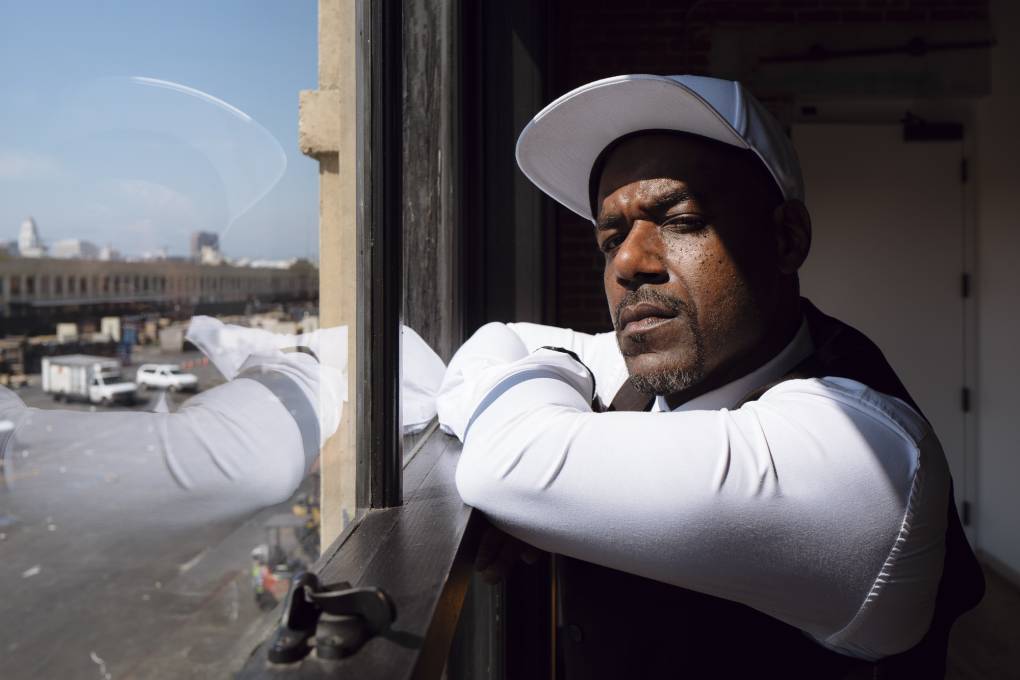
"caption": "Tommy Eugene Lewis III, peer navigator at CEO on May 14, 2024.",
"description": null,
"title": "Tommy Eugene Lewis peer navigator at CEO. Zaydee Sanchez for KQED",
"credit": "Zaydee Sanchez for KQED",
"status": "inherit",
"altTag": "A Black man wearing a cap and white shirt rests his arms and looks out a window.",
"isLoading": false,
"fetchFailed": false
},
"news_11985352": {
"type": "attachments",
"id": "news_11985352",
"meta": {
"index": "attachments_1716263798",
"site": "news",
"id": "11985352",
"found": true
},
"parent": 11985347,
"imgSizes": {
"twentyfourteen-full-width": {
"file": "https://cdn.kqed.org/wp-content/uploads/sites/10/2024/05/terry-williams-1000x576.png",
"width": 1000,
"mimeType": "image/png",
"height": 576
},
"thumbnail": {
"file": "https://cdn.kqed.org/wp-content/uploads/sites/10/2024/05/terry-williams-160x120.png",
"width": 160,
"mimeType": "image/png",
"height": 120
},
"post-thumbnail": {
"file": "https://cdn.kqed.org/wp-content/uploads/sites/10/2024/05/terry-williams-672x372.png",
"width": 672,
"mimeType": "image/png",
"height": 372
},
"kqedFullSize": {
"file": "https://cdn.kqed.org/wp-content/uploads/sites/10/2024/05/terry-williams.png",
"width": 1000,
"height": 750
},
"medium": {
"file": "https://cdn.kqed.org/wp-content/uploads/sites/10/2024/05/terry-williams-800x600.png",
"width": 800,
"mimeType": "image/png",
"height": 600
}
},
"publishDate": 1715193348,
"modified": 1715193397,
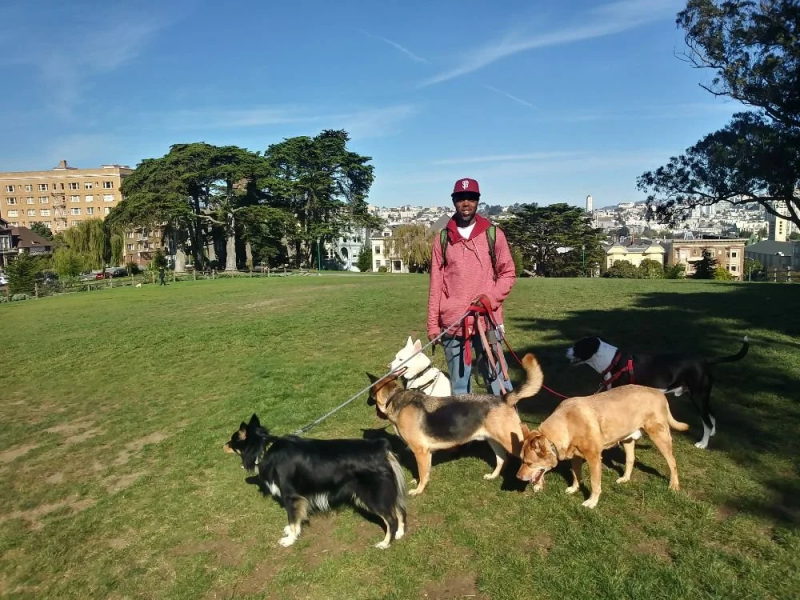
"caption": "Terry Williams has worked as a dog walker in the San Francisco neighborhood of Alamo Square for more than 30 years.",
"description": null,
"title": "terry williams",
"credit": "Courtesy of Terry Williams",
"status": "inherit",
"altTag": "A man stands in a park with five dogs on leashes",
"isLoading": false,
"fetchFailed": false
},
"news_11982425": {
"type": "attachments",
"id": "news_11982425",
"meta": {
"index": "attachments_1716263798",
"site": "news",
"id": "11982425",
"found": true
},
"parent": 11982393,
"imgSizes": {
"twentyfourteen-full-width": {
"file": "https://cdn.kqed.org/wp-content/uploads/sites/10/2024/04/240314-ROBERT-RIVAS-ON-PB-MD-15_qut-1038x576.jpg",
"width": 1038,
"mimeType": "image/jpeg",
"height": 576
},
"thumbnail": {
"file": "https://cdn.kqed.org/wp-content/uploads/sites/10/2024/04/240314-ROBERT-RIVAS-ON-PB-MD-15_qut-160x107.jpg",
"width": 160,
"mimeType": "image/jpeg",
"height": 107
},
"post-thumbnail": {
"file": "https://cdn.kqed.org/wp-content/uploads/sites/10/2024/04/240314-ROBERT-RIVAS-ON-PB-MD-15_qut-672x372.jpg",
"width": 672,
"mimeType": "image/jpeg",
"height": 372
},
"kqedFullSize": {
"file": "https://cdn.kqed.org/wp-content/uploads/sites/10/2024/04/240314-ROBERT-RIVAS-ON-PB-MD-15_qut.jpg",
"width": 1920,
"height": 1280
},
"large": {
"file": "https://cdn.kqed.org/wp-content/uploads/sites/10/2024/04/240314-ROBERT-RIVAS-ON-PB-MD-15_qut-1020x680.jpg",
"width": 1020,
"mimeType": "image/jpeg",
"height": 680
},
"1536x1536": {
"file": "https://cdn.kqed.org/wp-content/uploads/sites/10/2024/04/240314-ROBERT-RIVAS-ON-PB-MD-15_qut-1536x1024.jpg",
"width": 1536,
"mimeType": "image/jpeg",
"height": 1024
},
"medium": {
"file": "https://cdn.kqed.org/wp-content/uploads/sites/10/2024/04/240314-ROBERT-RIVAS-ON-PB-MD-15_qut-800x533.jpg",
"width": 800,
"mimeType": "image/jpeg",
"height": 533
}
},
"publishDate": 1712699389,
"modified": 1712699476,
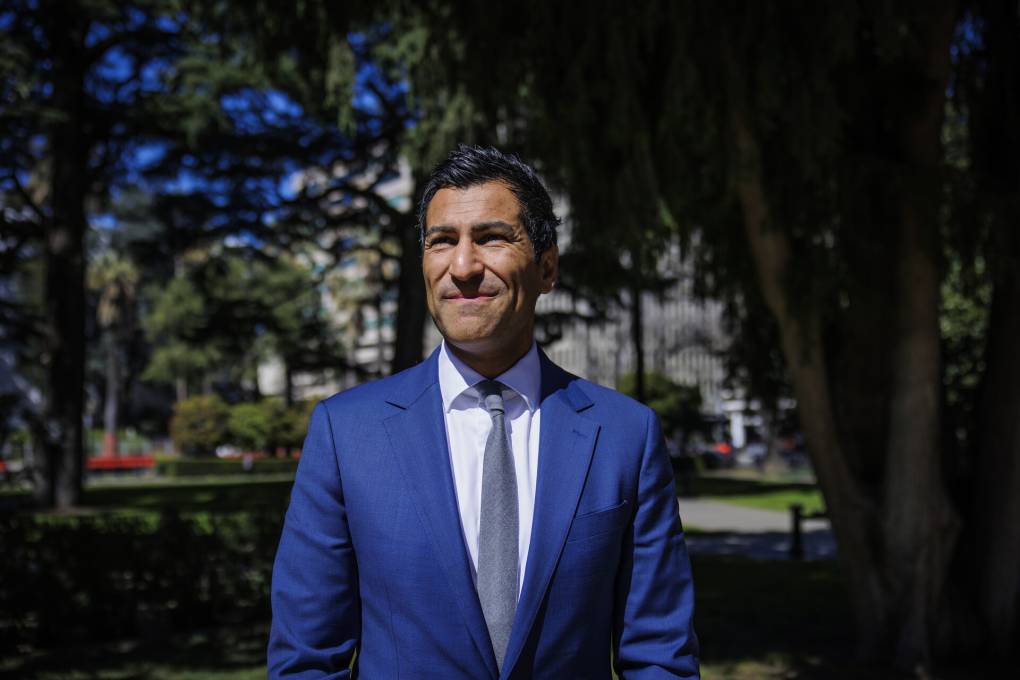
"caption": "Speaker of the California State Assembly Robert Rivas on the State Capitol grounds in Sacramento on March 14, 2024.",
"description": null,
"title": "240314-ROBERT RIVAS ON PB-MD-15_qut",
"credit": "Martin do Nascimento/KQED",
"status": "inherit",
"altTag": "A man stands outside in a blue business suit.",
"isLoading": false,
"fetchFailed": false
},
"news_11982308": {
"type": "attachments",
"id": "news_11982308",
"meta": {
"index": "attachments_1716263798",
"site": "news",
"id": "11982308",
"found": true
},
"title": "Ep8 Img Val Sr_webpost_02",
"publishDate": 1712620719,
"status": "inherit",
"parent": 11982244,
"modified": 1759941746,
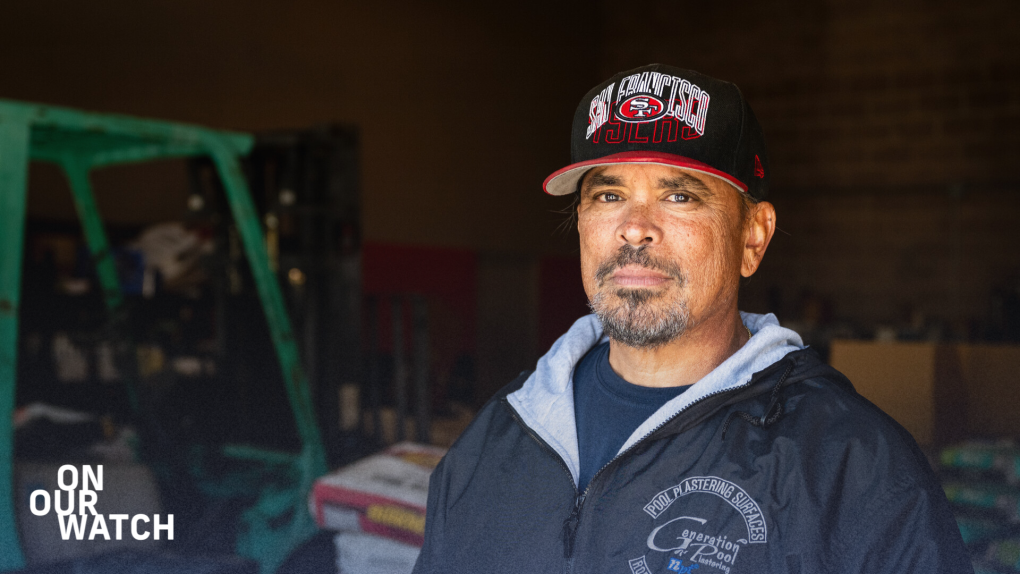
"caption": "Valentino Rodriguez Sr. stands in a warehouse at his West Sacramento business on Nov. 30, 2023, where his son Valentino Jr. had been an employee. ",
"credit": "Beth LaBerge/KQED",
"altTag": "A Latino man, middle-aged with a graying goatee, gazes directly into the camera amidst a warehouse backdrop. He sports a black and red San Francisco 49ers cap and a dark blue windbreaker jacket adorned with a logo reading 'Generation Pool Plastering.' In the blurred background, a green warehouse vehicle and various boxes and supplies are visible.",
"description": null,
"imgSizes": {
"medium": {
"file": "https://cdn.kqed.org/wp-content/uploads/sites/10/2024/04/Ep8-Img-Val-Sr_webpost_02-800x450.png",
"width": 800,
"height": 450,
"mimeType": "image/png"
},
"large": {
"file": "https://cdn.kqed.org/wp-content/uploads/sites/10/2024/04/Ep8-Img-Val-Sr_webpost_02-1020x574.png",
"width": 1020,
"height": 574,
"mimeType": "image/png"
},
"thumbnail": {
"file": "https://cdn.kqed.org/wp-content/uploads/sites/10/2024/04/Ep8-Img-Val-Sr_webpost_02-160x90.png",
"width": 160,
"height": 90,
"mimeType": "image/png"
},
"1536x1536": {
"file": "https://cdn.kqed.org/wp-content/uploads/sites/10/2024/04/Ep8-Img-Val-Sr_webpost_02-1536x864.png",
"width": 1536,
"height": 864,
"mimeType": "image/png"
},
"post-thumbnail": {
"file": "https://cdn.kqed.org/wp-content/uploads/sites/10/2024/04/Ep8-Img-Val-Sr_webpost_02-672x372.png",
"width": 672,
"height": 372,
"mimeType": "image/png"
},
"twentyfourteen-full-width": {
"file": "https://cdn.kqed.org/wp-content/uploads/sites/10/2024/04/Ep8-Img-Val-Sr_webpost_02-1038x576.png",
"width": 1038,
"height": 576,
"mimeType": "image/png"
},
"kqedFullSize": {
"file": "https://cdn.kqed.org/wp-content/uploads/sites/10/2024/04/Ep8-Img-Val-Sr_webpost_02.png",
"width": 1920,
"height": 1080
}
},
"isLoading": false,
"fetchFailed": false
},
"news_11981574": {
"type": "attachments",
"id": "news_11981574",
"meta": {
"index": "attachments_1716263798",
"site": "news",
"id": "11981574",
"found": true
},
"parent": 11981573,
"imgSizes": {
"twentyfourteen-full-width": {
"file": "https://cdn.kqed.org/wp-content/uploads/sites/10/2024/04/18-1038x576.png",
"width": 1038,
"mimeType": "image/png",
"height": 576
},
"thumbnail": {
"file": "https://cdn.kqed.org/wp-content/uploads/sites/10/2024/04/18-160x90.png",
"width": 160,
"mimeType": "image/png",
"height": 90
},
"post-thumbnail": {
"file": "https://cdn.kqed.org/wp-content/uploads/sites/10/2024/04/18-672x372.png",
"width": 672,
"mimeType": "image/png",
"height": 372
},
"kqedFullSize": {
"file": "https://cdn.kqed.org/wp-content/uploads/sites/10/2024/04/18.png",
"width": 1920,
"height": 1080
},
"large": {
"file": "https://cdn.kqed.org/wp-content/uploads/sites/10/2024/04/18-1020x574.png",
"width": 1020,
"mimeType": "image/png",
"height": 574
},
"1536x1536": {
"file": "https://cdn.kqed.org/wp-content/uploads/sites/10/2024/04/18-1536x864.png",
"width": 1536,
"mimeType": "image/png",
"height": 864
},
"medium": {
"file": "https://cdn.kqed.org/wp-content/uploads/sites/10/2024/04/18-800x450.png",
"width": 800,
"mimeType": "image/png",
"height": 450
}
},
"publishDate": 1712014291,
"modified": 1712019529,
"caption": "A screenshot of surveillance footage from California State Prison, Sacramento dated December 12, 2019, showing Luis Giovanny Aguilar in the day room of the B8 housing unit shortly before his death.\n",
"description": null,
"title": "OOW Ep7_web",
"credit": null,
"status": "inherit",
"altTag": "A screenshot of prison surveillance footage shows a gray room with a cement floor. On the right side of the image sits a Latino man in a gray shirt and white shorts with a goatee and a buzz cut, or shaved head. His legs are chained to the metal desk he’s sitting at, and he’s staring across the room towards the left of the image. Positioned around him at regular intervals are six more chair-desk combos as well as metal dividers between them.",
"isLoading": false,
"fetchFailed": false
},
"news_11980994": {
"type": "attachments",
"id": "news_11980994",
"meta": {
"index": "attachments_1716263798",
"site": "news",
"id": "11980994",
"found": true
},
"parent": 11980987,
"imgSizes": {
"twentyfourteen-full-width": {
"file": "https://cdn.kqed.org/wp-content/uploads/sites/10/2024/03/103123-Riverside-JailDeath-JAH-CM-08-1038x576.jpg",
"width": 1038,
"mimeType": "image/jpeg",
"height": 576
},
"thumbnail": {
"file": "https://cdn.kqed.org/wp-content/uploads/sites/10/2024/03/103123-Riverside-JailDeath-JAH-CM-08-160x107.jpg",
"width": 160,
"mimeType": "image/jpeg",
"height": 107
},
"post-thumbnail": {
"file": "https://cdn.kqed.org/wp-content/uploads/sites/10/2024/03/103123-Riverside-JailDeath-JAH-CM-08-672x372.jpg",
"width": 672,
"mimeType": "image/jpeg",
"height": 372
},
"kqedFullSize": {
"file": "https://cdn.kqed.org/wp-content/uploads/sites/10/2024/03/103123-Riverside-JailDeath-JAH-CM-08.jpg",
"width": 2000,
"height": 1333
},
"large": {
"file": "https://cdn.kqed.org/wp-content/uploads/sites/10/2024/03/103123-Riverside-JailDeath-JAH-CM-08-1020x680.jpg",
"width": 1020,
"mimeType": "image/jpeg",
"height": 680
},
"1536x1536": {
"file": "https://cdn.kqed.org/wp-content/uploads/sites/10/2024/03/103123-Riverside-JailDeath-JAH-CM-08-1536x1024.jpg",
"width": 1536,
"mimeType": "image/jpeg",
"height": 1024
},
"full-width": {
"file": "https://cdn.kqed.org/wp-content/uploads/sites/10/2024/03/103123-Riverside-JailDeath-JAH-CM-08-1920x1280.jpg",
"width": 1920,
"mimeType": "image/jpeg",
"height": 1280
},
"medium": {
"file": "https://cdn.kqed.org/wp-content/uploads/sites/10/2024/03/103123-Riverside-JailDeath-JAH-CM-08-800x533.jpg",
"width": 800,
"mimeType": "image/jpeg",
"height": 533
}
},
"publishDate": 1711567480,
"modified": 1711568166,
"caption": "A Dia de Los Muertos altar in honor of the lives of those killed in-custody or by Riverside Sheriff's Department deputies outside the John F. Tavaglione Executive Annex/Riverside County Board of Supervisors chambers in protest of recent jail deaths in Riverside county, on Oct. 31, 2023. ",
"description": null,
"title": "103123-Riverside-JailDeath-JAH-CM-08",
"credit": "Jules Hotz/CalMatters",
"status": "inherit",
"altTag": "An altar near steps of a building with candles and images of a man.",
"isLoading": false,
"fetchFailed": false
},
"news_11980650": {
"type": "attachments",
"id": "news_11980650",
"meta": {
"index": "attachments_1716263798",
"site": "news",
"id": "11980650",
"found": true
},
"parent": 11980642,
"imgSizes": {
"twentyfourteen-full-width": {
"file": "https://cdn.kqed.org/wp-content/uploads/sites/10/2024/03/030924-Expungement-Clinic-JLV-CM-112-1038x576.jpg",
"width": 1038,
"mimeType": "image/jpeg",
"height": 576
},
"thumbnail": {
"file": "https://cdn.kqed.org/wp-content/uploads/sites/10/2024/03/030924-Expungement-Clinic-JLV-CM-112-160x107.jpg",
"width": 160,
"mimeType": "image/jpeg",
"height": 107
},
"post-thumbnail": {
"file": "https://cdn.kqed.org/wp-content/uploads/sites/10/2024/03/030924-Expungement-Clinic-JLV-CM-112-672x372.jpg",
"width": 672,
"mimeType": "image/jpeg",
"height": 372
},
"kqedFullSize": {
"file": "https://cdn.kqed.org/wp-content/uploads/sites/10/2024/03/030924-Expungement-Clinic-JLV-CM-112.jpg",
"width": 2000,
"height": 1334
},
"large": {
"file": "https://cdn.kqed.org/wp-content/uploads/sites/10/2024/03/030924-Expungement-Clinic-JLV-CM-112-1020x680.jpg",
"width": 1020,
"mimeType": "image/jpeg",
"height": 680
},
"1536x1536": {
"file": "https://cdn.kqed.org/wp-content/uploads/sites/10/2024/03/030924-Expungement-Clinic-JLV-CM-112-1536x1025.jpg",
"width": 1536,
"mimeType": "image/jpeg",
"height": 1025
},
"full-width": {
"file": "https://cdn.kqed.org/wp-content/uploads/sites/10/2024/03/030924-Expungement-Clinic-JLV-CM-112-1920x1281.jpg",
"width": 1920,
"mimeType": "image/jpeg",
"height": 1281
},
"medium": {
"file": "https://cdn.kqed.org/wp-content/uploads/sites/10/2024/03/030924-Expungement-Clinic-JLV-CM-112-800x534.jpg",
"width": 800,
"mimeType": "image/jpeg",
"height": 534
}
},
"publishDate": 1711388939,
"modified": 1711389080,
"caption": "Celina Chapin, associate director of policy and activism at the Anti-Recidivism Coalition, answers questions from people attending a clinic to support them in petitioning to have felonies expunged from their records at the New Beginnings Fellowship in South Sacramento on March 9, 2024. Participants who have not been incarcerated in the last two years and have been without supervision are qualified to sign up and begin the process.",
"description": null,
"title": "030924-Expungement-Clinic-JLV-CM-112",
"credit": "José Luis Villegas/CalMatters",
"status": "inherit",
"altTag": "A woman looks at a laptop in her hand in front of a group of people.",
"isLoading": false,
"fetchFailed": false
},
"news_11971397": {
"type": "attachments",
"id": "news_11971397",
"meta": {
"index": "attachments_1716263798",
"site": "news",
"id": "11971397",
"found": true
},
"parent": 0,
"imgSizes": {
"twentyfourteen-full-width": {
"file": "https://cdn.kqed.org/wp-content/uploads/sites/10/2024/01/230816-FCI-DUBLIN-WOMENS-PRISON-MD-03-KQED-1038x576.jpg",
"width": 1038,
"mimeType": "image/jpeg",
"height": 576
},
"thumbnail": {
"file": "https://cdn.kqed.org/wp-content/uploads/sites/10/2024/01/230816-FCI-DUBLIN-WOMENS-PRISON-MD-03-KQED-160x107.jpg",
"width": 160,
"mimeType": "image/jpeg",
"height": 107
},
"post-thumbnail": {
"file": "https://cdn.kqed.org/wp-content/uploads/sites/10/2024/01/230816-FCI-DUBLIN-WOMENS-PRISON-MD-03-KQED-672x372.jpg",
"width": 672,
"mimeType": "image/jpeg",
"height": 372
},
"kqedFullSize": {
"file": "https://cdn.kqed.org/wp-content/uploads/sites/10/2024/01/230816-FCI-DUBLIN-WOMENS-PRISON-MD-03-KQED.jpg",
"width": 2000,
"height": 1333
},
"large": {
"file": "https://cdn.kqed.org/wp-content/uploads/sites/10/2024/01/230816-FCI-DUBLIN-WOMENS-PRISON-MD-03-KQED-1020x680.jpg",
"width": 1020,
"mimeType": "image/jpeg",
"height": 680
},
"1536x1536": {
"file": "https://cdn.kqed.org/wp-content/uploads/sites/10/2024/01/230816-FCI-DUBLIN-WOMENS-PRISON-MD-03-KQED-1536x1024.jpg",
"width": 1536,
"mimeType": "image/jpeg",
"height": 1024
},
"full-width": {
"file": "https://cdn.kqed.org/wp-content/uploads/sites/10/2024/01/230816-FCI-DUBLIN-WOMENS-PRISON-MD-03-KQED-1920x1280.jpg",
"width": 1920,
"mimeType": "image/jpeg",
"height": 1280
},
"medium": {
"file": "https://cdn.kqed.org/wp-content/uploads/sites/10/2024/01/230816-FCI-DUBLIN-WOMENS-PRISON-MD-03-KQED-800x533.jpg",
"width": 800,
"mimeType": "image/jpeg",
"height": 533
}
},
"publishDate": 1704221876,
"modified": 1704221906,
"caption": "FCI Dublin Women's Prison in Dublin on Aug. 16, 2023.",
"description": null,
"title": "230816-FCI DUBLIN WOMENS PRISON-MD-03-KQED",
"credit": "Martin do Nascimento/KQED",
"status": "inherit",
"altTag": "A large walled and gated complex.",
"isLoading": false,
"fetchFailed": false
},
"news_11978990": {
"type": "attachments",
"id": "news_11978990",
"meta": {
"index": "attachments_1716263798",
"site": "news",
"id": "11978990",
"found": true
},
"parent": 11978989,
"imgSizes": {
"twentyfourteen-full-width": {
"file": "https://cdn.kqed.org/wp-content/uploads/sites/10/2024/03/OOW2-Ep6-Web-Img-1038x576.png",
"width": 1038,
"mimeType": "image/png",
"height": 576
},
"thumbnail": {
"file": "https://cdn.kqed.org/wp-content/uploads/sites/10/2024/03/OOW2-Ep6-Web-Img-160x90.png",
"width": 160,
"mimeType": "image/png",
"height": 90
},
"post-thumbnail": {
"file": "https://cdn.kqed.org/wp-content/uploads/sites/10/2024/03/OOW2-Ep6-Web-Img-672x372.png",
"width": 672,
"mimeType": "image/png",
"height": 372
},
"kqedFullSize": {
"file": "https://cdn.kqed.org/wp-content/uploads/sites/10/2024/03/OOW2-Ep6-Web-Img.png",
"width": 1920,
"height": 1080
},
"large": {
"file": "https://cdn.kqed.org/wp-content/uploads/sites/10/2024/03/OOW2-Ep6-Web-Img-1020x574.png",
"width": 1020,
"mimeType": "image/png",
"height": 574
},
"1536x1536": {
"file": "https://cdn.kqed.org/wp-content/uploads/sites/10/2024/03/OOW2-Ep6-Web-Img-1536x864.png",
"width": 1536,
"mimeType": "image/png",
"height": 864
},
"medium": {
"file": "https://cdn.kqed.org/wp-content/uploads/sites/10/2024/03/OOW2-Ep6-Web-Img-800x450.png",
"width": 800,
"mimeType": "image/png",
"height": 450
}
},
"publishDate": 1710196789,
"modified": 1710205195,
"caption": "Luis Giovanny Aguilar poses with his mother, Ma Rosario Bueno Zaragoza, in a photo from October 2018. Aguilar was incarcerated at California State Prison, Sacramento, where he was killed on December 12, 2019. ",
"description": null,
"title": "OOW2 Ep6 Web Img",
"credit": "Courtesy of Ma Rosario Bueno Zaragoza",
"status": "inherit",
"altTag": "A young Latino man with short black hair, a mustache and tattoos on his neck and face looks at the camera. He has his arm around his mother, a youthful-looking middle-aged Latina woman with platinum blonde hair. His cheek is pressed to the side of her head and they’re both smiling with mouths closed. They are standing in front of several parked cars and a brown building with graffiti on a metal roll-up door.",
"isLoading": false,
"fetchFailed": false
},
"news_11977830": {
"type": "attachments",
"id": "news_11977830",
"meta": {
"index": "attachments_1716263798",
"site": "news",
"id": "11977830",
"found": true
},
"parent": 11977824,
"imgSizes": {
"twentyfourteen-full-width": {
"file": "https://cdn.kqed.org/wp-content/uploads/sites/10/2024/03/OOW-S2-—-Steele-Web-1080x1920_black-logo-1038x576.png",
"width": 1038,
"mimeType": "image/png",
"height": 576
},
"thumbnail": {
"file": "https://cdn.kqed.org/wp-content/uploads/sites/10/2024/03/OOW-S2-—-Steele-Web-1080x1920_black-logo-160x90.png",
"width": 160,
"mimeType": "image/png",
"height": 90
},
"post-thumbnail": {
"file": "https://cdn.kqed.org/wp-content/uploads/sites/10/2024/03/OOW-S2-—-Steele-Web-1080x1920_black-logo-672x372.png",
"width": 672,
"mimeType": "image/png",
"height": 372
},
"kqedFullSize": {
"file": "https://cdn.kqed.org/wp-content/uploads/sites/10/2024/03/OOW-S2-—-Steele-Web-1080x1920_black-logo.png",
"width": 1920,
"height": 1080
},
"large": {
"file": "https://cdn.kqed.org/wp-content/uploads/sites/10/2024/03/OOW-S2-—-Steele-Web-1080x1920_black-logo-1020x574.png",
"width": 1020,
"mimeType": "image/png",
"height": 574
},
"1536x1536": {
"file": "https://cdn.kqed.org/wp-content/uploads/sites/10/2024/03/OOW-S2-—-Steele-Web-1080x1920_black-logo-1536x864.png",
"width": 1536,
"mimeType": "image/png",
"height": 864
},
"medium": {
"file": "https://cdn.kqed.org/wp-content/uploads/sites/10/2024/03/OOW-S2-—-Steele-Web-1080x1920_black-logo-800x450.png",
"width": 800,
"mimeType": "image/png",
"height": 450
}
},
"publishDate": 1709335613,
"modified": 1709600752,
"caption": "Sgt. Kevin Steele in a still from a video documenting an incarcerated person's injuries, dated April 4, 2017. Steele was a correctional officer with the Investigative Services Unit at California State Prison, Sacramento. ",
"description": null,
"title": "OOW S2 — Steele Web 1080x1920_black logo",
"credit": null,
"status": "inherit",
"altTag": "A white man with a shaved head and wearing a black uniform shirt with a gold \"Investigative Services Unit\" insignia stares at the camera. His glasses are perched on top of his head and he is standing in a nondescript beige room.",
"isLoading": false,
"fetchFailed": false
},
"news_11977053": {
"type": "attachments",
"id": "news_11977053",
"meta": {
"index": "attachments_1716263798",
"site": "news",
"id": "11977053",
"found": true
},
"parent": 0,
"imgSizes": {
"twentyfourteen-full-width": {
"file": "https://cdn.kqed.org/wp-content/uploads/sites/10/2024/02/240224-TOXICRESTRAINT-36-BL-KQED-1-1038x576.jpg",
"width": 1038,
"mimeType": "image/jpeg",
"height": 576
},
"thumbnail": {
"file": "https://cdn.kqed.org/wp-content/uploads/sites/10/2024/02/240224-TOXICRESTRAINT-36-BL-KQED-1-160x107.jpg",
"width": 160,
"mimeType": "image/jpeg",
"height": 107
},
"post-thumbnail": {
"file": "https://cdn.kqed.org/wp-content/uploads/sites/10/2024/02/240224-TOXICRESTRAINT-36-BL-KQED-1-672x372.jpg",
"width": 672,
"mimeType": "image/jpeg",
"height": 372
},
"kqedFullSize": {
"file": "https://cdn.kqed.org/wp-content/uploads/sites/10/2024/02/240224-TOXICRESTRAINT-36-BL-KQED-1.jpg",
"width": 2000,
"height": 1333
},
"large": {
"file": "https://cdn.kqed.org/wp-content/uploads/sites/10/2024/02/240224-TOXICRESTRAINT-36-BL-KQED-1-1020x680.jpg",
"width": 1020,
"mimeType": "image/jpeg",
"height": 680
},
"1536x1536": {
"file": "https://cdn.kqed.org/wp-content/uploads/sites/10/2024/02/240224-TOXICRESTRAINT-36-BL-KQED-1-1536x1024.jpg",
"width": 1536,
"mimeType": "image/jpeg",
"height": 1024
},
"full-width": {
"file": "https://cdn.kqed.org/wp-content/uploads/sites/10/2024/02/240224-TOXICRESTRAINT-36-BL-KQED-1-1920x1280.jpg",
"width": 1920,
"mimeType": "image/jpeg",
"height": 1280
},
"medium": {
"file": "https://cdn.kqed.org/wp-content/uploads/sites/10/2024/02/240224-TOXICRESTRAINT-36-BL-KQED-1-800x533.jpg",
"width": 800,
"mimeType": "image/jpeg",
"height": 533
}
},
"publishDate": 1708972572,
"modified": 1709150885,
"caption": "Karen Sutherland stands in Park View Cemetery, where her son Shayne is buried, in Manteca, San Joaquin County, on Feb. 24, 2024.",
"description": null,
"title": "240224-TOXICRESTRAINT-36-BL-KQED-1",
"credit": "Beth LaBerge/KQED",
"status": "inherit",
"altTag": null,
"isLoading": false,
"fetchFailed": false
},
"news_11977162": {
"type": "attachments",
"id": "news_11977162",
"meta": {
"index": "attachments_1716263798",
"site": "news",
"id": "11977162",
"found": true
},
"parent": 11977062,
"imgSizes": {
"twentyfourteen-full-width": {
"file": "https://cdn.kqed.org/wp-content/uploads/sites/10/2024/02/OOW-S2-—-Ep4-Ronnie-Price-Web-1038x576.png",
"width": 1038,
"mimeType": "image/png",
"height": 576
},
"thumbnail": {
"file": "https://cdn.kqed.org/wp-content/uploads/sites/10/2024/02/OOW-S2-—-Ep4-Ronnie-Price-Web-160x90.png",
"width": 160,
"mimeType": "image/png",
"height": 90
},
"post-thumbnail": {
"file": "https://cdn.kqed.org/wp-content/uploads/sites/10/2024/02/OOW-S2-—-Ep4-Ronnie-Price-Web-672x372.png",
"width": 672,
"mimeType": "image/png",
"height": 372
},
"kqedFullSize": {
"file": "https://cdn.kqed.org/wp-content/uploads/sites/10/2024/02/OOW-S2-—-Ep4-Ronnie-Price-Web.png?ver=1708999553",
"width": 1920,
"height": 1080
},
"large": {
"file": "https://cdn.kqed.org/wp-content/uploads/sites/10/2024/02/OOW-S2-—-Ep4-Ronnie-Price-Web-1020x574.png",
"width": 1020,
"mimeType": "image/png",
"height": 574
},
"1536x1536": {
"file": "https://cdn.kqed.org/wp-content/uploads/sites/10/2024/02/OOW-S2-—-Ep4-Ronnie-Price-Web-1536x864.png",
"width": 1536,
"mimeType": "image/png",
"height": 864
},
"medium": {
"file": "https://cdn.kqed.org/wp-content/uploads/sites/10/2024/02/OOW-S2-—-Ep4-Ronnie-Price-Web-800x450.png",
"width": 800,
"mimeType": "image/png",
"height": 450
}
},
"publishDate": 1708995107,
"modified": 1709000031,
"caption": "Left: CDCR form dated Sep. 15, 2016, documenting the injuries of Ronnie Price, who was incarcerated at California State Prison, Sacramento at the time. Right: Prison portrait of Ronnie Price\n",
"description": null,
"title": "OOW S2 — Ep4 Ronnie Price Web",
"credit": null,
"status": "inherit",
"altTag": "On the right side of the image is a photo of a black man with a shaved head looking at the camera. His arms are crossed and he's wearing a white T shirt. On the left side of the image is a medical injury report that lists details about a use of force incident that resulted in injuries.",
"isLoading": false,
"fetchFailed": false
}
},
"audioPlayerReducer": {
"postId": "stream_live",
"isPaused": true,
"isPlaying": false,
"pfsActive": false,
"pledgeModalIsOpen": true,
"playerDrawerIsOpen": false,
"liveAudioPlayStartedAt": 0,
"liveAudioPlayContext": ""
},
"authorsReducer": {
"byline_news_11980987": {
"type": "authors",
"id": "byline_news_11980987",
"meta": {
"override": true
},
"slug": "byline_news_11980987",
"name": "Nigel Duara and Jeremia Kimelman",
"isLoading": false
},
"byline_news_11980642": {
"type": "authors",
"id": "byline_news_11980642",
"meta": {
"override": true
},
"slug": "byline_news_11980642",
"name": "Jeanne Kuang \u003cbr> \u003ca href=\"https://calmatters.org/\">CalMatters\u003c/a>",
"isLoading": false
},
"byline_news_11977145": {
"type": "authors",
"id": "byline_news_11977145",
"meta": {
"override": true
},
"slug": "byline_news_11977145",
"name": "Emily Zentner (The California Newsroom), Lisa Pickoff-White (The California Reporting Project)\u003cbr>This story was published in partnership with\u003ca href=\"https://www.theguardian.com/us\"> the Guardian\u003c/a>",
"isLoading": false
},
"gmarzorati": {
"type": "authors",
"id": "227",
"meta": {
"index": "authors_1716337520",
"id": "227",
"found": true
},
"name": "Guy Marzorati",
"firstName": "Guy",
"lastName": "Marzorati",
"slug": "gmarzorati",
"email": "gmarzorati@KQED.org",
"display_author_email": true,
"staff_mastheads": [
"news"
],
"title": "Correspondent",
"bio": "Guy Marzorati is a correspondent on KQED's California Politics and Government Desk, based in San Jose. A graduate of Santa Clara University, Guy joined KQED in 2013. He reports on state and local politics and produces KQED's digital voter guide.",
"avatar": "https://secure.gravatar.com/avatar/e7038b8dbfd55b104369b76b1cd0b9de?s=600&d=blank&r=g",
"twitter": "guymarzorati",
"facebook": null,
"instagram": null,
"linkedin": null,
"sites": [
{
"site": "",
"roles": [
"editor"
]
},
{
"site": "news",
"roles": [
"editor"
]
},
{
"site": "science",
"roles": [
"editor"
]
},
{
"site": "forum",
"roles": [
"editor"
]
},
{
"site": "elections",
"roles": [
"editor"
]
},
{
"site": "liveblog",
"roles": [
"editor"
]
}
],
"headData": {
"title": "Guy Marzorati | KQED",
"description": "Correspondent",
"ogImgSrc": "https://secure.gravatar.com/avatar/e7038b8dbfd55b104369b76b1cd0b9de?s=600&d=blank&r=g",
"twImgSrc": "https://secure.gravatar.com/avatar/e7038b8dbfd55b104369b76b1cd0b9de?s=600&d=blank&r=g"
},
"isLoading": false,
"link": "/author/gmarzorati"
},
"mlagos": {
"type": "authors",
"id": "3239",
"meta": {
"index": "authors_1716337520",
"id": "3239",
"found": true
},
"name": "Marisa Lagos",
"firstName": "Marisa",
"lastName": "Lagos",
"slug": "mlagos",
"email": "mlagos@kqed.org",
"display_author_email": false,
"staff_mastheads": [
"news"
],
"title": "KQED Contributor",
"bio": "Marisa Lagos is a correspondent for KQED’s California Politics and Government Desk and co-hosts the award-winning show and podcast, Political Breakdown. At KQED, Lagos also conducts reporting, analysis and investigations into state, local and national politics for radio, TV, online and onstage. In 2022, she and co-host, Scott Shafer, moderated the only gubernatorial debate in California. In 2020, the \u003ci>Washington Post\u003c/i> named her one of the top political journalists in California; she was nominated for a Peabody and won several other awards for her work investigating the 2017 California wildfires. She has worked at the \u003ci>San Francisco Chronicle\u003c/i>, \u003ci>San Francisco Examiner\u003c/i> and \u003ci>Los Angeles Times\u003c/i>. A UC Santa Barbara graduate, she lives in San Francisco with her two sons and husband.",
"avatar": "https://secure.gravatar.com/avatar/a261a0d3696fc066871ef96b85b5e7d2?s=600&d=blank&r=g",
"twitter": "@mlagos",
"facebook": null,
"instagram": null,
"linkedin": null,
"sites": [
{
"site": "arts",
"roles": [
"author"
]
},
{
"site": "news",
"roles": [
"editor"
]
},
{
"site": "science",
"roles": [
"editor"
]
},
{
"site": "forum",
"roles": [
"author"
]
},
{
"site": "liveblog",
"roles": [
"author"
]
}
],
"headData": {
"title": "Marisa Lagos | KQED",
"description": "KQED Contributor",
"ogImgSrc": "https://secure.gravatar.com/avatar/a261a0d3696fc066871ef96b85b5e7d2?s=600&d=blank&r=g",
"twImgSrc": "https://secure.gravatar.com/avatar/a261a0d3696fc066871ef96b85b5e7d2?s=600&d=blank&r=g"
},
"isLoading": false,
"link": "/author/mlagos"
},
"jsmall": {
"type": "authors",
"id": "6625",
"meta": {
"index": "authors_1716337520",
"id": "6625",
"found": true
},
"name": "Julie Small",
"firstName": "Julie",
"lastName": "Small",
"slug": "jsmall",
"email": "jsmall@kqed.org",
"display_author_email": true,
"staff_mastheads": [
"news"
],
"title": "KQED Contributor",
"bio": "Julie Small reports on criminal justice and immigration.\r\n\r\nShe was part of a team at KQED awarded a regional 2019 Edward R. Murrow award for continuing coverage of the Trump Administration's family separation policy.\r\n\r\nThe Society for Professional Journalists recognized Julie's 2018 \u003ca href=\"https://www.kqed.org/news/11636262/the-officer-tased-him-31-times-the-sheriff-called-his-death-an-accident\">reporting\u003c/a> on the San Joaquin County Sheriff's \u003ca href=\"https://www.kqed.org/news/11634689/autopsy-doctors-sheriff-overrode-death-findings-to-protect-law-enforcement\">interference\u003c/a> in death investigations with an Excellence in Journalism Award for Ongoing Coverage.\r\n\r\nJulie's\u003ca href=\"https://www.kqed.org/news/11039666/two-mentally-ill-inmates-died-one-month-in-santa-clara\"> reporting\u003c/a> with Lisa Pickoff-White on the treatment of mentally ill offenders in California jails earned a 2017 regional Edward R. Murrow Award for news reporting and an investigative reporting award from the SPJ of Northern California.\r\n\r\nBefore joining KQED, Julie covered government and politics in Sacramento for Southern California Public Radio (SCPR). Her 2010 \u003ca href=\"https://www.scpr.org/specials/prisonmedical/\">series\u003c/a> on lapses in California’s prison medical care also won a regional Edward R. Murrow Award for investigative reporting and a Golden Mic Award from the RTNDA of Southern California.\r\n\r\nJulie began her career in journalism in 2000 as the deputy foreign editor for public radio's \u003cem>Marketplace, \u003c/em>while earning her master's degree in journalism from USC’s Annenberg School of Communication.",
"avatar": "https://secure.gravatar.com/avatar/4baedf201468df97be97c2a9dd7585d0?s=600&d=blank&r=g",
"twitter": "@SmallRadio2",
"facebook": null,
"instagram": null,
"linkedin": null,
"sites": [
{
"site": "news",
"roles": [
"editor"
]
},
{
"site": "stateofhealth",
"roles": [
"author"
]
},
{
"site": "science",
"roles": [
"author"
]
}
],
"headData": {
"title": "Julie Small | KQED",
"description": "KQED Contributor",
"ogImgSrc": "https://secure.gravatar.com/avatar/4baedf201468df97be97c2a9dd7585d0?s=600&d=blank&r=g",
"twImgSrc": "https://secure.gravatar.com/avatar/4baedf201468df97be97c2a9dd7585d0?s=600&d=blank&r=g"
},
"isLoading": false,
"link": "/author/jsmall"
},
"slewis": {
"type": "authors",
"id": "8676",
"meta": {
"index": "authors_1716337520",
"id": "8676",
"found": true
},
"name": "Sukey Lewis",
"firstName": "Sukey",
"lastName": "Lewis",
"slug": "slewis",
"email": "slewis@kqed.org",
"display_author_email": true,
"staff_mastheads": [
"news"
],
"title": "KQED Contributor",
"bio": "Sukey Lewis is a criminal justice reporter and host of \u003cem>On Our Watch\u003c/em>, a new podcast from NPR and KQED about the shadow world of police discipline. In 2018, she co-founded the California Reporting Project, a coalition of newsrooms across the state focused on obtaining previously sealed internal affairs records from law enforcement. In addition to her reporting on police accountability, Sukey has investigated the bail bonds industry, California's wildfires and the high cost of prison phone calls. Sukey earned a master's degree in journalism from the University of California at Berkeley. Send news tips to slewis@kqed.org.",
"avatar": "https://secure.gravatar.com/avatar/03fd6b21024f99d8b0a1966654586de7?s=600&d=blank&r=g",
"twitter": "SukeyLewis",
"facebook": null,
"instagram": null,
"linkedin": null,
"sites": [
{
"site": "news",
"roles": [
"author",
"edit_others_posts"
]
}
],
"headData": {
"title": "Sukey Lewis | KQED",
"description": "KQED Contributor",
"ogImgSrc": "https://secure.gravatar.com/avatar/03fd6b21024f99d8b0a1966654586de7?s=600&d=blank&r=g",
"twImgSrc": "https://secure.gravatar.com/avatar/03fd6b21024f99d8b0a1966654586de7?s=600&d=blank&r=g"
},
"isLoading": false,
"link": "/author/slewis"
},
"dcronin": {
"type": "authors",
"id": "11362",
"meta": {
"index": "authors_1716337520",
"id": "11362",
"found": true
},
"name": "Dana Cronin",
"firstName": "Dana",
"lastName": "Cronin",
"slug": "dcronin",
"email": "dcronin@KQED.org",
"display_author_email": true,
"staff_mastheads": [],
"title": "KQED Contributor",
"bio": "Dana Cronin is a reporter for KQED News. She loves writing stories about climate change, environmental issues, food and agriculture. She's reported across the country, from Colorado to Washington D.C. to Illinois, and has won numerous awards for her coverage. Her work is regularly featured on national broadcasts, including NPR’s Morning Edition, All Things Considered, PBS Newshour and Science Friday. She lives in Oakland and has an avocado tree in her back yard.",
"avatar": "https://secure.gravatar.com/avatar/bcf89e3455ff7235f96ab6fa7258dd95?s=600&d=blank&r=g",
"twitter": "DanaHCronin",
"facebook": null,
"instagram": null,
"linkedin": null,
"sites": [
{
"site": "arts",
"roles": [
"author"
]
},
{
"site": "news",
"roles": [
"editor"
]
},
{
"site": "science",
"roles": [
"author"
]
},
{
"site": "liveblog",
"roles": [
"author"
]
}
],
"headData": {
"title": "Dana Cronin | KQED",
"description": "KQED Contributor",
"ogImgSrc": "https://secure.gravatar.com/avatar/bcf89e3455ff7235f96ab6fa7258dd95?s=600&d=blank&r=g",
"twImgSrc": "https://secure.gravatar.com/avatar/bcf89e3455ff7235f96ab6fa7258dd95?s=600&d=blank&r=g"
},
"isLoading": false,
"link": "/author/dcronin"
},
"amontecillo": {
"type": "authors",
"id": "11649",
"meta": {
"index": "authors_1716337520",
"id": "11649",
"found": true
},
"name": "Alan Montecillo",
"firstName": "Alan",
"lastName": "Montecillo",
"slug": "amontecillo",
"email": "amontecillo@kqed.org",
"display_author_email": false,
"staff_mastheads": [
"news"
],
"title": "KQED Contributor",
"bio": "Alan Montecillo is the senior editor of \u003cem>\u003ca href=\"http://kqed.org/thebay\">The Bay\u003c/a>, \u003c/em> KQED's local news podcast. Before moving to the Bay Area, he worked as a senior talk show producer for WILL in Champaign-Urbana, Illinois and at Oregon Public Broadcasting in Portland, Oregon. He has won journalism awards from the Society of Professional Journalists Northern California, the Public Media Journalists Association, The Signal Awards, and has also received a regional Edward R. Murrow award. Alan is a Filipino American from Hong Kong and a graduate of Reed College.",
"avatar": "https://secure.gravatar.com/avatar/268f53a2066899ea9efdd8a5900218b17c822d9862cbc9326cccec53ef41d349?s=600&d=blank&r=g",
"twitter": "alanmontecillo",
"bluesky": null,
"facebook": null,
"instagram": null,
"linkedin": null,
"sites": [
{
"site": "",
"roles": [
"editor"
]
},
{
"site": "news",
"roles": [
"editor",
"manage_categories"
]
}
],
"headData": {
"title": "Alan Montecillo | KQED",
"description": "KQED Contributor",
"ogImgSrc": "https://secure.gravatar.com/avatar/268f53a2066899ea9efdd8a5900218b17c822d9862cbc9326cccec53ef41d349?s=600&d=blank&r=g",
"twImgSrc": "https://secure.gravatar.com/avatar/268f53a2066899ea9efdd8a5900218b17c822d9862cbc9326cccec53ef41d349?s=600&d=blank&r=g"
},
"isLoading": false,
"link": "/author/amontecillo"
},
"mesquinca": {
"type": "authors",
"id": "11802",
"meta": {
"index": "authors_1716337520",
"id": "11802",
"found": true
},
"name": "Maria Esquinca",
"firstName": "Maria",
"lastName": "Esquinca",
"slug": "mesquinca",
"email": "mesquinca@kqed.org",
"display_author_email": false,
"staff_mastheads": [],
"title": "Producer, The Bay",
"bio": "María Esquinca is a producer of The Bay. Before that, she was a New York Women’s Foundation IGNITE Fellow at Latino USA. She worked at Radio Bilingue where she covered the San Joaquin Valley. Maria has interned at WLRN, News 21, The New York Times Student Journalism Institute and at Crain’s Detroit Business as a Dow Jones News Fund Business Reporting Intern. She is an MFA graduate from the University of Miami. In 2017, she graduated from the Walter Cronkite School of Journalism and Mass Communication with a Master of Mass Communication. A fronteriza, she was born in Ciudad Juárez, Chihuahua, Mexico and grew up in El Paso, Texas.",
"avatar": "https://secure.gravatar.com/avatar/77cedba18aae91da775038ba06dcd8d0?s=600&d=blank&r=g",
"twitter": "@m_esquinca",
"facebook": null,
"instagram": null,
"linkedin": null,
"sites": [
{
"site": "news",
"roles": []
}
],
"headData": {
"title": "Maria Esquinca | KQED",
"description": "Producer, The Bay",
"ogImgSrc": "https://secure.gravatar.com/avatar/77cedba18aae91da775038ba06dcd8d0?s=600&d=blank&r=g",
"twImgSrc": "https://secure.gravatar.com/avatar/77cedba18aae91da775038ba06dcd8d0?s=600&d=blank&r=g"
},
"isLoading": false,
"link": "/author/mesquinca"
},
"sjohnson": {
"type": "authors",
"id": "11840",
"meta": {
"index": "authors_1716337520",
"id": "11840",
"found": true
},
"name": "Sydney Johnson",
"firstName": "Sydney",
"lastName": "Johnson",
"slug": "sjohnson",
"email": "sjohnson@kqed.org",
"display_author_email": false,
"staff_mastheads": [
"news"
],
"title": "KQED Reporter",
"bio": "Sydney Johnson is a general assignment reporter at KQED. She previously reported on public health and city government at the San Francisco Examiner, and before that, she covered statewide education policy for EdSource. Her reporting has won multiple local, state and national awards. Sydney is a graduate of the University of California, Berkeley and lives in San Francisco.",
"avatar": "https://secure.gravatar.com/avatar/97855f2719b72ad6190b7c535fe642c8?s=600&d=blank&r=g",
"twitter": "sydneyfjohnson",
"facebook": null,
"instagram": null,
"linkedin": null,
"sites": [
{
"site": "news",
"roles": [
"editor"
]
}
],
"headData": {
"title": "Sydney Johnson | KQED",
"description": "KQED Reporter",
"ogImgSrc": "https://secure.gravatar.com/avatar/97855f2719b72ad6190b7c535fe642c8?s=600&d=blank&r=g",
"twImgSrc": "https://secure.gravatar.com/avatar/97855f2719b72ad6190b7c535fe642c8?s=600&d=blank&r=g"
},
"isLoading": false,
"link": "/author/sjohnson"
},
"naltenberg": {
"type": "authors",
"id": "11896",
"meta": {
"index": "authors_1716337520",
"id": "11896",
"found": true
},
"name": "Nik Altenberg",
"firstName": "Nik",
"lastName": "Altenberg",
"slug": "naltenberg",
"email": "naltenberg@kqed.org",
"display_author_email": false,
"staff_mastheads": [],
"title": "KQED Contributor",
"bio": "Nik Altenberg is an on-call reporter for KQED and a copy editor and fact checker for Santa Cruz Local. Nik’s reporting interests include policing, public health, environment, immigration, housing and the places where these issues intersect.",
"avatar": "https://secure.gravatar.com/avatar/e391b3a18ce4a53a7ca3f3065c74418b?s=600&d=blank&r=g",
"twitter": null,
"facebook": null,
"instagram": "https://www.instagram.com/nikaltenberg/",
"linkedin": null,
"sites": [
{
"site": "news",
"roles": []
}
],
"headData": {
"title": "Nik Altenberg | KQED",
"description": "KQED Contributor",
"ogImgSrc": "https://secure.gravatar.com/avatar/e391b3a18ce4a53a7ca3f3065c74418b?s=600&d=blank&r=g",
"twImgSrc": "https://secure.gravatar.com/avatar/e391b3a18ce4a53a7ca3f3065c74418b?s=600&d=blank&r=g"
},
"isLoading": false,
"link": "/author/naltenberg"
}
},
"pagesReducer": {
"news_category_criminal-justice": {
"type": "terms",
"id": "news_34167",
"meta": {
"index": "terms_1716263798",
"site": "news",
"id": "34167",
"score": 11.188038
},
"name": "Criminal Justice",
"slug": "criminal-justice",
"taxonomy": "category",
"description": null,
"featImg": null,
"headData": {
"title": "Criminal Justice Archives | KQED News",
"description": null,
"ogTitle": null,
"ogDescription": null,
"ogImgId": null,
"twTitle": null,
"twDescription": null,
"twImgId": null
},
"ttid": 34184,
"isLoading": false,
"title": "Criminal Justice",
"pageMeta": {
"site": "news",
"WpPageTemplate": "page-topic-editorial",
"currentPage": 42
},
"blocks": [
{
"blockName": "kqed/post-list",
"attrs": {
"layout": "cardArticle2",
"query": "posts/news?category=criminal-justice",
"seeMore": false,
"paginated": true,
"page": 42
}
},
{
"blockName": "kqed/ad"
}
]
}
},
"pfsSessionReducer": {},
"postsReducer": {
"stream_live": {
"type": "live",
"id": "stream_live",
"audioUrl": "https://streams.kqed.org/kqedradio",
"title": "Live Stream",
"excerpt": "Live Stream information currently unavailable.",
"link": "/radio",
"featImg": "",
"label": {
"name": "KQED Live",
"link": "/"
}
},
"stream_kqedNewscast": {
"type": "posts",
"id": "stream_kqedNewscast",
"audioUrl": "https://www.kqed.org/.stream/anon/radio/RDnews/newscast.mp3?_=1",
"title": "KQED Newscast",
"featImg": "",
"label": {
"name": "88.5 FM",
"link": "/"
}
},
"news_11986380": {
"type": "posts",
"id": "news_11986380",
"meta": {
"index": "posts_1716263798",
"site": "news",
"id": "11986380",
"score": null,
"sort": [
1715864449000
]
},
"guestAuthors": [],
"slug": "prop-47-has-saved-california-millions-these-are-the-programs-its-funded",
"title": "Prop 47 Has Saved California Millions. These Are the Programs It's Funded",
"publishDate": 1715864449,
"format": "standard",
"headTitle": "Prop 47 Has Saved California Millions. These Are the Programs It’s Funded | KQED",
"labelTerm": {
"site": "news"
},
"content": "\u003cp>In 1997, Tommy Eugene Lewis III was \u003ca href=\"https://casetext.com/case/people-v-lewis-853\">sentenced\u003c/a> to 41 years to life in state prison for attempted murder after he shot and injured another driver. He was 18 years old.\u003c/p>\n\u003cp>Three years ago, at 43, Lewis was released from prison. He’d spent his entire adult life behind bars and wasn’t sure what was next.\u003c/p>\n\u003cp>A friend directed him to the Center for Employment Opportunity (CEO), a nonprofit located near Skid Row in Los Angeles, which, despite its proximity, feels like a world apart. Housed in a modern, light-filled office complex above boutiques and restaurants, CEO more closely resembles a tech office.\u003c/p>\n\u003cp>[pullquote size=\"medium\" align=\"right\" citation=\"Tinisch Hollins, executive director, Californians for Safety and Justice\"]‘Proposition 47 is clearly demonstrating that when we take a broad and shared approach to safety that isn’t overly reliant on enforcement and prison incarceration, we get better safety outcomes.’[/pullquote]Offering more than just employment, CEO provides housing assistance, support services like legal aid and helps connect people with behavioral health specialists or therapists. Participants also receive same-day payment for their work.\u003c/p>\n\u003cp>“They literally became like my side partner [and] my support network coming home,” said Lewis, who’s now employed as a peer navigator at CEO, helping other people as they enter the program.\u003c/p>\n\u003cp>[ad fullwidth]\u003c/p>\n\u003cp>“When you come home from incarceration, it’s very important to know that you have some people in your corner that can really assist you in your day-to-day living. Because it’s a different thing when you can’t have somewhere to stay or some food in your stomach or clothes on your back,” he said. “These are the things that will immediately make a person go to criminal thinking, right?”\u003c/p>\n\u003cp>CEO is a grantee of Project imPACT, a program run by the Los Angeles Mayor’s Office of Reentry. It’s funded through California’s Proposition 47, which diverts money from incarcerating lower-level drug users and thieves and redirects it to reentry and rehabilitation programs.\u003c/p>\n\u003cfigure id=\"attachment_11986313\" class=\"wp-caption aligncenter\" style=\"max-width: 2000px\">\u003ca href=\"https://cdn.kqed.org/wp-content/uploads/sites/10/2024/05/CEO-STORY-30-ZS-KQED.jpg\">\u003cimg loading=\"lazy\" decoding=\"async\" class=\"size-full wp-image-11986313\" src=\"https://cdn.kqed.org/wp-content/uploads/sites/10/2024/05/CEO-STORY-30-ZS-KQED.jpg\" alt=\"An office building with chairs, computers, tables and pictures on the walls.\" width=\"2000\" height=\"1333\" srcset=\"https://cdn.kqed.org/wp-content/uploads/sites/10/2024/05/CEO-STORY-30-ZS-KQED.jpg 2000w, https://cdn.kqed.org/wp-content/uploads/sites/10/2024/05/CEO-STORY-30-ZS-KQED-800x533.jpg 800w, https://cdn.kqed.org/wp-content/uploads/sites/10/2024/05/CEO-STORY-30-ZS-KQED-1020x680.jpg 1020w, https://cdn.kqed.org/wp-content/uploads/sites/10/2024/05/CEO-STORY-30-ZS-KQED-160x107.jpg 160w, https://cdn.kqed.org/wp-content/uploads/sites/10/2024/05/CEO-STORY-30-ZS-KQED-1536x1024.jpg 1536w, https://cdn.kqed.org/wp-content/uploads/sites/10/2024/05/CEO-STORY-30-ZS-KQED-1920x1280.jpg 1920w\" sizes=\"(max-width: 2000px) 100vw, 2000px\">\u003c/a>\u003cfigcaption class=\"wp-caption-text\">The CEO offices in downtown Los Angeles are adorned with art and motivational passages adorning the walls on May 14, 2024. \u003ccite>(Zaydee Sanchez for KQED)\u003c/cite>\u003c/figcaption>\u003c/figure>\n\u003cp>So far, the state has awarded more than $300 million in Proposition 47 savings to cities and counties around California with great success: Participants are far less likely to be convicted of a new crime and far more likely to have stable housing and employment, \u003ca href=\"https://www.bscc.ca.gov/s_bsccprop47/\">according to state data\u003c/a>.\u003c/p>\n\u003cp>Gilbert Johnson, director of strategic reentry initiatives for Los Angeles Mayor Karen Bass, highlighted the transformative impact of programs like CEO. The mayor’s office has been awarded $18 million so far in Proposition 47 grants.\u003c/p>\n\u003cp>Johnson said the success of these programs is predicated on their holistic approach, the understanding that employment or housing isn’t enough if someone’s still struggling with mental health issues.\u003c/p>\n\u003cp>“Some of the folks have been out [of prison] for years, decades, but still continue to experience barriers to what they need to live a productive, healthy, successful life,” he said.\u003c/p>\n\u003cp>[aside postID=\"news_11982070,news_11982393,news_11975692\" label=\"Related Stories\"]Having overcome his own struggles, Johnson understands the people he serves. He spent time in and out of jail and was homeless with a baby of his own on the way when he finally got help 15 years ago from a community nonprofit similar to those now funded by Proposition 47.\u003c/p>\n\u003cp>Sometimes, the difference between success and failure is just having someone believe you can do it, Johnson said.\u003c/p>\n\u003cp>“You continuously hear, “People gave me a shot. They gave me a chance, and they didn’t see me as my number … they didn’t see me as my worst mistake. They saw me as somebody working and really wanting to do the right thing”,” he said.\u003c/p>\n\u003cp>However, Johnson and others are worried that a backlash to criminal justice reforms, including Proposition 47, could roll back the progress Project imPACT is making.\u003c/p>\n\u003cp>The campaign \u003ca href=\"https://www.kqed.org/news/11982070/campaign-to-roll-back-prop-47-criminal-justice-reforms-could-head-to-voters\">for a ballot measure that would reverse some parts of Proposition 47 \u003c/a>recently turned in signatures to state election officials in the hopes of qualifying for the November ballot. A \u003ca href=\"https://lao.ca.gov/BallotAnalysis/Initiative/2023-017\">nonpartisan analysis of that initiative\u003c/a> found that it would likely increase state and local criminal justice costs by hundreds of millions of dollars and reduce the amount of money spent on Proposition 47 programs like Project imPACT.\u003c/p>\n\u003ch2>A New Path to Rehabilitation\u003c/h2>\n\u003cp>Proposition 47 passed in 2014 as the state grappled with overcrowded prisons and a U.S. Supreme Court order to reduce its prison population. The idea was that nonviolent drug users and people accused of minor property crimes should be offered treatment instead of jail time — and that by keeping those lower-level offenders out of jails and prisons, public funds could be spent instead on tackling the root causes that were leading people to use drugs or steal.\u003c/p>\n\u003cp>Over the past decade, the governor’s office said savings have topped $800 million. The bulk of those funds, 65%, is given to the Board of State and Community Corrections for programs that target mental health and substance abuse treatment.\u003c/p>\n\u003cp>One-quarter of the savings is given to the Department of Education to fund truancy and dropout prevention programs, and 10% is allocated to trauma recovery centers for victims of crimes.\u003c/p>\n\u003cp>The BSCC grant program has been incredibly successful: An \u003ca href=\"https://www.bscc.ca.gov/wp-content/uploads/2024/02/H-2-Proposition-47-Cohort-2-Final-Evaluation-Report-FINAL-1.pdf\">evaluation of the second round of grants\u003c/a>, which totaled almost $93 million and served nearly 22,000 people, found that homelessness among participants fell by 60%. Unemployment was cut in half. And only about 15% of participants were convicted of a new crime within three years of entering the Proposition 47-funded program, compared to 35 to 45% statewide.\u003c/p>\n\u003cp>For Project imPACT programs, that recidivism number was even lower: 7%.\u003c/p>\n\u003cp>Johnson said those statistics illustrate the value of Proposition 47 in providing an alternate path to crime.\u003c/p>\n\u003cp>“A young person can go get $1,000 easy off of a smash and grab. Well, what if we gave them a job or showed them how to create a business,” he said. “The more we address the root causes of crime and violence, the better outcomes we’ll see.”\u003c/p>\n\u003cp>However, critics said Proposition 47-funded programs, while successful, are not reaching the same number of people being prosecuted before its passage.\u003c/p>\n\u003cp>“We’re nibbling on the problem with these programs,” Yolo County District Attorney Jeff Reisig said, estimating that Yolo County’s Proposition 47-funded program only served about 15% of the people that drug courts would have before the ballot measure passed.\u003c/p>\n\u003cp>“Which means, you know, there’s hundreds and hundreds of people running around who are seriously addicted. They’re sick, they’re using, they’re stealing, they’re homeless,” Reisig added.\u003c/p>\n\u003cp>Reisig also questioned whether the state’s recidivism data is accurate, noting that it is based on whether someone was convicted again only in the same county where they are receiving services.\u003c/p>\n\u003cp>Proposition 47 supporters agree that the programs aren’t doing enough but said that’s an argument for increasing reentry and rehabilitation funding, not cutting it. They note that state prison spending topped $14 billion last fiscal year, compared to about $113 million in Proposition 47 savings in the same time period.\u003c/p>\n\u003cp>“The promise of Proposition 47 has always been that we’d get a clear glimpse of what would be possible if ever we invested in crime and harm prevention to scale,” said Tinisch Hollins, executive director of Californians for Safety and Justice, which wrote the original ballot measure.\u003c/p>\n\u003cp>“Proposition 47 is clearly demonstrating that when we take a broad and shared approach to safety that isn’t overly-reliant on enforcement and prison incarceration, we get better safety outcomes.”\u003c/p>\n\u003ch2>Stories of Transformation: ‘It Instills Hope’\u003c/h2>\n\u003cp>For participants in the Proposition 47 programs, the benefits are clear.\u003c/p>\n\u003cfigure id=\"attachment_11986307\" class=\"wp-caption alignright\" style=\"max-width: 800px\">\u003cimg loading=\"lazy\" decoding=\"async\" class=\"wp-image-11986307 size-medium\" src=\"https://cdn.kqed.org/wp-content/uploads/sites/10/2024/05/CEO-STORY-4-ZS-KQED-800x1200.jpg\" alt=\"A headshot of a white man wearing glasses and a white shirt.\" width=\"800\" height=\"1200\" srcset=\"https://cdn.kqed.org/wp-content/uploads/sites/10/2024/05/CEO-STORY-4-ZS-KQED-800x1200.jpg 800w, https://cdn.kqed.org/wp-content/uploads/sites/10/2024/05/CEO-STORY-4-ZS-KQED-1020x1530.jpg 1020w, https://cdn.kqed.org/wp-content/uploads/sites/10/2024/05/CEO-STORY-4-ZS-KQED-160x240.jpg 160w, https://cdn.kqed.org/wp-content/uploads/sites/10/2024/05/CEO-STORY-4-ZS-KQED-1024x1536.jpg 1024w, https://cdn.kqed.org/wp-content/uploads/sites/10/2024/05/CEO-STORY-4-ZS-KQED.jpg 1333w\" sizes=\"(max-width: 800px) 100vw, 800px\">\u003cfigcaption class=\"wp-caption-text\">Mitchell Kahn at the CEO offices in downtown Los Angeles on May 14, 2024. \u003ccite>(Zaydee Sanchez/KQED)\u003c/cite>\u003c/figcaption>\u003c/figure>\n\u003cp>Mitchell Kahn served 18 years in prison. Now 56 years old, he’s living in a transitional home and working to get his commercial driver’s license so he can drive trucks for a living.\u003c/p>\n\u003cp>“It’s a very different world,” Kahn said. “I went into prison at 36 years of age, coming out of working for a bank. …. And my first job out of prison was picking up things on the side of the freeway.”\u003c/p>\n\u003cp>While Kahn is now working to build a career, he said it’s not the most important help CEO and other Project imPACT programs have offered.\u003c/p>\n\u003cp>Over the past year, he said, “I got the ability to talk. When I came home from prison in October of last year, I had an extreme amount of anxiety, and I couldn’t always talk.”\u003c/p>\n\u003cp>He received help from a therapist and free acupuncture from a health care clinic funded by Project imPACT. It’s all given him the confidence to overcome his anxiety, he said, and figure out a sustainable career path.\u003c/p>\n\u003cp>He and others said it’s a process: The first job placement he received involved helping other people find employment at a different nonprofit.\u003c/p>\n\u003cp>“It wasn’t a good fit,” he said. “And I was able to come back and … share what happened. And I wasn’t blamed for it not working.”\u003c/p>\n\u003cp>That flexibility and willingness to help participants find a job, housing, healthcare and other support is a key part of why Project imPACT programs are working, said Melanie Robledo, housing project manager at CEO. Robledo, like many CEO employees, started as a client.\u003c/p>\n\u003cp>“I came home [from jail] in a black paper suit. I had nothing to my name. Being able to have my own income, I was able to do things that gave me a level of independence,” she said. “I bought my first pair of shoes. I was able to take my kids out to eat. I was able to contribute. So, it gives you that level of like, oh, my gosh, I’m doing this right. And it also instills hope.”\u003c/p>\n\u003cfigure id=\"attachment_11986308\" class=\"wp-caption aligncenter\" style=\"max-width: 2000px\">\u003ca href=\"https://cdn.kqed.org/wp-content/uploads/sites/10/2024/05/CEO-STORY-11-ZS-KQED.jpg\">\u003cimg loading=\"lazy\" decoding=\"async\" class=\"size-full wp-image-11986308\" src=\"https://cdn.kqed.org/wp-content/uploads/sites/10/2024/05/CEO-STORY-11-ZS-KQED.jpg\" alt=\"A woman wearing a white polo shirt leans against a window.\" width=\"2000\" height=\"1333\" srcset=\"https://cdn.kqed.org/wp-content/uploads/sites/10/2024/05/CEO-STORY-11-ZS-KQED.jpg 2000w, https://cdn.kqed.org/wp-content/uploads/sites/10/2024/05/CEO-STORY-11-ZS-KQED-800x533.jpg 800w, https://cdn.kqed.org/wp-content/uploads/sites/10/2024/05/CEO-STORY-11-ZS-KQED-1020x680.jpg 1020w, https://cdn.kqed.org/wp-content/uploads/sites/10/2024/05/CEO-STORY-11-ZS-KQED-160x107.jpg 160w, https://cdn.kqed.org/wp-content/uploads/sites/10/2024/05/CEO-STORY-11-ZS-KQED-1536x1024.jpg 1536w, https://cdn.kqed.org/wp-content/uploads/sites/10/2024/05/CEO-STORY-11-ZS-KQED-1920x1280.jpg 1920w\" sizes=\"(max-width: 2000px) 100vw, 2000px\">\u003c/a>\u003cfigcaption class=\"wp-caption-text\">Melanie Robledo at CEO on May 14, 2024. \u003ccite>(Zaydee Sanchez for KQED)\u003c/cite>\u003c/figcaption>\u003c/figure>\n\u003cp>Robledo said she lost custody of her children, who are now 16 and 14, when she was cycling in and out of jail and struggling with mental illness, addiction and homelessness.\u003c/p>\n\u003cp>“There was a level of disappointment, a level of shame, and a lot of other things that came with that. So, getting this job and going through the reentry process has been life-changing for me,” she said.\u003c/p>\n\u003cp>Robledo said it’s “empowering” to now model what change can look like, not just for her community but for her family, too.\u003c/p>\n\u003cp>“I see my kids regularly. I’m at every sporting event,” she said. “It changed the whole trajectory of my life.”\u003c/p>\n\u003cfigure id=\"attachment_11986323\" class=\"wp-caption aligncenter\" style=\"max-width: 2000px\">\u003ca href=\"https://cdn.kqed.org/wp-content/uploads/sites/10/2024/05/CEO-STORY-23-ZS-KQED-1.jpg\">\u003cimg loading=\"lazy\" decoding=\"async\" class=\"size-full wp-image-11986323\" src=\"https://cdn.kqed.org/wp-content/uploads/sites/10/2024/05/CEO-STORY-23-ZS-KQED-1.jpg\" alt=\"A Black man wearing a white hat, black vest and white shirt stands over a woman wearing a white shirt looking at a desktop screen in a building.\" width=\"2000\" height=\"1333\" srcset=\"https://cdn.kqed.org/wp-content/uploads/sites/10/2024/05/CEO-STORY-23-ZS-KQED-1.jpg 2000w, https://cdn.kqed.org/wp-content/uploads/sites/10/2024/05/CEO-STORY-23-ZS-KQED-1-800x533.jpg 800w, https://cdn.kqed.org/wp-content/uploads/sites/10/2024/05/CEO-STORY-23-ZS-KQED-1-1020x680.jpg 1020w, https://cdn.kqed.org/wp-content/uploads/sites/10/2024/05/CEO-STORY-23-ZS-KQED-1-160x107.jpg 160w, https://cdn.kqed.org/wp-content/uploads/sites/10/2024/05/CEO-STORY-23-ZS-KQED-1-1536x1024.jpg 1536w, https://cdn.kqed.org/wp-content/uploads/sites/10/2024/05/CEO-STORY-23-ZS-KQED-1-1920x1280.jpg 1920w\" sizes=\"(max-width: 2000px) 100vw, 2000px\">\u003c/a>\u003cfigcaption class=\"wp-caption-text\">Tommy Eugene Lewis III (right) and Melanie work closely together at the CEO offices on May 14, 2024. \u003ccite>(Zaydee Sanchez for KQED)\u003c/cite>\u003c/figcaption>\u003c/figure>\n\u003cp>Another Proposition 47-funded program in Los Angeles County is \u003ca href=\"https://www.shieldsforfamilies.org/\">SHIELDS for Families\u003c/a>, a reentry and workforce development program that largely receives client referrals from jails, probation agencies and community groups.\u003c/p>\n\u003cp>Saun Hough is the vocational services manager at SHIELD; he’s also the partnerships manager at Californians for Safety and Justice, the group that sponsored Proposition 47. He said one of the reasons these programs are successful is that they stick with their clients: “We have a motto: you can’t outrun our love,” he said.\u003c/p>\n\u003cp>“Our goal is to stabilize, right? So, once you’re stable, and you’re earning, and you have readjusted, and you’re ready to go from reentry to reintegration, we still follow up with you. We still stay with you,” he said. “You get a job, and then you realize there’s a training that you need to move up to manager, come on back. Let’s work with you to see what it takes to get you there.”\u003c/p>\n\u003cp>That’s also true for people who walk away before completing the program, Hough said.\u003c/p>\n\u003cp>[ad floatright]\u003c/p>\n\u003cp>“We see people that don’t stick it out,” he said, “and then six months later… somebody is waiting in the lobby.”\u003c/p>\n\n",
"blocks": [],
"excerpt": "Programs funded by Proposition 47’s cost savings are showing success transitioning individuals out of incarceration — even amid a push to rollback parts of the landmark criminal justice reform.",
"status": "publish",
"parent": 0,
"modified": 1727478190,
"stats": {
"hasAudio": false,
"hasVideo": false,
"hasChartOrMap": false,
"iframeSrcs": [],
"hasGoogleForm": false,
"hasGallery": false,
"hasHearkenModule": false,
"hasPolis": false,
"paragraphCount": 51,
"wordCount": 2141
},
"headData": {
"title": "Prop 47 Has Saved California Millions. These Are the Programs It's Funded | KQED",
"description": "Programs funded by Proposition 47’s cost savings are showing success transitioning individuals out of incarceration — even amid a push to rollback parts of the landmark criminal justice reform.",
"ogTitle": "",
"ogDescription": "",
"ogImgId": "",
"twTitle": "",
"twDescription": "",
"twImgId": "",
"schema": {
"@context": "https://schema.org",
"@type": "NewsArticle",
"headline": "Prop 47 Has Saved California Millions. These Are the Programs It's Funded",
"datePublished": "2024-05-16T06:00:49-07:00",
"dateModified": "2024-09-27T16:03:10-07:00",
"image": "https://cdn.kqed.org/wp-content/uploads/2020/02/KQED-OG-Image@1x.png",
"isAccessibleForFree": "True",
"publisher": {
"@type": "NewsMediaOrganization",
"@id": "https://www.kqed.org/#organization",
"name": "KQED",
"logo": "https://cdn.kqed.org/wp-content/uploads/2020/02/KQED-OG-Image@1x.png",
"url": "https://www.kqed.org",
"sameAs": [
"https://www.facebook.com/KQED",
"https://twitter.com/KQED",
"https://www.instagram.com/kqed/",
"https://www.tiktok.com/@kqedofficial",
"https://www.linkedin.com/company/kqed",
"https://www.youtube.com/channel/UCeC0IOo7i1P_61zVUWbJ4nw"
]
}
}
},
"audioUrl": "https://traffic.omny.fm/d/clips/0af137ef-751e-4b19-a055-aaef00d2d578/ffca7e9f-6831-4[…]f-aaef00f5a073/1283afb1-b82b-42ed-afb9-b17201053df6/audio.mp3",
"sticky": false,
"WpOldSlug": "a-landmark-criminal-justice-reform-has-saved-california-millions-these-are-the-programs-its-funded",
"nprStoryId": "kqed-11986380",
"excludeFromSiteSearch": "Include",
"articleAge": "0",
"path": "/news/11986380/prop-47-has-saved-california-millions-these-are-the-programs-its-funded",
"audioTrackLength": null,
"parsedContent": [
{
"type": "contentString",
"content": "\u003cdiv class=\"post-body\">\u003cp>\u003cp>In 1997, Tommy Eugene Lewis III was \u003ca href=\"https://casetext.com/case/people-v-lewis-853\">sentenced\u003c/a> to 41 years to life in state prison for attempted murder after he shot and injured another driver. He was 18 years old.\u003c/p>\n\u003cp>Three years ago, at 43, Lewis was released from prison. He’d spent his entire adult life behind bars and wasn’t sure what was next.\u003c/p>\n\u003cp>A friend directed him to the Center for Employment Opportunity (CEO), a nonprofit located near Skid Row in Los Angeles, which, despite its proximity, feels like a world apart. Housed in a modern, light-filled office complex above boutiques and restaurants, CEO more closely resembles a tech office.\u003c/p>\n\u003cp>\u003c/p>\u003c/div>",
"attributes": {
"named": {},
"numeric": []
}
},
{
"type": "component",
"content": "‘Proposition 47 is clearly demonstrating that when we take a broad and shared approach to safety that isn’t overly reliant on enforcement and prison incarceration, we get better safety outcomes.’",
"name": "pullquote",
"attributes": {
"named": {
"size": "medium",
"align": "right",
"citation": "Tinisch Hollins, executive director, Californians for Safety and Justice",
"label": ""
},
"numeric": []
}
},
{
"type": "contentString",
"content": "\u003cdiv class=\"post-body\">\u003cp>Offering more than just employment, CEO provides housing assistance, support services like legal aid and helps connect people with behavioral health specialists or therapists. Participants also receive same-day payment for their work.\u003c/p>\n\u003cp>“They literally became like my side partner [and] my support network coming home,” said Lewis, who’s now employed as a peer navigator at CEO, helping other people as they enter the program.\u003c/p>\n\u003cp>\u003c/p>\u003c/div>",
"attributes": {
"named": {},
"numeric": []
}
},
{
"type": "component",
"content": "",
"name": "ad",
"attributes": {
"named": {
"label": "fullwidth"
},
"numeric": [
"fullwidth"
]
}
},
{
"type": "contentString",
"content": "\u003cdiv class=\"post-body\">\u003cp>\u003c/p>\n\u003cp>“When you come home from incarceration, it’s very important to know that you have some people in your corner that can really assist you in your day-to-day living. Because it’s a different thing when you can’t have somewhere to stay or some food in your stomach or clothes on your back,” he said. “These are the things that will immediately make a person go to criminal thinking, right?”\u003c/p>\n\u003cp>CEO is a grantee of Project imPACT, a program run by the Los Angeles Mayor’s Office of Reentry. It’s funded through California’s Proposition 47, which diverts money from incarcerating lower-level drug users and thieves and redirects it to reentry and rehabilitation programs.\u003c/p>\n\u003cfigure id=\"attachment_11986313\" class=\"wp-caption aligncenter\" style=\"max-width: 2000px\">\u003ca href=\"https://cdn.kqed.org/wp-content/uploads/sites/10/2024/05/CEO-STORY-30-ZS-KQED.jpg\">\u003cimg loading=\"lazy\" decoding=\"async\" class=\"size-full wp-image-11986313\" src=\"https://cdn.kqed.org/wp-content/uploads/sites/10/2024/05/CEO-STORY-30-ZS-KQED.jpg\" alt=\"An office building with chairs, computers, tables and pictures on the walls.\" width=\"2000\" height=\"1333\" srcset=\"https://cdn.kqed.org/wp-content/uploads/sites/10/2024/05/CEO-STORY-30-ZS-KQED.jpg 2000w, https://cdn.kqed.org/wp-content/uploads/sites/10/2024/05/CEO-STORY-30-ZS-KQED-800x533.jpg 800w, https://cdn.kqed.org/wp-content/uploads/sites/10/2024/05/CEO-STORY-30-ZS-KQED-1020x680.jpg 1020w, https://cdn.kqed.org/wp-content/uploads/sites/10/2024/05/CEO-STORY-30-ZS-KQED-160x107.jpg 160w, https://cdn.kqed.org/wp-content/uploads/sites/10/2024/05/CEO-STORY-30-ZS-KQED-1536x1024.jpg 1536w, https://cdn.kqed.org/wp-content/uploads/sites/10/2024/05/CEO-STORY-30-ZS-KQED-1920x1280.jpg 1920w\" sizes=\"(max-width: 2000px) 100vw, 2000px\">\u003c/a>\u003cfigcaption class=\"wp-caption-text\">The CEO offices in downtown Los Angeles are adorned with art and motivational passages adorning the walls on May 14, 2024. \u003ccite>(Zaydee Sanchez for KQED)\u003c/cite>\u003c/figcaption>\u003c/figure>\n\u003cp>So far, the state has awarded more than $300 million in Proposition 47 savings to cities and counties around California with great success: Participants are far less likely to be convicted of a new crime and far more likely to have stable housing and employment, \u003ca href=\"https://www.bscc.ca.gov/s_bsccprop47/\">according to state data\u003c/a>.\u003c/p>\n\u003cp>Gilbert Johnson, director of strategic reentry initiatives for Los Angeles Mayor Karen Bass, highlighted the transformative impact of programs like CEO. The mayor’s office has been awarded $18 million so far in Proposition 47 grants.\u003c/p>\n\u003cp>Johnson said the success of these programs is predicated on their holistic approach, the understanding that employment or housing isn’t enough if someone’s still struggling with mental health issues.\u003c/p>\n\u003cp>“Some of the folks have been out [of prison] for years, decades, but still continue to experience barriers to what they need to live a productive, healthy, successful life,” he said.\u003c/p>\n\u003cp>\u003c/p>\u003c/div>",
"attributes": {
"named": {},
"numeric": []
}
},
{
"type": "component",
"content": "",
"name": "aside",
"attributes": {
"named": {
"postid": "news_11982070,news_11982393,news_11975692",
"label": "Related Stories "
},
"numeric": []
}
},
{
"type": "contentString",
"content": "\u003cdiv class=\"post-body\">\u003cp>Having overcome his own struggles, Johnson understands the people he serves. He spent time in and out of jail and was homeless with a baby of his own on the way when he finally got help 15 years ago from a community nonprofit similar to those now funded by Proposition 47.\u003c/p>\n\u003cp>Sometimes, the difference between success and failure is just having someone believe you can do it, Johnson said.\u003c/p>\n\u003cp>“You continuously hear, “People gave me a shot. They gave me a chance, and they didn’t see me as my number … they didn’t see me as my worst mistake. They saw me as somebody working and really wanting to do the right thing”,” he said.\u003c/p>\n\u003cp>However, Johnson and others are worried that a backlash to criminal justice reforms, including Proposition 47, could roll back the progress Project imPACT is making.\u003c/p>\n\u003cp>The campaign \u003ca href=\"https://www.kqed.org/news/11982070/campaign-to-roll-back-prop-47-criminal-justice-reforms-could-head-to-voters\">for a ballot measure that would reverse some parts of Proposition 47 \u003c/a>recently turned in signatures to state election officials in the hopes of qualifying for the November ballot. A \u003ca href=\"https://lao.ca.gov/BallotAnalysis/Initiative/2023-017\">nonpartisan analysis of that initiative\u003c/a> found that it would likely increase state and local criminal justice costs by hundreds of millions of dollars and reduce the amount of money spent on Proposition 47 programs like Project imPACT.\u003c/p>\n\u003ch2>A New Path to Rehabilitation\u003c/h2>\n\u003cp>Proposition 47 passed in 2014 as the state grappled with overcrowded prisons and a U.S. Supreme Court order to reduce its prison population. The idea was that nonviolent drug users and people accused of minor property crimes should be offered treatment instead of jail time — and that by keeping those lower-level offenders out of jails and prisons, public funds could be spent instead on tackling the root causes that were leading people to use drugs or steal.\u003c/p>\n\u003cp>Over the past decade, the governor’s office said savings have topped $800 million. The bulk of those funds, 65%, is given to the Board of State and Community Corrections for programs that target mental health and substance abuse treatment.\u003c/p>\n\u003cp>One-quarter of the savings is given to the Department of Education to fund truancy and dropout prevention programs, and 10% is allocated to trauma recovery centers for victims of crimes.\u003c/p>\n\u003cp>The BSCC grant program has been incredibly successful: An \u003ca href=\"https://www.bscc.ca.gov/wp-content/uploads/2024/02/H-2-Proposition-47-Cohort-2-Final-Evaluation-Report-FINAL-1.pdf\">evaluation of the second round of grants\u003c/a>, which totaled almost $93 million and served nearly 22,000 people, found that homelessness among participants fell by 60%. Unemployment was cut in half. And only about 15% of participants were convicted of a new crime within three years of entering the Proposition 47-funded program, compared to 35 to 45% statewide.\u003c/p>\n\u003cp>For Project imPACT programs, that recidivism number was even lower: 7%.\u003c/p>\n\u003cp>Johnson said those statistics illustrate the value of Proposition 47 in providing an alternate path to crime.\u003c/p>\n\u003cp>“A young person can go get $1,000 easy off of a smash and grab. Well, what if we gave them a job or showed them how to create a business,” he said. “The more we address the root causes of crime and violence, the better outcomes we’ll see.”\u003c/p>\n\u003cp>However, critics said Proposition 47-funded programs, while successful, are not reaching the same number of people being prosecuted before its passage.\u003c/p>\n\u003cp>“We’re nibbling on the problem with these programs,” Yolo County District Attorney Jeff Reisig said, estimating that Yolo County’s Proposition 47-funded program only served about 15% of the people that drug courts would have before the ballot measure passed.\u003c/p>\n\u003cp>“Which means, you know, there’s hundreds and hundreds of people running around who are seriously addicted. They’re sick, they’re using, they’re stealing, they’re homeless,” Reisig added.\u003c/p>\n\u003cp>Reisig also questioned whether the state’s recidivism data is accurate, noting that it is based on whether someone was convicted again only in the same county where they are receiving services.\u003c/p>\n\u003cp>Proposition 47 supporters agree that the programs aren’t doing enough but said that’s an argument for increasing reentry and rehabilitation funding, not cutting it. They note that state prison spending topped $14 billion last fiscal year, compared to about $113 million in Proposition 47 savings in the same time period.\u003c/p>\n\u003cp>“The promise of Proposition 47 has always been that we’d get a clear glimpse of what would be possible if ever we invested in crime and harm prevention to scale,” said Tinisch Hollins, executive director of Californians for Safety and Justice, which wrote the original ballot measure.\u003c/p>\n\u003cp>“Proposition 47 is clearly demonstrating that when we take a broad and shared approach to safety that isn’t overly-reliant on enforcement and prison incarceration, we get better safety outcomes.”\u003c/p>\n\u003ch2>Stories of Transformation: ‘It Instills Hope’\u003c/h2>\n\u003cp>For participants in the Proposition 47 programs, the benefits are clear.\u003c/p>\n\u003cfigure id=\"attachment_11986307\" class=\"wp-caption alignright\" style=\"max-width: 800px\">\u003cimg loading=\"lazy\" decoding=\"async\" class=\"wp-image-11986307 size-medium\" src=\"https://cdn.kqed.org/wp-content/uploads/sites/10/2024/05/CEO-STORY-4-ZS-KQED-800x1200.jpg\" alt=\"A headshot of a white man wearing glasses and a white shirt.\" width=\"800\" height=\"1200\" srcset=\"https://cdn.kqed.org/wp-content/uploads/sites/10/2024/05/CEO-STORY-4-ZS-KQED-800x1200.jpg 800w, https://cdn.kqed.org/wp-content/uploads/sites/10/2024/05/CEO-STORY-4-ZS-KQED-1020x1530.jpg 1020w, https://cdn.kqed.org/wp-content/uploads/sites/10/2024/05/CEO-STORY-4-ZS-KQED-160x240.jpg 160w, https://cdn.kqed.org/wp-content/uploads/sites/10/2024/05/CEO-STORY-4-ZS-KQED-1024x1536.jpg 1024w, https://cdn.kqed.org/wp-content/uploads/sites/10/2024/05/CEO-STORY-4-ZS-KQED.jpg 1333w\" sizes=\"(max-width: 800px) 100vw, 800px\">\u003cfigcaption class=\"wp-caption-text\">Mitchell Kahn at the CEO offices in downtown Los Angeles on May 14, 2024. \u003ccite>(Zaydee Sanchez/KQED)\u003c/cite>\u003c/figcaption>\u003c/figure>\n\u003cp>Mitchell Kahn served 18 years in prison. Now 56 years old, he’s living in a transitional home and working to get his commercial driver’s license so he can drive trucks for a living.\u003c/p>\n\u003cp>“It’s a very different world,” Kahn said. “I went into prison at 36 years of age, coming out of working for a bank. …. And my first job out of prison was picking up things on the side of the freeway.”\u003c/p>\n\u003cp>While Kahn is now working to build a career, he said it’s not the most important help CEO and other Project imPACT programs have offered.\u003c/p>\n\u003cp>Over the past year, he said, “I got the ability to talk. When I came home from prison in October of last year, I had an extreme amount of anxiety, and I couldn’t always talk.”\u003c/p>\n\u003cp>He received help from a therapist and free acupuncture from a health care clinic funded by Project imPACT. It’s all given him the confidence to overcome his anxiety, he said, and figure out a sustainable career path.\u003c/p>\n\u003cp>He and others said it’s a process: The first job placement he received involved helping other people find employment at a different nonprofit.\u003c/p>\n\u003cp>“It wasn’t a good fit,” he said. “And I was able to come back and … share what happened. And I wasn’t blamed for it not working.”\u003c/p>\n\u003cp>That flexibility and willingness to help participants find a job, housing, healthcare and other support is a key part of why Project imPACT programs are working, said Melanie Robledo, housing project manager at CEO. Robledo, like many CEO employees, started as a client.\u003c/p>\n\u003cp>“I came home [from jail] in a black paper suit. I had nothing to my name. Being able to have my own income, I was able to do things that gave me a level of independence,” she said. “I bought my first pair of shoes. I was able to take my kids out to eat. I was able to contribute. So, it gives you that level of like, oh, my gosh, I’m doing this right. And it also instills hope.”\u003c/p>\n\u003cfigure id=\"attachment_11986308\" class=\"wp-caption aligncenter\" style=\"max-width: 2000px\">\u003ca href=\"https://cdn.kqed.org/wp-content/uploads/sites/10/2024/05/CEO-STORY-11-ZS-KQED.jpg\">\u003cimg loading=\"lazy\" decoding=\"async\" class=\"size-full wp-image-11986308\" src=\"https://cdn.kqed.org/wp-content/uploads/sites/10/2024/05/CEO-STORY-11-ZS-KQED.jpg\" alt=\"A woman wearing a white polo shirt leans against a window.\" width=\"2000\" height=\"1333\" srcset=\"https://cdn.kqed.org/wp-content/uploads/sites/10/2024/05/CEO-STORY-11-ZS-KQED.jpg 2000w, https://cdn.kqed.org/wp-content/uploads/sites/10/2024/05/CEO-STORY-11-ZS-KQED-800x533.jpg 800w, https://cdn.kqed.org/wp-content/uploads/sites/10/2024/05/CEO-STORY-11-ZS-KQED-1020x680.jpg 1020w, https://cdn.kqed.org/wp-content/uploads/sites/10/2024/05/CEO-STORY-11-ZS-KQED-160x107.jpg 160w, https://cdn.kqed.org/wp-content/uploads/sites/10/2024/05/CEO-STORY-11-ZS-KQED-1536x1024.jpg 1536w, https://cdn.kqed.org/wp-content/uploads/sites/10/2024/05/CEO-STORY-11-ZS-KQED-1920x1280.jpg 1920w\" sizes=\"(max-width: 2000px) 100vw, 2000px\">\u003c/a>\u003cfigcaption class=\"wp-caption-text\">Melanie Robledo at CEO on May 14, 2024. \u003ccite>(Zaydee Sanchez for KQED)\u003c/cite>\u003c/figcaption>\u003c/figure>\n\u003cp>Robledo said she lost custody of her children, who are now 16 and 14, when she was cycling in and out of jail and struggling with mental illness, addiction and homelessness.\u003c/p>\n\u003cp>“There was a level of disappointment, a level of shame, and a lot of other things that came with that. So, getting this job and going through the reentry process has been life-changing for me,” she said.\u003c/p>\n\u003cp>Robledo said it’s “empowering” to now model what change can look like, not just for her community but for her family, too.\u003c/p>\n\u003cp>“I see my kids regularly. I’m at every sporting event,” she said. “It changed the whole trajectory of my life.”\u003c/p>\n\u003cfigure id=\"attachment_11986323\" class=\"wp-caption aligncenter\" style=\"max-width: 2000px\">\u003ca href=\"https://cdn.kqed.org/wp-content/uploads/sites/10/2024/05/CEO-STORY-23-ZS-KQED-1.jpg\">\u003cimg loading=\"lazy\" decoding=\"async\" class=\"size-full wp-image-11986323\" src=\"https://cdn.kqed.org/wp-content/uploads/sites/10/2024/05/CEO-STORY-23-ZS-KQED-1.jpg\" alt=\"A Black man wearing a white hat, black vest and white shirt stands over a woman wearing a white shirt looking at a desktop screen in a building.\" width=\"2000\" height=\"1333\" srcset=\"https://cdn.kqed.org/wp-content/uploads/sites/10/2024/05/CEO-STORY-23-ZS-KQED-1.jpg 2000w, https://cdn.kqed.org/wp-content/uploads/sites/10/2024/05/CEO-STORY-23-ZS-KQED-1-800x533.jpg 800w, https://cdn.kqed.org/wp-content/uploads/sites/10/2024/05/CEO-STORY-23-ZS-KQED-1-1020x680.jpg 1020w, https://cdn.kqed.org/wp-content/uploads/sites/10/2024/05/CEO-STORY-23-ZS-KQED-1-160x107.jpg 160w, https://cdn.kqed.org/wp-content/uploads/sites/10/2024/05/CEO-STORY-23-ZS-KQED-1-1536x1024.jpg 1536w, https://cdn.kqed.org/wp-content/uploads/sites/10/2024/05/CEO-STORY-23-ZS-KQED-1-1920x1280.jpg 1920w\" sizes=\"(max-width: 2000px) 100vw, 2000px\">\u003c/a>\u003cfigcaption class=\"wp-caption-text\">Tommy Eugene Lewis III (right) and Melanie work closely together at the CEO offices on May 14, 2024. \u003ccite>(Zaydee Sanchez for KQED)\u003c/cite>\u003c/figcaption>\u003c/figure>\n\u003cp>Another Proposition 47-funded program in Los Angeles County is \u003ca href=\"https://www.shieldsforfamilies.org/\">SHIELDS for Families\u003c/a>, a reentry and workforce development program that largely receives client referrals from jails, probation agencies and community groups.\u003c/p>\n\u003cp>Saun Hough is the vocational services manager at SHIELD; he’s also the partnerships manager at Californians for Safety and Justice, the group that sponsored Proposition 47. He said one of the reasons these programs are successful is that they stick with their clients: “We have a motto: you can’t outrun our love,” he said.\u003c/p>\n\u003cp>“Our goal is to stabilize, right? So, once you’re stable, and you’re earning, and you have readjusted, and you’re ready to go from reentry to reintegration, we still follow up with you. We still stay with you,” he said. “You get a job, and then you realize there’s a training that you need to move up to manager, come on back. Let’s work with you to see what it takes to get you there.”\u003c/p>\n\u003cp>That’s also true for people who walk away before completing the program, Hough said.\u003c/p>\n\u003cp>\u003c/p>\u003c/div>",
"attributes": {
"named": {},
"numeric": []
}
},
{
"type": "component",
"content": "",
"name": "ad",
"attributes": {
"named": {
"label": "floatright"
},
"numeric": [
"floatright"
]
}
},
{
"type": "contentString",
"content": "\u003cdiv class=\"post-body\">\u003cp>\u003c/p>\n\u003cp>“We see people that don’t stick it out,” he said, “and then six months later… somebody is waiting in the lobby.”\u003c/p>\n\n\u003c/div>\u003c/p>",
"attributes": {
"named": {},
"numeric": []
}
}
],
"link": "/news/11986380/prop-47-has-saved-california-millions-these-are-the-programs-its-funded",
"authors": [
"3239"
],
"categories": [
"news_34167",
"news_6266",
"news_6188",
"news_8"
],
"tags": [
"news_28778",
"news_17725",
"news_21749",
"news_27626",
"news_1775",
"news_19644",
"news_18502"
],
"featImg": "news_11986416",
"label": "news"
},
"news_11985347": {
"type": "posts",
"id": "news_11985347",
"meta": {
"index": "posts_1716263798",
"site": "news",
"id": "11985347",
"score": null,
"sort": [
1715196649000
]
},
"guestAuthors": [],
"slug": "san-francisco-police-urged-to-take-alarming-racist-threats-seriously",
"title": "Neighbors to Rally in Support of Black SF Man Who Received Racist Threats",
"publishDate": 1715196649,
"format": "standard",
"headTitle": "Neighbors to Rally in Support of Black SF Man Who Received Racist Threats | KQED",
"labelTerm": {
"site": "news"
},
"content": "\u003cp>Terry Williams is a born-and-raised San Franciscan — he’s called Alamo Square home his whole life. But on Sunday, he found a package containing racist slurs, death threats and a doll painted in blackface outside his house, telling him to “get out.”\u003c/p>\n\u003cp>“They said they’re going to exterminate me, eradicate me, that I don’t belong in this neighborhood,” said Williams, 49. The essence of the message, he said, was, “It’s not a Black neighborhood no more — get out of here, you don’t belong here.”\u003c/p>\n\u003cp>The doll had the words “Get out of the Alamo Square district” on the front, as well as a small plastic grenade and Ku Klux Klan imagery.\u003c/p>\n\u003cfigure id=\"attachment_11985353\" class=\"wp-caption alignright\" style=\"max-width: 710px\">\u003cimg loading=\"lazy\" decoding=\"async\" class=\"size-full wp-image-11985353\" src=\"https://cdn.kqed.org/wp-content/uploads/sites/10/2024/05/terry-williams-suspect.png\" alt=\"A person wearing all black walks on a sidewalk\" width=\"710\" height=\"554\" srcset=\"https://cdn.kqed.org/wp-content/uploads/sites/10/2024/05/terry-williams-suspect.png 710w, https://cdn.kqed.org/wp-content/uploads/sites/10/2024/05/terry-williams-suspect-160x125.png 160w\" sizes=\"(max-width: 710px) 100vw, 710px\">\u003cfigcaption class=\"wp-caption-text\">A neighbor’s security camera footage shows an individual suspected of leaving the racist package at Terry Williams’ home on April 26. A similarly dressed individual was seen on security camera footage after the May 5 incident, but police have not yet retrieved the footage, Katrina Queirolo told KQED.\u003c/figcaption>\u003c/figure>\n\u003cp>It was the second threatening package left at Williams’ home in the last two weeks; early on April 26, he found the first, which also contained a doll painted in blackface — a racist caricature of Black people stemming from 19th-century minstrel shows — with a noose around its neck, racist slurs written on the doll and printouts of racist imagery.\u003c/p>\n\u003cp>Since then, Williams said life has been more stressful for him and his parents.\u003c/p>\n\u003cp>“I see it in my mom; she’s smoking cigarettes,” Williams said. “And it’s just little things like she’ll tell me, ‘Where are you going? You call me when you get where you’re going.’”\u003c/p>\n\u003cp>On each occasion, Williams called the police, who came and retrieved the packages. Officers are investigating both incidents as potential hate crimes but are “unable to confirm that these incidents are connected,” a San Francisco Police Department spokesperson wrote in an email.\u003c/p>\n\u003cp>Supporters plan to rally in Alamo Square Park at 10:30 a.m. Saturday to “raise awareness” of the racist threats against Williams and pressure police to prioritize the investigations, Williams’ neighbor Katrina Queirolo told KQED.\u003c/p>\n\u003cp>“I hope they do their job, but in my opinion — what I’ve been through with SFPD and my history with trying to report stuff and get stuff handled for Black people — they don’t do it,” Williams said.\u003c/p>\n\u003cp>[ad fullwidth]\u003c/p>\n\u003cp>After Williams found the first doll, Queirolo started an online fundraiser to “install a great security system (with cameras)” and “help take some financial pressure off the family during a very difficult and scary time,” according to the GoFundMe page. The fundraiser had more than $10,000 by Wednesday.\u003c/p>\n\u003cp>“When it happened, I think myself and quite a few other neighbors were, obviously, absolutely horrified,” Queirolo said in an interview. “It’s such a disgusting thing that someone would have this much hatred and also just extremely scary that they could be in our neighborhood.”\u003c/p>\n\u003cp>Williams runs a dog walking business and said he has had racist and unfriendly encounters with dog owners and residents over the years.\u003c/p>\n\u003cp>“I’ve been called n— a few times, countless times. I had a lady call the police on me up here before, tried to say my dogs attacked her and her 18-pound yorkie. She called the police on me, tried to get me arrested three times for assault and battery,” Williams said. The\u003ca href=\"https://sfbayview.com/2021/06/dog-walking-while-black-in-sf-parks-why-we-need-the-caren-act/\"> \u003cem>San Francisco Bay View\u003c/em>, a local Black newspaper, reported\u003c/a> the alleged 2021 incident.\u003c/p>\n\u003cp>Williams said he wanted the woman to be charged under \u003ca href=\"https://www.kqed.org/arts/13883048/the-caren-act-is-real-and-its-coming-for-racist-911-callers\">the CAREN Act\u003c/a>, a local ordinance against racially biased 911 calls and was concerned to find months later that no report had been filed. San Francisco police did not immediately respond to questions about the incident.\u003c/p>\n\u003cp>The Rev. Amos Brown, president of the San Francisco branch of the NAACP and pastor of the Third Baptist Church near Alamo Square, said it’s important to keep in mind the neighborhood’s history when discussing racist acts.\u003c/p>\n\u003cp>“Take note that this area has been gentrified. Here in Western Addition, \u003ca href=\"https://www.kqed.org/news/11957757/why-san-franciscos-fillmore-district-is-no-longer-the-harlem-of-the-west\">the Old Fillmore, the Harlem of the West\u003c/a>,” Brown said. “Black folks were pushed out under that so-called redevelopment program that was started in 1948.”\u003c/p>\n\u003cp>Brown added: “That was not about redevelopment, urban renewal — it was about Black removal.”\u003c/p>\n\u003cp>On Sunday, Williams showed up at Third Baptist Church “to find refuge in the midst of his trauma,” Brown said. The church prayed for him, and Williams spoke passionately about what he had experienced, Brown said. Williams said he hadn’t planned to speak when he went to the church but felt moved to.\u003c/p>\n\u003cp>“There have always been different acts of injustice and discrimination against Blacks in this city,” Brown said. He mentioned \u003ca href=\"https://sfstandard.com/2024/04/30/racist-slurs-show-blind-eye-san-francisco-schools/\">a recent incident at Lakeshore Elementary School\u003c/a> in which a white parent threatened a 10-year-old Black child and said he’s received many calls from parents of Black children about racist incidents at San Francisco schools in recent weeks.\u003c/p>\n\u003cp>“San Francisco is not as progressive and liberal as it claims to be.”\u003c/p>\n\u003cp>\u003c/p>\n",
"blocks": [],
"excerpt": "Police are investigating packages containing racist slurs, death threats and dolls painted in blackface as potential hate crimes against a dog walker in Alamo Square.",
"status": "publish",
"parent": 0,
"modified": 1730493326,
"stats": {
"hasAudio": false,
"hasVideo": false,
"hasChartOrMap": false,
"iframeSrcs": [],
"hasGoogleForm": false,
"hasGallery": false,
"hasHearkenModule": false,
"hasPolis": false,
"paragraphCount": 22,
"wordCount": 916
},
"headData": {
"title": "Neighbors to Rally in Support of Black SF Man Who Received Racist Threats | KQED",
"description": "Police are investigating packages containing racist slurs, death threats and dolls painted in blackface as potential hate crimes against a dog walker in Alamo Square.",
"ogTitle": "",
"ogDescription": "",
"ogImgId": "",
"twTitle": "",
"twDescription": "",
"twImgId": "",
"schema": {
"@context": "https://schema.org",
"@type": "NewsArticle",
"headline": "Neighbors to Rally in Support of Black SF Man Who Received Racist Threats",
"datePublished": "2024-05-08T12:30:49-07:00",
"dateModified": "2024-11-01T13:35:26-07:00",
"image": "https://cdn.kqed.org/wp-content/uploads/2020/02/KQED-OG-Image@1x.png",
"isAccessibleForFree": "True",
"publisher": {
"@type": "NewsMediaOrganization",
"@id": "https://www.kqed.org/#organization",
"name": "KQED",
"logo": "https://cdn.kqed.org/wp-content/uploads/2020/02/KQED-OG-Image@1x.png",
"url": "https://www.kqed.org",
"sameAs": [
"https://www.facebook.com/KQED",
"https://twitter.com/KQED",
"https://www.instagram.com/kqed/",
"https://www.tiktok.com/@kqedofficial",
"https://www.linkedin.com/company/kqed",
"https://www.youtube.com/channel/UCeC0IOo7i1P_61zVUWbJ4nw"
]
}
}
},
"sticky": false,
"nprStoryId": "kqed-11985347",
"excludeFromSiteSearch": "Include",
"articleAge": "0",
"path": "/news/11985347/san-francisco-police-urged-to-take-alarming-racist-threats-seriously",
"audioTrackLength": null,
"parsedContent": [
{
"type": "contentString",
"content": "\u003cdiv class=\"post-body\">\u003cp>\u003cp>Terry Williams is a born-and-raised San Franciscan — he’s called Alamo Square home his whole life. But on Sunday, he found a package containing racist slurs, death threats and a doll painted in blackface outside his house, telling him to “get out.”\u003c/p>\n\u003cp>“They said they’re going to exterminate me, eradicate me, that I don’t belong in this neighborhood,” said Williams, 49. The essence of the message, he said, was, “It’s not a Black neighborhood no more — get out of here, you don’t belong here.”\u003c/p>\n\u003cp>The doll had the words “Get out of the Alamo Square district” on the front, as well as a small plastic grenade and Ku Klux Klan imagery.\u003c/p>\n\u003cfigure id=\"attachment_11985353\" class=\"wp-caption alignright\" style=\"max-width: 710px\">\u003cimg loading=\"lazy\" decoding=\"async\" class=\"size-full wp-image-11985353\" src=\"https://cdn.kqed.org/wp-content/uploads/sites/10/2024/05/terry-williams-suspect.png\" alt=\"A person wearing all black walks on a sidewalk\" width=\"710\" height=\"554\" srcset=\"https://cdn.kqed.org/wp-content/uploads/sites/10/2024/05/terry-williams-suspect.png 710w, https://cdn.kqed.org/wp-content/uploads/sites/10/2024/05/terry-williams-suspect-160x125.png 160w\" sizes=\"(max-width: 710px) 100vw, 710px\">\u003cfigcaption class=\"wp-caption-text\">A neighbor’s security camera footage shows an individual suspected of leaving the racist package at Terry Williams’ home on April 26. A similarly dressed individual was seen on security camera footage after the May 5 incident, but police have not yet retrieved the footage, Katrina Queirolo told KQED.\u003c/figcaption>\u003c/figure>\n\u003cp>It was the second threatening package left at Williams’ home in the last two weeks; early on April 26, he found the first, which also contained a doll painted in blackface — a racist caricature of Black people stemming from 19th-century minstrel shows — with a noose around its neck, racist slurs written on the doll and printouts of racist imagery.\u003c/p>\n\u003cp>Since then, Williams said life has been more stressful for him and his parents.\u003c/p>\n\u003cp>“I see it in my mom; she’s smoking cigarettes,” Williams said. “And it’s just little things like she’ll tell me, ‘Where are you going? You call me when you get where you’re going.’”\u003c/p>\n\u003cp>On each occasion, Williams called the police, who came and retrieved the packages. Officers are investigating both incidents as potential hate crimes but are “unable to confirm that these incidents are connected,” a San Francisco Police Department spokesperson wrote in an email.\u003c/p>\n\u003cp>Supporters plan to rally in Alamo Square Park at 10:30 a.m. Saturday to “raise awareness” of the racist threats against Williams and pressure police to prioritize the investigations, Williams’ neighbor Katrina Queirolo told KQED.\u003c/p>\n\u003cp>“I hope they do their job, but in my opinion — what I’ve been through with SFPD and my history with trying to report stuff and get stuff handled for Black people — they don’t do it,” Williams said.\u003c/p>\n\u003cp>\u003c/p>\u003c/div>",
"attributes": {
"named": {},
"numeric": []
}
},
{
"type": "component",
"content": "",
"name": "ad",
"attributes": {
"named": {
"label": "fullwidth"
},
"numeric": [
"fullwidth"
]
}
},
{
"type": "contentString",
"content": "\u003cdiv class=\"post-body\">\u003cp>\u003c/p>\n\u003cp>After Williams found the first doll, Queirolo started an online fundraiser to “install a great security system (with cameras)” and “help take some financial pressure off the family during a very difficult and scary time,” according to the GoFundMe page. The fundraiser had more than $10,000 by Wednesday.\u003c/p>\n\u003cp>“When it happened, I think myself and quite a few other neighbors were, obviously, absolutely horrified,” Queirolo said in an interview. “It’s such a disgusting thing that someone would have this much hatred and also just extremely scary that they could be in our neighborhood.”\u003c/p>\n\u003cp>Williams runs a dog walking business and said he has had racist and unfriendly encounters with dog owners and residents over the years.\u003c/p>\n\u003cp>“I’ve been called n— a few times, countless times. I had a lady call the police on me up here before, tried to say my dogs attacked her and her 18-pound yorkie. She called the police on me, tried to get me arrested three times for assault and battery,” Williams said. The\u003ca href=\"https://sfbayview.com/2021/06/dog-walking-while-black-in-sf-parks-why-we-need-the-caren-act/\"> \u003cem>San Francisco Bay View\u003c/em>, a local Black newspaper, reported\u003c/a> the alleged 2021 incident.\u003c/p>\n\u003cp>Williams said he wanted the woman to be charged under \u003ca href=\"https://www.kqed.org/arts/13883048/the-caren-act-is-real-and-its-coming-for-racist-911-callers\">the CAREN Act\u003c/a>, a local ordinance against racially biased 911 calls and was concerned to find months later that no report had been filed. San Francisco police did not immediately respond to questions about the incident.\u003c/p>\n\u003cp>The Rev. Amos Brown, president of the San Francisco branch of the NAACP and pastor of the Third Baptist Church near Alamo Square, said it’s important to keep in mind the neighborhood’s history when discussing racist acts.\u003c/p>\n\u003cp>“Take note that this area has been gentrified. Here in Western Addition, \u003ca href=\"https://www.kqed.org/news/11957757/why-san-franciscos-fillmore-district-is-no-longer-the-harlem-of-the-west\">the Old Fillmore, the Harlem of the West\u003c/a>,” Brown said. “Black folks were pushed out under that so-called redevelopment program that was started in 1948.”\u003c/p>\n\u003cp>Brown added: “That was not about redevelopment, urban renewal — it was about Black removal.”\u003c/p>\n\u003cp>On Sunday, Williams showed up at Third Baptist Church “to find refuge in the midst of his trauma,” Brown said. The church prayed for him, and Williams spoke passionately about what he had experienced, Brown said. Williams said he hadn’t planned to speak when he went to the church but felt moved to.\u003c/p>\n\u003cp>“There have always been different acts of injustice and discrimination against Blacks in this city,” Brown said. He mentioned \u003ca href=\"https://sfstandard.com/2024/04/30/racist-slurs-show-blind-eye-san-francisco-schools/\">a recent incident at Lakeshore Elementary School\u003c/a> in which a white parent threatened a 10-year-old Black child and said he’s received many calls from parents of Black children about racist incidents at San Francisco schools in recent weeks.\u003c/p>\n\u003cp>“San Francisco is not as progressive and liberal as it claims to be.”\u003c/p>\n\u003cp>\u003c/p>\n\u003c/div>\u003c/p>",
"attributes": {
"named": {},
"numeric": []
}
}
],
"link": "/news/11985347/san-francisco-police-urged-to-take-alarming-racist-threats-seriously",
"authors": [
"11896"
],
"categories": [
"news_34167",
"news_8"
],
"tags": [
"news_17725",
"news_4273",
"news_19216",
"news_38"
],
"featImg": "news_11985352",
"label": "news"
},
"news_11982393": {
"type": "posts",
"id": "news_11982393",
"meta": {
"index": "posts_1716263798",
"site": "news",
"id": "11982393",
"score": null,
"sort": [
1712703639000
]
},
"guestAuthors": [],
"slug": "california-assembly-bills-seek-to-curb-retail-theft-maintain-proposition-47",
"title": "California Assembly Bills Seek to Curb Retail Theft, Maintain Proposition 47",
"publishDate": 1712703639,
"format": "standard",
"headTitle": "California Assembly Bills Seek to Curb Retail Theft, Maintain Proposition 47 | KQED",
"labelTerm": {
"site": "news"
},
"content": "\u003cp>A handful of proposals to reduce retail theft in California cleared an initial hurdle at the state capitol on Tuesday, hours after Assembly Speaker Robert Rivas and a bipartisan group of lawmakers unveiled the legislation they touted as a sensible approach to \u003ca href=\"https://www.kqed.org/news/11975692/prop-47s-impact-on-californias-criminal-justice-system\">curb shoplifting and commercial robberies in the state\u003c/a>.\u003c/p>\n\u003cp>“The Assembly is moving forward a comprehensive, balanced, and bipartisan legislative package that seeks to strengthen public safety, protect shoppers and business owners across California and assure that we deliver real, visible, quality of life improvements to Californians,” Rivas (D-Salinas) said at a press conference in Sacramento.[pullquote size=\"medium\" align=\"right\" citation=\"Assembly Speaker Robert Rivas\"]‘For us it’s understanding the root causes of this problem, which is complex, and for us, each one of these bills gets after those layers of complexity.’[/pullquote]\u003c/p>\n\u003cp>The bills, which passed the Assembly Public Safety committee, include provisions to toughen penalties and make it easier for law enforcement to arrest and charge theft suspects. Taken together, they represent a bold and controversial legislative vision: that retail theft can be reduced without changing California’s landmark criminal justice reform act, Proposition 47.\u003c/p>\n\u003cp>[aside postID=\"news_11980483,news_11979533,news_11975692\" label=\"Related Stories\"]That ballot measure, approved by voters in 2014, has been the \u003ca href=\"https://www.kqed.org/news/11975753/critics-say-prop-47-has-fueled-a-spike-in-property-crime-the-data-do-not-show-that\">target of critics who say it’s led to a spike in property crime\u003c/a> from luxury mall outlets to neighborhood pharmacies, though state data does not fully support this claim. Proposition 47 downgraded charges for low-level drug possession and property theft from felonies to misdemeanors. As a result, the state has saved hundreds of millions of dollars in prison and jail costs.\u003c/p>\n\u003cp>A \u003ca href=\"https://www.kqed.org/news/11975692/prop-47s-impact-on-californias-criminal-justice-system\">KQED analysis of the measure and retail theft found\u003c/a> that the arrest rate for shoplifting crimes has declined in the last decade. Many of the most high-profile and brazen robberies, meanwhile, are driven by organized crime rings and generally fall outside the purview of Proposition 47.\u003c/p>\n\u003cp>[ad fullwidth]\u003c/p>\n\u003cp>“There’s no turning back the clock on the criminal justice reforms that have been enacted,” Rivas said on Tuesday. “For us, it’s understanding the root causes of this problem, which is complex, and for us, each one of these bills gets after those layers of complexity.”\u003c/p>\n\u003cp>\u003ca href=\"https://leginfo.legislature.ca.gov/faces/billNavClient.xhtml?bill_id=202320240AB2943\">Assembly Bill 2943\u003c/a>, written by Rivas and Assemblymember Rick Chavez Zbur (D-Hollywood), would allow police officers to make an arrest for shoplifting without directly witnessing the alleged crime. It would also make it easier for law enforcement to aggregate multiple thefts into a felony grand theft charge.\u003c/p>\n\u003cp>“This bill says to organized crime rings, ‘We mean business, and we’re going to give law enforcement the tools they need to shut you down,’” Chavez Zbur said.\u003c/p>\n\u003cp>Rivas said the legislation was crafted with Gov. Gavin Newsom, who unveiled similar proposals earlier this year to curtail theft without touching Proposition 47, which would require approval from the voters.\u003c/p>\n\u003cp>But lawmakers may not have the last word on the fate of Proposition 47. Leaders of a \u003ca href=\"https://www.kqed.org/news/11982070/campaign-to-roll-back-prop-47-criminal-justice-reforms-could-head-to-voters\">campaign to roll back parts of the measure are expressing confidence\u003c/a> that they will soon be able to submit the necessary signatures to put the issue on the ballot in November.\u003c/p>\n\u003cp>The measure, backed by large retailers and prosecutors, would create new felonies for repeated theft and toughen penalties for selling and possessing drugs. Supporters, which include the Democratic mayors of San Diego, San José and San Francisco, say the measure is needed to restore accountability and push drug users into treatment. Critics say its provisions will take the state back to over-criminalizing low-level crimes.\u003c/p>\n\u003cp>“While the proposed legislative bills are a step in the right direction, much more needs to be done to effectively hold individuals accountable and improve the safety of all Californians,” the campaign to repeal parts of Proposition 47 said in a statement.\u003c/p>\n\u003cp>Rivas said Tuesday that he would be “monitoring the progress of that initiative,” which proponents could remove from the ballot even after qualifying if they could negotiate a favorable deal with the legislature before July.\u003c/p>\n\u003cp>The bills unveiled Tuesday, however, further closed the door on the legislature proactively going to the voters to alter Proposition 47 this year.\u003c/p>\n\u003cp>That result was far from a foregone conclusion just three months ago when the legislature began its session. Hearings held by a select committee on retail theft that Rivas had created focused extensively on the effects of the ballot measure. Multiple moderate Democrats wrote bills to reverse pieces of the act. And Assemblymember Kevin McCarty (D-Sacramento), the chair of the Assembly’s Public Safety committee, said all potential solutions to retail theft were on the table.\u003c/p>\n\u003cp>However, after Newsom unveiled his proposals, Senate President Pro Tem Mike McGuire (D-North Coast) and Rivas soon \u003ca href=\"https://www.kqed.org/news/11979533/i-dont-want-to-go-back-to-the-ballot-assembly-speaker-rivas-opposes-changes-to-proposition-47\">followed suit and \u003c/a>opposed changing Proposition 47.\u003c/p>\n\u003cp>Bills approved in the Public Safety committee on Tuesday included proposals to: expand the state’s existing retail theft law to \u003ca href=\"https://leginfo.legislature.ca.gov/faces/billTextClient.xhtml?bill_id=202320240AB1972\">cover merchandise stolen from cargo\u003c/a>; allow a judge to place a \u003ca href=\"https://leginfo.legislature.ca.gov/faces/billNavClient.xhtml?bill_id=202320240AB3209\">restraining order on someone guilty of theft\u003c/a> to prohibit them from returning to the retail establishment they robbed; and allow counties to enact a program allowing retailers to \u003ca href=\"https://leginfo.legislature.ca.gov/faces/billNavClient.xhtml?bill_id=202320240AB1794\">bring details of an alleged shoplifting directly to prosecutors\u003c/a> without involving police.\u003c/p>\n\u003cp>Some advocates for criminal justice reforms voiced opposition to various provisions in the bill package — such as a bill to \u003ca href=\"https://leginfo.legislature.ca.gov/faces/billNavClient.xhtml?bill_id=202320240AB1960\">provide a sentence enhancement of up to five years\u003c/a> when the property loss is more than $50,000 — but Tinisch Hollins, executive director of Californians for Safety and Justice, a group opposing the Proposition 47 rollback, applauded the overall direction of the Assembly bills.\u003c/p>\n\u003cp>“Rather than simply seeking to score quick and cheap political points, the package reflects a commitment to pursuing solutions that would reduce the incidents of theft in the first place while also underscoring the critical need for law enforcement to effectively solve crime when it occurs,” Hollins said in a statement.\u003c/p>\n\u003cp>[ad floatright]\u003c/p>\n\u003cp>Meanwhile, the most punitive measures targeting retail theft have largely been derailed. A bill pursuing tougher consequences for Californians convicted of shoplifting was gutted before the committee hearing. \u003ca href=\"https://leginfo.legislature.ca.gov/faces/billNavClient.xhtml?bill_id=202320240AB1772\">AB 1772\u003c/a>, authored by Assemblymember James Ramos (D-Highland) and supported by more than a half-dozen Democrats, initially asked the voters to add jail time for repeat thefts. It now seeks data collection on thefts during the COVID-19 pandemic. Ramos’ office did not respond to questions about why the change was made.\u003c/p>\n\n",
"blocks": [],
"excerpt": "Assembly Speaker Robert Rivas vowed “balanced and bipartisan” bills will curb shoplifting in the state. ",
"status": "publish",
"parent": 0,
"modified": 1727478201,
"stats": {
"hasAudio": false,
"hasVideo": false,
"hasChartOrMap": false,
"iframeSrcs": [],
"hasGoogleForm": false,
"hasGallery": false,
"hasHearkenModule": false,
"hasPolis": false,
"paragraphCount": 22,
"wordCount": 1097
},
"headData": {
"title": "California Assembly Bills Seek to Curb Retail Theft, Maintain Proposition 47 | KQED",
"description": "Assembly Speaker Robert Rivas vowed “balanced and bipartisan” bills will curb shoplifting in the state. ",
"ogTitle": "",
"ogDescription": "",
"ogImgId": "",
"twTitle": "",
"twDescription": "",
"twImgId": "",
"schema": {
"@context": "https://schema.org",
"@type": "NewsArticle",
"headline": "California Assembly Bills Seek to Curb Retail Theft, Maintain Proposition 47",
"datePublished": "2024-04-09T16:00:39-07:00",
"dateModified": "2024-09-27T16:03:21-07:00",
"image": "https://cdn.kqed.org/wp-content/uploads/2020/02/KQED-OG-Image@1x.png",
"isAccessibleForFree": "True",
"publisher": {
"@type": "NewsMediaOrganization",
"@id": "https://www.kqed.org/#organization",
"name": "KQED",
"logo": "https://cdn.kqed.org/wp-content/uploads/2020/02/KQED-OG-Image@1x.png",
"url": "https://www.kqed.org",
"sameAs": [
"https://www.facebook.com/KQED",
"https://twitter.com/KQED",
"https://www.instagram.com/kqed/",
"https://www.tiktok.com/@kqedofficial",
"https://www.linkedin.com/company/kqed",
"https://www.youtube.com/channel/UCeC0IOo7i1P_61zVUWbJ4nw"
]
}
}
},
"sticky": false,
"excludeFromSiteSearch": "Include",
"articleAge": "0",
"path": "/news/11982393/california-assembly-bills-seek-to-curb-retail-theft-maintain-proposition-47",
"audioTrackLength": null,
"parsedContent": [
{
"type": "contentString",
"content": "\u003cdiv class=\"post-body\">\u003cp>\u003cp>A handful of proposals to reduce retail theft in California cleared an initial hurdle at the state capitol on Tuesday, hours after Assembly Speaker Robert Rivas and a bipartisan group of lawmakers unveiled the legislation they touted as a sensible approach to \u003ca href=\"https://www.kqed.org/news/11975692/prop-47s-impact-on-californias-criminal-justice-system\">curb shoplifting and commercial robberies in the state\u003c/a>.\u003c/p>\n\u003cp>“The Assembly is moving forward a comprehensive, balanced, and bipartisan legislative package that seeks to strengthen public safety, protect shoppers and business owners across California and assure that we deliver real, visible, quality of life improvements to Californians,” Rivas (D-Salinas) said at a press conference in Sacramento.\u003c/p>\u003c/div>",
"attributes": {
"named": {},
"numeric": []
}
},
{
"type": "component",
"content": "‘For us it’s understanding the root causes of this problem, which is complex, and for us, each one of these bills gets after those layers of complexity.’",
"name": "pullquote",
"attributes": {
"named": {
"size": "medium",
"align": "right",
"citation": "Assembly Speaker Robert Rivas",
"label": ""
},
"numeric": []
}
},
{
"type": "contentString",
"content": "\u003cdiv class=\"post-body\">\u003cp>\u003c/p>\n\u003cp>The bills, which passed the Assembly Public Safety committee, include provisions to toughen penalties and make it easier for law enforcement to arrest and charge theft suspects. Taken together, they represent a bold and controversial legislative vision: that retail theft can be reduced without changing California’s landmark criminal justice reform act, Proposition 47.\u003c/p>\n\u003cp>\u003c/p>\u003c/div>",
"attributes": {
"named": {},
"numeric": []
}
},
{
"type": "component",
"content": "",
"name": "aside",
"attributes": {
"named": {
"postid": "news_11980483,news_11979533,news_11975692",
"label": "Related Stories "
},
"numeric": []
}
},
{
"type": "contentString",
"content": "\u003cdiv class=\"post-body\">\u003cp>That ballot measure, approved by voters in 2014, has been the \u003ca href=\"https://www.kqed.org/news/11975753/critics-say-prop-47-has-fueled-a-spike-in-property-crime-the-data-do-not-show-that\">target of critics who say it’s led to a spike in property crime\u003c/a> from luxury mall outlets to neighborhood pharmacies, though state data does not fully support this claim. Proposition 47 downgraded charges for low-level drug possession and property theft from felonies to misdemeanors. As a result, the state has saved hundreds of millions of dollars in prison and jail costs.\u003c/p>\n\u003cp>A \u003ca href=\"https://www.kqed.org/news/11975692/prop-47s-impact-on-californias-criminal-justice-system\">KQED analysis of the measure and retail theft found\u003c/a> that the arrest rate for shoplifting crimes has declined in the last decade. Many of the most high-profile and brazen robberies, meanwhile, are driven by organized crime rings and generally fall outside the purview of Proposition 47.\u003c/p>\n\u003cp>\u003c/p>\u003c/div>",
"attributes": {
"named": {},
"numeric": []
}
},
{
"type": "component",
"content": "",
"name": "ad",
"attributes": {
"named": {
"label": "fullwidth"
},
"numeric": [
"fullwidth"
]
}
},
{
"type": "contentString",
"content": "\u003cdiv class=\"post-body\">\u003cp>\u003c/p>\n\u003cp>“There’s no turning back the clock on the criminal justice reforms that have been enacted,” Rivas said on Tuesday. “For us, it’s understanding the root causes of this problem, which is complex, and for us, each one of these bills gets after those layers of complexity.”\u003c/p>\n\u003cp>\u003ca href=\"https://leginfo.legislature.ca.gov/faces/billNavClient.xhtml?bill_id=202320240AB2943\">Assembly Bill 2943\u003c/a>, written by Rivas and Assemblymember Rick Chavez Zbur (D-Hollywood), would allow police officers to make an arrest for shoplifting without directly witnessing the alleged crime. It would also make it easier for law enforcement to aggregate multiple thefts into a felony grand theft charge.\u003c/p>\n\u003cp>“This bill says to organized crime rings, ‘We mean business, and we’re going to give law enforcement the tools they need to shut you down,’” Chavez Zbur said.\u003c/p>\n\u003cp>Rivas said the legislation was crafted with Gov. Gavin Newsom, who unveiled similar proposals earlier this year to curtail theft without touching Proposition 47, which would require approval from the voters.\u003c/p>\n\u003cp>But lawmakers may not have the last word on the fate of Proposition 47. Leaders of a \u003ca href=\"https://www.kqed.org/news/11982070/campaign-to-roll-back-prop-47-criminal-justice-reforms-could-head-to-voters\">campaign to roll back parts of the measure are expressing confidence\u003c/a> that they will soon be able to submit the necessary signatures to put the issue on the ballot in November.\u003c/p>\n\u003cp>The measure, backed by large retailers and prosecutors, would create new felonies for repeated theft and toughen penalties for selling and possessing drugs. Supporters, which include the Democratic mayors of San Diego, San José and San Francisco, say the measure is needed to restore accountability and push drug users into treatment. Critics say its provisions will take the state back to over-criminalizing low-level crimes.\u003c/p>\n\u003cp>“While the proposed legislative bills are a step in the right direction, much more needs to be done to effectively hold individuals accountable and improve the safety of all Californians,” the campaign to repeal parts of Proposition 47 said in a statement.\u003c/p>\n\u003cp>Rivas said Tuesday that he would be “monitoring the progress of that initiative,” which proponents could remove from the ballot even after qualifying if they could negotiate a favorable deal with the legislature before July.\u003c/p>\n\u003cp>The bills unveiled Tuesday, however, further closed the door on the legislature proactively going to the voters to alter Proposition 47 this year.\u003c/p>\n\u003cp>That result was far from a foregone conclusion just three months ago when the legislature began its session. Hearings held by a select committee on retail theft that Rivas had created focused extensively on the effects of the ballot measure. Multiple moderate Democrats wrote bills to reverse pieces of the act. And Assemblymember Kevin McCarty (D-Sacramento), the chair of the Assembly’s Public Safety committee, said all potential solutions to retail theft were on the table.\u003c/p>\n\u003cp>However, after Newsom unveiled his proposals, Senate President Pro Tem Mike McGuire (D-North Coast) and Rivas soon \u003ca href=\"https://www.kqed.org/news/11979533/i-dont-want-to-go-back-to-the-ballot-assembly-speaker-rivas-opposes-changes-to-proposition-47\">followed suit and \u003c/a>opposed changing Proposition 47.\u003c/p>\n\u003cp>Bills approved in the Public Safety committee on Tuesday included proposals to: expand the state’s existing retail theft law to \u003ca href=\"https://leginfo.legislature.ca.gov/faces/billTextClient.xhtml?bill_id=202320240AB1972\">cover merchandise stolen from cargo\u003c/a>; allow a judge to place a \u003ca href=\"https://leginfo.legislature.ca.gov/faces/billNavClient.xhtml?bill_id=202320240AB3209\">restraining order on someone guilty of theft\u003c/a> to prohibit them from returning to the retail establishment they robbed; and allow counties to enact a program allowing retailers to \u003ca href=\"https://leginfo.legislature.ca.gov/faces/billNavClient.xhtml?bill_id=202320240AB1794\">bring details of an alleged shoplifting directly to prosecutors\u003c/a> without involving police.\u003c/p>\n\u003cp>Some advocates for criminal justice reforms voiced opposition to various provisions in the bill package — such as a bill to \u003ca href=\"https://leginfo.legislature.ca.gov/faces/billNavClient.xhtml?bill_id=202320240AB1960\">provide a sentence enhancement of up to five years\u003c/a> when the property loss is more than $50,000 — but Tinisch Hollins, executive director of Californians for Safety and Justice, a group opposing the Proposition 47 rollback, applauded the overall direction of the Assembly bills.\u003c/p>\n\u003cp>“Rather than simply seeking to score quick and cheap political points, the package reflects a commitment to pursuing solutions that would reduce the incidents of theft in the first place while also underscoring the critical need for law enforcement to effectively solve crime when it occurs,” Hollins said in a statement.\u003c/p>\n\u003cp>\u003c/p>\u003c/div>",
"attributes": {
"named": {},
"numeric": []
}
},
{
"type": "component",
"content": "",
"name": "ad",
"attributes": {
"named": {
"label": "floatright"
},
"numeric": [
"floatright"
]
}
},
{
"type": "contentString",
"content": "\u003cdiv class=\"post-body\">\u003cp>\u003c/p>\n\u003cp>Meanwhile, the most punitive measures targeting retail theft have largely been derailed. A bill pursuing tougher consequences for Californians convicted of shoplifting was gutted before the committee hearing. \u003ca href=\"https://leginfo.legislature.ca.gov/faces/billNavClient.xhtml?bill_id=202320240AB1772\">AB 1772\u003c/a>, authored by Assemblymember James Ramos (D-Highland) and supported by more than a half-dozen Democrats, initially asked the voters to add jail time for repeat thefts. It now seeks data collection on thefts during the COVID-19 pandemic. Ramos’ office did not respond to questions about why the change was made.\u003c/p>\n\n\u003c/div>\u003c/p>",
"attributes": {
"named": {},
"numeric": []
}
}
],
"link": "/news/11982393/california-assembly-bills-seek-to-curb-retail-theft-maintain-proposition-47",
"authors": [
"227"
],
"categories": [
"news_34167",
"news_8",
"news_13"
],
"tags": [
"news_19113",
"news_17725",
"news_17968",
"news_18502"
],
"featImg": "news_11982425",
"label": "news"
},
"news_11982244": {
"type": "posts",
"id": "news_11982244",
"meta": {
"index": "posts_1716263798",
"site": "news",
"id": "11982244",
"score": null,
"sort": [
1712656845000
]
},
"guestAuthors": [],
"slug": "8-last-stand-s2-new-folsom",
"title": "8. Last Stand | S2: New Folsom",
"publishDate": 1712656845,
"format": "audio",
"headTitle": "8. Last Stand | S2: New Folsom | KQED",
"labelTerm": {
"term": 33521,
"site": "news"
},
"content": "\u003cp>\u003ca href=\"#episode-transcript\">\u003ci>\u003cspan style=\"font-weight: 400\">View the full episode transcript.\u003c/span>\u003c/i>\u003c/a>\u003c/p>\n\u003cp>After his son’s death, Valentino Rodriguez Sr. waited for the warden of New Folsom prison to call him. That call never came. In our season finale, we walk through the gates of New Folsom to ask the warden for answers. We also get a rare glimpse inside the world of correctional officer discipline and hear from Sgt. Kevin Steele in his own words.\u003c/p>\n\u003cp>\u003c!-- iframe plugin v.4.3 wordpress.org/plugins/iframe/ -->\u003cbr>\n\u003ciframe loading=\"lazy\" frameborder=\"0\" height=\"200\" scrolling=\"no\" src=\"https://playlist.megaphone.fm/?e=KQINC7467271989\" width=\"100%\" class=\"iframe-class\">\u003c/iframe>\u003c/p>\n\u003cp> \u003c/p>\n\u003cp>\u003cb>Mental health resources\u003c/b>\u003c/p>\n\u003cp>\u003cspan style=\"font-weight: 400\">If you are currently in crisis, you can dial 988 [U.S.] to reach the National Suicide and Crisis Lifeline.\u003c/span>\u003c/p>\n\u003cp>\u003ca href=\"https://www.samhsa.gov/find-help/national-helpline\">\u003cspan style=\"font-weight: 400\">SAMHSA National Help Line\u003c/span>\u003c/a>\u003cbr>\n\u003ca href=\"https://988lifeline.org/\">\u003cspan style=\"font-weight: 400\">988 Suicide and Crisis Lifeline\u003c/span>\u003c/a>\u003cbr>\n\u003ca href=\"https://www.nami.org/help\">\u003cspan style=\"font-weight: 400\">NAMI (National Alliance on Mental Illness) Helpline\u003c/span>\u003c/a>\u003cbr>\n\u003ca href=\"https://www.hhs.gov/programs/prevention-and-wellness/mental-health-substance-abuse/index.html\">\u003cspan style=\"font-weight: 400\">US Health and Human Services\u003c/span>\u003c/a>\u003cbr>\n\u003ca href=\"https://warmline.org/warmdir.html\">\u003cspan style=\"font-weight: 400\">Warmline Directory\u003c/span>\u003c/a>\u003c/p>\n\u003cp>\u003cb>Whistleblower resources\u003c/b>\u003c/p>\n\u003cp>\u003ca href=\"http://www.thelamplighterproject.org\">\u003cspan style=\"font-weight: 400\">The Lamplighter Project\u003c/span>\u003c/a>\u003cbr>\n\u003ca href=\"https://thesignalsnetwork.org/\">\u003cspan style=\"font-weight: 400\">The Signals Network\u003c/span>\u003c/a>\u003cbr>\n\u003ca href=\"https://empowr.us/\">\u003cspan style=\"font-weight: 400\">EMPOWR\u003c/span>\u003c/a>\u003cbr>\n\u003ca href=\"https://www.whistleblowersofamerica.org/\">\u003cspan style=\"font-weight: 400\">Whistleblowers of America\u003c/span>\u003c/a>\u003cbr>\n\u003ca href=\"https://whistleblower.org/\">\u003cspan style=\"font-weight: 400\">Government Accountability Project\u003c/span>\u003c/a>\u003cbr>\n\u003ca href=\"https://www.whistleblowers.org/\">\u003cspan style=\"font-weight: 400\">National Whistleblower Center\u003c/span>\u003c/a>\u003cbr>\n\u003ca href=\"https://whistlebloweraid.org/\">\u003cspan style=\"font-weight: 400\">Whistleblower Aid\u003c/span>\u003c/a>\u003c/p>\n\u003cp> \u003c/p>\n\u003cp>\u003ci>\u003cspan style=\"font-weight: 400\">The \u003c/span>\u003c/i>\u003ca href=\"https://journalism.berkeley.edu/programs/mj/investigative-reporting/\">\u003ci>\u003cspan style=\"font-weight: 400\">Investigative Reporting Program\u003c/span>\u003c/i>\u003c/a>\u003ci>\u003cspan style=\"font-weight: 400\"> at UC Berkeley’s Graduate School of Journalism was a key partner in making Season 2 of On Our Watch.\u003c/span>\u003c/i>\u003c/p>\n\u003cp>\u003ci>\u003cspan style=\"font-weight: 400\">The records obtained for this project are part of the\u003c/span>\u003c/i>\u003ca href=\"https://projects.scpr.org/california-reporting-project/\">\u003ci>\u003cspan style=\"font-weight: 400\"> California Reporting Project\u003c/span>\u003c/i>\u003c/a>\u003ci>\u003cspan style=\"font-weight: 400\">, a coalition of news organizations in California. If you have tips or feedback about this series please reach out to us at \u003c/span>\u003c/i>\u003ca href=\"mailto:onourwatch@kqed.org\">\u003ci>\u003cspan style=\"font-weight: 400\">onourwatch@kqed.org\u003c/span>\u003c/i>\u003c/a>\u003ci>\u003cspan style=\"font-weight: 400\">. \u003c/span>\u003c/i>\u003c/p>\n\u003cp>[ad fullwidth]\u003c/p>\n\u003cp> \u003c/p>\n\u003ch2 id=\"episode-transcript\">Episode Transcript\u003c/h2>\n\u003cp> \u003c/p>\n\u003cp>\u003cb>Producer:\u003c/b> \u003cspan style=\"font-weight: 400\">Before we start, just wanted to give you a heads-up that this episode references discriminatory language and discusses suicide. If you or someone you know needs support, we’ve got links to resources in the episode description. We’ve also included resources for whistleblowers.\u003c/span>\u003c/p>\n\u003cp>\u003cb>Sukey Lewis:\u003c/b> \u003cspan style=\"font-weight: 400\">After his son, Valentino Rodriguez, died in October 2020, Val Sr. had waited for someone from the prison to call him, to acknowledge his son’s passing. A few months went by, and when that call didn’t come, he sent off an email.\u003c/span>\u003c/p>\n\u003cp>\u003cb>Valentino Rodriguez, Sr.:\u003c/b> \u003cspan style=\"font-weight: 400\">I am Val’s dad. These are pictures of my wife and Val’s brother.\u003c/span>\u003c/p>\n\u003cp>\u003cb>Sukey Lewis:\u003c/b> \u003cspan style=\"font-weight: 400\">Attached to it were photos of Valentino on the day he graduated from the academy.\u003c/span>\u003c/p>\n\u003cp>\u003cb>Valentino Rodriguez, Sr.:\u003c/b> \u003cspan style=\"font-weight: 400\">I remember his graduation day, how proud he was. I remember the speech from that podium as clear as the day he was born.\u003c/span>\u003c/p>\n\u003cp>\u003ci>\u003cspan style=\"font-weight: 400\">[Music]\u003c/span>\u003c/i>\u003c/p>\n\u003cp>\u003cb>Sukey Lewis:\u003c/b> \u003cspan style=\"font-weight: 400\">The email was addressed to the head of CDCR, along with some of the people that Val Sr. felt were critical in what had happened to Valentino.\u003c/span>\u003c/p>\n\u003cp>\u003cb>Valentino Rodriguez, Sr.:\u003c/b> \u003cspan style=\"font-weight: 400\">It could have been avoided when he asked for help but was swept under the rug to protect those involved.\u003c/span>\u003c/p>\n\u003cp>\u003cb>Sukey Lewis:\u003c/b> \u003cspan style=\"font-weight: 400\">Including his boss, Sergeant David Anderson…\u003c/span>\u003c/p>\n\u003cp>\u003cb>Valentino Rodriguez, Sr.:\u003c/b> \u003cspan style=\"font-weight: 400\">His sergeant that was witness to so many abusive texts.\u003c/span>\u003c/p>\n\u003cp>\u003cb>Sukey Lewis:\u003c/b> \u003cspan style=\"font-weight: 400\">The chief deputy warden, Gena Jones, and the warden, Jeff Lynch-\u003c/span>\u003c/p>\n\u003cp>\u003cb>Valentino Rodriguez, Sr.:\u003c/b> \u003cspan style=\"font-weight: 400\">My son was also left with your betrayal. \u003c/span>\u003c/p>\n\u003cp>\u003cb>Sukey Lewis:\u003c/b> \u003cspan style=\"font-weight: 400\">… the boss of the whole institution. \u003c/span>\u003c/p>\n\u003cp>\u003cb>Valentino Rodriguez, Sr.:\u003c/b> \u003cspan style=\"font-weight: 400\">I have not had so much as a knock on the door, an apology, or any acknowledgement of his death.\u003c/span>\u003c/p>\n\u003cp>\u003cb>Sukey Lewis:\u003c/b> \u003cspan style=\"font-weight: 400\">Val Sr. did get a response to this email from the head of CDCR at the time. She passed on her condolences and said the agency was investigating his son’s case, but there was only silence from the warden. \u003c/span>\u003cspan style=\"font-weight: 400\">\u003cbr>\n\u003c/span>\u003cspan style=\"font-weight: 400\">\u003cbr>\n\u003c/span>\u003cspan style=\"font-weight: 400\">Then, in March of last year, about eight months into our investigation, we got some news. We were gonna be able to go on a rare press tour at New Folsom Prison, and talk to the warden face to face. Val Sr. sent us a list of questions he wanted us to ask. Like, who had leaked information about the warden’s private meeting with Valentino? Why had the warden banned Kevin Steele from the prison? And why hadn’t he ever called? Julie, my reporting partner, also reached out to Valentino’s widow, Mimy Rodriguez, to tell her the news.\u003c/span>\u003c/p>\n\u003cp>\u003cb>Julie Small:\u003c/b> \u003cspan style=\"font-weight: 400\">We’re going to the prison next week.\u003c/span>\u003c/p>\n\u003cp>\u003cb>Mimy Rodriguez:\u003c/b> \u003cspan style=\"font-weight: 400\">Are you?\u003c/span>\u003c/p>\n\u003cp>\u003cb>Julie Small:\u003c/b> \u003cspan style=\"font-weight: 400\">We asked for a sit-down with the warden, and we were told no. Um, but then we were told that he’ll be there.\u003c/span>\u003c/p>\n\u003cp>\u003cb>Mimy Rodriguez:\u003c/b> \u003cspan style=\"font-weight: 400\">Oh.\u003c/span>\u003c/p>\n\u003cp>\u003cb>Julie Small:\u003c/b> \u003cspan style=\"font-weight: 400\">So, I’m getting ready for that. \u003c/span>\u003ci>\u003cspan style=\"font-weight: 400\">[laughs]\u003c/span>\u003c/i>\u003c/p>\n\u003cp>\u003cb>Mimy Rodriguez:\u003c/b> \u003cspan style=\"font-weight: 400\">How… That’s exciting.\u003c/span>\u003c/p>\n\u003cp>\u003cb>Julie Small:\u003c/b> \u003cspan style=\"font-weight: 400\">Got any questions for the warden?\u003c/span>\u003c/p>\n\u003cp>\u003cb>Mimy Rodriguez:\u003c/b> \u003cspan style=\"font-weight: 400\">I wanna know what was going through his head when he found out Val passed. I wanna know what he felt when he sat across from Valentino. How did you feel when you found out? Did you get sick? Did you throw up? I… these things, I just… they probably seem minuscule or silly, but I w-… I just wanna know… was it just another officer for him? I just wanna know. Did you care? Did it matter to you? Do you remember his face the way I do? Or his laugh, or his gap teeth, or his love for ketchup? Do you remember his reports? Do you remember how hard he worked to make you happy, the way he worked hard to make his parents happy? Or, are you just gonna disregard that and say, “He was a great officer,” and give me some generic answer? I want him to be honest, and I want him to respect the people that come in and out of that prison.\u003c/span>\u003c/p>\n\u003cp>\u003ci>\u003cspan style=\"font-weight: 400\">[Theme music]\u003c/span>\u003c/i>\u003c/p>\n\u003cp>\u003cb>Sukey Lewis:\u003c/b> \u003cspan style=\"font-weight: 400\">As we prepared to walk through the gates of New Folsom Prison, we were quite literally now going to be following in the footsteps of Officer Valentino Rodriguez and Sergeant Kevin Steele, and I kept thinking about their words to each other on the last day of Valentino’s life. “There are two sides over there.” Which side of the prison would we get to see? I’m Sukey Lewis, and this is \u003c/span>\u003ci>\u003cspan style=\"font-weight: 400\">On Our Watch\u003c/span>\u003c/i>\u003cspan style=\"font-weight: 400\">, Season Two: New Folsom.\u003c/span>\u003c/p>\n\u003cp>\u003cb>Automated:\u003c/b> \u003cspan style=\"font-weight: 400\">In one mile, turn left onto Folsom Prison Road.\u003c/span>\u003c/p>\n\u003cp>\u003cb>Sukey Lewis:\u003c/b> \u003cspan style=\"font-weight: 400\">So, we’re just passing past the sign for Folsom State Prison.\u003c/span>\u003c/p>\n\u003cp>\u003cb>Julie Small:\u003c/b> \u003cspan style=\"font-weight: 400\">Yeah.\u003c/span>\u003c/p>\n\u003cp>\u003cb>Sukey Lewis:\u003c/b> \u003cspan style=\"font-weight: 400\">And it’s… \u003c/span>\u003ci>\u003cspan style=\"font-weight: 400\">[laughs]\u003c/span>\u003c/i>\u003cspan style=\"font-weight: 400\"> we’re… it’s actually this lovely pastoral scene. You have this-\u003c/span>\u003c/p>\n\u003cp>\u003cb>Julie Small:\u003c/b> \u003cspan style=\"font-weight: 400\">Yeah.\u003c/span>\u003c/p>\n\u003cp>\u003cb>Sukey Lewis:\u003c/b> \u003cspan style=\"font-weight: 400\">It’s a beautiful spring day as Julie and I drive up the winding road in the Sierra Nevada foothills toward New Folsom Prison. \u003c/span>\u003c/p>\n\u003cp>\u003cb>Julie Small:\u003c/b> \u003cspan style=\"font-weight: 400\">Oh, frick.\u003c/span>\u003c/p>\n\u003cp>\u003cb>Sukey Lewis:\u003c/b> \u003cspan style=\"font-weight: 400\">What?\u003c/span>\u003c/p>\n\u003cp>\u003cb>Julie Small:\u003c/b> \u003cspan style=\"font-weight: 400\">Just I’m just… I don’t usually stress out, but I haven’t been in a prison for a while.\u003c/span>\u003c/p>\n\u003cp>\u003cb>Sukey Lewis:\u003c/b> \u003cspan style=\"font-weight: 400\">Mm, yeah.\u003c/span>\u003c/p>\n\u003cp>\u003cb>Julie Small:\u003c/b> \u003cspan style=\"font-weight: 400\">And-\u003c/span>\u003c/p>\n\u003cp>\u003cb>Sukey Lewis:\u003c/b> \u003cspan style=\"font-weight: 400\">Here we go, CSP-SAC, and yeah. You’re feeling it?\u003c/span>\u003c/p>\n\u003cp>\u003cb>Julie Small:\u003c/b> \u003cspan style=\"font-weight: 400\">Yes, I’m feeling it.\u003c/span>\u003c/p>\n\u003cp>\u003cb>Sukey Lewis:\u003c/b> \u003cspan style=\"font-weight: 400\">Julie’s bracing herself to go into this place where we’ve been invited, but we’re not exactly welcome, and where everything we see is gonna be tightly controlled.\u003c/span>\u003c/p>\n\u003cp>\u003cspan style=\"font-weight: 400\">Oh, yeah, here they are.\u003c/span>\u003c/p>\n\u003cp>\u003cspan style=\"font-weight: 400\">We park and then walk up to the outer security checkpoint of this huge facility. There’s a reporting team from the LA Times here today as well for the press tour.\u003c/span>\u003c/p>\n\u003cp>\u003cspan style=\"font-weight: 400\">Hello.\u003c/span>\u003c/p>\n\u003cp>\u003cb>Julie Small:\u003c/b> \u003cspan style=\"font-weight: 400\">Nice to meet you.\u003c/span>\u003c/p>\n\u003cp>\u003cb>LA Times Reporter:\u003c/b> \u003cspan style=\"font-weight: 400\">The LA Times.\u003c/span>\u003c/p>\n\u003cp>\u003cb>Julie Small:\u003c/b> \u003cspan style=\"font-weight: 400\">Nice to meet you. \u003c/span>\u003ci>\u003cspan style=\"font-weight: 400\">[Laughing]\u003c/span>\u003c/i>\u003c/p>\n\u003cp>\u003cb>Sukey Lewis:\u003c/b> \u003cspan style=\"font-weight: 400\">Sources have told us that the prison has been prepping for this for days, and the entourage that comes out to greet us is impressive.\u003c/span>\u003c/p>\n\u003cp>\u003cb>Julie Small:\u003c/b> \u003ci>\u003cspan style=\"font-weight: 400\">[Laughs]\u003c/span>\u003c/i>\u003cspan style=\"font-weight: 400\"> One of the biggest I’ve ever seen.\u003c/span>\u003c/p>\n\u003cp>\u003cb>Sukey Lewis:\u003c/b> \u003cspan style=\"font-weight: 400\">About a dozen people, who each introduce themselves, starting with the biggest of the bigwigs here today, the associate director for all of California’s high-security prisons, who then introduces the man we’ve been waiting so long to speak with.\u003c/span>\u003c/p>\n\u003cp>\u003cb>Associate Director:\u003c/b> \u003cspan style=\"font-weight: 400\">One of ’em, and, uh, this is Jeff Warden’s prison, er, uh, Jeff Lynch’s prison. (laughing) \u003c/span>\u003c/p>\n\u003cp>\u003cb>Warden Jeff Lynch:\u003c/b> \u003cspan style=\"font-weight: 400\">Jeff Lynch, warden, CSP Sacramento.\u003c/span>\u003c/p>\n\u003cp>\u003cb>Sukey Lewis:\u003c/b> \u003cspan style=\"font-weight: 400\">Warden Jeff Lynch, he’s a tall man with a broad chest, light brown hair. He looks a little like the actor Jeff Daniels, and today, he’s wearing a suit jacket, a pink shirt, and a tie. Down the line from him, we meet two associate wardens, two captains, a lieutenant, and people from healthcare and public relations.\u003c/span>\u003c/p>\n\u003cp>\u003cspan style=\"font-weight: 400\">Okay, cool, um, we may have to \u003c/span>\u003ci>\u003cspan style=\"font-weight: 400\">[laughing]\u003c/span>\u003c/i>\u003cspan style=\"font-weight: 400\"> ask you your names again along the way. That’s a lot to remember.\u003c/span>\u003c/p>\n\u003cp>\u003cb>Tour Guide:\u003c/b> \u003cspan style=\"font-weight: 400\">So, the, the plan is-\u003c/span>\u003c/p>\n\u003cp>\u003cb>Sukey Lewis:\u003c/b> \u003cspan style=\"font-weight: 400\">We walk past some staff residences and lower security areas that are empty right now and then under the eye of the tall, blue tower, where we know a guard sits with a Mini-14 rifle looking out over everything. \u003c/span>\u003cspan style=\"font-weight: 400\">\u003cbr>\n\u003c/span>\u003cspan style=\"font-weight: 400\">\u003cbr>\n\u003c/span>\u003cspan style=\"font-weight: 400\">…Chain link fence on either side, big mirrors overhead, and there’s two little, kind of, windows. This is the same process that correctional staff go through when they come to work every day. \u003c/span>\u003cspan style=\"font-weight: 400\">\u003cbr>\n\u003c/span>\u003cspan style=\"font-weight: 400\">\u003cbr>\n\u003c/span>\u003cspan style=\"font-weight: 400\">Once inside the main complex, off to my left, I see a gray cement building with those very narrow windows. On the side of it, there’s a letter and a number: B8.\u003c/span>\u003c/p>\n\u003cp>\u003cspan style=\"font-weight: 400\">Um, so that looks like the B8 unit… \u003c/span>\u003cspan style=\"font-weight: 400\">\u003cbr>\n\u003c/span>\u003cspan style=\"font-weight: 400\">\u003cbr>\n\u003c/span>\u003cspan style=\"font-weight: 400\">The unit where Luis Giovanny Aguilar was killed in the day room. That’s not part of today’s tour. Instead, they’re taking us to what’s called the short-term restricted housing unit. \u003c/span>\u003cspan style=\"font-weight: 400\">\u003cbr>\n\u003c/span>\u003cspan style=\"font-weight: 400\">\u003cbr>\n\u003c/span>\u003cspan style=\"font-weight: 400\">…And there’s short term restrictive housing kinda to the front and the left.\u003c/span>\u003cspan style=\"font-weight: 400\">\u003cbr>\n\u003c/span>\u003cspan style=\"font-weight: 400\">\u003cbr>\n\u003c/span>\u003cspan style=\"font-weight: 400\">It’s the new version of the SHU, or solitary confinement — the place where Dion Green was held after the murder and where he says officers were spreading rumors about him to get him killed. Julie’s walking next to the warden as they go inside.\u003c/span>\u003c/p>\n\u003cp>\u003cb>Julie Small:\u003c/b> \u003cspan style=\"font-weight: 400\">Do you think this prison is… is this prison dangerous any more than others?\u003c/span>\u003c/p>\n\u003cp>\u003cb>Warden Jeff Lynch:\u003c/b> \u003cspan style=\"font-weight: 400\">It has days where it’s had dangerous events.\u003c/span>\u003c/p>\n\u003cp>\u003cb>Julie Small:\u003c/b> \u003cspan style=\"font-weight: 400\">Mm-hmm.\u003c/span>\u003c/p>\n\u003cp>\u003cb>Warden Jeff Lynch:\u003c/b> \u003cspan style=\"font-weight: 400\">Um, and then, it’s had many days where it hasn’t. \u003c/span>\u003c/p>\n\u003cp>\u003cb>Julie Small:\u003c/b> \u003cspan style=\"font-weight: 400\">All right.\u003c/span>\u003c/p>\n\u003cp>\u003cb>Sukey Lewis:\u003c/b> \u003cspan style=\"font-weight: 400\">And that’s what we’re being shown: a calm day. There’s a class going on in a treatment room, where men talk to a counselor about regulating their emotions. But I notice, even as that class is going on, these men are chained to the chairs they sit in. Next, the warden shows us the solitary cages outside the unit. Officially, they’re called IEYs, or individual exercise yards, but incarcerated people refer to them as the dog cages. The entourage of CDCR staff and reporters chat and laugh behind me as I approach a person looking out through the fencing.\u003c/span>\u003c/p>\n\u003cp>\u003cspan style=\"font-weight: 400\">I’m a reporter with KQED Public Radio. Are you, um, down to talk to me today or no?\u003c/span>\u003c/p>\n\u003cp>\u003cb>Patrick Anthony Bradley:\u003c/b> \u003cspan style=\"font-weight: 400\">Depending on what.\u003c/span>\u003c/p>\n\u003cp>\u003cb>Sukey Lewis:\u003c/b> \u003cspan style=\"font-weight: 400\">Just to ask you how your days is going and what your experience is here.\u003c/span>\u003c/p>\n\u003cp>\u003cb>Patrick Anthony Bradley:\u003c/b> \u003cspan style=\"font-weight: 400\">Yeah, I’ll talk.\u003c/span>\u003c/p>\n\u003cp>\u003cb>Sukey Lewis:\u003c/b> \u003cspan style=\"font-weight: 400\">Okay. Um, what’s your name?\u003c/span>\u003c/p>\n\u003cp>\u003cb>Patrick Anthony Bradley:\u003c/b> \u003cspan style=\"font-weight: 400\">Uh, Patrick Anthony Bradley.\u003c/span>\u003c/p>\n\u003cp>\u003cb>Sukey Lewis:\u003c/b> \u003cspan style=\"font-weight: 400\">Bradley says he’s been at this prison for six years.\u003c/span>\u003c/p>\n\u003cp>\u003cb>Patrick Anthony Bradley:\u003c/b> \u003cspan style=\"font-weight: 400\">They’re gonna paint the pretty picture like it’s all good, but it’s, it’s really not.\u003c/span>\u003c/p>\n\u003cp>\u003cb>Sukey Lewis:\u003c/b> \u003cspan style=\"font-weight: 400\">Mmm. What’s the, the picture that you would paint?\u003c/span>\u003c/p>\n\u003cp>\u003cb>Patrick Anthony Bradley:\u003c/b> \u003cspan style=\"font-weight: 400\">This is, this is a terrible \u003c/span>\u003ci>\u003cspan style=\"font-weight: 400\">[laughs]\u003c/span>\u003c/i>\u003cspan style=\"font-weight: 400\"> place.\u003c/span>\u003c/p>\n\u003cp>\u003cb>Sukey Lewis:\u003c/b> \u003cspan style=\"font-weight: 400\">Mm-hmm.\u003c/span>\u003c/p>\n\u003cp>\u003cb>Patrick Anthony Bradley:\u003c/b> \u003cspan style=\"font-weight: 400\">This is terrible. Like, this is a terrible… it’s inhumane for anybody, for a, a, a patient, a inmate, a human being. Just conduct is disgusting.\u003c/span>\u003c/p>\n\u003cp>\u003ci>\u003cspan style=\"font-weight: 400\">[Music]\u003c/span>\u003c/i>\u003c/p>\n\u003cp>\u003cb>Sukey Lewis:\u003c/b> \u003cspan style=\"font-weight: 400\">It’s kind of a strange scene. Like, I’m standing in between two worlds — the world Bradley lives in that’s bounded by the fence between us, a reality in his telling of corruption and darkness, and the world behind me represented by the warden and all the other prison officials standing just feet away, who repeatedly tell us their mission is safety and rehabilitation.\u003c/span>\u003c/p>\n\u003cp>\u003cb>Patrick Anthony Bradley:\u003c/b> \u003cspan style=\"font-weight: 400\">They might, you know, clean, clean today, you know, make it look good, polish and all that, but it’s just a terrible place.\u003c/span>\u003c/p>\n\u003cp>\u003cb>Sukey Lewis:\u003c/b> \u003cspan style=\"font-weight: 400\">Mm, yeah. Um, were you here when, the, the homicide happened in B8?\u003c/span>\u003c/p>\n\u003cp>\u003cb>Patrick Anthony Bradley:\u003c/b> \u003cspan style=\"font-weight: 400\">Um, probably.\u003c/span>\u003c/p>\n\u003cp>\u003cb>Sukey Lewis:\u003c/b> \u003cspan style=\"font-weight: 400\">Yeah.\u003c/span>\u003c/p>\n\u003cp>\u003cb>Patrick Anthony Bradley:\u003c/b> \u003cspan style=\"font-weight: 400\">It’s probably something you should be asking the feds.\u003c/span>\u003c/p>\n\u003cp>\u003cb>Sukey Lewis:\u003c/b> \u003cspan style=\"font-weight: 400\">Yeah, mm-hmm.\u003c/span>\u003c/p>\n\u003cp>\u003cb>Patrick Anthony Bradley:\u003c/b> \u003cspan style=\"font-weight: 400\">You know what I mean? So…\u003c/span>\u003c/p>\n\u003cp>\u003cb>Sukey Lewis:\u003c/b> \u003cspan style=\"font-weight: 400\">Bradley raises his eyebrows meaningfully. I thank him for his time and turn around to try and get some more of my questions in front of the warden. One of my biggest questions was about use of force, what we’d seen in the data, and the whole reason we’d started investigating New Folsom.\u003c/span>\u003c/p>\n\u003cp>\u003cspan style=\"font-weight: 400\">Warden Lynch, I was gonna ask you. I know that their… like, use of force here at, um, CSP-SAC is a lot higher than any other prison in the state, and I was just wondering if you know kind of why that is or if it has something to do with the population here.\u003c/span>\u003c/p>\n\u003cp>\u003cb>Warden Jeff Lynch:\u003c/b> \u003cspan style=\"font-weight: 400\">We’re part of the high-security mission, which is a conglomerate of all of-\u003c/span>\u003c/p>\n\u003cp>\u003cb>Sukey Lewis:\u003c/b> \u003cspan style=\"font-weight: 400\">I was expecting Lynch to give me some kind of explanation about how this prison is one of 10 high-security prisons, which means they’ve got people who’ve committed really serious crimes and have mental health issues. And he started with that, but then, Lynch totally surprised me. \u003c/span>\u003c/p>\n\u003cp>\u003cb>Warden Jeff Lynch:\u003c/b> \u003cspan style=\"font-weight: 400\">We’re probably pretty similar with the number of incidents for the mission that we belong in. If you-\u003c/span>\u003c/p>\n\u003cp>\u003cb>Sukey Lewis:\u003c/b> \u003cspan style=\"font-weight: 400\">No. It’s, like, 30% higher.\u003c/span>\u003c/p>\n\u003cp>\u003cb>Warden Jeff Lynch:\u003c/b> \u003cspan style=\"font-weight: 400\">Than, uh, where?\u003c/span>\u003c/p>\n\u003cp>\u003cb>Sukey Lewis:\u003c/b> \u003cspan style=\"font-weight: 400\">All the other level fours.\u003c/span>\u003c/p>\n\u003cp>\u003cb>Warden Jeff Lynch:\u003c/b> \u003cspan style=\"font-weight: 400\">Um, the, the data that, uh, we most recently looked at… Hey, Dana.\u003c/span>\u003c/p>\n\u003cp>\u003cb>Dana Simas:\u003c/b> \u003cspan style=\"font-weight: 400\">Yes.\u003c/span>\u003c/p>\n\u003cp>\u003cb>Sukey Lewis:\u003c/b> \u003cspan style=\"font-weight: 400\">The warden calls over the then press secretary, Dana Simas.\u003c/span>\u003c/p>\n\u003cp>\u003cb>Warden Jeff Lynch:\u003c/b> \u003cspan style=\"font-weight: 400\">The data that we were looking at for, uh, the use of force?\u003c/span>\u003c/p>\n\u003cp>\u003cb>Dana Simas:\u003c/b> \u003cspan style=\"font-weight: 400\">What about it?\u003c/span>\u003c/p>\n\u003cp>\u003cb>Sukey Lewis:\u003c/b> \u003cspan style=\"font-weight: 400\">Oh, I was just wan-… I was just wanting, uh, to see if he had th-… uh, understanding of, like, why it’s so much higher here than everywhere else.\u003c/span>\u003c/p>\n\u003cp>\u003cb>Dana Simas:\u003c/b> \u003cspan style=\"font-weight: 400\">Uh, that’s not really the case. Where are you seeing that?\u003c/span>\u003c/p>\n\u003cp>\u003cb>Sukey Lewis:\u003c/b> \u003cspan style=\"font-weight: 400\">Oh, in the data that CDCR gave me.\u003c/span>\u003c/p>\n\u003cp>\u003cb>Dana Simas:\u003c/b> \u003cspan style=\"font-weight: 400\">Um, uh, you mean on the CompStat data?\u003c/span>\u003c/p>\n\u003cp>\u003cb>Sukey Lewis:\u003c/b> \u003cspan style=\"font-weight: 400\">Yeah.\u003c/span>\u003c/p>\n\u003cp>\u003cb>Dana Simas:\u003c/b> \u003cspan style=\"font-weight: 400\">Um, um, I would need to verify-\u003c/span>\u003c/p>\n\u003cp>\u003cb>Sukey Lewis:\u003c/b> \u003cspan style=\"font-weight: 400\">Okay.\u003c/span>\u003c/p>\n\u003cp>\u003cb>Dana Simas:\u003c/b> \u003cspan style=\"font-weight: 400\">… ’cause I’ve looked at the data, and the data shows that, at SAC, the use of force rates are actually really comparable to other institutions that have this same level of population.\u003c/span>\u003c/p>\n\u003cp>\u003cb>Sukey Lewis:\u003c/b> \u003cspan style=\"font-weight: 400\">Okay. All right.\u003c/span>\u003c/p>\n\u003cp>\u003cb>Sukey Lewis:\u003c/b> \u003cspan style=\"font-weight: 400\">After this tour, we double-checked our numbers and brought in help from a statistician in UC Berkeley. \u003c/span>\u003c/p>\n\u003cp>\u003ci>\u003cspan style=\"font-weight: 400\">[Music]\u003c/span>\u003c/i>\u003cspan style=\"font-weight: 400\">\u003cbr>\n\u003c/span>\u003cspan style=\"font-weight: 400\">\u003cbr>\n\u003c/span>\u003cspan style=\"font-weight: 400\">What they found is that the disparity was actually even greater than I’d thought. Between 2009 and 2023, the last year we have data for, officers at this prison used force at a rate almost 40% higher than any other prison in the state. \u003c/span>\u003cspan style=\"font-weight: 400\">\u003cbr>\n\u003c/span>\u003cspan style=\"font-weight: 400\">\u003cbr>\n\u003c/span>\u003cspan style=\"font-weight: 400\">Over the course of months, we followed up repeatedly with CDCR about these numbers. At first, a spokesperson said the agency couldn’t confirm our analysis. When we asked for their analysis showing that New Folsom was in line with other high-security prisons, they didn’t respond. When we asked how the warden could be unaware of what an outlier his institution was, they didn’t respond. When we asked why there were so many more of these troubling incidents that we talked about earlier in this series, like what happened to the men Kevin Steele interviewed in the hospital, they didn’t respond. But as we continued on this tour, the warden assured me…\u003c/span>\u003c/p>\n\u003cp>\u003cb>Warden Jeff Lynch:\u003c/b> \u003cspan style=\"font-weight: 400\">We, we look at it all the time and are always, um, aware of a lot of the, uh, the incidents that happen here, and we’ve got policies we follow.\u003c/span>\u003c/p>\n\u003cp>\u003cb>Sukey Lewis:\u003c/b> \u003cspan style=\"font-weight: 400\">I move on to some of my questions about protocols that had seemed to allow the B8 homicide to happen, starting with their housing protocol regarding documented enemies like Dion Green and Michael Brit. \u003c/span>\u003c/p>\n\u003cp>\u003cspan style=\"font-weight: 400\">Can you comment on, like, why Michael Britt was housed with Dion Green in B8 when that stabbing happened?\u003c/span>\u003c/p>\n\u003cp>\u003cb>Warden Jeff Lynch:\u003c/b> \u003cspan style=\"font-weight: 400\">Restricted housing in general, and I can’t comment on Michael Britt, um, but restricted housing in general has the ability to confine inmates in, in, uh, secure areas that if enemy concerns existed wouldn’t ordinarily be, um, exposed to each other.\u003c/span>\u003c/p>\n\u003cp>\u003cb>Sukey Lewis:\u003c/b> \u003cspan style=\"font-weight: 400\">His answer is kind of jargony, but what he’s saying is that really high-security housing units like B8 are set up so that enemies shouldn’t ever be able to get at each other, but he doesn’t address the failures that made that attack possible. And so, I follow up, trying to understand what happened after the attack. Why weren’t the three guys who’d tried to kill Brit separated either?\u003c/span>\u003c/p>\n\u003cp>\u003cspan style=\"font-weight: 400\">Say a stabbing or an assault happens, and it’s coordinated between people, is it policy to then separate them from each other?\u003c/span>\u003c/p>\n\u003cp>\u003cb>Warden Jeff Lynch:\u003c/b> \u003cspan style=\"font-weight: 400\">Uh, I don’t know that there’s an actual policy that says… Uh, are you saying between the enemies?\u003c/span>\u003c/p>\n\u003cp>\u003cb>Sukey Lewis:\u003c/b> \u003cspan style=\"font-weight: 400\">Between in- inmates, so they are, like, coordinating, if they coordinate an assault on another inmate.\u003c/span>\u003c/p>\n\u003cp>\u003cb>Warden Jeff Lynch:\u003c/b> \u003cspan style=\"font-weight: 400\">I don’t know that there’s a policy that requires that.\u003c/span>\u003c/p>\n\u003cp>\u003cb>Sukey Lewis:\u003c/b> \u003cspan style=\"font-weight: 400\">Okay, um, but it-\u003c/span>\u003c/p>\n\u003cp>\u003cb>Dana Simas:\u003c/b> \u003cspan style=\"font-weight: 400\">That would fall under saf-… normal safety and security, um, classifications.\u003c/span>\u003c/p>\n\u003cp>\u003cb>Sukey Lewis:\u003c/b> \u003cspan style=\"font-weight: 400\">That’s Dana Simas stepping in here again. She says, yes, maybe there’s not a specific policy that says this, but in general, yes, they separate crime partners. \u003c/span>\u003c/p>\n\u003cp>\u003cspan style=\"font-weight: 400\">And how do you deal with that if they’re, like, you know, all high security or all, you know, um, need solitary housing?\u003c/span>\u003c/p>\n\u003cp>\u003cb>Warden Jeff Lynch:\u003c/b> \u003cspan style=\"font-weight: 400\">There could be a different section, could be separated amongst different tiers. It… couple of different ways you could probably do it.\u003c/span>\u003c/p>\n\u003cp>\u003cb>Sukey Lewis:\u003c/b> \u003cspan style=\"font-weight: 400\">Okay. All righty. \u003c/span>\u003c/p>\n\u003cp>\u003ci>\u003cspan style=\"font-weight: 400\">[Music]\u003c/span>\u003c/i>\u003c/p>\n\u003cp>\u003cspan style=\"font-weight: 400\">CDCR declined to answer our follow-up questions about why Anthony Rodriguez, Cody Taylor, and Dion Green were not separated. But from what these officials are saying, it sure sounded like they never should have been in a position to murder Luis Giovanny Aguilar. But once again, it’s like we’re in different worlds, and it feels like the warden is saying that the world that I’ve seen — in incident reports I’ve read and heard about from numerous incarcerated people and correctional officers — just doesn’t exist. \u003c/span>\u003cspan style=\"font-weight: 400\">\u003cbr>\n\u003c/span>\u003cspan style=\"font-weight: 400\">\u003cbr>\n\u003c/span>\u003cspan style=\"font-weight: 400\">It’s tough in a situation like this to get all the questions in that you wanna ask. It’s loud, and we each have a minder attached to us, but at one point during the tour, Julie is able to bring up Valentino with the warden.\u003c/span>\u003c/p>\n\u003cp>\u003cb>Julie Small:\u003c/b> \u003cspan style=\"font-weight: 400\">I have been talking to the father of, uh, Valentino Rodriguez Jr., who was a correctional officer here. And I know you probably can’t get into specifics, but I’m wondering if you could just tell me, as a person, how you felt when you heard that he had died.\u003c/span>\u003c/p>\n\u003cp>\u003cb>Warden Jeff Lynch:\u003c/b> \u003cspan style=\"font-weight: 400\">Yeah, it’s, it’s sad when anybody passes away.\u003c/span>\u003c/p>\n\u003cp>\u003cb>Julie Small:\u003c/b> \u003cspan style=\"font-weight: 400\">Did you know him personally?\u003c/span>\u003c/p>\n\u003cp>\u003cb>Warden Jeff Lynch:\u003c/b> \u003cspan style=\"font-weight: 400\">Yes.\u003c/span>\u003c/p>\n\u003cp>\u003cb>Sukey Lewis:\u003c/b> \u003cspan style=\"font-weight: 400\">Julie says the family, including Valentino’s dad, have questions for him.\u003c/span>\u003c/p>\n\u003cp>\u003cb>Warden Jeff Lynch:\u003c/b> \u003cspan style=\"font-weight: 400\">Probably wouldn’t be able to comment on any, um, particular cases.\u003c/span>\u003c/p>\n\u003cp>\u003cb>Julie Small:\u003c/b> \u003cspan style=\"font-weight: 400\">I mean, he never heard from you at the prison, he said. Is that normal? Like, if somebody passes away, would you normally reach out to the family? Or, is that not-\u003c/span>\u003c/p>\n\u003cp>\u003cb>Warden Jeff Lynch:\u003c/b> \u003cspan style=\"font-weight: 400\">Uh, I’d prefer not to comment on-\u003c/span>\u003c/p>\n\u003cp>\u003cb>Julie Small:\u003c/b> \u003cspan style=\"font-weight: 400\">Okay.\u003c/span>\u003c/p>\n\u003cp>\u003cb>Warden Jeff Lynch:\u003c/b> \u003cspan style=\"font-weight: 400\">… um, at this time.\u003c/span>\u003c/p>\n\u003cp>\u003cb>Sukey Lewis:\u003c/b> \u003cspan style=\"font-weight: 400\">She asks the warden if he’ll sit down with us in a better setting.\u003c/span>\u003c/p>\n\u003cp>\u003cb>Julie Small:\u003c/b> \u003cspan style=\"font-weight: 400\">I’ve been reporting on prisons for a long time. I try to be fair, and I feel it… like it’s unfair when we don’t hear your side.\u003c/span>\u003c/p>\n\u003cp>\u003cb>Warden Jeff Lynch:\u003c/b> \u003cspan style=\"font-weight: 400\">Yeah, but I think we can… whatever is fair within policy, we can do whatever we need to do.\u003c/span>\u003c/p>\n\u003cp>\u003cb>Dana Simas:\u003c/b> \u003cspan style=\"font-weight: 400\">We’ll follow up with you on it.\u003c/span>\u003c/p>\n\u003cp>\u003cb>Julie Small:\u003c/b> \u003cspan style=\"font-weight: 400\">Okay. Okay.\u003c/span>\u003c/p>\n\u003cp>\u003cb>Sukey Lewis:\u003c/b> \u003cspan style=\"font-weight: 400\">In the moment, it seems like the warden might be willing to follow up with us later on. Then, after a walk through the restricted housing unit, they start to lead us back out toward the gates we came in through. I ask where the ISU is.\u003c/span>\u003c/p>\n\u003cp>\u003cb>Warden Jeff Lynch:\u003c/b> \u003cspan style=\"font-weight: 400\">The ISU is, uh, above B Facility.\u003c/span>\u003c/p>\n\u003cp>\u003cb>Sukey Lewis:\u003c/b> \u003cspan style=\"font-weight: 400\">Above B Facility. So-\u003c/span>\u003c/p>\n\u003cp>\u003cb>Warden Jeff Lynch:\u003c/b> \u003cspan style=\"font-weight: 400\">Yeah.\u003c/span>\u003c/p>\n\u003cp>\u003cb>Sukey Lewis:\u003c/b> \u003cspan style=\"font-weight: 400\">… up there in the hill, kind of out of sight?\u003c/span>\u003c/p>\n\u003cp>\u003cb>Warden Jeff Lynch:\u003c/b> \u003cspan style=\"font-weight: 400\">No, it’s, like, right over there.\u003c/span>\u003c/p>\n\u003cp>\u003cb>Sukey Lewis:\u003c/b> \u003cspan style=\"font-weight: 400\">Okay.\u003c/span>\u003c/p>\n\u003cp>\u003cb>Warden Jeff Lynch:\u003c/b> \u003cspan style=\"font-weight: 400\">150 yards.\u003c/span>\u003c/p>\n\u003cp>\u003cb>Sukey Lewis:\u003c/b> \u003cspan style=\"font-weight: 400\">The warden points off vaguely toward one of the buildings. From the outside, it doesn’t look like much — this place where the police force of the institution is based, where Sergeant Kevin Steele spent six years and where he grew more and more concerned about staff misconduct being ignored. And the place where Valentino Rodriguez spent his weekends writing reports and booking evidence.\u003c/span>\u003c/p>\n\u003cp>\u003cb>Warden Jeff Lynch:\u003c/b> \u003cspan style=\"font-weight: 400\">I know. We got, we got a ton.\u003c/span>\u003c/p>\n\u003cp>\u003cb>Sukey Lewis:\u003c/b> \u003cspan style=\"font-weight: 400\">As we pass back out through the checkpoint and under the blue tower, the warden seems to visibly relax the closer we get to the main entrance gate.\u003c/span> \u003cspan style=\"font-weight: 400\">\u003cbr>\n\u003c/span>\u003cspan style=\"font-weight: 400\">\u003cbr>\n\u003c/span>\u003cspan style=\"font-weight: 400\">What to you is the most significant policy change that has happened? \u003c/span>\u003c/p>\n\u003cp>\u003cb>Warden Jeff Lynch:\u003c/b> \u003cspan style=\"font-weight: 400\">In my career? \u003c/span>\u003c/p>\n\u003cp>\u003cb>Sukey Lewis:\u003c/b> \u003cspan style=\"font-weight: 400\">Yeah, yeah. \u003c/span>\u003c/p>\n\u003cp>\u003cb>Warden Jeff Lynch:\u003c/b> \u003cspan style=\"font-weight: 400\">Oh. \u003c/span>\u003c/p>\n\u003cp>\u003cb>Sukey Lewis:\u003c/b> \u003cspan style=\"font-weight: 400\">The warden thinks about it as we walk. \u003c/span>\u003c/p>\n\u003cp>\u003cb>Warden Jeff Lynch:\u003c/b> \u003cspan style=\"font-weight: 400\">There’s been a lot of significant things, and it’s real easy to focus on what’s most current, which for us, over the past six months has been, uh, the, uh, the body worn cameras and the stationary cameras.\u003c/span>\u003c/p>\n\u003cp>\u003cb>Sukey Lewis:\u003c/b> \u003cspan style=\"font-weight: 400\">CDCR was actually ordered by a judge to implement body cams at certain other prisons as part of an ongoing class action lawsuit against the agency, and they started rolling them out here at New Folsom too. I’ve talked to incarcerated people who say the body cams can help, but they’re not an easy fix because the institution can refuse to review the footage. And they sometimes delete it long before they’re supposed to. \u003c/span>\u003c/p>\n\u003cp>\u003cspan style=\"font-weight: 400\">I’ve also talked to officers who say the cameras can help them justify their actions if they’re called into question. As we head toward the outer gate, I’ve been waiting for the right moment to ask the warden about Sergeant Kevin Steele, but I misunderstand how long the tour is. \u003c/span>\u003cspan style=\"font-weight: 400\">\u003cbr>\n\u003c/span>\u003cspan style=\"font-weight: 400\">\u003cbr>\n\u003c/span>\u003ci>\u003cspan style=\"font-weight: 400\">[laughs]\u003c/span>\u003c/i>\u003cspan style=\"font-weight: 400\"> \u003c/span>\u003c/p>\n\u003cp>\u003cb>Dana Simas:\u003c/b> \u003cspan style=\"font-weight: 400\">Nope. This is about it. \u003c/span>\u003c/p>\n\u003cp>\u003cb>Sukey Lewis:\u003c/b> \u003cspan style=\"font-weight: 400\">May have been a-\u003c/span>\u003c/p>\n\u003cp>\u003cb>Dana Simas:\u003c/b> \u003cspan style=\"font-weight: 400\">Yeah. \u003c/span>\u003c/p>\n\u003cp>\u003cb>Sukey Lewis:\u003c/b> \u003cspan style=\"font-weight: 400\">… misunderstanding. Okay. \u003c/span>\u003c/p>\n\u003cp>\u003cb>Dana Simas:\u003c/b> \u003cspan style=\"font-weight: 400\">So we’ll make sure you guys are all checked out on equipment. \u003c/span>\u003c/p>\n\u003cp>\u003cb>Sukey Lewis:\u003c/b> \u003cspan style=\"font-weight: 400\">I think we’ve got more time and suddenly we’re by the gate, so I turn to the warden. \u003c/span>\u003cspan style=\"font-weight: 400\">\u003cbr>\n\u003c/span>\u003cspan style=\"font-weight: 400\">\u003cbr>\n\u003c/span>\u003cspan style=\"font-weight: 400\">I know you had a, you had a pretty high profile, uh, officer suicide here with Kevin, officer, Sergeant Kevin Steele, and I’m just wondering kind of how you processed that and how you support people to process that. \u003c/span>\u003c/p>\n\u003cp>\u003cb>Warden Jeff Lynch:\u003c/b> \u003cspan style=\"font-weight: 400\">Say it one more time. How I process and how what? \u003c/span>\u003c/p>\n\u003cp>\u003cb>Sukey Lewis:\u003c/b> \u003cspan style=\"font-weight: 400\">Y- how, and how other, how you support other correctional staff when their colleague has committed suicide.\u003c/span>\u003c/p>\n\u003cp>\u003cb>Warden Jeff Lynch:\u003c/b> \u003cspan style=\"font-weight: 400\">We provide all the resources that we can. Um, how I process it \u003c/span>\u003ci>\u003cspan style=\"font-weight: 400\">[laughing]\u003c/span>\u003c/i>\u003cspan style=\"font-weight: 400\"> is the sa-… It’s, it is sad when there’s any staff death, um, and a lot of the examples, I think back on time, you know, a lot of the s- not a lot, but the staff that I’ve been connected to, uh, particularly at this prison that have gone through it, I mean, it, it weighs on all of us. \u003c/span>\u003c/p>\n\u003cp>\u003cb>Sukey Lewis:\u003c/b> \u003cspan style=\"font-weight: 400\">The warden says they provide many services to officers, including peer support, and that he really understands the importance of taking care of your mental health. \u003c/span>\u003c/p>\n\u003cp>\u003cb>Warden Jeff Lynch:\u003c/b> \u003cspan style=\"font-weight: 400\">My, uh, my message has always been it’s hard to be a good partner, a good father, a good spouse or a good son or daughter if you’re not taking care of yourself. \u003c/span>\u003c/p>\n\u003cp>\u003cb>Sukey Lewis:\u003c/b> \u003cspan style=\"font-weight: 400\">Once again, I’m having this moment of disconnect between what the warden is saying and what I’ve heard from officers — that they can’t trust that peer support will stay private, that they have to take time off unpaid when they’re struggling, or pay out of pocket to attend PTSD seminars. And that when you call the state employee hotline to try and access therapy, you still have to wait weeks to get an appointment to talk to someone. \u003c/span>\u003c/p>\n\u003cp>\u003cspan style=\"font-weight: 400\">Did you know that, um, Sergeant Steele was suffering m- with his mental health? \u003c/span>\u003c/p>\n\u003cp>\u003cb>Warden Jeff Lynch:\u003c/b> \u003cspan style=\"font-weight: 400\">I knew that he took some time off work. \u003c/span>\u003c/p>\n\u003cp>\u003cb>Sukey Lewis:\u003c/b> \u003cspan style=\"font-weight: 400\">And do y- why was he banned from this institution? \u003c/span>\u003c/p>\n\u003cp>\u003cb>Warden Jeff Lynch:\u003c/b> \u003cspan style=\"font-weight: 400\">I don’t know that’s something that I can, uh, comment on. \u003c/span>\u003c/p>\n\u003cp>\u003cb>Sukey Lewis:\u003c/b> \u003cspan style=\"font-weight: 400\">You can’t? Okay. \u003c/span>\u003c/p>\n\u003cp>\u003cspan style=\"font-weight: 400\">I try one more time to ask the warden what he did when he found out that Steele had died, but Dana Simas steps in again. \u003c/span>\u003c/p>\n\u003cp>\u003cb>Dana Simas:\u003c/b> \u003cspan style=\"font-weight: 400\">I think it’s an inappropriate question to comment on-\u003c/span>\u003c/p>\n\u003cp>\u003cb>Sukey Lewis:\u003c/b> \u003cspan style=\"font-weight: 400\">Whoa…\u003c/span>\u003c/p>\n\u003cp>\u003cb>Dana Simas:\u003c/b> \u003cspan style=\"font-weight: 400\">… a specific person, specific case. Um, it’s, it’s not appropriate for us to do that. \u003c/span>\u003c/p>\n\u003cp>\u003cb>Sukey Lewis:\u003c/b> \u003cspan style=\"font-weight: 400\">She has us check out our equipment and we say goodbye. \u003c/span>\u003c/p>\n\u003cp>\u003cspan style=\"font-weight: 400\">Thank you, Mr. Lynch. I appreciate it. \u003c/span>\u003ci>\u003cspan style=\"font-weight: 400\">[laughs]\u003c/span>\u003c/i>\u003cspan style=\"font-weight: 400\"> \u003c/span>\u003c/p>\n\u003cp>\u003cb>Warden Jeff Lynch:\u003c/b> \u003cspan style=\"font-weight: 400\">Nice to meet you.\u003c/span>\u003c/p>\n\u003cp>\u003ci>\u003cspan style=\"font-weight: 400\">[Sounds of wind and walking]\u003c/span>\u003c/i>\u003c/p>\n\u003cp>\u003cb>Julie Small:\u003c/b> \u003cspan style=\"font-weight: 400\">What time is it?\u003c/span>\u003c/p>\n\u003cp>\u003cb>Sukey Lewis:\u003c/b> \u003cspan style=\"font-weight: 400\">I know it’s only noon. I thought it was gonna-\u003c/span>\u003c/p>\n\u003cp>\u003cb>Julie Small:\u003c/b> \u003cspan style=\"font-weight: 400\">I thought we would be there forever.\u003c/span>\u003c/p>\n\u003cp>\u003cb>Sukey Lewis:\u003c/b> \u003cspan style=\"font-weight: 400\">I thought we would have more time.\u003c/span>\u003cspan style=\"font-weight: 400\">\u003cbr>\n\u003c/span>\u003cspan style=\"font-weight: 400\">\u003cbr>\n\u003c/span>\u003cspan style=\"font-weight: 400\">The two and a half hours we were in there felt much longer and not long enough at the same time. \u003c/span>\u003c/p>\n\u003cp>\u003cspan style=\"font-weight: 400\">It’s interesting, like, just kind of standing out here, and you, like, look around, and you’ve got the beautiful oak trees in leaf-\u003c/span>\u003c/p>\n\u003cp>\u003cb>Julie Small:\u003c/b> \u003cspan style=\"font-weight: 400\">Mm-hmm.\u003c/span>\u003c/p>\n\u003cp>\u003cb>Sukey Lewis:\u003c/b> \u003cspan style=\"font-weight: 400\">… and the green rolling hills, and the architecture of that opening gate, you know, while it’s, uh, you know, cement and, and somewhat brutalistic, it also has a little bit of aesthetic beauty to it, and, like, the deeper in you get, like, the less beauty there is. \u003c/span>\u003c/p>\n\u003cp>\u003cspan style=\"font-weight: 400\">Standing back outside the gates, back in a world where no one is looking down on us with deadly weapons, where we aren’t surrounded by razor wire and concrete, I can feel something in me that’s been clenched… relax. \u003c/span>\u003c/p>\n\u003cp>\u003cspan style=\"font-weight: 400\">It’s just, like, the s- gradual stripping away. Like, talking to correctional officers who talked about walking through this gate every day, and, that, like, each gate further in, the mental kind of armor that they would kind of have to put on more and more and more. Um, and then it’s like, you’re a, you’re a human being out here, and in there, you’re not. \u003c/span>\u003c/p>\n\u003cp>\u003ci>\u003cspan style=\"font-weight: 400\">[Music]\u003c/span>\u003c/i>\u003c/p>\n\u003cp>\u003cspan style=\"font-weight: 400\">As you’ve probably guessed, that sit down interview we’d asked for with the warden never happened. We also sent a detailed list of questions about the institutional response to Valentino’s allegations, but a spokesperson for CDCR declined to answer those questions and said that wardens can’t comment on personnel matters. But lucky for us, that was not the end of things, because while Warden Jeff Lynch didn’t have to answer our questions, he did have to answer someone else’s. \u003c/span>\u003c/p>\n\u003cp>\u003ci>\u003cspan style=\"font-weight: 400\">[Ad break]\u003c/span>\u003c/i>\u003c/p>\n\u003cp>\u003cb>CDCR Lawyer 1:\u003c/b> \u003cspan style=\"font-weight: 400\">Did you ever, uh, meet with Officer Rodriguez? \u003c/span>\u003c/p>\n\u003cp>\u003cb>Warden Jeff Lynch:\u003c/b> \u003cspan style=\"font-weight: 400\">Yes. \u003c/span>\u003c/p>\n\u003cp>\u003cb>CDCR Lawyer 1:\u003c/b> \u003cspan style=\"font-weight: 400\">Okay. And where did you meet? \u003c/span>\u003c/p>\n\u003cp>\u003cb>Warden Jeff Lynch:\u003c/b> \u003cspan style=\"font-weight: 400\">In my office. \u003c/span>\u003c/p>\n\u003cp>\u003cb>Sukey Lewis:\u003c/b> \u003cspan style=\"font-weight: 400\">This is Warden Jeff Lynch testifying at an evidentiary hearing that was held in the summer of 2022. If you remember, some officers had gotten disciplined over the offensive group texts in Valentino’s phone, and two men were even fired… including Daniel Garland, the man who’d sent Valentino that video of his son at the gym threatening to slap him. Garland along with three other officers had appealed their discipline. At this hearing, an administrative law judge is gonna listen to that appeal and decide if their discipline should stand or be overturned. The warden is called as a witness for CDCR to talk about what Valentino had told him in that meeting the week before he died. \u003c/span>\u003cspan style=\"font-weight: 400\">\u003cbr>\n\u003c/span>\u003cspan style=\"font-weight: 400\">\u003cbr>\n\u003c/span>\u003cspan style=\"font-weight: 400\">Heads up, this testimony references slurs, but we have bleeped them.\u003c/span>\u003c/p>\n\u003cp>\u003cb>Warden Jeff Lynch:\u003c/b> \u003cspan style=\"font-weight: 400\">He indicated he was referred to at times as a-\u003c/span>\u003c/p>\n\u003cp>\u003cb>CDCR Lawyer 1:\u003c/b> \u003cspan style=\"font-weight: 400\">Please. \u003c/span>\u003ci>\u003cspan style=\"font-weight: 400\">[laughs]\u003c/span>\u003c/i>\u003c/p>\n\u003cp>\u003cb>Warden Jeff Lynch:\u003c/b> \u003cspan style=\"font-weight: 400\">… as a \u003c/span>\u003ci>\u003cspan style=\"font-weight: 400\">[censored]\u003c/span>\u003c/i>\u003cspan style=\"font-weight: 400\"> of \u003c/span>\u003ci>\u003cspan style=\"font-weight: 400\">[censored]\u003c/span>\u003c/i>\u003cspan style=\"font-weight: 400\">. Um, he said, uh, the use of… \u003c/span>\u003c/p>\n\u003cp>\u003cb>CDCR Lawyer 1:\u003c/b> \u003cspan style=\"font-weight: 400\">Go ahead. \u003c/span>\u003ci>\u003cspan style=\"font-weight: 400\">[laughs]\u003c/span>\u003c/i>\u003cspan style=\"font-weight: 400\"> \u003c/span>\u003c/p>\n\u003cp>\u003cb>Warden Jeff Lynch:\u003c/b> \u003cspan style=\"font-weight: 400\">… the w- the word \u003c/span>\u003ci>\u003cspan style=\"font-weight: 400\">[censored]\u003c/span>\u003c/i>\u003cspan style=\"font-weight: 400\"> was used up there often. \u003c/span>\u003c/p>\n\u003cp>\u003cb>Sukey Lewis:\u003c/b> \u003cspan style=\"font-weight: 400\">Officer personnel matters are usually confidential, but we were able to get these recordings because of a new state-wide transparency law that unsealed records related to discriminatory behavior by law enforcement. This would give us a rare look inside this process, and we’d get to hear from some key figures in Valentino’s story about the events leading up to his death.\u003c/span>\u003c/p>\n\u003cp>\u003cb>CDCR Lawyer 1:\u003c/b> \u003cspan style=\"font-weight: 400\">Did he ever indicate if he had any physical manifestations as a result of these problems he was having with the other ISU staff? \u003c/span>\u003c/p>\n\u003cp>\u003cb>Warden Jeff Lynch:\u003c/b> \u003cspan style=\"font-weight: 400\">Yeah, I think, uh, he had mentioned that, uh, he wasn’t sleeping well at home. He was throwing up a lot at work. \u003c/span>\u003c/p>\n\u003cp>\u003cb>Sukey Lewis:\u003c/b> \u003cspan style=\"font-weight: 400\">Warden Lynch says he asked Valentino to write up a statement with all his allegations. So far, this was all stuff we pretty much knew about. But then, the lawyer for the officers finally asks the warden about something we’d only heard about from Valentino’s wife Mimy — the allegations that the ISU squad, the police force for the prison, had been dirty. \u003c/span>\u003c/p>\n\u003cp>\u003cb>Officers’ Lawyer:\u003c/b> \u003cspan style=\"font-weight: 400\">Um, he made quite a few allegations, did he not? \u003c/span>\u003c/p>\n\u003cp>\u003cb>Warden Jeff Lynch:\u003c/b> \u003cspan style=\"font-weight: 400\">Yes. \u003c/span>\u003c/p>\n\u003cp>\u003cb>Officers’ Lawyer:\u003c/b> \u003cspan style=\"font-weight: 400\">Um, a- not only, uh, just about the way he was treated in ISU, but other more serious allegations, correct? Including about officers in ISU planting drugs on inmates? \u003c/span>\u003c/p>\n\u003cp>\u003cb>CDCR Lawyer 1:\u003c/b> \u003cspan style=\"font-weight: 400\">Uh, objections. Relevance. \u003c/span>\u003c/p>\n\u003cp>\u003cb>Sukey Lewis:\u003c/b> \u003cspan style=\"font-weight: 400\">That’s CDCR’s lawyer objecting. They don’t want to go down this road. I’m not totally sure why the officer’s lawyer brings this up either. This hearing is not about those allegations, but because she asks about it, we finally got this little window into the warden’s actions after he met with Valentino. The judge allows the question.\u003c/span>\u003c/p>\n\u003cp>\u003cb>Judge:\u003c/b> \u003cspan style=\"font-weight: 400\">I’ll allow the question. \u003c/span>\u003c/p>\n\u003cp>\u003cb>Warden Jeff Lynch:\u003c/b> \u003cspan style=\"font-weight: 400\">Yes. \u003c/span>\u003c/p>\n\u003cp>\u003cb>Officers’ Lawyer:\u003c/b> \u003cspan style=\"font-weight: 400\">And there being uncontrolled weapons in ISU?\u003c/span>\u003c/p>\n\u003cp>\u003cb>Warden Jeff Lynch:\u003c/b> \u003cspan style=\"font-weight: 400\">Yes. \u003c/span>\u003c/p>\n\u003cp>\u003cb>Sukey Lewis:\u003c/b> \u003cspan style=\"font-weight: 400\">Uncontrolled weapons are weapons that have been seized, but not yet booked into evidence. \u003c/span>\u003c/p>\n\u003cp>\u003cb>Officers’ Lawyer:\u003c/b> \u003cspan style=\"font-weight: 400\">And you directed, um, I believe it was… Uh, I don’t know if he was a sergeant or lieutenant at that time, but \u003c/span>\u003ci>\u003cspan style=\"font-weight: 400\">[censored]\u003c/span>\u003c/i>\u003cspan style=\"font-weight: 400\">. And, um, I believe Lieutenant \u003c/span>\u003ci>\u003cspan style=\"font-weight: 400\">[censored]\u003c/span>\u003c/i>\u003cspan style=\"font-weight: 400\"> to search the ISU office?\u003c/span>\u003c/p>\n\u003cp>\u003cb>Warden Jeff Lynch:\u003c/b> \u003cspan style=\"font-weight: 400\">Yes. \u003c/span>\u003c/p>\n\u003cp>\u003cb>Sukey Lewis:\u003c/b> \u003cspan style=\"font-weight: 400\">A little later in the hearing, Officer Martin Fong, who’d been in the ISU and who’d gotten a pay cut for his part in some of the ugly group texts was also asked about this search. \u003c/span>\u003c/p>\n\u003cp>\u003cb>Martin Fong:\u003c/b> \u003cspan style=\"font-weight: 400\">We came into the office, normal morning, just as, you know, we’re just kinda w- warming up in the morning and then, uh-\u003c/span>\u003c/p>\n\u003cp>\u003cb>Sukey Lewis:\u003c/b> \u003cspan style=\"font-weight: 400\">He says it was the day before Valentino died. The ISU officers and the chief deputy warden, Gena Jones, came into the office. \u003c/span>\u003c/p>\n\u003cp>\u003cb>Martin Fong:\u003c/b> \u003cspan style=\"font-weight: 400\">It was kind of weird because usually \u003c/span>\u003ci>\u003cspan style=\"font-weight: 400\">[censored]\u003c/span>\u003c/i>\u003cspan style=\"font-weight: 400\"> doesn’t pop in that early but it’s like, “Hey, whatever.” And she’s, she looks at me and Jordan, and she goes, “I need to talk to you and you.” I’m like, “Oh.” Like, “This is out of the ordinary” \u003c/span>\u003c/p>\n\u003cp>\u003cb>Sukey Lewis:\u003c/b> \u003cspan style=\"font-weight: 400\">Fong says at first he thinks maybe they’re going to get some praise for a recent case, but then Jones pulls them out into the hallway.\u003c/span>\u003c/p>\n\u003cp>\u003cb>Martin Fong:\u003c/b> \u003cspan style=\"font-weight: 400\">Just basically says, “Hey, I wanna, I want you to hear from me first, but your desk… Uh, I had Lieutenant \u003c/span>\u003ci>\u003cspan style=\"font-weight: 400\">[censored]\u003c/span>\u003c/i>\u003cspan style=\"font-weight: 400\"> and Lieutenant \u003c/span>\u003ci>\u003cspan style=\"font-weight: 400\">[censored]\u003c/span>\u003c/i>\u003cspan style=\"font-weight: 400\"> search your desk. There’s allegations, uh, that there was weapons and… \u003c/span>\u003ci>\u003cspan style=\"font-weight: 400\">[inaudible]\u003c/span>\u003c/i>\u003cspan style=\"font-weight: 400\"> there’s phones and narcotics in your desk.”\u003c/span>\u003c/p>\n\u003cp>\u003cb>Sukey Lewis:\u003c/b> \u003cspan style=\"font-weight: 400\">Another staff member had made these claims against them. \u003c/span>\u003c/p>\n\u003cp>\u003cb>Martin Fong:\u003c/b> \u003cspan style=\"font-weight: 400\">I was like, “Why are they doing?” Like, “I have a target on my back now or what?” But they weren’t just trying to get me removed from the unit. They were, they were trying to get me fired, or, you know, like, that’s some serious allegations. And so that devastated me ’cause of it, it, it challenged my, or it pretty much trying to discredit my character and everything I’ve worked for. And I got emotional, and I broke down. \u003c/span>\u003c/p>\n\u003cp>\u003ci>\u003cspan style=\"font-weight: 400\">[Music]\u003c/span>\u003c/i>\u003c/p>\n\u003cp>\u003cb>Sukey Lewis:\u003c/b> \u003cspan style=\"font-weight: 400\">A weapon and some metal were found in his desk. We don’t know exactly what this weapon looked like, but I want to be clear here that from the context, it seems like this isn’t a gun or a baton or a weapon officers would use, but what’s called by CDCR an “inmate manufactured weapon.” So a shiv or something like that, that would usually be stored in evidence after being confiscated. But this weapon, Fong says, had a different purpose. He kept it in his desk as a show-and-tell item. \u003c/span>\u003c/p>\n\u003cp>\u003cb>Martin Fong:\u003c/b> \u003cspan style=\"font-weight: 400\">We have a lot of tours that came up there and there’s a shadow board that has weapons, but s- sometimes to actually hold and, and look at a weapon, it, it’s a tangible item. \u003c/span>\u003c/p>\n\u003cp>\u003cb>Sukey Lewis:\u003c/b> \u003cspan style=\"font-weight: 400\">The warden says, even though a weapon was found, he believed Fong’s explanation of why it was there. \u003c/span>\u003c/p>\n\u003cp>\u003cb>Officers’ Lawyer:\u003c/b> \u003cspan style=\"font-weight: 400\">And that you understood that Officer Fong was using it for some sort of training event?\u003c/span>\u003c/p>\n\u003cp>\u003cb>Warden Jeff Lynch:\u003c/b> \u003cspan style=\"font-weight: 400\">That was my understanding.\u003c/span>\u003c/p>\n\u003cp>\u003cb>Officers’ Lawyer:\u003c/b> \u003cspan style=\"font-weight: 400\">Okay, and so, so based on your understanding, it was not improper for Officer Fong to have this weapon in his desk? \u003c/span>\u003c/p>\n\u003cp>\u003cb>Warden Jeff Lynch:\u003c/b> \u003cspan style=\"font-weight: 400\">Uh, based upon what was reported to me, um, but I didn’t know the, the origin of the weapon either.\u003c/span>\u003c/p>\n\u003cp>\u003cb>Sukey Lewis:\u003c/b> \u003cspan style=\"font-weight: 400\">I ran this by the former sergeant who you heard from last episode who knew a lot about internal affairs. I wanted to see if this made sense to him — to have an improvised weapon in your desk for training purposes. He said it did not. If you wanted a weapon to use for training, you would check it out of evidence. There would be a paper trail. Ultimately, the search did not result in any reprimand or discipline for officers. \u003c/span>\u003c/p>\n\u003cp>\u003cspan style=\"font-weight: 400\">Unfortunately, in this hearing, no one followed up to ask the warden our biggest questions. Why had he chosen this as the way to handle Valentino’s allegations in the first place? If substantiated, evidence of planted drugs or weapons could have massive implications, from tainted criminal cases to charges for the warden’s own cops. But the warden didn’t immediately call in internal affairs, special agents who might have set up a sting operation or pulled phone records. Instead, Lynch has his own in-house people, the direct supervisors of the officers in question, go in and do this strangely casual search of their desks. By making this choice, the warden, also whether knowingly or not, likely exposed Valentino as a whistleblower. \u003c/span>\u003c/p>\n\u003cp>\u003cspan style=\"font-weight: 400\">Hours before Mimy Rodriguez got home and found her husband on the bathroom floor, one of the last texts he sent said, “It’s out now that I told on the team.” After Valentino died, and Val Sr. filed a complaint with internal affairs and handed over his son’s phone, a special agent did start looking into some things. Their investigation didn’t substantiate the claims of planted drugs and weapons, but it’s not clear that they really looked into those claims. The report does note one more thing about Valentino’s meeting with the warden and the subsequent search that makes no sense. \u003c/span>\u003c/p>\n\u003cp>\u003cspan style=\"font-weight: 400\">Internal Affairs asked the warden to turn over any notes or memos about these two events. The warden told them he couldn’t find any documentation of either event. \u003c/span> \u003cspan style=\"font-weight: 400\">\u003cbr>\n\u003c/span>\u003cspan style=\"font-weight: 400\">\u003cbr>\n\u003c/span>\u003cspan style=\"font-weight: 400\">Listening through these hearings, we also got to finally hear from one of the people that Val Sr. held responsible for how Valentino had been treated in the ISU — Sergeant David Anderson, Valentino’s boss, the guy who’d been on some of the text threads and who Valentino said had threatened him. He’d been called to testify by the lawyer for the officers, and she asks him what was meant by that nickname they’d given Valentino: half-patch. \u003c/span>\u003c/p>\n\u003cp>\u003cb>David Anderson:\u003c/b> \u003cspan style=\"font-weight: 400\">It was more of a term of endearment, um, like a brother or a friend, a close friend is the term that, uh, they used it in. \u003c/span>\u003c/p>\n\u003cp>\u003cb>CDCR Lawyer 1:\u003c/b> \u003cspan style=\"font-weight: 400\">Objection, speculation. \u003c/span>\u003c/p>\n\u003cp>\u003cb>Judge:\u003c/b> \u003cspan style=\"font-weight: 400\">Sustained. \u003c/span>\u003c/p>\n\u003cp>\u003cb>Sukey Lewis:\u003c/b> \u003cspan style=\"font-weight: 400\">The lawyer then asks Anderson if he heard other terms used — homophobic slurs, racial slurs, and his answer each time is-\u003c/span>\u003c/p>\n\u003cp>\u003cb>David Anderson:\u003c/b> \u003cspan style=\"font-weight: 400\">Not that I can recall. \u003c/span>\u003c/p>\n\u003cp>\u003cb>Sukey Lewis:\u003c/b> \u003cspan style=\"font-weight: 400\">But when CDCR’s lawyer cross-examines him, she confronts him with his prior testimony to internal affairs, in which he admitted hearing these terms. \u003c/span>\u003c/p>\n\u003cp>\u003cb>David Anderson:\u003c/b> \u003cspan style=\"font-weight: 400\">It must’ve slipped my mind. I apologize for that. \u003c/span>\u003c/p>\n\u003cp>\u003cb>CDCR Lawyer 1:\u003c/b> \u003cspan style=\"font-weight: 400\">So in fact, you heard Officer Garland use the term \u003c/span>\u003ci>\u003cspan style=\"font-weight: 400\">[censored]\u003c/span>\u003c/i>\u003cspan style=\"font-weight: 400\">–\u003c/span>\u003c/p>\n\u003cp>\u003cb>David Anderson:\u003c/b> \u003cspan style=\"font-weight: 400\">Yes. \u003c/span>\u003c/p>\n\u003cp>\u003cb>CDCR Lawyer 1:\u003c/b> \u003cspan style=\"font-weight: 400\">… in the ISU office? \u003c/span>\u003c/p>\n\u003cp>\u003cb>David Anderson:\u003c/b> \u003cspan style=\"font-weight: 400\">Yes. \u003c/span>\u003c/p>\n\u003cp>\u003cb>CDCR Lawyer 1:\u003c/b> \u003cspan style=\"font-weight: 400\">And during that same office of internal affairs interview, you admitted to hearing Officer Garland use the term \u003c/span>\u003ci>\u003cspan style=\"font-weight: 400\">[censored]\u003c/span>\u003c/i>\u003cspan style=\"font-weight: 400\"> in the office.\u003c/span>\u003c/p>\n\u003cp>\u003cb>David Anderson:\u003c/b> \u003cspan style=\"font-weight: 400\">What page is that on? \u003c/span>\u003c/p>\n\u003cp>\u003cb>Sukey Lewis:\u003c/b> \u003cspan style=\"font-weight: 400\">If you could just close that and- if you don’t recall?\u003c/span>\u003c/p>\n\u003cp>\u003cb>David Anderson:\u003c/b> \u003cspan style=\"font-weight: 400\">I don’t recall. \u003c/span>\u003c/p>\n\u003cp>\u003cb>CDCR Lawyer 1:\u003c/b> \u003cspan style=\"font-weight: 400\">Okay. \u003c/span>\u003c/p>\n\u003cp>\u003cb>David Anderson:\u003c/b> \u003cspan style=\"font-weight: 400\">That’s one I… \u003c/span>\u003c/p>\n\u003cp>\u003cb>CDCR Lawyer 1:\u003c/b> \u003cspan style=\"font-weight: 400\">Okay, and if I could direct your attention to page 73. \u003c/span>\u003c/p>\n\u003cp>\u003cb>David Anderson:\u003c/b> \u003cspan style=\"font-weight: 400\">73?\u003c/span>\u003c/p>\n\u003cp>\u003cb>CDCR Lawyer 1:\u003c/b> \u003cspan style=\"font-weight: 400\">And I’m going to direct your attention to lines 13 through 19. Special Agent \u003c/span>\u003ci>\u003cspan style=\"font-weight: 400\">[censored]\u003c/span>\u003c/i>\u003cspan style=\"font-weight: 400\"> says, “Earlier we talked about the term \u003c/span>\u003ci>\u003cspan style=\"font-weight: 400\">[censored]\u003c/span>\u003c/i>\u003cspan style=\"font-weight: 400\"> with an A at the end.” You respond, “Yeah.” He then says, “Did you hear staff use that?” You respond, “Yeah.” “Who did you hear?” And you respond, “Officer Garland.” \u003c/span>\u003c/p>\n\u003cp>\u003cb>David Anderson:\u003c/b> \u003cspan style=\"font-weight: 400\">Yes, yes. Now that I’m reading this, it does, uh, I’m able to remember that. \u003c/span>\u003c/p>\n\u003cp>\u003cb>Sukey Lewis:\u003c/b> \u003cspan style=\"font-weight: 400\">We still don’t know if the department imposed any discipline on Anderson. He could’ve been one of the people who got reprimanded in connection with Valentino’s case for failure to report misconduct, but if so… those details aren’t public.\u003c/span>\u003cspan style=\"font-weight: 400\">\u003cbr>\n\u003c/span>\u003cspan style=\"font-weight: 400\">\u003cbr>\n\u003c/span>\u003cspan style=\"font-weight: 400\">We know from employment records that Anderson was promoted to lieutenant at New Folsom in July of 2022, the month after he gave this testimony. During this hearing, the lawyer for the officers also called each of them to speak in their own defense. And I’m gonna focus on Daniel Garland’s testimony, since you’ve heard the most about his actions. \u003c/span>\u003c/p>\n\u003cp>\u003cb>Officers’ Lawyer:\u003c/b> \u003cspan style=\"font-weight: 400\">How long were you with the CDCR? \u003c/span>\u003c/p>\n\u003cp>\u003cb>Daniel Garland:\u003c/b> \u003cspan style=\"font-weight: 400\">Just under 19 years. \u003c/span>\u003c/p>\n\u003cp>\u003cb>Officers’ Lawyer:\u003c/b> \u003cspan style=\"font-weight: 400\">All right, and, um, how did you get into corrections? \u003c/span>\u003c/p>\n\u003cp>\u003cb>Daniel Garland:\u003c/b> \u003cspan style=\"font-weight: 400\">My brothers were, uh, were inmates. My mother and my father were locked up, so I’ve always had some kind of connection to corrections. \u003c/span>\u003c/p>\n\u003cp>\u003cb>Sukey Lewis:\u003c/b> \u003cspan style=\"font-weight: 400\">Garland says getting a job as an officer changed his life, and this personal history gave him a unique empathy to do that job. But he says it was also hard work. He was exposed to terrible things and assaulted, and he and Valentino were there for each other in the harsh environment of the prison. \u003c/span>\u003c/p>\n\u003cp>\u003cb>Daniel Garland:\u003c/b> \u003cspan style=\"font-weight: 400\">He was like a little brother. He was becoming… You know, he was becoming closer and like a little brother. \u003c/span>\u003c/p>\n\u003cp>\u003cb>Sukey Lewis:\u003c/b> \u003cspan style=\"font-weight: 400\">The lawyer says they’ve heard a lot about Garland’s words. \u003c/span>\u003c/p>\n\u003cp>\u003cb>Officers’ Lawyer:\u003c/b> \u003cspan style=\"font-weight: 400\">How would you describe generally the way you speak?\u003c/span>\u003c/p>\n\u003cp>\u003cb>Daniel Garland:\u003c/b> \u003cspan style=\"font-weight: 400\">I say, I say inappropriate things, and I say them in inappropriate times. But I’m, I’m, I’m usually doing it a- as hard as it is for people in here to understand, I’m usually doing it in an encouraging manner. \u003c/span>\u003c/p>\n\u003cp>\u003cb>Sukey Lewis:\u003c/b> \u003cspan style=\"font-weight: 400\">And he says he didn’t even know it bothered Valentino until after he’d died, when someone else in the office said something to him. \u003c/span>\u003c/p>\n\u003cp>\u003cb>Daniel Garland:\u003c/b> \u003cspan style=\"font-weight: 400\">Sergeant \u003c/span>\u003ci>\u003cspan style=\"font-weight: 400\">[censored]\u003c/span>\u003c/i>\u003cspan style=\"font-weight: 400\"> made several comments about, “We killed Rodriguez.” And he made certain comments that specifically me and Jordan killed Rodriguez. And so we, we put in a, a complaint against him, and that was the first time that I had any idea of anything with Rodriguez. \u003c/span>\u003c/p>\n\u003cp>\u003cb>Sukey Lewis:\u003c/b> \u003cspan style=\"font-weight: 400\">The tape is redacted, but the sergeant he’s talking about here has to be Steele. We know Steele was really upset about Valentino’s death and blamed these guys who’d been so hard on him. That complaint that Garland and another officer filed against Steele didn’t go anywhere. Then the article about Valentino’s death and Garland’s text messages came out in the paper, the Sacramento Bee.\u003c/span>\u003c/p>\n\u003cp>\u003cb>Officers’ Lawyer:\u003c/b> \u003cspan style=\"font-weight: 400\">What impact did these articles have on you a- at the time they came out?\u003c/span>\u003c/p>\n\u003cp>\u003cb>Daniel Garland:\u003c/b> \u003cspan style=\"font-weight: 400\">I- It destroyed me. It destroyed my character. It, uh… As soon as the articles come out, it just… My daughter, my daughter had to go to homeschooling. I mean, uh, it just destroyed everything. It destroyed my life.\u003c/span>\u003c/p>\n\u003cp>\u003cb>Sukey Lewis:\u003c/b> \u003cspan style=\"font-weight: 400\">Then his lawyer asks Garland a question that she asks each of the officers.\u003c/span>\u003c/p>\n\u003cp>\u003cb>Officers’ Lawyer:\u003c/b> \u003cspan style=\"font-weight: 400\">I- If you were able to say something about this situation to Officer Rodriguez’s father in light of everything that’s gone on, what would you say to him?\u003c/span>\u003c/p>\n\u003cp>\u003cb>CDCR Lawyer 2:\u003c/b> \u003cspan style=\"font-weight: 400\">Objection. Relevance. \u003c/span>\u003c/p>\n\u003cp>\u003cb>Daniel Garland:\u003c/b> \u003cspan style=\"font-weight: 400\">Oh, I would just like to let him know that for the, for the time that he was in ISU, that he had a good time and he had fun and we, we all, we all had fun. We all enjoyed his son and that it wasn’t, it wasn’t what he was told. It’s not what… Rodriguez didn’t have a bad time in ISU. Rodriguez loved ISU. He loved working with us and he, he said the same things I said back and forth and I never got offended by him and I, I never felt he was offended. And I, I just wanna let his father know that we did respect his son and that we, we enjoyed his son and that I’m s- I’m really sorry for his loss. I just, I feel bad for him. I- I’m a father and it’s so- something you shouldn’t see.\u003c/span>\u003c/p>\n\u003cp>\u003cb>Sukey Lewis:\u003c/b> \u003cspan style=\"font-weight: 400\">In closing, the officer’s lawyer argues that in this case, that’s basically just about bad language, dismissal and long pay cuts are too severe. They were all veteran officers with great reputations. \u003c/span>\u003c/p>\n\u003cp>\u003cb>Officers’ Lawyer:\u003c/b> \u003cspan style=\"font-weight: 400\">The question is for these four gentlemen, should they either have their careers ended or be hampered, uh, for years financially and with, with the stigma of this discipline based on what were private communications, banter, blowing off steam, were words? They were just bad words. \u003c/span>\u003c/p>\n\u003cp>\u003cb>Sukey Lewis:\u003c/b> \u003cspan style=\"font-weight: 400\">The attorney for CDCR goes last. He says any reasonable person looking over these messages would understand that they’re harmful and that they had accumulative effect.\u003c/span>\u003c/p>\n\u003cp>\u003cb>CDCR Lawyer 2:\u003c/b> \u003cspan style=\"font-weight: 400\">This beat down at the office and over text that he took from these officers had its effect over time, and that’s why, that’s why it took a while until he reached his breaking point to start reporting it to people.\u003c/span>\u003c/p>\n\u003cp>\u003cb>Sukey Lewis:\u003c/b> \u003cspan style=\"font-weight: 400\">Finally, he points back to the officers’ own testimony.\u003c/span>\u003c/p>\n\u003cp>\u003cb>CDCR Lawyer 2:\u003c/b> \u003cspan style=\"font-weight: 400\">Council’s question to the appellants about, you know, “What, what would you say to Rodriguez’s father if you had a chance to do so?” And it was intended to be emotional testimony, but I think it’s notable that not one of the appellants, not one of them indicated that they would tell him that they were sorry for anything that they did. In fact, several of them said that they would try to convince the, the father that they did nothing wrong — that they didn’t intend to do anything wrong. They treated ISU like their own junior high locker room. They, they bullied, uh, Rodriguez. They, they went after him. They called him horrible names, yet they s- they, they got on the stand and said, “I wouldn’t… I would not say anything to him indicating that I’m sorry for what I did.” A- And, and that right there is the biggest evidence that the likelihood of reoccurrence is high. Thank you.\u003c/span>\u003c/p>\n\u003cp>\u003ci>\u003cspan style=\"font-weight: 400\">[Music]\u003c/span>\u003c/i>\u003c/p>\n\u003cp>\u003cb>Sukey Lewis:\u003c/b> \u003cspan style=\"font-weight: 400\">And that’s how the eight days of hearings came to a close. There was one other person who we’d hoped to hear in these recordings, but didn’t, the chief deputy warden, Gena Jones. She wasn’t called by either side, which seems strange. Jones is the person Valentino first broke down to when he felt he had to leave the prison, and she was directly in charge of the ISU. Since Valentino’s death, she has also been promoted. She is now a warden of the prison in Stockton, California.\u003c/span>\u003c/p>\n\u003cp>\u003cspan style=\"font-weight: 400\">The judge issued his recommendation a little while later, which was adopted by the state personnel board, which is basically the HR department for the state. And we were able to get that decision through a public record’s request.\u003c/span>\u003c/p>\n\u003cp>\u003cb>Julie Small:\u003c/b> \u003cspan style=\"font-weight: 400\">Okay. So, this is from… We got this last night from the state personnel board.\u003c/span>\u003c/p>\n\u003cp>\u003cb>Valentino Rodriguez, Sr.:\u003c/b> \u003cspan style=\"font-weight: 400\">Mm.\u003c/span>\u003c/p>\n\u003cp>\u003cb>Julie Small:\u003c/b> \u003cspan style=\"font-weight: 400\">These are the decisions that they made about the appeals brought by, uh, Garland, Jordan, uh, Bettencourt and Fong.\u003c/span>\u003c/p>\n\u003cp>\u003cb>Sukey Lewis:\u003c/b> \u003cspan style=\"font-weight: 400\">Julie met up with Val Sr. to show him the documents.\u003c/span>\u003c/p>\n\u003cp>\u003cb>Julie Small:\u003c/b> \u003cspan style=\"font-weight: 400\">The first thing to know is that the state personnel board upheld all the decisions, so that means that Garland is still fired, and Jordan’s fired, and Fong and Bettencourt had their pay docked.\u003c/span>\u003c/p>\n\u003cp>\u003cb>Valentino Rodriguez, Sr.:\u003c/b> \u003cspan style=\"font-weight: 400\">Yeah. Well, I’m glad that you s- you, you told me first before we went on, ’cause, uh, my heart was racing. So, that’s good that they upheld the decisions. Um, I’m interested to hear what, what they had to say. \u003c/span>\u003c/p>\n\u003cp>\u003cb>Julie Small:\u003c/b> \u003cspan style=\"font-weight: 400\">Yeah.\u003c/span>\u003c/p>\n\u003cp>\u003cb>Valentino Rodriguez, Sr.:\u003c/b> \u003cspan style=\"font-weight: 400\">But I can imagine, you know, that, “We were just joking around with him,” or whatever. \u003c/span>\u003c/p>\n\u003cp>\u003cb>Sukey Lewis:\u003c/b> \u003cspan style=\"font-weight: 400\">He says it was in his son’s nature to forgive, to try and get along with people.\u003c/span>\u003c/p>\n\u003cp>\u003cb>Valentino Rodriguez, Sr.:\u003c/b> \u003cspan style=\"font-weight: 400\">It’s really easy for someone to look at the text messages and see that he’s being friendly at times with these same guys, even after he leaves, but th- that was his personality, you know?\u003c/span>\u003c/p>\n\u003cp>\u003cb>Julie Small:\u003c/b> \u003cspan style=\"font-weight: 400\">Mm-hmm.\u003c/span>\u003c/p>\n\u003cp>\u003cb>Valentino Rodriguez, Sr.:\u003c/b> \u003cspan style=\"font-weight: 400\">But it’s one of those things you can’t beat out of your kid-\u003c/span>\u003c/p>\n\u003cp>\u003cb>Julie Small:\u003c/b> \u003cspan style=\"font-weight: 400\">Mm-hmm.\u003c/span>\u003c/p>\n\u003cp>\u003cb>Valentino Rodriguez, Sr.:\u003c/b> \u003cspan style=\"font-weight: 400\">… ’cause he’s just a nice person, you know? He was always tugging at me and saying, “Look what I did, dad,” you know? Uh, he always… Like, th- they call them guys apple polishers, you know? \u003c/span>\u003ci>\u003cspan style=\"font-weight: 400\">[laughs]\u003c/span>\u003c/i>\u003cspan style=\"font-weight: 400\">. Yeah, that was just my son. He was just a little apple polisher. \u003c/span>\u003c/p>\n\u003cp>\u003cb>Julie Small:\u003c/b> \u003cspan style=\"font-weight: 400\">Mm.\u003c/span>\u003c/p>\n\u003cp>\u003cb>Valentino Rodriguez, Sr.:\u003c/b> \u003cspan style=\"font-weight: 400\">So, I want their attorney to realize, that’s, that’s the kind of person he was. He was a, he was a little boy in a man’s shell, you know? \u003c/span>\u003c/p>\n\u003cp>\u003cb>Sukey Lewis:\u003c/b> \u003cspan style=\"font-weight: 400\">Following this hearing, these officers appealed their discipline to the state superior court, and that appeal is still pending. \u003c/span>\u003c/p>\n\u003cp>\u003ci>\u003cspan style=\"font-weight: 400\">[Music]\u003c/span>\u003c/i>\u003cspan style=\"font-weight: 400\">\u003cbr>\n\u003c/span>\u003cspan style=\"font-weight: 400\">But for Val Sr., this narrowing of the investigation, two officers fired for saying bad words, does not address the underlying machine that enabled that conduct.\u003c/span>\u003c/p>\n\u003cp>\u003cb>Valentino Rodriguez, Sr.:\u003c/b> \u003cspan style=\"font-weight: 400\">Everybody is just protecting themselves, you know? \u003c/span>\u003c/p>\n\u003cp>\u003ci>\u003cspan style=\"font-weight: 400\">[Ad break]\u003c/span>\u003c/i>\u003c/p>\n\u003cp>\u003cb>Sukey Lewis:\u003c/b> \u003cspan style=\"font-weight: 400\">As we were rolling out this podcast, we were also staying in touch with Val Sr. and one day he texted Julie.\u003c/span>\u003c/p>\n\u003cp>\u003cb>Julie Small:\u003c/b> \u003cspan style=\"font-weight: 400\">It’s like he wrote me this morning saying something like, “Well, Steele promised me I’d know the truth and it would be hard.” I mean, uh, so, he’s got something new to tell us.\u003c/span>\u003c/p>\n\u003cp>\u003cb>Victoria Mauléon:\u003c/b> \u003cspan style=\"font-weight: 400\">Boy.\u003c/span>\u003c/p>\n\u003cp>\u003cb>Julie Small:\u003c/b> \u003cspan style=\"font-weight: 400\">I don’t know what it is, or if it’s just reading it from Steele like that. I, I don’t know. \u003c/span>\u003c/p>\n\u003cp>\u003cb>Sukey Lewis:\u003c/b> \u003cspan style=\"font-weight: 400\">Val Sr. had finally gotten a chance to read the book that Kevin Steele had been working on before he passed away, and so Julie and I met up with him to talk about it a few days later. \u003c/span>\u003c/p>\n\u003cp>\u003cb>Julie Small:\u003c/b> \u003cspan style=\"font-weight: 400\">Well, we really just wanted to check in with you and see, you know, what is… How you’re feeling, but also just, you know, you had a chance to read the book.\u003c/span>\u003c/p>\n\u003cp>\u003cb>Valentino Rodriguez, Sr.:\u003c/b> \u003cspan style=\"font-weight: 400\">I was, I was highlighting things and I was like, “Man, could just… You could highlight the whole thing sometimes.” It’s-\u003c/span>\u003c/p>\n\u003cp>\u003cb>Sukey Lewis:\u003c/b> \u003cspan style=\"font-weight: 400\">Steele’s widow, Lily, shared the manuscript with him, and she also gave us permission to read some parts of it here. The first page is a list of titles Steele was considering. At the top…\u003c/span>\u003cspan style=\"font-weight: 400\">\u003cbr>\n\u003c/span>\u003cspan style=\"font-weight: 400\">\u003cbr>\n\u003c/span>\u003cspan style=\"font-weight: 400\">The Thin Line Blurs.\u003c/span>\u003c/p>\n\u003cp>\u003cb>Valentino Rodriguez, Sr.:\u003c/b> \u003cspan style=\"font-weight: 400\">How to Kill a Cop.\u003c/span>\u003c/p>\n\u003cp>\u003cb>Sukey Lewis:\u003c/b> \u003cspan style=\"font-weight: 400\">Betrayal.\u003c/span>\u003c/p>\n\u003cp>\u003ci>\u003cspan style=\"font-weight: 400\">[Music]\u003c/span>\u003c/i>\u003c/p>\n\u003cp>\u003cspan style=\"font-weight: 400\">The book begins with a line that’s very on brand for him. “This book is dedicated and faithfully devoted to the truth.” The dedication is heavy with Steele’s disillusionment and hurt. “Within this book, you will read the story about how corruption and criminality were treated as celebrities. Prowlers, bandits and punks were granted immunity for dirty deeds and acts of criminality, while the whistle-blowers and law-abiding staff were pursued, harassed and persecuted. This story was never intended to be told.” \u003c/span>\u003cspan style=\"font-weight: 400\">\u003cbr>\n\u003c/span>\u003cspan style=\"font-weight: 400\">\u003cbr>\n\u003c/span>\u003cspan style=\"font-weight: 400\">The stories he tells are many of the stories that you have already heard throughout this podcast. He writes about meeting Ronny Price in the hospital with his teeth knocked out and his face smashed in after being tripped by officers, and how the incarcerated man died the next day of his injuries.\u003c/span>\u003c/p>\n\u003cp>\u003cspan style=\"font-weight: 400\">Steele writes about the murder of Luis Giovanny Aguilar and questions, “Did CDCR peace officers, the individuals who are commissioned and duty-bound to be professional, fair, honest and ethical, become complicit in the slaughter of an inmate?” \u003c/span>\u003c/p>\n\u003cp>\u003cspan style=\"font-weight: 400\">And he writes about his friend, Valentino Rodriguez.\u003c/span>\u003c/p>\n\u003cp>\u003cb>Valentino Rodriguez, Sr.:\u003c/b> \u003cspan style=\"font-weight: 400\">It was hard to read, and then every time I went back into it, it got a little easier to read.\u003c/span>\u003c/p>\n\u003cp>\u003cb>Sukey Lewis:\u003c/b> \u003cspan style=\"font-weight: 400\">There were parts that Val Sr. found touching, like Steele’s description of how hard his son worked.\u003c/span>\u003c/p>\n\u003cp>\u003cb>Valentino Rodriguez, Sr.:\u003c/b> \u003cspan style=\"font-weight: 400\">“Valentino was just trying to make his supervisors, the institution and his chosen profession flash, sparkle and glimmer. Valentino was happy and filled with pride when something he was working on gained positive recognition and attention.” And that, that is exactly the way he was when he was a, when he was a boy. He was the same, same way.\u003c/span>\u003c/p>\n\u003cp>\u003cb>Sukey Lewis:\u003c/b> \u003cspan style=\"font-weight: 400\">And there were parts like this one that made Val Sr. very angry.\u003c/span>\u003c/p>\n\u003cp>\u003cb>Valentino Rodriguez, Sr.:\u003c/b> \u003cspan style=\"font-weight: 400\">“Valentino would often make comments to me that he was treated as the office bitch and given very little praise and gratitude.”\u003c/span>\u003c/p>\n\u003cp>\u003cb>Sukey Lewis:\u003c/b> \u003cspan style=\"font-weight: 400\">And it’s clear from the book that Valentino’s death is a turning point for Steel. He keeps waiting for the institution to respond with care, concern, and accountability, but that’s not what he sees. The day after Valentino died the warden wanted to talk to Steele, and here’s Val Sr. again reading what Steele wrote about this meeting.\u003c/span>\u003c/p>\n\u003cp>\u003cb>Valentino Rodriguez, Sr.:\u003c/b> \u003cspan style=\"font-weight: 400\">“I remained standing in the middle of the office. I was still attempting to fully grasp the significance and magnitude of Valentino’s death as I was openly crying in plain view of Warden Lynch and Lieutenant Strohmaier.”\u003c/span>\u003c/p>\n\u003cp>\u003cb>Sukey Lewis:\u003c/b> \u003cspan style=\"font-weight: 400\">The warden wanted to find out what Steele knew. Steele writes that he shared everything Valentino had told him, and then waited for the warden to react.\u003c/span>\u003c/p>\n\u003cp>\u003cb>Valentino Rodriguez, Sr.:\u003c/b> \u003cspan style=\"font-weight: 400\">“Without any hesitation, Warden Lynch calmly remained seated with his right leg crossed over his left leg and very casually said, ‘Well, you haven’t told me anything I didn’t already know.'”\u003c/span>\u003c/p>\n\u003cp>\u003cb>Sukey Lewis:\u003c/b> \u003cspan style=\"font-weight: 400\">The warden could just be acknowledging that he’d already heard these same things from Valentino himself a few days earlier. But to Steele, this reaction is evidence of the warden’s callousness and preoccupation with self-protection. Steele began to view everything through this lens. The institution he’d have given his life for was starting to treat him as a threat. He writes that the friction in the ISU office was increasing. In one instance, he says that his boss told him, quote, that, “Some staff were starting to consider me as an ‘inmate lover’ as I was spending too much time talking to inmates.” He writes that another boss emailed him asking about his retirement plans. And someone else told him that his bosses were talking about him behind closed doors. “The main topic of discussion within these meetings was how to stimulate my departure without making it appear as workplace retaliation.”\u003c/span>\u003c/p>\n\u003cp>\u003cb>Valentino Rodriguez, Sr.:\u003c/b> \u003cspan style=\"font-weight: 400\">I kind of could see how they were systematically picking him apart until his death.\u003c/span>\u003c/p>\n\u003cp>\u003ci>\u003cspan style=\"font-weight: 400\">[Music]\u003c/span>\u003c/i>\u003c/p>\n\u003cp>\u003cb>Sukey Lewis:\u003c/b> \u003cspan style=\"font-weight: 400\">When Kevin Steele died, his manuscript was 104 pages, but it wasn’t finished. There were some things Val Sr. was expecting to see in those pages but didn’t. \u003c/span>\u003c/p>\n\u003cp>\u003cb>Valentino Rodriguez, Sr.:\u003c/b> \u003cspan style=\"font-weight: 400\">Maybe it’s my suspicions and they’re not confirmed there. You know? But he got, he got about as far into that book as um, I, I needed him to.\u003c/span>\u003c/p>\n\u003cp>\u003cb>Sukey Lewis:\u003c/b> \u003cspan style=\"font-weight: 400\">We still have questions for Steele that aren’t answered in his book, like what had he and Valentino shared with each other about the murder of Luis Giovanny Aguilar? What happened in that last call Steele had with internal affairs? And could things have turned out differently?\u003c/span>\u003cspan style=\"font-weight: 400\">\u003cbr>\n\u003c/span>\u003cspan style=\"font-weight: 400\">\u003cbr>\n\u003c/span>\u003cspan style=\"font-weight: 400\">Many of Steele’s friends and colleagues have also struggled to understand his death and everything that led up to it, and some of them are speaking up now because they want answers.\u003c/span>\u003c/p>\n\u003cp>\u003cb>Annette Eichhorn:\u003c/b> \u003cspan style=\"font-weight: 400\">I think that’s why we’re here as well is to find the truth finally.\u003c/span>\u003c/p>\n\u003cp>\u003cb>Sukey Lewis:\u003c/b> \u003cspan style=\"font-weight: 400\">This is retired correctional officer Annette Eichhorn. She worked as a tower copy at New Folsom. She says Valentino and Steele’s deaths should be a wake up call.\u003c/span>\u003c/p>\n\u003cp>\u003cb>Annette Eichhorn:\u003c/b> \u003cspan style=\"font-weight: 400\">Now two of them that are dead because to find the truth. That should shock the shit out of everybody-\u003c/span>\u003c/p>\n\u003cp>\u003cb>Sukey Lewis:\u003c/b> \u003cspan style=\"font-weight: 400\">Mm-hmm.\u003c/span>\u003c/p>\n\u003cp>\u003cb>Annette Eichhorn:\u003c/b> \u003cspan style=\"font-weight: 400\">… that’s still there. And I don’t understand how it’s not.\u003c/span>\u003c/p>\n\u003cp>\u003cb>Sukey Lewis:\u003c/b> \u003cspan style=\"font-weight: 400\">Annette came into our recording studio with her friend, Paul Crews, who also retired from the prison.\u003c/span>\u003c/p>\n\u003cp>\u003cb>Paul Crews:\u003c/b> \u003cspan style=\"font-weight: 400\">I was a correctional officer the last almost 21 years.\u003c/span>\u003c/p>\n\u003cp>\u003cb>Sukey Lewis:\u003c/b> \u003cspan style=\"font-weight: 400\">Paul was a control booth officer. As you’ve heard throughout this podcast, we’ve often had to agree to confidentiality or anonymity for officers. But these two officers agreed to sit down with us and talk on the record because they wanna stand up for Steele.\u003c/span>\u003c/p>\n\u003cp>\u003cb>Annette Eichhorn:\u003c/b> \u003cspan style=\"font-weight: 400\">There’s few people that we would be speaking out for.\u003c/span>\u003c/p>\n\u003cp>\u003cb>Paul Crews:\u003c/b> \u003cspan style=\"font-weight: 400\">‘Cause this is a guy that was always looking out for us, as… Not just “us” singular. “Us” plural and “us” as a department.\u003c/span>\u003c/p>\n\u003cp>\u003cb>Sukey Lewis:\u003c/b> \u003cspan style=\"font-weight: 400\">And as Annette says, they want to try and find the truth among the sea of rumors that started going around after Steele’s picture was posted at the gate banning him from the institution.\u003c/span>\u003c/p>\n\u003cp>\u003cb>Annette Eichhorn:\u003c/b> \u003cspan style=\"font-weight: 400\">I went up to a few people and said, what is, what’s up with Steel? F him. \u003c/span>\u003c/p>\n\u003cp>\u003cb>Sukey Lewis:\u003c/b> \u003cspan style=\"font-weight: 400\">Annette wasn’t sure why people at the prison had turned on Steele. Paul says he called Steele on the phone in early 2021, but he didn’t know Steele was out of the prison, or that he’d been banned. \u003c/span>\u003c/p>\n\u003cp>\u003cb>Paul Crews:\u003c/b> \u003cspan style=\"font-weight: 400\">He picked up the phone, so I contacted him, not knowing anything that was going on. \u003c/span>\u003c/p>\n\u003cp>\u003cb>Sukey Lewis:\u003c/b> \u003cspan style=\"font-weight: 400\">Paul hadn’t been at work for months because he’d been rehabbing from an injury, but now he was supposed to go back to work and he was calling Steele because he was really struggling and he needed Steele to know something.\u003c/span>\u003c/p>\n\u003cp>\u003cb>Paul Crews:\u003c/b> \u003cspan style=\"font-weight: 400\">I was like, “Kevin, this is what’s going on.” I… It was all about me on that conversation at that point. “I’m on this particular drug. I don’t think I should be in a control booth. I shouldn’t be doing anything with this job until I get me right.”\u003c/span>\u003c/p>\n\u003cp>\u003cb>Sukey Lewis:\u003c/b> \u003cspan style=\"font-weight: 400\">Paul told Steele he’d had a meltdown and been put on psychiatric medication. Steele was the guy who drug tested officers at the prison, and so, Paul needed him to know that this medication would be showing up in his urine.\u003c/span>\u003c/p>\n\u003cp>\u003cspan style=\"font-weight: 400\">Were you at that low point then when you called him?\u003c/span>\u003c/p>\n\u003cp>\u003cb>Paul Crews:\u003c/b> \u003cspan style=\"font-weight: 400\">I was, I was at a low point, but I was at such a low point, my, my wife was looking at me like, “I need your, your safe key.”\u003c/span>\u003c/p>\n\u003cp>\u003cb>Sukey Lewis:\u003c/b> \u003cspan style=\"font-weight: 400\">The key to the gun safe. Paul says his wife was worried that he might take his own life.\u003c/span>\u003c/p>\n\u003cp>\u003cb>Paul Crews:\u003c/b> \u003cspan style=\"font-weight: 400\">I was like, “I’m there.” She says, “We don’t know.”\u003c/span>\u003c/p>\n\u003cp>\u003cb>Sukey Lewis:\u003c/b> \u003cspan style=\"font-weight: 400\">Hmmm.\u003c/span>\u003c/p>\n\u003cp>\u003cb>Paul Crews:\u003c/b> \u003cspan style=\"font-weight: 400\">I said, “What do you mean we?” The kids didn’t know. So, “Sure. Have my damn keys,” \u003c/span>\u003ci>\u003cspan style=\"font-weight: 400\">[laughs]\u003c/span>\u003c/i>\u003cspan style=\"font-weight: 400\">, “you know, if that makes you feel happy.”\u003c/span>\u003c/p>\n\u003cp>\u003cb>Sukey Lewis:\u003c/b> \u003cspan style=\"font-weight: 400\">Paul told Steele what he was going through.\u003c/span>\u003c/p>\n\u003cp>\u003cb>Paul Crews:\u003c/b> \u003cspan style=\"font-weight: 400\">And then he told me, he’s like, “Well, I’m… I haven’t been there since November.” I’m like, “November? What, what happened?”\u003c/span>\u003c/p>\n\u003cp>\u003cb>Sukey Lewis:\u003c/b> \u003cspan style=\"font-weight: 400\">Steele had actually stopped working at the prison in December, and then gone to Missouri in January. After the notice banning him, Steele had started to suspect he was under investigation, but he didn’t know what for — and he told Paul he couldn’t talk about it. \u003c/span>\u003c/p>\n\u003cp>\u003cb>Paul Crews:\u003c/b> \u003cspan style=\"font-weight: 400\">And I was like, “All right. Well, that aside, are you mentally okay?” ‘Cause he didn’t sound right.\u003c/span>\u003c/p>\n\u003cp>\u003cb>Sukey Lewis:\u003c/b> \u003cspan style=\"font-weight: 400\">Mm-hmm.\u003c/span>\u003c/p>\n\u003cp>\u003cb>Paul Crews:\u003c/b> \u003cspan style=\"font-weight: 400\">To me, he didn’t sound right. And he said, “I’m just frustrated, you know?” I was like, “Okay. Well, I’ve always been that guy, somebody you can call and talk to no matter what. Um, I’d rather you talk than blow your head off. I just… We know too many people that that happened to.” And, um, he’s like, “No, I’m not there.” And I was like, “Okay.” And he kind of, like, told me, “Everything is gonna come out in the wash, but right now, I’m ou- out a job.” Well, I was like, “All right. Well, I’m gonna check on you every so often.”\u003c/span>\u003c/p>\n\u003cp>\u003cb>Sukey Lewis:\u003c/b> \u003cspan style=\"font-weight: 400\">Paul says for some reason, talking to Steele helped him.\u003c/span>\u003c/p>\n\u003cp>\u003cb>Paul Crews:\u003c/b> \u003cspan style=\"font-weight: 400\">My problem didn’t seem so big anymore. It was kind of like… In a weird way, it was kind of like a reset.\u003c/span>\u003c/p>\n\u003cp>\u003cb>Sukey Lewis:\u003c/b> \u003cspan style=\"font-weight: 400\">Annette was going through her own struggles with the department and would text and talk with Steele about what he was going through. She says he was crushed when he heard they were trying to make him look corrupt.\u003c/span>\u003c/p>\n\u003cp>\u003cb>Annette Eichhorn:\u003c/b> \u003cspan style=\"font-weight: 400\">They’re switching it to where, no Steele is helping this inmate with his attorney and, um, um, turning on his own people, and that’s why he, he, he had to go. \u003c/span>\u003c/p>\n\u003cp>\u003cb>Sukey Lewis:\u003c/b> \u003cspan style=\"font-weight: 400\">Annette says Steele told her he wished he’d never opened his mouth.\u003c/span>\u003c/p>\n\u003cp>\u003cb>Annette Eichhorn:\u003c/b> \u003cspan style=\"font-weight: 400\">He’s like, “I shouldn’t have talked.” He’s all, “My life would have been so much better.” I was like, “Steele, you know you couldn’t.”\u003c/span>\u003c/p>\n\u003cp>\u003cb>Sukey Lewis:\u003c/b> \u003cspan style=\"font-weight: 400\">Mm.\u003c/span>\u003c/p>\n\u003cp>\u003cb>Annette Eichhorn:\u003c/b> \u003cspan style=\"font-weight: 400\">“You, you know you could not live with yourself if you just ignored Rodriguez.”\u003c/span>\u003c/p>\n\u003cp>\u003ci>\u003cspan style=\"font-weight: 400\">[Music]\u003c/span>\u003c/i>\u003c/p>\n\u003cp>\u003cb>Sukey Lewis:\u003c/b> \u003cspan style=\"font-weight: 400\">Over his years at the institution, Steele had seen so much, assaults and cover-ups and over and over again, he’d been told that, “There was a process in place. People would be held accountable. Just trust the system.” Now, he felt that system had turned on him. We can’t see the full internal affairs file on Steele, but we were able to get a summary report about what he was being investigated for and what the outcome was. Here are the allegations. Number one, circumventing the prison’s legal mail process by sending a scanned letter from an incarcerated person to their attorney. Number two, he allegedly met with an incarcerated person and lied that it was for an attorney visit. And number three, he, “Released a confidential memorandum to a member of the public after the Office of Internal Affairs ordered the sergeant not to communicate with that member of the public. \u003c/span>\u003cspan style=\"font-weight: 400\">\u003cbr>\n\u003c/span>\u003cspan style=\"font-weight: 400\">\u003cbr>\n\u003c/span>\u003cspan style=\"font-weight: 400\">That last allegation against Steele was the easiest to decode. It was about Steele’s own memo — that explosive one that he sent to the warden that we read you earlier in this series. The member of the public that he sent it to, as we know, was Val Sr., who he’d already been told not to talk to. The second allegation that Steele met with an incarcerated person and lied about it being for an attorney visit didn’t go anywhere, and it couldn’t be substantiated. \u003c/span>\u003c/p>\n\u003cp>\u003cspan style=\"font-weight: 400\">But for a long time, we weren’t sure what the first allegation was really about. Had Steele been helping someone get around the legal mail process and secretly communicate with their lawyers? And then we were leaked those tapes and memos, and we began to put two and two together. We found out that there were these two letters that Dion Green wrote to the warden. He was worried about his safety because word was spreading that he was a whistleblower. In one of the videos we got, Steele actually holds up one of these letters to the camera.\u003c/span>\u003c/p>\n\u003cp>\u003cb>Sgt. Kevin Steele:\u003c/b> \u003cspan style=\"font-weight: 400\">And then the other one, I told you that I’m going to, um, email to your attorney.\u003c/span>\u003c/p>\n\u003cp>\u003cb>Dion Green:\u003c/b> \u003cspan style=\"font-weight: 400\">Yes, sir.\u003c/span>\u003c/p>\n\u003cp>\u003cb>Sgt. Kevin Steele:\u003c/b> \u003cspan style=\"font-weight: 400\">And then that was at your request. It wasn’t something that I suggested or asked you to do? \u003c/span>\u003c/p>\n\u003cp>\u003cb>Dion Green:\u003c/b> \u003cspan style=\"font-weight: 400\">No, sir.\u003c/span>\u003c/p>\n\u003cp>\u003cb>Sgt. Kevin Steele:\u003c/b> \u003cspan style=\"font-weight: 400\">Okay.\u003c/span>\u003c/p>\n\u003cp>\u003cb>Sukey Lewis:\u003c/b> \u003cspan style=\"font-weight: 400\">That’s what this is about. These letters seem like they were Green’s insurance policy in case something happened to him. \u003c/span>\u003c/p>\n\u003cp>\u003ci>\u003cspan style=\"font-weight: 400\">[Music]\u003c/span>\u003c/i>\u003cspan style=\"font-weight: 400\">\u003cbr>\n\u003c/span>\u003cspan style=\"font-weight: 400\">So on two occasions, Steele emailed copies of Green’s letters to both the warden and to Green’s attorney. But legal mail is still supposed to go through proper channels and the actual physical mail. \u003c/span>\u003c/p>\n\u003cp>\u003cspan style=\"font-weight: 400\">But here’s the thing that makes this investigation so weird. You can see in Steele’s correspondence that this was not some sneaky thing he did. Both times, he explicitly tells the warden he’s doing it. It isn’t until months later that Internal Affairs starts investigating Steele for this. And that investigation was still going on when he died. \u003c/span>\u003c/p>\n\u003cp>\u003ci>\u003cspan style=\"font-weight: 400\">[Ad break]\u003c/span>\u003c/i>\u003cspan style=\"font-weight: 400\">\u003cbr>\n\u003c/span>\u003cspan style=\"font-weight: 400\">I tell Paul and Annette that after Steele’s death, the agency finished that internal investigation and found that Steele had violated policy by sending those letters and forwarding the memo he wrote to Val Sr.. \u003c/span>\u003cspan style=\"font-weight: 400\">\u003cbr>\n\u003c/span>\u003cspan style=\"font-weight: 400\">\u003cbr>\n\u003c/span>\u003cspan style=\"font-weight: 400\">They completed the Internal Affairs investigation after he died and imposed a 10% pay cut for 12 months.\u003c/span>\u003c/p>\n\u003cp>\u003cb>Paul Crews:\u003c/b> \u003cspan style=\"font-weight: 400\">After he died?\u003c/span>\u003c/p>\n\u003cp>\u003cb>Sukey Lewis:\u003c/b> \u003cspan style=\"font-weight: 400\">After he died.\u003c/span>\u003c/p>\n\u003cp>\u003cb>Annette Eichhorn:\u003c/b> \u003cspan style=\"font-weight: 400\">How can they do that after he died? Are you serious?\u003c/span>\u003c/p>\n\u003cp>\u003cb>Sukey Lewis:\u003c/b> \u003cspan style=\"font-weight: 400\">Yeah. \u003c/span>\u003c/p>\n\u003cp>\u003cb>Annette Eichhorn:\u003c/b> \u003cspan style=\"font-weight: 400\">What the fuck is wrong with these people? What the… This is how far they can go. They gotta nail that, literally nail the nail in the coffin on his name. That fucking pisses me off. Fuck them. \u003c/span>\u003c/p>\n\u003cp>\u003cb>Paul Crews:\u003c/b> \u003cspan style=\"font-weight: 400\">Yeah.\u003c/span>\u003c/p>\n\u003cp>\u003cb>Annette Eichhorn:\u003c/b> \u003cspan style=\"font-weight: 400\">I needed to hear that. We needed to… What the fuck is their narrative that they thought that they can do that? \u003c/span>\u003c/p>\n\u003cp>\u003cb>Paul Crews:\u003c/b> \u003cspan style=\"font-weight: 400\">That’s dirty as shit.\u003c/span>\u003c/p>\n\u003cp>\u003cb>Annette Eichhorn:\u003c/b> \u003cspan style=\"font-weight: 400\">That’s dirty as shit. \u003c/span>\u003c/p>\n\u003cp>\u003ci>\u003cspan style=\"font-weight: 400\">[Music]\u003c/span>\u003c/i>\u003c/p>\n\u003cp>\u003cb>Sukey Lewis:\u003c/b> \u003cspan style=\"font-weight: 400\">The discipline deemed appropriate for Steele’s offenses — sending scanned letters over email to an attorney, and sending his own memo to Val Sr. — was a pay cut for a full year. This was greater than the discipline imposed on any of the officers who’d failed to protect Luis Giovanny Aguilar. But because he was dead, the discipline was suspended. \u003c/span>\u003cspan style=\"font-weight: 400\">\u003cbr>\n\u003c/span>\u003cspan style=\"font-weight: 400\">\u003cbr>\n\u003c/span>\u003cspan style=\"font-weight: 400\">I asked the state’s Office of the Inspector General for prisons about Steele’s case because the timing of it, the nature of it really looks like retaliation. And it’s part of their job to investigate complaints of whistleblower retaliation. A spokesperson said they couldn’t comment on his case but that it was protocol for CDCR to complete investigations even after an officer’s death, and that, “The act of whistleblowing does not insulate a person from being subjected to a legitimate investigation into allegations that the whistleblower engaged in misconduct.”\u003c/span>\u003cspan style=\"font-weight: 400\">\u003cbr>\n\u003c/span>\u003cspan style=\"font-weight: 400\">\u003cbr>\n\u003c/span>\u003cspan style=\"font-weight: 400\">As far as we can tell, this is the only mark on his record — the only time the agency disciplined him for anything.\u003c/span>\u003cspan style=\"font-weight: 400\">\u003cbr>\n\u003c/span>\u003cspan style=\"font-weight: 400\">\u003cbr>\n\u003c/span>\u003cspan style=\"font-weight: 400\">But Steele’s disciplinary record, and his book, and even this podcast so far… don’t detail all of Steele’s efforts to expose misconduct in the agency. Some of those efforts we haven’t gone into. We don’t know the full picture\u003c/span>\u003cspan style=\"font-weight: 400\">\u003cbr>\n\u003c/span>\u003cspan style=\"font-weight: 400\">\u003cbr>\n\u003c/span>\u003cspan style=\"font-weight: 400\">But there is one more case that Steele got involved in that I want to tell you about briefly, because I think it shows how far Steele had traveled from the man who showed up to work early each morning, full of faith in his institution. \u003c/span>\u003cspan style=\"font-weight: 400\">\u003cbr>\n\u003c/span>\u003cspan style=\"font-weight: 400\">\u003cbr>\n\u003c/span>\u003cspan style=\"font-weight: 400\">In the month before his death Steele was in communication with an attorney, who under other circumstances he likely would have considered on the other side of things.\u003c/span>\u003c/p>\n\u003cp>\u003cb>Sukey Lewis:\u003c/b> \u003cspan style=\"font-weight: 400\">Would you mind just starting off by telling us who you are and what you do, Steve?\u003c/span>\u003c/p>\n\u003cp>\u003cb>Steve Glickman:\u003c/b> \u003cspan style=\"font-weight: 400\">So, I’m Steve Glickman. I’m an attorney in Los Angeles.\u003c/span>\u003c/p>\n\u003cp>\u003cb>Sukey Lewis:\u003c/b> \u003cspan style=\"font-weight: 400\">Glickman was suing CDCR on behalf of the family of a man who died in the prison. That death was reported as a suicide. \u003c/span>\u003c/p>\n\u003cp>\u003cb>Steve Glickman:\u003c/b> \u003cspan style=\"font-weight: 400\">We had not a single clue that there was anything other than a suicide.\u003c/span>\u003c/p>\n\u003cp>\u003cb>Sukey Lewis:\u003c/b> \u003cspan style=\"font-weight: 400\">Glickman says another lawyer gave him a tip — that he should get in contact with a man named Sgt. Kevin Steele. So he did. \u003c/span>\u003c/p>\n\u003cp>\u003cb>Steve Glickman:\u003c/b> \u003cspan style=\"font-weight: 400\">It was a shocking, chilling conversation.\u003c/span>\u003c/p>\n\u003cp>\u003cb>Sukey Lewis:\u003c/b> \u003cspan style=\"font-weight: 400\">Steele told Glickman he’d interviewed an incarcerated man who’d confessed it was actually a murder and that he had committed it. This was surprising to Glickman because that confession was not among the evidence that CDCR had turned over about the case, and they were supposed to turn over everything. On the phone, Steele told the lawyer that he’d part of gathering that evidence and noticed this key interview was missing.\u003c/span>\u003c/p>\n\u003cp>\u003cb>Steve Glickman:\u003c/b> \u003cspan style=\"font-weight: 400\">He complained to one of his supervisors and he learned that the inmate Clark, the one who had confessed to the murder, was actually working for the security, in- internal security office there at the prison. And, and so his feeling as he expressed to me was, is that’s why it was being covered up — because this guy was an informant for the, the prison system.\u003c/span>\u003c/p>\n\u003cp>\u003cb>Sukey Lewis:\u003c/b> \u003cspan style=\"font-weight: 400\">He says that Steele was scheduled to give a deposition in his lawsuit, but before that happened–\u003c/span>\u003c/p>\n\u003cp>\u003cb>Steve Glickman:\u003c/b> \u003cspan style=\"font-weight: 400\">I was called actually by a newspaper reporter who told me that, uh, Steel had committed suicide under suspicious circumstances. So we never, we never were able to get his testimony under oath. \u003c/span>\u003c/p>\n\u003cp>\u003cb>Sukey Lewis:\u003c/b> \u003cspan style=\"font-weight: 400\">Uh, what did you think when you got that call? \u003c/span>\u003c/p>\n\u003cp>\u003cb>Steve Glickman:\u003c/b> \u003cspan style=\"font-weight: 400\">I was shocked. I was shocked.\u003c/span>\u003c/p>\n\u003cp>\u003cb>Sukey Lewis:\u003c/b> \u003cspan style=\"font-weight: 400\">The agency settled that suit for $250,000 earlier this year. Steele doesn’t mention this case in his manuscript, maybe because he hadn’t gotten to it yet,but the final pages show that he was researching the case law around whistleblowing, and what protections he might be entitled to. And what he discovered is that there were actually relatively few. And here is the fundamental catch–22 that correctional officers like Steele face: if there’s a policy against sharing confidential information and an officer shares it anyways, even if the purpose is to blow the whistle on misconduct, the officer can still be punished.\u003c/span>\u003c/p>\n\u003cp>\u003ci>\u003cspan style=\"font-weight: 400\">[Music]\u003c/span>\u003c/i>\u003c/p>\n\u003cp>\u003cb>Sukey Lewis:\u003c/b> \u003cspan style=\"font-weight: 400\">Yet, on the day they join the academy, correctional officers also swear an oath… an oath to uphold the law. And so, what are they supposed to do if they come to believe that their own institution is breaking it?\u003c/span>\u003cspan style=\"font-weight: 400\">\u003cbr>\n\u003c/span>\u003cspan style=\"font-weight: 400\">\u003cbr>\n\u003c/span>\u003cspan style=\"font-weight: 400\">The lack of protections for whistleblowers is not a new problem for CDCR. 20 years ago, the state Senate called for hearings about CDCR’s failure to police itself. \u003c/span>\u003c/p>\n\u003cp>\u003cb>Sen. Gloria Romero:\u003c/b> \u003cspan style=\"font-weight: 400\">Can the California Department of Corrections police itself? The answer, I believe, is no. But starting today, it must…\u003c/span>\u003c/p>\n\u003cp>\u003cb>Sukey Lewis:\u003c/b> \u003cspan style=\"font-weight: 400\">And a persistent code of silence.\u003c/span>\u003c/p>\n\u003cp>\u003cb>Sen. Gloria Romero:\u003c/b> \u003cspan style=\"font-weight: 400\">Code of silence at the highest level of government. \u003c/span>\u003c/p>\n\u003cp>\u003cb>Sukey Lewis:\u003c/b> \u003cspan style=\"font-weight: 400\">The testimony sounds eerily familiar. \u003c/span>\u003c/p>\n\u003cp>\u003cb>D.J. Vodicka:\u003c/b> \u003cspan style=\"font-weight: 400\">He yelled, “Hey, you big old snitch, you big old rat. Who you telling on now?” And I felt really threatened by that.\u003c/span>\u003c/p>\n\u003cp>\u003cb>Woman:\u003c/b> \u003cspan style=\"font-weight: 400\">I’m a family member of an inmate. My husband is in prison. He’s currently at Ironwood. He was up at Pelican Bay, and guards tried to have him killed by putting an inmate in his cell. He was very, very, very badly hurt. \u003c/span>\u003c/p>\n\u003cp>\u003cb>Sen. Jackie Speier:\u003c/b> \u003cspan style=\"font-weight: 400\">What’s frightening to me is that there are correctional officers within the institution at all of our state prisons that feel they cannot come forward for fear of retaliation. \u003c/span>\u003c/p>\n\u003cp>\u003cb>Mike Jimenez:\u003c/b> \u003cspan style=\"font-weight: 400\">Yes, there are. \u003c/span>\u003c/p>\n\u003cp>\u003cb>Sen. Jackie Speier:\u003c/b> \u003cspan style=\"font-weight: 400\">And that should be of concern to you.\u003c/span>\u003c/p>\n\u003cp>\u003cb>Mike Jimenez:\u003c/b> \u003cspan style=\"font-weight: 400\">It is. \u003c/span>\u003c/p>\n\u003cp>\u003cb>Sukey Lewis:\u003c/b> \u003cspan style=\"font-weight: 400\">Part of the impetus for these hearings was the suicide of a captain who’d reported concerns about a massive riot that officers delayed responding to. The captain was demoted and threatened by his colleagues, according to news reports. “My job has killed me,” the captain wrote in his suicide note. \u003c/span>\u003cspan style=\"font-weight: 400\">\u003cbr>\n\u003c/span>\u003cspan style=\"font-weight: 400\">\u003cbr>\n\u003c/span>\u003cspan style=\"font-weight: 400\">After Valentino died and after Kevin Steele died, both Mimy Rodriguez and Lili Steele had a decision to make. In order to get husbands’ death benefits right away, they could sign a release form stating that their deaths were unrelated to their jobs. But neither widow could bring themselves to sign that piece of paper. Lili told me it would’ve felt like stabbing her husband in the back. \u003c/span>\u003cspan style=\"font-weight: 400\">\u003cbr>\n\u003c/span>\u003cspan style=\"font-weight: 400\">\u003cbr>\n\u003c/span>\u003cspan style=\"font-weight: 400\">So instead, they filed worker’s compensation claims with the state. This was a difficult process, but Lili said this was her way of saying, “I know what you people did to him.” Initially those claims were denied, but after a fight they were granted. Both Kevin and Valentino’s deaths were found to be the result of mental injuries sustained in their profession as correctional officers for the State of California. \u003c/span>\u003cspan style=\"font-weight: 400\">\u003cbr>\n\u003c/span>\u003cspan style=\"font-weight: 400\">\u003cbr>\n\u003c/span>\u003cspan style=\"font-weight: 400\">Lili said when she got the call about that decision, she sobbed. She told me she was overcome with emotion to have someone acknowledge what had happened, and that they believed her. Mimy says she also remembers getting that call.\u003c/span>\u003c/p>\n\u003cp>\u003cb>Mimy Rodriguez:\u003c/b> \u003cspan style=\"font-weight: 400\">I just said, “Okay. Thank you.” And then I cried when I got off the phone. But I, I, I knew it was going on. Like, I knew that this was… had to do with his job. Oh, that’s all he talked about. The night that he passed, I remember when I was getting put in the back of the cop car, I remember yelling at the cop, like, telling her, like, “Quit your job. Like, this job is gonna cause you so much stress. Look what happened.”\u003c/span>\u003c/p>\n\u003cp>\u003cb>Sukey Lewis:\u003c/b> \u003cspan style=\"font-weight: 400\">Mimy says when she and Valentino first met, his job was one of the things she loved about him. She also had plans to go into the field herself. \u003c/span>\u003c/p>\n\u003cp>\u003cb>Mimy Rodriguez:\u003c/b> \u003cspan style=\"font-weight: 400\">It’s a field that I had a lot of respect for, still have a lot of respect for, but it’s also something that is permanently engraved of “I know what happens here. I know what happened here.” And it’s hard not to look at it differently now and feel differently now. I didn’t realize it was gonna be like this.\u003c/span>\u003c/p>\n\u003cp>\u003ci>\u003cspan style=\"font-weight: 400\">[Music]\u003c/span>\u003c/i>\u003c/p>\n\u003cp>\u003cb>Sukey Lewis:\u003c/b> \u003cspan style=\"font-weight: 400\">On paper, California’s $14 billion a year prison system is an institution that’s trying the Norway model — the cutting edge of progressive and humane policies that focuses on reintegration and emotional wellbeing. An institution that bans discrimination, that promises to protect the people in its custody, that forbids the code of silence. And yet, we’ve found the reality inside this system is very different from the promise. \u003c/span>\u003cspan style=\"font-weight: 400\">\u003cbr>\n\u003c/span>\u003cspan style=\"font-weight: 400\">\u003cbr>\n\u003c/span>\u003cspan style=\"font-weight: 400\">Our review of 80 cases of officer discrimination going back to 2015 found the type of abuse that Valentino experienced happened across institutions. The most common type of discrimination in these cases disclosed to us was sexual harassment. Yet on its own, even egregious misconduct often did not lead to firing. And this culture is important because sometimes explicitly and sometimes implicitly it enforces the code of silence and even more serious misconduct goes unreported. \u003c/span>\u003c/p>\n\u003cp>\u003cspan style=\"font-weight: 400\">Along with off-the-charts use of force at New Folsom Prison, our analysis of CDCR’s data found another troubling trend. Despite damning reports from the Office of the Inspector General of prisons, the rate officers used force across all high security prisons in the state between 2009 and last year increased by 137%. This gap between what the system promises and what it delivers is the gap that swallowed up incarcerated people like Ronnie Price and Luis Giovanny Aguilar. And this is the gap that Valentino Rodriguez and Kevin Steele fell into as well. The agency will not discuss their cases, and their names do not appear among the fallen officers memorialized on CDCR’s website, but they are not alone. \u003c/span>\u003c/p>\n\u003cp>\u003ci>\u003cspan style=\"font-weight: 400\">[Music]\u003c/span>\u003c/i>\u003c/p>\n\u003cp>\u003cspan style=\"font-weight: 400\">In terms of overall numbers of correctional officers who’ve died by suicide like Steele, it’s hard to get an exact number. There are about 30,000 peace officers employed in California’s prison agency. A 2017 UC Berkeley survey of some officers found that one in 10 reported suicidal thoughts. But CDCR said they don’t track employee suicides out of respect for their privacy.\u003c/span>\u003cspan style=\"font-weight: 400\">\u003cbr>\n\u003c/span>\u003cspan style=\"font-weight: 400\">\u003cbr>\n\u003c/span>\u003cspan style=\"font-weight: 400\">The California Correctional Officers Union provided me with a list that they had gathered, informally by word of mouth, institution by institution. So it’s not a complete list, and it’s not even a list of names, but simply dates of death. There are 24 dates on this list — 24 current or former officers who died since the beginning of 2020. Since I got that list in May last year, I heard about six more officers and a former warden who died by suicide, bringing the number to 31; at least 31 peace officers who took their own lives since 2020. \u003c/span>\u003cspan style=\"font-weight: 400\">\u003cbr>\n\u003c/span>\u003cspan style=\"font-weight: 400\">\u003cbr>\n\u003c/span>\u003cspan style=\"font-weight: 400\">The union contact who gave me that list said, “If these deaths were happening in any other profession, someone would be calling for an investigation,” and yet he can’t even get a solid count to understand the scope of the problem. \u003c/span>\u003cspan style=\"font-weight: 400\">\u003cbr>\n\u003c/span>\u003cspan style=\"font-weight: 400\">\u003cbr>\n\u003c/span>\u003cspan style=\"font-weight: 400\">The number of officers who simply died too young, like Valentino, often due to stress, heart attacks, and substance use issues is likely even greater. \u003c/span>\u003c/p>\n\u003cp>\u003cspan style=\"font-weight: 400\">Paul, the retired correctional officer, told me among officers, it’s become a kind of dark joke. When someone leaves the profession, on the 5th anniversary of their retirement, they throw a party to celebrate that, unlike so many of their colleagues, they are still alive. Like a lot of officers, Kevin Steele and Valentino Rodriguez signed up to work for the California Department of Corrections and Rehabilitation because of the promise of good benefits, early retirement, a family of fellow officers. Now their actual families are left without them. \u003c/span>\u003c/p>\n\u003cp>\u003cb>Valentino Rodriguez, Sr.:\u003c/b> \u003cspan style=\"font-weight: 400\">My biggest regret is that that day he died, I just didn’t take him for a long ride with me and talk. We were, we were due for one, and I just… You know, you just don’t know. This, uh, opportunity there and you just don’t know. Yeah. Sometimes I wonder if I woulda been able to save him. I, I know I could have. \u003c/span>\u003c/p>\n\u003cp>\u003cb>Julie Small:\u003c/b> \u003cspan style=\"font-weight: 400\">I think that’s one of the hardest things about being a parent. When they’re little, you can protect them from things.\u003c/span>\u003c/p>\n\u003cp>\u003cb>Valentino Rodriguez, Sr.:\u003c/b> \u003cspan style=\"font-weight: 400\">Yeah.\u003c/span>\u003c/p>\n\u003cp>\u003cb>Julie Small:\u003c/b> \u003cspan style=\"font-weight: 400\">You know where they’re going. You can keep them close. And then…\u003c/span>\u003c/p>\n\u003cp>\u003cb>Valentino Rodriguez, Sr.:\u003c/b> \u003cspan style=\"font-weight: 400\">Mm-hmm.\u003c/span>\u003c/p>\n\u003cp>\u003cb>Julie Small:\u003c/b> \u003cspan style=\"font-weight: 400\">They go out in the world.\u003c/span>\u003c/p>\n\u003cp>\u003cb>Valentino Rodriguez, Sr.:\u003c/b> \u003cspan style=\"font-weight: 400\">Mm-hmm.\u003c/span>\u003c/p>\n\u003cp>\u003cb>Sukey Lewis:\u003c/b> \u003cspan style=\"font-weight: 400\">Since the podcast came out, Val Sr. has had good days and bad days. He hopes something big will come from this.\u003c/span>\u003c/p>\n\u003cp>\u003cb>Valentino Rodriguez, Sr.:\u003c/b> \u003cspan style=\"font-weight: 400\">I think, um, most importantly, this is probably my last stand. Um, I don’t, I don’t know what else I can do. You know, I just always pray that, God willing, it’s, it’s for a, a good, a good thing.\u003c/span>\u003c/p>\n\u003cp>\u003cb>Sukey Lewis:\u003c/b> \u003cspan style=\"font-weight: 400\">He says it’ll be a relief in a way to come to the end of this project, but he’ll also miss it. It’s been a way for him to keep Valentino alive.\u003c/span>\u003c/p>\n\u003cp>\u003cb>Valentino Rodriguez, Sr.:\u003c/b> \u003cspan style=\"font-weight: 400\">I’ll never stop, ever stop thinking about my son. No, he’s just too, uh… I just loved him too much.\u003c/span>\u003c/p>\n\u003cp>\u003ci>\u003cspan style=\"font-weight: 400\">[Credits music]\u003c/span>\u003c/i>\u003c/p>\n\u003cp>\u003cb>Sukey Lewis:\u003c/b> \u003cspan style=\"font-weight: 400\">You’ve been listening to the final episode of \u003c/span>\u003ci>\u003cspan style=\"font-weight: 400\">On Our Watch\u003c/span>\u003c/i>\u003cspan style=\"font-weight: 400\"> Season Two: New Folsom from KQED. While this is the last episode of the series we will let you know if we get any more breakthroughs in our reporting. Please continue to send tips or feedback about the series to: onourwatch@kqed.org \u003c/span>\u003cspan style=\"font-weight: 400\">\u003cbr>\n\u003c/span>\u003cspan style=\"font-weight: 400\">\u003cbr>\n\u003c/span>\u003cspan style=\"font-weight: 400\">Thank you to the people who knew and loved Valentino Rodriguez and Kevin Steele for sharing their stories with us. And thanks to all the correctional officers who spoke to us for this series, whose voices you often did not hear on the podcast, but who informed us about the challenges of their profession. If you are a whistleblower, you can find support online including at TheLampLighterproject.org which is especially for law enforcement whistleblowers. And we’ve links to other resources in our episode description and on our website. \u003c/span>\u003cspan style=\"font-weight: 400\">\u003cbr>\n\u003c/span>\u003cspan style=\"font-weight: 400\">\u003cbr>\n\u003c/span>\u003cspan style=\"font-weight: 400\">We also want to thank the families of Ronnie Price and Luis Giovanny Aguilar for opening up to us about their loved ones. And huge gratitude to the incarcerated people who spoke to us under very difficult and dangerous circumstances, including Joel Uribe, Mario Gonzalez, Mario Valenzuela and many more. \u003c/span>\u003cspan style=\"font-weight: 400\">\u003cbr>\n\u003c/span>\u003cspan style=\"font-weight: 400\">\u003cbr>\n\u003c/span>\u003cspan style=\"font-weight: 400\">The series is reported by me, Sukey Lewis, and Julie Small. It’s edited by Victoria Mauléon. It’s produced and scored by Steven Rascón and Chris Egusa. Sound design and mixing by Tarek Fouda. Jen Chien is KQED’s director of podcasts and she executive produced the series. Meticulous fact checking by Mark Betancourt. Additional research for this episode by Kathleen Quinn, and Laura Fitzgerald — students in the Investigative Reporting Program at UC Berkeley’s Graduate School of Journalism, whose chair David Barstow provided valuable support for the whole series. \u003c/span>\u003cspan style=\"font-weight: 400\">\u003cbr>\n\u003c/span>\u003cspan style=\"font-weight: 400\">\u003cbr>\n\u003c/span>\u003cspan style=\"font-weight: 400\">Over the past two years… so many journalists have helped with this series… We got research support from graduate students Elizabeth Santos, Cayla Mihalovich, Julietta Bisharyan, William Jenkins, Armon Owlia, Vera Watt, and Junyao Yang. Thanks also to UC Berkeley’s Jeremy Rue, Amanda Glazer and Olivia Qiu for their data analysis. And to George Levine of the LA Times. \u003c/span>\u003cspan style=\"font-weight: 400\">\u003cbr>\n\u003c/span>\u003cspan style=\"font-weight: 400\">\u003cbr>\n\u003c/span>\u003cspan style=\"font-weight: 400\">The internal records highlighted in this podcast were obtained as part of The California Reporting project. Special thanks to Rahsaan Thomas of Ear Hustle, Sandhya Dirks of NPR and KQED Health Correspondent April Dembosky for their editorial insights. \u003c/span>\u003cspan style=\"font-weight: 400\">\u003cbr>\n\u003c/span>\u003cspan style=\"font-weight: 400\">\u003cbr>\n\u003c/span>\u003cspan style=\"font-weight: 400\">Promotion and engagement support from César Saldaña and Maha Sanad. Graphic design by Sophie Feller. Photography by Beth LaBerge, and videography by Kori Suzuki. Thank you to our in-house lawyers, Rebecca Hopkins and Bridget Barrett, along with Sarah Burns and Thomas Burke of Davis Wright Tremaine, who helped us sue CDCR so we could get the internal tapes you heard on this podcast. \u003c/span>\u003cspan style=\"font-weight: 400\">\u003cbr>\n\u003c/span>\u003cspan style=\"font-weight: 400\">\u003cbr>\n\u003c/span>\u003cspan style=\"font-weight: 400\">Original music by Ramtin Arablouei, including our theme song. Additional music from APM Music and Audio Network. Funding for On Our Watch is provided in part by Arnold Ventures and the California Endowment. \u003c/span>\u003cspan style=\"font-weight: 400\">\u003cbr>\n\u003c/span>\u003cspan style=\"font-weight: 400\">\u003cbr>\n\u003c/span>\u003cspan style=\"font-weight: 400\">Thank you to Katie Sprenger, our podcast operations manager, our Managing Editor of News and Enterprise Otis R. Taylor Jr., Ethan Tovan-Lindsey our Vice President of News, And KQED Chief Content Officer Holly Kernan. \u003c/span>\u003cspan style=\"font-weight: 400\">\u003cbr>\n\u003c/span>\u003cspan style=\"font-weight: 400\">\u003cbr>\n\u003c/span>\u003cspan style=\"font-weight: 400\">And thanks to all of you for listening.\u003c/span>\u003c/p>\n\u003cp> \u003c/p>\n\u003cp>[ad floatright]\u003c/p>\n",
"blocks": [],
"excerpt": null,
"status": "publish",
"parent": 0,
"modified": 1726870714,
"stats": {
"hasAudio": true,
"hasVideo": false,
"hasChartOrMap": false,
"iframeSrcs": [],
"hasGoogleForm": false,
"hasGallery": false,
"hasHearkenModule": false,
"hasPolis": false,
"paragraphCount": 457,
"wordCount": 14554
},
"headData": {
"title": "8. Last Stand | S2: New Folsom | KQED",
"description": "After his son’s death, Valentino Rodriguez Sr. waited for the warden of New Folsom prison to call him. That call never came. In our season finale, we walk through the gates of New Folsom to ask the warden for answers. We also get a rare glimpse inside the world of correctional officer discipline and hear from Sgt. Kevin Steele in his own words.",
"ogTitle": "",
"ogDescription": "",
"ogImgId": "",
"twTitle": "",
"twDescription": "",
"twImgId": "",
"socialDescription": "After his son’s death, Valentino Rodriguez Sr. waited for the warden of New Folsom prison to call him. That call never came. In our season finale, we walk through the gates of New Folsom to ask the warden for answers. We also get a rare glimpse inside the world of correctional officer discipline and hear from Sgt. Kevin Steele in his own words.",
"schema": {
"@context": "https://schema.org",
"@type": "NewsArticle",
"headline": "8. Last Stand | S2: New Folsom",
"datePublished": "2024-04-09T03:00:45-07:00",
"dateModified": "2024-09-20T15:18:34-07:00",
"image": "https://cdn.kqed.org/wp-content/uploads/2020/02/KQED-OG-Image@1x.png",
"isAccessibleForFree": "True",
"publisher": {
"@type": "NewsMediaOrganization",
"@id": "https://www.kqed.org/#organization",
"name": "KQED",
"logo": "https://cdn.kqed.org/wp-content/uploads/2020/02/KQED-OG-Image@1x.png",
"url": "https://www.kqed.org",
"sameAs": [
"https://www.facebook.com/KQED",
"https://twitter.com/KQED",
"https://www.instagram.com/kqed/",
"https://www.tiktok.com/@kqedofficial",
"https://www.linkedin.com/company/kqed",
"https://www.youtube.com/channel/UCeC0IOo7i1P_61zVUWbJ4nw"
]
}
}
},
"audioUrl": "https://chrt.fm/track/G6C7C3/traffic.megaphone.fm/KQINC7467271989.mp3?updated=1712624346",
"sticky": false,
"excludeFromSiteSearch": "Include",
"articleAge": "0",
"path": "/news/11982244/8-last-stand-s2-new-folsom",
"audioTrackLength": null,
"parsedContent": [
{
"type": "contentString",
"content": "\u003cdiv class=\"post-body\">\u003cp>\u003cp>\u003ca href=\"#episode-transcript\">\u003ci>\u003cspan style=\"font-weight: 400\">View the full episode transcript.\u003c/span>\u003c/i>\u003c/a>\u003c/p>\n\u003cp>After his son’s death, Valentino Rodriguez Sr. waited for the warden of New Folsom prison to call him. That call never came. In our season finale, we walk through the gates of New Folsom to ask the warden for answers. We also get a rare glimpse inside the world of correctional officer discipline and hear from Sgt. Kevin Steele in his own words.\u003c/p>\n\u003cp>\u003c!-- iframe plugin v.4.3 wordpress.org/plugins/iframe/ -->\u003cbr>\n\u003ciframe loading=\"lazy\" frameborder=\"0\" height=\"200\" scrolling=\"no\" src=\"https://playlist.megaphone.fm/?e=KQINC7467271989\" width=\"100%\" class=\"iframe-class\">\u003c/iframe>\u003c/p>\n\u003cp> \u003c/p>\n\u003cp>\u003cb>Mental health resources\u003c/b>\u003c/p>\n\u003cp>\u003cspan style=\"font-weight: 400\">If you are currently in crisis, you can dial 988 [U.S.] to reach the National Suicide and Crisis Lifeline.\u003c/span>\u003c/p>\n\u003cp>\u003ca href=\"https://www.samhsa.gov/find-help/national-helpline\">\u003cspan style=\"font-weight: 400\">SAMHSA National Help Line\u003c/span>\u003c/a>\u003cbr>\n\u003ca href=\"https://988lifeline.org/\">\u003cspan style=\"font-weight: 400\">988 Suicide and Crisis Lifeline\u003c/span>\u003c/a>\u003cbr>\n\u003ca href=\"https://www.nami.org/help\">\u003cspan style=\"font-weight: 400\">NAMI (National Alliance on Mental Illness) Helpline\u003c/span>\u003c/a>\u003cbr>\n\u003ca href=\"https://www.hhs.gov/programs/prevention-and-wellness/mental-health-substance-abuse/index.html\">\u003cspan style=\"font-weight: 400\">US Health and Human Services\u003c/span>\u003c/a>\u003cbr>\n\u003ca href=\"https://warmline.org/warmdir.html\">\u003cspan style=\"font-weight: 400\">Warmline Directory\u003c/span>\u003c/a>\u003c/p>\n\u003cp>\u003cb>Whistleblower resources\u003c/b>\u003c/p>\n\u003cp>\u003ca href=\"http://www.thelamplighterproject.org\">\u003cspan style=\"font-weight: 400\">The Lamplighter Project\u003c/span>\u003c/a>\u003cbr>\n\u003ca href=\"https://thesignalsnetwork.org/\">\u003cspan style=\"font-weight: 400\">The Signals Network\u003c/span>\u003c/a>\u003cbr>\n\u003ca href=\"https://empowr.us/\">\u003cspan style=\"font-weight: 400\">EMPOWR\u003c/span>\u003c/a>\u003cbr>\n\u003ca href=\"https://www.whistleblowersofamerica.org/\">\u003cspan style=\"font-weight: 400\">Whistleblowers of America\u003c/span>\u003c/a>\u003cbr>\n\u003ca href=\"https://whistleblower.org/\">\u003cspan style=\"font-weight: 400\">Government Accountability Project\u003c/span>\u003c/a>\u003cbr>\n\u003ca href=\"https://www.whistleblowers.org/\">\u003cspan style=\"font-weight: 400\">National Whistleblower Center\u003c/span>\u003c/a>\u003cbr>\n\u003ca href=\"https://whistlebloweraid.org/\">\u003cspan style=\"font-weight: 400\">Whistleblower Aid\u003c/span>\u003c/a>\u003c/p>\n\u003cp> \u003c/p>\n\u003cp>\u003ci>\u003cspan style=\"font-weight: 400\">The \u003c/span>\u003c/i>\u003ca href=\"https://journalism.berkeley.edu/programs/mj/investigative-reporting/\">\u003ci>\u003cspan style=\"font-weight: 400\">Investigative Reporting Program\u003c/span>\u003c/i>\u003c/a>\u003ci>\u003cspan style=\"font-weight: 400\"> at UC Berkeley’s Graduate School of Journalism was a key partner in making Season 2 of On Our Watch.\u003c/span>\u003c/i>\u003c/p>\n\u003cp>\u003ci>\u003cspan style=\"font-weight: 400\">The records obtained for this project are part of the\u003c/span>\u003c/i>\u003ca href=\"https://projects.scpr.org/california-reporting-project/\">\u003ci>\u003cspan style=\"font-weight: 400\"> California Reporting Project\u003c/span>\u003c/i>\u003c/a>\u003ci>\u003cspan style=\"font-weight: 400\">, a coalition of news organizations in California. If you have tips or feedback about this series please reach out to us at \u003c/span>\u003c/i>\u003ca href=\"mailto:onourwatch@kqed.org\">\u003ci>\u003cspan style=\"font-weight: 400\">onourwatch@kqed.org\u003c/span>\u003c/i>\u003c/a>\u003ci>\u003cspan style=\"font-weight: 400\">. \u003c/span>\u003c/i>\u003c/p>\n\u003cp>\u003c/p>\u003c/div>",
"attributes": {
"named": {},
"numeric": []
}
},
{
"type": "component",
"content": "",
"name": "ad",
"attributes": {
"named": {
"label": "fullwidth"
},
"numeric": [
"fullwidth"
]
}
},
{
"type": "contentString",
"content": "\u003cdiv class=\"post-body\">\u003c/div>",
"attributes": {
"named": {},
"numeric": []
}
},
{
"type": "contentString",
"content": "\u003cdiv class=\"post-content post-body\">\u003ch2 id=\"episode-transcript\">Episode Transcript\u003c/h2>\n\u003cp> \u003c/p>\n\u003cp>\u003cb>Producer:\u003c/b> \u003cspan style=\"font-weight: 400\">Before we start, just wanted to give you a heads-up that this episode references discriminatory language and discusses suicide. If you or someone you know needs support, we’ve got links to resources in the episode description. We’ve also included resources for whistleblowers.\u003c/span>\u003c/p>\n\u003cp>\u003cb>Sukey Lewis:\u003c/b> \u003cspan style=\"font-weight: 400\">After his son, Valentino Rodriguez, died in October 2020, Val Sr. had waited for someone from the prison to call him, to acknowledge his son’s passing. A few months went by, and when that call didn’t come, he sent off an email.\u003c/span>\u003c/p>\n\u003cp>\u003cb>Valentino Rodriguez, Sr.:\u003c/b> \u003cspan style=\"font-weight: 400\">I am Val’s dad. These are pictures of my wife and Val’s brother.\u003c/span>\u003c/p>\n\u003cp>\u003cb>Sukey Lewis:\u003c/b> \u003cspan style=\"font-weight: 400\">Attached to it were photos of Valentino on the day he graduated from the academy.\u003c/span>\u003c/p>\n\u003cp>\u003cb>Valentino Rodriguez, Sr.:\u003c/b> \u003cspan style=\"font-weight: 400\">I remember his graduation day, how proud he was. I remember the speech from that podium as clear as the day he was born.\u003c/span>\u003c/p>\n\u003cp>\u003ci>\u003cspan style=\"font-weight: 400\">[Music]\u003c/span>\u003c/i>\u003c/p>\n\u003cp>\u003cb>Sukey Lewis:\u003c/b> \u003cspan style=\"font-weight: 400\">The email was addressed to the head of CDCR, along with some of the people that Val Sr. felt were critical in what had happened to Valentino.\u003c/span>\u003c/p>\n\u003cp>\u003cb>Valentino Rodriguez, Sr.:\u003c/b> \u003cspan style=\"font-weight: 400\">It could have been avoided when he asked for help but was swept under the rug to protect those involved.\u003c/span>\u003c/p>\n\u003cp>\u003cb>Sukey Lewis:\u003c/b> \u003cspan style=\"font-weight: 400\">Including his boss, Sergeant David Anderson…\u003c/span>\u003c/p>\n\u003cp>\u003cb>Valentino Rodriguez, Sr.:\u003c/b> \u003cspan style=\"font-weight: 400\">His sergeant that was witness to so many abusive texts.\u003c/span>\u003c/p>\n\u003cp>\u003cb>Sukey Lewis:\u003c/b> \u003cspan style=\"font-weight: 400\">The chief deputy warden, Gena Jones, and the warden, Jeff Lynch-\u003c/span>\u003c/p>\n\u003cp>\u003cb>Valentino Rodriguez, Sr.:\u003c/b> \u003cspan style=\"font-weight: 400\">My son was also left with your betrayal. \u003c/span>\u003c/p>\n\u003cp>\u003cb>Sukey Lewis:\u003c/b> \u003cspan style=\"font-weight: 400\">… the boss of the whole institution. \u003c/span>\u003c/p>\n\u003cp>\u003cb>Valentino Rodriguez, Sr.:\u003c/b> \u003cspan style=\"font-weight: 400\">I have not had so much as a knock on the door, an apology, or any acknowledgement of his death.\u003c/span>\u003c/p>\n\u003cp>\u003cb>Sukey Lewis:\u003c/b> \u003cspan style=\"font-weight: 400\">Val Sr. did get a response to this email from the head of CDCR at the time. She passed on her condolences and said the agency was investigating his son’s case, but there was only silence from the warden. \u003c/span>\u003cspan style=\"font-weight: 400\">\u003cbr>\n\u003c/span>\u003cspan style=\"font-weight: 400\">\u003cbr>\n\u003c/span>\u003cspan style=\"font-weight: 400\">Then, in March of last year, about eight months into our investigation, we got some news. We were gonna be able to go on a rare press tour at New Folsom Prison, and talk to the warden face to face. Val Sr. sent us a list of questions he wanted us to ask. Like, who had leaked information about the warden’s private meeting with Valentino? Why had the warden banned Kevin Steele from the prison? And why hadn’t he ever called? Julie, my reporting partner, also reached out to Valentino’s widow, Mimy Rodriguez, to tell her the news.\u003c/span>\u003c/p>\n\u003cp>\u003cb>Julie Small:\u003c/b> \u003cspan style=\"font-weight: 400\">We’re going to the prison next week.\u003c/span>\u003c/p>\n\u003cp>\u003cb>Mimy Rodriguez:\u003c/b> \u003cspan style=\"font-weight: 400\">Are you?\u003c/span>\u003c/p>\n\u003cp>\u003cb>Julie Small:\u003c/b> \u003cspan style=\"font-weight: 400\">We asked for a sit-down with the warden, and we were told no. Um, but then we were told that he’ll be there.\u003c/span>\u003c/p>\n\u003cp>\u003cb>Mimy Rodriguez:\u003c/b> \u003cspan style=\"font-weight: 400\">Oh.\u003c/span>\u003c/p>\n\u003cp>\u003cb>Julie Small:\u003c/b> \u003cspan style=\"font-weight: 400\">So, I’m getting ready for that. \u003c/span>\u003ci>\u003cspan style=\"font-weight: 400\">[laughs]\u003c/span>\u003c/i>\u003c/p>\n\u003cp>\u003cb>Mimy Rodriguez:\u003c/b> \u003cspan style=\"font-weight: 400\">How… That’s exciting.\u003c/span>\u003c/p>\n\u003cp>\u003cb>Julie Small:\u003c/b> \u003cspan style=\"font-weight: 400\">Got any questions for the warden?\u003c/span>\u003c/p>\n\u003cp>\u003cb>Mimy Rodriguez:\u003c/b> \u003cspan style=\"font-weight: 400\">I wanna know what was going through his head when he found out Val passed. I wanna know what he felt when he sat across from Valentino. How did you feel when you found out? Did you get sick? Did you throw up? I… these things, I just… they probably seem minuscule or silly, but I w-… I just wanna know… was it just another officer for him? I just wanna know. Did you care? Did it matter to you? Do you remember his face the way I do? Or his laugh, or his gap teeth, or his love for ketchup? Do you remember his reports? Do you remember how hard he worked to make you happy, the way he worked hard to make his parents happy? Or, are you just gonna disregard that and say, “He was a great officer,” and give me some generic answer? I want him to be honest, and I want him to respect the people that come in and out of that prison.\u003c/span>\u003c/p>\n\u003cp>\u003ci>\u003cspan style=\"font-weight: 400\">[Theme music]\u003c/span>\u003c/i>\u003c/p>\n\u003cp>\u003cb>Sukey Lewis:\u003c/b> \u003cspan style=\"font-weight: 400\">As we prepared to walk through the gates of New Folsom Prison, we were quite literally now going to be following in the footsteps of Officer Valentino Rodriguez and Sergeant Kevin Steele, and I kept thinking about their words to each other on the last day of Valentino’s life. “There are two sides over there.” Which side of the prison would we get to see? I’m Sukey Lewis, and this is \u003c/span>\u003ci>\u003cspan style=\"font-weight: 400\">On Our Watch\u003c/span>\u003c/i>\u003cspan style=\"font-weight: 400\">, Season Two: New Folsom.\u003c/span>\u003c/p>\n\u003cp>\u003cb>Automated:\u003c/b> \u003cspan style=\"font-weight: 400\">In one mile, turn left onto Folsom Prison Road.\u003c/span>\u003c/p>\n\u003cp>\u003cb>Sukey Lewis:\u003c/b> \u003cspan style=\"font-weight: 400\">So, we’re just passing past the sign for Folsom State Prison.\u003c/span>\u003c/p>\n\u003cp>\u003cb>Julie Small:\u003c/b> \u003cspan style=\"font-weight: 400\">Yeah.\u003c/span>\u003c/p>\n\u003cp>\u003cb>Sukey Lewis:\u003c/b> \u003cspan style=\"font-weight: 400\">And it’s… \u003c/span>\u003ci>\u003cspan style=\"font-weight: 400\">[laughs]\u003c/span>\u003c/i>\u003cspan style=\"font-weight: 400\"> we’re… it’s actually this lovely pastoral scene. You have this-\u003c/span>\u003c/p>\n\u003cp>\u003cb>Julie Small:\u003c/b> \u003cspan style=\"font-weight: 400\">Yeah.\u003c/span>\u003c/p>\n\u003cp>\u003cb>Sukey Lewis:\u003c/b> \u003cspan style=\"font-weight: 400\">It’s a beautiful spring day as Julie and I drive up the winding road in the Sierra Nevada foothills toward New Folsom Prison. \u003c/span>\u003c/p>\n\u003cp>\u003cb>Julie Small:\u003c/b> \u003cspan style=\"font-weight: 400\">Oh, frick.\u003c/span>\u003c/p>\n\u003cp>\u003cb>Sukey Lewis:\u003c/b> \u003cspan style=\"font-weight: 400\">What?\u003c/span>\u003c/p>\n\u003cp>\u003cb>Julie Small:\u003c/b> \u003cspan style=\"font-weight: 400\">Just I’m just… I don’t usually stress out, but I haven’t been in a prison for a while.\u003c/span>\u003c/p>\n\u003cp>\u003cb>Sukey Lewis:\u003c/b> \u003cspan style=\"font-weight: 400\">Mm, yeah.\u003c/span>\u003c/p>\n\u003cp>\u003cb>Julie Small:\u003c/b> \u003cspan style=\"font-weight: 400\">And-\u003c/span>\u003c/p>\n\u003cp>\u003cb>Sukey Lewis:\u003c/b> \u003cspan style=\"font-weight: 400\">Here we go, CSP-SAC, and yeah. You’re feeling it?\u003c/span>\u003c/p>\n\u003cp>\u003cb>Julie Small:\u003c/b> \u003cspan style=\"font-weight: 400\">Yes, I’m feeling it.\u003c/span>\u003c/p>\n\u003cp>\u003cb>Sukey Lewis:\u003c/b> \u003cspan style=\"font-weight: 400\">Julie’s bracing herself to go into this place where we’ve been invited, but we’re not exactly welcome, and where everything we see is gonna be tightly controlled.\u003c/span>\u003c/p>\n\u003cp>\u003cspan style=\"font-weight: 400\">Oh, yeah, here they are.\u003c/span>\u003c/p>\n\u003cp>\u003cspan style=\"font-weight: 400\">We park and then walk up to the outer security checkpoint of this huge facility. There’s a reporting team from the LA Times here today as well for the press tour.\u003c/span>\u003c/p>\n\u003cp>\u003cspan style=\"font-weight: 400\">Hello.\u003c/span>\u003c/p>\n\u003cp>\u003cb>Julie Small:\u003c/b> \u003cspan style=\"font-weight: 400\">Nice to meet you.\u003c/span>\u003c/p>\n\u003cp>\u003cb>LA Times Reporter:\u003c/b> \u003cspan style=\"font-weight: 400\">The LA Times.\u003c/span>\u003c/p>\n\u003cp>\u003cb>Julie Small:\u003c/b> \u003cspan style=\"font-weight: 400\">Nice to meet you. \u003c/span>\u003ci>\u003cspan style=\"font-weight: 400\">[Laughing]\u003c/span>\u003c/i>\u003c/p>\n\u003cp>\u003cb>Sukey Lewis:\u003c/b> \u003cspan style=\"font-weight: 400\">Sources have told us that the prison has been prepping for this for days, and the entourage that comes out to greet us is impressive.\u003c/span>\u003c/p>\n\u003cp>\u003cb>Julie Small:\u003c/b> \u003ci>\u003cspan style=\"font-weight: 400\">[Laughs]\u003c/span>\u003c/i>\u003cspan style=\"font-weight: 400\"> One of the biggest I’ve ever seen.\u003c/span>\u003c/p>\n\u003cp>\u003cb>Sukey Lewis:\u003c/b> \u003cspan style=\"font-weight: 400\">About a dozen people, who each introduce themselves, starting with the biggest of the bigwigs here today, the associate director for all of California’s high-security prisons, who then introduces the man we’ve been waiting so long to speak with.\u003c/span>\u003c/p>\n\u003cp>\u003cb>Associate Director:\u003c/b> \u003cspan style=\"font-weight: 400\">One of ’em, and, uh, this is Jeff Warden’s prison, er, uh, Jeff Lynch’s prison. (laughing) \u003c/span>\u003c/p>\n\u003cp>\u003cb>Warden Jeff Lynch:\u003c/b> \u003cspan style=\"font-weight: 400\">Jeff Lynch, warden, CSP Sacramento.\u003c/span>\u003c/p>\n\u003cp>\u003cb>Sukey Lewis:\u003c/b> \u003cspan style=\"font-weight: 400\">Warden Jeff Lynch, he’s a tall man with a broad chest, light brown hair. He looks a little like the actor Jeff Daniels, and today, he’s wearing a suit jacket, a pink shirt, and a tie. Down the line from him, we meet two associate wardens, two captains, a lieutenant, and people from healthcare and public relations.\u003c/span>\u003c/p>\n\u003cp>\u003cspan style=\"font-weight: 400\">Okay, cool, um, we may have to \u003c/span>\u003ci>\u003cspan style=\"font-weight: 400\">[laughing]\u003c/span>\u003c/i>\u003cspan style=\"font-weight: 400\"> ask you your names again along the way. That’s a lot to remember.\u003c/span>\u003c/p>\n\u003cp>\u003cb>Tour Guide:\u003c/b> \u003cspan style=\"font-weight: 400\">So, the, the plan is-\u003c/span>\u003c/p>\n\u003cp>\u003cb>Sukey Lewis:\u003c/b> \u003cspan style=\"font-weight: 400\">We walk past some staff residences and lower security areas that are empty right now and then under the eye of the tall, blue tower, where we know a guard sits with a Mini-14 rifle looking out over everything. \u003c/span>\u003cspan style=\"font-weight: 400\">\u003cbr>\n\u003c/span>\u003cspan style=\"font-weight: 400\">\u003cbr>\n\u003c/span>\u003cspan style=\"font-weight: 400\">…Chain link fence on either side, big mirrors overhead, and there’s two little, kind of, windows. This is the same process that correctional staff go through when they come to work every day. \u003c/span>\u003cspan style=\"font-weight: 400\">\u003cbr>\n\u003c/span>\u003cspan style=\"font-weight: 400\">\u003cbr>\n\u003c/span>\u003cspan style=\"font-weight: 400\">Once inside the main complex, off to my left, I see a gray cement building with those very narrow windows. On the side of it, there’s a letter and a number: B8.\u003c/span>\u003c/p>\n\u003cp>\u003cspan style=\"font-weight: 400\">Um, so that looks like the B8 unit… \u003c/span>\u003cspan style=\"font-weight: 400\">\u003cbr>\n\u003c/span>\u003cspan style=\"font-weight: 400\">\u003cbr>\n\u003c/span>\u003cspan style=\"font-weight: 400\">The unit where Luis Giovanny Aguilar was killed in the day room. That’s not part of today’s tour. Instead, they’re taking us to what’s called the short-term restricted housing unit. \u003c/span>\u003cspan style=\"font-weight: 400\">\u003cbr>\n\u003c/span>\u003cspan style=\"font-weight: 400\">\u003cbr>\n\u003c/span>\u003cspan style=\"font-weight: 400\">…And there’s short term restrictive housing kinda to the front and the left.\u003c/span>\u003cspan style=\"font-weight: 400\">\u003cbr>\n\u003c/span>\u003cspan style=\"font-weight: 400\">\u003cbr>\n\u003c/span>\u003cspan style=\"font-weight: 400\">It’s the new version of the SHU, or solitary confinement — the place where Dion Green was held after the murder and where he says officers were spreading rumors about him to get him killed. Julie’s walking next to the warden as they go inside.\u003c/span>\u003c/p>\n\u003cp>\u003cb>Julie Small:\u003c/b> \u003cspan style=\"font-weight: 400\">Do you think this prison is… is this prison dangerous any more than others?\u003c/span>\u003c/p>\n\u003cp>\u003cb>Warden Jeff Lynch:\u003c/b> \u003cspan style=\"font-weight: 400\">It has days where it’s had dangerous events.\u003c/span>\u003c/p>\n\u003cp>\u003cb>Julie Small:\u003c/b> \u003cspan style=\"font-weight: 400\">Mm-hmm.\u003c/span>\u003c/p>\n\u003cp>\u003cb>Warden Jeff Lynch:\u003c/b> \u003cspan style=\"font-weight: 400\">Um, and then, it’s had many days where it hasn’t. \u003c/span>\u003c/p>\n\u003cp>\u003cb>Julie Small:\u003c/b> \u003cspan style=\"font-weight: 400\">All right.\u003c/span>\u003c/p>\n\u003cp>\u003cb>Sukey Lewis:\u003c/b> \u003cspan style=\"font-weight: 400\">And that’s what we’re being shown: a calm day. There’s a class going on in a treatment room, where men talk to a counselor about regulating their emotions. But I notice, even as that class is going on, these men are chained to the chairs they sit in. Next, the warden shows us the solitary cages outside the unit. Officially, they’re called IEYs, or individual exercise yards, but incarcerated people refer to them as the dog cages. The entourage of CDCR staff and reporters chat and laugh behind me as I approach a person looking out through the fencing.\u003c/span>\u003c/p>\n\u003cp>\u003cspan style=\"font-weight: 400\">I’m a reporter with KQED Public Radio. Are you, um, down to talk to me today or no?\u003c/span>\u003c/p>\n\u003cp>\u003cb>Patrick Anthony Bradley:\u003c/b> \u003cspan style=\"font-weight: 400\">Depending on what.\u003c/span>\u003c/p>\n\u003cp>\u003cb>Sukey Lewis:\u003c/b> \u003cspan style=\"font-weight: 400\">Just to ask you how your days is going and what your experience is here.\u003c/span>\u003c/p>\n\u003cp>\u003cb>Patrick Anthony Bradley:\u003c/b> \u003cspan style=\"font-weight: 400\">Yeah, I’ll talk.\u003c/span>\u003c/p>\n\u003cp>\u003cb>Sukey Lewis:\u003c/b> \u003cspan style=\"font-weight: 400\">Okay. Um, what’s your name?\u003c/span>\u003c/p>\n\u003cp>\u003cb>Patrick Anthony Bradley:\u003c/b> \u003cspan style=\"font-weight: 400\">Uh, Patrick Anthony Bradley.\u003c/span>\u003c/p>\n\u003cp>\u003cb>Sukey Lewis:\u003c/b> \u003cspan style=\"font-weight: 400\">Bradley says he’s been at this prison for six years.\u003c/span>\u003c/p>\n\u003cp>\u003cb>Patrick Anthony Bradley:\u003c/b> \u003cspan style=\"font-weight: 400\">They’re gonna paint the pretty picture like it’s all good, but it’s, it’s really not.\u003c/span>\u003c/p>\n\u003cp>\u003cb>Sukey Lewis:\u003c/b> \u003cspan style=\"font-weight: 400\">Mmm. What’s the, the picture that you would paint?\u003c/span>\u003c/p>\n\u003cp>\u003cb>Patrick Anthony Bradley:\u003c/b> \u003cspan style=\"font-weight: 400\">This is, this is a terrible \u003c/span>\u003ci>\u003cspan style=\"font-weight: 400\">[laughs]\u003c/span>\u003c/i>\u003cspan style=\"font-weight: 400\"> place.\u003c/span>\u003c/p>\n\u003cp>\u003cb>Sukey Lewis:\u003c/b> \u003cspan style=\"font-weight: 400\">Mm-hmm.\u003c/span>\u003c/p>\n\u003cp>\u003cb>Patrick Anthony Bradley:\u003c/b> \u003cspan style=\"font-weight: 400\">This is terrible. Like, this is a terrible… it’s inhumane for anybody, for a, a, a patient, a inmate, a human being. Just conduct is disgusting.\u003c/span>\u003c/p>\n\u003cp>\u003ci>\u003cspan style=\"font-weight: 400\">[Music]\u003c/span>\u003c/i>\u003c/p>\n\u003cp>\u003cb>Sukey Lewis:\u003c/b> \u003cspan style=\"font-weight: 400\">It’s kind of a strange scene. Like, I’m standing in between two worlds — the world Bradley lives in that’s bounded by the fence between us, a reality in his telling of corruption and darkness, and the world behind me represented by the warden and all the other prison officials standing just feet away, who repeatedly tell us their mission is safety and rehabilitation.\u003c/span>\u003c/p>\n\u003cp>\u003cb>Patrick Anthony Bradley:\u003c/b> \u003cspan style=\"font-weight: 400\">They might, you know, clean, clean today, you know, make it look good, polish and all that, but it’s just a terrible place.\u003c/span>\u003c/p>\n\u003cp>\u003cb>Sukey Lewis:\u003c/b> \u003cspan style=\"font-weight: 400\">Mm, yeah. Um, were you here when, the, the homicide happened in B8?\u003c/span>\u003c/p>\n\u003cp>\u003cb>Patrick Anthony Bradley:\u003c/b> \u003cspan style=\"font-weight: 400\">Um, probably.\u003c/span>\u003c/p>\n\u003cp>\u003cb>Sukey Lewis:\u003c/b> \u003cspan style=\"font-weight: 400\">Yeah.\u003c/span>\u003c/p>\n\u003cp>\u003cb>Patrick Anthony Bradley:\u003c/b> \u003cspan style=\"font-weight: 400\">It’s probably something you should be asking the feds.\u003c/span>\u003c/p>\n\u003cp>\u003cb>Sukey Lewis:\u003c/b> \u003cspan style=\"font-weight: 400\">Yeah, mm-hmm.\u003c/span>\u003c/p>\n\u003cp>\u003cb>Patrick Anthony Bradley:\u003c/b> \u003cspan style=\"font-weight: 400\">You know what I mean? So…\u003c/span>\u003c/p>\n\u003cp>\u003cb>Sukey Lewis:\u003c/b> \u003cspan style=\"font-weight: 400\">Bradley raises his eyebrows meaningfully. I thank him for his time and turn around to try and get some more of my questions in front of the warden. One of my biggest questions was about use of force, what we’d seen in the data, and the whole reason we’d started investigating New Folsom.\u003c/span>\u003c/p>\n\u003cp>\u003cspan style=\"font-weight: 400\">Warden Lynch, I was gonna ask you. I know that their… like, use of force here at, um, CSP-SAC is a lot higher than any other prison in the state, and I was just wondering if you know kind of why that is or if it has something to do with the population here.\u003c/span>\u003c/p>\n\u003cp>\u003cb>Warden Jeff Lynch:\u003c/b> \u003cspan style=\"font-weight: 400\">We’re part of the high-security mission, which is a conglomerate of all of-\u003c/span>\u003c/p>\n\u003cp>\u003cb>Sukey Lewis:\u003c/b> \u003cspan style=\"font-weight: 400\">I was expecting Lynch to give me some kind of explanation about how this prison is one of 10 high-security prisons, which means they’ve got people who’ve committed really serious crimes and have mental health issues. And he started with that, but then, Lynch totally surprised me. \u003c/span>\u003c/p>\n\u003cp>\u003cb>Warden Jeff Lynch:\u003c/b> \u003cspan style=\"font-weight: 400\">We’re probably pretty similar with the number of incidents for the mission that we belong in. If you-\u003c/span>\u003c/p>\n\u003cp>\u003cb>Sukey Lewis:\u003c/b> \u003cspan style=\"font-weight: 400\">No. It’s, like, 30% higher.\u003c/span>\u003c/p>\n\u003cp>\u003cb>Warden Jeff Lynch:\u003c/b> \u003cspan style=\"font-weight: 400\">Than, uh, where?\u003c/span>\u003c/p>\n\u003cp>\u003cb>Sukey Lewis:\u003c/b> \u003cspan style=\"font-weight: 400\">All the other level fours.\u003c/span>\u003c/p>\n\u003cp>\u003cb>Warden Jeff Lynch:\u003c/b> \u003cspan style=\"font-weight: 400\">Um, the, the data that, uh, we most recently looked at… Hey, Dana.\u003c/span>\u003c/p>\n\u003cp>\u003cb>Dana Simas:\u003c/b> \u003cspan style=\"font-weight: 400\">Yes.\u003c/span>\u003c/p>\n\u003cp>\u003cb>Sukey Lewis:\u003c/b> \u003cspan style=\"font-weight: 400\">The warden calls over the then press secretary, Dana Simas.\u003c/span>\u003c/p>\n\u003cp>\u003cb>Warden Jeff Lynch:\u003c/b> \u003cspan style=\"font-weight: 400\">The data that we were looking at for, uh, the use of force?\u003c/span>\u003c/p>\n\u003cp>\u003cb>Dana Simas:\u003c/b> \u003cspan style=\"font-weight: 400\">What about it?\u003c/span>\u003c/p>\n\u003cp>\u003cb>Sukey Lewis:\u003c/b> \u003cspan style=\"font-weight: 400\">Oh, I was just wan-… I was just wanting, uh, to see if he had th-… uh, understanding of, like, why it’s so much higher here than everywhere else.\u003c/span>\u003c/p>\n\u003cp>\u003cb>Dana Simas:\u003c/b> \u003cspan style=\"font-weight: 400\">Uh, that’s not really the case. Where are you seeing that?\u003c/span>\u003c/p>\n\u003cp>\u003cb>Sukey Lewis:\u003c/b> \u003cspan style=\"font-weight: 400\">Oh, in the data that CDCR gave me.\u003c/span>\u003c/p>\n\u003cp>\u003cb>Dana Simas:\u003c/b> \u003cspan style=\"font-weight: 400\">Um, uh, you mean on the CompStat data?\u003c/span>\u003c/p>\n\u003cp>\u003cb>Sukey Lewis:\u003c/b> \u003cspan style=\"font-weight: 400\">Yeah.\u003c/span>\u003c/p>\n\u003cp>\u003cb>Dana Simas:\u003c/b> \u003cspan style=\"font-weight: 400\">Um, um, I would need to verify-\u003c/span>\u003c/p>\n\u003cp>\u003cb>Sukey Lewis:\u003c/b> \u003cspan style=\"font-weight: 400\">Okay.\u003c/span>\u003c/p>\n\u003cp>\u003cb>Dana Simas:\u003c/b> \u003cspan style=\"font-weight: 400\">… ’cause I’ve looked at the data, and the data shows that, at SAC, the use of force rates are actually really comparable to other institutions that have this same level of population.\u003c/span>\u003c/p>\n\u003cp>\u003cb>Sukey Lewis:\u003c/b> \u003cspan style=\"font-weight: 400\">Okay. All right.\u003c/span>\u003c/p>\n\u003cp>\u003cb>Sukey Lewis:\u003c/b> \u003cspan style=\"font-weight: 400\">After this tour, we double-checked our numbers and brought in help from a statistician in UC Berkeley. \u003c/span>\u003c/p>\n\u003cp>\u003ci>\u003cspan style=\"font-weight: 400\">[Music]\u003c/span>\u003c/i>\u003cspan style=\"font-weight: 400\">\u003cbr>\n\u003c/span>\u003cspan style=\"font-weight: 400\">\u003cbr>\n\u003c/span>\u003cspan style=\"font-weight: 400\">What they found is that the disparity was actually even greater than I’d thought. Between 2009 and 2023, the last year we have data for, officers at this prison used force at a rate almost 40% higher than any other prison in the state. \u003c/span>\u003cspan style=\"font-weight: 400\">\u003cbr>\n\u003c/span>\u003cspan style=\"font-weight: 400\">\u003cbr>\n\u003c/span>\u003cspan style=\"font-weight: 400\">Over the course of months, we followed up repeatedly with CDCR about these numbers. At first, a spokesperson said the agency couldn’t confirm our analysis. When we asked for their analysis showing that New Folsom was in line with other high-security prisons, they didn’t respond. When we asked how the warden could be unaware of what an outlier his institution was, they didn’t respond. When we asked why there were so many more of these troubling incidents that we talked about earlier in this series, like what happened to the men Kevin Steele interviewed in the hospital, they didn’t respond. But as we continued on this tour, the warden assured me…\u003c/span>\u003c/p>\n\u003cp>\u003cb>Warden Jeff Lynch:\u003c/b> \u003cspan style=\"font-weight: 400\">We, we look at it all the time and are always, um, aware of a lot of the, uh, the incidents that happen here, and we’ve got policies we follow.\u003c/span>\u003c/p>\n\u003cp>\u003cb>Sukey Lewis:\u003c/b> \u003cspan style=\"font-weight: 400\">I move on to some of my questions about protocols that had seemed to allow the B8 homicide to happen, starting with their housing protocol regarding documented enemies like Dion Green and Michael Brit. \u003c/span>\u003c/p>\n\u003cp>\u003cspan style=\"font-weight: 400\">Can you comment on, like, why Michael Britt was housed with Dion Green in B8 when that stabbing happened?\u003c/span>\u003c/p>\n\u003cp>\u003cb>Warden Jeff Lynch:\u003c/b> \u003cspan style=\"font-weight: 400\">Restricted housing in general, and I can’t comment on Michael Britt, um, but restricted housing in general has the ability to confine inmates in, in, uh, secure areas that if enemy concerns existed wouldn’t ordinarily be, um, exposed to each other.\u003c/span>\u003c/p>\n\u003cp>\u003cb>Sukey Lewis:\u003c/b> \u003cspan style=\"font-weight: 400\">His answer is kind of jargony, but what he’s saying is that really high-security housing units like B8 are set up so that enemies shouldn’t ever be able to get at each other, but he doesn’t address the failures that made that attack possible. And so, I follow up, trying to understand what happened after the attack. Why weren’t the three guys who’d tried to kill Brit separated either?\u003c/span>\u003c/p>\n\u003cp>\u003cspan style=\"font-weight: 400\">Say a stabbing or an assault happens, and it’s coordinated between people, is it policy to then separate them from each other?\u003c/span>\u003c/p>\n\u003cp>\u003cb>Warden Jeff Lynch:\u003c/b> \u003cspan style=\"font-weight: 400\">Uh, I don’t know that there’s an actual policy that says… Uh, are you saying between the enemies?\u003c/span>\u003c/p>\n\u003cp>\u003cb>Sukey Lewis:\u003c/b> \u003cspan style=\"font-weight: 400\">Between in- inmates, so they are, like, coordinating, if they coordinate an assault on another inmate.\u003c/span>\u003c/p>\n\u003cp>\u003cb>Warden Jeff Lynch:\u003c/b> \u003cspan style=\"font-weight: 400\">I don’t know that there’s a policy that requires that.\u003c/span>\u003c/p>\n\u003cp>\u003cb>Sukey Lewis:\u003c/b> \u003cspan style=\"font-weight: 400\">Okay, um, but it-\u003c/span>\u003c/p>\n\u003cp>\u003cb>Dana Simas:\u003c/b> \u003cspan style=\"font-weight: 400\">That would fall under saf-… normal safety and security, um, classifications.\u003c/span>\u003c/p>\n\u003cp>\u003cb>Sukey Lewis:\u003c/b> \u003cspan style=\"font-weight: 400\">That’s Dana Simas stepping in here again. She says, yes, maybe there’s not a specific policy that says this, but in general, yes, they separate crime partners. \u003c/span>\u003c/p>\n\u003cp>\u003cspan style=\"font-weight: 400\">And how do you deal with that if they’re, like, you know, all high security or all, you know, um, need solitary housing?\u003c/span>\u003c/p>\n\u003cp>\u003cb>Warden Jeff Lynch:\u003c/b> \u003cspan style=\"font-weight: 400\">There could be a different section, could be separated amongst different tiers. It… couple of different ways you could probably do it.\u003c/span>\u003c/p>\n\u003cp>\u003cb>Sukey Lewis:\u003c/b> \u003cspan style=\"font-weight: 400\">Okay. All righty. \u003c/span>\u003c/p>\n\u003cp>\u003ci>\u003cspan style=\"font-weight: 400\">[Music]\u003c/span>\u003c/i>\u003c/p>\n\u003cp>\u003cspan style=\"font-weight: 400\">CDCR declined to answer our follow-up questions about why Anthony Rodriguez, Cody Taylor, and Dion Green were not separated. But from what these officials are saying, it sure sounded like they never should have been in a position to murder Luis Giovanny Aguilar. But once again, it’s like we’re in different worlds, and it feels like the warden is saying that the world that I’ve seen — in incident reports I’ve read and heard about from numerous incarcerated people and correctional officers — just doesn’t exist. \u003c/span>\u003cspan style=\"font-weight: 400\">\u003cbr>\n\u003c/span>\u003cspan style=\"font-weight: 400\">\u003cbr>\n\u003c/span>\u003cspan style=\"font-weight: 400\">It’s tough in a situation like this to get all the questions in that you wanna ask. It’s loud, and we each have a minder attached to us, but at one point during the tour, Julie is able to bring up Valentino with the warden.\u003c/span>\u003c/p>\n\u003cp>\u003cb>Julie Small:\u003c/b> \u003cspan style=\"font-weight: 400\">I have been talking to the father of, uh, Valentino Rodriguez Jr., who was a correctional officer here. And I know you probably can’t get into specifics, but I’m wondering if you could just tell me, as a person, how you felt when you heard that he had died.\u003c/span>\u003c/p>\n\u003cp>\u003cb>Warden Jeff Lynch:\u003c/b> \u003cspan style=\"font-weight: 400\">Yeah, it’s, it’s sad when anybody passes away.\u003c/span>\u003c/p>\n\u003cp>\u003cb>Julie Small:\u003c/b> \u003cspan style=\"font-weight: 400\">Did you know him personally?\u003c/span>\u003c/p>\n\u003cp>\u003cb>Warden Jeff Lynch:\u003c/b> \u003cspan style=\"font-weight: 400\">Yes.\u003c/span>\u003c/p>\n\u003cp>\u003cb>Sukey Lewis:\u003c/b> \u003cspan style=\"font-weight: 400\">Julie says the family, including Valentino’s dad, have questions for him.\u003c/span>\u003c/p>\n\u003cp>\u003cb>Warden Jeff Lynch:\u003c/b> \u003cspan style=\"font-weight: 400\">Probably wouldn’t be able to comment on any, um, particular cases.\u003c/span>\u003c/p>\n\u003cp>\u003cb>Julie Small:\u003c/b> \u003cspan style=\"font-weight: 400\">I mean, he never heard from you at the prison, he said. Is that normal? Like, if somebody passes away, would you normally reach out to the family? Or, is that not-\u003c/span>\u003c/p>\n\u003cp>\u003cb>Warden Jeff Lynch:\u003c/b> \u003cspan style=\"font-weight: 400\">Uh, I’d prefer not to comment on-\u003c/span>\u003c/p>\n\u003cp>\u003cb>Julie Small:\u003c/b> \u003cspan style=\"font-weight: 400\">Okay.\u003c/span>\u003c/p>\n\u003cp>\u003cb>Warden Jeff Lynch:\u003c/b> \u003cspan style=\"font-weight: 400\">… um, at this time.\u003c/span>\u003c/p>\n\u003cp>\u003cb>Sukey Lewis:\u003c/b> \u003cspan style=\"font-weight: 400\">She asks the warden if he’ll sit down with us in a better setting.\u003c/span>\u003c/p>\n\u003cp>\u003cb>Julie Small:\u003c/b> \u003cspan style=\"font-weight: 400\">I’ve been reporting on prisons for a long time. I try to be fair, and I feel it… like it’s unfair when we don’t hear your side.\u003c/span>\u003c/p>\n\u003cp>\u003cb>Warden Jeff Lynch:\u003c/b> \u003cspan style=\"font-weight: 400\">Yeah, but I think we can… whatever is fair within policy, we can do whatever we need to do.\u003c/span>\u003c/p>\n\u003cp>\u003cb>Dana Simas:\u003c/b> \u003cspan style=\"font-weight: 400\">We’ll follow up with you on it.\u003c/span>\u003c/p>\n\u003cp>\u003cb>Julie Small:\u003c/b> \u003cspan style=\"font-weight: 400\">Okay. Okay.\u003c/span>\u003c/p>\n\u003cp>\u003cb>Sukey Lewis:\u003c/b> \u003cspan style=\"font-weight: 400\">In the moment, it seems like the warden might be willing to follow up with us later on. Then, after a walk through the restricted housing unit, they start to lead us back out toward the gates we came in through. I ask where the ISU is.\u003c/span>\u003c/p>\n\u003cp>\u003cb>Warden Jeff Lynch:\u003c/b> \u003cspan style=\"font-weight: 400\">The ISU is, uh, above B Facility.\u003c/span>\u003c/p>\n\u003cp>\u003cb>Sukey Lewis:\u003c/b> \u003cspan style=\"font-weight: 400\">Above B Facility. So-\u003c/span>\u003c/p>\n\u003cp>\u003cb>Warden Jeff Lynch:\u003c/b> \u003cspan style=\"font-weight: 400\">Yeah.\u003c/span>\u003c/p>\n\u003cp>\u003cb>Sukey Lewis:\u003c/b> \u003cspan style=\"font-weight: 400\">… up there in the hill, kind of out of sight?\u003c/span>\u003c/p>\n\u003cp>\u003cb>Warden Jeff Lynch:\u003c/b> \u003cspan style=\"font-weight: 400\">No, it’s, like, right over there.\u003c/span>\u003c/p>\n\u003cp>\u003cb>Sukey Lewis:\u003c/b> \u003cspan style=\"font-weight: 400\">Okay.\u003c/span>\u003c/p>\n\u003cp>\u003cb>Warden Jeff Lynch:\u003c/b> \u003cspan style=\"font-weight: 400\">150 yards.\u003c/span>\u003c/p>\n\u003cp>\u003cb>Sukey Lewis:\u003c/b> \u003cspan style=\"font-weight: 400\">The warden points off vaguely toward one of the buildings. From the outside, it doesn’t look like much — this place where the police force of the institution is based, where Sergeant Kevin Steele spent six years and where he grew more and more concerned about staff misconduct being ignored. And the place where Valentino Rodriguez spent his weekends writing reports and booking evidence.\u003c/span>\u003c/p>\n\u003cp>\u003cb>Warden Jeff Lynch:\u003c/b> \u003cspan style=\"font-weight: 400\">I know. We got, we got a ton.\u003c/span>\u003c/p>\n\u003cp>\u003cb>Sukey Lewis:\u003c/b> \u003cspan style=\"font-weight: 400\">As we pass back out through the checkpoint and under the blue tower, the warden seems to visibly relax the closer we get to the main entrance gate.\u003c/span> \u003cspan style=\"font-weight: 400\">\u003cbr>\n\u003c/span>\u003cspan style=\"font-weight: 400\">\u003cbr>\n\u003c/span>\u003cspan style=\"font-weight: 400\">What to you is the most significant policy change that has happened? \u003c/span>\u003c/p>\n\u003cp>\u003cb>Warden Jeff Lynch:\u003c/b> \u003cspan style=\"font-weight: 400\">In my career? \u003c/span>\u003c/p>\n\u003cp>\u003cb>Sukey Lewis:\u003c/b> \u003cspan style=\"font-weight: 400\">Yeah, yeah. \u003c/span>\u003c/p>\n\u003cp>\u003cb>Warden Jeff Lynch:\u003c/b> \u003cspan style=\"font-weight: 400\">Oh. \u003c/span>\u003c/p>\n\u003cp>\u003cb>Sukey Lewis:\u003c/b> \u003cspan style=\"font-weight: 400\">The warden thinks about it as we walk. \u003c/span>\u003c/p>\n\u003cp>\u003cb>Warden Jeff Lynch:\u003c/b> \u003cspan style=\"font-weight: 400\">There’s been a lot of significant things, and it’s real easy to focus on what’s most current, which for us, over the past six months has been, uh, the, uh, the body worn cameras and the stationary cameras.\u003c/span>\u003c/p>\n\u003cp>\u003cb>Sukey Lewis:\u003c/b> \u003cspan style=\"font-weight: 400\">CDCR was actually ordered by a judge to implement body cams at certain other prisons as part of an ongoing class action lawsuit against the agency, and they started rolling them out here at New Folsom too. I’ve talked to incarcerated people who say the body cams can help, but they’re not an easy fix because the institution can refuse to review the footage. And they sometimes delete it long before they’re supposed to. \u003c/span>\u003c/p>\n\u003cp>\u003cspan style=\"font-weight: 400\">I’ve also talked to officers who say the cameras can help them justify their actions if they’re called into question. As we head toward the outer gate, I’ve been waiting for the right moment to ask the warden about Sergeant Kevin Steele, but I misunderstand how long the tour is. \u003c/span>\u003cspan style=\"font-weight: 400\">\u003cbr>\n\u003c/span>\u003cspan style=\"font-weight: 400\">\u003cbr>\n\u003c/span>\u003ci>\u003cspan style=\"font-weight: 400\">[laughs]\u003c/span>\u003c/i>\u003cspan style=\"font-weight: 400\"> \u003c/span>\u003c/p>\n\u003cp>\u003cb>Dana Simas:\u003c/b> \u003cspan style=\"font-weight: 400\">Nope. This is about it. \u003c/span>\u003c/p>\n\u003cp>\u003cb>Sukey Lewis:\u003c/b> \u003cspan style=\"font-weight: 400\">May have been a-\u003c/span>\u003c/p>\n\u003cp>\u003cb>Dana Simas:\u003c/b> \u003cspan style=\"font-weight: 400\">Yeah. \u003c/span>\u003c/p>\n\u003cp>\u003cb>Sukey Lewis:\u003c/b> \u003cspan style=\"font-weight: 400\">… misunderstanding. Okay. \u003c/span>\u003c/p>\n\u003cp>\u003cb>Dana Simas:\u003c/b> \u003cspan style=\"font-weight: 400\">So we’ll make sure you guys are all checked out on equipment. \u003c/span>\u003c/p>\n\u003cp>\u003cb>Sukey Lewis:\u003c/b> \u003cspan style=\"font-weight: 400\">I think we’ve got more time and suddenly we’re by the gate, so I turn to the warden. \u003c/span>\u003cspan style=\"font-weight: 400\">\u003cbr>\n\u003c/span>\u003cspan style=\"font-weight: 400\">\u003cbr>\n\u003c/span>\u003cspan style=\"font-weight: 400\">I know you had a, you had a pretty high profile, uh, officer suicide here with Kevin, officer, Sergeant Kevin Steele, and I’m just wondering kind of how you processed that and how you support people to process that. \u003c/span>\u003c/p>\n\u003cp>\u003cb>Warden Jeff Lynch:\u003c/b> \u003cspan style=\"font-weight: 400\">Say it one more time. How I process and how what? \u003c/span>\u003c/p>\n\u003cp>\u003cb>Sukey Lewis:\u003c/b> \u003cspan style=\"font-weight: 400\">Y- how, and how other, how you support other correctional staff when their colleague has committed suicide.\u003c/span>\u003c/p>\n\u003cp>\u003cb>Warden Jeff Lynch:\u003c/b> \u003cspan style=\"font-weight: 400\">We provide all the resources that we can. Um, how I process it \u003c/span>\u003ci>\u003cspan style=\"font-weight: 400\">[laughing]\u003c/span>\u003c/i>\u003cspan style=\"font-weight: 400\"> is the sa-… It’s, it is sad when there’s any staff death, um, and a lot of the examples, I think back on time, you know, a lot of the s- not a lot, but the staff that I’ve been connected to, uh, particularly at this prison that have gone through it, I mean, it, it weighs on all of us. \u003c/span>\u003c/p>\n\u003cp>\u003cb>Sukey Lewis:\u003c/b> \u003cspan style=\"font-weight: 400\">The warden says they provide many services to officers, including peer support, and that he really understands the importance of taking care of your mental health. \u003c/span>\u003c/p>\n\u003cp>\u003cb>Warden Jeff Lynch:\u003c/b> \u003cspan style=\"font-weight: 400\">My, uh, my message has always been it’s hard to be a good partner, a good father, a good spouse or a good son or daughter if you’re not taking care of yourself. \u003c/span>\u003c/p>\n\u003cp>\u003cb>Sukey Lewis:\u003c/b> \u003cspan style=\"font-weight: 400\">Once again, I’m having this moment of disconnect between what the warden is saying and what I’ve heard from officers — that they can’t trust that peer support will stay private, that they have to take time off unpaid when they’re struggling, or pay out of pocket to attend PTSD seminars. And that when you call the state employee hotline to try and access therapy, you still have to wait weeks to get an appointment to talk to someone. \u003c/span>\u003c/p>\n\u003cp>\u003cspan style=\"font-weight: 400\">Did you know that, um, Sergeant Steele was suffering m- with his mental health? \u003c/span>\u003c/p>\n\u003cp>\u003cb>Warden Jeff Lynch:\u003c/b> \u003cspan style=\"font-weight: 400\">I knew that he took some time off work. \u003c/span>\u003c/p>\n\u003cp>\u003cb>Sukey Lewis:\u003c/b> \u003cspan style=\"font-weight: 400\">And do y- why was he banned from this institution? \u003c/span>\u003c/p>\n\u003cp>\u003cb>Warden Jeff Lynch:\u003c/b> \u003cspan style=\"font-weight: 400\">I don’t know that’s something that I can, uh, comment on. \u003c/span>\u003c/p>\n\u003cp>\u003cb>Sukey Lewis:\u003c/b> \u003cspan style=\"font-weight: 400\">You can’t? Okay. \u003c/span>\u003c/p>\n\u003cp>\u003cspan style=\"font-weight: 400\">I try one more time to ask the warden what he did when he found out that Steele had died, but Dana Simas steps in again. \u003c/span>\u003c/p>\n\u003cp>\u003cb>Dana Simas:\u003c/b> \u003cspan style=\"font-weight: 400\">I think it’s an inappropriate question to comment on-\u003c/span>\u003c/p>\n\u003cp>\u003cb>Sukey Lewis:\u003c/b> \u003cspan style=\"font-weight: 400\">Whoa…\u003c/span>\u003c/p>\n\u003cp>\u003cb>Dana Simas:\u003c/b> \u003cspan style=\"font-weight: 400\">… a specific person, specific case. Um, it’s, it’s not appropriate for us to do that. \u003c/span>\u003c/p>\n\u003cp>\u003cb>Sukey Lewis:\u003c/b> \u003cspan style=\"font-weight: 400\">She has us check out our equipment and we say goodbye. \u003c/span>\u003c/p>\n\u003cp>\u003cspan style=\"font-weight: 400\">Thank you, Mr. Lynch. I appreciate it. \u003c/span>\u003ci>\u003cspan style=\"font-weight: 400\">[laughs]\u003c/span>\u003c/i>\u003cspan style=\"font-weight: 400\"> \u003c/span>\u003c/p>\n\u003cp>\u003cb>Warden Jeff Lynch:\u003c/b> \u003cspan style=\"font-weight: 400\">Nice to meet you.\u003c/span>\u003c/p>\n\u003cp>\u003ci>\u003cspan style=\"font-weight: 400\">[Sounds of wind and walking]\u003c/span>\u003c/i>\u003c/p>\n\u003cp>\u003cb>Julie Small:\u003c/b> \u003cspan style=\"font-weight: 400\">What time is it?\u003c/span>\u003c/p>\n\u003cp>\u003cb>Sukey Lewis:\u003c/b> \u003cspan style=\"font-weight: 400\">I know it’s only noon. I thought it was gonna-\u003c/span>\u003c/p>\n\u003cp>\u003cb>Julie Small:\u003c/b> \u003cspan style=\"font-weight: 400\">I thought we would be there forever.\u003c/span>\u003c/p>\n\u003cp>\u003cb>Sukey Lewis:\u003c/b> \u003cspan style=\"font-weight: 400\">I thought we would have more time.\u003c/span>\u003cspan style=\"font-weight: 400\">\u003cbr>\n\u003c/span>\u003cspan style=\"font-weight: 400\">\u003cbr>\n\u003c/span>\u003cspan style=\"font-weight: 400\">The two and a half hours we were in there felt much longer and not long enough at the same time. \u003c/span>\u003c/p>\n\u003cp>\u003cspan style=\"font-weight: 400\">It’s interesting, like, just kind of standing out here, and you, like, look around, and you’ve got the beautiful oak trees in leaf-\u003c/span>\u003c/p>\n\u003cp>\u003cb>Julie Small:\u003c/b> \u003cspan style=\"font-weight: 400\">Mm-hmm.\u003c/span>\u003c/p>\n\u003cp>\u003cb>Sukey Lewis:\u003c/b> \u003cspan style=\"font-weight: 400\">… and the green rolling hills, and the architecture of that opening gate, you know, while it’s, uh, you know, cement and, and somewhat brutalistic, it also has a little bit of aesthetic beauty to it, and, like, the deeper in you get, like, the less beauty there is. \u003c/span>\u003c/p>\n\u003cp>\u003cspan style=\"font-weight: 400\">Standing back outside the gates, back in a world where no one is looking down on us with deadly weapons, where we aren’t surrounded by razor wire and concrete, I can feel something in me that’s been clenched… relax. \u003c/span>\u003c/p>\n\u003cp>\u003cspan style=\"font-weight: 400\">It’s just, like, the s- gradual stripping away. Like, talking to correctional officers who talked about walking through this gate every day, and, that, like, each gate further in, the mental kind of armor that they would kind of have to put on more and more and more. Um, and then it’s like, you’re a, you’re a human being out here, and in there, you’re not. \u003c/span>\u003c/p>\n\u003cp>\u003ci>\u003cspan style=\"font-weight: 400\">[Music]\u003c/span>\u003c/i>\u003c/p>\n\u003cp>\u003cspan style=\"font-weight: 400\">As you’ve probably guessed, that sit down interview we’d asked for with the warden never happened. We also sent a detailed list of questions about the institutional response to Valentino’s allegations, but a spokesperson for CDCR declined to answer those questions and said that wardens can’t comment on personnel matters. But lucky for us, that was not the end of things, because while Warden Jeff Lynch didn’t have to answer our questions, he did have to answer someone else’s. \u003c/span>\u003c/p>\n\u003cp>\u003ci>\u003cspan style=\"font-weight: 400\">[Ad break]\u003c/span>\u003c/i>\u003c/p>\n\u003cp>\u003cb>CDCR Lawyer 1:\u003c/b> \u003cspan style=\"font-weight: 400\">Did you ever, uh, meet with Officer Rodriguez? \u003c/span>\u003c/p>\n\u003cp>\u003cb>Warden Jeff Lynch:\u003c/b> \u003cspan style=\"font-weight: 400\">Yes. \u003c/span>\u003c/p>\n\u003cp>\u003cb>CDCR Lawyer 1:\u003c/b> \u003cspan style=\"font-weight: 400\">Okay. And where did you meet? \u003c/span>\u003c/p>\n\u003cp>\u003cb>Warden Jeff Lynch:\u003c/b> \u003cspan style=\"font-weight: 400\">In my office. \u003c/span>\u003c/p>\n\u003cp>\u003cb>Sukey Lewis:\u003c/b> \u003cspan style=\"font-weight: 400\">This is Warden Jeff Lynch testifying at an evidentiary hearing that was held in the summer of 2022. If you remember, some officers had gotten disciplined over the offensive group texts in Valentino’s phone, and two men were even fired… including Daniel Garland, the man who’d sent Valentino that video of his son at the gym threatening to slap him. Garland along with three other officers had appealed their discipline. At this hearing, an administrative law judge is gonna listen to that appeal and decide if their discipline should stand or be overturned. The warden is called as a witness for CDCR to talk about what Valentino had told him in that meeting the week before he died. \u003c/span>\u003cspan style=\"font-weight: 400\">\u003cbr>\n\u003c/span>\u003cspan style=\"font-weight: 400\">\u003cbr>\n\u003c/span>\u003cspan style=\"font-weight: 400\">Heads up, this testimony references slurs, but we have bleeped them.\u003c/span>\u003c/p>\n\u003cp>\u003cb>Warden Jeff Lynch:\u003c/b> \u003cspan style=\"font-weight: 400\">He indicated he was referred to at times as a-\u003c/span>\u003c/p>\n\u003cp>\u003cb>CDCR Lawyer 1:\u003c/b> \u003cspan style=\"font-weight: 400\">Please. \u003c/span>\u003ci>\u003cspan style=\"font-weight: 400\">[laughs]\u003c/span>\u003c/i>\u003c/p>\n\u003cp>\u003cb>Warden Jeff Lynch:\u003c/b> \u003cspan style=\"font-weight: 400\">… as a \u003c/span>\u003ci>\u003cspan style=\"font-weight: 400\">[censored]\u003c/span>\u003c/i>\u003cspan style=\"font-weight: 400\"> of \u003c/span>\u003ci>\u003cspan style=\"font-weight: 400\">[censored]\u003c/span>\u003c/i>\u003cspan style=\"font-weight: 400\">. Um, he said, uh, the use of… \u003c/span>\u003c/p>\n\u003cp>\u003cb>CDCR Lawyer 1:\u003c/b> \u003cspan style=\"font-weight: 400\">Go ahead. \u003c/span>\u003ci>\u003cspan style=\"font-weight: 400\">[laughs]\u003c/span>\u003c/i>\u003cspan style=\"font-weight: 400\"> \u003c/span>\u003c/p>\n\u003cp>\u003cb>Warden Jeff Lynch:\u003c/b> \u003cspan style=\"font-weight: 400\">… the w- the word \u003c/span>\u003ci>\u003cspan style=\"font-weight: 400\">[censored]\u003c/span>\u003c/i>\u003cspan style=\"font-weight: 400\"> was used up there often. \u003c/span>\u003c/p>\n\u003cp>\u003cb>Sukey Lewis:\u003c/b> \u003cspan style=\"font-weight: 400\">Officer personnel matters are usually confidential, but we were able to get these recordings because of a new state-wide transparency law that unsealed records related to discriminatory behavior by law enforcement. This would give us a rare look inside this process, and we’d get to hear from some key figures in Valentino’s story about the events leading up to his death.\u003c/span>\u003c/p>\n\u003cp>\u003cb>CDCR Lawyer 1:\u003c/b> \u003cspan style=\"font-weight: 400\">Did he ever indicate if he had any physical manifestations as a result of these problems he was having with the other ISU staff? \u003c/span>\u003c/p>\n\u003cp>\u003cb>Warden Jeff Lynch:\u003c/b> \u003cspan style=\"font-weight: 400\">Yeah, I think, uh, he had mentioned that, uh, he wasn’t sleeping well at home. He was throwing up a lot at work. \u003c/span>\u003c/p>\n\u003cp>\u003cb>Sukey Lewis:\u003c/b> \u003cspan style=\"font-weight: 400\">Warden Lynch says he asked Valentino to write up a statement with all his allegations. So far, this was all stuff we pretty much knew about. But then, the lawyer for the officers finally asks the warden about something we’d only heard about from Valentino’s wife Mimy — the allegations that the ISU squad, the police force for the prison, had been dirty. \u003c/span>\u003c/p>\n\u003cp>\u003cb>Officers’ Lawyer:\u003c/b> \u003cspan style=\"font-weight: 400\">Um, he made quite a few allegations, did he not? \u003c/span>\u003c/p>\n\u003cp>\u003cb>Warden Jeff Lynch:\u003c/b> \u003cspan style=\"font-weight: 400\">Yes. \u003c/span>\u003c/p>\n\u003cp>\u003cb>Officers’ Lawyer:\u003c/b> \u003cspan style=\"font-weight: 400\">Um, a- not only, uh, just about the way he was treated in ISU, but other more serious allegations, correct? Including about officers in ISU planting drugs on inmates? \u003c/span>\u003c/p>\n\u003cp>\u003cb>CDCR Lawyer 1:\u003c/b> \u003cspan style=\"font-weight: 400\">Uh, objections. Relevance. \u003c/span>\u003c/p>\n\u003cp>\u003cb>Sukey Lewis:\u003c/b> \u003cspan style=\"font-weight: 400\">That’s CDCR’s lawyer objecting. They don’t want to go down this road. I’m not totally sure why the officer’s lawyer brings this up either. This hearing is not about those allegations, but because she asks about it, we finally got this little window into the warden’s actions after he met with Valentino. The judge allows the question.\u003c/span>\u003c/p>\n\u003cp>\u003cb>Judge:\u003c/b> \u003cspan style=\"font-weight: 400\">I’ll allow the question. \u003c/span>\u003c/p>\n\u003cp>\u003cb>Warden Jeff Lynch:\u003c/b> \u003cspan style=\"font-weight: 400\">Yes. \u003c/span>\u003c/p>\n\u003cp>\u003cb>Officers’ Lawyer:\u003c/b> \u003cspan style=\"font-weight: 400\">And there being uncontrolled weapons in ISU?\u003c/span>\u003c/p>\n\u003cp>\u003cb>Warden Jeff Lynch:\u003c/b> \u003cspan style=\"font-weight: 400\">Yes. \u003c/span>\u003c/p>\n\u003cp>\u003cb>Sukey Lewis:\u003c/b> \u003cspan style=\"font-weight: 400\">Uncontrolled weapons are weapons that have been seized, but not yet booked into evidence. \u003c/span>\u003c/p>\n\u003cp>\u003cb>Officers’ Lawyer:\u003c/b> \u003cspan style=\"font-weight: 400\">And you directed, um, I believe it was… Uh, I don’t know if he was a sergeant or lieutenant at that time, but \u003c/span>\u003ci>\u003cspan style=\"font-weight: 400\">[censored]\u003c/span>\u003c/i>\u003cspan style=\"font-weight: 400\">. And, um, I believe Lieutenant \u003c/span>\u003ci>\u003cspan style=\"font-weight: 400\">[censored]\u003c/span>\u003c/i>\u003cspan style=\"font-weight: 400\"> to search the ISU office?\u003c/span>\u003c/p>\n\u003cp>\u003cb>Warden Jeff Lynch:\u003c/b> \u003cspan style=\"font-weight: 400\">Yes. \u003c/span>\u003c/p>\n\u003cp>\u003cb>Sukey Lewis:\u003c/b> \u003cspan style=\"font-weight: 400\">A little later in the hearing, Officer Martin Fong, who’d been in the ISU and who’d gotten a pay cut for his part in some of the ugly group texts was also asked about this search. \u003c/span>\u003c/p>\n\u003cp>\u003cb>Martin Fong:\u003c/b> \u003cspan style=\"font-weight: 400\">We came into the office, normal morning, just as, you know, we’re just kinda w- warming up in the morning and then, uh-\u003c/span>\u003c/p>\n\u003cp>\u003cb>Sukey Lewis:\u003c/b> \u003cspan style=\"font-weight: 400\">He says it was the day before Valentino died. The ISU officers and the chief deputy warden, Gena Jones, came into the office. \u003c/span>\u003c/p>\n\u003cp>\u003cb>Martin Fong:\u003c/b> \u003cspan style=\"font-weight: 400\">It was kind of weird because usually \u003c/span>\u003ci>\u003cspan style=\"font-weight: 400\">[censored]\u003c/span>\u003c/i>\u003cspan style=\"font-weight: 400\"> doesn’t pop in that early but it’s like, “Hey, whatever.” And she’s, she looks at me and Jordan, and she goes, “I need to talk to you and you.” I’m like, “Oh.” Like, “This is out of the ordinary” \u003c/span>\u003c/p>\n\u003cp>\u003cb>Sukey Lewis:\u003c/b> \u003cspan style=\"font-weight: 400\">Fong says at first he thinks maybe they’re going to get some praise for a recent case, but then Jones pulls them out into the hallway.\u003c/span>\u003c/p>\n\u003cp>\u003cb>Martin Fong:\u003c/b> \u003cspan style=\"font-weight: 400\">Just basically says, “Hey, I wanna, I want you to hear from me first, but your desk… Uh, I had Lieutenant \u003c/span>\u003ci>\u003cspan style=\"font-weight: 400\">[censored]\u003c/span>\u003c/i>\u003cspan style=\"font-weight: 400\"> and Lieutenant \u003c/span>\u003ci>\u003cspan style=\"font-weight: 400\">[censored]\u003c/span>\u003c/i>\u003cspan style=\"font-weight: 400\"> search your desk. There’s allegations, uh, that there was weapons and… \u003c/span>\u003ci>\u003cspan style=\"font-weight: 400\">[inaudible]\u003c/span>\u003c/i>\u003cspan style=\"font-weight: 400\"> there’s phones and narcotics in your desk.”\u003c/span>\u003c/p>\n\u003cp>\u003cb>Sukey Lewis:\u003c/b> \u003cspan style=\"font-weight: 400\">Another staff member had made these claims against them. \u003c/span>\u003c/p>\n\u003cp>\u003cb>Martin Fong:\u003c/b> \u003cspan style=\"font-weight: 400\">I was like, “Why are they doing?” Like, “I have a target on my back now or what?” But they weren’t just trying to get me removed from the unit. They were, they were trying to get me fired, or, you know, like, that’s some serious allegations. And so that devastated me ’cause of it, it, it challenged my, or it pretty much trying to discredit my character and everything I’ve worked for. And I got emotional, and I broke down. \u003c/span>\u003c/p>\n\u003cp>\u003ci>\u003cspan style=\"font-weight: 400\">[Music]\u003c/span>\u003c/i>\u003c/p>\n\u003cp>\u003cb>Sukey Lewis:\u003c/b> \u003cspan style=\"font-weight: 400\">A weapon and some metal were found in his desk. We don’t know exactly what this weapon looked like, but I want to be clear here that from the context, it seems like this isn’t a gun or a baton or a weapon officers would use, but what’s called by CDCR an “inmate manufactured weapon.” So a shiv or something like that, that would usually be stored in evidence after being confiscated. But this weapon, Fong says, had a different purpose. He kept it in his desk as a show-and-tell item. \u003c/span>\u003c/p>\n\u003cp>\u003cb>Martin Fong:\u003c/b> \u003cspan style=\"font-weight: 400\">We have a lot of tours that came up there and there’s a shadow board that has weapons, but s- sometimes to actually hold and, and look at a weapon, it, it’s a tangible item. \u003c/span>\u003c/p>\n\u003cp>\u003cb>Sukey Lewis:\u003c/b> \u003cspan style=\"font-weight: 400\">The warden says, even though a weapon was found, he believed Fong’s explanation of why it was there. \u003c/span>\u003c/p>\n\u003cp>\u003cb>Officers’ Lawyer:\u003c/b> \u003cspan style=\"font-weight: 400\">And that you understood that Officer Fong was using it for some sort of training event?\u003c/span>\u003c/p>\n\u003cp>\u003cb>Warden Jeff Lynch:\u003c/b> \u003cspan style=\"font-weight: 400\">That was my understanding.\u003c/span>\u003c/p>\n\u003cp>\u003cb>Officers’ Lawyer:\u003c/b> \u003cspan style=\"font-weight: 400\">Okay, and so, so based on your understanding, it was not improper for Officer Fong to have this weapon in his desk? \u003c/span>\u003c/p>\n\u003cp>\u003cb>Warden Jeff Lynch:\u003c/b> \u003cspan style=\"font-weight: 400\">Uh, based upon what was reported to me, um, but I didn’t know the, the origin of the weapon either.\u003c/span>\u003c/p>\n\u003cp>\u003cb>Sukey Lewis:\u003c/b> \u003cspan style=\"font-weight: 400\">I ran this by the former sergeant who you heard from last episode who knew a lot about internal affairs. I wanted to see if this made sense to him — to have an improvised weapon in your desk for training purposes. He said it did not. If you wanted a weapon to use for training, you would check it out of evidence. There would be a paper trail. Ultimately, the search did not result in any reprimand or discipline for officers. \u003c/span>\u003c/p>\n\u003cp>\u003cspan style=\"font-weight: 400\">Unfortunately, in this hearing, no one followed up to ask the warden our biggest questions. Why had he chosen this as the way to handle Valentino’s allegations in the first place? If substantiated, evidence of planted drugs or weapons could have massive implications, from tainted criminal cases to charges for the warden’s own cops. But the warden didn’t immediately call in internal affairs, special agents who might have set up a sting operation or pulled phone records. Instead, Lynch has his own in-house people, the direct supervisors of the officers in question, go in and do this strangely casual search of their desks. By making this choice, the warden, also whether knowingly or not, likely exposed Valentino as a whistleblower. \u003c/span>\u003c/p>\n\u003cp>\u003cspan style=\"font-weight: 400\">Hours before Mimy Rodriguez got home and found her husband on the bathroom floor, one of the last texts he sent said, “It’s out now that I told on the team.” After Valentino died, and Val Sr. filed a complaint with internal affairs and handed over his son’s phone, a special agent did start looking into some things. Their investigation didn’t substantiate the claims of planted drugs and weapons, but it’s not clear that they really looked into those claims. The report does note one more thing about Valentino’s meeting with the warden and the subsequent search that makes no sense. \u003c/span>\u003c/p>\n\u003cp>\u003cspan style=\"font-weight: 400\">Internal Affairs asked the warden to turn over any notes or memos about these two events. The warden told them he couldn’t find any documentation of either event. \u003c/span> \u003cspan style=\"font-weight: 400\">\u003cbr>\n\u003c/span>\u003cspan style=\"font-weight: 400\">\u003cbr>\n\u003c/span>\u003cspan style=\"font-weight: 400\">Listening through these hearings, we also got to finally hear from one of the people that Val Sr. held responsible for how Valentino had been treated in the ISU — Sergeant David Anderson, Valentino’s boss, the guy who’d been on some of the text threads and who Valentino said had threatened him. He’d been called to testify by the lawyer for the officers, and she asks him what was meant by that nickname they’d given Valentino: half-patch. \u003c/span>\u003c/p>\n\u003cp>\u003cb>David Anderson:\u003c/b> \u003cspan style=\"font-weight: 400\">It was more of a term of endearment, um, like a brother or a friend, a close friend is the term that, uh, they used it in. \u003c/span>\u003c/p>\n\u003cp>\u003cb>CDCR Lawyer 1:\u003c/b> \u003cspan style=\"font-weight: 400\">Objection, speculation. \u003c/span>\u003c/p>\n\u003cp>\u003cb>Judge:\u003c/b> \u003cspan style=\"font-weight: 400\">Sustained. \u003c/span>\u003c/p>\n\u003cp>\u003cb>Sukey Lewis:\u003c/b> \u003cspan style=\"font-weight: 400\">The lawyer then asks Anderson if he heard other terms used — homophobic slurs, racial slurs, and his answer each time is-\u003c/span>\u003c/p>\n\u003cp>\u003cb>David Anderson:\u003c/b> \u003cspan style=\"font-weight: 400\">Not that I can recall. \u003c/span>\u003c/p>\n\u003cp>\u003cb>Sukey Lewis:\u003c/b> \u003cspan style=\"font-weight: 400\">But when CDCR’s lawyer cross-examines him, she confronts him with his prior testimony to internal affairs, in which he admitted hearing these terms. \u003c/span>\u003c/p>\n\u003cp>\u003cb>David Anderson:\u003c/b> \u003cspan style=\"font-weight: 400\">It must’ve slipped my mind. I apologize for that. \u003c/span>\u003c/p>\n\u003cp>\u003cb>CDCR Lawyer 1:\u003c/b> \u003cspan style=\"font-weight: 400\">So in fact, you heard Officer Garland use the term \u003c/span>\u003ci>\u003cspan style=\"font-weight: 400\">[censored]\u003c/span>\u003c/i>\u003cspan style=\"font-weight: 400\">–\u003c/span>\u003c/p>\n\u003cp>\u003cb>David Anderson:\u003c/b> \u003cspan style=\"font-weight: 400\">Yes. \u003c/span>\u003c/p>\n\u003cp>\u003cb>CDCR Lawyer 1:\u003c/b> \u003cspan style=\"font-weight: 400\">… in the ISU office? \u003c/span>\u003c/p>\n\u003cp>\u003cb>David Anderson:\u003c/b> \u003cspan style=\"font-weight: 400\">Yes. \u003c/span>\u003c/p>\n\u003cp>\u003cb>CDCR Lawyer 1:\u003c/b> \u003cspan style=\"font-weight: 400\">And during that same office of internal affairs interview, you admitted to hearing Officer Garland use the term \u003c/span>\u003ci>\u003cspan style=\"font-weight: 400\">[censored]\u003c/span>\u003c/i>\u003cspan style=\"font-weight: 400\"> in the office.\u003c/span>\u003c/p>\n\u003cp>\u003cb>David Anderson:\u003c/b> \u003cspan style=\"font-weight: 400\">What page is that on? \u003c/span>\u003c/p>\n\u003cp>\u003cb>Sukey Lewis:\u003c/b> \u003cspan style=\"font-weight: 400\">If you could just close that and- if you don’t recall?\u003c/span>\u003c/p>\n\u003cp>\u003cb>David Anderson:\u003c/b> \u003cspan style=\"font-weight: 400\">I don’t recall. \u003c/span>\u003c/p>\n\u003cp>\u003cb>CDCR Lawyer 1:\u003c/b> \u003cspan style=\"font-weight: 400\">Okay. \u003c/span>\u003c/p>\n\u003cp>\u003cb>David Anderson:\u003c/b> \u003cspan style=\"font-weight: 400\">That’s one I… \u003c/span>\u003c/p>\n\u003cp>\u003cb>CDCR Lawyer 1:\u003c/b> \u003cspan style=\"font-weight: 400\">Okay, and if I could direct your attention to page 73. \u003c/span>\u003c/p>\n\u003cp>\u003cb>David Anderson:\u003c/b> \u003cspan style=\"font-weight: 400\">73?\u003c/span>\u003c/p>\n\u003cp>\u003cb>CDCR Lawyer 1:\u003c/b> \u003cspan style=\"font-weight: 400\">And I’m going to direct your attention to lines 13 through 19. Special Agent \u003c/span>\u003ci>\u003cspan style=\"font-weight: 400\">[censored]\u003c/span>\u003c/i>\u003cspan style=\"font-weight: 400\"> says, “Earlier we talked about the term \u003c/span>\u003ci>\u003cspan style=\"font-weight: 400\">[censored]\u003c/span>\u003c/i>\u003cspan style=\"font-weight: 400\"> with an A at the end.” You respond, “Yeah.” He then says, “Did you hear staff use that?” You respond, “Yeah.” “Who did you hear?” And you respond, “Officer Garland.” \u003c/span>\u003c/p>\n\u003cp>\u003cb>David Anderson:\u003c/b> \u003cspan style=\"font-weight: 400\">Yes, yes. Now that I’m reading this, it does, uh, I’m able to remember that. \u003c/span>\u003c/p>\n\u003cp>\u003cb>Sukey Lewis:\u003c/b> \u003cspan style=\"font-weight: 400\">We still don’t know if the department imposed any discipline on Anderson. He could’ve been one of the people who got reprimanded in connection with Valentino’s case for failure to report misconduct, but if so… those details aren’t public.\u003c/span>\u003cspan style=\"font-weight: 400\">\u003cbr>\n\u003c/span>\u003cspan style=\"font-weight: 400\">\u003cbr>\n\u003c/span>\u003cspan style=\"font-weight: 400\">We know from employment records that Anderson was promoted to lieutenant at New Folsom in July of 2022, the month after he gave this testimony. During this hearing, the lawyer for the officers also called each of them to speak in their own defense. And I’m gonna focus on Daniel Garland’s testimony, since you’ve heard the most about his actions. \u003c/span>\u003c/p>\n\u003cp>\u003cb>Officers’ Lawyer:\u003c/b> \u003cspan style=\"font-weight: 400\">How long were you with the CDCR? \u003c/span>\u003c/p>\n\u003cp>\u003cb>Daniel Garland:\u003c/b> \u003cspan style=\"font-weight: 400\">Just under 19 years. \u003c/span>\u003c/p>\n\u003cp>\u003cb>Officers’ Lawyer:\u003c/b> \u003cspan style=\"font-weight: 400\">All right, and, um, how did you get into corrections? \u003c/span>\u003c/p>\n\u003cp>\u003cb>Daniel Garland:\u003c/b> \u003cspan style=\"font-weight: 400\">My brothers were, uh, were inmates. My mother and my father were locked up, so I’ve always had some kind of connection to corrections. \u003c/span>\u003c/p>\n\u003cp>\u003cb>Sukey Lewis:\u003c/b> \u003cspan style=\"font-weight: 400\">Garland says getting a job as an officer changed his life, and this personal history gave him a unique empathy to do that job. But he says it was also hard work. He was exposed to terrible things and assaulted, and he and Valentino were there for each other in the harsh environment of the prison. \u003c/span>\u003c/p>\n\u003cp>\u003cb>Daniel Garland:\u003c/b> \u003cspan style=\"font-weight: 400\">He was like a little brother. He was becoming… You know, he was becoming closer and like a little brother. \u003c/span>\u003c/p>\n\u003cp>\u003cb>Sukey Lewis:\u003c/b> \u003cspan style=\"font-weight: 400\">The lawyer says they’ve heard a lot about Garland’s words. \u003c/span>\u003c/p>\n\u003cp>\u003cb>Officers’ Lawyer:\u003c/b> \u003cspan style=\"font-weight: 400\">How would you describe generally the way you speak?\u003c/span>\u003c/p>\n\u003cp>\u003cb>Daniel Garland:\u003c/b> \u003cspan style=\"font-weight: 400\">I say, I say inappropriate things, and I say them in inappropriate times. But I’m, I’m, I’m usually doing it a- as hard as it is for people in here to understand, I’m usually doing it in an encouraging manner. \u003c/span>\u003c/p>\n\u003cp>\u003cb>Sukey Lewis:\u003c/b> \u003cspan style=\"font-weight: 400\">And he says he didn’t even know it bothered Valentino until after he’d died, when someone else in the office said something to him. \u003c/span>\u003c/p>\n\u003cp>\u003cb>Daniel Garland:\u003c/b> \u003cspan style=\"font-weight: 400\">Sergeant \u003c/span>\u003ci>\u003cspan style=\"font-weight: 400\">[censored]\u003c/span>\u003c/i>\u003cspan style=\"font-weight: 400\"> made several comments about, “We killed Rodriguez.” And he made certain comments that specifically me and Jordan killed Rodriguez. And so we, we put in a, a complaint against him, and that was the first time that I had any idea of anything with Rodriguez. \u003c/span>\u003c/p>\n\u003cp>\u003cb>Sukey Lewis:\u003c/b> \u003cspan style=\"font-weight: 400\">The tape is redacted, but the sergeant he’s talking about here has to be Steele. We know Steele was really upset about Valentino’s death and blamed these guys who’d been so hard on him. That complaint that Garland and another officer filed against Steele didn’t go anywhere. Then the article about Valentino’s death and Garland’s text messages came out in the paper, the Sacramento Bee.\u003c/span>\u003c/p>\n\u003cp>\u003cb>Officers’ Lawyer:\u003c/b> \u003cspan style=\"font-weight: 400\">What impact did these articles have on you a- at the time they came out?\u003c/span>\u003c/p>\n\u003cp>\u003cb>Daniel Garland:\u003c/b> \u003cspan style=\"font-weight: 400\">I- It destroyed me. It destroyed my character. It, uh… As soon as the articles come out, it just… My daughter, my daughter had to go to homeschooling. I mean, uh, it just destroyed everything. It destroyed my life.\u003c/span>\u003c/p>\n\u003cp>\u003cb>Sukey Lewis:\u003c/b> \u003cspan style=\"font-weight: 400\">Then his lawyer asks Garland a question that she asks each of the officers.\u003c/span>\u003c/p>\n\u003cp>\u003cb>Officers’ Lawyer:\u003c/b> \u003cspan style=\"font-weight: 400\">I- If you were able to say something about this situation to Officer Rodriguez’s father in light of everything that’s gone on, what would you say to him?\u003c/span>\u003c/p>\n\u003cp>\u003cb>CDCR Lawyer 2:\u003c/b> \u003cspan style=\"font-weight: 400\">Objection. Relevance. \u003c/span>\u003c/p>\n\u003cp>\u003cb>Daniel Garland:\u003c/b> \u003cspan style=\"font-weight: 400\">Oh, I would just like to let him know that for the, for the time that he was in ISU, that he had a good time and he had fun and we, we all, we all had fun. We all enjoyed his son and that it wasn’t, it wasn’t what he was told. It’s not what… Rodriguez didn’t have a bad time in ISU. Rodriguez loved ISU. He loved working with us and he, he said the same things I said back and forth and I never got offended by him and I, I never felt he was offended. And I, I just wanna let his father know that we did respect his son and that we, we enjoyed his son and that I’m s- I’m really sorry for his loss. I just, I feel bad for him. I- I’m a father and it’s so- something you shouldn’t see.\u003c/span>\u003c/p>\n\u003cp>\u003cb>Sukey Lewis:\u003c/b> \u003cspan style=\"font-weight: 400\">In closing, the officer’s lawyer argues that in this case, that’s basically just about bad language, dismissal and long pay cuts are too severe. They were all veteran officers with great reputations. \u003c/span>\u003c/p>\n\u003cp>\u003cb>Officers’ Lawyer:\u003c/b> \u003cspan style=\"font-weight: 400\">The question is for these four gentlemen, should they either have their careers ended or be hampered, uh, for years financially and with, with the stigma of this discipline based on what were private communications, banter, blowing off steam, were words? They were just bad words. \u003c/span>\u003c/p>\n\u003cp>\u003cb>Sukey Lewis:\u003c/b> \u003cspan style=\"font-weight: 400\">The attorney for CDCR goes last. He says any reasonable person looking over these messages would understand that they’re harmful and that they had accumulative effect.\u003c/span>\u003c/p>\n\u003cp>\u003cb>CDCR Lawyer 2:\u003c/b> \u003cspan style=\"font-weight: 400\">This beat down at the office and over text that he took from these officers had its effect over time, and that’s why, that’s why it took a while until he reached his breaking point to start reporting it to people.\u003c/span>\u003c/p>\n\u003cp>\u003cb>Sukey Lewis:\u003c/b> \u003cspan style=\"font-weight: 400\">Finally, he points back to the officers’ own testimony.\u003c/span>\u003c/p>\n\u003cp>\u003cb>CDCR Lawyer 2:\u003c/b> \u003cspan style=\"font-weight: 400\">Council’s question to the appellants about, you know, “What, what would you say to Rodriguez’s father if you had a chance to do so?” And it was intended to be emotional testimony, but I think it’s notable that not one of the appellants, not one of them indicated that they would tell him that they were sorry for anything that they did. In fact, several of them said that they would try to convince the, the father that they did nothing wrong — that they didn’t intend to do anything wrong. They treated ISU like their own junior high locker room. They, they bullied, uh, Rodriguez. They, they went after him. They called him horrible names, yet they s- they, they got on the stand and said, “I wouldn’t… I would not say anything to him indicating that I’m sorry for what I did.” A- And, and that right there is the biggest evidence that the likelihood of reoccurrence is high. Thank you.\u003c/span>\u003c/p>\n\u003cp>\u003ci>\u003cspan style=\"font-weight: 400\">[Music]\u003c/span>\u003c/i>\u003c/p>\n\u003cp>\u003cb>Sukey Lewis:\u003c/b> \u003cspan style=\"font-weight: 400\">And that’s how the eight days of hearings came to a close. There was one other person who we’d hoped to hear in these recordings, but didn’t, the chief deputy warden, Gena Jones. She wasn’t called by either side, which seems strange. Jones is the person Valentino first broke down to when he felt he had to leave the prison, and she was directly in charge of the ISU. Since Valentino’s death, she has also been promoted. She is now a warden of the prison in Stockton, California.\u003c/span>\u003c/p>\n\u003cp>\u003cspan style=\"font-weight: 400\">The judge issued his recommendation a little while later, which was adopted by the state personnel board, which is basically the HR department for the state. And we were able to get that decision through a public record’s request.\u003c/span>\u003c/p>\n\u003cp>\u003cb>Julie Small:\u003c/b> \u003cspan style=\"font-weight: 400\">Okay. So, this is from… We got this last night from the state personnel board.\u003c/span>\u003c/p>\n\u003cp>\u003cb>Valentino Rodriguez, Sr.:\u003c/b> \u003cspan style=\"font-weight: 400\">Mm.\u003c/span>\u003c/p>\n\u003cp>\u003cb>Julie Small:\u003c/b> \u003cspan style=\"font-weight: 400\">These are the decisions that they made about the appeals brought by, uh, Garland, Jordan, uh, Bettencourt and Fong.\u003c/span>\u003c/p>\n\u003cp>\u003cb>Sukey Lewis:\u003c/b> \u003cspan style=\"font-weight: 400\">Julie met up with Val Sr. to show him the documents.\u003c/span>\u003c/p>\n\u003cp>\u003cb>Julie Small:\u003c/b> \u003cspan style=\"font-weight: 400\">The first thing to know is that the state personnel board upheld all the decisions, so that means that Garland is still fired, and Jordan’s fired, and Fong and Bettencourt had their pay docked.\u003c/span>\u003c/p>\n\u003cp>\u003cb>Valentino Rodriguez, Sr.:\u003c/b> \u003cspan style=\"font-weight: 400\">Yeah. Well, I’m glad that you s- you, you told me first before we went on, ’cause, uh, my heart was racing. So, that’s good that they upheld the decisions. Um, I’m interested to hear what, what they had to say. \u003c/span>\u003c/p>\n\u003cp>\u003cb>Julie Small:\u003c/b> \u003cspan style=\"font-weight: 400\">Yeah.\u003c/span>\u003c/p>\n\u003cp>\u003cb>Valentino Rodriguez, Sr.:\u003c/b> \u003cspan style=\"font-weight: 400\">But I can imagine, you know, that, “We were just joking around with him,” or whatever. \u003c/span>\u003c/p>\n\u003cp>\u003cb>Sukey Lewis:\u003c/b> \u003cspan style=\"font-weight: 400\">He says it was in his son’s nature to forgive, to try and get along with people.\u003c/span>\u003c/p>\n\u003cp>\u003cb>Valentino Rodriguez, Sr.:\u003c/b> \u003cspan style=\"font-weight: 400\">It’s really easy for someone to look at the text messages and see that he’s being friendly at times with these same guys, even after he leaves, but th- that was his personality, you know?\u003c/span>\u003c/p>\n\u003cp>\u003cb>Julie Small:\u003c/b> \u003cspan style=\"font-weight: 400\">Mm-hmm.\u003c/span>\u003c/p>\n\u003cp>\u003cb>Valentino Rodriguez, Sr.:\u003c/b> \u003cspan style=\"font-weight: 400\">But it’s one of those things you can’t beat out of your kid-\u003c/span>\u003c/p>\n\u003cp>\u003cb>Julie Small:\u003c/b> \u003cspan style=\"font-weight: 400\">Mm-hmm.\u003c/span>\u003c/p>\n\u003cp>\u003cb>Valentino Rodriguez, Sr.:\u003c/b> \u003cspan style=\"font-weight: 400\">… ’cause he’s just a nice person, you know? He was always tugging at me and saying, “Look what I did, dad,” you know? Uh, he always… Like, th- they call them guys apple polishers, you know? \u003c/span>\u003ci>\u003cspan style=\"font-weight: 400\">[laughs]\u003c/span>\u003c/i>\u003cspan style=\"font-weight: 400\">. Yeah, that was just my son. He was just a little apple polisher. \u003c/span>\u003c/p>\n\u003cp>\u003cb>Julie Small:\u003c/b> \u003cspan style=\"font-weight: 400\">Mm.\u003c/span>\u003c/p>\n\u003cp>\u003cb>Valentino Rodriguez, Sr.:\u003c/b> \u003cspan style=\"font-weight: 400\">So, I want their attorney to realize, that’s, that’s the kind of person he was. He was a, he was a little boy in a man’s shell, you know? \u003c/span>\u003c/p>\n\u003cp>\u003cb>Sukey Lewis:\u003c/b> \u003cspan style=\"font-weight: 400\">Following this hearing, these officers appealed their discipline to the state superior court, and that appeal is still pending. \u003c/span>\u003c/p>\n\u003cp>\u003ci>\u003cspan style=\"font-weight: 400\">[Music]\u003c/span>\u003c/i>\u003cspan style=\"font-weight: 400\">\u003cbr>\n\u003c/span>\u003cspan style=\"font-weight: 400\">But for Val Sr., this narrowing of the investigation, two officers fired for saying bad words, does not address the underlying machine that enabled that conduct.\u003c/span>\u003c/p>\n\u003cp>\u003cb>Valentino Rodriguez, Sr.:\u003c/b> \u003cspan style=\"font-weight: 400\">Everybody is just protecting themselves, you know? \u003c/span>\u003c/p>\n\u003cp>\u003ci>\u003cspan style=\"font-weight: 400\">[Ad break]\u003c/span>\u003c/i>\u003c/p>\n\u003cp>\u003cb>Sukey Lewis:\u003c/b> \u003cspan style=\"font-weight: 400\">As we were rolling out this podcast, we were also staying in touch with Val Sr. and one day he texted Julie.\u003c/span>\u003c/p>\n\u003cp>\u003cb>Julie Small:\u003c/b> \u003cspan style=\"font-weight: 400\">It’s like he wrote me this morning saying something like, “Well, Steele promised me I’d know the truth and it would be hard.” I mean, uh, so, he’s got something new to tell us.\u003c/span>\u003c/p>\n\u003cp>\u003cb>Victoria Mauléon:\u003c/b> \u003cspan style=\"font-weight: 400\">Boy.\u003c/span>\u003c/p>\n\u003cp>\u003cb>Julie Small:\u003c/b> \u003cspan style=\"font-weight: 400\">I don’t know what it is, or if it’s just reading it from Steele like that. I, I don’t know. \u003c/span>\u003c/p>\n\u003cp>\u003cb>Sukey Lewis:\u003c/b> \u003cspan style=\"font-weight: 400\">Val Sr. had finally gotten a chance to read the book that Kevin Steele had been working on before he passed away, and so Julie and I met up with him to talk about it a few days later. \u003c/span>\u003c/p>\n\u003cp>\u003cb>Julie Small:\u003c/b> \u003cspan style=\"font-weight: 400\">Well, we really just wanted to check in with you and see, you know, what is… How you’re feeling, but also just, you know, you had a chance to read the book.\u003c/span>\u003c/p>\n\u003cp>\u003cb>Valentino Rodriguez, Sr.:\u003c/b> \u003cspan style=\"font-weight: 400\">I was, I was highlighting things and I was like, “Man, could just… You could highlight the whole thing sometimes.” It’s-\u003c/span>\u003c/p>\n\u003cp>\u003cb>Sukey Lewis:\u003c/b> \u003cspan style=\"font-weight: 400\">Steele’s widow, Lily, shared the manuscript with him, and she also gave us permission to read some parts of it here. The first page is a list of titles Steele was considering. At the top…\u003c/span>\u003cspan style=\"font-weight: 400\">\u003cbr>\n\u003c/span>\u003cspan style=\"font-weight: 400\">\u003cbr>\n\u003c/span>\u003cspan style=\"font-weight: 400\">The Thin Line Blurs.\u003c/span>\u003c/p>\n\u003cp>\u003cb>Valentino Rodriguez, Sr.:\u003c/b> \u003cspan style=\"font-weight: 400\">How to Kill a Cop.\u003c/span>\u003c/p>\n\u003cp>\u003cb>Sukey Lewis:\u003c/b> \u003cspan style=\"font-weight: 400\">Betrayal.\u003c/span>\u003c/p>\n\u003cp>\u003ci>\u003cspan style=\"font-weight: 400\">[Music]\u003c/span>\u003c/i>\u003c/p>\n\u003cp>\u003cspan style=\"font-weight: 400\">The book begins with a line that’s very on brand for him. “This book is dedicated and faithfully devoted to the truth.” The dedication is heavy with Steele’s disillusionment and hurt. “Within this book, you will read the story about how corruption and criminality were treated as celebrities. Prowlers, bandits and punks were granted immunity for dirty deeds and acts of criminality, while the whistle-blowers and law-abiding staff were pursued, harassed and persecuted. This story was never intended to be told.” \u003c/span>\u003cspan style=\"font-weight: 400\">\u003cbr>\n\u003c/span>\u003cspan style=\"font-weight: 400\">\u003cbr>\n\u003c/span>\u003cspan style=\"font-weight: 400\">The stories he tells are many of the stories that you have already heard throughout this podcast. He writes about meeting Ronny Price in the hospital with his teeth knocked out and his face smashed in after being tripped by officers, and how the incarcerated man died the next day of his injuries.\u003c/span>\u003c/p>\n\u003cp>\u003cspan style=\"font-weight: 400\">Steele writes about the murder of Luis Giovanny Aguilar and questions, “Did CDCR peace officers, the individuals who are commissioned and duty-bound to be professional, fair, honest and ethical, become complicit in the slaughter of an inmate?” \u003c/span>\u003c/p>\n\u003cp>\u003cspan style=\"font-weight: 400\">And he writes about his friend, Valentino Rodriguez.\u003c/span>\u003c/p>\n\u003cp>\u003cb>Valentino Rodriguez, Sr.:\u003c/b> \u003cspan style=\"font-weight: 400\">It was hard to read, and then every time I went back into it, it got a little easier to read.\u003c/span>\u003c/p>\n\u003cp>\u003cb>Sukey Lewis:\u003c/b> \u003cspan style=\"font-weight: 400\">There were parts that Val Sr. found touching, like Steele’s description of how hard his son worked.\u003c/span>\u003c/p>\n\u003cp>\u003cb>Valentino Rodriguez, Sr.:\u003c/b> \u003cspan style=\"font-weight: 400\">“Valentino was just trying to make his supervisors, the institution and his chosen profession flash, sparkle and glimmer. Valentino was happy and filled with pride when something he was working on gained positive recognition and attention.” And that, that is exactly the way he was when he was a, when he was a boy. He was the same, same way.\u003c/span>\u003c/p>\n\u003cp>\u003cb>Sukey Lewis:\u003c/b> \u003cspan style=\"font-weight: 400\">And there were parts like this one that made Val Sr. very angry.\u003c/span>\u003c/p>\n\u003cp>\u003cb>Valentino Rodriguez, Sr.:\u003c/b> \u003cspan style=\"font-weight: 400\">“Valentino would often make comments to me that he was treated as the office bitch and given very little praise and gratitude.”\u003c/span>\u003c/p>\n\u003cp>\u003cb>Sukey Lewis:\u003c/b> \u003cspan style=\"font-weight: 400\">And it’s clear from the book that Valentino’s death is a turning point for Steel. He keeps waiting for the institution to respond with care, concern, and accountability, but that’s not what he sees. The day after Valentino died the warden wanted to talk to Steele, and here’s Val Sr. again reading what Steele wrote about this meeting.\u003c/span>\u003c/p>\n\u003cp>\u003cb>Valentino Rodriguez, Sr.:\u003c/b> \u003cspan style=\"font-weight: 400\">“I remained standing in the middle of the office. I was still attempting to fully grasp the significance and magnitude of Valentino’s death as I was openly crying in plain view of Warden Lynch and Lieutenant Strohmaier.”\u003c/span>\u003c/p>\n\u003cp>\u003cb>Sukey Lewis:\u003c/b> \u003cspan style=\"font-weight: 400\">The warden wanted to find out what Steele knew. Steele writes that he shared everything Valentino had told him, and then waited for the warden to react.\u003c/span>\u003c/p>\n\u003cp>\u003cb>Valentino Rodriguez, Sr.:\u003c/b> \u003cspan style=\"font-weight: 400\">“Without any hesitation, Warden Lynch calmly remained seated with his right leg crossed over his left leg and very casually said, ‘Well, you haven’t told me anything I didn’t already know.'”\u003c/span>\u003c/p>\n\u003cp>\u003cb>Sukey Lewis:\u003c/b> \u003cspan style=\"font-weight: 400\">The warden could just be acknowledging that he’d already heard these same things from Valentino himself a few days earlier. But to Steele, this reaction is evidence of the warden’s callousness and preoccupation with self-protection. Steele began to view everything through this lens. The institution he’d have given his life for was starting to treat him as a threat. He writes that the friction in the ISU office was increasing. In one instance, he says that his boss told him, quote, that, “Some staff were starting to consider me as an ‘inmate lover’ as I was spending too much time talking to inmates.” He writes that another boss emailed him asking about his retirement plans. And someone else told him that his bosses were talking about him behind closed doors. “The main topic of discussion within these meetings was how to stimulate my departure without making it appear as workplace retaliation.”\u003c/span>\u003c/p>\n\u003cp>\u003cb>Valentino Rodriguez, Sr.:\u003c/b> \u003cspan style=\"font-weight: 400\">I kind of could see how they were systematically picking him apart until his death.\u003c/span>\u003c/p>\n\u003cp>\u003ci>\u003cspan style=\"font-weight: 400\">[Music]\u003c/span>\u003c/i>\u003c/p>\n\u003cp>\u003cb>Sukey Lewis:\u003c/b> \u003cspan style=\"font-weight: 400\">When Kevin Steele died, his manuscript was 104 pages, but it wasn’t finished. There were some things Val Sr. was expecting to see in those pages but didn’t. \u003c/span>\u003c/p>\n\u003cp>\u003cb>Valentino Rodriguez, Sr.:\u003c/b> \u003cspan style=\"font-weight: 400\">Maybe it’s my suspicions and they’re not confirmed there. You know? But he got, he got about as far into that book as um, I, I needed him to.\u003c/span>\u003c/p>\n\u003cp>\u003cb>Sukey Lewis:\u003c/b> \u003cspan style=\"font-weight: 400\">We still have questions for Steele that aren’t answered in his book, like what had he and Valentino shared with each other about the murder of Luis Giovanny Aguilar? What happened in that last call Steele had with internal affairs? And could things have turned out differently?\u003c/span>\u003cspan style=\"font-weight: 400\">\u003cbr>\n\u003c/span>\u003cspan style=\"font-weight: 400\">\u003cbr>\n\u003c/span>\u003cspan style=\"font-weight: 400\">Many of Steele’s friends and colleagues have also struggled to understand his death and everything that led up to it, and some of them are speaking up now because they want answers.\u003c/span>\u003c/p>\n\u003cp>\u003cb>Annette Eichhorn:\u003c/b> \u003cspan style=\"font-weight: 400\">I think that’s why we’re here as well is to find the truth finally.\u003c/span>\u003c/p>\n\u003cp>\u003cb>Sukey Lewis:\u003c/b> \u003cspan style=\"font-weight: 400\">This is retired correctional officer Annette Eichhorn. She worked as a tower copy at New Folsom. She says Valentino and Steele’s deaths should be a wake up call.\u003c/span>\u003c/p>\n\u003cp>\u003cb>Annette Eichhorn:\u003c/b> \u003cspan style=\"font-weight: 400\">Now two of them that are dead because to find the truth. That should shock the shit out of everybody-\u003c/span>\u003c/p>\n\u003cp>\u003cb>Sukey Lewis:\u003c/b> \u003cspan style=\"font-weight: 400\">Mm-hmm.\u003c/span>\u003c/p>\n\u003cp>\u003cb>Annette Eichhorn:\u003c/b> \u003cspan style=\"font-weight: 400\">… that’s still there. And I don’t understand how it’s not.\u003c/span>\u003c/p>\n\u003cp>\u003cb>Sukey Lewis:\u003c/b> \u003cspan style=\"font-weight: 400\">Annette came into our recording studio with her friend, Paul Crews, who also retired from the prison.\u003c/span>\u003c/p>\n\u003cp>\u003cb>Paul Crews:\u003c/b> \u003cspan style=\"font-weight: 400\">I was a correctional officer the last almost 21 years.\u003c/span>\u003c/p>\n\u003cp>\u003cb>Sukey Lewis:\u003c/b> \u003cspan style=\"font-weight: 400\">Paul was a control booth officer. As you’ve heard throughout this podcast, we’ve often had to agree to confidentiality or anonymity for officers. But these two officers agreed to sit down with us and talk on the record because they wanna stand up for Steele.\u003c/span>\u003c/p>\n\u003cp>\u003cb>Annette Eichhorn:\u003c/b> \u003cspan style=\"font-weight: 400\">There’s few people that we would be speaking out for.\u003c/span>\u003c/p>\n\u003cp>\u003cb>Paul Crews:\u003c/b> \u003cspan style=\"font-weight: 400\">‘Cause this is a guy that was always looking out for us, as… Not just “us” singular. “Us” plural and “us” as a department.\u003c/span>\u003c/p>\n\u003cp>\u003cb>Sukey Lewis:\u003c/b> \u003cspan style=\"font-weight: 400\">And as Annette says, they want to try and find the truth among the sea of rumors that started going around after Steele’s picture was posted at the gate banning him from the institution.\u003c/span>\u003c/p>\n\u003cp>\u003cb>Annette Eichhorn:\u003c/b> \u003cspan style=\"font-weight: 400\">I went up to a few people and said, what is, what’s up with Steel? F him. \u003c/span>\u003c/p>\n\u003cp>\u003cb>Sukey Lewis:\u003c/b> \u003cspan style=\"font-weight: 400\">Annette wasn’t sure why people at the prison had turned on Steele. Paul says he called Steele on the phone in early 2021, but he didn’t know Steele was out of the prison, or that he’d been banned. \u003c/span>\u003c/p>\n\u003cp>\u003cb>Paul Crews:\u003c/b> \u003cspan style=\"font-weight: 400\">He picked up the phone, so I contacted him, not knowing anything that was going on. \u003c/span>\u003c/p>\n\u003cp>\u003cb>Sukey Lewis:\u003c/b> \u003cspan style=\"font-weight: 400\">Paul hadn’t been at work for months because he’d been rehabbing from an injury, but now he was supposed to go back to work and he was calling Steele because he was really struggling and he needed Steele to know something.\u003c/span>\u003c/p>\n\u003cp>\u003cb>Paul Crews:\u003c/b> \u003cspan style=\"font-weight: 400\">I was like, “Kevin, this is what’s going on.” I… It was all about me on that conversation at that point. “I’m on this particular drug. I don’t think I should be in a control booth. I shouldn’t be doing anything with this job until I get me right.”\u003c/span>\u003c/p>\n\u003cp>\u003cb>Sukey Lewis:\u003c/b> \u003cspan style=\"font-weight: 400\">Paul told Steele he’d had a meltdown and been put on psychiatric medication. Steele was the guy who drug tested officers at the prison, and so, Paul needed him to know that this medication would be showing up in his urine.\u003c/span>\u003c/p>\n\u003cp>\u003cspan style=\"font-weight: 400\">Were you at that low point then when you called him?\u003c/span>\u003c/p>\n\u003cp>\u003cb>Paul Crews:\u003c/b> \u003cspan style=\"font-weight: 400\">I was, I was at a low point, but I was at such a low point, my, my wife was looking at me like, “I need your, your safe key.”\u003c/span>\u003c/p>\n\u003cp>\u003cb>Sukey Lewis:\u003c/b> \u003cspan style=\"font-weight: 400\">The key to the gun safe. Paul says his wife was worried that he might take his own life.\u003c/span>\u003c/p>\n\u003cp>\u003cb>Paul Crews:\u003c/b> \u003cspan style=\"font-weight: 400\">I was like, “I’m there.” She says, “We don’t know.”\u003c/span>\u003c/p>\n\u003cp>\u003cb>Sukey Lewis:\u003c/b> \u003cspan style=\"font-weight: 400\">Hmmm.\u003c/span>\u003c/p>\n\u003cp>\u003cb>Paul Crews:\u003c/b> \u003cspan style=\"font-weight: 400\">I said, “What do you mean we?” The kids didn’t know. So, “Sure. Have my damn keys,” \u003c/span>\u003ci>\u003cspan style=\"font-weight: 400\">[laughs]\u003c/span>\u003c/i>\u003cspan style=\"font-weight: 400\">, “you know, if that makes you feel happy.”\u003c/span>\u003c/p>\n\u003cp>\u003cb>Sukey Lewis:\u003c/b> \u003cspan style=\"font-weight: 400\">Paul told Steele what he was going through.\u003c/span>\u003c/p>\n\u003cp>\u003cb>Paul Crews:\u003c/b> \u003cspan style=\"font-weight: 400\">And then he told me, he’s like, “Well, I’m… I haven’t been there since November.” I’m like, “November? What, what happened?”\u003c/span>\u003c/p>\n\u003cp>\u003cb>Sukey Lewis:\u003c/b> \u003cspan style=\"font-weight: 400\">Steele had actually stopped working at the prison in December, and then gone to Missouri in January. After the notice banning him, Steele had started to suspect he was under investigation, but he didn’t know what for — and he told Paul he couldn’t talk about it. \u003c/span>\u003c/p>\n\u003cp>\u003cb>Paul Crews:\u003c/b> \u003cspan style=\"font-weight: 400\">And I was like, “All right. Well, that aside, are you mentally okay?” ‘Cause he didn’t sound right.\u003c/span>\u003c/p>\n\u003cp>\u003cb>Sukey Lewis:\u003c/b> \u003cspan style=\"font-weight: 400\">Mm-hmm.\u003c/span>\u003c/p>\n\u003cp>\u003cb>Paul Crews:\u003c/b> \u003cspan style=\"font-weight: 400\">To me, he didn’t sound right. And he said, “I’m just frustrated, you know?” I was like, “Okay. Well, I’ve always been that guy, somebody you can call and talk to no matter what. Um, I’d rather you talk than blow your head off. I just… We know too many people that that happened to.” And, um, he’s like, “No, I’m not there.” And I was like, “Okay.” And he kind of, like, told me, “Everything is gonna come out in the wash, but right now, I’m ou- out a job.” Well, I was like, “All right. Well, I’m gonna check on you every so often.”\u003c/span>\u003c/p>\n\u003cp>\u003cb>Sukey Lewis:\u003c/b> \u003cspan style=\"font-weight: 400\">Paul says for some reason, talking to Steele helped him.\u003c/span>\u003c/p>\n\u003cp>\u003cb>Paul Crews:\u003c/b> \u003cspan style=\"font-weight: 400\">My problem didn’t seem so big anymore. It was kind of like… In a weird way, it was kind of like a reset.\u003c/span>\u003c/p>\n\u003cp>\u003cb>Sukey Lewis:\u003c/b> \u003cspan style=\"font-weight: 400\">Annette was going through her own struggles with the department and would text and talk with Steele about what he was going through. She says he was crushed when he heard they were trying to make him look corrupt.\u003c/span>\u003c/p>\n\u003cp>\u003cb>Annette Eichhorn:\u003c/b> \u003cspan style=\"font-weight: 400\">They’re switching it to where, no Steele is helping this inmate with his attorney and, um, um, turning on his own people, and that’s why he, he, he had to go. \u003c/span>\u003c/p>\n\u003cp>\u003cb>Sukey Lewis:\u003c/b> \u003cspan style=\"font-weight: 400\">Annette says Steele told her he wished he’d never opened his mouth.\u003c/span>\u003c/p>\n\u003cp>\u003cb>Annette Eichhorn:\u003c/b> \u003cspan style=\"font-weight: 400\">He’s like, “I shouldn’t have talked.” He’s all, “My life would have been so much better.” I was like, “Steele, you know you couldn’t.”\u003c/span>\u003c/p>\n\u003cp>\u003cb>Sukey Lewis:\u003c/b> \u003cspan style=\"font-weight: 400\">Mm.\u003c/span>\u003c/p>\n\u003cp>\u003cb>Annette Eichhorn:\u003c/b> \u003cspan style=\"font-weight: 400\">“You, you know you could not live with yourself if you just ignored Rodriguez.”\u003c/span>\u003c/p>\n\u003cp>\u003ci>\u003cspan style=\"font-weight: 400\">[Music]\u003c/span>\u003c/i>\u003c/p>\n\u003cp>\u003cb>Sukey Lewis:\u003c/b> \u003cspan style=\"font-weight: 400\">Over his years at the institution, Steele had seen so much, assaults and cover-ups and over and over again, he’d been told that, “There was a process in place. People would be held accountable. Just trust the system.” Now, he felt that system had turned on him. We can’t see the full internal affairs file on Steele, but we were able to get a summary report about what he was being investigated for and what the outcome was. Here are the allegations. Number one, circumventing the prison’s legal mail process by sending a scanned letter from an incarcerated person to their attorney. Number two, he allegedly met with an incarcerated person and lied that it was for an attorney visit. And number three, he, “Released a confidential memorandum to a member of the public after the Office of Internal Affairs ordered the sergeant not to communicate with that member of the public. \u003c/span>\u003cspan style=\"font-weight: 400\">\u003cbr>\n\u003c/span>\u003cspan style=\"font-weight: 400\">\u003cbr>\n\u003c/span>\u003cspan style=\"font-weight: 400\">That last allegation against Steele was the easiest to decode. It was about Steele’s own memo — that explosive one that he sent to the warden that we read you earlier in this series. The member of the public that he sent it to, as we know, was Val Sr., who he’d already been told not to talk to. The second allegation that Steele met with an incarcerated person and lied about it being for an attorney visit didn’t go anywhere, and it couldn’t be substantiated. \u003c/span>\u003c/p>\n\u003cp>\u003cspan style=\"font-weight: 400\">But for a long time, we weren’t sure what the first allegation was really about. Had Steele been helping someone get around the legal mail process and secretly communicate with their lawyers? And then we were leaked those tapes and memos, and we began to put two and two together. We found out that there were these two letters that Dion Green wrote to the warden. He was worried about his safety because word was spreading that he was a whistleblower. In one of the videos we got, Steele actually holds up one of these letters to the camera.\u003c/span>\u003c/p>\n\u003cp>\u003cb>Sgt. Kevin Steele:\u003c/b> \u003cspan style=\"font-weight: 400\">And then the other one, I told you that I’m going to, um, email to your attorney.\u003c/span>\u003c/p>\n\u003cp>\u003cb>Dion Green:\u003c/b> \u003cspan style=\"font-weight: 400\">Yes, sir.\u003c/span>\u003c/p>\n\u003cp>\u003cb>Sgt. Kevin Steele:\u003c/b> \u003cspan style=\"font-weight: 400\">And then that was at your request. It wasn’t something that I suggested or asked you to do? \u003c/span>\u003c/p>\n\u003cp>\u003cb>Dion Green:\u003c/b> \u003cspan style=\"font-weight: 400\">No, sir.\u003c/span>\u003c/p>\n\u003cp>\u003cb>Sgt. Kevin Steele:\u003c/b> \u003cspan style=\"font-weight: 400\">Okay.\u003c/span>\u003c/p>\n\u003cp>\u003cb>Sukey Lewis:\u003c/b> \u003cspan style=\"font-weight: 400\">That’s what this is about. These letters seem like they were Green’s insurance policy in case something happened to him. \u003c/span>\u003c/p>\n\u003cp>\u003ci>\u003cspan style=\"font-weight: 400\">[Music]\u003c/span>\u003c/i>\u003cspan style=\"font-weight: 400\">\u003cbr>\n\u003c/span>\u003cspan style=\"font-weight: 400\">So on two occasions, Steele emailed copies of Green’s letters to both the warden and to Green’s attorney. But legal mail is still supposed to go through proper channels and the actual physical mail. \u003c/span>\u003c/p>\n\u003cp>\u003cspan style=\"font-weight: 400\">But here’s the thing that makes this investigation so weird. You can see in Steele’s correspondence that this was not some sneaky thing he did. Both times, he explicitly tells the warden he’s doing it. It isn’t until months later that Internal Affairs starts investigating Steele for this. And that investigation was still going on when he died. \u003c/span>\u003c/p>\n\u003cp>\u003ci>\u003cspan style=\"font-weight: 400\">[Ad break]\u003c/span>\u003c/i>\u003cspan style=\"font-weight: 400\">\u003cbr>\n\u003c/span>\u003cspan style=\"font-weight: 400\">I tell Paul and Annette that after Steele’s death, the agency finished that internal investigation and found that Steele had violated policy by sending those letters and forwarding the memo he wrote to Val Sr.. \u003c/span>\u003cspan style=\"font-weight: 400\">\u003cbr>\n\u003c/span>\u003cspan style=\"font-weight: 400\">\u003cbr>\n\u003c/span>\u003cspan style=\"font-weight: 400\">They completed the Internal Affairs investigation after he died and imposed a 10% pay cut for 12 months.\u003c/span>\u003c/p>\n\u003cp>\u003cb>Paul Crews:\u003c/b> \u003cspan style=\"font-weight: 400\">After he died?\u003c/span>\u003c/p>\n\u003cp>\u003cb>Sukey Lewis:\u003c/b> \u003cspan style=\"font-weight: 400\">After he died.\u003c/span>\u003c/p>\n\u003cp>\u003cb>Annette Eichhorn:\u003c/b> \u003cspan style=\"font-weight: 400\">How can they do that after he died? Are you serious?\u003c/span>\u003c/p>\n\u003cp>\u003cb>Sukey Lewis:\u003c/b> \u003cspan style=\"font-weight: 400\">Yeah. \u003c/span>\u003c/p>\n\u003cp>\u003cb>Annette Eichhorn:\u003c/b> \u003cspan style=\"font-weight: 400\">What the fuck is wrong with these people? What the… This is how far they can go. They gotta nail that, literally nail the nail in the coffin on his name. That fucking pisses me off. Fuck them. \u003c/span>\u003c/p>\n\u003cp>\u003cb>Paul Crews:\u003c/b> \u003cspan style=\"font-weight: 400\">Yeah.\u003c/span>\u003c/p>\n\u003cp>\u003cb>Annette Eichhorn:\u003c/b> \u003cspan style=\"font-weight: 400\">I needed to hear that. We needed to… What the fuck is their narrative that they thought that they can do that? \u003c/span>\u003c/p>\n\u003cp>\u003cb>Paul Crews:\u003c/b> \u003cspan style=\"font-weight: 400\">That’s dirty as shit.\u003c/span>\u003c/p>\n\u003cp>\u003cb>Annette Eichhorn:\u003c/b> \u003cspan style=\"font-weight: 400\">That’s dirty as shit. \u003c/span>\u003c/p>\n\u003cp>\u003ci>\u003cspan style=\"font-weight: 400\">[Music]\u003c/span>\u003c/i>\u003c/p>\n\u003cp>\u003cb>Sukey Lewis:\u003c/b> \u003cspan style=\"font-weight: 400\">The discipline deemed appropriate for Steele’s offenses — sending scanned letters over email to an attorney, and sending his own memo to Val Sr. — was a pay cut for a full year. This was greater than the discipline imposed on any of the officers who’d failed to protect Luis Giovanny Aguilar. But because he was dead, the discipline was suspended. \u003c/span>\u003cspan style=\"font-weight: 400\">\u003cbr>\n\u003c/span>\u003cspan style=\"font-weight: 400\">\u003cbr>\n\u003c/span>\u003cspan style=\"font-weight: 400\">I asked the state’s Office of the Inspector General for prisons about Steele’s case because the timing of it, the nature of it really looks like retaliation. And it’s part of their job to investigate complaints of whistleblower retaliation. A spokesperson said they couldn’t comment on his case but that it was protocol for CDCR to complete investigations even after an officer’s death, and that, “The act of whistleblowing does not insulate a person from being subjected to a legitimate investigation into allegations that the whistleblower engaged in misconduct.”\u003c/span>\u003cspan style=\"font-weight: 400\">\u003cbr>\n\u003c/span>\u003cspan style=\"font-weight: 400\">\u003cbr>\n\u003c/span>\u003cspan style=\"font-weight: 400\">As far as we can tell, this is the only mark on his record — the only time the agency disciplined him for anything.\u003c/span>\u003cspan style=\"font-weight: 400\">\u003cbr>\n\u003c/span>\u003cspan style=\"font-weight: 400\">\u003cbr>\n\u003c/span>\u003cspan style=\"font-weight: 400\">But Steele’s disciplinary record, and his book, and even this podcast so far… don’t detail all of Steele’s efforts to expose misconduct in the agency. Some of those efforts we haven’t gone into. We don’t know the full picture\u003c/span>\u003cspan style=\"font-weight: 400\">\u003cbr>\n\u003c/span>\u003cspan style=\"font-weight: 400\">\u003cbr>\n\u003c/span>\u003cspan style=\"font-weight: 400\">But there is one more case that Steele got involved in that I want to tell you about briefly, because I think it shows how far Steele had traveled from the man who showed up to work early each morning, full of faith in his institution. \u003c/span>\u003cspan style=\"font-weight: 400\">\u003cbr>\n\u003c/span>\u003cspan style=\"font-weight: 400\">\u003cbr>\n\u003c/span>\u003cspan style=\"font-weight: 400\">In the month before his death Steele was in communication with an attorney, who under other circumstances he likely would have considered on the other side of things.\u003c/span>\u003c/p>\n\u003cp>\u003cb>Sukey Lewis:\u003c/b> \u003cspan style=\"font-weight: 400\">Would you mind just starting off by telling us who you are and what you do, Steve?\u003c/span>\u003c/p>\n\u003cp>\u003cb>Steve Glickman:\u003c/b> \u003cspan style=\"font-weight: 400\">So, I’m Steve Glickman. I’m an attorney in Los Angeles.\u003c/span>\u003c/p>\n\u003cp>\u003cb>Sukey Lewis:\u003c/b> \u003cspan style=\"font-weight: 400\">Glickman was suing CDCR on behalf of the family of a man who died in the prison. That death was reported as a suicide. \u003c/span>\u003c/p>\n\u003cp>\u003cb>Steve Glickman:\u003c/b> \u003cspan style=\"font-weight: 400\">We had not a single clue that there was anything other than a suicide.\u003c/span>\u003c/p>\n\u003cp>\u003cb>Sukey Lewis:\u003c/b> \u003cspan style=\"font-weight: 400\">Glickman says another lawyer gave him a tip — that he should get in contact with a man named Sgt. Kevin Steele. So he did. \u003c/span>\u003c/p>\n\u003cp>\u003cb>Steve Glickman:\u003c/b> \u003cspan style=\"font-weight: 400\">It was a shocking, chilling conversation.\u003c/span>\u003c/p>\n\u003cp>\u003cb>Sukey Lewis:\u003c/b> \u003cspan style=\"font-weight: 400\">Steele told Glickman he’d interviewed an incarcerated man who’d confessed it was actually a murder and that he had committed it. This was surprising to Glickman because that confession was not among the evidence that CDCR had turned over about the case, and they were supposed to turn over everything. On the phone, Steele told the lawyer that he’d part of gathering that evidence and noticed this key interview was missing.\u003c/span>\u003c/p>\n\u003cp>\u003cb>Steve Glickman:\u003c/b> \u003cspan style=\"font-weight: 400\">He complained to one of his supervisors and he learned that the inmate Clark, the one who had confessed to the murder, was actually working for the security, in- internal security office there at the prison. And, and so his feeling as he expressed to me was, is that’s why it was being covered up — because this guy was an informant for the, the prison system.\u003c/span>\u003c/p>\n\u003cp>\u003cb>Sukey Lewis:\u003c/b> \u003cspan style=\"font-weight: 400\">He says that Steele was scheduled to give a deposition in his lawsuit, but before that happened–\u003c/span>\u003c/p>\n\u003cp>\u003cb>Steve Glickman:\u003c/b> \u003cspan style=\"font-weight: 400\">I was called actually by a newspaper reporter who told me that, uh, Steel had committed suicide under suspicious circumstances. So we never, we never were able to get his testimony under oath. \u003c/span>\u003c/p>\n\u003cp>\u003cb>Sukey Lewis:\u003c/b> \u003cspan style=\"font-weight: 400\">Uh, what did you think when you got that call? \u003c/span>\u003c/p>\n\u003cp>\u003cb>Steve Glickman:\u003c/b> \u003cspan style=\"font-weight: 400\">I was shocked. I was shocked.\u003c/span>\u003c/p>\n\u003cp>\u003cb>Sukey Lewis:\u003c/b> \u003cspan style=\"font-weight: 400\">The agency settled that suit for $250,000 earlier this year. Steele doesn’t mention this case in his manuscript, maybe because he hadn’t gotten to it yet,but the final pages show that he was researching the case law around whistleblowing, and what protections he might be entitled to. And what he discovered is that there were actually relatively few. And here is the fundamental catch–22 that correctional officers like Steele face: if there’s a policy against sharing confidential information and an officer shares it anyways, even if the purpose is to blow the whistle on misconduct, the officer can still be punished.\u003c/span>\u003c/p>\n\u003cp>\u003ci>\u003cspan style=\"font-weight: 400\">[Music]\u003c/span>\u003c/i>\u003c/p>\n\u003cp>\u003cb>Sukey Lewis:\u003c/b> \u003cspan style=\"font-weight: 400\">Yet, on the day they join the academy, correctional officers also swear an oath… an oath to uphold the law. And so, what are they supposed to do if they come to believe that their own institution is breaking it?\u003c/span>\u003cspan style=\"font-weight: 400\">\u003cbr>\n\u003c/span>\u003cspan style=\"font-weight: 400\">\u003cbr>\n\u003c/span>\u003cspan style=\"font-weight: 400\">The lack of protections for whistleblowers is not a new problem for CDCR. 20 years ago, the state Senate called for hearings about CDCR’s failure to police itself. \u003c/span>\u003c/p>\n\u003cp>\u003cb>Sen. Gloria Romero:\u003c/b> \u003cspan style=\"font-weight: 400\">Can the California Department of Corrections police itself? The answer, I believe, is no. But starting today, it must…\u003c/span>\u003c/p>\n\u003cp>\u003cb>Sukey Lewis:\u003c/b> \u003cspan style=\"font-weight: 400\">And a persistent code of silence.\u003c/span>\u003c/p>\n\u003cp>\u003cb>Sen. Gloria Romero:\u003c/b> \u003cspan style=\"font-weight: 400\">Code of silence at the highest level of government. \u003c/span>\u003c/p>\n\u003cp>\u003cb>Sukey Lewis:\u003c/b> \u003cspan style=\"font-weight: 400\">The testimony sounds eerily familiar. \u003c/span>\u003c/p>\n\u003cp>\u003cb>D.J. Vodicka:\u003c/b> \u003cspan style=\"font-weight: 400\">He yelled, “Hey, you big old snitch, you big old rat. Who you telling on now?” And I felt really threatened by that.\u003c/span>\u003c/p>\n\u003cp>\u003cb>Woman:\u003c/b> \u003cspan style=\"font-weight: 400\">I’m a family member of an inmate. My husband is in prison. He’s currently at Ironwood. He was up at Pelican Bay, and guards tried to have him killed by putting an inmate in his cell. He was very, very, very badly hurt. \u003c/span>\u003c/p>\n\u003cp>\u003cb>Sen. Jackie Speier:\u003c/b> \u003cspan style=\"font-weight: 400\">What’s frightening to me is that there are correctional officers within the institution at all of our state prisons that feel they cannot come forward for fear of retaliation. \u003c/span>\u003c/p>\n\u003cp>\u003cb>Mike Jimenez:\u003c/b> \u003cspan style=\"font-weight: 400\">Yes, there are. \u003c/span>\u003c/p>\n\u003cp>\u003cb>Sen. Jackie Speier:\u003c/b> \u003cspan style=\"font-weight: 400\">And that should be of concern to you.\u003c/span>\u003c/p>\n\u003cp>\u003cb>Mike Jimenez:\u003c/b> \u003cspan style=\"font-weight: 400\">It is. \u003c/span>\u003c/p>\n\u003cp>\u003cb>Sukey Lewis:\u003c/b> \u003cspan style=\"font-weight: 400\">Part of the impetus for these hearings was the suicide of a captain who’d reported concerns about a massive riot that officers delayed responding to. The captain was demoted and threatened by his colleagues, according to news reports. “My job has killed me,” the captain wrote in his suicide note. \u003c/span>\u003cspan style=\"font-weight: 400\">\u003cbr>\n\u003c/span>\u003cspan style=\"font-weight: 400\">\u003cbr>\n\u003c/span>\u003cspan style=\"font-weight: 400\">After Valentino died and after Kevin Steele died, both Mimy Rodriguez and Lili Steele had a decision to make. In order to get husbands’ death benefits right away, they could sign a release form stating that their deaths were unrelated to their jobs. But neither widow could bring themselves to sign that piece of paper. Lili told me it would’ve felt like stabbing her husband in the back. \u003c/span>\u003cspan style=\"font-weight: 400\">\u003cbr>\n\u003c/span>\u003cspan style=\"font-weight: 400\">\u003cbr>\n\u003c/span>\u003cspan style=\"font-weight: 400\">So instead, they filed worker’s compensation claims with the state. This was a difficult process, but Lili said this was her way of saying, “I know what you people did to him.” Initially those claims were denied, but after a fight they were granted. Both Kevin and Valentino’s deaths were found to be the result of mental injuries sustained in their profession as correctional officers for the State of California. \u003c/span>\u003cspan style=\"font-weight: 400\">\u003cbr>\n\u003c/span>\u003cspan style=\"font-weight: 400\">\u003cbr>\n\u003c/span>\u003cspan style=\"font-weight: 400\">Lili said when she got the call about that decision, she sobbed. She told me she was overcome with emotion to have someone acknowledge what had happened, and that they believed her. Mimy says she also remembers getting that call.\u003c/span>\u003c/p>\n\u003cp>\u003cb>Mimy Rodriguez:\u003c/b> \u003cspan style=\"font-weight: 400\">I just said, “Okay. Thank you.” And then I cried when I got off the phone. But I, I, I knew it was going on. Like, I knew that this was… had to do with his job. Oh, that’s all he talked about. The night that he passed, I remember when I was getting put in the back of the cop car, I remember yelling at the cop, like, telling her, like, “Quit your job. Like, this job is gonna cause you so much stress. Look what happened.”\u003c/span>\u003c/p>\n\u003cp>\u003cb>Sukey Lewis:\u003c/b> \u003cspan style=\"font-weight: 400\">Mimy says when she and Valentino first met, his job was one of the things she loved about him. She also had plans to go into the field herself. \u003c/span>\u003c/p>\n\u003cp>\u003cb>Mimy Rodriguez:\u003c/b> \u003cspan style=\"font-weight: 400\">It’s a field that I had a lot of respect for, still have a lot of respect for, but it’s also something that is permanently engraved of “I know what happens here. I know what happened here.” And it’s hard not to look at it differently now and feel differently now. I didn’t realize it was gonna be like this.\u003c/span>\u003c/p>\n\u003cp>\u003ci>\u003cspan style=\"font-weight: 400\">[Music]\u003c/span>\u003c/i>\u003c/p>\n\u003cp>\u003cb>Sukey Lewis:\u003c/b> \u003cspan style=\"font-weight: 400\">On paper, California’s $14 billion a year prison system is an institution that’s trying the Norway model — the cutting edge of progressive and humane policies that focuses on reintegration and emotional wellbeing. An institution that bans discrimination, that promises to protect the people in its custody, that forbids the code of silence. And yet, we’ve found the reality inside this system is very different from the promise. \u003c/span>\u003cspan style=\"font-weight: 400\">\u003cbr>\n\u003c/span>\u003cspan style=\"font-weight: 400\">\u003cbr>\n\u003c/span>\u003cspan style=\"font-weight: 400\">Our review of 80 cases of officer discrimination going back to 2015 found the type of abuse that Valentino experienced happened across institutions. The most common type of discrimination in these cases disclosed to us was sexual harassment. Yet on its own, even egregious misconduct often did not lead to firing. And this culture is important because sometimes explicitly and sometimes implicitly it enforces the code of silence and even more serious misconduct goes unreported. \u003c/span>\u003c/p>\n\u003cp>\u003cspan style=\"font-weight: 400\">Along with off-the-charts use of force at New Folsom Prison, our analysis of CDCR’s data found another troubling trend. Despite damning reports from the Office of the Inspector General of prisons, the rate officers used force across all high security prisons in the state between 2009 and last year increased by 137%. This gap between what the system promises and what it delivers is the gap that swallowed up incarcerated people like Ronnie Price and Luis Giovanny Aguilar. And this is the gap that Valentino Rodriguez and Kevin Steele fell into as well. The agency will not discuss their cases, and their names do not appear among the fallen officers memorialized on CDCR’s website, but they are not alone. \u003c/span>\u003c/p>\n\u003cp>\u003ci>\u003cspan style=\"font-weight: 400\">[Music]\u003c/span>\u003c/i>\u003c/p>\n\u003cp>\u003cspan style=\"font-weight: 400\">In terms of overall numbers of correctional officers who’ve died by suicide like Steele, it’s hard to get an exact number. There are about 30,000 peace officers employed in California’s prison agency. A 2017 UC Berkeley survey of some officers found that one in 10 reported suicidal thoughts. But CDCR said they don’t track employee suicides out of respect for their privacy.\u003c/span>\u003cspan style=\"font-weight: 400\">\u003cbr>\n\u003c/span>\u003cspan style=\"font-weight: 400\">\u003cbr>\n\u003c/span>\u003cspan style=\"font-weight: 400\">The California Correctional Officers Union provided me with a list that they had gathered, informally by word of mouth, institution by institution. So it’s not a complete list, and it’s not even a list of names, but simply dates of death. There are 24 dates on this list — 24 current or former officers who died since the beginning of 2020. Since I got that list in May last year, I heard about six more officers and a former warden who died by suicide, bringing the number to 31; at least 31 peace officers who took their own lives since 2020. \u003c/span>\u003cspan style=\"font-weight: 400\">\u003cbr>\n\u003c/span>\u003cspan style=\"font-weight: 400\">\u003cbr>\n\u003c/span>\u003cspan style=\"font-weight: 400\">The union contact who gave me that list said, “If these deaths were happening in any other profession, someone would be calling for an investigation,” and yet he can’t even get a solid count to understand the scope of the problem. \u003c/span>\u003cspan style=\"font-weight: 400\">\u003cbr>\n\u003c/span>\u003cspan style=\"font-weight: 400\">\u003cbr>\n\u003c/span>\u003cspan style=\"font-weight: 400\">The number of officers who simply died too young, like Valentino, often due to stress, heart attacks, and substance use issues is likely even greater. \u003c/span>\u003c/p>\n\u003cp>\u003cspan style=\"font-weight: 400\">Paul, the retired correctional officer, told me among officers, it’s become a kind of dark joke. When someone leaves the profession, on the 5th anniversary of their retirement, they throw a party to celebrate that, unlike so many of their colleagues, they are still alive. Like a lot of officers, Kevin Steele and Valentino Rodriguez signed up to work for the California Department of Corrections and Rehabilitation because of the promise of good benefits, early retirement, a family of fellow officers. Now their actual families are left without them. \u003c/span>\u003c/p>\n\u003cp>\u003cb>Valentino Rodriguez, Sr.:\u003c/b> \u003cspan style=\"font-weight: 400\">My biggest regret is that that day he died, I just didn’t take him for a long ride with me and talk. We were, we were due for one, and I just… You know, you just don’t know. This, uh, opportunity there and you just don’t know. Yeah. Sometimes I wonder if I woulda been able to save him. I, I know I could have. \u003c/span>\u003c/p>\n\u003cp>\u003cb>Julie Small:\u003c/b> \u003cspan style=\"font-weight: 400\">I think that’s one of the hardest things about being a parent. When they’re little, you can protect them from things.\u003c/span>\u003c/p>\n\u003cp>\u003cb>Valentino Rodriguez, Sr.:\u003c/b> \u003cspan style=\"font-weight: 400\">Yeah.\u003c/span>\u003c/p>\n\u003cp>\u003cb>Julie Small:\u003c/b> \u003cspan style=\"font-weight: 400\">You know where they’re going. You can keep them close. And then…\u003c/span>\u003c/p>\n\u003cp>\u003cb>Valentino Rodriguez, Sr.:\u003c/b> \u003cspan style=\"font-weight: 400\">Mm-hmm.\u003c/span>\u003c/p>\n\u003cp>\u003cb>Julie Small:\u003c/b> \u003cspan style=\"font-weight: 400\">They go out in the world.\u003c/span>\u003c/p>\n\u003cp>\u003cb>Valentino Rodriguez, Sr.:\u003c/b> \u003cspan style=\"font-weight: 400\">Mm-hmm.\u003c/span>\u003c/p>\n\u003cp>\u003cb>Sukey Lewis:\u003c/b> \u003cspan style=\"font-weight: 400\">Since the podcast came out, Val Sr. has had good days and bad days. He hopes something big will come from this.\u003c/span>\u003c/p>\n\u003cp>\u003cb>Valentino Rodriguez, Sr.:\u003c/b> \u003cspan style=\"font-weight: 400\">I think, um, most importantly, this is probably my last stand. Um, I don’t, I don’t know what else I can do. You know, I just always pray that, God willing, it’s, it’s for a, a good, a good thing.\u003c/span>\u003c/p>\n\u003cp>\u003cb>Sukey Lewis:\u003c/b> \u003cspan style=\"font-weight: 400\">He says it’ll be a relief in a way to come to the end of this project, but he’ll also miss it. It’s been a way for him to keep Valentino alive.\u003c/span>\u003c/p>\n\u003cp>\u003cb>Valentino Rodriguez, Sr.:\u003c/b> \u003cspan style=\"font-weight: 400\">I’ll never stop, ever stop thinking about my son. No, he’s just too, uh… I just loved him too much.\u003c/span>\u003c/p>\n\u003cp>\u003ci>\u003cspan style=\"font-weight: 400\">[Credits music]\u003c/span>\u003c/i>\u003c/p>\n\u003cp>\u003cb>Sukey Lewis:\u003c/b> \u003cspan style=\"font-weight: 400\">You’ve been listening to the final episode of \u003c/span>\u003ci>\u003cspan style=\"font-weight: 400\">On Our Watch\u003c/span>\u003c/i>\u003cspan style=\"font-weight: 400\"> Season Two: New Folsom from KQED. While this is the last episode of the series we will let you know if we get any more breakthroughs in our reporting. Please continue to send tips or feedback about the series to: onourwatch@kqed.org \u003c/span>\u003cspan style=\"font-weight: 400\">\u003cbr>\n\u003c/span>\u003cspan style=\"font-weight: 400\">\u003cbr>\n\u003c/span>\u003cspan style=\"font-weight: 400\">Thank you to the people who knew and loved Valentino Rodriguez and Kevin Steele for sharing their stories with us. And thanks to all the correctional officers who spoke to us for this series, whose voices you often did not hear on the podcast, but who informed us about the challenges of their profession. If you are a whistleblower, you can find support online including at TheLampLighterproject.org which is especially for law enforcement whistleblowers. And we’ve links to other resources in our episode description and on our website. \u003c/span>\u003cspan style=\"font-weight: 400\">\u003cbr>\n\u003c/span>\u003cspan style=\"font-weight: 400\">\u003cbr>\n\u003c/span>\u003cspan style=\"font-weight: 400\">We also want to thank the families of Ronnie Price and Luis Giovanny Aguilar for opening up to us about their loved ones. And huge gratitude to the incarcerated people who spoke to us under very difficult and dangerous circumstances, including Joel Uribe, Mario Gonzalez, Mario Valenzuela and many more. \u003c/span>\u003cspan style=\"font-weight: 400\">\u003cbr>\n\u003c/span>\u003cspan style=\"font-weight: 400\">\u003cbr>\n\u003c/span>\u003cspan style=\"font-weight: 400\">The series is reported by me, Sukey Lewis, and Julie Small. It’s edited by Victoria Mauléon. It’s produced and scored by Steven Rascón and Chris Egusa. Sound design and mixing by Tarek Fouda. Jen Chien is KQED’s director of podcasts and she executive produced the series. Meticulous fact checking by Mark Betancourt. Additional research for this episode by Kathleen Quinn, and Laura Fitzgerald — students in the Investigative Reporting Program at UC Berkeley’s Graduate School of Journalism, whose chair David Barstow provided valuable support for the whole series. \u003c/span>\u003cspan style=\"font-weight: 400\">\u003cbr>\n\u003c/span>\u003cspan style=\"font-weight: 400\">\u003cbr>\n\u003c/span>\u003cspan style=\"font-weight: 400\">Over the past two years… so many journalists have helped with this series… We got research support from graduate students Elizabeth Santos, Cayla Mihalovich, Julietta Bisharyan, William Jenkins, Armon Owlia, Vera Watt, and Junyao Yang. Thanks also to UC Berkeley’s Jeremy Rue, Amanda Glazer and Olivia Qiu for their data analysis. And to George Levine of the LA Times. \u003c/span>\u003cspan style=\"font-weight: 400\">\u003cbr>\n\u003c/span>\u003cspan style=\"font-weight: 400\">\u003cbr>\n\u003c/span>\u003cspan style=\"font-weight: 400\">The internal records highlighted in this podcast were obtained as part of The California Reporting project. Special thanks to Rahsaan Thomas of Ear Hustle, Sandhya Dirks of NPR and KQED Health Correspondent April Dembosky for their editorial insights. \u003c/span>\u003cspan style=\"font-weight: 400\">\u003cbr>\n\u003c/span>\u003cspan style=\"font-weight: 400\">\u003cbr>\n\u003c/span>\u003cspan style=\"font-weight: 400\">Promotion and engagement support from César Saldaña and Maha Sanad. Graphic design by Sophie Feller. Photography by Beth LaBerge, and videography by Kori Suzuki. Thank you to our in-house lawyers, Rebecca Hopkins and Bridget Barrett, along with Sarah Burns and Thomas Burke of Davis Wright Tremaine, who helped us sue CDCR so we could get the internal tapes you heard on this podcast. \u003c/span>\u003cspan style=\"font-weight: 400\">\u003cbr>\n\u003c/span>\u003cspan style=\"font-weight: 400\">\u003cbr>\n\u003c/span>\u003cspan style=\"font-weight: 400\">Original music by Ramtin Arablouei, including our theme song. Additional music from APM Music and Audio Network. Funding for On Our Watch is provided in part by Arnold Ventures and the California Endowment. \u003c/span>\u003cspan style=\"font-weight: 400\">\u003cbr>\n\u003c/span>\u003cspan style=\"font-weight: 400\">\u003cbr>\n\u003c/span>\u003cspan style=\"font-weight: 400\">Thank you to Katie Sprenger, our podcast operations manager, our Managing Editor of News and Enterprise Otis R. Taylor Jr., Ethan Tovan-Lindsey our Vice President of News, And KQED Chief Content Officer Holly Kernan. \u003c/span>\u003cspan style=\"font-weight: 400\">\u003cbr>\n\u003c/span>\u003cspan style=\"font-weight: 400\">\u003cbr>\n\u003c/span>\u003cspan style=\"font-weight: 400\">And thanks to all of you for listening.\u003c/span>\u003c/p>\n\u003cp> \u003c/p>\n\u003cp>\u003c/p>\n\u003c/div>"
}
],
"link": "/news/11982244/8-last-stand-s2-new-folsom",
"authors": [
"8676",
"6625"
],
"programs": [
"news_33521"
],
"categories": [
"news_31795",
"news_34167",
"news_6188",
"news_8",
"news_33520"
],
"tags": [
"news_18538",
"news_17725",
"news_29466",
"news_1471"
],
"featImg": "news_11982308",
"label": "news_33521"
},
"news_11981573": {
"type": "posts",
"id": "news_11981573",
"meta": {
"index": "posts_1716263798",
"site": "news",
"id": "11981573",
"score": null,
"sort": [
1712052040000
]
},
"guestAuthors": [],
"slug": "7-we-dont-do-coincidences-s2-new-folsom",
"title": "7. “We Don’t Do Coincidence” | S2: New Folsom",
"publishDate": 1712052040,
"format": "audio",
"headTitle": "7. “We Don’t Do Coincidence” | S2: New Folsom | KQED",
"labelTerm": {
"term": 33521,
"site": "news"
},
"content": "\u003cp>\u003ca href=\"#episode-transcript\">\u003ci>\u003cspan style=\"font-weight: 400\">View the full episode transcript.\u003c/span>\u003c/i>\u003c/a>\u003c/p>\n\u003cp>We get to listen in on confidential interviews conducted by Sgt. Kevin Steele before his death. Plus, we finally get to see surveillance footage from inside the B8 unit that sheds new light on the murder of Luis Giovanny Aguilar.\u003c/p>\n\u003cp>\u003cem>Editor’s note: After this episode first aired on April 2, 2024, CDCR finally located Valentino Rodriguez’s supplemental report about the murder of Luis Giovanny Aguilar that we reference in this episode. Their public records team was initially unable to find it. However, the agency said the report was exempt from disclosure.\u003c/em>\u003c/p>\n\u003cp>\u003c!-- iframe plugin v.4.3 wordpress.org/plugins/iframe/ -->\u003cbr>\n\u003ciframe loading=\"lazy\" frameborder=\"0\" height=\"200\" scrolling=\"no\" src=\"https://playlist.megaphone.fm/?e=KQINC5469603434\" width=\"100%\" class=\"iframe-class\">\u003c/iframe>\u003c/p>\n\u003cp> \u003c/p>\n\u003cp>\u003cb>Resources\u003c/b>\u003c/p>\n\u003cp>\u003cspan style=\"font-weight: 400\">If you are currently in crisis, you can dial 988 [U.S.] to reach the National Suicide and Crisis Lifeline.\u003c/span>\u003c/p>\n\u003cp>\u003ca href=\"https://www.samhsa.gov/find-help/national-helpline\">\u003cspan style=\"font-weight: 400\">SAMHSA National Help Line\u003c/span>\u003c/a>\u003cbr>\n\u003ca href=\"https://988lifeline.org/\">\u003cspan style=\"font-weight: 400\">988 Suicide and Crisis Lifeline\u003c/span>\u003c/a>\u003cbr>\n\u003ca href=\"https://www.nami.org/help\">\u003cspan style=\"font-weight: 400\">NAMI (National Alliance on Mental Illness) Helpline\u003c/span>\u003c/a>\u003cbr>\n\u003ca href=\"https://www.hhs.gov/programs/prevention-and-wellness/mental-health-substance-abuse/index.html\">\u003cspan style=\"font-weight: 400\">US Health and Human Services\u003c/span>\u003c/a>\u003cbr>\n\u003ca href=\"https://warmline.org/warmdir.html\">\u003cspan style=\"font-weight: 400\">Warmline Directory\u003c/span>\u003c/a>\u003c/p>\n\u003cp> \u003c/p>\n\u003cp>\u003ci>\u003cspan style=\"font-weight: 400\">The \u003c/span>\u003c/i>\u003ca href=\"https://journalism.berkeley.edu/programs/mj/investigative-reporting/\">\u003ci>\u003cspan style=\"font-weight: 400\">Investigative Reporting Program\u003c/span>\u003c/i>\u003c/a>\u003ci>\u003cspan style=\"font-weight: 400\"> at UC Berkeley’s Graduate School of Journalism was a key partner in making Season 2 of On Our Watch.\u003c/span>\u003c/i>\u003c/p>\n\u003cp>\u003ci>\u003cspan style=\"font-weight: 400\">The records obtained for this project are part of the\u003c/span>\u003c/i>\u003ca href=\"https://projects.scpr.org/california-reporting-project/\">\u003ci>\u003cspan style=\"font-weight: 400\"> California Reporting Project\u003c/span>\u003c/i>\u003c/a>\u003ci>\u003cspan style=\"font-weight: 400\">, a coalition of news organizations in California. If you have tips or feedback about this series please reach out to us at \u003c/span>\u003c/i>\u003ca href=\"mailto:onourwatch@kqed.org\">\u003ci>\u003cspan style=\"font-weight: 400\">onourwatch@kqed.org\u003c/span>\u003c/i>\u003c/a>\u003ci>\u003cspan style=\"font-weight: 400\">. \u003c/span>\u003c/i>\u003c/p>\n\u003cp>[ad fullwidth]\u003c/p>\n\u003cp> \u003c/p>\n\u003ch2 id=\"episode-transcript\">Episode Transcript\u003c/h2>\n\u003cp> \u003c/p>\n\u003cp>\u003cb>Producer:\u003c/b> \u003cspan style=\"font-weight: 400\">Before we start, just wanted to give you a heads up that this episode includes descriptions of violence and references a homicide. If you or someone you know needs support, we’ve got links to resources in the episode description. \u003c/span>\u003c/p>\n\u003cp>\u003cb>Sukey Lewis:\u003c/b> \u003cspan style=\"font-weight: 400\">Oh, is it powered on? Can you hear it going? \u003c/span>\u003c/p>\n\u003cp>\u003cspan style=\"font-weight: 400\">It’s the day after Julie and I met with our confidential source, and we’re back in the office with our editor, Victoria. \u003c/span>\u003c/p>\n\u003cp>\u003cb>Victoria Mauléon:\u003c/b> \u003cspan style=\"font-weight: 400\">It’s not, it’s not reading it. \u003c/span>\u003c/p>\n\u003cp>\u003cb>Sukey Lewis:\u003c/b> \u003cspan style=\"font-weight: 400\">We’re absolutely reeling from what we’ve been given: memos, internal prison emails, and these video CDs that have Sergeant Kevin Steele’s own handwriting on them. It’s key evidence that Steele had saved, according to our source, both to protect himself and because he’d become so concerned that his own law enforcement agency might try to destroy it. \u003c/span>\u003c/p>\n\u003cp>\u003cb>Julie Small:\u003c/b> \u003cspan style=\"font-weight: 400\">But wait, did you put a disc in it?\u003c/span>\u003c/p>\n\u003cp>\u003cb>Victoria Mauléon:\u003c/b> \u003cspan style=\"font-weight: 400\">No. No.\u003c/span>\u003c/p>\n\u003cp>\u003cb>Julie Small:\u003c/b> \u003cspan style=\"font-weight: 400\">Try putting a disc in it.\u003c/span>\u003c/p>\n\u003cp>\u003cb>Victoria Mauléon:\u003c/b> \u003cspan style=\"font-weight: 400\">I tried. \u003c/span>\u003c/p>\n\u003cp>\u003cb>Julie Small:\u003c/b> \u003cspan style=\"font-weight: 400\">It wouldn’t do anything? \u003c/span>\u003c/p>\n\u003cp>\u003cb>Sukey Lewis:\u003c/b> \u003cspan style=\"font-weight: 400\">No, it was just dead. Right?\u003c/span>\u003c/p>\n\u003cp>\u003cspan style=\"font-weight: 400\">But at first, the most important videos won’t play. It turns out to watch the practice run and the homicide, we need some special software. So, Julie, Victoria and I huddle in front of Julie’s computer and we try another disc: the one labeled “Taylor.”\u003c/span>\u003c/p>\n\u003cp>\u003cb>Sukey Lewis:\u003c/b> \u003cspan style=\"font-weight: 400\">Okay. So let’s try-\u003c/span>\u003c/p>\n\u003cp>\u003cb>Julie Small:\u003c/b> \u003cspan style=\"font-weight: 400\">It is reading it.\u003c/span>\u003c/p>\n\u003cp>\u003cb>Sukey Lewis:\u003c/b> \u003cspan style=\"font-weight: 400\">Let’s try Taylor. \u003c/span>\u003c/p>\n\u003cp>\u003cb>Julie Small:\u003c/b> \u003cspan style=\"font-weight: 400\">I mean, it’s- \u003c/span>\u003c/p>\n\u003cp>\u003cb>Victoria Mauléon:\u003c/b> \u003cspan style=\"font-weight: 400\">Okay. Wait, hold on.\u003c/span>\u003c/p>\n\u003cp>\u003cb>Sukey Lewis:\u003c/b> \u003cspan style=\"font-weight: 400\">Okay. \u003c/span>\u003c/p>\n\u003cp>\u003cb>Victoria Mauléon:\u003c/b> \u003cspan style=\"font-weight: 400\">Oh Lord. \u003c/span>\u003c/p>\n\u003cp>\u003cb>Julie Small:\u003c/b> \u003cspan style=\"font-weight: 400\">Looks like it’s gonna- \u003c/span>\u003c/p>\n\u003cp>\u003cb>Sukey Lewis:\u003c/b> \u003cspan style=\"font-weight: 400\">And we find out that Cody Taylor, the guy who was so afraid of having this interview come out, is the one who started almost everything. \u003c/span>\u003c/p>\n\u003cp>\u003cspan style=\"font-weight: 400\">Looks like it’s gonna play. \u003c/span>\u003c/p>\n\u003cp>\u003cb>Sgt. Kevin Steele:\u003c/b> \u003cspan style=\"font-weight: 400\">All right. This is Sergeant Steele in the room. It is now about almost 8:30 on Friday, July the third. I’m also in the room with inmate Taylor. Is that your name?\u003c/span>\u003c/p>\n\u003cp>\u003cb>Cody Taylor:\u003c/b> \u003cspan style=\"font-weight: 400\">Yes. \u003c/span>\u003c/p>\n\u003cp>\u003cb>Sukey Lewis:\u003c/b> \u003cspan style=\"font-weight: 400\">The video opens with a familiar scene: Steele holding up his black military watch to the camera to record the time. At this point, it’s been almost seven months since the homicide of Luis Giovanny Aguilar. Taylor has already pled guilty to the murder and taken his 102 year sentence. \u003c/span>\u003c/p>\n\u003cp>\u003cb>Sgt. Kevin Steele:\u003c/b> \u003cspan style=\"font-weight: 400\">When I came in here, I told you what we were gonna talk about.\u003c/span>\u003c/p>\n\u003cp>\u003cb>Cody Taylor:\u003c/b> \u003cspan style=\"font-weight: 400\">Yes. \u003c/span>\u003c/p>\n\u003cp>\u003cb>Sgt. Kevin Steele:\u003c/b> \u003cspan style=\"font-weight: 400\">Let me itemize that. We’re gonna talk about a letter that you sent. We’re gonna talk about some things that you know, and we’re also gonna talk about some things that you’ve noticed. \u003c/span>\u003c/p>\n\u003cp>\u003cb>Cody Taylor:\u003c/b> \u003cspan style=\"font-weight: 400\">Yes, correct. \u003c/span>\u003c/p>\n\u003cp>\u003cb>Sgt. Kevin Steele:\u003c/b> \u003cspan style=\"font-weight: 400\">And, and also you asked me before I started recording, you said, “Hey, I wanna tell you the real reason why I’m here.” Did you not say that? \u003c/span>\u003c/p>\n\u003cp>\u003cb>Cody Taylor:\u003c/b> \u003cspan style=\"font-weight: 400\">Yes, sir. \u003c/span>\u003c/p>\n\u003cp>\u003cb>Sukey Lewis:\u003c/b> \u003cspan style=\"font-weight: 400\">Steele reads Taylor his rights as he sits in a cage about the size of a phone booth. He’s a white guy wearing a sleeveless undershirt. You can see a large tattoo of a woman’s face in the center of his upper chest, and another tattoo that’s harder to make out snaking down the left side of his face. Steele holds up a handwritten document to the camera. \u003c/span>\u003c/p>\n\u003cp>\u003ci>\u003cspan style=\"font-weight: 400\">[Music]\u003c/span>\u003c/i>\u003c/p>\n\u003cp>\u003cb>Sgt. Kevin Steele:\u003c/b> \u003cspan style=\"font-weight: 400\">This is the letter.\u003c/span>\u003c/p>\n\u003cp>\u003cb>Cody Taylor:\u003c/b> \u003cspan style=\"font-weight: 400\">And my signature.\u003c/span>\u003c/p>\n\u003cp>\u003cb>Sgt. Kevin Steele:\u003c/b> \u003cspan style=\"font-weight: 400\">And it’s undated.\u003c/span>\u003c/p>\n\u003cp>\u003cb>Sukey Lewis:\u003c/b> \u003cspan style=\"font-weight: 400\">Steele has been asked by his boss, a lieutenant in the ISU, to find out more about this letter — this letter that Cody Taylor sent to the warden of New Folsom Prison, making some pretty big allegations. Allegations that up until now, Taylor says he’s kept quiet about.\u003c/span>\u003c/p>\n\u003cp>\u003cb>Cody Taylor:\u003c/b> \u003cspan style=\"font-weight: 400\">…speculations. I just never, you know, I’ve never admitted it. \u003c/span>\u003c/p>\n\u003cp>\u003cb>Sgt. Kevin Steele:\u003c/b> \u003cspan style=\"font-weight: 400\">You just used the word “admitted it.”\u003c/span>\u003c/p>\n\u003cp>\u003cb>Cody Taylor:\u003c/b> \u003cspan style=\"font-weight: 400\">Yes. \u003c/span>\u003c/p>\n\u003cp>\u003cb>Sgt. Kevin Steele:\u003c/b> \u003cspan style=\"font-weight: 400\">Like that you’ve always known that there are things that are unknown-\u003c/span>\u003c/p>\n\u003cp>\u003cb>Cody Taylor:\u003c/b> \u003cspan style=\"font-weight: 400\">Unknown.\u003c/span>\u003c/p>\n\u003cp>\u003cb>Sgt. Kevin Steele:\u003c/b> \u003cspan style=\"font-weight: 400\">… or in the shadows. \u003c/span>\u003c/p>\n\u003cp>\u003cb>Cody Taylor:\u003c/b> \u003cspan style=\"font-weight: 400\">Oh, of course. Of course. \u003c/span>\u003c/p>\n\u003cp>\u003cb>Sgt. Kevin Steele:\u003c/b> \u003cspan style=\"font-weight: 400\">And so what you’re saying is, you know that you have direct information to validate those- that speculation. \u003c/span>\u003c/p>\n\u003cp>\u003cb>Cody Taylor:\u003c/b> \u003cspan style=\"font-weight: 400\">I have direct information. If, if the video evidence is still there, that’s more than enough on both occasions. \u003c/span>\u003c/p>\n\u003cp>\u003ci>\u003cspan style=\"font-weight: 400\">[Theme music]\u003c/span>\u003c/i>\u003c/p>\n\u003cp>\u003cb>Sukey Lewis:\u003c/b> \u003cspan style=\"font-weight: 400\">In this episode, we go back inside the day room one final time. To look at what this video evidence shows about the claims of each of the murderers. To find out how Steele had looked at this case, and if his obsession had gone too far. And to ask who should answer for the death of Luis Giovanny Aguilar. I’m Sukey Lewis. This is \u003c/span>\u003ci>\u003cspan style=\"font-weight: 400\">On Our Watch\u003c/span>\u003c/i>\u003cspan style=\"font-weight: 400\"> Season Two: New Folsom. \u003c/span>\u003c/p>\n\u003cp>\u003ci>\u003cspan style=\"font-weight: 400\">[Musical break]\u003c/span>\u003c/i>\u003c/p>\n\u003cp>\u003cspan style=\"font-weight: 400\">Before we get further into this evidence, I just wanted to let you know that KQED agreed to pay some costs so the confidential source could bring us these materials. It’s not something we usually do, but in this case, we decided it was appropriate. We needed to safeguard the evidence, protect our source, and finish our investigation in time. Now let’s get back to Steele’s interview with Cody Taylor about the letter he sent, which was addressed to Warden Jeff Lynch. \u003c/span>\u003c/p>\n\u003cp>\u003cb>Sgt. Kevin Steele:\u003c/b> \u003cspan style=\"font-weight: 400\">… or do you need to look at it again to review it? \u003c/span>\u003c/p>\n\u003cp>\u003cb>Cody Taylor:\u003c/b> \u003cspan style=\"font-weight: 400\">No, I, I, I pretty much know what it’s about. Um, would you like me to summarize it? \u003c/span>\u003c/p>\n\u003cp>\u003cb>Sukey Lewis:\u003c/b> \u003cspan style=\"font-weight: 400\">Taylor tells Steele he sent this letter because he’s fed up with how he’s been treated since the murder.\u003c/span>\u003c/p>\n\u003cp>\u003cb>Cody Taylor:\u003c/b> \u003cspan style=\"font-weight: 400\">Cell search daily, which isn’t policy. Um, you know, the little bit of property I do have, you know, um, destroyed on a daily basis. Uh, personal, uh, hygiene and, and food items spread out sometimes — it’s happened twice. Um, shoe prints on my bed, the list goes on. \u003c/span>\u003c/p>\n\u003cp>\u003cb>Sukey Lewis:\u003c/b> \u003cspan style=\"font-weight: 400\">Taylor says he thinks it’s retaliation — that the murder made the prison look bad. And he says there’s been a lot of speculation about officers lending them a helping hand, which he is now ready to talk about. \u003c/span>\u003c/p>\n\u003cp>\u003cb>Cody Taylor:\u003c/b> \u003cspan style=\"font-weight: 400\">I’ll be willing to take a lie detector test. Um, ’cause everything that I’m saying and have said in that letter is 1000% honest. \u003c/span>\u003c/p>\n\u003cp>\u003cb>Sukey Lewis:\u003c/b> \u003cspan style=\"font-weight: 400\">Taylor explains, going back to the assault on Michael Britt two months before the murder, they had an understanding with the officers in the unit. Britt, if you remember, was Dion Green’s enemy, who he’d already tried to kill at a different prison once before. Yet prison officials put Britt and Green in the same housing section and let them all have day room together \u003c/span>\u003c/p>\n\u003cp>\u003cb>Cody Taylor:\u003c/b> \u003cspan style=\"font-weight: 400\">While walking out, the sergeant and the lieutenant said, “Hey man, you’re on your own, cuz. Have fun with these guys.”\u003c/span>\u003c/p>\n\u003cp>\u003cb>Sgt. Kevin Steele:\u003c/b> \u003cspan style=\"font-weight: 400\">They said that to Britt.\u003c/span>\u003c/p>\n\u003cp>\u003cb>Cody Taylor:\u003c/b> \u003cspan style=\"font-weight: 400\">Said that to Britt. \u003c/span>\u003c/p>\n\u003cp>\u003cb>Sgt. Kevin Steele:\u003c/b> \u003cspan style=\"font-weight: 400\">And by them saying that, are you, is your inference that they knew what was about to happen? \u003c/span>\u003c/p>\n\u003cp>\u003cb>Cody Taylor:\u003c/b> \u003cspan style=\"font-weight: 400\">Oh, yeah, because the sergeant asked me if this could not happen today because he’s trying to go home. \u003c/span>\u003c/p>\n\u003cp>\u003cb>Sgt. Kevin Steele:\u003c/b> \u003cspan style=\"font-weight: 400\">The sergeant said, could this not happen today because he’s going home?\u003c/span>\u003c/p>\n\u003cp>\u003ci>\u003cspan style=\"font-weight: 400\">[Music]\u003c/span>\u003c/i>\u003c/p>\n\u003cp>\u003cb>Cody Taylor:\u003c/b> \u003cspan style=\"font-weight: 400\">Yeah. And I said, it’s only business, big dog.\u003c/span>\u003c/p>\n\u003cp>\u003cb>Sukey Lewis:\u003c/b> \u003cspan style=\"font-weight: 400\">Taylor says the officers let them carry on with their business: attacking Michael Britt. Just a side note, we didn’t get a video of the Britt incident, so it’s the one that’s the hardest to analyze, but we were leaked some still images that show Taylor and Rodriguez stabbing Britt as Green looks on from a nearby chair. A still image taken a minute and a half later shows the two attackers standing in the middle of the day room.\u003c/span>\u003c/p>\n\u003cp>\u003cspan style=\"font-weight: 400\">Reports say the control booth officer shot those foam batons, but he didn’t use lethal force. Then about eight weeks after they tried to kill Britt, there was the practice run. \u003c/span>\u003c/p>\n\u003cp>\u003cb>Cody Taylor:\u003c/b> \u003cspan style=\"font-weight: 400\">We tested everything out a week prior. \u003c/span>\u003c/p>\n\u003cp>\u003cb>Sukey Lewis:\u003c/b> \u003cspan style=\"font-weight: 400\">Taylor tells Steele how he was in the day room, got out of his cuffs, slipped the black boxes, ran up the stairs, got the knives from Dion Green’s cell, and came back down. All of which the tower officer saw, but didn’t do anything about. \u003c/span>\u003c/p>\n\u003cp>\u003cb>Sgt. Kevin Steele:\u003c/b> \u003cspan style=\"font-weight: 400\">So how do you know that they knew that you had weapons? How would you know that? \u003c/span>\u003c/p>\n\u003cp>\u003cb>Cody Taylor:\u003c/b> \u003cspan style=\"font-weight: 400\">Look, not necessarily weapons, but he asked me what I went up there and grabbed. When he opened up the thing, he’s like, “Why’d you do that? Why’d you go up there and grab it?” \u003c/span>\u003c/p>\n\u003cp>\u003cb>Sgt. Kevin Steele:\u003c/b> \u003cspan style=\"font-weight: 400\">What’d you tell him? \u003c/span>\u003c/p>\n\u003cp>\u003cb>Cody Taylor:\u003c/b> \u003cspan style=\"font-weight: 400\">I said, “Man, just relax. It’s all good.” \u003c/span>\u003c/p>\n\u003cp>\u003cb>Sgt. Kevin Steele:\u003c/b> \u003cspan style=\"font-weight: 400\">Mm-hmm. \u003c/span>\u003c/p>\n\u003cp>\u003cb>Cody Taylor:\u003c/b> \u003cspan style=\"font-weight: 400\">He goes-\u003c/span>\u003c/p>\n\u003cp>\u003cb>Sukey Lewis:\u003c/b> \u003cspan style=\"font-weight: 400\">Initially, Taylor says the plan was to murder Aguilar that day — the day of the practice run. They knew he’d have to walk through the day room on his way back from a morning group, but ultimately he and Anthony Rodriguez decided to wait until a later day — a day when they could get him in the day room alone, not under an officer escort.\u003c/span>\u003c/p>\n\u003cp>\u003cb>Cody Taylor:\u003c/b> \u003cspan style=\"font-weight: 400\">You know, just outta respect for the staff because they were, you know, looking out for us. \u003c/span>\u003c/p>\n\u003cp>\u003cb>Sukey Lewis:\u003c/b> \u003cspan style=\"font-weight: 400\">Steele asks Taylor about one of those ways that staff was supposedly looking out for them, that Taylor talked about in his letter.\u003c/span>\u003c/p>\n\u003cp>\u003cb>Sgt. Kevin Steele:\u003c/b> \u003cspan style=\"font-weight: 400\">You said, and I I’m gonna quote you. \u003c/span>\u003c/p>\n\u003cp>\u003cb>Cody Taylor:\u003c/b> \u003cspan style=\"font-weight: 400\">Quote.\u003c/span>\u003c/p>\n\u003cp>\u003cb>Sgt. Kevin Steele:\u003c/b> \u003cspan style=\"font-weight: 400\">It says, “Keys were given to us.” \u003c/span>\u003c/p>\n\u003cp>\u003cb>Cody Taylor:\u003c/b> \u003cspan style=\"font-weight: 400\">Yes.\u003c/span>\u003c/p>\n\u003cp>\u003cb>Sgt. Kevin Steele:\u003c/b> \u003cspan style=\"font-weight: 400\">Keys were given to you by who?\u003c/span>\u003c/p>\n\u003cp>\u003cb>Cody Taylor:\u003c/b> \u003cspan style=\"font-weight: 400\">Yeah. Real keys. \u003c/span>\u003c/p>\n\u003cp>\u003cb>Sgt. Kevin Steele:\u003c/b> \u003cspan style=\"font-weight: 400\">Real cuff. Cuff keys.\u003c/span>\u003c/p>\n\u003cp>\u003cb>Cody Taylor:\u003c/b> \u003cspan style=\"font-weight: 400\">Real long cuff keys. \u003c/span>\u003c/p>\n\u003cp>\u003cb>Sgt. Kevin Steele:\u003c/b> \u003cspan style=\"font-weight: 400\">Not homemade, not manufacturer keys. They’re the real deal. \u003c/span>\u003c/p>\n\u003cp>\u003cb>Cody Taylor:\u003c/b> \u003cspan style=\"font-weight: 400\">Broken off handcuff keys. \u003c/span>\u003c/p>\n\u003cp>\u003cb>Sukey Lewis:\u003c/b> \u003cspan style=\"font-weight: 400\">Steele later interviewed a different man who’d been in the B8 unit. This guy told him that, “Everyone knew the cops were working with those guys, they could run around without getting shot.” And he told Steele that cops had given Green a real cuff key and that it was being used to make copies. In the video with Steele, Taylor says, the day of the murder where they went after Luis Giovanny Aguilar, staff once again, knew what was gonna happen. \u003c/span>\u003c/p>\n\u003cp>\u003cb>Cody Taylor:\u003c/b> \u003cspan style=\"font-weight: 400\">And I’m not exaggerating when I tell you this. Not only all staff knew, but cer- I believe certain staff left the buildings ’cause they didn’t want to be involved, I believe. Because they were transferring to another institution and they were like, “Hey man, we’re I’m this, this my up my transfer. I’m not trying to be involved.”\u003c/span>\u003c/p>\n\u003cp>\u003cb>Sgt. Kevin Steele:\u003c/b> \u003cspan style=\"font-weight: 400\">And when you say transfer, ’cause they’re trying to transfer to Mule Creek?\u003c/span>\u003c/p>\n\u003cp>\u003cb>Cody Taylor:\u003c/b> \u003cspan style=\"font-weight: 400\">Mule Creek Prison. \u003c/span>\u003c/p>\n\u003cp>\u003cb>Sgt. Kevin Steele:\u003c/b> \u003cspan style=\"font-weight: 400\">Yeah.\u003c/span>\u003c/p>\n\u003cp>\u003cb>Cody Taylor:\u003c/b> \u003cspan style=\"font-weight: 400\">Yeah. \u003c/span>\u003c/p>\n\u003cp>\u003cb>Sgt. Kevin Steele:\u003c/b> \u003cspan style=\"font-weight: 400\">You had told me that just right before this today. \u003c/span>\u003c/p>\n\u003cp>\u003cb>Cody Taylor:\u003c/b> \u003cspan style=\"font-weight: 400\">Right before. And he goes, “I’m not gonna be involved because,” um… Or no, “I couldn’t be involved in the fun because I’m trying to get a transfer.”\u003c/span>\u003c/p>\n\u003cp>\u003ci>\u003cspan style=\"font-weight: 400\">[Music]\u003c/span>\u003c/i>\u003c/p>\n\u003cp>\u003cb>Sukey Lewis:\u003c/b> \u003cspan style=\"font-weight: 400\">This is one of those details in Taylor’s story that to me has the granularity and messiness of truth. It’s such an odd thing to make up, and it’s something that Steele was later able to confirm. Two officers in the unit had transferred to Mule Creek State Prison shortly after. Steele continues going over the letter and Taylor explains how they’d also made this agreement with officers not to double lock their cuffs so that they could get out of the black boxes.\u003c/span>\u003c/p>\n\u003cp>\u003cspan style=\"font-weight: 400\">Taylor tells Steele to go back and look at the video of the murder. While he says he hasn’t seen it himself, he thinks a moment was caught on tape that will prove his point. As they were going through the security protocol at his cell door, the officer who was cuffing him made a mistake. \u003c/span>\u003c/p>\n\u003cp>\u003cb>Cody Taylor:\u003c/b> \u003cspan style=\"font-weight: 400\">I’m coming outta my door and he accidentally double locks my right foot. That being said, my left lock is p- is still not double locked. Um, but my right one is. I look, I look to the right and I tell him, “Hey, you fucked up. That shit is double locked.” \u003c/span>\u003c/p>\n\u003cp>\u003cb>Sukey Lewis:\u003c/b> \u003cspan style=\"font-weight: 400\">Taylor claims the officer kneeled down outside his door and undid the double lock on his right ankle cuff. But Taylor says the day of the murder, they did have one new factor to worry about. They didn’t know the guy in the control booth or tower. \u003c/span>\u003c/p>\n\u003cp>\u003cb>Cody Taylor:\u003c/b> \u003cspan style=\"font-weight: 400\">We’ve already had these conversations with the previous tower with Britt. Everything was good. He wasn’t gonna kill us. Right? But there was a new cop in there. So I made sure I said, look man, you know, we’re half-ass doing you guys a favor. You know, this guy assaulted you and shit. You know, we have our own- word for word. \u003c/span>\u003c/p>\n\u003cp>\u003cb>Sgt. Kevin Steele:\u003c/b> \u003cspan style=\"font-weight: 400\">Mm-hmm.\u003c/span>\u003c/p>\n\u003cp>\u003cb>Cody Taylor:\u003c/b> \u003cspan style=\"font-weight: 400\">We have our own reasons too, but can you make sure, uh, your tower doesn’t kill us? He goes, um, I don’t really know him, but I’m gonna talk to him right now. You should be good. \u003c/span>\u003c/p>\n\u003cp>\u003cb>Sukey Lewis:\u003c/b> \u003cspan style=\"font-weight: 400\">Taylor had told me a lot of the same things that he told Steele. Some of these details I didn’t include in the last episode because I couldn’t verify them. Like the officers trying to transfer, or the supposed footage of an officer kneeling down at his door. But now that we had these memos and videos, these were things we could check. Near the end of the tape, Steele brings the conversation back to Taylor’s motivation for sending his letter to the warden. What does he hope to get out of this? \u003c/span>\u003c/p>\n\u003cp>\u003cb>Sgt. Kevin Steele:\u003c/b> \u003cspan style=\"font-weight: 400\">The real reason, the impetus, the reason that you wrote this is, again, about your housing placement, the treatment, and the fact that you, your, your real longing is to go to Salinas Valley unencumbered with anything from here. \u003c/span>\u003c/p>\n\u003cp>\u003cb>Cody Taylor:\u003c/b> \u003cspan style=\"font-weight: 400\">I just want to move on. I just, you know, I feel that I took one on the chin. You know, I-\u003c/span>\u003c/p>\n\u003cp>\u003cb>Sukey Lewis:\u003c/b> \u003cspan style=\"font-weight: 400\">This appears to be what he’s proposing. He’ll continue to keep quiet about officers’ involvement in the murder in exchange for suspending his solitary confinement, or SHU term, and transferring him to Salinas Valley State Prison where he says he’ll be safer with members of his own gang. \u003c/span>\u003c/p>\n\u003cp>\u003cb>Cody Taylor:\u003c/b> \u003cspan style=\"font-weight: 400\">I want to move all this behind me-\u003c/span>\u003c/p>\n\u003cp>\u003cb>Sgt. Kevin Steele:\u003c/b> \u003cspan style=\"font-weight: 400\">Mm-hmm.\u003c/span>\u003c/p>\n\u003cp>\u003cb>Cody Taylor:\u003c/b> \u003cspan style=\"font-weight: 400\">… and start over right there. Um, but I feel that I shouldn’t remain in the SHU, be treated as I’m being treated. And, and after, you know what? Initially, hey, I, I didn’t say shit, man. I didn’t say shit to nobody. And, and I’m, if anything, I should be treated like a king for me remaining silent. \u003c/span>\u003c/p>\n\u003cp>\u003cb>Sukey Lewis:\u003c/b> \u003cspan style=\"font-weight: 400\">Taylor says he doesn’t want anything, money or anything else, and he says he’ll even sign a non-disclosure agreement if that would help. Because his point is not to get staff in trouble. If he wanted to do that, he’d have gone about this in a totally different way. He’d have filed a formal complaint, told his family who worked in law enforcement or called the press. But he wanted to see if he could work this out directly with the warden. So he sent that letter. \u003c/span>\u003c/p>\n\u003cp>\u003cb>Cody Taylor:\u003c/b> \u003cspan style=\"font-weight: 400\">My co-defendants don’t even know about that letter. Nobody knows about that letter besides me. My co-defendants- I don’t speak to Mr. Green no more, but Rodriguez doesn’t even know about that letter. Nobody-\u003c/span>\u003c/p>\n\u003cp>\u003cb>Sukey Lewis:\u003c/b> \u003cspan style=\"font-weight: 400\">But now Taylor says he’s at a boiling point.\u003c/span>\u003c/p>\n\u003cp>\u003cb>Cody Taylor:\u003c/b> \u003cspan style=\"font-weight: 400\">And you fools didn’t even do an investigat- Excuse me, I don’t know that, but I’m just assuming you guys didn’t even do an investigation into your officers. They might have been redirected, but I’m sure nobody’s gotten fired. \u003c/span>\u003c/p>\n\u003cp>\u003cb>Sgt. Kevin Steele:\u003c/b> \u003cspan style=\"font-weight: 400\">Mm-hmm.\u003c/span>\u003c/p>\n\u003cp>\u003cb>Cody Taylor:\u003c/b> \u003cspan style=\"font-weight: 400\">So, you know, that’s, that’s a, that’s a coverup in itself. \u003c/span>\u003c/p>\n\u003cp>\u003ci>\u003cspan style=\"font-weight: 400\">[Music]\u003c/span>\u003c/i>\u003c/p>\n\u003cp>\u003cb>Sukey Lewis:\u003c/b> \u003cspan style=\"font-weight: 400\">Taylor is right about one thing, at the time of this interview. From what we can see, Internal Affairs hasn’t started investigating this incident and no one has been fired. \u003c/span>\u003c/p>\n\u003cp>\u003cb>Sgt. Kevin Steele:\u003c/b> \u003cspan style=\"font-weight: 400\">Who do you want to see this video? \u003c/span>\u003c/p>\n\u003cp>\u003cb>Cody Taylor:\u003c/b> \u003cspan style=\"font-weight: 400\">Just the warden. Just the warden. \u003c/span>\u003c/p>\n\u003cp>\u003cb>Sukey Lewis:\u003c/b> \u003cspan style=\"font-weight: 400\">Just the warden. \u003c/span>\u003c/p>\n\u003cp>\u003cb>Sgt. Kevin Steele:\u003c/b> \u003cspan style=\"font-weight: 400\">All right. I’m gonna go ahead and conclude. \u003c/span>\u003c/p>\n\u003cp>\u003cb>Sukey Lewis:\u003c/b> \u003cspan style=\"font-weight: 400\">It’s not totally clear to me what to make of Taylor’s motives here. Okay, so he’s not trying to get out of criminal charges, but does he really believe he’s going to strike a deal with the warden? And if so, why turn to Kevin Steele — a rule follower — to be his blackmail delivery guy? On the other hand, if he’s just lying to stir up shit for officers, what does he hope to get out of it? An investigation that’s only gonna bring a whole bunch more scrutiny and danger down on him? \u003c/span>\u003cspan style=\"font-weight: 400\">\u003cbr>\n\u003c/span>\u003cspan style=\"font-weight: 400\">\u003cbr>\n\u003c/span>\u003cspan style=\"font-weight: 400\">But I have another question about this interview from the prison’s side of things. Why was Steele the one assigned to do it in the first place? There were clearly already rumors going around about this murder among witnesses in the unit. A different letter alleging it was a setup had already been mailed to the District Attorney’s office within weeks of the murder. \u003c/span>\u003c/p>\n\u003cp>\u003cspan style=\"font-weight: 400\">So if you’re the warden, why assign this to someone in-house? For simple optics reasons, it seems like getting headquarters to review would be the cleanest course of action. CDCR says they cannot comment on this case, and that it’s part of an ongoing investigation involving outside law enforcement. But whatever the warden thought he was doing by sending Steele in to do this interview, and whatever Taylor thought he was doing walking into this interview, those choices start a chain reaction that likely neither prison officials nor Cody Taylor wanted. An investigation that winds up in the lap of the FBI and a lawsuit brought against prison officials by the mother of Luis Giovanny Aguilar.\u003c/span>\u003c/p>\n\u003cp>\u003ci>\u003cspan style=\"font-weight: 400\">[Music break]\u003c/span>\u003c/i>\u003c/p>\n\u003cp>\u003cspan style=\"font-weight: 400\">What happens next in the chain reaction set off by Taylor’s letter is that Steele wants to find corroboration. After that first interview with Taylor, in emails to his bosses, including the warden, Steele shares what he’s uncovering. He sounds activated and eager to move on Taylor’s claims. He says he’s already talked to Green about some of these issues with the murder, and he asks permission to try and talk to Anthony Rodriguez, the third murder suspect who took part in the stabbing with Taylor. It doesn’t appear that Anthony Rodriguez ever agreed to that, but someone else did agree to go on tape with Steele. \u003c/span>\u003c/p>\n\u003cp>\u003cb>Sgt. Kevin Steele:\u003c/b> \u003cspan style=\"font-weight: 400\">Go ahead and introduce yourself please.\u003c/span>\u003c/p>\n\u003cp>\u003cb>Dion Green:\u003c/b> \u003cspan style=\"font-weight: 400\">My name is Green J22161. \u003c/span>\u003c/p>\n\u003cp>\u003cb>Sukey Lewis:\u003c/b> \u003cspan style=\"font-weight: 400\">In this video, Dion Green is now the one in the cage and Steele starts off the same as he did with Taylor by noting the time and date. It’s July 17th, 2020, and reading him his rights. This is Steele’s first recorded interview with Green, but he acknowledges that they have talked about the murder before while handling stuff for court. \u003c/span>\u003c/p>\n\u003cp>\u003cb>Sgt. Kevin Steele:\u003c/b> \u003cspan style=\"font-weight: 400\">And in a roundabout way, you told me that it would’ve never happened had staff not participated in that. \u003c/span>\u003c/p>\n\u003cp>\u003cb>Dion Green:\u003c/b> \u003cspan style=\"font-weight: 400\">Yes, sir. \u003c/span>\u003c/p>\n\u003cp>\u003cb>Sukey Lewis:\u003c/b> \u003cspan style=\"font-weight: 400\">As we listened in on this interview, hoping to understand this next phase of Steele’s investigation, and what Green had said to Steele that had convinced him that officers had a hand in the murder, we realized that many of those conversations had already happened off camera, and this set up a very odd dynamic in this interview. For example, Steele brings out a pair of handcuffs to get Green to demonstrate the double locking mechanism, but it’s clear this is a replay for the camera. \u003c/span>\u003c/p>\n\u003cp>\u003cb>Sgt. Kevin Steele:\u003c/b> \u003cspan style=\"font-weight: 400\">I brought these very same cuffs down last week and I asked you a simple question.\u003c/span>\u003c/p>\n\u003cp>\u003cb>Dion Green:\u003c/b> \u003cspan style=\"font-weight: 400\">Yes sir. \u003c/span>\u003c/p>\n\u003cp>\u003cb>Sgt. Kevin Steele:\u003c/b> \u003cspan style=\"font-weight: 400\">Do you remember that question? \u003c/span>\u003c/p>\n\u003cp>\u003cb>Dion Green:\u003c/b> \u003cspan style=\"font-weight: 400\">Yes sir.\u003c/span>\u003c/p>\n\u003cp>\u003cb>Sgt. Kevin Steele:\u003c/b> \u003cspan style=\"font-weight: 400\">I asked you whether I can get these cuffs open if they’re double locked.\u003c/span>\u003c/p>\n\u003cp>\u003cb>Sukey Lewis:\u003c/b> \u003cspan style=\"font-weight: 400\">Steele double locks the cuffs and hands Green, a flat metal shim. \u003c/span>\u003c/p>\n\u003cp>\u003cb>Sgt. Kevin Steele:\u003c/b> \u003cspan style=\"font-weight: 400\">Can you get those open with that shim? \u003c/span>\u003c/p>\n\u003cp>\u003cb>Dion Green:\u003c/b> \u003cspan style=\"font-weight: 400\">I already know that I can’t. \u003c/span>\u003c/p>\n\u003cp>\u003cb>Sukey Lewis:\u003c/b> \u003cspan style=\"font-weight: 400\">In case you missed that, he says, “I already know that I can’t.” \u003c/span>\u003c/p>\n\u003cp>\u003ci>\u003cspan style=\"font-weight: 400\">[Music] \u003c/span>\u003c/i> \u003ci>\u003cspan style=\"font-weight: 400\">\u003cbr>\n\u003c/span>\u003c/i>\u003cspan style=\"font-weight: 400\">Green is very soft spoken throughout this interview. He says he sometimes hesitates because he has Parkinson’s and because going on the record is dangerous. Steele, meanwhile, is a man in constant motion. A man now animated by this mission to find the truth about this murder. And what these two very different styles lead to are these exchanges where Green hesitates, and instead of waiting for him to respond, Steele jumps in — helping him and clearly leading him. \u003c/span>\u003c/p>\n\u003cp>\u003cb>Sgt. Kevin Steele:\u003c/b> \u003cspan style=\"font-weight: 400\">I would think that you guys making the weapons and cutting the- the desks, it would seem to me that that would require a lot of effort on your part. It would make a lot of noise. And possibly it would require some extra stuff that maybe you don’t have access to. What do you think on that? \u003c/span>\u003c/p>\n\u003cp>\u003cb>Dion Green:\u003c/b> \u003cspan style=\"font-weight: 400\">I mean, of course, I mean-\u003c/span>\u003c/p>\n\u003cp>\u003cb>Sukey Lewis:\u003c/b> \u003cspan style=\"font-weight: 400\">Steele brings up the noise of making the weapons and Green picks up on it. \u003c/span>\u003c/p>\n\u003cp>\u003cb>Dion Green:\u003c/b> \u003cspan style=\"font-weight: 400\">You have to be able to hear that. \u003c/span>\u003c/p>\n\u003cp>\u003cb>Sgt. Kevin Steele:\u003c/b> \u003cspan style=\"font-weight: 400\">The scraping, you mean the grinding or-\u003c/span>\u003c/p>\n\u003cp>\u003cb>Dion Green:\u003c/b> \u003cspan style=\"font-weight: 400\">You know the \u003c/span>\u003ci>\u003cspan style=\"font-weight: 400\">[Verbal scraping noise] \u003c/span>\u003c/i>\u003cspan style=\"font-weight: 400\">you know, the, you know, you’ve seen the weapons that was used. \u003c/span>\u003c/p>\n\u003cp>\u003cb>Sukey Lewis:\u003c/b> \u003cspan style=\"font-weight: 400\">By the way I ran this by an officer who said that on its own, this isn’t a credible piece of evidence. A lot of these units are really loud and the sound of making the weapons could easily be missed by officers. But Steele doesn’t push back or point out how noisy the unit is. It seems like he just accepts what Green’s saying and moves on. \u003c/span>\u003c/p>\n\u003cp>\u003cb>Sgt. Kevin Steele:\u003c/b> \u003cspan style=\"font-weight: 400\">Was there any, any um, extra things that were provided to enable you to cut the, the Steele from the desk? \u003c/span>\u003c/p>\n\u003cp>\u003cb>Dion Green:\u003c/b> \u003cspan style=\"font-weight: 400\">Well, only way when we can get or use… they provided, and that was the clipper heads and stuff.\u003c/span>\u003c/p>\n\u003cp>\u003cb>Sukey Lewis:\u003c/b> \u003cspan style=\"font-weight: 400\">They’re talking about the tool used to make the knives the head of a hair clipper. \u003c/span>\u003c/p>\n\u003cp>\u003cb>Sgt. Kevin Steele:\u003c/b> \u003cspan style=\"font-weight: 400\">When you say they, who are you talking about? \u003c/span>\u003c/p>\n\u003cp>\u003cb>Dion Green:\u003c/b> \u003cspan style=\"font-weight: 400\">You know, staff. \u003c/span>\u003c/p>\n\u003cp>\u003cb>Sgt. Kevin Steele:\u003c/b> \u003cspan style=\"font-weight: 400\">Staff brought you clipper heads? \u003c/span>\u003c/p>\n\u003cp>\u003cb>Dion Green:\u003c/b> \u003cspan style=\"font-weight: 400\">Yeah. You know.\u003c/span>\u003c/p>\n\u003cp>\u003cb>Sgt. Kevin Steele:\u003c/b> \u003cspan style=\"font-weight: 400\">To your cell? \u003c/span>\u003c/p>\n\u003cp>\u003cb>Dion Green:\u003c/b> \u003cspan style=\"font-weight: 400\">Yeah. \u003c/span>\u003c/p>\n\u003cp>\u003cb>Sukey Lewis:\u003c/b> \u003cspan style=\"font-weight: 400\">Again, it’s like Steele already knows the answers he’s looking for. Clearly they have talked about this before. Now that’s likely part of why Steele is asking these questions like this: to prompt a reluctant witness to share things he’s said before, but now to do it for the record. But the end result is that there are these huge moments where it feels like Steele is testifying himself rather than eliciting answers from Green. \u003c/span>\u003c/p>\n\u003cp>\u003cb>Sgt. Kevin Steele:\u003c/b> \u003cspan style=\"font-weight: 400\">So if I’m understanding you, you’re saying if it can happen to Aguilar, it can happen to you? \u003c/span>\u003c/p>\n\u003cp>\u003cb>Dion Green:\u003c/b> \u003cspan style=\"font-weight: 400\">Of course. Absolutely. Absolutely. At any time. \u003c/span>\u003c/p>\n\u003cp>\u003cb>Sgt. Kevin Steele:\u003c/b> \u003cspan style=\"font-weight: 400\">Taken a step further, you’re saying that staff could facilitate you being in the wrong place at the wrong time? \u003c/span>\u003c/p>\n\u003cp>\u003cb>Dion Green:\u003c/b> \u003cspan style=\"font-weight: 400\">Absolutely. Mm-hmm.\u003c/span>\u003c/p>\n\u003cp>\u003ci>\u003cspan style=\"font-weight: 400\">[Music]\u003c/span>\u003c/i>\u003c/p>\n\u003cp>\u003cb>Sukey Lewis:\u003c/b> \u003cspan style=\"font-weight: 400\">As we watched this recording, I was also listening for things that Green had told me, which you heard about last episode. But Green does not mention Aguilar being a child molester or that the killing was ordered by the lieutenant of the B8 housing unit, Eric Baker. He doesn’t say anything about the drugs he told me that an officer brought to his cell to give to Taylor and Rodriguez’s payment.\u003c/span>\u003c/p>\n\u003cp>\u003cspan style=\"font-weight: 400\">The story that Green tells Steele first is actually the closest to how Taylor and Rodriguez have described the incident. Not a hit ordered by the officers, but an assault that they facilitated. \u003c/span>\u003c/p>\n\u003cp>\u003cb>Dion Green:\u003c/b> \u003cspan style=\"font-weight: 400\">We could not have killed this man. He would be alive today if it wasn’t for the, the assistance and the help of your staff. \u003c/span>\u003c/p>\n\u003cp>\u003cb>Sukey Lewis:\u003c/b> \u003cspan style=\"font-weight: 400\">He tells Steele that officers agreed to make Aguilar — who was associated with an enemy gang, who was known to be disrespectful and assault staff — available to them in the ways we’ve talked about before. There’d be no kill shot and no double locking the cuffs. \u003c/span>\u003c/p>\n\u003cp>\u003cb>Sgt. Kevin Steele:\u003c/b> \u003cspan style=\"font-weight: 400\">Do you think there’s a possibility that the officer made a mistake twice when he, when he didn’t double lock those cuffs?\u003c/span>\u003c/p>\n\u003cp>\u003cb>Dion Green:\u003c/b> \u003cspan style=\"font-weight: 400\">That’s not no damn mistake. \u003c/span>\u003c/p>\n\u003cp>\u003cb>Sgt. Kevin Steele:\u003c/b> \u003cspan style=\"font-weight: 400\">It’s not a mistake. Not twice in a row? \u003c/span>\u003c/p>\n\u003cp>\u003cb>Dion Green:\u003c/b> \u003cspan style=\"font-weight: 400\">It’s not. You, you are a professional.\u003c/span>\u003c/p>\n\u003cp>\u003cb>Sgt. Kevin Steele:\u003c/b> \u003cspan style=\"font-weight: 400\">Mm-hmm.\u003c/span>\u003c/p>\n\u003cp>\u003cb>Dion Green:\u003c/b> \u003cspan style=\"font-weight: 400\">Your job-\u003c/span>\u003c/p>\n\u003cp>\u003cb>Sgt. Kevin Steele:\u003c/b> \u003cspan style=\"font-weight: 400\">So you don’t think it’s a mistake or an oversight?\u003c/span>\u003c/p>\n\u003cp>\u003cb>Dion Green:\u003c/b> \u003cspan style=\"font-weight: 400\">With, with with, with us… the caliber of men that we are… I go back to this: the caliber men- of who I am and my two brothers, and the hits that we have put down…\u003c/span>\u003c/p>\n\u003cp>\u003cb>Sgt. Kevin Steele:\u003c/b> \u003cspan style=\"font-weight: 400\">Mm-hmm.\u003c/span>\u003c/p>\n\u003cp>\u003cb>Dion Green:\u003c/b> \u003cspan style=\"font-weight: 400\">We are the number one security threat in B8. We are. So to not secure us… to not secure us?\u003c/span>\u003c/p>\n\u003cp>\u003cb>Sgt. Kevin Steele:\u003c/b> \u003cspan style=\"font-weight: 400\">Mm-hmm. \u003c/span>\u003c/p>\n\u003cp>\u003cb>Dion Green:\u003c/b> \u003cspan style=\"font-weight: 400\">… is a problem. \u003c/span>\u003c/p>\n\u003cp>\u003cb>Sukey Lewis:\u003c/b> \u003cspan style=\"font-weight: 400\">Finally, Steele asks Green if there’s anything he’d like to say to the people who this video is for: the warden and the chief deputy warden. \u003c/span>\u003c/p>\n\u003cp>\u003cb>Sgt. Kevin Steele:\u003c/b> \u003cspan style=\"font-weight: 400\">What would you wanna say to them? If anything. \u003c/span>\u003c/p>\n\u003cp>\u003cb>Sukey Lewis:\u003c/b> \u003cspan style=\"font-weight: 400\">Green rocks forward in his seat slightly. There’s a little open slot in the side of the cage that he peers through to look into the camera. \u003c/span>\u003c/p>\n\u003cp>\u003cb>Dion Green:\u003c/b> \u003cspan style=\"font-weight: 400\">You know, um, I’m asking for my safety. My livelihood is, you know, I’m asking for, you know, to be placed nowhere in the state of California. Nowhere.\u003c/span>\u003c/p>\n\u003cp>\u003ci>\u003cspan style=\"font-weight: 400\">[Music]\u003c/span>\u003c/i>\u003c/p>\n\u003cp>\u003cb>Sukey Lewis:\u003c/b> \u003cspan style=\"font-weight: 400\">After this interview, Steele and Green will record at least three more interviews. Unfortunately, we don’t have all those recordings, but we do know that Steele came to believe much of Green’s story. And I think part of that is because he began to feel responsible for him. At the very, very beginning of this first video, Steele starts the tape rolling while Green is in the middle of saying something. \u003c/span>\u003c/p>\n\u003cp>\u003cb>Dion Green:\u003c/b> \u003cspan style=\"font-weight: 400\">You just want me just to take your word? \u003c/span>\u003c/p>\n\u003cp>\u003cb>Sgt. Kevin Steele:\u003c/b> \u003cspan style=\"font-weight: 400\">I do. I know. \u003c/span>\u003c/p>\n\u003cp>\u003cb>Sukey Lewis:\u003c/b> \u003cspan style=\"font-weight: 400\">Steele puts his word on the line to convince Green to put his life on the line. And even if Green’s motives aren’t pure, that danger is real. In the months to come, confidential information about Green’s testimony and Taylor’s letter is leaked out to officers and word spreads that he talked.\u003c/span>\u003c/p>\n\u003cp>\u003cb>Dion Green:\u003c/b> \u003cspan style=\"font-weight: 400\">That I’m a whistleblower rat for ex- exposing this ongoing corruption of staff and that I need to be taken out. \u003c/span>\u003c/p>\n\u003cp>\u003cb>Sukey Lewis:\u003c/b> \u003cspan style=\"font-weight: 400\">This is a clip from one of those later interviews that we did get. \u003c/span>\u003c/p>\n\u003cp>\u003cb>Sgt. Kevin Steele:\u003c/b> \u003cspan style=\"font-weight: 400\">When you say calling you a whistleblower, when, what does that term mean to you? Whistleblower?\u003c/span>\u003c/p>\n\u003cp>\u003cb>Dion Green:\u003c/b> \u003cspan style=\"font-weight: 400\">Well, whistleblower to me means- okay in terms of, you know, uh, Snowden, you know Snowden?\u003c/span>\u003c/p>\n\u003cp>\u003cb>Sgt. Kevin Steele:\u003c/b> \u003cspan style=\"font-weight: 400\">Mm-hmm. Yes. \u003c/span>\u003c/p>\n\u003cp>\u003cb>Sukey Lewis:\u003c/b> \u003cspan style=\"font-weight: 400\">Edward Snowden who leaked secrets about the NSA. \u003c/span>\u003c/p>\n\u003cp>\u003cb>Sgt. Kevin Steele:\u003c/b> \u003cspan style=\"font-weight: 400\">But it can take on a bad connotation sometimes.\u003c/span>\u003c/p>\n\u003cp>\u003cb>Dion Green:\u003c/b> \u003cspan style=\"font-weight: 400\">Absolutely.\u003c/span>\u003c/p>\n\u003cp>\u003cb>Sgt. Kevin Steele:\u003c/b> \u003cspan style=\"font-weight: 400\">But it is again, a government program intended to expose corruption. That’s what it’s designed for. \u003c/span>\u003c/p>\n\u003cp>\u003cb>Sukey Lewis:\u003c/b> \u003cspan style=\"font-weight: 400\">But Green says he’s being called this for a different reason.\u003c/span>\u003c/p>\n\u003cp>\u003cb>Dion Green:\u003c/b> \u003cspan style=\"font-weight: 400\">The purpose is only one purpose. That purpose is to get me hurt very badly. To get me killed. \u003c/span>\u003c/p>\n\u003cp>\u003ci>\u003cspan style=\"font-weight: 400\">[Music]\u003c/span>\u003c/i>\u003c/p>\n\u003cp>\u003cb>Sukey Lewis:\u003c/b> \u003cspan style=\"font-weight: 400\">Coming across this exchange was such a meta moment for me. These two men discussing the meaning of the term “whistleblower,” the term that came to define Sergeant Kevin Steele, but did not protect him. And the term that has marked Dion Green as well. While it’s possible that Steele got too close to Green to see him clearly, Green’s testimony is not the only evidence Steele had to go on. Now it is not the only evidence that we have to go on either. We finally did figure out how to play the surveillance videos of Luis Giovanny Aguilar’s murder and the practice run, and we found an expert to help us decode them. \u003c/span>\u003c/p>\n\u003cp>\u003ci>\u003cspan style=\"font-weight: 400\">[Ad break]\u003c/span>\u003c/i>\u003c/p>\n\u003cp>\u003cb>Sukey Lewis:\u003c/b> \u003cspan style=\"font-weight: 400\">I wanted to start by having Julie show you the video of what has been called the Practice Run.\u003c/span>\u003c/p>\n\u003cp>\u003cspan style=\"font-weight: 400\">A couple weeks after we got these videos and memos about the Aguilar homicide, we met up with another confidential source. I was on Zoom and Julie was in the studio. This man is a retired sergeant who knows a lot about internal affairs. \u003c/span>\u003c/p>\n\u003cp>\u003cspan style=\"font-weight: 400\">This is just- Yeah, the practice run.\u003c/span>\u003c/p>\n\u003cp>\u003cb>Julie Small:\u003c/b> \u003cspan style=\"font-weight: 400\">And there’s no sound. You know that. \u003c/span>\u003c/p>\n\u003cp>\u003cb>Sukey Lewis:\u003c/b> \u003cspan style=\"font-weight: 400\">He watches it play. The video leaked to us is pretty short. Four minutes and 22 seconds. When it starts, Taylor and Rodriguez are already sitting at the individual desks in the day room. Rodriguez is on the left and Taylor is on the right. You don’t see how Taylor escapes his restraints because when the video starts, he’s clearly already gotten out of the handcuffs, which are supposed to be attached to a chain around his waist, and the ankle shackles that are supposed to be fixing him to the chair. \u003c/span>\u003c/p>\n\u003cp>\u003ci>\u003cspan style=\"font-weight: 400\">[Music]\u003c/span>\u003c/i>\u003c/p>\n\u003cp>\u003cspan style=\"font-weight: 400\">Taylor sweeps his right leg out to shake off the ankle chain and then runs around the desk and up the stairs leading to Green’s cell. He kind of trips at the top of the stairs, recovers, and then grabs something — the knives — from under the door. He tucks them into the open front of his white prison jumpsuit. As he runs back down the stairs, he adjusts the knives in his waistband and then sits back down in his chair. Anthony Rodriguez gives him a big smile and kind of bounces up and down in his seat. \u003c/span>\u003c/p>\n\u003cp>\u003cspan style=\"font-weight: 400\">Taylor starts putting his restraints back on. The first time watching it through, the sergeant is pretty unconvinced that staff would’ve necessarily noticed the action in the unit. Just a note, this sergeant didn’t want us to use his voice. So the voice you’re gonna hear is actually one of our colleagues repeating exactly what the confidential source said. \u003c/span>\u003c/p>\n\u003cp>\u003cb>Anonymous Sergeant:\u003c/b> \u003cspan style=\"font-weight: 400\">If you watch the inmates, one of them is clearly the lookout. So if staff are involved, why is he so intent on identifying whether or not staff are in the picture, whether or not staff are coming?\u003c/span>\u003c/p>\n\u003cp>\u003cb>Sukey Lewis:\u003c/b> \u003cspan style=\"font-weight: 400\">The sergeant says if the control booth officer was paying attention the way they were supposed to, these guys shouldn’t have been able to do this. But he said that complicity is not the only explanation for the security failure. It could also be laziness or incompetence, but he wants to see it again. \u003c/span>\u003c/p>\n\u003cp>\u003ci>\u003cspan style=\"font-weight: 400\">[Music]\u003c/span>\u003c/i>\u003cspan style=\"font-weight: 400\">\u003cbr>\n\u003c/span>\u003cspan style=\"font-weight: 400\">\u003cbr>\n\u003c/span>\u003cspan style=\"font-weight: 400\">This time we ask him to check out these two moments that happen at the very edge of what the camera captures.\u003c/span>\u003c/p>\n\u003cp>\u003cspan style=\"font-weight: 400\">These are the moments where you can see staff interacting with Taylor and Rodriguez. Taylor has just sat back down in his chair and he’s starting to get his restraints back on.\u003c/span>\u003c/p>\n\u003cp>\u003cb>Sukey Lewis:\u003c/b> \u003cspan style=\"font-weight: 400\">Then there’s somebody that comes to the window of the rotunda, which you can also see in the video. Let’s see.\u003c/span>\u003c/p>\n\u003cp>\u003cspan style=\"font-weight: 400\">Julie plays the first clip where an officer appears at the window of the rotunda. That’s the central area outside the housing section. \u003c/span>\u003c/p>\n\u003cp>\u003cb>Anonymous Sergeant:\u003c/b> \u003cspan style=\"font-weight: 400\">So what it looks like to me, if I wanna be skeptical, it looks like he’s- so, he’s got his hands on the window and then he goes like \u003c/span>\u003ci>\u003cspan style=\"font-weight: 400\">this\u003c/span>\u003c/i>\u003cspan style=\"font-weight: 400\">, which is like cuffs, right? \u003c/span>\u003c/p>\n\u003cp>\u003cb>Sukey Lewis:\u003c/b> \u003cspan style=\"font-weight: 400\">Julie zooms in so the sergeant can see the officer in the rotunda who looks like he’s holding up two fists next to each other, kind of pantomiming the gesture for cuffs. And Rodriguez holds up his hands showing, yeah, he’s still in restraints. \u003c/span>\u003c/p>\n\u003cp>\u003cspan style=\"font-weight: 400\">Yeah. Yeah. He is like, “Look, yeah, I’m good.” \u003c/span>\u003c/p>\n\u003cp>\u003cb>Anonymous Sergeant:\u003c/b> \u003cspan style=\"font-weight: 400\">Mmhmm.\u003c/span>\u003c/p>\n\u003cp>\u003cb>Sukey Lewis:\u003c/b> \u003cspan style=\"font-weight: 400\">The officer disappears from the window. So maybe he had a question about whether they were in their cuffs or not, but he’s satisfied by what he sees. Then almost as soon as he disappears, another officer steps into view in the control booth. The sergeant starts manipulating the video himself. \u003c/span>\u003c/p>\n\u003cp>\u003cb>Julie Small:\u003c/b> \u003cspan style=\"font-weight: 400\">You just zoomed in on the tower. \u003c/span>\u003c/p>\n\u003cp>\u003cb>Sukey Lewis:\u003c/b> \u003cspan style=\"font-weight: 400\">He pushes play. \u003c/span>\u003c/p>\n\u003cp>\u003cb>Anonymous Sergeant:\u003c/b> \u003cspan style=\"font-weight: 400\">Oh shit, he’s giving hand signals. Do you see his hands? He’s giving hand signals. That’s weird. \u003c/span>\u003c/p>\n\u003cp>\u003cb>Sukey Lewis:\u003c/b> \u003cspan style=\"font-weight: 400\">The officer in the control booth is clearly doing something with his hands. It could be that this guy just talks with his hands a lot. But the sergeant says what’s giving him pause is that hand signals are a common way for incarcerated people to talk to each other on the yard. \u003c/span>\u003c/p>\n\u003cp>\u003cb>Anonymous Sergeant:\u003c/b> \u003cspan style=\"font-weight: 400\">The problem I have is that there’s clearly a control booth cop up there, somebody up there. And what I really don’t like is how he’s communicating with the inmates. There’s something very familiar about what he’s doing with those inmates. \u003c/span>\u003c/p>\n\u003cp>\u003cb>Sukey Lewis:\u003c/b> \u003cspan style=\"font-weight: 400\">At the tail end of this back and forth, as the control booth officer disappears from view, Taylor adjusts the front of his jumpsuit and then he draws the waist chain of the shackles back over his head. Then he pulls the objects out of his waistband, bends over and slips them in his left sock. In all it takes three and a half minutes for him to put his ankle shackles and his handcuffs back on. The sergeant rewinds the video and watches it again. \u003c/span>\u003c/p>\n\u003cp>\u003cb>Julie Small:\u003c/b> \u003cspan style=\"font-weight: 400\">He’s running up the stairs. \u003c/span>\u003c/p>\n\u003cp>\u003cb>Anonymous Sergeant:\u003c/b> \u003cspan style=\"font-weight: 400\">There’s no way he should have been up the stairs. There’s no way he should have been able to do what he did. \u003c/span>\u003c/p>\n\u003cp>\u003cb>Sukey Lewis:\u003c/b> \u003cspan style=\"font-weight: 400\">The sergeant says this video is not the full picture. He wishes he could see what happened in the minutes before it starts and in the minutes after. But he says, bottom line, the video is proof officers did not do what they were supposed to. \u003c/span>\u003c/p>\n\u003cp>\u003cb>Anonymous Sergeant:\u003c/b> \u003cspan style=\"font-weight: 400\">What should have happened? There should have been a button press. There should have been alarm, there should have been people coming in. They should have been extracted from there. There should be, there’s all kinds of things that should have happened. So do I think he saw the dude was unshackled? A hundred percent. \u003c/span>\u003c/p>\n\u003cp>\u003cb>Sukey Lewis:\u003c/b> \u003cspan style=\"font-weight: 400\">This matches Taylor’s version of events: that an officer saw he’d gotten something from Green’s cell, asked him what he was doing, and Taylor told him not to worry about it. \u003c/span>\u003c/p>\n\u003cp>\u003ci>\u003cspan style=\"font-weight: 400\">[Music]\u003c/span>\u003c/i>\u003cspan style=\"font-weight: 400\">\u003cbr>\n\u003c/span>\u003cspan style=\"font-weight: 400\">And here’s what stands out to me. If officers had gone in and checked if they’d found the weapons concealed on Taylor’s body and confiscated them, Taylor and Rodriguez would not have had those knives a week later and so may not have been able to go forward with the attack at all. \u003c/span>\u003c/p>\n\u003cp>\u003cb>Anonymous Sergeant:\u003c/b> \u003cspan style=\"font-weight: 400\">So yeah, it’s pretty ugly. It’s supposed to be the most secured housing unit in the entire state of California. This is terrible. This is such a disgrace. \u003c/span>\u003c/p>\n\u003cp>\u003ci>\u003cspan style=\"font-weight: 400\">[Music break]\u003c/span>\u003c/i>\u003c/p>\n\u003cp>\u003cb>Julie Small:\u003c/b> \u003cspan style=\"font-weight: 400\">Should I do one camera angle at a time or is it better to do it this way?\u003c/span>\u003c/p>\n\u003cp>\u003cb>Sukey Lewis:\u003c/b> \u003cspan style=\"font-weight: 400\">So do the one, the left hand view where you can see Taylor coming out of his cell first.\u003c/span>\u003c/p>\n\u003cp>\u003cspan style=\"font-weight: 400\">Next we showed the sergeant the video of the murder itself. When it starts, Luis Giovanny Aguilar is already in the day room. This is something that Taylor, Green and Rodriguez all say was prearranged with officers. A group of three officers approach Taylor cell on the second tier of the housing unit. The officers wave at the control booth to open the cell door and you can see Taylor from behind. He’s in a white prison jumpsuit kneeling with his back to the doorway. \u003c/span>\u003c/p>\n\u003cp>\u003cb>Julie Small:\u003c/b> \u003cspan style=\"font-weight: 400\">Should we zoom in? \u003c/span>\u003c/p>\n\u003cp>\u003cb>Sukey Lewis:\u003c/b> \u003cspan style=\"font-weight: 400\">Yeah, if you can. \u003c/span>\u003c/p>\n\u003cp>\u003cspan style=\"font-weight: 400\">An officer named Demond Sykes gets down to secure Taylor’s ankle shackles. Sykes reaches for something in his belt and the sergeant explains that’s him going for his keys. \u003c/span>\u003c/p>\n\u003cp>\u003cb>Anonymous Sergeant:\u003c/b> \u003cspan style=\"font-weight: 400\">So the only reason he’d be pulling his cuff key is to use the end of the cuff key as the double lock.\u003c/span>\u003c/p>\n\u003cp>\u003cb>Sukey Lewis:\u003c/b> \u003cspan style=\"font-weight: 400\">The cuffs automatically single lock when you ratchet them closed. To engage the double lock, you have to do one more step: use the end of the cuff key to push this little pin into the side of the cuffs. \u003c/span>\u003c/p>\n\u003cp>\u003cb>Anonymous Sergeant:\u003c/b> \u003cspan style=\"font-weight: 400\">I was like, he’s just double locked him ’cause you see him go to his belt and then come back. \u003c/span>\u003c/p>\n\u003cp>\u003cb>Sukey Lewis:\u003c/b> \u003cspan style=\"font-weight: 400\">Then, as they step out of the cell, Taylor turns to his right and says something to Sykes, the officer who just secured his cuffs. Then Taylor kneels down again this time outside the cell on the tier. I tell the sergeant that this is a moment that Taylor told Steele was evidence that staff were involved.\u003c/span>\u003c/p>\n\u003cp>\u003cspan style=\"font-weight: 400\">He says this moment shows they- that accidentally Sykes double locked his right cuff and he came out of his cell and he goes to Sykes, “Are we double locking today?” Because if he’s double locked he can’t get out. \u003c/span>\u003c/p>\n\u003cp>\u003cb>Anonymous Sergeant:\u003c/b> \u003cspan style=\"font-weight: 400\">Mmmm.\u003c/span>\u003c/p>\n\u003cp>\u003cb>Sukey Lewis:\u003c/b> \u003cspan style=\"font-weight: 400\">And Sykes gets back down on his knees and goes, “Oops, my bad.” And un-double-locks just the right hand cuffed — the left hand one was not double locked already — and then they proceed with the rest of the escort.\u003c/span>\u003c/p>\n\u003cp>\u003cb>Anonymous Sergeant:\u003c/b> \u003cspan style=\"font-weight: 400\">Mmm.\u003c/span>\u003c/p>\n\u003cp>\u003cb>Sukey Lewis:\u003c/b> \u003cspan style=\"font-weight: 400\">The sergeant rewinds and zooms in comparing the first time Officer Sykes locks the ankle cuffs with the second time he goes down to adjust them. The innocent explanation is that Taylor said the cuffs were too tight and Sykes loosened them. But even so, the cuffs should still have been double locked after loosening them. \u003c/span>\u003c/p>\n\u003cp>\u003cb>Anonymous Sergeant:\u003c/b> \u003cspan style=\"font-weight: 400\">So, you know, it lends more credence and more credit to the fact that he was taking off the double lock. \u003c/span>\u003c/p>\n\u003cp>\u003cb>Sukey Lewis:\u003c/b> \u003cspan style=\"font-weight: 400\">They bring Taylor down the stairs and have him kneel on this chair that’s in the middle of the day room. \u003c/span>\u003c/p>\n\u003cp>\u003cb>Julie Small:\u003c/b> \u003cspan style=\"font-weight: 400\">Why is he on the chair? \u003c/span>\u003c/p>\n\u003cp>\u003cb>Sukey Lewis:\u003c/b> \u003cspan style=\"font-weight: 400\">That’s the black boxes.\u003c/span>\u003c/p>\n\u003cp>\u003cspan style=\"font-weight: 400\">The officers are putting those black boxes on that cover the keyhole of his ankle cuffs. Then they chain him to one of the fixed day room chairs. Next they go through the whole security protocol with Anthony Rodriguez. Put the black boxes on him and chain him to a seat two desks away from Taylor. Then the officers file out.\u003c/span>\u003c/p>\n\u003cp>\u003cspan style=\"font-weight: 400\">And then just, yeah, like watch, watch through for- from there, like them getting out and the kind of choreography of everything.\u003c/span>\u003c/p>\n\u003cp>\u003cspan style=\"font-weight: 400\">Immediately Rodriguez and Taylor start messing with their restraints. \u003c/span>\u003c/p>\n\u003cp>\u003ci>\u003cspan style=\"font-weight: 400\">[Music]\u003c/span>\u003c/i>\u003c/p>\n\u003cp>\u003cb>Anonymous Sergeant:\u003c/b> \u003cspan style=\"font-weight: 400\">They’re, they’re looking at the control booth an awful lot. Like, to me they’re looking to see if anybody’s coming. \u003c/span>\u003c/p>\n\u003cp>\u003cb>Sukey Lewis:\u003c/b> \u003cspan style=\"font-weight: 400\">It takes almost two minutes for them to get out of their restraints. But again, if someone in the control booth was paying attention, that’s quite a bit of time to miss that these guys are up to something. Then both Taylor and Rodriguez are out. The next moment looks synchronized from the motion of them placing their right hands on the desks, standing up, running up the stairs. This time, Rodriguez is the one who gets something from Green’s cell. Rodriguez comes back down. They both hit the bottom of the staircase with Taylor in front. He kind of steps toward the control booth and the door with this big grin on his face. \u003c/span>\u003c/p>\n\u003cp>\u003cb>Anonymous Sergeant:\u003c/b> \u003cspan style=\"font-weight: 400\">Who’s he smiling at?\u003c/span>\u003c/p>\n\u003cp>\u003cb>Sukey Lewis:\u003c/b> \u003cspan style=\"font-weight: 400\">There was someone at the door. They, the, the control booth officer began to open the door as he’s coming down the stairs. So Taylor kind of goes before he has a knife or anything, kind of makes that motion towards the door. \u003c/span>\u003c/p>\n\u003cp>\u003cspan style=\"font-weight: 400\">It’s a key moment that passes in a flash. But it’s important because it’s another opportunity for officers to step in before anything happens. But then, almost as quickly as it opens, the door closes again. Officers do not rush in. Rodriguez hands something to Taylor and they run over and begin stabbing Aguilar. At this point, policy requires that officers act immediately to stop a deadly threat. But they still have to decide how to act based on the situation. What the control booth officer does is fire the first of those foam or rubber projectiles. \u003c/span>\u003c/p>\n\u003cp>\u003cb>Anonymous Sergeant:\u003c/b> \u003cspan style=\"font-weight: 400\">Oh gosh, a rubber round just came out. \u003c/span>\u003c/p>\n\u003cp>\u003cb>Sukey Lewis:\u003c/b> \u003cspan style=\"font-weight: 400\">I asked the sergeant if this seems late to him, he goes back in and looks at the timestamps. \u003c/span>\u003c/p>\n\u003cp>\u003cb>Anonymous Sergeant:\u003c/b> \u003cspan style=\"font-weight: 400\">So six seconds between the time the rubber round comes out and do I think that’s late? No. Here’s part of the problem. Part of the problem is that up until they get to him, they’re just out of restraints. And I can promise you that every control cop in the world is gonna sit there and second guess using any sort of force at that point. Because they’re gonna say to you, this is what the department’s gonna say to me. “Where was the threat?” And you’re gonna go, well, they were outta their handcuffs. They were running around the building. “Okay, where was the threat?” \u003c/span>\u003c/p>\n\u003cp>\u003cb>Sukey Lewis:\u003c/b> \u003cspan style=\"font-weight: 400\">He says six seconds as a response time is understandable, but what is less understandable is what happens from this point on. The sergeant says even if this officer didn’t have the mini 14 rifle — the deadly force option — slung on his body, which they’re supposed to, it would’ve been close by. \u003c/span>\u003c/p>\n\u003cp>\u003cb>Anonymous Sergeant:\u003c/b> \u003cspan style=\"font-weight: 400\">He could have very easily grabbed the mini. You can’t make that decision for him. That’s the challenge. You know, if he, I, if I had almost, you know, 20 years in the department, I’d have picked up the mini and unloaded it on those guys. \u003c/span>\u003c/p>\n\u003cp>\u003cb>Sukey Lewis:\u003c/b> \u003cspan style=\"font-weight: 400\">But he says that’s him with his experience. \u003c/span>\u003c/p>\n\u003cp>\u003cb>Anonymous Sergeant:\u003c/b> \u003cspan style=\"font-weight: 400\">I don’t know what he would’ve done. And the same thing for the sergeant standing at the door and the sergeant standing at the door. I saw him making radio calls pretty much immediat- well, immediately while he was there I would’ve gone in a lot sooner than he did. But that’s me. \u003c/span>\u003c/p>\n\u003cp>\u003cb>Sukey Lewis:\u003c/b> \u003cspan style=\"font-weight: 400\">The sergeant says the officers should have gone in as soon as they had the numbers to go in — at least four officers at the door. On the video, the two men continue to rapidly and repeatedly stab Aguilar. \u003c/span>\u003c/p>\n\u003cp>\u003ci>\u003cspan style=\"font-weight: 400\">[Music]\u003c/span>\u003c/i>\u003c/p>\n\u003cp>\u003cb>Anonymous Sergeant:\u003c/b> \u003cspan style=\"font-weight: 400\">Like there’s multiple opportunities, you know, to do it. See this guy’s just stabbing him. I put a bullet in him already. I mean he’s clearly making stabbing motions. \u003c/span>\u003c/p>\n\u003cp>\u003cb>Sukey Lewis:\u003c/b> \u003cspan style=\"font-weight: 400\">At one point they even stop stabbing him, kind of hiding behind the desks and then Taylor eggs on Rodriguez and Rodriguez goes back and continues.\u003c/span>\u003c/p>\n\u003cp>\u003cb>Julie Small:\u003c/b> \u003cspan style=\"font-weight: 400\">And then he goes back. \u003c/span>\u003c/p>\n\u003cp>\u003cb>Sukey Lewis:\u003c/b> \u003cspan style=\"font-weight: 400\">It seems like Rodriguez finishes stabbing Aguilar. He stands up with his back to the control booth and Taylor steps forward and lands a last kick on Aguilar.\u003c/span>\u003c/p>\n\u003cp>\u003cspan style=\"font-weight: 400\">When he gets up to kick him. Yeah, he, he gets shot. \u003c/span>\u003c/p>\n\u003cp>\u003cspan style=\"font-weight: 400\">You can see Taylor recoil as he gets hit by one of those foam rounds. Aguilar doesn’t appear to be moving anymore. Rodriguez throws the knife toward the door and lies down on his stomach.\u003c/span>\u003c/p>\n\u003cp>\u003cspan style=\"font-weight: 400\">If they don’t have an agreement with the officer to not shoot them dead. They have reason to believe that, that at some point during this he likely could \u003c/span>\u003c/p>\n\u003cp>\u003cb>Anonymous Sergeant:\u003c/b> \u003cspan style=\"font-weight: 400\">Yeah.\u003c/span>\u003c/p>\n\u003cp>\u003cb>Sukey Lewis:\u003c/b> \u003cspan style=\"font-weight: 400\">And should, I mean all things… \u003c/span>\u003c/p>\n\u003cp>\u003cb>Anonymous Sergeant:\u003c/b> \u003cspan style=\"font-weight: 400\">Oh yeah, they should be dead.\u003c/span>\u003c/p>\n\u003cp>\u003ci>\u003cspan style=\"font-weight: 400\">[Music]\u003c/span>\u003c/i>\u003c/p>\n\u003cp>\u003cb>Sukey Lewis:\u003c/b> \u003cspan style=\"font-weight: 400\">Watching it, it feels like a long time. As second after second it moves forward to its awful conclusion. But looking at the timestamp from the moment the stabbing itself began until they stopped, it was little more than a minute. After we watch the videos, I ask the sergeant about Taylor’s testimony to Steele. To me, those details he offered are the most compelling evidence I’ve seen so far that officers knew the attack was going to happen, and I wanted to see what he made of Taylor’s motive for coming forward — the deal he was trying to strike with the warden. \u003c/span>\u003c/p>\n\u003cp>\u003cb>Anonymous Sergeant:\u003c/b> \u003cspan style=\"font-weight: 400\">The only, the only person that would think they could get that is someone who’s already worked with dirty staff. That’s the only, that’s the only reason, ’cause he knows it’s gotta be strings pulled. Like, hey, like if he honestly thinks that he did what he did then, then he honestly thinks that he can get that too. So, you know, just, it just leds a whole lot of credibility to his story. \u003c/span>\u003c/p>\n\u003cp>\u003ci>\u003cspan style=\"font-weight: 400\">[Music]\u003c/span>\u003c/i>\u003c/p>\n\u003cp>\u003cb>Sukey Lewis:\u003c/b> \u003cspan style=\"font-weight: 400\">Taylor, Rodriguez and Green all say that staff knew an attack was going to happen on December 12th, 2019. I’ve spoken to additional witnesses who were incarcerated in the unit who also say that staff knew it was going to happen. The sergeant says he still has a hard time believing that officers ordered the hit. And he says they may not have even known it was gonna be deadly. But-\u003c/span>\u003c/p>\n\u003cp>\u003cb>Anonymous Sergeant:\u003c/b> \u003cspan style=\"font-weight: 400\">There’s no doubt in my mind staff knew it was going to happen. I mean, I’ve been on the yard, okay? And I’ve had what happens is staff start to develop rapport with inmates and inmates will tell, um, the staff like, “Hey, you probably don’t wanna come to work tomorrow.” It happens all the time. All the time. \u003c/span>\u003c/p>\n\u003cp>\u003cb>Tinkerbell:\u003c/b> \u003cspan style=\"font-weight: 400\">So in law enforcement, yeah, we, we don’t do coincidence. And certainly if there is a coincidence, it’s not a whole whole entire scenario. So the fact that you have not once, not twice, but three times, these two guys got out of their cell and were able to do the same thing with weapons is not a coincidence. \u003c/span>\u003c/p>\n\u003cp>\u003cb>Sukey Lewis:\u003c/b> \u003cspan style=\"font-weight: 400\">This is Tinkerbell again, the retired correctional officer who you heard from last episode. She says, at the very least, this pattern, the Britt incident, the practice run, and the homicide points to negligence on the part of officers. She says higher ups knew there were issues even running a day room in this high security unit. And there were issues with these three guys in particular.\u003c/span>\u003c/p>\n\u003cp>\u003cb>Tinkerbell:\u003c/b> \u003cspan style=\"font-weight: 400\">Whether you have any humanity or not, we are paid to do a job. And if you don’t do their job and somebody gets killed, you should not sleep well at night. And if you say and do shit to instigate that, or further it, or fail to stop it when you knew or had prior knowledge, then shame on you. You are no better than the people that you are earning your retirement from. \u003c/span>\u003c/p>\n\u003cp>\u003ci>\u003cspan style=\"font-weight: 400\">[Music]\u003c/span>\u003c/i>\u003c/p>\n\u003cp>\u003cb>Sukey Lewis:\u003c/b> \u003cspan style=\"font-weight: 400\">Tinkerbell says she knew Steele was looking into things, talking to the suspects.\u003c/span>\u003c/p>\n\u003cp>\u003cb>Tinkerbell:\u003c/b> \u003cspan style=\"font-weight: 400\">He was conducting an internal investigation that Internal Affairs refused to do. And when Internal Affairs had it, they covered it up or closed it out because they did not want any part of this. \u003c/span>\u003c/p>\n\u003cp>\u003cb>Sukey Lewis:\u003c/b> \u003cspan style=\"font-weight: 400\">I tell Tinkerbell that internal affairs did eventually look into the murder and some of the officers who were on duty that day did get disciplined, but there were some serious problems with that investigation.\u003c/span>\u003c/p>\n\u003cp>\u003ci>\u003cspan style=\"font-weight: 400\">[Ad break]\u003c/span>\u003c/i>\u003c/p>\n\u003cp>\u003cspan style=\"font-weight: 400\">Before we’d gotten a chance to see the videos and the other evidence we were leaked. I had started trying to make contact with the officers named in the lawsuit, brought by Aguilar’s mom. The Attorney General’s office that’s representing them declined my request for an interview and referred me back to CDCR. CDCR has declined to comment on the case. But I also started emailing and calling some officers individually. I left a message for Demond Sykes, the guy who Taylor says didn’t double lock him, but he didn’t get back to me. \u003c/span>\u003c/p>\n\u003cp>\u003cspan style=\"font-weight: 400\">I also reached out to a number of officers on Facebook, including Eric Baker, the man who was the lieutenant of the B8 housing unit in 2019 when the murder happened, and the guy who Dion Green says was behind everything. Surprisingly Baker responded by calling me up. \u003c/span>\u003c/p>\n\u003cp>\u003cspan style=\"font-weight: 400\">All right, would you mind if I record it or does that make you uncomfortable? \u003c/span>\u003c/p>\n\u003cp>\u003cspan style=\"font-weight: 400\">He didn’t want me to record the call, but he did agree to speak to me on the record, and I recorded my side of the phone call. \u003c/span>\u003c/p>\n\u003cp>\u003cspan style=\"font-weight: 400\">I have talked to other officers, other law enforcement, other investigators who say that the pattern of these three guys working together, getting outta their cuffs multiple times in the same unit in the space of a couple months, like how does that happen? \u003c/span>\u003c/p>\n\u003cp>\u003cspan style=\"font-weight: 400\">Baker asked, how do people do these kinds of things all the time in prison? Criminal, he said, is a word that comes to mind, along with time and ingenuity. \u003c/span>\u003c/p>\n\u003cp>\u003cspan style=\"font-weight: 400\">Okay. What is your take on why they weren’t disciplined when they got outta their cuffs for the practice run? \u003c/span>\u003c/p>\n\u003cp>\u003cspan style=\"font-weight: 400\">He said he was unaware of any practice run and that if staff had seen Rodriguez and Taylor out of their cuffs, there would have been a report. There was no report, so it couldn’t have happened the way I’d heard it did. Now, Anthony Rodriguez said Baker didn’t know anything about the murder ahead of time, but Green had told me Baker had orchestrated things. So I felt like I had to ask Baker about Green’s allegations directly. \u003c/span>\u003c/p>\n\u003cp>\u003cspan style=\"font-weight: 400\">Like I don’t, I just doesn’t need to be like super confrontational. I just wanna get your take on it. Um, but you know, the “shot caller” Dion Green, you know, said that you were, you know, basically behind this whole thing that you participated with him and ordered him to do this. Can you speak to that? \u003c/span>\u003c/p>\n\u003cp>\u003cspan style=\"font-weight: 400\">Baker did not directly respond to this question, and I was a bit flustered, but he kind of scoffed at the idea I was even asking it. \u003c/span>\u003c/p>\n\u003cp>\u003cspan style=\"font-weight: 400\">I am asking you as a person to say, did you have anything to do with it, and did you work with Dion Green to- so I just want a straightforward answer from you. \u003c/span>\u003c/p>\n\u003cp>\u003cspan style=\"font-weight: 400\">Baker said, I should already have my answer. He says the Office of Internal Affairs did a 19 month investigation and that they didn’t find he’d done anything wrong. But again, he didn’t directly respond to the allegation. \u003c/span>\u003c/p>\n\u003cp>\u003cspan style=\"font-weight: 400\">Okay, so are you, are you refusing to deny that you had anything to do with it? \u003c/span>\u003c/p>\n\u003cp>\u003cspan style=\"font-weight: 400\">He said he couldn’t answer my question because the case was in active litigation. \u003c/span>\u003c/p>\n\u003cp>\u003cspan style=\"font-weight: 400\">So I understand why you can’t answer. I am just also wanted to give you the opportunity to answer if you so choose. \u003c/span>\u003c/p>\n\u003cp>\u003cspan style=\"font-weight: 400\">Finally, he told me he didn’t need to clear the air, saying that him talking to me doesn’t determine the future of his career, his past or his present. And he pointed out that in the years since the murder, he’s actually been promoted. He’s a captain now. That, he said, should tell me something. \u003c/span>\u003c/p>\n\u003cp>\u003ci>\u003cspan style=\"font-weight: 400\">[Music]\u003c/span>\u003c/i>\u003cspan style=\"font-weight: 400\">\u003cbr>\n\u003c/span>\u003cspan style=\"font-weight: 400\">\u003cbr>\n\u003c/span>\u003cspan style=\"font-weight: 400\">During my conversation with him, Baker did bring up one concrete piece of evidence — his proof that officers had nothing to do with the murder. It’s a phone call made by Anthony Rodriguez on a recorded line to a loved one in which Rodriguez said officers weren’t a part of the murder and he wasn’t gonna get somebody fired over something that wasn’t true. Baker’s point was if staff had put him up to it, why would Rodriguez deny it in this casual call? So I asked Anthony Rodriguez about it. \u003c/span>\u003c/p>\n\u003cp>\u003cb>Anthony Rodriguez:\u003c/b> \u003cspan style=\"font-weight: 400\">I said those words before, yes, I most definitely have said those words before.\u003c/span>\u003c/p>\n\u003cp>\u003cb>Sukey Lewis:\u003c/b> \u003cspan style=\"font-weight: 400\">I asked why he’d say that. If officers really did help facilitate the murder the way he told me they did, why not say so? \u003c/span>\u003c/p>\n\u003cp>\u003cb>Anthony Rodriguez:\u003c/b> \u003cspan style=\"font-weight: 400\">I wasn’t willing, willing to review all that stuff because at the time I had been there for a long time and I never had problems with these officers and I didn’t, I didn’t feel that I should, I should, uh, you know, be the reason to get them in trouble. You know what I mean? \u003c/span>\u003c/p>\n\u003cp>\u003cb>Sukey Lewis:\u003c/b> \u003cspan style=\"font-weight: 400\">But Rodriguez said the story that he told me was the truth. And that that is the same thing he said under oath when he gave his deposition and the lawsuit brought by Luis Giovanny Aguilar’s mother Ma Rosario. He says he killed Aguilar over a slight on the yard. And that officers, while they didn’t order it or even know how serious the attack was going to be, did help him and Taylor carry it out. Rodriguez maintained that officers didn’t double lock the cuffs and that they agreed not to shoot them dead. \u003c/span>\u003c/p>\n\u003cp>\u003ci>\u003cspan style=\"font-weight: 400\">[Music]\u003c/span>\u003c/i>\u003cspan style=\"font-weight: 400\">\u003cbr>\n\u003c/span>\u003cspan style=\"font-weight: 400\">What strikes me is that regardless of which version of events you believe, there are just so many moments where this whole thing could have gone another way… and Aguilar would still be alive. If prison leaders had separated Taylor Rodriguez and Green following their attempted murder of Michael Britt. If officers had responded the day of the practice run and searched Taylor for weapons. If officers had double locked their cuffs. If officers had run through the doors before Rodriguez and Taylor got to Aguilar. If the control booth cop had fired his mini 14 to stop the attack.\u003c/span>\u003c/p>\n\u003cp>\u003ci>\u003cspan style=\"font-weight: 400\">[Music break]\u003c/span>\u003c/i>\u003c/p>\n\u003cp>\u003cspan style=\"font-weight: 400\">Back in September of 2022, when I spoke to Aguilar’s mother Ma Rosario over Zoom, she said something that really stuck with me. She said, it didn’t matter if officers ordered the hit or just looked the other way.\u003c/span>\u003c/p>\n\u003cp>\u003cb>Ma Rosario:\u003c/b> \u003cspan style=\"font-weight: 400\">Hay un dicho que dice, que dice “tanto peca el que mata la vaca como el que le agarra la pata.”\u003c/span>\u003c/p>\n\u003cp>\u003cb>Sukey Lewis:\u003c/b> \u003cspan style=\"font-weight: 400\">Ma Rosario says, there’s this saying in Mexico that translates to, “He who kills the cow sins as much as he who grabs its leg.” Even though the officers did not hold the knives that killed her son, she holds them responsible for his death. The bottom line for her is that this happened, on their watch, and they did nothing to stop it. \u003c/span>\u003c/p>\n\u003cp>\u003cb>Ma Rosario:\u003c/b> \u003cspan style=\"font-weight: 400\">Yo sé que no soy la única madre que tiene un hijo precio.\u003c/span>\u003c/p>\n\u003cp>\u003cb>Sukey Lewis:\u003c/b> \u003cspan style=\"font-weight: 400\">“I know I’m not the only mother that had a son in prison,” she says. “There are other mothers like me who hope to see their sons again one day only to find out that they’ve been unjustly killed.”\u003c/span>\u003c/p>\n\u003cp>\u003cb>Ma Rosario:\u003c/b> \u003cspan style=\"font-weight: 400\">Y que este memento le digamos que se lo mataron injustamente.\u003c/span>\u003c/p>\n\u003cp>\u003ci>\u003cspan style=\"font-weight: 400\">[Music]\u003c/span>\u003c/i>\u003c/p>\n\u003cp>\u003cb>Sukey Lewis:\u003c/b> \u003cspan style=\"font-weight: 400\">Ma Rosario’s lawsuit against prison officials is ongoing. As far as we know the FBI are still investigating too. So those cases may provide more answers. But among the remaining mysteries of this case is one central to our story that we wanted to try and unravel. What happened to the investigative report that Officer Valentino Rodriguez wrote about the murder just before he left New Folsom Prison on stress leave. The report that his father, Val Sr., had so many questions about. In response to our requests for any reports on the murder written by Valentino, CDCR said, “We can’t locate any written reports by Valentino Rodriguez.”\u003c/span>\u003c/p>\n\u003cp>\u003cspan style=\"font-weight: 400\">This is very puzzling. Text messages on Valentino’s phone show he was actually working on two reports about the murder. One was an investigative memo explaining how the murder was related to gang activity. The other was a supplemental report to go with the disciplinary reports that were issued to each of the three suspects. We simply don’t know what happened to the investigative memo. It’s possible that Valentino didn’t complete it, but the other report, the supplemental, was actually leaked to us by a confidential source. \u003c/span>\u003c/p>\n\u003cp>\u003cspan style=\"font-weight: 400\">That report is also referenced in Dion Green’s public court documents. So we know that report was submitted and was in CDCR’s files in December of 2020. Why the agency’s public records team can’t find it now is a mystery. Tinkerbell says she looked at Valentino’s report and it was really well written, but-\u003c/span>\u003c/p>\n\u003cp>\u003cb>Tinkerbell:\u003c/b> \u003cspan style=\"font-weight: 400\">If you knew what you were reading, it didn’t, something just wasn’t connecting. It was like, this doesn’t make sense. \u003c/span>\u003c/p>\n\u003cp>\u003cb>Sukey Lewis:\u003c/b> \u003cspan style=\"font-weight: 400\">Valentino’s supplemental report suggests that Aguilar’s killing was motivated by a dispute between two rival prison gangs: the independent riders, or IR, and the 2-5ers. Just a side note, these are smaller, less organized gangs that more recently have been trying to get power and notoriety in California prisons. Killing can be one of the ways to do that. The report notes that the weapons that were retrieved from the scene had markings on them: 666, along with the initials IR on one, and G Satan — Green’s moniker — written on the handle of the other. \u003c/span>\u003c/p>\n\u003cp>\u003cspan style=\"font-weight: 400\">It also said that Taylor participated in the killing as an initiation into the IR gang. \u003c/span>\u003c/p>\n\u003cp>\u003cb>Tinkerbell:\u003c/b> \u003cspan style=\"font-weight: 400\">I don’t believe any of this was for initiation. Um, I believe that they had said some shit on the tier about Aguilar and they didn’t like him and they wanted to murder someone. \u003c/span>\u003c/p>\n\u003cp>\u003cb>Sukey Lewis:\u003c/b> \u003cspan style=\"font-weight: 400\">When I talked to Taylor, he also said it had nothing to do with an initiation. Tinkerbell says Steele came to believe that that supplemental report didn’t totally make sense because it was written to serve another purpose. \u003c/span>\u003c/p>\n\u003cp>\u003cb>Tinkerbell:\u003c/b> \u003cspan style=\"font-weight: 400\">And so Kevin said the reason that is because they told him what to write and to make sure it had a gang nexus. And I’m like, “Why would they do that?” And then he said, “To take pressure off of staff.” And I was like, okay. So staff involvement for this? Okay, I don’t know, it’s, that’s a, it’s a big bag of worms to open up. \u003c/span>\u003c/p>\n\u003cp>\u003cb>Sukey Lewis:\u003c/b> \u003cspan style=\"font-weight: 400\">We don’t know if Valentino ever spoke with the warden about the murder of Luis Giovanny Aguilar or about his reports. But there were those cryptic text messages with Steele on the last day of Valentino’s life — about the two sides of New Folsom — in which Steele talked about running the race, and Valentino said he wanted his name left out of “everything.” And that it “took a lot out of me to relive the truth.” Tinkerbell says Steele felt like he should have walked with Valentino into that meeting with the warden. \u003c/span>\u003c/p>\n\u003cp>\u003cb>Tinkerbell:\u003c/b> \u003cspan style=\"font-weight: 400\">He was feeling, taking on responsibility that he should have done more to help Rodriguez. So he felt responsible. He took on responsibility that wasn’t his.\u003c/span>\u003c/p>\n\u003cp>\u003ci>\u003cspan style=\"font-weight: 400\">[Music]\u003c/span>\u003c/i>\u003c/p>\n\u003cp>\u003cb>Sukey Lewis:\u003c/b> \u003cspan style=\"font-weight: 400\">Steele also felt responsible for the investigation into the murder of Luis Giovanny Aguilar. But that was another responsibility that wasn’t his to bear. He was not an internal affairs investigator. He didn’t have the authority to interview officers or track down every lead. It was his job and his explicit obligation to pass on any allegations or evidence of misconduct to higher ups. The Chief Deputy Warden, Gina Jones and the Warden Jeff Lynch. And from all the evidence we have been able to review, it appears that this is what he did. \u003c/span>\u003c/p>\n\u003cp>\u003cspan style=\"font-weight: 400\">So what happened to the case after it got handed up the chain? While that internal investigation was not released to us, we have been able to get a peek around the edges, and what we can see raises serious questions. First of all, what took so long? Internal emails that we got show that New Folsom officials delayed asking internal affairs to investigate, then the special agent assigned to the case also stalled conducting the investigation. \u003c/span>\u003c/p>\n\u003cp>\u003cspan style=\"font-weight: 400\">An oversight agency did not conclude that that delay was intentional, but said the special agent also “failed to conduct effective interviews and didn’t talk to a crucial witness.” It’s not clear which witness they are talking about. But we do know they never got that final interview with Kevin Steele. The interview that a special agent called him about on the last day of his life. \u003c/span>\u003cspan style=\"font-weight: 400\">\u003cbr>\n\u003c/span>\u003cspan style=\"font-weight: 400\">\u003cbr>\n\u003c/span>\u003cspan style=\"font-weight: 400\">I tell Tinkerbell that internal affairs investigation did result in the discipline of three officers. \u003c/span>\u003cspan style=\"font-weight: 400\">\u003cbr>\n\u003c/span>\u003cspan style=\"font-weight: 400\">\u003cbr>\n\u003c/span>\u003cspan style=\"font-weight: 400\">The guy who didn’t fire his mini 14 or didn’t- said he didn’t have his mini 14 on him — who was the Tower guard — he got a 5% salary reduction for three months. \u003c/span>\u003c/p>\n\u003cp>\u003cb>Tinkerbell:\u003c/b> \u003cspan style=\"font-weight: 400\">This incident was over 60 seconds long. I don’t wanna hear that. That’s such bullshit. He failed to act: violation. I cannot wrap my head around it. What else happened to the other officers? \u003c/span>\u003c/p>\n\u003cp>\u003cb>Sukey Lewis:\u003c/b> \u003cspan style=\"font-weight: 400\">I tell her there was one officer who failed to respond to alarms both during the stabbing of Michael Britt and then again during the Aguilar homicide. \u003c/span>\u003cspan style=\"font-weight: 400\">\u003cbr>\n\u003c/span>\u003cspan style=\"font-weight: 400\">\u003cbr>\n\u003c/span>\u003cspan style=\"font-weight: 400\">And he got a 5% salary reduction for 12 months. Um, the third person who was disciplined, who got the highest discipline, was the one who took a video of the video.\u003c/span>\u003c/p>\n\u003cp>\u003cspan style=\"font-weight: 400\">There was an officer who’d used his phone to take a video of the surveillance footage of the homicide, and then he’d shared it. \u003c/span>\u003cspan style=\"font-weight: 400\">\u003cbr>\n\u003c/span>\u003cspan style=\"font-weight: 400\">\u003cbr>\n\u003c/span>\u003cspan style=\"font-weight: 400\">That’s what he got disciplined for — not for failing to protect the inmates or failing to respond or, you know, letting people outta their cuffs or any of that. It was for the video, um, for sharing the video. \u003c/span>\u003c/p>\n\u003cp>\u003cb>Tinkerbell:\u003c/b> \u003cspan style=\"font-weight: 400\">Oh my God, like, I just don’t understand how, I don’t understand how they haven’t been prosecuted. \u003c/span>\u003c/p>\n\u003cp>\u003cb>Sukey Lewis:\u003c/b> \u003cspan style=\"font-weight: 400\">Well also like, we just kind of found out, like through our investigation that they were not like- none of the officers were interviewed about this, um, by OIA until after Kevin was dead.\u003c/span>\u003c/p>\n\u003cp>\u003cb>Tinkerbell:\u003c/b> \u003cspan style=\"font-weight: 400\">Are fucking kidding me? \u003c/span>\u003c/p>\n\u003cp>\u003ci>\u003cspan style=\"font-weight: 400\">[Driving music]\u003c/span>\u003c/i>\u003ci>\u003cspan style=\"font-weight: 400\">\u003cbr>\n\u003c/span>\u003c/i>\u003cspan style=\"font-weight: 400\">\u003cbr>\n\u003c/span>\u003cspan style=\"font-weight: 400\">There was a murder in the institution where all of these people failed to fucking respond. There was two, two for sure incidents and then a fucking dry run. There was videos of all of this that Kevin gave and that they didn’t fuck-ing interview anybody? Oh, Jesus Christ. Wow.\u003c/span>\u003c/p>\n\u003cp>\u003cb>Sukey Lewis:\u003c/b> \u003cspan style=\"font-weight: 400\">She has to pause for a moment to collect herself. She looks through her phone and reads out a message from Steele.\u003c/span>\u003c/p>\n\u003cp>\u003cb>Tinkerbell:\u003c/b> \u003cspan style=\"font-weight: 400\">“How to kill a cop. I know. Alone, betrayed, enveloped in corruption.” These are like some of the, the texts that Steele sent me, like he was just… “Broken, betrayal, double crossed and sold out.” These are things that Kevin sent me. \u003c/span>\u003c/p>\n\u003cp>\u003cb>Sukey Lewis:\u003c/b> \u003cspan style=\"font-weight: 400\">Tinkerbell says, what Steele did — coming forward — was incredibly hard to do. \u003c/span>\u003c/p>\n\u003cp>\u003cb>Tinkerbell:\u003c/b> \u003cspan style=\"font-weight: 400\">Do you know how much courage it must have taken Kevin and Val to go to them and try to expose the wrongdoing? Do you know how much courage that must have taken?\u003c/span>\u003c/p>\n\u003cp>\u003cb>Sukey Lewis:\u003c/b> \u003cspan style=\"font-weight: 400\">Over the years, she says she’s witnessed and heard about a lot of things that troubled her, but she was afraid to come forward. \u003c/span>\u003c/p>\n\u003cp>\u003ci>\u003cspan style=\"font-weight: 400\">[Music]\u003c/span>\u003c/i>\u003c/p>\n\u003cp>\u003cb>Tinkerbell:\u003c/b> \u003cspan style=\"font-weight: 400\">There’s so many people that want to say something, but the fear… As a parent, right? What are some of our biggest fears? Our kids going to prison, us getting a call that something happened to them, finding out they have a medical issue that’s not curable. That fear has got nothing on the daily fear that you, you deal with walking into an institution if you’re viewed in a bad light. \u003c/span>\u003c/p>\n\u003cp>\u003cb>Sukey Lewis:\u003c/b> \u003cspan style=\"font-weight: 400\">She said she’s talking to us now because she doesn’t want what happened to Steele and what happened to Valentino to happen to anyone else. But that doesn’t mean she isn’t still afraid. She is. \u003c/span>\u003c/p>\n\u003cp>\u003cb>Tinkerbell:\u003c/b> \u003cspan style=\"font-weight: 400\">I am, you know, willing to subject myself, when people find out or if people find out — I know it’s not if I know it’s a matter of when — that I’m just a two-faced inmate-loving rat piece of shit who’s trying to get good officers in trouble. And my view is that if they were good officers, they wouldn’t have done criminal activity. So don’t you put that on me. I didn’t make those decisions. I made the decision to not come forward with a lot of the information that I had because I was so afraid for my safety, my family’s safety, and my livelihood after.\u003c/span>\u003c/p>\n\u003cp>\u003cb>Sukey Lewis:\u003c/b> \u003cspan style=\"font-weight: 400\">Since we aired her voice in that last episode three weeks ago, Tinkerbell has gotten a lot of calls and texts from people who recognized her voice. She’s also been called a dirty cop, publicly, by someone she doesn’t even know. But she still said we could use her voice in this episode. And she said she hopes other people can find the courage to do the right thing and come forward. \u003c/span>\u003c/p>\n\u003cp>\u003cb>Tinkerbell:\u003c/b> \u003cspan style=\"font-weight: 400\">But my journey is the exact sames as Kevin’s in regards to we want people held accountable. And at the time, Val, Val was still’s motivation. Okay? Val and Kevin are a part of my motivation, but they’re not my sole motivation. My motivation is I want this to stop.\u003c/span>\u003c/p>\n\u003cp>\u003ci>\u003cspan style=\"font-weight: 400\">[Theme music]\u003c/span>\u003c/i>\u003c/p>\n\u003cp>\u003cb>Sukey Lewis:\u003c/b> \u003cspan style=\"font-weight: 400\">Coming up next time in our final episode, Julie and I walk through the gates of New Folsom prison. \u003c/span>\u003c/p>\n\u003cp>\u003cb>Julie Small:\u003c/b> \u003cspan style=\"font-weight: 400\">I don’t usually stress out, but I haven’t been in a prison for a while. \u003c/span>\u003c/p>\n\u003cp>\u003cb>Sukey Lewis:\u003c/b> \u003cspan style=\"font-weight: 400\">Oh here we go, CSP-Sac.\u003c/span>\u003c/p>\n\u003cp>\u003cspan style=\"font-weight: 400\">You feeling it?\u003c/span>\u003c/p>\n\u003cp>\u003cb>Julie Small:\u003c/b> \u003cspan style=\"font-weight: 400\">I’m feeling it. \u003c/span>\u003c/p>\n\u003cp>\u003cb>Sukey Lewis:\u003c/b> \u003cspan style=\"font-weight: 400\">And we speak to two correctional officers who did wanna go on the record with us, because like Tinkerbell, they’ve seen too many of their fellow officers pay a price.\u003c/span>\u003c/p>\n\u003cp>\u003cb>Annette Eichorn:\u003c/b> \u003cspan style=\"font-weight: 400\">Now, two of them that are dead. Because to find the truth. That should shock the shit out of everybody that’s still there. And I don’t understand how it’s not. \u003c/span>\u003c/p>\n\u003cp>\u003ci>\u003cspan style=\"font-weight: 400\">[Credits music]\u003c/span>\u003c/i>\u003c/p>\n\u003cp>\u003cb>Sukey Lewis:\u003c/b> \u003cspan style=\"font-weight: 400\">You’re listening to \u003c/span>\u003ci>\u003cspan style=\"font-weight: 400\">On Our Watch\u003c/span>\u003c/i>\u003cspan style=\"font-weight: 400\"> Season Two: New Folsom, from KQED. If you have any tips or feedback about the series, you can email us at onourwatch@kqed.org. You can also leave us a review in Apple Podcasts. \u003c/span>\u003c/p>\n\u003cp>\u003cspan style=\"font-weight: 400\">The series is reported by me, Sukey Lewis, and Julie Small. It’s edited by Victoria Mauléon. It’s produced and scored by Steven Rascón and Chris Egusa. Sound design and mixing by Tarek Fuda. Jen Chien is KQED’s director of podcasts and she executive produced the series. Meticulous fact checking by Mark Betancourt. Additional research for this episode by Kathleen Quinn and Laura Fitzgerald, students in the investigative reporting program at UC Berkeley’s Graduate School of Journalism, whose chair David Barstow provided valuable support for the whole series. \u003c/span>\u003c/p>\n\u003cp>\u003cspan style=\"font-weight: 400\">Special thanks to Rahsaan Thomas of Ear Hustle, Sandhya Dirks of NPR and KQED’s Ted Goldberg. And thank you to Alan Lurie of BOA Security who walked me through the mechanics of the transport boxes and the handcuffs.\u003c/span>\u003cspan style=\"font-weight: 400\">\u003cbr>\n\u003c/span>\u003cspan style=\"font-weight: 400\">\u003cbr>\n\u003c/span>\u003cspan style=\"font-weight: 400\">Original music by Ramtin Arablouei, including our theme song. Additional Music from APM Music and Audio Network. Funding for On Our Watch is provided in part by Arnold Ventures and the California Endowment. And thanks to KQED’s Otis R. Taylor Jr, Managing Editor of News and Enterprise, Ethan Toven-Lindsey, our Vice President of News, and Chief Content Officer Holly Kernan. \u003c/span>\u003cspan style=\"font-weight: 400\">\u003cbr>\n\u003c/span>\u003cspan style=\"font-weight: 400\">\u003cbr>\n\u003c/span>\u003cspan style=\"font-weight: 400\">Thanks for listening.\u003c/span>\u003c/p>\n\u003cp> \u003c/p>\n\u003cp>[ad floatright]\u003c/p>\n",
"blocks": [],
"excerpt": null,
"status": "publish",
"parent": 0,
"modified": 1726870718,
"stats": {
"hasAudio": true,
"hasVideo": false,
"hasChartOrMap": false,
"iframeSrcs": [],
"hasGoogleForm": false,
"hasGallery": false,
"hasHearkenModule": false,
"hasPolis": false,
"paragraphCount": 384,
"wordCount": 12706
},
"headData": {
"title": "7. “We Don’t Do Coincidence” | S2: New Folsom | KQED",
"description": "We get to listen in on confidential interviews conducted by Sgt. Kevin Steele before his death. Plus, we finally get to see surveillance footage from inside the B8 unit that sheds new light on the murder of Luis Giovanny Aguilar.",
"ogTitle": "",
"ogDescription": "",
"ogImgId": "",
"twTitle": "",
"twDescription": "",
"twImgId": "",
"socialDescription": "We get to listen in on confidential interviews conducted by Sgt. Kevin Steele before his death. Plus, we finally get to see surveillance footage from inside the B8 unit that sheds new light on the murder of Luis Giovanny Aguilar.",
"schema": {
"@context": "https://schema.org",
"@type": "NewsArticle",
"headline": "7. “We Don’t Do Coincidence” | S2: New Folsom",
"datePublished": "2024-04-02T03:00:40-07:00",
"dateModified": "2024-09-20T15:18:38-07:00",
"image": "https://cdn.kqed.org/wp-content/uploads/2020/02/KQED-OG-Image@1x.png",
"isAccessibleForFree": "True",
"publisher": {
"@type": "NewsMediaOrganization",
"@id": "https://www.kqed.org/#organization",
"name": "KQED",
"logo": "https://cdn.kqed.org/wp-content/uploads/2020/02/KQED-OG-Image@1x.png",
"url": "https://www.kqed.org",
"sameAs": [
"https://www.facebook.com/KQED",
"https://twitter.com/KQED",
"https://www.instagram.com/kqed/",
"https://www.tiktok.com/@kqedofficial",
"https://www.linkedin.com/company/kqed",
"https://www.youtube.com/channel/UCeC0IOo7i1P_61zVUWbJ4nw"
]
}
}
},
"audioUrl": "https://chrt.fm/track/G6C7C3/traffic.megaphone.fm/KQINC5469603434.mp3?updated=1712016118",
"sticky": false,
"excludeFromSiteSearch": "Include",
"articleAge": "0",
"path": "/news/11981573/7-we-dont-do-coincidences-s2-new-folsom",
"audioTrackLength": null,
"parsedContent": [
{
"type": "contentString",
"content": "\u003cdiv class=\"post-body\">\u003cp>\u003cp>\u003ca href=\"#episode-transcript\">\u003ci>\u003cspan style=\"font-weight: 400\">View the full episode transcript.\u003c/span>\u003c/i>\u003c/a>\u003c/p>\n\u003cp>We get to listen in on confidential interviews conducted by Sgt. Kevin Steele before his death. Plus, we finally get to see surveillance footage from inside the B8 unit that sheds new light on the murder of Luis Giovanny Aguilar.\u003c/p>\n\u003cp>\u003cem>Editor’s note: After this episode first aired on April 2, 2024, CDCR finally located Valentino Rodriguez’s supplemental report about the murder of Luis Giovanny Aguilar that we reference in this episode. Their public records team was initially unable to find it. However, the agency said the report was exempt from disclosure.\u003c/em>\u003c/p>\n\u003cp>\u003c!-- iframe plugin v.4.3 wordpress.org/plugins/iframe/ -->\u003cbr>\n\u003ciframe loading=\"lazy\" frameborder=\"0\" height=\"200\" scrolling=\"no\" src=\"https://playlist.megaphone.fm/?e=KQINC5469603434\" width=\"100%\" class=\"iframe-class\">\u003c/iframe>\u003c/p>\n\u003cp> \u003c/p>\n\u003cp>\u003cb>Resources\u003c/b>\u003c/p>\n\u003cp>\u003cspan style=\"font-weight: 400\">If you are currently in crisis, you can dial 988 [U.S.] to reach the National Suicide and Crisis Lifeline.\u003c/span>\u003c/p>\n\u003cp>\u003ca href=\"https://www.samhsa.gov/find-help/national-helpline\">\u003cspan style=\"font-weight: 400\">SAMHSA National Help Line\u003c/span>\u003c/a>\u003cbr>\n\u003ca href=\"https://988lifeline.org/\">\u003cspan style=\"font-weight: 400\">988 Suicide and Crisis Lifeline\u003c/span>\u003c/a>\u003cbr>\n\u003ca href=\"https://www.nami.org/help\">\u003cspan style=\"font-weight: 400\">NAMI (National Alliance on Mental Illness) Helpline\u003c/span>\u003c/a>\u003cbr>\n\u003ca href=\"https://www.hhs.gov/programs/prevention-and-wellness/mental-health-substance-abuse/index.html\">\u003cspan style=\"font-weight: 400\">US Health and Human Services\u003c/span>\u003c/a>\u003cbr>\n\u003ca href=\"https://warmline.org/warmdir.html\">\u003cspan style=\"font-weight: 400\">Warmline Directory\u003c/span>\u003c/a>\u003c/p>\n\u003cp> \u003c/p>\n\u003cp>\u003ci>\u003cspan style=\"font-weight: 400\">The \u003c/span>\u003c/i>\u003ca href=\"https://journalism.berkeley.edu/programs/mj/investigative-reporting/\">\u003ci>\u003cspan style=\"font-weight: 400\">Investigative Reporting Program\u003c/span>\u003c/i>\u003c/a>\u003ci>\u003cspan style=\"font-weight: 400\"> at UC Berkeley’s Graduate School of Journalism was a key partner in making Season 2 of On Our Watch.\u003c/span>\u003c/i>\u003c/p>\n\u003cp>\u003ci>\u003cspan style=\"font-weight: 400\">The records obtained for this project are part of the\u003c/span>\u003c/i>\u003ca href=\"https://projects.scpr.org/california-reporting-project/\">\u003ci>\u003cspan style=\"font-weight: 400\"> California Reporting Project\u003c/span>\u003c/i>\u003c/a>\u003ci>\u003cspan style=\"font-weight: 400\">, a coalition of news organizations in California. If you have tips or feedback about this series please reach out to us at \u003c/span>\u003c/i>\u003ca href=\"mailto:onourwatch@kqed.org\">\u003ci>\u003cspan style=\"font-weight: 400\">onourwatch@kqed.org\u003c/span>\u003c/i>\u003c/a>\u003ci>\u003cspan style=\"font-weight: 400\">. \u003c/span>\u003c/i>\u003c/p>\n\u003cp>\u003c/p>\u003c/div>",
"attributes": {
"named": {},
"numeric": []
}
},
{
"type": "component",
"content": "",
"name": "ad",
"attributes": {
"named": {
"label": "fullwidth"
},
"numeric": [
"fullwidth"
]
}
},
{
"type": "contentString",
"content": "\u003cdiv class=\"post-body\">\u003c/div>",
"attributes": {
"named": {},
"numeric": []
}
},
{
"type": "contentString",
"content": "\u003cdiv class=\"post-content post-body\">\u003ch2 id=\"episode-transcript\">Episode Transcript\u003c/h2>\n\u003cp> \u003c/p>\n\u003cp>\u003cb>Producer:\u003c/b> \u003cspan style=\"font-weight: 400\">Before we start, just wanted to give you a heads up that this episode includes descriptions of violence and references a homicide. If you or someone you know needs support, we’ve got links to resources in the episode description. \u003c/span>\u003c/p>\n\u003cp>\u003cb>Sukey Lewis:\u003c/b> \u003cspan style=\"font-weight: 400\">Oh, is it powered on? Can you hear it going? \u003c/span>\u003c/p>\n\u003cp>\u003cspan style=\"font-weight: 400\">It’s the day after Julie and I met with our confidential source, and we’re back in the office with our editor, Victoria. \u003c/span>\u003c/p>\n\u003cp>\u003cb>Victoria Mauléon:\u003c/b> \u003cspan style=\"font-weight: 400\">It’s not, it’s not reading it. \u003c/span>\u003c/p>\n\u003cp>\u003cb>Sukey Lewis:\u003c/b> \u003cspan style=\"font-weight: 400\">We’re absolutely reeling from what we’ve been given: memos, internal prison emails, and these video CDs that have Sergeant Kevin Steele’s own handwriting on them. It’s key evidence that Steele had saved, according to our source, both to protect himself and because he’d become so concerned that his own law enforcement agency might try to destroy it. \u003c/span>\u003c/p>\n\u003cp>\u003cb>Julie Small:\u003c/b> \u003cspan style=\"font-weight: 400\">But wait, did you put a disc in it?\u003c/span>\u003c/p>\n\u003cp>\u003cb>Victoria Mauléon:\u003c/b> \u003cspan style=\"font-weight: 400\">No. No.\u003c/span>\u003c/p>\n\u003cp>\u003cb>Julie Small:\u003c/b> \u003cspan style=\"font-weight: 400\">Try putting a disc in it.\u003c/span>\u003c/p>\n\u003cp>\u003cb>Victoria Mauléon:\u003c/b> \u003cspan style=\"font-weight: 400\">I tried. \u003c/span>\u003c/p>\n\u003cp>\u003cb>Julie Small:\u003c/b> \u003cspan style=\"font-weight: 400\">It wouldn’t do anything? \u003c/span>\u003c/p>\n\u003cp>\u003cb>Sukey Lewis:\u003c/b> \u003cspan style=\"font-weight: 400\">No, it was just dead. Right?\u003c/span>\u003c/p>\n\u003cp>\u003cspan style=\"font-weight: 400\">But at first, the most important videos won’t play. It turns out to watch the practice run and the homicide, we need some special software. So, Julie, Victoria and I huddle in front of Julie’s computer and we try another disc: the one labeled “Taylor.”\u003c/span>\u003c/p>\n\u003cp>\u003cb>Sukey Lewis:\u003c/b> \u003cspan style=\"font-weight: 400\">Okay. So let’s try-\u003c/span>\u003c/p>\n\u003cp>\u003cb>Julie Small:\u003c/b> \u003cspan style=\"font-weight: 400\">It is reading it.\u003c/span>\u003c/p>\n\u003cp>\u003cb>Sukey Lewis:\u003c/b> \u003cspan style=\"font-weight: 400\">Let’s try Taylor. \u003c/span>\u003c/p>\n\u003cp>\u003cb>Julie Small:\u003c/b> \u003cspan style=\"font-weight: 400\">I mean, it’s- \u003c/span>\u003c/p>\n\u003cp>\u003cb>Victoria Mauléon:\u003c/b> \u003cspan style=\"font-weight: 400\">Okay. Wait, hold on.\u003c/span>\u003c/p>\n\u003cp>\u003cb>Sukey Lewis:\u003c/b> \u003cspan style=\"font-weight: 400\">Okay. \u003c/span>\u003c/p>\n\u003cp>\u003cb>Victoria Mauléon:\u003c/b> \u003cspan style=\"font-weight: 400\">Oh Lord. \u003c/span>\u003c/p>\n\u003cp>\u003cb>Julie Small:\u003c/b> \u003cspan style=\"font-weight: 400\">Looks like it’s gonna- \u003c/span>\u003c/p>\n\u003cp>\u003cb>Sukey Lewis:\u003c/b> \u003cspan style=\"font-weight: 400\">And we find out that Cody Taylor, the guy who was so afraid of having this interview come out, is the one who started almost everything. \u003c/span>\u003c/p>\n\u003cp>\u003cspan style=\"font-weight: 400\">Looks like it’s gonna play. \u003c/span>\u003c/p>\n\u003cp>\u003cb>Sgt. Kevin Steele:\u003c/b> \u003cspan style=\"font-weight: 400\">All right. This is Sergeant Steele in the room. It is now about almost 8:30 on Friday, July the third. I’m also in the room with inmate Taylor. Is that your name?\u003c/span>\u003c/p>\n\u003cp>\u003cb>Cody Taylor:\u003c/b> \u003cspan style=\"font-weight: 400\">Yes. \u003c/span>\u003c/p>\n\u003cp>\u003cb>Sukey Lewis:\u003c/b> \u003cspan style=\"font-weight: 400\">The video opens with a familiar scene: Steele holding up his black military watch to the camera to record the time. At this point, it’s been almost seven months since the homicide of Luis Giovanny Aguilar. Taylor has already pled guilty to the murder and taken his 102 year sentence. \u003c/span>\u003c/p>\n\u003cp>\u003cb>Sgt. Kevin Steele:\u003c/b> \u003cspan style=\"font-weight: 400\">When I came in here, I told you what we were gonna talk about.\u003c/span>\u003c/p>\n\u003cp>\u003cb>Cody Taylor:\u003c/b> \u003cspan style=\"font-weight: 400\">Yes. \u003c/span>\u003c/p>\n\u003cp>\u003cb>Sgt. Kevin Steele:\u003c/b> \u003cspan style=\"font-weight: 400\">Let me itemize that. We’re gonna talk about a letter that you sent. We’re gonna talk about some things that you know, and we’re also gonna talk about some things that you’ve noticed. \u003c/span>\u003c/p>\n\u003cp>\u003cb>Cody Taylor:\u003c/b> \u003cspan style=\"font-weight: 400\">Yes, correct. \u003c/span>\u003c/p>\n\u003cp>\u003cb>Sgt. Kevin Steele:\u003c/b> \u003cspan style=\"font-weight: 400\">And, and also you asked me before I started recording, you said, “Hey, I wanna tell you the real reason why I’m here.” Did you not say that? \u003c/span>\u003c/p>\n\u003cp>\u003cb>Cody Taylor:\u003c/b> \u003cspan style=\"font-weight: 400\">Yes, sir. \u003c/span>\u003c/p>\n\u003cp>\u003cb>Sukey Lewis:\u003c/b> \u003cspan style=\"font-weight: 400\">Steele reads Taylor his rights as he sits in a cage about the size of a phone booth. He’s a white guy wearing a sleeveless undershirt. You can see a large tattoo of a woman’s face in the center of his upper chest, and another tattoo that’s harder to make out snaking down the left side of his face. Steele holds up a handwritten document to the camera. \u003c/span>\u003c/p>\n\u003cp>\u003ci>\u003cspan style=\"font-weight: 400\">[Music]\u003c/span>\u003c/i>\u003c/p>\n\u003cp>\u003cb>Sgt. Kevin Steele:\u003c/b> \u003cspan style=\"font-weight: 400\">This is the letter.\u003c/span>\u003c/p>\n\u003cp>\u003cb>Cody Taylor:\u003c/b> \u003cspan style=\"font-weight: 400\">And my signature.\u003c/span>\u003c/p>\n\u003cp>\u003cb>Sgt. Kevin Steele:\u003c/b> \u003cspan style=\"font-weight: 400\">And it’s undated.\u003c/span>\u003c/p>\n\u003cp>\u003cb>Sukey Lewis:\u003c/b> \u003cspan style=\"font-weight: 400\">Steele has been asked by his boss, a lieutenant in the ISU, to find out more about this letter — this letter that Cody Taylor sent to the warden of New Folsom Prison, making some pretty big allegations. Allegations that up until now, Taylor says he’s kept quiet about.\u003c/span>\u003c/p>\n\u003cp>\u003cb>Cody Taylor:\u003c/b> \u003cspan style=\"font-weight: 400\">…speculations. I just never, you know, I’ve never admitted it. \u003c/span>\u003c/p>\n\u003cp>\u003cb>Sgt. Kevin Steele:\u003c/b> \u003cspan style=\"font-weight: 400\">You just used the word “admitted it.”\u003c/span>\u003c/p>\n\u003cp>\u003cb>Cody Taylor:\u003c/b> \u003cspan style=\"font-weight: 400\">Yes. \u003c/span>\u003c/p>\n\u003cp>\u003cb>Sgt. Kevin Steele:\u003c/b> \u003cspan style=\"font-weight: 400\">Like that you’ve always known that there are things that are unknown-\u003c/span>\u003c/p>\n\u003cp>\u003cb>Cody Taylor:\u003c/b> \u003cspan style=\"font-weight: 400\">Unknown.\u003c/span>\u003c/p>\n\u003cp>\u003cb>Sgt. Kevin Steele:\u003c/b> \u003cspan style=\"font-weight: 400\">… or in the shadows. \u003c/span>\u003c/p>\n\u003cp>\u003cb>Cody Taylor:\u003c/b> \u003cspan style=\"font-weight: 400\">Oh, of course. Of course. \u003c/span>\u003c/p>\n\u003cp>\u003cb>Sgt. Kevin Steele:\u003c/b> \u003cspan style=\"font-weight: 400\">And so what you’re saying is, you know that you have direct information to validate those- that speculation. \u003c/span>\u003c/p>\n\u003cp>\u003cb>Cody Taylor:\u003c/b> \u003cspan style=\"font-weight: 400\">I have direct information. If, if the video evidence is still there, that’s more than enough on both occasions. \u003c/span>\u003c/p>\n\u003cp>\u003ci>\u003cspan style=\"font-weight: 400\">[Theme music]\u003c/span>\u003c/i>\u003c/p>\n\u003cp>\u003cb>Sukey Lewis:\u003c/b> \u003cspan style=\"font-weight: 400\">In this episode, we go back inside the day room one final time. To look at what this video evidence shows about the claims of each of the murderers. To find out how Steele had looked at this case, and if his obsession had gone too far. And to ask who should answer for the death of Luis Giovanny Aguilar. I’m Sukey Lewis. This is \u003c/span>\u003ci>\u003cspan style=\"font-weight: 400\">On Our Watch\u003c/span>\u003c/i>\u003cspan style=\"font-weight: 400\"> Season Two: New Folsom. \u003c/span>\u003c/p>\n\u003cp>\u003ci>\u003cspan style=\"font-weight: 400\">[Musical break]\u003c/span>\u003c/i>\u003c/p>\n\u003cp>\u003cspan style=\"font-weight: 400\">Before we get further into this evidence, I just wanted to let you know that KQED agreed to pay some costs so the confidential source could bring us these materials. It’s not something we usually do, but in this case, we decided it was appropriate. We needed to safeguard the evidence, protect our source, and finish our investigation in time. Now let’s get back to Steele’s interview with Cody Taylor about the letter he sent, which was addressed to Warden Jeff Lynch. \u003c/span>\u003c/p>\n\u003cp>\u003cb>Sgt. Kevin Steele:\u003c/b> \u003cspan style=\"font-weight: 400\">… or do you need to look at it again to review it? \u003c/span>\u003c/p>\n\u003cp>\u003cb>Cody Taylor:\u003c/b> \u003cspan style=\"font-weight: 400\">No, I, I, I pretty much know what it’s about. Um, would you like me to summarize it? \u003c/span>\u003c/p>\n\u003cp>\u003cb>Sukey Lewis:\u003c/b> \u003cspan style=\"font-weight: 400\">Taylor tells Steele he sent this letter because he’s fed up with how he’s been treated since the murder.\u003c/span>\u003c/p>\n\u003cp>\u003cb>Cody Taylor:\u003c/b> \u003cspan style=\"font-weight: 400\">Cell search daily, which isn’t policy. Um, you know, the little bit of property I do have, you know, um, destroyed on a daily basis. Uh, personal, uh, hygiene and, and food items spread out sometimes — it’s happened twice. Um, shoe prints on my bed, the list goes on. \u003c/span>\u003c/p>\n\u003cp>\u003cb>Sukey Lewis:\u003c/b> \u003cspan style=\"font-weight: 400\">Taylor says he thinks it’s retaliation — that the murder made the prison look bad. And he says there’s been a lot of speculation about officers lending them a helping hand, which he is now ready to talk about. \u003c/span>\u003c/p>\n\u003cp>\u003cb>Cody Taylor:\u003c/b> \u003cspan style=\"font-weight: 400\">I’ll be willing to take a lie detector test. Um, ’cause everything that I’m saying and have said in that letter is 1000% honest. \u003c/span>\u003c/p>\n\u003cp>\u003cb>Sukey Lewis:\u003c/b> \u003cspan style=\"font-weight: 400\">Taylor explains, going back to the assault on Michael Britt two months before the murder, they had an understanding with the officers in the unit. Britt, if you remember, was Dion Green’s enemy, who he’d already tried to kill at a different prison once before. Yet prison officials put Britt and Green in the same housing section and let them all have day room together \u003c/span>\u003c/p>\n\u003cp>\u003cb>Cody Taylor:\u003c/b> \u003cspan style=\"font-weight: 400\">While walking out, the sergeant and the lieutenant said, “Hey man, you’re on your own, cuz. Have fun with these guys.”\u003c/span>\u003c/p>\n\u003cp>\u003cb>Sgt. Kevin Steele:\u003c/b> \u003cspan style=\"font-weight: 400\">They said that to Britt.\u003c/span>\u003c/p>\n\u003cp>\u003cb>Cody Taylor:\u003c/b> \u003cspan style=\"font-weight: 400\">Said that to Britt. \u003c/span>\u003c/p>\n\u003cp>\u003cb>Sgt. Kevin Steele:\u003c/b> \u003cspan style=\"font-weight: 400\">And by them saying that, are you, is your inference that they knew what was about to happen? \u003c/span>\u003c/p>\n\u003cp>\u003cb>Cody Taylor:\u003c/b> \u003cspan style=\"font-weight: 400\">Oh, yeah, because the sergeant asked me if this could not happen today because he’s trying to go home. \u003c/span>\u003c/p>\n\u003cp>\u003cb>Sgt. Kevin Steele:\u003c/b> \u003cspan style=\"font-weight: 400\">The sergeant said, could this not happen today because he’s going home?\u003c/span>\u003c/p>\n\u003cp>\u003ci>\u003cspan style=\"font-weight: 400\">[Music]\u003c/span>\u003c/i>\u003c/p>\n\u003cp>\u003cb>Cody Taylor:\u003c/b> \u003cspan style=\"font-weight: 400\">Yeah. And I said, it’s only business, big dog.\u003c/span>\u003c/p>\n\u003cp>\u003cb>Sukey Lewis:\u003c/b> \u003cspan style=\"font-weight: 400\">Taylor says the officers let them carry on with their business: attacking Michael Britt. Just a side note, we didn’t get a video of the Britt incident, so it’s the one that’s the hardest to analyze, but we were leaked some still images that show Taylor and Rodriguez stabbing Britt as Green looks on from a nearby chair. A still image taken a minute and a half later shows the two attackers standing in the middle of the day room.\u003c/span>\u003c/p>\n\u003cp>\u003cspan style=\"font-weight: 400\">Reports say the control booth officer shot those foam batons, but he didn’t use lethal force. Then about eight weeks after they tried to kill Britt, there was the practice run. \u003c/span>\u003c/p>\n\u003cp>\u003cb>Cody Taylor:\u003c/b> \u003cspan style=\"font-weight: 400\">We tested everything out a week prior. \u003c/span>\u003c/p>\n\u003cp>\u003cb>Sukey Lewis:\u003c/b> \u003cspan style=\"font-weight: 400\">Taylor tells Steele how he was in the day room, got out of his cuffs, slipped the black boxes, ran up the stairs, got the knives from Dion Green’s cell, and came back down. All of which the tower officer saw, but didn’t do anything about. \u003c/span>\u003c/p>\n\u003cp>\u003cb>Sgt. Kevin Steele:\u003c/b> \u003cspan style=\"font-weight: 400\">So how do you know that they knew that you had weapons? How would you know that? \u003c/span>\u003c/p>\n\u003cp>\u003cb>Cody Taylor:\u003c/b> \u003cspan style=\"font-weight: 400\">Look, not necessarily weapons, but he asked me what I went up there and grabbed. When he opened up the thing, he’s like, “Why’d you do that? Why’d you go up there and grab it?” \u003c/span>\u003c/p>\n\u003cp>\u003cb>Sgt. Kevin Steele:\u003c/b> \u003cspan style=\"font-weight: 400\">What’d you tell him? \u003c/span>\u003c/p>\n\u003cp>\u003cb>Cody Taylor:\u003c/b> \u003cspan style=\"font-weight: 400\">I said, “Man, just relax. It’s all good.” \u003c/span>\u003c/p>\n\u003cp>\u003cb>Sgt. Kevin Steele:\u003c/b> \u003cspan style=\"font-weight: 400\">Mm-hmm. \u003c/span>\u003c/p>\n\u003cp>\u003cb>Cody Taylor:\u003c/b> \u003cspan style=\"font-weight: 400\">He goes-\u003c/span>\u003c/p>\n\u003cp>\u003cb>Sukey Lewis:\u003c/b> \u003cspan style=\"font-weight: 400\">Initially, Taylor says the plan was to murder Aguilar that day — the day of the practice run. They knew he’d have to walk through the day room on his way back from a morning group, but ultimately he and Anthony Rodriguez decided to wait until a later day — a day when they could get him in the day room alone, not under an officer escort.\u003c/span>\u003c/p>\n\u003cp>\u003cb>Cody Taylor:\u003c/b> \u003cspan style=\"font-weight: 400\">You know, just outta respect for the staff because they were, you know, looking out for us. \u003c/span>\u003c/p>\n\u003cp>\u003cb>Sukey Lewis:\u003c/b> \u003cspan style=\"font-weight: 400\">Steele asks Taylor about one of those ways that staff was supposedly looking out for them, that Taylor talked about in his letter.\u003c/span>\u003c/p>\n\u003cp>\u003cb>Sgt. Kevin Steele:\u003c/b> \u003cspan style=\"font-weight: 400\">You said, and I I’m gonna quote you. \u003c/span>\u003c/p>\n\u003cp>\u003cb>Cody Taylor:\u003c/b> \u003cspan style=\"font-weight: 400\">Quote.\u003c/span>\u003c/p>\n\u003cp>\u003cb>Sgt. Kevin Steele:\u003c/b> \u003cspan style=\"font-weight: 400\">It says, “Keys were given to us.” \u003c/span>\u003c/p>\n\u003cp>\u003cb>Cody Taylor:\u003c/b> \u003cspan style=\"font-weight: 400\">Yes.\u003c/span>\u003c/p>\n\u003cp>\u003cb>Sgt. Kevin Steele:\u003c/b> \u003cspan style=\"font-weight: 400\">Keys were given to you by who?\u003c/span>\u003c/p>\n\u003cp>\u003cb>Cody Taylor:\u003c/b> \u003cspan style=\"font-weight: 400\">Yeah. Real keys. \u003c/span>\u003c/p>\n\u003cp>\u003cb>Sgt. Kevin Steele:\u003c/b> \u003cspan style=\"font-weight: 400\">Real cuff. Cuff keys.\u003c/span>\u003c/p>\n\u003cp>\u003cb>Cody Taylor:\u003c/b> \u003cspan style=\"font-weight: 400\">Real long cuff keys. \u003c/span>\u003c/p>\n\u003cp>\u003cb>Sgt. Kevin Steele:\u003c/b> \u003cspan style=\"font-weight: 400\">Not homemade, not manufacturer keys. They’re the real deal. \u003c/span>\u003c/p>\n\u003cp>\u003cb>Cody Taylor:\u003c/b> \u003cspan style=\"font-weight: 400\">Broken off handcuff keys. \u003c/span>\u003c/p>\n\u003cp>\u003cb>Sukey Lewis:\u003c/b> \u003cspan style=\"font-weight: 400\">Steele later interviewed a different man who’d been in the B8 unit. This guy told him that, “Everyone knew the cops were working with those guys, they could run around without getting shot.” And he told Steele that cops had given Green a real cuff key and that it was being used to make copies. In the video with Steele, Taylor says, the day of the murder where they went after Luis Giovanny Aguilar, staff once again, knew what was gonna happen. \u003c/span>\u003c/p>\n\u003cp>\u003cb>Cody Taylor:\u003c/b> \u003cspan style=\"font-weight: 400\">And I’m not exaggerating when I tell you this. Not only all staff knew, but cer- I believe certain staff left the buildings ’cause they didn’t want to be involved, I believe. Because they were transferring to another institution and they were like, “Hey man, we’re I’m this, this my up my transfer. I’m not trying to be involved.”\u003c/span>\u003c/p>\n\u003cp>\u003cb>Sgt. Kevin Steele:\u003c/b> \u003cspan style=\"font-weight: 400\">And when you say transfer, ’cause they’re trying to transfer to Mule Creek?\u003c/span>\u003c/p>\n\u003cp>\u003cb>Cody Taylor:\u003c/b> \u003cspan style=\"font-weight: 400\">Mule Creek Prison. \u003c/span>\u003c/p>\n\u003cp>\u003cb>Sgt. Kevin Steele:\u003c/b> \u003cspan style=\"font-weight: 400\">Yeah.\u003c/span>\u003c/p>\n\u003cp>\u003cb>Cody Taylor:\u003c/b> \u003cspan style=\"font-weight: 400\">Yeah. \u003c/span>\u003c/p>\n\u003cp>\u003cb>Sgt. Kevin Steele:\u003c/b> \u003cspan style=\"font-weight: 400\">You had told me that just right before this today. \u003c/span>\u003c/p>\n\u003cp>\u003cb>Cody Taylor:\u003c/b> \u003cspan style=\"font-weight: 400\">Right before. And he goes, “I’m not gonna be involved because,” um… Or no, “I couldn’t be involved in the fun because I’m trying to get a transfer.”\u003c/span>\u003c/p>\n\u003cp>\u003ci>\u003cspan style=\"font-weight: 400\">[Music]\u003c/span>\u003c/i>\u003c/p>\n\u003cp>\u003cb>Sukey Lewis:\u003c/b> \u003cspan style=\"font-weight: 400\">This is one of those details in Taylor’s story that to me has the granularity and messiness of truth. It’s such an odd thing to make up, and it’s something that Steele was later able to confirm. Two officers in the unit had transferred to Mule Creek State Prison shortly after. Steele continues going over the letter and Taylor explains how they’d also made this agreement with officers not to double lock their cuffs so that they could get out of the black boxes.\u003c/span>\u003c/p>\n\u003cp>\u003cspan style=\"font-weight: 400\">Taylor tells Steele to go back and look at the video of the murder. While he says he hasn’t seen it himself, he thinks a moment was caught on tape that will prove his point. As they were going through the security protocol at his cell door, the officer who was cuffing him made a mistake. \u003c/span>\u003c/p>\n\u003cp>\u003cb>Cody Taylor:\u003c/b> \u003cspan style=\"font-weight: 400\">I’m coming outta my door and he accidentally double locks my right foot. That being said, my left lock is p- is still not double locked. Um, but my right one is. I look, I look to the right and I tell him, “Hey, you fucked up. That shit is double locked.” \u003c/span>\u003c/p>\n\u003cp>\u003cb>Sukey Lewis:\u003c/b> \u003cspan style=\"font-weight: 400\">Taylor claims the officer kneeled down outside his door and undid the double lock on his right ankle cuff. But Taylor says the day of the murder, they did have one new factor to worry about. They didn’t know the guy in the control booth or tower. \u003c/span>\u003c/p>\n\u003cp>\u003cb>Cody Taylor:\u003c/b> \u003cspan style=\"font-weight: 400\">We’ve already had these conversations with the previous tower with Britt. Everything was good. He wasn’t gonna kill us. Right? But there was a new cop in there. So I made sure I said, look man, you know, we’re half-ass doing you guys a favor. You know, this guy assaulted you and shit. You know, we have our own- word for word. \u003c/span>\u003c/p>\n\u003cp>\u003cb>Sgt. Kevin Steele:\u003c/b> \u003cspan style=\"font-weight: 400\">Mm-hmm.\u003c/span>\u003c/p>\n\u003cp>\u003cb>Cody Taylor:\u003c/b> \u003cspan style=\"font-weight: 400\">We have our own reasons too, but can you make sure, uh, your tower doesn’t kill us? He goes, um, I don’t really know him, but I’m gonna talk to him right now. You should be good. \u003c/span>\u003c/p>\n\u003cp>\u003cb>Sukey Lewis:\u003c/b> \u003cspan style=\"font-weight: 400\">Taylor had told me a lot of the same things that he told Steele. Some of these details I didn’t include in the last episode because I couldn’t verify them. Like the officers trying to transfer, or the supposed footage of an officer kneeling down at his door. But now that we had these memos and videos, these were things we could check. Near the end of the tape, Steele brings the conversation back to Taylor’s motivation for sending his letter to the warden. What does he hope to get out of this? \u003c/span>\u003c/p>\n\u003cp>\u003cb>Sgt. Kevin Steele:\u003c/b> \u003cspan style=\"font-weight: 400\">The real reason, the impetus, the reason that you wrote this is, again, about your housing placement, the treatment, and the fact that you, your, your real longing is to go to Salinas Valley unencumbered with anything from here. \u003c/span>\u003c/p>\n\u003cp>\u003cb>Cody Taylor:\u003c/b> \u003cspan style=\"font-weight: 400\">I just want to move on. I just, you know, I feel that I took one on the chin. You know, I-\u003c/span>\u003c/p>\n\u003cp>\u003cb>Sukey Lewis:\u003c/b> \u003cspan style=\"font-weight: 400\">This appears to be what he’s proposing. He’ll continue to keep quiet about officers’ involvement in the murder in exchange for suspending his solitary confinement, or SHU term, and transferring him to Salinas Valley State Prison where he says he’ll be safer with members of his own gang. \u003c/span>\u003c/p>\n\u003cp>\u003cb>Cody Taylor:\u003c/b> \u003cspan style=\"font-weight: 400\">I want to move all this behind me-\u003c/span>\u003c/p>\n\u003cp>\u003cb>Sgt. Kevin Steele:\u003c/b> \u003cspan style=\"font-weight: 400\">Mm-hmm.\u003c/span>\u003c/p>\n\u003cp>\u003cb>Cody Taylor:\u003c/b> \u003cspan style=\"font-weight: 400\">… and start over right there. Um, but I feel that I shouldn’t remain in the SHU, be treated as I’m being treated. And, and after, you know what? Initially, hey, I, I didn’t say shit, man. I didn’t say shit to nobody. And, and I’m, if anything, I should be treated like a king for me remaining silent. \u003c/span>\u003c/p>\n\u003cp>\u003cb>Sukey Lewis:\u003c/b> \u003cspan style=\"font-weight: 400\">Taylor says he doesn’t want anything, money or anything else, and he says he’ll even sign a non-disclosure agreement if that would help. Because his point is not to get staff in trouble. If he wanted to do that, he’d have gone about this in a totally different way. He’d have filed a formal complaint, told his family who worked in law enforcement or called the press. But he wanted to see if he could work this out directly with the warden. So he sent that letter. \u003c/span>\u003c/p>\n\u003cp>\u003cb>Cody Taylor:\u003c/b> \u003cspan style=\"font-weight: 400\">My co-defendants don’t even know about that letter. Nobody knows about that letter besides me. My co-defendants- I don’t speak to Mr. Green no more, but Rodriguez doesn’t even know about that letter. Nobody-\u003c/span>\u003c/p>\n\u003cp>\u003cb>Sukey Lewis:\u003c/b> \u003cspan style=\"font-weight: 400\">But now Taylor says he’s at a boiling point.\u003c/span>\u003c/p>\n\u003cp>\u003cb>Cody Taylor:\u003c/b> \u003cspan style=\"font-weight: 400\">And you fools didn’t even do an investigat- Excuse me, I don’t know that, but I’m just assuming you guys didn’t even do an investigation into your officers. They might have been redirected, but I’m sure nobody’s gotten fired. \u003c/span>\u003c/p>\n\u003cp>\u003cb>Sgt. Kevin Steele:\u003c/b> \u003cspan style=\"font-weight: 400\">Mm-hmm.\u003c/span>\u003c/p>\n\u003cp>\u003cb>Cody Taylor:\u003c/b> \u003cspan style=\"font-weight: 400\">So, you know, that’s, that’s a, that’s a coverup in itself. \u003c/span>\u003c/p>\n\u003cp>\u003ci>\u003cspan style=\"font-weight: 400\">[Music]\u003c/span>\u003c/i>\u003c/p>\n\u003cp>\u003cb>Sukey Lewis:\u003c/b> \u003cspan style=\"font-weight: 400\">Taylor is right about one thing, at the time of this interview. From what we can see, Internal Affairs hasn’t started investigating this incident and no one has been fired. \u003c/span>\u003c/p>\n\u003cp>\u003cb>Sgt. Kevin Steele:\u003c/b> \u003cspan style=\"font-weight: 400\">Who do you want to see this video? \u003c/span>\u003c/p>\n\u003cp>\u003cb>Cody Taylor:\u003c/b> \u003cspan style=\"font-weight: 400\">Just the warden. Just the warden. \u003c/span>\u003c/p>\n\u003cp>\u003cb>Sukey Lewis:\u003c/b> \u003cspan style=\"font-weight: 400\">Just the warden. \u003c/span>\u003c/p>\n\u003cp>\u003cb>Sgt. Kevin Steele:\u003c/b> \u003cspan style=\"font-weight: 400\">All right. I’m gonna go ahead and conclude. \u003c/span>\u003c/p>\n\u003cp>\u003cb>Sukey Lewis:\u003c/b> \u003cspan style=\"font-weight: 400\">It’s not totally clear to me what to make of Taylor’s motives here. Okay, so he’s not trying to get out of criminal charges, but does he really believe he’s going to strike a deal with the warden? And if so, why turn to Kevin Steele — a rule follower — to be his blackmail delivery guy? On the other hand, if he’s just lying to stir up shit for officers, what does he hope to get out of it? An investigation that’s only gonna bring a whole bunch more scrutiny and danger down on him? \u003c/span>\u003cspan style=\"font-weight: 400\">\u003cbr>\n\u003c/span>\u003cspan style=\"font-weight: 400\">\u003cbr>\n\u003c/span>\u003cspan style=\"font-weight: 400\">But I have another question about this interview from the prison’s side of things. Why was Steele the one assigned to do it in the first place? There were clearly already rumors going around about this murder among witnesses in the unit. A different letter alleging it was a setup had already been mailed to the District Attorney’s office within weeks of the murder. \u003c/span>\u003c/p>\n\u003cp>\u003cspan style=\"font-weight: 400\">So if you’re the warden, why assign this to someone in-house? For simple optics reasons, it seems like getting headquarters to review would be the cleanest course of action. CDCR says they cannot comment on this case, and that it’s part of an ongoing investigation involving outside law enforcement. But whatever the warden thought he was doing by sending Steele in to do this interview, and whatever Taylor thought he was doing walking into this interview, those choices start a chain reaction that likely neither prison officials nor Cody Taylor wanted. An investigation that winds up in the lap of the FBI and a lawsuit brought against prison officials by the mother of Luis Giovanny Aguilar.\u003c/span>\u003c/p>\n\u003cp>\u003ci>\u003cspan style=\"font-weight: 400\">[Music break]\u003c/span>\u003c/i>\u003c/p>\n\u003cp>\u003cspan style=\"font-weight: 400\">What happens next in the chain reaction set off by Taylor’s letter is that Steele wants to find corroboration. After that first interview with Taylor, in emails to his bosses, including the warden, Steele shares what he’s uncovering. He sounds activated and eager to move on Taylor’s claims. He says he’s already talked to Green about some of these issues with the murder, and he asks permission to try and talk to Anthony Rodriguez, the third murder suspect who took part in the stabbing with Taylor. It doesn’t appear that Anthony Rodriguez ever agreed to that, but someone else did agree to go on tape with Steele. \u003c/span>\u003c/p>\n\u003cp>\u003cb>Sgt. Kevin Steele:\u003c/b> \u003cspan style=\"font-weight: 400\">Go ahead and introduce yourself please.\u003c/span>\u003c/p>\n\u003cp>\u003cb>Dion Green:\u003c/b> \u003cspan style=\"font-weight: 400\">My name is Green J22161. \u003c/span>\u003c/p>\n\u003cp>\u003cb>Sukey Lewis:\u003c/b> \u003cspan style=\"font-weight: 400\">In this video, Dion Green is now the one in the cage and Steele starts off the same as he did with Taylor by noting the time and date. It’s July 17th, 2020, and reading him his rights. This is Steele’s first recorded interview with Green, but he acknowledges that they have talked about the murder before while handling stuff for court. \u003c/span>\u003c/p>\n\u003cp>\u003cb>Sgt. Kevin Steele:\u003c/b> \u003cspan style=\"font-weight: 400\">And in a roundabout way, you told me that it would’ve never happened had staff not participated in that. \u003c/span>\u003c/p>\n\u003cp>\u003cb>Dion Green:\u003c/b> \u003cspan style=\"font-weight: 400\">Yes, sir. \u003c/span>\u003c/p>\n\u003cp>\u003cb>Sukey Lewis:\u003c/b> \u003cspan style=\"font-weight: 400\">As we listened in on this interview, hoping to understand this next phase of Steele’s investigation, and what Green had said to Steele that had convinced him that officers had a hand in the murder, we realized that many of those conversations had already happened off camera, and this set up a very odd dynamic in this interview. For example, Steele brings out a pair of handcuffs to get Green to demonstrate the double locking mechanism, but it’s clear this is a replay for the camera. \u003c/span>\u003c/p>\n\u003cp>\u003cb>Sgt. Kevin Steele:\u003c/b> \u003cspan style=\"font-weight: 400\">I brought these very same cuffs down last week and I asked you a simple question.\u003c/span>\u003c/p>\n\u003cp>\u003cb>Dion Green:\u003c/b> \u003cspan style=\"font-weight: 400\">Yes sir. \u003c/span>\u003c/p>\n\u003cp>\u003cb>Sgt. Kevin Steele:\u003c/b> \u003cspan style=\"font-weight: 400\">Do you remember that question? \u003c/span>\u003c/p>\n\u003cp>\u003cb>Dion Green:\u003c/b> \u003cspan style=\"font-weight: 400\">Yes sir.\u003c/span>\u003c/p>\n\u003cp>\u003cb>Sgt. Kevin Steele:\u003c/b> \u003cspan style=\"font-weight: 400\">I asked you whether I can get these cuffs open if they’re double locked.\u003c/span>\u003c/p>\n\u003cp>\u003cb>Sukey Lewis:\u003c/b> \u003cspan style=\"font-weight: 400\">Steele double locks the cuffs and hands Green, a flat metal shim. \u003c/span>\u003c/p>\n\u003cp>\u003cb>Sgt. Kevin Steele:\u003c/b> \u003cspan style=\"font-weight: 400\">Can you get those open with that shim? \u003c/span>\u003c/p>\n\u003cp>\u003cb>Dion Green:\u003c/b> \u003cspan style=\"font-weight: 400\">I already know that I can’t. \u003c/span>\u003c/p>\n\u003cp>\u003cb>Sukey Lewis:\u003c/b> \u003cspan style=\"font-weight: 400\">In case you missed that, he says, “I already know that I can’t.” \u003c/span>\u003c/p>\n\u003cp>\u003ci>\u003cspan style=\"font-weight: 400\">[Music] \u003c/span>\u003c/i> \u003ci>\u003cspan style=\"font-weight: 400\">\u003cbr>\n\u003c/span>\u003c/i>\u003cspan style=\"font-weight: 400\">Green is very soft spoken throughout this interview. He says he sometimes hesitates because he has Parkinson’s and because going on the record is dangerous. Steele, meanwhile, is a man in constant motion. A man now animated by this mission to find the truth about this murder. And what these two very different styles lead to are these exchanges where Green hesitates, and instead of waiting for him to respond, Steele jumps in — helping him and clearly leading him. \u003c/span>\u003c/p>\n\u003cp>\u003cb>Sgt. Kevin Steele:\u003c/b> \u003cspan style=\"font-weight: 400\">I would think that you guys making the weapons and cutting the- the desks, it would seem to me that that would require a lot of effort on your part. It would make a lot of noise. And possibly it would require some extra stuff that maybe you don’t have access to. What do you think on that? \u003c/span>\u003c/p>\n\u003cp>\u003cb>Dion Green:\u003c/b> \u003cspan style=\"font-weight: 400\">I mean, of course, I mean-\u003c/span>\u003c/p>\n\u003cp>\u003cb>Sukey Lewis:\u003c/b> \u003cspan style=\"font-weight: 400\">Steele brings up the noise of making the weapons and Green picks up on it. \u003c/span>\u003c/p>\n\u003cp>\u003cb>Dion Green:\u003c/b> \u003cspan style=\"font-weight: 400\">You have to be able to hear that. \u003c/span>\u003c/p>\n\u003cp>\u003cb>Sgt. Kevin Steele:\u003c/b> \u003cspan style=\"font-weight: 400\">The scraping, you mean the grinding or-\u003c/span>\u003c/p>\n\u003cp>\u003cb>Dion Green:\u003c/b> \u003cspan style=\"font-weight: 400\">You know the \u003c/span>\u003ci>\u003cspan style=\"font-weight: 400\">[Verbal scraping noise] \u003c/span>\u003c/i>\u003cspan style=\"font-weight: 400\">you know, the, you know, you’ve seen the weapons that was used. \u003c/span>\u003c/p>\n\u003cp>\u003cb>Sukey Lewis:\u003c/b> \u003cspan style=\"font-weight: 400\">By the way I ran this by an officer who said that on its own, this isn’t a credible piece of evidence. A lot of these units are really loud and the sound of making the weapons could easily be missed by officers. But Steele doesn’t push back or point out how noisy the unit is. It seems like he just accepts what Green’s saying and moves on. \u003c/span>\u003c/p>\n\u003cp>\u003cb>Sgt. Kevin Steele:\u003c/b> \u003cspan style=\"font-weight: 400\">Was there any, any um, extra things that were provided to enable you to cut the, the Steele from the desk? \u003c/span>\u003c/p>\n\u003cp>\u003cb>Dion Green:\u003c/b> \u003cspan style=\"font-weight: 400\">Well, only way when we can get or use… they provided, and that was the clipper heads and stuff.\u003c/span>\u003c/p>\n\u003cp>\u003cb>Sukey Lewis:\u003c/b> \u003cspan style=\"font-weight: 400\">They’re talking about the tool used to make the knives the head of a hair clipper. \u003c/span>\u003c/p>\n\u003cp>\u003cb>Sgt. Kevin Steele:\u003c/b> \u003cspan style=\"font-weight: 400\">When you say they, who are you talking about? \u003c/span>\u003c/p>\n\u003cp>\u003cb>Dion Green:\u003c/b> \u003cspan style=\"font-weight: 400\">You know, staff. \u003c/span>\u003c/p>\n\u003cp>\u003cb>Sgt. Kevin Steele:\u003c/b> \u003cspan style=\"font-weight: 400\">Staff brought you clipper heads? \u003c/span>\u003c/p>\n\u003cp>\u003cb>Dion Green:\u003c/b> \u003cspan style=\"font-weight: 400\">Yeah. You know.\u003c/span>\u003c/p>\n\u003cp>\u003cb>Sgt. Kevin Steele:\u003c/b> \u003cspan style=\"font-weight: 400\">To your cell? \u003c/span>\u003c/p>\n\u003cp>\u003cb>Dion Green:\u003c/b> \u003cspan style=\"font-weight: 400\">Yeah. \u003c/span>\u003c/p>\n\u003cp>\u003cb>Sukey Lewis:\u003c/b> \u003cspan style=\"font-weight: 400\">Again, it’s like Steele already knows the answers he’s looking for. Clearly they have talked about this before. Now that’s likely part of why Steele is asking these questions like this: to prompt a reluctant witness to share things he’s said before, but now to do it for the record. But the end result is that there are these huge moments where it feels like Steele is testifying himself rather than eliciting answers from Green. \u003c/span>\u003c/p>\n\u003cp>\u003cb>Sgt. Kevin Steele:\u003c/b> \u003cspan style=\"font-weight: 400\">So if I’m understanding you, you’re saying if it can happen to Aguilar, it can happen to you? \u003c/span>\u003c/p>\n\u003cp>\u003cb>Dion Green:\u003c/b> \u003cspan style=\"font-weight: 400\">Of course. Absolutely. Absolutely. At any time. \u003c/span>\u003c/p>\n\u003cp>\u003cb>Sgt. Kevin Steele:\u003c/b> \u003cspan style=\"font-weight: 400\">Taken a step further, you’re saying that staff could facilitate you being in the wrong place at the wrong time? \u003c/span>\u003c/p>\n\u003cp>\u003cb>Dion Green:\u003c/b> \u003cspan style=\"font-weight: 400\">Absolutely. Mm-hmm.\u003c/span>\u003c/p>\n\u003cp>\u003ci>\u003cspan style=\"font-weight: 400\">[Music]\u003c/span>\u003c/i>\u003c/p>\n\u003cp>\u003cb>Sukey Lewis:\u003c/b> \u003cspan style=\"font-weight: 400\">As we watched this recording, I was also listening for things that Green had told me, which you heard about last episode. But Green does not mention Aguilar being a child molester or that the killing was ordered by the lieutenant of the B8 housing unit, Eric Baker. He doesn’t say anything about the drugs he told me that an officer brought to his cell to give to Taylor and Rodriguez’s payment.\u003c/span>\u003c/p>\n\u003cp>\u003cspan style=\"font-weight: 400\">The story that Green tells Steele first is actually the closest to how Taylor and Rodriguez have described the incident. Not a hit ordered by the officers, but an assault that they facilitated. \u003c/span>\u003c/p>\n\u003cp>\u003cb>Dion Green:\u003c/b> \u003cspan style=\"font-weight: 400\">We could not have killed this man. He would be alive today if it wasn’t for the, the assistance and the help of your staff. \u003c/span>\u003c/p>\n\u003cp>\u003cb>Sukey Lewis:\u003c/b> \u003cspan style=\"font-weight: 400\">He tells Steele that officers agreed to make Aguilar — who was associated with an enemy gang, who was known to be disrespectful and assault staff — available to them in the ways we’ve talked about before. There’d be no kill shot and no double locking the cuffs. \u003c/span>\u003c/p>\n\u003cp>\u003cb>Sgt. Kevin Steele:\u003c/b> \u003cspan style=\"font-weight: 400\">Do you think there’s a possibility that the officer made a mistake twice when he, when he didn’t double lock those cuffs?\u003c/span>\u003c/p>\n\u003cp>\u003cb>Dion Green:\u003c/b> \u003cspan style=\"font-weight: 400\">That’s not no damn mistake. \u003c/span>\u003c/p>\n\u003cp>\u003cb>Sgt. Kevin Steele:\u003c/b> \u003cspan style=\"font-weight: 400\">It’s not a mistake. Not twice in a row? \u003c/span>\u003c/p>\n\u003cp>\u003cb>Dion Green:\u003c/b> \u003cspan style=\"font-weight: 400\">It’s not. You, you are a professional.\u003c/span>\u003c/p>\n\u003cp>\u003cb>Sgt. Kevin Steele:\u003c/b> \u003cspan style=\"font-weight: 400\">Mm-hmm.\u003c/span>\u003c/p>\n\u003cp>\u003cb>Dion Green:\u003c/b> \u003cspan style=\"font-weight: 400\">Your job-\u003c/span>\u003c/p>\n\u003cp>\u003cb>Sgt. Kevin Steele:\u003c/b> \u003cspan style=\"font-weight: 400\">So you don’t think it’s a mistake or an oversight?\u003c/span>\u003c/p>\n\u003cp>\u003cb>Dion Green:\u003c/b> \u003cspan style=\"font-weight: 400\">With, with with, with us… the caliber of men that we are… I go back to this: the caliber men- of who I am and my two brothers, and the hits that we have put down…\u003c/span>\u003c/p>\n\u003cp>\u003cb>Sgt. Kevin Steele:\u003c/b> \u003cspan style=\"font-weight: 400\">Mm-hmm.\u003c/span>\u003c/p>\n\u003cp>\u003cb>Dion Green:\u003c/b> \u003cspan style=\"font-weight: 400\">We are the number one security threat in B8. We are. So to not secure us… to not secure us?\u003c/span>\u003c/p>\n\u003cp>\u003cb>Sgt. Kevin Steele:\u003c/b> \u003cspan style=\"font-weight: 400\">Mm-hmm. \u003c/span>\u003c/p>\n\u003cp>\u003cb>Dion Green:\u003c/b> \u003cspan style=\"font-weight: 400\">… is a problem. \u003c/span>\u003c/p>\n\u003cp>\u003cb>Sukey Lewis:\u003c/b> \u003cspan style=\"font-weight: 400\">Finally, Steele asks Green if there’s anything he’d like to say to the people who this video is for: the warden and the chief deputy warden. \u003c/span>\u003c/p>\n\u003cp>\u003cb>Sgt. Kevin Steele:\u003c/b> \u003cspan style=\"font-weight: 400\">What would you wanna say to them? If anything. \u003c/span>\u003c/p>\n\u003cp>\u003cb>Sukey Lewis:\u003c/b> \u003cspan style=\"font-weight: 400\">Green rocks forward in his seat slightly. There’s a little open slot in the side of the cage that he peers through to look into the camera. \u003c/span>\u003c/p>\n\u003cp>\u003cb>Dion Green:\u003c/b> \u003cspan style=\"font-weight: 400\">You know, um, I’m asking for my safety. My livelihood is, you know, I’m asking for, you know, to be placed nowhere in the state of California. Nowhere.\u003c/span>\u003c/p>\n\u003cp>\u003ci>\u003cspan style=\"font-weight: 400\">[Music]\u003c/span>\u003c/i>\u003c/p>\n\u003cp>\u003cb>Sukey Lewis:\u003c/b> \u003cspan style=\"font-weight: 400\">After this interview, Steele and Green will record at least three more interviews. Unfortunately, we don’t have all those recordings, but we do know that Steele came to believe much of Green’s story. And I think part of that is because he began to feel responsible for him. At the very, very beginning of this first video, Steele starts the tape rolling while Green is in the middle of saying something. \u003c/span>\u003c/p>\n\u003cp>\u003cb>Dion Green:\u003c/b> \u003cspan style=\"font-weight: 400\">You just want me just to take your word? \u003c/span>\u003c/p>\n\u003cp>\u003cb>Sgt. Kevin Steele:\u003c/b> \u003cspan style=\"font-weight: 400\">I do. I know. \u003c/span>\u003c/p>\n\u003cp>\u003cb>Sukey Lewis:\u003c/b> \u003cspan style=\"font-weight: 400\">Steele puts his word on the line to convince Green to put his life on the line. And even if Green’s motives aren’t pure, that danger is real. In the months to come, confidential information about Green’s testimony and Taylor’s letter is leaked out to officers and word spreads that he talked.\u003c/span>\u003c/p>\n\u003cp>\u003cb>Dion Green:\u003c/b> \u003cspan style=\"font-weight: 400\">That I’m a whistleblower rat for ex- exposing this ongoing corruption of staff and that I need to be taken out. \u003c/span>\u003c/p>\n\u003cp>\u003cb>Sukey Lewis:\u003c/b> \u003cspan style=\"font-weight: 400\">This is a clip from one of those later interviews that we did get. \u003c/span>\u003c/p>\n\u003cp>\u003cb>Sgt. Kevin Steele:\u003c/b> \u003cspan style=\"font-weight: 400\">When you say calling you a whistleblower, when, what does that term mean to you? Whistleblower?\u003c/span>\u003c/p>\n\u003cp>\u003cb>Dion Green:\u003c/b> \u003cspan style=\"font-weight: 400\">Well, whistleblower to me means- okay in terms of, you know, uh, Snowden, you know Snowden?\u003c/span>\u003c/p>\n\u003cp>\u003cb>Sgt. Kevin Steele:\u003c/b> \u003cspan style=\"font-weight: 400\">Mm-hmm. Yes. \u003c/span>\u003c/p>\n\u003cp>\u003cb>Sukey Lewis:\u003c/b> \u003cspan style=\"font-weight: 400\">Edward Snowden who leaked secrets about the NSA. \u003c/span>\u003c/p>\n\u003cp>\u003cb>Sgt. Kevin Steele:\u003c/b> \u003cspan style=\"font-weight: 400\">But it can take on a bad connotation sometimes.\u003c/span>\u003c/p>\n\u003cp>\u003cb>Dion Green:\u003c/b> \u003cspan style=\"font-weight: 400\">Absolutely.\u003c/span>\u003c/p>\n\u003cp>\u003cb>Sgt. Kevin Steele:\u003c/b> \u003cspan style=\"font-weight: 400\">But it is again, a government program intended to expose corruption. That’s what it’s designed for. \u003c/span>\u003c/p>\n\u003cp>\u003cb>Sukey Lewis:\u003c/b> \u003cspan style=\"font-weight: 400\">But Green says he’s being called this for a different reason.\u003c/span>\u003c/p>\n\u003cp>\u003cb>Dion Green:\u003c/b> \u003cspan style=\"font-weight: 400\">The purpose is only one purpose. That purpose is to get me hurt very badly. To get me killed. \u003c/span>\u003c/p>\n\u003cp>\u003ci>\u003cspan style=\"font-weight: 400\">[Music]\u003c/span>\u003c/i>\u003c/p>\n\u003cp>\u003cb>Sukey Lewis:\u003c/b> \u003cspan style=\"font-weight: 400\">Coming across this exchange was such a meta moment for me. These two men discussing the meaning of the term “whistleblower,” the term that came to define Sergeant Kevin Steele, but did not protect him. And the term that has marked Dion Green as well. While it’s possible that Steele got too close to Green to see him clearly, Green’s testimony is not the only evidence Steele had to go on. Now it is not the only evidence that we have to go on either. We finally did figure out how to play the surveillance videos of Luis Giovanny Aguilar’s murder and the practice run, and we found an expert to help us decode them. \u003c/span>\u003c/p>\n\u003cp>\u003ci>\u003cspan style=\"font-weight: 400\">[Ad break]\u003c/span>\u003c/i>\u003c/p>\n\u003cp>\u003cb>Sukey Lewis:\u003c/b> \u003cspan style=\"font-weight: 400\">I wanted to start by having Julie show you the video of what has been called the Practice Run.\u003c/span>\u003c/p>\n\u003cp>\u003cspan style=\"font-weight: 400\">A couple weeks after we got these videos and memos about the Aguilar homicide, we met up with another confidential source. I was on Zoom and Julie was in the studio. This man is a retired sergeant who knows a lot about internal affairs. \u003c/span>\u003c/p>\n\u003cp>\u003cspan style=\"font-weight: 400\">This is just- Yeah, the practice run.\u003c/span>\u003c/p>\n\u003cp>\u003cb>Julie Small:\u003c/b> \u003cspan style=\"font-weight: 400\">And there’s no sound. You know that. \u003c/span>\u003c/p>\n\u003cp>\u003cb>Sukey Lewis:\u003c/b> \u003cspan style=\"font-weight: 400\">He watches it play. The video leaked to us is pretty short. Four minutes and 22 seconds. When it starts, Taylor and Rodriguez are already sitting at the individual desks in the day room. Rodriguez is on the left and Taylor is on the right. You don’t see how Taylor escapes his restraints because when the video starts, he’s clearly already gotten out of the handcuffs, which are supposed to be attached to a chain around his waist, and the ankle shackles that are supposed to be fixing him to the chair. \u003c/span>\u003c/p>\n\u003cp>\u003ci>\u003cspan style=\"font-weight: 400\">[Music]\u003c/span>\u003c/i>\u003c/p>\n\u003cp>\u003cspan style=\"font-weight: 400\">Taylor sweeps his right leg out to shake off the ankle chain and then runs around the desk and up the stairs leading to Green’s cell. He kind of trips at the top of the stairs, recovers, and then grabs something — the knives — from under the door. He tucks them into the open front of his white prison jumpsuit. As he runs back down the stairs, he adjusts the knives in his waistband and then sits back down in his chair. Anthony Rodriguez gives him a big smile and kind of bounces up and down in his seat. \u003c/span>\u003c/p>\n\u003cp>\u003cspan style=\"font-weight: 400\">Taylor starts putting his restraints back on. The first time watching it through, the sergeant is pretty unconvinced that staff would’ve necessarily noticed the action in the unit. Just a note, this sergeant didn’t want us to use his voice. So the voice you’re gonna hear is actually one of our colleagues repeating exactly what the confidential source said. \u003c/span>\u003c/p>\n\u003cp>\u003cb>Anonymous Sergeant:\u003c/b> \u003cspan style=\"font-weight: 400\">If you watch the inmates, one of them is clearly the lookout. So if staff are involved, why is he so intent on identifying whether or not staff are in the picture, whether or not staff are coming?\u003c/span>\u003c/p>\n\u003cp>\u003cb>Sukey Lewis:\u003c/b> \u003cspan style=\"font-weight: 400\">The sergeant says if the control booth officer was paying attention the way they were supposed to, these guys shouldn’t have been able to do this. But he said that complicity is not the only explanation for the security failure. It could also be laziness or incompetence, but he wants to see it again. \u003c/span>\u003c/p>\n\u003cp>\u003ci>\u003cspan style=\"font-weight: 400\">[Music]\u003c/span>\u003c/i>\u003cspan style=\"font-weight: 400\">\u003cbr>\n\u003c/span>\u003cspan style=\"font-weight: 400\">\u003cbr>\n\u003c/span>\u003cspan style=\"font-weight: 400\">This time we ask him to check out these two moments that happen at the very edge of what the camera captures.\u003c/span>\u003c/p>\n\u003cp>\u003cspan style=\"font-weight: 400\">These are the moments where you can see staff interacting with Taylor and Rodriguez. Taylor has just sat back down in his chair and he’s starting to get his restraints back on.\u003c/span>\u003c/p>\n\u003cp>\u003cb>Sukey Lewis:\u003c/b> \u003cspan style=\"font-weight: 400\">Then there’s somebody that comes to the window of the rotunda, which you can also see in the video. Let’s see.\u003c/span>\u003c/p>\n\u003cp>\u003cspan style=\"font-weight: 400\">Julie plays the first clip where an officer appears at the window of the rotunda. That’s the central area outside the housing section. \u003c/span>\u003c/p>\n\u003cp>\u003cb>Anonymous Sergeant:\u003c/b> \u003cspan style=\"font-weight: 400\">So what it looks like to me, if I wanna be skeptical, it looks like he’s- so, he’s got his hands on the window and then he goes like \u003c/span>\u003ci>\u003cspan style=\"font-weight: 400\">this\u003c/span>\u003c/i>\u003cspan style=\"font-weight: 400\">, which is like cuffs, right? \u003c/span>\u003c/p>\n\u003cp>\u003cb>Sukey Lewis:\u003c/b> \u003cspan style=\"font-weight: 400\">Julie zooms in so the sergeant can see the officer in the rotunda who looks like he’s holding up two fists next to each other, kind of pantomiming the gesture for cuffs. And Rodriguez holds up his hands showing, yeah, he’s still in restraints. \u003c/span>\u003c/p>\n\u003cp>\u003cspan style=\"font-weight: 400\">Yeah. Yeah. He is like, “Look, yeah, I’m good.” \u003c/span>\u003c/p>\n\u003cp>\u003cb>Anonymous Sergeant:\u003c/b> \u003cspan style=\"font-weight: 400\">Mmhmm.\u003c/span>\u003c/p>\n\u003cp>\u003cb>Sukey Lewis:\u003c/b> \u003cspan style=\"font-weight: 400\">The officer disappears from the window. So maybe he had a question about whether they were in their cuffs or not, but he’s satisfied by what he sees. Then almost as soon as he disappears, another officer steps into view in the control booth. The sergeant starts manipulating the video himself. \u003c/span>\u003c/p>\n\u003cp>\u003cb>Julie Small:\u003c/b> \u003cspan style=\"font-weight: 400\">You just zoomed in on the tower. \u003c/span>\u003c/p>\n\u003cp>\u003cb>Sukey Lewis:\u003c/b> \u003cspan style=\"font-weight: 400\">He pushes play. \u003c/span>\u003c/p>\n\u003cp>\u003cb>Anonymous Sergeant:\u003c/b> \u003cspan style=\"font-weight: 400\">Oh shit, he’s giving hand signals. Do you see his hands? He’s giving hand signals. That’s weird. \u003c/span>\u003c/p>\n\u003cp>\u003cb>Sukey Lewis:\u003c/b> \u003cspan style=\"font-weight: 400\">The officer in the control booth is clearly doing something with his hands. It could be that this guy just talks with his hands a lot. But the sergeant says what’s giving him pause is that hand signals are a common way for incarcerated people to talk to each other on the yard. \u003c/span>\u003c/p>\n\u003cp>\u003cb>Anonymous Sergeant:\u003c/b> \u003cspan style=\"font-weight: 400\">The problem I have is that there’s clearly a control booth cop up there, somebody up there. And what I really don’t like is how he’s communicating with the inmates. There’s something very familiar about what he’s doing with those inmates. \u003c/span>\u003c/p>\n\u003cp>\u003cb>Sukey Lewis:\u003c/b> \u003cspan style=\"font-weight: 400\">At the tail end of this back and forth, as the control booth officer disappears from view, Taylor adjusts the front of his jumpsuit and then he draws the waist chain of the shackles back over his head. Then he pulls the objects out of his waistband, bends over and slips them in his left sock. In all it takes three and a half minutes for him to put his ankle shackles and his handcuffs back on. The sergeant rewinds the video and watches it again. \u003c/span>\u003c/p>\n\u003cp>\u003cb>Julie Small:\u003c/b> \u003cspan style=\"font-weight: 400\">He’s running up the stairs. \u003c/span>\u003c/p>\n\u003cp>\u003cb>Anonymous Sergeant:\u003c/b> \u003cspan style=\"font-weight: 400\">There’s no way he should have been up the stairs. There’s no way he should have been able to do what he did. \u003c/span>\u003c/p>\n\u003cp>\u003cb>Sukey Lewis:\u003c/b> \u003cspan style=\"font-weight: 400\">The sergeant says this video is not the full picture. He wishes he could see what happened in the minutes before it starts and in the minutes after. But he says, bottom line, the video is proof officers did not do what they were supposed to. \u003c/span>\u003c/p>\n\u003cp>\u003cb>Anonymous Sergeant:\u003c/b> \u003cspan style=\"font-weight: 400\">What should have happened? There should have been a button press. There should have been alarm, there should have been people coming in. They should have been extracted from there. There should be, there’s all kinds of things that should have happened. So do I think he saw the dude was unshackled? A hundred percent. \u003c/span>\u003c/p>\n\u003cp>\u003cb>Sukey Lewis:\u003c/b> \u003cspan style=\"font-weight: 400\">This matches Taylor’s version of events: that an officer saw he’d gotten something from Green’s cell, asked him what he was doing, and Taylor told him not to worry about it. \u003c/span>\u003c/p>\n\u003cp>\u003ci>\u003cspan style=\"font-weight: 400\">[Music]\u003c/span>\u003c/i>\u003cspan style=\"font-weight: 400\">\u003cbr>\n\u003c/span>\u003cspan style=\"font-weight: 400\">And here’s what stands out to me. If officers had gone in and checked if they’d found the weapons concealed on Taylor’s body and confiscated them, Taylor and Rodriguez would not have had those knives a week later and so may not have been able to go forward with the attack at all. \u003c/span>\u003c/p>\n\u003cp>\u003cb>Anonymous Sergeant:\u003c/b> \u003cspan style=\"font-weight: 400\">So yeah, it’s pretty ugly. It’s supposed to be the most secured housing unit in the entire state of California. This is terrible. This is such a disgrace. \u003c/span>\u003c/p>\n\u003cp>\u003ci>\u003cspan style=\"font-weight: 400\">[Music break]\u003c/span>\u003c/i>\u003c/p>\n\u003cp>\u003cb>Julie Small:\u003c/b> \u003cspan style=\"font-weight: 400\">Should I do one camera angle at a time or is it better to do it this way?\u003c/span>\u003c/p>\n\u003cp>\u003cb>Sukey Lewis:\u003c/b> \u003cspan style=\"font-weight: 400\">So do the one, the left hand view where you can see Taylor coming out of his cell first.\u003c/span>\u003c/p>\n\u003cp>\u003cspan style=\"font-weight: 400\">Next we showed the sergeant the video of the murder itself. When it starts, Luis Giovanny Aguilar is already in the day room. This is something that Taylor, Green and Rodriguez all say was prearranged with officers. A group of three officers approach Taylor cell on the second tier of the housing unit. The officers wave at the control booth to open the cell door and you can see Taylor from behind. He’s in a white prison jumpsuit kneeling with his back to the doorway. \u003c/span>\u003c/p>\n\u003cp>\u003cb>Julie Small:\u003c/b> \u003cspan style=\"font-weight: 400\">Should we zoom in? \u003c/span>\u003c/p>\n\u003cp>\u003cb>Sukey Lewis:\u003c/b> \u003cspan style=\"font-weight: 400\">Yeah, if you can. \u003c/span>\u003c/p>\n\u003cp>\u003cspan style=\"font-weight: 400\">An officer named Demond Sykes gets down to secure Taylor’s ankle shackles. Sykes reaches for something in his belt and the sergeant explains that’s him going for his keys. \u003c/span>\u003c/p>\n\u003cp>\u003cb>Anonymous Sergeant:\u003c/b> \u003cspan style=\"font-weight: 400\">So the only reason he’d be pulling his cuff key is to use the end of the cuff key as the double lock.\u003c/span>\u003c/p>\n\u003cp>\u003cb>Sukey Lewis:\u003c/b> \u003cspan style=\"font-weight: 400\">The cuffs automatically single lock when you ratchet them closed. To engage the double lock, you have to do one more step: use the end of the cuff key to push this little pin into the side of the cuffs. \u003c/span>\u003c/p>\n\u003cp>\u003cb>Anonymous Sergeant:\u003c/b> \u003cspan style=\"font-weight: 400\">I was like, he’s just double locked him ’cause you see him go to his belt and then come back. \u003c/span>\u003c/p>\n\u003cp>\u003cb>Sukey Lewis:\u003c/b> \u003cspan style=\"font-weight: 400\">Then, as they step out of the cell, Taylor turns to his right and says something to Sykes, the officer who just secured his cuffs. Then Taylor kneels down again this time outside the cell on the tier. I tell the sergeant that this is a moment that Taylor told Steele was evidence that staff were involved.\u003c/span>\u003c/p>\n\u003cp>\u003cspan style=\"font-weight: 400\">He says this moment shows they- that accidentally Sykes double locked his right cuff and he came out of his cell and he goes to Sykes, “Are we double locking today?” Because if he’s double locked he can’t get out. \u003c/span>\u003c/p>\n\u003cp>\u003cb>Anonymous Sergeant:\u003c/b> \u003cspan style=\"font-weight: 400\">Mmmm.\u003c/span>\u003c/p>\n\u003cp>\u003cb>Sukey Lewis:\u003c/b> \u003cspan style=\"font-weight: 400\">And Sykes gets back down on his knees and goes, “Oops, my bad.” And un-double-locks just the right hand cuffed — the left hand one was not double locked already — and then they proceed with the rest of the escort.\u003c/span>\u003c/p>\n\u003cp>\u003cb>Anonymous Sergeant:\u003c/b> \u003cspan style=\"font-weight: 400\">Mmm.\u003c/span>\u003c/p>\n\u003cp>\u003cb>Sukey Lewis:\u003c/b> \u003cspan style=\"font-weight: 400\">The sergeant rewinds and zooms in comparing the first time Officer Sykes locks the ankle cuffs with the second time he goes down to adjust them. The innocent explanation is that Taylor said the cuffs were too tight and Sykes loosened them. But even so, the cuffs should still have been double locked after loosening them. \u003c/span>\u003c/p>\n\u003cp>\u003cb>Anonymous Sergeant:\u003c/b> \u003cspan style=\"font-weight: 400\">So, you know, it lends more credence and more credit to the fact that he was taking off the double lock. \u003c/span>\u003c/p>\n\u003cp>\u003cb>Sukey Lewis:\u003c/b> \u003cspan style=\"font-weight: 400\">They bring Taylor down the stairs and have him kneel on this chair that’s in the middle of the day room. \u003c/span>\u003c/p>\n\u003cp>\u003cb>Julie Small:\u003c/b> \u003cspan style=\"font-weight: 400\">Why is he on the chair? \u003c/span>\u003c/p>\n\u003cp>\u003cb>Sukey Lewis:\u003c/b> \u003cspan style=\"font-weight: 400\">That’s the black boxes.\u003c/span>\u003c/p>\n\u003cp>\u003cspan style=\"font-weight: 400\">The officers are putting those black boxes on that cover the keyhole of his ankle cuffs. Then they chain him to one of the fixed day room chairs. Next they go through the whole security protocol with Anthony Rodriguez. Put the black boxes on him and chain him to a seat two desks away from Taylor. Then the officers file out.\u003c/span>\u003c/p>\n\u003cp>\u003cspan style=\"font-weight: 400\">And then just, yeah, like watch, watch through for- from there, like them getting out and the kind of choreography of everything.\u003c/span>\u003c/p>\n\u003cp>\u003cspan style=\"font-weight: 400\">Immediately Rodriguez and Taylor start messing with their restraints. \u003c/span>\u003c/p>\n\u003cp>\u003ci>\u003cspan style=\"font-weight: 400\">[Music]\u003c/span>\u003c/i>\u003c/p>\n\u003cp>\u003cb>Anonymous Sergeant:\u003c/b> \u003cspan style=\"font-weight: 400\">They’re, they’re looking at the control booth an awful lot. Like, to me they’re looking to see if anybody’s coming. \u003c/span>\u003c/p>\n\u003cp>\u003cb>Sukey Lewis:\u003c/b> \u003cspan style=\"font-weight: 400\">It takes almost two minutes for them to get out of their restraints. But again, if someone in the control booth was paying attention, that’s quite a bit of time to miss that these guys are up to something. Then both Taylor and Rodriguez are out. The next moment looks synchronized from the motion of them placing their right hands on the desks, standing up, running up the stairs. This time, Rodriguez is the one who gets something from Green’s cell. Rodriguez comes back down. They both hit the bottom of the staircase with Taylor in front. He kind of steps toward the control booth and the door with this big grin on his face. \u003c/span>\u003c/p>\n\u003cp>\u003cb>Anonymous Sergeant:\u003c/b> \u003cspan style=\"font-weight: 400\">Who’s he smiling at?\u003c/span>\u003c/p>\n\u003cp>\u003cb>Sukey Lewis:\u003c/b> \u003cspan style=\"font-weight: 400\">There was someone at the door. They, the, the control booth officer began to open the door as he’s coming down the stairs. So Taylor kind of goes before he has a knife or anything, kind of makes that motion towards the door. \u003c/span>\u003c/p>\n\u003cp>\u003cspan style=\"font-weight: 400\">It’s a key moment that passes in a flash. But it’s important because it’s another opportunity for officers to step in before anything happens. But then, almost as quickly as it opens, the door closes again. Officers do not rush in. Rodriguez hands something to Taylor and they run over and begin stabbing Aguilar. At this point, policy requires that officers act immediately to stop a deadly threat. But they still have to decide how to act based on the situation. What the control booth officer does is fire the first of those foam or rubber projectiles. \u003c/span>\u003c/p>\n\u003cp>\u003cb>Anonymous Sergeant:\u003c/b> \u003cspan style=\"font-weight: 400\">Oh gosh, a rubber round just came out. \u003c/span>\u003c/p>\n\u003cp>\u003cb>Sukey Lewis:\u003c/b> \u003cspan style=\"font-weight: 400\">I asked the sergeant if this seems late to him, he goes back in and looks at the timestamps. \u003c/span>\u003c/p>\n\u003cp>\u003cb>Anonymous Sergeant:\u003c/b> \u003cspan style=\"font-weight: 400\">So six seconds between the time the rubber round comes out and do I think that’s late? No. Here’s part of the problem. Part of the problem is that up until they get to him, they’re just out of restraints. And I can promise you that every control cop in the world is gonna sit there and second guess using any sort of force at that point. Because they’re gonna say to you, this is what the department’s gonna say to me. “Where was the threat?” And you’re gonna go, well, they were outta their handcuffs. They were running around the building. “Okay, where was the threat?” \u003c/span>\u003c/p>\n\u003cp>\u003cb>Sukey Lewis:\u003c/b> \u003cspan style=\"font-weight: 400\">He says six seconds as a response time is understandable, but what is less understandable is what happens from this point on. The sergeant says even if this officer didn’t have the mini 14 rifle — the deadly force option — slung on his body, which they’re supposed to, it would’ve been close by. \u003c/span>\u003c/p>\n\u003cp>\u003cb>Anonymous Sergeant:\u003c/b> \u003cspan style=\"font-weight: 400\">He could have very easily grabbed the mini. You can’t make that decision for him. That’s the challenge. You know, if he, I, if I had almost, you know, 20 years in the department, I’d have picked up the mini and unloaded it on those guys. \u003c/span>\u003c/p>\n\u003cp>\u003cb>Sukey Lewis:\u003c/b> \u003cspan style=\"font-weight: 400\">But he says that’s him with his experience. \u003c/span>\u003c/p>\n\u003cp>\u003cb>Anonymous Sergeant:\u003c/b> \u003cspan style=\"font-weight: 400\">I don’t know what he would’ve done. And the same thing for the sergeant standing at the door and the sergeant standing at the door. I saw him making radio calls pretty much immediat- well, immediately while he was there I would’ve gone in a lot sooner than he did. But that’s me. \u003c/span>\u003c/p>\n\u003cp>\u003cb>Sukey Lewis:\u003c/b> \u003cspan style=\"font-weight: 400\">The sergeant says the officers should have gone in as soon as they had the numbers to go in — at least four officers at the door. On the video, the two men continue to rapidly and repeatedly stab Aguilar. \u003c/span>\u003c/p>\n\u003cp>\u003ci>\u003cspan style=\"font-weight: 400\">[Music]\u003c/span>\u003c/i>\u003c/p>\n\u003cp>\u003cb>Anonymous Sergeant:\u003c/b> \u003cspan style=\"font-weight: 400\">Like there’s multiple opportunities, you know, to do it. See this guy’s just stabbing him. I put a bullet in him already. I mean he’s clearly making stabbing motions. \u003c/span>\u003c/p>\n\u003cp>\u003cb>Sukey Lewis:\u003c/b> \u003cspan style=\"font-weight: 400\">At one point they even stop stabbing him, kind of hiding behind the desks and then Taylor eggs on Rodriguez and Rodriguez goes back and continues.\u003c/span>\u003c/p>\n\u003cp>\u003cb>Julie Small:\u003c/b> \u003cspan style=\"font-weight: 400\">And then he goes back. \u003c/span>\u003c/p>\n\u003cp>\u003cb>Sukey Lewis:\u003c/b> \u003cspan style=\"font-weight: 400\">It seems like Rodriguez finishes stabbing Aguilar. He stands up with his back to the control booth and Taylor steps forward and lands a last kick on Aguilar.\u003c/span>\u003c/p>\n\u003cp>\u003cspan style=\"font-weight: 400\">When he gets up to kick him. Yeah, he, he gets shot. \u003c/span>\u003c/p>\n\u003cp>\u003cspan style=\"font-weight: 400\">You can see Taylor recoil as he gets hit by one of those foam rounds. Aguilar doesn’t appear to be moving anymore. Rodriguez throws the knife toward the door and lies down on his stomach.\u003c/span>\u003c/p>\n\u003cp>\u003cspan style=\"font-weight: 400\">If they don’t have an agreement with the officer to not shoot them dead. They have reason to believe that, that at some point during this he likely could \u003c/span>\u003c/p>\n\u003cp>\u003cb>Anonymous Sergeant:\u003c/b> \u003cspan style=\"font-weight: 400\">Yeah.\u003c/span>\u003c/p>\n\u003cp>\u003cb>Sukey Lewis:\u003c/b> \u003cspan style=\"font-weight: 400\">And should, I mean all things… \u003c/span>\u003c/p>\n\u003cp>\u003cb>Anonymous Sergeant:\u003c/b> \u003cspan style=\"font-weight: 400\">Oh yeah, they should be dead.\u003c/span>\u003c/p>\n\u003cp>\u003ci>\u003cspan style=\"font-weight: 400\">[Music]\u003c/span>\u003c/i>\u003c/p>\n\u003cp>\u003cb>Sukey Lewis:\u003c/b> \u003cspan style=\"font-weight: 400\">Watching it, it feels like a long time. As second after second it moves forward to its awful conclusion. But looking at the timestamp from the moment the stabbing itself began until they stopped, it was little more than a minute. After we watch the videos, I ask the sergeant about Taylor’s testimony to Steele. To me, those details he offered are the most compelling evidence I’ve seen so far that officers knew the attack was going to happen, and I wanted to see what he made of Taylor’s motive for coming forward — the deal he was trying to strike with the warden. \u003c/span>\u003c/p>\n\u003cp>\u003cb>Anonymous Sergeant:\u003c/b> \u003cspan style=\"font-weight: 400\">The only, the only person that would think they could get that is someone who’s already worked with dirty staff. That’s the only, that’s the only reason, ’cause he knows it’s gotta be strings pulled. Like, hey, like if he honestly thinks that he did what he did then, then he honestly thinks that he can get that too. So, you know, just, it just leds a whole lot of credibility to his story. \u003c/span>\u003c/p>\n\u003cp>\u003ci>\u003cspan style=\"font-weight: 400\">[Music]\u003c/span>\u003c/i>\u003c/p>\n\u003cp>\u003cb>Sukey Lewis:\u003c/b> \u003cspan style=\"font-weight: 400\">Taylor, Rodriguez and Green all say that staff knew an attack was going to happen on December 12th, 2019. I’ve spoken to additional witnesses who were incarcerated in the unit who also say that staff knew it was going to happen. The sergeant says he still has a hard time believing that officers ordered the hit. And he says they may not have even known it was gonna be deadly. But-\u003c/span>\u003c/p>\n\u003cp>\u003cb>Anonymous Sergeant:\u003c/b> \u003cspan style=\"font-weight: 400\">There’s no doubt in my mind staff knew it was going to happen. I mean, I’ve been on the yard, okay? And I’ve had what happens is staff start to develop rapport with inmates and inmates will tell, um, the staff like, “Hey, you probably don’t wanna come to work tomorrow.” It happens all the time. All the time. \u003c/span>\u003c/p>\n\u003cp>\u003cb>Tinkerbell:\u003c/b> \u003cspan style=\"font-weight: 400\">So in law enforcement, yeah, we, we don’t do coincidence. And certainly if there is a coincidence, it’s not a whole whole entire scenario. So the fact that you have not once, not twice, but three times, these two guys got out of their cell and were able to do the same thing with weapons is not a coincidence. \u003c/span>\u003c/p>\n\u003cp>\u003cb>Sukey Lewis:\u003c/b> \u003cspan style=\"font-weight: 400\">This is Tinkerbell again, the retired correctional officer who you heard from last episode. She says, at the very least, this pattern, the Britt incident, the practice run, and the homicide points to negligence on the part of officers. She says higher ups knew there were issues even running a day room in this high security unit. And there were issues with these three guys in particular.\u003c/span>\u003c/p>\n\u003cp>\u003cb>Tinkerbell:\u003c/b> \u003cspan style=\"font-weight: 400\">Whether you have any humanity or not, we are paid to do a job. And if you don’t do their job and somebody gets killed, you should not sleep well at night. And if you say and do shit to instigate that, or further it, or fail to stop it when you knew or had prior knowledge, then shame on you. You are no better than the people that you are earning your retirement from. \u003c/span>\u003c/p>\n\u003cp>\u003ci>\u003cspan style=\"font-weight: 400\">[Music]\u003c/span>\u003c/i>\u003c/p>\n\u003cp>\u003cb>Sukey Lewis:\u003c/b> \u003cspan style=\"font-weight: 400\">Tinkerbell says she knew Steele was looking into things, talking to the suspects.\u003c/span>\u003c/p>\n\u003cp>\u003cb>Tinkerbell:\u003c/b> \u003cspan style=\"font-weight: 400\">He was conducting an internal investigation that Internal Affairs refused to do. And when Internal Affairs had it, they covered it up or closed it out because they did not want any part of this. \u003c/span>\u003c/p>\n\u003cp>\u003cb>Sukey Lewis:\u003c/b> \u003cspan style=\"font-weight: 400\">I tell Tinkerbell that internal affairs did eventually look into the murder and some of the officers who were on duty that day did get disciplined, but there were some serious problems with that investigation.\u003c/span>\u003c/p>\n\u003cp>\u003ci>\u003cspan style=\"font-weight: 400\">[Ad break]\u003c/span>\u003c/i>\u003c/p>\n\u003cp>\u003cspan style=\"font-weight: 400\">Before we’d gotten a chance to see the videos and the other evidence we were leaked. I had started trying to make contact with the officers named in the lawsuit, brought by Aguilar’s mom. The Attorney General’s office that’s representing them declined my request for an interview and referred me back to CDCR. CDCR has declined to comment on the case. But I also started emailing and calling some officers individually. I left a message for Demond Sykes, the guy who Taylor says didn’t double lock him, but he didn’t get back to me. \u003c/span>\u003c/p>\n\u003cp>\u003cspan style=\"font-weight: 400\">I also reached out to a number of officers on Facebook, including Eric Baker, the man who was the lieutenant of the B8 housing unit in 2019 when the murder happened, and the guy who Dion Green says was behind everything. Surprisingly Baker responded by calling me up. \u003c/span>\u003c/p>\n\u003cp>\u003cspan style=\"font-weight: 400\">All right, would you mind if I record it or does that make you uncomfortable? \u003c/span>\u003c/p>\n\u003cp>\u003cspan style=\"font-weight: 400\">He didn’t want me to record the call, but he did agree to speak to me on the record, and I recorded my side of the phone call. \u003c/span>\u003c/p>\n\u003cp>\u003cspan style=\"font-weight: 400\">I have talked to other officers, other law enforcement, other investigators who say that the pattern of these three guys working together, getting outta their cuffs multiple times in the same unit in the space of a couple months, like how does that happen? \u003c/span>\u003c/p>\n\u003cp>\u003cspan style=\"font-weight: 400\">Baker asked, how do people do these kinds of things all the time in prison? Criminal, he said, is a word that comes to mind, along with time and ingenuity. \u003c/span>\u003c/p>\n\u003cp>\u003cspan style=\"font-weight: 400\">Okay. What is your take on why they weren’t disciplined when they got outta their cuffs for the practice run? \u003c/span>\u003c/p>\n\u003cp>\u003cspan style=\"font-weight: 400\">He said he was unaware of any practice run and that if staff had seen Rodriguez and Taylor out of their cuffs, there would have been a report. There was no report, so it couldn’t have happened the way I’d heard it did. Now, Anthony Rodriguez said Baker didn’t know anything about the murder ahead of time, but Green had told me Baker had orchestrated things. So I felt like I had to ask Baker about Green’s allegations directly. \u003c/span>\u003c/p>\n\u003cp>\u003cspan style=\"font-weight: 400\">Like I don’t, I just doesn’t need to be like super confrontational. I just wanna get your take on it. Um, but you know, the “shot caller” Dion Green, you know, said that you were, you know, basically behind this whole thing that you participated with him and ordered him to do this. Can you speak to that? \u003c/span>\u003c/p>\n\u003cp>\u003cspan style=\"font-weight: 400\">Baker did not directly respond to this question, and I was a bit flustered, but he kind of scoffed at the idea I was even asking it. \u003c/span>\u003c/p>\n\u003cp>\u003cspan style=\"font-weight: 400\">I am asking you as a person to say, did you have anything to do with it, and did you work with Dion Green to- so I just want a straightforward answer from you. \u003c/span>\u003c/p>\n\u003cp>\u003cspan style=\"font-weight: 400\">Baker said, I should already have my answer. He says the Office of Internal Affairs did a 19 month investigation and that they didn’t find he’d done anything wrong. But again, he didn’t directly respond to the allegation. \u003c/span>\u003c/p>\n\u003cp>\u003cspan style=\"font-weight: 400\">Okay, so are you, are you refusing to deny that you had anything to do with it? \u003c/span>\u003c/p>\n\u003cp>\u003cspan style=\"font-weight: 400\">He said he couldn’t answer my question because the case was in active litigation. \u003c/span>\u003c/p>\n\u003cp>\u003cspan style=\"font-weight: 400\">So I understand why you can’t answer. I am just also wanted to give you the opportunity to answer if you so choose. \u003c/span>\u003c/p>\n\u003cp>\u003cspan style=\"font-weight: 400\">Finally, he told me he didn’t need to clear the air, saying that him talking to me doesn’t determine the future of his career, his past or his present. And he pointed out that in the years since the murder, he’s actually been promoted. He’s a captain now. That, he said, should tell me something. \u003c/span>\u003c/p>\n\u003cp>\u003ci>\u003cspan style=\"font-weight: 400\">[Music]\u003c/span>\u003c/i>\u003cspan style=\"font-weight: 400\">\u003cbr>\n\u003c/span>\u003cspan style=\"font-weight: 400\">\u003cbr>\n\u003c/span>\u003cspan style=\"font-weight: 400\">During my conversation with him, Baker did bring up one concrete piece of evidence — his proof that officers had nothing to do with the murder. It’s a phone call made by Anthony Rodriguez on a recorded line to a loved one in which Rodriguez said officers weren’t a part of the murder and he wasn’t gonna get somebody fired over something that wasn’t true. Baker’s point was if staff had put him up to it, why would Rodriguez deny it in this casual call? So I asked Anthony Rodriguez about it. \u003c/span>\u003c/p>\n\u003cp>\u003cb>Anthony Rodriguez:\u003c/b> \u003cspan style=\"font-weight: 400\">I said those words before, yes, I most definitely have said those words before.\u003c/span>\u003c/p>\n\u003cp>\u003cb>Sukey Lewis:\u003c/b> \u003cspan style=\"font-weight: 400\">I asked why he’d say that. If officers really did help facilitate the murder the way he told me they did, why not say so? \u003c/span>\u003c/p>\n\u003cp>\u003cb>Anthony Rodriguez:\u003c/b> \u003cspan style=\"font-weight: 400\">I wasn’t willing, willing to review all that stuff because at the time I had been there for a long time and I never had problems with these officers and I didn’t, I didn’t feel that I should, I should, uh, you know, be the reason to get them in trouble. You know what I mean? \u003c/span>\u003c/p>\n\u003cp>\u003cb>Sukey Lewis:\u003c/b> \u003cspan style=\"font-weight: 400\">But Rodriguez said the story that he told me was the truth. And that that is the same thing he said under oath when he gave his deposition and the lawsuit brought by Luis Giovanny Aguilar’s mother Ma Rosario. He says he killed Aguilar over a slight on the yard. And that officers, while they didn’t order it or even know how serious the attack was going to be, did help him and Taylor carry it out. Rodriguez maintained that officers didn’t double lock the cuffs and that they agreed not to shoot them dead. \u003c/span>\u003c/p>\n\u003cp>\u003ci>\u003cspan style=\"font-weight: 400\">[Music]\u003c/span>\u003c/i>\u003cspan style=\"font-weight: 400\">\u003cbr>\n\u003c/span>\u003cspan style=\"font-weight: 400\">What strikes me is that regardless of which version of events you believe, there are just so many moments where this whole thing could have gone another way… and Aguilar would still be alive. If prison leaders had separated Taylor Rodriguez and Green following their attempted murder of Michael Britt. If officers had responded the day of the practice run and searched Taylor for weapons. If officers had double locked their cuffs. If officers had run through the doors before Rodriguez and Taylor got to Aguilar. If the control booth cop had fired his mini 14 to stop the attack.\u003c/span>\u003c/p>\n\u003cp>\u003ci>\u003cspan style=\"font-weight: 400\">[Music break]\u003c/span>\u003c/i>\u003c/p>\n\u003cp>\u003cspan style=\"font-weight: 400\">Back in September of 2022, when I spoke to Aguilar’s mother Ma Rosario over Zoom, she said something that really stuck with me. She said, it didn’t matter if officers ordered the hit or just looked the other way.\u003c/span>\u003c/p>\n\u003cp>\u003cb>Ma Rosario:\u003c/b> \u003cspan style=\"font-weight: 400\">Hay un dicho que dice, que dice “tanto peca el que mata la vaca como el que le agarra la pata.”\u003c/span>\u003c/p>\n\u003cp>\u003cb>Sukey Lewis:\u003c/b> \u003cspan style=\"font-weight: 400\">Ma Rosario says, there’s this saying in Mexico that translates to, “He who kills the cow sins as much as he who grabs its leg.” Even though the officers did not hold the knives that killed her son, she holds them responsible for his death. The bottom line for her is that this happened, on their watch, and they did nothing to stop it. \u003c/span>\u003c/p>\n\u003cp>\u003cb>Ma Rosario:\u003c/b> \u003cspan style=\"font-weight: 400\">Yo sé que no soy la única madre que tiene un hijo precio.\u003c/span>\u003c/p>\n\u003cp>\u003cb>Sukey Lewis:\u003c/b> \u003cspan style=\"font-weight: 400\">“I know I’m not the only mother that had a son in prison,” she says. “There are other mothers like me who hope to see their sons again one day only to find out that they’ve been unjustly killed.”\u003c/span>\u003c/p>\n\u003cp>\u003cb>Ma Rosario:\u003c/b> \u003cspan style=\"font-weight: 400\">Y que este memento le digamos que se lo mataron injustamente.\u003c/span>\u003c/p>\n\u003cp>\u003ci>\u003cspan style=\"font-weight: 400\">[Music]\u003c/span>\u003c/i>\u003c/p>\n\u003cp>\u003cb>Sukey Lewis:\u003c/b> \u003cspan style=\"font-weight: 400\">Ma Rosario’s lawsuit against prison officials is ongoing. As far as we know the FBI are still investigating too. So those cases may provide more answers. But among the remaining mysteries of this case is one central to our story that we wanted to try and unravel. What happened to the investigative report that Officer Valentino Rodriguez wrote about the murder just before he left New Folsom Prison on stress leave. The report that his father, Val Sr., had so many questions about. In response to our requests for any reports on the murder written by Valentino, CDCR said, “We can’t locate any written reports by Valentino Rodriguez.”\u003c/span>\u003c/p>\n\u003cp>\u003cspan style=\"font-weight: 400\">This is very puzzling. Text messages on Valentino’s phone show he was actually working on two reports about the murder. One was an investigative memo explaining how the murder was related to gang activity. The other was a supplemental report to go with the disciplinary reports that were issued to each of the three suspects. We simply don’t know what happened to the investigative memo. It’s possible that Valentino didn’t complete it, but the other report, the supplemental, was actually leaked to us by a confidential source. \u003c/span>\u003c/p>\n\u003cp>\u003cspan style=\"font-weight: 400\">That report is also referenced in Dion Green’s public court documents. So we know that report was submitted and was in CDCR’s files in December of 2020. Why the agency’s public records team can’t find it now is a mystery. Tinkerbell says she looked at Valentino’s report and it was really well written, but-\u003c/span>\u003c/p>\n\u003cp>\u003cb>Tinkerbell:\u003c/b> \u003cspan style=\"font-weight: 400\">If you knew what you were reading, it didn’t, something just wasn’t connecting. It was like, this doesn’t make sense. \u003c/span>\u003c/p>\n\u003cp>\u003cb>Sukey Lewis:\u003c/b> \u003cspan style=\"font-weight: 400\">Valentino’s supplemental report suggests that Aguilar’s killing was motivated by a dispute between two rival prison gangs: the independent riders, or IR, and the 2-5ers. Just a side note, these are smaller, less organized gangs that more recently have been trying to get power and notoriety in California prisons. Killing can be one of the ways to do that. The report notes that the weapons that were retrieved from the scene had markings on them: 666, along with the initials IR on one, and G Satan — Green’s moniker — written on the handle of the other. \u003c/span>\u003c/p>\n\u003cp>\u003cspan style=\"font-weight: 400\">It also said that Taylor participated in the killing as an initiation into the IR gang. \u003c/span>\u003c/p>\n\u003cp>\u003cb>Tinkerbell:\u003c/b> \u003cspan style=\"font-weight: 400\">I don’t believe any of this was for initiation. Um, I believe that they had said some shit on the tier about Aguilar and they didn’t like him and they wanted to murder someone. \u003c/span>\u003c/p>\n\u003cp>\u003cb>Sukey Lewis:\u003c/b> \u003cspan style=\"font-weight: 400\">When I talked to Taylor, he also said it had nothing to do with an initiation. Tinkerbell says Steele came to believe that that supplemental report didn’t totally make sense because it was written to serve another purpose. \u003c/span>\u003c/p>\n\u003cp>\u003cb>Tinkerbell:\u003c/b> \u003cspan style=\"font-weight: 400\">And so Kevin said the reason that is because they told him what to write and to make sure it had a gang nexus. And I’m like, “Why would they do that?” And then he said, “To take pressure off of staff.” And I was like, okay. So staff involvement for this? Okay, I don’t know, it’s, that’s a, it’s a big bag of worms to open up. \u003c/span>\u003c/p>\n\u003cp>\u003cb>Sukey Lewis:\u003c/b> \u003cspan style=\"font-weight: 400\">We don’t know if Valentino ever spoke with the warden about the murder of Luis Giovanny Aguilar or about his reports. But there were those cryptic text messages with Steele on the last day of Valentino’s life — about the two sides of New Folsom — in which Steele talked about running the race, and Valentino said he wanted his name left out of “everything.” And that it “took a lot out of me to relive the truth.” Tinkerbell says Steele felt like he should have walked with Valentino into that meeting with the warden. \u003c/span>\u003c/p>\n\u003cp>\u003cb>Tinkerbell:\u003c/b> \u003cspan style=\"font-weight: 400\">He was feeling, taking on responsibility that he should have done more to help Rodriguez. So he felt responsible. He took on responsibility that wasn’t his.\u003c/span>\u003c/p>\n\u003cp>\u003ci>\u003cspan style=\"font-weight: 400\">[Music]\u003c/span>\u003c/i>\u003c/p>\n\u003cp>\u003cb>Sukey Lewis:\u003c/b> \u003cspan style=\"font-weight: 400\">Steele also felt responsible for the investigation into the murder of Luis Giovanny Aguilar. But that was another responsibility that wasn’t his to bear. He was not an internal affairs investigator. He didn’t have the authority to interview officers or track down every lead. It was his job and his explicit obligation to pass on any allegations or evidence of misconduct to higher ups. The Chief Deputy Warden, Gina Jones and the Warden Jeff Lynch. And from all the evidence we have been able to review, it appears that this is what he did. \u003c/span>\u003c/p>\n\u003cp>\u003cspan style=\"font-weight: 400\">So what happened to the case after it got handed up the chain? While that internal investigation was not released to us, we have been able to get a peek around the edges, and what we can see raises serious questions. First of all, what took so long? Internal emails that we got show that New Folsom officials delayed asking internal affairs to investigate, then the special agent assigned to the case also stalled conducting the investigation. \u003c/span>\u003c/p>\n\u003cp>\u003cspan style=\"font-weight: 400\">An oversight agency did not conclude that that delay was intentional, but said the special agent also “failed to conduct effective interviews and didn’t talk to a crucial witness.” It’s not clear which witness they are talking about. But we do know they never got that final interview with Kevin Steele. The interview that a special agent called him about on the last day of his life. \u003c/span>\u003cspan style=\"font-weight: 400\">\u003cbr>\n\u003c/span>\u003cspan style=\"font-weight: 400\">\u003cbr>\n\u003c/span>\u003cspan style=\"font-weight: 400\">I tell Tinkerbell that internal affairs investigation did result in the discipline of three officers. \u003c/span>\u003cspan style=\"font-weight: 400\">\u003cbr>\n\u003c/span>\u003cspan style=\"font-weight: 400\">\u003cbr>\n\u003c/span>\u003cspan style=\"font-weight: 400\">The guy who didn’t fire his mini 14 or didn’t- said he didn’t have his mini 14 on him — who was the Tower guard — he got a 5% salary reduction for three months. \u003c/span>\u003c/p>\n\u003cp>\u003cb>Tinkerbell:\u003c/b> \u003cspan style=\"font-weight: 400\">This incident was over 60 seconds long. I don’t wanna hear that. That’s such bullshit. He failed to act: violation. I cannot wrap my head around it. What else happened to the other officers? \u003c/span>\u003c/p>\n\u003cp>\u003cb>Sukey Lewis:\u003c/b> \u003cspan style=\"font-weight: 400\">I tell her there was one officer who failed to respond to alarms both during the stabbing of Michael Britt and then again during the Aguilar homicide. \u003c/span>\u003cspan style=\"font-weight: 400\">\u003cbr>\n\u003c/span>\u003cspan style=\"font-weight: 400\">\u003cbr>\n\u003c/span>\u003cspan style=\"font-weight: 400\">And he got a 5% salary reduction for 12 months. Um, the third person who was disciplined, who got the highest discipline, was the one who took a video of the video.\u003c/span>\u003c/p>\n\u003cp>\u003cspan style=\"font-weight: 400\">There was an officer who’d used his phone to take a video of the surveillance footage of the homicide, and then he’d shared it. \u003c/span>\u003cspan style=\"font-weight: 400\">\u003cbr>\n\u003c/span>\u003cspan style=\"font-weight: 400\">\u003cbr>\n\u003c/span>\u003cspan style=\"font-weight: 400\">That’s what he got disciplined for — not for failing to protect the inmates or failing to respond or, you know, letting people outta their cuffs or any of that. It was for the video, um, for sharing the video. \u003c/span>\u003c/p>\n\u003cp>\u003cb>Tinkerbell:\u003c/b> \u003cspan style=\"font-weight: 400\">Oh my God, like, I just don’t understand how, I don’t understand how they haven’t been prosecuted. \u003c/span>\u003c/p>\n\u003cp>\u003cb>Sukey Lewis:\u003c/b> \u003cspan style=\"font-weight: 400\">Well also like, we just kind of found out, like through our investigation that they were not like- none of the officers were interviewed about this, um, by OIA until after Kevin was dead.\u003c/span>\u003c/p>\n\u003cp>\u003cb>Tinkerbell:\u003c/b> \u003cspan style=\"font-weight: 400\">Are fucking kidding me? \u003c/span>\u003c/p>\n\u003cp>\u003ci>\u003cspan style=\"font-weight: 400\">[Driving music]\u003c/span>\u003c/i>\u003ci>\u003cspan style=\"font-weight: 400\">\u003cbr>\n\u003c/span>\u003c/i>\u003cspan style=\"font-weight: 400\">\u003cbr>\n\u003c/span>\u003cspan style=\"font-weight: 400\">There was a murder in the institution where all of these people failed to fucking respond. There was two, two for sure incidents and then a fucking dry run. There was videos of all of this that Kevin gave and that they didn’t fuck-ing interview anybody? Oh, Jesus Christ. Wow.\u003c/span>\u003c/p>\n\u003cp>\u003cb>Sukey Lewis:\u003c/b> \u003cspan style=\"font-weight: 400\">She has to pause for a moment to collect herself. She looks through her phone and reads out a message from Steele.\u003c/span>\u003c/p>\n\u003cp>\u003cb>Tinkerbell:\u003c/b> \u003cspan style=\"font-weight: 400\">“How to kill a cop. I know. Alone, betrayed, enveloped in corruption.” These are like some of the, the texts that Steele sent me, like he was just… “Broken, betrayal, double crossed and sold out.” These are things that Kevin sent me. \u003c/span>\u003c/p>\n\u003cp>\u003cb>Sukey Lewis:\u003c/b> \u003cspan style=\"font-weight: 400\">Tinkerbell says, what Steele did — coming forward — was incredibly hard to do. \u003c/span>\u003c/p>\n\u003cp>\u003cb>Tinkerbell:\u003c/b> \u003cspan style=\"font-weight: 400\">Do you know how much courage it must have taken Kevin and Val to go to them and try to expose the wrongdoing? Do you know how much courage that must have taken?\u003c/span>\u003c/p>\n\u003cp>\u003cb>Sukey Lewis:\u003c/b> \u003cspan style=\"font-weight: 400\">Over the years, she says she’s witnessed and heard about a lot of things that troubled her, but she was afraid to come forward. \u003c/span>\u003c/p>\n\u003cp>\u003ci>\u003cspan style=\"font-weight: 400\">[Music]\u003c/span>\u003c/i>\u003c/p>\n\u003cp>\u003cb>Tinkerbell:\u003c/b> \u003cspan style=\"font-weight: 400\">There’s so many people that want to say something, but the fear… As a parent, right? What are some of our biggest fears? Our kids going to prison, us getting a call that something happened to them, finding out they have a medical issue that’s not curable. That fear has got nothing on the daily fear that you, you deal with walking into an institution if you’re viewed in a bad light. \u003c/span>\u003c/p>\n\u003cp>\u003cb>Sukey Lewis:\u003c/b> \u003cspan style=\"font-weight: 400\">She said she’s talking to us now because she doesn’t want what happened to Steele and what happened to Valentino to happen to anyone else. But that doesn’t mean she isn’t still afraid. She is. \u003c/span>\u003c/p>\n\u003cp>\u003cb>Tinkerbell:\u003c/b> \u003cspan style=\"font-weight: 400\">I am, you know, willing to subject myself, when people find out or if people find out — I know it’s not if I know it’s a matter of when — that I’m just a two-faced inmate-loving rat piece of shit who’s trying to get good officers in trouble. And my view is that if they were good officers, they wouldn’t have done criminal activity. So don’t you put that on me. I didn’t make those decisions. I made the decision to not come forward with a lot of the information that I had because I was so afraid for my safety, my family’s safety, and my livelihood after.\u003c/span>\u003c/p>\n\u003cp>\u003cb>Sukey Lewis:\u003c/b> \u003cspan style=\"font-weight: 400\">Since we aired her voice in that last episode three weeks ago, Tinkerbell has gotten a lot of calls and texts from people who recognized her voice. She’s also been called a dirty cop, publicly, by someone she doesn’t even know. But she still said we could use her voice in this episode. And she said she hopes other people can find the courage to do the right thing and come forward. \u003c/span>\u003c/p>\n\u003cp>\u003cb>Tinkerbell:\u003c/b> \u003cspan style=\"font-weight: 400\">But my journey is the exact sames as Kevin’s in regards to we want people held accountable. And at the time, Val, Val was still’s motivation. Okay? Val and Kevin are a part of my motivation, but they’re not my sole motivation. My motivation is I want this to stop.\u003c/span>\u003c/p>\n\u003cp>\u003ci>\u003cspan style=\"font-weight: 400\">[Theme music]\u003c/span>\u003c/i>\u003c/p>\n\u003cp>\u003cb>Sukey Lewis:\u003c/b> \u003cspan style=\"font-weight: 400\">Coming up next time in our final episode, Julie and I walk through the gates of New Folsom prison. \u003c/span>\u003c/p>\n\u003cp>\u003cb>Julie Small:\u003c/b> \u003cspan style=\"font-weight: 400\">I don’t usually stress out, but I haven’t been in a prison for a while. \u003c/span>\u003c/p>\n\u003cp>\u003cb>Sukey Lewis:\u003c/b> \u003cspan style=\"font-weight: 400\">Oh here we go, CSP-Sac.\u003c/span>\u003c/p>\n\u003cp>\u003cspan style=\"font-weight: 400\">You feeling it?\u003c/span>\u003c/p>\n\u003cp>\u003cb>Julie Small:\u003c/b> \u003cspan style=\"font-weight: 400\">I’m feeling it. \u003c/span>\u003c/p>\n\u003cp>\u003cb>Sukey Lewis:\u003c/b> \u003cspan style=\"font-weight: 400\">And we speak to two correctional officers who did wanna go on the record with us, because like Tinkerbell, they’ve seen too many of their fellow officers pay a price.\u003c/span>\u003c/p>\n\u003cp>\u003cb>Annette Eichorn:\u003c/b> \u003cspan style=\"font-weight: 400\">Now, two of them that are dead. Because to find the truth. That should shock the shit out of everybody that’s still there. And I don’t understand how it’s not. \u003c/span>\u003c/p>\n\u003cp>\u003ci>\u003cspan style=\"font-weight: 400\">[Credits music]\u003c/span>\u003c/i>\u003c/p>\n\u003cp>\u003cb>Sukey Lewis:\u003c/b> \u003cspan style=\"font-weight: 400\">You’re listening to \u003c/span>\u003ci>\u003cspan style=\"font-weight: 400\">On Our Watch\u003c/span>\u003c/i>\u003cspan style=\"font-weight: 400\"> Season Two: New Folsom, from KQED. If you have any tips or feedback about the series, you can email us at onourwatch@kqed.org. You can also leave us a review in Apple Podcasts. \u003c/span>\u003c/p>\n\u003cp>\u003cspan style=\"font-weight: 400\">The series is reported by me, Sukey Lewis, and Julie Small. It’s edited by Victoria Mauléon. It’s produced and scored by Steven Rascón and Chris Egusa. Sound design and mixing by Tarek Fuda. Jen Chien is KQED’s director of podcasts and she executive produced the series. Meticulous fact checking by Mark Betancourt. Additional research for this episode by Kathleen Quinn and Laura Fitzgerald, students in the investigative reporting program at UC Berkeley’s Graduate School of Journalism, whose chair David Barstow provided valuable support for the whole series. \u003c/span>\u003c/p>\n\u003cp>\u003cspan style=\"font-weight: 400\">Special thanks to Rahsaan Thomas of Ear Hustle, Sandhya Dirks of NPR and KQED’s Ted Goldberg. And thank you to Alan Lurie of BOA Security who walked me through the mechanics of the transport boxes and the handcuffs.\u003c/span>\u003cspan style=\"font-weight: 400\">\u003cbr>\n\u003c/span>\u003cspan style=\"font-weight: 400\">\u003cbr>\n\u003c/span>\u003cspan style=\"font-weight: 400\">Original music by Ramtin Arablouei, including our theme song. Additional Music from APM Music and Audio Network. Funding for On Our Watch is provided in part by Arnold Ventures and the California Endowment. And thanks to KQED’s Otis R. Taylor Jr, Managing Editor of News and Enterprise, Ethan Toven-Lindsey, our Vice President of News, and Chief Content Officer Holly Kernan. \u003c/span>\u003cspan style=\"font-weight: 400\">\u003cbr>\n\u003c/span>\u003cspan style=\"font-weight: 400\">\u003cbr>\n\u003c/span>\u003cspan style=\"font-weight: 400\">Thanks for listening.\u003c/span>\u003c/p>\n\u003cp> \u003c/p>\n\u003cp>\u003c/p>\n\u003c/div>"
}
],
"link": "/news/11981573/7-we-dont-do-coincidences-s2-new-folsom",
"authors": [
"8676",
"6625"
],
"programs": [
"news_33521"
],
"categories": [
"news_31795",
"news_34167",
"news_6188",
"news_8",
"news_33520"
],
"tags": [
"news_18538",
"news_17725",
"news_29466",
"news_1471"
],
"featImg": "news_11981574",
"label": "news_33521"
},
"news_11980987": {
"type": "posts",
"id": "news_11980987",
"meta": {
"index": "posts_1716263798",
"site": "news",
"id": "11980987",
"score": null,
"sort": [
1711623606000
]
},
"guestAuthors": [],
"slug": "newsoms-efforts-to-curb-jail-deaths-in-california-fall-flat-as-fentanyl-overdoses-spike",
"title": "California Jail Deaths Soar Despite Decrease in Number of People Incarcerated",
"publishDate": 1711623606,
"format": "standard",
"headTitle": "California Jail Deaths Soar Despite Decrease in Number of People Incarcerated | KQED",
"labelTerm": {
"term": 18481,
"site": "news"
},
"content": "\u003cp>People are dying in custody at record rates across California. They’re dying in big jails and small jails, in red counties and blue counties, in rural holding cells and downtown mega-complexes. They’re dying from suicide, drug overdoses and the catch-all term natural causes.\u003c/p>\n\u003cp>The number of jail deaths is up even though the number of people in jail is down.\u003c/p>\n\u003cp>The state is aware. Reams of \u003ca href=\"https://calmatters.org/newsletters/whatmatters/2022/02/jail-deaths-california/\">reports from oversight agencies\u003c/a> have repeatedly pointed to problems in individual jails and the state board that oversees them.\u003c/p>\n\u003cp>Gov. Gavin Newsom pledged almost \u003ca href=\"https://www.propublica.org/article/we-investigated-the-crisis-in-californias-jails-now-the-governor-calls-for-more-oversight\">five years ago\u003c/a> that the state would take a stronger hand to prevent deaths in the 57 jail systems run by California county sheriffs.\u003c/p>\n\u003cp>In every year since, more people have died in California jails than when Newsom made that pledge — hitting a high of 215 in 2022. Tulare, San Diego, Kern, Riverside and San Bernardino counties’ jails set records.\u003c/p>\n\u003cp>[ad fullwidth]\u003c/p>\n\u003cp>[pullquote size=\"medium\" align=\"right\" citation=\"Michele Deitch, professor, University of Texas School of Law\"]‘The vast majority of these deaths are preventable.’[/pullquote]Nor was the pandemic the driving factor: California in 2022 had the smallest share of deaths due to natural causes in the past four decades. A surge in overdoses drove the trend of increasing deaths. And almost every person who died was waiting to be tried. A \u003ca href=\"https://calmatters.org/justice/2021/03/waiting-for-justice/\">previous CalMatters investigation\u003c/a> found that three-quarters of those held in county jails had not been convicted or sentenced, with many awaiting trial for more than three years.\u003c/p>\n\u003cp>A state board was supposed to implement measures to keep inmates safer. \u003ca href=\"https://www.propublica.org/article/california-jail-oversight-governor-gavin-newsom-budget\">Newsom committed to working through\u003c/a> that board when he said in 2020, “I’ve got a board that’s responsibility is oversight. I want to see them step things up.”\u003ca href=\"https://www.propublica.org/article/california-jail-oversight-governor-gavin-newsom-budget\"> \u003c/a>\u003c/p>\n\u003cp>But in the years that followed, Newsom and the Board of State and Community Corrections were unable to slow the deaths. Until recently, the board was not even notified about deaths inside the county-run lockups, and a \u003ca href=\"https://www.auditor.ca.gov/pdfs/reports/2020-102.pdf\">2021 State Auditor’s report\u003c/a> criticized the board for failing to enforce its own rules and standards on mental health checks and in-cell wellness checks of inmates.\u003c/p>\n\u003cp>The state has begun to take a somewhat stronger role.\u003c/p>\n\u003cp>The governor appointed a formerly incarcerated person to the \u003ca href=\"https://calmatters.org/justice/2024/03/california-jail-board/\" target=\"_blank\" rel=\"noreferrer noopener\">Board of State and Community Corrections\u003c/a> and also signed a bill last year that added to it a licensed health care provider and a licensed mental or behavioral health care provider.\u003c/p>\n\u003cp>Following through on his 2021 budget proposal to increase the frequency of jail inspections and allow the board to perform them unannounced, Newsom directed an additional $3.1 million each year to the oversight board. The board reported that last year, it conducted 31 unannounced jail inspections, \u003ca href=\"https://www.bscc.ca.gov/wp-content/uploads/inspectionprocess.pdf\" target=\"_blank\" rel=\"noreferrer noopener\">a change from past practice\u003c/a> when it would visit jails just once every two years and told jail authorities in advance when inspectors were coming.\u003c/p>\n\u003cp>And a new law in July will add a staff position to \u003ca href=\"https://leginfo.legislature.ca.gov/faces/billNavClient.xhtml?bill_id=202320240SB519\" target=\"_blank\" rel=\"noreferrer noopener\">review in-custody deaths\u003c/a>, a position to be appointed by Newsom and confirmed by the Senate.\u003c/p>\n\u003cp>But critics say those steps have been insufficient. For instance, the original bill would have put jail death monitors in every county.\u003c/p>\n\u003cfigure id=\"attachment_11980990\" class=\"wp-caption aligncenter\" style=\"max-width: 2000px\">\u003ca href=\"https://cdn.kqed.org/wp-content/uploads/sites/10/2024/03/022924_Newsom-Prop-1_KC_CM_21.jpg\">\u003cimg loading=\"lazy\" decoding=\"async\" class=\"size-full wp-image-11980990\" src=\"https://cdn.kqed.org/wp-content/uploads/sites/10/2024/03/022924_Newsom-Prop-1_KC_CM_21.jpg\" alt=\"A white man in a business suit with his hands up by a podium stands next to two other men.\" width=\"2000\" height=\"1333\" srcset=\"https://cdn.kqed.org/wp-content/uploads/sites/10/2024/03/022924_Newsom-Prop-1_KC_CM_21.jpg 2000w, https://cdn.kqed.org/wp-content/uploads/sites/10/2024/03/022924_Newsom-Prop-1_KC_CM_21-800x533.jpg 800w, https://cdn.kqed.org/wp-content/uploads/sites/10/2024/03/022924_Newsom-Prop-1_KC_CM_21-1020x680.jpg 1020w, https://cdn.kqed.org/wp-content/uploads/sites/10/2024/03/022924_Newsom-Prop-1_KC_CM_21-160x107.jpg 160w, https://cdn.kqed.org/wp-content/uploads/sites/10/2024/03/022924_Newsom-Prop-1_KC_CM_21-1536x1024.jpg 1536w, https://cdn.kqed.org/wp-content/uploads/sites/10/2024/03/022924_Newsom-Prop-1_KC_CM_21-1920x1280.jpg 1920w\" sizes=\"auto, (max-width: 2000px) 100vw, 2000px\">\u003c/a>\u003cfigcaption class=\"wp-caption-text\">Gov. Gavin Newsom, along with Attorney General Rob Bonta and Senate President Pro Tem Toni Atkins, speaks in support of Proposition 1 during a press conference at the United Domestic Workers of America building in San Diego on Feb. 29, 2024. \u003ccite>(Kristian Carreon/CalMatters)\u003c/cite>\u003c/figcaption>\u003c/figure>\n\u003cp>CalMatters sent nine questions to the governor about jail deaths, the effectiveness of the state board, and his own 2021 pledge to strengthen jail oversight.\u003c/p>\n\u003cp>Newsom’s office did not answer the questions, instead sending a list of accomplishments reflecting “the Governor’s extensive record in this space.” Those mostly applied to his policies for state prisons, such as a death penalty moratorium.\u003c/p>\n\u003cp>[aside postID=\"news_11975692,news_11980642,news_11945438\" label=\"Related Stories\"]When CalMatters asked him about high statewide jail deaths at a March 1 press conference in the Inland Empire, Newsom responded by saying:\u003c/p>\n\u003cp>“The governor,” Newsom said, “just signed legislation to actually be able to create a point person specifically responsible for overseeing what’s happening in county jails, working with (Attorney General Rob Bonta), who’s also been advancing investigations. One very close to home here in Riverside County, related to 18 in-custody deaths in 2022 with the current sheriff.”\u003c/p>\n\u003cp>The officials with the greatest influence over what happens in jails — the state’s elected county sheriffs — say additional state oversight is unnecessary. California State Sheriffs’ Association president Mike Boudreaux, who is also the sheriff of Tulare County, said he already answers to a state oversight board, the state Justice Department, county grand juries, federal courts, state courts and the media.\u003c/p>\n\u003cp>“What we see is that people criticize jails, they criticize sheriffs’ offices,” Boudreaux said. “And the reality of it is, they’ve never been inside a jail. They’ve never worked side-by-side with the sheriffs’ offices. They’ve never sat in meetings that we sit in to make sure that not only are we doing things right, we’re doing things that are for the safety and security of those inmates.”\u003c/p>\n\u003cp>\u003c!-- iframe plugin v.4.3 wordpress.org/plugins/iframe/ -->\u003cbr>\n\u003ciframe loading=\"lazy\" src=\"https://calmatters-jail-deaths.netlify.app/chart?measure=deathCount&initialWidth=780&childId=pym_0&parentTitle=Deaths%20in%20California%20jails%20increase%20despite%20decline%20in%20inmates%20-%20CalMatters&parentUrl=https%3A%2F%2Fcalmatters.org%2Fjustice%2F2024%2F03%2Fdeath-in-california-jails%2F\" width=\"800\" height=\"500\" scrolling=\"yes\" class=\"iframe-class\" frameborder=\"0\">\u003c/iframe>\u003c/p>\n\u003cp>In 2011, California — as it thinned severely overcrowded state prisons by sending tens of thousands of recently convicted offenders to county-run jails — created an oversight board for prisons and jails. This 13-member Board of State and Community Corrections is composed mainly of people with law enforcement and probation experience. The governor appoints eight, with one each appointed by the Judicial Council of California, Speaker of the Assembly and Senate Rules Committee.\u003c/p>\n\u003cp>The other two current board members are the state prison system’s chief and its director of parole operations.\u003c/p>\n\u003cp>The board’s initial mission was to lend independent expertise to jails and prisons and act as a “data and information clearinghouse.” The board gives out $400 million each year to jails, prisons, tribes and community organizations. It also sets standards for correctional facilities, from the hourly checks performed on inmates to the time set aside for recreation.\u003c/p>\n\u003cp>Almost immediately after its formation, the board was confronted with the limits of its powers: It lacked authority to mandate that all California sheriffs report their data, including in-custody deaths.\u003c/p>\n\u003cp>That will change when the state board’s new reviewer of in-custody death starts this summer.\u003c/p>\n\u003cp>When asked by CalMatters why more people are dying in California jails despite a declining jail population, Board of State and Community Corrections representative Adam A. Lwin responded, “The BSCC is not in a position to comment on this question with respect to deaths in jails.”\u003c/p>\n\u003cp>“Until the passage of (the new law adding a detention monitor), the BSCC did not have specific responsibilities related to deaths in custody, beyond inspecting for the local agency’s policy and procedures related to reporting on any death in custody,” Lwin wrote in response to CalMatters’ questions.\u003c/p>\n\u003ch2>So why are so many dying in California jails?\u003c/h2>\n\u003cp>The reasons people are dying at record rates in California jails are a matter of circumstance, although in interviews with more than 70 people involved in California jail systems, from sheriffs and prosecutors to inmates and nurses, some patterns emerged.\u003c/p>\n\u003cp>Natural causes have long accounted for the biggest share of jail deaths, followed by suicides.\u003c/p>\n\u003cp>Suicide prevention should be a higher priority for jail staff, said University of Texas School of Law professor Michele Deitch, who is among the nation’s foremost authorities on deaths in prisons and jails.\u003c/p>\n\u003cp>“The vast majority of these deaths are preventable,” she said.\u003c/p>\n\u003cp>The causes of a significant number of deaths in recent years are still pending — meaning that the sheriff’s office hasn’t yet identified the cause or the Justice Department hasn’t updated the cause in its data collection.\u003c/p>\n\u003cp>However, the recent increase in deaths came from the third largest cause overall, accidental deaths, including fentanyl overdoses. Overdoses accounted for 43 deaths in 2022.\u003c/p>\n\u003cp>Fentanyl overdoses present a far deadlier challenge now than the previous dominant drug in jails, methamphetamine. Other factors are the same ones Newsom cited a few years ago: suicide, failures in health care or psychiatric evaluations and, less commonly, violence among inmates or by jail guards.\u003c/p>\n\u003cfigure id=\"attachment_11980995\" class=\"wp-caption aligncenter\" style=\"max-width: 2000px\">\u003ca href=\"https://cdn.kqed.org/wp-content/uploads/sites/10/2024/03/103123-Riverside-JailDeath-JH_CM_19.jpg\">\u003cimg loading=\"lazy\" decoding=\"async\" class=\"size-full wp-image-11980995\" src=\"https://cdn.kqed.org/wp-content/uploads/sites/10/2024/03/103123-Riverside-JailDeath-JH_CM_19.jpg\" alt='A young woman sits on steps with a sign that says \"Justice 4 Michael\" with several images of a man.' width=\"2000\" height=\"1333\" srcset=\"https://cdn.kqed.org/wp-content/uploads/sites/10/2024/03/103123-Riverside-JailDeath-JH_CM_19.jpg 2000w, https://cdn.kqed.org/wp-content/uploads/sites/10/2024/03/103123-Riverside-JailDeath-JH_CM_19-800x533.jpg 800w, https://cdn.kqed.org/wp-content/uploads/sites/10/2024/03/103123-Riverside-JailDeath-JH_CM_19-1020x680.jpg 1020w, https://cdn.kqed.org/wp-content/uploads/sites/10/2024/03/103123-Riverside-JailDeath-JH_CM_19-160x107.jpg 160w, https://cdn.kqed.org/wp-content/uploads/sites/10/2024/03/103123-Riverside-JailDeath-JH_CM_19-1536x1024.jpg 1536w, https://cdn.kqed.org/wp-content/uploads/sites/10/2024/03/103123-Riverside-JailDeath-JH_CM_19-1920x1280.jpg 1920w\" sizes=\"auto, (max-width: 2000px) 100vw, 2000px\">\u003c/a>\u003cfigcaption class=\"wp-caption-text\">Protesters hold signs outside the John F. Tavaglione Executive Annex/Riverside County Board of Supervisors building on Oct. 31, 2023, to protest recent jail deaths in Riverside County. \u003ccite>(Jules Hotz/CalMatters)\u003c/cite>\u003c/figcaption>\u003c/figure>\n\u003cp>Shannon Dicus, San Bernardino County’s Sheriff and a member of the Board of State and Community Corrections said the rise in deaths in part reflects trends that are unfolding outside of jails, including an overstretched mental health system and widespread use of potentially deadly opiates.\u003c/p>\n\u003cp>For his deputies, a persistent issue is people who know they are in violation of their probation terms hiding drugs in their bodies before they’re returned to jail.\u003c/p>\n\u003cfigure id=\"attachment_11980993\" class=\"wp-caption alignleft\" style=\"max-width: 2000px\">\u003ca href=\"https://cdn.kqed.org/wp-content/uploads/sites/10/2024/03/091823-Tulare-Jail-LV_CM_15.jpg\">\u003cimg loading=\"lazy\" decoding=\"async\" class=\"size-full wp-image-11980993\" src=\"https://cdn.kqed.org/wp-content/uploads/sites/10/2024/03/091823-Tulare-Jail-LV_CM_15.jpg\" alt=\"A jail facility with two rows of doors, tables and a television.\" width=\"2000\" height=\"1333\" srcset=\"https://cdn.kqed.org/wp-content/uploads/sites/10/2024/03/091823-Tulare-Jail-LV_CM_15.jpg 2000w, https://cdn.kqed.org/wp-content/uploads/sites/10/2024/03/091823-Tulare-Jail-LV_CM_15-800x533.jpg 800w, https://cdn.kqed.org/wp-content/uploads/sites/10/2024/03/091823-Tulare-Jail-LV_CM_15-1020x680.jpg 1020w, https://cdn.kqed.org/wp-content/uploads/sites/10/2024/03/091823-Tulare-Jail-LV_CM_15-160x107.jpg 160w, https://cdn.kqed.org/wp-content/uploads/sites/10/2024/03/091823-Tulare-Jail-LV_CM_15-1536x1024.jpg 1536w, https://cdn.kqed.org/wp-content/uploads/sites/10/2024/03/091823-Tulare-Jail-LV_CM_15-1920x1280.jpg 1920w\" sizes=\"auto, (max-width: 2000px) 100vw, 2000px\">\u003c/a>\u003cfigcaption class=\"wp-caption-text\">A row of cells in an inmate housing unit at the Tulare County Adult Pre-Trial Facility on Sept. 18, 2023. Last year, Tulare County set a record of eight inmate deaths in their facility. \u003ccite>(Larry Valenzuela/CalMatters/CatchLight Local)\u003c/cite>\u003c/figcaption>\u003c/figure>\n\u003cp>“So a lot of these folks are secreting opiates in their rectum,” Dicus said. “We run dogs through. We do a number of things. We’re spending $250,000 on body scanners. And what happens is some of these people, they’ll have it in their bodies, where we can’t detect it.\u003c/p>\n\u003cp>“They go into the jail; they get housed in their general housing assignment, and then all of a sudden, I have seven fentanyl overdoses. And that’s the truth.”\u003c/p>\n\u003cp>Dicus said jails also find letters sent to inmates in the mail that were dipped in diluted fentanyl or methamphetamine.\u003c/p>\n\u003cp>\u003c!-- iframe plugin v.4.3 wordpress.org/plugins/iframe/ -->\u003cbr>\n\u003ciframe loading=\"lazy\" src=\"https://calmatters-jail-deaths.netlify.app/chart?measure=rate&initialWidth=780&childId=pym_1&parentTitle=Deaths%20in%20California%20jails%20increase%20despite%20decline%20in%20inmates%20-%20CalMatters&parentUrl=https%3A%2F%2Fcalmatters.org%2Fjustice%2F2024%2F03%2Fdeath-in-california-jails%2F\" width=\"850\" height=\"420\" scrolling=\"yes\" class=\"iframe-class\" frameborder=\"0\">\u003c/iframe>\u003c/p>\n\u003cp>But sometimes, the jail-keepers themselves are responsible. During the pandemic, when jails were closed to visitors, drugs still found a way in. Jail deputies in \u003ca href=\"https://www.latimes.com/california/story/2023-09-18/riverside-jail-deputy-suspected-of-sell-more-than-40-pounds-of-narcotics\">Riverside\u003c/a> and \u003ca href=\"https://kmph.com/news/local/juvenile-corrections-officer-arrested-for-smuggling-drugs-into-jail-in-fresno-county\">Fresno \u003c/a>counties have been charged with drug smuggling, and an \u003ca href=\"https://cao-94612.s3.amazonaws.com/documents/Item-7c-Grand.Jury.Report.2022.pdf\">Alameda County civil grand jury \u003c/a>found that a private jail contractor fired the medical director of the county’s \u003ca href=\"https://oaklandside.org/2021/09/03/alameda-county-santa-rita-jail-medical-director-fired-wellpath-drugs-vaccination-covid/\">jails\u003c/a> for writing fake prescriptions to obtain opioids for herself.\u003c/p>\n\u003cfigure id=\"attachment_11980997\" class=\"wp-caption alignright\" style=\"max-width: 2000px\">\u003ca href=\"https://cdn.kqed.org/wp-content/uploads/sites/10/2024/03/10242023_Sabrina-Weddle_AH_CM_20.jpg\">\u003cimg loading=\"lazy\" decoding=\"async\" class=\"size-full wp-image-11980997\" src=\"https://cdn.kqed.org/wp-content/uploads/sites/10/2024/03/10242023_Sabrina-Weddle_AH_CM_20.jpg\" alt='A woman walks down he street with a black sign that says \"Being Homeless is Not a Crime or a Death Sentence.\"' width=\"2000\" height=\"1333\" srcset=\"https://cdn.kqed.org/wp-content/uploads/sites/10/2024/03/10242023_Sabrina-Weddle_AH_CM_20.jpg 2000w, https://cdn.kqed.org/wp-content/uploads/sites/10/2024/03/10242023_Sabrina-Weddle_AH_CM_20-800x533.jpg 800w, https://cdn.kqed.org/wp-content/uploads/sites/10/2024/03/10242023_Sabrina-Weddle_AH_CM_20-1020x680.jpg 1020w, https://cdn.kqed.org/wp-content/uploads/sites/10/2024/03/10242023_Sabrina-Weddle_AH_CM_20-160x107.jpg 160w, https://cdn.kqed.org/wp-content/uploads/sites/10/2024/03/10242023_Sabrina-Weddle_AH_CM_20-1536x1024.jpg 1536w, https://cdn.kqed.org/wp-content/uploads/sites/10/2024/03/10242023_Sabrina-Weddle_AH_CM_20-1920x1280.jpg 1920w\" sizes=\"auto, (max-width: 2000px) 100vw, 2000px\">\u003c/a>\u003cfigcaption class=\"wp-caption-text\">Sabrina Weddle protests in front of the San Diego Central Jail in San Diego on Oct. 24, 2023. Waddle’s brother, Saxon Rodriguez, died in custody at the jail after overdosing on fentanyl in 2021. \u003ccite>(Adriana Heldiz/CalMatters)\u003c/cite>\u003c/figcaption>\u003c/figure>\n\u003cp>Sheriffs have sometimes resisted outside pressure to monitor their employees more closely. In San Diego County jails, where, according to Justice Department statistics, 47 people died between 2021 and 2023, Sheriff Kelly Martinez and her predecessor have \u003ca href=\"https://www.sandiegocounty.gov/content/dam/sdc/clerb/docs/SDSO-PR-Responses/20223/Att.X-PR%20Response-Body%20Scan%20Staff.pdf\">repeatedly refused \u003c/a>requests from the local civilian law enforcement review board to put her deputies through scanners before they start their shifts. Two jail deputies pleaded guilty to drug-related charges last year, one for burglary of medication from a jail \u003ca href=\"https://www.sdsheriff.gov/Home/Components/News/News/1729/514\">prescription medication drop-off box\u003c/a> and the other for \u003ca href=\"https://www.sdsheriff.gov/Home/Components/News/News/1796/\">possession of cocaine on jail property.\u003c/a>\u003c/p>\n\u003ch2>Burned-out jail medical staff\u003c/h2>\n\u003cp>Jails could do a better job beginning at intake and reception, said Corene Kendrick, deputy director of the American Civil Liberties Union National Prison Project. She noted that people who have been arrested often are asked deeply personal questions about their substance use and history of self-harm within earshot of jail deputies and other inmates.\u003c/p>\n\u003cp>If they don’t disclose that they have drug or alcohol dependency — perhaps fearing that will lead to more charges — Kendrick said the immediate cutoff could pose an enormous health risk.\u003c/p>\n\u003cp>And for people who are on psychiatric medication but don’t like the side effects or don’t want to disclose their condition, the cessation of their medication can send their mental health into a tailspin.\u003c/p>\n\u003cp>The pandemic also badly dented jails’ ability to provide quality health care, critics contend.\u003c/p>\n\u003cp>When jails reopened to their regular capacity, Kendrick said, the arrival of new inmates and the resignations of burned-out health care workers stressed the systems beyond their breaking points. “A lot of jails have said that they’re having problems with correctional and health care staff who quit during the pandemic,” she said.\u003c/p>\n\u003cp>One of those was Dr. Lauren Wolchok, who worked in Los Angeles County jails from 2016 to 2021. Before and during the pandemic, she said, the number of opioid-dependent patients she saw skyrocketed. But those jails strictly restricted opioid treatment, she said, confining it to a small subset of the population that needed it.\u003c/p>\n\u003cp>“I was not able to offer the kind of medical care that I wanted to be able to offer, and that contributed to burnout for me,” Wolchok said. “I had long struggled with the existential crisis of, am I doing more harm than good by working in this terrible setting or am I sort of fighting against the system and getting people care that they otherwise wouldn’t have?\u003c/p>\n\u003cp>“Especially as the quality of the care that I felt I was delivering declined, it became harder and harder for me personally to decide that I was fighting the good fight.”\u003c/p>\n\u003cp>Drug overdoses, insufficient medical treatment, suicides — more stringent policies could minimize all of those causes of jail deaths. Academics, inmates and their advocates suggest scanning jail workers for drugs, providing a ready supply of the opioid-blocking naloxone nasal spray, ensuring inmates go through intake in a more private area, performing more frequent checks of inmates, and instituting local oversight boards.\u003c/p>\n\u003cp>Those decisions fall to one person: The county sheriff.\u003c/p>\n\u003ch2>An overdose? Or a heart attack?\u003c/h2>\n\u003cp>Some of California’s deadliest jails are in Riverside County, where 45 people have died since Jan. 1, 2021. One of them was Richard Matus.\u003c/p>\n\u003cp>Matus knew he wasn’t feeling well days before he died.\u003c/p>\n\u003cp>In journals he kept during his incarceration, which his family provided to CalMatters along with his medical records, Matus complained of feeling ill and receiving no medical help in jail.\u003c/p>\n\u003cp>“Its hard to deal with being treated as a sick animal an feeling like im just waiting to die,” he wrote in one entry. “Iv put in medical slips to see a doctor because I felt sick, very dizzy, bad head ack, felt like I was running fever and completely lost my sense of smell witch was really weird. They never followed up I believe it was twice I put in medical slips an no response so I gave up.”\u003c/p>\n\u003cp>Matus, whose family said he hadn’t used drugs besides marijuana before his incarceration, was found dead in his cell on Aug. 10, 2022, of a fentanyl overdose.\u003c/p>\n\u003cfigure id=\"attachment_11980991\" class=\"wp-caption aligncenter\" style=\"max-width: 1577px\">\u003ca href=\"https://cdn.kqed.org/wp-content/uploads/sites/10/2024/03/031224-Matus-Riverside-County-Coroner-CM-01.jpg\">\u003cimg loading=\"lazy\" decoding=\"async\" class=\"size-full wp-image-11980991\" src=\"https://cdn.kqed.org/wp-content/uploads/sites/10/2024/03/031224-Matus-Riverside-County-Coroner-CM-01.jpg\" alt=\"An illustration of a death record letter.\" width=\"1577\" height=\"2000\" srcset=\"https://cdn.kqed.org/wp-content/uploads/sites/10/2024/03/031224-Matus-Riverside-County-Coroner-CM-01.jpg 1577w, https://cdn.kqed.org/wp-content/uploads/sites/10/2024/03/031224-Matus-Riverside-County-Coroner-CM-01-800x1015.jpg 800w, https://cdn.kqed.org/wp-content/uploads/sites/10/2024/03/031224-Matus-Riverside-County-Coroner-CM-01-1020x1294.jpg 1020w, https://cdn.kqed.org/wp-content/uploads/sites/10/2024/03/031224-Matus-Riverside-County-Coroner-CM-01-160x203.jpg 160w, https://cdn.kqed.org/wp-content/uploads/sites/10/2024/03/031224-Matus-Riverside-County-Coroner-CM-01-1211x1536.jpg 1211w\" sizes=\"auto, (max-width: 1577px) 100vw, 1577px\">\u003c/a>\u003cfigcaption class=\"wp-caption-text\">The Riverside County Sheriff’s Department coroner’s death record for Richard Matus Jr. \u003ccite>(Illustration by Miguel Gutierrez Jr./CalMatters)\u003c/cite>\u003c/figcaption>\u003c/figure>\n\u003cp>In a lawsuit filed in March 2023, Matus’ family alleges that Matus was lucid and communicative on the phone with his mother, Lisa, hours before his death. They allege that his “dire need for emergency medical intervention went unnoticed by the (jail’s) custody staff.”\u003c/p>\n\u003cp>An autopsy conducted eight hours after Matus’ death found something else. His left anterior descending artery, which provides half the heart’s blood supply and is known colloquially as “the widowmaker,” was 80% to 90% blocked. A medical form filled out by Matus on Sept. 26, 2021, indicated that a doctor told him his cholesterol and blood pressure were far above normal.\u003c/p>\n\u003cp>“Every time he complained to that (jail medical) office, they gave him cholesterol pills and told him to lose weight,” Matus’ mother, Lisa, told CalMatters. “They never sent him to the hospital, even though his blood pressure and cholesterol was (above normal). The whole time, he needed medical care, and they just ignored him.”\u003c/p>\n\u003cp>That contention became part of the family’s lawsuit.\u003c/p>\n\u003cp>“Due to the great delays in securing adequate emergency medical attention for Richard Matus, Jr., and the failures on behalf of the (jail’s) custody staff in performing the required safety and welfare checks,” Matus’ family wrote in the lawsuit, “Mr. Matus did not respond to medical intervention and died.”\u003c/p>\n\u003cp>The Riverside County Sheriff’s Office responded to the lawsuit by denying all liability and said that Matus’ death was his own doing.\u003c/p>\n\u003cfigure id=\"attachment_11980996\" class=\"wp-caption aligncenter\" style=\"max-width: 2000px\">\u003ca href=\"https://cdn.kqed.org/wp-content/uploads/sites/10/2024/03/103123-Riverside-JailDeath-JH-CM-20.jpg\">\u003cimg loading=\"lazy\" decoding=\"async\" class=\"size-full wp-image-11980996\" src=\"https://cdn.kqed.org/wp-content/uploads/sites/10/2024/03/103123-Riverside-JailDeath-JH-CM-20.jpg\" alt=\"Five adults with two babies being held stand outside a building holding signs and images of a man.\" width=\"2000\" height=\"1333\" srcset=\"https://cdn.kqed.org/wp-content/uploads/sites/10/2024/03/103123-Riverside-JailDeath-JH-CM-20.jpg 2000w, https://cdn.kqed.org/wp-content/uploads/sites/10/2024/03/103123-Riverside-JailDeath-JH-CM-20-800x533.jpg 800w, https://cdn.kqed.org/wp-content/uploads/sites/10/2024/03/103123-Riverside-JailDeath-JH-CM-20-1020x680.jpg 1020w, https://cdn.kqed.org/wp-content/uploads/sites/10/2024/03/103123-Riverside-JailDeath-JH-CM-20-160x107.jpg 160w, https://cdn.kqed.org/wp-content/uploads/sites/10/2024/03/103123-Riverside-JailDeath-JH-CM-20-1536x1024.jpg 1536w, https://cdn.kqed.org/wp-content/uploads/sites/10/2024/03/103123-Riverside-JailDeath-JH-CM-20-1920x1280.jpg 1920w\" sizes=\"auto, (max-width: 2000px) 100vw, 2000px\">\u003c/a>\u003cfigcaption class=\"wp-caption-text\">The family of Richard Matus Jr. stands outside the John F. Tavaglione Executive Annex with memorial photos of Richard, who died in custody of the Riverside Sheriff’s Department in Riverside County. \u003ccite>(Jules Hotz / CalMatters)\u003c/cite>\u003c/figcaption>\u003c/figure>\n\u003cp>“If Plaintiffs sustained any injury or damages,” they wrote, “such injury or damages were solely caused or contributed to by the wrongful conduct of other entities or persons other than the answer Defendants.”\u003c/p>\n\u003cp>Some sheriffs have changed their practices to avoid in-custody deaths. Others say they’re looking for solutions. But Riverside County Sheriff Chad Bianco has instead taken an adversarial approach.\u003c/p>\n\u003cp>Criticism of his policy and practices, \u003ca href=\"https://www.pressenterprise.com/2023/10/20/riverside-county-sheriffs-department-again-under-fire-for-jail-inmate-deaths/\">Bianco told the \u003cem>Riverside Press-Enterprise\u003c/em>\u003c/a>, are a “political publicity stunt of the far left.” He did not answer questions from CalMatters.\u003c/p>\n\u003cp>After an inmate died in 2022, the \u003cem>Riverside Press-Enterprise\u003c/em> posted an interview with Bianco. In the comments under the story, someone who identified himself as Bianco interacted with commenters, referring to the demands of people whose family members had died in his jails.\u003c/p>\n\u003cp>“Did they demand their family members not commit suicide or consume drugs while they were in custody?” he wrote. “Did they ever demand that their family members not commit crimes in the first place? Did their parents ever demand that they take responsibility for their own actions?”\u003c/p>\n\u003cp>The ACLU sent a letter in September 2021 demanding that the state investigate Riverside County jails. In 2022, another 19 people died, including Matus. After the ACLU wrote again demanding an inquiry by the state’s jail oversight board in early 2023, Attorney General Rob Bonta launched an investigation.\u003c/p>\n\u003cp>The Justice Department refused to answer any questions about its investigation. Bianco did.\u003c/p>\n\u003cp>“This announcement comes as a shock but at the same time should have been expected from our California DOJ and the attorney general who cares more about politics than he does about transparency and the truth,” \u003ca href=\"https://www.youtube.com/watch?v=6ttMVVLyfaQ\">Bianco said in a video\u003c/a> the day the investigation was announced.\u003c/p>\n\u003cp>“This investigation is based on nothing but false and misleading statements and straight-out lies from activists, including their attorneys. This will prove to be a complete waste of time and resources.”\u003c/p>\n\u003ch2>‘All we’re doing is making recommendations to sheriffs’\u003c/h2>\n\u003cp>The attorney general has two open investigations into jails, one in Riverside County and one in Santa Clara County. However, the organization charged with overseeing the day-to-day operations of California’s jails is the Board of State and Community Corrections.\u003c/p>\n\u003cp>The board can wield significant power.\u003c/p>\n\u003cp>When it \u003ca href=\"https://www.bscc.ca.gov/news/bscc-finds-la-juvenile-halls-unsuitable/\">repeatedly found the Los Angeles juvenile hall\u003c/a> was unsuitable for housing last year, it shut down the system and directed the county probation department to find new housing for about 300 young people.\u003c/p>\n\u003cp>But that was an exception.\u003c/p>\n\u003cp>A Feb. 9, 2023, board meeting turned contentious regarding the Riverside County jail system, the 15th-largest in the U.S.\u003c/p>\n\u003cp>Avalon Edwards, a policy associate of Riverside-based social justice organization Starting Over Inc., said the board was not enforcing its own standards of inmate care.\u003c/p>\n\u003cp>“If (Riverside County) can kill 20 people in 13 months and fail to provide any information to the families impacted, fail to report those deaths to the DOJ within the 10-day mandated reporting period, continue to lie to the public about the cause of death for all these people,” he said, “what are those minimum standards accomplishing?”\u003c/p>\n\u003cp>Edwards urged the board to withhold funding from noncompliant departments or, if they wouldn’t, he asked every board member to resign.\u003c/p>\n\u003cp>\u003c!-- iframe plugin v.4.3 wordpress.org/plugins/iframe/ -->\u003cbr>\n\u003ciframe loading=\"lazy\" src=\"https://calmatters-jail-deaths.netlify.app/chart?measure=medianAdpTotal&initialWidth=780&childId=pym_2&parentTitle=Deaths%20in%20California%20jails%20increase%20despite%20decline%20in%20inmates%20-%20CalMatters&parentUrl=https%3A%2F%2Fcalmatters.org%2Fjustice%2F2024%2F03%2Fdeath-in-california-jails%2F\" width=\"850\" height=\"400\" scrolling=\"yes\" class=\"iframe-class\" frameborder=\"0\">\u003c/iframe>\u003c/p>\n\u003cp>Critics argue that the board cannot regulate jails effectively.\u003c/p>\n\u003cp>“It is not set up with the kind of enforcement power, or teeth, to be able to meaningfully hold accountable agencies that are failing to comply with standards,” recently recalled San Francisco District Attorney Chesa Boudin told CalMatters. “So that’s one problem. And I don’t say that as a criticism of the organization or the people there so much as of the structure.\u003c/p>\n\u003cp>“I mean, it doesn’t have the ability to actually impose remedies even when it is aware of violations,” he said.\u003c/p>\n\u003cp>\u003ca href=\"https://lao.ca.gov/Publications/Report/4371\">Two independent state oversight agencies also have found fault with the board and the jail system\u003c/a>. The Legislative Analyst’s Office found in 2021 that the board’s effectiveness is hard to judge because it’s unclear what the board’s mission is. It said this “undermines the Legislature’s ability to assess whether the program is \u003ca href=\"https://lao.ca.gov/Publications/Report/4371\">operating effectively and is consistent with Legislative priorities\u003c/a>.”\u003c/p>\n\u003cp>The State Auditor’s Office, meanwhile, \u003ca href=\"https://www.auditor.ca.gov/pdfs/reports/2021-109.pdf\">zeroed in on San Diego County jails\u003c/a> in February 2022. It found that the San Diego Sheriff’s Department failed to prevent deaths in its jails and that its practices “likely contributed to in‑custody deaths.” The auditor’s office also found fault with the state corrections board, saying its jail regulations are inconsistent and its answers to the audit were “deficient or misleading.”\u003c/p>\n\u003cp>Even one member of the state corrections board feels the board’s hands are tied.\u003c/p>\n\u003cp>“All we’re doing is making recommendations to sheriffs,” said board member Norma Cumpian. “You’re like, hey, 20 people have died in your jails. We recommend that you, you know, report it quicker. Like, that’s not a lot.”\u003c/p>\n\u003cfigure id=\"attachment_11980992\" class=\"wp-caption aligncenter\" style=\"max-width: 2000px\">\u003ca href=\"https://cdn.kqed.org/wp-content/uploads/sites/10/2024/03/091823_Tulare-Jail-LV_CM_07.jpg\">\u003cimg loading=\"lazy\" decoding=\"async\" class=\"size-full wp-image-11980992\" src=\"https://cdn.kqed.org/wp-content/uploads/sites/10/2024/03/091823_Tulare-Jail-LV_CM_07.jpg\" alt=\"A closeup of a patch on a person's arm that says "Tulare County Sheriff."\" width=\"2000\" height=\"1333\" srcset=\"https://cdn.kqed.org/wp-content/uploads/sites/10/2024/03/091823_Tulare-Jail-LV_CM_07.jpg 2000w, https://cdn.kqed.org/wp-content/uploads/sites/10/2024/03/091823_Tulare-Jail-LV_CM_07-800x533.jpg 800w, https://cdn.kqed.org/wp-content/uploads/sites/10/2024/03/091823_Tulare-Jail-LV_CM_07-1020x680.jpg 1020w, https://cdn.kqed.org/wp-content/uploads/sites/10/2024/03/091823_Tulare-Jail-LV_CM_07-160x107.jpg 160w, https://cdn.kqed.org/wp-content/uploads/sites/10/2024/03/091823_Tulare-Jail-LV_CM_07-1536x1024.jpg 1536w, https://cdn.kqed.org/wp-content/uploads/sites/10/2024/03/091823_Tulare-Jail-LV_CM_07-1920x1280.jpg 1920w\" sizes=\"auto, (max-width: 2000px) 100vw, 2000px\">\u003c/a>\u003cfigcaption class=\"wp-caption-text\">A Tulare County Sheriff stands guard at an inmate housing unit at the Tulare County Adult Pre-Trial Facility on Sept. 18, 2023. Last year, Tulare County set a record of eight inmate deaths in their facility. \u003ccite>(Larry Valenzuela/CalMatters/CatchLight Local)\u003c/cite>\u003c/figcaption>\u003c/figure>\n\u003cp>Cumpian, \u003ca href=\"https://www.sacbee.com/article262080442.html\">a former inmate\u003c/a> who served nearly 20 years in prison for killing her abusive partner, said she often senses indifference or complacency from her colleagues.\u003c/p>\n\u003cp>As for plans to add a detention monitor, a dubious Cumpian said, “I don’t know, this bill is supposed to release reports to the public. Like, what is that gonna do?”\u003c/p>\n\u003cp>Dicus, the San Bernardino sheriff who operates the seventh-largest jail system in the U.S., doesn’t see a problem with how the oversight board operates. He said the oversight board is doing its job in accordance with its mission: assessing the policies and procedures of the jails it oversees while ensuring facilities are up to code.\u003c/p>\n\u003cp>He said the blame for in-custody deaths extends beyond the jails.\u003c/p>\n\u003cp>“Locally, try getting some help,” Dicus said. “Our local department of behavioral health, and this is not me throwing stones at them, but they’re 9 to 5. We live in a 24/7 environment where people are in crisis. And the crisis that we’re experiencing, the cops are there 24/7, but we need some of these other service providers to have the same level of response.”\u003c/p>\n\u003cp>He said the state has to rethink how it operates the social safety net at the county level, especially for mental health and substance abuse.\u003c/p>\n\u003cp>[ad floatright]\u003c/p>\n\u003cp>“It’s just typically this is the way we’ve handled everything, and we need to break out of that,” he said. “I think we need kind of a statewide revisit of what’s working and what’s not.”\u003c/p>\n\n",
"blocks": [],
"excerpt": "Soon after becoming governor, Gavin Newsom pledged to address the rise in jail deaths. Since then, fentanyl overdoses and suicides have boosted those rates to historic highs.",
"status": "publish",
"parent": 0,
"modified": 1738778073,
"stats": {
"hasAudio": false,
"hasVideo": false,
"hasChartOrMap": true,
"iframeSrcs": [
"https://calmatters-jail-deaths.netlify.app/chart"
],
"hasGoogleForm": false,
"hasGallery": false,
"hasHearkenModule": false,
"hasPolis": false,
"paragraphCount": 97,
"wordCount": 4053
},
"headData": {
"title": "California Jail Deaths Soar Despite Decrease in Number of People Incarcerated | KQED",
"description": "Soon after becoming governor, Gavin Newsom pledged to address the rise in jail deaths. Since then, fentanyl overdoses and suicides have boosted those rates to historic highs.",
"ogTitle": "",
"ogDescription": "",
"ogImgId": "",
"twTitle": "",
"twDescription": "",
"twImgId": "",
"schema": {
"@context": "https://schema.org",
"@type": "NewsArticle",
"headline": "California Jail Deaths Soar Despite Decrease in Number of People Incarcerated",
"datePublished": "2024-03-28T04:00:06-07:00",
"dateModified": "2025-02-05T09:54:33-08:00",
"image": "https://cdn.kqed.org/wp-content/uploads/2020/02/KQED-OG-Image@1x.png",
"isAccessibleForFree": "True",
"publisher": {
"@type": "NewsMediaOrganization",
"@id": "https://www.kqed.org/#organization",
"name": "KQED",
"logo": "https://cdn.kqed.org/wp-content/uploads/2020/02/KQED-OG-Image@1x.png",
"url": "https://www.kqed.org",
"sameAs": [
"https://www.facebook.com/KQED",
"https://twitter.com/KQED",
"https://www.instagram.com/kqed/",
"https://www.tiktok.com/@kqedofficial",
"https://www.linkedin.com/company/kqed",
"https://www.youtube.com/channel/UCeC0IOo7i1P_61zVUWbJ4nw"
]
}
}
},
"sticky": false,
"nprByline": "Nigel Duara and Jeremia Kimelman",
"excludeFromSiteSearch": "Include",
"showOnAuthorArchivePages": "No",
"articleAge": "0",
"path": "/news/11980987/newsoms-efforts-to-curb-jail-deaths-in-california-fall-flat-as-fentanyl-overdoses-spike",
"audioTrackLength": null,
"parsedContent": [
{
"type": "contentString",
"content": "\u003cdiv class=\"post-body\">\u003cp>\u003cp>People are dying in custody at record rates across California. They’re dying in big jails and small jails, in red counties and blue counties, in rural holding cells and downtown mega-complexes. They’re dying from suicide, drug overdoses and the catch-all term natural causes.\u003c/p>\n\u003cp>The number of jail deaths is up even though the number of people in jail is down.\u003c/p>\n\u003cp>The state is aware. Reams of \u003ca href=\"https://calmatters.org/newsletters/whatmatters/2022/02/jail-deaths-california/\">reports from oversight agencies\u003c/a> have repeatedly pointed to problems in individual jails and the state board that oversees them.\u003c/p>\n\u003cp>Gov. Gavin Newsom pledged almost \u003ca href=\"https://www.propublica.org/article/we-investigated-the-crisis-in-californias-jails-now-the-governor-calls-for-more-oversight\">five years ago\u003c/a> that the state would take a stronger hand to prevent deaths in the 57 jail systems run by California county sheriffs.\u003c/p>\n\u003cp>In every year since, more people have died in California jails than when Newsom made that pledge — hitting a high of 215 in 2022. Tulare, San Diego, Kern, Riverside and San Bernardino counties’ jails set records.\u003c/p>\n\u003cp>\u003c/p>\u003c/div>",
"attributes": {
"named": {},
"numeric": []
}
},
{
"type": "component",
"content": "",
"name": "ad",
"attributes": {
"named": {
"label": "fullwidth"
},
"numeric": [
"fullwidth"
]
}
},
{
"type": "contentString",
"content": "\u003cdiv class=\"post-body\">\u003cp>\u003c/p>\n\u003cp>\u003c/p>\u003c/div>",
"attributes": {
"named": {},
"numeric": []
}
},
{
"type": "component",
"content": "‘The vast majority of these deaths are preventable.’",
"name": "pullquote",
"attributes": {
"named": {
"size": "medium",
"align": "right",
"citation": "Michele Deitch, professor, University of Texas School of Law",
"label": ""
},
"numeric": []
}
},
{
"type": "contentString",
"content": "\u003cdiv class=\"post-body\">\u003cp>Nor was the pandemic the driving factor: California in 2022 had the smallest share of deaths due to natural causes in the past four decades. A surge in overdoses drove the trend of increasing deaths. And almost every person who died was waiting to be tried. A \u003ca href=\"https://calmatters.org/justice/2021/03/waiting-for-justice/\">previous CalMatters investigation\u003c/a> found that three-quarters of those held in county jails had not been convicted or sentenced, with many awaiting trial for more than three years.\u003c/p>\n\u003cp>A state board was supposed to implement measures to keep inmates safer. \u003ca href=\"https://www.propublica.org/article/california-jail-oversight-governor-gavin-newsom-budget\">Newsom committed to working through\u003c/a> that board when he said in 2020, “I’ve got a board that’s responsibility is oversight. I want to see them step things up.”\u003ca href=\"https://www.propublica.org/article/california-jail-oversight-governor-gavin-newsom-budget\"> \u003c/a>\u003c/p>\n\u003cp>But in the years that followed, Newsom and the Board of State and Community Corrections were unable to slow the deaths. Until recently, the board was not even notified about deaths inside the county-run lockups, and a \u003ca href=\"https://www.auditor.ca.gov/pdfs/reports/2020-102.pdf\">2021 State Auditor’s report\u003c/a> criticized the board for failing to enforce its own rules and standards on mental health checks and in-cell wellness checks of inmates.\u003c/p>\n\u003cp>The state has begun to take a somewhat stronger role.\u003c/p>\n\u003cp>The governor appointed a formerly incarcerated person to the \u003ca href=\"https://calmatters.org/justice/2024/03/california-jail-board/\" target=\"_blank\" rel=\"noreferrer noopener\">Board of State and Community Corrections\u003c/a> and also signed a bill last year that added to it a licensed health care provider and a licensed mental or behavioral health care provider.\u003c/p>\n\u003cp>Following through on his 2021 budget proposal to increase the frequency of jail inspections and allow the board to perform them unannounced, Newsom directed an additional $3.1 million each year to the oversight board. The board reported that last year, it conducted 31 unannounced jail inspections, \u003ca href=\"https://www.bscc.ca.gov/wp-content/uploads/inspectionprocess.pdf\" target=\"_blank\" rel=\"noreferrer noopener\">a change from past practice\u003c/a> when it would visit jails just once every two years and told jail authorities in advance when inspectors were coming.\u003c/p>\n\u003cp>And a new law in July will add a staff position to \u003ca href=\"https://leginfo.legislature.ca.gov/faces/billNavClient.xhtml?bill_id=202320240SB519\" target=\"_blank\" rel=\"noreferrer noopener\">review in-custody deaths\u003c/a>, a position to be appointed by Newsom and confirmed by the Senate.\u003c/p>\n\u003cp>But critics say those steps have been insufficient. For instance, the original bill would have put jail death monitors in every county.\u003c/p>\n\u003cfigure id=\"attachment_11980990\" class=\"wp-caption aligncenter\" style=\"max-width: 2000px\">\u003ca href=\"https://cdn.kqed.org/wp-content/uploads/sites/10/2024/03/022924_Newsom-Prop-1_KC_CM_21.jpg\">\u003cimg loading=\"lazy\" decoding=\"async\" class=\"size-full wp-image-11980990\" src=\"https://cdn.kqed.org/wp-content/uploads/sites/10/2024/03/022924_Newsom-Prop-1_KC_CM_21.jpg\" alt=\"A white man in a business suit with his hands up by a podium stands next to two other men.\" width=\"2000\" height=\"1333\" srcset=\"https://cdn.kqed.org/wp-content/uploads/sites/10/2024/03/022924_Newsom-Prop-1_KC_CM_21.jpg 2000w, https://cdn.kqed.org/wp-content/uploads/sites/10/2024/03/022924_Newsom-Prop-1_KC_CM_21-800x533.jpg 800w, https://cdn.kqed.org/wp-content/uploads/sites/10/2024/03/022924_Newsom-Prop-1_KC_CM_21-1020x680.jpg 1020w, https://cdn.kqed.org/wp-content/uploads/sites/10/2024/03/022924_Newsom-Prop-1_KC_CM_21-160x107.jpg 160w, https://cdn.kqed.org/wp-content/uploads/sites/10/2024/03/022924_Newsom-Prop-1_KC_CM_21-1536x1024.jpg 1536w, https://cdn.kqed.org/wp-content/uploads/sites/10/2024/03/022924_Newsom-Prop-1_KC_CM_21-1920x1280.jpg 1920w\" sizes=\"auto, (max-width: 2000px) 100vw, 2000px\">\u003c/a>\u003cfigcaption class=\"wp-caption-text\">Gov. Gavin Newsom, along with Attorney General Rob Bonta and Senate President Pro Tem Toni Atkins, speaks in support of Proposition 1 during a press conference at the United Domestic Workers of America building in San Diego on Feb. 29, 2024. \u003ccite>(Kristian Carreon/CalMatters)\u003c/cite>\u003c/figcaption>\u003c/figure>\n\u003cp>CalMatters sent nine questions to the governor about jail deaths, the effectiveness of the state board, and his own 2021 pledge to strengthen jail oversight.\u003c/p>\n\u003cp>Newsom’s office did not answer the questions, instead sending a list of accomplishments reflecting “the Governor’s extensive record in this space.” Those mostly applied to his policies for state prisons, such as a death penalty moratorium.\u003c/p>\n\u003cp>\u003c/p>\u003c/div>",
"attributes": {
"named": {},
"numeric": []
}
},
{
"type": "component",
"content": "",
"name": "aside",
"attributes": {
"named": {
"postid": "news_11975692,news_11980642,news_11945438",
"label": "Related Stories "
},
"numeric": []
}
},
{
"type": "contentString",
"content": "\u003cdiv class=\"post-body\">\u003cp>When CalMatters asked him about high statewide jail deaths at a March 1 press conference in the Inland Empire, Newsom responded by saying:\u003c/p>\n\u003cp>“The governor,” Newsom said, “just signed legislation to actually be able to create a point person specifically responsible for overseeing what’s happening in county jails, working with (Attorney General Rob Bonta), who’s also been advancing investigations. One very close to home here in Riverside County, related to 18 in-custody deaths in 2022 with the current sheriff.”\u003c/p>\n\u003cp>The officials with the greatest influence over what happens in jails — the state’s elected county sheriffs — say additional state oversight is unnecessary. California State Sheriffs’ Association president Mike Boudreaux, who is also the sheriff of Tulare County, said he already answers to a state oversight board, the state Justice Department, county grand juries, federal courts, state courts and the media.\u003c/p>\n\u003cp>“What we see is that people criticize jails, they criticize sheriffs’ offices,” Boudreaux said. “And the reality of it is, they’ve never been inside a jail. They’ve never worked side-by-side with the sheriffs’ offices. They’ve never sat in meetings that we sit in to make sure that not only are we doing things right, we’re doing things that are for the safety and security of those inmates.”\u003c/p>\n\u003cp>\u003c!-- iframe plugin v.4.3 wordpress.org/plugins/iframe/ -->\u003cbr>\n\u003ciframe loading=\"lazy\" src=\"https://calmatters-jail-deaths.netlify.app/chart?measure=deathCount&initialWidth=780&childId=pym_0&parentTitle=Deaths%20in%20California%20jails%20increase%20despite%20decline%20in%20inmates%20-%20CalMatters&parentUrl=https%3A%2F%2Fcalmatters.org%2Fjustice%2F2024%2F03%2Fdeath-in-california-jails%2F\" width=\"800\" height=\"500\" scrolling=\"yes\" class=\"iframe-class\" frameborder=\"0\">\u003c/iframe>\u003c/p>\n\u003cp>In 2011, California — as it thinned severely overcrowded state prisons by sending tens of thousands of recently convicted offenders to county-run jails — created an oversight board for prisons and jails. This 13-member Board of State and Community Corrections is composed mainly of people with law enforcement and probation experience. The governor appoints eight, with one each appointed by the Judicial Council of California, Speaker of the Assembly and Senate Rules Committee.\u003c/p>\n\u003cp>The other two current board members are the state prison system’s chief and its director of parole operations.\u003c/p>\n\u003cp>The board’s initial mission was to lend independent expertise to jails and prisons and act as a “data and information clearinghouse.” The board gives out $400 million each year to jails, prisons, tribes and community organizations. It also sets standards for correctional facilities, from the hourly checks performed on inmates to the time set aside for recreation.\u003c/p>\n\u003cp>Almost immediately after its formation, the board was confronted with the limits of its powers: It lacked authority to mandate that all California sheriffs report their data, including in-custody deaths.\u003c/p>\n\u003cp>That will change when the state board’s new reviewer of in-custody death starts this summer.\u003c/p>\n\u003cp>When asked by CalMatters why more people are dying in California jails despite a declining jail population, Board of State and Community Corrections representative Adam A. Lwin responded, “The BSCC is not in a position to comment on this question with respect to deaths in jails.”\u003c/p>\n\u003cp>“Until the passage of (the new law adding a detention monitor), the BSCC did not have specific responsibilities related to deaths in custody, beyond inspecting for the local agency’s policy and procedures related to reporting on any death in custody,” Lwin wrote in response to CalMatters’ questions.\u003c/p>\n\u003ch2>So why are so many dying in California jails?\u003c/h2>\n\u003cp>The reasons people are dying at record rates in California jails are a matter of circumstance, although in interviews with more than 70 people involved in California jail systems, from sheriffs and prosecutors to inmates and nurses, some patterns emerged.\u003c/p>\n\u003cp>Natural causes have long accounted for the biggest share of jail deaths, followed by suicides.\u003c/p>\n\u003cp>Suicide prevention should be a higher priority for jail staff, said University of Texas School of Law professor Michele Deitch, who is among the nation’s foremost authorities on deaths in prisons and jails.\u003c/p>\n\u003cp>“The vast majority of these deaths are preventable,” she said.\u003c/p>\n\u003cp>The causes of a significant number of deaths in recent years are still pending — meaning that the sheriff’s office hasn’t yet identified the cause or the Justice Department hasn’t updated the cause in its data collection.\u003c/p>\n\u003cp>However, the recent increase in deaths came from the third largest cause overall, accidental deaths, including fentanyl overdoses. Overdoses accounted for 43 deaths in 2022.\u003c/p>\n\u003cp>Fentanyl overdoses present a far deadlier challenge now than the previous dominant drug in jails, methamphetamine. Other factors are the same ones Newsom cited a few years ago: suicide, failures in health care or psychiatric evaluations and, less commonly, violence among inmates or by jail guards.\u003c/p>\n\u003cfigure id=\"attachment_11980995\" class=\"wp-caption aligncenter\" style=\"max-width: 2000px\">\u003ca href=\"https://cdn.kqed.org/wp-content/uploads/sites/10/2024/03/103123-Riverside-JailDeath-JH_CM_19.jpg\">\u003cimg loading=\"lazy\" decoding=\"async\" class=\"size-full wp-image-11980995\" src=\"https://cdn.kqed.org/wp-content/uploads/sites/10/2024/03/103123-Riverside-JailDeath-JH_CM_19.jpg\" alt='A young woman sits on steps with a sign that says \"Justice 4 Michael\" with several images of a man.' width=\"2000\" height=\"1333\" srcset=\"https://cdn.kqed.org/wp-content/uploads/sites/10/2024/03/103123-Riverside-JailDeath-JH_CM_19.jpg 2000w, https://cdn.kqed.org/wp-content/uploads/sites/10/2024/03/103123-Riverside-JailDeath-JH_CM_19-800x533.jpg 800w, https://cdn.kqed.org/wp-content/uploads/sites/10/2024/03/103123-Riverside-JailDeath-JH_CM_19-1020x680.jpg 1020w, https://cdn.kqed.org/wp-content/uploads/sites/10/2024/03/103123-Riverside-JailDeath-JH_CM_19-160x107.jpg 160w, https://cdn.kqed.org/wp-content/uploads/sites/10/2024/03/103123-Riverside-JailDeath-JH_CM_19-1536x1024.jpg 1536w, https://cdn.kqed.org/wp-content/uploads/sites/10/2024/03/103123-Riverside-JailDeath-JH_CM_19-1920x1280.jpg 1920w\" sizes=\"auto, (max-width: 2000px) 100vw, 2000px\">\u003c/a>\u003cfigcaption class=\"wp-caption-text\">Protesters hold signs outside the John F. Tavaglione Executive Annex/Riverside County Board of Supervisors building on Oct. 31, 2023, to protest recent jail deaths in Riverside County. \u003ccite>(Jules Hotz/CalMatters)\u003c/cite>\u003c/figcaption>\u003c/figure>\n\u003cp>Shannon Dicus, San Bernardino County’s Sheriff and a member of the Board of State and Community Corrections said the rise in deaths in part reflects trends that are unfolding outside of jails, including an overstretched mental health system and widespread use of potentially deadly opiates.\u003c/p>\n\u003cp>For his deputies, a persistent issue is people who know they are in violation of their probation terms hiding drugs in their bodies before they’re returned to jail.\u003c/p>\n\u003cfigure id=\"attachment_11980993\" class=\"wp-caption alignleft\" style=\"max-width: 2000px\">\u003ca href=\"https://cdn.kqed.org/wp-content/uploads/sites/10/2024/03/091823-Tulare-Jail-LV_CM_15.jpg\">\u003cimg loading=\"lazy\" decoding=\"async\" class=\"size-full wp-image-11980993\" src=\"https://cdn.kqed.org/wp-content/uploads/sites/10/2024/03/091823-Tulare-Jail-LV_CM_15.jpg\" alt=\"A jail facility with two rows of doors, tables and a television.\" width=\"2000\" height=\"1333\" srcset=\"https://cdn.kqed.org/wp-content/uploads/sites/10/2024/03/091823-Tulare-Jail-LV_CM_15.jpg 2000w, https://cdn.kqed.org/wp-content/uploads/sites/10/2024/03/091823-Tulare-Jail-LV_CM_15-800x533.jpg 800w, https://cdn.kqed.org/wp-content/uploads/sites/10/2024/03/091823-Tulare-Jail-LV_CM_15-1020x680.jpg 1020w, https://cdn.kqed.org/wp-content/uploads/sites/10/2024/03/091823-Tulare-Jail-LV_CM_15-160x107.jpg 160w, https://cdn.kqed.org/wp-content/uploads/sites/10/2024/03/091823-Tulare-Jail-LV_CM_15-1536x1024.jpg 1536w, https://cdn.kqed.org/wp-content/uploads/sites/10/2024/03/091823-Tulare-Jail-LV_CM_15-1920x1280.jpg 1920w\" sizes=\"auto, (max-width: 2000px) 100vw, 2000px\">\u003c/a>\u003cfigcaption class=\"wp-caption-text\">A row of cells in an inmate housing unit at the Tulare County Adult Pre-Trial Facility on Sept. 18, 2023. Last year, Tulare County set a record of eight inmate deaths in their facility. \u003ccite>(Larry Valenzuela/CalMatters/CatchLight Local)\u003c/cite>\u003c/figcaption>\u003c/figure>\n\u003cp>“So a lot of these folks are secreting opiates in their rectum,” Dicus said. “We run dogs through. We do a number of things. We’re spending $250,000 on body scanners. And what happens is some of these people, they’ll have it in their bodies, where we can’t detect it.\u003c/p>\n\u003cp>“They go into the jail; they get housed in their general housing assignment, and then all of a sudden, I have seven fentanyl overdoses. And that’s the truth.”\u003c/p>\n\u003cp>Dicus said jails also find letters sent to inmates in the mail that were dipped in diluted fentanyl or methamphetamine.\u003c/p>\n\u003cp>\u003c!-- iframe plugin v.4.3 wordpress.org/plugins/iframe/ -->\u003cbr>\n\u003ciframe loading=\"lazy\" src=\"https://calmatters-jail-deaths.netlify.app/chart?measure=rate&initialWidth=780&childId=pym_1&parentTitle=Deaths%20in%20California%20jails%20increase%20despite%20decline%20in%20inmates%20-%20CalMatters&parentUrl=https%3A%2F%2Fcalmatters.org%2Fjustice%2F2024%2F03%2Fdeath-in-california-jails%2F\" width=\"850\" height=\"420\" scrolling=\"yes\" class=\"iframe-class\" frameborder=\"0\">\u003c/iframe>\u003c/p>\n\u003cp>But sometimes, the jail-keepers themselves are responsible. During the pandemic, when jails were closed to visitors, drugs still found a way in. Jail deputies in \u003ca href=\"https://www.latimes.com/california/story/2023-09-18/riverside-jail-deputy-suspected-of-sell-more-than-40-pounds-of-narcotics\">Riverside\u003c/a> and \u003ca href=\"https://kmph.com/news/local/juvenile-corrections-officer-arrested-for-smuggling-drugs-into-jail-in-fresno-county\">Fresno \u003c/a>counties have been charged with drug smuggling, and an \u003ca href=\"https://cao-94612.s3.amazonaws.com/documents/Item-7c-Grand.Jury.Report.2022.pdf\">Alameda County civil grand jury \u003c/a>found that a private jail contractor fired the medical director of the county’s \u003ca href=\"https://oaklandside.org/2021/09/03/alameda-county-santa-rita-jail-medical-director-fired-wellpath-drugs-vaccination-covid/\">jails\u003c/a> for writing fake prescriptions to obtain opioids for herself.\u003c/p>\n\u003cfigure id=\"attachment_11980997\" class=\"wp-caption alignright\" style=\"max-width: 2000px\">\u003ca href=\"https://cdn.kqed.org/wp-content/uploads/sites/10/2024/03/10242023_Sabrina-Weddle_AH_CM_20.jpg\">\u003cimg loading=\"lazy\" decoding=\"async\" class=\"size-full wp-image-11980997\" src=\"https://cdn.kqed.org/wp-content/uploads/sites/10/2024/03/10242023_Sabrina-Weddle_AH_CM_20.jpg\" alt='A woman walks down he street with a black sign that says \"Being Homeless is Not a Crime or a Death Sentence.\"' width=\"2000\" height=\"1333\" srcset=\"https://cdn.kqed.org/wp-content/uploads/sites/10/2024/03/10242023_Sabrina-Weddle_AH_CM_20.jpg 2000w, https://cdn.kqed.org/wp-content/uploads/sites/10/2024/03/10242023_Sabrina-Weddle_AH_CM_20-800x533.jpg 800w, https://cdn.kqed.org/wp-content/uploads/sites/10/2024/03/10242023_Sabrina-Weddle_AH_CM_20-1020x680.jpg 1020w, https://cdn.kqed.org/wp-content/uploads/sites/10/2024/03/10242023_Sabrina-Weddle_AH_CM_20-160x107.jpg 160w, https://cdn.kqed.org/wp-content/uploads/sites/10/2024/03/10242023_Sabrina-Weddle_AH_CM_20-1536x1024.jpg 1536w, https://cdn.kqed.org/wp-content/uploads/sites/10/2024/03/10242023_Sabrina-Weddle_AH_CM_20-1920x1280.jpg 1920w\" sizes=\"auto, (max-width: 2000px) 100vw, 2000px\">\u003c/a>\u003cfigcaption class=\"wp-caption-text\">Sabrina Weddle protests in front of the San Diego Central Jail in San Diego on Oct. 24, 2023. Waddle’s brother, Saxon Rodriguez, died in custody at the jail after overdosing on fentanyl in 2021. \u003ccite>(Adriana Heldiz/CalMatters)\u003c/cite>\u003c/figcaption>\u003c/figure>\n\u003cp>Sheriffs have sometimes resisted outside pressure to monitor their employees more closely. In San Diego County jails, where, according to Justice Department statistics, 47 people died between 2021 and 2023, Sheriff Kelly Martinez and her predecessor have \u003ca href=\"https://www.sandiegocounty.gov/content/dam/sdc/clerb/docs/SDSO-PR-Responses/20223/Att.X-PR%20Response-Body%20Scan%20Staff.pdf\">repeatedly refused \u003c/a>requests from the local civilian law enforcement review board to put her deputies through scanners before they start their shifts. Two jail deputies pleaded guilty to drug-related charges last year, one for burglary of medication from a jail \u003ca href=\"https://www.sdsheriff.gov/Home/Components/News/News/1729/514\">prescription medication drop-off box\u003c/a> and the other for \u003ca href=\"https://www.sdsheriff.gov/Home/Components/News/News/1796/\">possession of cocaine on jail property.\u003c/a>\u003c/p>\n\u003ch2>Burned-out jail medical staff\u003c/h2>\n\u003cp>Jails could do a better job beginning at intake and reception, said Corene Kendrick, deputy director of the American Civil Liberties Union National Prison Project. She noted that people who have been arrested often are asked deeply personal questions about their substance use and history of self-harm within earshot of jail deputies and other inmates.\u003c/p>\n\u003cp>If they don’t disclose that they have drug or alcohol dependency — perhaps fearing that will lead to more charges — Kendrick said the immediate cutoff could pose an enormous health risk.\u003c/p>\n\u003cp>And for people who are on psychiatric medication but don’t like the side effects or don’t want to disclose their condition, the cessation of their medication can send their mental health into a tailspin.\u003c/p>\n\u003cp>The pandemic also badly dented jails’ ability to provide quality health care, critics contend.\u003c/p>\n\u003cp>When jails reopened to their regular capacity, Kendrick said, the arrival of new inmates and the resignations of burned-out health care workers stressed the systems beyond their breaking points. “A lot of jails have said that they’re having problems with correctional and health care staff who quit during the pandemic,” she said.\u003c/p>\n\u003cp>One of those was Dr. Lauren Wolchok, who worked in Los Angeles County jails from 2016 to 2021. Before and during the pandemic, she said, the number of opioid-dependent patients she saw skyrocketed. But those jails strictly restricted opioid treatment, she said, confining it to a small subset of the population that needed it.\u003c/p>\n\u003cp>“I was not able to offer the kind of medical care that I wanted to be able to offer, and that contributed to burnout for me,” Wolchok said. “I had long struggled with the existential crisis of, am I doing more harm than good by working in this terrible setting or am I sort of fighting against the system and getting people care that they otherwise wouldn’t have?\u003c/p>\n\u003cp>“Especially as the quality of the care that I felt I was delivering declined, it became harder and harder for me personally to decide that I was fighting the good fight.”\u003c/p>\n\u003cp>Drug overdoses, insufficient medical treatment, suicides — more stringent policies could minimize all of those causes of jail deaths. Academics, inmates and their advocates suggest scanning jail workers for drugs, providing a ready supply of the opioid-blocking naloxone nasal spray, ensuring inmates go through intake in a more private area, performing more frequent checks of inmates, and instituting local oversight boards.\u003c/p>\n\u003cp>Those decisions fall to one person: The county sheriff.\u003c/p>\n\u003ch2>An overdose? Or a heart attack?\u003c/h2>\n\u003cp>Some of California’s deadliest jails are in Riverside County, where 45 people have died since Jan. 1, 2021. One of them was Richard Matus.\u003c/p>\n\u003cp>Matus knew he wasn’t feeling well days before he died.\u003c/p>\n\u003cp>In journals he kept during his incarceration, which his family provided to CalMatters along with his medical records, Matus complained of feeling ill and receiving no medical help in jail.\u003c/p>\n\u003cp>“Its hard to deal with being treated as a sick animal an feeling like im just waiting to die,” he wrote in one entry. “Iv put in medical slips to see a doctor because I felt sick, very dizzy, bad head ack, felt like I was running fever and completely lost my sense of smell witch was really weird. They never followed up I believe it was twice I put in medical slips an no response so I gave up.”\u003c/p>\n\u003cp>Matus, whose family said he hadn’t used drugs besides marijuana before his incarceration, was found dead in his cell on Aug. 10, 2022, of a fentanyl overdose.\u003c/p>\n\u003cfigure id=\"attachment_11980991\" class=\"wp-caption aligncenter\" style=\"max-width: 1577px\">\u003ca href=\"https://cdn.kqed.org/wp-content/uploads/sites/10/2024/03/031224-Matus-Riverside-County-Coroner-CM-01.jpg\">\u003cimg loading=\"lazy\" decoding=\"async\" class=\"size-full wp-image-11980991\" src=\"https://cdn.kqed.org/wp-content/uploads/sites/10/2024/03/031224-Matus-Riverside-County-Coroner-CM-01.jpg\" alt=\"An illustration of a death record letter.\" width=\"1577\" height=\"2000\" srcset=\"https://cdn.kqed.org/wp-content/uploads/sites/10/2024/03/031224-Matus-Riverside-County-Coroner-CM-01.jpg 1577w, https://cdn.kqed.org/wp-content/uploads/sites/10/2024/03/031224-Matus-Riverside-County-Coroner-CM-01-800x1015.jpg 800w, https://cdn.kqed.org/wp-content/uploads/sites/10/2024/03/031224-Matus-Riverside-County-Coroner-CM-01-1020x1294.jpg 1020w, https://cdn.kqed.org/wp-content/uploads/sites/10/2024/03/031224-Matus-Riverside-County-Coroner-CM-01-160x203.jpg 160w, https://cdn.kqed.org/wp-content/uploads/sites/10/2024/03/031224-Matus-Riverside-County-Coroner-CM-01-1211x1536.jpg 1211w\" sizes=\"auto, (max-width: 1577px) 100vw, 1577px\">\u003c/a>\u003cfigcaption class=\"wp-caption-text\">The Riverside County Sheriff’s Department coroner’s death record for Richard Matus Jr. \u003ccite>(Illustration by Miguel Gutierrez Jr./CalMatters)\u003c/cite>\u003c/figcaption>\u003c/figure>\n\u003cp>In a lawsuit filed in March 2023, Matus’ family alleges that Matus was lucid and communicative on the phone with his mother, Lisa, hours before his death. They allege that his “dire need for emergency medical intervention went unnoticed by the (jail’s) custody staff.”\u003c/p>\n\u003cp>An autopsy conducted eight hours after Matus’ death found something else. His left anterior descending artery, which provides half the heart’s blood supply and is known colloquially as “the widowmaker,” was 80% to 90% blocked. A medical form filled out by Matus on Sept. 26, 2021, indicated that a doctor told him his cholesterol and blood pressure were far above normal.\u003c/p>\n\u003cp>“Every time he complained to that (jail medical) office, they gave him cholesterol pills and told him to lose weight,” Matus’ mother, Lisa, told CalMatters. “They never sent him to the hospital, even though his blood pressure and cholesterol was (above normal). The whole time, he needed medical care, and they just ignored him.”\u003c/p>\n\u003cp>That contention became part of the family’s lawsuit.\u003c/p>\n\u003cp>“Due to the great delays in securing adequate emergency medical attention for Richard Matus, Jr., and the failures on behalf of the (jail’s) custody staff in performing the required safety and welfare checks,” Matus’ family wrote in the lawsuit, “Mr. Matus did not respond to medical intervention and died.”\u003c/p>\n\u003cp>The Riverside County Sheriff’s Office responded to the lawsuit by denying all liability and said that Matus’ death was his own doing.\u003c/p>\n\u003cfigure id=\"attachment_11980996\" class=\"wp-caption aligncenter\" style=\"max-width: 2000px\">\u003ca href=\"https://cdn.kqed.org/wp-content/uploads/sites/10/2024/03/103123-Riverside-JailDeath-JH-CM-20.jpg\">\u003cimg loading=\"lazy\" decoding=\"async\" class=\"size-full wp-image-11980996\" src=\"https://cdn.kqed.org/wp-content/uploads/sites/10/2024/03/103123-Riverside-JailDeath-JH-CM-20.jpg\" alt=\"Five adults with two babies being held stand outside a building holding signs and images of a man.\" width=\"2000\" height=\"1333\" srcset=\"https://cdn.kqed.org/wp-content/uploads/sites/10/2024/03/103123-Riverside-JailDeath-JH-CM-20.jpg 2000w, https://cdn.kqed.org/wp-content/uploads/sites/10/2024/03/103123-Riverside-JailDeath-JH-CM-20-800x533.jpg 800w, https://cdn.kqed.org/wp-content/uploads/sites/10/2024/03/103123-Riverside-JailDeath-JH-CM-20-1020x680.jpg 1020w, https://cdn.kqed.org/wp-content/uploads/sites/10/2024/03/103123-Riverside-JailDeath-JH-CM-20-160x107.jpg 160w, https://cdn.kqed.org/wp-content/uploads/sites/10/2024/03/103123-Riverside-JailDeath-JH-CM-20-1536x1024.jpg 1536w, https://cdn.kqed.org/wp-content/uploads/sites/10/2024/03/103123-Riverside-JailDeath-JH-CM-20-1920x1280.jpg 1920w\" sizes=\"auto, (max-width: 2000px) 100vw, 2000px\">\u003c/a>\u003cfigcaption class=\"wp-caption-text\">The family of Richard Matus Jr. stands outside the John F. Tavaglione Executive Annex with memorial photos of Richard, who died in custody of the Riverside Sheriff’s Department in Riverside County. \u003ccite>(Jules Hotz / CalMatters)\u003c/cite>\u003c/figcaption>\u003c/figure>\n\u003cp>“If Plaintiffs sustained any injury or damages,” they wrote, “such injury or damages were solely caused or contributed to by the wrongful conduct of other entities or persons other than the answer Defendants.”\u003c/p>\n\u003cp>Some sheriffs have changed their practices to avoid in-custody deaths. Others say they’re looking for solutions. But Riverside County Sheriff Chad Bianco has instead taken an adversarial approach.\u003c/p>\n\u003cp>Criticism of his policy and practices, \u003ca href=\"https://www.pressenterprise.com/2023/10/20/riverside-county-sheriffs-department-again-under-fire-for-jail-inmate-deaths/\">Bianco told the \u003cem>Riverside Press-Enterprise\u003c/em>\u003c/a>, are a “political publicity stunt of the far left.” He did not answer questions from CalMatters.\u003c/p>\n\u003cp>After an inmate died in 2022, the \u003cem>Riverside Press-Enterprise\u003c/em> posted an interview with Bianco. In the comments under the story, someone who identified himself as Bianco interacted with commenters, referring to the demands of people whose family members had died in his jails.\u003c/p>\n\u003cp>“Did they demand their family members not commit suicide or consume drugs while they were in custody?” he wrote. “Did they ever demand that their family members not commit crimes in the first place? Did their parents ever demand that they take responsibility for their own actions?”\u003c/p>\n\u003cp>The ACLU sent a letter in September 2021 demanding that the state investigate Riverside County jails. In 2022, another 19 people died, including Matus. After the ACLU wrote again demanding an inquiry by the state’s jail oversight board in early 2023, Attorney General Rob Bonta launched an investigation.\u003c/p>\n\u003cp>The Justice Department refused to answer any questions about its investigation. Bianco did.\u003c/p>\n\u003cp>“This announcement comes as a shock but at the same time should have been expected from our California DOJ and the attorney general who cares more about politics than he does about transparency and the truth,” \u003ca href=\"https://www.youtube.com/watch?v=6ttMVVLyfaQ\">Bianco said in a video\u003c/a> the day the investigation was announced.\u003c/p>\n\u003cp>“This investigation is based on nothing but false and misleading statements and straight-out lies from activists, including their attorneys. This will prove to be a complete waste of time and resources.”\u003c/p>\n\u003ch2>‘All we’re doing is making recommendations to sheriffs’\u003c/h2>\n\u003cp>The attorney general has two open investigations into jails, one in Riverside County and one in Santa Clara County. However, the organization charged with overseeing the day-to-day operations of California’s jails is the Board of State and Community Corrections.\u003c/p>\n\u003cp>The board can wield significant power.\u003c/p>\n\u003cp>When it \u003ca href=\"https://www.bscc.ca.gov/news/bscc-finds-la-juvenile-halls-unsuitable/\">repeatedly found the Los Angeles juvenile hall\u003c/a> was unsuitable for housing last year, it shut down the system and directed the county probation department to find new housing for about 300 young people.\u003c/p>\n\u003cp>But that was an exception.\u003c/p>\n\u003cp>A Feb. 9, 2023, board meeting turned contentious regarding the Riverside County jail system, the 15th-largest in the U.S.\u003c/p>\n\u003cp>Avalon Edwards, a policy associate of Riverside-based social justice organization Starting Over Inc., said the board was not enforcing its own standards of inmate care.\u003c/p>\n\u003cp>“If (Riverside County) can kill 20 people in 13 months and fail to provide any information to the families impacted, fail to report those deaths to the DOJ within the 10-day mandated reporting period, continue to lie to the public about the cause of death for all these people,” he said, “what are those minimum standards accomplishing?”\u003c/p>\n\u003cp>Edwards urged the board to withhold funding from noncompliant departments or, if they wouldn’t, he asked every board member to resign.\u003c/p>\n\u003cp>\u003c!-- iframe plugin v.4.3 wordpress.org/plugins/iframe/ -->\u003cbr>\n\u003ciframe loading=\"lazy\" src=\"https://calmatters-jail-deaths.netlify.app/chart?measure=medianAdpTotal&initialWidth=780&childId=pym_2&parentTitle=Deaths%20in%20California%20jails%20increase%20despite%20decline%20in%20inmates%20-%20CalMatters&parentUrl=https%3A%2F%2Fcalmatters.org%2Fjustice%2F2024%2F03%2Fdeath-in-california-jails%2F\" width=\"850\" height=\"400\" scrolling=\"yes\" class=\"iframe-class\" frameborder=\"0\">\u003c/iframe>\u003c/p>\n\u003cp>Critics argue that the board cannot regulate jails effectively.\u003c/p>\n\u003cp>“It is not set up with the kind of enforcement power, or teeth, to be able to meaningfully hold accountable agencies that are failing to comply with standards,” recently recalled San Francisco District Attorney Chesa Boudin told CalMatters. “So that’s one problem. And I don’t say that as a criticism of the organization or the people there so much as of the structure.\u003c/p>\n\u003cp>“I mean, it doesn’t have the ability to actually impose remedies even when it is aware of violations,” he said.\u003c/p>\n\u003cp>\u003ca href=\"https://lao.ca.gov/Publications/Report/4371\">Two independent state oversight agencies also have found fault with the board and the jail system\u003c/a>. The Legislative Analyst’s Office found in 2021 that the board’s effectiveness is hard to judge because it’s unclear what the board’s mission is. It said this “undermines the Legislature’s ability to assess whether the program is \u003ca href=\"https://lao.ca.gov/Publications/Report/4371\">operating effectively and is consistent with Legislative priorities\u003c/a>.”\u003c/p>\n\u003cp>The State Auditor’s Office, meanwhile, \u003ca href=\"https://www.auditor.ca.gov/pdfs/reports/2021-109.pdf\">zeroed in on San Diego County jails\u003c/a> in February 2022. It found that the San Diego Sheriff’s Department failed to prevent deaths in its jails and that its practices “likely contributed to in‑custody deaths.” The auditor’s office also found fault with the state corrections board, saying its jail regulations are inconsistent and its answers to the audit were “deficient or misleading.”\u003c/p>\n\u003cp>Even one member of the state corrections board feels the board’s hands are tied.\u003c/p>\n\u003cp>“All we’re doing is making recommendations to sheriffs,” said board member Norma Cumpian. “You’re like, hey, 20 people have died in your jails. We recommend that you, you know, report it quicker. Like, that’s not a lot.”\u003c/p>\n\u003cfigure id=\"attachment_11980992\" class=\"wp-caption aligncenter\" style=\"max-width: 2000px\">\u003ca href=\"https://cdn.kqed.org/wp-content/uploads/sites/10/2024/03/091823_Tulare-Jail-LV_CM_07.jpg\">\u003cimg loading=\"lazy\" decoding=\"async\" class=\"size-full wp-image-11980992\" src=\"https://cdn.kqed.org/wp-content/uploads/sites/10/2024/03/091823_Tulare-Jail-LV_CM_07.jpg\" alt=\"A closeup of a patch on a person's arm that says "Tulare County Sheriff."\" width=\"2000\" height=\"1333\" srcset=\"https://cdn.kqed.org/wp-content/uploads/sites/10/2024/03/091823_Tulare-Jail-LV_CM_07.jpg 2000w, https://cdn.kqed.org/wp-content/uploads/sites/10/2024/03/091823_Tulare-Jail-LV_CM_07-800x533.jpg 800w, https://cdn.kqed.org/wp-content/uploads/sites/10/2024/03/091823_Tulare-Jail-LV_CM_07-1020x680.jpg 1020w, https://cdn.kqed.org/wp-content/uploads/sites/10/2024/03/091823_Tulare-Jail-LV_CM_07-160x107.jpg 160w, https://cdn.kqed.org/wp-content/uploads/sites/10/2024/03/091823_Tulare-Jail-LV_CM_07-1536x1024.jpg 1536w, https://cdn.kqed.org/wp-content/uploads/sites/10/2024/03/091823_Tulare-Jail-LV_CM_07-1920x1280.jpg 1920w\" sizes=\"auto, (max-width: 2000px) 100vw, 2000px\">\u003c/a>\u003cfigcaption class=\"wp-caption-text\">A Tulare County Sheriff stands guard at an inmate housing unit at the Tulare County Adult Pre-Trial Facility on Sept. 18, 2023. Last year, Tulare County set a record of eight inmate deaths in their facility. \u003ccite>(Larry Valenzuela/CalMatters/CatchLight Local)\u003c/cite>\u003c/figcaption>\u003c/figure>\n\u003cp>Cumpian, \u003ca href=\"https://www.sacbee.com/article262080442.html\">a former inmate\u003c/a> who served nearly 20 years in prison for killing her abusive partner, said she often senses indifference or complacency from her colleagues.\u003c/p>\n\u003cp>As for plans to add a detention monitor, a dubious Cumpian said, “I don’t know, this bill is supposed to release reports to the public. Like, what is that gonna do?”\u003c/p>\n\u003cp>Dicus, the San Bernardino sheriff who operates the seventh-largest jail system in the U.S., doesn’t see a problem with how the oversight board operates. He said the oversight board is doing its job in accordance with its mission: assessing the policies and procedures of the jails it oversees while ensuring facilities are up to code.\u003c/p>\n\u003cp>He said the blame for in-custody deaths extends beyond the jails.\u003c/p>\n\u003cp>“Locally, try getting some help,” Dicus said. “Our local department of behavioral health, and this is not me throwing stones at them, but they’re 9 to 5. We live in a 24/7 environment where people are in crisis. And the crisis that we’re experiencing, the cops are there 24/7, but we need some of these other service providers to have the same level of response.”\u003c/p>\n\u003cp>He said the state has to rethink how it operates the social safety net at the county level, especially for mental health and substance abuse.\u003c/p>\n\u003cp>\u003c/p>\u003c/div>",
"attributes": {
"named": {},
"numeric": []
}
},
{
"type": "component",
"content": "",
"name": "ad",
"attributes": {
"named": {
"label": "floatright"
},
"numeric": [
"floatright"
]
}
},
{
"type": "contentString",
"content": "\u003cdiv class=\"post-body\">\u003cp>\u003c/p>\n\u003cp>“It’s just typically this is the way we’ve handled everything, and we need to break out of that,” he said. “I think we need kind of a statewide revisit of what’s working and what’s not.”\u003c/p>\n\n\u003c/div>\u003c/p>",
"attributes": {
"named": {},
"numeric": []
}
}
],
"link": "/news/11980987/newsoms-efforts-to-curb-jail-deaths-in-california-fall-flat-as-fentanyl-overdoses-spike",
"authors": [
"byline_news_11980987"
],
"categories": [
"news_34167",
"news_6188",
"news_8"
],
"tags": [
"news_17725",
"news_2587",
"news_2069",
"news_1471",
"news_20859"
],
"affiliates": [
"news_18481"
],
"featImg": "news_11980994",
"label": "news_18481"
},
"news_11980642": {
"type": "posts",
"id": "news_11980642",
"meta": {
"index": "posts_1716263798",
"site": "news",
"id": "11980642",
"score": null,
"sort": [
1711393225000
]
},
"guestAuthors": [],
"slug": "california-provides-path-to-redemption-by-broadening-criminal-record-clearing",
"title": "California Provides Path to Redemption by Broadening Criminal Record Clearing",
"publishDate": 1711393225,
"format": "standard",
"headTitle": "California Provides Path to Redemption by Broadening Criminal Record Clearing | KQED",
"labelTerm": {
"term": 18481,
"site": "news"
},
"content": "\u003cp>It has been 13 years since Nick C. sat in an Alameda County jail at the age of 24, facing decades in prison and the prospect of never seeing his kids again.\u003c/p>\n\u003cp>He looks back on it as a turning point: Years in juvenile detention and a young adulthood spent dealing drugs culminated in a “bar fight gone sideways.” Charged with attempted murder, he pleaded guilty to assault with a deadly weapon, according to court records.\u003c/p>\n\u003cp>In the following years, he took anger management classes, earned a GED and worked as a dishwasher after a higher-paying maintenance job offer fell through when his background check turned up with a violent felony, he said. Then an electricians’ union gave him an apprenticeship without caring about his record. Now he works nights, has his kids back and recently bought a house with his wife.\u003c/p>\n\u003cp>[pullquote size=\"medium\" align=\"right\" citation=\"Elizabeth Tüzer, expungement legal project manager, Anti-Recidivism Coalition\"]‘They served their time, and they’ve done their own internal work and diligence to come out the other side.’[/pullquote]The final step Nick wants to take is to clear his record, the 37-year-old said on a recent Saturday morning, standing in line inside a south Sacramento church with nearly 200 fellow Californians with felony convictions.\u003c/p>\n\u003cp>He was waiting for a notary to scan his fingerprints, which would generate a record of his California arrests and convictions for a nonprofit attorney to review. He said he’s stayed out of trouble since the assault, which would likely make him eligible under a recent law to ask a judge to dismiss the case and seal it from public view. His record blocks him from certain job sites, such as government construction projects, he said, so he hopes an expungement would open more professional doors.\u003c/p>\n\u003cp>[ad fullwidth]\u003c/p>\n\u003cp>“It’s to show my kids that my past is my past, and that’s where it’s going to stay,” said Nick, who wanted to be identified only by his first name to avoid jeopardizing job opportunities if the expungement is successful.\u003c/p>\n\u003cp>California has allowed expungements of misdemeanors and some lower-level felonies, but not crimes that would be serious enough to send the offender to prison.\u003c/p>\n\u003cp>That’s no longer the case: Under \u003ca href=\"https://leginfo.legislature.ca.gov/faces/billNavClient.xhtml?bill_id=202120220SB731\">Senate Bill 731\u003c/a>, which went into effect in mid-2023, Californians with most kinds of felony convictions, including violent crimes, can ask for their records to be cleared. Sex offenses are the primary exception. To be eligible, applicants must have fully served their sentences, including probation, and gone two years without being re-arrested.\u003c/p>\n\u003cp>[aside postID=\"news_11955206\" label=\"Related Story\"]Passed in 2022 mostly along party lines, the law came after years of efforts to reduce the burdens that a criminal record still places on Californians’ job and housing opportunities. It was among the broadest expungement laws in the nation, including about one million residents with felony convictions, said Californians for Safety and Justice, the advocacy group that sponsored the bill.\u003c/p>\n\u003cp>The law goes even further, directing the state Department of Justice to automatically seal from public view non-serious, nonviolent and non-sexual felony convictions when the defendant has completed their sentence and not been convicted of another crime in four years. That provision was supposed to begin last year, but lawmakers agreed to delay it until this July.\u003c/p>\n\u003cp>In the meantime, those hoping to get their convictions cleared are turning to the courts, just as the public and some Democratic leaders have \u003ca href=\"https://www.sfchronicle.com/politics/article/newsom-crime-california-19031249.php\">taken a tougher stance on crime\u003c/a>. Applicants have since last year filed a trickle of expungement requests with the help of legal aid attorneys, public defenders and nonprofits such as the Anti-Recidivism Coalition, which provides prison re-entry services and offered the free fingerprinting in Sacramento this month.\u003c/p>\n\u003cp>“They served their time, and they’ve done their own internal work and diligence to come out the other side,” Elizabeth Tüzer, the coalition’s expungement legal project manager, said of her clients. “It doesn’t mean they shouldn’t have a job, or be able to survive or have housing.”\u003c/p>\n\u003cp>For these requests, judges have the ultimate say and can consider evidence of rehabilitation as well as any opposition from prosecutors.\u003c/p>\n\u003cp>It’s not clear how many of these felony expungements have been granted. The state Judicial Council isn’t specifically tracking it, and most of the superior courts in the state’s largest dozen counties could not immediately distinguish them from other cleared cases. Since mid-2023, there have been 26 felony expungements in Sacramento County, 72 in Kern County and 48 in Riverside County, according to court spokespersons.\u003c/p>\n\u003cp>The Anti-Recidivism Coalition has helped clients file nearly 200 requests statewide, Tüzer said, with about half granted so far.\u003c/p>\n\u003cfigure id=\"attachment_11980651\" class=\"wp-caption aligncenter\" style=\"max-width: 2000px\">\u003ca href=\"https://cdn.kqed.org/wp-content/uploads/sites/10/2024/03/030924-Expungement-Clinic-JLV-CM-137.jpg\">\u003cimg loading=\"lazy\" decoding=\"async\" class=\"size-full wp-image-11980651\" src=\"https://cdn.kqed.org/wp-content/uploads/sites/10/2024/03/030924-Expungement-Clinic-JLV-CM-137.jpg\" alt=\"A hand presses a finger down on a fingerprinting scanner.\" width=\"2000\" height=\"1334\" srcset=\"https://cdn.kqed.org/wp-content/uploads/sites/10/2024/03/030924-Expungement-Clinic-JLV-CM-137.jpg 2000w, https://cdn.kqed.org/wp-content/uploads/sites/10/2024/03/030924-Expungement-Clinic-JLV-CM-137-800x534.jpg 800w, https://cdn.kqed.org/wp-content/uploads/sites/10/2024/03/030924-Expungement-Clinic-JLV-CM-137-1020x680.jpg 1020w, https://cdn.kqed.org/wp-content/uploads/sites/10/2024/03/030924-Expungement-Clinic-JLV-CM-137-160x107.jpg 160w, https://cdn.kqed.org/wp-content/uploads/sites/10/2024/03/030924-Expungement-Clinic-JLV-CM-137-1536x1025.jpg 1536w, https://cdn.kqed.org/wp-content/uploads/sites/10/2024/03/030924-Expungement-Clinic-JLV-CM-137-1920x1281.jpg 1920w\" sizes=\"(max-width: 2000px) 100vw, 2000px\">\u003c/a>\u003cfigcaption class=\"wp-caption-text\">Lisa Duffy performs a live scan for Keith Chandler, one of an estimated 200 convicted felons who attended a clinic at the New Beginnings Fellowship in South Sacramento on March 9, 2024, to support them in petitioning to have their records expunged. \u003ccite>(José Luis Villegas/CalMatters)\u003c/cite>\u003c/figcaption>\u003c/figure>\n\u003cp>The expungements, which state law calls “records relief,” don’t erase the cases entirely.\u003c/p>\n\u003cp>The records will still be kept by the state justice department, which will share them with other government agencies, police and prosecutors if an ex-offender is arrested again or with the state Department of Education if the ex-offender applies for a school job. Under the law, expungements also don’t allow someone to own firearms again or avoid disclosing a conviction if they run for public office or apply for a job with law enforcement.\u003c/p>\n\u003cp>But they do mean local courts are required to block cleared cases from public searches and from the background check companies commonly used by private-sector employers and landlords.\u003c/p>\n\u003cp>Saun Hough, a manager at Californians for Safety and Justice, said the benefits extend beyond those with a job application on the line. Old criminal records hinder Californians from fully participating in society in a variety of ways, he said, from chaperoning their children’s field trips to holding positions in a homeowners’ association.\u003c/p>\n\u003cp>“Peace of mind, that’s the biggest of all the new doors that are open,” he said.\u003c/p>\n\u003cp>For Alexis Pacheco, a friend of Nick’s in San Francisco who told him he may be eligible, expungement provided psychological relief.\u003c/p>\n\u003cp>Pacheco, 39, recently won a judge’s order to seal an old felony that she said stemmed from a fight with an ex-husband. The conviction hung over her head in subsequent child custody disputes, she said, and for years after her release from jail, she worked at a storage facility in a job a relative helped her get. Her career was stagnating, she said, but she was “scared to go for more, scared they’ll run a background check.”\u003c/p>\n\u003cfigure id=\"attachment_11980653\" class=\"wp-caption aligncenter\" style=\"max-width: 2000px\">\u003ca href=\"https://cdn.kqed.org/wp-content/uploads/sites/10/2024/03/031324-Alexis-Pacheco-LA-CM-07.jpg\">\u003cimg loading=\"lazy\" decoding=\"async\" class=\"size-full wp-image-11980653\" src=\"https://cdn.kqed.org/wp-content/uploads/sites/10/2024/03/031324-Alexis-Pacheco-LA-CM-07.jpg\" alt=\"A woman wearing a camouflage jacket sits near a window in a home.\" width=\"2000\" height=\"1335\" srcset=\"https://cdn.kqed.org/wp-content/uploads/sites/10/2024/03/031324-Alexis-Pacheco-LA-CM-07.jpg 2000w, https://cdn.kqed.org/wp-content/uploads/sites/10/2024/03/031324-Alexis-Pacheco-LA-CM-07-800x534.jpg 800w, https://cdn.kqed.org/wp-content/uploads/sites/10/2024/03/031324-Alexis-Pacheco-LA-CM-07-1020x681.jpg 1020w, https://cdn.kqed.org/wp-content/uploads/sites/10/2024/03/031324-Alexis-Pacheco-LA-CM-07-160x107.jpg 160w, https://cdn.kqed.org/wp-content/uploads/sites/10/2024/03/031324-Alexis-Pacheco-LA-CM-07-1536x1025.jpg 1536w, https://cdn.kqed.org/wp-content/uploads/sites/10/2024/03/031324-Alexis-Pacheco-LA-CM-07-1920x1282.jpg 1920w\" sizes=\"(max-width: 2000px) 100vw, 2000px\">\u003c/a>\u003cfigcaption class=\"wp-caption-text\">Alexis Pacheco at her home in downtown San Francisco on March 13, 2024. \u003ccite>(Laure Andrillon/CalMatters)\u003c/cite>\u003c/figcaption>\u003c/figure>\n\u003cp>She now works at a nonprofit and attends college, hoping to one day enroll in law school. To ask for her record to be sealed, she said an attorney directed her to write a letter detailing how she’s turned her life around. A San Mateo County judge granted an expungement in December, according to a court order she shared with CalMatters.\u003c/p>\n\u003cp>“If people don’t know your story you’re just this person on paper,” she said. “When I got the letter, I cried. It’s no longer, you’re just this person.”\u003c/p>\n\u003cp>When the automatic felony expungement begins in July, about 225,000 Californians will qualify, said Californians for Safety and Justice, with more becoming eligible as time passes after their convictions.\u003c/p>\n\u003cp>Automatic expungement eliminates the need for defendants with lower-level convictions to find an attorney, pay filing fees or go before a judge. Criminal justice reform proponents have pushed for these “clean slate” bills across the country. They’ve cited \u003ca href=\"https://harvardlawreview.org/print/vol-133/expungement-of-criminal-convictions-an-empirical-study/\">a 2020 Harvard Law Review\u003c/a> study that found few eligible ex-offenders apply for expungement and argued it’s fairer to instead grant relief to everyone who qualifies.\u003c/p>\n\u003cp>California began automatically sealing old misdemeanors in 2022 in response to a prior law. In the first six months, state records show the Department of Justice directed county courts to shield 11 million cases from public view, helping six million defendants. The agency called it “the largest record relief carried out over such a short time period in U.S. history.”\u003c/p>\n\u003cp>“Automatic record relief is ultimately about equity,” Attorney General Rob Bonta said in a statement emailed by his office Wednesday. “Individuals who have served their debt to society deserve a second chance, and they should not have to hire an attorney to get that second chance.”\u003c/p>\n\u003cp>As a state Assemblymember in 2018, Bonta authored a law to automatically clear cannabis convictions. He also supported the automatic misdemeanor sealing law.\u003c/p>\n\u003cp>To carry it out, his department booted up a computer program that every month scans through every criminal record in the state to identify those that have become eligible to be expunged. Then it sends a list of the cases to be sealed each month to the county courts where the charges were brought. The department also does this for some arrest records.\u003c/p>\n\u003cp>Starting in July, that program will begin to flag newly eligible felony convictions.\u003c/p>\n\u003cfigure id=\"attachment_11980648\" class=\"wp-caption aligncenter\" style=\"max-width: 2000px\">\u003ca href=\"https://cdn.kqed.org/wp-content/uploads/sites/10/2024/03/030924-Expungement-Clinic-JLV-CM-053.jpg\">\u003cimg loading=\"lazy\" decoding=\"async\" class=\"size-full wp-image-11980648\" src=\"https://cdn.kqed.org/wp-content/uploads/sites/10/2024/03/030924-Expungement-Clinic-JLV-CM-053.jpg\" alt=\"A Black man wearing a light colored hoodie holding a microphone in front of a group of people in a building.\" width=\"2000\" height=\"1333\" srcset=\"https://cdn.kqed.org/wp-content/uploads/sites/10/2024/03/030924-Expungement-Clinic-JLV-CM-053.jpg 2000w, https://cdn.kqed.org/wp-content/uploads/sites/10/2024/03/030924-Expungement-Clinic-JLV-CM-053-800x533.jpg 800w, https://cdn.kqed.org/wp-content/uploads/sites/10/2024/03/030924-Expungement-Clinic-JLV-CM-053-1020x680.jpg 1020w, https://cdn.kqed.org/wp-content/uploads/sites/10/2024/03/030924-Expungement-Clinic-JLV-CM-053-160x107.jpg 160w, https://cdn.kqed.org/wp-content/uploads/sites/10/2024/03/030924-Expungement-Clinic-JLV-CM-053-1536x1024.jpg 1536w, https://cdn.kqed.org/wp-content/uploads/sites/10/2024/03/030924-Expungement-Clinic-JLV-CM-053-1920x1280.jpg 1920w\" sizes=\"(max-width: 2000px) 100vw, 2000px\">\u003c/a>\u003cfigcaption class=\"wp-caption-text\">Christopher Hodgson, a community organizer and policy manager at the Anti-Recidivism Coalition, speaks to an estimated 200 convicted felons attending a clinic to support them in petitioning to have their records expunged at the New Beginnings Fellowship in South Sacramento on March 9, 2024. \u003ccite>(José Luis Villegas/CalMatters)\u003c/cite>\u003c/figcaption>\u003c/figure>\n\u003cp>Prosecutors and police associations have been vocally opposed, saying in 2022 that it would pose public safety risks.\u003c/p>\n\u003cp>Jonathan Raven, assistant CEO of the California District Attorneys Association, said prosecutors’ offices have complained they sometimes aren’t given information about automatically expunged misdemeanors when looking up someone’s record. He did not cite specific examples but said district attorneys don’t always have the resources to double-check the list of automatically sealed cases each month to ensure those defendants are not facing current charges.\u003c/p>\n\u003cp>“It’s a challenge to have to go through the list and review cases after the fact,” he said.\u003c/p>\n\u003cp>A spokesperson said the justice department hadn’t received reports from law enforcement agencies unable to view expunged records.\u003c/p>\n\u003cp>Hough said administrative problems remain for defendants. Some aren’t getting notified their old cases were sealed, he said, while some cases identified by the state haven’t been fully sealed by county courts.\u003c/p>\n\u003cp>It’s also not yet clear what effect automatic expungement will have on ex-offenders’ employment rates.\u003c/p>\n\u003cp>Shawn Bushway, an economist and criminologist at RAND Corp. who has studied the issue, is skeptical. He said while there’s no doubt qualified job applicants face discrimination for having prior convictions, requiring a judge’s approval for an expungement sends employers a “reliable signal” that someone has proven their rehabilitation.\u003c/p>\n\u003cp>He pointed to research conducted after some states passed “Ban the Box” laws blocking employers from asking applicants upfront whether they have criminal convictions, which showed businesses \u003ca href=\"https://quadrangle.michigan.law.umich.edu/issues/fall-2016/ban-box-legislation-leads-increase-racial-discrimination\">instead discriminated\u003c/a> on \u003ca href=\"https://www.nber.org/papers/w22469\">the basis of race\u003c/a>.\u003c/p>\n\u003cp>With default expungements, “employers will start to realize that there’s a lot of people in their pool with no records that actually have records,” Bushway said. “They could potentially start to discriminate on other grounds.”\u003c/p>\n\u003cp>The same studies also showed those laws increased the chances that applicants with records get called back for interviews. California has had such a law since 2018. And a \u003ca href=\"https://www.latimes.com/politics/story/2021-10-05/labor-ex-felons\">recent tight labor market \u003c/a>has made some employers more open to hiring ex-offenders.\u003c/p>\n\u003cp>Employers’ groups such as the California Chamber of Commerce and the National Federation of Independent Businesses have, in recent years, steered clear of debating expungements. Neither took a position on the new law before it was passed. The federation declined to comment for this story.\u003c/p>\n\u003cp>Ashley Hoffman, the chamber’s senior policy advocate, said businesses are more concerned about a \u003ca href=\"https://law.justia.com/cases/california/court-of-appeal/2021/d076524.html\">2021 California appellate court decision\u003c/a> that limits the ways private background check companies can search court records. But some employers under state or federal regulations on who can be hired, including those in the financial and healthcare sectors, are concerned about increasing expungements, Hoffman said.\u003c/p>\n\u003cp>“We have concerns about some of the movement that is really trying to get to a world where background checks for employees don’t exist or can’t exist,” she said.\u003c/p>\n\u003cfigure id=\"attachment_11980649\" class=\"wp-caption aligncenter\" style=\"max-width: 2000px\">\u003ca href=\"https://cdn.kqed.org/wp-content/uploads/sites/10/2024/03/030924-Expungement-Clinic-JLV-CM-093.jpg\">\u003cimg loading=\"lazy\" decoding=\"async\" class=\"size-full wp-image-11980649\" src=\"https://cdn.kqed.org/wp-content/uploads/sites/10/2024/03/030924-Expungement-Clinic-JLV-CM-093.jpg\" alt=\"\" width=\"2000\" height=\"1333\" srcset=\"https://cdn.kqed.org/wp-content/uploads/sites/10/2024/03/030924-Expungement-Clinic-JLV-CM-093.jpg 2000w, https://cdn.kqed.org/wp-content/uploads/sites/10/2024/03/030924-Expungement-Clinic-JLV-CM-093-800x533.jpg 800w, https://cdn.kqed.org/wp-content/uploads/sites/10/2024/03/030924-Expungement-Clinic-JLV-CM-093-1020x680.jpg 1020w, https://cdn.kqed.org/wp-content/uploads/sites/10/2024/03/030924-Expungement-Clinic-JLV-CM-093-160x107.jpg 160w, https://cdn.kqed.org/wp-content/uploads/sites/10/2024/03/030924-Expungement-Clinic-JLV-CM-093-1536x1024.jpg 1536w, https://cdn.kqed.org/wp-content/uploads/sites/10/2024/03/030924-Expungement-Clinic-JLV-CM-093-1920x1280.jpg 1920w\" sizes=\"(max-width: 2000px) 100vw, 2000px\">\u003c/a>\u003cfigcaption class=\"wp-caption-text\">People ask questions during a clinic to support them in petitioning to have their records expunged at the New Beginnings Fellowship in South Sacramento on March 9, 2024. Participants who have not been incarcerated in the last two years and have been without supervision are qualified to sign up and begin the process. \u003ccite>(José Luis Villegas/CalMatters)\u003c/cite>\u003c/figcaption>\u003c/figure>\n\u003cp>At the Sacramento expungement event, Tüzer fielded a series of “what if” questions from a crowd of hopeful potential applicants.\u003c/p>\n\u003cp>No, the law wouldn’t seal convictions in other states. Yes, it could help them get security clearances to visit family members in state prisons.\u003c/p>\n\u003cp>Some occupational licensing boards may still be able to see the convictions, Tüzer said, but she advised the crowd to request expungement anyway, reasoning it would look favorable on future applications.\u003c/p>\n\u003cp>She encouraged them to gather documents for a judge: their own letter outlining how they’ve changed since their crimes; supporting testimony from family, community members and employers; and evidence they’d worked, taken classes or earned degrees since going to prison.\u003c/p>\n\u003cp>The Anti-Recidivism Coalition said it hasn’t yet had an expungement request denied, but it has taken anywhere from three months to more than a year to be granted. For violent convictions, judges usually require a hearing or take longer to make a decision, she said.\u003c/p>\n\u003cp>“I think there is a public hesitancy to see these types of crimes expunged,” Tüzer said. “I think there’s not a whole lot of understanding of what it truly takes for a person who was convicted of a life sentence to come out and reintegrate and how difficult that is.”\u003c/p>\n\u003cp>Prosecutors have opposed some petitions, but Tüzer said that’s been rare so far. The Los Angeles County District Attorney’s Office told CalMatters it doesn’t have a policy on when to oppose petitions and doesn’t track how many its prosecutors have filed.\u003c/p>\n\u003cp>For cases where judges hesitate, the coalition returns to a second hearing with further evidence of rehabilitation. That’s what they did for Anthony R., who was granted a felony expungement by a Los Angeles County judge last week, according to a court order he shared with CalMatters.\u003c/p>\n\u003cp>Anthony, who asked to be identified by his first name to protect his future job prospects, said after coming home from prison in 2016 he struggled to find an apartment and could no longer land the computer programming jobs he used to work. Though he found jobs in homeless services or counseling other ex-offenders, the pay is much lower.\u003c/p>\n\u003cp>“Anything white collar, I wasn’t going to get,” he said.\u003c/p>\n\u003cp>After a judge was hesitant to grant an expungement earlier this year, he said he supplied more documentation of ways he’s tried to improve his life, including a coding course he had recently taken. He hopes to work in his former field one day.\u003c/p>\n\u003cp>Getting the case sealed, he said, made him feel like a different person.\u003c/p>\n\u003cp>[ad floatright]\u003c/p>\n\u003cp>“I feel like I’m a part of society again,” he said.\u003c/p>\n\n",
"blocks": [],
"excerpt": "California has one of the nation’s broadest laws to clear criminal records, and it’s about to expand even more. Supporters say expungements give a fresh start to people who have done their time.",
"status": "publish",
"parent": 0,
"modified": 1730494702,
"stats": {
"hasAudio": false,
"hasVideo": false,
"hasChartOrMap": false,
"iframeSrcs": [],
"hasGoogleForm": false,
"hasGallery": false,
"hasHearkenModule": false,
"hasPolis": false,
"paragraphCount": 59,
"wordCount": 2707
},
"headData": {
"title": "California Provides Path to Redemption by Broadening Criminal Record Clearing | KQED",
"description": "California has one of the nation’s broadest laws to clear criminal records, and it’s about to expand even more. Supporters say expungements give a fresh start to people who have done their time.",
"ogTitle": "",
"ogDescription": "",
"ogImgId": "",
"twTitle": "",
"twDescription": "",
"twImgId": "",
"schema": {
"@context": "https://schema.org",
"@type": "NewsArticle",
"headline": "California Provides Path to Redemption by Broadening Criminal Record Clearing",
"datePublished": "2024-03-25T12:00:25-07:00",
"dateModified": "2024-11-01T13:58:22-07:00",
"image": "https://cdn.kqed.org/wp-content/uploads/2020/02/KQED-OG-Image@1x.png",
"isAccessibleForFree": "True",
"publisher": {
"@type": "NewsMediaOrganization",
"@id": "https://www.kqed.org/#organization",
"name": "KQED",
"logo": "https://cdn.kqed.org/wp-content/uploads/2020/02/KQED-OG-Image@1x.png",
"url": "https://www.kqed.org",
"sameAs": [
"https://www.facebook.com/KQED",
"https://twitter.com/KQED",
"https://www.instagram.com/kqed/",
"https://www.tiktok.com/@kqedofficial",
"https://www.linkedin.com/company/kqed",
"https://www.youtube.com/channel/UCeC0IOo7i1P_61zVUWbJ4nw"
]
}
}
},
"sticky": false,
"nprByline": "Jeanne Kuang \u003cbr> \u003ca href=\"https://calmatters.org/\">CalMatters\u003c/a>",
"excludeFromSiteSearch": "Include",
"showOnAuthorArchivePages": "No",
"articleAge": "0",
"path": "/news/11980642/california-provides-path-to-redemption-by-broadening-criminal-record-clearing",
"audioTrackLength": null,
"parsedContent": [
{
"type": "contentString",
"content": "\u003cdiv class=\"post-body\">\u003cp>\u003cp>It has been 13 years since Nick C. sat in an Alameda County jail at the age of 24, facing decades in prison and the prospect of never seeing his kids again.\u003c/p>\n\u003cp>He looks back on it as a turning point: Years in juvenile detention and a young adulthood spent dealing drugs culminated in a “bar fight gone sideways.” Charged with attempted murder, he pleaded guilty to assault with a deadly weapon, according to court records.\u003c/p>\n\u003cp>In the following years, he took anger management classes, earned a GED and worked as a dishwasher after a higher-paying maintenance job offer fell through when his background check turned up with a violent felony, he said. Then an electricians’ union gave him an apprenticeship without caring about his record. Now he works nights, has his kids back and recently bought a house with his wife.\u003c/p>\n\u003cp>\u003c/p>\u003c/div>",
"attributes": {
"named": {},
"numeric": []
}
},
{
"type": "component",
"content": "‘They served their time, and they’ve done their own internal work and diligence to come out the other side.’",
"name": "pullquote",
"attributes": {
"named": {
"size": "medium",
"align": "right",
"citation": "Elizabeth Tüzer, expungement legal project manager, Anti-Recidivism Coalition",
"label": ""
},
"numeric": []
}
},
{
"type": "contentString",
"content": "\u003cdiv class=\"post-body\">\u003cp>The final step Nick wants to take is to clear his record, the 37-year-old said on a recent Saturday morning, standing in line inside a south Sacramento church with nearly 200 fellow Californians with felony convictions.\u003c/p>\n\u003cp>He was waiting for a notary to scan his fingerprints, which would generate a record of his California arrests and convictions for a nonprofit attorney to review. He said he’s stayed out of trouble since the assault, which would likely make him eligible under a recent law to ask a judge to dismiss the case and seal it from public view. His record blocks him from certain job sites, such as government construction projects, he said, so he hopes an expungement would open more professional doors.\u003c/p>\n\u003cp>\u003c/p>\u003c/div>",
"attributes": {
"named": {},
"numeric": []
}
},
{
"type": "component",
"content": "",
"name": "ad",
"attributes": {
"named": {
"label": "fullwidth"
},
"numeric": [
"fullwidth"
]
}
},
{
"type": "contentString",
"content": "\u003cdiv class=\"post-body\">\u003cp>\u003c/p>\n\u003cp>“It’s to show my kids that my past is my past, and that’s where it’s going to stay,” said Nick, who wanted to be identified only by his first name to avoid jeopardizing job opportunities if the expungement is successful.\u003c/p>\n\u003cp>California has allowed expungements of misdemeanors and some lower-level felonies, but not crimes that would be serious enough to send the offender to prison.\u003c/p>\n\u003cp>That’s no longer the case: Under \u003ca href=\"https://leginfo.legislature.ca.gov/faces/billNavClient.xhtml?bill_id=202120220SB731\">Senate Bill 731\u003c/a>, which went into effect in mid-2023, Californians with most kinds of felony convictions, including violent crimes, can ask for their records to be cleared. Sex offenses are the primary exception. To be eligible, applicants must have fully served their sentences, including probation, and gone two years without being re-arrested.\u003c/p>\n\u003cp>\u003c/p>\u003c/div>",
"attributes": {
"named": {},
"numeric": []
}
},
{
"type": "component",
"content": "",
"name": "aside",
"attributes": {
"named": {
"postid": "news_11955206",
"label": "Related Story "
},
"numeric": []
}
},
{
"type": "contentString",
"content": "\u003cdiv class=\"post-body\">\u003cp>Passed in 2022 mostly along party lines, the law came after years of efforts to reduce the burdens that a criminal record still places on Californians’ job and housing opportunities. It was among the broadest expungement laws in the nation, including about one million residents with felony convictions, said Californians for Safety and Justice, the advocacy group that sponsored the bill.\u003c/p>\n\u003cp>The law goes even further, directing the state Department of Justice to automatically seal from public view non-serious, nonviolent and non-sexual felony convictions when the defendant has completed their sentence and not been convicted of another crime in four years. That provision was supposed to begin last year, but lawmakers agreed to delay it until this July.\u003c/p>\n\u003cp>In the meantime, those hoping to get their convictions cleared are turning to the courts, just as the public and some Democratic leaders have \u003ca href=\"https://www.sfchronicle.com/politics/article/newsom-crime-california-19031249.php\">taken a tougher stance on crime\u003c/a>. Applicants have since last year filed a trickle of expungement requests with the help of legal aid attorneys, public defenders and nonprofits such as the Anti-Recidivism Coalition, which provides prison re-entry services and offered the free fingerprinting in Sacramento this month.\u003c/p>\n\u003cp>“They served their time, and they’ve done their own internal work and diligence to come out the other side,” Elizabeth Tüzer, the coalition’s expungement legal project manager, said of her clients. “It doesn’t mean they shouldn’t have a job, or be able to survive or have housing.”\u003c/p>\n\u003cp>For these requests, judges have the ultimate say and can consider evidence of rehabilitation as well as any opposition from prosecutors.\u003c/p>\n\u003cp>It’s not clear how many of these felony expungements have been granted. The state Judicial Council isn’t specifically tracking it, and most of the superior courts in the state’s largest dozen counties could not immediately distinguish them from other cleared cases. Since mid-2023, there have been 26 felony expungements in Sacramento County, 72 in Kern County and 48 in Riverside County, according to court spokespersons.\u003c/p>\n\u003cp>The Anti-Recidivism Coalition has helped clients file nearly 200 requests statewide, Tüzer said, with about half granted so far.\u003c/p>\n\u003cfigure id=\"attachment_11980651\" class=\"wp-caption aligncenter\" style=\"max-width: 2000px\">\u003ca href=\"https://cdn.kqed.org/wp-content/uploads/sites/10/2024/03/030924-Expungement-Clinic-JLV-CM-137.jpg\">\u003cimg loading=\"lazy\" decoding=\"async\" class=\"size-full wp-image-11980651\" src=\"https://cdn.kqed.org/wp-content/uploads/sites/10/2024/03/030924-Expungement-Clinic-JLV-CM-137.jpg\" alt=\"A hand presses a finger down on a fingerprinting scanner.\" width=\"2000\" height=\"1334\" srcset=\"https://cdn.kqed.org/wp-content/uploads/sites/10/2024/03/030924-Expungement-Clinic-JLV-CM-137.jpg 2000w, https://cdn.kqed.org/wp-content/uploads/sites/10/2024/03/030924-Expungement-Clinic-JLV-CM-137-800x534.jpg 800w, https://cdn.kqed.org/wp-content/uploads/sites/10/2024/03/030924-Expungement-Clinic-JLV-CM-137-1020x680.jpg 1020w, https://cdn.kqed.org/wp-content/uploads/sites/10/2024/03/030924-Expungement-Clinic-JLV-CM-137-160x107.jpg 160w, https://cdn.kqed.org/wp-content/uploads/sites/10/2024/03/030924-Expungement-Clinic-JLV-CM-137-1536x1025.jpg 1536w, https://cdn.kqed.org/wp-content/uploads/sites/10/2024/03/030924-Expungement-Clinic-JLV-CM-137-1920x1281.jpg 1920w\" sizes=\"(max-width: 2000px) 100vw, 2000px\">\u003c/a>\u003cfigcaption class=\"wp-caption-text\">Lisa Duffy performs a live scan for Keith Chandler, one of an estimated 200 convicted felons who attended a clinic at the New Beginnings Fellowship in South Sacramento on March 9, 2024, to support them in petitioning to have their records expunged. \u003ccite>(José Luis Villegas/CalMatters)\u003c/cite>\u003c/figcaption>\u003c/figure>\n\u003cp>The expungements, which state law calls “records relief,” don’t erase the cases entirely.\u003c/p>\n\u003cp>The records will still be kept by the state justice department, which will share them with other government agencies, police and prosecutors if an ex-offender is arrested again or with the state Department of Education if the ex-offender applies for a school job. Under the law, expungements also don’t allow someone to own firearms again or avoid disclosing a conviction if they run for public office or apply for a job with law enforcement.\u003c/p>\n\u003cp>But they do mean local courts are required to block cleared cases from public searches and from the background check companies commonly used by private-sector employers and landlords.\u003c/p>\n\u003cp>Saun Hough, a manager at Californians for Safety and Justice, said the benefits extend beyond those with a job application on the line. Old criminal records hinder Californians from fully participating in society in a variety of ways, he said, from chaperoning their children’s field trips to holding positions in a homeowners’ association.\u003c/p>\n\u003cp>“Peace of mind, that’s the biggest of all the new doors that are open,” he said.\u003c/p>\n\u003cp>For Alexis Pacheco, a friend of Nick’s in San Francisco who told him he may be eligible, expungement provided psychological relief.\u003c/p>\n\u003cp>Pacheco, 39, recently won a judge’s order to seal an old felony that she said stemmed from a fight with an ex-husband. The conviction hung over her head in subsequent child custody disputes, she said, and for years after her release from jail, she worked at a storage facility in a job a relative helped her get. Her career was stagnating, she said, but she was “scared to go for more, scared they’ll run a background check.”\u003c/p>\n\u003cfigure id=\"attachment_11980653\" class=\"wp-caption aligncenter\" style=\"max-width: 2000px\">\u003ca href=\"https://cdn.kqed.org/wp-content/uploads/sites/10/2024/03/031324-Alexis-Pacheco-LA-CM-07.jpg\">\u003cimg loading=\"lazy\" decoding=\"async\" class=\"size-full wp-image-11980653\" src=\"https://cdn.kqed.org/wp-content/uploads/sites/10/2024/03/031324-Alexis-Pacheco-LA-CM-07.jpg\" alt=\"A woman wearing a camouflage jacket sits near a window in a home.\" width=\"2000\" height=\"1335\" srcset=\"https://cdn.kqed.org/wp-content/uploads/sites/10/2024/03/031324-Alexis-Pacheco-LA-CM-07.jpg 2000w, https://cdn.kqed.org/wp-content/uploads/sites/10/2024/03/031324-Alexis-Pacheco-LA-CM-07-800x534.jpg 800w, https://cdn.kqed.org/wp-content/uploads/sites/10/2024/03/031324-Alexis-Pacheco-LA-CM-07-1020x681.jpg 1020w, https://cdn.kqed.org/wp-content/uploads/sites/10/2024/03/031324-Alexis-Pacheco-LA-CM-07-160x107.jpg 160w, https://cdn.kqed.org/wp-content/uploads/sites/10/2024/03/031324-Alexis-Pacheco-LA-CM-07-1536x1025.jpg 1536w, https://cdn.kqed.org/wp-content/uploads/sites/10/2024/03/031324-Alexis-Pacheco-LA-CM-07-1920x1282.jpg 1920w\" sizes=\"(max-width: 2000px) 100vw, 2000px\">\u003c/a>\u003cfigcaption class=\"wp-caption-text\">Alexis Pacheco at her home in downtown San Francisco on March 13, 2024. \u003ccite>(Laure Andrillon/CalMatters)\u003c/cite>\u003c/figcaption>\u003c/figure>\n\u003cp>She now works at a nonprofit and attends college, hoping to one day enroll in law school. To ask for her record to be sealed, she said an attorney directed her to write a letter detailing how she’s turned her life around. A San Mateo County judge granted an expungement in December, according to a court order she shared with CalMatters.\u003c/p>\n\u003cp>“If people don’t know your story you’re just this person on paper,” she said. “When I got the letter, I cried. It’s no longer, you’re just this person.”\u003c/p>\n\u003cp>When the automatic felony expungement begins in July, about 225,000 Californians will qualify, said Californians for Safety and Justice, with more becoming eligible as time passes after their convictions.\u003c/p>\n\u003cp>Automatic expungement eliminates the need for defendants with lower-level convictions to find an attorney, pay filing fees or go before a judge. Criminal justice reform proponents have pushed for these “clean slate” bills across the country. They’ve cited \u003ca href=\"https://harvardlawreview.org/print/vol-133/expungement-of-criminal-convictions-an-empirical-study/\">a 2020 Harvard Law Review\u003c/a> study that found few eligible ex-offenders apply for expungement and argued it’s fairer to instead grant relief to everyone who qualifies.\u003c/p>\n\u003cp>California began automatically sealing old misdemeanors in 2022 in response to a prior law. In the first six months, state records show the Department of Justice directed county courts to shield 11 million cases from public view, helping six million defendants. The agency called it “the largest record relief carried out over such a short time period in U.S. history.”\u003c/p>\n\u003cp>“Automatic record relief is ultimately about equity,” Attorney General Rob Bonta said in a statement emailed by his office Wednesday. “Individuals who have served their debt to society deserve a second chance, and they should not have to hire an attorney to get that second chance.”\u003c/p>\n\u003cp>As a state Assemblymember in 2018, Bonta authored a law to automatically clear cannabis convictions. He also supported the automatic misdemeanor sealing law.\u003c/p>\n\u003cp>To carry it out, his department booted up a computer program that every month scans through every criminal record in the state to identify those that have become eligible to be expunged. Then it sends a list of the cases to be sealed each month to the county courts where the charges were brought. The department also does this for some arrest records.\u003c/p>\n\u003cp>Starting in July, that program will begin to flag newly eligible felony convictions.\u003c/p>\n\u003cfigure id=\"attachment_11980648\" class=\"wp-caption aligncenter\" style=\"max-width: 2000px\">\u003ca href=\"https://cdn.kqed.org/wp-content/uploads/sites/10/2024/03/030924-Expungement-Clinic-JLV-CM-053.jpg\">\u003cimg loading=\"lazy\" decoding=\"async\" class=\"size-full wp-image-11980648\" src=\"https://cdn.kqed.org/wp-content/uploads/sites/10/2024/03/030924-Expungement-Clinic-JLV-CM-053.jpg\" alt=\"A Black man wearing a light colored hoodie holding a microphone in front of a group of people in a building.\" width=\"2000\" height=\"1333\" srcset=\"https://cdn.kqed.org/wp-content/uploads/sites/10/2024/03/030924-Expungement-Clinic-JLV-CM-053.jpg 2000w, https://cdn.kqed.org/wp-content/uploads/sites/10/2024/03/030924-Expungement-Clinic-JLV-CM-053-800x533.jpg 800w, https://cdn.kqed.org/wp-content/uploads/sites/10/2024/03/030924-Expungement-Clinic-JLV-CM-053-1020x680.jpg 1020w, https://cdn.kqed.org/wp-content/uploads/sites/10/2024/03/030924-Expungement-Clinic-JLV-CM-053-160x107.jpg 160w, https://cdn.kqed.org/wp-content/uploads/sites/10/2024/03/030924-Expungement-Clinic-JLV-CM-053-1536x1024.jpg 1536w, https://cdn.kqed.org/wp-content/uploads/sites/10/2024/03/030924-Expungement-Clinic-JLV-CM-053-1920x1280.jpg 1920w\" sizes=\"(max-width: 2000px) 100vw, 2000px\">\u003c/a>\u003cfigcaption class=\"wp-caption-text\">Christopher Hodgson, a community organizer and policy manager at the Anti-Recidivism Coalition, speaks to an estimated 200 convicted felons attending a clinic to support them in petitioning to have their records expunged at the New Beginnings Fellowship in South Sacramento on March 9, 2024. \u003ccite>(José Luis Villegas/CalMatters)\u003c/cite>\u003c/figcaption>\u003c/figure>\n\u003cp>Prosecutors and police associations have been vocally opposed, saying in 2022 that it would pose public safety risks.\u003c/p>\n\u003cp>Jonathan Raven, assistant CEO of the California District Attorneys Association, said prosecutors’ offices have complained they sometimes aren’t given information about automatically expunged misdemeanors when looking up someone’s record. He did not cite specific examples but said district attorneys don’t always have the resources to double-check the list of automatically sealed cases each month to ensure those defendants are not facing current charges.\u003c/p>\n\u003cp>“It’s a challenge to have to go through the list and review cases after the fact,” he said.\u003c/p>\n\u003cp>A spokesperson said the justice department hadn’t received reports from law enforcement agencies unable to view expunged records.\u003c/p>\n\u003cp>Hough said administrative problems remain for defendants. Some aren’t getting notified their old cases were sealed, he said, while some cases identified by the state haven’t been fully sealed by county courts.\u003c/p>\n\u003cp>It’s also not yet clear what effect automatic expungement will have on ex-offenders’ employment rates.\u003c/p>\n\u003cp>Shawn Bushway, an economist and criminologist at RAND Corp. who has studied the issue, is skeptical. He said while there’s no doubt qualified job applicants face discrimination for having prior convictions, requiring a judge’s approval for an expungement sends employers a “reliable signal” that someone has proven their rehabilitation.\u003c/p>\n\u003cp>He pointed to research conducted after some states passed “Ban the Box” laws blocking employers from asking applicants upfront whether they have criminal convictions, which showed businesses \u003ca href=\"https://quadrangle.michigan.law.umich.edu/issues/fall-2016/ban-box-legislation-leads-increase-racial-discrimination\">instead discriminated\u003c/a> on \u003ca href=\"https://www.nber.org/papers/w22469\">the basis of race\u003c/a>.\u003c/p>\n\u003cp>With default expungements, “employers will start to realize that there’s a lot of people in their pool with no records that actually have records,” Bushway said. “They could potentially start to discriminate on other grounds.”\u003c/p>\n\u003cp>The same studies also showed those laws increased the chances that applicants with records get called back for interviews. California has had such a law since 2018. And a \u003ca href=\"https://www.latimes.com/politics/story/2021-10-05/labor-ex-felons\">recent tight labor market \u003c/a>has made some employers more open to hiring ex-offenders.\u003c/p>\n\u003cp>Employers’ groups such as the California Chamber of Commerce and the National Federation of Independent Businesses have, in recent years, steered clear of debating expungements. Neither took a position on the new law before it was passed. The federation declined to comment for this story.\u003c/p>\n\u003cp>Ashley Hoffman, the chamber’s senior policy advocate, said businesses are more concerned about a \u003ca href=\"https://law.justia.com/cases/california/court-of-appeal/2021/d076524.html\">2021 California appellate court decision\u003c/a> that limits the ways private background check companies can search court records. But some employers under state or federal regulations on who can be hired, including those in the financial and healthcare sectors, are concerned about increasing expungements, Hoffman said.\u003c/p>\n\u003cp>“We have concerns about some of the movement that is really trying to get to a world where background checks for employees don’t exist or can’t exist,” she said.\u003c/p>\n\u003cfigure id=\"attachment_11980649\" class=\"wp-caption aligncenter\" style=\"max-width: 2000px\">\u003ca href=\"https://cdn.kqed.org/wp-content/uploads/sites/10/2024/03/030924-Expungement-Clinic-JLV-CM-093.jpg\">\u003cimg loading=\"lazy\" decoding=\"async\" class=\"size-full wp-image-11980649\" src=\"https://cdn.kqed.org/wp-content/uploads/sites/10/2024/03/030924-Expungement-Clinic-JLV-CM-093.jpg\" alt=\"\" width=\"2000\" height=\"1333\" srcset=\"https://cdn.kqed.org/wp-content/uploads/sites/10/2024/03/030924-Expungement-Clinic-JLV-CM-093.jpg 2000w, https://cdn.kqed.org/wp-content/uploads/sites/10/2024/03/030924-Expungement-Clinic-JLV-CM-093-800x533.jpg 800w, https://cdn.kqed.org/wp-content/uploads/sites/10/2024/03/030924-Expungement-Clinic-JLV-CM-093-1020x680.jpg 1020w, https://cdn.kqed.org/wp-content/uploads/sites/10/2024/03/030924-Expungement-Clinic-JLV-CM-093-160x107.jpg 160w, https://cdn.kqed.org/wp-content/uploads/sites/10/2024/03/030924-Expungement-Clinic-JLV-CM-093-1536x1024.jpg 1536w, https://cdn.kqed.org/wp-content/uploads/sites/10/2024/03/030924-Expungement-Clinic-JLV-CM-093-1920x1280.jpg 1920w\" sizes=\"(max-width: 2000px) 100vw, 2000px\">\u003c/a>\u003cfigcaption class=\"wp-caption-text\">People ask questions during a clinic to support them in petitioning to have their records expunged at the New Beginnings Fellowship in South Sacramento on March 9, 2024. Participants who have not been incarcerated in the last two years and have been without supervision are qualified to sign up and begin the process. \u003ccite>(José Luis Villegas/CalMatters)\u003c/cite>\u003c/figcaption>\u003c/figure>\n\u003cp>At the Sacramento expungement event, Tüzer fielded a series of “what if” questions from a crowd of hopeful potential applicants.\u003c/p>\n\u003cp>No, the law wouldn’t seal convictions in other states. Yes, it could help them get security clearances to visit family members in state prisons.\u003c/p>\n\u003cp>Some occupational licensing boards may still be able to see the convictions, Tüzer said, but she advised the crowd to request expungement anyway, reasoning it would look favorable on future applications.\u003c/p>\n\u003cp>She encouraged them to gather documents for a judge: their own letter outlining how they’ve changed since their crimes; supporting testimony from family, community members and employers; and evidence they’d worked, taken classes or earned degrees since going to prison.\u003c/p>\n\u003cp>The Anti-Recidivism Coalition said it hasn’t yet had an expungement request denied, but it has taken anywhere from three months to more than a year to be granted. For violent convictions, judges usually require a hearing or take longer to make a decision, she said.\u003c/p>\n\u003cp>“I think there is a public hesitancy to see these types of crimes expunged,” Tüzer said. “I think there’s not a whole lot of understanding of what it truly takes for a person who was convicted of a life sentence to come out and reintegrate and how difficult that is.”\u003c/p>\n\u003cp>Prosecutors have opposed some petitions, but Tüzer said that’s been rare so far. The Los Angeles County District Attorney’s Office told CalMatters it doesn’t have a policy on when to oppose petitions and doesn’t track how many its prosecutors have filed.\u003c/p>\n\u003cp>For cases where judges hesitate, the coalition returns to a second hearing with further evidence of rehabilitation. That’s what they did for Anthony R., who was granted a felony expungement by a Los Angeles County judge last week, according to a court order he shared with CalMatters.\u003c/p>\n\u003cp>Anthony, who asked to be identified by his first name to protect his future job prospects, said after coming home from prison in 2016 he struggled to find an apartment and could no longer land the computer programming jobs he used to work. Though he found jobs in homeless services or counseling other ex-offenders, the pay is much lower.\u003c/p>\n\u003cp>“Anything white collar, I wasn’t going to get,” he said.\u003c/p>\n\u003cp>After a judge was hesitant to grant an expungement earlier this year, he said he supplied more documentation of ways he’s tried to improve his life, including a coding course he had recently taken. He hopes to work in his former field one day.\u003c/p>\n\u003cp>Getting the case sealed, he said, made him feel like a different person.\u003c/p>\n\u003cp>\u003c/p>\u003c/div>",
"attributes": {
"named": {},
"numeric": []
}
},
{
"type": "component",
"content": "",
"name": "ad",
"attributes": {
"named": {
"label": "floatright"
},
"numeric": [
"floatright"
]
}
},
{
"type": "contentString",
"content": "\u003cdiv class=\"post-body\">\u003cp>\u003c/p>\n\u003cp>“I feel like I’m a part of society again,” he said.\u003c/p>\n\n\u003c/div>\u003c/p>",
"attributes": {
"named": {},
"numeric": []
}
}
],
"link": "/news/11980642/california-provides-path-to-redemption-by-broadening-criminal-record-clearing",
"authors": [
"byline_news_11980642"
],
"categories": [
"news_34167",
"news_8"
],
"tags": [
"news_17725"
],
"affiliates": [
"news_18481"
],
"featImg": "news_11980650",
"label": "news_18481"
},
"news_11979574": {
"type": "posts",
"id": "news_11979574",
"meta": {
"index": "posts_1716263798",
"site": "news",
"id": "11979574",
"score": null,
"sort": [
1710756008000
]
},
"guestAuthors": [],
"slug": "at-this-womens-prison-in-dublin-sexual-abuse-is-pervasive",
"title": "At This Women's Prison in Dublin, Sexual Abuse Is Pervasive",
"publishDate": 1710756008,
"format": "audio",
"headTitle": "At This Women’s Prison in Dublin, Sexual Abuse Is Pervasive | KQED",
"labelTerm": {},
"content": "\u003cp class=\"p1\">\u003ca href=\"#episode-transcript\">\u003ci>View the full episode transcript.\u003c/i>\u003c/a>\u003c/p>\n\u003cp>\u003ci>\u003cspan style=\"font-weight: 400\">This episode discusses sexual abuse.\u003c/span>\u003c/i>\u003c/p>\n\u003cp>\u003cspan style=\"font-weight: 400\">For decades, the Federal Correctional Institution Dublin, a women’s prison, has been known for a pervasive culture of sexual abuse towards the women incarcerated there.\u003c/span>\u003c/p>\n\u003cp>\u003cspan style=\"font-weight: 400\">There have been firings, settlements, and trainings, but the problems haven’t gone away. Now, the FBI has raided the prison as a group of survivors have filed a total of 63 lawsuits against the facility. On Friday, a federal judge ordered an independent third party to oversee reforms and policy changes. Will it be enough to change things?\u003c/span>\u003c/p>\n\u003cdiv class=\"card card--enclosed grey\">\n\u003cp id=\"embed-code\" class=\"inconsolata\">\n\u003c!-- iframe plugin v.4.3 wordpress.org/plugins/iframe/ -->\u003cbr>\n\u003ciframe loading=\"lazy\" frameborder=\"0\" height=\"200\" scrolling=\"no\" src=\"https://playlist.megaphone.fm/?e=KQINC7833798909&light=true\" width=\"100%\" class=\"iframe-class\">\u003c/iframe>\n\u003c/p>\n\u003c/div>\n\u003cp>\u003cb>Links:\u003c/b>\u003c/p>\n\u003cul>\n\u003cli style=\"font-weight: 400\">\u003ca href=\"https://www.kqed.org/news/11979622/a-dysfunctional-mess-judge-orders-third-party-oversight-for-east-bay-womens-prison-plagued-by-sexual-abuse\" target=\"_blank\" rel=\"noopener\">‘A Dysfunctional Mess’: Judge Orders Third-Party Oversight for East Bay Women’s Prison Plagued by Sexual Abuse\u003c/a>\u003c/li>\n\u003c/ul>\n\u003ch2 id=\"episode-transcript\">Episode Transcript\u003c/h2>\n\u003cp>\u003ci>This is a computer-generated transcript. While our team has reviewed it, there may be errors.\u003c/i>\u003c/p>\n\u003cp>[ad fullwidth]\u003c/p>\n\u003cp>\u003cstrong>Alan Montecillo: \u003c/strong>The following episode discusses sexual abuse. Please take care while listening. I’m Alan Montecillo in for Ericka Cruz Guevarra. And welcome to the Bay. Local news to keep you rooted. In the East Bay suburb of Dublin, there is a women’s prison with a notorious reputation.\u003c/p>\n\u003cp>\u003cstrong>Alan Montecillo: \u003c/strong>The Federal Correctional Institution, Dublin or FCI Dublin, has been operating since the 70s. It’s known for a culture of sexual abuse, retaliation and cover ups. The prison has been referred to as a rape club and this has gone on for decades.\u003cstrong> \u003c/strong>\u003c/p>\n\u003cp>\u003cstrong>Amaris Montes: \u003c/strong>Some of these cases, I think it have some of the most horrific facts. And if there isn’t systemic change, things will just continue to be the same.\u003c/p>\n\u003cp>\u003cstrong>Alan Montecillo: \u003c/strong>Last week, federal agents raided FCI Dublin. The Bureau of Prisons, which operates the facility, faces dozens of lawsuits from survivors. And on Friday, a judge ordered an independent third party to oversee the prison. Today we’ll talk about FCI Dublin and what it’ll take to actually change it.\u003c/p>\n\u003cp>\u003cstrong>Sydney Johnson: \u003c/strong>Allegations of sexual abuse at FCI Dublin date back decades.\u003c/p>\n\u003cp>\u003cstrong>Alan Montecillo: \u003c/strong>Sydney Johnson is a reporter for KQED.\u003c/p>\n\u003cp>\u003cstrong>Sydney Johnson: \u003c/strong>A group of women back in the 90s actually sued the prison for sexual abuse that had been happening then.\u003c/p>\n\u003cp>\u003cstrong>Robin Lucas: \u003c/strong>I was 27. Now I’m 57, but she ought to be 58 a couple months.\u003c/p>\n\u003cp>\u003cstrong>Sydney Johnson: \u003c/strong>So one of them was a woman named Robin Lucas, and in 1995, a guard sexually assaulted her while she was staying in a maximum security unit.\u003c/p>\n\u003cp>\u003cstrong>Robin Lucas: \u003c/strong>I was working out of control. Probably would have been to partner because I had that trauma. So I kept asking myself, why did they do it?\u003c/p>\n\u003cp>\u003cstrong>Sydney Johnson: \u003c/strong>And when Robin went to report this, she said that it was downplayed, that folks didn’t take it seriously, and that they basically told her, you know why you’re making such a big deal out of this.\u003c/p>\n\u003cp>\u003cstrong>Robin Lucas: \u003c/strong>You know, the Captain Smith told me, why are you complaining? I asked him, how would you feel if this happened to your mother, your daughter, your wife, her aunt, your childhood friend? What would you say?\u003c/p>\n\u003cp>\u003cstrong>Sydney Johnson: \u003c/strong>She, along with two others who were incarcerated at FCI Dublin at the time, sued and reached a $500,000 settlement in 1998.\u003c/p>\n\u003cp>\u003cstrong>Robin Lucas: \u003c/strong>So they may have taken a stash off my rosy lenses, a question that that night they did not kill me. They didn’t stop my heart pounding.\u003c/p>\n\u003cp>\u003cstrong>Sydney Johnson: \u003c/strong>In this latest iteration of this scandal. She’s been present in the courtroom just supporting survivors, but also speaking out at press conferences. One thing that she has said was that she had hoped that her experience, you know, almost three decades ago, could have ended this. You know, that that was such a horrific example. She won her case that that could maybe change things. And what she is often talking about these days is that it’s a lot of the same types of testimony and a lot of the same types of lawsuits that are still coming forward.\u003c/p>\n\u003cp>\u003cstrong>Robin Lucas: \u003c/strong>I’m here to say from my reflection, 30 years of sitting here watching and listening. We must make changes.\u003c/p>\n\u003cp>\u003cstrong>Alan Montecillo: \u003c/strong>That’s what’s really hard about this story, is that people like Robin spoke out decades ago, and the same problems seem to be there. And, you know, in the last few years, there’s been a lot of recent news, lots of lawsuits. There is an Associated Press investigation. What kind of details have come to light in more recent years?\u003c/p>\n\u003cp>\u003cstrong>Sydney Johnson: \u003c/strong>So the AP investigation really revealed some longstanding patterns of abuse at the prison. Things like multiple guards that were participating in forcing rape and other sex acts in exchange for things like access to commissary or even leaving, someone’s cell. Everything from some women saying that they were inappropriately patted down to others being watched, and reports of voyeurism. Also reports of being forced down.\u003c/p>\n\u003cp>\u003cstrong>Sydney Johnson: \u003c/strong>That there was one woman who said that this happened repeatedly to her. Other instances where there was retaliation for reporting sexual abuse, whether that was a firsthand experience or something that was witnessed. One woman who testified in some hearings that I went and listened in to in January, said that she was working in the kitchen and saw an officer having sex with, inmate, and that she was horrified.\u003c/p>\n\u003cp>\u003cstrong>Sydney Johnson: \u003c/strong>You know, she was afraid of what might happen if she came forward and said something. She knew it wasn’t right, and she ultimately felt that she couldn’t report it, because that she had heard all these other stories of retaliation from her peers. And she had a history of of trauma and abuse just in her own life. So you can really start to see how some of these things start to compound and really start to spread culturally as well.\u003c/p>\n\u003cp>\u003cstrong>Sydney Johnson: \u003c/strong>Since then, eight prison staff were actually charged with some of these sex crimes. Seven of them have been convicted or pled guilty. That included a former warden, the chaplain and other guards on site. And one case is still pending currently.\u003c/p>\n\u003cp>\u003cstrong>Alan Montecillo: \u003c/strong>Is this prison an outlier, Sydney?\u003c/p>\n\u003cp>\u003cstrong>Sydney Johnson: \u003c/strong>Attorneys that I’ve spoken to, who are representing the plaintiffs in this case, have said that Dublin has had some of the most egregious examples of sexual abuse that they have encountered across even other cases in the prison system. At the same time, women’s prisons in this country have a pretty horrible reputation for abuses like this.\u003c/p>\n\u003cp>\u003cstrong>Sydney Johnson: \u003c/strong>I mean, so much so that we saw a popular culture show, Orange Is the New Black, that really harped on a lot of these themes, almost. So even alongside some of these broader systemic issues and, and challenges that we know exist at women’s prisons and just power dynamics that happen there. Advocates for people who are currently incarcerated at Dublin said that this is some of the worst repeated violence that they have seen.\u003c/p>\n\u003cp>\u003cstrong>Alan Montecillo: \u003c/strong>Have there been any attempts to stop it, either in the form of recourse for victims or policy changes? I mean, this isn’t new information, but it keeps happening.\u003c/p>\n\u003cp>\u003cstrong>Sydney Johnson: \u003c/strong>Yeah, of course, you know, any type of sexual assault or retaliation for reporting such is against the law. It violates the Prison Rape Elimination Act, which President Bush signed into law in 2003. But FCI Dublin, you know, there have been some changes since this all started coming to light to the warden, chaplain and other six officers who were charged early on when this scandal broke. You know, of course, no longer work at the prison.\u003c/p>\n\u003cp>\u003cstrong>Sydney Johnson: \u003c/strong>An entirely new administration has essentially stepped in, and officials say that they have really revamped their reporting process. One of the officials who testified in January said that they have been putting up new signs informing inmates about how they can report issues when they see them and in general said that they’re trying to just increase understanding among guards and people who are incarcerated there about these reporting protocols.\u003c/p>\n\u003cp>\u003cstrong>Sydney Johnson: \u003c/strong>But just last week, the latest warden, who is the third to step in since the scandal broke, was removed from the position. So alongside some of these efforts that they are reporting, it’s also been a bit of a revolving door. And at the same time, these abuses have kept happening in a way that it’s been handled so far, mainly case by case.\u003c/p>\n\u003cp>\u003cstrong>Alan Montecillo: \u003c/strong>Coming up, we’ll talk about the most recent attempts to hold the prison accountable. Stay with us.\u003c/p>\n\u003cp>\u003cstrong>Alan Montecillo: \u003c/strong>Let’s talk about this latest round of news, Sydney, because it’s obviously an indication that despite attempts to change training, to change staff, to remind people what their rights are. This hasn’t solved the problem. So let’s start with the news that at least a dozen FBI agents raided FCI Dublin last week. What’s happening there?\u003c/p>\n\u003cp>\u003cstrong>Sydney Johnson: \u003c/strong>On March 12th, the FBI raided the prison. They took computers and other documents, and we still don’t really know exactly what prompted the raid. Federal investigators have been pretty tight lipped about it, but it’s certainly interesting. And seeing that the warden was removed from his position alongside that raid. But this is a federal prison.\u003c/p>\n\u003cp>\u003cstrong>Sydney Johnson: \u003c/strong>You have a federal judge that is deciding whether or not there should be changes mandated at this prison. Meanwhile, you have the Department of Justice defending itself against these plaintiffs in the case. And you have the FBI raiding separate to all of this. So really, it’s it’s kind of like the Department of Justice is investigating itself in a way. And it’s very complicated, for lack of a better word.\u003c/p>\n\u003cp>\u003cstrong>Alan Montecillo: \u003c/strong>There are also all of these lawsuits, right. How many are there again? And have they led to any changes?\u003c/p>\n\u003cp>\u003cstrong>Sydney Johnson: \u003c/strong>Yeah. So FCI Dublin is currently faced with 63 lawsuits total. Those are individual lawsuits. And 12 of those ones were very recently filed. Just about a week ago on Friday, there was some pretty big news where actually a third party special master was appointed by a federal judge to come in and actually monitor whether the prison is making some changes and actually substantially trying to address some of these reports and patterns, really, of abuse that have been going on for decades there.\u003c/p>\n\u003cp>\u003cstrong>Alan Montecillo: \u003c/strong>So is this third party special master. Just kind of a strange name. Does this represent a major change for this facility compared to some of the other attempts at changing things in the past?\u003c/p>\n\u003cp>\u003cstrong>Sydney Johnson: \u003c/strong>Yeah, appointing the special master is a pretty big deal. This is the first time that such a, you know, third party oversight has been provided at a federal prison. So it’s pretty unique for actually the entire system, but definitely unique for FCI Dublin, because they have been handling all these lawsuits on a case by case basis. Lawsuit by lawsuit. Not that there haven’t been attempts to clean up some of those problems that have existed at the prison as well.\u003c/p>\n\u003cp>\u003cstrong>Sydney Johnson: \u003c/strong>Some of the administration has changed. You know, there’s been several convictions already, but up until this point at the special master, it’s kind of been this pattern of reports come out and someone gets in trouble, but then no major systemic change follows. So advocates and attorneys for the plaintiffs in this case were pushing for this third party overseer. And just last week they got what they wanted.\u003c/p>\n\u003cp>\u003cstrong>Alan Montecillo: \u003c/strong>And I know the judge who ordered this special master had some pretty strong words for the prison. Right?\u003c/p>\n\u003cp>\u003cstrong>Sydney Johnson: \u003c/strong>Right. Yeah. It’s U.S. District Judge Yvonne Gonzalez Rogers, and she wrote the Federal Correctional Institute. FCI Dublin is a dysfunctional mess. The situation can no longer be tolerated. The facility is in dire need of immediate change.\u003c/p>\n\u003cp>\u003cstrong>Alan Montecillo: \u003c/strong>Wow. What kind of relief or justice, if any? Has there been for people like Rob and Lucas: who have already come forward and, and talked about what’s happened to them?\u003c/p>\n\u003cp>\u003cstrong>Sydney Johnson: \u003c/strong>The Federal Bureau of Prisons has paid out a lot of money in some of these cases. You look at Robin Lucas, and that was a $500,000 settlement case back in the 90s. You know, some of these lawsuits right now are obviously still pending. But in the meantime, several of the guards and officers who were charged have already been sentenced. So we’re seeing some of that accountability.\u003c/p>\n\u003cp>\u003cstrong>Sydney Johnson: \u003c/strong>Whether or not that’s justice, I think is a huge debate, of course. But one thing that I did hear from some of the women who testified in January, even who had to go back to FCI Dublin at the end of the day and, you know, face some of the guards that they were potentially making serious allegations over that having the opportunity to even raise some of this and speak in a courtroom was a type of justice as well, even if it doesn’t end the way that they’re hoping that it will.\u003c/p>\n\u003cp>\u003cstrong>Sydney Johnson: \u003c/strong>But I think it was something where for a lot of these women, they’ve seen these abuses go on. And it’s been a culture of silence and fear and being able to have some voice to it, I think, has given some of the women that I heard from, if not justice, a moment of it.\u003c/p>\n\u003cp>\u003cstrong>Alan Montecillo: \u003c/strong>Sydney, you know, this federal prison is right here in the Bay area. And there really have been, you know, decades of sexual abuse, and yet that things seem to be more or less the same. What will it take to change this, to stop it?\u003c/p>\n\u003cp>\u003cstrong>Sydney Johnson: \u003c/strong>I mean, we’ve seen so many stories by FCI Dublin, but, you know, there’s also San Quentin is in the news a lot. Santa Rita jail. One thing I think that’s, you know, worth pointing out. There’s been a lot of interest in recent years in prison reform. You know, things like diversion programs, which, for example, might send someone to treatment rather than jail time or things like, you know, mobile crisis teams that can respond to certain emergencies rather than police trying to just redirect certain responses.\u003c/p>\n\u003cp>\u003cstrong>Amaris Montes: \u003c/strong>The poison runs deeper than, these few line level officers.\u003c/p>\n\u003cp>\u003cstrong>Sydney Johnson: \u003c/strong>Amaris Montez is the director of West Coast litigation, rights behind bars. And, you know, she talks about how there needs to be more than just this revolving door of administrative officials and that there needs to be some sort of serious cultural change there.\u003c/p>\n\u003cp>\u003cstrong>Amaris Montes: \u003c/strong>There are still officers who are have not been criminally prosecuted. There are still officers who have not been removed from their positions, or even if they are removed, they’re sent to other facilities. Criminal prosecution is not necessarily going to solve all the issues, and neither is, you know, removing officers. But even at the base of what they are saying as a solution, they’re still not doing that. So it reinforces the idea that what is needed is policy changes.\u003c/p>\n\u003cp>\u003cstrong>Sydney Johnson: \u003c/strong>You know, still, women and non-binary people are not often at the center of these discussions and criminal justice reform. Still, even though women are the fastest growing segment of the prison population right now in the country. And so I think those two things side by side is just something that we’re going to have to reckon with a little bit more if things are going to change. Survivors that I heard from, they just want to feel safe.\u003c/p>\n\u003cp>\u003cstrong>Robin Lucas: \u003c/strong>You know, a predator when we see something I was thinking about, it raises your hair on the back of your neck.\u003c/p>\n\u003cp>\u003cstrong>Sydney Johnson: \u003c/strong>People like Robin Lucas: said that they are paying their debt to society. Why are they having to endure this type of violence over and over again?\u003c/p>\n\u003cp>\u003cstrong>Robin Lucas: \u003c/strong>You do not put a predator amongst women who are vulnerable and aren’t under the care of the poppy. The government just try and stop the staff from treating us like animals. In the first paragraph of the policy, the be open policy, it says every inmate must be treated like a single human being.\u003c/p>\n\u003cp>\u003cstrong>Sydney Johnson: \u003c/strong>Really, what folks want is the opportunity to be safe in this environment and serve their sentence without fear of violence.\u003c/p>\n\u003cp>\u003cstrong>Alan Montecillo: \u003c/strong>Sydney. Thank you.\u003c/p>\n\u003cp>\u003cstrong>Sydney Johnson: \u003c/strong>Thank you.\u003c/p>\n\u003cp>[ad floatright]\u003c/p>\n\u003cp>\u003cstrong>Alan Montecillo: \u003c/strong>That was Sydney Johnson, a reporter for KQED. This conversation was cut down and edited by Dana Cronin. Maria Esquinca is our producer. She scored it and added the tape. Thanks as well to KQED reporter Alex Hall. Music courtesy of Audio Network. The Bay is a production of member supported KQED in San Francisco. I’m Alan Montecillo in for Ericka Cruz Guevarra. Thanks for listening.\u003c/p>\n\n",
"blocks": [],
"excerpt": "In this episode of The Bay, we talk about a women's prison in Dublin where sexual abuse is pervasive. ",
"status": "publish",
"parent": 0,
"modified": 1738778092,
"stats": {
"hasAudio": true,
"hasVideo": false,
"hasChartOrMap": false,
"iframeSrcs": [],
"hasGoogleForm": false,
"hasGallery": false,
"hasHearkenModule": false,
"hasPolis": false,
"paragraphCount": 63,
"wordCount": 2944
},
"headData": {
"title": "At This Women's Prison in Dublin, Sexual Abuse Is Pervasive | KQED",
"description": "In this episode of The Bay, we talk about a women's prison in Dublin where sexual abuse is pervasive. ",
"ogTitle": "",
"ogDescription": "",
"ogImgId": "",
"twTitle": "",
"twDescription": "",
"twImgId": "",
"schema": {
"@context": "https://schema.org",
"@type": "NewsArticle",
"headline": "At This Women's Prison in Dublin, Sexual Abuse Is Pervasive",
"datePublished": "2024-03-18T03:00:08-07:00",
"dateModified": "2025-02-05T09:54:52-08:00",
"image": "https://cdn.kqed.org/wp-content/uploads/2020/02/KQED-OG-Image@1x.png",
"isAccessibleForFree": "True",
"publisher": {
"@type": "NewsMediaOrganization",
"@id": "https://www.kqed.org/#organization",
"name": "KQED",
"logo": "https://cdn.kqed.org/wp-content/uploads/2020/02/KQED-OG-Image@1x.png",
"url": "https://www.kqed.org",
"sameAs": [
"https://www.facebook.com/KQED",
"https://twitter.com/KQED",
"https://www.instagram.com/kqed/",
"https://www.tiktok.com/@kqedofficial",
"https://www.linkedin.com/company/kqed",
"https://www.youtube.com/channel/UCeC0IOo7i1P_61zVUWbJ4nw"
]
}
}
},
"source": "The Bay",
"sourceUrl": "https://www.kqed.org/podcasts/thebay",
"audioUrl": "https://www.podtrac.com/pts/redirect.mp3/chrt.fm/track/G6C7C3/traffic.megaphone.fm/KQINC7833798909.mp3?updated=1710527757",
"sticky": false,
"excludeFromSiteSearch": "Include",
"articleAge": "0",
"path": "/news/11979574/at-this-womens-prison-in-dublin-sexual-abuse-is-pervasive",
"audioTrackLength": null,
"parsedContent": [
{
"type": "contentString",
"content": "\u003cdiv class=\"post-body\">\u003cp>\u003cp class=\"p1\">\u003ca href=\"#episode-transcript\">\u003ci>View the full episode transcript.\u003c/i>\u003c/a>\u003c/p>\n\u003cp>\u003ci>\u003cspan style=\"font-weight: 400\">This episode discusses sexual abuse.\u003c/span>\u003c/i>\u003c/p>\n\u003cp>\u003cspan style=\"font-weight: 400\">For decades, the Federal Correctional Institution Dublin, a women’s prison, has been known for a pervasive culture of sexual abuse towards the women incarcerated there.\u003c/span>\u003c/p>\n\u003cp>\u003cspan style=\"font-weight: 400\">There have been firings, settlements, and trainings, but the problems haven’t gone away. Now, the FBI has raided the prison as a group of survivors have filed a total of 63 lawsuits against the facility. On Friday, a federal judge ordered an independent third party to oversee reforms and policy changes. Will it be enough to change things?\u003c/span>\u003c/p>\n\u003cdiv class=\"card card--enclosed grey\">\n\u003cp id=\"embed-code\" class=\"inconsolata\">\n\u003c!-- iframe plugin v.4.3 wordpress.org/plugins/iframe/ -->\u003cbr>\n\u003ciframe loading=\"lazy\" frameborder=\"0\" height=\"200\" scrolling=\"no\" src=\"https://playlist.megaphone.fm/?e=KQINC7833798909&light=true\" width=\"100%\" class=\"iframe-class\">\u003c/iframe>\n\u003c/p>\n\u003c/div>\n\u003cp>\u003cb>Links:\u003c/b>\u003c/p>\n\u003cul>\n\u003cli style=\"font-weight: 400\">\u003ca href=\"https://www.kqed.org/news/11979622/a-dysfunctional-mess-judge-orders-third-party-oversight-for-east-bay-womens-prison-plagued-by-sexual-abuse\" target=\"_blank\" rel=\"noopener\">‘A Dysfunctional Mess’: Judge Orders Third-Party Oversight for East Bay Women’s Prison Plagued by Sexual Abuse\u003c/a>\u003c/li>\n\u003c/ul>\u003c/div>",
"attributes": {
"named": {},
"numeric": []
}
},
{
"type": "contentString",
"content": "\u003cdiv class=\"post-content post-body\">\u003ch2 id=\"episode-transcript\">Episode Transcript\u003c/h2>\n\u003cp>\u003ci>This is a computer-generated transcript. While our team has reviewed it, there may be errors.\u003c/i>\u003c/p>\n\u003cp>\u003c/p>\n\u003cp>\u003cstrong>Alan Montecillo: \u003c/strong>The following episode discusses sexual abuse. Please take care while listening. I’m Alan Montecillo in for Ericka Cruz Guevarra. And welcome to the Bay. Local news to keep you rooted. In the East Bay suburb of Dublin, there is a women’s prison with a notorious reputation.\u003c/p>\n\u003cp>\u003cstrong>Alan Montecillo: \u003c/strong>The Federal Correctional Institution, Dublin or FCI Dublin, has been operating since the 70s. It’s known for a culture of sexual abuse, retaliation and cover ups. The prison has been referred to as a rape club and this has gone on for decades.\u003cstrong> \u003c/strong>\u003c/p>\n\u003cp>\u003cstrong>Amaris Montes: \u003c/strong>Some of these cases, I think it have some of the most horrific facts. And if there isn’t systemic change, things will just continue to be the same.\u003c/p>\n\u003cp>\u003cstrong>Alan Montecillo: \u003c/strong>Last week, federal agents raided FCI Dublin. The Bureau of Prisons, which operates the facility, faces dozens of lawsuits from survivors. And on Friday, a judge ordered an independent third party to oversee the prison. Today we’ll talk about FCI Dublin and what it’ll take to actually change it.\u003c/p>\n\u003cp>\u003cstrong>Sydney Johnson: \u003c/strong>Allegations of sexual abuse at FCI Dublin date back decades.\u003c/p>\n\u003cp>\u003cstrong>Alan Montecillo: \u003c/strong>Sydney Johnson is a reporter for KQED.\u003c/p>\n\u003cp>\u003cstrong>Sydney Johnson: \u003c/strong>A group of women back in the 90s actually sued the prison for sexual abuse that had been happening then.\u003c/p>\n\u003cp>\u003cstrong>Robin Lucas: \u003c/strong>I was 27. Now I’m 57, but she ought to be 58 a couple months.\u003c/p>\n\u003cp>\u003cstrong>Sydney Johnson: \u003c/strong>So one of them was a woman named Robin Lucas, and in 1995, a guard sexually assaulted her while she was staying in a maximum security unit.\u003c/p>\n\u003cp>\u003cstrong>Robin Lucas: \u003c/strong>I was working out of control. Probably would have been to partner because I had that trauma. So I kept asking myself, why did they do it?\u003c/p>\n\u003cp>\u003cstrong>Sydney Johnson: \u003c/strong>And when Robin went to report this, she said that it was downplayed, that folks didn’t take it seriously, and that they basically told her, you know why you’re making such a big deal out of this.\u003c/p>\n\u003cp>\u003cstrong>Robin Lucas: \u003c/strong>You know, the Captain Smith told me, why are you complaining? I asked him, how would you feel if this happened to your mother, your daughter, your wife, her aunt, your childhood friend? What would you say?\u003c/p>\n\u003cp>\u003cstrong>Sydney Johnson: \u003c/strong>She, along with two others who were incarcerated at FCI Dublin at the time, sued and reached a $500,000 settlement in 1998.\u003c/p>\n\u003cp>\u003cstrong>Robin Lucas: \u003c/strong>So they may have taken a stash off my rosy lenses, a question that that night they did not kill me. They didn’t stop my heart pounding.\u003c/p>\n\u003cp>\u003cstrong>Sydney Johnson: \u003c/strong>In this latest iteration of this scandal. She’s been present in the courtroom just supporting survivors, but also speaking out at press conferences. One thing that she has said was that she had hoped that her experience, you know, almost three decades ago, could have ended this. You know, that that was such a horrific example. She won her case that that could maybe change things. And what she is often talking about these days is that it’s a lot of the same types of testimony and a lot of the same types of lawsuits that are still coming forward.\u003c/p>\n\u003cp>\u003cstrong>Robin Lucas: \u003c/strong>I’m here to say from my reflection, 30 years of sitting here watching and listening. We must make changes.\u003c/p>\n\u003cp>\u003cstrong>Alan Montecillo: \u003c/strong>That’s what’s really hard about this story, is that people like Robin spoke out decades ago, and the same problems seem to be there. And, you know, in the last few years, there’s been a lot of recent news, lots of lawsuits. There is an Associated Press investigation. What kind of details have come to light in more recent years?\u003c/p>\n\u003cp>\u003cstrong>Sydney Johnson: \u003c/strong>So the AP investigation really revealed some longstanding patterns of abuse at the prison. Things like multiple guards that were participating in forcing rape and other sex acts in exchange for things like access to commissary or even leaving, someone’s cell. Everything from some women saying that they were inappropriately patted down to others being watched, and reports of voyeurism. Also reports of being forced down.\u003c/p>\n\u003cp>\u003cstrong>Sydney Johnson: \u003c/strong>That there was one woman who said that this happened repeatedly to her. Other instances where there was retaliation for reporting sexual abuse, whether that was a firsthand experience or something that was witnessed. One woman who testified in some hearings that I went and listened in to in January, said that she was working in the kitchen and saw an officer having sex with, inmate, and that she was horrified.\u003c/p>\n\u003cp>\u003cstrong>Sydney Johnson: \u003c/strong>You know, she was afraid of what might happen if she came forward and said something. She knew it wasn’t right, and she ultimately felt that she couldn’t report it, because that she had heard all these other stories of retaliation from her peers. And she had a history of of trauma and abuse just in her own life. So you can really start to see how some of these things start to compound and really start to spread culturally as well.\u003c/p>\n\u003cp>\u003cstrong>Sydney Johnson: \u003c/strong>Since then, eight prison staff were actually charged with some of these sex crimes. Seven of them have been convicted or pled guilty. That included a former warden, the chaplain and other guards on site. And one case is still pending currently.\u003c/p>\n\u003cp>\u003cstrong>Alan Montecillo: \u003c/strong>Is this prison an outlier, Sydney?\u003c/p>\n\u003cp>\u003cstrong>Sydney Johnson: \u003c/strong>Attorneys that I’ve spoken to, who are representing the plaintiffs in this case, have said that Dublin has had some of the most egregious examples of sexual abuse that they have encountered across even other cases in the prison system. At the same time, women’s prisons in this country have a pretty horrible reputation for abuses like this.\u003c/p>\n\u003cp>\u003cstrong>Sydney Johnson: \u003c/strong>I mean, so much so that we saw a popular culture show, Orange Is the New Black, that really harped on a lot of these themes, almost. So even alongside some of these broader systemic issues and, and challenges that we know exist at women’s prisons and just power dynamics that happen there. Advocates for people who are currently incarcerated at Dublin said that this is some of the worst repeated violence that they have seen.\u003c/p>\n\u003cp>\u003cstrong>Alan Montecillo: \u003c/strong>Have there been any attempts to stop it, either in the form of recourse for victims or policy changes? I mean, this isn’t new information, but it keeps happening.\u003c/p>\n\u003cp>\u003cstrong>Sydney Johnson: \u003c/strong>Yeah, of course, you know, any type of sexual assault or retaliation for reporting such is against the law. It violates the Prison Rape Elimination Act, which President Bush signed into law in 2003. But FCI Dublin, you know, there have been some changes since this all started coming to light to the warden, chaplain and other six officers who were charged early on when this scandal broke. You know, of course, no longer work at the prison.\u003c/p>\n\u003cp>\u003cstrong>Sydney Johnson: \u003c/strong>An entirely new administration has essentially stepped in, and officials say that they have really revamped their reporting process. One of the officials who testified in January said that they have been putting up new signs informing inmates about how they can report issues when they see them and in general said that they’re trying to just increase understanding among guards and people who are incarcerated there about these reporting protocols.\u003c/p>\n\u003cp>\u003cstrong>Sydney Johnson: \u003c/strong>But just last week, the latest warden, who is the third to step in since the scandal broke, was removed from the position. So alongside some of these efforts that they are reporting, it’s also been a bit of a revolving door. And at the same time, these abuses have kept happening in a way that it’s been handled so far, mainly case by case.\u003c/p>\n\u003cp>\u003cstrong>Alan Montecillo: \u003c/strong>Coming up, we’ll talk about the most recent attempts to hold the prison accountable. Stay with us.\u003c/p>\n\u003cp>\u003cstrong>Alan Montecillo: \u003c/strong>Let’s talk about this latest round of news, Sydney, because it’s obviously an indication that despite attempts to change training, to change staff, to remind people what their rights are. This hasn’t solved the problem. So let’s start with the news that at least a dozen FBI agents raided FCI Dublin last week. What’s happening there?\u003c/p>\n\u003cp>\u003cstrong>Sydney Johnson: \u003c/strong>On March 12th, the FBI raided the prison. They took computers and other documents, and we still don’t really know exactly what prompted the raid. Federal investigators have been pretty tight lipped about it, but it’s certainly interesting. And seeing that the warden was removed from his position alongside that raid. But this is a federal prison.\u003c/p>\n\u003cp>\u003cstrong>Sydney Johnson: \u003c/strong>You have a federal judge that is deciding whether or not there should be changes mandated at this prison. Meanwhile, you have the Department of Justice defending itself against these plaintiffs in the case. And you have the FBI raiding separate to all of this. So really, it’s it’s kind of like the Department of Justice is investigating itself in a way. And it’s very complicated, for lack of a better word.\u003c/p>\n\u003cp>\u003cstrong>Alan Montecillo: \u003c/strong>There are also all of these lawsuits, right. How many are there again? And have they led to any changes?\u003c/p>\n\u003cp>\u003cstrong>Sydney Johnson: \u003c/strong>Yeah. So FCI Dublin is currently faced with 63 lawsuits total. Those are individual lawsuits. And 12 of those ones were very recently filed. Just about a week ago on Friday, there was some pretty big news where actually a third party special master was appointed by a federal judge to come in and actually monitor whether the prison is making some changes and actually substantially trying to address some of these reports and patterns, really, of abuse that have been going on for decades there.\u003c/p>\n\u003cp>\u003cstrong>Alan Montecillo: \u003c/strong>So is this third party special master. Just kind of a strange name. Does this represent a major change for this facility compared to some of the other attempts at changing things in the past?\u003c/p>\n\u003cp>\u003cstrong>Sydney Johnson: \u003c/strong>Yeah, appointing the special master is a pretty big deal. This is the first time that such a, you know, third party oversight has been provided at a federal prison. So it’s pretty unique for actually the entire system, but definitely unique for FCI Dublin, because they have been handling all these lawsuits on a case by case basis. Lawsuit by lawsuit. Not that there haven’t been attempts to clean up some of those problems that have existed at the prison as well.\u003c/p>\n\u003cp>\u003cstrong>Sydney Johnson: \u003c/strong>Some of the administration has changed. You know, there’s been several convictions already, but up until this point at the special master, it’s kind of been this pattern of reports come out and someone gets in trouble, but then no major systemic change follows. So advocates and attorneys for the plaintiffs in this case were pushing for this third party overseer. And just last week they got what they wanted.\u003c/p>\n\u003cp>\u003cstrong>Alan Montecillo: \u003c/strong>And I know the judge who ordered this special master had some pretty strong words for the prison. Right?\u003c/p>\n\u003cp>\u003cstrong>Sydney Johnson: \u003c/strong>Right. Yeah. It’s U.S. District Judge Yvonne Gonzalez Rogers, and she wrote the Federal Correctional Institute. FCI Dublin is a dysfunctional mess. The situation can no longer be tolerated. The facility is in dire need of immediate change.\u003c/p>\n\u003cp>\u003cstrong>Alan Montecillo: \u003c/strong>Wow. What kind of relief or justice, if any? Has there been for people like Rob and Lucas: who have already come forward and, and talked about what’s happened to them?\u003c/p>\n\u003cp>\u003cstrong>Sydney Johnson: \u003c/strong>The Federal Bureau of Prisons has paid out a lot of money in some of these cases. You look at Robin Lucas, and that was a $500,000 settlement case back in the 90s. You know, some of these lawsuits right now are obviously still pending. But in the meantime, several of the guards and officers who were charged have already been sentenced. So we’re seeing some of that accountability.\u003c/p>\n\u003cp>\u003cstrong>Sydney Johnson: \u003c/strong>Whether or not that’s justice, I think is a huge debate, of course. But one thing that I did hear from some of the women who testified in January, even who had to go back to FCI Dublin at the end of the day and, you know, face some of the guards that they were potentially making serious allegations over that having the opportunity to even raise some of this and speak in a courtroom was a type of justice as well, even if it doesn’t end the way that they’re hoping that it will.\u003c/p>\n\u003cp>\u003cstrong>Sydney Johnson: \u003c/strong>But I think it was something where for a lot of these women, they’ve seen these abuses go on. And it’s been a culture of silence and fear and being able to have some voice to it, I think, has given some of the women that I heard from, if not justice, a moment of it.\u003c/p>\n\u003cp>\u003cstrong>Alan Montecillo: \u003c/strong>Sydney, you know, this federal prison is right here in the Bay area. And there really have been, you know, decades of sexual abuse, and yet that things seem to be more or less the same. What will it take to change this, to stop it?\u003c/p>\n\u003cp>\u003cstrong>Sydney Johnson: \u003c/strong>I mean, we’ve seen so many stories by FCI Dublin, but, you know, there’s also San Quentin is in the news a lot. Santa Rita jail. One thing I think that’s, you know, worth pointing out. There’s been a lot of interest in recent years in prison reform. You know, things like diversion programs, which, for example, might send someone to treatment rather than jail time or things like, you know, mobile crisis teams that can respond to certain emergencies rather than police trying to just redirect certain responses.\u003c/p>\n\u003cp>\u003cstrong>Amaris Montes: \u003c/strong>The poison runs deeper than, these few line level officers.\u003c/p>\n\u003cp>\u003cstrong>Sydney Johnson: \u003c/strong>Amaris Montez is the director of West Coast litigation, rights behind bars. And, you know, she talks about how there needs to be more than just this revolving door of administrative officials and that there needs to be some sort of serious cultural change there.\u003c/p>\n\u003cp>\u003cstrong>Amaris Montes: \u003c/strong>There are still officers who are have not been criminally prosecuted. There are still officers who have not been removed from their positions, or even if they are removed, they’re sent to other facilities. Criminal prosecution is not necessarily going to solve all the issues, and neither is, you know, removing officers. But even at the base of what they are saying as a solution, they’re still not doing that. So it reinforces the idea that what is needed is policy changes.\u003c/p>\n\u003cp>\u003cstrong>Sydney Johnson: \u003c/strong>You know, still, women and non-binary people are not often at the center of these discussions and criminal justice reform. Still, even though women are the fastest growing segment of the prison population right now in the country. And so I think those two things side by side is just something that we’re going to have to reckon with a little bit more if things are going to change. Survivors that I heard from, they just want to feel safe.\u003c/p>\n\u003cp>\u003cstrong>Robin Lucas: \u003c/strong>You know, a predator when we see something I was thinking about, it raises your hair on the back of your neck.\u003c/p>\n\u003cp>\u003cstrong>Sydney Johnson: \u003c/strong>People like Robin Lucas: said that they are paying their debt to society. Why are they having to endure this type of violence over and over again?\u003c/p>\n\u003cp>\u003cstrong>Robin Lucas: \u003c/strong>You do not put a predator amongst women who are vulnerable and aren’t under the care of the poppy. The government just try and stop the staff from treating us like animals. In the first paragraph of the policy, the be open policy, it says every inmate must be treated like a single human being.\u003c/p>\n\u003cp>\u003cstrong>Sydney Johnson: \u003c/strong>Really, what folks want is the opportunity to be safe in this environment and serve their sentence without fear of violence.\u003c/p>\n\u003cp>\u003cstrong>Alan Montecillo: \u003c/strong>Sydney. Thank you.\u003c/p>\n\u003cp>\u003cstrong>Sydney Johnson: \u003c/strong>Thank you.\u003c/p>\n\u003cp>\u003c/p>\n\u003cp>\u003cstrong>Alan Montecillo: \u003c/strong>That was Sydney Johnson, a reporter for KQED. This conversation was cut down and edited by Dana Cronin. Maria Esquinca is our producer. She scored it and added the tape. Thanks as well to KQED reporter Alex Hall. Music courtesy of Audio Network. The Bay is a production of member supported KQED in San Francisco. I’m Alan Montecillo in for Ericka Cruz Guevarra. Thanks for listening.\u003c/p>\n\n\u003c/div>"
}
],
"link": "/news/11979574/at-this-womens-prison-in-dublin-sexual-abuse-is-pervasive",
"authors": [
"11649",
"11840",
"11362",
"11802"
],
"programs": [
"news_28779"
],
"categories": [
"news_34167",
"news_8",
"news_33520"
],
"tags": [
"news_17725",
"news_3543",
"news_33812",
"news_1471",
"news_22598"
],
"featImg": "news_11971397",
"label": "source_news_11979574"
},
"news_11978989": {
"type": "posts",
"id": "news_11978989",
"meta": {
"index": "posts_1716263798",
"site": "news",
"id": "11978989",
"score": null,
"sort": [
1710237613000
]
},
"guestAuthors": [],
"slug": "6-the-day-room-s2-new-folsom",
"title": "6. The Day Room | S2: New Folsom",
"publishDate": 1710237613,
"format": "audio",
"headTitle": "6. The Day Room | S2: New Folsom | KQED",
"labelTerm": {
"term": 33521,
"site": "news"
},
"content": "\u003cp>\u003ca href=\"#episode-transcript\">\u003ci>\u003cspan style=\"font-weight: 400\">View the full episode transcript.\u003c/span>\u003c/i>\u003c/a>\u003c/p>\n\u003cp>\u003cspan style=\"font-weight: 400\">The team digs deep into the homicide of Luis Giovanny Aguilar—the murder in the day room that Officer Valentino Rodriguez was tasked to write a report about, and that had consumed Sgt. Kevin Steele up until the last day of his life. We track down each of the men who took part in the stabbing to find out: did officers also play a role?\u003c/span>\u003c/p>\n\u003cp>\u003c!-- iframe plugin v.4.3 wordpress.org/plugins/iframe/ -->\u003cbr>\n\u003ciframe loading=\"lazy\" frameborder=\"0\" height=\"200\" scrolling=\"no\" src=\"https://playlist.megaphone.fm/?e=KQINC9838235524\" width=\"100%\" class=\"iframe-class\">\u003c/iframe>\u003c/p>\n\u003cp> \u003c/p>\n\u003cp>\u003cb>Resources\u003c/b>\u003c/p>\n\u003cp>\u003cspan style=\"font-weight: 400\">If you are currently in crisis, you can dial 988 [U.S.] to reach the National Suicide and Crisis Lifeline.\u003c/span>\u003c/p>\n\u003cp>\u003ca href=\"https://www.samhsa.gov/find-help/national-helpline\">\u003cspan style=\"font-weight: 400\">SAMHSA National Help Line\u003c/span>\u003c/a>\u003cbr>\n\u003ca href=\"https://988lifeline.org/\">988 Suicide and Crisis Lifeline\u003c/a>\u003cbr>\n\u003ca href=\"https://www.nami.org/help\">\u003cspan style=\"font-weight: 400\">NAMI (National Alliance on Mental Illness) Helpline\u003c/span>\u003c/a>\u003cbr>\n\u003ca href=\"https://www.hhs.gov/programs/prevention-and-wellness/mental-health-substance-abuse/index.html\">\u003cspan style=\"font-weight: 400\">US Health and Human Services\u003c/span>\u003c/a>\u003cbr>\n\u003ca href=\"https://warmline.org/warmdir.html\">\u003cspan style=\"font-weight: 400\">Warmline Directory\u003c/span>\u003c/a>\u003c/p>\n\u003cp> \u003c/p>\n\u003cp>\u003ci>\u003cspan style=\"font-weight: 400\">The \u003c/span>\u003c/i>\u003ca href=\"https://journalism.berkeley.edu/programs/mj/investigative-reporting/\">\u003ci>\u003cspan style=\"font-weight: 400\">Investigative Reporting Program\u003c/span>\u003c/i>\u003c/a>\u003ci>\u003cspan style=\"font-weight: 400\"> at UC Berkeley’s Graduate School of Journalism was a key partner in making Season 2 of On Our Watch.\u003c/span>\u003c/i>\u003c/p>\n\u003cp>\u003ci>\u003cspan style=\"font-weight: 400\">The records obtained for this project are part of the\u003c/span>\u003c/i>\u003ca href=\"https://projects.scpr.org/california-reporting-project/\">\u003ci>\u003cspan style=\"font-weight: 400\"> California Reporting Project\u003c/span>\u003c/i>\u003c/a>\u003ci>\u003cspan style=\"font-weight: 400\">, a coalition of news organizations in California. If you have tips or feedback about this series please reach out to us at \u003c/span>\u003c/i>\u003ca href=\"mailto:onourwatch@kqed.org\">\u003ci>\u003cspan style=\"font-weight: 400\">onourwatch@kqed.org\u003c/span>\u003c/i>\u003c/a>\u003ci>\u003cspan style=\"font-weight: 400\">. \u003c/span>\u003c/i>\u003c/p>\n\u003cp>[ad fullwidth]\u003c/p>\n\u003cp> \u003c/p>\n\u003ch2 id=\"episode-transcript\">Episode Transcript\u003c/h2>\n\u003cp> \u003c/p>\n\u003cp>\u003cb>Producer:\u003c/b> \u003cspan style=\"font-weight: 400\">Before we start, just wanted to give you a heads up that this episode includes graphic descriptions of violence, homicide, and briefly references a suicide. If you or someone you know needs support, we’ve got links to resources in the episode description. \u003c/span>\u003c/p>\n\u003cp>\u003cb>Steven Rascón:\u003c/b> \u003cspan style=\"font-weight: 400\">Sukey, did you wanna start with the first question?\u003c/span>\u003c/p>\n\u003cp>\u003cb>Sukey Lewis:\u003c/b> \u003cspan style=\"font-weight: 400\">The first thing we were gonna say is that we understand it can be difficult and emotional, so if there’s some point where you need to take a break or you don’t wanna talk, that’s, that’s okay. If there’s any questions that you’re not comfortable with.\u003c/span>\u003c/p>\n\u003cp>\u003cb>Steven Rascón:\u003c/b> \u003cspan style=\"font-weight: 400\">Si te cuesta hablar de esto díganos, podemos tomar una descanso.\u003c/span>\u003c/p>\n\u003cp>\u003cb>Sukey Lewis:\u003c/b> \u003cspan style=\"font-weight: 400\">In September of 2022, one of the show’s producers, Steven Rascon, and I got on a Zoom call with this woman.\u003c/span>\u003c/p>\n\u003cp>\u003cb>Ma Rosario Bueno Zaragoza:\u003c/b> \u003cspan style=\"font-weight: 400\">Ok. Mi nombre es este “eme a” rosario Buena Zaragoza.\u003c/span>\u003c/p>\n\u003cp>\u003cb>Sukey Lewis:\u003c/b> \u003cspan style=\"font-weight: 400\">Ma Rosario is the mother of Luis Giovanny Aguilar the, man whose murder in the day room at New Folsom Prison is at the heart of our story, the same man on the video that Officer Valentino Rodriguez showed his father at the Christmas party — a brutal stabbing that seemed to go on and on, while the officer in the control booth only fired those foam bullets. Questions about this murder and whether officers had set it up had also consumed Sgt. Kevin Steele up until the last day of his life. And we knew at this point, almost three years later, the FBI was also still looking into this case, just like we were. We hoped the woman on this Zoom call could help us understand a bit about the victim at the center of all this, her son.\u003c/span>\u003c/p>\n\u003cp>\u003cb>Steven Rascón:\u003c/b> \u003cspan style=\"font-weight: 400\">Y cómo fue tu relación con Luis Giovanny?\u003c/span>\u003c/p>\n\u003cp>\u003cb>Ma Rosario Bueno Zaragoza:\u003c/b> \u003cspan style=\"font-weight: 400\">Muy bonita para mi muy bonita la relación de mi hijo.\u003c/span>\u003c/p>\n\u003cp>\u003cb>Claudia Bohorquez:\u003c/b> \u003cspan style=\"font-weight: 400\">We had a very beautiful relationship. He was very sweet.\u003c/span>\u003c/p>\n\u003cp>\u003cb>Ma Rosario Bueno Zaragoza:\u003c/b> \u003cspan style=\"font-weight: 400\">Yo adoraba mi hijo.\u003c/span>\u003c/p>\n\u003cp>\u003cb>Claudia Bohorquez:\u003c/b> \u003cspan style=\"font-weight: 400\">I adored him.\u003c/span>\u003c/p>\n\u003cp>\u003cb>Sukey Lewis:\u003c/b> \u003cspan style=\"font-weight: 400\">That’s Claudia Bohorquez, Ma Rosario’s attorney, who’s helping Ma Rosario sue New Folsom officials and is translating for her.\u003c/span>\u003c/p>\n\u003cp>\u003cb>Ma Rosario Bueno Zaragoza:\u003c/b> \u003cspan style=\"font-weight: 400\">Estoy en Tijuana…\u003c/span>\u003c/p>\n\u003cp>\u003cb>Sukey Lewis:\u003c/b> \u003cspan style=\"font-weight: 400\">Ma Rosario had moved back to Tijuana from Los Angeles after she split up with Luis Giovanny’s dad, but her son stayed living in LA.\u003c/span>\u003c/p>\n\u003cp>\u003cb>Ma Rosario Bueno Zaragoza:\u003c/b> \u003cspan style=\"font-weight: 400\">Cuando mi hijo fue a la cárcel… pues me sentí mal. Me puse a llorar.\u003c/span>\u003c/p>\n\u003cp>\u003cb>Claudia Bohorquez:\u003c/b> \u003cspan style=\"font-weight: 400\">When my son went to jail, I felt horrible. I got sick.\u003c/span>\u003c/p>\n\u003cp>\u003ci>\u003cspan style=\"font-weight: 400\">[Music]\u003c/span>\u003c/i>\u003c/p>\n\u003cp>\u003cb>Sukey Lewis:\u003c/b> \u003cspan style=\"font-weight: 400\">The police report says in 2009, Luis Giovanny got in an argument with his girlfriend, and he hit her. She was holding their one-year-old daughter. Luis Giovanny, who was 19 at the time, swung again, missing his girlfriend and giving his daughter a bloody nose. He took a plea deal and was sent to prison. He got out in 2018.\u003c/span>\u003c/p>\n\u003cp>\u003cb>Ma Rosario Bueno Zaragoza:\u003c/b> \u003cspan style=\"font-weight: 400\">Me quería desmayar cuando lo vi…\u003c/span>\u003c/p>\n\u003cp>\u003cb>Claudia Bohorquez:\u003c/b> \u003cspan style=\"font-weight: 400\">I wanted to faint when I saw him.\u003c/span>\u003c/p>\n\u003cp>\u003cb>Sukey Lewis:\u003c/b> \u003cspan style=\"font-weight: 400\">Out of prison and now in his late 20s, he came to see his mom in Tijuana.\u003c/span>\u003c/p>\n\u003cp>\u003cb>Ma Rosario Bueno Zaragoza:\u003c/b> \u003cspan style=\"font-weight: 400\">Porque fue una impresión ver a mi bebe tan grandote tan guapo.\u003c/span>\u003c/p>\n\u003cp>\u003cb>Claudia Bohorquez:\u003c/b> \u003cspan style=\"font-weight: 400\">It was a very strong impact for me to see my baby now a grown man, and so handsome.\u003c/span>\u003c/p>\n\u003cp>\u003cb>Ma Rosario Bueno Zaragoza:\u003c/b> \u003cspan style=\"font-weight: 400\">Yo lo miraba muy feliz y yo tengo esa foto muy feliz…\u003c/span>\u003c/p>\n\u003cp>\u003cb>Sukey Lewis:\u003c/b> \u003cspan style=\"font-weight: 400\">She holds up a picture from that visit.\u003c/span>\u003c/p>\n\u003cp>\u003cb>Ma Rosario Bueno Zaragoza:\u003c/b> \u003cspan style=\"font-weight: 400\">Y una foto donde me dio una abrazo, fuerte fuerte.\u003c/span>\u003c/p>\n\u003cp>\u003cb>Sukey Lewis:\u003c/b> \u003cspan style=\"font-weight: 400\">They’re side by side, hugging each other tightly, their faces pressed against each other. Luis Giovanny looks young, with a buzzed haircut and mustache. It was the last time she saw him. After his visit, Luis Giovanny went back to The States, and before too long, again got arrested, this time for stealing a car and trying to flee police. Claudia, the attorney, says this whole thing was based on a misunderstanding. It was his uncle’s car, and he took it without asking. But with his prior record, he was sent back to prison for four years. And of course, he wasn’t sent to just any prison. He ended up in the most dangerous prison in the state, locked up in an incredibly high-security unit with men who’d been convicted of the most serious crimes.\u003c/span>\u003c/p>\n\u003cp>\u003cb>Ma Rosario Bueno Zaragoza:\u003c/b> \u003cspan style=\"font-weight: 400\">Todo ese tiempo yo no pude hablar con él, solo por cartas. \u003c/span>\u003c/p>\n\u003cp>\u003cb>Claudia Bohorquez:\u003c/b> \u003cspan style=\"font-weight: 400\">I couldn’t talk to him, I could only communicate with him through letters. I could not speak to him.\u003c/span>\u003c/p>\n\u003cp>\u003cb>Sukey Lewis:\u003c/b> \u003cspan style=\"font-weight: 400\">Ma Rosario tells us her son didn’t want her to worry about him, so in his letters, he didn’t really talk about his life in prison, but he would send artwork.\u003c/span>\u003c/p>\n\u003cp>\u003cb>Ma Rosario Bueno Zaragoza:\u003c/b> \u003cspan style=\"font-weight: 400\">Sí, él lo dibujó.\u003c/span>\u003c/p>\n\u003cp>\u003cb>Sukey Lewis:\u003c/b> \u003cspan style=\"font-weight: 400\">That’s amazing.\u003c/span>\u003c/p>\n\u003cp>\u003ci>\u003cspan style=\"font-weight: 400\">[Music]\u003c/span>\u003c/i>\u003c/p>\n\u003cp>\u003cspan style=\"font-weight: 400\">Over Zoom, she shows us some pictures he drew.\u003c/span>\u003c/p>\n\u003cp>\u003cspan style=\"font-weight: 400\">A little closer too. Isn’t that amazing?\u003c/span>\u003c/p>\n\u003cp>\u003cb>Ma Rosario Bueno Zaragoza:\u003c/b> \u003cspan style=\"font-weight: 400\">A la pantalla…cerca\u003c/span>\u003c/p>\n\u003cp>\u003cb>Sukey Lewis:\u003c/b> \u003cspan style=\"font-weight: 400\">Including a detailed, almost photorealistic black-and-white portrait of his grandfather, Ma Rosario’s father, a man with strong cheekbones, wearing a cowboy hat.\u003c/span>\u003c/p>\n\u003cp>\u003cspan style=\"font-weight: 400\">That’s so good.\u003c/span>\u003c/p>\n\u003cp>\u003cb>Claudia Bohorquez:\u003c/b> \u003cspan style=\"font-weight: 400\">Wow.\u003c/span>\u003c/p>\n\u003cp>\u003cb>Sukey Lewis:\u003c/b> \u003cspan style=\"font-weight: 400\">The last letter she received from him was in early December, 2019. Eight days later, she says she was out looking for a Christmas tree. When she got home, she noticed that she had missed a bunch of calls. Her ex, Luis Giovanny’s father, was trying to get in touch with her, so she called him, already fearing something terrible had happened.\u003c/span>\u003c/p>\n\u003cp>\u003cb>Claudia Bohorquez:\u003c/b> \u003cspan style=\"font-weight: 400\">He didn’t know even how to tell me that, that our son was, had been killed.\u003c/span>\u003c/p>\n\u003cp>\u003cb>Ma Rosario Bueno Zaragoza:\u003c/b> \u003cspan style=\"font-weight: 400\">Cuando yo supe la noticia, cuando exploté, yo grité y le di golpes a la pared.\u003c/span>\u003c/p>\n\u003cp>\u003cb>Claudia Bohorquez:\u003c/b> \u003cspan style=\"font-weight: 400\">She said, “When I found out, I, I screamed. I hit the wall.”\u003c/span>\u003c/p>\n\u003cp>\u003cb>Sukey Lewis:\u003c/b> \u003cspan style=\"font-weight: 400\">What did they say had happened to him?\u003c/span>\u003c/p>\n\u003cp>\u003cb>Ma Rosario Bueno Zaragoza:\u003c/b> \u003cspan style=\"font-weight: 400\">Una pelea.\u003c/span>\u003c/p>\n\u003cp>\u003cb>Claudia Bohorquez:\u003c/b> \u003cspan style=\"font-weight: 400\">That he had, uh, it was a fight, and that they had stabbed my son.\u003c/span>\u003c/p>\n\u003cp>\u003cb>Sukey Lewis:\u003c/b> \u003cspan style=\"font-weight: 400\">A fight?\u003c/span>\u003c/p>\n\u003cp>\u003cb>Claudia Bohorquez:\u003c/b> \u003cspan style=\"font-weight: 400\">Yes, a fight.\u003c/span>\u003c/p>\n\u003cp>\u003cb>Sukey Lewis:\u003c/b> \u003cspan style=\"font-weight: 400\">That was the first story she was told about her son’s death, and we know this was not true. There was no fight.\u003c/span>\u003c/p>\n\u003cp>\u003ci>\u003cspan style=\"font-weight: 400\">[Theme music]\u003c/span>\u003c/i>\u003c/p>\n\u003cp>\u003cb>Sukey Lewis:\u003c/b> \u003cspan style=\"font-weight: 400\">Ma Rosario, just like us, is still trying to understand what is the real truth of what happened on December 12, 2019, in the restricted, high-security B8 Unit at New Folsom Prison. In this episode, we’re gonna dive deep into this case to try to answer that question, but it won’t be easy. Key witnesses have died, evidence is missing, and everyone we talked to who knows what happened seems to have a reason to lie. I’m Sukey Lewis. This is \u003c/span>\u003ci>\u003cspan style=\"font-weight: 400\">On Our Watch\u003c/span>\u003c/i>\u003cspan style=\"font-weight: 400\"> Season 2: New Folsom.\u003c/span>\u003c/p>\n\u003cp>\u003cspan style=\"font-weight: 400\">Before we get into the weeds, let’s start with the basic facts of what happened on December 12, 2019, facts that aren’t disputed, and that are reflected in internal CDCR reports that were leaked to us by a confidential source. \u003c/span>\u003c/p>\n\u003cp>\u003ci>\u003cspan style=\"font-weight: 400\">[Music]\u003c/span>\u003c/i>\u003cspan style=\"font-weight: 400\">\u003cbr>\n\u003c/span>\u003cspan style=\"font-weight: 400\">\u003cbr>\n\u003c/span>\u003cspan style=\"font-weight: 400\">That day, 29-year-old Luis Giovanny Aguilar was brought down by officers into the day room, a shared space, typically used for recreation and classes. It was a new program, and pretty unusual for a solitary housing unit, or a SHU, like this. Two other men, Cody Taylor and Anthony Rodriguez, were brought down next, and there’s an elaborate security protocol to this. Each of the men were strip searched, wanded with a metal detector, and placed in restraints, handcuffs attached to a waist chain and ankle restraints.\u003c/span>\u003c/p>\n\u003cp>\u003cspan style=\"font-weight: 400\">Once in the day room, each of these men were then attached by those ankle shackles to their chairs. Overlooking the day room was a control booth, where an officer sat. His job was to monitor the unit, and he had a 40-millimeter gun that shot foam projectiles and a deadly Mini-14 rifle in the booth for use if necessary. We do not know what the officer was doing or if he saw that Rodriguez and Taylor were working quickly to get out of their restraints. Once freed, Rodriguez went up the stairs and retrieved two long improvised knives from the cell of another incarcerated man on the second tier, Dion Green.\u003c/span>\u003c/p>\n\u003cp>\u003cspan style=\"font-weight: 400\">Rodriguez then came back down and handed one of the knives to Taylor. The two then approached Aguilar and began stabbing him as he sat shackled and unable to move. They stabbed him 55 times. The reports that were leaked by a confidential source do not say how long this took. They also don’t say when the control booth officer took action, but at some point, he did fire four foam rounds. Taylor and Rodriguez eventually stopped their attack, threw down their weapons, and lay facedown on the floor. Responding officers flooded into the day room. Among the officers who responded that day was Sgt. Kevin Steele. Steele, trained as a medic in the Air Force, tried to resuscitate Aguilar, but all the efforts to revive him were unsuccessful, and he was pronounced dead at the on-site medical center.\u003c/span>\u003c/p>\n\u003cp>\u003cb>Dion Green:\u003c/b> \u003cspan style=\"font-weight: 400\">I knew Kevin knew something.\u003c/span>\u003c/p>\n\u003cp>\u003cb>Sukey Lewis:\u003c/b> \u003cspan style=\"font-weight: 400\">This is Dion Green. He was in his cell in the second tier of the housing unit. Minutes earlier, he’d handed the knives under the door to Anthony Rodriguez, and then the murder played out. Now he watched as the veteran investigator took in the scene.\u003c/span>\u003c/p>\n\u003cp>\u003cb>Dion Green:\u003c/b> \u003cspan style=\"font-weight: 400\">He was the only one, when they all came inside the day room, it was about 30, 40 cops, squad and everybody. He was the only one just looking around. He was looking. He was standing there just looking, and wanted to know, “How the hell did they pull this off?” And he was just looking at the cameras, looking at the, the locks, the chains, looking up, you know, at the, at, at the cell, looking up how we came, uh, orchestrated everything. He was like, “Nah, something’s missing.”\u003c/span>\u003c/p>\n\u003cp>\u003cb>Sukey Lewis:\u003c/b> \u003cspan style=\"font-weight: 400\">But at first, all the evidence pointed to an open-and-shut case. Within hours, Green had confessed to ordering the hit, and all three men were eventually charged with murder. Cody Taylor pled out first, taking a 102-year sentence. Anthony Rodriguez pled next and got 34 years to life.\u003c/span>\u003c/p>\n\u003cp>\u003cb>Dion Green:\u003c/b> \u003cspan style=\"font-weight: 400\">And I’m the only one that hasn’t resolved my issues with, with the case yet.\u003c/span>\u003c/p>\n\u003cp>\u003cb>Sukey Lewis:\u003c/b> \u003cspan style=\"font-weight: 400\">You’ll hear from Taylor and Rodriguez later on too, but I wanted to talk to Green first, because I knew from reading through court documents and talking to sources that Steele had convinced Green to do something pretty remarkable: cooperate with his investigation. It seemed like he was the key to understanding Steele’s obsession with this case. Now keep in mind, Green also has his own reasons for talking to me.\u003c/span>\u003c/p>\n\u003cp>\u003cb>Dion Green:\u003c/b> \u003cspan style=\"font-weight: 400\">My life is on the line here. Please understand this. This is as serious it is as I, as I’m telling you, ma’am. If I don’t die from my heart failure, I’m gonna die in the hands of CDCR. They’re gonna set me up and kill me, I promise you that.\u003c/span>\u003c/p>\n\u003cp>\u003ci>\u003cspan style=\"font-weight: 400\">[Driving music]\u003c/span>\u003c/i>\u003c/p>\n\u003cp>\u003cb>Sukey Lewis:\u003c/b> \u003cspan style=\"font-weight: 400\">Department officials have said in court filings that Green is not in danger. Over the past year, I’ve talked to Green many times. Originally from the Chicago and Detroit areas, Green was convicted of murder in California when he was 20. He’s been in prison ever since. Last year, I visited him at a prison in Stockton, California for people with serious medical conditions. He’s 50 years old now, and needs a walker to get around.\u003c/span>\u003c/p>\n\u003cp>\u003cb>Dion Green:\u003c/b> \u003cspan style=\"font-weight: 400\">I’m not as healthy as I used to be. I never been around this corner before. I’m not the same as I used to be, but I’m still considered a very dangerous man.\u003c/span>\u003c/p>\n\u003cp>\u003cb>Sukey Lewis:\u003c/b> \u003cspan style=\"font-weight: 400\">Green has dark eyes, with an unusual gray-blue ring around them. He says they’ve always been that way. He’s black and Puerto Rican, and he has pentagram tattoos on his hands and 666 tattooed on the back of his head. In prison, he goes by the nickname G Satan, or Satan. Four-and-a-half years ago, before the murder, before his heart problems and his health deteriorated, when he was transferred into the restricted B8 Unit at New Folsom Prison, he says he had even more power.\u003c/span>\u003c/p>\n\u003cp>\u003cb>Dion Green:\u003c/b> \u003cspan style=\"font-weight: 400\">Everything ran through me, you know what I’m saying? Everything ran through me.\u003c/span>\u003c/p>\n\u003cp>\u003cb>Sukey Lewis:\u003c/b> \u003cspan style=\"font-weight: 400\">A lot of people were in the B8 unit for committing new crimes in prison. That’s part of what the unit was for, and Green was no exception. He’d been moved to New Folsom because he was found with a weapon after trying to kill a man in Lancaster State Prison in Southern California. That man was named Michael Britt, and he’s important because what happened with Britt laid the groundwork for everything that happened later with Luis Giovanny Aguilar. \u003c/span>\u003c/p>\n\u003cp>\u003ci>\u003cspan style=\"font-weight: 400\">[Music]\u003c/span>\u003c/i>\u003cspan style=\"font-weight: 400\">\u003cbr>\n\u003c/span>\u003cspan style=\"font-weight: 400\">\u003cbr>\n\u003c/span>\u003cspan style=\"font-weight: 400\">When Green showed up at New Folsom in September of 2019, he discovered something. His old enemy, Britt, was also there, in the exact same unit.\u003c/span>\u003c/p>\n\u003cp>\u003cb>Dion Green:\u003c/b> \u003cspan style=\"font-weight: 400\">When I got here, moving me over to long-term, was my documented enemy — that’s how all started it. You put me right next to him on an ongoing case.\u003c/span>\u003c/p>\n\u003cp>\u003cb>Sukey Lewis:\u003c/b> \u003cspan style=\"font-weight: 400\">Now, CDCR policy doesn’t outright bar wardens from placing two people like this, who are documented enemies, near each other. There are a lot of enemies behind bars, and sometimes it can’t be helped. For example, both Britt and Green likely had to be in the restricted unit because of their histories and how the department had classified them, but within that restricted unit, there were three different housing sections. Officers I spoke to say choosing to put both Green and Britt in the same housing section was a bad idea and a big security risk. And looking at this case, you can see why. Just a couple weeks after Green arrives in the unit, two men slip out of their cuffs in the day room and stab his enemy, Michael Britt, multiple times, as Green looked on from his chair in the day room. Britt is rushed to the hospital and ultimately survives this second attempt on his life. Green tells prison officials he was behind it.\u003c/span>\u003c/p>\n\u003cp>\u003cb>Dion Green:\u003c/b> \u003cspan style=\"font-weight: 400\">I went in there as an older homie. I said, “Listen, this case is some business from Lancaster. You guys wasn’t even supposed to put us together.” X, Y, and Z, I went in there and said what I needed to say.\u003c/span>\u003c/p>\n\u003cp>\u003cb>Sukey Lewis:\u003c/b> \u003cspan style=\"font-weight: 400\">Green said he was a high-ranking member of a prison gang who orchestrated the hit by, “Influencing two inmates to carry it out,” according to court records. Those two incarcerated men under his influence were Cody Taylor and Anthony Rodriguez. So within a month of arriving at New Folsom, Green had found his hitters, and established himself as the shot caller of the secure housing unit. \u003c/span>\u003c/p>\n\u003cp>\u003ci>\u003cspan style=\"font-weight: 400\">[Music]\u003c/span>\u003c/i>\u003cspan style=\"font-weight: 400\">\u003cbr>\n\u003c/span>\u003cspan style=\"font-weight: 400\">\u003cbr>\n\u003c/span>\u003cspan style=\"font-weight: 400\">Two months after the attempt on Britt, this same team struck again, the same guys, in the same housing section, in the same day room. But this time, the victim was Luis Giovanny Aguilar, and this time, their victim died. When Green was interviewed by investigators from the DA’s office that same night, he claimed responsibility.\u003c/span>\u003c/p>\n\u003cp>\u003cb>Dion Green:\u003c/b> \u003cspan style=\"font-weight: 400\">“It was me. I ordered this.” You know what I’m saying? “It was this business.” You know, I went in there and, uh, made it seem like that I was just the worst fucking dude on the face of this Earth, you know? That I was this heartless fucking dude, and I just killed this dude in this gang business, and it, you know, that’s my statements.\u003c/span>\u003c/p>\n\u003cp>\u003cb>Sukey Lewis:\u003c/b> \u003cspan style=\"font-weight: 400\">Internal reports leaked by a confidential source reflect this. These reports say that Green called the murder, “Business.”\u003c/span>\u003c/p>\n\u003cp>\u003cb>Dion Green:\u003c/b> \u003cspan style=\"font-weight: 400\">That’s what the script was, so it can just all go away.\u003c/span>\u003c/p>\n\u003cp>\u003cb>Sukey Lewis:\u003c/b> \u003cspan style=\"font-weight: 400\">But now Green says that script was just a story.\u003c/span>\u003c/p>\n\u003cp>\u003cb>Dion Green:\u003c/b> \u003cspan style=\"font-weight: 400\">That shit was made up, man, period.\u003c/span>\u003c/p>\n\u003cp>\u003ci>\u003cspan style=\"font-weight: 400\">[Ad break]\u003c/span>\u003c/i>\u003c/p>\n\u003cp>\u003cb>Sukey Lewis:\u003c/b> \u003cspan style=\"font-weight: 400\">I was asking what you, what you know about Dion Green.\u003c/span>\u003c/p>\n\u003cp>\u003cb>Tinkerbell:\u003c/b> \u003cspan style=\"font-weight: 400\">Dion Green… What, oh, the inmate?\u003c/span>\u003c/p>\n\u003cp>\u003cb>Sukey Lewis:\u003c/b> \u003cspan style=\"font-weight: 400\">The shot caller, yeah.\u003c/span>\u003c/p>\n\u003cp>\u003cb>Tinkerbell:\u003c/b> \u003cspan style=\"font-weight: 400\">Yeah.\u003c/span>\u003c/p>\n\u003cp>\u003cb>Sukey Lewis:\u003c/b> \u003cspan style=\"font-weight: 400\">Or, the quote-unquote-\u003c/span>\u003c/p>\n\u003cp>\u003cb>Tinkerbell:\u003c/b> \u003cspan style=\"font-weight: 400\">You know, honestly, I think if, uh, people worked hard enough, I think you could get him to tell you the truth.\u003c/span>\u003c/p>\n\u003cp>\u003cb>Sukey Lewis:\u003c/b> \u003cspan style=\"font-weight: 400\">This correctional officer retired from the department after working at New Folsom for 15 years. She didn’t want us to use her real name, because she’s afraid of retaliation, so my co-reporter Julie gave her a codename: Tinkerbell.\u003c/span>\u003c/p>\n\u003cp>\u003cb>Tinkerbell:\u003c/b> \u003cspan style=\"font-weight: 400\">Aww.\u003c/span>\u003c/p>\n\u003cp>\u003cb>Julie Small:\u003c/b> \u003ci>\u003cspan style=\"font-weight: 400\">[laughs]\u003c/span>\u003c/i>\u003cspan style=\"font-weight: 400\"> ‘Cause your hairstyle reminds me-\u003c/span>\u003c/p>\n\u003cp>\u003cb>Tinkerbell:\u003c/b> \u003cspan style=\"font-weight: 400\">Oh, yeah, I love-\u003c/span>\u003c/p>\n\u003cp>\u003cb>Julie Small:\u003c/b> \u003cspan style=\"font-weight: 400\">…of her hairstyle.\u003c/span>\u003c/p>\n\u003cp>\u003cb>Tinkerbell:\u003c/b> \u003cspan style=\"font-weight: 400\">…Tinkerbell. Oh yeah, totally.\u003c/span>\u003c/p>\n\u003cp>\u003cb>Julie Small:\u003c/b> \u003ci>\u003cspan style=\"font-weight: 400\">[laughs]\u003c/span>\u003c/i>\u003cspan style=\"font-weight: 400\">.\u003c/span>\u003c/p>\n\u003cp>\u003cb>Sukey Lewis:\u003c/b> \u003cspan style=\"font-weight: 400\">She explains why Green had power in the prison.\u003c/span>\u003c/p>\n\u003cp>\u003ci>\u003cspan style=\"font-weight: 400\">[Music]\u003c/span>\u003c/i>\u003c/p>\n\u003cp>\u003cb>Tinkerbell:\u003c/b> \u003cspan style=\"font-weight: 400\">He’s a shot caller because he’s got a lot of people that put money on his books. He has access to dope. So you have a bunch of dope heads and people that are in there, and they know that all they have to do is kill somebody in order to, you know, be in good graces with Green, or to get the dope, or to whatever. They have nothing to lose.\u003c/span>\u003c/p>\n\u003cp>\u003cb>Sukey Lewis:\u003c/b> \u003cspan style=\"font-weight: 400\">What Tinkerbell’s pointing out is that life can be cheap in prison — the cost of a cell phone or some drugs. In the past decade, at least 33 people have been killed in New Folsom alone. We tried to compare this number to prisons across the state, but both the Department of Justice and CDCR had problems with their data, so getting an accurate number of people killed in California prisons was impossible. When Luis Giovanny Aguilar was killed, Tinkerbell says she was off work recovering from an injury, and didn’t think much of it.\u003c/span>\u003c/p>\n\u003cp>\u003cb>Tinkerbell:\u003c/b> \u003cspan style=\"font-weight: 400\">When you hear that, it’s like it’s, “Okay, well, I mean, it’s, oh, it’s another homicide.”\u003c/span>\u003c/p>\n\u003cp>\u003cb>Sukey Lewis:\u003c/b> \u003cspan style=\"font-weight: 400\">But when she got back to work, she started looking into the details of what happened with the murder.\u003c/span>\u003c/p>\n\u003cp>\u003cb>Tinkerbell:\u003c/b> \u003cspan style=\"font-weight: 400\">Whenever we had incidents, or whenever we got new inmates, I was very nosy. I want to know and understand these guys’ mentality. I wanna know what their history is at other prisons. Um, I wanna know whatever I can to protect other inmates, to protect that inmate, and to protect our staff, always, always, always why I was nosy.\u003c/span>\u003c/p>\n\u003cp>\u003cb>Sukey Lewis:\u003c/b> \u003cspan style=\"font-weight: 400\">She says she already knew the reputations of his killers, Rodriguez and Taylor, so she was snooping through their prior cases.\u003c/span>\u003c/p>\n\u003cp>\u003ci>\u003cspan style=\"font-weight: 400\">[Music]\u003c/span>\u003c/i>\u003c/p>\n\u003cp>\u003cb>Tinkerbell:\u003c/b> \u003cspan style=\"font-weight: 400\">I was looking at Taylor’s history, and I saw that he had stabbed Britt, and I went in, and I was like, “Oh, well what’s the circumstances of this?”\u003c/span>\u003c/p>\n\u003cp>\u003cb>Sukey Lewis:\u003c/b> \u003cspan style=\"font-weight: 400\">And she started to connect the dots. Before they killed Aguilar, they’d tried the same thing with Michael Britt.\u003c/span>\u003c/p>\n\u003cp>\u003cb>Tinkerbell:\u003c/b> \u003cspan style=\"font-weight: 400\">And like, my red flags started going off in a major way. I’m like, first of all, how in the hell did it happen almost identically twice? And how in the hell did these guys get out of their cuffs, or weren’t supervised, knowing that they had already gotten out of their cuffs and done this to Britt? How the hell did this happen?\u003c/span>\u003c/p>\n\u003cp>\u003cb>Sukey Lewis:\u003c/b> \u003cspan style=\"font-weight: 400\">Red flag number one, starting with the attack on Britt in the day room, Tinkerbell wanted to know why these two documented enemies, Dion Green and Michael Britt, were housed together.\u003c/span>\u003c/p>\n\u003cp>\u003cb>Tinkerbell:\u003c/b> \u003cspan style=\"font-weight: 400\">At no point should they have been on the same yard, let alone the same building.\u003c/span>\u003c/p>\n\u003cp>\u003cb>Sukey Lewis:\u003c/b> \u003cspan style=\"font-weight: 400\">Britt and Green?\u003c/span>\u003c/p>\n\u003cp>\u003cb>Tinkerbell:\u003c/b> \u003cspan style=\"font-weight: 400\">Correct.\u003c/span>\u003c/p>\n\u003cp>\u003cb>Sukey Lewis:\u003c/b> \u003cspan style=\"font-weight: 400\">Again, department policy doesn’t say this is forbidden, but enemy concerns are a key factor in determining where it’s safe to house someone.\u003c/span>\u003c/p>\n\u003cp>\u003cb>Tinkerbell:\u003c/b> \u003cspan style=\"font-weight: 400\">That is a huge safety issue and no-no.\u003c/span>\u003c/p>\n\u003cp>\u003cb>Sukey Lewis:\u003c/b> \u003cspan style=\"font-weight: 400\">And so to your mind, is this, um, incompetence or is this by design?\u003c/span>\u003c/p>\n\u003cp>\u003cb>Tinkerbell:\u003c/b> \u003cspan style=\"font-weight: 400\">Well, at minimum, it’s incompetence.\u003c/span>\u003c/p>\n\u003cp>\u003cb>Sukey Lewis:\u003c/b> \u003cspan style=\"font-weight: 400\">Red flag number two, after the attempted murder on Britt, they still kept all these guys housed in the same section together.\u003c/span>\u003c/p>\n\u003cp>\u003cb>Tinkerbell:\u003c/b> \u003cspan style=\"font-weight: 400\">I’m not gonna sit here and judge whether, um, Aguilar was a good person or not, because it doesn’t matter. That wasn’t our job. Our job was to protect him.\u003c/span>\u003c/p>\n\u003cp>\u003cb>Sukey Lewis:\u003c/b> \u003cspan style=\"font-weight: 400\">And everything she was reading in these reports was telling her they’d failed to do that job.\u003c/span>\u003c/p>\n\u003cp>\u003ci>\u003cspan style=\"font-weight: 400\">[Phone static] \u003c/span>\u003c/i>\u003cspan style=\"font-weight: 400\">Hello?\u003c/span>\u003c/p>\n\u003cp>\u003cb>Dion Green:\u003c/b> \u003cspan style=\"font-weight: 400\">Ma’am, how are you?\u003c/span>\u003c/p>\n\u003cp>\u003cb>Sukey Lewis:\u003c/b> \u003cspan style=\"font-weight: 400\">I’m doing okay. How are you this morning, Dion?\u003c/span>\u003c/p>\n\u003cp>\u003cb>Dion Green:\u003c/b> \u003cspan style=\"font-weight: 400\">Oh, I’m just-\u003c/span>\u003c/p>\n\u003cp>\u003cb>Sukey Lewis:\u003c/b> \u003cspan style=\"font-weight: 400\">One second. I’m just trying to get my recorder hooked up, if that’s okay.\u003c/span>\u003c/p>\n\u003cp>\u003cb>Dion Green:\u003c/b> \u003cspan style=\"font-weight: 400\">So you record, you record our whole conversation, or you, or are you gonna edit some stuff, or how does that work?\u003c/span>\u003c/p>\n\u003cp>\u003cb>Sukey Lewis:\u003c/b> \u003cspan style=\"font-weight: 400\">Um, yeah. I’m recording it, and then I will edit it. I will edit it, so…\u003c/span>\u003c/p>\n\u003cp>\u003cspan style=\"font-weight: 400\">Over the course of our many conversations like this one, Green tells me that it was in early 2020 — now facing a murder charge for Aguilar and two attempted murder charges for Britt — that he started seeing quite a bit of Sgt. Kevin Steele. Steele, as the criminal prosecution coordinator, was the person who brought Green back and forth to take legal phone calls, and then as the pandemic got underway in 2020, to attend court hearings over Zoom. Green says Steele was trying to get him to talk, but he was sticking to his story.\u003c/span>\u003c/p>\n\u003cp>\u003cb>Dion Green:\u003c/b> \u003cspan style=\"font-weight: 400\">You know, and I was just constantly still lying to him, telling him that, uh, you know, “Ah man, it’s, this is what it was, man. Bottom line, he just had to go, and that was that.” I was, I just stuck to my statements, and kept going, you know? But he kept shooting little shots like, “Something’s keeping me up at night, Mr. Green,” and I was like, “Well uh, I don’t know what to tell you,” you know?\u003c/span>\u003c/p>\n\u003cp>\u003ci>\u003cspan style=\"font-weight: 400\">[Music]\u003c/span>\u003c/i>\u003c/p>\n\u003cp>\u003cb>Sukey Lewis:\u003c/b> \u003cspan style=\"font-weight: 400\">But then, Green says, Steele found something that would change his whole understanding of the case.\u003c/span>\u003c/p>\n\u003cp>\u003cb>Dion Green:\u003c/b> \u003cspan style=\"font-weight: 400\">That’s when he came and says, “Hey, uh, you know, we, we need to really talk.”\u003c/span>\u003c/p>\n\u003cp>\u003cb>Sukey Lewis:\u003c/b> \u003cspan style=\"font-weight: 400\">What Steele had found was a surveillance video of the B8 unit. According to Green, what this video shows is a dry run, where you can see them walking through some of the steps leading up to the murder. If true, this was a stunning piece of evidence.\u003c/span>\u003c/p>\n\u003cp>\u003cspan style=\"font-weight: 400\">Can you, can you describe the dry run a little bit for me?\u003c/span>\u003c/p>\n\u003cp>\u003cb>Dion Green:\u003c/b> \u003cspan style=\"font-weight: 400\">The dry run was exact same as the murder. The dry run was it was Monster and Kill-Kill.\u003c/span>\u003c/p>\n\u003cp>\u003cb>Sukey Lewis:\u003c/b> \u003cspan style=\"font-weight: 400\">Monster is Taylor’s prison name, and Kill-Kill is what they call Rodriguez.\u003c/span>\u003c/p>\n\u003cp>\u003cb>Dion Green:\u003c/b> \u003cspan style=\"font-weight: 400\">Monster and Kill-Kill was in the day room. I was in the cell.\u003c/span>\u003c/p>\n\u003cp>\u003cb>Sukey Lewis:\u003c/b> \u003cspan style=\"font-weight: 400\">It took place a week before the murder. Green says the two men were both brought out and shackled to chairs in the day room. The practice run was necessary, Green says, because after the attack on Britt, a new security measure had been added to the day room routine. Now, when they were brought out and chained to their chairs, a box, usually used in prison transport, was placed over the cuffs around their ankles, totally covering the keyhole, making them much more difficult to pick.\u003c/span>\u003c/p>\n\u003cp>\u003cb>Dion Green:\u003c/b> \u003cspan style=\"font-weight: 400\">Since it’s double locked, the cuff won’t move. The cuff will not move. It won’t give an inch or nothing. The cuff just does not move.\u003c/span>\u003c/p>\n\u003cp>\u003cb>Sukey Lewis:\u003c/b> \u003cspan style=\"font-weight: 400\">But there is a way around these black boxes. If the officers single lock the cuffs, out of laziness or forgetfulness, or as Green says, intentionally, you can easily slide a thin, flat piece of metal, like a flattened paper clip, into the side of the cuffs, lifting the teeth of the mechanism and popping it open. This totally circumvents the black boxes. Green says for all this to work, there was one more thing they needed to have in place: the help of officers.\u003c/span>\u003c/p>\n\u003cp>\u003cb>Dion Green:\u003c/b> \u003cspan style=\"font-weight: 400\">Everybody had it arranged with the COs that the test run and stuff was gonna happen today. So, we told them to be sure that you leave it single locked.\u003c/span>\u003c/p>\n\u003cp>\u003cb>Sukey Lewis:\u003c/b> \u003cspan style=\"font-weight: 400\">Green says ahead of the practice run, the officers in the unit had agreed to single lock the cuffs around their ankles, allowing them to test their plan, and Green says it worked like a dream. Taylor was out of his cuffs in seconds, and came to the door of Green’s cell, grabbed the weapons, and brought them back down to the day room.\u003c/span>\u003c/p>\n\u003cp>\u003cb>Dion Green:\u003c/b> \u003cspan style=\"font-weight: 400\">On the video, it shows Monster engage in conversation with the towers and stuff, were talking to ’em. Monster and them w- was talking to ’em, the tower.\u003c/span>\u003c/p>\n\u003cp>\u003cb>Sukey Lewis:\u003c/b> \u003cspan style=\"font-weight: 400\">By the tower, Green means the officer in the control booth overlooking the day room. Again, if true, this video appeared to reveal that officers had seen these two guys, who’d slipped their cuffs and tried to kill someone two months earlier, in the day room, and one of them gets out of those cuffs again, and the officers don’t do anything to stop it. Steele thought this was very strange that officers had allowed this to happen, Green says.\u003c/span>\u003c/p>\n\u003cp>\u003cb>Dion Green:\u003c/b> \u003cspan style=\"font-weight: 400\">He brought the test run to me, he showed me on video, and that’s when it, that’s when the lies stopped. The lies stopped then, and the truth had to, had to, you know, start being told, and that’s where we at now.\u003c/span>\u003c/p>\n\u003cp>\u003cb>Sukey Lewis:\u003c/b> \u003cspan style=\"font-weight: 400\">Green says he asked Steele what he was going to do.\u003c/span>\u003c/p>\n\u003cp>\u003cb>Dion Green:\u003c/b> \u003cspan style=\"font-weight: 400\">“Uh, are you going to just continue covering this up, like the, you know, the rest of your officers, the rest of you?” “No, I can’t. Absolutely not. I took an oath. I took an oath, and I stand on that. My integrity, my morals, my honor, you know? I, I, I had to, I have to.”\u003c/span>\u003c/p>\n\u003cp>\u003cb>Sukey Lewis:\u003c/b> \u003cspan style=\"font-weight: 400\">Here’s what Green says he told Steele. Officers, Green calls them cops, had told him that Aguilar was a child molester.\u003c/span>\u003c/p>\n\u003cp>\u003cb>Dion Green:\u003c/b> \u003cspan style=\"font-weight: 400\">When the cops said that he’s a child molester, when you bring this information to guys in prison, right? Child molesters, rapists, and stuff like that, it’s somebody that’s, that, that’s a no-no for us, you know?\u003c/span>\u003c/p>\n\u003cp>\u003cb>Sukey Lewis:\u003c/b> \u003cspan style=\"font-weight: 400\">There are a lot of rules in prison, the official rules of the institution and the unwritten rules that everyone, including a lot of the officers, live by, or as Green says, manipulate for their own purposes. Green says the lieutenant of the unit, a man named Eric Baker, came to him because he was the shot caller, and asked him to handle Aguilar.\u003c/span>\u003c/p>\n\u003cp>\u003cb>Dion Green:\u003c/b> \u003cspan style=\"font-weight: 400\">So, and you know, my name always came up with, with, with the “good business” you know? “He’s a serious man. He’s serious about his business, but he knows how to keep his mouth shut,” you know? So that’s how they just… You know, they just know in prison. You just know. COs know, and we know, who’s dirty and crooked. You know, once you’re in the game long enough.\u003c/span>\u003c/p>\n\u003cp>\u003cb>Sukey Lewis:\u003c/b> \u003cspan style=\"font-weight: 400\">But Green says he told Sgt. Steele that this lieutenant was the actual shot caller, and that Baker threatened him and forced him to carry out the murder. Now, I wanna be clear. We do not have any evidence of Baker’s involvement beyond Green’s word. In court filings, Baker has denied any involvement, and he told me on the phone that none of the multiple investigations into this incident have found him guilty of anything. When Green told me this about Baker, I was a bit skeptical.\u003c/span>\u003c/p>\n\u003cp>\u003cspan style=\"font-weight: 400\">For one, it just seems like too many motives. They killed Aguilar because he was a child molester, because they were paid by officers to do so, and because they were threatened. So many times during these conversations with Green, I wished I could talk to Steele and ask him what he made of this man’s story, if there were aspect he’d doubted, but I had no way to do that, and no way to know if I was even getting the same story Green had told Steele. What Green told me is that Baker arranged for everything, for an officer to bring him the cutting tool to make the knives, for an officer to bring in heroin, methamphetamine, and weed for Green to give Taylor and Rodriguez as payment, an officer to make sure that the cuffs were not double locked, allowing them to escape the black boxes, and he directed the officer in the control booth not to fire the deadly Mini-14 rifle.\u003c/span>\u003c/p>\n\u003cp>\u003ci>\u003cspan style=\"font-weight: 400\">[Music]\u003c/span>\u003c/i>\u003c/p>\n\u003cp>\u003cb>Dion Green:\u003c/b> \u003cspan style=\"font-weight: 400\">There was no gunfire, no Mini, no nothing. Your job is to save a person’s life, you know? So it’s, it’s just a lot of moving pieces to this, this execution that took place. You know, it was an execution.\u003c/span>\u003c/p>\n\u003cp>\u003cb>Sukey Lewis:\u003c/b> \u003cspan style=\"font-weight: 400\">Aguilar, as we’ve said before, has no convictions for molesting a child, but Dion Green says he didn’t find this out until months after the murder, when Steele told him. Green says it became clear that officers had manipulated him. There was a different reason they wanted Aguilar dead.\u003c/span>\u003c/p>\n\u003cp>\u003cb>Dion Green:\u003c/b> \u003cspan style=\"font-weight: 400\">Truth of the matter is it’s because of one damn reason, and that was because he assaulted the staff.\u003c/span>\u003c/p>\n\u003cp>\u003cb>Sukey Lewis:\u003c/b> \u003cspan style=\"font-weight: 400\">Aguilar had assaulted an officer. Documents show about a week before the murder, as Aguilar was coming out of the shower, he kicked him in the chest.\u003c/span>\u003c/p>\n\u003cp>\u003cb>Dion Green:\u003c/b> \u003cspan style=\"font-weight: 400\">You just can’t… Man, that, that just… Uh, that, that don’t go on. You just can’t assault the police or just assault without them doing nothing, without something, and if the right crew was on, it could cost you your life, like it did him.\u003c/span>\u003c/p>\n\u003cp>\u003ci>\u003cspan style=\"font-weight: 400\">[Ad break]\u003c/span>\u003c/i>\u003c/p>\n\u003cp>\u003cb>Tinkerbell:\u003c/b> \u003cspan style=\"font-weight: 400\">Do I believe that an officer intentionally did or ordered this? In my gut, I have a very hard time saying yes.\u003c/span>\u003c/p>\n\u003cp>\u003cb>Sukey Lewis:\u003c/b> \u003cspan style=\"font-weight: 400\">Retired correctional officer, codenamed Tinkerbell, tells Julie and me there’s another scenario that’s not uncommon.\u003c/span>\u003c/p>\n\u003cp>\u003cb>Tinkerbell:\u003c/b> \u003cspan style=\"font-weight: 400\">Sometimes on tiers, people say stuff about inmates that they don’t like, that may or may not be true, so that other people assault them. So, for instance, I don’t like Julie. I’m on the tier, and I know that other inmates don’t like Julie, and I’m an officer, and I go up to Julie, and I’m like, “Julie, you shouldn’t have done this to that kid. You’re such a piece of shit.” And everyone else on the tier hears it. Now, the tier thinks that Julie is a child abuser, or a molester, or what have you. So now, me as an inmate, I’m gonna be like, “Hey, don’t worry about this. I got this,” and then they take care of business.\u003c/span>\u003c/p>\n\u003cp>\u003cb>Sukey Lewis:\u003c/b> \u003cspan style=\"font-weight: 400\">I’ve heard this from other incarcerated people too, and there’s a documented case of something similar happening at another California prison in 2017. An incarcerated person came forward and told prison officials that he was part of a crew that officers allowed out of their cells in order to attack sex offenders. An investigation found a cache of weapons in a locked area only accessible to officers, and four officers were fired. Tinkerbell says Aguilar’s history shows he was difficult to handle.\u003c/span>\u003c/p>\n\u003cp>\u003cb>Tinkerbell:\u003c/b> \u003cspan style=\"font-weight: 400\">Aguilar was a, was a mouthy little shithead, but all in all, he didn’t do anything to have this happen to him.\u003c/span>\u003c/p>\n\u003cp>\u003cb>Sukey Lewis:\u003c/b> \u003cspan style=\"font-weight: 400\">But were all these people involved? The officers on duty the day of the killing, more officers who were there for the practice run, even a lieutenant? And did the videos of the practice run and the murder really show what Green said they showed? Could there be another, less nefarious explanation? \u003c/span>\u003c/p>\n\u003cp>\u003ci>\u003cspan style=\"font-weight: 400\">[Music]\u003c/span>\u003c/i>\u003cspan style=\"font-weight: 400\">\u003cbr>\n\u003c/span>\u003cspan style=\"font-weight: 400\">\u003cbr>\n\u003c/span>\u003cspan style=\"font-weight: 400\">It was hard to believe that such a complex and widespread conspiracy could take place in an institution with so many eyes watching, and why would officers risk their careers, their pensions, over a mouthy young guy? Again, these officers have denied any involvement, and as we uncovered evidence and looked over leaked documents, we discovered there was a big hold in Green’s explanation of the motive. Yes, Aguilar had assaulted an officer. Disciplinary records show that assault took place on December 6, 2019, six days before the murder. But here’s the thing. The practice run, where Green said they tested their plan to escape the black boxes, that actually happened the day before, on December 5th. So unless we were missing something, the plan to take Aguilar out had to have already been in place before Aguilar kicked that officer in the chest.\u003c/span>\u003c/p>\n\u003cp>\u003cspan style=\"font-weight: 400\">I knew I’d have to ask Green about this discrepancy at some point, but I still couldn’t understand, if no officers were involved, if everything Green said was a lie, how had allegations that officers played a role in this murder made it all the way to the FBI? Officially, the FBI refused to confirm or deny the existence of an investigation, but in late September 2023, I spoke to a special agent on the phone who said the case was still active, and right before we launched this series, CDCR confirmed there is an ongoing investigation into Aguilar’s murder, involving outside law enforcement. CDCR declined to comment further. So, the FBI clearly thought there was something worth a multiyear investigation, and Steele, who’d worked in the ISU for years and had access to a lot more evidence than we did, appeared to take Green’s story very seriously.\u003c/span>\u003c/p>\n\u003cp>\u003cspan style=\"font-weight: 400\">Data we obtained from internal CDCR emails shows that about seven months after Aguilar was killed, Steele emailed Warden Jeff Lynch regarding interviews he’d done, video recordings of Dion Green’s statements, and other videos of Steele interviewing Cody Taylor, Monster.\u003c/span>\u003c/p>\n\u003cp>\u003cspan style=\"font-weight: 400\">Did you ever record any interviews with Kevin Steele?\u003c/span>\u003c/p>\n\u003cp>\u003cb>Cody Taylor:\u003c/b> \u003cspan style=\"font-weight: 400\">No, no.\u003c/span>\u003c/p>\n\u003cp>\u003cb>Sukey Lewis:\u003c/b> \u003cspan style=\"font-weight: 400\">This is Cody Taylor, and this is not true. I’ve spoken to multiple people who’ve seen those recordings that Steele made with Taylor, and I’ve seen them referenced in internal CDCR emails. But I also understand why he doesn’t want to admit it.\u003c/span>\u003c/p>\n\u003cp>\u003cspan style=\"font-weight: 400\">Why tell me and not him?\u003c/span>\u003c/p>\n\u003cp>\u003cb>Cody Taylor:\u003c/b> \u003cspan style=\"font-weight: 400\">Well, it’s one thing to talk to the public, right? And it’s one thing to talk about the police, right? But it’s another thing… Like, you don’t be talking about inmates, and you don’t fucking talk to squad, which is another terminology for IGI, which is the gang taskforce.\u003c/span>\u003c/p>\n\u003cp>\u003ci>\u003cspan style=\"font-weight: 400\">[Music]\u003c/span>\u003c/i>\u003c/p>\n\u003cp>\u003cb>Sukey Lewis:\u003c/b> \u003cspan style=\"font-weight: 400\">This is another one of those rules of prison life. Just like there’s a code of silence among officers, there’s a code of silence among incarcerated people.\u003c/span>\u003c/p>\n\u003cp>\u003cb>Cody Taylor:\u003c/b> \u003cspan style=\"font-weight: 400\">Like, you just don’t talk to them, period.\u003c/span>\u003c/p>\n\u003cp>\u003cb>Sukey Lewis:\u003c/b> \u003cspan style=\"font-weight: 400\">When Taylor pleaded guilty, remember, he got 102 years, so the rules of prison life are the rules that will likely govern the rest of his life.\u003c/span>\u003c/p>\n\u003cp>\u003cb>Cody Taylor:\u003c/b> \u003cspan style=\"font-weight: 400\">But, I think what you guys really need to understand out there, man, is, you know, I didn’t create prison. I’m just living here trying to survive it, right?\u003c/span>\u003c/p>\n\u003cp>\u003cb>Sukey Lewis:\u003c/b> \u003cspan style=\"font-weight: 400\">As I spoke to Taylor, I tried to keep these rules in mind, and the other motivations that he likely had for talking to me. Before we talked on the phone in September of 2023, I had exchanged a few letters with him. Taylor had told me he was part of a gang and would need their permission to do the interview, so that was one factor. He also said he was interested in writing a book and that I could get famous if I helped him. So going into the interview, I already knew by his own admission that he was likely bound by the rules of his gang and wanted to promote their power, and that he was interested in fame, or at least notoriety. And so there’s this central tension in understanding everything that Taylor says. He both wants to talk and is fearful of crossing the gang or the guards.\u003c/span>\u003c/p>\n\u003cp>\u003cb>Cody Taylor:\u003c/b> \u003cspan style=\"font-weight: 400\">Coming in as a juvenile, I learned real quick, man, that, you know, it’s a different society in here, and it’s survival of the fittest, and so at the end of the day, you gotta choose. Do you wanna be a victim or you wanna be a suspect?\u003c/span>\u003c/p>\n\u003cp>\u003cb>Sukey Lewis:\u003c/b> \u003cspan style=\"font-weight: 400\">Taylor says he killed Aguilar because he was in a warring gang. But like Green, he says without officer help, they couldn’t have gotten out of their shackles.\u003c/span>\u003c/p>\n\u003cp>\u003cb>Cody Taylor:\u003c/b> \u003cspan style=\"font-weight: 400\">There’s only two ways to get out of a black box.\u003c/span>\u003c/p>\n\u003cp>\u003cb>Sukey Lewis:\u003c/b> \u003cspan style=\"font-weight: 400\">One, he said, is to pick the master padlock on the black boxes, but that takes time. The other way is to get help from officers.\u003c/span>\u003c/p>\n\u003cp>\u003cb>Cody Taylor:\u003c/b> \u003cspan style=\"font-weight: 400\">If you look in the video, I’m out of my handcuffs within a matter of five seconds, so you know, you, you add one plus one, you, you, you’ll get the answer.\u003c/span>\u003c/p>\n\u003cp>\u003cb>Sukey Lewis:\u003c/b> \u003cspan style=\"font-weight: 400\">According to Taylor, Aguilar’s assault on an officer the day after the practice run on December 6th just tipped the scales in their favor.\u003c/span>\u003c/p>\n\u003cp>\u003cb>Cody Taylor:\u003c/b> \u003cspan style=\"font-weight: 400\">It just so happened to happen that Mr. Aguilar assaulted one of ’em, and they came back immediately the next day and was like, “Here, bam. We got you. Don’t worry.”\u003c/span>\u003c/p>\n\u003cp>\u003cb>Sukey Lewis:\u003c/b> \u003cspan style=\"font-weight: 400\">Because, Taylor says, after Aguilar assaulted an officer, correctional staff in the unit agreed to facilitate the murder. This could partially explain the discrepancy in the timeline, because in Taylor’s telling, the assault is not a motive for officers to order the killing, but instead a motive for them to allow the killing, to single lock the cuffs and to agree not to fire the deadly Mini-14 rifle.\u003c/span>\u003c/p>\n\u003cp>\u003cb>Cody Taylor:\u003c/b> \u003cspan style=\"font-weight: 400\">The reality behind the scenes is, is most of the murders in prison are done, or been able to be done, because the police let them. Number one, the police know about it before it’s gonna happen. Number two, they either allow it to happen, or number three, they do not do nothing to stop it from happening. And still to this day, man, you, you know, you run into a police officer, their favorite line is, “Hey, bro. This is level four. If it’s gonna happen, it’s gonna happen,” you know? So-\u003c/span>\u003c/p>\n\u003cp>\u003cb>Sukey Lewis:\u003c/b> \u003cspan style=\"font-weight: 400\">What do-\u003c/span>\u003c/p>\n\u003cp>\u003cb>Cody Taylor:\u003c/b> \u003cspan style=\"font-weight: 400\">… they don’t do nothing to stop it.\u003c/span>\u003c/p>\n\u003cp>\u003cb>Sukey Lewis:\u003c/b> \u003cspan style=\"font-weight: 400\">For people who might not understand what that, what that phrase means, like, what does that mean to you, “This is level four, it’s gonna happen, it’s gonna happen”?\u003c/span>\u003c/p>\n\u003cp>\u003cb>Cody Taylor:\u003c/b> \u003cspan style=\"font-weight: 400\">Yeah, so this is a maximum-security prison. The highest level, the most violent killers in the state of California are housed in one square little box, and if they’re gonna kill somebody, or the mob is gonna have them killed, it’s gonna happen. They’re not gonna stop it, because as soon as the police start to get involved in mob hits, it’s, it’s gonna be, you know, they’re gonna get killed, and so that in itself, the police do do the most not to get involved in prison gang politics.\u003c/span>\u003c/p>\n\u003cp>\u003cb>Sukey Lewis:\u003c/b> \u003cspan style=\"font-weight: 400\">So Taylor says that officers, in retaliation for the assault on one of their own and in order to keep their own safe, helped them carry out the murder.\u003c/span>\u003c/p>\n\u003cp>\u003cb>Cody Taylor:\u003c/b> \u003cspan style=\"font-weight: 400\">All right, ma’am. Well, you, well, you know where I’m at.\u003c/span>\u003c/p>\n\u003cp>\u003cb>Sukey Lewis:\u003c/b> \u003cspan style=\"font-weight: 400\">Okay. All right. Thank you, Cody.\u003c/span>\u003c/p>\n\u003cp>\u003ci>\u003cspan style=\"font-weight: 400\">[Driving music]\u003c/span>\u003c/i>\u003c/p>\n\u003cp>\u003cspan style=\"font-weight: 400\">About a month after we spoke on the phone, I sent Taylor a message on his prison tablet. When he talked about his motive for the murder, he’d made it all about gang stuff, but I wanted to know if he’d also heard the rumor that Aguilar was a child molester. He replied back, “Yes. It turns out he wasn’t, some shit the police were saying. But Mr. Steele, the ISU officer, RIP, did in fact clarify.” So, that was another piece of Green’s story that Taylor backed up. \u003c/span>\u003cspan style=\"font-weight: 400\">\u003cbr>\n\u003c/span>\u003cspan style=\"font-weight: 400\">\u003cbr>\n\u003c/span>\u003cspan style=\"font-weight: 400\">But in the next few messages Taylor sent me, he seemed to be spiraling. He said he was worried about having to testify in the lawsuit brought by Aguilar’s mom, and then that he was gonna file a lawsuit himself and subpoena me. The final message he sent was perhaps the most confusing of all. “Hey, don’t publish that. It’s not true. I wanted to use the story and info for a book, sad face. Sorry to waste your time. It just wasn’t true.” I asked him to clarify what wasn’t true, but he didn’t reply, and he blocked me on the messaging app.\u003c/span>\u003c/p>\n\u003cp>\u003cspan style=\"font-weight: 400\">I think his fears about testifying in the lawsuit are a clue to Taylor’s sudden change of heart toward me. He had filed an objection in court, saying he wanted the family to know the truth, but it would put his life in danger to testify. A week after my last communication with Taylor, a judge heard Taylor’s objection, what’s called a motion to quash. I couldn’t record the hearing, but I listened in as Taylor told the judge his fears. Other incarcerated people could retaliate if they found out he’d broken the rules and worked with officers. Meanwhile, if he testified against the guards, he’d be in an impossible situation. He told the judge, “There’s two mysterious deaths, right? You got the officer Rodriguez that, you know, died of an overdose, and then you got the officer that quote-unquote ‘suicide.’ Like, just say hypothetically whatever I’m saying is bullshit, right? Whether it’s bullshit or not, which I, there’s evidence to support otherwise, but just the fact of me going up against these officers, I’m always gonna lose, Your Honor.”\u003c/span>\u003c/p>\n\u003cp>\u003cspan style=\"font-weight: 400\">In this hearing, which was public, Taylor said that Steele had talked about getting him somewhere safe, like federal custody. The judge sounded very sympathetic to Taylor’s concerns, but said there was no legal basis to allow him not to testify. \u003c/span>\u003c/p>\n\u003cp>\u003ci>\u003cspan style=\"font-weight: 400\">[Music]\u003c/span>\u003c/i>\u003cspan style=\"font-weight: 400\">\u003cbr>\n\u003c/span>\u003cspan style=\"font-weight: 400\">\u003cbr>\n\u003c/span>\u003cspan style=\"font-weight: 400\">After this, we went back and forth about what to include from Taylor. We didn’t wanna heighten the danger to him, but to leave out his story and choices he made, including his decision to talk to Steele, would also distort the truth. It’s our job to tell the truth. It’s ultimately CDCR’s job to keep him safe. \u003c/span>\u003cspan style=\"font-weight: 400\">\u003cbr>\n\u003c/span>\u003cspan style=\"font-weight: 400\">\u003cbr>\n\u003c/span>\u003cspan style=\"font-weight: 400\">Since the murder, he’s been bounced around to a few different prisons, including Pelican Bay in Stockton, where I talked to him. But just weeks before Taylor was supposed to give that deposition, CDCR transferred him again, back to New Folsom Prison. On the day he was supposed to be deposed, Taylor refused to attend the hearing, according to court documents. The attorney for CDCR is still trying to get him to testify.\u003c/span>\u003c/p>\n\u003cp>\u003ci>\u003cspan style=\"font-weight: 400\">[Music break]\u003c/span>\u003c/i>\u003c/p>\n\u003cp>\u003cb>Anthony Rodriguez:\u003c/b> \u003cspan style=\"font-weight: 400\">I was actually surprised to hear him saying that, you know, his life was in danger.\u003c/span>\u003c/p>\n\u003cp>\u003cb>Sukey Lewis:\u003c/b> \u003cspan style=\"font-weight: 400\">This is Taylor’s friend, Anthony Rodriguez, the third man who was charged in the murder, and is currently in Lancaster State Prison in Los Angeles County.\u003c/span>\u003c/p>\n\u003cp>\u003cb>Anthony Rodriguez:\u003c/b> \u003cspan style=\"font-weight: 400\">I got, uh, 35 years to life for the murder, and 25 years to life for the attempted murder on Britt, and seven to life for the, for the weapon.\u003c/span>\u003c/p>\n\u003cp>\u003cb>Sukey Lewis:\u003c/b> \u003cspan style=\"font-weight: 400\">Wow. Okay.\u003c/span>\u003c/p>\n\u003cp>\u003cspan style=\"font-weight: 400\">I’d reached out to him by letter as a long shot. I honestly didn’t think he’d talk to me, because of the three guys who’d been involved in the murder, he was the only one who stuck to that rule. As far as I can tell, he never talked to Steele, or to internal affairs, or to the FBI. But for some reason, he did agree to talk to me, and later, he told me he agreed to give a deposition in the family’s lawsuit. He tells me, at first he couldn’t believe that Green and Taylor had talked to Steele, until his defense attorney showed him the videos Steele had made of his interviews with them — videos we still hadn’t been able to see.\u003c/span>\u003c/p>\n\u003cp>\u003cb>Anthony Rodriguez:\u003c/b> \u003cspan style=\"font-weight: 400\">So I actually watched them myself.\u003c/span>\u003c/p>\n\u003cp>\u003cb>Sukey Lewis:\u003c/b> \u003cspan style=\"font-weight: 400\">Oh, wow. Interesting. And did… What did… What did Taylor say in his video?\u003c/span>\u003c/p>\n\u003cp>\u003cb>Anthony Rodriguez:\u003c/b> \u003cspan style=\"font-weight: 400\">Taylor said the same thing. He s- He said, uh, he said his, his life was in danger because he told them that the cops were involved. And like I said, a lot of stuff that they said wasn’t true. They added a lot more. I don’t know why. But there was some truth to it.\u003c/span>\u003c/p>\n\u003cp>\u003ci>\u003cspan style=\"font-weight: 400\">[Music]\u003c/span>\u003c/i>\u003c/p>\n\u003cp>\u003cb>Sukey Lewis:\u003c/b> \u003cspan style=\"font-weight: 400\">Talking to Anthony Rodriguez was kind of surreal. I knew he’d committed a number of really terrible crimes. He and Taylor had even painted Aguilar’s blood across their faces. But the way he talked about killing Aguilar was totally casual. He said he did regret it, because if he hadn’t, he could be out right now.\u003c/span>\u003c/p>\n\u003cp>\u003cb>Anthony Rodriguez:\u003c/b> \u003cspan style=\"font-weight: 400\">As far as remorse, I, I really don’t feel it too much. I’ve always been like that, since I was a kid. I’ve never had those, those types of emotions. You know what I mean?\u003c/span>\u003c/p>\n\u003cp>\u003cb>Sukey Lewis:\u003c/b> \u003cspan style=\"font-weight: 400\">And he says he didn’t murder Aguilar because he was a child molester or because Green told him to. The reason he gives, his motive for killing Aguilar, is based on something that from the outside, seems small.\u003c/span>\u003c/p>\n\u003cp>\u003cspan style=\"font-weight: 400\">Um, can I ask w-Why Aguilar? Like, I was, I saw in your letter you said he crossed your name out on the yard, but like what does that mean?\u003c/span>\u003c/p>\n\u003cp>\u003cb>Anthony Rodriguez:\u003c/b> \u003cspan style=\"font-weight: 400\">I mean literally just what it means, you know? Uh, I have a habit of, of… We go into the same cages all the time when we go to yard. They put us in dog cages. We, we call them dog cages.\u003c/span>\u003c/p>\n\u003cp>\u003cb>Sukey Lewis:\u003c/b> \u003cspan style=\"font-weight: 400\">If you’re held in a restricted housing unit like B8, you do get to have time outside, but only in these solitary cages. So Rodriguez says he wrote his moniker, Kill-Kill, on the side of the cage, and Aguilar wrote his nickname, Raskal, over top of it.\u003c/span>\u003c/p>\n\u003cp>\u003cb>Anthony Rodriguez:\u003c/b> \u003cspan style=\"font-weight: 400\">I have a habit of writing my name out in the cages, like with a pen, or a marker, or, or a crayon, or something, and that’s all he did. That, he just did that to me, and, and it’s, it’s a sign of big disrespect, so I did it.\u003c/span>\u003c/p>\n\u003cp>\u003cb>Sukey Lewis:\u003c/b> \u003cspan style=\"font-weight: 400\">As for officer involvement, Rodriguez says part of what Green and Taylor told Steele is true. Officers did help them in important ways. He says they agreed not to double lock their cuffs and they agreed not to use the deadly Mini-14 rifle.\u003c/span>\u003c/p>\n\u003cp>\u003cspan style=\"font-weight: 400\">Would you have been able to pull off the murder the way that it happened, you know, without any kind of assistance or complicity with the officers?\u003c/span>\u003c/p>\n\u003cp>\u003cb>Anthony Rodriguez:\u003c/b> \u003cspan style=\"font-weight: 400\">No.\u003c/span>\u003c/p>\n\u003cp>\u003ci>\u003cspan style=\"font-weight: 400\">[Music]\u003c/span>\u003c/i>\u003c/p>\n\u003cp>\u003cb>Sukey Lewis:\u003c/b> \u003cspan style=\"font-weight: 400\">But when it comes to the officers’ motive, Rodriguez says he’s in the dark.\u003c/span>\u003c/p>\n\u003cp>\u003cb>Anthony Rodriguez:\u003c/b> \u003cspan style=\"font-weight: 400\">To be honest with you, they probably got their own reasons. Uh, I really don’t know.\u003c/span>\u003c/p>\n\u003cp>\u003cb>Sukey Lewis:\u003c/b> \u003cspan style=\"font-weight: 400\">In court filings, CDCR officials have denied that officers in any way helped these men carry out a murder. And I want to acknowledge something here. Each of these men are unreliable narrators, and I’m only playing small clips of the many hours I spent on the phone talking to them, in which I went down numerous rabbit holes and found plenty of contradictions and outright lies. \u003c/span>\u003cspan style=\"font-weight: 400\">\u003cbr>\n\u003c/span>\u003cspan style=\"font-weight: 400\">\u003cbr>\n\u003c/span>\u003cspan style=\"font-weight: 400\">But there was something attractive about Rodriguez’s story. Unlike the story Green tells, it’s simple. There doesn’t need to be a mass conspiracy, just a couple officers who basically agreed to look the other way. Pieces of Taylor’s story also explained a few things, the funky timeline, and he proposed a motive that makes sense for officers, that they agreed to help in part because one of their own was assaulted, and because it’s just practical. If a murder is going to happen, they wanna make sure no officers get injured in the process.\u003c/span>\u003c/p>\n\u003cp>\u003cb>Dion Green:\u003c/b> \u003cspan style=\"font-weight: 400\">Um- \u003c/span>\u003ci>\u003cspan style=\"font-weight: 400\">[Phone static]\u003c/span>\u003c/i>\u003c/p>\n\u003cp>\u003cb>Sukey Lewis:\u003c/b> \u003cspan style=\"font-weight: 400\">Did you go to the deposition?\u003c/span>\u003c/p>\n\u003cp>\u003cb>Dion Green:\u003c/b> \u003cspan style=\"font-weight: 400\">I just… Yes, ma’am. I just came back right now.\u003c/span>\u003c/p>\n\u003cp>\u003cb>Sukey Lewis:\u003c/b> \u003cspan style=\"font-weight: 400\">How was it?\u003c/span>\u003c/p>\n\u003cp>\u003cb>Dion Green:\u003c/b> \u003cspan style=\"font-weight: 400\">And um… Probably it was like four hours, five hours.\u003c/span>\u003c/p>\n\u003cp>\u003cb>Sukey Lewis:\u003c/b> \u003cspan style=\"font-weight: 400\">Wow.\u003c/span>\u003c/p>\n\u003cp>\u003cspan style=\"font-weight: 400\">In September 2023, Dion Green told his story again, over Zoom, to the attorney for the officers and Claudia Bohorquez, Ma Rosario’s lawyer.\u003c/span>\u003c/p>\n\u003cp>\u003cspan style=\"font-weight: 400\">And when we were last talking, you said you were n- not sure if you wanted to do it or not, that you were nervous about it. Um, what made the difference for you today?\u003c/span>\u003c/p>\n\u003cp>\u003cb>Dion Green:\u003c/b> \u003cspan style=\"font-weight: 400\">I just woke up saying like, I, I got to do right. That’s all.\u003c/span>\u003c/p>\n\u003cp>\u003cb>Sukey Lewis:\u003c/b> \u003cspan style=\"font-weight: 400\">Green says in the deposition, he repeated what he’d told Steele on the recorded video tapes about the practice run, the black boxes, and how they simply could not have pulled off the homicide without the help of officers. And he says he told Claudia that he also had a message for Aguilar’s family.\u003c/span>\u003c/p>\n\u003cp>\u003cb>Dion Green:\u003c/b> \u003cspan style=\"font-weight: 400\">I told her, I said, “Ms. Claudia, I did that. And that was a bad call. And it’s killing me. I’m sorry. I am so sorry.” I said, “I, I’m hurt by it. I’m just hurt. I’m hurt. That’s not cool.” But what’s my hurt to, compared to them? You know? This is all about them. And you know, I hate that Steele died, ma’am.\u003c/span>\u003c/p>\n\u003cp>\u003cb>Sukey Lewis:\u003c/b> \u003cspan style=\"font-weight: 400\">Mm-hmm.\u003c/span>\u003c/p>\n\u003cp>\u003cb>Dion Green:\u003c/b> \u003cspan style=\"font-weight: 400\">I hate he killed himself, but you know, that, that was like my, like a good friend of mine, man. It, it, it sucked. And he couldn’t take it. And I’m proud of what he did, though. I, I’m proud.\u003c/span>\u003c/p>\n\u003cp>\u003ci>\u003cspan style=\"font-weight: 400\">[Music]\u003c/span>\u003c/i>\u003c/p>\n\u003cp>\u003cb>Sukey Lewis:\u003c/b> \u003cspan style=\"font-weight: 400\">But Green says making the choice to talk to Steele has also left him very isolated. Within days of making those recorded statements, that Green believed would be kept confidential, the word was out on the housing tier that he had talked, and he says the label of snitch has followed him. Taylor and Rodriguez have both distanced themselves from Green, and Green says officers have threatened him. When Steele died, he says he lost his one ally.\u003c/span>\u003c/p>\n\u003cp>\u003cb>Dion Green:\u003c/b> \u003cspan style=\"font-weight: 400\">Listen, I don’t have anything. Look, all I have is you. Look, I’m already wanted. They gonna kill me. CDC officers is gonna kill me. When you put it on, on blast, everything, you know? It’s gonna be ugly. It’s gonna be ugly. But I want the podcast to start, because I’m gonna sit back and I’m gonna do roll call. I’m gonna do role call on, on all of them, on all CDC officers. I’m doing roll call, period. The podcast is coming out. I’m telling everybody, yes.\u003c/span>\u003c/p>\n\u003cp>\u003cb>Sukey Lewis:\u003c/b> \u003cspan style=\"font-weight: 400\">All right. Well, it’s not coming out for a while yet.\u003c/span>\u003c/p>\n\u003cp>\u003cb>Dion Green:\u003c/b> \u003cspan style=\"font-weight: 400\">Yes. Yeah. Okay.\u003c/span>\u003c/p>\n\u003cp>\u003cb>Sukey Lewis:\u003c/b> \u003cspan style=\"font-weight: 400\">Also, just like, you know, in terms of my, you know, my job and my motivations, like I am, I’m here, I’m trying to get to the truth. I’m trying to, like, f- understand what happened, and like why, why Steele, um, killed himself. So it just, it makes me nervous when you say, uh, uh, say all you have is me, ’cause like, I am not, like, you know, on your side. Like, I am not your advocate. Um, so I just wanna… I wanna be clear about that.\u003c/span>\u003c/p>\n\u003cp>\u003cb>Dion Green:\u003c/b> \u003cspan style=\"font-weight: 400\">Yeah. I mean, it’s understandable. You know, I, I know that. You’re not on my side. You know what I’m saying? I know that. You got a job to do. You simply care about the job. All you care about is the facts of this, so you can… That’s your job. You don’t really care about me. You don’t care about none of that. I understand that. I am aware of that. This is the job. Nobody can tell you the truth of what took place in B8 on 12/12, except me.\u003c/span>\u003c/p>\n\u003cp>\u003cb>Sukey Lewis:\u003c/b> \u003cspan style=\"font-weight: 400\">Mm-hmm.\u003c/span>\u003c/p>\n\u003cp>\u003cb>Dion Green:\u003c/b> \u003cspan style=\"font-weight: 400\">The officers’ involvement and everything.\u003c/span>\u003c/p>\n\u003cp>\u003cb>Sukey Lewis:\u003c/b> \u003cspan style=\"font-weight: 400\">Mm-hmm.\u003c/span>\u003c/p>\n\u003cp>\u003cb>Dion Green:\u003c/b> \u003cspan style=\"font-weight: 400\">That’s all I’m telling you.\u003c/span>\u003c/p>\n\u003cp>\u003cb>Sukey Lewis:\u003c/b> \u003cspan style=\"font-weight: 400\">Mm-hmm. Okay.\u003c/span>\u003c/p>\n\u003cp>\u003cb>Dion Green:\u003c/b> \u003cspan style=\"font-weight: 400\">You know, I, I, I, I know what it, when, when it all comes…\u003c/span>\u003c/p>\n\u003cp>\u003cspan style=\"font-weight: 400\">Automated voice:\u003c/span> \u003cspan style=\"font-weight: 400\">This call and/or telephone number will be monitored and recorded.\u003c/span>\u003c/p>\n\u003cp>\u003cb>Dion Green:\u003c/b> \u003cspan style=\"font-weight: 400\">Uh, I am not mixing up words or l- making up feelings or… No, I, I know what your job is.\u003c/span>\u003c/p>\n\u003cp>\u003cb>Sukey Lewis:\u003c/b> \u003cspan style=\"font-weight: 400\">Okay.\u003c/span>\u003c/p>\n\u003cp>\u003cb>Dion Green:\u003c/b> \u003cspan style=\"font-weight: 400\">I’m not naïve. Yeah. \u003c/span>\u003ci>\u003cspan style=\"font-weight: 400\">[laughs]\u003c/span>\u003c/i>\u003cspan style=\"font-weight: 400\"> I’m very cut and dry, and know what’s what.\u003c/span>\u003c/p>\n\u003cp>\u003cb>Sukey Lewis:\u003c/b> \u003cspan style=\"font-weight: 400\">And that’s where we left it that day. I thank him for his time.\u003c/span>\u003c/p>\n\u003cp>\u003cspan style=\"font-weight: 400\">Okay. Talk to you soon.\u003c/span>\u003c/p>\n\u003cp>\u003cb>Dion Green:\u003c/b> \u003cspan style=\"font-weight: 400\">All right.\u003c/span>\u003c/p>\n\u003cp>\u003cb>Sukey Lewis:\u003c/b> \u003cspan style=\"font-weight: 400\">Bye, Dion. Stay well.\u003c/span>\u003c/p>\n\u003cp>\u003ci>\u003cspan style=\"font-weight: 400\">[Music]\u003c/span>\u003c/i>\u003c/p>\n\u003cp>\u003cspan style=\"font-weight: 400\">Dion Green is a compelling person. In the hours we’ve spent on the phone, it’s been hard not to get sucked into his story, to maintain the distance to be able to evaluate whether he’s telling the truth or not. Once again, as I’ve been talking to him, I’ve been holding Steele in my mind, wishing I could talk to him and find out what he made of this guy, and what Green made of Steele. If Green recognized a man in the midst of a crisis of faith, and somehow played on it. As we neared our publication date, I knew I needed to ask Green about the biggest hole in his story: the timeline.\u003c/span>\u003c/p>\n\u003cp>\u003cspan style=\"font-weight: 400\">If the assault was the motive for the officers, how come all these plans were already in place to take out Aguilar?\u003c/span>\u003c/p>\n\u003cp>\u003cb>Dion Green:\u003c/b> \u003cspan style=\"font-weight: 400\">Yeah, the p- Okay, no, not, not before, not before the assault on the police. No.\u003c/span>\u003c/p>\n\u003cp>\u003cb>Sukey Lewis:\u003c/b> \u003cspan style=\"font-weight: 400\">The reports I’ve been able to get it says that Aguilar attacked somebody on December 6th, but the-\u003c/span>\u003c/p>\n\u003cp>\u003cb>Dion Green:\u003c/b> \u003cspan style=\"font-weight: 400\">Right.\u003c/span>\u003c/p>\n\u003cp>\u003cb>Sukey Lewis:\u003c/b> \u003cspan style=\"font-weight: 400\">… practice run video was December 5th, so the practice run was the day before Aguilar assaulted an officer.\u003c/span>\u003c/p>\n\u003cp>\u003cb>Dion Green:\u003c/b> \u003cspan style=\"font-weight: 400\">No, the practice run happened on the, on the 7th, 9, 10, 11, 12, 7th, 8th 9, 10, 11, 12… The practice run happened on the 7th. Are you sure it was the… It, it was-\u003c/span>\u003c/p>\n\u003cp>\u003cb>Sukey Lewis:\u003c/b> \u003cspan style=\"font-weight: 400\">As you can hear, Green wasn’t sure of the date. He said people don’t keep track of dates in prison. But he acknowledged that it didn’t make sense for the assault — the supposed motive — to come after the practice run. But he didn’t back off his story, that officers were motivated by Aguilar’s assault on a guard.\u003c/span>\u003c/p>\n\u003cp>\u003cb>Dion Green:\u003c/b> \u003cspan style=\"font-weight: 400\">I don’t think my timeline is off. I could have swore he, he assaulted, assaulted staff earlier that month.\u003c/span>\u003c/p>\n\u003cp>\u003cb>Sukey Lewis:\u003c/b> \u003cspan style=\"font-weight: 400\">Green knew there had been that incident in the shower, and thought it must have happened earlier than the report said. To be honest, this sounded pretty implausible. And then about a week-and-a-half after this conversation, I got a call in December 2023.\u003c/span>\u003c/p>\n\u003cp>\u003ci>\u003cspan style=\"font-weight: 400\">[Music]\u003c/span>\u003c/i>\u003c/p>\n\u003cp>\u003cb>Anonymous:\u003c/b> \u003cspan style=\"font-weight: 400\">He had an incident prior to that, that they didn’t write him up, because he had came from yard, and he had headbutted one of them.\u003c/span>\u003c/p>\n\u003cp>\u003cb>Sukey Lewis:\u003c/b> \u003cspan style=\"font-weight: 400\">This man didn’t want us to use his name, because he’s afraid of being labeled a snitch, but he said we could use his voice. He tells me that this incident where Aguilar headbutted an officer happened before the time he kicked the officer in the shower, which put it before the practice run. I’d actually reached out to him months earlier, because I’d heard he was a witness to the murder, but he said he’d only just now gotten my message. He and Aguilar were housed near each other when that earlier assault happened. He says Aguilar was angry because something was going on with his daughter and he ran out of phone time.\u003c/span>\u003c/p>\n\u003cp>\u003cb>Anonymous:\u003c/b> \u003cspan style=\"font-weight: 400\">And they wouldn’t give him another phone call, and he had headbutted them coming back from yard. And they beat him up, and they, they didn’t write him up because they had busted his nose.\u003c/span>\u003c/p>\n\u003cp>\u003cb>Sukey Lewis:\u003c/b> \u003cspan style=\"font-weight: 400\">So they busted his nose. Why wouldn’t they write him up for that?\u003c/span>\u003c/p>\n\u003cp>\u003cb>Anonymous:\u003c/b> \u003cspan style=\"font-weight: 400\">Because they now used excessive force, and it happened, and it, and it happened where he was… Like, I guess he wasn’t resisting no more. I guess when he headbutted one of them, he proned out on the ground.\u003c/span>\u003c/p>\n\u003cp>\u003cb>Sukey Lewis:\u003c/b> \u003cspan style=\"font-weight: 400\">This man says that’s when a different officer kicked him in the face. That’s a policy violation, so he says officers didn’t document it. He tells me he remembers the nurse who came to Aguilar’s cell door. This man’s story about this incident is full of details, the names of the involved officers, the name of the nurse, the type of form that she filled out. I’m not including all those details here because I haven’t been able to find any other evidence to confirm that this incident happened. I did reach out to the nurse, but she said she couldn’t talk to me about anything related to CDCR. CDCR said there was no injury form for Aguilar. But all these details are things that investigators with access to the prison should be able to corroborate or disprove.\u003c/span>\u003c/p>\n\u003cp>\u003cspan style=\"font-weight: 400\">Did you ever talk to the FBI?\u003c/span>\u003c/p>\n\u003cp>\u003cb>Anonymous:\u003c/b> \u003cspan style=\"font-weight: 400\">Uh, not to the actual FBI, but to Internal Affairs, to the DA, and to the ISU.\u003c/span>\u003c/p>\n\u003cp>\u003cb>Sukey Lewis:\u003c/b> \u003cspan style=\"font-weight: 400\">He says they called him in for an interview because he’d sent a letter to the district attorney saying Aguilar’s murder had been a setup.\u003c/span>\u003c/p>\n\u003cp>\u003cb>Anonymous:\u003c/b> \u003cspan style=\"font-weight: 400\">I sent the letter the same week of the murder.\u003c/span>\u003c/p>\n\u003cp>\u003cb>Sukey Lewis:\u003c/b> \u003cspan style=\"font-weight: 400\">Other sources confirmed the existence of this man’s letter. He says Steele was in the room with prison officials and the district attorney’s office was on speakerphone.\u003c/span>\u003c/p>\n\u003cp>\u003cb>Anonymous:\u003c/b> \u003cspan style=\"font-weight: 400\">They asked me, did I have any information, such as, “How did I know that it was a setup?” And I told them because they told him that they had to search his cell, and he told them that he didn’t want to come out the cell.\u003c/span>\u003c/p>\n\u003cp>\u003cb>Sukey Lewis:\u003c/b> \u003cspan style=\"font-weight: 400\">At first, Aguilar had refused to come out to the day room, he says, because he was scared of being attacked, and that the officers made him come out anyway. In that letter, this man says he also told the DA that there was a practice run, where Taylor got out of his cuffs and ran around the day room, and that it was caught on surveillance cameras. He says this initial interview with the DA and prison officials happened within weeks of the murder.\u003c/span>\u003c/p>\n\u003cp>\u003cspan style=\"font-weight: 400\">Okay. All right. I appreciate your time. Thank you.\u003c/span>\u003c/p>\n\u003cp>\u003cb>Anonymous:\u003c/b> \u003cspan style=\"font-weight: 400\">You’re welcome. You have a good day.\u003c/span>\u003c/p>\n\u003cp>\u003cb>Sukey Lewis:\u003c/b> \u003cspan style=\"font-weight: 400\">You too. Bye.\u003c/span>\u003c/p>\n\u003cp>\u003ci>\u003cspan style=\"font-weight: 400\">[Music]\u003c/span>\u003c/i>\u003c/p>\n\u003cp>\u003cspan style=\"font-weight: 400\">If true, this revelation was pretty incredible. Not only did this man share details of an earlier assault that could bolster Green’s story of staff retaliation, but he was also saying that prison officials knew there were allegations that this murder was a setup within weeks of the homicide. Yet, it does not appear that any officers were reassigned or that a meaningful investigation was launched until months later, after Steele started turning over stones. But what had started Steele going down that path, and when did he begin to feel that his efforts were being ignored? This is where we were at when this podcast launched in early February. Those questions kind of seemed unanswerable. And then, a huge bombshell landed in our laps.\u003c/span>\u003c/p>\n\u003cp>\u003ci>\u003cspan style=\"font-weight: 400\">[Ambient sound – driving] \u003c/span>\u003c/i>\u003cspan style=\"font-weight: 400\">Here we are, Julie and I, in the car driving up towards Sacramento again.\u003c/span>\u003c/p>\n\u003cp>\u003cb>Julie Small:\u003c/b> \u003cspan style=\"font-weight: 400\">Again.\u003c/span>\u003c/p>\n\u003cp>\u003cb>Sukey Lewis:\u003c/b> \u003cspan style=\"font-weight: 400\">To see evidence that we have been wanting to see and trying to see for nearly two years now. And-\u003c/span>\u003cspan style=\"font-weight: 400\">\u003cbr>\n\u003c/span>\u003cspan style=\"font-weight: 400\">\u003cbr>\n\u003c/span>\u003cspan style=\"font-weight: 400\">A secret source had reached out. And we were going to get to see the videos of the practice run and the homicide of Luis Giovanny Aguilar for ourselves.\u003c/span>\u003c/p>\n\u003cp>\u003cb>Julie Small:\u003c/b> \u003cspan style=\"font-weight: 400\">We’re going to see it finally.\u003c/span>\u003c/p>\n\u003cp>\u003cb>Sukey Lewis:\u003c/b> \u003cspan style=\"font-weight: 400\">And we don’t know quite what the circumstances will be, if we’ll be able to take the recordings and use them, or if we just will have an opportunity to view them. Um, but this is, is really a significant breakthrough, and it is coming week two of launch, so we\u003c/span>\u003ci>\u003cspan style=\"font-weight: 400\"> [laughs] \u003c/span>\u003c/i>\u003cspan style=\"font-weight: 400\">we have two episodes out already. We are supposed to be, uh, wrapping everything up, and this is, this is really a kind of game-changing, Earth-shattering development.\u003c/span>\u003c/p>\n\u003cp>\u003ci>\u003cspan style=\"font-weight: 400\">[Theme music]\u003c/span>\u003c/i>\u003c/p>\n\u003cp>\u003cspan style=\"font-weight: 400\">But we still didn’t know — how would this change our understanding of these competing stories and our understanding of Kevin Steele? It turns out there were a lot of materials to go through, so bear with us, ’cause we need some time to make sense of them. The next episode in this series will be coming out on April 2nd, when you’ll finally get to hear the testimony that launched Steele’s investigation.\u003c/span>\u003c/p>\n\u003cp>\u003cb>Cody Taylor:\u003c/b> \u003cspan style=\"font-weight: 400\">You know what? Initially, hey, uh, I didn’t say shit, man. I didn’t say shit to nobody, and, and I’m s- if anything, I should be treated like a king for me remaining silent. \u003c/span>\u003c/p>\n\u003cp>\u003cb>Dion Green:\u003c/b> \u003cspan style=\"font-weight: 400\">The caliber of man of who I am, and my two brothers, and the hits that we have put down-\u003c/span>\u003c/p>\n\u003cp>\u003cb>Sgt. Kevin Steele:\u003c/b> \u003cspan style=\"font-weight: 400\">Mm-hmm.\u003c/span>\u003c/p>\n\u003cp>\u003cb>Dion Green:\u003c/b> \u003cspan style=\"font-weight: 400\">We are the number one security threat in B8. To not secure us-\u003c/span>\u003c/p>\n\u003cp>\u003cb>Sgt. Kevin Steele:\u003c/b> \u003cspan style=\"font-weight: 400\">Mm-hmm.\u003c/span>\u003c/p>\n\u003cp>\u003cb>Dion Green:\u003c/b> \u003cspan style=\"font-weight: 400\">… is a problem.\u003c/span>\u003c/p>\n\u003cp>\u003ci>\u003cspan style=\"font-weight: 400\">[Credits music]\u003c/span>\u003c/i>\u003c/p>\n\u003cp>\u003cb>Sukey Lewis:\u003c/b> \u003cspan style=\"font-weight: 400\">You’re listening to \u003c/span>\u003ci>\u003cspan style=\"font-weight: 400\">On Our Watch\u003c/span>\u003c/i>\u003cspan style=\"font-weight: 400\"> Season 2: New Folsom, from KQED. If you have any tips or feedback about the series, you can email us at onourwatch@kqed.org. You can also leave us a review on Apple Podcasts. This series is reported by me, Sukey Lewis, and Julie Small. It’s edited by Victoria Mauleón. It’s produced and scored by Steven Rascón and Chris Egusa. Sound design and mixing by Tarek Fouda. Jen Chien is KQED’s director of podcasts, and she executive produced the series. Meticulous fact-checking by Mark Betancourt. Additional research for this episode by Kathleen Quinn and Laura Fitzgerald, students in the investigative reporting program at UC Berkeley’s Graduate School of Journalism, whose chair, David Barstow, provided valuable support for the whole series. Special thanks to Rahsaan Thomas of Ear Hustle, Sandhya Dirks of NPR, and KQED Health Correspondent April Dembosky. Original music by Ramtin Arablouei, including our theme song. Additional music from APM Music and Audio Network. Funding for \u003c/span>\u003ci>\u003cspan style=\"font-weight: 400\">On Our Watch\u003c/span>\u003c/i>\u003cspan style=\"font-weight: 400\"> is provided in part by Arnold Ventures and the California Endowment. And, thanks to KQED’s Otis R. Taylor, Jr., Managing Editor of News and Enterprise, Ethan Toven-Lindsey, our Vice President of News, and Chief Content Officer Holly Kernan. Thanks for listening.\u003c/span>\u003c/p>\n\u003cp> \u003c/p>\n\u003cp>[ad floatright]\u003c/p>\n",
"blocks": [],
"excerpt": null,
"status": "publish",
"parent": 0,
"modified": 1726870722,
"stats": {
"hasAudio": true,
"hasVideo": false,
"hasChartOrMap": false,
"iframeSrcs": [],
"hasGoogleForm": false,
"hasGallery": false,
"hasHearkenModule": false,
"hasPolis": false,
"paragraphCount": 311,
"wordCount": 11548
},
"headData": {
"title": "6. The Day Room | S2: New Folsom | KQED",
"description": "The team digs deep into the homicide of Luis Giovanny Aguilar—the murder in the day room that Officer Valentino Rodriguez was tasked to write a report about, and that had consumed Sgt. Kevin Steele up until the last day of his life. We track down each of the men who took part in the stabbing to find out: did officers also play a role?",
"ogTitle": "",
"ogDescription": "",
"ogImgId": "",
"twTitle": "",
"twDescription": "",
"twImgId": "",
"socialDescription": "The team digs deep into the homicide of Luis Giovanny Aguilar—the murder in the day room that Officer Valentino Rodriguez was tasked to write a report about, and that had consumed Sgt. Kevin Steele up until the last day of his life. We track down each of the men who took part in the stabbing to find out: did officers also play a role?",
"schema": {
"@context": "https://schema.org",
"@type": "NewsArticle",
"headline": "6. The Day Room | S2: New Folsom",
"datePublished": "2024-03-12T03:00:13-07:00",
"dateModified": "2024-09-20T15:18:42-07:00",
"image": "https://cdn.kqed.org/wp-content/uploads/2020/02/KQED-OG-Image@1x.png",
"isAccessibleForFree": "True",
"publisher": {
"@type": "NewsMediaOrganization",
"@id": "https://www.kqed.org/#organization",
"name": "KQED",
"logo": "https://cdn.kqed.org/wp-content/uploads/2020/02/KQED-OG-Image@1x.png",
"url": "https://www.kqed.org",
"sameAs": [
"https://www.facebook.com/KQED",
"https://twitter.com/KQED",
"https://www.instagram.com/kqed/",
"https://www.tiktok.com/@kqedofficial",
"https://www.linkedin.com/company/kqed",
"https://www.youtube.com/channel/UCeC0IOo7i1P_61zVUWbJ4nw"
]
}
}
},
"audioUrl": "https://chrt.fm/track/G6C7C3/traffic.megaphone.fm/KQINC9838235524.mp3?updated=1710203026",
"sticky": false,
"excludeFromSiteSearch": "Include",
"articleAge": "0",
"path": "/news/11978989/6-the-day-room-s2-new-folsom",
"audioTrackLength": null,
"parsedContent": [
{
"type": "contentString",
"content": "\u003cdiv class=\"post-body\">\u003cp>\u003cp>\u003ca href=\"#episode-transcript\">\u003ci>\u003cspan style=\"font-weight: 400\">View the full episode transcript.\u003c/span>\u003c/i>\u003c/a>\u003c/p>\n\u003cp>\u003cspan style=\"font-weight: 400\">The team digs deep into the homicide of Luis Giovanny Aguilar—the murder in the day room that Officer Valentino Rodriguez was tasked to write a report about, and that had consumed Sgt. Kevin Steele up until the last day of his life. We track down each of the men who took part in the stabbing to find out: did officers also play a role?\u003c/span>\u003c/p>\n\u003cp>\u003c!-- iframe plugin v.4.3 wordpress.org/plugins/iframe/ -->\u003cbr>\n\u003ciframe loading=\"lazy\" frameborder=\"0\" height=\"200\" scrolling=\"no\" src=\"https://playlist.megaphone.fm/?e=KQINC9838235524\" width=\"100%\" class=\"iframe-class\">\u003c/iframe>\u003c/p>\n\u003cp> \u003c/p>\n\u003cp>\u003cb>Resources\u003c/b>\u003c/p>\n\u003cp>\u003cspan style=\"font-weight: 400\">If you are currently in crisis, you can dial 988 [U.S.] to reach the National Suicide and Crisis Lifeline.\u003c/span>\u003c/p>\n\u003cp>\u003ca href=\"https://www.samhsa.gov/find-help/national-helpline\">\u003cspan style=\"font-weight: 400\">SAMHSA National Help Line\u003c/span>\u003c/a>\u003cbr>\n\u003ca href=\"https://988lifeline.org/\">988 Suicide and Crisis Lifeline\u003c/a>\u003cbr>\n\u003ca href=\"https://www.nami.org/help\">\u003cspan style=\"font-weight: 400\">NAMI (National Alliance on Mental Illness) Helpline\u003c/span>\u003c/a>\u003cbr>\n\u003ca href=\"https://www.hhs.gov/programs/prevention-and-wellness/mental-health-substance-abuse/index.html\">\u003cspan style=\"font-weight: 400\">US Health and Human Services\u003c/span>\u003c/a>\u003cbr>\n\u003ca href=\"https://warmline.org/warmdir.html\">\u003cspan style=\"font-weight: 400\">Warmline Directory\u003c/span>\u003c/a>\u003c/p>\n\u003cp> \u003c/p>\n\u003cp>\u003ci>\u003cspan style=\"font-weight: 400\">The \u003c/span>\u003c/i>\u003ca href=\"https://journalism.berkeley.edu/programs/mj/investigative-reporting/\">\u003ci>\u003cspan style=\"font-weight: 400\">Investigative Reporting Program\u003c/span>\u003c/i>\u003c/a>\u003ci>\u003cspan style=\"font-weight: 400\"> at UC Berkeley’s Graduate School of Journalism was a key partner in making Season 2 of On Our Watch.\u003c/span>\u003c/i>\u003c/p>\n\u003cp>\u003ci>\u003cspan style=\"font-weight: 400\">The records obtained for this project are part of the\u003c/span>\u003c/i>\u003ca href=\"https://projects.scpr.org/california-reporting-project/\">\u003ci>\u003cspan style=\"font-weight: 400\"> California Reporting Project\u003c/span>\u003c/i>\u003c/a>\u003ci>\u003cspan style=\"font-weight: 400\">, a coalition of news organizations in California. If you have tips or feedback about this series please reach out to us at \u003c/span>\u003c/i>\u003ca href=\"mailto:onourwatch@kqed.org\">\u003ci>\u003cspan style=\"font-weight: 400\">onourwatch@kqed.org\u003c/span>\u003c/i>\u003c/a>\u003ci>\u003cspan style=\"font-weight: 400\">. \u003c/span>\u003c/i>\u003c/p>\n\u003cp>\u003c/p>\u003c/div>",
"attributes": {
"named": {},
"numeric": []
}
},
{
"type": "component",
"content": "",
"name": "ad",
"attributes": {
"named": {
"label": "fullwidth"
},
"numeric": [
"fullwidth"
]
}
},
{
"type": "contentString",
"content": "\u003cdiv class=\"post-body\">\u003c/div>",
"attributes": {
"named": {},
"numeric": []
}
},
{
"type": "contentString",
"content": "\u003cdiv class=\"post-content post-body\">\u003ch2 id=\"episode-transcript\">Episode Transcript\u003c/h2>\n\u003cp> \u003c/p>\n\u003cp>\u003cb>Producer:\u003c/b> \u003cspan style=\"font-weight: 400\">Before we start, just wanted to give you a heads up that this episode includes graphic descriptions of violence, homicide, and briefly references a suicide. If you or someone you know needs support, we’ve got links to resources in the episode description. \u003c/span>\u003c/p>\n\u003cp>\u003cb>Steven Rascón:\u003c/b> \u003cspan style=\"font-weight: 400\">Sukey, did you wanna start with the first question?\u003c/span>\u003c/p>\n\u003cp>\u003cb>Sukey Lewis:\u003c/b> \u003cspan style=\"font-weight: 400\">The first thing we were gonna say is that we understand it can be difficult and emotional, so if there’s some point where you need to take a break or you don’t wanna talk, that’s, that’s okay. If there’s any questions that you’re not comfortable with.\u003c/span>\u003c/p>\n\u003cp>\u003cb>Steven Rascón:\u003c/b> \u003cspan style=\"font-weight: 400\">Si te cuesta hablar de esto díganos, podemos tomar una descanso.\u003c/span>\u003c/p>\n\u003cp>\u003cb>Sukey Lewis:\u003c/b> \u003cspan style=\"font-weight: 400\">In September of 2022, one of the show’s producers, Steven Rascon, and I got on a Zoom call with this woman.\u003c/span>\u003c/p>\n\u003cp>\u003cb>Ma Rosario Bueno Zaragoza:\u003c/b> \u003cspan style=\"font-weight: 400\">Ok. Mi nombre es este “eme a” rosario Buena Zaragoza.\u003c/span>\u003c/p>\n\u003cp>\u003cb>Sukey Lewis:\u003c/b> \u003cspan style=\"font-weight: 400\">Ma Rosario is the mother of Luis Giovanny Aguilar the, man whose murder in the day room at New Folsom Prison is at the heart of our story, the same man on the video that Officer Valentino Rodriguez showed his father at the Christmas party — a brutal stabbing that seemed to go on and on, while the officer in the control booth only fired those foam bullets. Questions about this murder and whether officers had set it up had also consumed Sgt. Kevin Steele up until the last day of his life. And we knew at this point, almost three years later, the FBI was also still looking into this case, just like we were. We hoped the woman on this Zoom call could help us understand a bit about the victim at the center of all this, her son.\u003c/span>\u003c/p>\n\u003cp>\u003cb>Steven Rascón:\u003c/b> \u003cspan style=\"font-weight: 400\">Y cómo fue tu relación con Luis Giovanny?\u003c/span>\u003c/p>\n\u003cp>\u003cb>Ma Rosario Bueno Zaragoza:\u003c/b> \u003cspan style=\"font-weight: 400\">Muy bonita para mi muy bonita la relación de mi hijo.\u003c/span>\u003c/p>\n\u003cp>\u003cb>Claudia Bohorquez:\u003c/b> \u003cspan style=\"font-weight: 400\">We had a very beautiful relationship. He was very sweet.\u003c/span>\u003c/p>\n\u003cp>\u003cb>Ma Rosario Bueno Zaragoza:\u003c/b> \u003cspan style=\"font-weight: 400\">Yo adoraba mi hijo.\u003c/span>\u003c/p>\n\u003cp>\u003cb>Claudia Bohorquez:\u003c/b> \u003cspan style=\"font-weight: 400\">I adored him.\u003c/span>\u003c/p>\n\u003cp>\u003cb>Sukey Lewis:\u003c/b> \u003cspan style=\"font-weight: 400\">That’s Claudia Bohorquez, Ma Rosario’s attorney, who’s helping Ma Rosario sue New Folsom officials and is translating for her.\u003c/span>\u003c/p>\n\u003cp>\u003cb>Ma Rosario Bueno Zaragoza:\u003c/b> \u003cspan style=\"font-weight: 400\">Estoy en Tijuana…\u003c/span>\u003c/p>\n\u003cp>\u003cb>Sukey Lewis:\u003c/b> \u003cspan style=\"font-weight: 400\">Ma Rosario had moved back to Tijuana from Los Angeles after she split up with Luis Giovanny’s dad, but her son stayed living in LA.\u003c/span>\u003c/p>\n\u003cp>\u003cb>Ma Rosario Bueno Zaragoza:\u003c/b> \u003cspan style=\"font-weight: 400\">Cuando mi hijo fue a la cárcel… pues me sentí mal. Me puse a llorar.\u003c/span>\u003c/p>\n\u003cp>\u003cb>Claudia Bohorquez:\u003c/b> \u003cspan style=\"font-weight: 400\">When my son went to jail, I felt horrible. I got sick.\u003c/span>\u003c/p>\n\u003cp>\u003ci>\u003cspan style=\"font-weight: 400\">[Music]\u003c/span>\u003c/i>\u003c/p>\n\u003cp>\u003cb>Sukey Lewis:\u003c/b> \u003cspan style=\"font-weight: 400\">The police report says in 2009, Luis Giovanny got in an argument with his girlfriend, and he hit her. She was holding their one-year-old daughter. Luis Giovanny, who was 19 at the time, swung again, missing his girlfriend and giving his daughter a bloody nose. He took a plea deal and was sent to prison. He got out in 2018.\u003c/span>\u003c/p>\n\u003cp>\u003cb>Ma Rosario Bueno Zaragoza:\u003c/b> \u003cspan style=\"font-weight: 400\">Me quería desmayar cuando lo vi…\u003c/span>\u003c/p>\n\u003cp>\u003cb>Claudia Bohorquez:\u003c/b> \u003cspan style=\"font-weight: 400\">I wanted to faint when I saw him.\u003c/span>\u003c/p>\n\u003cp>\u003cb>Sukey Lewis:\u003c/b> \u003cspan style=\"font-weight: 400\">Out of prison and now in his late 20s, he came to see his mom in Tijuana.\u003c/span>\u003c/p>\n\u003cp>\u003cb>Ma Rosario Bueno Zaragoza:\u003c/b> \u003cspan style=\"font-weight: 400\">Porque fue una impresión ver a mi bebe tan grandote tan guapo.\u003c/span>\u003c/p>\n\u003cp>\u003cb>Claudia Bohorquez:\u003c/b> \u003cspan style=\"font-weight: 400\">It was a very strong impact for me to see my baby now a grown man, and so handsome.\u003c/span>\u003c/p>\n\u003cp>\u003cb>Ma Rosario Bueno Zaragoza:\u003c/b> \u003cspan style=\"font-weight: 400\">Yo lo miraba muy feliz y yo tengo esa foto muy feliz…\u003c/span>\u003c/p>\n\u003cp>\u003cb>Sukey Lewis:\u003c/b> \u003cspan style=\"font-weight: 400\">She holds up a picture from that visit.\u003c/span>\u003c/p>\n\u003cp>\u003cb>Ma Rosario Bueno Zaragoza:\u003c/b> \u003cspan style=\"font-weight: 400\">Y una foto donde me dio una abrazo, fuerte fuerte.\u003c/span>\u003c/p>\n\u003cp>\u003cb>Sukey Lewis:\u003c/b> \u003cspan style=\"font-weight: 400\">They’re side by side, hugging each other tightly, their faces pressed against each other. Luis Giovanny looks young, with a buzzed haircut and mustache. It was the last time she saw him. After his visit, Luis Giovanny went back to The States, and before too long, again got arrested, this time for stealing a car and trying to flee police. Claudia, the attorney, says this whole thing was based on a misunderstanding. It was his uncle’s car, and he took it without asking. But with his prior record, he was sent back to prison for four years. And of course, he wasn’t sent to just any prison. He ended up in the most dangerous prison in the state, locked up in an incredibly high-security unit with men who’d been convicted of the most serious crimes.\u003c/span>\u003c/p>\n\u003cp>\u003cb>Ma Rosario Bueno Zaragoza:\u003c/b> \u003cspan style=\"font-weight: 400\">Todo ese tiempo yo no pude hablar con él, solo por cartas. \u003c/span>\u003c/p>\n\u003cp>\u003cb>Claudia Bohorquez:\u003c/b> \u003cspan style=\"font-weight: 400\">I couldn’t talk to him, I could only communicate with him through letters. I could not speak to him.\u003c/span>\u003c/p>\n\u003cp>\u003cb>Sukey Lewis:\u003c/b> \u003cspan style=\"font-weight: 400\">Ma Rosario tells us her son didn’t want her to worry about him, so in his letters, he didn’t really talk about his life in prison, but he would send artwork.\u003c/span>\u003c/p>\n\u003cp>\u003cb>Ma Rosario Bueno Zaragoza:\u003c/b> \u003cspan style=\"font-weight: 400\">Sí, él lo dibujó.\u003c/span>\u003c/p>\n\u003cp>\u003cb>Sukey Lewis:\u003c/b> \u003cspan style=\"font-weight: 400\">That’s amazing.\u003c/span>\u003c/p>\n\u003cp>\u003ci>\u003cspan style=\"font-weight: 400\">[Music]\u003c/span>\u003c/i>\u003c/p>\n\u003cp>\u003cspan style=\"font-weight: 400\">Over Zoom, she shows us some pictures he drew.\u003c/span>\u003c/p>\n\u003cp>\u003cspan style=\"font-weight: 400\">A little closer too. Isn’t that amazing?\u003c/span>\u003c/p>\n\u003cp>\u003cb>Ma Rosario Bueno Zaragoza:\u003c/b> \u003cspan style=\"font-weight: 400\">A la pantalla…cerca\u003c/span>\u003c/p>\n\u003cp>\u003cb>Sukey Lewis:\u003c/b> \u003cspan style=\"font-weight: 400\">Including a detailed, almost photorealistic black-and-white portrait of his grandfather, Ma Rosario’s father, a man with strong cheekbones, wearing a cowboy hat.\u003c/span>\u003c/p>\n\u003cp>\u003cspan style=\"font-weight: 400\">That’s so good.\u003c/span>\u003c/p>\n\u003cp>\u003cb>Claudia Bohorquez:\u003c/b> \u003cspan style=\"font-weight: 400\">Wow.\u003c/span>\u003c/p>\n\u003cp>\u003cb>Sukey Lewis:\u003c/b> \u003cspan style=\"font-weight: 400\">The last letter she received from him was in early December, 2019. Eight days later, she says she was out looking for a Christmas tree. When she got home, she noticed that she had missed a bunch of calls. Her ex, Luis Giovanny’s father, was trying to get in touch with her, so she called him, already fearing something terrible had happened.\u003c/span>\u003c/p>\n\u003cp>\u003cb>Claudia Bohorquez:\u003c/b> \u003cspan style=\"font-weight: 400\">He didn’t know even how to tell me that, that our son was, had been killed.\u003c/span>\u003c/p>\n\u003cp>\u003cb>Ma Rosario Bueno Zaragoza:\u003c/b> \u003cspan style=\"font-weight: 400\">Cuando yo supe la noticia, cuando exploté, yo grité y le di golpes a la pared.\u003c/span>\u003c/p>\n\u003cp>\u003cb>Claudia Bohorquez:\u003c/b> \u003cspan style=\"font-weight: 400\">She said, “When I found out, I, I screamed. I hit the wall.”\u003c/span>\u003c/p>\n\u003cp>\u003cb>Sukey Lewis:\u003c/b> \u003cspan style=\"font-weight: 400\">What did they say had happened to him?\u003c/span>\u003c/p>\n\u003cp>\u003cb>Ma Rosario Bueno Zaragoza:\u003c/b> \u003cspan style=\"font-weight: 400\">Una pelea.\u003c/span>\u003c/p>\n\u003cp>\u003cb>Claudia Bohorquez:\u003c/b> \u003cspan style=\"font-weight: 400\">That he had, uh, it was a fight, and that they had stabbed my son.\u003c/span>\u003c/p>\n\u003cp>\u003cb>Sukey Lewis:\u003c/b> \u003cspan style=\"font-weight: 400\">A fight?\u003c/span>\u003c/p>\n\u003cp>\u003cb>Claudia Bohorquez:\u003c/b> \u003cspan style=\"font-weight: 400\">Yes, a fight.\u003c/span>\u003c/p>\n\u003cp>\u003cb>Sukey Lewis:\u003c/b> \u003cspan style=\"font-weight: 400\">That was the first story she was told about her son’s death, and we know this was not true. There was no fight.\u003c/span>\u003c/p>\n\u003cp>\u003ci>\u003cspan style=\"font-weight: 400\">[Theme music]\u003c/span>\u003c/i>\u003c/p>\n\u003cp>\u003cb>Sukey Lewis:\u003c/b> \u003cspan style=\"font-weight: 400\">Ma Rosario, just like us, is still trying to understand what is the real truth of what happened on December 12, 2019, in the restricted, high-security B8 Unit at New Folsom Prison. In this episode, we’re gonna dive deep into this case to try to answer that question, but it won’t be easy. Key witnesses have died, evidence is missing, and everyone we talked to who knows what happened seems to have a reason to lie. I’m Sukey Lewis. This is \u003c/span>\u003ci>\u003cspan style=\"font-weight: 400\">On Our Watch\u003c/span>\u003c/i>\u003cspan style=\"font-weight: 400\"> Season 2: New Folsom.\u003c/span>\u003c/p>\n\u003cp>\u003cspan style=\"font-weight: 400\">Before we get into the weeds, let’s start with the basic facts of what happened on December 12, 2019, facts that aren’t disputed, and that are reflected in internal CDCR reports that were leaked to us by a confidential source. \u003c/span>\u003c/p>\n\u003cp>\u003ci>\u003cspan style=\"font-weight: 400\">[Music]\u003c/span>\u003c/i>\u003cspan style=\"font-weight: 400\">\u003cbr>\n\u003c/span>\u003cspan style=\"font-weight: 400\">\u003cbr>\n\u003c/span>\u003cspan style=\"font-weight: 400\">That day, 29-year-old Luis Giovanny Aguilar was brought down by officers into the day room, a shared space, typically used for recreation and classes. It was a new program, and pretty unusual for a solitary housing unit, or a SHU, like this. Two other men, Cody Taylor and Anthony Rodriguez, were brought down next, and there’s an elaborate security protocol to this. Each of the men were strip searched, wanded with a metal detector, and placed in restraints, handcuffs attached to a waist chain and ankle restraints.\u003c/span>\u003c/p>\n\u003cp>\u003cspan style=\"font-weight: 400\">Once in the day room, each of these men were then attached by those ankle shackles to their chairs. Overlooking the day room was a control booth, where an officer sat. His job was to monitor the unit, and he had a 40-millimeter gun that shot foam projectiles and a deadly Mini-14 rifle in the booth for use if necessary. We do not know what the officer was doing or if he saw that Rodriguez and Taylor were working quickly to get out of their restraints. Once freed, Rodriguez went up the stairs and retrieved two long improvised knives from the cell of another incarcerated man on the second tier, Dion Green.\u003c/span>\u003c/p>\n\u003cp>\u003cspan style=\"font-weight: 400\">Rodriguez then came back down and handed one of the knives to Taylor. The two then approached Aguilar and began stabbing him as he sat shackled and unable to move. They stabbed him 55 times. The reports that were leaked by a confidential source do not say how long this took. They also don’t say when the control booth officer took action, but at some point, he did fire four foam rounds. Taylor and Rodriguez eventually stopped their attack, threw down their weapons, and lay facedown on the floor. Responding officers flooded into the day room. Among the officers who responded that day was Sgt. Kevin Steele. Steele, trained as a medic in the Air Force, tried to resuscitate Aguilar, but all the efforts to revive him were unsuccessful, and he was pronounced dead at the on-site medical center.\u003c/span>\u003c/p>\n\u003cp>\u003cb>Dion Green:\u003c/b> \u003cspan style=\"font-weight: 400\">I knew Kevin knew something.\u003c/span>\u003c/p>\n\u003cp>\u003cb>Sukey Lewis:\u003c/b> \u003cspan style=\"font-weight: 400\">This is Dion Green. He was in his cell in the second tier of the housing unit. Minutes earlier, he’d handed the knives under the door to Anthony Rodriguez, and then the murder played out. Now he watched as the veteran investigator took in the scene.\u003c/span>\u003c/p>\n\u003cp>\u003cb>Dion Green:\u003c/b> \u003cspan style=\"font-weight: 400\">He was the only one, when they all came inside the day room, it was about 30, 40 cops, squad and everybody. He was the only one just looking around. He was looking. He was standing there just looking, and wanted to know, “How the hell did they pull this off?” And he was just looking at the cameras, looking at the, the locks, the chains, looking up, you know, at the, at, at the cell, looking up how we came, uh, orchestrated everything. He was like, “Nah, something’s missing.”\u003c/span>\u003c/p>\n\u003cp>\u003cb>Sukey Lewis:\u003c/b> \u003cspan style=\"font-weight: 400\">But at first, all the evidence pointed to an open-and-shut case. Within hours, Green had confessed to ordering the hit, and all three men were eventually charged with murder. Cody Taylor pled out first, taking a 102-year sentence. Anthony Rodriguez pled next and got 34 years to life.\u003c/span>\u003c/p>\n\u003cp>\u003cb>Dion Green:\u003c/b> \u003cspan style=\"font-weight: 400\">And I’m the only one that hasn’t resolved my issues with, with the case yet.\u003c/span>\u003c/p>\n\u003cp>\u003cb>Sukey Lewis:\u003c/b> \u003cspan style=\"font-weight: 400\">You’ll hear from Taylor and Rodriguez later on too, but I wanted to talk to Green first, because I knew from reading through court documents and talking to sources that Steele had convinced Green to do something pretty remarkable: cooperate with his investigation. It seemed like he was the key to understanding Steele’s obsession with this case. Now keep in mind, Green also has his own reasons for talking to me.\u003c/span>\u003c/p>\n\u003cp>\u003cb>Dion Green:\u003c/b> \u003cspan style=\"font-weight: 400\">My life is on the line here. Please understand this. This is as serious it is as I, as I’m telling you, ma’am. If I don’t die from my heart failure, I’m gonna die in the hands of CDCR. They’re gonna set me up and kill me, I promise you that.\u003c/span>\u003c/p>\n\u003cp>\u003ci>\u003cspan style=\"font-weight: 400\">[Driving music]\u003c/span>\u003c/i>\u003c/p>\n\u003cp>\u003cb>Sukey Lewis:\u003c/b> \u003cspan style=\"font-weight: 400\">Department officials have said in court filings that Green is not in danger. Over the past year, I’ve talked to Green many times. Originally from the Chicago and Detroit areas, Green was convicted of murder in California when he was 20. He’s been in prison ever since. Last year, I visited him at a prison in Stockton, California for people with serious medical conditions. He’s 50 years old now, and needs a walker to get around.\u003c/span>\u003c/p>\n\u003cp>\u003cb>Dion Green:\u003c/b> \u003cspan style=\"font-weight: 400\">I’m not as healthy as I used to be. I never been around this corner before. I’m not the same as I used to be, but I’m still considered a very dangerous man.\u003c/span>\u003c/p>\n\u003cp>\u003cb>Sukey Lewis:\u003c/b> \u003cspan style=\"font-weight: 400\">Green has dark eyes, with an unusual gray-blue ring around them. He says they’ve always been that way. He’s black and Puerto Rican, and he has pentagram tattoos on his hands and 666 tattooed on the back of his head. In prison, he goes by the nickname G Satan, or Satan. Four-and-a-half years ago, before the murder, before his heart problems and his health deteriorated, when he was transferred into the restricted B8 Unit at New Folsom Prison, he says he had even more power.\u003c/span>\u003c/p>\n\u003cp>\u003cb>Dion Green:\u003c/b> \u003cspan style=\"font-weight: 400\">Everything ran through me, you know what I’m saying? Everything ran through me.\u003c/span>\u003c/p>\n\u003cp>\u003cb>Sukey Lewis:\u003c/b> \u003cspan style=\"font-weight: 400\">A lot of people were in the B8 unit for committing new crimes in prison. That’s part of what the unit was for, and Green was no exception. He’d been moved to New Folsom because he was found with a weapon after trying to kill a man in Lancaster State Prison in Southern California. That man was named Michael Britt, and he’s important because what happened with Britt laid the groundwork for everything that happened later with Luis Giovanny Aguilar. \u003c/span>\u003c/p>\n\u003cp>\u003ci>\u003cspan style=\"font-weight: 400\">[Music]\u003c/span>\u003c/i>\u003cspan style=\"font-weight: 400\">\u003cbr>\n\u003c/span>\u003cspan style=\"font-weight: 400\">\u003cbr>\n\u003c/span>\u003cspan style=\"font-weight: 400\">When Green showed up at New Folsom in September of 2019, he discovered something. His old enemy, Britt, was also there, in the exact same unit.\u003c/span>\u003c/p>\n\u003cp>\u003cb>Dion Green:\u003c/b> \u003cspan style=\"font-weight: 400\">When I got here, moving me over to long-term, was my documented enemy — that’s how all started it. You put me right next to him on an ongoing case.\u003c/span>\u003c/p>\n\u003cp>\u003cb>Sukey Lewis:\u003c/b> \u003cspan style=\"font-weight: 400\">Now, CDCR policy doesn’t outright bar wardens from placing two people like this, who are documented enemies, near each other. There are a lot of enemies behind bars, and sometimes it can’t be helped. For example, both Britt and Green likely had to be in the restricted unit because of their histories and how the department had classified them, but within that restricted unit, there were three different housing sections. Officers I spoke to say choosing to put both Green and Britt in the same housing section was a bad idea and a big security risk. And looking at this case, you can see why. Just a couple weeks after Green arrives in the unit, two men slip out of their cuffs in the day room and stab his enemy, Michael Britt, multiple times, as Green looked on from his chair in the day room. Britt is rushed to the hospital and ultimately survives this second attempt on his life. Green tells prison officials he was behind it.\u003c/span>\u003c/p>\n\u003cp>\u003cb>Dion Green:\u003c/b> \u003cspan style=\"font-weight: 400\">I went in there as an older homie. I said, “Listen, this case is some business from Lancaster. You guys wasn’t even supposed to put us together.” X, Y, and Z, I went in there and said what I needed to say.\u003c/span>\u003c/p>\n\u003cp>\u003cb>Sukey Lewis:\u003c/b> \u003cspan style=\"font-weight: 400\">Green said he was a high-ranking member of a prison gang who orchestrated the hit by, “Influencing two inmates to carry it out,” according to court records. Those two incarcerated men under his influence were Cody Taylor and Anthony Rodriguez. So within a month of arriving at New Folsom, Green had found his hitters, and established himself as the shot caller of the secure housing unit. \u003c/span>\u003c/p>\n\u003cp>\u003ci>\u003cspan style=\"font-weight: 400\">[Music]\u003c/span>\u003c/i>\u003cspan style=\"font-weight: 400\">\u003cbr>\n\u003c/span>\u003cspan style=\"font-weight: 400\">\u003cbr>\n\u003c/span>\u003cspan style=\"font-weight: 400\">Two months after the attempt on Britt, this same team struck again, the same guys, in the same housing section, in the same day room. But this time, the victim was Luis Giovanny Aguilar, and this time, their victim died. When Green was interviewed by investigators from the DA’s office that same night, he claimed responsibility.\u003c/span>\u003c/p>\n\u003cp>\u003cb>Dion Green:\u003c/b> \u003cspan style=\"font-weight: 400\">“It was me. I ordered this.” You know what I’m saying? “It was this business.” You know, I went in there and, uh, made it seem like that I was just the worst fucking dude on the face of this Earth, you know? That I was this heartless fucking dude, and I just killed this dude in this gang business, and it, you know, that’s my statements.\u003c/span>\u003c/p>\n\u003cp>\u003cb>Sukey Lewis:\u003c/b> \u003cspan style=\"font-weight: 400\">Internal reports leaked by a confidential source reflect this. These reports say that Green called the murder, “Business.”\u003c/span>\u003c/p>\n\u003cp>\u003cb>Dion Green:\u003c/b> \u003cspan style=\"font-weight: 400\">That’s what the script was, so it can just all go away.\u003c/span>\u003c/p>\n\u003cp>\u003cb>Sukey Lewis:\u003c/b> \u003cspan style=\"font-weight: 400\">But now Green says that script was just a story.\u003c/span>\u003c/p>\n\u003cp>\u003cb>Dion Green:\u003c/b> \u003cspan style=\"font-weight: 400\">That shit was made up, man, period.\u003c/span>\u003c/p>\n\u003cp>\u003ci>\u003cspan style=\"font-weight: 400\">[Ad break]\u003c/span>\u003c/i>\u003c/p>\n\u003cp>\u003cb>Sukey Lewis:\u003c/b> \u003cspan style=\"font-weight: 400\">I was asking what you, what you know about Dion Green.\u003c/span>\u003c/p>\n\u003cp>\u003cb>Tinkerbell:\u003c/b> \u003cspan style=\"font-weight: 400\">Dion Green… What, oh, the inmate?\u003c/span>\u003c/p>\n\u003cp>\u003cb>Sukey Lewis:\u003c/b> \u003cspan style=\"font-weight: 400\">The shot caller, yeah.\u003c/span>\u003c/p>\n\u003cp>\u003cb>Tinkerbell:\u003c/b> \u003cspan style=\"font-weight: 400\">Yeah.\u003c/span>\u003c/p>\n\u003cp>\u003cb>Sukey Lewis:\u003c/b> \u003cspan style=\"font-weight: 400\">Or, the quote-unquote-\u003c/span>\u003c/p>\n\u003cp>\u003cb>Tinkerbell:\u003c/b> \u003cspan style=\"font-weight: 400\">You know, honestly, I think if, uh, people worked hard enough, I think you could get him to tell you the truth.\u003c/span>\u003c/p>\n\u003cp>\u003cb>Sukey Lewis:\u003c/b> \u003cspan style=\"font-weight: 400\">This correctional officer retired from the department after working at New Folsom for 15 years. She didn’t want us to use her real name, because she’s afraid of retaliation, so my co-reporter Julie gave her a codename: Tinkerbell.\u003c/span>\u003c/p>\n\u003cp>\u003cb>Tinkerbell:\u003c/b> \u003cspan style=\"font-weight: 400\">Aww.\u003c/span>\u003c/p>\n\u003cp>\u003cb>Julie Small:\u003c/b> \u003ci>\u003cspan style=\"font-weight: 400\">[laughs]\u003c/span>\u003c/i>\u003cspan style=\"font-weight: 400\"> ‘Cause your hairstyle reminds me-\u003c/span>\u003c/p>\n\u003cp>\u003cb>Tinkerbell:\u003c/b> \u003cspan style=\"font-weight: 400\">Oh, yeah, I love-\u003c/span>\u003c/p>\n\u003cp>\u003cb>Julie Small:\u003c/b> \u003cspan style=\"font-weight: 400\">…of her hairstyle.\u003c/span>\u003c/p>\n\u003cp>\u003cb>Tinkerbell:\u003c/b> \u003cspan style=\"font-weight: 400\">…Tinkerbell. Oh yeah, totally.\u003c/span>\u003c/p>\n\u003cp>\u003cb>Julie Small:\u003c/b> \u003ci>\u003cspan style=\"font-weight: 400\">[laughs]\u003c/span>\u003c/i>\u003cspan style=\"font-weight: 400\">.\u003c/span>\u003c/p>\n\u003cp>\u003cb>Sukey Lewis:\u003c/b> \u003cspan style=\"font-weight: 400\">She explains why Green had power in the prison.\u003c/span>\u003c/p>\n\u003cp>\u003ci>\u003cspan style=\"font-weight: 400\">[Music]\u003c/span>\u003c/i>\u003c/p>\n\u003cp>\u003cb>Tinkerbell:\u003c/b> \u003cspan style=\"font-weight: 400\">He’s a shot caller because he’s got a lot of people that put money on his books. He has access to dope. So you have a bunch of dope heads and people that are in there, and they know that all they have to do is kill somebody in order to, you know, be in good graces with Green, or to get the dope, or to whatever. They have nothing to lose.\u003c/span>\u003c/p>\n\u003cp>\u003cb>Sukey Lewis:\u003c/b> \u003cspan style=\"font-weight: 400\">What Tinkerbell’s pointing out is that life can be cheap in prison — the cost of a cell phone or some drugs. In the past decade, at least 33 people have been killed in New Folsom alone. We tried to compare this number to prisons across the state, but both the Department of Justice and CDCR had problems with their data, so getting an accurate number of people killed in California prisons was impossible. When Luis Giovanny Aguilar was killed, Tinkerbell says she was off work recovering from an injury, and didn’t think much of it.\u003c/span>\u003c/p>\n\u003cp>\u003cb>Tinkerbell:\u003c/b> \u003cspan style=\"font-weight: 400\">When you hear that, it’s like it’s, “Okay, well, I mean, it’s, oh, it’s another homicide.”\u003c/span>\u003c/p>\n\u003cp>\u003cb>Sukey Lewis:\u003c/b> \u003cspan style=\"font-weight: 400\">But when she got back to work, she started looking into the details of what happened with the murder.\u003c/span>\u003c/p>\n\u003cp>\u003cb>Tinkerbell:\u003c/b> \u003cspan style=\"font-weight: 400\">Whenever we had incidents, or whenever we got new inmates, I was very nosy. I want to know and understand these guys’ mentality. I wanna know what their history is at other prisons. Um, I wanna know whatever I can to protect other inmates, to protect that inmate, and to protect our staff, always, always, always why I was nosy.\u003c/span>\u003c/p>\n\u003cp>\u003cb>Sukey Lewis:\u003c/b> \u003cspan style=\"font-weight: 400\">She says she already knew the reputations of his killers, Rodriguez and Taylor, so she was snooping through their prior cases.\u003c/span>\u003c/p>\n\u003cp>\u003ci>\u003cspan style=\"font-weight: 400\">[Music]\u003c/span>\u003c/i>\u003c/p>\n\u003cp>\u003cb>Tinkerbell:\u003c/b> \u003cspan style=\"font-weight: 400\">I was looking at Taylor’s history, and I saw that he had stabbed Britt, and I went in, and I was like, “Oh, well what’s the circumstances of this?”\u003c/span>\u003c/p>\n\u003cp>\u003cb>Sukey Lewis:\u003c/b> \u003cspan style=\"font-weight: 400\">And she started to connect the dots. Before they killed Aguilar, they’d tried the same thing with Michael Britt.\u003c/span>\u003c/p>\n\u003cp>\u003cb>Tinkerbell:\u003c/b> \u003cspan style=\"font-weight: 400\">And like, my red flags started going off in a major way. I’m like, first of all, how in the hell did it happen almost identically twice? And how in the hell did these guys get out of their cuffs, or weren’t supervised, knowing that they had already gotten out of their cuffs and done this to Britt? How the hell did this happen?\u003c/span>\u003c/p>\n\u003cp>\u003cb>Sukey Lewis:\u003c/b> \u003cspan style=\"font-weight: 400\">Red flag number one, starting with the attack on Britt in the day room, Tinkerbell wanted to know why these two documented enemies, Dion Green and Michael Britt, were housed together.\u003c/span>\u003c/p>\n\u003cp>\u003cb>Tinkerbell:\u003c/b> \u003cspan style=\"font-weight: 400\">At no point should they have been on the same yard, let alone the same building.\u003c/span>\u003c/p>\n\u003cp>\u003cb>Sukey Lewis:\u003c/b> \u003cspan style=\"font-weight: 400\">Britt and Green?\u003c/span>\u003c/p>\n\u003cp>\u003cb>Tinkerbell:\u003c/b> \u003cspan style=\"font-weight: 400\">Correct.\u003c/span>\u003c/p>\n\u003cp>\u003cb>Sukey Lewis:\u003c/b> \u003cspan style=\"font-weight: 400\">Again, department policy doesn’t say this is forbidden, but enemy concerns are a key factor in determining where it’s safe to house someone.\u003c/span>\u003c/p>\n\u003cp>\u003cb>Tinkerbell:\u003c/b> \u003cspan style=\"font-weight: 400\">That is a huge safety issue and no-no.\u003c/span>\u003c/p>\n\u003cp>\u003cb>Sukey Lewis:\u003c/b> \u003cspan style=\"font-weight: 400\">And so to your mind, is this, um, incompetence or is this by design?\u003c/span>\u003c/p>\n\u003cp>\u003cb>Tinkerbell:\u003c/b> \u003cspan style=\"font-weight: 400\">Well, at minimum, it’s incompetence.\u003c/span>\u003c/p>\n\u003cp>\u003cb>Sukey Lewis:\u003c/b> \u003cspan style=\"font-weight: 400\">Red flag number two, after the attempted murder on Britt, they still kept all these guys housed in the same section together.\u003c/span>\u003c/p>\n\u003cp>\u003cb>Tinkerbell:\u003c/b> \u003cspan style=\"font-weight: 400\">I’m not gonna sit here and judge whether, um, Aguilar was a good person or not, because it doesn’t matter. That wasn’t our job. Our job was to protect him.\u003c/span>\u003c/p>\n\u003cp>\u003cb>Sukey Lewis:\u003c/b> \u003cspan style=\"font-weight: 400\">And everything she was reading in these reports was telling her they’d failed to do that job.\u003c/span>\u003c/p>\n\u003cp>\u003ci>\u003cspan style=\"font-weight: 400\">[Phone static] \u003c/span>\u003c/i>\u003cspan style=\"font-weight: 400\">Hello?\u003c/span>\u003c/p>\n\u003cp>\u003cb>Dion Green:\u003c/b> \u003cspan style=\"font-weight: 400\">Ma’am, how are you?\u003c/span>\u003c/p>\n\u003cp>\u003cb>Sukey Lewis:\u003c/b> \u003cspan style=\"font-weight: 400\">I’m doing okay. How are you this morning, Dion?\u003c/span>\u003c/p>\n\u003cp>\u003cb>Dion Green:\u003c/b> \u003cspan style=\"font-weight: 400\">Oh, I’m just-\u003c/span>\u003c/p>\n\u003cp>\u003cb>Sukey Lewis:\u003c/b> \u003cspan style=\"font-weight: 400\">One second. I’m just trying to get my recorder hooked up, if that’s okay.\u003c/span>\u003c/p>\n\u003cp>\u003cb>Dion Green:\u003c/b> \u003cspan style=\"font-weight: 400\">So you record, you record our whole conversation, or you, or are you gonna edit some stuff, or how does that work?\u003c/span>\u003c/p>\n\u003cp>\u003cb>Sukey Lewis:\u003c/b> \u003cspan style=\"font-weight: 400\">Um, yeah. I’m recording it, and then I will edit it. I will edit it, so…\u003c/span>\u003c/p>\n\u003cp>\u003cspan style=\"font-weight: 400\">Over the course of our many conversations like this one, Green tells me that it was in early 2020 — now facing a murder charge for Aguilar and two attempted murder charges for Britt — that he started seeing quite a bit of Sgt. Kevin Steele. Steele, as the criminal prosecution coordinator, was the person who brought Green back and forth to take legal phone calls, and then as the pandemic got underway in 2020, to attend court hearings over Zoom. Green says Steele was trying to get him to talk, but he was sticking to his story.\u003c/span>\u003c/p>\n\u003cp>\u003cb>Dion Green:\u003c/b> \u003cspan style=\"font-weight: 400\">You know, and I was just constantly still lying to him, telling him that, uh, you know, “Ah man, it’s, this is what it was, man. Bottom line, he just had to go, and that was that.” I was, I just stuck to my statements, and kept going, you know? But he kept shooting little shots like, “Something’s keeping me up at night, Mr. Green,” and I was like, “Well uh, I don’t know what to tell you,” you know?\u003c/span>\u003c/p>\n\u003cp>\u003ci>\u003cspan style=\"font-weight: 400\">[Music]\u003c/span>\u003c/i>\u003c/p>\n\u003cp>\u003cb>Sukey Lewis:\u003c/b> \u003cspan style=\"font-weight: 400\">But then, Green says, Steele found something that would change his whole understanding of the case.\u003c/span>\u003c/p>\n\u003cp>\u003cb>Dion Green:\u003c/b> \u003cspan style=\"font-weight: 400\">That’s when he came and says, “Hey, uh, you know, we, we need to really talk.”\u003c/span>\u003c/p>\n\u003cp>\u003cb>Sukey Lewis:\u003c/b> \u003cspan style=\"font-weight: 400\">What Steele had found was a surveillance video of the B8 unit. According to Green, what this video shows is a dry run, where you can see them walking through some of the steps leading up to the murder. If true, this was a stunning piece of evidence.\u003c/span>\u003c/p>\n\u003cp>\u003cspan style=\"font-weight: 400\">Can you, can you describe the dry run a little bit for me?\u003c/span>\u003c/p>\n\u003cp>\u003cb>Dion Green:\u003c/b> \u003cspan style=\"font-weight: 400\">The dry run was exact same as the murder. The dry run was it was Monster and Kill-Kill.\u003c/span>\u003c/p>\n\u003cp>\u003cb>Sukey Lewis:\u003c/b> \u003cspan style=\"font-weight: 400\">Monster is Taylor’s prison name, and Kill-Kill is what they call Rodriguez.\u003c/span>\u003c/p>\n\u003cp>\u003cb>Dion Green:\u003c/b> \u003cspan style=\"font-weight: 400\">Monster and Kill-Kill was in the day room. I was in the cell.\u003c/span>\u003c/p>\n\u003cp>\u003cb>Sukey Lewis:\u003c/b> \u003cspan style=\"font-weight: 400\">It took place a week before the murder. Green says the two men were both brought out and shackled to chairs in the day room. The practice run was necessary, Green says, because after the attack on Britt, a new security measure had been added to the day room routine. Now, when they were brought out and chained to their chairs, a box, usually used in prison transport, was placed over the cuffs around their ankles, totally covering the keyhole, making them much more difficult to pick.\u003c/span>\u003c/p>\n\u003cp>\u003cb>Dion Green:\u003c/b> \u003cspan style=\"font-weight: 400\">Since it’s double locked, the cuff won’t move. The cuff will not move. It won’t give an inch or nothing. The cuff just does not move.\u003c/span>\u003c/p>\n\u003cp>\u003cb>Sukey Lewis:\u003c/b> \u003cspan style=\"font-weight: 400\">But there is a way around these black boxes. If the officers single lock the cuffs, out of laziness or forgetfulness, or as Green says, intentionally, you can easily slide a thin, flat piece of metal, like a flattened paper clip, into the side of the cuffs, lifting the teeth of the mechanism and popping it open. This totally circumvents the black boxes. Green says for all this to work, there was one more thing they needed to have in place: the help of officers.\u003c/span>\u003c/p>\n\u003cp>\u003cb>Dion Green:\u003c/b> \u003cspan style=\"font-weight: 400\">Everybody had it arranged with the COs that the test run and stuff was gonna happen today. So, we told them to be sure that you leave it single locked.\u003c/span>\u003c/p>\n\u003cp>\u003cb>Sukey Lewis:\u003c/b> \u003cspan style=\"font-weight: 400\">Green says ahead of the practice run, the officers in the unit had agreed to single lock the cuffs around their ankles, allowing them to test their plan, and Green says it worked like a dream. Taylor was out of his cuffs in seconds, and came to the door of Green’s cell, grabbed the weapons, and brought them back down to the day room.\u003c/span>\u003c/p>\n\u003cp>\u003cb>Dion Green:\u003c/b> \u003cspan style=\"font-weight: 400\">On the video, it shows Monster engage in conversation with the towers and stuff, were talking to ’em. Monster and them w- was talking to ’em, the tower.\u003c/span>\u003c/p>\n\u003cp>\u003cb>Sukey Lewis:\u003c/b> \u003cspan style=\"font-weight: 400\">By the tower, Green means the officer in the control booth overlooking the day room. Again, if true, this video appeared to reveal that officers had seen these two guys, who’d slipped their cuffs and tried to kill someone two months earlier, in the day room, and one of them gets out of those cuffs again, and the officers don’t do anything to stop it. Steele thought this was very strange that officers had allowed this to happen, Green says.\u003c/span>\u003c/p>\n\u003cp>\u003cb>Dion Green:\u003c/b> \u003cspan style=\"font-weight: 400\">He brought the test run to me, he showed me on video, and that’s when it, that’s when the lies stopped. The lies stopped then, and the truth had to, had to, you know, start being told, and that’s where we at now.\u003c/span>\u003c/p>\n\u003cp>\u003cb>Sukey Lewis:\u003c/b> \u003cspan style=\"font-weight: 400\">Green says he asked Steele what he was going to do.\u003c/span>\u003c/p>\n\u003cp>\u003cb>Dion Green:\u003c/b> \u003cspan style=\"font-weight: 400\">“Uh, are you going to just continue covering this up, like the, you know, the rest of your officers, the rest of you?” “No, I can’t. Absolutely not. I took an oath. I took an oath, and I stand on that. My integrity, my morals, my honor, you know? I, I, I had to, I have to.”\u003c/span>\u003c/p>\n\u003cp>\u003cb>Sukey Lewis:\u003c/b> \u003cspan style=\"font-weight: 400\">Here’s what Green says he told Steele. Officers, Green calls them cops, had told him that Aguilar was a child molester.\u003c/span>\u003c/p>\n\u003cp>\u003cb>Dion Green:\u003c/b> \u003cspan style=\"font-weight: 400\">When the cops said that he’s a child molester, when you bring this information to guys in prison, right? Child molesters, rapists, and stuff like that, it’s somebody that’s, that, that’s a no-no for us, you know?\u003c/span>\u003c/p>\n\u003cp>\u003cb>Sukey Lewis:\u003c/b> \u003cspan style=\"font-weight: 400\">There are a lot of rules in prison, the official rules of the institution and the unwritten rules that everyone, including a lot of the officers, live by, or as Green says, manipulate for their own purposes. Green says the lieutenant of the unit, a man named Eric Baker, came to him because he was the shot caller, and asked him to handle Aguilar.\u003c/span>\u003c/p>\n\u003cp>\u003cb>Dion Green:\u003c/b> \u003cspan style=\"font-weight: 400\">So, and you know, my name always came up with, with, with the “good business” you know? “He’s a serious man. He’s serious about his business, but he knows how to keep his mouth shut,” you know? So that’s how they just… You know, they just know in prison. You just know. COs know, and we know, who’s dirty and crooked. You know, once you’re in the game long enough.\u003c/span>\u003c/p>\n\u003cp>\u003cb>Sukey Lewis:\u003c/b> \u003cspan style=\"font-weight: 400\">But Green says he told Sgt. Steele that this lieutenant was the actual shot caller, and that Baker threatened him and forced him to carry out the murder. Now, I wanna be clear. We do not have any evidence of Baker’s involvement beyond Green’s word. In court filings, Baker has denied any involvement, and he told me on the phone that none of the multiple investigations into this incident have found him guilty of anything. When Green told me this about Baker, I was a bit skeptical.\u003c/span>\u003c/p>\n\u003cp>\u003cspan style=\"font-weight: 400\">For one, it just seems like too many motives. They killed Aguilar because he was a child molester, because they were paid by officers to do so, and because they were threatened. So many times during these conversations with Green, I wished I could talk to Steele and ask him what he made of this man’s story, if there were aspect he’d doubted, but I had no way to do that, and no way to know if I was even getting the same story Green had told Steele. What Green told me is that Baker arranged for everything, for an officer to bring him the cutting tool to make the knives, for an officer to bring in heroin, methamphetamine, and weed for Green to give Taylor and Rodriguez as payment, an officer to make sure that the cuffs were not double locked, allowing them to escape the black boxes, and he directed the officer in the control booth not to fire the deadly Mini-14 rifle.\u003c/span>\u003c/p>\n\u003cp>\u003ci>\u003cspan style=\"font-weight: 400\">[Music]\u003c/span>\u003c/i>\u003c/p>\n\u003cp>\u003cb>Dion Green:\u003c/b> \u003cspan style=\"font-weight: 400\">There was no gunfire, no Mini, no nothing. Your job is to save a person’s life, you know? So it’s, it’s just a lot of moving pieces to this, this execution that took place. You know, it was an execution.\u003c/span>\u003c/p>\n\u003cp>\u003cb>Sukey Lewis:\u003c/b> \u003cspan style=\"font-weight: 400\">Aguilar, as we’ve said before, has no convictions for molesting a child, but Dion Green says he didn’t find this out until months after the murder, when Steele told him. Green says it became clear that officers had manipulated him. There was a different reason they wanted Aguilar dead.\u003c/span>\u003c/p>\n\u003cp>\u003cb>Dion Green:\u003c/b> \u003cspan style=\"font-weight: 400\">Truth of the matter is it’s because of one damn reason, and that was because he assaulted the staff.\u003c/span>\u003c/p>\n\u003cp>\u003cb>Sukey Lewis:\u003c/b> \u003cspan style=\"font-weight: 400\">Aguilar had assaulted an officer. Documents show about a week before the murder, as Aguilar was coming out of the shower, he kicked him in the chest.\u003c/span>\u003c/p>\n\u003cp>\u003cb>Dion Green:\u003c/b> \u003cspan style=\"font-weight: 400\">You just can’t… Man, that, that just… Uh, that, that don’t go on. You just can’t assault the police or just assault without them doing nothing, without something, and if the right crew was on, it could cost you your life, like it did him.\u003c/span>\u003c/p>\n\u003cp>\u003ci>\u003cspan style=\"font-weight: 400\">[Ad break]\u003c/span>\u003c/i>\u003c/p>\n\u003cp>\u003cb>Tinkerbell:\u003c/b> \u003cspan style=\"font-weight: 400\">Do I believe that an officer intentionally did or ordered this? In my gut, I have a very hard time saying yes.\u003c/span>\u003c/p>\n\u003cp>\u003cb>Sukey Lewis:\u003c/b> \u003cspan style=\"font-weight: 400\">Retired correctional officer, codenamed Tinkerbell, tells Julie and me there’s another scenario that’s not uncommon.\u003c/span>\u003c/p>\n\u003cp>\u003cb>Tinkerbell:\u003c/b> \u003cspan style=\"font-weight: 400\">Sometimes on tiers, people say stuff about inmates that they don’t like, that may or may not be true, so that other people assault them. So, for instance, I don’t like Julie. I’m on the tier, and I know that other inmates don’t like Julie, and I’m an officer, and I go up to Julie, and I’m like, “Julie, you shouldn’t have done this to that kid. You’re such a piece of shit.” And everyone else on the tier hears it. Now, the tier thinks that Julie is a child abuser, or a molester, or what have you. So now, me as an inmate, I’m gonna be like, “Hey, don’t worry about this. I got this,” and then they take care of business.\u003c/span>\u003c/p>\n\u003cp>\u003cb>Sukey Lewis:\u003c/b> \u003cspan style=\"font-weight: 400\">I’ve heard this from other incarcerated people too, and there’s a documented case of something similar happening at another California prison in 2017. An incarcerated person came forward and told prison officials that he was part of a crew that officers allowed out of their cells in order to attack sex offenders. An investigation found a cache of weapons in a locked area only accessible to officers, and four officers were fired. Tinkerbell says Aguilar’s history shows he was difficult to handle.\u003c/span>\u003c/p>\n\u003cp>\u003cb>Tinkerbell:\u003c/b> \u003cspan style=\"font-weight: 400\">Aguilar was a, was a mouthy little shithead, but all in all, he didn’t do anything to have this happen to him.\u003c/span>\u003c/p>\n\u003cp>\u003cb>Sukey Lewis:\u003c/b> \u003cspan style=\"font-weight: 400\">But were all these people involved? The officers on duty the day of the killing, more officers who were there for the practice run, even a lieutenant? And did the videos of the practice run and the murder really show what Green said they showed? Could there be another, less nefarious explanation? \u003c/span>\u003c/p>\n\u003cp>\u003ci>\u003cspan style=\"font-weight: 400\">[Music]\u003c/span>\u003c/i>\u003cspan style=\"font-weight: 400\">\u003cbr>\n\u003c/span>\u003cspan style=\"font-weight: 400\">\u003cbr>\n\u003c/span>\u003cspan style=\"font-weight: 400\">It was hard to believe that such a complex and widespread conspiracy could take place in an institution with so many eyes watching, and why would officers risk their careers, their pensions, over a mouthy young guy? Again, these officers have denied any involvement, and as we uncovered evidence and looked over leaked documents, we discovered there was a big hold in Green’s explanation of the motive. Yes, Aguilar had assaulted an officer. Disciplinary records show that assault took place on December 6, 2019, six days before the murder. But here’s the thing. The practice run, where Green said they tested their plan to escape the black boxes, that actually happened the day before, on December 5th. So unless we were missing something, the plan to take Aguilar out had to have already been in place before Aguilar kicked that officer in the chest.\u003c/span>\u003c/p>\n\u003cp>\u003cspan style=\"font-weight: 400\">I knew I’d have to ask Green about this discrepancy at some point, but I still couldn’t understand, if no officers were involved, if everything Green said was a lie, how had allegations that officers played a role in this murder made it all the way to the FBI? Officially, the FBI refused to confirm or deny the existence of an investigation, but in late September 2023, I spoke to a special agent on the phone who said the case was still active, and right before we launched this series, CDCR confirmed there is an ongoing investigation into Aguilar’s murder, involving outside law enforcement. CDCR declined to comment further. So, the FBI clearly thought there was something worth a multiyear investigation, and Steele, who’d worked in the ISU for years and had access to a lot more evidence than we did, appeared to take Green’s story very seriously.\u003c/span>\u003c/p>\n\u003cp>\u003cspan style=\"font-weight: 400\">Data we obtained from internal CDCR emails shows that about seven months after Aguilar was killed, Steele emailed Warden Jeff Lynch regarding interviews he’d done, video recordings of Dion Green’s statements, and other videos of Steele interviewing Cody Taylor, Monster.\u003c/span>\u003c/p>\n\u003cp>\u003cspan style=\"font-weight: 400\">Did you ever record any interviews with Kevin Steele?\u003c/span>\u003c/p>\n\u003cp>\u003cb>Cody Taylor:\u003c/b> \u003cspan style=\"font-weight: 400\">No, no.\u003c/span>\u003c/p>\n\u003cp>\u003cb>Sukey Lewis:\u003c/b> \u003cspan style=\"font-weight: 400\">This is Cody Taylor, and this is not true. I’ve spoken to multiple people who’ve seen those recordings that Steele made with Taylor, and I’ve seen them referenced in internal CDCR emails. But I also understand why he doesn’t want to admit it.\u003c/span>\u003c/p>\n\u003cp>\u003cspan style=\"font-weight: 400\">Why tell me and not him?\u003c/span>\u003c/p>\n\u003cp>\u003cb>Cody Taylor:\u003c/b> \u003cspan style=\"font-weight: 400\">Well, it’s one thing to talk to the public, right? And it’s one thing to talk about the police, right? But it’s another thing… Like, you don’t be talking about inmates, and you don’t fucking talk to squad, which is another terminology for IGI, which is the gang taskforce.\u003c/span>\u003c/p>\n\u003cp>\u003ci>\u003cspan style=\"font-weight: 400\">[Music]\u003c/span>\u003c/i>\u003c/p>\n\u003cp>\u003cb>Sukey Lewis:\u003c/b> \u003cspan style=\"font-weight: 400\">This is another one of those rules of prison life. Just like there’s a code of silence among officers, there’s a code of silence among incarcerated people.\u003c/span>\u003c/p>\n\u003cp>\u003cb>Cody Taylor:\u003c/b> \u003cspan style=\"font-weight: 400\">Like, you just don’t talk to them, period.\u003c/span>\u003c/p>\n\u003cp>\u003cb>Sukey Lewis:\u003c/b> \u003cspan style=\"font-weight: 400\">When Taylor pleaded guilty, remember, he got 102 years, so the rules of prison life are the rules that will likely govern the rest of his life.\u003c/span>\u003c/p>\n\u003cp>\u003cb>Cody Taylor:\u003c/b> \u003cspan style=\"font-weight: 400\">But, I think what you guys really need to understand out there, man, is, you know, I didn’t create prison. I’m just living here trying to survive it, right?\u003c/span>\u003c/p>\n\u003cp>\u003cb>Sukey Lewis:\u003c/b> \u003cspan style=\"font-weight: 400\">As I spoke to Taylor, I tried to keep these rules in mind, and the other motivations that he likely had for talking to me. Before we talked on the phone in September of 2023, I had exchanged a few letters with him. Taylor had told me he was part of a gang and would need their permission to do the interview, so that was one factor. He also said he was interested in writing a book and that I could get famous if I helped him. So going into the interview, I already knew by his own admission that he was likely bound by the rules of his gang and wanted to promote their power, and that he was interested in fame, or at least notoriety. And so there’s this central tension in understanding everything that Taylor says. He both wants to talk and is fearful of crossing the gang or the guards.\u003c/span>\u003c/p>\n\u003cp>\u003cb>Cody Taylor:\u003c/b> \u003cspan style=\"font-weight: 400\">Coming in as a juvenile, I learned real quick, man, that, you know, it’s a different society in here, and it’s survival of the fittest, and so at the end of the day, you gotta choose. Do you wanna be a victim or you wanna be a suspect?\u003c/span>\u003c/p>\n\u003cp>\u003cb>Sukey Lewis:\u003c/b> \u003cspan style=\"font-weight: 400\">Taylor says he killed Aguilar because he was in a warring gang. But like Green, he says without officer help, they couldn’t have gotten out of their shackles.\u003c/span>\u003c/p>\n\u003cp>\u003cb>Cody Taylor:\u003c/b> \u003cspan style=\"font-weight: 400\">There’s only two ways to get out of a black box.\u003c/span>\u003c/p>\n\u003cp>\u003cb>Sukey Lewis:\u003c/b> \u003cspan style=\"font-weight: 400\">One, he said, is to pick the master padlock on the black boxes, but that takes time. The other way is to get help from officers.\u003c/span>\u003c/p>\n\u003cp>\u003cb>Cody Taylor:\u003c/b> \u003cspan style=\"font-weight: 400\">If you look in the video, I’m out of my handcuffs within a matter of five seconds, so you know, you, you add one plus one, you, you, you’ll get the answer.\u003c/span>\u003c/p>\n\u003cp>\u003cb>Sukey Lewis:\u003c/b> \u003cspan style=\"font-weight: 400\">According to Taylor, Aguilar’s assault on an officer the day after the practice run on December 6th just tipped the scales in their favor.\u003c/span>\u003c/p>\n\u003cp>\u003cb>Cody Taylor:\u003c/b> \u003cspan style=\"font-weight: 400\">It just so happened to happen that Mr. Aguilar assaulted one of ’em, and they came back immediately the next day and was like, “Here, bam. We got you. Don’t worry.”\u003c/span>\u003c/p>\n\u003cp>\u003cb>Sukey Lewis:\u003c/b> \u003cspan style=\"font-weight: 400\">Because, Taylor says, after Aguilar assaulted an officer, correctional staff in the unit agreed to facilitate the murder. This could partially explain the discrepancy in the timeline, because in Taylor’s telling, the assault is not a motive for officers to order the killing, but instead a motive for them to allow the killing, to single lock the cuffs and to agree not to fire the deadly Mini-14 rifle.\u003c/span>\u003c/p>\n\u003cp>\u003cb>Cody Taylor:\u003c/b> \u003cspan style=\"font-weight: 400\">The reality behind the scenes is, is most of the murders in prison are done, or been able to be done, because the police let them. Number one, the police know about it before it’s gonna happen. Number two, they either allow it to happen, or number three, they do not do nothing to stop it from happening. And still to this day, man, you, you know, you run into a police officer, their favorite line is, “Hey, bro. This is level four. If it’s gonna happen, it’s gonna happen,” you know? So-\u003c/span>\u003c/p>\n\u003cp>\u003cb>Sukey Lewis:\u003c/b> \u003cspan style=\"font-weight: 400\">What do-\u003c/span>\u003c/p>\n\u003cp>\u003cb>Cody Taylor:\u003c/b> \u003cspan style=\"font-weight: 400\">… they don’t do nothing to stop it.\u003c/span>\u003c/p>\n\u003cp>\u003cb>Sukey Lewis:\u003c/b> \u003cspan style=\"font-weight: 400\">For people who might not understand what that, what that phrase means, like, what does that mean to you, “This is level four, it’s gonna happen, it’s gonna happen”?\u003c/span>\u003c/p>\n\u003cp>\u003cb>Cody Taylor:\u003c/b> \u003cspan style=\"font-weight: 400\">Yeah, so this is a maximum-security prison. The highest level, the most violent killers in the state of California are housed in one square little box, and if they’re gonna kill somebody, or the mob is gonna have them killed, it’s gonna happen. They’re not gonna stop it, because as soon as the police start to get involved in mob hits, it’s, it’s gonna be, you know, they’re gonna get killed, and so that in itself, the police do do the most not to get involved in prison gang politics.\u003c/span>\u003c/p>\n\u003cp>\u003cb>Sukey Lewis:\u003c/b> \u003cspan style=\"font-weight: 400\">So Taylor says that officers, in retaliation for the assault on one of their own and in order to keep their own safe, helped them carry out the murder.\u003c/span>\u003c/p>\n\u003cp>\u003cb>Cody Taylor:\u003c/b> \u003cspan style=\"font-weight: 400\">All right, ma’am. Well, you, well, you know where I’m at.\u003c/span>\u003c/p>\n\u003cp>\u003cb>Sukey Lewis:\u003c/b> \u003cspan style=\"font-weight: 400\">Okay. All right. Thank you, Cody.\u003c/span>\u003c/p>\n\u003cp>\u003ci>\u003cspan style=\"font-weight: 400\">[Driving music]\u003c/span>\u003c/i>\u003c/p>\n\u003cp>\u003cspan style=\"font-weight: 400\">About a month after we spoke on the phone, I sent Taylor a message on his prison tablet. When he talked about his motive for the murder, he’d made it all about gang stuff, but I wanted to know if he’d also heard the rumor that Aguilar was a child molester. He replied back, “Yes. It turns out he wasn’t, some shit the police were saying. But Mr. Steele, the ISU officer, RIP, did in fact clarify.” So, that was another piece of Green’s story that Taylor backed up. \u003c/span>\u003cspan style=\"font-weight: 400\">\u003cbr>\n\u003c/span>\u003cspan style=\"font-weight: 400\">\u003cbr>\n\u003c/span>\u003cspan style=\"font-weight: 400\">But in the next few messages Taylor sent me, he seemed to be spiraling. He said he was worried about having to testify in the lawsuit brought by Aguilar’s mom, and then that he was gonna file a lawsuit himself and subpoena me. The final message he sent was perhaps the most confusing of all. “Hey, don’t publish that. It’s not true. I wanted to use the story and info for a book, sad face. Sorry to waste your time. It just wasn’t true.” I asked him to clarify what wasn’t true, but he didn’t reply, and he blocked me on the messaging app.\u003c/span>\u003c/p>\n\u003cp>\u003cspan style=\"font-weight: 400\">I think his fears about testifying in the lawsuit are a clue to Taylor’s sudden change of heart toward me. He had filed an objection in court, saying he wanted the family to know the truth, but it would put his life in danger to testify. A week after my last communication with Taylor, a judge heard Taylor’s objection, what’s called a motion to quash. I couldn’t record the hearing, but I listened in as Taylor told the judge his fears. Other incarcerated people could retaliate if they found out he’d broken the rules and worked with officers. Meanwhile, if he testified against the guards, he’d be in an impossible situation. He told the judge, “There’s two mysterious deaths, right? You got the officer Rodriguez that, you know, died of an overdose, and then you got the officer that quote-unquote ‘suicide.’ Like, just say hypothetically whatever I’m saying is bullshit, right? Whether it’s bullshit or not, which I, there’s evidence to support otherwise, but just the fact of me going up against these officers, I’m always gonna lose, Your Honor.”\u003c/span>\u003c/p>\n\u003cp>\u003cspan style=\"font-weight: 400\">In this hearing, which was public, Taylor said that Steele had talked about getting him somewhere safe, like federal custody. The judge sounded very sympathetic to Taylor’s concerns, but said there was no legal basis to allow him not to testify. \u003c/span>\u003c/p>\n\u003cp>\u003ci>\u003cspan style=\"font-weight: 400\">[Music]\u003c/span>\u003c/i>\u003cspan style=\"font-weight: 400\">\u003cbr>\n\u003c/span>\u003cspan style=\"font-weight: 400\">\u003cbr>\n\u003c/span>\u003cspan style=\"font-weight: 400\">After this, we went back and forth about what to include from Taylor. We didn’t wanna heighten the danger to him, but to leave out his story and choices he made, including his decision to talk to Steele, would also distort the truth. It’s our job to tell the truth. It’s ultimately CDCR’s job to keep him safe. \u003c/span>\u003cspan style=\"font-weight: 400\">\u003cbr>\n\u003c/span>\u003cspan style=\"font-weight: 400\">\u003cbr>\n\u003c/span>\u003cspan style=\"font-weight: 400\">Since the murder, he’s been bounced around to a few different prisons, including Pelican Bay in Stockton, where I talked to him. But just weeks before Taylor was supposed to give that deposition, CDCR transferred him again, back to New Folsom Prison. On the day he was supposed to be deposed, Taylor refused to attend the hearing, according to court documents. The attorney for CDCR is still trying to get him to testify.\u003c/span>\u003c/p>\n\u003cp>\u003ci>\u003cspan style=\"font-weight: 400\">[Music break]\u003c/span>\u003c/i>\u003c/p>\n\u003cp>\u003cb>Anthony Rodriguez:\u003c/b> \u003cspan style=\"font-weight: 400\">I was actually surprised to hear him saying that, you know, his life was in danger.\u003c/span>\u003c/p>\n\u003cp>\u003cb>Sukey Lewis:\u003c/b> \u003cspan style=\"font-weight: 400\">This is Taylor’s friend, Anthony Rodriguez, the third man who was charged in the murder, and is currently in Lancaster State Prison in Los Angeles County.\u003c/span>\u003c/p>\n\u003cp>\u003cb>Anthony Rodriguez:\u003c/b> \u003cspan style=\"font-weight: 400\">I got, uh, 35 years to life for the murder, and 25 years to life for the attempted murder on Britt, and seven to life for the, for the weapon.\u003c/span>\u003c/p>\n\u003cp>\u003cb>Sukey Lewis:\u003c/b> \u003cspan style=\"font-weight: 400\">Wow. Okay.\u003c/span>\u003c/p>\n\u003cp>\u003cspan style=\"font-weight: 400\">I’d reached out to him by letter as a long shot. I honestly didn’t think he’d talk to me, because of the three guys who’d been involved in the murder, he was the only one who stuck to that rule. As far as I can tell, he never talked to Steele, or to internal affairs, or to the FBI. But for some reason, he did agree to talk to me, and later, he told me he agreed to give a deposition in the family’s lawsuit. He tells me, at first he couldn’t believe that Green and Taylor had talked to Steele, until his defense attorney showed him the videos Steele had made of his interviews with them — videos we still hadn’t been able to see.\u003c/span>\u003c/p>\n\u003cp>\u003cb>Anthony Rodriguez:\u003c/b> \u003cspan style=\"font-weight: 400\">So I actually watched them myself.\u003c/span>\u003c/p>\n\u003cp>\u003cb>Sukey Lewis:\u003c/b> \u003cspan style=\"font-weight: 400\">Oh, wow. Interesting. And did… What did… What did Taylor say in his video?\u003c/span>\u003c/p>\n\u003cp>\u003cb>Anthony Rodriguez:\u003c/b> \u003cspan style=\"font-weight: 400\">Taylor said the same thing. He s- He said, uh, he said his, his life was in danger because he told them that the cops were involved. And like I said, a lot of stuff that they said wasn’t true. They added a lot more. I don’t know why. But there was some truth to it.\u003c/span>\u003c/p>\n\u003cp>\u003ci>\u003cspan style=\"font-weight: 400\">[Music]\u003c/span>\u003c/i>\u003c/p>\n\u003cp>\u003cb>Sukey Lewis:\u003c/b> \u003cspan style=\"font-weight: 400\">Talking to Anthony Rodriguez was kind of surreal. I knew he’d committed a number of really terrible crimes. He and Taylor had even painted Aguilar’s blood across their faces. But the way he talked about killing Aguilar was totally casual. He said he did regret it, because if he hadn’t, he could be out right now.\u003c/span>\u003c/p>\n\u003cp>\u003cb>Anthony Rodriguez:\u003c/b> \u003cspan style=\"font-weight: 400\">As far as remorse, I, I really don’t feel it too much. I’ve always been like that, since I was a kid. I’ve never had those, those types of emotions. You know what I mean?\u003c/span>\u003c/p>\n\u003cp>\u003cb>Sukey Lewis:\u003c/b> \u003cspan style=\"font-weight: 400\">And he says he didn’t murder Aguilar because he was a child molester or because Green told him to. The reason he gives, his motive for killing Aguilar, is based on something that from the outside, seems small.\u003c/span>\u003c/p>\n\u003cp>\u003cspan style=\"font-weight: 400\">Um, can I ask w-Why Aguilar? Like, I was, I saw in your letter you said he crossed your name out on the yard, but like what does that mean?\u003c/span>\u003c/p>\n\u003cp>\u003cb>Anthony Rodriguez:\u003c/b> \u003cspan style=\"font-weight: 400\">I mean literally just what it means, you know? Uh, I have a habit of, of… We go into the same cages all the time when we go to yard. They put us in dog cages. We, we call them dog cages.\u003c/span>\u003c/p>\n\u003cp>\u003cb>Sukey Lewis:\u003c/b> \u003cspan style=\"font-weight: 400\">If you’re held in a restricted housing unit like B8, you do get to have time outside, but only in these solitary cages. So Rodriguez says he wrote his moniker, Kill-Kill, on the side of the cage, and Aguilar wrote his nickname, Raskal, over top of it.\u003c/span>\u003c/p>\n\u003cp>\u003cb>Anthony Rodriguez:\u003c/b> \u003cspan style=\"font-weight: 400\">I have a habit of writing my name out in the cages, like with a pen, or a marker, or, or a crayon, or something, and that’s all he did. That, he just did that to me, and, and it’s, it’s a sign of big disrespect, so I did it.\u003c/span>\u003c/p>\n\u003cp>\u003cb>Sukey Lewis:\u003c/b> \u003cspan style=\"font-weight: 400\">As for officer involvement, Rodriguez says part of what Green and Taylor told Steele is true. Officers did help them in important ways. He says they agreed not to double lock their cuffs and they agreed not to use the deadly Mini-14 rifle.\u003c/span>\u003c/p>\n\u003cp>\u003cspan style=\"font-weight: 400\">Would you have been able to pull off the murder the way that it happened, you know, without any kind of assistance or complicity with the officers?\u003c/span>\u003c/p>\n\u003cp>\u003cb>Anthony Rodriguez:\u003c/b> \u003cspan style=\"font-weight: 400\">No.\u003c/span>\u003c/p>\n\u003cp>\u003ci>\u003cspan style=\"font-weight: 400\">[Music]\u003c/span>\u003c/i>\u003c/p>\n\u003cp>\u003cb>Sukey Lewis:\u003c/b> \u003cspan style=\"font-weight: 400\">But when it comes to the officers’ motive, Rodriguez says he’s in the dark.\u003c/span>\u003c/p>\n\u003cp>\u003cb>Anthony Rodriguez:\u003c/b> \u003cspan style=\"font-weight: 400\">To be honest with you, they probably got their own reasons. Uh, I really don’t know.\u003c/span>\u003c/p>\n\u003cp>\u003cb>Sukey Lewis:\u003c/b> \u003cspan style=\"font-weight: 400\">In court filings, CDCR officials have denied that officers in any way helped these men carry out a murder. And I want to acknowledge something here. Each of these men are unreliable narrators, and I’m only playing small clips of the many hours I spent on the phone talking to them, in which I went down numerous rabbit holes and found plenty of contradictions and outright lies. \u003c/span>\u003cspan style=\"font-weight: 400\">\u003cbr>\n\u003c/span>\u003cspan style=\"font-weight: 400\">\u003cbr>\n\u003c/span>\u003cspan style=\"font-weight: 400\">But there was something attractive about Rodriguez’s story. Unlike the story Green tells, it’s simple. There doesn’t need to be a mass conspiracy, just a couple officers who basically agreed to look the other way. Pieces of Taylor’s story also explained a few things, the funky timeline, and he proposed a motive that makes sense for officers, that they agreed to help in part because one of their own was assaulted, and because it’s just practical. If a murder is going to happen, they wanna make sure no officers get injured in the process.\u003c/span>\u003c/p>\n\u003cp>\u003cb>Dion Green:\u003c/b> \u003cspan style=\"font-weight: 400\">Um- \u003c/span>\u003ci>\u003cspan style=\"font-weight: 400\">[Phone static]\u003c/span>\u003c/i>\u003c/p>\n\u003cp>\u003cb>Sukey Lewis:\u003c/b> \u003cspan style=\"font-weight: 400\">Did you go to the deposition?\u003c/span>\u003c/p>\n\u003cp>\u003cb>Dion Green:\u003c/b> \u003cspan style=\"font-weight: 400\">I just… Yes, ma’am. I just came back right now.\u003c/span>\u003c/p>\n\u003cp>\u003cb>Sukey Lewis:\u003c/b> \u003cspan style=\"font-weight: 400\">How was it?\u003c/span>\u003c/p>\n\u003cp>\u003cb>Dion Green:\u003c/b> \u003cspan style=\"font-weight: 400\">And um… Probably it was like four hours, five hours.\u003c/span>\u003c/p>\n\u003cp>\u003cb>Sukey Lewis:\u003c/b> \u003cspan style=\"font-weight: 400\">Wow.\u003c/span>\u003c/p>\n\u003cp>\u003cspan style=\"font-weight: 400\">In September 2023, Dion Green told his story again, over Zoom, to the attorney for the officers and Claudia Bohorquez, Ma Rosario’s lawyer.\u003c/span>\u003c/p>\n\u003cp>\u003cspan style=\"font-weight: 400\">And when we were last talking, you said you were n- not sure if you wanted to do it or not, that you were nervous about it. Um, what made the difference for you today?\u003c/span>\u003c/p>\n\u003cp>\u003cb>Dion Green:\u003c/b> \u003cspan style=\"font-weight: 400\">I just woke up saying like, I, I got to do right. That’s all.\u003c/span>\u003c/p>\n\u003cp>\u003cb>Sukey Lewis:\u003c/b> \u003cspan style=\"font-weight: 400\">Green says in the deposition, he repeated what he’d told Steele on the recorded video tapes about the practice run, the black boxes, and how they simply could not have pulled off the homicide without the help of officers. And he says he told Claudia that he also had a message for Aguilar’s family.\u003c/span>\u003c/p>\n\u003cp>\u003cb>Dion Green:\u003c/b> \u003cspan style=\"font-weight: 400\">I told her, I said, “Ms. Claudia, I did that. And that was a bad call. And it’s killing me. I’m sorry. I am so sorry.” I said, “I, I’m hurt by it. I’m just hurt. I’m hurt. That’s not cool.” But what’s my hurt to, compared to them? You know? This is all about them. And you know, I hate that Steele died, ma’am.\u003c/span>\u003c/p>\n\u003cp>\u003cb>Sukey Lewis:\u003c/b> \u003cspan style=\"font-weight: 400\">Mm-hmm.\u003c/span>\u003c/p>\n\u003cp>\u003cb>Dion Green:\u003c/b> \u003cspan style=\"font-weight: 400\">I hate he killed himself, but you know, that, that was like my, like a good friend of mine, man. It, it, it sucked. And he couldn’t take it. And I’m proud of what he did, though. I, I’m proud.\u003c/span>\u003c/p>\n\u003cp>\u003ci>\u003cspan style=\"font-weight: 400\">[Music]\u003c/span>\u003c/i>\u003c/p>\n\u003cp>\u003cb>Sukey Lewis:\u003c/b> \u003cspan style=\"font-weight: 400\">But Green says making the choice to talk to Steele has also left him very isolated. Within days of making those recorded statements, that Green believed would be kept confidential, the word was out on the housing tier that he had talked, and he says the label of snitch has followed him. Taylor and Rodriguez have both distanced themselves from Green, and Green says officers have threatened him. When Steele died, he says he lost his one ally.\u003c/span>\u003c/p>\n\u003cp>\u003cb>Dion Green:\u003c/b> \u003cspan style=\"font-weight: 400\">Listen, I don’t have anything. Look, all I have is you. Look, I’m already wanted. They gonna kill me. CDC officers is gonna kill me. When you put it on, on blast, everything, you know? It’s gonna be ugly. It’s gonna be ugly. But I want the podcast to start, because I’m gonna sit back and I’m gonna do roll call. I’m gonna do role call on, on all of them, on all CDC officers. I’m doing roll call, period. The podcast is coming out. I’m telling everybody, yes.\u003c/span>\u003c/p>\n\u003cp>\u003cb>Sukey Lewis:\u003c/b> \u003cspan style=\"font-weight: 400\">All right. Well, it’s not coming out for a while yet.\u003c/span>\u003c/p>\n\u003cp>\u003cb>Dion Green:\u003c/b> \u003cspan style=\"font-weight: 400\">Yes. Yeah. Okay.\u003c/span>\u003c/p>\n\u003cp>\u003cb>Sukey Lewis:\u003c/b> \u003cspan style=\"font-weight: 400\">Also, just like, you know, in terms of my, you know, my job and my motivations, like I am, I’m here, I’m trying to get to the truth. I’m trying to, like, f- understand what happened, and like why, why Steele, um, killed himself. So it just, it makes me nervous when you say, uh, uh, say all you have is me, ’cause like, I am not, like, you know, on your side. Like, I am not your advocate. Um, so I just wanna… I wanna be clear about that.\u003c/span>\u003c/p>\n\u003cp>\u003cb>Dion Green:\u003c/b> \u003cspan style=\"font-weight: 400\">Yeah. I mean, it’s understandable. You know, I, I know that. You’re not on my side. You know what I’m saying? I know that. You got a job to do. You simply care about the job. All you care about is the facts of this, so you can… That’s your job. You don’t really care about me. You don’t care about none of that. I understand that. I am aware of that. This is the job. Nobody can tell you the truth of what took place in B8 on 12/12, except me.\u003c/span>\u003c/p>\n\u003cp>\u003cb>Sukey Lewis:\u003c/b> \u003cspan style=\"font-weight: 400\">Mm-hmm.\u003c/span>\u003c/p>\n\u003cp>\u003cb>Dion Green:\u003c/b> \u003cspan style=\"font-weight: 400\">The officers’ involvement and everything.\u003c/span>\u003c/p>\n\u003cp>\u003cb>Sukey Lewis:\u003c/b> \u003cspan style=\"font-weight: 400\">Mm-hmm.\u003c/span>\u003c/p>\n\u003cp>\u003cb>Dion Green:\u003c/b> \u003cspan style=\"font-weight: 400\">That’s all I’m telling you.\u003c/span>\u003c/p>\n\u003cp>\u003cb>Sukey Lewis:\u003c/b> \u003cspan style=\"font-weight: 400\">Mm-hmm. Okay.\u003c/span>\u003c/p>\n\u003cp>\u003cb>Dion Green:\u003c/b> \u003cspan style=\"font-weight: 400\">You know, I, I, I, I know what it, when, when it all comes…\u003c/span>\u003c/p>\n\u003cp>\u003cspan style=\"font-weight: 400\">Automated voice:\u003c/span> \u003cspan style=\"font-weight: 400\">This call and/or telephone number will be monitored and recorded.\u003c/span>\u003c/p>\n\u003cp>\u003cb>Dion Green:\u003c/b> \u003cspan style=\"font-weight: 400\">Uh, I am not mixing up words or l- making up feelings or… No, I, I know what your job is.\u003c/span>\u003c/p>\n\u003cp>\u003cb>Sukey Lewis:\u003c/b> \u003cspan style=\"font-weight: 400\">Okay.\u003c/span>\u003c/p>\n\u003cp>\u003cb>Dion Green:\u003c/b> \u003cspan style=\"font-weight: 400\">I’m not naïve. Yeah. \u003c/span>\u003ci>\u003cspan style=\"font-weight: 400\">[laughs]\u003c/span>\u003c/i>\u003cspan style=\"font-weight: 400\"> I’m very cut and dry, and know what’s what.\u003c/span>\u003c/p>\n\u003cp>\u003cb>Sukey Lewis:\u003c/b> \u003cspan style=\"font-weight: 400\">And that’s where we left it that day. I thank him for his time.\u003c/span>\u003c/p>\n\u003cp>\u003cspan style=\"font-weight: 400\">Okay. Talk to you soon.\u003c/span>\u003c/p>\n\u003cp>\u003cb>Dion Green:\u003c/b> \u003cspan style=\"font-weight: 400\">All right.\u003c/span>\u003c/p>\n\u003cp>\u003cb>Sukey Lewis:\u003c/b> \u003cspan style=\"font-weight: 400\">Bye, Dion. Stay well.\u003c/span>\u003c/p>\n\u003cp>\u003ci>\u003cspan style=\"font-weight: 400\">[Music]\u003c/span>\u003c/i>\u003c/p>\n\u003cp>\u003cspan style=\"font-weight: 400\">Dion Green is a compelling person. In the hours we’ve spent on the phone, it’s been hard not to get sucked into his story, to maintain the distance to be able to evaluate whether he’s telling the truth or not. Once again, as I’ve been talking to him, I’ve been holding Steele in my mind, wishing I could talk to him and find out what he made of this guy, and what Green made of Steele. If Green recognized a man in the midst of a crisis of faith, and somehow played on it. As we neared our publication date, I knew I needed to ask Green about the biggest hole in his story: the timeline.\u003c/span>\u003c/p>\n\u003cp>\u003cspan style=\"font-weight: 400\">If the assault was the motive for the officers, how come all these plans were already in place to take out Aguilar?\u003c/span>\u003c/p>\n\u003cp>\u003cb>Dion Green:\u003c/b> \u003cspan style=\"font-weight: 400\">Yeah, the p- Okay, no, not, not before, not before the assault on the police. No.\u003c/span>\u003c/p>\n\u003cp>\u003cb>Sukey Lewis:\u003c/b> \u003cspan style=\"font-weight: 400\">The reports I’ve been able to get it says that Aguilar attacked somebody on December 6th, but the-\u003c/span>\u003c/p>\n\u003cp>\u003cb>Dion Green:\u003c/b> \u003cspan style=\"font-weight: 400\">Right.\u003c/span>\u003c/p>\n\u003cp>\u003cb>Sukey Lewis:\u003c/b> \u003cspan style=\"font-weight: 400\">… practice run video was December 5th, so the practice run was the day before Aguilar assaulted an officer.\u003c/span>\u003c/p>\n\u003cp>\u003cb>Dion Green:\u003c/b> \u003cspan style=\"font-weight: 400\">No, the practice run happened on the, on the 7th, 9, 10, 11, 12, 7th, 8th 9, 10, 11, 12… The practice run happened on the 7th. Are you sure it was the… It, it was-\u003c/span>\u003c/p>\n\u003cp>\u003cb>Sukey Lewis:\u003c/b> \u003cspan style=\"font-weight: 400\">As you can hear, Green wasn’t sure of the date. He said people don’t keep track of dates in prison. But he acknowledged that it didn’t make sense for the assault — the supposed motive — to come after the practice run. But he didn’t back off his story, that officers were motivated by Aguilar’s assault on a guard.\u003c/span>\u003c/p>\n\u003cp>\u003cb>Dion Green:\u003c/b> \u003cspan style=\"font-weight: 400\">I don’t think my timeline is off. I could have swore he, he assaulted, assaulted staff earlier that month.\u003c/span>\u003c/p>\n\u003cp>\u003cb>Sukey Lewis:\u003c/b> \u003cspan style=\"font-weight: 400\">Green knew there had been that incident in the shower, and thought it must have happened earlier than the report said. To be honest, this sounded pretty implausible. And then about a week-and-a-half after this conversation, I got a call in December 2023.\u003c/span>\u003c/p>\n\u003cp>\u003ci>\u003cspan style=\"font-weight: 400\">[Music]\u003c/span>\u003c/i>\u003c/p>\n\u003cp>\u003cb>Anonymous:\u003c/b> \u003cspan style=\"font-weight: 400\">He had an incident prior to that, that they didn’t write him up, because he had came from yard, and he had headbutted one of them.\u003c/span>\u003c/p>\n\u003cp>\u003cb>Sukey Lewis:\u003c/b> \u003cspan style=\"font-weight: 400\">This man didn’t want us to use his name, because he’s afraid of being labeled a snitch, but he said we could use his voice. He tells me that this incident where Aguilar headbutted an officer happened before the time he kicked the officer in the shower, which put it before the practice run. I’d actually reached out to him months earlier, because I’d heard he was a witness to the murder, but he said he’d only just now gotten my message. He and Aguilar were housed near each other when that earlier assault happened. He says Aguilar was angry because something was going on with his daughter and he ran out of phone time.\u003c/span>\u003c/p>\n\u003cp>\u003cb>Anonymous:\u003c/b> \u003cspan style=\"font-weight: 400\">And they wouldn’t give him another phone call, and he had headbutted them coming back from yard. And they beat him up, and they, they didn’t write him up because they had busted his nose.\u003c/span>\u003c/p>\n\u003cp>\u003cb>Sukey Lewis:\u003c/b> \u003cspan style=\"font-weight: 400\">So they busted his nose. Why wouldn’t they write him up for that?\u003c/span>\u003c/p>\n\u003cp>\u003cb>Anonymous:\u003c/b> \u003cspan style=\"font-weight: 400\">Because they now used excessive force, and it happened, and it, and it happened where he was… Like, I guess he wasn’t resisting no more. I guess when he headbutted one of them, he proned out on the ground.\u003c/span>\u003c/p>\n\u003cp>\u003cb>Sukey Lewis:\u003c/b> \u003cspan style=\"font-weight: 400\">This man says that’s when a different officer kicked him in the face. That’s a policy violation, so he says officers didn’t document it. He tells me he remembers the nurse who came to Aguilar’s cell door. This man’s story about this incident is full of details, the names of the involved officers, the name of the nurse, the type of form that she filled out. I’m not including all those details here because I haven’t been able to find any other evidence to confirm that this incident happened. I did reach out to the nurse, but she said she couldn’t talk to me about anything related to CDCR. CDCR said there was no injury form for Aguilar. But all these details are things that investigators with access to the prison should be able to corroborate or disprove.\u003c/span>\u003c/p>\n\u003cp>\u003cspan style=\"font-weight: 400\">Did you ever talk to the FBI?\u003c/span>\u003c/p>\n\u003cp>\u003cb>Anonymous:\u003c/b> \u003cspan style=\"font-weight: 400\">Uh, not to the actual FBI, but to Internal Affairs, to the DA, and to the ISU.\u003c/span>\u003c/p>\n\u003cp>\u003cb>Sukey Lewis:\u003c/b> \u003cspan style=\"font-weight: 400\">He says they called him in for an interview because he’d sent a letter to the district attorney saying Aguilar’s murder had been a setup.\u003c/span>\u003c/p>\n\u003cp>\u003cb>Anonymous:\u003c/b> \u003cspan style=\"font-weight: 400\">I sent the letter the same week of the murder.\u003c/span>\u003c/p>\n\u003cp>\u003cb>Sukey Lewis:\u003c/b> \u003cspan style=\"font-weight: 400\">Other sources confirmed the existence of this man’s letter. He says Steele was in the room with prison officials and the district attorney’s office was on speakerphone.\u003c/span>\u003c/p>\n\u003cp>\u003cb>Anonymous:\u003c/b> \u003cspan style=\"font-weight: 400\">They asked me, did I have any information, such as, “How did I know that it was a setup?” And I told them because they told him that they had to search his cell, and he told them that he didn’t want to come out the cell.\u003c/span>\u003c/p>\n\u003cp>\u003cb>Sukey Lewis:\u003c/b> \u003cspan style=\"font-weight: 400\">At first, Aguilar had refused to come out to the day room, he says, because he was scared of being attacked, and that the officers made him come out anyway. In that letter, this man says he also told the DA that there was a practice run, where Taylor got out of his cuffs and ran around the day room, and that it was caught on surveillance cameras. He says this initial interview with the DA and prison officials happened within weeks of the murder.\u003c/span>\u003c/p>\n\u003cp>\u003cspan style=\"font-weight: 400\">Okay. All right. I appreciate your time. Thank you.\u003c/span>\u003c/p>\n\u003cp>\u003cb>Anonymous:\u003c/b> \u003cspan style=\"font-weight: 400\">You’re welcome. You have a good day.\u003c/span>\u003c/p>\n\u003cp>\u003cb>Sukey Lewis:\u003c/b> \u003cspan style=\"font-weight: 400\">You too. Bye.\u003c/span>\u003c/p>\n\u003cp>\u003ci>\u003cspan style=\"font-weight: 400\">[Music]\u003c/span>\u003c/i>\u003c/p>\n\u003cp>\u003cspan style=\"font-weight: 400\">If true, this revelation was pretty incredible. Not only did this man share details of an earlier assault that could bolster Green’s story of staff retaliation, but he was also saying that prison officials knew there were allegations that this murder was a setup within weeks of the homicide. Yet, it does not appear that any officers were reassigned or that a meaningful investigation was launched until months later, after Steele started turning over stones. But what had started Steele going down that path, and when did he begin to feel that his efforts were being ignored? This is where we were at when this podcast launched in early February. Those questions kind of seemed unanswerable. And then, a huge bombshell landed in our laps.\u003c/span>\u003c/p>\n\u003cp>\u003ci>\u003cspan style=\"font-weight: 400\">[Ambient sound – driving] \u003c/span>\u003c/i>\u003cspan style=\"font-weight: 400\">Here we are, Julie and I, in the car driving up towards Sacramento again.\u003c/span>\u003c/p>\n\u003cp>\u003cb>Julie Small:\u003c/b> \u003cspan style=\"font-weight: 400\">Again.\u003c/span>\u003c/p>\n\u003cp>\u003cb>Sukey Lewis:\u003c/b> \u003cspan style=\"font-weight: 400\">To see evidence that we have been wanting to see and trying to see for nearly two years now. And-\u003c/span>\u003cspan style=\"font-weight: 400\">\u003cbr>\n\u003c/span>\u003cspan style=\"font-weight: 400\">\u003cbr>\n\u003c/span>\u003cspan style=\"font-weight: 400\">A secret source had reached out. And we were going to get to see the videos of the practice run and the homicide of Luis Giovanny Aguilar for ourselves.\u003c/span>\u003c/p>\n\u003cp>\u003cb>Julie Small:\u003c/b> \u003cspan style=\"font-weight: 400\">We’re going to see it finally.\u003c/span>\u003c/p>\n\u003cp>\u003cb>Sukey Lewis:\u003c/b> \u003cspan style=\"font-weight: 400\">And we don’t know quite what the circumstances will be, if we’ll be able to take the recordings and use them, or if we just will have an opportunity to view them. Um, but this is, is really a significant breakthrough, and it is coming week two of launch, so we\u003c/span>\u003ci>\u003cspan style=\"font-weight: 400\"> [laughs] \u003c/span>\u003c/i>\u003cspan style=\"font-weight: 400\">we have two episodes out already. We are supposed to be, uh, wrapping everything up, and this is, this is really a kind of game-changing, Earth-shattering development.\u003c/span>\u003c/p>\n\u003cp>\u003ci>\u003cspan style=\"font-weight: 400\">[Theme music]\u003c/span>\u003c/i>\u003c/p>\n\u003cp>\u003cspan style=\"font-weight: 400\">But we still didn’t know — how would this change our understanding of these competing stories and our understanding of Kevin Steele? It turns out there were a lot of materials to go through, so bear with us, ’cause we need some time to make sense of them. The next episode in this series will be coming out on April 2nd, when you’ll finally get to hear the testimony that launched Steele’s investigation.\u003c/span>\u003c/p>\n\u003cp>\u003cb>Cody Taylor:\u003c/b> \u003cspan style=\"font-weight: 400\">You know what? Initially, hey, uh, I didn’t say shit, man. I didn’t say shit to nobody, and, and I’m s- if anything, I should be treated like a king for me remaining silent. \u003c/span>\u003c/p>\n\u003cp>\u003cb>Dion Green:\u003c/b> \u003cspan style=\"font-weight: 400\">The caliber of man of who I am, and my two brothers, and the hits that we have put down-\u003c/span>\u003c/p>\n\u003cp>\u003cb>Sgt. Kevin Steele:\u003c/b> \u003cspan style=\"font-weight: 400\">Mm-hmm.\u003c/span>\u003c/p>\n\u003cp>\u003cb>Dion Green:\u003c/b> \u003cspan style=\"font-weight: 400\">We are the number one security threat in B8. To not secure us-\u003c/span>\u003c/p>\n\u003cp>\u003cb>Sgt. Kevin Steele:\u003c/b> \u003cspan style=\"font-weight: 400\">Mm-hmm.\u003c/span>\u003c/p>\n\u003cp>\u003cb>Dion Green:\u003c/b> \u003cspan style=\"font-weight: 400\">… is a problem.\u003c/span>\u003c/p>\n\u003cp>\u003ci>\u003cspan style=\"font-weight: 400\">[Credits music]\u003c/span>\u003c/i>\u003c/p>\n\u003cp>\u003cb>Sukey Lewis:\u003c/b> \u003cspan style=\"font-weight: 400\">You’re listening to \u003c/span>\u003ci>\u003cspan style=\"font-weight: 400\">On Our Watch\u003c/span>\u003c/i>\u003cspan style=\"font-weight: 400\"> Season 2: New Folsom, from KQED. If you have any tips or feedback about the series, you can email us at onourwatch@kqed.org. You can also leave us a review on Apple Podcasts. This series is reported by me, Sukey Lewis, and Julie Small. It’s edited by Victoria Mauleón. It’s produced and scored by Steven Rascón and Chris Egusa. Sound design and mixing by Tarek Fouda. Jen Chien is KQED’s director of podcasts, and she executive produced the series. Meticulous fact-checking by Mark Betancourt. Additional research for this episode by Kathleen Quinn and Laura Fitzgerald, students in the investigative reporting program at UC Berkeley’s Graduate School of Journalism, whose chair, David Barstow, provided valuable support for the whole series. Special thanks to Rahsaan Thomas of Ear Hustle, Sandhya Dirks of NPR, and KQED Health Correspondent April Dembosky. Original music by Ramtin Arablouei, including our theme song. Additional music from APM Music and Audio Network. Funding for \u003c/span>\u003ci>\u003cspan style=\"font-weight: 400\">On Our Watch\u003c/span>\u003c/i>\u003cspan style=\"font-weight: 400\"> is provided in part by Arnold Ventures and the California Endowment. And, thanks to KQED’s Otis R. Taylor, Jr., Managing Editor of News and Enterprise, Ethan Toven-Lindsey, our Vice President of News, and Chief Content Officer Holly Kernan. Thanks for listening.\u003c/span>\u003c/p>\n\u003cp> \u003c/p>\n\u003cp>\u003c/p>\n\u003c/div>"
}
],
"link": "/news/11978989/6-the-day-room-s2-new-folsom",
"authors": [
"8676",
"6625"
],
"programs": [
"news_33521"
],
"categories": [
"news_31795",
"news_34167",
"news_6188",
"news_8",
"news_33520"
],
"tags": [
"news_18538",
"news_17725",
"news_29466",
"news_1471"
],
"featImg": "news_11978990",
"label": "news_33521"
},
"news_11977824": {
"type": "posts",
"id": "news_11977824",
"meta": {
"index": "posts_1716263798",
"site": "news",
"id": "11977824",
"score": null,
"sort": [
1709636446000
]
},
"guestAuthors": [],
"slug": "5-end-of-watch-s2-new-folsom",
"title": "5. End of Watch | S2: New Folsom",
"publishDate": 1709636446,
"format": "audio",
"headTitle": "5. End of Watch | S2: New Folsom | KQED",
"labelTerm": {
"term": 33521,
"site": "news"
},
"content": "\u003cp>\u003ca href=\"#episode-transcript\">\u003ci>\u003cspan style=\"font-weight: 400\">View the full episode transcript.\u003c/span>\u003c/i>\u003c/a>\u003c/p>\n\u003cp>\u003cspan style=\"font-weight: 400\">Valentino Rodriguez Sr. is on the treadmill one morning when he gets a call—Sgt. Kevin Steele is dead. Val Sr. has lost not only his friend, but his partner in their shared quest to find the truth. A meeting with the FBI provides few answers, even as new questions arise about why a second whistleblower from New Folsom has lost his life.\u003c/span>\u003c/p>\n\u003cp>\u003c!-- iframe plugin v.4.3 wordpress.org/plugins/iframe/ -->\u003cbr>\n\u003ciframe loading=\"lazy\" frameborder=\"0\" height=\"200\" scrolling=\"no\" src=\"https://playlist.megaphone.fm/?e=KQINC7235055677\" width=\"100%\" class=\"iframe-class\">\u003c/iframe>\u003c/p>\n\u003cp> \u003c/p>\n\u003cp>\u003cb>Resources\u003c/b>\u003c/p>\n\u003cp>\u003cspan style=\"font-weight: 400\">If you are currently in crisis, you can dial 988 [U.S.] to reach the National Suicide and Crisis Lifeline.\u003c/span>\u003c/p>\n\u003cp>\u003ca href=\"https://www.samhsa.gov/find-help/national-helpline\">\u003cspan style=\"font-weight: 400\">SAMHSA National Help Line\u003c/span>\u003c/a>\u003cbr>\n\u003ca href=\"https://988lifeline.org/\">988 Suicide and Crisis Lifeline\u003c/a>\u003cbr>\n\u003ca href=\"https://www.nami.org/help\">\u003cspan style=\"font-weight: 400\">NAMI (National Alliance on Mental Illness) Helpline\u003c/span>\u003c/a>\u003cbr>\n\u003ca href=\"https://www.hhs.gov/programs/prevention-and-wellness/mental-health-substance-abuse/index.html\">\u003cspan style=\"font-weight: 400\">US Health and Human Services\u003c/span>\u003c/a>\u003cbr>\n\u003ca href=\"https://warmline.org/warmdir.html\">\u003cspan style=\"font-weight: 400\">Warmline Directory\u003c/span>\u003c/a>\u003c/p>\n\u003cp> \u003c/p>\n\u003cp>\u003ci>\u003cspan style=\"font-weight: 400\">The \u003c/span>\u003c/i>\u003ca href=\"https://journalism.berkeley.edu/programs/mj/investigative-reporting/\">\u003ci>\u003cspan style=\"font-weight: 400\">Investigative Reporting Program\u003c/span>\u003c/i>\u003c/a>\u003ci>\u003cspan style=\"font-weight: 400\"> at UC Berkeley’s Graduate School of Journalism was a key partner in making Season 2 of On Our Watch.\u003c/span>\u003c/i>\u003c/p>\n\u003cp>\u003ci>\u003cspan style=\"font-weight: 400\">The records obtained for this project are part of the\u003c/span>\u003c/i>\u003ca href=\"https://projects.scpr.org/california-reporting-project/\">\u003ci>\u003cspan style=\"font-weight: 400\"> California Reporting Project\u003c/span>\u003c/i>\u003c/a>\u003ci>\u003cspan style=\"font-weight: 400\">, a coalition of news organizations in California. If you have tips or feedback about this series please reach out to us at \u003c/span>\u003c/i>\u003ca href=\"mailto:onourwatch@kqed.org\">\u003ci>\u003cspan style=\"font-weight: 400\">onourwatch@kqed.org\u003c/span>\u003c/i>\u003c/a>\u003ci>\u003cspan style=\"font-weight: 400\">. \u003c/span>\u003c/i>\u003c/p>\n\u003cp>[ad fullwidth]\u003c/p>\n\u003cp> \u003c/p>\n\u003ch2 id=\"episode-transcript\">Episode Transcript\u003c/h2>\n\u003cp> \u003c/p>\n\u003cp>\u003cb>Producer:\u003c/b> Before we start, just wanted to give you a heads up that this episode contains references to a drug overdose and a description of a suicide. If you or someone you know needs support, we’ve got links to resources in the episode description.\u003c/p>\n\u003cp>\u003cb>Sukey Lewis:\u003c/b> Early on the morning of August 20th, 2021, Val Rodriguez Sr. got a text from Sergeant Kevin Steele.\u003c/p>\n\u003cp>\u003cb>Valentino Rodriguez, Sr:\u003c/b> He, he text me in the morning, says, “Good morning, Val. Happy Friday. Yep. Uh, we made it through another week.”\u003c/p>\n\u003cp>\u003cb>Sukey Lewis:\u003c/b> He sent Val Sr. a funny TikTok video.\u003c/p>\n\u003cp>\u003cb>TikTok Video:\u003c/b> I hope I can make it through this book. Okay. [laughs].\u003c/p>\n\u003cp>\u003cb>Sukey Lewis:\u003c/b> And wrote…\u003c/p>\n\u003cp>\u003cb>Valentino Rodriguez, Sr:\u003c/b> “God Bless, I think of you often, and I am always grateful for your friendship. Know this, exclamation point.” And he always finished it with Steele.\u003c/p>\n\u003cp>\u003cb>Sukey Lewis:\u003c/b> It was 8:00 AM in Missouri where Steele had now been living for about eight months. They talked on the phone for a bit, texted a few more times, and then later that day-\u003c/p>\n\u003cp>\u003cb>Valentino Rodriguez, Sr:\u003c/b> It was about six hours later, I think.\u003c/p>\n\u003cp>\u003cb>Sukey Lewis:\u003c/b> Steele texted again.\u003c/p>\n\u003cp>\u003cb>Valentino Rodriguez, Sr:\u003c/b> So I called him right away. He was very mad.\u003c/p>\n\u003cp>\u003cb>Sukey Lewis:\u003c/b> Steele was upset because he’d just gotten off the phone with a special agent from the Office of Internal Affairs. The guy wanted to schedule an interview with him about the events surrounding the homicide of Luis Giovanny Aguilar, what Steele had called the B8 homicide, where Aguilar, while shackled to a chair in the day room, was stabbed 55 times by two incarcerated men who’d slipped their cuffs in view of officers.\u003c/p>\n\u003cp>\u003cb>Valentino Rodriguez, Sr:\u003c/b> He was mad because whoever the agent was, says, come on, we have to hurry up and do this. It’s been almost a year. We gotta wrap this up. And he’s, he, he was pissed about that.\u003c/p>\n\u003cp>\u003cb>Sukey Lewis:\u003c/b> It had been 20 months since Aguilar was killed, and over a year since Steele passed on evidence that officers might be involved, we know he’d found the video of a practice run and heard that officers had spread a rumor that Aguilar was a child molester. Finally, there’d been a nearly identical attempted hit by the same incarcerated people two months earlier.\u003c/p>\n\u003cp>\u003cb>Valentino Rodriguez, Sr:\u003c/b> He says, I’ve already had interviews with them, Val. They know everything. They’re asking me the same questions. They’ve got everything. What do they need to interview me for? Why are they just wrapping this up all of a sudden, they’re in a hurry.\u003c/p>\n\u003cp>\u003ci>[Music]\u003c/i>\u003c/p>\n\u003cp>\u003cb>Sukey Lewis:\u003c/b> The interview was scheduled for the following week.\u003c/p>\n\u003cp>\u003cb>Valentino Rodriguez, Sr:\u003c/b> And that was his last call before mine.\u003c/p>\n\u003cp>\u003cb>Sukey Lewis:\u003c/b> The next morning, Val Sr. says he was on the treadmill when he got another call, it was Steele’s wife.\u003c/p>\n\u003cp>\u003cb>Valentino Rodriguez, Sr:\u003c/b> Lili contacted me and she just said, “Kevin took his life last night.” And, um, I just began to sob a little bit. You know, just, it’s hard to, uh, accept that news over, over the phone. You know, you, I was confused and I just told her, “he was my friend.” And she goes, “I know.” And man, it felt like somebody hit me with something across my face. It was just the weirdest, it was a different feeling than when my son passed away. Like I was hit, hit with something.\u003c/p>\n\u003cp>\u003ci>[Theme music]\u003c/i>\u003c/p>\n\u003cp>\u003cb>Sukey Lewis:\u003c/b> In the span of just 10 months, Val Sr. was facing another loss that he struggled to make sense of. Steele, whose strength had helped Val Sr. bear the death of his son and galvanized his search for justice, seemingly could no longer shoulder the burden of their shared mission. I’m Sukey Lewis. This is \u003ci>On Our Watch\u003c/i>, Season Two: New Folsom.\u003c/p>\n\u003cp>After everything he’d seen and everything they’d been through, Val Sr. couldn’t believe that Steele had taken his own life. And it wasn’t just Val Sr. So many people we spoke to for this story, even correctional officers who were close to Steele also couldn’t believe it. When we started investigating this story, we also weren’t sure what was true about Steele’s death. It seemed too coincidental, too extraordinary that within less than a year, a second officer from New Folsom Prison had died so unexpectedly after reporting misconduct.\u003c/p>\n\u003cp>\u003ci>[SFX – phone ringing]\u003c/i> So we started making some calls. I called the sheriff’s office in Miller County, Missouri, where Steele had died.\u003c/p>\n\u003cp>Hi, Corporal Scott. This is Sukey Lewis…\u003c/p>\n\u003cp>Hi Carla. I sent a sunshine request for some incident reports, 911 calls, and dispatch-\u003c/p>\n\u003cp>My co-reporter, Julie, reached out to the county coroner, the person who’d made the determination about cause of death, and he did email her back.\u003c/p>\n\u003cp>\u003cb>Julie Small:\u003c/b> “I’ll get the report together and send you the information that I have. An autopsy was not done due to this case being an obvious suicide.” I guess where he’s sitting maybe just seems like an obvious suicide. But, um, from Val’s perspective, it was like, but there was all this context. He felt his life was threatened, but I don’t know that the coroner in Miller County knew that.\u003c/p>\n\u003cp>\u003cb>Sukey Lewis:\u003c/b> So we should get the coroner stuff at least next week.\u003c/p>\n\u003cp>\u003cb>Julie Small:\u003c/b> Yeah. That should be interesting.\u003c/p>\n\u003cp>\u003ci>[Music]\u003c/i>\u003c/p>\n\u003cp>\u003cb>Sukey Lewis:\u003c/b> I also reached out to the people closest to Kevin Steele, to his wife and daughter. Over email, I told them a little bit about the project we were working on, about the many people we’d spoken to who’d shared how Steele had touched their lives. And I asked if they’d be willing to talk to us. I hoped they could help us understand who Kevin Steele was outside of the prison walls, and how those closest to him were making sense of this terrible loss.\u003c/p>\n\u003cp>We did know that in the months leading up to his death, as Steele tried to find a job in Missouri, he’d also been working on a book. He’d told Val Sr. about it, but hadn’t given him a copy yet. Steele told his friend, once the book was finished, the two of them would go on a book tour, promote the book, and expose the Department of Corrections at the same time.\u003c/p>\n\u003cp>\u003cb>Valentino Rodriguez, Sr:\u003c/b> His last words to me before he died was, “You know, be ready to sell your business. We’re gonna travel with this book between us, Val, and you’re gonna know the truth.”\u003c/p>\n\u003cp>\u003cb>Sukey Lewis:\u003c/b> More than anything, this is what Val Sr. wanted—to find out the truth about his son, but he stopped short of asking Steele exactly what he meant by the truth.\u003c/p>\n\u003cp>\u003cb>Valentino Rodriguez, Sr:\u003c/b> He said it would be difficult, but you’re gonna know. I says, “Okay, Kevin, whatever you need me to do.”\u003c/p>\n\u003cp>\u003cb>Sukey Lewis:\u003c/b> Val Sr. tells Julie he hasn’t read Steele’s book, but he does know the title.\u003c/p>\n\u003cp>\u003cb>Valentino Rodriguez, Sr:\u003c/b> How to Kill a Cop.\u003c/p>\n\u003cp>\u003cb>Julie Small:\u003c/b> That’s the name of his book?\u003c/p>\n\u003cp>\u003cb>Valentino Rodriguez, Sr:\u003c/b> Mm-hmm.\u003c/p>\n\u003cp>\u003cb>Julie Small:\u003c/b> I’m assuming it would be like, “This is how you demoralize a cop. This is how you-”\u003c/p>\n\u003cp>\u003cb>Valentino Rodriguez, Sr:\u003c/b> This is the pattern. Yeah.\u003c/p>\n\u003cp>\u003cb>Julie Small:\u003c/b> This is the pattern.\u003c/p>\n\u003cp>\u003cb>Sukey Lewis:\u003c/b> The volume and content of Steele’s email exchanges with Val Sr. reveal his disillusionment with the system he’d been a part of for so long. Val Sr. has shared more than 200 emails between Steele and him, in which you can see every few days or weeks, Steele would email Val Sr. a lawsuit, a snippet of CDCR policy, or a link to an article, all pieces of this emerging pattern. In February, Steele emailed Val Sr. a link to a video of then Secretary of Corrections, Ralph Diaz, addressing the 2020 graduating class of officers.\u003c/p>\n\u003cp>\u003cb>Ralph Diaz:\u003c/b> We have to hold each other accountable. We have to speak up and say when things are being done that aren’t right. When you see your partner going sideways, it’s your job to demand that they get back on track. Save them, save yourself, and save this badge that you all represent.\u003c/p>\n\u003cp>\u003ci>[Music]\u003c/i>\u003c/p>\n\u003cp>\u003cb>Sukey Lewis:\u003c/b> In March, Steele sent an email with a subject line, “I told the truth.” It was a link to an old Buzzfeed article about a correctional officer at High Desert State Prison in Northern California who had reported his fellow guards for misconduct, including letting contraband into the prison and abusing incarcerated people. The article says his fellow officers turned on him. He was found dead by apparent suicide in 2011. Among some notes with messages for his family was one that read, “I told the truth.”\u003c/p>\n\u003cp>In April, Steele sent Val Sr. another article about a correctional officer in Oregon who was suing over a culture of silence enforced through violence. In June, he sent a YouTube link to a podcast called The Prison Post, featuring a former ISU agent at Salinas Valley State Prison, who turned whistleblower about 20 years earlier.\u003c/p>\n\u003cp>\u003cb>Podcast Host:\u003c/b> We got our guest, uh, DJ Vodicka. He’s the largest whistleblower in CDCR history.\u003c/p>\n\u003cp>\u003cb>Sukey Lewis:\u003c/b> On the podcast video, the former officer, Vodicka, spoke about his experiences testifying against a corrupt and abusive gang that officers had formed called The Green Wall.\u003c/p>\n\u003cp>\u003cb>DJ Vodicka:\u003c/b> I testified for two hours on an open stand. I mean it, nobody knew about the Green Wall. The senators in the stand, my story hit the AP Associated Press, and shortly after that, I had to go off the grid into hiding for six months.\u003c/p>\n\u003cp>\u003cb>Sukey Lewis:\u003c/b> In response, Val Sr. emailed Steele that he’d like to do a podcast. Steele replied, “Me too, I can’t wait to do it together. You and I will make history. Watch. I am with you always. Steele.”\u003c/p>\n\u003cp>\u003cb>Valentino Rodriguez, Sr:\u003c/b> Kevin wanted to keep his story alive. The story, the big story, which I don’t know what it, what it is. The truth?\u003c/p>\n\u003cp>\u003cb>Sukey Lewis:\u003c/b> 11 days after he died, Val Sr. sent a text message to his friend’s phone.\u003c/p>\n\u003cp>\u003cb>Valentino Rodriguez, Sr:\u003c/b> “Hey buddy, I know this is crazy. I did the same thing when my son died in some way, I know you can see this message. I’m praying for your peace and the blessed travel. You’re no longer worried about anything. I’m going to do my best alone. I miss you, love you, and one day will see you and my son.”\u003c/p>\n\u003cp>\u003ci>[Somber music]\u003c/i>\u003c/p>\n\u003cp>\u003cb>Sukey Lewis:\u003c/b> Val Sr. would have to look for the truth, whatever that was on his own. And now he added his questions about Steele’s death to the snarl of loose ends left behind by his son, Valentino’s. What were those repeated calls his son had made on the last day of his life—to the guy from the neighborhood, who was a source for pain pills? What was in the black balloon that Mimy had found ripping up the carpets in their house that had looked like drugs from inside the prison? What had Valentino known about the murder of Luis Giovanny Aguilar? And why didn’t the West Sacramento police seem interested in answering these questions?\u003c/p>\n\u003cp>All this time ever, since Val Sr. had that conversation with the police chief shortly after his son died, and heard those words, “They are not looking on the streets.” Val Sr. had believed that the FBI and or the prison’s Office of Internal Affairs might still be carrying out some kind of investigation into Valentino’s death—looking inside the prison for the source of the fentanyl.\u003c/p>\n\u003cp>And in early 2022, about four or five months after Steele’s death and over a year after Valentino’s, it seemed like he might finally get some answers. The FBI set up a meeting with Val Sr. and his wife Erma.\u003c/p>\n\u003cp>That day they pulled up outside the FBI field office in Roseville, near Sacramento, a three story building with large glass windows and a fenced perimeter.\u003c/p>\n\u003cp>\u003cb>Valentino Rodriguez, Sr:\u003c/b> They were very, um, particular about searching me and making sure I left my phone in a car, all that stuff.\u003c/p>\n\u003cp>\u003cb>Sukey Lewis:\u003c/b> They were shown into a large conference room with glass walls and sat down at a long conference table with a female FBI agent and special agent Justin Bolden of CDCR’s Office of Internal Affairs.\u003c/p>\n\u003cp>\u003ci>[Music]\u003c/i>\u003c/p>\n\u003cp>\u003cb>Valentino Rodriguez, Sr:\u003c/b> They spend a lot of time when you’re in a meeting like that observing you. So I was observing them.\u003c/p>\n\u003cp>\u003cb>Sukey Lewis:\u003c/b> Val Sr. says a senior FBI official came in.\u003c/p>\n\u003cp>\u003cb>Valentino Rodriguez, Sr:\u003c/b> He introduced himself to me, and it’s nice to meet you. I hope we can answer any of your questions, but we can’t answer everything.\u003c/p>\n\u003cp>\u003cb>Sukey Lewis:\u003c/b> Then the official left the room. Erma says to her, it seemed like the agents had more questions than answers.\u003c/p>\n\u003cp>\u003cb>Erma Rodriguez:\u003c/b> They kind of wanted to mainly knew what Valentino uncovered or heard or was told.\u003c/p>\n\u003cp>\u003cb>Sukey Lewis:\u003c/b> About, like the Aguilar homicide or…?\u003c/p>\n\u003cp>\u003cb>Erma Rodriguez:\u003c/b> More, more about Kevin, I think. Like he would just ask him what he knew about that. I don’t know if he was maybe trying to see how much he knew or how much Kevin told him.\u003c/p>\n\u003cp>\u003cb>Sukey Lewis:\u003c/b> Fishing.\u003c/p>\n\u003cp>\u003cb>Erma Rodriguez:\u003c/b> Yeah.\u003c/p>\n\u003cp>\u003cb>Sukey Lewis:\u003c/b> Okay.\u003c/p>\n\u003cp>\u003cb>Erma Rodriguez:\u003c/b> They didn’t seem really warm.\u003c/p>\n\u003cp>\u003cb>Sukey Lewis:\u003c/b> We called special agent Bolden, but he said he can’t comment on investigations. At this point, two officers had already gotten fired over their treatment of Valentino, but they still had an appeal pending before the State Personnel board, which is basically the HR department for the state. In the meeting, Val Sr. says he felt like a broken record going over his usual list of questions and suspicions. He says Bolden listened to him, but his response was final.\u003c/p>\n\u003cp>\u003cb>Valentino Rodriguez, Sr:\u003c/b> They flat out told me they’re not, we’re not investigating your son’s death.\u003c/p>\n\u003cp>\u003cb>Sukey Lewis:\u003c/b> In a later email, the special agent clarified if there was any investigation to be done into Valentino’s death, that would’ve been the police’s job. The FBI told us they could not comment. After all this time, Val Sr. finally understood that nobody was looking into his son’s death.\u003c/p>\n\u003cp>\u003ci>[Music]\u003c/i>\u003c/p>\n\u003cp>\u003cb>Julie Small:\u003c/b> Describe how you felt walking outta that meeting.\u003c/p>\n\u003cp>\u003cb>Valentino Rodriguez, Sr:\u003c/b> Disappointed, dissatisfied, victimized, helpless, hopeless. I wasn’t sad or feeling bad. I just like, that was what I thought was my last stand.\u003c/p>\n\u003cp>\u003cb>Sukey Lewis:\u003c/b> And without his partner Steele, his own investigation also ground to a halt.\u003c/p>\n\u003cp>\u003cb>Valentino Rodriguez, Sr:\u003c/b> I hate to say I gave up, but I got to the point to, well, let me just wait and see and then time passes and I’m waiting. And then Julie called me.\u003c/p>\n\u003cp>\u003cb>Sukey Lewis:\u003c/b> Julie made contact and we began this project trying to see if we’d be able to answer Val Sr’s questions and our own.\u003c/p>\n\u003cp>\u003cb>Valentino Rodriguez, Sr:\u003c/b> So that’s why we’re sitting down here right now.\u003c/p>\n\u003cp>\u003ci>[Ad break]\u003c/i>\u003c/p>\n\u003cp>\u003cb>Sukey Lewis:\u003c/b> It was more than a year into our investigation, in October of 2023, that the results came back from the forensic drug testing company. We’d shipped off a package to the company months earlier with the pills and the black bindle or balloon that looked so much like drugs seized from the prison. The results of their analysis could tell us if any of these items, and especially the balloon, was a match to the fentanyl and Valentino system when he died.\u003c/p>\n\u003cp>If they did, it wouldn’t prove anything conclusively, but it felt like something we couldn’t ignore. And who knows, it could support Val Sr’s theory that someone from New Folsom might have supplied Valentino with the drug. So Julie and I jumped on Zoom to read through the results of the test together.\u003c/p>\n\u003cp>\u003cb>Julie Small:\u003c/b> \u003ci>[SFX – Zoom chime]\u003c/i> Did you show the email?\u003c/p>\n\u003cp>\u003cb>Sukey Lewis:\u003c/b> I am just sending it to you now. I have not opened it yet.\u003c/p>\n\u003cp>\u003cb>Julie Small:\u003c/b> Thank you.\u003c/p>\n\u003cp>\u003cb>Sukey Lewis:\u003c/b> It wasn’t what we expected.\u003c/p>\n\u003cp>\u003cb>Julie Small:\u003c/b> So this is the little capsule that had the brownish, it looked like it could be heroin powder, but it is not. It is kratom. Kratom.\u003c/p>\n\u003cp>\u003ci>[Driving music]\u003c/i>\u003c/p>\n\u003cp>\u003cb>Sukey Lewis:\u003c/b> We found out it’s actually pronounced kratom. It’s an herbal substance that can produce opioid-like effects, but it’s not illegal.\u003c/p>\n\u003cp>\u003cb>Julie Small:\u003c/b> Circular white tablet.\u003c/p>\n\u003cp>\u003cb>Sukey Lewis:\u003c/b> The tablet contains anti-nausea medication, and the other capsule doesn’t test positive for anything.\u003c/p>\n\u003cp>\u003cb>Julie Small:\u003c/b> No drugs detected.\u003c/p>\n\u003cp>\u003cb>Sukey Lewis:\u003c/b> Black balloon.\u003c/p>\n\u003cp>\u003cb>Julie Small:\u003c/b> One item. The black balloon. What? Oh, cocaine.\u003c/p>\n\u003cp>\u003cb>Sukey Lewis:\u003c/b> So the bindle is cocaine. It is not opioids.\u003c/p>\n\u003cp>\u003cb>Julie Small:\u003c/b> Wow.\u003c/p>\n\u003cp>\u003cb>Sukey Lewis:\u003c/b> Okay. Yeah, Val’s just texting right now. “I sent you, the results to you. None of the tests for fentanyl, none of these were in his system.” Do you wanna call Val and see what he makes of it?\u003c/p>\n\u003cp>\u003cb>Julie Small:\u003c/b> \u003ci>[SFX – phone ringing] \u003c/i>Hello?\u003c/p>\n\u003cp>\u003cb>Valentino Rodriguez, Sr:\u003c/b> Yeah, I’m here.\u003c/p>\n\u003cp>\u003cb>Julie Small:\u003c/b> Well-\u003c/p>\n\u003cp>\u003cb>Sukey Lewis:\u003c/b> Yeah. So what do you make of- make of the results?\u003c/p>\n\u003cp>\u003cb>Valentino Rodriguez, Sr:\u003c/b> I was kicking that around in my head. I don’t know. I don’t know if it really has anything to do with the story. Um-\u003c/p>\n\u003cp>\u003cb>Sukey Lewis:\u003c/b> We talked through the results for a bit and Val Sr. goes over other suspicions that he still has about where the fentanyl came from and more broadly, who is to blame for his son’s death.\u003c/p>\n\u003cp>\u003cb>Sukey Lewis:\u003c/b> How important is it to you that there is a direct line between someone giving him the fentanyl and him using it versus the, I think the very clear pattern that, that we \u003ci>can\u003c/i> show, which is that the stress of this job and the abuse that he suffered were factors on that day that kind of contributed to it. Even if we can’t put, you know, those drugs in somebody’s hand handing it to him.\u003c/p>\n\u003cp>\u003cb>Valentino Rodriguez, Sr:\u003c/b> That’s a really hard question to answer.\u003c/p>\n\u003cp>\u003cb>Sukey Lewis:\u003c/b> Yeah, I know.\u003c/p>\n\u003cp>\u003cb>Valentino Rodriguez, Sr:\u003c/b> I’ve thought about that without even asking me that, that exact same thing. Sometimes I can be really honest with myself and sometimes I don’t know what honest is.\u003c/p>\n\u003cp>\u003cb>Sukey Lewis:\u003c/b> Yeah.\u003c/p>\n\u003cp>\u003cb>Valentino Rodriguez, Sr:\u003c/b> Um-\u003c/p>\n\u003cp>\u003cb>Julie Small:\u003c/b> What do you mean by that?\u003c/p>\n\u003cp>\u003cb>Valentino Rodriguez, Sr:\u003c/b> Well, for example, the, in that, in that question you asked me in there is a hidden, uh, question, which is, well, did my son take this on his own? And would he be alive if he hadn’t? And yes, I gotta be honest. Yeah. Did he have an addiction? Yes, he did. If he had not had that addiction, would he still be alive? Yes. Yes, he would. Uh, on the other hand, if they had treated him the way they were supposed to treat him at that prison, like a, like an employee with integrity and they honored integrity, like, like they say they do, uh, on his graduation, what he’s trained for, then yeah, he’d still be alive, you know?\u003c/p>\n\u003cp>\u003cb>Sukey Lewis:\u003c/b> Mm-hmm. Mm-hmm.\u003c/p>\n\u003cp>\u003cb>Valentino Rodriguez, Sr:\u003c/b> Uh, so did the- the job contribute to his death? Yes. Was it intentional? Uh, well that’s, that’s why the source of the fentanyl has always been really important to me. Been really important.\u003c/p>\n\u003cp>\u003ci>[Music]\u003c/i>\u003c/p>\n\u003cp>\u003cb>Sukey Lewis:\u003c/b> Ever since Valentino’s death, his father has been seeking closure—from the police, from the FBI, from us, and even from Steele. It’s hard to know if getting these items tested has gotten him any closer to that goal. On the one hand, the results don’t tell us that much, but on the other, the bindle is also clearly not what he thought it might be: evidence to support his theory that someone from the prison might have sent fentanyl to kill his son. But Val Sr. says he still believes in that theory.\u003c/p>\n\u003cp>\u003cb>Valentino Rodriguez, Sr:\u003c/b> I think it was intentional. Well, there’s, there’s nothing that has led me not to think that. Nothing. Everything I have found, it was intentional to get rid of him.\u003c/p>\n\u003cp>\u003cb>Sukey Lewis:\u003c/b> I tell him, while this test kind of feels like a dead end, it does answer the question of what was in the bindle. And it frees us up to try to answer some of his other questions. We probably won’t be able to answer all of them, but we will try our best to answer most of them and then also kind of ask the bigger question behind those questions, which is: why are we the ones who are having to ask them? You know, why, why is this investigation not being done by the police?\u003c/p>\n\u003cp>\u003cb>Valentino Rodriguez, Sr:\u003c/b> Yeah. Why does Anderson get a promotion?\u003c/p>\n\u003cp>\u003cb>Sukey Lewis:\u003c/b> Val Sr. brings it back to the prison. How come Sergeant David Anderson, Valentino’s direct boss, who Valentino says had threatened him and who hadn’t put a stop to the abuse from his other colleagues as required by agency policy, was not fired or removed as a supervisor? While we don’t know exactly what CDCR did to investigate or discipline Anderson, we do know that as of last year, he still worked at New Folsom and had even been promoted to a Lieutenant. Anderson did not respond to our calls requesting comment.\u003c/p>\n\u003cp>\u003cb>Valentino Rodriguez, Sr:\u003c/b> All right, girls.\u003c/p>\n\u003cp>\u003cb>Sukey Lewis:\u003c/b> All right. Appreciate you, Val. Have a good night.\u003c/p>\n\u003cp>\u003cb>Julie Small:\u003c/b> Thank you.\u003c/p>\n\u003cp>\u003cb>Valentino Rodriguez, Sr:\u003c/b> Okay, you too.\u003c/p>\n\u003cp>\u003cb>Sukey Lewis:\u003c/b> Thanks. All right.\u003c/p>\n\u003cp>\u003cb>Julie Small:\u003c/b> Give our best to Erma.\u003c/p>\n\u003cp>\u003cb>Valentino Rodriguez, Sr:\u003c/b> Okay, I will. Good night.\u003c/p>\n\u003cp>\u003cb>Julie Small:\u003c/b> Good night.\u003c/p>\n\u003cp>\u003cb>Sukey Lewis:\u003c/b> Even though the results from the forensic company felt unsatisfactory, they did free us up to move forward with some interviews we’d had on hold. As I told Val Sr. in that call, we had a lot of questions for the West Sacramento police chief. What had they done to investigate and could they have done more to find the source of the fentanyl? So in late October, Julie drove to the West Sacramento Police Department to put these questions to Chief Robert Strange.\u003c/p>\n\u003cp>\u003cb>Julie Small:\u003c/b> Hello. You must be Chief Strange.\u003c/p>\n\u003cp>\u003cb>Chief Robert Strange:\u003c/b> How are you doing?\u003c/p>\n\u003cp>\u003cb>Julie Small:\u003c/b> Good. How are you?\u003c/p>\n\u003cp>\u003cb>Chief Robert Strange:\u003c/b> Nice to meet you.\u003c/p>\n\u003cp>\u003cb>Sukey Lewis:\u003c/b> The Chief brings Julie through the lobby, decked out in Halloween decorations and into his office on the walls. He’s got law enforcement mementos and baseball memorabilia. He tells Julie, he first spoke to Val Sr. almost exactly three years ago, right after Valentino’s death.\u003c/p>\n\u003cp>\u003cb>Chief Robert Strange:\u003c/b> Honestly, at first I thought, well, this is a man going through the loss of his son, trying to find an explanation. And I thought I just wanted to do my best to console him. But the longer things went on, and maybe a year later I started seeing, um, just news reports about what had been happening at Folsom Prison. I started putting two and two together realizing that there may have been at least some, some truth to at least the concerns he had about the work unit.\u003c/p>\n\u003cp>\u003ci>[Music]\u003c/i>\u003c/p>\n\u003cp>\u003cb>Sukey Lewis:\u003c/b> He’s referring to the ISU squad. Now, it says something about the relationship between Chief Strange and Val Sr. that the Chief is even willing to talk to us. In my experience, a lot of the time, police chiefs refuse to address specific cases. They worry about liability issues. And Strange tells Julie that he only agreed to the interview at all after clearing it with Val Sr.\u003c/p>\n\u003cp>\u003cb>Chief Robert Strange:\u003c/b> I said, “Hey, like I got this inquiry. I wanna make sure that you’re okay with this.” ‘Cause it’s one of those things where I, I know I don’t have, I don’t have answers he wants to hear, that’s for sure. Um, but I also don’t wanna, I don’t want to get sideways with him either, and I understand what he’s trying to do. So, I mean, frankly, if he said, no, don’t talk to ‘em, I probably would’ve gone a different direction.\u003c/p>\n\u003cp>\u003cb>Sukey Lewis:\u003c/b> As you can hear, their relationship is complicated. Val Sr. begged the Chief to do more to treat this case like it was his son on the bathroom floor. The Chief, while sympathetic, says he simply didn’t have the answers Val Sr. was looking for.\u003c/p>\n\u003cp>\u003cb>Chief Robert Strange:\u003c/b> I’m not gonna be able to deliver, um, a criminal investigation outcome that says that somebody is responsible for your son’s death.\u003c/p>\n\u003cp>\u003cb>Sukey Lewis:\u003c/b> But the Chief listens to Julie as she walks him through the various leads that Val Sr. says were never followed up on—like the Black Bindle. Why didn’t the police collect it from Val Sr.? The Chief says he does remember some conversation about it.\u003c/p>\n\u003cp>\u003cb>Chief Robert Strange:\u003c/b> I honestly don’t know what ultimately happened. I also would say I, I don’t know what it was gonna tell us, frankly. Uh, and that’s just the unfortunate reality is there wasn’t, it was gonna tell us that it was maybe drugs, right? Ultimately that’s what would’ve been tested.\u003c/p>\n\u003cp>\u003cb>Julie Small:\u003c/b> Right.\u003c/p>\n\u003cp>\u003cb>Chief Robert Strange:\u003c/b> Um, but I don’t think it would tell us more than a toxicology probably did or, or anything along those lines.\u003c/p>\n\u003cp>\u003ci>[Music]\u003c/i>\u003c/p>\n\u003cp>\u003cb>Sukey Lewis:\u003c/b> And Julie also asks the Chief about perhaps the most tangible lead in Val Sr’s cache of evidence: the cell provider call log from Valentino’s last days that shows this striking pattern of calls.\u003c/p>\n\u003cp>\u003cb>Julie Small:\u003c/b> Like this is the day- days leading up to his death. He called this person this many times.\u003c/p>\n\u003cp>\u003cb>Sukey Lewis:\u003c/b> The log lists six short calls that Valentino made on the day he died, and eight calls the day before, all to the same number. The number of the guy who lived in the neighborhood and was a known source for pain pills. And Julie shares what we’d discovered: none of those calls showed up on Valentino’s actual phone or on the hard drive we’d been given by Val Sr. They only appeared on this physical call log—the bill from his provider, which tracks all connections. This means someone, maybe Valentino, deleted all his calls to the neighborhood guy.\u003c/p>\n\u003cp>\u003cb>Julie Small:\u003c/b> These phone calls were deleted from his phone.\u003c/p>\n\u003cp>\u003cb>Chief Robert Strange:\u003c/b> Oh, really?\u003c/p>\n\u003cp>\u003cb>Julie Small:\u003c/b> Yes.\u003c/p>\n\u003cp>\u003cb>Chief Robert Strange:\u003c/b> Hmm.\u003c/p>\n\u003cp>\u003cb>Sukey Lewis:\u003c/b> If there were any text messages between the two men, they were also missing from the phone.\u003c/p>\n\u003cp>\u003cb>Chief Robert Strange:\u003c/b> I was not aware of this at all. And specifically what you’re showing me here with the- both the number of calls and the approximate nature of these calls to his death… it’s pretty interesting.\u003c/p>\n\u003cp>\u003cb>Sukey Lewis:\u003c/b> Initially, the man we’re calling “the guy from the neighborhood” didn’t agree to talk to us, but a few weeks after Julie spoke to the Chief, she went by his house. It felt important to get his side of things. He didn’t agree to a recorded interview, but he did speak with her. He denied ever selling Valentino drugs. He said he did not see him the day that he died and had no involvement in his death.\u003c/p>\n\u003cp>Julie wanted to ask the Chief about this to figure out if the police could have done more to investigate at the time. But while the Chief says the pattern of calls is interesting, the case is still closed for now, and it’s not clear what evidence would be enough to reopen it. The Chief tells us he did assign a detective to look over the case again in early 2022.\u003c/p>\n\u003cp>\u003cb>Chief Robert Strange:\u003c/b> I really, truly did not think that it would change anything, but at least out of an act of compassion, I just thought, let’s have him sit down with Val, talk through this again and see if there’s anything that maybe I haven’t seen.\u003c/p>\n\u003cp>\u003cb>Sukey Lewis:\u003c/b> This detective spoke to Val Sr. and talked to Mimy, but did not find evidence of foul play, or anything that changed the department’s original assessment of the case. Just like I don’t think anything we’ve shown the Chief has changed that assessment.\u003c/p>\n\u003cp>\u003cb>Chief Robert Strange:\u003c/b> Quite simply, there just wasn’t evidence for us to see it as more than a self-inflicted overdose.\u003c/p>\n\u003cp>\u003cb>Sukey Lewis:\u003c/b> And this is at the heart of the conflict between these two men. For Val Sr. his son’s death has always been a criminal matter. He cannot look away from the stunning fact pattern, the threats on his son’s phone, the timing of his death, just days after reporting misconduct to the warden. But even beyond that, the lethal drug that killed his son had to come from somewhere. And Val Sr. can’t understand why the police didn’t aggressively try to find out where.\u003c/p>\n\u003cp>For Chief Strange, this case has always been a tragic accident. And none of the evidence at the scene and none of the evidence Val has uncovered, has changed this fundamental point of view. The department’s policy at the time was that they simply did not deeply investigate these kinds of cases. But the Chief says that policy is one big thing that Valentino’s death has changed. He says, based on that case, the department now does things differently when someone dies by fentanyl in the city.\u003c/p>\n\u003cp>\u003cb>Chief Robert Strange:\u003c/b> It did change things. I- I think we would’ve changed anyway.\u003c/p>\n\u003cp>\u003cb>Julie Small:\u003c/b> Mm-hmm.\u003c/p>\n\u003cp>\u003cb>Chief Robert Strange:\u003c/b> But I don’t know that we would’ve changed as soon as I got back from talking to Val Sr. one day, ’cause that’s how it went down. I came back, I talked to my special investigations unit sergeant and I said, “Oh wait, I think we need to change what we’re doing.”\u003c/p>\n\u003cp>\u003cb>Sukey Lewis:\u003c/b> Because as we mentioned earlier, Valentino’s death in 2020 was part of a wave of fentanyl deaths. And even though this is cold comfort to Val Sr. If Valentino died today, the Chief says they’d have their special investigations unit involved at the scene of his death to look for evidence that might help them trace the source of the drugs. We don’t know what would’ve happened if this new policy had already been in place at the time. It still may not have resulted in any criminal charges, and there’s a lot of debate about whether policies that further criminalize drug sales are effective in addressing the opioid crisis. But it’s also possible that a more rigorous look at all the evidence right from the beginning, might have been able to give Val Sr. the one thing he still looking for, answers.\u003c/p>\n\u003cp>\u003ci>[Music]\u003c/i>\u003c/p>\n\u003cp>To this day, Val Sr. still cannot accept why the Chief didn’t do more at the time. There is one final thing that we learned from Chief Strange about what he did do in the wake of Valentino’s death. He says, after talking to Val Sr, he called someone at the Office of Internal Affairs at CDCR and was put in touch with special agent Chris McGraw, thinking maybe the prison would want to take possession of Valentino’s phone to investigate some of those allegations Val Sr. had told him about.\u003c/p>\n\u003cp>\u003cb>Chief Robert Strange:\u003c/b> Uh, Val Sr. was talking about his perception of there being threats and at least some, um, just to put it generally some treatment of his son as a whistleblower and, and in the sense of being treated completely improperly as a whistleblower.\u003c/p>\n\u003cp>\u003cb>Julie Small:\u003c/b> Right. There was evidence on the phone of, of, word leaking out that he had met with the warden and he told on the team.\u003c/p>\n\u003cp>\u003cb>Chief Robert Strange:\u003c/b> Oh wow, okay.\u003c/p>\n\u003cp>\u003cb>Julie Small:\u003c/b> And those, and he became aware of that the night that he died.\u003c/p>\n\u003cp>\u003cb>Chief Robert Strange:\u003c/b> Okay. Wow.\u003c/p>\n\u003cp>\u003cb>Julie Small:\u003c/b> Yeah.\u003c/p>\n\u003cp>\u003cb>Sukey Lewis:\u003c/b> But the Chief says, at the time when he talked to McGraw, it didn’t sound like any internal investigation was going on.\u003c/p>\n\u003cp>\u003cb>Chief Robert Strange:\u003c/b> It didn’t sound like it was something that, so to speak, jumped off the page to him… that we had Val’s- Val Rodriguez Jr’s phone. Like that was an opportunity. And so, uh, in that sense, I didn’t perceive a level of opportunity or excitement around that.\u003c/p>\n\u003cp>\u003cb>Julie Small:\u003c/b> Mm-hmm.\u003c/p>\n\u003cp>\u003cb>Sukey Lewis:\u003c/b> We reached out to McGraw, but he didn’t respond to our emails requesting comment. The police department released the phone back to the family. But Julie tells the Chief that McGraw did eventually get Valentino’s phone from Val Sr.\u003c/p>\n\u003cp>\u003cb>Chief Robert Strange:\u003c/b> Learning of that today is heartening for me to know that at least there’s a likelihood that a fuller picture of the story of what was happening with Val Jr. leading up to his death, is hopefully, um, at least a little bit more colored in by the contents of that phone. Even if the realities of what is learned initially at least is more painful.\u003c/p>\n\u003cp>\u003cb>Sukey Lewis:\u003c/b> As we now know what the department discovered on that phone—the slurs and harassing messages—resulted in two officers getting fired and lesser discipline for a handful of other officers. Four of them are still appealing that discipline. And as far as we can tell, the higher ups avoided scrutiny altogether. We wanted to know why. Chief Strange says he also doesn’t know if CDCR and the FBI are done investigating.\u003c/p>\n\u003cp>\u003cb>Chief Robert Strange:\u003c/b> So it’ll be interesting to see if there’s more still going on in the investigative world and prosecutorial world when it comes to everything surrounding what was happening at that prison during that period of time. Thus far, it’s fairly alarming to put it very mildly. And anytime that anyone anywhere that’s wearing a badge, not only doesn’t take their oath seriously, but downright dishonors it—it absolutely affects all of us.\u003c/p>\n\u003cp>\u003ci>[Ad break]\u003c/i>\u003c/p>\n\u003cp>\u003cb>Victoria Mauleón:\u003c/b> \u003ci>[SFX – Zoom chime] \u003c/i>Who wants to start?\u003c/p>\n\u003cp>\u003cb>Sukey Lewis:\u003c/b> In early 2023 I got on a Zoom with Julie and our editor, Victoria Mauleón, to give them a big update.\u003c/p>\n\u003cp>Um, so I talked, I called Michael Steele, Kevin Steele’s brother. We had that initial conversation. He said he would talk, but then was like, I can’t right now…\u003c/p>\n\u003cp>\u003ci>[Music]\u003c/i>\u003c/p>\n\u003cp>Val Sr. had shared a lot with us about who Steele was to him, but they had only really become close in the final year of Kevin’s life. We hoped someone in his family could give us a deeper understanding of this man who was so central to our story. His daughter had responded to my email saying she wasn’t able to participate, and Lili, Steele’s widow, also didn’t want to do a recorded interview with us. But finally, I had connected with someone who’d known him longer than almost anybody: his younger brother, Michael.\u003c/p>\n\u003cp>\u003cb>Sukey Lewis:\u003c/b> He said that he had talked to Lili and that she was, um, she was positive about him participating. She was supportive of it.\u003c/p>\n\u003cp>But Michael said he did have some reservations.\u003c/p>\n\u003cp>His big question for me was, which side of the blue line are you on? And I said, you know, “Do I have to pick a side? Um, you know, I’m on the side of transparency and accountability.” \u003ci>[laughs]\u003c/i> Um, but he was like, you know, Kevin loved his job and he committed himself to it. Um, and he committed himself to participating in law enforcement. And, and Michael doesn’t wanna see that torn down.\u003c/p>\n\u003cp>\u003ci>[Music]\u003c/i>\u003cbr>\nUm, he obviously feels really complicated about it ’cause he also called him “a victim of the corruption in CDCR.” You know, I also said at one point, like, “This work isn’t about trying to tear things down. It’s about trying to, like, shine a light to expose problems or fix things.” And I used that word “fix,” and he was like, “Nothing is gonna be fixed for me.”\u003c/p>\n\u003cp>\u003cb>Sukey Lewis:\u003c/b> In July of 2023, after months of calls and texts, Mike agreed to meet me in person…\u003c/p>\n\u003cp>\u003cb>Michael Steele:\u003c/b> I’m Mike Steele, brother of Kevin Steele.\u003c/p>\n\u003cp>\u003cb>Sukey Lewis:\u003c/b> …At the place where he spends the most time thinking about his brother.\u003c/p>\n\u003cp>\u003cb>Julie Small:\u003c/b> For the recording, why don’t you just say where we are. So- to make sense of the noises people will be hearing.\u003c/p>\n\u003cp>\u003cb>Michael Steele:\u003c/b> We’re on my boat at the Marriott Marina.\u003c/p>\n\u003cp>\u003cb>Andrea:\u003c/b> In San Diego.\u003c/p>\n\u003cp>\u003cb>Michael Steele:\u003c/b> In San Diego.\u003c/p>\n\u003cp>\u003cb>Sukey Lewis:\u003c/b> And you said-\u003c/p>\n\u003cp>\u003cb>Michael Steele:\u003c/b> Which is my happy place.\u003c/p>\n\u003cp>\u003cb>Sukey Lewis:\u003c/b> Mike’s long-term girlfriend, Andrea, is here with him for support.\u003c/p>\n\u003cp>What kind of energy did he bring to life?\u003c/p>\n\u003cp>\u003cb>Michael Steele:\u003c/b> Intensity-\u003c/p>\n\u003cp>\u003cb>Andrea:\u003c/b> Mm-hmm.\u003c/p>\n\u003cp>\u003cb>Michael Steele:\u003c/b> … in everything.\u003c/p>\n\u003cp>\u003cb>Andrea:\u003c/b> Mm-hmm.\u003c/p>\n\u003cp>\u003cb>Sukey Lewis:\u003c/b> Mike’s got those same startling blue eyes that his brother had.\u003c/p>\n\u003cp>\u003cb>Michael Steele:\u003c/b> The only difference between him and I that he was mad about is he didn’t have any hair and I did.\u003c/p>\n\u003cp>\u003cb>Andrea:\u003c/b> (laughs).\u003c/p>\n\u003cp>\u003cb>Michael Steele:\u003c/b> And he started losing his hair really early, like in his 20s.\u003c/p>\n\u003cp>\u003cb>Sukey Lewis:\u003c/b> They have a lot of other similarities too. They both went into the military. Kevin chose the Air Force and Mike went into the Marines.\u003c/p>\n\u003cp>\u003cb>Michael Steele:\u003c/b> My dad was Navy. Uncles were Navy. You know, we always have had, uh, a very clear love of our country.\u003c/p>\n\u003cp>\u003cb>Sukey Lewis:\u003c/b> Mike tells me after his brother’s service as a young man, he later joined the reserves and was twice deployed to Iraq.\u003c/p>\n\u003cp>\u003cb>Michael Steele:\u003c/b> This roadside bomb shit all, you know, like, um, a lot of intensity. There was so many of his, um, comrades that didn’t come home.\u003c/p>\n\u003cp>\u003cb>Sukey Lewis:\u003c/b> Mmmm.\u003c/p>\n\u003cp>As we sit on his boat in the San Diego Marina rain pats lightly on the plastic curtains. Mike’s eyes filled with tears and they run down his face.\u003c/p>\n\u003cp>\u003cb>Michael Steele:\u003c/b> He loved deep. And I mean, I, you know, like I said, my whole life, I just wanted him to be proud of me. And my dad, obviously. But, um, his opinion of me was more important than anybody else.\u003c/p>\n\u003cp>\u003cb>Andrea:\u003c/b> Yeah.\u003c/p>\n\u003cp>\u003cb>Julie Small:\u003c/b> Mm-hmm.\u003c/p>\n\u003cp>\u003ci>[Driving music]\u003c/i>\u003c/p>\n\u003cp>\u003cb>Sukey Lewis:\u003c/b> Kevin started working for the Department of Corrections in 2001, and after seven years at San Quentin, he was transferred to New Folsom Prison.\u003c/p>\n\u003cp>\u003cb>Michael Steele:\u003c/b> If he was supposed to be there at 5:00. He was there at 4:00, probably. You know, we both had the same work ethic. And he said, nobody fucking works harder than cast Steele. Like he fucking never slept.\u003c/p>\n\u003cp>\u003cb>Sukey Lewis:\u003c/b> When did he sleep?\u003c/p>\n\u003cp>\u003cb>Michael Steele:\u003c/b> Like he was a machine.\u003c/p>\n\u003cp>\u003cb>Sukey Lewis:\u003c/b> Yeah.\u003c/p>\n\u003cp>When he became an investigator, he was relentless.\u003c/p>\n\u003cp>\u003cb>Michael Steele:\u003c/b> He didn’t quit until he got to the bottom of it.\u003c/p>\n\u003cp>\u003cb>Sukey Lewis:\u003c/b> But Mike says his role in the investigative services unit sometimes put him at odds with other officers. Now it was his job to find out the truth, even if that meant uncovering what some of his fellow officers were doing to the people in their custody.\u003c/p>\n\u003cp>\u003cb>Michael Steele:\u003c/b> He felt like he had to protect those people from, um, I mean, I’m just being completely honest that I struggled with him having that task of having to turn on his own people.\u003c/p>\n\u003cp>\u003cb>Sukey Lewis:\u003c/b> If it were him in that position, Mike says he’d probably side with the brotherhood of officers.\u003c/p>\n\u003cp>Did you ever ask him about it or say like, why are you-\u003c/p>\n\u003cp>\u003cb>Michael Steele:\u003c/b> Yeah.\u003c/p>\n\u003cp>\u003cb>Sukey Lewis:\u003c/b> … sympathetic?\u003c/p>\n\u003cp>\u003cb>Michael Steele:\u003c/b> I did.\u003c/p>\n\u003cp>\u003cb>Sukey Lewis:\u003c/b> Yeah.\u003c/p>\n\u003cp>\u003cb>Michael Steele:\u003c/b> Yeah.\u003c/p>\n\u003cp>\u003cb>Sukey Lewis:\u003c/b> What would he say?\u003c/p>\n\u003cp>\u003cb>Michael Steele:\u003c/b> What’s right is right. I mean, in those words exactly what’s right is right.\u003c/p>\n\u003cp>\u003cb>Sukey Lewis:\u003c/b> But not everyone he worked with lived up to that code. And it bothered him. It bothered him to the point where Kevin started writing that memo to the warden at New Folsom, and ultimately making his plans to leave the state.\u003c/p>\n\u003cp>\u003cb>Michael Steele:\u003c/b> I mean, he lined everything up to where he was gonna drop the bomb and then, you know, ride off into the sunset and where all of his time lined up for retirement and just the who- everything was calculated for him.\u003c/p>\n\u003cp>\u003cb>Sukey Lewis:\u003c/b> Mike says, even after his brother left, every conversation turned back to New Folsom.\u003c/p>\n\u003cp>Did he talk to you about the, what he called the B8 homicide, which was the one that he believed officers had set up?\u003c/p>\n\u003cp>\u003cb>Michael Steele:\u003c/b> Yeah, he did.\u003c/p>\n\u003cp>\u003cb>Sukey Lewis:\u003c/b> Yeah.\u003c/p>\n\u003cp>\u003cb>Michael Steele:\u003c/b> I said, as difficult as it is, you just gotta, you did what you were supposed to do, you did what you were paid to do. You gave the fucking evidence, proof, everything that you were supposed to do, you did. Let it fucking go.\u003c/p>\n\u003cp>\u003cb>Sukey Lewis:\u003c/b> But he couldn’t, he was still consumed. Mike says he could feel something was wrong.\u003c/p>\n\u003cp>And I don’t know if you are comfortable talking at all about his drinking on the record, but I also just wondered how much you feel like that played a role?\u003c/p>\n\u003cp>\u003cb>Michael Steele:\u003c/b> Um, hmm. It was a Friday\u003c/p>\n\u003cp>\u003cb>Sukey Lewis:\u003c/b> At one point Mike had told me that Kevin had been drinking more heavily in Missouri, and so he and Lili made a deal: they’d only drink on the weekends.\u003c/p>\n\u003cp>\u003cb>Michael Steele:\u003c/b> I don’t think it weakened him. I’m certain that it didn’t help, but I don’t know that it, um… I don’t know.\u003c/p>\n\u003cp>\u003cb>Sukey Lewis:\u003c/b> But he says drinking didn’t change who Kevin was.\u003c/p>\n\u003cp>Um, so I was just gonna ask if he talked to you at all about his safety concerns and how much that played a role in deciding to leave California?\u003c/p>\n\u003cp>\u003cb>Michael Steele:\u003c/b> Um, yeah, there was definitely issues and, um, God, he had guns. Boy a fucking ton of them. And, uh, he was, he was ready, you know, ’cause he did think that that was a possibility that they would, you know…\u003c/p>\n\u003cp>\u003cb>Sukey Lewis:\u003c/b> And did he ever have like any, you know, actual threats or any, you know, things that felt concrete?\u003c/p>\n\u003cp>\u003cb>Michael Steele:\u003c/b> I don’t, I wouldn’t say that I’m aware of any.\u003c/p>\n\u003cp>\u003cb>Sukey Lewis:\u003c/b> Mm-hmm.\u003c/p>\n\u003cp>\u003cb>Michael Steele:\u003c/b> I’m not saying that that didn’t happen, but I, I’m not aware of any.\u003c/p>\n\u003cp>\u003cb>Sukey Lewis:\u003c/b> Okay.\u003c/p>\n\u003cp>\u003cb>Michael Steele:\u003c/b> But I mean, being in there, it, you know, you, you know what the system’s capable of, you know, just a matter of when it gets turned on you.\u003c/p>\n\u003cp>\u003cb>Sukey Lewis:\u003c/b> Mm-hmm. Did you or anyone else, like in his close family, consider foul play or think that you know somebody?\u003c/p>\n\u003cp>\u003cb>Michael Steele:\u003c/b> I mean, initially that’s what we thought, you know, it was part of the discussion that- but I saw the video. It is what it is. All by himself.\u003c/p>\n\u003cp>\u003cb>Sukey Lewis:\u003c/b> The video. This is the reason Mike is certain that Kevin wasn’t murdered. Just a warning, we’re gonna now walk through the details of his death. When we finally got the documents and dispatch tape in response to our records request to Miller County, we also got this video. It’s a 10 second recording captured by a camera attached to the outside of the shed. The time code on the video shows it was 5:23 in the afternoon.\u003c/p>\n\u003cp>You can see Kevin Steele come into the frame wearing an orange T-shirt and blue shorts. He has a length of rope in his hand. The other end of it is looped around his neck in a noose. He walks into the shed and he doesn’t come out.\u003c/p>\n\u003cp>\u003cb>Michael Steele:\u003c/b> I saw the video of him going out to the shed, barn, whatever it was.\u003c/p>\n\u003cp>\u003cb>Sukey Lewis:\u003c/b> Mike says, seeing the way his brother was walking…\u003c/p>\n\u003cp>\u003cb>Michael Steele:\u003c/b> That was the fucking plan. And, um, it was just fucking following through with the plan. You know?\u003c/p>\n\u003cp>\u003cb>Sukey Lewis:\u003c/b> Police reports show that Lili got home around 6:00 PM but couldn’t find Kevin.\u003c/p>\n\u003cp>\u003cb>Michael Steele:\u003c/b> It’s weird. He had taken chicken out to cook for dinner, out of the freezer, and he had opened the garage door for her ’cause he always would open the garage door when she was getting ready to get home. So she pulled up and the door’s open like everything’s normal. But she said when she went in the house, she thought it was strange—Kevin wasn’t in the house and the dogs were.\u003c/p>\n\u003cp>\u003cb>Sukey Lewis:\u003c/b> Lili walked out to the shed and then called 911.\u003c/p>\n\u003cp>\u003cb>911 Operator:\u003c/b> 911, location of your emergency.\u003c/p>\n\u003cp>\u003cb>Sukey Lewis:\u003c/b> She tells the dispatcher that she came home to find that her husband had hung himself. It’s really heartbreaking. So we’re not gonna play much of it. But at one point during the call, she does say something really important and she gave us permission to play this clip.\u003c/p>\n\u003cp>\u003cb>911 Operator:\u003c/b> Has he been sick?\u003c/p>\n\u003cp>\u003cb>Lili Steele:\u003c/b> No. \u003ci>[Sobs]\u003c/i> He’s just been dealing with a lot of stuff from his… work.\u003c/p>\n\u003cp>\u003cb>Sukey Lewis:\u003c/b> His work. Just like Mimy Rodriguez, when she found Valentino on the bathroom floor, Steele’s wife felt his work at the prison had something to do with his death.\u003c/p>\n\u003cp>11 minutes into the call, first responders arrive. The records show Lili later found a word document written on her husband’s computer that she turned over to the sheriff’s office. The note is titled, My Thoughts. The police report notes that the final edit was made to this document that same afternoon, a couple of hours before he died. “Lili is my angel, my light, and my survivor. Lili always had my back and remained my cheerleader. I know what time it is. It is the ninth hour and no one is here. I was. CDCR killed me. I told the truth and shielded the truth. Truth requires no shield, no triple plated armament or Abrams tank. These barbarians killed Valentino and I.” Then he lists the names of senior officials at New Folsom and finishes, “Cowards and bandits.”\u003c/p>\n\u003cp>Three days after Kevin’s death, the family all gathered around the flagpole at Kevin’s house in Missouri. Mike and his father lowered the flag from the flagpole and folded it while they played a recording of Kevin’s niece playing taps on the trumpet.\u003c/p>\n\u003cp>\u003cb>Michael Steele:\u003c/b> I told you who he is. I told you he was. There’s no denying that they’re fucking responsible for what happened.\u003c/p>\n\u003cp>\u003cb>Sukey Lewis:\u003c/b> I think on- when we were on the phone, on one of the times I talked to you, you called him a victim of the system. Um-\u003c/p>\n\u003cp>\u003cb>Michael Steele:\u003c/b> 100 percent.\u003c/p>\n\u003cp>\u003cb>Sukey Lewis:\u003c/b> Yeah.\u003c/p>\n\u003cp>\u003cb>Michael Steele:\u003c/b> The system that he was trying to protect.\u003c/p>\n\u003cp>\u003cb>Sukey Lewis:\u003c/b> CDCR said the agency takes allegations of employee misconduct, “Very seriously.” And that they have a new process for reviewing complaints. But they did not answer our questions about how the department responded to Sergeant Kevin Steele’s efforts to address misconduct in the prison.\u003c/p>\n\u003cp>\u003cb>Valentino Rodriguez, Sr:\u003c/b> He just didn’t understand. He felt betrayed that he had worked his butt off for that prison- for the state. Never so much as took a pencil.\u003c/p>\n\u003cp>\u003cb>Julie Small:\u003c/b> Do you ever feel angry with him for doing that? For leaving?\u003c/p>\n\u003cp>\u003cb>Valentino Rodriguez, Sr:\u003c/b> I feel angry with my son and yeah, I feel angry with him, of course. Yeah. I didn’t ask to go on this ride with him. He reached out to me. And we did a lot of stuff together and he made a lot of promises to me—to be my voice. And just kind of pulled me along and then I just, like, I got pulled to here and then… cast away.\u003c/p>\n\u003cp>\u003cb>Sukey Lewis:\u003c/b> Val Sr. Never wanted to fight this fight, but he feels like he has to keep pushing for his son and for his friend.\u003c/p>\n\u003cp>\u003ci>[Theme music]\u003c/i>\u003c/p>\n\u003cp>Coming up next time, we hear from a man who broke the rules of prison life to talk to Kevin Steele. Now he says his life is in danger.\u003c/p>\n\u003cp>\u003cb>Dion Green:\u003c/b> I’m just frustrated. It just, I was having a funny feeling that this is, this is going to go bad. This is not gonna go like it’s supposed to go.\u003c/p>\n\u003cp>\u003cb>Sukey Lewis:\u003c/b> And we dig deep into what really happened in the B8 day room, the day that Luis Giovanny Aguilar was killed.\u003c/p>\n\u003cp>\u003cb>Tinkerbell:\u003c/b> You know, and I’m not gonna sit here and judge whether, um, Aguilar was a good person or not, because it doesn’t matter. That wasn’t our job. Our job was to protect him.\u003c/p>\n\u003cp>\u003cb>Sukey Lewis:\u003c/b> You are listening to \u003ci>On Our Watch\u003c/i>, Season Two: New Folsom from KQED. If you have any tips or feedback about the series, you can email us at onourwatch@kqed.org. You can also leave us a review in Apple Podcasts. The series is reported by me, Sukey Lewis and Julie Small. It’s edited by Victoria Mauleón. It’s produced and scored by Steven Rascón and Chris Egusa, sound design and mixing by Tarek Fouda. Jen Chien is KQED’s Director of podcasts and she executive produced the series.\u003c/p>\n\u003cp>Meticulous Fact Checking by Mark Bettencourt. Additional research for this episode by Kathleen Quinn and Laura Fitzgerald, students in the investigative reporting program at UC Berkeley’s Graduate School of Journalism, whose chair David Barstow provided valuable support for the whole series. Special thanks to Rahsaan Thomas of Ear Hustle, Sandhya Dirks of NPR, and KQED Health Correspondent April Dembosky. Original music by Ramtin Arablouei, including our theme song. Additional Music from APM Music and Audio Network.\u003c/p>\n\u003cp>Funding for On Our Watch is provided in part by Arnold Ventures and the California Endowment. And thanks to KQED’s Otis R. Taylor, Jr. Managing Editor of News and Enterprise, Ethan Toven-Lindsey, our Vice President of News and Chief Content Officer Holly Kernan. Thanks for listening.\u003c/p>\n\u003cp> \u003c/p>\n\u003cp>[ad floatright]\u003c/p>\n",
"blocks": [],
"excerpt": null,
"status": "publish",
"parent": 0,
"modified": 1726870725,
"stats": {
"hasAudio": true,
"hasVideo": false,
"hasChartOrMap": false,
"iframeSrcs": [],
"hasGoogleForm": false,
"hasGallery": false,
"hasHearkenModule": false,
"hasPolis": false,
"paragraphCount": 307,
"wordCount": 9123
},
"headData": {
"title": "5. End of Watch | S2: New Folsom | KQED",
"description": "Valentino Rodriguez Sr. is on the treadmill one morning when he gets a call–Sgt. Kevin Steele is dead. Val Sr. has lost not only his friend, but his partner in their shared quest to find the truth. A meeting with the FBI provides few answers, even as new questions arise about why a second whistleblower from New Folsom has lost his life.",
"ogTitle": "",
"ogDescription": "",
"ogImgId": "",
"twTitle": "",
"twDescription": "",
"twImgId": "",
"socialDescription": "Valentino Rodriguez Sr. is on the treadmill one morning when he gets a call–Sgt. Kevin Steele is dead. Val Sr. has lost not only his friend, but his partner in their shared quest to find the truth. A meeting with the FBI provides few answers, even as new questions arise about why a second whistleblower from New Folsom has lost his life.",
"schema": {
"@context": "https://schema.org",
"@type": "NewsArticle",
"headline": "5. End of Watch | S2: New Folsom",
"datePublished": "2024-03-05T03:00:46-08:00",
"dateModified": "2024-09-20T15:18:45-07:00",
"image": "https://cdn.kqed.org/wp-content/uploads/2020/02/KQED-OG-Image@1x.png",
"isAccessibleForFree": "True",
"publisher": {
"@type": "NewsMediaOrganization",
"@id": "https://www.kqed.org/#organization",
"name": "KQED",
"logo": "https://cdn.kqed.org/wp-content/uploads/2020/02/KQED-OG-Image@1x.png",
"url": "https://www.kqed.org",
"sameAs": [
"https://www.facebook.com/KQED",
"https://twitter.com/KQED",
"https://www.instagram.com/kqed/",
"https://www.tiktok.com/@kqedofficial",
"https://www.linkedin.com/company/kqed",
"https://www.youtube.com/channel/UCeC0IOo7i1P_61zVUWbJ4nw"
]
}
}
},
"audioUrl": "https://chrt.fm/track/G6C7C3/traffic.megaphone.fm/KQINC7235055677.mp3?updated=1709596451",
"sticky": false,
"excludeFromSiteSearch": "Include",
"articleAge": "0",
"path": "/news/11977824/5-end-of-watch-s2-new-folsom",
"audioTrackLength": null,
"parsedContent": [
{
"type": "contentString",
"content": "\u003cdiv class=\"post-body\">\u003cp>\u003cp>\u003ca href=\"#episode-transcript\">\u003ci>\u003cspan style=\"font-weight: 400\">View the full episode transcript.\u003c/span>\u003c/i>\u003c/a>\u003c/p>\n\u003cp>\u003cspan style=\"font-weight: 400\">Valentino Rodriguez Sr. is on the treadmill one morning when he gets a call—Sgt. Kevin Steele is dead. Val Sr. has lost not only his friend, but his partner in their shared quest to find the truth. A meeting with the FBI provides few answers, even as new questions arise about why a second whistleblower from New Folsom has lost his life.\u003c/span>\u003c/p>\n\u003cp>\u003c!-- iframe plugin v.4.3 wordpress.org/plugins/iframe/ -->\u003cbr>\n\u003ciframe loading=\"lazy\" frameborder=\"0\" height=\"200\" scrolling=\"no\" src=\"https://playlist.megaphone.fm/?e=KQINC7235055677\" width=\"100%\" class=\"iframe-class\">\u003c/iframe>\u003c/p>\n\u003cp> \u003c/p>\n\u003cp>\u003cb>Resources\u003c/b>\u003c/p>\n\u003cp>\u003cspan style=\"font-weight: 400\">If you are currently in crisis, you can dial 988 [U.S.] to reach the National Suicide and Crisis Lifeline.\u003c/span>\u003c/p>\n\u003cp>\u003ca href=\"https://www.samhsa.gov/find-help/national-helpline\">\u003cspan style=\"font-weight: 400\">SAMHSA National Help Line\u003c/span>\u003c/a>\u003cbr>\n\u003ca href=\"https://988lifeline.org/\">988 Suicide and Crisis Lifeline\u003c/a>\u003cbr>\n\u003ca href=\"https://www.nami.org/help\">\u003cspan style=\"font-weight: 400\">NAMI (National Alliance on Mental Illness) Helpline\u003c/span>\u003c/a>\u003cbr>\n\u003ca href=\"https://www.hhs.gov/programs/prevention-and-wellness/mental-health-substance-abuse/index.html\">\u003cspan style=\"font-weight: 400\">US Health and Human Services\u003c/span>\u003c/a>\u003cbr>\n\u003ca href=\"https://warmline.org/warmdir.html\">\u003cspan style=\"font-weight: 400\">Warmline Directory\u003c/span>\u003c/a>\u003c/p>\n\u003cp> \u003c/p>\n\u003cp>\u003ci>\u003cspan style=\"font-weight: 400\">The \u003c/span>\u003c/i>\u003ca href=\"https://journalism.berkeley.edu/programs/mj/investigative-reporting/\">\u003ci>\u003cspan style=\"font-weight: 400\">Investigative Reporting Program\u003c/span>\u003c/i>\u003c/a>\u003ci>\u003cspan style=\"font-weight: 400\"> at UC Berkeley’s Graduate School of Journalism was a key partner in making Season 2 of On Our Watch.\u003c/span>\u003c/i>\u003c/p>\n\u003cp>\u003ci>\u003cspan style=\"font-weight: 400\">The records obtained for this project are part of the\u003c/span>\u003c/i>\u003ca href=\"https://projects.scpr.org/california-reporting-project/\">\u003ci>\u003cspan style=\"font-weight: 400\"> California Reporting Project\u003c/span>\u003c/i>\u003c/a>\u003ci>\u003cspan style=\"font-weight: 400\">, a coalition of news organizations in California. If you have tips or feedback about this series please reach out to us at \u003c/span>\u003c/i>\u003ca href=\"mailto:onourwatch@kqed.org\">\u003ci>\u003cspan style=\"font-weight: 400\">onourwatch@kqed.org\u003c/span>\u003c/i>\u003c/a>\u003ci>\u003cspan style=\"font-weight: 400\">. \u003c/span>\u003c/i>\u003c/p>\n\u003cp>\u003c/p>\u003c/div>",
"attributes": {
"named": {},
"numeric": []
}
},
{
"type": "component",
"content": "",
"name": "ad",
"attributes": {
"named": {
"label": "fullwidth"
},
"numeric": [
"fullwidth"
]
}
},
{
"type": "contentString",
"content": "\u003cdiv class=\"post-body\">\u003c/div>",
"attributes": {
"named": {},
"numeric": []
}
},
{
"type": "contentString",
"content": "\u003cdiv class=\"post-content post-body\">\u003ch2 id=\"episode-transcript\">Episode Transcript\u003c/h2>\n\u003cp> \u003c/p>\n\u003cp>\u003cb>Producer:\u003c/b> Before we start, just wanted to give you a heads up that this episode contains references to a drug overdose and a description of a suicide. If you or someone you know needs support, we’ve got links to resources in the episode description.\u003c/p>\n\u003cp>\u003cb>Sukey Lewis:\u003c/b> Early on the morning of August 20th, 2021, Val Rodriguez Sr. got a text from Sergeant Kevin Steele.\u003c/p>\n\u003cp>\u003cb>Valentino Rodriguez, Sr:\u003c/b> He, he text me in the morning, says, “Good morning, Val. Happy Friday. Yep. Uh, we made it through another week.”\u003c/p>\n\u003cp>\u003cb>Sukey Lewis:\u003c/b> He sent Val Sr. a funny TikTok video.\u003c/p>\n\u003cp>\u003cb>TikTok Video:\u003c/b> I hope I can make it through this book. Okay. [laughs].\u003c/p>\n\u003cp>\u003cb>Sukey Lewis:\u003c/b> And wrote…\u003c/p>\n\u003cp>\u003cb>Valentino Rodriguez, Sr:\u003c/b> “God Bless, I think of you often, and I am always grateful for your friendship. Know this, exclamation point.” And he always finished it with Steele.\u003c/p>\n\u003cp>\u003cb>Sukey Lewis:\u003c/b> It was 8:00 AM in Missouri where Steele had now been living for about eight months. They talked on the phone for a bit, texted a few more times, and then later that day-\u003c/p>\n\u003cp>\u003cb>Valentino Rodriguez, Sr:\u003c/b> It was about six hours later, I think.\u003c/p>\n\u003cp>\u003cb>Sukey Lewis:\u003c/b> Steele texted again.\u003c/p>\n\u003cp>\u003cb>Valentino Rodriguez, Sr:\u003c/b> So I called him right away. He was very mad.\u003c/p>\n\u003cp>\u003cb>Sukey Lewis:\u003c/b> Steele was upset because he’d just gotten off the phone with a special agent from the Office of Internal Affairs. The guy wanted to schedule an interview with him about the events surrounding the homicide of Luis Giovanny Aguilar, what Steele had called the B8 homicide, where Aguilar, while shackled to a chair in the day room, was stabbed 55 times by two incarcerated men who’d slipped their cuffs in view of officers.\u003c/p>\n\u003cp>\u003cb>Valentino Rodriguez, Sr:\u003c/b> He was mad because whoever the agent was, says, come on, we have to hurry up and do this. It’s been almost a year. We gotta wrap this up. And he’s, he, he was pissed about that.\u003c/p>\n\u003cp>\u003cb>Sukey Lewis:\u003c/b> It had been 20 months since Aguilar was killed, and over a year since Steele passed on evidence that officers might be involved, we know he’d found the video of a practice run and heard that officers had spread a rumor that Aguilar was a child molester. Finally, there’d been a nearly identical attempted hit by the same incarcerated people two months earlier.\u003c/p>\n\u003cp>\u003cb>Valentino Rodriguez, Sr:\u003c/b> He says, I’ve already had interviews with them, Val. They know everything. They’re asking me the same questions. They’ve got everything. What do they need to interview me for? Why are they just wrapping this up all of a sudden, they’re in a hurry.\u003c/p>\n\u003cp>\u003ci>[Music]\u003c/i>\u003c/p>\n\u003cp>\u003cb>Sukey Lewis:\u003c/b> The interview was scheduled for the following week.\u003c/p>\n\u003cp>\u003cb>Valentino Rodriguez, Sr:\u003c/b> And that was his last call before mine.\u003c/p>\n\u003cp>\u003cb>Sukey Lewis:\u003c/b> The next morning, Val Sr. says he was on the treadmill when he got another call, it was Steele’s wife.\u003c/p>\n\u003cp>\u003cb>Valentino Rodriguez, Sr:\u003c/b> Lili contacted me and she just said, “Kevin took his life last night.” And, um, I just began to sob a little bit. You know, just, it’s hard to, uh, accept that news over, over the phone. You know, you, I was confused and I just told her, “he was my friend.” And she goes, “I know.” And man, it felt like somebody hit me with something across my face. It was just the weirdest, it was a different feeling than when my son passed away. Like I was hit, hit with something.\u003c/p>\n\u003cp>\u003ci>[Theme music]\u003c/i>\u003c/p>\n\u003cp>\u003cb>Sukey Lewis:\u003c/b> In the span of just 10 months, Val Sr. was facing another loss that he struggled to make sense of. Steele, whose strength had helped Val Sr. bear the death of his son and galvanized his search for justice, seemingly could no longer shoulder the burden of their shared mission. I’m Sukey Lewis. This is \u003ci>On Our Watch\u003c/i>, Season Two: New Folsom.\u003c/p>\n\u003cp>After everything he’d seen and everything they’d been through, Val Sr. couldn’t believe that Steele had taken his own life. And it wasn’t just Val Sr. So many people we spoke to for this story, even correctional officers who were close to Steele also couldn’t believe it. When we started investigating this story, we also weren’t sure what was true about Steele’s death. It seemed too coincidental, too extraordinary that within less than a year, a second officer from New Folsom Prison had died so unexpectedly after reporting misconduct.\u003c/p>\n\u003cp>\u003ci>[SFX – phone ringing]\u003c/i> So we started making some calls. I called the sheriff’s office in Miller County, Missouri, where Steele had died.\u003c/p>\n\u003cp>Hi, Corporal Scott. This is Sukey Lewis…\u003c/p>\n\u003cp>Hi Carla. I sent a sunshine request for some incident reports, 911 calls, and dispatch-\u003c/p>\n\u003cp>My co-reporter, Julie, reached out to the county coroner, the person who’d made the determination about cause of death, and he did email her back.\u003c/p>\n\u003cp>\u003cb>Julie Small:\u003c/b> “I’ll get the report together and send you the information that I have. An autopsy was not done due to this case being an obvious suicide.” I guess where he’s sitting maybe just seems like an obvious suicide. But, um, from Val’s perspective, it was like, but there was all this context. He felt his life was threatened, but I don’t know that the coroner in Miller County knew that.\u003c/p>\n\u003cp>\u003cb>Sukey Lewis:\u003c/b> So we should get the coroner stuff at least next week.\u003c/p>\n\u003cp>\u003cb>Julie Small:\u003c/b> Yeah. That should be interesting.\u003c/p>\n\u003cp>\u003ci>[Music]\u003c/i>\u003c/p>\n\u003cp>\u003cb>Sukey Lewis:\u003c/b> I also reached out to the people closest to Kevin Steele, to his wife and daughter. Over email, I told them a little bit about the project we were working on, about the many people we’d spoken to who’d shared how Steele had touched their lives. And I asked if they’d be willing to talk to us. I hoped they could help us understand who Kevin Steele was outside of the prison walls, and how those closest to him were making sense of this terrible loss.\u003c/p>\n\u003cp>We did know that in the months leading up to his death, as Steele tried to find a job in Missouri, he’d also been working on a book. He’d told Val Sr. about it, but hadn’t given him a copy yet. Steele told his friend, once the book was finished, the two of them would go on a book tour, promote the book, and expose the Department of Corrections at the same time.\u003c/p>\n\u003cp>\u003cb>Valentino Rodriguez, Sr:\u003c/b> His last words to me before he died was, “You know, be ready to sell your business. We’re gonna travel with this book between us, Val, and you’re gonna know the truth.”\u003c/p>\n\u003cp>\u003cb>Sukey Lewis:\u003c/b> More than anything, this is what Val Sr. wanted—to find out the truth about his son, but he stopped short of asking Steele exactly what he meant by the truth.\u003c/p>\n\u003cp>\u003cb>Valentino Rodriguez, Sr:\u003c/b> He said it would be difficult, but you’re gonna know. I says, “Okay, Kevin, whatever you need me to do.”\u003c/p>\n\u003cp>\u003cb>Sukey Lewis:\u003c/b> Val Sr. tells Julie he hasn’t read Steele’s book, but he does know the title.\u003c/p>\n\u003cp>\u003cb>Valentino Rodriguez, Sr:\u003c/b> How to Kill a Cop.\u003c/p>\n\u003cp>\u003cb>Julie Small:\u003c/b> That’s the name of his book?\u003c/p>\n\u003cp>\u003cb>Valentino Rodriguez, Sr:\u003c/b> Mm-hmm.\u003c/p>\n\u003cp>\u003cb>Julie Small:\u003c/b> I’m assuming it would be like, “This is how you demoralize a cop. This is how you-”\u003c/p>\n\u003cp>\u003cb>Valentino Rodriguez, Sr:\u003c/b> This is the pattern. Yeah.\u003c/p>\n\u003cp>\u003cb>Julie Small:\u003c/b> This is the pattern.\u003c/p>\n\u003cp>\u003cb>Sukey Lewis:\u003c/b> The volume and content of Steele’s email exchanges with Val Sr. reveal his disillusionment with the system he’d been a part of for so long. Val Sr. has shared more than 200 emails between Steele and him, in which you can see every few days or weeks, Steele would email Val Sr. a lawsuit, a snippet of CDCR policy, or a link to an article, all pieces of this emerging pattern. In February, Steele emailed Val Sr. a link to a video of then Secretary of Corrections, Ralph Diaz, addressing the 2020 graduating class of officers.\u003c/p>\n\u003cp>\u003cb>Ralph Diaz:\u003c/b> We have to hold each other accountable. We have to speak up and say when things are being done that aren’t right. When you see your partner going sideways, it’s your job to demand that they get back on track. Save them, save yourself, and save this badge that you all represent.\u003c/p>\n\u003cp>\u003ci>[Music]\u003c/i>\u003c/p>\n\u003cp>\u003cb>Sukey Lewis:\u003c/b> In March, Steele sent an email with a subject line, “I told the truth.” It was a link to an old Buzzfeed article about a correctional officer at High Desert State Prison in Northern California who had reported his fellow guards for misconduct, including letting contraband into the prison and abusing incarcerated people. The article says his fellow officers turned on him. He was found dead by apparent suicide in 2011. Among some notes with messages for his family was one that read, “I told the truth.”\u003c/p>\n\u003cp>In April, Steele sent Val Sr. another article about a correctional officer in Oregon who was suing over a culture of silence enforced through violence. In June, he sent a YouTube link to a podcast called The Prison Post, featuring a former ISU agent at Salinas Valley State Prison, who turned whistleblower about 20 years earlier.\u003c/p>\n\u003cp>\u003cb>Podcast Host:\u003c/b> We got our guest, uh, DJ Vodicka. He’s the largest whistleblower in CDCR history.\u003c/p>\n\u003cp>\u003cb>Sukey Lewis:\u003c/b> On the podcast video, the former officer, Vodicka, spoke about his experiences testifying against a corrupt and abusive gang that officers had formed called The Green Wall.\u003c/p>\n\u003cp>\u003cb>DJ Vodicka:\u003c/b> I testified for two hours on an open stand. I mean it, nobody knew about the Green Wall. The senators in the stand, my story hit the AP Associated Press, and shortly after that, I had to go off the grid into hiding for six months.\u003c/p>\n\u003cp>\u003cb>Sukey Lewis:\u003c/b> In response, Val Sr. emailed Steele that he’d like to do a podcast. Steele replied, “Me too, I can’t wait to do it together. You and I will make history. Watch. I am with you always. Steele.”\u003c/p>\n\u003cp>\u003cb>Valentino Rodriguez, Sr:\u003c/b> Kevin wanted to keep his story alive. The story, the big story, which I don’t know what it, what it is. The truth?\u003c/p>\n\u003cp>\u003cb>Sukey Lewis:\u003c/b> 11 days after he died, Val Sr. sent a text message to his friend’s phone.\u003c/p>\n\u003cp>\u003cb>Valentino Rodriguez, Sr:\u003c/b> “Hey buddy, I know this is crazy. I did the same thing when my son died in some way, I know you can see this message. I’m praying for your peace and the blessed travel. You’re no longer worried about anything. I’m going to do my best alone. I miss you, love you, and one day will see you and my son.”\u003c/p>\n\u003cp>\u003ci>[Somber music]\u003c/i>\u003c/p>\n\u003cp>\u003cb>Sukey Lewis:\u003c/b> Val Sr. would have to look for the truth, whatever that was on his own. And now he added his questions about Steele’s death to the snarl of loose ends left behind by his son, Valentino’s. What were those repeated calls his son had made on the last day of his life—to the guy from the neighborhood, who was a source for pain pills? What was in the black balloon that Mimy had found ripping up the carpets in their house that had looked like drugs from inside the prison? What had Valentino known about the murder of Luis Giovanny Aguilar? And why didn’t the West Sacramento police seem interested in answering these questions?\u003c/p>\n\u003cp>All this time ever, since Val Sr. had that conversation with the police chief shortly after his son died, and heard those words, “They are not looking on the streets.” Val Sr. had believed that the FBI and or the prison’s Office of Internal Affairs might still be carrying out some kind of investigation into Valentino’s death—looking inside the prison for the source of the fentanyl.\u003c/p>\n\u003cp>And in early 2022, about four or five months after Steele’s death and over a year after Valentino’s, it seemed like he might finally get some answers. The FBI set up a meeting with Val Sr. and his wife Erma.\u003c/p>\n\u003cp>That day they pulled up outside the FBI field office in Roseville, near Sacramento, a three story building with large glass windows and a fenced perimeter.\u003c/p>\n\u003cp>\u003cb>Valentino Rodriguez, Sr:\u003c/b> They were very, um, particular about searching me and making sure I left my phone in a car, all that stuff.\u003c/p>\n\u003cp>\u003cb>Sukey Lewis:\u003c/b> They were shown into a large conference room with glass walls and sat down at a long conference table with a female FBI agent and special agent Justin Bolden of CDCR’s Office of Internal Affairs.\u003c/p>\n\u003cp>\u003ci>[Music]\u003c/i>\u003c/p>\n\u003cp>\u003cb>Valentino Rodriguez, Sr:\u003c/b> They spend a lot of time when you’re in a meeting like that observing you. So I was observing them.\u003c/p>\n\u003cp>\u003cb>Sukey Lewis:\u003c/b> Val Sr. says a senior FBI official came in.\u003c/p>\n\u003cp>\u003cb>Valentino Rodriguez, Sr:\u003c/b> He introduced himself to me, and it’s nice to meet you. I hope we can answer any of your questions, but we can’t answer everything.\u003c/p>\n\u003cp>\u003cb>Sukey Lewis:\u003c/b> Then the official left the room. Erma says to her, it seemed like the agents had more questions than answers.\u003c/p>\n\u003cp>\u003cb>Erma Rodriguez:\u003c/b> They kind of wanted to mainly knew what Valentino uncovered or heard or was told.\u003c/p>\n\u003cp>\u003cb>Sukey Lewis:\u003c/b> About, like the Aguilar homicide or…?\u003c/p>\n\u003cp>\u003cb>Erma Rodriguez:\u003c/b> More, more about Kevin, I think. Like he would just ask him what he knew about that. I don’t know if he was maybe trying to see how much he knew or how much Kevin told him.\u003c/p>\n\u003cp>\u003cb>Sukey Lewis:\u003c/b> Fishing.\u003c/p>\n\u003cp>\u003cb>Erma Rodriguez:\u003c/b> Yeah.\u003c/p>\n\u003cp>\u003cb>Sukey Lewis:\u003c/b> Okay.\u003c/p>\n\u003cp>\u003cb>Erma Rodriguez:\u003c/b> They didn’t seem really warm.\u003c/p>\n\u003cp>\u003cb>Sukey Lewis:\u003c/b> We called special agent Bolden, but he said he can’t comment on investigations. At this point, two officers had already gotten fired over their treatment of Valentino, but they still had an appeal pending before the State Personnel board, which is basically the HR department for the state. In the meeting, Val Sr. says he felt like a broken record going over his usual list of questions and suspicions. He says Bolden listened to him, but his response was final.\u003c/p>\n\u003cp>\u003cb>Valentino Rodriguez, Sr:\u003c/b> They flat out told me they’re not, we’re not investigating your son’s death.\u003c/p>\n\u003cp>\u003cb>Sukey Lewis:\u003c/b> In a later email, the special agent clarified if there was any investigation to be done into Valentino’s death, that would’ve been the police’s job. The FBI told us they could not comment. After all this time, Val Sr. finally understood that nobody was looking into his son’s death.\u003c/p>\n\u003cp>\u003ci>[Music]\u003c/i>\u003c/p>\n\u003cp>\u003cb>Julie Small:\u003c/b> Describe how you felt walking outta that meeting.\u003c/p>\n\u003cp>\u003cb>Valentino Rodriguez, Sr:\u003c/b> Disappointed, dissatisfied, victimized, helpless, hopeless. I wasn’t sad or feeling bad. I just like, that was what I thought was my last stand.\u003c/p>\n\u003cp>\u003cb>Sukey Lewis:\u003c/b> And without his partner Steele, his own investigation also ground to a halt.\u003c/p>\n\u003cp>\u003cb>Valentino Rodriguez, Sr:\u003c/b> I hate to say I gave up, but I got to the point to, well, let me just wait and see and then time passes and I’m waiting. And then Julie called me.\u003c/p>\n\u003cp>\u003cb>Sukey Lewis:\u003c/b> Julie made contact and we began this project trying to see if we’d be able to answer Val Sr’s questions and our own.\u003c/p>\n\u003cp>\u003cb>Valentino Rodriguez, Sr:\u003c/b> So that’s why we’re sitting down here right now.\u003c/p>\n\u003cp>\u003ci>[Ad break]\u003c/i>\u003c/p>\n\u003cp>\u003cb>Sukey Lewis:\u003c/b> It was more than a year into our investigation, in October of 2023, that the results came back from the forensic drug testing company. We’d shipped off a package to the company months earlier with the pills and the black bindle or balloon that looked so much like drugs seized from the prison. The results of their analysis could tell us if any of these items, and especially the balloon, was a match to the fentanyl and Valentino system when he died.\u003c/p>\n\u003cp>If they did, it wouldn’t prove anything conclusively, but it felt like something we couldn’t ignore. And who knows, it could support Val Sr’s theory that someone from New Folsom might have supplied Valentino with the drug. So Julie and I jumped on Zoom to read through the results of the test together.\u003c/p>\n\u003cp>\u003cb>Julie Small:\u003c/b> \u003ci>[SFX – Zoom chime]\u003c/i> Did you show the email?\u003c/p>\n\u003cp>\u003cb>Sukey Lewis:\u003c/b> I am just sending it to you now. I have not opened it yet.\u003c/p>\n\u003cp>\u003cb>Julie Small:\u003c/b> Thank you.\u003c/p>\n\u003cp>\u003cb>Sukey Lewis:\u003c/b> It wasn’t what we expected.\u003c/p>\n\u003cp>\u003cb>Julie Small:\u003c/b> So this is the little capsule that had the brownish, it looked like it could be heroin powder, but it is not. It is kratom. Kratom.\u003c/p>\n\u003cp>\u003ci>[Driving music]\u003c/i>\u003c/p>\n\u003cp>\u003cb>Sukey Lewis:\u003c/b> We found out it’s actually pronounced kratom. It’s an herbal substance that can produce opioid-like effects, but it’s not illegal.\u003c/p>\n\u003cp>\u003cb>Julie Small:\u003c/b> Circular white tablet.\u003c/p>\n\u003cp>\u003cb>Sukey Lewis:\u003c/b> The tablet contains anti-nausea medication, and the other capsule doesn’t test positive for anything.\u003c/p>\n\u003cp>\u003cb>Julie Small:\u003c/b> No drugs detected.\u003c/p>\n\u003cp>\u003cb>Sukey Lewis:\u003c/b> Black balloon.\u003c/p>\n\u003cp>\u003cb>Julie Small:\u003c/b> One item. The black balloon. What? Oh, cocaine.\u003c/p>\n\u003cp>\u003cb>Sukey Lewis:\u003c/b> So the bindle is cocaine. It is not opioids.\u003c/p>\n\u003cp>\u003cb>Julie Small:\u003c/b> Wow.\u003c/p>\n\u003cp>\u003cb>Sukey Lewis:\u003c/b> Okay. Yeah, Val’s just texting right now. “I sent you, the results to you. None of the tests for fentanyl, none of these were in his system.” Do you wanna call Val and see what he makes of it?\u003c/p>\n\u003cp>\u003cb>Julie Small:\u003c/b> \u003ci>[SFX – phone ringing] \u003c/i>Hello?\u003c/p>\n\u003cp>\u003cb>Valentino Rodriguez, Sr:\u003c/b> Yeah, I’m here.\u003c/p>\n\u003cp>\u003cb>Julie Small:\u003c/b> Well-\u003c/p>\n\u003cp>\u003cb>Sukey Lewis:\u003c/b> Yeah. So what do you make of- make of the results?\u003c/p>\n\u003cp>\u003cb>Valentino Rodriguez, Sr:\u003c/b> I was kicking that around in my head. I don’t know. I don’t know if it really has anything to do with the story. Um-\u003c/p>\n\u003cp>\u003cb>Sukey Lewis:\u003c/b> We talked through the results for a bit and Val Sr. goes over other suspicions that he still has about where the fentanyl came from and more broadly, who is to blame for his son’s death.\u003c/p>\n\u003cp>\u003cb>Sukey Lewis:\u003c/b> How important is it to you that there is a direct line between someone giving him the fentanyl and him using it versus the, I think the very clear pattern that, that we \u003ci>can\u003c/i> show, which is that the stress of this job and the abuse that he suffered were factors on that day that kind of contributed to it. Even if we can’t put, you know, those drugs in somebody’s hand handing it to him.\u003c/p>\n\u003cp>\u003cb>Valentino Rodriguez, Sr:\u003c/b> That’s a really hard question to answer.\u003c/p>\n\u003cp>\u003cb>Sukey Lewis:\u003c/b> Yeah, I know.\u003c/p>\n\u003cp>\u003cb>Valentino Rodriguez, Sr:\u003c/b> I’ve thought about that without even asking me that, that exact same thing. Sometimes I can be really honest with myself and sometimes I don’t know what honest is.\u003c/p>\n\u003cp>\u003cb>Sukey Lewis:\u003c/b> Yeah.\u003c/p>\n\u003cp>\u003cb>Valentino Rodriguez, Sr:\u003c/b> Um-\u003c/p>\n\u003cp>\u003cb>Julie Small:\u003c/b> What do you mean by that?\u003c/p>\n\u003cp>\u003cb>Valentino Rodriguez, Sr:\u003c/b> Well, for example, the, in that, in that question you asked me in there is a hidden, uh, question, which is, well, did my son take this on his own? And would he be alive if he hadn’t? And yes, I gotta be honest. Yeah. Did he have an addiction? Yes, he did. If he had not had that addiction, would he still be alive? Yes. Yes, he would. Uh, on the other hand, if they had treated him the way they were supposed to treat him at that prison, like a, like an employee with integrity and they honored integrity, like, like they say they do, uh, on his graduation, what he’s trained for, then yeah, he’d still be alive, you know?\u003c/p>\n\u003cp>\u003cb>Sukey Lewis:\u003c/b> Mm-hmm. Mm-hmm.\u003c/p>\n\u003cp>\u003cb>Valentino Rodriguez, Sr:\u003c/b> Uh, so did the- the job contribute to his death? Yes. Was it intentional? Uh, well that’s, that’s why the source of the fentanyl has always been really important to me. Been really important.\u003c/p>\n\u003cp>\u003ci>[Music]\u003c/i>\u003c/p>\n\u003cp>\u003cb>Sukey Lewis:\u003c/b> Ever since Valentino’s death, his father has been seeking closure—from the police, from the FBI, from us, and even from Steele. It’s hard to know if getting these items tested has gotten him any closer to that goal. On the one hand, the results don’t tell us that much, but on the other, the bindle is also clearly not what he thought it might be: evidence to support his theory that someone from the prison might have sent fentanyl to kill his son. But Val Sr. says he still believes in that theory.\u003c/p>\n\u003cp>\u003cb>Valentino Rodriguez, Sr:\u003c/b> I think it was intentional. Well, there’s, there’s nothing that has led me not to think that. Nothing. Everything I have found, it was intentional to get rid of him.\u003c/p>\n\u003cp>\u003cb>Sukey Lewis:\u003c/b> I tell him, while this test kind of feels like a dead end, it does answer the question of what was in the bindle. And it frees us up to try to answer some of his other questions. We probably won’t be able to answer all of them, but we will try our best to answer most of them and then also kind of ask the bigger question behind those questions, which is: why are we the ones who are having to ask them? You know, why, why is this investigation not being done by the police?\u003c/p>\n\u003cp>\u003cb>Valentino Rodriguez, Sr:\u003c/b> Yeah. Why does Anderson get a promotion?\u003c/p>\n\u003cp>\u003cb>Sukey Lewis:\u003c/b> Val Sr. brings it back to the prison. How come Sergeant David Anderson, Valentino’s direct boss, who Valentino says had threatened him and who hadn’t put a stop to the abuse from his other colleagues as required by agency policy, was not fired or removed as a supervisor? While we don’t know exactly what CDCR did to investigate or discipline Anderson, we do know that as of last year, he still worked at New Folsom and had even been promoted to a Lieutenant. Anderson did not respond to our calls requesting comment.\u003c/p>\n\u003cp>\u003cb>Valentino Rodriguez, Sr:\u003c/b> All right, girls.\u003c/p>\n\u003cp>\u003cb>Sukey Lewis:\u003c/b> All right. Appreciate you, Val. Have a good night.\u003c/p>\n\u003cp>\u003cb>Julie Small:\u003c/b> Thank you.\u003c/p>\n\u003cp>\u003cb>Valentino Rodriguez, Sr:\u003c/b> Okay, you too.\u003c/p>\n\u003cp>\u003cb>Sukey Lewis:\u003c/b> Thanks. All right.\u003c/p>\n\u003cp>\u003cb>Julie Small:\u003c/b> Give our best to Erma.\u003c/p>\n\u003cp>\u003cb>Valentino Rodriguez, Sr:\u003c/b> Okay, I will. Good night.\u003c/p>\n\u003cp>\u003cb>Julie Small:\u003c/b> Good night.\u003c/p>\n\u003cp>\u003cb>Sukey Lewis:\u003c/b> Even though the results from the forensic company felt unsatisfactory, they did free us up to move forward with some interviews we’d had on hold. As I told Val Sr. in that call, we had a lot of questions for the West Sacramento police chief. What had they done to investigate and could they have done more to find the source of the fentanyl? So in late October, Julie drove to the West Sacramento Police Department to put these questions to Chief Robert Strange.\u003c/p>\n\u003cp>\u003cb>Julie Small:\u003c/b> Hello. You must be Chief Strange.\u003c/p>\n\u003cp>\u003cb>Chief Robert Strange:\u003c/b> How are you doing?\u003c/p>\n\u003cp>\u003cb>Julie Small:\u003c/b> Good. How are you?\u003c/p>\n\u003cp>\u003cb>Chief Robert Strange:\u003c/b> Nice to meet you.\u003c/p>\n\u003cp>\u003cb>Sukey Lewis:\u003c/b> The Chief brings Julie through the lobby, decked out in Halloween decorations and into his office on the walls. He’s got law enforcement mementos and baseball memorabilia. He tells Julie, he first spoke to Val Sr. almost exactly three years ago, right after Valentino’s death.\u003c/p>\n\u003cp>\u003cb>Chief Robert Strange:\u003c/b> Honestly, at first I thought, well, this is a man going through the loss of his son, trying to find an explanation. And I thought I just wanted to do my best to console him. But the longer things went on, and maybe a year later I started seeing, um, just news reports about what had been happening at Folsom Prison. I started putting two and two together realizing that there may have been at least some, some truth to at least the concerns he had about the work unit.\u003c/p>\n\u003cp>\u003ci>[Music]\u003c/i>\u003c/p>\n\u003cp>\u003cb>Sukey Lewis:\u003c/b> He’s referring to the ISU squad. Now, it says something about the relationship between Chief Strange and Val Sr. that the Chief is even willing to talk to us. In my experience, a lot of the time, police chiefs refuse to address specific cases. They worry about liability issues. And Strange tells Julie that he only agreed to the interview at all after clearing it with Val Sr.\u003c/p>\n\u003cp>\u003cb>Chief Robert Strange:\u003c/b> I said, “Hey, like I got this inquiry. I wanna make sure that you’re okay with this.” ‘Cause it’s one of those things where I, I know I don’t have, I don’t have answers he wants to hear, that’s for sure. Um, but I also don’t wanna, I don’t want to get sideways with him either, and I understand what he’s trying to do. So, I mean, frankly, if he said, no, don’t talk to ‘em, I probably would’ve gone a different direction.\u003c/p>\n\u003cp>\u003cb>Sukey Lewis:\u003c/b> As you can hear, their relationship is complicated. Val Sr. begged the Chief to do more to treat this case like it was his son on the bathroom floor. The Chief, while sympathetic, says he simply didn’t have the answers Val Sr. was looking for.\u003c/p>\n\u003cp>\u003cb>Chief Robert Strange:\u003c/b> I’m not gonna be able to deliver, um, a criminal investigation outcome that says that somebody is responsible for your son’s death.\u003c/p>\n\u003cp>\u003cb>Sukey Lewis:\u003c/b> But the Chief listens to Julie as she walks him through the various leads that Val Sr. says were never followed up on—like the Black Bindle. Why didn’t the police collect it from Val Sr.? The Chief says he does remember some conversation about it.\u003c/p>\n\u003cp>\u003cb>Chief Robert Strange:\u003c/b> I honestly don’t know what ultimately happened. I also would say I, I don’t know what it was gonna tell us, frankly. Uh, and that’s just the unfortunate reality is there wasn’t, it was gonna tell us that it was maybe drugs, right? Ultimately that’s what would’ve been tested.\u003c/p>\n\u003cp>\u003cb>Julie Small:\u003c/b> Right.\u003c/p>\n\u003cp>\u003cb>Chief Robert Strange:\u003c/b> Um, but I don’t think it would tell us more than a toxicology probably did or, or anything along those lines.\u003c/p>\n\u003cp>\u003ci>[Music]\u003c/i>\u003c/p>\n\u003cp>\u003cb>Sukey Lewis:\u003c/b> And Julie also asks the Chief about perhaps the most tangible lead in Val Sr’s cache of evidence: the cell provider call log from Valentino’s last days that shows this striking pattern of calls.\u003c/p>\n\u003cp>\u003cb>Julie Small:\u003c/b> Like this is the day- days leading up to his death. He called this person this many times.\u003c/p>\n\u003cp>\u003cb>Sukey Lewis:\u003c/b> The log lists six short calls that Valentino made on the day he died, and eight calls the day before, all to the same number. The number of the guy who lived in the neighborhood and was a known source for pain pills. And Julie shares what we’d discovered: none of those calls showed up on Valentino’s actual phone or on the hard drive we’d been given by Val Sr. They only appeared on this physical call log—the bill from his provider, which tracks all connections. This means someone, maybe Valentino, deleted all his calls to the neighborhood guy.\u003c/p>\n\u003cp>\u003cb>Julie Small:\u003c/b> These phone calls were deleted from his phone.\u003c/p>\n\u003cp>\u003cb>Chief Robert Strange:\u003c/b> Oh, really?\u003c/p>\n\u003cp>\u003cb>Julie Small:\u003c/b> Yes.\u003c/p>\n\u003cp>\u003cb>Chief Robert Strange:\u003c/b> Hmm.\u003c/p>\n\u003cp>\u003cb>Sukey Lewis:\u003c/b> If there were any text messages between the two men, they were also missing from the phone.\u003c/p>\n\u003cp>\u003cb>Chief Robert Strange:\u003c/b> I was not aware of this at all. And specifically what you’re showing me here with the- both the number of calls and the approximate nature of these calls to his death… it’s pretty interesting.\u003c/p>\n\u003cp>\u003cb>Sukey Lewis:\u003c/b> Initially, the man we’re calling “the guy from the neighborhood” didn’t agree to talk to us, but a few weeks after Julie spoke to the Chief, she went by his house. It felt important to get his side of things. He didn’t agree to a recorded interview, but he did speak with her. He denied ever selling Valentino drugs. He said he did not see him the day that he died and had no involvement in his death.\u003c/p>\n\u003cp>Julie wanted to ask the Chief about this to figure out if the police could have done more to investigate at the time. But while the Chief says the pattern of calls is interesting, the case is still closed for now, and it’s not clear what evidence would be enough to reopen it. The Chief tells us he did assign a detective to look over the case again in early 2022.\u003c/p>\n\u003cp>\u003cb>Chief Robert Strange:\u003c/b> I really, truly did not think that it would change anything, but at least out of an act of compassion, I just thought, let’s have him sit down with Val, talk through this again and see if there’s anything that maybe I haven’t seen.\u003c/p>\n\u003cp>\u003cb>Sukey Lewis:\u003c/b> This detective spoke to Val Sr. and talked to Mimy, but did not find evidence of foul play, or anything that changed the department’s original assessment of the case. Just like I don’t think anything we’ve shown the Chief has changed that assessment.\u003c/p>\n\u003cp>\u003cb>Chief Robert Strange:\u003c/b> Quite simply, there just wasn’t evidence for us to see it as more than a self-inflicted overdose.\u003c/p>\n\u003cp>\u003cb>Sukey Lewis:\u003c/b> And this is at the heart of the conflict between these two men. For Val Sr. his son’s death has always been a criminal matter. He cannot look away from the stunning fact pattern, the threats on his son’s phone, the timing of his death, just days after reporting misconduct to the warden. But even beyond that, the lethal drug that killed his son had to come from somewhere. And Val Sr. can’t understand why the police didn’t aggressively try to find out where.\u003c/p>\n\u003cp>For Chief Strange, this case has always been a tragic accident. And none of the evidence at the scene and none of the evidence Val has uncovered, has changed this fundamental point of view. The department’s policy at the time was that they simply did not deeply investigate these kinds of cases. But the Chief says that policy is one big thing that Valentino’s death has changed. He says, based on that case, the department now does things differently when someone dies by fentanyl in the city.\u003c/p>\n\u003cp>\u003cb>Chief Robert Strange:\u003c/b> It did change things. I- I think we would’ve changed anyway.\u003c/p>\n\u003cp>\u003cb>Julie Small:\u003c/b> Mm-hmm.\u003c/p>\n\u003cp>\u003cb>Chief Robert Strange:\u003c/b> But I don’t know that we would’ve changed as soon as I got back from talking to Val Sr. one day, ’cause that’s how it went down. I came back, I talked to my special investigations unit sergeant and I said, “Oh wait, I think we need to change what we’re doing.”\u003c/p>\n\u003cp>\u003cb>Sukey Lewis:\u003c/b> Because as we mentioned earlier, Valentino’s death in 2020 was part of a wave of fentanyl deaths. And even though this is cold comfort to Val Sr. If Valentino died today, the Chief says they’d have their special investigations unit involved at the scene of his death to look for evidence that might help them trace the source of the drugs. We don’t know what would’ve happened if this new policy had already been in place at the time. It still may not have resulted in any criminal charges, and there’s a lot of debate about whether policies that further criminalize drug sales are effective in addressing the opioid crisis. But it’s also possible that a more rigorous look at all the evidence right from the beginning, might have been able to give Val Sr. the one thing he still looking for, answers.\u003c/p>\n\u003cp>\u003ci>[Music]\u003c/i>\u003c/p>\n\u003cp>To this day, Val Sr. still cannot accept why the Chief didn’t do more at the time. There is one final thing that we learned from Chief Strange about what he did do in the wake of Valentino’s death. He says, after talking to Val Sr, he called someone at the Office of Internal Affairs at CDCR and was put in touch with special agent Chris McGraw, thinking maybe the prison would want to take possession of Valentino’s phone to investigate some of those allegations Val Sr. had told him about.\u003c/p>\n\u003cp>\u003cb>Chief Robert Strange:\u003c/b> Uh, Val Sr. was talking about his perception of there being threats and at least some, um, just to put it generally some treatment of his son as a whistleblower and, and in the sense of being treated completely improperly as a whistleblower.\u003c/p>\n\u003cp>\u003cb>Julie Small:\u003c/b> Right. There was evidence on the phone of, of, word leaking out that he had met with the warden and he told on the team.\u003c/p>\n\u003cp>\u003cb>Chief Robert Strange:\u003c/b> Oh wow, okay.\u003c/p>\n\u003cp>\u003cb>Julie Small:\u003c/b> And those, and he became aware of that the night that he died.\u003c/p>\n\u003cp>\u003cb>Chief Robert Strange:\u003c/b> Okay. Wow.\u003c/p>\n\u003cp>\u003cb>Julie Small:\u003c/b> Yeah.\u003c/p>\n\u003cp>\u003cb>Sukey Lewis:\u003c/b> But the Chief says, at the time when he talked to McGraw, it didn’t sound like any internal investigation was going on.\u003c/p>\n\u003cp>\u003cb>Chief Robert Strange:\u003c/b> It didn’t sound like it was something that, so to speak, jumped off the page to him… that we had Val’s- Val Rodriguez Jr’s phone. Like that was an opportunity. And so, uh, in that sense, I didn’t perceive a level of opportunity or excitement around that.\u003c/p>\n\u003cp>\u003cb>Julie Small:\u003c/b> Mm-hmm.\u003c/p>\n\u003cp>\u003cb>Sukey Lewis:\u003c/b> We reached out to McGraw, but he didn’t respond to our emails requesting comment. The police department released the phone back to the family. But Julie tells the Chief that McGraw did eventually get Valentino’s phone from Val Sr.\u003c/p>\n\u003cp>\u003cb>Chief Robert Strange:\u003c/b> Learning of that today is heartening for me to know that at least there’s a likelihood that a fuller picture of the story of what was happening with Val Jr. leading up to his death, is hopefully, um, at least a little bit more colored in by the contents of that phone. Even if the realities of what is learned initially at least is more painful.\u003c/p>\n\u003cp>\u003cb>Sukey Lewis:\u003c/b> As we now know what the department discovered on that phone—the slurs and harassing messages—resulted in two officers getting fired and lesser discipline for a handful of other officers. Four of them are still appealing that discipline. And as far as we can tell, the higher ups avoided scrutiny altogether. We wanted to know why. Chief Strange says he also doesn’t know if CDCR and the FBI are done investigating.\u003c/p>\n\u003cp>\u003cb>Chief Robert Strange:\u003c/b> So it’ll be interesting to see if there’s more still going on in the investigative world and prosecutorial world when it comes to everything surrounding what was happening at that prison during that period of time. Thus far, it’s fairly alarming to put it very mildly. And anytime that anyone anywhere that’s wearing a badge, not only doesn’t take their oath seriously, but downright dishonors it—it absolutely affects all of us.\u003c/p>\n\u003cp>\u003ci>[Ad break]\u003c/i>\u003c/p>\n\u003cp>\u003cb>Victoria Mauleón:\u003c/b> \u003ci>[SFX – Zoom chime] \u003c/i>Who wants to start?\u003c/p>\n\u003cp>\u003cb>Sukey Lewis:\u003c/b> In early 2023 I got on a Zoom with Julie and our editor, Victoria Mauleón, to give them a big update.\u003c/p>\n\u003cp>Um, so I talked, I called Michael Steele, Kevin Steele’s brother. We had that initial conversation. He said he would talk, but then was like, I can’t right now…\u003c/p>\n\u003cp>\u003ci>[Music]\u003c/i>\u003c/p>\n\u003cp>Val Sr. had shared a lot with us about who Steele was to him, but they had only really become close in the final year of Kevin’s life. We hoped someone in his family could give us a deeper understanding of this man who was so central to our story. His daughter had responded to my email saying she wasn’t able to participate, and Lili, Steele’s widow, also didn’t want to do a recorded interview with us. But finally, I had connected with someone who’d known him longer than almost anybody: his younger brother, Michael.\u003c/p>\n\u003cp>\u003cb>Sukey Lewis:\u003c/b> He said that he had talked to Lili and that she was, um, she was positive about him participating. She was supportive of it.\u003c/p>\n\u003cp>But Michael said he did have some reservations.\u003c/p>\n\u003cp>His big question for me was, which side of the blue line are you on? And I said, you know, “Do I have to pick a side? Um, you know, I’m on the side of transparency and accountability.” \u003ci>[laughs]\u003c/i> Um, but he was like, you know, Kevin loved his job and he committed himself to it. Um, and he committed himself to participating in law enforcement. And, and Michael doesn’t wanna see that torn down.\u003c/p>\n\u003cp>\u003ci>[Music]\u003c/i>\u003cbr>\nUm, he obviously feels really complicated about it ’cause he also called him “a victim of the corruption in CDCR.” You know, I also said at one point, like, “This work isn’t about trying to tear things down. It’s about trying to, like, shine a light to expose problems or fix things.” And I used that word “fix,” and he was like, “Nothing is gonna be fixed for me.”\u003c/p>\n\u003cp>\u003cb>Sukey Lewis:\u003c/b> In July of 2023, after months of calls and texts, Mike agreed to meet me in person…\u003c/p>\n\u003cp>\u003cb>Michael Steele:\u003c/b> I’m Mike Steele, brother of Kevin Steele.\u003c/p>\n\u003cp>\u003cb>Sukey Lewis:\u003c/b> …At the place where he spends the most time thinking about his brother.\u003c/p>\n\u003cp>\u003cb>Julie Small:\u003c/b> For the recording, why don’t you just say where we are. So- to make sense of the noises people will be hearing.\u003c/p>\n\u003cp>\u003cb>Michael Steele:\u003c/b> We’re on my boat at the Marriott Marina.\u003c/p>\n\u003cp>\u003cb>Andrea:\u003c/b> In San Diego.\u003c/p>\n\u003cp>\u003cb>Michael Steele:\u003c/b> In San Diego.\u003c/p>\n\u003cp>\u003cb>Sukey Lewis:\u003c/b> And you said-\u003c/p>\n\u003cp>\u003cb>Michael Steele:\u003c/b> Which is my happy place.\u003c/p>\n\u003cp>\u003cb>Sukey Lewis:\u003c/b> Mike’s long-term girlfriend, Andrea, is here with him for support.\u003c/p>\n\u003cp>What kind of energy did he bring to life?\u003c/p>\n\u003cp>\u003cb>Michael Steele:\u003c/b> Intensity-\u003c/p>\n\u003cp>\u003cb>Andrea:\u003c/b> Mm-hmm.\u003c/p>\n\u003cp>\u003cb>Michael Steele:\u003c/b> … in everything.\u003c/p>\n\u003cp>\u003cb>Andrea:\u003c/b> Mm-hmm.\u003c/p>\n\u003cp>\u003cb>Sukey Lewis:\u003c/b> Mike’s got those same startling blue eyes that his brother had.\u003c/p>\n\u003cp>\u003cb>Michael Steele:\u003c/b> The only difference between him and I that he was mad about is he didn’t have any hair and I did.\u003c/p>\n\u003cp>\u003cb>Andrea:\u003c/b> (laughs).\u003c/p>\n\u003cp>\u003cb>Michael Steele:\u003c/b> And he started losing his hair really early, like in his 20s.\u003c/p>\n\u003cp>\u003cb>Sukey Lewis:\u003c/b> They have a lot of other similarities too. They both went into the military. Kevin chose the Air Force and Mike went into the Marines.\u003c/p>\n\u003cp>\u003cb>Michael Steele:\u003c/b> My dad was Navy. Uncles were Navy. You know, we always have had, uh, a very clear love of our country.\u003c/p>\n\u003cp>\u003cb>Sukey Lewis:\u003c/b> Mike tells me after his brother’s service as a young man, he later joined the reserves and was twice deployed to Iraq.\u003c/p>\n\u003cp>\u003cb>Michael Steele:\u003c/b> This roadside bomb shit all, you know, like, um, a lot of intensity. There was so many of his, um, comrades that didn’t come home.\u003c/p>\n\u003cp>\u003cb>Sukey Lewis:\u003c/b> Mmmm.\u003c/p>\n\u003cp>As we sit on his boat in the San Diego Marina rain pats lightly on the plastic curtains. Mike’s eyes filled with tears and they run down his face.\u003c/p>\n\u003cp>\u003cb>Michael Steele:\u003c/b> He loved deep. And I mean, I, you know, like I said, my whole life, I just wanted him to be proud of me. And my dad, obviously. But, um, his opinion of me was more important than anybody else.\u003c/p>\n\u003cp>\u003cb>Andrea:\u003c/b> Yeah.\u003c/p>\n\u003cp>\u003cb>Julie Small:\u003c/b> Mm-hmm.\u003c/p>\n\u003cp>\u003ci>[Driving music]\u003c/i>\u003c/p>\n\u003cp>\u003cb>Sukey Lewis:\u003c/b> Kevin started working for the Department of Corrections in 2001, and after seven years at San Quentin, he was transferred to New Folsom Prison.\u003c/p>\n\u003cp>\u003cb>Michael Steele:\u003c/b> If he was supposed to be there at 5:00. He was there at 4:00, probably. You know, we both had the same work ethic. And he said, nobody fucking works harder than cast Steele. Like he fucking never slept.\u003c/p>\n\u003cp>\u003cb>Sukey Lewis:\u003c/b> When did he sleep?\u003c/p>\n\u003cp>\u003cb>Michael Steele:\u003c/b> Like he was a machine.\u003c/p>\n\u003cp>\u003cb>Sukey Lewis:\u003c/b> Yeah.\u003c/p>\n\u003cp>When he became an investigator, he was relentless.\u003c/p>\n\u003cp>\u003cb>Michael Steele:\u003c/b> He didn’t quit until he got to the bottom of it.\u003c/p>\n\u003cp>\u003cb>Sukey Lewis:\u003c/b> But Mike says his role in the investigative services unit sometimes put him at odds with other officers. Now it was his job to find out the truth, even if that meant uncovering what some of his fellow officers were doing to the people in their custody.\u003c/p>\n\u003cp>\u003cb>Michael Steele:\u003c/b> He felt like he had to protect those people from, um, I mean, I’m just being completely honest that I struggled with him having that task of having to turn on his own people.\u003c/p>\n\u003cp>\u003cb>Sukey Lewis:\u003c/b> If it were him in that position, Mike says he’d probably side with the brotherhood of officers.\u003c/p>\n\u003cp>Did you ever ask him about it or say like, why are you-\u003c/p>\n\u003cp>\u003cb>Michael Steele:\u003c/b> Yeah.\u003c/p>\n\u003cp>\u003cb>Sukey Lewis:\u003c/b> … sympathetic?\u003c/p>\n\u003cp>\u003cb>Michael Steele:\u003c/b> I did.\u003c/p>\n\u003cp>\u003cb>Sukey Lewis:\u003c/b> Yeah.\u003c/p>\n\u003cp>\u003cb>Michael Steele:\u003c/b> Yeah.\u003c/p>\n\u003cp>\u003cb>Sukey Lewis:\u003c/b> What would he say?\u003c/p>\n\u003cp>\u003cb>Michael Steele:\u003c/b> What’s right is right. I mean, in those words exactly what’s right is right.\u003c/p>\n\u003cp>\u003cb>Sukey Lewis:\u003c/b> But not everyone he worked with lived up to that code. And it bothered him. It bothered him to the point where Kevin started writing that memo to the warden at New Folsom, and ultimately making his plans to leave the state.\u003c/p>\n\u003cp>\u003cb>Michael Steele:\u003c/b> I mean, he lined everything up to where he was gonna drop the bomb and then, you know, ride off into the sunset and where all of his time lined up for retirement and just the who- everything was calculated for him.\u003c/p>\n\u003cp>\u003cb>Sukey Lewis:\u003c/b> Mike says, even after his brother left, every conversation turned back to New Folsom.\u003c/p>\n\u003cp>Did he talk to you about the, what he called the B8 homicide, which was the one that he believed officers had set up?\u003c/p>\n\u003cp>\u003cb>Michael Steele:\u003c/b> Yeah, he did.\u003c/p>\n\u003cp>\u003cb>Sukey Lewis:\u003c/b> Yeah.\u003c/p>\n\u003cp>\u003cb>Michael Steele:\u003c/b> I said, as difficult as it is, you just gotta, you did what you were supposed to do, you did what you were paid to do. You gave the fucking evidence, proof, everything that you were supposed to do, you did. Let it fucking go.\u003c/p>\n\u003cp>\u003cb>Sukey Lewis:\u003c/b> But he couldn’t, he was still consumed. Mike says he could feel something was wrong.\u003c/p>\n\u003cp>And I don’t know if you are comfortable talking at all about his drinking on the record, but I also just wondered how much you feel like that played a role?\u003c/p>\n\u003cp>\u003cb>Michael Steele:\u003c/b> Um, hmm. It was a Friday\u003c/p>\n\u003cp>\u003cb>Sukey Lewis:\u003c/b> At one point Mike had told me that Kevin had been drinking more heavily in Missouri, and so he and Lili made a deal: they’d only drink on the weekends.\u003c/p>\n\u003cp>\u003cb>Michael Steele:\u003c/b> I don’t think it weakened him. I’m certain that it didn’t help, but I don’t know that it, um… I don’t know.\u003c/p>\n\u003cp>\u003cb>Sukey Lewis:\u003c/b> But he says drinking didn’t change who Kevin was.\u003c/p>\n\u003cp>Um, so I was just gonna ask if he talked to you at all about his safety concerns and how much that played a role in deciding to leave California?\u003c/p>\n\u003cp>\u003cb>Michael Steele:\u003c/b> Um, yeah, there was definitely issues and, um, God, he had guns. Boy a fucking ton of them. And, uh, he was, he was ready, you know, ’cause he did think that that was a possibility that they would, you know…\u003c/p>\n\u003cp>\u003cb>Sukey Lewis:\u003c/b> And did he ever have like any, you know, actual threats or any, you know, things that felt concrete?\u003c/p>\n\u003cp>\u003cb>Michael Steele:\u003c/b> I don’t, I wouldn’t say that I’m aware of any.\u003c/p>\n\u003cp>\u003cb>Sukey Lewis:\u003c/b> Mm-hmm.\u003c/p>\n\u003cp>\u003cb>Michael Steele:\u003c/b> I’m not saying that that didn’t happen, but I, I’m not aware of any.\u003c/p>\n\u003cp>\u003cb>Sukey Lewis:\u003c/b> Okay.\u003c/p>\n\u003cp>\u003cb>Michael Steele:\u003c/b> But I mean, being in there, it, you know, you, you know what the system’s capable of, you know, just a matter of when it gets turned on you.\u003c/p>\n\u003cp>\u003cb>Sukey Lewis:\u003c/b> Mm-hmm. Did you or anyone else, like in his close family, consider foul play or think that you know somebody?\u003c/p>\n\u003cp>\u003cb>Michael Steele:\u003c/b> I mean, initially that’s what we thought, you know, it was part of the discussion that- but I saw the video. It is what it is. All by himself.\u003c/p>\n\u003cp>\u003cb>Sukey Lewis:\u003c/b> The video. This is the reason Mike is certain that Kevin wasn’t murdered. Just a warning, we’re gonna now walk through the details of his death. When we finally got the documents and dispatch tape in response to our records request to Miller County, we also got this video. It’s a 10 second recording captured by a camera attached to the outside of the shed. The time code on the video shows it was 5:23 in the afternoon.\u003c/p>\n\u003cp>You can see Kevin Steele come into the frame wearing an orange T-shirt and blue shorts. He has a length of rope in his hand. The other end of it is looped around his neck in a noose. He walks into the shed and he doesn’t come out.\u003c/p>\n\u003cp>\u003cb>Michael Steele:\u003c/b> I saw the video of him going out to the shed, barn, whatever it was.\u003c/p>\n\u003cp>\u003cb>Sukey Lewis:\u003c/b> Mike says, seeing the way his brother was walking…\u003c/p>\n\u003cp>\u003cb>Michael Steele:\u003c/b> That was the fucking plan. And, um, it was just fucking following through with the plan. You know?\u003c/p>\n\u003cp>\u003cb>Sukey Lewis:\u003c/b> Police reports show that Lili got home around 6:00 PM but couldn’t find Kevin.\u003c/p>\n\u003cp>\u003cb>Michael Steele:\u003c/b> It’s weird. He had taken chicken out to cook for dinner, out of the freezer, and he had opened the garage door for her ’cause he always would open the garage door when she was getting ready to get home. So she pulled up and the door’s open like everything’s normal. But she said when she went in the house, she thought it was strange—Kevin wasn’t in the house and the dogs were.\u003c/p>\n\u003cp>\u003cb>Sukey Lewis:\u003c/b> Lili walked out to the shed and then called 911.\u003c/p>\n\u003cp>\u003cb>911 Operator:\u003c/b> 911, location of your emergency.\u003c/p>\n\u003cp>\u003cb>Sukey Lewis:\u003c/b> She tells the dispatcher that she came home to find that her husband had hung himself. It’s really heartbreaking. So we’re not gonna play much of it. But at one point during the call, she does say something really important and she gave us permission to play this clip.\u003c/p>\n\u003cp>\u003cb>911 Operator:\u003c/b> Has he been sick?\u003c/p>\n\u003cp>\u003cb>Lili Steele:\u003c/b> No. \u003ci>[Sobs]\u003c/i> He’s just been dealing with a lot of stuff from his… work.\u003c/p>\n\u003cp>\u003cb>Sukey Lewis:\u003c/b> His work. Just like Mimy Rodriguez, when she found Valentino on the bathroom floor, Steele’s wife felt his work at the prison had something to do with his death.\u003c/p>\n\u003cp>11 minutes into the call, first responders arrive. The records show Lili later found a word document written on her husband’s computer that she turned over to the sheriff’s office. The note is titled, My Thoughts. The police report notes that the final edit was made to this document that same afternoon, a couple of hours before he died. “Lili is my angel, my light, and my survivor. Lili always had my back and remained my cheerleader. I know what time it is. It is the ninth hour and no one is here. I was. CDCR killed me. I told the truth and shielded the truth. Truth requires no shield, no triple plated armament or Abrams tank. These barbarians killed Valentino and I.” Then he lists the names of senior officials at New Folsom and finishes, “Cowards and bandits.”\u003c/p>\n\u003cp>Three days after Kevin’s death, the family all gathered around the flagpole at Kevin’s house in Missouri. Mike and his father lowered the flag from the flagpole and folded it while they played a recording of Kevin’s niece playing taps on the trumpet.\u003c/p>\n\u003cp>\u003cb>Michael Steele:\u003c/b> I told you who he is. I told you he was. There’s no denying that they’re fucking responsible for what happened.\u003c/p>\n\u003cp>\u003cb>Sukey Lewis:\u003c/b> I think on- when we were on the phone, on one of the times I talked to you, you called him a victim of the system. Um-\u003c/p>\n\u003cp>\u003cb>Michael Steele:\u003c/b> 100 percent.\u003c/p>\n\u003cp>\u003cb>Sukey Lewis:\u003c/b> Yeah.\u003c/p>\n\u003cp>\u003cb>Michael Steele:\u003c/b> The system that he was trying to protect.\u003c/p>\n\u003cp>\u003cb>Sukey Lewis:\u003c/b> CDCR said the agency takes allegations of employee misconduct, “Very seriously.” And that they have a new process for reviewing complaints. But they did not answer our questions about how the department responded to Sergeant Kevin Steele’s efforts to address misconduct in the prison.\u003c/p>\n\u003cp>\u003cb>Valentino Rodriguez, Sr:\u003c/b> He just didn’t understand. He felt betrayed that he had worked his butt off for that prison- for the state. Never so much as took a pencil.\u003c/p>\n\u003cp>\u003cb>Julie Small:\u003c/b> Do you ever feel angry with him for doing that? For leaving?\u003c/p>\n\u003cp>\u003cb>Valentino Rodriguez, Sr:\u003c/b> I feel angry with my son and yeah, I feel angry with him, of course. Yeah. I didn’t ask to go on this ride with him. He reached out to me. And we did a lot of stuff together and he made a lot of promises to me—to be my voice. And just kind of pulled me along and then I just, like, I got pulled to here and then… cast away.\u003c/p>\n\u003cp>\u003cb>Sukey Lewis:\u003c/b> Val Sr. Never wanted to fight this fight, but he feels like he has to keep pushing for his son and for his friend.\u003c/p>\n\u003cp>\u003ci>[Theme music]\u003c/i>\u003c/p>\n\u003cp>Coming up next time, we hear from a man who broke the rules of prison life to talk to Kevin Steele. Now he says his life is in danger.\u003c/p>\n\u003cp>\u003cb>Dion Green:\u003c/b> I’m just frustrated. It just, I was having a funny feeling that this is, this is going to go bad. This is not gonna go like it’s supposed to go.\u003c/p>\n\u003cp>\u003cb>Sukey Lewis:\u003c/b> And we dig deep into what really happened in the B8 day room, the day that Luis Giovanny Aguilar was killed.\u003c/p>\n\u003cp>\u003cb>Tinkerbell:\u003c/b> You know, and I’m not gonna sit here and judge whether, um, Aguilar was a good person or not, because it doesn’t matter. That wasn’t our job. Our job was to protect him.\u003c/p>\n\u003cp>\u003cb>Sukey Lewis:\u003c/b> You are listening to \u003ci>On Our Watch\u003c/i>, Season Two: New Folsom from KQED. If you have any tips or feedback about the series, you can email us at onourwatch@kqed.org. You can also leave us a review in Apple Podcasts. The series is reported by me, Sukey Lewis and Julie Small. It’s edited by Victoria Mauleón. It’s produced and scored by Steven Rascón and Chris Egusa, sound design and mixing by Tarek Fouda. Jen Chien is KQED’s Director of podcasts and she executive produced the series.\u003c/p>\n\u003cp>Meticulous Fact Checking by Mark Bettencourt. Additional research for this episode by Kathleen Quinn and Laura Fitzgerald, students in the investigative reporting program at UC Berkeley’s Graduate School of Journalism, whose chair David Barstow provided valuable support for the whole series. Special thanks to Rahsaan Thomas of Ear Hustle, Sandhya Dirks of NPR, and KQED Health Correspondent April Dembosky. Original music by Ramtin Arablouei, including our theme song. Additional Music from APM Music and Audio Network.\u003c/p>\n\u003cp>Funding for On Our Watch is provided in part by Arnold Ventures and the California Endowment. And thanks to KQED’s Otis R. Taylor, Jr. Managing Editor of News and Enterprise, Ethan Toven-Lindsey, our Vice President of News and Chief Content Officer Holly Kernan. Thanks for listening.\u003c/p>\n\u003cp> \u003c/p>\n\u003cp>\u003c/p>\n\u003c/div>"
}
],
"link": "/news/11977824/5-end-of-watch-s2-new-folsom",
"authors": [
"8676",
"6625"
],
"programs": [
"news_33521"
],
"categories": [
"news_31795",
"news_34167",
"news_6188",
"news_8",
"news_33520"
],
"tags": [
"news_18538",
"news_17725",
"news_29466",
"news_1471"
],
"featImg": "news_11977830",
"label": "news_33521"
},
"news_11977145": {
"type": "posts",
"id": "news_11977145",
"meta": {
"index": "posts_1716263798",
"site": "news",
"id": "11977145",
"score": null,
"sort": [
1709150542000
]
},
"guestAuthors": [],
"slug": "despite-decades-of-warnings-people-are-still-dying-after-police-hold-them-face-down",
"title": "Despite Decades of Warnings, People Are Still Dying After Police Hold Them Face Down",
"publishDate": 1709150542,
"format": "standard",
"headTitle": "Despite Decades of Warnings, People Are Still Dying After Police Hold Them Face Down | KQED",
"labelTerm": {
"term": 72,
"site": "news"
},
"content": "\u003cp>[dropcap]O[/dropcap]n a Thursday morning in October 2020, less than five months after George Floyd was held on his stomach by Minneapolis police until he died, Shayne Sutherland called 911 from a convenience store in Stockton, California, and asked for a taxi.\u003c/p>\n\u003cp>When the operator told Sutherland he’d dialed 911, he said someone was trying to rob him.\u003c/p>\n\u003cp>Stockton Police Officers Ronald Zalunardo and John Afanasiev arrived at the store about 15 minutes later. In the meantime, a store employee had called 911, saying Sutherland was threatening him with a wine bottle.\u003c/p>\n\u003cp>In body camera footage that captured the officers’ response, Sutherland seems fidgety, and his speech is difficult to understand at times, but he doesn’t appear violent, and he isn’t armed. He cooperates with police, addressing Zalunardo as “sir” and sitting against a wall outside the store as instructed.\u003c/p>\n\u003cp>The officers question Sutherland. When he tells them he can’t remember why he’s under court supervision, Afanasiev says, “The drugs probably have something to do with it.”\u003c/p>\n\u003cp>“How long you been using meth,” Zalnunardo asks. Sutherland stutters and says he’s been using cocaine.\u003c/p>\n\u003cp>Sutherland briefly stands, then sits when ordered to do so. A minute later, he stands up again. This time, the officers tackle him to the ground and hold him belly-down — a position known as prone restraint. Thirty seconds later, his hands are cuffed behind his back.\u003c/p>\n\u003cp>That could have been the end of the encounter. Experts say prone restraint can be a safe, effective way to subdue someone and get them into handcuffs — so long as they’re quickly placed in a “recovery position” on their side or in a seated position to allow them to breathe more easily.\u003c/p>\n\u003cp>[ad fullwidth]\u003c/p>\n\u003cp>But Zalunardo and Afanasiev didn’t do that. The body camera footage shows them holding Sutherland belly-down for more than eight minutes. For nearly half that time, Afanasiev lays across Sutherland’s back. Sutherland panics, alternating between moaning and screaming for help as Zalunardo, who uses his baton and body weight to help keep Sutherland’s shoulder down, repeatedly tells him, “Relax!”\u003c/p>\n\u003cp>“Please let me breathe,” Sutherland begs, his voice barely decipherable. In between shrieks and gasps, he calls out, “Mom!” He begs for help. “Please let me live.”\u003c/p>\n\u003cp>Before the officers notice that he’s turning colors and losing consciousness, Sutherland, his mouth bloody from being slammed and scraped against the ground, sputters: “I’m f—ing dead.”\u003c/p>\n\u003cp>Another five-and-half minutes pass before officers roll Sutherland onto his side and begin to render aid.\u003c/p>\n\u003cp>Sutherland was declared dead 47 minutes later at a hospital.\u003c/p>\n\u003cp>https://www.youtube.com/embed/kCbdeXLgPcM?si=8NP_MTnHOxTuUMd9\u003c/p>\n\u003ch2>\u003cstrong>Exclusive findings: \u003c/strong>\u003cstrong>‘It’s deeply concerning’\u003c/strong>\u003c/h2>\n\u003cp>As far back as the 1990s, medical experts and law enforcement officials have been aware of the dangers of prone restraint. A number of organizations and law enforcement agencies, including the U.S. Department of Justice, the Chicago Police Department and the New Orleans Police Department, warned officers of these dangers and advised them on how to minimize risks.\u003c/p>\n\u003cp>Many training manuals have since been updated to address the risks of prone restraint and the importance of using the recovery position. Ohio State Police officers are forbidden from using prone restraint. A Nevada law forbids the practice. In California, a law that became effective in 2022, AB 490, bans any maneuvers that put people at risk of being unable to breathe due to the position of their body, or positional asphyxia, a common cause of death in prone restraint cases.\u003c/p>\n\u003cp>But a new review of law enforcement data shows that, despite growing awareness of the dangers of prone restraint, in California, the problem is pervasive. After the passage of \u003ca href=\"https://leginfo.legislature.ca.gov/faces/billNavClient.xhtml?bill_id=201520160AB71\">AB 71\u003c/a> in 2015, California began tracking data about when people died after police use of force. Between 2016 and 2022, at least 22 people have died in the state after being restrained stomach-down by law enforcement officers, according to a new analysis of currently available state use-of-force data by the \u003cem>California Reporting Project,\u003c/em> \u003cem>The California Newsroom\u003c/em> and \u003cem>The Guardian\u003c/em>. Our examination also included police reports, death investigations, district attorney reviews, body-worn camera footage, 911 calls and lawsuits.\u003c/p>\n\u003cp>\u003cem>\u003ca href=\"#reported\">Read more on how we reported this story\u003c/a>\u003c/em>\u003c/p>\n\u003cp>\u003cstrong>Other key findings:\u003c/strong>\u003c/p>\n\u003cul>\n\u003cli>Nineteen of the 22 people who died following prone restraint tested positive for meth.\u003c/li>\n\u003cli>Five died after May 2020, when Minneapolis police murdered George Floyd.\u003c/li>\n\u003cli>Two of those people died after AB 490 went into effect.\u003c/li>\n\u003cli>All 22 cases involved people in crisis — either struggling with addiction, mental illness or otherwise behaving erratically.\u003c/li>\n\u003cli>Almost half of those who died were Latino, followed by white people — a trend that reflects larger use-of-force data in California.\u003c/li>\n\u003cli>Two of those who died were armed, but not with guns.\u003c/li>\n\u003c/ul>\n\u003cp>“We really shouldn’t have any of these deaths,” said Seth W. Stoughton, a former police officer in Tallahassee, Florida, who teaches criminal law and procedure at the University of South Carolina’s Joseph F. Rice School of Law. “Any time there’s prolonged prone restraint, something’s going wrong. It should not happen.”\u003c/p>\n\u003cp>[pullquote size=\"medium\" align=\"right\" citation=\"Seth W. Stoughton, former police officer, Tallahassee, Florida\"]‘We really shouldn’t have any of these deaths. Any time there’s prolonged prone restraint, something’s going wrong. It should not happen.’[/pullquote]“My general disgust [is] that we’re still having to talk about this,” he said. ”It’s a little depressing that we’re coming up on 30 years of making the same mistake over and over again. That’s really frustrating.”\u003c/p>\n\u003cp>“It’s deeply concerning to learn about the deaths of individuals in California due to positional asphyxia, even after it was banned by AB 490,” wrote California Assemblymember Mike Gipson, who was the primary author of the bill, in an emailed response to the findings. “These incidents underscore the urgent need for comprehensive training and accountability measures within law enforcement agencies.”\u003c/p>\n\u003cp>Others who have died following prone restraint by California police officers between 2016 and 2022 include:\u003c/p>\n\u003cul>\n\u003cli>\u003cstrong>Isabel De La Torre\u003c/strong>, died on March 26, 2022, after her partner, who was five months pregnant, called 911 in Clovis, California, because she believed De La Torre was unconscious, according to official records and court documents. When De La Torre awoke, her partner hung up the phone, but Clovis police officers responded anyway. De La Torre tried to turn the officers away, hiding in a bathroom, writhing and screaming, allegedly holding a knife. When she came out of the room, officers ordered a police dog to bite her, bringing her to the ground, where officers handcuffed her and held her in the prone position for more than three minutes. She died of positional and compressional asphyxia due to prone restraint, according to the Fresno County Sheriff-Coroner. Her family sued the department for wrongful death and is set to receive a $1.9 million settlement.\u003c/li>\n\u003cli>\u003cstrong>Mario Gonzalez\u003c/strong>, who died on April 19, 2021, in Alameda, California. When police responded to a call about a man sitting in a park and talking to himself, officials said they found Gonzalez so intoxicated he couldn’t \u003ca href=\"https://www.documentcloud.org/documents/24117516-da_report_gonzalez#document/p5/a2407325\">speak in full sentences\u003c/a>. He refused to take his hands out of his pockets, according to official reports, leading two officers to hold him down on his stomach while another held his legs. \u003ca href=\"https://www.youtube.com/watch?v=OBJnToNolHw\">Body camera \u003c/a>footage of the incident shows officers repeatedly telling each other not to put too much force on him, but they continued to hold him prone after he was handcuffed. He died of the “toxic effects of methamphetamine” after suffering a cardiopulmonary arrest, according to the Alameda County Coroner’s Bureau. His family sued the city of Alameda, the officers involved in Gonzalez’s death and the police chief at the time and won a settlement of $11 million. In 2023, the Alameda County district attorney \u003ca href=\"https://www.alcoda.org/alameda-county-district-attorneys-office-announces-pau/\">reopened\u003c/a> her office’s investigation into whether the officers acted criminally.\u003c/li>\n\u003cli>\u003cstrong>Edward Bronstein\u003c/strong>, who died on March 31, 2020, in Altadena, near Los Angeles. California Highway Patrol officers had detained Bronstein in an L.A. County station on suspicion of driving under the influence. When Bronstein declined to give a blood sample, officers forced him face down onto a mat, at which point he said, “I’ll do it willingly,” \u003ca href=\"https://vimeo.com/812954416\">a video of the incident shows\u003c/a>. An officer can be heard saying, “It’s too late.” Five officers continued to pin Bronstein to the ground. As they drew blood, Bronstein screamed, “I can’t breathe” and “Let me breathe” multiple times before his breathing and pulse stopped. Officers performed CPR to no avail. In 2023, the\u003ca href=\"https://da.lacounty.gov/media/news/seven-california-highway-patrol-officers-charged-connection-death-edward-bronstein\"> Los Angeles County district attorney charged \u003c/a>a CHP sergeant, six officers and a nurse with involuntary manslaughter and assault under the color of authority. His family was awarded a $24 million settlement in a civil wrongful death suit.\u003c/li>\n\u003c/ul>\n\u003cp>And there may be more deaths beyond the 22 we found. While the state receives data from law enforcement agencies for deaths that occur after police use of force, it isn’t necessarily complete. That’s because agencies don’t always submit data to the state as they’re required to do, or data is otherwise excluded from the \u003ca href=\"https://openjustice.doj.ca.gov/data\">state’s use-of-force database\u003c/a>. For example, Angelo Quinto died in 2020 after Antioch police officers held him prone, but his case is not in the database. Gipson, the assemblymember, said Quinto’s death was the impetus for the new legislation.\u003c/p>\n\u003cp>Despite the passage of AB 490, training manuals for the \u003ca href=\"https://www.antiochca.gov/fc/police/apd-policy-manual.pdf\">Antioch Police Department\u003c/a>, \u003ca href=\"https://www.scsdonline.com/admin-forms.html?download=76:department-policy\">Stanislaus County Sheriff’s Department\u003c/a> and the \u003ca href=\"https://static1.squarespace.com/static/542ec317e4b0d41ade8801fb/t/62abca4da30bf052232349fd/1655425619484/6-15-22+Policy_Manual.pdf\">Sonoma County Sheriff’s Department\u003c/a> say that positional asphyxia is “the subject of debate among experts and medical professionals.”\u003c/p>\n\u003cfigure id=\"attachment_11977047\" class=\"wp-caption aligncenter\" style=\"max-width: 2000px\">\u003cimg loading=\"lazy\" decoding=\"async\" class=\"size-full wp-image-11977047\" src=\"https://cdn.kqed.org/wp-content/uploads/sites/10/2024/02/240224-TOXICRESTRAINT-09-BL-KQED-1.jpg\" alt=\"\" width=\"2000\" height=\"1333\" srcset=\"https://cdn.kqed.org/wp-content/uploads/sites/10/2024/02/240224-TOXICRESTRAINT-09-BL-KQED-1.jpg 2000w, https://cdn.kqed.org/wp-content/uploads/sites/10/2024/02/240224-TOXICRESTRAINT-09-BL-KQED-1-800x533.jpg 800w, https://cdn.kqed.org/wp-content/uploads/sites/10/2024/02/240224-TOXICRESTRAINT-09-BL-KQED-1-1020x680.jpg 1020w, https://cdn.kqed.org/wp-content/uploads/sites/10/2024/02/240224-TOXICRESTRAINT-09-BL-KQED-1-160x107.jpg 160w, https://cdn.kqed.org/wp-content/uploads/sites/10/2024/02/240224-TOXICRESTRAINT-09-BL-KQED-1-1536x1024.jpg 1536w, https://cdn.kqed.org/wp-content/uploads/sites/10/2024/02/240224-TOXICRESTRAINT-09-BL-KQED-1-1920x1280.jpg 1920w\" sizes=\"auto, (max-width: 2000px) 100vw, 2000px\">\u003cfigcaption class=\"wp-caption-text\">Karen Sutherland sits by her son Shayne’s gravesite at the Park View Cemetery in Manteca, San Joaquin County, on Feb. 24, 2024. \u003ccite>(Beth LaBerge/KQED)\u003c/cite>\u003c/figcaption>\u003c/figure>\n\u003ch2>The science of prone restraint: ‘You’re just watching a preventable death’\u003c/h2>\n\u003cp>When a person is lying prone on a hard surface, their chest cavity is compressed and breathing becomes difficult, especially when their hands are cuffed behind their backs. Add the body weight of one or more police officers, and compression increases, restricting the movement of the ribcage and diaphragm, which are vital for the inhalation of oxygen and exhalation of carbon dioxide. The lack of proper ventilation puts stress on many parts of the body, including the heart, as noted in a \u003ca href=\"https://www.disabilityrightsca.org/system/files?file=file-attachments/701801.pdf\">2002 study by Disability Rights California\u003c/a>.\u003c/p>\n\u003cp>The warnings go even further back. In a \u003ca href=\"https://www.ojp.gov/pdffiles/posasph.pdf\">1995 bulletin (PDF)\u003c/a>, the U.S. Department of Justice cautioned law enforcement officers about the deadliness of positional asphyxia. “As soon as the suspect is handcuffed, get him off his stomach,” it reads.\u003c/p>\n\u003cp>The bulletin outlines how subjects on drugs are at higher risk of death in the position, noting that “cocaine-induced bizarre or frenzied behavior… may increase a subject’s susceptibility to sudden death by effecting an increase of the heart rate to a critical level.” It also said that “drugs and/or alcohol” pose a “major risk factor” because “subjects may not realize they are suffocating.”\u003c/p>\n\u003cp>[pullquote size=\"medium\" align=\"right\" citation=\"Dr. Alon Steinberg, California cardiologist, who studies prone restraint\"]‘It’s horrible because you’re just watching a preventable death, and you know the person’s suffering.’[/pullquote]The bulletin explains that suspects restrained in a prone position often appear to be resisting officers when, in fact, they’re fighting, perhaps involuntarily, to get oxygen and carbon dioxide in and out of their bodies as their chest is squeezed. As the memo reads: “The individual experiences increased difficulty breathing. The natural reaction to oxygen deficiency occurs — the person struggles more violently. The officer applies more compression to subdue the individual.”\u003c/p>\n\u003cp>“It’s horrible because you’re just watching a preventable death, and you know the person’s suffering,” said Dr. Alon Steinberg, a California cardiologist who studies prone restraint and has viewed hours of footage of people being held stomach-down by police.\u003c/p>\n\u003cp>Steinberg, who serves as an expert witness, believes that cardiac arrests following prone restraint might be caused by more than just a lack of oxygen in the heart muscle. When someone can adequately breathe, the expulsion of carbon dioxide regulates the level of acid in the blood. But when breathing and blood flow are restricted, acid can build and cause cardiac arrest, as Steinberg and forensic pathologists Dr. Victor Weedn and Dr. Peter Speth proposed in a \u003ca href=\"https://pubmed.ncbi.nlm.nih.gov/35869602/\">2022 study\u003c/a>.\u003c/p>\n\u003cp>Dr. Daniel Wohlgelernter, a cardiologist who has also testified in a number of prone-restraint cases, agrees. He pointed out that putting someone in prone restraint when they are in a hyperactive state — as people often are when on stimulants or in crisis — can exacerbate acidosis and cause a “double whammy.”\u003c/p>\n\u003cp>“We have carbon dioxide accumulation, development of lethal or potentially lethal metabolic acidosis at the same time that we have deprivation of oxygen,” he said.\u003c/p>\n\u003cp>Despite widespread agreement about the dangers of positional asphyxia caused by prone restraint, some studies have argued that the restriction of airflow caused by prone restraint is not, in most cases, enough to kill.\u003c/p>\n\u003cp>Medical and legal experts have pointed out flaws in the studies, which have been done on healthy, sober individuals in police-free environments and don’t duplicate a real-life prone-restraint scenario.\u003c/p>\n\u003cp>“Studies like that, if they actually had the potential to kill anyone, would never be approved by an institutional review board,” said Joanna Naples-Mitchell, an attorney with Physicians for Human Rights. “So it’s not something that’s actually possible to model in the real world in a safe way.”\u003c/p>\n\u003cfigure id=\"attachment_11977048\" class=\"wp-caption aligncenter\" style=\"max-width: 2000px\">\u003cimg loading=\"lazy\" decoding=\"async\" class=\"wp-image-11977048 size-full\" src=\"https://cdn.kqed.org/wp-content/uploads/sites/10/2024/02/240224-TOXICRESTRAINT-12-BL-KQED-1.jpg\" alt=\"\" width=\"2000\" height=\"1333\" srcset=\"https://cdn.kqed.org/wp-content/uploads/sites/10/2024/02/240224-TOXICRESTRAINT-12-BL-KQED-1.jpg 2000w, https://cdn.kqed.org/wp-content/uploads/sites/10/2024/02/240224-TOXICRESTRAINT-12-BL-KQED-1-800x533.jpg 800w, https://cdn.kqed.org/wp-content/uploads/sites/10/2024/02/240224-TOXICRESTRAINT-12-BL-KQED-1-1020x680.jpg 1020w, https://cdn.kqed.org/wp-content/uploads/sites/10/2024/02/240224-TOXICRESTRAINT-12-BL-KQED-1-160x107.jpg 160w, https://cdn.kqed.org/wp-content/uploads/sites/10/2024/02/240224-TOXICRESTRAINT-12-BL-KQED-1-1536x1024.jpg 1536w, https://cdn.kqed.org/wp-content/uploads/sites/10/2024/02/240224-TOXICRESTRAINT-12-BL-KQED-1-1920x1280.jpg 1920w\" sizes=\"auto, (max-width: 2000px) 100vw, 2000px\">\u003cfigcaption class=\"wp-caption-text\">Karen Sutherland holds a necklace with her son Shayne’s fingerprint and name at Park View Cemetery in Manteca, San Joaquin County, on Feb. 24, 2024, where Shayne is buried. \u003ccite>(Beth LaBerge/KQED)\u003c/cite>\u003c/figcaption>\u003c/figure>\n\u003ch2>Sorting out causes of death: ‘Alive and fine’\u003c/h2>\n\u003cp>Of the 22 deaths we found where people died after being held stomach-down, coroners and medical examiners attributed acute methamphetamine toxicity to 10 deaths. Coroners are usually elected, and few places require them to have a medical background.\u003c/p>\n\u003cp>Wohlgelernter and Steinberg are skeptical of those determinations. Both were adamant that in the prone restraint cases they’ve reviewed, methamphetamine, on its own, was not to blame for deaths.\u003c/p>\n\u003cp>“In no cases did I see that the individuals were destined to die on that day, if not for the interaction with law enforcement and the prone restraint compressive asphyxia,” Wohlgelernter said.\u003c/p>\n\u003cp>Steinberg pointed out that while people can overdose on meth, those who wind up dead after being restrained face down were “alive and fine” before they had a run-in with police.\u003c/p>\n\u003cp>[pullquote size=\"medium\" align=\"right\" citation=\"Dr. Daniel Wohlgelernter, cardiologist, Santa Monica, California\"]‘In no cases did I see that the individuals were destined to die on that day, if not for the interaction with law enforcement and the prone restraint compressive asphyxia.’[/pullquote]“They’re alive beforehand. They’re alive for a few minutes in the prone position, and then after a prolonged episode of restraint, people die,” he said.\u003c/p>\n\u003cp>Dr. Odey Ukpo, chief medical examiner-coroner for Los Angeles County, where seven deaths following prone restraint were attributed to meth use or toxicity, said it’s more complicated.\u003c/p>\n\u003cp>“What some people don’t realize is that a cause-of-death [determination] is a medical opinion,” he said. “It’s based on deductive reasoning.”\u003c/p>\n\u003cp>For instance, Ukpo said he looks for signs of petechiae, a dot-like pattern of blood in the eyes or on the gums, before ruling whether someone died of asphyxia.\u003c/p>\n\u003cp>To Seth Stoughton, the University of South Carolina law professor and former police officer, who wrote an \u003ca href=\"https://www.supremecourt.gov/DocketPDF/22/22-510/251192/20221230160849621_Stoughton%20Amicus%20Br.pdf\">amicus brief (PDF)\u003c/a> about the dangers of positional asphyxia that was submitted to the U.S. Supreme Court in 2022, causes of death are beside the point. Prone restraint, he argues, is so easy to perform safely that it should never lead to deaths in the first place, no matter who’s being restrained.\u003c/p>\n\u003cp>“Whether they’re dying of oxygen deprivation or metabolic acidosis is irrelevant,” he said. “People are still dying! And if you flip them over to their side, they don’t!”\u003c/p>\n\u003cp>Stoughton served as an expert witness in the case against Minneapolis police officer Derek Chauvin for the murder of George Floyd. He says that if officers take the proper precautions to manage the scene and protect themselves, someone in handcuffs on their side is not a great danger.\u003c/p>\n\u003cp>“We’re talking about literally the difference between taking someone from their stomach and rolling them 90 degrees onto their side,” he said. “If there is any increase in risk at all [to officers], it is so marginal that it is vastly outweighed by the potential of saving that person’s life.”\u003c/p>\n\u003cp>In addition to training officers to use the recovery position as a matter of routine, experts say officers can keep an eye out for warning signs when restraining people prone.\u003c/p>\n\u003cp>Wohlgelernter says officers should watch for changes in alertness, speech or physical movements.\u003c/p>\n\u003cp>Steinberg argues that the use of prone restraint should be limited.\u003c/p>\n\u003cp>Justin M. Feldman, principal research scientist at the \u003ca href=\"https://policingequity.org/\">Center for Policing Equity\u003c/a>, said that some incidents escalate because of officers’ bias against people who abuse drugs.\u003c/p>\n\u003cp>“I think they fundamentally don’t respect people they view as addicts or tweakers or whatever the pejorative might be, and treat them accordingly without respect for their lives,” Feldman said.\u003c/p>\n\u003cp>For Peter Moskos, a criminologist with John Jay College of Criminal Justice and former Baltimore police officer, there should be a greater focus on preventing the events that lead people into the hands of police by getting them the help they need, such as jobs, housing, drug treatment and mental health care.\u003c/p>\n\u003cp>“At some point, it would have been nice if someone could have pulled a switch track and diverted that person, whether it’s community, family, other government agencies, anything,” he said. “But once you get to that point [of a police encounter], it’s kind of too late to offer an ideal solution.”\u003c/p>\n\u003cfigure id=\"attachment_11977195\" class=\"wp-caption alignleft\" style=\"max-width: 640px\">\u003cimg loading=\"lazy\" decoding=\"async\" class=\"size-full wp-image-11977195\" src=\"https://cdn.kqed.org/wp-content/uploads/sites/10/2024/02/240227-TOXIC-RESTRAINT-CN-01.jpg\" alt=\"\" width=\"640\" height=\"1138\" srcset=\"https://cdn.kqed.org/wp-content/uploads/sites/10/2024/02/240227-TOXIC-RESTRAINT-CN-01.jpg 640w, https://cdn.kqed.org/wp-content/uploads/sites/10/2024/02/240227-TOXIC-RESTRAINT-CN-01-160x285.jpg 160w\" sizes=\"auto, (max-width: 640px) 100vw, 640px\">\u003cfigcaption class=\"wp-caption-text\">Shayne Sutherland and his mother, Karen, in 2019. \u003ccite>(Courtesy of Karen Sutherland)\u003c/cite>\u003c/figcaption>\u003c/figure>\n\u003ch2>‘He knew he was dying’\u003c/h2>\n\u003cp>The San Joaquin County medical examiner’s office determined that Shayne Sutherland’s cause of death was cardiac arrest due to “acute methamphetamine toxicity” with a contributing factor of “physical restraint by law enforcement.” In other words, meth, not police, was primarily responsible for Sutherland’s death.\u003c/p>\n\u003cp>Sutherland’s family wasn’t satisfied with the medical examiner’s findings or with the Stockton Police Department’s response to his death. In October 2021, they filed a federal civil rights lawsuit against the city of Stockton, Officers Zalunardo and Afanasiev and former Stockton Police Chief Eric Jones. The suit alleges wrongful death, excessive force and interfering with Sutherland’s constitutional rights by force.\u003c/p>\n\u003cp>“They did not have that right to judge him that morning,” his mother, Karen Sutherland, said. “They did not have that right to do what they did.”\u003c/p>\n\u003cp>Families of people in California who have died following prone restraint have won at least $41 million in civil suits across the state, according to court documents and press reports.\u003c/p>\n\u003cp>In the year leading up to her son’s death, Karen managed to get Shayne into rehab for a stint, but finding mental health care and ongoing treatment was a struggle. When people like Shayne reach out for help, she said, “They’re turned away, or they’re told they have to wait.”\u003c/p>\n\u003cp>“[But] when you have a mental health problem, you can’t wait,” she said.\u003c/p>\n\u003cp>Last December, Karen pulled into Park View Cemetery in Manteca — about 20 minutes south of Stockton — and walked to her son’s grave. Sitting on a blanket, she talked about Shayne’s life: his “teddy bear” lovability; the fishing and camping trips with his two kids, Shayne Jr., 8, and Demi, 7; coaching the Manteca Chargers youth football team.\u003c/p>\n\u003cp>[pullquote size=\"medium\" align=\"right\" citation=\"Karen Sutherland, mother of Shayne Sutherland\"]‘I’ve always been able to handle things. I’m a very strong person, but not when this happened. This broke me — completely shattered me.’[/pullquote]She talked about the hard times, too: the cocaine and meth addiction; the split with the mother of his children; the “little, petty, stupid, whatever crimes” that, she said, “are in no way in any comparison of any type of magnitude of the crime that those two police officers committed that day when they killed my son.”\u003c/p>\n\u003cp>“I’ve always been able to handle things,” she said. “I’m a very strong person, but not when this happened. This broke me — completely shattered me.”\u003c/p>\n\u003cp>After Shayne’s death, Stockton PD determined that Zalunardo and Afanasiev acted within policy. The only issue the investigation raised was that Zalunardo left his baton “unsecured on the ground near the suspect” when administering aid.\u003c/p>\n\u003cp>The Stockton Police Department did not respond to our requests for comments and interviews with the officers.\u003c/p>\n\u003cp>Karen has watched the footage of Shayne’s final encounter with police. But she says she’ll never turn on the sound, because others have told her what she’d have to hear.\u003c/p>\n\u003cp>“He knew he was dying,” she said. “He was being tortured. And knowing that tortures me every second, man. Every second.”\u003c/p>\n\u003cp>Karen chose this particular grave site because of the morning sun that hits it each day. She’s come to believe that God reached down to stop Shayne’s suffering — not just at the hands of police, but in life.\u003c/p>\n\u003cp>In the winter sunshine, the top of Shayne’s headstone reads: “God reached down and rescued me.”\u003c/p>\n\u003chr>\n\u003cp>\u003cem>This story was published in partnership with the \u003c/em>\u003ca href=\"https://www.theguardian.com/us\">\u003cem>Guardian\u003c/em>\u003c/a>.\u003c/p>\n\u003cp>\u003cem>Additional reporting by Bella Arnold, Hanisha Harjani, Simmerdeep Kaur, Grace Marion, Adam Solorzano and Krissy Waite of Berkeley Journalism’s Investigative Reporting Program; Leila Barghouty, Jacqueline Munis and Camryn Pak of Stanford University’s Big Local News; and Brian Krans of The California Newsroom. \u003c/em>\u003c/p>\n\u003cp>\u003cem>The California Newsroom is a collaboration of public media outlets throughout the state, with NPR as its national partner. The \u003c/em>\u003ca href=\"https://projects.scpr.org/california-reporting-project/\">\u003cem>California Reporting Project\u003c/em>\u003c/a>\u003cem> collected police records. \u003c/em>\u003c/p>\n\u003cp>\u003cem>This project was completed with the support of a grant from Columbia University’s\u003c/em>\u003ca href=\"https://journalism.columbia.edu/news/lipman-center-awards-180000-grants-reporting-abuses-us-criminal-justice-system\">\u003cem> Ira A. Lipman Center for Journalism and Civil and Human Rights\u003c/em>\u003c/a>\u003cem> in conjunction with Arnold Ventures. \u003c/em>\u003c/p>\n\u003chr>\n\u003cp>\u003ca id=\"reported\">\u003c/a>\u003cstrong>How We Reported This Story\u003c/strong>\u003c/p>\n\u003cp>Since the 1990s, experts have warned that restraining someone prone, or on their stomach, can kill them. When someone is agitated, on stimulants or acting erratically, they are also more likely to die if officers use prone restraint, according to medical experts. Former police officers and criminologists say that putting someone on their side or seated after they’re handcuffed saves lives.\u003c/p>\n\u003cp>In 2020, Antioch police officers held Angelo Quinto down on his stomach after responding to a call from his family. His death inspired California legislation, which went into effect in 2022, that prohibits officers from using techniques such as prone restraint that “involve a substantial risk of positional asphyxia.”\u003c/p>\n\u003cp>The California Newsroom and The California Reporting Project wanted to better understand how many people were dying after officers used prone restraint in the Golden State.\u003c/p>\n\u003cp>Since the passage of state law \u003ca href=\"https://leginfo.legislature.ca.gov/faces/billNavClient.xhtml?bill_id=201520160AB71\">AB 71\u003c/a>, California law enforcement agencies submit \u003ca href=\"https://openjustice.doj.ca.gov/data\">anonymized data\u003c/a> to the state Department of Justice’s Use of Force Incident Reporting database when officers seriously injure or kill people. That data contains information listing the types of force officers used and whether someone died. Currently, the data includes incidents that occurred from 2016 to 2022. Although people can die from prone restraint after being otherwise injured, we wanted to focus on cases where the cause of death was more clear. We filtered the data to incidents where someone died and officers used a control hold but did not use a gun, Taser or carotid restraint. Outside of carotid holds, the data does not distinguish between specific types of restraint.\u003c/p>\n\u003cp>To better identify the decedents, reporters then combined the use-of-force data with data from \u003ca href=\"https://openjustice.doj.ca.gov/data\">California’s Death In-Custody\u003c/a> database. To ascertain whether officers specifically used prone restraint on those decedents, we used public record requests to obtain records and body camera footage from law enforcement agencies, district attorneys, medical examiner/coroners and oversight agencies about the incidents. We also obtained lawsuits in cases where loved ones sued local authorities. Two people reviewed those records, and an editor checked that work. We were unable to obtain enough records on four people’s deaths and excluded them from our analysis. Through our reporting, we determined five were incorrectly marked as not having been tased and removed them from our analysis. We also found that two people did not clearly die after a prone restraint and cut them from our analysis.\u003c/p>\n\u003cp>However, we know that this data was incomplete because it did not include Angelo Quinto. We had records showing that officers used prone restraint, so we included him in our analysis despite his not appearing in the state’s use-of-force data.\u003c/p>\n\u003cp>Justin Feldman, principal research scientist at the \u003ca href=\"https://policingequity.org/\">Center for Policing Equity\u003c/a>, says that it’s not uncommon for prone restraint deaths to go unreported. In \u003ca href=\"https://dash.harvard.edu/bitstream/handle/1/35083738/FELDMAN-DISSERTATION-2018.pdf?sequence=3&isAllowed=y\">a study\u003c/a>, he found that in \u003ca href=\"https://www.theguardian.com/us-news/2017/oct/11/police-killings-counted-harvard-study\">more than half the cases when police kill someone, it’s not documented on the death certificate\u003c/a> and so may not be properly recorded.\u003c/p>\n\u003cp>Feldman said the “number one predictor” of misreported deaths was when officers didn’t shoot someone, such as when they used prone restraint or a Taser.\u003c/p>\n\u003cp>Two police departments would not release police reports to the \u003cem>California Reporting Project\u003c/em> because the death investigations found the men died of other causes, such as methamphetamine toxicity.\u003c/p>\n\u003cp>[ad floatright]\u003c/p>\n",
"blocks": [],
"excerpt": "'Please let me live' were among the last words uttered by a young Stockton man who died after police put him in what's known as a prone restraint. At least 22 people have died in California since 2016 after being restrained stomach-down by law enforcement, according to a new analysis.",
"status": "publish",
"parent": 0,
"modified": 1782162069,
"stats": {
"hasAudio": false,
"hasVideo": true,
"hasChartOrMap": false,
"iframeSrcs": [],
"hasGoogleForm": false,
"hasGallery": false,
"hasHearkenModule": false,
"hasPolis": false,
"paragraphCount": 85,
"wordCount": 4557
},
"headData": {
"title": "Despite Decades of Warnings, People Are Still Dying After Police Hold Them Face Down | KQED",
"description": "'Please let me live' were among the last words uttered by a young Stockton man who died after police put him in what's known as a prone restraint. At least 22 people have died in California since 2016 after being restrained stomach-down by law enforcement, according to a new analysis.",
"ogTitle": "",
"ogDescription": "",
"ogImgId": "",
"twTitle": "",
"twDescription": "",
"twImgId": "",
"schema": {
"@context": "https://schema.org",
"@type": "NewsArticle",
"headline": "Despite Decades of Warnings, People Are Still Dying After Police Hold Them Face Down",
"datePublished": "2024-02-28T12:02:22-08:00",
"dateModified": "2026-06-22T14:01:09-07:00",
"image": "https://cdn.kqed.org/wp-content/uploads/2020/02/KQED-OG-Image@1x.png",
"isAccessibleForFree": "True",
"publisher": {
"@type": "NewsMediaOrganization",
"@id": "https://www.kqed.org/#organization",
"name": "KQED",
"logo": "https://cdn.kqed.org/wp-content/uploads/2020/02/KQED-OG-Image@1x.png",
"url": "https://www.kqed.org",
"sameAs": [
"https://www.facebook.com/KQED",
"https://twitter.com/KQED",
"https://www.instagram.com/kqed/",
"https://www.tiktok.com/@kqedofficial",
"https://www.linkedin.com/company/kqed",
"https://www.youtube.com/channel/UCeC0IOo7i1P_61zVUWbJ4nw"
]
}
}
},
"primaryCategory": {
"termId": 34167,
"slug": "criminal-justice",
"name": "Criminal Justice"
},
"audioUrl": "https://traffic.omny.fm/d/clips/0af137ef-751e-4b19-a055-aaef00d2d578/ffca7e9f-6831-41c5-bcaf-aaef00f5a073/926b3f01-e262-4da5-9138-b14e00f7a42d/audio.mp3",
"sticky": false,
"nprByline": "Emily Zentner (The California Newsroom), Lisa Pickoff-White (The California Reporting Project)\u003cbr>This story was published in partnership with\u003ca href=\"https://www.theguardian.com/us\"> the Guardian\u003c/a>",
"templateType": "standard",
"featuredImageType": "standard",
"excludeFromSiteSearch": "Include",
"showOnAuthorArchivePages": "No",
"articleAge": "0",
"path": "/news/11977145/despite-decades-of-warnings-people-are-still-dying-after-police-hold-them-face-down",
"audioTrackLength": null,
"parsedContent": [
{
"type": "contentString",
"content": "\u003cdiv class=\"post-body\">\u003cp>\u003cp>\u003c/p>\u003cp>\u003cspan class=\"utils-parseShortcode-shortcodes-__dropcapShortcode__dropcap\">O\u003c/span>\u003c/p>\u003cp>n a Thursday morning in October 2020, less than five months after George Floyd was held on his stomach by Minneapolis police until he died, Shayne Sutherland called 911 from a convenience store in Stockton, California, and asked for a taxi.\u003c/p>\n\u003cp>When the operator told Sutherland he’d dialed 911, he said someone was trying to rob him.\u003c/p>\n\u003cp>Stockton Police Officers Ronald Zalunardo and John Afanasiev arrived at the store about 15 minutes later. In the meantime, a store employee had called 911, saying Sutherland was threatening him with a wine bottle.\u003c/p>\n\u003cp>In body camera footage that captured the officers’ response, Sutherland seems fidgety, and his speech is difficult to understand at times, but he doesn’t appear violent, and he isn’t armed. He cooperates with police, addressing Zalunardo as “sir” and sitting against a wall outside the store as instructed.\u003c/p>\n\u003cp>The officers question Sutherland. When he tells them he can’t remember why he’s under court supervision, Afanasiev says, “The drugs probably have something to do with it.”\u003c/p>\n\u003cp>“How long you been using meth,” Zalnunardo asks. Sutherland stutters and says he’s been using cocaine.\u003c/p>\n\u003cp>Sutherland briefly stands, then sits when ordered to do so. A minute later, he stands up again. This time, the officers tackle him to the ground and hold him belly-down — a position known as prone restraint. Thirty seconds later, his hands are cuffed behind his back.\u003c/p>\n\u003cp>That could have been the end of the encounter. Experts say prone restraint can be a safe, effective way to subdue someone and get them into handcuffs — so long as they’re quickly placed in a “recovery position” on their side or in a seated position to allow them to breathe more easily.\u003c/p>\n\u003cp>\u003c/p>\u003c/div>",
"attributes": {
"named": {},
"numeric": []
}
},
{
"type": "component",
"content": "",
"name": "ad",
"attributes": {
"named": {
"label": "fullwidth"
},
"numeric": [
"fullwidth"
]
}
},
{
"type": "contentString",
"content": "\u003cdiv class=\"post-body\">\u003cp>\u003c/p>\n\u003cp>But Zalunardo and Afanasiev didn’t do that. The body camera footage shows them holding Sutherland belly-down for more than eight minutes. For nearly half that time, Afanasiev lays across Sutherland’s back. Sutherland panics, alternating between moaning and screaming for help as Zalunardo, who uses his baton and body weight to help keep Sutherland’s shoulder down, repeatedly tells him, “Relax!”\u003c/p>\n\u003cp>“Please let me breathe,” Sutherland begs, his voice barely decipherable. In between shrieks and gasps, he calls out, “Mom!” He begs for help. “Please let me live.”\u003c/p>\n\u003cp>Before the officers notice that he’s turning colors and losing consciousness, Sutherland, his mouth bloody from being slammed and scraped against the ground, sputters: “I’m f—ing dead.”\u003c/p>\n\u003cp>Another five-and-half minutes pass before officers roll Sutherland onto his side and begin to render aid.\u003c/p>\n\u003cp>Sutherland was declared dead 47 minutes later at a hospital.\u003c/p>\u003c/p>\u003cp>\u003cspan class='utils-parseShortcode-shortcodes-__youtubeShortcode__embedYoutube'>\n \u003cspan class='utils-parseShortcode-shortcodes-__youtubeShortcode__embedYoutubeInside'>\n \u003ciframe\n loading='lazy'\n class='utils-parseShortcode-shortcodes-__youtubeShortcode__youtubePlayer'\n type='text/html'\n src='//www.youtube.com/embed/kCbdeXLgPcM?si=8NP_MTnHOxTuUMd9'\n title='//www.youtube.com/embed/kCbdeXLgPcM?si=8NP_MTnHOxTuUMd9'\n allowfullscreen='true'\n style='border:0;'>\u003c/iframe>\n \u003c/span>\n \u003c/span>\u003c/p>\u003cp>\u003ch2>\u003cstrong>Exclusive findings: \u003c/strong>\u003cstrong>‘It’s deeply concerning’\u003c/strong>\u003c/h2>\n\u003cp>As far back as the 1990s, medical experts and law enforcement officials have been aware of the dangers of prone restraint. A number of organizations and law enforcement agencies, including the U.S. Department of Justice, the Chicago Police Department and the New Orleans Police Department, warned officers of these dangers and advised them on how to minimize risks.\u003c/p>\n\u003cp>Many training manuals have since been updated to address the risks of prone restraint and the importance of using the recovery position. Ohio State Police officers are forbidden from using prone restraint. A Nevada law forbids the practice. In California, a law that became effective in 2022, AB 490, bans any maneuvers that put people at risk of being unable to breathe due to the position of their body, or positional asphyxia, a common cause of death in prone restraint cases.\u003c/p>\n\u003cp>But a new review of law enforcement data shows that, despite growing awareness of the dangers of prone restraint, in California, the problem is pervasive. After the passage of \u003ca href=\"https://leginfo.legislature.ca.gov/faces/billNavClient.xhtml?bill_id=201520160AB71\">AB 71\u003c/a> in 2015, California began tracking data about when people died after police use of force. Between 2016 and 2022, at least 22 people have died in the state after being restrained stomach-down by law enforcement officers, according to a new analysis of currently available state use-of-force data by the \u003cem>California Reporting Project,\u003c/em> \u003cem>The California Newsroom\u003c/em> and \u003cem>The Guardian\u003c/em>. Our examination also included police reports, death investigations, district attorney reviews, body-worn camera footage, 911 calls and lawsuits.\u003c/p>\n\u003cp>\u003cem>\u003ca href=\"#reported\">Read more on how we reported this story\u003c/a>\u003c/em>\u003c/p>\n\u003cp>\u003cstrong>Other key findings:\u003c/strong>\u003c/p>\n\u003cul>\n\u003cli>Nineteen of the 22 people who died following prone restraint tested positive for meth.\u003c/li>\n\u003cli>Five died after May 2020, when Minneapolis police murdered George Floyd.\u003c/li>\n\u003cli>Two of those people died after AB 490 went into effect.\u003c/li>\n\u003cli>All 22 cases involved people in crisis — either struggling with addiction, mental illness or otherwise behaving erratically.\u003c/li>\n\u003cli>Almost half of those who died were Latino, followed by white people — a trend that reflects larger use-of-force data in California.\u003c/li>\n\u003cli>Two of those who died were armed, but not with guns.\u003c/li>\n\u003c/ul>\n\u003cp>“We really shouldn’t have any of these deaths,” said Seth W. Stoughton, a former police officer in Tallahassee, Florida, who teaches criminal law and procedure at the University of South Carolina’s Joseph F. Rice School of Law. “Any time there’s prolonged prone restraint, something’s going wrong. It should not happen.”\u003c/p>\n\u003cp>\u003c/p>\u003c/div>",
"attributes": {
"named": {},
"numeric": []
}
},
{
"type": "component",
"content": "‘We really shouldn’t have any of these deaths. Any time there’s prolonged prone restraint, something’s going wrong. It should not happen.’",
"name": "pullquote",
"attributes": {
"named": {
"size": "medium",
"align": "right",
"citation": "Seth W. Stoughton, former police officer, Tallahassee, Florida",
"label": ""
},
"numeric": []
}
},
{
"type": "contentString",
"content": "\u003cdiv class=\"post-body\">\u003cp>“My general disgust [is] that we’re still having to talk about this,” he said. ”It’s a little depressing that we’re coming up on 30 years of making the same mistake over and over again. That’s really frustrating.”\u003c/p>\n\u003cp>“It’s deeply concerning to learn about the deaths of individuals in California due to positional asphyxia, even after it was banned by AB 490,” wrote California Assemblymember Mike Gipson, who was the primary author of the bill, in an emailed response to the findings. “These incidents underscore the urgent need for comprehensive training and accountability measures within law enforcement agencies.”\u003c/p>\n\u003cp>Others who have died following prone restraint by California police officers between 2016 and 2022 include:\u003c/p>\n\u003cul>\n\u003cli>\u003cstrong>Isabel De La Torre\u003c/strong>, died on March 26, 2022, after her partner, who was five months pregnant, called 911 in Clovis, California, because she believed De La Torre was unconscious, according to official records and court documents. When De La Torre awoke, her partner hung up the phone, but Clovis police officers responded anyway. De La Torre tried to turn the officers away, hiding in a bathroom, writhing and screaming, allegedly holding a knife. When she came out of the room, officers ordered a police dog to bite her, bringing her to the ground, where officers handcuffed her and held her in the prone position for more than three minutes. She died of positional and compressional asphyxia due to prone restraint, according to the Fresno County Sheriff-Coroner. Her family sued the department for wrongful death and is set to receive a $1.9 million settlement.\u003c/li>\n\u003cli>\u003cstrong>Mario Gonzalez\u003c/strong>, who died on April 19, 2021, in Alameda, California. When police responded to a call about a man sitting in a park and talking to himself, officials said they found Gonzalez so intoxicated he couldn’t \u003ca href=\"https://www.documentcloud.org/documents/24117516-da_report_gonzalez#document/p5/a2407325\">speak in full sentences\u003c/a>. He refused to take his hands out of his pockets, according to official reports, leading two officers to hold him down on his stomach while another held his legs. \u003ca href=\"https://www.youtube.com/watch?v=OBJnToNolHw\">Body camera \u003c/a>footage of the incident shows officers repeatedly telling each other not to put too much force on him, but they continued to hold him prone after he was handcuffed. He died of the “toxic effects of methamphetamine” after suffering a cardiopulmonary arrest, according to the Alameda County Coroner’s Bureau. His family sued the city of Alameda, the officers involved in Gonzalez’s death and the police chief at the time and won a settlement of $11 million. In 2023, the Alameda County district attorney \u003ca href=\"https://www.alcoda.org/alameda-county-district-attorneys-office-announces-pau/\">reopened\u003c/a> her office’s investigation into whether the officers acted criminally.\u003c/li>\n\u003cli>\u003cstrong>Edward Bronstein\u003c/strong>, who died on March 31, 2020, in Altadena, near Los Angeles. California Highway Patrol officers had detained Bronstein in an L.A. County station on suspicion of driving under the influence. When Bronstein declined to give a blood sample, officers forced him face down onto a mat, at which point he said, “I’ll do it willingly,” \u003ca href=\"https://vimeo.com/812954416\">a video of the incident shows\u003c/a>. An officer can be heard saying, “It’s too late.” Five officers continued to pin Bronstein to the ground. As they drew blood, Bronstein screamed, “I can’t breathe” and “Let me breathe” multiple times before his breathing and pulse stopped. Officers performed CPR to no avail. In 2023, the\u003ca href=\"https://da.lacounty.gov/media/news/seven-california-highway-patrol-officers-charged-connection-death-edward-bronstein\"> Los Angeles County district attorney charged \u003c/a>a CHP sergeant, six officers and a nurse with involuntary manslaughter and assault under the color of authority. His family was awarded a $24 million settlement in a civil wrongful death suit.\u003c/li>\n\u003c/ul>\n\u003cp>And there may be more deaths beyond the 22 we found. While the state receives data from law enforcement agencies for deaths that occur after police use of force, it isn’t necessarily complete. That’s because agencies don’t always submit data to the state as they’re required to do, or data is otherwise excluded from the \u003ca href=\"https://openjustice.doj.ca.gov/data\">state’s use-of-force database\u003c/a>. For example, Angelo Quinto died in 2020 after Antioch police officers held him prone, but his case is not in the database. Gipson, the assemblymember, said Quinto’s death was the impetus for the new legislation.\u003c/p>\n\u003cp>Despite the passage of AB 490, training manuals for the \u003ca href=\"https://www.antiochca.gov/fc/police/apd-policy-manual.pdf\">Antioch Police Department\u003c/a>, \u003ca href=\"https://www.scsdonline.com/admin-forms.html?download=76:department-policy\">Stanislaus County Sheriff’s Department\u003c/a> and the \u003ca href=\"https://static1.squarespace.com/static/542ec317e4b0d41ade8801fb/t/62abca4da30bf052232349fd/1655425619484/6-15-22+Policy_Manual.pdf\">Sonoma County Sheriff’s Department\u003c/a> say that positional asphyxia is “the subject of debate among experts and medical professionals.”\u003c/p>\n\u003cfigure id=\"attachment_11977047\" class=\"wp-caption aligncenter\" style=\"max-width: 2000px\">\u003cimg loading=\"lazy\" decoding=\"async\" class=\"size-full wp-image-11977047\" src=\"https://cdn.kqed.org/wp-content/uploads/sites/10/2024/02/240224-TOXICRESTRAINT-09-BL-KQED-1.jpg\" alt=\"\" width=\"2000\" height=\"1333\" srcset=\"https://cdn.kqed.org/wp-content/uploads/sites/10/2024/02/240224-TOXICRESTRAINT-09-BL-KQED-1.jpg 2000w, https://cdn.kqed.org/wp-content/uploads/sites/10/2024/02/240224-TOXICRESTRAINT-09-BL-KQED-1-800x533.jpg 800w, https://cdn.kqed.org/wp-content/uploads/sites/10/2024/02/240224-TOXICRESTRAINT-09-BL-KQED-1-1020x680.jpg 1020w, https://cdn.kqed.org/wp-content/uploads/sites/10/2024/02/240224-TOXICRESTRAINT-09-BL-KQED-1-160x107.jpg 160w, https://cdn.kqed.org/wp-content/uploads/sites/10/2024/02/240224-TOXICRESTRAINT-09-BL-KQED-1-1536x1024.jpg 1536w, https://cdn.kqed.org/wp-content/uploads/sites/10/2024/02/240224-TOXICRESTRAINT-09-BL-KQED-1-1920x1280.jpg 1920w\" sizes=\"auto, (max-width: 2000px) 100vw, 2000px\">\u003cfigcaption class=\"wp-caption-text\">Karen Sutherland sits by her son Shayne’s gravesite at the Park View Cemetery in Manteca, San Joaquin County, on Feb. 24, 2024. \u003ccite>(Beth LaBerge/KQED)\u003c/cite>\u003c/figcaption>\u003c/figure>\n\u003ch2>The science of prone restraint: ‘You’re just watching a preventable death’\u003c/h2>\n\u003cp>When a person is lying prone on a hard surface, their chest cavity is compressed and breathing becomes difficult, especially when their hands are cuffed behind their backs. Add the body weight of one or more police officers, and compression increases, restricting the movement of the ribcage and diaphragm, which are vital for the inhalation of oxygen and exhalation of carbon dioxide. The lack of proper ventilation puts stress on many parts of the body, including the heart, as noted in a \u003ca href=\"https://www.disabilityrightsca.org/system/files?file=file-attachments/701801.pdf\">2002 study by Disability Rights California\u003c/a>.\u003c/p>\n\u003cp>The warnings go even further back. In a \u003ca href=\"https://www.ojp.gov/pdffiles/posasph.pdf\">1995 bulletin (PDF)\u003c/a>, the U.S. Department of Justice cautioned law enforcement officers about the deadliness of positional asphyxia. “As soon as the suspect is handcuffed, get him off his stomach,” it reads.\u003c/p>\n\u003cp>The bulletin outlines how subjects on drugs are at higher risk of death in the position, noting that “cocaine-induced bizarre or frenzied behavior… may increase a subject’s susceptibility to sudden death by effecting an increase of the heart rate to a critical level.” It also said that “drugs and/or alcohol” pose a “major risk factor” because “subjects may not realize they are suffocating.”\u003c/p>\n\u003cp>\u003c/p>\u003c/div>",
"attributes": {
"named": {},
"numeric": []
}
},
{
"type": "component",
"content": "‘It’s horrible because you’re just watching a preventable death, and you know the person’s suffering.’",
"name": "pullquote",
"attributes": {
"named": {
"size": "medium",
"align": "right",
"citation": "Dr. Alon Steinberg, California cardiologist, who studies prone restraint",
"label": ""
},
"numeric": []
}
},
{
"type": "contentString",
"content": "\u003cdiv class=\"post-body\">\u003cp>The bulletin explains that suspects restrained in a prone position often appear to be resisting officers when, in fact, they’re fighting, perhaps involuntarily, to get oxygen and carbon dioxide in and out of their bodies as their chest is squeezed. As the memo reads: “The individual experiences increased difficulty breathing. The natural reaction to oxygen deficiency occurs — the person struggles more violently. The officer applies more compression to subdue the individual.”\u003c/p>\n\u003cp>“It’s horrible because you’re just watching a preventable death, and you know the person’s suffering,” said Dr. Alon Steinberg, a California cardiologist who studies prone restraint and has viewed hours of footage of people being held stomach-down by police.\u003c/p>\n\u003cp>Steinberg, who serves as an expert witness, believes that cardiac arrests following prone restraint might be caused by more than just a lack of oxygen in the heart muscle. When someone can adequately breathe, the expulsion of carbon dioxide regulates the level of acid in the blood. But when breathing and blood flow are restricted, acid can build and cause cardiac arrest, as Steinberg and forensic pathologists Dr. Victor Weedn and Dr. Peter Speth proposed in a \u003ca href=\"https://pubmed.ncbi.nlm.nih.gov/35869602/\">2022 study\u003c/a>.\u003c/p>\n\u003cp>Dr. Daniel Wohlgelernter, a cardiologist who has also testified in a number of prone-restraint cases, agrees. He pointed out that putting someone in prone restraint when they are in a hyperactive state — as people often are when on stimulants or in crisis — can exacerbate acidosis and cause a “double whammy.”\u003c/p>\n\u003cp>“We have carbon dioxide accumulation, development of lethal or potentially lethal metabolic acidosis at the same time that we have deprivation of oxygen,” he said.\u003c/p>\n\u003cp>Despite widespread agreement about the dangers of positional asphyxia caused by prone restraint, some studies have argued that the restriction of airflow caused by prone restraint is not, in most cases, enough to kill.\u003c/p>\n\u003cp>Medical and legal experts have pointed out flaws in the studies, which have been done on healthy, sober individuals in police-free environments and don’t duplicate a real-life prone-restraint scenario.\u003c/p>\n\u003cp>“Studies like that, if they actually had the potential to kill anyone, would never be approved by an institutional review board,” said Joanna Naples-Mitchell, an attorney with Physicians for Human Rights. “So it’s not something that’s actually possible to model in the real world in a safe way.”\u003c/p>\n\u003cfigure id=\"attachment_11977048\" class=\"wp-caption aligncenter\" style=\"max-width: 2000px\">\u003cimg loading=\"lazy\" decoding=\"async\" class=\"wp-image-11977048 size-full\" src=\"https://cdn.kqed.org/wp-content/uploads/sites/10/2024/02/240224-TOXICRESTRAINT-12-BL-KQED-1.jpg\" alt=\"\" width=\"2000\" height=\"1333\" srcset=\"https://cdn.kqed.org/wp-content/uploads/sites/10/2024/02/240224-TOXICRESTRAINT-12-BL-KQED-1.jpg 2000w, https://cdn.kqed.org/wp-content/uploads/sites/10/2024/02/240224-TOXICRESTRAINT-12-BL-KQED-1-800x533.jpg 800w, https://cdn.kqed.org/wp-content/uploads/sites/10/2024/02/240224-TOXICRESTRAINT-12-BL-KQED-1-1020x680.jpg 1020w, https://cdn.kqed.org/wp-content/uploads/sites/10/2024/02/240224-TOXICRESTRAINT-12-BL-KQED-1-160x107.jpg 160w, https://cdn.kqed.org/wp-content/uploads/sites/10/2024/02/240224-TOXICRESTRAINT-12-BL-KQED-1-1536x1024.jpg 1536w, https://cdn.kqed.org/wp-content/uploads/sites/10/2024/02/240224-TOXICRESTRAINT-12-BL-KQED-1-1920x1280.jpg 1920w\" sizes=\"auto, (max-width: 2000px) 100vw, 2000px\">\u003cfigcaption class=\"wp-caption-text\">Karen Sutherland holds a necklace with her son Shayne’s fingerprint and name at Park View Cemetery in Manteca, San Joaquin County, on Feb. 24, 2024, where Shayne is buried. \u003ccite>(Beth LaBerge/KQED)\u003c/cite>\u003c/figcaption>\u003c/figure>\n\u003ch2>Sorting out causes of death: ‘Alive and fine’\u003c/h2>\n\u003cp>Of the 22 deaths we found where people died after being held stomach-down, coroners and medical examiners attributed acute methamphetamine toxicity to 10 deaths. Coroners are usually elected, and few places require them to have a medical background.\u003c/p>\n\u003cp>Wohlgelernter and Steinberg are skeptical of those determinations. Both were adamant that in the prone restraint cases they’ve reviewed, methamphetamine, on its own, was not to blame for deaths.\u003c/p>\n\u003cp>“In no cases did I see that the individuals were destined to die on that day, if not for the interaction with law enforcement and the prone restraint compressive asphyxia,” Wohlgelernter said.\u003c/p>\n\u003cp>Steinberg pointed out that while people can overdose on meth, those who wind up dead after being restrained face down were “alive and fine” before they had a run-in with police.\u003c/p>\n\u003cp>\u003c/p>\u003c/div>",
"attributes": {
"named": {},
"numeric": []
}
},
{
"type": "component",
"content": "‘In no cases did I see that the individuals were destined to die on that day, if not for the interaction with law enforcement and the prone restraint compressive asphyxia.’",
"name": "pullquote",
"attributes": {
"named": {
"size": "medium",
"align": "right",
"citation": "Dr. Daniel Wohlgelernter, cardiologist, Santa Monica, California",
"label": ""
},
"numeric": []
}
},
{
"type": "contentString",
"content": "\u003cdiv class=\"post-body\">\u003cp>“They’re alive beforehand. They’re alive for a few minutes in the prone position, and then after a prolonged episode of restraint, people die,” he said.\u003c/p>\n\u003cp>Dr. Odey Ukpo, chief medical examiner-coroner for Los Angeles County, where seven deaths following prone restraint were attributed to meth use or toxicity, said it’s more complicated.\u003c/p>\n\u003cp>“What some people don’t realize is that a cause-of-death [determination] is a medical opinion,” he said. “It’s based on deductive reasoning.”\u003c/p>\n\u003cp>For instance, Ukpo said he looks for signs of petechiae, a dot-like pattern of blood in the eyes or on the gums, before ruling whether someone died of asphyxia.\u003c/p>\n\u003cp>To Seth Stoughton, the University of South Carolina law professor and former police officer, who wrote an \u003ca href=\"https://www.supremecourt.gov/DocketPDF/22/22-510/251192/20221230160849621_Stoughton%20Amicus%20Br.pdf\">amicus brief (PDF)\u003c/a> about the dangers of positional asphyxia that was submitted to the U.S. Supreme Court in 2022, causes of death are beside the point. Prone restraint, he argues, is so easy to perform safely that it should never lead to deaths in the first place, no matter who’s being restrained.\u003c/p>\n\u003cp>“Whether they’re dying of oxygen deprivation or metabolic acidosis is irrelevant,” he said. “People are still dying! And if you flip them over to their side, they don’t!”\u003c/p>\n\u003cp>Stoughton served as an expert witness in the case against Minneapolis police officer Derek Chauvin for the murder of George Floyd. He says that if officers take the proper precautions to manage the scene and protect themselves, someone in handcuffs on their side is not a great danger.\u003c/p>\n\u003cp>“We’re talking about literally the difference between taking someone from their stomach and rolling them 90 degrees onto their side,” he said. “If there is any increase in risk at all [to officers], it is so marginal that it is vastly outweighed by the potential of saving that person’s life.”\u003c/p>\n\u003cp>In addition to training officers to use the recovery position as a matter of routine, experts say officers can keep an eye out for warning signs when restraining people prone.\u003c/p>\n\u003cp>Wohlgelernter says officers should watch for changes in alertness, speech or physical movements.\u003c/p>\n\u003cp>Steinberg argues that the use of prone restraint should be limited.\u003c/p>\n\u003cp>Justin M. Feldman, principal research scientist at the \u003ca href=\"https://policingequity.org/\">Center for Policing Equity\u003c/a>, said that some incidents escalate because of officers’ bias against people who abuse drugs.\u003c/p>\n\u003cp>“I think they fundamentally don’t respect people they view as addicts or tweakers or whatever the pejorative might be, and treat them accordingly without respect for their lives,” Feldman said.\u003c/p>\n\u003cp>For Peter Moskos, a criminologist with John Jay College of Criminal Justice and former Baltimore police officer, there should be a greater focus on preventing the events that lead people into the hands of police by getting them the help they need, such as jobs, housing, drug treatment and mental health care.\u003c/p>\n\u003cp>“At some point, it would have been nice if someone could have pulled a switch track and diverted that person, whether it’s community, family, other government agencies, anything,” he said. “But once you get to that point [of a police encounter], it’s kind of too late to offer an ideal solution.”\u003c/p>\n\u003cfigure id=\"attachment_11977195\" class=\"wp-caption alignleft\" style=\"max-width: 640px\">\u003cimg loading=\"lazy\" decoding=\"async\" class=\"size-full wp-image-11977195\" src=\"https://cdn.kqed.org/wp-content/uploads/sites/10/2024/02/240227-TOXIC-RESTRAINT-CN-01.jpg\" alt=\"\" width=\"640\" height=\"1138\" srcset=\"https://cdn.kqed.org/wp-content/uploads/sites/10/2024/02/240227-TOXIC-RESTRAINT-CN-01.jpg 640w, https://cdn.kqed.org/wp-content/uploads/sites/10/2024/02/240227-TOXIC-RESTRAINT-CN-01-160x285.jpg 160w\" sizes=\"auto, (max-width: 640px) 100vw, 640px\">\u003cfigcaption class=\"wp-caption-text\">Shayne Sutherland and his mother, Karen, in 2019. \u003ccite>(Courtesy of Karen Sutherland)\u003c/cite>\u003c/figcaption>\u003c/figure>\n\u003ch2>‘He knew he was dying’\u003c/h2>\n\u003cp>The San Joaquin County medical examiner’s office determined that Shayne Sutherland’s cause of death was cardiac arrest due to “acute methamphetamine toxicity” with a contributing factor of “physical restraint by law enforcement.” In other words, meth, not police, was primarily responsible for Sutherland’s death.\u003c/p>\n\u003cp>Sutherland’s family wasn’t satisfied with the medical examiner’s findings or with the Stockton Police Department’s response to his death. In October 2021, they filed a federal civil rights lawsuit against the city of Stockton, Officers Zalunardo and Afanasiev and former Stockton Police Chief Eric Jones. The suit alleges wrongful death, excessive force and interfering with Sutherland’s constitutional rights by force.\u003c/p>\n\u003cp>“They did not have that right to judge him that morning,” his mother, Karen Sutherland, said. “They did not have that right to do what they did.”\u003c/p>\n\u003cp>Families of people in California who have died following prone restraint have won at least $41 million in civil suits across the state, according to court documents and press reports.\u003c/p>\n\u003cp>In the year leading up to her son’s death, Karen managed to get Shayne into rehab for a stint, but finding mental health care and ongoing treatment was a struggle. When people like Shayne reach out for help, she said, “They’re turned away, or they’re told they have to wait.”\u003c/p>\n\u003cp>“[But] when you have a mental health problem, you can’t wait,” she said.\u003c/p>\n\u003cp>Last December, Karen pulled into Park View Cemetery in Manteca — about 20 minutes south of Stockton — and walked to her son’s grave. Sitting on a blanket, she talked about Shayne’s life: his “teddy bear” lovability; the fishing and camping trips with his two kids, Shayne Jr., 8, and Demi, 7; coaching the Manteca Chargers youth football team.\u003c/p>\n\u003cp>\u003c/p>\u003c/div>",
"attributes": {
"named": {},
"numeric": []
}
},
{
"type": "component",
"content": "‘I’ve always been able to handle things. I’m a very strong person, but not when this happened. This broke me — completely shattered me.’",
"name": "pullquote",
"attributes": {
"named": {
"size": "medium",
"align": "right",
"citation": "Karen Sutherland, mother of Shayne Sutherland",
"label": ""
},
"numeric": []
}
},
{
"type": "contentString",
"content": "\u003cdiv class=\"post-body\">\u003cp>She talked about the hard times, too: the cocaine and meth addiction; the split with the mother of his children; the “little, petty, stupid, whatever crimes” that, she said, “are in no way in any comparison of any type of magnitude of the crime that those two police officers committed that day when they killed my son.”\u003c/p>\n\u003cp>“I’ve always been able to handle things,” she said. “I’m a very strong person, but not when this happened. This broke me — completely shattered me.”\u003c/p>\n\u003cp>After Shayne’s death, Stockton PD determined that Zalunardo and Afanasiev acted within policy. The only issue the investigation raised was that Zalunardo left his baton “unsecured on the ground near the suspect” when administering aid.\u003c/p>\n\u003cp>The Stockton Police Department did not respond to our requests for comments and interviews with the officers.\u003c/p>\n\u003cp>Karen has watched the footage of Shayne’s final encounter with police. But she says she’ll never turn on the sound, because others have told her what she’d have to hear.\u003c/p>\n\u003cp>“He knew he was dying,” she said. “He was being tortured. And knowing that tortures me every second, man. Every second.”\u003c/p>\n\u003cp>Karen chose this particular grave site because of the morning sun that hits it each day. She’s come to believe that God reached down to stop Shayne’s suffering — not just at the hands of police, but in life.\u003c/p>\n\u003cp>In the winter sunshine, the top of Shayne’s headstone reads: “God reached down and rescued me.”\u003c/p>\n\u003chr>\n\u003cp>\u003cem>This story was published in partnership with the \u003c/em>\u003ca href=\"https://www.theguardian.com/us\">\u003cem>Guardian\u003c/em>\u003c/a>.\u003c/p>\n\u003cp>\u003cem>Additional reporting by Bella Arnold, Hanisha Harjani, Simmerdeep Kaur, Grace Marion, Adam Solorzano and Krissy Waite of Berkeley Journalism’s Investigative Reporting Program; Leila Barghouty, Jacqueline Munis and Camryn Pak of Stanford University’s Big Local News; and Brian Krans of The California Newsroom. \u003c/em>\u003c/p>\n\u003cp>\u003cem>The California Newsroom is a collaboration of public media outlets throughout the state, with NPR as its national partner. The \u003c/em>\u003ca href=\"https://projects.scpr.org/california-reporting-project/\">\u003cem>California Reporting Project\u003c/em>\u003c/a>\u003cem> collected police records. \u003c/em>\u003c/p>\n\u003cp>\u003cem>This project was completed with the support of a grant from Columbia University’s\u003c/em>\u003ca href=\"https://journalism.columbia.edu/news/lipman-center-awards-180000-grants-reporting-abuses-us-criminal-justice-system\">\u003cem> Ira A. Lipman Center for Journalism and Civil and Human Rights\u003c/em>\u003c/a>\u003cem> in conjunction with Arnold Ventures. \u003c/em>\u003c/p>\n\u003chr>\n\u003cp>\u003ca id=\"reported\">\u003c/a>\u003cstrong>How We Reported This Story\u003c/strong>\u003c/p>\n\u003cp>Since the 1990s, experts have warned that restraining someone prone, or on their stomach, can kill them. When someone is agitated, on stimulants or acting erratically, they are also more likely to die if officers use prone restraint, according to medical experts. Former police officers and criminologists say that putting someone on their side or seated after they’re handcuffed saves lives.\u003c/p>\n\u003cp>In 2020, Antioch police officers held Angelo Quinto down on his stomach after responding to a call from his family. His death inspired California legislation, which went into effect in 2022, that prohibits officers from using techniques such as prone restraint that “involve a substantial risk of positional asphyxia.”\u003c/p>\n\u003cp>The California Newsroom and The California Reporting Project wanted to better understand how many people were dying after officers used prone restraint in the Golden State.\u003c/p>\n\u003cp>Since the passage of state law \u003ca href=\"https://leginfo.legislature.ca.gov/faces/billNavClient.xhtml?bill_id=201520160AB71\">AB 71\u003c/a>, California law enforcement agencies submit \u003ca href=\"https://openjustice.doj.ca.gov/data\">anonymized data\u003c/a> to the state Department of Justice’s Use of Force Incident Reporting database when officers seriously injure or kill people. That data contains information listing the types of force officers used and whether someone died. Currently, the data includes incidents that occurred from 2016 to 2022. Although people can die from prone restraint after being otherwise injured, we wanted to focus on cases where the cause of death was more clear. We filtered the data to incidents where someone died and officers used a control hold but did not use a gun, Taser or carotid restraint. Outside of carotid holds, the data does not distinguish between specific types of restraint.\u003c/p>\n\u003cp>To better identify the decedents, reporters then combined the use-of-force data with data from \u003ca href=\"https://openjustice.doj.ca.gov/data\">California’s Death In-Custody\u003c/a> database. To ascertain whether officers specifically used prone restraint on those decedents, we used public record requests to obtain records and body camera footage from law enforcement agencies, district attorneys, medical examiner/coroners and oversight agencies about the incidents. We also obtained lawsuits in cases where loved ones sued local authorities. Two people reviewed those records, and an editor checked that work. We were unable to obtain enough records on four people’s deaths and excluded them from our analysis. Through our reporting, we determined five were incorrectly marked as not having been tased and removed them from our analysis. We also found that two people did not clearly die after a prone restraint and cut them from our analysis.\u003c/p>\n\u003cp>However, we know that this data was incomplete because it did not include Angelo Quinto. We had records showing that officers used prone restraint, so we included him in our analysis despite his not appearing in the state’s use-of-force data.\u003c/p>\n\u003cp>Justin Feldman, principal research scientist at the \u003ca href=\"https://policingequity.org/\">Center for Policing Equity\u003c/a>, says that it’s not uncommon for prone restraint deaths to go unreported. In \u003ca href=\"https://dash.harvard.edu/bitstream/handle/1/35083738/FELDMAN-DISSERTATION-2018.pdf?sequence=3&isAllowed=y\">a study\u003c/a>, he found that in \u003ca href=\"https://www.theguardian.com/us-news/2017/oct/11/police-killings-counted-harvard-study\">more than half the cases when police kill someone, it’s not documented on the death certificate\u003c/a> and so may not be properly recorded.\u003c/p>\n\u003cp>Feldman said the “number one predictor” of misreported deaths was when officers didn’t shoot someone, such as when they used prone restraint or a Taser.\u003c/p>\n\u003cp>Two police departments would not release police reports to the \u003cem>California Reporting Project\u003c/em> because the death investigations found the men died of other causes, such as methamphetamine toxicity.\u003c/p>\n\u003cp>\u003c/p>\u003c/div>",
"attributes": {
"named": {},
"numeric": []
}
},
{
"type": "component",
"content": "",
"name": "ad",
"attributes": {
"named": {
"label": "floatright"
},
"numeric": [
"floatright"
]
}
},
{
"type": "contentString",
"content": "\u003cdiv class=\"post-body\">\u003cp>\u003c/p>\n\u003c/div>\u003c/p>",
"attributes": {
"named": {},
"numeric": []
}
}
],
"link": "/news/11977145/despite-decades-of-warnings-people-are-still-dying-after-police-hold-them-face-down",
"authors": [
"byline_news_11977145"
],
"programs": [
"news_72"
],
"categories": [
"news_31795",
"news_34167",
"news_8",
"news_33520"
],
"tags": [
"news_18538",
"news_36765",
"news_17725",
"news_27626",
"news_19954",
"news_22050",
"news_20081"
],
"featImg": "news_11977053",
"label": "news_72"
},
"news_11977062": {
"type": "posts",
"id": "news_11977062",
"meta": {
"index": "posts_1716263798",
"site": "news",
"id": "11977062",
"score": null,
"sort": [
1709031614000
]
},
"guestAuthors": [],
"slug": "4-foul-play-s2-new-folsom",
"title": "4. \"Foul Play\" | S2: New Folsom",
"publishDate": 1709031614,
"format": "audio",
"headTitle": "4. “Foul Play” | S2: New Folsom | KQED",
"labelTerm": {
"term": 33521,
"site": "news"
},
"content": "\u003cp>\u003ca href=\"#episode-transcript\">\u003ci>\u003cspan style=\"font-weight: 400\">View the full episode transcript.\u003c/span>\u003c/i>\u003c/a>\u003c/p>\n\u003cp>\u003cspan style=\"font-weight: 400\">How did Sgt. Kevin Steele go from being a true believer in the institution of New Folsom to writing an explosive memo hoping to tear it down? We sift through video evidence, interrogation tapes and internal reports to find glimpses of his transformation. But when he feels his reports of corruption are ignored—he takes an even more drastic step.\u003c/span>\u003c/p>\n\u003cp>\u003c!-- iframe plugin v.4.3 wordpress.org/plugins/iframe/ -->\u003cbr>\n\u003ciframe loading=\"lazy\" frameborder=\"0\" height=\"200\" scrolling=\"no\" src=\"https://playlist.megaphone.fm/?e=KQINC7074451474\" width=\"100%\" class=\"iframe-class\">\u003c/iframe>\u003c/p>\n\u003cp> \u003c/p>\n\u003cp>\u003cb>Resources\u003c/b>\u003c/p>\n\u003cp>\u003cspan style=\"font-weight: 400\">If you are currently in crisis, you can dial 988 [U.S.] to reach the National Suicide and Crisis Lifeline.\u003c/span>\u003c/p>\n\u003cp>\u003ca href=\"https://www.samhsa.gov/find-help/national-helpline\">\u003cspan style=\"font-weight: 400\">SAMHSA National Help Line\u003c/span>\u003c/a>\u003cbr>\n\u003ca href=\"https://988lifeline.org/\">\u003cspan style=\"font-weight: 400\">988 Suicide and Crisis Lifeline\u003c/span>\u003c/a>\u003cbr>\n\u003ca href=\"https://www.nami.org/help\">\u003cspan style=\"font-weight: 400\">NAMI (National Alliance on Mental Illness) Helpline\u003c/span>\u003c/a>\u003cbr>\n\u003ca href=\"https://www.hhs.gov/programs/prevention-and-wellness/mental-health-substance-abuse/index.html\">\u003cspan style=\"font-weight: 400\">US Health and Human Services\u003c/span>\u003c/a>\u003cbr>\n\u003ca href=\"https://warmline.org/warmdir.html\">\u003cspan style=\"font-weight: 400\">Warmline Directory\u003c/span>\u003c/a>\u003c/p>\n\u003cp> \u003c/p>\n\u003cp>\u003ci>\u003cspan style=\"font-weight: 400\">The \u003c/span>\u003c/i>\u003ca href=\"https://journalism.berkeley.edu/programs/mj/investigative-reporting/\">\u003ci>\u003cspan style=\"font-weight: 400\">Investigative Reporting Program\u003c/span>\u003c/i>\u003c/a>\u003ci>\u003cspan style=\"font-weight: 400\"> at UC Berkeley’s Graduate School of Journalism was a key partner in making Season 2 of On Our Watch.\u003c/span>\u003c/i>\u003c/p>\n\u003cp>\u003ci>\u003cspan style=\"font-weight: 400\">The records obtained for this project are part of the\u003c/span>\u003c/i>\u003ca href=\"https://projects.scpr.org/california-reporting-project/\">\u003ci>\u003cspan style=\"font-weight: 400\"> California Reporting Project\u003c/span>\u003c/i>\u003c/a>\u003ci>\u003cspan style=\"font-weight: 400\">, a coalition of news organizations in California. If you have tips or feedback about this series please reach out to us at \u003c/span>\u003c/i>\u003ca href=\"mailto:onourwatch@kqed.org\">\u003ci>\u003cspan style=\"font-weight: 400\">onourwatch@kqed.org\u003c/span>\u003c/i>\u003c/a>\u003ci>\u003cspan style=\"font-weight: 400\">. \u003c/span>\u003c/i>\u003c/p>\n\u003cp>[ad fullwidth]\u003c/p>\n\u003cp> \u003c/p>\n\u003ch2 id=\"episode-transcript\">Episode Transcript\u003c/h2>\n\u003cp> \u003c/p>\n\u003cp>\u003cb>Producer:\u003c/b> Before we start, just wanted to give you a heads-up that this episode includes graphic descriptions of violence and discusses a suicide. If you or someone you know needs support, we’ve got links to resources in the episode description.\u003c/p>\n\u003cp>\u003cb>Sukey Lewis:\u003c/b> A few months into our investigation, in late 2022, I get a call.\u003c/p>\n\u003cp>Hello?\u003c/p>\n\u003cp>\u003cb>Joel Uribe:\u003c/b> Hello, can you hear me now?\u003c/p>\n\u003cp>\u003cb>Sukey Lewis:\u003c/b> Yes, hi.\u003c/p>\n\u003cp>\u003cb>Joel Uribe:\u003c/b> Can you hear me?\u003c/p>\n\u003cp>\u003cb>Sukey Lewis:\u003c/b> Yes.\u003c/p>\n\u003cp>\u003cb>Joel Uribe:\u003c/b> I guess the other headphones I have ain’t working that good.\u003c/p>\n\u003cp>\u003cb>Sukey Lewis:\u003c/b> The connection isn’t great, but the call is a breakthrough.\u003c/p>\n\u003cp>\u003cb>Joel Uribe:\u003c/b> I was at Sacramento for like about like two, two or three years off and on.\u003c/p>\n\u003cp>\u003cb>Sukey Lewis:\u003c/b> This man isn’t at Sacramento’s New Folsom prison anymore, but he is still in prison. I wrote to Joel Uribe because Sergeant Kevin Steele mentioned him in his memo — that one he sent to the warden shortly before he was banned from prison grounds.\u003c/p>\n\u003cp>\u003cb>Joel Uribe:\u003c/b> I finally just got your letter five minutes ago, just barely.\u003c/p>\n\u003cp>\u003cb>Sukey Lewis:\u003c/b> Now, Joel is calling me ’cause he just got my letter five minutes earlier.\u003c/p>\n\u003cp>\u003cb>Sukey Lewis:\u003c/b> In my letter, I didn’t mention anything about Steele or the memo, but before I bring it up, Joel starts talking about Steele.\u003c/p>\n\u003cp>\u003cb>Joel Uribe:\u003c/b> I remember ISU, uh, Sergeant Steele’s coming in and yelling at the COs saying, “Why didn’t you guys call me?”\u003c/p>\n\u003cp>\u003cb>Sukey Lewis:\u003c/b> Joel is telling me about the first time he met Sergeant Steele, May 2017. Joel was in the hospital.\u003c/p>\n\u003cp>\u003cb>Joel Uribe:\u003c/b> You see in pictures of me in the hospital, the bed I’m laying on is, like, soaked in blood. I was bleeding a lot.\u003c/p>\n\u003cp>\u003cb>Sukey Lewis:\u003c/b> I was able to get a video of Joel in the hospital. It was actually taken by Sergeant Steele.\u003c/p>\n\u003cp>\u003cb>Sgt. Kevin Steele:\u003c/b> This is Sergeant Steele. I am recording Inmate Uribe. What’s your CDC number?\u003c/p>\n\u003cp>\u003cb>Sukey Lewis:\u003c/b> Steele has the camera trained on Joel, who is lying in the hospital bed with a blood pressure cuff on his arm and monitors taped to his bare chest. Blood has seeped into the gauze pads under his head.\u003c/p>\n\u003cp>\u003cb>Sgt. Kevin Steele:\u003c/b> I want you to tell me in your own words what happened.\u003c/p>\n\u003cp>\u003cb>Joel Uribe:\u003c/b> Um, I was in my cell and…\u003c/p>\n\u003cp>\u003cb>Sukey Lewis:\u003c/b> At one point, Steele swings the camera around to the right side of Joel’s shaved head and, you can see, there is still an open wound in his skull.\u003c/p>\n\u003cp>\u003cb>Joel Uribe:\u003c/b> I’ve still got the scar on my head.\u003c/p>\n\u003cp>\u003cb>Sukey Lewis:\u003c/b> On the phone, Joel tells me officers put him in the hospital that day.\u003c/p>\n\u003cp>\u003cb>Joel Uribe:\u003c/b> They broke my ribs.\u003c/p>\n\u003cp>\u003cb>Sukey Lewis:\u003c/b> They broke his ribs.\u003c/p>\n\u003cp>\u003cb>Joel Uribe:\u003c/b> I lost my hearing on one of my ears.\u003c/p>\n\u003cp>\u003cb>Sukey Lewis:\u003c/b> And he lost hearing in one of his ears.\u003c/p>\n\u003cp>At any point, like have you pursued, uh, litigation? Have you tried to, you know, get any other remedy?\u003c/p>\n\u003cp>\u003cb>Joel Uribe:\u003c/b> I’ve been trying to, and I’ve been trying to see if I can-\u003c/p>\n\u003cp>\u003cb>Automated Voice:\u003c/b> You have 60 seconds remaining.\u003c/p>\n\u003cp>\u003cb>Sukey Lewis:\u003c/b> It’s gonna shut off any minute. Can you call back or do you have to go?\u003c/p>\n\u003cp>\u003cb>Joel Uribe:\u003c/b> Yeah. I’ll call back later on.\u003c/p>\n\u003cp>\u003cb>Sukey Lewis:\u003c/b> Okay. Thanks. Bye.\u003c/p>\n\u003cp>\u003cb>Joel Uribe:\u003c/b> Okay, bye.\u003c/p>\n\u003cp>\u003ci>[Theme music]\u003c/i>\u003c/p>\n\u003cp>\u003cb>Sukey Lewis:\u003c/b> Years before Officer Valentino Rodriguez died, years before Sergeant Kevin Steele met Valentino’s father and joined him on his mission, the sergeant had already begun gathering evidence, evidence that he’d one day cite in that memo, evidence of the times he felt the institution had broken its promises to officers and the public.\u003c/p>\n\u003cp>I’m Sukey Lewis, and this is \u003ci>On Our Watch\u003c/i>, Season Two: New Folsom.\u003c/p>\n\u003cp>\u003ci>[Music break]\u003c/i>\u003c/p>\n\u003cp>\u003cb>Sgt. Kevin Steele:\u003c/b> It is currently about 2:46 on Wednesday morning. Inmate Uribe…\u003c/p>\n\u003cp>\u003cb>Sukey Lewis:\u003c/b> On May 3rd, 2017, at UC Davis hospital in Sacramento, Sergeant Kevin Steele interviewed Joel Uribe around 2:45 in the morning and then in greater depth around 12:20 in the afternoon, after he received medical treatment. You’ll hear audio from both.\u003c/p>\n\u003cp>\u003cb>Sgt. Kevin Steele:\u003c/b> Inmate Uribe, have I told you anything to say?\u003c/p>\n\u003cp>\u003cb>Joel Uribe:\u003c/b> No.\u003c/p>\n\u003cp>\u003cb>Sukey Lewis:\u003c/b> In the video, Joel is clean-shaven.\u003c/p>\n\u003cp>\u003cb>Sukey Lewis:\u003c/b> He’s got dark brown eyes and tattoos cover his abdomen and creep up his neck and face.\u003c/p>\n\u003cp>\u003cb>Sgt. Kevin Steele:\u003c/b> I want you to tell me in your own words what happened.\u003c/p>\n\u003cp>\u003cb>Joel Uribe:\u003c/b> I was in my cell and…\u003c/p>\n\u003cp>\u003cb>Sukey Lewis:\u003c/b> Joel tells Steele it all started when officers told him he was moving to a housing block in a different building.\u003c/p>\n\u003cp>\u003cb>Joel Uribe:\u003c/b> They go, “You gotta go.” And I go, “Look, man, I already know what’s up, man.” I go-\u003c/p>\n\u003cp>\u003cb>Sgt. Kevin Steele:\u003c/b> What do you mean when you say that?\u003c/p>\n\u003cp>\u003cb>Joel Uribe:\u003c/b> Um, I already knew they were gonna fuck my up.\u003c/p>\n\u003cp>\u003cb>Sgt. Kevin Steele:\u003c/b> How do you know that?\u003c/p>\n\u003cp>\u003cb>Joel Uribe:\u003c/b> Because of everything that’s been going on with Gomez. We knew it was retaliation. And, uh-\u003c/p>\n\u003cp>\u003cb>Sgt. Kevin Steele:\u003c/b> And when you say Gomez, you’re talking about Officer Gomez?\u003c/p>\n\u003cp>\u003cb>Joel Uribe:\u003c/b> Yeah, the one that got assaulted.\u003c/p>\n\u003cp>\u003cb>Sgt. Kevin Steele:\u003c/b> By-\u003c/p>\n\u003cp>\u003cb>Sukey Lewis:\u003c/b> An officer named Joseph Gomez had been assaulted by a different incarcerated man about a week and a half earlier.\u003c/p>\n\u003cp>\u003cb>Sukey Lewis:\u003c/b> Joel says officers thought he had something to do with it because he’d gotten in an argument with Gomez. And Joel was convinced this move was being orchestrated as a cover to get him out of his cell so they could beat him up.\u003c/p>\n\u003cp>\u003cb>Joel Uribe:\u003c/b> I just gonna get it out the way, dog, and get-\u003c/p>\n\u003cp>\u003cb>Sgt. Kevin Steele:\u003c/b> Get what out of the way?\u003c/p>\n\u003cp>\u003cb>Joel Uribe:\u003c/b> Get their beating out the way. And they were like, “Mm it’s too funny, it’s too funny, don’t, man.” And, um-\u003c/p>\n\u003cp>\u003cb>Sgt. Kevin Steele:\u003c/b> Other inmates were telling you not to come out of your cell?\u003c/p>\n\u003cp>\u003cb>Joel Uribe:\u003c/b> Yeah, not to come out.\u003c/p>\n\u003cp>\u003cb>Sukey Lewis:\u003c/b> Joel says the circumstances of the move seemed strange. It was 7:00 at night. And not only that, he was set to be transferred to a different prison shortly. Why go to the trouble of moving him and all his stuff twice? But Officer Eric Shinnette and another officer came to take him to another housing facility.\u003c/p>\n\u003cp>\u003cb>Joel Uribe:\u003c/b> Shinnette came, chained, cuffed me, walked me to the cage.\u003c/p>\n\u003cp>\u003cb>Sukey Lewis:\u003c/b> Shinnette’s a big guy, about 5’9″ and 240 pounds. Joel is quite a bit smaller, two inches shorter and at least 80 pounds lighter. And it’s important to know that, because of problems with his back, Joel walked with a cane. He was shackled at the ankles and his wrists were cuffed to a waist chain.\u003c/p>\n\u003cp>\u003cb>Joel Uribe:\u003c/b> And we walked all the way over there. And then when we got in front of the block…\u003c/p>\n\u003cp>\u003cb>Sgt. Kevin Steele:\u003c/b> And you were going from B Facility to A Facility.\u003c/p>\n\u003cp>\u003cb>Joel Uribe:\u003c/b> Yeah.\u003c/p>\n\u003cp>\u003cb>Sukey Lewis:\u003c/b> Let me take a minute to describe the layout of the prison so you can picture what’s happening here. There are three main yards, or facilities, A, B, and C, that are all similarly designed. Each facility has eight housing blocks that can hold around 120 people each. These housing blocks are further subdivided into sections. They also each have their own administrative offices, dining hall, etc. Those eight blocks are organized around a central outdoor yard, kind of like the petals of a flower. So to get from B Facility to A Facility, Shinnette, holding Joel’s arm, had to walk quite a ways. And two of Shinnette’s partners followed behind, one of them pushing a cart with Joel’s belongings on it.\u003c/p>\n\u003cp>As they got to the gate, a couple of other officers joined in the escort.\u003c/p>\n\u003cp>\u003cb>Joel Uribe:\u003c/b> You know where you gotta come in through that gate? You come in this way and-\u003c/p>\n\u003cp>\u003cb>Sgt. Kevin Steele:\u003c/b> Yep. The bay gate.\u003c/p>\n\u003cp>\u003cb>Joel Uribe:\u003c/b> Yeah.\u003c/p>\n\u003cp>\u003cb>Sgt. Kevin Steele:\u003c/b> Mm-hmm.\u003c/p>\n\u003cp>\u003cb>Sukey Lewis:\u003c/b> The group filed through a number of locking doors and security checkpoints that feed into the rotunda of the housing block, which you walk through to get into the housing sections or administrative offices.\u003c/p>\n\u003cp>\u003cb>Joel Uribe:\u003c/b> The first window you see to the office, they put me on that little concrete pillar where the door comes like this.\u003c/p>\n\u003cp>\u003cb>Sgt. Kevin Steele:\u003c/b> What do you mean put you on it? What does that mean?\u003c/p>\n\u003cp>\u003cb>Joel Uribe:\u003c/b> Uh, he like, like, said “stand right here,” in front of the concrete thing.\u003c/p>\n\u003cp>\u003cb>Sgt. Kevin Steele:\u003c/b> With your facing the con- You’re facing the wall.\u003c/p>\n\u003cp>\u003cb>Joel Uribe:\u003c/b> Yes. I’m facing the wall and, and-\u003c/p>\n\u003cp>\u003cb>Sukey Lewis:\u003c/b> Joel says Shinnette took his cane and handed it to another officer.\u003c/p>\n\u003cp>\u003cb>Sgt. Kevin Steele:\u003c/b> Did he grab your cane because you were attempting to use it?\u003c/p>\n\u003cp>\u003cb>Joel Uribe:\u003c/b> No. As soon as he did that, he spit on the floor and he just socked me, man.\u003c/p>\n\u003cp>\u003cb>Sgt. Kevin Steele:\u003c/b> Socked you meaning?\u003c/p>\n\u003cp>\u003cb>Joel Uribe:\u003c/b> He s- like s- with his fist.\u003c/p>\n\u003cp>\u003cb>Sgt. Kevin Steele:\u003c/b> Punch?\u003c/p>\n\u003cp>\u003cb>Joel Uribe:\u003c/b> Yeah, he punched me hard-\u003c/p>\n\u003cp>\u003cb>Sgt. Kevin Steele:\u003c/b> Where did he hit you at?\u003c/p>\n\u003cp>\u003cb>Joel Uribe:\u003c/b> Like right here.\u003c/p>\n\u003cp>\u003cb>Sgt. Kevin Steele:\u003c/b> Here, you’re, it looks like you’re pointing towards your forehead area or your head, face?\u003c/p>\n\u003cp>\u003cb>Joel Uribe:\u003c/b> Yeah. Yeah, and then I fell down to the ground and I fell on my, I was laying on my right s- on my right side, but I couldn’t lay on my stomach because I was like, the concrete wall was holding me up. And they were just s- stomping my head, man, and socking me. And then I just seen the blood coming out and I go, “Oh man, they’re gonna kill me. They’re gonna kill me.” Then I just felt it crack, crack, right, uh, in, uh-\u003c/p>\n\u003cp>\u003cb>Sgt. Kevin Steele:\u003c/b> Where was that crack at?\u003c/p>\n\u003cp>\u003cb>Joel Uribe:\u003c/b> Right here. And then he-\u003c/p>\n\u003cp>\u003cb>Sgt. Kevin Steele:\u003c/b> Just for reference, you’re referring to this, your chest area right here?\u003c/p>\n\u003cp>\u003cb>Joel Uribe:\u003c/b> Yeah.\u003c/p>\n\u003cp>\u003cb>Sukey Lewis:\u003c/b> At some point, they stopped. They put Joel in a holding cage. He says he was in pain and throwing up, but he refused treatment. Finally, he did get assessed by medical staff, and he told them he had a back spasm and had hit his head on the door knob.\u003c/p>\n\u003cp>\u003cb>Sgt. Kevin Steele:\u003c/b> When you told him that, was that true?\u003c/p>\n\u003cp>\u003cb>Joel Uribe:\u003c/b> No.\u003c/p>\n\u003cp>\u003cb>Sgt. Kevin Steele:\u003c/b> Why did you say that?\u003c/p>\n\u003cp>\u003cb>Joel Uribe:\u003c/b> Um, because I was scared, man. I’m not gonna lie, I was scared.\u003c/p>\n\u003cp>\u003cb>Sgt. Kevin Steele:\u003c/b> Scared of?\u003c/p>\n\u003cp>\u003cb>Joel Uribe:\u003c/b> Them retaliating, because there were still a grip COs there.\u003c/p>\n\u003cp>\u003ci>[Music]\u003c/i>\u003c/p>\n\u003cp>\u003cb>Sukey Lewis:\u003c/b> When he got to the hospital, escorted by two correctional officers, initially Joel told doctors the same thing about the door knob. It wasn’t until Sergeant Steele arrived and told the other officers to leave that Joel changed his story and gave the explanation you just heard.\u003c/p>\n\u003cp>\u003cb>Sgt. Kevin Steele:\u003c/b> Okay, we’re gonna go ahead and conclude this. It is now 12:50 on the same day, Wednesday. We’re gonna conclude this interview.\u003c/p>\n\u003cp>\u003cb>Sukey Lewis:\u003c/b> Joel was diagnosed with a concussion, three fractured ribs, and he received four sutures to close up the wound on his head.\u003c/p>\n\u003cp>\u003ci>[Ambient sounds]\u003c/i>\u003c/p>\n\u003cp>This seems to be working okay. Let’s just kind of scooch together so that we both are on mic.\u003c/p>\n\u003cp>My co-reporter Julie and I are in the studio together to go over some stuff. We’ve gotten hundreds of pages of documents from CDCR about Joel’s case and more than a dozen audio recordings.\u003c/p>\n\u003cp>\u003cb>Julie Small:\u003c/b> What are you pulling up?\u003c/p>\n\u003cp>\u003cb>Sukey Lewis:\u003c/b> So this is the CDCR recordings that we got that are associated with the case in which Joel Uribe ended up in the hospital and was very injured.\u003c/p>\n\u003cp>The tape I want to play for Julie, it’s a little scratchy. It’s from a recording of a prison phone call Joel made to his mother, Juana Lopez, about 10 days after the incident, and they start talking about Sergeant Kevin Steele.\u003c/p>\n\u003cp>\u003cb>Joel Uribe:\u003c/b> Like, like I was telling you before, be cool with Lieutenant Steeles, ’cause he’s helped me.\u003c/p>\n\u003cp>\u003cb>Juana Lopez:\u003c/b> No, no, I am, I am. Yesterday I apologized.\u003c/p>\n\u003cp>\u003cb>Sukey Lewis:\u003c/b> It’s clear from their call that Juana has also talked to Steele, and it sounds to me like she kind of went off on him. She was angry and scared for her son.\u003c/p>\n\u003cp>\u003cb>Juana Lopez:\u003c/b> Are you in a safe place? ‘Cause he promised me you were in, in a safe place.\u003c/p>\n\u003cp>\u003cb>Joel Uribe:\u003c/b> Yeah. Yeah, he’s got me right here.\u003c/p>\n\u003cp>\u003cb>Sukey Lewis:\u003c/b> Joel tells her Sergeant Steele is protecting him.\u003c/p>\n\u003cp>\u003cb>Joel Uribe:\u003c/b> Lieutenant Steele goes, “I don’t work here to protect my own. I work here to protect everybody. If I’m following the rules and following the laws, and I’m supposed to be doing this, then my partner should be doing this too. There’s no code of silence here or nothing like that.”\u003c/p>\n\u003cp>\u003cb>Sukey Lewis:\u003c/b> The code of silence. It’s a term used for an unspoken agreement between correctional officers that they won’t report misconduct or turn on each other. It’s officially banned, but it still happens.\u003c/p>\n\u003cp>\u003cb>Joel Uribe:\u003c/b> I was like, “Thank you, man. I appreciate that.” You know? And he’s for reals, mom. And he-\u003c/p>\n\u003cp>\u003cb>Juana Lopez:\u003c/b> I know, I know. That’s why I apologized, but he understands from where I was coming from.\u003c/p>\n\u003cp>\u003cb>Joel Uribe:\u003c/b> Because, um, ma, he, even he knows this was bullshit.\u003c/p>\n\u003cp>\u003cb>Sukey Lewis:\u003c/b> Coming across this call — where Joel talks to his mom about Steele — way back in 2017… felt like finding one of Steele’s footprints in the snow.\u003c/p>\n\u003cp>But that’s just interesting to me ’cause like this, uh, his term code of silence is not a term that I have ever heard Joel use. Like I don’t feel like that, like he is, to me it feels like he is quoting him, because that’s a term that Steele would use, ’cause he knows about the code of silence and everything.\u003c/p>\n\u003cp>\u003cb>Julie Small:\u003c/b> Mm. Yeah. Right. Yeah.\u003c/p>\n\u003cp>\u003cb>Sukey Lewis:\u003c/b> Um, so I was just like that’s, you know, just very interesting.\u003c/p>\n\u003cp>\u003cb>Julie Small:\u003c/b> And the, you know, the “I’m not here to just protect my own, I’m here to protect everybody,” that fits with everything we know and have heard about him.\u003c/p>\n\u003cp>\u003cb>Sukey Lewis:\u003c/b> And it’s also like at this point it feels like he still believes it, right? Like h- this is in 2017 or whatever, and he’s saying there’s no code of silence, like it’s, you know.\u003c/p>\n\u003cp>\u003cb>Julie Small:\u003c/b> Right.\u003c/p>\n\u003cp>\u003cb>Sukey Lewis:\u003c/b> He feels like he can protect Joel and things will be figured out.\u003c/p>\n\u003cp>\u003cb>Julie Small:\u003c/b> Mm.\u003c/p>\n\u003cp>\u003cb>Sukey Lewis:\u003c/b> You can trust- still trust the system.\u003c/p>\n\u003cp>While we’ve heard a lot about Steele from Val Senior, part of what Julie and I are trying to understand and retrace are the steps that led Steele, a sergeant who trusted and supported this institution, to become the man who sent that explosive memo, hoping to bring it down.\u003c/p>\n\u003cp>\u003ci>[Music]\u003c/i>\u003c/p>\n\u003cp>We’ve gone over his memo many times, each time peeling back another layer of evidence and comparing it with the evidence we have been able to gather.\u003c/p>\n\u003cp>\u003cb>Sgt. Kevin Steele:\u003c/b> I’m Sergeant Steele. This is Sergeant Steele. It is the 20th of July. It’s about a little bit after 8:00, approximately 10 after 8:00 on the…\u003c/p>\n\u003cp>\u003cb>Sukey Lewis:\u003c/b> And through these records and tapes…\u003c/p>\n\u003cp>\u003cb>Sgt. Kevin Steele:\u003c/b> It is Tuesday, the 16th…\u003c/p>\n\u003cp>\u003cb>Sukey Lewis:\u003c/b> … We catch more glimpses of Steele.\u003c/p>\n\u003cp>\u003cb>Sgt. Kevin Steele:\u003c/b> This is Sergeant Steele, ISU… 19th of August… on a Friday morning.\u003c/p>\n\u003cp>\u003cb>Sukey Lewis:\u003c/b> And we learned that Steele was often the guy who did “use of force” interviews. The department has this policy that if someone in prison gets really badly hurt or alleges they were badly hurt by a guard, an officer, someone not involved in the incident, has to interview them on camera within 48 hours to document their injuries and ask them about what happened. In fact, you’ve already heard Steele doing one of these interviews in an earlier episode. That was Steele who initially talked to an incarcerated man that we called C, the guy in the psychiatric services unit who says officers handed him a noose.\u003c/p>\n\u003cp>\u003cb>Sgt. Kevin Steele:\u003c/b> …Uh, you made the allegation, you, while trying to hang myself, the COs came in and smashed my face into the wall. Can you tell me about that, what you mean?\u003c/p>\n\u003cp>\u003cb>Sukey Lewis:\u003c/b> So Steele had this really direct interaction with incarcerated people who’d been injured where he’d take down their allegations firsthand. Of course, this is also how he met Joel Uribe. But it wasn’t Steele’s job to figure out if those allegations had merit or if the use of force was justified. After Steele interviewed someone like Joel in the hospital, the officers’ reports and any photos or evidence would get kicked to higher-ups to decide whether it needed further investigation.\u003c/p>\n\u003cp>\u003ci>[Music]\u003c/i>\u003cbr>\nIf they thought it did, they’d call in investigators from outside New Folsom to do the follow-up. Special agents from the Office of Internal Affairs would be tasked with investigating if officers broke policy, which could mean discipline, or broke the law, which could mean criminal charges.\u003c/p>\n\u003cp>\u003ci>[Ad break]\u003c/i>\u003c/p>\n\u003cp>\u003cb>Grant Parker:\u003c/b> Today is September 19, 2017, and the time is approximately 6:19. Uh, this is the initial report concerning…\u003c/p>\n\u003cp>\u003cb>Sukey Lewis:\u003c/b> In Joel Uribe’s case, Office of Internal Affairs Special Agent Grant Parker was assigned to look into Joel’s allegations.\u003c/p>\n\u003cp>\u003cb>Grant Parker:\u003c/b> Are you comfortable?\u003c/p>\n\u003cp>\u003cb>Eric Shinnette:\u003c/b> Yeah, I’m good.\u003c/p>\n\u003cp>\u003cb>Grant Parker:\u003c/b> You good?\u003c/p>\n\u003cp>\u003cb>Eric Shinnette:\u003c/b> Adjust myself here.\u003c/p>\n\u003cp>\u003cb>Grant Parker:\u003c/b> Okay…\u003c/p>\n\u003cp>\u003cb>Sukey Lewis:\u003c/b> In September, about four months after the incident, the special agent sat down to interview Officer Eric Shinnette, the one who’d been walking alongside Joel. In California, correctional officers like Shinnette are peace officers, so they’re protected by the Peace Officer’s Bill of Rights, which means, going into this interview, he’s got the right to know what it’s about ahead of time and his union lawyer is in the room with him.\u003c/p>\n\u003cp>\u003cb>Grant Parker:\u003c/b> Do you recall that incident?\u003c/p>\n\u003cp>\u003cb>Eric Shinnette:\u003c/b> Uh, yes.\u003c/p>\n\u003cp>\u003cb>Grant Parker:\u003c/b> Okay. Why don’t you give me your version of that incident.\u003c/p>\n\u003cp>\u003cb>Eric Shinnette:\u003c/b> Yeah, so from the beginning? Uh-\u003c/p>\n\u003cp>\u003cb>Grant Parker:\u003c/b> Let’s go from, uh, yeah, whatever your beginning is. We’ll take it from there.\u003c/p>\n\u003cp>\u003cb>Eric Shinnette:\u003c/b> Okay, um…\u003c/p>\n\u003cp>\u003ci>[Music]\u003c/i>\u003c/p>\n\u003cp>\u003cb>Sukey Lewis:\u003c/b> Shinnette says, as they were moving Joel to a different unit, everything was going smoothly…\u003c/p>\n\u003cp>\u003cb>Grant Parker:\u003c/b> Where’d you have him?\u003c/p>\n\u003cp>\u003cb>Eric Shinnette:\u003c/b> Well, I had him, I hold him with my right hand, his left, like, tricep.\u003c/p>\n\u003cp>\u003cb>Grant Parker:\u003c/b> Tricep/elbow area?\u003c/p>\n\u003cp>\u003cb>Eric Shinnette:\u003c/b> Right..\u003c/p>\n\u003cp>\u003cb>Sukey Lewis:\u003c/b> … Until they got through the door and walked into the rotunda of the housing block.\u003c/p>\n\u003cp>\u003cb>Eric Shinnette:\u003c/b> And then out of nowhere, uh, Uribe just turned around, plu- uh, pulls away from my grip, turns around and hits me with his, his cane. I was able to push him down.\u003c/p>\n\u003cp>\u003cb>Grant Parker:\u003c/b> When he fell down on the ground, did he fall on his, on his back, on his stomach?\u003c/p>\n\u003cp>\u003cb>Eric Shinnette:\u003c/b> Uh, no, on his head. I know that.\u003c/p>\n\u003cp>\u003cb>Grant Parker:\u003c/b> Oh, on his head?\u003c/p>\n\u003cp>\u003cb>Eric Shinnette:\u003c/b> Right.\u003c/p>\n\u003cp>\u003cb>Grant Parker:\u003c/b> Okay, c- could you tell me o- one side or the other?\u003c/p>\n\u003cp>\u003cb>Eric Shinnette:\u003c/b> Uh, I really don’t remember.\u003c/p>\n\u003cp>\u003cb>Grant Parker:\u003c/b> Forehead?\u003c/p>\n\u003cp>\u003cb>Sukey Lewis:\u003c/b> Shinnette says he also slipped and ended up on the ground where Joel kept lashing out.\u003c/p>\n\u003cp>\u003cb>Eric Shinnette:\u003c/b> He’s still hitting me, kicking me, or, you know, hitting me with his, uh… I’m trying to get the cane away. He hit me with his cane. I’m trying to get the cane away. I punched him two to three times.\u003c/p>\n\u003cp>\u003cb>Grant Parker:\u003c/b> While he was on the ground.\u003c/p>\n\u003cp>\u003cb>Eric Shinnette:\u003c/b> While we were on, both on the ground.\u003c/p>\n\u003cp>\u003cb>Grant Parker:\u003c/b> Oh, okay.\u003c/p>\n\u003cp>\u003cb>Sukey Lewis:\u003c/b> Another officer, or officers, arrived and helped him hold Joel down.\u003c/p>\n\u003cp>\u003cb>Eric Shinnette:\u003c/b> I was able to get the cane away. Then CO Brewer comes in and, um, pins his upper body. I’m pinning his lower body.\u003c/p>\n\u003cp>\u003cb>Sukey Lewis:\u003c/b> So to recap, Shinnette’s version is that they walked inside the housing unit, out of nowhere Joel Uribe hit him with his cane, Shinnette pulled him to the ground, Joel landed on his head, and then Shinnette punched him a couple times to get the cane away, and then they got Joel under control and it was all over. The special agent doesn’t ask Shinnette anything about Officer Joseph Gomez, who’d been assaulted about 10 days before the incident with Joel. His questions were focused on the use of force that day. The special agent talked to the other officers involved too. And we won’t play you all of their interviews, but what is important is these noticeable discrepancies in how officers remembered the incident.\u003c/p>\n\u003cp>\u003ci>[Music]\u003c/i>\u003cbr>\nFor example, no one can agree on which direction Joel was facing when he was on the ground.\u003c/p>\n\u003cp>\u003cb>Officer Camacho:\u003c/b> He was on his back.\u003c/p>\n\u003cp>\u003cb>Grant Parker:\u003c/b> And he has his, he has his cane, and he’s face down on the ground.\u003c/p>\n\u003cp>\u003cb>Officer White:\u003c/b> Yes, sir.\u003c/p>\n\u003cp>\u003cb>Officer Brewer: \u003c/b> He’s laying, he’s on his back.\u003c/p>\n\u003cp>\u003cb>Eric Shinnette:\u003c/b> Uh, he was on his stomach, facing…\u003c/p>\n\u003cp>\u003cb>Grant Parker:\u003c/b> Okay, so face, face down.\u003c/p>\n\u003cp>\u003cb>Eric Shinnette:\u003c/b> Yes.\u003c/p>\n\u003cp>\u003cb>Sukey Lewis:\u003c/b> To me this is key because, remember, Joel is shackled at the ankles and the waist. If he’s on his stomach, he’d barely be able to move, let alone pose a threat. And if the only force was two or three punches from Shinnette, how did Joel get those injuries, a head injury needing stitches, a concussion, loss of hearing in one of his ears, and three broken ribs?\u003c/p>\n\u003cp>The officers who used force on Joel also wrote reports, but what stood out to me reading through them is that they’re totally inconsistent. Officer Eric Shinnette’s report doesn’t mention Officer Camacho or Officer White using force. Officer Brewer’s report mentions Officer White using force, but does not mention Officer Camacho using force. Officer White’s report mentions Officer Camacho using force, but not Officer Brewer. And, Officer Camacho’s report does not mention Officer Brewer or Officer White using force. Now, that may sound like one of those logic puzzles you get on the SAT, but even after prison supervisors asked some of the guards to clarify these reports, the picture of who actually did what remains confusing.\u003c/p>\n\u003cp>CDCR did not respond to questions about this case. My attempts to contact Eric Shinnette over email were unsuccessful. The oversight agency that monitors prisons did review this investigation and found no evidence that officers planned to beat Joel. They said Shinnette did have bruises on his chest and legs from the cane, and they speculated that Joel could have broken his ribs when he fell on an officer’s boot. In the end, CDCR’s internal investigation didn’t find that the officers did anything wrong and none of them were disciplined; Joel, however, was.\u003c/p>\n\u003cp>At a disciplinary hearing a few months after the incident, Joel was found guilty of assaulting a peace officer with a weapon, the cane, and he was sentenced to 42 months, three and a half years, in the SHU, solitary confinement. He says he served more than a year of that before prison officials decided to release him from solitary.\u003c/p>\n\u003cp>\u003cb>Automated Voice:\u003c/b> I have a call from Joel Uribe, an inmate at…\u003c/p>\n\u003cp>\u003cb>Sukey Lewis:\u003c/b> I just want to point out that Joel is taking a risk by talking to me, as is anyone who is still incarcerated.\u003c/p>\n\u003cp>\u003ci>[Music]\u003c/i>\u003c/p>\n\u003cp>\u003cb>Automated Voice:\u003c/b> This call and your telephone number will be monitored and recorded.\u003c/p>\n\u003cp>\u003cb>Sukey Lewis:\u003c/b> Officers can listen in and hear what they are alleging, and Joel doesn’t have another Steele around to protect him.\u003c/p>\n\u003cp>After the incident, Joel was referred to the DA for assault with a deadly weapon, the cane, which could have meant a whole new prison term. The documents that we obtained show that the charges were dropped in the “interest of justice.” As we spoke in that first call, Joel tells me that was because Steele intervened.\u003c/p>\n\u003cp>\u003cb>Joel Uribe:\u003c/b> Within the first two weeks, Sergeant Steele pulled me off then told me that uh, “I’m dropping the DA referral because I already know what’s going on. I know you didn’t do nothing. I know you had nothing to do with this, and that’s the best I could do for you.” And I said, “Man, I appreciate that.”\u003c/p>\n\u003cp>\u003cb>Sukey Lewis:\u003c/b> And he gives me another clue to Steele’s character. Long after the incident, Steele kept in touch with Juana Lopez, Joel’s mom.\u003c/p>\n\u003cp>\u003cb>Joel Uribe:\u003c/b> He’s gonna make sure, and yeah, no, your son’s okay. He would call and make sure I’m okay.\u003c/p>\n\u003cp>\u003cb>Sukey Lewis:\u003c/b> Joel says while he was in solitary, serving out his SHU sentence, Steele would come by and check on him.\u003c/p>\n\u003cp>Do you think your mom might talk to me as well?\u003c/p>\n\u003cp>\u003cb>Joel Uribe:\u003c/b> Yeah, she will.\u003c/p>\n\u003cp>\u003cb>Sukey Lewis:\u003c/b> He gives me his mom’s number. And, I want to call her to hear more about Joel, but also more about Steele, because this feels so unusual, a correctional officer keeping in touch with the family of someone in their custody.\u003c/p>\n\u003cp>\u003cb>Joel Uribe:\u003c/b> Yeah, she’ll talk to you like for sure. And, uh, she knows a lot too, what happened.\u003c/p>\n\u003cp>\u003cb>Sukey Lewis:\u003c/b> Okay, that’s great. Thank you so much.\u003c/p>\n\u003cp>\u003cb>Joel Uribe:\u003c/b> Thank you. Okay, bye.\u003c/p>\n\u003cp>\u003cb>Sukey Lewis:\u003c/b> In his memo, when Steele writes about what happened to Joel Uribe, he says there were “many more of these cases where the man’s injuries didn’t match what officers wrote on their reports.” While we don’t know what incidents Steele was thinking of when he says there were many more cases like Joel’s, we have been doing our own investigation.\u003c/p>\n\u003cp>So here’s our current list of cases, updated, so…\u003c/p>\n\u003cp>We’ve been fighting to get records on all serious use of force cases from the Department of Corrections. In 2022, we sued, well, KQED’s lawyers did, because CDCR was giving us these records so incredibly slowly. The agency still hasn’t given us all the records we asked for, but with those we have been able to get, we’ve been building a database of incidents and the names of involved officers.\u003c/p>\n\u003cp>And this one involves… Look, who does it involve?\u003c/p>\n\u003cp>\u003cb>Julie Small:\u003c/b> Oh.\u003c/p>\n\u003cp>\u003cb>Sukey Lewis:\u003c/b> Eric Shinnette. Leach, who was also involved in the Uribe incident.\u003c/p>\n\u003cp>\u003cb>Julie Small:\u003c/b> Hmm.\u003c/p>\n\u003cp>\u003cb>Sukey Lewis:\u003c/b> And that’s also interesting, when you just look at like the kind of order of events, it’s again during an escort and he doesn’t want to go wherever they’re going, you know, placing him in a new cell.\u003c/p>\n\u003cp>\u003cb>Julie Small:\u003c/b> Mm-hmm.\u003c/p>\n\u003cp>\u003cb>Sukey Lewis:\u003c/b> The rules around officer use of force are pretty clear. It’s gotta be proportional, so deadly force can only be used to overcome a deadly threat. Batons, pepper spray, even fists can be used to overcome resistance or to stop a threat, but once the resistance stops or the threat is gone, the officers also have to stop. They’re not allowed to use force in retaliation or as a punishment.\u003c/p>\n\u003cp>\u003ci>[Music]\u003c/i>\u003c/p>\n\u003cp>We’ve been able to get records of all the serious incidents that happened at New Folsom between 2014 and 2021. In all, according to CDCR, there were 27 of these incidents in which officers severely injured someone or used deadly force. Some of these appear totally lawful — officers shooting to save someone’s life who’s being stabbed or using pepper spray grenades to stop an attack. But in about half of these incidents where the person ended up seriously injured, the circumstances followed a pattern. The reports note that the incarcerated person was resisting in some way. And despite the fact that in most of these cases the incarcerated person was already in restraints, either handcuffed behind their back or handcuffed and shackled at the ankles, in many cases officers used force so severe that the person ended up with really bad injuries, ranging from head lacerations to broken noses and ribs. One man’s femur was even broken. But in many of these cases, in the reports filed by officers, it’s often unclear how the events they describe resulted in such severe injuries. For example, in one report, the officer wrote he used “the minimal amount of physical force needed to place the incarcerated person on the ground.” But the man ended up in the intensive care unit with broken ribs and extensive internal bleeding. Sometimes the officers’ explanations were contradicted by other witnesses or evidence.\u003c/p>\n\u003cp>And these are just the cases that we actually got reports for. Incarcerated people have told us about incidents that don’t appear in the records at all. A lawsuit filed by one of these men, who was incarcerated at New Folsom in 2016, alleges that his back was broken by officers and that officers poured urine and feces in his mouth. Medical records show that his back was fractured at some point and he required extensive surgery a year later, but CDCR refused to release documents related to the incident, saying it didn’t qualify as a use of force that resulted in great bodily injury. In court filings, CDCR has denied the man’s claims.\u003c/p>\n\u003cp>We tracked down about a dozen men who were incarcerated at New Folsom who say they were beaten excessively by officers or as retaliation or that they witnessed these beatings. We also got interview tapes from CDCR of incarcerated people telling investigators like Steele what happened to them. Here are their voices.\u003c/p>\n\u003cp>\u003ci>[Music]\u003c/i>\u003c/p>\n\u003cp>\u003cb>Speaker 1:\u003c/b> They would cuff us. They would handcuff us and beat us.\u003c/p>\n\u003cp>\u003cb>Speaker 2:\u003c/b> I was handcuffed as I am now.\u003c/p>\n\u003cp>\u003cb>Speaker 3:\u003c/b> With my hands behind my back, still handcuffed, and my legs…\u003c/p>\n\u003cp>\u003cb>Speaker 2:\u003c/b> He was escorting me with his right hand.\u003c/p>\n\u003cp>\u003cb>Speaker 3:\u003c/b> And then I seen him coming at me, and before I knew it…\u003c/p>\n\u003cp>\u003cb>Speaker 2:\u003c/b> I was forced to the ground.\u003c/p>\n\u003cp>\u003cb>Speaker 4:\u003c/b> He grabbed me. He slammed me on the floor.\u003c/p>\n\u003cp>\u003cb>Speaker 5:\u003c/b> Dropping their knees down on my back and my spine, stomping on my…\u003c/p>\n\u003cp>\u003cb>Speaker 4:\u003c/b> He even kicked me in the face two times.\u003c/p>\n\u003cp>\u003cb>Speaker 2:\u003c/b> Punches coming to the back of my head.\u003c/p>\n\u003cp>\u003cb>Speaker 4:\u003c/b> Grabbing my hair, knocked out my teeth.\u003c/p>\n\u003cp>\u003cb>Speaker 2:\u003c/b> I was pulled to the left and I was hit.\u003c/p>\n\u003cp>\u003cb>Speaker 6:\u003c/b> You are knocked out, but you still feel the blows.\u003c/p>\n\u003cp>\u003cb>Speaker 3:\u003c/b> And then they threw me in the cage.\u003c/p>\n\u003cp>\u003cb>Speaker 5:\u003c/b> And that’s how they broke my back.\u003c/p>\n\u003cp>\u003cb>Speaker 6:\u003c/b> Thought I was gonna die. I felt like I was dying, man.\u003c/p>\n\u003cp>\u003cb>Speaker 7:\u003c/b> I was like, you know what? I’m not gonna say nothing, ’cause if I did, they’re gonna beat me again and I might die this time.\u003c/p>\n\u003cp>\u003cb>Sukey Lewis:\u003c/b> We have also spoken to four current and former correctional officers who said when they worked at the prison it was well known that some officers would beat up incarcerated people. They all said they witnessed at least one of these beatings firsthand but did not report misconduct because they were afraid of retaliation.\u003c/p>\n\u003cp>I just want to point out that out of the 800+ guards who work at New Folsom, only about 50 were responsible for injuring people in their custody, and there were clear repeat offenders, names that kept showing up in the records. CDCR said they have a new process in place to investigate all complaints of employee misconduct. They also pointed to the new fixed cameras and body cams that they have installed at New Folsom.\u003c/p>\n\u003cp>In the 27 serious use of force incidents that we have records for, however, there was almost always the same outcome. It’s what happened with Joel Uribe’s case. There was no discipline for the officers. And more often than not, the incarcerated person was punished.\u003c/p>\n\u003cp>But there is one case that turned out differently from all the rest. It started, as so many of them did, with Sergeant Steele on camera in the hospital.\u003c/p>\n\u003cp>\u003cb>Sgt. Kevin Steele:\u003c/b> This is Sergeant Steele, ISU. The date is the 16th of September.\u003c/p>\n\u003cp>\u003cb>Sukey Lewis:\u003c/b> It’s 2016, a little less than a year after Steele joined the ISU squad. A second officer is behind the camera. Steele is wearing his wire-rimmed glasses and checks his black military watch.\u003c/p>\n\u003cp>\u003cb>Sgt. Kevin Steele:\u003c/b> It’s approximately 10:30 on a Friday morning. Go ahead and introduce yourself?\u003c/p>\n\u003cp>\u003cb>Ronnie Price:\u003c/b> Um, Ronnie Price…\u003c/p>\n\u003cp>\u003cb>Sukey Lewis:\u003c/b> In the video, you can see, again, a man lying in a hospital bed. His name: Ronnie Price. He’s in a dark blue gown, hooked up to an IV, a handcuff around his wrist. You can’t see his face because it’s been blacked out in the video.\u003c/p>\n\u003cp>\u003cb>Sgt. Kevin Steele:\u003c/b> Go ahead, tell me what happened to you.\u003c/p>\n\u003cp>\u003cb>Sukey Lewis:\u003c/b> Price tells Steele he transferred to New Folsom a week earlier, and officers were about to move him to a new cell with a cellmate. Price didn’t want to go. That part of the audio is redacted, so it’s not totally clear why he didn’t want to go there.\u003c/p>\n\u003cp>\u003cb>Sgt. Kevin Steele:\u003c/b> But you understand, when an officer tells you you gotta go there, that’s what you gotta do.\u003c/p>\n\u003cp>\u003cb>Ronnie Price:\u003c/b> Yeah, I, I, but I was willing to, to take the punishment in the hole.\u003c/p>\n\u003cp>\u003cb>Sgt. Kevin Steele:\u003c/b> Okay.\u003c/p>\n\u003cp>\u003cb>Ronnie Price:\u003c/b> ‘Cause if, if I go in the cell and get caught up, I’m gonna spend years wishing I had went to the hole.\u003c/p>\n\u003cp>\u003cb>Sukey Lewis:\u003c/b> What this sounds like to me is that Price is afraid he’s going to get caught up in something that he’ll regret. He’d even rather go to the hole or solitary confinement which is the punishment for refusing the cell move than go to this new cell.\u003c/p>\n\u003cp>\u003cb>Ronnie Price:\u003c/b> Yeah.\u003c/p>\n\u003cp>“We gonna take you to the hole. J- Just cuff up.”\u003c/p>\n\u003cp>I said, “Oh, no problem.” So I turned around and they opened the door and they, they cuffed me.\u003c/p>\n\u003cp>\u003cb>Sukey Lewis:\u003c/b> But as the officers escorted him, he realized where they were going, and it wasn’t the hole.\u003c/p>\n\u003cp>\u003cb>Ronnie Price:\u003c/b> So I asked, “Where y’all going? This, this ain’t the way to the hole.” So that’s when they put the, the leg restraints on me.\u003c/p>\n\u003cp>\u003cb>Sukey Lewis:\u003c/b> So now he was cuffed behind his back and his ankles were in shackles.\u003c/p>\n\u003cp>\u003cb>Ronnie Price:\u003c/b> I told them, “I’m not going in that cell with the guy.”\u003c/p>\n\u003cp>\u003cb>Sukey Lewis:\u003c/b> As they tried to physically move him along…\u003c/p>\n\u003cp>\u003cb>Sgt. Kevin Steele:\u003c/b> You were pushing back?\u003c/p>\n\u003cp>\u003cb>Ronnie Price:\u003c/b> Yeah.\u003c/p>\n\u003cp>\u003cb>Sgt. Kevin Steele:\u003c/b> You were resisting?\u003c/p>\n\u003cp>\u003cb>Ronnie Price:\u003c/b> Yeah.\u003c/p>\n\u003cp>\u003cb>Sgt. Kevin Steele:\u003c/b> Okay.\u003c/p>\n\u003cp>\u003cb>Ronnie Price:\u003c/b> Yeah I was.\u003c/p>\n\u003cp>\u003cb>Sukey Lewis:\u003c/b> He says four officers grabbed him, two on each arm, and propelled him forward into the rotunda.\u003c/p>\n\u003cp>\u003cb>Ronnie Price:\u003c/b> That’s when somebody stepped on my, uh, shackles and-\u003c/p>\n\u003cp>\u003cb>Sgt. Kevin Steele:\u003c/b> From behind.\u003c/p>\n\u003cp>\u003cb>Ronnie Price:\u003c/b> Yeah.\u003c/p>\n\u003cp>\u003cb>Sgt. Kevin Steele:\u003c/b> Mm-hmm.\u003c/p>\n\u003cp>\u003cb>Ronnie Price:\u003c/b> And they, they, they pushed me.\u003c/p>\n\u003cp>\u003cb>Sukey Lewis:\u003c/b> He says an officer, or officers, stepped on the shackles around his ankles and pushed him to the ground face first. With his hands cuffed behind his back, he couldn’t even break his fall.\u003c/p>\n\u003cp>\u003cb>Sgt. Kevin Steele:\u003c/b> I’m gonna have the camera come in here. What happened to your mouth?\u003c/p>\n\u003cp>\u003cb>Ronnie Price:\u003c/b> It, it, uh, knocked out two false teeth and, and knocked out two of my, my own teeth.\u003c/p>\n\u003cp>\u003cb>Sgt. Kevin Steele:\u003c/b> Two r- regular teet- teeth.\u003c/p>\n\u003cp>\u003cb>Ronnie Price:\u003c/b> Yeah, four teeth got [inaudible 00:32:24].\u003c/p>\n\u003cp>\u003cb>Sgt. Kevin Steele:\u003c/b> Okay.\u003c/p>\n\u003cp>\u003cb>Ronnie Price:\u003c/b> And when, when I raised my head up to spit the teeth out, somebody grabbed my head and s-\u003c/p>\n\u003cp>\u003cb>Sgt. Kevin Steele:\u003c/b> You’re on the ground.\u003c/p>\n\u003cp>\u003cb>Ronnie Price:\u003c/b> Yeah.\u003c/p>\n\u003cp>\u003cb>Sgt. Kevin Steele:\u003c/b> You’re on the ground, you raise your head up.\u003c/p>\n\u003cp>\u003cb>Ronnie Price:\u003c/b> When I raise up, uh, was about to spit the teeth out, somebody grabbed my head and slammed it, slammed it…\u003c/p>\n\u003cp>\u003cb>Sukey Lewis:\u003c/b> There is some kind of alarm going off, but you can hear Price say they slammed his head on the ground.\u003c/p>\n\u003cp>\u003cb>Ronnie Price:\u003c/b> … On the ground.\u003c/p>\n\u003cp>\u003cb>Sgt. Kevin Steele:\u003c/b> How did they do that? How did they slam your head?\u003c/p>\n\u003cp>\u003cb>Ronnie Price:\u003c/b> When I, when I raised up, somebody grabbed me by the head and slammed it into the ground.\u003c/p>\n\u003cp>\u003cb>Sgt. Kevin Steele:\u003c/b> They’re using their hands to push your head down on the ground?\u003c/p>\n\u003cp>\u003cb>Ronnie Price:\u003c/b> Yeah.\u003c/p>\n\u003cp>\u003cb>Sgt. Kevin Steele:\u003c/b> Is that what they used, their hands?\u003c/p>\n\u003cp>\u003cb>Ronnie Price:\u003c/b> Yeah, their hands.\u003c/p>\n\u003cp>\u003cb>Sgt. Kevin Steele:\u003c/b> Okay.\u003c/p>\n\u003cp>\u003cb>Sukey Lewis:\u003c/b> Steele asks a few more questions, Price confirms they took him to see medical and then, by ambulance, to the hospital.\u003c/p>\n\u003cp>\u003cb>Sgt. Kevin Steele:\u003c/b> Do you have any questions?\u003c/p>\n\u003cp>\u003cb>Ronnie Price:\u003c/b> Not that I can think.\u003c/p>\n\u003cp>\u003cb>Sgt. Kevin Steele:\u003c/b> We’re gonna go ahead and conclude this interview.\u003c/p>\n\u003cp>\u003cb>Sukey Lewis:\u003c/b> Steele checks his watch again.\u003c/p>\n\u003cp>\u003cb>Sgt. Kevin Steele:\u003c/b> It’s now about 10:48 on the 16th of September. Again, it is Friday. This concludes this interview.\u003c/p>\n\u003cp>\u003cb>Sukey Lewis:\u003c/b> The very next day, according to internal reports, Price went into a medical emergency around 4:30 in the afternoon and his heart stopped beating. Records show Steele attended his autopsy. The coroner ruled Price’s death a homicide, but that just means death at the hands of another; it doesn’t assign criminal liability or if the use of force was justified. Just like in Joel Uribe’s case, special agents from the Office of Internal Affairs were called in to find out if officers violated policy or broke the law.\u003c/p>\n\u003cp>\u003cb>Justin Bolden:\u003c/b> Okay, we’re on the record. The date is December 5th, 2017. The time’s approximately 1406 hours.\u003c/p>\n\u003cp>\u003cb>Sukey Lewis:\u003c/b> Already this is unusual. As you can hear in this interview, it’s taking place in December 2017. That’s more than a year after the incident happened. Most of these investigations are wrapped up much sooner.\u003c/p>\n\u003cp>\u003cb>Justin Bolden:\u003c/b> I’m Special Agent Justin Bolden. I’m in charge of this interview and I’m gonna be assisted by, uh, Special Agent Lillia Duarte. Also present is…\u003c/p>\n\u003cp>\u003cb>Sukey Lewis:\u003c/b> In the hot seat today is an officer named Arturo Pacheco, one of the officers who escorted Ronnie Price to his new cell.\u003c/p>\n\u003cp>\u003cb>Sukey Lewis:\u003c/b> As Bolden goes over Pachecho’s rights at the beginning of the interview, there’s another step he goes through that’s less common.\u003c/p>\n\u003cp>\u003cb>Justin Bolden:\u003c/b> Okay, so, um, Officer Pacheco, you’re being interviewed regarding an incident where there are criminal proceedings pending or pe- potential. You have the right to remain silent. Anything you say can and will be used against you in court.\u003c/p>\n\u003cp>\u003cb>Sukey Lewis:\u003c/b> The investigation into Price’s death is criminal as well as administrative, so Pacheco has a right not to incriminate himself.\u003c/p>\n\u003cp>\u003cb>Justin Bolden:\u003c/b> Having been informed of your rights and having your rights in mind, are you willing to talk to us?\u003c/p>\n\u003cp>\u003cb>Arturo Pacheco:\u003c/b> I, I wish to invoke…\u003c/p>\n\u003cp>\u003cb>Sukey Lewis:\u003c/b> Pacheco’s voice is kind of faint there, but he says he wants to invoke his right to remain silent. This doesn’t mean the interview is over, though. Bolden goes on to issue what’s called a Lybarger Warning.\u003c/p>\n\u003cp>\u003cb>Justin Bolden:\u003c/b> This is an administrative inquiry, and as such you do not have the right to refuse to answer.\u003c/p>\n\u003cp>\u003cb>Sukey Lewis:\u003c/b> What this means is that if Pacheco wants to keep his job, he has to answer their questions. But because it’s a compelled interview, nothing he says in the interview can be used in a criminal case against him; it can only be used for internal disciplinary purposes.\u003c/p>\n\u003cp>\u003cb>Justin Bolden:\u003c/b> Do you understand?\u003c/p>\n\u003cp>\u003cb>Arturo Pacheco:\u003c/b> Yes.\u003c/p>\n\u003cp>\u003cb>Justin Bolden:\u003c/b> Okay, now we’re gonna do this…\u003c/p>\n\u003cp>\u003ci>[Music]\u003c/i>\u003c/p>\n\u003cp>\u003cb>Sukey Lewis:\u003c/b> During the interview, Pacheco’s story about what happened during the escort is different from Ronnie Price’s. He says as they entered the rotunda of the unit…\u003c/p>\n\u003cp>\u003cb>Arturo Pacheco:\u003c/b> I had just walked in and we’d took an approximate five steps in. By the time we got to the rotunda, that’s when inmate Price stopped.\u003c/p>\n\u003cp>\u003cb>Justin Bolden:\u003c/b> And this is fi- towards the office?\u003c/p>\n\u003cp>\u003cb>Arturo Pacheco:\u003c/b> Towards the office.\u003c/p>\n\u003cp>\u003cb>Justin Bolden:\u003c/b> Okay. And-\u003c/p>\n\u003cp>\u003cb>Arturo Pacheco:\u003c/b> Right where the lockers are at.\u003c/p>\n\u003cp>\u003cb>Justin Bolden:\u003c/b> And there’s lockers on what side of the…\u003c/p>\n\u003cp>\u003cb>Arturo Pacheco:\u003c/b> The left side.\u003c/p>\n\u003cp>\u003cb>Justin Bolden:\u003c/b> On left side? Okay. So are you next to, standing next to the lockers when Inmate Price stops?\u003c/p>\n\u003cp>\u003cb>Arturo Pacheco:\u003c/b> Uh, we were, it was a tight fit.\u003c/p>\n\u003cp>\u003cb>Justin Bolden:\u003c/b> Yeah.\u003c/p>\n\u003cp>\u003cb>Arturo Pacheco:\u003c/b> So once you walk in, I, my partner, I believe, was right behind me, and he stopped, and that’s when he resisted and he s- broke free of my grasp by lunging forward.\u003c/p>\n\u003cp>\u003cb>Justin Bolden:\u003c/b> Okay.\u003c/p>\n\u003cp>\u003cb>Arturo Pacheco:\u003c/b> All I did was just immediately use force, ’cause at the time that’s w- I could use my body weight right there and then, so I brought him down. And I didn’t think nothing of it, so brought him down and…\u003c/p>\n\u003cp>\u003cb>Sukey Lewis:\u003c/b> I’ve listened to a lot of recordings of Internal Affairs interviews. A lot of times, they sound almost collaborative, like the investigators are trying to help the officers tell their story. But this time the Internal Affairs special agent takes a very different tone. He interrupts Pacheco.\u003c/p>\n\u003cp>\u003cb>Arturo Pacheco:\u003c/b> … So I used immediate force to overcome Price’s resisting-\u003c/p>\n\u003cp>\u003cb>Justin Bolden:\u003c/b> Okay, so stop right there. W- What is immediate force?\u003c/p>\n\u003cp>\u003cb>Arturo Pacheco:\u003c/b> Immediate force is…\u003c/p>\n\u003cp>\u003cb>Justin Bolden:\u003c/b> And you’re referring to your white card-\u003c/p>\n\u003cp>\u003cb>Arturo Pacheco:\u003c/b> I’m u- referring to my card.\u003c/p>\n\u003cp>\u003cb>Justin Bolden:\u003c/b> Yes.\u003c/p>\n\u003cp>\u003cb>Arturo Pacheco:\u003c/b> Um, the use of force to respond without delay to a situation or circumstance that constitute an imminent threat over the security and safety of persons\u003c/p>\n\u003cp>\u003cb>Sukey Lewis:\u003c/b> He lets Pacheco refer to his report, but he also really presses him.\u003c/p>\n\u003cp>\u003cb>Justin Bolden:\u003c/b> Okay, and in this rotunda, who was in there?\u003c/p>\n\u003cp>\u003cb>Arturo Pacheco:\u003c/b> That I know of, just me and my partner and the inmate and the officer bringing me upstage, but-\u003c/p>\n\u003cp>\u003cb>Justin Bolden:\u003c/b> You said that you know of. Would there be anybody that didn’t not know of?\u003c/p>\n\u003cp>\u003cb>Arturo Pacheco:\u003c/b> No, it’s, that’s it.\u003c/p>\n\u003cp>\u003cb>Sukey Lewis:\u003c/b> Pacheco’s report mirrors what he says here, that he was the only officer to use force. But this question of who was there isn’t just the special agent fishing, he’s setting a trap. Over and over, the special agent circles back to this question of who else was there, and Pacheco keeps dodging and denying. Then Bolden springs the trap.\u003c/p>\n\u003cp>\u003cb>Justin Bolden:\u003c/b> So, what happened is that, um, I talked to Officer Luna, and Luna said he was [censored]. He said he was there.\u003c/p>\n\u003cp>\u003cb>Sukey Lewis:\u003c/b> He reveals he knows there was another officer there who also came down on Price who is totally missing from the incident reports.\u003c/p>\n\u003cp>\u003cb>Justin Bolden:\u003c/b> And you look kinda surprised, but that’s a fact, um, Officer Luna was there.\u003c/p>\n\u003cp>\u003cb>Arturo Pacheco:\u003c/b> Okay.\u003c/p>\n\u003cp>\u003cb>Justin Bolden:\u003c/b> Okay?\u003c/p>\n\u003cp>\u003cb>Arturo Pacheco:\u003c/b> That’s what he said. And I’m telling you what I did.\u003c/p>\n\u003cp>\u003cb>Justin Bolden:\u003c/b> I know, but I’m telling you that Officer Luna was there too. You’re, you’re saying that nobody else was there, so-\u003c/p>\n\u003cp>\u003cb>Lawyer:\u003c/b> No, he said he didn’t know.\u003c/p>\n\u003cp>\u003cb>Justin Bolden:\u003c/b> Okay, so-\u003c/p>\n\u003cp>\u003cb>Lawyer:\u003c/b> I’m gonna object to your representation of.\u003c/p>\n\u003cp>\u003cb>Justin Bolden:\u003c/b> You’re gonna object, that’s fine.\u003c/p>\n\u003cp>\u003cb>Sukey Lewis:\u003c/b> That’s Pacheco’s lawyer jumping in.\u003c/p>\n\u003cp>\u003cb>Justin Bolden:\u003c/b> So, um, during the escort, Officer Luna [censored]. Do you recall now him being there?\u003c/p>\n\u003cp>\u003cb>Arturo Pacheco:\u003c/b> No. I was focused on the inmate.\u003c/p>\n\u003cp>\u003cb>Justin Bolden:\u003c/b> Well, he, he walked with you.\u003c/p>\n\u003cp>\u003cb>Arturo Pacheco:\u003c/b> But I wasn’t focused on what’s behind me though.\u003c/p>\n\u003cp>\u003cb>Justin Bolden:\u003c/b> Uh, I’m not saying you weren’t focused or anything.\u003c/p>\n\u003cp>\u003cb>Lawyer:\u003c/b> Can we take a break please?\u003c/p>\n\u003cp>\u003cb>Justin Bolden:\u003c/b> Yeah, we can take a break. The time is, uh, 1503 hours. Taking a break.\u003c/p>\n\u003cp>\u003ci>[Music]\u003c/i>\u003c/p>\n\u003cp>\u003cb>Sukey Lewis:\u003c/b> They come back from the break, and still Pacheco tries to say, well, he didn’t see the other officer or he doesn’t remember. And a little later, Bolden’s Internal Affairs colleague, who’s been quiet for most of the interview, steps in.\u003c/p>\n\u003cp>\u003cb>Lillia Duarte:\u003c/b> I can tell the pressure’s on you, that, uh, all you really have left to do right now is just to, to tell the truth, because it gets worse. It does get worse with the information that we’re gonna share with you.\u003c/p>\n\u003cp>\u003cb>Sukey Lewis:\u003c/b> Finally, an hour and 30 minutes into the interview, this happens.\u003c/p>\n\u003cp>\u003cb>Justin Bolden:\u003c/b> So, uh, during the break, did you have a chance to kinda think things over, um?\u003c/p>\n\u003cp>\u003cb>Arturo Pacheco:\u003c/b> Yes.\u003c/p>\n\u003cp>\u003cb>Justin Bolden:\u003c/b> Okay. So, what, what’s, what, what changed?\u003c/p>\n\u003cp>\u003cb>Arturo Pacheco:\u003c/b> Luna was there.\u003c/p>\n\u003cp>\u003cb>Sukey Lewis:\u003c/b> Pacheco admits the truth, Officer Luna was also there.\u003c/p>\n\u003cp>\u003cb>Justin Bolden:\u003c/b> Why didn’t you straight up and say, “He was there”?\u003c/p>\n\u003cp>\u003cb>Arturo Pacheco:\u003c/b> Just a dirtbag I guess.\u003c/p>\n\u003cp>\u003cb>Justin Bolden:\u003c/b> Who?\u003c/p>\n\u003cp>\u003cb>Arturo Pacheco:\u003c/b> Me.\u003c/p>\n\u003cp>\u003cb>Justin Bolden:\u003c/b> I don’t think you’re a dirtbag. I think you made, you probably made a, uh, a wrong decision, okay? And that happens. And then we’re, that’s why we’re here, to kinda cl- clarify and get, get the truth.\u003c/p>\n\u003cp>\u003cb>Sukey Lewis:\u003c/b> Pacheco doesn’t say he stepped on Price’s shackles, but he does say that they took him down.\u003c/p>\n\u003cp>\u003cb>Arturo Pacheco:\u003c/b> And then that’s when we went forward and dumped him.\u003c/p>\n\u003cp>\u003cb>Justin Bolden:\u003c/b> Okay, and you said we dumped him. Who dumped him down?\u003c/p>\n\u003cp>\u003cb>Arturo Pacheco:\u003c/b> Me and apparently Luna.\u003c/p>\n\u003cp>\u003cb>Justin Bolden:\u003c/b> How was it apparently Luna?\u003c/p>\n\u003cp>\u003cb>Arturo Pacheco:\u003c/b> He’s on top of him.\u003c/p>\n\u003cp>\u003cb>Sukey Lewis:\u003c/b> Other officers confirmed that dumping someone is taking them to the ground. No one said they slammed Price’s face a second time, but Special Agent Bolden isn’t just interested in what they did during the incident. He also has questions about what they did afterwards.\u003c/p>\n\u003cp>\u003ci>[Driving music]\u003c/i>\u003c/p>\n\u003cp>\u003cb>Justin Bolden:\u003c/b> I know it’s a coverup. I know everyone talked. I got everyone’s emails and I know all the reports went back and forth to one main person. And all the information I’m providing you was, was straight facts. I’m telling you straight-up, I’ma look you, you at your face. I’m not he- I’m not here to lie to you. I’m not here to play a joke. I’m not here to play a game. I was, I was pretty straightforward with you.\u003c/p>\n\u003cp>\u003cb>Sukey Lewis:\u003c/b> Bolden reveals over their year-long investigation they’ve gotten search warrants of officers’ phones and searched their departmental emails and found that after the incident officers coordinated a coverup. Investigators found multiple versions of the officers’ reports. The sergeant on duty actually changed their reports and removed details about Price saying he didn’t want to make the cell move.\u003c/p>\n\u003cp>\u003cb>Justin Bolden:\u003c/b> Did you ask her wh- uh, why it wasn’t needed about the information that she revised and took off?\u003c/p>\n\u003cp>\u003cb>Arturo Pacheco:\u003c/b> But I did not que- I didn’t question her. She’s the supervisor.\u003c/p>\n\u003cp>\u003cb>Justin Bolden:\u003c/b> Okay.\u003c/p>\n\u003cp>\u003cb>Arturo Pacheco:\u003c/b> So I just signed it and I was happy with it.\u003c/p>\n\u003cp>\u003cb>Sukey Lewis:\u003c/b> And finally, the investigator confronts Pacheco with text messages that he sent. They say, quote, “It’s all about how you write your report,” and, “Your partners have your back.” As the interview comes to a close, Pacheco’s voice sounds subdued and almost strangled.\u003c/p>\n\u003cp>\u003cb>Arturo Pacheco:\u003c/b> This report, yes, is incorrect.\u003c/p>\n\u003cp>\u003cb>Sukey Lewis:\u003c/b> This is a rare moment, an officer admitting his reports were false.\u003c/p>\n\u003cp>\u003cb>Justin Bolden:\u003c/b> Okay. Looking back at this report and what was done, was it wrong?\u003c/p>\n\u003cp>\u003cb>Arturo Pacheco:\u003c/b> Yes.\u003c/p>\n\u003cp>\u003cb>Justin Bolden:\u003c/b> How do you feel about it now?\u003c/p>\n\u003cp>\u003cb>Arturo Pacheco:\u003c/b> Dirtbag.\u003c/p>\n\u003cp>\u003cb>Justin Bolden:\u003c/b> Okay.\u003c/p>\n\u003cp>\u003cb>Sukey Lewis:\u003c/b> Again Pacheco calls himself a dirtbag.\u003c/p>\n\u003cp>\u003cb>Justin Bolden:\u003c/b> Did we, during this investigation, did we treat you okay or fairly?\u003c/p>\n\u003cp>\u003cb>Arturo Pacheco:\u003c/b> Yes. You treated me fairly.\u003c/p>\n\u003cp>\u003cb>Justin Bolden:\u003c/b> Okay. At, uh, closing, is there anything that you would like to include?\u003c/p>\n\u003cp>\u003cb>Arturo Pacheco:\u003c/b> I’m sorry all this happened. It wasn’t my intention. I had no intention of, I guess, for him dying, you know?\u003c/p>\n\u003cp>\u003cb>Justin Bolden:\u003c/b> Right.\u003c/p>\n\u003cp>\u003cb>Arturo Pacheco:\u003c/b> I never planned for that, you know, it’s, so I’m just sorry and sorry to everybody.\u003c/p>\n\u003cp>\u003ci>[Music]\u003c/i>\u003c/p>\n\u003cp>\u003cb>Sukey Lewis:\u003c/b> Pacheco and his partner along with three other officers and the sergeant who changed the reports were all fired for violating policy, including using excessive force or lying about the incident. Pacheco and his sergeant were also referred to the district attorney for potential criminal charges. She couldn’t use the interviews you just heard, but the other stuff, text messages and altered reports, was fair game. However, she declined to prosecute, saying there wasn’t enough evidence to secure a homicide conviction. But it turned out, another agency did think there might be evidence of a crime, the FBI.\u003c/p>\n\u003cp>\u003ci>[Ad break]\u003c/i>\u003c/p>\n\u003cp>The FBI investigation into Arturo Pacheco and the other officers involved in the death of Ronnie Price took years. But finally, in October 2022, in a federal courtroom in Sacramento, he was called to account.\u003c/p>\n\u003cp>Walk me through arriving at the courthouse. What happened, who’d you see, what stood out?\u003c/p>\n\u003cp>\u003cb>Julie Small:\u003c/b> Well, Pacheco’s family filled the entire courtroom practically.\u003c/p>\n\u003cp>\u003cb>Sukey Lewis:\u003c/b> Pacheco had pleaded guilty to falsifying records in a federal investigation and depriving Price of his civil rights under color of law. This means he used his authority as an officer to unlawfully injure Price. My co-reporter Julie and producer Steven Rascón attended this hearing, where Pacheco would find out his sentence.\u003c/p>\n\u003cp>\u003cb>Julie Small:\u003c/b> He looked very, um, crisp, clean. He was wearing a crisp blue linen shirt and dark slacks.\u003c/p>\n\u003cp>\u003cb>Sukey Lewis:\u003c/b> Ronnie Price’s family was there too.\u003c/p>\n\u003cp>\u003cb>Julie Small:\u003c/b> Uh, the nephew of Ronnie Price, you know, he wanted to speak. He wanted to read his victim statement. The judge was like, “Well, why, I have it in writing. I don’t need you to present it.” And he’s like, “Well, I want to. You know, I want, I want him to hear this.” Him meaning Pacheco.\u003c/p>\n\u003cp>\u003ci>[Music]\u003c/i>\u003c/p>\n\u003cp>\u003cb>Takis Tucker:\u003c/b> To prepare this statement has been tremendously difficult and painful. My mom and I cried heavily before we started to write this. We had come to the sense and reality that Ronnie would not be coming home from prison.\u003c/p>\n\u003cp>\u003cb>Sukey Lewis:\u003c/b> We couldn’t record in court, but Price’s nephew, Takis Tucker, read his victim impact statement for us later.\u003c/p>\n\u003cp>\u003cb>Takis Tucker:\u003c/b> It is difficult because even though Ronnie may have been a felon and was incarcerated, we never would have imagined that a peace officer who was ordered to monitor and protect would be the cause of Ronnie’s death.\u003c/p>\n\u003cp>We have suffered. It’s like an empty space that lays on our heart. It is sad to know that he is dead. He had a calm demeanor and it would take an awful lot to get him beside himself. Ronnie was funny. He had a sense of humor and he loved hard candies. I remember a time after he was released he wanted to go with the family and listen to his favorite singer Sade.\u003c/p>\n\u003cp>He was determined to manage his business and get things done whether he was in jail or not. Ronnie was relaxed and a good person and he loved his family. We will miss him.\u003c/p>\n\u003cp>\u003cb>Sukey Lewis:\u003c/b> According to Takis, even while that whole investigation was going on, neither CDCR nor the FBI told Price’s family exactly how or why he died. A lawsuit filed by the Price family says that Steele is the one who called Price’s sister to say that Price was dead, but it alleges in that phone call he said that Price’s cellmate caused his injuries. We can’t confirm that this call happened, but it doesn’t make sense that Steele would cover up the incident, because he didn’t just take Price’s statement, he also attended his autopsy and he told prison officials he believed officers were responsible for Price’s death. But one way or another, according to Price’s nephew, the family didn’t know that officers were to blame until six years later, in 2022, when Pacheco pled guilty for his role in Price’s death.\u003c/p>\n\u003cp>\u003cb>Sukey Lewis:\u003c/b> At the sentencing hearing, Julie tells me Pacheco also spoke.\u003c/p>\n\u003cp>\u003cb>Julie Small:\u003c/b> The judge asked Pacheco if he had anything to say for himself, and he said, um, he said, “I am very remorseful. I apologize.” It was very short and he choked up in the middle, and that’s all he said.\u003c/p>\n\u003cp>\u003cb>Sukey Lewis:\u003c/b> Then it was time for the judge to issue his sentence…\u003c/p>\n\u003cp>\u003cb>Julie Small:\u003c/b> Then the judge said, “This is a very difficult decision for the court.”\u003c/p>\n\u003cp>\u003cb>Sukey Lewis:\u003c/b> … 12 years in federal prison.\u003c/p>\n\u003cp>\u003cb>Julie Small:\u003c/b> When the judge said he was gonna be sentenced to, you know, twel- over 12 years, um, it was the daughters, I believe, who started weeping. You know, and his wife, of course, just looked stricken.\u003c/p>\n\u003cp>\u003cb>Sukey Lewis:\u003c/b> The lawsuit filed by Price’s family is ongoing.\u003c/p>\n\u003cp>Pacheco’s partner also took a plea deal. She was sentenced to two years in federal prison, but her lawyer said she is currently serving her time in transitional housing rather than in federal prison. Their supervisor, the sergeant who altered their reports, was convicted of conspiracy and falsifying records in a federal investigation. She is set to be sentenced on March 18th.\u003c/p>\n\u003cp>\u003ci>[Somber music]\u003c/i>\u003c/p>\n\u003cp>At that supervisor’s trial, in December of 2023, prosecutors played the video of Sergeant Kevin Steele standing at Price’s bedside taking his testimony. Without that recording, it is unlikely anyone would ever know what happened to Price. He died the next day. Without that recording, only the officers’ version of the story would have survived. But as the video played in court, no mention was made that the man who made this video and so many others like it was no longer alive—because Steele did not survive to see that justice was served in this case. He died by suicide about a year before Pacheco’s sentencing, on August 20th, 2021.\u003c/p>\n\u003cp>\u003ci>[Phone ringing]\u003c/i>\u003c/p>\n\u003cp>A couple days after Joel Uribe gave me his mom’s phone number, I called her back. It was dark outside and after 7:00 at night, and I was sitting in my home office with the phone plugged into my recorder.\u003c/p>\n\u003cp>\u003cb>Juana Lopez:\u003c/b> Hello?\u003c/p>\n\u003cp>\u003cb>Sukey Lewis:\u003c/b> Hi, Ms. Lopez?\u003c/p>\n\u003cp>\u003cb>Juana Lopez:\u003c/b> Yeah, now I’m home. I was just coming from work, yeah.\u003c/p>\n\u003cp>\u003cb>Sukey Lewis:\u003c/b> You’re home. All right.\u003c/p>\n\u003cp>The fact that Sergeant Kevin Steele had spoken to her and stayed in touch with her seemed like another important clue about who Steele had been.\u003c/p>\n\u003cp>Okay, so your son gave me your phone number. And, is it okay if I record this conversation?\u003c/p>\n\u003cp>\u003cb>Juana Lopez:\u003c/b> Uh, yeah.\u003c/p>\n\u003cp>\u003cb>Sukey Lewis:\u003c/b> That’s okay? Okay, thank you.\u003c/p>\n\u003cp>Juana Lopez immediately struck me as an impressive woman. She’s an audit inspector and she loves her son fiercely, but she is also a hard-ass. When he went to prison, she told him…\u003c/p>\n\u003cp>\u003cb>Juana Lopez:\u003c/b> I am not gonna play around. One tattoo goes on your face, I will stand strong on my word, I will not come and see you. And the reason is because you don’t know how much you’re hurting me.\u003c/p>\n\u003cp>\u003cb>Sukey Lewis:\u003c/b> Joel didn’t listen. Lots of people get face tattoos in prison.\u003c/p>\n\u003cp>\u003cb>Juana Lopez:\u003c/b> Oh no, I am not a joke. I am your mother.\u003c/p>\n\u003cp>\u003cb>Sukey Lewis:\u003c/b> She hasn’t seen his face in over 12 years, but they’re still close. They talk on the phone all the time. And after he wound up in the hospital, she says they filed a lawsuit, but it hasn’t gone anywhere.\u003c/p>\n\u003cp>\u003cb>Juana Lopez:\u003c/b> No, and it is very, very frustrating, very frustrating. The only good thing that kept me going, there was this officer. His name is Mr. Steele. I would keep touch with him, but, um, I haven’t called him lately. It’s usually at, um, Christmas, you know, “Merry Christmas or you, how are you doing? How is Joel doing?” If it wasn’t for him, my son wouldn’t be alive today.\u003c/p>\n\u003cp>\u003cb>Sukey Lewis:\u003c/b> Really? Wow.\u003c/p>\n\u003cp>\u003cb>Juana Lopez:\u003c/b> Mm-hmm. He was the one that, uh, seek medical attention for him. I think he was one of the reasons that he helped him transfer.\u003c/p>\n\u003cp>\u003cb>Sukey Lewis:\u003c/b> Oh, he helped him to go to a different facility?\u003c/p>\n\u003cp>\u003cb>Juana Lopez:\u003c/b> Yeah, mm-hmm. Yeah.\u003c/p>\n\u003cp>\u003cb>Sukey Lewis:\u003c/b> Uh-\u003c/p>\n\u003cp>\u003cb>Juana Lopez:\u003c/b> And I, I’m very appreciative of Mr. Steele.\u003c/p>\n\u003cp>\u003cb>Sukey Lewis:\u003c/b> I realize as she’s talking that Juana doesn’t know yet that Steele passed away. Did you hear that he had died?\u003c/p>\n\u003cp>\u003cb>Juana Lopez:\u003c/b> Who?\u003c/p>\n\u003cp>\u003cb>Sukey Lewis:\u003c/b> Mr. Steele.\u003c/p>\n\u003cp>\u003cb>Juana Lopez:\u003c/b> No.\u003c/p>\n\u003cp>\u003cb>Sukey Lewis:\u003c/b> Yeah. I’m really sorry to be telling you that.\u003c/p>\n\u003cp>\u003cb>Juana Lopez:\u003c/b> He… They, uh, that’s, uh, foul play. Foul play, honestly. He- And I was gonna… Oh, wow.\u003c/p>\n\u003cp>\u003cb>Sukey Lewis:\u003c/b> Yeah.\u003c/p>\n\u003cp>She immediately suspects that he was killed, but I have to tell her that seven months after he moved to Missouri, he actually took his own life.\u003c/p>\n\u003cp>\u003cb>Juana Lopez:\u003c/b> \u003ci>[Sobs]\u003c/i>\u003c/p>\n\u003cp>\u003cb>Sukey Lewis:\u003c/b> He, um, um, he, he committed suicide they say.\u003c/p>\n\u003cp>\u003cb>Juana Lopez:\u003c/b> No, no. \u003ci>[crying]\u003c/i> No, he was a very sharp, was, he was very, very… Uh-uh. I cannot accept that. I cannot accept that, none. I mean, I knew him talking to him like I’m talking to you.\u003c/p>\n\u003cp>\u003cb>Sukey Lewis:\u003c/b> Yeah.\u003c/p>\n\u003cp>\u003cb>Juana Lopez:\u003c/b> But with him, I felt a comfort. He goes, “No, Ms. Lopez, you don’t worry about your son. I am here. I am here.”\u003c/p>\n\u003cp>\u003cb>Sukey Lewis:\u003c/b> Oh, wow. Um, I’m really sorry I, I had to-\u003c/p>\n\u003cp>\u003cb>Juana Lopez:\u003c/b> Oh, wow.\u003c/p>\n\u003cp>\u003cb>Sukey Lewis:\u003c/b> I had told your son and I thought he might, might have already told you. I’m really sorry to be giving you this information in this way.\u003c/p>\n\u003cp>\u003cb>Juana Lopez:\u003c/b> Oh, wow. He was, he was a true officer. When did this happen?\u003c/p>\n\u003cp>\u003cb>Sukey Lewis:\u003c/b> Um, about a year ago.\u003c/p>\n\u003cp>\u003cb>Juana Lopez:\u003c/b> Ugh. Oh, wow. Ugh. Ugh. I know the torment he went through.\u003c/p>\n\u003cp>\u003cb>Sukey Lewis:\u003c/b> Yeah.\u003c/p>\n\u003cp>\u003cb>Juana Lopez:\u003c/b> Oh, wow. They took a little angel. So please get to the bottom of this. Everybody needs justice, especially him.\u003c/p>\n\u003cp>\u003ci>[Guitar picking music]\u003c/i>\u003c/p>\n\u003cp>\u003cb>Sukey Lewis:\u003c/b> I will do my best.\u003c/p>\n\u003cp>\u003cb>Juana Lopez:\u003c/b> Okay, you have a good night, and I’m gonna, I’ll stay in touch.\u003c/p>\n\u003cp>\u003cb>Sukey Lewis:\u003c/b> You too. Okay, stay in touch, sounds good.\u003c/p>\n\u003cp>\u003cb>Juana Lopez:\u003c/b> And… O- Okay.\u003c/p>\n\u003cp>\u003cb>Sukey Lewis:\u003c/b> Thank you so much.\u003c/p>\n\u003cp>\u003cb>Juana Lopez:\u003c/b> You’re welcome.\u003c/p>\n\u003cp>\u003cb>Sukey Lewis:\u003c/b> Bye.\u003c/p>\n\u003cp>\u003ci>[Theme music]\u003c/i>\u003c/p>\n\u003cp>Coming up next time, Val Senior tells us about the project Steele was working on when he died.\u003c/p>\n\u003cp>\u003cb>Valentino Rodriguez, Sr:\u003c/b> How to Kill a Cop.\u003c/p>\n\u003cp>\u003cb>Julie Small:\u003c/b> That’s the name of his book?\u003c/p>\n\u003cp>\u003cb>Valentino Rodriguez, Sr:\u003c/b> The title is How to Kill a Cop.\u003c/p>\n\u003cp>\u003cb>Julie Small:\u003c/b> I’m assuming it would be like, “This is how you demoralize a cop. This is how you undermine. This is the pattern.”\u003c/p>\n\u003cp>\u003cb>Valentino Rodriguez, Sr:\u003c/b> Exactly. The pattern.\u003c/p>\n\u003cp>\u003cb>Sukey Lewis:\u003c/b> And finally, we learn what was in the black drug bindle that Mimi found in their home when they were ripping out the carpets after Valentino died.\u003c/p>\n\u003cp>\u003cb>Julie Small:\u003c/b> Did you share the email?\u003c/p>\n\u003cp>\u003cb>Sukey Lewis:\u003c/b> I am just sending it to you now. I have not opened it yet.\u003c/p>\n\u003cp>\u003cb>Julie Small:\u003c/b> Thank you.\u003c/p>\n\u003cp>\u003cb>Sukey Lewis:\u003c/b> And we finally get in touch with someone who was close to Sergeant Steele.\u003c/p>\n\u003cp>His big question for me was, which side of the blue line are you on?\u003c/p>\n\u003cp>\u003ci>[Credits music]\u003c/i>\u003c/p>\n\u003cp>You’re listening to On Our Watch, \u003ci>Season Two\u003c/i>: New Folsom, from KQED. If you have any tips or feedback about the series, you can email us at onourwatch@kqed.org. You can also leave us a review in Apple Podcasts. The series is reported by me, Sukey Lewis, and Julie Small. It’s edited by Victoria Mauleón. It’s produced and scored by Steven Rascón and Chris Egusa. Sound design and mixing by Tarek Fouda. Jen Chien is KQED’s director of podcasts and executive produced the series. Meticulous fact checking by Mark Betancourt. Additional research by Laura Fitzgerald and Kathleen Quinn, students in the Investigative Reporting Program at UC Berkeley’s Graduate School of Journalism.\u003c/p>\n\u003cp>Special thanks to Rahsaan Thomas of Ear Hustle, Sandhya Dirks of NPR, KQED Health Correspondent April Dembosky, and to our in-house counsel, Rebecca Hopkins. Original music by Ramtin Arablouei, including our theme song. Additional music from APM Music and Audio Network. We got tremendous support from David Barstow, Chair of the Investigative Reporting Program at UC Berkeley’s Graduate School of Journalism, and graduate students Elizabeth Santos, Cayla Mihalovich, Julietta Bisharyan, William Jenkins, Armon Owlia, Vera Watt, and Junyao Yang. Thanks also to UC Berkeley’s Jeremy Rue, Amanda Glazer, and Olivia Chu for their data analysis.\u003c/p>\n\u003cp>The internal records highlighted in this podcast were obtained as part of the California Reporting Project. Funding for On Our Watch is provided in part by Arnold Ventures and The California Endowment. Thank you to our Managing Editor of News and Enterprise, Otis R Taylor, Jr., Ethan Toven-Lindsey, our Vice President of News, and KQED Chief Content Officer Holly Kernan. Thanks for listening.\u003c/p>\n\u003cp>[ad floatright]\u003c/p>\n",
"blocks": [],
"excerpt": null,
"status": "publish",
"parent": 0,
"modified": 1726870732,
"stats": {
"hasAudio": true,
"hasVideo": false,
"hasChartOrMap": false,
"iframeSrcs": [],
"hasGoogleForm": false,
"hasGallery": false,
"hasHearkenModule": false,
"hasPolis": false,
"paragraphCount": 519,
"wordCount": 11185
},
"headData": {
"title": "4. \"Foul Play\" | S2: New Folsom | KQED",
"description": "How did Sgt. Kevin Steele go from being a true believer in the institution of New Folsom to writing an explosive memo hoping to tear it down? We sift through video evidence, interrogation tapes and internal reports to find glimpses of his transformation. But when he feels his reports of corruption are ignored–he takes an even more drastic step.",
"ogTitle": "",
"ogDescription": "",
"ogImgId": "",
"twTitle": "",
"twDescription": "",
"twImgId": "",
"socialDescription": "How did Sgt. Kevin Steele go from being a true believer in the institution of New Folsom to writing an explosive memo hoping to tear it down? We sift through video evidence, interrogation tapes and internal reports to find glimpses of his transformation. But when he feels his reports of corruption are ignored–he takes an even more drastic step.",
"schema": {
"@context": "https://schema.org",
"@type": "NewsArticle",
"headline": "4. \"Foul Play\" | S2: New Folsom",
"datePublished": "2024-02-27T03:00:14-08:00",
"dateModified": "2024-09-20T15:18:52-07:00",
"image": "https://cdn.kqed.org/wp-content/uploads/2020/02/KQED-OG-Image@1x.png",
"isAccessibleForFree": "True",
"publisher": {
"@type": "NewsMediaOrganization",
"@id": "https://www.kqed.org/#organization",
"name": "KQED",
"logo": "https://cdn.kqed.org/wp-content/uploads/2020/02/KQED-OG-Image@1x.png",
"url": "https://www.kqed.org",
"sameAs": [
"https://www.facebook.com/KQED",
"https://twitter.com/KQED",
"https://www.instagram.com/kqed/",
"https://www.tiktok.com/@kqedofficial",
"https://www.linkedin.com/company/kqed",
"https://www.youtube.com/channel/UCeC0IOo7i1P_61zVUWbJ4nw"
]
}
}
},
"audioUrl": "https://chrt.fm/track/G6C7C3/traffic.megaphone.fm/KQINC7074451474.mp3?updated=1708995274",
"sticky": false,
"excludeFromSiteSearch": "Include",
"articleAge": "0",
"path": "/news/11977062/4-foul-play-s2-new-folsom",
"audioTrackLength": null,
"parsedContent": [
{
"type": "contentString",
"content": "\u003cdiv class=\"post-body\">\u003cp>\u003cp>\u003ca href=\"#episode-transcript\">\u003ci>\u003cspan style=\"font-weight: 400\">View the full episode transcript.\u003c/span>\u003c/i>\u003c/a>\u003c/p>\n\u003cp>\u003cspan style=\"font-weight: 400\">How did Sgt. Kevin Steele go from being a true believer in the institution of New Folsom to writing an explosive memo hoping to tear it down? We sift through video evidence, interrogation tapes and internal reports to find glimpses of his transformation. But when he feels his reports of corruption are ignored—he takes an even more drastic step.\u003c/span>\u003c/p>\n\u003cp>\u003c!-- iframe plugin v.4.3 wordpress.org/plugins/iframe/ -->\u003cbr>\n\u003ciframe loading=\"lazy\" frameborder=\"0\" height=\"200\" scrolling=\"no\" src=\"https://playlist.megaphone.fm/?e=KQINC7074451474\" width=\"100%\" class=\"iframe-class\">\u003c/iframe>\u003c/p>\n\u003cp> \u003c/p>\n\u003cp>\u003cb>Resources\u003c/b>\u003c/p>\n\u003cp>\u003cspan style=\"font-weight: 400\">If you are currently in crisis, you can dial 988 [U.S.] to reach the National Suicide and Crisis Lifeline.\u003c/span>\u003c/p>\n\u003cp>\u003ca href=\"https://www.samhsa.gov/find-help/national-helpline\">\u003cspan style=\"font-weight: 400\">SAMHSA National Help Line\u003c/span>\u003c/a>\u003cbr>\n\u003ca href=\"https://988lifeline.org/\">\u003cspan style=\"font-weight: 400\">988 Suicide and Crisis Lifeline\u003c/span>\u003c/a>\u003cbr>\n\u003ca href=\"https://www.nami.org/help\">\u003cspan style=\"font-weight: 400\">NAMI (National Alliance on Mental Illness) Helpline\u003c/span>\u003c/a>\u003cbr>\n\u003ca href=\"https://www.hhs.gov/programs/prevention-and-wellness/mental-health-substance-abuse/index.html\">\u003cspan style=\"font-weight: 400\">US Health and Human Services\u003c/span>\u003c/a>\u003cbr>\n\u003ca href=\"https://warmline.org/warmdir.html\">\u003cspan style=\"font-weight: 400\">Warmline Directory\u003c/span>\u003c/a>\u003c/p>\n\u003cp> \u003c/p>\n\u003cp>\u003ci>\u003cspan style=\"font-weight: 400\">The \u003c/span>\u003c/i>\u003ca href=\"https://journalism.berkeley.edu/programs/mj/investigative-reporting/\">\u003ci>\u003cspan style=\"font-weight: 400\">Investigative Reporting Program\u003c/span>\u003c/i>\u003c/a>\u003ci>\u003cspan style=\"font-weight: 400\"> at UC Berkeley’s Graduate School of Journalism was a key partner in making Season 2 of On Our Watch.\u003c/span>\u003c/i>\u003c/p>\n\u003cp>\u003ci>\u003cspan style=\"font-weight: 400\">The records obtained for this project are part of the\u003c/span>\u003c/i>\u003ca href=\"https://projects.scpr.org/california-reporting-project/\">\u003ci>\u003cspan style=\"font-weight: 400\"> California Reporting Project\u003c/span>\u003c/i>\u003c/a>\u003ci>\u003cspan style=\"font-weight: 400\">, a coalition of news organizations in California. If you have tips or feedback about this series please reach out to us at \u003c/span>\u003c/i>\u003ca href=\"mailto:onourwatch@kqed.org\">\u003ci>\u003cspan style=\"font-weight: 400\">onourwatch@kqed.org\u003c/span>\u003c/i>\u003c/a>\u003ci>\u003cspan style=\"font-weight: 400\">. \u003c/span>\u003c/i>\u003c/p>\n\u003cp>\u003c/p>\u003c/div>",
"attributes": {
"named": {},
"numeric": []
}
},
{
"type": "component",
"content": "",
"name": "ad",
"attributes": {
"named": {
"label": "fullwidth"
},
"numeric": [
"fullwidth"
]
}
},
{
"type": "contentString",
"content": "\u003cdiv class=\"post-body\">\u003c/div>",
"attributes": {
"named": {},
"numeric": []
}
},
{
"type": "contentString",
"content": "\u003cdiv class=\"post-content post-body\">\u003ch2 id=\"episode-transcript\">Episode Transcript\u003c/h2>\n\u003cp> \u003c/p>\n\u003cp>\u003cb>Producer:\u003c/b> Before we start, just wanted to give you a heads-up that this episode includes graphic descriptions of violence and discusses a suicide. If you or someone you know needs support, we’ve got links to resources in the episode description.\u003c/p>\n\u003cp>\u003cb>Sukey Lewis:\u003c/b> A few months into our investigation, in late 2022, I get a call.\u003c/p>\n\u003cp>Hello?\u003c/p>\n\u003cp>\u003cb>Joel Uribe:\u003c/b> Hello, can you hear me now?\u003c/p>\n\u003cp>\u003cb>Sukey Lewis:\u003c/b> Yes, hi.\u003c/p>\n\u003cp>\u003cb>Joel Uribe:\u003c/b> Can you hear me?\u003c/p>\n\u003cp>\u003cb>Sukey Lewis:\u003c/b> Yes.\u003c/p>\n\u003cp>\u003cb>Joel Uribe:\u003c/b> I guess the other headphones I have ain’t working that good.\u003c/p>\n\u003cp>\u003cb>Sukey Lewis:\u003c/b> The connection isn’t great, but the call is a breakthrough.\u003c/p>\n\u003cp>\u003cb>Joel Uribe:\u003c/b> I was at Sacramento for like about like two, two or three years off and on.\u003c/p>\n\u003cp>\u003cb>Sukey Lewis:\u003c/b> This man isn’t at Sacramento’s New Folsom prison anymore, but he is still in prison. I wrote to Joel Uribe because Sergeant Kevin Steele mentioned him in his memo — that one he sent to the warden shortly before he was banned from prison grounds.\u003c/p>\n\u003cp>\u003cb>Joel Uribe:\u003c/b> I finally just got your letter five minutes ago, just barely.\u003c/p>\n\u003cp>\u003cb>Sukey Lewis:\u003c/b> Now, Joel is calling me ’cause he just got my letter five minutes earlier.\u003c/p>\n\u003cp>\u003cb>Sukey Lewis:\u003c/b> In my letter, I didn’t mention anything about Steele or the memo, but before I bring it up, Joel starts talking about Steele.\u003c/p>\n\u003cp>\u003cb>Joel Uribe:\u003c/b> I remember ISU, uh, Sergeant Steele’s coming in and yelling at the COs saying, “Why didn’t you guys call me?”\u003c/p>\n\u003cp>\u003cb>Sukey Lewis:\u003c/b> Joel is telling me about the first time he met Sergeant Steele, May 2017. Joel was in the hospital.\u003c/p>\n\u003cp>\u003cb>Joel Uribe:\u003c/b> You see in pictures of me in the hospital, the bed I’m laying on is, like, soaked in blood. I was bleeding a lot.\u003c/p>\n\u003cp>\u003cb>Sukey Lewis:\u003c/b> I was able to get a video of Joel in the hospital. It was actually taken by Sergeant Steele.\u003c/p>\n\u003cp>\u003cb>Sgt. Kevin Steele:\u003c/b> This is Sergeant Steele. I am recording Inmate Uribe. What’s your CDC number?\u003c/p>\n\u003cp>\u003cb>Sukey Lewis:\u003c/b> Steele has the camera trained on Joel, who is lying in the hospital bed with a blood pressure cuff on his arm and monitors taped to his bare chest. Blood has seeped into the gauze pads under his head.\u003c/p>\n\u003cp>\u003cb>Sgt. Kevin Steele:\u003c/b> I want you to tell me in your own words what happened.\u003c/p>\n\u003cp>\u003cb>Joel Uribe:\u003c/b> Um, I was in my cell and…\u003c/p>\n\u003cp>\u003cb>Sukey Lewis:\u003c/b> At one point, Steele swings the camera around to the right side of Joel’s shaved head and, you can see, there is still an open wound in his skull.\u003c/p>\n\u003cp>\u003cb>Joel Uribe:\u003c/b> I’ve still got the scar on my head.\u003c/p>\n\u003cp>\u003cb>Sukey Lewis:\u003c/b> On the phone, Joel tells me officers put him in the hospital that day.\u003c/p>\n\u003cp>\u003cb>Joel Uribe:\u003c/b> They broke my ribs.\u003c/p>\n\u003cp>\u003cb>Sukey Lewis:\u003c/b> They broke his ribs.\u003c/p>\n\u003cp>\u003cb>Joel Uribe:\u003c/b> I lost my hearing on one of my ears.\u003c/p>\n\u003cp>\u003cb>Sukey Lewis:\u003c/b> And he lost hearing in one of his ears.\u003c/p>\n\u003cp>At any point, like have you pursued, uh, litigation? Have you tried to, you know, get any other remedy?\u003c/p>\n\u003cp>\u003cb>Joel Uribe:\u003c/b> I’ve been trying to, and I’ve been trying to see if I can-\u003c/p>\n\u003cp>\u003cb>Automated Voice:\u003c/b> You have 60 seconds remaining.\u003c/p>\n\u003cp>\u003cb>Sukey Lewis:\u003c/b> It’s gonna shut off any minute. Can you call back or do you have to go?\u003c/p>\n\u003cp>\u003cb>Joel Uribe:\u003c/b> Yeah. I’ll call back later on.\u003c/p>\n\u003cp>\u003cb>Sukey Lewis:\u003c/b> Okay. Thanks. Bye.\u003c/p>\n\u003cp>\u003cb>Joel Uribe:\u003c/b> Okay, bye.\u003c/p>\n\u003cp>\u003ci>[Theme music]\u003c/i>\u003c/p>\n\u003cp>\u003cb>Sukey Lewis:\u003c/b> Years before Officer Valentino Rodriguez died, years before Sergeant Kevin Steele met Valentino’s father and joined him on his mission, the sergeant had already begun gathering evidence, evidence that he’d one day cite in that memo, evidence of the times he felt the institution had broken its promises to officers and the public.\u003c/p>\n\u003cp>I’m Sukey Lewis, and this is \u003ci>On Our Watch\u003c/i>, Season Two: New Folsom.\u003c/p>\n\u003cp>\u003ci>[Music break]\u003c/i>\u003c/p>\n\u003cp>\u003cb>Sgt. Kevin Steele:\u003c/b> It is currently about 2:46 on Wednesday morning. Inmate Uribe…\u003c/p>\n\u003cp>\u003cb>Sukey Lewis:\u003c/b> On May 3rd, 2017, at UC Davis hospital in Sacramento, Sergeant Kevin Steele interviewed Joel Uribe around 2:45 in the morning and then in greater depth around 12:20 in the afternoon, after he received medical treatment. You’ll hear audio from both.\u003c/p>\n\u003cp>\u003cb>Sgt. Kevin Steele:\u003c/b> Inmate Uribe, have I told you anything to say?\u003c/p>\n\u003cp>\u003cb>Joel Uribe:\u003c/b> No.\u003c/p>\n\u003cp>\u003cb>Sukey Lewis:\u003c/b> In the video, Joel is clean-shaven.\u003c/p>\n\u003cp>\u003cb>Sukey Lewis:\u003c/b> He’s got dark brown eyes and tattoos cover his abdomen and creep up his neck and face.\u003c/p>\n\u003cp>\u003cb>Sgt. Kevin Steele:\u003c/b> I want you to tell me in your own words what happened.\u003c/p>\n\u003cp>\u003cb>Joel Uribe:\u003c/b> I was in my cell and…\u003c/p>\n\u003cp>\u003cb>Sukey Lewis:\u003c/b> Joel tells Steele it all started when officers told him he was moving to a housing block in a different building.\u003c/p>\n\u003cp>\u003cb>Joel Uribe:\u003c/b> They go, “You gotta go.” And I go, “Look, man, I already know what’s up, man.” I go-\u003c/p>\n\u003cp>\u003cb>Sgt. Kevin Steele:\u003c/b> What do you mean when you say that?\u003c/p>\n\u003cp>\u003cb>Joel Uribe:\u003c/b> Um, I already knew they were gonna fuck my up.\u003c/p>\n\u003cp>\u003cb>Sgt. Kevin Steele:\u003c/b> How do you know that?\u003c/p>\n\u003cp>\u003cb>Joel Uribe:\u003c/b> Because of everything that’s been going on with Gomez. We knew it was retaliation. And, uh-\u003c/p>\n\u003cp>\u003cb>Sgt. Kevin Steele:\u003c/b> And when you say Gomez, you’re talking about Officer Gomez?\u003c/p>\n\u003cp>\u003cb>Joel Uribe:\u003c/b> Yeah, the one that got assaulted.\u003c/p>\n\u003cp>\u003cb>Sgt. Kevin Steele:\u003c/b> By-\u003c/p>\n\u003cp>\u003cb>Sukey Lewis:\u003c/b> An officer named Joseph Gomez had been assaulted by a different incarcerated man about a week and a half earlier.\u003c/p>\n\u003cp>\u003cb>Sukey Lewis:\u003c/b> Joel says officers thought he had something to do with it because he’d gotten in an argument with Gomez. And Joel was convinced this move was being orchestrated as a cover to get him out of his cell so they could beat him up.\u003c/p>\n\u003cp>\u003cb>Joel Uribe:\u003c/b> I just gonna get it out the way, dog, and get-\u003c/p>\n\u003cp>\u003cb>Sgt. Kevin Steele:\u003c/b> Get what out of the way?\u003c/p>\n\u003cp>\u003cb>Joel Uribe:\u003c/b> Get their beating out the way. And they were like, “Mm it’s too funny, it’s too funny, don’t, man.” And, um-\u003c/p>\n\u003cp>\u003cb>Sgt. Kevin Steele:\u003c/b> Other inmates were telling you not to come out of your cell?\u003c/p>\n\u003cp>\u003cb>Joel Uribe:\u003c/b> Yeah, not to come out.\u003c/p>\n\u003cp>\u003cb>Sukey Lewis:\u003c/b> Joel says the circumstances of the move seemed strange. It was 7:00 at night. And not only that, he was set to be transferred to a different prison shortly. Why go to the trouble of moving him and all his stuff twice? But Officer Eric Shinnette and another officer came to take him to another housing facility.\u003c/p>\n\u003cp>\u003cb>Joel Uribe:\u003c/b> Shinnette came, chained, cuffed me, walked me to the cage.\u003c/p>\n\u003cp>\u003cb>Sukey Lewis:\u003c/b> Shinnette’s a big guy, about 5’9″ and 240 pounds. Joel is quite a bit smaller, two inches shorter and at least 80 pounds lighter. And it’s important to know that, because of problems with his back, Joel walked with a cane. He was shackled at the ankles and his wrists were cuffed to a waist chain.\u003c/p>\n\u003cp>\u003cb>Joel Uribe:\u003c/b> And we walked all the way over there. And then when we got in front of the block…\u003c/p>\n\u003cp>\u003cb>Sgt. Kevin Steele:\u003c/b> And you were going from B Facility to A Facility.\u003c/p>\n\u003cp>\u003cb>Joel Uribe:\u003c/b> Yeah.\u003c/p>\n\u003cp>\u003cb>Sukey Lewis:\u003c/b> Let me take a minute to describe the layout of the prison so you can picture what’s happening here. There are three main yards, or facilities, A, B, and C, that are all similarly designed. Each facility has eight housing blocks that can hold around 120 people each. These housing blocks are further subdivided into sections. They also each have their own administrative offices, dining hall, etc. Those eight blocks are organized around a central outdoor yard, kind of like the petals of a flower. So to get from B Facility to A Facility, Shinnette, holding Joel’s arm, had to walk quite a ways. And two of Shinnette’s partners followed behind, one of them pushing a cart with Joel’s belongings on it.\u003c/p>\n\u003cp>As they got to the gate, a couple of other officers joined in the escort.\u003c/p>\n\u003cp>\u003cb>Joel Uribe:\u003c/b> You know where you gotta come in through that gate? You come in this way and-\u003c/p>\n\u003cp>\u003cb>Sgt. Kevin Steele:\u003c/b> Yep. The bay gate.\u003c/p>\n\u003cp>\u003cb>Joel Uribe:\u003c/b> Yeah.\u003c/p>\n\u003cp>\u003cb>Sgt. Kevin Steele:\u003c/b> Mm-hmm.\u003c/p>\n\u003cp>\u003cb>Sukey Lewis:\u003c/b> The group filed through a number of locking doors and security checkpoints that feed into the rotunda of the housing block, which you walk through to get into the housing sections or administrative offices.\u003c/p>\n\u003cp>\u003cb>Joel Uribe:\u003c/b> The first window you see to the office, they put me on that little concrete pillar where the door comes like this.\u003c/p>\n\u003cp>\u003cb>Sgt. Kevin Steele:\u003c/b> What do you mean put you on it? What does that mean?\u003c/p>\n\u003cp>\u003cb>Joel Uribe:\u003c/b> Uh, he like, like, said “stand right here,” in front of the concrete thing.\u003c/p>\n\u003cp>\u003cb>Sgt. Kevin Steele:\u003c/b> With your facing the con- You’re facing the wall.\u003c/p>\n\u003cp>\u003cb>Joel Uribe:\u003c/b> Yes. I’m facing the wall and, and-\u003c/p>\n\u003cp>\u003cb>Sukey Lewis:\u003c/b> Joel says Shinnette took his cane and handed it to another officer.\u003c/p>\n\u003cp>\u003cb>Sgt. Kevin Steele:\u003c/b> Did he grab your cane because you were attempting to use it?\u003c/p>\n\u003cp>\u003cb>Joel Uribe:\u003c/b> No. As soon as he did that, he spit on the floor and he just socked me, man.\u003c/p>\n\u003cp>\u003cb>Sgt. Kevin Steele:\u003c/b> Socked you meaning?\u003c/p>\n\u003cp>\u003cb>Joel Uribe:\u003c/b> He s- like s- with his fist.\u003c/p>\n\u003cp>\u003cb>Sgt. Kevin Steele:\u003c/b> Punch?\u003c/p>\n\u003cp>\u003cb>Joel Uribe:\u003c/b> Yeah, he punched me hard-\u003c/p>\n\u003cp>\u003cb>Sgt. Kevin Steele:\u003c/b> Where did he hit you at?\u003c/p>\n\u003cp>\u003cb>Joel Uribe:\u003c/b> Like right here.\u003c/p>\n\u003cp>\u003cb>Sgt. Kevin Steele:\u003c/b> Here, you’re, it looks like you’re pointing towards your forehead area or your head, face?\u003c/p>\n\u003cp>\u003cb>Joel Uribe:\u003c/b> Yeah. Yeah, and then I fell down to the ground and I fell on my, I was laying on my right s- on my right side, but I couldn’t lay on my stomach because I was like, the concrete wall was holding me up. And they were just s- stomping my head, man, and socking me. And then I just seen the blood coming out and I go, “Oh man, they’re gonna kill me. They’re gonna kill me.” Then I just felt it crack, crack, right, uh, in, uh-\u003c/p>\n\u003cp>\u003cb>Sgt. Kevin Steele:\u003c/b> Where was that crack at?\u003c/p>\n\u003cp>\u003cb>Joel Uribe:\u003c/b> Right here. And then he-\u003c/p>\n\u003cp>\u003cb>Sgt. Kevin Steele:\u003c/b> Just for reference, you’re referring to this, your chest area right here?\u003c/p>\n\u003cp>\u003cb>Joel Uribe:\u003c/b> Yeah.\u003c/p>\n\u003cp>\u003cb>Sukey Lewis:\u003c/b> At some point, they stopped. They put Joel in a holding cage. He says he was in pain and throwing up, but he refused treatment. Finally, he did get assessed by medical staff, and he told them he had a back spasm and had hit his head on the door knob.\u003c/p>\n\u003cp>\u003cb>Sgt. Kevin Steele:\u003c/b> When you told him that, was that true?\u003c/p>\n\u003cp>\u003cb>Joel Uribe:\u003c/b> No.\u003c/p>\n\u003cp>\u003cb>Sgt. Kevin Steele:\u003c/b> Why did you say that?\u003c/p>\n\u003cp>\u003cb>Joel Uribe:\u003c/b> Um, because I was scared, man. I’m not gonna lie, I was scared.\u003c/p>\n\u003cp>\u003cb>Sgt. Kevin Steele:\u003c/b> Scared of?\u003c/p>\n\u003cp>\u003cb>Joel Uribe:\u003c/b> Them retaliating, because there were still a grip COs there.\u003c/p>\n\u003cp>\u003ci>[Music]\u003c/i>\u003c/p>\n\u003cp>\u003cb>Sukey Lewis:\u003c/b> When he got to the hospital, escorted by two correctional officers, initially Joel told doctors the same thing about the door knob. It wasn’t until Sergeant Steele arrived and told the other officers to leave that Joel changed his story and gave the explanation you just heard.\u003c/p>\n\u003cp>\u003cb>Sgt. Kevin Steele:\u003c/b> Okay, we’re gonna go ahead and conclude this. It is now 12:50 on the same day, Wednesday. We’re gonna conclude this interview.\u003c/p>\n\u003cp>\u003cb>Sukey Lewis:\u003c/b> Joel was diagnosed with a concussion, three fractured ribs, and he received four sutures to close up the wound on his head.\u003c/p>\n\u003cp>\u003ci>[Ambient sounds]\u003c/i>\u003c/p>\n\u003cp>This seems to be working okay. Let’s just kind of scooch together so that we both are on mic.\u003c/p>\n\u003cp>My co-reporter Julie and I are in the studio together to go over some stuff. We’ve gotten hundreds of pages of documents from CDCR about Joel’s case and more than a dozen audio recordings.\u003c/p>\n\u003cp>\u003cb>Julie Small:\u003c/b> What are you pulling up?\u003c/p>\n\u003cp>\u003cb>Sukey Lewis:\u003c/b> So this is the CDCR recordings that we got that are associated with the case in which Joel Uribe ended up in the hospital and was very injured.\u003c/p>\n\u003cp>The tape I want to play for Julie, it’s a little scratchy. It’s from a recording of a prison phone call Joel made to his mother, Juana Lopez, about 10 days after the incident, and they start talking about Sergeant Kevin Steele.\u003c/p>\n\u003cp>\u003cb>Joel Uribe:\u003c/b> Like, like I was telling you before, be cool with Lieutenant Steeles, ’cause he’s helped me.\u003c/p>\n\u003cp>\u003cb>Juana Lopez:\u003c/b> No, no, I am, I am. Yesterday I apologized.\u003c/p>\n\u003cp>\u003cb>Sukey Lewis:\u003c/b> It’s clear from their call that Juana has also talked to Steele, and it sounds to me like she kind of went off on him. She was angry and scared for her son.\u003c/p>\n\u003cp>\u003cb>Juana Lopez:\u003c/b> Are you in a safe place? ‘Cause he promised me you were in, in a safe place.\u003c/p>\n\u003cp>\u003cb>Joel Uribe:\u003c/b> Yeah. Yeah, he’s got me right here.\u003c/p>\n\u003cp>\u003cb>Sukey Lewis:\u003c/b> Joel tells her Sergeant Steele is protecting him.\u003c/p>\n\u003cp>\u003cb>Joel Uribe:\u003c/b> Lieutenant Steele goes, “I don’t work here to protect my own. I work here to protect everybody. If I’m following the rules and following the laws, and I’m supposed to be doing this, then my partner should be doing this too. There’s no code of silence here or nothing like that.”\u003c/p>\n\u003cp>\u003cb>Sukey Lewis:\u003c/b> The code of silence. It’s a term used for an unspoken agreement between correctional officers that they won’t report misconduct or turn on each other. It’s officially banned, but it still happens.\u003c/p>\n\u003cp>\u003cb>Joel Uribe:\u003c/b> I was like, “Thank you, man. I appreciate that.” You know? And he’s for reals, mom. And he-\u003c/p>\n\u003cp>\u003cb>Juana Lopez:\u003c/b> I know, I know. That’s why I apologized, but he understands from where I was coming from.\u003c/p>\n\u003cp>\u003cb>Joel Uribe:\u003c/b> Because, um, ma, he, even he knows this was bullshit.\u003c/p>\n\u003cp>\u003cb>Sukey Lewis:\u003c/b> Coming across this call — where Joel talks to his mom about Steele — way back in 2017… felt like finding one of Steele’s footprints in the snow.\u003c/p>\n\u003cp>But that’s just interesting to me ’cause like this, uh, his term code of silence is not a term that I have ever heard Joel use. Like I don’t feel like that, like he is, to me it feels like he is quoting him, because that’s a term that Steele would use, ’cause he knows about the code of silence and everything.\u003c/p>\n\u003cp>\u003cb>Julie Small:\u003c/b> Mm. Yeah. Right. Yeah.\u003c/p>\n\u003cp>\u003cb>Sukey Lewis:\u003c/b> Um, so I was just like that’s, you know, just very interesting.\u003c/p>\n\u003cp>\u003cb>Julie Small:\u003c/b> And the, you know, the “I’m not here to just protect my own, I’m here to protect everybody,” that fits with everything we know and have heard about him.\u003c/p>\n\u003cp>\u003cb>Sukey Lewis:\u003c/b> And it’s also like at this point it feels like he still believes it, right? Like h- this is in 2017 or whatever, and he’s saying there’s no code of silence, like it’s, you know.\u003c/p>\n\u003cp>\u003cb>Julie Small:\u003c/b> Right.\u003c/p>\n\u003cp>\u003cb>Sukey Lewis:\u003c/b> He feels like he can protect Joel and things will be figured out.\u003c/p>\n\u003cp>\u003cb>Julie Small:\u003c/b> Mm.\u003c/p>\n\u003cp>\u003cb>Sukey Lewis:\u003c/b> You can trust- still trust the system.\u003c/p>\n\u003cp>While we’ve heard a lot about Steele from Val Senior, part of what Julie and I are trying to understand and retrace are the steps that led Steele, a sergeant who trusted and supported this institution, to become the man who sent that explosive memo, hoping to bring it down.\u003c/p>\n\u003cp>\u003ci>[Music]\u003c/i>\u003c/p>\n\u003cp>We’ve gone over his memo many times, each time peeling back another layer of evidence and comparing it with the evidence we have been able to gather.\u003c/p>\n\u003cp>\u003cb>Sgt. Kevin Steele:\u003c/b> I’m Sergeant Steele. This is Sergeant Steele. It is the 20th of July. It’s about a little bit after 8:00, approximately 10 after 8:00 on the…\u003c/p>\n\u003cp>\u003cb>Sukey Lewis:\u003c/b> And through these records and tapes…\u003c/p>\n\u003cp>\u003cb>Sgt. Kevin Steele:\u003c/b> It is Tuesday, the 16th…\u003c/p>\n\u003cp>\u003cb>Sukey Lewis:\u003c/b> … We catch more glimpses of Steele.\u003c/p>\n\u003cp>\u003cb>Sgt. Kevin Steele:\u003c/b> This is Sergeant Steele, ISU… 19th of August… on a Friday morning.\u003c/p>\n\u003cp>\u003cb>Sukey Lewis:\u003c/b> And we learned that Steele was often the guy who did “use of force” interviews. The department has this policy that if someone in prison gets really badly hurt or alleges they were badly hurt by a guard, an officer, someone not involved in the incident, has to interview them on camera within 48 hours to document their injuries and ask them about what happened. In fact, you’ve already heard Steele doing one of these interviews in an earlier episode. That was Steele who initially talked to an incarcerated man that we called C, the guy in the psychiatric services unit who says officers handed him a noose.\u003c/p>\n\u003cp>\u003cb>Sgt. Kevin Steele:\u003c/b> …Uh, you made the allegation, you, while trying to hang myself, the COs came in and smashed my face into the wall. Can you tell me about that, what you mean?\u003c/p>\n\u003cp>\u003cb>Sukey Lewis:\u003c/b> So Steele had this really direct interaction with incarcerated people who’d been injured where he’d take down their allegations firsthand. Of course, this is also how he met Joel Uribe. But it wasn’t Steele’s job to figure out if those allegations had merit or if the use of force was justified. After Steele interviewed someone like Joel in the hospital, the officers’ reports and any photos or evidence would get kicked to higher-ups to decide whether it needed further investigation.\u003c/p>\n\u003cp>\u003ci>[Music]\u003c/i>\u003cbr>\nIf they thought it did, they’d call in investigators from outside New Folsom to do the follow-up. Special agents from the Office of Internal Affairs would be tasked with investigating if officers broke policy, which could mean discipline, or broke the law, which could mean criminal charges.\u003c/p>\n\u003cp>\u003ci>[Ad break]\u003c/i>\u003c/p>\n\u003cp>\u003cb>Grant Parker:\u003c/b> Today is September 19, 2017, and the time is approximately 6:19. Uh, this is the initial report concerning…\u003c/p>\n\u003cp>\u003cb>Sukey Lewis:\u003c/b> In Joel Uribe’s case, Office of Internal Affairs Special Agent Grant Parker was assigned to look into Joel’s allegations.\u003c/p>\n\u003cp>\u003cb>Grant Parker:\u003c/b> Are you comfortable?\u003c/p>\n\u003cp>\u003cb>Eric Shinnette:\u003c/b> Yeah, I’m good.\u003c/p>\n\u003cp>\u003cb>Grant Parker:\u003c/b> You good?\u003c/p>\n\u003cp>\u003cb>Eric Shinnette:\u003c/b> Adjust myself here.\u003c/p>\n\u003cp>\u003cb>Grant Parker:\u003c/b> Okay…\u003c/p>\n\u003cp>\u003cb>Sukey Lewis:\u003c/b> In September, about four months after the incident, the special agent sat down to interview Officer Eric Shinnette, the one who’d been walking alongside Joel. In California, correctional officers like Shinnette are peace officers, so they’re protected by the Peace Officer’s Bill of Rights, which means, going into this interview, he’s got the right to know what it’s about ahead of time and his union lawyer is in the room with him.\u003c/p>\n\u003cp>\u003cb>Grant Parker:\u003c/b> Do you recall that incident?\u003c/p>\n\u003cp>\u003cb>Eric Shinnette:\u003c/b> Uh, yes.\u003c/p>\n\u003cp>\u003cb>Grant Parker:\u003c/b> Okay. Why don’t you give me your version of that incident.\u003c/p>\n\u003cp>\u003cb>Eric Shinnette:\u003c/b> Yeah, so from the beginning? Uh-\u003c/p>\n\u003cp>\u003cb>Grant Parker:\u003c/b> Let’s go from, uh, yeah, whatever your beginning is. We’ll take it from there.\u003c/p>\n\u003cp>\u003cb>Eric Shinnette:\u003c/b> Okay, um…\u003c/p>\n\u003cp>\u003ci>[Music]\u003c/i>\u003c/p>\n\u003cp>\u003cb>Sukey Lewis:\u003c/b> Shinnette says, as they were moving Joel to a different unit, everything was going smoothly…\u003c/p>\n\u003cp>\u003cb>Grant Parker:\u003c/b> Where’d you have him?\u003c/p>\n\u003cp>\u003cb>Eric Shinnette:\u003c/b> Well, I had him, I hold him with my right hand, his left, like, tricep.\u003c/p>\n\u003cp>\u003cb>Grant Parker:\u003c/b> Tricep/elbow area?\u003c/p>\n\u003cp>\u003cb>Eric Shinnette:\u003c/b> Right..\u003c/p>\n\u003cp>\u003cb>Sukey Lewis:\u003c/b> … Until they got through the door and walked into the rotunda of the housing block.\u003c/p>\n\u003cp>\u003cb>Eric Shinnette:\u003c/b> And then out of nowhere, uh, Uribe just turned around, plu- uh, pulls away from my grip, turns around and hits me with his, his cane. I was able to push him down.\u003c/p>\n\u003cp>\u003cb>Grant Parker:\u003c/b> When he fell down on the ground, did he fall on his, on his back, on his stomach?\u003c/p>\n\u003cp>\u003cb>Eric Shinnette:\u003c/b> Uh, no, on his head. I know that.\u003c/p>\n\u003cp>\u003cb>Grant Parker:\u003c/b> Oh, on his head?\u003c/p>\n\u003cp>\u003cb>Eric Shinnette:\u003c/b> Right.\u003c/p>\n\u003cp>\u003cb>Grant Parker:\u003c/b> Okay, c- could you tell me o- one side or the other?\u003c/p>\n\u003cp>\u003cb>Eric Shinnette:\u003c/b> Uh, I really don’t remember.\u003c/p>\n\u003cp>\u003cb>Grant Parker:\u003c/b> Forehead?\u003c/p>\n\u003cp>\u003cb>Sukey Lewis:\u003c/b> Shinnette says he also slipped and ended up on the ground where Joel kept lashing out.\u003c/p>\n\u003cp>\u003cb>Eric Shinnette:\u003c/b> He’s still hitting me, kicking me, or, you know, hitting me with his, uh… I’m trying to get the cane away. He hit me with his cane. I’m trying to get the cane away. I punched him two to three times.\u003c/p>\n\u003cp>\u003cb>Grant Parker:\u003c/b> While he was on the ground.\u003c/p>\n\u003cp>\u003cb>Eric Shinnette:\u003c/b> While we were on, both on the ground.\u003c/p>\n\u003cp>\u003cb>Grant Parker:\u003c/b> Oh, okay.\u003c/p>\n\u003cp>\u003cb>Sukey Lewis:\u003c/b> Another officer, or officers, arrived and helped him hold Joel down.\u003c/p>\n\u003cp>\u003cb>Eric Shinnette:\u003c/b> I was able to get the cane away. Then CO Brewer comes in and, um, pins his upper body. I’m pinning his lower body.\u003c/p>\n\u003cp>\u003cb>Sukey Lewis:\u003c/b> So to recap, Shinnette’s version is that they walked inside the housing unit, out of nowhere Joel Uribe hit him with his cane, Shinnette pulled him to the ground, Joel landed on his head, and then Shinnette punched him a couple times to get the cane away, and then they got Joel under control and it was all over. The special agent doesn’t ask Shinnette anything about Officer Joseph Gomez, who’d been assaulted about 10 days before the incident with Joel. His questions were focused on the use of force that day. The special agent talked to the other officers involved too. And we won’t play you all of their interviews, but what is important is these noticeable discrepancies in how officers remembered the incident.\u003c/p>\n\u003cp>\u003ci>[Music]\u003c/i>\u003cbr>\nFor example, no one can agree on which direction Joel was facing when he was on the ground.\u003c/p>\n\u003cp>\u003cb>Officer Camacho:\u003c/b> He was on his back.\u003c/p>\n\u003cp>\u003cb>Grant Parker:\u003c/b> And he has his, he has his cane, and he’s face down on the ground.\u003c/p>\n\u003cp>\u003cb>Officer White:\u003c/b> Yes, sir.\u003c/p>\n\u003cp>\u003cb>Officer Brewer: \u003c/b> He’s laying, he’s on his back.\u003c/p>\n\u003cp>\u003cb>Eric Shinnette:\u003c/b> Uh, he was on his stomach, facing…\u003c/p>\n\u003cp>\u003cb>Grant Parker:\u003c/b> Okay, so face, face down.\u003c/p>\n\u003cp>\u003cb>Eric Shinnette:\u003c/b> Yes.\u003c/p>\n\u003cp>\u003cb>Sukey Lewis:\u003c/b> To me this is key because, remember, Joel is shackled at the ankles and the waist. If he’s on his stomach, he’d barely be able to move, let alone pose a threat. And if the only force was two or three punches from Shinnette, how did Joel get those injuries, a head injury needing stitches, a concussion, loss of hearing in one of his ears, and three broken ribs?\u003c/p>\n\u003cp>The officers who used force on Joel also wrote reports, but what stood out to me reading through them is that they’re totally inconsistent. Officer Eric Shinnette’s report doesn’t mention Officer Camacho or Officer White using force. Officer Brewer’s report mentions Officer White using force, but does not mention Officer Camacho using force. Officer White’s report mentions Officer Camacho using force, but not Officer Brewer. And, Officer Camacho’s report does not mention Officer Brewer or Officer White using force. Now, that may sound like one of those logic puzzles you get on the SAT, but even after prison supervisors asked some of the guards to clarify these reports, the picture of who actually did what remains confusing.\u003c/p>\n\u003cp>CDCR did not respond to questions about this case. My attempts to contact Eric Shinnette over email were unsuccessful. The oversight agency that monitors prisons did review this investigation and found no evidence that officers planned to beat Joel. They said Shinnette did have bruises on his chest and legs from the cane, and they speculated that Joel could have broken his ribs when he fell on an officer’s boot. In the end, CDCR’s internal investigation didn’t find that the officers did anything wrong and none of them were disciplined; Joel, however, was.\u003c/p>\n\u003cp>At a disciplinary hearing a few months after the incident, Joel was found guilty of assaulting a peace officer with a weapon, the cane, and he was sentenced to 42 months, three and a half years, in the SHU, solitary confinement. He says he served more than a year of that before prison officials decided to release him from solitary.\u003c/p>\n\u003cp>\u003cb>Automated Voice:\u003c/b> I have a call from Joel Uribe, an inmate at…\u003c/p>\n\u003cp>\u003cb>Sukey Lewis:\u003c/b> I just want to point out that Joel is taking a risk by talking to me, as is anyone who is still incarcerated.\u003c/p>\n\u003cp>\u003ci>[Music]\u003c/i>\u003c/p>\n\u003cp>\u003cb>Automated Voice:\u003c/b> This call and your telephone number will be monitored and recorded.\u003c/p>\n\u003cp>\u003cb>Sukey Lewis:\u003c/b> Officers can listen in and hear what they are alleging, and Joel doesn’t have another Steele around to protect him.\u003c/p>\n\u003cp>After the incident, Joel was referred to the DA for assault with a deadly weapon, the cane, which could have meant a whole new prison term. The documents that we obtained show that the charges were dropped in the “interest of justice.” As we spoke in that first call, Joel tells me that was because Steele intervened.\u003c/p>\n\u003cp>\u003cb>Joel Uribe:\u003c/b> Within the first two weeks, Sergeant Steele pulled me off then told me that uh, “I’m dropping the DA referral because I already know what’s going on. I know you didn’t do nothing. I know you had nothing to do with this, and that’s the best I could do for you.” And I said, “Man, I appreciate that.”\u003c/p>\n\u003cp>\u003cb>Sukey Lewis:\u003c/b> And he gives me another clue to Steele’s character. Long after the incident, Steele kept in touch with Juana Lopez, Joel’s mom.\u003c/p>\n\u003cp>\u003cb>Joel Uribe:\u003c/b> He’s gonna make sure, and yeah, no, your son’s okay. He would call and make sure I’m okay.\u003c/p>\n\u003cp>\u003cb>Sukey Lewis:\u003c/b> Joel says while he was in solitary, serving out his SHU sentence, Steele would come by and check on him.\u003c/p>\n\u003cp>Do you think your mom might talk to me as well?\u003c/p>\n\u003cp>\u003cb>Joel Uribe:\u003c/b> Yeah, she will.\u003c/p>\n\u003cp>\u003cb>Sukey Lewis:\u003c/b> He gives me his mom’s number. And, I want to call her to hear more about Joel, but also more about Steele, because this feels so unusual, a correctional officer keeping in touch with the family of someone in their custody.\u003c/p>\n\u003cp>\u003cb>Joel Uribe:\u003c/b> Yeah, she’ll talk to you like for sure. And, uh, she knows a lot too, what happened.\u003c/p>\n\u003cp>\u003cb>Sukey Lewis:\u003c/b> Okay, that’s great. Thank you so much.\u003c/p>\n\u003cp>\u003cb>Joel Uribe:\u003c/b> Thank you. Okay, bye.\u003c/p>\n\u003cp>\u003cb>Sukey Lewis:\u003c/b> In his memo, when Steele writes about what happened to Joel Uribe, he says there were “many more of these cases where the man’s injuries didn’t match what officers wrote on their reports.” While we don’t know what incidents Steele was thinking of when he says there were many more cases like Joel’s, we have been doing our own investigation.\u003c/p>\n\u003cp>So here’s our current list of cases, updated, so…\u003c/p>\n\u003cp>We’ve been fighting to get records on all serious use of force cases from the Department of Corrections. In 2022, we sued, well, KQED’s lawyers did, because CDCR was giving us these records so incredibly slowly. The agency still hasn’t given us all the records we asked for, but with those we have been able to get, we’ve been building a database of incidents and the names of involved officers.\u003c/p>\n\u003cp>And this one involves… Look, who does it involve?\u003c/p>\n\u003cp>\u003cb>Julie Small:\u003c/b> Oh.\u003c/p>\n\u003cp>\u003cb>Sukey Lewis:\u003c/b> Eric Shinnette. Leach, who was also involved in the Uribe incident.\u003c/p>\n\u003cp>\u003cb>Julie Small:\u003c/b> Hmm.\u003c/p>\n\u003cp>\u003cb>Sukey Lewis:\u003c/b> And that’s also interesting, when you just look at like the kind of order of events, it’s again during an escort and he doesn’t want to go wherever they’re going, you know, placing him in a new cell.\u003c/p>\n\u003cp>\u003cb>Julie Small:\u003c/b> Mm-hmm.\u003c/p>\n\u003cp>\u003cb>Sukey Lewis:\u003c/b> The rules around officer use of force are pretty clear. It’s gotta be proportional, so deadly force can only be used to overcome a deadly threat. Batons, pepper spray, even fists can be used to overcome resistance or to stop a threat, but once the resistance stops or the threat is gone, the officers also have to stop. They’re not allowed to use force in retaliation or as a punishment.\u003c/p>\n\u003cp>\u003ci>[Music]\u003c/i>\u003c/p>\n\u003cp>We’ve been able to get records of all the serious incidents that happened at New Folsom between 2014 and 2021. In all, according to CDCR, there were 27 of these incidents in which officers severely injured someone or used deadly force. Some of these appear totally lawful — officers shooting to save someone’s life who’s being stabbed or using pepper spray grenades to stop an attack. But in about half of these incidents where the person ended up seriously injured, the circumstances followed a pattern. The reports note that the incarcerated person was resisting in some way. And despite the fact that in most of these cases the incarcerated person was already in restraints, either handcuffed behind their back or handcuffed and shackled at the ankles, in many cases officers used force so severe that the person ended up with really bad injuries, ranging from head lacerations to broken noses and ribs. One man’s femur was even broken. But in many of these cases, in the reports filed by officers, it’s often unclear how the events they describe resulted in such severe injuries. For example, in one report, the officer wrote he used “the minimal amount of physical force needed to place the incarcerated person on the ground.” But the man ended up in the intensive care unit with broken ribs and extensive internal bleeding. Sometimes the officers’ explanations were contradicted by other witnesses or evidence.\u003c/p>\n\u003cp>And these are just the cases that we actually got reports for. Incarcerated people have told us about incidents that don’t appear in the records at all. A lawsuit filed by one of these men, who was incarcerated at New Folsom in 2016, alleges that his back was broken by officers and that officers poured urine and feces in his mouth. Medical records show that his back was fractured at some point and he required extensive surgery a year later, but CDCR refused to release documents related to the incident, saying it didn’t qualify as a use of force that resulted in great bodily injury. In court filings, CDCR has denied the man’s claims.\u003c/p>\n\u003cp>We tracked down about a dozen men who were incarcerated at New Folsom who say they were beaten excessively by officers or as retaliation or that they witnessed these beatings. We also got interview tapes from CDCR of incarcerated people telling investigators like Steele what happened to them. Here are their voices.\u003c/p>\n\u003cp>\u003ci>[Music]\u003c/i>\u003c/p>\n\u003cp>\u003cb>Speaker 1:\u003c/b> They would cuff us. They would handcuff us and beat us.\u003c/p>\n\u003cp>\u003cb>Speaker 2:\u003c/b> I was handcuffed as I am now.\u003c/p>\n\u003cp>\u003cb>Speaker 3:\u003c/b> With my hands behind my back, still handcuffed, and my legs…\u003c/p>\n\u003cp>\u003cb>Speaker 2:\u003c/b> He was escorting me with his right hand.\u003c/p>\n\u003cp>\u003cb>Speaker 3:\u003c/b> And then I seen him coming at me, and before I knew it…\u003c/p>\n\u003cp>\u003cb>Speaker 2:\u003c/b> I was forced to the ground.\u003c/p>\n\u003cp>\u003cb>Speaker 4:\u003c/b> He grabbed me. He slammed me on the floor.\u003c/p>\n\u003cp>\u003cb>Speaker 5:\u003c/b> Dropping their knees down on my back and my spine, stomping on my…\u003c/p>\n\u003cp>\u003cb>Speaker 4:\u003c/b> He even kicked me in the face two times.\u003c/p>\n\u003cp>\u003cb>Speaker 2:\u003c/b> Punches coming to the back of my head.\u003c/p>\n\u003cp>\u003cb>Speaker 4:\u003c/b> Grabbing my hair, knocked out my teeth.\u003c/p>\n\u003cp>\u003cb>Speaker 2:\u003c/b> I was pulled to the left and I was hit.\u003c/p>\n\u003cp>\u003cb>Speaker 6:\u003c/b> You are knocked out, but you still feel the blows.\u003c/p>\n\u003cp>\u003cb>Speaker 3:\u003c/b> And then they threw me in the cage.\u003c/p>\n\u003cp>\u003cb>Speaker 5:\u003c/b> And that’s how they broke my back.\u003c/p>\n\u003cp>\u003cb>Speaker 6:\u003c/b> Thought I was gonna die. I felt like I was dying, man.\u003c/p>\n\u003cp>\u003cb>Speaker 7:\u003c/b> I was like, you know what? I’m not gonna say nothing, ’cause if I did, they’re gonna beat me again and I might die this time.\u003c/p>\n\u003cp>\u003cb>Sukey Lewis:\u003c/b> We have also spoken to four current and former correctional officers who said when they worked at the prison it was well known that some officers would beat up incarcerated people. They all said they witnessed at least one of these beatings firsthand but did not report misconduct because they were afraid of retaliation.\u003c/p>\n\u003cp>I just want to point out that out of the 800+ guards who work at New Folsom, only about 50 were responsible for injuring people in their custody, and there were clear repeat offenders, names that kept showing up in the records. CDCR said they have a new process in place to investigate all complaints of employee misconduct. They also pointed to the new fixed cameras and body cams that they have installed at New Folsom.\u003c/p>\n\u003cp>In the 27 serious use of force incidents that we have records for, however, there was almost always the same outcome. It’s what happened with Joel Uribe’s case. There was no discipline for the officers. And more often than not, the incarcerated person was punished.\u003c/p>\n\u003cp>But there is one case that turned out differently from all the rest. It started, as so many of them did, with Sergeant Steele on camera in the hospital.\u003c/p>\n\u003cp>\u003cb>Sgt. Kevin Steele:\u003c/b> This is Sergeant Steele, ISU. The date is the 16th of September.\u003c/p>\n\u003cp>\u003cb>Sukey Lewis:\u003c/b> It’s 2016, a little less than a year after Steele joined the ISU squad. A second officer is behind the camera. Steele is wearing his wire-rimmed glasses and checks his black military watch.\u003c/p>\n\u003cp>\u003cb>Sgt. Kevin Steele:\u003c/b> It’s approximately 10:30 on a Friday morning. Go ahead and introduce yourself?\u003c/p>\n\u003cp>\u003cb>Ronnie Price:\u003c/b> Um, Ronnie Price…\u003c/p>\n\u003cp>\u003cb>Sukey Lewis:\u003c/b> In the video, you can see, again, a man lying in a hospital bed. His name: Ronnie Price. He’s in a dark blue gown, hooked up to an IV, a handcuff around his wrist. You can’t see his face because it’s been blacked out in the video.\u003c/p>\n\u003cp>\u003cb>Sgt. Kevin Steele:\u003c/b> Go ahead, tell me what happened to you.\u003c/p>\n\u003cp>\u003cb>Sukey Lewis:\u003c/b> Price tells Steele he transferred to New Folsom a week earlier, and officers were about to move him to a new cell with a cellmate. Price didn’t want to go. That part of the audio is redacted, so it’s not totally clear why he didn’t want to go there.\u003c/p>\n\u003cp>\u003cb>Sgt. Kevin Steele:\u003c/b> But you understand, when an officer tells you you gotta go there, that’s what you gotta do.\u003c/p>\n\u003cp>\u003cb>Ronnie Price:\u003c/b> Yeah, I, I, but I was willing to, to take the punishment in the hole.\u003c/p>\n\u003cp>\u003cb>Sgt. Kevin Steele:\u003c/b> Okay.\u003c/p>\n\u003cp>\u003cb>Ronnie Price:\u003c/b> ‘Cause if, if I go in the cell and get caught up, I’m gonna spend years wishing I had went to the hole.\u003c/p>\n\u003cp>\u003cb>Sukey Lewis:\u003c/b> What this sounds like to me is that Price is afraid he’s going to get caught up in something that he’ll regret. He’d even rather go to the hole or solitary confinement which is the punishment for refusing the cell move than go to this new cell.\u003c/p>\n\u003cp>\u003cb>Ronnie Price:\u003c/b> Yeah.\u003c/p>\n\u003cp>“We gonna take you to the hole. J- Just cuff up.”\u003c/p>\n\u003cp>I said, “Oh, no problem.” So I turned around and they opened the door and they, they cuffed me.\u003c/p>\n\u003cp>\u003cb>Sukey Lewis:\u003c/b> But as the officers escorted him, he realized where they were going, and it wasn’t the hole.\u003c/p>\n\u003cp>\u003cb>Ronnie Price:\u003c/b> So I asked, “Where y’all going? This, this ain’t the way to the hole.” So that’s when they put the, the leg restraints on me.\u003c/p>\n\u003cp>\u003cb>Sukey Lewis:\u003c/b> So now he was cuffed behind his back and his ankles were in shackles.\u003c/p>\n\u003cp>\u003cb>Ronnie Price:\u003c/b> I told them, “I’m not going in that cell with the guy.”\u003c/p>\n\u003cp>\u003cb>Sukey Lewis:\u003c/b> As they tried to physically move him along…\u003c/p>\n\u003cp>\u003cb>Sgt. Kevin Steele:\u003c/b> You were pushing back?\u003c/p>\n\u003cp>\u003cb>Ronnie Price:\u003c/b> Yeah.\u003c/p>\n\u003cp>\u003cb>Sgt. Kevin Steele:\u003c/b> You were resisting?\u003c/p>\n\u003cp>\u003cb>Ronnie Price:\u003c/b> Yeah.\u003c/p>\n\u003cp>\u003cb>Sgt. Kevin Steele:\u003c/b> Okay.\u003c/p>\n\u003cp>\u003cb>Ronnie Price:\u003c/b> Yeah I was.\u003c/p>\n\u003cp>\u003cb>Sukey Lewis:\u003c/b> He says four officers grabbed him, two on each arm, and propelled him forward into the rotunda.\u003c/p>\n\u003cp>\u003cb>Ronnie Price:\u003c/b> That’s when somebody stepped on my, uh, shackles and-\u003c/p>\n\u003cp>\u003cb>Sgt. Kevin Steele:\u003c/b> From behind.\u003c/p>\n\u003cp>\u003cb>Ronnie Price:\u003c/b> Yeah.\u003c/p>\n\u003cp>\u003cb>Sgt. Kevin Steele:\u003c/b> Mm-hmm.\u003c/p>\n\u003cp>\u003cb>Ronnie Price:\u003c/b> And they, they, they pushed me.\u003c/p>\n\u003cp>\u003cb>Sukey Lewis:\u003c/b> He says an officer, or officers, stepped on the shackles around his ankles and pushed him to the ground face first. With his hands cuffed behind his back, he couldn’t even break his fall.\u003c/p>\n\u003cp>\u003cb>Sgt. Kevin Steele:\u003c/b> I’m gonna have the camera come in here. What happened to your mouth?\u003c/p>\n\u003cp>\u003cb>Ronnie Price:\u003c/b> It, it, uh, knocked out two false teeth and, and knocked out two of my, my own teeth.\u003c/p>\n\u003cp>\u003cb>Sgt. Kevin Steele:\u003c/b> Two r- regular teet- teeth.\u003c/p>\n\u003cp>\u003cb>Ronnie Price:\u003c/b> Yeah, four teeth got [inaudible 00:32:24].\u003c/p>\n\u003cp>\u003cb>Sgt. Kevin Steele:\u003c/b> Okay.\u003c/p>\n\u003cp>\u003cb>Ronnie Price:\u003c/b> And when, when I raised my head up to spit the teeth out, somebody grabbed my head and s-\u003c/p>\n\u003cp>\u003cb>Sgt. Kevin Steele:\u003c/b> You’re on the ground.\u003c/p>\n\u003cp>\u003cb>Ronnie Price:\u003c/b> Yeah.\u003c/p>\n\u003cp>\u003cb>Sgt. Kevin Steele:\u003c/b> You’re on the ground, you raise your head up.\u003c/p>\n\u003cp>\u003cb>Ronnie Price:\u003c/b> When I raise up, uh, was about to spit the teeth out, somebody grabbed my head and slammed it, slammed it…\u003c/p>\n\u003cp>\u003cb>Sukey Lewis:\u003c/b> There is some kind of alarm going off, but you can hear Price say they slammed his head on the ground.\u003c/p>\n\u003cp>\u003cb>Ronnie Price:\u003c/b> … On the ground.\u003c/p>\n\u003cp>\u003cb>Sgt. Kevin Steele:\u003c/b> How did they do that? How did they slam your head?\u003c/p>\n\u003cp>\u003cb>Ronnie Price:\u003c/b> When I, when I raised up, somebody grabbed me by the head and slammed it into the ground.\u003c/p>\n\u003cp>\u003cb>Sgt. Kevin Steele:\u003c/b> They’re using their hands to push your head down on the ground?\u003c/p>\n\u003cp>\u003cb>Ronnie Price:\u003c/b> Yeah.\u003c/p>\n\u003cp>\u003cb>Sgt. Kevin Steele:\u003c/b> Is that what they used, their hands?\u003c/p>\n\u003cp>\u003cb>Ronnie Price:\u003c/b> Yeah, their hands.\u003c/p>\n\u003cp>\u003cb>Sgt. Kevin Steele:\u003c/b> Okay.\u003c/p>\n\u003cp>\u003cb>Sukey Lewis:\u003c/b> Steele asks a few more questions, Price confirms they took him to see medical and then, by ambulance, to the hospital.\u003c/p>\n\u003cp>\u003cb>Sgt. Kevin Steele:\u003c/b> Do you have any questions?\u003c/p>\n\u003cp>\u003cb>Ronnie Price:\u003c/b> Not that I can think.\u003c/p>\n\u003cp>\u003cb>Sgt. Kevin Steele:\u003c/b> We’re gonna go ahead and conclude this interview.\u003c/p>\n\u003cp>\u003cb>Sukey Lewis:\u003c/b> Steele checks his watch again.\u003c/p>\n\u003cp>\u003cb>Sgt. Kevin Steele:\u003c/b> It’s now about 10:48 on the 16th of September. Again, it is Friday. This concludes this interview.\u003c/p>\n\u003cp>\u003cb>Sukey Lewis:\u003c/b> The very next day, according to internal reports, Price went into a medical emergency around 4:30 in the afternoon and his heart stopped beating. Records show Steele attended his autopsy. The coroner ruled Price’s death a homicide, but that just means death at the hands of another; it doesn’t assign criminal liability or if the use of force was justified. Just like in Joel Uribe’s case, special agents from the Office of Internal Affairs were called in to find out if officers violated policy or broke the law.\u003c/p>\n\u003cp>\u003cb>Justin Bolden:\u003c/b> Okay, we’re on the record. The date is December 5th, 2017. The time’s approximately 1406 hours.\u003c/p>\n\u003cp>\u003cb>Sukey Lewis:\u003c/b> Already this is unusual. As you can hear in this interview, it’s taking place in December 2017. That’s more than a year after the incident happened. Most of these investigations are wrapped up much sooner.\u003c/p>\n\u003cp>\u003cb>Justin Bolden:\u003c/b> I’m Special Agent Justin Bolden. I’m in charge of this interview and I’m gonna be assisted by, uh, Special Agent Lillia Duarte. Also present is…\u003c/p>\n\u003cp>\u003cb>Sukey Lewis:\u003c/b> In the hot seat today is an officer named Arturo Pacheco, one of the officers who escorted Ronnie Price to his new cell.\u003c/p>\n\u003cp>\u003cb>Sukey Lewis:\u003c/b> As Bolden goes over Pachecho’s rights at the beginning of the interview, there’s another step he goes through that’s less common.\u003c/p>\n\u003cp>\u003cb>Justin Bolden:\u003c/b> Okay, so, um, Officer Pacheco, you’re being interviewed regarding an incident where there are criminal proceedings pending or pe- potential. You have the right to remain silent. Anything you say can and will be used against you in court.\u003c/p>\n\u003cp>\u003cb>Sukey Lewis:\u003c/b> The investigation into Price’s death is criminal as well as administrative, so Pacheco has a right not to incriminate himself.\u003c/p>\n\u003cp>\u003cb>Justin Bolden:\u003c/b> Having been informed of your rights and having your rights in mind, are you willing to talk to us?\u003c/p>\n\u003cp>\u003cb>Arturo Pacheco:\u003c/b> I, I wish to invoke…\u003c/p>\n\u003cp>\u003cb>Sukey Lewis:\u003c/b> Pacheco’s voice is kind of faint there, but he says he wants to invoke his right to remain silent. This doesn’t mean the interview is over, though. Bolden goes on to issue what’s called a Lybarger Warning.\u003c/p>\n\u003cp>\u003cb>Justin Bolden:\u003c/b> This is an administrative inquiry, and as such you do not have the right to refuse to answer.\u003c/p>\n\u003cp>\u003cb>Sukey Lewis:\u003c/b> What this means is that if Pacheco wants to keep his job, he has to answer their questions. But because it’s a compelled interview, nothing he says in the interview can be used in a criminal case against him; it can only be used for internal disciplinary purposes.\u003c/p>\n\u003cp>\u003cb>Justin Bolden:\u003c/b> Do you understand?\u003c/p>\n\u003cp>\u003cb>Arturo Pacheco:\u003c/b> Yes.\u003c/p>\n\u003cp>\u003cb>Justin Bolden:\u003c/b> Okay, now we’re gonna do this…\u003c/p>\n\u003cp>\u003ci>[Music]\u003c/i>\u003c/p>\n\u003cp>\u003cb>Sukey Lewis:\u003c/b> During the interview, Pacheco’s story about what happened during the escort is different from Ronnie Price’s. He says as they entered the rotunda of the unit…\u003c/p>\n\u003cp>\u003cb>Arturo Pacheco:\u003c/b> I had just walked in and we’d took an approximate five steps in. By the time we got to the rotunda, that’s when inmate Price stopped.\u003c/p>\n\u003cp>\u003cb>Justin Bolden:\u003c/b> And this is fi- towards the office?\u003c/p>\n\u003cp>\u003cb>Arturo Pacheco:\u003c/b> Towards the office.\u003c/p>\n\u003cp>\u003cb>Justin Bolden:\u003c/b> Okay. And-\u003c/p>\n\u003cp>\u003cb>Arturo Pacheco:\u003c/b> Right where the lockers are at.\u003c/p>\n\u003cp>\u003cb>Justin Bolden:\u003c/b> And there’s lockers on what side of the…\u003c/p>\n\u003cp>\u003cb>Arturo Pacheco:\u003c/b> The left side.\u003c/p>\n\u003cp>\u003cb>Justin Bolden:\u003c/b> On left side? Okay. So are you next to, standing next to the lockers when Inmate Price stops?\u003c/p>\n\u003cp>\u003cb>Arturo Pacheco:\u003c/b> Uh, we were, it was a tight fit.\u003c/p>\n\u003cp>\u003cb>Justin Bolden:\u003c/b> Yeah.\u003c/p>\n\u003cp>\u003cb>Arturo Pacheco:\u003c/b> So once you walk in, I, my partner, I believe, was right behind me, and he stopped, and that’s when he resisted and he s- broke free of my grasp by lunging forward.\u003c/p>\n\u003cp>\u003cb>Justin Bolden:\u003c/b> Okay.\u003c/p>\n\u003cp>\u003cb>Arturo Pacheco:\u003c/b> All I did was just immediately use force, ’cause at the time that’s w- I could use my body weight right there and then, so I brought him down. And I didn’t think nothing of it, so brought him down and…\u003c/p>\n\u003cp>\u003cb>Sukey Lewis:\u003c/b> I’ve listened to a lot of recordings of Internal Affairs interviews. A lot of times, they sound almost collaborative, like the investigators are trying to help the officers tell their story. But this time the Internal Affairs special agent takes a very different tone. He interrupts Pacheco.\u003c/p>\n\u003cp>\u003cb>Arturo Pacheco:\u003c/b> … So I used immediate force to overcome Price’s resisting-\u003c/p>\n\u003cp>\u003cb>Justin Bolden:\u003c/b> Okay, so stop right there. W- What is immediate force?\u003c/p>\n\u003cp>\u003cb>Arturo Pacheco:\u003c/b> Immediate force is…\u003c/p>\n\u003cp>\u003cb>Justin Bolden:\u003c/b> And you’re referring to your white card-\u003c/p>\n\u003cp>\u003cb>Arturo Pacheco:\u003c/b> I’m u- referring to my card.\u003c/p>\n\u003cp>\u003cb>Justin Bolden:\u003c/b> Yes.\u003c/p>\n\u003cp>\u003cb>Arturo Pacheco:\u003c/b> Um, the use of force to respond without delay to a situation or circumstance that constitute an imminent threat over the security and safety of persons\u003c/p>\n\u003cp>\u003cb>Sukey Lewis:\u003c/b> He lets Pacheco refer to his report, but he also really presses him.\u003c/p>\n\u003cp>\u003cb>Justin Bolden:\u003c/b> Okay, and in this rotunda, who was in there?\u003c/p>\n\u003cp>\u003cb>Arturo Pacheco:\u003c/b> That I know of, just me and my partner and the inmate and the officer bringing me upstage, but-\u003c/p>\n\u003cp>\u003cb>Justin Bolden:\u003c/b> You said that you know of. Would there be anybody that didn’t not know of?\u003c/p>\n\u003cp>\u003cb>Arturo Pacheco:\u003c/b> No, it’s, that’s it.\u003c/p>\n\u003cp>\u003cb>Sukey Lewis:\u003c/b> Pacheco’s report mirrors what he says here, that he was the only officer to use force. But this question of who was there isn’t just the special agent fishing, he’s setting a trap. Over and over, the special agent circles back to this question of who else was there, and Pacheco keeps dodging and denying. Then Bolden springs the trap.\u003c/p>\n\u003cp>\u003cb>Justin Bolden:\u003c/b> So, what happened is that, um, I talked to Officer Luna, and Luna said he was [censored]. He said he was there.\u003c/p>\n\u003cp>\u003cb>Sukey Lewis:\u003c/b> He reveals he knows there was another officer there who also came down on Price who is totally missing from the incident reports.\u003c/p>\n\u003cp>\u003cb>Justin Bolden:\u003c/b> And you look kinda surprised, but that’s a fact, um, Officer Luna was there.\u003c/p>\n\u003cp>\u003cb>Arturo Pacheco:\u003c/b> Okay.\u003c/p>\n\u003cp>\u003cb>Justin Bolden:\u003c/b> Okay?\u003c/p>\n\u003cp>\u003cb>Arturo Pacheco:\u003c/b> That’s what he said. And I’m telling you what I did.\u003c/p>\n\u003cp>\u003cb>Justin Bolden:\u003c/b> I know, but I’m telling you that Officer Luna was there too. You’re, you’re saying that nobody else was there, so-\u003c/p>\n\u003cp>\u003cb>Lawyer:\u003c/b> No, he said he didn’t know.\u003c/p>\n\u003cp>\u003cb>Justin Bolden:\u003c/b> Okay, so-\u003c/p>\n\u003cp>\u003cb>Lawyer:\u003c/b> I’m gonna object to your representation of.\u003c/p>\n\u003cp>\u003cb>Justin Bolden:\u003c/b> You’re gonna object, that’s fine.\u003c/p>\n\u003cp>\u003cb>Sukey Lewis:\u003c/b> That’s Pacheco’s lawyer jumping in.\u003c/p>\n\u003cp>\u003cb>Justin Bolden:\u003c/b> So, um, during the escort, Officer Luna [censored]. Do you recall now him being there?\u003c/p>\n\u003cp>\u003cb>Arturo Pacheco:\u003c/b> No. I was focused on the inmate.\u003c/p>\n\u003cp>\u003cb>Justin Bolden:\u003c/b> Well, he, he walked with you.\u003c/p>\n\u003cp>\u003cb>Arturo Pacheco:\u003c/b> But I wasn’t focused on what’s behind me though.\u003c/p>\n\u003cp>\u003cb>Justin Bolden:\u003c/b> Uh, I’m not saying you weren’t focused or anything.\u003c/p>\n\u003cp>\u003cb>Lawyer:\u003c/b> Can we take a break please?\u003c/p>\n\u003cp>\u003cb>Justin Bolden:\u003c/b> Yeah, we can take a break. The time is, uh, 1503 hours. Taking a break.\u003c/p>\n\u003cp>\u003ci>[Music]\u003c/i>\u003c/p>\n\u003cp>\u003cb>Sukey Lewis:\u003c/b> They come back from the break, and still Pacheco tries to say, well, he didn’t see the other officer or he doesn’t remember. And a little later, Bolden’s Internal Affairs colleague, who’s been quiet for most of the interview, steps in.\u003c/p>\n\u003cp>\u003cb>Lillia Duarte:\u003c/b> I can tell the pressure’s on you, that, uh, all you really have left to do right now is just to, to tell the truth, because it gets worse. It does get worse with the information that we’re gonna share with you.\u003c/p>\n\u003cp>\u003cb>Sukey Lewis:\u003c/b> Finally, an hour and 30 minutes into the interview, this happens.\u003c/p>\n\u003cp>\u003cb>Justin Bolden:\u003c/b> So, uh, during the break, did you have a chance to kinda think things over, um?\u003c/p>\n\u003cp>\u003cb>Arturo Pacheco:\u003c/b> Yes.\u003c/p>\n\u003cp>\u003cb>Justin Bolden:\u003c/b> Okay. So, what, what’s, what, what changed?\u003c/p>\n\u003cp>\u003cb>Arturo Pacheco:\u003c/b> Luna was there.\u003c/p>\n\u003cp>\u003cb>Sukey Lewis:\u003c/b> Pacheco admits the truth, Officer Luna was also there.\u003c/p>\n\u003cp>\u003cb>Justin Bolden:\u003c/b> Why didn’t you straight up and say, “He was there”?\u003c/p>\n\u003cp>\u003cb>Arturo Pacheco:\u003c/b> Just a dirtbag I guess.\u003c/p>\n\u003cp>\u003cb>Justin Bolden:\u003c/b> Who?\u003c/p>\n\u003cp>\u003cb>Arturo Pacheco:\u003c/b> Me.\u003c/p>\n\u003cp>\u003cb>Justin Bolden:\u003c/b> I don’t think you’re a dirtbag. I think you made, you probably made a, uh, a wrong decision, okay? And that happens. And then we’re, that’s why we’re here, to kinda cl- clarify and get, get the truth.\u003c/p>\n\u003cp>\u003cb>Sukey Lewis:\u003c/b> Pacheco doesn’t say he stepped on Price’s shackles, but he does say that they took him down.\u003c/p>\n\u003cp>\u003cb>Arturo Pacheco:\u003c/b> And then that’s when we went forward and dumped him.\u003c/p>\n\u003cp>\u003cb>Justin Bolden:\u003c/b> Okay, and you said we dumped him. Who dumped him down?\u003c/p>\n\u003cp>\u003cb>Arturo Pacheco:\u003c/b> Me and apparently Luna.\u003c/p>\n\u003cp>\u003cb>Justin Bolden:\u003c/b> How was it apparently Luna?\u003c/p>\n\u003cp>\u003cb>Arturo Pacheco:\u003c/b> He’s on top of him.\u003c/p>\n\u003cp>\u003cb>Sukey Lewis:\u003c/b> Other officers confirmed that dumping someone is taking them to the ground. No one said they slammed Price’s face a second time, but Special Agent Bolden isn’t just interested in what they did during the incident. He also has questions about what they did afterwards.\u003c/p>\n\u003cp>\u003ci>[Driving music]\u003c/i>\u003c/p>\n\u003cp>\u003cb>Justin Bolden:\u003c/b> I know it’s a coverup. I know everyone talked. I got everyone’s emails and I know all the reports went back and forth to one main person. And all the information I’m providing you was, was straight facts. I’m telling you straight-up, I’ma look you, you at your face. I’m not he- I’m not here to lie to you. I’m not here to play a joke. I’m not here to play a game. I was, I was pretty straightforward with you.\u003c/p>\n\u003cp>\u003cb>Sukey Lewis:\u003c/b> Bolden reveals over their year-long investigation they’ve gotten search warrants of officers’ phones and searched their departmental emails and found that after the incident officers coordinated a coverup. Investigators found multiple versions of the officers’ reports. The sergeant on duty actually changed their reports and removed details about Price saying he didn’t want to make the cell move.\u003c/p>\n\u003cp>\u003cb>Justin Bolden:\u003c/b> Did you ask her wh- uh, why it wasn’t needed about the information that she revised and took off?\u003c/p>\n\u003cp>\u003cb>Arturo Pacheco:\u003c/b> But I did not que- I didn’t question her. She’s the supervisor.\u003c/p>\n\u003cp>\u003cb>Justin Bolden:\u003c/b> Okay.\u003c/p>\n\u003cp>\u003cb>Arturo Pacheco:\u003c/b> So I just signed it and I was happy with it.\u003c/p>\n\u003cp>\u003cb>Sukey Lewis:\u003c/b> And finally, the investigator confronts Pacheco with text messages that he sent. They say, quote, “It’s all about how you write your report,” and, “Your partners have your back.” As the interview comes to a close, Pacheco’s voice sounds subdued and almost strangled.\u003c/p>\n\u003cp>\u003cb>Arturo Pacheco:\u003c/b> This report, yes, is incorrect.\u003c/p>\n\u003cp>\u003cb>Sukey Lewis:\u003c/b> This is a rare moment, an officer admitting his reports were false.\u003c/p>\n\u003cp>\u003cb>Justin Bolden:\u003c/b> Okay. Looking back at this report and what was done, was it wrong?\u003c/p>\n\u003cp>\u003cb>Arturo Pacheco:\u003c/b> Yes.\u003c/p>\n\u003cp>\u003cb>Justin Bolden:\u003c/b> How do you feel about it now?\u003c/p>\n\u003cp>\u003cb>Arturo Pacheco:\u003c/b> Dirtbag.\u003c/p>\n\u003cp>\u003cb>Justin Bolden:\u003c/b> Okay.\u003c/p>\n\u003cp>\u003cb>Sukey Lewis:\u003c/b> Again Pacheco calls himself a dirtbag.\u003c/p>\n\u003cp>\u003cb>Justin Bolden:\u003c/b> Did we, during this investigation, did we treat you okay or fairly?\u003c/p>\n\u003cp>\u003cb>Arturo Pacheco:\u003c/b> Yes. You treated me fairly.\u003c/p>\n\u003cp>\u003cb>Justin Bolden:\u003c/b> Okay. At, uh, closing, is there anything that you would like to include?\u003c/p>\n\u003cp>\u003cb>Arturo Pacheco:\u003c/b> I’m sorry all this happened. It wasn’t my intention. I had no intention of, I guess, for him dying, you know?\u003c/p>\n\u003cp>\u003cb>Justin Bolden:\u003c/b> Right.\u003c/p>\n\u003cp>\u003cb>Arturo Pacheco:\u003c/b> I never planned for that, you know, it’s, so I’m just sorry and sorry to everybody.\u003c/p>\n\u003cp>\u003ci>[Music]\u003c/i>\u003c/p>\n\u003cp>\u003cb>Sukey Lewis:\u003c/b> Pacheco and his partner along with three other officers and the sergeant who changed the reports were all fired for violating policy, including using excessive force or lying about the incident. Pacheco and his sergeant were also referred to the district attorney for potential criminal charges. She couldn’t use the interviews you just heard, but the other stuff, text messages and altered reports, was fair game. However, she declined to prosecute, saying there wasn’t enough evidence to secure a homicide conviction. But it turned out, another agency did think there might be evidence of a crime, the FBI.\u003c/p>\n\u003cp>\u003ci>[Ad break]\u003c/i>\u003c/p>\n\u003cp>The FBI investigation into Arturo Pacheco and the other officers involved in the death of Ronnie Price took years. But finally, in October 2022, in a federal courtroom in Sacramento, he was called to account.\u003c/p>\n\u003cp>Walk me through arriving at the courthouse. What happened, who’d you see, what stood out?\u003c/p>\n\u003cp>\u003cb>Julie Small:\u003c/b> Well, Pacheco’s family filled the entire courtroom practically.\u003c/p>\n\u003cp>\u003cb>Sukey Lewis:\u003c/b> Pacheco had pleaded guilty to falsifying records in a federal investigation and depriving Price of his civil rights under color of law. This means he used his authority as an officer to unlawfully injure Price. My co-reporter Julie and producer Steven Rascón attended this hearing, where Pacheco would find out his sentence.\u003c/p>\n\u003cp>\u003cb>Julie Small:\u003c/b> He looked very, um, crisp, clean. He was wearing a crisp blue linen shirt and dark slacks.\u003c/p>\n\u003cp>\u003cb>Sukey Lewis:\u003c/b> Ronnie Price’s family was there too.\u003c/p>\n\u003cp>\u003cb>Julie Small:\u003c/b> Uh, the nephew of Ronnie Price, you know, he wanted to speak. He wanted to read his victim statement. The judge was like, “Well, why, I have it in writing. I don’t need you to present it.” And he’s like, “Well, I want to. You know, I want, I want him to hear this.” Him meaning Pacheco.\u003c/p>\n\u003cp>\u003ci>[Music]\u003c/i>\u003c/p>\n\u003cp>\u003cb>Takis Tucker:\u003c/b> To prepare this statement has been tremendously difficult and painful. My mom and I cried heavily before we started to write this. We had come to the sense and reality that Ronnie would not be coming home from prison.\u003c/p>\n\u003cp>\u003cb>Sukey Lewis:\u003c/b> We couldn’t record in court, but Price’s nephew, Takis Tucker, read his victim impact statement for us later.\u003c/p>\n\u003cp>\u003cb>Takis Tucker:\u003c/b> It is difficult because even though Ronnie may have been a felon and was incarcerated, we never would have imagined that a peace officer who was ordered to monitor and protect would be the cause of Ronnie’s death.\u003c/p>\n\u003cp>We have suffered. It’s like an empty space that lays on our heart. It is sad to know that he is dead. He had a calm demeanor and it would take an awful lot to get him beside himself. Ronnie was funny. He had a sense of humor and he loved hard candies. I remember a time after he was released he wanted to go with the family and listen to his favorite singer Sade.\u003c/p>\n\u003cp>He was determined to manage his business and get things done whether he was in jail or not. Ronnie was relaxed and a good person and he loved his family. We will miss him.\u003c/p>\n\u003cp>\u003cb>Sukey Lewis:\u003c/b> According to Takis, even while that whole investigation was going on, neither CDCR nor the FBI told Price’s family exactly how or why he died. A lawsuit filed by the Price family says that Steele is the one who called Price’s sister to say that Price was dead, but it alleges in that phone call he said that Price’s cellmate caused his injuries. We can’t confirm that this call happened, but it doesn’t make sense that Steele would cover up the incident, because he didn’t just take Price’s statement, he also attended his autopsy and he told prison officials he believed officers were responsible for Price’s death. But one way or another, according to Price’s nephew, the family didn’t know that officers were to blame until six years later, in 2022, when Pacheco pled guilty for his role in Price’s death.\u003c/p>\n\u003cp>\u003cb>Sukey Lewis:\u003c/b> At the sentencing hearing, Julie tells me Pacheco also spoke.\u003c/p>\n\u003cp>\u003cb>Julie Small:\u003c/b> The judge asked Pacheco if he had anything to say for himself, and he said, um, he said, “I am very remorseful. I apologize.” It was very short and he choked up in the middle, and that’s all he said.\u003c/p>\n\u003cp>\u003cb>Sukey Lewis:\u003c/b> Then it was time for the judge to issue his sentence…\u003c/p>\n\u003cp>\u003cb>Julie Small:\u003c/b> Then the judge said, “This is a very difficult decision for the court.”\u003c/p>\n\u003cp>\u003cb>Sukey Lewis:\u003c/b> … 12 years in federal prison.\u003c/p>\n\u003cp>\u003cb>Julie Small:\u003c/b> When the judge said he was gonna be sentenced to, you know, twel- over 12 years, um, it was the daughters, I believe, who started weeping. You know, and his wife, of course, just looked stricken.\u003c/p>\n\u003cp>\u003cb>Sukey Lewis:\u003c/b> The lawsuit filed by Price’s family is ongoing.\u003c/p>\n\u003cp>Pacheco’s partner also took a plea deal. She was sentenced to two years in federal prison, but her lawyer said she is currently serving her time in transitional housing rather than in federal prison. Their supervisor, the sergeant who altered their reports, was convicted of conspiracy and falsifying records in a federal investigation. She is set to be sentenced on March 18th.\u003c/p>\n\u003cp>\u003ci>[Somber music]\u003c/i>\u003c/p>\n\u003cp>At that supervisor’s trial, in December of 2023, prosecutors played the video of Sergeant Kevin Steele standing at Price’s bedside taking his testimony. Without that recording, it is unlikely anyone would ever know what happened to Price. He died the next day. Without that recording, only the officers’ version of the story would have survived. But as the video played in court, no mention was made that the man who made this video and so many others like it was no longer alive—because Steele did not survive to see that justice was served in this case. He died by suicide about a year before Pacheco’s sentencing, on August 20th, 2021.\u003c/p>\n\u003cp>\u003ci>[Phone ringing]\u003c/i>\u003c/p>\n\u003cp>A couple days after Joel Uribe gave me his mom’s phone number, I called her back. It was dark outside and after 7:00 at night, and I was sitting in my home office with the phone plugged into my recorder.\u003c/p>\n\u003cp>\u003cb>Juana Lopez:\u003c/b> Hello?\u003c/p>\n\u003cp>\u003cb>Sukey Lewis:\u003c/b> Hi, Ms. Lopez?\u003c/p>\n\u003cp>\u003cb>Juana Lopez:\u003c/b> Yeah, now I’m home. I was just coming from work, yeah.\u003c/p>\n\u003cp>\u003cb>Sukey Lewis:\u003c/b> You’re home. All right.\u003c/p>\n\u003cp>The fact that Sergeant Kevin Steele had spoken to her and stayed in touch with her seemed like another important clue about who Steele had been.\u003c/p>\n\u003cp>Okay, so your son gave me your phone number. And, is it okay if I record this conversation?\u003c/p>\n\u003cp>\u003cb>Juana Lopez:\u003c/b> Uh, yeah.\u003c/p>\n\u003cp>\u003cb>Sukey Lewis:\u003c/b> That’s okay? Okay, thank you.\u003c/p>\n\u003cp>Juana Lopez immediately struck me as an impressive woman. She’s an audit inspector and she loves her son fiercely, but she is also a hard-ass. When he went to prison, she told him…\u003c/p>\n\u003cp>\u003cb>Juana Lopez:\u003c/b> I am not gonna play around. One tattoo goes on your face, I will stand strong on my word, I will not come and see you. And the reason is because you don’t know how much you’re hurting me.\u003c/p>\n\u003cp>\u003cb>Sukey Lewis:\u003c/b> Joel didn’t listen. Lots of people get face tattoos in prison.\u003c/p>\n\u003cp>\u003cb>Juana Lopez:\u003c/b> Oh no, I am not a joke. I am your mother.\u003c/p>\n\u003cp>\u003cb>Sukey Lewis:\u003c/b> She hasn’t seen his face in over 12 years, but they’re still close. They talk on the phone all the time. And after he wound up in the hospital, she says they filed a lawsuit, but it hasn’t gone anywhere.\u003c/p>\n\u003cp>\u003cb>Juana Lopez:\u003c/b> No, and it is very, very frustrating, very frustrating. The only good thing that kept me going, there was this officer. His name is Mr. Steele. I would keep touch with him, but, um, I haven’t called him lately. It’s usually at, um, Christmas, you know, “Merry Christmas or you, how are you doing? How is Joel doing?” If it wasn’t for him, my son wouldn’t be alive today.\u003c/p>\n\u003cp>\u003cb>Sukey Lewis:\u003c/b> Really? Wow.\u003c/p>\n\u003cp>\u003cb>Juana Lopez:\u003c/b> Mm-hmm. He was the one that, uh, seek medical attention for him. I think he was one of the reasons that he helped him transfer.\u003c/p>\n\u003cp>\u003cb>Sukey Lewis:\u003c/b> Oh, he helped him to go to a different facility?\u003c/p>\n\u003cp>\u003cb>Juana Lopez:\u003c/b> Yeah, mm-hmm. Yeah.\u003c/p>\n\u003cp>\u003cb>Sukey Lewis:\u003c/b> Uh-\u003c/p>\n\u003cp>\u003cb>Juana Lopez:\u003c/b> And I, I’m very appreciative of Mr. Steele.\u003c/p>\n\u003cp>\u003cb>Sukey Lewis:\u003c/b> I realize as she’s talking that Juana doesn’t know yet that Steele passed away. Did you hear that he had died?\u003c/p>\n\u003cp>\u003cb>Juana Lopez:\u003c/b> Who?\u003c/p>\n\u003cp>\u003cb>Sukey Lewis:\u003c/b> Mr. Steele.\u003c/p>\n\u003cp>\u003cb>Juana Lopez:\u003c/b> No.\u003c/p>\n\u003cp>\u003cb>Sukey Lewis:\u003c/b> Yeah. I’m really sorry to be telling you that.\u003c/p>\n\u003cp>\u003cb>Juana Lopez:\u003c/b> He… They, uh, that’s, uh, foul play. Foul play, honestly. He- And I was gonna… Oh, wow.\u003c/p>\n\u003cp>\u003cb>Sukey Lewis:\u003c/b> Yeah.\u003c/p>\n\u003cp>She immediately suspects that he was killed, but I have to tell her that seven months after he moved to Missouri, he actually took his own life.\u003c/p>\n\u003cp>\u003cb>Juana Lopez:\u003c/b> \u003ci>[Sobs]\u003c/i>\u003c/p>\n\u003cp>\u003cb>Sukey Lewis:\u003c/b> He, um, um, he, he committed suicide they say.\u003c/p>\n\u003cp>\u003cb>Juana Lopez:\u003c/b> No, no. \u003ci>[crying]\u003c/i> No, he was a very sharp, was, he was very, very… Uh-uh. I cannot accept that. I cannot accept that, none. I mean, I knew him talking to him like I’m talking to you.\u003c/p>\n\u003cp>\u003cb>Sukey Lewis:\u003c/b> Yeah.\u003c/p>\n\u003cp>\u003cb>Juana Lopez:\u003c/b> But with him, I felt a comfort. He goes, “No, Ms. Lopez, you don’t worry about your son. I am here. I am here.”\u003c/p>\n\u003cp>\u003cb>Sukey Lewis:\u003c/b> Oh, wow. Um, I’m really sorry I, I had to-\u003c/p>\n\u003cp>\u003cb>Juana Lopez:\u003c/b> Oh, wow.\u003c/p>\n\u003cp>\u003cb>Sukey Lewis:\u003c/b> I had told your son and I thought he might, might have already told you. I’m really sorry to be giving you this information in this way.\u003c/p>\n\u003cp>\u003cb>Juana Lopez:\u003c/b> Oh, wow. He was, he was a true officer. When did this happen?\u003c/p>\n\u003cp>\u003cb>Sukey Lewis:\u003c/b> Um, about a year ago.\u003c/p>\n\u003cp>\u003cb>Juana Lopez:\u003c/b> Ugh. Oh, wow. Ugh. Ugh. I know the torment he went through.\u003c/p>\n\u003cp>\u003cb>Sukey Lewis:\u003c/b> Yeah.\u003c/p>\n\u003cp>\u003cb>Juana Lopez:\u003c/b> Oh, wow. They took a little angel. So please get to the bottom of this. Everybody needs justice, especially him.\u003c/p>\n\u003cp>\u003ci>[Guitar picking music]\u003c/i>\u003c/p>\n\u003cp>\u003cb>Sukey Lewis:\u003c/b> I will do my best.\u003c/p>\n\u003cp>\u003cb>Juana Lopez:\u003c/b> Okay, you have a good night, and I’m gonna, I’ll stay in touch.\u003c/p>\n\u003cp>\u003cb>Sukey Lewis:\u003c/b> You too. Okay, stay in touch, sounds good.\u003c/p>\n\u003cp>\u003cb>Juana Lopez:\u003c/b> And… O- Okay.\u003c/p>\n\u003cp>\u003cb>Sukey Lewis:\u003c/b> Thank you so much.\u003c/p>\n\u003cp>\u003cb>Juana Lopez:\u003c/b> You’re welcome.\u003c/p>\n\u003cp>\u003cb>Sukey Lewis:\u003c/b> Bye.\u003c/p>\n\u003cp>\u003ci>[Theme music]\u003c/i>\u003c/p>\n\u003cp>Coming up next time, Val Senior tells us about the project Steele was working on when he died.\u003c/p>\n\u003cp>\u003cb>Valentino Rodriguez, Sr:\u003c/b> How to Kill a Cop.\u003c/p>\n\u003cp>\u003cb>Julie Small:\u003c/b> That’s the name of his book?\u003c/p>\n\u003cp>\u003cb>Valentino Rodriguez, Sr:\u003c/b> The title is How to Kill a Cop.\u003c/p>\n\u003cp>\u003cb>Julie Small:\u003c/b> I’m assuming it would be like, “This is how you demoralize a cop. This is how you undermine. This is the pattern.”\u003c/p>\n\u003cp>\u003cb>Valentino Rodriguez, Sr:\u003c/b> Exactly. The pattern.\u003c/p>\n\u003cp>\u003cb>Sukey Lewis:\u003c/b> And finally, we learn what was in the black drug bindle that Mimi found in their home when they were ripping out the carpets after Valentino died.\u003c/p>\n\u003cp>\u003cb>Julie Small:\u003c/b> Did you share the email?\u003c/p>\n\u003cp>\u003cb>Sukey Lewis:\u003c/b> I am just sending it to you now. I have not opened it yet.\u003c/p>\n\u003cp>\u003cb>Julie Small:\u003c/b> Thank you.\u003c/p>\n\u003cp>\u003cb>Sukey Lewis:\u003c/b> And we finally get in touch with someone who was close to Sergeant Steele.\u003c/p>\n\u003cp>His big question for me was, which side of the blue line are you on?\u003c/p>\n\u003cp>\u003ci>[Credits music]\u003c/i>\u003c/p>\n\u003cp>You’re listening to On Our Watch, \u003ci>Season Two\u003c/i>: New Folsom, from KQED. If you have any tips or feedback about the series, you can email us at onourwatch@kqed.org. You can also leave us a review in Apple Podcasts. The series is reported by me, Sukey Lewis, and Julie Small. It’s edited by Victoria Mauleón. It’s produced and scored by Steven Rascón and Chris Egusa. Sound design and mixing by Tarek Fouda. Jen Chien is KQED’s director of podcasts and executive produced the series. Meticulous fact checking by Mark Betancourt. Additional research by Laura Fitzgerald and Kathleen Quinn, students in the Investigative Reporting Program at UC Berkeley’s Graduate School of Journalism.\u003c/p>\n\u003cp>Special thanks to Rahsaan Thomas of Ear Hustle, Sandhya Dirks of NPR, KQED Health Correspondent April Dembosky, and to our in-house counsel, Rebecca Hopkins. Original music by Ramtin Arablouei, including our theme song. Additional music from APM Music and Audio Network. We got tremendous support from David Barstow, Chair of the Investigative Reporting Program at UC Berkeley’s Graduate School of Journalism, and graduate students Elizabeth Santos, Cayla Mihalovich, Julietta Bisharyan, William Jenkins, Armon Owlia, Vera Watt, and Junyao Yang. Thanks also to UC Berkeley’s Jeremy Rue, Amanda Glazer, and Olivia Chu for their data analysis.\u003c/p>\n\u003cp>The internal records highlighted in this podcast were obtained as part of the California Reporting Project. Funding for On Our Watch is provided in part by Arnold Ventures and The California Endowment. Thank you to our Managing Editor of News and Enterprise, Otis R Taylor, Jr., Ethan Toven-Lindsey, our Vice President of News, and KQED Chief Content Officer Holly Kernan. Thanks for listening.\u003c/p>\n\u003cp>\u003c/p>\n\u003c/div>"
}
],
"link": "/news/11977062/4-foul-play-s2-new-folsom",
"authors": [
"8676",
"6625"
],
"programs": [
"news_33521"
],
"categories": [
"news_34167",
"news_6188",
"news_33520"
],
"tags": [
"news_18538",
"news_17725",
"news_29466",
"news_1471"
],
"featImg": "news_11977162",
"label": "news_33521"
}
},
"podcastsReducer": {
"isFetching": false,
"fetchFailed": false,
"hasFetched": false,
"podcasts": {}
},
"radioProgramsReducer": {
"isFetching": false,
"fetchFailed": false,
"hasFetched": false,
"radioPrograms": {}
},
"radioSearchSegmentsReducer": {},
"programsReducer": {
"all-things-considered": {
"id": "all-things-considered",
"title": "All Things Considered",
"info": "Every weekday, \u003cem>All Things Considered\u003c/em> hosts Robert Siegel, Audie Cornish, Ari Shapiro, and Kelly McEvers present the program's trademark mix of news, interviews, commentaries, reviews, and offbeat features. Michel Martin hosts on the weekends.",
"airtime": "MON-FRI 1pm-2pm, 4:30pm-6:30pm\u003cbr />SAT-SUN 5pm-6pm",
"imageSrc": "https://cdn.kqed.org/wp-content/uploads/2024/04/All-Things-Considered-Podcast-Tile-360x360-1.jpg",
"officialWebsiteLink": "https://www.npr.org/programs/all-things-considered/",
"meta": {
"site": "news",
"source": "npr"
},
"link": "/radio/program/all-things-considered"
},
"american-suburb-podcast": {
"id": "american-suburb-podcast",
"title": "American Suburb: The Podcast",
"tagline": "The flip side of gentrification, told through one town",
"info": "Gentrification is changing cities across America, forcing people from neighborhoods they have long called home. Call them the displaced. Now those priced out of the Bay Area are looking for a better life in an unlikely place. American Suburb follows this migration to one California town along the Delta, 45 miles from San Francisco. But is this once sleepy suburb ready for them?",
"imageSrc": "https://cdn.kqed.org/wp-content/uploads/2024/04/American-Suburb-Podcast-Tile-703x703-1.jpg",
"officialWebsiteLink": "/news/series/american-suburb-podcast",
"meta": {
"site": "news",
"source": "kqed",
"order": 19
},
"link": "/news/series/american-suburb-podcast/",
"subscribe": {
"npr": "https://rpb3r.app.goo.gl/RBrW",
"apple": "https://itunes.apple.com/WebObjects/MZStore.woa/wa/viewPodcast?mt=2&id=1287748328",
"tuneIn": "https://tunein.com/radio/American-Suburb-p1086805/",
"rss": "https://ww2.kqed.org/news/series/american-suburb-podcast/feed/podcast",
"google": "https://podcasts.google.com/feed/aHR0cHM6Ly9mZWVkcy5tZWdhcGhvbmUuZm0vS1FJTkMzMDExODgxNjA5"
}
},
"baycurious": {
"id": "baycurious",
"title": "Bay Curious",
"tagline": "Exploring the Bay Area, one question at a time",
"info": "KQED’s new podcast, Bay Curious, gets to the bottom of the mysteries — both profound and peculiar — that give the Bay Area its unique identity. And we’ll do it with your help! You ask the questions. You decide what Bay Curious investigates. And you join us on the journey to find the answers.",
"imageSrc": "https://cdn.kqed.org/wp-content/uploads/2024/04/Bay-Curious-Podcast-Tile-703x703-1.jpg",
"imageAlt": "KQED Bay Curious",
"officialWebsiteLink": "/news/series/baycurious",
"meta": {
"site": "news",
"source": "kqed",
"order": 3
},
"link": "/podcasts/baycurious",
"subscribe": {
"apple": "https://podcasts.apple.com/us/podcast/bay-curious/id1172473406",
"npr": "https://www.npr.org/podcasts/500557090/bay-curious",
"rss": "https://ww2.kqed.org/news/category/bay-curious-podcast/feed/podcast",
"amazon": "https://music.amazon.com/podcasts/9a90d476-aa04-455d-9a4c-0871ed6216d4/bay-curious",
"stitcher": "https://www.stitcher.com/podcast/kqed/bay-curious",
"spotify": "https://open.spotify.com/show/6O76IdmhixfijmhTZLIJ8k"
}
},
"bbc-world-service": {
"id": "bbc-world-service",
"title": "BBC World Service",
"info": "The day's top stories from BBC News compiled twice daily in the week, once at weekends.",
"airtime": "MON-FRI 9pm-10pm, TUE-FRI 1am-2am",
"imageSrc": "https://cdn.kqed.org/wp-content/uploads/2024/04/BBC-World-Service-Podcast-Tile-360x360-1.jpg",
"officialWebsiteLink": "https://www.bbc.co.uk/sounds/play/live:bbc_world_service",
"meta": {
"site": "news",
"source": "BBC World Service"
},
"link": "/radio/program/bbc-world-service",
"subscribe": {
"apple": "https://itunes.apple.com/us/podcast/global-news-podcast/id135067274?mt=2",
"tuneIn": "https://tunein.com/radio/BBC-World-Service-p455581/",
"rss": "https://podcasts.files.bbci.co.uk/p02nq0gn.rss"
}
},
"californiareport": {
"id": "californiareport",
"title": "The California Report",
"tagline": "California, day by day",
"info": "KQED’s statewide radio news program providing daily coverage of issues, trends and public policy decisions.",
"imageSrc": "https://cdn.kqed.org/wp-content/uploads/2024/04/The-California-Report-Podcast-Tile-703x703-1.jpg",
"imageAlt": "KQED The California Report",
"officialWebsiteLink": "/californiareport",
"meta": {
"site": "news",
"source": "kqed",
"order": 8
},
"link": "/californiareport",
"subscribe": {
"apple": "https://podcasts.apple.com/us/podcast/kqeds-the-california-report/id79681292",
"amazon": "https://music.amazon.com/podcasts/26099305-72af-4542-9dde-ac1807fe36d5/kqed-s-the-california-report",
"npr": "https://www.npr.org/podcasts/432285393/the-california-report",
"stitcher": "https://www.stitcher.com/podcast/kqedfm-kqeds-the-california-report-podcast-8838",
"rss": "https://ww2.kqed.org/news/tag/tcram/feed/podcast"
}
},
"californiareportmagazine": {
"id": "californiareportmagazine",
"title": "The California Report Magazine",
"tagline": "Your state, your stories",
"info": "Every week, The California Report Magazine takes you on a road trip for the ears: to visit the places and meet the people who make California unique. The in-depth storytelling podcast from the California Report.",
"airtime": "FRI 4:30pm-5pm, 6:30pm-7pm, 11pm-11:30pm",
"imageSrc": "https://cdn.kqed.org/wp-content/uploads/2024/04/The-California-Report-Magazine-Podcast-Tile-703x703-1.jpg",
"imageAlt": "KQED The California Report Magazine",
"officialWebsiteLink": "/californiareportmagazine",
"meta": {
"site": "news",
"source": "kqed",
"order": 10
},
"link": "/californiareportmagazine",
"subscribe": {
"apple": "https://podcasts.apple.com/us/podcast/the-california-report-magazine/id1314750545",
"google": "https://podcasts.google.com/feed/aHR0cHM6Ly9mZWVkcy5tZWdhcGhvbmUuZm0vS1FJTkM3NjkwNjk1OTAz",
"npr": "https://www.npr.org/podcasts/564733126/the-california-report-magazine",
"stitcher": "https://www.stitcher.com/podcast/kqed/the-california-report-magazine",
"rss": "https://ww2.kqed.org/news/tag/tcrmag/feed/podcast"
}
},
"city-arts": {
"id": "city-arts",
"title": "City Arts & Lectures",
"info": "A one-hour radio program to hear celebrated writers, artists and thinkers address contemporary ideas and values, often discussing the creative process. Please note: tapes or transcripts are not available",
"imageSrc": "https://ww2.kqed.org/radio/wp-content/uploads/sites/50/2018/05/cityartsandlecture-300x300.jpg",
"officialWebsiteLink": "https://www.cityarts.net/",
"airtime": "SUN 1pm-2pm, TUE 10pm, WED 1am",
"meta": {
"site": "news",
"source": "City Arts & Lectures"
},
"link": "https://www.cityarts.net",
"subscribe": {
"tuneIn": "https://tunein.com/radio/City-Arts-and-Lectures-p692/",
"rss": "https://www.cityarts.net/feed/"
}
},
"closealltabs": {
"id": "closealltabs",
"title": "Close All Tabs",
"tagline": "Your irreverent guide to the trends redefining our world",
"info": "Close All Tabs breaks down how digital culture shapes our world through thoughtful insights and irreverent humor.",
"imageSrc": "https://cdn.kqed.org/wp-content/uploads/2025/02/CAT_2_Tile-scaled.jpg",
"imageAlt": "KQED Close All Tabs",
"officialWebsiteLink": "/podcasts/closealltabs",
"meta": {
"site": "news",
"source": "kqed",
"order": 1
},
"link": "/podcasts/closealltabs",
"subscribe": {
"apple": "https://podcasts.apple.com/us/podcast/close-all-tabs/id214663465",
"rss": "https://feeds.megaphone.fm/KQINC6993880386",
"amazon": "https://music.amazon.com/podcasts/92d9d4ac-67a3-4eed-b10a-fb45d45b1ef2/close-all-tabs",
"spotify": "https://open.spotify.com/show/6LAJFHnGK1pYXYzv6SIol6?si=deb0cae19813417c"
}
},
"code-switch-life-kit": {
"id": "code-switch-life-kit",
"title": "Code Switch / Life Kit",
"info": "\u003cem>Code Switch\u003c/em>, which listeners will hear in the first part of the hour, has fearless and much-needed conversations about race. Hosted by journalists of color, the show tackles the subject of race head-on, exploring how it impacts every part of society — from politics and pop culture to history, sports and more.\u003cbr />\u003cbr />\u003cem>Life Kit\u003c/em>, which will be in the second part of the hour, guides you through spaces and feelings no one prepares you for — from finances to mental health, from workplace microaggressions to imposter syndrome, from relationships to parenting. The show features experts with real world experience and shares their knowledge. Because everyone needs a little help being human.\u003cbr />\u003cbr />\u003ca href=\"https://www.npr.org/podcasts/510312/codeswitch\">\u003cem>Code Switch\u003c/em> offical site and podcast\u003c/a>\u003cbr />\u003ca href=\"https://www.npr.org/lifekit\">\u003cem>Life Kit\u003c/em> offical site and podcast\u003c/a>\u003cbr />",
"airtime": "SUN 9pm-10pm",
"imageSrc": "https://cdn.kqed.org/wp-content/uploads/2024/04/Code-Switch-Life-Kit-Podcast-Tile-360x360-1.jpg",
"meta": {
"site": "radio",
"source": "npr"
},
"link": "/radio/program/code-switch-life-kit",
"subscribe": {
"apple": "https://podcasts.apple.com/podcast/1112190608?mt=2&at=11l79Y&ct=nprdirectory",
"google": "https://podcasts.google.com/feed/aHR0cHM6Ly93d3cubnByLm9yZy9yc3MvcG9kY2FzdC5waHA_aWQ9NTEwMzEy",
"spotify": "https://open.spotify.com/show/3bExJ9JQpkwNhoHvaIIuyV",
"rss": "https://feeds.npr.org/510312/podcast.xml"
}
},
"commonwealth-club": {
"id": "commonwealth-club",
"title": "Commonwealth Club of California Podcast",
"info": "The Commonwealth Club of California is the nation's oldest and largest public affairs forum. As a non-partisan forum, The Club brings to the public airwaves diverse viewpoints on important topics. The Club's weekly radio broadcast - the oldest in the U.S., dating back to 1924 - is carried across the nation on public radio stations and is now podcasting. Our website archive features audio of our recent programs, as well as selected speeches from our long and distinguished history. This podcast feed is usually updated twice a week and is always un-edited.",
"airtime": "THU 10pm, FRI 1am",
"imageSrc": "https://cdn.kqed.org/wp-content/uploads/2024/04/Commonwealth-Club-Podcast-Tile-360x360-1.jpg",
"officialWebsiteLink": "https://www.commonwealthclub.org/podcasts",
"meta": {
"site": "news",
"source": "Commonwealth Club of California"
},
"link": "/radio/program/commonwealth-club",
"subscribe": {
"apple": "https://itunes.apple.com/us/podcast/commonwealth-club-of-california-podcast/id976334034?mt=2",
"google": "https://podcasts.google.com/feed/aHR0cDovL3d3dy5jb21tb253ZWFsdGhjbHViLm9yZy9hdWRpby9wb2RjYXN0L3dlZWtseS54bWw",
"tuneIn": "https://tunein.com/radio/Commonwealth-Club-of-California-p1060/"
}
},
"forum": {
"id": "forum",
"title": "Forum",
"tagline": "The conversation starts here",
"info": "KQED’s live call-in program discussing local, state, national and international issues, as well as in-depth interviews.",
"airtime": "MON-FRI 9am-11am, 10pm-11pm",
"imageSrc": "https://cdn.kqed.org/wp-content/uploads/2024/04/Forum-Podcast-Tile-703x703-1.jpg",
"imageAlt": "KQED Forum with Mina Kim and Alexis Madrigal",
"officialWebsiteLink": "/forum",
"meta": {
"site": "news",
"source": "kqed",
"order": 9
},
"link": "/forum",
"subscribe": {
"apple": "https://podcasts.apple.com/us/podcast/kqeds-forum/id73329719",
"google": "https://podcasts.google.com/feed/aHR0cHM6Ly9mZWVkcy5tZWdhcGhvbmUuZm0vS1FJTkM5NTU3MzgxNjMz",
"npr": "https://www.npr.org/podcasts/432307980/forum",
"stitcher": "https://www.stitcher.com/podcast/kqedfm-kqeds-forum-podcast",
"rss": "https://feeds.megaphone.fm/KQINC9557381633"
}
},
"freakonomics-radio": {
"id": "freakonomics-radio",
"title": "Freakonomics Radio",
"info": "Freakonomics Radio is a one-hour award-winning podcast and public-radio project hosted by Stephen Dubner, with co-author Steve Levitt as a regular guest. It is produced in partnership with WNYC.",
"imageSrc": "https://ww2.kqed.org/news/wp-content/uploads/sites/10/2018/05/freakonomicsRadio.png",
"officialWebsiteLink": "http://freakonomics.com/",
"airtime": "SUN 1am-2am, SAT 3pm-4pm",
"meta": {
"site": "radio",
"source": "WNYC"
},
"link": "/radio/program/freakonomics-radio",
"subscribe": {
"npr": "https://rpb3r.app.goo.gl/4s8b",
"apple": "https://itunes.apple.com/us/podcast/freakonomics-radio/id354668519",
"tuneIn": "https://tunein.com/podcasts/WNYC-Podcasts/Freakonomics-Radio-p272293/",
"rss": "https://feeds.feedburner.com/freakonomicsradio"
}
},
"fresh-air": {
"id": "fresh-air",
"title": "Fresh Air",
"info": "Hosted by Terry Gross, \u003cem>Fresh Air from WHYY\u003c/em> is the Peabody Award-winning weekday magazine of contemporary arts and issues. One of public radio's most popular programs, Fresh Air features intimate conversations with today's biggest luminaries.",
"airtime": "MON-FRI 7pm-8pm",
"imageSrc": "https://cdn.kqed.org/wp-content/uploads/2024/04/Fresh-Air-Podcast-Tile-360x360-1.jpg",
"officialWebsiteLink": "https://www.npr.org/programs/fresh-air/",
"meta": {
"site": "radio",
"source": "npr"
},
"link": "/radio/program/fresh-air",
"subscribe": {
"npr": "https://rpb3r.app.goo.gl/4s8b",
"apple": "https://itunes.apple.com/WebObjects/MZStore.woa/wa/viewPodcast?s=143441&mt=2&id=214089682&at=11l79Y&ct=nprdirectory",
"tuneIn": "https://tunein.com/radio/Fresh-Air-p17/",
"rss": "https://feeds.npr.org/381444908/podcast.xml"
}
},
"here-and-now": {
"id": "here-and-now",
"title": "Here & Now",
"info": "A live production of NPR and WBUR Boston, in collaboration with stations across the country, Here & Now reflects the fluid world of news as it's happening in the middle of the day, with timely, in-depth news, interviews and conversation. Hosted by Robin Young, Jeremy Hobson and Tonya Mosley.",
"airtime": "MON-THU 11am-12pm",
"imageSrc": "https://cdn.kqed.org/wp-content/uploads/2024/04/Here-And-Now-Podcast-Tile-360x360-1.jpg",
"officialWebsiteLink": "http://www.wbur.org/hereandnow",
"meta": {
"site": "news",
"source": "npr"
},
"link": "/radio/program/here-and-now",
"subsdcribe": {
"apple": "https://itunes.apple.com/WebObjects/MZStore.woa/wa/viewPodcast?mt=2&id=426698661",
"tuneIn": "https://tunein.com/radio/Here--Now-p211/",
"rss": "https://feeds.npr.org/510051/podcast.xml"
}
},
"hidden-brain": {
"id": "hidden-brain",
"title": "Hidden Brain",
"info": "Shankar Vedantam uses science and storytelling to reveal the unconscious patterns that drive human behavior, shape our choices and direct our relationships.",
"imageSrc": "https://ww2.kqed.org/radio/wp-content/uploads/sites/50/2018/05/hiddenbrain.jpg",
"officialWebsiteLink": "https://www.npr.org/series/423302056/hidden-brain",
"airtime": "SUN 7pm-8pm",
"meta": {
"site": "news",
"source": "NPR"
},
"link": "/radio/program/hidden-brain",
"subscribe": {
"apple": "https://itunes.apple.com/us/podcast/hidden-brain/id1028908750?mt=2",
"tuneIn": "https://tunein.com/podcasts/Science-Podcasts/Hidden-Brain-p787503/",
"rss": "https://feeds.npr.org/510308/podcast.xml"
}
},
"how-i-built-this": {
"id": "how-i-built-this",
"title": "How I Built This with Guy Raz",
"info": "Guy Raz dives into the stories behind some of the world's best known companies. How I Built This weaves a narrative journey about innovators, entrepreneurs and idealists—and the movements they built.",
"imageSrc": "https://ww2.kqed.org/news/wp-content/uploads/sites/10/2018/05/howIBuiltThis.png",
"officialWebsiteLink": "https://www.npr.org/podcasts/510313/how-i-built-this",
"airtime": "SUN 7:30pm-8pm",
"meta": {
"site": "news",
"source": "npr"
},
"link": "/radio/program/how-i-built-this",
"subscribe": {
"npr": "https://rpb3r.app.goo.gl/3zxy",
"apple": "https://itunes.apple.com/us/podcast/how-i-built-this-with-guy-raz/id1150510297?mt=2",
"tuneIn": "https://tunein.com/podcasts/Arts--Culture-Podcasts/How-I-Built-This-p910896/",
"rss": "https://feeds.npr.org/510313/podcast.xml"
}
},
"hyphenacion": {
"id": "hyphenacion",
"title": "Hyphenación",
"tagline": "Where conversation and cultura meet",
"info": "What kind of no sabo word is Hyphenación? For us, it’s about living within a hyphenation. Like being a third-gen Mexican-American from the Texas border now living that Bay Area Chicano life. Like Xorje! Each week we bring together a couple of hyphenated Latinos to talk all about personal life choices: family, careers, relationships, belonging … everything is on the table. ",
"imageSrc": "https://cdn.kqed.org/wp-content/uploads/2025/03/Hyphenacion_FinalAssets_PodcastTile.png",
"imageAlt": "KQED Hyphenación",
"officialWebsiteLink": "/podcasts/hyphenacion",
"meta": {
"site": "news",
"source": "kqed",
"order": 15
},
"link": "/podcasts/hyphenacion",
"subscribe": {
"apple": "https://podcasts.apple.com/us/podcast/hyphenaci%C3%B3n/id1191591838",
"spotify": "https://open.spotify.com/show/2p3Fifq96nw9BPcmFdIq0o?si=39209f7b25774f38",
"youtube": "https://www.youtube.com/c/kqedarts",
"amazon": "https://music.amazon.com/podcasts/6c3dd23c-93fb-4aab-97ba-1725fa6315f1/hyphenaci%C3%B3n",
"rss": "https://feeds.megaphone.fm/KQINC2275451163"
}
},
"jerrybrown": {
"id": "jerrybrown",
"title": "The Political Mind of Jerry Brown",
"tagline": "Lessons from a lifetime in politics",
"info": "The Political Mind of Jerry Brown brings listeners the wisdom of the former Governor, Mayor, and presidential candidate. Scott Shafer interviewed Brown for more than 40 hours, covering the former governor's life and half-century in the political game – and Brown has some lessons he'd like to share. ",
"imageSrc": "https://cdn.kqed.org/wp-content/uploads/2024/04/The-Political-Mind-of-Jerry-Brown-Podcast-Tile-703x703-1.jpg",
"imageAlt": "KQED The Political Mind of Jerry Brown",
"officialWebsiteLink": "/podcasts/jerrybrown",
"meta": {
"site": "news",
"source": "kqed",
"order": 18
},
"link": "/podcasts/jerrybrown",
"subscribe": {
"npr": "https://www.npr.org/podcasts/790253322/the-political-mind-of-jerry-brown",
"apple": "https://itunes.apple.com/us/podcast/id1492194549",
"rss": "https://ww2.kqed.org/news/series/jerrybrown/feed/podcast/",
"tuneIn": "http://tun.in/pjGcK",
"stitcher": "https://www.stitcher.com/podcast/kqed/the-political-mind-of-jerry-brown",
"spotify": "https://open.spotify.com/show/54C1dmuyFyKMFttY6X2j6r?si=K8SgRCoISNK6ZbjpXrX5-w",
"amazon": "https://music.amazon.com/podcasts/44420f75-3b0e-4301-ab3b-16da6b09e543/the-political-mind-of-jerry-brown"
}
},
"latino-usa": {
"id": "latino-usa",
"title": "Latino USA",
"airtime": "MON 1am-2am, SUN 6pm-7pm",
"info": "Latino USA, the radio journal of news and culture, is the only national, English-language radio program produced from a Latino perspective.",
"imageSrc": "https://ww2.kqed.org/radio/wp-content/uploads/sites/50/2018/04/latinoUsa.jpg",
"officialWebsiteLink": "http://latinousa.org/",
"meta": {
"site": "news",
"source": "npr"
},
"link": "/radio/program/latino-usa",
"subscribe": {
"npr": "https://rpb3r.app.goo.gl/xtTd",
"apple": "https://itunes.apple.com/WebObjects/MZStore.woa/wa/viewPodcast?s=143441&mt=2&id=79681317&at=11l79Y&ct=nprdirectory",
"tuneIn": "https://tunein.com/radio/Latino-USA-p621/",
"rss": "https://feeds.npr.org/510016/podcast.xml"
}
},
"marketplace": {
"id": "marketplace",
"title": "Marketplace",
"info": "Our flagship program, helmed by Kai Ryssdal, examines what the day in money delivered, through stories, conversations, newsworthy numbers and more. Updated Monday through Friday at about 3:30 p.m. PT.",
"airtime": "MON-FRI 4pm-4:30pm, MON-WED 6:30pm-7pm",
"imageSrc": "https://cdn.kqed.org/wp-content/uploads/2024/04/Marketplace-Podcast-Tile-360x360-1.jpg",
"officialWebsiteLink": "https://www.marketplace.org/",
"meta": {
"site": "news",
"source": "American Public Media"
},
"link": "/radio/program/marketplace",
"subscribe": {
"apple": "https://itunes.apple.com/WebObjects/MZStore.woa/wa/viewPodcast?s=143441&mt=2&id=201853034&at=11l79Y&ct=nprdirectory",
"tuneIn": "https://tunein.com/radio/APM-Marketplace-p88/",
"rss": "https://feeds.publicradio.org/public_feeds/marketplace-pm/rss/rss"
}
},
"masters-of-scale": {
"id": "masters-of-scale",
"title": "Masters of Scale",
"info": "Masters of Scale is an original podcast in which LinkedIn co-founder and Greylock Partner Reid Hoffman sets out to describe and prove theories that explain how great entrepreneurs take their companies from zero to a gazillion in ingenious fashion.",
"airtime": "Every other Wednesday June 12 through October 16 at 8pm (repeats Thursdays at 2am)",
"imageSrc": "https://cdn.kqed.org/wp-content/uploads/2024/04/Masters-of-Scale-Podcast-Tile-360x360-1.jpg",
"officialWebsiteLink": "https://mastersofscale.com/",
"meta": {
"site": "radio",
"source": "WaitWhat"
},
"link": "/radio/program/masters-of-scale",
"subscribe": {
"apple": "http://mastersofscale.app.link/",
"rss": "https://rss.art19.com/masters-of-scale"
}
},
"mindshift": {
"id": "mindshift",
"title": "MindShift",
"tagline": "A podcast about the future of learning and how we raise our kids",
"info": "The MindShift podcast explores the innovations in education that are shaping how kids learn. Hosts Ki Sung and Katrina Schwartz introduce listeners to educators, researchers, parents and students who are developing effective ways to improve how kids learn. We cover topics like how fed-up administrators are developing surprising tactics to deal with classroom disruptions; how listening to podcasts are helping kids develop reading skills; the consequences of overparenting; and why interdisciplinary learning can engage students on all ends of the traditional achievement spectrum. This podcast is part of the MindShift education site, a division of KQED News. KQED is an NPR/PBS member station based in San Francisco. You can also visit the MindShift website for episodes and supplemental blog posts or tweet us \u003ca href=\"https://twitter.com/MindShiftKQED\">@MindShiftKQED\u003c/a> or visit us at \u003ca href=\"/mindshift\">MindShift.KQED.org\u003c/a>",
"imageSrc": "https://cdn.kqed.org/wp-content/uploads/2024/04/Mindshift-Podcast-Tile-703x703-1.jpg",
"imageAlt": "KQED MindShift: How We Will Learn",
"officialWebsiteLink": "/mindshift/",
"meta": {
"site": "news",
"source": "kqed",
"order": 12
},
"link": "/podcasts/mindshift",
"subscribe": {
"apple": "https://podcasts.apple.com/us/podcast/mindshift-podcast/id1078765985",
"google": "https://podcasts.google.com/feed/aHR0cHM6Ly9mZWVkcy5tZWdhcGhvbmUuZm0vS1FJTkM1NzY0NjAwNDI5",
"npr": "https://www.npr.org/podcasts/464615685/mind-shift-podcast",
"stitcher": "https://www.stitcher.com/podcast/kqed/stories-teachers-share",
"spotify": "https://open.spotify.com/show/0MxSpNYZKNprFLCl7eEtyx"
}
},
"morning-edition": {
"id": "morning-edition",
"title": "Morning Edition",
"info": "\u003cem>Morning Edition\u003c/em> takes listeners around the country and the world with multi-faceted stories and commentaries every weekday. Hosts Steve Inskeep, David Greene and Rachel Martin bring you the latest breaking news and features to prepare you for the day.",
"airtime": "MON-FRI 3am-9am",
"imageSrc": "https://cdn.kqed.org/wp-content/uploads/2024/04/Morning-Edition-Podcast-Tile-360x360-1.jpg",
"officialWebsiteLink": "https://www.npr.org/programs/morning-edition/",
"meta": {
"site": "news",
"source": "npr"
},
"link": "/radio/program/morning-edition"
},
"onourwatch": {
"id": "onourwatch",
"title": "On Our Watch",
"tagline": "Deeply-reported investigative journalism",
"info": "For decades, the process for how police police themselves has been inconsistent – if not opaque. In some states, like California, these proceedings were completely hidden. After a new police transparency law unsealed scores of internal affairs files, our reporters set out to examine these cases and the shadow world of police discipline. On Our Watch brings listeners into the rooms where officers are questioned and witnesses are interrogated to find out who this system is really protecting. Is it the officers, or the public they've sworn to serve?",
"imageSrc": "https://cdn.kqed.org/wp-content/uploads/2024/04/On-Our-Watch-Podcast-Tile-703x703-1.jpg",
"imageAlt": "On Our Watch from NPR and KQED",
"officialWebsiteLink": "/podcasts/onourwatch",
"meta": {
"site": "news",
"source": "kqed",
"order": 11
},
"link": "/podcasts/onourwatch",
"subscribe": {
"apple": "https://podcasts.apple.com/podcast/id1567098962",
"google": "https://podcasts.google.com/feed/aHR0cHM6Ly9mZWVkcy5ucHIub3JnLzUxMDM2MC9wb2RjYXN0LnhtbD9zYz1nb29nbGVwb2RjYXN0cw",
"npr": "https://rpb3r.app.goo.gl/onourwatch",
"spotify": "https://open.spotify.com/show/0OLWoyizopu6tY1XiuX70x",
"tuneIn": "https://tunein.com/radio/On-Our-Watch-p1436229/",
"stitcher": "https://www.stitcher.com/show/on-our-watch",
"rss": "https://feeds.npr.org/510360/podcast.xml"
}
},
"on-the-media": {
"id": "on-the-media",
"title": "On The Media",
"info": "Our weekly podcast explores how the media 'sausage' is made, casts an incisive eye on fluctuations in the marketplace of ideas, and examines threats to the freedom of information and expression in America and abroad. For one hour a week, the show tries to lift the veil from the process of \"making media,\" especially news media, because it's through that lens that we see the world and the world sees us",
"airtime": "SUN 2pm-3pm, MON 12am-1am",
"imageSrc": "https://ww2.kqed.org/radio/wp-content/uploads/sites/50/2018/04/onTheMedia.png",
"officialWebsiteLink": "https://www.wnycstudios.org/shows/otm",
"meta": {
"site": "news",
"source": "wnyc"
},
"link": "/radio/program/on-the-media",
"subscribe": {
"apple": "https://itunes.apple.com/us/podcast/on-the-media/id73330715?mt=2",
"tuneIn": "https://tunein.com/radio/On-the-Media-p69/",
"rss": "http://feeds.wnyc.org/onthemedia"
}
},
"pbs-newshour": {
"id": "pbs-newshour",
"title": "PBS NewsHour",
"info": "Analysis, background reports and updates from the PBS NewsHour putting today's news in context.",
"airtime": "MON-FRI 3pm-4pm",
"imageSrc": "https://cdn.kqed.org/wp-content/uploads/2024/04/PBS-News-Hour-Podcast-Tile-360x360-1.jpg",
"officialWebsiteLink": "https://www.pbs.org/newshour/",
"meta": {
"site": "news",
"source": "pbs"
},
"link": "/radio/program/pbs-newshour",
"subscribe": {
"apple": "https://itunes.apple.com/us/podcast/pbs-newshour-full-show/id394432287?mt=2",
"tuneIn": "https://tunein.com/radio/PBS-NewsHour---Full-Show-p425698/",
"rss": "https://www.pbs.org/newshour/feeds/rss/podcasts/show"
}
},
"perspectives": {
"id": "perspectives",
"title": "Perspectives",
"tagline": "KQED's series of daily listener commentaries since 1991",
"info": "KQED's series of daily listener commentaries since 1991.",
"imageSrc": "https://cdn.kqed.org/wp-content/uploads/2025/01/Perspectives_Tile_Final.jpg",
"imageAlt": "KQED Perspectives",
"officialWebsiteLink": "/perspectives/",
"meta": {
"site": "radio",
"source": "kqed",
"order": 14
},
"link": "/perspectives",
"subscribe": {
"apple": "https://podcasts.apple.com/us/podcast/id73801135",
"npr": "https://www.npr.org/podcasts/432309616/perspectives",
"rss": "https://ww2.kqed.org/perspectives/category/perspectives/feed/",
"google": "https://podcasts.google.com/feed/aHR0cHM6Ly93dzIua3FlZC5vcmcvcGVyc3BlY3RpdmVzL2NhdGVnb3J5L3BlcnNwZWN0aXZlcy9mZWVkLw"
}
},
"planet-money": {
"id": "planet-money",
"title": "Planet Money",
"info": "The economy explained. Imagine you could call up a friend and say, Meet me at the bar and tell me what's going on with the economy. Now imagine that's actually a fun evening.",
"airtime": "SUN 3pm-4pm",
"imageSrc": "https://ww2.kqed.org/radio/wp-content/uploads/sites/50/2018/04/planetmoney.jpg",
"officialWebsiteLink": "https://www.npr.org/sections/money/",
"meta": {
"site": "news",
"source": "npr"
},
"link": "/radio/program/planet-money",
"subscribe": {
"npr": "https://rpb3r.app.goo.gl/M4f5",
"apple": "https://itunes.apple.com/us/podcast/planet-money/id290783428?mt=2",
"tuneIn": "https://tunein.com/podcasts/Business--Economics-Podcasts/Planet-Money-p164680/",
"rss": "https://feeds.npr.org/510289/podcast.xml"
}
},
"politicalbreakdown": {
"id": "politicalbreakdown",
"title": "Political Breakdown",
"tagline": "Politics from a personal perspective",
"info": "Political Breakdown is a new series that explores the political intersection of California and the nation. Each week hosts Scott Shafer and Marisa Lagos are joined with a new special guest to unpack politics -- with personality — and offer an insider’s glimpse at how politics happens.",
"airtime": "THU 6:30pm-7pm",
"imageSrc": "https://cdn.kqed.org/wp-content/uploads/2024/04/Political-Breakdown-2024-Podcast-Tile-703x703-1.jpg",
"imageAlt": "KQED Political Breakdown",
"officialWebsiteLink": "/podcasts/politicalbreakdown",
"meta": {
"site": "radio",
"source": "kqed",
"order": 5
},
"link": "/podcasts/politicalbreakdown",
"subscribe": {
"apple": "https://podcasts.apple.com/us/podcast/political-breakdown/id1327641087",
"amazon": "https://music.amazon.com/podcasts/e0c2d153-ad36-4c8d-901d-f1da6a724824/political-breakdown",
"npr": "https://www.npr.org/podcasts/572155894/political-breakdown",
"stitcher": "https://www.stitcher.com/podcast/kqed/political-breakdown",
"spotify": "https://open.spotify.com/show/07RVyIjIdk2WDuVehvBMoN",
"rss": "https://ww2.kqed.org/news/tag/political-breakdown/feed/podcast"
}
},
"possible": {
"id": "possible",
"title": "Possible",
"info": "Possible is hosted by entrepreneur Reid Hoffman and writer Aria Finger. Together in Possible, Hoffman and Finger lead enlightening discussions about building a brighter collective future. The show features interviews with visionary guests like Trevor Noah, Sam Altman and Janette Sadik-Khan. Possible paints an optimistic portrait of the world we can create through science, policy, business, art and our shared humanity. It asks: What if everything goes right for once? How can we get there? Each episode also includes a short fiction story generated by advanced AI GPT-4, serving as a thought-provoking springboard to speculate how humanity could leverage technology for good.",
"airtime": "SUN 2pm",
"imageSrc": "https://cdn.kqed.org/wp-content/uploads/2024/04/Possible-Podcast-Tile-360x360-1.jpg",
"officialWebsiteLink": "https://www.possible.fm/",
"meta": {
"site": "news",
"source": "Possible"
},
"link": "/radio/program/possible",
"subscribe": {
"apple": "https://podcasts.apple.com/us/podcast/possible/id1677184070",
"spotify": "https://open.spotify.com/show/730YpdUSNlMyPQwNnyjp4k"
}
},
"pri-the-world": {
"id": "pri-the-world",
"title": "PRI's The World: Latest Edition",
"info": "Each weekday, host Marco Werman and his team of producers bring you the world's most interesting stories in an hour of radio that reminds us just how small our planet really is.",
"airtime": "MON-FRI 2pm-3pm",
"imageSrc": "https://cdn.kqed.org/wp-content/uploads/2024/04/The-World-Podcast-Tile-360x360-1.jpg",
"officialWebsiteLink": "https://www.pri.org/programs/the-world",
"meta": {
"site": "news",
"source": "PRI"
},
"link": "/radio/program/pri-the-world",
"subscribe": {
"apple": "https://itunes.apple.com/us/podcast/pris-the-world-latest-edition/id278196007?mt=2",
"tuneIn": "https://tunein.com/podcasts/News--Politics-Podcasts/PRIs-The-World-p24/",
"rss": "http://feeds.feedburner.com/pri/theworld"
}
},
"radiolab": {
"id": "radiolab",
"title": "Radiolab",
"info": "A two-time Peabody Award-winner, Radiolab is an investigation told through sounds and stories, and centered around one big idea. In the Radiolab world, information sounds like music and science and culture collide. Hosted by Jad Abumrad and Robert Krulwich, the show is designed for listeners who demand skepticism, but appreciate wonder. WNYC Studios is the producer of other leading podcasts including Freakonomics Radio, Death, Sex & Money, On the Media and many more.",
"airtime": "SUN 12am-1am, SAT 2pm-3pm",
"imageSrc": "https://ww2.kqed.org/radio/wp-content/uploads/sites/50/2018/04/radiolab1400.png",
"officialWebsiteLink": "https://www.wnycstudios.org/shows/radiolab/",
"meta": {
"site": "science",
"source": "WNYC"
},
"link": "/radio/program/radiolab",
"subscribe": {
"apple": "https://itunes.apple.com/us/podcast/radiolab/id152249110?mt=2",
"tuneIn": "https://tunein.com/radio/RadioLab-p68032/",
"rss": "https://feeds.wnyc.org/radiolab"
}
},
"reveal": {
"id": "reveal",
"title": "Reveal",
"info": "Created by The Center for Investigative Reporting and PRX, Reveal is public radios first one-hour weekly radio show and podcast dedicated to investigative reporting. Credible, fact based and without a partisan agenda, Reveal combines the power and artistry of driveway moment storytelling with data-rich reporting on critically important issues. The result is stories that inform and inspire, arming our listeners with information to right injustices, hold the powerful accountable and improve lives.Reveal is hosted by Al Letson and showcases the award-winning work of CIR and newsrooms large and small across the nation. In a radio and podcast market crowded with choices, Reveal focuses on important and often surprising stories that illuminate the world for our listeners.",
"airtime": "SAT 4pm-5pm",
"imageSrc": "https://ww2.kqed.org/radio/wp-content/uploads/sites/50/2018/04/reveal300px.png",
"officialWebsiteLink": "https://www.revealnews.org/episodes/",
"meta": {
"site": "news",
"source": "npr"
},
"link": "/radio/program/reveal",
"subscribe": {
"apple": "https://itunes.apple.com/us/podcast/reveal/id886009669",
"tuneIn": "https://tunein.com/radio/Reveal-p679597/",
"rss": "http://feeds.revealradio.org/revealpodcast"
}
},
"rightnowish": {
"id": "rightnowish",
"title": "Rightnowish",
"tagline": "Art is where you find it",
"info": "Rightnowish digs into life in the Bay Area right now… ish. Journalist Pendarvis Harshaw takes us to galleries painted on the sides of liquor stores in West Oakland. We'll dance in warehouses in the Bayview, make smoothies with kids in South Berkeley, and listen to classical music in a 1984 Cutlass Supreme in Richmond. Every week, Pen talks to movers and shakers about how the Bay Area shapes what they create, and how they shape the place we call home.",
"imageSrc": "https://cdn.kqed.org/wp-content/uploads/2024/04/Rightnowish-Podcast-Tile-500x500-1.jpg",
"imageAlt": "KQED Rightnowish with Pendarvis Harshaw",
"officialWebsiteLink": "/podcasts/rightnowish",
"meta": {
"site": "arts",
"source": "kqed",
"order": 16
},
"link": "/podcasts/rightnowish",
"subscribe": {
"npr": "https://www.npr.org/podcasts/721590300/rightnowish",
"rss": "https://ww2.kqed.org/arts/programs/rightnowish/feed/podcast",
"apple": "https://podcasts.apple.com/us/podcast/rightnowish/id1482187648",
"stitcher": "https://www.stitcher.com/podcast/kqed/rightnowish",
"google": "https://podcasts.google.com/feed/aHR0cHM6Ly9mZWVkcy5tZWdhcGhvbmUuZm0vS1FJTkMxMjU5MTY3NDc4",
"spotify": "https://open.spotify.com/show/7kEJuafTzTVan7B78ttz1I"
}
},
"science-friday": {
"id": "science-friday",
"title": "Science Friday",
"info": "Science Friday is a weekly science talk show, broadcast live over public radio stations nationwide. Each week, the show focuses on science topics that are in the news and tries to bring an educated, balanced discussion to bear on the scientific issues at hand. Panels of expert guests join host Ira Flatow, a veteran science journalist, to discuss science and to take questions from listeners during the call-in portion of the program.",
"airtime": "FRI 11am-1pm",
"imageSrc": "https://cdn.kqed.org/wp-content/uploads/2024/04/Science-Friday-Podcast-Tile-360x360-1.jpg",
"officialWebsiteLink": "https://www.wnycstudios.org/shows/science-friday",
"meta": {
"site": "news",
"source": "npr"
},
"link": "/radio/program/science-friday",
"subscribe": {
"apple": "https://itunes.apple.com/WebObjects/MZStore.woa/wa/viewPodcast?s=143441&mt=2&id=73329284&at=11l79Y&ct=nprdirectory",
"tuneIn": "https://tunein.com/radio/Science-Friday-p394/",
"rss": "http://feeds.wnyc.org/science-friday"
}
},
"snap-judgment": {
"id": "snap-judgment",
"title": "Snap Judgment",
"tagline": "Real stories with killer beats",
"info": "The Snap Judgment radio show and podcast mixes real stories with killer beats to produce cinematic, dramatic radio. Snap's musical brand of storytelling dares listeners to see the world through the eyes of another. This is storytelling... with a BEAT!! Snap first aired on public radio stations nationwide in July 2010. Today, Snap Judgment airs on over 450 public radio stations and is brought to the airwaves by KQED & PRX.",
"airtime": "SAT 1pm-2pm, 9pm-10pm",
"imageSrc": "https://cdn.kqed.org/wp-content/uploads/2024/05/Snap-Judgment-Podcast-Tile-703x703-1.jpg",
"imageAlt": "KQED Snap Judgment",
"officialWebsiteLink": "https://snapjudgment.org",
"meta": {
"site": "arts",
"source": "kqed",
"order": 4
},
"link": "https://snapjudgment.org",
"subscribe": {
"apple": "https://podcasts.apple.com/us/podcast/snap-judgment/id283657561",
"npr": "https://www.npr.org/podcasts/449018144/snap-judgment",
"stitcher": "https://www.pandora.com/podcast/snap-judgment/PC:241?source=stitcher-sunset",
"spotify": "https://open.spotify.com/show/3Cct7ZWmxHNAtLgBTqjC5v",
"rss": "https://snap.feed.snapjudgment.org/"
}
},
"soldout": {
"id": "soldout",
"title": "SOLD OUT: Rethinking Housing in America",
"tagline": "A new future for housing",
"info": "Sold Out: Rethinking Housing in America",
"imageSrc": "https://cdn.kqed.org/wp-content/uploads/2024/04/Sold-Out-Podcast-Tile-703x703-1.jpg",
"imageAlt": "KQED Sold Out: Rethinking Housing in America",
"officialWebsiteLink": "/podcasts/soldout",
"meta": {
"site": "news",
"source": "kqed",
"order": 13
},
"link": "/podcasts/soldout",
"subscribe": {
"npr": "https://www.npr.org/podcasts/911586047/s-o-l-d-o-u-t-a-new-future-for-housing",
"apple": "https://podcasts.apple.com/us/podcast/introducing-sold-out-rethinking-housing-in-america/id1531354937",
"rss": "https://feeds.megaphone.fm/soldout",
"spotify": "https://open.spotify.com/show/38dTBSk2ISFoPiyYNoKn1X",
"stitcher": "https://www.stitcher.com/podcast/kqed/sold-out-rethinking-housing-in-america",
"tunein": "https://tunein.com/radio/SOLD-OUT-Rethinking-Housing-in-America-p1365871/"
}
},
"spooked": {
"id": "spooked",
"title": "Spooked",
"tagline": "True-life supernatural stories",
"info": "",
"imageSrc": "https://cdn.kqed.org/wp-content/uploads/2024/10/Spooked-Podcast-Tile-703x703-1.jpg",
"imageAlt": "KQED Spooked",
"officialWebsiteLink": "https://spookedpodcast.org/",
"meta": {
"site": "news",
"source": "kqed",
"order": 7
},
"link": "https://spookedpodcast.org/",
"subscribe": {
"apple": "https://podcasts.apple.com/us/podcast/spooked/id1279361017",
"npr": "https://www.npr.org/podcasts/549547848/snap-judgment-presents-spooked",
"spotify": "https://open.spotify.com/show/76571Rfl3m7PLJQZKQIGCT",
"rss": "https://feeds.simplecast.com/TBotaapn"
}
},
"tech-nation": {
"id": "tech-nation",
"title": "Tech Nation Radio Podcast",
"info": "Tech Nation is a weekly public radio program, hosted by Dr. Moira Gunn. Founded in 1993, it has grown from a simple interview show to a multi-faceted production, featuring conversations with noted technology and science leaders, and a weekly science and technology-related commentary.",
"airtime": "FRI 10pm",
"imageSrc": "https://cdn.kqed.org/wp-content/uploads/2024/04/Tech-Nation-Radio-Podcast-Tile-360x360-1.jpg",
"officialWebsiteLink": "http://technation.podomatic.com/",
"meta": {
"site": "science",
"source": "Tech Nation Media"
},
"link": "/radio/program/tech-nation",
"subscribe": {
"rss": "https://technation.podomatic.com/rss2.xml"
}
},
"ted-radio-hour": {
"id": "ted-radio-hour",
"title": "TED Radio Hour",
"info": "The TED Radio Hour is a journey through fascinating ideas, astonishing inventions, fresh approaches to old problems, and new ways to think and create.",
"airtime": "SUN 3pm-4pm, SAT 10pm-11pm",
"imageSrc": "https://ww2.kqed.org/radio/wp-content/uploads/sites/50/2018/04/tedRadioHour.jpg",
"officialWebsiteLink": "https://www.npr.org/programs/ted-radio-hour/?showDate=2018-06-22",
"meta": {
"site": "news",
"source": "npr"
},
"link": "/radio/program/ted-radio-hour",
"subscribe": {
"npr": "https://rpb3r.app.goo.gl/8vsS",
"apple": "https://itunes.apple.com/WebObjects/MZStore.woa/wa/viewPodcast?s=143441&mt=2&id=523121474&at=11l79Y&ct=nprdirectory",
"tuneIn": "https://tunein.com/radio/TED-Radio-Hour-p418021/",
"rss": "https://feeds.npr.org/510298/podcast.xml"
}
},
"thebay": {
"id": "thebay",
"title": "The Bay",
"tagline": "Local news to keep you rooted",
"info": "Host Devin Katayama walks you through the biggest story of the day with reporters and newsmakers.",
"imageSrc": "https://cdn.kqed.org/wp-content/uploads/2024/04/The-Bay-Podcast-Tile-703x703-1.jpg",
"imageAlt": "KQED The Bay",
"officialWebsiteLink": "/podcasts/thebay",
"meta": {
"site": "radio",
"source": "kqed",
"order": 2
},
"link": "/podcasts/thebay",
"subscribe": {
"apple": "https://podcasts.apple.com/us/podcast/the-bay/id1350043452",
"amazon": "https://music.amazon.com/podcasts/d800ea4c-7a2c-42f2-b861-edaf78a5db0b/the-bay",
"npr": "https://www.npr.org/podcasts/586725995/the-bay",
"stitcher": "https://www.stitcher.com/podcast/kqed/the-bay",
"spotify": "https://open.spotify.com/show/4BIKBKIujizLHlIlBNaAqQ",
"rss": "https://feeds.megaphone.fm/KQINC8259786327"
}
},
"thelatest": {
"id": "thelatest",
"title": "The Latest",
"tagline": "Trusted local news in real time",
"info": "",
"imageSrc": "https://cdn.kqed.org/wp-content/uploads/2025/05/The-Latest-2025-Podcast-Tile-703x703-1.jpg",
"imageAlt": "KQED The Latest",
"officialWebsiteLink": "/thelatest",
"meta": {
"site": "news",
"source": "kqed",
"order": 6
},
"link": "/thelatest",
"subscribe": {
"apple": "https://podcasts.apple.com/us/podcast/the-latest-from-kqed/id1197721799",
"npr": "https://www.npr.org/podcasts/1257949365/the-latest-from-k-q-e-d",
"spotify": "https://open.spotify.com/show/5KIIXMgM9GTi5AepwOYvIZ?si=bd3053fec7244dba",
"rss": "https://feeds.megaphone.fm/KQINC9137121918"
}
},
"theleap": {
"id": "theleap",
"title": "The Leap",
"tagline": "What if you closed your eyes, and jumped?",
"info": "Stories about people making dramatic, risky changes, told by award-winning public radio reporter Judy Campbell.",
"imageSrc": "https://cdn.kqed.org/wp-content/uploads/2024/04/The-Leap-Podcast-Tile-703x703-1.jpg",
"imageAlt": "KQED The Leap",
"officialWebsiteLink": "/podcasts/theleap",
"meta": {
"site": "news",
"source": "kqed",
"order": 17
},
"link": "/podcasts/theleap",
"subscribe": {
"apple": "https://podcasts.apple.com/us/podcast/the-leap/id1046668171",
"npr": "https://www.npr.org/podcasts/447248267/the-leap",
"stitcher": "https://www.stitcher.com/podcast/kqed/the-leap",
"spotify": "https://open.spotify.com/show/3sSlVHHzU0ytLwuGs1SD1U",
"rss": "https://ww2.kqed.org/news/programs/the-leap/feed/podcast"
}
},
"the-moth-radio-hour": {
"id": "the-moth-radio-hour",
"title": "The Moth Radio Hour",
"info": "Since its launch in 1997, The Moth has presented thousands of true stories, told live and without notes, to standing-room-only crowds worldwide. Moth storytellers stand alone, under a spotlight, with only a microphone and a roomful of strangers. The storyteller and the audience embark on a high-wire act of shared experience which is both terrifying and exhilarating. Since 2008, The Moth podcast has featured many of our favorite stories told live on Moth stages around the country. For information on all of our programs and live events, visit themoth.org.",
"airtime": "SAT 8pm-9pm and SUN 11am-12pm",
"imageSrc": "https://ww2.kqed.org/radio/wp-content/uploads/sites/50/2018/04/theMoth.jpg",
"officialWebsiteLink": "https://themoth.org/",
"meta": {
"site": "arts",
"source": "prx"
},
"link": "/radio/program/the-moth-radio-hour",
"subscribe": {
"apple": "https://itunes.apple.com/us/podcast/the-moth-podcast/id275699983?mt=2",
"tuneIn": "https://tunein.com/radio/The-Moth-p273888/",
"rss": "http://feeds.themoth.org/themothpodcast"
}
},
"the-new-yorker-radio-hour": {
"id": "the-new-yorker-radio-hour",
"title": "The New Yorker Radio Hour",
"info": "The New Yorker Radio Hour is a weekly program presented by the magazine's editor, David Remnick, and produced by WNYC Studios and The New Yorker. Each episode features a diverse mix of interviews, profiles, storytelling, and an occasional burst of humor inspired by the magazine, and shaped by its writers, artists, and editors. This isn't a radio version of a magazine, but something all its own, reflecting the rich possibilities of audio storytelling and conversation. Theme music for the show was composed and performed by Merrill Garbus of tUnE-YArDs.",
"airtime": "SAT 10am-11am",
"imageSrc": "https://cdn.kqed.org/wp-content/uploads/2024/04/The-New-Yorker-Podcast-Tile-360x360-1.jpg",
"officialWebsiteLink": "https://www.wnycstudios.org/shows/tnyradiohour",
"meta": {
"site": "arts",
"source": "WNYC"
},
"link": "/radio/program/the-new-yorker-radio-hour",
"subscribe": {
"apple": "https://itunes.apple.com/us/podcast/id1050430296",
"tuneIn": "https://tunein.com/podcasts/WNYC-Podcasts/New-Yorker-Radio-Hour-p803804/",
"rss": "https://feeds.feedburner.com/newyorkerradiohour"
}
},
"the-sam-sanders-show": {
"id": "the-sam-sanders-show",
"title": "The Sam Sanders Show",
"info": "One of public radio's most dynamic voices, Sam Sanders helped launch The NPR Politics Podcast and hosted NPR's hit show It's Been A Minute. Now, the award-winning host returns with something brand new, The Sam Sanders Show. Every week, Sam Sanders and friends dig into the culture that shapes our lives: what's driving the biggest trends, how artists really think, and even the memes you can't stop scrolling past. Sam is beloved for his way of unpacking the world and bringing you up close to fresh currents and engaging conversations. The Sam Sanders Show is smart, funny and always a good time.",
"airtime": "FRI 12-1pm AND SAT 11am-12pm",
"imageSrc": "https://cdn.kqed.org/wp-content/uploads/2025/11/The-Sam-Sanders-Show-Podcast-Tile-400x400-1.jpg",
"officialWebsiteLink": "https://www.kcrw.com/shows/the-sam-sanders-show/latest",
"meta": {
"site": "arts",
"source": "KCRW"
},
"link": "https://www.kcrw.com/shows/the-sam-sanders-show/latest",
"subscribe": {
"rss": "https://feed.cdnstream1.com/zjb/feed/download/ac/28/59/ac28594c-e1d0-4231-8728-61865cdc80e8.xml"
}
},
"the-splendid-table": {
"id": "the-splendid-table",
"title": "The Splendid Table",
"info": "\u003cem>The Splendid Table\u003c/em> hosts our nation's conversations about cooking, sustainability and food culture.",
"imageSrc": "https://cdn.kqed.org/wp-content/uploads/2024/04/The-Splendid-Table-Podcast-Tile-360x360-1.jpg",
"officialWebsiteLink": "https://www.splendidtable.org/",
"airtime": "SUN 10-11 pm",
"meta": {
"site": "radio",
"source": "npr"
},
"link": "/radio/program/the-splendid-table"
},
"this-american-life": {
"id": "this-american-life",
"title": "This American Life",
"info": "This American Life is a weekly public radio show, heard by 2.2 million people on more than 500 stations. Another 2.5 million people download the weekly podcast. It is hosted by Ira Glass, produced in collaboration with Chicago Public Media, delivered to stations by PRX The Public Radio Exchange, and has won all of the major broadcasting awards.",
"airtime": "SAT 12pm-1pm, 7pm-8pm",
"imageSrc": "https://ww2.kqed.org/radio/wp-content/uploads/sites/50/2018/04/thisAmericanLife.png",
"officialWebsiteLink": "https://www.thisamericanlife.org/",
"meta": {
"site": "news",
"source": "wbez"
},
"link": "/radio/program/this-american-life",
"subscribe": {
"apple": "https://itunes.apple.com/WebObjects/MZStore.woa/wa/viewPodcast?s=143441&mt=2&id=201671138&at=11l79Y&ct=nprdirectory",
"rss": "https://www.thisamericanlife.org/podcast/rss.xml"
}
},
"tinydeskradio": {
"id": "tinydeskradio",
"title": "Tiny Desk Radio",
"info": "We're bringing the best of Tiny Desk to the airwaves, only on public radio.",
"airtime": "SUN 8pm and SAT 9pm",
"imageSrc": "https://cdn.kqed.org/wp-content/uploads/2025/04/300x300-For-Member-Station-Logo-Tiny-Desk-Radio-@2x.png",
"officialWebsiteLink": "https://www.npr.org/series/g-s1-52030/tiny-desk-radio",
"meta": {
"site": "news",
"source": "npr"
},
"link": "/radio/program/tinydeskradio",
"subscribe": {
"rss": "https://feeds.npr.org/g-s1-52030/rss.xml"
}
},
"wait-wait-dont-tell-me": {
"id": "wait-wait-dont-tell-me",
"title": "Wait Wait... Don't Tell Me!",
"info": "Peter Sagal and Bill Kurtis host the weekly NPR News quiz show alongside some of the best and brightest news and entertainment personalities.",
"airtime": "SUN 10am-11am, SAT 11am-12pm, SAT 6pm-7pm",
"imageSrc": "https://cdn.kqed.org/wp-content/uploads/2024/04/Wait-Wait-Podcast-Tile-300x300-1.jpg",
"officialWebsiteLink": "https://www.npr.org/programs/wait-wait-dont-tell-me/",
"meta": {
"site": "news",
"source": "npr"
},
"link": "/radio/program/wait-wait-dont-tell-me",
"subscribe": {
"npr": "https://rpb3r.app.goo.gl/Xogv",
"apple": "https://itunes.apple.com/WebObjects/MZStore.woa/wa/viewPodcast?s=143441&mt=2&id=121493804&at=11l79Y&ct=nprdirectory",
"tuneIn": "https://tunein.com/radio/Wait-Wait-Dont-Tell-Me-p46/",
"rss": "https://feeds.npr.org/344098539/podcast.xml"
}
},
"weekend-edition-saturday": {
"id": "weekend-edition-saturday",
"title": "Weekend Edition Saturday",
"info": "Weekend Edition Saturday wraps up the week's news and offers a mix of analysis and features on a wide range of topics, including arts, sports, entertainment, and human interest stories. The two-hour program is hosted by NPR's Peabody Award-winning Scott Simon.",
"airtime": "SAT 5am-10am",
"imageSrc": "https://cdn.kqed.org/wp-content/uploads/2024/04/Weekend-Edition-Podcast-Tile-360x360-1.jpg",
"officialWebsiteLink": "https://www.npr.org/programs/weekend-edition-saturday/",
"meta": {
"site": "news",
"source": "npr"
},
"link": "/radio/program/weekend-edition-saturday"
},
"weekend-edition-sunday": {
"id": "weekend-edition-sunday",
"title": "Weekend Edition Sunday",
"info": "Weekend Edition Sunday features interviews with newsmakers, artists, scientists, politicians, musicians, writers, theologians and historians. The program has covered news events from Nelson Mandela's 1990 release from a South African prison to the capture of Saddam Hussein.",
"airtime": "SUN 5am-10am",
"imageSrc": "https://cdn.kqed.org/wp-content/uploads/2024/04/Weekend-Edition-Podcast-Tile-360x360-1.jpg",
"officialWebsiteLink": "https://www.npr.org/programs/weekend-edition-sunday/",
"meta": {
"site": "news",
"source": "npr"
},
"link": "/radio/program/weekend-edition-sunday"
}
},
"racesReducer": {},
"racesGenElectionReducer": {},
"racesGenElection2026Reducer": {},
"racesGenElection2026PresidentialReducer": {},
"radioSchedulesReducer": {},
"listsReducer": {
"posts/news?category=criminal-justice": {
"isFetching": false,
"latestQuery": {
"from": 492,
"size": 12
},
"vitalsOnly": false,
"totalRequested": 12,
"isLoading": false,
"isLoadingMore": true,
"total": {
"value": 577,
"relation": "eq"
},
"items": [
"news_11986380",
"news_11985347",
"news_11982393",
"news_11982244",
"news_11981573",
"news_11980987",
"news_11980642",
"news_11979574",
"news_11978989",
"news_11977824",
"news_11977145",
"news_11977062"
],
"complete": true
}
},
"recallGuideReducer": {
"intros": {},
"policy": {},
"candidates": {}
},
"savedArticleReducer": {
"articles": [],
"status": {}
},
"newslettersReducer": {
"isFetching": false,
"fetchFailed": false,
"hasFetched": false,
"newsletters": {},
"isSubscribing": false,
"isUnsubscribing": false,
"subscribedNewsletters": {}
},
"termsReducer": {
"about": {
"name": "About",
"type": "terms",
"id": "about",
"slug": "about",
"link": "/about",
"taxonomy": "site"
},
"arts": {
"name": "Arts & Culture",
"grouping": [
"arts",
"pop",
"trulyca"
],
"description": "KQED Arts provides daily in-depth coverage of the Bay Area's music, art, film, performing arts, literature and arts news, as well as cultural commentary and criticism.",
"type": "terms",
"id": "arts",
"slug": "arts",
"link": "/arts",
"taxonomy": "site"
},
"artschool": {
"name": "Art School",
"parent": "arts",
"type": "terms",
"id": "artschool",
"slug": "artschool",
"link": "/artschool",
"taxonomy": "site"
},
"bayareabites": {
"name": "KQED food",
"grouping": [
"food",
"bayareabites",
"checkplease"
],
"parent": "food",
"type": "terms",
"id": "bayareabites",
"slug": "bayareabites",
"link": "/food",
"taxonomy": "site"
},
"bayareahiphop": {
"name": "Bay Area Hiphop",
"type": "terms",
"id": "bayareahiphop",
"slug": "bayareahiphop",
"link": "/bayareahiphop",
"taxonomy": "site"
},
"campaign21": {
"name": "Campaign 21",
"type": "terms",
"id": "campaign21",
"slug": "campaign21",
"link": "/campaign21",
"taxonomy": "site"
},
"careers": {
"name": "Careers",
"type": "terms",
"id": "careers",
"slug": "careers",
"link": "/careers",
"taxonomy": "site"
},
"checkplease": {
"name": "KQED food",
"grouping": [
"food",
"bayareabites",
"checkplease"
],
"parent": "food",
"type": "terms",
"id": "checkplease",
"slug": "checkplease",
"link": "/food",
"taxonomy": "site"
},
"education": {
"name": "Education",
"grouping": [
"education"
],
"type": "terms",
"id": "education",
"slug": "education",
"link": "/education",
"taxonomy": "site"
},
"elections": {
"name": "Elections",
"type": "terms",
"id": "elections",
"slug": "elections",
"link": "/elections",
"taxonomy": "site"
},
"events": {
"name": "Events",
"type": "terms",
"id": "events",
"slug": "events",
"link": "/events",
"taxonomy": "site"
},
"event": {
"name": "Event",
"alias": "events",
"type": "terms",
"id": "event",
"slug": "event",
"link": "/event",
"taxonomy": "site"
},
"filmschoolshorts": {
"name": "Film School Shorts",
"type": "terms",
"id": "filmschoolshorts",
"slug": "filmschoolshorts",
"link": "/filmschoolshorts",
"taxonomy": "site"
},
"food": {
"name": "KQED food",
"grouping": [
"food",
"bayareabites",
"checkplease"
],
"type": "terms",
"id": "food",
"slug": "food",
"link": "/food",
"taxonomy": "site"
},
"forum": {
"name": "Forum",
"relatedContentQuery": "posts/forum?",
"parent": "news",
"type": "terms",
"id": "forum",
"slug": "forum",
"link": "/forum",
"taxonomy": "site"
},
"futureofyou": {
"name": "Future of You",
"grouping": [
"science",
"futureofyou"
],
"parent": "science",
"type": "terms",
"id": "futureofyou",
"slug": "futureofyou",
"link": "/futureofyou",
"taxonomy": "site"
},
"jpepinheart": {
"name": "KQED food",
"relatedContentQuery": "posts/food,bayareabites,checkplease",
"parent": "food",
"type": "terms",
"id": "jpepinheart",
"slug": "jpepinheart",
"link": "/food",
"taxonomy": "site"
},
"liveblog": {
"name": "Live Blog",
"type": "terms",
"id": "liveblog",
"slug": "liveblog",
"link": "/liveblog",
"taxonomy": "site"
},
"livetv": {
"name": "Live TV",
"parent": "tv",
"type": "terms",
"id": "livetv",
"slug": "livetv",
"link": "/livetv",
"taxonomy": "site"
},
"lowdown": {
"name": "The Lowdown",
"relatedContentQuery": "posts/lowdown?",
"parent": "news",
"type": "terms",
"id": "lowdown",
"slug": "lowdown",
"link": "/lowdown",
"taxonomy": "site"
},
"mindshift": {
"name": "Mindshift",
"parent": "news",
"description": "MindShift explores the future of education by highlighting the innovative – and sometimes counterintuitive – ways educators and parents are helping all children succeed.",
"type": "terms",
"id": "mindshift",
"slug": "mindshift",
"link": "/mindshift",
"taxonomy": "site"
},
"news": {
"name": "News",
"grouping": [
"news",
"forum"
],
"type": "terms",
"id": "news",
"slug": "news",
"link": "/news",
"taxonomy": "site"
},
"newsletters": {
"name": "newsletters",
"type": "terms",
"id": "newsletters",
"slug": "newsletters",
"link": "/newsletters",
"taxonomy": "site"
},
"perspectives": {
"name": "Perspectives",
"parent": "radio",
"type": "terms",
"id": "perspectives",
"slug": "perspectives",
"link": "/perspectives",
"taxonomy": "site"
},
"podcasts": {
"name": "Podcasts",
"type": "terms",
"id": "podcasts",
"slug": "podcasts",
"link": "/podcasts",
"taxonomy": "site"
},
"pop": {
"name": "Pop",
"parent": "arts",
"type": "terms",
"id": "pop",
"slug": "pop",
"link": "/pop",
"taxonomy": "site"
},
"pressroom": {
"name": "Pressroom",
"type": "terms",
"id": "pressroom",
"slug": "pressroom",
"link": "/pressroom",
"taxonomy": "site"
},
"quest": {
"name": "Quest",
"parent": "science",
"type": "terms",
"id": "quest",
"slug": "quest",
"link": "/quest",
"taxonomy": "site"
},
"radio": {
"name": "Radio",
"grouping": [
"forum",
"perspectives"
],
"description": "Listen to KQED Public Radio – home of Forum and The California Report – on 88.5 FM in San Francisco, 89.3 FM in Sacramento, 88.3 FM in Santa Rosa and 88.1 FM in Martinez.",
"type": "terms",
"id": "radio",
"slug": "radio",
"link": "/radio",
"taxonomy": "site"
},
"root": {
"name": "KQED",
"image": "https://ww2.kqed.org/app/uploads/2020/02/KQED-OG-Image@1x.png",
"imageWidth": 1200,
"imageHeight": 630,
"headData": {
"title": "KQED | News, Radio, Podcasts, TV | Public Media for Northern California",
"description": "KQED provides public radio, television, and independent reporting on issues that matter to the Bay Area. We’re the NPR and PBS member station for Northern California."
},
"type": "terms",
"id": "root",
"slug": "root",
"link": "/root",
"taxonomy": "site"
},
"science": {
"name": "Science",
"grouping": [
"science",
"futureofyou"
],
"description": "KQED Science brings you award-winning science and environment coverage from the Bay Area and beyond.",
"type": "terms",
"id": "science",
"slug": "science",
"link": "/science",
"taxonomy": "site"
},
"stateofhealth": {
"name": "State of Health",
"parent": "science",
"type": "terms",
"id": "stateofhealth",
"slug": "stateofhealth",
"link": "/stateofhealth",
"taxonomy": "site"
},
"support": {
"name": "Support",
"type": "terms",
"id": "support",
"slug": "support",
"link": "/support",
"taxonomy": "site"
},
"thedolist": {
"name": "The Do List",
"parent": "arts",
"type": "terms",
"id": "thedolist",
"slug": "thedolist",
"link": "/thedolist",
"taxonomy": "site"
},
"trulyca": {
"name": "Truly CA",
"grouping": [
"arts",
"pop",
"trulyca"
],
"parent": "arts",
"type": "terms",
"id": "trulyca",
"slug": "trulyca",
"link": "/trulyca",
"taxonomy": "site"
},
"tv": {
"name": "TV",
"type": "terms",
"id": "tv",
"slug": "tv",
"link": "/tv",
"taxonomy": "site"
},
"voterguide": {
"name": "Voter Guide",
"parent": "elections",
"alias": "elections",
"type": "terms",
"id": "voterguide",
"slug": "voterguide",
"link": "/voterguide",
"taxonomy": "site"
},
"guiaelectoral": {
"name": "Guia Electoral",
"parent": "elections",
"alias": "elections",
"type": "terms",
"id": "guiaelectoral",
"slug": "guiaelectoral",
"link": "/guiaelectoral",
"taxonomy": "site"
},
"news_category_criminal-justice": {
"isLoading": true
},
"news_34167": {
"type": "terms",
"id": "news_34167",
"meta": {
"index": "terms_1716263798",
"site": "news",
"id": "34167",
"found": true
},
"relationships": {},
"name": "Criminal Justice",
"slug": "criminal-justice",
"taxonomy": "category",
"description": null,
"featImg": null,
"headData": {
"title": "Criminal Justice Archives | KQED News",
"description": null,
"ogTitle": null,
"ogDescription": null,
"ogImgId": null,
"twTitle": null,
"twDescription": null,
"twImgId": null
},
"ttid": 34184,
"isLoading": false,
"link": "/news/category/criminal-justice"
},
"source_news_11979574": {
"type": "terms",
"id": "source_news_11979574",
"meta": {
"override": true
},
"name": "The Bay",
"link": "https://www.kqed.org/podcasts/thebay",
"isLoading": false
},
"news_6266": {
"type": "terms",
"id": "news_6266",
"meta": {
"index": "terms_1716263798",
"site": "news",
"id": "6266",
"found": true
},
"relationships": {},
"featImg": null,
"name": "Housing",
"description": null,
"taxonomy": "category",
"headData": {
"twImgId": null,
"twTitle": null,
"ogTitle": null,
"ogImgId": null,
"twDescription": null,
"description": null,
"title": "Housing Archives | KQED News",
"ogDescription": null
},
"ttid": 6290,
"slug": "housing",
"isLoading": false,
"link": "/news/category/housing"
},
"news_6188": {
"type": "terms",
"id": "news_6188",
"meta": {
"index": "terms_1716263798",
"site": "news",
"id": "6188",
"found": true
},
"relationships": {},
"featImg": null,
"name": "Law and Justice",
"description": null,
"taxonomy": "category",
"headData": {
"twImgId": null,
"twTitle": null,
"ogTitle": null,
"ogImgId": null,
"twDescription": null,
"description": null,
"title": "Law and Justice Archives | KQED News",
"ogDescription": null
},
"ttid": 6212,
"slug": "law-and-justice",
"isLoading": false,
"link": "/news/category/law-and-justice"
},
"news_8": {
"type": "terms",
"id": "news_8",
"meta": {
"index": "terms_1716263798",
"site": "news",
"id": "8",
"found": true
},
"relationships": {},
"featImg": null,
"name": "News",
"description": null,
"taxonomy": "category",
"headData": {
"twImgId": null,
"twTitle": null,
"ogTitle": null,
"ogImgId": null,
"twDescription": null,
"description": null,
"title": "News Archives | KQED News",
"ogDescription": null
},
"ttid": 8,
"slug": "news",
"isLoading": false,
"link": "/news/category/news"
},
"news_28778": {
"type": "terms",
"id": "news_28778",
"meta": {
"index": "terms_1716263798",
"site": "news",
"id": "28778",
"found": true
},
"relationships": {},
"featImg": null,
"name": "california propositions",
"description": null,
"taxonomy": "tag",
"headData": {
"twImgId": null,
"twTitle": null,
"ogTitle": null,
"ogImgId": null,
"twDescription": null,
"description": null,
"title": "california propositions Archives | KQED News",
"ogDescription": null
},
"ttid": 28795,
"slug": "california-propositions",
"isLoading": false,
"link": "/news/tag/california-propositions"
},
"news_17725": {
"type": "terms",
"id": "news_17725",
"meta": {
"index": "terms_1716263798",
"site": "news",
"id": "17725",
"found": true
},
"relationships": {},
"featImg": null,
"name": "criminal justice",
"description": null,
"taxonomy": "tag",
"headData": {
"twImgId": null,
"twTitle": null,
"ogTitle": null,
"ogImgId": null,
"twDescription": null,
"description": null,
"title": "criminal justice Archives | KQED News",
"ogDescription": null
},
"ttid": 17759,
"slug": "criminal-justice",
"isLoading": false,
"link": "/news/tag/criminal-justice"
},
"news_21749": {
"type": "terms",
"id": "news_21749",
"meta": {
"index": "terms_1716263798",
"site": "news",
"id": "21749",
"found": true
},
"relationships": {},
"featImg": null,
"name": "employment",
"description": null,
"taxonomy": "tag",
"headData": {
"twImgId": null,
"twTitle": null,
"ogTitle": null,
"ogImgId": null,
"twDescription": null,
"description": null,
"title": "employment Archives | KQED News",
"ogDescription": null
},
"ttid": 21766,
"slug": "employment",
"isLoading": false,
"link": "/news/tag/employment"
},
"news_27626": {
"type": "terms",
"id": "news_27626",
"meta": {
"index": "terms_1716263798",
"site": "news",
"id": "27626",
"found": true
},
"relationships": {},
"featImg": null,
"name": "featured-news",
"description": null,
"taxonomy": "tag",
"headData": {
"twImgId": null,
"twTitle": null,
"ogTitle": null,
"ogImgId": null,
"twDescription": null,
"description": null,
"title": "featured-news Archives | KQED News",
"ogDescription": null
},
"ttid": 27643,
"slug": "featured-news",
"isLoading": false,
"link": "/news/tag/featured-news"
},
"news_1775": {
"type": "terms",
"id": "news_1775",
"meta": {
"index": "terms_1716263798",
"site": "news",
"id": "1775",
"found": true
},
"relationships": {},
"featImg": null,
"name": "housing",
"description": null,
"taxonomy": "tag",
"headData": {
"twImgId": null,
"twTitle": null,
"ogTitle": null,
"ogImgId": null,
"twDescription": null,
"description": null,
"title": "housing Archives | KQED News",
"ogDescription": null
},
"ttid": 1790,
"slug": "housing",
"isLoading": false,
"link": "/news/tag/housing"
},
"news_19644": {
"type": "terms",
"id": "news_19644",
"meta": {
"index": "terms_1716263798",
"site": "news",
"id": "19644",
"found": true
},
"relationships": {},
"featImg": null,
"name": "Mass Incarceration",
"description": null,
"taxonomy": "tag",
"headData": {
"twImgId": null,
"twTitle": null,
"ogTitle": null,
"ogImgId": null,
"twDescription": null,
"description": null,
"title": "Mass Incarceration Archives | KQED News",
"ogDescription": null
},
"ttid": 19661,
"slug": "mass-incarceration",
"isLoading": false,
"link": "/news/tag/mass-incarceration"
},
"news_18502": {
"type": "terms",
"id": "news_18502",
"meta": {
"index": "terms_1716263798",
"site": "news",
"id": "18502",
"found": true
},
"relationships": {},
"featImg": null,
"name": "Proposition 47",
"description": null,
"taxonomy": "tag",
"headData": {
"twImgId": null,
"twTitle": null,
"ogTitle": null,
"ogImgId": null,
"twDescription": null,
"description": null,
"title": "Proposition 47 Archives | KQED News",
"ogDescription": null
},
"ttid": 18536,
"slug": "proposition-47",
"isLoading": false,
"link": "/news/tag/proposition-47"
},
"news_33745": {
"type": "terms",
"id": "news_33745",
"meta": {
"index": "terms_1716263798",
"site": "news",
"id": "33745",
"found": true
},
"relationships": {},
"featImg": null,
"name": "Criminal Justice",
"description": null,
"taxonomy": "interest",
"headData": {
"twImgId": null,
"twTitle": null,
"ogTitle": null,
"ogImgId": null,
"twDescription": null,
"description": null,
"title": "Criminal Justice Archives | KQED News",
"ogDescription": null
},
"ttid": 33762,
"slug": "criminal-justice",
"isLoading": false,
"link": "/news/interest/criminal-justice"
},
"news_33733": {
"type": "terms",
"id": "news_33733",
"meta": {
"index": "terms_1716263798",
"site": "news",
"id": "33733",
"found": true
},
"relationships": {},
"featImg": null,
"name": "News",
"description": null,
"taxonomy": "interest",
"headData": {
"twImgId": null,
"twTitle": null,
"ogTitle": null,
"ogImgId": null,
"twDescription": null,
"description": null,
"title": "News Archives | KQED News",
"ogDescription": null
},
"ttid": 33750,
"slug": "news",
"isLoading": false,
"link": "/news/interest/news"
},
"news_4273": {
"type": "terms",
"id": "news_4273",
"meta": {
"index": "terms_1716263798",
"site": "news",
"id": "4273",
"found": true
},
"relationships": {},
"featImg": null,
"name": "hate crimes",
"description": null,
"taxonomy": "tag",
"headData": {
"twImgId": null,
"twTitle": null,
"ogTitle": null,
"ogImgId": null,
"twDescription": null,
"description": null,
"title": "hate crimes Archives | KQED News",
"ogDescription": null
},
"ttid": 4292,
"slug": "hate-crimes",
"isLoading": false,
"link": "/news/tag/hate-crimes"
},
"news_19216": {
"type": "terms",
"id": "news_19216",
"meta": {
"index": "terms_1716263798",
"site": "news",
"id": "19216",
"found": true
},
"relationships": {},
"featImg": null,
"name": "racism",
"description": null,
"taxonomy": "tag",
"headData": {
"twImgId": null,
"twTitle": null,
"ogTitle": null,
"ogImgId": null,
"twDescription": null,
"description": null,
"title": "racism Archives | KQED News",
"ogDescription": null
},
"ttid": 19233,
"slug": "racism",
"isLoading": false,
"link": "/news/tag/racism"
},
"news_38": {
"type": "terms",
"id": "news_38",
"meta": {
"index": "terms_1716263798",
"site": "news",
"id": "38",
"found": true
},
"relationships": {},
"featImg": null,
"name": "San Francisco",
"description": null,
"taxonomy": "tag",
"headData": {
"twImgId": null,
"twTitle": null,
"ogTitle": null,
"ogImgId": null,
"twDescription": null,
"description": null,
"title": "San Francisco Archives | KQED News",
"ogDescription": null
},
"ttid": 58,
"slug": "san-francisco",
"isLoading": false,
"link": "/news/tag/san-francisco"
},
"news_33729": {
"type": "terms",
"id": "news_33729",
"meta": {
"index": "terms_1716263798",
"site": "news",
"id": "33729",
"found": true
},
"relationships": {},
"featImg": null,
"name": "San Francisco",
"description": null,
"taxonomy": "interest",
"headData": {
"twImgId": null,
"twTitle": null,
"ogTitle": null,
"ogImgId": null,
"twDescription": null,
"description": null,
"title": "San Francisco Archives | KQED News",
"ogDescription": null
},
"ttid": 33746,
"slug": "san-francisco",
"isLoading": false,
"link": "/news/interest/san-francisco"
},
"news_13": {
"type": "terms",
"id": "news_13",
"meta": {
"index": "terms_1716263798",
"site": "news",
"id": "13",
"found": true
},
"relationships": {},
"name": "Politics",
"slug": "politics",
"taxonomy": "category",
"description": null,
"featImg": null,
"headData": {
"title": "Politics | KQED News",
"description": null,
"ogTitle": null,
"ogDescription": null,
"ogImgId": null,
"twTitle": null,
"twDescription": null,
"twImgId": null
},
"ttid": 13,
"isLoading": false,
"link": "/news/category/politics"
},
"news_19113": {
"type": "terms",
"id": "news_19113",
"meta": {
"index": "terms_1716263798",
"site": "news",
"id": "19113",
"found": true
},
"relationships": {},
"featImg": null,
"name": "assembly",
"description": null,
"taxonomy": "tag",
"headData": {
"twImgId": null,
"twTitle": null,
"ogTitle": null,
"ogImgId": null,
"twDescription": null,
"description": null,
"title": "assembly Archives | KQED News",
"ogDescription": null
},
"ttid": 19130,
"slug": "assembly",
"isLoading": false,
"link": "/news/tag/assembly"
},
"news_17968": {
"type": "terms",
"id": "news_17968",
"meta": {
"index": "terms_1716263798",
"site": "news",
"id": "17968",
"found": true
},
"relationships": {},
"name": "Politics",
"slug": "politics",
"taxonomy": "tag",
"description": null,
"featImg": null,
"headData": {
"title": "Politics | KQED News",
"description": null,
"ogTitle": null,
"ogDescription": null,
"ogImgId": null,
"twTitle": null,
"twDescription": null,
"twImgId": null
},
"ttid": 18002,
"isLoading": false,
"link": "/news/tag/politics"
},
"news_33734": {
"type": "terms",
"id": "news_33734",
"meta": {
"index": "terms_1716263798",
"site": "news",
"id": "33734",
"found": true
},
"relationships": {},
"featImg": null,
"name": "Local Politics",
"description": null,
"taxonomy": "interest",
"headData": {
"twImgId": null,
"twTitle": null,
"ogTitle": null,
"ogImgId": null,
"twDescription": null,
"description": null,
"title": "Local Politics Archives | KQED News",
"ogDescription": null
},
"ttid": 33751,
"slug": "local-politics",
"isLoading": false,
"link": "/news/interest/local-politics"
},
"news_33521": {
"type": "terms",
"id": "news_33521",
"meta": {
"index": "terms_1716263798",
"site": "news",
"id": "33521",
"found": true
},
"relationships": {},
"featImg": null,
"name": "On Our Watch",
"description": null,
"taxonomy": "program",
"headData": {
"twImgId": null,
"twTitle": null,
"ogTitle": null,
"ogImgId": null,
"twDescription": null,
"description": null,
"title": "On Our Watch Archives | KQED News",
"ogDescription": null
},
"ttid": 33538,
"slug": "on-our-watch",
"isLoading": false,
"link": "/news/program/on-our-watch"
},
"news_31795": {
"type": "terms",
"id": "news_31795",
"meta": {
"index": "terms_1716263798",
"site": "news",
"id": "31795",
"found": true
},
"relationships": {},
"featImg": null,
"name": "California",
"description": null,
"taxonomy": "category",
"headData": {
"twImgId": null,
"twTitle": null,
"ogTitle": null,
"ogImgId": null,
"twDescription": null,
"description": null,
"title": "California Archives | KQED News",
"ogDescription": null
},
"ttid": 31812,
"slug": "california",
"isLoading": false,
"link": "/news/category/california"
},
"news_33520": {
"type": "terms",
"id": "news_33520",
"meta": {
"index": "terms_1716263798",
"site": "news",
"id": "33520",
"found": true
},
"relationships": {},
"featImg": null,
"name": "Podcast",
"description": null,
"taxonomy": "category",
"headData": {
"twImgId": null,
"twTitle": null,
"ogTitle": null,
"ogImgId": null,
"twDescription": null,
"description": null,
"title": "Podcast Archives | KQED News",
"ogDescription": null
},
"ttid": 33537,
"slug": "podcast",
"isLoading": false,
"link": "/news/category/podcast"
},
"news_18538": {
"type": "terms",
"id": "news_18538",
"meta": {
"index": "terms_1716263798",
"site": "news",
"id": "18538",
"found": true
},
"relationships": {},
"featImg": null,
"name": "California",
"description": null,
"taxonomy": "tag",
"headData": {
"twImgId": null,
"twTitle": null,
"ogTitle": null,
"ogImgId": null,
"twDescription": null,
"description": null,
"title": "California Archives | KQED News",
"ogDescription": null
},
"ttid": 31,
"slug": "california",
"isLoading": false,
"link": "/news/tag/california"
},
"news_29466": {
"type": "terms",
"id": "news_29466",
"meta": {
"index": "terms_1716263798",
"site": "news",
"id": "29466",
"found": true
},
"relationships": {},
"featImg": null,
"name": "onourwatch",
"description": null,
"taxonomy": "tag",
"headData": {
"twImgId": null,
"twTitle": null,
"ogTitle": null,
"ogImgId": null,
"twDescription": null,
"description": null,
"title": "onourwatch Archives | KQED News",
"ogDescription": null
},
"ttid": 29483,
"slug": "onourwatch",
"isLoading": false,
"link": "/news/tag/onourwatch"
},
"news_1471": {
"type": "terms",
"id": "news_1471",
"meta": {
"index": "terms_1716263798",
"site": "news",
"id": "1471",
"found": true
},
"relationships": {},
"featImg": null,
"name": "prisons",
"description": null,
"taxonomy": "tag",
"headData": {
"twImgId": null,
"twTitle": null,
"ogTitle": null,
"ogImgId": null,
"twDescription": null,
"description": null,
"title": "prisons Archives | KQED News",
"ogDescription": null
},
"ttid": 1483,
"slug": "prisons",
"isLoading": false,
"link": "/news/tag/prisons"
},
"news_33738": {
"type": "terms",
"id": "news_33738",
"meta": {
"index": "terms_1716263798",
"site": "news",
"id": "33738",
"found": true
},
"relationships": {},
"featImg": null,
"name": "California",
"description": null,
"taxonomy": "interest",
"headData": {
"twImgId": null,
"twTitle": null,
"ogTitle": null,
"ogImgId": null,
"twDescription": null,
"description": null,
"title": "California Archives | KQED News",
"ogDescription": null
},
"ttid": 33755,
"slug": "california",
"isLoading": false,
"link": "/news/interest/california"
},
"news_2587": {
"type": "terms",
"id": "news_2587",
"meta": {
"index": "terms_1716263798",
"site": "news",
"id": "2587",
"found": true
},
"relationships": {},
"featImg": null,
"name": "drugs",
"description": null,
"taxonomy": "tag",
"headData": {
"twImgId": null,
"twTitle": null,
"ogTitle": null,
"ogImgId": null,
"twDescription": null,
"description": null,
"title": "drugs Archives | KQED News",
"ogDescription": null
},
"ttid": 2603,
"slug": "drugs",
"isLoading": false,
"link": "/news/tag/drugs"
},
"news_2069": {
"type": "terms",
"id": "news_2069",
"meta": {
"index": "terms_1716263798",
"site": "news",
"id": "2069",
"found": true
},
"relationships": {},
"featImg": null,
"name": "Jails",
"description": null,
"taxonomy": "tag",
"headData": {
"twImgId": null,
"twTitle": null,
"ogTitle": null,
"ogImgId": null,
"twDescription": null,
"description": null,
"title": "Jails Archives | KQED News",
"ogDescription": null
},
"ttid": 2084,
"slug": "jails",
"isLoading": false,
"link": "/news/tag/jails"
},
"news_20859": {
"type": "terms",
"id": "news_20859",
"meta": {
"index": "terms_1716263798",
"site": "news",
"id": "20859",
"found": true
},
"relationships": {},
"featImg": null,
"name": "Riverside County",
"description": null,
"taxonomy": "tag",
"headData": {
"twImgId": null,
"twTitle": null,
"ogTitle": null,
"ogImgId": null,
"twDescription": null,
"description": null,
"title": "Riverside County Archives | KQED News",
"ogDescription": null
},
"ttid": 20876,
"slug": "riverside-county",
"isLoading": false,
"link": "/news/tag/riverside-county"
},
"news_18481": {
"type": "terms",
"id": "news_18481",
"meta": {
"index": "terms_1716263798",
"site": "news",
"id": "18481",
"found": true
},
"relationships": {},
"featImg": null,
"name": "CALmatters",
"description": null,
"taxonomy": "affiliate",
"headData": {
"twImgId": null,
"twTitle": null,
"ogTitle": null,
"ogImgId": null,
"twDescription": null,
"description": null,
"title": "CALmatters Archives | KQED Arts",
"ogDescription": null
},
"ttid": 18515,
"slug": "calmatters",
"isLoading": false,
"link": "/news/affiliate/calmatters"
},
"news_28779": {
"type": "terms",
"id": "news_28779",
"meta": {
"index": "terms_1716263798",
"site": "news",
"id": "28779",
"found": true
},
"relationships": {},
"featImg": null,
"name": "The Bay",
"description": null,
"taxonomy": "program",
"headData": {
"twImgId": null,
"twTitle": null,
"ogTitle": null,
"ogImgId": null,
"twDescription": null,
"description": "The Bay is a daily news and culture program from KQED that covers the latest headlines, trends, and stories that matter to the Bay Area.",
"title": "The Bay Area Archives | KQED",
"ogDescription": null
},
"ttid": 28796,
"slug": "the-bay",
"isLoading": false,
"link": "/news/program/the-bay"
},
"news_3543": {
"type": "terms",
"id": "news_3543",
"meta": {
"index": "terms_1716263798",
"site": "news",
"id": "3543",
"found": true
},
"relationships": {},
"featImg": null,
"name": "Dublin",
"description": null,
"taxonomy": "tag",
"headData": {
"twImgId": null,
"twTitle": null,
"ogTitle": null,
"ogImgId": null,
"twDescription": null,
"description": null,
"title": "Dublin Archives | KQED News",
"ogDescription": null
},
"ttid": 3561,
"slug": "dublin",
"isLoading": false,
"link": "/news/tag/dublin"
},
"news_33812": {
"type": "terms",
"id": "news_33812",
"meta": {
"index": "terms_1716263798",
"site": "news",
"id": "33812",
"found": true
},
"relationships": {},
"featImg": null,
"name": "Interests",
"description": null,
"taxonomy": "tag",
"headData": {
"twImgId": null,
"twTitle": null,
"ogTitle": null,
"ogImgId": null,
"twDescription": null,
"description": null,
"title": "Interests Archives | KQED News",
"ogDescription": null
},
"ttid": 33829,
"slug": "interests",
"isLoading": false,
"link": "/news/tag/interests"
},
"news_22598": {
"type": "terms",
"id": "news_22598",
"meta": {
"index": "terms_1716263798",
"site": "news",
"id": "22598",
"found": true
},
"relationships": {},
"featImg": null,
"name": "The Bay",
"description": "\u003cimg class=\"alignnone size-medium wp-image-11638190\" src=\"https://ww2.kqed.org/news/wp-content/uploads/sites/10/2018/02/TheBay_1200x6301.png\" alt=\"\" />\r\n\u003cbr/>\r\n\r\nEvery good story starts local. So that’s where we start. \u003ci>The Bay\u003c/i> is storytelling for daily news. KQED host Devin Katayama talks with reporters to help us make sense of what’s happening in the Bay Area. One story. One conversation. One idea.\r\n\r\n\u003cstrong>Subscribe to The Bay:\u003c/strong>\r\n\r\n\u003ca href=\"https://itunes.apple.com/us/podcast/the-bay/id1350043452?mt=2\">\u003cimg src=\"https://ww2.kqed.org/news/wp-content/uploads/sites/10/2018/01/Listen_on_Apple_Podcasts_sRGB_US-e1515635079510.png\" />\u003c/a>",
"taxonomy": "tag",
"headData": {
"twImgId": null,
"twTitle": null,
"ogTitle": null,
"ogImgId": null,
"twDescription": null,
"description": "Every good story starts local. So that’s where we start. The Bay is storytelling for daily news. KQED host Devin Katayama talks with reporters to help us make sense of what’s happening in the Bay Area. One story. One conversation. One idea. Subscribe to The Bay:",
"title": "The Bay Archives | KQED News",
"ogDescription": null
},
"ttid": 22615,
"slug": "the-bay",
"isLoading": false,
"link": "/news/tag/the-bay"
},
"news_72": {
"type": "terms",
"id": "news_72",
"meta": {
"index": "terms_1716263798",
"site": "news",
"id": "72",
"found": true
},
"relationships": {},
"featImg": "https://ww2.kqed.org/app/uploads/sites/10/2014/10/TCR-2-Logo-Web-Banners-03.png",
"name": "The California Report",
"description": null,
"taxonomy": "program",
"headData": {
"twImgId": null,
"twTitle": null,
"ogTitle": null,
"ogImgId": null,
"twDescription": null,
"description": null,
"title": "The California Report Archives | KQED News",
"ogDescription": null
},
"ttid": 6969,
"slug": "the-california-report",
"isLoading": false,
"link": "/news/program/the-california-report"
},
"news_36765": {
"type": "terms",
"id": "news_36765",
"meta": {
"index": "terms_1716263798",
"site": "news",
"id": "36765",
"found": true
},
"relationships": {},
"name": "California Newsroom",
"slug": "california-newsroom",
"taxonomy": "tag",
"description": "Tag that will file all California Newsroom-related stories to the California Newsroom landing page.",
"featImg": null,
"headData": {
"title": "California Newsroom | KQED News",
"description": "Tag that will file all California Newsroom-related stories to the California Newsroom landing page.",
"ogTitle": null,
"ogDescription": null,
"ogImgId": null,
"twTitle": null,
"twDescription": null,
"twImgId": null
},
"ttid": 36782,
"isLoading": false,
"link": "/news/tag/california-newsroom"
},
"news_19954": {
"type": "terms",
"id": "news_19954",
"meta": {
"index": "terms_1716263798",
"site": "news",
"id": "19954",
"found": true
},
"relationships": {},
"featImg": null,
"name": "Law and Justice",
"description": null,
"taxonomy": "tag",
"headData": {
"twImgId": null,
"twTitle": null,
"ogTitle": null,
"ogImgId": null,
"twDescription": null,
"description": null,
"title": "Law and Justice Archives | KQED News",
"ogDescription": null
},
"ttid": 19971,
"slug": "law-and-justice",
"isLoading": false,
"link": "/news/tag/law-and-justice"
},
"news_22050": {
"type": "terms",
"id": "news_22050",
"meta": {
"index": "terms_1716263798",
"site": "news",
"id": "22050",
"found": true
},
"relationships": {},
"featImg": null,
"name": "police brutality",
"description": null,
"taxonomy": "tag",
"headData": {
"twImgId": null,
"twTitle": null,
"ogTitle": null,
"ogImgId": null,
"twDescription": null,
"description": null,
"title": "police brutality Archives | KQED News",
"ogDescription": null
},
"ttid": 22067,
"slug": "police-brutality",
"isLoading": false,
"link": "/news/tag/police-brutality"
},
"news_20081": {
"type": "terms",
"id": "news_20081",
"meta": {
"index": "terms_1716263798",
"site": "news",
"id": "20081",
"found": true
},
"relationships": {},
"featImg": null,
"name": "police reform",
"description": null,
"taxonomy": "tag",
"headData": {
"twImgId": null,
"twTitle": null,
"ogTitle": null,
"ogImgId": null,
"twDescription": null,
"description": null,
"title": "police reform Archives | KQED News",
"ogDescription": null
},
"ttid": 20098,
"slug": "police-reform",
"isLoading": false,
"link": "/news/tag/police-reform"
}
},
"userPermissionsReducer": {
"wpLoggedIn": false
},
"eventsReducer": {},
"fssReducer": {},
"tvDailyScheduleReducer": {},
"tvWeeklyScheduleReducer": {},
"tvPrimetimeScheduleReducer": {},
"tvMonthlyScheduleReducer": {},
"userAccountReducer": {
"user": {
"email": null,
"emailStatus": "EMAIL_UNVALIDATED",
"loggedStatus": "LOGGED_OUT",
"loggingChecked": false,
"articles": [],
"firstName": null,
"lastName": null,
"phoneNumber": null,
"fetchingMembership": false,
"membershipError": false,
"memberships": [
{
"id": null,
"startDate": null,
"firstName": null,
"lastName": null,
"familyNumber": null,
"memberNumber": null,
"memberSince": null,
"expirationDate": null,
"pfsEligible": false,
"isSustaining": false,
"membershipLevel": "Prospect",
"membershipStatus": "Non Member",
"lastGiftDate": null,
"renewalDate": null,
"lastDonationAmount": null
}
]
},
"authModal": {
"isOpen": false,
"view": "LANDING_VIEW"
},
"error": null
},
"youthMediaReducer": {},
"checkPleaseReducer": {
"filterData": {
"region": {
"key": "Restaurant Region",
"filters": [
"Any Region"
]
},
"cuisine": {
"key": "Restaurant Cuisine",
"filters": [
"Any Cuisine"
]
}
},
"restaurantDataById": {},
"restaurantIdsSorted": [],
"error": null
},
"userAgentReducer": {
"userAgent": "Mozilla/5.0 AppleWebKit/537.36 (KHTML, like Gecko; compatible; ClaudeBot/1.0; +claudebot@anthropic.com)",
"isBot": true
},
"requestOutcomesReducer": {
"notFound": []
}
}