window.__IS_SSR__=true
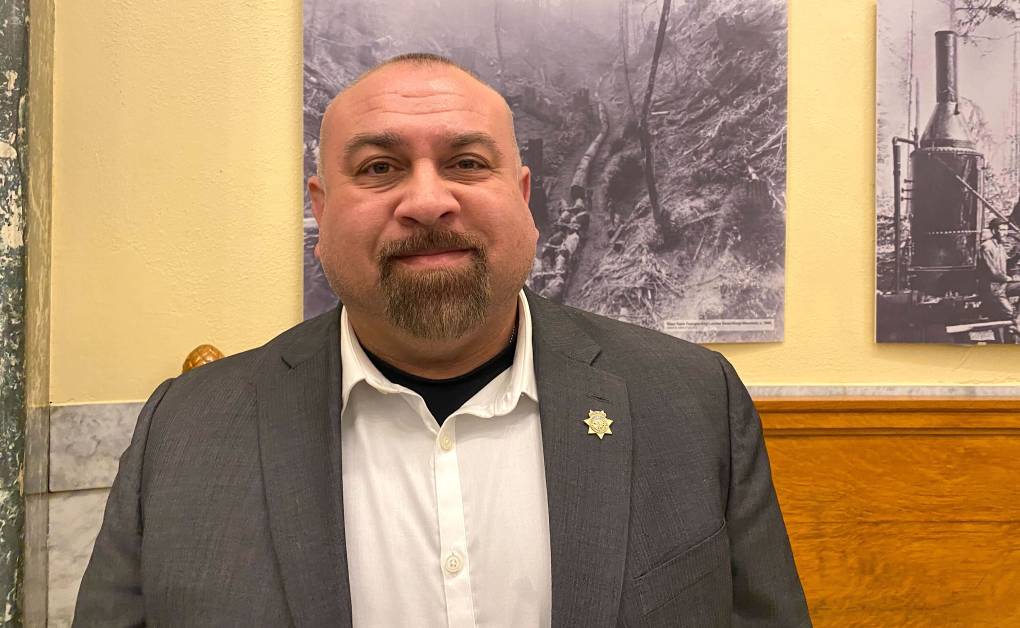
window.__INITIAL_STATE__={
"attachmentsReducer": {
"audio_0": {
"type": "attachments",
"id": "audio_0",
"imgSizes": {
"kqedFullSize": {
"file": "https://ww2.kqed.org/news/wp-content/themes/KQED-unified/img/audio_bgs/background0.jpg"
}
}
},
"audio_1": {
"type": "attachments",
"id": "audio_1",
"imgSizes": {
"kqedFullSize": {
"file": "https://ww2.kqed.org/news/wp-content/themes/KQED-unified/img/audio_bgs/background1.jpg"
}
}
},
"audio_2": {
"type": "attachments",
"id": "audio_2",
"imgSizes": {
"kqedFullSize": {
"file": "https://ww2.kqed.org/news/wp-content/themes/KQED-unified/img/audio_bgs/background2.jpg"
}
}
},
"audio_3": {
"type": "attachments",
"id": "audio_3",
"imgSizes": {
"kqedFullSize": {
"file": "https://ww2.kqed.org/news/wp-content/themes/KQED-unified/img/audio_bgs/background3.jpg"
}
}
},
"audio_4": {
"type": "attachments",
"id": "audio_4",
"imgSizes": {
"kqedFullSize": {
"file": "https://ww2.kqed.org/news/wp-content/themes/KQED-unified/img/audio_bgs/background4.jpg"
}
}
},
"placeholder": {
"type": "attachments",
"id": "placeholder",
"imgSizes": {
"thumbnail": {
"file": "https://cdn.kqed.org/wp-content/uploads/2024/12/KQED-Default-Image-816638274-2000x1333-1-160x107.jpg",
"width": 160,
"height": 107,
"mimeType": "image/jpeg"
},
"medium": {
"file": "https://cdn.kqed.org/wp-content/uploads/2024/12/KQED-Default-Image-816638274-2000x1333-1-800x533.jpg",
"width": 800,
"height": 533,
"mimeType": "image/jpeg"
},
"medium_large": {
"file": "https://cdn.kqed.org/wp-content/uploads/2024/12/KQED-Default-Image-816638274-2000x1333-1-768x512.jpg",
"width": 768,
"height": 512,
"mimeType": "image/jpeg"
},
"large": {
"file": "https://cdn.kqed.org/wp-content/uploads/2024/12/KQED-Default-Image-816638274-2000x1333-1-1020x680.jpg",
"width": 1020,
"height": 680,
"mimeType": "image/jpeg"
},
"1536x1536": {
"file": "https://cdn.kqed.org/wp-content/uploads/2024/12/KQED-Default-Image-816638274-2000x1333-1-1536x1024.jpg",
"width": 1536,
"height": 1024,
"mimeType": "image/jpeg"
},
"fd-lrg": {
"file": "https://cdn.kqed.org/wp-content/uploads/2024/12/KQED-Default-Image-816638274-2000x1333-1-1536x1024.jpg",
"width": 1536,
"height": 1024,
"mimeType": "image/jpeg"
},
"fd-med": {
"file": "https://cdn.kqed.org/wp-content/uploads/2024/12/KQED-Default-Image-816638274-2000x1333-1-1020x680.jpg",
"width": 1020,
"height": 680,
"mimeType": "image/jpeg"
},
"fd-sm": {
"file": "https://cdn.kqed.org/wp-content/uploads/2024/12/KQED-Default-Image-816638274-2000x1333-1-800x533.jpg",
"width": 800,
"height": 533,
"mimeType": "image/jpeg"
},
"post-thumbnail": {
"file": "https://cdn.kqed.org/wp-content/uploads/2024/12/KQED-Default-Image-816638274-2000x1333-1-672x372.jpg",
"width": 672,
"height": 372,
"mimeType": "image/jpeg"
},
"twentyfourteen-full-width": {
"file": "https://cdn.kqed.org/wp-content/uploads/2024/12/KQED-Default-Image-816638274-2000x1333-1-1038x576.jpg",
"width": 1038,
"height": 576,
"mimeType": "image/jpeg"
},
"xxsmall": {
"file": "https://cdn.kqed.org/wp-content/uploads/2024/12/KQED-Default-Image-816638274-2000x1333-1-160x107.jpg",
"width": 160,
"height": 107,
"mimeType": "image/jpeg"
},
"xsmall": {
"file": "https://cdn.kqed.org/wp-content/uploads/2024/12/KQED-Default-Image-816638274-2000x1333-1-672x372.jpg",
"width": 672,
"height": 372,
"mimeType": "image/jpeg"
},
"small": {
"file": "https://cdn.kqed.org/wp-content/uploads/2024/12/KQED-Default-Image-816638274-2000x1333-1-672x372.jpg",
"width": 672,
"height": 372,
"mimeType": "image/jpeg"
},
"xlarge": {
"file": "https://cdn.kqed.org/wp-content/uploads/2024/12/KQED-Default-Image-816638274-2000x1333-1-1020x680.jpg",
"width": 1020,
"height": 680,
"mimeType": "image/jpeg"
},
"full-width": {
"file": "https://cdn.kqed.org/wp-content/uploads/2024/12/KQED-Default-Image-816638274-2000x1333-1-1920x1280.jpg",
"width": 1920,
"height": 1280,
"mimeType": "image/jpeg"
},
"guest-author-32": {
"file": "https://cdn.kqed.org/wp-content/uploads/2025/01/KQED-Default-Image-816638274-1333x1333-1-160x160.jpg",
"width": 32,
"height": 32,
"mimeType": "image/jpeg"
},
"guest-author-50": {
"file": "https://cdn.kqed.org/wp-content/uploads/2025/01/KQED-Default-Image-816638274-1333x1333-1-160x160.jpg",
"width": 50,
"height": 50,
"mimeType": "image/jpeg"
},
"guest-author-64": {
"file": "https://cdn.kqed.org/wp-content/uploads/2025/01/KQED-Default-Image-816638274-1333x1333-1-160x160.jpg",
"width": 64,
"height": 64,
"mimeType": "image/jpeg"
},
"guest-author-96": {
"file": "https://cdn.kqed.org/wp-content/uploads/2025/01/KQED-Default-Image-816638274-1333x1333-1-160x160.jpg",
"width": 96,
"height": 96,
"mimeType": "image/jpeg"
},
"guest-author-128": {
"file": "https://cdn.kqed.org/wp-content/uploads/2025/01/KQED-Default-Image-816638274-1333x1333-1-160x160.jpg",
"width": 128,
"height": 128,
"mimeType": "image/jpeg"
},
"detail": {
"file": "https://cdn.kqed.org/wp-content/uploads/2025/01/KQED-Default-Image-816638274-1333x1333-1-160x160.jpg",
"width": 160,
"height": 160,
"mimeType": "image/jpeg"
},
"kqedFullSize": {
"file": "https://cdn.kqed.org/wp-content/uploads/2024/12/KQED-Default-Image-816638274-2000x1333-1.jpg",
"width": 2000,
"height": 1333
}
}
},
"news_12018561": {
"type": "attachments",
"id": "news_12018561",
"meta": {
"index": "attachments_1716263798",
"site": "news",
"id": "12018561",
"found": true
},
"title": "IMG_1748",
"publishDate": 1734393888,
"status": "inherit",
"parent": 12018543,
"modified": 1734394203,
"caption": "Carlos Tapia, president of the San Mateo County Deputy Sheriff’s Association, spoke to reporters on Monday, Dec. 15, 2024, after the district attorney threw out all charges against him.",
"credit": "Brian Krans/KQED",
"altTag": "A middle-aged man with a goatee, wearing a sheriff's star pin, poses for a photo.",
"description": null,
"imgSizes": {
"medium": {
"file": "https://cdn.kqed.org/wp-content/uploads/sites/10/2024/12/IMG_1748-800x493.jpg",
"width": 800,
"height": 493,
"mimeType": "image/jpeg"
},
"large": {
"file": "https://cdn.kqed.org/wp-content/uploads/sites/10/2024/12/IMG_1748-1020x628.jpg",
"width": 1020,
"height": 628,
"mimeType": "image/jpeg"
},
"thumbnail": {
"file": "https://cdn.kqed.org/wp-content/uploads/sites/10/2024/12/IMG_1748-160x99.jpg",
"width": 160,
"height": 99,
"mimeType": "image/jpeg"
},
"1536x1536": {
"file": "https://cdn.kqed.org/wp-content/uploads/sites/10/2024/12/IMG_1748-1536x946.jpg",
"width": 1536,
"height": 946,
"mimeType": "image/jpeg"
},
"2048x2048": {
"file": "https://cdn.kqed.org/wp-content/uploads/sites/10/2024/12/IMG_1748-2048x1262.jpg",
"width": 2048,
"height": 1262,
"mimeType": "image/jpeg"
},
"post-thumbnail": {
"file": "https://cdn.kqed.org/wp-content/uploads/sites/10/2024/12/IMG_1748-672x372.jpg",
"width": 672,
"height": 372,
"mimeType": "image/jpeg"
},
"twentyfourteen-full-width": {
"file": "https://cdn.kqed.org/wp-content/uploads/sites/10/2024/12/IMG_1748-1038x576.jpg",
"width": 1038,
"height": 576,
"mimeType": "image/jpeg"
},
"full-width": {
"file": "https://cdn.kqed.org/wp-content/uploads/sites/10/2024/12/IMG_1748-1920x1183.jpg",
"width": 1920,
"height": 1183,
"mimeType": "image/jpeg"
},
"kqedFullSize": {
"file": "https://cdn.kqed.org/wp-content/uploads/sites/10/2024/12/IMG_1748-scaled.jpg",
"width": 2560,
"height": 1577
}
},
"isLoading": false,
"fetchFailed": false
},
"news_12017639": {
"type": "attachments",
"id": "news_12017639",
"meta": {
"index": "attachments_1716263798",
"site": "news",
"id": "12017639",
"found": true
},
"title": "IMG_0850",
"publishDate": 1733939718,
"status": "inherit",
"parent": 0,
"modified": 1734115846,
"caption": "Sgt. Kevin Steele was a correctional officer at California State Prison, Sacramento, also known as New Folsom, from 2008 until his death in 2021.",
"credit": "Anna Vignet/KQED",
"altTag": null,
"description": null,
"imgSizes": {
"medium": {
"file": "https://cdn.kqed.org/wp-content/uploads/sites/10/2024/12/IMG_0850-800x600.jpg",
"width": 800,
"height": 600,
"mimeType": "image/jpeg"
},
"large": {
"file": "https://cdn.kqed.org/wp-content/uploads/sites/10/2024/12/IMG_0850-1020x765.jpg",
"width": 1020,
"height": 765,
"mimeType": "image/jpeg"
},
"thumbnail": {
"file": "https://cdn.kqed.org/wp-content/uploads/sites/10/2024/12/IMG_0850-160x120.jpg",
"width": 160,
"height": 120,
"mimeType": "image/jpeg"
},
"1536x1536": {
"file": "https://cdn.kqed.org/wp-content/uploads/sites/10/2024/12/IMG_0850-1536x1152.jpg",
"width": 1536,
"height": 1152,
"mimeType": "image/jpeg"
},
"2048x2048": {
"file": "https://cdn.kqed.org/wp-content/uploads/sites/10/2024/12/IMG_0850-2048x1536.jpg",
"width": 2048,
"height": 1536,
"mimeType": "image/jpeg"
},
"post-thumbnail": {
"file": "https://cdn.kqed.org/wp-content/uploads/sites/10/2024/12/IMG_0850-672x372.jpg",
"width": 672,
"height": 372,
"mimeType": "image/jpeg"
},
"twentyfourteen-full-width": {
"file": "https://cdn.kqed.org/wp-content/uploads/sites/10/2024/12/IMG_0850-1038x576.jpg",
"width": 1038,
"height": 576,
"mimeType": "image/jpeg"
},
"full-width": {
"file": "https://cdn.kqed.org/wp-content/uploads/sites/10/2024/12/IMG_0850-1920x1440.jpg",
"width": 1920,
"height": 1440,
"mimeType": "image/jpeg"
},
"kqedFullSize": {
"file": "https://cdn.kqed.org/wp-content/uploads/sites/10/2024/12/IMG_0850.jpg",
"width": 2560,
"height": 1920
}
},
"isLoading": false,
"fetchFailed": false
},
"news_12018350": {
"type": "attachments",
"id": "news_12018350",
"meta": {
"index": "attachments_1716263798",
"site": "news",
"id": "12018350",
"found": true
},
"title": "OOW S2 — Article Thumbnail (1920x1080)",
"publishDate": 1734144366,
"status": "inherit",
"parent": 12018348,
"modified": 1734360678,
"caption": "Jeff Lynch, warden at New Folsom prison, during a press tour on April 13, 2023. He is set to retire in December 2024.",
"credit": "Beth LaBerge/KQED",
"altTag": "The warden of New Folsom Prison, a broad-shouldered, middle-aged man with short brown hair, stands in front of a road during a press tour. He is wearing a bright salmon-colored shirt and a dark suit with a patterned tie, looking into the distance with a serious expression. The prison’s chain link fence is visible in the background, along with other attendees, some taking notes. The ‘On Our Watch’ logo is in the top-left corner.",
"description": null,
"imgSizes": {
"medium": {
"file": "https://cdn.kqed.org/wp-content/uploads/sites/10/2024/12/OOW-S2-—-Article-Thumbnail-1920x1080-1-800x450.png",
"width": 800,
"height": 450,
"mimeType": "image/png"
},
"large": {
"file": "https://cdn.kqed.org/wp-content/uploads/sites/10/2024/12/OOW-S2-—-Article-Thumbnail-1920x1080-1-1020x574.png",
"width": 1020,
"height": 574,
"mimeType": "image/png"
},
"thumbnail": {
"file": "https://cdn.kqed.org/wp-content/uploads/sites/10/2024/12/OOW-S2-—-Article-Thumbnail-1920x1080-1-160x90.png",
"width": 160,
"height": 90,
"mimeType": "image/png"
},
"1536x1536": {
"file": "https://cdn.kqed.org/wp-content/uploads/sites/10/2024/12/OOW-S2-—-Article-Thumbnail-1920x1080-1-1536x864.png",
"width": 1536,
"height": 864,
"mimeType": "image/png"
},
"post-thumbnail": {
"file": "https://cdn.kqed.org/wp-content/uploads/sites/10/2024/12/OOW-S2-—-Article-Thumbnail-1920x1080-1-672x372.png",
"width": 672,
"height": 372,
"mimeType": "image/png"
},
"twentyfourteen-full-width": {
"file": "https://cdn.kqed.org/wp-content/uploads/sites/10/2024/12/OOW-S2-—-Article-Thumbnail-1920x1080-1-1038x576.png",
"width": 1038,
"height": 576,
"mimeType": "image/png"
},
"kqedFullSize": {
"file": "https://cdn.kqed.org/wp-content/uploads/sites/10/2024/12/OOW-S2-—-Article-Thumbnail-1920x1080-1.png",
"width": 1920,
"height": 1080
}
},
"isLoading": false,
"fetchFailed": false
},
"news_12018297": {
"type": "attachments",
"id": "news_12018297",
"meta": {
"index": "attachments_1716263798",
"site": "news",
"id": "12018297",
"found": true
},
"title": "Half Moon Bay shooting",
"publishDate": 1734134539,
"status": "inherit",
"parent": 12018283,
"modified": 1734134705,
"caption": "San Mateo County Sheriff Christina Corpus speaks during a press conference in downtown Half Moon Bay on Jan. 23, 2023.",
"credit": "Nhat V. Meyer/MediaNews Group/East Bay Times via Getty Images",
"altTag": null,
"description": null,
"imgSizes": {
"medium": {
"file": "https://cdn.kqed.org/wp-content/uploads/sites/10/2024/12/GettyImages-1459218231-800x534.jpg",
"width": 800,
"height": 534,
"mimeType": "image/jpeg"
},
"large": {
"file": "https://cdn.kqed.org/wp-content/uploads/sites/10/2024/12/GettyImages-1459218231-1020x680.jpg",
"width": 1020,
"height": 680,
"mimeType": "image/jpeg"
},
"thumbnail": {
"file": "https://cdn.kqed.org/wp-content/uploads/sites/10/2024/12/GettyImages-1459218231-160x107.jpg",
"width": 160,
"height": 107,
"mimeType": "image/jpeg"
},
"1536x1536": {
"file": "https://cdn.kqed.org/wp-content/uploads/sites/10/2024/12/GettyImages-1459218231-1536x1025.jpg",
"width": 1536,
"height": 1025,
"mimeType": "image/jpeg"
},
"2048x2048": {
"file": "https://cdn.kqed.org/wp-content/uploads/sites/10/2024/12/GettyImages-1459218231-2048x1366.jpg",
"width": 2048,
"height": 1366,
"mimeType": "image/jpeg"
},
"post-thumbnail": {
"file": "https://cdn.kqed.org/wp-content/uploads/sites/10/2024/12/GettyImages-1459218231-672x372.jpg",
"width": 672,
"height": 372,
"mimeType": "image/jpeg"
},
"twentyfourteen-full-width": {
"file": "https://cdn.kqed.org/wp-content/uploads/sites/10/2024/12/GettyImages-1459218231-1038x576.jpg",
"width": 1038,
"height": 576,
"mimeType": "image/jpeg"
},
"full-width": {
"file": "https://cdn.kqed.org/wp-content/uploads/sites/10/2024/12/GettyImages-1459218231-1920x1281.jpg",
"width": 1920,
"height": 1281,
"mimeType": "image/jpeg"
},
"kqedFullSize": {
"file": "https://cdn.kqed.org/wp-content/uploads/sites/10/2024/12/GettyImages-1459218231-scaled-e1741196609411.jpg",
"width": 2000,
"height": 1334
}
},
"isLoading": false,
"fetchFailed": false
},
"news_12018140": {
"type": "attachments",
"id": "news_12018140",
"meta": {
"index": "attachments_1716263798",
"site": "news",
"id": "12018140",
"found": true
},
"title": "Syrian Official California",
"publishDate": 1734114523,
"status": "inherit",
"parent": 12018133,
"modified": 1734114573,
"caption": "A freed Syrian prisoner (left) hugs his brother after being released from Adra Prison on the northeast outskirts of Damascus, Syria, on Jan. 16, 2012. ",
"credit": "Muzaffar Salman/AP Photo",
"altTag": null,
"description": null,
"imgSizes": {
"medium": {
"file": "https://cdn.kqed.org/wp-content/uploads/sites/10/2024/12/AP24348054780491-800x554.jpg",
"width": 800,
"height": 554,
"mimeType": "image/jpeg"
},
"large": {
"file": "https://cdn.kqed.org/wp-content/uploads/sites/10/2024/12/AP24348054780491-1020x706.jpg",
"width": 1020,
"height": 706,
"mimeType": "image/jpeg"
},
"thumbnail": {
"file": "https://cdn.kqed.org/wp-content/uploads/sites/10/2024/12/AP24348054780491-160x111.jpg",
"width": 160,
"height": 111,
"mimeType": "image/jpeg"
},
"1536x1536": {
"file": "https://cdn.kqed.org/wp-content/uploads/sites/10/2024/12/AP24348054780491-1536x1063.jpg",
"width": 1536,
"height": 1063,
"mimeType": "image/jpeg"
},
"2048x2048": {
"file": "https://cdn.kqed.org/wp-content/uploads/sites/10/2024/12/AP24348054780491-2048x1418.jpg",
"width": 2048,
"height": 1418,
"mimeType": "image/jpeg"
},
"post-thumbnail": {
"file": "https://cdn.kqed.org/wp-content/uploads/sites/10/2024/12/AP24348054780491-672x372.jpg",
"width": 672,
"height": 372,
"mimeType": "image/jpeg"
},
"twentyfourteen-full-width": {
"file": "https://cdn.kqed.org/wp-content/uploads/sites/10/2024/12/AP24348054780491-1038x576.jpg",
"width": 1038,
"height": 576,
"mimeType": "image/jpeg"
},
"full-width": {
"file": "https://cdn.kqed.org/wp-content/uploads/sites/10/2024/12/AP24348054780491-1920x1329.jpg",
"width": 1920,
"height": 1329,
"mimeType": "image/jpeg"
},
"kqedFullSize": {
"file": "https://cdn.kqed.org/wp-content/uploads/sites/10/2024/12/AP24348054780491-scaled.jpg",
"width": 2560,
"height": 1772
}
},
"isLoading": false,
"fetchFailed": false
},
"news_12017471": {
"type": "attachments",
"id": "news_12017471",
"meta": {
"index": "attachments_1716263798",
"site": "news",
"id": "12017471",
"found": true
},
"title": "NPR1",
"publishDate": 1733862011,
"status": "inherit",
"parent": 12017469,
"modified": 1733862046,
"caption": "A no guns allowed sign is posted at the 54th Street entrance to the New York Hilton Midtown Hotel in New York, where Brian Thompson, the CEO of UnitedHealthcare, was fatally shot last week.",
"credit": "Ted Shaffrey/AP",
"altTag": null,
"description": null,
"imgSizes": {
"medium": {
"file": "https://cdn.kqed.org/wp-content/uploads/sites/10/2024/12/NPR1-800x533.jpg",
"width": 800,
"height": 533,
"mimeType": "image/jpeg"
},
"large": {
"file": "https://cdn.kqed.org/wp-content/uploads/sites/10/2024/12/NPR1-1020x680.jpg",
"width": 1020,
"height": 680,
"mimeType": "image/jpeg"
},
"thumbnail": {
"file": "https://cdn.kqed.org/wp-content/uploads/sites/10/2024/12/NPR1-160x107.jpg",
"width": 160,
"height": 107,
"mimeType": "image/jpeg"
},
"post-thumbnail": {
"file": "https://cdn.kqed.org/wp-content/uploads/sites/10/2024/12/NPR1-672x372.jpg",
"width": 672,
"height": 372,
"mimeType": "image/jpeg"
},
"twentyfourteen-full-width": {
"file": "https://cdn.kqed.org/wp-content/uploads/sites/10/2024/12/NPR1-1038x576.jpg",
"width": 1038,
"height": 576,
"mimeType": "image/jpeg"
},
"kqedFullSize": {
"file": "https://cdn.kqed.org/wp-content/uploads/sites/10/2024/12/NPR1.jpg",
"width": 1100,
"height": 733
}
},
"isLoading": false,
"fetchFailed": false
},
"news_12017418": {
"type": "attachments",
"id": "news_12017418",
"meta": {
"index": "attachments_1716263798",
"site": "news",
"id": "12017418",
"found": true
},
"title": "UnitedHealthcare CEO Killed",
"publishDate": 1733853532,
"status": "inherit",
"parent": 12017407,
"modified": 1733854076,
"caption": "New York Police officers arrive at Altoona Police Department, where a man with a gun thought to be similar to the one used in the killing of UnitedHealthcare CEO Brian Thompson has been taken into police custody for questioning on Monday, Dec. 9, 2024, in Altoona, Pennsylvania.",
"credit": "Gene J. Puskar/AP Photo",
"altTag": null,
"description": null,
"imgSizes": {
"medium": {
"file": "https://cdn.kqed.org/wp-content/uploads/sites/10/2024/12/NYPDAP-800x533.jpg",
"width": 800,
"height": 533,
"mimeType": "image/jpeg"
},
"large": {
"file": "https://cdn.kqed.org/wp-content/uploads/sites/10/2024/12/NYPDAP-1020x680.jpg",
"width": 1020,
"height": 680,
"mimeType": "image/jpeg"
},
"thumbnail": {
"file": "https://cdn.kqed.org/wp-content/uploads/sites/10/2024/12/NYPDAP-160x107.jpg",
"width": 160,
"height": 107,
"mimeType": "image/jpeg"
},
"1536x1536": {
"file": "https://cdn.kqed.org/wp-content/uploads/sites/10/2024/12/NYPDAP-1536x1024.jpg",
"width": 1536,
"height": 1024,
"mimeType": "image/jpeg"
},
"post-thumbnail": {
"file": "https://cdn.kqed.org/wp-content/uploads/sites/10/2024/12/NYPDAP-672x372.jpg",
"width": 672,
"height": 372,
"mimeType": "image/jpeg"
},
"twentyfourteen-full-width": {
"file": "https://cdn.kqed.org/wp-content/uploads/sites/10/2024/12/NYPDAP-1038x576.jpg",
"width": 1038,
"height": 576,
"mimeType": "image/jpeg"
},
"full-width": {
"file": "https://cdn.kqed.org/wp-content/uploads/sites/10/2024/12/NYPDAP-1920x1280.jpg",
"width": 1920,
"height": 1280,
"mimeType": "image/jpeg"
},
"kqedFullSize": {
"file": "https://cdn.kqed.org/wp-content/uploads/sites/10/2024/12/NYPDAP.jpg",
"width": 2000,
"height": 1333
}
},
"isLoading": false,
"fetchFailed": false
},
"news_12017340": {
"type": "attachments",
"id": "news_12017340",
"meta": {
"index": "attachments_1716263798",
"site": "news",
"id": "12017340",
"found": true
},
"title": "UnitedHealthcare CEO Killed",
"publishDate": 1733781167,
"status": "inherit",
"parent": 12017333,
"modified": 1733789244,
"caption": "In this photo taken from video, New York Police Chief of Detectives Joseph Kenny answers questions during a news conference on Monday, Dec. 9, 2024, in New York.",
"credit": "New York City Mayor's Office/AP Photo",
"altTag": null,
"description": null,
"imgSizes": {
"medium": {
"file": "https://cdn.kqed.org/wp-content/uploads/sites/10/2024/12/LuigiMangioneAP1-800x533.jpg",
"width": 800,
"height": 533,
"mimeType": "image/jpeg"
},
"large": {
"file": "https://cdn.kqed.org/wp-content/uploads/sites/10/2024/12/LuigiMangioneAP1-1020x680.jpg",
"width": 1020,
"height": 680,
"mimeType": "image/jpeg"
},
"thumbnail": {
"file": "https://cdn.kqed.org/wp-content/uploads/sites/10/2024/12/LuigiMangioneAP1-160x107.jpg",
"width": 160,
"height": 107,
"mimeType": "image/jpeg"
},
"1536x1536": {
"file": "https://cdn.kqed.org/wp-content/uploads/sites/10/2024/12/LuigiMangioneAP1-1536x1024.jpg",
"width": 1536,
"height": 1024,
"mimeType": "image/jpeg"
},
"post-thumbnail": {
"file": "https://cdn.kqed.org/wp-content/uploads/sites/10/2024/12/LuigiMangioneAP1-672x372.jpg",
"width": 672,
"height": 372,
"mimeType": "image/jpeg"
},
"twentyfourteen-full-width": {
"file": "https://cdn.kqed.org/wp-content/uploads/sites/10/2024/12/LuigiMangioneAP1-1038x576.jpg",
"width": 1038,
"height": 576,
"mimeType": "image/jpeg"
},
"full-width": {
"file": "https://cdn.kqed.org/wp-content/uploads/sites/10/2024/12/LuigiMangioneAP1-1920x1280.jpg",
"width": 1920,
"height": 1280,
"mimeType": "image/jpeg"
},
"kqedFullSize": {
"file": "https://cdn.kqed.org/wp-content/uploads/sites/10/2024/12/LuigiMangioneAP1.jpg",
"width": 2000,
"height": 1333
}
},
"isLoading": false,
"fetchFailed": false
},
"news_12016897": {
"type": "attachments",
"id": "news_12016897",
"meta": {
"index": "attachments_1716263798",
"site": "news",
"id": "12016897",
"found": true
},
"title": "Becker Verdict",
"publishDate": 1733435513,
"status": "inherit",
"parent": 12016866,
"modified": 1733435542,
"caption": "Santa Clara Vice Mayor Anthony Becker watches as the court clerk reads out a guilty verdict in his perjury trial in Morgan Hill on Dec. 5, 2024.",
"credit": "Joseph Geha/KQED",
"altTag": null,
"description": null,
"imgSizes": {
"medium": {
"file": "https://cdn.kqed.org/wp-content/uploads/sites/10/2024/12/241205-VERDICT-JG-800x533.jpg",
"width": 800,
"height": 533,
"mimeType": "image/jpeg"
},
"large": {
"file": "https://cdn.kqed.org/wp-content/uploads/sites/10/2024/12/241205-VERDICT-JG-1020x680.jpg",
"width": 1020,
"height": 680,
"mimeType": "image/jpeg"
},
"thumbnail": {
"file": "https://cdn.kqed.org/wp-content/uploads/sites/10/2024/12/241205-VERDICT-JG-160x107.jpg",
"width": 160,
"height": 107,
"mimeType": "image/jpeg"
},
"1536x1536": {
"file": "https://cdn.kqed.org/wp-content/uploads/sites/10/2024/12/241205-VERDICT-JG-1536x1024.jpg",
"width": 1536,
"height": 1024,
"mimeType": "image/jpeg"
},
"post-thumbnail": {
"file": "https://cdn.kqed.org/wp-content/uploads/sites/10/2024/12/241205-VERDICT-JG-672x372.jpg",
"width": 672,
"height": 372,
"mimeType": "image/jpeg"
},
"twentyfourteen-full-width": {
"file": "https://cdn.kqed.org/wp-content/uploads/sites/10/2024/12/241205-VERDICT-JG-1038x576.jpg",
"width": 1038,
"height": 576,
"mimeType": "image/jpeg"
},
"full-width": {
"file": "https://cdn.kqed.org/wp-content/uploads/sites/10/2024/12/241205-VERDICT-JG-1920x1280.jpg",
"width": 1920,
"height": 1280,
"mimeType": "image/jpeg"
},
"kqedFullSize": {
"file": "https://cdn.kqed.org/wp-content/uploads/sites/10/2024/12/241205-VERDICT-JG.jpg",
"width": 2000,
"height": 1333
}
},
"isLoading": false,
"fetchFailed": false
},
"news_12005495": {
"type": "attachments",
"id": "news_12005495",
"meta": {
"index": "attachments_1716263798",
"site": "news",
"id": "12005495",
"found": true
},
"title": "021_Alameda_MarioGonzalezPressConf_04272021_qed",
"publishDate": 1726780535,
"status": "inherit",
"parent": 12005470,
"modified": 1726780554,
"caption": "Friends, family and supporters of Mario Gonzalez gather outside of the Alameda Police Department on April 27, 2021, for a press conference to address the body cam footage that was shown to Gonzalez's family.",
"credit": "Beth LaBerge/KQED",
"altTag": null,
"description": null,
"imgSizes": {
"medium": {
"file": "https://cdn.kqed.org/wp-content/uploads/sites/10/2024/09/021_Alameda_MarioGonzalezPressConf_04272021_qed-800x532.jpg",
"width": 800,
"height": 532,
"mimeType": "image/jpeg"
},
"large": {
"file": "https://cdn.kqed.org/wp-content/uploads/sites/10/2024/09/021_Alameda_MarioGonzalezPressConf_04272021_qed-1020x679.jpg",
"width": 1020,
"height": 679,
"mimeType": "image/jpeg"
},
"thumbnail": {
"file": "https://cdn.kqed.org/wp-content/uploads/sites/10/2024/09/021_Alameda_MarioGonzalezPressConf_04272021_qed-160x106.jpg",
"width": 160,
"height": 106,
"mimeType": "image/jpeg"
},
"1536x1536": {
"file": "https://cdn.kqed.org/wp-content/uploads/sites/10/2024/09/021_Alameda_MarioGonzalezPressConf_04272021_qed-1536x1022.jpg",
"width": 1536,
"height": 1022,
"mimeType": "image/jpeg"
},
"post-thumbnail": {
"file": "https://cdn.kqed.org/wp-content/uploads/sites/10/2024/09/021_Alameda_MarioGonzalezPressConf_04272021_qed-672x372.jpg",
"width": 672,
"height": 372,
"mimeType": "image/jpeg"
},
"twentyfourteen-full-width": {
"file": "https://cdn.kqed.org/wp-content/uploads/sites/10/2024/09/021_Alameda_MarioGonzalezPressConf_04272021_qed-1038x576.jpg",
"width": 1038,
"height": 576,
"mimeType": "image/jpeg"
},
"full-width": {
"file": "https://cdn.kqed.org/wp-content/uploads/sites/10/2024/09/021_Alameda_MarioGonzalezPressConf_04272021_qed-1920x1278.jpg",
"width": 1920,
"height": 1278,
"mimeType": "image/jpeg"
},
"kqedFullSize": {
"file": "https://cdn.kqed.org/wp-content/uploads/sites/10/2024/09/021_Alameda_MarioGonzalezPressConf_04272021_qed.jpg",
"width": 2000,
"height": 1331
}
},
"isLoading": false,
"fetchFailed": false
},
"news_12016604": {
"type": "attachments",
"id": "news_12016604",
"meta": {
"index": "attachments_1716263798",
"site": "news",
"id": "12016604",
"found": true
},
"title": "The UC Berkeley Campus in Berkeley on Aug. 17, 2023.",
"publishDate": 1733334753,
"status": "inherit",
"parent": 12016602,
"modified": 1733334766,
"caption": "The UC Berkeley Campus in Berkeley on Aug. 17, 2023.",
"credit": "Martin do Nascimento/KQED",
"altTag": null,
"description": null,
"imgSizes": {
"medium": {
"file": "https://cdn.kqed.org/wp-content/uploads/sites/10/2024/12/230817-UC-BERKELEY-CAMPUS-MD-02_qed-800x533.jpg",
"width": 800,
"height": 533,
"mimeType": "image/jpeg"
},
"large": {
"file": "https://cdn.kqed.org/wp-content/uploads/sites/10/2024/12/230817-UC-BERKELEY-CAMPUS-MD-02_qed-1020x680.jpg",
"width": 1020,
"height": 680,
"mimeType": "image/jpeg"
},
"thumbnail": {
"file": "https://cdn.kqed.org/wp-content/uploads/sites/10/2024/12/230817-UC-BERKELEY-CAMPUS-MD-02_qed-160x107.jpg",
"width": 160,
"height": 107,
"mimeType": "image/jpeg"
},
"1536x1536": {
"file": "https://cdn.kqed.org/wp-content/uploads/sites/10/2024/12/230817-UC-BERKELEY-CAMPUS-MD-02_qed-1536x1024.jpg",
"width": 1536,
"height": 1024,
"mimeType": "image/jpeg"
},
"post-thumbnail": {
"file": "https://cdn.kqed.org/wp-content/uploads/sites/10/2024/12/230817-UC-BERKELEY-CAMPUS-MD-02_qed-672x372.jpg",
"width": 672,
"height": 372,
"mimeType": "image/jpeg"
},
"twentyfourteen-full-width": {
"file": "https://cdn.kqed.org/wp-content/uploads/sites/10/2024/12/230817-UC-BERKELEY-CAMPUS-MD-02_qed-1038x576.jpg",
"width": 1038,
"height": 576,
"mimeType": "image/jpeg"
},
"full-width": {
"file": "https://cdn.kqed.org/wp-content/uploads/sites/10/2024/12/230817-UC-BERKELEY-CAMPUS-MD-02_qed-1920x1280.jpg",
"width": 1920,
"height": 1280,
"mimeType": "image/jpeg"
},
"kqedFullSize": {
"file": "https://cdn.kqed.org/wp-content/uploads/sites/10/2024/12/230817-UC-BERKELEY-CAMPUS-MD-02_qed.jpg",
"width": 2000,
"height": 1333
}
},
"isLoading": false,
"fetchFailed": false
},
"news_12009031": {
"type": "attachments",
"id": "news_12009031",
"meta": {
"index": "attachments_1716263798",
"site": "news",
"id": "12009031",
"found": true
},
"title": "240903-OverdoseResponse-41-BL_qed",
"publishDate": 1728605470,
"status": "inherit",
"parent": 12059914,
"modified": 1760485615,
"caption": "Counselor Chantel Hernandez-Coleman (left) and paramedic Isaac James, members of the Street Overdose Response Team, speak with a woman sitting in the Tenderloin in San Francisco on Sept. 3, 2024.",
"credit": "Beth LaBerge/KQED",
"altTag": null,
"description": null,
"imgSizes": {
"medium": {
"file": "https://cdn.kqed.org/wp-content/uploads/sites/10/2024/10/240903-OverdoseResponse-41-BL_qed-800x533.jpg",
"width": 800,
"height": 533,
"mimeType": "image/jpeg"
},
"large": {
"file": "https://cdn.kqed.org/wp-content/uploads/sites/10/2024/10/240903-OverdoseResponse-41-BL_qed-1020x680.jpg",
"width": 1020,
"height": 680,
"mimeType": "image/jpeg"
},
"thumbnail": {
"file": "https://cdn.kqed.org/wp-content/uploads/sites/10/2024/10/240903-OverdoseResponse-41-BL_qed-160x107.jpg",
"width": 160,
"height": 107,
"mimeType": "image/jpeg"
},
"1536x1536": {
"file": "https://cdn.kqed.org/wp-content/uploads/sites/10/2024/10/240903-OverdoseResponse-41-BL_qed-1536x1024.jpg",
"width": 1536,
"height": 1024,
"mimeType": "image/jpeg"
},
"post-thumbnail": {
"file": "https://cdn.kqed.org/wp-content/uploads/sites/10/2024/10/240903-OverdoseResponse-41-BL_qed-672x372.jpg",
"width": 672,
"height": 372,
"mimeType": "image/jpeg"
},
"twentyfourteen-full-width": {
"file": "https://cdn.kqed.org/wp-content/uploads/sites/10/2024/10/240903-OverdoseResponse-41-BL_qed-1038x576.jpg",
"width": 1038,
"height": 576,
"mimeType": "image/jpeg"
},
"full-width": {
"file": "https://cdn.kqed.org/wp-content/uploads/sites/10/2024/10/240903-OverdoseResponse-41-BL_qed-1920x1280.jpg",
"width": 1920,
"height": 1280,
"mimeType": "image/jpeg"
},
"kqedFullSize": {
"file": "https://cdn.kqed.org/wp-content/uploads/sites/10/2024/10/240903-OverdoseResponse-41-BL_qed.jpg",
"width": 2000,
"height": 1333
}
},
"isLoading": false,
"fetchFailed": false
}
},
"audioPlayerReducer": {
"postId": "stream_live",
"isPaused": true,
"isPlaying": false,
"pfsActive": false,
"pledgeModalIsOpen": true,
"playerDrawerIsOpen": false,
"liveAudioPlayStartedAt": 0,
"liveAudioPlayContext": ""
},
"authorsReducer": {
"byline_news_12018133": {
"type": "authors",
"id": "byline_news_12018133",
"meta": {
"override": true
},
"slug": "byline_news_12018133",
"name": "Jaimie Ding, The Associated Press",
"isLoading": false
},
"byline_news_12017469": {
"type": "authors",
"id": "byline_news_12017469",
"meta": {
"override": true
},
"slug": "byline_news_12017469",
"name": "Rachel Treisman",
"isLoading": false
},
"jsmall": {
"type": "authors",
"id": "6625",
"meta": {
"index": "authors_1716337520",
"id": "6625",
"found": true
},
"name": "Julie Small",
"firstName": "Julie",
"lastName": "Small",
"slug": "jsmall",
"email": "jsmall@kqed.org",
"display_author_email": true,
"staff_mastheads": [
"news"
],
"title": "KQED Contributor",
"bio": "Julie Small reports on criminal justice and immigration.\r\n\r\nShe was part of a team at KQED awarded a regional 2019 Edward R. Murrow award for continuing coverage of the Trump Administration's family separation policy.\r\n\r\nThe Society for Professional Journalists recognized Julie's 2018 \u003ca href=\"https://www.kqed.org/news/11636262/the-officer-tased-him-31-times-the-sheriff-called-his-death-an-accident\">reporting\u003c/a> on the San Joaquin County Sheriff's \u003ca href=\"https://www.kqed.org/news/11634689/autopsy-doctors-sheriff-overrode-death-findings-to-protect-law-enforcement\">interference\u003c/a> in death investigations with an Excellence in Journalism Award for Ongoing Coverage.\r\n\r\nJulie's\u003ca href=\"https://www.kqed.org/news/11039666/two-mentally-ill-inmates-died-one-month-in-santa-clara\"> reporting\u003c/a> with Lisa Pickoff-White on the treatment of mentally ill offenders in California jails earned a 2017 regional Edward R. Murrow Award for news reporting and an investigative reporting award from the SPJ of Northern California.\r\n\r\nBefore joining KQED, Julie covered government and politics in Sacramento for Southern California Public Radio (SCPR). Her 2010 \u003ca href=\"https://www.scpr.org/specials/prisonmedical/\">series\u003c/a> on lapses in California’s prison medical care also won a regional Edward R. Murrow Award for investigative reporting and a Golden Mic Award from the RTNDA of Southern California.\r\n\r\nJulie began her career in journalism in 2000 as the deputy foreign editor for public radio's \u003cem>Marketplace, \u003c/em>while earning her master's degree in journalism from USC’s Annenberg School of Communication.",
"avatar": "https://secure.gravatar.com/avatar/4baedf201468df97be97c2a9dd7585d0?s=600&d=blank&r=g",
"twitter": "@SmallRadio2",
"facebook": null,
"instagram": null,
"linkedin": null,
"sites": [
{
"site": "news",
"roles": [
"editor"
]
},
{
"site": "stateofhealth",
"roles": [
"author"
]
},
{
"site": "science",
"roles": [
"author"
]
}
],
"headData": {
"title": "Julie Small | KQED",
"description": "KQED Contributor",
"ogImgSrc": "https://secure.gravatar.com/avatar/4baedf201468df97be97c2a9dd7585d0?s=600&d=blank&r=g",
"twImgSrc": "https://secure.gravatar.com/avatar/4baedf201468df97be97c2a9dd7585d0?s=600&d=blank&r=g"
},
"isLoading": false,
"link": "/author/jsmall"
},
"slewis": {
"type": "authors",
"id": "8676",
"meta": {
"index": "authors_1716337520",
"id": "8676",
"found": true
},
"name": "Sukey Lewis",
"firstName": "Sukey",
"lastName": "Lewis",
"slug": "slewis",
"email": "slewis@kqed.org",
"display_author_email": true,
"staff_mastheads": [
"news"
],
"title": "KQED Contributor",
"bio": "Sukey Lewis is a criminal justice reporter and host of \u003cem>On Our Watch\u003c/em>, a new podcast from NPR and KQED about the shadow world of police discipline. In 2018, she co-founded the California Reporting Project, a coalition of newsrooms across the state focused on obtaining previously sealed internal affairs records from law enforcement. In addition to her reporting on police accountability, Sukey has investigated the bail bonds industry, California's wildfires and the high cost of prison phone calls. Sukey earned a master's degree in journalism from the University of California at Berkeley. Send news tips to slewis@kqed.org.",
"avatar": "https://secure.gravatar.com/avatar/03fd6b21024f99d8b0a1966654586de7?s=600&d=blank&r=g",
"twitter": "SukeyLewis",
"facebook": null,
"instagram": null,
"linkedin": null,
"sites": [
{
"site": "news",
"roles": [
"author",
"edit_others_posts"
]
}
],
"headData": {
"title": "Sukey Lewis | KQED",
"description": "KQED Contributor",
"ogImgSrc": "https://secure.gravatar.com/avatar/03fd6b21024f99d8b0a1966654586de7?s=600&d=blank&r=g",
"twImgSrc": "https://secure.gravatar.com/avatar/03fd6b21024f99d8b0a1966654586de7?s=600&d=blank&r=g"
},
"isLoading": false,
"link": "/author/slewis"
},
"jgeha": {
"type": "authors",
"id": "11906",
"meta": {
"index": "authors_1716337520",
"id": "11906",
"found": true
},
"name": "Joseph Geha",
"firstName": "Joseph",
"lastName": "Geha",
"slug": "jgeha",
"email": "jgeha@kqed.org",
"display_author_email": false,
"staff_mastheads": [
"news",
"science"
],
"title": "KQED Contributor",
"bio": null,
"avatar": "https://secure.gravatar.com/avatar/ea84d2b6dd93d6369d453edf19dd583f117cd1759d2d9c9c92f9de77017354fe?s=600&d=blank&r=g",
"twitter": null,
"bluesky": null,
"facebook": null,
"instagram": null,
"linkedin": null,
"sites": [
{
"site": "news",
"roles": [
"editor"
]
},
{
"site": "liveblog",
"roles": [
"author"
]
}
],
"headData": {
"title": "Joseph Geha | KQED",
"description": "KQED Contributor",
"ogImgSrc": "https://secure.gravatar.com/avatar/ea84d2b6dd93d6369d453edf19dd583f117cd1759d2d9c9c92f9de77017354fe?s=600&d=blank&r=g",
"twImgSrc": "https://secure.gravatar.com/avatar/ea84d2b6dd93d6369d453edf19dd583f117cd1759d2d9c9c92f9de77017354fe?s=600&d=blank&r=g"
},
"isLoading": false,
"link": "/author/jgeha"
},
"kdebenedetti": {
"type": "authors",
"id": "11913",
"meta": {
"index": "authors_1716337520",
"id": "11913",
"found": true
},
"name": "Katie DeBenedetti",
"firstName": "Katie",
"lastName": "DeBenedetti",
"slug": "kdebenedetti",
"email": "kdebenedetti@kqed.org",
"display_author_email": false,
"staff_mastheads": [
"news",
"science"
],
"title": "KQED Contributor",
"bio": "Katie DeBenedetti is a digital reporter covering daily news for the Express Desk. Prior to joining KQED as a culture reporting intern in January 2024, she covered education and city government for the Napa Valley Register.",
"avatar": "https://secure.gravatar.com/avatar/6e31073cb8f7e4214ab03f42771d0f45?s=600&d=blank&r=g",
"twitter": null,
"facebook": null,
"instagram": null,
"linkedin": null,
"sites": [
{
"site": "news",
"roles": [
"author"
]
},
{
"site": "science",
"roles": [
"author"
]
},
{
"site": "liveblog",
"roles": [
"author"
]
}
],
"headData": {
"title": "Katie DeBenedetti | KQED",
"description": "KQED Contributor",
"ogImgSrc": "https://secure.gravatar.com/avatar/6e31073cb8f7e4214ab03f42771d0f45?s=600&d=blank&r=g",
"twImgSrc": "https://secure.gravatar.com/avatar/6e31073cb8f7e4214ab03f42771d0f45?s=600&d=blank&r=g"
},
"isLoading": false,
"link": "/author/kdebenedetti"
},
"slim": {
"type": "authors",
"id": "11920",
"meta": {
"index": "authors_1716337520",
"id": "11920",
"found": true
},
"name": "Samantha Lim",
"firstName": "Samantha",
"lastName": "Lim",
"slug": "slim",
"email": "slim@KQED.org",
"display_author_email": false,
"staff_mastheads": [],
"title": "KQED Contributor",
"bio": null,
"avatar": "https://secure.gravatar.com/avatar/82e592e6c15fe1a04d385e8ad0fb0b4e?s=600&d=blank&r=g",
"twitter": null,
"facebook": null,
"instagram": null,
"linkedin": null,
"sites": [
{
"site": "news",
"roles": []
}
],
"headData": {
"title": "Samantha Lim | KQED",
"description": "KQED Contributor",
"ogImgSrc": "https://secure.gravatar.com/avatar/82e592e6c15fe1a04d385e8ad0fb0b4e?s=600&d=blank&r=g",
"twImgSrc": "https://secure.gravatar.com/avatar/82e592e6c15fe1a04d385e8ad0fb0b4e?s=600&d=blank&r=g"
},
"isLoading": false,
"link": "/author/slim"
},
"bkrans": {
"type": "authors",
"id": "11923",
"meta": {
"index": "authors_1716337520",
"id": "11923",
"found": true
},
"name": "Brian Krans",
"firstName": "Brian",
"lastName": "Krans",
"slug": "bkrans",
"email": "bkrans@kqed.org",
"display_author_email": false,
"staff_mastheads": [
"news"
],
"title": "KQED Contributing Reporter",
"bio": "Brian Krans is an award-winning local news and investigative reporter who has been proudly working as a general assignment reporter for KQED since August 2023. He lives in Richmond, where he also reports on air pollution for Richmondside. He is also a founding member of the Vallejo Sun.",
"avatar": "https://secure.gravatar.com/avatar/71fa91f931774612559f7640390b53d9c2840ff72b20f195a25239aab2d9fbb9?s=600&d=blank&r=g",
"twitter": "citizenkrans",
"bluesky": null,
"facebook": null,
"instagram": null,
"linkedin": null,
"sites": [
{
"site": "news",
"roles": [
"editor"
]
}
],
"headData": {
"title": "Brian Krans | KQED",
"description": "KQED Contributing Reporter",
"ogImgSrc": "https://secure.gravatar.com/avatar/71fa91f931774612559f7640390b53d9c2840ff72b20f195a25239aab2d9fbb9?s=600&d=blank&r=g",
"twImgSrc": "https://secure.gravatar.com/avatar/71fa91f931774612559f7640390b53d9c2840ff72b20f195a25239aab2d9fbb9?s=600&d=blank&r=g"
},
"isLoading": false,
"link": "/author/bkrans"
}
},
"pagesReducer": {
"news_category_criminal-justice": {
"type": "terms",
"id": "news_34167",
"meta": {
"index": "terms_1716263798",
"site": "news",
"id": "34167",
"score": 11.188038
},
"name": "Criminal Justice",
"slug": "criminal-justice",
"taxonomy": "category",
"description": null,
"featImg": null,
"headData": {
"title": "Criminal Justice Archives | KQED News",
"description": null,
"ogTitle": null,
"ogDescription": null,
"ogImgId": null,
"twTitle": null,
"twDescription": null,
"twImgId": null
},
"ttid": 34184,
"isLoading": false,
"title": "Criminal Justice",
"pageMeta": {
"site": "news",
"WpPageTemplate": "page-topic-editorial",
"currentPage": 32
},
"blocks": [
{
"blockName": "kqed/post-list",
"attrs": {
"layout": "cardArticle2",
"query": "posts/news?category=criminal-justice",
"seeMore": false,
"paginated": true,
"page": 32
}
},
{
"blockName": "kqed/ad"
}
]
}
},
"pfsSessionReducer": {},
"postsReducer": {
"stream_live": {
"type": "live",
"id": "stream_live",
"audioUrl": "https://streams.kqed.org/kqedradio",
"title": "Live Stream",
"excerpt": "Live Stream information currently unavailable.",
"link": "/radio",
"featImg": "",
"label": {
"name": "KQED Live",
"link": "/"
}
},
"stream_kqedNewscast": {
"type": "posts",
"id": "stream_kqedNewscast",
"audioUrl": "https://www.kqed.org/.stream/anon/radio/RDnews/newscast.mp3?_=1",
"title": "KQED Newscast",
"featImg": "",
"label": {
"name": "88.5 FM",
"link": "/"
}
},
"news_12018543": {
"type": "posts",
"id": "news_12018543",
"meta": {
"index": "posts_1716263798",
"site": "news",
"id": "12018543",
"score": null,
"sort": [
1734394210000
]
},
"guestAuthors": [],
"slug": "san-mateo-county-da-throws-out-charges-against-sheriffs-union-president",
"title": "San Mateo County DA Throws Out Charges Against Sheriff's Union President",
"publishDate": 1734394210,
"format": "standard",
"headTitle": "San Mateo County DA Throws Out Charges Against Sheriff’s Union President | KQED",
"labelTerm": {
"site": "news"
},
"content": "\u003cp>The San Mateo County District Attorney is declining to pursue charges against the head of the deputy sheriff’s union, announcing on Monday that his office’s investigation found no evidence of wrongdoing.\u003c/p>\n\u003cp>Carlos Tapia, president of the Deputy Sheriff’s Association (DSA), turned himself into the sheriff’s office on Nov. 12 on charges related to theft and time-card fraud. Shortly after posting bond, he argued that his arrest was retribution for speaking out against Christina Corpus, the county’s embattled sheriff.\u003c/p>\n\u003cp>In an unusual move, Corpus’ office didn’t consult with the district attorney before making the arrest.\u003c/p>\n\u003cp>“We have concluded based on the follow-up investigation that no crime was committed by Deputy Carlos Tapia, that the complete investigation showed that there was no basis to believe any violation of law had occurred, and finally that Deputy Tapia should not have been arrested,” San Mateo County District Attorney Stephen Wagstaffe said in a statement. “There were clerical errors in the manner in which work hours were coded but nothing showing criminal intent or criminal conduct. Additionally there was no monetary loss to the Sheriff’s Office by the miscoding.”\u003c/p>\n\u003cp>At a press conference on Monday, Supervisor Ray Mueller apologized to Tapia on behalf of the county and renewed his calls for Corpus to immediately resign.\u003c/p>\n\u003cp>[ad fullwidth]\u003c/p>\n\u003cp>“Mr. Tapia, today you are vindicated,” he said. “I don’t know if the sheriff or executive or her executive leadership team will ever apologize to you, but on behalf of the County, I want to tell you how incredibly apologetic we are for what happened to you and to your beautiful family. Every reasonable, rational person in this county, I have no doubt, will be outraged when they know the injustice that was done to you.”\u003c/p>\n\u003cp>Reading from prepared remarks, Tapia thanked the district attorney for his decision and said the DSA is calling for a civil rights investigation into his arrest.\u003c/p>\n\u003cp>[aside label=\"related coverage\" tag=\"christina-corpus\"]“I love my job, and I’m proud to serve the people of San Mateo County. My fellow deputies and I look forward to the day we can work with a new sheriff who will restore the trust and transparency the public deserves from its sheriff’s office,” he said. “Until then, we will continue to hold ourselves to the highest standards in meeting our most important mission that’s protecting the public of San Mateo.”\u003c/p>\n\u003cp>In a statement, Corpus said that while the criminal investigation has concluded, there’s still an internal review, which “will be conducted by an independent third-party investigator to ensure it is a fair process.”\u003c/p>\n\u003cp>Hours after Tapia’s arrest last month, \u003ca href=\"https://sanmateocounty.legistar.com/View.ashx?M=F&ID=13544883&GUID=95923619-2B6F-477A-8684-CD64124A3BAA\">a damning report\u003c/a> was released about Corpus and her executive team, detailing multiple instances of “lies, secrecy, intimidation, retaliation, conflicts of interest, and abuses of authority.”\u003c/p>\n\u003cp>The day after the report’s release, the county Board of Supervisors unanimously \u003ca href=\"https://www.kqed.org/news/12014310/san-mateo-county-supervisors-to-hold-vote-of-no-confidence-in-sheriff-christina-corpus\">cast a vote of no confidence\u003c/a> in Corpus and terminated the executive director position held by Corpus’ alleged lover, Victor Aenlle. At that meeting, Corpus appeared briefly before the board, calling the scrutiny of her office “disgusting” and appointing Aenlle to be an assistant sheriff “effective immediately.”\u003c/p>\n\u003cp>Wagstaffe said the case involving Tapia was first submitted to his office for review on Nov. 13 and that he subsequently learned the sheriff’s office investigation leading to his arrest was conducted entirely by acting Assistant Sheriff Matthew Fox, who has since resigned. He called the probe “extraordinarily limited” and lacking in necessary follow-up.\u003c/p>\n\u003cp>On Monday, Wagstaffe noted that his office declines to prosecute about 14% of the roughly 20,000 cases it handles every year due to “insufficient evidence.”\u003c/p>\n\u003cp>\u003c/p>\n\u003cp>“But what is unusual is where our further investigation looks into a case, and we determine even further that no crime was committed,” he said.\u003c/p>\n\n",
"blocks": [],
"excerpt": "Carlos Tapia, head of the Deputy Sheriff’s Association, was arrested last month on charges related to theft and time-card fraud — which he said was retribution for speaking out against embattled Sheriff Christina Corpus.",
"status": "publish",
"parent": 0,
"modified": 1734396778,
"stats": {
"hasAudio": false,
"hasVideo": false,
"hasChartOrMap": false,
"iframeSrcs": [],
"hasGoogleForm": false,
"hasGallery": false,
"hasHearkenModule": false,
"hasPolis": false,
"paragraphCount": 16,
"wordCount": 685
},
"headData": {
"title": "San Mateo County DA Throws Out Charges Against Sheriff's Union President | KQED",
"description": "Carlos Tapia, head of the Deputy Sheriff’s Association, was arrested last month on charges related to theft and time-card fraud — which he said was retribution for speaking out against embattled Sheriff Christina Corpus.",
"ogTitle": "",
"ogDescription": "",
"ogImgId": "",
"twTitle": "",
"twDescription": "",
"twImgId": "",
"schema": {
"@context": "https://schema.org",
"@type": "NewsArticle",
"headline": "San Mateo County DA Throws Out Charges Against Sheriff's Union President",
"datePublished": "2024-12-16T16:10:10-08:00",
"dateModified": "2024-12-16T16:52:58-08:00",
"image": "https://cdn.kqed.org/wp-content/uploads/2020/02/KQED-OG-Image@1x.png",
"isAccessibleForFree": "True",
"publisher": {
"@type": "NewsMediaOrganization",
"@id": "https://www.kqed.org/#organization",
"name": "KQED",
"logo": "https://cdn.kqed.org/wp-content/uploads/2020/02/KQED-OG-Image@1x.png",
"url": "https://www.kqed.org",
"sameAs": [
"https://www.facebook.com/KQED",
"https://twitter.com/KQED",
"https://www.instagram.com/kqed/",
"https://www.tiktok.com/@kqedofficial",
"https://www.linkedin.com/company/kqed",
"https://www.youtube.com/channel/UCeC0IOo7i1P_61zVUWbJ4nw"
]
}
}
},
"sticky": false,
"nprStoryId": "kqed-12018543",
"excludeFromSiteSearch": "Include",
"articleAge": "0",
"path": "/news/12018543/san-mateo-county-da-throws-out-charges-against-sheriffs-union-president",
"audioTrackLength": null,
"parsedContent": [
{
"type": "contentString",
"content": "\u003cdiv class=\"post-body\">\u003cp>\u003cp>The San Mateo County District Attorney is declining to pursue charges against the head of the deputy sheriff’s union, announcing on Monday that his office’s investigation found no evidence of wrongdoing.\u003c/p>\n\u003cp>Carlos Tapia, president of the Deputy Sheriff’s Association (DSA), turned himself into the sheriff’s office on Nov. 12 on charges related to theft and time-card fraud. Shortly after posting bond, he argued that his arrest was retribution for speaking out against Christina Corpus, the county’s embattled sheriff.\u003c/p>\n\u003cp>In an unusual move, Corpus’ office didn’t consult with the district attorney before making the arrest.\u003c/p>\n\u003cp>“We have concluded based on the follow-up investigation that no crime was committed by Deputy Carlos Tapia, that the complete investigation showed that there was no basis to believe any violation of law had occurred, and finally that Deputy Tapia should not have been arrested,” San Mateo County District Attorney Stephen Wagstaffe said in a statement. “There were clerical errors in the manner in which work hours were coded but nothing showing criminal intent or criminal conduct. Additionally there was no monetary loss to the Sheriff’s Office by the miscoding.”\u003c/p>\n\u003cp>At a press conference on Monday, Supervisor Ray Mueller apologized to Tapia on behalf of the county and renewed his calls for Corpus to immediately resign.\u003c/p>\n\u003cp>\u003c/p>\u003c/div>",
"attributes": {
"named": {},
"numeric": []
}
},
{
"type": "component",
"content": "",
"name": "ad",
"attributes": {
"named": {
"label": "fullwidth"
},
"numeric": [
"fullwidth"
]
}
},
{
"type": "contentString",
"content": "\u003cdiv class=\"post-body\">\u003cp>\u003c/p>\n\u003cp>“Mr. Tapia, today you are vindicated,” he said. “I don’t know if the sheriff or executive or her executive leadership team will ever apologize to you, but on behalf of the County, I want to tell you how incredibly apologetic we are for what happened to you and to your beautiful family. Every reasonable, rational person in this county, I have no doubt, will be outraged when they know the injustice that was done to you.”\u003c/p>\n\u003cp>Reading from prepared remarks, Tapia thanked the district attorney for his decision and said the DSA is calling for a civil rights investigation into his arrest.\u003c/p>\n\u003cp>\u003c/p>\u003c/div>",
"attributes": {
"named": {},
"numeric": []
}
},
{
"type": "component",
"content": "",
"name": "aside",
"attributes": {
"named": {
"label": "related coverage ",
"tag": "christina-corpus"
},
"numeric": []
}
},
{
"type": "contentString",
"content": "\u003cdiv class=\"post-body\">\u003cp>“I love my job, and I’m proud to serve the people of San Mateo County. My fellow deputies and I look forward to the day we can work with a new sheriff who will restore the trust and transparency the public deserves from its sheriff’s office,” he said. “Until then, we will continue to hold ourselves to the highest standards in meeting our most important mission that’s protecting the public of San Mateo.”\u003c/p>\n\u003cp>In a statement, Corpus said that while the criminal investigation has concluded, there’s still an internal review, which “will be conducted by an independent third-party investigator to ensure it is a fair process.”\u003c/p>\n\u003cp>Hours after Tapia’s arrest last month, \u003ca href=\"https://sanmateocounty.legistar.com/View.ashx?M=F&ID=13544883&GUID=95923619-2B6F-477A-8684-CD64124A3BAA\">a damning report\u003c/a> was released about Corpus and her executive team, detailing multiple instances of “lies, secrecy, intimidation, retaliation, conflicts of interest, and abuses of authority.”\u003c/p>\n\u003cp>The day after the report’s release, the county Board of Supervisors unanimously \u003ca href=\"https://www.kqed.org/news/12014310/san-mateo-county-supervisors-to-hold-vote-of-no-confidence-in-sheriff-christina-corpus\">cast a vote of no confidence\u003c/a> in Corpus and terminated the executive director position held by Corpus’ alleged lover, Victor Aenlle. At that meeting, Corpus appeared briefly before the board, calling the scrutiny of her office “disgusting” and appointing Aenlle to be an assistant sheriff “effective immediately.”\u003c/p>\n\u003cp>Wagstaffe said the case involving Tapia was first submitted to his office for review on Nov. 13 and that he subsequently learned the sheriff’s office investigation leading to his arrest was conducted entirely by acting Assistant Sheriff Matthew Fox, who has since resigned. He called the probe “extraordinarily limited” and lacking in necessary follow-up.\u003c/p>\n\u003cp>On Monday, Wagstaffe noted that his office declines to prosecute about 14% of the roughly 20,000 cases it handles every year due to “insufficient evidence.”\u003c/p>\n\u003cp>\u003c/p>\n\u003cp>“But what is unusual is where our further investigation looks into a case, and we determine even further that no crime was committed,” he said.\u003c/p>\n\n\u003c/div>\u003c/p>",
"attributes": {
"named": {},
"numeric": []
}
}
],
"link": "/news/12018543/san-mateo-county-da-throws-out-charges-against-sheriffs-union-president",
"authors": [
"11923"
],
"categories": [
"news_34167",
"news_8"
],
"tags": [
"news_32354",
"news_17725",
"news_20846"
],
"featImg": "news_12018561",
"label": "news"
},
"news_12017652": {
"type": "posts",
"id": "news_12017652",
"meta": {
"index": "posts_1716263798",
"site": "news",
"id": "12017652",
"score": null,
"sort": [
1734350472000
]
},
"guestAuthors": [],
"slug": "how-to-kill-a-cop-death-despair-and-corruption-in-californias-most-violent-prison",
"title": "'How to Kill a Cop': Death, Despair and Corruption in California's Most Violent Prison",
"publishDate": 1734350472,
"format": "image",
"headTitle": "‘How to Kill a Cop’: Death, Despair and Corruption in California’s Most Violent Prison | KQED",
"labelTerm": {
"term": 33521,
"site": "news"
},
"content": "\u003cp>\u003cem>Warning: This story contains graphic language, and descriptions of violence and suicide. \u003c/em>\u003c/p>\n\u003cp>[dropcap]W[/dropcap]hen Lili Steele got home from work on that hot, humid evening in August 2021, she expected to find her husband, Sgt. Kevin Steele, sitting at his desk working on his book. The couple had moved to a rural area near Missouri’s Lake of the Ozarks after Steele had taken a leave of absence from his job as an investigator in a high-security prison in Folsom, California.\u003c/p>\n\u003cp>Writing the book, Lili said, “was his new job.” The manuscript chronicled Steele’s decade at the prison, where he had become increasingly frustrated with a system he came to see as corrupt and antithetical to his deep Christian faith. His project had an ominous working title: \u003cem>The Thin Line Blurs…How to Kill a Cop…Betrayal\u003c/em>.\u003c/p>\n\u003cp>But the 56-year-old wasn’t at his desk.\u003c/p>\n\u003cp>Lili called Steele’s phone and found it ringing on the kitchen counter. She started to panic; she knew her husband had been struggling. Months earlier, he’d told her that he was haunted by a “trailer of dead people.” Some were soldiers he’d served alongside in Iraq who hadn’t made it home. The rest were from the \u003ca href=\"https://www.cdcr.ca.gov/facility-locator/sac/\">California State Prison, Sacramento\u003c/a>, known colloquially as New Folsom.\u003c/p>\n\u003cp>There was Ronnie Price, the 65-year-old whose arms were shackled behind his back when correctional officers slammed him to the ground, fatally injuring him. There was Luis Giovanny Aguilar, the young man who’d been stabbed to death by two other incarcerated men in full view of officers. Finally, and perhaps most painfully, there was his friend, officer Valentino Rodriguez Jr., who’d died of a fentanyl overdose six days after blowing the whistle on fellow officers for alleged misconduct.\u003c/p>\n\u003cp>“Kevin, you didn’t kill those people, you tried to help,” Lili remembers telling her husband. “You followed the protocol, the chain of command. You told the people in charge. It’s up to them to carry the ball now.”\u003c/p>\n\u003cp>After searching the house, Lili walked from the open garage across their driveway to a red storage shed. That’s where she found her husband already dead. Steele had hanged himself.\u003c/p>\n\u003cp>In a recording of the 911 call, the dispatcher can be heard asking Lili if her husband had been sick.\u003c/p>\n\u003cp>“No,” she sobbed. “He’s been dealing with a lot of stuff from his work.”\u003c/p>\n\u003cp>Considered in isolation, Steele’s suicide might have been chalked up to one man’s struggle, but the timing — less than a year after the death of his friend Rodriguez, who worked in the same elite unit — points at something larger. \u003ca href=\"https://www.kqed.org/podcasts/onourwatch\">A multiyear KQED investigation and an eight-part podcast called On Our Watch\u003c/a> found a persistent code of silence among New Folsom officers that went largely unchecked by prison leadership and the California Department of Corrections and Rehabilitation (CDCR). An exclusive analysis of hundreds of internal use-of-force records, dozens of leaked documents and videos, and interviews with current and former CDCR officers revealed a culture of cover-ups that enabled the abuse of incarcerated people, officer-on-officer harassment and at least two homicides at the prison.\u003c/p>\n\u003cfigure id=\"attachment_12017610\" class=\"wp-caption aligncenter\" style=\"max-width: 2560px\">\u003cimg loading=\"lazy\" decoding=\"async\" class=\"size-full wp-image-12017610\" src=\"https://cdn.kqed.org/wp-content/uploads/sites/10/2024/12/020_KQED_NewFolsomPrisonSacramento_04132023-scaled.jpg\" alt=\"\" width=\"2560\" height=\"1707\" srcset=\"https://cdn.kqed.org/wp-content/uploads/sites/10/2024/12/020_KQED_NewFolsomPrisonSacramento_04132023-scaled.jpg 2560w, https://cdn.kqed.org/wp-content/uploads/sites/10/2024/12/020_KQED_NewFolsomPrisonSacramento_04132023-800x533.jpg 800w, https://cdn.kqed.org/wp-content/uploads/sites/10/2024/12/020_KQED_NewFolsomPrisonSacramento_04132023-1020x680.jpg 1020w, https://cdn.kqed.org/wp-content/uploads/sites/10/2024/12/020_KQED_NewFolsomPrisonSacramento_04132023-160x107.jpg 160w, https://cdn.kqed.org/wp-content/uploads/sites/10/2024/12/020_KQED_NewFolsomPrisonSacramento_04132023-1536x1024.jpg 1536w, https://cdn.kqed.org/wp-content/uploads/sites/10/2024/12/020_KQED_NewFolsomPrisonSacramento_04132023-2048x1365.jpg 2048w, https://cdn.kqed.org/wp-content/uploads/sites/10/2024/12/020_KQED_NewFolsomPrisonSacramento_04132023-1920x1280.jpg 1920w\" sizes=\"auto, (max-width: 2560px) 100vw, 2560px\">\u003cfigcaption class=\"wp-caption-text\">An armed correctional officer looks from a window of the Short Term Restricted Housing (STRH) unit entrance at California State Prison, Sacramento, also known as New Folsom, on April 13, 2023. \u003ccite>(Beth LaBerge/KQED)\u003c/cite>\u003c/figcaption>\u003c/figure>\n\u003cp>A spokesperson said in an email that CDCR “maintains a zero-tolerance policy on code of silence” and that the agency “is fundamentally reforming its approach to addressing allegations of staff misconduct to enhance staff accountability and improve transparency.”\u003c/p>\n\u003cp>Over the past year and a half the agency declined KQED’s multiple requests to interview New Folsom’s outgoing warden, Jeff Lynch, and the head of the agency, Secretary Jeff Macomber, who served as the warden there from 2013 to 2016. The agency also did not respond to a request to speak with Jason Schultz, who was appointed acting warden in November. CDCR representatives have repeatedly declined to answer questions about the high rate of use of force at New Folsom. They said they could not comment on specific allegations made by Steele and Rodriguez before their deaths.\u003c/p>\n\u003cp>But a trove of written and recorded materials left behind by the two officers and obtained by KQED details their fear of retribution and sense of despair as they tried to expose misconduct in their institution.\u003c/p>\n\u003ch2>Outlier\u003c/h2>\n\u003cp>Steele started off as a true believer. Hired by CDCR in 2001, he was initially assigned to San Quentin before transferring to New Folsom in 2008. Sprawled along the American River just outside Sacramento, the prison houses about 2,200 people, many of whom have mental health needs or have been convicted of the most serious crimes.\u003c/p>\n\u003cp>Working as a correctional officer appealed to the sense of duty and service Steele had enjoyed in his Air Force career, while also promising good benefits and opportunities for advancement. The sergeant’s brother, Michael, said he liked to claim that nobody “worked harder than a Steele.” If his shift started at five in the morning, he’d arrive at four. Each day on his way into New Folsom, Steele walked past the Gothic green tower of the adjoining old Folsom prison (made famous by Johnny Cash) carrying his lunch in a clear plastic bag through the checkpoint of the newer facility. Once he clocked in, “he didn’t stop moving,” said Steele’s colleague, retired correctional officer Annette Eichhorn.\u003c/p>\n\u003cp>Prison leadership entrusted Steele with a lot of responsibilities, from drug testing officers to leading annual trainings. In 2015, he was promoted to prosecution coordinator in the Investigative Services Unit (ISU). Known among officers and incarcerated people as the “squad,” the specialized team serves as the police force for the prison, investigating crimes committed by prisoners and complaints against staff, including for excessive use of force.\u003c/p>\n\u003cfigure id=\"attachment_12017609\" class=\"wp-caption aligncenter\" style=\"max-width: 2560px\">\u003cimg loading=\"lazy\" decoding=\"async\" class=\"size-full wp-image-12017609\" src=\"https://cdn.kqed.org/wp-content/uploads/sites/10/2024/12/258_KQED_NewFolsomPrisonSacramento_04132023-scaled.jpg\" alt=\"\" width=\"2560\" height=\"1707\" srcset=\"https://cdn.kqed.org/wp-content/uploads/sites/10/2024/12/258_KQED_NewFolsomPrisonSacramento_04132023-scaled.jpg 2560w, https://cdn.kqed.org/wp-content/uploads/sites/10/2024/12/258_KQED_NewFolsomPrisonSacramento_04132023-800x533.jpg 800w, https://cdn.kqed.org/wp-content/uploads/sites/10/2024/12/258_KQED_NewFolsomPrisonSacramento_04132023-1020x680.jpg 1020w, https://cdn.kqed.org/wp-content/uploads/sites/10/2024/12/258_KQED_NewFolsomPrisonSacramento_04132023-160x107.jpg 160w, https://cdn.kqed.org/wp-content/uploads/sites/10/2024/12/258_KQED_NewFolsomPrisonSacramento_04132023-1536x1024.jpg 1536w, https://cdn.kqed.org/wp-content/uploads/sites/10/2024/12/258_KQED_NewFolsomPrisonSacramento_04132023-2048x1365.jpg 2048w, https://cdn.kqed.org/wp-content/uploads/sites/10/2024/12/258_KQED_NewFolsomPrisonSacramento_04132023-1920x1280.jpg 1920w\" sizes=\"auto, (max-width: 2560px) 100vw, 2560px\">\u003cfigcaption class=\"wp-caption-text\">The East Gate of old Folsom Prison in Sacramento, where Johnny Cash played in 1968. New Folsom, which was initially administered by old Folsom’s warden, opened in 1986. \u003ccite>(Beth LaBerge/KQED)\u003c/cite>\u003c/figcaption>\u003c/figure>\n\u003cp>Officers can lawfully use their hands, batons and even the weight of their bodies to subdue prisoners who resist, or ignore their commands. They can deploy less lethal weapons like pepper spray and foam bullets to stop fights or break up riots. If someone’s life is in danger, officers can respond with deadly force. In general, force has to be proportional to the threat, and cannot be used after a threat has been subdued, or as retaliation or punishment.\u003c/p>\n\u003cp>Even among high-security prisons, where violent encounters with staff are most common, New Folsom stands out: It had the highest overall use-of-force rate of any California state prison from 2009 through 2023, \u003ca href=\"https://academic.oup.com/jrssig/article-abstract/21/5/16/7803753?redirectedFrom=fulltext\">according to an in-depth analysis of CDCR reports published by researchers\u003c/a> at University of California, Berkeley, in partnership with KQED. CDCR has not yet posted all the data for this year, but numbers released so far show that use-of-force rates at New Folsom remain the highest in the state.\u003c/p>\n\u003cp>\u003c!-- iframe plugin v.4.3 wordpress.org/plugins/iframe/ -->\u003cbr>\n\u003ciframe loading=\"lazy\" src=\"https://datawrapper.dwcdn.net/HT2gx/8/\" width=\"800\" height=\"580\" scrolling=\"yes\" class=\"iframe-class\" frameborder=\"0\">\u003c/iframe>\u003c/p>\n\u003cp>New Folsom has been even more of an outlier when it comes to the most serious cases — those in which officers use deadly force or badly injure incarcerated people. KQED’s exclusive analysis of investigative records from 2014 through 2019 revealed that New Folsom had three times as many of these cases as any other prison in the state.\u003c/p>\n\u003cp>\u003c!-- iframe plugin v.4.3 wordpress.org/plugins/iframe/ -->\u003cbr>\n\u003ciframe loading=\"lazy\" src=\"https://datawrapper.dwcdn.net/GLkYl/9/\" width=\"800\" height=\"900\" scrolling=\"yes\" class=\"iframe-class\" frameborder=\"0\">\u003c/iframe>\u003c/p>\n\u003cp>A CDCR spokesperson told KQED last year that she took issue with KQED’s analysis of general use-of-force data, but the agency did not respond to further detailed requests for clarification and questions regarding these findings.\u003c/p>\n\u003cp>Warden Jeff Lynch appeared unaware of an unusual level of officer violence at New Folsom. Asked about it during a media tour of the facility in April 2023, he said use-of-force rates at his prison were “probably pretty similar” to other high-security facilities in California.\u003c/p>\n\u003cp>But over the years, Steele had raised grave concerns about officer violence to prison leadership. It was part of his job to collect the statements of prisoners who’d been injured by guards, and he’d noticed a troubling pattern.\u003c/p>\n\u003cfigure id=\"attachment_12017606\" class=\"wp-caption aligncenter\" style=\"max-width: 2560px\">\u003cimg loading=\"lazy\" decoding=\"async\" class=\"size-full wp-image-12017606\" src=\"https://cdn.kqed.org/wp-content/uploads/sites/10/2024/12/187_KQED_NewFolsomPrisonSacramento_04132023-scaled.jpg\" alt=\"\" width=\"2560\" height=\"1707\" srcset=\"https://cdn.kqed.org/wp-content/uploads/sites/10/2024/12/187_KQED_NewFolsomPrisonSacramento_04132023-scaled.jpg 2560w, https://cdn.kqed.org/wp-content/uploads/sites/10/2024/12/187_KQED_NewFolsomPrisonSacramento_04132023-800x533.jpg 800w, https://cdn.kqed.org/wp-content/uploads/sites/10/2024/12/187_KQED_NewFolsomPrisonSacramento_04132023-1020x680.jpg 1020w, https://cdn.kqed.org/wp-content/uploads/sites/10/2024/12/187_KQED_NewFolsomPrisonSacramento_04132023-160x107.jpg 160w, https://cdn.kqed.org/wp-content/uploads/sites/10/2024/12/187_KQED_NewFolsomPrisonSacramento_04132023-1536x1024.jpg 1536w, https://cdn.kqed.org/wp-content/uploads/sites/10/2024/12/187_KQED_NewFolsomPrisonSacramento_04132023-2048x1365.jpg 2048w, https://cdn.kqed.org/wp-content/uploads/sites/10/2024/12/187_KQED_NewFolsomPrisonSacramento_04132023-1920x1280.jpg 1920w\" sizes=\"auto, (max-width: 2560px) 100vw, 2560px\">\u003cfigcaption class=\"wp-caption-text\">An officer escorts a prisoner to a cell in the Short Term Restricted Housing unit at California State Prison, Sacramento, also known as New Folsom, on April 13, 2023. \u003ccite>(Beth LaBerge/KQED)\u003c/cite>\u003c/figcaption>\u003c/figure>\n\u003ch2>A cover-up\u003c/h2>\n\u003cp>On Sept. 16, 2016, Steele interviewed 65-year-old Ronnie Price as he lay handcuffed on a gurney in the hallway of the UC Davis Medical Center with visible trauma to his face that included missing teeth and a broken jaw.\u003c/p>\n\u003cp>In his unfinished book, Steele wrote that he expected to find a “combative, disruptive and quarrelsome inmate,” but instead found Price “pleasant and amicable.” Steele recalled Price telling him that officers had tried to force him to move to the cell of an active gang member, which Price feared would mean trouble.\u003c/p>\n\u003cp>In a recording of the interview acquired by KQED, Price told Steele that during the escort he passively resisted officers, who then shackled his feet together. His hands were already chained behind his back. As they walked him through the rotunda of the housing unit — an area not covered by surveillance cameras — Price said an officer stepped on the chain between his ankles, causing him to fall face-first onto the cement floor. Price told Steele that as he raised his head to spit out his bloody teeth, “Somebody grabbed my head and slammed it into the ground.”\u003c/p>\n\u003cfigure id=\"attachment_12017608\" class=\"wp-caption alignleft\" style=\"max-width: 640px\">\u003cimg loading=\"lazy\" decoding=\"async\" class=\"size-large wp-image-12017608\" src=\"https://cdn.kqed.org/wp-content/uploads/sites/10/2024/12/241113-OOW-Ronnie-Price-KQED-1020x1275.jpg\" alt=\"\" width=\"640\" height=\"800\" srcset=\"https://cdn.kqed.org/wp-content/uploads/sites/10/2024/12/241113-OOW-Ronnie-Price-KQED-1020x1275.jpg 1020w, https://cdn.kqed.org/wp-content/uploads/sites/10/2024/12/241113-OOW-Ronnie-Price-KQED-800x1000.jpg 800w, https://cdn.kqed.org/wp-content/uploads/sites/10/2024/12/241113-OOW-Ronnie-Price-KQED-160x200.jpg 160w, https://cdn.kqed.org/wp-content/uploads/sites/10/2024/12/241113-OOW-Ronnie-Price-KQED-1228x1536.jpg 1228w, https://cdn.kqed.org/wp-content/uploads/sites/10/2024/12/241113-OOW-Ronnie-Price-KQED.jpg 1374w\" sizes=\"auto, (max-width: 640px) 100vw, 640px\">\u003cfigcaption class=\"wp-caption-text\">Prison portrait of Ronnie Price, who died in 2016 as a result of injuries caused by correctional staff. \u003ccite>(Courtesy of Price family)\u003c/cite>\u003c/figcaption>\u003c/figure>\n\u003cp>The next day, Price died of a pulmonary embolism related to his injuries, according to the coroner’s report. Steele attended the autopsy and then contacted his bosses. “I was very specific when I advised the administration and my supervisor that I believed that staff were responsible for the death of Inmate Price,” he writes in his book.\u003c/p>\n\u003cp>Internal documents obtained by KQED through a public records request show that officers wrote the incident up to make it look like Price posed an active threat, claiming that he’d “spun to his left, and lunged forward breaking free” of the escort and that “immediate force” was used “to overcome” resistance.\u003c/p>\n\u003cp>But after lengthy investigations by the FBI and CDCR, five officers and a sergeant would lose their jobs, and three of them would be convicted of \u003ca href=\"https://www.kqed.org/news/11929335/former-new-folsom-officer-sentenced-to-more-than-12-years-in-federal-prison-for-inmates-death\">federal charges related to excessive force and efforts to cover up the truth about Price’s death\u003c/a>.\u003c/p>\n\u003cp>It is exceedingly rare for officers to be disciplined for injuring people in California prisons, but Steele believed the Price cover-up was not an isolated incident. Over the next year, he reported at least two more incidents in which officers’ version of events failed to explain the severe injuries of the men he spoke to. Joel Uribe and Ramiro Navarro, independently made strikingly similar allegations in their use-of-force interviews with Steele: During separate escorts, officers had stopped in an area not covered by surveillance cameras and badly beat them.\u003c/p>\n\u003cp>“Please don’t think I’m exaggerating,” said Uribe, 50, who’s still in prison but no longer at New Folsom. “They really wanted to have me killed.” Uribe told KQED he was targeted because staff wrongly suspected that he had helped provoke an attack on an officer. Navarro, 56, said in a phone interview from prison that officers punched and hit him with a metal tool. He told Steele the last thing he remembered before he “passed out” was an officer kicking him in the head. Both men were in restraints for the escort, according to case documents, and denied provoking the officers’ assaults.\u003c/p>\n\u003cfigure id=\"attachment_12017607\" class=\"wp-caption alignright\" style=\"max-width: 800px\">\u003cimg loading=\"lazy\" decoding=\"async\" class=\"size-medium wp-image-12017607\" src=\"https://cdn.kqed.org/wp-content/uploads/sites/10/2024/12/241113-OOW-Ronnie-Price-7219-Form-KQED-800x1029.jpg\" alt=\"\" width=\"800\" height=\"1029\" srcset=\"https://cdn.kqed.org/wp-content/uploads/sites/10/2024/12/241113-OOW-Ronnie-Price-7219-Form-KQED-800x1029.jpg 800w, https://cdn.kqed.org/wp-content/uploads/sites/10/2024/12/241113-OOW-Ronnie-Price-7219-Form-KQED-1020x1312.jpg 1020w, https://cdn.kqed.org/wp-content/uploads/sites/10/2024/12/241113-OOW-Ronnie-Price-7219-Form-KQED-160x206.jpg 160w, https://cdn.kqed.org/wp-content/uploads/sites/10/2024/12/241113-OOW-Ronnie-Price-7219-Form-KQED-1194x1536.jpg 1194w, https://cdn.kqed.org/wp-content/uploads/sites/10/2024/12/241113-OOW-Ronnie-Price-7219-Form-KQED-1592x2048.jpg 1592w, https://cdn.kqed.org/wp-content/uploads/sites/10/2024/12/241113-OOW-Ronnie-Price-7219-Form-KQED-1920x2471.jpg 1920w, https://cdn.kqed.org/wp-content/uploads/sites/10/2024/12/241113-OOW-Ronnie-Price-7219-Form-KQED-scaled.jpg 1990w\" sizes=\"auto, (max-width: 800px) 100vw, 800px\">\u003cfigcaption class=\"wp-caption-text\">CDCR medical form indicating Ronnie Price’s injuries. Obtained from CDCR via public records request.\u003c/figcaption>\u003c/figure>\n\u003cp>But an officer claimed in his report that Uribe “spun around” and struck out with a walking cane, at which point the officer used “immediate physical force to overcome resistance, subdue an attack and effect custody.” A supervisor wrote that after Navarro “aggressively swung his head” in an attempt to headbutt them, officers used “the minimal amount of physical force needed to place Navarro in a prone position.”\u003c/p>\n\u003cp>Documents show that Uribe suffered a concussion, broken ribs, and a face laceration; he told KQED he still has hearing loss in one of his ears. Navarro’s ribs were also broken, and doctors inserted a chest tube to drain blood from around his lung, reports show.\u003c/p>\n\u003cp>Despite internal investigations and formal complaints made by Uribe and Navarro, no officers were ever disciplined. Instead, documents show that both prisoners were written up for the incidents; each said they were sent to solitary confinement for a year.\u003c/p>\n\u003cp>In all, \u003ca href=\"https://www.kqed.org/news/11977062/4-foul-play-s2-new-folsom\">a dozen men who were incarcerated at New Folsom told KQED\u003c/a> that officers had used force as retaliation for causing trouble, submitting complaints or even attempting suicide, which triggers a protocol that means extra work for officers. Many of these men had filed formal grievances, but to little effect. Internal reports documenting serious use-of-force incidents at New Folsom from 2014 through 2021 show that, aside from the case involving Price, only one other incident resulted in discipline for an officer, who CDCR fired for using a prohibited chokehold.\u003c/p>\n\u003cp>Unlike Steele, many CDCR employees chose not to speak up. Four current and former correctional officers — who asked KQED for anonymity because they feared for their job security or physical safety — said that it was well known that some officers would beat up incarcerated people. Each said they witnessed at least one of these beatings firsthand, but did not report misconduct due to fear of retaliation from their fellow officers or supervisors.\u003c/p>\n\u003cp>“I’m sorry that we were too fearful to do the right thing when we were there,” said one retired officer. “But to live under that kind of fear, I can’t explain to you.”\u003c/p>\n\u003cp>https://www.youtube.com/watch?v=d8-DcbCqgpc\u003c/p>\n\u003cp>\u003cem>Sgt. Kevin Steele conducted use-of-force interviews with incarcerated people; subjects’ faces were redacted by the agency. Edited from video footage obtained from CDCR via public records request. (Annie Fruit/KQED)\u003c/em>\u003c/p>\n\u003ch2>The rookie\u003c/h2>\n\u003cp>In late 2018, correctional officer Valentino Rodriguez walked into the ISU office for his first day on the job. Steele writes in his book that the 28-year-old was “fresh-faced and eager to overachieve.” Rodriguez had stopped by Adalberto’s Mexican Food that morning to pick up breakfast burritos for the whole team — an office tradition by which new members would gain acceptance into the squad. But as the morning wore on, the offering was ignored; to Steele this was a deliberate snub, and he’d see it as an omen of what was to come.\u003c/p>\n\u003cfigure id=\"attachment_12017605\" class=\"wp-caption alignright\" style=\"max-width: 683px\">\u003cimg loading=\"lazy\" decoding=\"async\" class=\"size-full wp-image-12017605\" src=\"https://cdn.kqed.org/wp-content/uploads/sites/10/2024/12/241113-OOW-VALENTINO-RODRIGUEZ-JR-04-KQED.jpg\" alt=\"\" width=\"683\" height=\"854\" srcset=\"https://cdn.kqed.org/wp-content/uploads/sites/10/2024/12/241113-OOW-VALENTINO-RODRIGUEZ-JR-04-KQED.jpg 683w, https://cdn.kqed.org/wp-content/uploads/sites/10/2024/12/241113-OOW-VALENTINO-RODRIGUEZ-JR-04-KQED-160x200.jpg 160w\" sizes=\"auto, (max-width: 683px) 100vw, 683px\">\u003cfigcaption class=\"wp-caption-text\">Valentino Rodriguez Jr. with his mother Erma Rodriguez at his graduation from CDCR’s officer academy in Galt, California, May 1, 2015. \u003ccite>(Courtesy of Rodriguez family)\u003c/cite>\u003c/figcaption>\u003c/figure>\n\u003cp>Officers often wait years to get tapped for the squad. Rodriguez had earned kudos as a sharp report writer and a hard worker, but he was relatively inexperienced. Some in the unit thought he’d “skipped the line,” according to officers’ later testimony in a disciplinary hearing. They began calling Rodriguez “half-patch,” suggesting he hadn’t fully earned the special black and green badge of the ISU uniform.\u003c/p>\n\u003cp>In contrast, Steele welcomed the new guy. In his book, he describes thanking Rodriguez for the food that first day and taking an extra burrito home “so as not to waste his act of kindness.”\u003c/p>\n\u003cp>The two men worked in different divisions of the squad — Steele was in Criminal Prosecution while Rodriguez had been assigned to Security and Investigations — but Steele always had a positive word for the younger officer. “You inspire me!” Steele texted him on more than one occasion. Sometimes, on the weekends, they’d carpool to law enforcement seminars where they could brush up on the latest drug interdiction tools or California’s prison gangs. And Steele became a lifeline for Rodriguez when he needed advice.\u003c/p>\n\u003cp>But the coldness from Rodriguez’s closest teammates soon turned to open hostility, according to KQED’s review of text messages in Rodriguez’s phone. One officer in particular, Daniel Garland, taunted him regularly. He called him “fag,” and told him to “sukadik” on a group chat. Garland did not agree to speak to KQED for this story, but his attorney said her client’s actions did not rise to the level of harassment.\u003c/p>\n\u003cp>Rodriguez’s direct supervisor, Sgt. David Anderson, who was on some of the text threads, did not intervene (Anderson later told investigators “I should have stepped in,” according to public documents). Rodriguez complained in a text to another officer that Anderson would bad-mouth Steele and other senior officers in front of his subordinates, and then threaten to throw Rodriguez off the squad if he said anything. Rodriguez told his fiancée, Mimy, that his supervisor once put his hands around Rodriguez’s neck and told him he could “make it look like an accident.”\u003c/p>\n\u003cp>Anderson, who was promoted to lieutenant in 2022, did not respond to multiple requests for comment. He told investigators that he treated Rodriguez the same as everyone else, and did not believe the young officer had been offended by what he characterized as “banter.”\u003c/p>\n\u003cfigure id=\"attachment_12017604\" class=\"wp-caption aligncenter\" style=\"max-width: 1005px\">\u003cimg loading=\"lazy\" decoding=\"async\" class=\"size-full wp-image-12017604\" src=\"https://cdn.kqed.org/wp-content/uploads/sites/10/2024/12/241113-OOW-VALENTINO-RODRIGUEZ-JR-02-KQED.jpg\" alt=\"\" width=\"1005\" height=\"670\" srcset=\"https://cdn.kqed.org/wp-content/uploads/sites/10/2024/12/241113-OOW-VALENTINO-RODRIGUEZ-JR-02-KQED.jpg 1005w, https://cdn.kqed.org/wp-content/uploads/sites/10/2024/12/241113-OOW-VALENTINO-RODRIGUEZ-JR-02-KQED-800x533.jpg 800w, https://cdn.kqed.org/wp-content/uploads/sites/10/2024/12/241113-OOW-VALENTINO-RODRIGUEZ-JR-02-KQED-160x107.jpg 160w\" sizes=\"auto, (max-width: 1005px) 100vw, 1005px\">\u003cfigcaption class=\"wp-caption-text\">Rodriguez in the office at his family’s business early in his career, dressed for work at San Quentin State Prison. \u003ccite>(Courtesy of Rodriguez family)\u003c/cite>\u003c/figcaption>\u003c/figure>\n\u003cp>CDCR has a “zero tolerance” policy for discriminatory language and harassment. But in reviewing 80 cases of officer discrimination going back to 2015, KQED found that misconduct rarely led to firing, even in instances that involved unwanted touching or threatening a subordinate.\u003c/p>\n\u003cp>Amid the violence and chaos of a maximum security prison, where trust is essential for officers’ safety, Rodriguez didn’t feel his team had his back. He complained to a friend over text that his colleagues refused to help him with an arrest, and that they disparaged him in front of prisoners; he said that the only person he trusted was Steele.\u003c/p>\n\u003cp>Steele was only partially aware of what was going on with Rodriguez, but he later told investigators that he noticed his friend would duck into the bathroom nearly every day before his shift. When Steele asked if he was OK, Rodriguez confided that his stress was so intense he often had to vomit before he went into the ISU. Steele recalled Rodriguez saying, “They just never stop teasing me. They don’t ever stop.”\u003c/p>\n\u003cp>Despite this, Rodriguez continued to seek his colleagues’ approval — texting the group about his efforts to lose weight or a big drug bust he pulled off. Rodriguez’s father, Valentino Rodriguez Sr., told KQED he now regrets raising his son to be so eager to please and quick to forgive.[aside postID=news_11973330 hero='https://cdn.kqed.org/wp-content/uploads/sites/10/2024/12/oow_webbanner0122.png']Much later, Rodriguez would tell prison leaders that — from small things like playing video games on duty to planting drugs and weapons on prisoners in order to claim overtime for a bust — his team had been rife with misconduct. But at the time, he said nothing of this to Steele or anyone else.\u003c/p>\n\u003cp>Rodriguez kept another secret, too. He had struggled with opioid addiction in college before successfully kicking the habit in rehab. Mimy said that sometime during his stint at New Folsom he relapsed. By late 2019, the relentless harassment by his peers and the everyday violence he witnessed inside the prison walls was starting to pile up.\u003c/p>\n\u003cp>Then, just before the Christmas holiday, a brutal murder in the prison would help tip Rodriguez past his breaking point.\u003c/p>\n\u003cp>It would also shake Steele’s faith in the institution.\u003c/p>\n\u003ch2>A killing in B8\u003c/h2>\n\u003cp>On Dec. 12, 2019, 29-year-old Luis Giovanny Aguilar sat watching television in a common area of B8, a highly restricted unit reserved for people who were considered especially violent or dangerous. Aguilar — whose prison nickname was “Raskal” — had a reputation among officers for being “mouthy.” About a week earlier, on the way out of the shower back into the unit, he had kicked an officer in the chest.\u003c/p>\n\u003cp>On surveillance footage leaked to KQED, Aguilar appeared unbothered as a group of officers brought two other men out of their cells and chained them to individual desks — Cody Taylor, a white man with a tattoo down his face, and Anthony Rodriguez, a heavyset Latino man with glasses.\u003c/p>\n\u003cfigure id=\"attachment_12017603\" class=\"wp-caption aligncenter\" style=\"max-width: 1494px\">\u003cimg loading=\"lazy\" decoding=\"async\" class=\"size-full wp-image-12017603\" src=\"https://cdn.kqed.org/wp-content/uploads/sites/10/2024/12/10_05_08.95Aguilar.jpg\" alt=\"\" width=\"1494\" height=\"753\" srcset=\"https://cdn.kqed.org/wp-content/uploads/sites/10/2024/12/10_05_08.95Aguilar.jpg 1494w, https://cdn.kqed.org/wp-content/uploads/sites/10/2024/12/10_05_08.95Aguilar-800x403.jpg 800w, https://cdn.kqed.org/wp-content/uploads/sites/10/2024/12/10_05_08.95Aguilar-1020x514.jpg 1020w, https://cdn.kqed.org/wp-content/uploads/sites/10/2024/12/10_05_08.95Aguilar-160x81.jpg 160w\" sizes=\"auto, (max-width: 1494px) 100vw, 1494px\">\u003cfigcaption class=\"wp-caption-text\">Luis Giovanny Aguilar, chained to his chair inside a high-security unit at New Folsom prison just moments before his death on Dec. 12, 2019. This still shot is from CDCR security camera footage that was leaked to KQED.\u003c/figcaption>\u003c/figure>\n\u003cp>This was supposed to be the most secure type of unit in the state. All the men had been strip-searched before stepping out of their cells. Their handcuffs were attached to a chain at their waists, and their feet were shackled together. Once seated, their ankles were also locked to the metal chairs they sat in. Overlooking the three men, a control booth officer sat behind a large window with a less lethal launcher, which fires foam rounds, and a deadly Mini-14 semi-automatic rifle.\u003c/p>\n\u003cp>As soon as the officers filed out of the room, Taylor and Anthony Rodriguez got to work on their cuffs with tiny metal tools they had smuggled past the guards. They quickly escaped their restraints, headed up the stairs and retrieved makeshift weapons from beneath a cell door. Then they ran back down the stairs and attacked Aguilar, stabbing his upper chest, torso and head.\u003c/p>\n\u003cp>The assault lasted more than a minute. The control booth officer fired a few foam rounds, one of which hit Taylor, but the projectiles did not stop the attack. By the time officers entered the unit with guns drawn, Aguilar was unresponsive on the floor. He was taken to the on-site medical unit where he was pronounced dead.\u003c/p>\n\u003cfigure id=\"attachment_12017602\" class=\"wp-caption aligncenter\" style=\"max-width: 2560px\">\u003cimg loading=\"lazy\" decoding=\"async\" class=\"size-full wp-image-12017602\" src=\"https://cdn.kqed.org/wp-content/uploads/sites/10/2024/12/IMG_3947-Tinkerbell-scaled.jpg\" alt=\"\" width=\"2560\" height=\"1789\" srcset=\"https://cdn.kqed.org/wp-content/uploads/sites/10/2024/12/IMG_3947-Tinkerbell-scaled.jpg 2560w, https://cdn.kqed.org/wp-content/uploads/sites/10/2024/12/IMG_3947-Tinkerbell-800x559.jpg 800w, https://cdn.kqed.org/wp-content/uploads/sites/10/2024/12/IMG_3947-Tinkerbell-1020x713.jpg 1020w, https://cdn.kqed.org/wp-content/uploads/sites/10/2024/12/IMG_3947-Tinkerbell-160x112.jpg 160w, https://cdn.kqed.org/wp-content/uploads/sites/10/2024/12/IMG_3947-Tinkerbell-1536x1074.jpg 1536w, https://cdn.kqed.org/wp-content/uploads/sites/10/2024/12/IMG_3947-Tinkerbell-2048x1432.jpg 2048w, https://cdn.kqed.org/wp-content/uploads/sites/10/2024/12/IMG_3947-Tinkerbell-1920x1342.jpg 1920w\" sizes=\"auto, (max-width: 2560px) 100vw, 2560px\">\u003cfigcaption class=\"wp-caption-text\">A makeshift knife that was used in the attempted murder that was carried out by Cody Taylor, Anthony Rodriguez and Dion Green two months before the murder of Luis Giovanny Aguilar. This screenshot of CDCR’s evidence photograph was leaked to KQED.\u003c/figcaption>\u003c/figure>\n\u003cp>That same day, another incarcerated man in the unit claimed responsibility for the murder. Self-described prison gang “shot-caller” Dion Green told investigators he’d ordered Anthony Rodriguez and Taylor to kill Aguilar because it was gang “business,” and passed them the weapons under the door.\u003c/p>\n\u003cp>After the incident, Steele and Officer Rodriguez both had roles to play. Steele’s job was to help facilitate the prosecution of the three men. With Green’s confession and the whole thing caught on surveillance video, it appeared to be a straightforward case.\u003c/p>\n\u003cp>But something about the murder didn’t sit right with Steele. In his book, he describes poring over the video footage “from start to finish innumerable times” to try to understand how it had happened. Given the extensive security protocols in B8, this kind of attack should not have been possible.\u003c/p>\n\u003cfigure id=\"attachment_12017600\" class=\"wp-caption aligncenter\" style=\"max-width: 2560px\">\u003cimg loading=\"lazy\" decoding=\"async\" class=\"size-full wp-image-12017600\" src=\"https://cdn.kqed.org/wp-content/uploads/sites/10/2024/12/046_KQED_NewFolsomPrisonSacramento_04132023-scaled.jpg\" alt=\"\" width=\"2560\" height=\"1707\" srcset=\"https://cdn.kqed.org/wp-content/uploads/sites/10/2024/12/046_KQED_NewFolsomPrisonSacramento_04132023-scaled.jpg 2560w, https://cdn.kqed.org/wp-content/uploads/sites/10/2024/12/046_KQED_NewFolsomPrisonSacramento_04132023-800x533.jpg 800w, https://cdn.kqed.org/wp-content/uploads/sites/10/2024/12/046_KQED_NewFolsomPrisonSacramento_04132023-1020x680.jpg 1020w, https://cdn.kqed.org/wp-content/uploads/sites/10/2024/12/046_KQED_NewFolsomPrisonSacramento_04132023-160x107.jpg 160w, https://cdn.kqed.org/wp-content/uploads/sites/10/2024/12/046_KQED_NewFolsomPrisonSacramento_04132023-1536x1024.jpg 1536w, https://cdn.kqed.org/wp-content/uploads/sites/10/2024/12/046_KQED_NewFolsomPrisonSacramento_04132023-2048x1365.jpg 2048w, https://cdn.kqed.org/wp-content/uploads/sites/10/2024/12/046_KQED_NewFolsomPrisonSacramento_04132023-1920x1280.jpg 1920w\" sizes=\"auto, (max-width: 2560px) 100vw, 2560px\">\u003cfigcaption class=\"wp-caption-text\">An incarcerated person is cuffed at his ankles to a desk during a group therapy session at California State Prison, Sacramento, also known as New Folsom, on April 13, 2023. These are similar to the ankle restraints used in the B8 unit. \u003ccite>(Beth LaBerge/KQED)\u003c/cite>\u003c/figcaption>\u003c/figure>\n\u003cp>Rodriguez, meanwhile, was assigned to write a report explaining the gang connections of the murder, and to attend the autopsy, which was gruesome. “Skull was full of blood,” he wrote in an update to Steele in which he detailed more than 50 stab wounds to Aguilar’s back, head and heart.\u003c/p>\n\u003cp>Rodriguez had seen violence and death before, but the images of dead bodies from this and other autopsies were getting harder to shake off.\u003c/p>\n\u003cfigure id=\"attachment_12017601\" class=\"wp-caption alignright\" style=\"max-width: 800px\">\u003cimg loading=\"lazy\" decoding=\"async\" class=\"size-medium wp-image-12017601\" src=\"https://cdn.kqed.org/wp-content/uploads/sites/10/2024/12/PHOTO-of-Val-Jr-reasons-to-leave-800x1067.jpg\" alt=\"\" width=\"800\" height=\"1067\">\u003cfigcaption class=\"wp-caption-text\">A picture of a redacted note saved on Valentino Rodriguez’s phone from January 2020, shortly before he took a leave of absence for work-related stress. \u003ccite>(Courtesy of Valentino Rodriguez Sr.)\u003c/cite>\u003c/figcaption>\u003c/figure>\n\u003cp>“I don’t want to take this stuff home. It will feed the ghost,” he texted his supervisor, Anderson, in early January.\u003c/p>\n\u003cp>But his work had already crept into his home and relationship. Mimy was increasingly upset about the long hours Rodriguez worked at the prison, and how even after his shift he was often withdrawn, irritable or too tired to talk.\u003c/p>\n\u003cp>“Valentino, we’re your family,” Mimy told him. “We love you. You know, if something happens to you, that job is just gonna replace you, but we can’t replace you.”\u003c/p>\n\u003cp>A few weeks after the B8 murder, Rodriguez walked into Steele’s office and announced he was resigning. In his book, Steele writes that he tried to convince the young officer to stay — he had too much talent to waste — but Rodriguez was adamant.\u003c/p>\n\u003cp>Ultimately, the chief deputy warden convinced Rodriguez to take a leave of absence for work-related stress, according to public documents.\u003c/p>\n\u003cp>Rodriguez returned home that day and sat down next to Mimy on their living room couch. Even though he hadn’t quit, he told her his career as a correctional officer was over.\u003c/p>\n\u003cp>“This is my identity,” she remembers him saying. “I feel like I’ve given up on everything.”\u003c/p>\n\u003ch2>Hints and allegations\u003c/h2>\n\u003cp>Steele had little time to ruminate on his friend’s absence. As the COVID-19 pandemic slammed into all aspects of prison life in spring of 2020, Steele was tasked with helping prisoners appear in court, which now took place over Zoom. This put him in regular contact with the three men who’d been charged with Aguilar’s murder.\u003c/p>\n\u003cp>Steele writes in his book that on separate occasions, as they waited for court to begin or some technical glitch to be resolved, both “shot-caller” Dion Green and Cody Taylor, one of the two stabbers, dropped hints that there was more to the murder than Steele knew.\u003c/p>\n\u003cp>The men’s insinuations added to some troubling evidence Steele had already come across, according to his book. Just two months before the murder, the same three men had carried out an almost identical attack on another incarcerated man, nearly killing him; yet after that incident, the suspects hadn’t been put in separate housing, as CDCR protocol dictates. Given this violent history, officers should have been on high alert, yet Taylor and his co-assailant, Anthony Rodriguez, had again slipped their cuffs when they killed Aguilar.\u003c/p>\n\u003cp>https://www.youtube.com/watch?v=9SSuhezQmsM\u003c/p>\n\u003cp>\u003cem>\u003ci data-stringify-type=\"italic\">Criminal justice reporter Sukey Lewis’ demonstration of the double-locking mechanism on the handcuffs that were generally used around the prisoners’ ankles, and how a ‘black box’ device works\u003c/i>. (Sukey Lewis and Maha Sanad/KQED)\u003c/em>\u003c/p>\n\u003cp>That was especially surprising to Steele because the men were wearing “black boxes” over their restraints — tamper-resistant hard plastic shells that cover the cuffs’ keyhole and, when applied properly, are nearly impossible to escape.\u003c/p>\n\u003cp>Steele also stumbled across an unusual incident while looking at archived surveillance footage: It showed Taylor loose in the B8 common room a week before the Aguilar murder, running up the stairs to retrieve something from beneath Green’s cell door. As Steele watched the video, he waited for officers to sound the alarm or enter the unit, but they didn’t. He notes in his book that this apparent “practice-run” wasn’t reported or documented.\u003c/p>\n\u003cp>In June, Taylor, who’d already pleaded guilty to the murder, sent a letter to the warden making a stunning claim: Officers had played a role in the killing. Steele was assigned to follow up. In a recording of that interview, which was leaked to KQED, Taylor told Steele that B8 officers had agreed not to fully lock his and Anthony Rodriguez’s cuffs, allowing the men to circumvent the tamper-proof black boxes, and to instruct the control booth officer not to use deadly force. In Taylor’s telling, officers facilitated the attack on Aguilar because he had assaulted one of their own.\u003c/p>\n\u003cp>https://www.youtube.com/watch?v=tar6yJvCMpM\u003c/p>\n\u003cp>\u003cem>Sgt. Kevin Steele interviewed Cody Taylor on July 3, 2020, about his allegations that officers enabled the murder of Luis Giovanny Aguilar. This video was edited from CDCR footage that was leaked to KQED. (Annie Fruit/KQED)\u003c/em>\u003c/p>\n\u003cp>While Anthony Rodriguez did not agree to speak to Steele, Green did. In a recorded interview that was leaked to KQED, Green echoed Taylor’s allegations.\u003c/p>\n\u003cp>“[Aguilar] would be alive today if it wasn’t for the assistance and\u003cbr>\nthe help of your staff,” Green told Steele.\u003c/p>\n\u003cp>CDCR stated that it is “working with outside law enforcement agencies on this case” and could not comment. In court filings, attorneys for CDCR staff members have denied allegations that officers were involved in the killing. An FBI agent said in a phone call last year that they were investigating the case, but a spokesperson declined to officially confirm or deny the agency’s involvement.\u003c/p>\n\u003cp>[ad fullwidth]\u003c/p>\n\u003cp>Steele shared Taylor and Green’s allegations with New Folsom’s warden, Jeff Lynch, with the chief deputy warden, and with his own supervisor, according to correspondence that was leaked to KQED and obtained through public records requests. Steele also sent the videos of his interviews and suggested giving Taylor and Green polygraph tests. The warden thanked Steele and told him New Folsom’s internal affairs lieutenant, Brandon Strohmaier, “will be chatting with you.”\u003c/p>\n\u003cp>At some point, prison administrators forwarded these allegations to CDCR’s Office of Internal Affairs in Sacramento, and to the FBI, which looks into allegations of civil rights abuses by law enforcement.\u003c/p>\n\u003cp>But months passed, and Steele saw few signs that anyone had picked up the threads of his investigation. No one else came to interview Taylor or Green, and it appears no one followed up on Steele’s suggestion to polygraph them, according to documents, interviews with the men themselves and confidential sources familiar with the investigation. Early on, a handful of officers who were on duty the day of the murder were reassigned to the mailroom, but they weren’t suspended or banned from the facility (a way to limit officers’ access to the prison while they’re under criminal suspicion).\u003c/p>\n\u003cfigure id=\"attachment_12017599\" class=\"wp-caption aligncenter\" style=\"max-width: 2560px\">\u003cimg loading=\"lazy\" decoding=\"async\" class=\"size-full wp-image-12017599\" src=\"https://cdn.kqed.org/wp-content/uploads/sites/10/2024/12/214_KQED_NewFolsomPrisonSacramento_04132023-scaled.jpg\" alt=\"\" width=\"2560\" height=\"1707\" srcset=\"https://cdn.kqed.org/wp-content/uploads/sites/10/2024/12/214_KQED_NewFolsomPrisonSacramento_04132023-scaled.jpg 2560w, https://cdn.kqed.org/wp-content/uploads/sites/10/2024/12/214_KQED_NewFolsomPrisonSacramento_04132023-800x533.jpg 800w, https://cdn.kqed.org/wp-content/uploads/sites/10/2024/12/214_KQED_NewFolsomPrisonSacramento_04132023-1020x680.jpg 1020w, https://cdn.kqed.org/wp-content/uploads/sites/10/2024/12/214_KQED_NewFolsomPrisonSacramento_04132023-160x107.jpg 160w, https://cdn.kqed.org/wp-content/uploads/sites/10/2024/12/214_KQED_NewFolsomPrisonSacramento_04132023-1536x1024.jpg 1536w, https://cdn.kqed.org/wp-content/uploads/sites/10/2024/12/214_KQED_NewFolsomPrisonSacramento_04132023-2048x1365.jpg 2048w, https://cdn.kqed.org/wp-content/uploads/sites/10/2024/12/214_KQED_NewFolsomPrisonSacramento_04132023-1920x1280.jpg 1920w\" sizes=\"auto, (max-width: 2560px) 100vw, 2560px\">\u003cfigcaption class=\"wp-caption-text\">Keys and handcuffs hang from the belt of a correctional officer in the Short Term Restricted Housing unit at California State Prison, Sacramento, also known as New Folsom prison, on April 13, 2023. \u003ccite>(Beth LaBerge/KQED)\u003c/cite>\u003c/figcaption>\u003c/figure>\n\u003cp>CDCR’s Office of Internal Affairs often moves slowly, but emails obtained by KQED show this case was uniquely delayed, and a special agent was not assigned until a year after the murder, according to a report by the inspector general of prisons.\u003c/p>\n\u003cp>Meanwhile, Steele started to feel the blowback for digging into the case. In his book, he describes being excluded from conversations in the ISU, and how, in the solitary unit where Taylor and Green were being held, officers who’d formerly been helpful began to display “agitation and unrest.”\u003c/p>\n\u003cp>Perhaps most disturbing to Steele was that Green’s and Taylor’s allegations, which he’d passed up the chain of command in confidence, began circulating among prisoners — a sign, he thought, that his fellow officers were trying to undermine his work and endanger Taylor and Green.\u003c/p>\n\u003cp>“There is a leak coming from someone,” Steele wrote in a follow-up email to the warden. This time, Lynch’s response was even more laconic: “Thank u.”\u003c/p>\n\u003ch2>Superhero\u003c/h2>\n\u003cp>While on leave, Valentino Rodriguez had been working for his dad at the family pool business, writing bids for installation and repair. Even though he was still a correctional officer on paper, he was trying to leave the world of the prison behind. But the long-term effects of his years at New Folsom persisted. He wrestled with mounting depression and anxiety. He sought help from a therapist, but had trouble sharing his struggles with those closest to him.\u003c/p>\n\u003cp>One afternoon that summer, Steele called. Rodriguez was at his dad’s house for a barbecue, and his father remembers that he disappeared for a couple of hours. He came back saying Steele had uncovered evidence that officers had a hand in the Aguilar murder, and that Steele had reported it up the chain.\u003c/p>\n\u003cp>“They’re starting to treat him like they treated me,” Rodriguez Sr. remembers his son telling him. “He’s scared.”\u003c/p>\n\u003cp>Steele had also been encouraging Rodriguez to report the misconduct he’d witnessed, according to Mimy. But Rodriguez was nervous about what would happen to him and his family if he came forward.\u003c/p>\n\u003cp>Mimy said her fiancé became increasingly fearful and reluctant to leave the house even to walk their dogs. He placed obstacles next to the front door so he could hear anyone trying to get in. He slept with his gun.\u003c/p>\n\u003cp>“Is everything okay?” Mimy remembers asking him. “Who are you nervous about coming? What is going on?” Rodriguez never said.\u003c/p>\n\u003cp>Mimy tried to distract him with planning their upcoming wedding. She felt if they could just get through this year, they’d be able to put New Folsom behind them and start a family.\u003c/p>\n\u003cp>But a few weeks before the ceremony, Rodriguez started a casual text conversation with Strohmaier, the ISU’s internal affairs lieutenant, about his upcoming marriage and other personal matters. Then Rodriguez let loose with a series of long texts describing his misery in the squad.\u003c/p>\n\u003cp>“That team is broken,” he wrote. “There is shit they do, say, or don’t do that could cause everyone from the Warden down to get the boot.”\u003c/p>\n\u003cfigure id=\"attachment_12017958\" class=\"wp-caption aligncenter\" style=\"max-width: 2560px\">\u003cimg loading=\"lazy\" decoding=\"async\" class=\"size-full wp-image-12017958\" src=\"https://cdn.kqed.org/wp-content/uploads/sites/10/2024/12/230_KQED_NewFolsomPrisonSacramento_04132023-scaled.jpg\" alt=\"\" width=\"2560\" height=\"1707\" srcset=\"https://cdn.kqed.org/wp-content/uploads/sites/10/2024/12/230_KQED_NewFolsomPrisonSacramento_04132023-scaled.jpg 2560w, https://cdn.kqed.org/wp-content/uploads/sites/10/2024/12/230_KQED_NewFolsomPrisonSacramento_04132023-800x533.jpg 800w, https://cdn.kqed.org/wp-content/uploads/sites/10/2024/12/230_KQED_NewFolsomPrisonSacramento_04132023-1020x680.jpg 1020w, https://cdn.kqed.org/wp-content/uploads/sites/10/2024/12/230_KQED_NewFolsomPrisonSacramento_04132023-160x107.jpg 160w, https://cdn.kqed.org/wp-content/uploads/sites/10/2024/12/230_KQED_NewFolsomPrisonSacramento_04132023-1536x1024.jpg 1536w, https://cdn.kqed.org/wp-content/uploads/sites/10/2024/12/230_KQED_NewFolsomPrisonSacramento_04132023-2048x1365.jpg 2048w, https://cdn.kqed.org/wp-content/uploads/sites/10/2024/12/230_KQED_NewFolsomPrisonSacramento_04132023-1920x1280.jpg 1920w\" sizes=\"auto, (max-width: 2560px) 100vw, 2560px\">\u003cfigcaption class=\"wp-caption-text\">Jeff Lynch, warden at New Folsom prison, during a press tour on April 13, 2023. He is set to retire December 2024. \u003ccite>(Beth LaBerge/KQED)\u003c/cite>\u003c/figcaption>\u003c/figure>\n\u003cp>It’s not clear why Rodriguez chose this moment to share his grievances with the person who fielded internal complaints at New Folsom, but Strohmaier eventually forwarded the messages to the warden, who asked Rodriguez to come talk to him.\u003c/p>\n\u003cp>Twelve days after his wedding, Rodriguez walked back through the gates of New Folsom to expose the brotherhood of officers he’d once protected.\u003c/p>\n\u003cp>Warden Jeff Lynch would later testify that in this meeting, Rodriguez told him the ISU was a “dysfunctional environment” that had driven him from the job and ruined his health. He also warned Lynch that he’d seen ISU officers — the institution’s police — breaking the law by planting drugs and weapons to get overtime. Lynch testified that he’d listened intently, and then asked him to write up his allegations in a formal memo. Rodriguez said he’d think about it.\u003c/p>\n\u003cp>Mimy said that when her new husband came home, he looked like a weight had been lifted. “He felt confident that the warden was going to help,” she said.\u003c/p>\n\u003cfigure id=\"attachment_12017597\" class=\"wp-caption alignright\" style=\"max-width: 800px\">\u003cimg loading=\"lazy\" decoding=\"async\" class=\"size-medium wp-image-12017597\" src=\"https://cdn.kqed.org/wp-content/uploads/sites/10/2024/12/super-hero-800x1067.jpg\" alt=\"\" width=\"800\" height=\"1067\" srcset=\"https://cdn.kqed.org/wp-content/uploads/sites/10/2024/12/super-hero-800x1067.jpg 800w, https://cdn.kqed.org/wp-content/uploads/sites/10/2024/12/super-hero-160x213.jpg 160w, https://cdn.kqed.org/wp-content/uploads/sites/10/2024/12/super-hero.jpg 931w\" sizes=\"auto, (max-width: 800px) 100vw, 800px\">\u003cfigcaption class=\"wp-caption-text\">Photograph of final messages between Rodriguez and Steele just hours before Rodriguez’s death. Rodriguez did not seek medical treatment for the health issue he describes, so it is unclear what exactly happened. \u003ccite>(Courtesy of Valentino Rodriguez Sr.)\u003c/cite>\u003c/figcaption>\u003c/figure>\n\u003cp>The following week, while Lynch was still waiting for Rodriguez’s memo, he ordered a search of the ISU for the contraband Rodriguez had mentioned. According to Lynch’s testimony, the search didn’t turn up anything concerning. But it did have an effect — now, the whole team knew someone had talked.\u003c/p>\n\u003cp>Steele texted Rodriguez the next day to show his support: “I appreciate, admire and respect you!”\u003c/p>\n\u003cp>“I just hope that i am not mentioned at all to anyone,”\u003cbr>\nRodriguez texted back. “It took a lot out of me to re-live the truth…So much pain and fear.”\u003c/p>\n\u003cp>“Dude you are my superhero,” Steele responded. “Stay strong! I got you.”\u003c/p>\n\u003cp>But Rodriguez was already spiraling. That evening, while Mimy was at dinner with friends, Rodriguez texted her to say he’d heard from two people at New Folsom who knew about his meeting with the warden.\u003c/p>\n\u003cp>“Which means it’s out now that i told on the team,” he wrote. “Tomorrow they want me to write a memo and i don’t know what ima do.”\u003c/p>\n\u003cp>When Mimy got home an hour later, she saw a light coming from the guest bathroom. There she found her husband of 19 days slumped against the wall.\u003c/p>\n\u003cp>“It’s his job,” she told a responding police officer. “This is all because of his job.”\u003c/p>\n\u003cp>The coroner’s report notes that drug paraphernalia was next to Rodriguez’s body and classifies his death as an accident. The report also describes the scene — a wedding photo of Rodriguez and Mimy on the mantle and a stack of gifts in the corner.\u003c/p>\n\u003cp>Steele found out about Rodriguez’s death through social media reports.\u003c/p>\n\u003cp>In his book, Steele compares Rodriguez to the New Testament figure Timothy, who was beaten to death by a pagan mob after speaking out against them. “In many ways,” he wrote, “young Valentino, like Timothy, would remain courageous and committed to the truth all the way till the end.”\u003c/p>\n\u003cfigure id=\"attachment_12017596\" class=\"wp-caption aligncenter\" style=\"max-width: 2560px\">\u003cimg loading=\"lazy\" decoding=\"async\" class=\"size-full wp-image-12017596\" src=\"https://cdn.kqed.org/wp-content/uploads/sites/10/2024/12/231106-OnOurWatch-30-BL-scaled.jpg\" alt=\"\" width=\"2560\" height=\"1707\" srcset=\"https://cdn.kqed.org/wp-content/uploads/sites/10/2024/12/231106-OnOurWatch-30-BL-scaled.jpg 2560w, https://cdn.kqed.org/wp-content/uploads/sites/10/2024/12/231106-OnOurWatch-30-BL-800x533.jpg 800w, https://cdn.kqed.org/wp-content/uploads/sites/10/2024/12/231106-OnOurWatch-30-BL-1020x680.jpg 1020w, https://cdn.kqed.org/wp-content/uploads/sites/10/2024/12/231106-OnOurWatch-30-BL-160x107.jpg 160w, https://cdn.kqed.org/wp-content/uploads/sites/10/2024/12/231106-OnOurWatch-30-BL-1536x1024.jpg 1536w, https://cdn.kqed.org/wp-content/uploads/sites/10/2024/12/231106-OnOurWatch-30-BL-2048x1365.jpg 2048w, https://cdn.kqed.org/wp-content/uploads/sites/10/2024/12/231106-OnOurWatch-30-BL-1920x1280.jpg 1920w\" sizes=\"auto, (max-width: 2560px) 100vw, 2560px\">\u003cfigcaption class=\"wp-caption-text\">An altar made by Mimy Rodriguez for her late husband, Officer Valentino Rodriguez, sits on a shelf at her home in Sacramento on Nov. 6, 2023. Rodriguez loved ketchup and wore Giorgio Armani cologne. \u003ccite>(Beth LaBerge/KQED)\u003c/cite>\u003c/figcaption>\u003c/figure>\n\u003ch2>Flight and fight\u003c/h2>\n\u003cp>The memorial mass was held under a large oak tree at the Catholic grammar school in West Sacramento. Valentino Rodriguez Sr., weighed down by grief, noticed a trim man with piercing blue eyes making his way forward through the receiving line. While he’d heard a lot about Steele, this was the first time they’d met in person. As Rodriguez Sr. remembers, Steele grabbed his shoulders and said, “If you need me for anything, I can help you.”\u003c/p>\n\u003cp>Back at the prison that day, Steele taped pictures of Rodriguez up in the window of his office. He wanted the officers who’d harassed his friend to know he held them responsible, Steele later told Rodriguez’s father. The squad, in turn, shunned Steele and went so far as to file a complaint against him, which didn’t go anywhere, according to public records.\u003c/p>\n\u003cp>Warden Lynch sent out an email forbidding anyone in the ISU from speaking to the Rodriguez family. Even though the move could have been preventive — in the event of an investigation into the harassment of Rodriguez, CDCR policy would not allow staff to talk about the case — Steele saw the directive as an attempt at self-protection. Adding to Steele’s disappointment, the warden never called Rodriguez’s family to offer condolences.\u003c/p>\n\u003cp>So when Rodriguez Sr., heartbroken and craving answers, reached out to Steele with texts and photos of his son as a boy, Steele wrote back. The two men began texting and talking on the phone nearly every day — discovering their shared Christian faith, their love for antique cars and their sorrow over the loss of Rodriguez.\u003c/p>\n\u003cp>Rodriguez Sr. drew a direct line between his son’s overdose and New Folsom. In one of their telephone conversations, he even asked Steele if someone at the prison could have provided the fentanyl that killed him (KQED found no evidence to substantiate his concern). Steele urged Rodriguez Sr. to file a complaint with CDCR’s Office of Internal Affairs and gave him a contact at the FBI.\u003c/p>\n\u003cfigure id=\"attachment_12017595\" class=\"wp-caption aligncenter\" style=\"max-width: 2560px\">\u003cimg loading=\"lazy\" decoding=\"async\" class=\"size-full wp-image-12017595\" src=\"https://cdn.kqed.org/wp-content/uploads/sites/10/2024/12/231130-OnOurWatch-25-BL-scaled.jpg\" alt=\"\" width=\"2560\" height=\"1707\" srcset=\"https://cdn.kqed.org/wp-content/uploads/sites/10/2024/12/231130-OnOurWatch-25-BL-scaled.jpg 2560w, https://cdn.kqed.org/wp-content/uploads/sites/10/2024/12/231130-OnOurWatch-25-BL-800x533.jpg 800w, https://cdn.kqed.org/wp-content/uploads/sites/10/2024/12/231130-OnOurWatch-25-BL-1020x680.jpg 1020w, https://cdn.kqed.org/wp-content/uploads/sites/10/2024/12/231130-OnOurWatch-25-BL-160x107.jpg 160w, https://cdn.kqed.org/wp-content/uploads/sites/10/2024/12/231130-OnOurWatch-25-BL-1536x1024.jpg 1536w, https://cdn.kqed.org/wp-content/uploads/sites/10/2024/12/231130-OnOurWatch-25-BL-2048x1365.jpg 2048w, https://cdn.kqed.org/wp-content/uploads/sites/10/2024/12/231130-OnOurWatch-25-BL-1920x1280.jpg 1920w\" sizes=\"auto, (max-width: 2560px) 100vw, 2560px\">\u003cfigcaption class=\"wp-caption-text\">Valentino Rodriguez Sr. stands in a warehouse at his West Sacramento pool business on Nov. 30, 2023, where his son Valentino Rodriguez Jr. worked while on leave from New Folsom before his untimely death. \u003ccite>(Beth LaBerge/KQED)\u003c/cite>\u003c/figcaption>\u003c/figure>\n\u003cp>While Steele told Rodriguez Sr. he could trust those agencies to do the right thing, his book reveals that he had his doubts. Years earlier, the Ronnie Price case had taught him that officers were capable of conspiracy and silence. The apathy he perceived in the wake of Aguilar’s homicide now appeared to be evidence of a dark and willful blindness. And the warden’s apparent focus on damage control rather than human suffering following a young officer’s death broke something inside him. Steele wondered if there were any limits to the corruption he felt closing in around him.\u003c/p>\n\u003cp>Lili said that, though he tried to hide it from her, her husband was afraid. “He literally would open up the door and look around the corner,” she said.\u003c/p>\n\u003cp>Steele wasn’t the first whistleblower to feel like he had a target on his back. Over the years, officers who have reported misconduct have found “rat” written on their windshield, received threatening phone calls, been left with no backup in dangerous situations and even been followed home at night.\u003c/p>\n\u003cp>Steele had come forward internally, but he’d also been in touch with the FBI, according to text messages given to KQED. He’d passed along evidence he’d gathered regarding Aguilar’s murder and shared his suspicions that officers were somehow culpable. Steele believed that without him, any potential federal investigation would have few witnesses. Steele told Rodriguez Sr. that he had no idea how far CDCR would go to keep him quiet.\u003c/p>\n\u003cp>And so, Steele crafted an exit strategy. In January, he and Lili packed up their belongings and moved across the country to Miller County, Missouri, where Steele had spent time in the Air Force. His plan was to run through his vacation and sick days and then retire.\u003c/p>\n\u003cfigure id=\"attachment_12017594\" class=\"wp-caption alignright\" style=\"max-width: 2560px\">\u003cimg loading=\"lazy\" decoding=\"async\" class=\"size-full wp-image-12017594\" src=\"https://cdn.kqed.org/wp-content/uploads/sites/10/2024/12/100605-F-1108H-322-scaled.jpg\" alt=\"\" width=\"2560\" height=\"2238\" srcset=\"https://cdn.kqed.org/wp-content/uploads/sites/10/2024/12/100605-F-1108H-322-scaled.jpg 2560w, https://cdn.kqed.org/wp-content/uploads/sites/10/2024/12/100605-F-1108H-322-800x700.jpg 800w, https://cdn.kqed.org/wp-content/uploads/sites/10/2024/12/100605-F-1108H-322-1020x892.jpg 1020w, https://cdn.kqed.org/wp-content/uploads/sites/10/2024/12/100605-F-1108H-322-160x140.jpg 160w, https://cdn.kqed.org/wp-content/uploads/sites/10/2024/12/100605-F-1108H-322-1536x1343.jpg 1536w, https://cdn.kqed.org/wp-content/uploads/sites/10/2024/12/100605-F-1108H-322-2048x1791.jpg 2048w, https://cdn.kqed.org/wp-content/uploads/sites/10/2024/12/100605-F-1108H-322-1920x1679.jpg 1920w\" sizes=\"auto, (max-width: 2560px) 100vw, 2560px\">\u003cfigcaption class=\"wp-caption-text\">Kevin Steele served in the US Air Force Reserve for 21 years before retiring as a master sergeant in April 2016. He deployed twice to Iraq and was commended for his service. \u003ccite>(US Air Force)\u003c/cite>\u003c/figcaption>\u003c/figure>\n\u003cp>But Steele couldn’t resist firing off a couple of parting shots at New Folsom’s warden and CDCR — two incendiary memos alleging in detail the mistreatment of incarcerated people and officers’ role in the Aguilar murder. He included Rodriguez’s claims about ISU misconduct, and questioned Warden Lynch’s actions as a leader.\u003c/p>\n\u003cp>Addressing Lynch directly, he wrote: “You should consider the very likely possibility that during YOUR superintendence of [New Folsom], more staff will be charged for criminal activity than any other institution within the state.”\u003c/p>\n\u003cp>A month after Steele had left the state, a notice, which was leaked to KQED, was posted at the front gate of New Folsom: Sgt. Kevin Steele was banned from prison grounds. While he had no plans to return, it stung.\u003c/p>\n\u003cp>“He was crushed,” Lili remembers. Steele told her, “I would have died for that department.”\u003c/p>\n\u003cp>Steele had trouble adapting to his new life in the Ozarks. He applied for a couple jobs and interviewed well, but didn’t get them. Lili said he suspected someone at the prison had somehow interfered, though as far as she knew, prison officials still thought they were in California.\u003c/p>\n\u003cp>Steele still woke up before 4 a.m., but now he had nowhere to go.\u003c/p>\n\u003ch2>‘My Thoughts’\u003c/h2>\n\u003cp>On March 15, 2021, Steele sent Rodriguez Sr. a link to \u003ca href=\"https://www.buzzfeed.com/albertsamaha/the-prison-guard-who-couldnt-escape-prison\">a Buzzfeed article about a correctional officer at High Desert State Prison in Northern California who had reported misconduct\u003c/a>, only to find his colleagues turning on him. The officer was found dead by apparent suicide in 2011. Among some notes with messages for his family was one that read, “I told the truth.”\u003c/p>\n\u003cp>The actual number of suicides among CDCR’s 30,000 officers is unknown; the agency said it doesn’t track those deaths out of respect for employees’ privacy. But KQED has been able to confirm that at least 30 officers who had worked for CDCR died by suicide from 2020 through 2023. Steele dealt with this firsthand; he’d counseled an officer who was struggling with thoughts of suicide and even interrupted a prison employee trying to asphyxiate themselves in a garage.\u003c/p>\n\u003cfigure id=\"attachment_12017640\" class=\"wp-caption aligncenter\" style=\"max-width: 2560px\">\u003cimg loading=\"lazy\" decoding=\"async\" class=\"size-full wp-image-12017640\" src=\"https://cdn.kqed.org/wp-content/uploads/sites/10/2024/12/IMG_0848.jpg\" alt=\"\" width=\"2560\" height=\"1920\" srcset=\"https://cdn.kqed.org/wp-content/uploads/sites/10/2024/12/IMG_0848.jpg 2560w, https://cdn.kqed.org/wp-content/uploads/sites/10/2024/12/IMG_0848-800x600.jpg 800w, https://cdn.kqed.org/wp-content/uploads/sites/10/2024/12/IMG_0848-1020x765.jpg 1020w, https://cdn.kqed.org/wp-content/uploads/sites/10/2024/12/IMG_0848-160x120.jpg 160w, https://cdn.kqed.org/wp-content/uploads/sites/10/2024/12/IMG_0848-1536x1152.jpg 1536w, https://cdn.kqed.org/wp-content/uploads/sites/10/2024/12/IMG_0848-2048x1536.jpg 2048w, https://cdn.kqed.org/wp-content/uploads/sites/10/2024/12/IMG_0848-1920x1440.jpg 1920w\" sizes=\"auto, (max-width: 2560px) 100vw, 2560px\">\u003cfigcaption class=\"wp-caption-text\">These badges represent the 30 CDCR correctional officers who took their own lives from 2020 through 2023. \u003ccite>(Anna Vignet/KQED)\u003c/cite>\u003c/figcaption>\u003c/figure>\n\u003cp>In response to \u003ca href=\"https://gspp.berkeley.edu/research-and-impact/publications/officer-health-and-wellness-results-from-the-california-correctional-office\">a 2017 UC Berkeley survey of CDCR officers\u003c/a>, 1 in 10 said they had suicidal thoughts. That’s \u003ca href=\"https://www.cdc.gov/mmwr/volumes/71/ss/ss7101a1.htm\">more than twice the national average reported by the U.S. Centers for Disease Control and Prevention\u003c/a>. A CDCR spokesperson wrote in an email that the department is “committed to promoting the mental health and wellbeing” of its employees, who have access to a number of interventions and services including chaplains and therapists.\u003c/p>\n\u003cp>Steele did speak to a chaplain, but, like a lot of officers, he was wary of mental health professionals, fearing that if he sought help the institution would use it against him. Instead, Lili said, her husband “self-medicated” with alcohol to get to sleep at night.\u003c/p>\n\u003cp>In April of 2021, Steele got some news that buoyed his spirits. Daniel Garland, one of the officers who’d mistreated Rodriguez, had been banned from the institution.\u003c/p>\n\u003cp>At the time, it seemed to Rodriguez Sr. and Steele that their efforts to hold someone accountable for Rodriguez’s death were finally starting to bear fruit. They expected to see more repercussions for everyone who’d harassed Rodriguez, or known about it and done nothing.\u003c/p>\n\u003cfigure id=\"attachment_12017593\" class=\"wp-caption alignleft\" style=\"max-width: 800px\">\u003cimg loading=\"lazy\" decoding=\"async\" class=\"size-medium wp-image-12017593\" src=\"https://cdn.kqed.org/wp-content/uploads/sites/10/2024/12/241113-OOW-KEVIN-STEELE-03-KQED-800x533.jpg\" alt=\"\" width=\"800\" height=\"533\" srcset=\"https://cdn.kqed.org/wp-content/uploads/sites/10/2024/12/241113-OOW-KEVIN-STEELE-03-KQED-800x533.jpg 800w, https://cdn.kqed.org/wp-content/uploads/sites/10/2024/12/241113-OOW-KEVIN-STEELE-03-KQED-1020x680.jpg 1020w, https://cdn.kqed.org/wp-content/uploads/sites/10/2024/12/241113-OOW-KEVIN-STEELE-03-KQED-160x107.jpg 160w, https://cdn.kqed.org/wp-content/uploads/sites/10/2024/12/241113-OOW-KEVIN-STEELE-03-KQED.jpg 1507w\" sizes=\"auto, (max-width: 800px) 100vw, 800px\">\u003cfigcaption class=\"wp-caption-text\">The red storage shed where Sgt. Kevin Steele was found deceased on August 20, 2021. Photo obtained from the Sheriff’s Dept. in Miller County, Mo., via public records request.\u003c/figcaption>\u003c/figure>\n\u003cp>“Justice is beginning to simmer!” Steele texted Rodriguez Sr.\u003c/p>\n\u003cp>But four months later, on Aug. 20, 2021, Steele called up Rodriguez Sr. in a rage. He’d just received a call from CDCR’s Office of Internal Affairs to schedule an interview about the Aguilar murder.\u003c/p>\n\u003cp>It had been 20 months since Aguilar was killed, over a year since Steele passed on evidence that officers might be involved, and eight months since Steele sent his explosive memo to the warden.\u003c/p>\n\u003cp>Rodriguez Sr. remembers Steele venting: “Why are they just wrapping this up? All of a sudden they’re in a hurry?”\u003c/p>\n\u003cp>Less than an hour later, a home security camera captured Steele walking out of his open garage. The footage, obtained by KQED through a public records request, shows him crossing the driveway toward his shed at 5:23 p.m. dressed in an orange T-shirt and shorts. He’s holding one end of a blue nylon rope in his hand. The other end of the rope is looped around his neck. He reaches the shed door and passes out of view.\u003c/p>\n\u003cfigure id=\"attachment_12017592\" class=\"wp-caption alignright\" style=\"max-width: 1246px\">\u003cimg loading=\"lazy\" decoding=\"async\" class=\"size-full wp-image-12017592\" src=\"https://cdn.kqed.org/wp-content/uploads/sites/10/2024/12/MyThoughtsRedactedScreenshot.jpg\" alt=\"\" width=\"1246\" height=\"742\" srcset=\"https://cdn.kqed.org/wp-content/uploads/sites/10/2024/12/MyThoughtsRedactedScreenshot.jpg 1246w, https://cdn.kqed.org/wp-content/uploads/sites/10/2024/12/MyThoughtsRedactedScreenshot-800x476.jpg 800w, https://cdn.kqed.org/wp-content/uploads/sites/10/2024/12/MyThoughtsRedactedScreenshot-1020x607.jpg 1020w, https://cdn.kqed.org/wp-content/uploads/sites/10/2024/12/MyThoughtsRedactedScreenshot-160x95.jpg 160w\" sizes=\"auto, (max-width: 1246px) 100vw, 1246px\">\u003cfigcaption class=\"wp-caption-text\">A screenshot of the note found on Steele’s computer. KQED redacted the names of the CDCR officials in Steele’s note to protect their privacy. Obtained from the Sheriff’s Dept. in Miller County, Mo. via public records request.\u003c/figcaption>\u003c/figure>\n\u003cp>The next day, Lili found a document on the home computer titled “My Thoughts.” It read, in part:\u003c/p>\n\u003cp>“Lili is my angel, my light and my survivor.”\u003c/p>\n\u003cp>In an apparent reference to the time of day that Jesus died on the cross, he wrote, “I know what time it is … it is the 9th hour and no one is here.”\u003c/p>\n\u003cp>“CDCR killed me, I told the truth and shielded the truth… These barbarians killed Valentino and I.”\u003c/p>\n\u003cp>The letter included a list of names of CDCR officials he held responsible for his and his friend’s deaths. Under the list were the note’s final three words: “Cowards and Bandits!”\u003c/p>\n\u003ch2>Aftermath\u003c/h2>\n\u003cp>Shortly after Steele’s death, CDCR internal affairs agents finally conducted their first interviews with the officers who had been implicated in the death of Luis Giovanny Aguilar — nearly two years after his murder. They never interviewed Green, the shot caller, or the men who stabbed Aguilar, according to a confidential source familiar with the investigation.\u003c/p>\n\u003cp>The Office of the Inspector General (OIG), a state-level prison watchdog, rated the department’s handling of the case “poor.” In a report, the OIG faulted the agency for “unnecessary” delays and poor interview techniques “that failed to elicit the details of each officers’ involvement and knowledge of events and failed to ask follow-up questions.”\u003c/p>\n\u003cp>The report shows that CDCR ultimately sustained allegations that one officer failed to respond to alarms the day Aguilar was stabbed. The officer in the control booth was disciplined for not having his Mini-14 rifle on him during the attack. Each got a temporary 5% pay cut. A third officer was given the heaviest punishment, a temporary 10% pay cut, for recording the murder footage on his phone and sharing it with a colleague.\u003c/p>\n\u003cfigure id=\"attachment_12017591\" class=\"wp-caption alignright\" style=\"max-width: 800px\">\u003cimg loading=\"lazy\" decoding=\"async\" class=\"size-medium wp-image-12017591\" src=\"https://cdn.kqed.org/wp-content/uploads/sites/10/2024/12/241113-OOW-LUIS-GIOVANNY-AGUILAR-01-KQED-800x800.jpg\" alt=\"\" width=\"800\" height=\"800\" srcset=\"https://cdn.kqed.org/wp-content/uploads/sites/10/2024/12/241113-OOW-LUIS-GIOVANNY-AGUILAR-01-KQED-800x800.jpg 800w, https://cdn.kqed.org/wp-content/uploads/sites/10/2024/12/241113-OOW-LUIS-GIOVANNY-AGUILAR-01-KQED-160x160.jpg 160w, https://cdn.kqed.org/wp-content/uploads/sites/10/2024/12/241113-OOW-LUIS-GIOVANNY-AGUILAR-01-KQED.jpg 898w\" sizes=\"auto, (max-width: 800px) 100vw, 800px\">\u003cfigcaption class=\"wp-caption-text\">The last time that Luis Giovanny Aguilar saw his mother, Ma Rosario Zaragoza, in Tijuana, Mexico, 2018. \u003ccite>(Courtesy of Aguilar family)\u003c/cite>\u003c/figcaption>\u003c/figure>\n\u003cp>An ongoing lawsuit filed by Aguilar’s mother against Warden Lynch and the officers in the B8 unit alleges staff either conspired to kill her son, or at the very least failed to protect him. In court filings, lawyers for CDCR have denied that prison staff were involved in the homicide. The FBI declined to comment.\u003c/p>\n\u003cp>Garland, along with an officer who’d used the N-word and other derogatory language in the office, was fired. Two more ISU team members were given lengthy pay cuts for calling Rodriguez half-patch and failing to report misconduct; they both work at different prisons now. (All four officers have submitted appeals to state court, which are pending.)\u003c/p>\n\u003cp>New Folsom remains a violent place; four incarcerated people were killed at the prison this year, three at the hands of other prisoners, and one after being restrained by officers.\u003c/p>\n\u003cp>Lynch is retiring this month. Jason Schultz, who worked at New Folsom from 2008 through 2020, was named acting warden in November.\u003c/p>\n\u003cp>Since Steele’s suicide in 2021, CDCR has made some important changes; last year, Governor Gavin Newsom introduced the “California Model” of prison management, which borrows its ethos of reintegration and emotional well-being from the Norwegian approach to incarceration. Officers at certain prisons, including New Folsom, now wear body cameras. And CDCR put in place a new process for reviewing grievances against staff, which the department says will “ensure complaints are properly, fairly and thoroughly reviewed.”\u003c/p>\n\u003cp>Yet, despite months of KQED’s attempts to get answers, no one from the agency would address the underlying question raised by the deaths of Steele and Rodriguez: How successful can any reforms be if officers remain afraid to report misconduct, and if the few who come forward risk being marginalized and ignored?\u003c/p>\n\u003ch2>‘Uncontestable’\u003c/h2>\n\u003cp>When a person in state custody takes their own life, an independent panel reviews the circumstances and makes a determination about how it could have been prevented. But there is no such accounting of the circumstances surrounding officer suicides. In a 2023 interview, Stephen Walker, who advocates for mental health resources on behalf of the correctional officers’ union, told KQED that if these deaths were happening in any other occupation, “there would be a mass public outcry calling for an investigation into what is happening and what is at the root of this many people losing their lives.”\u003c/p>\n\u003cfigure id=\"attachment_12017590\" class=\"wp-caption aligncenter\" style=\"max-width: 2560px\">\u003cimg loading=\"lazy\" decoding=\"async\" class=\"size-full wp-image-12017590\" src=\"https://cdn.kqed.org/wp-content/uploads/sites/10/2024/12/231106-OnOurWatch-35-BL-scaled.jpg\" alt=\"\" width=\"2560\" height=\"1707\" srcset=\"https://cdn.kqed.org/wp-content/uploads/sites/10/2024/12/231106-OnOurWatch-35-BL-scaled.jpg 2560w, https://cdn.kqed.org/wp-content/uploads/sites/10/2024/12/231106-OnOurWatch-35-BL-800x533.jpg 800w, https://cdn.kqed.org/wp-content/uploads/sites/10/2024/12/231106-OnOurWatch-35-BL-1020x680.jpg 1020w, https://cdn.kqed.org/wp-content/uploads/sites/10/2024/12/231106-OnOurWatch-35-BL-160x107.jpg 160w, https://cdn.kqed.org/wp-content/uploads/sites/10/2024/12/231106-OnOurWatch-35-BL-1536x1024.jpg 1536w, https://cdn.kqed.org/wp-content/uploads/sites/10/2024/12/231106-OnOurWatch-35-BL-2048x1365.jpg 2048w, https://cdn.kqed.org/wp-content/uploads/sites/10/2024/12/231106-OnOurWatch-35-BL-1920x1280.jpg 1920w\" sizes=\"auto, (max-width: 2560px) 100vw, 2560px\">\u003cfigcaption class=\"wp-caption-text\">Mimy Rodriguez holds a framed wedding photo of herself and her late husband, Officer Valentino Rodriguez, at her home in Sacramento, Calif., on Nov. 6, 2023. \u003ccite>(Beth LaBerge/KQED)\u003c/cite>\u003c/figcaption>\u003c/figure>\n\u003cp>After Rodriguez and Steele died, the state insurance fund sent each of their widows instructions on how to receive survivor benefits. There were two options: The simpler path was to sign a form stating that the men’s deaths were unrelated to their jobs. Neither woman could bring herself to sign.\u003c/p>\n\u003cp>The alternative was to argue that their husbands had died as a direct result of working in the prison. Initially, those claims were denied, and Lili and Mimy had to go through the painful process of documenting their husbands’ decline.\u003c/p>\n\u003cp>A doctor who reviewed Rodriguez’s medical records on behalf of the state found that his drug use was related to depression, anxiety and panic attacks stemming from his job at New Folsom. “This claim appears to be uncontestable,” he wrote.\u003c/p>\n\u003cp>Mimy Rodriguez cried when she received a letter from the state saying that her husband’s death “was the result of his employment” at New Folsom.\u003c/p>\n\u003cp>Lili Steele’s claim was also granted: A workers’ compensation review of Steele’s writings and an interview with Lili found that psychological strain from his job at the prison contributed to his suicide.\u003c/p>\n\u003cp>The claim, Lili said, was her way of saying, “I know what you people did to him.”\u003c/p>\n\u003chr>\n\u003cp>\u003cem>If you or someone you know is struggling with suicidal thoughts, you can dial 988 [U.S.] to reach the National Suicide and Crisis Lifeline.\u003c/em>\u003c/p>\n\u003cp>\u003cem>This story is a collaboration between KQED, the \u003ca href=\"https://projects.scpr.org/california-reporting-project/\">California Reporting Project\u003c/a> and the \u003ca href=\"https://www.kqed.org/californianewsroom\">California Newsroom\u003c/a>, and was made possible in part by support from \u003ca href=\"https://www.calendow.org\">The California Endowment\u003c/a>.\u003c/em>\u003c/p>\n\u003cp>\u003cem>Lead editor: \u003ca href=\"https://www.markbetancourt.com/\">Mark Betancourt\u003c/a>\u003c/em>\u003c/p>\n\u003cp>\u003cem>Data analysis: Amanda Glazer, PhD Candidate at UC Berkeley Statistics; Jeremy Sanchez Rue, Associate Professor of Practice at UC Berkeley Journalism.\u003c/em>\u003c/p>\n\u003cp>\u003cem>Additional research by students at \u003ca href=\"https://journalism.berkeley.edu/programs/mj/investigative-reporting/\">Berkeley Journalism’s Investigative Reporting Program\u003c/a>: Julietta Bisharyan, Laura Fitzgerald, William Jenkins, Cayla Mihalovich, Armon Owlia, Kathleen Quinn, Elizabeth Santos, Vera Watt and Junyao Yang. Additional support from UC Berkeley Journalism’s David Barstow.\u003c/em>\u003c/p>\n\u003cp>[ad floatright]\u003c/p>\n",
"blocks": [],
"excerpt": "Exclusive analysis of hundreds of internal use-of-force records, dozens of leaked documents and videos, and interviews with current and former corrections officers reveal a culture of cover-ups that enabled the abuse of incarcerated people, officer-on-officer harassment and at least two homicides at New Folsom.",
"status": "publish",
"parent": 0,
"modified": 1734454273,
"stats": {
"hasAudio": false,
"hasVideo": true,
"hasChartOrMap": true,
"iframeSrcs": [
"https://datawrapper.dwcdn.net/HT2gx/8/",
"https://datawrapper.dwcdn.net/GLkYl/9/"
],
"hasGoogleForm": false,
"hasGallery": false,
"hasHearkenModule": false,
"hasPolis": false,
"paragraphCount": 168,
"wordCount": 9264
},
"headData": {
"title": "'How to Kill a Cop': Death, Despair and Corruption in California's Most Violent Prison | KQED",
"description": "Exclusive analysis of hundreds of internal use-of-force records, dozens of leaked documents and videos, and interviews with current and former corrections officers reveal a culture of cover-ups that enabled the abuse of incarcerated people, officer-on-officer harassment and at least two homicides at New Folsom.",
"ogTitle": "",
"ogDescription": "",
"ogImgId": "",
"twTitle": "",
"twDescription": "",
"twImgId": "",
"schema": {
"@context": "https://schema.org",
"@type": "NewsArticle",
"headline": "'How to Kill a Cop': Death, Despair and Corruption in California's Most Violent Prison",
"datePublished": "2024-12-16T04:01:12-08:00",
"dateModified": "2024-12-17T08:51:13-08:00",
"image": "https://cdn.kqed.org/wp-content/uploads/2020/02/KQED-OG-Image@1x.png",
"isAccessibleForFree": "True",
"publisher": {
"@type": "NewsMediaOrganization",
"@id": "https://www.kqed.org/#organization",
"name": "KQED",
"logo": "https://cdn.kqed.org/wp-content/uploads/2020/02/KQED-OG-Image@1x.png",
"url": "https://www.kqed.org",
"sameAs": [
"https://www.facebook.com/KQED",
"https://twitter.com/KQED",
"https://www.instagram.com/kqed/",
"https://www.tiktok.com/@kqedofficial",
"https://www.linkedin.com/company/kqed",
"https://www.youtube.com/channel/UCeC0IOo7i1P_61zVUWbJ4nw"
]
}
}
},
"sticky": false,
"nprStoryId": "kqed-12017652",
"excludeFromSiteSearch": "Include",
"articleAge": "0",
"path": "/news/12017652/how-to-kill-a-cop-death-despair-and-corruption-in-californias-most-violent-prison",
"audioTrackLength": null,
"parsedContent": [
{
"type": "contentString",
"content": "\u003cdiv class=\"post-body\">\u003cp>\u003cp>\u003cem>Warning: This story contains graphic language, and descriptions of violence and suicide. \u003c/em>\u003c/p>\n\u003cp>\u003c/p>\u003cp>\u003cspan class=\"utils-parseShortcode-shortcodes-__dropcapShortcode__dropcap\">W\u003c/span>\u003c/p>\u003cp>hen Lili Steele got home from work on that hot, humid evening in August 2021, she expected to find her husband, Sgt. Kevin Steele, sitting at his desk working on his book. The couple had moved to a rural area near Missouri’s Lake of the Ozarks after Steele had taken a leave of absence from his job as an investigator in a high-security prison in Folsom, California.\u003c/p>\n\u003cp>Writing the book, Lili said, “was his new job.” The manuscript chronicled Steele’s decade at the prison, where he had become increasingly frustrated with a system he came to see as corrupt and antithetical to his deep Christian faith. His project had an ominous working title: \u003cem>The Thin Line Blurs…How to Kill a Cop…Betrayal\u003c/em>.\u003c/p>\n\u003cp>But the 56-year-old wasn’t at his desk.\u003c/p>\n\u003cp>Lili called Steele’s phone and found it ringing on the kitchen counter. She started to panic; she knew her husband had been struggling. Months earlier, he’d told her that he was haunted by a “trailer of dead people.” Some were soldiers he’d served alongside in Iraq who hadn’t made it home. The rest were from the \u003ca href=\"https://www.cdcr.ca.gov/facility-locator/sac/\">California State Prison, Sacramento\u003c/a>, known colloquially as New Folsom.\u003c/p>\n\u003cp>There was Ronnie Price, the 65-year-old whose arms were shackled behind his back when correctional officers slammed him to the ground, fatally injuring him. There was Luis Giovanny Aguilar, the young man who’d been stabbed to death by two other incarcerated men in full view of officers. Finally, and perhaps most painfully, there was his friend, officer Valentino Rodriguez Jr., who’d died of a fentanyl overdose six days after blowing the whistle on fellow officers for alleged misconduct.\u003c/p>\n\u003cp>“Kevin, you didn’t kill those people, you tried to help,” Lili remembers telling her husband. “You followed the protocol, the chain of command. You told the people in charge. It’s up to them to carry the ball now.”\u003c/p>\n\u003cp>After searching the house, Lili walked from the open garage across their driveway to a red storage shed. That’s where she found her husband already dead. Steele had hanged himself.\u003c/p>\n\u003cp>In a recording of the 911 call, the dispatcher can be heard asking Lili if her husband had been sick.\u003c/p>\n\u003cp>“No,” she sobbed. “He’s been dealing with a lot of stuff from his work.”\u003c/p>\n\u003cp>Considered in isolation, Steele’s suicide might have been chalked up to one man’s struggle, but the timing — less than a year after the death of his friend Rodriguez, who worked in the same elite unit — points at something larger. \u003ca href=\"https://www.kqed.org/podcasts/onourwatch\">A multiyear KQED investigation and an eight-part podcast called On Our Watch\u003c/a> found a persistent code of silence among New Folsom officers that went largely unchecked by prison leadership and the California Department of Corrections and Rehabilitation (CDCR). An exclusive analysis of hundreds of internal use-of-force records, dozens of leaked documents and videos, and interviews with current and former CDCR officers revealed a culture of cover-ups that enabled the abuse of incarcerated people, officer-on-officer harassment and at least two homicides at the prison.\u003c/p>\n\u003cfigure id=\"attachment_12017610\" class=\"wp-caption aligncenter\" style=\"max-width: 2560px\">\u003cimg loading=\"lazy\" decoding=\"async\" class=\"size-full wp-image-12017610\" src=\"https://cdn.kqed.org/wp-content/uploads/sites/10/2024/12/020_KQED_NewFolsomPrisonSacramento_04132023-scaled.jpg\" alt=\"\" width=\"2560\" height=\"1707\" srcset=\"https://cdn.kqed.org/wp-content/uploads/sites/10/2024/12/020_KQED_NewFolsomPrisonSacramento_04132023-scaled.jpg 2560w, https://cdn.kqed.org/wp-content/uploads/sites/10/2024/12/020_KQED_NewFolsomPrisonSacramento_04132023-800x533.jpg 800w, https://cdn.kqed.org/wp-content/uploads/sites/10/2024/12/020_KQED_NewFolsomPrisonSacramento_04132023-1020x680.jpg 1020w, https://cdn.kqed.org/wp-content/uploads/sites/10/2024/12/020_KQED_NewFolsomPrisonSacramento_04132023-160x107.jpg 160w, https://cdn.kqed.org/wp-content/uploads/sites/10/2024/12/020_KQED_NewFolsomPrisonSacramento_04132023-1536x1024.jpg 1536w, https://cdn.kqed.org/wp-content/uploads/sites/10/2024/12/020_KQED_NewFolsomPrisonSacramento_04132023-2048x1365.jpg 2048w, https://cdn.kqed.org/wp-content/uploads/sites/10/2024/12/020_KQED_NewFolsomPrisonSacramento_04132023-1920x1280.jpg 1920w\" sizes=\"auto, (max-width: 2560px) 100vw, 2560px\">\u003cfigcaption class=\"wp-caption-text\">An armed correctional officer looks from a window of the Short Term Restricted Housing (STRH) unit entrance at California State Prison, Sacramento, also known as New Folsom, on April 13, 2023. \u003ccite>(Beth LaBerge/KQED)\u003c/cite>\u003c/figcaption>\u003c/figure>\n\u003cp>A spokesperson said in an email that CDCR “maintains a zero-tolerance policy on code of silence” and that the agency “is fundamentally reforming its approach to addressing allegations of staff misconduct to enhance staff accountability and improve transparency.”\u003c/p>\n\u003cp>Over the past year and a half the agency declined KQED’s multiple requests to interview New Folsom’s outgoing warden, Jeff Lynch, and the head of the agency, Secretary Jeff Macomber, who served as the warden there from 2013 to 2016. The agency also did not respond to a request to speak with Jason Schultz, who was appointed acting warden in November. CDCR representatives have repeatedly declined to answer questions about the high rate of use of force at New Folsom. They said they could not comment on specific allegations made by Steele and Rodriguez before their deaths.\u003c/p>\n\u003cp>But a trove of written and recorded materials left behind by the two officers and obtained by KQED details their fear of retribution and sense of despair as they tried to expose misconduct in their institution.\u003c/p>\n\u003ch2>Outlier\u003c/h2>\n\u003cp>Steele started off as a true believer. Hired by CDCR in 2001, he was initially assigned to San Quentin before transferring to New Folsom in 2008. Sprawled along the American River just outside Sacramento, the prison houses about 2,200 people, many of whom have mental health needs or have been convicted of the most serious crimes.\u003c/p>\n\u003cp>Working as a correctional officer appealed to the sense of duty and service Steele had enjoyed in his Air Force career, while also promising good benefits and opportunities for advancement. The sergeant’s brother, Michael, said he liked to claim that nobody “worked harder than a Steele.” If his shift started at five in the morning, he’d arrive at four. Each day on his way into New Folsom, Steele walked past the Gothic green tower of the adjoining old Folsom prison (made famous by Johnny Cash) carrying his lunch in a clear plastic bag through the checkpoint of the newer facility. Once he clocked in, “he didn’t stop moving,” said Steele’s colleague, retired correctional officer Annette Eichhorn.\u003c/p>\n\u003cp>Prison leadership entrusted Steele with a lot of responsibilities, from drug testing officers to leading annual trainings. In 2015, he was promoted to prosecution coordinator in the Investigative Services Unit (ISU). Known among officers and incarcerated people as the “squad,” the specialized team serves as the police force for the prison, investigating crimes committed by prisoners and complaints against staff, including for excessive use of force.\u003c/p>\n\u003cfigure id=\"attachment_12017609\" class=\"wp-caption aligncenter\" style=\"max-width: 2560px\">\u003cimg loading=\"lazy\" decoding=\"async\" class=\"size-full wp-image-12017609\" src=\"https://cdn.kqed.org/wp-content/uploads/sites/10/2024/12/258_KQED_NewFolsomPrisonSacramento_04132023-scaled.jpg\" alt=\"\" width=\"2560\" height=\"1707\" srcset=\"https://cdn.kqed.org/wp-content/uploads/sites/10/2024/12/258_KQED_NewFolsomPrisonSacramento_04132023-scaled.jpg 2560w, https://cdn.kqed.org/wp-content/uploads/sites/10/2024/12/258_KQED_NewFolsomPrisonSacramento_04132023-800x533.jpg 800w, https://cdn.kqed.org/wp-content/uploads/sites/10/2024/12/258_KQED_NewFolsomPrisonSacramento_04132023-1020x680.jpg 1020w, https://cdn.kqed.org/wp-content/uploads/sites/10/2024/12/258_KQED_NewFolsomPrisonSacramento_04132023-160x107.jpg 160w, https://cdn.kqed.org/wp-content/uploads/sites/10/2024/12/258_KQED_NewFolsomPrisonSacramento_04132023-1536x1024.jpg 1536w, https://cdn.kqed.org/wp-content/uploads/sites/10/2024/12/258_KQED_NewFolsomPrisonSacramento_04132023-2048x1365.jpg 2048w, https://cdn.kqed.org/wp-content/uploads/sites/10/2024/12/258_KQED_NewFolsomPrisonSacramento_04132023-1920x1280.jpg 1920w\" sizes=\"auto, (max-width: 2560px) 100vw, 2560px\">\u003cfigcaption class=\"wp-caption-text\">The East Gate of old Folsom Prison in Sacramento, where Johnny Cash played in 1968. New Folsom, which was initially administered by old Folsom’s warden, opened in 1986. \u003ccite>(Beth LaBerge/KQED)\u003c/cite>\u003c/figcaption>\u003c/figure>\n\u003cp>Officers can lawfully use their hands, batons and even the weight of their bodies to subdue prisoners who resist, or ignore their commands. They can deploy less lethal weapons like pepper spray and foam bullets to stop fights or break up riots. If someone’s life is in danger, officers can respond with deadly force. In general, force has to be proportional to the threat, and cannot be used after a threat has been subdued, or as retaliation or punishment.\u003c/p>\n\u003cp>Even among high-security prisons, where violent encounters with staff are most common, New Folsom stands out: It had the highest overall use-of-force rate of any California state prison from 2009 through 2023, \u003ca href=\"https://academic.oup.com/jrssig/article-abstract/21/5/16/7803753?redirectedFrom=fulltext\">according to an in-depth analysis of CDCR reports published by researchers\u003c/a> at University of California, Berkeley, in partnership with KQED. CDCR has not yet posted all the data for this year, but numbers released so far show that use-of-force rates at New Folsom remain the highest in the state.\u003c/p>\n\u003cp>\u003c!-- iframe plugin v.4.3 wordpress.org/plugins/iframe/ -->\u003cbr>\n\u003ciframe loading=\"lazy\" src=\"https://datawrapper.dwcdn.net/HT2gx/8/\" width=\"800\" height=\"580\" scrolling=\"yes\" class=\"iframe-class\" frameborder=\"0\">\u003c/iframe>\u003c/p>\n\u003cp>New Folsom has been even more of an outlier when it comes to the most serious cases — those in which officers use deadly force or badly injure incarcerated people. KQED’s exclusive analysis of investigative records from 2014 through 2019 revealed that New Folsom had three times as many of these cases as any other prison in the state.\u003c/p>\n\u003cp>\u003c!-- iframe plugin v.4.3 wordpress.org/plugins/iframe/ -->\u003cbr>\n\u003ciframe loading=\"lazy\" src=\"https://datawrapper.dwcdn.net/GLkYl/9/\" width=\"800\" height=\"900\" scrolling=\"yes\" class=\"iframe-class\" frameborder=\"0\">\u003c/iframe>\u003c/p>\n\u003cp>A CDCR spokesperson told KQED last year that she took issue with KQED’s analysis of general use-of-force data, but the agency did not respond to further detailed requests for clarification and questions regarding these findings.\u003c/p>\n\u003cp>Warden Jeff Lynch appeared unaware of an unusual level of officer violence at New Folsom. Asked about it during a media tour of the facility in April 2023, he said use-of-force rates at his prison were “probably pretty similar” to other high-security facilities in California.\u003c/p>\n\u003cp>But over the years, Steele had raised grave concerns about officer violence to prison leadership. It was part of his job to collect the statements of prisoners who’d been injured by guards, and he’d noticed a troubling pattern.\u003c/p>\n\u003cfigure id=\"attachment_12017606\" class=\"wp-caption aligncenter\" style=\"max-width: 2560px\">\u003cimg loading=\"lazy\" decoding=\"async\" class=\"size-full wp-image-12017606\" src=\"https://cdn.kqed.org/wp-content/uploads/sites/10/2024/12/187_KQED_NewFolsomPrisonSacramento_04132023-scaled.jpg\" alt=\"\" width=\"2560\" height=\"1707\" srcset=\"https://cdn.kqed.org/wp-content/uploads/sites/10/2024/12/187_KQED_NewFolsomPrisonSacramento_04132023-scaled.jpg 2560w, https://cdn.kqed.org/wp-content/uploads/sites/10/2024/12/187_KQED_NewFolsomPrisonSacramento_04132023-800x533.jpg 800w, https://cdn.kqed.org/wp-content/uploads/sites/10/2024/12/187_KQED_NewFolsomPrisonSacramento_04132023-1020x680.jpg 1020w, https://cdn.kqed.org/wp-content/uploads/sites/10/2024/12/187_KQED_NewFolsomPrisonSacramento_04132023-160x107.jpg 160w, https://cdn.kqed.org/wp-content/uploads/sites/10/2024/12/187_KQED_NewFolsomPrisonSacramento_04132023-1536x1024.jpg 1536w, https://cdn.kqed.org/wp-content/uploads/sites/10/2024/12/187_KQED_NewFolsomPrisonSacramento_04132023-2048x1365.jpg 2048w, https://cdn.kqed.org/wp-content/uploads/sites/10/2024/12/187_KQED_NewFolsomPrisonSacramento_04132023-1920x1280.jpg 1920w\" sizes=\"auto, (max-width: 2560px) 100vw, 2560px\">\u003cfigcaption class=\"wp-caption-text\">An officer escorts a prisoner to a cell in the Short Term Restricted Housing unit at California State Prison, Sacramento, also known as New Folsom, on April 13, 2023. \u003ccite>(Beth LaBerge/KQED)\u003c/cite>\u003c/figcaption>\u003c/figure>\n\u003ch2>A cover-up\u003c/h2>\n\u003cp>On Sept. 16, 2016, Steele interviewed 65-year-old Ronnie Price as he lay handcuffed on a gurney in the hallway of the UC Davis Medical Center with visible trauma to his face that included missing teeth and a broken jaw.\u003c/p>\n\u003cp>In his unfinished book, Steele wrote that he expected to find a “combative, disruptive and quarrelsome inmate,” but instead found Price “pleasant and amicable.” Steele recalled Price telling him that officers had tried to force him to move to the cell of an active gang member, which Price feared would mean trouble.\u003c/p>\n\u003cp>In a recording of the interview acquired by KQED, Price told Steele that during the escort he passively resisted officers, who then shackled his feet together. His hands were already chained behind his back. As they walked him through the rotunda of the housing unit — an area not covered by surveillance cameras — Price said an officer stepped on the chain between his ankles, causing him to fall face-first onto the cement floor. Price told Steele that as he raised his head to spit out his bloody teeth, “Somebody grabbed my head and slammed it into the ground.”\u003c/p>\n\u003cfigure id=\"attachment_12017608\" class=\"wp-caption alignleft\" style=\"max-width: 640px\">\u003cimg loading=\"lazy\" decoding=\"async\" class=\"size-large wp-image-12017608\" src=\"https://cdn.kqed.org/wp-content/uploads/sites/10/2024/12/241113-OOW-Ronnie-Price-KQED-1020x1275.jpg\" alt=\"\" width=\"640\" height=\"800\" srcset=\"https://cdn.kqed.org/wp-content/uploads/sites/10/2024/12/241113-OOW-Ronnie-Price-KQED-1020x1275.jpg 1020w, https://cdn.kqed.org/wp-content/uploads/sites/10/2024/12/241113-OOW-Ronnie-Price-KQED-800x1000.jpg 800w, https://cdn.kqed.org/wp-content/uploads/sites/10/2024/12/241113-OOW-Ronnie-Price-KQED-160x200.jpg 160w, https://cdn.kqed.org/wp-content/uploads/sites/10/2024/12/241113-OOW-Ronnie-Price-KQED-1228x1536.jpg 1228w, https://cdn.kqed.org/wp-content/uploads/sites/10/2024/12/241113-OOW-Ronnie-Price-KQED.jpg 1374w\" sizes=\"auto, (max-width: 640px) 100vw, 640px\">\u003cfigcaption class=\"wp-caption-text\">Prison portrait of Ronnie Price, who died in 2016 as a result of injuries caused by correctional staff. \u003ccite>(Courtesy of Price family)\u003c/cite>\u003c/figcaption>\u003c/figure>\n\u003cp>The next day, Price died of a pulmonary embolism related to his injuries, according to the coroner’s report. Steele attended the autopsy and then contacted his bosses. “I was very specific when I advised the administration and my supervisor that I believed that staff were responsible for the death of Inmate Price,” he writes in his book.\u003c/p>\n\u003cp>Internal documents obtained by KQED through a public records request show that officers wrote the incident up to make it look like Price posed an active threat, claiming that he’d “spun to his left, and lunged forward breaking free” of the escort and that “immediate force” was used “to overcome” resistance.\u003c/p>\n\u003cp>But after lengthy investigations by the FBI and CDCR, five officers and a sergeant would lose their jobs, and three of them would be convicted of \u003ca href=\"https://www.kqed.org/news/11929335/former-new-folsom-officer-sentenced-to-more-than-12-years-in-federal-prison-for-inmates-death\">federal charges related to excessive force and efforts to cover up the truth about Price’s death\u003c/a>.\u003c/p>\n\u003cp>It is exceedingly rare for officers to be disciplined for injuring people in California prisons, but Steele believed the Price cover-up was not an isolated incident. Over the next year, he reported at least two more incidents in which officers’ version of events failed to explain the severe injuries of the men he spoke to. Joel Uribe and Ramiro Navarro, independently made strikingly similar allegations in their use-of-force interviews with Steele: During separate escorts, officers had stopped in an area not covered by surveillance cameras and badly beat them.\u003c/p>\n\u003cp>“Please don’t think I’m exaggerating,” said Uribe, 50, who’s still in prison but no longer at New Folsom. “They really wanted to have me killed.” Uribe told KQED he was targeted because staff wrongly suspected that he had helped provoke an attack on an officer. Navarro, 56, said in a phone interview from prison that officers punched and hit him with a metal tool. He told Steele the last thing he remembered before he “passed out” was an officer kicking him in the head. Both men were in restraints for the escort, according to case documents, and denied provoking the officers’ assaults.\u003c/p>\n\u003cfigure id=\"attachment_12017607\" class=\"wp-caption alignright\" style=\"max-width: 800px\">\u003cimg loading=\"lazy\" decoding=\"async\" class=\"size-medium wp-image-12017607\" src=\"https://cdn.kqed.org/wp-content/uploads/sites/10/2024/12/241113-OOW-Ronnie-Price-7219-Form-KQED-800x1029.jpg\" alt=\"\" width=\"800\" height=\"1029\" srcset=\"https://cdn.kqed.org/wp-content/uploads/sites/10/2024/12/241113-OOW-Ronnie-Price-7219-Form-KQED-800x1029.jpg 800w, https://cdn.kqed.org/wp-content/uploads/sites/10/2024/12/241113-OOW-Ronnie-Price-7219-Form-KQED-1020x1312.jpg 1020w, https://cdn.kqed.org/wp-content/uploads/sites/10/2024/12/241113-OOW-Ronnie-Price-7219-Form-KQED-160x206.jpg 160w, https://cdn.kqed.org/wp-content/uploads/sites/10/2024/12/241113-OOW-Ronnie-Price-7219-Form-KQED-1194x1536.jpg 1194w, https://cdn.kqed.org/wp-content/uploads/sites/10/2024/12/241113-OOW-Ronnie-Price-7219-Form-KQED-1592x2048.jpg 1592w, https://cdn.kqed.org/wp-content/uploads/sites/10/2024/12/241113-OOW-Ronnie-Price-7219-Form-KQED-1920x2471.jpg 1920w, https://cdn.kqed.org/wp-content/uploads/sites/10/2024/12/241113-OOW-Ronnie-Price-7219-Form-KQED-scaled.jpg 1990w\" sizes=\"auto, (max-width: 800px) 100vw, 800px\">\u003cfigcaption class=\"wp-caption-text\">CDCR medical form indicating Ronnie Price’s injuries. Obtained from CDCR via public records request.\u003c/figcaption>\u003c/figure>\n\u003cp>But an officer claimed in his report that Uribe “spun around” and struck out with a walking cane, at which point the officer used “immediate physical force to overcome resistance, subdue an attack and effect custody.” A supervisor wrote that after Navarro “aggressively swung his head” in an attempt to headbutt them, officers used “the minimal amount of physical force needed to place Navarro in a prone position.”\u003c/p>\n\u003cp>Documents show that Uribe suffered a concussion, broken ribs, and a face laceration; he told KQED he still has hearing loss in one of his ears. Navarro’s ribs were also broken, and doctors inserted a chest tube to drain blood from around his lung, reports show.\u003c/p>\n\u003cp>Despite internal investigations and formal complaints made by Uribe and Navarro, no officers were ever disciplined. Instead, documents show that both prisoners were written up for the incidents; each said they were sent to solitary confinement for a year.\u003c/p>\n\u003cp>In all, \u003ca href=\"https://www.kqed.org/news/11977062/4-foul-play-s2-new-folsom\">a dozen men who were incarcerated at New Folsom told KQED\u003c/a> that officers had used force as retaliation for causing trouble, submitting complaints or even attempting suicide, which triggers a protocol that means extra work for officers. Many of these men had filed formal grievances, but to little effect. Internal reports documenting serious use-of-force incidents at New Folsom from 2014 through 2021 show that, aside from the case involving Price, only one other incident resulted in discipline for an officer, who CDCR fired for using a prohibited chokehold.\u003c/p>\n\u003cp>Unlike Steele, many CDCR employees chose not to speak up. Four current and former correctional officers — who asked KQED for anonymity because they feared for their job security or physical safety — said that it was well known that some officers would beat up incarcerated people. Each said they witnessed at least one of these beatings firsthand, but did not report misconduct due to fear of retaliation from their fellow officers or supervisors.\u003c/p>\n\u003cp>“I’m sorry that we were too fearful to do the right thing when we were there,” said one retired officer. “But to live under that kind of fear, I can’t explain to you.”\u003c/p>\u003c/p>\u003cp>\u003cspan class='utils-parseShortcode-shortcodes-__youtubeShortcode__embedYoutube'>\n \u003cspan class='utils-parseShortcode-shortcodes-__youtubeShortcode__embedYoutubeInside'>\n \u003ciframe\n loading='lazy'\n class='utils-parseShortcode-shortcodes-__youtubeShortcode__youtubePlayer'\n type='text/html'\n src='//www.youtube.com/embed/d8-DcbCqgpc'\n title='//www.youtube.com/embed/d8-DcbCqgpc'\n allowfullscreen='true'\n style='border:0;'>\u003c/iframe>\n \u003c/span>\n \u003c/span>\u003c/p>\u003cp>\u003cp>\u003cem>Sgt. Kevin Steele conducted use-of-force interviews with incarcerated people; subjects’ faces were redacted by the agency. Edited from video footage obtained from CDCR via public records request. (Annie Fruit/KQED)\u003c/em>\u003c/p>\n\u003ch2>The rookie\u003c/h2>\n\u003cp>In late 2018, correctional officer Valentino Rodriguez walked into the ISU office for his first day on the job. Steele writes in his book that the 28-year-old was “fresh-faced and eager to overachieve.” Rodriguez had stopped by Adalberto’s Mexican Food that morning to pick up breakfast burritos for the whole team — an office tradition by which new members would gain acceptance into the squad. But as the morning wore on, the offering was ignored; to Steele this was a deliberate snub, and he’d see it as an omen of what was to come.\u003c/p>\n\u003cfigure id=\"attachment_12017605\" class=\"wp-caption alignright\" style=\"max-width: 683px\">\u003cimg loading=\"lazy\" decoding=\"async\" class=\"size-full wp-image-12017605\" src=\"https://cdn.kqed.org/wp-content/uploads/sites/10/2024/12/241113-OOW-VALENTINO-RODRIGUEZ-JR-04-KQED.jpg\" alt=\"\" width=\"683\" height=\"854\" srcset=\"https://cdn.kqed.org/wp-content/uploads/sites/10/2024/12/241113-OOW-VALENTINO-RODRIGUEZ-JR-04-KQED.jpg 683w, https://cdn.kqed.org/wp-content/uploads/sites/10/2024/12/241113-OOW-VALENTINO-RODRIGUEZ-JR-04-KQED-160x200.jpg 160w\" sizes=\"auto, (max-width: 683px) 100vw, 683px\">\u003cfigcaption class=\"wp-caption-text\">Valentino Rodriguez Jr. with his mother Erma Rodriguez at his graduation from CDCR’s officer academy in Galt, California, May 1, 2015. \u003ccite>(Courtesy of Rodriguez family)\u003c/cite>\u003c/figcaption>\u003c/figure>\n\u003cp>Officers often wait years to get tapped for the squad. Rodriguez had earned kudos as a sharp report writer and a hard worker, but he was relatively inexperienced. Some in the unit thought he’d “skipped the line,” according to officers’ later testimony in a disciplinary hearing. They began calling Rodriguez “half-patch,” suggesting he hadn’t fully earned the special black and green badge of the ISU uniform.\u003c/p>\n\u003cp>In contrast, Steele welcomed the new guy. In his book, he describes thanking Rodriguez for the food that first day and taking an extra burrito home “so as not to waste his act of kindness.”\u003c/p>\n\u003cp>The two men worked in different divisions of the squad — Steele was in Criminal Prosecution while Rodriguez had been assigned to Security and Investigations — but Steele always had a positive word for the younger officer. “You inspire me!” Steele texted him on more than one occasion. Sometimes, on the weekends, they’d carpool to law enforcement seminars where they could brush up on the latest drug interdiction tools or California’s prison gangs. And Steele became a lifeline for Rodriguez when he needed advice.\u003c/p>\n\u003cp>But the coldness from Rodriguez’s closest teammates soon turned to open hostility, according to KQED’s review of text messages in Rodriguez’s phone. One officer in particular, Daniel Garland, taunted him regularly. He called him “fag,” and told him to “sukadik” on a group chat. Garland did not agree to speak to KQED for this story, but his attorney said her client’s actions did not rise to the level of harassment.\u003c/p>\n\u003cp>Rodriguez’s direct supervisor, Sgt. David Anderson, who was on some of the text threads, did not intervene (Anderson later told investigators “I should have stepped in,” according to public documents). Rodriguez complained in a text to another officer that Anderson would bad-mouth Steele and other senior officers in front of his subordinates, and then threaten to throw Rodriguez off the squad if he said anything. Rodriguez told his fiancée, Mimy, that his supervisor once put his hands around Rodriguez’s neck and told him he could “make it look like an accident.”\u003c/p>\n\u003cp>Anderson, who was promoted to lieutenant in 2022, did not respond to multiple requests for comment. He told investigators that he treated Rodriguez the same as everyone else, and did not believe the young officer had been offended by what he characterized as “banter.”\u003c/p>\n\u003cfigure id=\"attachment_12017604\" class=\"wp-caption aligncenter\" style=\"max-width: 1005px\">\u003cimg loading=\"lazy\" decoding=\"async\" class=\"size-full wp-image-12017604\" src=\"https://cdn.kqed.org/wp-content/uploads/sites/10/2024/12/241113-OOW-VALENTINO-RODRIGUEZ-JR-02-KQED.jpg\" alt=\"\" width=\"1005\" height=\"670\" srcset=\"https://cdn.kqed.org/wp-content/uploads/sites/10/2024/12/241113-OOW-VALENTINO-RODRIGUEZ-JR-02-KQED.jpg 1005w, https://cdn.kqed.org/wp-content/uploads/sites/10/2024/12/241113-OOW-VALENTINO-RODRIGUEZ-JR-02-KQED-800x533.jpg 800w, https://cdn.kqed.org/wp-content/uploads/sites/10/2024/12/241113-OOW-VALENTINO-RODRIGUEZ-JR-02-KQED-160x107.jpg 160w\" sizes=\"auto, (max-width: 1005px) 100vw, 1005px\">\u003cfigcaption class=\"wp-caption-text\">Rodriguez in the office at his family’s business early in his career, dressed for work at San Quentin State Prison. \u003ccite>(Courtesy of Rodriguez family)\u003c/cite>\u003c/figcaption>\u003c/figure>\n\u003cp>CDCR has a “zero tolerance” policy for discriminatory language and harassment. But in reviewing 80 cases of officer discrimination going back to 2015, KQED found that misconduct rarely led to firing, even in instances that involved unwanted touching or threatening a subordinate.\u003c/p>\n\u003cp>Amid the violence and chaos of a maximum security prison, where trust is essential for officers’ safety, Rodriguez didn’t feel his team had his back. He complained to a friend over text that his colleagues refused to help him with an arrest, and that they disparaged him in front of prisoners; he said that the only person he trusted was Steele.\u003c/p>\n\u003cp>Steele was only partially aware of what was going on with Rodriguez, but he later told investigators that he noticed his friend would duck into the bathroom nearly every day before his shift. When Steele asked if he was OK, Rodriguez confided that his stress was so intense he often had to vomit before he went into the ISU. Steele recalled Rodriguez saying, “They just never stop teasing me. They don’t ever stop.”\u003c/p>\n\u003cp>Despite this, Rodriguez continued to seek his colleagues’ approval — texting the group about his efforts to lose weight or a big drug bust he pulled off. Rodriguez’s father, Valentino Rodriguez Sr., told KQED he now regrets raising his son to be so eager to please and quick to forgive.\u003c/p>\u003c/div>",
"attributes": {
"named": {},
"numeric": []
}
},
{
"type": "component",
"content": "",
"name": "aside",
"attributes": {
"named": {
"postid": "news_11973330",
"hero": "https://cdn.kqed.org/wp-content/uploads/sites/10/2024/12/oow_webbanner0122.png",
"label": ""
},
"numeric": []
}
},
{
"type": "contentString",
"content": "\u003cdiv class=\"post-body\">\u003cp>Much later, Rodriguez would tell prison leaders that — from small things like playing video games on duty to planting drugs and weapons on prisoners in order to claim overtime for a bust — his team had been rife with misconduct. But at the time, he said nothing of this to Steele or anyone else.\u003c/p>\n\u003cp>Rodriguez kept another secret, too. He had struggled with opioid addiction in college before successfully kicking the habit in rehab. Mimy said that sometime during his stint at New Folsom he relapsed. By late 2019, the relentless harassment by his peers and the everyday violence he witnessed inside the prison walls was starting to pile up.\u003c/p>\n\u003cp>Then, just before the Christmas holiday, a brutal murder in the prison would help tip Rodriguez past his breaking point.\u003c/p>\n\u003cp>It would also shake Steele’s faith in the institution.\u003c/p>\n\u003ch2>A killing in B8\u003c/h2>\n\u003cp>On Dec. 12, 2019, 29-year-old Luis Giovanny Aguilar sat watching television in a common area of B8, a highly restricted unit reserved for people who were considered especially violent or dangerous. Aguilar — whose prison nickname was “Raskal” — had a reputation among officers for being “mouthy.” About a week earlier, on the way out of the shower back into the unit, he had kicked an officer in the chest.\u003c/p>\n\u003cp>On surveillance footage leaked to KQED, Aguilar appeared unbothered as a group of officers brought two other men out of their cells and chained them to individual desks — Cody Taylor, a white man with a tattoo down his face, and Anthony Rodriguez, a heavyset Latino man with glasses.\u003c/p>\n\u003cfigure id=\"attachment_12017603\" class=\"wp-caption aligncenter\" style=\"max-width: 1494px\">\u003cimg loading=\"lazy\" decoding=\"async\" class=\"size-full wp-image-12017603\" src=\"https://cdn.kqed.org/wp-content/uploads/sites/10/2024/12/10_05_08.95Aguilar.jpg\" alt=\"\" width=\"1494\" height=\"753\" srcset=\"https://cdn.kqed.org/wp-content/uploads/sites/10/2024/12/10_05_08.95Aguilar.jpg 1494w, https://cdn.kqed.org/wp-content/uploads/sites/10/2024/12/10_05_08.95Aguilar-800x403.jpg 800w, https://cdn.kqed.org/wp-content/uploads/sites/10/2024/12/10_05_08.95Aguilar-1020x514.jpg 1020w, https://cdn.kqed.org/wp-content/uploads/sites/10/2024/12/10_05_08.95Aguilar-160x81.jpg 160w\" sizes=\"auto, (max-width: 1494px) 100vw, 1494px\">\u003cfigcaption class=\"wp-caption-text\">Luis Giovanny Aguilar, chained to his chair inside a high-security unit at New Folsom prison just moments before his death on Dec. 12, 2019. This still shot is from CDCR security camera footage that was leaked to KQED.\u003c/figcaption>\u003c/figure>\n\u003cp>This was supposed to be the most secure type of unit in the state. All the men had been strip-searched before stepping out of their cells. Their handcuffs were attached to a chain at their waists, and their feet were shackled together. Once seated, their ankles were also locked to the metal chairs they sat in. Overlooking the three men, a control booth officer sat behind a large window with a less lethal launcher, which fires foam rounds, and a deadly Mini-14 semi-automatic rifle.\u003c/p>\n\u003cp>As soon as the officers filed out of the room, Taylor and Anthony Rodriguez got to work on their cuffs with tiny metal tools they had smuggled past the guards. They quickly escaped their restraints, headed up the stairs and retrieved makeshift weapons from beneath a cell door. Then they ran back down the stairs and attacked Aguilar, stabbing his upper chest, torso and head.\u003c/p>\n\u003cp>The assault lasted more than a minute. The control booth officer fired a few foam rounds, one of which hit Taylor, but the projectiles did not stop the attack. By the time officers entered the unit with guns drawn, Aguilar was unresponsive on the floor. He was taken to the on-site medical unit where he was pronounced dead.\u003c/p>\n\u003cfigure id=\"attachment_12017602\" class=\"wp-caption aligncenter\" style=\"max-width: 2560px\">\u003cimg loading=\"lazy\" decoding=\"async\" class=\"size-full wp-image-12017602\" src=\"https://cdn.kqed.org/wp-content/uploads/sites/10/2024/12/IMG_3947-Tinkerbell-scaled.jpg\" alt=\"\" width=\"2560\" height=\"1789\" srcset=\"https://cdn.kqed.org/wp-content/uploads/sites/10/2024/12/IMG_3947-Tinkerbell-scaled.jpg 2560w, https://cdn.kqed.org/wp-content/uploads/sites/10/2024/12/IMG_3947-Tinkerbell-800x559.jpg 800w, https://cdn.kqed.org/wp-content/uploads/sites/10/2024/12/IMG_3947-Tinkerbell-1020x713.jpg 1020w, https://cdn.kqed.org/wp-content/uploads/sites/10/2024/12/IMG_3947-Tinkerbell-160x112.jpg 160w, https://cdn.kqed.org/wp-content/uploads/sites/10/2024/12/IMG_3947-Tinkerbell-1536x1074.jpg 1536w, https://cdn.kqed.org/wp-content/uploads/sites/10/2024/12/IMG_3947-Tinkerbell-2048x1432.jpg 2048w, https://cdn.kqed.org/wp-content/uploads/sites/10/2024/12/IMG_3947-Tinkerbell-1920x1342.jpg 1920w\" sizes=\"auto, (max-width: 2560px) 100vw, 2560px\">\u003cfigcaption class=\"wp-caption-text\">A makeshift knife that was used in the attempted murder that was carried out by Cody Taylor, Anthony Rodriguez and Dion Green two months before the murder of Luis Giovanny Aguilar. This screenshot of CDCR’s evidence photograph was leaked to KQED.\u003c/figcaption>\u003c/figure>\n\u003cp>That same day, another incarcerated man in the unit claimed responsibility for the murder. Self-described prison gang “shot-caller” Dion Green told investigators he’d ordered Anthony Rodriguez and Taylor to kill Aguilar because it was gang “business,” and passed them the weapons under the door.\u003c/p>\n\u003cp>After the incident, Steele and Officer Rodriguez both had roles to play. Steele’s job was to help facilitate the prosecution of the three men. With Green’s confession and the whole thing caught on surveillance video, it appeared to be a straightforward case.\u003c/p>\n\u003cp>But something about the murder didn’t sit right with Steele. In his book, he describes poring over the video footage “from start to finish innumerable times” to try to understand how it had happened. Given the extensive security protocols in B8, this kind of attack should not have been possible.\u003c/p>\n\u003cfigure id=\"attachment_12017600\" class=\"wp-caption aligncenter\" style=\"max-width: 2560px\">\u003cimg loading=\"lazy\" decoding=\"async\" class=\"size-full wp-image-12017600\" src=\"https://cdn.kqed.org/wp-content/uploads/sites/10/2024/12/046_KQED_NewFolsomPrisonSacramento_04132023-scaled.jpg\" alt=\"\" width=\"2560\" height=\"1707\" srcset=\"https://cdn.kqed.org/wp-content/uploads/sites/10/2024/12/046_KQED_NewFolsomPrisonSacramento_04132023-scaled.jpg 2560w, https://cdn.kqed.org/wp-content/uploads/sites/10/2024/12/046_KQED_NewFolsomPrisonSacramento_04132023-800x533.jpg 800w, https://cdn.kqed.org/wp-content/uploads/sites/10/2024/12/046_KQED_NewFolsomPrisonSacramento_04132023-1020x680.jpg 1020w, https://cdn.kqed.org/wp-content/uploads/sites/10/2024/12/046_KQED_NewFolsomPrisonSacramento_04132023-160x107.jpg 160w, https://cdn.kqed.org/wp-content/uploads/sites/10/2024/12/046_KQED_NewFolsomPrisonSacramento_04132023-1536x1024.jpg 1536w, https://cdn.kqed.org/wp-content/uploads/sites/10/2024/12/046_KQED_NewFolsomPrisonSacramento_04132023-2048x1365.jpg 2048w, https://cdn.kqed.org/wp-content/uploads/sites/10/2024/12/046_KQED_NewFolsomPrisonSacramento_04132023-1920x1280.jpg 1920w\" sizes=\"auto, (max-width: 2560px) 100vw, 2560px\">\u003cfigcaption class=\"wp-caption-text\">An incarcerated person is cuffed at his ankles to a desk during a group therapy session at California State Prison, Sacramento, also known as New Folsom, on April 13, 2023. These are similar to the ankle restraints used in the B8 unit. \u003ccite>(Beth LaBerge/KQED)\u003c/cite>\u003c/figcaption>\u003c/figure>\n\u003cp>Rodriguez, meanwhile, was assigned to write a report explaining the gang connections of the murder, and to attend the autopsy, which was gruesome. “Skull was full of blood,” he wrote in an update to Steele in which he detailed more than 50 stab wounds to Aguilar’s back, head and heart.\u003c/p>\n\u003cp>Rodriguez had seen violence and death before, but the images of dead bodies from this and other autopsies were getting harder to shake off.\u003c/p>\n\u003cfigure id=\"attachment_12017601\" class=\"wp-caption alignright\" style=\"max-width: 800px\">\u003cimg loading=\"lazy\" decoding=\"async\" class=\"size-medium wp-image-12017601\" src=\"https://cdn.kqed.org/wp-content/uploads/sites/10/2024/12/PHOTO-of-Val-Jr-reasons-to-leave-800x1067.jpg\" alt=\"\" width=\"800\" height=\"1067\">\u003cfigcaption class=\"wp-caption-text\">A picture of a redacted note saved on Valentino Rodriguez’s phone from January 2020, shortly before he took a leave of absence for work-related stress. \u003ccite>(Courtesy of Valentino Rodriguez Sr.)\u003c/cite>\u003c/figcaption>\u003c/figure>\n\u003cp>“I don’t want to take this stuff home. It will feed the ghost,” he texted his supervisor, Anderson, in early January.\u003c/p>\n\u003cp>But his work had already crept into his home and relationship. Mimy was increasingly upset about the long hours Rodriguez worked at the prison, and how even after his shift he was often withdrawn, irritable or too tired to talk.\u003c/p>\n\u003cp>“Valentino, we’re your family,” Mimy told him. “We love you. You know, if something happens to you, that job is just gonna replace you, but we can’t replace you.”\u003c/p>\n\u003cp>A few weeks after the B8 murder, Rodriguez walked into Steele’s office and announced he was resigning. In his book, Steele writes that he tried to convince the young officer to stay — he had too much talent to waste — but Rodriguez was adamant.\u003c/p>\n\u003cp>Ultimately, the chief deputy warden convinced Rodriguez to take a leave of absence for work-related stress, according to public documents.\u003c/p>\n\u003cp>Rodriguez returned home that day and sat down next to Mimy on their living room couch. Even though he hadn’t quit, he told her his career as a correctional officer was over.\u003c/p>\n\u003cp>“This is my identity,” she remembers him saying. “I feel like I’ve given up on everything.”\u003c/p>\n\u003ch2>Hints and allegations\u003c/h2>\n\u003cp>Steele had little time to ruminate on his friend’s absence. As the COVID-19 pandemic slammed into all aspects of prison life in spring of 2020, Steele was tasked with helping prisoners appear in court, which now took place over Zoom. This put him in regular contact with the three men who’d been charged with Aguilar’s murder.\u003c/p>\n\u003cp>Steele writes in his book that on separate occasions, as they waited for court to begin or some technical glitch to be resolved, both “shot-caller” Dion Green and Cody Taylor, one of the two stabbers, dropped hints that there was more to the murder than Steele knew.\u003c/p>\n\u003cp>The men’s insinuations added to some troubling evidence Steele had already come across, according to his book. Just two months before the murder, the same three men had carried out an almost identical attack on another incarcerated man, nearly killing him; yet after that incident, the suspects hadn’t been put in separate housing, as CDCR protocol dictates. Given this violent history, officers should have been on high alert, yet Taylor and his co-assailant, Anthony Rodriguez, had again slipped their cuffs when they killed Aguilar.\u003c/p>\u003c/p>\u003cp>\u003cspan class='utils-parseShortcode-shortcodes-__youtubeShortcode__embedYoutube'>\n \u003cspan class='utils-parseShortcode-shortcodes-__youtubeShortcode__embedYoutubeInside'>\n \u003ciframe\n loading='lazy'\n class='utils-parseShortcode-shortcodes-__youtubeShortcode__youtubePlayer'\n type='text/html'\n src='//www.youtube.com/embed/9SSuhezQmsM'\n title='//www.youtube.com/embed/9SSuhezQmsM'\n allowfullscreen='true'\n style='border:0;'>\u003c/iframe>\n \u003c/span>\n \u003c/span>\u003c/p>\u003cp>\u003cp>\u003cem>\u003ci data-stringify-type=\"italic\">Criminal justice reporter Sukey Lewis’ demonstration of the double-locking mechanism on the handcuffs that were generally used around the prisoners’ ankles, and how a ‘black box’ device works\u003c/i>. (Sukey Lewis and Maha Sanad/KQED)\u003c/em>\u003c/p>\n\u003cp>That was especially surprising to Steele because the men were wearing “black boxes” over their restraints — tamper-resistant hard plastic shells that cover the cuffs’ keyhole and, when applied properly, are nearly impossible to escape.\u003c/p>\n\u003cp>Steele also stumbled across an unusual incident while looking at archived surveillance footage: It showed Taylor loose in the B8 common room a week before the Aguilar murder, running up the stairs to retrieve something from beneath Green’s cell door. As Steele watched the video, he waited for officers to sound the alarm or enter the unit, but they didn’t. He notes in his book that this apparent “practice-run” wasn’t reported or documented.\u003c/p>\n\u003cp>In June, Taylor, who’d already pleaded guilty to the murder, sent a letter to the warden making a stunning claim: Officers had played a role in the killing. Steele was assigned to follow up. In a recording of that interview, which was leaked to KQED, Taylor told Steele that B8 officers had agreed not to fully lock his and Anthony Rodriguez’s cuffs, allowing the men to circumvent the tamper-proof black boxes, and to instruct the control booth officer not to use deadly force. In Taylor’s telling, officers facilitated the attack on Aguilar because he had assaulted one of their own.\u003c/p>\u003c/p>\u003cp>\u003cspan class='utils-parseShortcode-shortcodes-__youtubeShortcode__embedYoutube'>\n \u003cspan class='utils-parseShortcode-shortcodes-__youtubeShortcode__embedYoutubeInside'>\n \u003ciframe\n loading='lazy'\n class='utils-parseShortcode-shortcodes-__youtubeShortcode__youtubePlayer'\n type='text/html'\n src='//www.youtube.com/embed/tar6yJvCMpM'\n title='//www.youtube.com/embed/tar6yJvCMpM'\n allowfullscreen='true'\n style='border:0;'>\u003c/iframe>\n \u003c/span>\n \u003c/span>\u003c/p>\u003cp>\u003cp>\u003cem>Sgt. Kevin Steele interviewed Cody Taylor on July 3, 2020, about his allegations that officers enabled the murder of Luis Giovanny Aguilar. This video was edited from CDCR footage that was leaked to KQED. (Annie Fruit/KQED)\u003c/em>\u003c/p>\n\u003cp>While Anthony Rodriguez did not agree to speak to Steele, Green did. In a recorded interview that was leaked to KQED, Green echoed Taylor’s allegations.\u003c/p>\n\u003cp>“[Aguilar] would be alive today if it wasn’t for the assistance and\u003cbr>\nthe help of your staff,” Green told Steele.\u003c/p>\n\u003cp>CDCR stated that it is “working with outside law enforcement agencies on this case” and could not comment. In court filings, attorneys for CDCR staff members have denied allegations that officers were involved in the killing. An FBI agent said in a phone call last year that they were investigating the case, but a spokesperson declined to officially confirm or deny the agency’s involvement.\u003c/p>\n\u003cp>\u003c/p>\u003c/div>",
"attributes": {
"named": {},
"numeric": []
}
},
{
"type": "component",
"content": "",
"name": "ad",
"attributes": {
"named": {
"label": "fullwidth"
},
"numeric": [
"fullwidth"
]
}
},
{
"type": "contentString",
"content": "\u003cdiv class=\"post-body\">\u003cp>\u003c/p>\n\u003cp>Steele shared Taylor and Green’s allegations with New Folsom’s warden, Jeff Lynch, with the chief deputy warden, and with his own supervisor, according to correspondence that was leaked to KQED and obtained through public records requests. Steele also sent the videos of his interviews and suggested giving Taylor and Green polygraph tests. The warden thanked Steele and told him New Folsom’s internal affairs lieutenant, Brandon Strohmaier, “will be chatting with you.”\u003c/p>\n\u003cp>At some point, prison administrators forwarded these allegations to CDCR’s Office of Internal Affairs in Sacramento, and to the FBI, which looks into allegations of civil rights abuses by law enforcement.\u003c/p>\n\u003cp>But months passed, and Steele saw few signs that anyone had picked up the threads of his investigation. No one else came to interview Taylor or Green, and it appears no one followed up on Steele’s suggestion to polygraph them, according to documents, interviews with the men themselves and confidential sources familiar with the investigation. Early on, a handful of officers who were on duty the day of the murder were reassigned to the mailroom, but they weren’t suspended or banned from the facility (a way to limit officers’ access to the prison while they’re under criminal suspicion).\u003c/p>\n\u003cfigure id=\"attachment_12017599\" class=\"wp-caption aligncenter\" style=\"max-width: 2560px\">\u003cimg loading=\"lazy\" decoding=\"async\" class=\"size-full wp-image-12017599\" src=\"https://cdn.kqed.org/wp-content/uploads/sites/10/2024/12/214_KQED_NewFolsomPrisonSacramento_04132023-scaled.jpg\" alt=\"\" width=\"2560\" height=\"1707\" srcset=\"https://cdn.kqed.org/wp-content/uploads/sites/10/2024/12/214_KQED_NewFolsomPrisonSacramento_04132023-scaled.jpg 2560w, https://cdn.kqed.org/wp-content/uploads/sites/10/2024/12/214_KQED_NewFolsomPrisonSacramento_04132023-800x533.jpg 800w, https://cdn.kqed.org/wp-content/uploads/sites/10/2024/12/214_KQED_NewFolsomPrisonSacramento_04132023-1020x680.jpg 1020w, https://cdn.kqed.org/wp-content/uploads/sites/10/2024/12/214_KQED_NewFolsomPrisonSacramento_04132023-160x107.jpg 160w, https://cdn.kqed.org/wp-content/uploads/sites/10/2024/12/214_KQED_NewFolsomPrisonSacramento_04132023-1536x1024.jpg 1536w, https://cdn.kqed.org/wp-content/uploads/sites/10/2024/12/214_KQED_NewFolsomPrisonSacramento_04132023-2048x1365.jpg 2048w, https://cdn.kqed.org/wp-content/uploads/sites/10/2024/12/214_KQED_NewFolsomPrisonSacramento_04132023-1920x1280.jpg 1920w\" sizes=\"auto, (max-width: 2560px) 100vw, 2560px\">\u003cfigcaption class=\"wp-caption-text\">Keys and handcuffs hang from the belt of a correctional officer in the Short Term Restricted Housing unit at California State Prison, Sacramento, also known as New Folsom prison, on April 13, 2023. \u003ccite>(Beth LaBerge/KQED)\u003c/cite>\u003c/figcaption>\u003c/figure>\n\u003cp>CDCR’s Office of Internal Affairs often moves slowly, but emails obtained by KQED show this case was uniquely delayed, and a special agent was not assigned until a year after the murder, according to a report by the inspector general of prisons.\u003c/p>\n\u003cp>Meanwhile, Steele started to feel the blowback for digging into the case. In his book, he describes being excluded from conversations in the ISU, and how, in the solitary unit where Taylor and Green were being held, officers who’d formerly been helpful began to display “agitation and unrest.”\u003c/p>\n\u003cp>Perhaps most disturbing to Steele was that Green’s and Taylor’s allegations, which he’d passed up the chain of command in confidence, began circulating among prisoners — a sign, he thought, that his fellow officers were trying to undermine his work and endanger Taylor and Green.\u003c/p>\n\u003cp>“There is a leak coming from someone,” Steele wrote in a follow-up email to the warden. This time, Lynch’s response was even more laconic: “Thank u.”\u003c/p>\n\u003ch2>Superhero\u003c/h2>\n\u003cp>While on leave, Valentino Rodriguez had been working for his dad at the family pool business, writing bids for installation and repair. Even though he was still a correctional officer on paper, he was trying to leave the world of the prison behind. But the long-term effects of his years at New Folsom persisted. He wrestled with mounting depression and anxiety. He sought help from a therapist, but had trouble sharing his struggles with those closest to him.\u003c/p>\n\u003cp>One afternoon that summer, Steele called. Rodriguez was at his dad’s house for a barbecue, and his father remembers that he disappeared for a couple of hours. He came back saying Steele had uncovered evidence that officers had a hand in the Aguilar murder, and that Steele had reported it up the chain.\u003c/p>\n\u003cp>“They’re starting to treat him like they treated me,” Rodriguez Sr. remembers his son telling him. “He’s scared.”\u003c/p>\n\u003cp>Steele had also been encouraging Rodriguez to report the misconduct he’d witnessed, according to Mimy. But Rodriguez was nervous about what would happen to him and his family if he came forward.\u003c/p>\n\u003cp>Mimy said her fiancé became increasingly fearful and reluctant to leave the house even to walk their dogs. He placed obstacles next to the front door so he could hear anyone trying to get in. He slept with his gun.\u003c/p>\n\u003cp>“Is everything okay?” Mimy remembers asking him. “Who are you nervous about coming? What is going on?” Rodriguez never said.\u003c/p>\n\u003cp>Mimy tried to distract him with planning their upcoming wedding. She felt if they could just get through this year, they’d be able to put New Folsom behind them and start a family.\u003c/p>\n\u003cp>But a few weeks before the ceremony, Rodriguez started a casual text conversation with Strohmaier, the ISU’s internal affairs lieutenant, about his upcoming marriage and other personal matters. Then Rodriguez let loose with a series of long texts describing his misery in the squad.\u003c/p>\n\u003cp>“That team is broken,” he wrote. “There is shit they do, say, or don’t do that could cause everyone from the Warden down to get the boot.”\u003c/p>\n\u003cfigure id=\"attachment_12017958\" class=\"wp-caption aligncenter\" style=\"max-width: 2560px\">\u003cimg loading=\"lazy\" decoding=\"async\" class=\"size-full wp-image-12017958\" src=\"https://cdn.kqed.org/wp-content/uploads/sites/10/2024/12/230_KQED_NewFolsomPrisonSacramento_04132023-scaled.jpg\" alt=\"\" width=\"2560\" height=\"1707\" srcset=\"https://cdn.kqed.org/wp-content/uploads/sites/10/2024/12/230_KQED_NewFolsomPrisonSacramento_04132023-scaled.jpg 2560w, https://cdn.kqed.org/wp-content/uploads/sites/10/2024/12/230_KQED_NewFolsomPrisonSacramento_04132023-800x533.jpg 800w, https://cdn.kqed.org/wp-content/uploads/sites/10/2024/12/230_KQED_NewFolsomPrisonSacramento_04132023-1020x680.jpg 1020w, https://cdn.kqed.org/wp-content/uploads/sites/10/2024/12/230_KQED_NewFolsomPrisonSacramento_04132023-160x107.jpg 160w, https://cdn.kqed.org/wp-content/uploads/sites/10/2024/12/230_KQED_NewFolsomPrisonSacramento_04132023-1536x1024.jpg 1536w, https://cdn.kqed.org/wp-content/uploads/sites/10/2024/12/230_KQED_NewFolsomPrisonSacramento_04132023-2048x1365.jpg 2048w, https://cdn.kqed.org/wp-content/uploads/sites/10/2024/12/230_KQED_NewFolsomPrisonSacramento_04132023-1920x1280.jpg 1920w\" sizes=\"auto, (max-width: 2560px) 100vw, 2560px\">\u003cfigcaption class=\"wp-caption-text\">Jeff Lynch, warden at New Folsom prison, during a press tour on April 13, 2023. He is set to retire December 2024. \u003ccite>(Beth LaBerge/KQED)\u003c/cite>\u003c/figcaption>\u003c/figure>\n\u003cp>It’s not clear why Rodriguez chose this moment to share his grievances with the person who fielded internal complaints at New Folsom, but Strohmaier eventually forwarded the messages to the warden, who asked Rodriguez to come talk to him.\u003c/p>\n\u003cp>Twelve days after his wedding, Rodriguez walked back through the gates of New Folsom to expose the brotherhood of officers he’d once protected.\u003c/p>\n\u003cp>Warden Jeff Lynch would later testify that in this meeting, Rodriguez told him the ISU was a “dysfunctional environment” that had driven him from the job and ruined his health. He also warned Lynch that he’d seen ISU officers — the institution’s police — breaking the law by planting drugs and weapons to get overtime. Lynch testified that he’d listened intently, and then asked him to write up his allegations in a formal memo. Rodriguez said he’d think about it.\u003c/p>\n\u003cp>Mimy said that when her new husband came home, he looked like a weight had been lifted. “He felt confident that the warden was going to help,” she said.\u003c/p>\n\u003cfigure id=\"attachment_12017597\" class=\"wp-caption alignright\" style=\"max-width: 800px\">\u003cimg loading=\"lazy\" decoding=\"async\" class=\"size-medium wp-image-12017597\" src=\"https://cdn.kqed.org/wp-content/uploads/sites/10/2024/12/super-hero-800x1067.jpg\" alt=\"\" width=\"800\" height=\"1067\" srcset=\"https://cdn.kqed.org/wp-content/uploads/sites/10/2024/12/super-hero-800x1067.jpg 800w, https://cdn.kqed.org/wp-content/uploads/sites/10/2024/12/super-hero-160x213.jpg 160w, https://cdn.kqed.org/wp-content/uploads/sites/10/2024/12/super-hero.jpg 931w\" sizes=\"auto, (max-width: 800px) 100vw, 800px\">\u003cfigcaption class=\"wp-caption-text\">Photograph of final messages between Rodriguez and Steele just hours before Rodriguez’s death. Rodriguez did not seek medical treatment for the health issue he describes, so it is unclear what exactly happened. \u003ccite>(Courtesy of Valentino Rodriguez Sr.)\u003c/cite>\u003c/figcaption>\u003c/figure>\n\u003cp>The following week, while Lynch was still waiting for Rodriguez’s memo, he ordered a search of the ISU for the contraband Rodriguez had mentioned. According to Lynch’s testimony, the search didn’t turn up anything concerning. But it did have an effect — now, the whole team knew someone had talked.\u003c/p>\n\u003cp>Steele texted Rodriguez the next day to show his support: “I appreciate, admire and respect you!”\u003c/p>\n\u003cp>“I just hope that i am not mentioned at all to anyone,”\u003cbr>\nRodriguez texted back. “It took a lot out of me to re-live the truth…So much pain and fear.”\u003c/p>\n\u003cp>“Dude you are my superhero,” Steele responded. “Stay strong! I got you.”\u003c/p>\n\u003cp>But Rodriguez was already spiraling. That evening, while Mimy was at dinner with friends, Rodriguez texted her to say he’d heard from two people at New Folsom who knew about his meeting with the warden.\u003c/p>\n\u003cp>“Which means it’s out now that i told on the team,” he wrote. “Tomorrow they want me to write a memo and i don’t know what ima do.”\u003c/p>\n\u003cp>When Mimy got home an hour later, she saw a light coming from the guest bathroom. There she found her husband of 19 days slumped against the wall.\u003c/p>\n\u003cp>“It’s his job,” she told a responding police officer. “This is all because of his job.”\u003c/p>\n\u003cp>The coroner’s report notes that drug paraphernalia was next to Rodriguez’s body and classifies his death as an accident. The report also describes the scene — a wedding photo of Rodriguez and Mimy on the mantle and a stack of gifts in the corner.\u003c/p>\n\u003cp>Steele found out about Rodriguez’s death through social media reports.\u003c/p>\n\u003cp>In his book, Steele compares Rodriguez to the New Testament figure Timothy, who was beaten to death by a pagan mob after speaking out against them. “In many ways,” he wrote, “young Valentino, like Timothy, would remain courageous and committed to the truth all the way till the end.”\u003c/p>\n\u003cfigure id=\"attachment_12017596\" class=\"wp-caption aligncenter\" style=\"max-width: 2560px\">\u003cimg loading=\"lazy\" decoding=\"async\" class=\"size-full wp-image-12017596\" src=\"https://cdn.kqed.org/wp-content/uploads/sites/10/2024/12/231106-OnOurWatch-30-BL-scaled.jpg\" alt=\"\" width=\"2560\" height=\"1707\" srcset=\"https://cdn.kqed.org/wp-content/uploads/sites/10/2024/12/231106-OnOurWatch-30-BL-scaled.jpg 2560w, https://cdn.kqed.org/wp-content/uploads/sites/10/2024/12/231106-OnOurWatch-30-BL-800x533.jpg 800w, https://cdn.kqed.org/wp-content/uploads/sites/10/2024/12/231106-OnOurWatch-30-BL-1020x680.jpg 1020w, https://cdn.kqed.org/wp-content/uploads/sites/10/2024/12/231106-OnOurWatch-30-BL-160x107.jpg 160w, https://cdn.kqed.org/wp-content/uploads/sites/10/2024/12/231106-OnOurWatch-30-BL-1536x1024.jpg 1536w, https://cdn.kqed.org/wp-content/uploads/sites/10/2024/12/231106-OnOurWatch-30-BL-2048x1365.jpg 2048w, https://cdn.kqed.org/wp-content/uploads/sites/10/2024/12/231106-OnOurWatch-30-BL-1920x1280.jpg 1920w\" sizes=\"auto, (max-width: 2560px) 100vw, 2560px\">\u003cfigcaption class=\"wp-caption-text\">An altar made by Mimy Rodriguez for her late husband, Officer Valentino Rodriguez, sits on a shelf at her home in Sacramento on Nov. 6, 2023. Rodriguez loved ketchup and wore Giorgio Armani cologne. \u003ccite>(Beth LaBerge/KQED)\u003c/cite>\u003c/figcaption>\u003c/figure>\n\u003ch2>Flight and fight\u003c/h2>\n\u003cp>The memorial mass was held under a large oak tree at the Catholic grammar school in West Sacramento. Valentino Rodriguez Sr., weighed down by grief, noticed a trim man with piercing blue eyes making his way forward through the receiving line. While he’d heard a lot about Steele, this was the first time they’d met in person. As Rodriguez Sr. remembers, Steele grabbed his shoulders and said, “If you need me for anything, I can help you.”\u003c/p>\n\u003cp>Back at the prison that day, Steele taped pictures of Rodriguez up in the window of his office. He wanted the officers who’d harassed his friend to know he held them responsible, Steele later told Rodriguez’s father. The squad, in turn, shunned Steele and went so far as to file a complaint against him, which didn’t go anywhere, according to public records.\u003c/p>\n\u003cp>Warden Lynch sent out an email forbidding anyone in the ISU from speaking to the Rodriguez family. Even though the move could have been preventive — in the event of an investigation into the harassment of Rodriguez, CDCR policy would not allow staff to talk about the case — Steele saw the directive as an attempt at self-protection. Adding to Steele’s disappointment, the warden never called Rodriguez’s family to offer condolences.\u003c/p>\n\u003cp>So when Rodriguez Sr., heartbroken and craving answers, reached out to Steele with texts and photos of his son as a boy, Steele wrote back. The two men began texting and talking on the phone nearly every day — discovering their shared Christian faith, their love for antique cars and their sorrow over the loss of Rodriguez.\u003c/p>\n\u003cp>Rodriguez Sr. drew a direct line between his son’s overdose and New Folsom. In one of their telephone conversations, he even asked Steele if someone at the prison could have provided the fentanyl that killed him (KQED found no evidence to substantiate his concern). Steele urged Rodriguez Sr. to file a complaint with CDCR’s Office of Internal Affairs and gave him a contact at the FBI.\u003c/p>\n\u003cfigure id=\"attachment_12017595\" class=\"wp-caption aligncenter\" style=\"max-width: 2560px\">\u003cimg loading=\"lazy\" decoding=\"async\" class=\"size-full wp-image-12017595\" src=\"https://cdn.kqed.org/wp-content/uploads/sites/10/2024/12/231130-OnOurWatch-25-BL-scaled.jpg\" alt=\"\" width=\"2560\" height=\"1707\" srcset=\"https://cdn.kqed.org/wp-content/uploads/sites/10/2024/12/231130-OnOurWatch-25-BL-scaled.jpg 2560w, https://cdn.kqed.org/wp-content/uploads/sites/10/2024/12/231130-OnOurWatch-25-BL-800x533.jpg 800w, https://cdn.kqed.org/wp-content/uploads/sites/10/2024/12/231130-OnOurWatch-25-BL-1020x680.jpg 1020w, https://cdn.kqed.org/wp-content/uploads/sites/10/2024/12/231130-OnOurWatch-25-BL-160x107.jpg 160w, https://cdn.kqed.org/wp-content/uploads/sites/10/2024/12/231130-OnOurWatch-25-BL-1536x1024.jpg 1536w, https://cdn.kqed.org/wp-content/uploads/sites/10/2024/12/231130-OnOurWatch-25-BL-2048x1365.jpg 2048w, https://cdn.kqed.org/wp-content/uploads/sites/10/2024/12/231130-OnOurWatch-25-BL-1920x1280.jpg 1920w\" sizes=\"auto, (max-width: 2560px) 100vw, 2560px\">\u003cfigcaption class=\"wp-caption-text\">Valentino Rodriguez Sr. stands in a warehouse at his West Sacramento pool business on Nov. 30, 2023, where his son Valentino Rodriguez Jr. worked while on leave from New Folsom before his untimely death. \u003ccite>(Beth LaBerge/KQED)\u003c/cite>\u003c/figcaption>\u003c/figure>\n\u003cp>While Steele told Rodriguez Sr. he could trust those agencies to do the right thing, his book reveals that he had his doubts. Years earlier, the Ronnie Price case had taught him that officers were capable of conspiracy and silence. The apathy he perceived in the wake of Aguilar’s homicide now appeared to be evidence of a dark and willful blindness. And the warden’s apparent focus on damage control rather than human suffering following a young officer’s death broke something inside him. Steele wondered if there were any limits to the corruption he felt closing in around him.\u003c/p>\n\u003cp>Lili said that, though he tried to hide it from her, her husband was afraid. “He literally would open up the door and look around the corner,” she said.\u003c/p>\n\u003cp>Steele wasn’t the first whistleblower to feel like he had a target on his back. Over the years, officers who have reported misconduct have found “rat” written on their windshield, received threatening phone calls, been left with no backup in dangerous situations and even been followed home at night.\u003c/p>\n\u003cp>Steele had come forward internally, but he’d also been in touch with the FBI, according to text messages given to KQED. He’d passed along evidence he’d gathered regarding Aguilar’s murder and shared his suspicions that officers were somehow culpable. Steele believed that without him, any potential federal investigation would have few witnesses. Steele told Rodriguez Sr. that he had no idea how far CDCR would go to keep him quiet.\u003c/p>\n\u003cp>And so, Steele crafted an exit strategy. In January, he and Lili packed up their belongings and moved across the country to Miller County, Missouri, where Steele had spent time in the Air Force. His plan was to run through his vacation and sick days and then retire.\u003c/p>\n\u003cfigure id=\"attachment_12017594\" class=\"wp-caption alignright\" style=\"max-width: 2560px\">\u003cimg loading=\"lazy\" decoding=\"async\" class=\"size-full wp-image-12017594\" src=\"https://cdn.kqed.org/wp-content/uploads/sites/10/2024/12/100605-F-1108H-322-scaled.jpg\" alt=\"\" width=\"2560\" height=\"2238\" srcset=\"https://cdn.kqed.org/wp-content/uploads/sites/10/2024/12/100605-F-1108H-322-scaled.jpg 2560w, https://cdn.kqed.org/wp-content/uploads/sites/10/2024/12/100605-F-1108H-322-800x700.jpg 800w, https://cdn.kqed.org/wp-content/uploads/sites/10/2024/12/100605-F-1108H-322-1020x892.jpg 1020w, https://cdn.kqed.org/wp-content/uploads/sites/10/2024/12/100605-F-1108H-322-160x140.jpg 160w, https://cdn.kqed.org/wp-content/uploads/sites/10/2024/12/100605-F-1108H-322-1536x1343.jpg 1536w, https://cdn.kqed.org/wp-content/uploads/sites/10/2024/12/100605-F-1108H-322-2048x1791.jpg 2048w, https://cdn.kqed.org/wp-content/uploads/sites/10/2024/12/100605-F-1108H-322-1920x1679.jpg 1920w\" sizes=\"auto, (max-width: 2560px) 100vw, 2560px\">\u003cfigcaption class=\"wp-caption-text\">Kevin Steele served in the US Air Force Reserve for 21 years before retiring as a master sergeant in April 2016. He deployed twice to Iraq and was commended for his service. \u003ccite>(US Air Force)\u003c/cite>\u003c/figcaption>\u003c/figure>\n\u003cp>But Steele couldn’t resist firing off a couple of parting shots at New Folsom’s warden and CDCR — two incendiary memos alleging in detail the mistreatment of incarcerated people and officers’ role in the Aguilar murder. He included Rodriguez’s claims about ISU misconduct, and questioned Warden Lynch’s actions as a leader.\u003c/p>\n\u003cp>Addressing Lynch directly, he wrote: “You should consider the very likely possibility that during YOUR superintendence of [New Folsom], more staff will be charged for criminal activity than any other institution within the state.”\u003c/p>\n\u003cp>A month after Steele had left the state, a notice, which was leaked to KQED, was posted at the front gate of New Folsom: Sgt. Kevin Steele was banned from prison grounds. While he had no plans to return, it stung.\u003c/p>\n\u003cp>“He was crushed,” Lili remembers. Steele told her, “I would have died for that department.”\u003c/p>\n\u003cp>Steele had trouble adapting to his new life in the Ozarks. He applied for a couple jobs and interviewed well, but didn’t get them. Lili said he suspected someone at the prison had somehow interfered, though as far as she knew, prison officials still thought they were in California.\u003c/p>\n\u003cp>Steele still woke up before 4 a.m., but now he had nowhere to go.\u003c/p>\n\u003ch2>‘My Thoughts’\u003c/h2>\n\u003cp>On March 15, 2021, Steele sent Rodriguez Sr. a link to \u003ca href=\"https://www.buzzfeed.com/albertsamaha/the-prison-guard-who-couldnt-escape-prison\">a Buzzfeed article about a correctional officer at High Desert State Prison in Northern California who had reported misconduct\u003c/a>, only to find his colleagues turning on him. The officer was found dead by apparent suicide in 2011. Among some notes with messages for his family was one that read, “I told the truth.”\u003c/p>\n\u003cp>The actual number of suicides among CDCR’s 30,000 officers is unknown; the agency said it doesn’t track those deaths out of respect for employees’ privacy. But KQED has been able to confirm that at least 30 officers who had worked for CDCR died by suicide from 2020 through 2023. Steele dealt with this firsthand; he’d counseled an officer who was struggling with thoughts of suicide and even interrupted a prison employee trying to asphyxiate themselves in a garage.\u003c/p>\n\u003cfigure id=\"attachment_12017640\" class=\"wp-caption aligncenter\" style=\"max-width: 2560px\">\u003cimg loading=\"lazy\" decoding=\"async\" class=\"size-full wp-image-12017640\" src=\"https://cdn.kqed.org/wp-content/uploads/sites/10/2024/12/IMG_0848.jpg\" alt=\"\" width=\"2560\" height=\"1920\" srcset=\"https://cdn.kqed.org/wp-content/uploads/sites/10/2024/12/IMG_0848.jpg 2560w, https://cdn.kqed.org/wp-content/uploads/sites/10/2024/12/IMG_0848-800x600.jpg 800w, https://cdn.kqed.org/wp-content/uploads/sites/10/2024/12/IMG_0848-1020x765.jpg 1020w, https://cdn.kqed.org/wp-content/uploads/sites/10/2024/12/IMG_0848-160x120.jpg 160w, https://cdn.kqed.org/wp-content/uploads/sites/10/2024/12/IMG_0848-1536x1152.jpg 1536w, https://cdn.kqed.org/wp-content/uploads/sites/10/2024/12/IMG_0848-2048x1536.jpg 2048w, https://cdn.kqed.org/wp-content/uploads/sites/10/2024/12/IMG_0848-1920x1440.jpg 1920w\" sizes=\"auto, (max-width: 2560px) 100vw, 2560px\">\u003cfigcaption class=\"wp-caption-text\">These badges represent the 30 CDCR correctional officers who took their own lives from 2020 through 2023. \u003ccite>(Anna Vignet/KQED)\u003c/cite>\u003c/figcaption>\u003c/figure>\n\u003cp>In response to \u003ca href=\"https://gspp.berkeley.edu/research-and-impact/publications/officer-health-and-wellness-results-from-the-california-correctional-office\">a 2017 UC Berkeley survey of CDCR officers\u003c/a>, 1 in 10 said they had suicidal thoughts. That’s \u003ca href=\"https://www.cdc.gov/mmwr/volumes/71/ss/ss7101a1.htm\">more than twice the national average reported by the U.S. Centers for Disease Control and Prevention\u003c/a>. A CDCR spokesperson wrote in an email that the department is “committed to promoting the mental health and wellbeing” of its employees, who have access to a number of interventions and services including chaplains and therapists.\u003c/p>\n\u003cp>Steele did speak to a chaplain, but, like a lot of officers, he was wary of mental health professionals, fearing that if he sought help the institution would use it against him. Instead, Lili said, her husband “self-medicated” with alcohol to get to sleep at night.\u003c/p>\n\u003cp>In April of 2021, Steele got some news that buoyed his spirits. Daniel Garland, one of the officers who’d mistreated Rodriguez, had been banned from the institution.\u003c/p>\n\u003cp>At the time, it seemed to Rodriguez Sr. and Steele that their efforts to hold someone accountable for Rodriguez’s death were finally starting to bear fruit. They expected to see more repercussions for everyone who’d harassed Rodriguez, or known about it and done nothing.\u003c/p>\n\u003cfigure id=\"attachment_12017593\" class=\"wp-caption alignleft\" style=\"max-width: 800px\">\u003cimg loading=\"lazy\" decoding=\"async\" class=\"size-medium wp-image-12017593\" src=\"https://cdn.kqed.org/wp-content/uploads/sites/10/2024/12/241113-OOW-KEVIN-STEELE-03-KQED-800x533.jpg\" alt=\"\" width=\"800\" height=\"533\" srcset=\"https://cdn.kqed.org/wp-content/uploads/sites/10/2024/12/241113-OOW-KEVIN-STEELE-03-KQED-800x533.jpg 800w, https://cdn.kqed.org/wp-content/uploads/sites/10/2024/12/241113-OOW-KEVIN-STEELE-03-KQED-1020x680.jpg 1020w, https://cdn.kqed.org/wp-content/uploads/sites/10/2024/12/241113-OOW-KEVIN-STEELE-03-KQED-160x107.jpg 160w, https://cdn.kqed.org/wp-content/uploads/sites/10/2024/12/241113-OOW-KEVIN-STEELE-03-KQED.jpg 1507w\" sizes=\"auto, (max-width: 800px) 100vw, 800px\">\u003cfigcaption class=\"wp-caption-text\">The red storage shed where Sgt. Kevin Steele was found deceased on August 20, 2021. Photo obtained from the Sheriff’s Dept. in Miller County, Mo., via public records request.\u003c/figcaption>\u003c/figure>\n\u003cp>“Justice is beginning to simmer!” Steele texted Rodriguez Sr.\u003c/p>\n\u003cp>But four months later, on Aug. 20, 2021, Steele called up Rodriguez Sr. in a rage. He’d just received a call from CDCR’s Office of Internal Affairs to schedule an interview about the Aguilar murder.\u003c/p>\n\u003cp>It had been 20 months since Aguilar was killed, over a year since Steele passed on evidence that officers might be involved, and eight months since Steele sent his explosive memo to the warden.\u003c/p>\n\u003cp>Rodriguez Sr. remembers Steele venting: “Why are they just wrapping this up? All of a sudden they’re in a hurry?”\u003c/p>\n\u003cp>Less than an hour later, a home security camera captured Steele walking out of his open garage. The footage, obtained by KQED through a public records request, shows him crossing the driveway toward his shed at 5:23 p.m. dressed in an orange T-shirt and shorts. He’s holding one end of a blue nylon rope in his hand. The other end of the rope is looped around his neck. He reaches the shed door and passes out of view.\u003c/p>\n\u003cfigure id=\"attachment_12017592\" class=\"wp-caption alignright\" style=\"max-width: 1246px\">\u003cimg loading=\"lazy\" decoding=\"async\" class=\"size-full wp-image-12017592\" src=\"https://cdn.kqed.org/wp-content/uploads/sites/10/2024/12/MyThoughtsRedactedScreenshot.jpg\" alt=\"\" width=\"1246\" height=\"742\" srcset=\"https://cdn.kqed.org/wp-content/uploads/sites/10/2024/12/MyThoughtsRedactedScreenshot.jpg 1246w, https://cdn.kqed.org/wp-content/uploads/sites/10/2024/12/MyThoughtsRedactedScreenshot-800x476.jpg 800w, https://cdn.kqed.org/wp-content/uploads/sites/10/2024/12/MyThoughtsRedactedScreenshot-1020x607.jpg 1020w, https://cdn.kqed.org/wp-content/uploads/sites/10/2024/12/MyThoughtsRedactedScreenshot-160x95.jpg 160w\" sizes=\"auto, (max-width: 1246px) 100vw, 1246px\">\u003cfigcaption class=\"wp-caption-text\">A screenshot of the note found on Steele’s computer. KQED redacted the names of the CDCR officials in Steele’s note to protect their privacy. Obtained from the Sheriff’s Dept. in Miller County, Mo. via public records request.\u003c/figcaption>\u003c/figure>\n\u003cp>The next day, Lili found a document on the home computer titled “My Thoughts.” It read, in part:\u003c/p>\n\u003cp>“Lili is my angel, my light and my survivor.”\u003c/p>\n\u003cp>In an apparent reference to the time of day that Jesus died on the cross, he wrote, “I know what time it is … it is the 9th hour and no one is here.”\u003c/p>\n\u003cp>“CDCR killed me, I told the truth and shielded the truth… These barbarians killed Valentino and I.”\u003c/p>\n\u003cp>The letter included a list of names of CDCR officials he held responsible for his and his friend’s deaths. Under the list were the note’s final three words: “Cowards and Bandits!”\u003c/p>\n\u003ch2>Aftermath\u003c/h2>\n\u003cp>Shortly after Steele’s death, CDCR internal affairs agents finally conducted their first interviews with the officers who had been implicated in the death of Luis Giovanny Aguilar — nearly two years after his murder. They never interviewed Green, the shot caller, or the men who stabbed Aguilar, according to a confidential source familiar with the investigation.\u003c/p>\n\u003cp>The Office of the Inspector General (OIG), a state-level prison watchdog, rated the department’s handling of the case “poor.” In a report, the OIG faulted the agency for “unnecessary” delays and poor interview techniques “that failed to elicit the details of each officers’ involvement and knowledge of events and failed to ask follow-up questions.”\u003c/p>\n\u003cp>The report shows that CDCR ultimately sustained allegations that one officer failed to respond to alarms the day Aguilar was stabbed. The officer in the control booth was disciplined for not having his Mini-14 rifle on him during the attack. Each got a temporary 5% pay cut. A third officer was given the heaviest punishment, a temporary 10% pay cut, for recording the murder footage on his phone and sharing it with a colleague.\u003c/p>\n\u003cfigure id=\"attachment_12017591\" class=\"wp-caption alignright\" style=\"max-width: 800px\">\u003cimg loading=\"lazy\" decoding=\"async\" class=\"size-medium wp-image-12017591\" src=\"https://cdn.kqed.org/wp-content/uploads/sites/10/2024/12/241113-OOW-LUIS-GIOVANNY-AGUILAR-01-KQED-800x800.jpg\" alt=\"\" width=\"800\" height=\"800\" srcset=\"https://cdn.kqed.org/wp-content/uploads/sites/10/2024/12/241113-OOW-LUIS-GIOVANNY-AGUILAR-01-KQED-800x800.jpg 800w, https://cdn.kqed.org/wp-content/uploads/sites/10/2024/12/241113-OOW-LUIS-GIOVANNY-AGUILAR-01-KQED-160x160.jpg 160w, https://cdn.kqed.org/wp-content/uploads/sites/10/2024/12/241113-OOW-LUIS-GIOVANNY-AGUILAR-01-KQED.jpg 898w\" sizes=\"auto, (max-width: 800px) 100vw, 800px\">\u003cfigcaption class=\"wp-caption-text\">The last time that Luis Giovanny Aguilar saw his mother, Ma Rosario Zaragoza, in Tijuana, Mexico, 2018. \u003ccite>(Courtesy of Aguilar family)\u003c/cite>\u003c/figcaption>\u003c/figure>\n\u003cp>An ongoing lawsuit filed by Aguilar’s mother against Warden Lynch and the officers in the B8 unit alleges staff either conspired to kill her son, or at the very least failed to protect him. In court filings, lawyers for CDCR have denied that prison staff were involved in the homicide. The FBI declined to comment.\u003c/p>\n\u003cp>Garland, along with an officer who’d used the N-word and other derogatory language in the office, was fired. Two more ISU team members were given lengthy pay cuts for calling Rodriguez half-patch and failing to report misconduct; they both work at different prisons now. (All four officers have submitted appeals to state court, which are pending.)\u003c/p>\n\u003cp>New Folsom remains a violent place; four incarcerated people were killed at the prison this year, three at the hands of other prisoners, and one after being restrained by officers.\u003c/p>\n\u003cp>Lynch is retiring this month. Jason Schultz, who worked at New Folsom from 2008 through 2020, was named acting warden in November.\u003c/p>\n\u003cp>Since Steele’s suicide in 2021, CDCR has made some important changes; last year, Governor Gavin Newsom introduced the “California Model” of prison management, which borrows its ethos of reintegration and emotional well-being from the Norwegian approach to incarceration. Officers at certain prisons, including New Folsom, now wear body cameras. And CDCR put in place a new process for reviewing grievances against staff, which the department says will “ensure complaints are properly, fairly and thoroughly reviewed.”\u003c/p>\n\u003cp>Yet, despite months of KQED’s attempts to get answers, no one from the agency would address the underlying question raised by the deaths of Steele and Rodriguez: How successful can any reforms be if officers remain afraid to report misconduct, and if the few who come forward risk being marginalized and ignored?\u003c/p>\n\u003ch2>‘Uncontestable’\u003c/h2>\n\u003cp>When a person in state custody takes their own life, an independent panel reviews the circumstances and makes a determination about how it could have been prevented. But there is no such accounting of the circumstances surrounding officer suicides. In a 2023 interview, Stephen Walker, who advocates for mental health resources on behalf of the correctional officers’ union, told KQED that if these deaths were happening in any other occupation, “there would be a mass public outcry calling for an investigation into what is happening and what is at the root of this many people losing their lives.”\u003c/p>\n\u003cfigure id=\"attachment_12017590\" class=\"wp-caption aligncenter\" style=\"max-width: 2560px\">\u003cimg loading=\"lazy\" decoding=\"async\" class=\"size-full wp-image-12017590\" src=\"https://cdn.kqed.org/wp-content/uploads/sites/10/2024/12/231106-OnOurWatch-35-BL-scaled.jpg\" alt=\"\" width=\"2560\" height=\"1707\" srcset=\"https://cdn.kqed.org/wp-content/uploads/sites/10/2024/12/231106-OnOurWatch-35-BL-scaled.jpg 2560w, https://cdn.kqed.org/wp-content/uploads/sites/10/2024/12/231106-OnOurWatch-35-BL-800x533.jpg 800w, https://cdn.kqed.org/wp-content/uploads/sites/10/2024/12/231106-OnOurWatch-35-BL-1020x680.jpg 1020w, https://cdn.kqed.org/wp-content/uploads/sites/10/2024/12/231106-OnOurWatch-35-BL-160x107.jpg 160w, https://cdn.kqed.org/wp-content/uploads/sites/10/2024/12/231106-OnOurWatch-35-BL-1536x1024.jpg 1536w, https://cdn.kqed.org/wp-content/uploads/sites/10/2024/12/231106-OnOurWatch-35-BL-2048x1365.jpg 2048w, https://cdn.kqed.org/wp-content/uploads/sites/10/2024/12/231106-OnOurWatch-35-BL-1920x1280.jpg 1920w\" sizes=\"auto, (max-width: 2560px) 100vw, 2560px\">\u003cfigcaption class=\"wp-caption-text\">Mimy Rodriguez holds a framed wedding photo of herself and her late husband, Officer Valentino Rodriguez, at her home in Sacramento, Calif., on Nov. 6, 2023. \u003ccite>(Beth LaBerge/KQED)\u003c/cite>\u003c/figcaption>\u003c/figure>\n\u003cp>After Rodriguez and Steele died, the state insurance fund sent each of their widows instructions on how to receive survivor benefits. There were two options: The simpler path was to sign a form stating that the men’s deaths were unrelated to their jobs. Neither woman could bring herself to sign.\u003c/p>\n\u003cp>The alternative was to argue that their husbands had died as a direct result of working in the prison. Initially, those claims were denied, and Lili and Mimy had to go through the painful process of documenting their husbands’ decline.\u003c/p>\n\u003cp>A doctor who reviewed Rodriguez’s medical records on behalf of the state found that his drug use was related to depression, anxiety and panic attacks stemming from his job at New Folsom. “This claim appears to be uncontestable,” he wrote.\u003c/p>\n\u003cp>Mimy Rodriguez cried when she received a letter from the state saying that her husband’s death “was the result of his employment” at New Folsom.\u003c/p>\n\u003cp>Lili Steele’s claim was also granted: A workers’ compensation review of Steele’s writings and an interview with Lili found that psychological strain from his job at the prison contributed to his suicide.\u003c/p>\n\u003cp>The claim, Lili said, was her way of saying, “I know what you people did to him.”\u003c/p>\n\u003chr>\n\u003cp>\u003cem>If you or someone you know is struggling with suicidal thoughts, you can dial 988 [U.S.] to reach the National Suicide and Crisis Lifeline.\u003c/em>\u003c/p>\n\u003cp>\u003cem>This story is a collaboration between KQED, the \u003ca href=\"https://projects.scpr.org/california-reporting-project/\">California Reporting Project\u003c/a> and the \u003ca href=\"https://www.kqed.org/californianewsroom\">California Newsroom\u003c/a>, and was made possible in part by support from \u003ca href=\"https://www.calendow.org\">The California Endowment\u003c/a>.\u003c/em>\u003c/p>\n\u003cp>\u003cem>Lead editor: \u003ca href=\"https://www.markbetancourt.com/\">Mark Betancourt\u003c/a>\u003c/em>\u003c/p>\n\u003cp>\u003cem>Data analysis: Amanda Glazer, PhD Candidate at UC Berkeley Statistics; Jeremy Sanchez Rue, Associate Professor of Practice at UC Berkeley Journalism.\u003c/em>\u003c/p>\n\u003cp>\u003cem>Additional research by students at \u003ca href=\"https://journalism.berkeley.edu/programs/mj/investigative-reporting/\">Berkeley Journalism’s Investigative Reporting Program\u003c/a>: Julietta Bisharyan, Laura Fitzgerald, William Jenkins, Cayla Mihalovich, Armon Owlia, Kathleen Quinn, Elizabeth Santos, Vera Watt and Junyao Yang. Additional support from UC Berkeley Journalism’s David Barstow.\u003c/em>\u003c/p>\n\u003cp>\u003c/p>\u003c/div>",
"attributes": {
"named": {},
"numeric": []
}
},
{
"type": "component",
"content": "",
"name": "ad",
"attributes": {
"named": {
"label": "floatright"
},
"numeric": [
"floatright"
]
}
},
{
"type": "contentString",
"content": "\u003cdiv class=\"post-body\">\u003cp>\u003c/p>\n\u003c/div>\u003c/p>",
"attributes": {
"named": {},
"numeric": []
}
}
],
"link": "/news/12017652/how-to-kill-a-cop-death-despair-and-corruption-in-californias-most-violent-prison",
"authors": [
"8676",
"6625"
],
"programs": [
"news_33521"
],
"categories": [
"news_31795",
"news_34167",
"news_6188",
"news_8"
],
"tags": [
"news_27626",
"news_29466",
"news_95"
],
"featImg": "news_12017639",
"label": "news_33521"
},
"news_12018348": {
"type": "posts",
"id": "news_12018348",
"meta": {
"index": "posts_1716263798",
"site": "news",
"id": "12018348",
"score": null,
"sort": [
1734346812000
]
},
"guestAuthors": [],
"slug": "bonus-more-work-to-be-done-s2-new-folsom",
"title": "BONUS: 'More Work to Be Done' | S2: New Folsom",
"publishDate": 1734346812,
"format": "audio",
"headTitle": "BONUS: ‘More Work to Be Done’ | S2: New Folsom | KQED",
"labelTerm": {
"term": 33521,
"site": "news"
},
"content": "\u003cp>\u003ca href=\"#episode-transcript\">\u003ci>\u003cspan style=\"font-weight: 400\">View the full episode transcript.\u003c/span>\u003c/i>\u003c/a>\u003c/p>\n\u003cp>\u003cspan style=\"font-weight: 400\">Sukey and Julie have some news and updates about Valentino Rodriguez Sr., Mimy Rodriguez and some of the key players at New Folsom prison. We also share a recent conversation with an attorney who has been involved in the legal fight for disability rights in California state prisons for decades. \u003c/span>\u003c/p>\n\u003cp>\u003c!-- iframe plugin v.4.3 wordpress.org/plugins/iframe/ -->\u003cbr>\n\u003ciframe loading=\"lazy\" frameborder=\"0\" height=\"200\" scrolling=\"no\" src=\"https://playlist.megaphone.fm?e=KQINC7898353184\" width=\"100%\" class=\"iframe-class\">\u003c/iframe>\u003c/p>\n\u003cp> \u003c/p>\n\u003cp>\u003cb>Mental health resources\u003c/b>\u003c/p>\n\u003cp>\u003cspan style=\"font-weight: 400\">If you are currently in crisis, you can dial 988 [U.S.] to reach the National Suicide and Crisis Lifeline.\u003c/span>\u003c/p>\n\u003cp>\u003ca href=\"https://www.samhsa.gov/find-help/national-helpline\">\u003cspan style=\"font-weight: 400\">SAMHSA National Help Line\u003c/span>\u003c/a>\u003cbr>\n\u003ca href=\"https://988lifeline.org/\">\u003cspan style=\"font-weight: 400\">988 Suicide and Crisis Lifeline\u003c/span>\u003c/a>\u003cbr>\n\u003ca href=\"https://www.nami.org/help\">\u003cspan style=\"font-weight: 400\">NAMI (National Alliance on Mental Illness) Helpline\u003c/span>\u003c/a>\u003cbr>\n\u003ca href=\"https://www.hhs.gov/programs/prevention-and-wellness/mental-health-substance-abuse/index.html\">\u003cspan style=\"font-weight: 400\">US Health and Human Services\u003c/span>\u003c/a>\u003cbr>\n\u003ca href=\"https://warmline.org/warmdir.html\">\u003cspan style=\"font-weight: 400\">Warmline Directory\u003c/span>\u003c/a>\u003c/p>\n\u003cp> \u003c/p>\n\u003cp>\u003ci>\u003cspan style=\"font-weight: 400\">The \u003c/span>\u003c/i>\u003ca href=\"https://journalism.berkeley.edu/programs/mj/investigative-reporting/\">\u003ci>\u003cspan style=\"font-weight: 400\">Investigative Reporting Program\u003c/span>\u003c/i>\u003c/a>\u003ci>\u003cspan style=\"font-weight: 400\"> at UC Berkeley’s Graduate School of Journalism was a key partner in making Season 2 of On Our Watch.\u003c/span>\u003c/i>\u003c/p>\n\u003cp>\u003ci>\u003cspan style=\"font-weight: 400\">The records obtained for this project are part of the\u003c/span>\u003c/i>\u003ca href=\"https://projects.scpr.org/california-reporting-project/\">\u003ci>\u003cspan style=\"font-weight: 400\"> California Reporting Project\u003c/span>\u003c/i>\u003c/a>\u003ci>\u003cspan style=\"font-weight: 400\">, a coalition of news organizations in California. If you have tips or feedback about this series please reach out to us at \u003c/span>\u003c/i>\u003ca href=\"mailto:onourwatch@kqed.org\">\u003ci>\u003cspan style=\"font-weight: 400\">onourwatch@kqed.org\u003c/span>\u003c/i>\u003c/a>\u003ci>\u003cspan style=\"font-weight: 400\">. \u003c/span>\u003c/i>\u003c/p>\n\u003cp>[ad fullwidth]\u003c/p>\n\u003cp> \u003c/p>\n\u003ch2 id=\"episode-transcript\">Episode Transcript\u003c/h2>\n\u003cp>\u003cem>This is a computer-generated transcript. While our team has reviewed it, there may be errors.\u003c/em>\u003c/p>\n\u003cp>\u003cb>Sukey Lewis:\u003c/b> \u003cspan style=\"font-weight: 400\">Hi, everyone. We’re back this week with a special bonus episode of On Our Watch. If you’re a new listener to the podcast, welcome. But this episode won’t make a lot of sense. So I suggest you go back to episode one of the season and start from the beginning of what became a really epic journey to trace the footsteps of two whistleblowers at New Folsom Prison. For those of you who’ve been following along, we have some news to share. And we got our hands on some really interesting new tapes where you can hear from some of the key figures at New Folsom who never agreed to speak to us for the podcast. Later in the episode, we’re also going to talk to a lawyer who’s played a big part in state reforms, including helping get body cameras into some California prisons. My co-reporter for this series, \u003c/span>\u003cspan style=\"font-weight: 400\">Julie Small:\u003c/span>\u003cspan style=\"font-weight: 400\">, is with me today so we can talk about what all these developments mean. Hey, Julie. \u003c/span>\u003c/p>\n\u003cp>\u003cb>Julie Small:\u003c/b> \u003cspan style=\"font-weight: 400\">Hi, Sukey. \u003c/span>\u003c/p>\n\u003cp>\u003cb>Sukey Lewis:\u003c/b> \u003cspan style=\"font-weight: 400\">First of all, we want to share that we’ve been writing an article about Sergeant Kevin Steele and Correctional Officer Valentino Rodriguez, which you can check out on KQED.org, or click the link in the show notes. \u003c/span>\u003c/p>\n\u003cp>\u003cb>Julie Small:\u003c/b> \u003cspan style=\"font-weight: 400\">There are some really interesting tidbits in there which will be totally new to even listeners of the podcast. A video of Steele and some of the evidence that we relied on for our reporting. And it’s a summation of the findings that we came to as a result of two years of investigation in a format where you can really review what those findings are and see what the implications are and really understand the journey of Sergeant Kevin Steele and Valentino Rodriguez Jr. How they affected each other and what that led them to do. \u003c/span>\u003c/p>\n\u003cp>\u003cb>Sukey Lewis:\u003c/b> \u003cspan style=\"font-weight: 400\">Yeah. And the other big news that we have to share is about the warden, Jeff Lynch. \u003c/span>\u003c/p>\n\u003cp>\u003cb>Julie Small:\u003c/b> \u003cspan style=\"font-weight: 400\">Right. CDCR announced Warden Jeff Lynch is retiring this month. This is the guy who Steele blamed for failure of leadership at New Folsom Prison and who Val Senior blamed for not protecting his son. \u003c/span>\u003c/p>\n\u003cp>\u003cb>Sukey Lewis:\u003c/b> \u003cspan style=\"font-weight: 400\">Now, prison officials wouldn’t comment on Lynch’s retirement, but it is interesting timing I think. \u003c/span>\u003c/p>\n\u003cp>\u003cb>Julie Small:\u003c/b> \u003cspan style=\"font-weight: 400\">We now know who’s replacing Lynch. Well, what do you think about the incoming warden? \u003c/span>\u003c/p>\n\u003cp>\u003cb>Sukey Lewis:\u003c/b> \u003cspan style=\"font-weight: 400\">Yeah. So CDCr just named this new acting warden. And this is a man named Jason Shultz. He used to work at New Folsom from 2008 to 2020. He’s also spent time at the California health care facility in Stockton and California State Prison Solano. He’s a pretty well known actor in New Folsom, and he was, in fact, the head of the facility where the Ronnie Price incident happened, the captain of that facility. So for listeners, if you’ll remember from episode four, Ronnie Price is the man who told Steel that he had been tripped by officers and his face was smashed and pretty severely. And then he died the next day of a pulmonary embolism. It was a really big deal there. \u003c/span>\u003c/p>\n\u003cp>\u003cb>Julie Small:\u003c/b> \u003cspan style=\"font-weight: 400\">I mean, that case eventually resulted in criminal conviction of three officers who tried to cover up the excessive force. And you know, that this guy was, you know, involved with that unit. That’s that’s very interesting. \u003c/span>\u003c/p>\n\u003cp>\u003cb>Sukey Lewis:\u003c/b> \u003cspan style=\"font-weight: 400\">Yeah, it is. It is really interesting. And I don’t know much more, you know, about, you know, why he got this position or if he’ll end up being the permanent warden there. \u003c/span>\u003c/p>\n\u003cp>\u003cb>Julie Small:\u003c/b> \u003cspan style=\"font-weight: 400\">Right. And we did check in with some of our sources who said that this guy is you know, he follows the rules. He’s worked hard. But, you know, he’s a company man. \u003c/span>\u003c/p>\n\u003cp>\u003cb>Sukey Lewis:\u003c/b> \u003cspan style=\"font-weight: 400\">So anyway, that’s kind of what we know so far about the acting warden. Now, I know, Julie, you talked to Val Senior recently as well. How does Val Senior feel about the warden’s retirement? And also just how is he doing in general? \u003c/span>\u003c/p>\n\u003cp>\u003cb>Julie Small:\u003c/b> \u003cspan style=\"font-weight: 400\">Well, in general, like right after the podcast came out, Val Senior, he felt relief for the first time since his son’s death. You know, he got a lot of he felt like he was finally doing something. He got a lot of sympathetic emails and text messages, but he feels that CDCR is not holding the right people accountable. There were some disciplinary actions taken against some of the lower level people involved, other officers. But the warden, he is getting to retire and go on with his life. Meanwhile, Val Senior, you know, continues to suffer. This is not over for him. It will never be over. \u003c/span>\u003c/p>\n\u003cp>\u003cb>Sukey Lewis:\u003c/b> \u003cspan style=\"font-weight: 400\">Okay. And what about what about Valentino’s widow, Mimy? You know, how’s she doing? Have you talked to her recently? \u003c/span>\u003c/p>\n\u003cp>\u003cb>Julie Small:\u003c/b> \u003cspan style=\"font-weight: 400\">I have talked to her recently. You know, she reached out to me, actually, and, you know, wanted to see what, if anything, had happened since the podcast came out. She is, you know, picking up her life, putting it back together. She has gone back to school, which before she couldn’t concentrate well enough to stay in in her courses. She’s finishing up an undergraduate degree. She she has made a decision, though, that she was going to go into corrections and now she is not because of everything that she and her husband, Valentino, went through and her loss of Valentino. She may still do something in the law, but she seems to becoming interested in making the criminal justice system work better. But it’s really a struggle for her still. You know, she’s still in shock. You know, she’s said that this was not what her life was supposed to be. You know, she should never have ended up here. This was not the way it was supposed to go. She married the love of her life, and days later, he was dead. And it’s hard. It’s hard. How do you move on from that? And. And she doesn’t really even have people to talk to about it because how do you talk to somebody about such a profound loss and with so many questions surrounding it still? So she holds a lot of it in I think. What about some of the incarcerated people that you interviewed? Have you checked in with any of them? \u003c/span>\u003c/p>\n\u003cp>\u003cb>Sukey Lewis:\u003c/b> \u003cspan style=\"font-weight: 400\">Yeah, I’ve been in touch with a number of people. You know, Joel Uribe, who listeners will remember from episode four of the podcast, who was, you know, injured in the use of force incident with officers. And he is looking at a potential release date next year and getting ready for that. He’s really excited about that. And one of the things that he’s doing is getting the tattoos removed from his face. Um if listeners remember, this was something that his mom was like a really hard ass with him about and was like, I won’t, you know, see your face. I won’t look at your face while you have those tattoos on it. So I was in touch with Joel. He’s getting those tattoos, you know, starting the process of that. And he said he’s going to do a video call with me as well when he gets them removed so I can see the his new face that he hopes to present to the outside world. Yeah. You know, he is also a little fearful, I think, about something out of prison, like it just is difficult. He’s been kind of in and out of prison for most of his life, and so you get so conditioned to experience there. So I think he’s really excited for that, hoping to get out even sooner. And also, you know, has some trepidation. \u003c/span>\u003c/p>\n\u003cp>\u003cb>Julie Small:\u003c/b> \u003cspan style=\"font-weight: 400\">Yeah. Well, I mean, that’s totally understandable that he would have trepidation. What have you been hearing about what’s been going on in New Folsom? \u003c/span>\u003c/p>\n\u003cp>\u003cb>Sukey Lewis:\u003c/b> \u003cspan style=\"font-weight: 400\">So, you know, it was another deadly year there. There were four people that were killed by homicide. CDCR only released very thin information about these incidents. But we do know that one of them was the result of a use of force. This man died after being restrained by officers. And, you know, overall, preliminary numbers that have been posted show that the rates of use of force at New Folsom remain the highest in the state. So sounds like much the same. Now, CDCR says, you know, they they declined to speak to us. We asked them again for an interview with the head of CDCR, the secretary with the outgoing warden, with the incoming warden. They declined all of those requests, but they did send us an email in which they, again, really doubled down on their statement that they’re really trying to reform things and that they don’t tolerate a code of silence and that they are really committed to officer accountability. They did not once again respond to any questions about use of force. And I asked them to at least explain why they wouldn’t talk about use of force. And they also wouldn’t talk about why they wouldn’t talk about use of force. So that continues to be a frustration just in terms of getting information about an issue that’s really, you know, I think high public interest and importance. \u003c/span>\u003c/p>\n\u003cp>\u003ci>\u003cspan style=\"font-weight: 400\">[Music]\u003c/span>\u003c/i>\u003c/p>\n\u003cp>\u003cb>Sukey Lewis:\u003c/b> \u003cspan style=\"font-weight: 400\">So that’s the latest that we’ve heard, you know, from CDCR officially. But thanks to our lawsuit that’s forced them to produce more documents and recordings, we did recently get something really fascinating. They sent us the interrogation tapes from that internal affairs investigation into Valentino’s harassment. Listeners will remember he really struggled in the investigative services unit because his fellow officers could be quite cruel to him. And he finally told the warden about all this misconduct he said he’d witnessed just six days before his death. So after he died, the Office of Internal Affairs talked to those officers and to higher ups at New Folsom, ostensibly to get to the bottom of things. And that’s what these tapes are from. And it was really interesting to hear from some of the players who never agreed to speak to us for the podcast. We’re going to start with someone we’ve been interested in talking to for a while. \u003c/span>\u003c/p>\n\u003cp>\u003cb>Julie Small:\u003c/b> \u003cspan style=\"font-weight: 400\">Yeah, Gina Jones. I called her up and she told me to never call her at that number again. I reached her, but she was like, I have nothing to say to you. \u003c/span>\u003c/p>\n\u003cp>\u003cb>Sukey Lewis:\u003c/b> \u003cspan style=\"font-weight: 400\">So can you remind listeners, you know, who is Gina Jones and what was her role? \u003c/span>\u003c/p>\n\u003cp>\u003cb>Julie Small:\u003c/b> \u003cspan style=\"font-weight: 400\">Well, Jones was the second in command at New Folsom, just under Warden Lynch. During our reporting, it was hard to pin down her role exactly in everything that transpired. For listeners, you’ll remember Jones is the person who convinced Valentino to go out on stress leave instead of resigning completely from the department. They had this consequential meeting in which, according to Mimy, Valentino, broke down to her and divulged all the harassment he’d been experiencing, as well as misconduct that he’d witnessed from his colleagues. Here she is talking about that meeting. \u003c/span>\u003c/p>\n\u003cp>\u003cb>Gena Jones:\u003c/b> \u003cspan style=\"font-weight: 400\">Gena Jones:\u003c/span>\u003cspan style=\"font-weight: 400\"> J-O-N-E-S, Chief Deputy Warden, CSP Sacramento. \u003c/span>\u003c/p>\n\u003cp>\u003cb>Sukey Lewis:\u003c/b> \u003cspan style=\"font-weight: 400\">Just a note, you’ll hear some redactions that CDCR made in these tapes. \u003c/span>\u003c/p>\n\u003cp>\u003cb>Special Agent Biggs:\u003c/b> \u003cspan style=\"font-weight: 400\">When you met with Officer Rodriguez, was anybody else in that meeting? \u003c/span>\u003c/p>\n\u003cp>\u003cb>Gena Jones:\u003c/b> \u003cspan style=\"font-weight: 400\">No, it was just he and I. \u003c/span>\u003c/p>\n\u003cp>\u003cb>Special Agent Biggs:\u003c/b> \u003cspan style=\"font-weight: 400\">And you said it was in ISU? \u003c/span>\u003c/p>\n\u003cp>\u003cb>Gena Jones:\u003c/b> \u003cspan style=\"font-weight: 400\">Yes. \u003c/span>\u003c/p>\n\u003cp>\u003cb>Special Agent Biggs:\u003c/b> \u003cspan style=\"font-weight: 400\">And and you described in that meeting you talked about [REDACTED]. And and and that the issues that he was having, as you mentioned, that he had some issues with with crime scenes and autopsies, you know, issues related to the work in ISU, that was that the source of his problem? \u003c/span>\u003c/p>\n\u003cp>\u003cb>Gena Jones:\u003c/b> \u003cspan style=\"font-weight: 400\">Yes. I mean, he never said anything other than just cumulatively it was getting to be too much and he couldn’t handle the stress and he wasn’t sleeping. \u003c/span>\u003c/p>\n\u003cp>\u003cb>Special Agent Biggs:\u003c/b> \u003cspan style=\"font-weight: 400\">All right. \u003c/span>\u003c/p>\n\u003cp>\u003cb>Julie Small:\u003c/b> \u003cspan style=\"font-weight: 400\">So Jones really makes it sound like the only thing bothering Valentino was this kind of persistent violence and brutality at New Folsom, which is really different from what we heard from Mimy, who said that Valentino came home really in despair and told her that he’d broken down in front of the chief deputy warden about everything. \u003c/span>\u003c/p>\n\u003cp>\u003cb>Sukey Lewis:\u003c/b> \u003cspan style=\"font-weight: 400\">Yeah, And here’s what Jones says about, you know, the harassment and whether or not she knew anything about that. \u003c/span>\u003c/p>\n\u003cp>\u003cb>Special Agent Biggs:\u003c/b> \u003cspan style=\"font-weight: 400\">Was there anything said during the meeting about Officer Rodriguez being treated inappropriately by other ISU staff? \u003c/span>\u003c/p>\n\u003cp>\u003cb>Gena Jones:\u003c/b> \u003cspan style=\"font-weight: 400\">Absolutely not. \u003c/span>\u003c/p>\n\u003cp>\u003cb>Special Agent Biggs:\u003c/b> \u003cspan style=\"font-weight: 400\">So just based on questions I’ve asked you to this point, is there anything that I haven’t asked you about this matter that you think is important for me to know? \u003c/span>\u003c/p>\n\u003cp>\u003cb>Gena Jones:\u003c/b> \u003cspan style=\"font-weight: 400\">Um there’s been a lot of scuttle going on. Obviously, the situation is pretty taxing. I apologize. \u003c/span>\u003c/p>\n\u003cp>\u003cb>Special Agent Biggs:\u003c/b> \u003cspan style=\"font-weight: 400\">If you need to take a break that’s fine. \u003c/span>\u003c/p>\n\u003cp>\u003cb>Gena Jones:\u003c/b> \u003cspan style=\"font-weight: 400\">Yeah. Can I? \u003c/span>\u003c/p>\n\u003cp>\u003cb>Special Agent Biggs:\u003c/b> \u003cspan style=\"font-weight: 400\">Yeah. Yes. Let’s do that. Time is 1513. I’m going to pause the recording and we’re going to take a quick break. Okay. We’re back on the record. Time is 1514. Just for the record, Chief Jones, did I ask you any questions about the case while we were on break? \u003c/span>\u003c/p>\n\u003cp>\u003cb>Gena Jones:\u003c/b> \u003cspan style=\"font-weight: 400\">No you did not. \u003c/span>\u003c/p>\n\u003cp>\u003cb>Special Agent Biggs:\u003c/b> \u003cspan style=\"font-weight: 400\">Okay. You were getting ready to say something. \u003c/span>\u003c/p>\n\u003cp>\u003cb>Gena Jones:\u003c/b> \u003cspan style=\"font-weight: 400\">You know, there’s there’s a lot a lot going on and it’s very unfortunate on what happened to this young man. At no time was I ever made aware of any allegation of staff misconduct, inappropriate behavior for this kid. I had a great working relationship with this young man. I was very fond of him and his work. He had a very good work ethic. When I talked to him that day, you know, he was very concerned, you know, he because he enjoyed his job. So he felt like he was letting himself down. \u003c/span>\u003c/p>\n\u003cp>\u003cb>Sukey Lewis:\u003c/b> \u003cspan style=\"font-weight: 400\">So we’ve just heard Jones kind of make these pretty strong statements, you know, about what she knew and she didn’t know. And also, you know, about her personal care for Valentino. \u003c/span>\u003c/p>\n\u003cp>\u003cb>Julie Small:\u003c/b> \u003cspan style=\"font-weight: 400\">I mean, it’s strange. She is so emphatic about not knowing anything about the harassment or anything else. And she sounds like she has some emotion about Valentino’s death. But if Valentino told her about the harassment he was getting, as he had said he did as his supervisor, she was required to investigate any allegations of misconduct. \u003c/span>\u003c/p>\n\u003cp>\u003cb>Sukey Lewis:\u003c/b> \u003cspan style=\"font-weight: 400\">Yeah. And I think there are a few other things that are kind of concerning about this exchange. You know, the Office of Internal Affairs investigator doesn’t even ask her about the allegations regarding planted drugs or weapons. And it’s potentially, you know, potentially they did ask her about it and it’s redacted. But if even so, if they did ask her about it, they really moved away from it very quickly because the entire interview is quite short. And we do know from testimony in front of the state personnel board that Jones was there for that search that happened that happened the day before Valentino died. So it just kind of raises questions about why they don’t ask the questions that I think we would ask or that they should ask if they were really kind of concerned and probing for where the failures were along the way. You know, next up, let’s get into some of the tape about this other guy who had a key role in the story, who didn’t agree to talk to us. \u003c/span>\u003cspan style=\"font-weight: 400\">Brandon Strohmaier:\u003c/span>\u003cspan style=\"font-weight: 400\">, this guy was the internal affairs sergeant, then he moved up to Lieutenant. I now know that he is working actually for the Office of Internal Affairs at headquarters. So he has since promoted. And he had a had a really kind of key role in how this whole thing played out. \u003c/span>\u003c/p>\n\u003cp>\u003cb>Julie Small:\u003c/b> \u003cspan style=\"font-weight: 400\">Okay. Yeah. He is another person I actually spoke to on the phone, but who refused to talk to me. He said something like, “Why would I talk to you?” Anyway, this was the guy Valentino finally vented to in the text messages, pages of them that are really painful and make these huge allegations, including that everyone from the warden on down could get fired based on what Valentino knew and what he had witnessed. The same series of texts triggered that final conversation with the warden. So here’s what Strohmaier says about that conversation. \u003c/span>\u003c/p>\n\u003cp>\u003cb>Special Agent Biggs:\u003c/b> \u003cspan style=\"font-weight: 400\">And, uh, back in approximately September of 2020. Did he describe some mistreatment that that he he alleged by other ISU staff? \u003c/span>\u003c/p>\n\u003cp>\u003cb>Brandon Strohmaier:\u003c/b> \u003cspan style=\"font-weight: 400\">He did.\u003c/span>\u003c/p>\n\u003cp>\u003cspan style=\"font-weight: 400\">\u003cb>Special Agent Biggs: \u003c/b>Can you just describe what he told you in that text? \u003c/span>\u003c/p>\n\u003cp>\u003cb>Brandon Strohmaier:\u003c/b> \u003cspan style=\"font-weight: 400\">I mean, the text was extremely long. I’m sure you’ve seen it. I read about half of it. He was talking about how he was pretty much being picked on [redacted]. Any little, called names. He was his anxiety was so high that he was throwing up in the restroom for you know being in the bathroom for hours at a time. Vomiting. He didn’t like going to work. \u003c/span>\u003c/p>\n\u003cp>\u003cb>Sukey Lewis:\u003c/b> \u003cspan style=\"font-weight: 400\">Julie It’s interesting because Strohmaier sounds of two minds in this interview. Remember, he’s the one who took action and passed Valentino’s allegations on to the warden. But in this interview, he doesn’t really want to own that. Like he claims he only read half of Valentino’s texts. And there’s something else like he definitely fudges some things in this interview. For example, he says he forwarded these texts to the warden right away. \u003c/span>\u003c/p>\n\u003cp>\u003cb>Brandon Strohmaier:\u003c/b> \u003cspan style=\"font-weight: 400\">Asked if I could call and set up a meeting with the warden to um, because he want to let him know what’s going on in the unit. When I got the phone, I immediately called Jeff Lynch. He said, “No problem I’ll send uh \u003c/span>\u003cspan style=\"font-weight: 400\">Gena Jones:\u003c/span>\u003cspan style=\"font-weight: 400\"> who’s the chief deputy to come in for me tomorrow and have him come up here at nine o’clock in the morning.” And that’s what happened. \u003c/span>\u003c/p>\n\u003cp>\u003cb>Sukey Lewis:\u003c/b> \u003cspan style=\"font-weight: 400\">And we know that is not accurate. Like there was at least another three weeks before he sent these to the warden. And then the meeting happened the next day. So I don’t know if he was just sitting on it or considering whether he wanted to forward it or not, but he did end up forwarding it to the warden. But in this interview, he kind of misrepresents the timing on those things. And then, you know, that fateful meeting happens. Here’s what Strohmaier says about the meeting. \u003c/span>\u003c/p>\n\u003cp>\u003cb>Brandon Strohmaier:\u003c/b> \u003cspan style=\"font-weight: 400\">Mr. Lynch said, “Well, depending on what you tell me, there’s no guarantee no one’s going to get in trouble.” We sat down for about an hour. He went over every little thing that he pretty much said in the text. Reiterated to Mr. Lynch while he took notes, every allegation Rodriguez made, Lynch would write it down and say, “was there a supervisor present?” And he would pretty much say yes [redacted]. \u003c/span>\u003c/p>\n\u003cp>\u003cb>Special Agent Biggs:\u003c/b> \u003cspan style=\"font-weight: 400\">You said you observed Warden Lynch taking notes. Do you know what happened to those notes? \u003c/span>\u003c/p>\n\u003cp>\u003cb>Brandon Strohmaier:\u003c/b> \u003cspan style=\"font-weight: 400\">I do not know. \u003c/span>\u003c/p>\n\u003cp>\u003cb>Sukey Lewis:\u003c/b> \u003cspan style=\"font-weight: 400\">This was another point where my jaw kind of dropped when I was first listening to these tapes because Lynch explicitly told OIA that he can’t remember if he wrote notes. Internal Affairs asks him to go take a look for them. He claims he can’t find them. So just the fact that Strohmaier kind of has this very clear memory that he tells Internal Affairs about, of Lynch taking down these meticulous notes and the fact that those were never located just seems like a really big red flag. \u003c/span>\u003c/p>\n\u003cp>\u003cb>Julie Small:\u003c/b> \u003cspan style=\"font-weight: 400\">Yeah. And at the end of the interview, despite everything that transpired, he sings the praises of the Investigative Services Unit. \u003c/span>\u003c/p>\n\u003cp>\u003cb>Special Agent Biggs:\u003c/b> \u003cspan style=\"font-weight: 400\">Anything else that’s come to mind about the things I should know about what’s what, you know, related to the topics that we discussed? \u003c/span>\u003c/p>\n\u003cp>\u003cb>Brandon Strohmaier:\u003c/b> \u003cspan style=\"font-weight: 400\">Not really, I really I mean, I looked at it as, I mean, I think that was the best ISU unit in the state, you know? And we’ve been told, I mean, there’s all your agents here that uh I get it. There might have been a conflict and maybe locker room gossip talk, you know, who knows? And it’s true. They never did it in front of me they’re not stupid enough to do it in front of their supervisor. But, I don’t know. \u003c/span>\u003c/p>\n\u003cp>\u003cb>Sukey Lewis:\u003c/b> \u003cspan style=\"font-weight: 400\">Yeah, it’s kind of incredible, right? Okay. Last but not least at all, we also did get the Office of Internal Affairs interview with the warden with Lynch, in which he answers questions about that final meeting that he had with Valentino shortly before he died. And I’m not going to play that much of it because it’s honestly like he doesn’t say very much that’s new and it just didn’t have that much value. But I’m going to play you a little bit here just so you can kind of hear the tone of it. \u003c/span>\u003c/p>\n\u003cp>\u003cb>Special Agent Biggs:\u003c/b> \u003cspan style=\"font-weight: 400\">So you mentioned earlier that he had he had talked about making statements have been made that would violate the EEO policy. And you’ve given me a couple examples that would clearly violate that. Were there any others that he brought up that you recall? \u003c/span>\u003c/p>\n\u003cp>\u003cb>Jeff Lynch: \u003c/b>\u003cspan style=\"font-weight: 400\">The awkward silence is me thinking so I apologize. \u003c/span>\u003c/p>\n\u003cp>\u003cb>Special Agent Biggs:\u003c/b> \u003cspan style=\"font-weight: 400\">No that’s okay. That’s okay. \u003c/span>\u003c/p>\n\u003cp>\u003cb>Jeff Lynch: \u003c/b>\u003cspan style=\"font-weight: 400\">I’m sure there were. It’s just not coming right to me. \u003c/span>\u003c/p>\n\u003cp>\u003cb>Special Agent Biggs:\u003c/b> \u003cspan style=\"font-weight: 400\">Okay. All right. \u003c/span>\u003c/p>\n\u003cp>\u003cb>Julie Small:\u003c/b> \u003cspan style=\"font-weight: 400\">Yeah. He gave a pretty sanitized version of Valentino’s harassment allegations. And then he describes how he asked Valentino to write a memo. \u003c/span>\u003c/p>\n\u003cp>\u003cb>Jeff Lynch: \u003c/b>\u003cspan style=\"font-weight: 400\">I asked for a written statement. He said he wasn’t willing to provide it, that he didn’t want anybody to get in trouble. I explained to him kind of how we operate, how we work. And I encouraged him to give me a written document, particularly from the perspective of the EEO side of things. He was resistant to do it, but said he would at least consider it. But of course, I never saw it. We waited for it for the, you know, through the weekend and then hopefully to see it maybe the first part of the week. And then obviously the whole thing fell apart after that. \u003c/span>\u003c/p>\n\u003cp>\u003cb>Sukey Lewis:\u003c/b> \u003cspan style=\"font-weight: 400\">Again, most striking is what the investigators don’t push him on. You know, they don’t appear to really question Lynch at all about the choices that he made. You know, his choice not to turn to OIA with those serious allegations of drugs and weapons. You know, the decision to do this search, which exposed Valentino as a whistleblower. They don’t really push him on anything, you know, even about the notes that he clearly, at least should have taken about that meeting. You know, the investigator has this tone that just sounds really deferential. \u003c/span>\u003c/p>\n\u003cp>\u003cb>Julie Small:\u003c/b> \u003cspan style=\"font-weight: 400\">Yeah, I think they’re very, very careful with wardens. You know, he’s worked his way up through the ranks. He is the face of CDCR. To do anything that would discredit him. It sort of undermines the whole public image of CDCR. And wardens are very powerful. They really control what goes on inside there. And they also control what information gets out about what happened. He or she decides what gets investigated. And also, even though they’ve changed this process a little bit at CDCR to bring in some more outside influence in looking at allegations, it still comes back to the warden at the end of the day. Even if an outside even outside office, a statewide office says, “yeah, we think there’s a problem here, here, warden, do something about this misconduct.” The warden can say, “I agree and I’m going to discipline them,” or, “I don’t agree,” or, “I do agree, but I’m not going to discipline them.” Still has so much power. \u003c/span>\u003c/p>\n\u003cp>\u003cb>Sukey Lewis:\u003c/b> \u003cspan style=\"font-weight: 400\">Yeah, and it seems like they’re given a lot of power. They’re given so much trust, you know, by the agency. They’re these kind of official representatives of it. So if they are found to be doing wrong or if they are found to, you know, be betraying the public’s trust in any way, it really kind of undermines the entire agency it feels like in a different way than just, you know, if if a line officer does and then is fired or something like that. You were mentioning, you know, some of the changes that CDCR has made. And we’re going to get into that in the next section. We’re going to talk with somebody who’s been involved in prison reform in California for decades, been part of a really important effort. And we’re going to bring you that conversation after the break. \u003c/span>\u003c/p>\n\u003cp>\u003ci>\u003cspan style=\"font-weight: 400\">[Music]\u003c/span>\u003c/i>\u003c/p>\n\u003cp>\u003cb>Sukey Lewis:\u003c/b> \u003cspan style=\"font-weight: 400\">This whole series and our focus on New Folsom in particular began because we noticed this anomaly in the investigative records that we were getting from CDCR. There were so many more of these really serious use of force incidents at this one prison. And one of our first calls to try and understand what these numbers meant was to this law firm, Rosen Bien Galvin & Grunfeld, which has been involved in a class action lawsuit against CDCR since 1994 — 30 years. A result of that have been a number of really widespread reforms ordered by the court that have affected all people in prison, even though the lawsuit is specifically focused on people with disabilities. When we called them up, they said, “We don’t have as many clients at New Folsom, but we have heard about some problems at that prison. And have you guys heard about the two whistleblowers that died there?” That conversation was more than two years and a podcast ago. And so and I wanted to sit down with an attorney with that law firm again to hear what they have been up to and to get their reaction to the series. Here’s that conversation. \u003c/span>\u003c/p>\n\u003cp>\u003cb>Julie Small:\u003c/b> \u003cspan style=\"font-weight: 400\">Hello. Thanks so much for coming in, can you please introduce yourself? \u003c/span>\u003c/p>\n\u003cp>\u003cb>Penny Godbold:\u003c/b> \u003cspan style=\"font-weight: 400\">My name is \u003c/span>\u003cspan style=\"font-weight: 400\">Penny Godbold\u003c/span>\u003cspan style=\"font-weight: 400\"> and I’m an attorney at Rosen Bien Galvin and Grunfeld were a civil rights law firm. And I represent people in prison with disabilities under the Armstrong class action case. \u003c/span>\u003c/p>\n\u003cp>\u003cb>Julie Small:\u003c/b> \u003cspan style=\"font-weight: 400\">And can you describe in your own words the Armstrong class action case? Like, what is the nature of that litigation that your firm brought against CDCR? \u003c/span>\u003c/p>\n\u003cp>\u003cb>Penny Godbold:\u003c/b> \u003cspan style=\"font-weight: 400\">This is a long standing class action that’s about making prisons physically accessible to people with disabilities and making sure that the people who are incarcerated in the state of California, for example, if they need a wheelchair, that they have a wheelchair, if they need hearing aids, that they have hearing aids. \u003c/span>\u003c/p>\n\u003cp>\u003cb>Julie Small:\u003c/b> \u003cspan style=\"font-weight: 400\">Can you give me an example of why that would be important and how people’s needs have not been met? \u003c/span>\u003c/p>\n\u003cp>\u003cb>Penny Godbold:\u003c/b> \u003cspan style=\"font-weight: 400\">Years ago, the example that came to mind was a case of a person with a disability who was being made to crawl up a flight of stairs in order to have access to the what is now the Board of Parole hearings, in order to be able to argue his case that he should be released on parole. So the state of California has come a long way towards providing basic disability accommodations to people in prison. But there’s still more work to be done. \u003c/span>\u003c/p>\n\u003cp>\u003cb>Julie Small:\u003c/b> \u003cspan style=\"font-weight: 400\">Is there anything that you heard in the podcast that jumped out at you in terms of recognizing similar themes to what you’ve heard from your clients? \u003c/span>\u003c/p>\n\u003cp>\u003cb>Penny Godbold:\u003c/b> \u003cspan style=\"font-weight: 400\">Yeah. One of the aspects of the podcast that has really resonated with me is the difficulty people face in coming forward to report problems in prison. There’s a reluctance to believe incarcerated people. And there was a person who was deaf and use sign language to communicate, failed to follow a verbal order that he didn’t hear that was ordered by staff. And that also resulted in a use of force incident. And he complained and there was no accountability action. So we took these reports, declarations to the court and said this is what’s happening in California prisons and something needs to be done to protect the disability rights. And there’s a lot of people out there who have experienced staff misconduct who were willing to eventually talk to us, who were not willing to come forward and report it to CDCR or report it to a federal court, because there’s a very real risk of retaliation. When somebody files a staff complaint in CDCR, one of the first things that happens is that the staff member is notified that a complaint has been filed against them. \u003c/span>\u003c/p>\n\u003cp>\u003cb>Sukey Lewis:\u003c/b> \u003cspan style=\"font-weight: 400\">Can you talk a little bit about the kind of spiral of retaliation that can happen for somebody who makes a complaint against a correctional officer? \u003c/span>\u003c/p>\n\u003cp>\u003cb>Penny Godbold:\u003c/b> \u003cspan style=\"font-weight: 400\">What we hear from our clients is if you file a staff complaint about the use of force incident that you were involved in, then you get sucked into a cycle of retaliation that starts with receiving a disciplinary write up for something that happened during the use of force incident itself. Typically, assault on a police officer during the course of the officer using force against you. And that starts a chain reaction of negative consequences for an incarcerated person. You’re moved to segregation. You lose your property, including letters and and photos from family members that mean so much to people. Your hearing aids might get lost in the transfer. And that’s just the common example that we hear people talk about. But there’s a lot of other less obvious forms of retaliation that people share with us. Something like an officer failing to release them from their cell to to receive medication — that can be retaliatory. And the officer might be able to say that’s not retaliation. I just wasn’t able to release them from their cell at that moment. \u003c/span>\u003c/p>\n\u003cp>\u003cb>Penny Godbold:\u003c/b> \u003cspan style=\"font-weight: 400\">What it took to get people to come forward, to tell those stories was tremendous. I would say it it took years to bring the kind of litigation that prompted the most recent orders by the court. \u003c/span>\u003c/p>\n\u003cp>\u003cb>Julie Small:\u003c/b> \u003cspan style=\"font-weight: 400\">You mentioned the most recent orders. Let’s get into that. This started from events happening in a particular prison, but it’s gotten bigger than that. Can you walk us through what the impetus of that was? \u003c/span>\u003c/p>\n\u003cp>\u003cb>Penny Godbold:\u003c/b> \u003cspan style=\"font-weight: 400\">We initially started hearing about reports of staff misconduct at one particular prison. And what we learned over time through talking to other incarcerated people is that that phenomenon of disability related staff misconduct and staff misconduct generally, it’s of course, not limited to one prison. \u003c/span>\u003c/p>\n\u003cp>\u003cb>Julie Small:\u003c/b> \u003cspan style=\"font-weight: 400\">I know from my reporting that that particular prison you’re referencing is Richard J. Donovan in San Diego. Can you just tell me a little bit more about the types of incidents that were happening there? \u003c/span>\u003c/p>\n\u003cp>\u003cb>Penny Godbold:\u003c/b> \u003cspan style=\"font-weight: 400\">There was an extreme amount of force being used and force that was resulting in broken bones and serious bodily injury. And in fact, the Department of Corrections convened a strike team and the strike team went down there and found that there were very serious problems and filed a report and called for changes at the institution. Those changes were not implemented and that was part of the impetus for the court ordering changes. But CDCR’s own findings were that there was a level of violence being reported at that prison. And in particular, people with disabilities and other vulnerabilities were being impacted, and something needed to be done. \u003c/span>\u003c/p>\n\u003cp>\u003cb>Sukey Lewis:\u003c/b> \u003cspan style=\"font-weight: 400\">But wait a minute, CDCR came to that decision itself, right, that there were these serious problems? So why weren’t those changes implemented? \u003c/span>\u003c/p>\n\u003cp>\u003cb>Penny Godbold:\u003c/b> \u003cspan style=\"font-weight: 400\">That’s a good question. I think at the end of the day, CDCR headquarters would be responsible for receiving a report like that and implementing changes. And I can’t answer the question about why it wasn’t done. That is the question. But, in terms of the the court orders themselves right now, they extend to six different CDCR institutions that house a large number of people with disabilities. The most significant remedy has been the implementation of body worn cameras and fixed cameras at these six prisons. And almost immediately, we started hearing reports from our class members at the institutions where the cameras were implemented that unreported, serious use of force incidents went way down. \u003c/span>\u003c/p>\n\u003cp>\u003cb>Julie Small:\u003c/b> \u003cspan style=\"font-weight: 400\">So what’s the latest of what’s going on with the lawsuit? And is there a particular area you’re focusing on now? \u003c/span>\u003c/p>\n\u003cp>\u003cb>Penny Godbold:\u003c/b> \u003cspan style=\"font-weight: 400\">One of the challenges that we’re seeing after implementation of the court orders right now is that there are body worn cameras. There is video evidence at the six prisons. And yet there are a lot of reasons why the video evidence is not preserved or produced for investigations. Video evidence right now under policy is preserved for 90 days. Somebody who’s involved in a staff misconduct incident might want to wait until they’re moved off of a prison yard, particular yard with an officer who they had this problem with. And that might occur after 90 days. So if they wait until they are located somewhere else and then they filed their complaint, the video is lost. So one of the the primary areas where there is a need for significant improvement is extending the preservation time for footage for all footage. Also just attempting to extend the body worn camera requirements statewide. \u003c/span>\u003c/p>\n\u003cp>\u003cb>Julie Small:\u003c/b> \u003cspan style=\"font-weight: 400\">Is that something that CDCR has indicated any willingness to do to spread to all the institutions? I mean they have been sort of, “No, we’re not going to do this. Yes, we will do it. Okay. We’ll do it at a few prisons.” \u003c/span>\u003c/p>\n\u003cp>\u003cb>Penny Godbold:\u003c/b> \u003cspan style=\"font-weight: 400\">I want to give CDCR credit for extending camera coverage at four additional prisons that they were not court ordered to have cameras at. That’s significant. \u003c/span>\u003c/p>\n\u003cp>\u003cb>Julie Small:\u003c/b> \u003cspan style=\"font-weight: 400\">Including New Folsom. \u003c/span>\u003c/p>\n\u003cp>\u003cb>Penny Godbold:\u003c/b> \u003cspan style=\"font-weight: 400\">Yes, there were a lot of staff complaints coming out of New Folsom. They so far have been unwilling to extend body worn cameras beyond those four additional prisons. So that’s something that we continue to push on. \u003c/span>\u003c/p>\n\u003cp>\u003cb>Julie Small:\u003c/b> \u003cspan style=\"font-weight: 400\">One of the things we found in the podcast was, of course, that the incarcerated person will have this write up on them. And even if what the incident is investigated and even if the officers are found to have engaged in misconduct, the write up of the incarcerated person doesn’t disappear. They continue to pay for the thing that didn’t happen. \u003c/span>\u003c/p>\n\u003cp>\u003cb>Penny Godbold:\u003c/b> \u003cspan style=\"font-weight: 400\">Yeah, that’s one area that we have been working really hard to bring to the court’s attention and to the fact that in the same way that the staff misconduct investigations are not complete reports of what happened, neither are these disciplinary charges that people are found guilty of, and yet it remains in their file and they continue to suffer the consequences of it. \u003c/span>\u003c/p>\n\u003cp>\u003cb>Julie Small:\u003c/b> \u003cspan style=\"font-weight: 400\">Right. You know when I step back from this… been reporting on California prisons for almost 20 years and have seen a lot of court orders issued and a lot of evidentiary hearings, and, to prove that court orders are not being followed and subsequent court orders, etc., etc. It can be like the court comes up with a prescription and there’s a new rule, but the spirit of the rule is not followed. I hear this a lot that that CDCR will implement a change, but it’s more like they’re checking off a box. “Yeah, we did this.” But not actually addressing the fundamental underlying problem, which is often a lack of respect and a complete imbalance of power because we are talking about prison and just always assuming the worst of the incarcerated population. Do you have any hope that that will change? The way that prisons are run will actually shift? \u003c/span>\u003c/p>\n\u003cp>\u003cb>Penny Godbold:\u003c/b> \u003cspan style=\"font-weight: 400\">I am hopeful, but it’s more than can be accomplished through a court ordering additional training. Staff can go sit in a one hour training once a year and learn that they are required to accommodate people with disabilities. But that has to be put into practice throughout the prisons and supervisors need to model how that’s done. \u003c/span>\u003c/p>\n\u003cp>\u003cb>Julie Small:\u003c/b> \u003cspan style=\"font-weight: 400\">Well, the governor introduced the California model last year. Can you define it? Do you think it’s going to make a difference? \u003c/span>\u003c/p>\n\u003cp>\u003cb>Penny Godbold:\u003c/b> \u003cspan style=\"font-weight: 400\">I have to say that I do have hope for change. I have learned the art of having hope from my incarcerated clients, because if they can get out of bed in the morning while they’re, you know, locked in a prison cell and facing 20 years in that situation, if they can have hope, then I can have hope. I do see some shortcomings in the way that California has conceived of the California model, which is largely based on taking some principles from these Scandinavian prison systems and implementing them in California. There are significant differences between the systems. The Scandinavian systems hire differently than California does. Just the the role of the officer is perceived of as something totally different in those systems. So I think there’s a lot more work to be done to make that a reality. \u003c/span>\u003c/p>\n\u003cp>\u003cb>Julie Small:\u003c/b> \u003cspan style=\"font-weight: 400\">Thank you so much for sharing your time with us and your expertise. \u003c/span>\u003c/p>\n\u003cp>\u003cb>Sukey Lewis:\u003c/b> \u003cspan style=\"font-weight: 400\">Yeah, Thanks so much for your work, Penny. \u003c/span>\u003c/p>\n\u003cp>\u003cb>Penny Godbold:\u003c/b> \u003cspan style=\"font-weight: 400\">Thank you for having me. \u003c/span>\u003c/p>\n\u003cp>\u003cb>Sukey Lewis:\u003c/b> \u003cspan style=\"font-weight: 400\">You’ve been listening to a bonus episode of On Our Watch from KQED. I’m \u003c/span>\u003cspan style=\"font-weight: 400\">Sukey Lewis\u003c/span>\u003cspan style=\"font-weight: 400\">. \u003c/span>\u003cspan style=\"font-weight: 400\">Julie Small\u003c/span>\u003cspan style=\"font-weight: 400\"> is my co-reporter. Chris Egusa produced this episode. It was edited by Jen Chien, who is our Head of Podcasts. Original Music by Ramtin Arablouei, including our theme song. Additional music from APM Music and Audio Network. Funding for On Our Watch is provided in part by Arnold Ventures and the California Endowment. Thank you to Katie Sprenger, our Podcast Operations Manager, our Managing Editor of News and Enterprise, Otis R. Taylor Jr., Ethan Toven-Lindsey, our Vice President of News and KQED Chief Content Officer, Holly Kernan. And thanks to all of you for listening. \u003c/span>\u003c/p>\n\u003cp>[ad floatright]\u003c/p>\n",
"blocks": [],
"excerpt": null,
"status": "publish",
"parent": 0,
"modified": 1734360706,
"stats": {
"hasAudio": true,
"hasVideo": false,
"hasChartOrMap": false,
"iframeSrcs": [],
"hasGoogleForm": false,
"hasGallery": false,
"hasHearkenModule": false,
"hasPolis": false,
"paragraphCount": 120,
"wordCount": 7222
},
"headData": {
"title": "BONUS: 'More Work to Be Done' | S2: New Folsom | KQED",
"description": "Sukey and Julie have some news and updates about Valentino Rodriguez Sr., Mimy Rodriguez and some of the key players at New Folsom prison. We also share a recent conversation with an attorney who has been involved in the legal fight for disability rights in California state prisons for decades.",
"ogTitle": "",
"ogDescription": "",
"ogImgId": "",
"twTitle": "",
"twDescription": "",
"twImgId": "",
"socialDescription": "Sukey and Julie have some news and updates about Valentino Rodriguez Sr., Mimy Rodriguez and some of the key players at New Folsom prison. We also share a recent conversation with an attorney who has been involved in the legal fight for disability rights in California state prisons for decades.",
"schema": {
"@context": "https://schema.org",
"@type": "NewsArticle",
"headline": "BONUS: 'More Work to Be Done' | S2: New Folsom",
"datePublished": "2024-12-16T03:00:12-08:00",
"dateModified": "2024-12-16T06:51:46-08:00",
"image": "https://cdn.kqed.org/wp-content/uploads/2020/02/KQED-OG-Image@1x.png",
"isAccessibleForFree": "True",
"publisher": {
"@type": "NewsMediaOrganization",
"@id": "https://www.kqed.org/#organization",
"name": "KQED",
"logo": "https://cdn.kqed.org/wp-content/uploads/2020/02/KQED-OG-Image@1x.png",
"url": "https://www.kqed.org",
"sameAs": [
"https://www.facebook.com/KQED",
"https://twitter.com/KQED",
"https://www.instagram.com/kqed/",
"https://www.tiktok.com/@kqedofficial",
"https://www.linkedin.com/company/kqed",
"https://www.youtube.com/channel/UCeC0IOo7i1P_61zVUWbJ4nw"
]
}
}
},
"audioUrl": "https://chrt.fm/track/G6C7C3/traffic.megaphone.fm/KQINC7898353184.mp3?updated=1734144775",
"sticky": false,
"nprStoryId": "kqed-12018348",
"excludeFromSiteSearch": "Include",
"articleAge": "0",
"path": "/news/12018348/bonus-more-work-to-be-done-s2-new-folsom",
"audioTrackLength": null,
"parsedContent": [
{
"type": "contentString",
"content": "\u003cdiv class=\"post-body\">\u003cp>\u003cp>\u003ca href=\"#episode-transcript\">\u003ci>\u003cspan style=\"font-weight: 400\">View the full episode transcript.\u003c/span>\u003c/i>\u003c/a>\u003c/p>\n\u003cp>\u003cspan style=\"font-weight: 400\">Sukey and Julie have some news and updates about Valentino Rodriguez Sr., Mimy Rodriguez and some of the key players at New Folsom prison. We also share a recent conversation with an attorney who has been involved in the legal fight for disability rights in California state prisons for decades. \u003c/span>\u003c/p>\n\u003cp>\u003c!-- iframe plugin v.4.3 wordpress.org/plugins/iframe/ -->\u003cbr>\n\u003ciframe loading=\"lazy\" frameborder=\"0\" height=\"200\" scrolling=\"no\" src=\"https://playlist.megaphone.fm?e=KQINC7898353184\" width=\"100%\" class=\"iframe-class\">\u003c/iframe>\u003c/p>\n\u003cp> \u003c/p>\n\u003cp>\u003cb>Mental health resources\u003c/b>\u003c/p>\n\u003cp>\u003cspan style=\"font-weight: 400\">If you are currently in crisis, you can dial 988 [U.S.] to reach the National Suicide and Crisis Lifeline.\u003c/span>\u003c/p>\n\u003cp>\u003ca href=\"https://www.samhsa.gov/find-help/national-helpline\">\u003cspan style=\"font-weight: 400\">SAMHSA National Help Line\u003c/span>\u003c/a>\u003cbr>\n\u003ca href=\"https://988lifeline.org/\">\u003cspan style=\"font-weight: 400\">988 Suicide and Crisis Lifeline\u003c/span>\u003c/a>\u003cbr>\n\u003ca href=\"https://www.nami.org/help\">\u003cspan style=\"font-weight: 400\">NAMI (National Alliance on Mental Illness) Helpline\u003c/span>\u003c/a>\u003cbr>\n\u003ca href=\"https://www.hhs.gov/programs/prevention-and-wellness/mental-health-substance-abuse/index.html\">\u003cspan style=\"font-weight: 400\">US Health and Human Services\u003c/span>\u003c/a>\u003cbr>\n\u003ca href=\"https://warmline.org/warmdir.html\">\u003cspan style=\"font-weight: 400\">Warmline Directory\u003c/span>\u003c/a>\u003c/p>\n\u003cp> \u003c/p>\n\u003cp>\u003ci>\u003cspan style=\"font-weight: 400\">The \u003c/span>\u003c/i>\u003ca href=\"https://journalism.berkeley.edu/programs/mj/investigative-reporting/\">\u003ci>\u003cspan style=\"font-weight: 400\">Investigative Reporting Program\u003c/span>\u003c/i>\u003c/a>\u003ci>\u003cspan style=\"font-weight: 400\"> at UC Berkeley’s Graduate School of Journalism was a key partner in making Season 2 of On Our Watch.\u003c/span>\u003c/i>\u003c/p>\n\u003cp>\u003ci>\u003cspan style=\"font-weight: 400\">The records obtained for this project are part of the\u003c/span>\u003c/i>\u003ca href=\"https://projects.scpr.org/california-reporting-project/\">\u003ci>\u003cspan style=\"font-weight: 400\"> California Reporting Project\u003c/span>\u003c/i>\u003c/a>\u003ci>\u003cspan style=\"font-weight: 400\">, a coalition of news organizations in California. If you have tips or feedback about this series please reach out to us at \u003c/span>\u003c/i>\u003ca href=\"mailto:onourwatch@kqed.org\">\u003ci>\u003cspan style=\"font-weight: 400\">onourwatch@kqed.org\u003c/span>\u003c/i>\u003c/a>\u003ci>\u003cspan style=\"font-weight: 400\">. \u003c/span>\u003c/i>\u003c/p>\n\u003cp>\u003c/p>\u003c/div>",
"attributes": {
"named": {},
"numeric": []
}
},
{
"type": "component",
"content": "",
"name": "ad",
"attributes": {
"named": {
"label": "fullwidth"
},
"numeric": [
"fullwidth"
]
}
},
{
"type": "contentString",
"content": "\u003cdiv class=\"post-body\">\u003c/div>",
"attributes": {
"named": {},
"numeric": []
}
},
{
"type": "contentString",
"content": "\u003cdiv class=\"post-content post-body\">\u003ch2 id=\"episode-transcript\">Episode Transcript\u003c/h2>\n\u003cp>\u003cem>This is a computer-generated transcript. While our team has reviewed it, there may be errors.\u003c/em>\u003c/p>\n\u003cp>\u003cb>Sukey Lewis:\u003c/b> \u003cspan style=\"font-weight: 400\">Hi, everyone. We’re back this week with a special bonus episode of On Our Watch. If you’re a new listener to the podcast, welcome. But this episode won’t make a lot of sense. So I suggest you go back to episode one of the season and start from the beginning of what became a really epic journey to trace the footsteps of two whistleblowers at New Folsom Prison. For those of you who’ve been following along, we have some news to share. And we got our hands on some really interesting new tapes where you can hear from some of the key figures at New Folsom who never agreed to speak to us for the podcast. Later in the episode, we’re also going to talk to a lawyer who’s played a big part in state reforms, including helping get body cameras into some California prisons. My co-reporter for this series, \u003c/span>\u003cspan style=\"font-weight: 400\">Julie Small:\u003c/span>\u003cspan style=\"font-weight: 400\">, is with me today so we can talk about what all these developments mean. Hey, Julie. \u003c/span>\u003c/p>\n\u003cp>\u003cb>Julie Small:\u003c/b> \u003cspan style=\"font-weight: 400\">Hi, Sukey. \u003c/span>\u003c/p>\n\u003cp>\u003cb>Sukey Lewis:\u003c/b> \u003cspan style=\"font-weight: 400\">First of all, we want to share that we’ve been writing an article about Sergeant Kevin Steele and Correctional Officer Valentino Rodriguez, which you can check out on KQED.org, or click the link in the show notes. \u003c/span>\u003c/p>\n\u003cp>\u003cb>Julie Small:\u003c/b> \u003cspan style=\"font-weight: 400\">There are some really interesting tidbits in there which will be totally new to even listeners of the podcast. A video of Steele and some of the evidence that we relied on for our reporting. And it’s a summation of the findings that we came to as a result of two years of investigation in a format where you can really review what those findings are and see what the implications are and really understand the journey of Sergeant Kevin Steele and Valentino Rodriguez Jr. How they affected each other and what that led them to do. \u003c/span>\u003c/p>\n\u003cp>\u003cb>Sukey Lewis:\u003c/b> \u003cspan style=\"font-weight: 400\">Yeah. And the other big news that we have to share is about the warden, Jeff Lynch. \u003c/span>\u003c/p>\n\u003cp>\u003cb>Julie Small:\u003c/b> \u003cspan style=\"font-weight: 400\">Right. CDCR announced Warden Jeff Lynch is retiring this month. This is the guy who Steele blamed for failure of leadership at New Folsom Prison and who Val Senior blamed for not protecting his son. \u003c/span>\u003c/p>\n\u003cp>\u003cb>Sukey Lewis:\u003c/b> \u003cspan style=\"font-weight: 400\">Now, prison officials wouldn’t comment on Lynch’s retirement, but it is interesting timing I think. \u003c/span>\u003c/p>\n\u003cp>\u003cb>Julie Small:\u003c/b> \u003cspan style=\"font-weight: 400\">We now know who’s replacing Lynch. Well, what do you think about the incoming warden? \u003c/span>\u003c/p>\n\u003cp>\u003cb>Sukey Lewis:\u003c/b> \u003cspan style=\"font-weight: 400\">Yeah. So CDCr just named this new acting warden. And this is a man named Jason Shultz. He used to work at New Folsom from 2008 to 2020. He’s also spent time at the California health care facility in Stockton and California State Prison Solano. He’s a pretty well known actor in New Folsom, and he was, in fact, the head of the facility where the Ronnie Price incident happened, the captain of that facility. So for listeners, if you’ll remember from episode four, Ronnie Price is the man who told Steel that he had been tripped by officers and his face was smashed and pretty severely. And then he died the next day of a pulmonary embolism. It was a really big deal there. \u003c/span>\u003c/p>\n\u003cp>\u003cb>Julie Small:\u003c/b> \u003cspan style=\"font-weight: 400\">I mean, that case eventually resulted in criminal conviction of three officers who tried to cover up the excessive force. And you know, that this guy was, you know, involved with that unit. That’s that’s very interesting. \u003c/span>\u003c/p>\n\u003cp>\u003cb>Sukey Lewis:\u003c/b> \u003cspan style=\"font-weight: 400\">Yeah, it is. It is really interesting. And I don’t know much more, you know, about, you know, why he got this position or if he’ll end up being the permanent warden there. \u003c/span>\u003c/p>\n\u003cp>\u003cb>Julie Small:\u003c/b> \u003cspan style=\"font-weight: 400\">Right. And we did check in with some of our sources who said that this guy is you know, he follows the rules. He’s worked hard. But, you know, he’s a company man. \u003c/span>\u003c/p>\n\u003cp>\u003cb>Sukey Lewis:\u003c/b> \u003cspan style=\"font-weight: 400\">So anyway, that’s kind of what we know so far about the acting warden. Now, I know, Julie, you talked to Val Senior recently as well. How does Val Senior feel about the warden’s retirement? And also just how is he doing in general? \u003c/span>\u003c/p>\n\u003cp>\u003cb>Julie Small:\u003c/b> \u003cspan style=\"font-weight: 400\">Well, in general, like right after the podcast came out, Val Senior, he felt relief for the first time since his son’s death. You know, he got a lot of he felt like he was finally doing something. He got a lot of sympathetic emails and text messages, but he feels that CDCR is not holding the right people accountable. There were some disciplinary actions taken against some of the lower level people involved, other officers. But the warden, he is getting to retire and go on with his life. Meanwhile, Val Senior, you know, continues to suffer. This is not over for him. It will never be over. \u003c/span>\u003c/p>\n\u003cp>\u003cb>Sukey Lewis:\u003c/b> \u003cspan style=\"font-weight: 400\">Okay. And what about what about Valentino’s widow, Mimy? You know, how’s she doing? Have you talked to her recently? \u003c/span>\u003c/p>\n\u003cp>\u003cb>Julie Small:\u003c/b> \u003cspan style=\"font-weight: 400\">I have talked to her recently. You know, she reached out to me, actually, and, you know, wanted to see what, if anything, had happened since the podcast came out. She is, you know, picking up her life, putting it back together. She has gone back to school, which before she couldn’t concentrate well enough to stay in in her courses. She’s finishing up an undergraduate degree. She she has made a decision, though, that she was going to go into corrections and now she is not because of everything that she and her husband, Valentino, went through and her loss of Valentino. She may still do something in the law, but she seems to becoming interested in making the criminal justice system work better. But it’s really a struggle for her still. You know, she’s still in shock. You know, she’s said that this was not what her life was supposed to be. You know, she should never have ended up here. This was not the way it was supposed to go. She married the love of her life, and days later, he was dead. And it’s hard. It’s hard. How do you move on from that? And. And she doesn’t really even have people to talk to about it because how do you talk to somebody about such a profound loss and with so many questions surrounding it still? So she holds a lot of it in I think. What about some of the incarcerated people that you interviewed? Have you checked in with any of them? \u003c/span>\u003c/p>\n\u003cp>\u003cb>Sukey Lewis:\u003c/b> \u003cspan style=\"font-weight: 400\">Yeah, I’ve been in touch with a number of people. You know, Joel Uribe, who listeners will remember from episode four of the podcast, who was, you know, injured in the use of force incident with officers. And he is looking at a potential release date next year and getting ready for that. He’s really excited about that. And one of the things that he’s doing is getting the tattoos removed from his face. Um if listeners remember, this was something that his mom was like a really hard ass with him about and was like, I won’t, you know, see your face. I won’t look at your face while you have those tattoos on it. So I was in touch with Joel. He’s getting those tattoos, you know, starting the process of that. And he said he’s going to do a video call with me as well when he gets them removed so I can see the his new face that he hopes to present to the outside world. Yeah. You know, he is also a little fearful, I think, about something out of prison, like it just is difficult. He’s been kind of in and out of prison for most of his life, and so you get so conditioned to experience there. So I think he’s really excited for that, hoping to get out even sooner. And also, you know, has some trepidation. \u003c/span>\u003c/p>\n\u003cp>\u003cb>Julie Small:\u003c/b> \u003cspan style=\"font-weight: 400\">Yeah. Well, I mean, that’s totally understandable that he would have trepidation. What have you been hearing about what’s been going on in New Folsom? \u003c/span>\u003c/p>\n\u003cp>\u003cb>Sukey Lewis:\u003c/b> \u003cspan style=\"font-weight: 400\">So, you know, it was another deadly year there. There were four people that were killed by homicide. CDCR only released very thin information about these incidents. But we do know that one of them was the result of a use of force. This man died after being restrained by officers. And, you know, overall, preliminary numbers that have been posted show that the rates of use of force at New Folsom remain the highest in the state. So sounds like much the same. Now, CDCR says, you know, they they declined to speak to us. We asked them again for an interview with the head of CDCR, the secretary with the outgoing warden, with the incoming warden. They declined all of those requests, but they did send us an email in which they, again, really doubled down on their statement that they’re really trying to reform things and that they don’t tolerate a code of silence and that they are really committed to officer accountability. They did not once again respond to any questions about use of force. And I asked them to at least explain why they wouldn’t talk about use of force. And they also wouldn’t talk about why they wouldn’t talk about use of force. So that continues to be a frustration just in terms of getting information about an issue that’s really, you know, I think high public interest and importance. \u003c/span>\u003c/p>\n\u003cp>\u003ci>\u003cspan style=\"font-weight: 400\">[Music]\u003c/span>\u003c/i>\u003c/p>\n\u003cp>\u003cb>Sukey Lewis:\u003c/b> \u003cspan style=\"font-weight: 400\">So that’s the latest that we’ve heard, you know, from CDCR officially. But thanks to our lawsuit that’s forced them to produce more documents and recordings, we did recently get something really fascinating. They sent us the interrogation tapes from that internal affairs investigation into Valentino’s harassment. Listeners will remember he really struggled in the investigative services unit because his fellow officers could be quite cruel to him. And he finally told the warden about all this misconduct he said he’d witnessed just six days before his death. So after he died, the Office of Internal Affairs talked to those officers and to higher ups at New Folsom, ostensibly to get to the bottom of things. And that’s what these tapes are from. And it was really interesting to hear from some of the players who never agreed to speak to us for the podcast. We’re going to start with someone we’ve been interested in talking to for a while. \u003c/span>\u003c/p>\n\u003cp>\u003cb>Julie Small:\u003c/b> \u003cspan style=\"font-weight: 400\">Yeah, Gina Jones. I called her up and she told me to never call her at that number again. I reached her, but she was like, I have nothing to say to you. \u003c/span>\u003c/p>\n\u003cp>\u003cb>Sukey Lewis:\u003c/b> \u003cspan style=\"font-weight: 400\">So can you remind listeners, you know, who is Gina Jones and what was her role? \u003c/span>\u003c/p>\n\u003cp>\u003cb>Julie Small:\u003c/b> \u003cspan style=\"font-weight: 400\">Well, Jones was the second in command at New Folsom, just under Warden Lynch. During our reporting, it was hard to pin down her role exactly in everything that transpired. For listeners, you’ll remember Jones is the person who convinced Valentino to go out on stress leave instead of resigning completely from the department. They had this consequential meeting in which, according to Mimy, Valentino, broke down to her and divulged all the harassment he’d been experiencing, as well as misconduct that he’d witnessed from his colleagues. Here she is talking about that meeting. \u003c/span>\u003c/p>\n\u003cp>\u003cb>Gena Jones:\u003c/b> \u003cspan style=\"font-weight: 400\">Gena Jones:\u003c/span>\u003cspan style=\"font-weight: 400\"> J-O-N-E-S, Chief Deputy Warden, CSP Sacramento. \u003c/span>\u003c/p>\n\u003cp>\u003cb>Sukey Lewis:\u003c/b> \u003cspan style=\"font-weight: 400\">Just a note, you’ll hear some redactions that CDCR made in these tapes. \u003c/span>\u003c/p>\n\u003cp>\u003cb>Special Agent Biggs:\u003c/b> \u003cspan style=\"font-weight: 400\">When you met with Officer Rodriguez, was anybody else in that meeting? \u003c/span>\u003c/p>\n\u003cp>\u003cb>Gena Jones:\u003c/b> \u003cspan style=\"font-weight: 400\">No, it was just he and I. \u003c/span>\u003c/p>\n\u003cp>\u003cb>Special Agent Biggs:\u003c/b> \u003cspan style=\"font-weight: 400\">And you said it was in ISU? \u003c/span>\u003c/p>\n\u003cp>\u003cb>Gena Jones:\u003c/b> \u003cspan style=\"font-weight: 400\">Yes. \u003c/span>\u003c/p>\n\u003cp>\u003cb>Special Agent Biggs:\u003c/b> \u003cspan style=\"font-weight: 400\">And and you described in that meeting you talked about [REDACTED]. And and and that the issues that he was having, as you mentioned, that he had some issues with with crime scenes and autopsies, you know, issues related to the work in ISU, that was that the source of his problem? \u003c/span>\u003c/p>\n\u003cp>\u003cb>Gena Jones:\u003c/b> \u003cspan style=\"font-weight: 400\">Yes. I mean, he never said anything other than just cumulatively it was getting to be too much and he couldn’t handle the stress and he wasn’t sleeping. \u003c/span>\u003c/p>\n\u003cp>\u003cb>Special Agent Biggs:\u003c/b> \u003cspan style=\"font-weight: 400\">All right. \u003c/span>\u003c/p>\n\u003cp>\u003cb>Julie Small:\u003c/b> \u003cspan style=\"font-weight: 400\">So Jones really makes it sound like the only thing bothering Valentino was this kind of persistent violence and brutality at New Folsom, which is really different from what we heard from Mimy, who said that Valentino came home really in despair and told her that he’d broken down in front of the chief deputy warden about everything. \u003c/span>\u003c/p>\n\u003cp>\u003cb>Sukey Lewis:\u003c/b> \u003cspan style=\"font-weight: 400\">Yeah, And here’s what Jones says about, you know, the harassment and whether or not she knew anything about that. \u003c/span>\u003c/p>\n\u003cp>\u003cb>Special Agent Biggs:\u003c/b> \u003cspan style=\"font-weight: 400\">Was there anything said during the meeting about Officer Rodriguez being treated inappropriately by other ISU staff? \u003c/span>\u003c/p>\n\u003cp>\u003cb>Gena Jones:\u003c/b> \u003cspan style=\"font-weight: 400\">Absolutely not. \u003c/span>\u003c/p>\n\u003cp>\u003cb>Special Agent Biggs:\u003c/b> \u003cspan style=\"font-weight: 400\">So just based on questions I’ve asked you to this point, is there anything that I haven’t asked you about this matter that you think is important for me to know? \u003c/span>\u003c/p>\n\u003cp>\u003cb>Gena Jones:\u003c/b> \u003cspan style=\"font-weight: 400\">Um there’s been a lot of scuttle going on. Obviously, the situation is pretty taxing. I apologize. \u003c/span>\u003c/p>\n\u003cp>\u003cb>Special Agent Biggs:\u003c/b> \u003cspan style=\"font-weight: 400\">If you need to take a break that’s fine. \u003c/span>\u003c/p>\n\u003cp>\u003cb>Gena Jones:\u003c/b> \u003cspan style=\"font-weight: 400\">Yeah. Can I? \u003c/span>\u003c/p>\n\u003cp>\u003cb>Special Agent Biggs:\u003c/b> \u003cspan style=\"font-weight: 400\">Yeah. Yes. Let’s do that. Time is 1513. I’m going to pause the recording and we’re going to take a quick break. Okay. We’re back on the record. Time is 1514. Just for the record, Chief Jones, did I ask you any questions about the case while we were on break? \u003c/span>\u003c/p>\n\u003cp>\u003cb>Gena Jones:\u003c/b> \u003cspan style=\"font-weight: 400\">No you did not. \u003c/span>\u003c/p>\n\u003cp>\u003cb>Special Agent Biggs:\u003c/b> \u003cspan style=\"font-weight: 400\">Okay. You were getting ready to say something. \u003c/span>\u003c/p>\n\u003cp>\u003cb>Gena Jones:\u003c/b> \u003cspan style=\"font-weight: 400\">You know, there’s there’s a lot a lot going on and it’s very unfortunate on what happened to this young man. At no time was I ever made aware of any allegation of staff misconduct, inappropriate behavior for this kid. I had a great working relationship with this young man. I was very fond of him and his work. He had a very good work ethic. When I talked to him that day, you know, he was very concerned, you know, he because he enjoyed his job. So he felt like he was letting himself down. \u003c/span>\u003c/p>\n\u003cp>\u003cb>Sukey Lewis:\u003c/b> \u003cspan style=\"font-weight: 400\">So we’ve just heard Jones kind of make these pretty strong statements, you know, about what she knew and she didn’t know. And also, you know, about her personal care for Valentino. \u003c/span>\u003c/p>\n\u003cp>\u003cb>Julie Small:\u003c/b> \u003cspan style=\"font-weight: 400\">I mean, it’s strange. She is so emphatic about not knowing anything about the harassment or anything else. And she sounds like she has some emotion about Valentino’s death. But if Valentino told her about the harassment he was getting, as he had said he did as his supervisor, she was required to investigate any allegations of misconduct. \u003c/span>\u003c/p>\n\u003cp>\u003cb>Sukey Lewis:\u003c/b> \u003cspan style=\"font-weight: 400\">Yeah. And I think there are a few other things that are kind of concerning about this exchange. You know, the Office of Internal Affairs investigator doesn’t even ask her about the allegations regarding planted drugs or weapons. And it’s potentially, you know, potentially they did ask her about it and it’s redacted. But if even so, if they did ask her about it, they really moved away from it very quickly because the entire interview is quite short. And we do know from testimony in front of the state personnel board that Jones was there for that search that happened that happened the day before Valentino died. So it just kind of raises questions about why they don’t ask the questions that I think we would ask or that they should ask if they were really kind of concerned and probing for where the failures were along the way. You know, next up, let’s get into some of the tape about this other guy who had a key role in the story, who didn’t agree to talk to us. \u003c/span>\u003cspan style=\"font-weight: 400\">Brandon Strohmaier:\u003c/span>\u003cspan style=\"font-weight: 400\">, this guy was the internal affairs sergeant, then he moved up to Lieutenant. I now know that he is working actually for the Office of Internal Affairs at headquarters. So he has since promoted. And he had a had a really kind of key role in how this whole thing played out. \u003c/span>\u003c/p>\n\u003cp>\u003cb>Julie Small:\u003c/b> \u003cspan style=\"font-weight: 400\">Okay. Yeah. He is another person I actually spoke to on the phone, but who refused to talk to me. He said something like, “Why would I talk to you?” Anyway, this was the guy Valentino finally vented to in the text messages, pages of them that are really painful and make these huge allegations, including that everyone from the warden on down could get fired based on what Valentino knew and what he had witnessed. The same series of texts triggered that final conversation with the warden. So here’s what Strohmaier says about that conversation. \u003c/span>\u003c/p>\n\u003cp>\u003cb>Special Agent Biggs:\u003c/b> \u003cspan style=\"font-weight: 400\">And, uh, back in approximately September of 2020. Did he describe some mistreatment that that he he alleged by other ISU staff? \u003c/span>\u003c/p>\n\u003cp>\u003cb>Brandon Strohmaier:\u003c/b> \u003cspan style=\"font-weight: 400\">He did.\u003c/span>\u003c/p>\n\u003cp>\u003cspan style=\"font-weight: 400\">\u003cb>Special Agent Biggs: \u003c/b>Can you just describe what he told you in that text? \u003c/span>\u003c/p>\n\u003cp>\u003cb>Brandon Strohmaier:\u003c/b> \u003cspan style=\"font-weight: 400\">I mean, the text was extremely long. I’m sure you’ve seen it. I read about half of it. He was talking about how he was pretty much being picked on [redacted]. Any little, called names. He was his anxiety was so high that he was throwing up in the restroom for you know being in the bathroom for hours at a time. Vomiting. He didn’t like going to work. \u003c/span>\u003c/p>\n\u003cp>\u003cb>Sukey Lewis:\u003c/b> \u003cspan style=\"font-weight: 400\">Julie It’s interesting because Strohmaier sounds of two minds in this interview. Remember, he’s the one who took action and passed Valentino’s allegations on to the warden. But in this interview, he doesn’t really want to own that. Like he claims he only read half of Valentino’s texts. And there’s something else like he definitely fudges some things in this interview. For example, he says he forwarded these texts to the warden right away. \u003c/span>\u003c/p>\n\u003cp>\u003cb>Brandon Strohmaier:\u003c/b> \u003cspan style=\"font-weight: 400\">Asked if I could call and set up a meeting with the warden to um, because he want to let him know what’s going on in the unit. When I got the phone, I immediately called Jeff Lynch. He said, “No problem I’ll send uh \u003c/span>\u003cspan style=\"font-weight: 400\">Gena Jones:\u003c/span>\u003cspan style=\"font-weight: 400\"> who’s the chief deputy to come in for me tomorrow and have him come up here at nine o’clock in the morning.” And that’s what happened. \u003c/span>\u003c/p>\n\u003cp>\u003cb>Sukey Lewis:\u003c/b> \u003cspan style=\"font-weight: 400\">And we know that is not accurate. Like there was at least another three weeks before he sent these to the warden. And then the meeting happened the next day. So I don’t know if he was just sitting on it or considering whether he wanted to forward it or not, but he did end up forwarding it to the warden. But in this interview, he kind of misrepresents the timing on those things. And then, you know, that fateful meeting happens. Here’s what Strohmaier says about the meeting. \u003c/span>\u003c/p>\n\u003cp>\u003cb>Brandon Strohmaier:\u003c/b> \u003cspan style=\"font-weight: 400\">Mr. Lynch said, “Well, depending on what you tell me, there’s no guarantee no one’s going to get in trouble.” We sat down for about an hour. He went over every little thing that he pretty much said in the text. Reiterated to Mr. Lynch while he took notes, every allegation Rodriguez made, Lynch would write it down and say, “was there a supervisor present?” And he would pretty much say yes [redacted]. \u003c/span>\u003c/p>\n\u003cp>\u003cb>Special Agent Biggs:\u003c/b> \u003cspan style=\"font-weight: 400\">You said you observed Warden Lynch taking notes. Do you know what happened to those notes? \u003c/span>\u003c/p>\n\u003cp>\u003cb>Brandon Strohmaier:\u003c/b> \u003cspan style=\"font-weight: 400\">I do not know. \u003c/span>\u003c/p>\n\u003cp>\u003cb>Sukey Lewis:\u003c/b> \u003cspan style=\"font-weight: 400\">This was another point where my jaw kind of dropped when I was first listening to these tapes because Lynch explicitly told OIA that he can’t remember if he wrote notes. Internal Affairs asks him to go take a look for them. He claims he can’t find them. So just the fact that Strohmaier kind of has this very clear memory that he tells Internal Affairs about, of Lynch taking down these meticulous notes and the fact that those were never located just seems like a really big red flag. \u003c/span>\u003c/p>\n\u003cp>\u003cb>Julie Small:\u003c/b> \u003cspan style=\"font-weight: 400\">Yeah. And at the end of the interview, despite everything that transpired, he sings the praises of the Investigative Services Unit. \u003c/span>\u003c/p>\n\u003cp>\u003cb>Special Agent Biggs:\u003c/b> \u003cspan style=\"font-weight: 400\">Anything else that’s come to mind about the things I should know about what’s what, you know, related to the topics that we discussed? \u003c/span>\u003c/p>\n\u003cp>\u003cb>Brandon Strohmaier:\u003c/b> \u003cspan style=\"font-weight: 400\">Not really, I really I mean, I looked at it as, I mean, I think that was the best ISU unit in the state, you know? And we’ve been told, I mean, there’s all your agents here that uh I get it. There might have been a conflict and maybe locker room gossip talk, you know, who knows? And it’s true. They never did it in front of me they’re not stupid enough to do it in front of their supervisor. But, I don’t know. \u003c/span>\u003c/p>\n\u003cp>\u003cb>Sukey Lewis:\u003c/b> \u003cspan style=\"font-weight: 400\">Yeah, it’s kind of incredible, right? Okay. Last but not least at all, we also did get the Office of Internal Affairs interview with the warden with Lynch, in which he answers questions about that final meeting that he had with Valentino shortly before he died. And I’m not going to play that much of it because it’s honestly like he doesn’t say very much that’s new and it just didn’t have that much value. But I’m going to play you a little bit here just so you can kind of hear the tone of it. \u003c/span>\u003c/p>\n\u003cp>\u003cb>Special Agent Biggs:\u003c/b> \u003cspan style=\"font-weight: 400\">So you mentioned earlier that he had he had talked about making statements have been made that would violate the EEO policy. And you’ve given me a couple examples that would clearly violate that. Were there any others that he brought up that you recall? \u003c/span>\u003c/p>\n\u003cp>\u003cb>Jeff Lynch: \u003c/b>\u003cspan style=\"font-weight: 400\">The awkward silence is me thinking so I apologize. \u003c/span>\u003c/p>\n\u003cp>\u003cb>Special Agent Biggs:\u003c/b> \u003cspan style=\"font-weight: 400\">No that’s okay. That’s okay. \u003c/span>\u003c/p>\n\u003cp>\u003cb>Jeff Lynch: \u003c/b>\u003cspan style=\"font-weight: 400\">I’m sure there were. It’s just not coming right to me. \u003c/span>\u003c/p>\n\u003cp>\u003cb>Special Agent Biggs:\u003c/b> \u003cspan style=\"font-weight: 400\">Okay. All right. \u003c/span>\u003c/p>\n\u003cp>\u003cb>Julie Small:\u003c/b> \u003cspan style=\"font-weight: 400\">Yeah. He gave a pretty sanitized version of Valentino’s harassment allegations. And then he describes how he asked Valentino to write a memo. \u003c/span>\u003c/p>\n\u003cp>\u003cb>Jeff Lynch: \u003c/b>\u003cspan style=\"font-weight: 400\">I asked for a written statement. He said he wasn’t willing to provide it, that he didn’t want anybody to get in trouble. I explained to him kind of how we operate, how we work. And I encouraged him to give me a written document, particularly from the perspective of the EEO side of things. He was resistant to do it, but said he would at least consider it. But of course, I never saw it. We waited for it for the, you know, through the weekend and then hopefully to see it maybe the first part of the week. And then obviously the whole thing fell apart after that. \u003c/span>\u003c/p>\n\u003cp>\u003cb>Sukey Lewis:\u003c/b> \u003cspan style=\"font-weight: 400\">Again, most striking is what the investigators don’t push him on. You know, they don’t appear to really question Lynch at all about the choices that he made. You know, his choice not to turn to OIA with those serious allegations of drugs and weapons. You know, the decision to do this search, which exposed Valentino as a whistleblower. They don’t really push him on anything, you know, even about the notes that he clearly, at least should have taken about that meeting. You know, the investigator has this tone that just sounds really deferential. \u003c/span>\u003c/p>\n\u003cp>\u003cb>Julie Small:\u003c/b> \u003cspan style=\"font-weight: 400\">Yeah, I think they’re very, very careful with wardens. You know, he’s worked his way up through the ranks. He is the face of CDCR. To do anything that would discredit him. It sort of undermines the whole public image of CDCR. And wardens are very powerful. They really control what goes on inside there. And they also control what information gets out about what happened. He or she decides what gets investigated. And also, even though they’ve changed this process a little bit at CDCR to bring in some more outside influence in looking at allegations, it still comes back to the warden at the end of the day. Even if an outside even outside office, a statewide office says, “yeah, we think there’s a problem here, here, warden, do something about this misconduct.” The warden can say, “I agree and I’m going to discipline them,” or, “I don’t agree,” or, “I do agree, but I’m not going to discipline them.” Still has so much power. \u003c/span>\u003c/p>\n\u003cp>\u003cb>Sukey Lewis:\u003c/b> \u003cspan style=\"font-weight: 400\">Yeah, and it seems like they’re given a lot of power. They’re given so much trust, you know, by the agency. They’re these kind of official representatives of it. So if they are found to be doing wrong or if they are found to, you know, be betraying the public’s trust in any way, it really kind of undermines the entire agency it feels like in a different way than just, you know, if if a line officer does and then is fired or something like that. You were mentioning, you know, some of the changes that CDCR has made. And we’re going to get into that in the next section. We’re going to talk with somebody who’s been involved in prison reform in California for decades, been part of a really important effort. And we’re going to bring you that conversation after the break. \u003c/span>\u003c/p>\n\u003cp>\u003ci>\u003cspan style=\"font-weight: 400\">[Music]\u003c/span>\u003c/i>\u003c/p>\n\u003cp>\u003cb>Sukey Lewis:\u003c/b> \u003cspan style=\"font-weight: 400\">This whole series and our focus on New Folsom in particular began because we noticed this anomaly in the investigative records that we were getting from CDCR. There were so many more of these really serious use of force incidents at this one prison. And one of our first calls to try and understand what these numbers meant was to this law firm, Rosen Bien Galvin & Grunfeld, which has been involved in a class action lawsuit against CDCR since 1994 — 30 years. A result of that have been a number of really widespread reforms ordered by the court that have affected all people in prison, even though the lawsuit is specifically focused on people with disabilities. When we called them up, they said, “We don’t have as many clients at New Folsom, but we have heard about some problems at that prison. And have you guys heard about the two whistleblowers that died there?” That conversation was more than two years and a podcast ago. And so and I wanted to sit down with an attorney with that law firm again to hear what they have been up to and to get their reaction to the series. Here’s that conversation. \u003c/span>\u003c/p>\n\u003cp>\u003cb>Julie Small:\u003c/b> \u003cspan style=\"font-weight: 400\">Hello. Thanks so much for coming in, can you please introduce yourself? \u003c/span>\u003c/p>\n\u003cp>\u003cb>Penny Godbold:\u003c/b> \u003cspan style=\"font-weight: 400\">My name is \u003c/span>\u003cspan style=\"font-weight: 400\">Penny Godbold\u003c/span>\u003cspan style=\"font-weight: 400\"> and I’m an attorney at Rosen Bien Galvin and Grunfeld were a civil rights law firm. And I represent people in prison with disabilities under the Armstrong class action case. \u003c/span>\u003c/p>\n\u003cp>\u003cb>Julie Small:\u003c/b> \u003cspan style=\"font-weight: 400\">And can you describe in your own words the Armstrong class action case? Like, what is the nature of that litigation that your firm brought against CDCR? \u003c/span>\u003c/p>\n\u003cp>\u003cb>Penny Godbold:\u003c/b> \u003cspan style=\"font-weight: 400\">This is a long standing class action that’s about making prisons physically accessible to people with disabilities and making sure that the people who are incarcerated in the state of California, for example, if they need a wheelchair, that they have a wheelchair, if they need hearing aids, that they have hearing aids. \u003c/span>\u003c/p>\n\u003cp>\u003cb>Julie Small:\u003c/b> \u003cspan style=\"font-weight: 400\">Can you give me an example of why that would be important and how people’s needs have not been met? \u003c/span>\u003c/p>\n\u003cp>\u003cb>Penny Godbold:\u003c/b> \u003cspan style=\"font-weight: 400\">Years ago, the example that came to mind was a case of a person with a disability who was being made to crawl up a flight of stairs in order to have access to the what is now the Board of Parole hearings, in order to be able to argue his case that he should be released on parole. So the state of California has come a long way towards providing basic disability accommodations to people in prison. But there’s still more work to be done. \u003c/span>\u003c/p>\n\u003cp>\u003cb>Julie Small:\u003c/b> \u003cspan style=\"font-weight: 400\">Is there anything that you heard in the podcast that jumped out at you in terms of recognizing similar themes to what you’ve heard from your clients? \u003c/span>\u003c/p>\n\u003cp>\u003cb>Penny Godbold:\u003c/b> \u003cspan style=\"font-weight: 400\">Yeah. One of the aspects of the podcast that has really resonated with me is the difficulty people face in coming forward to report problems in prison. There’s a reluctance to believe incarcerated people. And there was a person who was deaf and use sign language to communicate, failed to follow a verbal order that he didn’t hear that was ordered by staff. And that also resulted in a use of force incident. And he complained and there was no accountability action. So we took these reports, declarations to the court and said this is what’s happening in California prisons and something needs to be done to protect the disability rights. And there’s a lot of people out there who have experienced staff misconduct who were willing to eventually talk to us, who were not willing to come forward and report it to CDCR or report it to a federal court, because there’s a very real risk of retaliation. When somebody files a staff complaint in CDCR, one of the first things that happens is that the staff member is notified that a complaint has been filed against them. \u003c/span>\u003c/p>\n\u003cp>\u003cb>Sukey Lewis:\u003c/b> \u003cspan style=\"font-weight: 400\">Can you talk a little bit about the kind of spiral of retaliation that can happen for somebody who makes a complaint against a correctional officer? \u003c/span>\u003c/p>\n\u003cp>\u003cb>Penny Godbold:\u003c/b> \u003cspan style=\"font-weight: 400\">What we hear from our clients is if you file a staff complaint about the use of force incident that you were involved in, then you get sucked into a cycle of retaliation that starts with receiving a disciplinary write up for something that happened during the use of force incident itself. Typically, assault on a police officer during the course of the officer using force against you. And that starts a chain reaction of negative consequences for an incarcerated person. You’re moved to segregation. You lose your property, including letters and and photos from family members that mean so much to people. Your hearing aids might get lost in the transfer. And that’s just the common example that we hear people talk about. But there’s a lot of other less obvious forms of retaliation that people share with us. Something like an officer failing to release them from their cell to to receive medication — that can be retaliatory. And the officer might be able to say that’s not retaliation. I just wasn’t able to release them from their cell at that moment. \u003c/span>\u003c/p>\n\u003cp>\u003cb>Penny Godbold:\u003c/b> \u003cspan style=\"font-weight: 400\">What it took to get people to come forward, to tell those stories was tremendous. I would say it it took years to bring the kind of litigation that prompted the most recent orders by the court. \u003c/span>\u003c/p>\n\u003cp>\u003cb>Julie Small:\u003c/b> \u003cspan style=\"font-weight: 400\">You mentioned the most recent orders. Let’s get into that. This started from events happening in a particular prison, but it’s gotten bigger than that. Can you walk us through what the impetus of that was? \u003c/span>\u003c/p>\n\u003cp>\u003cb>Penny Godbold:\u003c/b> \u003cspan style=\"font-weight: 400\">We initially started hearing about reports of staff misconduct at one particular prison. And what we learned over time through talking to other incarcerated people is that that phenomenon of disability related staff misconduct and staff misconduct generally, it’s of course, not limited to one prison. \u003c/span>\u003c/p>\n\u003cp>\u003cb>Julie Small:\u003c/b> \u003cspan style=\"font-weight: 400\">I know from my reporting that that particular prison you’re referencing is Richard J. Donovan in San Diego. Can you just tell me a little bit more about the types of incidents that were happening there? \u003c/span>\u003c/p>\n\u003cp>\u003cb>Penny Godbold:\u003c/b> \u003cspan style=\"font-weight: 400\">There was an extreme amount of force being used and force that was resulting in broken bones and serious bodily injury. And in fact, the Department of Corrections convened a strike team and the strike team went down there and found that there were very serious problems and filed a report and called for changes at the institution. Those changes were not implemented and that was part of the impetus for the court ordering changes. But CDCR’s own findings were that there was a level of violence being reported at that prison. And in particular, people with disabilities and other vulnerabilities were being impacted, and something needed to be done. \u003c/span>\u003c/p>\n\u003cp>\u003cb>Sukey Lewis:\u003c/b> \u003cspan style=\"font-weight: 400\">But wait a minute, CDCR came to that decision itself, right, that there were these serious problems? So why weren’t those changes implemented? \u003c/span>\u003c/p>\n\u003cp>\u003cb>Penny Godbold:\u003c/b> \u003cspan style=\"font-weight: 400\">That’s a good question. I think at the end of the day, CDCR headquarters would be responsible for receiving a report like that and implementing changes. And I can’t answer the question about why it wasn’t done. That is the question. But, in terms of the the court orders themselves right now, they extend to six different CDCR institutions that house a large number of people with disabilities. The most significant remedy has been the implementation of body worn cameras and fixed cameras at these six prisons. And almost immediately, we started hearing reports from our class members at the institutions where the cameras were implemented that unreported, serious use of force incidents went way down. \u003c/span>\u003c/p>\n\u003cp>\u003cb>Julie Small:\u003c/b> \u003cspan style=\"font-weight: 400\">So what’s the latest of what’s going on with the lawsuit? And is there a particular area you’re focusing on now? \u003c/span>\u003c/p>\n\u003cp>\u003cb>Penny Godbold:\u003c/b> \u003cspan style=\"font-weight: 400\">One of the challenges that we’re seeing after implementation of the court orders right now is that there are body worn cameras. There is video evidence at the six prisons. And yet there are a lot of reasons why the video evidence is not preserved or produced for investigations. Video evidence right now under policy is preserved for 90 days. Somebody who’s involved in a staff misconduct incident might want to wait until they’re moved off of a prison yard, particular yard with an officer who they had this problem with. And that might occur after 90 days. So if they wait until they are located somewhere else and then they filed their complaint, the video is lost. So one of the the primary areas where there is a need for significant improvement is extending the preservation time for footage for all footage. Also just attempting to extend the body worn camera requirements statewide. \u003c/span>\u003c/p>\n\u003cp>\u003cb>Julie Small:\u003c/b> \u003cspan style=\"font-weight: 400\">Is that something that CDCR has indicated any willingness to do to spread to all the institutions? I mean they have been sort of, “No, we’re not going to do this. Yes, we will do it. Okay. We’ll do it at a few prisons.” \u003c/span>\u003c/p>\n\u003cp>\u003cb>Penny Godbold:\u003c/b> \u003cspan style=\"font-weight: 400\">I want to give CDCR credit for extending camera coverage at four additional prisons that they were not court ordered to have cameras at. That’s significant. \u003c/span>\u003c/p>\n\u003cp>\u003cb>Julie Small:\u003c/b> \u003cspan style=\"font-weight: 400\">Including New Folsom. \u003c/span>\u003c/p>\n\u003cp>\u003cb>Penny Godbold:\u003c/b> \u003cspan style=\"font-weight: 400\">Yes, there were a lot of staff complaints coming out of New Folsom. They so far have been unwilling to extend body worn cameras beyond those four additional prisons. So that’s something that we continue to push on. \u003c/span>\u003c/p>\n\u003cp>\u003cb>Julie Small:\u003c/b> \u003cspan style=\"font-weight: 400\">One of the things we found in the podcast was, of course, that the incarcerated person will have this write up on them. And even if what the incident is investigated and even if the officers are found to have engaged in misconduct, the write up of the incarcerated person doesn’t disappear. They continue to pay for the thing that didn’t happen. \u003c/span>\u003c/p>\n\u003cp>\u003cb>Penny Godbold:\u003c/b> \u003cspan style=\"font-weight: 400\">Yeah, that’s one area that we have been working really hard to bring to the court’s attention and to the fact that in the same way that the staff misconduct investigations are not complete reports of what happened, neither are these disciplinary charges that people are found guilty of, and yet it remains in their file and they continue to suffer the consequences of it. \u003c/span>\u003c/p>\n\u003cp>\u003cb>Julie Small:\u003c/b> \u003cspan style=\"font-weight: 400\">Right. You know when I step back from this… been reporting on California prisons for almost 20 years and have seen a lot of court orders issued and a lot of evidentiary hearings, and, to prove that court orders are not being followed and subsequent court orders, etc., etc. It can be like the court comes up with a prescription and there’s a new rule, but the spirit of the rule is not followed. I hear this a lot that that CDCR will implement a change, but it’s more like they’re checking off a box. “Yeah, we did this.” But not actually addressing the fundamental underlying problem, which is often a lack of respect and a complete imbalance of power because we are talking about prison and just always assuming the worst of the incarcerated population. Do you have any hope that that will change? The way that prisons are run will actually shift? \u003c/span>\u003c/p>\n\u003cp>\u003cb>Penny Godbold:\u003c/b> \u003cspan style=\"font-weight: 400\">I am hopeful, but it’s more than can be accomplished through a court ordering additional training. Staff can go sit in a one hour training once a year and learn that they are required to accommodate people with disabilities. But that has to be put into practice throughout the prisons and supervisors need to model how that’s done. \u003c/span>\u003c/p>\n\u003cp>\u003cb>Julie Small:\u003c/b> \u003cspan style=\"font-weight: 400\">Well, the governor introduced the California model last year. Can you define it? Do you think it’s going to make a difference? \u003c/span>\u003c/p>\n\u003cp>\u003cb>Penny Godbold:\u003c/b> \u003cspan style=\"font-weight: 400\">I have to say that I do have hope for change. I have learned the art of having hope from my incarcerated clients, because if they can get out of bed in the morning while they’re, you know, locked in a prison cell and facing 20 years in that situation, if they can have hope, then I can have hope. I do see some shortcomings in the way that California has conceived of the California model, which is largely based on taking some principles from these Scandinavian prison systems and implementing them in California. There are significant differences between the systems. The Scandinavian systems hire differently than California does. Just the the role of the officer is perceived of as something totally different in those systems. So I think there’s a lot more work to be done to make that a reality. \u003c/span>\u003c/p>\n\u003cp>\u003cb>Julie Small:\u003c/b> \u003cspan style=\"font-weight: 400\">Thank you so much for sharing your time with us and your expertise. \u003c/span>\u003c/p>\n\u003cp>\u003cb>Sukey Lewis:\u003c/b> \u003cspan style=\"font-weight: 400\">Yeah, Thanks so much for your work, Penny. \u003c/span>\u003c/p>\n\u003cp>\u003cb>Penny Godbold:\u003c/b> \u003cspan style=\"font-weight: 400\">Thank you for having me. \u003c/span>\u003c/p>\n\u003cp>\u003cb>Sukey Lewis:\u003c/b> \u003cspan style=\"font-weight: 400\">You’ve been listening to a bonus episode of On Our Watch from KQED. I’m \u003c/span>\u003cspan style=\"font-weight: 400\">Sukey Lewis\u003c/span>\u003cspan style=\"font-weight: 400\">. \u003c/span>\u003cspan style=\"font-weight: 400\">Julie Small\u003c/span>\u003cspan style=\"font-weight: 400\"> is my co-reporter. Chris Egusa produced this episode. It was edited by Jen Chien, who is our Head of Podcasts. Original Music by Ramtin Arablouei, including our theme song. Additional music from APM Music and Audio Network. Funding for On Our Watch is provided in part by Arnold Ventures and the California Endowment. Thank you to Katie Sprenger, our Podcast Operations Manager, our Managing Editor of News and Enterprise, Otis R. Taylor Jr., Ethan Toven-Lindsey, our Vice President of News and KQED Chief Content Officer, Holly Kernan. And thanks to all of you for listening. \u003c/span>\u003c/p>\n\u003cp>\u003c/p>\n\u003c/div>"
}
],
"link": "/news/12018348/bonus-more-work-to-be-done-s2-new-folsom",
"authors": [
"8676",
"6625"
],
"programs": [
"news_33521"
],
"categories": [
"news_31795",
"news_34167",
"news_6188",
"news_8"
],
"tags": [
"news_18538",
"news_29466",
"news_1471"
],
"featImg": "news_12018350",
"label": "news_33521"
},
"news_12018283": {
"type": "posts",
"id": "news_12018283",
"meta": {
"index": "posts_1716263798",
"site": "news",
"id": "12018283",
"score": null,
"sort": [
1734276641000
]
},
"guestAuthors": [],
"slug": "california-sheriffs-are-rarely-removed-from-office-san-mateo-is-trying-anyway",
"title": "California Sheriffs Are Rarely Removed From Office. San Mateo Is Trying Anyway",
"publishDate": 1734276641,
"format": "image",
"headTitle": "California Sheriffs Are Rarely Removed From Office. San Mateo Is Trying Anyway | KQED",
"labelTerm": {
"site": "news"
},
"content": "\u003cp>[dropcap]S[/dropcap]an Mateo County supervisors are attempting a historic feat in the state: removing an elected sheriff via charter amendment and a simultaneous recall vote.\u003c/p>\n\u003cp>It’s unclear whether both have been levied against a California sheriff before, but removing a county’s top law enforcement officer has rarely been successful.\u003c/p>\n\u003cp>County supervisors are \u003ca href=\"https://www.kqed.org/news/12016688/san-mateo-county-will-ask-voters-for-power-to-remove-the-sheriff\">asking voters in March\u003c/a> to give them the temporary authority to remove Sheriff Christina Corpus two years into her first term after “unprecedented complaints.” An \u003ca href=\"https://sanmateocounty.legistar.com/View.ashx?M=F&ID=13544883&GUID=95923619-2B6F-477A-8684-CD64124A3BAA\">independent investigation\u003c/a> found the hallmarks of her administration weren’t the transparency and accountability she promised voters, but rather “lies, secrecy, intimidation, retaliation, conflicts of interest, and abuses of authority.”\u003c/p>\n\u003cp>Corpus has remained steadfast that she would not step down, despite \u003ca href=\"https://www.kqed.org/news/12015360/embattled-san-mateo-county-sheriff-faces-mounting-calls-resign\">mounting calls for her to resign\u003c/a> from state and federal lawmakers, so county officials are taking a two-pronged approach to remove her before she’s up for re-election in 2028.\u003c/p>\n\u003cp>Recall elections in the Bay Area have been surprisingly successful in the last two election cycles, including the recalls of three school board members and District Attorney Chesa Boudin in San Francisco in 2022 and this year’s recall of Oakland Mayor \u003ca href=\"https://www.kqed.org/news/tag/sheng-thao\">Sheng Thao\u003c/a> and Alameda County District Attorney \u003ca href=\"https://www.kqed.org/news/tag/pamela-price\">Pamela Price\u003c/a>.\u003c/p>\n\u003cp>[ad fullwidth]\u003c/p>\n\u003cp>“What is interesting about the sheriff is that, historically, recalls haven’t gone after law enforcement officials until now, until the DA recall,” said Joshua Spivak, a senior research fellow at Berkeley Law’s \u003ca href=\"https://www.law.berkeley.edu/research/california-constitution-center/\">California Constitution Center\u003c/a> and author of \u003ca href=\"https://www.amazon.com/Recall-Elections-Alexander-Hamilton-Newsom/dp/B09DJ1BWN8\">\u003cem>Recall Elections: From Alexander Hamilton to Gavin Newsom\u003c/em>\u003c/a>.\u003c/p>\n\u003cp>But sheriffs across the country have largely been spared the wrath of a recall, namely because those campaigns have failed before making it to the ballot or, in some cases, the sheriff resigns before a vote.\u003c/p>\n\u003cp>“Sheriff recalls are actually so rare that it’s pretty hard to come up with a very consistent typology or information about recalls,” said Jessica Pishko, a journalist, attorney and author of \u003ca href=\"https://www.penguinrandomhouse.com/books/707263/the-highest-law-in-the-land-by-jessica-pishko/\">\u003cem>The Highest Law in the Land: How the Unchecked Power of Sheriffs Threatens Democracy\u003c/em>\u003c/a>.\u003c/p>\n\u003cp>Unlike a recall, San Mateo required only a vote by its supervisors to place the amendment on the ballot. If approved by a simple majority of voters, the measure would grant supervisors the authority to remove Corpus with an 80% vote.\u003c/p>\n\u003cp>Corpus was the first female and first Latina candidate for sheriff in county history. When she was elected in 2022, she became one of the first Latina sheriffs in California.\u003c/p>\n\u003cp>Corpus did not respond to requests for comment.\u003c/p>\n\u003ch2>Ousting a sheriff by charter amendment\u003c/h2>\n\u003cp>In 2001, then-Attorney General Bill Lockyer \u003ca href=\"https://oag.ca.gov/system/files/opinions/pdfs/01-408.pdf\">issued an opinion \u003c/a>affirming that supervisors in \u003ca href=\"https://www.counties.org/general-information/county-structure-0\">California’s 14 charter counties\u003c/a> — those with greater autonomy over their elections and elected officials — could adopt ordinances allowing for the removal of a sheriff, district attorney or other elected official for cause. The process requires a four-fifths vote by the county board after providing the impacted person written notice and a chance to respond.\u003c/p>\n\u003cp>The following year, San Bernardino County, a charter county, did just that, and although its board didn’t try to use its new powers against him, Sheriff Gary Penrod asked a judge for an injunction. He alleged the move was an “unconstitutional ‘removal’ of the constitutionally mandated, elected sheriff” that could also interfere with investigative and prosecutorial functions.\u003c/p>\n\u003cp>A legal battle ensued, ending up at the Fourth District Court of Appeals, where judges found in 2005 that the \u003ca href=\"https://caselaw.findlaw.com/court/ca-court-of-appeal/1445637.html\">ordinance was constitutional\u003c/a>. They didn’t, however, decide whether the majority board vote to remove the sheriff might violate the \u003ca href=\"https://porac.org/members/peace-officer-bill-of-rights/\">Peace Officers Bill of Rights\u003c/a>.\u003c/p>\n\u003cp>More recently in 2022, Los Angeles County voters overwhelmingly \u003ca href=\"https://ballotpedia.org/Los_Angeles_County,_Measure_A,_Removal_of_Sheriff_for_Cause_Amendment_(November_2022)\">approved an identical charter amendment\u003c/a> to allow the board to remove a sheriff. Two years earlier, LA supervisors \u003ca href=\"https://www.latimes.com/california/story/2020-03-31/supervisors-vote-remove-sheriff-emergency-operations\">removed Sheriff Alex Villanueva\u003c/a> as the head of the county’s emergency operations through a board vote due to several ongoing scandals, including a \u003ca href=\"https://knock-la.com/tradition-of-violence-lasd-gang-history/\">history of deputy gangs inside the department\u003c/a>.\u003c/p>\n\u003cp>The board vote ultimately was unnecessary, as Villanueva overwhelmingly lost his re-election bid to an internal challenger.\u003c/p>\n\u003cfigure id=\"attachment_11932401\" class=\"wp-caption aligncenter\" style=\"max-width: 1980px\">\u003cimg loading=\"lazy\" decoding=\"async\" class=\"size-full wp-image-11932401\" src=\"https://cdn.kqed.org/wp-content/uploads/sites/10/2022/11/GettyImages-1244809714-scaled-e1668610347274.jpg\" alt=\"Villanueva stands at a podium, his hands hold the sides of the podium and it appears as though he's bracing himself. The outgoing sheriff looks down, seemingly dejected.\" width=\"1980\" height=\"1320\">\u003cfigcaption class=\"wp-caption-text\">LA County Sheriff Alex Villanueva details his accomplishments during a press conference at the Hall of Justice where he conceded the election to Robert Luna on Nov. 15, 2022. \u003ccite>(Robert Gauthier/Los Angeles Times via Getty Images)\u003c/cite>\u003c/figcaption>\u003c/figure>\n\u003cp>San Francisco’s charter has similar authority, requiring at least nine of the 11 supervisors to vote in favor of removing a sheriff or other public official for misconduct. A vote was brought against then-Sheriff Ross Mirkarimi in 2012 after he pleaded guilty of one count of misdemeanor false imprisonment of his wife. The city’s ethics commission \u003ca href=\"https://www.kqed.org/news/73516/does-mirkarimi-have-the-3-votes-he-needs-on-the-board-of-supervisors\">found that Mirkarimi committed official misconduct\u003c/a> and Mayor Ed Lee suspended him. Mirkarimi was ultimately reinstated when \u003ca href=\"https://www.sfgate.com/bayarea/article/Ross-Mirkarimi-to-keep-job-supes-decide-3934169.php\">only seven supervisors voted in favor\u003c/a> of removing him permanently.\u003c/p>\n\u003cp>In San Mateo County, Corpus has alleged she believes the board is overstepping its authority by asking voters to approve a charter amendment. An argument filed \u003ca href=\"https://smcacre.gov/media/7598/download?attachment\">against the measure\u003c/a> calls it “an illegal maneuver that will not survive a court challenge.”\u003c/p>\n\u003cp>At the Dec. 2 meeting where the board approved putting the measure up for a special election, Thomas “Tip” Mazzucco, an attorney appearing on behalf of Corpus, asked the board for a delay.\u003c/p>\n\u003cp>“There’s a lot of uncertainty about the process. I ask that you continue this matter to protect the sheriff’s rights, because it’s the right thing to do,” he said. “This is premature for you to usurp the authority of the voters.”\u003c/p>\n\u003cp>San Mateo supervisors did not delay, adding the \u003ca href=\"https://smcacre.gov/elections/march-4-2025-special-election\">amendment measure to the March 2025 ballot\u003c/a>, with signatures from U.S. Reps. Anna Eshoo and Kevin Mullin, Supervisor Noelia Corzo and the heads of the two unions representing deputies and sergeants in the San Mateo Sheriff’s Office in favor of her removal.\u003c/p>\n\u003cp>Eliot Storch, secretary of the San Mateo County Deputy Sheriff’s Association, said the union is supporting the amendment through its political action committee, \u003ca href=\"https://www.almanacnews.com/wp-content/uploads/2024/12/Law-Enforcement-Against-Corruption-by-San-Mateo-Deputy-Sheriffs-Association_fppc410_201_09-12-2024.pdf\">Law Enforcement Against Corruption\u003c/a>. He expects people to turn out to vote, even though they just went through a presidential election cycle.\u003c/p>\n\u003cp>“This isn’t something that’s a distant thing in Washington, D.C. This is something right here,” Storch said. “The people who live here and who interact with the sheriff’s office and our deputies and correctional officers, they’re the ones who are affected by this, and so we want them to understand what’s going on, why Sheriff Corpus’ behavior is so bad and why she needs to be removed, and hope that they will then vote accordingly.”\u003c/p>\n\u003cp>Storch said people are still “holding out hope” that Corpus “will see the light” and resign before the amendment or recall are put to voters.\u003c/p>\n\u003cp>Citing the previous legal challenge out of San Bernardino County, the \u003ca href=\"https://scocablog.com/sheriff-removal-procedures/\">California Constitution Center in 2021\u003c/a> examined the ways counties can remove sheriffs and found a charter amendment with a four-fifths board vote and simultaneous recall is legal.\u003c/p>\n\u003cp>“Multiple means of removing a sheriff are not conflicting, or mutually exclusive. So while general law counties must use the state’s existing recall procedure (and are probably limited to that remedy), charter counties… have far greater flexibility to use the recall or some other removal procedure. The bottom line is that California sheriffs are not exempt from removal before their term expires,” the center concluded.\u003c/p>\n\u003cp>But that rarely happens, as sheriffs can’t be recalled just for any reason.\u003c/p>\n\u003cfigure id=\"attachment_12015628\" class=\"wp-caption alignright\" style=\"max-width: 475px\">\u003cimg loading=\"lazy\" decoding=\"async\" class=\"size-full wp-image-12015628\" src=\"https://cdn.kqed.org/wp-content/uploads/sites/10/2024/11/image1-e1732313039320.png\" alt=\"\" width=\"475\" height=\"319\" srcset=\"https://cdn.kqed.org/wp-content/uploads/sites/10/2024/11/image1-e1732313039320.png 475w, https://cdn.kqed.org/wp-content/uploads/sites/10/2024/11/image1-e1732313039320-160x107.png 160w\" sizes=\"auto, (max-width: 475px) 100vw, 475px\">\u003cfigcaption class=\"wp-caption-text\">A picture from retired Superior Court Judge LaDoris H. Cordell’s report shows President-elect Donald Trump posing for a photo with San Mateo County Sheriff’s Office Executive Director Victor Aenlle on Sept. 13, 2024.\u003c/figcaption>\u003c/figure>\n\u003cp>“Usually it’s some kind of dereliction of duty, or it has to be a violation of the oath of office, and that’s where a lot of recalls run into trouble,” Pishko said. “Most recalls are either for some kind of failure to investigate crime or the sheriff has lied about corruption. You don’t ever get a recall because the sheriff has been too violent, too tough, or has killed too many people or their officers are committing misconduct.”\u003c/p>\n\u003cp>In her investigation, retired Judge LaDoris Cordell had \u003ca href=\"https://www.smcgov.org/ceo/news/county-supervisors-consider-seeking-sheriffs-immediate-resignation-over-findings\">several sustained findings\u003c/a> against Corpus, including Corpus using racial and homophobic slurs in the workplace; she and her executive team engaging in retaliation and intimidation; and she and former Executive Director Victor Aenlle are in a romantic relationship that creates a conflict of interest.\u003c/p>\n\u003ch2>Recalling a California sheriff is a rare feat\u003c/h2>\n\u003cp>San Mateo supervisors have also announced that a recall campaign against Corpus is underway, which will require about 46,000 signatures to get on the ballot. County officials estimate it wouldn’t be \u003ca href=\"https://www.kqed.org/news/12016445/san-mateo-county-board-asks-voters-for-authority-to-remove-sheriff-christina-corpus\">until April 2026\u003c/a>.\u003c/p>\n\u003cp>Recall campaigns against sheriffs died due to a lack of signatures in both Shasta and Santa Cruz counties in 2012. An \u003ca href=\"https://recallelections.blogspot.com/2013/09/california-high-failure-rate-results-in.html\">analysis of a failed sheriff recall\u003c/a> in Lake County in 2013 found the most common reason signatures were invalidated — 8.6% of all signatures — was because the signee was not registered to vote.\u003c/p>\n\u003cp>A recall effort against San Francisco’s Mirkarimi was \u003ca href=\"https://www.sfgate.com/bayarea/article/Sheriff-Ross-Mirkarimi-recall-in-works-4018582.php#ixzz2BlSRiyKl\">hinted at in 2012\u003c/a> but never materialized, along with one \u003ca href=\"https://voicesofmontereybay.org/2021/02/26/bernal-target-of-recall/\">in Monterey County in 2021\u003c/a>, when Sheriff Steve Bernal chose to retire. Monterey County supervisors censured him over allegations he misused funds but, as a non-charter county, they couldn’t remove him.\u003c/p>\n\u003cp>The last time citizens tried to recall a California sheriff was in Sonoma County in 2017. \u003ca href=\"https://www.pressdemocrat.com/article/news/sonoma-county-sheriff-steve-freitas-announces-early-retirement/\">Then-Sheriff Steve Freitas resigned\u003c/a>, citing medical issues, before the deadline for the recall to collect 35,000 valid signatures.\u003c/p>\n\u003cp>“Sometimes sheriffs just resign rather than go through the process,” Pishko said. “If the situation is bad enough, the sheriff will simply resign and then no recall is necessary.”\u003cspan style=\"font-weight: 400\">[aside tag='recall-election' label='More Recall Coverage']\u003c/span>A search of newspaper archives found just one successful recall campaign against a California sheriff. In December 1974, Plumas County Sheriff W.C. “Abby” Abernethy “retired” for six days before being sworn in for his sixth term, according to the \u003cem>\u003ca href=\"https://www.newspapers.com/image/162352450/?match=1&terms=Sheriff%20W.C.%20%E2%80%9CAbby%E2%80%9D%20Abernethy%20recall\">Feather River Bulletin\u003c/a>\u003c/em>. The move allowed him to collect his pension while drawing a salary of $29,346 a year, $178,390 in today’s dollars.\u003c/p>\n\u003cp>Some taxpayers didn’t like the double-dipping, so they gathered the required 500 signatures to put the recall on a 1976 ballot. After 21 years in office, Abernethy was recalled, losing by just 2% of the vote.\u003c/p>\n\u003cp>Spivak said it’s not surprising that there aren’t many recalls against sheriffs, because of two main reasons. One, there’s only 58 serving in the state at a time, compared to the thousands of people serving on school boards or city councils across the state, so other offices are more likely to face a recall based on sheer numbers alone.\u003c/p>\n\u003cp>“The other problem is that, because there’s one sheriff, that means they’re elected by the whole county, so you need a lot more signatures,” he said. “You need just an enormous number of signatures.”\u003c/p>\n\u003cp>While San Mateo County officials have estimated they need 46,000 signatures to get Corpus’ recall onto a 2026 ballot, Spivak projects they should plan to gather around 54,000 if they want to be successful, as 20% of signatures submitted for recalls typically don’t meet the requirements and are tossed out.\u003c/p>\n\u003cp>Timing of the election also impacts a recall’s success. Spivak said of the more than 1,000 recall elections in the U.S. since he began tracking them in 2011, 67% succeeded on a general or primary election day.\u003c/p>\n\u003cp>Spivak said San Mateo is right to use its authority as a charter county.\u003c/p>\n\u003cp>[ad floatright]\u003c/p>\n\u003cp>“That makes a lot of sense to go with a charter amendment,” he said. “If you can, it’s much easier and a lot less costly.”\u003c/p>\n\n",
"blocks": [],
"excerpt": "Supervisors are trying two different ways to remove Sheriff Christina Corpus from office — one has never been successfully used and the other hasn’t happened in nearly half a century.",
"status": "publish",
"parent": 0,
"modified": 1734479502,
"stats": {
"hasAudio": false,
"hasVideo": false,
"hasChartOrMap": false,
"iframeSrcs": [],
"hasGoogleForm": false,
"hasGallery": false,
"hasHearkenModule": false,
"hasPolis": false,
"paragraphCount": 43,
"wordCount": 2066
},
"headData": {
"title": "California Sheriffs Are Rarely Removed From Office. San Mateo Is Trying Anyway | KQED",
"description": "Supervisors are trying two different ways to remove Sheriff Christina Corpus from office — one has never been successfully used and the other hasn’t happened in nearly half a century.",
"ogTitle": "",
"ogDescription": "",
"ogImgId": "",
"twTitle": "",
"twDescription": "",
"twImgId": "",
"schema": {
"@context": "https://schema.org",
"@type": "NewsArticle",
"headline": "California Sheriffs Are Rarely Removed From Office. San Mateo Is Trying Anyway",
"datePublished": "2024-12-15T07:30:41-08:00",
"dateModified": "2024-12-17T15:51:42-08:00",
"image": "https://cdn.kqed.org/wp-content/uploads/2020/02/KQED-OG-Image@1x.png",
"isAccessibleForFree": "True",
"publisher": {
"@type": "NewsMediaOrganization",
"@id": "https://www.kqed.org/#organization",
"name": "KQED",
"logo": "https://cdn.kqed.org/wp-content/uploads/2020/02/KQED-OG-Image@1x.png",
"url": "https://www.kqed.org",
"sameAs": [
"https://www.facebook.com/KQED",
"https://twitter.com/KQED",
"https://www.instagram.com/kqed/",
"https://www.tiktok.com/@kqedofficial",
"https://www.linkedin.com/company/kqed",
"https://www.youtube.com/channel/UCeC0IOo7i1P_61zVUWbJ4nw"
]
}
}
},
"sticky": false,
"nprStoryId": "kqed-12018283",
"excludeFromSiteSearch": "Include",
"articleAge": "0",
"path": "/news/12018283/california-sheriffs-are-rarely-removed-from-office-san-mateo-is-trying-anyway",
"audioTrackLength": null,
"parsedContent": [
{
"type": "contentString",
"content": "\u003cdiv class=\"post-body\">\u003cp>\u003cp>\u003c/p>\u003cp>\u003cspan class=\"utils-parseShortcode-shortcodes-__dropcapShortcode__dropcap\">S\u003c/span>\u003c/p>\u003cp>an Mateo County supervisors are attempting a historic feat in the state: removing an elected sheriff via charter amendment and a simultaneous recall vote.\u003c/p>\n\u003cp>It’s unclear whether both have been levied against a California sheriff before, but removing a county’s top law enforcement officer has rarely been successful.\u003c/p>\n\u003cp>County supervisors are \u003ca href=\"https://www.kqed.org/news/12016688/san-mateo-county-will-ask-voters-for-power-to-remove-the-sheriff\">asking voters in March\u003c/a> to give them the temporary authority to remove Sheriff Christina Corpus two years into her first term after “unprecedented complaints.” An \u003ca href=\"https://sanmateocounty.legistar.com/View.ashx?M=F&ID=13544883&GUID=95923619-2B6F-477A-8684-CD64124A3BAA\">independent investigation\u003c/a> found the hallmarks of her administration weren’t the transparency and accountability she promised voters, but rather “lies, secrecy, intimidation, retaliation, conflicts of interest, and abuses of authority.”\u003c/p>\n\u003cp>Corpus has remained steadfast that she would not step down, despite \u003ca href=\"https://www.kqed.org/news/12015360/embattled-san-mateo-county-sheriff-faces-mounting-calls-resign\">mounting calls for her to resign\u003c/a> from state and federal lawmakers, so county officials are taking a two-pronged approach to remove her before she’s up for re-election in 2028.\u003c/p>\n\u003cp>Recall elections in the Bay Area have been surprisingly successful in the last two election cycles, including the recalls of three school board members and District Attorney Chesa Boudin in San Francisco in 2022 and this year’s recall of Oakland Mayor \u003ca href=\"https://www.kqed.org/news/tag/sheng-thao\">Sheng Thao\u003c/a> and Alameda County District Attorney \u003ca href=\"https://www.kqed.org/news/tag/pamela-price\">Pamela Price\u003c/a>.\u003c/p>\n\u003cp>\u003c/p>\u003c/div>",
"attributes": {
"named": {},
"numeric": []
}
},
{
"type": "component",
"content": "",
"name": "ad",
"attributes": {
"named": {
"label": "fullwidth"
},
"numeric": [
"fullwidth"
]
}
},
{
"type": "contentString",
"content": "\u003cdiv class=\"post-body\">\u003cp>\u003c/p>\n\u003cp>“What is interesting about the sheriff is that, historically, recalls haven’t gone after law enforcement officials until now, until the DA recall,” said Joshua Spivak, a senior research fellow at Berkeley Law’s \u003ca href=\"https://www.law.berkeley.edu/research/california-constitution-center/\">California Constitution Center\u003c/a> and author of \u003ca href=\"https://www.amazon.com/Recall-Elections-Alexander-Hamilton-Newsom/dp/B09DJ1BWN8\">\u003cem>Recall Elections: From Alexander Hamilton to Gavin Newsom\u003c/em>\u003c/a>.\u003c/p>\n\u003cp>But sheriffs across the country have largely been spared the wrath of a recall, namely because those campaigns have failed before making it to the ballot or, in some cases, the sheriff resigns before a vote.\u003c/p>\n\u003cp>“Sheriff recalls are actually so rare that it’s pretty hard to come up with a very consistent typology or information about recalls,” said Jessica Pishko, a journalist, attorney and author of \u003ca href=\"https://www.penguinrandomhouse.com/books/707263/the-highest-law-in-the-land-by-jessica-pishko/\">\u003cem>The Highest Law in the Land: How the Unchecked Power of Sheriffs Threatens Democracy\u003c/em>\u003c/a>.\u003c/p>\n\u003cp>Unlike a recall, San Mateo required only a vote by its supervisors to place the amendment on the ballot. If approved by a simple majority of voters, the measure would grant supervisors the authority to remove Corpus with an 80% vote.\u003c/p>\n\u003cp>Corpus was the first female and first Latina candidate for sheriff in county history. When she was elected in 2022, she became one of the first Latina sheriffs in California.\u003c/p>\n\u003cp>Corpus did not respond to requests for comment.\u003c/p>\n\u003ch2>Ousting a sheriff by charter amendment\u003c/h2>\n\u003cp>In 2001, then-Attorney General Bill Lockyer \u003ca href=\"https://oag.ca.gov/system/files/opinions/pdfs/01-408.pdf\">issued an opinion \u003c/a>affirming that supervisors in \u003ca href=\"https://www.counties.org/general-information/county-structure-0\">California’s 14 charter counties\u003c/a> — those with greater autonomy over their elections and elected officials — could adopt ordinances allowing for the removal of a sheriff, district attorney or other elected official for cause. The process requires a four-fifths vote by the county board after providing the impacted person written notice and a chance to respond.\u003c/p>\n\u003cp>The following year, San Bernardino County, a charter county, did just that, and although its board didn’t try to use its new powers against him, Sheriff Gary Penrod asked a judge for an injunction. He alleged the move was an “unconstitutional ‘removal’ of the constitutionally mandated, elected sheriff” that could also interfere with investigative and prosecutorial functions.\u003c/p>\n\u003cp>A legal battle ensued, ending up at the Fourth District Court of Appeals, where judges found in 2005 that the \u003ca href=\"https://caselaw.findlaw.com/court/ca-court-of-appeal/1445637.html\">ordinance was constitutional\u003c/a>. They didn’t, however, decide whether the majority board vote to remove the sheriff might violate the \u003ca href=\"https://porac.org/members/peace-officer-bill-of-rights/\">Peace Officers Bill of Rights\u003c/a>.\u003c/p>\n\u003cp>More recently in 2022, Los Angeles County voters overwhelmingly \u003ca href=\"https://ballotpedia.org/Los_Angeles_County,_Measure_A,_Removal_of_Sheriff_for_Cause_Amendment_(November_2022)\">approved an identical charter amendment\u003c/a> to allow the board to remove a sheriff. Two years earlier, LA supervisors \u003ca href=\"https://www.latimes.com/california/story/2020-03-31/supervisors-vote-remove-sheriff-emergency-operations\">removed Sheriff Alex Villanueva\u003c/a> as the head of the county’s emergency operations through a board vote due to several ongoing scandals, including a \u003ca href=\"https://knock-la.com/tradition-of-violence-lasd-gang-history/\">history of deputy gangs inside the department\u003c/a>.\u003c/p>\n\u003cp>The board vote ultimately was unnecessary, as Villanueva overwhelmingly lost his re-election bid to an internal challenger.\u003c/p>\n\u003cfigure id=\"attachment_11932401\" class=\"wp-caption aligncenter\" style=\"max-width: 1980px\">\u003cimg loading=\"lazy\" decoding=\"async\" class=\"size-full wp-image-11932401\" src=\"https://cdn.kqed.org/wp-content/uploads/sites/10/2022/11/GettyImages-1244809714-scaled-e1668610347274.jpg\" alt=\"Villanueva stands at a podium, his hands hold the sides of the podium and it appears as though he's bracing himself. The outgoing sheriff looks down, seemingly dejected.\" width=\"1980\" height=\"1320\">\u003cfigcaption class=\"wp-caption-text\">LA County Sheriff Alex Villanueva details his accomplishments during a press conference at the Hall of Justice where he conceded the election to Robert Luna on Nov. 15, 2022. \u003ccite>(Robert Gauthier/Los Angeles Times via Getty Images)\u003c/cite>\u003c/figcaption>\u003c/figure>\n\u003cp>San Francisco’s charter has similar authority, requiring at least nine of the 11 supervisors to vote in favor of removing a sheriff or other public official for misconduct. A vote was brought against then-Sheriff Ross Mirkarimi in 2012 after he pleaded guilty of one count of misdemeanor false imprisonment of his wife. The city’s ethics commission \u003ca href=\"https://www.kqed.org/news/73516/does-mirkarimi-have-the-3-votes-he-needs-on-the-board-of-supervisors\">found that Mirkarimi committed official misconduct\u003c/a> and Mayor Ed Lee suspended him. Mirkarimi was ultimately reinstated when \u003ca href=\"https://www.sfgate.com/bayarea/article/Ross-Mirkarimi-to-keep-job-supes-decide-3934169.php\">only seven supervisors voted in favor\u003c/a> of removing him permanently.\u003c/p>\n\u003cp>In San Mateo County, Corpus has alleged she believes the board is overstepping its authority by asking voters to approve a charter amendment. An argument filed \u003ca href=\"https://smcacre.gov/media/7598/download?attachment\">against the measure\u003c/a> calls it “an illegal maneuver that will not survive a court challenge.”\u003c/p>\n\u003cp>At the Dec. 2 meeting where the board approved putting the measure up for a special election, Thomas “Tip” Mazzucco, an attorney appearing on behalf of Corpus, asked the board for a delay.\u003c/p>\n\u003cp>“There’s a lot of uncertainty about the process. I ask that you continue this matter to protect the sheriff’s rights, because it’s the right thing to do,” he said. “This is premature for you to usurp the authority of the voters.”\u003c/p>\n\u003cp>San Mateo supervisors did not delay, adding the \u003ca href=\"https://smcacre.gov/elections/march-4-2025-special-election\">amendment measure to the March 2025 ballot\u003c/a>, with signatures from U.S. Reps. Anna Eshoo and Kevin Mullin, Supervisor Noelia Corzo and the heads of the two unions representing deputies and sergeants in the San Mateo Sheriff’s Office in favor of her removal.\u003c/p>\n\u003cp>Eliot Storch, secretary of the San Mateo County Deputy Sheriff’s Association, said the union is supporting the amendment through its political action committee, \u003ca href=\"https://www.almanacnews.com/wp-content/uploads/2024/12/Law-Enforcement-Against-Corruption-by-San-Mateo-Deputy-Sheriffs-Association_fppc410_201_09-12-2024.pdf\">Law Enforcement Against Corruption\u003c/a>. He expects people to turn out to vote, even though they just went through a presidential election cycle.\u003c/p>\n\u003cp>“This isn’t something that’s a distant thing in Washington, D.C. This is something right here,” Storch said. “The people who live here and who interact with the sheriff’s office and our deputies and correctional officers, they’re the ones who are affected by this, and so we want them to understand what’s going on, why Sheriff Corpus’ behavior is so bad and why she needs to be removed, and hope that they will then vote accordingly.”\u003c/p>\n\u003cp>Storch said people are still “holding out hope” that Corpus “will see the light” and resign before the amendment or recall are put to voters.\u003c/p>\n\u003cp>Citing the previous legal challenge out of San Bernardino County, the \u003ca href=\"https://scocablog.com/sheriff-removal-procedures/\">California Constitution Center in 2021\u003c/a> examined the ways counties can remove sheriffs and found a charter amendment with a four-fifths board vote and simultaneous recall is legal.\u003c/p>\n\u003cp>“Multiple means of removing a sheriff are not conflicting, or mutually exclusive. So while general law counties must use the state’s existing recall procedure (and are probably limited to that remedy), charter counties… have far greater flexibility to use the recall or some other removal procedure. The bottom line is that California sheriffs are not exempt from removal before their term expires,” the center concluded.\u003c/p>\n\u003cp>But that rarely happens, as sheriffs can’t be recalled just for any reason.\u003c/p>\n\u003cfigure id=\"attachment_12015628\" class=\"wp-caption alignright\" style=\"max-width: 475px\">\u003cimg loading=\"lazy\" decoding=\"async\" class=\"size-full wp-image-12015628\" src=\"https://cdn.kqed.org/wp-content/uploads/sites/10/2024/11/image1-e1732313039320.png\" alt=\"\" width=\"475\" height=\"319\" srcset=\"https://cdn.kqed.org/wp-content/uploads/sites/10/2024/11/image1-e1732313039320.png 475w, https://cdn.kqed.org/wp-content/uploads/sites/10/2024/11/image1-e1732313039320-160x107.png 160w\" sizes=\"auto, (max-width: 475px) 100vw, 475px\">\u003cfigcaption class=\"wp-caption-text\">A picture from retired Superior Court Judge LaDoris H. Cordell’s report shows President-elect Donald Trump posing for a photo with San Mateo County Sheriff’s Office Executive Director Victor Aenlle on Sept. 13, 2024.\u003c/figcaption>\u003c/figure>\n\u003cp>“Usually it’s some kind of dereliction of duty, or it has to be a violation of the oath of office, and that’s where a lot of recalls run into trouble,” Pishko said. “Most recalls are either for some kind of failure to investigate crime or the sheriff has lied about corruption. You don’t ever get a recall because the sheriff has been too violent, too tough, or has killed too many people or their officers are committing misconduct.”\u003c/p>\n\u003cp>In her investigation, retired Judge LaDoris Cordell had \u003ca href=\"https://www.smcgov.org/ceo/news/county-supervisors-consider-seeking-sheriffs-immediate-resignation-over-findings\">several sustained findings\u003c/a> against Corpus, including Corpus using racial and homophobic slurs in the workplace; she and her executive team engaging in retaliation and intimidation; and she and former Executive Director Victor Aenlle are in a romantic relationship that creates a conflict of interest.\u003c/p>\n\u003ch2>Recalling a California sheriff is a rare feat\u003c/h2>\n\u003cp>San Mateo supervisors have also announced that a recall campaign against Corpus is underway, which will require about 46,000 signatures to get on the ballot. County officials estimate it wouldn’t be \u003ca href=\"https://www.kqed.org/news/12016445/san-mateo-county-board-asks-voters-for-authority-to-remove-sheriff-christina-corpus\">until April 2026\u003c/a>.\u003c/p>\n\u003cp>Recall campaigns against sheriffs died due to a lack of signatures in both Shasta and Santa Cruz counties in 2012. An \u003ca href=\"https://recallelections.blogspot.com/2013/09/california-high-failure-rate-results-in.html\">analysis of a failed sheriff recall\u003c/a> in Lake County in 2013 found the most common reason signatures were invalidated — 8.6% of all signatures — was because the signee was not registered to vote.\u003c/p>\n\u003cp>A recall effort against San Francisco’s Mirkarimi was \u003ca href=\"https://www.sfgate.com/bayarea/article/Sheriff-Ross-Mirkarimi-recall-in-works-4018582.php#ixzz2BlSRiyKl\">hinted at in 2012\u003c/a> but never materialized, along with one \u003ca href=\"https://voicesofmontereybay.org/2021/02/26/bernal-target-of-recall/\">in Monterey County in 2021\u003c/a>, when Sheriff Steve Bernal chose to retire. Monterey County supervisors censured him over allegations he misused funds but, as a non-charter county, they couldn’t remove him.\u003c/p>\n\u003cp>The last time citizens tried to recall a California sheriff was in Sonoma County in 2017. \u003ca href=\"https://www.pressdemocrat.com/article/news/sonoma-county-sheriff-steve-freitas-announces-early-retirement/\">Then-Sheriff Steve Freitas resigned\u003c/a>, citing medical issues, before the deadline for the recall to collect 35,000 valid signatures.\u003c/p>\n\u003cp>“Sometimes sheriffs just resign rather than go through the process,” Pishko said. “If the situation is bad enough, the sheriff will simply resign and then no recall is necessary.”\u003cspan style=\"font-weight: 400\">\u003c/p>\u003c/div>",
"attributes": {
"named": {},
"numeric": []
}
},
{
"type": "component",
"content": "",
"name": "aside",
"attributes": {
"named": {
"tag": "recall-election",
"label": "More Recall Coverage "
},
"numeric": []
}
},
{
"type": "contentString",
"content": "\u003cdiv class=\"post-body\">\u003cp>\u003c/span>A search of newspaper archives found just one successful recall campaign against a California sheriff. In December 1974, Plumas County Sheriff W.C. “Abby” Abernethy “retired” for six days before being sworn in for his sixth term, according to the \u003cem>\u003ca href=\"https://www.newspapers.com/image/162352450/?match=1&terms=Sheriff%20W.C.%20%E2%80%9CAbby%E2%80%9D%20Abernethy%20recall\">Feather River Bulletin\u003c/a>\u003c/em>. The move allowed him to collect his pension while drawing a salary of $29,346 a year, $178,390 in today’s dollars.\u003c/p>\n\u003cp>Some taxpayers didn’t like the double-dipping, so they gathered the required 500 signatures to put the recall on a 1976 ballot. After 21 years in office, Abernethy was recalled, losing by just 2% of the vote.\u003c/p>\n\u003cp>Spivak said it’s not surprising that there aren’t many recalls against sheriffs, because of two main reasons. One, there’s only 58 serving in the state at a time, compared to the thousands of people serving on school boards or city councils across the state, so other offices are more likely to face a recall based on sheer numbers alone.\u003c/p>\n\u003cp>“The other problem is that, because there’s one sheriff, that means they’re elected by the whole county, so you need a lot more signatures,” he said. “You need just an enormous number of signatures.”\u003c/p>\n\u003cp>While San Mateo County officials have estimated they need 46,000 signatures to get Corpus’ recall onto a 2026 ballot, Spivak projects they should plan to gather around 54,000 if they want to be successful, as 20% of signatures submitted for recalls typically don’t meet the requirements and are tossed out.\u003c/p>\n\u003cp>Timing of the election also impacts a recall’s success. Spivak said of the more than 1,000 recall elections in the U.S. since he began tracking them in 2011, 67% succeeded on a general or primary election day.\u003c/p>\n\u003cp>Spivak said San Mateo is right to use its authority as a charter county.\u003c/p>\n\u003cp>\u003c/p>\u003c/div>",
"attributes": {
"named": {},
"numeric": []
}
},
{
"type": "component",
"content": "",
"name": "ad",
"attributes": {
"named": {
"label": "floatright"
},
"numeric": [
"floatright"
]
}
},
{
"type": "contentString",
"content": "\u003cdiv class=\"post-body\">\u003cp>\u003c/p>\n\u003cp>“That makes a lot of sense to go with a charter amendment,” he said. “If you can, it’s much easier and a lot less costly.”\u003c/p>\n\n\u003c/div>\u003c/p>",
"attributes": {
"named": {},
"numeric": []
}
}
],
"link": "/news/12018283/california-sheriffs-are-rarely-removed-from-office-san-mateo-is-trying-anyway",
"authors": [
"11923"
],
"categories": [
"news_31795",
"news_34167",
"news_6188",
"news_28250",
"news_8"
],
"tags": [
"news_29647",
"news_551",
"news_20846"
],
"featImg": "news_12018297",
"label": "news"
},
"news_12018133": {
"type": "posts",
"id": "news_12018133",
"meta": {
"index": "posts_1716263798",
"site": "news",
"id": "12018133",
"score": null,
"sort": [
1734114851000
]
},
"guestAuthors": [],
"slug": "former-syrian-official-arrested-in-california-who-oversaw-prison-charged-with-torture",
"title": "Former Syrian Official Arrested in California Who Oversaw Prison Charged With Torture",
"publishDate": 1734114851,
"format": "standard",
"headTitle": "Former Syrian Official Arrested in California Who Oversaw Prison Charged With Torture | KQED",
"labelTerm": {
"site": "news"
},
"content": "\u003cp>A former Syrian military official who oversaw a prison where alleged human rights abuses took place has been charged with several counts of torture after being \u003ca href=\"https://apnews.com/article/syrian-official-arrested-los-angeles-prisons-abuse-9ac5579b4b5c75344f13a02fac16e865\">arrested in July\u003c/a> for visa fraud charges, authorities said Thursday.\u003c/p>\n\u003cp>Samir Ousman al-Sheikh, who oversaw Syria’s infamous Adra Prison from 2005 to 2008 under \u003ca href=\"https://apnews.com/article/syria-assad-sweida-daraa-homs-hts-qatar-7f65823bbf0a7bd331109e8dff419430\">recently ousted\u003c/a> President Bashar Assad, was charged by a federal grand jury with several counts of torture and conspiracy to commit torture.\u003c/p>\n\u003cp>“It’s a huge step toward justice,” said Mouaz Moustafa, executive director of the U.S.-based Syrian Emergency Task Force. “Samir Ousman al-Sheikh’s trial will reiterate that the United States will not allow war criminals to come and live in the United States without accountability, even if their victims were not U.S. citizens.”\u003c/p>\n\u003cp>[ad fullwidth]\u003c/p>\n\u003cp>Federal officials detained the 72-year-old in July at Los Angeles International Airport on charges of immigration fraud, specifically that he denied on his U.S. visa and citizenship applications that he had ever persecuted anyone in Syria, according to a criminal complaint. He had purchased a one-way plane ticket to depart LAX on July 10 en route to Beirut, Lebanon.\u003c/p>\n\u003cp>Human rights groups and United Nations officials \u003ca href=\"https://apnews.com/article/war-crimes-middle-east-united-nations-syria-civil-wars-b308ae74226a3da3a3290d9acf525f48\">have accused the Syrian government\u003c/a> of widespread abuses in its detention facilities, including torture and arbitrary detention of thousands of people, in many cases without informing their families.\u003c/p>\n\u003cp>The government fell to a sudden rebel offensive last Sunday, putting an end to the 50-year rule of the Assad family and sending the former president \u003ca href=\"https://apnews.com/article/syria-assad-sweida-daraa-homs-hts-qatar-816e538565d1ae47e016b5765b044d31\">fleeing to Russia\u003c/a>. Insurgents have \u003ca href=\"https://apnews.com/article/syria-assad-prisons-human-rights-detainees-saydnaya-982edfde78e852431d94f3f1a51b26ba\">freed tens of thousands of prisoners\u003c/a> from facilities in multiple cities since then.\u003c/p>\n\u003cp>In his role as the head of Adra Prison, al-Sheikh allegedly ordered subordinates to inflict and was directly involved in inflicting severe physical and mental pain on prisoners.\u003c/p>\n\u003cp>He ordered prisoners to the “Punishment Wing,” where they were beaten while suspended from the ceiling with their arms extended and were subjected to a device that folded their bodies in half at the waist, sometimes resulting in fractured spines, according to federal officials.\u003c/p>\n\u003cp>“Our client vehemently denies these politically motivated and false accusations,” his lawyer, Nina Marino, said in an emailed statement.\u003c/p>\n\u003cp>Marino called the case a “misguided use” of government resources by the U.S. Justice Department for the “prosecution of a foreign national for alleged crimes that occurred in a foreign country against non-American citizens.”[aside label=\"Related Stories\" postID=\"news_12017655,forum_2010101908109\"]U.S. authorities accused two Syrian officials of running a prison and torture center at the Mezzeh air force base in the capital of Damascus \u003ca href=\"https://apnews.com/article/syria-torture-indictment-leila-shweikani-440f6c3dd192c91b261ba8156874caf7\">in an indictment unsealed Monday\u003c/a>. Victims included Syrians, Americans and dual citizens, including 26-year-old American aid worker Layla Shweikani, according to prosecutors and the Syrian Emergency Task Force.\u003c/p>\n\u003cp>Federal prosecutors said they had issued arrest warrants for the two officials, who remain at large.\u003c/p>\n\u003cp>In May, a French court sentenced \u003ca href=\"https://apnews.com/article/france-syria-war-crimes-trial-28812234653070e6f563dcf5c2b702e7\">three high-ranking Syrian officials\u003c/a> in absentia to life in prison for complicity in war crimes in a largely symbolic but landmark case against \u003ca href=\"https://apnews.com/hub/bashar-assad\">Assad’s regime\u003c/a> and the first such case in Europe.\u003c/p>\n\u003cp>Al-Sheikh began his career working police command posts before transferring to Syria’s state security apparatus, which focused on countering political dissent, officials said. He later became head of Adra Prison and brigadier general in 2005. In 2011, he was appointed governor of Deir ez-Zour, a region northeast of the Syrian capital of Damascus, where there were violent crackdowns against protesters.\u003c/p>\n\u003cp>The indictment alleges that al-Sheikh immigrated to the U.S. in 2020 and applied for citizenship in 2023.\u003c/p>\n\u003cp>If convicted, he faces a maximum sentence of 20 years in prison for the conspiracy to commit torture charge and each of the three torture charges, plus a maximum sentence of 10 years in prison for each of the two immigration fraud charges.\u003c/p>\n\u003cp>\u003c/p>\n",
"blocks": [],
"excerpt": "Samir Ousman al-Sheikh was arrested in July for visa fraud charges. He oversaw Syria’s infamous Adra Prison from 2005 to 2008 under recently ousted President Bashar Assad.",
"status": "publish",
"parent": 0,
"modified": 1734120566,
"stats": {
"hasAudio": false,
"hasVideo": false,
"hasChartOrMap": false,
"iframeSrcs": [],
"hasGoogleForm": false,
"hasGallery": false,
"hasHearkenModule": false,
"hasPolis": false,
"paragraphCount": 17,
"wordCount": 678
},
"headData": {
"title": "Former Syrian Official Arrested in California Who Oversaw Prison Charged With Torture | KQED",
"description": "Samir Ousman al-Sheikh was arrested in July for visa fraud charges. He oversaw Syria’s infamous Adra Prison from 2005 to 2008 under recently ousted President Bashar Assad.",
"ogTitle": "",
"ogDescription": "",
"ogImgId": "",
"twTitle": "",
"twDescription": "",
"twImgId": "",
"schema": {
"@context": "https://schema.org",
"@type": "NewsArticle",
"headline": "Former Syrian Official Arrested in California Who Oversaw Prison Charged With Torture",
"datePublished": "2024-12-13T10:34:11-08:00",
"dateModified": "2024-12-13T12:09:26-08:00",
"image": "https://cdn.kqed.org/wp-content/uploads/2020/02/KQED-OG-Image@1x.png",
"isAccessibleForFree": "True",
"publisher": {
"@type": "NewsMediaOrganization",
"@id": "https://www.kqed.org/#organization",
"name": "KQED",
"logo": "https://cdn.kqed.org/wp-content/uploads/2020/02/KQED-OG-Image@1x.png",
"url": "https://www.kqed.org",
"sameAs": [
"https://www.facebook.com/KQED",
"https://twitter.com/KQED",
"https://www.instagram.com/kqed/",
"https://www.tiktok.com/@kqedofficial",
"https://www.linkedin.com/company/kqed",
"https://www.youtube.com/channel/UCeC0IOo7i1P_61zVUWbJ4nw"
]
}
}
},
"sticky": false,
"nprByline": "Jaimie Ding, The Associated Press",
"nprStoryId": "kqed-12018133",
"excludeFromSiteSearch": "Include",
"showOnAuthorArchivePages": "No",
"articleAge": "0",
"path": "/news/12018133/former-syrian-official-arrested-in-california-who-oversaw-prison-charged-with-torture",
"audioTrackLength": null,
"parsedContent": [
{
"type": "contentString",
"content": "\u003cdiv class=\"post-body\">\u003cp>\u003cp>A former Syrian military official who oversaw a prison where alleged human rights abuses took place has been charged with several counts of torture after being \u003ca href=\"https://apnews.com/article/syrian-official-arrested-los-angeles-prisons-abuse-9ac5579b4b5c75344f13a02fac16e865\">arrested in July\u003c/a> for visa fraud charges, authorities said Thursday.\u003c/p>\n\u003cp>Samir Ousman al-Sheikh, who oversaw Syria’s infamous Adra Prison from 2005 to 2008 under \u003ca href=\"https://apnews.com/article/syria-assad-sweida-daraa-homs-hts-qatar-7f65823bbf0a7bd331109e8dff419430\">recently ousted\u003c/a> President Bashar Assad, was charged by a federal grand jury with several counts of torture and conspiracy to commit torture.\u003c/p>\n\u003cp>“It’s a huge step toward justice,” said Mouaz Moustafa, executive director of the U.S.-based Syrian Emergency Task Force. “Samir Ousman al-Sheikh’s trial will reiterate that the United States will not allow war criminals to come and live in the United States without accountability, even if their victims were not U.S. citizens.”\u003c/p>\n\u003cp>\u003c/p>\u003c/div>",
"attributes": {
"named": {},
"numeric": []
}
},
{
"type": "component",
"content": "",
"name": "ad",
"attributes": {
"named": {
"label": "fullwidth"
},
"numeric": [
"fullwidth"
]
}
},
{
"type": "contentString",
"content": "\u003cdiv class=\"post-body\">\u003cp>\u003c/p>\n\u003cp>Federal officials detained the 72-year-old in July at Los Angeles International Airport on charges of immigration fraud, specifically that he denied on his U.S. visa and citizenship applications that he had ever persecuted anyone in Syria, according to a criminal complaint. He had purchased a one-way plane ticket to depart LAX on July 10 en route to Beirut, Lebanon.\u003c/p>\n\u003cp>Human rights groups and United Nations officials \u003ca href=\"https://apnews.com/article/war-crimes-middle-east-united-nations-syria-civil-wars-b308ae74226a3da3a3290d9acf525f48\">have accused the Syrian government\u003c/a> of widespread abuses in its detention facilities, including torture and arbitrary detention of thousands of people, in many cases without informing their families.\u003c/p>\n\u003cp>The government fell to a sudden rebel offensive last Sunday, putting an end to the 50-year rule of the Assad family and sending the former president \u003ca href=\"https://apnews.com/article/syria-assad-sweida-daraa-homs-hts-qatar-816e538565d1ae47e016b5765b044d31\">fleeing to Russia\u003c/a>. Insurgents have \u003ca href=\"https://apnews.com/article/syria-assad-prisons-human-rights-detainees-saydnaya-982edfde78e852431d94f3f1a51b26ba\">freed tens of thousands of prisoners\u003c/a> from facilities in multiple cities since then.\u003c/p>\n\u003cp>In his role as the head of Adra Prison, al-Sheikh allegedly ordered subordinates to inflict and was directly involved in inflicting severe physical and mental pain on prisoners.\u003c/p>\n\u003cp>He ordered prisoners to the “Punishment Wing,” where they were beaten while suspended from the ceiling with their arms extended and were subjected to a device that folded their bodies in half at the waist, sometimes resulting in fractured spines, according to federal officials.\u003c/p>\n\u003cp>“Our client vehemently denies these politically motivated and false accusations,” his lawyer, Nina Marino, said in an emailed statement.\u003c/p>\n\u003cp>Marino called the case a “misguided use” of government resources by the U.S. Justice Department for the “prosecution of a foreign national for alleged crimes that occurred in a foreign country against non-American citizens.”\u003c/p>\u003c/div>",
"attributes": {
"named": {},
"numeric": []
}
},
{
"type": "component",
"content": "",
"name": "aside",
"attributes": {
"named": {
"label": "Related Stories ",
"postid": "news_12017655,forum_2010101908109"
},
"numeric": []
}
},
{
"type": "contentString",
"content": "\u003cdiv class=\"post-body\">\u003cp>U.S. authorities accused two Syrian officials of running a prison and torture center at the Mezzeh air force base in the capital of Damascus \u003ca href=\"https://apnews.com/article/syria-torture-indictment-leila-shweikani-440f6c3dd192c91b261ba8156874caf7\">in an indictment unsealed Monday\u003c/a>. Victims included Syrians, Americans and dual citizens, including 26-year-old American aid worker Layla Shweikani, according to prosecutors and the Syrian Emergency Task Force.\u003c/p>\n\u003cp>Federal prosecutors said they had issued arrest warrants for the two officials, who remain at large.\u003c/p>\n\u003cp>In May, a French court sentenced \u003ca href=\"https://apnews.com/article/france-syria-war-crimes-trial-28812234653070e6f563dcf5c2b702e7\">three high-ranking Syrian officials\u003c/a> in absentia to life in prison for complicity in war crimes in a largely symbolic but landmark case against \u003ca href=\"https://apnews.com/hub/bashar-assad\">Assad’s regime\u003c/a> and the first such case in Europe.\u003c/p>\n\u003cp>Al-Sheikh began his career working police command posts before transferring to Syria’s state security apparatus, which focused on countering political dissent, officials said. He later became head of Adra Prison and brigadier general in 2005. In 2011, he was appointed governor of Deir ez-Zour, a region northeast of the Syrian capital of Damascus, where there were violent crackdowns against protesters.\u003c/p>\n\u003cp>The indictment alleges that al-Sheikh immigrated to the U.S. in 2020 and applied for citizenship in 2023.\u003c/p>\n\u003cp>If convicted, he faces a maximum sentence of 20 years in prison for the conspiracy to commit torture charge and each of the three torture charges, plus a maximum sentence of 10 years in prison for each of the two immigration fraud charges.\u003c/p>\n\u003cp>\u003c/p>\n\u003c/div>\u003c/p>",
"attributes": {
"named": {},
"numeric": []
}
}
],
"link": "/news/12018133/former-syrian-official-arrested-in-california-who-oversaw-prison-charged-with-torture",
"authors": [
"byline_news_12018133"
],
"categories": [
"news_34167",
"news_8"
],
"tags": [
"news_17725",
"news_4768"
],
"featImg": "news_12018140",
"label": "news"
},
"news_12017469": {
"type": "posts",
"id": "news_12017469",
"meta": {
"index": "posts_1716263798",
"site": "news",
"id": "12017469",
"score": null,
"sort": [
1733868050000
]
},
"guestAuthors": [],
"slug": "police-say-unitedhealthcares-ceo-was-likely-killed-with-a-ghost-gun-what-are-they",
"title": "Police say UnitedHealthcare's CEO Was Likely Killed With a Ghost Gun. What Are They?",
"publishDate": 1733868050,
"format": "standard",
"headTitle": "Police say UnitedHealthcare’s CEO Was Likely Killed With a Ghost Gun. What Are They? | KQED",
"labelTerm": {},
"content": "\u003cp>Luigi Mangione, \u003ca href=\"https://www.npr.org/2024/12/10/nx-s1-5223302/latest-unitedhealthcare-ceo-shooting-case\">the suspect charged\u003c/a> in the murder of UnitedHealthcare CEO Brian Thompson, was carrying a “ghost gun” at the time of his arrest, authorities said.\u003c/p>\n\u003cp>The 26-year-old was “in possession of a ghost gun that had the capability of firing a 9 millimeter round” when he was arrested in Altoona, Pennsylvania, on Monday, New York Police Department (NYPD) Chief of Detectives Joseph Kenny said at a \u003ca href=\"https://www.youtube.com/watch?v=UdaqEezK2Ks\">press briefing\u003c/a>.\u003c/p>\n\u003cp>The NYPD said the gun, which is “consistent with the weapon used in the murder,” may have been made on a 3D printer.\u003c/p>\n\u003cp>“I have no tolerance, nor should anyone, for one man using an illegal ghost gun to murder someone because he thinks his opinion matters most,” Pennsylvania Gov. Josh Shapiro \u003ca href=\"https://x.com/atrupar/status/1866273624711193077\">said on Monday\u003c/a>.\u003c/p>\n\u003cp>Ghost guns, also known as privately made firearms, are \u003ca href=\"https://www.npr.org/2022/04/12/1092063600/what-are-ghost-guns-explained\">assembled by their owners\u003c/a>, either from scratch or through weapon parts kits. They are not marked with serial numbers, making them easy for criminals to acquire and difficult, if not impossible, for law enforcement to trace.\u003c/p>\n\u003cp>[ad fullwidth]\u003c/p>\n\u003cp>The Department of Justice Bureau of Alcohol, Tobacco, Firearms and Explosives said in 2022 that within the previous five years, it was only able to successfully trace 0.98% of suspected “ghost guns” back to their individual purchaser.\u003c/p>\n\u003cp>Over the last decade, a growing number of ghost guns have been recovered from crime scenes across the U.S., worrying many authorities. They \u003ca href=\"https://www.bradyunited.org/resources/issues/what-are-ghost-guns\">have been used\u003c/a> in homicides, domestic violence, robberies, killings of law enforcement officers, mass shootings and school shootings, including one that wounded two kindergarteners at a religious school in Oroville in Butte County \u003ca href=\"https://apnews.com/article/butte-county-california-school-shooting-1a183fcd1670d47dedeff81d9f1ce492\">last week\u003c/a>.\u003c/p>\n\u003cp>The advocacy organization Everytown for Gun Safety \u003ca href=\"https://everytownresearch.org/report/ghost-guns-recoveries-and-shootings/?_gl=1*1i0s6ir*_ga*NTg3MDQzNDY4LjE3MzM4MzQwNDA.*_ga_68QYBV181T*MTczMzgzNDAzOS4xLjEuMTczMzgzNDEyOS4wLjAuMA..*_ga_1FTV9KT752*MTczMzgzNDAzOS4xLjAuMTczMzgzNDAzOS4wLjAuMA..\">has called them\u003c/a> “the fastest growing gun safety problem in the country.”\u003c/p>\n\u003cp>While it is legal in the U.S. to build a firearm for personal use, the Biden administration, as well as \u003ca href=\"https://everytownresearch.org/rankings/law/ghost-guns-regulated/\">more than a dozen states\u003c/a>, have tried with varying degrees of success to regulate ghost guns.\u003c/p>\n\u003cp>Here’s what to know.\u003c/p>\n\u003ch2>How are ghost guns made?\u003c/h2>\n\u003cp>There are several main methods for assembling a ghost gun, a process that \u003ca href=\"https://www.everytown.org/arent-ghost-gun-build-kits-expensive/\">gun control advocates\u003c/a> say can take less than an hour and costs only a few hundred dollars.\u003c/p>\n\u003cp>One is to \u003ca href=\"https://thesoufancenter.org/intelbrief-2024-september-20/\">use a 3D printer\u003c/a> — with the instruction manuals and videos easily available online — to create some or most of the parts from scratch.\u003c/p>\n\u003cp>People can also buy the necessary components online, either piece by piece or all together, in what are called buy-build-shoot kits.\u003c/p>\n\u003cp>“Buy-build-shoot kits are weapon parts kits that are essentially pre-manufactured, [disassembled], complete firearms (a firearm in a box),” the U.S. \u003ca href=\"https://www.justice.gov/opa/press-release/file/1493431/dl\">Department of Justice said\u003c/a>.\u003c/p>\n\u003cp>It was legal for retailers to sell those kits without running background checks until 2022, when the Justice Department \u003ca href=\"https://www.justice.gov/opa/pr/frame-and-receiver-rule-goes-effect\">passed a rule\u003c/a> aimed at curbing the growing use of ghost guns in crimes.\u003c/p>\n\u003ch2>How prevalent are ghost guns?\u003c/h2>\n\u003cfigure id=\"attachment_12017476\" class=\"wp-caption alignnone\" style=\"max-width: 1200px\">\u003cimg loading=\"lazy\" decoding=\"async\" class=\"size-full wp-image-12017476\" src=\"https://cdn.kqed.org/wp-content/uploads/sites/10/2024/12/NPR2.jpg\" alt=\"\" width=\"1200\" height=\"800\" srcset=\"https://cdn.kqed.org/wp-content/uploads/sites/10/2024/12/NPR2.jpg 1200w, https://cdn.kqed.org/wp-content/uploads/sites/10/2024/12/NPR2-800x533.jpg 800w, https://cdn.kqed.org/wp-content/uploads/sites/10/2024/12/NPR2-1020x680.jpg 1020w, https://cdn.kqed.org/wp-content/uploads/sites/10/2024/12/NPR2-160x107.jpg 160w\" sizes=\"auto, (max-width: 1200px) 100vw, 1200px\">\u003cfigcaption class=\"wp-caption-text\">Ghost guns seized in federal law enforcement actions are displayed at the Bureau of Alcohol, Tobacco, Firearms, and Explosives field office in California in 2022. \u003ccite>(Robyn Beck/AFP via Getty Images)\u003c/cite>\u003c/figcaption>\u003c/figure>\n\u003cp>Ghost guns have been around in the U.S. at least since the 1990s but have proliferated over the last decade or so.\u003c/p>\n\u003cp>The ATF said it received approximately 45,000 reports of suspected ghost guns recovered by law enforcement in criminal investigations between January 2016 and December 2021. Of those investigations, 692 involved homicides or attempted homicides.\u003c/p>\n\u003cp>Data from the bureau shows the number of suspected ghost guns \u003ca href=\"https://www.justice.gov/opa/pr/justice-department-announces-new-rule-modernize-firearm-definitions\">rising steadily each year\u003c/a> over that period, from 1,758 in 2016 to 19,344 in 2021.\u003c/p>\n\u003cp>State- and city-specific data also sheds light on the growing prevalence of ghost guns in recent years.\u003c/p>\n\u003cp>California \u003ca href=\"https://oag.ca.gov/system/files/media/ogvp-report-ghost-guns.pdf\">data released in October\u003c/a> shows that 8,340 ghost guns were recovered in the state in 2023, compared to just three in 2013.\u003c/p>\n\u003cp>Philadelphia police recovered 575 ghost guns in 2022, reporting a \u003ca href=\"https://www.nbcphiladelphia.com/news/local/at-hearing-state-legislators-learn-ghost-gun-use-growing-on-phillys-streets/3792694/\">311% increase\u003c/a> in their use since 2019. The NYPD reported that officers seized \u003ca href=\"https://ny1.com/nyc/all-boroughs/public-safety/2023/09/20/nypd-unit-combatting-the-growing-problem-of-ghost-guns\">463 ghost guns\u003c/a> in 2022, up from 263 the previous year.\u003c/p>\n\u003cp>“They are extremely dangerous, and we must do more on the federal level to clamp down on the availability of ghost guns,” New York City Mayor Eric Adams said at Monday’s briefing.\u003c/p>\n\u003ch2>How are ghost guns regulated?\u003c/h2>\n\u003cp>Private U.S. citizens are allowed to build guns for personal use under the Gun Control Act of 1968.\u003c/p>\n\u003cp>Even so, some state and federal authorities are taking steps to crack down on ghost guns.\u003c/p>\n\u003cp>Fifteen states \u003ca href=\"https://everytownresearch.org/rankings/law/ghost-guns-regulated/\">have passed laws\u003c/a> to regulate them, with many requiring serial numbers and background checks for component parts and others — including New York — going a step further by requiring ghost guns to be reported to authorities.\u003c/p>\n\u003cp>[aside tag='gun-laws' label='More Coverage' ]\u003c/p>\n\u003cp>In 2022, a Justice Department rule took effect that made weapons parts kits subject to the \u003ca href=\"https://www.justice.gov/opa/pr/frame-and-receiver-rule-goes-effect\">same regulations\u003c/a> as traditional firearms, including requiring commercial sellers to become federally licensed, mark certain parts with serial numbers and run background checks on purchasers.\u003c/p>\n\u003cp>The rule also aims to regulate some of the ghost guns already in circulation by requiring federally licensed dealers and gunsmiths to put serial numbers on any guns they take into inventory that don’t already have them before selling them to another customer.\u003c/p>\n\u003cp>“If you commit a crime [with a] ghost gun, not only are state and local prosecutors going to come after you, but expect federal charges and federal prosecution as well,” President \u003ca href=\"https://www.whitehouse.gov/briefing-room/speeches-remarks/2022/02/03/remarks-by-president-biden-at-a-gun-violence-prevention-task-force-meeting/\">Biden said\u003c/a> that year.\u003c/p>\n\u003cp>Kit manufacturers and sellers challenged the rule in court, arguing the ATF exceeded its authority. The U.S. Supreme Court \u003ca href=\"https://www.npr.org/2023/10/16/1206245991/supreme-court-ghost-guns\">allowed the rule to remain\u003c/a> in place pending litigation and heard the case in October.\u003c/p>\n\u003cp>\u003c/p>\n\u003cp>It has not yet made a decision, though NPR’s Nina Totenberg reported that the \u003ca href=\"https://www.npr.org/2024/10/08/nx-s1-5145914/supreme-court-ghost-guns\">justices seemed inclined\u003c/a> to side with the Biden administration.\u003c/p>\n\n",
"blocks": [],
"excerpt": "Gun control advocates are increasingly concerned about 'ghost guns,' which police say Luigi Mangione may have used to kill UnitedHealthcare's CEO. ",
"status": "publish",
"parent": 0,
"modified": 1733869959,
"stats": {
"hasAudio": false,
"hasVideo": false,
"hasChartOrMap": false,
"iframeSrcs": [],
"hasGoogleForm": false,
"hasGallery": false,
"hasHearkenModule": false,
"hasPolis": false,
"paragraphCount": 33,
"wordCount": 995
},
"headData": {
"title": "Police say UnitedHealthcare's CEO Was Likely Killed With a Ghost Gun. What Are They? | KQED",
"description": "Gun control advocates are increasingly concerned about 'ghost guns,' which police say Luigi Mangione may have used to kill UnitedHealthcare's CEO. ",
"ogTitle": "",
"ogDescription": "",
"ogImgId": "",
"twTitle": "",
"twDescription": "",
"twImgId": "",
"schema": {
"@context": "https://schema.org",
"@type": "NewsArticle",
"headline": "Police say UnitedHealthcare's CEO Was Likely Killed With a Ghost Gun. What Are They?",
"datePublished": "2024-12-10T14:00:50-08:00",
"dateModified": "2024-12-10T14:32:39-08:00",
"image": "https://cdn.kqed.org/wp-content/uploads/2020/02/KQED-OG-Image@1x.png",
"isAccessibleForFree": "True",
"publisher": {
"@type": "NewsMediaOrganization",
"@id": "https://www.kqed.org/#organization",
"name": "KQED",
"logo": "https://cdn.kqed.org/wp-content/uploads/2020/02/KQED-OG-Image@1x.png",
"url": "https://www.kqed.org",
"sameAs": [
"https://www.facebook.com/KQED",
"https://twitter.com/KQED",
"https://www.instagram.com/kqed/",
"https://www.tiktok.com/@kqedofficial",
"https://www.linkedin.com/company/kqed",
"https://www.youtube.com/channel/UCeC0IOo7i1P_61zVUWbJ4nw"
]
}
}
},
"source": "NPR",
"sourceUrl": "https://www.kqed.org/news/affiliate/npr",
"sticky": false,
"nprByline": "Rachel Treisman",
"excludeFromSiteSearch": "Include",
"showOnAuthorArchivePages": "No",
"articleAge": "0",
"path": "/news/12017469/police-say-unitedhealthcares-ceo-was-likely-killed-with-a-ghost-gun-what-are-they",
"audioTrackLength": null,
"parsedContent": [
{
"type": "contentString",
"content": "\u003cdiv class=\"post-body\">\u003cp>\u003cp>Luigi Mangione, \u003ca href=\"https://www.npr.org/2024/12/10/nx-s1-5223302/latest-unitedhealthcare-ceo-shooting-case\">the suspect charged\u003c/a> in the murder of UnitedHealthcare CEO Brian Thompson, was carrying a “ghost gun” at the time of his arrest, authorities said.\u003c/p>\n\u003cp>The 26-year-old was “in possession of a ghost gun that had the capability of firing a 9 millimeter round” when he was arrested in Altoona, Pennsylvania, on Monday, New York Police Department (NYPD) Chief of Detectives Joseph Kenny said at a \u003ca href=\"https://www.youtube.com/watch?v=UdaqEezK2Ks\">press briefing\u003c/a>.\u003c/p>\n\u003cp>The NYPD said the gun, which is “consistent with the weapon used in the murder,” may have been made on a 3D printer.\u003c/p>\n\u003cp>“I have no tolerance, nor should anyone, for one man using an illegal ghost gun to murder someone because he thinks his opinion matters most,” Pennsylvania Gov. Josh Shapiro \u003ca href=\"https://x.com/atrupar/status/1866273624711193077\">said on Monday\u003c/a>.\u003c/p>\n\u003cp>Ghost guns, also known as privately made firearms, are \u003ca href=\"https://www.npr.org/2022/04/12/1092063600/what-are-ghost-guns-explained\">assembled by their owners\u003c/a>, either from scratch or through weapon parts kits. They are not marked with serial numbers, making them easy for criminals to acquire and difficult, if not impossible, for law enforcement to trace.\u003c/p>\n\u003cp>\u003c/p>\u003c/div>",
"attributes": {
"named": {},
"numeric": []
}
},
{
"type": "component",
"content": "",
"name": "ad",
"attributes": {
"named": {
"label": "fullwidth"
},
"numeric": [
"fullwidth"
]
}
},
{
"type": "contentString",
"content": "\u003cdiv class=\"post-body\">\u003cp>\u003c/p>\n\u003cp>The Department of Justice Bureau of Alcohol, Tobacco, Firearms and Explosives said in 2022 that within the previous five years, it was only able to successfully trace 0.98% of suspected “ghost guns” back to their individual purchaser.\u003c/p>\n\u003cp>Over the last decade, a growing number of ghost guns have been recovered from crime scenes across the U.S., worrying many authorities. They \u003ca href=\"https://www.bradyunited.org/resources/issues/what-are-ghost-guns\">have been used\u003c/a> in homicides, domestic violence, robberies, killings of law enforcement officers, mass shootings and school shootings, including one that wounded two kindergarteners at a religious school in Oroville in Butte County \u003ca href=\"https://apnews.com/article/butte-county-california-school-shooting-1a183fcd1670d47dedeff81d9f1ce492\">last week\u003c/a>.\u003c/p>\n\u003cp>The advocacy organization Everytown for Gun Safety \u003ca href=\"https://everytownresearch.org/report/ghost-guns-recoveries-and-shootings/?_gl=1*1i0s6ir*_ga*NTg3MDQzNDY4LjE3MzM4MzQwNDA.*_ga_68QYBV181T*MTczMzgzNDAzOS4xLjEuMTczMzgzNDEyOS4wLjAuMA..*_ga_1FTV9KT752*MTczMzgzNDAzOS4xLjAuMTczMzgzNDAzOS4wLjAuMA..\">has called them\u003c/a> “the fastest growing gun safety problem in the country.”\u003c/p>\n\u003cp>While it is legal in the U.S. to build a firearm for personal use, the Biden administration, as well as \u003ca href=\"https://everytownresearch.org/rankings/law/ghost-guns-regulated/\">more than a dozen states\u003c/a>, have tried with varying degrees of success to regulate ghost guns.\u003c/p>\n\u003cp>Here’s what to know.\u003c/p>\n\u003ch2>How are ghost guns made?\u003c/h2>\n\u003cp>There are several main methods for assembling a ghost gun, a process that \u003ca href=\"https://www.everytown.org/arent-ghost-gun-build-kits-expensive/\">gun control advocates\u003c/a> say can take less than an hour and costs only a few hundred dollars.\u003c/p>\n\u003cp>One is to \u003ca href=\"https://thesoufancenter.org/intelbrief-2024-september-20/\">use a 3D printer\u003c/a> — with the instruction manuals and videos easily available online — to create some or most of the parts from scratch.\u003c/p>\n\u003cp>People can also buy the necessary components online, either piece by piece or all together, in what are called buy-build-shoot kits.\u003c/p>\n\u003cp>“Buy-build-shoot kits are weapon parts kits that are essentially pre-manufactured, [disassembled], complete firearms (a firearm in a box),” the U.S. \u003ca href=\"https://www.justice.gov/opa/press-release/file/1493431/dl\">Department of Justice said\u003c/a>.\u003c/p>\n\u003cp>It was legal for retailers to sell those kits without running background checks until 2022, when the Justice Department \u003ca href=\"https://www.justice.gov/opa/pr/frame-and-receiver-rule-goes-effect\">passed a rule\u003c/a> aimed at curbing the growing use of ghost guns in crimes.\u003c/p>\n\u003ch2>How prevalent are ghost guns?\u003c/h2>\n\u003cfigure id=\"attachment_12017476\" class=\"wp-caption alignnone\" style=\"max-width: 1200px\">\u003cimg loading=\"lazy\" decoding=\"async\" class=\"size-full wp-image-12017476\" src=\"https://cdn.kqed.org/wp-content/uploads/sites/10/2024/12/NPR2.jpg\" alt=\"\" width=\"1200\" height=\"800\" srcset=\"https://cdn.kqed.org/wp-content/uploads/sites/10/2024/12/NPR2.jpg 1200w, https://cdn.kqed.org/wp-content/uploads/sites/10/2024/12/NPR2-800x533.jpg 800w, https://cdn.kqed.org/wp-content/uploads/sites/10/2024/12/NPR2-1020x680.jpg 1020w, https://cdn.kqed.org/wp-content/uploads/sites/10/2024/12/NPR2-160x107.jpg 160w\" sizes=\"auto, (max-width: 1200px) 100vw, 1200px\">\u003cfigcaption class=\"wp-caption-text\">Ghost guns seized in federal law enforcement actions are displayed at the Bureau of Alcohol, Tobacco, Firearms, and Explosives field office in California in 2022. \u003ccite>(Robyn Beck/AFP via Getty Images)\u003c/cite>\u003c/figcaption>\u003c/figure>\n\u003cp>Ghost guns have been around in the U.S. at least since the 1990s but have proliferated over the last decade or so.\u003c/p>\n\u003cp>The ATF said it received approximately 45,000 reports of suspected ghost guns recovered by law enforcement in criminal investigations between January 2016 and December 2021. Of those investigations, 692 involved homicides or attempted homicides.\u003c/p>\n\u003cp>Data from the bureau shows the number of suspected ghost guns \u003ca href=\"https://www.justice.gov/opa/pr/justice-department-announces-new-rule-modernize-firearm-definitions\">rising steadily each year\u003c/a> over that period, from 1,758 in 2016 to 19,344 in 2021.\u003c/p>\n\u003cp>State- and city-specific data also sheds light on the growing prevalence of ghost guns in recent years.\u003c/p>\n\u003cp>California \u003ca href=\"https://oag.ca.gov/system/files/media/ogvp-report-ghost-guns.pdf\">data released in October\u003c/a> shows that 8,340 ghost guns were recovered in the state in 2023, compared to just three in 2013.\u003c/p>\n\u003cp>Philadelphia police recovered 575 ghost guns in 2022, reporting a \u003ca href=\"https://www.nbcphiladelphia.com/news/local/at-hearing-state-legislators-learn-ghost-gun-use-growing-on-phillys-streets/3792694/\">311% increase\u003c/a> in their use since 2019. The NYPD reported that officers seized \u003ca href=\"https://ny1.com/nyc/all-boroughs/public-safety/2023/09/20/nypd-unit-combatting-the-growing-problem-of-ghost-guns\">463 ghost guns\u003c/a> in 2022, up from 263 the previous year.\u003c/p>\n\u003cp>“They are extremely dangerous, and we must do more on the federal level to clamp down on the availability of ghost guns,” New York City Mayor Eric Adams said at Monday’s briefing.\u003c/p>\n\u003ch2>How are ghost guns regulated?\u003c/h2>\n\u003cp>Private U.S. citizens are allowed to build guns for personal use under the Gun Control Act of 1968.\u003c/p>\n\u003cp>Even so, some state and federal authorities are taking steps to crack down on ghost guns.\u003c/p>\n\u003cp>Fifteen states \u003ca href=\"https://everytownresearch.org/rankings/law/ghost-guns-regulated/\">have passed laws\u003c/a> to regulate them, with many requiring serial numbers and background checks for component parts and others — including New York — going a step further by requiring ghost guns to be reported to authorities.\u003c/p>\n\u003cp>\u003c/p>\u003c/div>",
"attributes": {
"named": {},
"numeric": []
}
},
{
"type": "component",
"content": "",
"name": "aside",
"attributes": {
"named": {
"tag": "gun-laws",
"label": "More Coverage "
},
"numeric": []
}
},
{
"type": "contentString",
"content": "\u003cdiv class=\"post-body\">\u003cp>\u003c/p>\n\u003cp>In 2022, a Justice Department rule took effect that made weapons parts kits subject to the \u003ca href=\"https://www.justice.gov/opa/pr/frame-and-receiver-rule-goes-effect\">same regulations\u003c/a> as traditional firearms, including requiring commercial sellers to become federally licensed, mark certain parts with serial numbers and run background checks on purchasers.\u003c/p>\n\u003cp>The rule also aims to regulate some of the ghost guns already in circulation by requiring federally licensed dealers and gunsmiths to put serial numbers on any guns they take into inventory that don’t already have them before selling them to another customer.\u003c/p>\n\u003cp>“If you commit a crime [with a] ghost gun, not only are state and local prosecutors going to come after you, but expect federal charges and federal prosecution as well,” President \u003ca href=\"https://www.whitehouse.gov/briefing-room/speeches-remarks/2022/02/03/remarks-by-president-biden-at-a-gun-violence-prevention-task-force-meeting/\">Biden said\u003c/a> that year.\u003c/p>\n\u003cp>Kit manufacturers and sellers challenged the rule in court, arguing the ATF exceeded its authority. The U.S. Supreme Court \u003ca href=\"https://www.npr.org/2023/10/16/1206245991/supreme-court-ghost-guns\">allowed the rule to remain\u003c/a> in place pending litigation and heard the case in October.\u003c/p>\n\u003cp>\u003c/p>\n\u003cp>It has not yet made a decision, though NPR’s Nina Totenberg reported that the \u003ca href=\"https://www.npr.org/2024/10/08/nx-s1-5145914/supreme-court-ghost-guns\">justices seemed inclined\u003c/a> to side with the Biden administration.\u003c/p>\n\n\u003c/div>\u003c/p>",
"attributes": {
"named": {},
"numeric": []
}
}
],
"link": "/news/12017469/police-say-unitedhealthcares-ceo-was-likely-killed-with-a-ghost-gun-what-are-they",
"authors": [
"byline_news_12017469"
],
"categories": [
"news_34167",
"news_34168",
"news_6188",
"news_8"
],
"tags": [
"news_22711",
"news_3428",
"news_1102",
"news_20058"
],
"affiliates": [
"news_253"
],
"featImg": "news_12017471",
"label": "source_news_12017469"
},
"news_12017407": {
"type": "posts",
"id": "news_12017407",
"meta": {
"index": "posts_1716263798",
"site": "news",
"id": "12017407",
"score": null,
"sort": [
1733853821000
]
},
"guestAuthors": [],
"slug": "bay-area-ties-luigi-mangione-suspect-ceos-killing-raise-questions",
"title": "Bay Area Ties of Luigi Mangione, Suspect in CEO’s Killing, Raise Questions",
"publishDate": 1733853821,
"format": "standard",
"headTitle": "Bay Area Ties of Luigi Mangione, Suspect in CEO’s Killing, Raise Questions | KQED",
"labelTerm": {
"site": "news"
},
"content": "\u003cp>\u003cem>Updated 12:38 p.m. Tuesday \u003c/em>\u003c/p>\n\u003cp>Luigi Mangione, the 26-year-old man charged with the murder of UnitedHealthcare’s CEO, has \u003ca href=\"https://www.kqed.org/news/tag/bay-area\">Bay Area\u003c/a> ties and was reportedly the subject of a recent missing person report in San Francisco.\u003c/p>\n\u003cp>Mangione was arrested in central Pennsylvania on Monday morning as a “strong person of interest” in the killing of Brian Thompson, and he was charged in Manhattan late that night. He is believed to have spent at least a summer in the Bay Area, \u003ca href=\"https://www.kqed.org/news/12017333/luigi-mangione-person-of-interest-health-care-ceo-shooting-ties-stanford\">working at Stanford\u003c/a> in 2019, but it appears his family may have had reason to believe he was in San Francisco as recently as last month.\u003c/p>\n\u003cp>The \u003cem>San Francisco Standard\u003c/em> is reporting that \u003ca href=\"https://sfstandard.com/2024/12/09/luigi-mangione-unitedhealthcare-sfpd-missing-person-report/\">Mangione’s mother reported him missing\u003c/a> to the San Francisco Police Department on Nov. 18, according to a police source with knowledge of the case.\u003c/p>\n\u003cp>[ad fullwidth]\u003c/p>\n\u003cp>Kathleen Mangione made a report, but it was not immediately clear whether he had been in San Francisco or she had reason to believe he had, according to the \u003cem>Standard\u003c/em>. Mangione is believed to have been suffering from a painful back injury and \u003ca href=\"https://www.nytimes.com/2024/12/09/nyregion/united-healthcare-ceo-shooting-luigi-mangione.html?smtyp=cur&smid=bsky-nytimes\">stopped communicating with family\u003c/a> and friends unexpectedly about six months ago, the \u003cem>New York Times\u003c/em> reported.\u003c/p>\n\u003cp>SFPD Chief Bill Scott, when asked at an unrelated press conference Tuesday morning, would neither confirm nor deny the existence of a missing person report.\u003c/p>\n\u003cfigure id=\"attachment_12017420\" class=\"wp-caption aligncenter\" style=\"max-width: 1200px\">\u003cimg loading=\"lazy\" decoding=\"async\" class=\"size-full wp-image-12017420\" src=\"https://cdn.kqed.org/wp-content/uploads/sites/10/2024/12/AP24345562201149.jpg\" alt=\"\" width=\"1200\" height=\"800\" srcset=\"https://cdn.kqed.org/wp-content/uploads/sites/10/2024/12/AP24345562201149.jpg 1200w, https://cdn.kqed.org/wp-content/uploads/sites/10/2024/12/AP24345562201149-800x533.jpg 800w, https://cdn.kqed.org/wp-content/uploads/sites/10/2024/12/AP24345562201149-1020x680.jpg 1020w, https://cdn.kqed.org/wp-content/uploads/sites/10/2024/12/AP24345562201149-160x107.jpg 160w\" sizes=\"auto, (max-width: 1200px) 100vw, 1200px\">\u003cfigcaption class=\"wp-caption-text\">This image released by Pennsylvania State Police shows a video image of Luigi Mangione, a suspect in the fatal shooting of UnitedHealthcare CEO Brian Thompson, at a McDonald’s in Altoona, Pennsylvania, on Monday, Dec. 9, 2024. \u003ccite>(Pennsylvania State Police via AP)\u003c/cite>\u003c/figcaption>\u003c/figure>\n\u003cp>During a press conference on Monday confirming Mangione’s arrest, New York City Police Department officials said that he had ties to San Francisco but did not elaborate.\u003c/p>\n\u003cp>Mangione was arrested in Altoona, Pennsylvania, after local law enforcement was dispatched to a McDonald’s, where an employee spotted someone matching the description of the murder suspect.\u003c/p>\n\u003cp>He was found with a firearm and suppressor consistent with the weapon used in the killing, along with a mask and clothes matching the wanted person’s clothing. He also had multiple fraudulent IDs, including one from New Jersey that matched the one the suspect used to check into a New York City hostel before the shooting, according to New York Police Commissioner Jessica Tisch.\u003c/p>\n\u003cp>[aside postID=news_12017333 hero='https://cdn.kqed.org/wp-content/uploads/sites/10/2024/12/LuigiMangioneAP1-1020x680.jpg']\u003c/p>\n\u003cp>A written document that was said to include information about his “motivation” and “mindset” was also recovered.\u003c/p>\n\u003cp>According to a LinkedIn profile that seems to belong to Mangione, he worked as a head counselor at Stanford’s pre-college summer program for high school students. Stanford spokesperson Dee Mostofi confirmed that a person with the same name was employed as a head counselor from May to September 2019.\u003c/p>\n\u003cp>During that time, Mangione advised students in the program and worked as a teaching assistant for those studying artificial intelligence. Head counselors generally live on campus, serving as “visible role models and leaders” for the programs’ participants, according to Stanford’s website.\u003c/p>\n\u003cp>He was officially charged with second-degree murder in connection with Thompson’s killing Monday night, the \u003cem>Times\u003c/em> reported. He also faces charges in Pennsylvania of forgery, tampering with records, falsely identifying himself to law enforcement, carrying a firearm without a license and possessing an “instrument of crime” with intent.\u003c/p>\n\u003cp>According to court records, his last known address is in Honolulu.\u003c/p>\n\u003cp>Mangione is currently being held in prison in Blair County, Pennsylvania. He was denied bail and appeared at an extradition hearing Tuesday where his attorney, Thomas Dickey, said he was contesting his extradition to New York, the \u003cem>Times\u003c/em> reported.\u003c/p>\n\u003cp>\u003c/p>\n",
"blocks": [],
"excerpt": "Mangione, who was charged with the murder of UnitedHealthcare’s CEO, appears to have worked at Stanford and was reportedly the subject of a recent missing person report in San Francisco.",
"status": "publish",
"parent": 0,
"modified": 1738186037,
"stats": {
"hasAudio": false,
"hasVideo": false,
"hasChartOrMap": false,
"iframeSrcs": [],
"hasGoogleForm": false,
"hasGallery": false,
"hasHearkenModule": false,
"hasPolis": false,
"paragraphCount": 18,
"wordCount": 639
},
"headData": {
"title": "Bay Area Ties of Luigi Mangione, Suspect in CEO’s Killing, Raise Questions | KQED",
"description": "Mangione, who was charged with the murder of UnitedHealthcare’s CEO, appears to have worked at Stanford and was reportedly the subject of a recent missing person report in San Francisco.",
"ogTitle": "",
"ogDescription": "",
"ogImgId": "",
"twTitle": "",
"twDescription": "",
"twImgId": "",
"schema": {
"@context": "https://schema.org",
"@type": "NewsArticle",
"headline": "Bay Area Ties of Luigi Mangione, Suspect in CEO’s Killing, Raise Questions",
"datePublished": "2024-12-10T10:03:41-08:00",
"dateModified": "2025-01-29T13:27:17-08:00",
"image": "https://cdn.kqed.org/wp-content/uploads/2020/02/KQED-OG-Image@1x.png",
"isAccessibleForFree": "True",
"publisher": {
"@type": "NewsMediaOrganization",
"@id": "https://www.kqed.org/#organization",
"name": "KQED",
"logo": "https://cdn.kqed.org/wp-content/uploads/2020/02/KQED-OG-Image@1x.png",
"url": "https://www.kqed.org",
"sameAs": [
"https://www.facebook.com/KQED",
"https://twitter.com/KQED",
"https://www.instagram.com/kqed/",
"https://www.tiktok.com/@kqedofficial",
"https://www.linkedin.com/company/kqed",
"https://www.youtube.com/channel/UCeC0IOo7i1P_61zVUWbJ4nw"
]
}
}
},
"sticky": false,
"nprStoryId": "kqed-12017407",
"excludeFromSiteSearch": "Include",
"articleAge": "0",
"path": "/news/12017407/bay-area-ties-luigi-mangione-suspect-ceos-killing-raise-questions",
"audioTrackLength": null,
"parsedContent": [
{
"type": "contentString",
"content": "\u003cdiv class=\"post-body\">\u003cp>\u003cp>\u003cem>Updated 12:38 p.m. Tuesday \u003c/em>\u003c/p>\n\u003cp>Luigi Mangione, the 26-year-old man charged with the murder of UnitedHealthcare’s CEO, has \u003ca href=\"https://www.kqed.org/news/tag/bay-area\">Bay Area\u003c/a> ties and was reportedly the subject of a recent missing person report in San Francisco.\u003c/p>\n\u003cp>Mangione was arrested in central Pennsylvania on Monday morning as a “strong person of interest” in the killing of Brian Thompson, and he was charged in Manhattan late that night. He is believed to have spent at least a summer in the Bay Area, \u003ca href=\"https://www.kqed.org/news/12017333/luigi-mangione-person-of-interest-health-care-ceo-shooting-ties-stanford\">working at Stanford\u003c/a> in 2019, but it appears his family may have had reason to believe he was in San Francisco as recently as last month.\u003c/p>\n\u003cp>The \u003cem>San Francisco Standard\u003c/em> is reporting that \u003ca href=\"https://sfstandard.com/2024/12/09/luigi-mangione-unitedhealthcare-sfpd-missing-person-report/\">Mangione’s mother reported him missing\u003c/a> to the San Francisco Police Department on Nov. 18, according to a police source with knowledge of the case.\u003c/p>\n\u003cp>\u003c/p>\u003c/div>",
"attributes": {
"named": {},
"numeric": []
}
},
{
"type": "component",
"content": "",
"name": "ad",
"attributes": {
"named": {
"label": "fullwidth"
},
"numeric": [
"fullwidth"
]
}
},
{
"type": "contentString",
"content": "\u003cdiv class=\"post-body\">\u003cp>\u003c/p>\n\u003cp>Kathleen Mangione made a report, but it was not immediately clear whether he had been in San Francisco or she had reason to believe he had, according to the \u003cem>Standard\u003c/em>. Mangione is believed to have been suffering from a painful back injury and \u003ca href=\"https://www.nytimes.com/2024/12/09/nyregion/united-healthcare-ceo-shooting-luigi-mangione.html?smtyp=cur&smid=bsky-nytimes\">stopped communicating with family\u003c/a> and friends unexpectedly about six months ago, the \u003cem>New York Times\u003c/em> reported.\u003c/p>\n\u003cp>SFPD Chief Bill Scott, when asked at an unrelated press conference Tuesday morning, would neither confirm nor deny the existence of a missing person report.\u003c/p>\n\u003cfigure id=\"attachment_12017420\" class=\"wp-caption aligncenter\" style=\"max-width: 1200px\">\u003cimg loading=\"lazy\" decoding=\"async\" class=\"size-full wp-image-12017420\" src=\"https://cdn.kqed.org/wp-content/uploads/sites/10/2024/12/AP24345562201149.jpg\" alt=\"\" width=\"1200\" height=\"800\" srcset=\"https://cdn.kqed.org/wp-content/uploads/sites/10/2024/12/AP24345562201149.jpg 1200w, https://cdn.kqed.org/wp-content/uploads/sites/10/2024/12/AP24345562201149-800x533.jpg 800w, https://cdn.kqed.org/wp-content/uploads/sites/10/2024/12/AP24345562201149-1020x680.jpg 1020w, https://cdn.kqed.org/wp-content/uploads/sites/10/2024/12/AP24345562201149-160x107.jpg 160w\" sizes=\"auto, (max-width: 1200px) 100vw, 1200px\">\u003cfigcaption class=\"wp-caption-text\">This image released by Pennsylvania State Police shows a video image of Luigi Mangione, a suspect in the fatal shooting of UnitedHealthcare CEO Brian Thompson, at a McDonald’s in Altoona, Pennsylvania, on Monday, Dec. 9, 2024. \u003ccite>(Pennsylvania State Police via AP)\u003c/cite>\u003c/figcaption>\u003c/figure>\n\u003cp>During a press conference on Monday confirming Mangione’s arrest, New York City Police Department officials said that he had ties to San Francisco but did not elaborate.\u003c/p>\n\u003cp>Mangione was arrested in Altoona, Pennsylvania, after local law enforcement was dispatched to a McDonald’s, where an employee spotted someone matching the description of the murder suspect.\u003c/p>\n\u003cp>He was found with a firearm and suppressor consistent with the weapon used in the killing, along with a mask and clothes matching the wanted person’s clothing. He also had multiple fraudulent IDs, including one from New Jersey that matched the one the suspect used to check into a New York City hostel before the shooting, according to New York Police Commissioner Jessica Tisch.\u003c/p>\n\u003cp>\u003c/p>\u003c/div>",
"attributes": {
"named": {},
"numeric": []
}
},
{
"type": "component",
"content": "",
"name": "aside",
"attributes": {
"named": {
"postid": "news_12017333",
"hero": "https://cdn.kqed.org/wp-content/uploads/sites/10/2024/12/LuigiMangioneAP1-1020x680.jpg",
"label": ""
},
"numeric": []
}
},
{
"type": "contentString",
"content": "\u003cdiv class=\"post-body\">\u003cp>\u003c/p>\n\u003cp>A written document that was said to include information about his “motivation” and “mindset” was also recovered.\u003c/p>\n\u003cp>According to a LinkedIn profile that seems to belong to Mangione, he worked as a head counselor at Stanford’s pre-college summer program for high school students. Stanford spokesperson Dee Mostofi confirmed that a person with the same name was employed as a head counselor from May to September 2019.\u003c/p>\n\u003cp>During that time, Mangione advised students in the program and worked as a teaching assistant for those studying artificial intelligence. Head counselors generally live on campus, serving as “visible role models and leaders” for the programs’ participants, according to Stanford’s website.\u003c/p>\n\u003cp>He was officially charged with second-degree murder in connection with Thompson’s killing Monday night, the \u003cem>Times\u003c/em> reported. He also faces charges in Pennsylvania of forgery, tampering with records, falsely identifying himself to law enforcement, carrying a firearm without a license and possessing an “instrument of crime” with intent.\u003c/p>\n\u003cp>According to court records, his last known address is in Honolulu.\u003c/p>\n\u003cp>Mangione is currently being held in prison in Blair County, Pennsylvania. He was denied bail and appeared at an extradition hearing Tuesday where his attorney, Thomas Dickey, said he was contesting his extradition to New York, the \u003cem>Times\u003c/em> reported.\u003c/p>\n\u003cp>\u003c/p>\n\u003c/div>\u003c/p>",
"attributes": {
"named": {},
"numeric": []
}
}
],
"link": "/news/12017407/bay-area-ties-luigi-mangione-suspect-ceos-killing-raise-questions",
"authors": [
"11913"
],
"categories": [
"news_34167",
"news_457",
"news_8"
],
"tags": [
"news_17626",
"news_27626",
"news_18543",
"news_1054",
"news_3574",
"news_19960",
"news_22456",
"news_1928"
],
"featImg": "news_12017418",
"label": "news"
},
"news_12017333": {
"type": "posts",
"id": "news_12017333",
"meta": {
"index": "posts_1716263798",
"site": "news",
"id": "12017333",
"score": null,
"sort": [
1733787268000
]
},
"guestAuthors": [],
"slug": "luigi-mangione-person-of-interest-health-care-ceo-shooting-ties-stanford",
"title": "Luigi Mangione, Person of Interest in Health Care CEO Shooting, Has Ties to Stanford",
"publishDate": 1733787268,
"format": "standard",
"headTitle": "Luigi Mangione, Person of Interest in Health Care CEO Shooting, Has Ties to Stanford | KQED",
"labelTerm": {
"site": "news"
},
"content": "\u003cp>The 26-year-old man arrested as a person of interest in the killing of UnitedHealthcare’s CEO appears to have previously worked at \u003ca href=\"https://www.kqed.org/news/tag/stanford-university\">Stanford\u003c/a>.\u003c/p>\n\u003cp>Luigi Mangione was arrested in central Pennsylvania on Monday morning. Someone with that name served as a head counselor for the university’s summer program for high school students in 2019, according to Stanford spokesperson Dee Mostofi.\u003c/p>\n\u003cp>New York City Police Department officials confirmed during a press conference that Mangione was arrested in Altoona, Pennsylvania, after local law enforcement was dispatched to a McDonald’s, where an employee spotted someone matching the description of the murder suspect.\u003c/p>\n\u003cp>[ad fullwidth]\u003c/p>\n\u003cp>Altoona police officers took Mangione into custody on an unrelated firearms charge, but he is considered a “strong person of interest” in the death of the insurance company’s chief, New York Mayor Eric Adams said during the press conference.\u003c/p>\n\u003cp>Police found a firearm and suppressor consistent with the weapon used in the killing in Mangione’s possession, along with a mask and clothes matching the wanted person’s clothing. He also had multiple fraudulent IDs, including one from New Jersey that matched the one the suspect used to check into a New York City hostel before the shooting, according to New York Police Commissioner Jessica Tisch.\u003c/p>\n\u003cfigure id=\"attachment_12014213\" class=\"wp-caption aligncenter\" style=\"max-width: 2000px\">\u003cimg loading=\"lazy\" decoding=\"async\" class=\"size-full wp-image-12014213\" src=\"https://cdn.kqed.org/wp-content/uploads/sites/10/2024/11/005_KQED_StanfordGradUnion_05302023_qed.jpg\" alt=\"\" width=\"2000\" height=\"1333\" srcset=\"https://cdn.kqed.org/wp-content/uploads/sites/10/2024/11/005_KQED_StanfordGradUnion_05302023_qed.jpg 2000w, https://cdn.kqed.org/wp-content/uploads/sites/10/2024/11/005_KQED_StanfordGradUnion_05302023_qed-800x533.jpg 800w, https://cdn.kqed.org/wp-content/uploads/sites/10/2024/11/005_KQED_StanfordGradUnion_05302023_qed-1020x680.jpg 1020w, https://cdn.kqed.org/wp-content/uploads/sites/10/2024/11/005_KQED_StanfordGradUnion_05302023_qed-160x107.jpg 160w, https://cdn.kqed.org/wp-content/uploads/sites/10/2024/11/005_KQED_StanfordGradUnion_05302023_qed-1536x1024.jpg 1536w, https://cdn.kqed.org/wp-content/uploads/sites/10/2024/11/005_KQED_StanfordGradUnion_05302023_qed-1920x1280.jpg 1920w\" sizes=\"auto, (max-width: 2000px) 100vw, 2000px\">\u003cfigcaption class=\"wp-caption-text\">Stanford University campus on May 30, 2023. \u003ccite>(Beth LaBerge/KQED)\u003c/cite>\u003c/figcaption>\u003c/figure>\n\u003cp>A written document that was said to include information about his “motivation” and “mindset” was also recovered.\u003c/p>\n\u003cp>The arrest comes five days after \u003ca href=\"https://www.npr.org/2024/12/04/nx-s1-5215908/the-killing-of-the-unitedhealthcare-ceo-was-a-targeted-attack-authorities-say\">Brian Thompson was shot\u003c/a> outside UnitedHealthcare’s investor conference at the Hilton Midtown hotel in what police have called a “brazen, targeted murder.”\u003c/p>\n\u003cp>[aside postID=news_12016811 hero='https://cdn.kqed.org/wp-content/uploads/sites/10/2024/09/021_Alameda_MarioGonzalezPressConf_04272021_qed-1020x679.jpg']\u003c/p>\n\u003cp>NYPD officials confirmed Monday that Mangione had ties to San Francisco, but they did not elaborate on the connection.\u003c/p>\n\u003cp>He appears to have worked in Palo Alto from at least May to December of 2019, during which time he advised high school students and residential counselors in Stanford’s pre-college summer programs.\u003c/p>\n\u003cp>Head counselors also work as teaching assistants and live on campus, serving as “visible role models and leaders” for the programs’ participants, according to \u003ca href=\"https://spcs.stanford.edu/jobs/head-counselor\">Stanford’s website\u003c/a>.\u003c/p>\n\u003cp>A LinkedIn profile that seems to belong to Mangione said he worked with students studying artificial intelligence and holds both bachelor’s and master’s degrees from the University of Pennsylvania in computer science.\u003c/p>\n\u003cp>His last known address was in Honolulu, and he was born and raised in Maryland, NYPD Chief of Detectives Joseph Kenny said.\u003c/p>\n\u003cp>\u003c/p>\n",
"blocks": [],
"excerpt": "The man arrested as a person of interest in the killing of UnitedHealthcare CEO Brian Thompson appears to have served as a head counselor for a Stanford summer program in 2019.",
"status": "publish",
"parent": 0,
"modified": 1738186039,
"stats": {
"hasAudio": false,
"hasVideo": false,
"hasChartOrMap": false,
"iframeSrcs": [],
"hasGoogleForm": false,
"hasGallery": false,
"hasHearkenModule": false,
"hasPolis": false,
"paragraphCount": 15,
"wordCount": 443
},
"headData": {
"title": "Luigi Mangione, Person of Interest in Health Care CEO Shooting, Has Ties to Stanford | KQED",
"description": "The man arrested as a person of interest in the killing of UnitedHealthcare CEO Brian Thompson appears to have served as a head counselor for a Stanford summer program in 2019.",
"ogTitle": "",
"ogDescription": "",
"ogImgId": "",
"twTitle": "",
"twDescription": "",
"twImgId": "",
"schema": {
"@context": "https://schema.org",
"@type": "NewsArticle",
"headline": "Luigi Mangione, Person of Interest in Health Care CEO Shooting, Has Ties to Stanford",
"datePublished": "2024-12-09T15:34:28-08:00",
"dateModified": "2025-01-29T13:27:19-08:00",
"image": "https://cdn.kqed.org/wp-content/uploads/2020/02/KQED-OG-Image@1x.png",
"isAccessibleForFree": "True",
"publisher": {
"@type": "NewsMediaOrganization",
"@id": "https://www.kqed.org/#organization",
"name": "KQED",
"logo": "https://cdn.kqed.org/wp-content/uploads/2020/02/KQED-OG-Image@1x.png",
"url": "https://www.kqed.org",
"sameAs": [
"https://www.facebook.com/KQED",
"https://twitter.com/KQED",
"https://www.instagram.com/kqed/",
"https://www.tiktok.com/@kqedofficial",
"https://www.linkedin.com/company/kqed",
"https://www.youtube.com/channel/UCeC0IOo7i1P_61zVUWbJ4nw"
]
}
}
},
"sticky": false,
"nprStoryId": "kqed-12017333",
"excludeFromSiteSearch": "Include",
"articleAge": "0",
"path": "/news/12017333/luigi-mangione-person-of-interest-health-care-ceo-shooting-ties-stanford",
"audioTrackLength": null,
"parsedContent": [
{
"type": "contentString",
"content": "\u003cdiv class=\"post-body\">\u003cp>\u003cp>The 26-year-old man arrested as a person of interest in the killing of UnitedHealthcare’s CEO appears to have previously worked at \u003ca href=\"https://www.kqed.org/news/tag/stanford-university\">Stanford\u003c/a>.\u003c/p>\n\u003cp>Luigi Mangione was arrested in central Pennsylvania on Monday morning. Someone with that name served as a head counselor for the university’s summer program for high school students in 2019, according to Stanford spokesperson Dee Mostofi.\u003c/p>\n\u003cp>New York City Police Department officials confirmed during a press conference that Mangione was arrested in Altoona, Pennsylvania, after local law enforcement was dispatched to a McDonald’s, where an employee spotted someone matching the description of the murder suspect.\u003c/p>\n\u003cp>\u003c/p>\u003c/div>",
"attributes": {
"named": {},
"numeric": []
}
},
{
"type": "component",
"content": "",
"name": "ad",
"attributes": {
"named": {
"label": "fullwidth"
},
"numeric": [
"fullwidth"
]
}
},
{
"type": "contentString",
"content": "\u003cdiv class=\"post-body\">\u003cp>\u003c/p>\n\u003cp>Altoona police officers took Mangione into custody on an unrelated firearms charge, but he is considered a “strong person of interest” in the death of the insurance company’s chief, New York Mayor Eric Adams said during the press conference.\u003c/p>\n\u003cp>Police found a firearm and suppressor consistent with the weapon used in the killing in Mangione’s possession, along with a mask and clothes matching the wanted person’s clothing. He also had multiple fraudulent IDs, including one from New Jersey that matched the one the suspect used to check into a New York City hostel before the shooting, according to New York Police Commissioner Jessica Tisch.\u003c/p>\n\u003cfigure id=\"attachment_12014213\" class=\"wp-caption aligncenter\" style=\"max-width: 2000px\">\u003cimg loading=\"lazy\" decoding=\"async\" class=\"size-full wp-image-12014213\" src=\"https://cdn.kqed.org/wp-content/uploads/sites/10/2024/11/005_KQED_StanfordGradUnion_05302023_qed.jpg\" alt=\"\" width=\"2000\" height=\"1333\" srcset=\"https://cdn.kqed.org/wp-content/uploads/sites/10/2024/11/005_KQED_StanfordGradUnion_05302023_qed.jpg 2000w, https://cdn.kqed.org/wp-content/uploads/sites/10/2024/11/005_KQED_StanfordGradUnion_05302023_qed-800x533.jpg 800w, https://cdn.kqed.org/wp-content/uploads/sites/10/2024/11/005_KQED_StanfordGradUnion_05302023_qed-1020x680.jpg 1020w, https://cdn.kqed.org/wp-content/uploads/sites/10/2024/11/005_KQED_StanfordGradUnion_05302023_qed-160x107.jpg 160w, https://cdn.kqed.org/wp-content/uploads/sites/10/2024/11/005_KQED_StanfordGradUnion_05302023_qed-1536x1024.jpg 1536w, https://cdn.kqed.org/wp-content/uploads/sites/10/2024/11/005_KQED_StanfordGradUnion_05302023_qed-1920x1280.jpg 1920w\" sizes=\"auto, (max-width: 2000px) 100vw, 2000px\">\u003cfigcaption class=\"wp-caption-text\">Stanford University campus on May 30, 2023. \u003ccite>(Beth LaBerge/KQED)\u003c/cite>\u003c/figcaption>\u003c/figure>\n\u003cp>A written document that was said to include information about his “motivation” and “mindset” was also recovered.\u003c/p>\n\u003cp>The arrest comes five days after \u003ca href=\"https://www.npr.org/2024/12/04/nx-s1-5215908/the-killing-of-the-unitedhealthcare-ceo-was-a-targeted-attack-authorities-say\">Brian Thompson was shot\u003c/a> outside UnitedHealthcare’s investor conference at the Hilton Midtown hotel in what police have called a “brazen, targeted murder.”\u003c/p>\n\u003cp>\u003c/p>\u003c/div>",
"attributes": {
"named": {},
"numeric": []
}
},
{
"type": "component",
"content": "",
"name": "aside",
"attributes": {
"named": {
"postid": "news_12016811",
"hero": "https://cdn.kqed.org/wp-content/uploads/sites/10/2024/09/021_Alameda_MarioGonzalezPressConf_04272021_qed-1020x679.jpg",
"label": ""
},
"numeric": []
}
},
{
"type": "contentString",
"content": "\u003cdiv class=\"post-body\">\u003cp>\u003c/p>\n\u003cp>NYPD officials confirmed Monday that Mangione had ties to San Francisco, but they did not elaborate on the connection.\u003c/p>\n\u003cp>He appears to have worked in Palo Alto from at least May to December of 2019, during which time he advised high school students and residential counselors in Stanford’s pre-college summer programs.\u003c/p>\n\u003cp>Head counselors also work as teaching assistants and live on campus, serving as “visible role models and leaders” for the programs’ participants, according to \u003ca href=\"https://spcs.stanford.edu/jobs/head-counselor\">Stanford’s website\u003c/a>.\u003c/p>\n\u003cp>A LinkedIn profile that seems to belong to Mangione said he worked with students studying artificial intelligence and holds both bachelor’s and master’s degrees from the University of Pennsylvania in computer science.\u003c/p>\n\u003cp>His last known address was in Honolulu, and he was born and raised in Maryland, NYPD Chief of Detectives Joseph Kenny said.\u003c/p>\n\u003cp>\u003c/p>\n\u003c/div>\u003c/p>",
"attributes": {
"named": {},
"numeric": []
}
}
],
"link": "/news/12017333/luigi-mangione-person-of-interest-health-care-ceo-shooting-ties-stanford",
"authors": [
"11913"
],
"categories": [
"news_34167",
"news_457",
"news_8"
],
"tags": [
"news_17626",
"news_17725",
"news_18543",
"news_3574",
"news_22456",
"news_1928"
],
"featImg": "news_12017340",
"label": "news"
},
"news_12016866": {
"type": "posts",
"id": "news_12016866",
"meta": {
"index": "posts_1716263798",
"site": "news",
"id": "12016866",
"score": null,
"sort": [
1733607102000
]
},
"guestAuthors": [],
"slug": "santa-clara-vice-mayor-anthony-becker-convicted-of-perjury",
"title": "Santa Clara Vice Mayor Resigns Following Perjury Conviction",
"publishDate": 1733607102,
"format": "standard",
"headTitle": "Santa Clara Vice Mayor Resigns Following Perjury Conviction | KQED",
"labelTerm": {
"site": "news"
},
"content": "\u003cp>\u003cstrong>Update, 1:50 p.m., Saturday:\u003c/strong> Santa Clara Vice Mayor Anthony Becker has resigned after being convicted Thursday of lying under oath.\u003c/p>\n\u003cp>The city of Santa Clara made the announcement in a press release late Friday, including Becker’s \u003ca href=\"https://www.santaclaraca.gov/home/showdocument?id=85656&t=638691133869363572\">letter of resignation\u003c/a>.\u003c/p>\n\u003cp>Becker’s conviction stems from a 2022 civil grand jury report which criticized the influence the San Francisco 49ers have on city politics. Becker has received financial support from the 49ers in recent elections and allegedly leaked that report to a team official.\u003c/p>\n\u003cp>“It was the greatest honor, joy and privilege to serve as your representative,” Becker said in his resignation letter.\u003c/p>\n\u003cp>Becker was first elected to represent District 6 on theSanta Clara City Council in 2020.\u003c/p>\n\u003cp>Becker lost his race for re-election in November. The District 6 seat will remain vacant until December 17, when Kelly Cox, a Santa Clara University official who won Becker’s seat, will be sworn in.\u003c/p>\n\u003cp>[ad fullwidth]\u003c/p>\n\u003cp>\u003cstrong>Original story, 3 p.m., Thursday: \u003c/strong>Santa Clara Councilmember Anthony Becker is guilty of felony perjury, a jury has decided, closing out a two-week trial.\u003c/p>\n\u003cp>The 12-person panel in the trial of the South Bay official returned the verdict early Thursday afternoon at the South County Morgan Hill Courthouse, after deliberating for only roughly three hours between Wednesday evening and Thursday morning.\u003c/p>\n\u003cp>“We the jury, in the above entitled case, find the defendant Anthony Becker guilty of perjury under oath,” the court clerk said as she read the verdict.\u003c/p>\n\u003cp>The verdict vindicates the Santa Clara County District Attorney’s Office, whose lead prosecutor on the case Jason Malinsky emphasized to the jury how clear the choice for guilt should be, and significantly mars Becker’s reputation as a public official.\u003c/p>\n\u003cp>Superior Court Judge Javier Alcala set sentencing for Jan. 31.\u003c/p>\n\u003cp>Becker, who has consistently denied wrongdoing throughout his indictment and trial, stayed seated and mostly still while the verdict was read out by the court clerk, closing his eyes at times for a few seconds.\u003c/p>\n\u003cp>After Alcala ended the day’s proceedings, Becker walked quickly out of the courtroom sighing and looking visibly frustrated. He and his legal team declined to comment on the verdict after leaving court, but one of Becker’s attorneys, Deputy Public Defender Christopher Montoya, told KQED he plans to file an appeal in the case.\u003c/p>\n\u003cp>The trial — which began just one day after Becker lost his bid for reelection on Nov. 6 — hinged on whether he leaked a confidential version of a civil grand jury report in 2022, and then lied about it to the grand jury as it investigated the leak.\u003c/p>\n\u003cp>“We take very seriously in the DA’s office the fundamental idea that when you raise your hand and you walk into court and you swear to tell the truth, the whole truth and nothing but the truth, that’s what’s going to happen,” District Attorney Jeff Rosen said. “And defendant Becker did not do that, and he lied. And that’s perjury.”\u003c/p>\n\u003cp>The 2022 civil grand jury report, titled \u003ca href=\"https://santaclara.courts.ca.gov/system/files/unsportsmanlike-conduct-santa-clara-city-council_0.pdf\">\u003cem>Unsportsmanlike Conduct\u003c/em> (PDF)\u003c/a>, accused Becker and four other council members of having unethical and inappropriately close relationships with top lobbyists and officials from the San Francisco 49ers, who play in the publicly owned Levi’s Stadium in Santa Clara.\u003c/p>\n\u003cp>Becker was elected to the council in 2020 as part of a raft of city council candidates backed by millions of dollars of campaign support from the football team.\u003c/p>\n\u003cfigure id=\"attachment_12016971\" class=\"wp-caption aligncenter\" style=\"max-width: 2000px\">\u003cimg loading=\"lazy\" decoding=\"async\" class=\"size-full wp-image-12016971\" src=\"https://cdn.kqed.org/wp-content/uploads/sites/10/2024/12/241203-BECKERTRIAL-JG-4.jpg\" alt=\"\" width=\"2000\" height=\"1333\" srcset=\"https://cdn.kqed.org/wp-content/uploads/sites/10/2024/12/241203-BECKERTRIAL-JG-4.jpg 2000w, https://cdn.kqed.org/wp-content/uploads/sites/10/2024/12/241203-BECKERTRIAL-JG-4-800x533.jpg 800w, https://cdn.kqed.org/wp-content/uploads/sites/10/2024/12/241203-BECKERTRIAL-JG-4-1020x680.jpg 1020w, https://cdn.kqed.org/wp-content/uploads/sites/10/2024/12/241203-BECKERTRIAL-JG-4-160x107.jpg 160w, https://cdn.kqed.org/wp-content/uploads/sites/10/2024/12/241203-BECKERTRIAL-JG-4-1536x1024.jpg 1536w, https://cdn.kqed.org/wp-content/uploads/sites/10/2024/12/241203-BECKERTRIAL-JG-4-1920x1280.jpg 1920w\" sizes=\"auto, (max-width: 2000px) 100vw, 2000px\">\u003cfigcaption class=\"wp-caption-text\">Deputy District Attorney Jason Malinsky gives his closing arguments to the jury in the perjury trial of Santa Clara City Councilmember Anthony Becker at the South County Morgan Hill Courthouse on Dec. 4, 2024. \u003ccite>(Joseph Geha/KQED)\u003c/cite>\u003c/figcaption>\u003c/figure>\n\u003cp>The Santa Clara County District Attorney’s Office charged Becker in April 2023 with a misdemeanor for violating his duty as an elected official to keep the document confidential until its public release and with a felony perjury charge for lying to a grand jury about his actions.\u003c/p>\n\u003cp>Prosecutors alleged that on Oct. 6, 2022 — four days before the report was set to be released to the public — Becker leaked a copy to Rahul Chandhok, who was then the top lobbyist for the 49ers.\u003c/p>\n\u003cp>Rosen said this case should serve as a reminder that the public expects a higher standard for elected officials.\u003c/p>\n\u003cp>“It’s also a reminder of the admonition that sometimes the cover up is even worse than the crime,” Rosen said. “So the thing to do when you have done something wrong is to admit what you’ve done and move on, not lie about it under oath.”\u003c/p>\n\u003cp>Chandhok, the prosecution’s lead witness, testified that Becker sent the report via the secure messaging app Signal. The leak allowed Chandhok and his public affairs team to craft an early response to the harshly critical report and get in front of its assertions, which the team called a “hatchet job” at the time.\u003c/p>\n\u003cp>Becker also is alleged to have leaked the report to a reporter at \u003ca href=\"https://www.svvoice.com/\">Silicon Valley Voice\u003c/a>, a local online publication considered friendly to the 49ers.\u003c/p>\n\u003cp>Prosecutors also relied on the testimony of Becker’s fellow Councilmember Suds Jain, who testified at a criminal grand jury and during the trial that Becker told Jain in a phone call that he had leaked a copy to the reporter.\u003c/p>\n\u003cp>There was also a host of digital forensic evidence, such as remnants on Becker’s phone that show he deleted the Signal app minutes before speaking with investigators in late 2022 about the leak. Prosecutors said Becker lied to them as well about when he deleted the app and how frequently he used it to communicate with Chandhok and others.\u003c/p>\n\u003cfigure id=\"attachment_12016970\" class=\"wp-caption aligncenter\" style=\"max-width: 2000px\">\u003cimg loading=\"lazy\" decoding=\"async\" class=\"size-full wp-image-12016970\" src=\"https://cdn.kqed.org/wp-content/uploads/sites/10/2024/12/241203-BECKERTRIAL-JG-2.jpg\" alt=\"\" width=\"2000\" height=\"1333\" srcset=\"https://cdn.kqed.org/wp-content/uploads/sites/10/2024/12/241203-BECKERTRIAL-JG-2.jpg 2000w, https://cdn.kqed.org/wp-content/uploads/sites/10/2024/12/241203-BECKERTRIAL-JG-2-800x533.jpg 800w, https://cdn.kqed.org/wp-content/uploads/sites/10/2024/12/241203-BECKERTRIAL-JG-2-1020x680.jpg 1020w, https://cdn.kqed.org/wp-content/uploads/sites/10/2024/12/241203-BECKERTRIAL-JG-2-160x107.jpg 160w, https://cdn.kqed.org/wp-content/uploads/sites/10/2024/12/241203-BECKERTRIAL-JG-2-1536x1024.jpg 1536w, https://cdn.kqed.org/wp-content/uploads/sites/10/2024/12/241203-BECKERTRIAL-JG-2-1920x1280.jpg 1920w\" sizes=\"auto, (max-width: 2000px) 100vw, 2000px\">\u003cfigcaption class=\"wp-caption-text\">Deputy Public Defender Christopher Montoya presents his closing arguments to the jury in the perjury trial of Santa Clara City Councilmember Anthony Becker at the South County Morgan Hill Courthouse on Dec. 4, 2024. \u003ccite>(Joseph Geha/KQED)\u003c/cite>\u003c/figcaption>\u003c/figure>\n\u003cp>During the trial, Becker’s defense team attempted to raise doubts about the trustworthiness of Chandhok — who \u003ca href=\"https://www.kqed.org/news/12014279/ex-49ers-lobbyist-admits-he-lied-about-leak-to-protect-santa-clara-council-member\">testified that he lied\u003c/a> to reporters and some of his team members about the source of the leak — as well as about the quality of the DA’s investigation.\u003c/p>\n\u003cp>Deputy Public Defender Christopher Montoya, one of Becker’s attorneys, said the prosecution wore “blinders” during their investigation and wanted the jury to wear them, too.\u003c/p>\n\u003cp>The defense also tried on Tuesday to get Becker acquitted due to what they called “insufficient evidence” to convict, but Alcala quickly denied it. Late Tuesday afternoon, the defense handed Alcala a motion asking for a mistrial, which \u003ca href=\"https://www.kqed.org/news/12016679/closing-arguments-made-in-perjury-trial-of-santa-clara-councilmember-anthony-becker\">Alcala denied\u003c/a> the following afternoon, shortly after the jury was sent to deliberate.\u003c/p>\n\u003cp>In support of its request for a mistrial, the defense cited several issues in the case, including that the prosecution lost an audio recording the lead investigator made on an iPhone when searching Chandhok’s home for evidence, and said Alcala’s questions to some witnesses during the trial were improper.[aside postID=news_12016679 hero='https://cdn.kqed.org/wp-content/uploads/sites/10/2024/12/241203-BECKERTRIAL-JG-1020x680.jpg']Attorneys for Becker also claimed the prosecution turned over other evidence late, and that the defense was barred from bringing in some witnesses, including Santa Clara Mayor Lisa Gillmor, to question her about whether she leaked a copy of the report to others.\u003c/p>\n\u003cp>“This prejudiced Mr. Becker because he was actively prevented from mounting a defense as to the core question of whether he leaked the report as charged and as to the perjury charge,” the defense wrote in its motion.\u003c/p>\n\u003cp>Alcala, however, consistently barred that approach throughout the case, saying that whether anyone else leaked the report doesn’t change the case against Becker.\u003c/p>\n\u003cp>Rosen agreed after the trial.\u003c/p>\n\u003cp>“The fact that others may have done what Mr. Becker did does not excuse Mr. Becker from what he did. And we investigated everyone. And we only bring charges when we can prove them beyond a reasonable doubt to a unanimous jury,” Rosen said.\u003c/p>\n\u003cp>Rosen said the maximum penalty in state prison for perjury under oath is four years, but said he doesn’t expect Becker’s case to involve a prison term.\u003c/p>\n\u003cp>“I think there does need to be some accountability, whether that’s a combination of jail time and fines,” Rosen said, “because this is very serious, what the defendant did.”\u003c/p>\n\u003cp>\u003cem>KQED’s Juan Carlos Lara contributed reporting to this story.\u003c/em>\u003c/p>\n\u003cp>[ad floatright]\u003c/p>\n",
"blocks": [],
"excerpt": "A jury on Thursday found Anthony Becker guilty of unlawfully leaking a civil grand jury report accusing him and several other council members of having an inappropriately close relationship with the 49ers, and then lying about the leak under oath.",
"status": "publish",
"parent": 0,
"modified": 1733608236,
"stats": {
"hasAudio": false,
"hasVideo": false,
"hasChartOrMap": false,
"iframeSrcs": [],
"hasGoogleForm": false,
"hasGallery": false,
"hasHearkenModule": false,
"hasPolis": false,
"paragraphCount": 38,
"wordCount": 1459
},
"headData": {
"title": "Santa Clara Vice Mayor Resigns Following Perjury Conviction | KQED",
"description": "A jury on Thursday found Anthony Becker guilty of unlawfully leaking a civil grand jury report accusing him and several other council members of having an inappropriately close relationship with the 49ers, and then lying about the leak under oath.",
"ogTitle": "",
"ogDescription": "",
"ogImgId": "",
"twTitle": "",
"twDescription": "",
"twImgId": "",
"schema": {
"@context": "https://schema.org",
"@type": "NewsArticle",
"headline": "Santa Clara Vice Mayor Resigns Following Perjury Conviction",
"datePublished": "2024-12-07T13:31:42-08:00",
"dateModified": "2024-12-07T13:50:36-08:00",
"image": "https://cdn.kqed.org/wp-content/uploads/2020/02/KQED-OG-Image@1x.png",
"isAccessibleForFree": "True",
"publisher": {
"@type": "NewsMediaOrganization",
"@id": "https://www.kqed.org/#organization",
"name": "KQED",
"logo": "https://cdn.kqed.org/wp-content/uploads/2020/02/KQED-OG-Image@1x.png",
"url": "https://www.kqed.org",
"sameAs": [
"https://www.facebook.com/KQED",
"https://twitter.com/KQED",
"https://www.instagram.com/kqed/",
"https://www.tiktok.com/@kqedofficial",
"https://www.linkedin.com/company/kqed",
"https://www.youtube.com/channel/UCeC0IOo7i1P_61zVUWbJ4nw"
]
}
}
},
"sticky": false,
"nprStoryId": "kqed-12016866",
"excludeFromSiteSearch": "Include",
"articleAge": "0",
"path": "/news/12016866/santa-clara-vice-mayor-anthony-becker-convicted-of-perjury",
"audioTrackLength": null,
"parsedContent": [
{
"type": "contentString",
"content": "\u003cdiv class=\"post-body\">\u003cp>\u003cp>\u003cstrong>Update, 1:50 p.m., Saturday:\u003c/strong> Santa Clara Vice Mayor Anthony Becker has resigned after being convicted Thursday of lying under oath.\u003c/p>\n\u003cp>The city of Santa Clara made the announcement in a press release late Friday, including Becker’s \u003ca href=\"https://www.santaclaraca.gov/home/showdocument?id=85656&t=638691133869363572\">letter of resignation\u003c/a>.\u003c/p>\n\u003cp>Becker’s conviction stems from a 2022 civil grand jury report which criticized the influence the San Francisco 49ers have on city politics. Becker has received financial support from the 49ers in recent elections and allegedly leaked that report to a team official.\u003c/p>\n\u003cp>“It was the greatest honor, joy and privilege to serve as your representative,” Becker said in his resignation letter.\u003c/p>\n\u003cp>Becker was first elected to represent District 6 on theSanta Clara City Council in 2020.\u003c/p>\n\u003cp>Becker lost his race for re-election in November. The District 6 seat will remain vacant until December 17, when Kelly Cox, a Santa Clara University official who won Becker’s seat, will be sworn in.\u003c/p>\n\u003cp>\u003c/p>\u003c/div>",
"attributes": {
"named": {},
"numeric": []
}
},
{
"type": "component",
"content": "",
"name": "ad",
"attributes": {
"named": {
"label": "fullwidth"
},
"numeric": [
"fullwidth"
]
}
},
{
"type": "contentString",
"content": "\u003cdiv class=\"post-body\">\u003cp>\u003c/p>\n\u003cp>\u003cstrong>Original story, 3 p.m., Thursday: \u003c/strong>Santa Clara Councilmember Anthony Becker is guilty of felony perjury, a jury has decided, closing out a two-week trial.\u003c/p>\n\u003cp>The 12-person panel in the trial of the South Bay official returned the verdict early Thursday afternoon at the South County Morgan Hill Courthouse, after deliberating for only roughly three hours between Wednesday evening and Thursday morning.\u003c/p>\n\u003cp>“We the jury, in the above entitled case, find the defendant Anthony Becker guilty of perjury under oath,” the court clerk said as she read the verdict.\u003c/p>\n\u003cp>The verdict vindicates the Santa Clara County District Attorney’s Office, whose lead prosecutor on the case Jason Malinsky emphasized to the jury how clear the choice for guilt should be, and significantly mars Becker’s reputation as a public official.\u003c/p>\n\u003cp>Superior Court Judge Javier Alcala set sentencing for Jan. 31.\u003c/p>\n\u003cp>Becker, who has consistently denied wrongdoing throughout his indictment and trial, stayed seated and mostly still while the verdict was read out by the court clerk, closing his eyes at times for a few seconds.\u003c/p>\n\u003cp>After Alcala ended the day’s proceedings, Becker walked quickly out of the courtroom sighing and looking visibly frustrated. He and his legal team declined to comment on the verdict after leaving court, but one of Becker’s attorneys, Deputy Public Defender Christopher Montoya, told KQED he plans to file an appeal in the case.\u003c/p>\n\u003cp>The trial — which began just one day after Becker lost his bid for reelection on Nov. 6 — hinged on whether he leaked a confidential version of a civil grand jury report in 2022, and then lied about it to the grand jury as it investigated the leak.\u003c/p>\n\u003cp>“We take very seriously in the DA’s office the fundamental idea that when you raise your hand and you walk into court and you swear to tell the truth, the whole truth and nothing but the truth, that’s what’s going to happen,” District Attorney Jeff Rosen said. “And defendant Becker did not do that, and he lied. And that’s perjury.”\u003c/p>\n\u003cp>The 2022 civil grand jury report, titled \u003ca href=\"https://santaclara.courts.ca.gov/system/files/unsportsmanlike-conduct-santa-clara-city-council_0.pdf\">\u003cem>Unsportsmanlike Conduct\u003c/em> (PDF)\u003c/a>, accused Becker and four other council members of having unethical and inappropriately close relationships with top lobbyists and officials from the San Francisco 49ers, who play in the publicly owned Levi’s Stadium in Santa Clara.\u003c/p>\n\u003cp>Becker was elected to the council in 2020 as part of a raft of city council candidates backed by millions of dollars of campaign support from the football team.\u003c/p>\n\u003cfigure id=\"attachment_12016971\" class=\"wp-caption aligncenter\" style=\"max-width: 2000px\">\u003cimg loading=\"lazy\" decoding=\"async\" class=\"size-full wp-image-12016971\" src=\"https://cdn.kqed.org/wp-content/uploads/sites/10/2024/12/241203-BECKERTRIAL-JG-4.jpg\" alt=\"\" width=\"2000\" height=\"1333\" srcset=\"https://cdn.kqed.org/wp-content/uploads/sites/10/2024/12/241203-BECKERTRIAL-JG-4.jpg 2000w, https://cdn.kqed.org/wp-content/uploads/sites/10/2024/12/241203-BECKERTRIAL-JG-4-800x533.jpg 800w, https://cdn.kqed.org/wp-content/uploads/sites/10/2024/12/241203-BECKERTRIAL-JG-4-1020x680.jpg 1020w, https://cdn.kqed.org/wp-content/uploads/sites/10/2024/12/241203-BECKERTRIAL-JG-4-160x107.jpg 160w, https://cdn.kqed.org/wp-content/uploads/sites/10/2024/12/241203-BECKERTRIAL-JG-4-1536x1024.jpg 1536w, https://cdn.kqed.org/wp-content/uploads/sites/10/2024/12/241203-BECKERTRIAL-JG-4-1920x1280.jpg 1920w\" sizes=\"auto, (max-width: 2000px) 100vw, 2000px\">\u003cfigcaption class=\"wp-caption-text\">Deputy District Attorney Jason Malinsky gives his closing arguments to the jury in the perjury trial of Santa Clara City Councilmember Anthony Becker at the South County Morgan Hill Courthouse on Dec. 4, 2024. \u003ccite>(Joseph Geha/KQED)\u003c/cite>\u003c/figcaption>\u003c/figure>\n\u003cp>The Santa Clara County District Attorney’s Office charged Becker in April 2023 with a misdemeanor for violating his duty as an elected official to keep the document confidential until its public release and with a felony perjury charge for lying to a grand jury about his actions.\u003c/p>\n\u003cp>Prosecutors alleged that on Oct. 6, 2022 — four days before the report was set to be released to the public — Becker leaked a copy to Rahul Chandhok, who was then the top lobbyist for the 49ers.\u003c/p>\n\u003cp>Rosen said this case should serve as a reminder that the public expects a higher standard for elected officials.\u003c/p>\n\u003cp>“It’s also a reminder of the admonition that sometimes the cover up is even worse than the crime,” Rosen said. “So the thing to do when you have done something wrong is to admit what you’ve done and move on, not lie about it under oath.”\u003c/p>\n\u003cp>Chandhok, the prosecution’s lead witness, testified that Becker sent the report via the secure messaging app Signal. The leak allowed Chandhok and his public affairs team to craft an early response to the harshly critical report and get in front of its assertions, which the team called a “hatchet job” at the time.\u003c/p>\n\u003cp>Becker also is alleged to have leaked the report to a reporter at \u003ca href=\"https://www.svvoice.com/\">Silicon Valley Voice\u003c/a>, a local online publication considered friendly to the 49ers.\u003c/p>\n\u003cp>Prosecutors also relied on the testimony of Becker’s fellow Councilmember Suds Jain, who testified at a criminal grand jury and during the trial that Becker told Jain in a phone call that he had leaked a copy to the reporter.\u003c/p>\n\u003cp>There was also a host of digital forensic evidence, such as remnants on Becker’s phone that show he deleted the Signal app minutes before speaking with investigators in late 2022 about the leak. Prosecutors said Becker lied to them as well about when he deleted the app and how frequently he used it to communicate with Chandhok and others.\u003c/p>\n\u003cfigure id=\"attachment_12016970\" class=\"wp-caption aligncenter\" style=\"max-width: 2000px\">\u003cimg loading=\"lazy\" decoding=\"async\" class=\"size-full wp-image-12016970\" src=\"https://cdn.kqed.org/wp-content/uploads/sites/10/2024/12/241203-BECKERTRIAL-JG-2.jpg\" alt=\"\" width=\"2000\" height=\"1333\" srcset=\"https://cdn.kqed.org/wp-content/uploads/sites/10/2024/12/241203-BECKERTRIAL-JG-2.jpg 2000w, https://cdn.kqed.org/wp-content/uploads/sites/10/2024/12/241203-BECKERTRIAL-JG-2-800x533.jpg 800w, https://cdn.kqed.org/wp-content/uploads/sites/10/2024/12/241203-BECKERTRIAL-JG-2-1020x680.jpg 1020w, https://cdn.kqed.org/wp-content/uploads/sites/10/2024/12/241203-BECKERTRIAL-JG-2-160x107.jpg 160w, https://cdn.kqed.org/wp-content/uploads/sites/10/2024/12/241203-BECKERTRIAL-JG-2-1536x1024.jpg 1536w, https://cdn.kqed.org/wp-content/uploads/sites/10/2024/12/241203-BECKERTRIAL-JG-2-1920x1280.jpg 1920w\" sizes=\"auto, (max-width: 2000px) 100vw, 2000px\">\u003cfigcaption class=\"wp-caption-text\">Deputy Public Defender Christopher Montoya presents his closing arguments to the jury in the perjury trial of Santa Clara City Councilmember Anthony Becker at the South County Morgan Hill Courthouse on Dec. 4, 2024. \u003ccite>(Joseph Geha/KQED)\u003c/cite>\u003c/figcaption>\u003c/figure>\n\u003cp>During the trial, Becker’s defense team attempted to raise doubts about the trustworthiness of Chandhok — who \u003ca href=\"https://www.kqed.org/news/12014279/ex-49ers-lobbyist-admits-he-lied-about-leak-to-protect-santa-clara-council-member\">testified that he lied\u003c/a> to reporters and some of his team members about the source of the leak — as well as about the quality of the DA’s investigation.\u003c/p>\n\u003cp>Deputy Public Defender Christopher Montoya, one of Becker’s attorneys, said the prosecution wore “blinders” during their investigation and wanted the jury to wear them, too.\u003c/p>\n\u003cp>The defense also tried on Tuesday to get Becker acquitted due to what they called “insufficient evidence” to convict, but Alcala quickly denied it. Late Tuesday afternoon, the defense handed Alcala a motion asking for a mistrial, which \u003ca href=\"https://www.kqed.org/news/12016679/closing-arguments-made-in-perjury-trial-of-santa-clara-councilmember-anthony-becker\">Alcala denied\u003c/a> the following afternoon, shortly after the jury was sent to deliberate.\u003c/p>\n\u003cp>In support of its request for a mistrial, the defense cited several issues in the case, including that the prosecution lost an audio recording the lead investigator made on an iPhone when searching Chandhok’s home for evidence, and said Alcala’s questions to some witnesses during the trial were improper.\u003c/p>\u003c/div>",
"attributes": {
"named": {},
"numeric": []
}
},
{
"type": "component",
"content": "",
"name": "aside",
"attributes": {
"named": {
"postid": "news_12016679",
"hero": "https://cdn.kqed.org/wp-content/uploads/sites/10/2024/12/241203-BECKERTRIAL-JG-1020x680.jpg",
"label": ""
},
"numeric": []
}
},
{
"type": "contentString",
"content": "\u003cdiv class=\"post-body\">\u003cp>Attorneys for Becker also claimed the prosecution turned over other evidence late, and that the defense was barred from bringing in some witnesses, including Santa Clara Mayor Lisa Gillmor, to question her about whether she leaked a copy of the report to others.\u003c/p>\n\u003cp>“This prejudiced Mr. Becker because he was actively prevented from mounting a defense as to the core question of whether he leaked the report as charged and as to the perjury charge,” the defense wrote in its motion.\u003c/p>\n\u003cp>Alcala, however, consistently barred that approach throughout the case, saying that whether anyone else leaked the report doesn’t change the case against Becker.\u003c/p>\n\u003cp>Rosen agreed after the trial.\u003c/p>\n\u003cp>“The fact that others may have done what Mr. Becker did does not excuse Mr. Becker from what he did. And we investigated everyone. And we only bring charges when we can prove them beyond a reasonable doubt to a unanimous jury,” Rosen said.\u003c/p>\n\u003cp>Rosen said the maximum penalty in state prison for perjury under oath is four years, but said he doesn’t expect Becker’s case to involve a prison term.\u003c/p>\n\u003cp>“I think there does need to be some accountability, whether that’s a combination of jail time and fines,” Rosen said, “because this is very serious, what the defendant did.”\u003c/p>\n\u003cp>\u003cem>KQED’s Juan Carlos Lara contributed reporting to this story.\u003c/em>\u003c/p>\n\u003cp>\u003c/p>\u003c/div>",
"attributes": {
"named": {},
"numeric": []
}
},
{
"type": "component",
"content": "",
"name": "ad",
"attributes": {
"named": {
"label": "floatright"
},
"numeric": [
"floatright"
]
}
},
{
"type": "contentString",
"content": "\u003cdiv class=\"post-body\">\u003cp>\u003c/p>\n\u003c/div>\u003c/p>",
"attributes": {
"named": {},
"numeric": []
}
}
],
"link": "/news/12016866/santa-clara-vice-mayor-anthony-becker-convicted-of-perjury",
"authors": [
"11906"
],
"categories": [
"news_34167",
"news_8",
"news_13"
],
"tags": [
"news_34790",
"news_1749",
"news_18188"
],
"featImg": "news_12016897",
"label": "news"
},
"news_12016811": {
"type": "posts",
"id": "news_12016811",
"meta": {
"index": "posts_1716263798",
"site": "news",
"id": "12016811",
"score": null,
"sort": [
1733516210000
]
},
"guestAuthors": [],
"slug": "officers-defense-mario-gonzalez-case-claims-das-office-withholding-key-evidence",
"title": "Officer's Defense in Mario Gonzalez Case Claims DA's Office Is Withholding Key Evidence",
"publishDate": 1733516210,
"format": "standard",
"headTitle": "Officer’s Defense in Mario Gonzalez Case Claims DA’s Office Is Withholding Key Evidence | KQED",
"labelTerm": {
"site": "news"
},
"content": "\u003cp>\u003cem>Updated 3:30 p.m. Friday\u003c/em>\u003c/p>\n\u003cp>Attorneys representing the only Alameda police officer still facing charges in the 2021 death of \u003ca href=\"https://www.kqed.org/news/tag/mario-gonzalez\">Mario Gonzalez\u003c/a> argued in an explosive motion this week that a forensic pathologist who is central to the case recently met with the district attorney’s office and made statements critical of the prosecution.\u003c/p>\n\u003cp>In court Friday, Officer Eric McKinley’s defense lawyers argued a motion that accuses the Alameda County district attorney’s office of withholding information that could exonerate their client. Among that information is a meeting the district attorney’s office had with independent pathologist Dr. Bennet Omalu — who conducted an autopsy on Gonzalez — in which he said he “believes this case to be a ‘political’ prosecution,” according to the \u003ca href=\"https://www.documentcloud.org/documents/25448162-241204-def-reply-in-further-support-of-motion-to-compel-final/\">defense motion\u003c/a>. Omalu also said the officers did not commit criminal misconduct and should not be prosecuted, the motion says.\u003c/p>\n\u003cp>The judge took arguments under submission, indicating he would rule later on whether the prosecution needs to provide McKinley’s defense attorneys with copies of Omalu’s statements.\u003c/p>\n\u003cp>[ad fullwidth]\u003c/p>\n\u003cp>Edith Arenales, Gonzalez’s mother, felt at a loss after the hearing.\u003c/p>\n\u003cp>“What can I say? I believe in God, and I’m still hoping they check the second autopsy, they find out a lot of stuff completely different from what they say, so it is what it is,” she told KQED.\u003c/p>\n\u003cp>An attorney representing Omalu said he “wishes to have no involvement in this matter.” Omalu also issued a \u003ca href=\"https://www.documentcloud.org/documents/25448254-omalu-press-release/\">written statement\u003c/a> explaining that he did not expect his findings to be used in a criminal prosecution and that he does not wish to testify in the case because the criminal prosecution “goes against his core personal and religious beliefs and values.”\u003c/p>\n\u003cp>McKinley is arguing that the prosecution has unnecessarily stalled discovery in the case in other ways as well, indefinitely delaying an important preliminary hearing that had been set for earlier this week.\u003c/p>\n\u003cp>The district attorney’s office declined to comment on the defense allegations. Arguing in court Friday, an Alameda County prosecutor said Omalu “has feelings about the case but he stands by his report.” The prosecution also argued that Omalu never contradicted his findings on the cause of Gonzalez’s death, which he determined was asphyxiation from being physically restrained.\u003c/p>\n\u003cfigure id=\"attachment_11737466\" class=\"wp-caption aligncenter\" style=\"max-width: 1920px\">\u003cimg loading=\"lazy\" decoding=\"async\" class=\"size-full wp-image-11737466\" src=\"https://cdn.kqed.org/wp-content/uploads/sites/10/2019/04/RS36314__DSC7507-qut.jpg\" alt=\"\" width=\"1920\" height=\"1280\" srcset=\"https://cdn.kqed.org/wp-content/uploads/sites/10/2019/04/RS36314__DSC7507-qut.jpg 1920w, https://cdn.kqed.org/wp-content/uploads/sites/10/2019/04/RS36314__DSC7507-qut-160x107.jpg 160w, https://cdn.kqed.org/wp-content/uploads/sites/10/2019/04/RS36314__DSC7507-qut-800x533.jpg 800w, https://cdn.kqed.org/wp-content/uploads/sites/10/2019/04/RS36314__DSC7507-qut-1020x680.jpg 1020w, https://cdn.kqed.org/wp-content/uploads/sites/10/2019/04/RS36314__DSC7507-qut-1200x800.jpg 1200w\" sizes=\"auto, (max-width: 1920px) 100vw, 1920px\">\u003cfigcaption class=\"wp-caption-text\">The Rene C. Davidson Alameda County Superior Court House on March 2, 2019. \u003ccite>(Stephanie Lister/KQED)\u003c/cite>\u003c/figcaption>\u003c/figure>\n\u003cp>McKinley was charged with felony involuntary manslaughter by District Attorney Pamela Price in April, reversing her predecessor Nancy O’Malley’s findings of no criminal wrongdoing by officers. The same charges were also brought against two other officers involved in Gonzalez’s death, but they were dismissed in October after filing errors by the district attorney’s office allowed the statute of limitations to expire.\u003c/p>\n\u003cp>What will happen to the case now that Price has been recalled from office is unknown. Whoever is selected as the new district attorney by the Board of Supervisors will have the power to drop the case if they see fit.\u003c/p>\n\u003cp>“It is so sad for me to hear that it can be or cannot, but that is why we are here, not only me, but the family of Steven Taylor, another victim of police brutality,” Arenales said. “I’m scared for real though when I hear that they can drop the case because they’re not supposed to have to drop it because they have good evidence.”\u003c/p>\n\u003cp>Gonzalez, 26, was unarmed when McKinley along with officers James Fisher and Cameron Leahy approached him in an Alameda park on April 19, 2021, responding to 911 calls about a man behaving erratically. Body camera footage shows the officers attempting to detain Gonzalez, eventually taking him to the ground and pinning him down on his stomach.[aside postID=news_12011106 hero='https://ww2.kqed.org/app/uploads/sites/10/2021/04/RS48718_037_Alameda_MarioGonzalezVigil_04212021-qut-1020x680.jpg']Gonzalez is shown murmuring to himself as the officers hold him down. At least one officer was shown pressing an elbow and knee into Gonzalez’s back and shoulder.\u003c/p>\n\u003cp>When Gonzalez became unresponsive after being held down for several minutes, the officers rolled him onto his side. He had stopped breathing, and the officers administered CPR in addition to two doses of Narcan. Gonzalez was eventually taken to the hospital and declared dead.\u003c/p>\n\u003cp>An initial autopsy report released by the Alameda County coroner declared Gonzalez’s death a homicide but cited methamphetamine toxicity, obesity, alcoholism and stress as the primary causes behind his cardiac arrest.\u003c/p>\n\u003cp>A second autopsy, which was conducted independently by Omalu at the request of Gonzalez’s family, showed differently, however. According to that \u003ca href=\"https://www.documentcloud.org/documents/21748401-mario-gonzalez-second-autopsy-report011522/\">autopsy report\u003c/a>, Gonzalez’s death was caused by “restraint asphyxiation.”\u003c/p>\n\u003cp>“If not for his asphyxial brain injury, Mr. Gonzalez-Arenales, more likely than not, would not have died and was not expected to die on April 19, 2021,” the report says.\u003c/p>\n\u003cp>McKinley’s defense argues those findings by Omalu led to an official determination that officers used unreasonable or excessive force when they pinned Gonzalez to the ground. And if Omalu disputes the prosecution’s interpretation of his findings, it could undermine a central piece of the case.\u003c/p>\n\u003cp>“The People’s failure to disclose even the existence of such a meeting with a witness as critical to the People’s fundamental theory of guilt as Dr. Omalu is emblematic of the People’s utter disregard for their duties,” the defense motion says.\u003c/p>\n\u003cp>\u003c/p>\n",
"blocks": [],
"excerpt": "According to Alameda Officer Eric McKinley’s attorneys, a forensic pathologist whose autopsy findings are central to the case recently said he believes officers didn’t commit a crime and called the prosecution 'political.'",
"status": "publish",
"parent": 0,
"modified": 1733528926,
"stats": {
"hasAudio": false,
"hasVideo": false,
"hasChartOrMap": false,
"iframeSrcs": [],
"hasGoogleForm": false,
"hasGallery": false,
"hasHearkenModule": false,
"hasPolis": false,
"paragraphCount": 21,
"wordCount": 948
},
"headData": {
"title": "Officer's Defense in Mario Gonzalez Case Claims DA's Office Is Withholding Key Evidence | KQED",
"description": "According to Alameda Officer Eric McKinley’s attorneys, a forensic pathologist whose autopsy findings are central to the case recently said he believes officers didn’t commit a crime and called the prosecution 'political.'",
"ogTitle": "",
"ogDescription": "",
"ogImgId": "",
"twTitle": "",
"twDescription": "",
"twImgId": "",
"schema": {
"@context": "https://schema.org",
"@type": "NewsArticle",
"headline": "Officer's Defense in Mario Gonzalez Case Claims DA's Office Is Withholding Key Evidence",
"datePublished": "2024-12-06T12:16:50-08:00",
"dateModified": "2024-12-06T15:48:46-08:00",
"image": "https://cdn.kqed.org/wp-content/uploads/2020/02/KQED-OG-Image@1x.png",
"isAccessibleForFree": "True",
"publisher": {
"@type": "NewsMediaOrganization",
"@id": "https://www.kqed.org/#organization",
"name": "KQED",
"logo": "https://cdn.kqed.org/wp-content/uploads/2020/02/KQED-OG-Image@1x.png",
"url": "https://www.kqed.org",
"sameAs": [
"https://www.facebook.com/KQED",
"https://twitter.com/KQED",
"https://www.instagram.com/kqed/",
"https://www.tiktok.com/@kqedofficial",
"https://www.linkedin.com/company/kqed",
"https://www.youtube.com/channel/UCeC0IOo7i1P_61zVUWbJ4nw"
]
}
}
},
"sticky": false,
"nprStoryId": "kqed-12016811",
"excludeFromSiteSearch": "Include",
"articleAge": "0",
"path": "/news/12016811/officers-defense-mario-gonzalez-case-claims-das-office-withholding-key-evidence",
"audioTrackLength": null,
"parsedContent": [
{
"type": "contentString",
"content": "\u003cdiv class=\"post-body\">\u003cp>\u003cp>\u003cem>Updated 3:30 p.m. Friday\u003c/em>\u003c/p>\n\u003cp>Attorneys representing the only Alameda police officer still facing charges in the 2021 death of \u003ca href=\"https://www.kqed.org/news/tag/mario-gonzalez\">Mario Gonzalez\u003c/a> argued in an explosive motion this week that a forensic pathologist who is central to the case recently met with the district attorney’s office and made statements critical of the prosecution.\u003c/p>\n\u003cp>In court Friday, Officer Eric McKinley’s defense lawyers argued a motion that accuses the Alameda County district attorney’s office of withholding information that could exonerate their client. Among that information is a meeting the district attorney’s office had with independent pathologist Dr. Bennet Omalu — who conducted an autopsy on Gonzalez — in which he said he “believes this case to be a ‘political’ prosecution,” according to the \u003ca href=\"https://www.documentcloud.org/documents/25448162-241204-def-reply-in-further-support-of-motion-to-compel-final/\">defense motion\u003c/a>. Omalu also said the officers did not commit criminal misconduct and should not be prosecuted, the motion says.\u003c/p>\n\u003cp>The judge took arguments under submission, indicating he would rule later on whether the prosecution needs to provide McKinley’s defense attorneys with copies of Omalu’s statements.\u003c/p>\n\u003cp>\u003c/p>\u003c/div>",
"attributes": {
"named": {},
"numeric": []
}
},
{
"type": "component",
"content": "",
"name": "ad",
"attributes": {
"named": {
"label": "fullwidth"
},
"numeric": [
"fullwidth"
]
}
},
{
"type": "contentString",
"content": "\u003cdiv class=\"post-body\">\u003cp>\u003c/p>\n\u003cp>Edith Arenales, Gonzalez’s mother, felt at a loss after the hearing.\u003c/p>\n\u003cp>“What can I say? I believe in God, and I’m still hoping they check the second autopsy, they find out a lot of stuff completely different from what they say, so it is what it is,” she told KQED.\u003c/p>\n\u003cp>An attorney representing Omalu said he “wishes to have no involvement in this matter.” Omalu also issued a \u003ca href=\"https://www.documentcloud.org/documents/25448254-omalu-press-release/\">written statement\u003c/a> explaining that he did not expect his findings to be used in a criminal prosecution and that he does not wish to testify in the case because the criminal prosecution “goes against his core personal and religious beliefs and values.”\u003c/p>\n\u003cp>McKinley is arguing that the prosecution has unnecessarily stalled discovery in the case in other ways as well, indefinitely delaying an important preliminary hearing that had been set for earlier this week.\u003c/p>\n\u003cp>The district attorney’s office declined to comment on the defense allegations. Arguing in court Friday, an Alameda County prosecutor said Omalu “has feelings about the case but he stands by his report.” The prosecution also argued that Omalu never contradicted his findings on the cause of Gonzalez’s death, which he determined was asphyxiation from being physically restrained.\u003c/p>\n\u003cfigure id=\"attachment_11737466\" class=\"wp-caption aligncenter\" style=\"max-width: 1920px\">\u003cimg loading=\"lazy\" decoding=\"async\" class=\"size-full wp-image-11737466\" src=\"https://cdn.kqed.org/wp-content/uploads/sites/10/2019/04/RS36314__DSC7507-qut.jpg\" alt=\"\" width=\"1920\" height=\"1280\" srcset=\"https://cdn.kqed.org/wp-content/uploads/sites/10/2019/04/RS36314__DSC7507-qut.jpg 1920w, https://cdn.kqed.org/wp-content/uploads/sites/10/2019/04/RS36314__DSC7507-qut-160x107.jpg 160w, https://cdn.kqed.org/wp-content/uploads/sites/10/2019/04/RS36314__DSC7507-qut-800x533.jpg 800w, https://cdn.kqed.org/wp-content/uploads/sites/10/2019/04/RS36314__DSC7507-qut-1020x680.jpg 1020w, https://cdn.kqed.org/wp-content/uploads/sites/10/2019/04/RS36314__DSC7507-qut-1200x800.jpg 1200w\" sizes=\"auto, (max-width: 1920px) 100vw, 1920px\">\u003cfigcaption class=\"wp-caption-text\">The Rene C. Davidson Alameda County Superior Court House on March 2, 2019. \u003ccite>(Stephanie Lister/KQED)\u003c/cite>\u003c/figcaption>\u003c/figure>\n\u003cp>McKinley was charged with felony involuntary manslaughter by District Attorney Pamela Price in April, reversing her predecessor Nancy O’Malley’s findings of no criminal wrongdoing by officers. The same charges were also brought against two other officers involved in Gonzalez’s death, but they were dismissed in October after filing errors by the district attorney’s office allowed the statute of limitations to expire.\u003c/p>\n\u003cp>What will happen to the case now that Price has been recalled from office is unknown. Whoever is selected as the new district attorney by the Board of Supervisors will have the power to drop the case if they see fit.\u003c/p>\n\u003cp>“It is so sad for me to hear that it can be or cannot, but that is why we are here, not only me, but the family of Steven Taylor, another victim of police brutality,” Arenales said. “I’m scared for real though when I hear that they can drop the case because they’re not supposed to have to drop it because they have good evidence.”\u003c/p>\n\u003cp>Gonzalez, 26, was unarmed when McKinley along with officers James Fisher and Cameron Leahy approached him in an Alameda park on April 19, 2021, responding to 911 calls about a man behaving erratically. Body camera footage shows the officers attempting to detain Gonzalez, eventually taking him to the ground and pinning him down on his stomach.\u003c/p>\u003c/div>",
"attributes": {
"named": {},
"numeric": []
}
},
{
"type": "component",
"content": "",
"name": "aside",
"attributes": {
"named": {
"postid": "news_12011106",
"hero": "https://ww2.kqed.org/app/uploads/sites/10/2021/04/RS48718_037_Alameda_MarioGonzalezVigil_04212021-qut-1020x680.jpg",
"label": ""
},
"numeric": []
}
},
{
"type": "contentString",
"content": "\u003cdiv class=\"post-body\">\u003cp>Gonzalez is shown murmuring to himself as the officers hold him down. At least one officer was shown pressing an elbow and knee into Gonzalez’s back and shoulder.\u003c/p>\n\u003cp>When Gonzalez became unresponsive after being held down for several minutes, the officers rolled him onto his side. He had stopped breathing, and the officers administered CPR in addition to two doses of Narcan. Gonzalez was eventually taken to the hospital and declared dead.\u003c/p>\n\u003cp>An initial autopsy report released by the Alameda County coroner declared Gonzalez’s death a homicide but cited methamphetamine toxicity, obesity, alcoholism and stress as the primary causes behind his cardiac arrest.\u003c/p>\n\u003cp>A second autopsy, which was conducted independently by Omalu at the request of Gonzalez’s family, showed differently, however. According to that \u003ca href=\"https://www.documentcloud.org/documents/21748401-mario-gonzalez-second-autopsy-report011522/\">autopsy report\u003c/a>, Gonzalez’s death was caused by “restraint asphyxiation.”\u003c/p>\n\u003cp>“If not for his asphyxial brain injury, Mr. Gonzalez-Arenales, more likely than not, would not have died and was not expected to die on April 19, 2021,” the report says.\u003c/p>\n\u003cp>McKinley’s defense argues those findings by Omalu led to an official determination that officers used unreasonable or excessive force when they pinned Gonzalez to the ground. And if Omalu disputes the prosecution’s interpretation of his findings, it could undermine a central piece of the case.\u003c/p>\n\u003cp>“The People’s failure to disclose even the existence of such a meeting with a witness as critical to the People’s fundamental theory of guilt as Dr. Omalu is emblematic of the People’s utter disregard for their duties,” the defense motion says.\u003c/p>\n\u003cp>\u003c/p>\n\u003c/div>\u003c/p>",
"attributes": {
"named": {},
"numeric": []
}
}
],
"link": "/news/12016811/officers-defense-mario-gonzalez-case-claims-das-office-withholding-key-evidence",
"authors": [
"11920"
],
"categories": [
"news_31795",
"news_34167",
"news_8"
],
"tags": [
"news_18848",
"news_260",
"news_18906",
"news_17626",
"news_17725",
"news_18563",
"news_29381",
"news_116"
],
"featImg": "news_12005495",
"label": "news"
},
"news_12016602": {
"type": "posts",
"id": "news_12016602",
"meta": {
"index": "posts_1716263798",
"site": "news",
"id": "12016602",
"score": null,
"sort": [
1733336357000
]
},
"guestAuthors": [],
"slug": "uc-berkeley-firebombing-suspect-reaches-plea-deal-federal-arson-charge",
"title": "UC Berkeley Firebombing Suspect Reaches Plea Deal on Federal Arson Charge",
"publishDate": 1733336357,
"format": "standard",
"headTitle": "UC Berkeley Firebombing Suspect Reaches Plea Deal on Federal Arson Charge | KQED",
"labelTerm": {
"site": "news"
},
"content": "\u003cp>\u003cem>Updated 3:05 p.m. Wednesday\u003c/em>\u003c/p>\n\u003cp>The person accused of firebombing a UC Berkeley police vehicle this year has reached a plea deal, according to court documents filed late Tuesday.\u003c/p>\n\u003cp>Casey Robert Goonan, 34, previously \u003ca href=\"https://www.kqed.org/news/11997528/uc-berkeley-firebombing-suspect-pleads-not-guilty-in-federal-court\">pleaded not guilty\u003c/a> after being \u003ca href=\"https://www.kqed.org/news/11993676/suspect-in-firebombing-of-uc-berkeley-police-vehicle-could-face-20-years-in-prison\">indicted by a federal grand jury\u003c/a> in July on two arson charges and a third for possession of an unregistered firearm.\u003c/p>\n\u003cp>U.S. Senior District Judge Jeffrey White ordered that Goonan appear for a change of plea hearing next month after defense lawyers and the U.S. attorney’s office filed a joint status report Tuesday saying Goonan had agreed to plead guilty to one of the charges. Goonan will plead guilty to damaging property used in or affecting interstate commerce by fire, in exchange for dropping the other two charges.\u003c/p>\n\u003cp>[ad fullwidth]\u003c/p>\n\u003cp>Goonan is accused of lighting Molotov cocktails under the university police vehicle in June, as protests over the war in Gaza took hold of UC Berkeley’s campus and others throughout the country. They were arrested on June 17 in connection with four arson attacks — including the firebombing of the vehicle — that took place at UC Berkeley that month. Before Goonan’s arrest, anonymous pro-Palestinian activists took credit for the incidents on social media.\u003c/p>\n\u003cp>Tuesday’s report also indicates that the parties expect Goonan to admit to involvement in other “arsons and attacks,” including one on the Oakland federal building that also occurred in June, as part of their change in plea.\u003c/p>\n\u003cfigure id=\"attachment_11997446\" class=\"wp-caption aligncenter\" style=\"max-width: 2000px\">\u003cimg loading=\"lazy\" decoding=\"async\" class=\"size-full wp-image-11997446\" src=\"https://cdn.kqed.org/wp-content/uploads/sites/10/2024/07/240725-UC-BERKELEY-FIREBOMB-01-KQED.jpg\" alt=\"\" width=\"2000\" height=\"1332\" srcset=\"https://cdn.kqed.org/wp-content/uploads/sites/10/2024/07/240725-UC-BERKELEY-FIREBOMB-01-KQED.jpg 2000w, https://cdn.kqed.org/wp-content/uploads/sites/10/2024/07/240725-UC-BERKELEY-FIREBOMB-01-KQED-800x533.jpg 800w, https://cdn.kqed.org/wp-content/uploads/sites/10/2024/07/240725-UC-BERKELEY-FIREBOMB-01-KQED-1020x679.jpg 1020w, https://cdn.kqed.org/wp-content/uploads/sites/10/2024/07/240725-UC-BERKELEY-FIREBOMB-01-KQED-160x107.jpg 160w, https://cdn.kqed.org/wp-content/uploads/sites/10/2024/07/240725-UC-BERKELEY-FIREBOMB-01-KQED-1536x1023.jpg 1536w, https://cdn.kqed.org/wp-content/uploads/sites/10/2024/07/240725-UC-BERKELEY-FIREBOMB-01-KQED-1920x1279.jpg 1920w\" sizes=\"(max-width: 2000px) 100vw, 2000px\">\u003cfigcaption class=\"wp-caption-text\">An image from the indictment against Casey Robert Goonan that was filed on July 24, 2024. “Goonan kicked the shopping bag underneath the fuel tank of a marked UCPD patrol vehicle and ignited the Molotov cocktails,” reads the indictment. \u003ccite>(Courtesy of US District Court of Norther California)\u003c/cite>\u003c/figcaption>\u003c/figure>\n\u003cp>Initially, Goonan faced state charges in Alameda County before federal prosecutors took over the case.\u003c/p>\n\u003cp>In an \u003ca href=\"https://www.kqed.org/news/11993676/suspect-in-firebombing-of-uc-berkeley-police-vehicle-could-face-20-years-in-prison\">affidavit unsealed\u003c/a> ahead of the grand jury hearing, FBI special agent Tiffany Speirs said she had probable cause to believe that Goonan “used several destructive devices — Molotov cocktails — to damage and destroy a parked University of California Police Department vehicle.”\u003c/p>\n\u003cp>[aside postID=news_12000770 hero='https://cdn.kqed.org/wp-content/uploads/sites/10/2024/08/240424-BERKELEY-GAZA-ENCAMPMENT-MD-06_qed-1020x680.jpg']\u003c/p>\n\u003cp>Security footage showed a person matching Goonan’s description exiting the passenger side of a car that had a license plate associated with them. They set down a reusable shopping bag — which was later found to have six Molotov cocktails in it — under the fuel tank area of a marked UCPD vehicle, Speirs said.\u003c/p>\n\u003cp>Shortly afterward, a witness reported seeing a person use a “blow torch style lighter” to ignite an object near the rear tire of a police vehicle, and days later, the vehicle the suspect exited was found outside Goonan’s mother’s home in Pleasant Hill.\u003c/p>\n\u003cp>The criminal complaint also alleges that Goonan later returned to document the aftermath, posting the photos online with the headline “Student Intifada.”\u003c/p>\n\u003cp>The U.S. attorney’s office declined to comment on the deal.\u003c/p>\n\u003cp>The order filed Tuesday vacates Goonan’s status hearing next week and sets their change of plea hearing for Jan. 14. \u003c/p>\n\u003cp>\u003c/p>\n",
"blocks": [],
"excerpt": "Casey Robert Goonan, 34, is accused of lighting Molotov cocktails under a UC Berkeley police vehicle as protests over the war in Gaza gripped the campus in June.",
"status": "publish",
"parent": 0,
"modified": 1733353761,
"stats": {
"hasAudio": false,
"hasVideo": false,
"hasChartOrMap": false,
"iframeSrcs": [],
"hasGoogleForm": false,
"hasGallery": false,
"hasHearkenModule": false,
"hasPolis": false,
"paragraphCount": 16,
"wordCount": 553
},
"headData": {
"title": "UC Berkeley Firebombing Suspect Reaches Plea Deal on Federal Arson Charge | KQED",
"description": "Casey Robert Goonan, 34, is accused of lighting Molotov cocktails under a UC Berkeley police vehicle as protests over the war in Gaza gripped the campus in June.",
"ogTitle": "",
"ogDescription": "",
"ogImgId": "",
"twTitle": "",
"twDescription": "",
"twImgId": "",
"schema": {
"@context": "https://schema.org",
"@type": "NewsArticle",
"headline": "UC Berkeley Firebombing Suspect Reaches Plea Deal on Federal Arson Charge",
"datePublished": "2024-12-04T10:19:17-08:00",
"dateModified": "2024-12-04T15:09:21-08:00",
"image": "https://cdn.kqed.org/wp-content/uploads/2020/02/KQED-OG-Image@1x.png",
"isAccessibleForFree": "True",
"publisher": {
"@type": "NewsMediaOrganization",
"@id": "https://www.kqed.org/#organization",
"name": "KQED",
"logo": "https://cdn.kqed.org/wp-content/uploads/2020/02/KQED-OG-Image@1x.png",
"url": "https://www.kqed.org",
"sameAs": [
"https://www.facebook.com/KQED",
"https://twitter.com/KQED",
"https://www.instagram.com/kqed/",
"https://www.tiktok.com/@kqedofficial",
"https://www.linkedin.com/company/kqed",
"https://www.youtube.com/channel/UCeC0IOo7i1P_61zVUWbJ4nw"
]
}
}
},
"sticky": false,
"nprStoryId": "kqed-12016602",
"excludeFromSiteSearch": "Include",
"articleAge": "0",
"path": "/news/12016602/uc-berkeley-firebombing-suspect-reaches-plea-deal-federal-arson-charge",
"audioTrackLength": null,
"parsedContent": [
{
"type": "contentString",
"content": "\u003cdiv class=\"post-body\">\u003cp>\u003cp>\u003cem>Updated 3:05 p.m. Wednesday\u003c/em>\u003c/p>\n\u003cp>The person accused of firebombing a UC Berkeley police vehicle this year has reached a plea deal, according to court documents filed late Tuesday.\u003c/p>\n\u003cp>Casey Robert Goonan, 34, previously \u003ca href=\"https://www.kqed.org/news/11997528/uc-berkeley-firebombing-suspect-pleads-not-guilty-in-federal-court\">pleaded not guilty\u003c/a> after being \u003ca href=\"https://www.kqed.org/news/11993676/suspect-in-firebombing-of-uc-berkeley-police-vehicle-could-face-20-years-in-prison\">indicted by a federal grand jury\u003c/a> in July on two arson charges and a third for possession of an unregistered firearm.\u003c/p>\n\u003cp>U.S. Senior District Judge Jeffrey White ordered that Goonan appear for a change of plea hearing next month after defense lawyers and the U.S. attorney’s office filed a joint status report Tuesday saying Goonan had agreed to plead guilty to one of the charges. Goonan will plead guilty to damaging property used in or affecting interstate commerce by fire, in exchange for dropping the other two charges.\u003c/p>\n\u003cp>\u003c/p>\u003c/div>",
"attributes": {
"named": {},
"numeric": []
}
},
{
"type": "component",
"content": "",
"name": "ad",
"attributes": {
"named": {
"label": "fullwidth"
},
"numeric": [
"fullwidth"
]
}
},
{
"type": "contentString",
"content": "\u003cdiv class=\"post-body\">\u003cp>\u003c/p>\n\u003cp>Goonan is accused of lighting Molotov cocktails under the university police vehicle in June, as protests over the war in Gaza took hold of UC Berkeley’s campus and others throughout the country. They were arrested on June 17 in connection with four arson attacks — including the firebombing of the vehicle — that took place at UC Berkeley that month. Before Goonan’s arrest, anonymous pro-Palestinian activists took credit for the incidents on social media.\u003c/p>\n\u003cp>Tuesday’s report also indicates that the parties expect Goonan to admit to involvement in other “arsons and attacks,” including one on the Oakland federal building that also occurred in June, as part of their change in plea.\u003c/p>\n\u003cfigure id=\"attachment_11997446\" class=\"wp-caption aligncenter\" style=\"max-width: 2000px\">\u003cimg loading=\"lazy\" decoding=\"async\" class=\"size-full wp-image-11997446\" src=\"https://cdn.kqed.org/wp-content/uploads/sites/10/2024/07/240725-UC-BERKELEY-FIREBOMB-01-KQED.jpg\" alt=\"\" width=\"2000\" height=\"1332\" srcset=\"https://cdn.kqed.org/wp-content/uploads/sites/10/2024/07/240725-UC-BERKELEY-FIREBOMB-01-KQED.jpg 2000w, https://cdn.kqed.org/wp-content/uploads/sites/10/2024/07/240725-UC-BERKELEY-FIREBOMB-01-KQED-800x533.jpg 800w, https://cdn.kqed.org/wp-content/uploads/sites/10/2024/07/240725-UC-BERKELEY-FIREBOMB-01-KQED-1020x679.jpg 1020w, https://cdn.kqed.org/wp-content/uploads/sites/10/2024/07/240725-UC-BERKELEY-FIREBOMB-01-KQED-160x107.jpg 160w, https://cdn.kqed.org/wp-content/uploads/sites/10/2024/07/240725-UC-BERKELEY-FIREBOMB-01-KQED-1536x1023.jpg 1536w, https://cdn.kqed.org/wp-content/uploads/sites/10/2024/07/240725-UC-BERKELEY-FIREBOMB-01-KQED-1920x1279.jpg 1920w\" sizes=\"(max-width: 2000px) 100vw, 2000px\">\u003cfigcaption class=\"wp-caption-text\">An image from the indictment against Casey Robert Goonan that was filed on July 24, 2024. “Goonan kicked the shopping bag underneath the fuel tank of a marked UCPD patrol vehicle and ignited the Molotov cocktails,” reads the indictment. \u003ccite>(Courtesy of US District Court of Norther California)\u003c/cite>\u003c/figcaption>\u003c/figure>\n\u003cp>Initially, Goonan faced state charges in Alameda County before federal prosecutors took over the case.\u003c/p>\n\u003cp>In an \u003ca href=\"https://www.kqed.org/news/11993676/suspect-in-firebombing-of-uc-berkeley-police-vehicle-could-face-20-years-in-prison\">affidavit unsealed\u003c/a> ahead of the grand jury hearing, FBI special agent Tiffany Speirs said she had probable cause to believe that Goonan “used several destructive devices — Molotov cocktails — to damage and destroy a parked University of California Police Department vehicle.”\u003c/p>\n\u003cp>\u003c/p>\u003c/div>",
"attributes": {
"named": {},
"numeric": []
}
},
{
"type": "component",
"content": "",
"name": "aside",
"attributes": {
"named": {
"postid": "news_12000770",
"hero": "https://cdn.kqed.org/wp-content/uploads/sites/10/2024/08/240424-BERKELEY-GAZA-ENCAMPMENT-MD-06_qed-1020x680.jpg",
"label": ""
},
"numeric": []
}
},
{
"type": "contentString",
"content": "\u003cdiv class=\"post-body\">\u003cp>\u003c/p>\n\u003cp>Security footage showed a person matching Goonan’s description exiting the passenger side of a car that had a license plate associated with them. They set down a reusable shopping bag — which was later found to have six Molotov cocktails in it — under the fuel tank area of a marked UCPD vehicle, Speirs said.\u003c/p>\n\u003cp>Shortly afterward, a witness reported seeing a person use a “blow torch style lighter” to ignite an object near the rear tire of a police vehicle, and days later, the vehicle the suspect exited was found outside Goonan’s mother’s home in Pleasant Hill.\u003c/p>\n\u003cp>The criminal complaint also alleges that Goonan later returned to document the aftermath, posting the photos online with the headline “Student Intifada.”\u003c/p>\n\u003cp>The U.S. attorney’s office declined to comment on the deal.\u003c/p>\n\u003cp>The order filed Tuesday vacates Goonan’s status hearing next week and sets their change of plea hearing for Jan. 14. \u003c/p>\n\u003cp>\u003c/p>\n\u003c/div>\u003c/p>",
"attributes": {
"named": {},
"numeric": []
}
}
],
"link": "/news/12016602/uc-berkeley-firebombing-suspect-reaches-plea-deal-federal-arson-charge",
"authors": [
"11913"
],
"categories": [
"news_34167",
"news_28250",
"news_8"
],
"tags": [
"news_2385",
"news_17626",
"news_17725",
"news_6631",
"news_33333",
"news_17597"
],
"featImg": "news_12016604",
"label": "news"
},
"news_12016183": {
"type": "posts",
"id": "news_12016183",
"meta": {
"index": "posts_1716263798",
"site": "news",
"id": "12016183",
"score": null,
"sort": [
1732795206000
]
},
"guestAuthors": [],
"slug": "ricci-wynne-exploited-sfs-ills-for-online-clout-some-say-his-arrest-draws-new-scrutiny",
"title": "Ricci Wynne Exploited SF’s Ills for Online Clout, Some Say. His Arrest Draws New Scrutiny",
"publishDate": 1732795206,
"format": "standard",
"headTitle": "Ricci Wynne Exploited SF’s Ills for Online Clout, Some Say. His Arrest Draws New Scrutiny | KQED",
"labelTerm": {
"site": "news"
},
"content": "\u003cp>Social media provocateur Ricci Wynne gained his following by sharing stark — \u003ca href=\"https://www.kqed.org/news/11910500/advocacy-or-exploitation-the-ethical-concerns-around-posting-images-of-poverty-and-addiction-in-the-tenderloin\">some would say exploitative\u003c/a> — views of a San Francisco in decline, seeing himself as a watchdog for crime. Now, he is charged with committing a serious one of his own.\u003c/p>\n\u003cp>Wynne, 39, pleaded not guilty to felony pimping charges Wednesday afternoon, two days after his arrest at San Francisco International Airport garnered national media attention. He was found in possession of phones with evidence of sex advertisements for a woman, communications saying the woman was available for sex in exchange for money, and messages collecting money, according to the district attorney’s office.\u003c/p>\n\u003cp>The case has brought renewed scrutiny to a notorious network of so-called truth tellers on X who post videos of people using drugs and struggling on the streets.\u003c/p>\n\u003cp>[ad fullwidth]\u003c/p>\n\u003cp>After serving a two-year prison sentence for drug and weapons charges that began in 2019, Wynne rose to internet micro-celebrity by posting a video parodying Mr. Rogers on X in 2022. In it, he \u003ca href=\"https://x.com/RawRicci415/status/1607859438001717248?ref_src=twsrc%5Etfw%7Ctwcamp%5Etweetembed%7Ctwterm%5E1607859438001717248%7Ctwgr%5E3106d2d842eb07d6964e932e3670ca0f50e9bc83%7Ctwcon%5Es1_&ref_url=https%3A%2F%2Fsfstandard.com%2F2022%2F12%2F29%2Fanti-drug-activist-skips-through-tenderloin-homeless-encampment-trolling-sf-in-mr-rogers-parody%2F\">skips through a homeless encampment\u003c/a> in the Tenderloin, smiling and panning the camera to tents and tarp structures scattered on the sidewalks.\u003c/p>\n\u003cp>Since then, he has become known for his videos of people passed out on the streets, in the depths of mental health episodes, or selling drugs. He has also appeared on Fox News multiple times to trash San Francisco.\u003c/p>\n\u003cp>He and others say they share their content in the name of exposing the issues the city faces and putting pressure on elected officials to do better.\u003c/p>\n\u003cp>“It’s a way to get the information out, to make sure the public is aware this is what’s happening,” said Erica Sandberg, a consumer finance reporter who shares similar content \u003ca href=\"https://x.com/EricaJSandberg\">with her 20,000 followers\u003c/a> on the social media platform. “This is what we see. This is what people are experiencing.”\u003c/p>\n\u003cp>But advocates who work in the Tenderloin aren’t sure the videos do much but hurt the people in them.\u003c/p>\n\u003cp>Mike Discepola, the director of health services at social service nonprofit GLIDE, said that even if some of these social media users have good intentions, their content can have negative effects.\u003c/p>\n\u003cp>“It’s unkind to violate people’s privacy and show them in conditions that may not be at their best, where they may be struggling, and obviously, it has impact on people’s ability to feel good about themselves,” he told KQED.\u003c/p>\n\u003cp>People living on the streets often feel vilified or judged, which only causes them to turn away from services or support, Discepola said, adding that this kind of content can perpetuate that cycle.[aside postID=news_11910500 hero='https://cdn.kqed.org/wp-content/uploads/sites/10/2022/04/RS54979_010_KQED_TraceyHeltonMitchell_04052022-qut.jpg']\u003c/p>\n\u003cp>Sandberg, who also appeared on Fox earlier this year, said she doesn’t like accounts that have a “salacious” slant. When the content is aimed at getting attention from elected officials and holding their feet to the fire, though? “Brilliant,” she said.\u003c/p>\n\u003cp>“What started me many years ago on this path was that I wasn’t seeing in the media the truth,” she said. “It was always, ‘We’re doing better,’ and nothing was making sense. Two plus two was not equaling four. So it was really important to me to get that information out in a way that I found to be accurate and respectful.”\u003c/p>\n\u003cp>She’s praised Wynne and other accounts like “bettersoma” and “jj smith” for their posts, which display similarly controversial content. Adam Mesnick, who owns Deli Board and runs @bettersoma, declined to be interviewed by KQED, saying the backlash he receives for his content is too impactful.\u003c/p>\n\u003cp>Both Mesnick and the man known as “jj smith” share photos of people using drugs, passed out on city streets, receiving overdose-reversing care, and even deceased. Mesnick also checks to see if people who look unconscious are breathing and has called 911 to get them help, he told \u003ca href=\"https://www.sfchronicle.com/food/restaurants/article/deli-board-better-soma-twitter-18166543.php\">the \u003cem>San Francisco Chronicle\u003c/em>\u003c/a> in 2023. When he’s out photographing, he carries Narcan, he said.\u003c/p>\n\u003cp>Discepola agrees that there can be value in showing the conditions of the streets — but a better way to do it might be to humanize those being photographed.\u003c/p>\n\u003cp>\u003ca href=\"https://www.instagram.com/hwilliamsjrphoto/\">Harry Williams\u003c/a>, a photographer who started a project photographing the corner of Ellis and Jones streets in the Tenderloin, has done that.\u003c/p>\n\u003cp>“I photograph the people that I meet, the random people that kind of come through there, but also just like the day-to-day kind of things that happen,” he said. “There are people who are homeless, and there are people using drugs, and sometimes that’s going on when I’m there and I’m capturing it.”\u003c/p>\n\u003cp>But his images also capture more human elements of people who live in the Tenderloin. One shows four people sitting around — in wheelchairs and on overturned five-gallon buckets — deep in conversation and laughing. Another shows a woman gazing down at an older man lying next to a shopping cart stuffed with his clothes and personal belongings. Littered needles and tinfoil are in the background of many of the images.\u003c/p>\n\u003cp>“I wanted to show like, ‘This is a reality that a family who lives there might be walking by every day,’ but not in their face,” Williams told KQED.\u003c/p>\n\u003cp>He believes the biggest difference between his work and the man-on-the-street style videos that go viral on social media is the relationship he’s formed with the people he photographs.\u003c/p>\n\u003cp>Almost daily, people living in nearby single-room occupancy housing or who are unhoused in the Tenderloin will gather on Ellis and Jones. Williams, who plasters his portraits onto a rotating collage on the corner building there, often joins.\u003c/p>\n\u003cp>When he photographs someone, he’ll bring them a copy of the image. He’s gained the trust of people who at first refused to be photographed or yelled at him to leave.\u003c/p>\n\u003cp>“A lot of the people have said to me once I put their images on the wall … ‘Now when people come through here and try to snap pictures of us, they see beautiful pictures of us on the wall and we’re larger than life,’” Williams said. “‘They’re looking up at us now and not looking down at us.’”\u003c/p>\n\u003cp>[ad floatright]\u003c/p>\n",
"blocks": [],
"excerpt": "San Francisco social media figure Ricci Wynne faces felony pimping charges. His case brought attention to a web of so-called truth-tellers who post videos of people using drugs and struggling on the streets. ",
"status": "publish",
"parent": 0,
"modified": 1733168387,
"stats": {
"hasAudio": false,
"hasVideo": false,
"hasChartOrMap": false,
"iframeSrcs": [],
"hasGoogleForm": false,
"hasGallery": false,
"hasHearkenModule": false,
"hasPolis": false,
"paragraphCount": 26,
"wordCount": 1111
},
"headData": {
"title": "Ricci Wynne Exploited SF’s Ills for Online Clout, Some Say. His Arrest Draws New Scrutiny | KQED",
"description": "San Francisco social media figure Ricci Wynne faces felony pimping charges. His case brought attention to a web of so-called truth-tellers who post videos of people using drugs and struggling on the streets. ",
"ogTitle": "",
"ogDescription": "",
"ogImgId": "",
"twTitle": "",
"twDescription": "",
"twImgId": "",
"schema": {
"@context": "https://schema.org",
"@type": "NewsArticle",
"headline": "Ricci Wynne Exploited SF’s Ills for Online Clout, Some Say. His Arrest Draws New Scrutiny",
"datePublished": "2024-11-28T04:00:06-08:00",
"dateModified": "2024-12-02T11:39:47-08:00",
"image": "https://cdn.kqed.org/wp-content/uploads/2020/02/KQED-OG-Image@1x.png",
"isAccessibleForFree": "True",
"publisher": {
"@type": "NewsMediaOrganization",
"@id": "https://www.kqed.org/#organization",
"name": "KQED",
"logo": "https://cdn.kqed.org/wp-content/uploads/2020/02/KQED-OG-Image@1x.png",
"url": "https://www.kqed.org",
"sameAs": [
"https://www.facebook.com/KQED",
"https://twitter.com/KQED",
"https://www.instagram.com/kqed/",
"https://www.tiktok.com/@kqedofficial",
"https://www.linkedin.com/company/kqed",
"https://www.youtube.com/channel/UCeC0IOo7i1P_61zVUWbJ4nw"
]
}
}
},
"sticky": false,
"nprStoryId": "kqed-12016183",
"excludeFromSiteSearch": "Include",
"articleAge": "0",
"path": "/news/12016183/ricci-wynne-exploited-sfs-ills-for-online-clout-some-say-his-arrest-draws-new-scrutiny",
"audioTrackLength": null,
"parsedContent": [
{
"type": "contentString",
"content": "\u003cdiv class=\"post-body\">\u003cp>\u003cp>Social media provocateur Ricci Wynne gained his following by sharing stark — \u003ca href=\"https://www.kqed.org/news/11910500/advocacy-or-exploitation-the-ethical-concerns-around-posting-images-of-poverty-and-addiction-in-the-tenderloin\">some would say exploitative\u003c/a> — views of a San Francisco in decline, seeing himself as a watchdog for crime. Now, he is charged with committing a serious one of his own.\u003c/p>\n\u003cp>Wynne, 39, pleaded not guilty to felony pimping charges Wednesday afternoon, two days after his arrest at San Francisco International Airport garnered national media attention. He was found in possession of phones with evidence of sex advertisements for a woman, communications saying the woman was available for sex in exchange for money, and messages collecting money, according to the district attorney’s office.\u003c/p>\n\u003cp>The case has brought renewed scrutiny to a notorious network of so-called truth tellers on X who post videos of people using drugs and struggling on the streets.\u003c/p>\n\u003cp>\u003c/p>\u003c/div>",
"attributes": {
"named": {},
"numeric": []
}
},
{
"type": "component",
"content": "",
"name": "ad",
"attributes": {
"named": {
"label": "fullwidth"
},
"numeric": [
"fullwidth"
]
}
},
{
"type": "contentString",
"content": "\u003cdiv class=\"post-body\">\u003cp>\u003c/p>\n\u003cp>After serving a two-year prison sentence for drug and weapons charges that began in 2019, Wynne rose to internet micro-celebrity by posting a video parodying Mr. Rogers on X in 2022. In it, he \u003ca href=\"https://x.com/RawRicci415/status/1607859438001717248?ref_src=twsrc%5Etfw%7Ctwcamp%5Etweetembed%7Ctwterm%5E1607859438001717248%7Ctwgr%5E3106d2d842eb07d6964e932e3670ca0f50e9bc83%7Ctwcon%5Es1_&ref_url=https%3A%2F%2Fsfstandard.com%2F2022%2F12%2F29%2Fanti-drug-activist-skips-through-tenderloin-homeless-encampment-trolling-sf-in-mr-rogers-parody%2F\">skips through a homeless encampment\u003c/a> in the Tenderloin, smiling and panning the camera to tents and tarp structures scattered on the sidewalks.\u003c/p>\n\u003cp>Since then, he has become known for his videos of people passed out on the streets, in the depths of mental health episodes, or selling drugs. He has also appeared on Fox News multiple times to trash San Francisco.\u003c/p>\n\u003cp>He and others say they share their content in the name of exposing the issues the city faces and putting pressure on elected officials to do better.\u003c/p>\n\u003cp>“It’s a way to get the information out, to make sure the public is aware this is what’s happening,” said Erica Sandberg, a consumer finance reporter who shares similar content \u003ca href=\"https://x.com/EricaJSandberg\">with her 20,000 followers\u003c/a> on the social media platform. “This is what we see. This is what people are experiencing.”\u003c/p>\n\u003cp>But advocates who work in the Tenderloin aren’t sure the videos do much but hurt the people in them.\u003c/p>\n\u003cp>Mike Discepola, the director of health services at social service nonprofit GLIDE, said that even if some of these social media users have good intentions, their content can have negative effects.\u003c/p>\n\u003cp>“It’s unkind to violate people’s privacy and show them in conditions that may not be at their best, where they may be struggling, and obviously, it has impact on people’s ability to feel good about themselves,” he told KQED.\u003c/p>\n\u003cp>People living on the streets often feel vilified or judged, which only causes them to turn away from services or support, Discepola said, adding that this kind of content can perpetuate that cycle.\u003c/p>\u003c/div>",
"attributes": {
"named": {},
"numeric": []
}
},
{
"type": "component",
"content": "",
"name": "aside",
"attributes": {
"named": {
"postid": "news_11910500",
"hero": "https://cdn.kqed.org/wp-content/uploads/sites/10/2022/04/RS54979_010_KQED_TraceyHeltonMitchell_04052022-qut.jpg",
"label": ""
},
"numeric": []
}
},
{
"type": "contentString",
"content": "\u003cdiv class=\"post-body\">\u003cp>\u003c/p>\n\u003cp>Sandberg, who also appeared on Fox earlier this year, said she doesn’t like accounts that have a “salacious” slant. When the content is aimed at getting attention from elected officials and holding their feet to the fire, though? “Brilliant,” she said.\u003c/p>\n\u003cp>“What started me many years ago on this path was that I wasn’t seeing in the media the truth,” she said. “It was always, ‘We’re doing better,’ and nothing was making sense. Two plus two was not equaling four. So it was really important to me to get that information out in a way that I found to be accurate and respectful.”\u003c/p>\n\u003cp>She’s praised Wynne and other accounts like “bettersoma” and “jj smith” for their posts, which display similarly controversial content. Adam Mesnick, who owns Deli Board and runs @bettersoma, declined to be interviewed by KQED, saying the backlash he receives for his content is too impactful.\u003c/p>\n\u003cp>Both Mesnick and the man known as “jj smith” share photos of people using drugs, passed out on city streets, receiving overdose-reversing care, and even deceased. Mesnick also checks to see if people who look unconscious are breathing and has called 911 to get them help, he told \u003ca href=\"https://www.sfchronicle.com/food/restaurants/article/deli-board-better-soma-twitter-18166543.php\">the \u003cem>San Francisco Chronicle\u003c/em>\u003c/a> in 2023. When he’s out photographing, he carries Narcan, he said.\u003c/p>\n\u003cp>Discepola agrees that there can be value in showing the conditions of the streets — but a better way to do it might be to humanize those being photographed.\u003c/p>\n\u003cp>\u003ca href=\"https://www.instagram.com/hwilliamsjrphoto/\">Harry Williams\u003c/a>, a photographer who started a project photographing the corner of Ellis and Jones streets in the Tenderloin, has done that.\u003c/p>\n\u003cp>“I photograph the people that I meet, the random people that kind of come through there, but also just like the day-to-day kind of things that happen,” he said. “There are people who are homeless, and there are people using drugs, and sometimes that’s going on when I’m there and I’m capturing it.”\u003c/p>\n\u003cp>But his images also capture more human elements of people who live in the Tenderloin. One shows four people sitting around — in wheelchairs and on overturned five-gallon buckets — deep in conversation and laughing. Another shows a woman gazing down at an older man lying next to a shopping cart stuffed with his clothes and personal belongings. Littered needles and tinfoil are in the background of many of the images.\u003c/p>\n\u003cp>“I wanted to show like, ‘This is a reality that a family who lives there might be walking by every day,’ but not in their face,” Williams told KQED.\u003c/p>\n\u003cp>He believes the biggest difference between his work and the man-on-the-street style videos that go viral on social media is the relationship he’s formed with the people he photographs.\u003c/p>\n\u003cp>Almost daily, people living in nearby single-room occupancy housing or who are unhoused in the Tenderloin will gather on Ellis and Jones. Williams, who plasters his portraits onto a rotating collage on the corner building there, often joins.\u003c/p>\n\u003cp>When he photographs someone, he’ll bring them a copy of the image. He’s gained the trust of people who at first refused to be photographed or yelled at him to leave.\u003c/p>\n\u003cp>“A lot of the people have said to me once I put their images on the wall … ‘Now when people come through here and try to snap pictures of us, they see beautiful pictures of us on the wall and we’re larger than life,’” Williams said. “‘They’re looking up at us now and not looking down at us.’”\u003c/p>\n\u003cp>\u003c/p>\u003c/div>",
"attributes": {
"named": {},
"numeric": []
}
},
{
"type": "component",
"content": "",
"name": "ad",
"attributes": {
"named": {
"label": "floatright"
},
"numeric": [
"floatright"
]
}
},
{
"type": "contentString",
"content": "\u003cdiv class=\"post-body\">\u003cp>\u003c/p>\n\u003c/div>\u003c/p>",
"attributes": {
"named": {},
"numeric": []
}
}
],
"link": "/news/12016183/ricci-wynne-exploited-sfs-ills-for-online-clout-some-say-his-arrest-draws-new-scrutiny",
"authors": [
"11913"
],
"categories": [
"news_34167",
"news_6188",
"news_28250",
"news_8"
],
"tags": [
"news_27626",
"news_23051",
"news_21214",
"news_38",
"news_3181"
],
"featImg": "news_12009031",
"label": "news"
}
},
"podcastsReducer": {
"isFetching": false,
"fetchFailed": false,
"hasFetched": false,
"podcasts": {}
},
"radioProgramsReducer": {
"isFetching": false,
"fetchFailed": false,
"hasFetched": false,
"radioPrograms": {}
},
"radioSearchSegmentsReducer": {},
"programsReducer": {
"all-things-considered": {
"id": "all-things-considered",
"title": "All Things Considered",
"info": "Every weekday, \u003cem>All Things Considered\u003c/em> hosts Robert Siegel, Audie Cornish, Ari Shapiro, and Kelly McEvers present the program's trademark mix of news, interviews, commentaries, reviews, and offbeat features. Michel Martin hosts on the weekends.",
"airtime": "MON-FRI 1pm-2pm, 4:30pm-6:30pm\u003cbr />SAT-SUN 5pm-6pm",
"imageSrc": "https://cdn.kqed.org/wp-content/uploads/2024/04/All-Things-Considered-Podcast-Tile-360x360-1.jpg",
"officialWebsiteLink": "https://www.npr.org/programs/all-things-considered/",
"meta": {
"site": "news",
"source": "npr"
},
"link": "/radio/program/all-things-considered"
},
"american-suburb-podcast": {
"id": "american-suburb-podcast",
"title": "American Suburb: The Podcast",
"tagline": "The flip side of gentrification, told through one town",
"info": "Gentrification is changing cities across America, forcing people from neighborhoods they have long called home. Call them the displaced. Now those priced out of the Bay Area are looking for a better life in an unlikely place. American Suburb follows this migration to one California town along the Delta, 45 miles from San Francisco. But is this once sleepy suburb ready for them?",
"imageSrc": "https://cdn.kqed.org/wp-content/uploads/2024/04/American-Suburb-Podcast-Tile-703x703-1.jpg",
"officialWebsiteLink": "/news/series/american-suburb-podcast",
"meta": {
"site": "news",
"source": "kqed",
"order": 19
},
"link": "/news/series/american-suburb-podcast/",
"subscribe": {
"npr": "https://rpb3r.app.goo.gl/RBrW",
"apple": "https://itunes.apple.com/WebObjects/MZStore.woa/wa/viewPodcast?mt=2&id=1287748328",
"tuneIn": "https://tunein.com/radio/American-Suburb-p1086805/",
"rss": "https://ww2.kqed.org/news/series/american-suburb-podcast/feed/podcast",
"google": "https://podcasts.google.com/feed/aHR0cHM6Ly9mZWVkcy5tZWdhcGhvbmUuZm0vS1FJTkMzMDExODgxNjA5"
}
},
"baycurious": {
"id": "baycurious",
"title": "Bay Curious",
"tagline": "Exploring the Bay Area, one question at a time",
"info": "KQED’s new podcast, Bay Curious, gets to the bottom of the mysteries — both profound and peculiar — that give the Bay Area its unique identity. And we’ll do it with your help! You ask the questions. You decide what Bay Curious investigates. And you join us on the journey to find the answers.",
"imageSrc": "https://cdn.kqed.org/wp-content/uploads/2024/04/Bay-Curious-Podcast-Tile-703x703-1.jpg",
"imageAlt": "KQED Bay Curious",
"officialWebsiteLink": "/news/series/baycurious",
"meta": {
"site": "news",
"source": "kqed",
"order": 3
},
"link": "/podcasts/baycurious",
"subscribe": {
"apple": "https://podcasts.apple.com/us/podcast/bay-curious/id1172473406",
"npr": "https://www.npr.org/podcasts/500557090/bay-curious",
"rss": "https://ww2.kqed.org/news/category/bay-curious-podcast/feed/podcast",
"amazon": "https://music.amazon.com/podcasts/9a90d476-aa04-455d-9a4c-0871ed6216d4/bay-curious",
"stitcher": "https://www.stitcher.com/podcast/kqed/bay-curious",
"spotify": "https://open.spotify.com/show/6O76IdmhixfijmhTZLIJ8k"
}
},
"bbc-world-service": {
"id": "bbc-world-service",
"title": "BBC World Service",
"info": "The day's top stories from BBC News compiled twice daily in the week, once at weekends.",
"airtime": "MON-FRI 9pm-10pm, TUE-FRI 1am-2am",
"imageSrc": "https://cdn.kqed.org/wp-content/uploads/2024/04/BBC-World-Service-Podcast-Tile-360x360-1.jpg",
"officialWebsiteLink": "https://www.bbc.co.uk/sounds/play/live:bbc_world_service",
"meta": {
"site": "news",
"source": "BBC World Service"
},
"link": "/radio/program/bbc-world-service",
"subscribe": {
"apple": "https://itunes.apple.com/us/podcast/global-news-podcast/id135067274?mt=2",
"tuneIn": "https://tunein.com/radio/BBC-World-Service-p455581/",
"rss": "https://podcasts.files.bbci.co.uk/p02nq0gn.rss"
}
},
"californiareport": {
"id": "californiareport",
"title": "The California Report",
"tagline": "California, day by day",
"info": "KQED’s statewide radio news program providing daily coverage of issues, trends and public policy decisions.",
"imageSrc": "https://cdn.kqed.org/wp-content/uploads/2024/04/The-California-Report-Podcast-Tile-703x703-1.jpg",
"imageAlt": "KQED The California Report",
"officialWebsiteLink": "/californiareport",
"meta": {
"site": "news",
"source": "kqed",
"order": 8
},
"link": "/californiareport",
"subscribe": {
"apple": "https://podcasts.apple.com/us/podcast/kqeds-the-california-report/id79681292",
"amazon": "https://music.amazon.com/podcasts/26099305-72af-4542-9dde-ac1807fe36d5/kqed-s-the-california-report",
"npr": "https://www.npr.org/podcasts/432285393/the-california-report",
"stitcher": "https://www.stitcher.com/podcast/kqedfm-kqeds-the-california-report-podcast-8838",
"rss": "https://ww2.kqed.org/news/tag/tcram/feed/podcast"
}
},
"californiareportmagazine": {
"id": "californiareportmagazine",
"title": "The California Report Magazine",
"tagline": "Your state, your stories",
"info": "Every week, The California Report Magazine takes you on a road trip for the ears: to visit the places and meet the people who make California unique. The in-depth storytelling podcast from the California Report.",
"airtime": "FRI 4:30pm-5pm, 6:30pm-7pm, 11pm-11:30pm",
"imageSrc": "https://cdn.kqed.org/wp-content/uploads/2024/04/The-California-Report-Magazine-Podcast-Tile-703x703-1.jpg",
"imageAlt": "KQED The California Report Magazine",
"officialWebsiteLink": "/californiareportmagazine",
"meta": {
"site": "news",
"source": "kqed",
"order": 10
},
"link": "/californiareportmagazine",
"subscribe": {
"apple": "https://podcasts.apple.com/us/podcast/the-california-report-magazine/id1314750545",
"google": "https://podcasts.google.com/feed/aHR0cHM6Ly9mZWVkcy5tZWdhcGhvbmUuZm0vS1FJTkM3NjkwNjk1OTAz",
"npr": "https://www.npr.org/podcasts/564733126/the-california-report-magazine",
"stitcher": "https://www.stitcher.com/podcast/kqed/the-california-report-magazine",
"rss": "https://ww2.kqed.org/news/tag/tcrmag/feed/podcast"
}
},
"city-arts": {
"id": "city-arts",
"title": "City Arts & Lectures",
"info": "A one-hour radio program to hear celebrated writers, artists and thinkers address contemporary ideas and values, often discussing the creative process. Please note: tapes or transcripts are not available",
"imageSrc": "https://ww2.kqed.org/radio/wp-content/uploads/sites/50/2018/05/cityartsandlecture-300x300.jpg",
"officialWebsiteLink": "https://www.cityarts.net/",
"airtime": "SUN 1pm-2pm, TUE 10pm, WED 1am",
"meta": {
"site": "news",
"source": "City Arts & Lectures"
},
"link": "https://www.cityarts.net",
"subscribe": {
"tuneIn": "https://tunein.com/radio/City-Arts-and-Lectures-p692/",
"rss": "https://www.cityarts.net/feed/"
}
},
"closealltabs": {
"id": "closealltabs",
"title": "Close All Tabs",
"tagline": "Your irreverent guide to the trends redefining our world",
"info": "Close All Tabs breaks down how digital culture shapes our world through thoughtful insights and irreverent humor.",
"imageSrc": "https://cdn.kqed.org/wp-content/uploads/2025/02/CAT_2_Tile-scaled.jpg",
"imageAlt": "KQED Close All Tabs",
"officialWebsiteLink": "/podcasts/closealltabs",
"meta": {
"site": "news",
"source": "kqed",
"order": 1
},
"link": "/podcasts/closealltabs",
"subscribe": {
"apple": "https://podcasts.apple.com/us/podcast/close-all-tabs/id214663465",
"rss": "https://feeds.megaphone.fm/KQINC6993880386",
"amazon": "https://music.amazon.com/podcasts/92d9d4ac-67a3-4eed-b10a-fb45d45b1ef2/close-all-tabs",
"spotify": "https://open.spotify.com/show/6LAJFHnGK1pYXYzv6SIol6?si=deb0cae19813417c"
}
},
"code-switch-life-kit": {
"id": "code-switch-life-kit",
"title": "Code Switch / Life Kit",
"info": "\u003cem>Code Switch\u003c/em>, which listeners will hear in the first part of the hour, has fearless and much-needed conversations about race. Hosted by journalists of color, the show tackles the subject of race head-on, exploring how it impacts every part of society — from politics and pop culture to history, sports and more.\u003cbr />\u003cbr />\u003cem>Life Kit\u003c/em>, which will be in the second part of the hour, guides you through spaces and feelings no one prepares you for — from finances to mental health, from workplace microaggressions to imposter syndrome, from relationships to parenting. The show features experts with real world experience and shares their knowledge. Because everyone needs a little help being human.\u003cbr />\u003cbr />\u003ca href=\"https://www.npr.org/podcasts/510312/codeswitch\">\u003cem>Code Switch\u003c/em> offical site and podcast\u003c/a>\u003cbr />\u003ca href=\"https://www.npr.org/lifekit\">\u003cem>Life Kit\u003c/em> offical site and podcast\u003c/a>\u003cbr />",
"airtime": "SUN 9pm-10pm",
"imageSrc": "https://cdn.kqed.org/wp-content/uploads/2024/04/Code-Switch-Life-Kit-Podcast-Tile-360x360-1.jpg",
"meta": {
"site": "radio",
"source": "npr"
},
"link": "/radio/program/code-switch-life-kit",
"subscribe": {
"apple": "https://podcasts.apple.com/podcast/1112190608?mt=2&at=11l79Y&ct=nprdirectory",
"google": "https://podcasts.google.com/feed/aHR0cHM6Ly93d3cubnByLm9yZy9yc3MvcG9kY2FzdC5waHA_aWQ9NTEwMzEy",
"spotify": "https://open.spotify.com/show/3bExJ9JQpkwNhoHvaIIuyV",
"rss": "https://feeds.npr.org/510312/podcast.xml"
}
},
"commonwealth-club": {
"id": "commonwealth-club",
"title": "Commonwealth Club of California Podcast",
"info": "The Commonwealth Club of California is the nation's oldest and largest public affairs forum. As a non-partisan forum, The Club brings to the public airwaves diverse viewpoints on important topics. The Club's weekly radio broadcast - the oldest in the U.S., dating back to 1924 - is carried across the nation on public radio stations and is now podcasting. Our website archive features audio of our recent programs, as well as selected speeches from our long and distinguished history. This podcast feed is usually updated twice a week and is always un-edited.",
"airtime": "THU 10pm, FRI 1am",
"imageSrc": "https://cdn.kqed.org/wp-content/uploads/2024/04/Commonwealth-Club-Podcast-Tile-360x360-1.jpg",
"officialWebsiteLink": "https://www.commonwealthclub.org/podcasts",
"meta": {
"site": "news",
"source": "Commonwealth Club of California"
},
"link": "/radio/program/commonwealth-club",
"subscribe": {
"apple": "https://itunes.apple.com/us/podcast/commonwealth-club-of-california-podcast/id976334034?mt=2",
"google": "https://podcasts.google.com/feed/aHR0cDovL3d3dy5jb21tb253ZWFsdGhjbHViLm9yZy9hdWRpby9wb2RjYXN0L3dlZWtseS54bWw",
"tuneIn": "https://tunein.com/radio/Commonwealth-Club-of-California-p1060/"
}
},
"forum": {
"id": "forum",
"title": "Forum",
"tagline": "The conversation starts here",
"info": "KQED’s live call-in program discussing local, state, national and international issues, as well as in-depth interviews.",
"airtime": "MON-FRI 9am-11am, 10pm-11pm",
"imageSrc": "https://cdn.kqed.org/wp-content/uploads/2024/04/Forum-Podcast-Tile-703x703-1.jpg",
"imageAlt": "KQED Forum with Mina Kim and Alexis Madrigal",
"officialWebsiteLink": "/forum",
"meta": {
"site": "news",
"source": "kqed",
"order": 9
},
"link": "/forum",
"subscribe": {
"apple": "https://podcasts.apple.com/us/podcast/kqeds-forum/id73329719",
"google": "https://podcasts.google.com/feed/aHR0cHM6Ly9mZWVkcy5tZWdhcGhvbmUuZm0vS1FJTkM5NTU3MzgxNjMz",
"npr": "https://www.npr.org/podcasts/432307980/forum",
"stitcher": "https://www.stitcher.com/podcast/kqedfm-kqeds-forum-podcast",
"rss": "https://feeds.megaphone.fm/KQINC9557381633"
}
},
"freakonomics-radio": {
"id": "freakonomics-radio",
"title": "Freakonomics Radio",
"info": "Freakonomics Radio is a one-hour award-winning podcast and public-radio project hosted by Stephen Dubner, with co-author Steve Levitt as a regular guest. It is produced in partnership with WNYC.",
"imageSrc": "https://ww2.kqed.org/news/wp-content/uploads/sites/10/2018/05/freakonomicsRadio.png",
"officialWebsiteLink": "http://freakonomics.com/",
"airtime": "SUN 1am-2am, SAT 3pm-4pm",
"meta": {
"site": "radio",
"source": "WNYC"
},
"link": "/radio/program/freakonomics-radio",
"subscribe": {
"npr": "https://rpb3r.app.goo.gl/4s8b",
"apple": "https://itunes.apple.com/us/podcast/freakonomics-radio/id354668519",
"tuneIn": "https://tunein.com/podcasts/WNYC-Podcasts/Freakonomics-Radio-p272293/",
"rss": "https://feeds.feedburner.com/freakonomicsradio"
}
},
"fresh-air": {
"id": "fresh-air",
"title": "Fresh Air",
"info": "Hosted by Terry Gross, \u003cem>Fresh Air from WHYY\u003c/em> is the Peabody Award-winning weekday magazine of contemporary arts and issues. One of public radio's most popular programs, Fresh Air features intimate conversations with today's biggest luminaries.",
"airtime": "MON-FRI 7pm-8pm",
"imageSrc": "https://cdn.kqed.org/wp-content/uploads/2024/04/Fresh-Air-Podcast-Tile-360x360-1.jpg",
"officialWebsiteLink": "https://www.npr.org/programs/fresh-air/",
"meta": {
"site": "radio",
"source": "npr"
},
"link": "/radio/program/fresh-air",
"subscribe": {
"npr": "https://rpb3r.app.goo.gl/4s8b",
"apple": "https://itunes.apple.com/WebObjects/MZStore.woa/wa/viewPodcast?s=143441&mt=2&id=214089682&at=11l79Y&ct=nprdirectory",
"tuneIn": "https://tunein.com/radio/Fresh-Air-p17/",
"rss": "https://feeds.npr.org/381444908/podcast.xml"
}
},
"here-and-now": {
"id": "here-and-now",
"title": "Here & Now",
"info": "A live production of NPR and WBUR Boston, in collaboration with stations across the country, Here & Now reflects the fluid world of news as it's happening in the middle of the day, with timely, in-depth news, interviews and conversation. Hosted by Robin Young, Jeremy Hobson and Tonya Mosley.",
"airtime": "MON-THU 11am-12pm",
"imageSrc": "https://cdn.kqed.org/wp-content/uploads/2024/04/Here-And-Now-Podcast-Tile-360x360-1.jpg",
"officialWebsiteLink": "http://www.wbur.org/hereandnow",
"meta": {
"site": "news",
"source": "npr"
},
"link": "/radio/program/here-and-now",
"subsdcribe": {
"apple": "https://itunes.apple.com/WebObjects/MZStore.woa/wa/viewPodcast?mt=2&id=426698661",
"tuneIn": "https://tunein.com/radio/Here--Now-p211/",
"rss": "https://feeds.npr.org/510051/podcast.xml"
}
},
"hidden-brain": {
"id": "hidden-brain",
"title": "Hidden Brain",
"info": "Shankar Vedantam uses science and storytelling to reveal the unconscious patterns that drive human behavior, shape our choices and direct our relationships.",
"imageSrc": "https://ww2.kqed.org/radio/wp-content/uploads/sites/50/2018/05/hiddenbrain.jpg",
"officialWebsiteLink": "https://www.npr.org/series/423302056/hidden-brain",
"airtime": "SUN 7pm-8pm",
"meta": {
"site": "news",
"source": "NPR"
},
"link": "/radio/program/hidden-brain",
"subscribe": {
"apple": "https://itunes.apple.com/us/podcast/hidden-brain/id1028908750?mt=2",
"tuneIn": "https://tunein.com/podcasts/Science-Podcasts/Hidden-Brain-p787503/",
"rss": "https://feeds.npr.org/510308/podcast.xml"
}
},
"how-i-built-this": {
"id": "how-i-built-this",
"title": "How I Built This with Guy Raz",
"info": "Guy Raz dives into the stories behind some of the world's best known companies. How I Built This weaves a narrative journey about innovators, entrepreneurs and idealists—and the movements they built.",
"imageSrc": "https://ww2.kqed.org/news/wp-content/uploads/sites/10/2018/05/howIBuiltThis.png",
"officialWebsiteLink": "https://www.npr.org/podcasts/510313/how-i-built-this",
"airtime": "SUN 7:30pm-8pm",
"meta": {
"site": "news",
"source": "npr"
},
"link": "/radio/program/how-i-built-this",
"subscribe": {
"npr": "https://rpb3r.app.goo.gl/3zxy",
"apple": "https://itunes.apple.com/us/podcast/how-i-built-this-with-guy-raz/id1150510297?mt=2",
"tuneIn": "https://tunein.com/podcasts/Arts--Culture-Podcasts/How-I-Built-This-p910896/",
"rss": "https://feeds.npr.org/510313/podcast.xml"
}
},
"hyphenacion": {
"id": "hyphenacion",
"title": "Hyphenación",
"tagline": "Where conversation and cultura meet",
"info": "What kind of no sabo word is Hyphenación? For us, it’s about living within a hyphenation. Like being a third-gen Mexican-American from the Texas border now living that Bay Area Chicano life. Like Xorje! Each week we bring together a couple of hyphenated Latinos to talk all about personal life choices: family, careers, relationships, belonging … everything is on the table. ",
"imageSrc": "https://cdn.kqed.org/wp-content/uploads/2025/03/Hyphenacion_FinalAssets_PodcastTile.png",
"imageAlt": "KQED Hyphenación",
"officialWebsiteLink": "/podcasts/hyphenacion",
"meta": {
"site": "news",
"source": "kqed",
"order": 15
},
"link": "/podcasts/hyphenacion",
"subscribe": {
"apple": "https://podcasts.apple.com/us/podcast/hyphenaci%C3%B3n/id1191591838",
"spotify": "https://open.spotify.com/show/2p3Fifq96nw9BPcmFdIq0o?si=39209f7b25774f38",
"youtube": "https://www.youtube.com/c/kqedarts",
"amazon": "https://music.amazon.com/podcasts/6c3dd23c-93fb-4aab-97ba-1725fa6315f1/hyphenaci%C3%B3n",
"rss": "https://feeds.megaphone.fm/KQINC2275451163"
}
},
"jerrybrown": {
"id": "jerrybrown",
"title": "The Political Mind of Jerry Brown",
"tagline": "Lessons from a lifetime in politics",
"info": "The Political Mind of Jerry Brown brings listeners the wisdom of the former Governor, Mayor, and presidential candidate. Scott Shafer interviewed Brown for more than 40 hours, covering the former governor's life and half-century in the political game – and Brown has some lessons he'd like to share. ",
"imageSrc": "https://cdn.kqed.org/wp-content/uploads/2024/04/The-Political-Mind-of-Jerry-Brown-Podcast-Tile-703x703-1.jpg",
"imageAlt": "KQED The Political Mind of Jerry Brown",
"officialWebsiteLink": "/podcasts/jerrybrown",
"meta": {
"site": "news",
"source": "kqed",
"order": 18
},
"link": "/podcasts/jerrybrown",
"subscribe": {
"npr": "https://www.npr.org/podcasts/790253322/the-political-mind-of-jerry-brown",
"apple": "https://itunes.apple.com/us/podcast/id1492194549",
"rss": "https://ww2.kqed.org/news/series/jerrybrown/feed/podcast/",
"tuneIn": "http://tun.in/pjGcK",
"stitcher": "https://www.stitcher.com/podcast/kqed/the-political-mind-of-jerry-brown",
"spotify": "https://open.spotify.com/show/54C1dmuyFyKMFttY6X2j6r?si=K8SgRCoISNK6ZbjpXrX5-w",
"amazon": "https://music.amazon.com/podcasts/44420f75-3b0e-4301-ab3b-16da6b09e543/the-political-mind-of-jerry-brown"
}
},
"latino-usa": {
"id": "latino-usa",
"title": "Latino USA",
"airtime": "MON 1am-2am, SUN 6pm-7pm",
"info": "Latino USA, the radio journal of news and culture, is the only national, English-language radio program produced from a Latino perspective.",
"imageSrc": "https://ww2.kqed.org/radio/wp-content/uploads/sites/50/2018/04/latinoUsa.jpg",
"officialWebsiteLink": "http://latinousa.org/",
"meta": {
"site": "news",
"source": "npr"
},
"link": "/radio/program/latino-usa",
"subscribe": {
"npr": "https://rpb3r.app.goo.gl/xtTd",
"apple": "https://itunes.apple.com/WebObjects/MZStore.woa/wa/viewPodcast?s=143441&mt=2&id=79681317&at=11l79Y&ct=nprdirectory",
"tuneIn": "https://tunein.com/radio/Latino-USA-p621/",
"rss": "https://feeds.npr.org/510016/podcast.xml"
}
},
"marketplace": {
"id": "marketplace",
"title": "Marketplace",
"info": "Our flagship program, helmed by Kai Ryssdal, examines what the day in money delivered, through stories, conversations, newsworthy numbers and more. Updated Monday through Friday at about 3:30 p.m. PT.",
"airtime": "MON-FRI 4pm-4:30pm, MON-WED 6:30pm-7pm",
"imageSrc": "https://cdn.kqed.org/wp-content/uploads/2024/04/Marketplace-Podcast-Tile-360x360-1.jpg",
"officialWebsiteLink": "https://www.marketplace.org/",
"meta": {
"site": "news",
"source": "American Public Media"
},
"link": "/radio/program/marketplace",
"subscribe": {
"apple": "https://itunes.apple.com/WebObjects/MZStore.woa/wa/viewPodcast?s=143441&mt=2&id=201853034&at=11l79Y&ct=nprdirectory",
"tuneIn": "https://tunein.com/radio/APM-Marketplace-p88/",
"rss": "https://feeds.publicradio.org/public_feeds/marketplace-pm/rss/rss"
}
},
"masters-of-scale": {
"id": "masters-of-scale",
"title": "Masters of Scale",
"info": "Masters of Scale is an original podcast in which LinkedIn co-founder and Greylock Partner Reid Hoffman sets out to describe and prove theories that explain how great entrepreneurs take their companies from zero to a gazillion in ingenious fashion.",
"airtime": "Every other Wednesday June 12 through October 16 at 8pm (repeats Thursdays at 2am)",
"imageSrc": "https://cdn.kqed.org/wp-content/uploads/2024/04/Masters-of-Scale-Podcast-Tile-360x360-1.jpg",
"officialWebsiteLink": "https://mastersofscale.com/",
"meta": {
"site": "radio",
"source": "WaitWhat"
},
"link": "/radio/program/masters-of-scale",
"subscribe": {
"apple": "http://mastersofscale.app.link/",
"rss": "https://rss.art19.com/masters-of-scale"
}
},
"mindshift": {
"id": "mindshift",
"title": "MindShift",
"tagline": "A podcast about the future of learning and how we raise our kids",
"info": "The MindShift podcast explores the innovations in education that are shaping how kids learn. Hosts Ki Sung and Katrina Schwartz introduce listeners to educators, researchers, parents and students who are developing effective ways to improve how kids learn. We cover topics like how fed-up administrators are developing surprising tactics to deal with classroom disruptions; how listening to podcasts are helping kids develop reading skills; the consequences of overparenting; and why interdisciplinary learning can engage students on all ends of the traditional achievement spectrum. This podcast is part of the MindShift education site, a division of KQED News. KQED is an NPR/PBS member station based in San Francisco. You can also visit the MindShift website for episodes and supplemental blog posts or tweet us \u003ca href=\"https://twitter.com/MindShiftKQED\">@MindShiftKQED\u003c/a> or visit us at \u003ca href=\"/mindshift\">MindShift.KQED.org\u003c/a>",
"imageSrc": "https://cdn.kqed.org/wp-content/uploads/2024/04/Mindshift-Podcast-Tile-703x703-1.jpg",
"imageAlt": "KQED MindShift: How We Will Learn",
"officialWebsiteLink": "/mindshift/",
"meta": {
"site": "news",
"source": "kqed",
"order": 12
},
"link": "/podcasts/mindshift",
"subscribe": {
"apple": "https://podcasts.apple.com/us/podcast/mindshift-podcast/id1078765985",
"google": "https://podcasts.google.com/feed/aHR0cHM6Ly9mZWVkcy5tZWdhcGhvbmUuZm0vS1FJTkM1NzY0NjAwNDI5",
"npr": "https://www.npr.org/podcasts/464615685/mind-shift-podcast",
"stitcher": "https://www.stitcher.com/podcast/kqed/stories-teachers-share",
"spotify": "https://open.spotify.com/show/0MxSpNYZKNprFLCl7eEtyx"
}
},
"morning-edition": {
"id": "morning-edition",
"title": "Morning Edition",
"info": "\u003cem>Morning Edition\u003c/em> takes listeners around the country and the world with multi-faceted stories and commentaries every weekday. Hosts Steve Inskeep, David Greene and Rachel Martin bring you the latest breaking news and features to prepare you for the day.",
"airtime": "MON-FRI 3am-9am",
"imageSrc": "https://cdn.kqed.org/wp-content/uploads/2024/04/Morning-Edition-Podcast-Tile-360x360-1.jpg",
"officialWebsiteLink": "https://www.npr.org/programs/morning-edition/",
"meta": {
"site": "news",
"source": "npr"
},
"link": "/radio/program/morning-edition"
},
"onourwatch": {
"id": "onourwatch",
"title": "On Our Watch",
"tagline": "Deeply-reported investigative journalism",
"info": "For decades, the process for how police police themselves has been inconsistent – if not opaque. In some states, like California, these proceedings were completely hidden. After a new police transparency law unsealed scores of internal affairs files, our reporters set out to examine these cases and the shadow world of police discipline. On Our Watch brings listeners into the rooms where officers are questioned and witnesses are interrogated to find out who this system is really protecting. Is it the officers, or the public they've sworn to serve?",
"imageSrc": "https://cdn.kqed.org/wp-content/uploads/2024/04/On-Our-Watch-Podcast-Tile-703x703-1.jpg",
"imageAlt": "On Our Watch from NPR and KQED",
"officialWebsiteLink": "/podcasts/onourwatch",
"meta": {
"site": "news",
"source": "kqed",
"order": 11
},
"link": "/podcasts/onourwatch",
"subscribe": {
"apple": "https://podcasts.apple.com/podcast/id1567098962",
"google": "https://podcasts.google.com/feed/aHR0cHM6Ly9mZWVkcy5ucHIub3JnLzUxMDM2MC9wb2RjYXN0LnhtbD9zYz1nb29nbGVwb2RjYXN0cw",
"npr": "https://rpb3r.app.goo.gl/onourwatch",
"spotify": "https://open.spotify.com/show/0OLWoyizopu6tY1XiuX70x",
"tuneIn": "https://tunein.com/radio/On-Our-Watch-p1436229/",
"stitcher": "https://www.stitcher.com/show/on-our-watch",
"rss": "https://feeds.npr.org/510360/podcast.xml"
}
},
"on-the-media": {
"id": "on-the-media",
"title": "On The Media",
"info": "Our weekly podcast explores how the media 'sausage' is made, casts an incisive eye on fluctuations in the marketplace of ideas, and examines threats to the freedom of information and expression in America and abroad. For one hour a week, the show tries to lift the veil from the process of \"making media,\" especially news media, because it's through that lens that we see the world and the world sees us",
"airtime": "SUN 2pm-3pm, MON 12am-1am",
"imageSrc": "https://ww2.kqed.org/radio/wp-content/uploads/sites/50/2018/04/onTheMedia.png",
"officialWebsiteLink": "https://www.wnycstudios.org/shows/otm",
"meta": {
"site": "news",
"source": "wnyc"
},
"link": "/radio/program/on-the-media",
"subscribe": {
"apple": "https://itunes.apple.com/us/podcast/on-the-media/id73330715?mt=2",
"tuneIn": "https://tunein.com/radio/On-the-Media-p69/",
"rss": "http://feeds.wnyc.org/onthemedia"
}
},
"pbs-newshour": {
"id": "pbs-newshour",
"title": "PBS NewsHour",
"info": "Analysis, background reports and updates from the PBS NewsHour putting today's news in context.",
"airtime": "MON-FRI 3pm-4pm",
"imageSrc": "https://cdn.kqed.org/wp-content/uploads/2024/04/PBS-News-Hour-Podcast-Tile-360x360-1.jpg",
"officialWebsiteLink": "https://www.pbs.org/newshour/",
"meta": {
"site": "news",
"source": "pbs"
},
"link": "/radio/program/pbs-newshour",
"subscribe": {
"apple": "https://itunes.apple.com/us/podcast/pbs-newshour-full-show/id394432287?mt=2",
"tuneIn": "https://tunein.com/radio/PBS-NewsHour---Full-Show-p425698/",
"rss": "https://www.pbs.org/newshour/feeds/rss/podcasts/show"
}
},
"perspectives": {
"id": "perspectives",
"title": "Perspectives",
"tagline": "KQED's series of daily listener commentaries since 1991",
"info": "KQED's series of daily listener commentaries since 1991.",
"imageSrc": "https://cdn.kqed.org/wp-content/uploads/2025/01/Perspectives_Tile_Final.jpg",
"imageAlt": "KQED Perspectives",
"officialWebsiteLink": "/perspectives/",
"meta": {
"site": "radio",
"source": "kqed",
"order": 14
},
"link": "/perspectives",
"subscribe": {
"apple": "https://podcasts.apple.com/us/podcast/id73801135",
"npr": "https://www.npr.org/podcasts/432309616/perspectives",
"rss": "https://ww2.kqed.org/perspectives/category/perspectives/feed/",
"google": "https://podcasts.google.com/feed/aHR0cHM6Ly93dzIua3FlZC5vcmcvcGVyc3BlY3RpdmVzL2NhdGVnb3J5L3BlcnNwZWN0aXZlcy9mZWVkLw"
}
},
"planet-money": {
"id": "planet-money",
"title": "Planet Money",
"info": "The economy explained. Imagine you could call up a friend and say, Meet me at the bar and tell me what's going on with the economy. Now imagine that's actually a fun evening.",
"airtime": "SUN 3pm-4pm",
"imageSrc": "https://ww2.kqed.org/radio/wp-content/uploads/sites/50/2018/04/planetmoney.jpg",
"officialWebsiteLink": "https://www.npr.org/sections/money/",
"meta": {
"site": "news",
"source": "npr"
},
"link": "/radio/program/planet-money",
"subscribe": {
"npr": "https://rpb3r.app.goo.gl/M4f5",
"apple": "https://itunes.apple.com/us/podcast/planet-money/id290783428?mt=2",
"tuneIn": "https://tunein.com/podcasts/Business--Economics-Podcasts/Planet-Money-p164680/",
"rss": "https://feeds.npr.org/510289/podcast.xml"
}
},
"politicalbreakdown": {
"id": "politicalbreakdown",
"title": "Political Breakdown",
"tagline": "Politics from a personal perspective",
"info": "Political Breakdown is a new series that explores the political intersection of California and the nation. Each week hosts Scott Shafer and Marisa Lagos are joined with a new special guest to unpack politics -- with personality — and offer an insider’s glimpse at how politics happens.",
"airtime": "THU 6:30pm-7pm",
"imageSrc": "https://cdn.kqed.org/wp-content/uploads/2024/04/Political-Breakdown-2024-Podcast-Tile-703x703-1.jpg",
"imageAlt": "KQED Political Breakdown",
"officialWebsiteLink": "/podcasts/politicalbreakdown",
"meta": {
"site": "radio",
"source": "kqed",
"order": 5
},
"link": "/podcasts/politicalbreakdown",
"subscribe": {
"apple": "https://podcasts.apple.com/us/podcast/political-breakdown/id1327641087",
"amazon": "https://music.amazon.com/podcasts/e0c2d153-ad36-4c8d-901d-f1da6a724824/political-breakdown",
"npr": "https://www.npr.org/podcasts/572155894/political-breakdown",
"stitcher": "https://www.stitcher.com/podcast/kqed/political-breakdown",
"spotify": "https://open.spotify.com/show/07RVyIjIdk2WDuVehvBMoN",
"rss": "https://ww2.kqed.org/news/tag/political-breakdown/feed/podcast"
}
},
"possible": {
"id": "possible",
"title": "Possible",
"info": "Possible is hosted by entrepreneur Reid Hoffman and writer Aria Finger. Together in Possible, Hoffman and Finger lead enlightening discussions about building a brighter collective future. The show features interviews with visionary guests like Trevor Noah, Sam Altman and Janette Sadik-Khan. Possible paints an optimistic portrait of the world we can create through science, policy, business, art and our shared humanity. It asks: What if everything goes right for once? How can we get there? Each episode also includes a short fiction story generated by advanced AI GPT-4, serving as a thought-provoking springboard to speculate how humanity could leverage technology for good.",
"airtime": "SUN 2pm",
"imageSrc": "https://cdn.kqed.org/wp-content/uploads/2024/04/Possible-Podcast-Tile-360x360-1.jpg",
"officialWebsiteLink": "https://www.possible.fm/",
"meta": {
"site": "news",
"source": "Possible"
},
"link": "/radio/program/possible",
"subscribe": {
"apple": "https://podcasts.apple.com/us/podcast/possible/id1677184070",
"spotify": "https://open.spotify.com/show/730YpdUSNlMyPQwNnyjp4k"
}
},
"pri-the-world": {
"id": "pri-the-world",
"title": "PRI's The World: Latest Edition",
"info": "Each weekday, host Marco Werman and his team of producers bring you the world's most interesting stories in an hour of radio that reminds us just how small our planet really is.",
"airtime": "MON-FRI 2pm-3pm",
"imageSrc": "https://cdn.kqed.org/wp-content/uploads/2024/04/The-World-Podcast-Tile-360x360-1.jpg",
"officialWebsiteLink": "https://www.pri.org/programs/the-world",
"meta": {
"site": "news",
"source": "PRI"
},
"link": "/radio/program/pri-the-world",
"subscribe": {
"apple": "https://itunes.apple.com/us/podcast/pris-the-world-latest-edition/id278196007?mt=2",
"tuneIn": "https://tunein.com/podcasts/News--Politics-Podcasts/PRIs-The-World-p24/",
"rss": "http://feeds.feedburner.com/pri/theworld"
}
},
"radiolab": {
"id": "radiolab",
"title": "Radiolab",
"info": "A two-time Peabody Award-winner, Radiolab is an investigation told through sounds and stories, and centered around one big idea. In the Radiolab world, information sounds like music and science and culture collide. Hosted by Jad Abumrad and Robert Krulwich, the show is designed for listeners who demand skepticism, but appreciate wonder. WNYC Studios is the producer of other leading podcasts including Freakonomics Radio, Death, Sex & Money, On the Media and many more.",
"airtime": "SUN 12am-1am, SAT 2pm-3pm",
"imageSrc": "https://ww2.kqed.org/radio/wp-content/uploads/sites/50/2018/04/radiolab1400.png",
"officialWebsiteLink": "https://www.wnycstudios.org/shows/radiolab/",
"meta": {
"site": "science",
"source": "WNYC"
},
"link": "/radio/program/radiolab",
"subscribe": {
"apple": "https://itunes.apple.com/us/podcast/radiolab/id152249110?mt=2",
"tuneIn": "https://tunein.com/radio/RadioLab-p68032/",
"rss": "https://feeds.wnyc.org/radiolab"
}
},
"reveal": {
"id": "reveal",
"title": "Reveal",
"info": "Created by The Center for Investigative Reporting and PRX, Reveal is public radios first one-hour weekly radio show and podcast dedicated to investigative reporting. Credible, fact based and without a partisan agenda, Reveal combines the power and artistry of driveway moment storytelling with data-rich reporting on critically important issues. The result is stories that inform and inspire, arming our listeners with information to right injustices, hold the powerful accountable and improve lives.Reveal is hosted by Al Letson and showcases the award-winning work of CIR and newsrooms large and small across the nation. In a radio and podcast market crowded with choices, Reveal focuses on important and often surprising stories that illuminate the world for our listeners.",
"airtime": "SAT 4pm-5pm",
"imageSrc": "https://ww2.kqed.org/radio/wp-content/uploads/sites/50/2018/04/reveal300px.png",
"officialWebsiteLink": "https://www.revealnews.org/episodes/",
"meta": {
"site": "news",
"source": "npr"
},
"link": "/radio/program/reveal",
"subscribe": {
"apple": "https://itunes.apple.com/us/podcast/reveal/id886009669",
"tuneIn": "https://tunein.com/radio/Reveal-p679597/",
"rss": "http://feeds.revealradio.org/revealpodcast"
}
},
"rightnowish": {
"id": "rightnowish",
"title": "Rightnowish",
"tagline": "Art is where you find it",
"info": "Rightnowish digs into life in the Bay Area right now… ish. Journalist Pendarvis Harshaw takes us to galleries painted on the sides of liquor stores in West Oakland. We'll dance in warehouses in the Bayview, make smoothies with kids in South Berkeley, and listen to classical music in a 1984 Cutlass Supreme in Richmond. Every week, Pen talks to movers and shakers about how the Bay Area shapes what they create, and how they shape the place we call home.",
"imageSrc": "https://cdn.kqed.org/wp-content/uploads/2024/04/Rightnowish-Podcast-Tile-500x500-1.jpg",
"imageAlt": "KQED Rightnowish with Pendarvis Harshaw",
"officialWebsiteLink": "/podcasts/rightnowish",
"meta": {
"site": "arts",
"source": "kqed",
"order": 16
},
"link": "/podcasts/rightnowish",
"subscribe": {
"npr": "https://www.npr.org/podcasts/721590300/rightnowish",
"rss": "https://ww2.kqed.org/arts/programs/rightnowish/feed/podcast",
"apple": "https://podcasts.apple.com/us/podcast/rightnowish/id1482187648",
"stitcher": "https://www.stitcher.com/podcast/kqed/rightnowish",
"google": "https://podcasts.google.com/feed/aHR0cHM6Ly9mZWVkcy5tZWdhcGhvbmUuZm0vS1FJTkMxMjU5MTY3NDc4",
"spotify": "https://open.spotify.com/show/7kEJuafTzTVan7B78ttz1I"
}
},
"science-friday": {
"id": "science-friday",
"title": "Science Friday",
"info": "Science Friday is a weekly science talk show, broadcast live over public radio stations nationwide. Each week, the show focuses on science topics that are in the news and tries to bring an educated, balanced discussion to bear on the scientific issues at hand. Panels of expert guests join host Ira Flatow, a veteran science journalist, to discuss science and to take questions from listeners during the call-in portion of the program.",
"airtime": "FRI 11am-1pm",
"imageSrc": "https://cdn.kqed.org/wp-content/uploads/2024/04/Science-Friday-Podcast-Tile-360x360-1.jpg",
"officialWebsiteLink": "https://www.wnycstudios.org/shows/science-friday",
"meta": {
"site": "news",
"source": "npr"
},
"link": "/radio/program/science-friday",
"subscribe": {
"apple": "https://itunes.apple.com/WebObjects/MZStore.woa/wa/viewPodcast?s=143441&mt=2&id=73329284&at=11l79Y&ct=nprdirectory",
"tuneIn": "https://tunein.com/radio/Science-Friday-p394/",
"rss": "http://feeds.wnyc.org/science-friday"
}
},
"snap-judgment": {
"id": "snap-judgment",
"title": "Snap Judgment",
"tagline": "Real stories with killer beats",
"info": "The Snap Judgment radio show and podcast mixes real stories with killer beats to produce cinematic, dramatic radio. Snap's musical brand of storytelling dares listeners to see the world through the eyes of another. This is storytelling... with a BEAT!! Snap first aired on public radio stations nationwide in July 2010. Today, Snap Judgment airs on over 450 public radio stations and is brought to the airwaves by KQED & PRX.",
"airtime": "SAT 1pm-2pm, 9pm-10pm",
"imageSrc": "https://cdn.kqed.org/wp-content/uploads/2024/05/Snap-Judgment-Podcast-Tile-703x703-1.jpg",
"imageAlt": "KQED Snap Judgment",
"officialWebsiteLink": "https://snapjudgment.org",
"meta": {
"site": "arts",
"source": "kqed",
"order": 4
},
"link": "https://snapjudgment.org",
"subscribe": {
"apple": "https://podcasts.apple.com/us/podcast/snap-judgment/id283657561",
"npr": "https://www.npr.org/podcasts/449018144/snap-judgment",
"stitcher": "https://www.pandora.com/podcast/snap-judgment/PC:241?source=stitcher-sunset",
"spotify": "https://open.spotify.com/show/3Cct7ZWmxHNAtLgBTqjC5v",
"rss": "https://snap.feed.snapjudgment.org/"
}
},
"soldout": {
"id": "soldout",
"title": "SOLD OUT: Rethinking Housing in America",
"tagline": "A new future for housing",
"info": "Sold Out: Rethinking Housing in America",
"imageSrc": "https://cdn.kqed.org/wp-content/uploads/2024/04/Sold-Out-Podcast-Tile-703x703-1.jpg",
"imageAlt": "KQED Sold Out: Rethinking Housing in America",
"officialWebsiteLink": "/podcasts/soldout",
"meta": {
"site": "news",
"source": "kqed",
"order": 13
},
"link": "/podcasts/soldout",
"subscribe": {
"npr": "https://www.npr.org/podcasts/911586047/s-o-l-d-o-u-t-a-new-future-for-housing",
"apple": "https://podcasts.apple.com/us/podcast/introducing-sold-out-rethinking-housing-in-america/id1531354937",
"rss": "https://feeds.megaphone.fm/soldout",
"spotify": "https://open.spotify.com/show/38dTBSk2ISFoPiyYNoKn1X",
"stitcher": "https://www.stitcher.com/podcast/kqed/sold-out-rethinking-housing-in-america",
"tunein": "https://tunein.com/radio/SOLD-OUT-Rethinking-Housing-in-America-p1365871/"
}
},
"spooked": {
"id": "spooked",
"title": "Spooked",
"tagline": "True-life supernatural stories",
"info": "",
"imageSrc": "https://cdn.kqed.org/wp-content/uploads/2024/10/Spooked-Podcast-Tile-703x703-1.jpg",
"imageAlt": "KQED Spooked",
"officialWebsiteLink": "https://spookedpodcast.org/",
"meta": {
"site": "news",
"source": "kqed",
"order": 7
},
"link": "https://spookedpodcast.org/",
"subscribe": {
"apple": "https://podcasts.apple.com/us/podcast/spooked/id1279361017",
"npr": "https://www.npr.org/podcasts/549547848/snap-judgment-presents-spooked",
"spotify": "https://open.spotify.com/show/76571Rfl3m7PLJQZKQIGCT",
"rss": "https://feeds.simplecast.com/TBotaapn"
}
},
"tech-nation": {
"id": "tech-nation",
"title": "Tech Nation Radio Podcast",
"info": "Tech Nation is a weekly public radio program, hosted by Dr. Moira Gunn. Founded in 1993, it has grown from a simple interview show to a multi-faceted production, featuring conversations with noted technology and science leaders, and a weekly science and technology-related commentary.",
"airtime": "FRI 10pm",
"imageSrc": "https://cdn.kqed.org/wp-content/uploads/2024/04/Tech-Nation-Radio-Podcast-Tile-360x360-1.jpg",
"officialWebsiteLink": "http://technation.podomatic.com/",
"meta": {
"site": "science",
"source": "Tech Nation Media"
},
"link": "/radio/program/tech-nation",
"subscribe": {
"rss": "https://technation.podomatic.com/rss2.xml"
}
},
"ted-radio-hour": {
"id": "ted-radio-hour",
"title": "TED Radio Hour",
"info": "The TED Radio Hour is a journey through fascinating ideas, astonishing inventions, fresh approaches to old problems, and new ways to think and create.",
"airtime": "SUN 3pm-4pm, SAT 10pm-11pm",
"imageSrc": "https://ww2.kqed.org/radio/wp-content/uploads/sites/50/2018/04/tedRadioHour.jpg",
"officialWebsiteLink": "https://www.npr.org/programs/ted-radio-hour/?showDate=2018-06-22",
"meta": {
"site": "news",
"source": "npr"
},
"link": "/radio/program/ted-radio-hour",
"subscribe": {
"npr": "https://rpb3r.app.goo.gl/8vsS",
"apple": "https://itunes.apple.com/WebObjects/MZStore.woa/wa/viewPodcast?s=143441&mt=2&id=523121474&at=11l79Y&ct=nprdirectory",
"tuneIn": "https://tunein.com/radio/TED-Radio-Hour-p418021/",
"rss": "https://feeds.npr.org/510298/podcast.xml"
}
},
"thebay": {
"id": "thebay",
"title": "The Bay",
"tagline": "Local news to keep you rooted",
"info": "Host Devin Katayama walks you through the biggest story of the day with reporters and newsmakers.",
"imageSrc": "https://cdn.kqed.org/wp-content/uploads/2024/04/The-Bay-Podcast-Tile-703x703-1.jpg",
"imageAlt": "KQED The Bay",
"officialWebsiteLink": "/podcasts/thebay",
"meta": {
"site": "radio",
"source": "kqed",
"order": 2
},
"link": "/podcasts/thebay",
"subscribe": {
"apple": "https://podcasts.apple.com/us/podcast/the-bay/id1350043452",
"amazon": "https://music.amazon.com/podcasts/d800ea4c-7a2c-42f2-b861-edaf78a5db0b/the-bay",
"npr": "https://www.npr.org/podcasts/586725995/the-bay",
"stitcher": "https://www.stitcher.com/podcast/kqed/the-bay",
"spotify": "https://open.spotify.com/show/4BIKBKIujizLHlIlBNaAqQ",
"rss": "https://feeds.megaphone.fm/KQINC8259786327"
}
},
"thelatest": {
"id": "thelatest",
"title": "The Latest",
"tagline": "Trusted local news in real time",
"info": "",
"imageSrc": "https://cdn.kqed.org/wp-content/uploads/2025/05/The-Latest-2025-Podcast-Tile-703x703-1.jpg",
"imageAlt": "KQED The Latest",
"officialWebsiteLink": "/thelatest",
"meta": {
"site": "news",
"source": "kqed",
"order": 6
},
"link": "/thelatest",
"subscribe": {
"apple": "https://podcasts.apple.com/us/podcast/the-latest-from-kqed/id1197721799",
"npr": "https://www.npr.org/podcasts/1257949365/the-latest-from-k-q-e-d",
"spotify": "https://open.spotify.com/show/5KIIXMgM9GTi5AepwOYvIZ?si=bd3053fec7244dba",
"rss": "https://feeds.megaphone.fm/KQINC9137121918"
}
},
"theleap": {
"id": "theleap",
"title": "The Leap",
"tagline": "What if you closed your eyes, and jumped?",
"info": "Stories about people making dramatic, risky changes, told by award-winning public radio reporter Judy Campbell.",
"imageSrc": "https://cdn.kqed.org/wp-content/uploads/2024/04/The-Leap-Podcast-Tile-703x703-1.jpg",
"imageAlt": "KQED The Leap",
"officialWebsiteLink": "/podcasts/theleap",
"meta": {
"site": "news",
"source": "kqed",
"order": 17
},
"link": "/podcasts/theleap",
"subscribe": {
"apple": "https://podcasts.apple.com/us/podcast/the-leap/id1046668171",
"npr": "https://www.npr.org/podcasts/447248267/the-leap",
"stitcher": "https://www.stitcher.com/podcast/kqed/the-leap",
"spotify": "https://open.spotify.com/show/3sSlVHHzU0ytLwuGs1SD1U",
"rss": "https://ww2.kqed.org/news/programs/the-leap/feed/podcast"
}
},
"the-moth-radio-hour": {
"id": "the-moth-radio-hour",
"title": "The Moth Radio Hour",
"info": "Since its launch in 1997, The Moth has presented thousands of true stories, told live and without notes, to standing-room-only crowds worldwide. Moth storytellers stand alone, under a spotlight, with only a microphone and a roomful of strangers. The storyteller and the audience embark on a high-wire act of shared experience which is both terrifying and exhilarating. Since 2008, The Moth podcast has featured many of our favorite stories told live on Moth stages around the country. For information on all of our programs and live events, visit themoth.org.",
"airtime": "SAT 8pm-9pm and SUN 11am-12pm",
"imageSrc": "https://ww2.kqed.org/radio/wp-content/uploads/sites/50/2018/04/theMoth.jpg",
"officialWebsiteLink": "https://themoth.org/",
"meta": {
"site": "arts",
"source": "prx"
},
"link": "/radio/program/the-moth-radio-hour",
"subscribe": {
"apple": "https://itunes.apple.com/us/podcast/the-moth-podcast/id275699983?mt=2",
"tuneIn": "https://tunein.com/radio/The-Moth-p273888/",
"rss": "http://feeds.themoth.org/themothpodcast"
}
},
"the-new-yorker-radio-hour": {
"id": "the-new-yorker-radio-hour",
"title": "The New Yorker Radio Hour",
"info": "The New Yorker Radio Hour is a weekly program presented by the magazine's editor, David Remnick, and produced by WNYC Studios and The New Yorker. Each episode features a diverse mix of interviews, profiles, storytelling, and an occasional burst of humor inspired by the magazine, and shaped by its writers, artists, and editors. This isn't a radio version of a magazine, but something all its own, reflecting the rich possibilities of audio storytelling and conversation. Theme music for the show was composed and performed by Merrill Garbus of tUnE-YArDs.",
"airtime": "SAT 10am-11am",
"imageSrc": "https://cdn.kqed.org/wp-content/uploads/2024/04/The-New-Yorker-Podcast-Tile-360x360-1.jpg",
"officialWebsiteLink": "https://www.wnycstudios.org/shows/tnyradiohour",
"meta": {
"site": "arts",
"source": "WNYC"
},
"link": "/radio/program/the-new-yorker-radio-hour",
"subscribe": {
"apple": "https://itunes.apple.com/us/podcast/id1050430296",
"tuneIn": "https://tunein.com/podcasts/WNYC-Podcasts/New-Yorker-Radio-Hour-p803804/",
"rss": "https://feeds.feedburner.com/newyorkerradiohour"
}
},
"the-sam-sanders-show": {
"id": "the-sam-sanders-show",
"title": "The Sam Sanders Show",
"info": "One of public radio's most dynamic voices, Sam Sanders helped launch The NPR Politics Podcast and hosted NPR's hit show It's Been A Minute. Now, the award-winning host returns with something brand new, The Sam Sanders Show. Every week, Sam Sanders and friends dig into the culture that shapes our lives: what's driving the biggest trends, how artists really think, and even the memes you can't stop scrolling past. Sam is beloved for his way of unpacking the world and bringing you up close to fresh currents and engaging conversations. The Sam Sanders Show is smart, funny and always a good time.",
"airtime": "FRI 12-1pm AND SAT 11am-12pm",
"imageSrc": "https://cdn.kqed.org/wp-content/uploads/2025/11/The-Sam-Sanders-Show-Podcast-Tile-400x400-1.jpg",
"officialWebsiteLink": "https://www.kcrw.com/shows/the-sam-sanders-show/latest",
"meta": {
"site": "arts",
"source": "KCRW"
},
"link": "https://www.kcrw.com/shows/the-sam-sanders-show/latest",
"subscribe": {
"rss": "https://feed.cdnstream1.com/zjb/feed/download/ac/28/59/ac28594c-e1d0-4231-8728-61865cdc80e8.xml"
}
},
"the-splendid-table": {
"id": "the-splendid-table",
"title": "The Splendid Table",
"info": "\u003cem>The Splendid Table\u003c/em> hosts our nation's conversations about cooking, sustainability and food culture.",
"imageSrc": "https://cdn.kqed.org/wp-content/uploads/2024/04/The-Splendid-Table-Podcast-Tile-360x360-1.jpg",
"officialWebsiteLink": "https://www.splendidtable.org/",
"airtime": "SUN 10-11 pm",
"meta": {
"site": "radio",
"source": "npr"
},
"link": "/radio/program/the-splendid-table"
},
"this-american-life": {
"id": "this-american-life",
"title": "This American Life",
"info": "This American Life is a weekly public radio show, heard by 2.2 million people on more than 500 stations. Another 2.5 million people download the weekly podcast. It is hosted by Ira Glass, produced in collaboration with Chicago Public Media, delivered to stations by PRX The Public Radio Exchange, and has won all of the major broadcasting awards.",
"airtime": "SAT 12pm-1pm, 7pm-8pm",
"imageSrc": "https://ww2.kqed.org/radio/wp-content/uploads/sites/50/2018/04/thisAmericanLife.png",
"officialWebsiteLink": "https://www.thisamericanlife.org/",
"meta": {
"site": "news",
"source": "wbez"
},
"link": "/radio/program/this-american-life",
"subscribe": {
"apple": "https://itunes.apple.com/WebObjects/MZStore.woa/wa/viewPodcast?s=143441&mt=2&id=201671138&at=11l79Y&ct=nprdirectory",
"rss": "https://www.thisamericanlife.org/podcast/rss.xml"
}
},
"tinydeskradio": {
"id": "tinydeskradio",
"title": "Tiny Desk Radio",
"info": "We're bringing the best of Tiny Desk to the airwaves, only on public radio.",
"airtime": "SUN 8pm and SAT 9pm",
"imageSrc": "https://cdn.kqed.org/wp-content/uploads/2025/04/300x300-For-Member-Station-Logo-Tiny-Desk-Radio-@2x.png",
"officialWebsiteLink": "https://www.npr.org/series/g-s1-52030/tiny-desk-radio",
"meta": {
"site": "news",
"source": "npr"
},
"link": "/radio/program/tinydeskradio",
"subscribe": {
"rss": "https://feeds.npr.org/g-s1-52030/rss.xml"
}
},
"wait-wait-dont-tell-me": {
"id": "wait-wait-dont-tell-me",
"title": "Wait Wait... Don't Tell Me!",
"info": "Peter Sagal and Bill Kurtis host the weekly NPR News quiz show alongside some of the best and brightest news and entertainment personalities.",
"airtime": "SUN 10am-11am, SAT 11am-12pm, SAT 6pm-7pm",
"imageSrc": "https://cdn.kqed.org/wp-content/uploads/2024/04/Wait-Wait-Podcast-Tile-300x300-1.jpg",
"officialWebsiteLink": "https://www.npr.org/programs/wait-wait-dont-tell-me/",
"meta": {
"site": "news",
"source": "npr"
},
"link": "/radio/program/wait-wait-dont-tell-me",
"subscribe": {
"npr": "https://rpb3r.app.goo.gl/Xogv",
"apple": "https://itunes.apple.com/WebObjects/MZStore.woa/wa/viewPodcast?s=143441&mt=2&id=121493804&at=11l79Y&ct=nprdirectory",
"tuneIn": "https://tunein.com/radio/Wait-Wait-Dont-Tell-Me-p46/",
"rss": "https://feeds.npr.org/344098539/podcast.xml"
}
},
"weekend-edition-saturday": {
"id": "weekend-edition-saturday",
"title": "Weekend Edition Saturday",
"info": "Weekend Edition Saturday wraps up the week's news and offers a mix of analysis and features on a wide range of topics, including arts, sports, entertainment, and human interest stories. The two-hour program is hosted by NPR's Peabody Award-winning Scott Simon.",
"airtime": "SAT 5am-10am",
"imageSrc": "https://cdn.kqed.org/wp-content/uploads/2024/04/Weekend-Edition-Podcast-Tile-360x360-1.jpg",
"officialWebsiteLink": "https://www.npr.org/programs/weekend-edition-saturday/",
"meta": {
"site": "news",
"source": "npr"
},
"link": "/radio/program/weekend-edition-saturday"
},
"weekend-edition-sunday": {
"id": "weekend-edition-sunday",
"title": "Weekend Edition Sunday",
"info": "Weekend Edition Sunday features interviews with newsmakers, artists, scientists, politicians, musicians, writers, theologians and historians. The program has covered news events from Nelson Mandela's 1990 release from a South African prison to the capture of Saddam Hussein.",
"airtime": "SUN 5am-10am",
"imageSrc": "https://cdn.kqed.org/wp-content/uploads/2024/04/Weekend-Edition-Podcast-Tile-360x360-1.jpg",
"officialWebsiteLink": "https://www.npr.org/programs/weekend-edition-sunday/",
"meta": {
"site": "news",
"source": "npr"
},
"link": "/radio/program/weekend-edition-sunday"
}
},
"racesReducer": {},
"racesGenElectionReducer": {},
"racesGenElection2026Reducer": {},
"racesGenElection2026PresidentialReducer": {},
"radioSchedulesReducer": {},
"listsReducer": {
"posts/news?category=criminal-justice": {
"isFetching": false,
"latestQuery": {
"from": 372,
"size": 12
},
"vitalsOnly": false,
"totalRequested": 12,
"isLoading": false,
"isLoadingMore": true,
"total": {
"value": 577,
"relation": "eq"
},
"items": [
"news_12018543",
"news_12017652",
"news_12018348",
"news_12018283",
"news_12018133",
"news_12017469",
"news_12017407",
"news_12017333",
"news_12016866",
"news_12016811",
"news_12016602",
"news_12016183"
],
"complete": true
}
},
"recallGuideReducer": {
"intros": {},
"policy": {},
"candidates": {}
},
"savedArticleReducer": {
"articles": [],
"status": {}
},
"newslettersReducer": {
"isFetching": false,
"fetchFailed": false,
"hasFetched": false,
"newsletters": {},
"isSubscribing": false,
"isUnsubscribing": false,
"subscribedNewsletters": {}
},
"termsReducer": {
"about": {
"name": "About",
"type": "terms",
"id": "about",
"slug": "about",
"link": "/about",
"taxonomy": "site"
},
"arts": {
"name": "Arts & Culture",
"grouping": [
"arts",
"pop",
"trulyca"
],
"description": "KQED Arts provides daily in-depth coverage of the Bay Area's music, art, film, performing arts, literature and arts news, as well as cultural commentary and criticism.",
"type": "terms",
"id": "arts",
"slug": "arts",
"link": "/arts",
"taxonomy": "site"
},
"artschool": {
"name": "Art School",
"parent": "arts",
"type": "terms",
"id": "artschool",
"slug": "artschool",
"link": "/artschool",
"taxonomy": "site"
},
"bayareabites": {
"name": "KQED food",
"grouping": [
"food",
"bayareabites",
"checkplease"
],
"parent": "food",
"type": "terms",
"id": "bayareabites",
"slug": "bayareabites",
"link": "/food",
"taxonomy": "site"
},
"bayareahiphop": {
"name": "Bay Area Hiphop",
"type": "terms",
"id": "bayareahiphop",
"slug": "bayareahiphop",
"link": "/bayareahiphop",
"taxonomy": "site"
},
"campaign21": {
"name": "Campaign 21",
"type": "terms",
"id": "campaign21",
"slug": "campaign21",
"link": "/campaign21",
"taxonomy": "site"
},
"careers": {
"name": "Careers",
"type": "terms",
"id": "careers",
"slug": "careers",
"link": "/careers",
"taxonomy": "site"
},
"checkplease": {
"name": "KQED food",
"grouping": [
"food",
"bayareabites",
"checkplease"
],
"parent": "food",
"type": "terms",
"id": "checkplease",
"slug": "checkplease",
"link": "/food",
"taxonomy": "site"
},
"education": {
"name": "Education",
"grouping": [
"education"
],
"type": "terms",
"id": "education",
"slug": "education",
"link": "/education",
"taxonomy": "site"
},
"elections": {
"name": "Elections",
"type": "terms",
"id": "elections",
"slug": "elections",
"link": "/elections",
"taxonomy": "site"
},
"events": {
"name": "Events",
"type": "terms",
"id": "events",
"slug": "events",
"link": "/events",
"taxonomy": "site"
},
"event": {
"name": "Event",
"alias": "events",
"type": "terms",
"id": "event",
"slug": "event",
"link": "/event",
"taxonomy": "site"
},
"filmschoolshorts": {
"name": "Film School Shorts",
"type": "terms",
"id": "filmschoolshorts",
"slug": "filmschoolshorts",
"link": "/filmschoolshorts",
"taxonomy": "site"
},
"food": {
"name": "KQED food",
"grouping": [
"food",
"bayareabites",
"checkplease"
],
"type": "terms",
"id": "food",
"slug": "food",
"link": "/food",
"taxonomy": "site"
},
"forum": {
"name": "Forum",
"relatedContentQuery": "posts/forum?",
"parent": "news",
"type": "terms",
"id": "forum",
"slug": "forum",
"link": "/forum",
"taxonomy": "site"
},
"futureofyou": {
"name": "Future of You",
"grouping": [
"science",
"futureofyou"
],
"parent": "science",
"type": "terms",
"id": "futureofyou",
"slug": "futureofyou",
"link": "/futureofyou",
"taxonomy": "site"
},
"jpepinheart": {
"name": "KQED food",
"relatedContentQuery": "posts/food,bayareabites,checkplease",
"parent": "food",
"type": "terms",
"id": "jpepinheart",
"slug": "jpepinheart",
"link": "/food",
"taxonomy": "site"
},
"liveblog": {
"name": "Live Blog",
"type": "terms",
"id": "liveblog",
"slug": "liveblog",
"link": "/liveblog",
"taxonomy": "site"
},
"livetv": {
"name": "Live TV",
"parent": "tv",
"type": "terms",
"id": "livetv",
"slug": "livetv",
"link": "/livetv",
"taxonomy": "site"
},
"lowdown": {
"name": "The Lowdown",
"relatedContentQuery": "posts/lowdown?",
"parent": "news",
"type": "terms",
"id": "lowdown",
"slug": "lowdown",
"link": "/lowdown",
"taxonomy": "site"
},
"mindshift": {
"name": "Mindshift",
"parent": "news",
"description": "MindShift explores the future of education by highlighting the innovative – and sometimes counterintuitive – ways educators and parents are helping all children succeed.",
"type": "terms",
"id": "mindshift",
"slug": "mindshift",
"link": "/mindshift",
"taxonomy": "site"
},
"news": {
"name": "News",
"grouping": [
"news",
"forum"
],
"type": "terms",
"id": "news",
"slug": "news",
"link": "/news",
"taxonomy": "site"
},
"newsletters": {
"name": "newsletters",
"type": "terms",
"id": "newsletters",
"slug": "newsletters",
"link": "/newsletters",
"taxonomy": "site"
},
"perspectives": {
"name": "Perspectives",
"parent": "radio",
"type": "terms",
"id": "perspectives",
"slug": "perspectives",
"link": "/perspectives",
"taxonomy": "site"
},
"podcasts": {
"name": "Podcasts",
"type": "terms",
"id": "podcasts",
"slug": "podcasts",
"link": "/podcasts",
"taxonomy": "site"
},
"pop": {
"name": "Pop",
"parent": "arts",
"type": "terms",
"id": "pop",
"slug": "pop",
"link": "/pop",
"taxonomy": "site"
},
"pressroom": {
"name": "Pressroom",
"type": "terms",
"id": "pressroom",
"slug": "pressroom",
"link": "/pressroom",
"taxonomy": "site"
},
"quest": {
"name": "Quest",
"parent": "science",
"type": "terms",
"id": "quest",
"slug": "quest",
"link": "/quest",
"taxonomy": "site"
},
"radio": {
"name": "Radio",
"grouping": [
"forum",
"perspectives"
],
"description": "Listen to KQED Public Radio – home of Forum and The California Report – on 88.5 FM in San Francisco, 89.3 FM in Sacramento, 88.3 FM in Santa Rosa and 88.1 FM in Martinez.",
"type": "terms",
"id": "radio",
"slug": "radio",
"link": "/radio",
"taxonomy": "site"
},
"root": {
"name": "KQED",
"image": "https://ww2.kqed.org/app/uploads/2020/02/KQED-OG-Image@1x.png",
"imageWidth": 1200,
"imageHeight": 630,
"headData": {
"title": "KQED | News, Radio, Podcasts, TV | Public Media for Northern California",
"description": "KQED provides public radio, television, and independent reporting on issues that matter to the Bay Area. We’re the NPR and PBS member station for Northern California."
},
"type": "terms",
"id": "root",
"slug": "root",
"link": "/root",
"taxonomy": "site"
},
"science": {
"name": "Science",
"grouping": [
"science",
"futureofyou"
],
"description": "KQED Science brings you award-winning science and environment coverage from the Bay Area and beyond.",
"type": "terms",
"id": "science",
"slug": "science",
"link": "/science",
"taxonomy": "site"
},
"stateofhealth": {
"name": "State of Health",
"parent": "science",
"type": "terms",
"id": "stateofhealth",
"slug": "stateofhealth",
"link": "/stateofhealth",
"taxonomy": "site"
},
"support": {
"name": "Support",
"type": "terms",
"id": "support",
"slug": "support",
"link": "/support",
"taxonomy": "site"
},
"thedolist": {
"name": "The Do List",
"parent": "arts",
"type": "terms",
"id": "thedolist",
"slug": "thedolist",
"link": "/thedolist",
"taxonomy": "site"
},
"trulyca": {
"name": "Truly CA",
"grouping": [
"arts",
"pop",
"trulyca"
],
"parent": "arts",
"type": "terms",
"id": "trulyca",
"slug": "trulyca",
"link": "/trulyca",
"taxonomy": "site"
},
"tv": {
"name": "TV",
"type": "terms",
"id": "tv",
"slug": "tv",
"link": "/tv",
"taxonomy": "site"
},
"voterguide": {
"name": "Voter Guide",
"parent": "elections",
"alias": "elections",
"type": "terms",
"id": "voterguide",
"slug": "voterguide",
"link": "/voterguide",
"taxonomy": "site"
},
"guiaelectoral": {
"name": "Guia Electoral",
"parent": "elections",
"alias": "elections",
"type": "terms",
"id": "guiaelectoral",
"slug": "guiaelectoral",
"link": "/guiaelectoral",
"taxonomy": "site"
},
"news_category_criminal-justice": {
"isLoading": true
},
"news_34167": {
"type": "terms",
"id": "news_34167",
"meta": {
"index": "terms_1716263798",
"site": "news",
"id": "34167",
"found": true
},
"relationships": {},
"name": "Criminal Justice",
"slug": "criminal-justice",
"taxonomy": "category",
"description": null,
"featImg": null,
"headData": {
"title": "Criminal Justice Archives | KQED News",
"description": null,
"ogTitle": null,
"ogDescription": null,
"ogImgId": null,
"twTitle": null,
"twDescription": null,
"twImgId": null
},
"ttid": 34184,
"isLoading": false,
"link": "/news/category/criminal-justice"
},
"source_news_12017469": {
"type": "terms",
"id": "source_news_12017469",
"meta": {
"override": true
},
"name": "NPR",
"link": "https://www.kqed.org/news/affiliate/npr",
"isLoading": false
},
"news_8": {
"type": "terms",
"id": "news_8",
"meta": {
"index": "terms_1716263798",
"site": "news",
"id": "8",
"found": true
},
"relationships": {},
"featImg": null,
"name": "News",
"description": null,
"taxonomy": "category",
"headData": {
"twImgId": null,
"twTitle": null,
"ogTitle": null,
"ogImgId": null,
"twDescription": null,
"description": null,
"title": "News Archives | KQED News",
"ogDescription": null
},
"ttid": 8,
"slug": "news",
"isLoading": false,
"link": "/news/category/news"
},
"news_32354": {
"type": "terms",
"id": "news_32354",
"meta": {
"index": "terms_1716263798",
"site": "news",
"id": "32354",
"found": true
},
"relationships": {},
"featImg": null,
"name": "christina corpus",
"description": null,
"taxonomy": "tag",
"headData": {
"twImgId": null,
"twTitle": null,
"ogTitle": null,
"ogImgId": null,
"twDescription": null,
"description": null,
"title": "christina corpus Archives | KQED News",
"ogDescription": null
},
"ttid": 32371,
"slug": "christina-corpus",
"isLoading": false,
"link": "/news/tag/christina-corpus"
},
"news_17725": {
"type": "terms",
"id": "news_17725",
"meta": {
"index": "terms_1716263798",
"site": "news",
"id": "17725",
"found": true
},
"relationships": {},
"featImg": null,
"name": "criminal justice",
"description": null,
"taxonomy": "tag",
"headData": {
"twImgId": null,
"twTitle": null,
"ogTitle": null,
"ogImgId": null,
"twDescription": null,
"description": null,
"title": "criminal justice Archives | KQED News",
"ogDescription": null
},
"ttid": 17759,
"slug": "criminal-justice",
"isLoading": false,
"link": "/news/tag/criminal-justice"
},
"news_20846": {
"type": "terms",
"id": "news_20846",
"meta": {
"index": "terms_1716263798",
"site": "news",
"id": "20846",
"found": true
},
"relationships": {},
"featImg": null,
"name": "San Mateo County Sheriff's Office",
"description": null,
"taxonomy": "tag",
"headData": {
"twImgId": null,
"twTitle": null,
"ogTitle": null,
"ogImgId": null,
"twDescription": null,
"description": null,
"title": "San Mateo County Sheriff's Office Archives | KQED News",
"ogDescription": null
},
"ttid": 20863,
"slug": "san-mateo-county-sheriffs-office",
"isLoading": false,
"link": "/news/tag/san-mateo-county-sheriffs-office"
},
"news_33733": {
"type": "terms",
"id": "news_33733",
"meta": {
"index": "terms_1716263798",
"site": "news",
"id": "33733",
"found": true
},
"relationships": {},
"featImg": null,
"name": "News",
"description": null,
"taxonomy": "interest",
"headData": {
"twImgId": null,
"twTitle": null,
"ogTitle": null,
"ogImgId": null,
"twDescription": null,
"description": null,
"title": "News Archives | KQED News",
"ogDescription": null
},
"ttid": 33750,
"slug": "news",
"isLoading": false,
"link": "/news/interest/news"
},
"news_33731": {
"type": "terms",
"id": "news_33731",
"meta": {
"index": "terms_1716263798",
"site": "news",
"id": "33731",
"found": true
},
"relationships": {},
"featImg": null,
"name": "South Bay",
"description": null,
"taxonomy": "interest",
"headData": {
"twImgId": null,
"twTitle": null,
"ogTitle": null,
"ogImgId": null,
"twDescription": null,
"description": null,
"title": "South Bay Archives | KQED News",
"ogDescription": null
},
"ttid": 33748,
"slug": "south-bay",
"isLoading": false,
"link": "/news/interest/south-bay"
},
"news_33521": {
"type": "terms",
"id": "news_33521",
"meta": {
"index": "terms_1716263798",
"site": "news",
"id": "33521",
"found": true
},
"relationships": {},
"featImg": null,
"name": "On Our Watch",
"description": null,
"taxonomy": "program",
"headData": {
"twImgId": null,
"twTitle": null,
"ogTitle": null,
"ogImgId": null,
"twDescription": null,
"description": null,
"title": "On Our Watch Archives | KQED News",
"ogDescription": null
},
"ttid": 33538,
"slug": "on-our-watch",
"isLoading": false,
"link": "/news/program/on-our-watch"
},
"news_31795": {
"type": "terms",
"id": "news_31795",
"meta": {
"index": "terms_1716263798",
"site": "news",
"id": "31795",
"found": true
},
"relationships": {},
"featImg": null,
"name": "California",
"description": null,
"taxonomy": "category",
"headData": {
"twImgId": null,
"twTitle": null,
"ogTitle": null,
"ogImgId": null,
"twDescription": null,
"description": null,
"title": "California Archives | KQED News",
"ogDescription": null
},
"ttid": 31812,
"slug": "california",
"isLoading": false,
"link": "/news/category/california"
},
"news_6188": {
"type": "terms",
"id": "news_6188",
"meta": {
"index": "terms_1716263798",
"site": "news",
"id": "6188",
"found": true
},
"relationships": {},
"featImg": null,
"name": "Law and Justice",
"description": null,
"taxonomy": "category",
"headData": {
"twImgId": null,
"twTitle": null,
"ogTitle": null,
"ogImgId": null,
"twDescription": null,
"description": null,
"title": "Law and Justice Archives | KQED News",
"ogDescription": null
},
"ttid": 6212,
"slug": "law-and-justice",
"isLoading": false,
"link": "/news/category/law-and-justice"
},
"news_27626": {
"type": "terms",
"id": "news_27626",
"meta": {
"index": "terms_1716263798",
"site": "news",
"id": "27626",
"found": true
},
"relationships": {},
"featImg": null,
"name": "featured-news",
"description": null,
"taxonomy": "tag",
"headData": {
"twImgId": null,
"twTitle": null,
"ogTitle": null,
"ogImgId": null,
"twDescription": null,
"description": null,
"title": "featured-news Archives | KQED News",
"ogDescription": null
},
"ttid": 27643,
"slug": "featured-news",
"isLoading": false,
"link": "/news/tag/featured-news"
},
"news_29466": {
"type": "terms",
"id": "news_29466",
"meta": {
"index": "terms_1716263798",
"site": "news",
"id": "29466",
"found": true
},
"relationships": {},
"featImg": null,
"name": "onourwatch",
"description": null,
"taxonomy": "tag",
"headData": {
"twImgId": null,
"twTitle": null,
"ogTitle": null,
"ogImgId": null,
"twDescription": null,
"description": null,
"title": "onourwatch Archives | KQED News",
"ogDescription": null
},
"ttid": 29483,
"slug": "onourwatch",
"isLoading": false,
"link": "/news/tag/onourwatch"
},
"news_95": {
"type": "terms",
"id": "news_95",
"meta": {
"index": "terms_1716263798",
"site": "news",
"id": "95",
"found": true
},
"relationships": {},
"featImg": null,
"name": "Sacramento",
"description": null,
"taxonomy": "tag",
"headData": {
"twImgId": null,
"twTitle": null,
"ogTitle": null,
"ogImgId": null,
"twDescription": null,
"description": null,
"title": "Sacramento Archives | KQED News",
"ogDescription": null
},
"ttid": 411,
"slug": "sacramento",
"isLoading": false,
"link": "/news/tag/sacramento"
},
"news_33738": {
"type": "terms",
"id": "news_33738",
"meta": {
"index": "terms_1716263798",
"site": "news",
"id": "33738",
"found": true
},
"relationships": {},
"featImg": null,
"name": "California",
"description": null,
"taxonomy": "interest",
"headData": {
"twImgId": null,
"twTitle": null,
"ogTitle": null,
"ogImgId": null,
"twDescription": null,
"description": null,
"title": "California Archives | KQED News",
"ogDescription": null
},
"ttid": 33755,
"slug": "california",
"isLoading": false,
"link": "/news/interest/california"
},
"news_33745": {
"type": "terms",
"id": "news_33745",
"meta": {
"index": "terms_1716263798",
"site": "news",
"id": "33745",
"found": true
},
"relationships": {},
"featImg": null,
"name": "Criminal Justice",
"description": null,
"taxonomy": "interest",
"headData": {
"twImgId": null,
"twTitle": null,
"ogTitle": null,
"ogImgId": null,
"twDescription": null,
"description": null,
"title": "Criminal Justice Archives | KQED News",
"ogDescription": null
},
"ttid": 33762,
"slug": "criminal-justice",
"isLoading": false,
"link": "/news/interest/criminal-justice"
},
"news_18538": {
"type": "terms",
"id": "news_18538",
"meta": {
"index": "terms_1716263798",
"site": "news",
"id": "18538",
"found": true
},
"relationships": {},
"featImg": null,
"name": "California",
"description": null,
"taxonomy": "tag",
"headData": {
"twImgId": null,
"twTitle": null,
"ogTitle": null,
"ogImgId": null,
"twDescription": null,
"description": null,
"title": "California Archives | KQED News",
"ogDescription": null
},
"ttid": 31,
"slug": "california",
"isLoading": false,
"link": "/news/tag/california"
},
"news_1471": {
"type": "terms",
"id": "news_1471",
"meta": {
"index": "terms_1716263798",
"site": "news",
"id": "1471",
"found": true
},
"relationships": {},
"featImg": null,
"name": "prisons",
"description": null,
"taxonomy": "tag",
"headData": {
"twImgId": null,
"twTitle": null,
"ogTitle": null,
"ogImgId": null,
"twDescription": null,
"description": null,
"title": "prisons Archives | KQED News",
"ogDescription": null
},
"ttid": 1483,
"slug": "prisons",
"isLoading": false,
"link": "/news/tag/prisons"
},
"news_28250": {
"type": "terms",
"id": "news_28250",
"meta": {
"index": "terms_1716263798",
"site": "news",
"id": "28250",
"found": true
},
"relationships": {},
"featImg": null,
"name": "Local",
"description": null,
"taxonomy": "category",
"headData": {
"twImgId": null,
"twTitle": null,
"ogTitle": null,
"ogImgId": null,
"twDescription": null,
"description": null,
"title": "Local Archives | KQED News",
"ogDescription": null
},
"ttid": 28267,
"slug": "local",
"isLoading": false,
"link": "/news/category/local"
},
"news_29647": {
"type": "terms",
"id": "news_29647",
"meta": {
"index": "terms_1716263798",
"site": "news",
"id": "29647",
"found": true
},
"relationships": {},
"featImg": null,
"name": "Recall election",
"description": null,
"taxonomy": "tag",
"headData": {
"twImgId": null,
"twTitle": null,
"ogTitle": null,
"ogImgId": null,
"twDescription": null,
"description": null,
"title": "Recall election Archives | KQED News",
"ogDescription": null
},
"ttid": 29664,
"slug": "recall-election",
"isLoading": false,
"link": "/news/tag/recall-election"
},
"news_551": {
"type": "terms",
"id": "news_551",
"meta": {
"index": "terms_1716263798",
"site": "news",
"id": "551",
"found": true
},
"relationships": {},
"featImg": null,
"name": "San Mateo County",
"description": null,
"taxonomy": "tag",
"headData": {
"twImgId": null,
"twTitle": null,
"ogTitle": null,
"ogImgId": null,
"twDescription": null,
"description": null,
"title": "San Mateo County Archives | KQED News",
"ogDescription": null
},
"ttid": 560,
"slug": "san-mateo-county",
"isLoading": false,
"link": "/news/tag/san-mateo-county"
},
"news_33741": {
"type": "terms",
"id": "news_33741",
"meta": {
"index": "terms_1716263798",
"site": "news",
"id": "33741",
"found": true
},
"relationships": {},
"featImg": null,
"name": "East Bay",
"description": null,
"taxonomy": "interest",
"headData": {
"twImgId": null,
"twTitle": null,
"ogTitle": null,
"ogImgId": null,
"twDescription": null,
"description": null,
"title": "East Bay Archives | KQED News",
"ogDescription": null
},
"ttid": 33758,
"slug": "east-bay",
"isLoading": false,
"link": "/news/interest/east-bay"
},
"news_33734": {
"type": "terms",
"id": "news_33734",
"meta": {
"index": "terms_1716263798",
"site": "news",
"id": "33734",
"found": true
},
"relationships": {},
"featImg": null,
"name": "Local Politics",
"description": null,
"taxonomy": "interest",
"headData": {
"twImgId": null,
"twTitle": null,
"ogTitle": null,
"ogImgId": null,
"twDescription": null,
"description": null,
"title": "Local Politics Archives | KQED News",
"ogDescription": null
},
"ttid": 33751,
"slug": "local-politics",
"isLoading": false,
"link": "/news/interest/local-politics"
},
"news_33729": {
"type": "terms",
"id": "news_33729",
"meta": {
"index": "terms_1716263798",
"site": "news",
"id": "33729",
"found": true
},
"relationships": {},
"featImg": null,
"name": "San Francisco",
"description": null,
"taxonomy": "interest",
"headData": {
"twImgId": null,
"twTitle": null,
"ogTitle": null,
"ogImgId": null,
"twDescription": null,
"description": null,
"title": "San Francisco Archives | KQED News",
"ogDescription": null
},
"ttid": 33746,
"slug": "san-francisco",
"isLoading": false,
"link": "/news/interest/san-francisco"
},
"news_4768": {
"type": "terms",
"id": "news_4768",
"meta": {
"index": "terms_1716263798",
"site": "news",
"id": "4768",
"found": true
},
"relationships": {},
"featImg": null,
"name": "Syria",
"description": null,
"taxonomy": "tag",
"headData": {
"twImgId": null,
"twTitle": null,
"ogTitle": null,
"ogImgId": null,
"twDescription": null,
"description": null,
"title": "Syria Archives | KQED News",
"ogDescription": null
},
"ttid": 4787,
"slug": "syria",
"isLoading": false,
"link": "/news/tag/syria"
},
"news_34168": {
"type": "terms",
"id": "news_34168",
"meta": {
"index": "terms_1716263798",
"site": "news",
"id": "34168",
"found": true
},
"relationships": {},
"name": "Guides and Explainers",
"slug": "guides-and-explainers",
"taxonomy": "category",
"description": null,
"featImg": null,
"headData": {
"title": "Guides and Explainers Archives | KQED News",
"description": null,
"ogTitle": null,
"ogDescription": null,
"ogImgId": null,
"twTitle": null,
"twDescription": null,
"twImgId": null
},
"ttid": 34185,
"isLoading": false,
"link": "/news/category/guides-and-explainers"
},
"news_22711": {
"type": "terms",
"id": "news_22711",
"meta": {
"index": "terms_1716263798",
"site": "news",
"id": "22711",
"found": true
},
"relationships": {},
"featImg": null,
"name": "gun laws",
"description": null,
"taxonomy": "tag",
"headData": {
"twImgId": null,
"twTitle": null,
"ogTitle": null,
"ogImgId": null,
"twDescription": null,
"description": null,
"title": "gun laws Archives | KQED News",
"ogDescription": null
},
"ttid": 22728,
"slug": "gun-laws",
"isLoading": false,
"link": "/news/tag/gun-laws"
},
"news_3428": {
"type": "terms",
"id": "news_3428",
"meta": {
"index": "terms_1716263798",
"site": "news",
"id": "3428",
"found": true
},
"relationships": {},
"name": "gunman",
"slug": "gunman",
"taxonomy": "tag",
"description": null,
"featImg": null,
"headData": {
"title": "gunman | KQED News",
"description": null,
"ogTitle": null,
"ogDescription": null,
"ogImgId": null,
"twTitle": null,
"twDescription": null,
"twImgId": null,
"metaRobotsNoIndex": "noindex"
},
"ttid": 3446,
"isLoading": false,
"link": "/news/tag/gunman"
},
"news_1102": {
"type": "terms",
"id": "news_1102",
"meta": {
"index": "terms_1716263798",
"site": "news",
"id": "1102",
"found": true
},
"relationships": {},
"featImg": null,
"name": "shooting",
"description": null,
"taxonomy": "tag",
"headData": {
"twImgId": null,
"twTitle": null,
"ogTitle": null,
"ogImgId": null,
"twDescription": null,
"description": null,
"title": "shooting Archives | KQED News",
"ogDescription": null
},
"ttid": 1113,
"slug": "shooting",
"isLoading": false,
"link": "/news/tag/shooting"
},
"news_20058": {
"type": "terms",
"id": "news_20058",
"meta": {
"index": "terms_1716263798",
"site": "news",
"id": "20058",
"found": true
},
"relationships": {},
"featImg": null,
"name": "U.S. Department of Justice",
"description": null,
"taxonomy": "tag",
"headData": {
"twImgId": null,
"twTitle": null,
"ogTitle": null,
"ogImgId": null,
"twDescription": null,
"description": null,
"title": "U.S. Department of Justice Archives | KQED News",
"ogDescription": null
},
"ttid": 20075,
"slug": "u-s-department-of-justice",
"isLoading": false,
"link": "/news/tag/u-s-department-of-justice"
},
"news_253": {
"type": "terms",
"id": "news_253",
"meta": {
"index": "terms_1716263798",
"site": "news",
"id": "253",
"found": true
},
"relationships": {},
"featImg": null,
"name": "NPR",
"description": null,
"taxonomy": "affiliate",
"headData": {
"twImgId": null,
"twTitle": null,
"ogTitle": null,
"ogImgId": null,
"twDescription": null,
"description": "KQED is the NPR station for the Bay Area, providing award-winning news, programming, and community engagement.",
"title": "NPR Archives - Get the Latest News and Reports from California | KQED",
"ogDescription": null
},
"ttid": 7083,
"slug": "npr",
"isLoading": false,
"link": "/news/affiliate/npr"
},
"news_33732": {
"type": "terms",
"id": "news_33732",
"meta": {
"index": "terms_1716263798",
"site": "news",
"id": "33732",
"found": true
},
"relationships": {},
"featImg": null,
"name": "Technology",
"description": null,
"taxonomy": "interest",
"headData": {
"twImgId": null,
"twTitle": null,
"ogTitle": null,
"ogImgId": null,
"twDescription": null,
"description": null,
"title": "Technology Archives | KQED News",
"ogDescription": null
},
"ttid": 33749,
"slug": "technology",
"isLoading": false,
"link": "/news/interest/technology"
},
"news_457": {
"type": "terms",
"id": "news_457",
"meta": {
"index": "terms_1716263798",
"site": "news",
"id": "457",
"found": true
},
"relationships": {},
"featImg": null,
"name": "Health",
"description": null,
"taxonomy": "category",
"headData": {
"twImgId": null,
"twTitle": null,
"ogTitle": null,
"ogImgId": null,
"twDescription": null,
"description": null,
"title": "Health Archives | KQED News",
"ogDescription": null
},
"ttid": 16998,
"slug": "health",
"isLoading": false,
"link": "/news/category/health"
},
"news_17626": {
"type": "terms",
"id": "news_17626",
"meta": {
"index": "terms_1716263798",
"site": "news",
"id": "17626",
"found": true
},
"relationships": {},
"featImg": null,
"name": "crime",
"description": null,
"taxonomy": "tag",
"headData": {
"twImgId": null,
"twTitle": null,
"ogTitle": null,
"ogImgId": null,
"twDescription": null,
"description": null,
"title": "crime Archives | KQED News",
"ogDescription": null
},
"ttid": 17660,
"slug": "crime",
"isLoading": false,
"link": "/news/tag/crime"
},
"news_18543": {
"type": "terms",
"id": "news_18543",
"meta": {
"index": "terms_1716263798",
"site": "news",
"id": "18543",
"found": true
},
"relationships": {},
"featImg": null,
"name": "Health",
"description": null,
"taxonomy": "tag",
"headData": {
"twImgId": null,
"twTitle": null,
"ogTitle": null,
"ogImgId": null,
"twDescription": null,
"description": null,
"title": "Health Archives | KQED News",
"ogDescription": null
},
"ttid": 466,
"slug": "health",
"isLoading": false,
"link": "/news/tag/health"
},
"news_1054": {
"type": "terms",
"id": "news_1054",
"meta": {
"index": "terms_1716263798",
"site": "news",
"id": "1054",
"found": true
},
"relationships": {},
"featImg": null,
"name": "health insurance",
"description": null,
"taxonomy": "tag",
"headData": {
"twImgId": null,
"twTitle": null,
"ogTitle": null,
"ogImgId": null,
"twDescription": null,
"description": null,
"title": "health insurance Archives | KQED News",
"ogDescription": null
},
"ttid": 1065,
"slug": "health-insurance",
"isLoading": false,
"link": "/news/tag/health-insurance"
},
"news_3574": {
"type": "terms",
"id": "news_3574",
"meta": {
"index": "terms_1716263798",
"site": "news",
"id": "3574",
"found": true
},
"relationships": {},
"featImg": null,
"name": "murder",
"description": null,
"taxonomy": "tag",
"headData": {
"twImgId": null,
"twTitle": null,
"ogTitle": null,
"ogImgId": null,
"twDescription": null,
"description": null,
"title": "murder Archives | KQED News",
"ogDescription": null
},
"ttid": 3592,
"slug": "murder",
"isLoading": false,
"link": "/news/tag/murder"
},
"news_19960": {
"type": "terms",
"id": "news_19960",
"meta": {
"index": "terms_1716263798",
"site": "news",
"id": "19960",
"found": true
},
"relationships": {},
"featImg": null,
"name": "public health",
"description": null,
"taxonomy": "tag",
"headData": {
"twImgId": null,
"twTitle": null,
"ogTitle": null,
"ogImgId": null,
"twDescription": null,
"description": null,
"title": "public health Archives | KQED News",
"ogDescription": null
},
"ttid": 19977,
"slug": "public-health",
"isLoading": false,
"link": "/news/tag/public-health"
},
"news_22456": {
"type": "terms",
"id": "news_22456",
"meta": {
"index": "terms_1716263798",
"site": "news",
"id": "22456",
"found": true
},
"relationships": {},
"featImg": null,
"name": "public safety",
"description": null,
"taxonomy": "tag",
"headData": {
"twImgId": null,
"twTitle": null,
"ogTitle": null,
"ogImgId": null,
"twDescription": null,
"description": null,
"title": "public safety Archives | KQED News",
"ogDescription": null
},
"ttid": 22473,
"slug": "public-safety",
"isLoading": false,
"link": "/news/tag/public-safety"
},
"news_1928": {
"type": "terms",
"id": "news_1928",
"meta": {
"index": "terms_1716263798",
"site": "news",
"id": "1928",
"found": true
},
"relationships": {},
"featImg": null,
"name": "Stanford University",
"description": null,
"taxonomy": "tag",
"headData": {
"twImgId": null,
"twTitle": null,
"ogTitle": null,
"ogImgId": null,
"twDescription": null,
"description": null,
"title": "Stanford University Archives | KQED News",
"ogDescription": null
},
"ttid": 1943,
"slug": "stanford-university",
"isLoading": false,
"link": "/news/tag/stanford-university"
},
"news_33747": {
"type": "terms",
"id": "news_33747",
"meta": {
"index": "terms_1716263798",
"site": "news",
"id": "33747",
"found": true
},
"relationships": {},
"featImg": null,
"name": "Health",
"description": null,
"taxonomy": "interest",
"headData": {
"twImgId": null,
"twTitle": null,
"ogTitle": null,
"ogImgId": null,
"twDescription": null,
"description": null,
"title": "Health Archives | KQED News",
"ogDescription": null
},
"ttid": 33764,
"slug": "health",
"isLoading": false,
"link": "/news/interest/health"
},
"news_13": {
"type": "terms",
"id": "news_13",
"meta": {
"index": "terms_1716263798",
"site": "news",
"id": "13",
"found": true
},
"relationships": {},
"name": "Politics",
"slug": "politics",
"taxonomy": "category",
"description": null,
"featImg": null,
"headData": {
"title": "Politics | KQED News",
"description": null,
"ogTitle": null,
"ogDescription": null,
"ogImgId": null,
"twTitle": null,
"twDescription": null,
"twImgId": null
},
"ttid": 13,
"isLoading": false,
"link": "/news/category/politics"
},
"news_34790": {
"type": "terms",
"id": "news_34790",
"meta": {
"index": "terms_1716263798",
"site": "news",
"id": "34790",
"found": true
},
"relationships": {},
"name": "anthony becker",
"slug": "anthony-becker",
"taxonomy": "tag",
"description": null,
"featImg": null,
"headData": {
"title": "anthony becker | KQED News",
"description": null,
"ogTitle": null,
"ogDescription": null,
"ogImgId": null,
"twTitle": null,
"twDescription": null,
"twImgId": null
},
"ttid": 34807,
"isLoading": false,
"link": "/news/tag/anthony-becker"
},
"news_1749": {
"type": "terms",
"id": "news_1749",
"meta": {
"index": "terms_1716263798",
"site": "news",
"id": "1749",
"found": true
},
"relationships": {},
"featImg": null,
"name": "Santa Clara",
"description": null,
"taxonomy": "tag",
"headData": {
"twImgId": null,
"twTitle": null,
"ogTitle": null,
"ogImgId": null,
"twDescription": null,
"description": null,
"title": "Santa Clara Archives | KQED News",
"ogDescription": null
},
"ttid": 1761,
"slug": "santa-clara",
"isLoading": false,
"link": "/news/tag/santa-clara"
},
"news_18188": {
"type": "terms",
"id": "news_18188",
"meta": {
"index": "terms_1716263798",
"site": "news",
"id": "18188",
"found": true
},
"relationships": {},
"featImg": null,
"name": "Santa Clara County",
"description": null,
"taxonomy": "tag",
"headData": {
"twImgId": null,
"twTitle": null,
"ogTitle": null,
"ogImgId": null,
"twDescription": null,
"description": null,
"title": "Santa Clara County Archives | KQED News",
"ogDescription": null
},
"ttid": 18222,
"slug": "santa-clara-county",
"isLoading": false,
"link": "/news/tag/santa-clara-county"
},
"news_18848": {
"type": "terms",
"id": "news_18848",
"meta": {
"index": "terms_1716263798",
"site": "news",
"id": "18848",
"found": true
},
"relationships": {},
"featImg": null,
"name": "Alameda",
"description": null,
"taxonomy": "tag",
"headData": {
"twImgId": null,
"twTitle": null,
"ogTitle": null,
"ogImgId": null,
"twDescription": null,
"description": null,
"title": "Alameda Archives | KQED News",
"ogDescription": null
},
"ttid": 18865,
"slug": "alameda",
"isLoading": false,
"link": "/news/tag/alameda"
},
"news_260": {
"type": "terms",
"id": "news_260",
"meta": {
"index": "terms_1716263798",
"site": "news",
"id": "260",
"found": true
},
"relationships": {},
"featImg": null,
"name": "Alameda County",
"description": null,
"taxonomy": "tag",
"headData": {
"twImgId": null,
"twTitle": null,
"ogTitle": null,
"ogImgId": null,
"twDescription": null,
"description": null,
"title": "Alameda County Archives | KQED News",
"ogDescription": null
},
"ttid": 268,
"slug": "alameda-county",
"isLoading": false,
"link": "/news/tag/alameda-county"
},
"news_18906": {
"type": "terms",
"id": "news_18906",
"meta": {
"index": "terms_1716263798",
"site": "news",
"id": "18906",
"found": true
},
"relationships": {},
"featImg": null,
"name": "Alameda County Sheriff's Office",
"description": null,
"taxonomy": "tag",
"headData": {
"twImgId": null,
"twTitle": null,
"ogTitle": null,
"ogImgId": null,
"twDescription": null,
"description": null,
"title": "Alameda County Sheriff's Office Archives | KQED News",
"ogDescription": null
},
"ttid": 18923,
"slug": "alameda-county-sheriffs-office",
"isLoading": false,
"link": "/news/tag/alameda-county-sheriffs-office"
},
"news_18563": {
"type": "terms",
"id": "news_18563",
"meta": {
"index": "terms_1716263798",
"site": "news",
"id": "18563",
"found": true
},
"relationships": {},
"featImg": null,
"name": "in-custody death",
"description": null,
"taxonomy": "tag",
"headData": {
"twImgId": null,
"twTitle": null,
"ogTitle": null,
"ogImgId": null,
"twDescription": null,
"description": null,
"title": "in-custody death Archives | KQED News",
"ogDescription": null
},
"ttid": 18580,
"slug": "in-custody-death",
"isLoading": false,
"link": "/news/tag/in-custody-death"
},
"news_29381": {
"type": "terms",
"id": "news_29381",
"meta": {
"index": "terms_1716263798",
"site": "news",
"id": "29381",
"found": true
},
"relationships": {},
"featImg": null,
"name": "Mario Gonzalez",
"description": null,
"taxonomy": "tag",
"headData": {
"twImgId": null,
"twTitle": null,
"ogTitle": null,
"ogImgId": null,
"twDescription": null,
"description": null,
"title": "Mario Gonzalez Archives | KQED News",
"ogDescription": null
},
"ttid": 29398,
"slug": "mario-gonzalez",
"isLoading": false,
"link": "/news/tag/mario-gonzalez"
},
"news_116": {
"type": "terms",
"id": "news_116",
"meta": {
"index": "terms_1716263798",
"site": "news",
"id": "116",
"found": true
},
"relationships": {},
"featImg": null,
"name": "police",
"description": null,
"taxonomy": "tag",
"headData": {
"twImgId": null,
"twTitle": null,
"ogTitle": null,
"ogImgId": null,
"twDescription": null,
"description": null,
"title": "police Archives | KQED News",
"ogDescription": null
},
"ttid": 120,
"slug": "police",
"isLoading": false,
"link": "/news/tag/police"
},
"news_2385": {
"type": "terms",
"id": "news_2385",
"meta": {
"index": "terms_1716263798",
"site": "news",
"id": "2385",
"found": true
},
"relationships": {},
"featImg": null,
"name": "Berkeley Police",
"description": null,
"taxonomy": "tag",
"headData": {
"twImgId": null,
"twTitle": null,
"ogTitle": null,
"ogImgId": null,
"twDescription": null,
"description": null,
"title": "Berkeley Police Archives | KQED News",
"ogDescription": null
},
"ttid": 2400,
"slug": "berkeley-police",
"isLoading": false,
"link": "/news/tag/berkeley-police"
},
"news_6631": {
"type": "terms",
"id": "news_6631",
"meta": {
"index": "terms_1716263798",
"site": "news",
"id": "6631",
"found": true
},
"relationships": {},
"featImg": null,
"name": "Gaza",
"description": null,
"taxonomy": "tag",
"headData": {
"twImgId": null,
"twTitle": null,
"ogTitle": null,
"ogImgId": null,
"twDescription": null,
"description": null,
"title": "Gaza Archives | KQED News",
"ogDescription": null
},
"ttid": 6655,
"slug": "gaza",
"isLoading": false,
"link": "/news/tag/gaza"
},
"news_33333": {
"type": "terms",
"id": "news_33333",
"meta": {
"index": "terms_1716263798",
"site": "news",
"id": "33333",
"found": true
},
"relationships": {},
"featImg": null,
"name": "Israel-Hamas War",
"description": null,
"taxonomy": "tag",
"headData": {
"twImgId": null,
"twTitle": null,
"ogTitle": null,
"ogImgId": null,
"twDescription": null,
"description": null,
"title": "Israel-Hamas War Archives | KQED News",
"ogDescription": null
},
"ttid": 33350,
"slug": "israel-hamas-war",
"isLoading": false,
"link": "/news/tag/israel-hamas-war"
},
"news_17597": {
"type": "terms",
"id": "news_17597",
"meta": {
"index": "terms_1716263798",
"site": "news",
"id": "17597",
"found": true
},
"relationships": {},
"featImg": null,
"name": "UC Berkeley",
"description": null,
"taxonomy": "tag",
"headData": {
"twImgId": null,
"twTitle": null,
"ogTitle": null,
"ogImgId": null,
"twDescription": null,
"description": null,
"title": "UC Berkeley Archives | KQED News",
"ogDescription": null
},
"ttid": 17631,
"slug": "uc-berkeley",
"isLoading": false,
"link": "/news/tag/uc-berkeley"
},
"news_33742": {
"type": "terms",
"id": "news_33742",
"meta": {
"index": "terms_1716263798",
"site": "news",
"id": "33742",
"found": true
},
"relationships": {},
"featImg": null,
"name": "Berkeley",
"description": null,
"taxonomy": "interest",
"headData": {
"twImgId": null,
"twTitle": null,
"ogTitle": null,
"ogImgId": null,
"twDescription": null,
"description": null,
"title": "Berkeley Archives | KQED News",
"ogDescription": null
},
"ttid": 33759,
"slug": "berkeley",
"isLoading": false,
"link": "/news/interest/berkeley"
},
"news_23051": {
"type": "terms",
"id": "news_23051",
"meta": {
"index": "terms_1716263798",
"site": "news",
"id": "23051",
"found": true
},
"relationships": {},
"featImg": null,
"name": "fentanyl",
"description": null,
"taxonomy": "tag",
"headData": {
"twImgId": null,
"twTitle": null,
"ogTitle": null,
"ogImgId": null,
"twDescription": null,
"description": null,
"title": "fentanyl Archives | KQED News",
"ogDescription": null
},
"ttid": 23068,
"slug": "fentanyl",
"isLoading": false,
"link": "/news/tag/fentanyl"
},
"news_21214": {
"type": "terms",
"id": "news_21214",
"meta": {
"index": "terms_1716263798",
"site": "news",
"id": "21214",
"found": true
},
"relationships": {},
"featImg": null,
"name": "homeless encampments",
"description": null,
"taxonomy": "tag",
"headData": {
"twImgId": null,
"twTitle": null,
"ogTitle": null,
"ogImgId": null,
"twDescription": null,
"description": null,
"title": "homeless encampments Archives | KQED News",
"ogDescription": null
},
"ttid": 21231,
"slug": "homeless-encampments",
"isLoading": false,
"link": "/news/tag/homeless-encampments"
},
"news_38": {
"type": "terms",
"id": "news_38",
"meta": {
"index": "terms_1716263798",
"site": "news",
"id": "38",
"found": true
},
"relationships": {},
"featImg": null,
"name": "San Francisco",
"description": null,
"taxonomy": "tag",
"headData": {
"twImgId": null,
"twTitle": null,
"ogTitle": null,
"ogImgId": null,
"twDescription": null,
"description": null,
"title": "San Francisco Archives | KQED News",
"ogDescription": null
},
"ttid": 58,
"slug": "san-francisco",
"isLoading": false,
"link": "/news/tag/san-francisco"
},
"news_3181": {
"type": "terms",
"id": "news_3181",
"meta": {
"index": "terms_1716263798",
"site": "news",
"id": "3181",
"found": true
},
"relationships": {},
"featImg": null,
"name": "Tenderloin",
"description": null,
"taxonomy": "tag",
"headData": {
"twImgId": null,
"twTitle": null,
"ogTitle": null,
"ogImgId": null,
"twDescription": null,
"description": null,
"title": "Tenderloin Archives | KQED News",
"ogDescription": null
},
"ttid": 3199,
"slug": "tenderloin",
"isLoading": false,
"link": "/news/tag/tenderloin"
}
},
"userPermissionsReducer": {
"wpLoggedIn": false
},
"eventsReducer": {},
"fssReducer": {},
"tvDailyScheduleReducer": {},
"tvWeeklyScheduleReducer": {},
"tvPrimetimeScheduleReducer": {},
"tvMonthlyScheduleReducer": {},
"userAccountReducer": {
"user": {
"email": null,
"emailStatus": "EMAIL_UNVALIDATED",
"loggedStatus": "LOGGED_OUT",
"loggingChecked": false,
"articles": [],
"firstName": null,
"lastName": null,
"phoneNumber": null,
"fetchingMembership": false,
"membershipError": false,
"memberships": [
{
"id": null,
"startDate": null,
"firstName": null,
"lastName": null,
"familyNumber": null,
"memberNumber": null,
"memberSince": null,
"expirationDate": null,
"pfsEligible": false,
"isSustaining": false,
"membershipLevel": "Prospect",
"membershipStatus": "Non Member",
"lastGiftDate": null,
"renewalDate": null,
"lastDonationAmount": null
}
]
},
"authModal": {
"isOpen": false,
"view": "LANDING_VIEW"
},
"error": null
},
"youthMediaReducer": {},
"checkPleaseReducer": {
"filterData": {
"region": {
"key": "Restaurant Region",
"filters": [
"Any Region"
]
},
"cuisine": {
"key": "Restaurant Cuisine",
"filters": [
"Any Cuisine"
]
}
},
"restaurantDataById": {},
"restaurantIdsSorted": [],
"error": null
},
"userAgentReducer": {
"userAgent": "Mozilla/5.0 AppleWebKit/537.36 (KHTML, like Gecko; compatible; ClaudeBot/1.0; +claudebot@anthropic.com)",
"isBot": true
},
"requestOutcomesReducer": {
"notFound": []
}
}