window.__IS_SSR__=true
window.__INITIAL_STATE__={
"attachmentsReducer": {
"audio_0": {
"type": "attachments",
"id": "audio_0",
"imgSizes": {
"kqedFullSize": {
"file": "https://ww2.kqed.org/news/wp-content/themes/KQED-unified/img/audio_bgs/background0.jpg"
}
}
},
"audio_1": {
"type": "attachments",
"id": "audio_1",
"imgSizes": {
"kqedFullSize": {
"file": "https://ww2.kqed.org/news/wp-content/themes/KQED-unified/img/audio_bgs/background1.jpg"
}
}
},
"audio_2": {
"type": "attachments",
"id": "audio_2",
"imgSizes": {
"kqedFullSize": {
"file": "https://ww2.kqed.org/news/wp-content/themes/KQED-unified/img/audio_bgs/background2.jpg"
}
}
},
"audio_3": {
"type": "attachments",
"id": "audio_3",
"imgSizes": {
"kqedFullSize": {
"file": "https://ww2.kqed.org/news/wp-content/themes/KQED-unified/img/audio_bgs/background3.jpg"
}
}
},
"audio_4": {
"type": "attachments",
"id": "audio_4",
"imgSizes": {
"kqedFullSize": {
"file": "https://ww2.kqed.org/news/wp-content/themes/KQED-unified/img/audio_bgs/background4.jpg"
}
}
},
"placeholder": {
"type": "attachments",
"id": "placeholder",
"imgSizes": {
"thumbnail": {
"file": "https://cdn.kqed.org/wp-content/uploads/2024/12/KQED-Default-Image-816638274-2000x1333-1-160x107.jpg",
"width": 160,
"height": 107,
"mimeType": "image/jpeg"
},
"medium": {
"file": "https://cdn.kqed.org/wp-content/uploads/2024/12/KQED-Default-Image-816638274-2000x1333-1-800x533.jpg",
"width": 800,
"height": 533,
"mimeType": "image/jpeg"
},
"medium_large": {
"file": "https://cdn.kqed.org/wp-content/uploads/2024/12/KQED-Default-Image-816638274-2000x1333-1-768x512.jpg",
"width": 768,
"height": 512,
"mimeType": "image/jpeg"
},
"large": {
"file": "https://cdn.kqed.org/wp-content/uploads/2024/12/KQED-Default-Image-816638274-2000x1333-1-1020x680.jpg",
"width": 1020,
"height": 680,
"mimeType": "image/jpeg"
},
"1536x1536": {
"file": "https://cdn.kqed.org/wp-content/uploads/2024/12/KQED-Default-Image-816638274-2000x1333-1-1536x1024.jpg",
"width": 1536,
"height": 1024,
"mimeType": "image/jpeg"
},
"fd-lrg": {
"file": "https://cdn.kqed.org/wp-content/uploads/2024/12/KQED-Default-Image-816638274-2000x1333-1-1536x1024.jpg",
"width": 1536,
"height": 1024,
"mimeType": "image/jpeg"
},
"fd-med": {
"file": "https://cdn.kqed.org/wp-content/uploads/2024/12/KQED-Default-Image-816638274-2000x1333-1-1020x680.jpg",
"width": 1020,
"height": 680,
"mimeType": "image/jpeg"
},
"fd-sm": {
"file": "https://cdn.kqed.org/wp-content/uploads/2024/12/KQED-Default-Image-816638274-2000x1333-1-800x533.jpg",
"width": 800,
"height": 533,
"mimeType": "image/jpeg"
},
"post-thumbnail": {
"file": "https://cdn.kqed.org/wp-content/uploads/2024/12/KQED-Default-Image-816638274-2000x1333-1-672x372.jpg",
"width": 672,
"height": 372,
"mimeType": "image/jpeg"
},
"twentyfourteen-full-width": {
"file": "https://cdn.kqed.org/wp-content/uploads/2024/12/KQED-Default-Image-816638274-2000x1333-1-1038x576.jpg",
"width": 1038,
"height": 576,
"mimeType": "image/jpeg"
},
"xxsmall": {
"file": "https://cdn.kqed.org/wp-content/uploads/2024/12/KQED-Default-Image-816638274-2000x1333-1-160x107.jpg",
"width": 160,
"height": 107,
"mimeType": "image/jpeg"
},
"xsmall": {
"file": "https://cdn.kqed.org/wp-content/uploads/2024/12/KQED-Default-Image-816638274-2000x1333-1-672x372.jpg",
"width": 672,
"height": 372,
"mimeType": "image/jpeg"
},
"small": {
"file": "https://cdn.kqed.org/wp-content/uploads/2024/12/KQED-Default-Image-816638274-2000x1333-1-672x372.jpg",
"width": 672,
"height": 372,
"mimeType": "image/jpeg"
},
"xlarge": {
"file": "https://cdn.kqed.org/wp-content/uploads/2024/12/KQED-Default-Image-816638274-2000x1333-1-1020x680.jpg",
"width": 1020,
"height": 680,
"mimeType": "image/jpeg"
},
"full-width": {
"file": "https://cdn.kqed.org/wp-content/uploads/2024/12/KQED-Default-Image-816638274-2000x1333-1-1920x1280.jpg",
"width": 1920,
"height": 1280,
"mimeType": "image/jpeg"
},
"guest-author-32": {
"file": "https://cdn.kqed.org/wp-content/uploads/2025/01/KQED-Default-Image-816638274-1333x1333-1-160x160.jpg",
"width": 32,
"height": 32,
"mimeType": "image/jpeg"
},
"guest-author-50": {
"file": "https://cdn.kqed.org/wp-content/uploads/2025/01/KQED-Default-Image-816638274-1333x1333-1-160x160.jpg",
"width": 50,
"height": 50,
"mimeType": "image/jpeg"
},
"guest-author-64": {
"file": "https://cdn.kqed.org/wp-content/uploads/2025/01/KQED-Default-Image-816638274-1333x1333-1-160x160.jpg",
"width": 64,
"height": 64,
"mimeType": "image/jpeg"
},
"guest-author-96": {
"file": "https://cdn.kqed.org/wp-content/uploads/2025/01/KQED-Default-Image-816638274-1333x1333-1-160x160.jpg",
"width": 96,
"height": 96,
"mimeType": "image/jpeg"
},
"guest-author-128": {
"file": "https://cdn.kqed.org/wp-content/uploads/2025/01/KQED-Default-Image-816638274-1333x1333-1-160x160.jpg",
"width": 128,
"height": 128,
"mimeType": "image/jpeg"
},
"detail": {
"file": "https://cdn.kqed.org/wp-content/uploads/2025/01/KQED-Default-Image-816638274-1333x1333-1-160x160.jpg",
"width": 160,
"height": 160,
"mimeType": "image/jpeg"
},
"kqedFullSize": {
"file": "https://cdn.kqed.org/wp-content/uploads/2024/12/KQED-Default-Image-816638274-2000x1333-1.jpg",
"width": 2000,
"height": 1333
}
}
},
"news_11593786": {
"type": "attachments",
"id": "news_11593786",
"meta": {
"index": "attachments_1716263798",
"site": "news",
"id": "11593786",
"found": true
},
"parent": 11593593,
"imgSizes": {
"twentyfourteen-full-width": {
"file": "https://ww2.kqed.org/app/uploads/sites/10/2017/07/SFMOMA-e1501023090628-edit-500x576.jpg",
"width": 500,
"mimeType": "image/jpeg",
"height": 576
},
"thumbnail": {
"file": "https://ww2.kqed.org/app/uploads/sites/10/2017/07/SFMOMA-e1501023090628-edit-160x191.jpg",
"width": 160,
"mimeType": "image/jpeg",
"height": 191
},
"post-thumbnail": {
"file": "https://ww2.kqed.org/app/uploads/sites/10/2017/07/SFMOMA-e1501023090628-edit-500x372.jpg",
"width": 500,
"mimeType": "image/jpeg",
"height": 372
},
"xsmall": {
"file": "https://ww2.kqed.org/app/uploads/sites/10/2017/07/SFMOMA-e1501023090628-edit-375x447.jpg",
"width": 375,
"mimeType": "image/jpeg",
"height": 447
},
"kqedFullSize": {
"file": "https://ww2.kqed.org/app/uploads/sites/10/2017/07/SFMOMA-e1501023090628-edit.jpg",
"width": 500,
"height": 596
},
"guest-author-50": {
"file": "https://ww2.kqed.org/app/uploads/sites/10/2017/07/SFMOMA-e1501023090628-edit-50x50.jpg",
"width": 50,
"mimeType": "image/jpeg",
"height": 50
},
"guest-author-96": {
"file": "https://ww2.kqed.org/app/uploads/sites/10/2017/07/SFMOMA-e1501023090628-edit-96x96.jpg",
"width": 96,
"mimeType": "image/jpeg",
"height": 96
},
"guest-author-64": {
"file": "https://ww2.kqed.org/app/uploads/sites/10/2017/07/SFMOMA-e1501023090628-edit-64x64.jpg",
"width": 64,
"mimeType": "image/jpeg",
"height": 64
},
"detail": {
"file": "https://ww2.kqed.org/app/uploads/sites/10/2017/07/SFMOMA-e1501023090628-edit-150x150.jpg",
"width": 150,
"mimeType": "image/jpeg",
"height": 150
},
"guest-author-32": {
"file": "https://ww2.kqed.org/app/uploads/sites/10/2017/07/SFMOMA-e1501023090628-edit-32x32.jpg",
"width": 32,
"mimeType": "image/jpeg",
"height": 32
},
"guest-author-128": {
"file": "https://ww2.kqed.org/app/uploads/sites/10/2017/07/SFMOMA-e1501023090628-edit-128x128.jpg",
"width": 128,
"mimeType": "image/jpeg",
"height": 128
},
"xxsmall": {
"file": "https://ww2.kqed.org/app/uploads/sites/10/2017/07/SFMOMA-e1501023090628-edit-240x286.jpg",
"width": 240,
"mimeType": "image/jpeg",
"height": 286
}
},
"publishDate": 1501027250,
"modified": 1501027282,
"caption": "A text from the SFMOMA's text bot project. ",
"description": null,
"title": "SFMOMA",
"credit": "Queena Kim",
"status": "inherit",
"isLoading": false,
"fetchFailed": false
},
"news_11591888": {
"type": "attachments",
"id": "news_11591888",
"meta": {
"index": "attachments_1716263798",
"site": "news",
"id": "11591888",
"found": true
},
"parent": 11591875,
"imgSizes": {
"small": {
"file": "https://ww2.kqed.org/app/uploads/sites/10/2017/07/moderation_072417_final-520x520.jpg",
"width": 520,
"mimeType": "image/jpeg",
"height": 520
},
"twentyfourteen-full-width": {
"file": "https://ww2.kqed.org/app/uploads/sites/10/2017/07/moderation_072417_final-1038x576.jpg",
"width": 1038,
"mimeType": "image/jpeg",
"height": 576
},
"thumbnail": {
"file": "https://ww2.kqed.org/app/uploads/sites/10/2017/07/moderation_072417_final-160x160.jpg",
"width": 160,
"mimeType": "image/jpeg",
"height": 160
},
"fd-sm": {
"file": "https://ww2.kqed.org/app/uploads/sites/10/2017/07/moderation_072417_final-960x960.jpg",
"width": 960,
"mimeType": "image/jpeg",
"height": 960
},
"post-thumbnail": {
"file": "https://ww2.kqed.org/app/uploads/sites/10/2017/07/moderation_072417_final-672x372.jpg",
"width": 672,
"mimeType": "image/jpeg",
"height": 372
},
"xsmall": {
"file": "https://ww2.kqed.org/app/uploads/sites/10/2017/07/moderation_072417_final-375x375.jpg",
"width": 375,
"mimeType": "image/jpeg",
"height": 375
},
"kqedFullSize": {
"file": "https://ww2.kqed.org/app/uploads/sites/10/2017/07/moderation_072417_final.jpg",
"width": 1920,
"height": 1920
},
"large": {
"file": "https://ww2.kqed.org/app/uploads/sites/10/2017/07/moderation_072417_final-1020x1020.jpg",
"width": 1020,
"mimeType": "image/jpeg",
"height": 1020
},
"xlarge": {
"file": "https://ww2.kqed.org/app/uploads/sites/10/2017/07/moderation_072417_final-1180x1180.jpg",
"width": 1180,
"mimeType": "image/jpeg",
"height": 1180
},
"guest-author-50": {
"file": "https://ww2.kqed.org/app/uploads/sites/10/2017/07/moderation_072417_final-50x50.jpg",
"width": 50,
"mimeType": "image/jpeg",
"height": 50
},
"guest-author-96": {
"file": "https://ww2.kqed.org/app/uploads/sites/10/2017/07/moderation_072417_final-96x96.jpg",
"width": 96,
"mimeType": "image/jpeg",
"height": 96
},
"medium": {
"file": "https://ww2.kqed.org/app/uploads/sites/10/2017/07/moderation_072417_final-800x800.jpg",
"width": 800,
"mimeType": "image/jpeg",
"height": 800
},
"guest-author-64": {
"file": "https://ww2.kqed.org/app/uploads/sites/10/2017/07/moderation_072417_final-64x64.jpg",
"width": 64,
"mimeType": "image/jpeg",
"height": 64
},
"guest-author-32": {
"file": "https://ww2.kqed.org/app/uploads/sites/10/2017/07/moderation_072417_final-32x32.jpg",
"width": 32,
"mimeType": "image/jpeg",
"height": 32
},
"fd-lrg": {
"file": "https://ww2.kqed.org/app/uploads/sites/10/2017/07/moderation_072417_final-1920x1920.jpg",
"width": 1920,
"mimeType": "image/jpeg",
"height": 1920
},
"fd-med": {
"file": "https://ww2.kqed.org/app/uploads/sites/10/2017/07/moderation_072417_final-1180x1180.jpg",
"width": 1180,
"mimeType": "image/jpeg",
"height": 1180
},
"full-width": {
"file": "https://ww2.kqed.org/app/uploads/sites/10/2017/07/moderation_072417_final-1920x1920.jpg",
"width": 1920,
"mimeType": "image/jpeg",
"height": 1920
},
"detail": {
"file": "https://ww2.kqed.org/app/uploads/sites/10/2017/07/moderation_072417_final-150x150.jpg",
"width": 150,
"mimeType": "image/jpeg",
"height": 150
},
"guest-author-128": {
"file": "https://ww2.kqed.org/app/uploads/sites/10/2017/07/moderation_072417_final-128x128.jpg",
"width": 128,
"mimeType": "image/jpeg",
"height": 128
},
"xxsmall": {
"file": "https://ww2.kqed.org/app/uploads/sites/10/2017/07/moderation_072417_final-240x240.jpg",
"width": 240,
"mimeType": "image/jpeg",
"height": 240
}
},
"publishDate": 1500931771,
"modified": 1500931812,
"caption": null,
"description": null,
"title": "moderation_072417_final",
"credit": null,
"status": "inherit",
"isLoading": false,
"fetchFailed": false
},
"news_11580908": {
"type": "attachments",
"id": "news_11580908",
"meta": {
"index": "attachments_1716263798",
"site": "news",
"id": "11580908",
"found": true
},
"parent": 11580713,
"imgSizes": {
"small": {
"file": "https://ww2.kqed.org/app/uploads/sites/10/2017/07/NR440_MARQUEE-520x293.jpg",
"width": 520,
"mimeType": "image/jpeg",
"height": 293
},
"twentyfourteen-full-width": {
"file": "https://ww2.kqed.org/app/uploads/sites/10/2017/07/NR440_MARQUEE-1038x576.jpg",
"width": 1038,
"mimeType": "image/jpeg",
"height": 576
},
"thumbnail": {
"file": "https://ww2.kqed.org/app/uploads/sites/10/2017/07/NR440_MARQUEE-160x90.jpg",
"width": 160,
"mimeType": "image/jpeg",
"height": 90
},
"fd-sm": {
"file": "https://ww2.kqed.org/app/uploads/sites/10/2017/07/NR440_MARQUEE-960x540.jpg",
"width": 960,
"mimeType": "image/jpeg",
"height": 540
},
"post-thumbnail": {
"file": "https://ww2.kqed.org/app/uploads/sites/10/2017/07/NR440_MARQUEE-672x372.jpg",
"width": 672,
"mimeType": "image/jpeg",
"height": 372
},
"xsmall": {
"file": "https://ww2.kqed.org/app/uploads/sites/10/2017/07/NR440_MARQUEE-375x211.jpg",
"width": 375,
"mimeType": "image/jpeg",
"height": 211
},
"kqedFullSize": {
"file": "https://ww2.kqed.org/app/uploads/sites/10/2017/07/NR440_MARQUEE.jpg",
"width": 1280,
"height": 720
},
"large": {
"file": "https://ww2.kqed.org/app/uploads/sites/10/2017/07/NR440_MARQUEE-1020x574.jpg",
"width": 1020,
"mimeType": "image/jpeg",
"height": 574
},
"xlarge": {
"file": "https://ww2.kqed.org/app/uploads/sites/10/2017/07/NR440_MARQUEE-1180x664.jpg",
"width": 1180,
"mimeType": "image/jpeg",
"height": 664
},
"guest-author-50": {
"file": "https://ww2.kqed.org/app/uploads/sites/10/2017/07/NR440_MARQUEE-50x50.jpg",
"width": 50,
"mimeType": "image/jpeg",
"height": 50
},
"guest-author-96": {
"file": "https://ww2.kqed.org/app/uploads/sites/10/2017/07/NR440_MARQUEE-96x96.jpg",
"width": 96,
"mimeType": "image/jpeg",
"height": 96
},
"medium": {
"file": "https://ww2.kqed.org/app/uploads/sites/10/2017/07/NR440_MARQUEE-800x450.jpg",
"width": 800,
"mimeType": "image/jpeg",
"height": 450
},
"guest-author-64": {
"file": "https://ww2.kqed.org/app/uploads/sites/10/2017/07/NR440_MARQUEE-64x64.jpg",
"width": 64,
"mimeType": "image/jpeg",
"height": 64
},
"guest-author-32": {
"file": "https://ww2.kqed.org/app/uploads/sites/10/2017/07/NR440_MARQUEE-32x32.jpg",
"width": 32,
"mimeType": "image/jpeg",
"height": 32
},
"fd-med": {
"file": "https://ww2.kqed.org/app/uploads/sites/10/2017/07/NR440_MARQUEE-1180x664.jpg",
"width": 1180,
"mimeType": "image/jpeg",
"height": 664
},
"detail": {
"file": "https://ww2.kqed.org/app/uploads/sites/10/2017/07/NR440_MARQUEE-150x150.jpg",
"width": 150,
"mimeType": "image/jpeg",
"height": 150
},
"guest-author-128": {
"file": "https://ww2.kqed.org/app/uploads/sites/10/2017/07/NR440_MARQUEE-128x128.jpg",
"width": 128,
"mimeType": "image/jpeg",
"height": 128
},
"xxsmall": {
"file": "https://ww2.kqed.org/app/uploads/sites/10/2017/07/NR440_MARQUEE-240x135.jpg",
"width": 240,
"mimeType": "image/jpeg",
"height": 135
}
},
"publishDate": 1500680885,
"modified": 1500680885,
"caption": null,
"description": null,
"title": "NR440_MARQUEE",
"credit": null,
"status": "inherit",
"isLoading": false,
"fetchFailed": false
},
"news_11578271": {
"type": "attachments",
"id": "news_11578271",
"meta": {
"index": "attachments_1716263798",
"site": "news",
"id": "11578271",
"found": true
},
"parent": 11578267,
"imgSizes": {
"small": {
"file": "https://ww2.kqed.org/app/uploads/sites/10/2017/07/RS26047_DSC_1214-qut-520x345.jpg",
"width": 520,
"mimeType": "image/jpeg",
"height": 345
},
"twentyfourteen-full-width": {
"file": "https://ww2.kqed.org/app/uploads/sites/10/2017/07/RS26047_DSC_1214-qut-1038x576.jpg",
"width": 1038,
"mimeType": "image/jpeg",
"height": 576
},
"thumbnail": {
"file": "https://ww2.kqed.org/app/uploads/sites/10/2017/07/RS26047_DSC_1214-qut-160x106.jpg",
"width": 160,
"mimeType": "image/jpeg",
"height": 106
},
"fd-sm": {
"file": "https://ww2.kqed.org/app/uploads/sites/10/2017/07/RS26047_DSC_1214-qut-960x636.jpg",
"width": 960,
"mimeType": "image/jpeg",
"height": 636
},
"post-thumbnail": {
"file": "https://ww2.kqed.org/app/uploads/sites/10/2017/07/RS26047_DSC_1214-qut-672x372.jpg",
"width": 672,
"mimeType": "image/jpeg",
"height": 372
},
"xsmall": {
"file": "https://ww2.kqed.org/app/uploads/sites/10/2017/07/RS26047_DSC_1214-qut-375x248.jpg",
"width": 375,
"mimeType": "image/jpeg",
"height": 248
},
"kqedFullSize": {
"file": "https://ww2.kqed.org/app/uploads/sites/10/2017/07/RS26047_DSC_1214-qut.jpg",
"width": 1920,
"height": 1272
},
"large": {
"file": "https://ww2.kqed.org/app/uploads/sites/10/2017/07/RS26047_DSC_1214-qut-1020x676.jpg",
"width": 1020,
"mimeType": "image/jpeg",
"height": 676
},
"xlarge": {
"file": "https://ww2.kqed.org/app/uploads/sites/10/2017/07/RS26047_DSC_1214-qut-1180x782.jpg",
"width": 1180,
"mimeType": "image/jpeg",
"height": 782
},
"guest-author-50": {
"file": "https://ww2.kqed.org/app/uploads/sites/10/2017/07/RS26047_DSC_1214-qut-50x50.jpg",
"width": 50,
"mimeType": "image/jpeg",
"height": 50
},
"guest-author-96": {
"file": "https://ww2.kqed.org/app/uploads/sites/10/2017/07/RS26047_DSC_1214-qut-96x96.jpg",
"width": 96,
"mimeType": "image/jpeg",
"height": 96
},
"medium": {
"file": "https://ww2.kqed.org/app/uploads/sites/10/2017/07/RS26047_DSC_1214-qut-800x530.jpg",
"width": 800,
"mimeType": "image/jpeg",
"height": 530
},
"guest-author-64": {
"file": "https://ww2.kqed.org/app/uploads/sites/10/2017/07/RS26047_DSC_1214-qut-64x64.jpg",
"width": 64,
"mimeType": "image/jpeg",
"height": 64
},
"guest-author-32": {
"file": "https://ww2.kqed.org/app/uploads/sites/10/2017/07/RS26047_DSC_1214-qut-32x32.jpg",
"width": 32,
"mimeType": "image/jpeg",
"height": 32
},
"fd-lrg": {
"file": "https://ww2.kqed.org/app/uploads/sites/10/2017/07/RS26047_DSC_1214-qut-1920x1272.jpg",
"width": 1920,
"mimeType": "image/jpeg",
"height": 1272
},
"fd-med": {
"file": "https://ww2.kqed.org/app/uploads/sites/10/2017/07/RS26047_DSC_1214-qut-1180x782.jpg",
"width": 1180,
"mimeType": "image/jpeg",
"height": 782
},
"full-width": {
"file": "https://ww2.kqed.org/app/uploads/sites/10/2017/07/RS26047_DSC_1214-qut-1920x1272.jpg",
"width": 1920,
"mimeType": "image/jpeg",
"height": 1272
},
"detail": {
"file": "https://ww2.kqed.org/app/uploads/sites/10/2017/07/RS26047_DSC_1214-qut-150x150.jpg",
"width": 150,
"mimeType": "image/jpeg",
"height": 150
},
"guest-author-128": {
"file": "https://ww2.kqed.org/app/uploads/sites/10/2017/07/RS26047_DSC_1214-qut-128x128.jpg",
"width": 128,
"mimeType": "image/jpeg",
"height": 128
},
"xxsmall": {
"file": "https://ww2.kqed.org/app/uploads/sites/10/2017/07/RS26047_DSC_1214-qut-240x159.jpg",
"width": 240,
"mimeType": "image/jpeg",
"height": 159
}
},
"publishDate": 1500601811,
"modified": 1500602184,
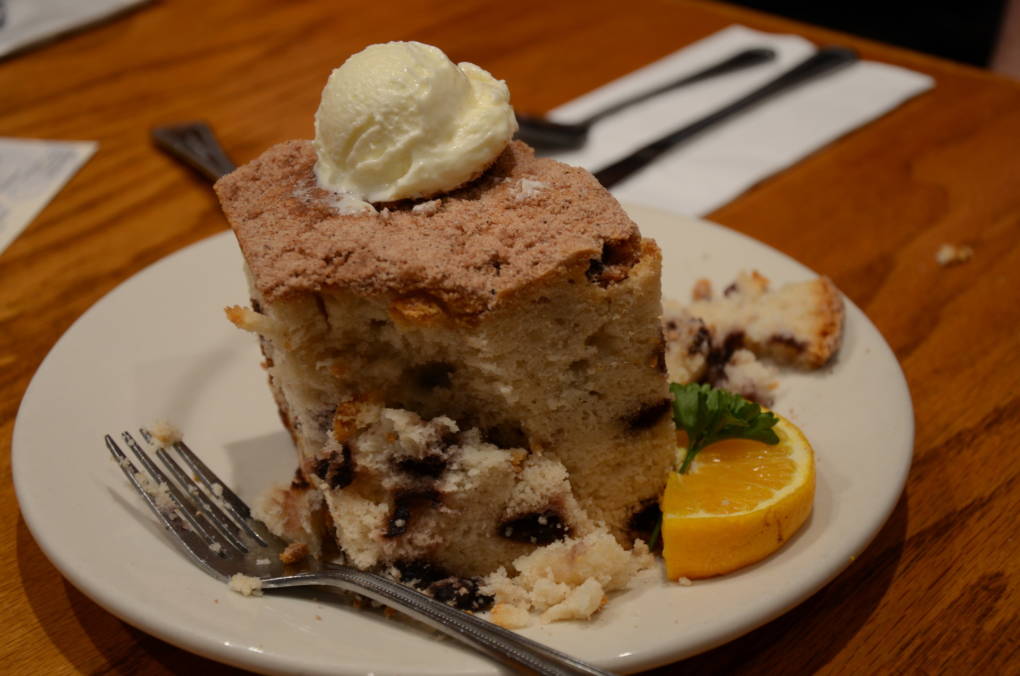
"caption": "Hobee's famous blueberry coffee cake was invented by Peter Taber in the restaurant's early years.",
"description": null,
"title": "RS26047_DSC_1214-qut",
"credit": "Ryan Levi/KQED",
"status": "inherit",
"isLoading": false,
"fetchFailed": false
},
"news_11592140": {
"type": "attachments",
"id": "news_11592140",
"meta": {
"index": "attachments_1716263798",
"site": "news",
"id": "11592140",
"found": true
},
"parent": 11572666,
"imgSizes": {
"small": {
"file": "https://ww2.kqed.org/app/uploads/sites/10/2017/07/ed-parks-as-steve-jobs-1-e1500943700620-520x293.jpg",
"width": 520,
"mimeType": "image/jpeg",
"height": 293
},
"twentyfourteen-full-width": {
"file": "https://ww2.kqed.org/app/uploads/sites/10/2017/07/ed-parks-as-steve-jobs-1-e1500943700620-1038x576.jpg",
"width": 1038,
"mimeType": "image/jpeg",
"height": 576
},
"thumbnail": {
"file": "https://ww2.kqed.org/app/uploads/sites/10/2017/07/ed-parks-as-steve-jobs-1-e1500943700620-160x90.jpg",
"width": 160,
"mimeType": "image/jpeg",
"height": 90
},
"fd-sm": {
"file": "https://ww2.kqed.org/app/uploads/sites/10/2017/07/ed-parks-as-steve-jobs-1-e1500943700620-960x540.jpg",
"width": 960,
"mimeType": "image/jpeg",
"height": 540
},
"post-thumbnail": {
"file": "https://ww2.kqed.org/app/uploads/sites/10/2017/07/ed-parks-as-steve-jobs-1-e1500943700620-672x372.jpg",
"width": 672,
"mimeType": "image/jpeg",
"height": 372
},
"xsmall": {
"file": "https://ww2.kqed.org/app/uploads/sites/10/2017/07/ed-parks-as-steve-jobs-1-e1500943700620-375x211.jpg",
"width": 375,
"mimeType": "image/jpeg",
"height": 211
},
"kqedFullSize": {
"file": "https://ww2.kqed.org/app/uploads/sites/10/2017/07/ed-parks-as-steve-jobs-1-e1500943700620.jpg",
"width": 3472,
"height": 1954
},
"large": {
"file": "https://ww2.kqed.org/app/uploads/sites/10/2017/07/ed-parks-as-steve-jobs-1-e1500943700620-1020x574.jpg",
"width": 1020,
"mimeType": "image/jpeg",
"height": 574
},
"xlarge": {
"file": "https://ww2.kqed.org/app/uploads/sites/10/2017/07/ed-parks-as-steve-jobs-1-e1500943700620-1180x664.jpg",
"width": 1180,
"mimeType": "image/jpeg",
"height": 664
},
"guest-author-50": {
"file": "https://ww2.kqed.org/app/uploads/sites/10/2017/07/ed-parks-as-steve-jobs-1-e1500943700620-50x50.jpg",
"width": 50,
"mimeType": "image/jpeg",
"height": 50
},
"guest-author-96": {
"file": "https://ww2.kqed.org/app/uploads/sites/10/2017/07/ed-parks-as-steve-jobs-1-e1500943700620-96x96.jpg",
"width": 96,
"mimeType": "image/jpeg",
"height": 96
},
"medium": {
"file": "https://ww2.kqed.org/app/uploads/sites/10/2017/07/ed-parks-as-steve-jobs-1-e1500943700620-800x450.jpg",
"width": 800,
"mimeType": "image/jpeg",
"height": 450
},
"guest-author-64": {
"file": "https://ww2.kqed.org/app/uploads/sites/10/2017/07/ed-parks-as-steve-jobs-1-e1500943700620-64x64.jpg",
"width": 64,
"mimeType": "image/jpeg",
"height": 64
},
"guest-author-32": {
"file": "https://ww2.kqed.org/app/uploads/sites/10/2017/07/ed-parks-as-steve-jobs-1-e1500943700620-32x32.jpg",
"width": 32,
"mimeType": "image/jpeg",
"height": 32
},
"fd-lrg": {
"file": "https://ww2.kqed.org/app/uploads/sites/10/2017/07/ed-parks-as-steve-jobs-1-e1500943700620-1920x1081.jpg",
"width": 1920,
"mimeType": "image/jpeg",
"height": 1081
},
"fd-med": {
"file": "https://ww2.kqed.org/app/uploads/sites/10/2017/07/ed-parks-as-steve-jobs-1-e1500943700620-1180x664.jpg",
"width": 1180,
"mimeType": "image/jpeg",
"height": 664
},
"full-width": {
"file": "https://ww2.kqed.org/app/uploads/sites/10/2017/07/ed-parks-as-steve-jobs-1-e1500943700620-1920x1081.jpg",
"width": 1920,
"mimeType": "image/jpeg",
"height": 1081
},
"detail": {
"file": "https://ww2.kqed.org/app/uploads/sites/10/2017/07/ed-parks-as-steve-jobs-1-e1500943700620-150x150.jpg",
"width": 150,
"mimeType": "image/jpeg",
"height": 150
},
"guest-author-128": {
"file": "https://ww2.kqed.org/app/uploads/sites/10/2017/07/ed-parks-as-steve-jobs-1-e1500943700620-128x128.jpg",
"width": 128,
"mimeType": "image/jpeg",
"height": 128
},
"xxsmall": {
"file": "https://ww2.kqed.org/app/uploads/sites/10/2017/07/ed-parks-as-steve-jobs-1-e1500943700620-240x135.jpg",
"width": 240,
"mimeType": "image/jpeg",
"height": 135
}
},
"publishDate": 1500943588,
"modified": 1500943692,
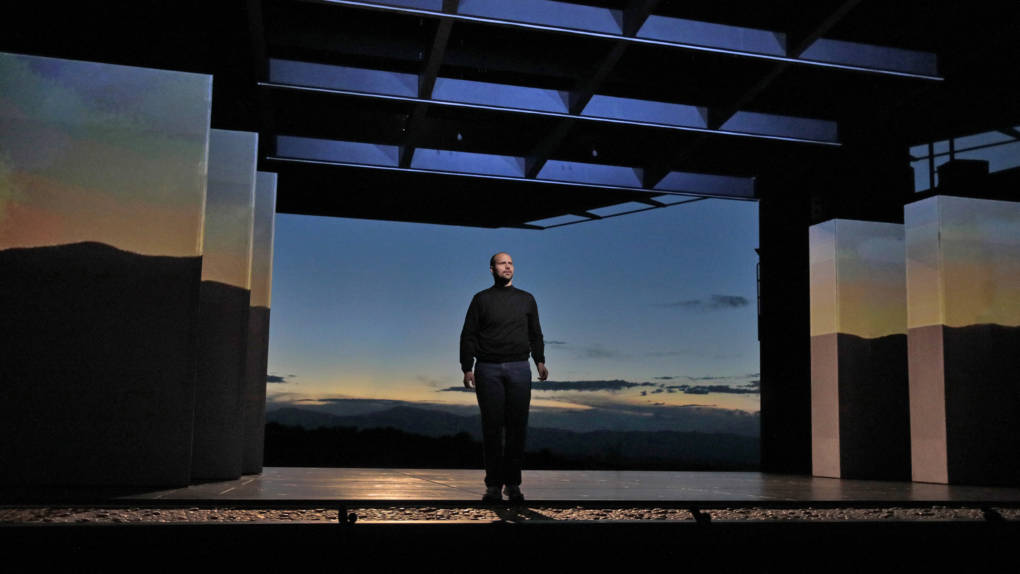
"caption": "Edward Parks as Steve Jobs in the new opera 'The (R)evolution of Steve Jobs by Bay Area composer Mason Bates.",
"description": "Edward Parks as Steve Jobs in the new opera 'The (R)evolution of Steve Jobs by Bay Area composer Mason Bates.",
"title": "ed parks as steve jobs",
"credit": "Photo: Ken Howard Courtesy of Santa Fe Opera",
"status": "inherit",
"isLoading": false,
"fetchFailed": false
},
"news_11524723": {
"type": "attachments",
"id": "news_11524723",
"meta": {
"index": "attachments_1716263798",
"site": "news",
"id": "11524723",
"found": true
},
"parent": 11524710,
"imgSizes": {
"small": {
"file": "https://ww2.kqed.org/app/uploads/sites/10/2017/06/RS25761_Sara_Schaefer-5_Online-qut-520x347.jpg",
"width": 520,
"mimeType": "image/jpeg",
"height": 347
},
"twentyfourteen-full-width": {
"file": "https://ww2.kqed.org/app/uploads/sites/10/2017/06/RS25761_Sara_Schaefer-5_Online-qut-1038x576.jpg",
"width": 1038,
"mimeType": "image/jpeg",
"height": 576
},
"thumbnail": {
"file": "https://ww2.kqed.org/app/uploads/sites/10/2017/06/RS25761_Sara_Schaefer-5_Online-qut-160x107.jpg",
"width": 160,
"mimeType": "image/jpeg",
"height": 107
},
"fd-sm": {
"file": "https://ww2.kqed.org/app/uploads/sites/10/2017/06/RS25761_Sara_Schaefer-5_Online-qut-960x640.jpg",
"width": 960,
"mimeType": "image/jpeg",
"height": 640
},
"post-thumbnail": {
"file": "https://ww2.kqed.org/app/uploads/sites/10/2017/06/RS25761_Sara_Schaefer-5_Online-qut-672x372.jpg",
"width": 672,
"mimeType": "image/jpeg",
"height": 372
},
"xsmall": {
"file": "https://ww2.kqed.org/app/uploads/sites/10/2017/06/RS25761_Sara_Schaefer-5_Online-qut-375x250.jpg",
"width": 375,
"mimeType": "image/jpeg",
"height": 250
},
"kqedFullSize": {
"file": "https://ww2.kqed.org/app/uploads/sites/10/2017/06/RS25761_Sara_Schaefer-5_Online-qut.jpg",
"width": 1920,
"height": 1280
},
"large": {
"file": "https://ww2.kqed.org/app/uploads/sites/10/2017/06/RS25761_Sara_Schaefer-5_Online-qut-1020x680.jpg",
"width": 1020,
"mimeType": "image/jpeg",
"height": 680
},
"xlarge": {
"file": "https://ww2.kqed.org/app/uploads/sites/10/2017/06/RS25761_Sara_Schaefer-5_Online-qut-1180x787.jpg",
"width": 1180,
"mimeType": "image/jpeg",
"height": 787
},
"guest-author-50": {
"file": "https://ww2.kqed.org/app/uploads/sites/10/2017/06/RS25761_Sara_Schaefer-5_Online-qut-50x50.jpg",
"width": 50,
"mimeType": "image/jpeg",
"height": 50
},
"guest-author-96": {
"file": "https://ww2.kqed.org/app/uploads/sites/10/2017/06/RS25761_Sara_Schaefer-5_Online-qut-96x96.jpg",
"width": 96,
"mimeType": "image/jpeg",
"height": 96
},
"medium": {
"file": "https://ww2.kqed.org/app/uploads/sites/10/2017/06/RS25761_Sara_Schaefer-5_Online-qut-800x533.jpg",
"width": 800,
"mimeType": "image/jpeg",
"height": 533
},
"guest-author-64": {
"file": "https://ww2.kqed.org/app/uploads/sites/10/2017/06/RS25761_Sara_Schaefer-5_Online-qut-64x64.jpg",
"width": 64,
"mimeType": "image/jpeg",
"height": 64
},
"guest-author-32": {
"file": "https://ww2.kqed.org/app/uploads/sites/10/2017/06/RS25761_Sara_Schaefer-5_Online-qut-32x32.jpg",
"width": 32,
"mimeType": "image/jpeg",
"height": 32
},
"fd-lrg": {
"file": "https://ww2.kqed.org/app/uploads/sites/10/2017/06/RS25761_Sara_Schaefer-5_Online-qut-1920x1280.jpg",
"width": 1920,
"mimeType": "image/jpeg",
"height": 1280
},
"fd-med": {
"file": "https://ww2.kqed.org/app/uploads/sites/10/2017/06/RS25761_Sara_Schaefer-5_Online-qut-1180x787.jpg",
"width": 1180,
"mimeType": "image/jpeg",
"height": 787
},
"full-width": {
"file": "https://ww2.kqed.org/app/uploads/sites/10/2017/06/RS25761_Sara_Schaefer-5_Online-qut-1920x1280.jpg",
"width": 1920,
"mimeType": "image/jpeg",
"height": 1280
},
"detail": {
"file": "https://ww2.kqed.org/app/uploads/sites/10/2017/06/RS25761_Sara_Schaefer-5_Online-qut-150x150.jpg",
"width": 150,
"mimeType": "image/jpeg",
"height": 150
},
"guest-author-128": {
"file": "https://ww2.kqed.org/app/uploads/sites/10/2017/06/RS25761_Sara_Schaefer-5_Online-qut-128x128.jpg",
"width": 128,
"mimeType": "image/jpeg",
"height": 128
},
"xxsmall": {
"file": "https://ww2.kqed.org/app/uploads/sites/10/2017/06/RS25761_Sara_Schaefer-5_Online-qut-240x160.jpg",
"width": 240,
"mimeType": "image/jpeg",
"height": 160
}
},
"publishDate": 1498085736,
"modified": 1500944115,
"caption": "Sara Schaefer has spent the first few months of the Trump presidency traveling around the U.S. performing stand-up at universities. The L.A.-based comic is trying out some new political comedy inspired by the era of Donald Trump. ",
"description": "Sara Schaefer spent the first few months traveling around the U.S. performing stand-up at universities. The L.A.-based comic is trying out some new political comedy inspired by the era of Donald Trump. ",
"title": "RS25761_Sara_Schaefer-5_Online-qut",
"credit": "Courtesy Kim Newmoney",
"status": "inherit",
"isLoading": false,
"fetchFailed": false
},
"news_11573016": {
"type": "attachments",
"id": "news_11573016",
"meta": {
"index": "attachments_1716263798",
"site": "news",
"id": "11573016",
"found": true
},
"parent": 11567779,
"imgSizes": {
"small": {
"file": "https://ww2.kqed.org/app/uploads/sites/10/2017/07/Morales1-520x321.jpg",
"width": 520,
"mimeType": "image/jpeg",
"height": 321
},
"twentyfourteen-full-width": {
"file": "https://ww2.kqed.org/app/uploads/sites/10/2017/07/Morales1-1038x576.jpg",
"width": 1038,
"mimeType": "image/jpeg",
"height": 576
},
"thumbnail": {
"file": "https://ww2.kqed.org/app/uploads/sites/10/2017/07/Morales1-160x99.jpg",
"width": 160,
"mimeType": "image/jpeg",
"height": 99
},
"fd-sm": {
"file": "https://ww2.kqed.org/app/uploads/sites/10/2017/07/Morales1-960x592.jpg",
"width": 960,
"mimeType": "image/jpeg",
"height": 592
},
"post-thumbnail": {
"file": "https://ww2.kqed.org/app/uploads/sites/10/2017/07/Morales1-672x372.jpg",
"width": 672,
"mimeType": "image/jpeg",
"height": 372
},
"xsmall": {
"file": "https://ww2.kqed.org/app/uploads/sites/10/2017/07/Morales1-375x231.jpg",
"width": 375,
"mimeType": "image/jpeg",
"height": 231
},
"kqedFullSize": {
"file": "https://ww2.kqed.org/app/uploads/sites/10/2017/07/Morales1.jpg",
"width": 1920,
"height": 1184
},
"large": {
"file": "https://ww2.kqed.org/app/uploads/sites/10/2017/07/Morales1-1020x629.jpg",
"width": 1020,
"mimeType": "image/jpeg",
"height": 629
},
"xlarge": {
"file": "https://ww2.kqed.org/app/uploads/sites/10/2017/07/Morales1-1180x728.jpg",
"width": 1180,
"mimeType": "image/jpeg",
"height": 728
},
"guest-author-50": {
"file": "https://ww2.kqed.org/app/uploads/sites/10/2017/07/Morales1-50x50.jpg",
"width": 50,
"mimeType": "image/jpeg",
"height": 50
},
"guest-author-96": {
"file": "https://ww2.kqed.org/app/uploads/sites/10/2017/07/Morales1-96x96.jpg",
"width": 96,
"mimeType": "image/jpeg",
"height": 96
},
"medium": {
"file": "https://ww2.kqed.org/app/uploads/sites/10/2017/07/Morales1-800x493.jpg",
"width": 800,
"mimeType": "image/jpeg",
"height": 493
},
"guest-author-64": {
"file": "https://ww2.kqed.org/app/uploads/sites/10/2017/07/Morales1-64x64.jpg",
"width": 64,
"mimeType": "image/jpeg",
"height": 64
},
"guest-author-32": {
"file": "https://ww2.kqed.org/app/uploads/sites/10/2017/07/Morales1-32x32.jpg",
"width": 32,
"mimeType": "image/jpeg",
"height": 32
},
"fd-lrg": {
"file": "https://ww2.kqed.org/app/uploads/sites/10/2017/07/Morales1-1920x1184.jpg",
"width": 1920,
"mimeType": "image/jpeg",
"height": 1184
},
"fd-med": {
"file": "https://ww2.kqed.org/app/uploads/sites/10/2017/07/Morales1-1180x728.jpg",
"width": 1180,
"mimeType": "image/jpeg",
"height": 728
},
"full-width": {
"file": "https://ww2.kqed.org/app/uploads/sites/10/2017/07/Morales1-1920x1184.jpg",
"width": 1920,
"mimeType": "image/jpeg",
"height": 1184
},
"detail": {
"file": "https://ww2.kqed.org/app/uploads/sites/10/2017/07/Morales1-150x150.jpg",
"width": 150,
"mimeType": "image/jpeg",
"height": 150
},
"guest-author-128": {
"file": "https://ww2.kqed.org/app/uploads/sites/10/2017/07/Morales1-128x128.jpg",
"width": 128,
"mimeType": "image/jpeg",
"height": 128
},
"xxsmall": {
"file": "https://ww2.kqed.org/app/uploads/sites/10/2017/07/Morales1-240x148.jpg",
"width": 240,
"mimeType": "image/jpeg",
"height": 148
}
},
"publishDate": 1500328580,
"modified": 1500328615,
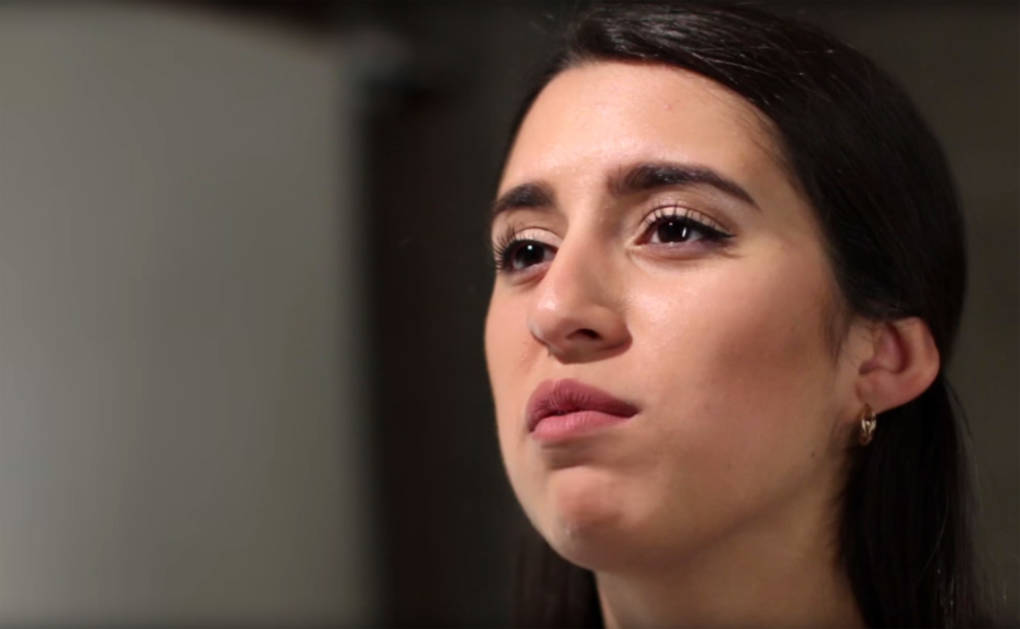
"caption": "Xochitl Morales",
"description": "Xochitl Morales",
"title": "Morales1",
"credit": "YouTube",
"status": "inherit",
"isLoading": false,
"fetchFailed": false
},
"arts_13653319": {
"type": "attachments",
"id": "arts_13653319",
"meta": {
"index": "attachments_1716263798",
"site": "arts",
"id": "13653319",
"found": true
},
"parent": 13653108,
"imgSizes": {
"small": {
"file": "https://ww2.kqed.org/app/uploads/sites/2/2017/07/Screen-Shot-2017-07-07-at-1.14.16-PM-520x293.jpg",
"width": 520,
"mimeType": "image/jpeg",
"height": 293
},
"twentyfourteen-full-width": {
"file": "https://ww2.kqed.org/app/uploads/sites/2/2017/07/Screen-Shot-2017-07-07-at-1.14.16-PM-1038x576.jpg",
"width": 1038,
"mimeType": "image/jpeg",
"height": 576
},
"thumbnail": {
"file": "https://ww2.kqed.org/app/uploads/sites/2/2017/07/Screen-Shot-2017-07-07-at-1.14.16-PM-160x90.jpg",
"width": 160,
"mimeType": "image/jpeg",
"height": 90
},
"fd-sm": {
"file": "https://ww2.kqed.org/app/uploads/sites/2/2017/07/Screen-Shot-2017-07-07-at-1.14.16-PM-960x540.jpg",
"width": 960,
"mimeType": "image/jpeg",
"height": 540
},
"post-thumbnail": {
"file": "https://ww2.kqed.org/app/uploads/sites/2/2017/07/Screen-Shot-2017-07-07-at-1.14.16-PM-672x372.jpg",
"width": 672,
"mimeType": "image/jpeg",
"height": 372
},
"xsmall": {
"file": "https://ww2.kqed.org/app/uploads/sites/2/2017/07/Screen-Shot-2017-07-07-at-1.14.16-PM-375x211.jpg",
"width": 375,
"mimeType": "image/jpeg",
"height": 211
},
"kqedFullSize": {
"file": "https://ww2.kqed.org/app/uploads/sites/2/2017/07/Screen-Shot-2017-07-07-at-1.14.16-PM.jpg",
"width": 1347,
"height": 758
},
"large": {
"file": "https://ww2.kqed.org/app/uploads/sites/2/2017/07/Screen-Shot-2017-07-07-at-1.14.16-PM-1020x574.jpg",
"width": 1020,
"mimeType": "image/jpeg",
"height": 574
},
"xlarge": {
"file": "https://ww2.kqed.org/app/uploads/sites/2/2017/07/Screen-Shot-2017-07-07-at-1.14.16-PM-1180x664.jpg",
"width": 1180,
"mimeType": "image/jpeg",
"height": 664
},
"guest-author-50": {
"file": "https://ww2.kqed.org/app/uploads/sites/2/2017/07/Screen-Shot-2017-07-07-at-1.14.16-PM-50x50.jpg",
"width": 50,
"mimeType": "image/jpeg",
"height": 50
},
"guest-author-96": {
"file": "https://ww2.kqed.org/app/uploads/sites/2/2017/07/Screen-Shot-2017-07-07-at-1.14.16-PM-96x96.jpg",
"width": 96,
"mimeType": "image/jpeg",
"height": 96
},
"medium": {
"file": "https://ww2.kqed.org/app/uploads/sites/2/2017/07/Screen-Shot-2017-07-07-at-1.14.16-PM-800x450.jpg",
"width": 800,
"mimeType": "image/jpeg",
"height": 450
},
"guest-author-64": {
"file": "https://ww2.kqed.org/app/uploads/sites/2/2017/07/Screen-Shot-2017-07-07-at-1.14.16-PM-64x64.jpg",
"width": 64,
"mimeType": "image/jpeg",
"height": 64
},
"guest-author-32": {
"file": "https://ww2.kqed.org/app/uploads/sites/2/2017/07/Screen-Shot-2017-07-07-at-1.14.16-PM-32x32.jpg",
"width": 32,
"mimeType": "image/jpeg",
"height": 32
},
"fd-med": {
"file": "https://ww2.kqed.org/app/uploads/sites/2/2017/07/Screen-Shot-2017-07-07-at-1.14.16-PM-1180x664.jpg",
"width": 1180,
"mimeType": "image/jpeg",
"height": 664
},
"detail": {
"file": "https://ww2.kqed.org/app/uploads/sites/2/2017/07/Screen-Shot-2017-07-07-at-1.14.16-PM-150x150.jpg",
"width": 150,
"mimeType": "image/jpeg",
"height": 150
},
"medium_large": {
"file": "https://ww2.kqed.org/app/uploads/sites/2/2017/07/Screen-Shot-2017-07-07-at-1.14.16-PM-768x432.jpg",
"width": 768,
"mimeType": "image/jpeg",
"height": 432
},
"guest-author-128": {
"file": "https://ww2.kqed.org/app/uploads/sites/2/2017/07/Screen-Shot-2017-07-07-at-1.14.16-PM-128x128.jpg",
"width": 128,
"mimeType": "image/jpeg",
"height": 128
},
"xxsmall": {
"file": "https://ww2.kqed.org/app/uploads/sites/2/2017/07/Screen-Shot-2017-07-07-at-1.14.16-PM-240x135.jpg",
"width": 240,
"mimeType": "image/jpeg",
"height": 135
}
},
"publishDate": 1499974688,
"modified": 1499975618,
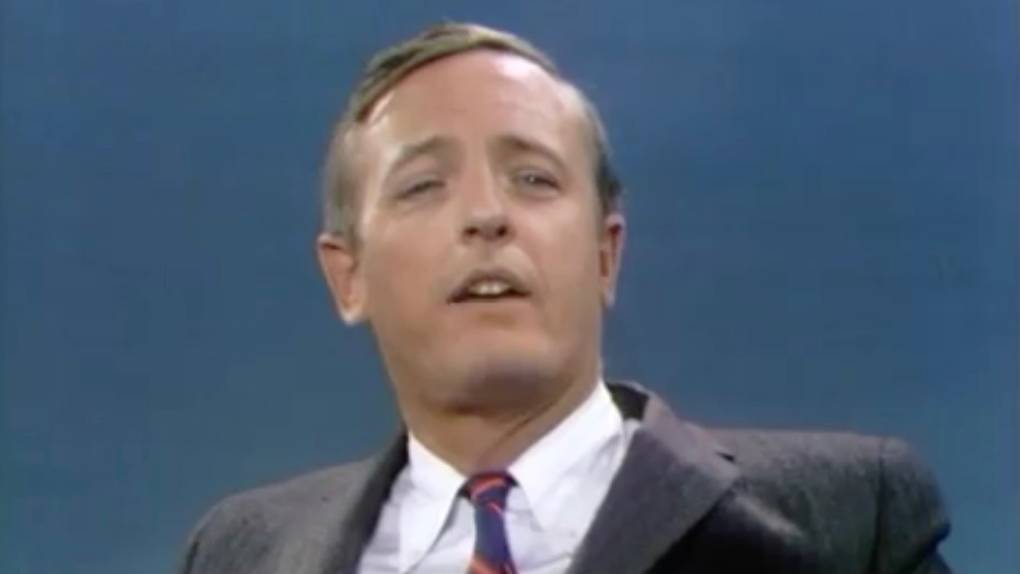
"caption": "William F. Buckley, Jr., hosting Firing Line (Episode 42, \"Academic Freedom and Berkeley\")",
"description": "William F. Buckley, Jr., hosting Firing Line (Episode 42, \"Academic Freedom and Berkeley\")",
"title": "Screen Shot 2017-07-07 at 1.14.16 PM",
"credit": "Photo: Courtesy of Hoover Institution Archives",
"status": "inherit",
"isLoading": false,
"fetchFailed": false
},
"news_11568045": {
"type": "attachments",
"id": "news_11568045",
"meta": {
"index": "attachments_1716263798",
"site": "news",
"id": "11568045",
"found": true
},
"parent": 11512311,
"imgSizes": {
"small": {
"file": "https://ww2.kqed.org/app/uploads/sites/10/2017/07/NoLongerNameless1-520x270.jpg",
"width": 520,
"mimeType": "image/jpeg",
"height": 270
},
"twentyfourteen-full-width": {
"file": "https://ww2.kqed.org/app/uploads/sites/10/2017/07/NoLongerNameless1-1038x576.jpg",
"width": 1038,
"mimeType": "image/jpeg",
"height": 576
},
"thumbnail": {
"file": "https://ww2.kqed.org/app/uploads/sites/10/2017/07/NoLongerNameless1-160x83.jpg",
"width": 160,
"mimeType": "image/jpeg",
"height": 83
},
"fd-sm": {
"file": "https://ww2.kqed.org/app/uploads/sites/10/2017/07/NoLongerNameless1-960x499.jpg",
"width": 960,
"mimeType": "image/jpeg",
"height": 499
},
"post-thumbnail": {
"file": "https://ww2.kqed.org/app/uploads/sites/10/2017/07/NoLongerNameless1-672x372.jpg",
"width": 672,
"mimeType": "image/jpeg",
"height": 372
},
"xsmall": {
"file": "https://ww2.kqed.org/app/uploads/sites/10/2017/07/NoLongerNameless1-375x195.jpg",
"width": 375,
"mimeType": "image/jpeg",
"height": 195
},
"kqedFullSize": {
"file": "https://ww2.kqed.org/app/uploads/sites/10/2017/07/NoLongerNameless1.jpg",
"width": 1920,
"height": 997
},
"large": {
"file": "https://ww2.kqed.org/app/uploads/sites/10/2017/07/NoLongerNameless1-1020x530.jpg",
"width": 1020,
"mimeType": "image/jpeg",
"height": 530
},
"xlarge": {
"file": "https://ww2.kqed.org/app/uploads/sites/10/2017/07/NoLongerNameless1-1180x613.jpg",
"width": 1180,
"mimeType": "image/jpeg",
"height": 613
},
"guest-author-50": {
"file": "https://ww2.kqed.org/app/uploads/sites/10/2017/07/NoLongerNameless1-50x50.jpg",
"width": 50,
"mimeType": "image/jpeg",
"height": 50
},
"guest-author-96": {
"file": "https://ww2.kqed.org/app/uploads/sites/10/2017/07/NoLongerNameless1-96x96.jpg",
"width": 96,
"mimeType": "image/jpeg",
"height": 96
},
"medium": {
"file": "https://ww2.kqed.org/app/uploads/sites/10/2017/07/NoLongerNameless1-800x415.jpg",
"width": 800,
"mimeType": "image/jpeg",
"height": 415
},
"guest-author-64": {
"file": "https://ww2.kqed.org/app/uploads/sites/10/2017/07/NoLongerNameless1-64x64.jpg",
"width": 64,
"mimeType": "image/jpeg",
"height": 64
},
"guest-author-32": {
"file": "https://ww2.kqed.org/app/uploads/sites/10/2017/07/NoLongerNameless1-32x32.jpg",
"width": 32,
"mimeType": "image/jpeg",
"height": 32
},
"fd-lrg": {
"file": "https://ww2.kqed.org/app/uploads/sites/10/2017/07/NoLongerNameless1-1920x997.jpg",
"width": 1920,
"mimeType": "image/jpeg",
"height": 997
},
"fd-med": {
"file": "https://ww2.kqed.org/app/uploads/sites/10/2017/07/NoLongerNameless1-1180x613.jpg",
"width": 1180,
"mimeType": "image/jpeg",
"height": 613
},
"full-width": {
"file": "https://ww2.kqed.org/app/uploads/sites/10/2017/07/NoLongerNameless1-1920x997.jpg",
"width": 1920,
"mimeType": "image/jpeg",
"height": 997
},
"detail": {
"file": "https://ww2.kqed.org/app/uploads/sites/10/2017/07/NoLongerNameless1-150x150.jpg",
"width": 150,
"mimeType": "image/jpeg",
"height": 150
},
"guest-author-128": {
"file": "https://ww2.kqed.org/app/uploads/sites/10/2017/07/NoLongerNameless1-128x128.jpg",
"width": 128,
"mimeType": "image/jpeg",
"height": 128
},
"xxsmall": {
"file": "https://ww2.kqed.org/app/uploads/sites/10/2017/07/NoLongerNameless1-240x125.jpg",
"width": 240,
"mimeType": "image/jpeg",
"height": 125
}
},
"publishDate": 1500070484,
"modified": 1500076813,
"caption": "A video for Lance Canales and the Flood's version of Woody Guthrie’s ballad 'Deportee' features author Tim Z. Hernandez whispering the names of those who died in the 1948 plane crash, and of people holding signs painted with those names.",
"description": "A video for Lance Canales and the Flood's version of Woodie Guthrie’s ballad 'Deportee' features author Tim Z. Hernandez whispering the names of those who died in the 1948 plane crash, and of people holding signs painted with those names.",
"title": "NoLongerNameless1",
"credit": "YouTube",
"status": "inherit",
"isLoading": false,
"fetchFailed": false
},
"news_11552704": {
"type": "attachments",
"id": "news_11552704",
"meta": {
"index": "attachments_1716263798",
"site": "news",
"id": "11552704",
"found": true
},
"parent": 11552702,
"imgSizes": {
"small": {
"file": "https://ww2.kqed.org/app/uploads/sites/10/2017/07/summer_vaca-1-520x520.jpg",
"width": 520,
"mimeType": "image/jpeg",
"height": 520
},
"twentyfourteen-full-width": {
"file": "https://ww2.kqed.org/app/uploads/sites/10/2017/07/summer_vaca-1-1038x576.jpg",
"width": 1038,
"mimeType": "image/jpeg",
"height": 576
},
"thumbnail": {
"file": "https://ww2.kqed.org/app/uploads/sites/10/2017/07/summer_vaca-1-160x160.jpg",
"width": 160,
"mimeType": "image/jpeg",
"height": 160
},
"fd-sm": {
"file": "https://ww2.kqed.org/app/uploads/sites/10/2017/07/summer_vaca-1-960x960.jpg",
"width": 960,
"mimeType": "image/jpeg",
"height": 960
},
"post-thumbnail": {
"file": "https://ww2.kqed.org/app/uploads/sites/10/2017/07/summer_vaca-1-672x372.jpg",
"width": 672,
"mimeType": "image/jpeg",
"height": 372
},
"xsmall": {
"file": "https://ww2.kqed.org/app/uploads/sites/10/2017/07/summer_vaca-1-375x375.jpg",
"width": 375,
"mimeType": "image/jpeg",
"height": 375
},
"kqedFullSize": {
"file": "https://ww2.kqed.org/app/uploads/sites/10/2017/07/summer_vaca-1.jpg",
"width": 1920,
"height": 1920
},
"large": {
"file": "https://ww2.kqed.org/app/uploads/sites/10/2017/07/summer_vaca-1-1020x1020.jpg",
"width": 1020,
"mimeType": "image/jpeg",
"height": 1020
},
"xlarge": {
"file": "https://ww2.kqed.org/app/uploads/sites/10/2017/07/summer_vaca-1-1180x1180.jpg",
"width": 1180,
"mimeType": "image/jpeg",
"height": 1180
},
"guest-author-50": {
"file": "https://ww2.kqed.org/app/uploads/sites/10/2017/07/summer_vaca-1-50x50.jpg",
"width": 50,
"mimeType": "image/jpeg",
"height": 50
},
"guest-author-96": {
"file": "https://ww2.kqed.org/app/uploads/sites/10/2017/07/summer_vaca-1-96x96.jpg",
"width": 96,
"mimeType": "image/jpeg",
"height": 96
},
"medium": {
"file": "https://ww2.kqed.org/app/uploads/sites/10/2017/07/summer_vaca-1-800x800.jpg",
"width": 800,
"mimeType": "image/jpeg",
"height": 800
},
"guest-author-64": {
"file": "https://ww2.kqed.org/app/uploads/sites/10/2017/07/summer_vaca-1-64x64.jpg",
"width": 64,
"mimeType": "image/jpeg",
"height": 64
},
"guest-author-32": {
"file": "https://ww2.kqed.org/app/uploads/sites/10/2017/07/summer_vaca-1-32x32.jpg",
"width": 32,
"mimeType": "image/jpeg",
"height": 32
},
"fd-lrg": {
"file": "https://ww2.kqed.org/app/uploads/sites/10/2017/07/summer_vaca-1-1920x1920.jpg",
"width": 1920,
"mimeType": "image/jpeg",
"height": 1920
},
"fd-med": {
"file": "https://ww2.kqed.org/app/uploads/sites/10/2017/07/summer_vaca-1-1180x1180.jpg",
"width": 1180,
"mimeType": "image/jpeg",
"height": 1180
},
"full-width": {
"file": "https://ww2.kqed.org/app/uploads/sites/10/2017/07/summer_vaca-1-1920x1920.jpg",
"width": 1920,
"mimeType": "image/jpeg",
"height": 1920
},
"detail": {
"file": "https://ww2.kqed.org/app/uploads/sites/10/2017/07/summer_vaca-1-150x150.jpg",
"width": 150,
"mimeType": "image/jpeg",
"height": 150
},
"guest-author-128": {
"file": "https://ww2.kqed.org/app/uploads/sites/10/2017/07/summer_vaca-1-128x128.jpg",
"width": 128,
"mimeType": "image/jpeg",
"height": 128
},
"xxsmall": {
"file": "https://ww2.kqed.org/app/uploads/sites/10/2017/07/summer_vaca-1-240x240.jpg",
"width": 240,
"mimeType": "image/jpeg",
"height": 240
}
},
"publishDate": 1499404193,
"modified": 1499404225,
"caption": null,
"description": null,
"title": "summer_vaca",
"credit": null,
"status": "inherit",
"isLoading": false,
"fetchFailed": false
},
"news_11552152": {
"type": "attachments",
"id": "news_11552152",
"meta": {
"index": "attachments_1716263798",
"site": "news",
"id": "11552152",
"found": true
},
"parent": 11551947,
"imgSizes": {
"small": {
"file": "https://ww2.kqed.org/app/uploads/sites/10/2017/07/RS25563_20170524_Rosicrucian_credit_BertJohnson-8-qut-520x347.jpg",
"width": 520,
"mimeType": "image/jpeg",
"height": 347
},
"twentyfourteen-full-width": {
"file": "https://ww2.kqed.org/app/uploads/sites/10/2017/07/RS25563_20170524_Rosicrucian_credit_BertJohnson-8-qut-1038x576.jpg",
"width": 1038,
"mimeType": "image/jpeg",
"height": 576
},
"thumbnail": {
"file": "https://ww2.kqed.org/app/uploads/sites/10/2017/07/RS25563_20170524_Rosicrucian_credit_BertJohnson-8-qut-160x107.jpg",
"width": 160,
"mimeType": "image/jpeg",
"height": 107
},
"fd-sm": {
"file": "https://ww2.kqed.org/app/uploads/sites/10/2017/07/RS25563_20170524_Rosicrucian_credit_BertJohnson-8-qut-960x640.jpg",
"width": 960,
"mimeType": "image/jpeg",
"height": 640
},
"post-thumbnail": {
"file": "https://ww2.kqed.org/app/uploads/sites/10/2017/07/RS25563_20170524_Rosicrucian_credit_BertJohnson-8-qut-672x372.jpg",
"width": 672,
"mimeType": "image/jpeg",
"height": 372
},
"xsmall": {
"file": "https://ww2.kqed.org/app/uploads/sites/10/2017/07/RS25563_20170524_Rosicrucian_credit_BertJohnson-8-qut-375x250.jpg",
"width": 375,
"mimeType": "image/jpeg",
"height": 250
},
"kqedFullSize": {
"file": "https://ww2.kqed.org/app/uploads/sites/10/2017/07/RS25563_20170524_Rosicrucian_credit_BertJohnson-8-qut.jpg",
"width": 1920,
"height": 1280
},
"large": {
"file": "https://ww2.kqed.org/app/uploads/sites/10/2017/07/RS25563_20170524_Rosicrucian_credit_BertJohnson-8-qut-1020x680.jpg",
"width": 1020,
"mimeType": "image/jpeg",
"height": 680
},
"xlarge": {
"file": "https://ww2.kqed.org/app/uploads/sites/10/2017/07/RS25563_20170524_Rosicrucian_credit_BertJohnson-8-qut-1180x787.jpg",
"width": 1180,
"mimeType": "image/jpeg",
"height": 787
},
"guest-author-50": {
"file": "https://ww2.kqed.org/app/uploads/sites/10/2017/07/RS25563_20170524_Rosicrucian_credit_BertJohnson-8-qut-50x50.jpg",
"width": 50,
"mimeType": "image/jpeg",
"height": 50
},
"guest-author-96": {
"file": "https://ww2.kqed.org/app/uploads/sites/10/2017/07/RS25563_20170524_Rosicrucian_credit_BertJohnson-8-qut-96x96.jpg",
"width": 96,
"mimeType": "image/jpeg",
"height": 96
},
"medium": {
"file": "https://ww2.kqed.org/app/uploads/sites/10/2017/07/RS25563_20170524_Rosicrucian_credit_BertJohnson-8-qut-800x533.jpg",
"width": 800,
"mimeType": "image/jpeg",
"height": 533
},
"guest-author-64": {
"file": "https://ww2.kqed.org/app/uploads/sites/10/2017/07/RS25563_20170524_Rosicrucian_credit_BertJohnson-8-qut-64x64.jpg",
"width": 64,
"mimeType": "image/jpeg",
"height": 64
},
"guest-author-32": {
"file": "https://ww2.kqed.org/app/uploads/sites/10/2017/07/RS25563_20170524_Rosicrucian_credit_BertJohnson-8-qut-32x32.jpg",
"width": 32,
"mimeType": "image/jpeg",
"height": 32
},
"fd-lrg": {
"file": "https://ww2.kqed.org/app/uploads/sites/10/2017/07/RS25563_20170524_Rosicrucian_credit_BertJohnson-8-qut-1920x1280.jpg",
"width": 1920,
"mimeType": "image/jpeg",
"height": 1280
},
"fd-med": {
"file": "https://ww2.kqed.org/app/uploads/sites/10/2017/07/RS25563_20170524_Rosicrucian_credit_BertJohnson-8-qut-1180x787.jpg",
"width": 1180,
"mimeType": "image/jpeg",
"height": 787
},
"full-width": {
"file": "https://ww2.kqed.org/app/uploads/sites/10/2017/07/RS25563_20170524_Rosicrucian_credit_BertJohnson-8-qut-1920x1280.jpg",
"width": 1920,
"mimeType": "image/jpeg",
"height": 1280
},
"detail": {
"file": "https://ww2.kqed.org/app/uploads/sites/10/2017/07/RS25563_20170524_Rosicrucian_credit_BertJohnson-8-qut-150x150.jpg",
"width": 150,
"mimeType": "image/jpeg",
"height": 150
},
"guest-author-128": {
"file": "https://ww2.kqed.org/app/uploads/sites/10/2017/07/RS25563_20170524_Rosicrucian_credit_BertJohnson-8-qut-128x128.jpg",
"width": 128,
"mimeType": "image/jpeg",
"height": 128
},
"xxsmall": {
"file": "https://ww2.kqed.org/app/uploads/sites/10/2017/07/RS25563_20170524_Rosicrucian_credit_BertJohnson-8-qut-240x160.jpg",
"width": 240,
"mimeType": "image/jpeg",
"height": 160
}
},
"publishDate": 1499384175,
"modified": 1499819782,
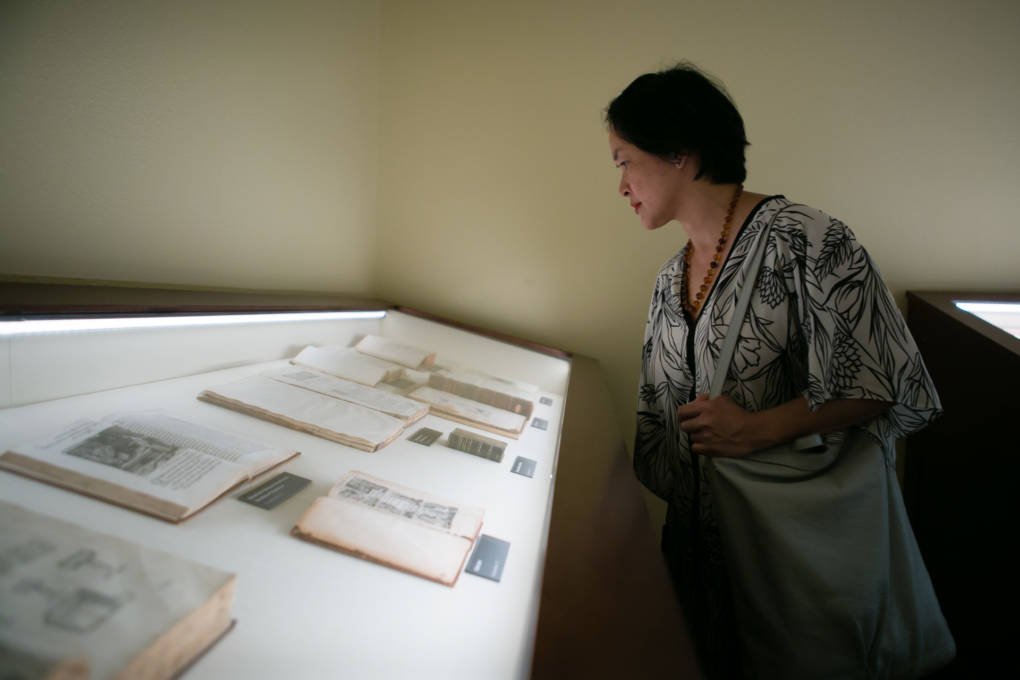
"caption": "The research library at Rosicrucian Park includes ancient texts dating back to the Renaissance era in Europe.",
"description": null,
"title": "RS25563_20170524_Rosicrucian_credit_BertJohnson-8-qut",
"credit": "Bert Johnson/KQED",
"status": "inherit",
"isLoading": false,
"fetchFailed": false
},
"news_11552700": {
"type": "attachments",
"id": "news_11552700",
"meta": {
"index": "attachments_1716263798",
"site": "news",
"id": "11552700",
"found": true
},
"parent": 11552626,
"imgSizes": {
"small": {
"file": "https://ww2.kqed.org/app/uploads/sites/10/2017/07/techsummer_vacation-520x520.jpg",
"width": 520,
"mimeType": "image/jpeg",
"height": 520
},
"twentyfourteen-full-width": {
"file": "https://ww2.kqed.org/app/uploads/sites/10/2017/07/techsummer_vacation-1038x576.jpg",
"width": 1038,
"mimeType": "image/jpeg",
"height": 576
},
"thumbnail": {
"file": "https://ww2.kqed.org/app/uploads/sites/10/2017/07/techsummer_vacation-160x160.jpg",
"width": 160,
"mimeType": "image/jpeg",
"height": 160
},
"fd-sm": {
"file": "https://ww2.kqed.org/app/uploads/sites/10/2017/07/techsummer_vacation-960x960.jpg",
"width": 960,
"mimeType": "image/jpeg",
"height": 960
},
"post-thumbnail": {
"file": "https://ww2.kqed.org/app/uploads/sites/10/2017/07/techsummer_vacation-672x372.jpg",
"width": 672,
"mimeType": "image/jpeg",
"height": 372
},
"xsmall": {
"file": "https://ww2.kqed.org/app/uploads/sites/10/2017/07/techsummer_vacation-375x375.jpg",
"width": 375,
"mimeType": "image/jpeg",
"height": 375
},
"kqedFullSize": {
"file": "https://ww2.kqed.org/app/uploads/sites/10/2017/07/techsummer_vacation.jpg",
"width": 1920,
"height": 1920
},
"large": {
"file": "https://ww2.kqed.org/app/uploads/sites/10/2017/07/techsummer_vacation-1020x1020.jpg",
"width": 1020,
"mimeType": "image/jpeg",
"height": 1020
},
"xlarge": {
"file": "https://ww2.kqed.org/app/uploads/sites/10/2017/07/techsummer_vacation-1180x1180.jpg",
"width": 1180,
"mimeType": "image/jpeg",
"height": 1180
},
"guest-author-50": {
"file": "https://ww2.kqed.org/app/uploads/sites/10/2017/07/techsummer_vacation-50x50.jpg",
"width": 50,
"mimeType": "image/jpeg",
"height": 50
},
"guest-author-96": {
"file": "https://ww2.kqed.org/app/uploads/sites/10/2017/07/techsummer_vacation-96x96.jpg",
"width": 96,
"mimeType": "image/jpeg",
"height": 96
},
"medium": {
"file": "https://ww2.kqed.org/app/uploads/sites/10/2017/07/techsummer_vacation-800x800.jpg",
"width": 800,
"mimeType": "image/jpeg",
"height": 800
},
"guest-author-64": {
"file": "https://ww2.kqed.org/app/uploads/sites/10/2017/07/techsummer_vacation-64x64.jpg",
"width": 64,
"mimeType": "image/jpeg",
"height": 64
},
"guest-author-32": {
"file": "https://ww2.kqed.org/app/uploads/sites/10/2017/07/techsummer_vacation-32x32.jpg",
"width": 32,
"mimeType": "image/jpeg",
"height": 32
},
"fd-lrg": {
"file": "https://ww2.kqed.org/app/uploads/sites/10/2017/07/techsummer_vacation-1920x1920.jpg",
"width": 1920,
"mimeType": "image/jpeg",
"height": 1920
},
"fd-med": {
"file": "https://ww2.kqed.org/app/uploads/sites/10/2017/07/techsummer_vacation-1180x1180.jpg",
"width": 1180,
"mimeType": "image/jpeg",
"height": 1180
},
"full-width": {
"file": "https://ww2.kqed.org/app/uploads/sites/10/2017/07/techsummer_vacation-1920x1920.jpg",
"width": 1920,
"mimeType": "image/jpeg",
"height": 1920
},
"detail": {
"file": "https://ww2.kqed.org/app/uploads/sites/10/2017/07/techsummer_vacation-150x150.jpg",
"width": 150,
"mimeType": "image/jpeg",
"height": 150
},
"guest-author-128": {
"file": "https://ww2.kqed.org/app/uploads/sites/10/2017/07/techsummer_vacation-128x128.jpg",
"width": 128,
"mimeType": "image/jpeg",
"height": 128
},
"xxsmall": {
"file": "https://ww2.kqed.org/app/uploads/sites/10/2017/07/techsummer_vacation-240x240.jpg",
"width": 240,
"mimeType": "image/jpeg",
"height": 240
}
},
"publishDate": 1499403680,
"modified": 1499403709,
"caption": null,
"description": null,
"title": "techsummer_vacation",
"credit": null,
"status": "inherit",
"isLoading": false,
"fetchFailed": false
}
},
"audioPlayerReducer": {
"postId": "stream_live",
"isPaused": true,
"isPlaying": false,
"pfsActive": false,
"pledgeModalIsOpen": true,
"playerDrawerIsOpen": false,
"liveAudioPlayStartedAt": 0,
"liveAudioPlayContext": ""
},
"authorsReducer": {
"byline_news_11524710": {
"type": "authors",
"id": "byline_news_11524710",
"meta": {
"override": true
},
"slug": "byline_news_11524710",
"name": "Joanna Clay",
"isLoading": false
},
"kqed": {
"type": "authors",
"id": "236",
"meta": {
"index": "authors_1716337520",
"id": "236",
"found": true
},
"name": "KQED News Staff",
"firstName": "KQED News Staff",
"lastName": null,
"slug": "kqed",
"email": "faq@kqed.org",
"display_author_email": false,
"staff_mastheads": [],
"title": null,
"bio": null,
"avatar": "https://secure.gravatar.com/avatar/ef0e801a68c4c54afa9180db14084167?s=600&d=blank&r=g",
"twitter": null,
"facebook": null,
"instagram": null,
"linkedin": null,
"sites": [
{
"site": "arts",
"roles": [
"contributor"
]
},
{
"site": "news",
"roles": [
"editor"
]
},
{
"site": "futureofyou",
"roles": [
"author"
]
}
],
"headData": {
"title": "KQED News Staff | KQED",
"description": null,
"ogImgSrc": "https://secure.gravatar.com/avatar/ef0e801a68c4c54afa9180db14084167?s=600&d=blank&r=g",
"twImgSrc": "https://secure.gravatar.com/avatar/ef0e801a68c4c54afa9180db14084167?s=600&d=blank&r=g"
},
"isLoading": false,
"link": "/author/kqed"
},
"rachael-myrow": {
"type": "authors",
"id": "251",
"meta": {
"index": "authors_1716337520",
"id": "251",
"found": true
},
"name": "Rachael Myrow",
"firstName": "Rachael",
"lastName": "Myrow",
"slug": "rachael-myrow",
"email": "rmyrow@kqed.org",
"display_author_email": true,
"staff_mastheads": [
"news"
],
"title": "Senior Editor of KQED's Silicon Valley News Desk",
"bio": "• I write and edit stories about how Silicon Valley power and policies shape everyday life in California. I’m also passionate about making Bay Area history and culture more accessible to a broad public. • I’ve been a journalist for most of my life, starting in high school with The Franklin Press in Los Angeles, where I grew up. While earning my first degree in English at UC Berkeley, I got my start in public radio at KALX-FM. After completing a second degree in journalism at Cal, I landed my first professional job at Marketplace, then moved on to KPCC (now LAist), and then KQED, where I hosted The California Report for more than seven years. • My reporting has appeared on NPR, The World, WBUR’s \u003ci>Here & Now\u003c/i>, and the BBC. I also guest host for KQED’s \u003ci>Forum\u003c/i>, as well as the Commonwealth Club in San Francisco. • I speak periodically on media, democracy and technology issues, and do voiceover work for documentaries and educational video projects. • Outside of the studio, you'll find me hiking Bay Area trails and whipping up Insta-ready meals in my kitchen. • I do not accept gifts, money, or favors from anyone connected to my reporting, I don't pay people for information, and I do not support or donate to political causes. • I strive to treat the people I report on with fairness, honesty, and respect. I also recognize there are often multiple sides to a story and work to verify information through multiple sources and documentation. If I get something wrong, I correct it.",
"avatar": "https://secure.gravatar.com/avatar/3ed8a3c5f26025e4a805ba634cda8cd764906b97438a6d9ce216b044e340da4e?s=600&d=blank&r=g",
"twitter": "rachaelmyrow",
"bluesky": null,
"facebook": null,
"instagram": null,
"linkedin": "https://www.linkedin.com/in/rachaelmyrow/",
"sites": [
{
"site": "arts",
"roles": [
"administrator"
]
},
{
"site": "news",
"roles": [
"edit_others_posts",
"editor"
]
},
{
"site": "futureofyou",
"roles": [
"editor"
]
},
{
"site": "bayareabites",
"roles": [
"editor"
]
},
{
"site": "stateofhealth",
"roles": [
"editor"
]
},
{
"site": "science",
"roles": [
"editor"
]
},
{
"site": "food",
"roles": [
"editor"
]
},
{
"site": "forum",
"roles": [
"editor"
]
},
{
"site": "liveblog",
"roles": [
"author"
]
}
],
"headData": {
"title": "Rachael Myrow | KQED",
"description": "Senior Editor of KQED's Silicon Valley News Desk",
"ogImgSrc": "https://secure.gravatar.com/avatar/3ed8a3c5f26025e4a805ba634cda8cd764906b97438a6d9ce216b044e340da4e?s=600&d=blank&r=g",
"twImgSrc": "https://secure.gravatar.com/avatar/3ed8a3c5f26025e4a805ba634cda8cd764906b97438a6d9ce216b044e340da4e?s=600&d=blank&r=g"
},
"isLoading": false,
"link": "/author/rachael-myrow"
},
"sasha-khokha": {
"type": "authors",
"id": "254",
"meta": {
"index": "authors_1716337520",
"id": "254",
"found": true
},
"name": "Sasha Khokha",
"firstName": "Sasha",
"lastName": "Khokha",
"slug": "sasha-khokha",
"email": "skhokha@kqed.org",
"display_author_email": true,
"staff_mastheads": [
"news"
],
"title": "Host, The California Report Magazine",
"bio": "Sasha Khokha is the host of \u003cem>The California Report's \u003c/em> weekly magazine program, which takes listeners on sound-rich excursions to meet the people that make the Golden State unique -- through audio documentaries and long-form stories. As \u003cem>The California Report's\u003c/em> Central Valley Bureau Chief based in Fresno for nearly a dozen years, Sasha brought the lives and concerns of rural Californians to listeners around the state. Her reporting helped expose the hidden price immigrant women janitors and farmworkers may pay to keep their jobs: sexual assault at work. It inspired two new California laws to protect them from sexual harassment. She was a key member of the reporting team for the Frontline film \u003cem>Rape on the Night Shift, \u003c/em>which was nominated for two national Emmys. Sasha has also won a national Edward R. Murrow and a national PRNDI award for investigative reporting, as well as multiple prizes from the Society for Professional Journalists. Sasha is a proud alum of the UC Berkeley Graduate School of Journalism and Brown University and a member of the South Asian Journalists Association.",
"avatar": "https://secure.gravatar.com/avatar/e4b5e1541aaeea2aa356aa1fb2a68950?s=600&d=blank&r=g",
"twitter": "KQEDSashaKhokha",
"facebook": null,
"instagram": null,
"linkedin": null,
"sites": [
{
"site": "news",
"roles": [
"editor"
]
},
{
"site": "stateofhealth",
"roles": [
"author"
]
},
{
"site": "science",
"roles": [
"author"
]
},
{
"site": "quest",
"roles": [
"subscriber"
]
}
],
"headData": {
"title": "Sasha Khokha | KQED",
"description": "Host, The California Report Magazine",
"ogImgSrc": "https://secure.gravatar.com/avatar/e4b5e1541aaeea2aa356aa1fb2a68950?s=600&d=blank&r=g",
"twImgSrc": "https://secure.gravatar.com/avatar/e4b5e1541aaeea2aa356aa1fb2a68950?s=600&d=blank&r=g"
},
"isLoading": false,
"link": "/author/sasha-khokha"
},
"markfiore": {
"type": "authors",
"id": "3236",
"meta": {
"index": "authors_1716337520",
"id": "3236",
"found": true
},
"name": "Mark Fiore",
"firstName": "Mark",
"lastName": "Fiore",
"slug": "markfiore",
"email": "mark@markfiore.com",
"display_author_email": false,
"staff_mastheads": [
"news"
],
"title": "KQED News Cartoonist",
"bio": "\u003ca href=\"http://www.MarkFiore.com\">MarkFiore.com\u003c/a> | \u003ca href=\"https://twitter.com/markfiore\">Follow on Twitter\u003c/a> | \u003ca href=\"https://www.facebook.com/pages/Mark-Fiore-Animated-Political-Cartoons/94451707396?ref=bookmarks\">Facebook\u003c/a> | \u003ca href=\"mailto:mark@markfiore.com\">email\u003c/a>\r\n\r\nPulitzer Prize-winner, Mark Fiore, who the Wall Street Journal has called “the undisputed guru of the form,” creates animated political cartoons in San Francisco, where his work has been featured regularly on the San Francisco Chronicle’s web site, SFGate.com. His work has appeared on Newsweek.com, Slate.com, CBSNews.com, MotherJones.com, DailyKos.com and NPR’s web site. Fiore’s political animation has appeared on CNN, Frontline, Bill Moyers Journal, Salon.com and cable and broadcast outlets across the globe.\r\n\r\nBeginning his professional life by drawing traditional political cartoons for newspapers, Fiore’s work appeared in publications ranging from the Washington Post to the Los Angeles Times. In the late 1990s, he began to experiment with animating political cartoons and, after a short stint at the San Jose Mercury News as their staff cartoonist, Fiore devoted all his energies to animation.\r\nGrowing up in California, Fiore also spent a good portion of his life in the backwoods of Idaho. It was this combination that shaped him politically. Mark majored in political science at Colorado College, where, in a perfect send-off for a cartoonist, he received his diploma in 1991 as commencement speaker Dick Cheney smiled approvingly.\r\nMark Fiore was awarded the Pulitzer Prize for political cartooning in 2010, a Robert F. Kennedy Journalism Award in 2004 and has twice received an Online Journalism Award for commentary from the Online News Association (2002, 2008). Fiore has received two awards for his work in new media from the National Cartoonists Society (2001, 2002), and in 2006 received The James Madison Freedom of Information Award from The Society of Professional Journalists.",
"avatar": "https://secure.gravatar.com/avatar/fc4e2a612b15b67bad0c6f0e1db4ca9b?s=600&d=blank&r=g",
"twitter": "MarkFiore",
"facebook": null,
"instagram": "https://www.instagram.com/markfiore/?hl=en",
"linkedin": null,
"sites": [
{
"site": "arts",
"roles": [
"contributor"
]
},
{
"site": "news",
"roles": [
"editor"
]
},
{
"site": "futureofyou",
"roles": [
"editor"
]
},
{
"site": "science",
"roles": [
"editor"
]
}
],
"headData": {
"title": "Mark Fiore | KQED",
"description": "KQED News Cartoonist",
"ogImgSrc": "https://secure.gravatar.com/avatar/fc4e2a612b15b67bad0c6f0e1db4ca9b?s=600&d=blank&r=g",
"twImgSrc": "https://secure.gravatar.com/avatar/fc4e2a612b15b67bad0c6f0e1db4ca9b?s=600&d=blank&r=g"
},
"isLoading": false,
"link": "/author/markfiore"
},
"cveltman": {
"type": "authors",
"id": "8608",
"meta": {
"index": "authors_1716337520",
"id": "8608",
"found": true
},
"name": "Chloe Veltman",
"firstName": "Chloe",
"lastName": "Veltman",
"slug": "cveltman",
"email": "cveltman@kqed.org",
"display_author_email": true,
"staff_mastheads": [],
"title": "Arts and Culture Reporter",
"bio": "Chloe Veltman is a former arts and culture reporter for KQED. Prior to joining the organization, she launched and led the arts bureau at Colorado Public Radio, served as the Bay Area's culture columnist for the New York Times, and was the founder, host and executive producer of VoiceBox, a national award-winning weekly podcast/radio show and live events series all about the human voice. Chloe is the recipient of numerous prizes, grants and fellowships including a Webby Award for her work on interactive storytelling, both the John S Knight Journalism Fellowship and Humanities Center Fellowship at Stanford University, the Sundance Arts Writing Fellowship and a Library of Congress Research Fellowship. She is the author of the book \"On Acting\" and has appeared as a guest lecturer at Yale University and the San Francisco Conservatory of Music among other institutions. She holds a BA in english literature from King's College, Cambridge, and a Masters in Dramaturgy from the Central School of Speech and Drama/Harvard Institute for Advanced Theater Training.\r\n\u003ca href=\"https://www.chloeveltman.com\">www.chloeveltman.com\u003c/a>",
"avatar": "https://secure.gravatar.com/avatar/55403394b00a1ddab683952c2eb2cf85?s=600&d=blank&r=g",
"twitter": "chloeveltman",
"facebook": null,
"instagram": null,
"linkedin": null,
"sites": [
{
"site": "arts",
"roles": []
},
{
"site": "news",
"roles": [
"author"
]
},
{
"site": "pop",
"roles": [
"editor"
]
},
{
"site": "science",
"roles": []
}
],
"headData": {
"title": "Chloe Veltman | KQED",
"description": "Arts and Culture Reporter",
"ogImgSrc": "https://secure.gravatar.com/avatar/55403394b00a1ddab683952c2eb2cf85?s=600&d=blank&r=g",
"twImgSrc": "https://secure.gravatar.com/avatar/55403394b00a1ddab683952c2eb2cf85?s=600&d=blank&r=g"
},
"isLoading": false,
"link": "/author/cveltman"
},
"qkim": {
"type": "authors",
"id": "11099",
"meta": {
"index": "authors_1716337520",
"id": "11099",
"found": true
},
"name": "Queena Sook Kim",
"firstName": "Queena",
"lastName": "Kim",
"slug": "qkim",
"email": "qkim@kqed.org",
"display_author_email": false,
"staff_mastheads": [
"news"
],
"title": "Senior Editor",
"bio": "\u003cspan style=\"font-weight: 400;\">Queena Sook Kim is a former senior editor of the weekend desk at KQED. Before taking on that post, she was the Senior Editor of the Silicon Valley Desk and was the \u003c/span>\u003cspan style=\"font-weight: 400;\">host of The California Report. The daily morning show airs on KQED in San Francisco, one of the nation’s largest NPR affiliates, and on 30 stations across the state. In that role, she produces and reports on news, politics and life in the Golden State. Queena likes to take sideways look at the larger trends changing the state. One of her favorite stories asked\u003c/span>\u003ca href=\"https://ww2.kqed.org/news/2015/02/15/why-the-heck-do-mexican-reporters-on-public-radio-say-their-names-that-way\"> \u003cspan style=\"font-weight: 400;\">why Latino journalists “over’pronounce” their Spanish surnames\u003c/span>\u003c/a>\u003cspan style=\"font-weight: 400;\"> as a way of looking at how immigration is creating a culture shift in California.\u003c/span>\r\n\r\n\u003cspan style=\"font-weight: 400;\">Before joining The California Report, Queena was a \u003ca href=\"http://www.marketplace.org/people/queena-kim\">Senior Reporter covering technology for Marketplace\u003c/a>, the daily business show that airs on public radio. Queena covered daily tech business stories and reported on larger technology trends. She did a series of stories looking at role of social engineering in hacking and on a start-up in Silicon Valley that’s trying to use technology, instead of animals, to make meat that bleeds.\u003c/span>\r\n\r\n\u003cspan style=\"font-weight: 400;\">Queena started her career as a business journalist at the Wall Street Journal, where she spent four years covering the paper, home building and toy industries. She wrote A1 stories about the unusually aggressive tactics KB Home took against its home buyers. and the resurgence of “Cracker” architecture in Florida. She also wrote section front stories on marketing trends and\u003c/span>\r\n\r\n\u003cspan style=\"font-weight: 400;\">As a journalist, Queena has spent much of her career helping start-up editorial products. She was on the founding editorial team of The Bay Citizen, an experimental, online news site in San Francisco that was funded by the late hillbilly billionaire Warren Hellman. In 2009, Queena received a grant from the Corporation of Public Broadcasting to start-up a podcast called \u003ca href=\"https://soundcloud.com/cyberfrequencies\">CyberFrequencies\u003c/a>, which reported on the culture of technology. She also helped start-up two radio shows - Off-Ramp and Pacific Drift - for KPCC, the NPR-affiliate in Los Angeles. Off-Ramp was awarded 1st Place for news and Public Affairs programming by the PRINDI and the L.A. Press club. \u003ca href=\"https://soundcloud.com/queena-sook-kim\">Queena’s stories have appeared \u003c/a>on NPR’s Day to Day, Hearing Voices, WNYC’s Studio 360, WBUR’s Here and Now, BBC’s Global Perspectives and New York Times’ multimedia page.\u003c/span>\r\n\r\n\u003cspan style=\"font-weight: 400;\">In 1994, Queena won a Fulbright Grant to teach and study in Seoul, South Korea. She was also selected to be a Teach For America Corps Member in 1991 and taught elementary school in the Inglewood Unified School District in Southern California.\u003c/span>\r\n\r\n\u003cspan style=\"font-weight: 400;\">Queena is a frequent public speaker and has given talks at UC Berkeley, Stanford University, San Francisco State University, PRINDI conference and the Craigslist Foundation Boot Camp. Queena went to UC Berkeley’s Graduate School of Journalism and graduated cum laude from New York University with a B.A. in Politics. She grew up in Southern California and lives in Berkeley, Ca in a big fixer on which she spends most weekends, well, fixing.\u003c/span>",
"avatar": "https://secure.gravatar.com/avatar/b72382fd0db351b99f8a31939f4853fc?s=600&d=blank&r=g",
"twitter": "queenasookkim",
"facebook": null,
"instagram": null,
"linkedin": null,
"sites": [
{
"site": "news",
"roles": [
"subscriber"
]
},
{
"site": "forum",
"roles": [
"author"
]
},
{
"site": "breakingnews",
"roles": [
"editor"
]
}
],
"headData": {
"title": "Queena Sook Kim | KQED",
"description": "Senior Editor",
"ogImgSrc": "https://secure.gravatar.com/avatar/b72382fd0db351b99f8a31939f4853fc?s=600&d=blank&r=g",
"twImgSrc": "https://secure.gravatar.com/avatar/b72382fd0db351b99f8a31939f4853fc?s=600&d=blank&r=g"
},
"isLoading": false,
"link": "/author/qkim"
},
"rlevi": {
"type": "authors",
"id": "11260",
"meta": {
"index": "authors_1716337520",
"id": "11260",
"found": true
},
"name": "Ryan Levi",
"firstName": "Ryan",
"lastName": "Levi",
"slug": "rlevi",
"email": "rlevi@KQED.org",
"display_author_email": false,
"staff_mastheads": [],
"title": "KQED Contributor",
"bio": "Ryan Levi was a reporter and podcast producer at KQED News from 2016-2019. He worked on \u003ca href=\"https://www.kqed.org/news/series/baycurious\">Bay Curious\u003c/a>, \u003ca href=\"https://www.kqed.org/news/tag/the-bay/\">The Bay, \u003c/a>and \u003ca href=\"https://podcasts.apple.com/us/podcast/the-california-report-magazine/id1314750545\">The California Report Magazine\u003c/a>, as well as hosting and producing the weekly \u003ca href=\"https://www.kqed.org/news/program/qedup/\">Q'ed Up podcast. \u003c/a>He also helped inaugurate KQED's weekend news coverage in 2017 as one of two original digital producers. Ryan holds degrees in multimedia journalism and Spanish from the University of Missouri.",
"avatar": "https://secure.gravatar.com/avatar/4cb2ddd028ac8807d1adf09609c5555d?s=600&d=blank&r=g",
"twitter": "ryan_levi",
"facebook": null,
"instagram": null,
"linkedin": null,
"sites": [
{
"site": "arts",
"roles": [
"editor"
]
},
{
"site": "news",
"roles": [
"subscriber"
]
},
{
"site": "stateofhealth",
"roles": [
"editor"
]
},
{
"site": "science",
"roles": [
"editor"
]
},
{
"site": "forum",
"roles": [
"administrator"
]
},
{
"site": "perspectives",
"roles": [
"administrator"
]
}
],
"headData": {
"title": "Ryan Levi | KQED",
"description": "KQED Contributor",
"ogImgSrc": "https://secure.gravatar.com/avatar/4cb2ddd028ac8807d1adf09609c5555d?s=600&d=blank&r=g",
"twImgSrc": "https://secure.gravatar.com/avatar/4cb2ddd028ac8807d1adf09609c5555d?s=600&d=blank&r=g"
},
"isLoading": false,
"link": "/author/rlevi"
},
"vrancano": {
"type": "authors",
"id": "11276",
"meta": {
"index": "authors_1716337520",
"id": "11276",
"found": true
},
"name": "Vanessa Rancaño",
"firstName": "Vanessa",
"lastName": "Rancaño",
"slug": "vrancano",
"email": "vrancano@kqed.org",
"display_author_email": false,
"staff_mastheads": [
"news"
],
"title": "Reporter",
"bio": "Vanessa Rancaño is a features reporter for KQED. She’s also covered homelessness and education for the station and reported from the Central Valley. Her work has aired across public radio, from flagship national news shows to longform narrative podcasts. Before taking up a mic, she worked as a freelance print journalist. She’s been recognized with a number of national and regional awards. Vanessa grew up in California's Central Valley. She's a former NPR Kroc Fellow, and a graduate of the UC Berkeley Graduate School of Journalism.",
"avatar": "https://secure.gravatar.com/avatar/b3a383dfb0e7ee1c17568f2cf067904ab654d6e3de9743fc661f3c788ade1bed?s=600&d=blank&r=g",
"twitter": "vanessarancano",
"bluesky": null,
"facebook": null,
"instagram": null,
"linkedin": null,
"sites": [
{
"site": "arts",
"roles": [
"editor"
]
},
{
"site": "news",
"roles": [
"editor"
]
},
{
"site": "liveblog",
"roles": [
"contributor"
]
}
],
"headData": {
"title": "Vanessa Rancaño | KQED",
"description": "Reporter",
"ogImgSrc": "https://secure.gravatar.com/avatar/b3a383dfb0e7ee1c17568f2cf067904ab654d6e3de9743fc661f3c788ade1bed?s=600&d=blank&r=g",
"twImgSrc": "https://secure.gravatar.com/avatar/b3a383dfb0e7ee1c17568f2cf067904ab654d6e3de9743fc661f3c788ade1bed?s=600&d=blank&r=g"
},
"isLoading": false,
"link": "/author/vrancano"
}
},
"pagesReducer": {
"news_category_arts-and-culture": {
"type": "terms",
"id": "news_223",
"meta": {
"index": "terms_1716263798",
"site": "news",
"id": "223",
"score": 11.24217
},
"featImg": null,
"name": "Arts and Culture",
"description": null,
"taxonomy": "category",
"headData": {
"twImgId": null,
"twTitle": null,
"ogTitle": null,
"ogImgId": null,
"twDescription": null,
"description": null,
"title": "Arts and Culture Archives | KQED News",
"ogDescription": null
},
"ttid": 231,
"slug": "arts-and-culture",
"isLoading": false,
"title": "Arts and Culture",
"pageMeta": {
"site": "news",
"WpPageTemplate": "page-topic-editorial",
"currentPage": 96
},
"blocks": [
{
"blockName": "kqed/post-list",
"attrs": {
"layout": "cardArticle2",
"query": "posts/news?category=arts-and-culture",
"seeMore": false,
"paginated": true,
"page": 96
}
},
{
"blockName": "kqed/ad"
}
]
}
},
"pfsSessionReducer": {},
"postsReducer": {
"stream_live": {
"type": "live",
"id": "stream_live",
"audioUrl": "https://streams.kqed.org/kqedradio",
"title": "Live Stream",
"excerpt": "Live Stream information currently unavailable.",
"link": "/radio",
"featImg": "",
"label": {
"name": "KQED Live",
"link": "/"
}
},
"stream_kqedNewscast": {
"type": "posts",
"id": "stream_kqedNewscast",
"audioUrl": "https://www.kqed.org/.stream/anon/radio/RDnews/newscast.mp3?_=1",
"title": "KQED Newscast",
"featImg": "",
"label": {
"name": "88.5 FM",
"link": "/"
}
},
"news_11593593": {
"type": "posts",
"id": "news_11593593",
"meta": {
"index": "posts_1716263798",
"site": "news",
"id": "11593593",
"score": null,
"sort": [
1501027288000
]
},
"parent": 0,
"labelTerm": {
"site": "news",
"term": 6944
},
"blocks": [],
"publishDate": 1501027288,
"format": "standard",
"disqusTitle": "Wanna See SFMOMA's Art Collection? Text Them",
"title": "Wanna See SFMOMA's Art Collection? Text Them",
"headTitle": "News Fix | KQED News",
"content": "\u003cp>\u003cspan style=\"font-weight: 400\">\u003ca href=\"https://www.sfmoma.org/\" target=\"_blank\" rel=\"noopener noreferrer\">SFMOMA \u003c/a>has some 34,000 pieces of art in its collection. But the museum has room to show only about 5 percent of it. Wanna see the rest? Text them. \u003c/span>\u003c/p>\n\u003cp>\u003cspan style=\"font-weight: 400\">This is how it works: Text the number 57251 with the message “send me” and a request. For example, “send me love” or “send me flowers.” You can even insert an emoji. I tried it on a Friday afternoon and so inserted a beer emoji and hit \"send.\"\u003c/span>\u003c/p>\n\u003cp>\u003cspan style=\"font-weight: 400\">“Once the SFMOMA text bot receives that text, it turns it into keywords to search,” explained \u003ca href=\"https://www.sfmoma.org/author/keir-winesmith/\" target=\"_blank\" rel=\"noopener noreferrer\">Keir Winesmith\u003c/a>, the head of digital at SFMOMA. \u003c/span>\u003c/p>\n\u003cp>[audio src=\"http://www.kqed.org/.stream/anon/radio/RDnews/2017/08/SFMOMAtext.mp3\" /]\u003c/p>\n\u003cp>\u003cspan style=\"font-weight: 400\">In my case, the bot searched the museum’s database of artwork to find all the pieces that have the word “beer” in their description. \u003c/span>\u003c/p>\n\u003cp>[ad fullwidth]\u003c/p>\n\u003cp>\u003cspan style=\"font-weight: 400\">“We get back some number of works, often a hundred or two hundred if it’s a really common phrase,” Winesmith said.\u003c/span>\u003c/p>\n\u003cp>\u003cspan style=\"font-weight: 400\">It sent \u003c/span>\u003cspan style=\"font-weight: 400\">me\u003c/span>\u003cspan style=\"font-weight: 400\"> a photo of an artwork by \u003ca href=\"http://tommarioni.com/gallery/about/\" target=\"_blank\" rel=\"noopener noreferrer\">Tom Marioni\u003c/a>. It shows shelves lined with beers and an old-timey refrigerator in front of it. The work is called “FREE BEER (The Act of Drinking Beer with Friends is the Highest Form of Art).”\u003c/span>\u003c/p>\n\u003cp>\u003cspan style=\"font-weight: 400\">While the text bot took only a week to program, it builds on a decade of work by the archivists. During that time, SFMOMA digitized about half of its 34,000 artworks to include a description and photo. The text bot culls through that data. \u003c/span>\u003c/p>\n\u003cp>\u003cspan style=\"font-weight: 400\">Winesmith said the idea behind the text bot was to reach new audiences. They wanted to reach people who might not know about SFMOMA or might not feel comfortable going to museums. \u003c/span>\u003c/p>\n\u003cp>\u003cspan style=\"font-weight: 400\">“We wanted to do it in a way where they didn’t need to know art history, they didn’t know art language,” Winesmith said. \u003c/span>\u003c/p>\n\u003cp>\u003cspan style=\"font-weight: 400\">They simply need to know how to text. To get the broadest reach, SFMOMA shied away from developing an app, which requires a smartphone. \u003c/span>\u003c/p>\n\u003cp>\u003cspan style=\"font-weight: 400\">SFMOMA’s text project is part of a larger trend among arts organizations, says \u003ca href=\"http://www.americansforthearts.org/about-americans-for-the-arts/staff/graham-dunstan\" target=\"_blank\" rel=\"noopener noreferrer\">Graham Dunstan\u003c/a>. He's the vice president of marketing at \u003ca href=\"http://www.americansforthearts.org/\" target=\"_blank\" rel=\"noopener noreferrer\">Americans for the Arts\u003c/a>. Bringing in new audiences has been a challenge for many arts organizations and increasingly, they’re experimenting with technology to do it. \u003c/span>\u003c/p>\n\u003cp>\u003cspan style=\"font-weight: 400\">“I think for so long arts organizations have said, ‘Hey we have a 7 p.m. performance' or a ‘limited exhibition engagement,’ ” said Dunstan. “But these kinds of uses of technology allow people to participate the way they want to participate.” \u003c/span>\u003c/p>\n\u003cp>\u003c/p>\n\u003cp>\u003cspan style=\"font-weight: 400\">At the same time, projects like the SFMOMA text bot can help drive ticket sales. Dunstan lives in New York and said he kind of forgot about SFMOMA. But after trying out the bot, he put the museum on his list to visit the next time he’s in San Francisco. \u003c/span>\u003c/p>\n\n",
"disqusIdentifier": "11593593 https://ww2.kqed.org/news/?p=11593593",
"disqusUrl": "https://ww2.kqed.org/news/2017/07/25/wanna-see-sfmomas-art-collection-text-them/",
"stats": {
"hasVideo": false,
"hasChartOrMap": false,
"hasAudio": true,
"hasPolis": false,
"wordCount": 515,
"hasGoogleForm": false,
"hasGallery": false,
"hasHearkenModule": false,
"iframeSrcs": [],
"paragraphCount": 15
},
"modified": 1518213860,
"excerpt": "SFMOMA has 34,000 pieces of art but room to show only about 5 percent. Want to see the rest? Try out their text bot.",
"headData": {
"twImgId": "",
"twTitle": "",
"ogTitle": "",
"ogImgId": "",
"twDescription": "",
"description": "SFMOMA has 34,000 pieces of art but room to show only about 5 percent. Want to see the rest? Try out their text bot.",
"title": "Wanna See SFMOMA's Art Collection? Text Them | KQED",
"ogDescription": "",
"schema": {
"@context": "https://schema.org",
"@type": "NewsArticle",
"headline": "Wanna See SFMOMA's Art Collection? Text Them",
"datePublished": "2017-07-25T17:01:28-07:00",
"dateModified": "2018-02-09T14:04:20-08:00",
"image": "https://cdn.kqed.org/wp-content/uploads/2020/02/KQED-OG-Image@1x.png",
"isAccessibleForFree": "True",
"publisher": {
"@type": "NewsMediaOrganization",
"@id": "https://www.kqed.org/#organization",
"name": "KQED",
"logo": "https://cdn.kqed.org/wp-content/uploads/2020/02/KQED-OG-Image@1x.png",
"url": "https://www.kqed.org",
"sameAs": [
"https://www.facebook.com/KQED",
"https://twitter.com/KQED",
"https://www.instagram.com/kqed/",
"https://www.tiktok.com/@kqedofficial",
"https://www.linkedin.com/company/kqed",
"https://www.youtube.com/channel/UCeC0IOo7i1P_61zVUWbJ4nw"
]
}
}
},
"guestAuthors": [],
"slug": "wanna-see-sfmomas-art-collection-text-them",
"status": "publish",
"path": "/news/11593593/wanna-see-sfmomas-art-collection-text-them",
"audioTrackLength": null,
"parsedContent": [
{
"type": "contentString",
"content": "\u003cdiv class=\"post-body\">\u003cp>\u003cp>\u003cspan style=\"font-weight: 400\">\u003ca href=\"https://www.sfmoma.org/\" target=\"_blank\" rel=\"noopener noreferrer\">SFMOMA \u003c/a>has some 34,000 pieces of art in its collection. But the museum has room to show only about 5 percent of it. Wanna see the rest? Text them. \u003c/span>\u003c/p>\n\u003cp>\u003cspan style=\"font-weight: 400\">This is how it works: Text the number 57251 with the message “send me” and a request. For example, “send me love” or “send me flowers.” You can even insert an emoji. I tried it on a Friday afternoon and so inserted a beer emoji and hit \"send.\"\u003c/span>\u003c/p>\n\u003cp>\u003cspan style=\"font-weight: 400\">“Once the SFMOMA text bot receives that text, it turns it into keywords to search,” explained \u003ca href=\"https://www.sfmoma.org/author/keir-winesmith/\" target=\"_blank\" rel=\"noopener noreferrer\">Keir Winesmith\u003c/a>, the head of digital at SFMOMA. \u003c/span>\u003c/p>\n\u003cp>\u003c/p>\u003c/div>",
"attributes": {
"named": {},
"numeric": []
}
},
{
"type": "component",
"content": "",
"name": "audio",
"attributes": {
"named": {
"src": "http://www.kqed.org/.stream/anon/radio/RDnews/2017/08/SFMOMAtext.mp3",
"label": ""
},
"numeric": []
}
},
{
"type": "contentString",
"content": "\u003cdiv class=\"post-body\">\u003cp>\u003c/p>\n\u003cp>\u003cspan style=\"font-weight: 400\">In my case, the bot searched the museum’s database of artwork to find all the pieces that have the word “beer” in their description. \u003c/span>\u003c/p>\n\u003cp>\u003c/p>\u003c/div>",
"attributes": {
"named": {},
"numeric": []
}
},
{
"type": "component",
"content": "",
"name": "ad",
"attributes": {
"named": {
"label": "fullwidth"
},
"numeric": [
"fullwidth"
]
}
},
{
"type": "contentString",
"content": "\u003cdiv class=\"post-body\">\u003cp>\u003c/p>\n\u003cp>\u003cspan style=\"font-weight: 400\">“We get back some number of works, often a hundred or two hundred if it’s a really common phrase,” Winesmith said.\u003c/span>\u003c/p>\n\u003cp>\u003cspan style=\"font-weight: 400\">It sent \u003c/span>\u003cspan style=\"font-weight: 400\">me\u003c/span>\u003cspan style=\"font-weight: 400\"> a photo of an artwork by \u003ca href=\"http://tommarioni.com/gallery/about/\" target=\"_blank\" rel=\"noopener noreferrer\">Tom Marioni\u003c/a>. It shows shelves lined with beers and an old-timey refrigerator in front of it. The work is called “FREE BEER (The Act of Drinking Beer with Friends is the Highest Form of Art).”\u003c/span>\u003c/p>\n\u003cp>\u003cspan style=\"font-weight: 400\">While the text bot took only a week to program, it builds on a decade of work by the archivists. During that time, SFMOMA digitized about half of its 34,000 artworks to include a description and photo. The text bot culls through that data. \u003c/span>\u003c/p>\n\u003cp>\u003cspan style=\"font-weight: 400\">Winesmith said the idea behind the text bot was to reach new audiences. They wanted to reach people who might not know about SFMOMA or might not feel comfortable going to museums. \u003c/span>\u003c/p>\n\u003cp>\u003cspan style=\"font-weight: 400\">“We wanted to do it in a way where they didn’t need to know art history, they didn’t know art language,” Winesmith said. \u003c/span>\u003c/p>\n\u003cp>\u003cspan style=\"font-weight: 400\">They simply need to know how to text. To get the broadest reach, SFMOMA shied away from developing an app, which requires a smartphone. \u003c/span>\u003c/p>\n\u003cp>\u003cspan style=\"font-weight: 400\">SFMOMA’s text project is part of a larger trend among arts organizations, says \u003ca href=\"http://www.americansforthearts.org/about-americans-for-the-arts/staff/graham-dunstan\" target=\"_blank\" rel=\"noopener noreferrer\">Graham Dunstan\u003c/a>. He's the vice president of marketing at \u003ca href=\"http://www.americansforthearts.org/\" target=\"_blank\" rel=\"noopener noreferrer\">Americans for the Arts\u003c/a>. Bringing in new audiences has been a challenge for many arts organizations and increasingly, they’re experimenting with technology to do it. \u003c/span>\u003c/p>\n\u003cp>\u003cspan style=\"font-weight: 400\">“I think for so long arts organizations have said, ‘Hey we have a 7 p.m. performance' or a ‘limited exhibition engagement,’ ” said Dunstan. “But these kinds of uses of technology allow people to participate the way they want to participate.” \u003c/span>\u003c/p>\n\u003cp>\u003c/p>\n\u003cp>\u003cspan style=\"font-weight: 400\">At the same time, projects like the SFMOMA text bot can help drive ticket sales. Dunstan lives in New York and said he kind of forgot about SFMOMA. But after trying out the bot, he put the museum on his list to visit the next time he’s in San Francisco. \u003c/span>\u003c/p>\n\n\u003c/div>\u003c/p>",
"attributes": {
"named": {},
"numeric": []
}
}
],
"link": "/news/11593593/wanna-see-sfmomas-art-collection-text-them",
"authors": [
"11099"
],
"programs": [
"news_6944"
],
"categories": [
"news_223",
"news_8",
"news_248"
],
"tags": [
"news_19133",
"news_21278",
"news_19131",
"news_1631"
],
"featImg": "news_11593786",
"label": "news_6944"
},
"news_11591875": {
"type": "posts",
"id": "news_11591875",
"meta": {
"index": "posts_1716263798",
"site": "news",
"id": "11591875",
"score": null,
"sort": [
1500934717000
]
},
"parent": 0,
"labelTerm": {
"site": "news",
"term": 18515
},
"blocks": [],
"publishDate": 1500934717,
"format": "standard",
"disqusTitle": "Facebook Moderation Woes",
"title": "Facebook Moderation Woes",
"headTitle": "Mark Fiore: Drawn to the Bay | KQED News",
"content": "\u003cp>Facebook apologized to a San Francisco resident whose account was suspended after he posted a historic cover from the 1970s lesbian magazine \"Dyke.\" \u003c/p>\n\u003cp>The moderation team at Facebook is struggling with keeping offensive content off the social network while simultaneously avoiding unnecessary censorship. \u003c/p>\n\u003cp>It's a tough job for an algorithm, and an even tougher job for human moderators.\u003c/p>\n\u003cp>[ad fullwidth]\u003c/p>\u003cp>\u003c/p>\n",
"disqusIdentifier": "11591875 https://ww2.kqed.org/news/?p=11591875",
"disqusUrl": "https://ww2.kqed.org/news/2017/07/24/facebook-moderation-woes/",
"stats": {
"hasVideo": false,
"hasChartOrMap": false,
"hasAudio": false,
"hasPolis": false,
"wordCount": 62,
"hasGoogleForm": false,
"hasGallery": false,
"hasHearkenModule": false,
"iframeSrcs": [],
"paragraphCount": 5
},
"modified": 1500934717,
"excerpt": "Facebook apologized to a San Francisco resident whose account was suspended after he posted a historic cover from the 1970s lesbian magazine 'Dyke.'",
"headData": {
"twImgId": "",
"twTitle": "",
"ogTitle": "",
"ogImgId": "",
"twDescription": "",
"description": "Facebook apologized to a San Francisco resident whose account was suspended after he posted a historic cover from the 1970s lesbian magazine 'Dyke.'",
"title": "Facebook Moderation Woes | KQED",
"ogDescription": "",
"schema": {
"@context": "https://schema.org",
"@type": "NewsArticle",
"headline": "Facebook Moderation Woes",
"datePublished": "2017-07-24T15:18:37-07:00",
"dateModified": "2017-07-24T15:18:37-07:00",
"image": "https://cdn.kqed.org/wp-content/uploads/2020/02/KQED-OG-Image@1x.png",
"isAccessibleForFree": "True",
"publisher": {
"@type": "NewsMediaOrganization",
"@id": "https://www.kqed.org/#organization",
"name": "KQED",
"logo": "https://cdn.kqed.org/wp-content/uploads/2020/02/KQED-OG-Image@1x.png",
"url": "https://www.kqed.org",
"sameAs": [
"https://www.facebook.com/KQED",
"https://twitter.com/KQED",
"https://www.instagram.com/kqed/",
"https://www.tiktok.com/@kqedofficial",
"https://www.linkedin.com/company/kqed",
"https://www.youtube.com/channel/UCeC0IOo7i1P_61zVUWbJ4nw"
]
}
}
},
"guestAuthors": [],
"slug": "facebook-moderation-woes",
"status": "publish",
"path": "/news/11591875/facebook-moderation-woes",
"audioTrackLength": null,
"parsedContent": [
{
"type": "contentString",
"content": "\u003cdiv class=\"post-body\">\u003cp>\u003cp>Facebook apologized to a San Francisco resident whose account was suspended after he posted a historic cover from the 1970s lesbian magazine \"Dyke.\" \u003c/p>\n\u003cp>The moderation team at Facebook is struggling with keeping offensive content off the social network while simultaneously avoiding unnecessary censorship. \u003c/p>\n\u003cp>It's a tough job for an algorithm, and an even tougher job for human moderators.\u003c/p>\n\u003cp>\u003c/p>\u003c/div>",
"attributes": {
"named": {},
"numeric": []
}
},
{
"type": "component",
"content": "",
"name": "ad",
"attributes": {
"named": {
"label": "fullwidth"
},
"numeric": [
"fullwidth"
]
}
},
{
"type": "contentString",
"content": "\u003cdiv class=\"post-body\">\u003cp>\u003c/p>\u003cp>\u003c/p>\n\u003c/div>\u003c/p>",
"attributes": {
"named": {},
"numeric": []
}
}
],
"link": "/news/11591875/facebook-moderation-woes",
"authors": [
"3236"
],
"series": [
"news_18515"
],
"categories": [
"news_223",
"news_8",
"news_248"
],
"tags": [
"news_20759",
"news_20150",
"news_249",
"news_20949"
],
"featImg": "news_11591888",
"label": "news_18515"
},
"news_11580713": {
"type": "posts",
"id": "news_11580713",
"meta": {
"index": "posts_1716263798",
"site": "news",
"id": "11580713",
"score": null,
"sort": [
1500686087000
]
},
"guestAuthors": [],
"slug": "political-analysis-bay-area-native-sings-hamilton-self-driving-cars",
"title": "Political Analysis, Self-Driving Cars, Bay Area Native Sings 'Hamilton'",
"publishDate": 1500686087,
"format": "video",
"headTitle": "Political Analysis, Self-Driving Cars, Bay Area Native Sings ‘Hamilton’ | KQED",
"labelTerm": {
"term": 7052,
"site": "news"
},
"content": "\u003cp>\u003cstrong>Political Analysis\u003c/strong>\u003c/p>\n\u003cp>Chaos within the Trump administration was back in the spotlight this morning, when White House Press Secretary Sean Spicer resigned, saying he strongly disagreed with the president’s pick for communications director. We also discuss continuing fallout over the investigation into alleged ties between Russia and the Trump administration, the GOP’s efforts to dismantle Obamacare, and Gov. Jerry Brown’s success in lobbying for an extension of California’s cap-and-trade program.\u003c/p>\n\u003cp>Guests:\u003c/p>\n\u003cul>\n\u003cli> Marisa Lagos, KQED politics and government reporter\u003c/li>\n\u003cli> Carla Marinucci, Politico senior writer\u003c/li>\n\u003cli> Sean Walsh, Wilson Walsh Consulting\u003c/li>\n\u003c/ul>\n\u003cp> \u003c/p>\n\u003cp>\u003cstrong>Self-Driving Cars\u003c/strong>\u003c/p>\n\u003cp>[ad fullwidth]\u003c/p>\n\u003cp>Big automakers and tech companies are racing to perfect technology to make self-driving cars a reality. Much of the innovation is happening here in the Bay Area, fueled by engineering talent, Silicon Valley startup culture and putting prototypes through their paces.\u003c/p>\n\u003cp>Guests:\u003c/p>\n\u003cul>\n\u003cli> David Baker & Carolyn Said, San Francisco Chronicle business reporters\u003c/li>\n\u003c/ul>\n\u003cp>\u003cstrong>Bay Area Native Sings ‘Hamilton’\u003c/strong>\u003c/p>\n\u003cp>\u003c/p>\n\u003cp>The hip-hop musical “Hamilton” has been breaking box office records and stealing hearts with its diverse cast bringing to life the story of one of America’s founding fathers. Bay Area native Ryan Vasquez got his start at the Children’s Musical Theater in San Jose, and is now performing in the Tony-Award winning show’s San Francisco run.\u003c/p>\n\n",
"blocks": [],
"excerpt": "Chaos within the Trump administration was back in the spotlight this morning, when White House Press Secretary Sean Spicer resigned, saying he strongly disagreed with the president’s pick for communications director. ",
"status": "publish",
"parent": 0,
"modified": 1738109493,
"stats": {
"hasAudio": false,
"hasVideo": false,
"hasChartOrMap": false,
"iframeSrcs": [],
"hasGoogleForm": false,
"hasGallery": false,
"hasHearkenModule": false,
"hasPolis": false,
"paragraphCount": 10,
"wordCount": 256
},
"headData": {
"title": "Political Analysis, Self-Driving Cars, Bay Area Native Sings 'Hamilton' | KQED",
"description": "Chaos within the Trump administration was back in the spotlight this morning, when White House Press Secretary Sean Spicer resigned, saying he strongly disagreed with the president’s pick for communications director. ",
"ogTitle": "",
"ogDescription": "",
"ogImgId": "",
"twTitle": "",
"twDescription": "",
"twImgId": "",
"schema": {
"@context": "https://schema.org",
"@type": "NewsArticle",
"headline": "Political Analysis, Self-Driving Cars, Bay Area Native Sings 'Hamilton'",
"datePublished": "2017-07-21T18:14:47-07:00",
"dateModified": "2025-01-28T16:11:33-08:00",
"image": "https://cdn.kqed.org/wp-content/uploads/2020/02/KQED-OG-Image@1x.png",
"isAccessibleForFree": "True",
"publisher": {
"@type": "NewsMediaOrganization",
"@id": "https://www.kqed.org/#organization",
"name": "KQED",
"logo": "https://cdn.kqed.org/wp-content/uploads/2020/02/KQED-OG-Image@1x.png",
"url": "https://www.kqed.org",
"sameAs": [
"https://www.facebook.com/KQED",
"https://twitter.com/KQED",
"https://www.instagram.com/kqed/",
"https://www.tiktok.com/@kqedofficial",
"https://www.linkedin.com/company/kqed",
"https://www.youtube.com/channel/UCeC0IOo7i1P_61zVUWbJ4nw"
]
}
}
},
"videoEmbed": "https://youtu.be/T7HQ0OpjmJA",
"sticky": false,
"path": "/news/11580713/political-analysis-bay-area-native-sings-hamilton-self-driving-cars",
"audioTrackLength": null,
"parsedContent": [
{
"type": "contentString",
"content": "\u003cdiv class=\"post-body\">\u003cp>\u003cp>\u003cstrong>Political Analysis\u003c/strong>\u003c/p>\n\u003cp>Chaos within the Trump administration was back in the spotlight this morning, when White House Press Secretary Sean Spicer resigned, saying he strongly disagreed with the president’s pick for communications director. We also discuss continuing fallout over the investigation into alleged ties between Russia and the Trump administration, the GOP’s efforts to dismantle Obamacare, and Gov. Jerry Brown’s success in lobbying for an extension of California’s cap-and-trade program.\u003c/p>\n\u003cp>Guests:\u003c/p>\n\u003cul>\n\u003cli> Marisa Lagos, KQED politics and government reporter\u003c/li>\n\u003cli> Carla Marinucci, Politico senior writer\u003c/li>\n\u003cli> Sean Walsh, Wilson Walsh Consulting\u003c/li>\n\u003c/ul>\n\u003cp> \u003c/p>\n\u003cp>\u003cstrong>Self-Driving Cars\u003c/strong>\u003c/p>\n\u003cp>\u003c/p>\u003c/div>",
"attributes": {
"named": {},
"numeric": []
}
},
{
"type": "component",
"content": "",
"name": "ad",
"attributes": {
"named": {
"label": "fullwidth"
},
"numeric": [
"fullwidth"
]
}
},
{
"type": "contentString",
"content": "\u003cdiv class=\"post-body\">\u003cp>\u003c/p>\n\u003cp>Big automakers and tech companies are racing to perfect technology to make self-driving cars a reality. Much of the innovation is happening here in the Bay Area, fueled by engineering talent, Silicon Valley startup culture and putting prototypes through their paces.\u003c/p>\n\u003cp>Guests:\u003c/p>\n\u003cul>\n\u003cli> David Baker & Carolyn Said, San Francisco Chronicle business reporters\u003c/li>\n\u003c/ul>\n\u003cp>\u003cstrong>Bay Area Native Sings ‘Hamilton’\u003c/strong>\u003c/p>\n\u003cp>\u003c/p>\n\u003cp>The hip-hop musical “Hamilton” has been breaking box office records and stealing hearts with its diverse cast bringing to life the story of one of America’s founding fathers. Bay Area native Ryan Vasquez got his start at the Children’s Musical Theater in San Jose, and is now performing in the Tony-Award winning show’s San Francisco run.\u003c/p>\n\n\u003c/div>\u003c/p>",
"attributes": {
"named": {},
"numeric": []
}
}
],
"link": "/news/11580713/political-analysis-bay-area-native-sings-hamilton-self-driving-cars",
"authors": [
"236"
],
"programs": [
"news_7052"
],
"categories": [
"news_223",
"news_18540",
"news_457",
"news_6188",
"news_8",
"news_13",
"news_248",
"news_1397"
],
"tags": [
"news_19133",
"news_782",
"news_262",
"news_1323",
"news_20297",
"news_19177",
"news_20562",
"news_3890",
"news_17968",
"news_2011",
"news_20871",
"news_18078",
"news_1631",
"news_4592"
],
"featImg": "news_11580908",
"label": "news_7052"
},
"news_11578267": {
"type": "posts",
"id": "news_11578267",
"meta": {
"index": "posts_1716263798",
"site": "news",
"id": "11578267",
"score": null,
"sort": [
1500681445000
]
},
"guestAuthors": [],
"slug": "in-a-startup-and-cash-out-world-one-silicon-valley-restaurant-keeps-it-homespun",
"title": "In a Startup and Cash-Out World, One Silicon Valley Restaurant Keeps It Homespun",
"publishDate": 1500681445,
"format": "image",
"headTitle": "In a Startup and Cash-Out World, One Silicon Valley Restaurant Keeps It Homespun | KQED",
"labelTerm": {
"term": 72,
"site": "news"
},
"content": "\u003cp>Tim Diebert has been a regular at Hobee’s Restaurant in Palo Alto for the past 30 years.\u003c/p>\n\u003cp>“I believe in good food. They have great food here,” Diebert says.\u003c/p>\n\u003cp>He’s especially partial to the chorizo scramble with onions, garlic and runny scrambled eggs.\u003c/p>\n\u003cp>And it’s not just the food that’s kept him coming back to the restaurant for breakfast every day since he retired two years ago. The staff at Hobee’s know Diebert, and he says it’s one of the few places in the area that still has that old familiar feel.\u003c/p>\n\u003cp>Hobee’s has been owned and operated by the same family since opening in 1974. So he was understandably concerned when he saw a big yellow sign go up in the restaurant’s window in mid-June announcing a change in ownership.\u003c/p>\n\u003cfigure id=\"attachment_11578276\" class=\"wp-caption aligncenter\" style=\"max-width: 800px\">\u003cimg loading=\"lazy\" decoding=\"async\" class=\"size-medium wp-image-11578276\" src=\"https://ww2.kqed.org/news/wp-content/uploads/sites/10/2017/07/RS26043_DSC_1231-qut-800x530.jpg\" alt=\"\" width=\"800\" height=\"530\" srcset=\"https://cdn.kqed.org/wp-content/uploads/sites/10/2017/07/RS26043_DSC_1231-qut-800x530.jpg 800w, https://cdn.kqed.org/wp-content/uploads/sites/10/2017/07/RS26043_DSC_1231-qut-160x106.jpg 160w, https://cdn.kqed.org/wp-content/uploads/sites/10/2017/07/RS26043_DSC_1231-qut-1020x676.jpg 1020w, https://cdn.kqed.org/wp-content/uploads/sites/10/2017/07/RS26043_DSC_1231-qut.jpg 1920w, https://cdn.kqed.org/wp-content/uploads/sites/10/2017/07/RS26043_DSC_1231-qut-1180x782.jpg 1180w, https://cdn.kqed.org/wp-content/uploads/sites/10/2017/07/RS26043_DSC_1231-qut-960x636.jpg 960w, https://cdn.kqed.org/wp-content/uploads/sites/10/2017/07/RS26043_DSC_1231-qut-240x159.jpg 240w, https://cdn.kqed.org/wp-content/uploads/sites/10/2017/07/RS26043_DSC_1231-qut-375x248.jpg 375w, https://cdn.kqed.org/wp-content/uploads/sites/10/2017/07/RS26043_DSC_1231-qut-520x345.jpg 520w\" sizes=\"(max-width: 800px) 100vw, 800px\">\u003cfigcaption class=\"wp-caption-text\">Tim Diebert sits at his favorite table at Hobee’s Restaurant in Palo Alto. Diebert has been a Hobee’s regular for 30 years, and he’s been coming almost every day since he retired two years ago. \u003ccite>(Ryan Levi/KQED)\u003c/cite>\u003c/figcaption>\u003c/figure>\n\u003cp>“Then I learned that it was Danny and Camille, and when I learned that they were going to acquire the place, I knew things weren’t going to change,” Diebert says.\u003c/p>\n\u003cp>[ad fullwidth]\u003c/p>\n\u003cp>Danny and Camille Chijate aren’t part of a big private equity firm or venture capitalists trying to make it big in Silicon Valley. They’ve been working at Hobee’s — Danny in the kitchen and Camille as a waitress and manager — for the past 28 years.\u003c/p>\n\u003cp>Camille and Danny met while working at a Hobee’s in San Jose, married and grew with the restaurant chain, which has five locations across the Peninsula and South Bay. They were tapped to open a new San Jose location in the late 1990s, and Camille was eventually promoted to the corporate office, while Danny runs the kitchen in Palo Alto.\u003c/p>\n\u003cp>“This opportunity was amazing for us because it was our lifelong dream to be able to do this,” Camille said.\u003c/p>\n\u003cp>[audio src=\"http://www.kqed.org/.stream/anon/radio/tcrmag/2017/07/HobeesFIX.mp3\" Image=\"https://ww2.kqed.org/news/wp-content/uploads/sites/10/2017/07/RS26047_DSC_1214-qut-1920x1272.jpg\" Title=\"In a Startup and Cash-Out World, One Silicon Valley Restaurant Keeps It Homespun\" program=\"The California Report\"]\u003c/p>\n\u003ch3>Keeping it in the Family\u003c/h3>\n\u003cp>Hobee’s was founded by a Hawaii transplant named Paul Taber in 1974. It started as a single hamburger shop in Mountain View but quickly morphed and grew into a popular, quirky, family-run chain.\u003c/p>\n\u003cp>“Before you knew it, we were throughout Silicon Valley serving the best breakfasts in the area,” says Ed Fike, Paul’s son-in-law and one of the current owners.\u003c/p>\n\u003cp>Peter Taber — Ed’s husband and Paul’s son — helped his dad run the family business for years. In 2005, Peter passed daily operating duties over to Ed, and this year, after running the restaurant for decades, the family decided they were ready for a change and started preparing to sell the restaurant.\u003c/p>\n\u003cp>The family looked at a few buyers, but nobody felt right. They didn’t want the new owners to just see Hobee’s as a balance sheet.\u003c/p>\n\u003cp>“We’ve never wanted to be slick,” Ed said. “It’s just not a slick operation. It’s very homespun.”\u003c/p>\n\u003cp>Eventually, they turned to Danny and Camille.\u003c/p>\n\u003cfigure id=\"attachment_11578268\" class=\"wp-caption aligncenter\" style=\"max-width: 800px\">\u003cimg loading=\"lazy\" decoding=\"async\" class=\"size-medium wp-image-11578268\" src=\"https://ww2.kqed.org/news/wp-content/uploads/sites/10/2017/07/RS26048_DSC_1218-qut-800x530.jpg\" alt=\"\" width=\"800\" height=\"530\" srcset=\"https://cdn.kqed.org/wp-content/uploads/sites/10/2017/07/RS26048_DSC_1218-qut-800x530.jpg 800w, https://cdn.kqed.org/wp-content/uploads/sites/10/2017/07/RS26048_DSC_1218-qut-160x106.jpg 160w, https://cdn.kqed.org/wp-content/uploads/sites/10/2017/07/RS26048_DSC_1218-qut-1020x676.jpg 1020w, https://cdn.kqed.org/wp-content/uploads/sites/10/2017/07/RS26048_DSC_1218-qut.jpg 1920w, https://cdn.kqed.org/wp-content/uploads/sites/10/2017/07/RS26048_DSC_1218-qut-1180x782.jpg 1180w, https://cdn.kqed.org/wp-content/uploads/sites/10/2017/07/RS26048_DSC_1218-qut-960x636.jpg 960w, https://cdn.kqed.org/wp-content/uploads/sites/10/2017/07/RS26048_DSC_1218-qut-240x159.jpg 240w, https://cdn.kqed.org/wp-content/uploads/sites/10/2017/07/RS26048_DSC_1218-qut-375x248.jpg 375w, https://cdn.kqed.org/wp-content/uploads/sites/10/2017/07/RS26048_DSC_1218-qut-520x345.jpg 520w\" sizes=\"(max-width: 800px) 100vw, 800px\">\u003cfigcaption class=\"wp-caption-text\">Ed Fike (R) and his family sold Hobee’s Restaurants to Camille Chijate (L) this summer. Hobee’s has been owned by the same family since it opened in 1974, and the Chijates have worked for the chain for almost 30 years. \u003ccite>(Ryan Levi/KQED)\u003c/cite>\u003c/figcaption>\u003c/figure>\n\u003cp>“We don’t have heirs, and it couldn’t have gone to our family,” Ed says. “But certainly Camille and Daniel are like our family.”\u003c/p>\n\u003cp>It wasn’t easy for two restaurant workers to come up with the cash to buy a Silicon Valley restaurant chain. The Chijates used up their life savings, took a loan out against their house and borrowed from friends and family.\u003c/p>\n\u003cp>They have some plans to modernize the restaurant’s technology and increase the number of locally sourced ingredients it uses, but Camille says the homey vibe that’s defined Hobee’s for decades won’t change.\u003c/p>\n\u003cp>“We kind of keep one foot really firmly planted in sort of the legacy and the concept of the Hobee’s that people are comfortable with, and that other foot sort of testing the waters of what new things people might be interested in,” Camille said.\u003c/p>\n\u003ch3>‘Mile-High Coffee Cake’\u003c/h3>\n\u003cfigure id=\"attachment_11578274\" class=\"wp-caption alignright\" style=\"max-width: 800px\">\u003cimg loading=\"lazy\" decoding=\"async\" class=\"size-medium wp-image-11578274\" src=\"https://ww2.kqed.org/news/wp-content/uploads/sites/10/2017/07/RS26045_DSC_1230-qut-e1500602589485-800x1208.jpg\" alt=\"\" width=\"800\" height=\"1208\" srcset=\"https://cdn.kqed.org/wp-content/uploads/sites/10/2017/07/RS26045_DSC_1230-qut-e1500602589485-800x1208.jpg 800w, https://cdn.kqed.org/wp-content/uploads/sites/10/2017/07/RS26045_DSC_1230-qut-e1500602589485-160x242.jpg 160w, https://cdn.kqed.org/wp-content/uploads/sites/10/2017/07/RS26045_DSC_1230-qut-e1500602589485-1020x1540.jpg 1020w, https://cdn.kqed.org/wp-content/uploads/sites/10/2017/07/RS26045_DSC_1230-qut-e1500602589485-1180x1781.jpg 1180w, https://cdn.kqed.org/wp-content/uploads/sites/10/2017/07/RS26045_DSC_1230-qut-e1500602589485-960x1449.jpg 960w, https://cdn.kqed.org/wp-content/uploads/sites/10/2017/07/RS26045_DSC_1230-qut-e1500602589485-240x362.jpg 240w, https://cdn.kqed.org/wp-content/uploads/sites/10/2017/07/RS26045_DSC_1230-qut-e1500602589485-375x566.jpg 375w, https://cdn.kqed.org/wp-content/uploads/sites/10/2017/07/RS26045_DSC_1230-qut-e1500602589485-520x785.jpg 520w, https://cdn.kqed.org/wp-content/uploads/sites/10/2017/07/RS26045_DSC_1230-qut-e1500602589485.jpg 1272w\" sizes=\"(max-width: 800px) 100vw, 800px\">\u003cfigcaption class=\"wp-caption-text\">Pans of Hobee’s famous blueberry coffee cake cool in the kitchen in the Palo Alto location. \u003ccite>(Ryan Levi/KQED )\u003c/cite>\u003c/figcaption>\u003c/figure>\n\u003cp>In addition to helping his dad run the restaurant, Peter Taber also created Hobee’s signature item: its blueberry coffee cake.\u003c/p>\n\u003cp>“Basically it is a mile-high piece of coffee cake with blueberries on the inside,” Camille says, “and our famous streusel topping on top, which our customers always want more of because that’s the best part.”\u003c/p>\n\u003cp>Part of Camille’s corporate office job is going to the different locations to make sure everything tastes how it’s supposed to, including the coffee cake. She estimates she’s eaten around 2,500 pieces of coffee cake in her time at Hobee’s.\u003c/p>\n\u003cp>“When I’m at the kids’ high school or soccer games, people are like, ‘Oh, you’re the coffee cake lady.’ This is what we’re known for,” Camille says.\u003c/p>\n\u003cp>A lot of that coffee cake has been made by Juan Carlos Zaragosa. He’s been working at Hobee’s for 25 years.\u003c/p>\n\u003cp>He uses a small metal bowl to scoop frozen blueberries out of a box and sprinkles them on the cake batter. Then he takes handfuls of streusel topping and carefully adds it on top, gently spreading it out with a flat hand.\u003c/p>\n\u003cp>It’s like watching an artist at work. And it makes him happy knowing that people come in just for his coffee cake.\u003c/p>\n\u003cfigure id=\"attachment_11578272\" class=\"wp-caption aligncenter\" style=\"max-width: 800px\">\u003cimg loading=\"lazy\" decoding=\"async\" class=\"size-medium wp-image-11578272\" src=\"https://ww2.kqed.org/news/wp-content/uploads/sites/10/2017/07/RS26046_DSC_1226-qut-800x530.jpg\" alt=\"\" width=\"800\" height=\"530\" srcset=\"https://cdn.kqed.org/wp-content/uploads/sites/10/2017/07/RS26046_DSC_1226-qut-800x530.jpg 800w, https://cdn.kqed.org/wp-content/uploads/sites/10/2017/07/RS26046_DSC_1226-qut-160x106.jpg 160w, https://cdn.kqed.org/wp-content/uploads/sites/10/2017/07/RS26046_DSC_1226-qut-1020x676.jpg 1020w, https://cdn.kqed.org/wp-content/uploads/sites/10/2017/07/RS26046_DSC_1226-qut.jpg 1920w, https://cdn.kqed.org/wp-content/uploads/sites/10/2017/07/RS26046_DSC_1226-qut-1180x782.jpg 1180w, https://cdn.kqed.org/wp-content/uploads/sites/10/2017/07/RS26046_DSC_1226-qut-960x636.jpg 960w, https://cdn.kqed.org/wp-content/uploads/sites/10/2017/07/RS26046_DSC_1226-qut-240x159.jpg 240w, https://cdn.kqed.org/wp-content/uploads/sites/10/2017/07/RS26046_DSC_1226-qut-375x248.jpg 375w, https://cdn.kqed.org/wp-content/uploads/sites/10/2017/07/RS26046_DSC_1226-qut-520x345.jpg 520w\" sizes=\"(max-width: 800px) 100vw, 800px\">\u003cfigcaption class=\"wp-caption-text\">Juan Carlos Zaragosa sprinkles cinnamon streusel topping on Hobee’s famous blueberry coffee cake. Zaragosa has been making coffee cake at Hobee’s for 25 years. \u003ccite>(Ryan Levi/KQED)\u003c/cite>\u003c/figcaption>\u003c/figure>\n\u003cp>“People come in and they ask, ‘Who’s in the kitchen? Oh Juan Carlos!’ ” he says, a big smile plastered on his face.\u003c/p>\n\u003cp>Hobee’s is filled with people like Zaragosa who have worked there for decades, and people like Tim Diebert who have been eating there just as long.\u003c/p>\n\u003cp>“The reason that we’re still successful is because people want a place that’s familiar,” Camille says. “It’s kind of like the old ‘Cheers’ thing. They want to be recognized. They want you know to know their name. They want to know the employees. You know people come in here, and they hug employees.”\u003c/p>\n\u003cp>[ad floatright]\u003c/p>\n\u003cp>And as if on cue, Diebert gets up from his favorite table and gives Camille a hug.\u003c/p>\n\n",
"blocks": [],
"excerpt": "The same family has owned the restaurant since 1974. Now they're selling it to two longtime employees.",
"status": "publish",
"parent": 0,
"modified": 1729029577,
"stats": {
"hasAudio": true,
"hasVideo": false,
"hasChartOrMap": false,
"iframeSrcs": [],
"hasGoogleForm": false,
"hasGallery": false,
"hasHearkenModule": false,
"hasPolis": false,
"paragraphCount": 32,
"wordCount": 1260
},
"headData": {
"title": "In a Startup and Cash-Out World, One Silicon Valley Restaurant Keeps It Homespun | KQED",
"description": "The same family has owned the restaurant since 1974. Now they're selling it to two longtime employees.",
"ogTitle": "",
"ogDescription": "",
"ogImgId": "",
"twTitle": "",
"twDescription": "",
"twImgId": "",
"schema": {
"@context": "https://schema.org",
"@type": "NewsArticle",
"headline": "In a Startup and Cash-Out World, One Silicon Valley Restaurant Keeps It Homespun",
"datePublished": "2017-07-21T16:57:25-07:00",
"dateModified": "2024-10-15T14:59:37-07:00",
"image": "https://cdn.kqed.org/wp-content/uploads/2020/02/KQED-OG-Image@1x.png",
"isAccessibleForFree": "True",
"publisher": {
"@type": "NewsMediaOrganization",
"@id": "https://www.kqed.org/#organization",
"name": "KQED",
"logo": "https://cdn.kqed.org/wp-content/uploads/2020/02/KQED-OG-Image@1x.png",
"url": "https://www.kqed.org",
"sameAs": [
"https://www.facebook.com/KQED",
"https://twitter.com/KQED",
"https://www.instagram.com/kqed/",
"https://www.tiktok.com/@kqedofficial",
"https://www.linkedin.com/company/kqed",
"https://www.youtube.com/channel/UCeC0IOo7i1P_61zVUWbJ4nw"
]
}
}
},
"audioUrl": "http://www.kqed.org/.stream/anon/radio/tcrmag/2017/07/HobeesFIX.mp3",
"guestFields": "0",
"sticky": false,
"path": "/news/11578267/in-a-startup-and-cash-out-world-one-silicon-valley-restaurant-keeps-it-homespun",
"audioDuration": null,
"audioTrackLength": null,
"parsedContent": [
{
"type": "contentString",
"content": "\u003cdiv class=\"post-body\">\u003cp>\u003cp>Tim Diebert has been a regular at Hobee’s Restaurant in Palo Alto for the past 30 years.\u003c/p>\n\u003cp>“I believe in good food. They have great food here,” Diebert says.\u003c/p>\n\u003cp>He’s especially partial to the chorizo scramble with onions, garlic and runny scrambled eggs.\u003c/p>\n\u003cp>And it’s not just the food that’s kept him coming back to the restaurant for breakfast every day since he retired two years ago. The staff at Hobee’s know Diebert, and he says it’s one of the few places in the area that still has that old familiar feel.\u003c/p>\n\u003cp>Hobee’s has been owned and operated by the same family since opening in 1974. So he was understandably concerned when he saw a big yellow sign go up in the restaurant’s window in mid-June announcing a change in ownership.\u003c/p>\n\u003cfigure id=\"attachment_11578276\" class=\"wp-caption aligncenter\" style=\"max-width: 800px\">\u003cimg loading=\"lazy\" decoding=\"async\" class=\"size-medium wp-image-11578276\" src=\"https://ww2.kqed.org/news/wp-content/uploads/sites/10/2017/07/RS26043_DSC_1231-qut-800x530.jpg\" alt=\"\" width=\"800\" height=\"530\" srcset=\"https://cdn.kqed.org/wp-content/uploads/sites/10/2017/07/RS26043_DSC_1231-qut-800x530.jpg 800w, https://cdn.kqed.org/wp-content/uploads/sites/10/2017/07/RS26043_DSC_1231-qut-160x106.jpg 160w, https://cdn.kqed.org/wp-content/uploads/sites/10/2017/07/RS26043_DSC_1231-qut-1020x676.jpg 1020w, https://cdn.kqed.org/wp-content/uploads/sites/10/2017/07/RS26043_DSC_1231-qut.jpg 1920w, https://cdn.kqed.org/wp-content/uploads/sites/10/2017/07/RS26043_DSC_1231-qut-1180x782.jpg 1180w, https://cdn.kqed.org/wp-content/uploads/sites/10/2017/07/RS26043_DSC_1231-qut-960x636.jpg 960w, https://cdn.kqed.org/wp-content/uploads/sites/10/2017/07/RS26043_DSC_1231-qut-240x159.jpg 240w, https://cdn.kqed.org/wp-content/uploads/sites/10/2017/07/RS26043_DSC_1231-qut-375x248.jpg 375w, https://cdn.kqed.org/wp-content/uploads/sites/10/2017/07/RS26043_DSC_1231-qut-520x345.jpg 520w\" sizes=\"(max-width: 800px) 100vw, 800px\">\u003cfigcaption class=\"wp-caption-text\">Tim Diebert sits at his favorite table at Hobee’s Restaurant in Palo Alto. Diebert has been a Hobee’s regular for 30 years, and he’s been coming almost every day since he retired two years ago. \u003ccite>(Ryan Levi/KQED)\u003c/cite>\u003c/figcaption>\u003c/figure>\n\u003cp>“Then I learned that it was Danny and Camille, and when I learned that they were going to acquire the place, I knew things weren’t going to change,” Diebert says.\u003c/p>\n\u003cp>\u003c/p>\u003c/div>",
"attributes": {
"named": {},
"numeric": []
}
},
{
"type": "component",
"content": "",
"name": "ad",
"attributes": {
"named": {
"label": "fullwidth"
},
"numeric": [
"fullwidth"
]
}
},
{
"type": "contentString",
"content": "\u003cdiv class=\"post-body\">\u003cp>\u003c/p>\n\u003cp>Danny and Camille Chijate aren’t part of a big private equity firm or venture capitalists trying to make it big in Silicon Valley. They’ve been working at Hobee’s — Danny in the kitchen and Camille as a waitress and manager — for the past 28 years.\u003c/p>\n\u003cp>Camille and Danny met while working at a Hobee’s in San Jose, married and grew with the restaurant chain, which has five locations across the Peninsula and South Bay. They were tapped to open a new San Jose location in the late 1990s, and Camille was eventually promoted to the corporate office, while Danny runs the kitchen in Palo Alto.\u003c/p>\n\u003cp>“This opportunity was amazing for us because it was our lifelong dream to be able to do this,” Camille said.\u003c/p>\n\u003cp>\u003c/p>\u003c/div>",
"attributes": {
"named": {},
"numeric": []
}
},
{
"type": "component",
"content": "",
"name": "audio",
"attributes": {
"named": {
"src": "http://www.kqed.org/.stream/anon/radio/tcrmag/2017/07/HobeesFIX.mp3",
"image": "https://ww2.kqed.org/news/wp-content/uploads/sites/10/2017/07/RS26047_DSC_1214-qut-1920x1272.jpg",
"title": "In a Startup and Cash-Out World, One Silicon Valley Restaurant Keeps It Homespun",
"program": "The California Report",
"label": ""
},
"numeric": []
}
},
{
"type": "contentString",
"content": "\u003cdiv class=\"post-body\">\u003cp>\u003c/p>\n\u003ch3>Keeping it in the Family\u003c/h3>\n\u003cp>Hobee’s was founded by a Hawaii transplant named Paul Taber in 1974. It started as a single hamburger shop in Mountain View but quickly morphed and grew into a popular, quirky, family-run chain.\u003c/p>\n\u003cp>“Before you knew it, we were throughout Silicon Valley serving the best breakfasts in the area,” says Ed Fike, Paul’s son-in-law and one of the current owners.\u003c/p>\n\u003cp>Peter Taber — Ed’s husband and Paul’s son — helped his dad run the family business for years. In 2005, Peter passed daily operating duties over to Ed, and this year, after running the restaurant for decades, the family decided they were ready for a change and started preparing to sell the restaurant.\u003c/p>\n\u003cp>The family looked at a few buyers, but nobody felt right. They didn’t want the new owners to just see Hobee’s as a balance sheet.\u003c/p>\n\u003cp>“We’ve never wanted to be slick,” Ed said. “It’s just not a slick operation. It’s very homespun.”\u003c/p>\n\u003cp>Eventually, they turned to Danny and Camille.\u003c/p>\n\u003cfigure id=\"attachment_11578268\" class=\"wp-caption aligncenter\" style=\"max-width: 800px\">\u003cimg loading=\"lazy\" decoding=\"async\" class=\"size-medium wp-image-11578268\" src=\"https://ww2.kqed.org/news/wp-content/uploads/sites/10/2017/07/RS26048_DSC_1218-qut-800x530.jpg\" alt=\"\" width=\"800\" height=\"530\" srcset=\"https://cdn.kqed.org/wp-content/uploads/sites/10/2017/07/RS26048_DSC_1218-qut-800x530.jpg 800w, https://cdn.kqed.org/wp-content/uploads/sites/10/2017/07/RS26048_DSC_1218-qut-160x106.jpg 160w, https://cdn.kqed.org/wp-content/uploads/sites/10/2017/07/RS26048_DSC_1218-qut-1020x676.jpg 1020w, https://cdn.kqed.org/wp-content/uploads/sites/10/2017/07/RS26048_DSC_1218-qut.jpg 1920w, https://cdn.kqed.org/wp-content/uploads/sites/10/2017/07/RS26048_DSC_1218-qut-1180x782.jpg 1180w, https://cdn.kqed.org/wp-content/uploads/sites/10/2017/07/RS26048_DSC_1218-qut-960x636.jpg 960w, https://cdn.kqed.org/wp-content/uploads/sites/10/2017/07/RS26048_DSC_1218-qut-240x159.jpg 240w, https://cdn.kqed.org/wp-content/uploads/sites/10/2017/07/RS26048_DSC_1218-qut-375x248.jpg 375w, https://cdn.kqed.org/wp-content/uploads/sites/10/2017/07/RS26048_DSC_1218-qut-520x345.jpg 520w\" sizes=\"(max-width: 800px) 100vw, 800px\">\u003cfigcaption class=\"wp-caption-text\">Ed Fike (R) and his family sold Hobee’s Restaurants to Camille Chijate (L) this summer. Hobee’s has been owned by the same family since it opened in 1974, and the Chijates have worked for the chain for almost 30 years. \u003ccite>(Ryan Levi/KQED)\u003c/cite>\u003c/figcaption>\u003c/figure>\n\u003cp>“We don’t have heirs, and it couldn’t have gone to our family,” Ed says. “But certainly Camille and Daniel are like our family.”\u003c/p>\n\u003cp>It wasn’t easy for two restaurant workers to come up with the cash to buy a Silicon Valley restaurant chain. The Chijates used up their life savings, took a loan out against their house and borrowed from friends and family.\u003c/p>\n\u003cp>They have some plans to modernize the restaurant’s technology and increase the number of locally sourced ingredients it uses, but Camille says the homey vibe that’s defined Hobee’s for decades won’t change.\u003c/p>\n\u003cp>“We kind of keep one foot really firmly planted in sort of the legacy and the concept of the Hobee’s that people are comfortable with, and that other foot sort of testing the waters of what new things people might be interested in,” Camille said.\u003c/p>\n\u003ch3>‘Mile-High Coffee Cake’\u003c/h3>\n\u003cfigure id=\"attachment_11578274\" class=\"wp-caption alignright\" style=\"max-width: 800px\">\u003cimg loading=\"lazy\" decoding=\"async\" class=\"size-medium wp-image-11578274\" src=\"https://ww2.kqed.org/news/wp-content/uploads/sites/10/2017/07/RS26045_DSC_1230-qut-e1500602589485-800x1208.jpg\" alt=\"\" width=\"800\" height=\"1208\" srcset=\"https://cdn.kqed.org/wp-content/uploads/sites/10/2017/07/RS26045_DSC_1230-qut-e1500602589485-800x1208.jpg 800w, https://cdn.kqed.org/wp-content/uploads/sites/10/2017/07/RS26045_DSC_1230-qut-e1500602589485-160x242.jpg 160w, https://cdn.kqed.org/wp-content/uploads/sites/10/2017/07/RS26045_DSC_1230-qut-e1500602589485-1020x1540.jpg 1020w, https://cdn.kqed.org/wp-content/uploads/sites/10/2017/07/RS26045_DSC_1230-qut-e1500602589485-1180x1781.jpg 1180w, https://cdn.kqed.org/wp-content/uploads/sites/10/2017/07/RS26045_DSC_1230-qut-e1500602589485-960x1449.jpg 960w, https://cdn.kqed.org/wp-content/uploads/sites/10/2017/07/RS26045_DSC_1230-qut-e1500602589485-240x362.jpg 240w, https://cdn.kqed.org/wp-content/uploads/sites/10/2017/07/RS26045_DSC_1230-qut-e1500602589485-375x566.jpg 375w, https://cdn.kqed.org/wp-content/uploads/sites/10/2017/07/RS26045_DSC_1230-qut-e1500602589485-520x785.jpg 520w, https://cdn.kqed.org/wp-content/uploads/sites/10/2017/07/RS26045_DSC_1230-qut-e1500602589485.jpg 1272w\" sizes=\"(max-width: 800px) 100vw, 800px\">\u003cfigcaption class=\"wp-caption-text\">Pans of Hobee’s famous blueberry coffee cake cool in the kitchen in the Palo Alto location. \u003ccite>(Ryan Levi/KQED )\u003c/cite>\u003c/figcaption>\u003c/figure>\n\u003cp>In addition to helping his dad run the restaurant, Peter Taber also created Hobee’s signature item: its blueberry coffee cake.\u003c/p>\n\u003cp>“Basically it is a mile-high piece of coffee cake with blueberries on the inside,” Camille says, “and our famous streusel topping on top, which our customers always want more of because that’s the best part.”\u003c/p>\n\u003cp>Part of Camille’s corporate office job is going to the different locations to make sure everything tastes how it’s supposed to, including the coffee cake. She estimates she’s eaten around 2,500 pieces of coffee cake in her time at Hobee’s.\u003c/p>\n\u003cp>“When I’m at the kids’ high school or soccer games, people are like, ‘Oh, you’re the coffee cake lady.’ This is what we’re known for,” Camille says.\u003c/p>\n\u003cp>A lot of that coffee cake has been made by Juan Carlos Zaragosa. He’s been working at Hobee’s for 25 years.\u003c/p>\n\u003cp>He uses a small metal bowl to scoop frozen blueberries out of a box and sprinkles them on the cake batter. Then he takes handfuls of streusel topping and carefully adds it on top, gently spreading it out with a flat hand.\u003c/p>\n\u003cp>It’s like watching an artist at work. And it makes him happy knowing that people come in just for his coffee cake.\u003c/p>\n\u003cfigure id=\"attachment_11578272\" class=\"wp-caption aligncenter\" style=\"max-width: 800px\">\u003cimg loading=\"lazy\" decoding=\"async\" class=\"size-medium wp-image-11578272\" src=\"https://ww2.kqed.org/news/wp-content/uploads/sites/10/2017/07/RS26046_DSC_1226-qut-800x530.jpg\" alt=\"\" width=\"800\" height=\"530\" srcset=\"https://cdn.kqed.org/wp-content/uploads/sites/10/2017/07/RS26046_DSC_1226-qut-800x530.jpg 800w, https://cdn.kqed.org/wp-content/uploads/sites/10/2017/07/RS26046_DSC_1226-qut-160x106.jpg 160w, https://cdn.kqed.org/wp-content/uploads/sites/10/2017/07/RS26046_DSC_1226-qut-1020x676.jpg 1020w, https://cdn.kqed.org/wp-content/uploads/sites/10/2017/07/RS26046_DSC_1226-qut.jpg 1920w, https://cdn.kqed.org/wp-content/uploads/sites/10/2017/07/RS26046_DSC_1226-qut-1180x782.jpg 1180w, https://cdn.kqed.org/wp-content/uploads/sites/10/2017/07/RS26046_DSC_1226-qut-960x636.jpg 960w, https://cdn.kqed.org/wp-content/uploads/sites/10/2017/07/RS26046_DSC_1226-qut-240x159.jpg 240w, https://cdn.kqed.org/wp-content/uploads/sites/10/2017/07/RS26046_DSC_1226-qut-375x248.jpg 375w, https://cdn.kqed.org/wp-content/uploads/sites/10/2017/07/RS26046_DSC_1226-qut-520x345.jpg 520w\" sizes=\"(max-width: 800px) 100vw, 800px\">\u003cfigcaption class=\"wp-caption-text\">Juan Carlos Zaragosa sprinkles cinnamon streusel topping on Hobee’s famous blueberry coffee cake. Zaragosa has been making coffee cake at Hobee’s for 25 years. \u003ccite>(Ryan Levi/KQED)\u003c/cite>\u003c/figcaption>\u003c/figure>\n\u003cp>“People come in and they ask, ‘Who’s in the kitchen? Oh Juan Carlos!’ ” he says, a big smile plastered on his face.\u003c/p>\n\u003cp>Hobee’s is filled with people like Zaragosa who have worked there for decades, and people like Tim Diebert who have been eating there just as long.\u003c/p>\n\u003cp>“The reason that we’re still successful is because people want a place that’s familiar,” Camille says. “It’s kind of like the old ‘Cheers’ thing. They want to be recognized. They want you know to know their name. They want to know the employees. You know people come in here, and they hug employees.”\u003c/p>\n\u003cp>\u003c/p>\u003c/div>",
"attributes": {
"named": {},
"numeric": []
}
},
{
"type": "component",
"content": "",
"name": "ad",
"attributes": {
"named": {
"label": "floatright"
},
"numeric": [
"floatright"
]
}
},
{
"type": "contentString",
"content": "\u003cdiv class=\"post-body\">\u003cp>\u003c/p>\n\u003cp>And as if on cue, Diebert gets up from his favorite table and gives Camille a hug.\u003c/p>\n\n\u003c/div>\u003c/p>",
"attributes": {
"named": {},
"numeric": []
}
}
],
"link": "/news/11578267/in-a-startup-and-cash-out-world-one-silicon-valley-restaurant-keeps-it-homespun",
"authors": [
"11260"
],
"programs": [
"news_6944",
"news_72"
],
"categories": [
"news_223",
"news_1758",
"news_8",
"news_33520",
"news_248"
],
"tags": [
"news_333",
"news_803",
"news_1259",
"news_21285",
"news_17286",
"news_1631"
],
"featImg": "news_11578271",
"label": "news_72"
},
"news_11572666": {
"type": "posts",
"id": "news_11572666",
"meta": {
"index": "posts_1716263798",
"site": "news",
"id": "11572666",
"score": null,
"sort": [
1500660537000
]
},
"guestAuthors": [],
"slug": "silicon-valley-composer-transforms-steve-jobs-life-story-into-opera",
"title": "Silicon Valley Composer Transforms Steve Jobs' Life Story Into Opera",
"publishDate": 1500660537,
"format": "standard",
"headTitle": "Silicon Valley Composer Transforms Steve Jobs’ Life Story Into Opera | KQED",
"labelTerm": {
"term": 72,
"site": "news"
},
"content": "\u003cp>Composer and electronica DJ \u003ca href=\"http://www.masonbates.com/\" target=\"_blank\" rel=\"noopener noreferrer\">Mason Bates\u003c/a> is listening intently to the sound of a clicking computer key through speakers rigged up to a laptop in his Burlingame music studio.\u003c/p>\n\u003cp>[audio src=\"http://www.kqed.org/.stream/anon/radio/RDnews/2017/07/20170724JobsOperaVeltman.mp3\" image=\"https://ww2.kqed.org/news/wp-content/uploads/sites/10/2017/07/ed-parks-as-steve-jobs-e1500565671452-1180x668.jpg\" title=\"Silicon Valley Composer Transforms Steve Jobs' Life Story Into Opera\" program=\"The California Report\"]\u003c/p>\n\u003cp>Bates admits the key clicks don’t sound like much on their own. But the opening music in his new opera, \u003ca href=\"https://www.santafeopera.org/operas-and-ticketing/the-revolution-of-steve-jobs\" target=\"_blank\" rel=\"noopener noreferrer\">“The (R)evolution of Steve Jobs”\u003c/a>, morphs out of those simple sounds.\u003c/p>\n\u003cp>“When you take them together and then turn them into a rhythmic device, they create a bit of a tapestry,” he says.\u003c/p>\n\u003cfigure id=\"attachment_11577470\" class=\"wp-caption aligncenter\" style=\"max-width: 800px\">\u003cimg loading=\"lazy\" decoding=\"async\" class=\"size-medium wp-image-11577470\" src=\"https://ww2.kqed.org/news/wp-content/uploads/sites/10/2017/07/mason-bates-in-studio-e1500565320462-800x451.jpg\" alt=\"Composer Mason Bates in his home music studio in Burlingame.\" width=\"800\" height=\"451\" srcset=\"https://cdn.kqed.org/wp-content/uploads/sites/10/2017/07/mason-bates-in-studio-e1500565320462-800x451.jpg 800w, https://cdn.kqed.org/wp-content/uploads/sites/10/2017/07/mason-bates-in-studio-e1500565320462-160x90.jpg 160w, https://cdn.kqed.org/wp-content/uploads/sites/10/2017/07/mason-bates-in-studio-e1500565320462-1020x575.jpg 1020w, https://cdn.kqed.org/wp-content/uploads/sites/10/2017/07/mason-bates-in-studio-e1500565320462-1920x1082.jpg 1920w, https://cdn.kqed.org/wp-content/uploads/sites/10/2017/07/mason-bates-in-studio-e1500565320462-1180x665.jpg 1180w, https://cdn.kqed.org/wp-content/uploads/sites/10/2017/07/mason-bates-in-studio-e1500565320462-960x541.jpg 960w, https://cdn.kqed.org/wp-content/uploads/sites/10/2017/07/mason-bates-in-studio-e1500565320462-240x135.jpg 240w, https://cdn.kqed.org/wp-content/uploads/sites/10/2017/07/mason-bates-in-studio-e1500565320462-375x211.jpg 375w, https://cdn.kqed.org/wp-content/uploads/sites/10/2017/07/mason-bates-in-studio-e1500565320462-520x293.jpg 520w\" sizes=\"(max-width: 800px) 100vw, 800px\">\u003cfigcaption class=\"wp-caption-text\">Composer Mason Bates in his home music studio in Burlingame. \u003ccite>(Photo: Chloe Veltman/KQED)\u003c/cite>\u003c/figcaption>\u003c/figure>\n\u003cp>Bates often uses digital technology in his orchestral works. He’s written major pieces for the likes of the San Francisco Symphony and the Kennedy Center in Washington, D.C., among other top-tier arts institutions.\u003c/p>\n\u003cp>[ad fullwidth]\u003c/p>\n\u003cp>But this is his first full-length opera. And it matters to the 40-year-old composer that the pops, beeps and whizzes in his score come from genuine Apple gear. The key clicks are those of the Mac Plus computer, released in 1986.\u003c/p>\n\u003cp>“While you might not be able to pick out exactly that’s a spinning hard drive of an Apple I, a Power Mac or Mac Plus key click, I think the accumulation of those sounds does lend an authenticity to the sound world,” Bates says.\u003c/p>\n\u003cfigure id=\"attachment_43874\" class=\"wp-caption aligncenter\" style=\"max-width: 1920px\">\u003cimg loading=\"lazy\" decoding=\"async\" class=\"wp-image-43874\" src=\"https://ww2.kqed.org/news/wp-content/uploads/sites/10/2011/10/Jobs_2003_rev3.jpg\" alt=\"Steve Jobs in 2003. Creative Commons.\" width=\"1920\" height=\"1755\">\u003cfigcaption class=\"wp-caption-text\">Steve Jobs in 2003. Creative Commons.\u003c/figcaption>\u003c/figure>\n\u003cp>But it takes more than an authentic sound world to make sense of Steve Jobs’ epic life story on stage; it’s not for nothing that Walter Isaacson’s well-known 2011 biography of Jobs (which Bates cites as a major source of inspiration for his opera) runs to more than 650 pages.\u003c/p>\n\u003cp>After all, the man ran three major companies — Apple, NeXT and Pixar — where he oversaw the release of many wildly successful products and movies like the iPhone and \u003ci>Toy Story\u003c/i>.\u003c/p>\n\u003cp>He also had a complicated personal life. Jobs was adopted as a baby; he refused to publicly acknowledge his first child, Lisa Brennan-Jobs, for years; and he died young in 2011 of cancer at the age of 56.\u003c/p>\n\u003cfigure id=\"attachment_11577472\" class=\"wp-caption aligncenter\" style=\"max-width: 800px\">\u003cimg loading=\"lazy\" decoding=\"async\" class=\"size-medium wp-image-11577472\" src=\"https://ww2.kqed.org/news/wp-content/uploads/sites/10/2017/07/ed-parks-as-steve-jobs-e1500565671452-800x453.jpg\" alt=\"Edward Parks as Steve Jobs in ‘The (R)evolution of Steve Jobs’.\" width=\"800\" height=\"453\" srcset=\"https://cdn.kqed.org/wp-content/uploads/sites/10/2017/07/ed-parks-as-steve-jobs-e1500565671452-800x453.jpg 800w, https://cdn.kqed.org/wp-content/uploads/sites/10/2017/07/ed-parks-as-steve-jobs-e1500565671452-160x91.jpg 160w, https://cdn.kqed.org/wp-content/uploads/sites/10/2017/07/ed-parks-as-steve-jobs-e1500565671452-1020x577.jpg 1020w, https://cdn.kqed.org/wp-content/uploads/sites/10/2017/07/ed-parks-as-steve-jobs-e1500565671452-1920x1086.jpg 1920w, https://cdn.kqed.org/wp-content/uploads/sites/10/2017/07/ed-parks-as-steve-jobs-e1500565671452-1180x668.jpg 1180w, https://cdn.kqed.org/wp-content/uploads/sites/10/2017/07/ed-parks-as-steve-jobs-e1500565671452-960x543.jpg 960w, https://cdn.kqed.org/wp-content/uploads/sites/10/2017/07/ed-parks-as-steve-jobs-e1500565671452-240x136.jpg 240w, https://cdn.kqed.org/wp-content/uploads/sites/10/2017/07/ed-parks-as-steve-jobs-e1500565671452-375x212.jpg 375w, https://cdn.kqed.org/wp-content/uploads/sites/10/2017/07/ed-parks-as-steve-jobs-e1500565671452-520x294.jpg 520w\" sizes=\"(max-width: 800px) 100vw, 800px\">\u003cfigcaption class=\"wp-caption-text\">Edward Parks as Steve Jobs in ‘The (R)evolution of Steve Jobs’. \u003ccite>(Photo: Ken Howard Courtesy Santa Fe Opera)\u003c/cite>\u003c/figcaption>\u003c/figure>\n\u003cp>“He was such a complex individual, I cannot even imagine how you’d capture Steve’s life in an opera,” says Andy Cunningham, who worked closely with Jobs as a publicist and witnessed the ups and down of his career — and erratic temperament — firsthand.\u003c/p>\n\u003cp>Cunningham says Jobs hired and fired her several times, and once demanded calla lilies for his hotel room at midnight. “Steve was a very emotional person, and he was driven largely by his emotions,” she says.\u003c/p>\n\u003cfigure id=\"attachment_11572896\" class=\"wp-caption aligncenter\" style=\"max-width: 800px\">\u003cimg loading=\"lazy\" decoding=\"async\" class=\"size-medium wp-image-11572896\" src=\"https://ww2.kqed.org/news/wp-content/uploads/sites/10/2017/07/Andy-Cunningham-worked-as-a-publicist-for-Steve-Jobs-in-his-early-years-at-Apple-NeXT-and-Pixar-photo-credit-richard-michel-e1500322382895-800x451.jpg\" alt=\"Andy Cunningham worked as a publicist for Steve Jobs in his early years at Apple, NeXT and Pixar. She witnessed the ups and down of his career — and erratic temperament — first hand.\" width=\"800\" height=\"451\" srcset=\"https://cdn.kqed.org/wp-content/uploads/sites/10/2017/07/Andy-Cunningham-worked-as-a-publicist-for-Steve-Jobs-in-his-early-years-at-Apple-NeXT-and-Pixar-photo-credit-richard-michel-e1500322382895-800x451.jpg 800w, https://cdn.kqed.org/wp-content/uploads/sites/10/2017/07/Andy-Cunningham-worked-as-a-publicist-for-Steve-Jobs-in-his-early-years-at-Apple-NeXT-and-Pixar-photo-credit-richard-michel-e1500322382895-160x90.jpg 160w, https://cdn.kqed.org/wp-content/uploads/sites/10/2017/07/Andy-Cunningham-worked-as-a-publicist-for-Steve-Jobs-in-his-early-years-at-Apple-NeXT-and-Pixar-photo-credit-richard-michel-e1500322382895-1020x575.jpg 1020w, https://cdn.kqed.org/wp-content/uploads/sites/10/2017/07/Andy-Cunningham-worked-as-a-publicist-for-Steve-Jobs-in-his-early-years-at-Apple-NeXT-and-Pixar-photo-credit-richard-michel-e1500322382895-1920x1082.jpg 1920w, https://cdn.kqed.org/wp-content/uploads/sites/10/2017/07/Andy-Cunningham-worked-as-a-publicist-for-Steve-Jobs-in-his-early-years-at-Apple-NeXT-and-Pixar-photo-credit-richard-michel-e1500322382895-1180x665.jpg 1180w, https://cdn.kqed.org/wp-content/uploads/sites/10/2017/07/Andy-Cunningham-worked-as-a-publicist-for-Steve-Jobs-in-his-early-years-at-Apple-NeXT-and-Pixar-photo-credit-richard-michel-e1500322382895-960x541.jpg 960w, https://cdn.kqed.org/wp-content/uploads/sites/10/2017/07/Andy-Cunningham-worked-as-a-publicist-for-Steve-Jobs-in-his-early-years-at-Apple-NeXT-and-Pixar-photo-credit-richard-michel-e1500322382895-240x135.jpg 240w, https://cdn.kqed.org/wp-content/uploads/sites/10/2017/07/Andy-Cunningham-worked-as-a-publicist-for-Steve-Jobs-in-his-early-years-at-Apple-NeXT-and-Pixar-photo-credit-richard-michel-e1500322382895-375x211.jpg 375w, https://cdn.kqed.org/wp-content/uploads/sites/10/2017/07/Andy-Cunningham-worked-as-a-publicist-for-Steve-Jobs-in-his-early-years-at-Apple-NeXT-and-Pixar-photo-credit-richard-michel-e1500322382895-520x293.jpg 520w\" sizes=\"(max-width: 800px) 100vw, 800px\">\u003cfigcaption class=\"wp-caption-text\">Andy Cunningham worked as a publicist for Steve Jobs in his early years at Apple, NeXT and Pixar. She witnessed the ups and down of his career — and erratic temperament — firsthand. \u003ccite>(Photo: Richard Michel)\u003c/cite>\u003c/figcaption>\u003c/figure>\n\u003cp>Other individuals and organizations have also questioned the idea of transforming Jobs’ story into opera.\u003c/p>\n\u003cp>For instance, the San Francisco Opera turned down the opportunity to host the world premiere when Bates and his early-stage collaborator on the project, UC Berkeley arts presenter Cal Performances, approached SF Opera’s leadership in 2013. (Since the project was workshopped at the San Francisco Conservatory of Music in 2015 and 2016, SF Opera has come around, and will be producing the work in its 2019-2020 season.)\u003c/p>\n\u003cp>But Bates revels in the complexity and emotionality of his subject. “His actual life is the stuff of opera,” Bates says.\u003c/p>\n\u003cp>The opera careens backward and forward between episodes in Jobs’ life. In one scene he’s launching the iPhone at MacWorld 2007. Then it’s 1974 and he’s dropping acid in an orchard with his girlfriend.\u003c/p>\n\u003cp>The work also weaves together intricate theme tunes for each individual character. There’s jazzy saxophone music for Steve Wozniak, Jobs’ partner in the early years of Apple. Gongs and prayer bowls illustrate Jobs’ spiritual adviser, Kobun Chino Otogawa.\u003c/p>\n\u003cfigure id=\"attachment_11577471\" class=\"wp-caption aligncenter\" style=\"max-width: 800px\">\u003cimg loading=\"lazy\" decoding=\"async\" class=\"size-medium wp-image-11577471\" src=\"https://ww2.kqed.org/news/wp-content/uploads/sites/10/2017/07/steve-and-woz-e1500565440961-800x453.jpg\" alt=\"Garrett Sorenson as Steve Wozniak and Edward Parks as Steve Jobs in ‘The (R)evolution of Steve Jobs’.\" width=\"800\" height=\"453\" srcset=\"https://cdn.kqed.org/wp-content/uploads/sites/10/2017/07/steve-and-woz-e1500565440961-800x453.jpg 800w, https://cdn.kqed.org/wp-content/uploads/sites/10/2017/07/steve-and-woz-e1500565440961-160x91.jpg 160w, https://cdn.kqed.org/wp-content/uploads/sites/10/2017/07/steve-and-woz-e1500565440961-1020x578.jpg 1020w, https://cdn.kqed.org/wp-content/uploads/sites/10/2017/07/steve-and-woz-e1500565440961-1920x1088.jpg 1920w, https://cdn.kqed.org/wp-content/uploads/sites/10/2017/07/steve-and-woz-e1500565440961-1180x668.jpg 1180w, https://cdn.kqed.org/wp-content/uploads/sites/10/2017/07/steve-and-woz-e1500565440961-960x544.jpg 960w, https://cdn.kqed.org/wp-content/uploads/sites/10/2017/07/steve-and-woz-e1500565440961-240x136.jpg 240w, https://cdn.kqed.org/wp-content/uploads/sites/10/2017/07/steve-and-woz-e1500565440961-375x212.jpg 375w, https://cdn.kqed.org/wp-content/uploads/sites/10/2017/07/steve-and-woz-e1500565440961-520x295.jpg 520w\" sizes=\"(max-width: 800px) 100vw, 800px\">\u003cfigcaption class=\"wp-caption-text\">Garrett Sorenson as Steve Wozniak and Edward Parks as Steve Jobs in ‘The (R)evolution of Steve Jobs’. \u003ccite>(Photo: Ken Howard Courtesy Santa Fe Opera)\u003c/cite>\u003c/figcaption>\u003c/figure>\n\u003cp>Appropriately, Bates has created a sound world for the opera’s protagonist that features quicksilver electronic sounds and acoustic guitar — an instrument that Jobs adored, especially as played by Joan Baez and Bob Dylan.\u003c/p>\n\u003cp>And while operatic heroes are usually played by tenors, this one’s a baritone — a darker, more nuanced voice. American singer Edward Parks plays the character of Jobs in the world premiere production, opening in Santa Fe, New Mexico, this weekend. Like a true baritone, Parks isn’t afraid to embrace Jobs’ dark side.\u003c/p>\n\u003cp>“I’m mostly drawn to his flaws,” Parks says. “The arc of his life is grand. There’s a lot of betrayal, there’s a lot of anger towards people, and there’s a lot of love as well.”\u003c/p>\n\u003cp>All ingredients ripe for opera.\u003c/p>\n\u003cp>\u003cimg loading=\"lazy\" decoding=\"async\" class=\"aligncenter size-full wp-image-12127869\" src=\"https://ww2.kqed.org/arts/wp-content/uploads/sites/2/2016/09/Q.Logo_.Break_.jpg\" alt=\"\" width=\"800\" height=\"78\">\u003c/p>\n\u003cp>\u003c/p>\n\u003cp>\u003ca href=\"https://www.santafeopera.org/operas-and-ticketing/the-revolution-of-steve-jobs\"> “The (R)evolution of Steve Jobs”\u003c/a> opens this weekend at Santa Fe Opera in Santa Fe, New Mexico. There will be a California production at San Francisco Opera during the company’s 2019-2020 season.\u003c/p>\n\n",
"blocks": [],
"excerpt": "Burlingame-based composer Mason Bates unleashes his new, electronica-infused opera about the tech icon, 'The (R)evolution of Steve Jobs.'",
"status": "publish",
"parent": 0,
"modified": 1721110956,
"stats": {
"hasAudio": true,
"hasVideo": false,
"hasChartOrMap": false,
"iframeSrcs": [],
"hasGoogleForm": false,
"hasGallery": false,
"hasHearkenModule": false,
"hasPolis": false,
"paragraphCount": 24,
"wordCount": 994
},
"headData": {
"title": "Silicon Valley Composer Transforms Steve Jobs' Life Story Into Opera | KQED",
"description": "Burlingame-based composer Mason Bates unleashes his new, electronica-infused opera about the tech icon, 'The (R)evolution of Steve Jobs.'",
"ogTitle": "",
"ogDescription": "",
"ogImgId": "",
"twTitle": "",
"twDescription": "",
"twImgId": "",
"schema": {
"@context": "https://schema.org",
"@type": "NewsArticle",
"headline": "Silicon Valley Composer Transforms Steve Jobs' Life Story Into Opera",
"datePublished": "2017-07-21T11:08:57-07:00",
"dateModified": "2024-07-15T23:22:36-07:00",
"image": "https://cdn.kqed.org/wp-content/uploads/2020/02/KQED-OG-Image@1x.png",
"isAccessibleForFree": "True",
"publisher": {
"@type": "NewsMediaOrganization",
"@id": "https://www.kqed.org/#organization",
"name": "KQED",
"logo": "https://cdn.kqed.org/wp-content/uploads/2020/02/KQED-OG-Image@1x.png",
"url": "https://www.kqed.org",
"sameAs": [
"https://www.facebook.com/KQED",
"https://twitter.com/KQED",
"https://www.instagram.com/kqed/",
"https://www.tiktok.com/@kqedofficial",
"https://www.linkedin.com/company/kqed",
"https://www.youtube.com/channel/UCeC0IOo7i1P_61zVUWbJ4nw"
]
}
}
},
"sticky": false,
"path": "/news/11572666/silicon-valley-composer-transforms-steve-jobs-life-story-into-opera",
"audioTrackLength": null,
"parsedContent": [
{
"type": "contentString",
"content": "\u003cdiv class=\"post-body\">\u003cp>\u003cp>Composer and electronica DJ \u003ca href=\"http://www.masonbates.com/\" target=\"_blank\" rel=\"noopener noreferrer\">Mason Bates\u003c/a> is listening intently to the sound of a clicking computer key through speakers rigged up to a laptop in his Burlingame music studio.\u003c/p>\n\u003cp>\u003c/p>\u003c/div>",
"attributes": {
"named": {},
"numeric": []
}
},
{
"type": "component",
"content": "",
"name": "audio",
"attributes": {
"named": {
"src": "http://www.kqed.org/.stream/anon/radio/RDnews/2017/07/20170724JobsOperaVeltman.mp3",
"image": "https://ww2.kqed.org/news/wp-content/uploads/sites/10/2017/07/ed-parks-as-steve-jobs-e1500565671452-1180x668.jpg",
"title": "Silicon Valley Composer Transforms Steve Jobs' Life Story Into Opera",
"program": "The California Report",
"label": ""
},
"numeric": []
}
},
{
"type": "contentString",
"content": "\u003cdiv class=\"post-body\">\u003cp>\u003c/p>\n\u003cp>Bates admits the key clicks don’t sound like much on their own. But the opening music in his new opera, \u003ca href=\"https://www.santafeopera.org/operas-and-ticketing/the-revolution-of-steve-jobs\" target=\"_blank\" rel=\"noopener noreferrer\">“The (R)evolution of Steve Jobs”\u003c/a>, morphs out of those simple sounds.\u003c/p>\n\u003cp>“When you take them together and then turn them into a rhythmic device, they create a bit of a tapestry,” he says.\u003c/p>\n\u003cfigure id=\"attachment_11577470\" class=\"wp-caption aligncenter\" style=\"max-width: 800px\">\u003cimg loading=\"lazy\" decoding=\"async\" class=\"size-medium wp-image-11577470\" src=\"https://ww2.kqed.org/news/wp-content/uploads/sites/10/2017/07/mason-bates-in-studio-e1500565320462-800x451.jpg\" alt=\"Composer Mason Bates in his home music studio in Burlingame.\" width=\"800\" height=\"451\" srcset=\"https://cdn.kqed.org/wp-content/uploads/sites/10/2017/07/mason-bates-in-studio-e1500565320462-800x451.jpg 800w, https://cdn.kqed.org/wp-content/uploads/sites/10/2017/07/mason-bates-in-studio-e1500565320462-160x90.jpg 160w, https://cdn.kqed.org/wp-content/uploads/sites/10/2017/07/mason-bates-in-studio-e1500565320462-1020x575.jpg 1020w, https://cdn.kqed.org/wp-content/uploads/sites/10/2017/07/mason-bates-in-studio-e1500565320462-1920x1082.jpg 1920w, https://cdn.kqed.org/wp-content/uploads/sites/10/2017/07/mason-bates-in-studio-e1500565320462-1180x665.jpg 1180w, https://cdn.kqed.org/wp-content/uploads/sites/10/2017/07/mason-bates-in-studio-e1500565320462-960x541.jpg 960w, https://cdn.kqed.org/wp-content/uploads/sites/10/2017/07/mason-bates-in-studio-e1500565320462-240x135.jpg 240w, https://cdn.kqed.org/wp-content/uploads/sites/10/2017/07/mason-bates-in-studio-e1500565320462-375x211.jpg 375w, https://cdn.kqed.org/wp-content/uploads/sites/10/2017/07/mason-bates-in-studio-e1500565320462-520x293.jpg 520w\" sizes=\"(max-width: 800px) 100vw, 800px\">\u003cfigcaption class=\"wp-caption-text\">Composer Mason Bates in his home music studio in Burlingame. \u003ccite>(Photo: Chloe Veltman/KQED)\u003c/cite>\u003c/figcaption>\u003c/figure>\n\u003cp>Bates often uses digital technology in his orchestral works. He’s written major pieces for the likes of the San Francisco Symphony and the Kennedy Center in Washington, D.C., among other top-tier arts institutions.\u003c/p>\n\u003cp>\u003c/p>\u003c/div>",
"attributes": {
"named": {},
"numeric": []
}
},
{
"type": "component",
"content": "",
"name": "ad",
"attributes": {
"named": {
"label": "fullwidth"
},
"numeric": [
"fullwidth"
]
}
},
{
"type": "contentString",
"content": "\u003cdiv class=\"post-body\">\u003cp>\u003c/p>\n\u003cp>But this is his first full-length opera. And it matters to the 40-year-old composer that the pops, beeps and whizzes in his score come from genuine Apple gear. The key clicks are those of the Mac Plus computer, released in 1986.\u003c/p>\n\u003cp>“While you might not be able to pick out exactly that’s a spinning hard drive of an Apple I, a Power Mac or Mac Plus key click, I think the accumulation of those sounds does lend an authenticity to the sound world,” Bates says.\u003c/p>\n\u003cfigure id=\"attachment_43874\" class=\"wp-caption aligncenter\" style=\"max-width: 1920px\">\u003cimg loading=\"lazy\" decoding=\"async\" class=\"wp-image-43874\" src=\"https://ww2.kqed.org/news/wp-content/uploads/sites/10/2011/10/Jobs_2003_rev3.jpg\" alt=\"Steve Jobs in 2003. Creative Commons.\" width=\"1920\" height=\"1755\">\u003cfigcaption class=\"wp-caption-text\">Steve Jobs in 2003. Creative Commons.\u003c/figcaption>\u003c/figure>\n\u003cp>But it takes more than an authentic sound world to make sense of Steve Jobs’ epic life story on stage; it’s not for nothing that Walter Isaacson’s well-known 2011 biography of Jobs (which Bates cites as a major source of inspiration for his opera) runs to more than 650 pages.\u003c/p>\n\u003cp>After all, the man ran three major companies — Apple, NeXT and Pixar — where he oversaw the release of many wildly successful products and movies like the iPhone and \u003ci>Toy Story\u003c/i>.\u003c/p>\n\u003cp>He also had a complicated personal life. Jobs was adopted as a baby; he refused to publicly acknowledge his first child, Lisa Brennan-Jobs, for years; and he died young in 2011 of cancer at the age of 56.\u003c/p>\n\u003cfigure id=\"attachment_11577472\" class=\"wp-caption aligncenter\" style=\"max-width: 800px\">\u003cimg loading=\"lazy\" decoding=\"async\" class=\"size-medium wp-image-11577472\" src=\"https://ww2.kqed.org/news/wp-content/uploads/sites/10/2017/07/ed-parks-as-steve-jobs-e1500565671452-800x453.jpg\" alt=\"Edward Parks as Steve Jobs in ‘The (R)evolution of Steve Jobs’.\" width=\"800\" height=\"453\" srcset=\"https://cdn.kqed.org/wp-content/uploads/sites/10/2017/07/ed-parks-as-steve-jobs-e1500565671452-800x453.jpg 800w, https://cdn.kqed.org/wp-content/uploads/sites/10/2017/07/ed-parks-as-steve-jobs-e1500565671452-160x91.jpg 160w, https://cdn.kqed.org/wp-content/uploads/sites/10/2017/07/ed-parks-as-steve-jobs-e1500565671452-1020x577.jpg 1020w, https://cdn.kqed.org/wp-content/uploads/sites/10/2017/07/ed-parks-as-steve-jobs-e1500565671452-1920x1086.jpg 1920w, https://cdn.kqed.org/wp-content/uploads/sites/10/2017/07/ed-parks-as-steve-jobs-e1500565671452-1180x668.jpg 1180w, https://cdn.kqed.org/wp-content/uploads/sites/10/2017/07/ed-parks-as-steve-jobs-e1500565671452-960x543.jpg 960w, https://cdn.kqed.org/wp-content/uploads/sites/10/2017/07/ed-parks-as-steve-jobs-e1500565671452-240x136.jpg 240w, https://cdn.kqed.org/wp-content/uploads/sites/10/2017/07/ed-parks-as-steve-jobs-e1500565671452-375x212.jpg 375w, https://cdn.kqed.org/wp-content/uploads/sites/10/2017/07/ed-parks-as-steve-jobs-e1500565671452-520x294.jpg 520w\" sizes=\"(max-width: 800px) 100vw, 800px\">\u003cfigcaption class=\"wp-caption-text\">Edward Parks as Steve Jobs in ‘The (R)evolution of Steve Jobs’. \u003ccite>(Photo: Ken Howard Courtesy Santa Fe Opera)\u003c/cite>\u003c/figcaption>\u003c/figure>\n\u003cp>“He was such a complex individual, I cannot even imagine how you’d capture Steve’s life in an opera,” says Andy Cunningham, who worked closely with Jobs as a publicist and witnessed the ups and down of his career — and erratic temperament — firsthand.\u003c/p>\n\u003cp>Cunningham says Jobs hired and fired her several times, and once demanded calla lilies for his hotel room at midnight. “Steve was a very emotional person, and he was driven largely by his emotions,” she says.\u003c/p>\n\u003cfigure id=\"attachment_11572896\" class=\"wp-caption aligncenter\" style=\"max-width: 800px\">\u003cimg loading=\"lazy\" decoding=\"async\" class=\"size-medium wp-image-11572896\" src=\"https://ww2.kqed.org/news/wp-content/uploads/sites/10/2017/07/Andy-Cunningham-worked-as-a-publicist-for-Steve-Jobs-in-his-early-years-at-Apple-NeXT-and-Pixar-photo-credit-richard-michel-e1500322382895-800x451.jpg\" alt=\"Andy Cunningham worked as a publicist for Steve Jobs in his early years at Apple, NeXT and Pixar. She witnessed the ups and down of his career — and erratic temperament — first hand.\" width=\"800\" height=\"451\" srcset=\"https://cdn.kqed.org/wp-content/uploads/sites/10/2017/07/Andy-Cunningham-worked-as-a-publicist-for-Steve-Jobs-in-his-early-years-at-Apple-NeXT-and-Pixar-photo-credit-richard-michel-e1500322382895-800x451.jpg 800w, https://cdn.kqed.org/wp-content/uploads/sites/10/2017/07/Andy-Cunningham-worked-as-a-publicist-for-Steve-Jobs-in-his-early-years-at-Apple-NeXT-and-Pixar-photo-credit-richard-michel-e1500322382895-160x90.jpg 160w, https://cdn.kqed.org/wp-content/uploads/sites/10/2017/07/Andy-Cunningham-worked-as-a-publicist-for-Steve-Jobs-in-his-early-years-at-Apple-NeXT-and-Pixar-photo-credit-richard-michel-e1500322382895-1020x575.jpg 1020w, https://cdn.kqed.org/wp-content/uploads/sites/10/2017/07/Andy-Cunningham-worked-as-a-publicist-for-Steve-Jobs-in-his-early-years-at-Apple-NeXT-and-Pixar-photo-credit-richard-michel-e1500322382895-1920x1082.jpg 1920w, https://cdn.kqed.org/wp-content/uploads/sites/10/2017/07/Andy-Cunningham-worked-as-a-publicist-for-Steve-Jobs-in-his-early-years-at-Apple-NeXT-and-Pixar-photo-credit-richard-michel-e1500322382895-1180x665.jpg 1180w, https://cdn.kqed.org/wp-content/uploads/sites/10/2017/07/Andy-Cunningham-worked-as-a-publicist-for-Steve-Jobs-in-his-early-years-at-Apple-NeXT-and-Pixar-photo-credit-richard-michel-e1500322382895-960x541.jpg 960w, https://cdn.kqed.org/wp-content/uploads/sites/10/2017/07/Andy-Cunningham-worked-as-a-publicist-for-Steve-Jobs-in-his-early-years-at-Apple-NeXT-and-Pixar-photo-credit-richard-michel-e1500322382895-240x135.jpg 240w, https://cdn.kqed.org/wp-content/uploads/sites/10/2017/07/Andy-Cunningham-worked-as-a-publicist-for-Steve-Jobs-in-his-early-years-at-Apple-NeXT-and-Pixar-photo-credit-richard-michel-e1500322382895-375x211.jpg 375w, https://cdn.kqed.org/wp-content/uploads/sites/10/2017/07/Andy-Cunningham-worked-as-a-publicist-for-Steve-Jobs-in-his-early-years-at-Apple-NeXT-and-Pixar-photo-credit-richard-michel-e1500322382895-520x293.jpg 520w\" sizes=\"(max-width: 800px) 100vw, 800px\">\u003cfigcaption class=\"wp-caption-text\">Andy Cunningham worked as a publicist for Steve Jobs in his early years at Apple, NeXT and Pixar. She witnessed the ups and down of his career — and erratic temperament — firsthand. \u003ccite>(Photo: Richard Michel)\u003c/cite>\u003c/figcaption>\u003c/figure>\n\u003cp>Other individuals and organizations have also questioned the idea of transforming Jobs’ story into opera.\u003c/p>\n\u003cp>For instance, the San Francisco Opera turned down the opportunity to host the world premiere when Bates and his early-stage collaborator on the project, UC Berkeley arts presenter Cal Performances, approached SF Opera’s leadership in 2013. (Since the project was workshopped at the San Francisco Conservatory of Music in 2015 and 2016, SF Opera has come around, and will be producing the work in its 2019-2020 season.)\u003c/p>\n\u003cp>But Bates revels in the complexity and emotionality of his subject. “His actual life is the stuff of opera,” Bates says.\u003c/p>\n\u003cp>The opera careens backward and forward between episodes in Jobs’ life. In one scene he’s launching the iPhone at MacWorld 2007. Then it’s 1974 and he’s dropping acid in an orchard with his girlfriend.\u003c/p>\n\u003cp>The work also weaves together intricate theme tunes for each individual character. There’s jazzy saxophone music for Steve Wozniak, Jobs’ partner in the early years of Apple. Gongs and prayer bowls illustrate Jobs’ spiritual adviser, Kobun Chino Otogawa.\u003c/p>\n\u003cfigure id=\"attachment_11577471\" class=\"wp-caption aligncenter\" style=\"max-width: 800px\">\u003cimg loading=\"lazy\" decoding=\"async\" class=\"size-medium wp-image-11577471\" src=\"https://ww2.kqed.org/news/wp-content/uploads/sites/10/2017/07/steve-and-woz-e1500565440961-800x453.jpg\" alt=\"Garrett Sorenson as Steve Wozniak and Edward Parks as Steve Jobs in ‘The (R)evolution of Steve Jobs’.\" width=\"800\" height=\"453\" srcset=\"https://cdn.kqed.org/wp-content/uploads/sites/10/2017/07/steve-and-woz-e1500565440961-800x453.jpg 800w, https://cdn.kqed.org/wp-content/uploads/sites/10/2017/07/steve-and-woz-e1500565440961-160x91.jpg 160w, https://cdn.kqed.org/wp-content/uploads/sites/10/2017/07/steve-and-woz-e1500565440961-1020x578.jpg 1020w, https://cdn.kqed.org/wp-content/uploads/sites/10/2017/07/steve-and-woz-e1500565440961-1920x1088.jpg 1920w, https://cdn.kqed.org/wp-content/uploads/sites/10/2017/07/steve-and-woz-e1500565440961-1180x668.jpg 1180w, https://cdn.kqed.org/wp-content/uploads/sites/10/2017/07/steve-and-woz-e1500565440961-960x544.jpg 960w, https://cdn.kqed.org/wp-content/uploads/sites/10/2017/07/steve-and-woz-e1500565440961-240x136.jpg 240w, https://cdn.kqed.org/wp-content/uploads/sites/10/2017/07/steve-and-woz-e1500565440961-375x212.jpg 375w, https://cdn.kqed.org/wp-content/uploads/sites/10/2017/07/steve-and-woz-e1500565440961-520x295.jpg 520w\" sizes=\"(max-width: 800px) 100vw, 800px\">\u003cfigcaption class=\"wp-caption-text\">Garrett Sorenson as Steve Wozniak and Edward Parks as Steve Jobs in ‘The (R)evolution of Steve Jobs’. \u003ccite>(Photo: Ken Howard Courtesy Santa Fe Opera)\u003c/cite>\u003c/figcaption>\u003c/figure>\n\u003cp>Appropriately, Bates has created a sound world for the opera’s protagonist that features quicksilver electronic sounds and acoustic guitar — an instrument that Jobs adored, especially as played by Joan Baez and Bob Dylan.\u003c/p>\n\u003cp>And while operatic heroes are usually played by tenors, this one’s a baritone — a darker, more nuanced voice. American singer Edward Parks plays the character of Jobs in the world premiere production, opening in Santa Fe, New Mexico, this weekend. Like a true baritone, Parks isn’t afraid to embrace Jobs’ dark side.\u003c/p>\n\u003cp>“I’m mostly drawn to his flaws,” Parks says. “The arc of his life is grand. There’s a lot of betrayal, there’s a lot of anger towards people, and there’s a lot of love as well.”\u003c/p>\n\u003cp>All ingredients ripe for opera.\u003c/p>\n\u003cp>\u003cimg loading=\"lazy\" decoding=\"async\" class=\"aligncenter size-full wp-image-12127869\" src=\"https://ww2.kqed.org/arts/wp-content/uploads/sites/2/2016/09/Q.Logo_.Break_.jpg\" alt=\"\" width=\"800\" height=\"78\">\u003c/p>\n\u003cp>\u003c/p>\n\u003cp>\u003ca href=\"https://www.santafeopera.org/operas-and-ticketing/the-revolution-of-steve-jobs\"> “The (R)evolution of Steve Jobs”\u003c/a> opens this weekend at Santa Fe Opera in Santa Fe, New Mexico. There will be a California production at San Francisco Opera during the company’s 2019-2020 season.\u003c/p>\n\n\u003c/div>\u003c/p>",
"attributes": {
"named": {},
"numeric": []
}
}
],
"link": "/news/11572666/silicon-valley-composer-transforms-steve-jobs-life-story-into-opera",
"authors": [
"8608"
],
"programs": [
"news_72"
],
"categories": [
"news_223",
"news_8"
],
"tags": [
"news_19182",
"news_19133",
"news_301"
],
"featImg": "news_11592140",
"label": "news_72"
},
"news_11524710": {
"type": "posts",
"id": "news_11524710",
"meta": {
"index": "posts_1716263798",
"site": "news",
"id": "11524710",
"score": null,
"sort": [
1500519667000
]
},
"parent": 0,
"labelTerm": {
"site": "news",
"term": 72
},
"blocks": [],
"publishDate": 1500519667,
"format": "standard",
"disqusTitle": "Why This L.A. Comic No Longer Avoids Trump Territory on the Road",
"title": "Why This L.A. Comic No Longer Avoids Trump Territory on the Road",
"headTitle": "The California Report | KQED News",
"content": "\u003cp>\u003cem>This story is part of “\u003ca href=\"http://annenberg.usc.edu/news/students/usc-annenberg-student-journalists-kqeds-california-report-publish-joint-investigation\">At Risk in the Trump Era\u003c/a>,” a four-month investigation by advanced radio students at the USC Annenberg School for Communication and Journalism, exploring how vulnerable communities across Southern California have reacted to the first months of Donald Trump’s presidency. The series profiles individuals burdened by new worries — looking for work, registering for school, or even deciding whether to publicly express their sexual orientation or religious affiliation.\u003c/em>\u003c/p>\n\u003cp>\u003cem>\u003ca href=\"https://www.linkedin.com/in/joannaclay/.\">Joanna Clay \u003c/a>brings us the story of Sara Schaefer. She's a comedian who had always tried to avoid jokes about politics. That is, until the 2016 presidential election. \u003c/em>\u003c/p>\n\u003cp>Sara Schaefer stands in the back of an East Hollywood pizza parlor, test-driving her material before she takes it out on the road.\u003c/p>\n\u003cp>\"I legitimately saw my therapist do a little victory dance during therapy recently,\" she tells the crowd. \"I was like, 'I think people are having total mental breakdowns right now. They're so anxious about all the news.' And she was like 'great for business!' And she did a little dance.\"\u003c/p>\n\u003cp>Politics have long been fodder for comics: take \u003ca href=\"http://www.nbc.com/saturday-night-live/video/george-w-bush-cold-open/2953423?snl=1\">Will Ferrell’s President George W. Bush impersonation\u003c/a> or \u003ca href=\"https://www.youtube.com/watch?v=UWuc18xISwI\">Melissa McCarthy’s portrayal of White House spokesman Sean Spicer on SNL\u003c/a>.\u003c/p>\n\u003cp>[ad fullwidth]\u003c/p>\n\u003cp>For others, like Schaefer, politics might not be a big part of their comedic repertoire. But the current political climate is pushing comics to step into new territory: Trump territory.\u003c/p>\n\u003cp>[soundcloud url=\"https://api.soundcloud.com/tracks/333938277\" params=\"auto_play=false&hide_related=false&show_comments=true&show_user=true&show_reposts=false&visual=true\" width=\"100%\" height=\"500\" iframe=\"true\" /]\u003c/p>\n\u003cp>Schaefer is a stand-up comedian and writer for Comedy Central’s \"\u003ca href=\"http://www.cc.com/shows/problematic-with-moshe-kasher\" target=\"_blank\" rel=\"noopener noreferrer\">Problematic\u003c/a>.\" Prior to the election, she’d touch on politics lightly, like encouraging people to vote. But it wasn’t heavy-handed.\u003c/p>\n\u003cp>But come January, that shifted. She wanted to make an impact with her work. Get people to wake up a bit.\u003c/p>\n\u003cp>“Politics are just dominating everything,” she says. “It’s hard not to write about Donald Trump and what’s happening. It's my only option. It's all I think about.”\u003c/p>\n\u003cp>Schaefer, based in Los Angeles, is known for observational comedy. She talks about personal experience, embarrassing moments, what she sees on TV. But now she’s also pondering alternative facts and the “post-truth” world.\u003c/p>\n\u003cp>“Sean Spicer apparently has had this long-waged war with Dippin' Dots,” she said. “These are the people in charge. How can you not make fun of this stuff?”\u003c/p>\n\u003cp>[contextly_sidebar id=\"ucXDOA9UrHXX4cCziiC5V02r0XK96TIx\"]\u003c/p>\n\u003cp>But that doesn’t come without trepidation. Schaefer calls herself a liberal feminist. She knows she may not always share the same views as her audience, especially while touring small towns in the Midwest. And entertaining that audience is priority number one.\u003c/p>\n\u003cp>“I want to find a way to talk about that stuff that doesn’t make people stop listening or think that I’m getting up there wagging my finger at them,” she says. “I think that doesn’t really work.”\u003c/p>\n\u003cp>She’s trying out her new material with a very specific audience, one she thinks is really pivotal in this moment in time: college students.\u003c/p>\n\u003cp>\"They're going to be a big, powerful block of change,\" says Schaefer. \"If they equip themselves, they can potentially save us from some of this craziness that we're in.\"\u003c/p>\n\u003cp>For the first few months of Trump’s presidency, she left her safe liberal haven of Los Angeles for universities big and small in Wisconsin, Maine and Minnesota, to name a few.\u003c/p>\n\u003cp>It was a chance to feel out this new material and find a way to get people to listen -- regardless of their politics -- and not be turned off.\u003c/p>\n\u003cp>At a performance earlier this year in Minneapolis, Schaefer tested out a new joke.\u003c/p>\n\u003cp>“One thing I’ve also noticed is that there’s been a plethora of articles about Trump voters,” she started out. “We need to understand their feelings, their hopes, their special, special needs.”\u003c/p>\n\u003cp>[contextly_sidebar id=\"PssluSyBNsi9BXh9NjxR9UgfCGledWQr\"]\u003c/p>\n\u003cp>And then, a moment later, the punch line.\u003c/p>\n\u003cp>“I 100 percent think, like face-to-face contact, like kissing and licking and things like that, empathy are all the ways that we're going to get through this mess. The polarized sides need to come together. We need to talk. We need to have real conversations. I am all for that. These articles are all about that,” she said, as the crowd laughed. “And I agree. Just because you voted for Trump doesn’t mean you’re a racist, You might also be a sexist.”\u003c/p>\n\u003cp>Abigail Mills, a student in the audience, often feels the political divide in her own family. They're conservative and she’s a liberal lesbian.\u003c/p>\n\u003cp>\u003c/p>\n\u003cp>“You know, joking about those issues, it helps cut the tension for me,” she said, with a laugh.\u003c/p>\n\n",
"disqusIdentifier": "11524710 https://ww2.kqed.org/news/?p=11524710",
"disqusUrl": "https://ww2.kqed.org/news/2017/07/19/why-this-l-a-comic-no-longer-avoids-trump-territory-on-the-road/",
"stats": {
"hasVideo": false,
"hasChartOrMap": false,
"hasAudio": false,
"hasPolis": false,
"wordCount": 870,
"hasGoogleForm": false,
"hasGallery": false,
"hasHearkenModule": false,
"iframeSrcs": [],
"paragraphCount": 28
},
"modified": 1500944120,
"excerpt": "Sara Schaefer is tackling political comedy for the first time, with some trepidation. ",
"headData": {
"twImgId": "",
"twTitle": "",
"ogTitle": "",
"ogImgId": "",
"twDescription": "",
"description": "Sara Schaefer is tackling political comedy for the first time, with some trepidation. ",
"title": "Why This L.A. Comic No Longer Avoids Trump Territory on the Road | KQED",
"ogDescription": "",
"schema": {
"@context": "https://schema.org",
"@type": "NewsArticle",
"headline": "Why This L.A. Comic No Longer Avoids Trump Territory on the Road",
"datePublished": "2017-07-19T20:01:07-07:00",
"dateModified": "2017-07-24T17:55:20-07:00",
"image": "https://cdn.kqed.org/wp-content/uploads/2020/02/KQED-OG-Image@1x.png",
"isAccessibleForFree": "True",
"publisher": {
"@type": "NewsMediaOrganization",
"@id": "https://www.kqed.org/#organization",
"name": "KQED",
"logo": "https://cdn.kqed.org/wp-content/uploads/2020/02/KQED-OG-Image@1x.png",
"url": "https://www.kqed.org",
"sameAs": [
"https://www.facebook.com/KQED",
"https://twitter.com/KQED",
"https://www.instagram.com/kqed/",
"https://www.tiktok.com/@kqedofficial",
"https://www.linkedin.com/company/kqed",
"https://www.youtube.com/channel/UCeC0IOo7i1P_61zVUWbJ4nw"
]
}
}
},
"guestAuthors": [],
"slug": "why-this-l-a-comic-no-longer-avoids-trump-territory-on-the-road",
"status": "publish",
"nprByline": "Joanna Clay",
"path": "/news/11524710/why-this-l-a-comic-no-longer-avoids-trump-territory-on-the-road",
"audioTrackLength": null,
"parsedContent": [
{
"type": "contentString",
"content": "\u003cdiv class=\"post-body\">\u003cp>\u003cp>\u003cem>This story is part of “\u003ca href=\"http://annenberg.usc.edu/news/students/usc-annenberg-student-journalists-kqeds-california-report-publish-joint-investigation\">At Risk in the Trump Era\u003c/a>,” a four-month investigation by advanced radio students at the USC Annenberg School for Communication and Journalism, exploring how vulnerable communities across Southern California have reacted to the first months of Donald Trump’s presidency. The series profiles individuals burdened by new worries — looking for work, registering for school, or even deciding whether to publicly express their sexual orientation or religious affiliation.\u003c/em>\u003c/p>\n\u003cp>\u003cem>\u003ca href=\"https://www.linkedin.com/in/joannaclay/.\">Joanna Clay \u003c/a>brings us the story of Sara Schaefer. She's a comedian who had always tried to avoid jokes about politics. That is, until the 2016 presidential election. \u003c/em>\u003c/p>\n\u003cp>Sara Schaefer stands in the back of an East Hollywood pizza parlor, test-driving her material before she takes it out on the road.\u003c/p>\n\u003cp>\"I legitimately saw my therapist do a little victory dance during therapy recently,\" she tells the crowd. \"I was like, 'I think people are having total mental breakdowns right now. They're so anxious about all the news.' And she was like 'great for business!' And she did a little dance.\"\u003c/p>\n\u003cp>Politics have long been fodder for comics: take \u003ca href=\"http://www.nbc.com/saturday-night-live/video/george-w-bush-cold-open/2953423?snl=1\">Will Ferrell’s President George W. Bush impersonation\u003c/a> or \u003ca href=\"https://www.youtube.com/watch?v=UWuc18xISwI\">Melissa McCarthy’s portrayal of White House spokesman Sean Spicer on SNL\u003c/a>.\u003c/p>\n\u003cp>\u003c/p>\u003c/div>",
"attributes": {
"named": {},
"numeric": []
}
},
{
"type": "component",
"content": "",
"name": "ad",
"attributes": {
"named": {
"label": "fullwidth"
},
"numeric": [
"fullwidth"
]
}
},
{
"type": "contentString",
"content": "\u003cdiv class=\"post-body\">\u003cp>\u003c/p>\n\u003cp>For others, like Schaefer, politics might not be a big part of their comedic repertoire. But the current political climate is pushing comics to step into new territory: Trump territory.\u003c/p>\n\u003cp>\u003c/p>\u003cp>\u003cdiv class='utils-parseShortcode-shortcodes-__shortcodes__shortcodeWrapper'>\n \u003ciframe width='100%' height='500'\n scrolling='no' frameborder='no'\n src='https://w.soundcloud.com/player/?url=https://api.soundcloud.com/tracks/333938277&visual=true&auto_play=false&hide_related=false&show_comments=true&show_user=true&show_reposts=false&visual=true'\n title='https://api.soundcloud.com/tracks/333938277'>\n \u003c/iframe>\n \u003c/div>\u003c/p>\u003cp>\u003c/p>\n\u003cp>Schaefer is a stand-up comedian and writer for Comedy Central’s \"\u003ca href=\"http://www.cc.com/shows/problematic-with-moshe-kasher\" target=\"_blank\" rel=\"noopener noreferrer\">Problematic\u003c/a>.\" Prior to the election, she’d touch on politics lightly, like encouraging people to vote. But it wasn’t heavy-handed.\u003c/p>\n\u003cp>But come January, that shifted. She wanted to make an impact with her work. Get people to wake up a bit.\u003c/p>\n\u003cp>“Politics are just dominating everything,” she says. “It’s hard not to write about Donald Trump and what’s happening. It's my only option. It's all I think about.”\u003c/p>\n\u003cp>Schaefer, based in Los Angeles, is known for observational comedy. She talks about personal experience, embarrassing moments, what she sees on TV. But now she’s also pondering alternative facts and the “post-truth” world.\u003c/p>\n\u003cp>“Sean Spicer apparently has had this long-waged war with Dippin' Dots,” she said. “These are the people in charge. How can you not make fun of this stuff?”\u003c/p>\n\u003cp>\u003c/p>\u003cp>\u003c/p>\u003cp>\u003c/p>\n\u003cp>But that doesn’t come without trepidation. Schaefer calls herself a liberal feminist. She knows she may not always share the same views as her audience, especially while touring small towns in the Midwest. And entertaining that audience is priority number one.\u003c/p>\n\u003cp>“I want to find a way to talk about that stuff that doesn’t make people stop listening or think that I’m getting up there wagging my finger at them,” she says. “I think that doesn’t really work.”\u003c/p>\n\u003cp>She’s trying out her new material with a very specific audience, one she thinks is really pivotal in this moment in time: college students.\u003c/p>\n\u003cp>\"They're going to be a big, powerful block of change,\" says Schaefer. \"If they equip themselves, they can potentially save us from some of this craziness that we're in.\"\u003c/p>\n\u003cp>For the first few months of Trump’s presidency, she left her safe liberal haven of Los Angeles for universities big and small in Wisconsin, Maine and Minnesota, to name a few.\u003c/p>\n\u003cp>It was a chance to feel out this new material and find a way to get people to listen -- regardless of their politics -- and not be turned off.\u003c/p>\n\u003cp>At a performance earlier this year in Minneapolis, Schaefer tested out a new joke.\u003c/p>\n\u003cp>“One thing I’ve also noticed is that there’s been a plethora of articles about Trump voters,” she started out. “We need to understand their feelings, their hopes, their special, special needs.”\u003c/p>\n\u003cp>\u003c/p>\u003cp>\u003c/p>\u003cp>\u003c/p>\n\u003cp>And then, a moment later, the punch line.\u003c/p>\n\u003cp>“I 100 percent think, like face-to-face contact, like kissing and licking and things like that, empathy are all the ways that we're going to get through this mess. The polarized sides need to come together. We need to talk. We need to have real conversations. I am all for that. These articles are all about that,” she said, as the crowd laughed. “And I agree. Just because you voted for Trump doesn’t mean you’re a racist, You might also be a sexist.”\u003c/p>\n\u003cp>Abigail Mills, a student in the audience, often feels the political divide in her own family. They're conservative and she’s a liberal lesbian.\u003c/p>\n\u003cp>\u003c/p>\n\u003cp>“You know, joking about those issues, it helps cut the tension for me,” she said, with a laugh.\u003c/p>\n\n\u003c/div>\u003c/p>",
"attributes": {
"named": {},
"numeric": []
}
}
],
"link": "/news/11524710/why-this-l-a-comic-no-longer-avoids-trump-territory-on-the-road",
"authors": [
"byline_news_11524710"
],
"programs": [
"news_72"
],
"categories": [
"news_223",
"news_8",
"news_13"
],
"tags": [
"news_21022",
"news_1323",
"news_4",
"news_17286"
],
"affiliates": [
"news_21178"
],
"featImg": "news_11524723",
"label": "news_72"
},
"news_11567779": {
"type": "posts",
"id": "news_11567779",
"meta": {
"index": "posts_1716263798",
"site": "news",
"id": "11567779",
"score": null,
"sort": [
1500411637000
]
},
"parent": 0,
"labelTerm": {
"site": "news",
"term": 72
},
"blocks": [],
"publishDate": 1500411637,
"format": "audio",
"disqusTitle": "At 17, This Mariachi Veteran Is Releasing Her First Poetry Album",
"title": "At 17, This Mariachi Veteran Is Releasing Her First Poetry Album",
"headTitle": "The California Report | KQED News",
"content": "\u003cp>Seventeen-year-old Xochitl Morales has been surrounded by music since she was in the womb.\u003c/p>\n\u003cp>“It’s eat, breathe, sleep mariachi,” she says, as she points out trophies and event posters in her family’s music studio.\u003c/p>\n\u003cp>On the California mariachi scene, everybody knows the Morales family of Delano. Xochitl’s dad, Juan Morales, played with mariachi superstars \u003ca href=\"https://www.mariachiloscamperos.com/about\">Los Camperos\u003c/a>; Xochitl and her sister \u003ca href=\"http://www.bakersfield.com/entertainment/music/delano-mariachi-group-to-play-carnegie-hall/article_e80afa39-a0ee-5a7e-b368-2099eb7bbaa8.html\">played at Carnegie Hall earlier this year\u003c/a> with Mariachi Mestizo.\u003c/p>\n\u003cp>She's well versed in just about every instrument in the mariachi, and she even gives violin lessons to kids, like 3-year-old Damian Martinez.\u003c/p>\n\u003cfigure id=\"attachment_11567868\" class=\"wp-caption aligncenter\" style=\"max-width: 800px\">\u003cimg class=\"wp-image-11567868 size-medium\" src=\"https://ww2.kqed.org/news/wp-content/uploads/sites/10/2017/07/Xochitl1-800x600.jpg\" alt=\"\" width=\"800\" height=\"600\" srcset=\"https://ww2.kqed.org/app/uploads/sites/10/2017/07/Xochitl1-800x600.jpg 800w, https://ww2.kqed.org/app/uploads/sites/10/2017/07/Xochitl1-160x120.jpg 160w, https://ww2.kqed.org/app/uploads/sites/10/2017/07/Xochitl1-1020x765.jpg 1020w, https://ww2.kqed.org/app/uploads/sites/10/2017/07/Xochitl1.jpg 1920w, https://ww2.kqed.org/app/uploads/sites/10/2017/07/Xochitl1-1180x885.jpg 1180w, https://ww2.kqed.org/app/uploads/sites/10/2017/07/Xochitl1-960x720.jpg 960w, https://ww2.kqed.org/app/uploads/sites/10/2017/07/Xochitl1-240x180.jpg 240w, https://ww2.kqed.org/app/uploads/sites/10/2017/07/Xochitl1-375x281.jpg 375w, https://ww2.kqed.org/app/uploads/sites/10/2017/07/Xochitl1-520x390.jpg 520w\" sizes=\"(max-width: 800px) 100vw, 800px\">\u003cfigcaption class=\"wp-caption-text\">Xochitl helping 3-year-old Damian with his finger placement. \u003ccite>(Vanessa Rancano/KQED)\u003c/cite>\u003c/figcaption>\u003c/figure>\n\u003cp>To teach him how to hold his instrument, she marks his fingers with a pen.\u003c/p>\n\u003cp>[ad fullwidth]\u003c/p>\n\u003cp>\"What do we do with the dots here?” she asks. “Put our fingers right there and then right there,” Damian says, as he wraps his tiny hand around the bow.\u003c/p>\n\u003cp>\"There you go!” Xochitl says. \"Now play 'Miss-iss-ipp-i hot dog.’” He squeaks along to the rhythm of the words.\u003c/p>\n\u003cfigure id=\"attachment_11567865\" class=\"wp-caption aligncenter\" style=\"max-width: 800px\">\u003cimg class=\"wp-image-11567865 size-medium\" src=\"https://ww2.kqed.org/news/wp-content/uploads/sites/10/2017/07/Xochitl2-800x600.jpg\" alt=\"\" width=\"800\" height=\"600\" srcset=\"https://ww2.kqed.org/app/uploads/sites/10/2017/07/Xochitl2-800x600.jpg 800w, https://ww2.kqed.org/app/uploads/sites/10/2017/07/Xochitl2-160x120.jpg 160w, https://ww2.kqed.org/app/uploads/sites/10/2017/07/Xochitl2-1020x765.jpg 1020w, https://ww2.kqed.org/app/uploads/sites/10/2017/07/Xochitl2.jpg 1920w, https://ww2.kqed.org/app/uploads/sites/10/2017/07/Xochitl2-1180x885.jpg 1180w, https://ww2.kqed.org/app/uploads/sites/10/2017/07/Xochitl2-960x720.jpg 960w, https://ww2.kqed.org/app/uploads/sites/10/2017/07/Xochitl2-240x180.jpg 240w, https://ww2.kqed.org/app/uploads/sites/10/2017/07/Xochitl2-375x281.jpg 375w, https://ww2.kqed.org/app/uploads/sites/10/2017/07/Xochitl2-520x390.jpg 520w\" sizes=\"(max-width: 800px) 100vw, 800px\">\u003cfigcaption class=\"wp-caption-text\">Xochitl teaching 3-year-old Damian how to keep rhythm. \u003ccite>(Vanessa Rancano/KQED)\u003c/cite>\u003c/figcaption>\u003c/figure>\n\u003cp>Xochitl is headed into her last year of high school, and during the summer she spends much of her time here in the studio, either teaching or rehearsing with her mariachi group.\u003c/p>\n\u003cp>But while Xochitl’s days are filled with music, she spends her nights writing poetry.\u003c/p>\n\u003cp>Her writing got national attention last year when she starred in a \u003cspan style=\"font-weight: 400\">YouTube video produced by BuzzFeed\u003c/span>\u003cspan style=\"font-weight: 400\">. In the video she stands against a white backdrop, wearing perfectly drawn black eyeliner, braces and a T-shirt that says “poet.\"\u003c/span>\u003c/p>\n\u003cp>https://www.youtube.com/watch?v=-_RnrH7SQ-s\u003c/p>\n\u003cp>“My first language was Spanish learned from sweet stories told by my papi at bedtime,” she recites. “My tongue, a formation of the stardust of my heritage, an intertwined galaxy of rolled R’s and the Pledge of Allegiance.”\u003c/p>\n\u003cp>The video has over 80,000 views and led to media coverage about Xochitl’s writing.\u003c/p>\n\u003cp>She’d shared the spotlight before, as part of \u003ca href=\"http://www.themariachistudio.com/performance/\">\u003cspan style=\"font-weight: 400\">Mariachi Mestizo\u003c/span>\u003c/a>\u003cspan style=\"font-weight: 400\">, the youth group her dad started. They recorded an album with \u003c/span>\u003ca href=\"http://littlevillagefoundation.com/\">\u003cspan style=\"font-weight: 400\">Little Village Foundation\u003c/span>\u003c/a>\u003cspan style=\"font-weight: 400\"> -- a nonprofit run by musician Jim Pugh. But Pugh was also interested in releasing her poetry.\u003c/span>\u003c/p>\n\u003cfigure id=\"attachment_11567866\" class=\"wp-caption aligncenter\" style=\"max-width: 800px\">\u003cimg class=\"size-medium wp-image-11567866\" src=\"https://ww2.kqed.org/news/wp-content/uploads/sites/10/2017/07/Xochitl3-800x600.jpg\" alt=\"\" width=\"800\" height=\"600\" srcset=\"https://ww2.kqed.org/app/uploads/sites/10/2017/07/Xochitl3-800x600.jpg 800w, https://ww2.kqed.org/app/uploads/sites/10/2017/07/Xochitl3-160x120.jpg 160w, https://ww2.kqed.org/app/uploads/sites/10/2017/07/Xochitl3-1020x765.jpg 1020w, https://ww2.kqed.org/app/uploads/sites/10/2017/07/Xochitl3.jpg 1920w, https://ww2.kqed.org/app/uploads/sites/10/2017/07/Xochitl3-1180x885.jpg 1180w, https://ww2.kqed.org/app/uploads/sites/10/2017/07/Xochitl3-960x720.jpg 960w, https://ww2.kqed.org/app/uploads/sites/10/2017/07/Xochitl3-240x180.jpg 240w, https://ww2.kqed.org/app/uploads/sites/10/2017/07/Xochitl3-375x281.jpg 375w, https://ww2.kqed.org/app/uploads/sites/10/2017/07/Xochitl3-520x390.jpg 520w\" sizes=\"(max-width: 800px) 100vw, 800px\">\u003cfigcaption class=\"wp-caption-text\">Xochitl and fellow members of Mariachi Mestizo help teach a group of younger musicians. Here she works with 13-year-old Xavier Olea. \u003ccite>(Vanessa Rancano/KQED)\u003c/cite>\u003c/figcaption>\u003c/figure>\n\u003cp>At first Xochitl was reluctant. She’d started writing poetry early in high school, joined \u003ca href=\"http://getlit.org/\" target=\"_blank\" rel=\"noopener noreferrer\">slam poetry group Get Lit\u003c/a> and was soon getting commissioned to write poems. It got old after a while.\u003c/p>\n\u003cp>“It had just become a very formulaic thing, like, I know what you want to hear so I’m gonna write it,” she says. “It got really boring.”\u003c/p>\n\u003cp>She decided the album would be a chance to write for herself -- and to try something new. As a musician she’d learned that improvisation was a powerful creative force, but as a writer she was a perfectionist, agonizing over every word. With this record, she decided to try writing spontaneously.\u003c/p>\n\u003cp>[contextly_sidebar id=\"1aGXg6pMzK2ZOX1FC3oTrcKwKzunJ7tU\"]\u003c/p>\n\u003cp>\"It was just, like, this explosion of improvisation,” she says. In two days she wrote the 11 poems on \u003ca href=\"http://littlevillagefoundation.com/xochitl-morales/\">\u003cspan style=\"font-weight: 400\">her album, \u003c/span>\u003cspan style=\"font-weight: 400\">\"Descansos.\"\u003c/span>\u003c/a>\u003cspan style=\"font-weight: 400\"> She also improvised music for the record with her dad.\u003c/span>\u003c/p>\n\u003cp>Her favorite is the first poem on the album, \"X.16.\" It’s about the place she grew up. “It’s the Central Valley talking to me,” she says, “and kinda like telling me, ‘As much as you don’t want to be here, this is home.’ ”\u003c/p>\n\u003cblockquote>\u003cp>Children of narco refugees and lipstick stains, Chavez boycott babies, cheeks of neighborhood cholos: All of you were made in this valley, in this belly of deadly blossoms, of eyes that saw and left the motherland, born in this body of bloody endings and proud father tears on graduation days. Yes, including you, girl who wishes on my stars for city lights against midnight. You cannot deny that I run through your blood.\u003c/p>\u003c/blockquote>\n\u003cp>[soundcloud url=\"https://api.soundcloud.com/tracks/315487462\" params=\"auto_play=false&hide_related=false&show_comments=true&show_user=true&show_reposts=false&visual=true\" width=\"100%\" height=\"450\" iframe=\"true\" /]\u003c/p>\n\u003cp>Xochitl has come to embrace the Central Valley as part of her artistic identity. She writes a lot about the region’s agriculture industry and its workers. The first poem she ever wrote and performed was about pesticides.\u003c/p>\n\u003cp>“I went to talk about pesticide poisoning to a bunch of urban kids in L.A.,” she says. “They were like, whoa, this happens?”\u003c/p>\n\u003cp>As a kid, she remembers being told she couldn’t go out to recess because nearby fields had been crop-dusted. It’s a theme she returns to on her album.\u003c/p>\n\u003cp>[soundcloud url=\"https://api.soundcloud.com/tracks/315487456\" params=\"auto_play=false&hide_related=false&show_comments=true&show_user=true&show_reposts=false&visual=true\" width=\"100%\" height=\"450\" iframe=\"true\" /]\u003c/p>\n\u003cp>“I know what this means for those that have a choice: no walks for a week, windows closed while we sleep. This means sticky nights and no recess for the schools across the street.”\u003c/p>\n\u003cp>For Xochitl, art and activism are intertwined. She says what’s most important about her art is that it have impact. She’s going into her senior year of high school and wants to move to New York City for college -- maybe to study art and politics. She knows that could be risky.\u003c/p>\n\u003cp>“I really want someone to validate that this is what I should be doing,” she says, “because there’s a lot of pressure on second-generation Americans to kind of go into jobs that are guaranteed a stable income.”\u003c/p>\n\u003cp>Even though her parents, Juan and Leticia, have dedicated themselves to music, they’re conflicted about the path Xochitl wants to pursue.\u003c/p>\n\u003cp>“We’ve been there done that,” says Leticia. “When we first married, we lived off the music and it was hard. We want them to have something better than our struggles.”\u003c/p>\n\u003cp>But Xochitl has already started down that road, and her parents helped put her on it.\u003c/p>\n\u003cp>[soundcloud url=\"https://api.soundcloud.com/tracks/315487402\" params=\"auto_play=false&hide_related=false&show_comments=true&show_user=true&show_reposts=false&visual=true\" width=\"100%\" height=\"450\" iframe=\"true\" /]\u003c/p>\n\u003cp>“I was named after a war goddess: Xochitl, Toltec queen, leading a battalion of women to arms; Xochitl, southern fireball that found breath in sister and mother; Xochitl, a victory laureled in \u003cem>caderas de flores y labios de miel.\u003c/em> They say her legacy runs through blood, and it ran through mine. After all, I came into this world kicking and screaming as loud as the women she fought alongside in battle.”\u003c/p>\n\u003cp>[ad floatright]\u003c/p>\n\u003cp>Xochitl is still figuring out who she is as an artist, so the future is uncertain. But she says she won’t put her pen or her instruments down for long.\u003c/p>\n\n",
"disqusIdentifier": "11567779 https://ww2.kqed.org/news/?p=11567779",
"disqusUrl": "https://ww2.kqed.org/news/2017/07/18/at-17-this-mariachi-veteran-is-releasing-her-first-poetry-album/",
"stats": {
"hasVideo": true,
"hasChartOrMap": false,
"hasAudio": false,
"hasPolis": false,
"wordCount": 1235,
"hasGoogleForm": false,
"hasGallery": false,
"hasHearkenModule": false,
"iframeSrcs": [],
"paragraphCount": 36
},
"modified": 1500401837,
"excerpt": "Born to a famous mariachi family, Xochitl Morales is already finding her artistic voice, blending art and activism, inspired by her Central Valley roots.",
"headData": {
"twImgId": "",
"twTitle": "",
"ogTitle": "",
"ogImgId": "",
"twDescription": "",
"description": "Born to a famous mariachi family, Xochitl Morales is already finding her artistic voice, blending art and activism, inspired by her Central Valley roots.",
"title": "At 17, This Mariachi Veteran Is Releasing Her First Poetry Album | KQED",
"ogDescription": "",
"schema": {
"@context": "https://schema.org",
"@type": "NewsArticle",
"headline": "At 17, This Mariachi Veteran Is Releasing Her First Poetry Album",
"datePublished": "2017-07-18T14:00:37-07:00",
"dateModified": "2017-07-18T11:17:17-07:00",
"image": "https://cdn.kqed.org/wp-content/uploads/2020/02/KQED-OG-Image@1x.png",
"isAccessibleForFree": "True",
"publisher": {
"@type": "NewsMediaOrganization",
"@id": "https://www.kqed.org/#organization",
"name": "KQED",
"logo": "https://cdn.kqed.org/wp-content/uploads/2020/02/KQED-OG-Image@1x.png",
"url": "https://www.kqed.org",
"sameAs": [
"https://www.facebook.com/KQED",
"https://twitter.com/KQED",
"https://www.instagram.com/kqed/",
"https://www.tiktok.com/@kqedofficial",
"https://www.linkedin.com/company/kqed",
"https://www.youtube.com/channel/UCeC0IOo7i1P_61zVUWbJ4nw"
]
}
}
},
"guestAuthors": [],
"slug": "at-17-this-mariachi-veteran-is-releasing-her-first-poetry-album",
"status": "publish",
"audioUrl": "http://www.kqed.org/.stream/anon/radio/tcrmag/2017/07/Morales.mp3",
"guestFields": "0",
"path": "/news/11567779/at-17-this-mariachi-veteran-is-releasing-her-first-poetry-album",
"audioTrackLength": null,
"parsedContent": [
{
"type": "contentString",
"content": "\u003cdiv class=\"post-body\">\u003cp>\u003cp>Seventeen-year-old Xochitl Morales has been surrounded by music since she was in the womb.\u003c/p>\n\u003cp>“It’s eat, breathe, sleep mariachi,” she says, as she points out trophies and event posters in her family’s music studio.\u003c/p>\n\u003cp>On the California mariachi scene, everybody knows the Morales family of Delano. Xochitl’s dad, Juan Morales, played with mariachi superstars \u003ca href=\"https://www.mariachiloscamperos.com/about\">Los Camperos\u003c/a>; Xochitl and her sister \u003ca href=\"http://www.bakersfield.com/entertainment/music/delano-mariachi-group-to-play-carnegie-hall/article_e80afa39-a0ee-5a7e-b368-2099eb7bbaa8.html\">played at Carnegie Hall earlier this year\u003c/a> with Mariachi Mestizo.\u003c/p>\n\u003cp>She's well versed in just about every instrument in the mariachi, and she even gives violin lessons to kids, like 3-year-old Damian Martinez.\u003c/p>\n\u003cfigure id=\"attachment_11567868\" class=\"wp-caption aligncenter\" style=\"max-width: 800px\">\u003cimg class=\"wp-image-11567868 size-medium\" src=\"https://ww2.kqed.org/news/wp-content/uploads/sites/10/2017/07/Xochitl1-800x600.jpg\" alt=\"\" width=\"800\" height=\"600\" srcset=\"https://ww2.kqed.org/app/uploads/sites/10/2017/07/Xochitl1-800x600.jpg 800w, https://ww2.kqed.org/app/uploads/sites/10/2017/07/Xochitl1-160x120.jpg 160w, https://ww2.kqed.org/app/uploads/sites/10/2017/07/Xochitl1-1020x765.jpg 1020w, https://ww2.kqed.org/app/uploads/sites/10/2017/07/Xochitl1.jpg 1920w, https://ww2.kqed.org/app/uploads/sites/10/2017/07/Xochitl1-1180x885.jpg 1180w, https://ww2.kqed.org/app/uploads/sites/10/2017/07/Xochitl1-960x720.jpg 960w, https://ww2.kqed.org/app/uploads/sites/10/2017/07/Xochitl1-240x180.jpg 240w, https://ww2.kqed.org/app/uploads/sites/10/2017/07/Xochitl1-375x281.jpg 375w, https://ww2.kqed.org/app/uploads/sites/10/2017/07/Xochitl1-520x390.jpg 520w\" sizes=\"(max-width: 800px) 100vw, 800px\">\u003cfigcaption class=\"wp-caption-text\">Xochitl helping 3-year-old Damian with his finger placement. \u003ccite>(Vanessa Rancano/KQED)\u003c/cite>\u003c/figcaption>\u003c/figure>\n\u003cp>To teach him how to hold his instrument, she marks his fingers with a pen.\u003c/p>\n\u003cp>\u003c/p>\u003c/div>",
"attributes": {
"named": {},
"numeric": []
}
},
{
"type": "component",
"content": "",
"name": "ad",
"attributes": {
"named": {
"label": "fullwidth"
},
"numeric": [
"fullwidth"
]
}
},
{
"type": "contentString",
"content": "\u003cdiv class=\"post-body\">\u003cp>\u003c/p>\n\u003cp>\"What do we do with the dots here?” she asks. “Put our fingers right there and then right there,” Damian says, as he wraps his tiny hand around the bow.\u003c/p>\n\u003cp>\"There you go!” Xochitl says. \"Now play 'Miss-iss-ipp-i hot dog.’” He squeaks along to the rhythm of the words.\u003c/p>\n\u003cfigure id=\"attachment_11567865\" class=\"wp-caption aligncenter\" style=\"max-width: 800px\">\u003cimg class=\"wp-image-11567865 size-medium\" src=\"https://ww2.kqed.org/news/wp-content/uploads/sites/10/2017/07/Xochitl2-800x600.jpg\" alt=\"\" width=\"800\" height=\"600\" srcset=\"https://ww2.kqed.org/app/uploads/sites/10/2017/07/Xochitl2-800x600.jpg 800w, https://ww2.kqed.org/app/uploads/sites/10/2017/07/Xochitl2-160x120.jpg 160w, https://ww2.kqed.org/app/uploads/sites/10/2017/07/Xochitl2-1020x765.jpg 1020w, https://ww2.kqed.org/app/uploads/sites/10/2017/07/Xochitl2.jpg 1920w, https://ww2.kqed.org/app/uploads/sites/10/2017/07/Xochitl2-1180x885.jpg 1180w, https://ww2.kqed.org/app/uploads/sites/10/2017/07/Xochitl2-960x720.jpg 960w, https://ww2.kqed.org/app/uploads/sites/10/2017/07/Xochitl2-240x180.jpg 240w, https://ww2.kqed.org/app/uploads/sites/10/2017/07/Xochitl2-375x281.jpg 375w, https://ww2.kqed.org/app/uploads/sites/10/2017/07/Xochitl2-520x390.jpg 520w\" sizes=\"(max-width: 800px) 100vw, 800px\">\u003cfigcaption class=\"wp-caption-text\">Xochitl teaching 3-year-old Damian how to keep rhythm. \u003ccite>(Vanessa Rancano/KQED)\u003c/cite>\u003c/figcaption>\u003c/figure>\n\u003cp>Xochitl is headed into her last year of high school, and during the summer she spends much of her time here in the studio, either teaching or rehearsing with her mariachi group.\u003c/p>\n\u003cp>But while Xochitl’s days are filled with music, she spends her nights writing poetry.\u003c/p>\n\u003cp>Her writing got national attention last year when she starred in a \u003cspan style=\"font-weight: 400\">YouTube video produced by BuzzFeed\u003c/span>\u003cspan style=\"font-weight: 400\">. In the video she stands against a white backdrop, wearing perfectly drawn black eyeliner, braces and a T-shirt that says “poet.\"\u003c/span>\u003c/p>\u003c/p>\u003cp>\u003cspan class='utils-parseShortcode-shortcodes-__youtubeShortcode__embedYoutube'>\n \u003cspan class='utils-parseShortcode-shortcodes-__youtubeShortcode__embedYoutubeInside'>\n \u003ciframe\n loading='lazy'\n class='utils-parseShortcode-shortcodes-__youtubeShortcode__youtubePlayer'\n type='text/html'\n src='//www.youtube.com/embed/-_RnrH7SQ-s'\n title='//www.youtube.com/embed/-_RnrH7SQ-s'\n allowfullscreen='true'\n style='border:0;'>\u003c/iframe>\n \u003c/span>\n \u003c/span>\u003c/p>\u003cp>\u003cp>“My first language was Spanish learned from sweet stories told by my papi at bedtime,” she recites. “My tongue, a formation of the stardust of my heritage, an intertwined galaxy of rolled R’s and the Pledge of Allegiance.”\u003c/p>\n\u003cp>The video has over 80,000 views and led to media coverage about Xochitl’s writing.\u003c/p>\n\u003cp>She’d shared the spotlight before, as part of \u003ca href=\"http://www.themariachistudio.com/performance/\">\u003cspan style=\"font-weight: 400\">Mariachi Mestizo\u003c/span>\u003c/a>\u003cspan style=\"font-weight: 400\">, the youth group her dad started. They recorded an album with \u003c/span>\u003ca href=\"http://littlevillagefoundation.com/\">\u003cspan style=\"font-weight: 400\">Little Village Foundation\u003c/span>\u003c/a>\u003cspan style=\"font-weight: 400\"> -- a nonprofit run by musician Jim Pugh. But Pugh was also interested in releasing her poetry.\u003c/span>\u003c/p>\n\u003cfigure id=\"attachment_11567866\" class=\"wp-caption aligncenter\" style=\"max-width: 800px\">\u003cimg class=\"size-medium wp-image-11567866\" src=\"https://ww2.kqed.org/news/wp-content/uploads/sites/10/2017/07/Xochitl3-800x600.jpg\" alt=\"\" width=\"800\" height=\"600\" srcset=\"https://ww2.kqed.org/app/uploads/sites/10/2017/07/Xochitl3-800x600.jpg 800w, https://ww2.kqed.org/app/uploads/sites/10/2017/07/Xochitl3-160x120.jpg 160w, https://ww2.kqed.org/app/uploads/sites/10/2017/07/Xochitl3-1020x765.jpg 1020w, https://ww2.kqed.org/app/uploads/sites/10/2017/07/Xochitl3.jpg 1920w, https://ww2.kqed.org/app/uploads/sites/10/2017/07/Xochitl3-1180x885.jpg 1180w, https://ww2.kqed.org/app/uploads/sites/10/2017/07/Xochitl3-960x720.jpg 960w, https://ww2.kqed.org/app/uploads/sites/10/2017/07/Xochitl3-240x180.jpg 240w, https://ww2.kqed.org/app/uploads/sites/10/2017/07/Xochitl3-375x281.jpg 375w, https://ww2.kqed.org/app/uploads/sites/10/2017/07/Xochitl3-520x390.jpg 520w\" sizes=\"(max-width: 800px) 100vw, 800px\">\u003cfigcaption class=\"wp-caption-text\">Xochitl and fellow members of Mariachi Mestizo help teach a group of younger musicians. Here she works with 13-year-old Xavier Olea. \u003ccite>(Vanessa Rancano/KQED)\u003c/cite>\u003c/figcaption>\u003c/figure>\n\u003cp>At first Xochitl was reluctant. She’d started writing poetry early in high school, joined \u003ca href=\"http://getlit.org/\" target=\"_blank\" rel=\"noopener noreferrer\">slam poetry group Get Lit\u003c/a> and was soon getting commissioned to write poems. It got old after a while.\u003c/p>\n\u003cp>“It had just become a very formulaic thing, like, I know what you want to hear so I’m gonna write it,” she says. “It got really boring.”\u003c/p>\n\u003cp>She decided the album would be a chance to write for herself -- and to try something new. As a musician she’d learned that improvisation was a powerful creative force, but as a writer she was a perfectionist, agonizing over every word. With this record, she decided to try writing spontaneously.\u003c/p>\n\u003cp>\u003c/p>\u003cp>\u003c/p>\u003cp>\u003c/p>\n\u003cp>\"It was just, like, this explosion of improvisation,” she says. In two days she wrote the 11 poems on \u003ca href=\"http://littlevillagefoundation.com/xochitl-morales/\">\u003cspan style=\"font-weight: 400\">her album, \u003c/span>\u003cspan style=\"font-weight: 400\">\"Descansos.\"\u003c/span>\u003c/a>\u003cspan style=\"font-weight: 400\"> She also improvised music for the record with her dad.\u003c/span>\u003c/p>\n\u003cp>Her favorite is the first poem on the album, \"X.16.\" It’s about the place she grew up. “It’s the Central Valley talking to me,” she says, “and kinda like telling me, ‘As much as you don’t want to be here, this is home.’ ”\u003c/p>\n\u003cblockquote>\u003cp>Children of narco refugees and lipstick stains, Chavez boycott babies, cheeks of neighborhood cholos: All of you were made in this valley, in this belly of deadly blossoms, of eyes that saw and left the motherland, born in this body of bloody endings and proud father tears on graduation days. Yes, including you, girl who wishes on my stars for city lights against midnight. You cannot deny that I run through your blood.\u003c/p>\u003c/blockquote>\n\u003cp>\u003c/p>\u003cp>\u003cdiv class='utils-parseShortcode-shortcodes-__shortcodes__shortcodeWrapper'>\n \u003ciframe width='100%' height='450'\n scrolling='no' frameborder='no'\n src='https://w.soundcloud.com/player/?url=https://api.soundcloud.com/tracks/315487462&visual=true&auto_play=false&hide_related=false&show_comments=true&show_user=true&show_reposts=false&visual=true'\n title='https://api.soundcloud.com/tracks/315487462'>\n \u003c/iframe>\n \u003c/div>\u003c/p>\u003cp>\u003c/p>\n\u003cp>Xochitl has come to embrace the Central Valley as part of her artistic identity. She writes a lot about the region’s agriculture industry and its workers. The first poem she ever wrote and performed was about pesticides.\u003c/p>\n\u003cp>“I went to talk about pesticide poisoning to a bunch of urban kids in L.A.,” she says. “They were like, whoa, this happens?”\u003c/p>\n\u003cp>As a kid, she remembers being told she couldn’t go out to recess because nearby fields had been crop-dusted. It’s a theme she returns to on her album.\u003c/p>\n\u003cp>\u003c/p>\u003cp>\u003cdiv class='utils-parseShortcode-shortcodes-__shortcodes__shortcodeWrapper'>\n \u003ciframe width='100%' height='450'\n scrolling='no' frameborder='no'\n src='https://w.soundcloud.com/player/?url=https://api.soundcloud.com/tracks/315487456&visual=true&auto_play=false&hide_related=false&show_comments=true&show_user=true&show_reposts=false&visual=true'\n title='https://api.soundcloud.com/tracks/315487456'>\n \u003c/iframe>\n \u003c/div>\u003c/p>\u003cp>\u003c/p>\n\u003cp>“I know what this means for those that have a choice: no walks for a week, windows closed while we sleep. This means sticky nights and no recess for the schools across the street.”\u003c/p>\n\u003cp>For Xochitl, art and activism are intertwined. She says what’s most important about her art is that it have impact. She’s going into her senior year of high school and wants to move to New York City for college -- maybe to study art and politics. She knows that could be risky.\u003c/p>\n\u003cp>“I really want someone to validate that this is what I should be doing,” she says, “because there’s a lot of pressure on second-generation Americans to kind of go into jobs that are guaranteed a stable income.”\u003c/p>\n\u003cp>Even though her parents, Juan and Leticia, have dedicated themselves to music, they’re conflicted about the path Xochitl wants to pursue.\u003c/p>\n\u003cp>“We’ve been there done that,” says Leticia. “When we first married, we lived off the music and it was hard. We want them to have something better than our struggles.”\u003c/p>\n\u003cp>But Xochitl has already started down that road, and her parents helped put her on it.\u003c/p>\n\u003cp>\u003c/p>\u003cp>\u003cdiv class='utils-parseShortcode-shortcodes-__shortcodes__shortcodeWrapper'>\n \u003ciframe width='100%' height='450'\n scrolling='no' frameborder='no'\n src='https://w.soundcloud.com/player/?url=https://api.soundcloud.com/tracks/315487402&visual=true&auto_play=false&hide_related=false&show_comments=true&show_user=true&show_reposts=false&visual=true'\n title='https://api.soundcloud.com/tracks/315487402'>\n \u003c/iframe>\n \u003c/div>\u003c/p>\u003cp>\u003c/p>\n\u003cp>“I was named after a war goddess: Xochitl, Toltec queen, leading a battalion of women to arms; Xochitl, southern fireball that found breath in sister and mother; Xochitl, a victory laureled in \u003cem>caderas de flores y labios de miel.\u003c/em> They say her legacy runs through blood, and it ran through mine. After all, I came into this world kicking and screaming as loud as the women she fought alongside in battle.”\u003c/p>\n\u003cp>\u003c/p>\u003c/div>",
"attributes": {
"named": {},
"numeric": []
}
},
{
"type": "component",
"content": "",
"name": "ad",
"attributes": {
"named": {
"label": "floatright"
},
"numeric": [
"floatright"
]
}
},
{
"type": "contentString",
"content": "\u003cdiv class=\"post-body\">\u003cp>\u003c/p>\n\u003cp>Xochitl is still figuring out who she is as an artist, so the future is uncertain. But she says she won’t put her pen or her instruments down for long.\u003c/p>\n\n\u003c/div>\u003c/p>",
"attributes": {
"named": {},
"numeric": []
}
}
],
"link": "/news/11567779/at-17-this-mariachi-veteran-is-releasing-her-first-poetry-album",
"authors": [
"11276"
],
"programs": [
"news_72"
],
"categories": [
"news_223"
],
"tags": [
"news_5968",
"news_21258",
"news_1222",
"news_17286"
],
"featImg": "news_11573016",
"label": "news_72"
},
"arts_13653108": {
"type": "posts",
"id": "arts_13653108",
"meta": {
"index": "posts_1716263798",
"site": "arts",
"id": "13653108",
"score": null,
"sort": [
1500303636000
]
},
"guestAuthors": [],
"slug": "how-william-f-buckley-jr-tore-down-summer-of-love-liberalisms",
"title": "How William F. Buckley Jr. Tore Down Summer of Love Liberalisms",
"publishDate": 1500303636,
"format": "audio",
"headTitle": "How William F. Buckley Jr. Tore Down Summer of Love Liberalisms | KQED",
"labelTerm": {
"site": "arts"
},
"content": "\u003cp>Not everyone wore flowers in their hair during the Summer of Love. Some got their kicks from laughing and pouring scorn from the sidelines, like William F. Buckley, Jr., one of the most iconic conservatives of the era.\u003c/p>\n\u003cp>With his arch wit and possibly affected transatlantic accent, Buckley by turns charmed and offended liberal America on his television show, \u003ci>Firing Line\u003c/i>.\u003c/p>\n\u003cp>You can see for yourself on \u003ca href=\"https://www.youtube.com/channel/UC9lqW3pQDcUuugXLIpzcUdA\" target=\"_blank\" rel=\"noopener noreferrer\">YouTube\u003c/a>, because Buckley left roughly 30 years worth of episodes to the \u003ca href=\"http://www.hoover.org/\" target=\"_blank\" rel=\"noopener noreferrer\">Hoover Institution\u003c/a> at Stanford, the conservative research center and think tank.\u003c/p>\n\u003cp>https://www.youtube.com/watch?v=BYgv7ur8ipg\u003c/p>\n\u003cp>In one of the more bizarre panel discussions ever held on television, Buckley broke down the hippie phenomenon. “The topic tonight is hippies, and understanding of whom we must acquire or die painfully,” Buckley says, before suffering through an awkward hour featuring an obviously intoxicated Jack Kerouac (who wasn’t, technically speaking, a hippie. He was a beat.)\u003c/p>\n\u003cp>[ad fullwidth]\u003c/p>\n\u003cp>Much more elucidating is Buckley’s hour with Timothy Leary, a psychologist famous for popularizing psychedelic drugs. He’s the guy who coined the phrase “Tune in, turn on, drop out.”\u003c/p>\n\u003cp>The conversation, as you can imagine, focused mostly on drug culture.\u003c/p>\n\u003cp>https://www.youtube.com/watch?v=BnoCHlybAnU\u003c/p>\n\u003cp>“I’m trying to see what your problem is, and I think I’ve diagnosed it,” Leary says in one engaging exchange.\u003c/p>\n\u003cp>“Go ahead, doc,” Buckley replies, as the audience laughs.\u003c/p>\n\u003cp>“Your approach to the word ‘drugs’ is that of, I think, many Americans over the age of 50: when the word ‘drug’ is mentioned, think of an opiate, something that is an escape, something that takes you away from reality, something you take if you’re a failure,” Leary continues. “All the statistics that I’ve seen show that the people who use drugs are pretty well adjusted by any standard or criterion you want to name: income, education, creativity, productivity.”\u003c/p>\n\u003cp>Buckley probably thought Leary was almost willfully naive, ignoring the fact that LSD landed some people in mental hospitals. “You can go to Bellevue tonight, as you know, and find people who took a trip, and the consequences of that we will not know for years, perhaps,” Buckley says.\u003c/p>\n\u003cfigure id=\"attachment_13653320\" class=\"wp-caption aligncenter\" style=\"max-width: 800px\">\u003cimg loading=\"lazy\" decoding=\"async\" class=\"size-medium wp-image-13653320\" src=\"https://ww2.kqed.org/arts/wp-content/uploads/sites/2/2017/07/Screen-Shot-2017-07-07-at-1.47.21-PM-800x611.png\" alt='William F. Buckley, Jr. and Dr. Timothy Leary debate in front of a live audience on Firing Line. (Episode 53, \"The World of LSD\")' width=\"800\" height=\"611\" srcset=\"https://cdn.kqed.org/wp-content/uploads/sites/2/2017/07/Screen-Shot-2017-07-07-at-1.47.21-PM-800x611.png 800w, https://cdn.kqed.org/wp-content/uploads/sites/2/2017/07/Screen-Shot-2017-07-07-at-1.47.21-PM-160x122.png 160w, https://cdn.kqed.org/wp-content/uploads/sites/2/2017/07/Screen-Shot-2017-07-07-at-1.47.21-PM-768x587.png 768w, https://cdn.kqed.org/wp-content/uploads/sites/2/2017/07/Screen-Shot-2017-07-07-at-1.47.21-PM-1020x779.png 1020w, https://cdn.kqed.org/wp-content/uploads/sites/2/2017/07/Screen-Shot-2017-07-07-at-1.47.21-PM-1180x901.png 1180w, https://cdn.kqed.org/wp-content/uploads/sites/2/2017/07/Screen-Shot-2017-07-07-at-1.47.21-PM-960x733.png 960w, https://cdn.kqed.org/wp-content/uploads/sites/2/2017/07/Screen-Shot-2017-07-07-at-1.47.21-PM-240x183.png 240w, https://cdn.kqed.org/wp-content/uploads/sites/2/2017/07/Screen-Shot-2017-07-07-at-1.47.21-PM-375x286.png 375w, https://cdn.kqed.org/wp-content/uploads/sites/2/2017/07/Screen-Shot-2017-07-07-at-1.47.21-PM-520x397.png 520w, https://cdn.kqed.org/wp-content/uploads/sites/2/2017/07/Screen-Shot-2017-07-07-at-1.47.21-PM.png 1363w\" sizes=\"(max-width: 800px) 100vw, 800px\">\u003cfigcaption class=\"wp-caption-text\">William F. Buckley, Jr. and Dr. Timothy Leary debate in front of a live audience on Firing Line. (Episode 53, “The World of LSD”) \u003ccite>(Photo: Courtesy of the Hoover Institution Archives)\u003c/cite>\u003c/figcaption>\u003c/figure>\n\u003cp>\u003cem>Firing Line\u003c/em> started broadcasting in 1966. Today, it provides a compelling showcase for how various political and cultural ideas have held up over time — or not.\u003c/p>\n\u003cp>According to right-wing columnist George Will, the show also stands in stark contrast to the tenor of conservative conversation today. “It is the screechy and dominant tone of the loutish faux conservatism that today is erasing Buckley’s legacy of infectious cheerfulness and unapologetic embrace of high culture,” Will recently wrote in the \u003ca href=\"https://www.washingtonpost.com/opinions/conservatism-is-soiled-by-scowling-primitives/2017/05/31/786317a8-4559-11e7-a196-a1bb629f64cb_story.html\" target=\"_blank\" rel=\"noopener noreferrer\">Washington Post\u003c/a>.\u003c/p>\n\u003cp>But if Buckley represents a more civilized, shall we say, expression of conservative politics, the test of time does not prove kind to the meat of many of his arguments.\u003c/p>\n\u003cp>https://www.youtube.com/watch?v=pfGhxKxzYdM\u003c/p>\n\u003cp>In 1967, shortly after Ronald Reagan became governor of California, Buckley introducing him as a guest on \u003ci>Firing Line \u003c/i>during the Summer of Love, gushing at the electoral victory.\u003c/p>\n\u003cp>“Perhaps the only mutiny against the political script writers in recent times, it having been ordained that no forthright conservative could be elective to any important executive office, particularly not in the largest and reputedly the most progressive states in the union,” Buckley says, with his characteristically droll attitude.\u003c/p>\n\u003cp>Half a century later, California is still one of the largest and reputedly progressive states in the nation…effectively thumbing its nose at Buckley’s self-assured prescriptions for American politics and culture.\u003c/p>\n\u003cp>\u003c/p>\n\u003cp>\u003cimg loading=\"lazy\" decoding=\"async\" class=\"aligncenter size-full wp-image-12127869\" src=\"https://ww2.kqed.org/arts/wp-content/uploads/sites/2/2016/09/Q.Logo_.Break_.jpg\" alt=\"\" width=\"800\" height=\"78\" srcset=\"https://cdn.kqed.org/wp-content/uploads/sites/2/2016/09/Q.Logo_.Break_.jpg 800w, https://cdn.kqed.org/wp-content/uploads/sites/2/2016/09/Q.Logo_.Break_-400x39.jpg 400w, https://cdn.kqed.org/wp-content/uploads/sites/2/2016/09/Q.Logo_.Break_-768x75.jpg 768w\" sizes=\"(max-width: 800px) 100vw, 800px\">\u003c/p>\n\n",
"blocks": [],
"excerpt": "With his arch wit and possibly affected transatlantic accent, Buckley by turns charmed and offended liberal America on his television show, 'Firing Line.' ",
"status": "publish",
"parent": 0,
"modified": 1726704303,
"stats": {
"hasAudio": false,
"hasVideo": true,
"hasChartOrMap": false,
"iframeSrcs": [],
"hasGoogleForm": false,
"hasGallery": false,
"hasHearkenModule": false,
"hasPolis": false,
"paragraphCount": 19,
"wordCount": 676
},
"headData": {
"title": "How William F. Buckley Jr. Tore Down Summer of Love Liberalisms | KQED",
"description": "With his arch wit and possibly affected transatlantic accent, Buckley by turns charmed and offended liberal America on his television show, 'Firing Line.' ",
"ogTitle": "",
"ogDescription": "",
"ogImgId": "",
"twTitle": "",
"twDescription": "",
"twImgId": "",
"schema": {
"@context": "https://schema.org",
"@type": "Article",
"headline": "How William F. Buckley Jr. Tore Down Summer of Love Liberalisms",
"datePublished": "2017-07-17T08:00:36-07:00",
"dateModified": "2024-09-18T17:05:03-07:00",
"image": "https://cdn.kqed.org/wp-content/uploads/2020/02/KQED-OG-Image@1x.png"
}
},
"audioUrl": "http://www.kqed.org/.stream/anon/radio/tcr/2017/07/2017-07-17c-tcr.mp3",
"sticky": false,
"path": "/arts/13653108/how-william-f-buckley-jr-tore-down-summer-of-love-liberalisms",
"audioTrackLength": null,
"parsedContent": [
{
"type": "contentString",
"content": "\u003cdiv class=\"post-body\">\u003cp>\u003cp>Not everyone wore flowers in their hair during the Summer of Love. Some got their kicks from laughing and pouring scorn from the sidelines, like William F. Buckley, Jr., one of the most iconic conservatives of the era.\u003c/p>\n\u003cp>With his arch wit and possibly affected transatlantic accent, Buckley by turns charmed and offended liberal America on his television show, \u003ci>Firing Line\u003c/i>.\u003c/p>\n\u003cp>You can see for yourself on \u003ca href=\"https://www.youtube.com/channel/UC9lqW3pQDcUuugXLIpzcUdA\" target=\"_blank\" rel=\"noopener noreferrer\">YouTube\u003c/a>, because Buckley left roughly 30 years worth of episodes to the \u003ca href=\"http://www.hoover.org/\" target=\"_blank\" rel=\"noopener noreferrer\">Hoover Institution\u003c/a> at Stanford, the conservative research center and think tank.\u003c/p>\u003c/p>\u003cp>\u003cspan class='utils-parseShortcode-shortcodes-__youtubeShortcode__embedYoutube'>\n \u003cspan class='utils-parseShortcode-shortcodes-__youtubeShortcode__embedYoutubeInside'>\n \u003ciframe\n loading='lazy'\n class='utils-parseShortcode-shortcodes-__youtubeShortcode__youtubePlayer'\n type='text/html'\n src='//www.youtube.com/embed/BYgv7ur8ipg'\n title='//www.youtube.com/embed/BYgv7ur8ipg'\n allowfullscreen='true'\n style='border:0;'>\u003c/iframe>\n \u003c/span>\n \u003c/span>\u003c/p>\u003cp>\u003cp>In one of the more bizarre panel discussions ever held on television, Buckley broke down the hippie phenomenon. “The topic tonight is hippies, and understanding of whom we must acquire or die painfully,” Buckley says, before suffering through an awkward hour featuring an obviously intoxicated Jack Kerouac (who wasn’t, technically speaking, a hippie. He was a beat.)\u003c/p>\n\u003cp>\u003c/p>\u003c/div>",
"attributes": {
"named": {},
"numeric": []
}
},
{
"type": "component",
"content": "",
"name": "ad",
"attributes": {
"named": {
"label": "fullwidth"
},
"numeric": [
"fullwidth"
]
}
},
{
"type": "contentString",
"content": "\u003cdiv class=\"post-body\">\u003cp>\u003c/p>\n\u003cp>Much more elucidating is Buckley’s hour with Timothy Leary, a psychologist famous for popularizing psychedelic drugs. He’s the guy who coined the phrase “Tune in, turn on, drop out.”\u003c/p>\n\u003cp>The conversation, as you can imagine, focused mostly on drug culture.\u003c/p>\u003c/p>\u003cp>\u003cspan class='utils-parseShortcode-shortcodes-__youtubeShortcode__embedYoutube'>\n \u003cspan class='utils-parseShortcode-shortcodes-__youtubeShortcode__embedYoutubeInside'>\n \u003ciframe\n loading='lazy'\n class='utils-parseShortcode-shortcodes-__youtubeShortcode__youtubePlayer'\n type='text/html'\n src='//www.youtube.com/embed/BnoCHlybAnU'\n title='//www.youtube.com/embed/BnoCHlybAnU'\n allowfullscreen='true'\n style='border:0;'>\u003c/iframe>\n \u003c/span>\n \u003c/span>\u003c/p>\u003cp>\u003cp>“I’m trying to see what your problem is, and I think I’ve diagnosed it,” Leary says in one engaging exchange.\u003c/p>\n\u003cp>“Go ahead, doc,” Buckley replies, as the audience laughs.\u003c/p>\n\u003cp>“Your approach to the word ‘drugs’ is that of, I think, many Americans over the age of 50: when the word ‘drug’ is mentioned, think of an opiate, something that is an escape, something that takes you away from reality, something you take if you’re a failure,” Leary continues. “All the statistics that I’ve seen show that the people who use drugs are pretty well adjusted by any standard or criterion you want to name: income, education, creativity, productivity.”\u003c/p>\n\u003cp>Buckley probably thought Leary was almost willfully naive, ignoring the fact that LSD landed some people in mental hospitals. “You can go to Bellevue tonight, as you know, and find people who took a trip, and the consequences of that we will not know for years, perhaps,” Buckley says.\u003c/p>\n\u003cfigure id=\"attachment_13653320\" class=\"wp-caption aligncenter\" style=\"max-width: 800px\">\u003cimg loading=\"lazy\" decoding=\"async\" class=\"size-medium wp-image-13653320\" src=\"https://ww2.kqed.org/arts/wp-content/uploads/sites/2/2017/07/Screen-Shot-2017-07-07-at-1.47.21-PM-800x611.png\" alt='William F. Buckley, Jr. and Dr. Timothy Leary debate in front of a live audience on Firing Line. (Episode 53, \"The World of LSD\")' width=\"800\" height=\"611\" srcset=\"https://cdn.kqed.org/wp-content/uploads/sites/2/2017/07/Screen-Shot-2017-07-07-at-1.47.21-PM-800x611.png 800w, https://cdn.kqed.org/wp-content/uploads/sites/2/2017/07/Screen-Shot-2017-07-07-at-1.47.21-PM-160x122.png 160w, https://cdn.kqed.org/wp-content/uploads/sites/2/2017/07/Screen-Shot-2017-07-07-at-1.47.21-PM-768x587.png 768w, https://cdn.kqed.org/wp-content/uploads/sites/2/2017/07/Screen-Shot-2017-07-07-at-1.47.21-PM-1020x779.png 1020w, https://cdn.kqed.org/wp-content/uploads/sites/2/2017/07/Screen-Shot-2017-07-07-at-1.47.21-PM-1180x901.png 1180w, https://cdn.kqed.org/wp-content/uploads/sites/2/2017/07/Screen-Shot-2017-07-07-at-1.47.21-PM-960x733.png 960w, https://cdn.kqed.org/wp-content/uploads/sites/2/2017/07/Screen-Shot-2017-07-07-at-1.47.21-PM-240x183.png 240w, https://cdn.kqed.org/wp-content/uploads/sites/2/2017/07/Screen-Shot-2017-07-07-at-1.47.21-PM-375x286.png 375w, https://cdn.kqed.org/wp-content/uploads/sites/2/2017/07/Screen-Shot-2017-07-07-at-1.47.21-PM-520x397.png 520w, https://cdn.kqed.org/wp-content/uploads/sites/2/2017/07/Screen-Shot-2017-07-07-at-1.47.21-PM.png 1363w\" sizes=\"(max-width: 800px) 100vw, 800px\">\u003cfigcaption class=\"wp-caption-text\">William F. Buckley, Jr. and Dr. Timothy Leary debate in front of a live audience on Firing Line. (Episode 53, “The World of LSD”) \u003ccite>(Photo: Courtesy of the Hoover Institution Archives)\u003c/cite>\u003c/figcaption>\u003c/figure>\n\u003cp>\u003cem>Firing Line\u003c/em> started broadcasting in 1966. Today, it provides a compelling showcase for how various political and cultural ideas have held up over time — or not.\u003c/p>\n\u003cp>According to right-wing columnist George Will, the show also stands in stark contrast to the tenor of conservative conversation today. “It is the screechy and dominant tone of the loutish faux conservatism that today is erasing Buckley’s legacy of infectious cheerfulness and unapologetic embrace of high culture,” Will recently wrote in the \u003ca href=\"https://www.washingtonpost.com/opinions/conservatism-is-soiled-by-scowling-primitives/2017/05/31/786317a8-4559-11e7-a196-a1bb629f64cb_story.html\" target=\"_blank\" rel=\"noopener noreferrer\">Washington Post\u003c/a>.\u003c/p>\n\u003cp>But if Buckley represents a more civilized, shall we say, expression of conservative politics, the test of time does not prove kind to the meat of many of his arguments.\u003c/p>\u003c/p>\u003cp>\u003cspan class='utils-parseShortcode-shortcodes-__youtubeShortcode__embedYoutube'>\n \u003cspan class='utils-parseShortcode-shortcodes-__youtubeShortcode__embedYoutubeInside'>\n \u003ciframe\n loading='lazy'\n class='utils-parseShortcode-shortcodes-__youtubeShortcode__youtubePlayer'\n type='text/html'\n src='//www.youtube.com/embed/pfGhxKxzYdM'\n title='//www.youtube.com/embed/pfGhxKxzYdM'\n allowfullscreen='true'\n style='border:0;'>\u003c/iframe>\n \u003c/span>\n \u003c/span>\u003c/p>\u003cp>\u003cp>In 1967, shortly after Ronald Reagan became governor of California, Buckley introducing him as a guest on \u003ci>Firing Line \u003c/i>during the Summer of Love, gushing at the electoral victory.\u003c/p>\n\u003cp>“Perhaps the only mutiny against the political script writers in recent times, it having been ordained that no forthright conservative could be elective to any important executive office, particularly not in the largest and reputedly the most progressive states in the union,” Buckley says, with his characteristically droll attitude.\u003c/p>\n\u003cp>Half a century later, California is still one of the largest and reputedly progressive states in the nation…effectively thumbing its nose at Buckley’s self-assured prescriptions for American politics and culture.\u003c/p>\n\u003cp>\u003c/p>\n\u003cp>\u003cimg loading=\"lazy\" decoding=\"async\" class=\"aligncenter size-full wp-image-12127869\" src=\"https://ww2.kqed.org/arts/wp-content/uploads/sites/2/2016/09/Q.Logo_.Break_.jpg\" alt=\"\" width=\"800\" height=\"78\" srcset=\"https://cdn.kqed.org/wp-content/uploads/sites/2/2016/09/Q.Logo_.Break_.jpg 800w, https://cdn.kqed.org/wp-content/uploads/sites/2/2016/09/Q.Logo_.Break_-400x39.jpg 400w, https://cdn.kqed.org/wp-content/uploads/sites/2/2016/09/Q.Logo_.Break_-768x75.jpg 768w\" sizes=\"(max-width: 800px) 100vw, 800px\">\u003c/p>\n\n\u003c/div>\u003c/p>",
"attributes": {
"named": {},
"numeric": []
}
}
],
"link": "/arts/13653108/how-william-f-buckley-jr-tore-down-summer-of-love-liberalisms",
"authors": [
"251"
],
"categories": [
"arts_1",
"arts_235",
"arts_990"
],
"tags": [
"arts_1037",
"arts_928",
"arts_1119",
"arts_1118",
"arts_596"
],
"featImg": "arts_13653319",
"label": "arts"
},
"news_11512311": {
"type": "posts",
"id": "news_11512311",
"meta": {
"index": "posts_1716263798",
"site": "news",
"id": "11512311",
"score": null,
"sort": [
1500073267000
]
},
"parent": 0,
"labelTerm": {
"site": "news",
"term": 72
},
"blocks": [],
"publishDate": 1500073267,
"format": "audio",
"disqusTitle": "Immortalized by Woody Guthrie, ‘Deportees’ Who Died in Plane Crash Are Nameless No Longer",
"title": "Immortalized by Woody Guthrie, ‘Deportees’ Who Died in Plane Crash Are Nameless No Longer",
"headTitle": "The California Report | KQED News",
"content": "\u003cp>So many artists -- from Bruce Springsteen to Bob Dylan -- have recorded Woody Guthrie's famous ballad \"Deportee,\" about one of the worst airplane disasters in California history. But a big piece of the story was missing. Until now.\u003c/p>\n\u003cp>One cold winter morning in January 1948, 32 passengers were killed when a plane crashed in Los Gatos Canyon, near the Central Valley town of Coalinga.\u003c/p>\n\u003cp>The dead included 28 Mexican workers in the process of being deported by the U.S. government. Guthrie was outraged that newspaper accounts of the crash omitted the names of the Mexican passengers, simply calling them “deportees.\" So he penned a song, giving symbolic names to the dead:\u003c/p>\n\u003cp>\u003ci>\u003cspan style=\"font-weight: 400\">Goodbye to my Juan, g\u003c/span>\u003c/i>\u003ci>\u003cspan style=\"font-weight: 400\">oodbye, Rosalita\u003cbr>\n\u003c/span>\u003c/i>\u003ci>\u003cspan style=\"font-weight: 400\">Adios mis Amigos, Jesus y Maria;\u003cbr>\n\u003c/span>\u003c/i>\u003ci>\u003cspan style=\"font-weight: 400\">You won’t have your names when you ride the big airplane,\u003cbr>\n\u003c/span>\u003c/i>\u003ci>\u003cspan style=\"font-weight: 400\">All they will call you will be \"deportees\"\u003c/span>\u003c/i>\u003c/p>\n\u003cp>For seven decades, the real names of those deportees were unknown, their bodies buried in a mass grave in Fresno. Until \u003ca href=\"https://timzhernandez.com/\">Tim Z. Hernandez\u003c/a> -- a previous winner of the American Book Award for poetry -- spent years investigating in both Mexico and the U.S., interviewing families and unearthing records.\u003c/p>\n\u003cp>[ad fullwidth]\u003c/p>\n\u003cp>The band Lance Canales and the Flood play a version of Woody Guthrie's \"Deportee,\" with author Tim Z. Hernandez whispering the names of those who died in the 1948 plane crash.\u003c/p>\n\u003cp>https://www.youtube.com/watch?v=CeCstLTB0EI\u003c/p>\n\u003cp>Hernandez's new book, “\u003ca href=\"http://www.uapress.arizona.edu/Books/bid2680.htm\">All They Will Call You\u003c/a>,” explores his journey uncovering their stories. From the book's forward:\u003c/p>\n\u003cblockquote>\u003cp>To stumble upon a plane crash is to stumble upon the fragmented and broken shards of stories, and to have faith that from these clues, our own glaring humanity offers enough light to fill in the unknown. The facts of what occurred on that day are not, nor have they ever been, the purpose of this book. The telling is not interested in the calculable details, but rather, the testimonies themselves, from the people whose lives were touched in incalculable ways. How a tragedy and a song had a profound, lasting effect on the people who lived it.\u003c/p>\u003c/blockquote>\n\u003cfigure id=\"attachment_11567947\" class=\"wp-caption aligncenter\" style=\"max-width: 800px\">\u003cimg class=\"size-medium wp-image-11567947\" src=\"https://ww2.kqed.org/news/wp-content/uploads/sites/10/2017/07/HernandezDC3-800x589.jpg\" alt=\"Author Tim Z. Hernandez inside a Douglas DC-3 airplane, similar to the one that crashed in 1948.\" width=\"800\" height=\"589\" srcset=\"https://ww2.kqed.org/app/uploads/sites/10/2017/07/HernandezDC3.jpg 800w, https://ww2.kqed.org/app/uploads/sites/10/2017/07/HernandezDC3-160x118.jpg 160w, https://ww2.kqed.org/app/uploads/sites/10/2017/07/HernandezDC3-240x177.jpg 240w, https://ww2.kqed.org/app/uploads/sites/10/2017/07/HernandezDC3-375x276.jpg 375w, https://ww2.kqed.org/app/uploads/sites/10/2017/07/HernandezDC3-520x383.jpg 520w\" sizes=\"(max-width: 800px) 100vw, 800px\">\u003cfigcaption class=\"wp-caption-text\">Author Tim Z. Hernandez inside a Douglas DC-3 airplane, similar to the one that crashed in 1948. \u003ccite>(Courtesy Tim Z. Hernandez)\u003c/cite>\u003c/figcaption>\u003c/figure>\n\u003cp>\"I’m the son of migrant farmworkers,\" explains Hernandez. \"It was raw curiosity that sprung me forth to look for these names. I wanted to know who they were.\"\u003c/p>\n\u003cp>But he had few leads to go on. Only a single shred of newspaper from an Associated Press report after the crash, which didn’t include any names of the Mexican passengers. He found an erroneous list of names Guthrie fans had tried to compile on the internet. He then went to Fresno's Holy Cross Cemetery, where the remains of the Mexican passengers were buried in an unmarked grave. The cemetery had a list, but instead of individual names, it logged the term “Mexican National” 28 times.\u003c/p>\n\u003cp>Hernandez pushed on, digging up records and putting an ad in a bilingual newspaper looking for family members. After years of traveling across the U.S. and Mexico, he managed to locate the families of seven passengers.\u003c/p>\n\u003cfigure id=\"attachment_11512422\" class=\"wp-caption aligncenter\" style=\"max-width: 640px\">\u003cimg class=\"wp-image-11512422 size-full\" src=\"https://ww2.kqed.org/news/wp-content/uploads/sites/10/2017/06/RS25685_image002-qut.jpg\" alt=\"Guillermo and Jaime Ramirez, brothers who are related to two of the passengers who died in the 1948 plane crash.\" width=\"640\" height=\"480\" srcset=\"https://ww2.kqed.org/app/uploads/sites/10/2017/06/RS25685_image002-qut.jpg 640w, https://ww2.kqed.org/app/uploads/sites/10/2017/06/RS25685_image002-qut-160x120.jpg 160w, https://ww2.kqed.org/app/uploads/sites/10/2017/06/RS25685_image002-qut-240x180.jpg 240w, https://ww2.kqed.org/app/uploads/sites/10/2017/06/RS25685_image002-qut-375x281.jpg 375w, https://ww2.kqed.org/app/uploads/sites/10/2017/06/RS25685_image002-qut-520x390.jpg 520w\" sizes=\"(max-width: 640px) 100vw, 640px\">\u003cfigcaption class=\"wp-caption-text\">Guillermo and Jaime Ramirez, brothers who are related to two of the passengers who died in the 1948 plane crash. \u003ccite>(Photo courtesy of Tim Z. Hernandez)\u003c/cite>\u003c/figcaption>\u003c/figure>\n\u003cp>The book reconstructs profiles of those passengers, fleshing out their love affairs, families and histories -- expanding the narrative of their lives beyond their identities as laborers or farmworkers.\u003c/p>\n\u003cp>Like Ramon Paredes Gonzales, who crossed back and forth to work in the U.S. for years, and whose daughter, Caratina Paredes Murillo, was just 10 years old when he died in the crash. Decades later, an elderly Murillo still remembers the lyrics of the song her father sang every time he returned to their village.\u003c/p>\n\u003cp>\"For so grim a subject, one of the jobs was to find the light in each of their stories,\" says Hernandez. \"I always asked the families to tell me one of their fondest memories of their relatives.\"\u003c/p>\n\u003cp>The book doesn’t just include the intimate stories of the Mexican farmworkers, but also the stories of witnesses to the crash, the pilot, stewardess and the immigration agent accompanying the deportees.\u003c/p>\n\u003cfigure id=\"attachment_11567953\" class=\"wp-caption aligncenter\" style=\"max-width: 800px\">\u003cimg class=\"size-medium wp-image-11567953\" src=\"https://ww2.kqed.org/news/wp-content/uploads/sites/10/2017/07/HernandezStone-800x493.jpg\" alt=\"Tim Z. Hernandez with the updated headstone that lists the full names of those who died in the plane crash. \" width=\"800\" height=\"493\" srcset=\"https://ww2.kqed.org/app/uploads/sites/10/2017/07/HernandezStone-800x493.jpg 800w, https://ww2.kqed.org/app/uploads/sites/10/2017/07/HernandezStone-160x99.jpg 160w, https://ww2.kqed.org/app/uploads/sites/10/2017/07/HernandezStone-1020x629.jpg 1020w, https://ww2.kqed.org/app/uploads/sites/10/2017/07/HernandezStone.jpg 1920w, https://ww2.kqed.org/app/uploads/sites/10/2017/07/HernandezStone-1180x728.jpg 1180w, https://ww2.kqed.org/app/uploads/sites/10/2017/07/HernandezStone-960x592.jpg 960w, https://ww2.kqed.org/app/uploads/sites/10/2017/07/HernandezStone-240x148.jpg 240w, https://ww2.kqed.org/app/uploads/sites/10/2017/07/HernandezStone-375x231.jpg 375w, https://ww2.kqed.org/app/uploads/sites/10/2017/07/HernandezStone-520x321.jpg 520w\" sizes=\"(max-width: 800px) 100vw, 800px\">\u003cfigcaption class=\"wp-caption-text\">Tim Z. Hernandez with the updated headstone that lists the full names of those who died in the plane crash. \u003ccite>(Juan Esparza Loera)\u003c/cite>\u003c/figcaption>\u003c/figure>\n\u003cp>\"Omissions are wrong,\" says Hernandez. \"Erasure is wrong, no matter what your background is, or nationality you are. Let's talk about the Mexican nationals, and the pilot and the stewardess, the family who owned the ranch whose children saw people falling out of the sky. And later on, how the song affected the people who made the melody, who sang it. This one incident had such a ripple effect across borders, and across lives.\"\u003c/p>\n\u003cp>Hernandez \u003ca href=\"http://audio.californiareport.org/archive/R201303291630/c\">helped get a headstone \u003c/a>with some of the names he discovered placed on the mass grave for the deportees. People all over the San Joaquin Valley helped raise money to make these names visible.\u003c/p>\n\u003cp>Hernandez also re-recorded a new version of the song with musician Lance Canales. He whispers the actual names as Canales sings the lyrics.\u003c/p>\n\u003cp>“It’s important to honor all of us. To honor that we have had a history and a legacy, and that we once were here on earth, loving,” says Hernandez.\u003c/p>\n\u003cfigure id=\"attachment_11512426\" class=\"wp-caption aligncenter\" style=\"max-width: 800px\">\u003cimg class=\"size-medium wp-image-11512426\" src=\"https://ww2.kqed.org/news/wp-content/uploads/sites/10/2017/06/RS25684_image001-qut-800x600.jpg\" alt=\"\" width=\"800\" height=\"600\" srcset=\"https://ww2.kqed.org/app/uploads/sites/10/2017/06/RS25684_image001-qut.jpg 800w, https://ww2.kqed.org/app/uploads/sites/10/2017/06/RS25684_image001-qut-160x120.jpg 160w, https://ww2.kqed.org/app/uploads/sites/10/2017/06/RS25684_image001-qut-240x180.jpg 240w, https://ww2.kqed.org/app/uploads/sites/10/2017/06/RS25684_image001-qut-375x281.jpg 375w, https://ww2.kqed.org/app/uploads/sites/10/2017/06/RS25684_image001-qut-520x390.jpg 520w\" sizes=\"(max-width: 800px) 100vw, 800px\">\u003cfigcaption class=\"wp-caption-text\">Author Tim Z. Hernandez with the families of two of the passengers in Charco de Pantoja, Guanajuato, Mexico. \u003ccite>(Courtesy Tim Z. Hernandez)\u003c/cite>\u003c/figcaption>\u003c/figure>\n\u003cp>\"We have much more in common side by side than we do differences, and certainly, this airplane that crashed, becomes almost a kind of analogy,\" he adds. \"We’re all in this ship together, hurling toward a common fate.\"\u003c/p>\n\u003cp>The story, he says, is deeply relevant to today’s political climate.\u003c/p>\n\u003cp>[ad floatright]\u003c/p>\n\u003cp>“Back then, they referred to the Mexican passengers simply as 'deportees.' That kind of rhetoric perpetuates this idea of a single narrative, one way of looking at these folks who come to this country and work to feed us,\" he says. \"Today we hear other words being used, 'illegal,' or 'alien.' All those kind of abstractions are used to erase the face, or the stories, of the people we’re talking about.\"\u003c/p>\n\n",
"disqusIdentifier": "11512311 https://ww2.kqed.org/news/?p=11512311",
"disqusUrl": "https://ww2.kqed.org/news/2017/07/14/immortalized-by-woody-guthrie-deportees-who-died-in-plane-crash-are-nameless-no-longer/",
"stats": {
"hasVideo": true,
"hasChartOrMap": false,
"hasAudio": false,
"hasPolis": false,
"wordCount": 1064,
"hasGoogleForm": false,
"hasGallery": false,
"hasHearkenModule": false,
"iframeSrcs": [],
"paragraphCount": 24
},
"modified": 1500664441,
"excerpt": "Tim Z. Hernandez spent years unearthing the names and stories of 28 people who died in one of California's worst plane crashes, until now identified only as ‘deportees.’",
"headData": {
"twImgId": "",
"twTitle": "",
"ogTitle": "",
"ogImgId": "",
"twDescription": "",
"description": "Tim Z. Hernandez spent years unearthing the names and stories of 28 people who died in one of California's worst plane crashes, until now identified only as ‘deportees.’",
"title": "Immortalized by Woody Guthrie, ‘Deportees’ Who Died in Plane Crash Are Nameless No Longer | KQED",
"ogDescription": "",
"schema": {
"@context": "https://schema.org",
"@type": "NewsArticle",
"headline": "Immortalized by Woody Guthrie, ‘Deportees’ Who Died in Plane Crash Are Nameless No Longer",
"datePublished": "2017-07-14T16:01:07-07:00",
"dateModified": "2017-07-21T12:14:01-07:00",
"image": "https://cdn.kqed.org/wp-content/uploads/2020/02/KQED-OG-Image@1x.png",
"isAccessibleForFree": "True",
"publisher": {
"@type": "NewsMediaOrganization",
"@id": "https://www.kqed.org/#organization",
"name": "KQED",
"logo": "https://cdn.kqed.org/wp-content/uploads/2020/02/KQED-OG-Image@1x.png",
"url": "https://www.kqed.org",
"sameAs": [
"https://www.facebook.com/KQED",
"https://twitter.com/KQED",
"https://www.instagram.com/kqed/",
"https://www.tiktok.com/@kqedofficial",
"https://www.linkedin.com/company/kqed",
"https://www.youtube.com/channel/UCeC0IOo7i1P_61zVUWbJ4nw"
]
}
}
},
"guestAuthors": [],
"slug": "immortalized-by-woody-guthrie-deportees-who-died-in-plane-crash-are-nameless-no-longer",
"status": "publish",
"audioUrl": "http://www.kqed.org/.stream/anon/radio/tcrmag/2017/07/Deportees.mp3",
"guestFields": "0",
"path": "/news/11512311/immortalized-by-woody-guthrie-deportees-who-died-in-plane-crash-are-nameless-no-longer",
"audioTrackLength": null,
"parsedContent": [
{
"type": "contentString",
"content": "\u003cdiv class=\"post-body\">\u003cp>\u003cp>So many artists -- from Bruce Springsteen to Bob Dylan -- have recorded Woody Guthrie's famous ballad \"Deportee,\" about one of the worst airplane disasters in California history. But a big piece of the story was missing. Until now.\u003c/p>\n\u003cp>One cold winter morning in January 1948, 32 passengers were killed when a plane crashed in Los Gatos Canyon, near the Central Valley town of Coalinga.\u003c/p>\n\u003cp>The dead included 28 Mexican workers in the process of being deported by the U.S. government. Guthrie was outraged that newspaper accounts of the crash omitted the names of the Mexican passengers, simply calling them “deportees.\" So he penned a song, giving symbolic names to the dead:\u003c/p>\n\u003cp>\u003ci>\u003cspan style=\"font-weight: 400\">Goodbye to my Juan, g\u003c/span>\u003c/i>\u003ci>\u003cspan style=\"font-weight: 400\">oodbye, Rosalita\u003cbr>\n\u003c/span>\u003c/i>\u003ci>\u003cspan style=\"font-weight: 400\">Adios mis Amigos, Jesus y Maria;\u003cbr>\n\u003c/span>\u003c/i>\u003ci>\u003cspan style=\"font-weight: 400\">You won’t have your names when you ride the big airplane,\u003cbr>\n\u003c/span>\u003c/i>\u003ci>\u003cspan style=\"font-weight: 400\">All they will call you will be \"deportees\"\u003c/span>\u003c/i>\u003c/p>\n\u003cp>For seven decades, the real names of those deportees were unknown, their bodies buried in a mass grave in Fresno. Until \u003ca href=\"https://timzhernandez.com/\">Tim Z. Hernandez\u003c/a> -- a previous winner of the American Book Award for poetry -- spent years investigating in both Mexico and the U.S., interviewing families and unearthing records.\u003c/p>\n\u003cp>\u003c/p>\u003c/div>",
"attributes": {
"named": {},
"numeric": []
}
},
{
"type": "component",
"content": "",
"name": "ad",
"attributes": {
"named": {
"label": "fullwidth"
},
"numeric": [
"fullwidth"
]
}
},
{
"type": "contentString",
"content": "\u003cdiv class=\"post-body\">\u003cp>\u003c/p>\n\u003cp>The band Lance Canales and the Flood play a version of Woody Guthrie's \"Deportee,\" with author Tim Z. Hernandez whispering the names of those who died in the 1948 plane crash.\u003c/p>\u003c/p>\u003cp>\u003cspan class='utils-parseShortcode-shortcodes-__youtubeShortcode__embedYoutube'>\n \u003cspan class='utils-parseShortcode-shortcodes-__youtubeShortcode__embedYoutubeInside'>\n \u003ciframe\n loading='lazy'\n class='utils-parseShortcode-shortcodes-__youtubeShortcode__youtubePlayer'\n type='text/html'\n src='//www.youtube.com/embed/CeCstLTB0EI'\n title='//www.youtube.com/embed/CeCstLTB0EI'\n allowfullscreen='true'\n style='border:0;'>\u003c/iframe>\n \u003c/span>\n \u003c/span>\u003c/p>\u003cp>\u003cp>Hernandez's new book, “\u003ca href=\"http://www.uapress.arizona.edu/Books/bid2680.htm\">All They Will Call You\u003c/a>,” explores his journey uncovering their stories. From the book's forward:\u003c/p>\n\u003cblockquote>\u003cp>To stumble upon a plane crash is to stumble upon the fragmented and broken shards of stories, and to have faith that from these clues, our own glaring humanity offers enough light to fill in the unknown. The facts of what occurred on that day are not, nor have they ever been, the purpose of this book. The telling is not interested in the calculable details, but rather, the testimonies themselves, from the people whose lives were touched in incalculable ways. How a tragedy and a song had a profound, lasting effect on the people who lived it.\u003c/p>\u003c/blockquote>\n\u003cfigure id=\"attachment_11567947\" class=\"wp-caption aligncenter\" style=\"max-width: 800px\">\u003cimg class=\"size-medium wp-image-11567947\" src=\"https://ww2.kqed.org/news/wp-content/uploads/sites/10/2017/07/HernandezDC3-800x589.jpg\" alt=\"Author Tim Z. Hernandez inside a Douglas DC-3 airplane, similar to the one that crashed in 1948.\" width=\"800\" height=\"589\" srcset=\"https://ww2.kqed.org/app/uploads/sites/10/2017/07/HernandezDC3.jpg 800w, https://ww2.kqed.org/app/uploads/sites/10/2017/07/HernandezDC3-160x118.jpg 160w, https://ww2.kqed.org/app/uploads/sites/10/2017/07/HernandezDC3-240x177.jpg 240w, https://ww2.kqed.org/app/uploads/sites/10/2017/07/HernandezDC3-375x276.jpg 375w, https://ww2.kqed.org/app/uploads/sites/10/2017/07/HernandezDC3-520x383.jpg 520w\" sizes=\"(max-width: 800px) 100vw, 800px\">\u003cfigcaption class=\"wp-caption-text\">Author Tim Z. Hernandez inside a Douglas DC-3 airplane, similar to the one that crashed in 1948. \u003ccite>(Courtesy Tim Z. Hernandez)\u003c/cite>\u003c/figcaption>\u003c/figure>\n\u003cp>\"I’m the son of migrant farmworkers,\" explains Hernandez. \"It was raw curiosity that sprung me forth to look for these names. I wanted to know who they were.\"\u003c/p>\n\u003cp>But he had few leads to go on. Only a single shred of newspaper from an Associated Press report after the crash, which didn’t include any names of the Mexican passengers. He found an erroneous list of names Guthrie fans had tried to compile on the internet. He then went to Fresno's Holy Cross Cemetery, where the remains of the Mexican passengers were buried in an unmarked grave. The cemetery had a list, but instead of individual names, it logged the term “Mexican National” 28 times.\u003c/p>\n\u003cp>Hernandez pushed on, digging up records and putting an ad in a bilingual newspaper looking for family members. After years of traveling across the U.S. and Mexico, he managed to locate the families of seven passengers.\u003c/p>\n\u003cfigure id=\"attachment_11512422\" class=\"wp-caption aligncenter\" style=\"max-width: 640px\">\u003cimg class=\"wp-image-11512422 size-full\" src=\"https://ww2.kqed.org/news/wp-content/uploads/sites/10/2017/06/RS25685_image002-qut.jpg\" alt=\"Guillermo and Jaime Ramirez, brothers who are related to two of the passengers who died in the 1948 plane crash.\" width=\"640\" height=\"480\" srcset=\"https://ww2.kqed.org/app/uploads/sites/10/2017/06/RS25685_image002-qut.jpg 640w, https://ww2.kqed.org/app/uploads/sites/10/2017/06/RS25685_image002-qut-160x120.jpg 160w, https://ww2.kqed.org/app/uploads/sites/10/2017/06/RS25685_image002-qut-240x180.jpg 240w, https://ww2.kqed.org/app/uploads/sites/10/2017/06/RS25685_image002-qut-375x281.jpg 375w, https://ww2.kqed.org/app/uploads/sites/10/2017/06/RS25685_image002-qut-520x390.jpg 520w\" sizes=\"(max-width: 640px) 100vw, 640px\">\u003cfigcaption class=\"wp-caption-text\">Guillermo and Jaime Ramirez, brothers who are related to two of the passengers who died in the 1948 plane crash. \u003ccite>(Photo courtesy of Tim Z. Hernandez)\u003c/cite>\u003c/figcaption>\u003c/figure>\n\u003cp>The book reconstructs profiles of those passengers, fleshing out their love affairs, families and histories -- expanding the narrative of their lives beyond their identities as laborers or farmworkers.\u003c/p>\n\u003cp>Like Ramon Paredes Gonzales, who crossed back and forth to work in the U.S. for years, and whose daughter, Caratina Paredes Murillo, was just 10 years old when he died in the crash. Decades later, an elderly Murillo still remembers the lyrics of the song her father sang every time he returned to their village.\u003c/p>\n\u003cp>\"For so grim a subject, one of the jobs was to find the light in each of their stories,\" says Hernandez. \"I always asked the families to tell me one of their fondest memories of their relatives.\"\u003c/p>\n\u003cp>The book doesn’t just include the intimate stories of the Mexican farmworkers, but also the stories of witnesses to the crash, the pilot, stewardess and the immigration agent accompanying the deportees.\u003c/p>\n\u003cfigure id=\"attachment_11567953\" class=\"wp-caption aligncenter\" style=\"max-width: 800px\">\u003cimg class=\"size-medium wp-image-11567953\" src=\"https://ww2.kqed.org/news/wp-content/uploads/sites/10/2017/07/HernandezStone-800x493.jpg\" alt=\"Tim Z. Hernandez with the updated headstone that lists the full names of those who died in the plane crash. \" width=\"800\" height=\"493\" srcset=\"https://ww2.kqed.org/app/uploads/sites/10/2017/07/HernandezStone-800x493.jpg 800w, https://ww2.kqed.org/app/uploads/sites/10/2017/07/HernandezStone-160x99.jpg 160w, https://ww2.kqed.org/app/uploads/sites/10/2017/07/HernandezStone-1020x629.jpg 1020w, https://ww2.kqed.org/app/uploads/sites/10/2017/07/HernandezStone.jpg 1920w, https://ww2.kqed.org/app/uploads/sites/10/2017/07/HernandezStone-1180x728.jpg 1180w, https://ww2.kqed.org/app/uploads/sites/10/2017/07/HernandezStone-960x592.jpg 960w, https://ww2.kqed.org/app/uploads/sites/10/2017/07/HernandezStone-240x148.jpg 240w, https://ww2.kqed.org/app/uploads/sites/10/2017/07/HernandezStone-375x231.jpg 375w, https://ww2.kqed.org/app/uploads/sites/10/2017/07/HernandezStone-520x321.jpg 520w\" sizes=\"(max-width: 800px) 100vw, 800px\">\u003cfigcaption class=\"wp-caption-text\">Tim Z. Hernandez with the updated headstone that lists the full names of those who died in the plane crash. \u003ccite>(Juan Esparza Loera)\u003c/cite>\u003c/figcaption>\u003c/figure>\n\u003cp>\"Omissions are wrong,\" says Hernandez. \"Erasure is wrong, no matter what your background is, or nationality you are. Let's talk about the Mexican nationals, and the pilot and the stewardess, the family who owned the ranch whose children saw people falling out of the sky. And later on, how the song affected the people who made the melody, who sang it. This one incident had such a ripple effect across borders, and across lives.\"\u003c/p>\n\u003cp>Hernandez \u003ca href=\"http://audio.californiareport.org/archive/R201303291630/c\">helped get a headstone \u003c/a>with some of the names he discovered placed on the mass grave for the deportees. People all over the San Joaquin Valley helped raise money to make these names visible.\u003c/p>\n\u003cp>Hernandez also re-recorded a new version of the song with musician Lance Canales. He whispers the actual names as Canales sings the lyrics.\u003c/p>\n\u003cp>“It’s important to honor all of us. To honor that we have had a history and a legacy, and that we once were here on earth, loving,” says Hernandez.\u003c/p>\n\u003cfigure id=\"attachment_11512426\" class=\"wp-caption aligncenter\" style=\"max-width: 800px\">\u003cimg class=\"size-medium wp-image-11512426\" src=\"https://ww2.kqed.org/news/wp-content/uploads/sites/10/2017/06/RS25684_image001-qut-800x600.jpg\" alt=\"\" width=\"800\" height=\"600\" srcset=\"https://ww2.kqed.org/app/uploads/sites/10/2017/06/RS25684_image001-qut.jpg 800w, https://ww2.kqed.org/app/uploads/sites/10/2017/06/RS25684_image001-qut-160x120.jpg 160w, https://ww2.kqed.org/app/uploads/sites/10/2017/06/RS25684_image001-qut-240x180.jpg 240w, https://ww2.kqed.org/app/uploads/sites/10/2017/06/RS25684_image001-qut-375x281.jpg 375w, https://ww2.kqed.org/app/uploads/sites/10/2017/06/RS25684_image001-qut-520x390.jpg 520w\" sizes=\"(max-width: 800px) 100vw, 800px\">\u003cfigcaption class=\"wp-caption-text\">Author Tim Z. Hernandez with the families of two of the passengers in Charco de Pantoja, Guanajuato, Mexico. \u003ccite>(Courtesy Tim Z. Hernandez)\u003c/cite>\u003c/figcaption>\u003c/figure>\n\u003cp>\"We have much more in common side by side than we do differences, and certainly, this airplane that crashed, becomes almost a kind of analogy,\" he adds. \"We’re all in this ship together, hurling toward a common fate.\"\u003c/p>\n\u003cp>The story, he says, is deeply relevant to today’s political climate.\u003c/p>\n\u003cp>\u003c/p>\u003c/div>",
"attributes": {
"named": {},
"numeric": []
}
},
{
"type": "component",
"content": "",
"name": "ad",
"attributes": {
"named": {
"label": "floatright"
},
"numeric": [
"floatright"
]
}
},
{
"type": "contentString",
"content": "\u003cdiv class=\"post-body\">\u003cp>\u003c/p>\n\u003cp>“Back then, they referred to the Mexican passengers simply as 'deportees.' That kind of rhetoric perpetuates this idea of a single narrative, one way of looking at these folks who come to this country and work to feed us,\" he says. \"Today we hear other words being used, 'illegal,' or 'alien.' All those kind of abstractions are used to erase the face, or the stories, of the people we’re talking about.\"\u003c/p>\n\n\u003c/div>\u003c/p>",
"attributes": {
"named": {},
"numeric": []
}
}
],
"link": "/news/11512311/immortalized-by-woody-guthrie-deportees-who-died-in-plane-crash-are-nameless-no-longer",
"authors": [
"254"
],
"programs": [
"news_72"
],
"categories": [
"news_223",
"news_1169",
"news_8"
],
"tags": [
"news_20397",
"news_311",
"news_18269",
"news_160",
"news_18142",
"news_1425",
"news_17286",
"news_17041"
],
"featImg": "news_11568045",
"label": "news_72"
},
"news_11552702": {
"type": "posts",
"id": "news_11552702",
"meta": {
"index": "posts_1716263798",
"site": "news",
"id": "11552702",
"score": null,
"sort": [
1500048031000
]
},
"parent": 0,
"labelTerm": {
"site": "news",
"term": 18515
},
"blocks": [],
"publishDate": 1500048031,
"format": "standard",
"disqusTitle": "Summer in San Francisco",
"title": "Summer in San Francisco",
"headTitle": "Mark Fiore: Drawn to the Bay | KQED News",
"content": "\u003cp>Fifty degrees or 90 degrees, which Bay Area summer do you prefer? \u003c/p>\n\u003cp>If it's too hot for you, just get yourself to the coast. If it's too cold, head inland. Choose your own summer (work and transportation permitting).\u003c/p>\n\u003cp>[ad fullwidth]\u003c/p>\u003cp>\u003c/p>\n",
"disqusIdentifier": "11552702 https://ww2.kqed.org/news/?p=11552702",
"disqusUrl": "https://ww2.kqed.org/news/2017/07/14/summer-in-san-francisco/",
"stats": {
"hasVideo": false,
"hasChartOrMap": false,
"hasAudio": false,
"hasPolis": false,
"wordCount": 44,
"hasGoogleForm": false,
"hasGallery": false,
"hasHearkenModule": false,
"iframeSrcs": [],
"paragraphCount": 4
},
"modified": 1499986533,
"excerpt": "Fifty degrees or 90 degrees, which Bay Area summer do you prefer?",
"headData": {
"twImgId": "",
"twTitle": "",
"ogTitle": "",
"ogImgId": "",
"twDescription": "",
"description": "Fifty degrees or 90 degrees, which Bay Area summer do you prefer?",
"title": "Summer in San Francisco | KQED",
"ogDescription": "",
"schema": {
"@context": "https://schema.org",
"@type": "NewsArticle",
"headline": "Summer in San Francisco",
"datePublished": "2017-07-14T09:00:31-07:00",
"dateModified": "2017-07-13T15:55:33-07:00",
"image": "https://cdn.kqed.org/wp-content/uploads/2020/02/KQED-OG-Image@1x.png",
"isAccessibleForFree": "True",
"publisher": {
"@type": "NewsMediaOrganization",
"@id": "https://www.kqed.org/#organization",
"name": "KQED",
"logo": "https://cdn.kqed.org/wp-content/uploads/2020/02/KQED-OG-Image@1x.png",
"url": "https://www.kqed.org",
"sameAs": [
"https://www.facebook.com/KQED",
"https://twitter.com/KQED",
"https://www.instagram.com/kqed/",
"https://www.tiktok.com/@kqedofficial",
"https://www.linkedin.com/company/kqed",
"https://www.youtube.com/channel/UCeC0IOo7i1P_61zVUWbJ4nw"
]
}
}
},
"guestAuthors": [],
"slug": "summer-in-san-francisco",
"status": "publish",
"path": "/news/11552702/summer-in-san-francisco",
"audioTrackLength": null,
"parsedContent": [
{
"type": "contentString",
"content": "\u003cdiv class=\"post-body\">\u003cp>\u003cp>Fifty degrees or 90 degrees, which Bay Area summer do you prefer? \u003c/p>\n\u003cp>If it's too hot for you, just get yourself to the coast. If it's too cold, head inland. Choose your own summer (work and transportation permitting).\u003c/p>\n\u003cp>\u003c/p>\u003c/div>",
"attributes": {
"named": {},
"numeric": []
}
},
{
"type": "component",
"content": "",
"name": "ad",
"attributes": {
"named": {
"label": "fullwidth"
},
"numeric": [
"fullwidth"
]
}
},
{
"type": "contentString",
"content": "\u003cdiv class=\"post-body\">\u003cp>\u003c/p>\u003cp>\u003c/p>\n\u003c/div>\u003c/p>",
"attributes": {
"named": {},
"numeric": []
}
}
],
"link": "/news/11552702/summer-in-san-francisco",
"authors": [
"3236"
],
"series": [
"news_18515"
],
"categories": [
"news_223",
"news_19906",
"news_457"
],
"tags": [
"news_20120",
"news_20150",
"news_20949"
],
"featImg": "news_11552704",
"label": "news_18515"
},
"news_11551947": {
"type": "posts",
"id": "news_11551947",
"meta": {
"index": "posts_1716263798",
"site": "news",
"id": "11551947",
"score": null,
"sort": [
1499929277000
]
},
"guestAuthors": [],
"slug": "what-is-the-rosicrucian-egyptian-museum-and-why-is-it-in-san-jose",
"title": "What Is the Rosicrucian Egyptian Museum and Why Is It in San Jose?",
"publishDate": 1499929277,
"format": "audio",
"headTitle": "What Is the Rosicrucian Egyptian Museum and Why Is It in San Jose? | KQED",
"labelTerm": {
"term": 33523,
"site": "news"
},
"content": "\u003cp>\u003cb>\u003c/b>If you attended sixth grade anywhere in or near San Jose, there’s a high likelihood you’ve been to see the largest collection of ancient Egyptian antiquities on public display anywhere west of the Mississippi.\u003c/p>\n\u003cp>I’m talking about the \u003ca href=\"http://www.egyptianmuseum.org\" target=\"_blank\" rel=\"noopener noreferrer\">Rosicrucian Egyptian Museum\u003c/a>.\u003c/p>\n\u003cp>Peggy Tran-Le visited as a teenager, but she still has questions. Sooooo many questions.\u003c/p>\n\u003cp>[baycuriouspodcastinfo]\u003c/p>\n\u003cp>“Why San Jose? How did they get those mummies? How did those mummies get out of Egypt? And why is it not — I mean, maybe I’m mistaken, but — why is it not better known?”\u003c/p>\n\u003cp>[ad fullwidth]\u003c/p>\n\u003cp>To find the answers, I joined her for a visit to the museum.\u003c/p>\n\u003cp>The entrance is lined with huge columns, potted papyrus and rows of ram-headed sphinxes — just like the ones lining the processional road to Karnak. Then, you open the giant brass-plated doors, and you see sixth-graders. Lots and lots of sixth-graders.\u003c/p>\n\u003cfigure id=\"attachment_11552129\" class=\"wp-caption aligncenter\" style=\"max-width: 800px\">\u003cimg loading=\"lazy\" decoding=\"async\" class=\"wp-image-11552129 size-medium\" src=\"https://ww2.kqed.org/news/wp-content/uploads/sites/10/2017/07/RS25561_20170524_Rosicrucian_credit_BertJohnson-3-qut-800x533.jpg\" alt='\"I remember the cat mummy. I remember the recreation of an Egyptian tomb. It scared the heck out of me,\" says Bay Curious question asker Peggy Tran-Le.' width=\"800\" height=\"533\" srcset=\"https://cdn.kqed.org/wp-content/uploads/sites/10/2017/07/RS25561_20170524_Rosicrucian_credit_BertJohnson-3-qut-800x533.jpg 800w, https://cdn.kqed.org/wp-content/uploads/sites/10/2017/07/RS25561_20170524_Rosicrucian_credit_BertJohnson-3-qut-160x107.jpg 160w, https://cdn.kqed.org/wp-content/uploads/sites/10/2017/07/RS25561_20170524_Rosicrucian_credit_BertJohnson-3-qut-1020x680.jpg 1020w, https://cdn.kqed.org/wp-content/uploads/sites/10/2017/07/RS25561_20170524_Rosicrucian_credit_BertJohnson-3-qut.jpg 1920w, https://cdn.kqed.org/wp-content/uploads/sites/10/2017/07/RS25561_20170524_Rosicrucian_credit_BertJohnson-3-qut-1180x787.jpg 1180w, https://cdn.kqed.org/wp-content/uploads/sites/10/2017/07/RS25561_20170524_Rosicrucian_credit_BertJohnson-3-qut-960x640.jpg 960w, https://cdn.kqed.org/wp-content/uploads/sites/10/2017/07/RS25561_20170524_Rosicrucian_credit_BertJohnson-3-qut-240x160.jpg 240w, https://cdn.kqed.org/wp-content/uploads/sites/10/2017/07/RS25561_20170524_Rosicrucian_credit_BertJohnson-3-qut-375x250.jpg 375w, https://cdn.kqed.org/wp-content/uploads/sites/10/2017/07/RS25561_20170524_Rosicrucian_credit_BertJohnson-3-qut-520x347.jpg 520w\" sizes=\"(max-width: 800px) 100vw, 800px\">\u003cfigcaption class=\"wp-caption-text\">“I remember the cat mummy. I remember the re-creation of an Egyptian tomb. It scared the heck out of me,” says Bay Curious question asker Peggy Tran-Le. \u003ccite>(Bert Johnson/KQED)\u003c/cite>\u003c/figcaption>\u003c/figure>\n\u003cp>“We host 110,000 guests per year, and about 26,000 of them are sixth-graders,” says Julie Scott, executive director of the Rosicrucian Egyptian Museum.\u003c/p>\n\u003cp>As it happens, Scott is also a practicing Rosicrucian, which is to say she belongs to a philosophical society that believes there’s a spiritual, transformative value to nerding out on ancient Egypt.\u003c/p>\n\u003cp>“I’ve been to Egypt 12 times now,” she says. “There’s always something fascinating to learn and discover.”\u003c/p>\n\u003cp>Rosicrucianism in its modern form bloomed around the turn of the 20th century, along with a host of other metaphysical philosophies seeking to plumb ancient depths for fresh perspectives on the mysteries of life and nature.\u003c/p>\n\u003cfigure id=\"attachment_11552128\" class=\"wp-caption aligncenter\" style=\"max-width: 800px\">\u003cimg loading=\"lazy\" decoding=\"async\" class=\"wp-image-11552128 size-medium\" src=\"https://ww2.kqed.org/news/wp-content/uploads/sites/10/2017/07/RS25564_20170524_Rosicrucian_credit_BertJohnson-2-qut-800x533.jpg\" alt=\"“We’re the caretakers of these artifacts,” says the Rosicrucian Egyptian Museum’s Executive Director Julie Scott. \" width=\"800\" height=\"533\" srcset=\"https://cdn.kqed.org/wp-content/uploads/sites/10/2017/07/RS25564_20170524_Rosicrucian_credit_BertJohnson-2-qut-800x533.jpg 800w, https://cdn.kqed.org/wp-content/uploads/sites/10/2017/07/RS25564_20170524_Rosicrucian_credit_BertJohnson-2-qut-160x107.jpg 160w, https://cdn.kqed.org/wp-content/uploads/sites/10/2017/07/RS25564_20170524_Rosicrucian_credit_BertJohnson-2-qut-1020x680.jpg 1020w, https://cdn.kqed.org/wp-content/uploads/sites/10/2017/07/RS25564_20170524_Rosicrucian_credit_BertJohnson-2-qut.jpg 1920w, https://cdn.kqed.org/wp-content/uploads/sites/10/2017/07/RS25564_20170524_Rosicrucian_credit_BertJohnson-2-qut-1180x787.jpg 1180w, https://cdn.kqed.org/wp-content/uploads/sites/10/2017/07/RS25564_20170524_Rosicrucian_credit_BertJohnson-2-qut-960x640.jpg 960w, https://cdn.kqed.org/wp-content/uploads/sites/10/2017/07/RS25564_20170524_Rosicrucian_credit_BertJohnson-2-qut-240x160.jpg 240w, https://cdn.kqed.org/wp-content/uploads/sites/10/2017/07/RS25564_20170524_Rosicrucian_credit_BertJohnson-2-qut-375x250.jpg 375w, https://cdn.kqed.org/wp-content/uploads/sites/10/2017/07/RS25564_20170524_Rosicrucian_credit_BertJohnson-2-qut-520x347.jpg 520w\" sizes=\"(max-width: 800px) 100vw, 800px\">\u003cfigcaption class=\"wp-caption-text\">“We’re the caretakers of these artifacts,” says the Rosicrucian Egyptian Museum’s executive director, Julie Scott. \u003ccite>(Bert Johnson/KQED)\u003c/cite>\u003c/figcaption>\u003c/figure>\n\u003cp>Local Rosicrucians began collecting ancient artifacts in 1929 and just kept going. There’s room after room of more than 4,000 statues and maps and mummies: human and otherwise.\u003c/p>\n\u003cp>“I think as a teenager, the animal mummies were the highlight of my first visit,” Tran-Le says.\u003c/p>\n\u003cp>Over the years, the museum has modernized to take advantage of advancements in science. Egyptologists have visited and reassessed various items. As an example, Scott tells me the back story behind a baboon mummy that captures my attention.\u003c/p>\n\u003cp>“So, this baboon, he looks — he is ancient, but he’s not a baboon,” Scott says. “We found, after doing an X-ray of him, that the body is actually a ceramic jar. The Egyptians would do this. They would put just a small piece of an animal, say, part of a bone or some of their fur, in this votive offering, and that way they could make more votive offerings.”\u003c/p>\n\u003cfigure id=\"attachment_11552132\" class=\"wp-caption aligncenter\" style=\"max-width: 800px\">\u003cimg loading=\"lazy\" decoding=\"async\" class=\"size-medium wp-image-11552132\" src=\"https://ww2.kqed.org/news/wp-content/uploads/sites/10/2017/07/RS25928_1930-RosicrucianDigest-qut-800x1139.jpg\" alt=\"The Rosicrucian Digest, published continuously from 1915, is put out by The Ancient and Mystical Order Rosæ Crucis, which also runs the Rosicrucian Egyptian Museum in San Jose.\" width=\"800\" height=\"1139\" srcset=\"https://cdn.kqed.org/wp-content/uploads/sites/10/2017/07/RS25928_1930-RosicrucianDigest-qut-800x1139.jpg 800w, https://cdn.kqed.org/wp-content/uploads/sites/10/2017/07/RS25928_1930-RosicrucianDigest-qut-160x228.jpg 160w, https://cdn.kqed.org/wp-content/uploads/sites/10/2017/07/RS25928_1930-RosicrucianDigest-qut-1020x1452.jpg 1020w, https://cdn.kqed.org/wp-content/uploads/sites/10/2017/07/RS25928_1930-RosicrucianDigest-qut.jpg 1920w, https://cdn.kqed.org/wp-content/uploads/sites/10/2017/07/RS25928_1930-RosicrucianDigest-qut-1180x1680.jpg 1180w, https://cdn.kqed.org/wp-content/uploads/sites/10/2017/07/RS25928_1930-RosicrucianDigest-qut-960x1367.jpg 960w, https://cdn.kqed.org/wp-content/uploads/sites/10/2017/07/RS25928_1930-RosicrucianDigest-qut-240x342.jpg 240w, https://cdn.kqed.org/wp-content/uploads/sites/10/2017/07/RS25928_1930-RosicrucianDigest-qut-375x534.jpg 375w, https://cdn.kqed.org/wp-content/uploads/sites/10/2017/07/RS25928_1930-RosicrucianDigest-qut-520x740.jpg 520w\" sizes=\"(max-width: 800px) 100vw, 800px\">\u003cfigcaption class=\"wp-caption-text\">The Rosicrucian Digest, published continuously from 1915, is put out by The Ancient and Mystical Order Rosæ Crucis, which also runs the Rosicrucian Egyptian Museum in San Jose. \u003ccite>(Courtesy of the Rosicrucian Egyptian Museum)\u003c/cite>\u003c/figcaption>\u003c/figure>\n\u003cp>To enhance the educational purpose of the collection, the Roscicrucians have also had a few replicas cast of famous items like King Tut’s golden sarcophagus and the Rosetta Stone. There’s also a tomb that is a composite replica of several real tombs in Egypt.\u003c/p>\n\u003cp>“In 1966, a team of Rosicrucian researchers went to Egypt and explored a number of tombs in the Beni Hasan region,” Scott explains, adding this tomb was most like the one of a man who was named Khnumhotep. He was not a pharaoh, but a nomarch — a governor, like Gov. Jerry Brown.\u003c/p>\n\u003cp>The tomb is located at the end of a series of winding stairs, not unlike the line you travel through to get to the Indiana Jones ride at Disneyland. Ask people what they remember from their childhood visit here, and it comes down to the animal mummies and the tomb.\u003c/p>\n\u003cfigure id=\"attachment_11552117\" class=\"wp-caption aligncenter\" style=\"max-width: 800px\">\u003cimg loading=\"lazy\" decoding=\"async\" class=\"size-medium wp-image-11552117\" src=\"https://ww2.kqed.org/news/wp-content/uploads/sites/10/2017/07/RS25769_20170615_credit_BertJohnson-2-qut-800x533.jpg\" alt=\"Peggy Tran-Le looks at the baboon mummy at the Rosicrucian Egyptian Museum in San Jose.\" width=\"800\" height=\"533\" srcset=\"https://cdn.kqed.org/wp-content/uploads/sites/10/2017/07/RS25769_20170615_credit_BertJohnson-2-qut-800x533.jpg 800w, https://cdn.kqed.org/wp-content/uploads/sites/10/2017/07/RS25769_20170615_credit_BertJohnson-2-qut-160x107.jpg 160w, https://cdn.kqed.org/wp-content/uploads/sites/10/2017/07/RS25769_20170615_credit_BertJohnson-2-qut-1020x680.jpg 1020w, https://cdn.kqed.org/wp-content/uploads/sites/10/2017/07/RS25769_20170615_credit_BertJohnson-2-qut.jpg 1920w, https://cdn.kqed.org/wp-content/uploads/sites/10/2017/07/RS25769_20170615_credit_BertJohnson-2-qut-1180x787.jpg 1180w, https://cdn.kqed.org/wp-content/uploads/sites/10/2017/07/RS25769_20170615_credit_BertJohnson-2-qut-960x640.jpg 960w, https://cdn.kqed.org/wp-content/uploads/sites/10/2017/07/RS25769_20170615_credit_BertJohnson-2-qut-240x160.jpg 240w, https://cdn.kqed.org/wp-content/uploads/sites/10/2017/07/RS25769_20170615_credit_BertJohnson-2-qut-375x250.jpg 375w, https://cdn.kqed.org/wp-content/uploads/sites/10/2017/07/RS25769_20170615_credit_BertJohnson-2-qut-520x347.jpg 520w\" sizes=\"(max-width: 800px) 100vw, 800px\">\u003cfigcaption class=\"wp-caption-text\">Peggy Tran-Le regards the baboon mummy at the Rosicrucian Egyptian Museum in San Jose. \u003ccite>(Bert Johnson/KQED)\u003c/cite>\u003c/figcaption>\u003c/figure>\n\u003cp>There are lots of thoughtful, even funny, touches. For example, the sarcophagus in this tomb is missing because it was “robbed,” as so many ancient Egyptian tombs were. Also, the lighting is low enough to encourage young minds to think anxious thoughts.\u003c/p>\n\u003cp>“I have to say that this part of the museum always scared me as a kid,” Tran-Le says, laughing. “It’s such a, it’s a dopey reaction, but it scared me. So I’m having just sort of flashbacks to being a scared young person down here.”\u003c/p>\n\u003cp>\u003ci>\u003c/i>We retreat to another gallery focused on the daily lives of ancient Egyptians. As you wander through the rooms, you’re reminded of just how impressive, how sophisticated they really were. They brewed beer, as we do today. They worshipped cats, as we do today. They kept their kohl, their black eye makeup, in cylinders that look just like mascara containers today.\u003c/p>\n\u003cp>\u003ci>\u003c/i>The museum is the crown jewel in a complex that includes a planetarium and a research library with ancient books from big names like Francis Bacon and Isaac Newton, who the Rosicrucians of today claim as their own.\u003c/p>\n\u003cfigure id=\"attachment_11552135\" class=\"wp-caption aligncenter\" style=\"max-width: 800px\">\u003cimg loading=\"lazy\" decoding=\"async\" class=\"wp-image-11552135 size-medium\" src=\"https://ww2.kqed.org/news/wp-content/uploads/sites/10/2017/07/RS25565_20170524_Rosicrucian_credit_BertJohnson-7-qut-800x533.jpg\" alt=\"The local order of Rosicrucians in San Jose is planning a new museum to focus on alchemy.\" width=\"800\" height=\"533\" srcset=\"https://cdn.kqed.org/wp-content/uploads/sites/10/2017/07/RS25565_20170524_Rosicrucian_credit_BertJohnson-7-qut-800x533.jpg 800w, https://cdn.kqed.org/wp-content/uploads/sites/10/2017/07/RS25565_20170524_Rosicrucian_credit_BertJohnson-7-qut-160x107.jpg 160w, https://cdn.kqed.org/wp-content/uploads/sites/10/2017/07/RS25565_20170524_Rosicrucian_credit_BertJohnson-7-qut-1020x680.jpg 1020w, https://cdn.kqed.org/wp-content/uploads/sites/10/2017/07/RS25565_20170524_Rosicrucian_credit_BertJohnson-7-qut.jpg 1920w, https://cdn.kqed.org/wp-content/uploads/sites/10/2017/07/RS25565_20170524_Rosicrucian_credit_BertJohnson-7-qut-1180x787.jpg 1180w, https://cdn.kqed.org/wp-content/uploads/sites/10/2017/07/RS25565_20170524_Rosicrucian_credit_BertJohnson-7-qut-960x640.jpg 960w, https://cdn.kqed.org/wp-content/uploads/sites/10/2017/07/RS25565_20170524_Rosicrucian_credit_BertJohnson-7-qut-240x160.jpg 240w, https://cdn.kqed.org/wp-content/uploads/sites/10/2017/07/RS25565_20170524_Rosicrucian_credit_BertJohnson-7-qut-375x250.jpg 375w, https://cdn.kqed.org/wp-content/uploads/sites/10/2017/07/RS25565_20170524_Rosicrucian_credit_BertJohnson-7-qut-520x347.jpg 520w\" sizes=\"(max-width: 800px) 100vw, 800px\">\u003cfigcaption class=\"wp-caption-text\">The local order of Rosicrucians in San Jose is planning a new museum to focus on alchemy. \u003ccite>(Bert Johnson/KQED)\u003c/cite>\u003c/figcaption>\u003c/figure>\n\u003cp>“Isaac Newton had the largest collection of alchemical books in Europe,” Scott says. “But he had to keep that private, because mystics at that time, they basically had to say, ‘OK, I’m just focusing on science. I’m staying out of religion. You guys do your religious stuff.’ But he was a very avid alchemist.”\u003c/p>\n\u003cp>So, modern scientists have been able to turn baser metals into gold, but it’s a hugely complicated and expensive effort that involves a \u003ca href=\"https://www.scientificamerican.com/article/fact-or-fiction-lead-can-be-turned-into-gold/\" target=\"_blank\" rel=\"noopener noreferrer\">particle accelerator\u003c/a>. The kind of alchemy the Rosicrucians believe is possible has not been replicated by modern scientists. The local order of Rosicrucians has posted a number of videos allowing you to explore the ideas for yourself.\u003c/p>\n\u003cp>https://youtu.be/qOCdFDXe5jQ\u003c/p>\n\u003cp>\u003ci>\u003c/i>“We don’t see (the pyramid) as a tomb,” Scott says. “We see it as an initiation chamber.”\u003c/p>\n\u003cp>\u003ci>\u003c/i>This line of conversation raises another question for Tran-Le: “When I came here with my friend’s mom and my friend, we walked the grounds and she said, ‘Oh, this is where the order held secret ceremonies.’ I don’t know if she was just trying to entertain a bunch of teenagers. Or is that something you can confirm? Or deny?”\u003c/p>\n\u003cp>Scott explains: “Well, we hold regular meetings for Rosicrucians that include a meditation and a discussion. They’re private to only Rosicrucians. We wouldn’t call them secret, but you have to be a Rosicrucian member to participate. That’s held in our grand temple, which is for Rosicrucians — that’s the spiritual headquarters, here at Rosicrucian Park.”\u003c/p>\n\u003cfigure id=\"attachment_11552139\" class=\"wp-caption aligncenter\" style=\"max-width: 800px\">\u003cimg loading=\"lazy\" decoding=\"async\" class=\"wp-image-11552139 size-medium\" src=\"https://ww2.kqed.org/news/wp-content/uploads/sites/10/2017/07/RS25929_1931-Poster-qut-800x999.jpg\" alt=\"For many years, Rosicrucians advertised in popular magazines.\" width=\"800\" height=\"999\" srcset=\"https://cdn.kqed.org/wp-content/uploads/sites/10/2017/07/RS25929_1931-Poster-qut-800x999.jpg 800w, https://cdn.kqed.org/wp-content/uploads/sites/10/2017/07/RS25929_1931-Poster-qut-160x200.jpg 160w, https://cdn.kqed.org/wp-content/uploads/sites/10/2017/07/RS25929_1931-Poster-qut-1020x1273.jpg 1020w, https://cdn.kqed.org/wp-content/uploads/sites/10/2017/07/RS25929_1931-Poster-qut.jpg 1920w, https://cdn.kqed.org/wp-content/uploads/sites/10/2017/07/RS25929_1931-Poster-qut-1180x1473.jpg 1180w, https://cdn.kqed.org/wp-content/uploads/sites/10/2017/07/RS25929_1931-Poster-qut-960x1199.jpg 960w, https://cdn.kqed.org/wp-content/uploads/sites/10/2017/07/RS25929_1931-Poster-qut-240x300.jpg 240w, https://cdn.kqed.org/wp-content/uploads/sites/10/2017/07/RS25929_1931-Poster-qut-375x468.jpg 375w, https://cdn.kqed.org/wp-content/uploads/sites/10/2017/07/RS25929_1931-Poster-qut-520x649.jpg 520w\" sizes=\"(max-width: 800px) 100vw, 800px\">\u003cfigcaption class=\"wp-caption-text\">For many years, Rosicrucians advertised in popular magazines.\u003c/figcaption>\u003c/figure>\n\u003cp>\u003cb>\u003c/b>Scott says there about 250,000 Rosicrucians worldwide, and other big centers like this one in \u003ca href=\"https://www.rose-croix.org\" target=\"_blank\" rel=\"noopener noreferrer\">France\u003c/a> and \u003ca href=\"http://www.maxheindel.org\" target=\"_blank\" rel=\"noopener noreferrer\">Brazil\u003c/a>. The New Yorker who started the U.S. chapter landed in San Jose’s bucolic Rose Garden neighborhood because land was cheap here. Well, it \u003ci>was\u003c/i> back in the early 20th century!\u003c/p>\n\u003cp>Scott adds: “People in this part of the world are so open to other ways of thinking and learning — and especially to more than just intellectual learning and understanding.”\u003c/p>\n\u003cp>From the beginning, the Golden State has welcomed seekers, people keen to remake the world into something less rational and boring, into something more mystical and spiritually resonant. But if you’re thinking Rosicrucianism is a religion, it’s not.\u003c/p>\n\u003cfigure id=\"attachment_11552141\" class=\"wp-caption aligncenter\" style=\"max-width: 800px\">\u003cimg loading=\"lazy\" decoding=\"async\" class=\"wp-image-11552141 size-medium\" src=\"https://ww2.kqed.org/news/wp-content/uploads/sites/10/2017/07/RS25932_Rosicrucian-Planetarium-historic-postcard-copy-qut-800x533.jpg\" alt=\"A postcard of the planetarium at Rosicrucian Park, one of the first in the US.\" width=\"800\" height=\"533\" srcset=\"https://cdn.kqed.org/wp-content/uploads/sites/10/2017/07/RS25932_Rosicrucian-Planetarium-historic-postcard-copy-qut-800x533.jpg 800w, https://cdn.kqed.org/wp-content/uploads/sites/10/2017/07/RS25932_Rosicrucian-Planetarium-historic-postcard-copy-qut-160x107.jpg 160w, https://cdn.kqed.org/wp-content/uploads/sites/10/2017/07/RS25932_Rosicrucian-Planetarium-historic-postcard-copy-qut-1020x680.jpg 1020w, https://cdn.kqed.org/wp-content/uploads/sites/10/2017/07/RS25932_Rosicrucian-Planetarium-historic-postcard-copy-qut-1180x787.jpg 1180w, https://cdn.kqed.org/wp-content/uploads/sites/10/2017/07/RS25932_Rosicrucian-Planetarium-historic-postcard-copy-qut-960x640.jpg 960w, https://cdn.kqed.org/wp-content/uploads/sites/10/2017/07/RS25932_Rosicrucian-Planetarium-historic-postcard-copy-qut-240x160.jpg 240w, https://cdn.kqed.org/wp-content/uploads/sites/10/2017/07/RS25932_Rosicrucian-Planetarium-historic-postcard-copy-qut-375x250.jpg 375w, https://cdn.kqed.org/wp-content/uploads/sites/10/2017/07/RS25932_Rosicrucian-Planetarium-historic-postcard-copy-qut-520x347.jpg 520w, https://cdn.kqed.org/wp-content/uploads/sites/10/2017/07/RS25932_Rosicrucian-Planetarium-historic-postcard-copy-qut.jpg 1800w\" sizes=\"(max-width: 800px) 100vw, 800px\">\u003cfigcaption class=\"wp-caption-text\">A postcard of the planetarium at Rosicrucian Park, one of the first in the U.S. \u003ccite>(Courtesy of the Rosicrucian Egyptian Museum)\u003c/cite>\u003c/figcaption>\u003c/figure>\n\u003cp>“I know Rosicrucians who are Catholics and Buddhist and Jews — every religion that I’m aware of, I’ve met somebody who is a practitioner of that religion,” Scott says. “There are also Rosicrucians who don’t consider themselves religious at all. They consider themselves spiritual.”\u003c/p>\n\u003cp>Regardless, you don’t have to \u003ci>believe\u003c/i> to benefit from the Rosicrucians’ enthusiasm for ancient Egypt.\u003c/p>\n\u003cp>\u003ci>\u003c/i>\u003ca href=\"https://history.stanford.edu/people/anne-austin\" target=\"_blank\" rel=\"noopener noreferrer\">Anne Austin\u003c/a> is an Egyptologist and archaeologist at Stanford who teaches a class called Egyptomania. She takes every class to San Jose. “I think it’s a great teaching collection, especially for people who are new to Egypt,” Austin says.\u003c/p>\n\u003cfigure id=\"attachment_11552137\" class=\"wp-caption aligncenter\" style=\"max-width: 800px\">\u003cimg loading=\"lazy\" decoding=\"async\" class=\"size-medium wp-image-11552137\" src=\"https://ww2.kqed.org/news/wp-content/uploads/sites/10/2017/07/RS25557_20170524_Rosicrucian_credit_BertJohnson-10-qut-800x533.jpg\" alt=\"The entrance to the Rosicrucian Egyptian Museum in San Jose.\" width=\"800\" height=\"533\" srcset=\"https://cdn.kqed.org/wp-content/uploads/sites/10/2017/07/RS25557_20170524_Rosicrucian_credit_BertJohnson-10-qut-800x533.jpg 800w, https://cdn.kqed.org/wp-content/uploads/sites/10/2017/07/RS25557_20170524_Rosicrucian_credit_BertJohnson-10-qut-160x107.jpg 160w, https://cdn.kqed.org/wp-content/uploads/sites/10/2017/07/RS25557_20170524_Rosicrucian_credit_BertJohnson-10-qut-1020x680.jpg 1020w, https://cdn.kqed.org/wp-content/uploads/sites/10/2017/07/RS25557_20170524_Rosicrucian_credit_BertJohnson-10-qut.jpg 1920w, https://cdn.kqed.org/wp-content/uploads/sites/10/2017/07/RS25557_20170524_Rosicrucian_credit_BertJohnson-10-qut-1180x787.jpg 1180w, https://cdn.kqed.org/wp-content/uploads/sites/10/2017/07/RS25557_20170524_Rosicrucian_credit_BertJohnson-10-qut-960x640.jpg 960w, https://cdn.kqed.org/wp-content/uploads/sites/10/2017/07/RS25557_20170524_Rosicrucian_credit_BertJohnson-10-qut-240x160.jpg 240w, https://cdn.kqed.org/wp-content/uploads/sites/10/2017/07/RS25557_20170524_Rosicrucian_credit_BertJohnson-10-qut-375x250.jpg 375w, https://cdn.kqed.org/wp-content/uploads/sites/10/2017/07/RS25557_20170524_Rosicrucian_credit_BertJohnson-10-qut-520x347.jpg 520w\" sizes=\"(max-width: 800px) 100vw, 800px\">\u003cfigcaption class=\"wp-caption-text\">The entrance to the Rosicrucian Egyptian Museum in San Jose. \u003ccite>(Courtesy of the Rosicrucian Egyptian Museum)\u003c/cite>\u003c/figcaption>\u003c/figure>\n\u003cp>I ask Austin if some Rosicrucian ideas about ancient Egyptian practices diverge from accepted academic gospel today.\u003c/p>\n\u003cp>“I think they’re open to a variety of interpretations of Egypt in a way that Egyptologists are less open,” Austin says. “So we’re not really open to thinking about past lives in Egypt. We’re not really open to feeling a kind of spiritual, direct connection with Egypt. I do not feel a direct spiritual connection with Egypt.”\u003c/p>\n\u003cp>\u003ci>\u003c/i>And the Rosicrucians, it’s fair to say, do.\u003c/p>\n\u003cp>[ad floatright]\u003c/p>\n\u003cp>[baycuriousquestion]\u003c/p>\n\n",
"blocks": [],
"excerpt": "'We host 110,000 guests per year, and about 26,000 of them are sixth-graders,' says the museum's executive director.",
"status": "publish",
"parent": 0,
"modified": 1721105259,
"stats": {
"hasAudio": false,
"hasVideo": false,
"hasChartOrMap": false,
"iframeSrcs": [],
"hasGoogleForm": false,
"hasGallery": false,
"hasHearkenModule": true,
"hasPolis": false,
"paragraphCount": 39,
"wordCount": 1614
},
"headData": {
"title": "What Is the Rosicrucian Egyptian Museum and Why Is It in San Jose? | KQED",
"description": "'We host 110,000 guests per year, and about 26,000 of them are sixth-graders,' says the museum's executive director.",
"ogTitle": "",
"ogDescription": "",
"ogImgId": "",
"twTitle": "",
"twDescription": "",
"twImgId": "",
"schema": {
"@context": "https://schema.org",
"@type": "NewsArticle",
"headline": "What Is the Rosicrucian Egyptian Museum and Why Is It in San Jose?",
"datePublished": "2017-07-13T00:01:17-07:00",
"dateModified": "2024-07-15T21:47:39-07:00",
"image": "https://cdn.kqed.org/wp-content/uploads/2020/02/KQED-OG-Image@1x.png",
"isAccessibleForFree": "True",
"publisher": {
"@type": "NewsMediaOrganization",
"@id": "https://www.kqed.org/#organization",
"name": "KQED",
"logo": "https://cdn.kqed.org/wp-content/uploads/2020/02/KQED-OG-Image@1x.png",
"url": "https://www.kqed.org",
"sameAs": [
"https://www.facebook.com/KQED",
"https://twitter.com/KQED",
"https://www.instagram.com/kqed/",
"https://www.tiktok.com/@kqedofficial",
"https://www.linkedin.com/company/kqed",
"https://www.youtube.com/channel/UCeC0IOo7i1P_61zVUWbJ4nw"
]
}
}
},
"audioUrl": "https://www.kqed.org/.stream/mp3splice/radio/bay-curious/2017/07/Rosicrucianpodcastmastered.mp3",
"sticky": false,
"path": "/news/11551947/what-is-the-rosicrucian-egyptian-museum-and-why-is-it-in-san-jose",
"audioDuration": 632000,
"audioTrackLength": null,
"parsedContent": [
{
"type": "contentString",
"content": "\u003cdiv class=\"post-body\">\u003cp>\u003cp>\u003cb>\u003c/b>If you attended sixth grade anywhere in or near San Jose, there’s a high likelihood you’ve been to see the largest collection of ancient Egyptian antiquities on public display anywhere west of the Mississippi.\u003c/p>\n\u003cp>I’m talking about the \u003ca href=\"http://www.egyptianmuseum.org\" target=\"_blank\" rel=\"noopener noreferrer\">Rosicrucian Egyptian Museum\u003c/a>.\u003c/p>\n\u003cp>Peggy Tran-Le visited as a teenager, but she still has questions. Sooooo many questions.\u003c/p>\n\u003cp>\u003c/p>\u003cp>\u003caside class=\"alignleft utils-parseShortcode-shortcodes-__bayCuriousPodcastShortcode__bayCurious\">\u003cimg src=https://cdn.kqed.org/wp-content/uploads/2023/02/bayCuriousLogo.png alt=\"Bay Curious Podcast\" loading=\"lazy\" />\n \u003ca href=\"/news/series/baycurious\">Bay Curious\u003c/a> is a podcast that answers your questions about the Bay Area.\n Subscribe on \u003ca href=\"https://itunes.apple.com/us/podcast/bay-curious/id1172473406\" target=\"_blank\" rel=\"noopener noreferrer\">Apple Podcasts\u003c/a>,\n \u003ca href=\"http://www.npr.org/podcasts/500557090/bay-curious\" target=\"_blank\" rel=\"noopener noreferrer\">NPR One\u003c/a> or your favorite podcast platform.\u003c/aside>\u003c/p>\u003cp>\u003c/p>\n\u003cp>“Why San Jose? How did they get those mummies? How did those mummies get out of Egypt? And why is it not — I mean, maybe I’m mistaken, but — why is it not better known?”\u003c/p>\n\u003cp>\u003c/p>\u003c/div>",
"attributes": {
"named": {},
"numeric": []
}
},
{
"type": "component",
"content": "",
"name": "ad",
"attributes": {
"named": {
"label": "fullwidth"
},
"numeric": [
"fullwidth"
]
}
},
{
"type": "contentString",
"content": "\u003cdiv class=\"post-body\">\u003cp>\u003c/p>\n\u003cp>To find the answers, I joined her for a visit to the museum.\u003c/p>\n\u003cp>The entrance is lined with huge columns, potted papyrus and rows of ram-headed sphinxes — just like the ones lining the processional road to Karnak. Then, you open the giant brass-plated doors, and you see sixth-graders. Lots and lots of sixth-graders.\u003c/p>\n\u003cfigure id=\"attachment_11552129\" class=\"wp-caption aligncenter\" style=\"max-width: 800px\">\u003cimg loading=\"lazy\" decoding=\"async\" class=\"wp-image-11552129 size-medium\" src=\"https://ww2.kqed.org/news/wp-content/uploads/sites/10/2017/07/RS25561_20170524_Rosicrucian_credit_BertJohnson-3-qut-800x533.jpg\" alt='\"I remember the cat mummy. I remember the recreation of an Egyptian tomb. It scared the heck out of me,\" says Bay Curious question asker Peggy Tran-Le.' width=\"800\" height=\"533\" srcset=\"https://cdn.kqed.org/wp-content/uploads/sites/10/2017/07/RS25561_20170524_Rosicrucian_credit_BertJohnson-3-qut-800x533.jpg 800w, https://cdn.kqed.org/wp-content/uploads/sites/10/2017/07/RS25561_20170524_Rosicrucian_credit_BertJohnson-3-qut-160x107.jpg 160w, https://cdn.kqed.org/wp-content/uploads/sites/10/2017/07/RS25561_20170524_Rosicrucian_credit_BertJohnson-3-qut-1020x680.jpg 1020w, https://cdn.kqed.org/wp-content/uploads/sites/10/2017/07/RS25561_20170524_Rosicrucian_credit_BertJohnson-3-qut.jpg 1920w, https://cdn.kqed.org/wp-content/uploads/sites/10/2017/07/RS25561_20170524_Rosicrucian_credit_BertJohnson-3-qut-1180x787.jpg 1180w, https://cdn.kqed.org/wp-content/uploads/sites/10/2017/07/RS25561_20170524_Rosicrucian_credit_BertJohnson-3-qut-960x640.jpg 960w, https://cdn.kqed.org/wp-content/uploads/sites/10/2017/07/RS25561_20170524_Rosicrucian_credit_BertJohnson-3-qut-240x160.jpg 240w, https://cdn.kqed.org/wp-content/uploads/sites/10/2017/07/RS25561_20170524_Rosicrucian_credit_BertJohnson-3-qut-375x250.jpg 375w, https://cdn.kqed.org/wp-content/uploads/sites/10/2017/07/RS25561_20170524_Rosicrucian_credit_BertJohnson-3-qut-520x347.jpg 520w\" sizes=\"(max-width: 800px) 100vw, 800px\">\u003cfigcaption class=\"wp-caption-text\">“I remember the cat mummy. I remember the re-creation of an Egyptian tomb. It scared the heck out of me,” says Bay Curious question asker Peggy Tran-Le. \u003ccite>(Bert Johnson/KQED)\u003c/cite>\u003c/figcaption>\u003c/figure>\n\u003cp>“We host 110,000 guests per year, and about 26,000 of them are sixth-graders,” says Julie Scott, executive director of the Rosicrucian Egyptian Museum.\u003c/p>\n\u003cp>As it happens, Scott is also a practicing Rosicrucian, which is to say she belongs to a philosophical society that believes there’s a spiritual, transformative value to nerding out on ancient Egypt.\u003c/p>\n\u003cp>“I’ve been to Egypt 12 times now,” she says. “There’s always something fascinating to learn and discover.”\u003c/p>\n\u003cp>Rosicrucianism in its modern form bloomed around the turn of the 20th century, along with a host of other metaphysical philosophies seeking to plumb ancient depths for fresh perspectives on the mysteries of life and nature.\u003c/p>\n\u003cfigure id=\"attachment_11552128\" class=\"wp-caption aligncenter\" style=\"max-width: 800px\">\u003cimg loading=\"lazy\" decoding=\"async\" class=\"wp-image-11552128 size-medium\" src=\"https://ww2.kqed.org/news/wp-content/uploads/sites/10/2017/07/RS25564_20170524_Rosicrucian_credit_BertJohnson-2-qut-800x533.jpg\" alt=\"“We’re the caretakers of these artifacts,” says the Rosicrucian Egyptian Museum’s Executive Director Julie Scott. \" width=\"800\" height=\"533\" srcset=\"https://cdn.kqed.org/wp-content/uploads/sites/10/2017/07/RS25564_20170524_Rosicrucian_credit_BertJohnson-2-qut-800x533.jpg 800w, https://cdn.kqed.org/wp-content/uploads/sites/10/2017/07/RS25564_20170524_Rosicrucian_credit_BertJohnson-2-qut-160x107.jpg 160w, https://cdn.kqed.org/wp-content/uploads/sites/10/2017/07/RS25564_20170524_Rosicrucian_credit_BertJohnson-2-qut-1020x680.jpg 1020w, https://cdn.kqed.org/wp-content/uploads/sites/10/2017/07/RS25564_20170524_Rosicrucian_credit_BertJohnson-2-qut.jpg 1920w, https://cdn.kqed.org/wp-content/uploads/sites/10/2017/07/RS25564_20170524_Rosicrucian_credit_BertJohnson-2-qut-1180x787.jpg 1180w, https://cdn.kqed.org/wp-content/uploads/sites/10/2017/07/RS25564_20170524_Rosicrucian_credit_BertJohnson-2-qut-960x640.jpg 960w, https://cdn.kqed.org/wp-content/uploads/sites/10/2017/07/RS25564_20170524_Rosicrucian_credit_BertJohnson-2-qut-240x160.jpg 240w, https://cdn.kqed.org/wp-content/uploads/sites/10/2017/07/RS25564_20170524_Rosicrucian_credit_BertJohnson-2-qut-375x250.jpg 375w, https://cdn.kqed.org/wp-content/uploads/sites/10/2017/07/RS25564_20170524_Rosicrucian_credit_BertJohnson-2-qut-520x347.jpg 520w\" sizes=\"(max-width: 800px) 100vw, 800px\">\u003cfigcaption class=\"wp-caption-text\">“We’re the caretakers of these artifacts,” says the Rosicrucian Egyptian Museum’s executive director, Julie Scott. \u003ccite>(Bert Johnson/KQED)\u003c/cite>\u003c/figcaption>\u003c/figure>\n\u003cp>Local Rosicrucians began collecting ancient artifacts in 1929 and just kept going. There’s room after room of more than 4,000 statues and maps and mummies: human and otherwise.\u003c/p>\n\u003cp>“I think as a teenager, the animal mummies were the highlight of my first visit,” Tran-Le says.\u003c/p>\n\u003cp>Over the years, the museum has modernized to take advantage of advancements in science. Egyptologists have visited and reassessed various items. As an example, Scott tells me the back story behind a baboon mummy that captures my attention.\u003c/p>\n\u003cp>“So, this baboon, he looks — he is ancient, but he’s not a baboon,” Scott says. “We found, after doing an X-ray of him, that the body is actually a ceramic jar. The Egyptians would do this. They would put just a small piece of an animal, say, part of a bone or some of their fur, in this votive offering, and that way they could make more votive offerings.”\u003c/p>\n\u003cfigure id=\"attachment_11552132\" class=\"wp-caption aligncenter\" style=\"max-width: 800px\">\u003cimg loading=\"lazy\" decoding=\"async\" class=\"size-medium wp-image-11552132\" src=\"https://ww2.kqed.org/news/wp-content/uploads/sites/10/2017/07/RS25928_1930-RosicrucianDigest-qut-800x1139.jpg\" alt=\"The Rosicrucian Digest, published continuously from 1915, is put out by The Ancient and Mystical Order Rosæ Crucis, which also runs the Rosicrucian Egyptian Museum in San Jose.\" width=\"800\" height=\"1139\" srcset=\"https://cdn.kqed.org/wp-content/uploads/sites/10/2017/07/RS25928_1930-RosicrucianDigest-qut-800x1139.jpg 800w, https://cdn.kqed.org/wp-content/uploads/sites/10/2017/07/RS25928_1930-RosicrucianDigest-qut-160x228.jpg 160w, https://cdn.kqed.org/wp-content/uploads/sites/10/2017/07/RS25928_1930-RosicrucianDigest-qut-1020x1452.jpg 1020w, https://cdn.kqed.org/wp-content/uploads/sites/10/2017/07/RS25928_1930-RosicrucianDigest-qut.jpg 1920w, https://cdn.kqed.org/wp-content/uploads/sites/10/2017/07/RS25928_1930-RosicrucianDigest-qut-1180x1680.jpg 1180w, https://cdn.kqed.org/wp-content/uploads/sites/10/2017/07/RS25928_1930-RosicrucianDigest-qut-960x1367.jpg 960w, https://cdn.kqed.org/wp-content/uploads/sites/10/2017/07/RS25928_1930-RosicrucianDigest-qut-240x342.jpg 240w, https://cdn.kqed.org/wp-content/uploads/sites/10/2017/07/RS25928_1930-RosicrucianDigest-qut-375x534.jpg 375w, https://cdn.kqed.org/wp-content/uploads/sites/10/2017/07/RS25928_1930-RosicrucianDigest-qut-520x740.jpg 520w\" sizes=\"(max-width: 800px) 100vw, 800px\">\u003cfigcaption class=\"wp-caption-text\">The Rosicrucian Digest, published continuously from 1915, is put out by The Ancient and Mystical Order Rosæ Crucis, which also runs the Rosicrucian Egyptian Museum in San Jose. \u003ccite>(Courtesy of the Rosicrucian Egyptian Museum)\u003c/cite>\u003c/figcaption>\u003c/figure>\n\u003cp>To enhance the educational purpose of the collection, the Roscicrucians have also had a few replicas cast of famous items like King Tut’s golden sarcophagus and the Rosetta Stone. There’s also a tomb that is a composite replica of several real tombs in Egypt.\u003c/p>\n\u003cp>“In 1966, a team of Rosicrucian researchers went to Egypt and explored a number of tombs in the Beni Hasan region,” Scott explains, adding this tomb was most like the one of a man who was named Khnumhotep. He was not a pharaoh, but a nomarch — a governor, like Gov. Jerry Brown.\u003c/p>\n\u003cp>The tomb is located at the end of a series of winding stairs, not unlike the line you travel through to get to the Indiana Jones ride at Disneyland. Ask people what they remember from their childhood visit here, and it comes down to the animal mummies and the tomb.\u003c/p>\n\u003cfigure id=\"attachment_11552117\" class=\"wp-caption aligncenter\" style=\"max-width: 800px\">\u003cimg loading=\"lazy\" decoding=\"async\" class=\"size-medium wp-image-11552117\" src=\"https://ww2.kqed.org/news/wp-content/uploads/sites/10/2017/07/RS25769_20170615_credit_BertJohnson-2-qut-800x533.jpg\" alt=\"Peggy Tran-Le looks at the baboon mummy at the Rosicrucian Egyptian Museum in San Jose.\" width=\"800\" height=\"533\" srcset=\"https://cdn.kqed.org/wp-content/uploads/sites/10/2017/07/RS25769_20170615_credit_BertJohnson-2-qut-800x533.jpg 800w, https://cdn.kqed.org/wp-content/uploads/sites/10/2017/07/RS25769_20170615_credit_BertJohnson-2-qut-160x107.jpg 160w, https://cdn.kqed.org/wp-content/uploads/sites/10/2017/07/RS25769_20170615_credit_BertJohnson-2-qut-1020x680.jpg 1020w, https://cdn.kqed.org/wp-content/uploads/sites/10/2017/07/RS25769_20170615_credit_BertJohnson-2-qut.jpg 1920w, https://cdn.kqed.org/wp-content/uploads/sites/10/2017/07/RS25769_20170615_credit_BertJohnson-2-qut-1180x787.jpg 1180w, https://cdn.kqed.org/wp-content/uploads/sites/10/2017/07/RS25769_20170615_credit_BertJohnson-2-qut-960x640.jpg 960w, https://cdn.kqed.org/wp-content/uploads/sites/10/2017/07/RS25769_20170615_credit_BertJohnson-2-qut-240x160.jpg 240w, https://cdn.kqed.org/wp-content/uploads/sites/10/2017/07/RS25769_20170615_credit_BertJohnson-2-qut-375x250.jpg 375w, https://cdn.kqed.org/wp-content/uploads/sites/10/2017/07/RS25769_20170615_credit_BertJohnson-2-qut-520x347.jpg 520w\" sizes=\"(max-width: 800px) 100vw, 800px\">\u003cfigcaption class=\"wp-caption-text\">Peggy Tran-Le regards the baboon mummy at the Rosicrucian Egyptian Museum in San Jose. \u003ccite>(Bert Johnson/KQED)\u003c/cite>\u003c/figcaption>\u003c/figure>\n\u003cp>There are lots of thoughtful, even funny, touches. For example, the sarcophagus in this tomb is missing because it was “robbed,” as so many ancient Egyptian tombs were. Also, the lighting is low enough to encourage young minds to think anxious thoughts.\u003c/p>\n\u003cp>“I have to say that this part of the museum always scared me as a kid,” Tran-Le says, laughing. “It’s such a, it’s a dopey reaction, but it scared me. So I’m having just sort of flashbacks to being a scared young person down here.”\u003c/p>\n\u003cp>\u003ci>\u003c/i>We retreat to another gallery focused on the daily lives of ancient Egyptians. As you wander through the rooms, you’re reminded of just how impressive, how sophisticated they really were. They brewed beer, as we do today. They worshipped cats, as we do today. They kept their kohl, their black eye makeup, in cylinders that look just like mascara containers today.\u003c/p>\n\u003cp>\u003ci>\u003c/i>The museum is the crown jewel in a complex that includes a planetarium and a research library with ancient books from big names like Francis Bacon and Isaac Newton, who the Rosicrucians of today claim as their own.\u003c/p>\n\u003cfigure id=\"attachment_11552135\" class=\"wp-caption aligncenter\" style=\"max-width: 800px\">\u003cimg loading=\"lazy\" decoding=\"async\" class=\"wp-image-11552135 size-medium\" src=\"https://ww2.kqed.org/news/wp-content/uploads/sites/10/2017/07/RS25565_20170524_Rosicrucian_credit_BertJohnson-7-qut-800x533.jpg\" alt=\"The local order of Rosicrucians in San Jose is planning a new museum to focus on alchemy.\" width=\"800\" height=\"533\" srcset=\"https://cdn.kqed.org/wp-content/uploads/sites/10/2017/07/RS25565_20170524_Rosicrucian_credit_BertJohnson-7-qut-800x533.jpg 800w, https://cdn.kqed.org/wp-content/uploads/sites/10/2017/07/RS25565_20170524_Rosicrucian_credit_BertJohnson-7-qut-160x107.jpg 160w, https://cdn.kqed.org/wp-content/uploads/sites/10/2017/07/RS25565_20170524_Rosicrucian_credit_BertJohnson-7-qut-1020x680.jpg 1020w, https://cdn.kqed.org/wp-content/uploads/sites/10/2017/07/RS25565_20170524_Rosicrucian_credit_BertJohnson-7-qut.jpg 1920w, https://cdn.kqed.org/wp-content/uploads/sites/10/2017/07/RS25565_20170524_Rosicrucian_credit_BertJohnson-7-qut-1180x787.jpg 1180w, https://cdn.kqed.org/wp-content/uploads/sites/10/2017/07/RS25565_20170524_Rosicrucian_credit_BertJohnson-7-qut-960x640.jpg 960w, https://cdn.kqed.org/wp-content/uploads/sites/10/2017/07/RS25565_20170524_Rosicrucian_credit_BertJohnson-7-qut-240x160.jpg 240w, https://cdn.kqed.org/wp-content/uploads/sites/10/2017/07/RS25565_20170524_Rosicrucian_credit_BertJohnson-7-qut-375x250.jpg 375w, https://cdn.kqed.org/wp-content/uploads/sites/10/2017/07/RS25565_20170524_Rosicrucian_credit_BertJohnson-7-qut-520x347.jpg 520w\" sizes=\"(max-width: 800px) 100vw, 800px\">\u003cfigcaption class=\"wp-caption-text\">The local order of Rosicrucians in San Jose is planning a new museum to focus on alchemy. \u003ccite>(Bert Johnson/KQED)\u003c/cite>\u003c/figcaption>\u003c/figure>\n\u003cp>“Isaac Newton had the largest collection of alchemical books in Europe,” Scott says. “But he had to keep that private, because mystics at that time, they basically had to say, ‘OK, I’m just focusing on science. I’m staying out of religion. You guys do your religious stuff.’ But he was a very avid alchemist.”\u003c/p>\n\u003cp>So, modern scientists have been able to turn baser metals into gold, but it’s a hugely complicated and expensive effort that involves a \u003ca href=\"https://www.scientificamerican.com/article/fact-or-fiction-lead-can-be-turned-into-gold/\" target=\"_blank\" rel=\"noopener noreferrer\">particle accelerator\u003c/a>. The kind of alchemy the Rosicrucians believe is possible has not been replicated by modern scientists. The local order of Rosicrucians has posted a number of videos allowing you to explore the ideas for yourself.\u003c/p>\u003c/p>\u003cp>\u003cspan class='utils-parseShortcode-shortcodes-__youtubeShortcode__embedYoutube'>\n \u003cspan class='utils-parseShortcode-shortcodes-__youtubeShortcode__embedYoutubeInside'>\n \u003ciframe\n loading='lazy'\n class='utils-parseShortcode-shortcodes-__youtubeShortcode__youtubePlayer'\n type='text/html'\n src='//www.youtube.com/embed/qOCdFDXe5jQ'\n title='//www.youtube.com/embed/qOCdFDXe5jQ'\n allowfullscreen='true'\n style='border:0;'>\u003c/iframe>\n \u003c/span>\n \u003c/span>\u003c/p>\u003cp>\u003cp>\u003ci>\u003c/i>“We don’t see (the pyramid) as a tomb,” Scott says. “We see it as an initiation chamber.”\u003c/p>\n\u003cp>\u003ci>\u003c/i>This line of conversation raises another question for Tran-Le: “When I came here with my friend’s mom and my friend, we walked the grounds and she said, ‘Oh, this is where the order held secret ceremonies.’ I don’t know if she was just trying to entertain a bunch of teenagers. Or is that something you can confirm? Or deny?”\u003c/p>\n\u003cp>Scott explains: “Well, we hold regular meetings for Rosicrucians that include a meditation and a discussion. They’re private to only Rosicrucians. We wouldn’t call them secret, but you have to be a Rosicrucian member to participate. That’s held in our grand temple, which is for Rosicrucians — that’s the spiritual headquarters, here at Rosicrucian Park.”\u003c/p>\n\u003cfigure id=\"attachment_11552139\" class=\"wp-caption aligncenter\" style=\"max-width: 800px\">\u003cimg loading=\"lazy\" decoding=\"async\" class=\"wp-image-11552139 size-medium\" src=\"https://ww2.kqed.org/news/wp-content/uploads/sites/10/2017/07/RS25929_1931-Poster-qut-800x999.jpg\" alt=\"For many years, Rosicrucians advertised in popular magazines.\" width=\"800\" height=\"999\" srcset=\"https://cdn.kqed.org/wp-content/uploads/sites/10/2017/07/RS25929_1931-Poster-qut-800x999.jpg 800w, https://cdn.kqed.org/wp-content/uploads/sites/10/2017/07/RS25929_1931-Poster-qut-160x200.jpg 160w, https://cdn.kqed.org/wp-content/uploads/sites/10/2017/07/RS25929_1931-Poster-qut-1020x1273.jpg 1020w, https://cdn.kqed.org/wp-content/uploads/sites/10/2017/07/RS25929_1931-Poster-qut.jpg 1920w, https://cdn.kqed.org/wp-content/uploads/sites/10/2017/07/RS25929_1931-Poster-qut-1180x1473.jpg 1180w, https://cdn.kqed.org/wp-content/uploads/sites/10/2017/07/RS25929_1931-Poster-qut-960x1199.jpg 960w, https://cdn.kqed.org/wp-content/uploads/sites/10/2017/07/RS25929_1931-Poster-qut-240x300.jpg 240w, https://cdn.kqed.org/wp-content/uploads/sites/10/2017/07/RS25929_1931-Poster-qut-375x468.jpg 375w, https://cdn.kqed.org/wp-content/uploads/sites/10/2017/07/RS25929_1931-Poster-qut-520x649.jpg 520w\" sizes=\"(max-width: 800px) 100vw, 800px\">\u003cfigcaption class=\"wp-caption-text\">For many years, Rosicrucians advertised in popular magazines.\u003c/figcaption>\u003c/figure>\n\u003cp>\u003cb>\u003c/b>Scott says there about 250,000 Rosicrucians worldwide, and other big centers like this one in \u003ca href=\"https://www.rose-croix.org\" target=\"_blank\" rel=\"noopener noreferrer\">France\u003c/a> and \u003ca href=\"http://www.maxheindel.org\" target=\"_blank\" rel=\"noopener noreferrer\">Brazil\u003c/a>. The New Yorker who started the U.S. chapter landed in San Jose’s bucolic Rose Garden neighborhood because land was cheap here. Well, it \u003ci>was\u003c/i> back in the early 20th century!\u003c/p>\n\u003cp>Scott adds: “People in this part of the world are so open to other ways of thinking and learning — and especially to more than just intellectual learning and understanding.”\u003c/p>\n\u003cp>From the beginning, the Golden State has welcomed seekers, people keen to remake the world into something less rational and boring, into something more mystical and spiritually resonant. But if you’re thinking Rosicrucianism is a religion, it’s not.\u003c/p>\n\u003cfigure id=\"attachment_11552141\" class=\"wp-caption aligncenter\" style=\"max-width: 800px\">\u003cimg loading=\"lazy\" decoding=\"async\" class=\"wp-image-11552141 size-medium\" src=\"https://ww2.kqed.org/news/wp-content/uploads/sites/10/2017/07/RS25932_Rosicrucian-Planetarium-historic-postcard-copy-qut-800x533.jpg\" alt=\"A postcard of the planetarium at Rosicrucian Park, one of the first in the US.\" width=\"800\" height=\"533\" srcset=\"https://cdn.kqed.org/wp-content/uploads/sites/10/2017/07/RS25932_Rosicrucian-Planetarium-historic-postcard-copy-qut-800x533.jpg 800w, https://cdn.kqed.org/wp-content/uploads/sites/10/2017/07/RS25932_Rosicrucian-Planetarium-historic-postcard-copy-qut-160x107.jpg 160w, https://cdn.kqed.org/wp-content/uploads/sites/10/2017/07/RS25932_Rosicrucian-Planetarium-historic-postcard-copy-qut-1020x680.jpg 1020w, https://cdn.kqed.org/wp-content/uploads/sites/10/2017/07/RS25932_Rosicrucian-Planetarium-historic-postcard-copy-qut-1180x787.jpg 1180w, https://cdn.kqed.org/wp-content/uploads/sites/10/2017/07/RS25932_Rosicrucian-Planetarium-historic-postcard-copy-qut-960x640.jpg 960w, https://cdn.kqed.org/wp-content/uploads/sites/10/2017/07/RS25932_Rosicrucian-Planetarium-historic-postcard-copy-qut-240x160.jpg 240w, https://cdn.kqed.org/wp-content/uploads/sites/10/2017/07/RS25932_Rosicrucian-Planetarium-historic-postcard-copy-qut-375x250.jpg 375w, https://cdn.kqed.org/wp-content/uploads/sites/10/2017/07/RS25932_Rosicrucian-Planetarium-historic-postcard-copy-qut-520x347.jpg 520w, https://cdn.kqed.org/wp-content/uploads/sites/10/2017/07/RS25932_Rosicrucian-Planetarium-historic-postcard-copy-qut.jpg 1800w\" sizes=\"(max-width: 800px) 100vw, 800px\">\u003cfigcaption class=\"wp-caption-text\">A postcard of the planetarium at Rosicrucian Park, one of the first in the U.S. \u003ccite>(Courtesy of the Rosicrucian Egyptian Museum)\u003c/cite>\u003c/figcaption>\u003c/figure>\n\u003cp>“I know Rosicrucians who are Catholics and Buddhist and Jews — every religion that I’m aware of, I’ve met somebody who is a practitioner of that religion,” Scott says. “There are also Rosicrucians who don’t consider themselves religious at all. They consider themselves spiritual.”\u003c/p>\n\u003cp>Regardless, you don’t have to \u003ci>believe\u003c/i> to benefit from the Rosicrucians’ enthusiasm for ancient Egypt.\u003c/p>\n\u003cp>\u003ci>\u003c/i>\u003ca href=\"https://history.stanford.edu/people/anne-austin\" target=\"_blank\" rel=\"noopener noreferrer\">Anne Austin\u003c/a> is an Egyptologist and archaeologist at Stanford who teaches a class called Egyptomania. She takes every class to San Jose. “I think it’s a great teaching collection, especially for people who are new to Egypt,” Austin says.\u003c/p>\n\u003cfigure id=\"attachment_11552137\" class=\"wp-caption aligncenter\" style=\"max-width: 800px\">\u003cimg loading=\"lazy\" decoding=\"async\" class=\"size-medium wp-image-11552137\" src=\"https://ww2.kqed.org/news/wp-content/uploads/sites/10/2017/07/RS25557_20170524_Rosicrucian_credit_BertJohnson-10-qut-800x533.jpg\" alt=\"The entrance to the Rosicrucian Egyptian Museum in San Jose.\" width=\"800\" height=\"533\" srcset=\"https://cdn.kqed.org/wp-content/uploads/sites/10/2017/07/RS25557_20170524_Rosicrucian_credit_BertJohnson-10-qut-800x533.jpg 800w, https://cdn.kqed.org/wp-content/uploads/sites/10/2017/07/RS25557_20170524_Rosicrucian_credit_BertJohnson-10-qut-160x107.jpg 160w, https://cdn.kqed.org/wp-content/uploads/sites/10/2017/07/RS25557_20170524_Rosicrucian_credit_BertJohnson-10-qut-1020x680.jpg 1020w, https://cdn.kqed.org/wp-content/uploads/sites/10/2017/07/RS25557_20170524_Rosicrucian_credit_BertJohnson-10-qut.jpg 1920w, https://cdn.kqed.org/wp-content/uploads/sites/10/2017/07/RS25557_20170524_Rosicrucian_credit_BertJohnson-10-qut-1180x787.jpg 1180w, https://cdn.kqed.org/wp-content/uploads/sites/10/2017/07/RS25557_20170524_Rosicrucian_credit_BertJohnson-10-qut-960x640.jpg 960w, https://cdn.kqed.org/wp-content/uploads/sites/10/2017/07/RS25557_20170524_Rosicrucian_credit_BertJohnson-10-qut-240x160.jpg 240w, https://cdn.kqed.org/wp-content/uploads/sites/10/2017/07/RS25557_20170524_Rosicrucian_credit_BertJohnson-10-qut-375x250.jpg 375w, https://cdn.kqed.org/wp-content/uploads/sites/10/2017/07/RS25557_20170524_Rosicrucian_credit_BertJohnson-10-qut-520x347.jpg 520w\" sizes=\"(max-width: 800px) 100vw, 800px\">\u003cfigcaption class=\"wp-caption-text\">The entrance to the Rosicrucian Egyptian Museum in San Jose. \u003ccite>(Courtesy of the Rosicrucian Egyptian Museum)\u003c/cite>\u003c/figcaption>\u003c/figure>\n\u003cp>I ask Austin if some Rosicrucian ideas about ancient Egyptian practices diverge from accepted academic gospel today.\u003c/p>\n\u003cp>“I think they’re open to a variety of interpretations of Egypt in a way that Egyptologists are less open,” Austin says. “So we’re not really open to thinking about past lives in Egypt. We’re not really open to feeling a kind of spiritual, direct connection with Egypt. I do not feel a direct spiritual connection with Egypt.”\u003c/p>\n\u003cp>\u003ci>\u003c/i>And the Rosicrucians, it’s fair to say, do.\u003c/p>\n\u003cp>\u003c/p>\u003c/div>",
"attributes": {
"named": {},
"numeric": []
}
},
{
"type": "component",
"content": "",
"name": "ad",
"attributes": {
"named": {
"label": "floatright"
},
"numeric": [
"floatright"
]
}
},
{
"type": "contentString",
"content": "\u003cdiv class=\"post-body\">\u003cp>\u003c/p>\n\u003cp>\u003c/p>\u003c/div>",
"attributes": {
"named": {},
"numeric": []
}
},
{
"type": "component",
"content": "",
"name": "baycuriousquestion",
"attributes": {
"named": {
"label": ""
},
"numeric": []
}
},
{
"type": "contentString",
"content": "\u003cdiv class=\"post-body\">\u003cp>\u003c/p>\n\n\u003c/div>\u003c/p>",
"attributes": {
"named": {},
"numeric": []
}
}
],
"link": "/news/11551947/what-is-the-rosicrucian-egyptian-museum-and-why-is-it-in-san-jose",
"authors": [
"251"
],
"programs": [
"news_6944",
"news_33523"
],
"series": [
"news_17986"
],
"categories": [
"news_223",
"news_33520"
],
"tags": [
"news_19133",
"news_18426",
"news_18541"
],
"featImg": "news_11552152",
"label": "news_33523"
},
"news_11552626": {
"type": "posts",
"id": "news_11552626",
"meta": {
"index": "posts_1716263798",
"site": "news",
"id": "11552626",
"score": null,
"sort": [
1499901684000
]
},
"parent": 0,
"labelTerm": {
"site": "news",
"term": 18515
},
"blocks": [],
"publishDate": 1499901684,
"format": "standard",
"disqusTitle": "A Vacation Without Gadgets?",
"title": "A Vacation Without Gadgets?",
"headTitle": "Mark Fiore: Drawn to the Bay | KQED News",
"content": "\u003cp>Do you unplug on summer vacation? As an homage to Norman Rockwell's \u003ca href=\"http://www.saturdayeveningpost.com/2015/07/13/art-entertainment/norman-rockwell-art-entertainment/road-trip.html\">classic summer vacation painting\u003c/a>, I just had to reimagine how it would look today. \u003c/p>\n\u003cp>Meanwhile, I'm off on vacation (hopefully mostly unplugged).\u003c/p>\n\u003cp>[ad fullwidth]\u003c/p>\u003cp>\u003c/p>\n",
"disqusIdentifier": "11552626 https://ww2.kqed.org/news/?p=11552626",
"disqusUrl": "https://ww2.kqed.org/news/2017/07/12/a-vacation-without-gadgets/",
"stats": {
"hasVideo": false,
"hasChartOrMap": false,
"hasAudio": false,
"hasPolis": false,
"wordCount": 38,
"hasGoogleForm": false,
"hasGallery": false,
"hasHearkenModule": false,
"iframeSrcs": [],
"paragraphCount": 4
},
"modified": 1499901684,
"excerpt": "Do you unplug on summer vacation?",
"headData": {
"twImgId": "",
"twTitle": "",
"ogTitle": "",
"ogImgId": "",
"twDescription": "",
"description": "Do you unplug on summer vacation?",
"title": "A Vacation Without Gadgets? | KQED",
"ogDescription": "",
"schema": {
"@context": "https://schema.org",
"@type": "NewsArticle",
"headline": "A Vacation Without Gadgets?",
"datePublished": "2017-07-12T16:21:24-07:00",
"dateModified": "2017-07-12T16:21:24-07:00",
"image": "https://cdn.kqed.org/wp-content/uploads/2020/02/KQED-OG-Image@1x.png",
"isAccessibleForFree": "True",
"publisher": {
"@type": "NewsMediaOrganization",
"@id": "https://www.kqed.org/#organization",
"name": "KQED",
"logo": "https://cdn.kqed.org/wp-content/uploads/2020/02/KQED-OG-Image@1x.png",
"url": "https://www.kqed.org",
"sameAs": [
"https://www.facebook.com/KQED",
"https://twitter.com/KQED",
"https://www.instagram.com/kqed/",
"https://www.tiktok.com/@kqedofficial",
"https://www.linkedin.com/company/kqed",
"https://www.youtube.com/channel/UCeC0IOo7i1P_61zVUWbJ4nw"
]
}
}
},
"guestAuthors": [],
"slug": "a-vacation-without-gadgets",
"status": "publish",
"path": "/news/11552626/a-vacation-without-gadgets",
"audioTrackLength": null,
"parsedContent": [
{
"type": "contentString",
"content": "\u003cdiv class=\"post-body\">\u003cp>\u003cp>Do you unplug on summer vacation? As an homage to Norman Rockwell's \u003ca href=\"http://www.saturdayeveningpost.com/2015/07/13/art-entertainment/norman-rockwell-art-entertainment/road-trip.html\">classic summer vacation painting\u003c/a>, I just had to reimagine how it would look today. \u003c/p>\n\u003cp>Meanwhile, I'm off on vacation (hopefully mostly unplugged).\u003c/p>\n\u003cp>\u003c/p>\u003c/div>",
"attributes": {
"named": {},
"numeric": []
}
},
{
"type": "component",
"content": "",
"name": "ad",
"attributes": {
"named": {
"label": "fullwidth"
},
"numeric": [
"fullwidth"
]
}
},
{
"type": "contentString",
"content": "\u003cdiv class=\"post-body\">\u003cp>\u003c/p>\u003cp>\u003c/p>\n\u003c/div>\u003c/p>",
"attributes": {
"named": {},
"numeric": []
}
}
],
"link": "/news/11552626/a-vacation-without-gadgets",
"authors": [
"3236"
],
"series": [
"news_18515"
],
"categories": [
"news_223",
"news_457",
"news_248"
],
"tags": [
"news_20150",
"news_20949",
"news_1631"
],
"featImg": "news_11552700",
"label": "news_18515"
}
},
"podcastsReducer": {
"isFetching": false,
"fetchFailed": false,
"hasFetched": false,
"podcasts": {}
},
"radioProgramsReducer": {
"isFetching": false,
"fetchFailed": false,
"hasFetched": false,
"radioPrograms": {}
},
"radioSearchSegmentsReducer": {},
"programsReducer": {
"all-things-considered": {
"id": "all-things-considered",
"title": "All Things Considered",
"info": "Every weekday, \u003cem>All Things Considered\u003c/em> hosts Robert Siegel, Audie Cornish, Ari Shapiro, and Kelly McEvers present the program's trademark mix of news, interviews, commentaries, reviews, and offbeat features. Michel Martin hosts on the weekends.",
"airtime": "MON-FRI 1pm-2pm, 4:30pm-6:30pm\u003cbr />SAT-SUN 5pm-6pm",
"imageSrc": "https://cdn.kqed.org/wp-content/uploads/2024/04/All-Things-Considered-Podcast-Tile-360x360-1.jpg",
"officialWebsiteLink": "https://www.npr.org/programs/all-things-considered/",
"meta": {
"site": "news",
"source": "npr"
},
"link": "/radio/program/all-things-considered"
},
"american-suburb-podcast": {
"id": "american-suburb-podcast",
"title": "American Suburb: The Podcast",
"tagline": "The flip side of gentrification, told through one town",
"info": "Gentrification is changing cities across America, forcing people from neighborhoods they have long called home. Call them the displaced. Now those priced out of the Bay Area are looking for a better life in an unlikely place. American Suburb follows this migration to one California town along the Delta, 45 miles from San Francisco. But is this once sleepy suburb ready for them?",
"imageSrc": "https://cdn.kqed.org/wp-content/uploads/2024/04/American-Suburb-Podcast-Tile-703x703-1.jpg",
"officialWebsiteLink": "/news/series/american-suburb-podcast",
"meta": {
"site": "news",
"source": "kqed",
"order": 19
},
"link": "/news/series/american-suburb-podcast/",
"subscribe": {
"npr": "https://rpb3r.app.goo.gl/RBrW",
"apple": "https://itunes.apple.com/WebObjects/MZStore.woa/wa/viewPodcast?mt=2&id=1287748328",
"tuneIn": "https://tunein.com/radio/American-Suburb-p1086805/",
"rss": "https://ww2.kqed.org/news/series/american-suburb-podcast/feed/podcast",
"google": "https://podcasts.google.com/feed/aHR0cHM6Ly9mZWVkcy5tZWdhcGhvbmUuZm0vS1FJTkMzMDExODgxNjA5"
}
},
"baycurious": {
"id": "baycurious",
"title": "Bay Curious",
"tagline": "Exploring the Bay Area, one question at a time",
"info": "KQED’s new podcast, Bay Curious, gets to the bottom of the mysteries — both profound and peculiar — that give the Bay Area its unique identity. And we’ll do it with your help! You ask the questions. You decide what Bay Curious investigates. And you join us on the journey to find the answers.",
"imageSrc": "https://cdn.kqed.org/wp-content/uploads/2024/04/Bay-Curious-Podcast-Tile-703x703-1.jpg",
"imageAlt": "KQED Bay Curious",
"officialWebsiteLink": "/news/series/baycurious",
"meta": {
"site": "news",
"source": "kqed",
"order": 3
},
"link": "/podcasts/baycurious",
"subscribe": {
"apple": "https://podcasts.apple.com/us/podcast/bay-curious/id1172473406",
"npr": "https://www.npr.org/podcasts/500557090/bay-curious",
"rss": "https://ww2.kqed.org/news/category/bay-curious-podcast/feed/podcast",
"amazon": "https://music.amazon.com/podcasts/9a90d476-aa04-455d-9a4c-0871ed6216d4/bay-curious",
"stitcher": "https://www.stitcher.com/podcast/kqed/bay-curious",
"spotify": "https://open.spotify.com/show/6O76IdmhixfijmhTZLIJ8k"
}
},
"bbc-world-service": {
"id": "bbc-world-service",
"title": "BBC World Service",
"info": "The day's top stories from BBC News compiled twice daily in the week, once at weekends.",
"airtime": "MON-FRI 9pm-10pm, TUE-FRI 1am-2am",
"imageSrc": "https://cdn.kqed.org/wp-content/uploads/2024/04/BBC-World-Service-Podcast-Tile-360x360-1.jpg",
"officialWebsiteLink": "https://www.bbc.co.uk/sounds/play/live:bbc_world_service",
"meta": {
"site": "news",
"source": "BBC World Service"
},
"link": "/radio/program/bbc-world-service",
"subscribe": {
"apple": "https://itunes.apple.com/us/podcast/global-news-podcast/id135067274?mt=2",
"tuneIn": "https://tunein.com/radio/BBC-World-Service-p455581/",
"rss": "https://podcasts.files.bbci.co.uk/p02nq0gn.rss"
}
},
"californiareport": {
"id": "californiareport",
"title": "The California Report",
"tagline": "California, day by day",
"info": "KQED’s statewide radio news program providing daily coverage of issues, trends and public policy decisions.",
"imageSrc": "https://cdn.kqed.org/wp-content/uploads/2024/04/The-California-Report-Podcast-Tile-703x703-1.jpg",
"imageAlt": "KQED The California Report",
"officialWebsiteLink": "/californiareport",
"meta": {
"site": "news",
"source": "kqed",
"order": 8
},
"link": "/californiareport",
"subscribe": {
"apple": "https://podcasts.apple.com/us/podcast/kqeds-the-california-report/id79681292",
"amazon": "https://music.amazon.com/podcasts/26099305-72af-4542-9dde-ac1807fe36d5/kqed-s-the-california-report",
"npr": "https://www.npr.org/podcasts/432285393/the-california-report",
"stitcher": "https://www.stitcher.com/podcast/kqedfm-kqeds-the-california-report-podcast-8838",
"rss": "https://ww2.kqed.org/news/tag/tcram/feed/podcast"
}
},
"californiareportmagazine": {
"id": "californiareportmagazine",
"title": "The California Report Magazine",
"tagline": "Your state, your stories",
"info": "Every week, The California Report Magazine takes you on a road trip for the ears: to visit the places and meet the people who make California unique. The in-depth storytelling podcast from the California Report.",
"airtime": "FRI 4:30pm-5pm, 6:30pm-7pm, 11pm-11:30pm",
"imageSrc": "https://cdn.kqed.org/wp-content/uploads/2024/04/The-California-Report-Magazine-Podcast-Tile-703x703-1.jpg",
"imageAlt": "KQED The California Report Magazine",
"officialWebsiteLink": "/californiareportmagazine",
"meta": {
"site": "news",
"source": "kqed",
"order": 10
},
"link": "/californiareportmagazine",
"subscribe": {
"apple": "https://podcasts.apple.com/us/podcast/the-california-report-magazine/id1314750545",
"google": "https://podcasts.google.com/feed/aHR0cHM6Ly9mZWVkcy5tZWdhcGhvbmUuZm0vS1FJTkM3NjkwNjk1OTAz",
"npr": "https://www.npr.org/podcasts/564733126/the-california-report-magazine",
"stitcher": "https://www.stitcher.com/podcast/kqed/the-california-report-magazine",
"rss": "https://ww2.kqed.org/news/tag/tcrmag/feed/podcast"
}
},
"city-arts": {
"id": "city-arts",
"title": "City Arts & Lectures",
"info": "A one-hour radio program to hear celebrated writers, artists and thinkers address contemporary ideas and values, often discussing the creative process. Please note: tapes or transcripts are not available",
"imageSrc": "https://ww2.kqed.org/radio/wp-content/uploads/sites/50/2018/05/cityartsandlecture-300x300.jpg",
"officialWebsiteLink": "https://www.cityarts.net/",
"airtime": "SUN 1pm-2pm, TUE 10pm, WED 1am",
"meta": {
"site": "news",
"source": "City Arts & Lectures"
},
"link": "https://www.cityarts.net",
"subscribe": {
"tuneIn": "https://tunein.com/radio/City-Arts-and-Lectures-p692/",
"rss": "https://www.cityarts.net/feed/"
}
},
"closealltabs": {
"id": "closealltabs",
"title": "Close All Tabs",
"tagline": "Your irreverent guide to the trends redefining our world",
"info": "Close All Tabs breaks down how digital culture shapes our world through thoughtful insights and irreverent humor.",
"imageSrc": "https://cdn.kqed.org/wp-content/uploads/2025/02/CAT_2_Tile-scaled.jpg",
"imageAlt": "KQED Close All Tabs",
"officialWebsiteLink": "/podcasts/closealltabs",
"meta": {
"site": "news",
"source": "kqed",
"order": 1
},
"link": "/podcasts/closealltabs",
"subscribe": {
"apple": "https://podcasts.apple.com/us/podcast/close-all-tabs/id214663465",
"rss": "https://feeds.megaphone.fm/KQINC6993880386",
"amazon": "https://music.amazon.com/podcasts/92d9d4ac-67a3-4eed-b10a-fb45d45b1ef2/close-all-tabs",
"spotify": "https://open.spotify.com/show/6LAJFHnGK1pYXYzv6SIol6?si=deb0cae19813417c"
}
},
"code-switch-life-kit": {
"id": "code-switch-life-kit",
"title": "Code Switch / Life Kit",
"info": "\u003cem>Code Switch\u003c/em>, which listeners will hear in the first part of the hour, has fearless and much-needed conversations about race. Hosted by journalists of color, the show tackles the subject of race head-on, exploring how it impacts every part of society — from politics and pop culture to history, sports and more.\u003cbr />\u003cbr />\u003cem>Life Kit\u003c/em>, which will be in the second part of the hour, guides you through spaces and feelings no one prepares you for — from finances to mental health, from workplace microaggressions to imposter syndrome, from relationships to parenting. The show features experts with real world experience and shares their knowledge. Because everyone needs a little help being human.\u003cbr />\u003cbr />\u003ca href=\"https://www.npr.org/podcasts/510312/codeswitch\">\u003cem>Code Switch\u003c/em> offical site and podcast\u003c/a>\u003cbr />\u003ca href=\"https://www.npr.org/lifekit\">\u003cem>Life Kit\u003c/em> offical site and podcast\u003c/a>\u003cbr />",
"airtime": "SUN 9pm-10pm",
"imageSrc": "https://cdn.kqed.org/wp-content/uploads/2024/04/Code-Switch-Life-Kit-Podcast-Tile-360x360-1.jpg",
"meta": {
"site": "radio",
"source": "npr"
},
"link": "/radio/program/code-switch-life-kit",
"subscribe": {
"apple": "https://podcasts.apple.com/podcast/1112190608?mt=2&at=11l79Y&ct=nprdirectory",
"google": "https://podcasts.google.com/feed/aHR0cHM6Ly93d3cubnByLm9yZy9yc3MvcG9kY2FzdC5waHA_aWQ9NTEwMzEy",
"spotify": "https://open.spotify.com/show/3bExJ9JQpkwNhoHvaIIuyV",
"rss": "https://feeds.npr.org/510312/podcast.xml"
}
},
"commonwealth-club": {
"id": "commonwealth-club",
"title": "Commonwealth Club of California Podcast",
"info": "The Commonwealth Club of California is the nation's oldest and largest public affairs forum. As a non-partisan forum, The Club brings to the public airwaves diverse viewpoints on important topics. The Club's weekly radio broadcast - the oldest in the U.S., dating back to 1924 - is carried across the nation on public radio stations and is now podcasting. Our website archive features audio of our recent programs, as well as selected speeches from our long and distinguished history. This podcast feed is usually updated twice a week and is always un-edited.",
"airtime": "THU 10pm, FRI 1am",
"imageSrc": "https://cdn.kqed.org/wp-content/uploads/2024/04/Commonwealth-Club-Podcast-Tile-360x360-1.jpg",
"officialWebsiteLink": "https://www.commonwealthclub.org/podcasts",
"meta": {
"site": "news",
"source": "Commonwealth Club of California"
},
"link": "/radio/program/commonwealth-club",
"subscribe": {
"apple": "https://itunes.apple.com/us/podcast/commonwealth-club-of-california-podcast/id976334034?mt=2",
"google": "https://podcasts.google.com/feed/aHR0cDovL3d3dy5jb21tb253ZWFsdGhjbHViLm9yZy9hdWRpby9wb2RjYXN0L3dlZWtseS54bWw",
"tuneIn": "https://tunein.com/radio/Commonwealth-Club-of-California-p1060/"
}
},
"forum": {
"id": "forum",
"title": "Forum",
"tagline": "The conversation starts here",
"info": "KQED’s live call-in program discussing local, state, national and international issues, as well as in-depth interviews.",
"airtime": "MON-FRI 9am-11am, 10pm-11pm",
"imageSrc": "https://cdn.kqed.org/wp-content/uploads/2024/04/Forum-Podcast-Tile-703x703-1.jpg",
"imageAlt": "KQED Forum with Mina Kim and Alexis Madrigal",
"officialWebsiteLink": "/forum",
"meta": {
"site": "news",
"source": "kqed",
"order": 9
},
"link": "/forum",
"subscribe": {
"apple": "https://podcasts.apple.com/us/podcast/kqeds-forum/id73329719",
"google": "https://podcasts.google.com/feed/aHR0cHM6Ly9mZWVkcy5tZWdhcGhvbmUuZm0vS1FJTkM5NTU3MzgxNjMz",
"npr": "https://www.npr.org/podcasts/432307980/forum",
"stitcher": "https://www.stitcher.com/podcast/kqedfm-kqeds-forum-podcast",
"rss": "https://feeds.megaphone.fm/KQINC9557381633"
}
},
"freakonomics-radio": {
"id": "freakonomics-radio",
"title": "Freakonomics Radio",
"info": "Freakonomics Radio is a one-hour award-winning podcast and public-radio project hosted by Stephen Dubner, with co-author Steve Levitt as a regular guest. It is produced in partnership with WNYC.",
"imageSrc": "https://ww2.kqed.org/news/wp-content/uploads/sites/10/2018/05/freakonomicsRadio.png",
"officialWebsiteLink": "http://freakonomics.com/",
"airtime": "SUN 1am-2am, SAT 3pm-4pm",
"meta": {
"site": "radio",
"source": "WNYC"
},
"link": "/radio/program/freakonomics-radio",
"subscribe": {
"npr": "https://rpb3r.app.goo.gl/4s8b",
"apple": "https://itunes.apple.com/us/podcast/freakonomics-radio/id354668519",
"tuneIn": "https://tunein.com/podcasts/WNYC-Podcasts/Freakonomics-Radio-p272293/",
"rss": "https://feeds.feedburner.com/freakonomicsradio"
}
},
"fresh-air": {
"id": "fresh-air",
"title": "Fresh Air",
"info": "Hosted by Terry Gross, \u003cem>Fresh Air from WHYY\u003c/em> is the Peabody Award-winning weekday magazine of contemporary arts and issues. One of public radio's most popular programs, Fresh Air features intimate conversations with today's biggest luminaries.",
"airtime": "MON-FRI 7pm-8pm",
"imageSrc": "https://cdn.kqed.org/wp-content/uploads/2024/04/Fresh-Air-Podcast-Tile-360x360-1.jpg",
"officialWebsiteLink": "https://www.npr.org/programs/fresh-air/",
"meta": {
"site": "radio",
"source": "npr"
},
"link": "/radio/program/fresh-air",
"subscribe": {
"npr": "https://rpb3r.app.goo.gl/4s8b",
"apple": "https://itunes.apple.com/WebObjects/MZStore.woa/wa/viewPodcast?s=143441&mt=2&id=214089682&at=11l79Y&ct=nprdirectory",
"tuneIn": "https://tunein.com/radio/Fresh-Air-p17/",
"rss": "https://feeds.npr.org/381444908/podcast.xml"
}
},
"here-and-now": {
"id": "here-and-now",
"title": "Here & Now",
"info": "A live production of NPR and WBUR Boston, in collaboration with stations across the country, Here & Now reflects the fluid world of news as it's happening in the middle of the day, with timely, in-depth news, interviews and conversation. Hosted by Robin Young, Jeremy Hobson and Tonya Mosley.",
"airtime": "MON-THU 11am-12pm",
"imageSrc": "https://cdn.kqed.org/wp-content/uploads/2024/04/Here-And-Now-Podcast-Tile-360x360-1.jpg",
"officialWebsiteLink": "http://www.wbur.org/hereandnow",
"meta": {
"site": "news",
"source": "npr"
},
"link": "/radio/program/here-and-now",
"subsdcribe": {
"apple": "https://itunes.apple.com/WebObjects/MZStore.woa/wa/viewPodcast?mt=2&id=426698661",
"tuneIn": "https://tunein.com/radio/Here--Now-p211/",
"rss": "https://feeds.npr.org/510051/podcast.xml"
}
},
"hidden-brain": {
"id": "hidden-brain",
"title": "Hidden Brain",
"info": "Shankar Vedantam uses science and storytelling to reveal the unconscious patterns that drive human behavior, shape our choices and direct our relationships.",
"imageSrc": "https://ww2.kqed.org/radio/wp-content/uploads/sites/50/2018/05/hiddenbrain.jpg",
"officialWebsiteLink": "https://www.npr.org/series/423302056/hidden-brain",
"airtime": "SUN 7pm-8pm",
"meta": {
"site": "news",
"source": "NPR"
},
"link": "/radio/program/hidden-brain",
"subscribe": {
"apple": "https://itunes.apple.com/us/podcast/hidden-brain/id1028908750?mt=2",
"tuneIn": "https://tunein.com/podcasts/Science-Podcasts/Hidden-Brain-p787503/",
"rss": "https://feeds.npr.org/510308/podcast.xml"
}
},
"how-i-built-this": {
"id": "how-i-built-this",
"title": "How I Built This with Guy Raz",
"info": "Guy Raz dives into the stories behind some of the world's best known companies. How I Built This weaves a narrative journey about innovators, entrepreneurs and idealists—and the movements they built.",
"imageSrc": "https://ww2.kqed.org/news/wp-content/uploads/sites/10/2018/05/howIBuiltThis.png",
"officialWebsiteLink": "https://www.npr.org/podcasts/510313/how-i-built-this",
"airtime": "SUN 7:30pm-8pm",
"meta": {
"site": "news",
"source": "npr"
},
"link": "/radio/program/how-i-built-this",
"subscribe": {
"npr": "https://rpb3r.app.goo.gl/3zxy",
"apple": "https://itunes.apple.com/us/podcast/how-i-built-this-with-guy-raz/id1150510297?mt=2",
"tuneIn": "https://tunein.com/podcasts/Arts--Culture-Podcasts/How-I-Built-This-p910896/",
"rss": "https://feeds.npr.org/510313/podcast.xml"
}
},
"hyphenacion": {
"id": "hyphenacion",
"title": "Hyphenación",
"tagline": "Where conversation and cultura meet",
"info": "What kind of no sabo word is Hyphenación? For us, it’s about living within a hyphenation. Like being a third-gen Mexican-American from the Texas border now living that Bay Area Chicano life. Like Xorje! Each week we bring together a couple of hyphenated Latinos to talk all about personal life choices: family, careers, relationships, belonging … everything is on the table. ",
"imageSrc": "https://cdn.kqed.org/wp-content/uploads/2025/03/Hyphenacion_FinalAssets_PodcastTile.png",
"imageAlt": "KQED Hyphenación",
"officialWebsiteLink": "/podcasts/hyphenacion",
"meta": {
"site": "news",
"source": "kqed",
"order": 15
},
"link": "/podcasts/hyphenacion",
"subscribe": {
"apple": "https://podcasts.apple.com/us/podcast/hyphenaci%C3%B3n/id1191591838",
"spotify": "https://open.spotify.com/show/2p3Fifq96nw9BPcmFdIq0o?si=39209f7b25774f38",
"youtube": "https://www.youtube.com/c/kqedarts",
"amazon": "https://music.amazon.com/podcasts/6c3dd23c-93fb-4aab-97ba-1725fa6315f1/hyphenaci%C3%B3n",
"rss": "https://feeds.megaphone.fm/KQINC2275451163"
}
},
"jerrybrown": {
"id": "jerrybrown",
"title": "The Political Mind of Jerry Brown",
"tagline": "Lessons from a lifetime in politics",
"info": "The Political Mind of Jerry Brown brings listeners the wisdom of the former Governor, Mayor, and presidential candidate. Scott Shafer interviewed Brown for more than 40 hours, covering the former governor's life and half-century in the political game – and Brown has some lessons he'd like to share. ",
"imageSrc": "https://cdn.kqed.org/wp-content/uploads/2024/04/The-Political-Mind-of-Jerry-Brown-Podcast-Tile-703x703-1.jpg",
"imageAlt": "KQED The Political Mind of Jerry Brown",
"officialWebsiteLink": "/podcasts/jerrybrown",
"meta": {
"site": "news",
"source": "kqed",
"order": 18
},
"link": "/podcasts/jerrybrown",
"subscribe": {
"npr": "https://www.npr.org/podcasts/790253322/the-political-mind-of-jerry-brown",
"apple": "https://itunes.apple.com/us/podcast/id1492194549",
"rss": "https://ww2.kqed.org/news/series/jerrybrown/feed/podcast/",
"tuneIn": "http://tun.in/pjGcK",
"stitcher": "https://www.stitcher.com/podcast/kqed/the-political-mind-of-jerry-brown",
"spotify": "https://open.spotify.com/show/54C1dmuyFyKMFttY6X2j6r?si=K8SgRCoISNK6ZbjpXrX5-w",
"amazon": "https://music.amazon.com/podcasts/44420f75-3b0e-4301-ab3b-16da6b09e543/the-political-mind-of-jerry-brown"
}
},
"latino-usa": {
"id": "latino-usa",
"title": "Latino USA",
"airtime": "MON 1am-2am, SUN 6pm-7pm",
"info": "Latino USA, the radio journal of news and culture, is the only national, English-language radio program produced from a Latino perspective.",
"imageSrc": "https://ww2.kqed.org/radio/wp-content/uploads/sites/50/2018/04/latinoUsa.jpg",
"officialWebsiteLink": "http://latinousa.org/",
"meta": {
"site": "news",
"source": "npr"
},
"link": "/radio/program/latino-usa",
"subscribe": {
"npr": "https://rpb3r.app.goo.gl/xtTd",
"apple": "https://itunes.apple.com/WebObjects/MZStore.woa/wa/viewPodcast?s=143441&mt=2&id=79681317&at=11l79Y&ct=nprdirectory",
"tuneIn": "https://tunein.com/radio/Latino-USA-p621/",
"rss": "https://feeds.npr.org/510016/podcast.xml"
}
},
"marketplace": {
"id": "marketplace",
"title": "Marketplace",
"info": "Our flagship program, helmed by Kai Ryssdal, examines what the day in money delivered, through stories, conversations, newsworthy numbers and more. Updated Monday through Friday at about 3:30 p.m. PT.",
"airtime": "MON-FRI 4pm-4:30pm, MON-WED 6:30pm-7pm",
"imageSrc": "https://cdn.kqed.org/wp-content/uploads/2024/04/Marketplace-Podcast-Tile-360x360-1.jpg",
"officialWebsiteLink": "https://www.marketplace.org/",
"meta": {
"site": "news",
"source": "American Public Media"
},
"link": "/radio/program/marketplace",
"subscribe": {
"apple": "https://itunes.apple.com/WebObjects/MZStore.woa/wa/viewPodcast?s=143441&mt=2&id=201853034&at=11l79Y&ct=nprdirectory",
"tuneIn": "https://tunein.com/radio/APM-Marketplace-p88/",
"rss": "https://feeds.publicradio.org/public_feeds/marketplace-pm/rss/rss"
}
},
"masters-of-scale": {
"id": "masters-of-scale",
"title": "Masters of Scale",
"info": "Masters of Scale is an original podcast in which LinkedIn co-founder and Greylock Partner Reid Hoffman sets out to describe and prove theories that explain how great entrepreneurs take their companies from zero to a gazillion in ingenious fashion.",
"airtime": "Every other Wednesday June 12 through October 16 at 8pm (repeats Thursdays at 2am)",
"imageSrc": "https://cdn.kqed.org/wp-content/uploads/2024/04/Masters-of-Scale-Podcast-Tile-360x360-1.jpg",
"officialWebsiteLink": "https://mastersofscale.com/",
"meta": {
"site": "radio",
"source": "WaitWhat"
},
"link": "/radio/program/masters-of-scale",
"subscribe": {
"apple": "http://mastersofscale.app.link/",
"rss": "https://rss.art19.com/masters-of-scale"
}
},
"mindshift": {
"id": "mindshift",
"title": "MindShift",
"tagline": "A podcast about the future of learning and how we raise our kids",
"info": "The MindShift podcast explores the innovations in education that are shaping how kids learn. Hosts Ki Sung and Katrina Schwartz introduce listeners to educators, researchers, parents and students who are developing effective ways to improve how kids learn. We cover topics like how fed-up administrators are developing surprising tactics to deal with classroom disruptions; how listening to podcasts are helping kids develop reading skills; the consequences of overparenting; and why interdisciplinary learning can engage students on all ends of the traditional achievement spectrum. This podcast is part of the MindShift education site, a division of KQED News. KQED is an NPR/PBS member station based in San Francisco. You can also visit the MindShift website for episodes and supplemental blog posts or tweet us \u003ca href=\"https://twitter.com/MindShiftKQED\">@MindShiftKQED\u003c/a> or visit us at \u003ca href=\"/mindshift\">MindShift.KQED.org\u003c/a>",
"imageSrc": "https://cdn.kqed.org/wp-content/uploads/2024/04/Mindshift-Podcast-Tile-703x703-1.jpg",
"imageAlt": "KQED MindShift: How We Will Learn",
"officialWebsiteLink": "/mindshift/",
"meta": {
"site": "news",
"source": "kqed",
"order": 12
},
"link": "/podcasts/mindshift",
"subscribe": {
"apple": "https://podcasts.apple.com/us/podcast/mindshift-podcast/id1078765985",
"google": "https://podcasts.google.com/feed/aHR0cHM6Ly9mZWVkcy5tZWdhcGhvbmUuZm0vS1FJTkM1NzY0NjAwNDI5",
"npr": "https://www.npr.org/podcasts/464615685/mind-shift-podcast",
"stitcher": "https://www.stitcher.com/podcast/kqed/stories-teachers-share",
"spotify": "https://open.spotify.com/show/0MxSpNYZKNprFLCl7eEtyx"
}
},
"morning-edition": {
"id": "morning-edition",
"title": "Morning Edition",
"info": "\u003cem>Morning Edition\u003c/em> takes listeners around the country and the world with multi-faceted stories and commentaries every weekday. Hosts Steve Inskeep, David Greene and Rachel Martin bring you the latest breaking news and features to prepare you for the day.",
"airtime": "MON-FRI 3am-9am",
"imageSrc": "https://cdn.kqed.org/wp-content/uploads/2024/04/Morning-Edition-Podcast-Tile-360x360-1.jpg",
"officialWebsiteLink": "https://www.npr.org/programs/morning-edition/",
"meta": {
"site": "news",
"source": "npr"
},
"link": "/radio/program/morning-edition"
},
"onourwatch": {
"id": "onourwatch",
"title": "On Our Watch",
"tagline": "Deeply-reported investigative journalism",
"info": "For decades, the process for how police police themselves has been inconsistent – if not opaque. In some states, like California, these proceedings were completely hidden. After a new police transparency law unsealed scores of internal affairs files, our reporters set out to examine these cases and the shadow world of police discipline. On Our Watch brings listeners into the rooms where officers are questioned and witnesses are interrogated to find out who this system is really protecting. Is it the officers, or the public they've sworn to serve?",
"imageSrc": "https://cdn.kqed.org/wp-content/uploads/2024/04/On-Our-Watch-Podcast-Tile-703x703-1.jpg",
"imageAlt": "On Our Watch from NPR and KQED",
"officialWebsiteLink": "/podcasts/onourwatch",
"meta": {
"site": "news",
"source": "kqed",
"order": 11
},
"link": "/podcasts/onourwatch",
"subscribe": {
"apple": "https://podcasts.apple.com/podcast/id1567098962",
"google": "https://podcasts.google.com/feed/aHR0cHM6Ly9mZWVkcy5ucHIub3JnLzUxMDM2MC9wb2RjYXN0LnhtbD9zYz1nb29nbGVwb2RjYXN0cw",
"npr": "https://rpb3r.app.goo.gl/onourwatch",
"spotify": "https://open.spotify.com/show/0OLWoyizopu6tY1XiuX70x",
"tuneIn": "https://tunein.com/radio/On-Our-Watch-p1436229/",
"stitcher": "https://www.stitcher.com/show/on-our-watch",
"rss": "https://feeds.npr.org/510360/podcast.xml"
}
},
"on-the-media": {
"id": "on-the-media",
"title": "On The Media",
"info": "Our weekly podcast explores how the media 'sausage' is made, casts an incisive eye on fluctuations in the marketplace of ideas, and examines threats to the freedom of information and expression in America and abroad. For one hour a week, the show tries to lift the veil from the process of \"making media,\" especially news media, because it's through that lens that we see the world and the world sees us",
"airtime": "SUN 2pm-3pm, MON 12am-1am",
"imageSrc": "https://ww2.kqed.org/radio/wp-content/uploads/sites/50/2018/04/onTheMedia.png",
"officialWebsiteLink": "https://www.wnycstudios.org/shows/otm",
"meta": {
"site": "news",
"source": "wnyc"
},
"link": "/radio/program/on-the-media",
"subscribe": {
"apple": "https://itunes.apple.com/us/podcast/on-the-media/id73330715?mt=2",
"tuneIn": "https://tunein.com/radio/On-the-Media-p69/",
"rss": "http://feeds.wnyc.org/onthemedia"
}
},
"pbs-newshour": {
"id": "pbs-newshour",
"title": "PBS NewsHour",
"info": "Analysis, background reports and updates from the PBS NewsHour putting today's news in context.",
"airtime": "MON-FRI 3pm-4pm",
"imageSrc": "https://cdn.kqed.org/wp-content/uploads/2024/04/PBS-News-Hour-Podcast-Tile-360x360-1.jpg",
"officialWebsiteLink": "https://www.pbs.org/newshour/",
"meta": {
"site": "news",
"source": "pbs"
},
"link": "/radio/program/pbs-newshour",
"subscribe": {
"apple": "https://itunes.apple.com/us/podcast/pbs-newshour-full-show/id394432287?mt=2",
"tuneIn": "https://tunein.com/radio/PBS-NewsHour---Full-Show-p425698/",
"rss": "https://www.pbs.org/newshour/feeds/rss/podcasts/show"
}
},
"perspectives": {
"id": "perspectives",
"title": "Perspectives",
"tagline": "KQED's series of daily listener commentaries since 1991",
"info": "KQED's series of daily listener commentaries since 1991.",
"imageSrc": "https://cdn.kqed.org/wp-content/uploads/2025/01/Perspectives_Tile_Final.jpg",
"imageAlt": "KQED Perspectives",
"officialWebsiteLink": "/perspectives/",
"meta": {
"site": "radio",
"source": "kqed",
"order": 14
},
"link": "/perspectives",
"subscribe": {
"apple": "https://podcasts.apple.com/us/podcast/id73801135",
"npr": "https://www.npr.org/podcasts/432309616/perspectives",
"rss": "https://ww2.kqed.org/perspectives/category/perspectives/feed/",
"google": "https://podcasts.google.com/feed/aHR0cHM6Ly93dzIua3FlZC5vcmcvcGVyc3BlY3RpdmVzL2NhdGVnb3J5L3BlcnNwZWN0aXZlcy9mZWVkLw"
}
},
"planet-money": {
"id": "planet-money",
"title": "Planet Money",
"info": "The economy explained. Imagine you could call up a friend and say, Meet me at the bar and tell me what's going on with the economy. Now imagine that's actually a fun evening.",
"airtime": "SUN 3pm-4pm",
"imageSrc": "https://ww2.kqed.org/radio/wp-content/uploads/sites/50/2018/04/planetmoney.jpg",
"officialWebsiteLink": "https://www.npr.org/sections/money/",
"meta": {
"site": "news",
"source": "npr"
},
"link": "/radio/program/planet-money",
"subscribe": {
"npr": "https://rpb3r.app.goo.gl/M4f5",
"apple": "https://itunes.apple.com/us/podcast/planet-money/id290783428?mt=2",
"tuneIn": "https://tunein.com/podcasts/Business--Economics-Podcasts/Planet-Money-p164680/",
"rss": "https://feeds.npr.org/510289/podcast.xml"
}
},
"politicalbreakdown": {
"id": "politicalbreakdown",
"title": "Political Breakdown",
"tagline": "Politics from a personal perspective",
"info": "Political Breakdown is a new series that explores the political intersection of California and the nation. Each week hosts Scott Shafer and Marisa Lagos are joined with a new special guest to unpack politics -- with personality — and offer an insider’s glimpse at how politics happens.",
"airtime": "THU 6:30pm-7pm",
"imageSrc": "https://cdn.kqed.org/wp-content/uploads/2024/04/Political-Breakdown-2024-Podcast-Tile-703x703-1.jpg",
"imageAlt": "KQED Political Breakdown",
"officialWebsiteLink": "/podcasts/politicalbreakdown",
"meta": {
"site": "radio",
"source": "kqed",
"order": 5
},
"link": "/podcasts/politicalbreakdown",
"subscribe": {
"apple": "https://podcasts.apple.com/us/podcast/political-breakdown/id1327641087",
"amazon": "https://music.amazon.com/podcasts/e0c2d153-ad36-4c8d-901d-f1da6a724824/political-breakdown",
"npr": "https://www.npr.org/podcasts/572155894/political-breakdown",
"stitcher": "https://www.stitcher.com/podcast/kqed/political-breakdown",
"spotify": "https://open.spotify.com/show/07RVyIjIdk2WDuVehvBMoN",
"rss": "https://ww2.kqed.org/news/tag/political-breakdown/feed/podcast"
}
},
"possible": {
"id": "possible",
"title": "Possible",
"info": "Possible is hosted by entrepreneur Reid Hoffman and writer Aria Finger. Together in Possible, Hoffman and Finger lead enlightening discussions about building a brighter collective future. The show features interviews with visionary guests like Trevor Noah, Sam Altman and Janette Sadik-Khan. Possible paints an optimistic portrait of the world we can create through science, policy, business, art and our shared humanity. It asks: What if everything goes right for once? How can we get there? Each episode also includes a short fiction story generated by advanced AI GPT-4, serving as a thought-provoking springboard to speculate how humanity could leverage technology for good.",
"airtime": "SUN 2pm",
"imageSrc": "https://cdn.kqed.org/wp-content/uploads/2024/04/Possible-Podcast-Tile-360x360-1.jpg",
"officialWebsiteLink": "https://www.possible.fm/",
"meta": {
"site": "news",
"source": "Possible"
},
"link": "/radio/program/possible",
"subscribe": {
"apple": "https://podcasts.apple.com/us/podcast/possible/id1677184070",
"spotify": "https://open.spotify.com/show/730YpdUSNlMyPQwNnyjp4k"
}
},
"pri-the-world": {
"id": "pri-the-world",
"title": "PRI's The World: Latest Edition",
"info": "Each weekday, host Marco Werman and his team of producers bring you the world's most interesting stories in an hour of radio that reminds us just how small our planet really is.",
"airtime": "MON-FRI 2pm-3pm",
"imageSrc": "https://cdn.kqed.org/wp-content/uploads/2024/04/The-World-Podcast-Tile-360x360-1.jpg",
"officialWebsiteLink": "https://www.pri.org/programs/the-world",
"meta": {
"site": "news",
"source": "PRI"
},
"link": "/radio/program/pri-the-world",
"subscribe": {
"apple": "https://itunes.apple.com/us/podcast/pris-the-world-latest-edition/id278196007?mt=2",
"tuneIn": "https://tunein.com/podcasts/News--Politics-Podcasts/PRIs-The-World-p24/",
"rss": "http://feeds.feedburner.com/pri/theworld"
}
},
"radiolab": {
"id": "radiolab",
"title": "Radiolab",
"info": "A two-time Peabody Award-winner, Radiolab is an investigation told through sounds and stories, and centered around one big idea. In the Radiolab world, information sounds like music and science and culture collide. Hosted by Jad Abumrad and Robert Krulwich, the show is designed for listeners who demand skepticism, but appreciate wonder. WNYC Studios is the producer of other leading podcasts including Freakonomics Radio, Death, Sex & Money, On the Media and many more.",
"airtime": "SUN 12am-1am, SAT 2pm-3pm",
"imageSrc": "https://ww2.kqed.org/radio/wp-content/uploads/sites/50/2018/04/radiolab1400.png",
"officialWebsiteLink": "https://www.wnycstudios.org/shows/radiolab/",
"meta": {
"site": "science",
"source": "WNYC"
},
"link": "/radio/program/radiolab",
"subscribe": {
"apple": "https://itunes.apple.com/us/podcast/radiolab/id152249110?mt=2",
"tuneIn": "https://tunein.com/radio/RadioLab-p68032/",
"rss": "https://feeds.wnyc.org/radiolab"
}
},
"reveal": {
"id": "reveal",
"title": "Reveal",
"info": "Created by The Center for Investigative Reporting and PRX, Reveal is public radios first one-hour weekly radio show and podcast dedicated to investigative reporting. Credible, fact based and without a partisan agenda, Reveal combines the power and artistry of driveway moment storytelling with data-rich reporting on critically important issues. The result is stories that inform and inspire, arming our listeners with information to right injustices, hold the powerful accountable and improve lives.Reveal is hosted by Al Letson and showcases the award-winning work of CIR and newsrooms large and small across the nation. In a radio and podcast market crowded with choices, Reveal focuses on important and often surprising stories that illuminate the world for our listeners.",
"airtime": "SAT 4pm-5pm",
"imageSrc": "https://ww2.kqed.org/radio/wp-content/uploads/sites/50/2018/04/reveal300px.png",
"officialWebsiteLink": "https://www.revealnews.org/episodes/",
"meta": {
"site": "news",
"source": "npr"
},
"link": "/radio/program/reveal",
"subscribe": {
"apple": "https://itunes.apple.com/us/podcast/reveal/id886009669",
"tuneIn": "https://tunein.com/radio/Reveal-p679597/",
"rss": "http://feeds.revealradio.org/revealpodcast"
}
},
"rightnowish": {
"id": "rightnowish",
"title": "Rightnowish",
"tagline": "Art is where you find it",
"info": "Rightnowish digs into life in the Bay Area right now… ish. Journalist Pendarvis Harshaw takes us to galleries painted on the sides of liquor stores in West Oakland. We'll dance in warehouses in the Bayview, make smoothies with kids in South Berkeley, and listen to classical music in a 1984 Cutlass Supreme in Richmond. Every week, Pen talks to movers and shakers about how the Bay Area shapes what they create, and how they shape the place we call home.",
"imageSrc": "https://cdn.kqed.org/wp-content/uploads/2024/04/Rightnowish-Podcast-Tile-500x500-1.jpg",
"imageAlt": "KQED Rightnowish with Pendarvis Harshaw",
"officialWebsiteLink": "/podcasts/rightnowish",
"meta": {
"site": "arts",
"source": "kqed",
"order": 16
},
"link": "/podcasts/rightnowish",
"subscribe": {
"npr": "https://www.npr.org/podcasts/721590300/rightnowish",
"rss": "https://ww2.kqed.org/arts/programs/rightnowish/feed/podcast",
"apple": "https://podcasts.apple.com/us/podcast/rightnowish/id1482187648",
"stitcher": "https://www.stitcher.com/podcast/kqed/rightnowish",
"google": "https://podcasts.google.com/feed/aHR0cHM6Ly9mZWVkcy5tZWdhcGhvbmUuZm0vS1FJTkMxMjU5MTY3NDc4",
"spotify": "https://open.spotify.com/show/7kEJuafTzTVan7B78ttz1I"
}
},
"science-friday": {
"id": "science-friday",
"title": "Science Friday",
"info": "Science Friday is a weekly science talk show, broadcast live over public radio stations nationwide. Each week, the show focuses on science topics that are in the news and tries to bring an educated, balanced discussion to bear on the scientific issues at hand. Panels of expert guests join host Ira Flatow, a veteran science journalist, to discuss science and to take questions from listeners during the call-in portion of the program.",
"airtime": "FRI 11am-1pm",
"imageSrc": "https://cdn.kqed.org/wp-content/uploads/2024/04/Science-Friday-Podcast-Tile-360x360-1.jpg",
"officialWebsiteLink": "https://www.wnycstudios.org/shows/science-friday",
"meta": {
"site": "news",
"source": "npr"
},
"link": "/radio/program/science-friday",
"subscribe": {
"apple": "https://itunes.apple.com/WebObjects/MZStore.woa/wa/viewPodcast?s=143441&mt=2&id=73329284&at=11l79Y&ct=nprdirectory",
"tuneIn": "https://tunein.com/radio/Science-Friday-p394/",
"rss": "http://feeds.wnyc.org/science-friday"
}
},
"snap-judgment": {
"id": "snap-judgment",
"title": "Snap Judgment",
"tagline": "Real stories with killer beats",
"info": "The Snap Judgment radio show and podcast mixes real stories with killer beats to produce cinematic, dramatic radio. Snap's musical brand of storytelling dares listeners to see the world through the eyes of another. This is storytelling... with a BEAT!! Snap first aired on public radio stations nationwide in July 2010. Today, Snap Judgment airs on over 450 public radio stations and is brought to the airwaves by KQED & PRX.",
"airtime": "SAT 1pm-2pm, 9pm-10pm",
"imageSrc": "https://cdn.kqed.org/wp-content/uploads/2024/05/Snap-Judgment-Podcast-Tile-703x703-1.jpg",
"imageAlt": "KQED Snap Judgment",
"officialWebsiteLink": "https://snapjudgment.org",
"meta": {
"site": "arts",
"source": "kqed",
"order": 4
},
"link": "https://snapjudgment.org",
"subscribe": {
"apple": "https://podcasts.apple.com/us/podcast/snap-judgment/id283657561",
"npr": "https://www.npr.org/podcasts/449018144/snap-judgment",
"stitcher": "https://www.pandora.com/podcast/snap-judgment/PC:241?source=stitcher-sunset",
"spotify": "https://open.spotify.com/show/3Cct7ZWmxHNAtLgBTqjC5v",
"rss": "https://snap.feed.snapjudgment.org/"
}
},
"soldout": {
"id": "soldout",
"title": "SOLD OUT: Rethinking Housing in America",
"tagline": "A new future for housing",
"info": "Sold Out: Rethinking Housing in America",
"imageSrc": "https://cdn.kqed.org/wp-content/uploads/2024/04/Sold-Out-Podcast-Tile-703x703-1.jpg",
"imageAlt": "KQED Sold Out: Rethinking Housing in America",
"officialWebsiteLink": "/podcasts/soldout",
"meta": {
"site": "news",
"source": "kqed",
"order": 13
},
"link": "/podcasts/soldout",
"subscribe": {
"npr": "https://www.npr.org/podcasts/911586047/s-o-l-d-o-u-t-a-new-future-for-housing",
"apple": "https://podcasts.apple.com/us/podcast/introducing-sold-out-rethinking-housing-in-america/id1531354937",
"rss": "https://feeds.megaphone.fm/soldout",
"spotify": "https://open.spotify.com/show/38dTBSk2ISFoPiyYNoKn1X",
"stitcher": "https://www.stitcher.com/podcast/kqed/sold-out-rethinking-housing-in-america",
"tunein": "https://tunein.com/radio/SOLD-OUT-Rethinking-Housing-in-America-p1365871/"
}
},
"spooked": {
"id": "spooked",
"title": "Spooked",
"tagline": "True-life supernatural stories",
"info": "",
"imageSrc": "https://cdn.kqed.org/wp-content/uploads/2024/10/Spooked-Podcast-Tile-703x703-1.jpg",
"imageAlt": "KQED Spooked",
"officialWebsiteLink": "https://spookedpodcast.org/",
"meta": {
"site": "news",
"source": "kqed",
"order": 7
},
"link": "https://spookedpodcast.org/",
"subscribe": {
"apple": "https://podcasts.apple.com/us/podcast/spooked/id1279361017",
"npr": "https://www.npr.org/podcasts/549547848/snap-judgment-presents-spooked",
"spotify": "https://open.spotify.com/show/76571Rfl3m7PLJQZKQIGCT",
"rss": "https://feeds.simplecast.com/TBotaapn"
}
},
"tech-nation": {
"id": "tech-nation",
"title": "Tech Nation Radio Podcast",
"info": "Tech Nation is a weekly public radio program, hosted by Dr. Moira Gunn. Founded in 1993, it has grown from a simple interview show to a multi-faceted production, featuring conversations with noted technology and science leaders, and a weekly science and technology-related commentary.",
"airtime": "FRI 10pm",
"imageSrc": "https://cdn.kqed.org/wp-content/uploads/2024/04/Tech-Nation-Radio-Podcast-Tile-360x360-1.jpg",
"officialWebsiteLink": "http://technation.podomatic.com/",
"meta": {
"site": "science",
"source": "Tech Nation Media"
},
"link": "/radio/program/tech-nation",
"subscribe": {
"rss": "https://technation.podomatic.com/rss2.xml"
}
},
"ted-radio-hour": {
"id": "ted-radio-hour",
"title": "TED Radio Hour",
"info": "The TED Radio Hour is a journey through fascinating ideas, astonishing inventions, fresh approaches to old problems, and new ways to think and create.",
"airtime": "SUN 3pm-4pm, SAT 10pm-11pm",
"imageSrc": "https://ww2.kqed.org/radio/wp-content/uploads/sites/50/2018/04/tedRadioHour.jpg",
"officialWebsiteLink": "https://www.npr.org/programs/ted-radio-hour/?showDate=2018-06-22",
"meta": {
"site": "news",
"source": "npr"
},
"link": "/radio/program/ted-radio-hour",
"subscribe": {
"npr": "https://rpb3r.app.goo.gl/8vsS",
"apple": "https://itunes.apple.com/WebObjects/MZStore.woa/wa/viewPodcast?s=143441&mt=2&id=523121474&at=11l79Y&ct=nprdirectory",
"tuneIn": "https://tunein.com/radio/TED-Radio-Hour-p418021/",
"rss": "https://feeds.npr.org/510298/podcast.xml"
}
},
"thebay": {
"id": "thebay",
"title": "The Bay",
"tagline": "Local news to keep you rooted",
"info": "Host Devin Katayama walks you through the biggest story of the day with reporters and newsmakers.",
"imageSrc": "https://cdn.kqed.org/wp-content/uploads/2024/04/The-Bay-Podcast-Tile-703x703-1.jpg",
"imageAlt": "KQED The Bay",
"officialWebsiteLink": "/podcasts/thebay",
"meta": {
"site": "radio",
"source": "kqed",
"order": 2
},
"link": "/podcasts/thebay",
"subscribe": {
"apple": "https://podcasts.apple.com/us/podcast/the-bay/id1350043452",
"amazon": "https://music.amazon.com/podcasts/d800ea4c-7a2c-42f2-b861-edaf78a5db0b/the-bay",
"npr": "https://www.npr.org/podcasts/586725995/the-bay",
"stitcher": "https://www.stitcher.com/podcast/kqed/the-bay",
"spotify": "https://open.spotify.com/show/4BIKBKIujizLHlIlBNaAqQ",
"rss": "https://feeds.megaphone.fm/KQINC8259786327"
}
},
"thelatest": {
"id": "thelatest",
"title": "The Latest",
"tagline": "Trusted local news in real time",
"info": "",
"imageSrc": "https://cdn.kqed.org/wp-content/uploads/2025/05/The-Latest-2025-Podcast-Tile-703x703-1.jpg",
"imageAlt": "KQED The Latest",
"officialWebsiteLink": "/thelatest",
"meta": {
"site": "news",
"source": "kqed",
"order": 6
},
"link": "/thelatest",
"subscribe": {
"apple": "https://podcasts.apple.com/us/podcast/the-latest-from-kqed/id1197721799",
"npr": "https://www.npr.org/podcasts/1257949365/the-latest-from-k-q-e-d",
"spotify": "https://open.spotify.com/show/5KIIXMgM9GTi5AepwOYvIZ?si=bd3053fec7244dba",
"rss": "https://feeds.megaphone.fm/KQINC9137121918"
}
},
"theleap": {
"id": "theleap",
"title": "The Leap",
"tagline": "What if you closed your eyes, and jumped?",
"info": "Stories about people making dramatic, risky changes, told by award-winning public radio reporter Judy Campbell.",
"imageSrc": "https://cdn.kqed.org/wp-content/uploads/2024/04/The-Leap-Podcast-Tile-703x703-1.jpg",
"imageAlt": "KQED The Leap",
"officialWebsiteLink": "/podcasts/theleap",
"meta": {
"site": "news",
"source": "kqed",
"order": 17
},
"link": "/podcasts/theleap",
"subscribe": {
"apple": "https://podcasts.apple.com/us/podcast/the-leap/id1046668171",
"npr": "https://www.npr.org/podcasts/447248267/the-leap",
"stitcher": "https://www.stitcher.com/podcast/kqed/the-leap",
"spotify": "https://open.spotify.com/show/3sSlVHHzU0ytLwuGs1SD1U",
"rss": "https://ww2.kqed.org/news/programs/the-leap/feed/podcast"
}
},
"the-moth-radio-hour": {
"id": "the-moth-radio-hour",
"title": "The Moth Radio Hour",
"info": "Since its launch in 1997, The Moth has presented thousands of true stories, told live and without notes, to standing-room-only crowds worldwide. Moth storytellers stand alone, under a spotlight, with only a microphone and a roomful of strangers. The storyteller and the audience embark on a high-wire act of shared experience which is both terrifying and exhilarating. Since 2008, The Moth podcast has featured many of our favorite stories told live on Moth stages around the country. For information on all of our programs and live events, visit themoth.org.",
"airtime": "SAT 8pm-9pm and SUN 11am-12pm",
"imageSrc": "https://ww2.kqed.org/radio/wp-content/uploads/sites/50/2018/04/theMoth.jpg",
"officialWebsiteLink": "https://themoth.org/",
"meta": {
"site": "arts",
"source": "prx"
},
"link": "/radio/program/the-moth-radio-hour",
"subscribe": {
"apple": "https://itunes.apple.com/us/podcast/the-moth-podcast/id275699983?mt=2",
"tuneIn": "https://tunein.com/radio/The-Moth-p273888/",
"rss": "http://feeds.themoth.org/themothpodcast"
}
},
"the-new-yorker-radio-hour": {
"id": "the-new-yorker-radio-hour",
"title": "The New Yorker Radio Hour",
"info": "The New Yorker Radio Hour is a weekly program presented by the magazine's editor, David Remnick, and produced by WNYC Studios and The New Yorker. Each episode features a diverse mix of interviews, profiles, storytelling, and an occasional burst of humor inspired by the magazine, and shaped by its writers, artists, and editors. This isn't a radio version of a magazine, but something all its own, reflecting the rich possibilities of audio storytelling and conversation. Theme music for the show was composed and performed by Merrill Garbus of tUnE-YArDs.",
"airtime": "SAT 10am-11am",
"imageSrc": "https://cdn.kqed.org/wp-content/uploads/2024/04/The-New-Yorker-Podcast-Tile-360x360-1.jpg",
"officialWebsiteLink": "https://www.wnycstudios.org/shows/tnyradiohour",
"meta": {
"site": "arts",
"source": "WNYC"
},
"link": "/radio/program/the-new-yorker-radio-hour",
"subscribe": {
"apple": "https://itunes.apple.com/us/podcast/id1050430296",
"tuneIn": "https://tunein.com/podcasts/WNYC-Podcasts/New-Yorker-Radio-Hour-p803804/",
"rss": "https://feeds.feedburner.com/newyorkerradiohour"
}
},
"the-sam-sanders-show": {
"id": "the-sam-sanders-show",
"title": "The Sam Sanders Show",
"info": "One of public radio's most dynamic voices, Sam Sanders helped launch The NPR Politics Podcast and hosted NPR's hit show It's Been A Minute. Now, the award-winning host returns with something brand new, The Sam Sanders Show. Every week, Sam Sanders and friends dig into the culture that shapes our lives: what's driving the biggest trends, how artists really think, and even the memes you can't stop scrolling past. Sam is beloved for his way of unpacking the world and bringing you up close to fresh currents and engaging conversations. The Sam Sanders Show is smart, funny and always a good time.",
"airtime": "FRI 12-1pm AND SAT 11am-12pm",
"imageSrc": "https://cdn.kqed.org/wp-content/uploads/2025/11/The-Sam-Sanders-Show-Podcast-Tile-400x400-1.jpg",
"officialWebsiteLink": "https://www.kcrw.com/shows/the-sam-sanders-show/latest",
"meta": {
"site": "arts",
"source": "KCRW"
},
"link": "https://www.kcrw.com/shows/the-sam-sanders-show/latest",
"subscribe": {
"rss": "https://feed.cdnstream1.com/zjb/feed/download/ac/28/59/ac28594c-e1d0-4231-8728-61865cdc80e8.xml"
}
},
"the-splendid-table": {
"id": "the-splendid-table",
"title": "The Splendid Table",
"info": "\u003cem>The Splendid Table\u003c/em> hosts our nation's conversations about cooking, sustainability and food culture.",
"imageSrc": "https://cdn.kqed.org/wp-content/uploads/2024/04/The-Splendid-Table-Podcast-Tile-360x360-1.jpg",
"officialWebsiteLink": "https://www.splendidtable.org/",
"airtime": "SUN 10-11 pm",
"meta": {
"site": "radio",
"source": "npr"
},
"link": "/radio/program/the-splendid-table"
},
"this-american-life": {
"id": "this-american-life",
"title": "This American Life",
"info": "This American Life is a weekly public radio show, heard by 2.2 million people on more than 500 stations. Another 2.5 million people download the weekly podcast. It is hosted by Ira Glass, produced in collaboration with Chicago Public Media, delivered to stations by PRX The Public Radio Exchange, and has won all of the major broadcasting awards.",
"airtime": "SAT 12pm-1pm, 7pm-8pm",
"imageSrc": "https://ww2.kqed.org/radio/wp-content/uploads/sites/50/2018/04/thisAmericanLife.png",
"officialWebsiteLink": "https://www.thisamericanlife.org/",
"meta": {
"site": "news",
"source": "wbez"
},
"link": "/radio/program/this-american-life",
"subscribe": {
"apple": "https://itunes.apple.com/WebObjects/MZStore.woa/wa/viewPodcast?s=143441&mt=2&id=201671138&at=11l79Y&ct=nprdirectory",
"rss": "https://www.thisamericanlife.org/podcast/rss.xml"
}
},
"tinydeskradio": {
"id": "tinydeskradio",
"title": "Tiny Desk Radio",
"info": "We're bringing the best of Tiny Desk to the airwaves, only on public radio.",
"airtime": "SUN 8pm and SAT 9pm",
"imageSrc": "https://cdn.kqed.org/wp-content/uploads/2025/04/300x300-For-Member-Station-Logo-Tiny-Desk-Radio-@2x.png",
"officialWebsiteLink": "https://www.npr.org/series/g-s1-52030/tiny-desk-radio",
"meta": {
"site": "news",
"source": "npr"
},
"link": "/radio/program/tinydeskradio",
"subscribe": {
"rss": "https://feeds.npr.org/g-s1-52030/rss.xml"
}
},
"wait-wait-dont-tell-me": {
"id": "wait-wait-dont-tell-me",
"title": "Wait Wait... Don't Tell Me!",
"info": "Peter Sagal and Bill Kurtis host the weekly NPR News quiz show alongside some of the best and brightest news and entertainment personalities.",
"airtime": "SUN 10am-11am, SAT 11am-12pm, SAT 6pm-7pm",
"imageSrc": "https://cdn.kqed.org/wp-content/uploads/2024/04/Wait-Wait-Podcast-Tile-300x300-1.jpg",
"officialWebsiteLink": "https://www.npr.org/programs/wait-wait-dont-tell-me/",
"meta": {
"site": "news",
"source": "npr"
},
"link": "/radio/program/wait-wait-dont-tell-me",
"subscribe": {
"npr": "https://rpb3r.app.goo.gl/Xogv",
"apple": "https://itunes.apple.com/WebObjects/MZStore.woa/wa/viewPodcast?s=143441&mt=2&id=121493804&at=11l79Y&ct=nprdirectory",
"tuneIn": "https://tunein.com/radio/Wait-Wait-Dont-Tell-Me-p46/",
"rss": "https://feeds.npr.org/344098539/podcast.xml"
}
},
"weekend-edition-saturday": {
"id": "weekend-edition-saturday",
"title": "Weekend Edition Saturday",
"info": "Weekend Edition Saturday wraps up the week's news and offers a mix of analysis and features on a wide range of topics, including arts, sports, entertainment, and human interest stories. The two-hour program is hosted by NPR's Peabody Award-winning Scott Simon.",
"airtime": "SAT 5am-10am",
"imageSrc": "https://cdn.kqed.org/wp-content/uploads/2024/04/Weekend-Edition-Podcast-Tile-360x360-1.jpg",
"officialWebsiteLink": "https://www.npr.org/programs/weekend-edition-saturday/",
"meta": {
"site": "news",
"source": "npr"
},
"link": "/radio/program/weekend-edition-saturday"
},
"weekend-edition-sunday": {
"id": "weekend-edition-sunday",
"title": "Weekend Edition Sunday",
"info": "Weekend Edition Sunday features interviews with newsmakers, artists, scientists, politicians, musicians, writers, theologians and historians. The program has covered news events from Nelson Mandela's 1990 release from a South African prison to the capture of Saddam Hussein.",
"airtime": "SUN 5am-10am",
"imageSrc": "https://cdn.kqed.org/wp-content/uploads/2024/04/Weekend-Edition-Podcast-Tile-360x360-1.jpg",
"officialWebsiteLink": "https://www.npr.org/programs/weekend-edition-sunday/",
"meta": {
"site": "news",
"source": "npr"
},
"link": "/radio/program/weekend-edition-sunday"
}
},
"racesReducer": {},
"racesGenElectionReducer": {},
"racesGenElection2026Reducer": {},
"racesGenElection2026PresidentialReducer": {},
"radioSchedulesReducer": {},
"listsReducer": {
"posts/news?category=arts-and-culture": {
"isFetching": false,
"latestQuery": {
"from": 1140,
"size": 12
},
"vitalsOnly": false,
"totalRequested": 12,
"isLoading": false,
"isLoadingMore": true,
"total": {
"value": 2196,
"relation": "eq"
},
"items": [
"news_11593593",
"news_11591875",
"news_11580713",
"news_11578267",
"news_11572666",
"news_11524710",
"news_11567779",
"arts_13653108",
"news_11512311",
"news_11552702",
"news_11551947",
"news_11552626"
],
"complete": true
}
},
"recallGuideReducer": {
"intros": {},
"policy": {},
"candidates": {}
},
"savedArticleReducer": {
"articles": [],
"status": {}
},
"newslettersReducer": {
"isFetching": false,
"fetchFailed": false,
"hasFetched": false,
"newsletters": {},
"isSubscribing": false,
"isUnsubscribing": false,
"subscribedNewsletters": {}
},
"termsReducer": {
"about": {
"name": "About",
"type": "terms",
"id": "about",
"slug": "about",
"link": "/about",
"taxonomy": "site"
},
"arts": {
"name": "Arts & Culture",
"grouping": [
"arts",
"pop",
"trulyca"
],
"description": "KQED Arts provides daily in-depth coverage of the Bay Area's music, art, film, performing arts, literature and arts news, as well as cultural commentary and criticism.",
"type": "terms",
"id": "arts",
"slug": "arts",
"link": "/arts",
"taxonomy": "site"
},
"artschool": {
"name": "Art School",
"parent": "arts",
"type": "terms",
"id": "artschool",
"slug": "artschool",
"link": "/artschool",
"taxonomy": "site"
},
"bayareabites": {
"name": "KQED food",
"grouping": [
"food",
"bayareabites",
"checkplease"
],
"parent": "food",
"type": "terms",
"id": "bayareabites",
"slug": "bayareabites",
"link": "/food",
"taxonomy": "site"
},
"bayareahiphop": {
"name": "Bay Area Hiphop",
"type": "terms",
"id": "bayareahiphop",
"slug": "bayareahiphop",
"link": "/bayareahiphop",
"taxonomy": "site"
},
"campaign21": {
"name": "Campaign 21",
"type": "terms",
"id": "campaign21",
"slug": "campaign21",
"link": "/campaign21",
"taxonomy": "site"
},
"careers": {
"name": "Careers",
"type": "terms",
"id": "careers",
"slug": "careers",
"link": "/careers",
"taxonomy": "site"
},
"checkplease": {
"name": "KQED food",
"grouping": [
"food",
"bayareabites",
"checkplease"
],
"parent": "food",
"type": "terms",
"id": "checkplease",
"slug": "checkplease",
"link": "/food",
"taxonomy": "site"
},
"education": {
"name": "Education",
"grouping": [
"education"
],
"type": "terms",
"id": "education",
"slug": "education",
"link": "/education",
"taxonomy": "site"
},
"elections": {
"name": "Elections",
"type": "terms",
"id": "elections",
"slug": "elections",
"link": "/elections",
"taxonomy": "site"
},
"events": {
"name": "Events",
"type": "terms",
"id": "events",
"slug": "events",
"link": "/events",
"taxonomy": "site"
},
"event": {
"name": "Event",
"alias": "events",
"type": "terms",
"id": "event",
"slug": "event",
"link": "/event",
"taxonomy": "site"
},
"filmschoolshorts": {
"name": "Film School Shorts",
"type": "terms",
"id": "filmschoolshorts",
"slug": "filmschoolshorts",
"link": "/filmschoolshorts",
"taxonomy": "site"
},
"food": {
"name": "KQED food",
"grouping": [
"food",
"bayareabites",
"checkplease"
],
"type": "terms",
"id": "food",
"slug": "food",
"link": "/food",
"taxonomy": "site"
},
"forum": {
"name": "Forum",
"relatedContentQuery": "posts/forum?",
"parent": "news",
"type": "terms",
"id": "forum",
"slug": "forum",
"link": "/forum",
"taxonomy": "site"
},
"futureofyou": {
"name": "Future of You",
"grouping": [
"science",
"futureofyou"
],
"parent": "science",
"type": "terms",
"id": "futureofyou",
"slug": "futureofyou",
"link": "/futureofyou",
"taxonomy": "site"
},
"jpepinheart": {
"name": "KQED food",
"relatedContentQuery": "posts/food,bayareabites,checkplease",
"parent": "food",
"type": "terms",
"id": "jpepinheart",
"slug": "jpepinheart",
"link": "/food",
"taxonomy": "site"
},
"liveblog": {
"name": "Live Blog",
"type": "terms",
"id": "liveblog",
"slug": "liveblog",
"link": "/liveblog",
"taxonomy": "site"
},
"livetv": {
"name": "Live TV",
"parent": "tv",
"type": "terms",
"id": "livetv",
"slug": "livetv",
"link": "/livetv",
"taxonomy": "site"
},
"lowdown": {
"name": "The Lowdown",
"relatedContentQuery": "posts/lowdown?",
"parent": "news",
"type": "terms",
"id": "lowdown",
"slug": "lowdown",
"link": "/lowdown",
"taxonomy": "site"
},
"mindshift": {
"name": "Mindshift",
"parent": "news",
"description": "MindShift explores the future of education by highlighting the innovative – and sometimes counterintuitive – ways educators and parents are helping all children succeed.",
"type": "terms",
"id": "mindshift",
"slug": "mindshift",
"link": "/mindshift",
"taxonomy": "site"
},
"news": {
"name": "News",
"grouping": [
"news",
"forum"
],
"type": "terms",
"id": "news",
"slug": "news",
"link": "/news",
"taxonomy": "site"
},
"newsletters": {
"name": "newsletters",
"type": "terms",
"id": "newsletters",
"slug": "newsletters",
"link": "/newsletters",
"taxonomy": "site"
},
"perspectives": {
"name": "Perspectives",
"parent": "radio",
"type": "terms",
"id": "perspectives",
"slug": "perspectives",
"link": "/perspectives",
"taxonomy": "site"
},
"podcasts": {
"name": "Podcasts",
"type": "terms",
"id": "podcasts",
"slug": "podcasts",
"link": "/podcasts",
"taxonomy": "site"
},
"pop": {
"name": "Pop",
"parent": "arts",
"type": "terms",
"id": "pop",
"slug": "pop",
"link": "/pop",
"taxonomy": "site"
},
"pressroom": {
"name": "Pressroom",
"type": "terms",
"id": "pressroom",
"slug": "pressroom",
"link": "/pressroom",
"taxonomy": "site"
},
"quest": {
"name": "Quest",
"parent": "science",
"type": "terms",
"id": "quest",
"slug": "quest",
"link": "/quest",
"taxonomy": "site"
},
"radio": {
"name": "Radio",
"grouping": [
"forum",
"perspectives"
],
"description": "Listen to KQED Public Radio – home of Forum and The California Report – on 88.5 FM in San Francisco, 89.3 FM in Sacramento, 88.3 FM in Santa Rosa and 88.1 FM in Martinez.",
"type": "terms",
"id": "radio",
"slug": "radio",
"link": "/radio",
"taxonomy": "site"
},
"root": {
"name": "KQED",
"image": "https://ww2.kqed.org/app/uploads/2020/02/KQED-OG-Image@1x.png",
"imageWidth": 1200,
"imageHeight": 630,
"headData": {
"title": "KQED | News, Radio, Podcasts, TV | Public Media for Northern California",
"description": "KQED provides public radio, television, and independent reporting on issues that matter to the Bay Area. We’re the NPR and PBS member station for Northern California."
},
"type": "terms",
"id": "root",
"slug": "root",
"link": "/root",
"taxonomy": "site"
},
"science": {
"name": "Science",
"grouping": [
"science",
"futureofyou"
],
"description": "KQED Science brings you award-winning science and environment coverage from the Bay Area and beyond.",
"type": "terms",
"id": "science",
"slug": "science",
"link": "/science",
"taxonomy": "site"
},
"stateofhealth": {
"name": "State of Health",
"parent": "science",
"type": "terms",
"id": "stateofhealth",
"slug": "stateofhealth",
"link": "/stateofhealth",
"taxonomy": "site"
},
"support": {
"name": "Support",
"type": "terms",
"id": "support",
"slug": "support",
"link": "/support",
"taxonomy": "site"
},
"thedolist": {
"name": "The Do List",
"parent": "arts",
"type": "terms",
"id": "thedolist",
"slug": "thedolist",
"link": "/thedolist",
"taxonomy": "site"
},
"trulyca": {
"name": "Truly CA",
"grouping": [
"arts",
"pop",
"trulyca"
],
"parent": "arts",
"type": "terms",
"id": "trulyca",
"slug": "trulyca",
"link": "/trulyca",
"taxonomy": "site"
},
"tv": {
"name": "TV",
"type": "terms",
"id": "tv",
"slug": "tv",
"link": "/tv",
"taxonomy": "site"
},
"voterguide": {
"name": "Voter Guide",
"parent": "elections",
"alias": "elections",
"type": "terms",
"id": "voterguide",
"slug": "voterguide",
"link": "/voterguide",
"taxonomy": "site"
},
"guiaelectoral": {
"name": "Guia Electoral",
"parent": "elections",
"alias": "elections",
"type": "terms",
"id": "guiaelectoral",
"slug": "guiaelectoral",
"link": "/guiaelectoral",
"taxonomy": "site"
},
"news_category_arts-and-culture": {
"isLoading": true
},
"news_223": {
"type": "terms",
"id": "news_223",
"meta": {
"index": "terms_1716263798",
"site": "news",
"id": "223",
"found": true
},
"relationships": {},
"featImg": null,
"name": "Arts and Culture",
"description": null,
"taxonomy": "category",
"headData": {
"twImgId": null,
"twTitle": null,
"ogTitle": null,
"ogImgId": null,
"twDescription": null,
"description": null,
"title": "Arts and Culture Archives | KQED News",
"ogDescription": null
},
"ttid": 231,
"slug": "arts-and-culture",
"isLoading": false,
"link": "/news/category/arts-and-culture"
},
"news_6944": {
"type": "terms",
"id": "news_6944",
"meta": {
"index": "terms_1716263798",
"site": "news",
"id": "6944",
"found": true
},
"relationships": {},
"featImg": "https://ww2.kqed.org/app/uploads/sites/10/2014/10/News-Fix-Logo-Web-Banners-04.png",
"name": "News Fix",
"description": null,
"taxonomy": "program",
"headData": {
"twImgId": null,
"twTitle": null,
"ogTitle": null,
"ogImgId": null,
"twDescription": null,
"description": "The News Fix is a daily news podcast from KQED that breaks down the latest headlines and provides in-depth analysis of the stories that matter to the Bay Area.",
"title": "News Fix - Daily Dose of Bay Area News | KQED",
"ogDescription": null
},
"ttid": 6968,
"slug": "news-fix",
"isLoading": false,
"link": "/news/program/news-fix"
},
"news_8": {
"type": "terms",
"id": "news_8",
"meta": {
"index": "terms_1716263798",
"site": "news",
"id": "8",
"found": true
},
"relationships": {},
"featImg": null,
"name": "News",
"description": null,
"taxonomy": "category",
"headData": {
"twImgId": null,
"twTitle": null,
"ogTitle": null,
"ogImgId": null,
"twDescription": null,
"description": null,
"title": "News Archives | KQED News",
"ogDescription": null
},
"ttid": 8,
"slug": "news",
"isLoading": false,
"link": "/news/category/news"
},
"news_248": {
"type": "terms",
"id": "news_248",
"meta": {
"index": "terms_1716263798",
"site": "news",
"id": "248",
"found": true
},
"relationships": {},
"featImg": null,
"name": "Technology",
"description": null,
"taxonomy": "category",
"headData": {
"twImgId": null,
"twTitle": null,
"ogTitle": null,
"ogImgId": null,
"twDescription": null,
"description": null,
"title": "Technology Archives | KQED News",
"ogDescription": null
},
"ttid": 256,
"slug": "technology",
"isLoading": false,
"link": "/news/category/technology"
},
"news_19133": {
"type": "terms",
"id": "news_19133",
"meta": {
"index": "terms_1716263798",
"site": "news",
"id": "19133",
"found": true
},
"relationships": {},
"featImg": null,
"name": "Arts",
"description": null,
"taxonomy": "tag",
"headData": {
"twImgId": null,
"twTitle": null,
"ogTitle": null,
"ogImgId": null,
"twDescription": null,
"description": null,
"title": "Arts Archives | KQED News",
"ogDescription": null
},
"ttid": 19150,
"slug": "arts",
"isLoading": false,
"link": "/news/tag/arts"
},
"news_21278": {
"type": "terms",
"id": "news_21278",
"meta": {
"index": "terms_1716263798",
"site": "news",
"id": "21278",
"found": true
},
"relationships": {},
"featImg": null,
"name": "Robots",
"description": null,
"taxonomy": "tag",
"headData": {
"twImgId": null,
"twTitle": null,
"ogTitle": null,
"ogImgId": null,
"twDescription": null,
"description": null,
"title": "Robots Archives | KQED News",
"ogDescription": null
},
"ttid": 21295,
"slug": "robots",
"isLoading": false,
"link": "/news/tag/robots"
},
"news_19131": {
"type": "terms",
"id": "news_19131",
"meta": {
"index": "terms_1716263798",
"site": "news",
"id": "19131",
"found": true
},
"relationships": {},
"featImg": null,
"name": "SFMOMA",
"description": null,
"taxonomy": "tag",
"headData": {
"twImgId": null,
"twTitle": null,
"ogTitle": null,
"ogImgId": null,
"twDescription": null,
"description": null,
"title": "SFMOMA Archives | KQED News",
"ogDescription": null
},
"ttid": 19148,
"slug": "sfmoma",
"isLoading": false,
"link": "/news/tag/sfmoma"
},
"news_1631": {
"type": "terms",
"id": "news_1631",
"meta": {
"index": "terms_1716263798",
"site": "news",
"id": "1631",
"found": true
},
"relationships": {},
"name": "Technology",
"slug": "technology",
"taxonomy": "tag",
"description": null,
"featImg": null,
"headData": {
"title": "Technology | KQED News",
"description": null,
"ogTitle": null,
"ogDescription": null,
"ogImgId": null,
"twTitle": null,
"twDescription": null,
"twImgId": null
},
"ttid": 1643,
"isLoading": false,
"link": "/news/tag/technology"
},
"news_18515": {
"type": "terms",
"id": "news_18515",
"meta": {
"index": "terms_1716263798",
"site": "news",
"id": "18515",
"found": true
},
"relationships": {},
"featImg": "https://ww2.kqed.org/app/uploads/sites/10/2015/09/DrawnBayHeader.jpg",
"name": "Mark Fiore: Drawn to the Bay",
"description": "\"Mark Fiore: Drawn to the Bay\" is a look at the Bay Area through the eyes of a longtime local cartoonist. Sometimes current, sometimes quirky, always interesting and engaging, you can find Drawn to the Bay here and on KQED’s Facebook, Twitter and Instagram feeds Monday through Friday. Mark Fiore is a Pulitzer Prize-winning political animator and cartoonist who hatched in California before the Intertubes were even invented.\r\n",
"taxonomy": "series",
"headData": {
"twImgId": null,
"twTitle": null,
"ogTitle": null,
"ogImgId": null,
"twDescription": null,
"description": "\"Mark Fiore: Drawn to the Bay\" is a look at the Bay Area through the eyes of a longtime local cartoonist. Sometimes current, sometimes quirky, always interesting and engaging, you can find Drawn to the Bay here and on KQED’s Facebook, Twitter and Instagram feeds Monday through Friday. Mark Fiore is a Pulitzer Prize-winning political animator and cartoonist who hatched in California before the Intertubes were even invented.",
"title": "Mark Fiore: Drawn to the Bay Archives | KQED News",
"ogDescription": null
},
"ttid": 18549,
"slug": "mark-fiore-drawn-to-the-bay",
"isLoading": false,
"link": "/news/series/mark-fiore-drawn-to-the-bay"
},
"news_20759": {
"type": "terms",
"id": "news_20759",
"meta": {
"index": "terms_1716263798",
"site": "news",
"id": "20759",
"found": true
},
"relationships": {},
"featImg": null,
"name": "censorship",
"description": null,
"taxonomy": "tag",
"headData": {
"twImgId": null,
"twTitle": null,
"ogTitle": null,
"ogImgId": null,
"twDescription": null,
"description": null,
"title": "censorship Archives | KQED News",
"ogDescription": null
},
"ttid": 20776,
"slug": "censorship",
"isLoading": false,
"link": "/news/tag/censorship"
},
"news_20150": {
"type": "terms",
"id": "news_20150",
"meta": {
"index": "terms_1716263798",
"site": "news",
"id": "20150",
"found": true
},
"relationships": {},
"featImg": null,
"name": "exclude",
"description": null,
"taxonomy": "tag",
"headData": {
"twImgId": null,
"twTitle": null,
"ogTitle": null,
"ogImgId": null,
"twDescription": null,
"description": null,
"title": "exclude Archives | KQED News",
"ogDescription": null
},
"ttid": 20167,
"slug": "exclude",
"isLoading": false,
"link": "/news/tag/exclude"
},
"news_249": {
"type": "terms",
"id": "news_249",
"meta": {
"index": "terms_1716263798",
"site": "news",
"id": "249",
"found": true
},
"relationships": {},
"featImg": null,
"name": "Facebook",
"description": null,
"taxonomy": "tag",
"headData": {
"twImgId": null,
"twTitle": null,
"ogTitle": null,
"ogImgId": null,
"twDescription": null,
"description": null,
"title": "Facebook Archives | KQED News",
"ogDescription": null
},
"ttid": 257,
"slug": "facebook",
"isLoading": false,
"link": "/news/tag/facebook"
},
"news_20949": {
"type": "terms",
"id": "news_20949",
"meta": {
"index": "terms_1716263798",
"site": "news",
"id": "20949",
"found": true
},
"relationships": {},
"featImg": null,
"name": "mark-fiore-drawn-to-the-bay-featured",
"description": null,
"taxonomy": "tag",
"headData": {
"twImgId": null,
"twTitle": null,
"ogTitle": null,
"ogImgId": null,
"twDescription": null,
"description": null,
"title": "mark-fiore-drawn-to-the-bay-featured Archives | KQED News",
"ogDescription": null
},
"ttid": 20966,
"slug": "mark-fiore-drawn-to-the-bay-featured",
"isLoading": false,
"link": "/news/tag/mark-fiore-drawn-to-the-bay-featured"
},
"news_7052": {
"type": "terms",
"id": "news_7052",
"meta": {
"index": "terms_1716263798",
"site": "news",
"id": "7052",
"found": true
},
"relationships": {
"ogImgId": {
"data": {
"type": "attachments",
"id": "news_117396"
}
}
},
"featImg": "https://ww2.kqed.org/app/uploads/sites/10/2014/10/KQED-Newsroom-Logo-Web-Banners-051.png",
"name": "KQED Newsroom",
"description": null,
"taxonomy": "program",
"headData": {
"twImgId": null,
"twTitle": null,
"ogTitle": "KQED Newsroom",
"ogImgId": "news_117396",
"twDescription": null,
"description": "KQED Newsroom airs every Friday on KQED-9",
"title": "KQED Newsroom | KQED Arts",
"ogDescription": "KQED Newsroom is our weekly show highlighting the issues that matter most to the people of Northern California."
},
"ttid": 7078,
"slug": "kqed-newsroom",
"isLoading": false,
"link": "/news/program/kqed-newsroom"
},
"news_18540": {
"type": "terms",
"id": "news_18540",
"meta": {
"index": "terms_1716263798",
"site": "news",
"id": "18540",
"found": true
},
"relationships": {},
"featImg": null,
"name": "Education",
"description": null,
"taxonomy": "category",
"headData": {
"twImgId": null,
"twTitle": null,
"ogTitle": null,
"ogImgId": null,
"twDescription": null,
"description": null,
"title": "Education Archives | KQED News",
"ogDescription": null
},
"ttid": 2595,
"slug": "education",
"isLoading": false,
"link": "/news/category/education"
},
"news_457": {
"type": "terms",
"id": "news_457",
"meta": {
"index": "terms_1716263798",
"site": "news",
"id": "457",
"found": true
},
"relationships": {},
"featImg": null,
"name": "Health",
"description": null,
"taxonomy": "category",
"headData": {
"twImgId": null,
"twTitle": null,
"ogTitle": null,
"ogImgId": null,
"twDescription": null,
"description": null,
"title": "Health Archives | KQED News",
"ogDescription": null
},
"ttid": 16998,
"slug": "health",
"isLoading": false,
"link": "/news/category/health"
},
"news_6188": {
"type": "terms",
"id": "news_6188",
"meta": {
"index": "terms_1716263798",
"site": "news",
"id": "6188",
"found": true
},
"relationships": {},
"featImg": null,
"name": "Law and Justice",
"description": null,
"taxonomy": "category",
"headData": {
"twImgId": null,
"twTitle": null,
"ogTitle": null,
"ogImgId": null,
"twDescription": null,
"description": null,
"title": "Law and Justice Archives | KQED News",
"ogDescription": null
},
"ttid": 6212,
"slug": "law-and-justice",
"isLoading": false,
"link": "/news/category/law-and-justice"
},
"news_13": {
"type": "terms",
"id": "news_13",
"meta": {
"index": "terms_1716263798",
"site": "news",
"id": "13",
"found": true
},
"relationships": {},
"name": "Politics",
"slug": "politics",
"taxonomy": "category",
"description": null,
"featImg": null,
"headData": {
"title": "Politics | KQED News",
"description": null,
"ogTitle": null,
"ogDescription": null,
"ogImgId": null,
"twTitle": null,
"twDescription": null,
"twImgId": null
},
"ttid": 13,
"isLoading": false,
"link": "/news/category/politics"
},
"news_1397": {
"type": "terms",
"id": "news_1397",
"meta": {
"index": "terms_1716263798",
"site": "news",
"id": "1397",
"found": true
},
"relationships": {},
"featImg": null,
"name": "Transportation",
"description": null,
"taxonomy": "category",
"headData": {
"twImgId": null,
"twTitle": null,
"ogTitle": null,
"ogImgId": null,
"twDescription": null,
"description": null,
"title": "Transportation Archives | KQED News",
"ogDescription": null
},
"ttid": 1409,
"slug": "transportation",
"isLoading": false,
"link": "/news/category/transportation"
},
"news_782": {
"type": "terms",
"id": "news_782",
"meta": {
"index": "terms_1716263798",
"site": "news",
"id": "782",
"found": true
},
"relationships": {},
"featImg": null,
"name": "cap and trade",
"description": null,
"taxonomy": "tag",
"headData": {
"twImgId": null,
"twTitle": null,
"ogTitle": null,
"ogImgId": null,
"twDescription": null,
"description": null,
"title": "cap and trade Archives | KQED News",
"ogDescription": null
},
"ttid": 791,
"slug": "cap-and-trade",
"isLoading": false,
"link": "/news/tag/cap-and-trade"
},
"news_262": {
"type": "terms",
"id": "news_262",
"meta": {
"index": "terms_1716263798",
"site": "news",
"id": "262",
"found": true
},
"relationships": {},
"featImg": null,
"name": "Carla Marinucci",
"description": null,
"taxonomy": "tag",
"headData": {
"twImgId": null,
"twTitle": null,
"ogTitle": null,
"ogImgId": null,
"twDescription": null,
"description": null,
"title": "Carla Marinucci Archives | KQED News",
"ogDescription": null
},
"ttid": 270,
"slug": "carla-marinucci",
"isLoading": false,
"link": "/news/tag/carla-marinucci"
},
"news_1323": {
"type": "terms",
"id": "news_1323",
"meta": {
"index": "terms_1716263798",
"site": "news",
"id": "1323",
"found": true
},
"relationships": {},
"featImg": null,
"name": "Donald Trump",
"description": null,
"taxonomy": "tag",
"headData": {
"twImgId": null,
"twTitle": null,
"ogTitle": null,
"ogImgId": null,
"twDescription": null,
"description": null,
"title": "Donald Trump Archives | KQED News",
"ogDescription": null
},
"ttid": 1335,
"slug": "donald-trump",
"isLoading": false,
"link": "/news/tag/donald-trump"
},
"news_20297": {
"type": "terms",
"id": "news_20297",
"meta": {
"index": "terms_1716263798",
"site": "news",
"id": "20297",
"found": true
},
"relationships": {},
"featImg": "https://ww2.kqed.org/app/uploads/sites/10/2014/10/KQED-Newsroom-Logo-Web-Banners-051.png",
"name": "KQED Newsroom Full Episodes",
"description": null,
"taxonomy": "tag",
"headData": {
"twImgId": null,
"twTitle": null,
"ogTitle": null,
"ogImgId": null,
"twDescription": null,
"description": null,
"title": "KQED Newsroom Full Episodes Archives | KQED News",
"ogDescription": null
},
"ttid": 20314,
"slug": "kqed-newsroom-episode",
"isLoading": false,
"link": "/news/tag/kqed-newsroom-episode"
},
"news_19177": {
"type": "terms",
"id": "news_19177",
"meta": {
"index": "terms_1716263798",
"site": "news",
"id": "19177",
"found": true
},
"relationships": {},
"featImg": null,
"name": "kqed-newsroom-featured",
"description": null,
"taxonomy": "tag",
"headData": {
"twImgId": null,
"twTitle": null,
"ogTitle": null,
"ogImgId": null,
"twDescription": null,
"description": null,
"title": "kqed-newsroom-featured Archives | KQED News",
"ogDescription": null
},
"ttid": 19194,
"slug": "kqed-newsroom-featured",
"isLoading": false,
"link": "/news/tag/kqed-newsroom-featured"
},
"news_20562": {
"type": "terms",
"id": "news_20562",
"meta": {
"index": "terms_1716263798",
"site": "news",
"id": "20562",
"found": true
},
"relationships": {},
"featImg": null,
"name": "Marisa Lagos",
"description": null,
"taxonomy": "tag",
"headData": {
"twImgId": null,
"twTitle": null,
"ogTitle": null,
"ogImgId": null,
"twDescription": null,
"description": null,
"title": "Marisa Lagos Archives | KQED News",
"ogDescription": null
},
"ttid": 20579,
"slug": "marisa-lagos",
"isLoading": false,
"link": "/news/tag/marisa-lagos"
},
"news_3890": {
"type": "terms",
"id": "news_3890",
"meta": {
"index": "terms_1716263798",
"site": "news",
"id": "3890",
"found": true
},
"relationships": {},
"featImg": null,
"name": "Obamacare",
"description": null,
"taxonomy": "tag",
"headData": {
"twImgId": null,
"twTitle": null,
"ogTitle": null,
"ogImgId": null,
"twDescription": null,
"description": null,
"title": "Obamacare Archives | KQED News",
"ogDescription": null
},
"ttid": 3909,
"slug": "obamacare",
"isLoading": false,
"link": "/news/tag/obamacare"
},
"news_17968": {
"type": "terms",
"id": "news_17968",
"meta": {
"index": "terms_1716263798",
"site": "news",
"id": "17968",
"found": true
},
"relationships": {},
"name": "Politics",
"slug": "politics",
"taxonomy": "tag",
"description": null,
"featImg": null,
"headData": {
"title": "Politics | KQED News",
"description": null,
"ogTitle": null,
"ogDescription": null,
"ogImgId": null,
"twTitle": null,
"twDescription": null,
"twImgId": null
},
"ttid": 18002,
"isLoading": false,
"link": "/news/tag/politics"
},
"news_2011": {
"type": "terms",
"id": "news_2011",
"meta": {
"index": "terms_1716263798",
"site": "news",
"id": "2011",
"found": true
},
"relationships": {},
"featImg": null,
"name": "Rachael Myrow",
"description": null,
"taxonomy": "tag",
"headData": {
"twImgId": null,
"twTitle": null,
"ogTitle": null,
"ogImgId": null,
"twDescription": null,
"description": null,
"title": "Rachael Myrow Archives | KQED News",
"ogDescription": null
},
"ttid": 2026,
"slug": "rachael-myrow-2",
"isLoading": false,
"link": "/news/tag/rachael-myrow-2"
},
"news_20871": {
"type": "terms",
"id": "news_20871",
"meta": {
"index": "terms_1716263798",
"site": "news",
"id": "20871",
"found": true
},
"relationships": {},
"featImg": null,
"name": "sean walsh",
"description": null,
"taxonomy": "tag",
"headData": {
"twImgId": null,
"twTitle": null,
"ogTitle": null,
"ogImgId": null,
"twDescription": null,
"description": null,
"title": "sean walsh Archives | KQED News",
"ogDescription": null
},
"ttid": 20888,
"slug": "sean-walsh",
"isLoading": false,
"link": "/news/tag/sean-walsh"
},
"news_18078": {
"type": "terms",
"id": "news_18078",
"meta": {
"index": "terms_1716263798",
"site": "news",
"id": "18078",
"found": true
},
"relationships": {},
"featImg": null,
"name": "self-driving cars",
"description": null,
"taxonomy": "tag",
"headData": {
"twImgId": null,
"twTitle": null,
"ogTitle": null,
"ogImgId": null,
"twDescription": null,
"description": null,
"title": "self-driving cars Archives | KQED News",
"ogDescription": null
},
"ttid": 18112,
"slug": "self-driving-cars",
"isLoading": false,
"link": "/news/tag/self-driving-cars"
},
"news_4592": {
"type": "terms",
"id": "news_4592",
"meta": {
"index": "terms_1716263798",
"site": "news",
"id": "4592",
"found": true
},
"relationships": {},
"featImg": null,
"name": "thuy vu",
"description": null,
"taxonomy": "tag",
"headData": {
"twImgId": null,
"twTitle": null,
"ogTitle": null,
"ogImgId": null,
"twDescription": null,
"description": null,
"title": "thuy vu Archives | KQED News",
"ogDescription": null
},
"ttid": 4611,
"slug": "thuy-vu",
"isLoading": false,
"link": "/news/tag/thuy-vu"
},
"news_72": {
"type": "terms",
"id": "news_72",
"meta": {
"index": "terms_1716263798",
"site": "news",
"id": "72",
"found": true
},
"relationships": {},
"featImg": "https://ww2.kqed.org/app/uploads/sites/10/2014/10/TCR-2-Logo-Web-Banners-03.png",
"name": "The California Report",
"description": null,
"taxonomy": "program",
"headData": {
"twImgId": null,
"twTitle": null,
"ogTitle": null,
"ogImgId": null,
"twDescription": null,
"description": null,
"title": "The California Report Archives | KQED News",
"ogDescription": null
},
"ttid": 6969,
"slug": "the-california-report",
"isLoading": false,
"link": "/news/program/the-california-report"
},
"news_1758": {
"type": "terms",
"id": "news_1758",
"meta": {
"index": "terms_1716263798",
"site": "news",
"id": "1758",
"found": true
},
"relationships": {},
"featImg": null,
"name": "Economy",
"description": null,
"taxonomy": "category",
"headData": {
"twImgId": null,
"twTitle": null,
"ogTitle": null,
"ogImgId": null,
"twDescription": null,
"description": "Full coverage of the economy",
"title": "Economy Archives | KQED News",
"ogDescription": null
},
"ttid": 2648,
"slug": "economy",
"isLoading": false,
"link": "/news/category/economy"
},
"news_33520": {
"type": "terms",
"id": "news_33520",
"meta": {
"index": "terms_1716263798",
"site": "news",
"id": "33520",
"found": true
},
"relationships": {},
"featImg": null,
"name": "Podcast",
"description": null,
"taxonomy": "category",
"headData": {
"twImgId": null,
"twTitle": null,
"ogTitle": null,
"ogImgId": null,
"twDescription": null,
"description": null,
"title": "Podcast Archives | KQED News",
"ogDescription": null
},
"ttid": 33537,
"slug": "podcast",
"isLoading": false,
"link": "/news/category/podcast"
},
"news_333": {
"type": "terms",
"id": "news_333",
"meta": {
"index": "terms_1716263798",
"site": "news",
"id": "333",
"found": true
},
"relationships": {},
"featImg": null,
"name": "Food",
"description": null,
"taxonomy": "tag",
"headData": {
"twImgId": null,
"twTitle": null,
"ogTitle": null,
"ogImgId": null,
"twDescription": null,
"description": null,
"title": "Food Archives | KQED News",
"ogDescription": null
},
"ttid": 341,
"slug": "food",
"isLoading": false,
"link": "/news/tag/food"
},
"news_803": {
"type": "terms",
"id": "news_803",
"meta": {
"index": "terms_1716263798",
"site": "news",
"id": "803",
"found": true
},
"relationships": {},
"featImg": null,
"name": "Palo Alto",
"description": null,
"taxonomy": "tag",
"headData": {
"twImgId": null,
"twTitle": null,
"ogTitle": null,
"ogImgId": null,
"twDescription": null,
"description": null,
"title": "Palo Alto Archives | KQED News",
"ogDescription": null
},
"ttid": 813,
"slug": "palo-alto",
"isLoading": false,
"link": "/news/tag/palo-alto"
},
"news_1259": {
"type": "terms",
"id": "news_1259",
"meta": {
"index": "terms_1716263798",
"site": "news",
"id": "1259",
"found": true
},
"relationships": {},
"featImg": null,
"name": "Peninsula",
"description": null,
"taxonomy": "tag",
"headData": {
"twImgId": null,
"twTitle": null,
"ogTitle": null,
"ogImgId": null,
"twDescription": null,
"description": null,
"title": "Peninsula Archives | KQED News",
"ogDescription": null
},
"ttid": 1271,
"slug": "peninsula",
"isLoading": false,
"link": "/news/tag/peninsula"
},
"news_21285": {
"type": "terms",
"id": "news_21285",
"meta": {
"index": "terms_1716263798",
"site": "news",
"id": "21285",
"found": true
},
"relationships": {},
"featImg": null,
"name": "South Bay",
"description": null,
"taxonomy": "tag",
"headData": {
"twImgId": null,
"twTitle": null,
"ogTitle": null,
"ogImgId": null,
"twDescription": null,
"description": null,
"title": "South Bay Archives | KQED News",
"ogDescription": null
},
"ttid": 21302,
"slug": "south-bay",
"isLoading": false,
"link": "/news/tag/south-bay"
},
"news_17286": {
"type": "terms",
"id": "news_17286",
"meta": {
"index": "terms_1716263798",
"site": "news",
"id": "17286",
"found": true
},
"relationships": {},
"featImg": null,
"name": "tcr",
"description": null,
"taxonomy": "tag",
"headData": {
"twImgId": null,
"twTitle": null,
"ogTitle": null,
"ogImgId": null,
"twDescription": null,
"description": null,
"title": "tcr Archives | KQED News",
"ogDescription": null
},
"ttid": 17318,
"slug": "tcr",
"isLoading": false,
"link": "/news/tag/tcr"
},
"news_19182": {
"type": "terms",
"id": "news_19182",
"meta": {
"index": "terms_1716263798",
"site": "news",
"id": "19182",
"found": true
},
"relationships": {},
"featImg": null,
"name": "Apple",
"description": null,
"taxonomy": "tag",
"headData": {
"twImgId": null,
"twTitle": null,
"ogTitle": null,
"ogImgId": null,
"twDescription": null,
"description": null,
"title": "Apple Archives | KQED News",
"ogDescription": null
},
"ttid": 19199,
"slug": "apple",
"isLoading": false,
"link": "/news/tag/apple"
},
"news_301": {
"type": "terms",
"id": "news_301",
"meta": {
"index": "terms_1716263798",
"site": "news",
"id": "301",
"found": true
},
"relationships": {},
"featImg": null,
"name": "Steve Jobs",
"description": null,
"taxonomy": "tag",
"headData": {
"twImgId": null,
"twTitle": null,
"ogTitle": null,
"ogImgId": null,
"twDescription": null,
"description": null,
"title": "Steve Jobs Archives | KQED News",
"ogDescription": null
},
"ttid": 309,
"slug": "steve-jobs",
"isLoading": false,
"link": "/news/tag/steve-jobs"
},
"news_21022": {
"type": "terms",
"id": "news_21022",
"meta": {
"index": "terms_1716263798",
"site": "news",
"id": "21022",
"found": true
},
"relationships": {},
"featImg": null,
"name": "comedy",
"description": null,
"taxonomy": "tag",
"headData": {
"twImgId": null,
"twTitle": null,
"ogTitle": null,
"ogImgId": null,
"twDescription": null,
"description": null,
"title": "comedy Archives | KQED News",
"ogDescription": null
},
"ttid": 21039,
"slug": "comedy",
"isLoading": false,
"link": "/news/tag/comedy"
},
"news_4": {
"type": "terms",
"id": "news_4",
"meta": {
"index": "terms_1716263798",
"site": "news",
"id": "4",
"found": true
},
"relationships": {},
"featImg": null,
"name": "los angeles",
"description": null,
"taxonomy": "tag",
"headData": {
"twImgId": null,
"twTitle": null,
"ogTitle": null,
"ogImgId": null,
"twDescription": null,
"description": null,
"title": "los angeles Archives | KQED News",
"ogDescription": null
},
"ttid": 4,
"slug": "los-angeles",
"isLoading": false,
"link": "/news/tag/los-angeles"
},
"news_21178": {
"type": "terms",
"id": "news_21178",
"meta": {
"index": "terms_1716263798",
"site": "news",
"id": "21178",
"found": true
},
"relationships": {},
"featImg": null,
"name": "USC",
"description": null,
"taxonomy": "affiliate",
"headData": {
"twImgId": null,
"twTitle": null,
"ogTitle": null,
"ogImgId": null,
"twDescription": null,
"description": null,
"title": "USC Archives | KQED Arts",
"ogDescription": null
},
"ttid": 21195,
"slug": "usc",
"isLoading": false,
"link": "/news/affiliate/usc"
},
"news_5968": {
"type": "terms",
"id": "news_5968",
"meta": {
"index": "terms_1716263798",
"site": "news",
"id": "5968",
"found": true
},
"relationships": {},
"featImg": null,
"name": "Delano",
"description": null,
"taxonomy": "tag",
"headData": {
"twImgId": null,
"twTitle": null,
"ogTitle": null,
"ogImgId": null,
"twDescription": null,
"description": null,
"title": "Delano Archives | KQED News",
"ogDescription": null
},
"ttid": 5992,
"slug": "delano",
"isLoading": false,
"link": "/news/tag/delano"
},
"news_21258": {
"type": "terms",
"id": "news_21258",
"meta": {
"index": "terms_1716263798",
"site": "news",
"id": "21258",
"found": true
},
"relationships": {},
"featImg": null,
"name": "Mariachi",
"description": null,
"taxonomy": "tag",
"headData": {
"twImgId": null,
"twTitle": null,
"ogTitle": null,
"ogImgId": null,
"twDescription": null,
"description": null,
"title": "Mariachi Archives | KQED News",
"ogDescription": null
},
"ttid": 21275,
"slug": "mariachi",
"isLoading": false,
"link": "/news/tag/mariachi"
},
"news_1222": {
"type": "terms",
"id": "news_1222",
"meta": {
"index": "terms_1716263798",
"site": "news",
"id": "1222",
"found": true
},
"relationships": {},
"featImg": null,
"name": "poetry",
"description": null,
"taxonomy": "tag",
"headData": {
"twImgId": null,
"twTitle": null,
"ogTitle": null,
"ogImgId": null,
"twDescription": null,
"description": null,
"title": "poetry Archives | KQED News",
"ogDescription": null
},
"ttid": 1234,
"slug": "poetry",
"isLoading": false,
"link": "/news/tag/poetry"
},
"arts_1": {
"type": "terms",
"id": "arts_1",
"meta": {
"index": "terms_1716263798",
"site": "arts",
"id": "1",
"found": true
},
"relationships": {},
"featImg": null,
"name": "Arts",
"description": null,
"taxonomy": "category",
"headData": {
"twImgId": null,
"twTitle": null,
"ogTitle": null,
"ogImgId": null,
"twDescription": null,
"description": null,
"title": "Arts Archives | KQED Arts",
"ogDescription": null
},
"ttid": 1,
"slug": "arts",
"isLoading": false,
"link": "/arts/category/arts"
},
"arts_235": {
"type": "terms",
"id": "arts_235",
"meta": {
"index": "terms_1716263798",
"site": "arts",
"id": "235",
"found": true
},
"relationships": {},
"featImg": null,
"name": "News",
"description": null,
"taxonomy": "category",
"headData": {
"twImgId": null,
"twTitle": null,
"ogTitle": null,
"ogImgId": null,
"twDescription": null,
"description": null,
"title": "News Archives | KQED Arts",
"ogDescription": null
},
"ttid": 236,
"slug": "news",
"isLoading": false,
"link": "/arts/category/news"
},
"arts_990": {
"type": "terms",
"id": "arts_990",
"meta": {
"index": "terms_1716263798",
"site": "arts",
"id": "990",
"found": true
},
"relationships": {},
"featImg": null,
"name": "TV",
"description": null,
"taxonomy": "category",
"headData": {
"twImgId": null,
"twTitle": null,
"ogTitle": null,
"ogImgId": null,
"twDescription": null,
"description": null,
"title": "TV Archives | KQED Arts",
"ogDescription": null
},
"ttid": 1008,
"slug": "tv",
"isLoading": false,
"link": "/arts/category/tv"
},
"arts_1037": {
"type": "terms",
"id": "arts_1037",
"meta": {
"index": "terms_1716263798",
"site": "arts",
"id": "1037",
"found": true
},
"relationships": {},
"featImg": null,
"name": "audio",
"description": null,
"taxonomy": "tag",
"headData": {
"twImgId": null,
"twTitle": null,
"ogTitle": null,
"ogImgId": null,
"twDescription": null,
"description": null,
"title": "audio Archives | KQED Arts",
"ogDescription": null
},
"ttid": 1054,
"slug": "audio",
"isLoading": false,
"link": "/arts/tag/audio"
},
"arts_928": {
"type": "terms",
"id": "arts_928",
"meta": {
"index": "terms_1716263798",
"site": "arts",
"id": "928",
"found": true
},
"relationships": {},
"featImg": null,
"name": "books",
"description": null,
"taxonomy": "tag",
"headData": {
"twImgId": null,
"twTitle": null,
"ogTitle": null,
"ogImgId": null,
"twDescription": null,
"description": null,
"title": "books Archives | KQED Arts",
"ogDescription": null
},
"ttid": 946,
"slug": "books",
"isLoading": false,
"link": "/arts/tag/books"
},
"arts_1119": {
"type": "terms",
"id": "arts_1119",
"meta": {
"index": "terms_1716263798",
"site": "arts",
"id": "1119",
"found": true
},
"relationships": {},
"featImg": null,
"name": "feature",
"description": null,
"taxonomy": "tag",
"headData": {
"twImgId": null,
"twTitle": null,
"ogTitle": null,
"ogImgId": null,
"twDescription": null,
"description": null,
"title": "feature Archives | KQED Arts",
"ogDescription": null
},
"ttid": 1136,
"slug": "feature",
"isLoading": false,
"link": "/arts/tag/feature"
},
"arts_1118": {
"type": "terms",
"id": "arts_1118",
"meta": {
"index": "terms_1716263798",
"site": "arts",
"id": "1118",
"found": true
},
"relationships": {},
"featImg": null,
"name": "featured",
"description": null,
"taxonomy": "tag",
"headData": {
"twImgId": null,
"twTitle": null,
"ogTitle": null,
"ogImgId": null,
"twDescription": null,
"description": null,
"title": "featured Archives | KQED Arts",
"ogDescription": null
},
"ttid": 1135,
"slug": "featured",
"isLoading": false,
"link": "/arts/tag/featured"
},
"arts_596": {
"type": "terms",
"id": "arts_596",
"meta": {
"index": "terms_1716263798",
"site": "arts",
"id": "596",
"found": true
},
"relationships": {},
"featImg": null,
"name": "ntv",
"description": null,
"taxonomy": "tag",
"headData": {
"twImgId": null,
"twTitle": null,
"ogTitle": null,
"ogImgId": null,
"twDescription": null,
"description": null,
"title": "ntv Archives | KQED Arts",
"ogDescription": null
},
"ttid": 602,
"slug": "ntv",
"isLoading": false,
"link": "/arts/tag/ntv"
},
"news_1169": {
"type": "terms",
"id": "news_1169",
"meta": {
"index": "terms_1716263798",
"site": "news",
"id": "1169",
"found": true
},
"relationships": {},
"featImg": null,
"name": "Immigration",
"description": null,
"taxonomy": "category",
"headData": {
"twImgId": null,
"twTitle": null,
"ogTitle": null,
"ogImgId": null,
"twDescription": null,
"description": null,
"title": "Immigration Archives | KQED News",
"ogDescription": null
},
"ttid": 1180,
"slug": "immigration",
"isLoading": false,
"link": "/news/category/immigration"
},
"news_20397": {
"type": "terms",
"id": "news_20397",
"meta": {
"index": "terms_1716263798",
"site": "news",
"id": "20397",
"found": true
},
"relationships": {},
"featImg": null,
"name": "California history",
"description": null,
"taxonomy": "tag",
"headData": {
"twImgId": null,
"twTitle": null,
"ogTitle": null,
"ogImgId": null,
"twDescription": null,
"description": null,
"title": "California history Archives | KQED News",
"ogDescription": null
},
"ttid": 20414,
"slug": "california-history",
"isLoading": false,
"link": "/news/tag/california-history"
},
"news_311": {
"type": "terms",
"id": "news_311",
"meta": {
"index": "terms_1716263798",
"site": "news",
"id": "311",
"found": true
},
"relationships": {},
"featImg": null,
"name": "Central Valley",
"description": null,
"taxonomy": "tag",
"headData": {
"twImgId": null,
"twTitle": null,
"ogTitle": null,
"ogImgId": null,
"twDescription": null,
"description": null,
"title": "Central Valley Archives | KQED News",
"ogDescription": null
},
"ttid": 319,
"slug": "central-valley",
"isLoading": false,
"link": "/news/tag/central-valley"
},
"news_18269": {
"type": "terms",
"id": "news_18269",
"meta": {
"index": "terms_1716263798",
"site": "news",
"id": "18269",
"found": true
},
"relationships": {},
"featImg": null,
"name": "farmworkers",
"description": null,
"taxonomy": "tag",
"headData": {
"twImgId": null,
"twTitle": null,
"ogTitle": null,
"ogImgId": null,
"twDescription": null,
"description": null,
"title": "farmworkers Archives | KQED News",
"ogDescription": null
},
"ttid": 18303,
"slug": "farmworkers",
"isLoading": false,
"link": "/news/tag/farmworkers"
},
"news_160": {
"type": "terms",
"id": "news_160",
"meta": {
"index": "terms_1716263798",
"site": "news",
"id": "160",
"found": true
},
"relationships": {},
"featImg": null,
"name": "history",
"description": null,
"taxonomy": "tag",
"headData": {
"twImgId": null,
"twTitle": null,
"ogTitle": null,
"ogImgId": null,
"twDescription": null,
"description": null,
"title": "history Archives | KQED News",
"ogDescription": null
},
"ttid": 167,
"slug": "history",
"isLoading": false,
"link": "/news/tag/history"
},
"news_18142": {
"type": "terms",
"id": "news_18142",
"meta": {
"index": "terms_1716263798",
"site": "news",
"id": "18142",
"found": true
},
"relationships": {},
"featImg": null,
"name": "Latinos",
"description": null,
"taxonomy": "tag",
"headData": {
"twImgId": null,
"twTitle": null,
"ogTitle": null,
"ogImgId": null,
"twDescription": null,
"description": null,
"title": "Latinos Archives | KQED News",
"ogDescription": null
},
"ttid": 18176,
"slug": "latinos",
"isLoading": false,
"link": "/news/tag/latinos"
},
"news_1425": {
"type": "terms",
"id": "news_1425",
"meta": {
"index": "terms_1716263798",
"site": "news",
"id": "1425",
"found": true
},
"relationships": {},
"featImg": null,
"name": "music",
"description": null,
"taxonomy": "tag",
"headData": {
"twImgId": null,
"twTitle": null,
"ogTitle": null,
"ogImgId": null,
"twDescription": null,
"description": null,
"title": "music Archives | KQED News",
"ogDescription": null
},
"ttid": 1437,
"slug": "music",
"isLoading": false,
"link": "/news/tag/music"
},
"news_17041": {
"type": "terms",
"id": "news_17041",
"meta": {
"index": "terms_1716263798",
"site": "news",
"id": "17041",
"found": true
},
"relationships": {},
"featImg": null,
"name": "the-california-report-featured",
"description": null,
"taxonomy": "tag",
"headData": {
"twImgId": null,
"twTitle": null,
"ogTitle": null,
"ogImgId": null,
"twDescription": null,
"description": null,
"title": "the-california-report-featured Archives | KQED News",
"ogDescription": null
},
"ttid": 17067,
"slug": "the-california-report-featured",
"isLoading": false,
"link": "/news/tag/the-california-report-featured"
},
"news_19906": {
"type": "terms",
"id": "news_19906",
"meta": {
"index": "terms_1716263798",
"site": "news",
"id": "19906",
"found": true
},
"relationships": {},
"featImg": null,
"name": "Environment",
"description": null,
"taxonomy": "category",
"headData": {
"twImgId": null,
"twTitle": null,
"ogTitle": null,
"ogImgId": null,
"twDescription": null,
"description": null,
"title": "Environment Archives | KQED News",
"ogDescription": null
},
"ttid": 19923,
"slug": "environment",
"isLoading": false,
"link": "/news/category/environment"
},
"news_33523": {
"type": "terms",
"id": "news_33523",
"meta": {
"index": "terms_1716263798",
"site": "news",
"id": "33523",
"found": true
},
"relationships": {},
"featImg": null,
"name": "Bay Curious",
"description": null,
"taxonomy": "program",
"headData": {
"twImgId": null,
"twTitle": null,
"ogTitle": null,
"ogImgId": null,
"twDescription": null,
"description": null,
"title": "Bay Curious Archives | KQED News",
"ogDescription": null
},
"ttid": 33540,
"slug": "bay-curious",
"isLoading": false,
"link": "/news/program/bay-curious"
},
"news_17986": {
"type": "terms",
"id": "news_17986",
"meta": {
"index": "terms_1716263798",
"site": "news",
"id": "17986",
"found": true
},
"relationships": {},
"featImg": "https://ww2.kqed.org/app/uploads/sites/10/2016/11/BayCuriousLogoFinal01-e1493662037229.png",
"name": "Bay Curious",
"description": "\u003ch2>A podcast exploring the Bay Area one question at a time\u003c/h2>\r\n\r\n\u003caside>\r\n\u003cdiv style=\"width: 100%; padding-right: 20px;\">\r\n\r\nKQED’s \u003cstrong>Bay Curious\u003c/strong> gets to the bottom of the mysteries — both profound and peculiar — that give the Bay Area its unique identity. And we’ll do it with your help! You ask the questions. You decide what Bay Curious investigates. And you join us on the journey to find the answers.\r\n\u003cbr />\r\n\u003cspan class=\"alignleft\">\u003ca href=\"https://itunes.apple.com/us/podcast/id1172473406\">\u003cimg width=\"75px\" src=\"https://ww2.kqed.org/news/wp-content/uploads/sites/10/2016/11/DownloadOniTunes_100x100.png\">\u003c/a> \u003ca href=\"https://goo.gl/app/playmusic?ibi=com.google.PlayMusic&isi=691797987&ius=googleplaymusic&link=https://play.google.com/music/m/Ipi2mc5aqfen4nr2daayiziiyuy?t%3DBay_Curious\">\u003cimg width=\"75px\" src=\"https://ww2.kqed.org/news/wp-content/uploads/sites/10/2016/11/Google_Play_100x100.png\">\u003c/a>\u003c/span>\u003c/div>\r\n\u003c/aside> \r\n\u003ch2>What's your question?\u003c/h2>\r\n\u003cdiv id=\"huxq6\" class=\"curiosity-module\" data-pym-src=\"//modules.wearehearken.com/kqed/curiosity_modules/133\">\u003c/div>\r\n\u003cscript src=\"//assets.wearehearken.com/production/thirdparty/p.m.js\">\u003c/script>\r\n\u003ch2>Bay Curious monthly newsletter\u003c/h2>\r\nWe're launching it soon! \u003ca href=\"https://docs.google.com/forms/d/e/1FAIpQLSdEtzbyNbSQkRHCCAkKhoGiAl3Bd0zWxhk0ZseJ1KH_o_ZDjQ/viewform\" target=\"_blank\">Sign up\u003c/a> so you don't miss it when it drops.\r\n",
"taxonomy": "series",
"headData": {
"twImgId": null,
"twTitle": null,
"ogTitle": null,
"ogImgId": null,
"twDescription": null,
"description": "A podcast exploring the Bay Area one question at a time KQED’s Bay Curious gets to the bottom of the mysteries — both profound and peculiar — that give the Bay Area its unique identity. And we’ll do it with your help! You ask the questions. You decide what Bay Curious investigates. And you join us on the journey to find the answers. What's your question? Bay Curious monthly newsletter We're launching it soon! Sign up so you don't miss it when it drops.",
"title": "Bay Curious Archives | KQED News",
"ogDescription": null
},
"ttid": 18020,
"slug": "baycurious",
"isLoading": false,
"link": "/news/series/baycurious"
},
"news_18426": {
"type": "terms",
"id": "news_18426",
"meta": {
"index": "terms_1716263798",
"site": "news",
"id": "18426",
"found": true
},
"relationships": {},
"featImg": null,
"name": "Bay Curious",
"description": null,
"taxonomy": "tag",
"headData": {
"twImgId": null,
"twTitle": null,
"ogTitle": null,
"ogImgId": null,
"twDescription": null,
"description": null,
"title": "Bay Curious Archives | KQED News",
"ogDescription": null
},
"ttid": 18460,
"slug": "bay-curious",
"isLoading": false,
"link": "/news/tag/bay-curious"
},
"news_18541": {
"type": "terms",
"id": "news_18541",
"meta": {
"index": "terms_1716263798",
"site": "news",
"id": "18541",
"found": true
},
"relationships": {},
"featImg": null,
"name": "San Jose",
"description": null,
"taxonomy": "tag",
"headData": {
"twImgId": null,
"twTitle": null,
"ogTitle": null,
"ogImgId": null,
"twDescription": null,
"description": null,
"title": "San Jose Archives | KQED News",
"ogDescription": null
},
"ttid": 91,
"slug": "san-jose",
"isLoading": false,
"link": "/news/tag/san-jose"
}
},
"userPermissionsReducer": {
"wpLoggedIn": false
},
"eventsReducer": {},
"fssReducer": {},
"tvDailyScheduleReducer": {},
"tvWeeklyScheduleReducer": {},
"tvPrimetimeScheduleReducer": {},
"tvMonthlyScheduleReducer": {},
"userAccountReducer": {
"user": {
"email": null,
"emailStatus": "EMAIL_UNVALIDATED",
"loggedStatus": "LOGGED_OUT",
"loggingChecked": false,
"articles": [],
"firstName": null,
"lastName": null,
"phoneNumber": null,
"fetchingMembership": false,
"membershipError": false,
"memberships": [
{
"id": null,
"startDate": null,
"firstName": null,
"lastName": null,
"familyNumber": null,
"memberNumber": null,
"memberSince": null,
"expirationDate": null,
"pfsEligible": false,
"isSustaining": false,
"membershipLevel": "Prospect",
"membershipStatus": "Non Member",
"lastGiftDate": null,
"renewalDate": null,
"lastDonationAmount": null
}
]
},
"authModal": {
"isOpen": false,
"view": "LANDING_VIEW"
},
"error": null
},
"youthMediaReducer": {},
"checkPleaseReducer": {
"filterData": {
"region": {
"key": "Restaurant Region",
"filters": [
"Any Region"
]
},
"cuisine": {
"key": "Restaurant Cuisine",
"filters": [
"Any Cuisine"
]
}
},
"restaurantDataById": {},
"restaurantIdsSorted": [],
"error": null
},
"userAgentReducer": {
"userAgent": "Mozilla/5.0 AppleWebKit/537.36 (KHTML, like Gecko; compatible; ClaudeBot/1.0; +claudebot@anthropic.com)",
"isBot": true
},
"requestOutcomesReducer": {
"notFound": []
}
}