window.__IS_SSR__=true
window.__INITIAL_STATE__={
"attachmentsReducer": {
"audio_0": {
"type": "attachments",
"id": "audio_0",
"imgSizes": {
"kqedFullSize": {
"file": "https://ww2.kqed.org/news/wp-content/themes/KQED-unified/img/audio_bgs/background0.jpg"
}
}
},
"audio_1": {
"type": "attachments",
"id": "audio_1",
"imgSizes": {
"kqedFullSize": {
"file": "https://ww2.kqed.org/news/wp-content/themes/KQED-unified/img/audio_bgs/background1.jpg"
}
}
},
"audio_2": {
"type": "attachments",
"id": "audio_2",
"imgSizes": {
"kqedFullSize": {
"file": "https://ww2.kqed.org/news/wp-content/themes/KQED-unified/img/audio_bgs/background2.jpg"
}
}
},
"audio_3": {
"type": "attachments",
"id": "audio_3",
"imgSizes": {
"kqedFullSize": {
"file": "https://ww2.kqed.org/news/wp-content/themes/KQED-unified/img/audio_bgs/background3.jpg"
}
}
},
"audio_4": {
"type": "attachments",
"id": "audio_4",
"imgSizes": {
"kqedFullSize": {
"file": "https://ww2.kqed.org/news/wp-content/themes/KQED-unified/img/audio_bgs/background4.jpg"
}
}
},
"placeholder": {
"type": "attachments",
"id": "placeholder",
"imgSizes": {
"thumbnail": {
"file": "https://cdn.kqed.org/wp-content/uploads/2024/12/KQED-Default-Image-816638274-2000x1333-1-160x107.jpg",
"width": 160,
"height": 107,
"mimeType": "image/jpeg"
},
"medium": {
"file": "https://cdn.kqed.org/wp-content/uploads/2024/12/KQED-Default-Image-816638274-2000x1333-1-800x533.jpg",
"width": 800,
"height": 533,
"mimeType": "image/jpeg"
},
"medium_large": {
"file": "https://cdn.kqed.org/wp-content/uploads/2024/12/KQED-Default-Image-816638274-2000x1333-1-768x512.jpg",
"width": 768,
"height": 512,
"mimeType": "image/jpeg"
},
"large": {
"file": "https://cdn.kqed.org/wp-content/uploads/2024/12/KQED-Default-Image-816638274-2000x1333-1-1020x680.jpg",
"width": 1020,
"height": 680,
"mimeType": "image/jpeg"
},
"1536x1536": {
"file": "https://cdn.kqed.org/wp-content/uploads/2024/12/KQED-Default-Image-816638274-2000x1333-1-1536x1024.jpg",
"width": 1536,
"height": 1024,
"mimeType": "image/jpeg"
},
"fd-lrg": {
"file": "https://cdn.kqed.org/wp-content/uploads/2024/12/KQED-Default-Image-816638274-2000x1333-1-1536x1024.jpg",
"width": 1536,
"height": 1024,
"mimeType": "image/jpeg"
},
"fd-med": {
"file": "https://cdn.kqed.org/wp-content/uploads/2024/12/KQED-Default-Image-816638274-2000x1333-1-1020x680.jpg",
"width": 1020,
"height": 680,
"mimeType": "image/jpeg"
},
"fd-sm": {
"file": "https://cdn.kqed.org/wp-content/uploads/2024/12/KQED-Default-Image-816638274-2000x1333-1-800x533.jpg",
"width": 800,
"height": 533,
"mimeType": "image/jpeg"
},
"post-thumbnail": {
"file": "https://cdn.kqed.org/wp-content/uploads/2024/12/KQED-Default-Image-816638274-2000x1333-1-672x372.jpg",
"width": 672,
"height": 372,
"mimeType": "image/jpeg"
},
"twentyfourteen-full-width": {
"file": "https://cdn.kqed.org/wp-content/uploads/2024/12/KQED-Default-Image-816638274-2000x1333-1-1038x576.jpg",
"width": 1038,
"height": 576,
"mimeType": "image/jpeg"
},
"xxsmall": {
"file": "https://cdn.kqed.org/wp-content/uploads/2024/12/KQED-Default-Image-816638274-2000x1333-1-160x107.jpg",
"width": 160,
"height": 107,
"mimeType": "image/jpeg"
},
"xsmall": {
"file": "https://cdn.kqed.org/wp-content/uploads/2024/12/KQED-Default-Image-816638274-2000x1333-1-672x372.jpg",
"width": 672,
"height": 372,
"mimeType": "image/jpeg"
},
"small": {
"file": "https://cdn.kqed.org/wp-content/uploads/2024/12/KQED-Default-Image-816638274-2000x1333-1-672x372.jpg",
"width": 672,
"height": 372,
"mimeType": "image/jpeg"
},
"xlarge": {
"file": "https://cdn.kqed.org/wp-content/uploads/2024/12/KQED-Default-Image-816638274-2000x1333-1-1020x680.jpg",
"width": 1020,
"height": 680,
"mimeType": "image/jpeg"
},
"full-width": {
"file": "https://cdn.kqed.org/wp-content/uploads/2024/12/KQED-Default-Image-816638274-2000x1333-1-1920x1280.jpg",
"width": 1920,
"height": 1280,
"mimeType": "image/jpeg"
},
"guest-author-32": {
"file": "https://cdn.kqed.org/wp-content/uploads/2025/01/KQED-Default-Image-816638274-1333x1333-1-160x160.jpg",
"width": 32,
"height": 32,
"mimeType": "image/jpeg"
},
"guest-author-50": {
"file": "https://cdn.kqed.org/wp-content/uploads/2025/01/KQED-Default-Image-816638274-1333x1333-1-160x160.jpg",
"width": 50,
"height": 50,
"mimeType": "image/jpeg"
},
"guest-author-64": {
"file": "https://cdn.kqed.org/wp-content/uploads/2025/01/KQED-Default-Image-816638274-1333x1333-1-160x160.jpg",
"width": 64,
"height": 64,
"mimeType": "image/jpeg"
},
"guest-author-96": {
"file": "https://cdn.kqed.org/wp-content/uploads/2025/01/KQED-Default-Image-816638274-1333x1333-1-160x160.jpg",
"width": 96,
"height": 96,
"mimeType": "image/jpeg"
},
"guest-author-128": {
"file": "https://cdn.kqed.org/wp-content/uploads/2025/01/KQED-Default-Image-816638274-1333x1333-1-160x160.jpg",
"width": 128,
"height": 128,
"mimeType": "image/jpeg"
},
"detail": {
"file": "https://cdn.kqed.org/wp-content/uploads/2025/01/KQED-Default-Image-816638274-1333x1333-1-160x160.jpg",
"width": 160,
"height": 160,
"mimeType": "image/jpeg"
},
"kqedFullSize": {
"file": "https://cdn.kqed.org/wp-content/uploads/2024/12/KQED-Default-Image-816638274-2000x1333-1.jpg",
"width": 2000,
"height": 1333
}
}
},
"news_11629580": {
"type": "attachments",
"id": "news_11629580",
"meta": {
"index": "attachments_1716263798",
"site": "news",
"id": "11629580",
"found": true
},
"parent": 11629563,
"imgSizes": {
"small": {
"file": "https://ww2.kqed.org/app/uploads/sites/10/2017/11/atat-520x293.jpg",
"width": 520,
"mimeType": "image/jpeg",
"height": 293
},
"twentyfourteen-full-width": {
"file": "https://ww2.kqed.org/app/uploads/sites/10/2017/11/atat-1038x576.jpg",
"width": 1038,
"mimeType": "image/jpeg",
"height": 576
},
"thumbnail": {
"file": "https://ww2.kqed.org/app/uploads/sites/10/2017/11/atat-160x90.jpg",
"width": 160,
"mimeType": "image/jpeg",
"height": 90
},
"fd-sm": {
"file": "https://ww2.kqed.org/app/uploads/sites/10/2017/11/atat-960x540.jpg",
"width": 960,
"mimeType": "image/jpeg",
"height": 540
},
"post-thumbnail": {
"file": "https://ww2.kqed.org/app/uploads/sites/10/2017/11/atat-672x372.jpg",
"width": 672,
"mimeType": "image/jpeg",
"height": 372
},
"xsmall": {
"file": "https://ww2.kqed.org/app/uploads/sites/10/2017/11/atat-375x211.jpg",
"width": 375,
"mimeType": "image/jpeg",
"height": 211
},
"kqedFullSize": {
"file": "https://ww2.kqed.org/app/uploads/sites/10/2017/11/atat.jpg",
"width": 1920,
"height": 1080
},
"large": {
"file": "https://ww2.kqed.org/app/uploads/sites/10/2017/11/atat-1020x574.jpg",
"width": 1020,
"mimeType": "image/jpeg",
"height": 574
},
"xlarge": {
"file": "https://ww2.kqed.org/app/uploads/sites/10/2017/11/atat-1180x664.jpg",
"width": 1180,
"mimeType": "image/jpeg",
"height": 664
},
"guest-author-50": {
"file": "https://ww2.kqed.org/app/uploads/sites/10/2017/11/atat-50x50.jpg",
"width": 50,
"mimeType": "image/jpeg",
"height": 50
},
"guest-author-96": {
"file": "https://ww2.kqed.org/app/uploads/sites/10/2017/11/atat-96x96.jpg",
"width": 96,
"mimeType": "image/jpeg",
"height": 96
},
"medium": {
"file": "https://ww2.kqed.org/app/uploads/sites/10/2017/11/atat-800x450.jpg",
"width": 800,
"mimeType": "image/jpeg",
"height": 450
},
"guest-author-64": {
"file": "https://ww2.kqed.org/app/uploads/sites/10/2017/11/atat-64x64.jpg",
"width": 64,
"mimeType": "image/jpeg",
"height": 64
},
"guest-author-32": {
"file": "https://ww2.kqed.org/app/uploads/sites/10/2017/11/atat-32x32.jpg",
"width": 32,
"mimeType": "image/jpeg",
"height": 32
},
"fd-lrg": {
"file": "https://ww2.kqed.org/app/uploads/sites/10/2017/11/atat-1920x1080.jpg",
"width": 1920,
"mimeType": "image/jpeg",
"height": 1080
},
"fd-med": {
"file": "https://ww2.kqed.org/app/uploads/sites/10/2017/11/atat-1180x664.jpg",
"width": 1180,
"mimeType": "image/jpeg",
"height": 664
},
"full-width": {
"file": "https://ww2.kqed.org/app/uploads/sites/10/2017/11/atat-1920x1080.jpg",
"width": 1920,
"mimeType": "image/jpeg",
"height": 1080
},
"detail": {
"file": "https://ww2.kqed.org/app/uploads/sites/10/2017/11/atat-150x150.jpg",
"width": 150,
"mimeType": "image/jpeg",
"height": 150
},
"guest-author-128": {
"file": "https://ww2.kqed.org/app/uploads/sites/10/2017/11/atat-128x128.jpg",
"width": 128,
"mimeType": "image/jpeg",
"height": 128
},
"xxsmall": {
"file": "https://ww2.kqed.org/app/uploads/sites/10/2017/11/atat-240x135.jpg",
"width": 240,
"mimeType": "image/jpeg",
"height": 135
}
},
"publishDate": 1510258451,
"modified": 1510258637,
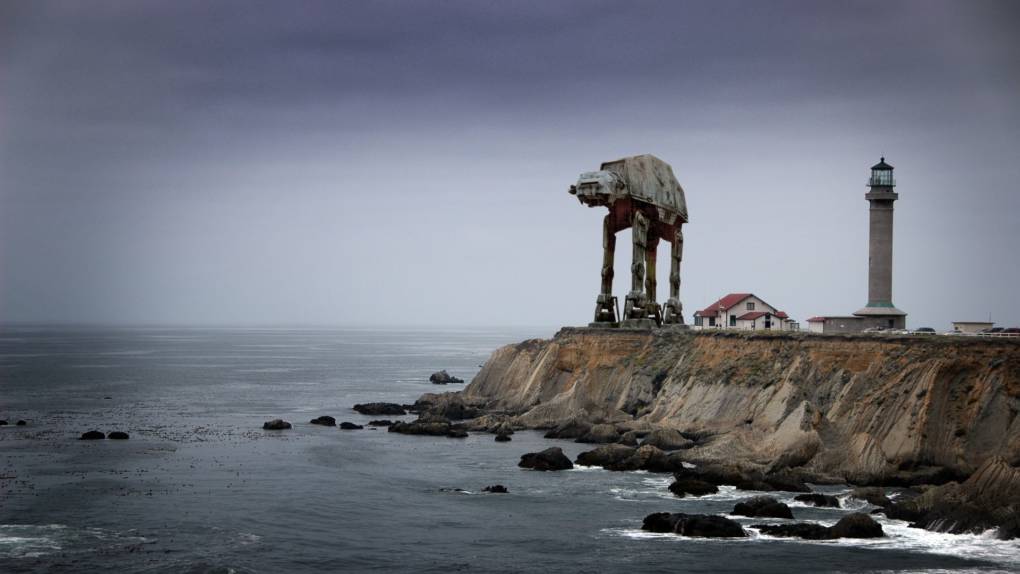
"caption": "A photoshopped image of an AT-AT created by a desktop wallpaper website. ",
"description": "A photoshopped image of an AT-AT created by a desktop wallpaper website. ",
"title": "atat",
"credit": "\u003ca href=\"https://wallpaperstock.net/at-at_wallpapers_30840_1920x1080_1.html\" target=\"_blank\">wallpaperstock.net\u003c/a>",
"status": "inherit",
"isLoading": false,
"fetchFailed": false
},
"news_11629479": {
"type": "attachments",
"id": "news_11629479",
"meta": {
"index": "attachments_1716263798",
"site": "news",
"id": "11629479",
"found": true
},
"parent": 11629475,
"imgSizes": {
"small": {
"file": "https://ww2.kqed.org/app/uploads/sites/10/2017/11/RS27937_bigger-treeline-qut-1-520x346.jpg",
"width": 520,
"mimeType": "image/jpeg",
"height": 346
},
"twentyfourteen-full-width": {
"file": "https://ww2.kqed.org/app/uploads/sites/10/2017/11/RS27937_bigger-treeline-qut-1-1038x576.jpg",
"width": 1038,
"mimeType": "image/jpeg",
"height": 576
},
"thumbnail": {
"file": "https://ww2.kqed.org/app/uploads/sites/10/2017/11/RS27937_bigger-treeline-qut-1-160x106.jpg",
"width": 160,
"mimeType": "image/jpeg",
"height": 106
},
"fd-sm": {
"file": "https://ww2.kqed.org/app/uploads/sites/10/2017/11/RS27937_bigger-treeline-qut-1-960x638.jpg",
"width": 960,
"mimeType": "image/jpeg",
"height": 638
},
"post-thumbnail": {
"file": "https://ww2.kqed.org/app/uploads/sites/10/2017/11/RS27937_bigger-treeline-qut-1-672x372.jpg",
"width": 672,
"mimeType": "image/jpeg",
"height": 372
},
"xsmall": {
"file": "https://ww2.kqed.org/app/uploads/sites/10/2017/11/RS27937_bigger-treeline-qut-1-375x249.jpg",
"width": 375,
"mimeType": "image/jpeg",
"height": 249
},
"kqedFullSize": {
"file": "https://ww2.kqed.org/app/uploads/sites/10/2017/11/RS27937_bigger-treeline-qut-1.jpg",
"width": 1920,
"height": 1276
},
"large": {
"file": "https://ww2.kqed.org/app/uploads/sites/10/2017/11/RS27937_bigger-treeline-qut-1-1020x678.jpg",
"width": 1020,
"mimeType": "image/jpeg",
"height": 678
},
"xlarge": {
"file": "https://ww2.kqed.org/app/uploads/sites/10/2017/11/RS27937_bigger-treeline-qut-1-1180x784.jpg",
"width": 1180,
"mimeType": "image/jpeg",
"height": 784
},
"guest-author-50": {
"file": "https://ww2.kqed.org/app/uploads/sites/10/2017/11/RS27937_bigger-treeline-qut-1-50x50.jpg",
"width": 50,
"mimeType": "image/jpeg",
"height": 50
},
"guest-author-96": {
"file": "https://ww2.kqed.org/app/uploads/sites/10/2017/11/RS27937_bigger-treeline-qut-1-96x96.jpg",
"width": 96,
"mimeType": "image/jpeg",
"height": 96
},
"medium": {
"file": "https://ww2.kqed.org/app/uploads/sites/10/2017/11/RS27937_bigger-treeline-qut-1-800x532.jpg",
"width": 800,
"mimeType": "image/jpeg",
"height": 532
},
"guest-author-64": {
"file": "https://ww2.kqed.org/app/uploads/sites/10/2017/11/RS27937_bigger-treeline-qut-1-64x64.jpg",
"width": 64,
"mimeType": "image/jpeg",
"height": 64
},
"guest-author-32": {
"file": "https://ww2.kqed.org/app/uploads/sites/10/2017/11/RS27937_bigger-treeline-qut-1-32x32.jpg",
"width": 32,
"mimeType": "image/jpeg",
"height": 32
},
"fd-lrg": {
"file": "https://ww2.kqed.org/app/uploads/sites/10/2017/11/RS27937_bigger-treeline-qut-1-1920x1276.jpg",
"width": 1920,
"mimeType": "image/jpeg",
"height": 1276
},
"fd-med": {
"file": "https://ww2.kqed.org/app/uploads/sites/10/2017/11/RS27937_bigger-treeline-qut-1-1180x784.jpg",
"width": 1180,
"mimeType": "image/jpeg",
"height": 784
},
"full-width": {
"file": "https://ww2.kqed.org/app/uploads/sites/10/2017/11/RS27937_bigger-treeline-qut-1-1920x1276.jpg",
"width": 1920,
"mimeType": "image/jpeg",
"height": 1276
},
"detail": {
"file": "https://ww2.kqed.org/app/uploads/sites/10/2017/11/RS27937_bigger-treeline-qut-1-150x150.jpg",
"width": 150,
"mimeType": "image/jpeg",
"height": 150
},
"guest-author-128": {
"file": "https://ww2.kqed.org/app/uploads/sites/10/2017/11/RS27937_bigger-treeline-qut-1-128x128.jpg",
"width": 128,
"mimeType": "image/jpeg",
"height": 128
},
"xxsmall": {
"file": "https://ww2.kqed.org/app/uploads/sites/10/2017/11/RS27937_bigger-treeline-qut-1-240x160.jpg",
"width": 240,
"mimeType": "image/jpeg",
"height": 160
}
},
"publishDate": 1510242505,
"modified": 1510245500,
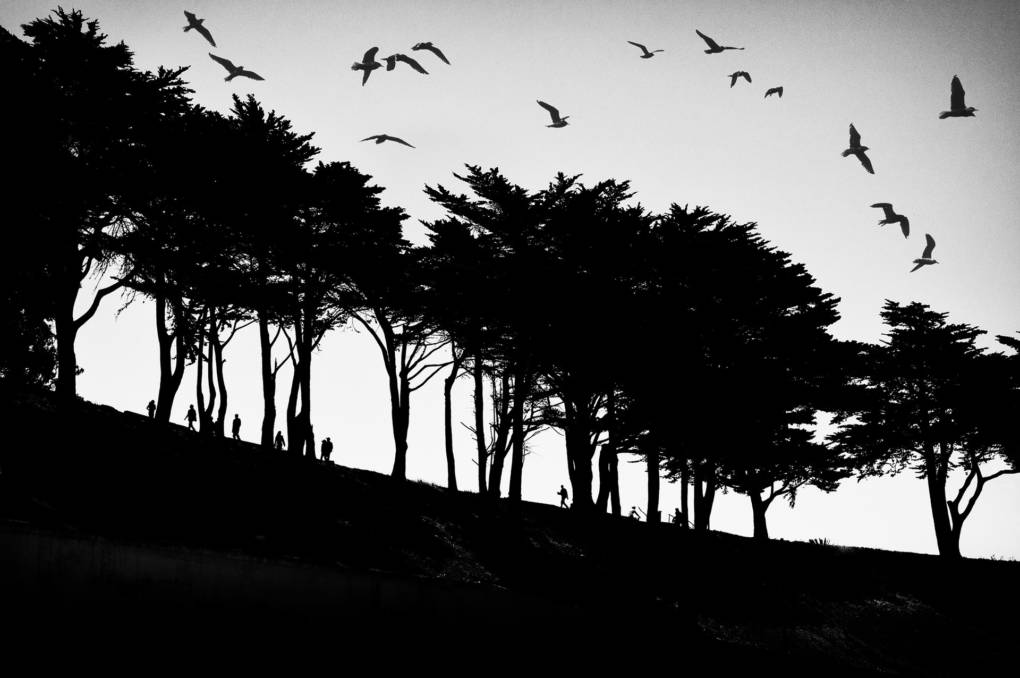
"caption": "Photographer Fred Lyon shot 'Treeline at Fort Mason' in 2017. It is currently on display in an exhibition at the Leica Gallery in San Francisco.",
"description": "Photographer Fred Lyon shot \"Treeline at Fort Mason\" in 2017. It is currently on display in an exhibition at the Leica Gallery in San Francisco.",
"title": "Fred Lyon \"Treeline\"",
"credit": "Fred Lyon",
"status": "inherit",
"isLoading": false,
"fetchFailed": false
},
"news_11628746": {
"type": "attachments",
"id": "news_11628746",
"meta": {
"index": "attachments_1716263798",
"site": "news",
"id": "11628746",
"found": true
},
"parent": 11628745,
"imgSizes": {
"small": {
"file": "https://ww2.kqed.org/app/uploads/sites/10/2017/11/gettyimages-633867894_wide-e7e50676b602d043d45f3b34ff18568758f6cebe-520x293.jpg",
"width": 520,
"mimeType": "image/jpeg",
"height": 293
},
"twentyfourteen-full-width": {
"file": "https://ww2.kqed.org/app/uploads/sites/10/2017/11/gettyimages-633867894_wide-e7e50676b602d043d45f3b34ff18568758f6cebe-1038x576.jpg",
"width": 1038,
"mimeType": "image/jpeg",
"height": 576
},
"thumbnail": {
"file": "https://ww2.kqed.org/app/uploads/sites/10/2017/11/gettyimages-633867894_wide-e7e50676b602d043d45f3b34ff18568758f6cebe-160x90.jpg",
"width": 160,
"mimeType": "image/jpeg",
"height": 90
},
"fd-sm": {
"file": "https://ww2.kqed.org/app/uploads/sites/10/2017/11/gettyimages-633867894_wide-e7e50676b602d043d45f3b34ff18568758f6cebe-960x540.jpg",
"width": 960,
"mimeType": "image/jpeg",
"height": 540
},
"post-thumbnail": {
"file": "https://ww2.kqed.org/app/uploads/sites/10/2017/11/gettyimages-633867894_wide-e7e50676b602d043d45f3b34ff18568758f6cebe-672x372.jpg",
"width": 672,
"mimeType": "image/jpeg",
"height": 372
},
"xsmall": {
"file": "https://ww2.kqed.org/app/uploads/sites/10/2017/11/gettyimages-633867894_wide-e7e50676b602d043d45f3b34ff18568758f6cebe-375x211.jpg",
"width": 375,
"mimeType": "image/jpeg",
"height": 211
},
"kqedFullSize": {
"file": "https://ww2.kqed.org/app/uploads/sites/10/2017/11/gettyimages-633867894_wide-e7e50676b602d043d45f3b34ff18568758f6cebe-e1510069404712.jpg",
"width": 1920,
"height": 1080
},
"large": {
"file": "https://ww2.kqed.org/app/uploads/sites/10/2017/11/gettyimages-633867894_wide-e7e50676b602d043d45f3b34ff18568758f6cebe-1020x574.jpg",
"width": 1020,
"mimeType": "image/jpeg",
"height": 574
},
"xlarge": {
"file": "https://ww2.kqed.org/app/uploads/sites/10/2017/11/gettyimages-633867894_wide-e7e50676b602d043d45f3b34ff18568758f6cebe-1180x664.jpg",
"width": 1180,
"mimeType": "image/jpeg",
"height": 664
},
"guest-author-50": {
"file": "https://ww2.kqed.org/app/uploads/sites/10/2017/11/gettyimages-633867894_wide-e7e50676b602d043d45f3b34ff18568758f6cebe-50x50.jpg",
"width": 50,
"mimeType": "image/jpeg",
"height": 50
},
"guest-author-96": {
"file": "https://ww2.kqed.org/app/uploads/sites/10/2017/11/gettyimages-633867894_wide-e7e50676b602d043d45f3b34ff18568758f6cebe-96x96.jpg",
"width": 96,
"mimeType": "image/jpeg",
"height": 96
},
"medium": {
"file": "https://ww2.kqed.org/app/uploads/sites/10/2017/11/gettyimages-633867894_wide-e7e50676b602d043d45f3b34ff18568758f6cebe-800x450.jpg",
"width": 800,
"mimeType": "image/jpeg",
"height": 450
},
"guest-author-64": {
"file": "https://ww2.kqed.org/app/uploads/sites/10/2017/11/gettyimages-633867894_wide-e7e50676b602d043d45f3b34ff18568758f6cebe-64x64.jpg",
"width": 64,
"mimeType": "image/jpeg",
"height": 64
},
"guest-author-32": {
"file": "https://ww2.kqed.org/app/uploads/sites/10/2017/11/gettyimages-633867894_wide-e7e50676b602d043d45f3b34ff18568758f6cebe-32x32.jpg",
"width": 32,
"mimeType": "image/jpeg",
"height": 32
},
"fd-lrg": {
"file": "https://ww2.kqed.org/app/uploads/sites/10/2017/11/gettyimages-633867894_wide-e7e50676b602d043d45f3b34ff18568758f6cebe-1920x1080.jpg",
"width": 1920,
"mimeType": "image/jpeg",
"height": 1080
},
"fd-med": {
"file": "https://ww2.kqed.org/app/uploads/sites/10/2017/11/gettyimages-633867894_wide-e7e50676b602d043d45f3b34ff18568758f6cebe-1180x664.jpg",
"width": 1180,
"mimeType": "image/jpeg",
"height": 664
},
"full-width": {
"file": "https://ww2.kqed.org/app/uploads/sites/10/2017/11/gettyimages-633867894_wide-e7e50676b602d043d45f3b34ff18568758f6cebe-1920x1080.jpg",
"width": 1920,
"mimeType": "image/jpeg",
"height": 1080
},
"detail": {
"file": "https://ww2.kqed.org/app/uploads/sites/10/2017/11/gettyimages-633867894_wide-e7e50676b602d043d45f3b34ff18568758f6cebe-150x150.jpg",
"width": 150,
"mimeType": "image/jpeg",
"height": 150
},
"guest-author-128": {
"file": "https://ww2.kqed.org/app/uploads/sites/10/2017/11/gettyimages-633867894_wide-e7e50676b602d043d45f3b34ff18568758f6cebe-128x128.jpg",
"width": 128,
"mimeType": "image/jpeg",
"height": 128
},
"xxsmall": {
"file": "https://ww2.kqed.org/app/uploads/sites/10/2017/11/gettyimages-633867894_wide-e7e50676b602d043d45f3b34ff18568758f6cebe-240x135.jpg",
"width": 240,
"mimeType": "image/jpeg",
"height": 135
}
},
"publishDate": 1510069197,
"modified": 1510069428,
"caption": "Taylor Swift performing in February in Houston.",
"description": "Taylor Swift performing in February in Houston.",
"title": "gettyimages-633867894_wide-e7e50676b602d043d45f3b34ff18568758f6cebe",
"credit": "John Shearer/Getty Images for DIRECTV",
"status": "inherit",
"isLoading": false,
"fetchFailed": false
},
"news_11265445": {
"type": "attachments",
"id": "news_11265445",
"meta": {
"index": "attachments_1716263798",
"site": "news",
"id": "11265445",
"found": true
},
"parent": 0,
"imgSizes": {
"small": {
"file": "https://ww2.kqed.org/app/uploads/sites/10/2017/01/11265444-thumb-520x390.jpg",
"width": 520,
"mimeType": "image/jpeg",
"height": 390
},
"twentyfourteen-full-width": {
"file": "https://ww2.kqed.org/app/uploads/sites/10/2017/01/11265444-thumb-1038x576.jpg",
"width": 1038,
"mimeType": "image/jpeg",
"height": 576
},
"thumbnail": {
"file": "https://ww2.kqed.org/app/uploads/sites/10/2017/01/11265444-thumb-160x120.jpg",
"width": 160,
"mimeType": "image/jpeg",
"height": 120
},
"fd-sm": {
"file": "https://ww2.kqed.org/app/uploads/sites/10/2017/01/11265444-thumb-960x720.jpg",
"width": 960,
"mimeType": "image/jpeg",
"height": 720
},
"post-thumbnail": {
"file": "https://ww2.kqed.org/app/uploads/sites/10/2017/01/11265444-thumb-672x372.jpg",
"width": 672,
"mimeType": "image/jpeg",
"height": 372
},
"xsmall": {
"file": "https://ww2.kqed.org/app/uploads/sites/10/2017/01/11265444-thumb-375x281.jpg",
"width": 375,
"mimeType": "image/jpeg",
"height": 281
},
"kqedFullSize": {
"file": "https://ww2.kqed.org/app/uploads/sites/10/2017/01/11265444-thumb.jpg",
"width": 1920,
"height": 1440
},
"large": {
"file": "https://ww2.kqed.org/app/uploads/sites/10/2017/01/11265444-thumb-1020x765.jpg",
"width": 1020,
"mimeType": "image/jpeg",
"height": 765
},
"xlarge": {
"file": "https://ww2.kqed.org/app/uploads/sites/10/2017/01/11265444-thumb-1180x885.jpg",
"width": 1180,
"mimeType": "image/jpeg",
"height": 885
},
"guest-author-50": {
"file": "https://ww2.kqed.org/app/uploads/sites/10/2017/01/11265444-thumb-50x50.jpg",
"width": 50,
"mimeType": "image/jpeg",
"height": 50
},
"guest-author-96": {
"file": "https://ww2.kqed.org/app/uploads/sites/10/2017/01/11265444-thumb-96x96.jpg",
"width": 96,
"mimeType": "image/jpeg",
"height": 96
},
"medium": {
"file": "https://ww2.kqed.org/app/uploads/sites/10/2017/01/11265444-thumb-800x600.jpg",
"width": 800,
"mimeType": "image/jpeg",
"height": 600
},
"guest-author-64": {
"file": "https://ww2.kqed.org/app/uploads/sites/10/2017/01/11265444-thumb-64x64.jpg",
"width": 64,
"mimeType": "image/jpeg",
"height": 64
},
"guest-author-32": {
"file": "https://ww2.kqed.org/app/uploads/sites/10/2017/01/11265444-thumb-32x32.jpg",
"width": 32,
"mimeType": "image/jpeg",
"height": 32
},
"jmtc-small-thumb": {
"file": "https://ww2.kqed.org/app/uploads/sites/10/2017/01/11265444-thumb-280x150.jpg",
"width": 280,
"mimeType": "image/jpeg",
"height": 150
},
"fd-lrg": {
"file": "https://ww2.kqed.org/app/uploads/sites/10/2017/01/11265444-thumb-1920x1440.jpg",
"width": 1920,
"mimeType": "image/jpeg",
"height": 1440
},
"fd-med": {
"file": "https://ww2.kqed.org/app/uploads/sites/10/2017/01/11265444-thumb-1180x885.jpg",
"width": 1180,
"mimeType": "image/jpeg",
"height": 885
},
"full-width": {
"file": "https://ww2.kqed.org/app/uploads/sites/10/2017/01/11265444-thumb-1920x1440.jpg",
"width": 1920,
"mimeType": "image/jpeg",
"height": 1440
},
"detail": {
"file": "https://ww2.kqed.org/app/uploads/sites/10/2017/01/11265444-thumb-150x150.jpg",
"width": 150,
"mimeType": "image/jpeg",
"height": 150
},
"guest-author-128": {
"file": "https://ww2.kqed.org/app/uploads/sites/10/2017/01/11265444-thumb-128x128.jpg",
"width": 128,
"mimeType": "image/jpeg",
"height": 128
},
"xxsmall": {
"file": "https://ww2.kqed.org/app/uploads/sites/10/2017/01/11265444-thumb-240x180.jpg",
"width": 240,
"mimeType": "image/jpeg",
"height": 180
}
},
"publishDate": 1484182712,
"modified": 1530547961,
"caption": "Oakland firefighters inspect the Ghost Ship warehouse, in the city's Fruitvale district, the morning after a fire in 2016 killed 36 concertgoers. ",
"description": "Oakland firefighters inspect the Ghost Ship warehouse, in the city's Fruitvale district, the morning after a fire in 2016 killed 36 concertgoers. Nine people were killed and 25 missing after a huge blaze broke out during a rave party near San Francisco held in a cluttered, maze-like warehouse for artists, known as \"Oakland Ghostship,\" fire officials said Saturday. / AFP / Virginie GOUBIER (Photo credit should read VIRGINIE GOUBIER/AFP/Getty Images)",
"title": "Ghost Ship Fire",
"credit": "Virginie Goubier/AFP-Getty Images",
"status": "inherit",
"isLoading": false,
"fetchFailed": false
},
"news_11628368": {
"type": "attachments",
"id": "news_11628368",
"meta": {
"index": "attachments_1716263798",
"site": "news",
"id": "11628368",
"found": true
},
"parent": 11628293,
"imgSizes": {
"small": {
"file": "https://ww2.kqed.org/app/uploads/sites/10/2017/11/RS27841_GettyImages-802363994-qut-520x347.jpg",
"width": 520,
"mimeType": "image/jpeg",
"height": 347
},
"twentyfourteen-full-width": {
"file": "https://ww2.kqed.org/app/uploads/sites/10/2017/11/RS27841_GettyImages-802363994-qut-1038x576.jpg",
"width": 1038,
"mimeType": "image/jpeg",
"height": 576
},
"thumbnail": {
"file": "https://ww2.kqed.org/app/uploads/sites/10/2017/11/RS27841_GettyImages-802363994-qut-160x107.jpg",
"width": 160,
"mimeType": "image/jpeg",
"height": 107
},
"fd-sm": {
"file": "https://ww2.kqed.org/app/uploads/sites/10/2017/11/RS27841_GettyImages-802363994-qut-960x640.jpg",
"width": 960,
"mimeType": "image/jpeg",
"height": 640
},
"post-thumbnail": {
"file": "https://ww2.kqed.org/app/uploads/sites/10/2017/11/RS27841_GettyImages-802363994-qut-672x372.jpg",
"width": 672,
"mimeType": "image/jpeg",
"height": 372
},
"xsmall": {
"file": "https://ww2.kqed.org/app/uploads/sites/10/2017/11/RS27841_GettyImages-802363994-qut-375x250.jpg",
"width": 375,
"mimeType": "image/jpeg",
"height": 250
},
"kqedFullSize": {
"file": "https://ww2.kqed.org/app/uploads/sites/10/2017/11/RS27841_GettyImages-802363994-qut.jpg",
"width": 1920,
"height": 1280
},
"large": {
"file": "https://ww2.kqed.org/app/uploads/sites/10/2017/11/RS27841_GettyImages-802363994-qut-1020x680.jpg",
"width": 1020,
"mimeType": "image/jpeg",
"height": 680
},
"xlarge": {
"file": "https://ww2.kqed.org/app/uploads/sites/10/2017/11/RS27841_GettyImages-802363994-qut-1180x787.jpg",
"width": 1180,
"mimeType": "image/jpeg",
"height": 787
},
"guest-author-50": {
"file": "https://ww2.kqed.org/app/uploads/sites/10/2017/11/RS27841_GettyImages-802363994-qut-50x50.jpg",
"width": 50,
"mimeType": "image/jpeg",
"height": 50
},
"guest-author-96": {
"file": "https://ww2.kqed.org/app/uploads/sites/10/2017/11/RS27841_GettyImages-802363994-qut-96x96.jpg",
"width": 96,
"mimeType": "image/jpeg",
"height": 96
},
"medium": {
"file": "https://ww2.kqed.org/app/uploads/sites/10/2017/11/RS27841_GettyImages-802363994-qut-800x533.jpg",
"width": 800,
"mimeType": "image/jpeg",
"height": 533
},
"guest-author-64": {
"file": "https://ww2.kqed.org/app/uploads/sites/10/2017/11/RS27841_GettyImages-802363994-qut-64x64.jpg",
"width": 64,
"mimeType": "image/jpeg",
"height": 64
},
"guest-author-32": {
"file": "https://ww2.kqed.org/app/uploads/sites/10/2017/11/RS27841_GettyImages-802363994-qut-32x32.jpg",
"width": 32,
"mimeType": "image/jpeg",
"height": 32
},
"fd-lrg": {
"file": "https://ww2.kqed.org/app/uploads/sites/10/2017/11/RS27841_GettyImages-802363994-qut-1920x1280.jpg",
"width": 1920,
"mimeType": "image/jpeg",
"height": 1280
},
"fd-med": {
"file": "https://ww2.kqed.org/app/uploads/sites/10/2017/11/RS27841_GettyImages-802363994-qut-1180x787.jpg",
"width": 1180,
"mimeType": "image/jpeg",
"height": 787
},
"full-width": {
"file": "https://ww2.kqed.org/app/uploads/sites/10/2017/11/RS27841_GettyImages-802363994-qut-1920x1280.jpg",
"width": 1920,
"mimeType": "image/jpeg",
"height": 1280
},
"detail": {
"file": "https://ww2.kqed.org/app/uploads/sites/10/2017/11/RS27841_GettyImages-802363994-qut-150x150.jpg",
"width": 150,
"mimeType": "image/jpeg",
"height": 150
},
"guest-author-128": {
"file": "https://ww2.kqed.org/app/uploads/sites/10/2017/11/RS27841_GettyImages-802363994-qut-128x128.jpg",
"width": 128,
"mimeType": "image/jpeg",
"height": 128
},
"xxsmall": {
"file": "https://ww2.kqed.org/app/uploads/sites/10/2017/11/RS27841_GettyImages-802363994-qut-240x160.jpg",
"width": 240,
"mimeType": "image/jpeg",
"height": 160
}
},
"publishDate": 1509842414,
"modified": 1509842522,
"caption": "News keeps coming about Russian hacking and interference during the 2016 elections, but that's not the only hacking story that came out this week.",
"description": "News keeps coming about Russian hacking and interference during the 2016 elections, but that's not the only hacking story that came out this week.",
"title": "NETHERLANDS-CYBER-ATTACKS-SECURITY",
"credit": "ROB ENGELAAR/AFP/Getty Images",
"status": "inherit",
"isLoading": false,
"fetchFailed": false
},
"news_11628223": {
"type": "attachments",
"id": "news_11628223",
"meta": {
"index": "attachments_1716263798",
"site": "news",
"id": "11628223",
"found": true
},
"parent": 11627680,
"imgSizes": {
"small": {
"file": "https://ww2.kqed.org/app/uploads/sites/10/2017/11/RS27836_IMG_0379-qut-520x390.jpg",
"width": 520,
"mimeType": "image/jpeg",
"height": 390
},
"twentyfourteen-full-width": {
"file": "https://ww2.kqed.org/app/uploads/sites/10/2017/11/RS27836_IMG_0379-qut-1038x576.jpg",
"width": 1038,
"mimeType": "image/jpeg",
"height": 576
},
"thumbnail": {
"file": "https://ww2.kqed.org/app/uploads/sites/10/2017/11/RS27836_IMG_0379-qut-160x120.jpg",
"width": 160,
"mimeType": "image/jpeg",
"height": 120
},
"fd-sm": {
"file": "https://ww2.kqed.org/app/uploads/sites/10/2017/11/RS27836_IMG_0379-qut-960x720.jpg",
"width": 960,
"mimeType": "image/jpeg",
"height": 720
},
"post-thumbnail": {
"file": "https://ww2.kqed.org/app/uploads/sites/10/2017/11/RS27836_IMG_0379-qut-672x372.jpg",
"width": 672,
"mimeType": "image/jpeg",
"height": 372
},
"xsmall": {
"file": "https://ww2.kqed.org/app/uploads/sites/10/2017/11/RS27836_IMG_0379-qut-375x281.jpg",
"width": 375,
"mimeType": "image/jpeg",
"height": 281
},
"kqedFullSize": {
"file": "https://ww2.kqed.org/app/uploads/sites/10/2017/11/RS27836_IMG_0379-qut.jpg",
"width": 1920,
"height": 1440
},
"large": {
"file": "https://ww2.kqed.org/app/uploads/sites/10/2017/11/RS27836_IMG_0379-qut-1020x765.jpg",
"width": 1020,
"mimeType": "image/jpeg",
"height": 765
},
"xlarge": {
"file": "https://ww2.kqed.org/app/uploads/sites/10/2017/11/RS27836_IMG_0379-qut-1180x885.jpg",
"width": 1180,
"mimeType": "image/jpeg",
"height": 885
},
"guest-author-50": {
"file": "https://ww2.kqed.org/app/uploads/sites/10/2017/11/RS27836_IMG_0379-qut-50x50.jpg",
"width": 50,
"mimeType": "image/jpeg",
"height": 50
},
"guest-author-96": {
"file": "https://ww2.kqed.org/app/uploads/sites/10/2017/11/RS27836_IMG_0379-qut-96x96.jpg",
"width": 96,
"mimeType": "image/jpeg",
"height": 96
},
"medium": {
"file": "https://ww2.kqed.org/app/uploads/sites/10/2017/11/RS27836_IMG_0379-qut-800x600.jpg",
"width": 800,
"mimeType": "image/jpeg",
"height": 600
},
"guest-author-64": {
"file": "https://ww2.kqed.org/app/uploads/sites/10/2017/11/RS27836_IMG_0379-qut-64x64.jpg",
"width": 64,
"mimeType": "image/jpeg",
"height": 64
},
"guest-author-32": {
"file": "https://ww2.kqed.org/app/uploads/sites/10/2017/11/RS27836_IMG_0379-qut-32x32.jpg",
"width": 32,
"mimeType": "image/jpeg",
"height": 32
},
"fd-lrg": {
"file": "https://ww2.kqed.org/app/uploads/sites/10/2017/11/RS27836_IMG_0379-qut-1920x1440.jpg",
"width": 1920,
"mimeType": "image/jpeg",
"height": 1440
},
"fd-med": {
"file": "https://ww2.kqed.org/app/uploads/sites/10/2017/11/RS27836_IMG_0379-qut-1180x885.jpg",
"width": 1180,
"mimeType": "image/jpeg",
"height": 885
},
"full-width": {
"file": "https://ww2.kqed.org/app/uploads/sites/10/2017/11/RS27836_IMG_0379-qut-1920x1440.jpg",
"width": 1920,
"mimeType": "image/jpeg",
"height": 1440
},
"detail": {
"file": "https://ww2.kqed.org/app/uploads/sites/10/2017/11/RS27836_IMG_0379-qut-150x150.jpg",
"width": 150,
"mimeType": "image/jpeg",
"height": 150
},
"guest-author-128": {
"file": "https://ww2.kqed.org/app/uploads/sites/10/2017/11/RS27836_IMG_0379-qut-128x128.jpg",
"width": 128,
"mimeType": "image/jpeg",
"height": 128
},
"xxsmall": {
"file": "https://ww2.kqed.org/app/uploads/sites/10/2017/11/RS27836_IMG_0379-qut-240x180.jpg",
"width": 240,
"mimeType": "image/jpeg",
"height": 180
}
},
"publishDate": 1509756370,
"modified": 1509756393,
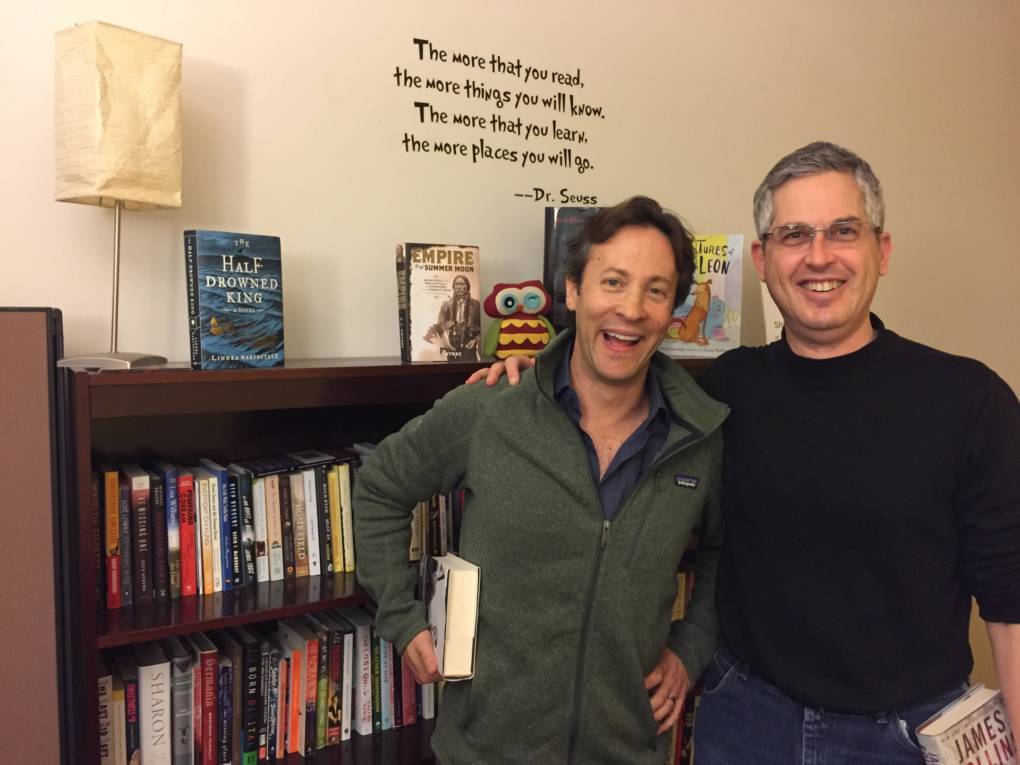
"caption": "David Eagleman (L) and Anthony Brandt (R) are the co-authors of \"The Runaway Species: How Human Creativity Remakes the World.\"",
"description": "David Eagleman (L) and Anthony Brandt (R) are the co-authors of \"The Runaway Species: How Human Creativity Remakes the World.\"",
"title": "RS27836_IMG_0379-qut",
"credit": "Ryan Levi/KQED",
"status": "inherit",
"isLoading": false,
"fetchFailed": false
},
"news_11628041": {
"type": "attachments",
"id": "news_11628041",
"meta": {
"index": "attachments_1716263798",
"site": "news",
"id": "11628041",
"found": true
},
"parent": 11627401,
"imgSizes": {
"small": {
"file": "https://ww2.kqed.org/app/uploads/sites/10/2017/11/RoughReadyHotel-520x347.jpg",
"width": 520,
"mimeType": "image/jpeg",
"height": 347
},
"twentyfourteen-full-width": {
"file": "https://ww2.kqed.org/app/uploads/sites/10/2017/11/RoughReadyHotel-1038x576.jpg",
"width": 1038,
"mimeType": "image/jpeg",
"height": 576
},
"thumbnail": {
"file": "https://ww2.kqed.org/app/uploads/sites/10/2017/11/RoughReadyHotel-160x107.jpg",
"width": 160,
"mimeType": "image/jpeg",
"height": 107
},
"fd-sm": {
"file": "https://ww2.kqed.org/app/uploads/sites/10/2017/11/RoughReadyHotel-960x641.jpg",
"width": 960,
"mimeType": "image/jpeg",
"height": 641
},
"post-thumbnail": {
"file": "https://ww2.kqed.org/app/uploads/sites/10/2017/11/RoughReadyHotel-672x372.jpg",
"width": 672,
"mimeType": "image/jpeg",
"height": 372
},
"xsmall": {
"file": "https://ww2.kqed.org/app/uploads/sites/10/2017/11/RoughReadyHotel-375x250.jpg",
"width": 375,
"mimeType": "image/jpeg",
"height": 250
},
"kqedFullSize": {
"file": "https://ww2.kqed.org/app/uploads/sites/10/2017/11/RoughReadyHotel.jpg",
"width": 1920,
"height": 1282
},
"large": {
"file": "https://ww2.kqed.org/app/uploads/sites/10/2017/11/RoughReadyHotel-1020x681.jpg",
"width": 1020,
"mimeType": "image/jpeg",
"height": 681
},
"xlarge": {
"file": "https://ww2.kqed.org/app/uploads/sites/10/2017/11/RoughReadyHotel-1180x788.jpg",
"width": 1180,
"mimeType": "image/jpeg",
"height": 788
},
"guest-author-50": {
"file": "https://ww2.kqed.org/app/uploads/sites/10/2017/11/RoughReadyHotel-50x50.jpg",
"width": 50,
"mimeType": "image/jpeg",
"height": 50
},
"guest-author-96": {
"file": "https://ww2.kqed.org/app/uploads/sites/10/2017/11/RoughReadyHotel-96x96.jpg",
"width": 96,
"mimeType": "image/jpeg",
"height": 96
},
"medium": {
"file": "https://ww2.kqed.org/app/uploads/sites/10/2017/11/RoughReadyHotel-800x534.jpg",
"width": 800,
"mimeType": "image/jpeg",
"height": 534
},
"guest-author-64": {
"file": "https://ww2.kqed.org/app/uploads/sites/10/2017/11/RoughReadyHotel-64x64.jpg",
"width": 64,
"mimeType": "image/jpeg",
"height": 64
},
"guest-author-32": {
"file": "https://ww2.kqed.org/app/uploads/sites/10/2017/11/RoughReadyHotel-32x32.jpg",
"width": 32,
"mimeType": "image/jpeg",
"height": 32
},
"fd-lrg": {
"file": "https://ww2.kqed.org/app/uploads/sites/10/2017/11/RoughReadyHotel-1920x1282.jpg",
"width": 1920,
"mimeType": "image/jpeg",
"height": 1282
},
"fd-med": {
"file": "https://ww2.kqed.org/app/uploads/sites/10/2017/11/RoughReadyHotel-1180x788.jpg",
"width": 1180,
"mimeType": "image/jpeg",
"height": 788
},
"full-width": {
"file": "https://ww2.kqed.org/app/uploads/sites/10/2017/11/RoughReadyHotel-1920x1282.jpg",
"width": 1920,
"mimeType": "image/jpeg",
"height": 1282
},
"detail": {
"file": "https://ww2.kqed.org/app/uploads/sites/10/2017/11/RoughReadyHotel-150x150.jpg",
"width": 150,
"mimeType": "image/jpeg",
"height": 150
},
"guest-author-128": {
"file": "https://ww2.kqed.org/app/uploads/sites/10/2017/11/RoughReadyHotel-128x128.jpg",
"width": 128,
"mimeType": "image/jpeg",
"height": 128
},
"xxsmall": {
"file": "https://ww2.kqed.org/app/uploads/sites/10/2017/11/RoughReadyHotel-240x160.jpg",
"width": 240,
"mimeType": "image/jpeg",
"height": 160
}
},
"publishDate": 1509745985,
"modified": 1509746109,
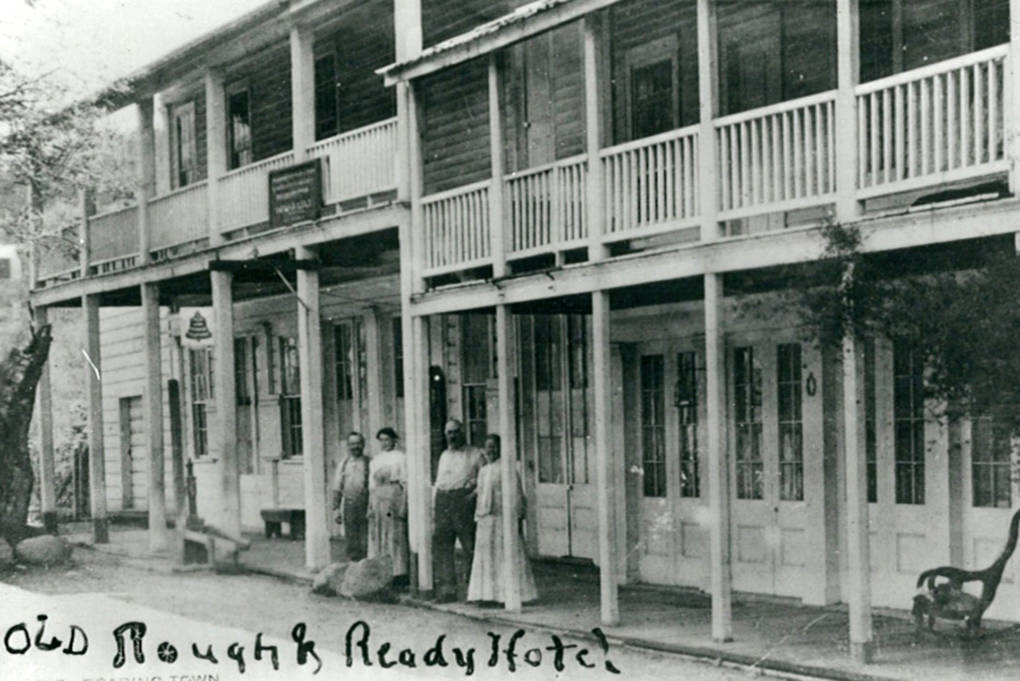
"caption": "The old Rough and Ready Hotel. ",
"description": "The old Rough and Ready Hotel. ",
"title": "RoughReadyHotel",
"credit": "Courtesy Jayna Ashcraft",
"status": "inherit",
"isLoading": false,
"fetchFailed": false
},
"news_11627878": {
"type": "attachments",
"id": "news_11627878",
"meta": {
"index": "attachments_1716263798",
"site": "news",
"id": "11627878",
"found": true
},
"parent": 11627875,
"imgSizes": {
"small": {
"file": "https://ww2.kqed.org/app/uploads/sites/10/2017/11/IMG_3051-520x338.jpg",
"width": 520,
"mimeType": "image/jpeg",
"height": 338
},
"twentyfourteen-full-width": {
"file": "https://ww2.kqed.org/app/uploads/sites/10/2017/11/IMG_3051-1038x576.jpg",
"width": 1038,
"mimeType": "image/jpeg",
"height": 576
},
"thumbnail": {
"file": "https://ww2.kqed.org/app/uploads/sites/10/2017/11/IMG_3051-160x104.jpg",
"width": 160,
"mimeType": "image/jpeg",
"height": 104
},
"fd-sm": {
"file": "https://ww2.kqed.org/app/uploads/sites/10/2017/11/IMG_3051-960x625.jpg",
"width": 960,
"mimeType": "image/jpeg",
"height": 625
},
"post-thumbnail": {
"file": "https://ww2.kqed.org/app/uploads/sites/10/2017/11/IMG_3051-672x372.jpg",
"width": 672,
"mimeType": "image/jpeg",
"height": 372
},
"xsmall": {
"file": "https://ww2.kqed.org/app/uploads/sites/10/2017/11/IMG_3051-375x244.jpg",
"width": 375,
"mimeType": "image/jpeg",
"height": 244
},
"kqedFullSize": {
"file": "https://ww2.kqed.org/app/uploads/sites/10/2017/11/IMG_3051.jpg",
"width": 1920,
"height": 1249
},
"large": {
"file": "https://ww2.kqed.org/app/uploads/sites/10/2017/11/IMG_3051-1020x664.jpg",
"width": 1020,
"mimeType": "image/jpeg",
"height": 664
},
"xlarge": {
"file": "https://ww2.kqed.org/app/uploads/sites/10/2017/11/IMG_3051-1180x768.jpg",
"width": 1180,
"mimeType": "image/jpeg",
"height": 768
},
"guest-author-50": {
"file": "https://ww2.kqed.org/app/uploads/sites/10/2017/11/IMG_3051-50x50.jpg",
"width": 50,
"mimeType": "image/jpeg",
"height": 50
},
"guest-author-96": {
"file": "https://ww2.kqed.org/app/uploads/sites/10/2017/11/IMG_3051-96x96.jpg",
"width": 96,
"mimeType": "image/jpeg",
"height": 96
},
"medium": {
"file": "https://ww2.kqed.org/app/uploads/sites/10/2017/11/IMG_3051-800x520.jpg",
"width": 800,
"mimeType": "image/jpeg",
"height": 520
},
"guest-author-64": {
"file": "https://ww2.kqed.org/app/uploads/sites/10/2017/11/IMG_3051-64x64.jpg",
"width": 64,
"mimeType": "image/jpeg",
"height": 64
},
"guest-author-32": {
"file": "https://ww2.kqed.org/app/uploads/sites/10/2017/11/IMG_3051-32x32.jpg",
"width": 32,
"mimeType": "image/jpeg",
"height": 32
},
"fd-lrg": {
"file": "https://ww2.kqed.org/app/uploads/sites/10/2017/11/IMG_3051-1920x1249.jpg",
"width": 1920,
"mimeType": "image/jpeg",
"height": 1249
},
"fd-med": {
"file": "https://ww2.kqed.org/app/uploads/sites/10/2017/11/IMG_3051-1180x768.jpg",
"width": 1180,
"mimeType": "image/jpeg",
"height": 768
},
"full-width": {
"file": "https://ww2.kqed.org/app/uploads/sites/10/2017/11/IMG_3051-1920x1249.jpg",
"width": 1920,
"mimeType": "image/jpeg",
"height": 1249
},
"detail": {
"file": "https://ww2.kqed.org/app/uploads/sites/10/2017/11/IMG_3051-150x150.jpg",
"width": 150,
"mimeType": "image/jpeg",
"height": 150
},
"guest-author-128": {
"file": "https://ww2.kqed.org/app/uploads/sites/10/2017/11/IMG_3051-128x128.jpg",
"width": 128,
"mimeType": "image/jpeg",
"height": 128
},
"xxsmall": {
"file": "https://ww2.kqed.org/app/uploads/sites/10/2017/11/IMG_3051-240x156.jpg",
"width": 240,
"mimeType": "image/jpeg",
"height": 156
}
},
"publishDate": 1509725871,
"modified": 1509743936,
"caption": "Dia de Los Muertos typically blends sacred religious iconography with decidedly non-religious items and images to reflect the spiritual and the temporal life, as here during a celebration last month at Hollywood Forever Cemetery.",
"description": "Dia de Los Muertos typically blends sacred religious iconography with decidedly non-religious items and images to reflect the spiritual and the temporal life, as here during a celebration last month at Hollywood Forever Cemetery.",
"title": "IMG_3051",
"credit": "Steven Cuevas/KQED",
"status": "inherit",
"isLoading": false,
"fetchFailed": false
},
"news_11628007": {
"type": "attachments",
"id": "news_11628007",
"meta": {
"index": "attachments_1716263798",
"site": "news",
"id": "11628007",
"found": true
},
"parent": 11627988,
"imgSizes": {
"small": {
"file": "https://ww2.kqed.org/app/uploads/sites/10/2017/11/twitterprez_110317_final-520x520.jpg",
"width": 520,
"mimeType": "image/jpeg",
"height": 520
},
"twentyfourteen-full-width": {
"file": "https://ww2.kqed.org/app/uploads/sites/10/2017/11/twitterprez_110317_final-1038x576.jpg",
"width": 1038,
"mimeType": "image/jpeg",
"height": 576
},
"thumbnail": {
"file": "https://ww2.kqed.org/app/uploads/sites/10/2017/11/twitterprez_110317_final-160x160.jpg",
"width": 160,
"mimeType": "image/jpeg",
"height": 160
},
"fd-sm": {
"file": "https://ww2.kqed.org/app/uploads/sites/10/2017/11/twitterprez_110317_final-960x960.jpg",
"width": 960,
"mimeType": "image/jpeg",
"height": 960
},
"post-thumbnail": {
"file": "https://ww2.kqed.org/app/uploads/sites/10/2017/11/twitterprez_110317_final-672x372.jpg",
"width": 672,
"mimeType": "image/jpeg",
"height": 372
},
"xsmall": {
"file": "https://ww2.kqed.org/app/uploads/sites/10/2017/11/twitterprez_110317_final-375x375.jpg",
"width": 375,
"mimeType": "image/jpeg",
"height": 375
},
"kqedFullSize": {
"file": "https://ww2.kqed.org/app/uploads/sites/10/2017/11/twitterprez_110317_final.jpg",
"width": 1920,
"height": 1920
},
"large": {
"file": "https://ww2.kqed.org/app/uploads/sites/10/2017/11/twitterprez_110317_final-1020x1020.jpg",
"width": 1020,
"mimeType": "image/jpeg",
"height": 1020
},
"xlarge": {
"file": "https://ww2.kqed.org/app/uploads/sites/10/2017/11/twitterprez_110317_final-1180x1180.jpg",
"width": 1180,
"mimeType": "image/jpeg",
"height": 1180
},
"guest-author-50": {
"file": "https://ww2.kqed.org/app/uploads/sites/10/2017/11/twitterprez_110317_final-50x50.jpg",
"width": 50,
"mimeType": "image/jpeg",
"height": 50
},
"guest-author-96": {
"file": "https://ww2.kqed.org/app/uploads/sites/10/2017/11/twitterprez_110317_final-96x96.jpg",
"width": 96,
"mimeType": "image/jpeg",
"height": 96
},
"medium": {
"file": "https://ww2.kqed.org/app/uploads/sites/10/2017/11/twitterprez_110317_final-800x800.jpg",
"width": 800,
"mimeType": "image/jpeg",
"height": 800
},
"guest-author-64": {
"file": "https://ww2.kqed.org/app/uploads/sites/10/2017/11/twitterprez_110317_final-64x64.jpg",
"width": 64,
"mimeType": "image/jpeg",
"height": 64
},
"guest-author-32": {
"file": "https://ww2.kqed.org/app/uploads/sites/10/2017/11/twitterprez_110317_final-32x32.jpg",
"width": 32,
"mimeType": "image/jpeg",
"height": 32
},
"fd-lrg": {
"file": "https://ww2.kqed.org/app/uploads/sites/10/2017/11/twitterprez_110317_final-1920x1920.jpg",
"width": 1920,
"mimeType": "image/jpeg",
"height": 1920
},
"fd-med": {
"file": "https://ww2.kqed.org/app/uploads/sites/10/2017/11/twitterprez_110317_final-1180x1180.jpg",
"width": 1180,
"mimeType": "image/jpeg",
"height": 1180
},
"full-width": {
"file": "https://ww2.kqed.org/app/uploads/sites/10/2017/11/twitterprez_110317_final-1920x1920.jpg",
"width": 1920,
"mimeType": "image/jpeg",
"height": 1920
},
"detail": {
"file": "https://ww2.kqed.org/app/uploads/sites/10/2017/11/twitterprez_110317_final-150x150.jpg",
"width": 150,
"mimeType": "image/jpeg",
"height": 150
},
"guest-author-128": {
"file": "https://ww2.kqed.org/app/uploads/sites/10/2017/11/twitterprez_110317_final-128x128.jpg",
"width": 128,
"mimeType": "image/jpeg",
"height": 128
},
"xxsmall": {
"file": "https://ww2.kqed.org/app/uploads/sites/10/2017/11/twitterprez_110317_final-240x240.jpg",
"width": 240,
"mimeType": "image/jpeg",
"height": 240
}
},
"publishDate": 1509743391,
"modified": 1509743421,
"caption": null,
"description": null,
"title": "twitterprez_110317_final",
"credit": null,
"status": "inherit",
"isLoading": false,
"fetchFailed": false
},
"news_11627956": {
"type": "attachments",
"id": "news_11627956",
"meta": {
"index": "attachments_1716263798",
"site": "news",
"id": "11627956",
"found": true
},
"parent": 11627933,
"imgSizes": {
"small": {
"file": "https://ww2.kqed.org/app/uploads/sites/10/2017/11/JoeRicketts-520x287.jpg",
"width": 520,
"mimeType": "image/jpeg",
"height": 287
},
"twentyfourteen-full-width": {
"file": "https://ww2.kqed.org/app/uploads/sites/10/2017/11/JoeRicketts-1038x576.jpg",
"width": 1038,
"mimeType": "image/jpeg",
"height": 576
},
"thumbnail": {
"file": "https://ww2.kqed.org/app/uploads/sites/10/2017/11/JoeRicketts-160x88.jpg",
"width": 160,
"mimeType": "image/jpeg",
"height": 88
},
"fd-sm": {
"file": "https://ww2.kqed.org/app/uploads/sites/10/2017/11/JoeRicketts-960x529.jpg",
"width": 960,
"mimeType": "image/jpeg",
"height": 529
},
"post-thumbnail": {
"file": "https://ww2.kqed.org/app/uploads/sites/10/2017/11/JoeRicketts-672x372.jpg",
"width": 672,
"mimeType": "image/jpeg",
"height": 372
},
"xsmall": {
"file": "https://ww2.kqed.org/app/uploads/sites/10/2017/11/JoeRicketts-375x207.jpg",
"width": 375,
"mimeType": "image/jpeg",
"height": 207
},
"kqedFullSize": {
"file": "https://ww2.kqed.org/app/uploads/sites/10/2017/11/JoeRicketts.jpg",
"width": 1920,
"height": 1058
},
"large": {
"file": "https://ww2.kqed.org/app/uploads/sites/10/2017/11/JoeRicketts-1020x562.jpg",
"width": 1020,
"mimeType": "image/jpeg",
"height": 562
},
"xlarge": {
"file": "https://ww2.kqed.org/app/uploads/sites/10/2017/11/JoeRicketts-1180x650.jpg",
"width": 1180,
"mimeType": "image/jpeg",
"height": 650
},
"guest-author-50": {
"file": "https://ww2.kqed.org/app/uploads/sites/10/2017/11/JoeRicketts-50x50.jpg",
"width": 50,
"mimeType": "image/jpeg",
"height": 50
},
"guest-author-96": {
"file": "https://ww2.kqed.org/app/uploads/sites/10/2017/11/JoeRicketts-96x96.jpg",
"width": 96,
"mimeType": "image/jpeg",
"height": 96
},
"medium": {
"file": "https://ww2.kqed.org/app/uploads/sites/10/2017/11/JoeRicketts-800x441.jpg",
"width": 800,
"mimeType": "image/jpeg",
"height": 441
},
"guest-author-64": {
"file": "https://ww2.kqed.org/app/uploads/sites/10/2017/11/JoeRicketts-64x64.jpg",
"width": 64,
"mimeType": "image/jpeg",
"height": 64
},
"guest-author-32": {
"file": "https://ww2.kqed.org/app/uploads/sites/10/2017/11/JoeRicketts-32x32.jpg",
"width": 32,
"mimeType": "image/jpeg",
"height": 32
},
"fd-lrg": {
"file": "https://ww2.kqed.org/app/uploads/sites/10/2017/11/JoeRicketts-1920x1058.jpg",
"width": 1920,
"mimeType": "image/jpeg",
"height": 1058
},
"fd-med": {
"file": "https://ww2.kqed.org/app/uploads/sites/10/2017/11/JoeRicketts-1180x650.jpg",
"width": 1180,
"mimeType": "image/jpeg",
"height": 650
},
"full-width": {
"file": "https://ww2.kqed.org/app/uploads/sites/10/2017/11/JoeRicketts-1920x1058.jpg",
"width": 1920,
"mimeType": "image/jpeg",
"height": 1058
},
"detail": {
"file": "https://ww2.kqed.org/app/uploads/sites/10/2017/11/JoeRicketts-150x150.jpg",
"width": 150,
"mimeType": "image/jpeg",
"height": 150
},
"guest-author-128": {
"file": "https://ww2.kqed.org/app/uploads/sites/10/2017/11/JoeRicketts-128x128.jpg",
"width": 128,
"mimeType": "image/jpeg",
"height": 128
},
"xxsmall": {
"file": "https://ww2.kqed.org/app/uploads/sites/10/2017/11/JoeRicketts-240x132.jpg",
"width": 240,
"mimeType": "image/jpeg",
"height": 132
}
},
"publishDate": 1509735133,
"modified": 1509735187,
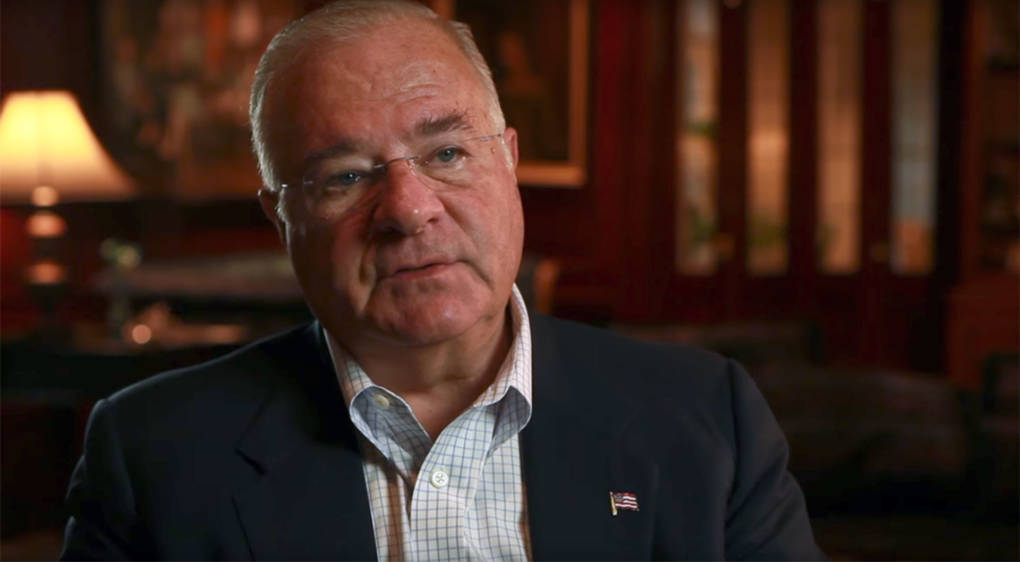
"caption": "Joe Ricketts, the billionaire founder of TD Ameritrade, announced Thursday that he had shut down DNAinfo and the Gothamist network, including the SFist and LAist websites.",
"description": "Joe Ricketts, the billionaire founder of TD Ameritrade, announced Thursday that he had shut down DNAinfo and the Gothamist network, including the SFist and LAist websites.",
"title": "JoeRicketts",
"credit": "JoeRickettsMedia/YouTube",
"status": "inherit",
"isLoading": false,
"fetchFailed": false
},
"news_11621269": {
"type": "attachments",
"id": "news_11621269",
"meta": {
"index": "attachments_1716263798",
"site": "news",
"id": "11621269",
"found": true
},
"parent": 11621122,
"imgSizes": {
"small": {
"file": "https://ww2.kqed.org/app/uploads/sites/10/2017/10/RS27183_IMG_3292-2-qut-520x293.jpg",
"width": 520,
"mimeType": "image/jpeg",
"height": 293
},
"twentyfourteen-full-width": {
"file": "https://ww2.kqed.org/app/uploads/sites/10/2017/10/RS27183_IMG_3292-2-qut-1038x576.jpg",
"width": 1038,
"mimeType": "image/jpeg",
"height": 576
},
"thumbnail": {
"file": "https://ww2.kqed.org/app/uploads/sites/10/2017/10/RS27183_IMG_3292-2-qut-160x90.jpg",
"width": 160,
"mimeType": "image/jpeg",
"height": 90
},
"fd-sm": {
"file": "https://ww2.kqed.org/app/uploads/sites/10/2017/10/RS27183_IMG_3292-2-qut-960x540.jpg",
"width": 960,
"mimeType": "image/jpeg",
"height": 540
},
"post-thumbnail": {
"file": "https://ww2.kqed.org/app/uploads/sites/10/2017/10/RS27183_IMG_3292-2-qut-672x372.jpg",
"width": 672,
"mimeType": "image/jpeg",
"height": 372
},
"xsmall": {
"file": "https://ww2.kqed.org/app/uploads/sites/10/2017/10/RS27183_IMG_3292-2-qut-375x211.jpg",
"width": 375,
"mimeType": "image/jpeg",
"height": 211
},
"kqedFullSize": {
"file": "https://ww2.kqed.org/app/uploads/sites/10/2017/10/RS27183_IMG_3292-2-qut.jpg",
"width": 1920,
"height": 1080
},
"large": {
"file": "https://ww2.kqed.org/app/uploads/sites/10/2017/10/RS27183_IMG_3292-2-qut-1020x574.jpg",
"width": 1020,
"mimeType": "image/jpeg",
"height": 574
},
"xlarge": {
"file": "https://ww2.kqed.org/app/uploads/sites/10/2017/10/RS27183_IMG_3292-2-qut-1180x664.jpg",
"width": 1180,
"mimeType": "image/jpeg",
"height": 664
},
"guest-author-50": {
"file": "https://ww2.kqed.org/app/uploads/sites/10/2017/10/RS27183_IMG_3292-2-qut-50x50.jpg",
"width": 50,
"mimeType": "image/jpeg",
"height": 50
},
"guest-author-96": {
"file": "https://ww2.kqed.org/app/uploads/sites/10/2017/10/RS27183_IMG_3292-2-qut-96x96.jpg",
"width": 96,
"mimeType": "image/jpeg",
"height": 96
},
"medium": {
"file": "https://ww2.kqed.org/app/uploads/sites/10/2017/10/RS27183_IMG_3292-2-qut-800x450.jpg",
"width": 800,
"mimeType": "image/jpeg",
"height": 450
},
"guest-author-64": {
"file": "https://ww2.kqed.org/app/uploads/sites/10/2017/10/RS27183_IMG_3292-2-qut-64x64.jpg",
"width": 64,
"mimeType": "image/jpeg",
"height": 64
},
"guest-author-32": {
"file": "https://ww2.kqed.org/app/uploads/sites/10/2017/10/RS27183_IMG_3292-2-qut-32x32.jpg",
"width": 32,
"mimeType": "image/jpeg",
"height": 32
},
"fd-lrg": {
"file": "https://ww2.kqed.org/app/uploads/sites/10/2017/10/RS27183_IMG_3292-2-qut-1920x1080.jpg",
"width": 1920,
"mimeType": "image/jpeg",
"height": 1080
},
"fd-med": {
"file": "https://ww2.kqed.org/app/uploads/sites/10/2017/10/RS27183_IMG_3292-2-qut-1180x664.jpg",
"width": 1180,
"mimeType": "image/jpeg",
"height": 664
},
"full-width": {
"file": "https://ww2.kqed.org/app/uploads/sites/10/2017/10/RS27183_IMG_3292-2-qut-1920x1080.jpg",
"width": 1920,
"mimeType": "image/jpeg",
"height": 1080
},
"detail": {
"file": "https://ww2.kqed.org/app/uploads/sites/10/2017/10/RS27183_IMG_3292-2-qut-150x150.jpg",
"width": 150,
"mimeType": "image/jpeg",
"height": 150
},
"guest-author-128": {
"file": "https://ww2.kqed.org/app/uploads/sites/10/2017/10/RS27183_IMG_3292-2-qut-128x128.jpg",
"width": 128,
"mimeType": "image/jpeg",
"height": 128
},
"xxsmall": {
"file": "https://ww2.kqed.org/app/uploads/sites/10/2017/10/RS27183_IMG_3292-2-qut-240x135.jpg",
"width": 240,
"mimeType": "image/jpeg",
"height": 135
}
},
"publishDate": 1507237153,
"modified": 1509584316,
"caption": "Mission Santa Clara was originally built in 1777. This is the 1928 restoration, located on the grounds of what is now Santa Clara University. This is the only Spanish-era mission in the San Francisco Bay Area remotely proximate to a street called El Camino Real. ",
"description": "Mission Santa Clara was originally built in 1777. This is the 1928 restoration, located on the grounds of what is now Santa Clara University. This is the only Spanish era mission in the San Francisco Bay Area remotely proximate to a street called El Camino Real. ",
"title": "RS27183_IMG_3292 2-qut",
"credit": "Rachael Myrow/KQED",
"status": "inherit",
"isLoading": false,
"fetchFailed": false
},
"news_11627461": {
"type": "attachments",
"id": "news_11627461",
"meta": {
"index": "attachments_1716263798",
"site": "news",
"id": "11627461",
"found": true
},
"parent": 11627455,
"imgSizes": {
"small": {
"file": "https://ww2.kqed.org/app/uploads/sites/10/2017/11/crazy_110117_final-520x520.jpg",
"width": 520,
"mimeType": "image/jpeg",
"height": 520
},
"twentyfourteen-full-width": {
"file": "https://ww2.kqed.org/app/uploads/sites/10/2017/11/crazy_110117_final-1038x576.jpg",
"width": 1038,
"mimeType": "image/jpeg",
"height": 576
},
"thumbnail": {
"file": "https://ww2.kqed.org/app/uploads/sites/10/2017/11/crazy_110117_final-160x160.jpg",
"width": 160,
"mimeType": "image/jpeg",
"height": 160
},
"fd-sm": {
"file": "https://ww2.kqed.org/app/uploads/sites/10/2017/11/crazy_110117_final-960x960.jpg",
"width": 960,
"mimeType": "image/jpeg",
"height": 960
},
"post-thumbnail": {
"file": "https://ww2.kqed.org/app/uploads/sites/10/2017/11/crazy_110117_final-672x372.jpg",
"width": 672,
"mimeType": "image/jpeg",
"height": 372
},
"xsmall": {
"file": "https://ww2.kqed.org/app/uploads/sites/10/2017/11/crazy_110117_final-375x375.jpg",
"width": 375,
"mimeType": "image/jpeg",
"height": 375
},
"kqedFullSize": {
"file": "https://ww2.kqed.org/app/uploads/sites/10/2017/11/crazy_110117_final.jpg",
"width": 1920,
"height": 1920
},
"large": {
"file": "https://ww2.kqed.org/app/uploads/sites/10/2017/11/crazy_110117_final-1020x1020.jpg",
"width": 1020,
"mimeType": "image/jpeg",
"height": 1020
},
"xlarge": {
"file": "https://ww2.kqed.org/app/uploads/sites/10/2017/11/crazy_110117_final-1180x1180.jpg",
"width": 1180,
"mimeType": "image/jpeg",
"height": 1180
},
"guest-author-50": {
"file": "https://ww2.kqed.org/app/uploads/sites/10/2017/11/crazy_110117_final-50x50.jpg",
"width": 50,
"mimeType": "image/jpeg",
"height": 50
},
"guest-author-96": {
"file": "https://ww2.kqed.org/app/uploads/sites/10/2017/11/crazy_110117_final-96x96.jpg",
"width": 96,
"mimeType": "image/jpeg",
"height": 96
},
"medium": {
"file": "https://ww2.kqed.org/app/uploads/sites/10/2017/11/crazy_110117_final-800x800.jpg",
"width": 800,
"mimeType": "image/jpeg",
"height": 800
},
"guest-author-64": {
"file": "https://ww2.kqed.org/app/uploads/sites/10/2017/11/crazy_110117_final-64x64.jpg",
"width": 64,
"mimeType": "image/jpeg",
"height": 64
},
"guest-author-32": {
"file": "https://ww2.kqed.org/app/uploads/sites/10/2017/11/crazy_110117_final-32x32.jpg",
"width": 32,
"mimeType": "image/jpeg",
"height": 32
},
"fd-lrg": {
"file": "https://ww2.kqed.org/app/uploads/sites/10/2017/11/crazy_110117_final-1920x1920.jpg",
"width": 1920,
"mimeType": "image/jpeg",
"height": 1920
},
"fd-med": {
"file": "https://ww2.kqed.org/app/uploads/sites/10/2017/11/crazy_110117_final-1180x1180.jpg",
"width": 1180,
"mimeType": "image/jpeg",
"height": 1180
},
"full-width": {
"file": "https://ww2.kqed.org/app/uploads/sites/10/2017/11/crazy_110117_final-1920x1920.jpg",
"width": 1920,
"mimeType": "image/jpeg",
"height": 1920
},
"detail": {
"file": "https://ww2.kqed.org/app/uploads/sites/10/2017/11/crazy_110117_final-150x150.jpg",
"width": 150,
"mimeType": "image/jpeg",
"height": 150
},
"guest-author-128": {
"file": "https://ww2.kqed.org/app/uploads/sites/10/2017/11/crazy_110117_final-128x128.jpg",
"width": 128,
"mimeType": "image/jpeg",
"height": 128
},
"xxsmall": {
"file": "https://ww2.kqed.org/app/uploads/sites/10/2017/11/crazy_110117_final-240x240.jpg",
"width": 240,
"mimeType": "image/jpeg",
"height": 240
}
},
"publishDate": 1509573119,
"modified": 1509573144,
"caption": null,
"description": null,
"title": "crazy_110117_final",
"credit": null,
"status": "inherit",
"isLoading": false,
"fetchFailed": false
}
},
"audioPlayerReducer": {
"postId": "stream_live",
"isPaused": true,
"isPlaying": false,
"pfsActive": false,
"pledgeModalIsOpen": true,
"playerDrawerIsOpen": false,
"liveAudioPlayStartedAt": 0,
"liveAudioPlayContext": ""
},
"authorsReducer": {
"byline_news_11628745": {
"type": "authors",
"id": "byline_news_11628745",
"meta": {
"override": true
},
"slug": "byline_news_11628745",
"name": "Andrew Flanagan",
"isLoading": false
},
"byline_news_11628690": {
"type": "authors",
"id": "byline_news_11628690",
"meta": {
"override": true
},
"slug": "byline_news_11628690",
"name": "\u003cstrong>Associated Press\u003c/strong>",
"isLoading": false
},
"byline_news_11627933": {
"type": "authors",
"id": "byline_news_11627933",
"meta": {
"override": true
},
"slug": "byline_news_11627933",
"name": "Laurel Wamsley",
"isLoading": false
},
"patyollin": {
"type": "authors",
"id": "247",
"meta": {
"index": "authors_1716337520",
"id": "247",
"found": true
},
"name": "Patricia Yollin",
"firstName": "Patricia",
"lastName": "Yollin",
"slug": "patyollin",
"email": "pyollin@kqed.org",
"display_author_email": false,
"staff_mastheads": [],
"title": "KQED Contributor",
"bio": "Pat Yollin has written about lots of stuff, including organ transplants, wayward penguins at the San Francisco Zoo, the comeback of the cream puff, New York on the fifth anniversary of 9/11, a Slow Food gathering in Italy, and the microcredit movement in Northern California. Among her favorite stories: an interview with George Lucas at Skywalker Ranch that broke the story about his plan to build a cultural museum, and a pirate Trader Joe's operation in Vancouver that prompted the grocery chain to sue -- and lose. She joined KQED in 2013 and was previously a reporter and editor at the San Francisco Chronicle, the Hearst-owned San Francisco Examiner and the Hayward Daily Review.",
"avatar": "https://secure.gravatar.com/avatar/0a18ac41a263665c04b25b2c7d6b817c?s=600&d=blank&r=g",
"twitter": null,
"facebook": null,
"instagram": null,
"linkedin": null,
"sites": [
{
"site": "arts",
"roles": [
"subscriber"
]
},
{
"site": "news",
"roles": [
"subscriber"
]
},
{
"site": "futureofyou",
"roles": [
"editor"
]
},
{
"site": "lowdown",
"roles": [
"editor"
]
},
{
"site": "stateofhealth",
"roles": [
"editor"
]
}
],
"headData": {
"title": "Patricia Yollin | KQED",
"description": "KQED Contributor",
"ogImgSrc": "https://secure.gravatar.com/avatar/0a18ac41a263665c04b25b2c7d6b817c?s=600&d=blank&r=g",
"twImgSrc": "https://secure.gravatar.com/avatar/0a18ac41a263665c04b25b2c7d6b817c?s=600&d=blank&r=g"
},
"isLoading": false,
"link": "/author/patyollin"
},
"rachael-myrow": {
"type": "authors",
"id": "251",
"meta": {
"index": "authors_1716337520",
"id": "251",
"found": true
},
"name": "Rachael Myrow",
"firstName": "Rachael",
"lastName": "Myrow",
"slug": "rachael-myrow",
"email": "rmyrow@kqed.org",
"display_author_email": true,
"staff_mastheads": [
"news"
],
"title": "Senior Editor of KQED's Silicon Valley News Desk",
"bio": "• I write and edit stories about how Silicon Valley power and policies shape everyday life in California. I’m also passionate about making Bay Area history and culture more accessible to a broad public. • I’ve been a journalist for most of my life, starting in high school with The Franklin Press in Los Angeles, where I grew up. While earning my first degree in English at UC Berkeley, I got my start in public radio at KALX-FM. After completing a second degree in journalism at Cal, I landed my first professional job at Marketplace, then moved on to KPCC (now LAist), and then KQED, where I hosted The California Report for more than seven years. • My reporting has appeared on NPR, The World, WBUR’s \u003ci>Here & Now\u003c/i>, and the BBC. I also guest host for KQED’s \u003ci>Forum\u003c/i>, as well as the Commonwealth Club in San Francisco. • I speak periodically on media, democracy and technology issues, and do voiceover work for documentaries and educational video projects. • Outside of the studio, you'll find me hiking Bay Area trails and whipping up Insta-ready meals in my kitchen. • I do not accept gifts, money, or favors from anyone connected to my reporting, I don't pay people for information, and I do not support or donate to political causes. • I strive to treat the people I report on with fairness, honesty, and respect. I also recognize there are often multiple sides to a story and work to verify information through multiple sources and documentation. If I get something wrong, I correct it.",
"avatar": "https://secure.gravatar.com/avatar/3ed8a3c5f26025e4a805ba634cda8cd764906b97438a6d9ce216b044e340da4e?s=600&d=blank&r=g",
"twitter": "rachaelmyrow",
"bluesky": null,
"facebook": null,
"instagram": null,
"linkedin": "https://www.linkedin.com/in/rachaelmyrow/",
"sites": [
{
"site": "arts",
"roles": [
"administrator"
]
},
{
"site": "news",
"roles": [
"edit_others_posts",
"editor"
]
},
{
"site": "futureofyou",
"roles": [
"editor"
]
},
{
"site": "bayareabites",
"roles": [
"editor"
]
},
{
"site": "stateofhealth",
"roles": [
"editor"
]
},
{
"site": "science",
"roles": [
"editor"
]
},
{
"site": "food",
"roles": [
"editor"
]
},
{
"site": "forum",
"roles": [
"editor"
]
},
{
"site": "liveblog",
"roles": [
"author"
]
}
],
"headData": {
"title": "Rachael Myrow | KQED",
"description": "Senior Editor of KQED's Silicon Valley News Desk",
"ogImgSrc": "https://secure.gravatar.com/avatar/3ed8a3c5f26025e4a805ba634cda8cd764906b97438a6d9ce216b044e340da4e?s=600&d=blank&r=g",
"twImgSrc": "https://secure.gravatar.com/avatar/3ed8a3c5f26025e4a805ba634cda8cd764906b97438a6d9ce216b044e340da4e?s=600&d=blank&r=g"
},
"isLoading": false,
"link": "/author/rachael-myrow"
},
"scuevas": {
"type": "authors",
"id": "2600",
"meta": {
"index": "authors_1716337520",
"id": "2600",
"found": true
},
"name": "Steven Cuevas",
"firstName": "Steven",
"lastName": "Cuevas",
"slug": "scuevas",
"email": "scuevas@kqed.org",
"display_author_email": false,
"staff_mastheads": [],
"title": "KQED Contributor",
"bio": "Steven is a former Los Angeles bureau chief for The California Report.\r\n\r\nHe reports on an array of issues across the Southland, from immigration and regional politics to religion, the performing arts and pop culture.\r\n\r\nPrior to joining KQED in 2012, Steven covered Inland southern California for KPCC in Pasadena. He also helped establish the first newsroom at \u003ca href=\"http://kut.org/\">KUT\u003c/a> in Austin, Texas where he was a general assignment reporter.\r\n\r\nSteven has received numerous awards for his reporting including an RTNDA Edward R. Murrow Award for investigative reporting in addition to awards from the LA Press Club, the Associated Press and the Society for Professional Journalists.\r\n\r\nSteven grew up in and around San Francisco and now lives in Pasadena just a short jog from the foot of the San Gabriel Mountains.",
"avatar": "https://secure.gravatar.com/avatar/2d253580794f8e026100fae05cfabbbd4889b4fe15146146cacb82a01974c538?s=600&d=blank&r=g",
"twitter": null,
"bluesky": null,
"facebook": null,
"instagram": null,
"linkedin": null,
"sites": [
{
"site": "news",
"roles": [
"subscriber"
]
}
],
"headData": {
"title": "Steven Cuevas | KQED",
"description": "KQED Contributor",
"ogImgSrc": "https://secure.gravatar.com/avatar/2d253580794f8e026100fae05cfabbbd4889b4fe15146146cacb82a01974c538?s=600&d=blank&r=g",
"twImgSrc": "https://secure.gravatar.com/avatar/2d253580794f8e026100fae05cfabbbd4889b4fe15146146cacb82a01974c538?s=600&d=blank&r=g"
},
"isLoading": false,
"link": "/author/scuevas"
},
"markfiore": {
"type": "authors",
"id": "3236",
"meta": {
"index": "authors_1716337520",
"id": "3236",
"found": true
},
"name": "Mark Fiore",
"firstName": "Mark",
"lastName": "Fiore",
"slug": "markfiore",
"email": "mark@markfiore.com",
"display_author_email": false,
"staff_mastheads": [
"news"
],
"title": "KQED News Cartoonist",
"bio": "\u003ca href=\"http://www.MarkFiore.com\">MarkFiore.com\u003c/a> | \u003ca href=\"https://twitter.com/markfiore\">Follow on Twitter\u003c/a> | \u003ca href=\"https://www.facebook.com/pages/Mark-Fiore-Animated-Political-Cartoons/94451707396?ref=bookmarks\">Facebook\u003c/a> | \u003ca href=\"mailto:mark@markfiore.com\">email\u003c/a>\r\n\r\nPulitzer Prize-winner, Mark Fiore, who the Wall Street Journal has called “the undisputed guru of the form,” creates animated political cartoons in San Francisco, where his work has been featured regularly on the San Francisco Chronicle’s web site, SFGate.com. His work has appeared on Newsweek.com, Slate.com, CBSNews.com, MotherJones.com, DailyKos.com and NPR’s web site. Fiore’s political animation has appeared on CNN, Frontline, Bill Moyers Journal, Salon.com and cable and broadcast outlets across the globe.\r\n\r\nBeginning his professional life by drawing traditional political cartoons for newspapers, Fiore’s work appeared in publications ranging from the Washington Post to the Los Angeles Times. In the late 1990s, he began to experiment with animating political cartoons and, after a short stint at the San Jose Mercury News as their staff cartoonist, Fiore devoted all his energies to animation.\r\nGrowing up in California, Fiore also spent a good portion of his life in the backwoods of Idaho. It was this combination that shaped him politically. Mark majored in political science at Colorado College, where, in a perfect send-off for a cartoonist, he received his diploma in 1991 as commencement speaker Dick Cheney smiled approvingly.\r\nMark Fiore was awarded the Pulitzer Prize for political cartooning in 2010, a Robert F. Kennedy Journalism Award in 2004 and has twice received an Online Journalism Award for commentary from the Online News Association (2002, 2008). Fiore has received two awards for his work in new media from the National Cartoonists Society (2001, 2002), and in 2006 received The James Madison Freedom of Information Award from The Society of Professional Journalists.",
"avatar": "https://secure.gravatar.com/avatar/fc4e2a612b15b67bad0c6f0e1db4ca9b?s=600&d=blank&r=g",
"twitter": "MarkFiore",
"facebook": null,
"instagram": "https://www.instagram.com/markfiore/?hl=en",
"linkedin": null,
"sites": [
{
"site": "arts",
"roles": [
"contributor"
]
},
{
"site": "news",
"roles": [
"editor"
]
},
{
"site": "futureofyou",
"roles": [
"editor"
]
},
{
"site": "science",
"roles": [
"editor"
]
}
],
"headData": {
"title": "Mark Fiore | KQED",
"description": "KQED News Cartoonist",
"ogImgSrc": "https://secure.gravatar.com/avatar/fc4e2a612b15b67bad0c6f0e1db4ca9b?s=600&d=blank&r=g",
"twImgSrc": "https://secure.gravatar.com/avatar/fc4e2a612b15b67bad0c6f0e1db4ca9b?s=600&d=blank&r=g"
},
"isLoading": false,
"link": "/author/markfiore"
},
"jplaczek": {
"type": "authors",
"id": "8606",
"meta": {
"index": "authors_1716337520",
"id": "8606",
"found": true
},
"name": "Jessica Placzek",
"firstName": "Jessica",
"lastName": "Placzek",
"slug": "jplaczek",
"email": "jessicalplaczek@gmail.com",
"display_author_email": false,
"staff_mastheads": [
"news"
],
"title": "KQED Contributor",
"bio": "Jessica Placzek is a former senior editor of podcasts at KQED where she served as the editorial lead of the podcast department. She worked with shows like MindShift, Rightnowish, Consider This, SOLD OUT, Bay Curious and The Bay. She’s also been a reporter and audio producer at KQED, KPFA, and KALW. She taught audio production to men incarcerated at California State Prison Solano and edited pieces they produced for the Uncuffed podcast through KALW. In 2018 she co-hosted and produced the third season of Raw Material for SFMOMA. In New Orleans she wrote for the Nola Defender. Her work has also appeared on Marketplace, All Things Considered, The California Report, and Vice. You can find more at jessicaplaczek.com",
"avatar": "https://secure.gravatar.com/avatar/5ead103b5880f672eceb84ce75eecd1b4b6f74a47edc457684a73ad5b8b158e9?s=600&d=blank&r=g",
"twitter": null,
"bluesky": null,
"facebook": null,
"instagram": null,
"linkedin": null,
"sites": [
{
"site": "arts",
"roles": [
"subscriber"
]
},
{
"site": "news",
"roles": [
"subscriber"
]
},
{
"site": "stateofhealth",
"roles": [
"editor"
]
},
{
"site": "forum",
"roles": [
"editor"
]
}
],
"headData": {
"title": "Jessica Placzek | KQED",
"description": "KQED Contributor",
"ogImgSrc": "https://secure.gravatar.com/avatar/5ead103b5880f672eceb84ce75eecd1b4b6f74a47edc457684a73ad5b8b158e9?s=600&d=blank&r=g",
"twImgSrc": "https://secure.gravatar.com/avatar/5ead103b5880f672eceb84ce75eecd1b4b6f74a47edc457684a73ad5b8b158e9?s=600&d=blank&r=g"
},
"isLoading": false,
"link": "/author/jplaczek"
},
"rlevi": {
"type": "authors",
"id": "11260",
"meta": {
"index": "authors_1716337520",
"id": "11260",
"found": true
},
"name": "Ryan Levi",
"firstName": "Ryan",
"lastName": "Levi",
"slug": "rlevi",
"email": "rlevi@KQED.org",
"display_author_email": false,
"staff_mastheads": [],
"title": "KQED Contributor",
"bio": "Ryan Levi was a reporter and podcast producer at KQED News from 2016-2019. He worked on \u003ca href=\"https://www.kqed.org/news/series/baycurious\">Bay Curious\u003c/a>, \u003ca href=\"https://www.kqed.org/news/tag/the-bay/\">The Bay, \u003c/a>and \u003ca href=\"https://podcasts.apple.com/us/podcast/the-california-report-magazine/id1314750545\">The California Report Magazine\u003c/a>, as well as hosting and producing the weekly \u003ca href=\"https://www.kqed.org/news/program/qedup/\">Q'ed Up podcast. \u003c/a>He also helped inaugurate KQED's weekend news coverage in 2017 as one of two original digital producers. Ryan holds degrees in multimedia journalism and Spanish from the University of Missouri.",
"avatar": "https://secure.gravatar.com/avatar/4cb2ddd028ac8807d1adf09609c5555d?s=600&d=blank&r=g",
"twitter": "ryan_levi",
"facebook": null,
"instagram": null,
"linkedin": null,
"sites": [
{
"site": "arts",
"roles": [
"editor"
]
},
{
"site": "news",
"roles": [
"subscriber"
]
},
{
"site": "stateofhealth",
"roles": [
"editor"
]
},
{
"site": "science",
"roles": [
"editor"
]
},
{
"site": "forum",
"roles": [
"administrator"
]
},
{
"site": "perspectives",
"roles": [
"administrator"
]
}
],
"headData": {
"title": "Ryan Levi | KQED",
"description": "KQED Contributor",
"ogImgSrc": "https://secure.gravatar.com/avatar/4cb2ddd028ac8807d1adf09609c5555d?s=600&d=blank&r=g",
"twImgSrc": "https://secure.gravatar.com/avatar/4cb2ddd028ac8807d1adf09609c5555d?s=600&d=blank&r=g"
},
"isLoading": false,
"link": "/author/rlevi"
},
"btaylor": {
"type": "authors",
"id": "11365",
"meta": {
"index": "authors_1716337520",
"id": "11365",
"found": true
},
"name": "Bianca Taylor",
"firstName": "Bianca",
"lastName": "Taylor",
"slug": "btaylor",
"email": "btaylor@KQED.org",
"display_author_email": false,
"staff_mastheads": [
"news"
],
"title": "Host and Producer ",
"bio": "Bianca Taylor is a news producer and host of KQED's The Latest podcast.\r\n\r\nHer work with KQED has been honored by the Society of Professional Journalists NorCal, the Webby's, the Regional Murrow Awards, and ONA. She has also worked with NPR, the BBC World Service, and the Washington Post Creative Group.\r\n\r\nBianca is represented by SAG-AFTRA.",
"avatar": "https://secure.gravatar.com/avatar/6b9d3f6552dd10470c5d1c2e58cfe717?s=600&d=blank&r=g",
"twitter": "SoundsLkeBianca",
"facebook": null,
"instagram": null,
"linkedin": null,
"sites": [
{
"site": "arts",
"roles": [
"editor"
]
},
{
"site": "news",
"roles": [
"edit_others_posts",
"editor"
]
},
{
"site": "pop",
"roles": [
"editor"
]
},
{
"site": "bayareabites",
"roles": [
"author"
]
},
{
"site": "science",
"roles": [
"editor"
]
},
{
"site": "forum",
"roles": [
"editor"
]
},
{
"site": "radio",
"roles": [
"editor"
]
},
{
"site": "podcasts",
"roles": [
"editor"
]
}
],
"headData": {
"title": "Bianca Taylor | KQED",
"description": "Host and Producer ",
"ogImgSrc": "https://secure.gravatar.com/avatar/6b9d3f6552dd10470c5d1c2e58cfe717?s=600&d=blank&r=g",
"twImgSrc": "https://secure.gravatar.com/avatar/6b9d3f6552dd10470c5d1c2e58cfe717?s=600&d=blank&r=g"
},
"isLoading": false,
"link": "/author/btaylor"
}
},
"pagesReducer": {
"news_category_arts-and-culture": {
"type": "terms",
"id": "news_223",
"meta": {
"index": "terms_1716263798",
"site": "news",
"id": "223",
"score": 11.242128
},
"featImg": null,
"name": "Arts and Culture",
"description": null,
"taxonomy": "category",
"headData": {
"twImgId": null,
"twTitle": null,
"ogTitle": null,
"ogImgId": null,
"twDescription": null,
"description": null,
"title": "Arts and Culture Archives | KQED News",
"ogDescription": null
},
"ttid": 231,
"slug": "arts-and-culture",
"isLoading": false,
"title": "Arts and Culture",
"pageMeta": {
"site": "news",
"WpPageTemplate": "page-topic-editorial",
"currentPage": 89
},
"blocks": [
{
"blockName": "kqed/post-list",
"attrs": {
"layout": "cardArticle2",
"query": "posts/news?category=arts-and-culture",
"seeMore": false,
"paginated": true,
"page": 89
}
},
{
"blockName": "kqed/ad"
}
]
}
},
"pfsSessionReducer": {},
"postsReducer": {
"stream_live": {
"type": "live",
"id": "stream_live",
"audioUrl": "https://streams.kqed.org/kqedradio",
"title": "Live Stream",
"excerpt": "Live Stream information currently unavailable.",
"link": "/radio",
"featImg": "",
"label": {
"name": "KQED Live",
"link": "/"
}
},
"stream_kqedNewscast": {
"type": "posts",
"id": "stream_kqedNewscast",
"audioUrl": "https://www.kqed.org/.stream/anon/radio/RDnews/newscast.mp3?_=1",
"title": "KQED Newscast",
"featImg": "",
"label": {
"name": "88.5 FM",
"link": "/"
}
},
"news_11629563": {
"type": "posts",
"id": "news_11629563",
"meta": {
"index": "posts_1716263798",
"site": "news",
"id": "11629563",
"score": null,
"sort": [
1510259413000
]
},
"parent": 0,
"labelTerm": {},
"blocks": [],
"publishDate": 1510259413,
"format": "audio",
"title": "Bay Curious Lightning Round: Inspiration for AT-ATs, the 'Tenderloin' and Popeye's Voice",
"headTitle": "Bay Curious Lightning Round: Inspiration for AT-ATs, the ‘Tenderloin’ and Popeye’s Voice | KQED",
"content": "\u003cp>\u003cem>This week the Bay Curious podcast is celebrating our one-year anniversary with a lightning round of questions and answers!\u003c/em>\u003c/p>\n\u003ch2>Is it true that George Lucas was inspired to create the AT-AT because of the cranes at the Port of Oakland?\u003c/h2>\n\u003cp>No. Sadly, this is not true.\u003c/p>\n\u003cp>George Lucas \u003ca href=\"http://www.sfgate.com/bayarea/article/Nah-dude-they-weren-t-cranes-they-were-garbage-3279459.php\" target=\"_blank\" rel=\"noopener\">told the San Francisco Chronicle’s Peter Hartlaub\u003c/a>, “That’s a myth. That is definitely a myth.”\u003c/p>\n\u003cp>Hartlaub also followed up with Phil Tippett, the stop-motion animator who oversaw production of the AT-AT sequence. Tippett allows for a small chance that somewhere in the process someone looked at the cranes, but added that the original vehicles actually looked nothing like container cranes, and more like garbage trucks.\u003c/p>\n\u003cp>[baycuriouspodcastinfo]\u003c/p>\n\u003cp>Sidenote on Phil Tippett: He was credited as “Dinosaur Supervisor” at the end of “Jurassic Park” and has been the \u003ca href=\"https://www.buzzfeed.com/scottybryan/the-dinosaur-supervisor-on-jurassic-park-has-the-perfect-res?utm_term=.qbrA6VbwXd#.heZN2kMOdE\" target=\"_blank\" rel=\"noopener\">topic of several popular internet memes\u003c/a>. Poor guy has spent years now explaining what the “supervision” element of his job actually was.\u003c/p>\n\u003cp>[ad fullwidth]\u003c/p>\n\u003cp>\u003cem>Question submitted by Bay Curious listener Matteen Mokalla. \u003c/em>\u003c/p>\n\u003chr>\n\u003cp>\u003ca href=\"https://ww2.kqed.org/news/wp-content/uploads/sites/10/2017/11/Screen-Shot-2017-11-08-at-8.39.26-PM.png\">\u003cimg decoding=\"async\" loading=\"lazy\" class=\"aligncenter wp-image-11629443 size-medium\" src=\"https://ww2.kqed.org/news/wp-content/uploads/sites/10/2017/11/Screen-Shot-2017-11-08-at-8.39.26-PM-e1510203144398-800x452.png\" alt=\"\" width=\"800\" height=\"452\" srcset=\"https://ww2.kqed.org/app/uploads/sites/10/2017/11/Screen-Shot-2017-11-08-at-8.39.26-PM-e1510203144398-800x452.png 800w, https://ww2.kqed.org/app/uploads/sites/10/2017/11/Screen-Shot-2017-11-08-at-8.39.26-PM-e1510203144398-160x90.png 160w, https://ww2.kqed.org/app/uploads/sites/10/2017/11/Screen-Shot-2017-11-08-at-8.39.26-PM-e1510203144398-1020x576.png 1020w, https://ww2.kqed.org/app/uploads/sites/10/2017/11/Screen-Shot-2017-11-08-at-8.39.26-PM-e1510203144398-1180x666.png 1180w, https://ww2.kqed.org/app/uploads/sites/10/2017/11/Screen-Shot-2017-11-08-at-8.39.26-PM-e1510203144398-960x542.png 960w, https://ww2.kqed.org/app/uploads/sites/10/2017/11/Screen-Shot-2017-11-08-at-8.39.26-PM-e1510203144398-240x136.png 240w, https://ww2.kqed.org/app/uploads/sites/10/2017/11/Screen-Shot-2017-11-08-at-8.39.26-PM-e1510203144398-375x212.png 375w, https://ww2.kqed.org/app/uploads/sites/10/2017/11/Screen-Shot-2017-11-08-at-8.39.26-PM-e1510203144398-520x294.png 520w, https://ww2.kqed.org/app/uploads/sites/10/2017/11/Screen-Shot-2017-11-08-at-8.39.26-PM-e1510203144398.png 1498w\" sizes=\"(max-width: 800px) 100vw, 800px\">\u003c/a>\u003c/p>\n\u003ch2>How did the Tenderloin get its name?\u003c/h2>\n\u003cp>In the mid-1800s the Tenderloin was a great spot to spend a night out on the town, but by the late 1800s, crime had crept into the neighborhood. It was around this time that people began calling the area the Tenderloin.\u003c/p>\n\u003cp>So how did it get the name? Was it a reference to the “tender loins” of prostitutes who did business there? Or maybe something to do with the shape of the neighborhood?\u003c/p>\n\u003cp>No. According to the Tenderloin Museum, the name came from a New York City police captain named Alexander Williams who supposedly called vice-heavy areas the “tenderloin”, in reference to all the bribes he would get for turning a blind eye to illegal activities. Williams was quoted as saying, “I’ve had nothing but chuck steak for a long time, and now I’m going to get a little of the tenderloin.”\u003c/p>\n\u003cp>He hoped to buy nicer meat with his bribe money.\u003c/p>\n\u003cp>\u003cem>Question submitted by Bay Curious listener Kevin Beach. \u003c/em>\u003c/p>\n\u003chr>\n\u003cp>https://www.youtube.com/watch?v=i8O0PwGSoO0\u003c/p>\n\u003ch2>Is it true that the original voice of Popeye died in a San Jose trailer park?\u003c/h2>\n\u003cp>Yes. The gruff voice of William Costello was the original voice of Popeye the Sailor Man.\u003c/p>\n\u003cp>But the show’s producers wanted a softer voice for Popeye, and Costello was becoming difficult to work with. One day, while the show was in the middle of production, Costello asked for a vacation and he was fired.\u003c/p>\n\u003cp>[baycuriousbug]\u003c/p>\n\u003cp>After that, Costello had a long career as a musician. According to his obituary, Costello worked with Ginger Rogers and Bing Crosby and went on to play in over 100 orchestras.\u003c/p>\n\u003cp>In the late 1950s, he retired to manage a trailer park in San Jose. He remained manager until he died in 1971 at the age of 73.\u003c/p>\n\u003cp>\u003cem>Question submitted by Bay Curious listener Peter Caravalho. \u003c/em>\u003c/p>\n\u003chr>\n\u003ch2>Why Are There Rainbows on the Tunnel Between S.F. and Marin?\u003c/h2>\n\u003cp>We answered this question in a separate post. \u003ca href=\"https://ww2.kqed.org/news/2017/11/09/why-are-there-rainbows-on-the-tunnel-between-s-f-and-marin-plus-bonus-anniversary-questions/\" rel=\"noopener\">Check it out! \u003c/a>\u003c/p>\n\u003cp>\u003c/p>\n\u003cp>[baycuriousquestion]\u003c/p>\n\n",
"stats": {
"hasVideo": true,
"hasChartOrMap": false,
"hasAudio": false,
"hasPolis": false,
"wordCount": 532,
"hasGoogleForm": false,
"hasGallery": false,
"hasHearkenModule": true,
"iframeSrcs": [],
"paragraphCount": 23
},
"modified": 1700597370,
"excerpt": "'Were the AT-ATs in 'Star Wars' inspired by the cranes at the Port of Oakland?' and more questions answered!",
"headData": {
"twImgId": "",
"twTitle": "",
"ogTitle": "",
"ogImgId": "",
"twDescription": "",
"description": "'Were the AT-ATs in 'Star Wars' inspired by the cranes at the Port of Oakland?' and more questions answered!",
"title": "Bay Curious Lightning Round: Inspiration for AT-ATs, the 'Tenderloin' and Popeye's Voice | KQED",
"ogDescription": "",
"schema": {
"@context": "https://schema.org",
"@type": "NewsArticle",
"headline": "Bay Curious Lightning Round: Inspiration for AT-ATs, the 'Tenderloin' and Popeye's Voice",
"datePublished": "2017-11-09T12:30:13-08:00",
"dateModified": "2023-11-21T12:09:30-08:00",
"image": "https://cdn.kqed.org/wp-content/uploads/2020/02/KQED-OG-Image@1x.png",
"isAccessibleForFree": "True",
"publisher": {
"@type": "NewsMediaOrganization",
"@id": "https://www.kqed.org/#organization",
"name": "KQED",
"logo": "https://cdn.kqed.org/wp-content/uploads/2020/02/KQED-OG-Image@1x.png",
"url": "https://www.kqed.org",
"sameAs": [
"https://www.facebook.com/KQED",
"https://twitter.com/KQED",
"https://www.instagram.com/kqed/",
"https://www.tiktok.com/@kqedofficial",
"https://www.linkedin.com/company/kqed",
"https://www.youtube.com/channel/UCeC0IOo7i1P_61zVUWbJ4nw"
]
}
}
},
"guestAuthors": [],
"slug": "bay-curious-lightning-round-inspiration-for-at-ats-the-tenderloin-and-popeyes-voice",
"status": "publish",
"sourceUrl": "https://www.kqed.org/news/series/baycurious",
"audioUrl": "https://www.kqed.org/.stream/anon/radio/bay-curious/2017/11/oneyearshow.mp3",
"source": "Bay Curious",
"WpOldSlug": "bay-curious-lighting-round-inspiration-for-at-ats-the-tenderloin-and-popeyes-voice",
"path": "/news/11629563/bay-curious-lightning-round-inspiration-for-at-ats-the-tenderloin-and-popeyes-voice",
"audioDuration": 903000,
"audioTrackLength": null,
"parsedContent": [
{
"type": "contentString",
"content": "\u003cdiv class=\"post-body\">\u003cp>\u003cp>\u003cem>This week the Bay Curious podcast is celebrating our one-year anniversary with a lightning round of questions and answers!\u003c/em>\u003c/p>\n\u003ch2>Is it true that George Lucas was inspired to create the AT-AT because of the cranes at the Port of Oakland?\u003c/h2>\n\u003cp>No. Sadly, this is not true.\u003c/p>\n\u003cp>George Lucas \u003ca href=\"http://www.sfgate.com/bayarea/article/Nah-dude-they-weren-t-cranes-they-were-garbage-3279459.php\" target=\"_blank\" rel=\"noopener\">told the San Francisco Chronicle’s Peter Hartlaub\u003c/a>, “That’s a myth. That is definitely a myth.”\u003c/p>\n\u003cp>Hartlaub also followed up with Phil Tippett, the stop-motion animator who oversaw production of the AT-AT sequence. Tippett allows for a small chance that somewhere in the process someone looked at the cranes, but added that the original vehicles actually looked nothing like container cranes, and more like garbage trucks.\u003c/p>\n\u003cp>\u003c/p>\u003cp>\u003caside class=\"alignleft utils-parseShortcode-shortcodes-__bayCuriousPodcastShortcode__bayCurious\">\u003cimg src=https://cdn.kqed.org/wp-content/uploads/2023/02/bayCuriousLogo.png alt=\"Bay Curious Podcast\" loading=\"lazy\" />\n \u003ca href=\"/news/series/baycurious\">Bay Curious\u003c/a> is a podcast that answers your questions about the Bay Area.\n Subscribe on \u003ca href=\"https://itunes.apple.com/us/podcast/bay-curious/id1172473406\" target=\"_blank\" rel=\"noopener noreferrer\">Apple Podcasts\u003c/a>,\n \u003ca href=\"http://www.npr.org/podcasts/500557090/bay-curious\" target=\"_blank\" rel=\"noopener noreferrer\">NPR One\u003c/a> or your favorite podcast platform.\u003c/aside>\u003c/p>\u003cp>\u003c/p>\n\u003cp>Sidenote on Phil Tippett: He was credited as “Dinosaur Supervisor” at the end of “Jurassic Park” and has been the \u003ca href=\"https://www.buzzfeed.com/scottybryan/the-dinosaur-supervisor-on-jurassic-park-has-the-perfect-res?utm_term=.qbrA6VbwXd#.heZN2kMOdE\" target=\"_blank\" rel=\"noopener\">topic of several popular internet memes\u003c/a>. Poor guy has spent years now explaining what the “supervision” element of his job actually was.\u003c/p>\n\u003cp>\u003c/p>\u003c/div>",
"attributes": {
"named": {},
"numeric": []
}
},
{
"type": "component",
"content": "",
"name": "ad",
"attributes": {
"named": {
"label": "fullwidth"
},
"numeric": [
"fullwidth"
]
}
},
{
"type": "contentString",
"content": "\u003cdiv class=\"post-body\">\u003cp>\u003c/p>\n\u003cp>\u003cem>Question submitted by Bay Curious listener Matteen Mokalla. \u003c/em>\u003c/p>\n\u003chr>\n\u003cp>\u003ca href=\"https://ww2.kqed.org/news/wp-content/uploads/sites/10/2017/11/Screen-Shot-2017-11-08-at-8.39.26-PM.png\">\u003cimg decoding=\"async\" loading=\"lazy\" class=\"aligncenter wp-image-11629443 size-medium\" src=\"https://ww2.kqed.org/news/wp-content/uploads/sites/10/2017/11/Screen-Shot-2017-11-08-at-8.39.26-PM-e1510203144398-800x452.png\" alt=\"\" width=\"800\" height=\"452\" srcset=\"https://ww2.kqed.org/app/uploads/sites/10/2017/11/Screen-Shot-2017-11-08-at-8.39.26-PM-e1510203144398-800x452.png 800w, https://ww2.kqed.org/app/uploads/sites/10/2017/11/Screen-Shot-2017-11-08-at-8.39.26-PM-e1510203144398-160x90.png 160w, https://ww2.kqed.org/app/uploads/sites/10/2017/11/Screen-Shot-2017-11-08-at-8.39.26-PM-e1510203144398-1020x576.png 1020w, https://ww2.kqed.org/app/uploads/sites/10/2017/11/Screen-Shot-2017-11-08-at-8.39.26-PM-e1510203144398-1180x666.png 1180w, https://ww2.kqed.org/app/uploads/sites/10/2017/11/Screen-Shot-2017-11-08-at-8.39.26-PM-e1510203144398-960x542.png 960w, https://ww2.kqed.org/app/uploads/sites/10/2017/11/Screen-Shot-2017-11-08-at-8.39.26-PM-e1510203144398-240x136.png 240w, https://ww2.kqed.org/app/uploads/sites/10/2017/11/Screen-Shot-2017-11-08-at-8.39.26-PM-e1510203144398-375x212.png 375w, https://ww2.kqed.org/app/uploads/sites/10/2017/11/Screen-Shot-2017-11-08-at-8.39.26-PM-e1510203144398-520x294.png 520w, https://ww2.kqed.org/app/uploads/sites/10/2017/11/Screen-Shot-2017-11-08-at-8.39.26-PM-e1510203144398.png 1498w\" sizes=\"(max-width: 800px) 100vw, 800px\">\u003c/a>\u003c/p>\n\u003ch2>How did the Tenderloin get its name?\u003c/h2>\n\u003cp>In the mid-1800s the Tenderloin was a great spot to spend a night out on the town, but by the late 1800s, crime had crept into the neighborhood. It was around this time that people began calling the area the Tenderloin.\u003c/p>\n\u003cp>So how did it get the name? Was it a reference to the “tender loins” of prostitutes who did business there? Or maybe something to do with the shape of the neighborhood?\u003c/p>\n\u003cp>No. According to the Tenderloin Museum, the name came from a New York City police captain named Alexander Williams who supposedly called vice-heavy areas the “tenderloin”, in reference to all the bribes he would get for turning a blind eye to illegal activities. Williams was quoted as saying, “I’ve had nothing but chuck steak for a long time, and now I’m going to get a little of the tenderloin.”\u003c/p>\n\u003cp>He hoped to buy nicer meat with his bribe money.\u003c/p>\n\u003cp>\u003cem>Question submitted by Bay Curious listener Kevin Beach. \u003c/em>\u003c/p>\n\u003chr>\u003c/p>\u003cp>\u003cspan class='utils-parseShortcode-shortcodes-__youtubeShortcode__embedYoutube'>\n \u003cspan class='utils-parseShortcode-shortcodes-__youtubeShortcode__embedYoutubeInside'>\n \u003ciframe\n loading='lazy'\n class='utils-parseShortcode-shortcodes-__youtubeShortcode__youtubePlayer'\n type='text/html'\n src='//www.youtube.com/embed/i8O0PwGSoO0'\n title='//www.youtube.com/embed/i8O0PwGSoO0'\n allowfullscreen='true'\n style='border:0;'>\u003c/iframe>\n \u003c/span>\n \u003c/span>\u003c/p>\u003cp>\u003ch2>Is it true that the original voice of Popeye died in a San Jose trailer park?\u003c/h2>\n\u003cp>Yes. The gruff voice of William Costello was the original voice of Popeye the Sailor Man.\u003c/p>\n\u003cp>But the show’s producers wanted a softer voice for Popeye, and Costello was becoming difficult to work with. One day, while the show was in the middle of production, Costello asked for a vacation and he was fired.\u003c/p>\n\u003cp>\u003c/p>\u003cp>\u003caside class=\"alignleft utils-parseShortcode-shortcodes-__bayCuriousPodcastShortcode__bayCurious\">\u003cimg src=https://cdn.kqed.org/wp-content/uploads/2023/02/bayCuriousLogo.png alt=\"Bay Curious Podcast\" loading=\"lazy\" />\n What do you wonder about the Bay Area, its culture or people that you want KQED to investigate?\n \u003ca href=\"/news/series/baycurious\">Ask Bay Curious.\u003c/a>\u003c/aside>\u003c/p>\u003cp>\u003c/p>\n\u003cp>After that, Costello had a long career as a musician. According to his obituary, Costello worked with Ginger Rogers and Bing Crosby and went on to play in over 100 orchestras.\u003c/p>\n\u003cp>In the late 1950s, he retired to manage a trailer park in San Jose. He remained manager until he died in 1971 at the age of 73.\u003c/p>\n\u003cp>\u003cem>Question submitted by Bay Curious listener Peter Caravalho. \u003c/em>\u003c/p>\n\u003chr>\n\u003ch2>Why Are There Rainbows on the Tunnel Between S.F. and Marin?\u003c/h2>\n\u003cp>We answered this question in a separate post. \u003ca href=\"https://ww2.kqed.org/news/2017/11/09/why-are-there-rainbows-on-the-tunnel-between-s-f-and-marin-plus-bonus-anniversary-questions/\" rel=\"noopener\">Check it out! \u003c/a>\u003c/p>\n\u003cp>\u003c/p>\n\u003cp>\u003c/p>\u003c/div>",
"attributes": {
"named": {},
"numeric": []
}
},
{
"type": "component",
"content": "",
"name": "baycuriousquestion",
"attributes": {
"named": {
"label": ""
},
"numeric": []
}
},
{
"type": "contentString",
"content": "\u003cdiv class=\"post-body\">\u003cp>\u003c/p>\n\n\u003c/div>\u003c/p>",
"attributes": {
"named": {},
"numeric": []
}
}
],
"link": "/news/11629563/bay-curious-lightning-round-inspiration-for-at-ats-the-tenderloin-and-popeyes-voice",
"authors": [
"8606"
],
"programs": [
"news_6944",
"news_33523"
],
"series": [
"news_17986"
],
"categories": [
"news_223",
"news_8",
"news_33520"
],
"tags": [
"news_22136"
],
"featImg": "news_11629580",
"label": "source_news_11629563"
},
"news_11629475": {
"type": "posts",
"id": "news_11629475",
"meta": {
"index": "posts_1716263798",
"site": "news",
"id": "11629475",
"score": null,
"sort": [
1510252055000
]
},
"guestAuthors": [],
"slug": "photographer-fred-lyon-is-93-and-still-in-love-with-san-francisco",
"title": "Photographer Fred Lyon Is 93 and Still in Love With San Francisco",
"publishDate": 1510252055,
"format": "image",
"headTitle": "Photographer Fred Lyon Is 93 and Still in Love With San Francisco | KQED",
"labelTerm": {
"term": 72,
"site": "news"
},
"content": "\u003cp>[dropcap]Y[/dropcap]ou might think that 93-year-old \u003ca href=\"http://www.fredlyon.com/\">Fred Lyon\u003c/a>, whose photographs have captured San Francisco for seven decades, spends most of his time indulging in nostalgia and recoiling at the changes that have transformed the city of his birth. You’d be very wrong.\u003c/p>\n\u003cp>“San Francisco is still a magical city,” said Lyon. “If I were a little tougher, I’d put aside that sentimental romanticism. But the city is the people, and that’s what persists. Maybe it’s a sickness we all have, but we keep attempting to recreate a lot of what attracted us here in the first place.”\u003c/p>\n\u003cp>His latest book, \u003ca href=\"https://www.leicastoresf.com/248638\">“San Francisco Noir,”\u003c/a> has just come out, and an exhibition of his photos opened a few weeks ago at the \u003ca href=\"http://gallery.leicastoresf.com/exhibitions/current-exhibitions\">Leica Gallery\u003c/a> and runs through Dec. 30. The opening was a mob scene, with hundreds of people jostling for a chance to get an autograph, a few minutes of conversation or a selfie with Lyon.\u003c/p>\n\u003cp>On Sept. 27, he spent his birthday a few blocks away, speaking to a large audience at the Apple Store on Union Square, where he was billed as “San Francisco’s photography icon.”\u003c/p>\n\u003cfigure id=\"attachment_11629482\" class=\"wp-caption aligncenter\" style=\"max-width: 1500px\">\u003cimg loading=\"lazy\" decoding=\"async\" class=\"wp-image-11629482 size-full\" src=\"https://ww2.kqed.org/news/wp-content/uploads/sites/10/2017/11/RS27939_couple-in-fog-qut.jpg\" alt='Fred Lyon shot \"Foggy Night, Lands End\" on a classic San Francisco evening, not far from the Pacific Ocean. It is one of his most successful photographs.' width=\"1500\" height=\"1519\" srcset=\"https://cdn.kqed.org/wp-content/uploads/sites/10/2017/11/RS27939_couple-in-fog-qut.jpg 1500w, https://cdn.kqed.org/wp-content/uploads/sites/10/2017/11/RS27939_couple-in-fog-qut-160x162.jpg 160w, https://cdn.kqed.org/wp-content/uploads/sites/10/2017/11/RS27939_couple-in-fog-qut-800x810.jpg 800w, https://cdn.kqed.org/wp-content/uploads/sites/10/2017/11/RS27939_couple-in-fog-qut-1020x1033.jpg 1020w, https://cdn.kqed.org/wp-content/uploads/sites/10/2017/11/RS27939_couple-in-fog-qut-1180x1195.jpg 1180w, https://cdn.kqed.org/wp-content/uploads/sites/10/2017/11/RS27939_couple-in-fog-qut-960x972.jpg 960w, https://cdn.kqed.org/wp-content/uploads/sites/10/2017/11/RS27939_couple-in-fog-qut-240x243.jpg 240w, https://cdn.kqed.org/wp-content/uploads/sites/10/2017/11/RS27939_couple-in-fog-qut-375x380.jpg 375w, https://cdn.kqed.org/wp-content/uploads/sites/10/2017/11/RS27939_couple-in-fog-qut-520x527.jpg 520w, https://cdn.kqed.org/wp-content/uploads/sites/10/2017/11/RS27939_couple-in-fog-qut-32x32.jpg 32w, https://cdn.kqed.org/wp-content/uploads/sites/10/2017/11/RS27939_couple-in-fog-qut-50x50.jpg 50w, https://cdn.kqed.org/wp-content/uploads/sites/10/2017/11/RS27939_couple-in-fog-qut-64x64.jpg 64w, https://cdn.kqed.org/wp-content/uploads/sites/10/2017/11/RS27939_couple-in-fog-qut-96x96.jpg 96w\" sizes=\"(max-width: 1500px) 100vw, 1500px\">\u003cfigcaption class=\"wp-caption-text\">Fred Lyon shot ‘Foggy Night, Lands End’ on a classic San Francisco evening, not far from the Pacific Ocean. It is one of his most successful photographs. \u003ccite>(Fred Lyon)\u003c/cite>\u003c/figcaption>\u003c/figure>\n\u003cp>Lyon, a fourth-generation San Franciscan who was born at St. Luke’s Hospital, is having a very good time — even though he doesn’t wander the streets of his hometown the way he once did.\u003c/p>\n\u003cp>[ad fullwidth]\u003c/p>\n\u003cp>“When I went to see my doctor last year, he said, ‘How are you?’ which you should never say to anyone past a certain age. I said, ‘Well, my eyes don’t work, my ears don’t work, my hands have carpal tunnel and I can’t straighten up anymore. But I’m fine,’ ” Lyon recalled during a wide-ranging interview.\u003c/p>\n\u003cp>He has photographed everyone from migrant workers to movie stars to presidents — five to be exact — and he traveled the world on assignment during the heyday of Life, Look, the Saturday Evening Post and other magazines, many long gone. But he is best known for his photographs of San Francisco.\u003c/p>\n\u003cfigure id=\"attachment_11629483\" class=\"wp-caption aligncenter\" style=\"max-width: 1920px\">\u003cimg loading=\"lazy\" decoding=\"async\" class=\"wp-image-11629483 size-full\" src=\"https://ww2.kqed.org/news/wp-content/uploads/sites/10/2017/11/RS27943_fred-in-his-studio-qut.jpg\" alt=\"'I am frequently seated here,' says photographer Fred Lyon, who puts in long hours in the studio of his San Francisco home. This picture was taken on Oct. 25, 2017.\" width=\"1920\" height=\"1440\" srcset=\"https://cdn.kqed.org/wp-content/uploads/sites/10/2017/11/RS27943_fred-in-his-studio-qut.jpg 1920w, https://cdn.kqed.org/wp-content/uploads/sites/10/2017/11/RS27943_fred-in-his-studio-qut-160x120.jpg 160w, https://cdn.kqed.org/wp-content/uploads/sites/10/2017/11/RS27943_fred-in-his-studio-qut-800x600.jpg 800w, https://cdn.kqed.org/wp-content/uploads/sites/10/2017/11/RS27943_fred-in-his-studio-qut-1020x765.jpg 1020w, https://cdn.kqed.org/wp-content/uploads/sites/10/2017/11/RS27943_fred-in-his-studio-qut-1180x885.jpg 1180w, https://cdn.kqed.org/wp-content/uploads/sites/10/2017/11/RS27943_fred-in-his-studio-qut-960x720.jpg 960w, https://cdn.kqed.org/wp-content/uploads/sites/10/2017/11/RS27943_fred-in-his-studio-qut-240x180.jpg 240w, https://cdn.kqed.org/wp-content/uploads/sites/10/2017/11/RS27943_fred-in-his-studio-qut-375x281.jpg 375w, https://cdn.kqed.org/wp-content/uploads/sites/10/2017/11/RS27943_fred-in-his-studio-qut-520x390.jpg 520w\" sizes=\"(max-width: 1920px) 100vw, 1920px\">\u003cfigcaption class=\"wp-caption-text\">‘I am frequently seated here,’ says photographer Fred Lyon, who puts in long hours in the studio of his San Francisco home. \u003ccite>(Patricia Yollin/KQED)\u003c/cite>\u003c/figcaption>\u003c/figure>\n\u003cp>[dropcap]T[/dropcap]he current exhibition at the Leica Gallery consists of 63 photos, mostly taken between 1940 and 1960. Titled “San Francisco Noir,” like the book, the show reveals a moody and cinematic side of the city. There are dockworkers, beach walkers, a police car in the fog, fireworks during Chinese New Year and some of the musicians that Lyon loved — Billie Holiday, Ralph Hawkins, Sonny Rollins.\u003c/p>\n\u003cp>“Fred can tell you things about San Francisco you never knew,” said Alex Ramos, gallery director at the Leica Store on Bush Street. “These photographs are incredibly significant. They’re a strong record of an era many of us haven’t seen.”\u003c/p>\n\u003cp>That might be why the opening drew people of all ages. One of them was Josh Haftel, 38, product manager of mobile photography at Adobe.\u003c/p>\n\u003cfigure id=\"attachment_11629484\" class=\"wp-caption alignright\" style=\"max-width: 800px\">\u003cimg loading=\"lazy\" decoding=\"async\" class=\"wp-image-11629484 size-medium\" src=\"https://ww2.kqed.org/news/wp-content/uploads/sites/10/2017/11/RS27944_josh-fred-qut-800x600.jpg\" alt='Josh Haftel (center), product manager of mobile photography at Adobe, chats with Fred Lyon at the opening of \"San Francisco Noir\" at the Leica Gallery in San Francisco on Oct. 12, 2017.' width=\"800\" height=\"600\" srcset=\"https://cdn.kqed.org/wp-content/uploads/sites/10/2017/11/RS27944_josh-fred-qut-800x600.jpg 800w, https://cdn.kqed.org/wp-content/uploads/sites/10/2017/11/RS27944_josh-fred-qut-160x120.jpg 160w, https://cdn.kqed.org/wp-content/uploads/sites/10/2017/11/RS27944_josh-fred-qut-1020x765.jpg 1020w, https://cdn.kqed.org/wp-content/uploads/sites/10/2017/11/RS27944_josh-fred-qut.jpg 1920w, https://cdn.kqed.org/wp-content/uploads/sites/10/2017/11/RS27944_josh-fred-qut-1180x885.jpg 1180w, https://cdn.kqed.org/wp-content/uploads/sites/10/2017/11/RS27944_josh-fred-qut-960x720.jpg 960w, https://cdn.kqed.org/wp-content/uploads/sites/10/2017/11/RS27944_josh-fred-qut-240x180.jpg 240w, https://cdn.kqed.org/wp-content/uploads/sites/10/2017/11/RS27944_josh-fred-qut-375x281.jpg 375w, https://cdn.kqed.org/wp-content/uploads/sites/10/2017/11/RS27944_josh-fred-qut-520x390.jpg 520w\" sizes=\"(max-width: 800px) 100vw, 800px\">\u003cfigcaption class=\"wp-caption-text\">Josh Haftel (center), product manager of mobile photography at Adobe, chats with Fred Lyon at the opening of ‘San Francisco Noir’ at the Leica Gallery in San Francisco on Oct. 12, 2017. \u003ccite>(Patricia Yollin/KQED)\u003c/cite>\u003c/figcaption>\u003c/figure>\n\u003cp>“Fred Lyon has captured the heart and soul of San Francisco.” said Haftel, who interviews photographers for his \u003ca href=\"https://www.youtube.com/watch?v=t2iBgGE41rM&list=PLD8AMy73ZVxVyjtlMg-fpnL_n1V9fr5xC&index=6&t=16s\">“Make It” show \u003c/a>and asked the nonagenarian to offer tips on storytelling and taking pictures.\u003c/p>\n\u003cp>“Fred was a wonderful guest,” Haftel said. “He had a lot of history and passion to share. He’s a fun and positive person with such a lust for life.”\u003c/p>\n\u003cp>In earlier times, that lust for life frequently surfaced in the city’s bars and jazz joints, often with the late San Francisco Chronicle columnist Herb Caen, who shared Lyon’s fondness for the nocturnal world.\u003c/p>\n\u003cp>“There were generally no drugs available then, so we were all booze-oriented,” Lyon said. “I have no idea why I’m still alive.”\u003c/p>\n\u003caside class=\"pullquote alignleft\">‘Fred can tell you things about San Francisco you never knew. These photographs are incredibly significant. They’re a strong record of an era many of us haven’t seen.’\u003ccite>Alex Ramos, Leica Gallery director\u003c/cite>\u003c/aside>\n\u003cp>He was sitting in the studio of his Cow Hollow home, which happens to be on Lyon Street. It’s near the Golden Gate Bridge and is convenient for trips to his cottage in the Napa Valley, where he grew wine grapes for 30 years. He was there on Oct. 8, hours before the wildfires broke out, and the flames burned close to his house on three sides.\u003c/p>\n\u003cp>His studio in the city is where Lyon spends much of his time. He works long days and a lot of weekends, but no longer pulls all-nighters. He said he’s thrilled with how the Leica Gallery has handled his pictures.\u003c/p>\n\u003cp>“I just love that place,” Lyon said. “Black and white really pops against that exposed brick wall. When it comes time to take the show down, I want to take the walls with me.”\u003c/p>\n\u003cfigure id=\"attachment_11629487\" class=\"wp-caption alignleft\" style=\"max-width: 800px\">\u003cimg loading=\"lazy\" decoding=\"async\" class=\"wp-image-11629487 size-medium\" src=\"https://ww2.kqed.org/news/wp-content/uploads/sites/10/2017/11/RS27940_dock-workers-qut-800x837.jpg\" alt=\"Fred Lyon spent a lot of the time on the San Francisco waterfront, which has changed a lot since he shot 'Dock Workers, Embarcadero.'\" width=\"800\" height=\"837\" srcset=\"https://cdn.kqed.org/wp-content/uploads/sites/10/2017/11/RS27940_dock-workers-qut-800x837.jpg 800w, https://cdn.kqed.org/wp-content/uploads/sites/10/2017/11/RS27940_dock-workers-qut-160x167.jpg 160w, https://cdn.kqed.org/wp-content/uploads/sites/10/2017/11/RS27940_dock-workers-qut-1020x1068.jpg 1020w, https://cdn.kqed.org/wp-content/uploads/sites/10/2017/11/RS27940_dock-workers-qut-1180x1235.jpg 1180w, https://cdn.kqed.org/wp-content/uploads/sites/10/2017/11/RS27940_dock-workers-qut-960x1005.jpg 960w, https://cdn.kqed.org/wp-content/uploads/sites/10/2017/11/RS27940_dock-workers-qut-240x251.jpg 240w, https://cdn.kqed.org/wp-content/uploads/sites/10/2017/11/RS27940_dock-workers-qut-375x393.jpg 375w, https://cdn.kqed.org/wp-content/uploads/sites/10/2017/11/RS27940_dock-workers-qut-520x544.jpg 520w, https://cdn.kqed.org/wp-content/uploads/sites/10/2017/11/RS27940_dock-workers-qut-32x32.jpg 32w, https://cdn.kqed.org/wp-content/uploads/sites/10/2017/11/RS27940_dock-workers-qut.jpg 1433w\" sizes=\"(max-width: 800px) 100vw, 800px\">\u003cfigcaption class=\"wp-caption-text\">Fred Lyon spent a lot of the time on the San Francisco waterfront, which has changed greatly since he photographed ‘Dock Workers, Embarcadero.’ \u003ccite>(Fred Lyon)\u003c/cite>\u003c/figcaption>\u003c/figure>\n\u003cp>[dropcap]V[/dropcap]isiting the exhibition, one is struck at times by how much San Francisco has changed since the middle of the 20th century. But something else comes across as well — how little it has changed in so many ways. There are certain constants: Fog. Hills. Cable cars. Bridges. Chinatown during Lunar New Year. Strolling on the beach.\u003c/p>\n\u003cp>Lyon’s San Francisco is a timeless city.\u003c/p>\n\u003cp>“There are certain things we cannot interrupt,” Lyon said. “We can’t control the fog. And people are still crazy enough to go to Ocean Beach, which is a terrible beach.”\u003c/p>\n\u003cp>Although he notes that he has been “reduced to a shuffle,” Lyon still gets around the city and takes pictures occasionally. Two of them are in the Leica show and were shot this year: a line of trees at Fort Mason and the Mission District’s 500 Club dive bar at night — the latter image captured with the help of his wife, interior designer \u003ca href=\"http://www.pennyrozis.com/\">Penny Rozis.\u003c/a>\u003c/p>\n\u003cp>“Penny went out there because her job was to keep me from being hit by motorists,” Lyon said. “I want to be wherever the composition is right, and it’s usually in the middle of traffic. I love the 500 Club because it has the cocktail glass and the neon sign.”\u003c/p>\n\u003cp>He has always enjoyed shooting at night. “It’s akin to taking pictures in the fog,” he said. “It covers up a lot of human mistakes.”\u003c/p>\n\u003cfigure id=\"attachment_11629488\" class=\"wp-caption alignright\" style=\"max-width: 800px\">\u003cimg loading=\"lazy\" decoding=\"async\" class=\"wp-image-11629488 size-medium\" src=\"https://ww2.kqed.org/news/wp-content/uploads/sites/10/2017/11/RS27941_fireworks-qut-800x1133.jpg\" alt=\"\" width=\"800\" height=\"1133\" srcset=\"https://cdn.kqed.org/wp-content/uploads/sites/10/2017/11/RS27941_fireworks-qut-800x1133.jpg 800w, https://cdn.kqed.org/wp-content/uploads/sites/10/2017/11/RS27941_fireworks-qut-160x227.jpg 160w, https://cdn.kqed.org/wp-content/uploads/sites/10/2017/11/RS27941_fireworks-qut-1020x1445.jpg 1020w, https://cdn.kqed.org/wp-content/uploads/sites/10/2017/11/RS27941_fireworks-qut-960x1360.jpg 960w, https://cdn.kqed.org/wp-content/uploads/sites/10/2017/11/RS27941_fireworks-qut-240x340.jpg 240w, https://cdn.kqed.org/wp-content/uploads/sites/10/2017/11/RS27941_fireworks-qut-375x531.jpg 375w, https://cdn.kqed.org/wp-content/uploads/sites/10/2017/11/RS27941_fireworks-qut-520x737.jpg 520w, https://cdn.kqed.org/wp-content/uploads/sites/10/2017/11/RS27941_fireworks-qut.jpg 1059w\" sizes=\"(max-width: 800px) 100vw, 800px\">\u003cfigcaption class=\"wp-caption-text\">Fred Lyon took “Chop Suey, Fireworks During Chinese New Year” in Chinatown in midcentury San Francisco.\u003c/figcaption>\u003c/figure>\n\u003cp>He gets mad at his body because it limits what he can do, but Lyon is not given to lamenting his various aches and pains — or to hearing about anyone else’s.\u003c/p>\n\u003cp>“I’m on my way out and I want to have things my way,” he said. “I don’t want to waste time with people who just want to tell me where they hurt today. That’s what old people do — and they bore the hell out of me. I want to be around people who are doing stuff.”\u003c/p>\n\u003cp>[dropcap]L[/dropcap]yon is doing plenty. Besides promoting his new book, he is going through his files — including 22,000 digitized images — to find candidates for either future projects or the trash bin.\u003c/p>\n\u003cp>“The moment you die, people attach tremendous importance to your garbage,” he said. “I’ve done everything except combat. Aerials, underwater, whatever it takes to get the best perspective. But there are things I did as exercises or experiments, and I don’t want those photos floating around. I’ve got to throw away all the bad images.”\u003c/p>\n\u003cp>He has taken so many pictures that he doesn’t always remember when or where they were shot. For instance, he and his wife have spent hours driving around San Francisco trying to figure out the neighborhood where “Houses on the Hills” — on display in the Leica show — is located. “Perhaps we should have a contest,” he said. “Excelsior? Crocker-Amazon?”\u003c/p>\n\u003cfigure id=\"attachment_11629489\" class=\"wp-caption aligncenter\" style=\"max-width: 1500px\">\u003ca href=\"https://ww2.kqed.org/news/wp-content/uploads/sites/10/2017/11/RS27942_houses-on-hill-qut.jpg\">\u003cimg loading=\"lazy\" decoding=\"async\" class=\"wp-image-11629489 size-full\" src=\"https://ww2.kqed.org/news/wp-content/uploads/sites/10/2017/11/RS27942_houses-on-hill-qut.jpg\" alt=\"Fred Lyon has taken so many pictures that he doesn't always remember when or where they were shot. He and his wife have spent hours driving around San Francisco trying to figure out the neighborhood where "Houses on the Hills" is located.\" width=\"1500\" height=\"1166\" srcset=\"https://cdn.kqed.org/wp-content/uploads/sites/10/2017/11/RS27942_houses-on-hill-qut.jpg 1500w, https://cdn.kqed.org/wp-content/uploads/sites/10/2017/11/RS27942_houses-on-hill-qut-160x124.jpg 160w, https://cdn.kqed.org/wp-content/uploads/sites/10/2017/11/RS27942_houses-on-hill-qut-800x622.jpg 800w, https://cdn.kqed.org/wp-content/uploads/sites/10/2017/11/RS27942_houses-on-hill-qut-1020x793.jpg 1020w, https://cdn.kqed.org/wp-content/uploads/sites/10/2017/11/RS27942_houses-on-hill-qut-1180x917.jpg 1180w, https://cdn.kqed.org/wp-content/uploads/sites/10/2017/11/RS27942_houses-on-hill-qut-960x746.jpg 960w, https://cdn.kqed.org/wp-content/uploads/sites/10/2017/11/RS27942_houses-on-hill-qut-240x187.jpg 240w, https://cdn.kqed.org/wp-content/uploads/sites/10/2017/11/RS27942_houses-on-hill-qut-375x292.jpg 375w, https://cdn.kqed.org/wp-content/uploads/sites/10/2017/11/RS27942_houses-on-hill-qut-520x404.jpg 520w\" sizes=\"(max-width: 1500px) 100vw, 1500px\">\u003c/a>\u003cfigcaption class=\"wp-caption-text\">Fred Lyon has taken so many pictures that he doesn’t always remember when or where they were shot. He and his wife have spent hours driving around San Francisco trying to figure out the neighborhood where ‘Houses on the Hills’ is located. \u003ccite>(Fred Lyon)\u003c/cite>\u003c/figcaption>\u003c/figure>\n\u003cp>In 2004, Lyon switched from film to digital, and he still marvels at how much it has simplified life. “Before, a slide could only be in one place in the file cabinet,” he said. “In the computer, it can be anywhere and I can put together collections quickly.”\u003c/p>\n\u003cp>He has become a fan of mobile photography. “It’s a wonderful time because everybody takes pictures now,” Lyon said. “They’re seeing things and people as they never did before. It’s sensitizing them visually. And people are also more relaxed about being photographed.”\u003c/p>\n\u003cp>But he uses a Nikon D300 and most of the photographers he admires are of a different era: Arnold Genthe, Andre Kertesz, Henri Cartier-Bresson, Robert Doisneau and Jacques-Henri Lartigue — as well as \u003ca href=\"https://www.icp.org/browse/archive/constituents/brassa%C3%AF-gyula-hal%C3%A1sz?all/all/all/all/0\">Brassai,\u003c/a> with whom he’s sometimes compared.\u003c/p>\n\u003cfigure id=\"attachment_11629492\" class=\"wp-caption aligncenter\" style=\"max-width: 1140px\">\u003cimg loading=\"lazy\" decoding=\"async\" class=\"size-full wp-image-11629492\" src=\"https://ww2.kqed.org/news/wp-content/uploads/sites/10/2017/11/RS27938_cannery-row-qut.jpg\" alt=\"'After Hours Jam, Monterey Jazz Festival, Cannery Row' is one of Fred Lyon's favorite photos. It was taken in 1958.\" width=\"1140\" height=\"1500\" srcset=\"https://cdn.kqed.org/wp-content/uploads/sites/10/2017/11/RS27938_cannery-row-qut.jpg 1140w, https://cdn.kqed.org/wp-content/uploads/sites/10/2017/11/RS27938_cannery-row-qut-160x211.jpg 160w, https://cdn.kqed.org/wp-content/uploads/sites/10/2017/11/RS27938_cannery-row-qut-800x1053.jpg 800w, https://cdn.kqed.org/wp-content/uploads/sites/10/2017/11/RS27938_cannery-row-qut-1020x1342.jpg 1020w, https://cdn.kqed.org/wp-content/uploads/sites/10/2017/11/RS27938_cannery-row-qut-960x1263.jpg 960w, https://cdn.kqed.org/wp-content/uploads/sites/10/2017/11/RS27938_cannery-row-qut-240x316.jpg 240w, https://cdn.kqed.org/wp-content/uploads/sites/10/2017/11/RS27938_cannery-row-qut-375x493.jpg 375w, https://cdn.kqed.org/wp-content/uploads/sites/10/2017/11/RS27938_cannery-row-qut-520x684.jpg 520w\" sizes=\"(max-width: 1140px) 100vw, 1140px\">\u003cfigcaption class=\"wp-caption-text\">‘After Hours Jam, Monterey Jazz Festival, Cannery Row’ is one of Fred Lyon’s favorite photos. It was taken in 1958. \u003ccite>(Fred Lyon)\u003c/cite>\u003c/figcaption>\u003c/figure>\n\u003cp>[dropcap]L[/dropcap]yon became fascinated with photography as a young teenager. “Cameras were shiny objects,” he said. “I knew a guy who had one and he always seemed to have a lot of cute girls around him. I thought that if I had a camera, maybe I’d get girls, too.”\u003c/p>\n\u003cp>He skipped two grades, graduated from high school early, apprenticed at the Gabriel Moulin Studio in San Francisco at age 14 and studied at the Art Center School in Los Angeles, where Ansel Adams was a teacher, a year later. Lyon was a Navy photographer during World War II and then shot fashion in New York before returning in 1946 to the Bay Area as heir apparent to the family real estate business. But he had other ideas.\u003c/p>\n\u003cp>“Photography wasn’t really an honorable profession,” Lyon said. “It wasn’t a profession at all. When our family physician found out what I was doing, he said, ‘Oh Frederick, that’s no work for a man.’ But it’s the ideal pursuit for an inherently nosy person. You get to peek into everyone else’s life.”\u003c/p>\n\u003caside class=\"pullquote alignright\">‘I don’t want to waste time with people who just want to tell me where they hurt today. That’s what old people do — and they bore the hell out of me. I want to be around people who are doing stuff.’\u003ccite>Photographer Fred Lyon\u003c/cite>\u003c/aside>\n\u003cp>Lyon has had neither the time nor inclination to embrace nostalgia, but there are things he misses about the old San Francisco: He used to swim at \u003ca href=\"https://www.nps.gov/goga/learn/historyculture/sutro-baths.htm\">Sutro Baths.\u003c/a> Kids played in the streets. People didn’t hurry and weren’t on “their damn iPhones all the time.” There wasn’t much traffic or all those “killer buses.” San Franciscans didn’t dress like they were camping, and didn’t wear baseball caps backward in good restaurants.\u003c/p>\n\u003cp>“Now that I’m officially an antique, I can say that I’m old-fashioned,” Lyon said.\u003c/p>\n\u003cp>And life was so much easier decades ago. “At the end of the month the rent was due and I had to create excitement,” he said. “I remember going into the office of the Golden Gate Bridge and saying it would be fun to photograph the bridge painters (for a magazine). The guy says, ‘That sounds fine. Go out and see Joe. He’s the foreman. He’ll fix you up.’ I crawled around the bridge for a couple of weeks. Now you’d have to put up $10 million in insurance.”\u003c/p>\n\u003cp>But Lyon loves San Francisco in its current incarnation, especially certain things: The profusion of Thai restaurants. Bicycles everywhere. Fantastic fruits and vegetables. All the watercraft on the bay. A revitalized North Beach. The \u003ca href=\"https://www.nps.gov/goga/planyourvisit/landsend.htm\">Lands End Lookout.\u003c/a> And a lot more sidewalk trees, which “cover up some execrable architecture.”\u003c/p>\n\u003cp>[ad floatright]\u003c/p>\n\u003cp>“I see pictures I would like to take,” Lyon said. “I need another lifetime to photograph San Francisco. But my life has been so much fun I can’t believe it. I keep thinking I’m being softened up for something really grim. And it hasn’t happened yet.”\u003c/p>\n\n",
"blocks": [],
"excerpt": "A fourth-generation native, he has been chronicling his hometown for seven decades and keeps finding new things to shoot.",
"status": "publish",
"parent": 0,
"modified": 1721113022,
"stats": {
"hasAudio": false,
"hasVideo": false,
"hasChartOrMap": false,
"iframeSrcs": [],
"hasGoogleForm": false,
"hasGallery": false,
"hasHearkenModule": false,
"hasPolis": false,
"paragraphCount": 41,
"wordCount": 2312
},
"headData": {
"title": "Photographer Fred Lyon Is 93 and Still in Love With San Francisco | KQED",
"description": "A fourth-generation native, he has been chronicling his hometown for seven decades and keeps finding new things to shoot.",
"ogTitle": "",
"ogDescription": "",
"ogImgId": "",
"twTitle": "",
"twDescription": "",
"twImgId": "",
"schema": {
"@context": "https://schema.org",
"@type": "NewsArticle",
"headline": "Photographer Fred Lyon Is 93 and Still in Love With San Francisco",
"datePublished": "2017-11-09T10:27:35-08:00",
"dateModified": "2024-07-15T23:57:02-07:00",
"image": "https://cdn.kqed.org/wp-content/uploads/2020/02/KQED-OG-Image@1x.png",
"isAccessibleForFree": "True",
"publisher": {
"@type": "NewsMediaOrganization",
"@id": "https://www.kqed.org/#organization",
"name": "KQED",
"logo": "https://cdn.kqed.org/wp-content/uploads/2020/02/KQED-OG-Image@1x.png",
"url": "https://www.kqed.org",
"sameAs": [
"https://www.facebook.com/KQED",
"https://twitter.com/KQED",
"https://www.instagram.com/kqed/",
"https://www.tiktok.com/@kqedofficial",
"https://www.linkedin.com/company/kqed",
"https://www.youtube.com/channel/UCeC0IOo7i1P_61zVUWbJ4nw"
]
}
}
},
"sticky": false,
"path": "/news/11629475/photographer-fred-lyon-is-93-and-still-in-love-with-san-francisco",
"audioTrackLength": null,
"parsedContent": [
{
"type": "contentString",
"content": "\u003cdiv class=\"post-body\">\u003cp>\u003cp>\u003c/p>\u003cp>\u003cspan class=\"utils-parseShortcode-shortcodes-__dropcapShortcode__dropcap\">Y\u003c/span>\u003c/p>\u003cp>ou might think that 93-year-old \u003ca href=\"http://www.fredlyon.com/\">Fred Lyon\u003c/a>, whose photographs have captured San Francisco for seven decades, spends most of his time indulging in nostalgia and recoiling at the changes that have transformed the city of his birth. You’d be very wrong.\u003c/p>\n\u003cp>“San Francisco is still a magical city,” said Lyon. “If I were a little tougher, I’d put aside that sentimental romanticism. But the city is the people, and that’s what persists. Maybe it’s a sickness we all have, but we keep attempting to recreate a lot of what attracted us here in the first place.”\u003c/p>\n\u003cp>His latest book, \u003ca href=\"https://www.leicastoresf.com/248638\">“San Francisco Noir,”\u003c/a> has just come out, and an exhibition of his photos opened a few weeks ago at the \u003ca href=\"http://gallery.leicastoresf.com/exhibitions/current-exhibitions\">Leica Gallery\u003c/a> and runs through Dec. 30. The opening was a mob scene, with hundreds of people jostling for a chance to get an autograph, a few minutes of conversation or a selfie with Lyon.\u003c/p>\n\u003cp>On Sept. 27, he spent his birthday a few blocks away, speaking to a large audience at the Apple Store on Union Square, where he was billed as “San Francisco’s photography icon.”\u003c/p>\n\u003cfigure id=\"attachment_11629482\" class=\"wp-caption aligncenter\" style=\"max-width: 1500px\">\u003cimg loading=\"lazy\" decoding=\"async\" class=\"wp-image-11629482 size-full\" src=\"https://ww2.kqed.org/news/wp-content/uploads/sites/10/2017/11/RS27939_couple-in-fog-qut.jpg\" alt='Fred Lyon shot \"Foggy Night, Lands End\" on a classic San Francisco evening, not far from the Pacific Ocean. It is one of his most successful photographs.' width=\"1500\" height=\"1519\" srcset=\"https://cdn.kqed.org/wp-content/uploads/sites/10/2017/11/RS27939_couple-in-fog-qut.jpg 1500w, https://cdn.kqed.org/wp-content/uploads/sites/10/2017/11/RS27939_couple-in-fog-qut-160x162.jpg 160w, https://cdn.kqed.org/wp-content/uploads/sites/10/2017/11/RS27939_couple-in-fog-qut-800x810.jpg 800w, https://cdn.kqed.org/wp-content/uploads/sites/10/2017/11/RS27939_couple-in-fog-qut-1020x1033.jpg 1020w, https://cdn.kqed.org/wp-content/uploads/sites/10/2017/11/RS27939_couple-in-fog-qut-1180x1195.jpg 1180w, https://cdn.kqed.org/wp-content/uploads/sites/10/2017/11/RS27939_couple-in-fog-qut-960x972.jpg 960w, https://cdn.kqed.org/wp-content/uploads/sites/10/2017/11/RS27939_couple-in-fog-qut-240x243.jpg 240w, https://cdn.kqed.org/wp-content/uploads/sites/10/2017/11/RS27939_couple-in-fog-qut-375x380.jpg 375w, https://cdn.kqed.org/wp-content/uploads/sites/10/2017/11/RS27939_couple-in-fog-qut-520x527.jpg 520w, https://cdn.kqed.org/wp-content/uploads/sites/10/2017/11/RS27939_couple-in-fog-qut-32x32.jpg 32w, https://cdn.kqed.org/wp-content/uploads/sites/10/2017/11/RS27939_couple-in-fog-qut-50x50.jpg 50w, https://cdn.kqed.org/wp-content/uploads/sites/10/2017/11/RS27939_couple-in-fog-qut-64x64.jpg 64w, https://cdn.kqed.org/wp-content/uploads/sites/10/2017/11/RS27939_couple-in-fog-qut-96x96.jpg 96w\" sizes=\"(max-width: 1500px) 100vw, 1500px\">\u003cfigcaption class=\"wp-caption-text\">Fred Lyon shot ‘Foggy Night, Lands End’ on a classic San Francisco evening, not far from the Pacific Ocean. It is one of his most successful photographs. \u003ccite>(Fred Lyon)\u003c/cite>\u003c/figcaption>\u003c/figure>\n\u003cp>Lyon, a fourth-generation San Franciscan who was born at St. Luke’s Hospital, is having a very good time — even though he doesn’t wander the streets of his hometown the way he once did.\u003c/p>\n\u003cp>\u003c/p>\u003c/div>",
"attributes": {
"named": {},
"numeric": []
}
},
{
"type": "component",
"content": "",
"name": "ad",
"attributes": {
"named": {
"label": "fullwidth"
},
"numeric": [
"fullwidth"
]
}
},
{
"type": "contentString",
"content": "\u003cdiv class=\"post-body\">\u003cp>\u003c/p>\n\u003cp>“When I went to see my doctor last year, he said, ‘How are you?’ which you should never say to anyone past a certain age. I said, ‘Well, my eyes don’t work, my ears don’t work, my hands have carpal tunnel and I can’t straighten up anymore. But I’m fine,’ ” Lyon recalled during a wide-ranging interview.\u003c/p>\n\u003cp>He has photographed everyone from migrant workers to movie stars to presidents — five to be exact — and he traveled the world on assignment during the heyday of Life, Look, the Saturday Evening Post and other magazines, many long gone. But he is best known for his photographs of San Francisco.\u003c/p>\n\u003cfigure id=\"attachment_11629483\" class=\"wp-caption aligncenter\" style=\"max-width: 1920px\">\u003cimg loading=\"lazy\" decoding=\"async\" class=\"wp-image-11629483 size-full\" src=\"https://ww2.kqed.org/news/wp-content/uploads/sites/10/2017/11/RS27943_fred-in-his-studio-qut.jpg\" alt=\"'I am frequently seated here,' says photographer Fred Lyon, who puts in long hours in the studio of his San Francisco home. This picture was taken on Oct. 25, 2017.\" width=\"1920\" height=\"1440\" srcset=\"https://cdn.kqed.org/wp-content/uploads/sites/10/2017/11/RS27943_fred-in-his-studio-qut.jpg 1920w, https://cdn.kqed.org/wp-content/uploads/sites/10/2017/11/RS27943_fred-in-his-studio-qut-160x120.jpg 160w, https://cdn.kqed.org/wp-content/uploads/sites/10/2017/11/RS27943_fred-in-his-studio-qut-800x600.jpg 800w, https://cdn.kqed.org/wp-content/uploads/sites/10/2017/11/RS27943_fred-in-his-studio-qut-1020x765.jpg 1020w, https://cdn.kqed.org/wp-content/uploads/sites/10/2017/11/RS27943_fred-in-his-studio-qut-1180x885.jpg 1180w, https://cdn.kqed.org/wp-content/uploads/sites/10/2017/11/RS27943_fred-in-his-studio-qut-960x720.jpg 960w, https://cdn.kqed.org/wp-content/uploads/sites/10/2017/11/RS27943_fred-in-his-studio-qut-240x180.jpg 240w, https://cdn.kqed.org/wp-content/uploads/sites/10/2017/11/RS27943_fred-in-his-studio-qut-375x281.jpg 375w, https://cdn.kqed.org/wp-content/uploads/sites/10/2017/11/RS27943_fred-in-his-studio-qut-520x390.jpg 520w\" sizes=\"(max-width: 1920px) 100vw, 1920px\">\u003cfigcaption class=\"wp-caption-text\">‘I am frequently seated here,’ says photographer Fred Lyon, who puts in long hours in the studio of his San Francisco home. \u003ccite>(Patricia Yollin/KQED)\u003c/cite>\u003c/figcaption>\u003c/figure>\n\u003cp>\u003c/p>\u003cp>\u003cspan class=\"utils-parseShortcode-shortcodes-__dropcapShortcode__dropcap\">T\u003c/span>\u003c/p>\u003cp>he current exhibition at the Leica Gallery consists of 63 photos, mostly taken between 1940 and 1960. Titled “San Francisco Noir,” like the book, the show reveals a moody and cinematic side of the city. There are dockworkers, beach walkers, a police car in the fog, fireworks during Chinese New Year and some of the musicians that Lyon loved — Billie Holiday, Ralph Hawkins, Sonny Rollins.\u003c/p>\n\u003cp>“Fred can tell you things about San Francisco you never knew,” said Alex Ramos, gallery director at the Leica Store on Bush Street. “These photographs are incredibly significant. They’re a strong record of an era many of us haven’t seen.”\u003c/p>\n\u003cp>That might be why the opening drew people of all ages. One of them was Josh Haftel, 38, product manager of mobile photography at Adobe.\u003c/p>\n\u003cfigure id=\"attachment_11629484\" class=\"wp-caption alignright\" style=\"max-width: 800px\">\u003cimg loading=\"lazy\" decoding=\"async\" class=\"wp-image-11629484 size-medium\" src=\"https://ww2.kqed.org/news/wp-content/uploads/sites/10/2017/11/RS27944_josh-fred-qut-800x600.jpg\" alt='Josh Haftel (center), product manager of mobile photography at Adobe, chats with Fred Lyon at the opening of \"San Francisco Noir\" at the Leica Gallery in San Francisco on Oct. 12, 2017.' width=\"800\" height=\"600\" srcset=\"https://cdn.kqed.org/wp-content/uploads/sites/10/2017/11/RS27944_josh-fred-qut-800x600.jpg 800w, https://cdn.kqed.org/wp-content/uploads/sites/10/2017/11/RS27944_josh-fred-qut-160x120.jpg 160w, https://cdn.kqed.org/wp-content/uploads/sites/10/2017/11/RS27944_josh-fred-qut-1020x765.jpg 1020w, https://cdn.kqed.org/wp-content/uploads/sites/10/2017/11/RS27944_josh-fred-qut.jpg 1920w, https://cdn.kqed.org/wp-content/uploads/sites/10/2017/11/RS27944_josh-fred-qut-1180x885.jpg 1180w, https://cdn.kqed.org/wp-content/uploads/sites/10/2017/11/RS27944_josh-fred-qut-960x720.jpg 960w, https://cdn.kqed.org/wp-content/uploads/sites/10/2017/11/RS27944_josh-fred-qut-240x180.jpg 240w, https://cdn.kqed.org/wp-content/uploads/sites/10/2017/11/RS27944_josh-fred-qut-375x281.jpg 375w, https://cdn.kqed.org/wp-content/uploads/sites/10/2017/11/RS27944_josh-fred-qut-520x390.jpg 520w\" sizes=\"(max-width: 800px) 100vw, 800px\">\u003cfigcaption class=\"wp-caption-text\">Josh Haftel (center), product manager of mobile photography at Adobe, chats with Fred Lyon at the opening of ‘San Francisco Noir’ at the Leica Gallery in San Francisco on Oct. 12, 2017. \u003ccite>(Patricia Yollin/KQED)\u003c/cite>\u003c/figcaption>\u003c/figure>\n\u003cp>“Fred Lyon has captured the heart and soul of San Francisco.” said Haftel, who interviews photographers for his \u003ca href=\"https://www.youtube.com/watch?v=t2iBgGE41rM&list=PLD8AMy73ZVxVyjtlMg-fpnL_n1V9fr5xC&index=6&t=16s\">“Make It” show \u003c/a>and asked the nonagenarian to offer tips on storytelling and taking pictures.\u003c/p>\n\u003cp>“Fred was a wonderful guest,” Haftel said. “He had a lot of history and passion to share. He’s a fun and positive person with such a lust for life.”\u003c/p>\n\u003cp>In earlier times, that lust for life frequently surfaced in the city’s bars and jazz joints, often with the late San Francisco Chronicle columnist Herb Caen, who shared Lyon’s fondness for the nocturnal world.\u003c/p>\n\u003cp>“There were generally no drugs available then, so we were all booze-oriented,” Lyon said. “I have no idea why I’m still alive.”\u003c/p>\n\u003caside class=\"pullquote alignleft\">‘Fred can tell you things about San Francisco you never knew. These photographs are incredibly significant. They’re a strong record of an era many of us haven’t seen.’\u003ccite>Alex Ramos, Leica Gallery director\u003c/cite>\u003c/aside>\n\u003cp>He was sitting in the studio of his Cow Hollow home, which happens to be on Lyon Street. It’s near the Golden Gate Bridge and is convenient for trips to his cottage in the Napa Valley, where he grew wine grapes for 30 years. He was there on Oct. 8, hours before the wildfires broke out, and the flames burned close to his house on three sides.\u003c/p>\n\u003cp>His studio in the city is where Lyon spends much of his time. He works long days and a lot of weekends, but no longer pulls all-nighters. He said he’s thrilled with how the Leica Gallery has handled his pictures.\u003c/p>\n\u003cp>“I just love that place,” Lyon said. “Black and white really pops against that exposed brick wall. When it comes time to take the show down, I want to take the walls with me.”\u003c/p>\n\u003cfigure id=\"attachment_11629487\" class=\"wp-caption alignleft\" style=\"max-width: 800px\">\u003cimg loading=\"lazy\" decoding=\"async\" class=\"wp-image-11629487 size-medium\" src=\"https://ww2.kqed.org/news/wp-content/uploads/sites/10/2017/11/RS27940_dock-workers-qut-800x837.jpg\" alt=\"Fred Lyon spent a lot of the time on the San Francisco waterfront, which has changed a lot since he shot 'Dock Workers, Embarcadero.'\" width=\"800\" height=\"837\" srcset=\"https://cdn.kqed.org/wp-content/uploads/sites/10/2017/11/RS27940_dock-workers-qut-800x837.jpg 800w, https://cdn.kqed.org/wp-content/uploads/sites/10/2017/11/RS27940_dock-workers-qut-160x167.jpg 160w, https://cdn.kqed.org/wp-content/uploads/sites/10/2017/11/RS27940_dock-workers-qut-1020x1068.jpg 1020w, https://cdn.kqed.org/wp-content/uploads/sites/10/2017/11/RS27940_dock-workers-qut-1180x1235.jpg 1180w, https://cdn.kqed.org/wp-content/uploads/sites/10/2017/11/RS27940_dock-workers-qut-960x1005.jpg 960w, https://cdn.kqed.org/wp-content/uploads/sites/10/2017/11/RS27940_dock-workers-qut-240x251.jpg 240w, https://cdn.kqed.org/wp-content/uploads/sites/10/2017/11/RS27940_dock-workers-qut-375x393.jpg 375w, https://cdn.kqed.org/wp-content/uploads/sites/10/2017/11/RS27940_dock-workers-qut-520x544.jpg 520w, https://cdn.kqed.org/wp-content/uploads/sites/10/2017/11/RS27940_dock-workers-qut-32x32.jpg 32w, https://cdn.kqed.org/wp-content/uploads/sites/10/2017/11/RS27940_dock-workers-qut.jpg 1433w\" sizes=\"(max-width: 800px) 100vw, 800px\">\u003cfigcaption class=\"wp-caption-text\">Fred Lyon spent a lot of the time on the San Francisco waterfront, which has changed greatly since he photographed ‘Dock Workers, Embarcadero.’ \u003ccite>(Fred Lyon)\u003c/cite>\u003c/figcaption>\u003c/figure>\n\u003cp>\u003c/p>\u003cp>\u003cspan class=\"utils-parseShortcode-shortcodes-__dropcapShortcode__dropcap\">V\u003c/span>\u003c/p>\u003cp>isiting the exhibition, one is struck at times by how much San Francisco has changed since the middle of the 20th century. But something else comes across as well — how little it has changed in so many ways. There are certain constants: Fog. Hills. Cable cars. Bridges. Chinatown during Lunar New Year. Strolling on the beach.\u003c/p>\n\u003cp>Lyon’s San Francisco is a timeless city.\u003c/p>\n\u003cp>“There are certain things we cannot interrupt,” Lyon said. “We can’t control the fog. And people are still crazy enough to go to Ocean Beach, which is a terrible beach.”\u003c/p>\n\u003cp>Although he notes that he has been “reduced to a shuffle,” Lyon still gets around the city and takes pictures occasionally. Two of them are in the Leica show and were shot this year: a line of trees at Fort Mason and the Mission District’s 500 Club dive bar at night — the latter image captured with the help of his wife, interior designer \u003ca href=\"http://www.pennyrozis.com/\">Penny Rozis.\u003c/a>\u003c/p>\n\u003cp>“Penny went out there because her job was to keep me from being hit by motorists,” Lyon said. “I want to be wherever the composition is right, and it’s usually in the middle of traffic. I love the 500 Club because it has the cocktail glass and the neon sign.”\u003c/p>\n\u003cp>He has always enjoyed shooting at night. “It’s akin to taking pictures in the fog,” he said. “It covers up a lot of human mistakes.”\u003c/p>\n\u003cfigure id=\"attachment_11629488\" class=\"wp-caption alignright\" style=\"max-width: 800px\">\u003cimg loading=\"lazy\" decoding=\"async\" class=\"wp-image-11629488 size-medium\" src=\"https://ww2.kqed.org/news/wp-content/uploads/sites/10/2017/11/RS27941_fireworks-qut-800x1133.jpg\" alt=\"\" width=\"800\" height=\"1133\" srcset=\"https://cdn.kqed.org/wp-content/uploads/sites/10/2017/11/RS27941_fireworks-qut-800x1133.jpg 800w, https://cdn.kqed.org/wp-content/uploads/sites/10/2017/11/RS27941_fireworks-qut-160x227.jpg 160w, https://cdn.kqed.org/wp-content/uploads/sites/10/2017/11/RS27941_fireworks-qut-1020x1445.jpg 1020w, https://cdn.kqed.org/wp-content/uploads/sites/10/2017/11/RS27941_fireworks-qut-960x1360.jpg 960w, https://cdn.kqed.org/wp-content/uploads/sites/10/2017/11/RS27941_fireworks-qut-240x340.jpg 240w, https://cdn.kqed.org/wp-content/uploads/sites/10/2017/11/RS27941_fireworks-qut-375x531.jpg 375w, https://cdn.kqed.org/wp-content/uploads/sites/10/2017/11/RS27941_fireworks-qut-520x737.jpg 520w, https://cdn.kqed.org/wp-content/uploads/sites/10/2017/11/RS27941_fireworks-qut.jpg 1059w\" sizes=\"(max-width: 800px) 100vw, 800px\">\u003cfigcaption class=\"wp-caption-text\">Fred Lyon took “Chop Suey, Fireworks During Chinese New Year” in Chinatown in midcentury San Francisco.\u003c/figcaption>\u003c/figure>\n\u003cp>He gets mad at his body because it limits what he can do, but Lyon is not given to lamenting his various aches and pains — or to hearing about anyone else’s.\u003c/p>\n\u003cp>“I’m on my way out and I want to have things my way,” he said. “I don’t want to waste time with people who just want to tell me where they hurt today. That’s what old people do — and they bore the hell out of me. I want to be around people who are doing stuff.”\u003c/p>\n\u003cp>\u003c/p>\u003cp>\u003cspan class=\"utils-parseShortcode-shortcodes-__dropcapShortcode__dropcap\">L\u003c/span>\u003c/p>\u003cp>yon is doing plenty. Besides promoting his new book, he is going through his files — including 22,000 digitized images — to find candidates for either future projects or the trash bin.\u003c/p>\n\u003cp>“The moment you die, people attach tremendous importance to your garbage,” he said. “I’ve done everything except combat. Aerials, underwater, whatever it takes to get the best perspective. But there are things I did as exercises or experiments, and I don’t want those photos floating around. I’ve got to throw away all the bad images.”\u003c/p>\n\u003cp>He has taken so many pictures that he doesn’t always remember when or where they were shot. For instance, he and his wife have spent hours driving around San Francisco trying to figure out the neighborhood where “Houses on the Hills” — on display in the Leica show — is located. “Perhaps we should have a contest,” he said. “Excelsior? Crocker-Amazon?”\u003c/p>\n\u003cfigure id=\"attachment_11629489\" class=\"wp-caption aligncenter\" style=\"max-width: 1500px\">\u003ca href=\"https://ww2.kqed.org/news/wp-content/uploads/sites/10/2017/11/RS27942_houses-on-hill-qut.jpg\">\u003cimg loading=\"lazy\" decoding=\"async\" class=\"wp-image-11629489 size-full\" src=\"https://ww2.kqed.org/news/wp-content/uploads/sites/10/2017/11/RS27942_houses-on-hill-qut.jpg\" alt=\"Fred Lyon has taken so many pictures that he doesn't always remember when or where they were shot. He and his wife have spent hours driving around San Francisco trying to figure out the neighborhood where "Houses on the Hills" is located.\" width=\"1500\" height=\"1166\" srcset=\"https://cdn.kqed.org/wp-content/uploads/sites/10/2017/11/RS27942_houses-on-hill-qut.jpg 1500w, https://cdn.kqed.org/wp-content/uploads/sites/10/2017/11/RS27942_houses-on-hill-qut-160x124.jpg 160w, https://cdn.kqed.org/wp-content/uploads/sites/10/2017/11/RS27942_houses-on-hill-qut-800x622.jpg 800w, https://cdn.kqed.org/wp-content/uploads/sites/10/2017/11/RS27942_houses-on-hill-qut-1020x793.jpg 1020w, https://cdn.kqed.org/wp-content/uploads/sites/10/2017/11/RS27942_houses-on-hill-qut-1180x917.jpg 1180w, https://cdn.kqed.org/wp-content/uploads/sites/10/2017/11/RS27942_houses-on-hill-qut-960x746.jpg 960w, https://cdn.kqed.org/wp-content/uploads/sites/10/2017/11/RS27942_houses-on-hill-qut-240x187.jpg 240w, https://cdn.kqed.org/wp-content/uploads/sites/10/2017/11/RS27942_houses-on-hill-qut-375x292.jpg 375w, https://cdn.kqed.org/wp-content/uploads/sites/10/2017/11/RS27942_houses-on-hill-qut-520x404.jpg 520w\" sizes=\"(max-width: 1500px) 100vw, 1500px\">\u003c/a>\u003cfigcaption class=\"wp-caption-text\">Fred Lyon has taken so many pictures that he doesn’t always remember when or where they were shot. He and his wife have spent hours driving around San Francisco trying to figure out the neighborhood where ‘Houses on the Hills’ is located. \u003ccite>(Fred Lyon)\u003c/cite>\u003c/figcaption>\u003c/figure>\n\u003cp>In 2004, Lyon switched from film to digital, and he still marvels at how much it has simplified life. “Before, a slide could only be in one place in the file cabinet,” he said. “In the computer, it can be anywhere and I can put together collections quickly.”\u003c/p>\n\u003cp>He has become a fan of mobile photography. “It’s a wonderful time because everybody takes pictures now,” Lyon said. “They’re seeing things and people as they never did before. It’s sensitizing them visually. And people are also more relaxed about being photographed.”\u003c/p>\n\u003cp>But he uses a Nikon D300 and most of the photographers he admires are of a different era: Arnold Genthe, Andre Kertesz, Henri Cartier-Bresson, Robert Doisneau and Jacques-Henri Lartigue — as well as \u003ca href=\"https://www.icp.org/browse/archive/constituents/brassa%C3%AF-gyula-hal%C3%A1sz?all/all/all/all/0\">Brassai,\u003c/a> with whom he’s sometimes compared.\u003c/p>\n\u003cfigure id=\"attachment_11629492\" class=\"wp-caption aligncenter\" style=\"max-width: 1140px\">\u003cimg loading=\"lazy\" decoding=\"async\" class=\"size-full wp-image-11629492\" src=\"https://ww2.kqed.org/news/wp-content/uploads/sites/10/2017/11/RS27938_cannery-row-qut.jpg\" alt=\"'After Hours Jam, Monterey Jazz Festival, Cannery Row' is one of Fred Lyon's favorite photos. It was taken in 1958.\" width=\"1140\" height=\"1500\" srcset=\"https://cdn.kqed.org/wp-content/uploads/sites/10/2017/11/RS27938_cannery-row-qut.jpg 1140w, https://cdn.kqed.org/wp-content/uploads/sites/10/2017/11/RS27938_cannery-row-qut-160x211.jpg 160w, https://cdn.kqed.org/wp-content/uploads/sites/10/2017/11/RS27938_cannery-row-qut-800x1053.jpg 800w, https://cdn.kqed.org/wp-content/uploads/sites/10/2017/11/RS27938_cannery-row-qut-1020x1342.jpg 1020w, https://cdn.kqed.org/wp-content/uploads/sites/10/2017/11/RS27938_cannery-row-qut-960x1263.jpg 960w, https://cdn.kqed.org/wp-content/uploads/sites/10/2017/11/RS27938_cannery-row-qut-240x316.jpg 240w, https://cdn.kqed.org/wp-content/uploads/sites/10/2017/11/RS27938_cannery-row-qut-375x493.jpg 375w, https://cdn.kqed.org/wp-content/uploads/sites/10/2017/11/RS27938_cannery-row-qut-520x684.jpg 520w\" sizes=\"(max-width: 1140px) 100vw, 1140px\">\u003cfigcaption class=\"wp-caption-text\">‘After Hours Jam, Monterey Jazz Festival, Cannery Row’ is one of Fred Lyon’s favorite photos. It was taken in 1958. \u003ccite>(Fred Lyon)\u003c/cite>\u003c/figcaption>\u003c/figure>\n\u003cp>\u003c/p>\u003cp>\u003cspan class=\"utils-parseShortcode-shortcodes-__dropcapShortcode__dropcap\">L\u003c/span>\u003c/p>\u003cp>yon became fascinated with photography as a young teenager. “Cameras were shiny objects,” he said. “I knew a guy who had one and he always seemed to have a lot of cute girls around him. I thought that if I had a camera, maybe I’d get girls, too.”\u003c/p>\n\u003cp>He skipped two grades, graduated from high school early, apprenticed at the Gabriel Moulin Studio in San Francisco at age 14 and studied at the Art Center School in Los Angeles, where Ansel Adams was a teacher, a year later. Lyon was a Navy photographer during World War II and then shot fashion in New York before returning in 1946 to the Bay Area as heir apparent to the family real estate business. But he had other ideas.\u003c/p>\n\u003cp>“Photography wasn’t really an honorable profession,” Lyon said. “It wasn’t a profession at all. When our family physician found out what I was doing, he said, ‘Oh Frederick, that’s no work for a man.’ But it’s the ideal pursuit for an inherently nosy person. You get to peek into everyone else’s life.”\u003c/p>\n\u003caside class=\"pullquote alignright\">‘I don’t want to waste time with people who just want to tell me where they hurt today. That’s what old people do — and they bore the hell out of me. I want to be around people who are doing stuff.’\u003ccite>Photographer Fred Lyon\u003c/cite>\u003c/aside>\n\u003cp>Lyon has had neither the time nor inclination to embrace nostalgia, but there are things he misses about the old San Francisco: He used to swim at \u003ca href=\"https://www.nps.gov/goga/learn/historyculture/sutro-baths.htm\">Sutro Baths.\u003c/a> Kids played in the streets. People didn’t hurry and weren’t on “their damn iPhones all the time.” There wasn’t much traffic or all those “killer buses.” San Franciscans didn’t dress like they were camping, and didn’t wear baseball caps backward in good restaurants.\u003c/p>\n\u003cp>“Now that I’m officially an antique, I can say that I’m old-fashioned,” Lyon said.\u003c/p>\n\u003cp>And life was so much easier decades ago. “At the end of the month the rent was due and I had to create excitement,” he said. “I remember going into the office of the Golden Gate Bridge and saying it would be fun to photograph the bridge painters (for a magazine). The guy says, ‘That sounds fine. Go out and see Joe. He’s the foreman. He’ll fix you up.’ I crawled around the bridge for a couple of weeks. Now you’d have to put up $10 million in insurance.”\u003c/p>\n\u003cp>But Lyon loves San Francisco in its current incarnation, especially certain things: The profusion of Thai restaurants. Bicycles everywhere. Fantastic fruits and vegetables. All the watercraft on the bay. A revitalized North Beach. The \u003ca href=\"https://www.nps.gov/goga/planyourvisit/landsend.htm\">Lands End Lookout.\u003c/a> And a lot more sidewalk trees, which “cover up some execrable architecture.”\u003c/p>\n\u003cp>\u003c/p>\u003c/div>",
"attributes": {
"named": {},
"numeric": []
}
},
{
"type": "component",
"content": "",
"name": "ad",
"attributes": {
"named": {
"label": "floatright"
},
"numeric": [
"floatright"
]
}
},
{
"type": "contentString",
"content": "\u003cdiv class=\"post-body\">\u003cp>\u003c/p>\n\u003cp>“I see pictures I would like to take,” Lyon said. “I need another lifetime to photograph San Francisco. But my life has been so much fun I can’t believe it. I keep thinking I’m being softened up for something really grim. And it hasn’t happened yet.”\u003c/p>\n\n\u003c/div>\u003c/p>",
"attributes": {
"named": {},
"numeric": []
}
}
],
"link": "/news/11629475/photographer-fred-lyon-is-93-and-still-in-love-with-san-francisco",
"authors": [
"247"
],
"programs": [
"news_6944",
"news_72"
],
"categories": [
"news_223",
"news_8"
],
"tags": [
"news_19133",
"news_2672",
"news_38"
],
"featImg": "news_11629479",
"label": "news_72"
},
"news_11628745": {
"type": "posts",
"id": "news_11628745",
"meta": {
"index": "posts_1716263798",
"site": "news",
"id": "11628745",
"score": null,
"sort": [
1510069541000
]
},
"parent": 0,
"labelTerm": {},
"blocks": [],
"publishDate": 1510069541,
"format": "standard",
"disqusTitle": "Taylor Swift's Attorney Rebuked Over Demand for Article's Retraction",
"title": "Taylor Swift's Attorney Rebuked Over Demand for Article's Retraction",
"headTitle": "The California Report | KQED News",
"content": "\u003cp>Just four days before the release of her newest album, a letter from Taylor Swift's attorney demanding that a website retract and delete an article critical of Swift has drawn a sharp (but also winking) rebuke from the American Civil Liberties Union.\u003c/p>\n\u003cp>A letter dated October 25 and addressed to Meghan Herning, the executive editor of a small California blog named PopFront, claimed that the site's article titled \"Swiftly to the alt-right: Taylor subtly gets the lower case kkk in formation\" was defamatory and that if it was not retracted and removed, \"Ms. Swift is prepared to proceed with litigation,\" according to \u003ca href=\"https://www.aclunc.org/docs/REDACTED_v1_Taylor_Swift_PopFront_letter.pdf\">a copy of it\u003c/a> made public by the ACLU.\u003c/p>\n\u003cp>(The letter's author, attorney William J. Briggs II, did not respond to a request confirming its authenticity, nor did a Swift representative respond to a request confirming that Briggs represents Swift.)\u003c/p>\n\u003cp>The \u003ca href=\"http://popfront.us/2017/09/swiftly-to-the-alt-right-taylor-subtly-get-the-lower-case-kkk-in-formation/\">article in question\u003c/a> — which veers between Kanye West's interruption of Swift at an awards show, the appropriation of Swift by white nationalists, the eugenics movement of the early 20th century, World War II and American silence toward the Nazi Party and the lyrics of Swift's recent single \"Look What You Made Me Do\" — ultimately argues that Swift's perceived silence on political issues \"is not innocent, it is calculated.\" The article argues that by not tacitly embracing progressive politics, Swift \"could well be construed as her lending support to the voices rising against embracing diversity and inclusion emblematic of Trump supporters.\"\u003c/p>\n\u003cp>The article's rhetorical veracity is not the point for the ACLU, however — only that PopFront was stating an opinion about Swift, not asserting any facts.\u003c/p>\n\u003cp>[ad fullwidth]\u003c/p>\n\u003cp>In its response, the ACLU of Northern California \u003ca href=\"http://www.aclunc.org/docs/Swift_letter_final.pdf\">writes\u003c/a> that \"Ms. Herning and PopFront will not in any way accede\" to the demands. Swift is a public figure — as the ACLU explains — a designation which gives critics and journalists broad protections in what they can legally write about those figures. Anyone suing for defamation on behalf of a public figure must prove both that the writer they're suing published false information and was aware beforehand it was false and published it anyway. As well, opinion is, by definition, not defamation.\u003c/p>\n\u003cp>The ACLU writes that Briggs' letter, a \"threat\" \u003ca href=\"http://popfront.us/2017/11/taylor-swift-tries-to-silence-popfront-with-cease-and-desist-letter/\">according\u003c/a> to PopFront, does not convincingly argue that the blog purposefully defamed Swift. \"Criticism is never pleasant, but a celebrity has to shake it off, even if the critique may damage her reputation,\" reads the ACLU's letter — shoehorning in two references, one to Swift's upcoming album \u003cem>Reputation \u003c/em>and the other to her 2014 hit \"Shake It Off,\" in a single sentence.\u003c/p>\n\u003cp>In his letter, Briggs pointed to two instances that seem to undercut any connection between Swift and far-right political movements. He refers to a \u003cem>Washington Post\u003c/em> story without any Swift comment that says there is no reason to think she is a neo-Nazi; he also quotes one of Swift's lawyers as saying it was safe to say \"the singer is not amused\" by the allegations. Briggs' cease-and-desist itself could possibly be taken as a third denial.\u003c/p>\n\u003cp>In a PopFront post on Monday, both \u003cem>Broadly\u003c/em>, a Vice vertical \"devoted to representing the multiplicity of women's experiences,\" and Complex Media were cited as publishing similar articles addressing the alt-right's appropriation of Swift. Requests to both asking whether they had received similar letters from Swift's attorneys were not immediately returned.\u003c/p>\n\u003cp>\u003c/p>\n\u003cp>\u003cem>Reputation\u003c/em>, Swift's sixth studio album, is out on Nov. 10.\u003c/p>\n\n",
"disqusIdentifier": "11628745 https://ww2.kqed.org/news/?p=11628745",
"disqusUrl": "https://ww2.kqed.org/news/2017/11/07/taylor-swifts-attorney-rebuked-over-demand-of-articles-retraction/",
"stats": {
"hasVideo": false,
"hasChartOrMap": false,
"hasAudio": false,
"hasPolis": false,
"wordCount": 593,
"hasGoogleForm": false,
"hasGallery": false,
"hasHearkenModule": false,
"iframeSrcs": [],
"paragraphCount": 12
},
"modified": 1510103197,
"excerpt": "The lawyer accuses a small California website of defaming Swift; the ACLU accuses Swift's team of legal overreach.",
"headData": {
"twImgId": "",
"twTitle": "",
"ogTitle": "",
"ogImgId": "",
"twDescription": "",
"description": "The lawyer accuses a small California website of defaming Swift; the ACLU accuses Swift's team of legal overreach.",
"title": "Taylor Swift's Attorney Rebuked Over Demand for Article's Retraction | KQED",
"ogDescription": "",
"schema": {
"@context": "https://schema.org",
"@type": "NewsArticle",
"headline": "Taylor Swift's Attorney Rebuked Over Demand for Article's Retraction",
"datePublished": "2017-11-07T07:45:41-08:00",
"dateModified": "2017-11-07T17:06:37-08:00",
"image": "https://cdn.kqed.org/wp-content/uploads/2020/02/KQED-OG-Image@1x.png",
"isAccessibleForFree": "True",
"publisher": {
"@type": "NewsMediaOrganization",
"@id": "https://www.kqed.org/#organization",
"name": "KQED",
"logo": "https://cdn.kqed.org/wp-content/uploads/2020/02/KQED-OG-Image@1x.png",
"url": "https://www.kqed.org",
"sameAs": [
"https://www.facebook.com/KQED",
"https://twitter.com/KQED",
"https://www.instagram.com/kqed/",
"https://www.tiktok.com/@kqedofficial",
"https://www.linkedin.com/company/kqed",
"https://www.youtube.com/channel/UCeC0IOo7i1P_61zVUWbJ4nw"
]
}
}
},
"guestAuthors": [],
"slug": "taylor-swifts-attorney-rebuked-over-demand-of-articles-retraction",
"status": "publish",
"sourceUrl": "http://www.npr.org/.",
"nprApiLink": "http://api.npr.org/query?id=562390335&apiKey=MDAxOTAwOTE4MDEyMTkxMDAzNjczZDljZA004",
"nprByline": "Andrew Flanagan",
"nprStoryDate": "Mon, 06 Nov 2017 21:54:39 -0500",
"nprLastModifiedDate": "Mon, 06 Nov 2017 21:55:00 -0500",
"nprHtmlLink": "https://www.npr.org/sections/thetwo-way/2017/11/06/562390335/taylor-swifts-attorney-rebuked-over-letter-demanding-article-s-retraction?ft=nprml&f=562390335",
"nprImageAgency": "Getty Images for DIRECTV",
"nprImageCredit": "John Shearer",
"source": "NPR",
"nprStoryId": "562390335",
"nprRetrievedStory": "1",
"nprPubDate": "Mon, 06 Nov 2017 21:54:00 -0500",
"path": "/news/11628745/taylor-swifts-attorney-rebuked-over-demand-of-articles-retraction",
"audioTrackLength": null,
"parsedContent": [
{
"type": "contentString",
"content": "\u003cdiv class=\"post-body\">\u003cp>\u003cp>Just four days before the release of her newest album, a letter from Taylor Swift's attorney demanding that a website retract and delete an article critical of Swift has drawn a sharp (but also winking) rebuke from the American Civil Liberties Union.\u003c/p>\n\u003cp>A letter dated October 25 and addressed to Meghan Herning, the executive editor of a small California blog named PopFront, claimed that the site's article titled \"Swiftly to the alt-right: Taylor subtly gets the lower case kkk in formation\" was defamatory and that if it was not retracted and removed, \"Ms. Swift is prepared to proceed with litigation,\" according to \u003ca href=\"https://www.aclunc.org/docs/REDACTED_v1_Taylor_Swift_PopFront_letter.pdf\">a copy of it\u003c/a> made public by the ACLU.\u003c/p>\n\u003cp>(The letter's author, attorney William J. Briggs II, did not respond to a request confirming its authenticity, nor did a Swift representative respond to a request confirming that Briggs represents Swift.)\u003c/p>\n\u003cp>The \u003ca href=\"http://popfront.us/2017/09/swiftly-to-the-alt-right-taylor-subtly-get-the-lower-case-kkk-in-formation/\">article in question\u003c/a> — which veers between Kanye West's interruption of Swift at an awards show, the appropriation of Swift by white nationalists, the eugenics movement of the early 20th century, World War II and American silence toward the Nazi Party and the lyrics of Swift's recent single \"Look What You Made Me Do\" — ultimately argues that Swift's perceived silence on political issues \"is not innocent, it is calculated.\" The article argues that by not tacitly embracing progressive politics, Swift \"could well be construed as her lending support to the voices rising against embracing diversity and inclusion emblematic of Trump supporters.\"\u003c/p>\n\u003cp>The article's rhetorical veracity is not the point for the ACLU, however — only that PopFront was stating an opinion about Swift, not asserting any facts.\u003c/p>\n\u003cp>\u003c/p>\u003c/div>",
"attributes": {
"named": {},
"numeric": []
}
},
{
"type": "component",
"content": "",
"name": "ad",
"attributes": {
"named": {
"label": "fullwidth"
},
"numeric": [
"fullwidth"
]
}
},
{
"type": "contentString",
"content": "\u003cdiv class=\"post-body\">\u003cp>\u003c/p>\n\u003cp>In its response, the ACLU of Northern California \u003ca href=\"http://www.aclunc.org/docs/Swift_letter_final.pdf\">writes\u003c/a> that \"Ms. Herning and PopFront will not in any way accede\" to the demands. Swift is a public figure — as the ACLU explains — a designation which gives critics and journalists broad protections in what they can legally write about those figures. Anyone suing for defamation on behalf of a public figure must prove both that the writer they're suing published false information and was aware beforehand it was false and published it anyway. As well, opinion is, by definition, not defamation.\u003c/p>\n\u003cp>The ACLU writes that Briggs' letter, a \"threat\" \u003ca href=\"http://popfront.us/2017/11/taylor-swift-tries-to-silence-popfront-with-cease-and-desist-letter/\">according\u003c/a> to PopFront, does not convincingly argue that the blog purposefully defamed Swift. \"Criticism is never pleasant, but a celebrity has to shake it off, even if the critique may damage her reputation,\" reads the ACLU's letter — shoehorning in two references, one to Swift's upcoming album \u003cem>Reputation \u003c/em>and the other to her 2014 hit \"Shake It Off,\" in a single sentence.\u003c/p>\n\u003cp>In his letter, Briggs pointed to two instances that seem to undercut any connection between Swift and far-right political movements. He refers to a \u003cem>Washington Post\u003c/em> story without any Swift comment that says there is no reason to think she is a neo-Nazi; he also quotes one of Swift's lawyers as saying it was safe to say \"the singer is not amused\" by the allegations. Briggs' cease-and-desist itself could possibly be taken as a third denial.\u003c/p>\n\u003cp>In a PopFront post on Monday, both \u003cem>Broadly\u003c/em>, a Vice vertical \"devoted to representing the multiplicity of women's experiences,\" and Complex Media were cited as publishing similar articles addressing the alt-right's appropriation of Swift. Requests to both asking whether they had received similar letters from Swift's attorneys were not immediately returned.\u003c/p>\n\u003cp>\u003c/p>\n\u003cp>\u003cem>Reputation\u003c/em>, Swift's sixth studio album, is out on Nov. 10.\u003c/p>\n\n\u003c/div>\u003c/p>",
"attributes": {
"named": {},
"numeric": []
}
}
],
"link": "/news/11628745/taylor-swifts-attorney-rebuked-over-demand-of-articles-retraction",
"authors": [
"byline_news_11628745"
],
"programs": [
"news_6944",
"news_72"
],
"categories": [
"news_223",
"news_6188",
"news_8"
],
"tags": [
"news_350"
],
"featImg": "news_11628746",
"label": "source_news_11628745"
},
"news_11628690": {
"type": "posts",
"id": "news_11628690",
"meta": {
"index": "posts_1716263798",
"site": "news",
"id": "11628690",
"score": null,
"sort": [
1510018418000
]
},
"parent": 0,
"labelTerm": {
"site": "news",
"term": 6944
},
"blocks": [],
"publishDate": 1510018418,
"format": "standard",
"disqusTitle": "Ghost Ship Creator Says Building Owner Should Face Charges, Too",
"title": "Ghost Ship Creator Says Building Owner Should Face Charges, Too",
"headTitle": "News Fix | KQED News",
"content": "\u003cp>One of the two men charged with involuntary manslaughter in Oakland's Ghost Ship warehouse fire last December says the building's owner shares responsibility for the 36 deaths in the blaze.\u003c/p>\n\u003cp>Derick Almena said in a jailhouse interview airing on KTVU Monday night that he told owner Chor Ng he planned to use the Oakland warehouse as an arts space and community center and that she knew people would be coming in and out.\u003c/p>\n\u003cp>Almena said he thought it would be the building owner's responsibility to inform the city that artists would be occupying it, but that city officials never inspected the cluttered warehouse.\u003c/p>\n\u003cp>\"They definitely rented me something that they knew was unsafe. They definitely did,\" he said.\u003c/p>\n\u003cp>Attorneys for Ng have denied she knew people lived in the warehouse. Keith Bremer, an attorney for Ng, declined to comment.\u003c/p>\n\u003cp>[ad fullwidth]\u003c/p>\n\u003cp>Almena rented the warehouse in 2013 and lived there with his wife and two young children. Max Harris, who is also charged in the case, also lived in the building and helped Almena book musical acts and sublet the space to artists looking for affordable housing.\u003c/p>\n\u003cp>Last Dec. 2, a fire engulfed the structure during a musical performance that dozens attended.\u003c/p>\n\u003cp>In \u003ca href=\"https://ww2.kqed.org/news/2017/06/05/two-reportedly-charged-with-manslaughter-in-oaklands-ghost-ship-fire/\" target=\"_blank\" rel=\"noopener\">announcing charges\u003c/a> against Almena and Harris earlier this year, Alameda County District Attorney Nancy O'Malley said the pair turned the warehouse into a \"death trap\" by illegally converting the building into an entertainment venue and housing for artists.\u003c/p>\n\u003cp>O'Malley argued that once the men rented living space to tenants, they were responsible for the installation of sprinklers and to ensure the building was safe. Instead, the men cluttered the warehouse with flammable materials, she said.\u003c/p>\n\u003cp>Lawyers for Almena and Harris say they are scapegoats and that the building's owner, who Almena described during the interview as \"deceitful and greedy,\" should face criminal charges.\u003c/p>\n\u003cp>\u003c/p>\n\u003cp>In September, Almena and Harris pleaded not guilty. Each faces 60 years in prison if convicted.\u003c/p>\n\n",
"disqusIdentifier": "11628690 https://ww2.kqed.org/news/?p=11628690",
"disqusUrl": "https://ww2.kqed.org/news/2017/11/06/ghost-ship-tenant-says-owner-should-face-charges/",
"stats": {
"hasVideo": false,
"hasChartOrMap": false,
"hasAudio": false,
"hasPolis": false,
"wordCount": 328,
"hasGoogleForm": false,
"hasGallery": false,
"hasHearkenModule": false,
"iframeSrcs": [],
"paragraphCount": 13
},
"modified": 1512083984,
"excerpt": "In jailhouse interview with KTVU, Derick Almena says landlord 'definitely' knew space was unsafe before fire that killed 36. ",
"headData": {
"twImgId": "",
"twTitle": "",
"ogTitle": "",
"ogImgId": "",
"twDescription": "",
"description": "In jailhouse interview with KTVU, Derick Almena says landlord 'definitely' knew space was unsafe before fire that killed 36. ",
"title": "Ghost Ship Creator Says Building Owner Should Face Charges, Too | KQED",
"ogDescription": "",
"schema": {
"@context": "https://schema.org",
"@type": "NewsArticle",
"headline": "Ghost Ship Creator Says Building Owner Should Face Charges, Too",
"datePublished": "2017-11-06T17:33:38-08:00",
"dateModified": "2017-11-30T15:19:44-08:00",
"image": "https://cdn.kqed.org/wp-content/uploads/2020/02/KQED-OG-Image@1x.png",
"isAccessibleForFree": "True",
"publisher": {
"@type": "NewsMediaOrganization",
"@id": "https://www.kqed.org/#organization",
"name": "KQED",
"logo": "https://cdn.kqed.org/wp-content/uploads/2020/02/KQED-OG-Image@1x.png",
"url": "https://www.kqed.org",
"sameAs": [
"https://www.facebook.com/KQED",
"https://twitter.com/KQED",
"https://www.instagram.com/kqed/",
"https://www.tiktok.com/@kqedofficial",
"https://www.linkedin.com/company/kqed",
"https://www.youtube.com/channel/UCeC0IOo7i1P_61zVUWbJ4nw"
]
}
}
},
"guestAuthors": [],
"slug": "ghost-ship-tenant-says-owner-should-face-charges",
"status": "publish",
"nprByline": "\u003cstrong>Associated Press\u003c/strong>",
"path": "/news/11628690/ghost-ship-tenant-says-owner-should-face-charges",
"audioTrackLength": null,
"parsedContent": [
{
"type": "contentString",
"content": "\u003cdiv class=\"post-body\">\u003cp>\u003cp>One of the two men charged with involuntary manslaughter in Oakland's Ghost Ship warehouse fire last December says the building's owner shares responsibility for the 36 deaths in the blaze.\u003c/p>\n\u003cp>Derick Almena said in a jailhouse interview airing on KTVU Monday night that he told owner Chor Ng he planned to use the Oakland warehouse as an arts space and community center and that she knew people would be coming in and out.\u003c/p>\n\u003cp>Almena said he thought it would be the building owner's responsibility to inform the city that artists would be occupying it, but that city officials never inspected the cluttered warehouse.\u003c/p>\n\u003cp>\"They definitely rented me something that they knew was unsafe. They definitely did,\" he said.\u003c/p>\n\u003cp>Attorneys for Ng have denied she knew people lived in the warehouse. Keith Bremer, an attorney for Ng, declined to comment.\u003c/p>\n\u003cp>\u003c/p>\u003c/div>",
"attributes": {
"named": {},
"numeric": []
}
},
{
"type": "component",
"content": "",
"name": "ad",
"attributes": {
"named": {
"label": "fullwidth"
},
"numeric": [
"fullwidth"
]
}
},
{
"type": "contentString",
"content": "\u003cdiv class=\"post-body\">\u003cp>\u003c/p>\n\u003cp>Almena rented the warehouse in 2013 and lived there with his wife and two young children. Max Harris, who is also charged in the case, also lived in the building and helped Almena book musical acts and sublet the space to artists looking for affordable housing.\u003c/p>\n\u003cp>Last Dec. 2, a fire engulfed the structure during a musical performance that dozens attended.\u003c/p>\n\u003cp>In \u003ca href=\"https://ww2.kqed.org/news/2017/06/05/two-reportedly-charged-with-manslaughter-in-oaklands-ghost-ship-fire/\" target=\"_blank\" rel=\"noopener\">announcing charges\u003c/a> against Almena and Harris earlier this year, Alameda County District Attorney Nancy O'Malley said the pair turned the warehouse into a \"death trap\" by illegally converting the building into an entertainment venue and housing for artists.\u003c/p>\n\u003cp>O'Malley argued that once the men rented living space to tenants, they were responsible for the installation of sprinklers and to ensure the building was safe. Instead, the men cluttered the warehouse with flammable materials, she said.\u003c/p>\n\u003cp>Lawyers for Almena and Harris say they are scapegoats and that the building's owner, who Almena described during the interview as \"deceitful and greedy,\" should face criminal charges.\u003c/p>\n\u003cp>\u003c/p>\n\u003cp>In September, Almena and Harris pleaded not guilty. Each faces 60 years in prison if convicted.\u003c/p>\n\n\u003c/div>\u003c/p>",
"attributes": {
"named": {},
"numeric": []
}
}
],
"link": "/news/11628690/ghost-ship-tenant-says-owner-should-face-charges",
"authors": [
"byline_news_11628690"
],
"programs": [
"news_6944"
],
"categories": [
"news_223",
"news_6188",
"news_8"
],
"tags": [
"news_21915",
"news_20259",
"news_20258",
"news_18"
],
"featImg": "news_11265445",
"label": "news_6944"
},
"news_11628293": {
"type": "posts",
"id": "news_11628293",
"meta": {
"index": "posts_1716263798",
"site": "news",
"id": "11628293",
"score": null,
"sort": [
1509867014000
]
},
"guestAuthors": [],
"slug": "in-case-you-missed-it-cybersecurity-isnt-just-about-elections",
"title": "In Case You Missed It: Cybersecurity Isn't Just About Elections",
"publishDate": 1509867014,
"format": "standard",
"headTitle": "In Case You Missed It: Cybersecurity Isn’t Just About Elections | KQED",
"labelTerm": {
"term": 72,
"site": "news"
},
"content": "\u003cp>We know it can be hard to keep up with everything that’s going on in the world, the country and your community. So here are five stories from the past week that you may have missed but really shouldn’t.\u003c/p>\n\u003cp>\u003cstrong>1. \u003ca href=\"https://ww2.kqed.org/futureofyou/2017/10/31/the-crippling-ransomware-attack-on-kqed-the-inside-story/\" target=\"_blank\" rel=\"noopener\">It can happen to anyone\u003c/a>\u003c/strong>\u003c/p>\n\u003cfigure id=\"attachment_11627138\" class=\"wp-caption aligncenter\" style=\"max-width: 800px\">\u003ca href=\"https://ww2.kqed.org/news/wp-content/uploads/sites/10/2017/10/ww2.kqed_.orgRansomwarePanel-800x428-bcf011312ef945fd4495f731303de5dbfd05b9cc.jpg\">\u003cimg loading=\"lazy\" decoding=\"async\" class=\"wp-image-11627138 size-full\" src=\"https://ww2.kqed.org/news/wp-content/uploads/sites/10/2017/10/ww2.kqed_.orgRansomwarePanel-800x428-bcf011312ef945fd4495f731303de5dbfd05b9cc.jpg\" alt=\"\" width=\"800\" height=\"428\" srcset=\"https://cdn.kqed.org/wp-content/uploads/sites/10/2017/10/ww2.kqed_.orgRansomwarePanel-800x428-bcf011312ef945fd4495f731303de5dbfd05b9cc.jpg 800w, https://cdn.kqed.org/wp-content/uploads/sites/10/2017/10/ww2.kqed_.orgRansomwarePanel-800x428-bcf011312ef945fd4495f731303de5dbfd05b9cc-160x86.jpg 160w, https://cdn.kqed.org/wp-content/uploads/sites/10/2017/10/ww2.kqed_.orgRansomwarePanel-800x428-bcf011312ef945fd4495f731303de5dbfd05b9cc-240x128.jpg 240w, https://cdn.kqed.org/wp-content/uploads/sites/10/2017/10/ww2.kqed_.orgRansomwarePanel-800x428-bcf011312ef945fd4495f731303de5dbfd05b9cc-375x201.jpg 375w, https://cdn.kqed.org/wp-content/uploads/sites/10/2017/10/ww2.kqed_.orgRansomwarePanel-800x428-bcf011312ef945fd4495f731303de5dbfd05b9cc-520x278.jpg 520w\" sizes=\"(max-width: 800px) 100vw, 800px\">\u003c/a>\u003cfigcaption class=\"wp-caption-text\">KQED, one of the largest public media companies in America, was hit by a ransomware attack in June. The disruption was barely visible to the public, but behind the scenes, employees struggled with Rube Goldbergian workarounds while tech staff worked long months to rebuild a more secure system. \u003ccite>(Mark Fiore/KQED)\u003c/cite>\u003c/figcaption>\u003c/figure>\n\u003cp>The most popular story on our site this week was the inside story of the \u003ca href=\"https://ww2.kqed.org/futureofyou/2017/10/31/the-crippling-ransomware-attack-on-kqed-the-inside-story/\" target=\"_blank\" rel=\"noopener\">crippling ransomware attack\u003c/a> that hit KQED this past summer. Phones, computers, internet, printers and more all went down as hackers demanded a massive bitcoin ransom in exchange for the release of our digital world. In the words of KQED editor Jon Brooks:\u003c/p>\n\u003cblockquote>\u003cp>KQED, one of the largest public media companies in America, has been hobbling its way to recovery ever since. What was it like? Think of a really boring episode of “The Twilight Zone”—or better yet, “Black Mirror.” Or getting stuck in an absurdist satire about human dependence on technology. Everyone had their particular breaking point, triggered by one Rube Goldbergian workaround or another.\u003c/p>\u003c/blockquote>\n\u003cp>Safe to say, it’s been a stressful few months for KQED’s staff from the newsroom to the folks in IT trying to make sure this never happens again.\u003c/p>\n\u003cp>\u003cstrong>2. \u003ca href=\"https://ww2.kqed.org/science/2017/10/30/wildfires-can-attack-your-house-from-the-inside-heres-how-to-prevent-it/\" target=\"_blank\" rel=\"noopener\">News you can use\u003c/a>\u003c/strong>\u003c/p>\n\u003cfigure id=\"attachment_11628310\" class=\"wp-caption aligncenter\" style=\"max-width: 800px\">\u003ca href=\"https://ww2.kqed.org/news/wp-content/uploads/sites/10/2017/11/WIldfire_2013_IBHS_01-web-800x450.jpg\">\u003cimg loading=\"lazy\" decoding=\"async\" class=\"size-full wp-image-11628310\" src=\"https://ww2.kqed.org/news/wp-content/uploads/sites/10/2017/11/WIldfire_2013_IBHS_01-web-800x450.jpg\" alt=\"A house undergoes testing in the Insurance Institute for Business & Home Safety's lab.\" width=\"800\" height=\"450\" srcset=\"https://cdn.kqed.org/wp-content/uploads/sites/10/2017/11/WIldfire_2013_IBHS_01-web-800x450.jpg 800w, https://cdn.kqed.org/wp-content/uploads/sites/10/2017/11/WIldfire_2013_IBHS_01-web-800x450-160x90.jpg 160w, https://cdn.kqed.org/wp-content/uploads/sites/10/2017/11/WIldfire_2013_IBHS_01-web-800x450-240x135.jpg 240w, https://cdn.kqed.org/wp-content/uploads/sites/10/2017/11/WIldfire_2013_IBHS_01-web-800x450-375x211.jpg 375w, https://cdn.kqed.org/wp-content/uploads/sites/10/2017/11/WIldfire_2013_IBHS_01-web-800x450-520x293.jpg 520w\" sizes=\"(max-width: 800px) 100vw, 800px\">\u003c/a>\u003cfigcaption class=\"wp-caption-text\">A house undergoes testing in the Insurance Institute for Business & Home Safety’s lab. \u003ccite>(Insurance Institute for Business & Home Safety)\u003c/cite>\u003c/figcaption>\u003c/figure>\n\u003cp>We’re continuing to learn about how we can all better \u003ca href=\"https://ww2.kqed.org/science/2017/10/30/wildfires-can-attack-your-house-from-the-inside-heres-how-to-prevent-it/\" target=\"_blank\" rel=\"noopener\">protect ourselves and our homes\u003c/a> from wildfires. Even buildings not in the direct path of a fire can be in danger from a tiny offender:\u003c/p>\n\u003cblockquote>\u003cp>“During a wildfire, the major source of ignition is the wind-blown ember that lands on or near the house,” says Steve Quarles of the Insurance Institute for Business and Home Safety. The wind can carry embers half a mile to a mile ahead of the fire, igniting homes far from the main burn area. But, there are some things homeowners can do to reduce the risk.\u003c/p>\u003c/blockquote>\n\u003cp>Those things include creating defensible space around your home, properly covering your vents to keep embers from getting inside your home and sparking, and keeping your gutters and your roof clear.\u003c/p>\n\u003cp>[ad fullwidth]\u003c/p>\n\u003cp>\u003cstrong>3. \u003ca href=\"https://ww2.kqed.org/news/2017/10/19/how-a-san-francisco-killing-became-part-of-the-u-s-immigration-debate/\" target=\"_blank\" rel=\"noopener\">The Kathryn Steinle trial\u003c/a>\u003c/strong>\u003c/p>\n\u003cfigure id=\"attachment_11627350\" class=\"wp-caption aligncenter\" style=\"max-width: 640px\">\u003ca href=\"https://ww2.kqed.org/news/wp-content/uploads/sites/10/2017/10/RS27815_IMG_3420-qut.jpg\">\u003cimg loading=\"lazy\" decoding=\"async\" class=\"size-large wp-image-11627350\" src=\"https://ww2.kqed.org/news/wp-content/uploads/sites/10/2017/10/RS27815_IMG_3420-qut-1020x765.jpg\" alt=\"A courtroom painting depicting defense attorney Matt Gonzalez's opening statement in the Kathryn Steinle murder trial at the San Francisco Hall of Justice on October 23, 2017.\" width=\"640\" height=\"480\" srcset=\"https://cdn.kqed.org/wp-content/uploads/sites/10/2017/10/RS27815_IMG_3420-qut-1020x765.jpg 1020w, https://cdn.kqed.org/wp-content/uploads/sites/10/2017/10/RS27815_IMG_3420-qut-160x120.jpg 160w, https://cdn.kqed.org/wp-content/uploads/sites/10/2017/10/RS27815_IMG_3420-qut-800x600.jpg 800w, https://cdn.kqed.org/wp-content/uploads/sites/10/2017/10/RS27815_IMG_3420-qut.jpg 1920w, https://cdn.kqed.org/wp-content/uploads/sites/10/2017/10/RS27815_IMG_3420-qut-1180x885.jpg 1180w, https://cdn.kqed.org/wp-content/uploads/sites/10/2017/10/RS27815_IMG_3420-qut-960x720.jpg 960w, https://cdn.kqed.org/wp-content/uploads/sites/10/2017/10/RS27815_IMG_3420-qut-240x180.jpg 240w, https://cdn.kqed.org/wp-content/uploads/sites/10/2017/10/RS27815_IMG_3420-qut-375x281.jpg 375w, https://cdn.kqed.org/wp-content/uploads/sites/10/2017/10/RS27815_IMG_3420-qut-520x390.jpg 520w\" sizes=\"(max-width: 640px) 100vw, 640px\">\u003c/a>\u003cfigcaption class=\"wp-caption-text\">A courtroom drawing depicting defense attorney Matt Gonzalez’s opening statement in the Kathryn Steinle murder trial at the San Francisco Hall of Justice on Oct. 23, 2017. \u003ccite>(Vicki Ellen Behringer/Courtroom Artist)\u003c/cite>\u003c/figcaption>\u003c/figure>\n\u003cp>The prosecution rested its case this week in the trial of Jose Ines Garcia Zarate, a Mexican citizen accused of killing Kathryn Steinle at San Francisco’s Pier 14 in July 2015. Garcia Zarate’s defense team asserts that he shot Steinle accidentally when he picked up a gun wrapped in cloth.\u003c/p>\n\u003cp>The case has gained \u003ca href=\"https://ww2.kqed.org/news/2017/10/19/how-a-san-francisco-killing-became-part-of-the-u-s-immigration-debate/\" target=\"_blank\" rel=\"noopener\">national attention\u003c/a> — including from President Trump — as part of the debate over immigration and so-called sanctuary cities. Garcia Zarate was in the country illegally when the shooting took place, and San Francisco authorities chose to release him instead of honoring a detention request from federal immigration officials.\u003c/p>\n\u003cul>\n\u003cli>A retired San Francisco \u003ca href=\"https://ww2.kqed.org/news/2017/10/30/bullet-trajectory-and-ricochet-shot-central-to-steinle-murder-trial/\" target=\"_blank\" rel=\"noopener\">crime scene investigator testified:\u003c/a> “A human being held a firearm, pointed it in the direction of Ms. Steinle, pulled the trigger and fired, killing her. That is the only way this could have occurred, that is reasonable.” The testimony hits directly at the defense’s claim that the gun went off accidentally.\u003c/li>\n\u003cli>The defense wants members of the jury to be able to try \u003ca href=\"https://ww2.kqed.org/news/2017/10/31/defense-in-steinle-murder-trial-wants-jury-to-dry-fire-gun-to-test-trigger-pull/\" target=\"_blank\" rel=\"noopener\">pulling the trigger\u003c/a> on the gun that killed Steinle to demonstrate the potential for accidentally firing it.\u003c/li>\n\u003cli>Jurors watched video of Garcia Zarate’s \u003ca href=\"https://ww2.kqed.org/news/2017/11/01/defendant-in-steinle-murder-trial-told-police-he-fired-threw-gun-in-bay-to-stop-it-from-shooting/\" target=\"_blank\" rel=\"noopener\">first interview \u003c/a>with police after the killing.\u003c/li>\n\u003cli>The San Francisco police investigator in charge of the investigation testified that he \u003ca href=\"https://ww2.kqed.org/news/2017/11/02/testimony-steinle-homicide-inspectors-questions-limited-by-federal-land-rangers-attorney/\" target=\"_blank\" rel=\"noopener\">wasn’t allowed to ask\u003c/a> a Bureau of Land Management agent about the firearm that was stolen from his car in San Francisco and eventually used to kill Steinle.\u003c/li>\n\u003c/ul>\n\u003cp>\u003cstrong>4. \u003ca href=\"https://ww2.kqed.org/news/2017/10/31/for-chinas-gold-rush-prospectors-bone-scraping-was-the-last-way-home/\" target=\"_blank\" rel=\"noopener\">Did you know?\u003c/a>\u003c/strong>\u003c/p>\n\u003cfigure id=\"attachment_11627008\" class=\"wp-caption aligncenter\" style=\"max-width: 800px\">\u003ca href=\"https://ww2.kqed.org/news/wp-content/uploads/sites/10/2017/10/ww2.kqed_.orgww2_.kqed_.orgRS27806_IMG_-ba7d1d018dda8da192a00f8bfd02b81b7aba19f4.jpg\">\u003cimg loading=\"lazy\" decoding=\"async\" class=\"size-full wp-image-11627008\" src=\"https://ww2.kqed.org/news/wp-content/uploads/sites/10/2017/10/ww2.kqed_.orgww2_.kqed_.orgRS27806_IMG_-ba7d1d018dda8da192a00f8bfd02b81b7aba19f4.jpg\" alt=\"Many Chinese communities during the Gold Rush did not have their own cemeteries. Others had several, each dedication to different families coming from different regions of China.\" width=\"800\" height=\"450\">\u003c/a>\u003cfigcaption class=\"wp-caption-text\">Many Chinese communities during the Gold Rush did not have their own cemeteries. Others had several, each dedication to different families coming from different regions of China.\u003c/figcaption>\u003c/figure>\n\u003cp>Chinese immigrants who came to California during the Gold Rush went to great lengths to have their bones returned to China so they could be buried with their ancestors, and it involved \u003ca href=\"https://ww2.kqed.org/news/2017/10/31/for-chinas-gold-rush-prospectors-bone-scraping-was-the-last-way-home/\" target=\"_blank\" rel=\"noopener\">“bone scraping.”\u003c/a>\u003c/p>\n\u003cp>\u003cstrong>5. \u003ca href=\"https://ww2.kqed.org/news/2017/11/03/welcome-to-rough-and-ready-the-tiny-town-that-used-to-be-a-republic/\" target=\"_blank\" rel=\"noopener\">A place called what?!\u003c/a>\u003c/strong>\u003c/p>\n\u003cfigure id=\"attachment_11628113\" class=\"wp-caption aligncenter\" style=\"max-width: 800px\">\u003ca href=\"https://ww2.kqed.org/news/wp-content/uploads/sites/10/2017/11/ww2.kqed_.orgww2_.kqed_.orgRoughReadyHo-d12702bcebb3ccdfc7b62f6b5d05fd16962d2819.jpg\">\u003cimg loading=\"lazy\" decoding=\"async\" class=\"size-full wp-image-11628113\" src=\"https://ww2.kqed.org/news/wp-content/uploads/sites/10/2017/11/ww2.kqed_.orgww2_.kqed_.orgRoughReadyHo-d12702bcebb3ccdfc7b62f6b5d05fd16962d2819.jpg\" alt=\"The old Rough and Ready Hotel in Rough and Ready, California.\" width=\"800\" height=\"534\">\u003c/a>\u003cfigcaption class=\"wp-caption-text\">The old Rough and Ready Hotel in Rough and Ready, California.\u003c/figcaption>\u003c/figure>\n\u003cp>Have you ever heard of \u003ca href=\"https://ww2.kqed.org/news/2017/11/03/welcome-to-rough-and-ready-the-tiny-town-that-used-to-be-a-republic/\" target=\"_blank\" rel=\"noopener\">Rough and Ready, California\u003c/a>?\u003c/p>\n\u003ch1>\u003ca href=\"https://ww2.kqed.org/news/2017/11/02/el-camino-not-so-real-the-true-story-of-the-ancient-road/\" target=\"_blank\" rel=\"noopener\">Before you go…\u003c/a>\u003c/h1>\n\u003cp>Check out this video debunking the myths behind the Peninsula’s El Camino Real:\u003c/p>\n\u003cp>\u003c/p>\n\u003cp>https://www.youtube.com/watch?v=ntvWwsaUSQc\u003c/p>\n\n",
"blocks": [],
"excerpt": "Five stories from the past week that you might have missed but really shouldn't. ",
"status": "publish",
"parent": 0,
"modified": 1721153377,
"stats": {
"hasAudio": false,
"hasVideo": true,
"hasChartOrMap": false,
"iframeSrcs": [],
"hasGoogleForm": false,
"hasGallery": false,
"hasHearkenModule": false,
"hasPolis": false,
"paragraphCount": 19,
"wordCount": 837
},
"headData": {
"title": "In Case You Missed It: Cybersecurity Isn't Just About Elections | KQED",
"description": "Five stories from the past week that you might have missed but really shouldn't. ",
"ogTitle": "",
"ogDescription": "",
"ogImgId": "",
"twTitle": "",
"twDescription": "",
"twImgId": "",
"schema": {
"@context": "https://schema.org",
"@type": "NewsArticle",
"headline": "In Case You Missed It: Cybersecurity Isn't Just About Elections",
"datePublished": "2017-11-05T00:30:14-07:00",
"dateModified": "2024-07-16T11:09:37-07:00",
"image": "https://cdn.kqed.org/wp-content/uploads/2020/02/KQED-OG-Image@1x.png",
"isAccessibleForFree": "True",
"publisher": {
"@type": "NewsMediaOrganization",
"@id": "https://www.kqed.org/#organization",
"name": "KQED",
"logo": "https://cdn.kqed.org/wp-content/uploads/2020/02/KQED-OG-Image@1x.png",
"url": "https://www.kqed.org",
"sameAs": [
"https://www.facebook.com/KQED",
"https://twitter.com/KQED",
"https://www.instagram.com/kqed/",
"https://www.tiktok.com/@kqedofficial",
"https://www.linkedin.com/company/kqed",
"https://www.youtube.com/channel/UCeC0IOo7i1P_61zVUWbJ4nw"
]
}
}
},
"sticky": false,
"path": "/news/11628293/in-case-you-missed-it-cybersecurity-isnt-just-about-elections",
"audioTrackLength": null,
"parsedContent": [
{
"type": "contentString",
"content": "\u003cdiv class=\"post-body\">\u003cp>\u003cp>We know it can be hard to keep up with everything that’s going on in the world, the country and your community. So here are five stories from the past week that you may have missed but really shouldn’t.\u003c/p>\n\u003cp>\u003cstrong>1. \u003ca href=\"https://ww2.kqed.org/futureofyou/2017/10/31/the-crippling-ransomware-attack-on-kqed-the-inside-story/\" target=\"_blank\" rel=\"noopener\">It can happen to anyone\u003c/a>\u003c/strong>\u003c/p>\n\u003cfigure id=\"attachment_11627138\" class=\"wp-caption aligncenter\" style=\"max-width: 800px\">\u003ca href=\"https://ww2.kqed.org/news/wp-content/uploads/sites/10/2017/10/ww2.kqed_.orgRansomwarePanel-800x428-bcf011312ef945fd4495f731303de5dbfd05b9cc.jpg\">\u003cimg loading=\"lazy\" decoding=\"async\" class=\"wp-image-11627138 size-full\" src=\"https://ww2.kqed.org/news/wp-content/uploads/sites/10/2017/10/ww2.kqed_.orgRansomwarePanel-800x428-bcf011312ef945fd4495f731303de5dbfd05b9cc.jpg\" alt=\"\" width=\"800\" height=\"428\" srcset=\"https://cdn.kqed.org/wp-content/uploads/sites/10/2017/10/ww2.kqed_.orgRansomwarePanel-800x428-bcf011312ef945fd4495f731303de5dbfd05b9cc.jpg 800w, https://cdn.kqed.org/wp-content/uploads/sites/10/2017/10/ww2.kqed_.orgRansomwarePanel-800x428-bcf011312ef945fd4495f731303de5dbfd05b9cc-160x86.jpg 160w, https://cdn.kqed.org/wp-content/uploads/sites/10/2017/10/ww2.kqed_.orgRansomwarePanel-800x428-bcf011312ef945fd4495f731303de5dbfd05b9cc-240x128.jpg 240w, https://cdn.kqed.org/wp-content/uploads/sites/10/2017/10/ww2.kqed_.orgRansomwarePanel-800x428-bcf011312ef945fd4495f731303de5dbfd05b9cc-375x201.jpg 375w, https://cdn.kqed.org/wp-content/uploads/sites/10/2017/10/ww2.kqed_.orgRansomwarePanel-800x428-bcf011312ef945fd4495f731303de5dbfd05b9cc-520x278.jpg 520w\" sizes=\"(max-width: 800px) 100vw, 800px\">\u003c/a>\u003cfigcaption class=\"wp-caption-text\">KQED, one of the largest public media companies in America, was hit by a ransomware attack in June. The disruption was barely visible to the public, but behind the scenes, employees struggled with Rube Goldbergian workarounds while tech staff worked long months to rebuild a more secure system. \u003ccite>(Mark Fiore/KQED)\u003c/cite>\u003c/figcaption>\u003c/figure>\n\u003cp>The most popular story on our site this week was the inside story of the \u003ca href=\"https://ww2.kqed.org/futureofyou/2017/10/31/the-crippling-ransomware-attack-on-kqed-the-inside-story/\" target=\"_blank\" rel=\"noopener\">crippling ransomware attack\u003c/a> that hit KQED this past summer. Phones, computers, internet, printers and more all went down as hackers demanded a massive bitcoin ransom in exchange for the release of our digital world. In the words of KQED editor Jon Brooks:\u003c/p>\n\u003cblockquote>\u003cp>KQED, one of the largest public media companies in America, has been hobbling its way to recovery ever since. What was it like? Think of a really boring episode of “The Twilight Zone”—or better yet, “Black Mirror.” Or getting stuck in an absurdist satire about human dependence on technology. Everyone had their particular breaking point, triggered by one Rube Goldbergian workaround or another.\u003c/p>\u003c/blockquote>\n\u003cp>Safe to say, it’s been a stressful few months for KQED’s staff from the newsroom to the folks in IT trying to make sure this never happens again.\u003c/p>\n\u003cp>\u003cstrong>2. \u003ca href=\"https://ww2.kqed.org/science/2017/10/30/wildfires-can-attack-your-house-from-the-inside-heres-how-to-prevent-it/\" target=\"_blank\" rel=\"noopener\">News you can use\u003c/a>\u003c/strong>\u003c/p>\n\u003cfigure id=\"attachment_11628310\" class=\"wp-caption aligncenter\" style=\"max-width: 800px\">\u003ca href=\"https://ww2.kqed.org/news/wp-content/uploads/sites/10/2017/11/WIldfire_2013_IBHS_01-web-800x450.jpg\">\u003cimg loading=\"lazy\" decoding=\"async\" class=\"size-full wp-image-11628310\" src=\"https://ww2.kqed.org/news/wp-content/uploads/sites/10/2017/11/WIldfire_2013_IBHS_01-web-800x450.jpg\" alt=\"A house undergoes testing in the Insurance Institute for Business & Home Safety's lab.\" width=\"800\" height=\"450\" srcset=\"https://cdn.kqed.org/wp-content/uploads/sites/10/2017/11/WIldfire_2013_IBHS_01-web-800x450.jpg 800w, https://cdn.kqed.org/wp-content/uploads/sites/10/2017/11/WIldfire_2013_IBHS_01-web-800x450-160x90.jpg 160w, https://cdn.kqed.org/wp-content/uploads/sites/10/2017/11/WIldfire_2013_IBHS_01-web-800x450-240x135.jpg 240w, https://cdn.kqed.org/wp-content/uploads/sites/10/2017/11/WIldfire_2013_IBHS_01-web-800x450-375x211.jpg 375w, https://cdn.kqed.org/wp-content/uploads/sites/10/2017/11/WIldfire_2013_IBHS_01-web-800x450-520x293.jpg 520w\" sizes=\"(max-width: 800px) 100vw, 800px\">\u003c/a>\u003cfigcaption class=\"wp-caption-text\">A house undergoes testing in the Insurance Institute for Business & Home Safety’s lab. \u003ccite>(Insurance Institute for Business & Home Safety)\u003c/cite>\u003c/figcaption>\u003c/figure>\n\u003cp>We’re continuing to learn about how we can all better \u003ca href=\"https://ww2.kqed.org/science/2017/10/30/wildfires-can-attack-your-house-from-the-inside-heres-how-to-prevent-it/\" target=\"_blank\" rel=\"noopener\">protect ourselves and our homes\u003c/a> from wildfires. Even buildings not in the direct path of a fire can be in danger from a tiny offender:\u003c/p>\n\u003cblockquote>\u003cp>“During a wildfire, the major source of ignition is the wind-blown ember that lands on or near the house,” says Steve Quarles of the Insurance Institute for Business and Home Safety. The wind can carry embers half a mile to a mile ahead of the fire, igniting homes far from the main burn area. But, there are some things homeowners can do to reduce the risk.\u003c/p>\u003c/blockquote>\n\u003cp>Those things include creating defensible space around your home, properly covering your vents to keep embers from getting inside your home and sparking, and keeping your gutters and your roof clear.\u003c/p>\n\u003cp>\u003c/p>\u003c/div>",
"attributes": {
"named": {},
"numeric": []
}
},
{
"type": "component",
"content": "",
"name": "ad",
"attributes": {
"named": {
"label": "fullwidth"
},
"numeric": [
"fullwidth"
]
}
},
{
"type": "contentString",
"content": "\u003cdiv class=\"post-body\">\u003cp>\u003c/p>\n\u003cp>\u003cstrong>3. \u003ca href=\"https://ww2.kqed.org/news/2017/10/19/how-a-san-francisco-killing-became-part-of-the-u-s-immigration-debate/\" target=\"_blank\" rel=\"noopener\">The Kathryn Steinle trial\u003c/a>\u003c/strong>\u003c/p>\n\u003cfigure id=\"attachment_11627350\" class=\"wp-caption aligncenter\" style=\"max-width: 640px\">\u003ca href=\"https://ww2.kqed.org/news/wp-content/uploads/sites/10/2017/10/RS27815_IMG_3420-qut.jpg\">\u003cimg loading=\"lazy\" decoding=\"async\" class=\"size-large wp-image-11627350\" src=\"https://ww2.kqed.org/news/wp-content/uploads/sites/10/2017/10/RS27815_IMG_3420-qut-1020x765.jpg\" alt=\"A courtroom painting depicting defense attorney Matt Gonzalez's opening statement in the Kathryn Steinle murder trial at the San Francisco Hall of Justice on October 23, 2017.\" width=\"640\" height=\"480\" srcset=\"https://cdn.kqed.org/wp-content/uploads/sites/10/2017/10/RS27815_IMG_3420-qut-1020x765.jpg 1020w, https://cdn.kqed.org/wp-content/uploads/sites/10/2017/10/RS27815_IMG_3420-qut-160x120.jpg 160w, https://cdn.kqed.org/wp-content/uploads/sites/10/2017/10/RS27815_IMG_3420-qut-800x600.jpg 800w, https://cdn.kqed.org/wp-content/uploads/sites/10/2017/10/RS27815_IMG_3420-qut.jpg 1920w, https://cdn.kqed.org/wp-content/uploads/sites/10/2017/10/RS27815_IMG_3420-qut-1180x885.jpg 1180w, https://cdn.kqed.org/wp-content/uploads/sites/10/2017/10/RS27815_IMG_3420-qut-960x720.jpg 960w, https://cdn.kqed.org/wp-content/uploads/sites/10/2017/10/RS27815_IMG_3420-qut-240x180.jpg 240w, https://cdn.kqed.org/wp-content/uploads/sites/10/2017/10/RS27815_IMG_3420-qut-375x281.jpg 375w, https://cdn.kqed.org/wp-content/uploads/sites/10/2017/10/RS27815_IMG_3420-qut-520x390.jpg 520w\" sizes=\"(max-width: 640px) 100vw, 640px\">\u003c/a>\u003cfigcaption class=\"wp-caption-text\">A courtroom drawing depicting defense attorney Matt Gonzalez’s opening statement in the Kathryn Steinle murder trial at the San Francisco Hall of Justice on Oct. 23, 2017. \u003ccite>(Vicki Ellen Behringer/Courtroom Artist)\u003c/cite>\u003c/figcaption>\u003c/figure>\n\u003cp>The prosecution rested its case this week in the trial of Jose Ines Garcia Zarate, a Mexican citizen accused of killing Kathryn Steinle at San Francisco’s Pier 14 in July 2015. Garcia Zarate’s defense team asserts that he shot Steinle accidentally when he picked up a gun wrapped in cloth.\u003c/p>\n\u003cp>The case has gained \u003ca href=\"https://ww2.kqed.org/news/2017/10/19/how-a-san-francisco-killing-became-part-of-the-u-s-immigration-debate/\" target=\"_blank\" rel=\"noopener\">national attention\u003c/a> — including from President Trump — as part of the debate over immigration and so-called sanctuary cities. Garcia Zarate was in the country illegally when the shooting took place, and San Francisco authorities chose to release him instead of honoring a detention request from federal immigration officials.\u003c/p>\n\u003cul>\n\u003cli>A retired San Francisco \u003ca href=\"https://ww2.kqed.org/news/2017/10/30/bullet-trajectory-and-ricochet-shot-central-to-steinle-murder-trial/\" target=\"_blank\" rel=\"noopener\">crime scene investigator testified:\u003c/a> “A human being held a firearm, pointed it in the direction of Ms. Steinle, pulled the trigger and fired, killing her. That is the only way this could have occurred, that is reasonable.” The testimony hits directly at the defense’s claim that the gun went off accidentally.\u003c/li>\n\u003cli>The defense wants members of the jury to be able to try \u003ca href=\"https://ww2.kqed.org/news/2017/10/31/defense-in-steinle-murder-trial-wants-jury-to-dry-fire-gun-to-test-trigger-pull/\" target=\"_blank\" rel=\"noopener\">pulling the trigger\u003c/a> on the gun that killed Steinle to demonstrate the potential for accidentally firing it.\u003c/li>\n\u003cli>Jurors watched video of Garcia Zarate’s \u003ca href=\"https://ww2.kqed.org/news/2017/11/01/defendant-in-steinle-murder-trial-told-police-he-fired-threw-gun-in-bay-to-stop-it-from-shooting/\" target=\"_blank\" rel=\"noopener\">first interview \u003c/a>with police after the killing.\u003c/li>\n\u003cli>The San Francisco police investigator in charge of the investigation testified that he \u003ca href=\"https://ww2.kqed.org/news/2017/11/02/testimony-steinle-homicide-inspectors-questions-limited-by-federal-land-rangers-attorney/\" target=\"_blank\" rel=\"noopener\">wasn’t allowed to ask\u003c/a> a Bureau of Land Management agent about the firearm that was stolen from his car in San Francisco and eventually used to kill Steinle.\u003c/li>\n\u003c/ul>\n\u003cp>\u003cstrong>4. \u003ca href=\"https://ww2.kqed.org/news/2017/10/31/for-chinas-gold-rush-prospectors-bone-scraping-was-the-last-way-home/\" target=\"_blank\" rel=\"noopener\">Did you know?\u003c/a>\u003c/strong>\u003c/p>\n\u003cfigure id=\"attachment_11627008\" class=\"wp-caption aligncenter\" style=\"max-width: 800px\">\u003ca href=\"https://ww2.kqed.org/news/wp-content/uploads/sites/10/2017/10/ww2.kqed_.orgww2_.kqed_.orgRS27806_IMG_-ba7d1d018dda8da192a00f8bfd02b81b7aba19f4.jpg\">\u003cimg loading=\"lazy\" decoding=\"async\" class=\"size-full wp-image-11627008\" src=\"https://ww2.kqed.org/news/wp-content/uploads/sites/10/2017/10/ww2.kqed_.orgww2_.kqed_.orgRS27806_IMG_-ba7d1d018dda8da192a00f8bfd02b81b7aba19f4.jpg\" alt=\"Many Chinese communities during the Gold Rush did not have their own cemeteries. Others had several, each dedication to different families coming from different regions of China.\" width=\"800\" height=\"450\">\u003c/a>\u003cfigcaption class=\"wp-caption-text\">Many Chinese communities during the Gold Rush did not have their own cemeteries. Others had several, each dedication to different families coming from different regions of China.\u003c/figcaption>\u003c/figure>\n\u003cp>Chinese immigrants who came to California during the Gold Rush went to great lengths to have their bones returned to China so they could be buried with their ancestors, and it involved \u003ca href=\"https://ww2.kqed.org/news/2017/10/31/for-chinas-gold-rush-prospectors-bone-scraping-was-the-last-way-home/\" target=\"_blank\" rel=\"noopener\">“bone scraping.”\u003c/a>\u003c/p>\n\u003cp>\u003cstrong>5. \u003ca href=\"https://ww2.kqed.org/news/2017/11/03/welcome-to-rough-and-ready-the-tiny-town-that-used-to-be-a-republic/\" target=\"_blank\" rel=\"noopener\">A place called what?!\u003c/a>\u003c/strong>\u003c/p>\n\u003cfigure id=\"attachment_11628113\" class=\"wp-caption aligncenter\" style=\"max-width: 800px\">\u003ca href=\"https://ww2.kqed.org/news/wp-content/uploads/sites/10/2017/11/ww2.kqed_.orgww2_.kqed_.orgRoughReadyHo-d12702bcebb3ccdfc7b62f6b5d05fd16962d2819.jpg\">\u003cimg loading=\"lazy\" decoding=\"async\" class=\"size-full wp-image-11628113\" src=\"https://ww2.kqed.org/news/wp-content/uploads/sites/10/2017/11/ww2.kqed_.orgww2_.kqed_.orgRoughReadyHo-d12702bcebb3ccdfc7b62f6b5d05fd16962d2819.jpg\" alt=\"The old Rough and Ready Hotel in Rough and Ready, California.\" width=\"800\" height=\"534\">\u003c/a>\u003cfigcaption class=\"wp-caption-text\">The old Rough and Ready Hotel in Rough and Ready, California.\u003c/figcaption>\u003c/figure>\n\u003cp>Have you ever heard of \u003ca href=\"https://ww2.kqed.org/news/2017/11/03/welcome-to-rough-and-ready-the-tiny-town-that-used-to-be-a-republic/\" target=\"_blank\" rel=\"noopener\">Rough and Ready, California\u003c/a>?\u003c/p>\n\u003ch1>\u003ca href=\"https://ww2.kqed.org/news/2017/11/02/el-camino-not-so-real-the-true-story-of-the-ancient-road/\" target=\"_blank\" rel=\"noopener\">Before you go…\u003c/a>\u003c/h1>\n\u003cp>Check out this video debunking the myths behind the Peninsula’s El Camino Real:\u003c/p>\n\u003cp>\u003c/p>\u003c/p>\u003cp>\u003cspan class='utils-parseShortcode-shortcodes-__youtubeShortcode__embedYoutube'>\n \u003cspan class='utils-parseShortcode-shortcodes-__youtubeShortcode__embedYoutubeInside'>\n \u003ciframe\n loading='lazy'\n class='utils-parseShortcode-shortcodes-__youtubeShortcode__youtubePlayer'\n type='text/html'\n src='//www.youtube.com/embed/ntvWwsaUSQc'\n title='//www.youtube.com/embed/ntvWwsaUSQc'\n allowfullscreen='true'\n style='border:0;'>\u003c/iframe>\n \u003c/span>\n \u003c/span>\u003c/p>\u003cp>\n\u003c/div>\u003c/p>",
"attributes": {
"named": {},
"numeric": []
}
}
],
"link": "/news/11628293/in-case-you-missed-it-cybersecurity-isnt-just-about-elections",
"authors": [
"11260"
],
"programs": [
"news_6944",
"news_72"
],
"categories": [
"news_223",
"news_8"
],
"featImg": "news_11628368",
"label": "news_72"
},
"news_11627680": {
"type": "posts",
"id": "news_11627680",
"meta": {
"index": "posts_1716263798",
"site": "news",
"id": "11627680",
"score": null,
"sort": [
1509814738000
]
},
"guestAuthors": [],
"slug": "the-kqed-book-nook-david-eagleman-and-anthony-brandt",
"title": "The KQED Book Nook: David Eagleman and Anthony Brandt",
"publishDate": 1509814738,
"format": "audio",
"headTitle": "The KQED Book Nook: David Eagleman and Anthony Brandt | KQED",
"labelTerm": {
"term": 6944,
"site": "news"
},
"content": "\u003cp>\u003cem>The KQED Book Nook is tucked away on the third floor of the KQED building in the Mission District of San Francisco. It’s the perfect place to talk to authors about their new work, their lives and more.\u003c/em>\u003c/p>\n\u003cp>David Eagleman and Anthony Brandt are the co-authors of “The Runaway Species: How Human Creativity Remakes the World.” Eagleman is a neuroscientist, Stanford professor, and host of the PBS show \u003ca href=\"https://www.pbs.org/the-brain-with-david-eagleman/home/?utm_source=promourl&utm_medium=direct&utm_campaign=brain_2015\" target=\"_blank\" rel=\"noopener\">“The Brain.”\u003c/a> Brandt is a composer and professor at Rice University in Houston.\u003c/p>\n\u003cp>\u003cstrong>If you had to describe your book in 10 words or fewer, how would you describe it?\u003c/strong>\u003c/p>\n\u003cp>Anthony Brandt: Creativity is part of every human brain. We need to cultivate it.\u003c/p>\n\u003cp>David Eagleman: Ditto\u003c/p>\n\u003cp>[ad fullwidth]\u003c/p>\n\u003cp>\u003cstrong>What is the question that you’re tired of being asked about the book?\u003c/strong>\u003c/p>\n\u003cp>Brandt: I don’t know that we’re tired of it, but there’s a lot of curiosity about AI (artificial intelligence) and whether it’s going to be looking over our shoulder creatively anytime soon.\u003c/p>\n\u003cp>Eagleman: We’ve been asked a lot whether creativity also has a negative side which it definitely does for humans, but I think we both clearly feel that the positive sides of creativity have completely overwhelmed the negative sides in the sense that we have as a species risen up from all the other species, and we’re doing incredible things like getting to the moon or creating the Internet and curing cancer and figuring out our genomes and so on. And as far as we can tell none of our animal cousins are doing this.\u003c/p>\n\u003cp>\u003cstrong>What is the question about the book you wish someone would ask?\u003c/strong>\u003c/p>\n\u003cp>Brandt: One of our driving forces in the book was to argue for more arts and creativity in the schools, and I don’t think we can get asked that question enough because it’s so important to both of us. We need to take a hard look at the way we’re educating our kids and have a real remodeling of the strategies and the approaches and what we’re doing.\u003c/p>\n\u003cp>\u003cstrong>What is creativity?\u003c/strong>\u003c/p>\n\u003cp>Eagleman: Creativity is taking in the world and remixing it to bring out new versions of it. The piece of it also that’s often under appreciated is the filtering piece which is to say we come up with lots of novel worlds every moment of our lives and most of them don’t make sense in some way and they don’t stick. And so we filter those out. But that’s what creativity is about.\u003c/p>\n\u003cp>Brandt: It’s a tension between the familiar and the novel and trying to find the sweet spot in between them.\u003c/p>\n\u003cp>\u003cstrong>Who is the most creative person around right now?\u003c/strong>\u003c/p>\n\u003cp>Eagleman: I think we would strongly answer that that is impossible to know, and the reason is that creativity is always judged in retrospect. All throughout history there have been people who come up with big ideas that are totally not appreciated in their time and they only emerge later as having been really creative geniuses. By the same token there are people who are appreciated in their lifetimes doing something really wonderful and then later it’s seen that it’s sort of trite and they don’t stick around and everywhere in between that. So challenge is that it’s just really hard to tell what qualifies as creative because sometimes that takes a lot of time to figure out.[contextly_sidebar id=”ywoXHGmxuBhl4x6LX6ONmsy1nsVs7J8m”]\u003c/p>\n\u003cp>Brandt: And that’s a reminder of how we can’t prejudge children either, and we have to be very careful. The very idea that we could pick out the most creative person often gives us the illusion that we can then identify in children who are the most promising. Society is too fickle and it’s too often wrong. You have to give everyone a chance and see where it leads.\u003c/p>\n\u003cp>\u003cstrong>What’s the most creative thing that you have done so far in your life?\u003c/strong>\u003c/p>\n\u003cp>Eagleman: So I’m a neuroscientist, but I wrote a book of 40 short stories called “\u003ca href=\"https://www.goodreads.com/book/show/4948826-sum\" target=\"_blank\" rel=\"noopener\">Sum\u003c/a>,” and that’s been such a lovely part of my life because it really took off. I’m happy to say it became an international bestseller. It’s in 32 languages now. It was turned into two operas by Brian Eno at the Sydney Opera House and by Max Richter at the Royal Opera House in London, and that’s been a very special part of my life.\u003c/p>\n\u003cp>Brandt: I’d say my chamber opera “\u003ca href=\"https://www.youtube.com/watch?v=TuLCaU_GZmQ\" target=\"_blank\" rel=\"noopener\">Ulysses Home\u003c/a>” which is about a soldier coming home with post-traumatic stress disorder. Writing something that so clearly connected with the community but being able to do it in a avant garde musical way was really very satisfying.\u003c/p>\n\u003cp>\u003cstrong>What is the place that gives you the most inspiration?\u003c/strong>\u003c/p>\n\u003cp>Eagleman: I go to IHOP, and the reason is I can get a lot of work done when I sit down at IHOP. I spend most of my time digesting the world whether that’s at my startup company or on the Stanford campus or reading, you know taking things in. What you actually need to have creative output is also time to digest the world, and so personally I’m going to I hope I always have for my whole writing career. It’s because it’s just just the right level of boring there as opposed to something like Starbucks which is really interesting if you look at all the attractive people coming in and out. IHOP is really boring, and I can sit there with bottomless coffee and really get stuff done.\u003c/p>\n\u003cp>Brandt: I think a great concert because of one of the things that you know I feel very strongly is that a great piece of music is actually acting out the creative process right in front of you in real time so you can experience it. You start from some starting point and then you hear a composer like Beethoven working through the ideas in that sweet spot between novelty and familiarity. You know where they’re coming from but you don’t see where they’re going. I just love sitting through that as a way of generating my own thoughts.\u003c/p>\n\u003cp>\u003cstrong>What is the best science book for a non-science person?\u003c/strong>\u003c/p>\n\u003cp>Eagleman: I really enjoyed Jeff Hawkins book called “\u003ca href=\"https://www.goodreads.com/book/show/27539.On_Intelligence\" target=\"_blank\" rel=\"noopener\">On Intelligence\u003c/a>.”\u003c/p>\n\u003cp>\u003cstrong>What is the best music book for a non-music person?\u003c/strong>\u003c/p>\n\u003cp>Brandt: It wouldn’t be a book. It would be a piece. I’ll say Beethoven’s Ninth Symphony.\u003c/p>\n\u003cp>\u003cstrong>What’s on your to-read list right now?\u003c/strong>\u003c/p>\n\u003cp>Eagleman: Well I got halfway done with E.O. Wilson’s “\u003ca href=\"https://www.goodreads.com/book/show/20665570-the-meaning-of-human-existence?ac=1&from_search=true\" target=\"_blank\" rel=\"noopener\">The Meaning of Human Existence\u003c/a>,” but then I had to return it to the library because of the due date so I’m looking forward to finishing that. I also just got “\u003ca href=\"https://www.goodreads.com/book/show/20518872-the-three-body-problem?from_search=true\" target=\"_blank\" rel=\"noopener\">The Three-Body Problem\u003c/a>,” which is a science fiction book. I never read science fiction but this seems very interesting.\u003c/p>\n\u003cp>[ad floatright]\u003c/p>\n\u003cp>Brandt: David has highly recommended the book “\u003ca href=\"https://www.goodreads.com/book/show/23692271-sapiens?ac=1&from_search=true\" target=\"_blank\" rel=\"noopener\">Sapiens\u003c/a>,” so I’m interested in reading that.\u003c/p>\n\n",
"blocks": [],
"excerpt": "Authors David Eagleman and Anthony Brandt talk creativity, music and IHOP.",
"status": "publish",
"parent": 0,
"modified": 1721153363,
"stats": {
"hasAudio": false,
"hasVideo": false,
"hasChartOrMap": false,
"iframeSrcs": [],
"hasGoogleForm": false,
"hasGallery": false,
"hasHearkenModule": false,
"hasPolis": false,
"paragraphCount": 31,
"wordCount": 1252
},
"headData": {
"title": "The KQED Book Nook: David Eagleman and Anthony Brandt | KQED",
"description": "Authors David Eagleman and Anthony Brandt talk creativity, music and IHOP.",
"ogTitle": "",
"ogDescription": "",
"ogImgId": "",
"twTitle": "",
"twDescription": "",
"twImgId": "",
"schema": {
"@context": "https://schema.org",
"@type": "NewsArticle",
"headline": "The KQED Book Nook: David Eagleman and Anthony Brandt",
"datePublished": "2017-11-04T09:58:58-07:00",
"dateModified": "2024-07-16T11:09:23-07:00",
"image": "https://cdn.kqed.org/wp-content/uploads/2020/02/KQED-OG-Image@1x.png",
"isAccessibleForFree": "True",
"publisher": {
"@type": "NewsMediaOrganization",
"@id": "https://www.kqed.org/#organization",
"name": "KQED",
"logo": "https://cdn.kqed.org/wp-content/uploads/2020/02/KQED-OG-Image@1x.png",
"url": "https://www.kqed.org",
"sameAs": [
"https://www.facebook.com/KQED",
"https://twitter.com/KQED",
"https://www.instagram.com/kqed/",
"https://www.tiktok.com/@kqedofficial",
"https://www.linkedin.com/company/kqed",
"https://www.youtube.com/channel/UCeC0IOo7i1P_61zVUWbJ4nw"
]
}
}
},
"audioUrl": "https://ww2.kqed.org/news/wp-content/uploads/sites/10/2017/11/Creativity-2way-long.mp3",
"sticky": false,
"path": "/news/11627680/the-kqed-book-nook-david-eagleman-and-anthony-brandt",
"audioDuration": 363000,
"audioTrackLength": null,
"parsedContent": [
{
"type": "contentString",
"content": "\u003cdiv class=\"post-body\">\u003cp>\u003cp>\u003cem>The KQED Book Nook is tucked away on the third floor of the KQED building in the Mission District of San Francisco. It’s the perfect place to talk to authors about their new work, their lives and more.\u003c/em>\u003c/p>\n\u003cp>David Eagleman and Anthony Brandt are the co-authors of “The Runaway Species: How Human Creativity Remakes the World.” Eagleman is a neuroscientist, Stanford professor, and host of the PBS show \u003ca href=\"https://www.pbs.org/the-brain-with-david-eagleman/home/?utm_source=promourl&utm_medium=direct&utm_campaign=brain_2015\" target=\"_blank\" rel=\"noopener\">“The Brain.”\u003c/a> Brandt is a composer and professor at Rice University in Houston.\u003c/p>\n\u003cp>\u003cstrong>If you had to describe your book in 10 words or fewer, how would you describe it?\u003c/strong>\u003c/p>\n\u003cp>Anthony Brandt: Creativity is part of every human brain. We need to cultivate it.\u003c/p>\n\u003cp>David Eagleman: Ditto\u003c/p>\n\u003cp>\u003c/p>\u003c/div>",
"attributes": {
"named": {},
"numeric": []
}
},
{
"type": "component",
"content": "",
"name": "ad",
"attributes": {
"named": {
"label": "fullwidth"
},
"numeric": [
"fullwidth"
]
}
},
{
"type": "contentString",
"content": "\u003cdiv class=\"post-body\">\u003cp>\u003c/p>\n\u003cp>\u003cstrong>What is the question that you’re tired of being asked about the book?\u003c/strong>\u003c/p>\n\u003cp>Brandt: I don’t know that we’re tired of it, but there’s a lot of curiosity about AI (artificial intelligence) and whether it’s going to be looking over our shoulder creatively anytime soon.\u003c/p>\n\u003cp>Eagleman: We’ve been asked a lot whether creativity also has a negative side which it definitely does for humans, but I think we both clearly feel that the positive sides of creativity have completely overwhelmed the negative sides in the sense that we have as a species risen up from all the other species, and we’re doing incredible things like getting to the moon or creating the Internet and curing cancer and figuring out our genomes and so on. And as far as we can tell none of our animal cousins are doing this.\u003c/p>\n\u003cp>\u003cstrong>What is the question about the book you wish someone would ask?\u003c/strong>\u003c/p>\n\u003cp>Brandt: One of our driving forces in the book was to argue for more arts and creativity in the schools, and I don’t think we can get asked that question enough because it’s so important to both of us. We need to take a hard look at the way we’re educating our kids and have a real remodeling of the strategies and the approaches and what we’re doing.\u003c/p>\n\u003cp>\u003cstrong>What is creativity?\u003c/strong>\u003c/p>\n\u003cp>Eagleman: Creativity is taking in the world and remixing it to bring out new versions of it. The piece of it also that’s often under appreciated is the filtering piece which is to say we come up with lots of novel worlds every moment of our lives and most of them don’t make sense in some way and they don’t stick. And so we filter those out. But that’s what creativity is about.\u003c/p>\n\u003cp>Brandt: It’s a tension between the familiar and the novel and trying to find the sweet spot in between them.\u003c/p>\n\u003cp>\u003cstrong>Who is the most creative person around right now?\u003c/strong>\u003c/p>\n\u003cp>Eagleman: I think we would strongly answer that that is impossible to know, and the reason is that creativity is always judged in retrospect. All throughout history there have been people who come up with big ideas that are totally not appreciated in their time and they only emerge later as having been really creative geniuses. By the same token there are people who are appreciated in their lifetimes doing something really wonderful and then later it’s seen that it’s sort of trite and they don’t stick around and everywhere in between that. So challenge is that it’s just really hard to tell what qualifies as creative because sometimes that takes a lot of time to figure out.\u003c/p>\u003cp>\u003c/p>\u003cp>\u003c/p>\n\u003cp>Brandt: And that’s a reminder of how we can’t prejudge children either, and we have to be very careful. The very idea that we could pick out the most creative person often gives us the illusion that we can then identify in children who are the most promising. Society is too fickle and it’s too often wrong. You have to give everyone a chance and see where it leads.\u003c/p>\n\u003cp>\u003cstrong>What’s the most creative thing that you have done so far in your life?\u003c/strong>\u003c/p>\n\u003cp>Eagleman: So I’m a neuroscientist, but I wrote a book of 40 short stories called “\u003ca href=\"https://www.goodreads.com/book/show/4948826-sum\" target=\"_blank\" rel=\"noopener\">Sum\u003c/a>,” and that’s been such a lovely part of my life because it really took off. I’m happy to say it became an international bestseller. It’s in 32 languages now. It was turned into two operas by Brian Eno at the Sydney Opera House and by Max Richter at the Royal Opera House in London, and that’s been a very special part of my life.\u003c/p>\n\u003cp>Brandt: I’d say my chamber opera “\u003ca href=\"https://www.youtube.com/watch?v=TuLCaU_GZmQ\" target=\"_blank\" rel=\"noopener\">Ulysses Home\u003c/a>” which is about a soldier coming home with post-traumatic stress disorder. Writing something that so clearly connected with the community but being able to do it in a avant garde musical way was really very satisfying.\u003c/p>\n\u003cp>\u003cstrong>What is the place that gives you the most inspiration?\u003c/strong>\u003c/p>\n\u003cp>Eagleman: I go to IHOP, and the reason is I can get a lot of work done when I sit down at IHOP. I spend most of my time digesting the world whether that’s at my startup company or on the Stanford campus or reading, you know taking things in. What you actually need to have creative output is also time to digest the world, and so personally I’m going to I hope I always have for my whole writing career. It’s because it’s just just the right level of boring there as opposed to something like Starbucks which is really interesting if you look at all the attractive people coming in and out. IHOP is really boring, and I can sit there with bottomless coffee and really get stuff done.\u003c/p>\n\u003cp>Brandt: I think a great concert because of one of the things that you know I feel very strongly is that a great piece of music is actually acting out the creative process right in front of you in real time so you can experience it. You start from some starting point and then you hear a composer like Beethoven working through the ideas in that sweet spot between novelty and familiarity. You know where they’re coming from but you don’t see where they’re going. I just love sitting through that as a way of generating my own thoughts.\u003c/p>\n\u003cp>\u003cstrong>What is the best science book for a non-science person?\u003c/strong>\u003c/p>\n\u003cp>Eagleman: I really enjoyed Jeff Hawkins book called “\u003ca href=\"https://www.goodreads.com/book/show/27539.On_Intelligence\" target=\"_blank\" rel=\"noopener\">On Intelligence\u003c/a>.”\u003c/p>\n\u003cp>\u003cstrong>What is the best music book for a non-music person?\u003c/strong>\u003c/p>\n\u003cp>Brandt: It wouldn’t be a book. It would be a piece. I’ll say Beethoven’s Ninth Symphony.\u003c/p>\n\u003cp>\u003cstrong>What’s on your to-read list right now?\u003c/strong>\u003c/p>\n\u003cp>Eagleman: Well I got halfway done with E.O. Wilson’s “\u003ca href=\"https://www.goodreads.com/book/show/20665570-the-meaning-of-human-existence?ac=1&from_search=true\" target=\"_blank\" rel=\"noopener\">The Meaning of Human Existence\u003c/a>,” but then I had to return it to the library because of the due date so I’m looking forward to finishing that. I also just got “\u003ca href=\"https://www.goodreads.com/book/show/20518872-the-three-body-problem?from_search=true\" target=\"_blank\" rel=\"noopener\">The Three-Body Problem\u003c/a>,” which is a science fiction book. I never read science fiction but this seems very interesting.\u003c/p>\n\u003cp>\u003c/p>\u003c/div>",
"attributes": {
"named": {},
"numeric": []
}
},
{
"type": "component",
"content": "",
"name": "ad",
"attributes": {
"named": {
"label": "floatright"
},
"numeric": [
"floatright"
]
}
},
{
"type": "contentString",
"content": "\u003cdiv class=\"post-body\">\u003cp>\u003c/p>\n\u003cp>Brandt: David has highly recommended the book “\u003ca href=\"https://www.goodreads.com/book/show/23692271-sapiens?ac=1&from_search=true\" target=\"_blank\" rel=\"noopener\">Sapiens\u003c/a>,” so I’m interested in reading that.\u003c/p>\n\n\u003c/div>\u003c/p>",
"attributes": {
"named": {},
"numeric": []
}
}
],
"link": "/news/11627680/the-kqed-book-nook-david-eagleman-and-anthony-brandt",
"authors": [
"11260"
],
"programs": [
"news_6944"
],
"categories": [
"news_223",
"news_8",
"news_356"
],
"tags": [
"news_18880"
],
"featImg": "news_11628223",
"label": "news_6944"
},
"news_11627401": {
"type": "posts",
"id": "news_11627401",
"meta": {
"index": "posts_1716263798",
"site": "news",
"id": "11627401",
"score": null,
"sort": [
1509749940000
]
},
"parent": 0,
"labelTerm": {
"site": "news",
"term": 72
},
"blocks": [],
"publishDate": 1509749940,
"format": "audio",
"disqusTitle": "Welcome to Rough and Ready, the Tiny Town That Used to Be a Republic",
"title": "Welcome to Rough and Ready, the Tiny Town That Used to Be a Republic",
"headTitle": "A Place Called What?! | The California Report | KQED News",
"content": "\u003cp>\u003cem>This story was originally published in November 2017 as part of The California Report Magazine's \"\u003ca href=\"https://www.kqed.org/news/series/a-place-called-what\">A Place Called What?!\u003c/a>\" series. It re-aired on July 3rd, 2020 for a special show called \"Buckle Up: A (Virtual) Road Trip to CA Hidden Gems.\" \u003c/em>\u003c/p>\n\u003cp>Jayna Ashcraft and her husband have lived in Rough and Ready for 17 years. But when she tells people where she lives, sometimes they don't believe her.\u003c/p>\n\u003cp>\"They go, 'Are you kidding me?' \" Ashcraft says. \"When I've ordered stuff from different companies, they call back to double-check, making sure that is in fact Rough and Ready.\"\u003c/p>\n\u003cp>To add to the disbelief, the Ashcrafts also live on To Hell and Back Lane. \"I think that kind of makes people shocked,\" she tells me. \"Or they laugh. Usually it's a good laugh.\"\u003c/p>\n\u003cp>Rough and Ready is a Nevada County town about 5 miles west of Grass Valley, but don't let its size fool you. This tiny place has a big, presidential history.\u003c/p>\n\u003cfigure id=\"attachment_11627915\" class=\"wp-caption aligncenter\" style=\"max-width: 800px\">\u003cimg class=\"wp-image-11627915 size-medium\" src=\"https://ww2.kqed.org/news/wp-content/uploads/sites/10/2017/11/RS27820_Fippin-Blacksmith-Shop-1897-1902-qut-e1509732522482-800x523.jpg\" alt=\"\" width=\"800\" height=\"523\" srcset=\"https://ww2.kqed.org/app/uploads/sites/10/2017/11/RS27820_Fippin-Blacksmith-Shop-1897-1902-qut-e1509732522482-800x523.jpg 800w, https://ww2.kqed.org/app/uploads/sites/10/2017/11/RS27820_Fippin-Blacksmith-Shop-1897-1902-qut-e1509732522482-160x105.jpg 160w, https://ww2.kqed.org/app/uploads/sites/10/2017/11/RS27820_Fippin-Blacksmith-Shop-1897-1902-qut-e1509732522482-1020x666.jpg 1020w, https://ww2.kqed.org/app/uploads/sites/10/2017/11/RS27820_Fippin-Blacksmith-Shop-1897-1902-qut-e1509732522482-1180x771.jpg 1180w, https://ww2.kqed.org/app/uploads/sites/10/2017/11/RS27820_Fippin-Blacksmith-Shop-1897-1902-qut-e1509732522482-960x627.jpg 960w, https://ww2.kqed.org/app/uploads/sites/10/2017/11/RS27820_Fippin-Blacksmith-Shop-1897-1902-qut-e1509732522482-240x157.jpg 240w, https://ww2.kqed.org/app/uploads/sites/10/2017/11/RS27820_Fippin-Blacksmith-Shop-1897-1902-qut-e1509732522482-375x245.jpg 375w, https://ww2.kqed.org/app/uploads/sites/10/2017/11/RS27820_Fippin-Blacksmith-Shop-1897-1902-qut-e1509732522482-520x340.jpg 520w, https://ww2.kqed.org/app/uploads/sites/10/2017/11/RS27820_Fippin-Blacksmith-Shop-1897-1902-qut-e1509732522482.jpg 1704w\" sizes=\"(max-width: 800px) 100vw, 800px\">\u003cfigcaption class=\"wp-caption-text\">The old Fippin Blacksmith shop in Rough and Ready. \u003ccite>(Courtesy of Jayna Ashcraft)\u003c/cite>\u003c/figcaption>\u003c/figure>\n\u003cfigure id=\"attachment_11627922\" class=\"wp-caption aligncenter\" style=\"max-width: 640px\">\u003cimg class=\"size-full wp-image-11627922\" src=\"https://ww2.kqed.org/news/wp-content/uploads/sites/10/2017/11/RS27830_IMG_4880-qut.jpg\" alt=\"\" width=\"640\" height=\"481\" srcset=\"https://ww2.kqed.org/app/uploads/sites/10/2017/11/RS27830_IMG_4880-qut.jpg 640w, https://ww2.kqed.org/app/uploads/sites/10/2017/11/RS27830_IMG_4880-qut-160x120.jpg 160w, https://ww2.kqed.org/app/uploads/sites/10/2017/11/RS27830_IMG_4880-qut-240x180.jpg 240w, https://ww2.kqed.org/app/uploads/sites/10/2017/11/RS27830_IMG_4880-qut-375x282.jpg 375w, https://ww2.kqed.org/app/uploads/sites/10/2017/11/RS27830_IMG_4880-qut-520x391.jpg 520w\" sizes=\"(max-width: 640px) 100vw, 640px\">\u003cfigcaption class=\"wp-caption-text\">Jayna and Craig Ashcraft in front of the Fippin Blacksmith shop. \u003ccite>(Jayna Ashcraft)\u003c/cite>\u003c/figcaption>\u003c/figure>\n\u003cp>Rough and Ready got its name from Captain A.A. Townsend, who served under President Zachary Taylor, whose nickname was \"Old Rough and Ready.\" When Townsend arrived in 1849 and found some mineable gold, he reported back to his president and named the town after him.\u003c/p>\n\u003cp>[ad fullwidth]\u003c/p>\n\u003cp>Ashcraft says history is a big part of what makes living in Rough and Ready special.\u003c/p>\n\u003cp>\"It's that kind of community where we're very involved with our little town. We're very proud of our history.\"\u003c/p>\n\u003cp>But there's plenty of present-day charm here, too.\u003c/p>\n\u003cp>https://www.youtube.com/watch?v=cZUKTQkIbso\u003c/p>\n\u003cp>\"When we first got here I was very charmed by a group called the Fruit Jar Pickers,\" says Ashcraft.\u003c/p>\n\u003cp>\"They were just starting out with a group of maybe six men at the time, who would just get together on the front porch of the market and play homemade instruments.\"\u003c/p>\n\u003cfigure id=\"attachment_11627920\" class=\"wp-caption aligncenter\" style=\"max-width: 800px\">\u003cimg class=\"wp-image-11627920 size-medium\" src=\"https://ww2.kqed.org/news/wp-content/uploads/sites/10/2017/11/RS27823_Grange-1948-qut-e1509732751551-800x501.jpg\" alt=\"\" width=\"800\" height=\"501\" srcset=\"https://ww2.kqed.org/app/uploads/sites/10/2017/11/RS27823_Grange-1948-qut-e1509732751551-800x501.jpg 800w, https://ww2.kqed.org/app/uploads/sites/10/2017/11/RS27823_Grange-1948-qut-e1509732751551-160x100.jpg 160w, https://ww2.kqed.org/app/uploads/sites/10/2017/11/RS27823_Grange-1948-qut-e1509732751551-1020x639.jpg 1020w, https://ww2.kqed.org/app/uploads/sites/10/2017/11/RS27823_Grange-1948-qut-e1509732751551-1180x740.jpg 1180w, https://ww2.kqed.org/app/uploads/sites/10/2017/11/RS27823_Grange-1948-qut-e1509732751551-960x602.jpg 960w, https://ww2.kqed.org/app/uploads/sites/10/2017/11/RS27823_Grange-1948-qut-e1509732751551-240x150.jpg 240w, https://ww2.kqed.org/app/uploads/sites/10/2017/11/RS27823_Grange-1948-qut-e1509732751551-375x235.jpg 375w, https://ww2.kqed.org/app/uploads/sites/10/2017/11/RS27823_Grange-1948-qut-e1509732751551-520x326.jpg 520w, https://ww2.kqed.org/app/uploads/sites/10/2017/11/RS27823_Grange-1948-qut-e1509732751551.jpg 1723w\" sizes=\"(max-width: 800px) 100vw, 800px\">\u003cfigcaption class=\"wp-caption-text\">The Grange in 1848. \u003ccite>(Courtesy of Jayna Ashcraft)\u003c/cite>\u003c/figcaption>\u003c/figure>\n\u003cfigure id=\"attachment_11627919\" class=\"wp-caption aligncenter\" style=\"max-width: 375px\">\u003cimg class=\"size-full wp-image-11627919\" src=\"https://ww2.kqed.org/news/wp-content/uploads/sites/10/2017/11/RS27818_Grange-qut.jpg\" alt=\"\" width=\"375\" height=\"500\" srcset=\"https://ww2.kqed.org/app/uploads/sites/10/2017/11/RS27818_Grange-qut.jpg 375w, https://ww2.kqed.org/app/uploads/sites/10/2017/11/RS27818_Grange-qut-160x213.jpg 160w, https://ww2.kqed.org/app/uploads/sites/10/2017/11/RS27818_Grange-qut-240x320.jpg 240w\" sizes=\"(max-width: 375px) 100vw, 375px\">\u003cfigcaption class=\"wp-caption-text\">The Grange today. \u003ccite>(Courtesy of Jayna Ashcraft)\u003c/cite>\u003c/figcaption>\u003c/figure>\n\u003cp>If you visit Rough and Ready, you'll see stores selling hats, flags and mugs emblazoned with \"The Great Republic of Rough and Ready.\"\u003c/p>\n\u003cp>\u003cem>This \u003c/em>name comes from a moment in history when the townspeople of Rough and Ready decided to secede from the nation.\u003c/p>\n\u003cp>[contextly_sidebar id=\"UzEb4PFz6mnZ1mIab22qYNrPLgI6bEqe\"]\u003c/p>\n\u003cp>It was 1850, and the townspeople didn't want to be taxed without government representation. They took a vote and sent paperwork to Washington, D.C.\u003c/p>\n\u003cp>But the Great Republic didn't last too long.\u003c/p>\n\u003cp>\"Three months later ... some of the townspeople who went to Nevada City to purchase booze for their celebration were not allowed to do so because they were 'foreigners.' They went back to the town and decided to join the nation again,\" Ashcraft says with a laugh.\u003c/p>\n\u003cfigure id=\"attachment_11627927\" class=\"wp-caption aligncenter\" style=\"max-width: 800px\">\u003cimg class=\"size-medium wp-image-11627927\" src=\"https://ww2.kqed.org/news/wp-content/uploads/sites/10/2017/11/RS27831_Buffington-Headstone-qut-800x761.jpg\" alt=\"\" width=\"800\" height=\"761\" srcset=\"https://ww2.kqed.org/app/uploads/sites/10/2017/11/RS27831_Buffington-Headstone-qut-800x761.jpg 800w, https://ww2.kqed.org/app/uploads/sites/10/2017/11/RS27831_Buffington-Headstone-qut-160x152.jpg 160w, https://ww2.kqed.org/app/uploads/sites/10/2017/11/RS27831_Buffington-Headstone-qut-240x228.jpg 240w, https://ww2.kqed.org/app/uploads/sites/10/2017/11/RS27831_Buffington-Headstone-qut-375x357.jpg 375w, https://ww2.kqed.org/app/uploads/sites/10/2017/11/RS27831_Buffington-Headstone-qut-520x495.jpg 520w, https://ww2.kqed.org/app/uploads/sites/10/2017/11/RS27831_Buffington-Headstone-qut.jpg 802w\" sizes=\"(max-width: 800px) 100vw, 800px\">\u003cfigcaption class=\"wp-caption-text\">The oldest headstone in the Rough and Ready Cemetery, where the Ashcrafts plan to be buried. \u003ccite>(Courtesy of Jayna Ashcraft)\u003c/cite>\u003c/figcaption>\u003c/figure>\n\u003cp>Ashcraft and her husband have no plans to leave Rough and Ready anytime soon. In fact, they just bought their plot in the old cemetery where they want to be buried.\u003c/p>\n\u003cp>Ashcraft thinks this is a place that all Californians should stop and visit.\u003c/p>\n\u003cp>\u003c/p>\n\u003cp>\"I think if you're just driving down the road, you're going to blink and miss it. There's so much more there. Don’t pass history by!\"\u003c/p>\n\n",
"disqusIdentifier": "11627401 https://ww2.kqed.org/news/?p=11627401",
"disqusUrl": "https://ww2.kqed.org/news/2017/11/03/welcome-to-rough-and-ready-the-tiny-town-that-used-to-be-a-republic/",
"stats": {
"hasVideo": true,
"hasChartOrMap": false,
"hasAudio": false,
"hasPolis": false,
"wordCount": 593,
"hasGoogleForm": false,
"hasGallery": false,
"hasHearkenModule": false,
"iframeSrcs": [],
"paragraphCount": 22
},
"modified": 1593650505,
"excerpt": "As part of our series on unusual California place names, we stop by the Great Republic of Rough and Ready, a tiny town with a big, presidential history.",
"headData": {
"twImgId": "",
"twTitle": "",
"ogTitle": "",
"ogImgId": "",
"twDescription": "",
"description": "As part of our series on unusual California place names, we stop by the Great Republic of Rough and Ready, a tiny town with a big, presidential history.",
"title": "Welcome to Rough and Ready, the Tiny Town That Used to Be a Republic | KQED",
"ogDescription": "",
"schema": {
"@context": "https://schema.org",
"@type": "NewsArticle",
"headline": "Welcome to Rough and Ready, the Tiny Town That Used to Be a Republic",
"datePublished": "2017-11-03T15:59:00-07:00",
"dateModified": "2020-07-01T17:41:45-07:00",
"image": "https://cdn.kqed.org/wp-content/uploads/2020/02/KQED-OG-Image@1x.png",
"isAccessibleForFree": "True",
"publisher": {
"@type": "NewsMediaOrganization",
"@id": "https://www.kqed.org/#organization",
"name": "KQED",
"logo": "https://cdn.kqed.org/wp-content/uploads/2020/02/KQED-OG-Image@1x.png",
"url": "https://www.kqed.org",
"sameAs": [
"https://www.facebook.com/KQED",
"https://twitter.com/KQED",
"https://www.instagram.com/kqed/",
"https://www.tiktok.com/@kqedofficial",
"https://www.linkedin.com/company/kqed",
"https://www.youtube.com/channel/UCeC0IOo7i1P_61zVUWbJ4nw"
]
}
}
},
"guestAuthors": [],
"slug": "welcome-to-rough-and-ready-the-tiny-town-that-used-to-be-a-republic",
"status": "publish",
"audioUrl": "https://www.kqed.org/.stream/anon/radio/tcrmag/2017/11/RoughAndReady.mp3",
"path": "/news/11627401/welcome-to-rough-and-ready-the-tiny-town-that-used-to-be-a-republic",
"audioDuration": 191000,
"audioTrackLength": null,
"parsedContent": [
{
"type": "contentString",
"content": "\u003cdiv class=\"post-body\">\u003cp>\u003cp>\u003cem>This story was originally published in November 2017 as part of The California Report Magazine's \"\u003ca href=\"https://www.kqed.org/news/series/a-place-called-what\">A Place Called What?!\u003c/a>\" series. It re-aired on July 3rd, 2020 for a special show called \"Buckle Up: A (Virtual) Road Trip to CA Hidden Gems.\" \u003c/em>\u003c/p>\n\u003cp>Jayna Ashcraft and her husband have lived in Rough and Ready for 17 years. But when she tells people where she lives, sometimes they don't believe her.\u003c/p>\n\u003cp>\"They go, 'Are you kidding me?' \" Ashcraft says. \"When I've ordered stuff from different companies, they call back to double-check, making sure that is in fact Rough and Ready.\"\u003c/p>\n\u003cp>To add to the disbelief, the Ashcrafts also live on To Hell and Back Lane. \"I think that kind of makes people shocked,\" she tells me. \"Or they laugh. Usually it's a good laugh.\"\u003c/p>\n\u003cp>Rough and Ready is a Nevada County town about 5 miles west of Grass Valley, but don't let its size fool you. This tiny place has a big, presidential history.\u003c/p>\n\u003cfigure id=\"attachment_11627915\" class=\"wp-caption aligncenter\" style=\"max-width: 800px\">\u003cimg class=\"wp-image-11627915 size-medium\" src=\"https://ww2.kqed.org/news/wp-content/uploads/sites/10/2017/11/RS27820_Fippin-Blacksmith-Shop-1897-1902-qut-e1509732522482-800x523.jpg\" alt=\"\" width=\"800\" height=\"523\" srcset=\"https://ww2.kqed.org/app/uploads/sites/10/2017/11/RS27820_Fippin-Blacksmith-Shop-1897-1902-qut-e1509732522482-800x523.jpg 800w, https://ww2.kqed.org/app/uploads/sites/10/2017/11/RS27820_Fippin-Blacksmith-Shop-1897-1902-qut-e1509732522482-160x105.jpg 160w, https://ww2.kqed.org/app/uploads/sites/10/2017/11/RS27820_Fippin-Blacksmith-Shop-1897-1902-qut-e1509732522482-1020x666.jpg 1020w, https://ww2.kqed.org/app/uploads/sites/10/2017/11/RS27820_Fippin-Blacksmith-Shop-1897-1902-qut-e1509732522482-1180x771.jpg 1180w, https://ww2.kqed.org/app/uploads/sites/10/2017/11/RS27820_Fippin-Blacksmith-Shop-1897-1902-qut-e1509732522482-960x627.jpg 960w, https://ww2.kqed.org/app/uploads/sites/10/2017/11/RS27820_Fippin-Blacksmith-Shop-1897-1902-qut-e1509732522482-240x157.jpg 240w, https://ww2.kqed.org/app/uploads/sites/10/2017/11/RS27820_Fippin-Blacksmith-Shop-1897-1902-qut-e1509732522482-375x245.jpg 375w, https://ww2.kqed.org/app/uploads/sites/10/2017/11/RS27820_Fippin-Blacksmith-Shop-1897-1902-qut-e1509732522482-520x340.jpg 520w, https://ww2.kqed.org/app/uploads/sites/10/2017/11/RS27820_Fippin-Blacksmith-Shop-1897-1902-qut-e1509732522482.jpg 1704w\" sizes=\"(max-width: 800px) 100vw, 800px\">\u003cfigcaption class=\"wp-caption-text\">The old Fippin Blacksmith shop in Rough and Ready. \u003ccite>(Courtesy of Jayna Ashcraft)\u003c/cite>\u003c/figcaption>\u003c/figure>\n\u003cfigure id=\"attachment_11627922\" class=\"wp-caption aligncenter\" style=\"max-width: 640px\">\u003cimg class=\"size-full wp-image-11627922\" src=\"https://ww2.kqed.org/news/wp-content/uploads/sites/10/2017/11/RS27830_IMG_4880-qut.jpg\" alt=\"\" width=\"640\" height=\"481\" srcset=\"https://ww2.kqed.org/app/uploads/sites/10/2017/11/RS27830_IMG_4880-qut.jpg 640w, https://ww2.kqed.org/app/uploads/sites/10/2017/11/RS27830_IMG_4880-qut-160x120.jpg 160w, https://ww2.kqed.org/app/uploads/sites/10/2017/11/RS27830_IMG_4880-qut-240x180.jpg 240w, https://ww2.kqed.org/app/uploads/sites/10/2017/11/RS27830_IMG_4880-qut-375x282.jpg 375w, https://ww2.kqed.org/app/uploads/sites/10/2017/11/RS27830_IMG_4880-qut-520x391.jpg 520w\" sizes=\"(max-width: 640px) 100vw, 640px\">\u003cfigcaption class=\"wp-caption-text\">Jayna and Craig Ashcraft in front of the Fippin Blacksmith shop. \u003ccite>(Jayna Ashcraft)\u003c/cite>\u003c/figcaption>\u003c/figure>\n\u003cp>Rough and Ready got its name from Captain A.A. Townsend, who served under President Zachary Taylor, whose nickname was \"Old Rough and Ready.\" When Townsend arrived in 1849 and found some mineable gold, he reported back to his president and named the town after him.\u003c/p>\n\u003cp>\u003c/p>\u003c/div>",
"attributes": {
"named": {},
"numeric": []
}
},
{
"type": "component",
"content": "",
"name": "ad",
"attributes": {
"named": {
"label": "fullwidth"
},
"numeric": [
"fullwidth"
]
}
},
{
"type": "contentString",
"content": "\u003cdiv class=\"post-body\">\u003cp>\u003c/p>\n\u003cp>Ashcraft says history is a big part of what makes living in Rough and Ready special.\u003c/p>\n\u003cp>\"It's that kind of community where we're very involved with our little town. We're very proud of our history.\"\u003c/p>\n\u003cp>But there's plenty of present-day charm here, too.\u003c/p>\u003c/p>\u003cp>\u003cspan class='utils-parseShortcode-shortcodes-__youtubeShortcode__embedYoutube'>\n \u003cspan class='utils-parseShortcode-shortcodes-__youtubeShortcode__embedYoutubeInside'>\n \u003ciframe\n loading='lazy'\n class='utils-parseShortcode-shortcodes-__youtubeShortcode__youtubePlayer'\n type='text/html'\n src='//www.youtube.com/embed/cZUKTQkIbso'\n title='//www.youtube.com/embed/cZUKTQkIbso'\n allowfullscreen='true'\n style='border:0;'>\u003c/iframe>\n \u003c/span>\n \u003c/span>\u003c/p>\u003cp>\u003cp>\"When we first got here I was very charmed by a group called the Fruit Jar Pickers,\" says Ashcraft.\u003c/p>\n\u003cp>\"They were just starting out with a group of maybe six men at the time, who would just get together on the front porch of the market and play homemade instruments.\"\u003c/p>\n\u003cfigure id=\"attachment_11627920\" class=\"wp-caption aligncenter\" style=\"max-width: 800px\">\u003cimg class=\"wp-image-11627920 size-medium\" src=\"https://ww2.kqed.org/news/wp-content/uploads/sites/10/2017/11/RS27823_Grange-1948-qut-e1509732751551-800x501.jpg\" alt=\"\" width=\"800\" height=\"501\" srcset=\"https://ww2.kqed.org/app/uploads/sites/10/2017/11/RS27823_Grange-1948-qut-e1509732751551-800x501.jpg 800w, https://ww2.kqed.org/app/uploads/sites/10/2017/11/RS27823_Grange-1948-qut-e1509732751551-160x100.jpg 160w, https://ww2.kqed.org/app/uploads/sites/10/2017/11/RS27823_Grange-1948-qut-e1509732751551-1020x639.jpg 1020w, https://ww2.kqed.org/app/uploads/sites/10/2017/11/RS27823_Grange-1948-qut-e1509732751551-1180x740.jpg 1180w, https://ww2.kqed.org/app/uploads/sites/10/2017/11/RS27823_Grange-1948-qut-e1509732751551-960x602.jpg 960w, https://ww2.kqed.org/app/uploads/sites/10/2017/11/RS27823_Grange-1948-qut-e1509732751551-240x150.jpg 240w, https://ww2.kqed.org/app/uploads/sites/10/2017/11/RS27823_Grange-1948-qut-e1509732751551-375x235.jpg 375w, https://ww2.kqed.org/app/uploads/sites/10/2017/11/RS27823_Grange-1948-qut-e1509732751551-520x326.jpg 520w, https://ww2.kqed.org/app/uploads/sites/10/2017/11/RS27823_Grange-1948-qut-e1509732751551.jpg 1723w\" sizes=\"(max-width: 800px) 100vw, 800px\">\u003cfigcaption class=\"wp-caption-text\">The Grange in 1848. \u003ccite>(Courtesy of Jayna Ashcraft)\u003c/cite>\u003c/figcaption>\u003c/figure>\n\u003cfigure id=\"attachment_11627919\" class=\"wp-caption aligncenter\" style=\"max-width: 375px\">\u003cimg class=\"size-full wp-image-11627919\" src=\"https://ww2.kqed.org/news/wp-content/uploads/sites/10/2017/11/RS27818_Grange-qut.jpg\" alt=\"\" width=\"375\" height=\"500\" srcset=\"https://ww2.kqed.org/app/uploads/sites/10/2017/11/RS27818_Grange-qut.jpg 375w, https://ww2.kqed.org/app/uploads/sites/10/2017/11/RS27818_Grange-qut-160x213.jpg 160w, https://ww2.kqed.org/app/uploads/sites/10/2017/11/RS27818_Grange-qut-240x320.jpg 240w\" sizes=\"(max-width: 375px) 100vw, 375px\">\u003cfigcaption class=\"wp-caption-text\">The Grange today. \u003ccite>(Courtesy of Jayna Ashcraft)\u003c/cite>\u003c/figcaption>\u003c/figure>\n\u003cp>If you visit Rough and Ready, you'll see stores selling hats, flags and mugs emblazoned with \"The Great Republic of Rough and Ready.\"\u003c/p>\n\u003cp>\u003cem>This \u003c/em>name comes from a moment in history when the townspeople of Rough and Ready decided to secede from the nation.\u003c/p>\n\u003cp>\u003c/p>\u003cp>\u003c/p>\u003cp>\u003c/p>\n\u003cp>It was 1850, and the townspeople didn't want to be taxed without government representation. They took a vote and sent paperwork to Washington, D.C.\u003c/p>\n\u003cp>But the Great Republic didn't last too long.\u003c/p>\n\u003cp>\"Three months later ... some of the townspeople who went to Nevada City to purchase booze for their celebration were not allowed to do so because they were 'foreigners.' They went back to the town and decided to join the nation again,\" Ashcraft says with a laugh.\u003c/p>\n\u003cfigure id=\"attachment_11627927\" class=\"wp-caption aligncenter\" style=\"max-width: 800px\">\u003cimg class=\"size-medium wp-image-11627927\" src=\"https://ww2.kqed.org/news/wp-content/uploads/sites/10/2017/11/RS27831_Buffington-Headstone-qut-800x761.jpg\" alt=\"\" width=\"800\" height=\"761\" srcset=\"https://ww2.kqed.org/app/uploads/sites/10/2017/11/RS27831_Buffington-Headstone-qut-800x761.jpg 800w, https://ww2.kqed.org/app/uploads/sites/10/2017/11/RS27831_Buffington-Headstone-qut-160x152.jpg 160w, https://ww2.kqed.org/app/uploads/sites/10/2017/11/RS27831_Buffington-Headstone-qut-240x228.jpg 240w, https://ww2.kqed.org/app/uploads/sites/10/2017/11/RS27831_Buffington-Headstone-qut-375x357.jpg 375w, https://ww2.kqed.org/app/uploads/sites/10/2017/11/RS27831_Buffington-Headstone-qut-520x495.jpg 520w, https://ww2.kqed.org/app/uploads/sites/10/2017/11/RS27831_Buffington-Headstone-qut.jpg 802w\" sizes=\"(max-width: 800px) 100vw, 800px\">\u003cfigcaption class=\"wp-caption-text\">The oldest headstone in the Rough and Ready Cemetery, where the Ashcrafts plan to be buried. \u003ccite>(Courtesy of Jayna Ashcraft)\u003c/cite>\u003c/figcaption>\u003c/figure>\n\u003cp>Ashcraft and her husband have no plans to leave Rough and Ready anytime soon. In fact, they just bought their plot in the old cemetery where they want to be buried.\u003c/p>\n\u003cp>Ashcraft thinks this is a place that all Californians should stop and visit.\u003c/p>\n\u003cp>\u003c/p>\n\u003cp>\"I think if you're just driving down the road, you're going to blink and miss it. There's so much more there. Don’t pass history by!\"\u003c/p>\n\n\u003c/div>\u003c/p>",
"attributes": {
"named": {},
"numeric": []
}
}
],
"link": "/news/11627401/welcome-to-rough-and-ready-the-tiny-town-that-used-to-be-a-republic",
"authors": [
"11365"
],
"programs": [
"news_72"
],
"series": [
"news_21844"
],
"categories": [
"news_223",
"news_8"
],
"tags": [
"news_20397",
"news_1368",
"news_5930",
"news_17286"
],
"featImg": "news_11628041",
"label": "news_72"
},
"news_11627875": {
"type": "posts",
"id": "news_11627875",
"meta": {
"index": "posts_1716263798",
"site": "news",
"id": "11627875",
"score": null,
"sort": [
1509745341000
]
},
"guestAuthors": [],
"slug": "l-a-catholic-archdiocese-widens-embrace-of-dia-de-los-muertos",
"title": "L.A. Catholic Archdiocese Widens Embrace of Dia de Los Muertos",
"publishDate": 1509745341,
"format": "audio",
"headTitle": "L.A. Catholic Archdiocese Widens Embrace of Dia de Los Muertos | KQED",
"labelTerm": {
"term": 72,
"site": "news"
},
"content": "\u003cp>Ernesto Vega leans over an enormous bed of yellow-and-orange marigolds fanning out over the cool marble floor of \u003ca href=\"http://catholiccm.org/location/calvary-cemetery-la/\" target=\"_blank\" rel=\"noopener\">Calvary Cemetery and Mortuary\u003c/a> in East Los Angeles, home to fabled movie stars and everyday Angelenos.\u003c/p>\n\u003cp>The bed of flowers spreads out in the shape of an immense cross. But Vega, of the \u003ca href=\"http://www.la-archdiocese.org/org/ore/Pages/default.aspx\" target=\"_blank\" rel=\"noopener\">Los Angeles Catholic Archdiocese Office of Religious Education\u003c/a>, is more taken with a pair of small, exotic-looking ears of corn with crimson-and-yellow kernels.\u003c/p>\n\u003cp>“I don’t know where they got this real corn, but it’s so tiny! Oh my God, this is exotic type of corn,” he says, rubbing the dry, rough husks in his fingers.\u003c/p>\n\u003cfigure id=\"attachment_11627877\" class=\"wp-caption aligncenter\" style=\"max-width: 800px\">\u003cimg loading=\"lazy\" decoding=\"async\" class=\"wp-image-11627877 size-medium\" src=\"https://ww2.kqed.org/news/wp-content/uploads/sites/10/2017/11/IMG_7340-800x600.jpg\" alt=\"\" width=\"800\" height=\"600\" srcset=\"https://cdn.kqed.org/wp-content/uploads/sites/10/2017/11/IMG_7340-800x600.jpg 800w, https://cdn.kqed.org/wp-content/uploads/sites/10/2017/11/IMG_7340-160x120.jpg 160w, https://cdn.kqed.org/wp-content/uploads/sites/10/2017/11/IMG_7340-1020x765.jpg 1020w, https://cdn.kqed.org/wp-content/uploads/sites/10/2017/11/IMG_7340.jpg 1920w, https://cdn.kqed.org/wp-content/uploads/sites/10/2017/11/IMG_7340-1180x885.jpg 1180w, https://cdn.kqed.org/wp-content/uploads/sites/10/2017/11/IMG_7340-960x720.jpg 960w, https://cdn.kqed.org/wp-content/uploads/sites/10/2017/11/IMG_7340-240x180.jpg 240w, https://cdn.kqed.org/wp-content/uploads/sites/10/2017/11/IMG_7340-375x281.jpg 375w, https://cdn.kqed.org/wp-content/uploads/sites/10/2017/11/IMG_7340-520x390.jpg 520w\" sizes=\"(max-width: 800px) 100vw, 800px\">\u003cfigcaption class=\"wp-caption-text\">Ernesto Vega from the L.A. Archdiocese Office of Religious Education takes in all the intricate detail of a family-made Dia de Los Muertos altar at Calvary Cemetery. \u003ccite>(Steven Cuevas / KQED)\u003c/cite>\u003c/figcaption>\u003c/figure>\n\u003cp>The corn, the flowers and everything else in this Dia de Los Muertos altar were assembled by a trio of sisters, parishioners from a local Catholic church.\u003c/p>\n\u003cp>“Their mother passed away recently and when we called them, right away they said ‘yes.’ They started crying because they were going to do an altar,” says Calvary manager Blanca Martinez, who on this day is wearing a crown of blood-red flowers in her hair and “half-skull’” face paint traditional for Dia de Los Muertos celebrations.\u003c/p>\n\u003cfigure id=\"attachment_11627880\" class=\"wp-caption aligncenter\" style=\"max-width: 800px\">\u003cimg loading=\"lazy\" decoding=\"async\" class=\"size-medium wp-image-11627880\" src=\"https://ww2.kqed.org/news/wp-content/uploads/sites/10/2017/11/IMG_7342-800x600.jpg\" alt=\"\" width=\"800\" height=\"600\" srcset=\"https://cdn.kqed.org/wp-content/uploads/sites/10/2017/11/IMG_7342-800x600.jpg 800w, https://cdn.kqed.org/wp-content/uploads/sites/10/2017/11/IMG_7342-160x120.jpg 160w, https://cdn.kqed.org/wp-content/uploads/sites/10/2017/11/IMG_7342-1020x765.jpg 1020w, https://cdn.kqed.org/wp-content/uploads/sites/10/2017/11/IMG_7342.jpg 1920w, https://cdn.kqed.org/wp-content/uploads/sites/10/2017/11/IMG_7342-1180x885.jpg 1180w, https://cdn.kqed.org/wp-content/uploads/sites/10/2017/11/IMG_7342-960x720.jpg 960w, https://cdn.kqed.org/wp-content/uploads/sites/10/2017/11/IMG_7342-240x180.jpg 240w, https://cdn.kqed.org/wp-content/uploads/sites/10/2017/11/IMG_7342-375x281.jpg 375w, https://cdn.kqed.org/wp-content/uploads/sites/10/2017/11/IMG_7342-520x390.jpg 520w\" sizes=\"(max-width: 800px) 100vw, 800px\">\u003cfigcaption class=\"wp-caption-text\">Calvary Cemetery and Mortuary in East Los Angeles is decked out with Dia de Los Muertos themed decorations and parishioner-created altars. \u003ccite>(Steven Cuevas / KQED)\u003c/cite>\u003c/figcaption>\u003c/figure>\n\u003cp>Calvary invited and helped guide dozens of parishioners through the process of creating Dia de Los Muertos altars for loved ones who had passed away this year. More than 70 more were created for \u003ca href=\"http://www.santaclaramortuary.org/\" target=\"_blank\" rel=\"noopener\">Santa Clara Cemetery in Oxnard\u003c/a>.\u003c/p>\n\u003cp>[ad fullwidth]\u003c/p>\n\u003cp>“So little by little, they come every day, and they add an item to the altar. They come on a daily basis,” says Martinez of the sisters.\u003c/p>\n\u003cfigure id=\"attachment_11627882\" class=\"wp-caption aligncenter\" style=\"max-width: 800px\">\u003cimg loading=\"lazy\" decoding=\"async\" class=\"size-medium wp-image-11627882\" src=\"https://ww2.kqed.org/news/wp-content/uploads/sites/10/2017/11/IMG_7344-800x603.jpg\" alt=\"\" width=\"800\" height=\"603\" srcset=\"https://cdn.kqed.org/wp-content/uploads/sites/10/2017/11/IMG_7344-800x603.jpg 800w, https://cdn.kqed.org/wp-content/uploads/sites/10/2017/11/IMG_7344-160x121.jpg 160w, https://cdn.kqed.org/wp-content/uploads/sites/10/2017/11/IMG_7344-1020x769.jpg 1020w, https://cdn.kqed.org/wp-content/uploads/sites/10/2017/11/IMG_7344.jpg 1920w, https://cdn.kqed.org/wp-content/uploads/sites/10/2017/11/IMG_7344-1180x889.jpg 1180w, https://cdn.kqed.org/wp-content/uploads/sites/10/2017/11/IMG_7344-960x724.jpg 960w, https://cdn.kqed.org/wp-content/uploads/sites/10/2017/11/IMG_7344-240x181.jpg 240w, https://cdn.kqed.org/wp-content/uploads/sites/10/2017/11/IMG_7344-375x283.jpg 375w, https://cdn.kqed.org/wp-content/uploads/sites/10/2017/11/IMG_7344-520x392.jpg 520w\" sizes=\"(max-width: 800px) 100vw, 800px\">\u003cfigcaption class=\"wp-caption-text\">Calvary Cemetery manager Blanca Martinez helped coordinate an outreach effort inviting parishioners to create altars for their dearly departed. \u003ccite>(Steven Cuevas / KQED)\u003c/cite>\u003c/figcaption>\u003c/figure>\n\u003cp>The altar, one of more than 30 on display inside the mausoleum and outside in its grand entryway and courtyard, also includes little things relished in life; a bottle of soda pop, candy, a bag of Cheetos, along with a host of religious icons and personal family photographs.\u003c/p>\n\u003cp>“People that are not educated or are unfamiliar with this tradition, they might see it as something pagan or something that is not within the Catholic Church,” says Vega, whose face is also playfully smeared in skull makeup.\u003c/p>\n\u003cfigure id=\"attachment_11627885\" class=\"wp-caption aligncenter\" style=\"max-width: 800px\">\u003cimg loading=\"lazy\" decoding=\"async\" class=\"size-medium wp-image-11627885\" src=\"https://ww2.kqed.org/news/wp-content/uploads/sites/10/2017/11/IMG_7339-800x600.jpg\" alt=\"\" width=\"800\" height=\"600\" srcset=\"https://cdn.kqed.org/wp-content/uploads/sites/10/2017/11/IMG_7339-800x600.jpg 800w, https://cdn.kqed.org/wp-content/uploads/sites/10/2017/11/IMG_7339-160x120.jpg 160w, https://cdn.kqed.org/wp-content/uploads/sites/10/2017/11/IMG_7339-1020x765.jpg 1020w, https://cdn.kqed.org/wp-content/uploads/sites/10/2017/11/IMG_7339.jpg 1920w, https://cdn.kqed.org/wp-content/uploads/sites/10/2017/11/IMG_7339-1180x885.jpg 1180w, https://cdn.kqed.org/wp-content/uploads/sites/10/2017/11/IMG_7339-960x720.jpg 960w, https://cdn.kqed.org/wp-content/uploads/sites/10/2017/11/IMG_7339-240x180.jpg 240w, https://cdn.kqed.org/wp-content/uploads/sites/10/2017/11/IMG_7339-375x281.jpg 375w, https://cdn.kqed.org/wp-content/uploads/sites/10/2017/11/IMG_7339-520x390.jpg 520w\" sizes=\"(max-width: 800px) 100vw, 800px\">\u003cfigcaption class=\"wp-caption-text\">Calvary Cemetery and Mortuary in East Los Angeles is decked out with Dia de Los Muertos-themed decoration and parishioner-created altars. \u003ccite>(Steven Cuevas / KQED)\u003c/cite>\u003c/figcaption>\u003c/figure>\n\u003cp>Vega says that for decades and even to this day, some Catholics may view Dia de Los Muertos as somehow sacrilegious.\u003c/p>\n\u003cp>Seeing a homemade altar with religions icons like the Virgin Mary alongside a bottle of dad’s favorite beer can just rub some people the wrong way. But those personal touches are intended to venerate the deceased, not blaspheme the sacred.\u003c/p>\n\u003cp>“In reality, the celebration of the Day of the Dead with altars, food and flowers was very traditional and for thousands of years the indigenous people celebrated,” says Vega.\u003c/p>\n\u003cp>“But when the Europeans arrived with Christianity they basically forbid the indigenous people to celebrate many of their rituals and celebrations.”\u003c/p>\n\u003cfigure id=\"attachment_11627886\" class=\"wp-caption aligncenter\" style=\"max-width: 800px\">\u003cimg loading=\"lazy\" decoding=\"async\" class=\"size-medium wp-image-11627886\" src=\"https://ww2.kqed.org/news/wp-content/uploads/sites/10/2017/11/IMG_7347-800x663.jpg\" alt=\"\" width=\"800\" height=\"663\" srcset=\"https://cdn.kqed.org/wp-content/uploads/sites/10/2017/11/IMG_7347-800x663.jpg 800w, https://cdn.kqed.org/wp-content/uploads/sites/10/2017/11/IMG_7347-160x133.jpg 160w, https://cdn.kqed.org/wp-content/uploads/sites/10/2017/11/IMG_7347-1020x846.jpg 1020w, https://cdn.kqed.org/wp-content/uploads/sites/10/2017/11/IMG_7347.jpg 1920w, https://cdn.kqed.org/wp-content/uploads/sites/10/2017/11/IMG_7347-1180x978.jpg 1180w, https://cdn.kqed.org/wp-content/uploads/sites/10/2017/11/IMG_7347-960x796.jpg 960w, https://cdn.kqed.org/wp-content/uploads/sites/10/2017/11/IMG_7347-240x199.jpg 240w, https://cdn.kqed.org/wp-content/uploads/sites/10/2017/11/IMG_7347-375x311.jpg 375w, https://cdn.kqed.org/wp-content/uploads/sites/10/2017/11/IMG_7347-520x431.jpg 520w\" sizes=\"(max-width: 800px) 100vw, 800px\">\u003cfigcaption class=\"wp-caption-text\">Dia de Los Muertos altars typically mix sacred religious iconography with decidedly non-religious items savored by those being venerated, like candy, jewelry, family photos and even alcoholic beverages. \u003ccite>(Steven Cuevas / KPCC)\u003c/cite>\u003c/figcaption>\u003c/figure>\n\u003cp>Over time, Dia de Los Muertos has been embraced by the Latino Catholic mainstream. This year the L.A. Catholic Archdiocese officially sponsored two consecutive weekends of celebrations in Los Angeles and \u003ca href=\"http://www.dailynews.com/2017/10/28/dia-de-los-muertos-celebration-in-oxnard-features-blessing-of-70-altars/\" target=\"_blank\" rel=\"noopener\">Ventura County\u003c/a>, though individual churches have done so for years, says Vega of the archdiocese.\u003c/p>\n\u003cp>“(But) officially coming from the archdiocese, it fosters not only the faith but also the tradition. And that can help society to understand and celebrate life in a different perspective,” he says.\u003c/p>\n\u003cfigure id=\"attachment_11627888\" class=\"wp-caption aligncenter\" style=\"max-width: 800px\">\u003cimg loading=\"lazy\" decoding=\"async\" class=\"size-medium wp-image-11627888\" src=\"https://ww2.kqed.org/news/wp-content/uploads/sites/10/2017/11/IMG_3037-800x533.jpg\" alt=\"\" width=\"800\" height=\"533\" srcset=\"https://cdn.kqed.org/wp-content/uploads/sites/10/2017/11/IMG_3037-800x533.jpg 800w, https://cdn.kqed.org/wp-content/uploads/sites/10/2017/11/IMG_3037-160x107.jpg 160w, https://cdn.kqed.org/wp-content/uploads/sites/10/2017/11/IMG_3037-1020x680.jpg 1020w, https://cdn.kqed.org/wp-content/uploads/sites/10/2017/11/IMG_3037.jpg 1920w, https://cdn.kqed.org/wp-content/uploads/sites/10/2017/11/IMG_3037-1180x787.jpg 1180w, https://cdn.kqed.org/wp-content/uploads/sites/10/2017/11/IMG_3037-960x640.jpg 960w, https://cdn.kqed.org/wp-content/uploads/sites/10/2017/11/IMG_3037-240x160.jpg 240w, https://cdn.kqed.org/wp-content/uploads/sites/10/2017/11/IMG_3037-375x250.jpg 375w, https://cdn.kqed.org/wp-content/uploads/sites/10/2017/11/IMG_3037-520x347.jpg 520w\" sizes=\"(max-width: 800px) 100vw, 800px\">\u003cfigcaption class=\"wp-caption-text\">Dia de Los Muertos typically blends sacred religious iconography with decidedly non-religious items and images to reflect the spiritual and the temporal life, as seen here during a celebration last month at Hollywood Forever Cemetery in Hollywood. \u003ccite>(Steven Cuevas / KQED)\u003c/cite>\u003c/figcaption>\u003c/figure>\n\u003cp>Celebrations culminate Saturday when Archbishop \u003ca href=\"https://twitter.com/ArchbishopGomez?ref_src=twsrc%5Egoogle%7Ctwcamp%5Eserp%7Ctwgr%5Eauthor\" target=\"_blank\" rel=\"noopener\">José H. Gomez \u003c/a>for the first time presides over a Dia de Los Muertos open air Mass at Calvary Cemetery.\u003c/p>\n\u003cp>“So truly the Day of the Dead Mass is a celebration of life, that our home truly is going to be in the other dimension,” says Vega.\u003c/p>\n\u003cp>\u003c/p>\n\u003cp>“And Christ calls us. Because of him we are invited to eternal life.”\u003c/p>\n\n",
"blocks": [],
"excerpt": "Its direct sponsorship of Day of the Dead celebrations might help to change the minds of Catholics who may view the tradition as somehow sacrilegious.",
"status": "publish",
"parent": 0,
"modified": 1721112230,
"stats": {
"hasAudio": false,
"hasVideo": false,
"hasChartOrMap": false,
"iframeSrcs": [],
"hasGoogleForm": false,
"hasGallery": false,
"hasHearkenModule": false,
"hasPolis": false,
"paragraphCount": 20,
"wordCount": 815
},
"headData": {
"title": "L.A. Catholic Archdiocese Widens Embrace of Dia de Los Muertos | KQED",
"description": "Its direct sponsorship of Day of the Dead celebrations might help to change the minds of Catholics who may view the tradition as somehow sacrilegious.",
"ogTitle": "",
"ogDescription": "",
"ogImgId": "",
"twTitle": "",
"twDescription": "",
"twImgId": "",
"schema": {
"@context": "https://schema.org",
"@type": "NewsArticle",
"headline": "L.A. Catholic Archdiocese Widens Embrace of Dia de Los Muertos",
"datePublished": "2017-11-03T14:42:21-07:00",
"dateModified": "2024-07-15T23:43:50-07:00",
"image": "https://cdn.kqed.org/wp-content/uploads/2020/02/KQED-OG-Image@1x.png",
"isAccessibleForFree": "True",
"publisher": {
"@type": "NewsMediaOrganization",
"@id": "https://www.kqed.org/#organization",
"name": "KQED",
"logo": "https://cdn.kqed.org/wp-content/uploads/2020/02/KQED-OG-Image@1x.png",
"url": "https://www.kqed.org",
"sameAs": [
"https://www.facebook.com/KQED",
"https://twitter.com/KQED",
"https://www.instagram.com/kqed/",
"https://www.tiktok.com/@kqedofficial",
"https://www.linkedin.com/company/kqed",
"https://www.youtube.com/channel/UCeC0IOo7i1P_61zVUWbJ4nw"
]
}
}
},
"audioUrl": "https://www.kqed.org/.stream/anon/radio/tcr/2017/11/LAdiadelosmuertoscuevas171103.mp3",
"sticky": false,
"path": "/news/11627875/l-a-catholic-archdiocese-widens-embrace-of-dia-de-los-muertos",
"audioTrackLength": null,
"parsedContent": [
{
"type": "contentString",
"content": "\u003cdiv class=\"post-body\">\u003cp>\u003cp>Ernesto Vega leans over an enormous bed of yellow-and-orange marigolds fanning out over the cool marble floor of \u003ca href=\"http://catholiccm.org/location/calvary-cemetery-la/\" target=\"_blank\" rel=\"noopener\">Calvary Cemetery and Mortuary\u003c/a> in East Los Angeles, home to fabled movie stars and everyday Angelenos.\u003c/p>\n\u003cp>The bed of flowers spreads out in the shape of an immense cross. But Vega, of the \u003ca href=\"http://www.la-archdiocese.org/org/ore/Pages/default.aspx\" target=\"_blank\" rel=\"noopener\">Los Angeles Catholic Archdiocese Office of Religious Education\u003c/a>, is more taken with a pair of small, exotic-looking ears of corn with crimson-and-yellow kernels.\u003c/p>\n\u003cp>“I don’t know where they got this real corn, but it’s so tiny! Oh my God, this is exotic type of corn,” he says, rubbing the dry, rough husks in his fingers.\u003c/p>\n\u003cfigure id=\"attachment_11627877\" class=\"wp-caption aligncenter\" style=\"max-width: 800px\">\u003cimg loading=\"lazy\" decoding=\"async\" class=\"wp-image-11627877 size-medium\" src=\"https://ww2.kqed.org/news/wp-content/uploads/sites/10/2017/11/IMG_7340-800x600.jpg\" alt=\"\" width=\"800\" height=\"600\" srcset=\"https://cdn.kqed.org/wp-content/uploads/sites/10/2017/11/IMG_7340-800x600.jpg 800w, https://cdn.kqed.org/wp-content/uploads/sites/10/2017/11/IMG_7340-160x120.jpg 160w, https://cdn.kqed.org/wp-content/uploads/sites/10/2017/11/IMG_7340-1020x765.jpg 1020w, https://cdn.kqed.org/wp-content/uploads/sites/10/2017/11/IMG_7340.jpg 1920w, https://cdn.kqed.org/wp-content/uploads/sites/10/2017/11/IMG_7340-1180x885.jpg 1180w, https://cdn.kqed.org/wp-content/uploads/sites/10/2017/11/IMG_7340-960x720.jpg 960w, https://cdn.kqed.org/wp-content/uploads/sites/10/2017/11/IMG_7340-240x180.jpg 240w, https://cdn.kqed.org/wp-content/uploads/sites/10/2017/11/IMG_7340-375x281.jpg 375w, https://cdn.kqed.org/wp-content/uploads/sites/10/2017/11/IMG_7340-520x390.jpg 520w\" sizes=\"(max-width: 800px) 100vw, 800px\">\u003cfigcaption class=\"wp-caption-text\">Ernesto Vega from the L.A. Archdiocese Office of Religious Education takes in all the intricate detail of a family-made Dia de Los Muertos altar at Calvary Cemetery. \u003ccite>(Steven Cuevas / KQED)\u003c/cite>\u003c/figcaption>\u003c/figure>\n\u003cp>The corn, the flowers and everything else in this Dia de Los Muertos altar were assembled by a trio of sisters, parishioners from a local Catholic church.\u003c/p>\n\u003cp>“Their mother passed away recently and when we called them, right away they said ‘yes.’ They started crying because they were going to do an altar,” says Calvary manager Blanca Martinez, who on this day is wearing a crown of blood-red flowers in her hair and “half-skull’” face paint traditional for Dia de Los Muertos celebrations.\u003c/p>\n\u003cfigure id=\"attachment_11627880\" class=\"wp-caption aligncenter\" style=\"max-width: 800px\">\u003cimg loading=\"lazy\" decoding=\"async\" class=\"size-medium wp-image-11627880\" src=\"https://ww2.kqed.org/news/wp-content/uploads/sites/10/2017/11/IMG_7342-800x600.jpg\" alt=\"\" width=\"800\" height=\"600\" srcset=\"https://cdn.kqed.org/wp-content/uploads/sites/10/2017/11/IMG_7342-800x600.jpg 800w, https://cdn.kqed.org/wp-content/uploads/sites/10/2017/11/IMG_7342-160x120.jpg 160w, https://cdn.kqed.org/wp-content/uploads/sites/10/2017/11/IMG_7342-1020x765.jpg 1020w, https://cdn.kqed.org/wp-content/uploads/sites/10/2017/11/IMG_7342.jpg 1920w, https://cdn.kqed.org/wp-content/uploads/sites/10/2017/11/IMG_7342-1180x885.jpg 1180w, https://cdn.kqed.org/wp-content/uploads/sites/10/2017/11/IMG_7342-960x720.jpg 960w, https://cdn.kqed.org/wp-content/uploads/sites/10/2017/11/IMG_7342-240x180.jpg 240w, https://cdn.kqed.org/wp-content/uploads/sites/10/2017/11/IMG_7342-375x281.jpg 375w, https://cdn.kqed.org/wp-content/uploads/sites/10/2017/11/IMG_7342-520x390.jpg 520w\" sizes=\"(max-width: 800px) 100vw, 800px\">\u003cfigcaption class=\"wp-caption-text\">Calvary Cemetery and Mortuary in East Los Angeles is decked out with Dia de Los Muertos themed decorations and parishioner-created altars. \u003ccite>(Steven Cuevas / KQED)\u003c/cite>\u003c/figcaption>\u003c/figure>\n\u003cp>Calvary invited and helped guide dozens of parishioners through the process of creating Dia de Los Muertos altars for loved ones who had passed away this year. More than 70 more were created for \u003ca href=\"http://www.santaclaramortuary.org/\" target=\"_blank\" rel=\"noopener\">Santa Clara Cemetery in Oxnard\u003c/a>.\u003c/p>\n\u003cp>\u003c/p>\u003c/div>",
"attributes": {
"named": {},
"numeric": []
}
},
{
"type": "component",
"content": "",
"name": "ad",
"attributes": {
"named": {
"label": "fullwidth"
},
"numeric": [
"fullwidth"
]
}
},
{
"type": "contentString",
"content": "\u003cdiv class=\"post-body\">\u003cp>\u003c/p>\n\u003cp>“So little by little, they come every day, and they add an item to the altar. They come on a daily basis,” says Martinez of the sisters.\u003c/p>\n\u003cfigure id=\"attachment_11627882\" class=\"wp-caption aligncenter\" style=\"max-width: 800px\">\u003cimg loading=\"lazy\" decoding=\"async\" class=\"size-medium wp-image-11627882\" src=\"https://ww2.kqed.org/news/wp-content/uploads/sites/10/2017/11/IMG_7344-800x603.jpg\" alt=\"\" width=\"800\" height=\"603\" srcset=\"https://cdn.kqed.org/wp-content/uploads/sites/10/2017/11/IMG_7344-800x603.jpg 800w, https://cdn.kqed.org/wp-content/uploads/sites/10/2017/11/IMG_7344-160x121.jpg 160w, https://cdn.kqed.org/wp-content/uploads/sites/10/2017/11/IMG_7344-1020x769.jpg 1020w, https://cdn.kqed.org/wp-content/uploads/sites/10/2017/11/IMG_7344.jpg 1920w, https://cdn.kqed.org/wp-content/uploads/sites/10/2017/11/IMG_7344-1180x889.jpg 1180w, https://cdn.kqed.org/wp-content/uploads/sites/10/2017/11/IMG_7344-960x724.jpg 960w, https://cdn.kqed.org/wp-content/uploads/sites/10/2017/11/IMG_7344-240x181.jpg 240w, https://cdn.kqed.org/wp-content/uploads/sites/10/2017/11/IMG_7344-375x283.jpg 375w, https://cdn.kqed.org/wp-content/uploads/sites/10/2017/11/IMG_7344-520x392.jpg 520w\" sizes=\"(max-width: 800px) 100vw, 800px\">\u003cfigcaption class=\"wp-caption-text\">Calvary Cemetery manager Blanca Martinez helped coordinate an outreach effort inviting parishioners to create altars for their dearly departed. \u003ccite>(Steven Cuevas / KQED)\u003c/cite>\u003c/figcaption>\u003c/figure>\n\u003cp>The altar, one of more than 30 on display inside the mausoleum and outside in its grand entryway and courtyard, also includes little things relished in life; a bottle of soda pop, candy, a bag of Cheetos, along with a host of religious icons and personal family photographs.\u003c/p>\n\u003cp>“People that are not educated or are unfamiliar with this tradition, they might see it as something pagan or something that is not within the Catholic Church,” says Vega, whose face is also playfully smeared in skull makeup.\u003c/p>\n\u003cfigure id=\"attachment_11627885\" class=\"wp-caption aligncenter\" style=\"max-width: 800px\">\u003cimg loading=\"lazy\" decoding=\"async\" class=\"size-medium wp-image-11627885\" src=\"https://ww2.kqed.org/news/wp-content/uploads/sites/10/2017/11/IMG_7339-800x600.jpg\" alt=\"\" width=\"800\" height=\"600\" srcset=\"https://cdn.kqed.org/wp-content/uploads/sites/10/2017/11/IMG_7339-800x600.jpg 800w, https://cdn.kqed.org/wp-content/uploads/sites/10/2017/11/IMG_7339-160x120.jpg 160w, https://cdn.kqed.org/wp-content/uploads/sites/10/2017/11/IMG_7339-1020x765.jpg 1020w, https://cdn.kqed.org/wp-content/uploads/sites/10/2017/11/IMG_7339.jpg 1920w, https://cdn.kqed.org/wp-content/uploads/sites/10/2017/11/IMG_7339-1180x885.jpg 1180w, https://cdn.kqed.org/wp-content/uploads/sites/10/2017/11/IMG_7339-960x720.jpg 960w, https://cdn.kqed.org/wp-content/uploads/sites/10/2017/11/IMG_7339-240x180.jpg 240w, https://cdn.kqed.org/wp-content/uploads/sites/10/2017/11/IMG_7339-375x281.jpg 375w, https://cdn.kqed.org/wp-content/uploads/sites/10/2017/11/IMG_7339-520x390.jpg 520w\" sizes=\"(max-width: 800px) 100vw, 800px\">\u003cfigcaption class=\"wp-caption-text\">Calvary Cemetery and Mortuary in East Los Angeles is decked out with Dia de Los Muertos-themed decoration and parishioner-created altars. \u003ccite>(Steven Cuevas / KQED)\u003c/cite>\u003c/figcaption>\u003c/figure>\n\u003cp>Vega says that for decades and even to this day, some Catholics may view Dia de Los Muertos as somehow sacrilegious.\u003c/p>\n\u003cp>Seeing a homemade altar with religions icons like the Virgin Mary alongside a bottle of dad’s favorite beer can just rub some people the wrong way. But those personal touches are intended to venerate the deceased, not blaspheme the sacred.\u003c/p>\n\u003cp>“In reality, the celebration of the Day of the Dead with altars, food and flowers was very traditional and for thousands of years the indigenous people celebrated,” says Vega.\u003c/p>\n\u003cp>“But when the Europeans arrived with Christianity they basically forbid the indigenous people to celebrate many of their rituals and celebrations.”\u003c/p>\n\u003cfigure id=\"attachment_11627886\" class=\"wp-caption aligncenter\" style=\"max-width: 800px\">\u003cimg loading=\"lazy\" decoding=\"async\" class=\"size-medium wp-image-11627886\" src=\"https://ww2.kqed.org/news/wp-content/uploads/sites/10/2017/11/IMG_7347-800x663.jpg\" alt=\"\" width=\"800\" height=\"663\" srcset=\"https://cdn.kqed.org/wp-content/uploads/sites/10/2017/11/IMG_7347-800x663.jpg 800w, https://cdn.kqed.org/wp-content/uploads/sites/10/2017/11/IMG_7347-160x133.jpg 160w, https://cdn.kqed.org/wp-content/uploads/sites/10/2017/11/IMG_7347-1020x846.jpg 1020w, https://cdn.kqed.org/wp-content/uploads/sites/10/2017/11/IMG_7347.jpg 1920w, https://cdn.kqed.org/wp-content/uploads/sites/10/2017/11/IMG_7347-1180x978.jpg 1180w, https://cdn.kqed.org/wp-content/uploads/sites/10/2017/11/IMG_7347-960x796.jpg 960w, https://cdn.kqed.org/wp-content/uploads/sites/10/2017/11/IMG_7347-240x199.jpg 240w, https://cdn.kqed.org/wp-content/uploads/sites/10/2017/11/IMG_7347-375x311.jpg 375w, https://cdn.kqed.org/wp-content/uploads/sites/10/2017/11/IMG_7347-520x431.jpg 520w\" sizes=\"(max-width: 800px) 100vw, 800px\">\u003cfigcaption class=\"wp-caption-text\">Dia de Los Muertos altars typically mix sacred religious iconography with decidedly non-religious items savored by those being venerated, like candy, jewelry, family photos and even alcoholic beverages. \u003ccite>(Steven Cuevas / KPCC)\u003c/cite>\u003c/figcaption>\u003c/figure>\n\u003cp>Over time, Dia de Los Muertos has been embraced by the Latino Catholic mainstream. This year the L.A. Catholic Archdiocese officially sponsored two consecutive weekends of celebrations in Los Angeles and \u003ca href=\"http://www.dailynews.com/2017/10/28/dia-de-los-muertos-celebration-in-oxnard-features-blessing-of-70-altars/\" target=\"_blank\" rel=\"noopener\">Ventura County\u003c/a>, though individual churches have done so for years, says Vega of the archdiocese.\u003c/p>\n\u003cp>“(But) officially coming from the archdiocese, it fosters not only the faith but also the tradition. And that can help society to understand and celebrate life in a different perspective,” he says.\u003c/p>\n\u003cfigure id=\"attachment_11627888\" class=\"wp-caption aligncenter\" style=\"max-width: 800px\">\u003cimg loading=\"lazy\" decoding=\"async\" class=\"size-medium wp-image-11627888\" src=\"https://ww2.kqed.org/news/wp-content/uploads/sites/10/2017/11/IMG_3037-800x533.jpg\" alt=\"\" width=\"800\" height=\"533\" srcset=\"https://cdn.kqed.org/wp-content/uploads/sites/10/2017/11/IMG_3037-800x533.jpg 800w, https://cdn.kqed.org/wp-content/uploads/sites/10/2017/11/IMG_3037-160x107.jpg 160w, https://cdn.kqed.org/wp-content/uploads/sites/10/2017/11/IMG_3037-1020x680.jpg 1020w, https://cdn.kqed.org/wp-content/uploads/sites/10/2017/11/IMG_3037.jpg 1920w, https://cdn.kqed.org/wp-content/uploads/sites/10/2017/11/IMG_3037-1180x787.jpg 1180w, https://cdn.kqed.org/wp-content/uploads/sites/10/2017/11/IMG_3037-960x640.jpg 960w, https://cdn.kqed.org/wp-content/uploads/sites/10/2017/11/IMG_3037-240x160.jpg 240w, https://cdn.kqed.org/wp-content/uploads/sites/10/2017/11/IMG_3037-375x250.jpg 375w, https://cdn.kqed.org/wp-content/uploads/sites/10/2017/11/IMG_3037-520x347.jpg 520w\" sizes=\"(max-width: 800px) 100vw, 800px\">\u003cfigcaption class=\"wp-caption-text\">Dia de Los Muertos typically blends sacred religious iconography with decidedly non-religious items and images to reflect the spiritual and the temporal life, as seen here during a celebration last month at Hollywood Forever Cemetery in Hollywood. \u003ccite>(Steven Cuevas / KQED)\u003c/cite>\u003c/figcaption>\u003c/figure>\n\u003cp>Celebrations culminate Saturday when Archbishop \u003ca href=\"https://twitter.com/ArchbishopGomez?ref_src=twsrc%5Egoogle%7Ctwcamp%5Eserp%7Ctwgr%5Eauthor\" target=\"_blank\" rel=\"noopener\">José H. Gomez \u003c/a>for the first time presides over a Dia de Los Muertos open air Mass at Calvary Cemetery.\u003c/p>\n\u003cp>“So truly the Day of the Dead Mass is a celebration of life, that our home truly is going to be in the other dimension,” says Vega.\u003c/p>\n\u003cp>\u003c/p>\n\u003cp>“And Christ calls us. Because of him we are invited to eternal life.”\u003c/p>\n\n\u003c/div>\u003c/p>",
"attributes": {
"named": {},
"numeric": []
}
}
],
"link": "/news/11627875/l-a-catholic-archdiocese-widens-embrace-of-dia-de-los-muertos",
"authors": [
"2600"
],
"programs": [
"news_72"
],
"categories": [
"news_223",
"news_8"
],
"tags": [
"news_20132",
"news_4",
"news_856",
"news_17286"
],
"featImg": "news_11627878",
"label": "news_72"
},
"news_11627988": {
"type": "posts",
"id": "news_11627988",
"meta": {
"index": "posts_1716263798",
"site": "news",
"id": "11627988",
"score": null,
"sort": [
1509745066000
]
},
"guestAuthors": [],
"slug": "sorry-that-president-doesnt-exist",
"title": "Sorry, That President Doesn't Exist",
"publishDate": 1509745066,
"format": "standard",
"headTitle": "Sorry, That President Doesn’t Exist | KQED",
"labelTerm": {
"term": 18515,
"site": "news"
},
"content": "\u003cp>For eleven 11 minutes last night, President Trump’s favorite \u003ca href=\"https://ww2.kqed.org/news/2017/11/03/twitter-employee-blamed-for-deleting-presidents-account/\">window to the world went dark\u003c/a>.\u003c/p>\n\u003cp>Twitter users were greeted with a message saying “that page doesn’t exist” if they visited \u003ca href=\"https://twitter.com/realDonaldTrump\">@realDonaldTrump’s \u003c/a>Twitter account.\u003c/p>\n\u003cp>The company announced the president’s account was shut off by a customer support employee on the employee’s last day.\u003c/p>\n\u003cp>https://twitter.com/twittergov/status/926267806261407744\u003c/p>\n\u003cp>Twitter later tweeted that it wouldn’t happen again.\u003c/p>\n\u003cp>[ad fullwidth]\u003c/p>\n\u003cp>https://twitter.com/TwitterGov/status/926506730468642819\u003c/p>\n\u003cp>\u003c/p>\n\u003cp> \u003c/p>\n\n",
"blocks": [],
"excerpt": "For eleven 11 minutes last night, President Trump's favorite window to the world went dark.",
"status": "publish",
"parent": 0,
"modified": 1738109450,
"stats": {
"hasAudio": false,
"hasVideo": false,
"hasChartOrMap": false,
"iframeSrcs": [],
"hasGoogleForm": false,
"hasGallery": false,
"hasHearkenModule": false,
"hasPolis": false,
"paragraphCount": 6,
"wordCount": 89
},
"headData": {
"title": "Sorry, That President Doesn't Exist | KQED",
"description": "For eleven 11 minutes last night, President Trump's favorite window to the world went dark.",
"ogTitle": "",
"ogDescription": "",
"ogImgId": "",
"twTitle": "",
"twDescription": "",
"twImgId": "",
"schema": {
"@context": "https://schema.org",
"@type": "NewsArticle",
"headline": "Sorry, That President Doesn't Exist",
"datePublished": "2017-11-03T14:37:46-07:00",
"dateModified": "2025-01-28T16:10:50-08:00",
"image": "https://cdn.kqed.org/wp-content/uploads/2020/02/KQED-OG-Image@1x.png",
"isAccessibleForFree": "True",
"publisher": {
"@type": "NewsMediaOrganization",
"@id": "https://www.kqed.org/#organization",
"name": "KQED",
"logo": "https://cdn.kqed.org/wp-content/uploads/2020/02/KQED-OG-Image@1x.png",
"url": "https://www.kqed.org",
"sameAs": [
"https://www.facebook.com/KQED",
"https://twitter.com/KQED",
"https://www.instagram.com/kqed/",
"https://www.tiktok.com/@kqedofficial",
"https://www.linkedin.com/company/kqed",
"https://www.youtube.com/channel/UCeC0IOo7i1P_61zVUWbJ4nw"
]
}
}
},
"sticky": false,
"path": "/news/11627988/sorry-that-president-doesnt-exist",
"audioTrackLength": null,
"parsedContent": [
{
"type": "contentString",
"content": "\u003cdiv class=\"post-body\">\u003cp>\u003cp>For eleven 11 minutes last night, President Trump’s favorite \u003ca href=\"https://ww2.kqed.org/news/2017/11/03/twitter-employee-blamed-for-deleting-presidents-account/\">window to the world went dark\u003c/a>.\u003c/p>\n\u003cp>Twitter users were greeted with a message saying “that page doesn’t exist” if they visited \u003ca href=\"https://twitter.com/realDonaldTrump\">@realDonaldTrump’s \u003c/a>Twitter account.\u003c/p>\n\u003cp>The company announced the president’s account was shut off by a customer support employee on the employee’s last day.\u003c/p>\u003c/p>\u003c/div>",
"attributes": {
"named": {},
"numeric": []
}
},
{
"type": "component",
"content": "",
"name": "singleTwitterStatus",
"attributes": {
"named": {
"id": "926267806261407744"
},
"numeric": []
}
},
{
"type": "contentString",
"content": "\u003cdiv class=\"post-body\">\u003cp>\n\u003cp>Twitter later tweeted that it wouldn’t happen again.\u003c/p>\n\u003cp>\u003c/p>\u003c/div>",
"attributes": {
"named": {},
"numeric": []
}
},
{
"type": "component",
"content": "",
"name": "ad",
"attributes": {
"named": {
"label": "fullwidth"
},
"numeric": [
"fullwidth"
]
}
},
{
"type": "contentString",
"content": "\u003cdiv class=\"post-body\">\u003cp>\u003c/p>\u003c/p>\u003c/div>",
"attributes": {
"named": {},
"numeric": []
}
},
{
"type": "component",
"content": "",
"name": "singleTwitterStatus",
"attributes": {
"named": {
"id": "926506730468642819"
},
"numeric": []
}
},
{
"type": "contentString",
"content": "\u003cdiv class=\"post-body\">\u003cp>\n\u003cp>\u003c/p>\n\u003cp> \u003c/p>\n\n\u003c/div>\u003c/p>",
"attributes": {
"named": {},
"numeric": []
}
}
],
"link": "/news/11627988/sorry-that-president-doesnt-exist",
"authors": [
"3236"
],
"series": [
"news_18515"
],
"categories": [
"news_223",
"news_8",
"news_13"
],
"tags": [
"news_1323",
"news_20150",
"news_20949",
"news_346"
],
"featImg": "news_11628007",
"label": "news_18515"
},
"news_11627933": {
"type": "posts",
"id": "news_11627933",
"meta": {
"index": "posts_1716263798",
"site": "news",
"id": "11627933",
"score": null,
"sort": [
1509735474000
]
},
"parent": 0,
"labelTerm": {},
"blocks": [],
"publishDate": 1509735474,
"format": "standard",
"disqusTitle": "Billionaire Owner Shuts Down DNAinfo, Gothamist Sites a Week After Workers Unionize",
"title": "Billionaire Owner Shuts Down DNAinfo, Gothamist Sites a Week After Workers Unionize",
"headTitle": "The California Report | KQED News",
"content": "\u003cp>Just a week ago, the employees at local news websites DNAinfo and Gothamist in New York \u003ca href=\"https://www.nytimes.com/2017/10/27/nyregion/dnainfo-gothamist-union.html\">voted to unionize\u003c/a>.\u003c/p>\n\u003cp>Thursday evening, the publications' \u003ca href=\"http://www.chicagomag.com/Chicago-Magazine/July-2013/Ricketts-Family/\">billionaire owner, Joe Ricketts\u003c/a>, announced that he was shutting them down.\u003c/p>\n\u003cp>The websites, which had been reporting on everything from the truck attack in Manhattan to the boot mugs at Chicago's Christkindlmarkt, suddenly \u003ca href=\"https://assets.dnainfo.com/message.html\">began redirecting to a letter from Ricketts\u003c/a>, who founded the online stock brokerage TD Ameritrade and whose family owns the Chicago Cubs.\u003c/p>\n\u003cp>Ricketts \u003ca href=\"https://www.politico.com/media/story/2017/03/trump-donor-local-news-publisher-joe-ricketts-acquires-gothamist-websites-004939\">bought the Gothamist network\u003c/a> of sites in March; he said DNAinfo and Gothamist were visited by 9 million people a month.\u003c/p>\n\u003cp>The shutdown leaves 115 people out of work, the \u003cem>Times\u003c/em> reports. The sites' employees in Chicago, Washington, Los Angeles, and San Francisco all lost their jobs, though they had not unionized. \u003c/p>\n\u003cp>[ad fullwidth]\u003c/p>\n\u003cp>The employees in Los Angeles in San Francisco ran the \u003ca href=\"http://laist.com/\" rel=\"noopener\" target=\"_blank\">LAist\u003c/a> and \u003ca href=\"http://sfist.com/\" rel=\"noopener\" target=\"_blank\">SFist\u003c/a> websites, part of the Gothamist network.\u003c/p>\n\u003cp>In his letter, Ricketts explained that he had founded DNAinfo in 2009 to cover neighborhood news in New York and Chicago, and \"because I believe people care deeply about the things that happen where they live and work, I thought we could build a large and loyal audience that advertisers would want to reach.\"\u003c/p>\n\u003cfigure id=\"attachment_11627945\" class=\"wp-caption alignright\" style=\"max-width: 570px\">\u003ca href=\"https://ww2.kqed.org/news/wp-content/uploads/sites/10/2017/11/capture_custom-24121900c75f31f3f39efb580cbffbea69990f94-s700-c85.png\">\u003cimg src=\"https://ww2.kqed.org/news/wp-content/uploads/sites/10/2017/11/capture_custom-24121900c75f31f3f39efb580cbffbea69990f94-s700-c85.png\" alt=\"In a letter posted to the DNAinfo and Gothamist sites on Thursday evening, billionaire owner Joe Ricketts announced he was shutting the sites down immediately.\" width=\"570\" height=\"875\" class=\"size-full wp-image-11627945\" srcset=\"https://ww2.kqed.org/app/uploads/sites/10/2017/11/capture_custom-24121900c75f31f3f39efb580cbffbea69990f94-s700-c85.png 570w, https://ww2.kqed.org/app/uploads/sites/10/2017/11/capture_custom-24121900c75f31f3f39efb580cbffbea69990f94-s700-c85-160x246.png 160w, https://ww2.kqed.org/app/uploads/sites/10/2017/11/capture_custom-24121900c75f31f3f39efb580cbffbea69990f94-s700-c85-240x368.png 240w, https://ww2.kqed.org/app/uploads/sites/10/2017/11/capture_custom-24121900c75f31f3f39efb580cbffbea69990f94-s700-c85-375x576.png 375w, https://ww2.kqed.org/app/uploads/sites/10/2017/11/capture_custom-24121900c75f31f3f39efb580cbffbea69990f94-s700-c85-520x798.png 520w\" sizes=\"(max-width: 570px) 100vw, 570px\">\u003c/a>\u003cfigcaption class=\"wp-caption-text\">In a letter posted to the DNAinfo and Gothamist sites on Thursday evening, billionaire owner Joe Ricketts announced he was shutting the sites down immediately.\u003c/figcaption>\u003c/figure>\n\u003cp>\"But DNAinfo is, at the end of the day, a business, and businesses need to be economically successful if they are to endure,\" he concluded. \"And while we made important progress toward building DNAinfo into a successful business, in the end, that progress hasn't been sufficient to support the tremendous effort and expense needed to produce the type of journalism on which the company was founded.\"\u003c/p>\n\u003cp>The shutdown comes just a week after \u003ca href=\"https://www.nlrb.gov/news-outreach/graphs-data/tally-of-ballots/02-RC-207469\">25 of 27 workers\u003c/a> in its New York properties voted to join the Writers Guild East, which meant that management now was required to bargain with the union.\u003c/p>\n\u003cp>\"[I]t is no secret that threats were made to these workers during the organizing drive,\" the union said \u003ca href=\"https://twitter.com/WGAEast/status/926216932952608768\">in a statement\u003c/a>. \"The Guild will be looking at all of our potential areas of recourse and we will aggressively pursue our new members' rights.\"\u003c/p>\n\u003cp>The \u003cem>Times\u003c/em> reports that when workers tried to organize in the spring, Ricketts wrote to them, \"As long as it's my money that's paying for everything, I intend to be the one making the decisions about the direction of the business.\"\u003c/p>\n\u003cp>In September, Ricketts \u003ca href=\"http://blog.joericketts.com/?p=557\">penned a blog post\u003c/a> titled, \"Why I'm Against Unions At Businesses I Create.\" In it, Ricketts wrote, \"It's my observation that unions exert efforts that tend to destroy the Free Enterprise system.\"\u003c/p>\n\u003cp>The fact that all pages in the Gothamist and DNAinfo empires began redirecting to Ricketts' note spurred concerns among the sites' reporters that they wouldn't be able to access their work, complicating their now-requisite job searches. Reporters submit \"clips\" of their published work when applying for jobs.\u003c/p>\n\u003cp>Some people on social media saw the sudden redirect and inability to access the site's archives \u003ca href=\"https://twitter.com/jbouie/status/926199502217891841\">as retaliation\u003c/a> against the sites' employees for voting to unionize. Instructions on \u003ca href=\"https://twitter.com/emilycrockett/status/926205676048781312\">work-arounds\u003c/a> to access the outlets' archives began to proliferate.\u003c/p>\n\u003cp>An official at DNAinfo told the \u003cem>Times \u003c/em>that the sites would be archived online. As of Friday morning, the sites' archives were still not accessible.\u003c/p>\n\u003cp>Last September, Ricketts \u003ca href=\"https://www.wsj.com/articles/after-failing-in-costly-anti-trump-effort-ameritrade-founder-joe-ricketts-to-back-nominee-1474381503\">announced\u003c/a> he planned to donate $1 million to aid Donald Trump's campaign. Two months later, \u003ca href=\"https://www.politico.com/blogs/donald-trump-administration/2016/11/trump-officially-nominates-todd-ricketts-to-be-deputy-commerce-secretary-231990\">Trump nominated Ricketts' son, Todd Ricketts\u003c/a>, to be deputy commerce secretary. Todd Ricketts \u003ca href=\"http://www.chicagotribune.com/news/ct-todd-riicketts-withdraws-commerce-20170419-story.html\">eventually withdrew\u003c/a> his name from consideration for the post, citing too many potential conflicts of interest with the family business.\u003c/p>\n\u003cp>After the announcement, employees at DNAinfo and Gothamist began looking for work.\u003c/p>\n\u003cp>\"I have bled, sweat, cried, put myself in harm's way for this job, and now the last two years of my live have been erased,\" \u003ca href=\"https://twitter.com/NoahHurowitz/status/926201289628844033\">wrote\u003c/a> Noah Hurowitz, a reporter at DNAinfo in New York.\u003c/p>\n\u003cp>\u003c/p>\n\u003cp>\"This is an act of direct retaliation for our successful union effort,\" Hurowitz \u003ca href=\"https://twitter.com/NoahHurowitz/status/926203821034033152\">added\u003c/a>. \"I have no regrets. We did the right thing, stood tall. I am proud.\" \u003c/p>\n\u003cdiv class=\"fullattribution\">Copyright 2017 NPR. To see more, visit http://www.npr.org/.\u003cimg src=\"https://www.google-analytics.com/__utm.gif?utmac=UA-5828686-4&utmdt=Billionaire+Owner+Shuts+Down+DNAinfo%2C+Gothamist+Sites+A+Week+After+Workers+Unionize&utme=8(APIKey)9(MDAxOTAwOTE4MDEyMTkxMDAzNjczZDljZA004)\">\u003c/div>\n\n",
"disqusIdentifier": "11627933 https://ww2.kqed.org/news/?p=11627933",
"disqusUrl": "https://ww2.kqed.org/news/2017/11/03/billionaire-owner-shuts-down-dnainfo-gothamist-sites-a-week-after-workers-unionize/",
"stats": {
"hasVideo": false,
"hasChartOrMap": false,
"hasAudio": false,
"hasPolis": false,
"wordCount": 710,
"hasGoogleForm": false,
"hasGallery": false,
"hasHearkenModule": false,
"iframeSrcs": [],
"paragraphCount": 21
},
"modified": 1509735487,
"excerpt": "Joe Ricketts, TD Ameritrade founder and Chicago Cubs owner, created DNAinfo in 2009 to cover neighborhood news in New York and Chicago. 'But DNAinfo is, at the end of the day, a business,' he wrote.",
"headData": {
"twImgId": "",
"twTitle": "",
"ogTitle": "",
"ogImgId": "",
"twDescription": "",
"description": "Joe Ricketts, TD Ameritrade founder and Chicago Cubs owner, created DNAinfo in 2009 to cover neighborhood news in New York and Chicago. 'But DNAinfo is, at the end of the day, a business,' he wrote.",
"title": "Billionaire Owner Shuts Down DNAinfo, Gothamist Sites a Week After Workers Unionize | KQED",
"ogDescription": "",
"schema": {
"@context": "https://schema.org",
"@type": "NewsArticle",
"headline": "Billionaire Owner Shuts Down DNAinfo, Gothamist Sites a Week After Workers Unionize",
"datePublished": "2017-11-03T11:57:54-07:00",
"dateModified": "2017-11-03T11:58:07-07:00",
"image": "https://cdn.kqed.org/wp-content/uploads/2020/02/KQED-OG-Image@1x.png",
"isAccessibleForFree": "True",
"publisher": {
"@type": "NewsMediaOrganization",
"@id": "https://www.kqed.org/#organization",
"name": "KQED",
"logo": "https://cdn.kqed.org/wp-content/uploads/2020/02/KQED-OG-Image@1x.png",
"url": "https://www.kqed.org",
"sameAs": [
"https://www.facebook.com/KQED",
"https://twitter.com/KQED",
"https://www.instagram.com/kqed/",
"https://www.tiktok.com/@kqedofficial",
"https://www.linkedin.com/company/kqed",
"https://www.youtube.com/channel/UCeC0IOo7i1P_61zVUWbJ4nw"
]
}
}
},
"guestAuthors": [],
"slug": "billionaire-owner-shuts-down-dnainfo-gothamist-sites-a-week-after-workers-unionize",
"status": "publish",
"sourceUrl": "http://www.npr.org/",
"nprApiLink": "http://api.npr.org/query?id=561830256&apiKey=MDAxOTAwOTE4MDEyMTkxMDAzNjczZDljZA004",
"nprByline": "Laurel Wamsley",
"nprStoryDate": "Fri, 03 Nov 2017 11:32:00 -0400",
"nprLastModifiedDate": "Fri, 03 Nov 2017 12:56:56 -0400",
"nprHtmlLink": "http://www.npr.org/sections/thetwo-way/2017/11/03/561830256/billionaire-owner-shuts-down-dnainfo-gothamist-sites-a-week-after-workers-unioni?ft=nprml&f=561830256",
"nprImageAgency": "AP",
"nprImageCredit": "Nati Harnik",
"source": "NPR",
"nprStoryId": "561830256",
"nprRetrievedStory": "1",
"nprPubDate": "Fri, 03 Nov 2017 12:56:00 -0400",
"path": "/news/11627933/billionaire-owner-shuts-down-dnainfo-gothamist-sites-a-week-after-workers-unionize",
"audioTrackLength": null,
"parsedContent": [
{
"type": "contentString",
"content": "\u003cdiv class=\"post-body\">\u003cp>\u003cp>Just a week ago, the employees at local news websites DNAinfo and Gothamist in New York \u003ca href=\"https://www.nytimes.com/2017/10/27/nyregion/dnainfo-gothamist-union.html\">voted to unionize\u003c/a>.\u003c/p>\n\u003cp>Thursday evening, the publications' \u003ca href=\"http://www.chicagomag.com/Chicago-Magazine/July-2013/Ricketts-Family/\">billionaire owner, Joe Ricketts\u003c/a>, announced that he was shutting them down.\u003c/p>\n\u003cp>The websites, which had been reporting on everything from the truck attack in Manhattan to the boot mugs at Chicago's Christkindlmarkt, suddenly \u003ca href=\"https://assets.dnainfo.com/message.html\">began redirecting to a letter from Ricketts\u003c/a>, who founded the online stock brokerage TD Ameritrade and whose family owns the Chicago Cubs.\u003c/p>\n\u003cp>Ricketts \u003ca href=\"https://www.politico.com/media/story/2017/03/trump-donor-local-news-publisher-joe-ricketts-acquires-gothamist-websites-004939\">bought the Gothamist network\u003c/a> of sites in March; he said DNAinfo and Gothamist were visited by 9 million people a month.\u003c/p>\n\u003cp>The shutdown leaves 115 people out of work, the \u003cem>Times\u003c/em> reports. The sites' employees in Chicago, Washington, Los Angeles, and San Francisco all lost their jobs, though they had not unionized. \u003c/p>\n\u003cp>\u003c/p>\u003c/div>",
"attributes": {
"named": {},
"numeric": []
}
},
{
"type": "component",
"content": "",
"name": "ad",
"attributes": {
"named": {
"label": "fullwidth"
},
"numeric": [
"fullwidth"
]
}
},
{
"type": "contentString",
"content": "\u003cdiv class=\"post-body\">\u003cp>\u003c/p>\n\u003cp>The employees in Los Angeles in San Francisco ran the \u003ca href=\"http://laist.com/\" rel=\"noopener\" target=\"_blank\">LAist\u003c/a> and \u003ca href=\"http://sfist.com/\" rel=\"noopener\" target=\"_blank\">SFist\u003c/a> websites, part of the Gothamist network.\u003c/p>\n\u003cp>In his letter, Ricketts explained that he had founded DNAinfo in 2009 to cover neighborhood news in New York and Chicago, and \"because I believe people care deeply about the things that happen where they live and work, I thought we could build a large and loyal audience that advertisers would want to reach.\"\u003c/p>\n\u003cfigure id=\"attachment_11627945\" class=\"wp-caption alignright\" style=\"max-width: 570px\">\u003ca href=\"https://ww2.kqed.org/news/wp-content/uploads/sites/10/2017/11/capture_custom-24121900c75f31f3f39efb580cbffbea69990f94-s700-c85.png\">\u003cimg src=\"https://ww2.kqed.org/news/wp-content/uploads/sites/10/2017/11/capture_custom-24121900c75f31f3f39efb580cbffbea69990f94-s700-c85.png\" alt=\"In a letter posted to the DNAinfo and Gothamist sites on Thursday evening, billionaire owner Joe Ricketts announced he was shutting the sites down immediately.\" width=\"570\" height=\"875\" class=\"size-full wp-image-11627945\" srcset=\"https://ww2.kqed.org/app/uploads/sites/10/2017/11/capture_custom-24121900c75f31f3f39efb580cbffbea69990f94-s700-c85.png 570w, https://ww2.kqed.org/app/uploads/sites/10/2017/11/capture_custom-24121900c75f31f3f39efb580cbffbea69990f94-s700-c85-160x246.png 160w, https://ww2.kqed.org/app/uploads/sites/10/2017/11/capture_custom-24121900c75f31f3f39efb580cbffbea69990f94-s700-c85-240x368.png 240w, https://ww2.kqed.org/app/uploads/sites/10/2017/11/capture_custom-24121900c75f31f3f39efb580cbffbea69990f94-s700-c85-375x576.png 375w, https://ww2.kqed.org/app/uploads/sites/10/2017/11/capture_custom-24121900c75f31f3f39efb580cbffbea69990f94-s700-c85-520x798.png 520w\" sizes=\"(max-width: 570px) 100vw, 570px\">\u003c/a>\u003cfigcaption class=\"wp-caption-text\">In a letter posted to the DNAinfo and Gothamist sites on Thursday evening, billionaire owner Joe Ricketts announced he was shutting the sites down immediately.\u003c/figcaption>\u003c/figure>\n\u003cp>\"But DNAinfo is, at the end of the day, a business, and businesses need to be economically successful if they are to endure,\" he concluded. \"And while we made important progress toward building DNAinfo into a successful business, in the end, that progress hasn't been sufficient to support the tremendous effort and expense needed to produce the type of journalism on which the company was founded.\"\u003c/p>\n\u003cp>The shutdown comes just a week after \u003ca href=\"https://www.nlrb.gov/news-outreach/graphs-data/tally-of-ballots/02-RC-207469\">25 of 27 workers\u003c/a> in its New York properties voted to join the Writers Guild East, which meant that management now was required to bargain with the union.\u003c/p>\n\u003cp>\"[I]t is no secret that threats were made to these workers during the organizing drive,\" the union said \u003ca href=\"https://twitter.com/WGAEast/status/926216932952608768\">in a statement\u003c/a>. \"The Guild will be looking at all of our potential areas of recourse and we will aggressively pursue our new members' rights.\"\u003c/p>\n\u003cp>The \u003cem>Times\u003c/em> reports that when workers tried to organize in the spring, Ricketts wrote to them, \"As long as it's my money that's paying for everything, I intend to be the one making the decisions about the direction of the business.\"\u003c/p>\n\u003cp>In September, Ricketts \u003ca href=\"http://blog.joericketts.com/?p=557\">penned a blog post\u003c/a> titled, \"Why I'm Against Unions At Businesses I Create.\" In it, Ricketts wrote, \"It's my observation that unions exert efforts that tend to destroy the Free Enterprise system.\"\u003c/p>\n\u003cp>The fact that all pages in the Gothamist and DNAinfo empires began redirecting to Ricketts' note spurred concerns among the sites' reporters that they wouldn't be able to access their work, complicating their now-requisite job searches. Reporters submit \"clips\" of their published work when applying for jobs.\u003c/p>\n\u003cp>Some people on social media saw the sudden redirect and inability to access the site's archives \u003ca href=\"https://twitter.com/jbouie/status/926199502217891841\">as retaliation\u003c/a> against the sites' employees for voting to unionize. Instructions on \u003ca href=\"https://twitter.com/emilycrockett/status/926205676048781312\">work-arounds\u003c/a> to access the outlets' archives began to proliferate.\u003c/p>\n\u003cp>An official at DNAinfo told the \u003cem>Times \u003c/em>that the sites would be archived online. As of Friday morning, the sites' archives were still not accessible.\u003c/p>\n\u003cp>Last September, Ricketts \u003ca href=\"https://www.wsj.com/articles/after-failing-in-costly-anti-trump-effort-ameritrade-founder-joe-ricketts-to-back-nominee-1474381503\">announced\u003c/a> he planned to donate $1 million to aid Donald Trump's campaign. Two months later, \u003ca href=\"https://www.politico.com/blogs/donald-trump-administration/2016/11/trump-officially-nominates-todd-ricketts-to-be-deputy-commerce-secretary-231990\">Trump nominated Ricketts' son, Todd Ricketts\u003c/a>, to be deputy commerce secretary. Todd Ricketts \u003ca href=\"http://www.chicagotribune.com/news/ct-todd-riicketts-withdraws-commerce-20170419-story.html\">eventually withdrew\u003c/a> his name from consideration for the post, citing too many potential conflicts of interest with the family business.\u003c/p>\n\u003cp>After the announcement, employees at DNAinfo and Gothamist began looking for work.\u003c/p>\n\u003cp>\"I have bled, sweat, cried, put myself in harm's way for this job, and now the last two years of my live have been erased,\" \u003ca href=\"https://twitter.com/NoahHurowitz/status/926201289628844033\">wrote\u003c/a> Noah Hurowitz, a reporter at DNAinfo in New York.\u003c/p>\n\u003cp>\u003c/p>\n\u003cp>\"This is an act of direct retaliation for our successful union effort,\" Hurowitz \u003ca href=\"https://twitter.com/NoahHurowitz/status/926203821034033152\">added\u003c/a>. \"I have no regrets. We did the right thing, stood tall. I am proud.\" \u003c/p>\n\u003cdiv class=\"fullattribution\">Copyright 2017 NPR. To see more, visit http://www.npr.org/.\u003cimg src=\"https://www.google-analytics.com/__utm.gif?utmac=UA-5828686-4&utmdt=Billionaire+Owner+Shuts+Down+DNAinfo%2C+Gothamist+Sites+A+Week+After+Workers+Unionize&utme=8(APIKey)9(MDAxOTAwOTE4MDEyMTkxMDAzNjczZDljZA004)\">\u003c/div>\n\n\u003c/div>\u003c/p>",
"attributes": {
"named": {},
"numeric": []
}
}
],
"link": "/news/11627933/billionaire-owner-shuts-down-dnainfo-gothamist-sites-a-week-after-workers-unionize",
"authors": [
"byline_news_11627933"
],
"programs": [
"news_6944",
"news_72"
],
"categories": [
"news_223",
"news_8"
],
"tags": [
"news_19904",
"news_205",
"news_794"
],
"affiliates": [
"news_253"
],
"featImg": "news_11627956",
"label": "source_news_11627933"
},
"news_11621122": {
"type": "posts",
"id": "news_11621122",
"meta": {
"index": "posts_1716263798",
"site": "news",
"id": "11621122",
"score": null,
"sort": [
1509616843000
]
},
"parent": 0,
"labelTerm": {
"site": "news",
"term": 33523
},
"blocks": [],
"publishDate": 1509616843,
"format": "video",
"title": "El Camino Not-So-Real: The True Story of the 'Ancient Road'",
"headTitle": "El Camino Not-So-Real: The True Story of the ‘Ancient Road’ | KQED",
"content": "\u003cp>El Camino Real — originally part of 101 — runs the length of the Peninsula between San Francisco and San Jose. Its very name implies a regal history. Translated from the Spanish, it means “The King’s Highway.”\u003c/p>\n\u003cp>Legend has it that El Camino Real in Silicon Valley is part of the historic Mission Trail, an ancient road that connects the Spanish missions, which stretch like a string of pearls along the California coast.\u003c/p>\n\u003cp>But is that true?\u003c/p>\n\u003cp>[audio src=\"https://www.kqed.org/.stream/anon/radio/bay-curious/2017/11/ElCaminoNotSoRealpodcastmastered.mp3\" Image=\"https://ww2.kqed.org/news/wp-content/uploads/sites/10/2017/10/RS27183_IMG_3292-2-qut.jpg\" Title=\"LISTEN: El Camino Not-So-Real: The True Story of the 'Ancient Road'\" program=\"Bay Curious\"]\u003c/p>\n\u003cp>Debbie Torrey of Campbell asked Bay Curious the question “What can you find about The El Camino Real history?”\u003c/p>\n\u003cp>[ad fullwidth]\u003c/p>\n\u003cp>We met up with American History professor\u003ca href=\"https://www.scu.edu/cas/history/faculty-and-staff/robert-m-senkewicz/\" target=\"_blank\" rel=\"noopener\"> Robert Senkewicz\u003c/a> of Santa Clara University, which happens to host one of the Bay Area’s five Spanish missions, \u003ca href=\"https://www.scu.edu/missionchurch/\" target=\"_blank\" rel=\"noopener\">Mission Santa Clara\u003c/a>.\u003c/p>\n\u003cfigure id=\"attachment_11621270\" class=\"wp-caption aligncenter\" style=\"max-width: 800px\">\u003cimg decoding=\"async\" loading=\"lazy\" class=\"size-medium wp-image-11621270\" src=\"https://ww2.kqed.org/news/wp-content/uploads/sites/10/2017/10/RS27184_IMG_3295-2-qut-800x450.jpg\" alt=\"Debbie Torrey of Campbell grew up in the San Francisco Bay Area. In fourth grade, she received a heavily abbreviated and overly rosy history of Spanish era California. \" width=\"800\" height=\"450\" srcset=\"https://ww2.kqed.org/app/uploads/sites/10/2017/10/RS27184_IMG_3295-2-qut-800x450.jpg 800w, https://ww2.kqed.org/app/uploads/sites/10/2017/10/RS27184_IMG_3295-2-qut-160x90.jpg 160w, https://ww2.kqed.org/app/uploads/sites/10/2017/10/RS27184_IMG_3295-2-qut-1020x573.jpg 1020w, https://ww2.kqed.org/app/uploads/sites/10/2017/10/RS27184_IMG_3295-2-qut.jpg 1920w, https://ww2.kqed.org/app/uploads/sites/10/2017/10/RS27184_IMG_3295-2-qut-1180x663.jpg 1180w, https://ww2.kqed.org/app/uploads/sites/10/2017/10/RS27184_IMG_3295-2-qut-960x540.jpg 960w, https://ww2.kqed.org/app/uploads/sites/10/2017/10/RS27184_IMG_3295-2-qut-240x135.jpg 240w, https://ww2.kqed.org/app/uploads/sites/10/2017/10/RS27184_IMG_3295-2-qut-375x211.jpg 375w, https://ww2.kqed.org/app/uploads/sites/10/2017/10/RS27184_IMG_3295-2-qut-520x292.jpg 520w\" sizes=\"(max-width: 800px) 100vw, 800px\">\u003cfigcaption class=\"wp-caption-text\">Debbie Torrey of Campbell grew up in the San Francisco Bay Area. In fourth grade, she received a heavily abbreviated and overly rosy history of Spanish-era California. \u003ccite>(Rachael Myrow/KQED)\u003c/cite>\u003c/figcaption>\u003c/figure>\n\u003cp>There, Senkewicz began to unravel a series of falsehoods that have been “common wisdom,” starting with the surprising truth that there were many El Camino Reals all over the land that Spain used to control in the New World, from 1769 to 1821.\u003c/p>\n\u003cp>“Technically, all of this belonged to the King of Spain,” Senkewicz says, and many major roads would have been called El Camino Real.\u003c/p>\n\u003cp>Then he makes a left turn I was not expecting.\u003c/p>\n\u003cp>[baycuriouspodcastinfo]\u003c/p>\n\u003cp>“What happened in terms of the El Camino Real has more to do with Southern California than it does with Northern California,” Senkewicz says. “By about the 1870s, you get more and more Anglos, Americans, coming into Southern California. And the Anglo population really increases with the arrival of the railroads in Los Angeles in the 1880s.”\u003c/p>\n\u003cp>In America, there’s a rich tradition of just-got-here-yesterday people concocting romantic origin myths, and a number of influential Southern Californians wanted one of their own. They looked around and saw crumbling Spanish missions: 21 of them, from the Mexican border all the way north to Sonoma.\u003c/p>\n\u003cfigure id=\"attachment_11621283\" class=\"wp-caption aligncenter\" style=\"max-width: 800px\">\u003cimg decoding=\"async\" loading=\"lazy\" class=\"size-medium wp-image-11621283\" src=\"https://ww2.kqed.org/news/wp-content/uploads/sites/10/2017/10/RS27185_IMG_3301-2-qut-800x450.jpg\" alt=\"Professor Robert Senkewicz of Santa Clara University in Mission Santa Clara. Originally built in 1777, this mission was restored in 1822 and again in 1928.\" width=\"800\" height=\"450\" srcset=\"https://ww2.kqed.org/app/uploads/sites/10/2017/10/RS27185_IMG_3301-2-qut-800x450.jpg 800w, https://ww2.kqed.org/app/uploads/sites/10/2017/10/RS27185_IMG_3301-2-qut-160x90.jpg 160w, https://ww2.kqed.org/app/uploads/sites/10/2017/10/RS27185_IMG_3301-2-qut-1020x574.jpg 1020w, https://ww2.kqed.org/app/uploads/sites/10/2017/10/RS27185_IMG_3301-2-qut.jpg 1920w, https://ww2.kqed.org/app/uploads/sites/10/2017/10/RS27185_IMG_3301-2-qut-1180x664.jpg 1180w, https://ww2.kqed.org/app/uploads/sites/10/2017/10/RS27185_IMG_3301-2-qut-960x540.jpg 960w, https://ww2.kqed.org/app/uploads/sites/10/2017/10/RS27185_IMG_3301-2-qut-240x135.jpg 240w, https://ww2.kqed.org/app/uploads/sites/10/2017/10/RS27185_IMG_3301-2-qut-375x211.jpg 375w, https://ww2.kqed.org/app/uploads/sites/10/2017/10/RS27185_IMG_3301-2-qut-520x293.jpg 520w\" sizes=\"(max-width: 800px) 100vw, 800px\">\u003cfigcaption class=\"wp-caption-text\">Professor Robert Senkewicz of Santa Clara University in Mission Santa Clara. Originally built in 1777, this mission was restored in 1822 and again in 1928. \u003ccite>(Rachael Myrow/KQED)\u003c/cite>\u003c/figcaption>\u003c/figure>\n\u003cp>“The mission past that they construct was a fantasy past: heroic missionaries, happy, contented Indians, fandangos all over the place,” Senkewicz says.\u003c/p>\n\u003cp>Of course, what was really going on here was the enslavement of local tribespeople, who were reeling under the impact of European diseases, forced religious conversion and the destruction of their entire way of life.\u003c/p>\n\u003cp>Not that our question asker Debbie Torrey — or I — learned much of this in the fourth grade, which is when a lot of California schoolchildren study the subject.\u003c/p>\n\u003cp>“You’re right,” Torrey says. “They did glamorize it, thinking it was all wonderful.”\u003c/p>\n\u003cp>There were a number of ways the Spanish were given credit for things they didn’t do.\u003c/p>\n\u003cp>“Often enough you read in textbooks that they blazed trails,” Senkewicz says. “They didn’t blaze trails. They followed trails that had already been developed by indigenous people up and down the California coast.”\u003c/p>\n\u003cp>[baycuriousbug]\u003c/p>\n\u003cp>But at the turn of the 20th century, as Phoebe S. Kropp details in her excellent book, \u003ca href=\"https://books.google.com/books/about/California_Vieja.html?id=TYW7u_wDsHUC\">“California\u003c/a>\u003ca href=\"https://books.google.com/books/about/California_Vieja.html?id=TYW7u_wDsHUC\"> Vieja,”\u003c/a> few people wanted \u003ci>that\u003c/i> version of history. They wanted something fun, happy and exotic. Groups like the Landmarks Club, led by the Los Angeles historian Charles Lummis, and the Native Daughters of the Golden West pushed to reframe a collection of dirt roads into a “rediscovered” king’s highway.\u003c/p>\n\u003cp>In many ways, they were inspired by works of fiction like Helen Hunt Jackson’s 1884 novel, “Ramona.” Although Jackson meant to expose the mistreatment of the “Mission Indians,” the book fed the public’s desire for a romanticized vision of Spanish California.\u003c/p>\n\u003cfigure id=\"attachment_11621286\" class=\"wp-caption aligncenter\" style=\"max-width: 800px\">\u003cimg decoding=\"async\" loading=\"lazy\" class=\"wp-image-11621286 size-medium\" src=\"https://ww2.kqed.org/news/wp-content/uploads/sites/10/2017/10/RS27186_IMG_3334-2-qut-800x450.jpg\" alt=\"Mission San Jose in Fremont once controlled a huge expanse of what we now know as the East Bay. An on-site museum tells the story of how the mission fulfilled its purpose of securing Spain's claim to the land and compelling local native peoples to convert to the Spanish way of life.\" width=\"800\" height=\"450\" srcset=\"https://ww2.kqed.org/app/uploads/sites/10/2017/10/RS27186_IMG_3334-2-qut-800x450.jpg 800w, https://ww2.kqed.org/app/uploads/sites/10/2017/10/RS27186_IMG_3334-2-qut-160x90.jpg 160w, https://ww2.kqed.org/app/uploads/sites/10/2017/10/RS27186_IMG_3334-2-qut-1020x574.jpg 1020w, https://ww2.kqed.org/app/uploads/sites/10/2017/10/RS27186_IMG_3334-2-qut.jpg 1920w, https://ww2.kqed.org/app/uploads/sites/10/2017/10/RS27186_IMG_3334-2-qut-1180x664.jpg 1180w, https://ww2.kqed.org/app/uploads/sites/10/2017/10/RS27186_IMG_3334-2-qut-960x540.jpg 960w, https://ww2.kqed.org/app/uploads/sites/10/2017/10/RS27186_IMG_3334-2-qut-240x135.jpg 240w, https://ww2.kqed.org/app/uploads/sites/10/2017/10/RS27186_IMG_3334-2-qut-375x211.jpg 375w, https://ww2.kqed.org/app/uploads/sites/10/2017/10/RS27186_IMG_3334-2-qut-520x293.jpg 520w\" sizes=\"(max-width: 800px) 100vw, 800px\">\u003cfigcaption class=\"wp-caption-text\">Mission San Jose in Fremont once controlled a huge expanse of what we now know as the East Bay. An on-site museum tells the story of how the mission fulfilled its purpose of securing Spain’s claim to the land and compelling local native peoples to convert to the Spanish way of life. \u003ccite>(Rachael Myrow/KQED)\u003c/cite>\u003c/figcaption>\u003c/figure>\n\u003cp>The myth spread further when the Automobile Club of Southern California decided that this fantasy past was a great way of getting people to buy and drive automobiles.\u003c/p>\n\u003cp>“They begin to push the notion that there was one central road, which they named the El Camino Real, that connected the missions. They began to push the notion that the missions were located a day’s journey from each other,” Senkewicz says. “Which kind of, when you kind of think about it, makes them motels, rather than what they actually were: agents of assimilation of the native peoples.”\u003c/p>\n\u003cp>If you think about it, the walk between Mission Dolores in San Francisco and Mission Santa Clara would make for a really long day.\u003c/p>\n\u003cfigure id=\"attachment_11621296\" class=\"wp-caption alignright\" style=\"max-width: 200px\">\u003cimg decoding=\"async\" loading=\"lazy\" class=\"wp-image-11621296\" src=\"https://ww2.kqed.org/news/wp-content/uploads/sites/10/2017/10/RS27187_default-qut-160x428.jpg\" alt=\"This 1915 map from the Automobile Club of Southern California is one of three maps designed to show Spanish-era missions laid out as an appealing road trip, each a day's journey from each other. \" width=\"200\" height=\"535\" srcset=\"https://ww2.kqed.org/app/uploads/sites/10/2017/10/RS27187_default-qut-160x428.jpg 160w, https://ww2.kqed.org/app/uploads/sites/10/2017/10/RS27187_default-qut-800x2138.jpg 800w, https://ww2.kqed.org/app/uploads/sites/10/2017/10/RS27187_default-qut-960x2566.jpg 960w, https://ww2.kqed.org/app/uploads/sites/10/2017/10/RS27187_default-qut-240x642.jpg 240w, https://ww2.kqed.org/app/uploads/sites/10/2017/10/RS27187_default-qut-375x1002.jpg 375w, https://ww2.kqed.org/app/uploads/sites/10/2017/10/RS27187_default-qut-520x1390.jpg 520w, https://ww2.kqed.org/app/uploads/sites/10/2017/10/RS27187_default-qut.jpg 1000w\" sizes=\"(max-width: 200px) 100vw, 200px\">\u003cfigcaption class=\"wp-caption-text\">This 1915 map from the Automobile Club of Southern California is one of three maps designed to show Spanish-era missions laid out as an appealing road trip, each a day’s journey from each other. \u003ccite>(Photo: Courtesy of Stanford University's Warren Heckrotte Map Collection)\u003c/cite>\u003c/figcaption>\u003c/figure>\n\u003cp>Also, look at this 1915 map from the Automobile Club of Southern California. Once you get north of Central California, it becomes much less clear how Bay Area missions are one day’s drive apart. (Also, the mapmaker got the name of the mission in modern-day Fremont wrong. It’s \u003ca href=\"http://www.missionsanjose.org/history.html\" target=\"_blank\" rel=\"noopener\">Mission San Jose\u003c/a>.)\u003c/p>\n\u003cp>So why did Northern California play along with this Southern California fantasy? Senkewicz says the concept caught on with wealthy Californians like Jane Stanford, wife of the railroad baron Leland Stanford, and prominent Catholics like San Francisco Mayor James Phelan. They wanted the Spanish missions restored to something like their former glory.\u003c/p>\n\u003cp>“A lot of them were really in sad shape,” Senkewicz says. “If you look at pictures from the 1860s and the 1870s, the missions are crumbling!”\u003c/p>\n\u003cp>Consider this: If the Spanish Revival movement had not happened, we might be looking at a string of ruins along the California coast.\u003c/p>\n\u003cp>Years ago, Debbie Torrey took her kids on a multi-mission tour, but told them a lot of stuff that turns out to be bunk.\u003c/p>\n\u003cp>Now she plans to take her grandkids. They’ll get the truth.\u003c/p>\n\u003cp>\u003cem>Special thanks to the Philharmonia Baroque Orchestra for use of \u003ci>the last movement, Grave–Tempo di Fandango, of \u003c/i>\u003c/em>\u003ci>Boccherini’s String Quintet in D major, G 341. It was recorded in 2005, with Jordi Savall conducting and Tanya Tomkins playing the cello solo.\u003c/i>\u003c/p>\n\u003cp>[ad floatright]\u003c/p>\n\u003cp>[baycuriousquestion]\u003c/p>\n\n",
"stats": {
"hasVideo": false,
"hasChartOrMap": false,
"hasAudio": true,
"hasPolis": false,
"wordCount": 1212,
"hasGoogleForm": false,
"hasGallery": false,
"hasHearkenModule": true,
"iframeSrcs": [],
"paragraphCount": 33
},
"modified": 1700597394,
"excerpt": "Legend has it that El Camino Real is an ancient road that connects the Spanish missions. But is it true?",
"headData": {
"twImgId": "",
"twTitle": "",
"ogTitle": "",
"ogImgId": "",
"twDescription": "",
"description": "Legend has it that El Camino Real is an ancient road that connects the Spanish missions. But is it true?",
"title": "El Camino Not-So-Real: The True Story of the 'Ancient Road' | KQED",
"ogDescription": "",
"schema": {
"@context": "https://schema.org",
"@type": "NewsArticle",
"headline": "El Camino Not-So-Real: The True Story of the 'Ancient Road'",
"datePublished": "2017-11-02T03:00:43-07:00",
"dateModified": "2023-11-21T12:09:54-08:00",
"image": "https://cdn.kqed.org/wp-content/uploads/2020/02/KQED-OG-Image@1x.png",
"isAccessibleForFree": "True",
"publisher": {
"@type": "NewsMediaOrganization",
"@id": "https://www.kqed.org/#organization",
"name": "KQED",
"logo": "https://cdn.kqed.org/wp-content/uploads/2020/02/KQED-OG-Image@1x.png",
"url": "https://www.kqed.org",
"sameAs": [
"https://www.facebook.com/KQED",
"https://twitter.com/KQED",
"https://www.instagram.com/kqed/",
"https://www.tiktok.com/@kqedofficial",
"https://www.linkedin.com/company/kqed",
"https://www.youtube.com/channel/UCeC0IOo7i1P_61zVUWbJ4nw"
]
}
}
},
"guestAuthors": [],
"slug": "el-camino-not-so-real-the-true-story-of-the-ancient-road",
"status": "publish",
"videoEmbed": "https://www.youtube.com/watch?time_continue=5&v=ntvWwsaUSQc",
"audioUrl": "https://www.kqed.org/.stream/anon/radio/bay-curious/2017/11/ElCaminoNotSoRealpodcastmastered.mp3",
"path": "/news/11621122/el-camino-not-so-real-the-true-story-of-the-ancient-road",
"audioDuration": 520000,
"audioTrackLength": null,
"parsedContent": [
{
"type": "contentString",
"content": "\u003cdiv class=\"post-body\">\u003cp>\u003cp>El Camino Real — originally part of 101 — runs the length of the Peninsula between San Francisco and San Jose. Its very name implies a regal history. Translated from the Spanish, it means “The King’s Highway.”\u003c/p>\n\u003cp>Legend has it that El Camino Real in Silicon Valley is part of the historic Mission Trail, an ancient road that connects the Spanish missions, which stretch like a string of pearls along the California coast.\u003c/p>\n\u003cp>But is that true?\u003c/p>\n\u003cp>\u003c/p>\u003c/div>",
"attributes": {
"named": {},
"numeric": []
}
},
{
"type": "component",
"content": "",
"name": "audio",
"attributes": {
"named": {
"src": "https://www.kqed.org/.stream/anon/radio/bay-curious/2017/11/ElCaminoNotSoRealpodcastmastered.mp3",
"image": "https://ww2.kqed.org/news/wp-content/uploads/sites/10/2017/10/RS27183_IMG_3292-2-qut.jpg",
"title": "LISTEN: El Camino Not-So-Real: The True Story of the 'Ancient Road'",
"program": "Bay Curious",
"label": ""
},
"numeric": []
}
},
{
"type": "contentString",
"content": "\u003cdiv class=\"post-body\">\u003cp>\u003c/p>\n\u003cp>Debbie Torrey of Campbell asked Bay Curious the question “What can you find about The El Camino Real history?”\u003c/p>\n\u003cp>\u003c/p>\u003c/div>",
"attributes": {
"named": {},
"numeric": []
}
},
{
"type": "component",
"content": "",
"name": "ad",
"attributes": {
"named": {
"label": "fullwidth"
},
"numeric": [
"fullwidth"
]
}
},
{
"type": "contentString",
"content": "\u003cdiv class=\"post-body\">\u003cp>\u003c/p>\n\u003cp>We met up with American History professor\u003ca href=\"https://www.scu.edu/cas/history/faculty-and-staff/robert-m-senkewicz/\" target=\"_blank\" rel=\"noopener\"> Robert Senkewicz\u003c/a> of Santa Clara University, which happens to host one of the Bay Area’s five Spanish missions, \u003ca href=\"https://www.scu.edu/missionchurch/\" target=\"_blank\" rel=\"noopener\">Mission Santa Clara\u003c/a>.\u003c/p>\n\u003cfigure id=\"attachment_11621270\" class=\"wp-caption aligncenter\" style=\"max-width: 800px\">\u003cimg decoding=\"async\" loading=\"lazy\" class=\"size-medium wp-image-11621270\" src=\"https://ww2.kqed.org/news/wp-content/uploads/sites/10/2017/10/RS27184_IMG_3295-2-qut-800x450.jpg\" alt=\"Debbie Torrey of Campbell grew up in the San Francisco Bay Area. In fourth grade, she received a heavily abbreviated and overly rosy history of Spanish era California. \" width=\"800\" height=\"450\" srcset=\"https://ww2.kqed.org/app/uploads/sites/10/2017/10/RS27184_IMG_3295-2-qut-800x450.jpg 800w, https://ww2.kqed.org/app/uploads/sites/10/2017/10/RS27184_IMG_3295-2-qut-160x90.jpg 160w, https://ww2.kqed.org/app/uploads/sites/10/2017/10/RS27184_IMG_3295-2-qut-1020x573.jpg 1020w, https://ww2.kqed.org/app/uploads/sites/10/2017/10/RS27184_IMG_3295-2-qut.jpg 1920w, https://ww2.kqed.org/app/uploads/sites/10/2017/10/RS27184_IMG_3295-2-qut-1180x663.jpg 1180w, https://ww2.kqed.org/app/uploads/sites/10/2017/10/RS27184_IMG_3295-2-qut-960x540.jpg 960w, https://ww2.kqed.org/app/uploads/sites/10/2017/10/RS27184_IMG_3295-2-qut-240x135.jpg 240w, https://ww2.kqed.org/app/uploads/sites/10/2017/10/RS27184_IMG_3295-2-qut-375x211.jpg 375w, https://ww2.kqed.org/app/uploads/sites/10/2017/10/RS27184_IMG_3295-2-qut-520x292.jpg 520w\" sizes=\"(max-width: 800px) 100vw, 800px\">\u003cfigcaption class=\"wp-caption-text\">Debbie Torrey of Campbell grew up in the San Francisco Bay Area. In fourth grade, she received a heavily abbreviated and overly rosy history of Spanish-era California. \u003ccite>(Rachael Myrow/KQED)\u003c/cite>\u003c/figcaption>\u003c/figure>\n\u003cp>There, Senkewicz began to unravel a series of falsehoods that have been “common wisdom,” starting with the surprising truth that there were many El Camino Reals all over the land that Spain used to control in the New World, from 1769 to 1821.\u003c/p>\n\u003cp>“Technically, all of this belonged to the King of Spain,” Senkewicz says, and many major roads would have been called El Camino Real.\u003c/p>\n\u003cp>Then he makes a left turn I was not expecting.\u003c/p>\n\u003cp>\u003c/p>\u003cp>\u003caside class=\"alignleft utils-parseShortcode-shortcodes-__bayCuriousPodcastShortcode__bayCurious\">\u003cimg src=https://cdn.kqed.org/wp-content/uploads/2023/02/bayCuriousLogo.png alt=\"Bay Curious Podcast\" loading=\"lazy\" />\n \u003ca href=\"/news/series/baycurious\">Bay Curious\u003c/a> is a podcast that answers your questions about the Bay Area.\n Subscribe on \u003ca href=\"https://itunes.apple.com/us/podcast/bay-curious/id1172473406\" target=\"_blank\" rel=\"noopener noreferrer\">Apple Podcasts\u003c/a>,\n \u003ca href=\"http://www.npr.org/podcasts/500557090/bay-curious\" target=\"_blank\" rel=\"noopener noreferrer\">NPR One\u003c/a> or your favorite podcast platform.\u003c/aside>\u003c/p>\u003cp>\u003c/p>\n\u003cp>“What happened in terms of the El Camino Real has more to do with Southern California than it does with Northern California,” Senkewicz says. “By about the 1870s, you get more and more Anglos, Americans, coming into Southern California. And the Anglo population really increases with the arrival of the railroads in Los Angeles in the 1880s.”\u003c/p>\n\u003cp>In America, there’s a rich tradition of just-got-here-yesterday people concocting romantic origin myths, and a number of influential Southern Californians wanted one of their own. They looked around and saw crumbling Spanish missions: 21 of them, from the Mexican border all the way north to Sonoma.\u003c/p>\n\u003cfigure id=\"attachment_11621283\" class=\"wp-caption aligncenter\" style=\"max-width: 800px\">\u003cimg decoding=\"async\" loading=\"lazy\" class=\"size-medium wp-image-11621283\" src=\"https://ww2.kqed.org/news/wp-content/uploads/sites/10/2017/10/RS27185_IMG_3301-2-qut-800x450.jpg\" alt=\"Professor Robert Senkewicz of Santa Clara University in Mission Santa Clara. Originally built in 1777, this mission was restored in 1822 and again in 1928.\" width=\"800\" height=\"450\" srcset=\"https://ww2.kqed.org/app/uploads/sites/10/2017/10/RS27185_IMG_3301-2-qut-800x450.jpg 800w, https://ww2.kqed.org/app/uploads/sites/10/2017/10/RS27185_IMG_3301-2-qut-160x90.jpg 160w, https://ww2.kqed.org/app/uploads/sites/10/2017/10/RS27185_IMG_3301-2-qut-1020x574.jpg 1020w, https://ww2.kqed.org/app/uploads/sites/10/2017/10/RS27185_IMG_3301-2-qut.jpg 1920w, https://ww2.kqed.org/app/uploads/sites/10/2017/10/RS27185_IMG_3301-2-qut-1180x664.jpg 1180w, https://ww2.kqed.org/app/uploads/sites/10/2017/10/RS27185_IMG_3301-2-qut-960x540.jpg 960w, https://ww2.kqed.org/app/uploads/sites/10/2017/10/RS27185_IMG_3301-2-qut-240x135.jpg 240w, https://ww2.kqed.org/app/uploads/sites/10/2017/10/RS27185_IMG_3301-2-qut-375x211.jpg 375w, https://ww2.kqed.org/app/uploads/sites/10/2017/10/RS27185_IMG_3301-2-qut-520x293.jpg 520w\" sizes=\"(max-width: 800px) 100vw, 800px\">\u003cfigcaption class=\"wp-caption-text\">Professor Robert Senkewicz of Santa Clara University in Mission Santa Clara. Originally built in 1777, this mission was restored in 1822 and again in 1928. \u003ccite>(Rachael Myrow/KQED)\u003c/cite>\u003c/figcaption>\u003c/figure>\n\u003cp>“The mission past that they construct was a fantasy past: heroic missionaries, happy, contented Indians, fandangos all over the place,” Senkewicz says.\u003c/p>\n\u003cp>Of course, what was really going on here was the enslavement of local tribespeople, who were reeling under the impact of European diseases, forced religious conversion and the destruction of their entire way of life.\u003c/p>\n\u003cp>Not that our question asker Debbie Torrey — or I — learned much of this in the fourth grade, which is when a lot of California schoolchildren study the subject.\u003c/p>\n\u003cp>“You’re right,” Torrey says. “They did glamorize it, thinking it was all wonderful.”\u003c/p>\n\u003cp>There were a number of ways the Spanish were given credit for things they didn’t do.\u003c/p>\n\u003cp>“Often enough you read in textbooks that they blazed trails,” Senkewicz says. “They didn’t blaze trails. They followed trails that had already been developed by indigenous people up and down the California coast.”\u003c/p>\n\u003cp>\u003c/p>\u003cp>\u003caside class=\"alignleft utils-parseShortcode-shortcodes-__bayCuriousPodcastShortcode__bayCurious\">\u003cimg src=https://cdn.kqed.org/wp-content/uploads/2023/02/bayCuriousLogo.png alt=\"Bay Curious Podcast\" loading=\"lazy\" />\n What do you wonder about the Bay Area, its culture or people that you want KQED to investigate?\n \u003ca href=\"/news/series/baycurious\">Ask Bay Curious.\u003c/a>\u003c/aside>\u003c/p>\u003cp>\u003c/p>\n\u003cp>But at the turn of the 20th century, as Phoebe S. Kropp details in her excellent book, \u003ca href=\"https://books.google.com/books/about/California_Vieja.html?id=TYW7u_wDsHUC\">“California\u003c/a>\u003ca href=\"https://books.google.com/books/about/California_Vieja.html?id=TYW7u_wDsHUC\"> Vieja,”\u003c/a> few people wanted \u003ci>that\u003c/i> version of history. They wanted something fun, happy and exotic. Groups like the Landmarks Club, led by the Los Angeles historian Charles Lummis, and the Native Daughters of the Golden West pushed to reframe a collection of dirt roads into a “rediscovered” king’s highway.\u003c/p>\n\u003cp>In many ways, they were inspired by works of fiction like Helen Hunt Jackson’s 1884 novel, “Ramona.” Although Jackson meant to expose the mistreatment of the “Mission Indians,” the book fed the public’s desire for a romanticized vision of Spanish California.\u003c/p>\n\u003cfigure id=\"attachment_11621286\" class=\"wp-caption aligncenter\" style=\"max-width: 800px\">\u003cimg decoding=\"async\" loading=\"lazy\" class=\"wp-image-11621286 size-medium\" src=\"https://ww2.kqed.org/news/wp-content/uploads/sites/10/2017/10/RS27186_IMG_3334-2-qut-800x450.jpg\" alt=\"Mission San Jose in Fremont once controlled a huge expanse of what we now know as the East Bay. An on-site museum tells the story of how the mission fulfilled its purpose of securing Spain's claim to the land and compelling local native peoples to convert to the Spanish way of life.\" width=\"800\" height=\"450\" srcset=\"https://ww2.kqed.org/app/uploads/sites/10/2017/10/RS27186_IMG_3334-2-qut-800x450.jpg 800w, https://ww2.kqed.org/app/uploads/sites/10/2017/10/RS27186_IMG_3334-2-qut-160x90.jpg 160w, https://ww2.kqed.org/app/uploads/sites/10/2017/10/RS27186_IMG_3334-2-qut-1020x574.jpg 1020w, https://ww2.kqed.org/app/uploads/sites/10/2017/10/RS27186_IMG_3334-2-qut.jpg 1920w, https://ww2.kqed.org/app/uploads/sites/10/2017/10/RS27186_IMG_3334-2-qut-1180x664.jpg 1180w, https://ww2.kqed.org/app/uploads/sites/10/2017/10/RS27186_IMG_3334-2-qut-960x540.jpg 960w, https://ww2.kqed.org/app/uploads/sites/10/2017/10/RS27186_IMG_3334-2-qut-240x135.jpg 240w, https://ww2.kqed.org/app/uploads/sites/10/2017/10/RS27186_IMG_3334-2-qut-375x211.jpg 375w, https://ww2.kqed.org/app/uploads/sites/10/2017/10/RS27186_IMG_3334-2-qut-520x293.jpg 520w\" sizes=\"(max-width: 800px) 100vw, 800px\">\u003cfigcaption class=\"wp-caption-text\">Mission San Jose in Fremont once controlled a huge expanse of what we now know as the East Bay. An on-site museum tells the story of how the mission fulfilled its purpose of securing Spain’s claim to the land and compelling local native peoples to convert to the Spanish way of life. \u003ccite>(Rachael Myrow/KQED)\u003c/cite>\u003c/figcaption>\u003c/figure>\n\u003cp>The myth spread further when the Automobile Club of Southern California decided that this fantasy past was a great way of getting people to buy and drive automobiles.\u003c/p>\n\u003cp>“They begin to push the notion that there was one central road, which they named the El Camino Real, that connected the missions. They began to push the notion that the missions were located a day’s journey from each other,” Senkewicz says. “Which kind of, when you kind of think about it, makes them motels, rather than what they actually were: agents of assimilation of the native peoples.”\u003c/p>\n\u003cp>If you think about it, the walk between Mission Dolores in San Francisco and Mission Santa Clara would make for a really long day.\u003c/p>\n\u003cfigure id=\"attachment_11621296\" class=\"wp-caption alignright\" style=\"max-width: 200px\">\u003cimg decoding=\"async\" loading=\"lazy\" class=\"wp-image-11621296\" src=\"https://ww2.kqed.org/news/wp-content/uploads/sites/10/2017/10/RS27187_default-qut-160x428.jpg\" alt=\"This 1915 map from the Automobile Club of Southern California is one of three maps designed to show Spanish-era missions laid out as an appealing road trip, each a day's journey from each other. \" width=\"200\" height=\"535\" srcset=\"https://ww2.kqed.org/app/uploads/sites/10/2017/10/RS27187_default-qut-160x428.jpg 160w, https://ww2.kqed.org/app/uploads/sites/10/2017/10/RS27187_default-qut-800x2138.jpg 800w, https://ww2.kqed.org/app/uploads/sites/10/2017/10/RS27187_default-qut-960x2566.jpg 960w, https://ww2.kqed.org/app/uploads/sites/10/2017/10/RS27187_default-qut-240x642.jpg 240w, https://ww2.kqed.org/app/uploads/sites/10/2017/10/RS27187_default-qut-375x1002.jpg 375w, https://ww2.kqed.org/app/uploads/sites/10/2017/10/RS27187_default-qut-520x1390.jpg 520w, https://ww2.kqed.org/app/uploads/sites/10/2017/10/RS27187_default-qut.jpg 1000w\" sizes=\"(max-width: 200px) 100vw, 200px\">\u003cfigcaption class=\"wp-caption-text\">This 1915 map from the Automobile Club of Southern California is one of three maps designed to show Spanish-era missions laid out as an appealing road trip, each a day’s journey from each other. \u003ccite>(Photo: Courtesy of Stanford University's Warren Heckrotte Map Collection)\u003c/cite>\u003c/figcaption>\u003c/figure>\n\u003cp>Also, look at this 1915 map from the Automobile Club of Southern California. Once you get north of Central California, it becomes much less clear how Bay Area missions are one day’s drive apart. (Also, the mapmaker got the name of the mission in modern-day Fremont wrong. It’s \u003ca href=\"http://www.missionsanjose.org/history.html\" target=\"_blank\" rel=\"noopener\">Mission San Jose\u003c/a>.)\u003c/p>\n\u003cp>So why did Northern California play along with this Southern California fantasy? Senkewicz says the concept caught on with wealthy Californians like Jane Stanford, wife of the railroad baron Leland Stanford, and prominent Catholics like San Francisco Mayor James Phelan. They wanted the Spanish missions restored to something like their former glory.\u003c/p>\n\u003cp>“A lot of them were really in sad shape,” Senkewicz says. “If you look at pictures from the 1860s and the 1870s, the missions are crumbling!”\u003c/p>\n\u003cp>Consider this: If the Spanish Revival movement had not happened, we might be looking at a string of ruins along the California coast.\u003c/p>\n\u003cp>Years ago, Debbie Torrey took her kids on a multi-mission tour, but told them a lot of stuff that turns out to be bunk.\u003c/p>\n\u003cp>Now she plans to take her grandkids. They’ll get the truth.\u003c/p>\n\u003cp>\u003cem>Special thanks to the Philharmonia Baroque Orchestra for use of \u003ci>the last movement, Grave–Tempo di Fandango, of \u003c/i>\u003c/em>\u003ci>Boccherini’s String Quintet in D major, G 341. It was recorded in 2005, with Jordi Savall conducting and Tanya Tomkins playing the cello solo.\u003c/i>\u003c/p>\n\u003cp>\u003c/p>\u003c/div>",
"attributes": {
"named": {},
"numeric": []
}
},
{
"type": "component",
"content": "",
"name": "ad",
"attributes": {
"named": {
"label": "floatright"
},
"numeric": [
"floatright"
]
}
},
{
"type": "contentString",
"content": "\u003cdiv class=\"post-body\">\u003cp>\u003c/p>\n\u003cp>\u003c/p>\u003c/div>",
"attributes": {
"named": {},
"numeric": []
}
},
{
"type": "component",
"content": "",
"name": "baycuriousquestion",
"attributes": {
"named": {
"label": ""
},
"numeric": []
}
},
{
"type": "contentString",
"content": "\u003cdiv class=\"post-body\">\u003cp>\u003c/p>\n\n\u003c/div>\u003c/p>",
"attributes": {
"named": {},
"numeric": []
}
}
],
"link": "/news/11621122/el-camino-not-so-real-the-true-story-of-the-ancient-road",
"authors": [
"251"
],
"programs": [
"news_6944",
"news_33523"
],
"series": [
"news_17986"
],
"categories": [
"news_223",
"news_33520"
],
"tags": [
"news_23201",
"news_1177",
"news_150"
],
"featImg": "news_11621269",
"label": "news_33523"
},
"news_11627455": {
"type": "posts",
"id": "news_11627455",
"meta": {
"index": "posts_1716263798",
"site": "news",
"id": "11627455",
"score": null,
"sort": [
1509576174000
]
},
"parent": 0,
"labelTerm": {
"site": "news",
"term": 18515
},
"blocks": [],
"publishDate": 1509576174,
"format": "standard",
"disqusTitle": "Dividing States of America",
"title": "Dividing States of America",
"headTitle": "Mark Fiore: Drawn to the Bay | KQED News",
"content": "\u003cp>Tech giants Google, Facebook and Twitter \u003ca href=\"https://ww2.kqed.org/news/2017/11/01/how-russian-backed-agitation-online-spilled-into-the-real-world-in-2016/\" rel=\"noopener\" target=\"_blank\">faced a second day of questioning on Capitol Hill\u003c/a> as lawmakers displayed divisive ads bought by Russian operatives.\u003c/p>\n\u003cp>In an attempt to influence the 2016 presidential election, Russian agents attempted to sow division in the United States, often purchasing ads on opposite sides of hot-button issues.\u003c/p>\n\u003cp>[ad fullwidth]\u003c/p>\u003cp>\u003c/p>\n",
"disqusIdentifier": "11627455 https://ww2.kqed.org/news/?p=11627455",
"disqusUrl": "https://ww2.kqed.org/news/2017/11/01/dividing-states-of-america/",
"stats": {
"hasVideo": false,
"hasChartOrMap": false,
"hasAudio": false,
"hasPolis": false,
"wordCount": 55,
"hasGoogleForm": false,
"hasGallery": false,
"hasHearkenModule": false,
"iframeSrcs": [],
"paragraphCount": 4
},
"modified": 1509576174,
"excerpt": "Tech giants Google, Facebook and Twitter faced a second day of questioning on Capitol Hill as lawmakers displayed divisive ads bought by Russian operatives. ",
"headData": {
"twImgId": "",
"twTitle": "",
"ogTitle": "",
"ogImgId": "",
"twDescription": "",
"description": "Tech giants Google, Facebook and Twitter faced a second day of questioning on Capitol Hill as lawmakers displayed divisive ads bought by Russian operatives. ",
"title": "Dividing States of America | KQED",
"ogDescription": "",
"schema": {
"@context": "https://schema.org",
"@type": "NewsArticle",
"headline": "Dividing States of America",
"datePublished": "2017-11-01T15:42:54-07:00",
"dateModified": "2017-11-01T15:42:54-07:00",
"image": "https://cdn.kqed.org/wp-content/uploads/2020/02/KQED-OG-Image@1x.png",
"isAccessibleForFree": "True",
"publisher": {
"@type": "NewsMediaOrganization",
"@id": "https://www.kqed.org/#organization",
"name": "KQED",
"logo": "https://cdn.kqed.org/wp-content/uploads/2020/02/KQED-OG-Image@1x.png",
"url": "https://www.kqed.org",
"sameAs": [
"https://www.facebook.com/KQED",
"https://twitter.com/KQED",
"https://www.instagram.com/kqed/",
"https://www.tiktok.com/@kqedofficial",
"https://www.linkedin.com/company/kqed",
"https://www.youtube.com/channel/UCeC0IOo7i1P_61zVUWbJ4nw"
]
}
}
},
"guestAuthors": [],
"slug": "dividing-states-of-america",
"status": "publish",
"path": "/news/11627455/dividing-states-of-america",
"audioTrackLength": null,
"parsedContent": [
{
"type": "contentString",
"content": "\u003cdiv class=\"post-body\">\u003cp>\u003cp>Tech giants Google, Facebook and Twitter \u003ca href=\"https://ww2.kqed.org/news/2017/11/01/how-russian-backed-agitation-online-spilled-into-the-real-world-in-2016/\" rel=\"noopener\" target=\"_blank\">faced a second day of questioning on Capitol Hill\u003c/a> as lawmakers displayed divisive ads bought by Russian operatives.\u003c/p>\n\u003cp>In an attempt to influence the 2016 presidential election, Russian agents attempted to sow division in the United States, often purchasing ads on opposite sides of hot-button issues.\u003c/p>\n\u003cp>\u003c/p>\u003c/div>",
"attributes": {
"named": {},
"numeric": []
}
},
{
"type": "component",
"content": "",
"name": "ad",
"attributes": {
"named": {
"label": "fullwidth"
},
"numeric": [
"fullwidth"
]
}
},
{
"type": "contentString",
"content": "\u003cdiv class=\"post-body\">\u003cp>\u003c/p>\u003cp>\u003c/p>\n\u003c/div>\u003c/p>",
"attributes": {
"named": {},
"numeric": []
}
}
],
"link": "/news/11627455/dividing-states-of-america",
"authors": [
"3236"
],
"series": [
"news_18515"
],
"categories": [
"news_223",
"news_6188",
"news_8",
"news_13"
],
"tags": [
"news_20150",
"news_20949",
"news_21120",
"news_21254",
"news_1089"
],
"featImg": "news_11627461",
"label": "news_18515"
}
},
"podcastsReducer": {
"isFetching": false,
"fetchFailed": false,
"hasFetched": false,
"podcasts": {}
},
"radioProgramsReducer": {
"isFetching": false,
"fetchFailed": false,
"hasFetched": false,
"radioPrograms": {}
},
"radioSearchSegmentsReducer": {},
"programsReducer": {
"all-things-considered": {
"id": "all-things-considered",
"title": "All Things Considered",
"info": "Every weekday, \u003cem>All Things Considered\u003c/em> hosts Robert Siegel, Audie Cornish, Ari Shapiro, and Kelly McEvers present the program's trademark mix of news, interviews, commentaries, reviews, and offbeat features. Michel Martin hosts on the weekends.",
"airtime": "MON-FRI 1pm-2pm, 4:30pm-6:30pm\u003cbr />SAT-SUN 5pm-6pm",
"imageSrc": "https://cdn.kqed.org/wp-content/uploads/2024/04/All-Things-Considered-Podcast-Tile-360x360-1.jpg",
"officialWebsiteLink": "https://www.npr.org/programs/all-things-considered/",
"meta": {
"site": "news",
"source": "npr"
},
"link": "/radio/program/all-things-considered"
},
"american-suburb-podcast": {
"id": "american-suburb-podcast",
"title": "American Suburb: The Podcast",
"tagline": "The flip side of gentrification, told through one town",
"info": "Gentrification is changing cities across America, forcing people from neighborhoods they have long called home. Call them the displaced. Now those priced out of the Bay Area are looking for a better life in an unlikely place. American Suburb follows this migration to one California town along the Delta, 45 miles from San Francisco. But is this once sleepy suburb ready for them?",
"imageSrc": "https://cdn.kqed.org/wp-content/uploads/2024/04/American-Suburb-Podcast-Tile-703x703-1.jpg",
"officialWebsiteLink": "/news/series/american-suburb-podcast",
"meta": {
"site": "news",
"source": "kqed",
"order": 19
},
"link": "/news/series/american-suburb-podcast/",
"subscribe": {
"npr": "https://rpb3r.app.goo.gl/RBrW",
"apple": "https://itunes.apple.com/WebObjects/MZStore.woa/wa/viewPodcast?mt=2&id=1287748328",
"tuneIn": "https://tunein.com/radio/American-Suburb-p1086805/",
"rss": "https://ww2.kqed.org/news/series/american-suburb-podcast/feed/podcast",
"google": "https://podcasts.google.com/feed/aHR0cHM6Ly9mZWVkcy5tZWdhcGhvbmUuZm0vS1FJTkMzMDExODgxNjA5"
}
},
"baycurious": {
"id": "baycurious",
"title": "Bay Curious",
"tagline": "Exploring the Bay Area, one question at a time",
"info": "KQED’s new podcast, Bay Curious, gets to the bottom of the mysteries — both profound and peculiar — that give the Bay Area its unique identity. And we’ll do it with your help! You ask the questions. You decide what Bay Curious investigates. And you join us on the journey to find the answers.",
"imageSrc": "https://cdn.kqed.org/wp-content/uploads/2024/04/Bay-Curious-Podcast-Tile-703x703-1.jpg",
"imageAlt": "KQED Bay Curious",
"officialWebsiteLink": "/news/series/baycurious",
"meta": {
"site": "news",
"source": "kqed",
"order": 3
},
"link": "/podcasts/baycurious",
"subscribe": {
"apple": "https://podcasts.apple.com/us/podcast/bay-curious/id1172473406",
"npr": "https://www.npr.org/podcasts/500557090/bay-curious",
"rss": "https://ww2.kqed.org/news/category/bay-curious-podcast/feed/podcast",
"amazon": "https://music.amazon.com/podcasts/9a90d476-aa04-455d-9a4c-0871ed6216d4/bay-curious",
"stitcher": "https://www.stitcher.com/podcast/kqed/bay-curious",
"spotify": "https://open.spotify.com/show/6O76IdmhixfijmhTZLIJ8k"
}
},
"bbc-world-service": {
"id": "bbc-world-service",
"title": "BBC World Service",
"info": "The day's top stories from BBC News compiled twice daily in the week, once at weekends.",
"airtime": "MON-FRI 9pm-10pm, TUE-FRI 1am-2am",
"imageSrc": "https://cdn.kqed.org/wp-content/uploads/2024/04/BBC-World-Service-Podcast-Tile-360x360-1.jpg",
"officialWebsiteLink": "https://www.bbc.co.uk/sounds/play/live:bbc_world_service",
"meta": {
"site": "news",
"source": "BBC World Service"
},
"link": "/radio/program/bbc-world-service",
"subscribe": {
"apple": "https://itunes.apple.com/us/podcast/global-news-podcast/id135067274?mt=2",
"tuneIn": "https://tunein.com/radio/BBC-World-Service-p455581/",
"rss": "https://podcasts.files.bbci.co.uk/p02nq0gn.rss"
}
},
"californiareport": {
"id": "californiareport",
"title": "The California Report",
"tagline": "California, day by day",
"info": "KQED’s statewide radio news program providing daily coverage of issues, trends and public policy decisions.",
"imageSrc": "https://cdn.kqed.org/wp-content/uploads/2024/04/The-California-Report-Podcast-Tile-703x703-1.jpg",
"imageAlt": "KQED The California Report",
"officialWebsiteLink": "/californiareport",
"meta": {
"site": "news",
"source": "kqed",
"order": 8
},
"link": "/californiareport",
"subscribe": {
"apple": "https://podcasts.apple.com/us/podcast/kqeds-the-california-report/id79681292",
"amazon": "https://music.amazon.com/podcasts/26099305-72af-4542-9dde-ac1807fe36d5/kqed-s-the-california-report",
"npr": "https://www.npr.org/podcasts/432285393/the-california-report",
"stitcher": "https://www.stitcher.com/podcast/kqedfm-kqeds-the-california-report-podcast-8838",
"rss": "https://ww2.kqed.org/news/tag/tcram/feed/podcast"
}
},
"californiareportmagazine": {
"id": "californiareportmagazine",
"title": "The California Report Magazine",
"tagline": "Your state, your stories",
"info": "Every week, The California Report Magazine takes you on a road trip for the ears: to visit the places and meet the people who make California unique. The in-depth storytelling podcast from the California Report.",
"airtime": "FRI 4:30pm-5pm, 6:30pm-7pm, 11pm-11:30pm",
"imageSrc": "https://cdn.kqed.org/wp-content/uploads/2024/04/The-California-Report-Magazine-Podcast-Tile-703x703-1.jpg",
"imageAlt": "KQED The California Report Magazine",
"officialWebsiteLink": "/californiareportmagazine",
"meta": {
"site": "news",
"source": "kqed",
"order": 10
},
"link": "/californiareportmagazine",
"subscribe": {
"apple": "https://podcasts.apple.com/us/podcast/the-california-report-magazine/id1314750545",
"google": "https://podcasts.google.com/feed/aHR0cHM6Ly9mZWVkcy5tZWdhcGhvbmUuZm0vS1FJTkM3NjkwNjk1OTAz",
"npr": "https://www.npr.org/podcasts/564733126/the-california-report-magazine",
"stitcher": "https://www.stitcher.com/podcast/kqed/the-california-report-magazine",
"rss": "https://ww2.kqed.org/news/tag/tcrmag/feed/podcast"
}
},
"city-arts": {
"id": "city-arts",
"title": "City Arts & Lectures",
"info": "A one-hour radio program to hear celebrated writers, artists and thinkers address contemporary ideas and values, often discussing the creative process. Please note: tapes or transcripts are not available",
"imageSrc": "https://ww2.kqed.org/radio/wp-content/uploads/sites/50/2018/05/cityartsandlecture-300x300.jpg",
"officialWebsiteLink": "https://www.cityarts.net/",
"airtime": "SUN 1pm-2pm, TUE 10pm, WED 1am",
"meta": {
"site": "news",
"source": "City Arts & Lectures"
},
"link": "https://www.cityarts.net",
"subscribe": {
"tuneIn": "https://tunein.com/radio/City-Arts-and-Lectures-p692/",
"rss": "https://www.cityarts.net/feed/"
}
},
"closealltabs": {
"id": "closealltabs",
"title": "Close All Tabs",
"tagline": "Your irreverent guide to the trends redefining our world",
"info": "Close All Tabs breaks down how digital culture shapes our world through thoughtful insights and irreverent humor.",
"imageSrc": "https://cdn.kqed.org/wp-content/uploads/2025/02/CAT_2_Tile-scaled.jpg",
"imageAlt": "KQED Close All Tabs",
"officialWebsiteLink": "/podcasts/closealltabs",
"meta": {
"site": "news",
"source": "kqed",
"order": 1
},
"link": "/podcasts/closealltabs",
"subscribe": {
"apple": "https://podcasts.apple.com/us/podcast/close-all-tabs/id214663465",
"rss": "https://feeds.megaphone.fm/KQINC6993880386",
"amazon": "https://music.amazon.com/podcasts/92d9d4ac-67a3-4eed-b10a-fb45d45b1ef2/close-all-tabs",
"spotify": "https://open.spotify.com/show/6LAJFHnGK1pYXYzv6SIol6?si=deb0cae19813417c"
}
},
"code-switch-life-kit": {
"id": "code-switch-life-kit",
"title": "Code Switch / Life Kit",
"info": "\u003cem>Code Switch\u003c/em>, which listeners will hear in the first part of the hour, has fearless and much-needed conversations about race. Hosted by journalists of color, the show tackles the subject of race head-on, exploring how it impacts every part of society — from politics and pop culture to history, sports and more.\u003cbr />\u003cbr />\u003cem>Life Kit\u003c/em>, which will be in the second part of the hour, guides you through spaces and feelings no one prepares you for — from finances to mental health, from workplace microaggressions to imposter syndrome, from relationships to parenting. The show features experts with real world experience and shares their knowledge. Because everyone needs a little help being human.\u003cbr />\u003cbr />\u003ca href=\"https://www.npr.org/podcasts/510312/codeswitch\">\u003cem>Code Switch\u003c/em> offical site and podcast\u003c/a>\u003cbr />\u003ca href=\"https://www.npr.org/lifekit\">\u003cem>Life Kit\u003c/em> offical site and podcast\u003c/a>\u003cbr />",
"airtime": "SUN 9pm-10pm",
"imageSrc": "https://cdn.kqed.org/wp-content/uploads/2024/04/Code-Switch-Life-Kit-Podcast-Tile-360x360-1.jpg",
"meta": {
"site": "radio",
"source": "npr"
},
"link": "/radio/program/code-switch-life-kit",
"subscribe": {
"apple": "https://podcasts.apple.com/podcast/1112190608?mt=2&at=11l79Y&ct=nprdirectory",
"google": "https://podcasts.google.com/feed/aHR0cHM6Ly93d3cubnByLm9yZy9yc3MvcG9kY2FzdC5waHA_aWQ9NTEwMzEy",
"spotify": "https://open.spotify.com/show/3bExJ9JQpkwNhoHvaIIuyV",
"rss": "https://feeds.npr.org/510312/podcast.xml"
}
},
"commonwealth-club": {
"id": "commonwealth-club",
"title": "Commonwealth Club of California Podcast",
"info": "The Commonwealth Club of California is the nation's oldest and largest public affairs forum. As a non-partisan forum, The Club brings to the public airwaves diverse viewpoints on important topics. The Club's weekly radio broadcast - the oldest in the U.S., dating back to 1924 - is carried across the nation on public radio stations and is now podcasting. Our website archive features audio of our recent programs, as well as selected speeches from our long and distinguished history. This podcast feed is usually updated twice a week and is always un-edited.",
"airtime": "THU 10pm, FRI 1am",
"imageSrc": "https://cdn.kqed.org/wp-content/uploads/2024/04/Commonwealth-Club-Podcast-Tile-360x360-1.jpg",
"officialWebsiteLink": "https://www.commonwealthclub.org/podcasts",
"meta": {
"site": "news",
"source": "Commonwealth Club of California"
},
"link": "/radio/program/commonwealth-club",
"subscribe": {
"apple": "https://itunes.apple.com/us/podcast/commonwealth-club-of-california-podcast/id976334034?mt=2",
"google": "https://podcasts.google.com/feed/aHR0cDovL3d3dy5jb21tb253ZWFsdGhjbHViLm9yZy9hdWRpby9wb2RjYXN0L3dlZWtseS54bWw",
"tuneIn": "https://tunein.com/radio/Commonwealth-Club-of-California-p1060/"
}
},
"forum": {
"id": "forum",
"title": "Forum",
"tagline": "The conversation starts here",
"info": "KQED’s live call-in program discussing local, state, national and international issues, as well as in-depth interviews.",
"airtime": "MON-FRI 9am-11am, 10pm-11pm",
"imageSrc": "https://cdn.kqed.org/wp-content/uploads/2024/04/Forum-Podcast-Tile-703x703-1.jpg",
"imageAlt": "KQED Forum with Mina Kim and Alexis Madrigal",
"officialWebsiteLink": "/forum",
"meta": {
"site": "news",
"source": "kqed",
"order": 9
},
"link": "/forum",
"subscribe": {
"apple": "https://podcasts.apple.com/us/podcast/kqeds-forum/id73329719",
"google": "https://podcasts.google.com/feed/aHR0cHM6Ly9mZWVkcy5tZWdhcGhvbmUuZm0vS1FJTkM5NTU3MzgxNjMz",
"npr": "https://www.npr.org/podcasts/432307980/forum",
"stitcher": "https://www.stitcher.com/podcast/kqedfm-kqeds-forum-podcast",
"rss": "https://feeds.megaphone.fm/KQINC9557381633"
}
},
"freakonomics-radio": {
"id": "freakonomics-radio",
"title": "Freakonomics Radio",
"info": "Freakonomics Radio is a one-hour award-winning podcast and public-radio project hosted by Stephen Dubner, with co-author Steve Levitt as a regular guest. It is produced in partnership with WNYC.",
"imageSrc": "https://ww2.kqed.org/news/wp-content/uploads/sites/10/2018/05/freakonomicsRadio.png",
"officialWebsiteLink": "http://freakonomics.com/",
"airtime": "SUN 1am-2am, SAT 3pm-4pm",
"meta": {
"site": "radio",
"source": "WNYC"
},
"link": "/radio/program/freakonomics-radio",
"subscribe": {
"npr": "https://rpb3r.app.goo.gl/4s8b",
"apple": "https://itunes.apple.com/us/podcast/freakonomics-radio/id354668519",
"tuneIn": "https://tunein.com/podcasts/WNYC-Podcasts/Freakonomics-Radio-p272293/",
"rss": "https://feeds.feedburner.com/freakonomicsradio"
}
},
"fresh-air": {
"id": "fresh-air",
"title": "Fresh Air",
"info": "Hosted by Terry Gross, \u003cem>Fresh Air from WHYY\u003c/em> is the Peabody Award-winning weekday magazine of contemporary arts and issues. One of public radio's most popular programs, Fresh Air features intimate conversations with today's biggest luminaries.",
"airtime": "MON-FRI 7pm-8pm",
"imageSrc": "https://cdn.kqed.org/wp-content/uploads/2024/04/Fresh-Air-Podcast-Tile-360x360-1.jpg",
"officialWebsiteLink": "https://www.npr.org/programs/fresh-air/",
"meta": {
"site": "radio",
"source": "npr"
},
"link": "/radio/program/fresh-air",
"subscribe": {
"npr": "https://rpb3r.app.goo.gl/4s8b",
"apple": "https://itunes.apple.com/WebObjects/MZStore.woa/wa/viewPodcast?s=143441&mt=2&id=214089682&at=11l79Y&ct=nprdirectory",
"tuneIn": "https://tunein.com/radio/Fresh-Air-p17/",
"rss": "https://feeds.npr.org/381444908/podcast.xml"
}
},
"here-and-now": {
"id": "here-and-now",
"title": "Here & Now",
"info": "A live production of NPR and WBUR Boston, in collaboration with stations across the country, Here & Now reflects the fluid world of news as it's happening in the middle of the day, with timely, in-depth news, interviews and conversation. Hosted by Robin Young, Jeremy Hobson and Tonya Mosley.",
"airtime": "MON-THU 11am-12pm",
"imageSrc": "https://cdn.kqed.org/wp-content/uploads/2024/04/Here-And-Now-Podcast-Tile-360x360-1.jpg",
"officialWebsiteLink": "http://www.wbur.org/hereandnow",
"meta": {
"site": "news",
"source": "npr"
},
"link": "/radio/program/here-and-now",
"subsdcribe": {
"apple": "https://itunes.apple.com/WebObjects/MZStore.woa/wa/viewPodcast?mt=2&id=426698661",
"tuneIn": "https://tunein.com/radio/Here--Now-p211/",
"rss": "https://feeds.npr.org/510051/podcast.xml"
}
},
"hidden-brain": {
"id": "hidden-brain",
"title": "Hidden Brain",
"info": "Shankar Vedantam uses science and storytelling to reveal the unconscious patterns that drive human behavior, shape our choices and direct our relationships.",
"imageSrc": "https://ww2.kqed.org/radio/wp-content/uploads/sites/50/2018/05/hiddenbrain.jpg",
"officialWebsiteLink": "https://www.npr.org/series/423302056/hidden-brain",
"airtime": "SUN 7pm-8pm",
"meta": {
"site": "news",
"source": "NPR"
},
"link": "/radio/program/hidden-brain",
"subscribe": {
"apple": "https://itunes.apple.com/us/podcast/hidden-brain/id1028908750?mt=2",
"tuneIn": "https://tunein.com/podcasts/Science-Podcasts/Hidden-Brain-p787503/",
"rss": "https://feeds.npr.org/510308/podcast.xml"
}
},
"how-i-built-this": {
"id": "how-i-built-this",
"title": "How I Built This with Guy Raz",
"info": "Guy Raz dives into the stories behind some of the world's best known companies. How I Built This weaves a narrative journey about innovators, entrepreneurs and idealists—and the movements they built.",
"imageSrc": "https://ww2.kqed.org/news/wp-content/uploads/sites/10/2018/05/howIBuiltThis.png",
"officialWebsiteLink": "https://www.npr.org/podcasts/510313/how-i-built-this",
"airtime": "SUN 7:30pm-8pm",
"meta": {
"site": "news",
"source": "npr"
},
"link": "/radio/program/how-i-built-this",
"subscribe": {
"npr": "https://rpb3r.app.goo.gl/3zxy",
"apple": "https://itunes.apple.com/us/podcast/how-i-built-this-with-guy-raz/id1150510297?mt=2",
"tuneIn": "https://tunein.com/podcasts/Arts--Culture-Podcasts/How-I-Built-This-p910896/",
"rss": "https://feeds.npr.org/510313/podcast.xml"
}
},
"hyphenacion": {
"id": "hyphenacion",
"title": "Hyphenación",
"tagline": "Where conversation and cultura meet",
"info": "What kind of no sabo word is Hyphenación? For us, it’s about living within a hyphenation. Like being a third-gen Mexican-American from the Texas border now living that Bay Area Chicano life. Like Xorje! Each week we bring together a couple of hyphenated Latinos to talk all about personal life choices: family, careers, relationships, belonging … everything is on the table. ",
"imageSrc": "https://cdn.kqed.org/wp-content/uploads/2025/03/Hyphenacion_FinalAssets_PodcastTile.png",
"imageAlt": "KQED Hyphenación",
"officialWebsiteLink": "/podcasts/hyphenacion",
"meta": {
"site": "news",
"source": "kqed",
"order": 15
},
"link": "/podcasts/hyphenacion",
"subscribe": {
"apple": "https://podcasts.apple.com/us/podcast/hyphenaci%C3%B3n/id1191591838",
"spotify": "https://open.spotify.com/show/2p3Fifq96nw9BPcmFdIq0o?si=39209f7b25774f38",
"youtube": "https://www.youtube.com/c/kqedarts",
"amazon": "https://music.amazon.com/podcasts/6c3dd23c-93fb-4aab-97ba-1725fa6315f1/hyphenaci%C3%B3n",
"rss": "https://feeds.megaphone.fm/KQINC2275451163"
}
},
"jerrybrown": {
"id": "jerrybrown",
"title": "The Political Mind of Jerry Brown",
"tagline": "Lessons from a lifetime in politics",
"info": "The Political Mind of Jerry Brown brings listeners the wisdom of the former Governor, Mayor, and presidential candidate. Scott Shafer interviewed Brown for more than 40 hours, covering the former governor's life and half-century in the political game – and Brown has some lessons he'd like to share. ",
"imageSrc": "https://cdn.kqed.org/wp-content/uploads/2024/04/The-Political-Mind-of-Jerry-Brown-Podcast-Tile-703x703-1.jpg",
"imageAlt": "KQED The Political Mind of Jerry Brown",
"officialWebsiteLink": "/podcasts/jerrybrown",
"meta": {
"site": "news",
"source": "kqed",
"order": 18
},
"link": "/podcasts/jerrybrown",
"subscribe": {
"npr": "https://www.npr.org/podcasts/790253322/the-political-mind-of-jerry-brown",
"apple": "https://itunes.apple.com/us/podcast/id1492194549",
"rss": "https://ww2.kqed.org/news/series/jerrybrown/feed/podcast/",
"tuneIn": "http://tun.in/pjGcK",
"stitcher": "https://www.stitcher.com/podcast/kqed/the-political-mind-of-jerry-brown",
"spotify": "https://open.spotify.com/show/54C1dmuyFyKMFttY6X2j6r?si=K8SgRCoISNK6ZbjpXrX5-w",
"amazon": "https://music.amazon.com/podcasts/44420f75-3b0e-4301-ab3b-16da6b09e543/the-political-mind-of-jerry-brown"
}
},
"latino-usa": {
"id": "latino-usa",
"title": "Latino USA",
"airtime": "MON 1am-2am, SUN 6pm-7pm",
"info": "Latino USA, the radio journal of news and culture, is the only national, English-language radio program produced from a Latino perspective.",
"imageSrc": "https://ww2.kqed.org/radio/wp-content/uploads/sites/50/2018/04/latinoUsa.jpg",
"officialWebsiteLink": "http://latinousa.org/",
"meta": {
"site": "news",
"source": "npr"
},
"link": "/radio/program/latino-usa",
"subscribe": {
"npr": "https://rpb3r.app.goo.gl/xtTd",
"apple": "https://itunes.apple.com/WebObjects/MZStore.woa/wa/viewPodcast?s=143441&mt=2&id=79681317&at=11l79Y&ct=nprdirectory",
"tuneIn": "https://tunein.com/radio/Latino-USA-p621/",
"rss": "https://feeds.npr.org/510016/podcast.xml"
}
},
"marketplace": {
"id": "marketplace",
"title": "Marketplace",
"info": "Our flagship program, helmed by Kai Ryssdal, examines what the day in money delivered, through stories, conversations, newsworthy numbers and more. Updated Monday through Friday at about 3:30 p.m. PT.",
"airtime": "MON-FRI 4pm-4:30pm, MON-WED 6:30pm-7pm",
"imageSrc": "https://cdn.kqed.org/wp-content/uploads/2024/04/Marketplace-Podcast-Tile-360x360-1.jpg",
"officialWebsiteLink": "https://www.marketplace.org/",
"meta": {
"site": "news",
"source": "American Public Media"
},
"link": "/radio/program/marketplace",
"subscribe": {
"apple": "https://itunes.apple.com/WebObjects/MZStore.woa/wa/viewPodcast?s=143441&mt=2&id=201853034&at=11l79Y&ct=nprdirectory",
"tuneIn": "https://tunein.com/radio/APM-Marketplace-p88/",
"rss": "https://feeds.publicradio.org/public_feeds/marketplace-pm/rss/rss"
}
},
"masters-of-scale": {
"id": "masters-of-scale",
"title": "Masters of Scale",
"info": "Masters of Scale is an original podcast in which LinkedIn co-founder and Greylock Partner Reid Hoffman sets out to describe and prove theories that explain how great entrepreneurs take their companies from zero to a gazillion in ingenious fashion.",
"airtime": "Every other Wednesday June 12 through October 16 at 8pm (repeats Thursdays at 2am)",
"imageSrc": "https://cdn.kqed.org/wp-content/uploads/2024/04/Masters-of-Scale-Podcast-Tile-360x360-1.jpg",
"officialWebsiteLink": "https://mastersofscale.com/",
"meta": {
"site": "radio",
"source": "WaitWhat"
},
"link": "/radio/program/masters-of-scale",
"subscribe": {
"apple": "http://mastersofscale.app.link/",
"rss": "https://rss.art19.com/masters-of-scale"
}
},
"mindshift": {
"id": "mindshift",
"title": "MindShift",
"tagline": "A podcast about the future of learning and how we raise our kids",
"info": "The MindShift podcast explores the innovations in education that are shaping how kids learn. Hosts Ki Sung and Katrina Schwartz introduce listeners to educators, researchers, parents and students who are developing effective ways to improve how kids learn. We cover topics like how fed-up administrators are developing surprising tactics to deal with classroom disruptions; how listening to podcasts are helping kids develop reading skills; the consequences of overparenting; and why interdisciplinary learning can engage students on all ends of the traditional achievement spectrum. This podcast is part of the MindShift education site, a division of KQED News. KQED is an NPR/PBS member station based in San Francisco. You can also visit the MindShift website for episodes and supplemental blog posts or tweet us \u003ca href=\"https://twitter.com/MindShiftKQED\">@MindShiftKQED\u003c/a> or visit us at \u003ca href=\"/mindshift\">MindShift.KQED.org\u003c/a>",
"imageSrc": "https://cdn.kqed.org/wp-content/uploads/2024/04/Mindshift-Podcast-Tile-703x703-1.jpg",
"imageAlt": "KQED MindShift: How We Will Learn",
"officialWebsiteLink": "/mindshift/",
"meta": {
"site": "news",
"source": "kqed",
"order": 12
},
"link": "/podcasts/mindshift",
"subscribe": {
"apple": "https://podcasts.apple.com/us/podcast/mindshift-podcast/id1078765985",
"google": "https://podcasts.google.com/feed/aHR0cHM6Ly9mZWVkcy5tZWdhcGhvbmUuZm0vS1FJTkM1NzY0NjAwNDI5",
"npr": "https://www.npr.org/podcasts/464615685/mind-shift-podcast",
"stitcher": "https://www.stitcher.com/podcast/kqed/stories-teachers-share",
"spotify": "https://open.spotify.com/show/0MxSpNYZKNprFLCl7eEtyx"
}
},
"morning-edition": {
"id": "morning-edition",
"title": "Morning Edition",
"info": "\u003cem>Morning Edition\u003c/em> takes listeners around the country and the world with multi-faceted stories and commentaries every weekday. Hosts Steve Inskeep, David Greene and Rachel Martin bring you the latest breaking news and features to prepare you for the day.",
"airtime": "MON-FRI 3am-9am",
"imageSrc": "https://cdn.kqed.org/wp-content/uploads/2024/04/Morning-Edition-Podcast-Tile-360x360-1.jpg",
"officialWebsiteLink": "https://www.npr.org/programs/morning-edition/",
"meta": {
"site": "news",
"source": "npr"
},
"link": "/radio/program/morning-edition"
},
"onourwatch": {
"id": "onourwatch",
"title": "On Our Watch",
"tagline": "Deeply-reported investigative journalism",
"info": "For decades, the process for how police police themselves has been inconsistent – if not opaque. In some states, like California, these proceedings were completely hidden. After a new police transparency law unsealed scores of internal affairs files, our reporters set out to examine these cases and the shadow world of police discipline. On Our Watch brings listeners into the rooms where officers are questioned and witnesses are interrogated to find out who this system is really protecting. Is it the officers, or the public they've sworn to serve?",
"imageSrc": "https://cdn.kqed.org/wp-content/uploads/2024/04/On-Our-Watch-Podcast-Tile-703x703-1.jpg",
"imageAlt": "On Our Watch from NPR and KQED",
"officialWebsiteLink": "/podcasts/onourwatch",
"meta": {
"site": "news",
"source": "kqed",
"order": 11
},
"link": "/podcasts/onourwatch",
"subscribe": {
"apple": "https://podcasts.apple.com/podcast/id1567098962",
"google": "https://podcasts.google.com/feed/aHR0cHM6Ly9mZWVkcy5ucHIub3JnLzUxMDM2MC9wb2RjYXN0LnhtbD9zYz1nb29nbGVwb2RjYXN0cw",
"npr": "https://rpb3r.app.goo.gl/onourwatch",
"spotify": "https://open.spotify.com/show/0OLWoyizopu6tY1XiuX70x",
"tuneIn": "https://tunein.com/radio/On-Our-Watch-p1436229/",
"stitcher": "https://www.stitcher.com/show/on-our-watch",
"rss": "https://feeds.npr.org/510360/podcast.xml"
}
},
"on-the-media": {
"id": "on-the-media",
"title": "On The Media",
"info": "Our weekly podcast explores how the media 'sausage' is made, casts an incisive eye on fluctuations in the marketplace of ideas, and examines threats to the freedom of information and expression in America and abroad. For one hour a week, the show tries to lift the veil from the process of \"making media,\" especially news media, because it's through that lens that we see the world and the world sees us",
"airtime": "SUN 2pm-3pm, MON 12am-1am",
"imageSrc": "https://ww2.kqed.org/radio/wp-content/uploads/sites/50/2018/04/onTheMedia.png",
"officialWebsiteLink": "https://www.wnycstudios.org/shows/otm",
"meta": {
"site": "news",
"source": "wnyc"
},
"link": "/radio/program/on-the-media",
"subscribe": {
"apple": "https://itunes.apple.com/us/podcast/on-the-media/id73330715?mt=2",
"tuneIn": "https://tunein.com/radio/On-the-Media-p69/",
"rss": "http://feeds.wnyc.org/onthemedia"
}
},
"pbs-newshour": {
"id": "pbs-newshour",
"title": "PBS NewsHour",
"info": "Analysis, background reports and updates from the PBS NewsHour putting today's news in context.",
"airtime": "MON-FRI 3pm-4pm",
"imageSrc": "https://cdn.kqed.org/wp-content/uploads/2024/04/PBS-News-Hour-Podcast-Tile-360x360-1.jpg",
"officialWebsiteLink": "https://www.pbs.org/newshour/",
"meta": {
"site": "news",
"source": "pbs"
},
"link": "/radio/program/pbs-newshour",
"subscribe": {
"apple": "https://itunes.apple.com/us/podcast/pbs-newshour-full-show/id394432287?mt=2",
"tuneIn": "https://tunein.com/radio/PBS-NewsHour---Full-Show-p425698/",
"rss": "https://www.pbs.org/newshour/feeds/rss/podcasts/show"
}
},
"perspectives": {
"id": "perspectives",
"title": "Perspectives",
"tagline": "KQED's series of daily listener commentaries since 1991",
"info": "KQED's series of daily listener commentaries since 1991.",
"imageSrc": "https://cdn.kqed.org/wp-content/uploads/2025/01/Perspectives_Tile_Final.jpg",
"imageAlt": "KQED Perspectives",
"officialWebsiteLink": "/perspectives/",
"meta": {
"site": "radio",
"source": "kqed",
"order": 14
},
"link": "/perspectives",
"subscribe": {
"apple": "https://podcasts.apple.com/us/podcast/id73801135",
"npr": "https://www.npr.org/podcasts/432309616/perspectives",
"rss": "https://ww2.kqed.org/perspectives/category/perspectives/feed/",
"google": "https://podcasts.google.com/feed/aHR0cHM6Ly93dzIua3FlZC5vcmcvcGVyc3BlY3RpdmVzL2NhdGVnb3J5L3BlcnNwZWN0aXZlcy9mZWVkLw"
}
},
"planet-money": {
"id": "planet-money",
"title": "Planet Money",
"info": "The economy explained. Imagine you could call up a friend and say, Meet me at the bar and tell me what's going on with the economy. Now imagine that's actually a fun evening.",
"airtime": "SUN 3pm-4pm",
"imageSrc": "https://ww2.kqed.org/radio/wp-content/uploads/sites/50/2018/04/planetmoney.jpg",
"officialWebsiteLink": "https://www.npr.org/sections/money/",
"meta": {
"site": "news",
"source": "npr"
},
"link": "/radio/program/planet-money",
"subscribe": {
"npr": "https://rpb3r.app.goo.gl/M4f5",
"apple": "https://itunes.apple.com/us/podcast/planet-money/id290783428?mt=2",
"tuneIn": "https://tunein.com/podcasts/Business--Economics-Podcasts/Planet-Money-p164680/",
"rss": "https://feeds.npr.org/510289/podcast.xml"
}
},
"politicalbreakdown": {
"id": "politicalbreakdown",
"title": "Political Breakdown",
"tagline": "Politics from a personal perspective",
"info": "Political Breakdown is a new series that explores the political intersection of California and the nation. Each week hosts Scott Shafer and Marisa Lagos are joined with a new special guest to unpack politics -- with personality — and offer an insider’s glimpse at how politics happens.",
"airtime": "THU 6:30pm-7pm",
"imageSrc": "https://cdn.kqed.org/wp-content/uploads/2024/04/Political-Breakdown-2024-Podcast-Tile-703x703-1.jpg",
"imageAlt": "KQED Political Breakdown",
"officialWebsiteLink": "/podcasts/politicalbreakdown",
"meta": {
"site": "radio",
"source": "kqed",
"order": 5
},
"link": "/podcasts/politicalbreakdown",
"subscribe": {
"apple": "https://podcasts.apple.com/us/podcast/political-breakdown/id1327641087",
"amazon": "https://music.amazon.com/podcasts/e0c2d153-ad36-4c8d-901d-f1da6a724824/political-breakdown",
"npr": "https://www.npr.org/podcasts/572155894/political-breakdown",
"stitcher": "https://www.stitcher.com/podcast/kqed/political-breakdown",
"spotify": "https://open.spotify.com/show/07RVyIjIdk2WDuVehvBMoN",
"rss": "https://ww2.kqed.org/news/tag/political-breakdown/feed/podcast"
}
},
"possible": {
"id": "possible",
"title": "Possible",
"info": "Possible is hosted by entrepreneur Reid Hoffman and writer Aria Finger. Together in Possible, Hoffman and Finger lead enlightening discussions about building a brighter collective future. The show features interviews with visionary guests like Trevor Noah, Sam Altman and Janette Sadik-Khan. Possible paints an optimistic portrait of the world we can create through science, policy, business, art and our shared humanity. It asks: What if everything goes right for once? How can we get there? Each episode also includes a short fiction story generated by advanced AI GPT-4, serving as a thought-provoking springboard to speculate how humanity could leverage technology for good.",
"airtime": "SUN 2pm",
"imageSrc": "https://cdn.kqed.org/wp-content/uploads/2024/04/Possible-Podcast-Tile-360x360-1.jpg",
"officialWebsiteLink": "https://www.possible.fm/",
"meta": {
"site": "news",
"source": "Possible"
},
"link": "/radio/program/possible",
"subscribe": {
"apple": "https://podcasts.apple.com/us/podcast/possible/id1677184070",
"spotify": "https://open.spotify.com/show/730YpdUSNlMyPQwNnyjp4k"
}
},
"pri-the-world": {
"id": "pri-the-world",
"title": "PRI's The World: Latest Edition",
"info": "Each weekday, host Marco Werman and his team of producers bring you the world's most interesting stories in an hour of radio that reminds us just how small our planet really is.",
"airtime": "MON-FRI 2pm-3pm",
"imageSrc": "https://cdn.kqed.org/wp-content/uploads/2024/04/The-World-Podcast-Tile-360x360-1.jpg",
"officialWebsiteLink": "https://www.pri.org/programs/the-world",
"meta": {
"site": "news",
"source": "PRI"
},
"link": "/radio/program/pri-the-world",
"subscribe": {
"apple": "https://itunes.apple.com/us/podcast/pris-the-world-latest-edition/id278196007?mt=2",
"tuneIn": "https://tunein.com/podcasts/News--Politics-Podcasts/PRIs-The-World-p24/",
"rss": "http://feeds.feedburner.com/pri/theworld"
}
},
"radiolab": {
"id": "radiolab",
"title": "Radiolab",
"info": "A two-time Peabody Award-winner, Radiolab is an investigation told through sounds and stories, and centered around one big idea. In the Radiolab world, information sounds like music and science and culture collide. Hosted by Jad Abumrad and Robert Krulwich, the show is designed for listeners who demand skepticism, but appreciate wonder. WNYC Studios is the producer of other leading podcasts including Freakonomics Radio, Death, Sex & Money, On the Media and many more.",
"airtime": "SUN 12am-1am, SAT 2pm-3pm",
"imageSrc": "https://ww2.kqed.org/radio/wp-content/uploads/sites/50/2018/04/radiolab1400.png",
"officialWebsiteLink": "https://www.wnycstudios.org/shows/radiolab/",
"meta": {
"site": "science",
"source": "WNYC"
},
"link": "/radio/program/radiolab",
"subscribe": {
"apple": "https://itunes.apple.com/us/podcast/radiolab/id152249110?mt=2",
"tuneIn": "https://tunein.com/radio/RadioLab-p68032/",
"rss": "https://feeds.wnyc.org/radiolab"
}
},
"reveal": {
"id": "reveal",
"title": "Reveal",
"info": "Created by The Center for Investigative Reporting and PRX, Reveal is public radios first one-hour weekly radio show and podcast dedicated to investigative reporting. Credible, fact based and without a partisan agenda, Reveal combines the power and artistry of driveway moment storytelling with data-rich reporting on critically important issues. The result is stories that inform and inspire, arming our listeners with information to right injustices, hold the powerful accountable and improve lives.Reveal is hosted by Al Letson and showcases the award-winning work of CIR and newsrooms large and small across the nation. In a radio and podcast market crowded with choices, Reveal focuses on important and often surprising stories that illuminate the world for our listeners.",
"airtime": "SAT 4pm-5pm",
"imageSrc": "https://ww2.kqed.org/radio/wp-content/uploads/sites/50/2018/04/reveal300px.png",
"officialWebsiteLink": "https://www.revealnews.org/episodes/",
"meta": {
"site": "news",
"source": "npr"
},
"link": "/radio/program/reveal",
"subscribe": {
"apple": "https://itunes.apple.com/us/podcast/reveal/id886009669",
"tuneIn": "https://tunein.com/radio/Reveal-p679597/",
"rss": "http://feeds.revealradio.org/revealpodcast"
}
},
"rightnowish": {
"id": "rightnowish",
"title": "Rightnowish",
"tagline": "Art is where you find it",
"info": "Rightnowish digs into life in the Bay Area right now… ish. Journalist Pendarvis Harshaw takes us to galleries painted on the sides of liquor stores in West Oakland. We'll dance in warehouses in the Bayview, make smoothies with kids in South Berkeley, and listen to classical music in a 1984 Cutlass Supreme in Richmond. Every week, Pen talks to movers and shakers about how the Bay Area shapes what they create, and how they shape the place we call home.",
"imageSrc": "https://cdn.kqed.org/wp-content/uploads/2024/04/Rightnowish-Podcast-Tile-500x500-1.jpg",
"imageAlt": "KQED Rightnowish with Pendarvis Harshaw",
"officialWebsiteLink": "/podcasts/rightnowish",
"meta": {
"site": "arts",
"source": "kqed",
"order": 16
},
"link": "/podcasts/rightnowish",
"subscribe": {
"npr": "https://www.npr.org/podcasts/721590300/rightnowish",
"rss": "https://ww2.kqed.org/arts/programs/rightnowish/feed/podcast",
"apple": "https://podcasts.apple.com/us/podcast/rightnowish/id1482187648",
"stitcher": "https://www.stitcher.com/podcast/kqed/rightnowish",
"google": "https://podcasts.google.com/feed/aHR0cHM6Ly9mZWVkcy5tZWdhcGhvbmUuZm0vS1FJTkMxMjU5MTY3NDc4",
"spotify": "https://open.spotify.com/show/7kEJuafTzTVan7B78ttz1I"
}
},
"science-friday": {
"id": "science-friday",
"title": "Science Friday",
"info": "Science Friday is a weekly science talk show, broadcast live over public radio stations nationwide. Each week, the show focuses on science topics that are in the news and tries to bring an educated, balanced discussion to bear on the scientific issues at hand. Panels of expert guests join host Ira Flatow, a veteran science journalist, to discuss science and to take questions from listeners during the call-in portion of the program.",
"airtime": "FRI 11am-1pm",
"imageSrc": "https://cdn.kqed.org/wp-content/uploads/2024/04/Science-Friday-Podcast-Tile-360x360-1.jpg",
"officialWebsiteLink": "https://www.wnycstudios.org/shows/science-friday",
"meta": {
"site": "news",
"source": "npr"
},
"link": "/radio/program/science-friday",
"subscribe": {
"apple": "https://itunes.apple.com/WebObjects/MZStore.woa/wa/viewPodcast?s=143441&mt=2&id=73329284&at=11l79Y&ct=nprdirectory",
"tuneIn": "https://tunein.com/radio/Science-Friday-p394/",
"rss": "http://feeds.wnyc.org/science-friday"
}
},
"snap-judgment": {
"id": "snap-judgment",
"title": "Snap Judgment",
"tagline": "Real stories with killer beats",
"info": "The Snap Judgment radio show and podcast mixes real stories with killer beats to produce cinematic, dramatic radio. Snap's musical brand of storytelling dares listeners to see the world through the eyes of another. This is storytelling... with a BEAT!! Snap first aired on public radio stations nationwide in July 2010. Today, Snap Judgment airs on over 450 public radio stations and is brought to the airwaves by KQED & PRX.",
"airtime": "SAT 1pm-2pm, 9pm-10pm",
"imageSrc": "https://cdn.kqed.org/wp-content/uploads/2024/05/Snap-Judgment-Podcast-Tile-703x703-1.jpg",
"imageAlt": "KQED Snap Judgment",
"officialWebsiteLink": "https://snapjudgment.org",
"meta": {
"site": "arts",
"source": "kqed",
"order": 4
},
"link": "https://snapjudgment.org",
"subscribe": {
"apple": "https://podcasts.apple.com/us/podcast/snap-judgment/id283657561",
"npr": "https://www.npr.org/podcasts/449018144/snap-judgment",
"stitcher": "https://www.pandora.com/podcast/snap-judgment/PC:241?source=stitcher-sunset",
"spotify": "https://open.spotify.com/show/3Cct7ZWmxHNAtLgBTqjC5v",
"rss": "https://snap.feed.snapjudgment.org/"
}
},
"soldout": {
"id": "soldout",
"title": "SOLD OUT: Rethinking Housing in America",
"tagline": "A new future for housing",
"info": "Sold Out: Rethinking Housing in America",
"imageSrc": "https://cdn.kqed.org/wp-content/uploads/2024/04/Sold-Out-Podcast-Tile-703x703-1.jpg",
"imageAlt": "KQED Sold Out: Rethinking Housing in America",
"officialWebsiteLink": "/podcasts/soldout",
"meta": {
"site": "news",
"source": "kqed",
"order": 13
},
"link": "/podcasts/soldout",
"subscribe": {
"npr": "https://www.npr.org/podcasts/911586047/s-o-l-d-o-u-t-a-new-future-for-housing",
"apple": "https://podcasts.apple.com/us/podcast/introducing-sold-out-rethinking-housing-in-america/id1531354937",
"rss": "https://feeds.megaphone.fm/soldout",
"spotify": "https://open.spotify.com/show/38dTBSk2ISFoPiyYNoKn1X",
"stitcher": "https://www.stitcher.com/podcast/kqed/sold-out-rethinking-housing-in-america",
"tunein": "https://tunein.com/radio/SOLD-OUT-Rethinking-Housing-in-America-p1365871/"
}
},
"spooked": {
"id": "spooked",
"title": "Spooked",
"tagline": "True-life supernatural stories",
"info": "",
"imageSrc": "https://cdn.kqed.org/wp-content/uploads/2024/10/Spooked-Podcast-Tile-703x703-1.jpg",
"imageAlt": "KQED Spooked",
"officialWebsiteLink": "https://spookedpodcast.org/",
"meta": {
"site": "news",
"source": "kqed",
"order": 7
},
"link": "https://spookedpodcast.org/",
"subscribe": {
"apple": "https://podcasts.apple.com/us/podcast/spooked/id1279361017",
"npr": "https://www.npr.org/podcasts/549547848/snap-judgment-presents-spooked",
"spotify": "https://open.spotify.com/show/76571Rfl3m7PLJQZKQIGCT",
"rss": "https://feeds.simplecast.com/TBotaapn"
}
},
"tech-nation": {
"id": "tech-nation",
"title": "Tech Nation Radio Podcast",
"info": "Tech Nation is a weekly public radio program, hosted by Dr. Moira Gunn. Founded in 1993, it has grown from a simple interview show to a multi-faceted production, featuring conversations with noted technology and science leaders, and a weekly science and technology-related commentary.",
"airtime": "FRI 10pm",
"imageSrc": "https://cdn.kqed.org/wp-content/uploads/2024/04/Tech-Nation-Radio-Podcast-Tile-360x360-1.jpg",
"officialWebsiteLink": "http://technation.podomatic.com/",
"meta": {
"site": "science",
"source": "Tech Nation Media"
},
"link": "/radio/program/tech-nation",
"subscribe": {
"rss": "https://technation.podomatic.com/rss2.xml"
}
},
"ted-radio-hour": {
"id": "ted-radio-hour",
"title": "TED Radio Hour",
"info": "The TED Radio Hour is a journey through fascinating ideas, astonishing inventions, fresh approaches to old problems, and new ways to think and create.",
"airtime": "SUN 3pm-4pm, SAT 10pm-11pm",
"imageSrc": "https://ww2.kqed.org/radio/wp-content/uploads/sites/50/2018/04/tedRadioHour.jpg",
"officialWebsiteLink": "https://www.npr.org/programs/ted-radio-hour/?showDate=2018-06-22",
"meta": {
"site": "news",
"source": "npr"
},
"link": "/radio/program/ted-radio-hour",
"subscribe": {
"npr": "https://rpb3r.app.goo.gl/8vsS",
"apple": "https://itunes.apple.com/WebObjects/MZStore.woa/wa/viewPodcast?s=143441&mt=2&id=523121474&at=11l79Y&ct=nprdirectory",
"tuneIn": "https://tunein.com/radio/TED-Radio-Hour-p418021/",
"rss": "https://feeds.npr.org/510298/podcast.xml"
}
},
"thebay": {
"id": "thebay",
"title": "The Bay",
"tagline": "Local news to keep you rooted",
"info": "Host Devin Katayama walks you through the biggest story of the day with reporters and newsmakers.",
"imageSrc": "https://cdn.kqed.org/wp-content/uploads/2024/04/The-Bay-Podcast-Tile-703x703-1.jpg",
"imageAlt": "KQED The Bay",
"officialWebsiteLink": "/podcasts/thebay",
"meta": {
"site": "radio",
"source": "kqed",
"order": 2
},
"link": "/podcasts/thebay",
"subscribe": {
"apple": "https://podcasts.apple.com/us/podcast/the-bay/id1350043452",
"amazon": "https://music.amazon.com/podcasts/d800ea4c-7a2c-42f2-b861-edaf78a5db0b/the-bay",
"npr": "https://www.npr.org/podcasts/586725995/the-bay",
"stitcher": "https://www.stitcher.com/podcast/kqed/the-bay",
"spotify": "https://open.spotify.com/show/4BIKBKIujizLHlIlBNaAqQ",
"rss": "https://feeds.megaphone.fm/KQINC8259786327"
}
},
"thelatest": {
"id": "thelatest",
"title": "The Latest",
"tagline": "Trusted local news in real time",
"info": "",
"imageSrc": "https://cdn.kqed.org/wp-content/uploads/2025/05/The-Latest-2025-Podcast-Tile-703x703-1.jpg",
"imageAlt": "KQED The Latest",
"officialWebsiteLink": "/thelatest",
"meta": {
"site": "news",
"source": "kqed",
"order": 6
},
"link": "/thelatest",
"subscribe": {
"apple": "https://podcasts.apple.com/us/podcast/the-latest-from-kqed/id1197721799",
"npr": "https://www.npr.org/podcasts/1257949365/the-latest-from-k-q-e-d",
"spotify": "https://open.spotify.com/show/5KIIXMgM9GTi5AepwOYvIZ?si=bd3053fec7244dba",
"rss": "https://feeds.megaphone.fm/KQINC9137121918"
}
},
"theleap": {
"id": "theleap",
"title": "The Leap",
"tagline": "What if you closed your eyes, and jumped?",
"info": "Stories about people making dramatic, risky changes, told by award-winning public radio reporter Judy Campbell.",
"imageSrc": "https://cdn.kqed.org/wp-content/uploads/2024/04/The-Leap-Podcast-Tile-703x703-1.jpg",
"imageAlt": "KQED The Leap",
"officialWebsiteLink": "/podcasts/theleap",
"meta": {
"site": "news",
"source": "kqed",
"order": 17
},
"link": "/podcasts/theleap",
"subscribe": {
"apple": "https://podcasts.apple.com/us/podcast/the-leap/id1046668171",
"npr": "https://www.npr.org/podcasts/447248267/the-leap",
"stitcher": "https://www.stitcher.com/podcast/kqed/the-leap",
"spotify": "https://open.spotify.com/show/3sSlVHHzU0ytLwuGs1SD1U",
"rss": "https://ww2.kqed.org/news/programs/the-leap/feed/podcast"
}
},
"the-moth-radio-hour": {
"id": "the-moth-radio-hour",
"title": "The Moth Radio Hour",
"info": "Since its launch in 1997, The Moth has presented thousands of true stories, told live and without notes, to standing-room-only crowds worldwide. Moth storytellers stand alone, under a spotlight, with only a microphone and a roomful of strangers. The storyteller and the audience embark on a high-wire act of shared experience which is both terrifying and exhilarating. Since 2008, The Moth podcast has featured many of our favorite stories told live on Moth stages around the country. For information on all of our programs and live events, visit themoth.org.",
"airtime": "SAT 8pm-9pm and SUN 11am-12pm",
"imageSrc": "https://ww2.kqed.org/radio/wp-content/uploads/sites/50/2018/04/theMoth.jpg",
"officialWebsiteLink": "https://themoth.org/",
"meta": {
"site": "arts",
"source": "prx"
},
"link": "/radio/program/the-moth-radio-hour",
"subscribe": {
"apple": "https://itunes.apple.com/us/podcast/the-moth-podcast/id275699983?mt=2",
"tuneIn": "https://tunein.com/radio/The-Moth-p273888/",
"rss": "http://feeds.themoth.org/themothpodcast"
}
},
"the-new-yorker-radio-hour": {
"id": "the-new-yorker-radio-hour",
"title": "The New Yorker Radio Hour",
"info": "The New Yorker Radio Hour is a weekly program presented by the magazine's editor, David Remnick, and produced by WNYC Studios and The New Yorker. Each episode features a diverse mix of interviews, profiles, storytelling, and an occasional burst of humor inspired by the magazine, and shaped by its writers, artists, and editors. This isn't a radio version of a magazine, but something all its own, reflecting the rich possibilities of audio storytelling and conversation. Theme music for the show was composed and performed by Merrill Garbus of tUnE-YArDs.",
"airtime": "SAT 10am-11am",
"imageSrc": "https://cdn.kqed.org/wp-content/uploads/2024/04/The-New-Yorker-Podcast-Tile-360x360-1.jpg",
"officialWebsiteLink": "https://www.wnycstudios.org/shows/tnyradiohour",
"meta": {
"site": "arts",
"source": "WNYC"
},
"link": "/radio/program/the-new-yorker-radio-hour",
"subscribe": {
"apple": "https://itunes.apple.com/us/podcast/id1050430296",
"tuneIn": "https://tunein.com/podcasts/WNYC-Podcasts/New-Yorker-Radio-Hour-p803804/",
"rss": "https://feeds.feedburner.com/newyorkerradiohour"
}
},
"the-sam-sanders-show": {
"id": "the-sam-sanders-show",
"title": "The Sam Sanders Show",
"info": "One of public radio's most dynamic voices, Sam Sanders helped launch The NPR Politics Podcast and hosted NPR's hit show It's Been A Minute. Now, the award-winning host returns with something brand new, The Sam Sanders Show. Every week, Sam Sanders and friends dig into the culture that shapes our lives: what's driving the biggest trends, how artists really think, and even the memes you can't stop scrolling past. Sam is beloved for his way of unpacking the world and bringing you up close to fresh currents and engaging conversations. The Sam Sanders Show is smart, funny and always a good time.",
"airtime": "FRI 12-1pm AND SAT 11am-12pm",
"imageSrc": "https://cdn.kqed.org/wp-content/uploads/2025/11/The-Sam-Sanders-Show-Podcast-Tile-400x400-1.jpg",
"officialWebsiteLink": "https://www.kcrw.com/shows/the-sam-sanders-show/latest",
"meta": {
"site": "arts",
"source": "KCRW"
},
"link": "https://www.kcrw.com/shows/the-sam-sanders-show/latest",
"subscribe": {
"rss": "https://feed.cdnstream1.com/zjb/feed/download/ac/28/59/ac28594c-e1d0-4231-8728-61865cdc80e8.xml"
}
},
"the-splendid-table": {
"id": "the-splendid-table",
"title": "The Splendid Table",
"info": "\u003cem>The Splendid Table\u003c/em> hosts our nation's conversations about cooking, sustainability and food culture.",
"imageSrc": "https://cdn.kqed.org/wp-content/uploads/2024/04/The-Splendid-Table-Podcast-Tile-360x360-1.jpg",
"officialWebsiteLink": "https://www.splendidtable.org/",
"airtime": "SUN 10-11 pm",
"meta": {
"site": "radio",
"source": "npr"
},
"link": "/radio/program/the-splendid-table"
},
"this-american-life": {
"id": "this-american-life",
"title": "This American Life",
"info": "This American Life is a weekly public radio show, heard by 2.2 million people on more than 500 stations. Another 2.5 million people download the weekly podcast. It is hosted by Ira Glass, produced in collaboration with Chicago Public Media, delivered to stations by PRX The Public Radio Exchange, and has won all of the major broadcasting awards.",
"airtime": "SAT 12pm-1pm, 7pm-8pm",
"imageSrc": "https://ww2.kqed.org/radio/wp-content/uploads/sites/50/2018/04/thisAmericanLife.png",
"officialWebsiteLink": "https://www.thisamericanlife.org/",
"meta": {
"site": "news",
"source": "wbez"
},
"link": "/radio/program/this-american-life",
"subscribe": {
"apple": "https://itunes.apple.com/WebObjects/MZStore.woa/wa/viewPodcast?s=143441&mt=2&id=201671138&at=11l79Y&ct=nprdirectory",
"rss": "https://www.thisamericanlife.org/podcast/rss.xml"
}
},
"tinydeskradio": {
"id": "tinydeskradio",
"title": "Tiny Desk Radio",
"info": "We're bringing the best of Tiny Desk to the airwaves, only on public radio.",
"airtime": "SUN 8pm and SAT 9pm",
"imageSrc": "https://cdn.kqed.org/wp-content/uploads/2025/04/300x300-For-Member-Station-Logo-Tiny-Desk-Radio-@2x.png",
"officialWebsiteLink": "https://www.npr.org/series/g-s1-52030/tiny-desk-radio",
"meta": {
"site": "news",
"source": "npr"
},
"link": "/radio/program/tinydeskradio",
"subscribe": {
"rss": "https://feeds.npr.org/g-s1-52030/rss.xml"
}
},
"wait-wait-dont-tell-me": {
"id": "wait-wait-dont-tell-me",
"title": "Wait Wait... Don't Tell Me!",
"info": "Peter Sagal and Bill Kurtis host the weekly NPR News quiz show alongside some of the best and brightest news and entertainment personalities.",
"airtime": "SUN 10am-11am, SAT 11am-12pm, SAT 6pm-7pm",
"imageSrc": "https://cdn.kqed.org/wp-content/uploads/2024/04/Wait-Wait-Podcast-Tile-300x300-1.jpg",
"officialWebsiteLink": "https://www.npr.org/programs/wait-wait-dont-tell-me/",
"meta": {
"site": "news",
"source": "npr"
},
"link": "/radio/program/wait-wait-dont-tell-me",
"subscribe": {
"npr": "https://rpb3r.app.goo.gl/Xogv",
"apple": "https://itunes.apple.com/WebObjects/MZStore.woa/wa/viewPodcast?s=143441&mt=2&id=121493804&at=11l79Y&ct=nprdirectory",
"tuneIn": "https://tunein.com/radio/Wait-Wait-Dont-Tell-Me-p46/",
"rss": "https://feeds.npr.org/344098539/podcast.xml"
}
},
"weekend-edition-saturday": {
"id": "weekend-edition-saturday",
"title": "Weekend Edition Saturday",
"info": "Weekend Edition Saturday wraps up the week's news and offers a mix of analysis and features on a wide range of topics, including arts, sports, entertainment, and human interest stories. The two-hour program is hosted by NPR's Peabody Award-winning Scott Simon.",
"airtime": "SAT 5am-10am",
"imageSrc": "https://cdn.kqed.org/wp-content/uploads/2024/04/Weekend-Edition-Podcast-Tile-360x360-1.jpg",
"officialWebsiteLink": "https://www.npr.org/programs/weekend-edition-saturday/",
"meta": {
"site": "news",
"source": "npr"
},
"link": "/radio/program/weekend-edition-saturday"
},
"weekend-edition-sunday": {
"id": "weekend-edition-sunday",
"title": "Weekend Edition Sunday",
"info": "Weekend Edition Sunday features interviews with newsmakers, artists, scientists, politicians, musicians, writers, theologians and historians. The program has covered news events from Nelson Mandela's 1990 release from a South African prison to the capture of Saddam Hussein.",
"airtime": "SUN 5am-10am",
"imageSrc": "https://cdn.kqed.org/wp-content/uploads/2024/04/Weekend-Edition-Podcast-Tile-360x360-1.jpg",
"officialWebsiteLink": "https://www.npr.org/programs/weekend-edition-sunday/",
"meta": {
"site": "news",
"source": "npr"
},
"link": "/radio/program/weekend-edition-sunday"
}
},
"racesReducer": {},
"racesGenElectionReducer": {},
"racesGenElection2026Reducer": {},
"racesGenElection2026PresidentialReducer": {},
"radioSchedulesReducer": {},
"listsReducer": {
"posts/news?category=arts-and-culture": {
"isFetching": false,
"latestQuery": {
"from": 1056,
"size": 12
},
"vitalsOnly": false,
"totalRequested": 12,
"isLoading": false,
"isLoadingMore": true,
"total": {
"value": 2196,
"relation": "eq"
},
"items": [
"news_11629563",
"news_11629475",
"news_11628745",
"news_11628690",
"news_11628293",
"news_11627680",
"news_11627401",
"news_11627875",
"news_11627988",
"news_11627933",
"news_11621122",
"news_11627455"
],
"complete": true
}
},
"recallGuideReducer": {
"intros": {},
"policy": {},
"candidates": {}
},
"savedArticleReducer": {
"articles": [],
"status": {}
},
"newslettersReducer": {
"isFetching": false,
"fetchFailed": false,
"hasFetched": false,
"newsletters": {},
"isSubscribing": false,
"isUnsubscribing": false,
"subscribedNewsletters": {}
},
"termsReducer": {
"about": {
"name": "About",
"type": "terms",
"id": "about",
"slug": "about",
"link": "/about",
"taxonomy": "site"
},
"arts": {
"name": "Arts & Culture",
"grouping": [
"arts",
"pop",
"trulyca"
],
"description": "KQED Arts provides daily in-depth coverage of the Bay Area's music, art, film, performing arts, literature and arts news, as well as cultural commentary and criticism.",
"type": "terms",
"id": "arts",
"slug": "arts",
"link": "/arts",
"taxonomy": "site"
},
"artschool": {
"name": "Art School",
"parent": "arts",
"type": "terms",
"id": "artschool",
"slug": "artschool",
"link": "/artschool",
"taxonomy": "site"
},
"bayareabites": {
"name": "KQED food",
"grouping": [
"food",
"bayareabites",
"checkplease"
],
"parent": "food",
"type": "terms",
"id": "bayareabites",
"slug": "bayareabites",
"link": "/food",
"taxonomy": "site"
},
"bayareahiphop": {
"name": "Bay Area Hiphop",
"type": "terms",
"id": "bayareahiphop",
"slug": "bayareahiphop",
"link": "/bayareahiphop",
"taxonomy": "site"
},
"campaign21": {
"name": "Campaign 21",
"type": "terms",
"id": "campaign21",
"slug": "campaign21",
"link": "/campaign21",
"taxonomy": "site"
},
"careers": {
"name": "Careers",
"type": "terms",
"id": "careers",
"slug": "careers",
"link": "/careers",
"taxonomy": "site"
},
"checkplease": {
"name": "KQED food",
"grouping": [
"food",
"bayareabites",
"checkplease"
],
"parent": "food",
"type": "terms",
"id": "checkplease",
"slug": "checkplease",
"link": "/food",
"taxonomy": "site"
},
"education": {
"name": "Education",
"grouping": [
"education"
],
"type": "terms",
"id": "education",
"slug": "education",
"link": "/education",
"taxonomy": "site"
},
"elections": {
"name": "Elections",
"type": "terms",
"id": "elections",
"slug": "elections",
"link": "/elections",
"taxonomy": "site"
},
"events": {
"name": "Events",
"type": "terms",
"id": "events",
"slug": "events",
"link": "/events",
"taxonomy": "site"
},
"event": {
"name": "Event",
"alias": "events",
"type": "terms",
"id": "event",
"slug": "event",
"link": "/event",
"taxonomy": "site"
},
"filmschoolshorts": {
"name": "Film School Shorts",
"type": "terms",
"id": "filmschoolshorts",
"slug": "filmschoolshorts",
"link": "/filmschoolshorts",
"taxonomy": "site"
},
"food": {
"name": "KQED food",
"grouping": [
"food",
"bayareabites",
"checkplease"
],
"type": "terms",
"id": "food",
"slug": "food",
"link": "/food",
"taxonomy": "site"
},
"forum": {
"name": "Forum",
"relatedContentQuery": "posts/forum?",
"parent": "news",
"type": "terms",
"id": "forum",
"slug": "forum",
"link": "/forum",
"taxonomy": "site"
},
"futureofyou": {
"name": "Future of You",
"grouping": [
"science",
"futureofyou"
],
"parent": "science",
"type": "terms",
"id": "futureofyou",
"slug": "futureofyou",
"link": "/futureofyou",
"taxonomy": "site"
},
"jpepinheart": {
"name": "KQED food",
"relatedContentQuery": "posts/food,bayareabites,checkplease",
"parent": "food",
"type": "terms",
"id": "jpepinheart",
"slug": "jpepinheart",
"link": "/food",
"taxonomy": "site"
},
"liveblog": {
"name": "Live Blog",
"type": "terms",
"id": "liveblog",
"slug": "liveblog",
"link": "/liveblog",
"taxonomy": "site"
},
"livetv": {
"name": "Live TV",
"parent": "tv",
"type": "terms",
"id": "livetv",
"slug": "livetv",
"link": "/livetv",
"taxonomy": "site"
},
"lowdown": {
"name": "The Lowdown",
"relatedContentQuery": "posts/lowdown?",
"parent": "news",
"type": "terms",
"id": "lowdown",
"slug": "lowdown",
"link": "/lowdown",
"taxonomy": "site"
},
"mindshift": {
"name": "Mindshift",
"parent": "news",
"description": "MindShift explores the future of education by highlighting the innovative – and sometimes counterintuitive – ways educators and parents are helping all children succeed.",
"type": "terms",
"id": "mindshift",
"slug": "mindshift",
"link": "/mindshift",
"taxonomy": "site"
},
"news": {
"name": "News",
"grouping": [
"news",
"forum"
],
"type": "terms",
"id": "news",
"slug": "news",
"link": "/news",
"taxonomy": "site"
},
"newsletters": {
"name": "newsletters",
"type": "terms",
"id": "newsletters",
"slug": "newsletters",
"link": "/newsletters",
"taxonomy": "site"
},
"perspectives": {
"name": "Perspectives",
"parent": "radio",
"type": "terms",
"id": "perspectives",
"slug": "perspectives",
"link": "/perspectives",
"taxonomy": "site"
},
"podcasts": {
"name": "Podcasts",
"type": "terms",
"id": "podcasts",
"slug": "podcasts",
"link": "/podcasts",
"taxonomy": "site"
},
"pop": {
"name": "Pop",
"parent": "arts",
"type": "terms",
"id": "pop",
"slug": "pop",
"link": "/pop",
"taxonomy": "site"
},
"pressroom": {
"name": "Pressroom",
"type": "terms",
"id": "pressroom",
"slug": "pressroom",
"link": "/pressroom",
"taxonomy": "site"
},
"quest": {
"name": "Quest",
"parent": "science",
"type": "terms",
"id": "quest",
"slug": "quest",
"link": "/quest",
"taxonomy": "site"
},
"radio": {
"name": "Radio",
"grouping": [
"forum",
"perspectives"
],
"description": "Listen to KQED Public Radio – home of Forum and The California Report – on 88.5 FM in San Francisco, 89.3 FM in Sacramento, 88.3 FM in Santa Rosa and 88.1 FM in Martinez.",
"type": "terms",
"id": "radio",
"slug": "radio",
"link": "/radio",
"taxonomy": "site"
},
"root": {
"name": "KQED",
"image": "https://ww2.kqed.org/app/uploads/2020/02/KQED-OG-Image@1x.png",
"imageWidth": 1200,
"imageHeight": 630,
"headData": {
"title": "KQED | News, Radio, Podcasts, TV | Public Media for Northern California",
"description": "KQED provides public radio, television, and independent reporting on issues that matter to the Bay Area. We’re the NPR and PBS member station for Northern California."
},
"type": "terms",
"id": "root",
"slug": "root",
"link": "/root",
"taxonomy": "site"
},
"science": {
"name": "Science",
"grouping": [
"science",
"futureofyou"
],
"description": "KQED Science brings you award-winning science and environment coverage from the Bay Area and beyond.",
"type": "terms",
"id": "science",
"slug": "science",
"link": "/science",
"taxonomy": "site"
},
"stateofhealth": {
"name": "State of Health",
"parent": "science",
"type": "terms",
"id": "stateofhealth",
"slug": "stateofhealth",
"link": "/stateofhealth",
"taxonomy": "site"
},
"support": {
"name": "Support",
"type": "terms",
"id": "support",
"slug": "support",
"link": "/support",
"taxonomy": "site"
},
"thedolist": {
"name": "The Do List",
"parent": "arts",
"type": "terms",
"id": "thedolist",
"slug": "thedolist",
"link": "/thedolist",
"taxonomy": "site"
},
"trulyca": {
"name": "Truly CA",
"grouping": [
"arts",
"pop",
"trulyca"
],
"parent": "arts",
"type": "terms",
"id": "trulyca",
"slug": "trulyca",
"link": "/trulyca",
"taxonomy": "site"
},
"tv": {
"name": "TV",
"type": "terms",
"id": "tv",
"slug": "tv",
"link": "/tv",
"taxonomy": "site"
},
"voterguide": {
"name": "Voter Guide",
"parent": "elections",
"alias": "elections",
"type": "terms",
"id": "voterguide",
"slug": "voterguide",
"link": "/voterguide",
"taxonomy": "site"
},
"guiaelectoral": {
"name": "Guia Electoral",
"parent": "elections",
"alias": "elections",
"type": "terms",
"id": "guiaelectoral",
"slug": "guiaelectoral",
"link": "/guiaelectoral",
"taxonomy": "site"
},
"news_category_arts-and-culture": {
"isLoading": true
},
"news_223": {
"type": "terms",
"id": "news_223",
"meta": {
"index": "terms_1716263798",
"site": "news",
"id": "223",
"found": true
},
"relationships": {},
"featImg": null,
"name": "Arts and Culture",
"description": null,
"taxonomy": "category",
"headData": {
"twImgId": null,
"twTitle": null,
"ogTitle": null,
"ogImgId": null,
"twDescription": null,
"description": null,
"title": "Arts and Culture Archives | KQED News",
"ogDescription": null
},
"ttid": 231,
"slug": "arts-and-culture",
"isLoading": false,
"link": "/news/category/arts-and-culture"
},
"source_news_11629563": {
"type": "terms",
"id": "source_news_11629563",
"meta": {
"override": true
},
"name": "Bay Curious",
"link": "https://www.kqed.org/news/series/baycurious",
"isLoading": false
},
"source_news_11628745": {
"type": "terms",
"id": "source_news_11628745",
"meta": {
"override": true
},
"name": "NPR",
"link": "http://www.npr.org/.",
"isLoading": false
},
"source_news_11627933": {
"type": "terms",
"id": "source_news_11627933",
"meta": {
"override": true
},
"name": "NPR",
"link": "http://www.npr.org/",
"isLoading": false
},
"news_6944": {
"type": "terms",
"id": "news_6944",
"meta": {
"index": "terms_1716263798",
"site": "news",
"id": "6944",
"found": true
},
"relationships": {},
"featImg": "https://ww2.kqed.org/app/uploads/sites/10/2014/10/News-Fix-Logo-Web-Banners-04.png",
"name": "News Fix",
"description": null,
"taxonomy": "program",
"headData": {
"twImgId": null,
"twTitle": null,
"ogTitle": null,
"ogImgId": null,
"twDescription": null,
"description": "The News Fix is a daily news podcast from KQED that breaks down the latest headlines and provides in-depth analysis of the stories that matter to the Bay Area.",
"title": "News Fix - Daily Dose of Bay Area News | KQED",
"ogDescription": null
},
"ttid": 6968,
"slug": "news-fix",
"isLoading": false,
"link": "/news/program/news-fix"
},
"news_33523": {
"type": "terms",
"id": "news_33523",
"meta": {
"index": "terms_1716263798",
"site": "news",
"id": "33523",
"found": true
},
"relationships": {},
"featImg": null,
"name": "Bay Curious",
"description": null,
"taxonomy": "program",
"headData": {
"twImgId": null,
"twTitle": null,
"ogTitle": null,
"ogImgId": null,
"twDescription": null,
"description": null,
"title": "Bay Curious Archives | KQED News",
"ogDescription": null
},
"ttid": 33540,
"slug": "bay-curious",
"isLoading": false,
"link": "/news/program/bay-curious"
},
"news_17986": {
"type": "terms",
"id": "news_17986",
"meta": {
"index": "terms_1716263798",
"site": "news",
"id": "17986",
"found": true
},
"relationships": {},
"featImg": "https://ww2.kqed.org/app/uploads/sites/10/2016/11/BayCuriousLogoFinal01-e1493662037229.png",
"name": "Bay Curious",
"description": "\u003ch2>A podcast exploring the Bay Area one question at a time\u003c/h2>\r\n\r\n\u003caside>\r\n\u003cdiv style=\"width: 100%; padding-right: 20px;\">\r\n\r\nKQED’s \u003cstrong>Bay Curious\u003c/strong> gets to the bottom of the mysteries — both profound and peculiar — that give the Bay Area its unique identity. And we’ll do it with your help! You ask the questions. You decide what Bay Curious investigates. And you join us on the journey to find the answers.\r\n\u003cbr />\r\n\u003cspan class=\"alignleft\">\u003ca href=\"https://itunes.apple.com/us/podcast/id1172473406\">\u003cimg width=\"75px\" src=\"https://ww2.kqed.org/news/wp-content/uploads/sites/10/2016/11/DownloadOniTunes_100x100.png\">\u003c/a> \u003ca href=\"https://goo.gl/app/playmusic?ibi=com.google.PlayMusic&isi=691797987&ius=googleplaymusic&link=https://play.google.com/music/m/Ipi2mc5aqfen4nr2daayiziiyuy?t%3DBay_Curious\">\u003cimg width=\"75px\" src=\"https://ww2.kqed.org/news/wp-content/uploads/sites/10/2016/11/Google_Play_100x100.png\">\u003c/a>\u003c/span>\u003c/div>\r\n\u003c/aside> \r\n\u003ch2>What's your question?\u003c/h2>\r\n\u003cdiv id=\"huxq6\" class=\"curiosity-module\" data-pym-src=\"//modules.wearehearken.com/kqed/curiosity_modules/133\">\u003c/div>\r\n\u003cscript src=\"//assets.wearehearken.com/production/thirdparty/p.m.js\">\u003c/script>\r\n\u003ch2>Bay Curious monthly newsletter\u003c/h2>\r\nWe're launching it soon! \u003ca href=\"https://docs.google.com/forms/d/e/1FAIpQLSdEtzbyNbSQkRHCCAkKhoGiAl3Bd0zWxhk0ZseJ1KH_o_ZDjQ/viewform\" target=\"_blank\">Sign up\u003c/a> so you don't miss it when it drops.\r\n",
"taxonomy": "series",
"headData": {
"twImgId": null,
"twTitle": null,
"ogTitle": null,
"ogImgId": null,
"twDescription": null,
"description": "A podcast exploring the Bay Area one question at a time KQED’s Bay Curious gets to the bottom of the mysteries — both profound and peculiar — that give the Bay Area its unique identity. And we’ll do it with your help! You ask the questions. You decide what Bay Curious investigates. And you join us on the journey to find the answers. What's your question? Bay Curious monthly newsletter We're launching it soon! Sign up so you don't miss it when it drops.",
"title": "Bay Curious Archives | KQED News",
"ogDescription": null
},
"ttid": 18020,
"slug": "baycurious",
"isLoading": false,
"link": "/news/series/baycurious"
},
"news_8": {
"type": "terms",
"id": "news_8",
"meta": {
"index": "terms_1716263798",
"site": "news",
"id": "8",
"found": true
},
"relationships": {},
"featImg": null,
"name": "News",
"description": null,
"taxonomy": "category",
"headData": {
"twImgId": null,
"twTitle": null,
"ogTitle": null,
"ogImgId": null,
"twDescription": null,
"description": null,
"title": "News Archives | KQED News",
"ogDescription": null
},
"ttid": 8,
"slug": "news",
"isLoading": false,
"link": "/news/category/news"
},
"news_33520": {
"type": "terms",
"id": "news_33520",
"meta": {
"index": "terms_1716263798",
"site": "news",
"id": "33520",
"found": true
},
"relationships": {},
"featImg": null,
"name": "Podcast",
"description": null,
"taxonomy": "category",
"headData": {
"twImgId": null,
"twTitle": null,
"ogTitle": null,
"ogImgId": null,
"twDescription": null,
"description": null,
"title": "Podcast Archives | KQED News",
"ogDescription": null
},
"ttid": 33537,
"slug": "podcast",
"isLoading": false,
"link": "/news/category/podcast"
},
"news_22136": {
"type": "terms",
"id": "news_22136",
"meta": {
"index": "terms_1716263798",
"site": "news",
"id": "22136",
"found": true
},
"relationships": {},
"featImg": null,
"name": "BC First Play",
"description": null,
"taxonomy": "tag",
"headData": {
"twImgId": null,
"twTitle": null,
"ogTitle": null,
"ogImgId": null,
"twDescription": null,
"description": null,
"title": "BC First Play Archives | KQED News",
"ogDescription": null
},
"ttid": 22153,
"slug": "bc-first-play",
"isLoading": false,
"link": "/news/tag/bc-first-play"
},
"news_72": {
"type": "terms",
"id": "news_72",
"meta": {
"index": "terms_1716263798",
"site": "news",
"id": "72",
"found": true
},
"relationships": {},
"featImg": "https://ww2.kqed.org/app/uploads/sites/10/2014/10/TCR-2-Logo-Web-Banners-03.png",
"name": "The California Report",
"description": null,
"taxonomy": "program",
"headData": {
"twImgId": null,
"twTitle": null,
"ogTitle": null,
"ogImgId": null,
"twDescription": null,
"description": null,
"title": "The California Report Archives | KQED News",
"ogDescription": null
},
"ttid": 6969,
"slug": "the-california-report",
"isLoading": false,
"link": "/news/program/the-california-report"
},
"news_19133": {
"type": "terms",
"id": "news_19133",
"meta": {
"index": "terms_1716263798",
"site": "news",
"id": "19133",
"found": true
},
"relationships": {},
"featImg": null,
"name": "Arts",
"description": null,
"taxonomy": "tag",
"headData": {
"twImgId": null,
"twTitle": null,
"ogTitle": null,
"ogImgId": null,
"twDescription": null,
"description": null,
"title": "Arts Archives | KQED News",
"ogDescription": null
},
"ttid": 19150,
"slug": "arts",
"isLoading": false,
"link": "/news/tag/arts"
},
"news_2672": {
"type": "terms",
"id": "news_2672",
"meta": {
"index": "terms_1716263798",
"site": "news",
"id": "2672",
"found": true
},
"relationships": {},
"featImg": null,
"name": "Photography",
"description": "Witness the Bay Area through captivating images and compelling narratives. Explore the latest visually-driven storytelling by KQED and immerse yourself in the heart of our community.",
"taxonomy": "tag",
"headData": {
"twImgId": null,
"twTitle": null,
"ogTitle": null,
"ogImgId": null,
"twDescription": null,
"description": "Witness the Bay Area through captivating images and compelling narratives. Explore the latest visually-driven storytelling by KQED and immerse yourself in the heart of our community.",
"title": "Photography Archives | KQED News",
"ogDescription": null
},
"ttid": 2689,
"slug": "photography",
"isLoading": false,
"link": "/news/tag/photography"
},
"news_38": {
"type": "terms",
"id": "news_38",
"meta": {
"index": "terms_1716263798",
"site": "news",
"id": "38",
"found": true
},
"relationships": {},
"featImg": null,
"name": "San Francisco",
"description": null,
"taxonomy": "tag",
"headData": {
"twImgId": null,
"twTitle": null,
"ogTitle": null,
"ogImgId": null,
"twDescription": null,
"description": null,
"title": "San Francisco Archives | KQED News",
"ogDescription": null
},
"ttid": 58,
"slug": "san-francisco",
"isLoading": false,
"link": "/news/tag/san-francisco"
},
"news_6188": {
"type": "terms",
"id": "news_6188",
"meta": {
"index": "terms_1716263798",
"site": "news",
"id": "6188",
"found": true
},
"relationships": {},
"featImg": null,
"name": "Law and Justice",
"description": null,
"taxonomy": "category",
"headData": {
"twImgId": null,
"twTitle": null,
"ogTitle": null,
"ogImgId": null,
"twDescription": null,
"description": null,
"title": "Law and Justice Archives | KQED News",
"ogDescription": null
},
"ttid": 6212,
"slug": "law-and-justice",
"isLoading": false,
"link": "/news/category/law-and-justice"
},
"news_350": {
"type": "terms",
"id": "news_350",
"meta": {
"index": "terms_1716263798",
"site": "news",
"id": "350",
"found": true
},
"relationships": {},
"featImg": null,
"name": "ACLU",
"description": null,
"taxonomy": "tag",
"headData": {
"twImgId": null,
"twTitle": null,
"ogTitle": null,
"ogImgId": null,
"twDescription": null,
"description": null,
"title": "ACLU Archives | KQED News",
"ogDescription": null
},
"ttid": 358,
"slug": "aclu",
"isLoading": false,
"link": "/news/tag/aclu"
},
"news_21915": {
"type": "terms",
"id": "news_21915",
"meta": {
"index": "terms_1716263798",
"site": "news",
"id": "21915",
"found": true
},
"relationships": {},
"featImg": null,
"name": "Derick Almena",
"description": null,
"taxonomy": "tag",
"headData": {
"twImgId": null,
"twTitle": null,
"ogTitle": null,
"ogImgId": null,
"twDescription": null,
"description": null,
"title": "Derick Almena Archives | KQED News",
"ogDescription": null
},
"ttid": 21932,
"slug": "derick-almena",
"isLoading": false,
"link": "/news/tag/derick-almena"
},
"news_20259": {
"type": "terms",
"id": "news_20259",
"meta": {
"index": "terms_1716263798",
"site": "news",
"id": "20259",
"found": true
},
"relationships": {},
"featImg": null,
"name": "Ghost Ship",
"description": null,
"taxonomy": "tag",
"headData": {
"twImgId": null,
"twTitle": null,
"ogTitle": null,
"ogImgId": null,
"twDescription": null,
"description": null,
"title": "Ghost Ship Archives | KQED News",
"ogDescription": null
},
"ttid": 20276,
"slug": "ghost-ship",
"isLoading": false,
"link": "/news/tag/ghost-ship"
},
"news_20258": {
"type": "terms",
"id": "news_20258",
"meta": {
"index": "terms_1716263798",
"site": "news",
"id": "20258",
"found": true
},
"relationships": {},
"featImg": null,
"name": "Ghost Ship Fire",
"description": null,
"taxonomy": "tag",
"headData": {
"twImgId": null,
"twTitle": null,
"ogTitle": null,
"ogImgId": null,
"twDescription": null,
"description": null,
"title": "Ghost Ship Fire Archives | KQED News",
"ogDescription": null
},
"ttid": 20275,
"slug": "ghost-ship-fire",
"isLoading": false,
"link": "/news/tag/ghost-ship-fire"
},
"news_356": {
"type": "terms",
"id": "news_356",
"meta": {
"index": "terms_1716263798",
"site": "news",
"id": "356",
"found": true
},
"relationships": {},
"featImg": null,
"name": "Science",
"description": null,
"taxonomy": "category",
"headData": {
"twImgId": null,
"twTitle": null,
"ogTitle": null,
"ogImgId": null,
"twDescription": null,
"description": null,
"title": "Science Archives | KQED News",
"ogDescription": null
},
"ttid": 364,
"slug": "science",
"isLoading": false,
"link": "/news/category/science"
},
"news_18880": {
"type": "terms",
"id": "news_18880",
"meta": {
"index": "terms_1716263798",
"site": "news",
"id": "18880",
"found": true
},
"relationships": {},
"featImg": null,
"name": "books",
"description": null,
"taxonomy": "tag",
"headData": {
"twImgId": null,
"twTitle": null,
"ogTitle": null,
"ogImgId": null,
"twDescription": null,
"description": null,
"title": "books Archives | KQED News",
"ogDescription": null
},
"ttid": 18897,
"slug": "books",
"isLoading": false,
"link": "/news/tag/books"
},
"news_21844": {
"type": "terms",
"id": "news_21844",
"meta": {
"index": "terms_1716263798",
"site": "news",
"id": "21844",
"found": true
},
"relationships": {},
"featImg": null,
"name": "A Place Called What?!",
"description": "We Californians like to hit the open road, explore miles of highway and venture off onto some back roads. \r\n\r\nSometimes, we come across towns with some pretty bizarre and surprising names. \r\n\r\nKnow an unusual place name in California? Tell us about it! Send a note to calreport@kqed.org.",
"taxonomy": "series",
"headData": {
"twImgId": null,
"twTitle": null,
"ogTitle": null,
"ogImgId": null,
"twDescription": null,
"description": "We Californians like to hit the open road, explore miles of highway and venture off onto some back roads. Sometimes, we come across towns with some pretty bizarre and surprising names. Know an unusual place name in California? Tell us about it! Send a note to calreport@kqed.org.",
"title": "A Place Called What?! Archives | KQED News",
"ogDescription": null
},
"ttid": 21861,
"slug": "a-place-called-what",
"isLoading": false,
"link": "/news/series/a-place-called-what"
},
"news_20397": {
"type": "terms",
"id": "news_20397",
"meta": {
"index": "terms_1716263798",
"site": "news",
"id": "20397",
"found": true
},
"relationships": {},
"featImg": null,
"name": "California history",
"description": null,
"taxonomy": "tag",
"headData": {
"twImgId": null,
"twTitle": null,
"ogTitle": null,
"ogImgId": null,
"twDescription": null,
"description": null,
"title": "California history Archives | KQED News",
"ogDescription": null
},
"ttid": 20414,
"slug": "california-history",
"isLoading": false,
"link": "/news/tag/california-history"
},
"news_1368": {
"type": "terms",
"id": "news_1368",
"meta": {
"index": "terms_1716263798",
"site": "news",
"id": "1368",
"found": true
},
"relationships": {},
"featImg": null,
"name": "gold mining",
"description": null,
"taxonomy": "tag",
"headData": {
"twImgId": null,
"twTitle": null,
"ogTitle": null,
"ogImgId": null,
"twDescription": null,
"description": null,
"title": "gold mining Archives | KQED News",
"ogDescription": null
},
"ttid": 1380,
"slug": "gold-mining",
"isLoading": false,
"link": "/news/tag/gold-mining"
},
"news_5930": {
"type": "terms",
"id": "news_5930",
"meta": {
"index": "terms_1716263798",
"site": "news",
"id": "5930",
"found": true
},
"relationships": {},
"featImg": null,
"name": "Northern California",
"description": null,
"taxonomy": "tag",
"headData": {
"twImgId": null,
"twTitle": null,
"ogTitle": null,
"ogImgId": null,
"twDescription": null,
"description": null,
"title": "Northern California Archives | KQED News",
"ogDescription": null
},
"ttid": 5954,
"slug": "northern-california",
"isLoading": false,
"link": "/news/tag/northern-california"
},
"news_17286": {
"type": "terms",
"id": "news_17286",
"meta": {
"index": "terms_1716263798",
"site": "news",
"id": "17286",
"found": true
},
"relationships": {},
"featImg": null,
"name": "tcr",
"description": null,
"taxonomy": "tag",
"headData": {
"twImgId": null,
"twTitle": null,
"ogTitle": null,
"ogImgId": null,
"twDescription": null,
"description": null,
"title": "tcr Archives | KQED News",
"ogDescription": null
},
"ttid": 17318,
"slug": "tcr",
"isLoading": false,
"link": "/news/tag/tcr"
},
"news_20132": {
"type": "terms",
"id": "news_20132",
"meta": {
"index": "terms_1716263798",
"site": "news",
"id": "20132",
"found": true
},
"relationships": {},
"featImg": null,
"name": "Dia de Los Muertos",
"description": null,
"taxonomy": "tag",
"headData": {
"twImgId": null,
"twTitle": null,
"ogTitle": null,
"ogImgId": null,
"twDescription": null,
"description": null,
"title": "Dia de Los Muertos Archives | KQED News",
"ogDescription": null
},
"ttid": 20149,
"slug": "dia-de-los-muertos",
"isLoading": false,
"link": "/news/tag/dia-de-los-muertos"
},
"news_4": {
"type": "terms",
"id": "news_4",
"meta": {
"index": "terms_1716263798",
"site": "news",
"id": "4",
"found": true
},
"relationships": {},
"featImg": null,
"name": "los angeles",
"description": null,
"taxonomy": "tag",
"headData": {
"twImgId": null,
"twTitle": null,
"ogTitle": null,
"ogImgId": null,
"twDescription": null,
"description": null,
"title": "los angeles Archives | KQED News",
"ogDescription": null
},
"ttid": 4,
"slug": "los-angeles",
"isLoading": false,
"link": "/news/tag/los-angeles"
},
"news_856": {
"type": "terms",
"id": "news_856",
"meta": {
"index": "terms_1716263798",
"site": "news",
"id": "856",
"found": true
},
"relationships": {},
"featImg": null,
"name": "Religion",
"description": null,
"taxonomy": "tag",
"headData": {
"twImgId": null,
"twTitle": null,
"ogTitle": null,
"ogImgId": null,
"twDescription": null,
"description": null,
"title": "Religion Archives | KQED News",
"ogDescription": null
},
"ttid": 866,
"slug": "religion",
"isLoading": false,
"link": "/news/tag/religion"
},
"news_18515": {
"type": "terms",
"id": "news_18515",
"meta": {
"index": "terms_1716263798",
"site": "news",
"id": "18515",
"found": true
},
"relationships": {},
"featImg": "https://ww2.kqed.org/app/uploads/sites/10/2015/09/DrawnBayHeader.jpg",
"name": "Mark Fiore: Drawn to the Bay",
"description": "\"Mark Fiore: Drawn to the Bay\" is a look at the Bay Area through the eyes of a longtime local cartoonist. Sometimes current, sometimes quirky, always interesting and engaging, you can find Drawn to the Bay here and on KQED’s Facebook, Twitter and Instagram feeds Monday through Friday. Mark Fiore is a Pulitzer Prize-winning political animator and cartoonist who hatched in California before the Intertubes were even invented.\r\n",
"taxonomy": "series",
"headData": {
"twImgId": null,
"twTitle": null,
"ogTitle": null,
"ogImgId": null,
"twDescription": null,
"description": "\"Mark Fiore: Drawn to the Bay\" is a look at the Bay Area through the eyes of a longtime local cartoonist. Sometimes current, sometimes quirky, always interesting and engaging, you can find Drawn to the Bay here and on KQED’s Facebook, Twitter and Instagram feeds Monday through Friday. Mark Fiore is a Pulitzer Prize-winning political animator and cartoonist who hatched in California before the Intertubes were even invented.",
"title": "Mark Fiore: Drawn to the Bay Archives | KQED News",
"ogDescription": null
},
"ttid": 18549,
"slug": "mark-fiore-drawn-to-the-bay",
"isLoading": false,
"link": "/news/series/mark-fiore-drawn-to-the-bay"
},
"news_13": {
"type": "terms",
"id": "news_13",
"meta": {
"index": "terms_1716263798",
"site": "news",
"id": "13",
"found": true
},
"relationships": {},
"name": "Politics",
"slug": "politics",
"taxonomy": "category",
"description": null,
"featImg": null,
"headData": {
"title": "Politics | KQED News",
"description": null,
"ogTitle": null,
"ogDescription": null,
"ogImgId": null,
"twTitle": null,
"twDescription": null,
"twImgId": null
},
"ttid": 13,
"isLoading": false,
"link": "/news/category/politics"
},
"news_1323": {
"type": "terms",
"id": "news_1323",
"meta": {
"index": "terms_1716263798",
"site": "news",
"id": "1323",
"found": true
},
"relationships": {},
"featImg": null,
"name": "Donald Trump",
"description": null,
"taxonomy": "tag",
"headData": {
"twImgId": null,
"twTitle": null,
"ogTitle": null,
"ogImgId": null,
"twDescription": null,
"description": null,
"title": "Donald Trump Archives | KQED News",
"ogDescription": null
},
"ttid": 1335,
"slug": "donald-trump",
"isLoading": false,
"link": "/news/tag/donald-trump"
},
"news_20150": {
"type": "terms",
"id": "news_20150",
"meta": {
"index": "terms_1716263798",
"site": "news",
"id": "20150",
"found": true
},
"relationships": {},
"featImg": null,
"name": "exclude",
"description": null,
"taxonomy": "tag",
"headData": {
"twImgId": null,
"twTitle": null,
"ogTitle": null,
"ogImgId": null,
"twDescription": null,
"description": null,
"title": "exclude Archives | KQED News",
"ogDescription": null
},
"ttid": 20167,
"slug": "exclude",
"isLoading": false,
"link": "/news/tag/exclude"
},
"news_20949": {
"type": "terms",
"id": "news_20949",
"meta": {
"index": "terms_1716263798",
"site": "news",
"id": "20949",
"found": true
},
"relationships": {},
"featImg": null,
"name": "mark-fiore-drawn-to-the-bay-featured",
"description": null,
"taxonomy": "tag",
"headData": {
"twImgId": null,
"twTitle": null,
"ogTitle": null,
"ogImgId": null,
"twDescription": null,
"description": null,
"title": "mark-fiore-drawn-to-the-bay-featured Archives | KQED News",
"ogDescription": null
},
"ttid": 20966,
"slug": "mark-fiore-drawn-to-the-bay-featured",
"isLoading": false,
"link": "/news/tag/mark-fiore-drawn-to-the-bay-featured"
},
"news_346": {
"type": "terms",
"id": "news_346",
"meta": {
"index": "terms_1716263798",
"site": "news",
"id": "346",
"found": true
},
"relationships": {},
"featImg": null,
"name": "Twitter",
"description": null,
"taxonomy": "tag",
"headData": {
"twImgId": null,
"twTitle": null,
"ogTitle": null,
"ogImgId": null,
"twDescription": null,
"description": null,
"title": "Twitter Archives | KQED News",
"ogDescription": null
},
"ttid": 354,
"slug": "twitter",
"isLoading": false,
"link": "/news/tag/twitter"
},
"news_19904": {
"type": "terms",
"id": "news_19904",
"meta": {
"index": "terms_1716263798",
"site": "news",
"id": "19904",
"found": true
},
"relationships": {},
"name": "Labor",
"slug": "labor",
"taxonomy": "tag",
"description": null,
"featImg": null,
"headData": {
"title": "Labor | KQED News",
"description": null,
"ogTitle": null,
"ogDescription": null,
"ogImgId": null,
"twTitle": null,
"twDescription": null,
"twImgId": null
},
"ttid": 19921,
"isLoading": false,
"link": "/news/tag/labor"
},
"news_205": {
"type": "terms",
"id": "news_205",
"meta": {
"index": "terms_1716263798",
"site": "news",
"id": "205",
"found": true
},
"relationships": {},
"featImg": null,
"name": "Media",
"description": null,
"taxonomy": "tag",
"headData": {
"twImgId": null,
"twTitle": null,
"ogTitle": null,
"ogImgId": null,
"twDescription": null,
"description": null,
"title": "Media Archives | KQED News",
"ogDescription": null
},
"ttid": 213,
"slug": "media",
"isLoading": false,
"link": "/news/tag/media"
},
"news_794": {
"type": "terms",
"id": "news_794",
"meta": {
"index": "terms_1716263798",
"site": "news",
"id": "794",
"found": true
},
"relationships": {},
"name": "Unions",
"slug": "unions",
"taxonomy": "tag",
"description": null,
"featImg": null,
"headData": {
"title": "Unions | KQED News",
"description": null,
"ogTitle": null,
"ogDescription": null,
"ogImgId": null,
"twTitle": null,
"twDescription": null,
"twImgId": null
},
"ttid": 804,
"isLoading": false,
"link": "/news/tag/unions"
},
"news_253": {
"type": "terms",
"id": "news_253",
"meta": {
"index": "terms_1716263798",
"site": "news",
"id": "253",
"found": true
},
"relationships": {},
"featImg": null,
"name": "NPR",
"description": null,
"taxonomy": "affiliate",
"headData": {
"twImgId": null,
"twTitle": null,
"ogTitle": null,
"ogImgId": null,
"twDescription": null,
"description": "KQED is the NPR station for the Bay Area, providing award-winning news, programming, and community engagement.",
"title": "NPR Archives - Get the Latest News and Reports from California | KQED",
"ogDescription": null
},
"ttid": 7083,
"slug": "npr",
"isLoading": false,
"link": "/news/affiliate/npr"
},
"news_23201": {
"type": "terms",
"id": "news_23201",
"meta": {
"index": "terms_1716263798",
"site": "news",
"id": "23201",
"found": true
},
"relationships": {},
"featImg": null,
"name": "Bay Curious Video",
"description": null,
"taxonomy": "tag",
"headData": {
"twImgId": null,
"twTitle": null,
"ogTitle": null,
"ogImgId": null,
"twDescription": null,
"description": null,
"title": "Bay Curious Video Archives | KQED News",
"ogDescription": null
},
"ttid": 23218,
"slug": "bay-curious-video",
"isLoading": false,
"link": "/news/tag/bay-curious-video"
},
"news_1177": {
"type": "terms",
"id": "news_1177",
"meta": {
"index": "terms_1716263798",
"site": "news",
"id": "1177",
"found": true
},
"relationships": {},
"featImg": null,
"name": "Catholic Church",
"description": null,
"taxonomy": "tag",
"headData": {
"twImgId": null,
"twTitle": null,
"ogTitle": null,
"ogImgId": null,
"twDescription": null,
"description": null,
"title": "Catholic Church Archives | KQED News",
"ogDescription": null
},
"ttid": 1188,
"slug": "catholic-church",
"isLoading": false,
"link": "/news/tag/catholic-church"
},
"news_150": {
"type": "terms",
"id": "news_150",
"meta": {
"index": "terms_1716263798",
"site": "news",
"id": "150",
"found": true
},
"relationships": {},
"featImg": null,
"name": "video",
"description": null,
"taxonomy": "tag",
"headData": {
"twImgId": null,
"twTitle": null,
"ogTitle": null,
"ogImgId": null,
"twDescription": null,
"description": null,
"title": "video Archives | KQED News",
"ogDescription": null
},
"ttid": 157,
"slug": "video",
"isLoading": false,
"link": "/news/tag/video"
},
"news_21120": {
"type": "terms",
"id": "news_21120",
"meta": {
"index": "terms_1716263798",
"site": "news",
"id": "21120",
"found": true
},
"relationships": {},
"featImg": null,
"name": "Russia investigation",
"description": null,
"taxonomy": "tag",
"headData": {
"twImgId": null,
"twTitle": null,
"ogTitle": null,
"ogImgId": null,
"twDescription": null,
"description": null,
"title": "Russia investigation Archives | KQED News",
"ogDescription": null
},
"ttid": 21137,
"slug": "russia-investigation",
"isLoading": false,
"link": "/news/tag/russia-investigation"
},
"news_21254": {
"type": "terms",
"id": "news_21254",
"meta": {
"index": "terms_1716263798",
"site": "news",
"id": "21254",
"found": true
},
"relationships": {},
"featImg": null,
"name": "Russian meddling",
"description": null,
"taxonomy": "tag",
"headData": {
"twImgId": null,
"twTitle": null,
"ogTitle": null,
"ogImgId": null,
"twDescription": null,
"description": null,
"title": "Russian meddling Archives | KQED News",
"ogDescription": null
},
"ttid": 21271,
"slug": "russian-meddling",
"isLoading": false,
"link": "/news/tag/russian-meddling"
},
"news_1089": {
"type": "terms",
"id": "news_1089",
"meta": {
"index": "terms_1716263798",
"site": "news",
"id": "1089",
"found": true
},
"relationships": {},
"featImg": null,
"name": "social media",
"description": null,
"taxonomy": "tag",
"headData": {
"twImgId": null,
"twTitle": null,
"ogTitle": null,
"ogImgId": null,
"twDescription": null,
"description": null,
"title": "social media Archives | KQED News",
"ogDescription": null
},
"ttid": 1100,
"slug": "social-media",
"isLoading": false,
"link": "/news/tag/social-media"
}
},
"userPermissionsReducer": {
"wpLoggedIn": false
},
"eventsReducer": {},
"fssReducer": {},
"tvDailyScheduleReducer": {},
"tvWeeklyScheduleReducer": {},
"tvPrimetimeScheduleReducer": {},
"tvMonthlyScheduleReducer": {},
"userAccountReducer": {
"user": {
"email": null,
"emailStatus": "EMAIL_UNVALIDATED",
"loggedStatus": "LOGGED_OUT",
"loggingChecked": false,
"articles": [],
"firstName": null,
"lastName": null,
"phoneNumber": null,
"fetchingMembership": false,
"membershipError": false,
"memberships": [
{
"id": null,
"startDate": null,
"firstName": null,
"lastName": null,
"familyNumber": null,
"memberNumber": null,
"memberSince": null,
"expirationDate": null,
"pfsEligible": false,
"isSustaining": false,
"membershipLevel": "Prospect",
"membershipStatus": "Non Member",
"lastGiftDate": null,
"renewalDate": null,
"lastDonationAmount": null
}
]
},
"authModal": {
"isOpen": false,
"view": "LANDING_VIEW"
},
"error": null
},
"youthMediaReducer": {},
"checkPleaseReducer": {
"filterData": {
"region": {
"key": "Restaurant Region",
"filters": [
"Any Region"
]
},
"cuisine": {
"key": "Restaurant Cuisine",
"filters": [
"Any Cuisine"
]
}
},
"restaurantDataById": {},
"restaurantIdsSorted": [],
"error": null
},
"userAgentReducer": {
"userAgent": "Mozilla/5.0 AppleWebKit/537.36 (KHTML, like Gecko; compatible; ClaudeBot/1.0; +claudebot@anthropic.com)",
"isBot": true
},
"requestOutcomesReducer": {
"notFound": []
}
}