window.__IS_SSR__=true
window.__INITIAL_STATE__={
"attachmentsReducer": {
"audio_0": {
"type": "attachments",
"id": "audio_0",
"imgSizes": {
"kqedFullSize": {
"file": "https://ww2.kqed.org/news/wp-content/themes/KQED-unified/img/audio_bgs/background0.jpg"
}
}
},
"audio_1": {
"type": "attachments",
"id": "audio_1",
"imgSizes": {
"kqedFullSize": {
"file": "https://ww2.kqed.org/news/wp-content/themes/KQED-unified/img/audio_bgs/background1.jpg"
}
}
},
"audio_2": {
"type": "attachments",
"id": "audio_2",
"imgSizes": {
"kqedFullSize": {
"file": "https://ww2.kqed.org/news/wp-content/themes/KQED-unified/img/audio_bgs/background2.jpg"
}
}
},
"audio_3": {
"type": "attachments",
"id": "audio_3",
"imgSizes": {
"kqedFullSize": {
"file": "https://ww2.kqed.org/news/wp-content/themes/KQED-unified/img/audio_bgs/background3.jpg"
}
}
},
"audio_4": {
"type": "attachments",
"id": "audio_4",
"imgSizes": {
"kqedFullSize": {
"file": "https://ww2.kqed.org/news/wp-content/themes/KQED-unified/img/audio_bgs/background4.jpg"
}
}
},
"placeholder": {
"type": "attachments",
"id": "placeholder",
"imgSizes": {
"thumbnail": {
"file": "https://cdn.kqed.org/wp-content/uploads/2024/12/KQED-Default-Image-816638274-2000x1333-1-160x107.jpg",
"width": 160,
"height": 107,
"mimeType": "image/jpeg"
},
"medium": {
"file": "https://cdn.kqed.org/wp-content/uploads/2024/12/KQED-Default-Image-816638274-2000x1333-1-800x533.jpg",
"width": 800,
"height": 533,
"mimeType": "image/jpeg"
},
"medium_large": {
"file": "https://cdn.kqed.org/wp-content/uploads/2024/12/KQED-Default-Image-816638274-2000x1333-1-768x512.jpg",
"width": 768,
"height": 512,
"mimeType": "image/jpeg"
},
"large": {
"file": "https://cdn.kqed.org/wp-content/uploads/2024/12/KQED-Default-Image-816638274-2000x1333-1-1020x680.jpg",
"width": 1020,
"height": 680,
"mimeType": "image/jpeg"
},
"1536x1536": {
"file": "https://cdn.kqed.org/wp-content/uploads/2024/12/KQED-Default-Image-816638274-2000x1333-1-1536x1024.jpg",
"width": 1536,
"height": 1024,
"mimeType": "image/jpeg"
},
"fd-lrg": {
"file": "https://cdn.kqed.org/wp-content/uploads/2024/12/KQED-Default-Image-816638274-2000x1333-1-1536x1024.jpg",
"width": 1536,
"height": 1024,
"mimeType": "image/jpeg"
},
"fd-med": {
"file": "https://cdn.kqed.org/wp-content/uploads/2024/12/KQED-Default-Image-816638274-2000x1333-1-1020x680.jpg",
"width": 1020,
"height": 680,
"mimeType": "image/jpeg"
},
"fd-sm": {
"file": "https://cdn.kqed.org/wp-content/uploads/2024/12/KQED-Default-Image-816638274-2000x1333-1-800x533.jpg",
"width": 800,
"height": 533,
"mimeType": "image/jpeg"
},
"post-thumbnail": {
"file": "https://cdn.kqed.org/wp-content/uploads/2024/12/KQED-Default-Image-816638274-2000x1333-1-672x372.jpg",
"width": 672,
"height": 372,
"mimeType": "image/jpeg"
},
"twentyfourteen-full-width": {
"file": "https://cdn.kqed.org/wp-content/uploads/2024/12/KQED-Default-Image-816638274-2000x1333-1-1038x576.jpg",
"width": 1038,
"height": 576,
"mimeType": "image/jpeg"
},
"xxsmall": {
"file": "https://cdn.kqed.org/wp-content/uploads/2024/12/KQED-Default-Image-816638274-2000x1333-1-160x107.jpg",
"width": 160,
"height": 107,
"mimeType": "image/jpeg"
},
"xsmall": {
"file": "https://cdn.kqed.org/wp-content/uploads/2024/12/KQED-Default-Image-816638274-2000x1333-1-672x372.jpg",
"width": 672,
"height": 372,
"mimeType": "image/jpeg"
},
"small": {
"file": "https://cdn.kqed.org/wp-content/uploads/2024/12/KQED-Default-Image-816638274-2000x1333-1-672x372.jpg",
"width": 672,
"height": 372,
"mimeType": "image/jpeg"
},
"xlarge": {
"file": "https://cdn.kqed.org/wp-content/uploads/2024/12/KQED-Default-Image-816638274-2000x1333-1-1020x680.jpg",
"width": 1020,
"height": 680,
"mimeType": "image/jpeg"
},
"full-width": {
"file": "https://cdn.kqed.org/wp-content/uploads/2024/12/KQED-Default-Image-816638274-2000x1333-1-1920x1280.jpg",
"width": 1920,
"height": 1280,
"mimeType": "image/jpeg"
},
"guest-author-32": {
"file": "https://cdn.kqed.org/wp-content/uploads/2025/01/KQED-Default-Image-816638274-1333x1333-1-160x160.jpg",
"width": 32,
"height": 32,
"mimeType": "image/jpeg"
},
"guest-author-50": {
"file": "https://cdn.kqed.org/wp-content/uploads/2025/01/KQED-Default-Image-816638274-1333x1333-1-160x160.jpg",
"width": 50,
"height": 50,
"mimeType": "image/jpeg"
},
"guest-author-64": {
"file": "https://cdn.kqed.org/wp-content/uploads/2025/01/KQED-Default-Image-816638274-1333x1333-1-160x160.jpg",
"width": 64,
"height": 64,
"mimeType": "image/jpeg"
},
"guest-author-96": {
"file": "https://cdn.kqed.org/wp-content/uploads/2025/01/KQED-Default-Image-816638274-1333x1333-1-160x160.jpg",
"width": 96,
"height": 96,
"mimeType": "image/jpeg"
},
"guest-author-128": {
"file": "https://cdn.kqed.org/wp-content/uploads/2025/01/KQED-Default-Image-816638274-1333x1333-1-160x160.jpg",
"width": 128,
"height": 128,
"mimeType": "image/jpeg"
},
"detail": {
"file": "https://cdn.kqed.org/wp-content/uploads/2025/01/KQED-Default-Image-816638274-1333x1333-1-160x160.jpg",
"width": 160,
"height": 160,
"mimeType": "image/jpeg"
},
"kqedFullSize": {
"file": "https://cdn.kqed.org/wp-content/uploads/2024/12/KQED-Default-Image-816638274-2000x1333-1.jpg",
"width": 2000,
"height": 1333
}
}
},
"news_11663915": {
"type": "attachments",
"id": "news_11663915",
"meta": {
"index": "attachments_1716263798",
"site": "news",
"id": "11663915",
"found": true
},
"parent": 11663440,
"imgSizes": {
"small": {
"file": "https://ww2.kqed.org/app/uploads/sites/10/2018/04/RS30544_GarySoto-1-520x422.jpg",
"width": 520,
"mimeType": "image/jpeg",
"height": 422
},
"twentyfourteen-full-width": {
"file": "https://ww2.kqed.org/app/uploads/sites/10/2018/04/RS30544_GarySoto-1-1038x576.jpg",
"width": 1038,
"mimeType": "image/jpeg",
"height": 576
},
"thumbnail": {
"file": "https://ww2.kqed.org/app/uploads/sites/10/2018/04/RS30544_GarySoto-1-160x130.jpg",
"width": 160,
"mimeType": "image/jpeg",
"height": 130
},
"fd-sm": {
"file": "https://ww2.kqed.org/app/uploads/sites/10/2018/04/RS30544_GarySoto-1-960x779.jpg",
"width": 960,
"mimeType": "image/jpeg",
"height": 779
},
"post-thumbnail": {
"file": "https://ww2.kqed.org/app/uploads/sites/10/2018/04/RS30544_GarySoto-1-672x372.jpg",
"width": 672,
"mimeType": "image/jpeg",
"height": 372
},
"xsmall": {
"file": "https://ww2.kqed.org/app/uploads/sites/10/2018/04/RS30544_GarySoto-1-375x304.jpg",
"width": 375,
"mimeType": "image/jpeg",
"height": 304
},
"kqedFullSize": {
"file": "https://ww2.kqed.org/app/uploads/sites/10/2018/04/RS30544_GarySoto-1.jpg",
"width": 1121,
"height": 910
},
"large": {
"file": "https://ww2.kqed.org/app/uploads/sites/10/2018/04/RS30544_GarySoto-1-1020x828.jpg",
"width": 1020,
"mimeType": "image/jpeg",
"height": 828
},
"guest-author-50": {
"file": "https://ww2.kqed.org/app/uploads/sites/10/2018/04/RS30544_GarySoto-1-50x50.jpg",
"width": 50,
"mimeType": "image/jpeg",
"height": 50
},
"guest-author-96": {
"file": "https://ww2.kqed.org/app/uploads/sites/10/2018/04/RS30544_GarySoto-1-96x96.jpg",
"width": 96,
"mimeType": "image/jpeg",
"height": 96
},
"medium": {
"file": "https://ww2.kqed.org/app/uploads/sites/10/2018/04/RS30544_GarySoto-1-800x649.jpg",
"width": 800,
"mimeType": "image/jpeg",
"height": 649
},
"guest-author-64": {
"file": "https://ww2.kqed.org/app/uploads/sites/10/2018/04/RS30544_GarySoto-1-64x64.jpg",
"width": 64,
"mimeType": "image/jpeg",
"height": 64
},
"guest-author-32": {
"file": "https://ww2.kqed.org/app/uploads/sites/10/2018/04/RS30544_GarySoto-1-32x32.jpg",
"width": 32,
"mimeType": "image/jpeg",
"height": 32
},
"detail": {
"file": "https://ww2.kqed.org/app/uploads/sites/10/2018/04/RS30544_GarySoto-1-150x150.jpg",
"width": 150,
"mimeType": "image/jpeg",
"height": 150
},
"guest-author-128": {
"file": "https://ww2.kqed.org/app/uploads/sites/10/2018/04/RS30544_GarySoto-1-128x128.jpg",
"width": 128,
"mimeType": "image/jpeg",
"height": 128
},
"xxsmall": {
"file": "https://ww2.kqed.org/app/uploads/sites/10/2018/04/RS30544_GarySoto-1-240x195.jpg",
"width": 240,
"mimeType": "image/jpeg",
"height": 195
}
},
"publishDate": 1524342311,
"modified": 1524342346,
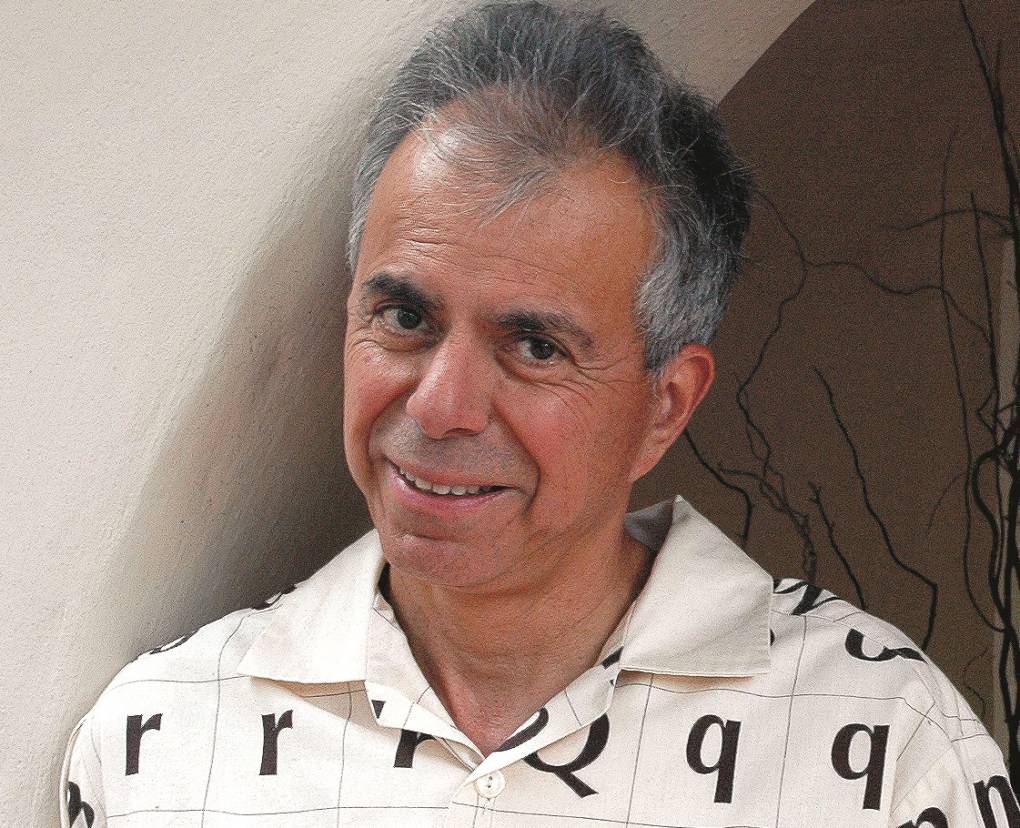
"caption": "Gary Soto is an award-winning poet and author based in Fresno and Berkeley. His poem \"Oranges\" is one of the most anthologized poems in U.S. literature. ",
"description": "Gary Soto is an award-winning poet and author based in Fresno and Berkeley. His poem \"Oranges\" is one of the most anthologized poems in U.S. literature. ",
"title": "RS30544_GarySoto (1)",
"credit": "Courtesy Chronicle Books",
"status": "inherit",
"isLoading": false,
"fetchFailed": false
},
"news_11663970": {
"type": "attachments",
"id": "news_11663970",
"meta": {
"index": "attachments_1716263798",
"site": "news",
"id": "11663970",
"found": true
},
"title": "RS30556_DSC_1576-qut",
"publishDate": 1524358130,
"status": "inherit",
"parent": 11663954,
"modified": 1776381148,
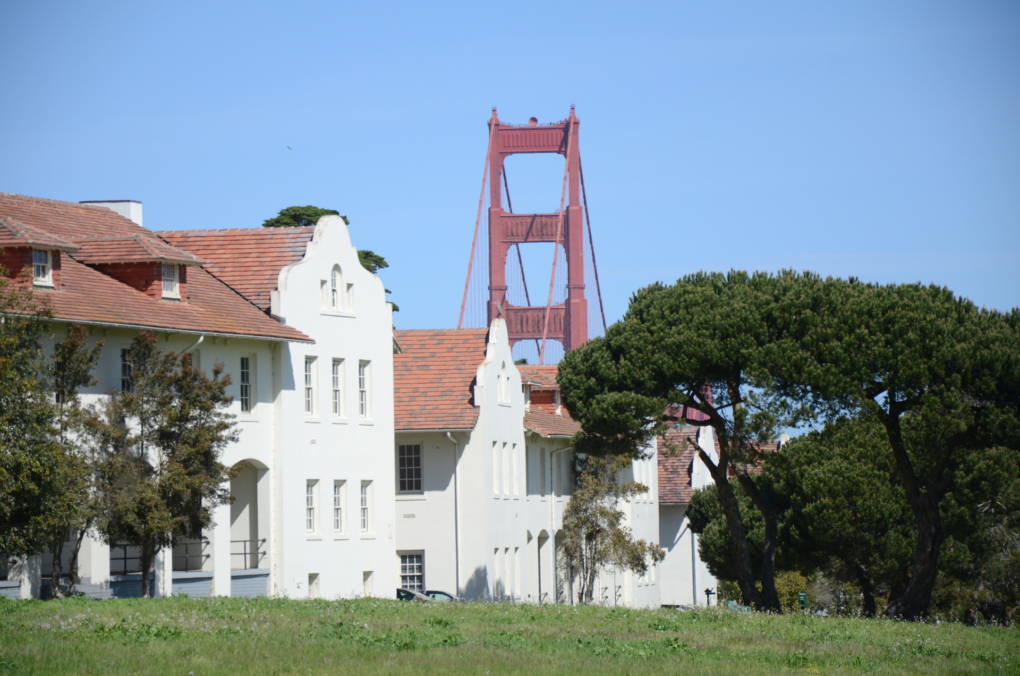
"caption": "Fort Winfield Scott was an active army base within the Presidio of San Francisco from 1912-1994. Now, the Presidio Trust is hoping to find a high-rolling do-gooder to renovate it as a \"campus for change.\"",
"credit": "Ryan Levi/KQED",
"altTag": "Fort Winfield Scott was an active army base within the Presidio of San Francisco from 1912-1994. Now, the Presidio Trust is hoping to find a high-rolling do-gooder to renovate it as a \"campus for change.\"",
"description": "Fort Winfield Scott was an active army base within the Presidio of San Francisco from 1912-1994. Now, the Presidio Trust is hoping to find a high-rolling do-gooder to renovate it as a \"campus for change.\"",
"imgSizes": {
"thumbnail": {
"file": "https://cdn.kqed.org/wp-content/uploads/sites/10/2018/04/RS30556_DSC_1576-qut-160x106.jpg",
"width": 160,
"height": 106,
"mimeType": "image/jpeg"
},
"medium": {
"file": "https://cdn.kqed.org/wp-content/uploads/sites/10/2018/04/RS30556_DSC_1576-qut-800x530.jpg",
"width": 800,
"height": 530,
"mimeType": "image/jpeg"
},
"large": {
"file": "https://cdn.kqed.org/wp-content/uploads/sites/10/2018/04/RS30556_DSC_1576-qut-1020x676.jpg",
"width": 1020,
"height": 676,
"mimeType": "image/jpeg"
},
"complete_open_graph": {
"file": "https://cdn.kqed.org/wp-content/uploads/sites/10/2018/04/RS30556_DSC_1576-qut-1200x795.jpg",
"width": 1200,
"height": 795,
"mimeType": "image/jpeg"
},
"fd-lrg": {
"file": "https://cdn.kqed.org/wp-content/uploads/sites/10/2018/04/RS30556_DSC_1576-qut-1920x1272.jpg",
"width": 1920,
"height": 1272,
"mimeType": "image/jpeg"
},
"fd-med": {
"file": "https://cdn.kqed.org/wp-content/uploads/sites/10/2018/04/RS30556_DSC_1576-qut-1180x782.jpg",
"width": 1180,
"height": 782,
"mimeType": "image/jpeg"
},
"fd-sm": {
"file": "https://cdn.kqed.org/wp-content/uploads/sites/10/2018/04/RS30556_DSC_1576-qut-960x636.jpg",
"width": 960,
"height": 636,
"mimeType": "image/jpeg"
},
"post-thumbnail": {
"file": "https://cdn.kqed.org/wp-content/uploads/sites/10/2018/04/RS30556_DSC_1576-qut-672x372.jpg",
"width": 672,
"height": 372,
"mimeType": "image/jpeg"
},
"twentyfourteen-full-width": {
"file": "https://cdn.kqed.org/wp-content/uploads/sites/10/2018/04/RS30556_DSC_1576-qut-1038x576.jpg",
"width": 1038,
"height": 576,
"mimeType": "image/jpeg"
},
"xxsmall": {
"file": "https://cdn.kqed.org/wp-content/uploads/sites/10/2018/04/RS30556_DSC_1576-qut-240x159.jpg",
"width": 240,
"height": 159,
"mimeType": "image/jpeg"
},
"xsmall": {
"file": "https://cdn.kqed.org/wp-content/uploads/sites/10/2018/04/RS30556_DSC_1576-qut-375x248.jpg",
"width": 375,
"height": 248,
"mimeType": "image/jpeg"
},
"small": {
"file": "https://cdn.kqed.org/wp-content/uploads/sites/10/2018/04/RS30556_DSC_1576-qut-520x345.jpg",
"width": 520,
"height": 345,
"mimeType": "image/jpeg"
},
"xlarge": {
"file": "https://cdn.kqed.org/wp-content/uploads/sites/10/2018/04/RS30556_DSC_1576-qut-1180x782.jpg",
"width": 1180,
"height": 782,
"mimeType": "image/jpeg"
},
"full-width": {
"file": "https://cdn.kqed.org/wp-content/uploads/sites/10/2018/04/RS30556_DSC_1576-qut-1920x1272.jpg",
"width": 1920,
"height": 1272,
"mimeType": "image/jpeg"
},
"guest-author-32": {
"file": "https://cdn.kqed.org/wp-content/uploads/sites/10/2018/04/RS30556_DSC_1576-qut-32x32.jpg",
"width": 32,
"height": 32,
"mimeType": "image/jpeg"
},
"guest-author-50": {
"file": "https://cdn.kqed.org/wp-content/uploads/sites/10/2018/04/RS30556_DSC_1576-qut-50x50.jpg",
"width": 50,
"height": 50,
"mimeType": "image/jpeg"
},
"guest-author-64": {
"file": "https://cdn.kqed.org/wp-content/uploads/sites/10/2018/04/RS30556_DSC_1576-qut-64x64.jpg",
"width": 64,
"height": 64,
"mimeType": "image/jpeg"
},
"guest-author-96": {
"file": "https://cdn.kqed.org/wp-content/uploads/sites/10/2018/04/RS30556_DSC_1576-qut-96x96.jpg",
"width": 96,
"height": 96,
"mimeType": "image/jpeg"
},
"guest-author-128": {
"file": "https://cdn.kqed.org/wp-content/uploads/sites/10/2018/04/RS30556_DSC_1576-qut-128x128.jpg",
"width": 128,
"height": 128,
"mimeType": "image/jpeg"
},
"detail": {
"file": "https://cdn.kqed.org/wp-content/uploads/sites/10/2018/04/RS30556_DSC_1576-qut-150x150.jpg",
"width": 150,
"height": 150,
"mimeType": "image/jpeg"
},
"kqedFullSize": {
"file": "https://cdn.kqed.org/wp-content/uploads/sites/10/2018/04/RS30556_DSC_1576-qut.jpg",
"width": 1920,
"height": 1272
}
},
"isLoading": false,
"fetchFailed": false
},
"news_11663147": {
"type": "attachments",
"id": "news_11663147",
"meta": {
"index": "attachments_1716263798",
"site": "news",
"id": "11663147",
"found": true
},
"parent": 11663127,
"imgSizes": {
"small": {
"file": "https://ww2.kqed.org/app/uploads/sites/10/2018/04/FEATURE_RS30241_03-Evans-Store-Happy-Camp-Circa-1900-qut-520x365.jpg",
"width": 520,
"mimeType": "image/jpeg",
"height": 365
},
"twentyfourteen-full-width": {
"file": "https://ww2.kqed.org/app/uploads/sites/10/2018/04/FEATURE_RS30241_03-Evans-Store-Happy-Camp-Circa-1900-qut-900x576.jpg",
"width": 900,
"mimeType": "image/jpeg",
"height": 576
},
"thumbnail": {
"file": "https://ww2.kqed.org/app/uploads/sites/10/2018/04/FEATURE_RS30241_03-Evans-Store-Happy-Camp-Circa-1900-qut-160x112.jpg",
"width": 160,
"mimeType": "image/jpeg",
"height": 112
},
"post-thumbnail": {
"file": "https://ww2.kqed.org/app/uploads/sites/10/2018/04/FEATURE_RS30241_03-Evans-Store-Happy-Camp-Circa-1900-qut-672x372.jpg",
"width": 672,
"mimeType": "image/jpeg",
"height": 372
},
"xsmall": {
"file": "https://ww2.kqed.org/app/uploads/sites/10/2018/04/FEATURE_RS30241_03-Evans-Store-Happy-Camp-Circa-1900-qut-375x263.jpg",
"width": 375,
"mimeType": "image/jpeg",
"height": 263
},
"kqedFullSize": {
"file": "https://ww2.kqed.org/app/uploads/sites/10/2018/04/FEATURE_RS30241_03-Evans-Store-Happy-Camp-Circa-1900-qut.jpg",
"width": 900,
"height": 632
},
"guest-author-50": {
"file": "https://ww2.kqed.org/app/uploads/sites/10/2018/04/FEATURE_RS30241_03-Evans-Store-Happy-Camp-Circa-1900-qut-50x50.jpg",
"width": 50,
"mimeType": "image/jpeg",
"height": 50
},
"guest-author-96": {
"file": "https://ww2.kqed.org/app/uploads/sites/10/2018/04/FEATURE_RS30241_03-Evans-Store-Happy-Camp-Circa-1900-qut-96x96.jpg",
"width": 96,
"mimeType": "image/jpeg",
"height": 96
},
"medium": {
"file": "https://ww2.kqed.org/app/uploads/sites/10/2018/04/FEATURE_RS30241_03-Evans-Store-Happy-Camp-Circa-1900-qut-800x562.jpg",
"width": 800,
"mimeType": "image/jpeg",
"height": 562
},
"guest-author-64": {
"file": "https://ww2.kqed.org/app/uploads/sites/10/2018/04/FEATURE_RS30241_03-Evans-Store-Happy-Camp-Circa-1900-qut-64x64.jpg",
"width": 64,
"mimeType": "image/jpeg",
"height": 64
},
"guest-author-32": {
"file": "https://ww2.kqed.org/app/uploads/sites/10/2018/04/FEATURE_RS30241_03-Evans-Store-Happy-Camp-Circa-1900-qut-32x32.jpg",
"width": 32,
"mimeType": "image/jpeg",
"height": 32
},
"detail": {
"file": "https://ww2.kqed.org/app/uploads/sites/10/2018/04/FEATURE_RS30241_03-Evans-Store-Happy-Camp-Circa-1900-qut-150x150.jpg",
"width": 150,
"mimeType": "image/jpeg",
"height": 150
},
"guest-author-128": {
"file": "https://ww2.kqed.org/app/uploads/sites/10/2018/04/FEATURE_RS30241_03-Evans-Store-Happy-Camp-Circa-1900-qut-128x128.jpg",
"width": 128,
"mimeType": "image/jpeg",
"height": 128
},
"xxsmall": {
"file": "https://ww2.kqed.org/app/uploads/sites/10/2018/04/FEATURE_RS30241_03-Evans-Store-Happy-Camp-Circa-1900-qut-240x169.jpg",
"width": 240,
"mimeType": "image/jpeg",
"height": 169
}
},
"publishDate": 1524085533,
"modified": 1524340328,
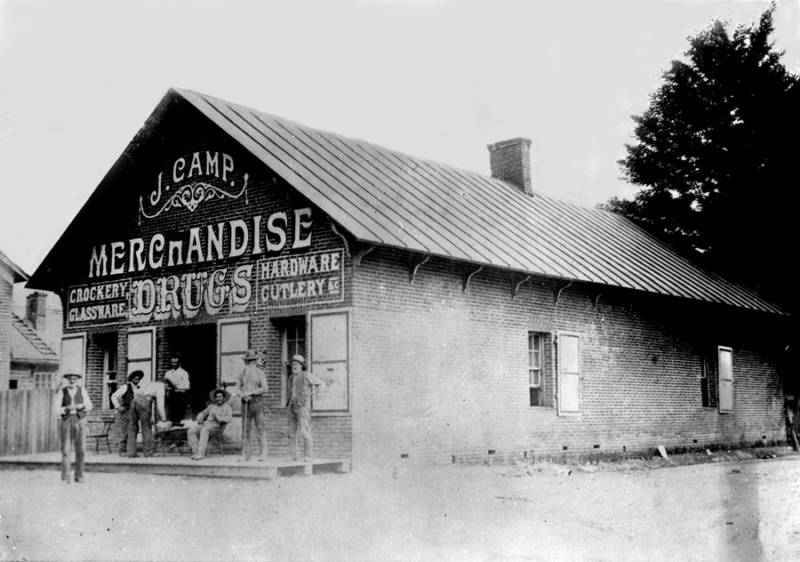
"caption": "Evans General Store, Happy Camp, CA Circa 1900.",
"description": "Evans General Store, Happy Camp, CA Circa 1900.",
"title": "FEATURE_RS30241_03 Evans Store Happy Camp Circa 1900-qut",
"credit": "Yreka Preservation, Member Collection",
"status": "inherit",
"isLoading": false,
"fetchFailed": false
},
"news_11661531": {
"type": "attachments",
"id": "news_11661531",
"meta": {
"index": "attachments_1716263798",
"site": "news",
"id": "11661531",
"found": true
},
"parent": 11661532,
"imgSizes": {
"small": {
"file": "https://ww2.kqed.org/app/uploads/sites/10/2018/04/RS30412_pole-10-qut-520x347.jpg",
"width": 520,
"mimeType": "image/jpeg",
"height": 347
},
"twentyfourteen-full-width": {
"file": "https://ww2.kqed.org/app/uploads/sites/10/2018/04/RS30412_pole-10-qut-1038x576.jpg",
"width": 1038,
"mimeType": "image/jpeg",
"height": 576
},
"thumbnail": {
"file": "https://ww2.kqed.org/app/uploads/sites/10/2018/04/RS30412_pole-10-qut-160x107.jpg",
"width": 160,
"mimeType": "image/jpeg",
"height": 107
},
"fd-sm": {
"file": "https://ww2.kqed.org/app/uploads/sites/10/2018/04/RS30412_pole-10-qut-960x640.jpg",
"width": 960,
"mimeType": "image/jpeg",
"height": 640
},
"post-thumbnail": {
"file": "https://ww2.kqed.org/app/uploads/sites/10/2018/04/RS30412_pole-10-qut-672x372.jpg",
"width": 672,
"mimeType": "image/jpeg",
"height": 372
},
"xsmall": {
"file": "https://ww2.kqed.org/app/uploads/sites/10/2018/04/RS30412_pole-10-qut-375x250.jpg",
"width": 375,
"mimeType": "image/jpeg",
"height": 250
},
"kqedFullSize": {
"file": "https://ww2.kqed.org/app/uploads/sites/10/2018/04/RS30412_pole-10-qut.jpg",
"width": 1920,
"height": 1280
},
"large": {
"file": "https://ww2.kqed.org/app/uploads/sites/10/2018/04/RS30412_pole-10-qut-1020x680.jpg",
"width": 1020,
"mimeType": "image/jpeg",
"height": 680
},
"xlarge": {
"file": "https://ww2.kqed.org/app/uploads/sites/10/2018/04/RS30412_pole-10-qut-1180x787.jpg",
"width": 1180,
"mimeType": "image/jpeg",
"height": 787
},
"complete_open_graph": {
"file": "https://ww2.kqed.org/app/uploads/sites/10/2018/04/RS30412_pole-10-qut-1200x800.jpg",
"width": 1200,
"mimeType": "image/jpeg",
"height": 800
},
"guest-author-50": {
"file": "https://ww2.kqed.org/app/uploads/sites/10/2018/04/RS30412_pole-10-qut-50x50.jpg",
"width": 50,
"mimeType": "image/jpeg",
"height": 50
},
"guest-author-96": {
"file": "https://ww2.kqed.org/app/uploads/sites/10/2018/04/RS30412_pole-10-qut-96x96.jpg",
"width": 96,
"mimeType": "image/jpeg",
"height": 96
},
"medium": {
"file": "https://ww2.kqed.org/app/uploads/sites/10/2018/04/RS30412_pole-10-qut-800x533.jpg",
"width": 800,
"mimeType": "image/jpeg",
"height": 533
},
"guest-author-64": {
"file": "https://ww2.kqed.org/app/uploads/sites/10/2018/04/RS30412_pole-10-qut-64x64.jpg",
"width": 64,
"mimeType": "image/jpeg",
"height": 64
},
"guest-author-32": {
"file": "https://ww2.kqed.org/app/uploads/sites/10/2018/04/RS30412_pole-10-qut-32x32.jpg",
"width": 32,
"mimeType": "image/jpeg",
"height": 32
},
"fd-lrg": {
"file": "https://ww2.kqed.org/app/uploads/sites/10/2018/04/RS30412_pole-10-qut-1920x1280.jpg",
"width": 1920,
"mimeType": "image/jpeg",
"height": 1280
},
"fd-med": {
"file": "https://ww2.kqed.org/app/uploads/sites/10/2018/04/RS30412_pole-10-qut-1180x787.jpg",
"width": 1180,
"mimeType": "image/jpeg",
"height": 787
},
"full-width": {
"file": "https://ww2.kqed.org/app/uploads/sites/10/2018/04/RS30412_pole-10-qut-1920x1280.jpg",
"width": 1920,
"mimeType": "image/jpeg",
"height": 1280
},
"detail": {
"file": "https://ww2.kqed.org/app/uploads/sites/10/2018/04/RS30412_pole-10-qut-150x150.jpg",
"width": 150,
"mimeType": "image/jpeg",
"height": 150
},
"guest-author-128": {
"file": "https://ww2.kqed.org/app/uploads/sites/10/2018/04/RS30412_pole-10-qut-128x128.jpg",
"width": 128,
"mimeType": "image/jpeg",
"height": 128
},
"xxsmall": {
"file": "https://ww2.kqed.org/app/uploads/sites/10/2018/04/RS30412_pole-10-qut-240x160.jpg",
"width": 240,
"mimeType": "image/jpeg",
"height": 160
}
},
"publishDate": 1523490064,
"modified": 1524264782,
"caption": "Pole dancers of all ages and abilities competed in the Golden Gate Pole Championships in February in San Bruno, California. ",
"description": null,
"title": "RS30412_pole-10-qut",
"credit": "Samantha Shanahan/KQED",
"status": "inherit",
"isLoading": false,
"fetchFailed": false
},
"news_11661423": {
"type": "attachments",
"id": "news_11661423",
"meta": {
"index": "attachments_1716263798",
"site": "news",
"id": "11661423",
"found": true
},
"parent": 11660626,
"imgSizes": {
"small": {
"file": "https://ww2.kqed.org/app/uploads/sites/10/2018/04/FEATURE2_RS30347_00-pole_firstedit-20-qut-1-520x347.jpg",
"width": 520,
"mimeType": "image/jpeg",
"height": 347
},
"twentyfourteen-full-width": {
"file": "https://ww2.kqed.org/app/uploads/sites/10/2018/04/FEATURE2_RS30347_00-pole_firstedit-20-qut-1-1038x576.jpg",
"width": 1038,
"mimeType": "image/jpeg",
"height": 576
},
"thumbnail": {
"file": "https://ww2.kqed.org/app/uploads/sites/10/2018/04/FEATURE2_RS30347_00-pole_firstedit-20-qut-1-160x107.jpg",
"width": 160,
"mimeType": "image/jpeg",
"height": 107
},
"fd-sm": {
"file": "https://ww2.kqed.org/app/uploads/sites/10/2018/04/FEATURE2_RS30347_00-pole_firstedit-20-qut-1-960x640.jpg",
"width": 960,
"mimeType": "image/jpeg",
"height": 640
},
"post-thumbnail": {
"file": "https://ww2.kqed.org/app/uploads/sites/10/2018/04/FEATURE2_RS30347_00-pole_firstedit-20-qut-1-672x372.jpg",
"width": 672,
"mimeType": "image/jpeg",
"height": 372
},
"xsmall": {
"file": "https://ww2.kqed.org/app/uploads/sites/10/2018/04/FEATURE2_RS30347_00-pole_firstedit-20-qut-1-375x250.jpg",
"width": 375,
"mimeType": "image/jpeg",
"height": 250
},
"kqedFullSize": {
"file": "https://ww2.kqed.org/app/uploads/sites/10/2018/04/FEATURE2_RS30347_00-pole_firstedit-20-qut-1.jpg",
"width": 1920,
"height": 1280
},
"large": {
"file": "https://ww2.kqed.org/app/uploads/sites/10/2018/04/FEATURE2_RS30347_00-pole_firstedit-20-qut-1-1020x680.jpg",
"width": 1020,
"mimeType": "image/jpeg",
"height": 680
},
"xlarge": {
"file": "https://ww2.kqed.org/app/uploads/sites/10/2018/04/FEATURE2_RS30347_00-pole_firstedit-20-qut-1-1180x787.jpg",
"width": 1180,
"mimeType": "image/jpeg",
"height": 787
},
"guest-author-50": {
"file": "https://ww2.kqed.org/app/uploads/sites/10/2018/04/FEATURE2_RS30347_00-pole_firstedit-20-qut-1-50x50.jpg",
"width": 50,
"mimeType": "image/jpeg",
"height": 50
},
"guest-author-96": {
"file": "https://ww2.kqed.org/app/uploads/sites/10/2018/04/FEATURE2_RS30347_00-pole_firstedit-20-qut-1-96x96.jpg",
"width": 96,
"mimeType": "image/jpeg",
"height": 96
},
"medium": {
"file": "https://ww2.kqed.org/app/uploads/sites/10/2018/04/FEATURE2_RS30347_00-pole_firstedit-20-qut-1-800x533.jpg",
"width": 800,
"mimeType": "image/jpeg",
"height": 533
},
"guest-author-64": {
"file": "https://ww2.kqed.org/app/uploads/sites/10/2018/04/FEATURE2_RS30347_00-pole_firstedit-20-qut-1-64x64.jpg",
"width": 64,
"mimeType": "image/jpeg",
"height": 64
},
"guest-author-32": {
"file": "https://ww2.kqed.org/app/uploads/sites/10/2018/04/FEATURE2_RS30347_00-pole_firstedit-20-qut-1-32x32.jpg",
"width": 32,
"mimeType": "image/jpeg",
"height": 32
},
"fd-lrg": {
"file": "https://ww2.kqed.org/app/uploads/sites/10/2018/04/FEATURE2_RS30347_00-pole_firstedit-20-qut-1-1920x1280.jpg",
"width": 1920,
"mimeType": "image/jpeg",
"height": 1280
},
"fd-med": {
"file": "https://ww2.kqed.org/app/uploads/sites/10/2018/04/FEATURE2_RS30347_00-pole_firstedit-20-qut-1-1180x787.jpg",
"width": 1180,
"mimeType": "image/jpeg",
"height": 787
},
"full-width": {
"file": "https://ww2.kqed.org/app/uploads/sites/10/2018/04/FEATURE2_RS30347_00-pole_firstedit-20-qut-1-1920x1280.jpg",
"width": 1920,
"mimeType": "image/jpeg",
"height": 1280
},
"detail": {
"file": "https://ww2.kqed.org/app/uploads/sites/10/2018/04/FEATURE2_RS30347_00-pole_firstedit-20-qut-1-150x150.jpg",
"width": 150,
"mimeType": "image/jpeg",
"height": 150
},
"guest-author-128": {
"file": "https://ww2.kqed.org/app/uploads/sites/10/2018/04/FEATURE2_RS30347_00-pole_firstedit-20-qut-1-128x128.jpg",
"width": 128,
"mimeType": "image/jpeg",
"height": 128
},
"xxsmall": {
"file": "https://ww2.kqed.org/app/uploads/sites/10/2018/04/FEATURE2_RS30347_00-pole_firstedit-20-qut-1-240x160.jpg",
"width": 240,
"mimeType": "image/jpeg",
"height": 160
}
},
"publishDate": 1523481734,
"modified": 1523481833,
"caption": "MaKayla Keating (R) and her dance partner stretch before practicing their pole dancing routine at a studio in San Francisco.",
"description": null,
"title": "FEATURE2_RS30347_00 pole_firstedit-20-qut",
"credit": "Samantha Shanahan/KQED",
"status": "inherit",
"isLoading": false,
"fetchFailed": false
},
"news_11663585": {
"type": "attachments",
"id": "news_11663585",
"meta": {
"index": "attachments_1716263798",
"site": "news",
"id": "11663585",
"found": true
},
"parent": 11663576,
"imgSizes": {
"small": {
"file": "https://ww2.kqed.org/app/uploads/sites/10/2018/04/Elmwood-cafe-1-720x478-520x345.jpg",
"width": 520,
"mimeType": "image/jpeg",
"height": 345
},
"thumbnail": {
"file": "https://ww2.kqed.org/app/uploads/sites/10/2018/04/Elmwood-cafe-1-720x478-160x106.jpg",
"width": 160,
"mimeType": "image/jpeg",
"height": 106
},
"post-thumbnail": {
"file": "https://ww2.kqed.org/app/uploads/sites/10/2018/04/Elmwood-cafe-1-720x478-672x372.jpg",
"width": 672,
"mimeType": "image/jpeg",
"height": 372
},
"xsmall": {
"file": "https://ww2.kqed.org/app/uploads/sites/10/2018/04/Elmwood-cafe-1-720x478-375x249.jpg",
"width": 375,
"mimeType": "image/jpeg",
"height": 249
},
"kqedFullSize": {
"file": "https://ww2.kqed.org/app/uploads/sites/10/2018/04/Elmwood-cafe-1-720x478.jpg",
"width": 720,
"height": 478
},
"guest-author-50": {
"file": "https://ww2.kqed.org/app/uploads/sites/10/2018/04/Elmwood-cafe-1-720x478-50x50.jpg",
"width": 50,
"mimeType": "image/jpeg",
"height": 50
},
"guest-author-96": {
"file": "https://ww2.kqed.org/app/uploads/sites/10/2018/04/Elmwood-cafe-1-720x478-96x96.jpg",
"width": 96,
"mimeType": "image/jpeg",
"height": 96
},
"guest-author-64": {
"file": "https://ww2.kqed.org/app/uploads/sites/10/2018/04/Elmwood-cafe-1-720x478-64x64.jpg",
"width": 64,
"mimeType": "image/jpeg",
"height": 64
},
"detail": {
"file": "https://ww2.kqed.org/app/uploads/sites/10/2018/04/Elmwood-cafe-1-720x478-150x150.jpg",
"width": 150,
"mimeType": "image/jpeg",
"height": 150
},
"guest-author-32": {
"file": "https://ww2.kqed.org/app/uploads/sites/10/2018/04/Elmwood-cafe-1-720x478-32x32.jpg",
"width": 32,
"mimeType": "image/jpeg",
"height": 32
},
"guest-author-128": {
"file": "https://ww2.kqed.org/app/uploads/sites/10/2018/04/Elmwood-cafe-1-720x478-128x128.jpg",
"width": 128,
"mimeType": "image/jpeg",
"height": 128
},
"xxsmall": {
"file": "https://ww2.kqed.org/app/uploads/sites/10/2018/04/Elmwood-cafe-1-720x478-240x159.jpg",
"width": 240,
"mimeType": "image/jpeg",
"height": 159
}
},
"publishDate": 1524244569,
"modified": 1524244612,
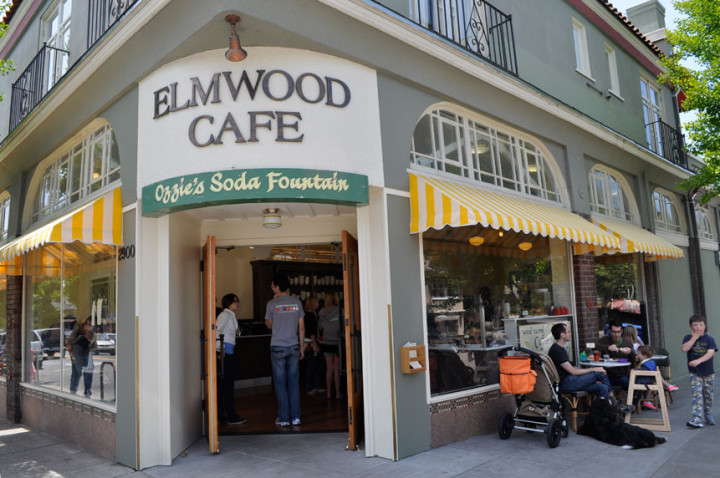
"caption": "The Elmwood Cafe at 2900 College Ave., where comedian W. Kamau Bell says he was the victim of racism.",
"description": null,
"title": "Elmwood-cafe-1-720x478",
"credit": "Tracey Taylor/Berkeleyside",
"status": "inherit",
"isLoading": false,
"fetchFailed": false
},
"news_11663202": {
"type": "attachments",
"id": "news_11663202",
"meta": {
"index": "attachments_1716263798",
"site": "news",
"id": "11663202",
"found": true
},
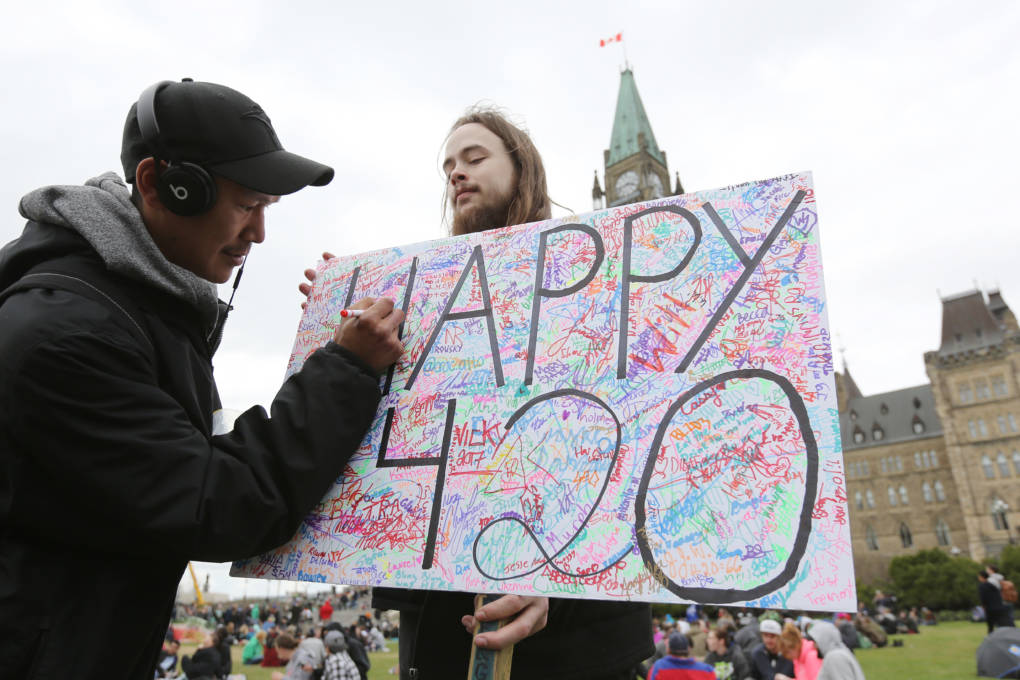
"title": "A guy holding a 420 sign",
"publishDate": 1524089589,
"status": "inherit",
"parent": 11663153,
"modified": 1776282952,
"caption": "A guy holding a 420 sign.",
"credit": "Lars Hagberg/AFP/Getty Images",
"altTag": "A guy holding a 420 sign",
"description": "A guy holding a 420 sign",
"imgSizes": {
"thumbnail": {
"file": "https://cdn.kqed.org/wp-content/uploads/sites/10/2018/04/GettyImages-670837286-160x107.jpg",
"width": 160,
"height": 107,
"mimeType": "image/jpeg"
},
"medium": {
"file": "https://cdn.kqed.org/wp-content/uploads/sites/10/2018/04/GettyImages-670837286-800x533.jpg",
"width": 800,
"height": 533,
"mimeType": "image/jpeg"
},
"large": {
"file": "https://cdn.kqed.org/wp-content/uploads/sites/10/2018/04/GettyImages-670837286-1020x680.jpg",
"width": 1020,
"height": 680,
"mimeType": "image/jpeg"
},
"complete_open_graph": {
"file": "https://cdn.kqed.org/wp-content/uploads/sites/10/2018/04/GettyImages-670837286-1200x800.jpg",
"width": 1200,
"height": 800,
"mimeType": "image/jpeg"
},
"fd-lrg": {
"file": "https://cdn.kqed.org/wp-content/uploads/sites/10/2018/04/GettyImages-670837286-1920x1280.jpg",
"width": 1920,
"height": 1280,
"mimeType": "image/jpeg"
},
"fd-med": {
"file": "https://cdn.kqed.org/wp-content/uploads/sites/10/2018/04/GettyImages-670837286-1180x787.jpg",
"width": 1180,
"height": 787,
"mimeType": "image/jpeg"
},
"fd-sm": {
"file": "https://cdn.kqed.org/wp-content/uploads/sites/10/2018/04/GettyImages-670837286-960x640.jpg",
"width": 960,
"height": 640,
"mimeType": "image/jpeg"
},
"post-thumbnail": {
"file": "https://cdn.kqed.org/wp-content/uploads/sites/10/2018/04/GettyImages-670837286-672x372.jpg",
"width": 672,
"height": 372,
"mimeType": "image/jpeg"
},
"twentyfourteen-full-width": {
"file": "https://cdn.kqed.org/wp-content/uploads/sites/10/2018/04/GettyImages-670837286-1038x576.jpg",
"width": 1038,
"height": 576,
"mimeType": "image/jpeg"
},
"xxsmall": {
"file": "https://cdn.kqed.org/wp-content/uploads/sites/10/2018/04/GettyImages-670837286-240x160.jpg",
"width": 240,
"height": 160,
"mimeType": "image/jpeg"
},
"xsmall": {
"file": "https://cdn.kqed.org/wp-content/uploads/sites/10/2018/04/GettyImages-670837286-375x250.jpg",
"width": 375,
"height": 250,
"mimeType": "image/jpeg"
},
"small": {
"file": "https://cdn.kqed.org/wp-content/uploads/sites/10/2018/04/GettyImages-670837286-520x347.jpg",
"width": 520,
"height": 347,
"mimeType": "image/jpeg"
},
"xlarge": {
"file": "https://cdn.kqed.org/wp-content/uploads/sites/10/2018/04/GettyImages-670837286-1180x787.jpg",
"width": 1180,
"height": 787,
"mimeType": "image/jpeg"
},
"full-width": {
"file": "https://cdn.kqed.org/wp-content/uploads/sites/10/2018/04/GettyImages-670837286-1920x1280.jpg",
"width": 1920,
"height": 1280,
"mimeType": "image/jpeg"
},
"guest-author-32": {
"file": "https://cdn.kqed.org/wp-content/uploads/sites/10/2018/04/GettyImages-670837286-32x32.jpg",
"width": 32,
"height": 32,
"mimeType": "image/jpeg"
},
"guest-author-50": {
"file": "https://cdn.kqed.org/wp-content/uploads/sites/10/2018/04/GettyImages-670837286-50x50.jpg",
"width": 50,
"height": 50,
"mimeType": "image/jpeg"
},
"guest-author-64": {
"file": "https://cdn.kqed.org/wp-content/uploads/sites/10/2018/04/GettyImages-670837286-64x64.jpg",
"width": 64,
"height": 64,
"mimeType": "image/jpeg"
},
"guest-author-96": {
"file": "https://cdn.kqed.org/wp-content/uploads/sites/10/2018/04/GettyImages-670837286-96x96.jpg",
"width": 96,
"height": 96,
"mimeType": "image/jpeg"
},
"guest-author-128": {
"file": "https://cdn.kqed.org/wp-content/uploads/sites/10/2018/04/GettyImages-670837286-128x128.jpg",
"width": 128,
"height": 128,
"mimeType": "image/jpeg"
},
"detail": {
"file": "https://cdn.kqed.org/wp-content/uploads/sites/10/2018/04/GettyImages-670837286-150x150.jpg",
"width": 150,
"height": 150,
"mimeType": "image/jpeg"
},
"kqedFullSize": {
"file": "https://cdn.kqed.org/wp-content/uploads/sites/10/2018/04/GettyImages-670837286-e1524416370324.jpg",
"width": 1920,
"height": 1280
}
},
"isLoading": false,
"fetchFailed": false
},
"news_11663071": {
"type": "attachments",
"id": "news_11663071",
"meta": {
"index": "attachments_1716263798",
"site": "news",
"id": "11663071",
"found": true
},
"parent": 11663070,
"imgSizes": {
"small": {
"file": "https://ww2.kqed.org/app/uploads/sites/10/2018/04/Screen-Shot-2018-04-18-at-10.42.15-AM-520x292.png",
"width": 520,
"mimeType": "image/png",
"height": 292
},
"twentyfourteen-full-width": {
"file": "https://ww2.kqed.org/app/uploads/sites/10/2018/04/Screen-Shot-2018-04-18-at-10.42.15-AM-1038x576.png",
"width": 1038,
"mimeType": "image/png",
"height": 576
},
"thumbnail": {
"file": "https://ww2.kqed.org/app/uploads/sites/10/2018/04/Screen-Shot-2018-04-18-at-10.42.15-AM-160x90.png",
"width": 160,
"mimeType": "image/png",
"height": 90
},
"fd-sm": {
"file": "https://ww2.kqed.org/app/uploads/sites/10/2018/04/Screen-Shot-2018-04-18-at-10.42.15-AM-960x539.png",
"width": 960,
"mimeType": "image/png",
"height": 539
},
"post-thumbnail": {
"file": "https://ww2.kqed.org/app/uploads/sites/10/2018/04/Screen-Shot-2018-04-18-at-10.42.15-AM-672x372.png",
"width": 672,
"mimeType": "image/png",
"height": 372
},
"xsmall": {
"file": "https://ww2.kqed.org/app/uploads/sites/10/2018/04/Screen-Shot-2018-04-18-at-10.42.15-AM-375x211.png",
"width": 375,
"mimeType": "image/png",
"height": 211
},
"kqedFullSize": {
"file": "https://ww2.kqed.org/app/uploads/sites/10/2018/04/Screen-Shot-2018-04-18-at-10.42.15-AM.png",
"width": 1438,
"height": 808
},
"large": {
"file": "https://ww2.kqed.org/app/uploads/sites/10/2018/04/Screen-Shot-2018-04-18-at-10.42.15-AM-1020x573.png",
"width": 1020,
"mimeType": "image/png",
"height": 573
},
"xlarge": {
"file": "https://ww2.kqed.org/app/uploads/sites/10/2018/04/Screen-Shot-2018-04-18-at-10.42.15-AM-1180x663.png",
"width": 1180,
"mimeType": "image/png",
"height": 663
},
"complete_open_graph": {
"file": "https://ww2.kqed.org/app/uploads/sites/10/2018/04/Screen-Shot-2018-04-18-at-10.42.15-AM-1200x674.png",
"width": 1200,
"mimeType": "image/png",
"height": 674
},
"guest-author-50": {
"file": "https://ww2.kqed.org/app/uploads/sites/10/2018/04/Screen-Shot-2018-04-18-at-10.42.15-AM-50x50.png",
"width": 50,
"mimeType": "image/png",
"height": 50
},
"guest-author-96": {
"file": "https://ww2.kqed.org/app/uploads/sites/10/2018/04/Screen-Shot-2018-04-18-at-10.42.15-AM-96x96.png",
"width": 96,
"mimeType": "image/png",
"height": 96
},
"medium": {
"file": "https://ww2.kqed.org/app/uploads/sites/10/2018/04/Screen-Shot-2018-04-18-at-10.42.15-AM-800x450.png",
"width": 800,
"mimeType": "image/png",
"height": 450
},
"guest-author-64": {
"file": "https://ww2.kqed.org/app/uploads/sites/10/2018/04/Screen-Shot-2018-04-18-at-10.42.15-AM-64x64.png",
"width": 64,
"mimeType": "image/png",
"height": 64
},
"guest-author-32": {
"file": "https://ww2.kqed.org/app/uploads/sites/10/2018/04/Screen-Shot-2018-04-18-at-10.42.15-AM-32x32.png",
"width": 32,
"mimeType": "image/png",
"height": 32
},
"fd-med": {
"file": "https://ww2.kqed.org/app/uploads/sites/10/2018/04/Screen-Shot-2018-04-18-at-10.42.15-AM-1180x663.png",
"width": 1180,
"mimeType": "image/png",
"height": 663
},
"detail": {
"file": "https://ww2.kqed.org/app/uploads/sites/10/2018/04/Screen-Shot-2018-04-18-at-10.42.15-AM-150x150.png",
"width": 150,
"mimeType": "image/png",
"height": 150
},
"guest-author-128": {
"file": "https://ww2.kqed.org/app/uploads/sites/10/2018/04/Screen-Shot-2018-04-18-at-10.42.15-AM-128x128.png",
"width": 128,
"mimeType": "image/png",
"height": 128
},
"xxsmall": {
"file": "https://ww2.kqed.org/app/uploads/sites/10/2018/04/Screen-Shot-2018-04-18-at-10.42.15-AM-240x135.png",
"width": 240,
"mimeType": "image/png",
"height": 135
}
},
"publishDate": 1524073362,
"modified": 1524073419,
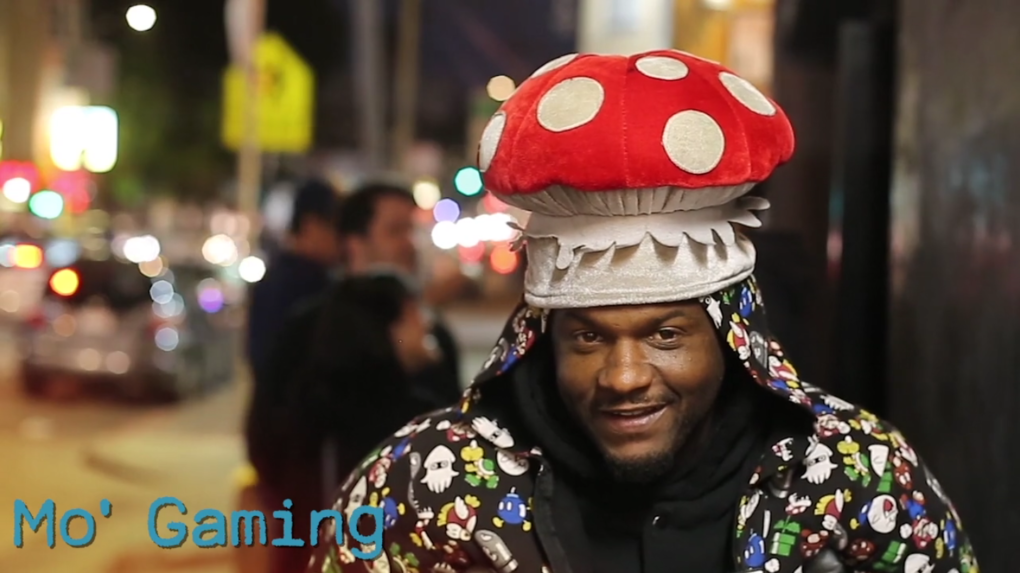
"caption": "Mo Gamin'",
"description": null,
"title": "Screen Shot 2018-04-18 at 10.42.15 AM",
"credit": "Abraham Rodriguez/Mission Local",
"status": "inherit",
"isLoading": false,
"fetchFailed": false
},
"news_11662130": {
"type": "attachments",
"id": "news_11662130",
"meta": {
"index": "attachments_1716263798",
"site": "news",
"id": "11662130",
"found": true
},
"parent": 11662128,
"imgSizes": {
"small": {
"file": "https://ww2.kqed.org/app/uploads/sites/10/2018/04/RS30442_unknown-trio-set-57-qut-520x399.jpg",
"width": 520,
"mimeType": "image/jpeg",
"height": 399
},
"twentyfourteen-full-width": {
"file": "https://ww2.kqed.org/app/uploads/sites/10/2018/04/RS30442_unknown-trio-set-57-qut-1038x576.jpg",
"width": 1038,
"mimeType": "image/jpeg",
"height": 576
},
"thumbnail": {
"file": "https://ww2.kqed.org/app/uploads/sites/10/2018/04/RS30442_unknown-trio-set-57-qut-160x123.jpg",
"width": 160,
"mimeType": "image/jpeg",
"height": 123
},
"fd-sm": {
"file": "https://ww2.kqed.org/app/uploads/sites/10/2018/04/RS30442_unknown-trio-set-57-qut-960x738.jpg",
"width": 960,
"mimeType": "image/jpeg",
"height": 738
},
"post-thumbnail": {
"file": "https://ww2.kqed.org/app/uploads/sites/10/2018/04/RS30442_unknown-trio-set-57-qut-672x372.jpg",
"width": 672,
"mimeType": "image/jpeg",
"height": 372
},
"xsmall": {
"file": "https://ww2.kqed.org/app/uploads/sites/10/2018/04/RS30442_unknown-trio-set-57-qut-375x288.jpg",
"width": 375,
"mimeType": "image/jpeg",
"height": 288
},
"kqedFullSize": {
"file": "https://ww2.kqed.org/app/uploads/sites/10/2018/04/RS30442_unknown-trio-set-57-qut.jpg",
"width": 1920,
"height": 1475
},
"large": {
"file": "https://ww2.kqed.org/app/uploads/sites/10/2018/04/RS30442_unknown-trio-set-57-qut-1020x784.jpg",
"width": 1020,
"mimeType": "image/jpeg",
"height": 784
},
"xlarge": {
"file": "https://ww2.kqed.org/app/uploads/sites/10/2018/04/RS30442_unknown-trio-set-57-qut-1180x907.jpg",
"width": 1180,
"mimeType": "image/jpeg",
"height": 907
},
"complete_open_graph": {
"file": "https://ww2.kqed.org/app/uploads/sites/10/2018/04/RS30442_unknown-trio-set-57-qut-1200x922.jpg",
"width": 1200,
"mimeType": "image/jpeg",
"height": 922
},
"guest-author-50": {
"file": "https://ww2.kqed.org/app/uploads/sites/10/2018/04/RS30442_unknown-trio-set-57-qut-50x50.jpg",
"width": 50,
"mimeType": "image/jpeg",
"height": 50
},
"guest-author-96": {
"file": "https://ww2.kqed.org/app/uploads/sites/10/2018/04/RS30442_unknown-trio-set-57-qut-96x96.jpg",
"width": 96,
"mimeType": "image/jpeg",
"height": 96
},
"medium": {
"file": "https://ww2.kqed.org/app/uploads/sites/10/2018/04/RS30442_unknown-trio-set-57-qut-800x615.jpg",
"width": 800,
"mimeType": "image/jpeg",
"height": 615
},
"guest-author-64": {
"file": "https://ww2.kqed.org/app/uploads/sites/10/2018/04/RS30442_unknown-trio-set-57-qut-64x64.jpg",
"width": 64,
"mimeType": "image/jpeg",
"height": 64
},
"guest-author-32": {
"file": "https://ww2.kqed.org/app/uploads/sites/10/2018/04/RS30442_unknown-trio-set-57-qut-32x32.jpg",
"width": 32,
"mimeType": "image/jpeg",
"height": 32
},
"fd-lrg": {
"file": "https://ww2.kqed.org/app/uploads/sites/10/2018/04/RS30442_unknown-trio-set-57-qut-1920x1475.jpg",
"width": 1920,
"mimeType": "image/jpeg",
"height": 1475
},
"fd-med": {
"file": "https://ww2.kqed.org/app/uploads/sites/10/2018/04/RS30442_unknown-trio-set-57-qut-1180x907.jpg",
"width": 1180,
"mimeType": "image/jpeg",
"height": 907
},
"full-width": {
"file": "https://ww2.kqed.org/app/uploads/sites/10/2018/04/RS30442_unknown-trio-set-57-qut-1920x1475.jpg",
"width": 1920,
"mimeType": "image/jpeg",
"height": 1475
},
"detail": {
"file": "https://ww2.kqed.org/app/uploads/sites/10/2018/04/RS30442_unknown-trio-set-57-qut-150x150.jpg",
"width": 150,
"mimeType": "image/jpeg",
"height": 150
},
"guest-author-128": {
"file": "https://ww2.kqed.org/app/uploads/sites/10/2018/04/RS30442_unknown-trio-set-57-qut-128x128.jpg",
"width": 128,
"mimeType": "image/jpeg",
"height": 128
},
"xxsmall": {
"file": "https://ww2.kqed.org/app/uploads/sites/10/2018/04/RS30442_unknown-trio-set-57-qut-240x184.jpg",
"width": 240,
"mimeType": "image/jpeg",
"height": 184
}
},
"publishDate": 1523653143,
"modified": 1524015062,
"caption": "Unknown trio with their souped-up car, Southern California 1957.",
"description": "Unknown trio with their souped-up car, Southern California 1957.",
"title": "RS30442_unknown trio set 57-qut",
"credit": "Courtesy of Oliver Wang",
"status": "inherit",
"isLoading": false,
"fetchFailed": false
},
"news_11662140": {
"type": "attachments",
"id": "news_11662140",
"meta": {
"index": "attachments_1716263798",
"site": "news",
"id": "11662140",
"found": true
},
"title": "HippieHill2015",
"publishDate": 1523653922,
"status": "inherit",
"parent": 11661946,
"modified": 1744313514,
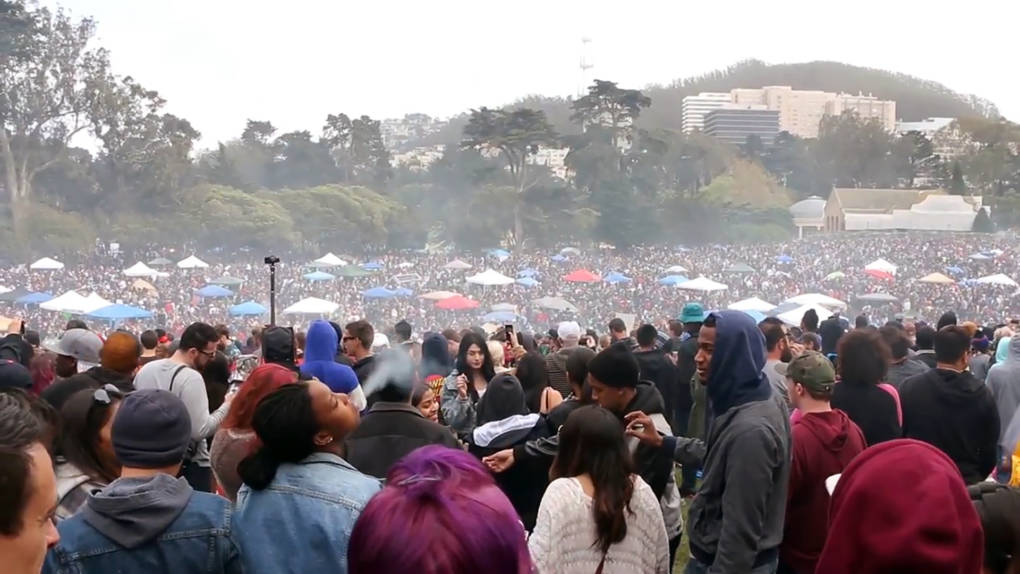
"caption": "A view of \"Hippie Hill\" in Golden Gate Park during the 420 celebration in 2015.",
"credit": "Jeremy Raff/KQED",
"altTag": "A view of Hippie Hill in Golden Gate Park during the 2015 420 celebration.",
"description": "A view of Hippie Hill in Golden Gate Park during the 2015 420 celebration.",
"imgSizes": {
"thumbnail": {
"file": "https://cdn.kqed.org/wp-content/uploads/sites/10/2018/04/HippieHill2015-160x90.jpg",
"width": 160,
"height": 90,
"mimeType": "image/jpeg"
},
"medium": {
"file": "https://cdn.kqed.org/wp-content/uploads/sites/10/2018/04/HippieHill2015-800x450.jpg",
"width": 800,
"height": 450,
"mimeType": "image/jpeg"
},
"large": {
"file": "https://cdn.kqed.org/wp-content/uploads/sites/10/2018/04/HippieHill2015-1020x574.jpg",
"width": 1020,
"height": 574,
"mimeType": "image/jpeg"
},
"complete_open_graph": {
"file": "https://cdn.kqed.org/wp-content/uploads/sites/10/2018/04/HippieHill2015-1200x675.jpg",
"width": 1200,
"height": 675,
"mimeType": "image/jpeg"
},
"fd-lrg": {
"file": "https://cdn.kqed.org/wp-content/uploads/sites/10/2018/04/HippieHill2015-1920x1080.jpg",
"width": 1920,
"height": 1080,
"mimeType": "image/jpeg"
},
"fd-med": {
"file": "https://cdn.kqed.org/wp-content/uploads/sites/10/2018/04/HippieHill2015-1180x664.jpg",
"width": 1180,
"height": 664,
"mimeType": "image/jpeg"
},
"fd-sm": {
"file": "https://cdn.kqed.org/wp-content/uploads/sites/10/2018/04/HippieHill2015-960x540.jpg",
"width": 960,
"height": 540,
"mimeType": "image/jpeg"
},
"post-thumbnail": {
"file": "https://cdn.kqed.org/wp-content/uploads/sites/10/2018/04/HippieHill2015-672x372.jpg",
"width": 672,
"height": 372,
"mimeType": "image/jpeg"
},
"twentyfourteen-full-width": {
"file": "https://cdn.kqed.org/wp-content/uploads/sites/10/2018/04/HippieHill2015-1038x576.jpg",
"width": 1038,
"height": 576,
"mimeType": "image/jpeg"
},
"xxsmall": {
"file": "https://cdn.kqed.org/wp-content/uploads/sites/10/2018/04/HippieHill2015-240x135.jpg",
"width": 240,
"height": 135,
"mimeType": "image/jpeg"
},
"xsmall": {
"file": "https://cdn.kqed.org/wp-content/uploads/sites/10/2018/04/HippieHill2015-375x211.jpg",
"width": 375,
"height": 211,
"mimeType": "image/jpeg"
},
"small": {
"file": "https://cdn.kqed.org/wp-content/uploads/sites/10/2018/04/HippieHill2015-520x293.jpg",
"width": 520,
"height": 293,
"mimeType": "image/jpeg"
},
"xlarge": {
"file": "https://cdn.kqed.org/wp-content/uploads/sites/10/2018/04/HippieHill2015-1180x664.jpg",
"width": 1180,
"height": 664,
"mimeType": "image/jpeg"
},
"full-width": {
"file": "https://cdn.kqed.org/wp-content/uploads/sites/10/2018/04/HippieHill2015-1920x1080.jpg",
"width": 1920,
"height": 1080,
"mimeType": "image/jpeg"
},
"guest-author-32": {
"file": "https://cdn.kqed.org/wp-content/uploads/sites/10/2018/04/HippieHill2015-32x32.jpg",
"width": 32,
"height": 32,
"mimeType": "image/jpeg"
},
"guest-author-50": {
"file": "https://cdn.kqed.org/wp-content/uploads/sites/10/2018/04/HippieHill2015-50x50.jpg",
"width": 50,
"height": 50,
"mimeType": "image/jpeg"
},
"guest-author-64": {
"file": "https://cdn.kqed.org/wp-content/uploads/sites/10/2018/04/HippieHill2015-64x64.jpg",
"width": 64,
"height": 64,
"mimeType": "image/jpeg"
},
"guest-author-96": {
"file": "https://cdn.kqed.org/wp-content/uploads/sites/10/2018/04/HippieHill2015-96x96.jpg",
"width": 96,
"height": 96,
"mimeType": "image/jpeg"
},
"guest-author-128": {
"file": "https://cdn.kqed.org/wp-content/uploads/sites/10/2018/04/HippieHill2015-128x128.jpg",
"width": 128,
"height": 128,
"mimeType": "image/jpeg"
},
"detail": {
"file": "https://cdn.kqed.org/wp-content/uploads/sites/10/2018/04/HippieHill2015-150x150.jpg",
"width": 150,
"height": 150,
"mimeType": "image/jpeg"
},
"kqedFullSize": {
"file": "https://cdn.kqed.org/wp-content/uploads/sites/10/2018/04/HippieHill2015.jpg",
"width": 1920,
"height": 1080
}
},
"isLoading": false,
"fetchFailed": false
},
"news_11662455": {
"type": "attachments",
"id": "news_11662455",
"meta": {
"index": "attachments_1716263798",
"site": "news",
"id": "11662455",
"found": true
},
"parent": 11662453,
"imgSizes": {
"small": {
"file": "https://ww2.kqed.org/app/uploads/sites/10/2018/04/GettyImages-946416208-520x331.jpg",
"width": 520,
"mimeType": "image/jpeg",
"height": 331
},
"twentyfourteen-full-width": {
"file": "https://ww2.kqed.org/app/uploads/sites/10/2018/04/GettyImages-946416208-1038x576.jpg",
"width": 1038,
"mimeType": "image/jpeg",
"height": 576
},
"thumbnail": {
"file": "https://ww2.kqed.org/app/uploads/sites/10/2018/04/GettyImages-946416208-160x102.jpg",
"width": 160,
"mimeType": "image/jpeg",
"height": 102
},
"fd-sm": {
"file": "https://ww2.kqed.org/app/uploads/sites/10/2018/04/GettyImages-946416208-960x610.jpg",
"width": 960,
"mimeType": "image/jpeg",
"height": 610
},
"post-thumbnail": {
"file": "https://ww2.kqed.org/app/uploads/sites/10/2018/04/GettyImages-946416208-672x372.jpg",
"width": 672,
"mimeType": "image/jpeg",
"height": 372
},
"xsmall": {
"file": "https://ww2.kqed.org/app/uploads/sites/10/2018/04/GettyImages-946416208-375x238.jpg",
"width": 375,
"mimeType": "image/jpeg",
"height": 238
},
"kqedFullSize": {
"file": "https://ww2.kqed.org/app/uploads/sites/10/2018/04/GettyImages-946416208.jpg",
"width": 1708,
"height": 1086
},
"large": {
"file": "https://ww2.kqed.org/app/uploads/sites/10/2018/04/GettyImages-946416208-1020x649.jpg",
"width": 1020,
"mimeType": "image/jpeg",
"height": 649
},
"xlarge": {
"file": "https://ww2.kqed.org/app/uploads/sites/10/2018/04/GettyImages-946416208-1180x750.jpg",
"width": 1180,
"mimeType": "image/jpeg",
"height": 750
},
"complete_open_graph": {
"file": "https://ww2.kqed.org/app/uploads/sites/10/2018/04/GettyImages-946416208-1200x763.jpg",
"width": 1200,
"mimeType": "image/jpeg",
"height": 763
},
"guest-author-50": {
"file": "https://ww2.kqed.org/app/uploads/sites/10/2018/04/GettyImages-946416208-50x50.jpg",
"width": 50,
"mimeType": "image/jpeg",
"height": 50
},
"guest-author-96": {
"file": "https://ww2.kqed.org/app/uploads/sites/10/2018/04/GettyImages-946416208-96x96.jpg",
"width": 96,
"mimeType": "image/jpeg",
"height": 96
},
"medium": {
"file": "https://ww2.kqed.org/app/uploads/sites/10/2018/04/GettyImages-946416208-800x509.jpg",
"width": 800,
"mimeType": "image/jpeg",
"height": 509
},
"guest-author-64": {
"file": "https://ww2.kqed.org/app/uploads/sites/10/2018/04/GettyImages-946416208-64x64.jpg",
"width": 64,
"mimeType": "image/jpeg",
"height": 64
},
"guest-author-32": {
"file": "https://ww2.kqed.org/app/uploads/sites/10/2018/04/GettyImages-946416208-32x32.jpg",
"width": 32,
"mimeType": "image/jpeg",
"height": 32
},
"fd-med": {
"file": "https://ww2.kqed.org/app/uploads/sites/10/2018/04/GettyImages-946416208-1180x750.jpg",
"width": 1180,
"mimeType": "image/jpeg",
"height": 750
},
"detail": {
"file": "https://ww2.kqed.org/app/uploads/sites/10/2018/04/GettyImages-946416208-150x150.jpg",
"width": 150,
"mimeType": "image/jpeg",
"height": 150
},
"guest-author-128": {
"file": "https://ww2.kqed.org/app/uploads/sites/10/2018/04/GettyImages-946416208-128x128.jpg",
"width": 128,
"mimeType": "image/jpeg",
"height": 128
},
"xxsmall": {
"file": "https://ww2.kqed.org/app/uploads/sites/10/2018/04/GettyImages-946416208-240x153.jpg",
"width": 240,
"mimeType": "image/jpeg",
"height": 153
}
},
"publishDate": 1523818260,
"modified": 1523818303,
"caption": "Beyonce Knowles performs onstage during 2018 Coachella Valley Music And Arts Festival Weekend 1 at the Empire Polo Field on April 14, 2018 in Indio, California. ",
"description": "Beyonce Knowles performs onstage during 2018 Coachella Valley Music And Arts Festival Weekend 1 at the Empire Polo Field on April 14, 2018 in Indio, California. ",
"title": "2018 Coachella Valley Music And Arts Festival - Weekend 1 - Day 2",
"credit": "Kevin Winter/Getty Images for Coachella",
"status": "inherit",
"isLoading": false,
"fetchFailed": false
},
"news_11662137": {
"type": "attachments",
"id": "news_11662137",
"meta": {
"index": "attachments_1716263798",
"site": "news",
"id": "11662137",
"found": true
},
"parent": 11661407,
"imgSizes": {
"small": {
"file": "https://ww2.kqed.org/app/uploads/sites/10/2018/04/RS30385_LLO_fullmap-qut-1-520x405.jpg",
"width": 520,
"mimeType": "image/jpeg",
"height": 405
},
"twentyfourteen-full-width": {
"file": "https://ww2.kqed.org/app/uploads/sites/10/2018/04/RS30385_LLO_fullmap-qut-1-1038x576.jpg",
"width": 1038,
"mimeType": "image/jpeg",
"height": 576
},
"thumbnail": {
"file": "https://ww2.kqed.org/app/uploads/sites/10/2018/04/RS30385_LLO_fullmap-qut-1-160x125.jpg",
"width": 160,
"mimeType": "image/jpeg",
"height": 125
},
"fd-sm": {
"file": "https://ww2.kqed.org/app/uploads/sites/10/2018/04/RS30385_LLO_fullmap-qut-1-960x747.jpg",
"width": 960,
"mimeType": "image/jpeg",
"height": 747
},
"post-thumbnail": {
"file": "https://ww2.kqed.org/app/uploads/sites/10/2018/04/RS30385_LLO_fullmap-qut-1-672x372.jpg",
"width": 672,
"mimeType": "image/jpeg",
"height": 372
},
"xsmall": {
"file": "https://ww2.kqed.org/app/uploads/sites/10/2018/04/RS30385_LLO_fullmap-qut-1-375x292.jpg",
"width": 375,
"mimeType": "image/jpeg",
"height": 292
},
"kqedFullSize": {
"file": "https://ww2.kqed.org/app/uploads/sites/10/2018/04/RS30385_LLO_fullmap-qut-1.jpg",
"width": 1920,
"height": 1494
},
"large": {
"file": "https://ww2.kqed.org/app/uploads/sites/10/2018/04/RS30385_LLO_fullmap-qut-1-1020x794.jpg",
"width": 1020,
"mimeType": "image/jpeg",
"height": 794
},
"xlarge": {
"file": "https://ww2.kqed.org/app/uploads/sites/10/2018/04/RS30385_LLO_fullmap-qut-1-1180x918.jpg",
"width": 1180,
"mimeType": "image/jpeg",
"height": 918
},
"complete_open_graph": {
"file": "https://ww2.kqed.org/app/uploads/sites/10/2018/04/RS30385_LLO_fullmap-qut-1-1200x934.jpg",
"width": 1200,
"mimeType": "image/jpeg",
"height": 934
},
"guest-author-50": {
"file": "https://ww2.kqed.org/app/uploads/sites/10/2018/04/RS30385_LLO_fullmap-qut-1-50x50.jpg",
"width": 50,
"mimeType": "image/jpeg",
"height": 50
},
"guest-author-96": {
"file": "https://ww2.kqed.org/app/uploads/sites/10/2018/04/RS30385_LLO_fullmap-qut-1-96x96.jpg",
"width": 96,
"mimeType": "image/jpeg",
"height": 96
},
"medium": {
"file": "https://ww2.kqed.org/app/uploads/sites/10/2018/04/RS30385_LLO_fullmap-qut-1-800x623.jpg",
"width": 800,
"mimeType": "image/jpeg",
"height": 623
},
"guest-author-64": {
"file": "https://ww2.kqed.org/app/uploads/sites/10/2018/04/RS30385_LLO_fullmap-qut-1-64x64.jpg",
"width": 64,
"mimeType": "image/jpeg",
"height": 64
},
"guest-author-32": {
"file": "https://ww2.kqed.org/app/uploads/sites/10/2018/04/RS30385_LLO_fullmap-qut-1-32x32.jpg",
"width": 32,
"mimeType": "image/jpeg",
"height": 32
},
"fd-lrg": {
"file": "https://ww2.kqed.org/app/uploads/sites/10/2018/04/RS30385_LLO_fullmap-qut-1-1920x1494.jpg",
"width": 1920,
"mimeType": "image/jpeg",
"height": 1494
},
"fd-med": {
"file": "https://ww2.kqed.org/app/uploads/sites/10/2018/04/RS30385_LLO_fullmap-qut-1-1180x918.jpg",
"width": 1180,
"mimeType": "image/jpeg",
"height": 918
},
"full-width": {
"file": "https://ww2.kqed.org/app/uploads/sites/10/2018/04/RS30385_LLO_fullmap-qut-1-1920x1494.jpg",
"width": 1920,
"mimeType": "image/jpeg",
"height": 1494
},
"detail": {
"file": "https://ww2.kqed.org/app/uploads/sites/10/2018/04/RS30385_LLO_fullmap-qut-1-150x150.jpg",
"width": 150,
"mimeType": "image/jpeg",
"height": 150
},
"guest-author-128": {
"file": "https://ww2.kqed.org/app/uploads/sites/10/2018/04/RS30385_LLO_fullmap-qut-1-128x128.jpg",
"width": 128,
"mimeType": "image/jpeg",
"height": 128
},
"xxsmall": {
"file": "https://ww2.kqed.org/app/uploads/sites/10/2018/04/RS30385_LLO_fullmap-qut-1-240x187.jpg",
"width": 240,
"mimeType": "image/jpeg",
"height": 187
}
},
"publishDate": 1523653646,
"modified": 1523747007,
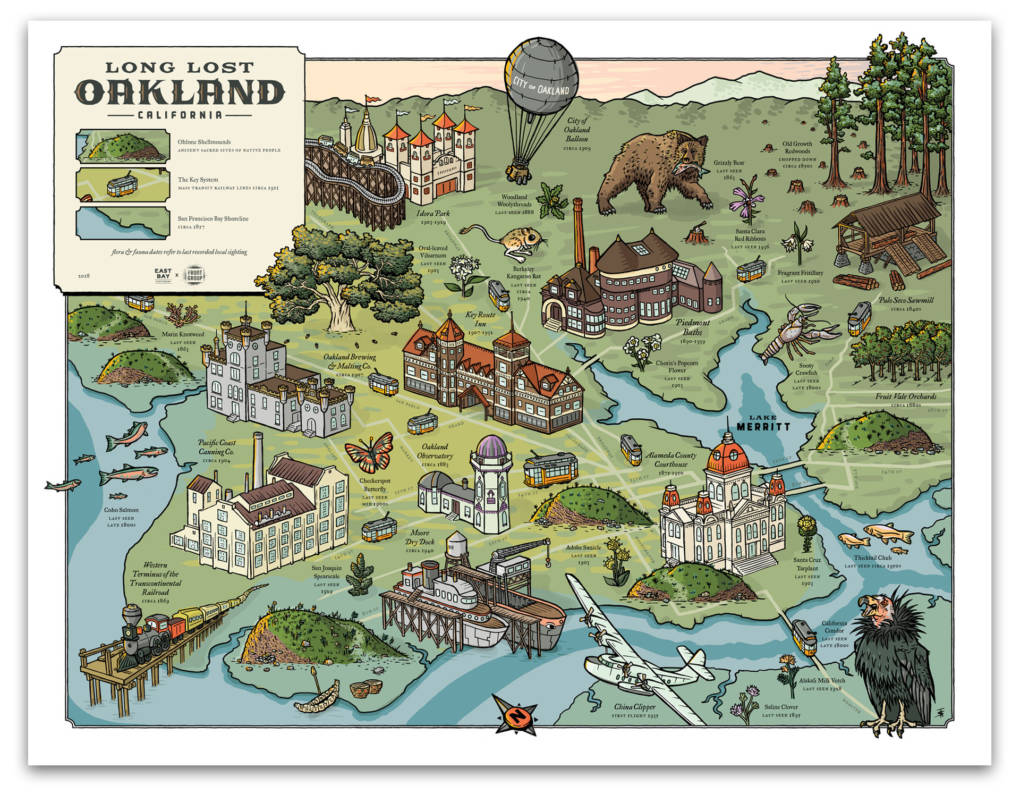
"caption": "Liam O'Donoghue's Long Lost Oakland map highlights pieces of the city's history that no longer exist.",
"description": "Liam O'Donoghue's Long Lost Oakland map highlights pieces of the city's history that no longer exist.",
"title": "RS30385_LLO_fullmap-qut",
"credit": "Courtesy of Liam O'Donoghue",
"status": "inherit",
"isLoading": false,
"fetchFailed": false
}
},
"audioPlayerReducer": {
"postId": "stream_live",
"isPaused": true,
"isPlaying": false,
"pfsActive": false,
"pledgeModalIsOpen": true,
"playerDrawerIsOpen": false,
"liveAudioPlayStartedAt": 0,
"liveAudioPlayContext": ""
},
"authorsReducer": {
"byline_news_11663153": {
"type": "authors",
"id": "byline_news_11663153",
"meta": {
"override": true
},
"slug": "byline_news_11663153",
"name": "Olivia Allen-Price and Emmanuel Hapsis",
"isLoading": false
},
"byline_news_11663070": {
"type": "authors",
"id": "byline_news_11663070",
"meta": {
"override": true
},
"slug": "byline_news_11663070",
"name": "\u003cstrong>\u003ca href=\"https://missionlocal.org/author/abrahamr/\">Abraham Rodriguez\u003c/a>\u003cbr />\u003ca href=\"https://missionlocal.org/\">Mission Local\u003c/a>\u003c/strong>",
"isLoading": false
},
"byline_news_11662453": {
"type": "authors",
"id": "byline_news_11662453",
"meta": {
"override": true
},
"slug": "byline_news_11662453",
"name": "Associated Press",
"isLoading": false
},
"kqed": {
"type": "authors",
"id": "236",
"meta": {
"index": "authors_1716337520",
"id": "236",
"found": true
},
"name": "KQED News Staff",
"firstName": "KQED News Staff",
"lastName": null,
"slug": "kqed",
"email": "faq@kqed.org",
"display_author_email": false,
"staff_mastheads": [],
"title": null,
"bio": null,
"avatar": "https://secure.gravatar.com/avatar/ef0e801a68c4c54afa9180db14084167?s=600&d=blank&r=g",
"twitter": null,
"facebook": null,
"instagram": null,
"linkedin": null,
"sites": [
{
"site": "arts",
"roles": [
"contributor"
]
},
{
"site": "news",
"roles": [
"editor"
]
},
{
"site": "futureofyou",
"roles": [
"author"
]
}
],
"headData": {
"title": "KQED News Staff | KQED",
"description": null,
"ogImgSrc": "https://secure.gravatar.com/avatar/ef0e801a68c4c54afa9180db14084167?s=600&d=blank&r=g",
"twImgSrc": "https://secure.gravatar.com/avatar/ef0e801a68c4c54afa9180db14084167?s=600&d=blank&r=g"
},
"isLoading": false,
"link": "/author/kqed"
},
"sasha-khokha": {
"type": "authors",
"id": "254",
"meta": {
"index": "authors_1716337520",
"id": "254",
"found": true
},
"name": "Sasha Khokha",
"firstName": "Sasha",
"lastName": "Khokha",
"slug": "sasha-khokha",
"email": "skhokha@kqed.org",
"display_author_email": true,
"staff_mastheads": [
"news"
],
"title": "Host, The California Report Magazine",
"bio": "Sasha Khokha is the host of \u003cem>The California Report's \u003c/em> weekly magazine program, which takes listeners on sound-rich excursions to meet the people that make the Golden State unique -- through audio documentaries and long-form stories. As \u003cem>The California Report's\u003c/em> Central Valley Bureau Chief based in Fresno for nearly a dozen years, Sasha brought the lives and concerns of rural Californians to listeners around the state. Her reporting helped expose the hidden price immigrant women janitors and farmworkers may pay to keep their jobs: sexual assault at work. It inspired two new California laws to protect them from sexual harassment. She was a key member of the reporting team for the Frontline film \u003cem>Rape on the Night Shift, \u003c/em>which was nominated for two national Emmys. Sasha has also won a national Edward R. Murrow and a national PRNDI award for investigative reporting, as well as multiple prizes from the Society for Professional Journalists. Sasha is a proud alum of the UC Berkeley Graduate School of Journalism and Brown University and a member of the South Asian Journalists Association.",
"avatar": "https://secure.gravatar.com/avatar/e4b5e1541aaeea2aa356aa1fb2a68950?s=600&d=blank&r=g",
"twitter": "KQEDSashaKhokha",
"facebook": null,
"instagram": null,
"linkedin": null,
"sites": [
{
"site": "news",
"roles": [
"editor"
]
},
{
"site": "stateofhealth",
"roles": [
"author"
]
},
{
"site": "science",
"roles": [
"author"
]
},
{
"site": "quest",
"roles": [
"subscriber"
]
}
],
"headData": {
"title": "Sasha Khokha | KQED",
"description": "Host, The California Report Magazine",
"ogImgSrc": "https://secure.gravatar.com/avatar/e4b5e1541aaeea2aa356aa1fb2a68950?s=600&d=blank&r=g",
"twImgSrc": "https://secure.gravatar.com/avatar/e4b5e1541aaeea2aa356aa1fb2a68950?s=600&d=blank&r=g"
},
"isLoading": false,
"link": "/author/sasha-khokha"
},
"tgoldberg": {
"type": "authors",
"id": "258",
"meta": {
"index": "authors_1716337520",
"id": "258",
"found": true
},
"name": "Ted Goldberg",
"firstName": "Ted",
"lastName": "Goldberg",
"slug": "tgoldberg",
"email": "tgoldberg@kqed.org",
"display_author_email": true,
"staff_mastheads": [
"news"
],
"title": "KQED Managing Editor, News and Newscasts",
"bio": "Ted Goldberg is Managing Editor of News and Newscasts at KQED. His main reporting beat is the Bay Area's oil refining industry.\r\n\r\nPrior to joining KQED in 2014, Ted worked at CBS News and WCBS AM in New York and Bay City News and KCBS Radio in San Francisco. He graduated from Oberlin College in Ohio in 1998.",
"avatar": "https://secure.gravatar.com/avatar/30ce2e4fe89135e104f89be2394d16225b9d36c121b5b3cb7651ce642978b96f?s=600&d=blank&r=g",
"twitter": "TedrickG",
"bluesky": null,
"facebook": null,
"instagram": null,
"linkedin": null,
"sites": [
{
"site": "news",
"roles": [
"editor"
]
},
{
"site": "science",
"roles": [
"editor"
]
}
],
"headData": {
"title": "Ted Goldberg | KQED",
"description": "KQED Managing Editor, News and Newscasts",
"ogImgSrc": "https://secure.gravatar.com/avatar/30ce2e4fe89135e104f89be2394d16225b9d36c121b5b3cb7651ce642978b96f?s=600&d=blank&r=g",
"twImgSrc": "https://secure.gravatar.com/avatar/30ce2e4fe89135e104f89be2394d16225b9d36c121b5b3cb7651ce642978b96f?s=600&d=blank&r=g"
},
"isLoading": false,
"link": "/author/tgoldberg"
},
"rlevi": {
"type": "authors",
"id": "11260",
"meta": {
"index": "authors_1716337520",
"id": "11260",
"found": true
},
"name": "Ryan Levi",
"firstName": "Ryan",
"lastName": "Levi",
"slug": "rlevi",
"email": "rlevi@KQED.org",
"display_author_email": false,
"staff_mastheads": [],
"title": "KQED Contributor",
"bio": "Ryan Levi was a reporter and podcast producer at KQED News from 2016-2019. He worked on \u003ca href=\"https://www.kqed.org/news/series/baycurious\">Bay Curious\u003c/a>, \u003ca href=\"https://www.kqed.org/news/tag/the-bay/\">The Bay, \u003c/a>and \u003ca href=\"https://podcasts.apple.com/us/podcast/the-california-report-magazine/id1314750545\">The California Report Magazine\u003c/a>, as well as hosting and producing the weekly \u003ca href=\"https://www.kqed.org/news/program/qedup/\">Q'ed Up podcast. \u003c/a>He also helped inaugurate KQED's weekend news coverage in 2017 as one of two original digital producers. Ryan holds degrees in multimedia journalism and Spanish from the University of Missouri.",
"avatar": "https://secure.gravatar.com/avatar/4cb2ddd028ac8807d1adf09609c5555d?s=600&d=blank&r=g",
"twitter": "ryan_levi",
"facebook": null,
"instagram": null,
"linkedin": null,
"sites": [
{
"site": "arts",
"roles": [
"editor"
]
},
{
"site": "news",
"roles": [
"subscriber"
]
},
{
"site": "stateofhealth",
"roles": [
"editor"
]
},
{
"site": "science",
"roles": [
"editor"
]
},
{
"site": "forum",
"roles": [
"administrator"
]
},
{
"site": "perspectives",
"roles": [
"administrator"
]
}
],
"headData": {
"title": "Ryan Levi | KQED",
"description": "KQED Contributor",
"ogImgSrc": "https://secure.gravatar.com/avatar/4cb2ddd028ac8807d1adf09609c5555d?s=600&d=blank&r=g",
"twImgSrc": "https://secure.gravatar.com/avatar/4cb2ddd028ac8807d1adf09609c5555d?s=600&d=blank&r=g"
},
"isLoading": false,
"link": "/author/rlevi"
},
"btaylor": {
"type": "authors",
"id": "11365",
"meta": {
"index": "authors_1716337520",
"id": "11365",
"found": true
},
"name": "Bianca Taylor",
"firstName": "Bianca",
"lastName": "Taylor",
"slug": "btaylor",
"email": "btaylor@KQED.org",
"display_author_email": false,
"staff_mastheads": [
"news"
],
"title": "Host and Producer ",
"bio": "Bianca Taylor is a news producer and host of KQED's The Latest podcast.\r\n\r\nHer work with KQED has been honored by the Society of Professional Journalists NorCal, the Webby's, the Regional Murrow Awards, and ONA. She has also worked with NPR, the BBC World Service, and the Washington Post Creative Group.\r\n\r\nBianca is represented by SAG-AFTRA.",
"avatar": "https://secure.gravatar.com/avatar/6b9d3f6552dd10470c5d1c2e58cfe717?s=600&d=blank&r=g",
"twitter": "SoundsLkeBianca",
"facebook": null,
"instagram": null,
"linkedin": null,
"sites": [
{
"site": "arts",
"roles": [
"editor"
]
},
{
"site": "news",
"roles": [
"edit_others_posts",
"editor"
]
},
{
"site": "pop",
"roles": [
"editor"
]
},
{
"site": "bayareabites",
"roles": [
"author"
]
},
{
"site": "science",
"roles": [
"editor"
]
},
{
"site": "forum",
"roles": [
"editor"
]
},
{
"site": "radio",
"roles": [
"editor"
]
},
{
"site": "podcasts",
"roles": [
"editor"
]
}
],
"headData": {
"title": "Bianca Taylor | KQED",
"description": "Host and Producer ",
"ogImgSrc": "https://secure.gravatar.com/avatar/6b9d3f6552dd10470c5d1c2e58cfe717?s=600&d=blank&r=g",
"twImgSrc": "https://secure.gravatar.com/avatar/6b9d3f6552dd10470c5d1c2e58cfe717?s=600&d=blank&r=g"
},
"isLoading": false,
"link": "/author/btaylor"
},
"sshanahan": {
"type": "authors",
"id": "11409",
"meta": {
"index": "authors_1716337520",
"id": "11409",
"found": true
},
"name": "Samantha Shanahan",
"firstName": "Samantha",
"lastName": "Shanahan",
"slug": "sshanahan",
"email": "sshanahan@kqed.org",
"display_author_email": false,
"staff_mastheads": [],
"title": "KQED Contributor",
"bio": null,
"avatar": "https://secure.gravatar.com/avatar/fa52d5af105ea4981f8e7d8f922740a1?s=600&d=blank&r=g",
"twitter": null,
"facebook": null,
"instagram": null,
"linkedin": null,
"sites": [
{
"site": "arts",
"roles": [
"author"
]
},
{
"site": "news",
"roles": [
"create_posts",
"read_private_posts",
"author"
]
}
],
"headData": {
"title": "Samantha Shanahan | KQED",
"description": "KQED Contributor",
"ogImgSrc": "https://secure.gravatar.com/avatar/fa52d5af105ea4981f8e7d8f922740a1?s=600&d=blank&r=g",
"twImgSrc": "https://secure.gravatar.com/avatar/fa52d5af105ea4981f8e7d8f922740a1?s=600&d=blank&r=g"
},
"isLoading": false,
"link": "/author/sshanahan"
},
"nsebai": {
"type": "authors",
"id": "11412",
"meta": {
"index": "authors_1716337520",
"id": "11412",
"found": true
},
"name": "Nadine Sebai",
"firstName": "Nadine",
"lastName": "Sebai",
"slug": "nsebai",
"email": "nsebai@kqed.org",
"display_author_email": false,
"staff_mastheads": [],
"title": null,
"bio": null,
"avatar": "https://secure.gravatar.com/avatar/19a519d943a3c1cb0537d495677de5b5?s=600&d=blank&r=g",
"twitter": "@NadineSebai",
"facebook": null,
"instagram": null,
"linkedin": null,
"sites": [
{
"site": "news",
"roles": [
"author",
"edit_others_posts"
]
}
],
"headData": {
"title": "Nadine Sebai | KQED",
"description": null,
"ogImgSrc": "https://secure.gravatar.com/avatar/19a519d943a3c1cb0537d495677de5b5?s=600&d=blank&r=g",
"twImgSrc": "https://secure.gravatar.com/avatar/19a519d943a3c1cb0537d495677de5b5?s=600&d=blank&r=g"
},
"isLoading": false,
"link": "/author/nsebai"
}
},
"pagesReducer": {
"news_category_arts-and-culture": {
"type": "terms",
"id": "news_223",
"meta": {
"index": "terms_1716263798",
"site": "news",
"id": "223",
"score": 11.242128
},
"featImg": null,
"name": "Arts and Culture",
"description": null,
"taxonomy": "category",
"headData": {
"twImgId": null,
"twTitle": null,
"ogTitle": null,
"ogImgId": null,
"twDescription": null,
"description": null,
"title": "Arts and Culture Archives | KQED News",
"ogDescription": null
},
"ttid": 231,
"slug": "arts-and-culture",
"isLoading": false,
"title": "Arts and Culture",
"pageMeta": {
"site": "news",
"WpPageTemplate": "page-topic-editorial",
"currentPage": 79
},
"blocks": [
{
"blockName": "kqed/post-list",
"attrs": {
"layout": "cardArticle2",
"query": "posts/news?category=arts-and-culture",
"seeMore": false,
"paginated": true,
"page": 79
}
},
{
"blockName": "kqed/ad"
}
]
}
},
"pfsSessionReducer": {},
"postsReducer": {
"stream_live": {
"type": "live",
"id": "stream_live",
"audioUrl": "https://streams.kqed.org/kqedradio",
"title": "Live Stream",
"excerpt": "Live Stream information currently unavailable.",
"link": "/radio",
"featImg": "",
"label": {
"name": "KQED Live",
"link": "/"
}
},
"stream_kqedNewscast": {
"type": "posts",
"id": "stream_kqedNewscast",
"audioUrl": "https://www.kqed.org/.stream/anon/radio/RDnews/newscast.mp3?_=1",
"title": "KQED Newscast",
"featImg": "",
"label": {
"name": "88.5 FM",
"link": "/"
}
},
"news_11663440": {
"type": "posts",
"id": "news_11663440",
"meta": {
"index": "posts_1716263798",
"site": "news",
"id": "11663440",
"score": null,
"sort": [
1524616250000
]
},
"parent": 0,
"labelTerm": {
"site": "news",
"term": 72
},
"blocks": [],
"publishDate": 1524616250,
"format": "audio",
"disqusTitle": "Salt, Dirt and Ants: Gary Soto's Poetry of Farm Work",
"title": "Salt, Dirt and Ants: Gary Soto's Poetry of Farm Work",
"headTitle": "The California Report | KQED News",
"content": "\u003cp>Gary Soto is one of California's most prolific Chicano poets and writers. He's published some 40 books, including children's books, novels and musicals, and has been a finalist for the National Book Award, and a Pulitzer. But his roots are as a poet, writing about his experience in the fields near Fresno.\u003c/p>\n\u003caside class=\"pullquote alignright\">'Gary Soto’s poems are fast, funny, heartening, and achingly believable, like Polaroid love letters, or snatches of music heard out of a passing car; patches of beauty like patches of sunlight; the very pulse of a life.'\u003ccite>Joyce Carol Oates\u003c/cite>\u003c/aside>\n\u003cp>He was just 23 years old when he released his first book, \"The Elements of San Joaquin,\" back in 1977. Some critics have said it changed the course of Chicano literature: making it less rhetorical, more specific. Now, more than 40 years later, Chronicle Books has re-released \"The Elements of San Joaquin,\" with some new poems Soto found in his garage, and some reflections for a 2018 audience.\u003c/p>\n\u003cp>Soto talked to The California Report Magazine's host, Sasha Khokha. This interview was edited for brevity and clarity.\u003c/p>\n\u003cp>\u003cstrong>These poems include such specific images from your childhood, like licking salt or playing with ants, or things your grandmother said. How do you dredge up those memories when you're writing?\u003c/strong>\u003c/p>\n\u003cp>I was trying to provide a portrait of these places that surrounded me and the small things from ants to cans to bottle caps embedded in asphalt. As a poet I thought, 'Well I better show this territory that I live in,' either the neighborhood, playground, the fields, the factories around, the house where we grew up. I really wanted to present that world. For one it meant something to me, and it might mean something to someone else as well.\u003c/p>\n\u003cp>[ad fullwidth]\u003c/p>\n\u003cp>\u003cstrong>Fresno now has this famous poetry scene that really was scratched out of the dirt there, with a groundbreaking writing program at Fresno State that still serves a lot of kids from farmworker families like you. Kids whose parents may be pressuring them to earn money, not become a writer.\u003c/strong>\u003c/p>\n\u003cp>It's true. I think that my parents really had no notion that I would ever go to college. Having graduated from high school with a 1.6 GPA, my mom would tell me, 'As long as you stayed out of jail you'll be okay.' That was a low-level expectation. [When you've got] young people coming from small towns outside of Fresno, agricultural towns, towns that are isolated, there's a lot of self-doubt. And that self-doubt can be cured when you find other people who are doing the same thing [like writing poetry.]\u003c/p>\n\u003cfigure class=\"wp-caption aligncenter\" style=\"max-width: 800px\">\u003cimg class=\"size-medium wp-image-11663762\" src=\"https://ww2.kqed.org/news/wp-content/uploads/sites/10/2018/04/RS30545_9781452170138-qut-800x1201.jpg\" alt=\"\" width=\"800\" height=\"1201\" srcset=\"https://ww2.kqed.org/app/uploads/sites/10/2018/04/RS30545_9781452170138-qut-800x1200.jpg 800w, https://ww2.kqed.org/app/uploads/sites/10/2018/04/RS30545_9781452170138-qut-160x240.jpg 160w, https://ww2.kqed.org/app/uploads/sites/10/2018/04/RS30545_9781452170138-qut-1020x1531.jpg 1020w, https://ww2.kqed.org/app/uploads/sites/10/2018/04/RS30545_9781452170138-qut-1180x1771.jpg 1180w, https://ww2.kqed.org/app/uploads/sites/10/2018/04/RS30545_9781452170138-qut-960x1441.jpg 960w, https://ww2.kqed.org/app/uploads/sites/10/2018/04/RS30545_9781452170138-qut-240x360.jpg 240w, https://ww2.kqed.org/app/uploads/sites/10/2018/04/RS30545_9781452170138-qut-375x563.jpg 375w, https://ww2.kqed.org/app/uploads/sites/10/2018/04/RS30545_9781452170138-qut-520x780.jpg 520w, https://ww2.kqed.org/app/uploads/sites/10/2018/04/RS30545_9781452170138-qut.jpg 1799w\" sizes=\"(max-width: 800px) 100vw, 800px\">\u003cfigcaption class=\"wp-caption-text\">Gary Soto's 1977 book has been credited with changing the course of Chicano poetry. The newly-released edition features new poems he found in his garage.\u003c/figcaption>\u003c/figure>\n\u003cp>\u003cstrong>Having lived in Fresno myself, I love that you write not only about the rural parts of the Central Valley but also about the very urban grittiness of some of its neighborhoods. You grew up on the west side of Fresno. It's always been a very multiracial place. It's grappled with poverty. It's now very industrial.\u003c/strong>\u003c/p>\n\u003cp>People have certain notions about Fresno, and it's a lot richer in people-life and complexities. It's a wonderful place. My wife is from there. I'm from there and I do speak honorably of Fresno at all times.\u003c/p>\n\u003cp>\u003cstrong>What's it like to look back on this work you produced in your early 20s, nearly four decades later?\u003c/strong>\u003c/p>\n\u003cp>I'm surprised. I was awed how serious I was as a young man. I finished the book when I was 22. My attitude was certainly serious. Over the years, my work would lighten and brighten with comedy, and love angles. I looked at this and I thought, this is a very broody young man.\u003c/p>\n\u003cp>\u003cstrong>From the title poem \"Elements of San Joaquin\"\u003c/strong>\u003c/p>\n\u003cp>\u003cem>The wind sprays pale dirt into my mouth\u003cbr>\nThe small, almost invisible scars\u003cbr>\nOn my hands.\u003c/em>\u003c/p>\n\u003cp>The pores in my throat and elbows\u003cbr>\nHave taken in a seed of dirt of their own.\u003c/p>\n\u003cp>After a day in the grape fields near Rolinda\u003cbr>\nA fine silt, washed by sweat,\u003cbr>\nHas settled into the lines\u003cbr>\nOn my wrists and palms.\u003c/p>\n\u003cp>Already I am becoming the valley,\u003cbr>\nA soil that sprouts nothing\u003cbr>\nFor any of us.\u003c/p>\n\u003cp>\u003cstrong>From \"Fresno's Westside Blues\"\u003c/strong>\u003c/p>\n\u003cp>\u003cem>There's the tinkle of a bell on a store door.\u003cbr>\nThere's laughter coming from Suki's Nails and Feet.\u003cbr>\nAnd look at Javier, with glue and paper,\u003cbr>\nMaking \u003cem>pinatas\u003c/em> behind a chain link fence --\u003cbr>\nThe beer-bellied Superman will take a birthday beating.\u003c/em>\u003c/p>\n\u003cp>A breeze twists through the trees,\u003cbr>\nOne jammed meter throws up its expired red flag.\u003cbr>\nWhen the bell at the Mexican Baptist Church sounds,\u003cbr>\nHuge black birds feed on dropped \u003cem>churros\u003c/em>\u003cbr>\nThey bow their heads and cast shadows over feral cats.\u003c/p>\n\u003cp>What is meant by escape?\u003cbr>\nYou could be any dog hugging an ancient building for shade.\u003cbr>\nWhen you turn the corner, the knife-bright sun ruthlessly cuts\u003cbr>\nThe shadow from your already mangy body.\u003c/p>\n\u003cp>\u003c/p>\n\u003cp>\u003cem>\u003ca href=\"http://itunes.apple.com/us/podcast/the-california-report-magazine/id1314750545?mt=2\" rel=\"noopener\" target=\"_blank\">Listen to this and more in-depth storytelling by subscribing to The California Report Magazine podcast.\u003c/a>\u003c/em>\u003c/p>\n\n",
"disqusIdentifier": "11663440 https://ww2.kqed.org/news/?p=11663440",
"disqusUrl": "https://ww2.kqed.org/news/2018/04/24/salt-dirt-and-ants-gary-sotos-poetry-of-farm-work/",
"stats": {
"hasVideo": false,
"hasChartOrMap": false,
"hasAudio": false,
"hasPolis": false,
"wordCount": 885,
"hasGoogleForm": false,
"hasGallery": false,
"hasHearkenModule": false,
"iframeSrcs": [],
"paragraphCount": 23
},
"modified": 1524600689,
"excerpt": "Gary Soto reflects on working the fields as a college student and why his 1977 poems resonate today. ",
"headData": {
"twImgId": "",
"twTitle": "",
"ogTitle": "",
"ogImgId": "",
"twDescription": "",
"description": "Gary Soto reflects on working the fields as a college student and why his 1977 poems resonate today. ",
"title": "Salt, Dirt and Ants: Gary Soto's Poetry of Farm Work | KQED",
"ogDescription": "",
"schema": {
"@context": "https://schema.org",
"@type": "NewsArticle",
"headline": "Salt, Dirt and Ants: Gary Soto's Poetry of Farm Work",
"datePublished": "2018-04-24T17:30:50-07:00",
"dateModified": "2018-04-24T13:11:29-07:00",
"image": "https://cdn.kqed.org/wp-content/uploads/2020/02/KQED-OG-Image@1x.png",
"isAccessibleForFree": "True",
"publisher": {
"@type": "NewsMediaOrganization",
"@id": "https://www.kqed.org/#organization",
"name": "KQED",
"logo": "https://cdn.kqed.org/wp-content/uploads/2020/02/KQED-OG-Image@1x.png",
"url": "https://www.kqed.org",
"sameAs": [
"https://www.facebook.com/KQED",
"https://twitter.com/KQED",
"https://www.instagram.com/kqed/",
"https://www.tiktok.com/@kqedofficial",
"https://www.linkedin.com/company/kqed",
"https://www.youtube.com/channel/UCeC0IOo7i1P_61zVUWbJ4nw"
]
}
}
},
"guestAuthors": [],
"slug": "salt-dirt-and-ants-gary-sotos-poetry-of-farm-work",
"status": "publish",
"audioUrl": "https://www.kqed.org/.stream/anon/radio/tcrmag/2018/04/KhokhaGarySoto.mp3",
"path": "/news/11663440/salt-dirt-and-ants-gary-sotos-poetry-of-farm-work",
"audioDuration": 400000,
"audioTrackLength": null,
"parsedContent": [
{
"type": "contentString",
"content": "\u003cdiv class=\"post-body\">\u003cp>\u003cp>Gary Soto is one of California's most prolific Chicano poets and writers. He's published some 40 books, including children's books, novels and musicals, and has been a finalist for the National Book Award, and a Pulitzer. But his roots are as a poet, writing about his experience in the fields near Fresno.\u003c/p>\n\u003caside class=\"pullquote alignright\">'Gary Soto’s poems are fast, funny, heartening, and achingly believable, like Polaroid love letters, or snatches of music heard out of a passing car; patches of beauty like patches of sunlight; the very pulse of a life.'\u003ccite>Joyce Carol Oates\u003c/cite>\u003c/aside>\n\u003cp>He was just 23 years old when he released his first book, \"The Elements of San Joaquin,\" back in 1977. Some critics have said it changed the course of Chicano literature: making it less rhetorical, more specific. Now, more than 40 years later, Chronicle Books has re-released \"The Elements of San Joaquin,\" with some new poems Soto found in his garage, and some reflections for a 2018 audience.\u003c/p>\n\u003cp>Soto talked to The California Report Magazine's host, Sasha Khokha. This interview was edited for brevity and clarity.\u003c/p>\n\u003cp>\u003cstrong>These poems include such specific images from your childhood, like licking salt or playing with ants, or things your grandmother said. How do you dredge up those memories when you're writing?\u003c/strong>\u003c/p>\n\u003cp>I was trying to provide a portrait of these places that surrounded me and the small things from ants to cans to bottle caps embedded in asphalt. As a poet I thought, 'Well I better show this territory that I live in,' either the neighborhood, playground, the fields, the factories around, the house where we grew up. I really wanted to present that world. For one it meant something to me, and it might mean something to someone else as well.\u003c/p>\n\u003cp>\u003c/p>\u003c/div>",
"attributes": {
"named": {},
"numeric": []
}
},
{
"type": "component",
"content": "",
"name": "ad",
"attributes": {
"named": {
"label": "fullwidth"
},
"numeric": [
"fullwidth"
]
}
},
{
"type": "contentString",
"content": "\u003cdiv class=\"post-body\">\u003cp>\u003c/p>\n\u003cp>\u003cstrong>Fresno now has this famous poetry scene that really was scratched out of the dirt there, with a groundbreaking writing program at Fresno State that still serves a lot of kids from farmworker families like you. Kids whose parents may be pressuring them to earn money, not become a writer.\u003c/strong>\u003c/p>\n\u003cp>It's true. I think that my parents really had no notion that I would ever go to college. Having graduated from high school with a 1.6 GPA, my mom would tell me, 'As long as you stayed out of jail you'll be okay.' That was a low-level expectation. [When you've got] young people coming from small towns outside of Fresno, agricultural towns, towns that are isolated, there's a lot of self-doubt. And that self-doubt can be cured when you find other people who are doing the same thing [like writing poetry.]\u003c/p>\n\u003cfigure class=\"wp-caption aligncenter\" style=\"max-width: 800px\">\u003cimg class=\"size-medium wp-image-11663762\" src=\"https://ww2.kqed.org/news/wp-content/uploads/sites/10/2018/04/RS30545_9781452170138-qut-800x1201.jpg\" alt=\"\" width=\"800\" height=\"1201\" srcset=\"https://ww2.kqed.org/app/uploads/sites/10/2018/04/RS30545_9781452170138-qut-800x1200.jpg 800w, https://ww2.kqed.org/app/uploads/sites/10/2018/04/RS30545_9781452170138-qut-160x240.jpg 160w, https://ww2.kqed.org/app/uploads/sites/10/2018/04/RS30545_9781452170138-qut-1020x1531.jpg 1020w, https://ww2.kqed.org/app/uploads/sites/10/2018/04/RS30545_9781452170138-qut-1180x1771.jpg 1180w, https://ww2.kqed.org/app/uploads/sites/10/2018/04/RS30545_9781452170138-qut-960x1441.jpg 960w, https://ww2.kqed.org/app/uploads/sites/10/2018/04/RS30545_9781452170138-qut-240x360.jpg 240w, https://ww2.kqed.org/app/uploads/sites/10/2018/04/RS30545_9781452170138-qut-375x563.jpg 375w, https://ww2.kqed.org/app/uploads/sites/10/2018/04/RS30545_9781452170138-qut-520x780.jpg 520w, https://ww2.kqed.org/app/uploads/sites/10/2018/04/RS30545_9781452170138-qut.jpg 1799w\" sizes=\"(max-width: 800px) 100vw, 800px\">\u003cfigcaption class=\"wp-caption-text\">Gary Soto's 1977 book has been credited with changing the course of Chicano poetry. The newly-released edition features new poems he found in his garage.\u003c/figcaption>\u003c/figure>\n\u003cp>\u003cstrong>Having lived in Fresno myself, I love that you write not only about the rural parts of the Central Valley but also about the very urban grittiness of some of its neighborhoods. You grew up on the west side of Fresno. It's always been a very multiracial place. It's grappled with poverty. It's now very industrial.\u003c/strong>\u003c/p>\n\u003cp>People have certain notions about Fresno, and it's a lot richer in people-life and complexities. It's a wonderful place. My wife is from there. I'm from there and I do speak honorably of Fresno at all times.\u003c/p>\n\u003cp>\u003cstrong>What's it like to look back on this work you produced in your early 20s, nearly four decades later?\u003c/strong>\u003c/p>\n\u003cp>I'm surprised. I was awed how serious I was as a young man. I finished the book when I was 22. My attitude was certainly serious. Over the years, my work would lighten and brighten with comedy, and love angles. I looked at this and I thought, this is a very broody young man.\u003c/p>\n\u003cp>\u003cstrong>From the title poem \"Elements of San Joaquin\"\u003c/strong>\u003c/p>\n\u003cp>\u003cem>The wind sprays pale dirt into my mouth\u003cbr>\nThe small, almost invisible scars\u003cbr>\nOn my hands.\u003c/em>\u003c/p>\n\u003cp>The pores in my throat and elbows\u003cbr>\nHave taken in a seed of dirt of their own.\u003c/p>\n\u003cp>After a day in the grape fields near Rolinda\u003cbr>\nA fine silt, washed by sweat,\u003cbr>\nHas settled into the lines\u003cbr>\nOn my wrists and palms.\u003c/p>\n\u003cp>Already I am becoming the valley,\u003cbr>\nA soil that sprouts nothing\u003cbr>\nFor any of us.\u003c/p>\n\u003cp>\u003cstrong>From \"Fresno's Westside Blues\"\u003c/strong>\u003c/p>\n\u003cp>\u003cem>There's the tinkle of a bell on a store door.\u003cbr>\nThere's laughter coming from Suki's Nails and Feet.\u003cbr>\nAnd look at Javier, with glue and paper,\u003cbr>\nMaking \u003cem>pinatas\u003c/em> behind a chain link fence --\u003cbr>\nThe beer-bellied Superman will take a birthday beating.\u003c/em>\u003c/p>\n\u003cp>A breeze twists through the trees,\u003cbr>\nOne jammed meter throws up its expired red flag.\u003cbr>\nWhen the bell at the Mexican Baptist Church sounds,\u003cbr>\nHuge black birds feed on dropped \u003cem>churros\u003c/em>\u003cbr>\nThey bow their heads and cast shadows over feral cats.\u003c/p>\n\u003cp>What is meant by escape?\u003cbr>\nYou could be any dog hugging an ancient building for shade.\u003cbr>\nWhen you turn the corner, the knife-bright sun ruthlessly cuts\u003cbr>\nThe shadow from your already mangy body.\u003c/p>\n\u003cp>\u003c/p>\n\u003cp>\u003cem>\u003ca href=\"http://itunes.apple.com/us/podcast/the-california-report-magazine/id1314750545?mt=2\" rel=\"noopener\" target=\"_blank\">Listen to this and more in-depth storytelling by subscribing to The California Report Magazine podcast.\u003c/a>\u003c/em>\u003c/p>\n\n\u003c/div>\u003c/p>",
"attributes": {
"named": {},
"numeric": []
}
}
],
"link": "/news/11663440/salt-dirt-and-ants-gary-sotos-poetry-of-farm-work",
"authors": [
"254"
],
"programs": [
"news_72"
],
"categories": [
"news_223",
"news_1169",
"news_8"
],
"tags": [
"news_20135",
"news_18269",
"news_37",
"news_279",
"news_1222"
],
"featImg": "news_11663915",
"label": "news_72"
},
"news_11663954": {
"type": "posts",
"id": "news_11663954",
"meta": {
"index": "posts_1716263798",
"site": "news",
"id": "11663954",
"score": null,
"sort": [
1524411095000
]
},
"guestAuthors": [],
"slug": "for-200m-you-can-change-the-world-at-the-presidios-fort-scott",
"title": "For $200 Million, You Can Change the World at the Presidio's Fort Scott",
"publishDate": 1524411095,
"format": "audio",
"headTitle": "For $200 Million, You Can Change the World at the Presidio’s Fort Scott | KQED",
"labelTerm": {
"term": 72,
"site": "news"
},
"content": "\u003cp>Fort Winfield Scott overlooks the Golden Gate Bridge, nestled into the northwest corner of the Presidio in San Francisco.\u003c/p>\n\u003cp>Better known as Fort Scott, its 10 Mission Revival-style barracks surround a large, grassy parade ground in a horseshoe pattern. It was an active Army base until 1994, but the barracks and other historic buildings on site have been mostly unused and closed to the public since then due to the high cost of renovations.\u003c/p>\n\u003cfigure id=\"attachment_11663971\" class=\"wp-caption alignright\" style=\"max-width: 800px\">\u003cimg loading=\"lazy\" decoding=\"async\" src=\"https://ww2.kqed.org/news/wp-content/uploads/sites/10/2018/04/RS30562_DSC_1530-qut-800x530.jpg\" alt=\"Jean Fraser is the CEO of the Presidio Trust, which is looking for someone to renovate Fort Winfield Scott.\" width=\"800\" height=\"530\" class=\"size-medium wp-image-11663971\" srcset=\"https://cdn.kqed.org/wp-content/uploads/sites/10/2018/04/RS30562_DSC_1530-qut-800x530.jpg 800w, https://cdn.kqed.org/wp-content/uploads/sites/10/2018/04/RS30562_DSC_1530-qut-160x106.jpg 160w, https://cdn.kqed.org/wp-content/uploads/sites/10/2018/04/RS30562_DSC_1530-qut-1020x676.jpg 1020w, https://cdn.kqed.org/wp-content/uploads/sites/10/2018/04/RS30562_DSC_1530-qut-1200x795.jpg 1200w, https://cdn.kqed.org/wp-content/uploads/sites/10/2018/04/RS30562_DSC_1530-qut.jpg 1920w, https://cdn.kqed.org/wp-content/uploads/sites/10/2018/04/RS30562_DSC_1530-qut-1180x782.jpg 1180w, https://cdn.kqed.org/wp-content/uploads/sites/10/2018/04/RS30562_DSC_1530-qut-960x636.jpg 960w, https://cdn.kqed.org/wp-content/uploads/sites/10/2018/04/RS30562_DSC_1530-qut-240x159.jpg 240w, https://cdn.kqed.org/wp-content/uploads/sites/10/2018/04/RS30562_DSC_1530-qut-375x248.jpg 375w, https://cdn.kqed.org/wp-content/uploads/sites/10/2018/04/RS30562_DSC_1530-qut-520x345.jpg 520w\" sizes=\"(max-width: 800px) 100vw, 800px\">\u003cfigcaption class=\"wp-caption-text\">Jean Fraser is the CEO of the Presidio Trust, which is looking for someone to renovate Fort Winfield Scott. \u003ccite>(Ryan Levi/KQED)\u003c/cite>\u003c/figcaption>\u003c/figure>\n\u003cp>Now, the Presidio Trust, the organization that runs the national park, is looking for someone to come in and turn the 30-acre plot into “a place for change,” says Trust CEO Jean Fraser.\u003c/p>\n\u003cp>“What we need to find is an organization that has the interest as well as the financial means to take on this project and renovate these buildings so that people who are working in the environmental or social justice areas would have a place to do great work in this magnificent setting,” Fraser says.\u003c/p>\n\u003cp>And she is talking about some serious financial means. The Trust estimates it will cost around $200 million to renovate Fort Scott and its more than 20 historic buildings. \u003c/p>\n\u003cp>[ad fullwidth]\u003c/p>\n\u003cp>Fraser knows not many environmental and social justice non-profits have that kind of money lying around, so the Trust is looking for foundations, individual philanthropists or a group of organizations who might have greater liquidity.\u003c/p>\n\u003cp>So what would a rich do-gooder be getting for their $200 million?\u003c/p>\n\u003cp>Fort Scott, which opened in 1912 to help defend the waters off of San Francisco, has seen its share of history.\u003c/p>\n\u003cfigure id=\"attachment_11663969\" class=\"wp-caption aligncenter\" style=\"max-width: 800px\">\u003cimg loading=\"lazy\" decoding=\"async\" src=\"https://ww2.kqed.org/news/wp-content/uploads/sites/10/2018/04/RS30557_DSC_1560-qut-800x530.jpg\" alt=\"The stockade at Fort Winfield Scott was the scene of a mutiny in 1968 after one of several soldiers who refused to fight in the war was shot by a guard. The Presidio has since lost the keys to the cells.\" width=\"800\" height=\"530\" class=\"size-medium wp-image-11663969\" srcset=\"https://cdn.kqed.org/wp-content/uploads/sites/10/2018/04/RS30557_DSC_1560-qut-800x530.jpg 800w, https://cdn.kqed.org/wp-content/uploads/sites/10/2018/04/RS30557_DSC_1560-qut-160x106.jpg 160w, https://cdn.kqed.org/wp-content/uploads/sites/10/2018/04/RS30557_DSC_1560-qut-1020x676.jpg 1020w, https://cdn.kqed.org/wp-content/uploads/sites/10/2018/04/RS30557_DSC_1560-qut-1200x795.jpg 1200w, https://cdn.kqed.org/wp-content/uploads/sites/10/2018/04/RS30557_DSC_1560-qut.jpg 1920w, https://cdn.kqed.org/wp-content/uploads/sites/10/2018/04/RS30557_DSC_1560-qut-1180x782.jpg 1180w, https://cdn.kqed.org/wp-content/uploads/sites/10/2018/04/RS30557_DSC_1560-qut-960x636.jpg 960w, https://cdn.kqed.org/wp-content/uploads/sites/10/2018/04/RS30557_DSC_1560-qut-240x159.jpg 240w, https://cdn.kqed.org/wp-content/uploads/sites/10/2018/04/RS30557_DSC_1560-qut-375x248.jpg 375w, https://cdn.kqed.org/wp-content/uploads/sites/10/2018/04/RS30557_DSC_1560-qut-520x345.jpg 520w\" sizes=\"(max-width: 800px) 100vw, 800px\">\u003cfigcaption class=\"wp-caption-text\">The stockade at Fort Winfield Scott was the scene of a mutiny in 1968 after one of several soldiers who refused to fight in the war was shot by a guard. The Presidio has since lost the keys to the cells. \u003ccite>(Ryan Levi/KQED)\u003c/cite>\u003c/figcaption>\u003c/figure>\n\u003cp>In 1968, the fort’s stockade housed a group of soldiers who refused to fight in the Vietnam War. One of the soldiers tried to flee during a work detail and was shot by a guard, sparking a mutiny.\u003c/p>\n\u003cp>In the attic of one of the red-roofed barracks, hand-painted murals cover the walls. They were painted by Specialist 3rd Class Perren Gerber between 1956 and 1957, while he was stationed at Fort Scott.\u003c/p>\n\u003cp>Perren had been an artist before being drafted and convinced his commanding officers to let him and a few others paint murals on the walls of what was then being used as a classroom.\u003c/p>\n\u003cfigure id=\"attachment_11663968\" class=\"wp-caption aligncenter\" style=\"max-width: 800px\">\u003cimg loading=\"lazy\" decoding=\"async\" src=\"https://ww2.kqed.org/news/wp-content/uploads/sites/10/2018/04/RS30558_DSC_1539-qut-800x530.jpg\" alt=\"Specialist 3rd Class Perren Gerber and at least three other enlisted men painted a series of murals depicting civilian and Army life between 1956 and 1957 while stationed at Fort Scott.\" width=\"800\" height=\"530\" class=\"size-medium wp-image-11663968\" srcset=\"https://cdn.kqed.org/wp-content/uploads/sites/10/2018/04/RS30558_DSC_1539-qut-800x530.jpg 800w, https://cdn.kqed.org/wp-content/uploads/sites/10/2018/04/RS30558_DSC_1539-qut-160x106.jpg 160w, https://cdn.kqed.org/wp-content/uploads/sites/10/2018/04/RS30558_DSC_1539-qut-1020x676.jpg 1020w, https://cdn.kqed.org/wp-content/uploads/sites/10/2018/04/RS30558_DSC_1539-qut-1200x795.jpg 1200w, https://cdn.kqed.org/wp-content/uploads/sites/10/2018/04/RS30558_DSC_1539-qut.jpg 1920w, https://cdn.kqed.org/wp-content/uploads/sites/10/2018/04/RS30558_DSC_1539-qut-1180x782.jpg 1180w, https://cdn.kqed.org/wp-content/uploads/sites/10/2018/04/RS30558_DSC_1539-qut-960x636.jpg 960w, https://cdn.kqed.org/wp-content/uploads/sites/10/2018/04/RS30558_DSC_1539-qut-240x159.jpg 240w, https://cdn.kqed.org/wp-content/uploads/sites/10/2018/04/RS30558_DSC_1539-qut-375x248.jpg 375w, https://cdn.kqed.org/wp-content/uploads/sites/10/2018/04/RS30558_DSC_1539-qut-520x345.jpg 520w\" sizes=\"(max-width: 800px) 100vw, 800px\">\u003cfigcaption class=\"wp-caption-text\">Specialist 3rd Class Perren Gerber and at least three other enlisted men painted a series of murals depicting civilian and Army life between 1956 and 1957 while stationed at Fort Scott. \u003ccite>(Ryan Levi/KQED)\u003c/cite>\u003c/figcaption>\u003c/figure>\n\u003cfigure id=\"attachment_11663967\" class=\"wp-caption aligncenter\" style=\"max-width: 800px\">\u003cimg loading=\"lazy\" decoding=\"async\" src=\"https://ww2.kqed.org/news/wp-content/uploads/sites/10/2018/04/RS30559_DSC_1540-qut-800x530.jpg\" alt=\"Some of Gerber's murals, like this one, showed vivid scenes of military combat, while others showed more relaxing aspects of military life.\" width=\"800\" height=\"530\" class=\"size-medium wp-image-11663967\" srcset=\"https://cdn.kqed.org/wp-content/uploads/sites/10/2018/04/RS30559_DSC_1540-qut-800x530.jpg 800w, https://cdn.kqed.org/wp-content/uploads/sites/10/2018/04/RS30559_DSC_1540-qut-160x106.jpg 160w, https://cdn.kqed.org/wp-content/uploads/sites/10/2018/04/RS30559_DSC_1540-qut-1020x676.jpg 1020w, https://cdn.kqed.org/wp-content/uploads/sites/10/2018/04/RS30559_DSC_1540-qut-1200x795.jpg 1200w, https://cdn.kqed.org/wp-content/uploads/sites/10/2018/04/RS30559_DSC_1540-qut.jpg 1920w, https://cdn.kqed.org/wp-content/uploads/sites/10/2018/04/RS30559_DSC_1540-qut-1180x782.jpg 1180w, https://cdn.kqed.org/wp-content/uploads/sites/10/2018/04/RS30559_DSC_1540-qut-960x636.jpg 960w, https://cdn.kqed.org/wp-content/uploads/sites/10/2018/04/RS30559_DSC_1540-qut-240x159.jpg 240w, https://cdn.kqed.org/wp-content/uploads/sites/10/2018/04/RS30559_DSC_1540-qut-375x248.jpg 375w, https://cdn.kqed.org/wp-content/uploads/sites/10/2018/04/RS30559_DSC_1540-qut-520x345.jpg 520w\" sizes=\"(max-width: 800px) 100vw, 800px\">\u003cfigcaption class=\"wp-caption-text\">Some of Gerber’s murals, like this one, showed vivid scenes of military combat, while others showed more relaxing aspects of military life. \u003ccite>(Ryan Levi/KQED)\u003c/cite>\u003c/figcaption>\u003c/figure>\n\u003cp>“When the Army left, those murals were essentially locked away in the attic and have been preserved somewhat as a time capsule to that period,” says Rob Thompson, the Presidio’s federal preservation officer.\u003c/p>\n\u003cp>Gerber and his collaborators painted colorful depictions of different aspects of Army life ranging from vivid combat scenes to soldiers preparing meals or playing baseball and basketball. \u003c/p>\n\u003cp>In the attic’s other room, Gerber painted black and white scenes of civilian life, including religious life, family life and musical performances.\u003c/p>\n\u003cfigure id=\"attachment_11663966\" class=\"wp-caption aligncenter\" style=\"max-width: 800px\">\u003cimg loading=\"lazy\" decoding=\"async\" src=\"https://ww2.kqed.org/news/wp-content/uploads/sites/10/2018/04/RS30560_DSC_1554-qut-800x530.jpg\" alt=\"Gerber's black and white scenes of civilian life included images of family life, like this one.\" width=\"800\" height=\"530\" class=\"size-medium wp-image-11663966\" srcset=\"https://cdn.kqed.org/wp-content/uploads/sites/10/2018/04/RS30560_DSC_1554-qut-800x530.jpg 800w, https://cdn.kqed.org/wp-content/uploads/sites/10/2018/04/RS30560_DSC_1554-qut-160x106.jpg 160w, https://cdn.kqed.org/wp-content/uploads/sites/10/2018/04/RS30560_DSC_1554-qut-1020x676.jpg 1020w, https://cdn.kqed.org/wp-content/uploads/sites/10/2018/04/RS30560_DSC_1554-qut-1200x795.jpg 1200w, https://cdn.kqed.org/wp-content/uploads/sites/10/2018/04/RS30560_DSC_1554-qut.jpg 1920w, https://cdn.kqed.org/wp-content/uploads/sites/10/2018/04/RS30560_DSC_1554-qut-1180x782.jpg 1180w, https://cdn.kqed.org/wp-content/uploads/sites/10/2018/04/RS30560_DSC_1554-qut-960x636.jpg 960w, https://cdn.kqed.org/wp-content/uploads/sites/10/2018/04/RS30560_DSC_1554-qut-240x159.jpg 240w, https://cdn.kqed.org/wp-content/uploads/sites/10/2018/04/RS30560_DSC_1554-qut-375x248.jpg 375w, https://cdn.kqed.org/wp-content/uploads/sites/10/2018/04/RS30560_DSC_1554-qut-520x345.jpg 520w\" sizes=\"(max-width: 800px) 100vw, 800px\">\u003cfigcaption class=\"wp-caption-text\">Gerber’s black and white scenes of civilian life included images of family life, like this one. \u003ccite>(Ryan Levi/KQED)\u003c/cite>\u003c/figcaption>\u003c/figure>\n\u003cp>The paintings are in clear need of restoration, and that will be just part of $200 million it will cost to reinvigorate Fort Scott. \u003c/p>\n\u003cp>Groups have until June 29 to \u003ca href=\"https://www.presidio.gov/fort-winfield-scott/rfcp\" rel=\"noopener\" target=\"_blank\">submit their proposals\u003c/a> for consideration by the Presidio Trust’s board, and Fraser says if they don’t get a proposal that works for them, they’re comfortable waiting and reopening the process at a later date.\u003c/p>\n\u003cp>But Fraser is optimistic.\u003c/p>\n\u003cp>“There’s really no place like Fort Scott in the country,” she says. “You have both these beautiful buildings in a quiet somewhat secluded place, but we’re in the middle of Silicon Valley and minutes away from downtown San Francisco. It’s really a unique setting where you have the ability to contemplate and be reflective while also having access to some of the best minds in the world.”\u003c/p>\n\u003cp>\u003c/p>\n\u003cp>The Presidio is holding a \u003ca href=\"https://www.eventbrite.com/e/public-tours-of-the-presidios-historic-fort-winfield-scott-tickets-42329317127\" rel=\"noopener\" target=\"_blank\">public tour\u003c/a> of Fort Scott on Saturday, April 28, where anyone — even if you don’t have $200 million — can experience the fort’s little-seen history.\u003c/p>\n\n",
"blocks": [],
"excerpt": "The Presidio is looking for someone who can transform the former Army base into a space dedicated to environmental and social justice.",
"status": "publish",
"parent": 0,
"modified": 1721106294,
"stats": {
"hasAudio": false,
"hasVideo": false,
"hasChartOrMap": false,
"iframeSrcs": [],
"hasGoogleForm": false,
"hasGallery": false,
"hasHearkenModule": false,
"hasPolis": false,
"paragraphCount": 21,
"wordCount": 801
},
"headData": {
"title": "For $200 Million, You Can Change the World at the Presidio's Fort Scott | KQED",
"description": "The Presidio is looking for someone who can transform the former Army base into a space dedicated to environmental and social justice.",
"ogTitle": "",
"ogDescription": "",
"ogImgId": "",
"twTitle": "",
"twDescription": "",
"twImgId": "",
"schema": {
"@context": "https://schema.org",
"@type": "NewsArticle",
"headline": "For $200 Million, You Can Change the World at the Presidio's Fort Scott",
"datePublished": "2018-04-22T08:31:35-07:00",
"dateModified": "2024-07-15T22:04:54-07:00",
"image": "https://cdn.kqed.org/wp-content/uploads/2020/02/KQED-OG-Image@1x.png",
"isAccessibleForFree": "True",
"publisher": {
"@type": "NewsMediaOrganization",
"@id": "https://www.kqed.org/#organization",
"name": "KQED",
"logo": "https://cdn.kqed.org/wp-content/uploads/2020/02/KQED-OG-Image@1x.png",
"url": "https://www.kqed.org",
"sameAs": [
"https://www.facebook.com/KQED",
"https://twitter.com/KQED",
"https://www.instagram.com/kqed/",
"https://www.tiktok.com/@kqedofficial",
"https://www.linkedin.com/company/kqed",
"https://www.youtube.com/channel/UCeC0IOo7i1P_61zVUWbJ4nw"
]
}
}
},
"audioUrl": "https://www.kqed.org/.stream/anon/radio/RDnews/2018/04/FortScott.mp3",
"sticky": false,
"path": "/news/11663954/for-200m-you-can-change-the-world-at-the-presidios-fort-scott",
"audioDuration": 107000,
"audioTrackLength": null,
"parsedContent": [
{
"type": "contentString",
"content": "\u003cdiv class=\"post-body\">\u003cp>\u003cp>Fort Winfield Scott overlooks the Golden Gate Bridge, nestled into the northwest corner of the Presidio in San Francisco.\u003c/p>\n\u003cp>Better known as Fort Scott, its 10 Mission Revival-style barracks surround a large, grassy parade ground in a horseshoe pattern. It was an active Army base until 1994, but the barracks and other historic buildings on site have been mostly unused and closed to the public since then due to the high cost of renovations.\u003c/p>\n\u003cfigure id=\"attachment_11663971\" class=\"wp-caption alignright\" style=\"max-width: 800px\">\u003cimg loading=\"lazy\" decoding=\"async\" src=\"https://ww2.kqed.org/news/wp-content/uploads/sites/10/2018/04/RS30562_DSC_1530-qut-800x530.jpg\" alt=\"Jean Fraser is the CEO of the Presidio Trust, which is looking for someone to renovate Fort Winfield Scott.\" width=\"800\" height=\"530\" class=\"size-medium wp-image-11663971\" srcset=\"https://cdn.kqed.org/wp-content/uploads/sites/10/2018/04/RS30562_DSC_1530-qut-800x530.jpg 800w, https://cdn.kqed.org/wp-content/uploads/sites/10/2018/04/RS30562_DSC_1530-qut-160x106.jpg 160w, https://cdn.kqed.org/wp-content/uploads/sites/10/2018/04/RS30562_DSC_1530-qut-1020x676.jpg 1020w, https://cdn.kqed.org/wp-content/uploads/sites/10/2018/04/RS30562_DSC_1530-qut-1200x795.jpg 1200w, https://cdn.kqed.org/wp-content/uploads/sites/10/2018/04/RS30562_DSC_1530-qut.jpg 1920w, https://cdn.kqed.org/wp-content/uploads/sites/10/2018/04/RS30562_DSC_1530-qut-1180x782.jpg 1180w, https://cdn.kqed.org/wp-content/uploads/sites/10/2018/04/RS30562_DSC_1530-qut-960x636.jpg 960w, https://cdn.kqed.org/wp-content/uploads/sites/10/2018/04/RS30562_DSC_1530-qut-240x159.jpg 240w, https://cdn.kqed.org/wp-content/uploads/sites/10/2018/04/RS30562_DSC_1530-qut-375x248.jpg 375w, https://cdn.kqed.org/wp-content/uploads/sites/10/2018/04/RS30562_DSC_1530-qut-520x345.jpg 520w\" sizes=\"(max-width: 800px) 100vw, 800px\">\u003cfigcaption class=\"wp-caption-text\">Jean Fraser is the CEO of the Presidio Trust, which is looking for someone to renovate Fort Winfield Scott. \u003ccite>(Ryan Levi/KQED)\u003c/cite>\u003c/figcaption>\u003c/figure>\n\u003cp>Now, the Presidio Trust, the organization that runs the national park, is looking for someone to come in and turn the 30-acre plot into “a place for change,” says Trust CEO Jean Fraser.\u003c/p>\n\u003cp>“What we need to find is an organization that has the interest as well as the financial means to take on this project and renovate these buildings so that people who are working in the environmental or social justice areas would have a place to do great work in this magnificent setting,” Fraser says.\u003c/p>\n\u003cp>And she is talking about some serious financial means. The Trust estimates it will cost around $200 million to renovate Fort Scott and its more than 20 historic buildings. \u003c/p>\n\u003cp>\u003c/p>\u003c/div>",
"attributes": {
"named": {},
"numeric": []
}
},
{
"type": "component",
"content": "",
"name": "ad",
"attributes": {
"named": {
"label": "fullwidth"
},
"numeric": [
"fullwidth"
]
}
},
{
"type": "contentString",
"content": "\u003cdiv class=\"post-body\">\u003cp>\u003c/p>\n\u003cp>Fraser knows not many environmental and social justice non-profits have that kind of money lying around, so the Trust is looking for foundations, individual philanthropists or a group of organizations who might have greater liquidity.\u003c/p>\n\u003cp>So what would a rich do-gooder be getting for their $200 million?\u003c/p>\n\u003cp>Fort Scott, which opened in 1912 to help defend the waters off of San Francisco, has seen its share of history.\u003c/p>\n\u003cfigure id=\"attachment_11663969\" class=\"wp-caption aligncenter\" style=\"max-width: 800px\">\u003cimg loading=\"lazy\" decoding=\"async\" src=\"https://ww2.kqed.org/news/wp-content/uploads/sites/10/2018/04/RS30557_DSC_1560-qut-800x530.jpg\" alt=\"The stockade at Fort Winfield Scott was the scene of a mutiny in 1968 after one of several soldiers who refused to fight in the war was shot by a guard. The Presidio has since lost the keys to the cells.\" width=\"800\" height=\"530\" class=\"size-medium wp-image-11663969\" srcset=\"https://cdn.kqed.org/wp-content/uploads/sites/10/2018/04/RS30557_DSC_1560-qut-800x530.jpg 800w, https://cdn.kqed.org/wp-content/uploads/sites/10/2018/04/RS30557_DSC_1560-qut-160x106.jpg 160w, https://cdn.kqed.org/wp-content/uploads/sites/10/2018/04/RS30557_DSC_1560-qut-1020x676.jpg 1020w, https://cdn.kqed.org/wp-content/uploads/sites/10/2018/04/RS30557_DSC_1560-qut-1200x795.jpg 1200w, https://cdn.kqed.org/wp-content/uploads/sites/10/2018/04/RS30557_DSC_1560-qut.jpg 1920w, https://cdn.kqed.org/wp-content/uploads/sites/10/2018/04/RS30557_DSC_1560-qut-1180x782.jpg 1180w, https://cdn.kqed.org/wp-content/uploads/sites/10/2018/04/RS30557_DSC_1560-qut-960x636.jpg 960w, https://cdn.kqed.org/wp-content/uploads/sites/10/2018/04/RS30557_DSC_1560-qut-240x159.jpg 240w, https://cdn.kqed.org/wp-content/uploads/sites/10/2018/04/RS30557_DSC_1560-qut-375x248.jpg 375w, https://cdn.kqed.org/wp-content/uploads/sites/10/2018/04/RS30557_DSC_1560-qut-520x345.jpg 520w\" sizes=\"(max-width: 800px) 100vw, 800px\">\u003cfigcaption class=\"wp-caption-text\">The stockade at Fort Winfield Scott was the scene of a mutiny in 1968 after one of several soldiers who refused to fight in the war was shot by a guard. The Presidio has since lost the keys to the cells. \u003ccite>(Ryan Levi/KQED)\u003c/cite>\u003c/figcaption>\u003c/figure>\n\u003cp>In 1968, the fort’s stockade housed a group of soldiers who refused to fight in the Vietnam War. One of the soldiers tried to flee during a work detail and was shot by a guard, sparking a mutiny.\u003c/p>\n\u003cp>In the attic of one of the red-roofed barracks, hand-painted murals cover the walls. They were painted by Specialist 3rd Class Perren Gerber between 1956 and 1957, while he was stationed at Fort Scott.\u003c/p>\n\u003cp>Perren had been an artist before being drafted and convinced his commanding officers to let him and a few others paint murals on the walls of what was then being used as a classroom.\u003c/p>\n\u003cfigure id=\"attachment_11663968\" class=\"wp-caption aligncenter\" style=\"max-width: 800px\">\u003cimg loading=\"lazy\" decoding=\"async\" src=\"https://ww2.kqed.org/news/wp-content/uploads/sites/10/2018/04/RS30558_DSC_1539-qut-800x530.jpg\" alt=\"Specialist 3rd Class Perren Gerber and at least three other enlisted men painted a series of murals depicting civilian and Army life between 1956 and 1957 while stationed at Fort Scott.\" width=\"800\" height=\"530\" class=\"size-medium wp-image-11663968\" srcset=\"https://cdn.kqed.org/wp-content/uploads/sites/10/2018/04/RS30558_DSC_1539-qut-800x530.jpg 800w, https://cdn.kqed.org/wp-content/uploads/sites/10/2018/04/RS30558_DSC_1539-qut-160x106.jpg 160w, https://cdn.kqed.org/wp-content/uploads/sites/10/2018/04/RS30558_DSC_1539-qut-1020x676.jpg 1020w, https://cdn.kqed.org/wp-content/uploads/sites/10/2018/04/RS30558_DSC_1539-qut-1200x795.jpg 1200w, https://cdn.kqed.org/wp-content/uploads/sites/10/2018/04/RS30558_DSC_1539-qut.jpg 1920w, https://cdn.kqed.org/wp-content/uploads/sites/10/2018/04/RS30558_DSC_1539-qut-1180x782.jpg 1180w, https://cdn.kqed.org/wp-content/uploads/sites/10/2018/04/RS30558_DSC_1539-qut-960x636.jpg 960w, https://cdn.kqed.org/wp-content/uploads/sites/10/2018/04/RS30558_DSC_1539-qut-240x159.jpg 240w, https://cdn.kqed.org/wp-content/uploads/sites/10/2018/04/RS30558_DSC_1539-qut-375x248.jpg 375w, https://cdn.kqed.org/wp-content/uploads/sites/10/2018/04/RS30558_DSC_1539-qut-520x345.jpg 520w\" sizes=\"(max-width: 800px) 100vw, 800px\">\u003cfigcaption class=\"wp-caption-text\">Specialist 3rd Class Perren Gerber and at least three other enlisted men painted a series of murals depicting civilian and Army life between 1956 and 1957 while stationed at Fort Scott. \u003ccite>(Ryan Levi/KQED)\u003c/cite>\u003c/figcaption>\u003c/figure>\n\u003cfigure id=\"attachment_11663967\" class=\"wp-caption aligncenter\" style=\"max-width: 800px\">\u003cimg loading=\"lazy\" decoding=\"async\" src=\"https://ww2.kqed.org/news/wp-content/uploads/sites/10/2018/04/RS30559_DSC_1540-qut-800x530.jpg\" alt=\"Some of Gerber's murals, like this one, showed vivid scenes of military combat, while others showed more relaxing aspects of military life.\" width=\"800\" height=\"530\" class=\"size-medium wp-image-11663967\" srcset=\"https://cdn.kqed.org/wp-content/uploads/sites/10/2018/04/RS30559_DSC_1540-qut-800x530.jpg 800w, https://cdn.kqed.org/wp-content/uploads/sites/10/2018/04/RS30559_DSC_1540-qut-160x106.jpg 160w, https://cdn.kqed.org/wp-content/uploads/sites/10/2018/04/RS30559_DSC_1540-qut-1020x676.jpg 1020w, https://cdn.kqed.org/wp-content/uploads/sites/10/2018/04/RS30559_DSC_1540-qut-1200x795.jpg 1200w, https://cdn.kqed.org/wp-content/uploads/sites/10/2018/04/RS30559_DSC_1540-qut.jpg 1920w, https://cdn.kqed.org/wp-content/uploads/sites/10/2018/04/RS30559_DSC_1540-qut-1180x782.jpg 1180w, https://cdn.kqed.org/wp-content/uploads/sites/10/2018/04/RS30559_DSC_1540-qut-960x636.jpg 960w, https://cdn.kqed.org/wp-content/uploads/sites/10/2018/04/RS30559_DSC_1540-qut-240x159.jpg 240w, https://cdn.kqed.org/wp-content/uploads/sites/10/2018/04/RS30559_DSC_1540-qut-375x248.jpg 375w, https://cdn.kqed.org/wp-content/uploads/sites/10/2018/04/RS30559_DSC_1540-qut-520x345.jpg 520w\" sizes=\"(max-width: 800px) 100vw, 800px\">\u003cfigcaption class=\"wp-caption-text\">Some of Gerber’s murals, like this one, showed vivid scenes of military combat, while others showed more relaxing aspects of military life. \u003ccite>(Ryan Levi/KQED)\u003c/cite>\u003c/figcaption>\u003c/figure>\n\u003cp>“When the Army left, those murals were essentially locked away in the attic and have been preserved somewhat as a time capsule to that period,” says Rob Thompson, the Presidio’s federal preservation officer.\u003c/p>\n\u003cp>Gerber and his collaborators painted colorful depictions of different aspects of Army life ranging from vivid combat scenes to soldiers preparing meals or playing baseball and basketball. \u003c/p>\n\u003cp>In the attic’s other room, Gerber painted black and white scenes of civilian life, including religious life, family life and musical performances.\u003c/p>\n\u003cfigure id=\"attachment_11663966\" class=\"wp-caption aligncenter\" style=\"max-width: 800px\">\u003cimg loading=\"lazy\" decoding=\"async\" src=\"https://ww2.kqed.org/news/wp-content/uploads/sites/10/2018/04/RS30560_DSC_1554-qut-800x530.jpg\" alt=\"Gerber's black and white scenes of civilian life included images of family life, like this one.\" width=\"800\" height=\"530\" class=\"size-medium wp-image-11663966\" srcset=\"https://cdn.kqed.org/wp-content/uploads/sites/10/2018/04/RS30560_DSC_1554-qut-800x530.jpg 800w, https://cdn.kqed.org/wp-content/uploads/sites/10/2018/04/RS30560_DSC_1554-qut-160x106.jpg 160w, https://cdn.kqed.org/wp-content/uploads/sites/10/2018/04/RS30560_DSC_1554-qut-1020x676.jpg 1020w, https://cdn.kqed.org/wp-content/uploads/sites/10/2018/04/RS30560_DSC_1554-qut-1200x795.jpg 1200w, https://cdn.kqed.org/wp-content/uploads/sites/10/2018/04/RS30560_DSC_1554-qut.jpg 1920w, https://cdn.kqed.org/wp-content/uploads/sites/10/2018/04/RS30560_DSC_1554-qut-1180x782.jpg 1180w, https://cdn.kqed.org/wp-content/uploads/sites/10/2018/04/RS30560_DSC_1554-qut-960x636.jpg 960w, https://cdn.kqed.org/wp-content/uploads/sites/10/2018/04/RS30560_DSC_1554-qut-240x159.jpg 240w, https://cdn.kqed.org/wp-content/uploads/sites/10/2018/04/RS30560_DSC_1554-qut-375x248.jpg 375w, https://cdn.kqed.org/wp-content/uploads/sites/10/2018/04/RS30560_DSC_1554-qut-520x345.jpg 520w\" sizes=\"(max-width: 800px) 100vw, 800px\">\u003cfigcaption class=\"wp-caption-text\">Gerber’s black and white scenes of civilian life included images of family life, like this one. \u003ccite>(Ryan Levi/KQED)\u003c/cite>\u003c/figcaption>\u003c/figure>\n\u003cp>The paintings are in clear need of restoration, and that will be just part of $200 million it will cost to reinvigorate Fort Scott. \u003c/p>\n\u003cp>Groups have until June 29 to \u003ca href=\"https://www.presidio.gov/fort-winfield-scott/rfcp\" rel=\"noopener\" target=\"_blank\">submit their proposals\u003c/a> for consideration by the Presidio Trust’s board, and Fraser says if they don’t get a proposal that works for them, they’re comfortable waiting and reopening the process at a later date.\u003c/p>\n\u003cp>But Fraser is optimistic.\u003c/p>\n\u003cp>“There’s really no place like Fort Scott in the country,” she says. “You have both these beautiful buildings in a quiet somewhat secluded place, but we’re in the middle of Silicon Valley and minutes away from downtown San Francisco. It’s really a unique setting where you have the ability to contemplate and be reflective while also having access to some of the best minds in the world.”\u003c/p>\n\u003cp>\u003c/p>\n\u003cp>The Presidio is holding a \u003ca href=\"https://www.eventbrite.com/e/public-tours-of-the-presidios-historic-fort-winfield-scott-tickets-42329317127\" rel=\"noopener\" target=\"_blank\">public tour\u003c/a> of Fort Scott on Saturday, April 28, where anyone — even if you don’t have $200 million — can experience the fort’s little-seen history.\u003c/p>\n\n\u003c/div>\u003c/p>",
"attributes": {
"named": {},
"numeric": []
}
}
],
"link": "/news/11663954/for-200m-you-can-change-the-world-at-the-presidios-fort-scott",
"authors": [
"11260"
],
"programs": [
"news_72"
],
"categories": [
"news_223",
"news_8"
],
"tags": [
"news_5663"
],
"featImg": "news_11663970",
"label": "news_72"
},
"news_11663127": {
"type": "posts",
"id": "news_11663127",
"meta": {
"index": "posts_1716263798",
"site": "news",
"id": "11663127",
"score": null,
"sort": [
1524405630000
]
},
"guestAuthors": [],
"slug": "happy-camp-wasnt-always-such-a-happy-town",
"title": "Happy Camp Wasn't Always Such a 'Happy' Town",
"publishDate": 1524405630,
"format": "audio",
"headTitle": "Happy Camp Wasn’t Always Such a ‘Happy’ Town | KQED",
"labelTerm": {
"term": 72,
"site": "news"
},
"content": "\u003cp>\u003cem>A lot of us Californians like to hit the open road, explore miles of highway and venture off onto some back roads. Sometimes, we come across towns with some pretty bizarre and surprising names. For this installment in our series “\u003ca href=\"https://ww2.kqed.org/news/series/a-place-called-what/\" rel=\"noopener\" target=\"_blank\">A Place Called What?!\u003c/a>” we head to Happy Camp in Siskiyou County. Know an unusual place name in California? Tell us about it in the comments below, or send a note to calreport@kqed.org.\u003c/em>\u003c/p>\n\u003cp>Claudia East says Happy Camp wasn’t always so happy. In fact, in the early 1850s, the town was known as Murderer’s Bar.\u003c/p>\n\u003cp>East, who lives about two hours away from Happy Camp, says there were gold miners in the area who mined through very harsh winters. Then, newcomers came and, according to East, “they didn’t know what the winters were going to be like.”\u003c/p>\n\u003cfigure id=\"attachment_11663169\" class=\"wp-caption aligncenter\" style=\"max-width: 800px\">\u003cimg loading=\"lazy\" decoding=\"async\" class=\"size-medium wp-image-11663169\" src=\"https://ww2.kqed.org/news/wp-content/uploads/sites/10/2018/04/IMG1_RS30243_01-Happy-Camp-1941-qut-800x573.jpg\" alt=\"\" width=\"800\" height=\"573\" srcset=\"https://cdn.kqed.org/wp-content/uploads/sites/10/2018/04/IMG1_RS30243_01-Happy-Camp-1941-qut-800x573.jpg 800w, https://cdn.kqed.org/wp-content/uploads/sites/10/2018/04/IMG1_RS30243_01-Happy-Camp-1941-qut-160x115.jpg 160w, https://cdn.kqed.org/wp-content/uploads/sites/10/2018/04/IMG1_RS30243_01-Happy-Camp-1941-qut.jpg 805w, https://cdn.kqed.org/wp-content/uploads/sites/10/2018/04/IMG1_RS30243_01-Happy-Camp-1941-qut-240x172.jpg 240w, https://cdn.kqed.org/wp-content/uploads/sites/10/2018/04/IMG1_RS30243_01-Happy-Camp-1941-qut-375x269.jpg 375w, https://cdn.kqed.org/wp-content/uploads/sites/10/2018/04/IMG1_RS30243_01-Happy-Camp-1941-qut-520x373.jpg 520w\" sizes=\"(max-width: 800px) 100vw, 800px\">\u003cfigcaption class=\"wp-caption-text\">A photo of Happy Camp from 1941 (during the height of the State of Jefferson Movement). \u003ccite>(Courtesy of the Jarvie Eastman Collection, UC Davis)\u003c/cite>\u003c/figcaption>\u003c/figure>\n\u003cp>Tension and conflict between the resident gold miners and the newcomers quickly grew. \u003c/p>\n\u003cp>“Supplies were fought over,” East says, “as well as perhaps the gold digging areas. There must have been some death.” \u003c/p>\n\u003cp>[ad fullwidth]\u003c/p>\n\u003cp>That’s how this wild, wild west town got to be named Murderer’s Bar. But only a few years later, East says, things at Murderer’s Bar began to change for the better. \u003c/p>\n\u003cp>“People were very happy they didn’t get murdered,” East says. “Local stories also say that it was called Happy Camp because someone said it was a very happy place to be because they found gold.” \u003c/p>\n\u003cfigure id=\"attachment_11663171\" class=\"wp-caption aligncenter\" style=\"max-width: 900px\">\u003cimg loading=\"lazy\" decoding=\"async\" class=\"size-full wp-image-11663171\" src=\"https://ww2.kqed.org/news/wp-content/uploads/sites/10/2018/04/IMG2_RS30239_06-Happy-Camp-circa-2014-qut.jpg\" alt=\"\" width=\"900\" height=\"675\" srcset=\"https://cdn.kqed.org/wp-content/uploads/sites/10/2018/04/IMG2_RS30239_06-Happy-Camp-circa-2014-qut.jpg 900w, https://cdn.kqed.org/wp-content/uploads/sites/10/2018/04/IMG2_RS30239_06-Happy-Camp-circa-2014-qut-160x120.jpg 160w, https://cdn.kqed.org/wp-content/uploads/sites/10/2018/04/IMG2_RS30239_06-Happy-Camp-circa-2014-qut-800x600.jpg 800w, https://cdn.kqed.org/wp-content/uploads/sites/10/2018/04/IMG2_RS30239_06-Happy-Camp-circa-2014-qut-240x180.jpg 240w, https://cdn.kqed.org/wp-content/uploads/sites/10/2018/04/IMG2_RS30239_06-Happy-Camp-circa-2014-qut-375x281.jpg 375w, https://cdn.kqed.org/wp-content/uploads/sites/10/2018/04/IMG2_RS30239_06-Happy-Camp-circa-2014-qut-520x390.jpg 520w\" sizes=\"(max-width: 900px) 100vw, 900px\">\u003cfigcaption class=\"wp-caption-text\">Birds Eye View of Happy Camp, 2014. \u003ccite>(Photographer unknown. Courtesy of Claudia East)\u003c/cite>\u003c/figcaption>\u003c/figure>\n\u003cp>Now, East says, Happy Camp is very a small town with about 1,200 residents. \u003c/p>\n\u003cp>\u003c/p>\n\u003cp>“It is not for people who are looking for great luxury,” East says, “but people who live there don’t want to leave.”\u003c/p>\n\n",
"blocks": [],
"excerpt": "Tension between gold miners and newcomers in this small town make for an unhappy history.",
"status": "publish",
"parent": 0,
"modified": 1721112817,
"stats": {
"hasAudio": false,
"hasVideo": false,
"hasChartOrMap": false,
"iframeSrcs": [],
"hasGoogleForm": false,
"hasGallery": false,
"hasHearkenModule": false,
"hasPolis": false,
"paragraphCount": 11,
"wordCount": 346
},
"headData": {
"title": "Happy Camp Wasn't Always Such a 'Happy' Town | KQED",
"description": "Tension between gold miners and newcomers in this small town make for an unhappy history.",
"ogTitle": "",
"ogDescription": "",
"ogImgId": "",
"twTitle": "",
"twDescription": "",
"twImgId": "",
"schema": {
"@context": "https://schema.org",
"@type": "NewsArticle",
"headline": "Happy Camp Wasn't Always Such a 'Happy' Town",
"datePublished": "2018-04-22T07:00:30-07:00",
"dateModified": "2024-07-15T23:53:37-07:00",
"image": "https://cdn.kqed.org/wp-content/uploads/2020/02/KQED-OG-Image@1x.png",
"isAccessibleForFree": "True",
"publisher": {
"@type": "NewsMediaOrganization",
"@id": "https://www.kqed.org/#organization",
"name": "KQED",
"logo": "https://cdn.kqed.org/wp-content/uploads/2020/02/KQED-OG-Image@1x.png",
"url": "https://www.kqed.org",
"sameAs": [
"https://www.facebook.com/KQED",
"https://twitter.com/KQED",
"https://www.instagram.com/kqed/",
"https://www.tiktok.com/@kqedofficial",
"https://www.linkedin.com/company/kqed",
"https://www.youtube.com/channel/UCeC0IOo7i1P_61zVUWbJ4nw"
]
}
}
},
"audioUrl": "https://www.kqed.org/.stream/anon/radio/tcrmag/2018/04/PlaceCalledHappyCamp.mp3",
"sticky": false,
"path": "/news/11663127/happy-camp-wasnt-always-such-a-happy-town",
"audioDuration": 184000,
"audioTrackLength": null,
"parsedContent": [
{
"type": "contentString",
"content": "\u003cdiv class=\"post-body\">\u003cp>\u003cp>\u003cem>A lot of us Californians like to hit the open road, explore miles of highway and venture off onto some back roads. Sometimes, we come across towns with some pretty bizarre and surprising names. For this installment in our series “\u003ca href=\"https://ww2.kqed.org/news/series/a-place-called-what/\" rel=\"noopener\" target=\"_blank\">A Place Called What?!\u003c/a>” we head to Happy Camp in Siskiyou County. Know an unusual place name in California? Tell us about it in the comments below, or send a note to calreport@kqed.org.\u003c/em>\u003c/p>\n\u003cp>Claudia East says Happy Camp wasn’t always so happy. In fact, in the early 1850s, the town was known as Murderer’s Bar.\u003c/p>\n\u003cp>East, who lives about two hours away from Happy Camp, says there were gold miners in the area who mined through very harsh winters. Then, newcomers came and, according to East, “they didn’t know what the winters were going to be like.”\u003c/p>\n\u003cfigure id=\"attachment_11663169\" class=\"wp-caption aligncenter\" style=\"max-width: 800px\">\u003cimg loading=\"lazy\" decoding=\"async\" class=\"size-medium wp-image-11663169\" src=\"https://ww2.kqed.org/news/wp-content/uploads/sites/10/2018/04/IMG1_RS30243_01-Happy-Camp-1941-qut-800x573.jpg\" alt=\"\" width=\"800\" height=\"573\" srcset=\"https://cdn.kqed.org/wp-content/uploads/sites/10/2018/04/IMG1_RS30243_01-Happy-Camp-1941-qut-800x573.jpg 800w, https://cdn.kqed.org/wp-content/uploads/sites/10/2018/04/IMG1_RS30243_01-Happy-Camp-1941-qut-160x115.jpg 160w, https://cdn.kqed.org/wp-content/uploads/sites/10/2018/04/IMG1_RS30243_01-Happy-Camp-1941-qut.jpg 805w, https://cdn.kqed.org/wp-content/uploads/sites/10/2018/04/IMG1_RS30243_01-Happy-Camp-1941-qut-240x172.jpg 240w, https://cdn.kqed.org/wp-content/uploads/sites/10/2018/04/IMG1_RS30243_01-Happy-Camp-1941-qut-375x269.jpg 375w, https://cdn.kqed.org/wp-content/uploads/sites/10/2018/04/IMG1_RS30243_01-Happy-Camp-1941-qut-520x373.jpg 520w\" sizes=\"(max-width: 800px) 100vw, 800px\">\u003cfigcaption class=\"wp-caption-text\">A photo of Happy Camp from 1941 (during the height of the State of Jefferson Movement). \u003ccite>(Courtesy of the Jarvie Eastman Collection, UC Davis)\u003c/cite>\u003c/figcaption>\u003c/figure>\n\u003cp>Tension and conflict between the resident gold miners and the newcomers quickly grew. \u003c/p>\n\u003cp>“Supplies were fought over,” East says, “as well as perhaps the gold digging areas. There must have been some death.” \u003c/p>\n\u003cp>\u003c/p>\u003c/div>",
"attributes": {
"named": {},
"numeric": []
}
},
{
"type": "component",
"content": "",
"name": "ad",
"attributes": {
"named": {
"label": "fullwidth"
},
"numeric": [
"fullwidth"
]
}
},
{
"type": "contentString",
"content": "\u003cdiv class=\"post-body\">\u003cp>\u003c/p>\n\u003cp>That’s how this wild, wild west town got to be named Murderer’s Bar. But only a few years later, East says, things at Murderer’s Bar began to change for the better. \u003c/p>\n\u003cp>“People were very happy they didn’t get murdered,” East says. “Local stories also say that it was called Happy Camp because someone said it was a very happy place to be because they found gold.” \u003c/p>\n\u003cfigure id=\"attachment_11663171\" class=\"wp-caption aligncenter\" style=\"max-width: 900px\">\u003cimg loading=\"lazy\" decoding=\"async\" class=\"size-full wp-image-11663171\" src=\"https://ww2.kqed.org/news/wp-content/uploads/sites/10/2018/04/IMG2_RS30239_06-Happy-Camp-circa-2014-qut.jpg\" alt=\"\" width=\"900\" height=\"675\" srcset=\"https://cdn.kqed.org/wp-content/uploads/sites/10/2018/04/IMG2_RS30239_06-Happy-Camp-circa-2014-qut.jpg 900w, https://cdn.kqed.org/wp-content/uploads/sites/10/2018/04/IMG2_RS30239_06-Happy-Camp-circa-2014-qut-160x120.jpg 160w, https://cdn.kqed.org/wp-content/uploads/sites/10/2018/04/IMG2_RS30239_06-Happy-Camp-circa-2014-qut-800x600.jpg 800w, https://cdn.kqed.org/wp-content/uploads/sites/10/2018/04/IMG2_RS30239_06-Happy-Camp-circa-2014-qut-240x180.jpg 240w, https://cdn.kqed.org/wp-content/uploads/sites/10/2018/04/IMG2_RS30239_06-Happy-Camp-circa-2014-qut-375x281.jpg 375w, https://cdn.kqed.org/wp-content/uploads/sites/10/2018/04/IMG2_RS30239_06-Happy-Camp-circa-2014-qut-520x390.jpg 520w\" sizes=\"(max-width: 900px) 100vw, 900px\">\u003cfigcaption class=\"wp-caption-text\">Birds Eye View of Happy Camp, 2014. \u003ccite>(Photographer unknown. Courtesy of Claudia East)\u003c/cite>\u003c/figcaption>\u003c/figure>\n\u003cp>Now, East says, Happy Camp is very a small town with about 1,200 residents. \u003c/p>\n\u003cp>\u003c/p>\n\u003cp>“It is not for people who are looking for great luxury,” East says, “but people who live there don’t want to leave.”\u003c/p>\n\n\u003c/div>\u003c/p>",
"attributes": {
"named": {},
"numeric": []
}
}
],
"link": "/news/11663127/happy-camp-wasnt-always-such-a-happy-town",
"authors": [
"11365"
],
"programs": [
"news_72"
],
"series": [
"news_21844"
],
"categories": [
"news_223",
"news_8"
],
"tags": [
"news_19133",
"news_1368",
"news_17286"
],
"featImg": "news_11663147",
"label": "news_72"
},
"news_11661532": {
"type": "posts",
"id": "news_11661532",
"meta": {
"index": "posts_1716263798",
"site": "news",
"id": "11661532",
"score": null,
"sort": [
1524266693000
]
},
"guestAuthors": [],
"slug": "photos-an-inside-look-at-san-franciscos-pole-dancing-scene",
"title": "PHOTOS: An Inside Look at San Francisco's Pole Dancing Scene",
"publishDate": 1524266693,
"format": "image",
"headTitle": "PHOTOS: An Inside Look at San Francisco’s Pole Dancing Scene | KQED",
"labelTerm": {
"term": 72,
"site": "news"
},
"content": "\u003cp>Pole dancing has gotten a bad rap over the years. \u003c/p>\n\u003cp>In San Francisco, the sport has shed its strip-club stigma and spiked in popularity in the fitness world due to its challenging acrobatics.\u003c/p>\n\u003cp>But pole dancing is more than just a tough workout. On this week’s \u003ca href=\"http://itunes.apple.com/us/podcast/the-california-report-magazine/id1314750545?mt=2\" rel=\"noopener\" target=\"_blank\">California Report Magazine\u003c/a>, we \u003ca href=\"https://www.kqed.org/news/11660626/finding-empowerment-through-pole-dancing\" rel=\"noopener\" target=\"_blank\">caught up with MaKayla Keating\u003c/a>, a recent transplant from Indiana who found an unlikely new home in the sport’s diverse community.\u003c/p>\n\u003cp>This February, Keating and hundreds of athletes showed off their best moves at the Golden Gate Pole Championships in San Bruno.\u003c/p>\n\u003cfigure id=\"attachment_11661602\" class=\"wp-caption aligncenter\" style=\"max-width: 1920px\">\u003cimg loading=\"lazy\" decoding=\"async\" class=\"size-full wp-image-11661602\" src=\"https://ww2.kqed.org/news/wp-content/uploads/sites/10/2018/04/RS30416_pole-14-qut.jpg\" alt=\"\" width=\"1920\" height=\"1280\" srcset=\"https://cdn.kqed.org/wp-content/uploads/sites/10/2018/04/RS30416_pole-14-qut.jpg 1920w, https://cdn.kqed.org/wp-content/uploads/sites/10/2018/04/RS30416_pole-14-qut-160x107.jpg 160w, https://cdn.kqed.org/wp-content/uploads/sites/10/2018/04/RS30416_pole-14-qut-800x533.jpg 800w, https://cdn.kqed.org/wp-content/uploads/sites/10/2018/04/RS30416_pole-14-qut-1020x680.jpg 1020w, https://cdn.kqed.org/wp-content/uploads/sites/10/2018/04/RS30416_pole-14-qut-1200x800.jpg 1200w, https://cdn.kqed.org/wp-content/uploads/sites/10/2018/04/RS30416_pole-14-qut-1180x787.jpg 1180w, https://cdn.kqed.org/wp-content/uploads/sites/10/2018/04/RS30416_pole-14-qut-960x640.jpg 960w, https://cdn.kqed.org/wp-content/uploads/sites/10/2018/04/RS30416_pole-14-qut-240x160.jpg 240w, https://cdn.kqed.org/wp-content/uploads/sites/10/2018/04/RS30416_pole-14-qut-375x250.jpg 375w, https://cdn.kqed.org/wp-content/uploads/sites/10/2018/04/RS30416_pole-14-qut-520x347.jpg 520w\" sizes=\"(max-width: 1920px) 100vw, 1920px\">\u003cfigcaption class=\"wp-caption-text\">MaKayla Keating, right, and her partner, Cynthia Younes, wait in the wings before their first competitive pole performance. \u003ccite>(Samantha Shanahan/KQED)\u003c/cite>\u003c/figcaption>\u003c/figure>\n\u003cp>MaKayla Keating, 22, transplanted herself from Indiana to San Francisco looking for a fresh start. But she found a new passion instead — for pole dancing. The sport combines high-intensity fitness with artistic expression.\u003c/p>\n\u003cfigure id=\"attachment_11661600\" class=\"wp-caption aligncenter\" style=\"max-width: 1920px\">\u003cimg loading=\"lazy\" decoding=\"async\" class=\"wp-image-11661600 size-full\" src=\"https://ww2.kqed.org/news/wp-content/uploads/sites/10/2018/04/RS30414_pole-12-qut.jpg\" alt=\"\" width=\"1920\" height=\"1280\" srcset=\"https://cdn.kqed.org/wp-content/uploads/sites/10/2018/04/RS30414_pole-12-qut.jpg 1920w, https://cdn.kqed.org/wp-content/uploads/sites/10/2018/04/RS30414_pole-12-qut-160x107.jpg 160w, https://cdn.kqed.org/wp-content/uploads/sites/10/2018/04/RS30414_pole-12-qut-800x533.jpg 800w, https://cdn.kqed.org/wp-content/uploads/sites/10/2018/04/RS30414_pole-12-qut-1020x680.jpg 1020w, https://cdn.kqed.org/wp-content/uploads/sites/10/2018/04/RS30414_pole-12-qut-1200x800.jpg 1200w, https://cdn.kqed.org/wp-content/uploads/sites/10/2018/04/RS30414_pole-12-qut-1180x787.jpg 1180w, https://cdn.kqed.org/wp-content/uploads/sites/10/2018/04/RS30414_pole-12-qut-960x640.jpg 960w, https://cdn.kqed.org/wp-content/uploads/sites/10/2018/04/RS30414_pole-12-qut-240x160.jpg 240w, https://cdn.kqed.org/wp-content/uploads/sites/10/2018/04/RS30414_pole-12-qut-375x250.jpg 375w, https://cdn.kqed.org/wp-content/uploads/sites/10/2018/04/RS30414_pole-12-qut-520x347.jpg 520w\" sizes=\"(max-width: 1920px) 100vw, 1920px\">\u003cfigcaption class=\"wp-caption-text\">\u003cem>(Samantha Shanahan/KQED)\u003c/em>\u003c/figcaption>\u003c/figure>\n\u003cp>Many are intimidated from starting pole because of the steep learning curve and potential danger of aerial acrobatics. But through practice, participants quickly experience new confidence in themselves and their body’s capabilities.\u003c/p>\n\u003cfigure id=\"attachment_11661593\" class=\"wp-caption aligncenter\" style=\"max-width: 1920px\">\u003cimg loading=\"lazy\" decoding=\"async\" class=\"wp-image-11661593 size-full\" src=\"https://ww2.kqed.org/news/wp-content/uploads/sites/10/2018/04/RS30407_pole-5-qut-1.jpg\" alt=\"\" width=\"1920\" height=\"1280\" srcset=\"https://cdn.kqed.org/wp-content/uploads/sites/10/2018/04/RS30407_pole-5-qut-1.jpg 1920w, https://cdn.kqed.org/wp-content/uploads/sites/10/2018/04/RS30407_pole-5-qut-1-160x107.jpg 160w, https://cdn.kqed.org/wp-content/uploads/sites/10/2018/04/RS30407_pole-5-qut-1-800x533.jpg 800w, https://cdn.kqed.org/wp-content/uploads/sites/10/2018/04/RS30407_pole-5-qut-1-1020x680.jpg 1020w, https://cdn.kqed.org/wp-content/uploads/sites/10/2018/04/RS30407_pole-5-qut-1-1200x800.jpg 1200w, https://cdn.kqed.org/wp-content/uploads/sites/10/2018/04/RS30407_pole-5-qut-1-1180x787.jpg 1180w, https://cdn.kqed.org/wp-content/uploads/sites/10/2018/04/RS30407_pole-5-qut-1-960x640.jpg 960w, https://cdn.kqed.org/wp-content/uploads/sites/10/2018/04/RS30407_pole-5-qut-1-240x160.jpg 240w, https://cdn.kqed.org/wp-content/uploads/sites/10/2018/04/RS30407_pole-5-qut-1-375x250.jpg 375w, https://cdn.kqed.org/wp-content/uploads/sites/10/2018/04/RS30407_pole-5-qut-1-520x347.jpg 520w\" sizes=\"(max-width: 1920px) 100vw, 1920px\">\u003cfigcaption class=\"wp-caption-text\">\u003cem>(Samantha Shanahan/KQED)\u003c/em>\u003c/figcaption>\u003c/figure>\n\u003cp>“I think the people who come in looking for the pole — they wanna look sexy, maybe they weren’t feeling that way before, they had low self-esteem,” says MaKayla. “It’s a bit of self-love, I think. We’re all going in there to fall in love with ourselves.”\u003c/p>\n\u003cfigure id=\"attachment_11661595\" class=\"wp-caption aligncenter\" style=\"max-width: 1920px\">\u003cimg loading=\"lazy\" decoding=\"async\" class=\"wp-image-11661595 size-full\" src=\"https://ww2.kqed.org/news/wp-content/uploads/sites/10/2018/04/RS30409_pole-7-qut-1.jpg\" alt=\"\" width=\"1920\" height=\"1280\" srcset=\"https://cdn.kqed.org/wp-content/uploads/sites/10/2018/04/RS30409_pole-7-qut-1.jpg 1920w, https://cdn.kqed.org/wp-content/uploads/sites/10/2018/04/RS30409_pole-7-qut-1-160x107.jpg 160w, https://cdn.kqed.org/wp-content/uploads/sites/10/2018/04/RS30409_pole-7-qut-1-800x533.jpg 800w, https://cdn.kqed.org/wp-content/uploads/sites/10/2018/04/RS30409_pole-7-qut-1-1020x680.jpg 1020w, https://cdn.kqed.org/wp-content/uploads/sites/10/2018/04/RS30409_pole-7-qut-1-1200x800.jpg 1200w, https://cdn.kqed.org/wp-content/uploads/sites/10/2018/04/RS30409_pole-7-qut-1-1180x787.jpg 1180w, https://cdn.kqed.org/wp-content/uploads/sites/10/2018/04/RS30409_pole-7-qut-1-960x640.jpg 960w, https://cdn.kqed.org/wp-content/uploads/sites/10/2018/04/RS30409_pole-7-qut-1-240x160.jpg 240w, https://cdn.kqed.org/wp-content/uploads/sites/10/2018/04/RS30409_pole-7-qut-1-375x250.jpg 375w, https://cdn.kqed.org/wp-content/uploads/sites/10/2018/04/RS30409_pole-7-qut-1-520x347.jpg 520w\" sizes=\"(max-width: 1920px) 100vw, 1920px\">\u003cfigcaption class=\"wp-caption-text\">\u003cem>(Samantha Shanahan/KQED)\u003c/em>\u003c/figcaption>\u003c/figure>\n\u003cfigure id=\"attachment_11661604\" class=\"wp-caption aligncenter\" style=\"max-width: 1920px\">\u003cimg loading=\"lazy\" decoding=\"async\" class=\"size-full wp-image-11661604\" src=\"https://ww2.kqed.org/news/wp-content/uploads/sites/10/2018/04/RS30418_pole-qut.jpg\" alt=\"\" width=\"1920\" height=\"1280\" srcset=\"https://cdn.kqed.org/wp-content/uploads/sites/10/2018/04/RS30418_pole-qut.jpg 1920w, https://cdn.kqed.org/wp-content/uploads/sites/10/2018/04/RS30418_pole-qut-160x107.jpg 160w, https://cdn.kqed.org/wp-content/uploads/sites/10/2018/04/RS30418_pole-qut-800x533.jpg 800w, https://cdn.kqed.org/wp-content/uploads/sites/10/2018/04/RS30418_pole-qut-1020x680.jpg 1020w, https://cdn.kqed.org/wp-content/uploads/sites/10/2018/04/RS30418_pole-qut-1200x800.jpg 1200w, https://cdn.kqed.org/wp-content/uploads/sites/10/2018/04/RS30418_pole-qut-1180x787.jpg 1180w, https://cdn.kqed.org/wp-content/uploads/sites/10/2018/04/RS30418_pole-qut-960x640.jpg 960w, https://cdn.kqed.org/wp-content/uploads/sites/10/2018/04/RS30418_pole-qut-240x160.jpg 240w, https://cdn.kqed.org/wp-content/uploads/sites/10/2018/04/RS30418_pole-qut-375x250.jpg 375w, https://cdn.kqed.org/wp-content/uploads/sites/10/2018/04/RS30418_pole-qut-520x347.jpg 520w\" sizes=\"(max-width: 1920px) 100vw, 1920px\">\u003cfigcaption class=\"wp-caption-text\">\u003cem>(Samantha Shanahan/KQED)\u003c/em>\u003c/figcaption>\u003c/figure>\n\u003cp>For five weeks, MaKayla and her partner, Cynthia Younes, prepared for their first pole dance competition, the Golden Gate Pole Championships in San Bruno, California.\u003c/p>\n\u003cfigure id=\"attachment_11661590\" class=\"wp-caption aligncenter\" style=\"max-width: 1920px\">\u003cimg loading=\"lazy\" decoding=\"async\" class=\"size-full wp-image-11661590\" src=\"https://ww2.kqed.org/news/wp-content/uploads/sites/10/2018/04/RS30404_pole-2-qut-1.jpg\" alt=\"\" width=\"1920\" height=\"1280\" srcset=\"https://cdn.kqed.org/wp-content/uploads/sites/10/2018/04/RS30404_pole-2-qut-1.jpg 1920w, https://cdn.kqed.org/wp-content/uploads/sites/10/2018/04/RS30404_pole-2-qut-1-160x107.jpg 160w, https://cdn.kqed.org/wp-content/uploads/sites/10/2018/04/RS30404_pole-2-qut-1-800x533.jpg 800w, https://cdn.kqed.org/wp-content/uploads/sites/10/2018/04/RS30404_pole-2-qut-1-1020x680.jpg 1020w, https://cdn.kqed.org/wp-content/uploads/sites/10/2018/04/RS30404_pole-2-qut-1-1200x800.jpg 1200w, https://cdn.kqed.org/wp-content/uploads/sites/10/2018/04/RS30404_pole-2-qut-1-1180x787.jpg 1180w, https://cdn.kqed.org/wp-content/uploads/sites/10/2018/04/RS30404_pole-2-qut-1-960x640.jpg 960w, https://cdn.kqed.org/wp-content/uploads/sites/10/2018/04/RS30404_pole-2-qut-1-240x160.jpg 240w, https://cdn.kqed.org/wp-content/uploads/sites/10/2018/04/RS30404_pole-2-qut-1-375x250.jpg 375w, https://cdn.kqed.org/wp-content/uploads/sites/10/2018/04/RS30404_pole-2-qut-1-520x347.jpg 520w\" sizes=\"(max-width: 1920px) 100vw, 1920px\">\u003cfigcaption class=\"wp-caption-text\">MaKayla and Cynthia stretch before their dress rehearsal with Amy Bond, owner of San Francisco Pole and Dance. They represented the studio by competing in the group category. \u003ccite>(Samantha Shanahan/KQED)\u003c/cite>\u003c/figcaption>\u003c/figure>\n\u003cp>Participants squared off solo, in pairs or in groups of up to six. The highly choreographed routines were matched with carefully curated music and costumes. Each performance was sorted by category, ranging from dramatic, where participants added artistic elements like performing to spoken word or embodying animals or demons, to exotic, where performing in 6-inch platform heels is encouraged.\u003c/p>\n\u003cfigure id=\"attachment_11661605\" class=\"wp-caption aligncenter\" style=\"max-width: 2000px\">\u003cimg loading=\"lazy\" decoding=\"async\" class=\"wp-image-11661605 size-full\" src=\"https://ww2.kqed.org/news/wp-content/uploads/sites/10/2018/04/1fX-ECOtqrmmf6_1B_srwlw.jpeg\" alt=\"\" width=\"2000\" height=\"1333\" srcset=\"https://cdn.kqed.org/wp-content/uploads/sites/10/2018/04/1fX-ECOtqrmmf6_1B_srwlw.jpeg 2000w, https://cdn.kqed.org/wp-content/uploads/sites/10/2018/04/1fX-ECOtqrmmf6_1B_srwlw-160x107.jpeg 160w, https://cdn.kqed.org/wp-content/uploads/sites/10/2018/04/1fX-ECOtqrmmf6_1B_srwlw-800x533.jpeg 800w, https://cdn.kqed.org/wp-content/uploads/sites/10/2018/04/1fX-ECOtqrmmf6_1B_srwlw-1020x680.jpeg 1020w, https://cdn.kqed.org/wp-content/uploads/sites/10/2018/04/1fX-ECOtqrmmf6_1B_srwlw-1200x800.jpeg 1200w, https://cdn.kqed.org/wp-content/uploads/sites/10/2018/04/1fX-ECOtqrmmf6_1B_srwlw-1920x1280.jpeg 1920w, https://cdn.kqed.org/wp-content/uploads/sites/10/2018/04/1fX-ECOtqrmmf6_1B_srwlw-1180x786.jpeg 1180w, https://cdn.kqed.org/wp-content/uploads/sites/10/2018/04/1fX-ECOtqrmmf6_1B_srwlw-960x640.jpeg 960w, https://cdn.kqed.org/wp-content/uploads/sites/10/2018/04/1fX-ECOtqrmmf6_1B_srwlw-240x160.jpeg 240w, https://cdn.kqed.org/wp-content/uploads/sites/10/2018/04/1fX-ECOtqrmmf6_1B_srwlw-375x250.jpeg 375w, https://cdn.kqed.org/wp-content/uploads/sites/10/2018/04/1fX-ECOtqrmmf6_1B_srwlw-520x347.jpeg 520w\" sizes=\"(max-width: 2000px) 100vw, 2000px\">\u003cfigcaption class=\"wp-caption-text\">\u003cem>(Samantha Shanahan/KQED)\u003c/em>\u003c/figcaption>\u003c/figure>\n\u003cfigure id=\"attachment_11661592\" class=\"wp-caption aligncenter\" style=\"max-width: 1920px\">\u003cimg loading=\"lazy\" decoding=\"async\" class=\"wp-image-11661592 size-full\" src=\"https://ww2.kqed.org/news/wp-content/uploads/sites/10/2018/04/RS30406_pole-4-qut-1.jpg\" alt=\"\" width=\"1920\" height=\"1280\" srcset=\"https://cdn.kqed.org/wp-content/uploads/sites/10/2018/04/RS30406_pole-4-qut-1.jpg 1920w, https://cdn.kqed.org/wp-content/uploads/sites/10/2018/04/RS30406_pole-4-qut-1-160x107.jpg 160w, https://cdn.kqed.org/wp-content/uploads/sites/10/2018/04/RS30406_pole-4-qut-1-800x533.jpg 800w, https://cdn.kqed.org/wp-content/uploads/sites/10/2018/04/RS30406_pole-4-qut-1-1020x680.jpg 1020w, https://cdn.kqed.org/wp-content/uploads/sites/10/2018/04/RS30406_pole-4-qut-1-1200x800.jpg 1200w, https://cdn.kqed.org/wp-content/uploads/sites/10/2018/04/RS30406_pole-4-qut-1-1180x787.jpg 1180w, https://cdn.kqed.org/wp-content/uploads/sites/10/2018/04/RS30406_pole-4-qut-1-960x640.jpg 960w, https://cdn.kqed.org/wp-content/uploads/sites/10/2018/04/RS30406_pole-4-qut-1-240x160.jpg 240w, https://cdn.kqed.org/wp-content/uploads/sites/10/2018/04/RS30406_pole-4-qut-1-375x250.jpg 375w, https://cdn.kqed.org/wp-content/uploads/sites/10/2018/04/RS30406_pole-4-qut-1-520x347.jpg 520w\" sizes=\"(max-width: 1920px) 100vw, 1920px\">\u003cfigcaption class=\"wp-caption-text\">\u003cem>(Samantha Shanahan/KQED)\u003c/em>\u003c/figcaption>\u003c/figure>\n\u003cfigure id=\"attachment_11661606\" class=\"wp-caption aligncenter\" style=\"max-width: 5760px\">\u003cimg loading=\"lazy\" decoding=\"async\" class=\"wp-image-11661606 size-full\" src=\"https://ww2.kqed.org/news/wp-content/uploads/sites/10/2018/04/pole_firstedit-109.jpg\" alt=\"\" width=\"5760\" height=\"3840\" srcset=\"https://cdn.kqed.org/wp-content/uploads/sites/10/2018/04/pole_firstedit-109.jpg 5760w, https://cdn.kqed.org/wp-content/uploads/sites/10/2018/04/pole_firstedit-109-160x107.jpg 160w, https://cdn.kqed.org/wp-content/uploads/sites/10/2018/04/pole_firstedit-109-800x533.jpg 800w, https://cdn.kqed.org/wp-content/uploads/sites/10/2018/04/pole_firstedit-109-1020x680.jpg 1020w, https://cdn.kqed.org/wp-content/uploads/sites/10/2018/04/pole_firstedit-109-1200x800.jpg 1200w, https://cdn.kqed.org/wp-content/uploads/sites/10/2018/04/pole_firstedit-109-1920x1280.jpg 1920w, https://cdn.kqed.org/wp-content/uploads/sites/10/2018/04/pole_firstedit-109-1180x787.jpg 1180w, https://cdn.kqed.org/wp-content/uploads/sites/10/2018/04/pole_firstedit-109-960x640.jpg 960w, https://cdn.kqed.org/wp-content/uploads/sites/10/2018/04/pole_firstedit-109-240x160.jpg 240w, https://cdn.kqed.org/wp-content/uploads/sites/10/2018/04/pole_firstedit-109-375x250.jpg 375w, https://cdn.kqed.org/wp-content/uploads/sites/10/2018/04/pole_firstedit-109-520x347.jpg 520w\" sizes=\"(max-width: 5760px) 100vw, 5760px\">\u003cfigcaption class=\"wp-caption-text\">\u003cem>(Samantha Shanahan/KQED)\u003c/em>\u003c/figcaption>\u003c/figure>\n\u003cp>After being split into five groups according to skill level, each competitor’s performance was judged based on the difficulty of individual moves, a variety of tricks and spins, and the difficulty of transitions and combinations.\u003c/p>\n\u003cfigure id=\"attachment_11661591\" class=\"wp-caption aligncenter\" style=\"max-width: 1920px\">\u003cimg loading=\"lazy\" decoding=\"async\" class=\"wp-image-11661591 size-full\" src=\"https://ww2.kqed.org/news/wp-content/uploads/sites/10/2018/04/RS30405_pole-3-qut-1.jpg\" alt=\"\" width=\"1920\" height=\"1280\" srcset=\"https://cdn.kqed.org/wp-content/uploads/sites/10/2018/04/RS30405_pole-3-qut-1.jpg 1920w, https://cdn.kqed.org/wp-content/uploads/sites/10/2018/04/RS30405_pole-3-qut-1-160x107.jpg 160w, https://cdn.kqed.org/wp-content/uploads/sites/10/2018/04/RS30405_pole-3-qut-1-800x533.jpg 800w, https://cdn.kqed.org/wp-content/uploads/sites/10/2018/04/RS30405_pole-3-qut-1-1020x680.jpg 1020w, https://cdn.kqed.org/wp-content/uploads/sites/10/2018/04/RS30405_pole-3-qut-1-1200x800.jpg 1200w, https://cdn.kqed.org/wp-content/uploads/sites/10/2018/04/RS30405_pole-3-qut-1-1180x787.jpg 1180w, https://cdn.kqed.org/wp-content/uploads/sites/10/2018/04/RS30405_pole-3-qut-1-960x640.jpg 960w, https://cdn.kqed.org/wp-content/uploads/sites/10/2018/04/RS30405_pole-3-qut-1-240x160.jpg 240w, https://cdn.kqed.org/wp-content/uploads/sites/10/2018/04/RS30405_pole-3-qut-1-375x250.jpg 375w, https://cdn.kqed.org/wp-content/uploads/sites/10/2018/04/RS30405_pole-3-qut-1-520x347.jpg 520w\" sizes=\"(max-width: 1920px) 100vw, 1920px\">\u003cfigcaption class=\"wp-caption-text\">\u003cem>(Samantha Shanahan/KQED)\u003c/em>\u003c/figcaption>\u003c/figure>\n\u003cp>More advanced athletes utilized both poles and “low-flow” floor work, and aerials alternated between static and spinning poles for their routines to add additional challenge.\u003c/p>\n\u003cfigure id=\"attachment_11661597\" class=\"wp-caption aligncenter\" style=\"max-width: 1920px\">\u003cimg loading=\"lazy\" decoding=\"async\" class=\"wp-image-11661597 size-full\" src=\"https://ww2.kqed.org/news/wp-content/uploads/sites/10/2018/04/RS30411_pole-9-qut-1.jpg\" alt=\"\" width=\"1920\" height=\"1280\" srcset=\"https://cdn.kqed.org/wp-content/uploads/sites/10/2018/04/RS30411_pole-9-qut-1.jpg 1920w, https://cdn.kqed.org/wp-content/uploads/sites/10/2018/04/RS30411_pole-9-qut-1-160x107.jpg 160w, https://cdn.kqed.org/wp-content/uploads/sites/10/2018/04/RS30411_pole-9-qut-1-800x533.jpg 800w, https://cdn.kqed.org/wp-content/uploads/sites/10/2018/04/RS30411_pole-9-qut-1-1020x680.jpg 1020w, https://cdn.kqed.org/wp-content/uploads/sites/10/2018/04/RS30411_pole-9-qut-1-1200x800.jpg 1200w, https://cdn.kqed.org/wp-content/uploads/sites/10/2018/04/RS30411_pole-9-qut-1-1180x787.jpg 1180w, https://cdn.kqed.org/wp-content/uploads/sites/10/2018/04/RS30411_pole-9-qut-1-960x640.jpg 960w, https://cdn.kqed.org/wp-content/uploads/sites/10/2018/04/RS30411_pole-9-qut-1-240x160.jpg 240w, https://cdn.kqed.org/wp-content/uploads/sites/10/2018/04/RS30411_pole-9-qut-1-375x250.jpg 375w, https://cdn.kqed.org/wp-content/uploads/sites/10/2018/04/RS30411_pole-9-qut-1-520x347.jpg 520w\" sizes=\"(max-width: 1920px) 100vw, 1920px\">\u003cfigcaption class=\"wp-caption-text\">\u003cem>(Samantha Shanahan/KQED)\u003c/em>\u003c/figcaption>\u003c/figure>\n\u003cp>Backstage, athletes of all abilities stretched, joked and caught up with friends in the hours before show time.\u003c/p>\n\u003cfigure id=\"attachment_11661607\" class=\"wp-caption aligncenter\" style=\"max-width: 4838px\">\u003cimg loading=\"lazy\" decoding=\"async\" class=\"size-full wp-image-11661607\" src=\"https://ww2.kqed.org/news/wp-content/uploads/sites/10/2018/04/pole_firstedit-111-1.jpg\" alt=\"\" width=\"4838\" height=\"3225\" srcset=\"https://cdn.kqed.org/wp-content/uploads/sites/10/2018/04/pole_firstedit-111-1.jpg 4838w, https://cdn.kqed.org/wp-content/uploads/sites/10/2018/04/pole_firstedit-111-1-160x107.jpg 160w, https://cdn.kqed.org/wp-content/uploads/sites/10/2018/04/pole_firstedit-111-1-800x533.jpg 800w, https://cdn.kqed.org/wp-content/uploads/sites/10/2018/04/pole_firstedit-111-1-1020x680.jpg 1020w, https://cdn.kqed.org/wp-content/uploads/sites/10/2018/04/pole_firstedit-111-1-1200x800.jpg 1200w, https://cdn.kqed.org/wp-content/uploads/sites/10/2018/04/pole_firstedit-111-1-1920x1280.jpg 1920w, https://cdn.kqed.org/wp-content/uploads/sites/10/2018/04/pole_firstedit-111-1-1180x787.jpg 1180w, https://cdn.kqed.org/wp-content/uploads/sites/10/2018/04/pole_firstedit-111-1-960x640.jpg 960w, https://cdn.kqed.org/wp-content/uploads/sites/10/2018/04/pole_firstedit-111-1-240x160.jpg 240w, https://cdn.kqed.org/wp-content/uploads/sites/10/2018/04/pole_firstedit-111-1-375x250.jpg 375w, https://cdn.kqed.org/wp-content/uploads/sites/10/2018/04/pole_firstedit-111-1-520x347.jpg 520w\" sizes=\"(max-width: 4838px) 100vw, 4838px\">\u003cfigcaption class=\"wp-caption-text\">\u003cem>(Samantha Shanahan/KQED)\u003c/em>\u003c/figcaption>\u003c/figure>\n\u003cfigure id=\"attachment_11661601\" class=\"wp-caption aligncenter\" style=\"max-width: 1920px\">\u003cimg loading=\"lazy\" decoding=\"async\" class=\"wp-image-11661601 size-full\" src=\"https://ww2.kqed.org/news/wp-content/uploads/sites/10/2018/04/RS30415_pole-13-qut.jpg\" alt=\"\" width=\"1920\" height=\"1280\" srcset=\"https://cdn.kqed.org/wp-content/uploads/sites/10/2018/04/RS30415_pole-13-qut.jpg 1920w, https://cdn.kqed.org/wp-content/uploads/sites/10/2018/04/RS30415_pole-13-qut-160x107.jpg 160w, https://cdn.kqed.org/wp-content/uploads/sites/10/2018/04/RS30415_pole-13-qut-800x533.jpg 800w, https://cdn.kqed.org/wp-content/uploads/sites/10/2018/04/RS30415_pole-13-qut-1020x680.jpg 1020w, https://cdn.kqed.org/wp-content/uploads/sites/10/2018/04/RS30415_pole-13-qut-1200x800.jpg 1200w, https://cdn.kqed.org/wp-content/uploads/sites/10/2018/04/RS30415_pole-13-qut-1180x787.jpg 1180w, https://cdn.kqed.org/wp-content/uploads/sites/10/2018/04/RS30415_pole-13-qut-960x640.jpg 960w, https://cdn.kqed.org/wp-content/uploads/sites/10/2018/04/RS30415_pole-13-qut-240x160.jpg 240w, https://cdn.kqed.org/wp-content/uploads/sites/10/2018/04/RS30415_pole-13-qut-375x250.jpg 375w, https://cdn.kqed.org/wp-content/uploads/sites/10/2018/04/RS30415_pole-13-qut-520x347.jpg 520w\" sizes=\"(max-width: 1920px) 100vw, 1920px\">\u003cfigcaption class=\"wp-caption-text\">\u003cem>(Samantha Shanahan/KQED)\u003c/em>\u003c/figcaption>\u003c/figure>\n\u003cfigure id=\"attachment_11661599\" class=\"wp-caption aligncenter\" style=\"max-width: 1920px\">\u003cimg loading=\"lazy\" decoding=\"async\" class=\"wp-image-11661599 size-full\" src=\"https://ww2.kqed.org/news/wp-content/uploads/sites/10/2018/04/RS30413_pole-11-qut.jpg\" alt=\"\" width=\"1920\" height=\"1280\" srcset=\"https://cdn.kqed.org/wp-content/uploads/sites/10/2018/04/RS30413_pole-11-qut.jpg 1920w, https://cdn.kqed.org/wp-content/uploads/sites/10/2018/04/RS30413_pole-11-qut-160x107.jpg 160w, https://cdn.kqed.org/wp-content/uploads/sites/10/2018/04/RS30413_pole-11-qut-800x533.jpg 800w, https://cdn.kqed.org/wp-content/uploads/sites/10/2018/04/RS30413_pole-11-qut-1020x680.jpg 1020w, https://cdn.kqed.org/wp-content/uploads/sites/10/2018/04/RS30413_pole-11-qut-1200x800.jpg 1200w, https://cdn.kqed.org/wp-content/uploads/sites/10/2018/04/RS30413_pole-11-qut-1180x787.jpg 1180w, https://cdn.kqed.org/wp-content/uploads/sites/10/2018/04/RS30413_pole-11-qut-960x640.jpg 960w, https://cdn.kqed.org/wp-content/uploads/sites/10/2018/04/RS30413_pole-11-qut-240x160.jpg 240w, https://cdn.kqed.org/wp-content/uploads/sites/10/2018/04/RS30413_pole-11-qut-375x250.jpg 375w, https://cdn.kqed.org/wp-content/uploads/sites/10/2018/04/RS30413_pole-11-qut-520x347.jpg 520w\" sizes=\"(max-width: 1920px) 100vw, 1920px\">\u003cfigcaption class=\"wp-caption-text\">\u003cem>(Samantha Shanahan/KQED)\u003c/em>\u003c/figcaption>\u003c/figure>\n\u003cfigure id=\"attachment_11661594\" class=\"wp-caption aligncenter\" style=\"max-width: 1920px\">\u003cimg loading=\"lazy\" decoding=\"async\" class=\"wp-image-11661594 size-full\" src=\"https://ww2.kqed.org/news/wp-content/uploads/sites/10/2018/04/RS30408_pole-6-qut-1.jpg\" alt=\"\" width=\"1920\" height=\"1280\" srcset=\"https://cdn.kqed.org/wp-content/uploads/sites/10/2018/04/RS30408_pole-6-qut-1.jpg 1920w, https://cdn.kqed.org/wp-content/uploads/sites/10/2018/04/RS30408_pole-6-qut-1-160x107.jpg 160w, https://cdn.kqed.org/wp-content/uploads/sites/10/2018/04/RS30408_pole-6-qut-1-800x533.jpg 800w, https://cdn.kqed.org/wp-content/uploads/sites/10/2018/04/RS30408_pole-6-qut-1-1020x680.jpg 1020w, https://cdn.kqed.org/wp-content/uploads/sites/10/2018/04/RS30408_pole-6-qut-1-1200x800.jpg 1200w, https://cdn.kqed.org/wp-content/uploads/sites/10/2018/04/RS30408_pole-6-qut-1-1180x787.jpg 1180w, https://cdn.kqed.org/wp-content/uploads/sites/10/2018/04/RS30408_pole-6-qut-1-960x640.jpg 960w, https://cdn.kqed.org/wp-content/uploads/sites/10/2018/04/RS30408_pole-6-qut-1-240x160.jpg 240w, https://cdn.kqed.org/wp-content/uploads/sites/10/2018/04/RS30408_pole-6-qut-1-375x250.jpg 375w, https://cdn.kqed.org/wp-content/uploads/sites/10/2018/04/RS30408_pole-6-qut-1-520x347.jpg 520w\" sizes=\"(max-width: 1920px) 100vw, 1920px\">\u003cfigcaption class=\"wp-caption-text\">\u003cem>(Samantha Shanahan/KQED)\u003c/em>\u003c/figcaption>\u003c/figure>\n\u003cp>Amy Bond, owner of San Francisco Pole and Dance, located in SoMa, teaches a variety of pole classes to serve a community of people of different shapes, sizes, gender, ages and backgrounds. Her students’ motivations for taking pole classes are equally as varied. One student was seeking a challenging fitness option, and another lost a bet to his friends. This inclusive environment is a core value of San Francisco Pole and Dance, and Amy’s mission for the pole community is to be for “every body.”\u003c/p>\n\u003cfigure id=\"attachment_11661603\" class=\"wp-caption aligncenter\" style=\"max-width: 1920px\">\u003cimg loading=\"lazy\" decoding=\"async\" class=\"wp-image-11661603 size-full\" src=\"https://ww2.kqed.org/news/wp-content/uploads/sites/10/2018/04/RS30417_pole-15-qut.jpg\" alt=\"\" width=\"1920\" height=\"1280\" srcset=\"https://cdn.kqed.org/wp-content/uploads/sites/10/2018/04/RS30417_pole-15-qut.jpg 1920w, https://cdn.kqed.org/wp-content/uploads/sites/10/2018/04/RS30417_pole-15-qut-160x107.jpg 160w, https://cdn.kqed.org/wp-content/uploads/sites/10/2018/04/RS30417_pole-15-qut-800x533.jpg 800w, https://cdn.kqed.org/wp-content/uploads/sites/10/2018/04/RS30417_pole-15-qut-1020x680.jpg 1020w, https://cdn.kqed.org/wp-content/uploads/sites/10/2018/04/RS30417_pole-15-qut-1200x800.jpg 1200w, https://cdn.kqed.org/wp-content/uploads/sites/10/2018/04/RS30417_pole-15-qut-1180x787.jpg 1180w, https://cdn.kqed.org/wp-content/uploads/sites/10/2018/04/RS30417_pole-15-qut-960x640.jpg 960w, https://cdn.kqed.org/wp-content/uploads/sites/10/2018/04/RS30417_pole-15-qut-240x160.jpg 240w, https://cdn.kqed.org/wp-content/uploads/sites/10/2018/04/RS30417_pole-15-qut-375x250.jpg 375w, https://cdn.kqed.org/wp-content/uploads/sites/10/2018/04/RS30417_pole-15-qut-520x347.jpg 520w\" sizes=\"(max-width: 1920px) 100vw, 1920px\">\u003cfigcaption class=\"wp-caption-text\">Amy Bond, left, took second place at the Golden Gate Pole Championships. Instead of music, Amy performed to spoken word. \u003ccite>(Samantha Shanahan/KQED)\u003c/cite>\u003c/figcaption>\u003c/figure>\n\u003cp>Pole athletes still endure the negative stigma associated with the sport due to its traditional ties to stripping and gentlemen’s clubs. But the pole scene continues to embrace new members and provide a crossroads for both beginning and advanced athletes to connect, learn and grow together.\u003c/p>\n\u003cp>[ad fullwidth]\u003c/p>\n\u003cp>\u003c/p>\n",
"blocks": [],
"excerpt": "In San Francisco, the sport has shed its strip-club stigma and spiked in popularity in the fitness world due to its challenging acrobatics.",
"status": "publish",
"parent": 0,
"modified": 1721115402,
"stats": {
"hasAudio": false,
"hasVideo": false,
"hasChartOrMap": false,
"iframeSrcs": [],
"hasGoogleForm": false,
"hasGallery": false,
"hasHearkenModule": false,
"hasPolis": false,
"paragraphCount": 16,
"wordCount": 648
},
"headData": {
"title": "PHOTOS: An Inside Look at San Francisco's Pole Dancing Scene | KQED",
"description": "In San Francisco, the sport has shed its strip-club stigma and spiked in popularity in the fitness world due to its challenging acrobatics.",
"ogTitle": "",
"ogDescription": "",
"ogImgId": "",
"twTitle": "",
"twDescription": "",
"twImgId": "",
"schema": {
"@context": "https://schema.org",
"@type": "NewsArticle",
"headline": "PHOTOS: An Inside Look at San Francisco's Pole Dancing Scene",
"datePublished": "2018-04-20T16:24:53-07:00",
"dateModified": "2024-07-16T00:36:42-07:00",
"image": "https://cdn.kqed.org/wp-content/uploads/2020/02/KQED-OG-Image@1x.png",
"isAccessibleForFree": "True",
"publisher": {
"@type": "NewsMediaOrganization",
"@id": "https://www.kqed.org/#organization",
"name": "KQED",
"logo": "https://cdn.kqed.org/wp-content/uploads/2020/02/KQED-OG-Image@1x.png",
"url": "https://www.kqed.org",
"sameAs": [
"https://www.facebook.com/KQED",
"https://twitter.com/KQED",
"https://www.instagram.com/kqed/",
"https://www.tiktok.com/@kqedofficial",
"https://www.linkedin.com/company/kqed",
"https://www.youtube.com/channel/UCeC0IOo7i1P_61zVUWbJ4nw"
]
}
}
},
"sticky": false,
"path": "/news/11661532/photos-an-inside-look-at-san-franciscos-pole-dancing-scene",
"audioTrackLength": null,
"parsedContent": [
{
"type": "contentString",
"content": "\u003cdiv class=\"post-body\">\u003cp>\u003cp>Pole dancing has gotten a bad rap over the years. \u003c/p>\n\u003cp>In San Francisco, the sport has shed its strip-club stigma and spiked in popularity in the fitness world due to its challenging acrobatics.\u003c/p>\n\u003cp>But pole dancing is more than just a tough workout. On this week’s \u003ca href=\"http://itunes.apple.com/us/podcast/the-california-report-magazine/id1314750545?mt=2\" rel=\"noopener\" target=\"_blank\">California Report Magazine\u003c/a>, we \u003ca href=\"https://www.kqed.org/news/11660626/finding-empowerment-through-pole-dancing\" rel=\"noopener\" target=\"_blank\">caught up with MaKayla Keating\u003c/a>, a recent transplant from Indiana who found an unlikely new home in the sport’s diverse community.\u003c/p>\n\u003cp>This February, Keating and hundreds of athletes showed off their best moves at the Golden Gate Pole Championships in San Bruno.\u003c/p>\n\u003cfigure id=\"attachment_11661602\" class=\"wp-caption aligncenter\" style=\"max-width: 1920px\">\u003cimg loading=\"lazy\" decoding=\"async\" class=\"size-full wp-image-11661602\" src=\"https://ww2.kqed.org/news/wp-content/uploads/sites/10/2018/04/RS30416_pole-14-qut.jpg\" alt=\"\" width=\"1920\" height=\"1280\" srcset=\"https://cdn.kqed.org/wp-content/uploads/sites/10/2018/04/RS30416_pole-14-qut.jpg 1920w, https://cdn.kqed.org/wp-content/uploads/sites/10/2018/04/RS30416_pole-14-qut-160x107.jpg 160w, https://cdn.kqed.org/wp-content/uploads/sites/10/2018/04/RS30416_pole-14-qut-800x533.jpg 800w, https://cdn.kqed.org/wp-content/uploads/sites/10/2018/04/RS30416_pole-14-qut-1020x680.jpg 1020w, https://cdn.kqed.org/wp-content/uploads/sites/10/2018/04/RS30416_pole-14-qut-1200x800.jpg 1200w, https://cdn.kqed.org/wp-content/uploads/sites/10/2018/04/RS30416_pole-14-qut-1180x787.jpg 1180w, https://cdn.kqed.org/wp-content/uploads/sites/10/2018/04/RS30416_pole-14-qut-960x640.jpg 960w, https://cdn.kqed.org/wp-content/uploads/sites/10/2018/04/RS30416_pole-14-qut-240x160.jpg 240w, https://cdn.kqed.org/wp-content/uploads/sites/10/2018/04/RS30416_pole-14-qut-375x250.jpg 375w, https://cdn.kqed.org/wp-content/uploads/sites/10/2018/04/RS30416_pole-14-qut-520x347.jpg 520w\" sizes=\"(max-width: 1920px) 100vw, 1920px\">\u003cfigcaption class=\"wp-caption-text\">MaKayla Keating, right, and her partner, Cynthia Younes, wait in the wings before their first competitive pole performance. \u003ccite>(Samantha Shanahan/KQED)\u003c/cite>\u003c/figcaption>\u003c/figure>\n\u003cp>MaKayla Keating, 22, transplanted herself from Indiana to San Francisco looking for a fresh start. But she found a new passion instead — for pole dancing. The sport combines high-intensity fitness with artistic expression.\u003c/p>\n\u003cfigure id=\"attachment_11661600\" class=\"wp-caption aligncenter\" style=\"max-width: 1920px\">\u003cimg loading=\"lazy\" decoding=\"async\" class=\"wp-image-11661600 size-full\" src=\"https://ww2.kqed.org/news/wp-content/uploads/sites/10/2018/04/RS30414_pole-12-qut.jpg\" alt=\"\" width=\"1920\" height=\"1280\" srcset=\"https://cdn.kqed.org/wp-content/uploads/sites/10/2018/04/RS30414_pole-12-qut.jpg 1920w, https://cdn.kqed.org/wp-content/uploads/sites/10/2018/04/RS30414_pole-12-qut-160x107.jpg 160w, https://cdn.kqed.org/wp-content/uploads/sites/10/2018/04/RS30414_pole-12-qut-800x533.jpg 800w, https://cdn.kqed.org/wp-content/uploads/sites/10/2018/04/RS30414_pole-12-qut-1020x680.jpg 1020w, https://cdn.kqed.org/wp-content/uploads/sites/10/2018/04/RS30414_pole-12-qut-1200x800.jpg 1200w, https://cdn.kqed.org/wp-content/uploads/sites/10/2018/04/RS30414_pole-12-qut-1180x787.jpg 1180w, https://cdn.kqed.org/wp-content/uploads/sites/10/2018/04/RS30414_pole-12-qut-960x640.jpg 960w, https://cdn.kqed.org/wp-content/uploads/sites/10/2018/04/RS30414_pole-12-qut-240x160.jpg 240w, https://cdn.kqed.org/wp-content/uploads/sites/10/2018/04/RS30414_pole-12-qut-375x250.jpg 375w, https://cdn.kqed.org/wp-content/uploads/sites/10/2018/04/RS30414_pole-12-qut-520x347.jpg 520w\" sizes=\"(max-width: 1920px) 100vw, 1920px\">\u003cfigcaption class=\"wp-caption-text\">\u003cem>(Samantha Shanahan/KQED)\u003c/em>\u003c/figcaption>\u003c/figure>\n\u003cp>Many are intimidated from starting pole because of the steep learning curve and potential danger of aerial acrobatics. But through practice, participants quickly experience new confidence in themselves and their body’s capabilities.\u003c/p>\n\u003cfigure id=\"attachment_11661593\" class=\"wp-caption aligncenter\" style=\"max-width: 1920px\">\u003cimg loading=\"lazy\" decoding=\"async\" class=\"wp-image-11661593 size-full\" src=\"https://ww2.kqed.org/news/wp-content/uploads/sites/10/2018/04/RS30407_pole-5-qut-1.jpg\" alt=\"\" width=\"1920\" height=\"1280\" srcset=\"https://cdn.kqed.org/wp-content/uploads/sites/10/2018/04/RS30407_pole-5-qut-1.jpg 1920w, https://cdn.kqed.org/wp-content/uploads/sites/10/2018/04/RS30407_pole-5-qut-1-160x107.jpg 160w, https://cdn.kqed.org/wp-content/uploads/sites/10/2018/04/RS30407_pole-5-qut-1-800x533.jpg 800w, https://cdn.kqed.org/wp-content/uploads/sites/10/2018/04/RS30407_pole-5-qut-1-1020x680.jpg 1020w, https://cdn.kqed.org/wp-content/uploads/sites/10/2018/04/RS30407_pole-5-qut-1-1200x800.jpg 1200w, https://cdn.kqed.org/wp-content/uploads/sites/10/2018/04/RS30407_pole-5-qut-1-1180x787.jpg 1180w, https://cdn.kqed.org/wp-content/uploads/sites/10/2018/04/RS30407_pole-5-qut-1-960x640.jpg 960w, https://cdn.kqed.org/wp-content/uploads/sites/10/2018/04/RS30407_pole-5-qut-1-240x160.jpg 240w, https://cdn.kqed.org/wp-content/uploads/sites/10/2018/04/RS30407_pole-5-qut-1-375x250.jpg 375w, https://cdn.kqed.org/wp-content/uploads/sites/10/2018/04/RS30407_pole-5-qut-1-520x347.jpg 520w\" sizes=\"(max-width: 1920px) 100vw, 1920px\">\u003cfigcaption class=\"wp-caption-text\">\u003cem>(Samantha Shanahan/KQED)\u003c/em>\u003c/figcaption>\u003c/figure>\n\u003cp>“I think the people who come in looking for the pole — they wanna look sexy, maybe they weren’t feeling that way before, they had low self-esteem,” says MaKayla. “It’s a bit of self-love, I think. We’re all going in there to fall in love with ourselves.”\u003c/p>\n\u003cfigure id=\"attachment_11661595\" class=\"wp-caption aligncenter\" style=\"max-width: 1920px\">\u003cimg loading=\"lazy\" decoding=\"async\" class=\"wp-image-11661595 size-full\" src=\"https://ww2.kqed.org/news/wp-content/uploads/sites/10/2018/04/RS30409_pole-7-qut-1.jpg\" alt=\"\" width=\"1920\" height=\"1280\" srcset=\"https://cdn.kqed.org/wp-content/uploads/sites/10/2018/04/RS30409_pole-7-qut-1.jpg 1920w, https://cdn.kqed.org/wp-content/uploads/sites/10/2018/04/RS30409_pole-7-qut-1-160x107.jpg 160w, https://cdn.kqed.org/wp-content/uploads/sites/10/2018/04/RS30409_pole-7-qut-1-800x533.jpg 800w, https://cdn.kqed.org/wp-content/uploads/sites/10/2018/04/RS30409_pole-7-qut-1-1020x680.jpg 1020w, https://cdn.kqed.org/wp-content/uploads/sites/10/2018/04/RS30409_pole-7-qut-1-1200x800.jpg 1200w, https://cdn.kqed.org/wp-content/uploads/sites/10/2018/04/RS30409_pole-7-qut-1-1180x787.jpg 1180w, https://cdn.kqed.org/wp-content/uploads/sites/10/2018/04/RS30409_pole-7-qut-1-960x640.jpg 960w, https://cdn.kqed.org/wp-content/uploads/sites/10/2018/04/RS30409_pole-7-qut-1-240x160.jpg 240w, https://cdn.kqed.org/wp-content/uploads/sites/10/2018/04/RS30409_pole-7-qut-1-375x250.jpg 375w, https://cdn.kqed.org/wp-content/uploads/sites/10/2018/04/RS30409_pole-7-qut-1-520x347.jpg 520w\" sizes=\"(max-width: 1920px) 100vw, 1920px\">\u003cfigcaption class=\"wp-caption-text\">\u003cem>(Samantha Shanahan/KQED)\u003c/em>\u003c/figcaption>\u003c/figure>\n\u003cfigure id=\"attachment_11661604\" class=\"wp-caption aligncenter\" style=\"max-width: 1920px\">\u003cimg loading=\"lazy\" decoding=\"async\" class=\"size-full wp-image-11661604\" src=\"https://ww2.kqed.org/news/wp-content/uploads/sites/10/2018/04/RS30418_pole-qut.jpg\" alt=\"\" width=\"1920\" height=\"1280\" srcset=\"https://cdn.kqed.org/wp-content/uploads/sites/10/2018/04/RS30418_pole-qut.jpg 1920w, https://cdn.kqed.org/wp-content/uploads/sites/10/2018/04/RS30418_pole-qut-160x107.jpg 160w, https://cdn.kqed.org/wp-content/uploads/sites/10/2018/04/RS30418_pole-qut-800x533.jpg 800w, https://cdn.kqed.org/wp-content/uploads/sites/10/2018/04/RS30418_pole-qut-1020x680.jpg 1020w, https://cdn.kqed.org/wp-content/uploads/sites/10/2018/04/RS30418_pole-qut-1200x800.jpg 1200w, https://cdn.kqed.org/wp-content/uploads/sites/10/2018/04/RS30418_pole-qut-1180x787.jpg 1180w, https://cdn.kqed.org/wp-content/uploads/sites/10/2018/04/RS30418_pole-qut-960x640.jpg 960w, https://cdn.kqed.org/wp-content/uploads/sites/10/2018/04/RS30418_pole-qut-240x160.jpg 240w, https://cdn.kqed.org/wp-content/uploads/sites/10/2018/04/RS30418_pole-qut-375x250.jpg 375w, https://cdn.kqed.org/wp-content/uploads/sites/10/2018/04/RS30418_pole-qut-520x347.jpg 520w\" sizes=\"(max-width: 1920px) 100vw, 1920px\">\u003cfigcaption class=\"wp-caption-text\">\u003cem>(Samantha Shanahan/KQED)\u003c/em>\u003c/figcaption>\u003c/figure>\n\u003cp>For five weeks, MaKayla and her partner, Cynthia Younes, prepared for their first pole dance competition, the Golden Gate Pole Championships in San Bruno, California.\u003c/p>\n\u003cfigure id=\"attachment_11661590\" class=\"wp-caption aligncenter\" style=\"max-width: 1920px\">\u003cimg loading=\"lazy\" decoding=\"async\" class=\"size-full wp-image-11661590\" src=\"https://ww2.kqed.org/news/wp-content/uploads/sites/10/2018/04/RS30404_pole-2-qut-1.jpg\" alt=\"\" width=\"1920\" height=\"1280\" srcset=\"https://cdn.kqed.org/wp-content/uploads/sites/10/2018/04/RS30404_pole-2-qut-1.jpg 1920w, https://cdn.kqed.org/wp-content/uploads/sites/10/2018/04/RS30404_pole-2-qut-1-160x107.jpg 160w, https://cdn.kqed.org/wp-content/uploads/sites/10/2018/04/RS30404_pole-2-qut-1-800x533.jpg 800w, https://cdn.kqed.org/wp-content/uploads/sites/10/2018/04/RS30404_pole-2-qut-1-1020x680.jpg 1020w, https://cdn.kqed.org/wp-content/uploads/sites/10/2018/04/RS30404_pole-2-qut-1-1200x800.jpg 1200w, https://cdn.kqed.org/wp-content/uploads/sites/10/2018/04/RS30404_pole-2-qut-1-1180x787.jpg 1180w, https://cdn.kqed.org/wp-content/uploads/sites/10/2018/04/RS30404_pole-2-qut-1-960x640.jpg 960w, https://cdn.kqed.org/wp-content/uploads/sites/10/2018/04/RS30404_pole-2-qut-1-240x160.jpg 240w, https://cdn.kqed.org/wp-content/uploads/sites/10/2018/04/RS30404_pole-2-qut-1-375x250.jpg 375w, https://cdn.kqed.org/wp-content/uploads/sites/10/2018/04/RS30404_pole-2-qut-1-520x347.jpg 520w\" sizes=\"(max-width: 1920px) 100vw, 1920px\">\u003cfigcaption class=\"wp-caption-text\">MaKayla and Cynthia stretch before their dress rehearsal with Amy Bond, owner of San Francisco Pole and Dance. They represented the studio by competing in the group category. \u003ccite>(Samantha Shanahan/KQED)\u003c/cite>\u003c/figcaption>\u003c/figure>\n\u003cp>Participants squared off solo, in pairs or in groups of up to six. The highly choreographed routines were matched with carefully curated music and costumes. Each performance was sorted by category, ranging from dramatic, where participants added artistic elements like performing to spoken word or embodying animals or demons, to exotic, where performing in 6-inch platform heels is encouraged.\u003c/p>\n\u003cfigure id=\"attachment_11661605\" class=\"wp-caption aligncenter\" style=\"max-width: 2000px\">\u003cimg loading=\"lazy\" decoding=\"async\" class=\"wp-image-11661605 size-full\" src=\"https://ww2.kqed.org/news/wp-content/uploads/sites/10/2018/04/1fX-ECOtqrmmf6_1B_srwlw.jpeg\" alt=\"\" width=\"2000\" height=\"1333\" srcset=\"https://cdn.kqed.org/wp-content/uploads/sites/10/2018/04/1fX-ECOtqrmmf6_1B_srwlw.jpeg 2000w, https://cdn.kqed.org/wp-content/uploads/sites/10/2018/04/1fX-ECOtqrmmf6_1B_srwlw-160x107.jpeg 160w, https://cdn.kqed.org/wp-content/uploads/sites/10/2018/04/1fX-ECOtqrmmf6_1B_srwlw-800x533.jpeg 800w, https://cdn.kqed.org/wp-content/uploads/sites/10/2018/04/1fX-ECOtqrmmf6_1B_srwlw-1020x680.jpeg 1020w, https://cdn.kqed.org/wp-content/uploads/sites/10/2018/04/1fX-ECOtqrmmf6_1B_srwlw-1200x800.jpeg 1200w, https://cdn.kqed.org/wp-content/uploads/sites/10/2018/04/1fX-ECOtqrmmf6_1B_srwlw-1920x1280.jpeg 1920w, https://cdn.kqed.org/wp-content/uploads/sites/10/2018/04/1fX-ECOtqrmmf6_1B_srwlw-1180x786.jpeg 1180w, https://cdn.kqed.org/wp-content/uploads/sites/10/2018/04/1fX-ECOtqrmmf6_1B_srwlw-960x640.jpeg 960w, https://cdn.kqed.org/wp-content/uploads/sites/10/2018/04/1fX-ECOtqrmmf6_1B_srwlw-240x160.jpeg 240w, https://cdn.kqed.org/wp-content/uploads/sites/10/2018/04/1fX-ECOtqrmmf6_1B_srwlw-375x250.jpeg 375w, https://cdn.kqed.org/wp-content/uploads/sites/10/2018/04/1fX-ECOtqrmmf6_1B_srwlw-520x347.jpeg 520w\" sizes=\"(max-width: 2000px) 100vw, 2000px\">\u003cfigcaption class=\"wp-caption-text\">\u003cem>(Samantha Shanahan/KQED)\u003c/em>\u003c/figcaption>\u003c/figure>\n\u003cfigure id=\"attachment_11661592\" class=\"wp-caption aligncenter\" style=\"max-width: 1920px\">\u003cimg loading=\"lazy\" decoding=\"async\" class=\"wp-image-11661592 size-full\" src=\"https://ww2.kqed.org/news/wp-content/uploads/sites/10/2018/04/RS30406_pole-4-qut-1.jpg\" alt=\"\" width=\"1920\" height=\"1280\" srcset=\"https://cdn.kqed.org/wp-content/uploads/sites/10/2018/04/RS30406_pole-4-qut-1.jpg 1920w, https://cdn.kqed.org/wp-content/uploads/sites/10/2018/04/RS30406_pole-4-qut-1-160x107.jpg 160w, https://cdn.kqed.org/wp-content/uploads/sites/10/2018/04/RS30406_pole-4-qut-1-800x533.jpg 800w, https://cdn.kqed.org/wp-content/uploads/sites/10/2018/04/RS30406_pole-4-qut-1-1020x680.jpg 1020w, https://cdn.kqed.org/wp-content/uploads/sites/10/2018/04/RS30406_pole-4-qut-1-1200x800.jpg 1200w, https://cdn.kqed.org/wp-content/uploads/sites/10/2018/04/RS30406_pole-4-qut-1-1180x787.jpg 1180w, https://cdn.kqed.org/wp-content/uploads/sites/10/2018/04/RS30406_pole-4-qut-1-960x640.jpg 960w, https://cdn.kqed.org/wp-content/uploads/sites/10/2018/04/RS30406_pole-4-qut-1-240x160.jpg 240w, https://cdn.kqed.org/wp-content/uploads/sites/10/2018/04/RS30406_pole-4-qut-1-375x250.jpg 375w, https://cdn.kqed.org/wp-content/uploads/sites/10/2018/04/RS30406_pole-4-qut-1-520x347.jpg 520w\" sizes=\"(max-width: 1920px) 100vw, 1920px\">\u003cfigcaption class=\"wp-caption-text\">\u003cem>(Samantha Shanahan/KQED)\u003c/em>\u003c/figcaption>\u003c/figure>\n\u003cfigure id=\"attachment_11661606\" class=\"wp-caption aligncenter\" style=\"max-width: 5760px\">\u003cimg loading=\"lazy\" decoding=\"async\" class=\"wp-image-11661606 size-full\" src=\"https://ww2.kqed.org/news/wp-content/uploads/sites/10/2018/04/pole_firstedit-109.jpg\" alt=\"\" width=\"5760\" height=\"3840\" srcset=\"https://cdn.kqed.org/wp-content/uploads/sites/10/2018/04/pole_firstedit-109.jpg 5760w, https://cdn.kqed.org/wp-content/uploads/sites/10/2018/04/pole_firstedit-109-160x107.jpg 160w, https://cdn.kqed.org/wp-content/uploads/sites/10/2018/04/pole_firstedit-109-800x533.jpg 800w, https://cdn.kqed.org/wp-content/uploads/sites/10/2018/04/pole_firstedit-109-1020x680.jpg 1020w, https://cdn.kqed.org/wp-content/uploads/sites/10/2018/04/pole_firstedit-109-1200x800.jpg 1200w, https://cdn.kqed.org/wp-content/uploads/sites/10/2018/04/pole_firstedit-109-1920x1280.jpg 1920w, https://cdn.kqed.org/wp-content/uploads/sites/10/2018/04/pole_firstedit-109-1180x787.jpg 1180w, https://cdn.kqed.org/wp-content/uploads/sites/10/2018/04/pole_firstedit-109-960x640.jpg 960w, https://cdn.kqed.org/wp-content/uploads/sites/10/2018/04/pole_firstedit-109-240x160.jpg 240w, https://cdn.kqed.org/wp-content/uploads/sites/10/2018/04/pole_firstedit-109-375x250.jpg 375w, https://cdn.kqed.org/wp-content/uploads/sites/10/2018/04/pole_firstedit-109-520x347.jpg 520w\" sizes=\"(max-width: 5760px) 100vw, 5760px\">\u003cfigcaption class=\"wp-caption-text\">\u003cem>(Samantha Shanahan/KQED)\u003c/em>\u003c/figcaption>\u003c/figure>\n\u003cp>After being split into five groups according to skill level, each competitor’s performance was judged based on the difficulty of individual moves, a variety of tricks and spins, and the difficulty of transitions and combinations.\u003c/p>\n\u003cfigure id=\"attachment_11661591\" class=\"wp-caption aligncenter\" style=\"max-width: 1920px\">\u003cimg loading=\"lazy\" decoding=\"async\" class=\"wp-image-11661591 size-full\" src=\"https://ww2.kqed.org/news/wp-content/uploads/sites/10/2018/04/RS30405_pole-3-qut-1.jpg\" alt=\"\" width=\"1920\" height=\"1280\" srcset=\"https://cdn.kqed.org/wp-content/uploads/sites/10/2018/04/RS30405_pole-3-qut-1.jpg 1920w, https://cdn.kqed.org/wp-content/uploads/sites/10/2018/04/RS30405_pole-3-qut-1-160x107.jpg 160w, https://cdn.kqed.org/wp-content/uploads/sites/10/2018/04/RS30405_pole-3-qut-1-800x533.jpg 800w, https://cdn.kqed.org/wp-content/uploads/sites/10/2018/04/RS30405_pole-3-qut-1-1020x680.jpg 1020w, https://cdn.kqed.org/wp-content/uploads/sites/10/2018/04/RS30405_pole-3-qut-1-1200x800.jpg 1200w, https://cdn.kqed.org/wp-content/uploads/sites/10/2018/04/RS30405_pole-3-qut-1-1180x787.jpg 1180w, https://cdn.kqed.org/wp-content/uploads/sites/10/2018/04/RS30405_pole-3-qut-1-960x640.jpg 960w, https://cdn.kqed.org/wp-content/uploads/sites/10/2018/04/RS30405_pole-3-qut-1-240x160.jpg 240w, https://cdn.kqed.org/wp-content/uploads/sites/10/2018/04/RS30405_pole-3-qut-1-375x250.jpg 375w, https://cdn.kqed.org/wp-content/uploads/sites/10/2018/04/RS30405_pole-3-qut-1-520x347.jpg 520w\" sizes=\"(max-width: 1920px) 100vw, 1920px\">\u003cfigcaption class=\"wp-caption-text\">\u003cem>(Samantha Shanahan/KQED)\u003c/em>\u003c/figcaption>\u003c/figure>\n\u003cp>More advanced athletes utilized both poles and “low-flow” floor work, and aerials alternated between static and spinning poles for their routines to add additional challenge.\u003c/p>\n\u003cfigure id=\"attachment_11661597\" class=\"wp-caption aligncenter\" style=\"max-width: 1920px\">\u003cimg loading=\"lazy\" decoding=\"async\" class=\"wp-image-11661597 size-full\" src=\"https://ww2.kqed.org/news/wp-content/uploads/sites/10/2018/04/RS30411_pole-9-qut-1.jpg\" alt=\"\" width=\"1920\" height=\"1280\" srcset=\"https://cdn.kqed.org/wp-content/uploads/sites/10/2018/04/RS30411_pole-9-qut-1.jpg 1920w, https://cdn.kqed.org/wp-content/uploads/sites/10/2018/04/RS30411_pole-9-qut-1-160x107.jpg 160w, https://cdn.kqed.org/wp-content/uploads/sites/10/2018/04/RS30411_pole-9-qut-1-800x533.jpg 800w, https://cdn.kqed.org/wp-content/uploads/sites/10/2018/04/RS30411_pole-9-qut-1-1020x680.jpg 1020w, https://cdn.kqed.org/wp-content/uploads/sites/10/2018/04/RS30411_pole-9-qut-1-1200x800.jpg 1200w, https://cdn.kqed.org/wp-content/uploads/sites/10/2018/04/RS30411_pole-9-qut-1-1180x787.jpg 1180w, https://cdn.kqed.org/wp-content/uploads/sites/10/2018/04/RS30411_pole-9-qut-1-960x640.jpg 960w, https://cdn.kqed.org/wp-content/uploads/sites/10/2018/04/RS30411_pole-9-qut-1-240x160.jpg 240w, https://cdn.kqed.org/wp-content/uploads/sites/10/2018/04/RS30411_pole-9-qut-1-375x250.jpg 375w, https://cdn.kqed.org/wp-content/uploads/sites/10/2018/04/RS30411_pole-9-qut-1-520x347.jpg 520w\" sizes=\"(max-width: 1920px) 100vw, 1920px\">\u003cfigcaption class=\"wp-caption-text\">\u003cem>(Samantha Shanahan/KQED)\u003c/em>\u003c/figcaption>\u003c/figure>\n\u003cp>Backstage, athletes of all abilities stretched, joked and caught up with friends in the hours before show time.\u003c/p>\n\u003cfigure id=\"attachment_11661607\" class=\"wp-caption aligncenter\" style=\"max-width: 4838px\">\u003cimg loading=\"lazy\" decoding=\"async\" class=\"size-full wp-image-11661607\" src=\"https://ww2.kqed.org/news/wp-content/uploads/sites/10/2018/04/pole_firstedit-111-1.jpg\" alt=\"\" width=\"4838\" height=\"3225\" srcset=\"https://cdn.kqed.org/wp-content/uploads/sites/10/2018/04/pole_firstedit-111-1.jpg 4838w, https://cdn.kqed.org/wp-content/uploads/sites/10/2018/04/pole_firstedit-111-1-160x107.jpg 160w, https://cdn.kqed.org/wp-content/uploads/sites/10/2018/04/pole_firstedit-111-1-800x533.jpg 800w, https://cdn.kqed.org/wp-content/uploads/sites/10/2018/04/pole_firstedit-111-1-1020x680.jpg 1020w, https://cdn.kqed.org/wp-content/uploads/sites/10/2018/04/pole_firstedit-111-1-1200x800.jpg 1200w, https://cdn.kqed.org/wp-content/uploads/sites/10/2018/04/pole_firstedit-111-1-1920x1280.jpg 1920w, https://cdn.kqed.org/wp-content/uploads/sites/10/2018/04/pole_firstedit-111-1-1180x787.jpg 1180w, https://cdn.kqed.org/wp-content/uploads/sites/10/2018/04/pole_firstedit-111-1-960x640.jpg 960w, https://cdn.kqed.org/wp-content/uploads/sites/10/2018/04/pole_firstedit-111-1-240x160.jpg 240w, https://cdn.kqed.org/wp-content/uploads/sites/10/2018/04/pole_firstedit-111-1-375x250.jpg 375w, https://cdn.kqed.org/wp-content/uploads/sites/10/2018/04/pole_firstedit-111-1-520x347.jpg 520w\" sizes=\"(max-width: 4838px) 100vw, 4838px\">\u003cfigcaption class=\"wp-caption-text\">\u003cem>(Samantha Shanahan/KQED)\u003c/em>\u003c/figcaption>\u003c/figure>\n\u003cfigure id=\"attachment_11661601\" class=\"wp-caption aligncenter\" style=\"max-width: 1920px\">\u003cimg loading=\"lazy\" decoding=\"async\" class=\"wp-image-11661601 size-full\" src=\"https://ww2.kqed.org/news/wp-content/uploads/sites/10/2018/04/RS30415_pole-13-qut.jpg\" alt=\"\" width=\"1920\" height=\"1280\" srcset=\"https://cdn.kqed.org/wp-content/uploads/sites/10/2018/04/RS30415_pole-13-qut.jpg 1920w, https://cdn.kqed.org/wp-content/uploads/sites/10/2018/04/RS30415_pole-13-qut-160x107.jpg 160w, https://cdn.kqed.org/wp-content/uploads/sites/10/2018/04/RS30415_pole-13-qut-800x533.jpg 800w, https://cdn.kqed.org/wp-content/uploads/sites/10/2018/04/RS30415_pole-13-qut-1020x680.jpg 1020w, https://cdn.kqed.org/wp-content/uploads/sites/10/2018/04/RS30415_pole-13-qut-1200x800.jpg 1200w, https://cdn.kqed.org/wp-content/uploads/sites/10/2018/04/RS30415_pole-13-qut-1180x787.jpg 1180w, https://cdn.kqed.org/wp-content/uploads/sites/10/2018/04/RS30415_pole-13-qut-960x640.jpg 960w, https://cdn.kqed.org/wp-content/uploads/sites/10/2018/04/RS30415_pole-13-qut-240x160.jpg 240w, https://cdn.kqed.org/wp-content/uploads/sites/10/2018/04/RS30415_pole-13-qut-375x250.jpg 375w, https://cdn.kqed.org/wp-content/uploads/sites/10/2018/04/RS30415_pole-13-qut-520x347.jpg 520w\" sizes=\"(max-width: 1920px) 100vw, 1920px\">\u003cfigcaption class=\"wp-caption-text\">\u003cem>(Samantha Shanahan/KQED)\u003c/em>\u003c/figcaption>\u003c/figure>\n\u003cfigure id=\"attachment_11661599\" class=\"wp-caption aligncenter\" style=\"max-width: 1920px\">\u003cimg loading=\"lazy\" decoding=\"async\" class=\"wp-image-11661599 size-full\" src=\"https://ww2.kqed.org/news/wp-content/uploads/sites/10/2018/04/RS30413_pole-11-qut.jpg\" alt=\"\" width=\"1920\" height=\"1280\" srcset=\"https://cdn.kqed.org/wp-content/uploads/sites/10/2018/04/RS30413_pole-11-qut.jpg 1920w, https://cdn.kqed.org/wp-content/uploads/sites/10/2018/04/RS30413_pole-11-qut-160x107.jpg 160w, https://cdn.kqed.org/wp-content/uploads/sites/10/2018/04/RS30413_pole-11-qut-800x533.jpg 800w, https://cdn.kqed.org/wp-content/uploads/sites/10/2018/04/RS30413_pole-11-qut-1020x680.jpg 1020w, https://cdn.kqed.org/wp-content/uploads/sites/10/2018/04/RS30413_pole-11-qut-1200x800.jpg 1200w, https://cdn.kqed.org/wp-content/uploads/sites/10/2018/04/RS30413_pole-11-qut-1180x787.jpg 1180w, https://cdn.kqed.org/wp-content/uploads/sites/10/2018/04/RS30413_pole-11-qut-960x640.jpg 960w, https://cdn.kqed.org/wp-content/uploads/sites/10/2018/04/RS30413_pole-11-qut-240x160.jpg 240w, https://cdn.kqed.org/wp-content/uploads/sites/10/2018/04/RS30413_pole-11-qut-375x250.jpg 375w, https://cdn.kqed.org/wp-content/uploads/sites/10/2018/04/RS30413_pole-11-qut-520x347.jpg 520w\" sizes=\"(max-width: 1920px) 100vw, 1920px\">\u003cfigcaption class=\"wp-caption-text\">\u003cem>(Samantha Shanahan/KQED)\u003c/em>\u003c/figcaption>\u003c/figure>\n\u003cfigure id=\"attachment_11661594\" class=\"wp-caption aligncenter\" style=\"max-width: 1920px\">\u003cimg loading=\"lazy\" decoding=\"async\" class=\"wp-image-11661594 size-full\" src=\"https://ww2.kqed.org/news/wp-content/uploads/sites/10/2018/04/RS30408_pole-6-qut-1.jpg\" alt=\"\" width=\"1920\" height=\"1280\" srcset=\"https://cdn.kqed.org/wp-content/uploads/sites/10/2018/04/RS30408_pole-6-qut-1.jpg 1920w, https://cdn.kqed.org/wp-content/uploads/sites/10/2018/04/RS30408_pole-6-qut-1-160x107.jpg 160w, https://cdn.kqed.org/wp-content/uploads/sites/10/2018/04/RS30408_pole-6-qut-1-800x533.jpg 800w, https://cdn.kqed.org/wp-content/uploads/sites/10/2018/04/RS30408_pole-6-qut-1-1020x680.jpg 1020w, https://cdn.kqed.org/wp-content/uploads/sites/10/2018/04/RS30408_pole-6-qut-1-1200x800.jpg 1200w, https://cdn.kqed.org/wp-content/uploads/sites/10/2018/04/RS30408_pole-6-qut-1-1180x787.jpg 1180w, https://cdn.kqed.org/wp-content/uploads/sites/10/2018/04/RS30408_pole-6-qut-1-960x640.jpg 960w, https://cdn.kqed.org/wp-content/uploads/sites/10/2018/04/RS30408_pole-6-qut-1-240x160.jpg 240w, https://cdn.kqed.org/wp-content/uploads/sites/10/2018/04/RS30408_pole-6-qut-1-375x250.jpg 375w, https://cdn.kqed.org/wp-content/uploads/sites/10/2018/04/RS30408_pole-6-qut-1-520x347.jpg 520w\" sizes=\"(max-width: 1920px) 100vw, 1920px\">\u003cfigcaption class=\"wp-caption-text\">\u003cem>(Samantha Shanahan/KQED)\u003c/em>\u003c/figcaption>\u003c/figure>\n\u003cp>Amy Bond, owner of San Francisco Pole and Dance, located in SoMa, teaches a variety of pole classes to serve a community of people of different shapes, sizes, gender, ages and backgrounds. Her students’ motivations for taking pole classes are equally as varied. One student was seeking a challenging fitness option, and another lost a bet to his friends. This inclusive environment is a core value of San Francisco Pole and Dance, and Amy’s mission for the pole community is to be for “every body.”\u003c/p>\n\u003cfigure id=\"attachment_11661603\" class=\"wp-caption aligncenter\" style=\"max-width: 1920px\">\u003cimg loading=\"lazy\" decoding=\"async\" class=\"wp-image-11661603 size-full\" src=\"https://ww2.kqed.org/news/wp-content/uploads/sites/10/2018/04/RS30417_pole-15-qut.jpg\" alt=\"\" width=\"1920\" height=\"1280\" srcset=\"https://cdn.kqed.org/wp-content/uploads/sites/10/2018/04/RS30417_pole-15-qut.jpg 1920w, https://cdn.kqed.org/wp-content/uploads/sites/10/2018/04/RS30417_pole-15-qut-160x107.jpg 160w, https://cdn.kqed.org/wp-content/uploads/sites/10/2018/04/RS30417_pole-15-qut-800x533.jpg 800w, https://cdn.kqed.org/wp-content/uploads/sites/10/2018/04/RS30417_pole-15-qut-1020x680.jpg 1020w, https://cdn.kqed.org/wp-content/uploads/sites/10/2018/04/RS30417_pole-15-qut-1200x800.jpg 1200w, https://cdn.kqed.org/wp-content/uploads/sites/10/2018/04/RS30417_pole-15-qut-1180x787.jpg 1180w, https://cdn.kqed.org/wp-content/uploads/sites/10/2018/04/RS30417_pole-15-qut-960x640.jpg 960w, https://cdn.kqed.org/wp-content/uploads/sites/10/2018/04/RS30417_pole-15-qut-240x160.jpg 240w, https://cdn.kqed.org/wp-content/uploads/sites/10/2018/04/RS30417_pole-15-qut-375x250.jpg 375w, https://cdn.kqed.org/wp-content/uploads/sites/10/2018/04/RS30417_pole-15-qut-520x347.jpg 520w\" sizes=\"(max-width: 1920px) 100vw, 1920px\">\u003cfigcaption class=\"wp-caption-text\">Amy Bond, left, took second place at the Golden Gate Pole Championships. Instead of music, Amy performed to spoken word. \u003ccite>(Samantha Shanahan/KQED)\u003c/cite>\u003c/figcaption>\u003c/figure>\n\u003cp>Pole athletes still endure the negative stigma associated with the sport due to its traditional ties to stripping and gentlemen’s clubs. But the pole scene continues to embrace new members and provide a crossroads for both beginning and advanced athletes to connect, learn and grow together.\u003c/p>\n\u003cp>\u003c/p>\u003c/div>",
"attributes": {
"named": {},
"numeric": []
}
},
{
"type": "component",
"content": "",
"name": "ad",
"attributes": {
"named": {
"label": "fullwidth"
},
"numeric": [
"fullwidth"
]
}
},
{
"type": "contentString",
"content": "\u003cdiv class=\"post-body\">\u003cp>\u003c/p>\n\u003cp>\u003c/p>\n\u003c/div>\u003c/p>",
"attributes": {
"named": {},
"numeric": []
}
}
],
"link": "/news/11661532/photos-an-inside-look-at-san-franciscos-pole-dancing-scene",
"authors": [
"11409"
],
"programs": [
"news_72"
],
"categories": [
"news_223",
"news_8",
"news_10"
],
"tags": [
"news_38",
"news_4569"
],
"featImg": "news_11661531",
"label": "news_72"
},
"news_11660626": {
"type": "posts",
"id": "news_11660626",
"meta": {
"index": "posts_1716263798",
"site": "news",
"id": "11660626",
"score": null,
"sort": [
1524266242000
]
},
"guestAuthors": [],
"slug": "finding-empowerment-through-pole-dancing",
"title": "Finding Empowerment Through Pole Dancing",
"publishDate": 1524266242,
"format": "audio",
"headTitle": "Finding Empowerment Through Pole Dancing | KQED",
"labelTerm": {
"term": 72,
"site": "news"
},
"content": "\u003cp>\u003cem>\u003ca href=\"http://itunes.apple.com/us/podcast/the-california-report-magazine/id1314750545?mt=2\" rel=\"noopener\" target=\"_blank\">Listen to this and more in-depth storytelling by subscribing to The California Report Magazine podcast.\u003c/a>\u003c/em>\u003c/p>\n\u003cp>MaKayla Keating, 22, emerges from the wings of the stage wearing a skintight halter top and skirt — both almost blinding with sequins. She walks up to a vertical metal pole anchored to the ground, just like you’d see in a strip club.\u003c/p>\n\u003cp>But that’s not where we are.\u003c/p>\n\u003cp>“Next up in event 401,” an announcer exclaims, “please welcome Team SF Pole representing San Francisco Pole and Dance.”\u003c/p>\n\u003cp>This is a pole dancing competition. And it’s Keating’s first. When she approaches the pole, Keating starts with a staple move called “the dip spin.” In this move, Keating grabs the pole with one hand and then twirls around the pole with one leg extended.\u003c/p>\n\u003cp>[ad fullwidth]\u003c/p>\n\u003cp>Pole dancing can be sensual, and for some, it’s hypersexualized. And that’s a bit tricky these days at a time when there’s so much discussion about sexual harassment and unwanted attention to women’s bodies.\u003c/p>\n\u003cp>But when Keating discovered pole dancing, she found power and confidence in herself despite the stigma.\u003c/p>\n\u003cfigure id=\"attachment_11661497\" class=\"wp-caption alignnone\" style=\"max-width: 800px\">\u003cimg loading=\"lazy\" decoding=\"async\" class=\"wp-image-11661497 size-medium\" src=\"https://ww2.kqed.org/news/wp-content/uploads/sites/10/2018/04/FEATURE_RS30337_000-pole_firstedit-4-qut-1-800x533.jpg\" alt=\"\" width=\"800\" height=\"533\" srcset=\"https://cdn.kqed.org/wp-content/uploads/sites/10/2018/04/FEATURE_RS30337_000-pole_firstedit-4-qut-1-800x533.jpg 800w, https://cdn.kqed.org/wp-content/uploads/sites/10/2018/04/FEATURE_RS30337_000-pole_firstedit-4-qut-1-160x107.jpg 160w, https://cdn.kqed.org/wp-content/uploads/sites/10/2018/04/FEATURE_RS30337_000-pole_firstedit-4-qut-1-1020x680.jpg 1020w, https://cdn.kqed.org/wp-content/uploads/sites/10/2018/04/FEATURE_RS30337_000-pole_firstedit-4-qut-1.jpg 1920w, https://cdn.kqed.org/wp-content/uploads/sites/10/2018/04/FEATURE_RS30337_000-pole_firstedit-4-qut-1-1180x787.jpg 1180w, https://cdn.kqed.org/wp-content/uploads/sites/10/2018/04/FEATURE_RS30337_000-pole_firstedit-4-qut-1-960x640.jpg 960w, https://cdn.kqed.org/wp-content/uploads/sites/10/2018/04/FEATURE_RS30337_000-pole_firstedit-4-qut-1-240x160.jpg 240w, https://cdn.kqed.org/wp-content/uploads/sites/10/2018/04/FEATURE_RS30337_000-pole_firstedit-4-qut-1-375x250.jpg 375w, https://cdn.kqed.org/wp-content/uploads/sites/10/2018/04/FEATURE_RS30337_000-pole_firstedit-4-qut-1-520x347.jpg 520w\" sizes=\"(max-width: 800px) 100vw, 800px\">\u003cfigcaption class=\"wp-caption-text\">MaKayla Keating in San Francisco. She started taking pole dancing classes seven months ago. \u003ccite>(Samantha Shanahan/KQED)\u003c/cite>\u003c/figcaption>\u003c/figure>\n\u003cp>Keating grew up in rural Indiana in a family of conservative Baptist Christians. Every Sunday, she was obligated to go to church with her family. “I’d just sit there,” she says, “and I was always the one getting in trouble for questioning the Bible.”\u003c/p>\n\u003cp>On Christmas Day, when Keating was 10 years old, her uncle asked her if she believed in Jesus. She said no. And her aunt, who overhead Keating’s response, told her she was going to hell. “That was pretty traumatizing,” she recalls. “I always felt kinda like the black sheep.”\u003c/p>\n\u003caside class=\"alignright\">\n\u003ch3>\u003ca href=\"https://www.kqed.org/news/11661532/photos-an-inside-look-at-san-franciscos-pole-dancing-scene\">PHOTOS: An Inside Look at San Francisco’s Pole Dancing Scene\u003c/a>\u003c/h3>\n\u003cfigure>\u003ca href=\"https://www.kqed.org/news/11661532/photos-an-inside-look-at-san-franciscos-pole-dancing-scene\">\u003cimg decoding=\"async\" src=\"https://ww2.kqed.org/news/wp-content/uploads/sites/10/2018/04/RS30412_pole-10-qut-1038x576.jpg\" alt=\"\">\u003c/a>\u003c/figure>\n\u003c/aside>\n\u003cp>And things weren’t much better at school either. Keating was an artistic kid with a big imagination. “It would turn the other kids off from me,” she says, “so there was some isolation and a bit of bullying.”\u003c/p>\n\u003cp>Like many young teenagers, Keating also struggled with her self-image. “I was just an awkward chubby girl who was deemed weird from an early age.”\u003c/p>\n\u003cp>After getting into an argument with her family, Keating decided she was done with Indiana. She moved to San Francisco and started going to college. She saw San Francisco as a place where everyone was free to be themselves. \u003c/p>\n\u003cp>But during her freshman year, Keating’s insecurities about herself — both physically and mentally — began to creep up on her. One day, she went to a doctor who wrote in his chart that she was overweight. It devastated her.\u003c/p>\n\u003cp>“Self confidence-wise, I just didn’t want to go out,” Keating says. “I didn’t want to do anything.”\u003c/p>\n\u003cp>Keating struggled with what she was going to do. So she started going to the gym every day — sometimes twice a day — and within a year lost 70 pounds. But something was missing. “I lost all the weight but still mentally I did not feel great about myself.”\u003c/p>\n\u003cfigure id=\"attachment_11660632\" class=\"wp-caption alignnone\" style=\"max-width: 800px\">\u003cimg loading=\"lazy\" decoding=\"async\" class=\"size-medium wp-image-11660632\" src=\"https://ww2.kqed.org/news/wp-content/uploads/sites/10/2018/04/BEFOREAFTER_RS30338_000-pole_firstedit-2-qut-800x533.jpg\" alt=\"\" width=\"800\" height=\"533\" srcset=\"https://cdn.kqed.org/wp-content/uploads/sites/10/2018/04/BEFOREAFTER_RS30338_000-pole_firstedit-2-qut-800x533.jpg 800w, https://cdn.kqed.org/wp-content/uploads/sites/10/2018/04/BEFOREAFTER_RS30338_000-pole_firstedit-2-qut-160x107.jpg 160w, https://cdn.kqed.org/wp-content/uploads/sites/10/2018/04/BEFOREAFTER_RS30338_000-pole_firstedit-2-qut-1020x680.jpg 1020w, https://cdn.kqed.org/wp-content/uploads/sites/10/2018/04/BEFOREAFTER_RS30338_000-pole_firstedit-2-qut.jpg 1920w, https://cdn.kqed.org/wp-content/uploads/sites/10/2018/04/BEFOREAFTER_RS30338_000-pole_firstedit-2-qut-1180x787.jpg 1180w, https://cdn.kqed.org/wp-content/uploads/sites/10/2018/04/BEFOREAFTER_RS30338_000-pole_firstedit-2-qut-960x640.jpg 960w, https://cdn.kqed.org/wp-content/uploads/sites/10/2018/04/BEFOREAFTER_RS30338_000-pole_firstedit-2-qut-240x160.jpg 240w, https://cdn.kqed.org/wp-content/uploads/sites/10/2018/04/BEFOREAFTER_RS30338_000-pole_firstedit-2-qut-375x250.jpg 375w, https://cdn.kqed.org/wp-content/uploads/sites/10/2018/04/BEFOREAFTER_RS30338_000-pole_firstedit-2-qut-520x347.jpg 520w\" sizes=\"(max-width: 800px) 100vw, 800px\">\u003cfigcaption class=\"wp-caption-text\">MaKayla Keating showing a before-and-after photo of herself after she lost 70 pounds. \u003ccite>(Samantha Shanahan/KQED)\u003c/cite>\u003c/figcaption>\u003c/figure>\n\u003cp>About seven months ago, one of her classmates started raving about a pole dancing class she’d taken. Like a lot of people, Keating thought pole dancing was mostly just for strippers. But she was curious, so she checked it out.\u003c/p>\n\u003cp>And it was a revelation. \u003c/p>\n\u003cp>“When you’re up in the air,” Keating says, “it’s kinda like flying.” On the pole, she discovered she was stronger than she ever knew. Keating says she remembers when doing a pullup seemed impossible. “Now I can just pull myself up no problem.”\u003c/p>\n\u003cp>Keating ditched her gym membership and now devotes most of her free time to pole dancing at a studio in San Francisco. One of the most challenging tricks she has learned is called the “Hey Girl.”\u003c/p>\n\u003cp>To start, MaKayla climbs the pole. She then sandwiches the pole into her bicep and squeezes as hard as she can. “I usually get a big bruise after this one,” she says. Then using her arm and abdominal muscles, Keating swings her hips around the pole and spreads her legs open into a straddle.\u003c/p>\n\u003cp>“It hurts so bad,” she says, “but it looks really cool so it’s worth it.”\u003c/p>\n\u003cp>Keating is using her skin as a kind of friction brake on the pole. It’s why pole dancers always wear a minimal amount of clothing. It’s not just about sexuality. It’s about technique and safety. A pole dancer’s body is in a constant battle with gravity. You want to climb up. Gravity pushes you down. You want to flip yourself upside-down? Gravity wants to keep you right-side-up.\u003c/p>\n\u003cfigure id=\"attachment_11660633\" class=\"wp-caption alignnone\" style=\"max-width: 800px\">\u003cimg loading=\"lazy\" decoding=\"async\" class=\"size-medium wp-image-11660633\" src=\"https://ww2.kqed.org/news/wp-content/uploads/sites/10/2018/04/ROUTINE_RS30340_000-pole_firstedit-47-qut-800x533.jpg\" alt=\"\" width=\"800\" height=\"533\" srcset=\"https://cdn.kqed.org/wp-content/uploads/sites/10/2018/04/ROUTINE_RS30340_000-pole_firstedit-47-qut-800x533.jpg 800w, https://cdn.kqed.org/wp-content/uploads/sites/10/2018/04/ROUTINE_RS30340_000-pole_firstedit-47-qut-160x107.jpg 160w, https://cdn.kqed.org/wp-content/uploads/sites/10/2018/04/ROUTINE_RS30340_000-pole_firstedit-47-qut-1020x680.jpg 1020w, https://cdn.kqed.org/wp-content/uploads/sites/10/2018/04/ROUTINE_RS30340_000-pole_firstedit-47-qut.jpg 1920w, https://cdn.kqed.org/wp-content/uploads/sites/10/2018/04/ROUTINE_RS30340_000-pole_firstedit-47-qut-1180x787.jpg 1180w, https://cdn.kqed.org/wp-content/uploads/sites/10/2018/04/ROUTINE_RS30340_000-pole_firstedit-47-qut-960x640.jpg 960w, https://cdn.kqed.org/wp-content/uploads/sites/10/2018/04/ROUTINE_RS30340_000-pole_firstedit-47-qut-240x160.jpg 240w, https://cdn.kqed.org/wp-content/uploads/sites/10/2018/04/ROUTINE_RS30340_000-pole_firstedit-47-qut-375x250.jpg 375w, https://cdn.kqed.org/wp-content/uploads/sites/10/2018/04/ROUTINE_RS30340_000-pole_firstedit-47-qut-520x347.jpg 520w\" sizes=\"(max-width: 800px) 100vw, 800px\">\u003cfigcaption class=\"wp-caption-text\">MaKayla Keating (R) and her dance partner practice their routine at San Francisco Pole and Dance. \u003ccite>(Samantha Shanahan/KQED)\u003c/cite>\u003c/figcaption>\u003c/figure>\n\u003cp>But when Keating calls her family back in Indiana, she doesn’t talk about pole dancing. “If you were in my shoes, would you tell your mother?” she asks. “If I were just to say, ‘Oh, I’m pole dancing,’ she’s thinking stripper in the club, booty twerking, dollar bills being thrown.”\u003c/p>\n\u003cp>Pole dancing didn’t become synonymous with sensuality until the 1920s. Dancing with, on or around a pole has been part of many cultures. It actually began hundreds of years earlier, and has roots in 12th century Chinese acrobatics. Poles were covered with rubber instead of metal and performers would do tricks fully clothed.\u003c/p>\n\u003cp>Now, pole dancing is just one more growing fitness trend — like yoga or pilates — with over 70 studios in California alone. And yes, you can take a “sensual” or “exotic” pole dancing class in a studio. Or you can dance to Broadway show tunes and Disney songs. One San Francisco teacher has even built a routine around a poem about sexual assault.\u003c/p>\n\u003cp>https://www.youtube.com/watch?v=MSAYPVCupuc\u003c/p>\n\u003cp>Keating’s first competition is at a small college in San Bruno. She and her dance partner, Cynthia Younes, practice in front of the mirror. Men and women of all sizes and different levels of pole dancing experience are stretching, putting on their costumes and laughing with their pole mates on the couch. \u003c/p>\n\u003cp>It’s a welcoming environment, despite the anxiety and tension of the competition.\u003c/p>\n\u003cfigure id=\"attachment_11660635\" class=\"wp-caption aligncenter\" style=\"max-width: 800px\">\u003cimg loading=\"lazy\" decoding=\"async\" class=\"size-medium wp-image-11660635\" src=\"https://ww2.kqed.org/news/wp-content/uploads/sites/10/2018/04/REHEARSE_RS30339_000-pole_firstedit-28-qut-800x533.jpg\" alt=\"\" width=\"800\" height=\"533\" srcset=\"https://cdn.kqed.org/wp-content/uploads/sites/10/2018/04/REHEARSE_RS30339_000-pole_firstedit-28-qut-800x533.jpg 800w, https://cdn.kqed.org/wp-content/uploads/sites/10/2018/04/REHEARSE_RS30339_000-pole_firstedit-28-qut-160x107.jpg 160w, https://cdn.kqed.org/wp-content/uploads/sites/10/2018/04/REHEARSE_RS30339_000-pole_firstedit-28-qut-1020x680.jpg 1020w, https://cdn.kqed.org/wp-content/uploads/sites/10/2018/04/REHEARSE_RS30339_000-pole_firstedit-28-qut.jpg 1920w, https://cdn.kqed.org/wp-content/uploads/sites/10/2018/04/REHEARSE_RS30339_000-pole_firstedit-28-qut-1180x787.jpg 1180w, https://cdn.kqed.org/wp-content/uploads/sites/10/2018/04/REHEARSE_RS30339_000-pole_firstedit-28-qut-960x640.jpg 960w, https://cdn.kqed.org/wp-content/uploads/sites/10/2018/04/REHEARSE_RS30339_000-pole_firstedit-28-qut-240x160.jpg 240w, https://cdn.kqed.org/wp-content/uploads/sites/10/2018/04/REHEARSE_RS30339_000-pole_firstedit-28-qut-375x250.jpg 375w, https://cdn.kqed.org/wp-content/uploads/sites/10/2018/04/REHEARSE_RS30339_000-pole_firstedit-28-qut-520x347.jpg 520w\" sizes=\"(max-width: 800px) 100vw, 800px\">\u003cfigcaption class=\"wp-caption-text\">MaKayla Keating (R) and her dance partner Cynthia Younes rehearse their routine backstage at Skyline College in San Bruno. \u003ccite>(Samantha Shanahan/KQED)\u003c/cite>\u003c/figcaption>\u003c/figure>\n\u003cp>After they stretch and warm up, Keating and Younes head backstage. “We’re just going to go out there and do our best,” she says. “I’m sure it’ll be great.”\u003c/p>\n\u003cp>The women begin the routine away from the pole with their backs to the crowd. The song “Slice of Heaven” by Melody Sweets begins as the dancers raise their arm over their heads, one at a time, and then they turn to the audience. After a sensual floor sequence, they move to the pole.\u003c/p>\n\u003cp>Keating says the routine is about the power of sisterhood. They begin the routine together, but eventually each dancer lets the other have the spotlight. So Keating will do her “Hey Girl” spin while Younes does some basic twirls around them both. At the end, the dancers come together. \u003c/p>\n\u003cp>“Two girls. One pole,” Keating says. “It’s a super combination.”\u003c/p>\n\u003cp>The performance ends with big applause. The duo doesn’t win anything, but Keating doesn’t care. “We didn’t really know what to expect going out there,” she says, “but we just had fun.”\u003c/p>\n\u003cfigure id=\"attachment_11660636\" class=\"wp-caption aligncenter\" style=\"max-width: 800px\">\u003cimg loading=\"lazy\" decoding=\"async\" class=\"size-medium wp-image-11660636\" src=\"https://ww2.kqed.org/news/wp-content/uploads/sites/10/2018/04/STAGE_RS30342_000-pole_firstedit-135-qut-800x533.jpg\" alt=\"\" width=\"800\" height=\"533\" srcset=\"https://cdn.kqed.org/wp-content/uploads/sites/10/2018/04/STAGE_RS30342_000-pole_firstedit-135-qut-800x533.jpg 800w, https://cdn.kqed.org/wp-content/uploads/sites/10/2018/04/STAGE_RS30342_000-pole_firstedit-135-qut-160x107.jpg 160w, https://cdn.kqed.org/wp-content/uploads/sites/10/2018/04/STAGE_RS30342_000-pole_firstedit-135-qut-1020x680.jpg 1020w, https://cdn.kqed.org/wp-content/uploads/sites/10/2018/04/STAGE_RS30342_000-pole_firstedit-135-qut.jpg 1920w, https://cdn.kqed.org/wp-content/uploads/sites/10/2018/04/STAGE_RS30342_000-pole_firstedit-135-qut-1180x787.jpg 1180w, https://cdn.kqed.org/wp-content/uploads/sites/10/2018/04/STAGE_RS30342_000-pole_firstedit-135-qut-960x640.jpg 960w, https://cdn.kqed.org/wp-content/uploads/sites/10/2018/04/STAGE_RS30342_000-pole_firstedit-135-qut-240x160.jpg 240w, https://cdn.kqed.org/wp-content/uploads/sites/10/2018/04/STAGE_RS30342_000-pole_firstedit-135-qut-375x250.jpg 375w, https://cdn.kqed.org/wp-content/uploads/sites/10/2018/04/STAGE_RS30342_000-pole_firstedit-135-qut-520x347.jpg 520w\" sizes=\"(max-width: 800px) 100vw, 800px\">\u003cfigcaption class=\"wp-caption-text\">MaKayla Keating (L) and her dance partner Cynthia Younes walk on stage for their first pole dancing competition at Skyline College in San Bruno. \u003ccite>(Samantha Shanahan/KQED)\u003c/cite>\u003c/figcaption>\u003c/figure>\n\u003cp>A couple of weeks later, MaKayla Keating came out to her mother. As a pole dancer. And it wasn’t as bad as she feared. \u003c/p>\n\u003cp>Her mother was initially concerned about its association with strip clubs. But Keating showed her pole dancing videos from class and her mother accepted her.\u003c/p>\n\u003cp>[ad floatright]\u003c/p>\n\u003cp>“This is just the happiest I’ve been in like so long because of the confidence that pole gives you,” MaKayla says. She added that she’s definitely going to compete again. But next time, she’ll tell her mother about it.\u003c/p>\n\n",
"blocks": [],
"excerpt": "When 22-year-old MaKayla Keating discovered pole dancing — which has roots in ancient Chinese acrobatics — she found power and self confidence despite the hyper-sexualized stigma.",
"status": "publish",
"parent": 0,
"modified": 1721115416,
"stats": {
"hasAudio": false,
"hasVideo": true,
"hasChartOrMap": false,
"iframeSrcs": [],
"hasGoogleForm": false,
"hasGallery": false,
"hasHearkenModule": false,
"hasPolis": false,
"paragraphCount": 37,
"wordCount": 1513
},
"headData": {
"title": "Finding Empowerment Through Pole Dancing | KQED",
"description": "When 22-year-old MaKayla Keating discovered pole dancing — which has roots in ancient Chinese acrobatics — she found power and self confidence despite the hyper-sexualized stigma.",
"ogTitle": "",
"ogDescription": "",
"ogImgId": "",
"twTitle": "",
"twDescription": "",
"twImgId": "",
"schema": {
"@context": "https://schema.org",
"@type": "NewsArticle",
"headline": "Finding Empowerment Through Pole Dancing",
"datePublished": "2018-04-20T16:17:22-07:00",
"dateModified": "2024-07-16T00:36:56-07:00",
"image": "https://cdn.kqed.org/wp-content/uploads/2020/02/KQED-OG-Image@1x.png",
"isAccessibleForFree": "True",
"publisher": {
"@type": "NewsMediaOrganization",
"@id": "https://www.kqed.org/#organization",
"name": "KQED",
"logo": "https://cdn.kqed.org/wp-content/uploads/2020/02/KQED-OG-Image@1x.png",
"url": "https://www.kqed.org",
"sameAs": [
"https://www.facebook.com/KQED",
"https://twitter.com/KQED",
"https://www.instagram.com/kqed/",
"https://www.tiktok.com/@kqedofficial",
"https://www.linkedin.com/company/kqed",
"https://www.youtube.com/channel/UCeC0IOo7i1P_61zVUWbJ4nw"
]
}
}
},
"audioUrl": "https://www.kqed.org/.stream/anon/radio/tcrmag/2018/04/SebaiPoleDancing.mp3",
"sticky": false,
"path": "/news/11660626/finding-empowerment-through-pole-dancing",
"audioDuration": 319000,
"audioTrackLength": null,
"parsedContent": [
{
"type": "contentString",
"content": "\u003cdiv class=\"post-body\">\u003cp>\u003cp>\u003cem>\u003ca href=\"http://itunes.apple.com/us/podcast/the-california-report-magazine/id1314750545?mt=2\" rel=\"noopener\" target=\"_blank\">Listen to this and more in-depth storytelling by subscribing to The California Report Magazine podcast.\u003c/a>\u003c/em>\u003c/p>\n\u003cp>MaKayla Keating, 22, emerges from the wings of the stage wearing a skintight halter top and skirt — both almost blinding with sequins. She walks up to a vertical metal pole anchored to the ground, just like you’d see in a strip club.\u003c/p>\n\u003cp>But that’s not where we are.\u003c/p>\n\u003cp>“Next up in event 401,” an announcer exclaims, “please welcome Team SF Pole representing San Francisco Pole and Dance.”\u003c/p>\n\u003cp>This is a pole dancing competition. And it’s Keating’s first. When she approaches the pole, Keating starts with a staple move called “the dip spin.” In this move, Keating grabs the pole with one hand and then twirls around the pole with one leg extended.\u003c/p>\n\u003cp>\u003c/p>\u003c/div>",
"attributes": {
"named": {},
"numeric": []
}
},
{
"type": "component",
"content": "",
"name": "ad",
"attributes": {
"named": {
"label": "fullwidth"
},
"numeric": [
"fullwidth"
]
}
},
{
"type": "contentString",
"content": "\u003cdiv class=\"post-body\">\u003cp>\u003c/p>\n\u003cp>Pole dancing can be sensual, and for some, it’s hypersexualized. And that’s a bit tricky these days at a time when there’s so much discussion about sexual harassment and unwanted attention to women’s bodies.\u003c/p>\n\u003cp>But when Keating discovered pole dancing, she found power and confidence in herself despite the stigma.\u003c/p>\n\u003cfigure id=\"attachment_11661497\" class=\"wp-caption alignnone\" style=\"max-width: 800px\">\u003cimg loading=\"lazy\" decoding=\"async\" class=\"wp-image-11661497 size-medium\" src=\"https://ww2.kqed.org/news/wp-content/uploads/sites/10/2018/04/FEATURE_RS30337_000-pole_firstedit-4-qut-1-800x533.jpg\" alt=\"\" width=\"800\" height=\"533\" srcset=\"https://cdn.kqed.org/wp-content/uploads/sites/10/2018/04/FEATURE_RS30337_000-pole_firstedit-4-qut-1-800x533.jpg 800w, https://cdn.kqed.org/wp-content/uploads/sites/10/2018/04/FEATURE_RS30337_000-pole_firstedit-4-qut-1-160x107.jpg 160w, https://cdn.kqed.org/wp-content/uploads/sites/10/2018/04/FEATURE_RS30337_000-pole_firstedit-4-qut-1-1020x680.jpg 1020w, https://cdn.kqed.org/wp-content/uploads/sites/10/2018/04/FEATURE_RS30337_000-pole_firstedit-4-qut-1.jpg 1920w, https://cdn.kqed.org/wp-content/uploads/sites/10/2018/04/FEATURE_RS30337_000-pole_firstedit-4-qut-1-1180x787.jpg 1180w, https://cdn.kqed.org/wp-content/uploads/sites/10/2018/04/FEATURE_RS30337_000-pole_firstedit-4-qut-1-960x640.jpg 960w, https://cdn.kqed.org/wp-content/uploads/sites/10/2018/04/FEATURE_RS30337_000-pole_firstedit-4-qut-1-240x160.jpg 240w, https://cdn.kqed.org/wp-content/uploads/sites/10/2018/04/FEATURE_RS30337_000-pole_firstedit-4-qut-1-375x250.jpg 375w, https://cdn.kqed.org/wp-content/uploads/sites/10/2018/04/FEATURE_RS30337_000-pole_firstedit-4-qut-1-520x347.jpg 520w\" sizes=\"(max-width: 800px) 100vw, 800px\">\u003cfigcaption class=\"wp-caption-text\">MaKayla Keating in San Francisco. She started taking pole dancing classes seven months ago. \u003ccite>(Samantha Shanahan/KQED)\u003c/cite>\u003c/figcaption>\u003c/figure>\n\u003cp>Keating grew up in rural Indiana in a family of conservative Baptist Christians. Every Sunday, she was obligated to go to church with her family. “I’d just sit there,” she says, “and I was always the one getting in trouble for questioning the Bible.”\u003c/p>\n\u003cp>On Christmas Day, when Keating was 10 years old, her uncle asked her if she believed in Jesus. She said no. And her aunt, who overhead Keating’s response, told her she was going to hell. “That was pretty traumatizing,” she recalls. “I always felt kinda like the black sheep.”\u003c/p>\n\u003caside class=\"alignright\">\n\u003ch3>\u003ca href=\"https://www.kqed.org/news/11661532/photos-an-inside-look-at-san-franciscos-pole-dancing-scene\">PHOTOS: An Inside Look at San Francisco’s Pole Dancing Scene\u003c/a>\u003c/h3>\n\u003cfigure>\u003ca href=\"https://www.kqed.org/news/11661532/photos-an-inside-look-at-san-franciscos-pole-dancing-scene\">\u003cimg decoding=\"async\" src=\"https://ww2.kqed.org/news/wp-content/uploads/sites/10/2018/04/RS30412_pole-10-qut-1038x576.jpg\" alt=\"\">\u003c/a>\u003c/figure>\n\u003c/aside>\n\u003cp>And things weren’t much better at school either. Keating was an artistic kid with a big imagination. “It would turn the other kids off from me,” she says, “so there was some isolation and a bit of bullying.”\u003c/p>\n\u003cp>Like many young teenagers, Keating also struggled with her self-image. “I was just an awkward chubby girl who was deemed weird from an early age.”\u003c/p>\n\u003cp>After getting into an argument with her family, Keating decided she was done with Indiana. She moved to San Francisco and started going to college. She saw San Francisco as a place where everyone was free to be themselves. \u003c/p>\n\u003cp>But during her freshman year, Keating’s insecurities about herself — both physically and mentally — began to creep up on her. One day, she went to a doctor who wrote in his chart that she was overweight. It devastated her.\u003c/p>\n\u003cp>“Self confidence-wise, I just didn’t want to go out,” Keating says. “I didn’t want to do anything.”\u003c/p>\n\u003cp>Keating struggled with what she was going to do. So she started going to the gym every day — sometimes twice a day — and within a year lost 70 pounds. But something was missing. “I lost all the weight but still mentally I did not feel great about myself.”\u003c/p>\n\u003cfigure id=\"attachment_11660632\" class=\"wp-caption alignnone\" style=\"max-width: 800px\">\u003cimg loading=\"lazy\" decoding=\"async\" class=\"size-medium wp-image-11660632\" src=\"https://ww2.kqed.org/news/wp-content/uploads/sites/10/2018/04/BEFOREAFTER_RS30338_000-pole_firstedit-2-qut-800x533.jpg\" alt=\"\" width=\"800\" height=\"533\" srcset=\"https://cdn.kqed.org/wp-content/uploads/sites/10/2018/04/BEFOREAFTER_RS30338_000-pole_firstedit-2-qut-800x533.jpg 800w, https://cdn.kqed.org/wp-content/uploads/sites/10/2018/04/BEFOREAFTER_RS30338_000-pole_firstedit-2-qut-160x107.jpg 160w, https://cdn.kqed.org/wp-content/uploads/sites/10/2018/04/BEFOREAFTER_RS30338_000-pole_firstedit-2-qut-1020x680.jpg 1020w, https://cdn.kqed.org/wp-content/uploads/sites/10/2018/04/BEFOREAFTER_RS30338_000-pole_firstedit-2-qut.jpg 1920w, https://cdn.kqed.org/wp-content/uploads/sites/10/2018/04/BEFOREAFTER_RS30338_000-pole_firstedit-2-qut-1180x787.jpg 1180w, https://cdn.kqed.org/wp-content/uploads/sites/10/2018/04/BEFOREAFTER_RS30338_000-pole_firstedit-2-qut-960x640.jpg 960w, https://cdn.kqed.org/wp-content/uploads/sites/10/2018/04/BEFOREAFTER_RS30338_000-pole_firstedit-2-qut-240x160.jpg 240w, https://cdn.kqed.org/wp-content/uploads/sites/10/2018/04/BEFOREAFTER_RS30338_000-pole_firstedit-2-qut-375x250.jpg 375w, https://cdn.kqed.org/wp-content/uploads/sites/10/2018/04/BEFOREAFTER_RS30338_000-pole_firstedit-2-qut-520x347.jpg 520w\" sizes=\"(max-width: 800px) 100vw, 800px\">\u003cfigcaption class=\"wp-caption-text\">MaKayla Keating showing a before-and-after photo of herself after she lost 70 pounds. \u003ccite>(Samantha Shanahan/KQED)\u003c/cite>\u003c/figcaption>\u003c/figure>\n\u003cp>About seven months ago, one of her classmates started raving about a pole dancing class she’d taken. Like a lot of people, Keating thought pole dancing was mostly just for strippers. But she was curious, so she checked it out.\u003c/p>\n\u003cp>And it was a revelation. \u003c/p>\n\u003cp>“When you’re up in the air,” Keating says, “it’s kinda like flying.” On the pole, she discovered she was stronger than she ever knew. Keating says she remembers when doing a pullup seemed impossible. “Now I can just pull myself up no problem.”\u003c/p>\n\u003cp>Keating ditched her gym membership and now devotes most of her free time to pole dancing at a studio in San Francisco. One of the most challenging tricks she has learned is called the “Hey Girl.”\u003c/p>\n\u003cp>To start, MaKayla climbs the pole. She then sandwiches the pole into her bicep and squeezes as hard as she can. “I usually get a big bruise after this one,” she says. Then using her arm and abdominal muscles, Keating swings her hips around the pole and spreads her legs open into a straddle.\u003c/p>\n\u003cp>“It hurts so bad,” she says, “but it looks really cool so it’s worth it.”\u003c/p>\n\u003cp>Keating is using her skin as a kind of friction brake on the pole. It’s why pole dancers always wear a minimal amount of clothing. It’s not just about sexuality. It’s about technique and safety. A pole dancer’s body is in a constant battle with gravity. You want to climb up. Gravity pushes you down. You want to flip yourself upside-down? Gravity wants to keep you right-side-up.\u003c/p>\n\u003cfigure id=\"attachment_11660633\" class=\"wp-caption alignnone\" style=\"max-width: 800px\">\u003cimg loading=\"lazy\" decoding=\"async\" class=\"size-medium wp-image-11660633\" src=\"https://ww2.kqed.org/news/wp-content/uploads/sites/10/2018/04/ROUTINE_RS30340_000-pole_firstedit-47-qut-800x533.jpg\" alt=\"\" width=\"800\" height=\"533\" srcset=\"https://cdn.kqed.org/wp-content/uploads/sites/10/2018/04/ROUTINE_RS30340_000-pole_firstedit-47-qut-800x533.jpg 800w, https://cdn.kqed.org/wp-content/uploads/sites/10/2018/04/ROUTINE_RS30340_000-pole_firstedit-47-qut-160x107.jpg 160w, https://cdn.kqed.org/wp-content/uploads/sites/10/2018/04/ROUTINE_RS30340_000-pole_firstedit-47-qut-1020x680.jpg 1020w, https://cdn.kqed.org/wp-content/uploads/sites/10/2018/04/ROUTINE_RS30340_000-pole_firstedit-47-qut.jpg 1920w, https://cdn.kqed.org/wp-content/uploads/sites/10/2018/04/ROUTINE_RS30340_000-pole_firstedit-47-qut-1180x787.jpg 1180w, https://cdn.kqed.org/wp-content/uploads/sites/10/2018/04/ROUTINE_RS30340_000-pole_firstedit-47-qut-960x640.jpg 960w, https://cdn.kqed.org/wp-content/uploads/sites/10/2018/04/ROUTINE_RS30340_000-pole_firstedit-47-qut-240x160.jpg 240w, https://cdn.kqed.org/wp-content/uploads/sites/10/2018/04/ROUTINE_RS30340_000-pole_firstedit-47-qut-375x250.jpg 375w, https://cdn.kqed.org/wp-content/uploads/sites/10/2018/04/ROUTINE_RS30340_000-pole_firstedit-47-qut-520x347.jpg 520w\" sizes=\"(max-width: 800px) 100vw, 800px\">\u003cfigcaption class=\"wp-caption-text\">MaKayla Keating (R) and her dance partner practice their routine at San Francisco Pole and Dance. \u003ccite>(Samantha Shanahan/KQED)\u003c/cite>\u003c/figcaption>\u003c/figure>\n\u003cp>But when Keating calls her family back in Indiana, she doesn’t talk about pole dancing. “If you were in my shoes, would you tell your mother?” she asks. “If I were just to say, ‘Oh, I’m pole dancing,’ she’s thinking stripper in the club, booty twerking, dollar bills being thrown.”\u003c/p>\n\u003cp>Pole dancing didn’t become synonymous with sensuality until the 1920s. Dancing with, on or around a pole has been part of many cultures. It actually began hundreds of years earlier, and has roots in 12th century Chinese acrobatics. Poles were covered with rubber instead of metal and performers would do tricks fully clothed.\u003c/p>\n\u003cp>Now, pole dancing is just one more growing fitness trend — like yoga or pilates — with over 70 studios in California alone. And yes, you can take a “sensual” or “exotic” pole dancing class in a studio. Or you can dance to Broadway show tunes and Disney songs. One San Francisco teacher has even built a routine around a poem about sexual assault.\u003c/p>\u003c/p>\u003cp>\u003cspan class='utils-parseShortcode-shortcodes-__youtubeShortcode__embedYoutube'>\n \u003cspan class='utils-parseShortcode-shortcodes-__youtubeShortcode__embedYoutubeInside'>\n \u003ciframe\n loading='lazy'\n class='utils-parseShortcode-shortcodes-__youtubeShortcode__youtubePlayer'\n type='text/html'\n src='//www.youtube.com/embed/MSAYPVCupuc'\n title='//www.youtube.com/embed/MSAYPVCupuc'\n allowfullscreen='true'\n style='border:0;'>\u003c/iframe>\n \u003c/span>\n \u003c/span>\u003c/p>\u003cp>\u003cp>Keating’s first competition is at a small college in San Bruno. She and her dance partner, Cynthia Younes, practice in front of the mirror. Men and women of all sizes and different levels of pole dancing experience are stretching, putting on their costumes and laughing with their pole mates on the couch. \u003c/p>\n\u003cp>It’s a welcoming environment, despite the anxiety and tension of the competition.\u003c/p>\n\u003cfigure id=\"attachment_11660635\" class=\"wp-caption aligncenter\" style=\"max-width: 800px\">\u003cimg loading=\"lazy\" decoding=\"async\" class=\"size-medium wp-image-11660635\" src=\"https://ww2.kqed.org/news/wp-content/uploads/sites/10/2018/04/REHEARSE_RS30339_000-pole_firstedit-28-qut-800x533.jpg\" alt=\"\" width=\"800\" height=\"533\" srcset=\"https://cdn.kqed.org/wp-content/uploads/sites/10/2018/04/REHEARSE_RS30339_000-pole_firstedit-28-qut-800x533.jpg 800w, https://cdn.kqed.org/wp-content/uploads/sites/10/2018/04/REHEARSE_RS30339_000-pole_firstedit-28-qut-160x107.jpg 160w, https://cdn.kqed.org/wp-content/uploads/sites/10/2018/04/REHEARSE_RS30339_000-pole_firstedit-28-qut-1020x680.jpg 1020w, https://cdn.kqed.org/wp-content/uploads/sites/10/2018/04/REHEARSE_RS30339_000-pole_firstedit-28-qut.jpg 1920w, https://cdn.kqed.org/wp-content/uploads/sites/10/2018/04/REHEARSE_RS30339_000-pole_firstedit-28-qut-1180x787.jpg 1180w, https://cdn.kqed.org/wp-content/uploads/sites/10/2018/04/REHEARSE_RS30339_000-pole_firstedit-28-qut-960x640.jpg 960w, https://cdn.kqed.org/wp-content/uploads/sites/10/2018/04/REHEARSE_RS30339_000-pole_firstedit-28-qut-240x160.jpg 240w, https://cdn.kqed.org/wp-content/uploads/sites/10/2018/04/REHEARSE_RS30339_000-pole_firstedit-28-qut-375x250.jpg 375w, https://cdn.kqed.org/wp-content/uploads/sites/10/2018/04/REHEARSE_RS30339_000-pole_firstedit-28-qut-520x347.jpg 520w\" sizes=\"(max-width: 800px) 100vw, 800px\">\u003cfigcaption class=\"wp-caption-text\">MaKayla Keating (R) and her dance partner Cynthia Younes rehearse their routine backstage at Skyline College in San Bruno. \u003ccite>(Samantha Shanahan/KQED)\u003c/cite>\u003c/figcaption>\u003c/figure>\n\u003cp>After they stretch and warm up, Keating and Younes head backstage. “We’re just going to go out there and do our best,” she says. “I’m sure it’ll be great.”\u003c/p>\n\u003cp>The women begin the routine away from the pole with their backs to the crowd. The song “Slice of Heaven” by Melody Sweets begins as the dancers raise their arm over their heads, one at a time, and then they turn to the audience. After a sensual floor sequence, they move to the pole.\u003c/p>\n\u003cp>Keating says the routine is about the power of sisterhood. They begin the routine together, but eventually each dancer lets the other have the spotlight. So Keating will do her “Hey Girl” spin while Younes does some basic twirls around them both. At the end, the dancers come together. \u003c/p>\n\u003cp>“Two girls. One pole,” Keating says. “It’s a super combination.”\u003c/p>\n\u003cp>The performance ends with big applause. The duo doesn’t win anything, but Keating doesn’t care. “We didn’t really know what to expect going out there,” she says, “but we just had fun.”\u003c/p>\n\u003cfigure id=\"attachment_11660636\" class=\"wp-caption aligncenter\" style=\"max-width: 800px\">\u003cimg loading=\"lazy\" decoding=\"async\" class=\"size-medium wp-image-11660636\" src=\"https://ww2.kqed.org/news/wp-content/uploads/sites/10/2018/04/STAGE_RS30342_000-pole_firstedit-135-qut-800x533.jpg\" alt=\"\" width=\"800\" height=\"533\" srcset=\"https://cdn.kqed.org/wp-content/uploads/sites/10/2018/04/STAGE_RS30342_000-pole_firstedit-135-qut-800x533.jpg 800w, https://cdn.kqed.org/wp-content/uploads/sites/10/2018/04/STAGE_RS30342_000-pole_firstedit-135-qut-160x107.jpg 160w, https://cdn.kqed.org/wp-content/uploads/sites/10/2018/04/STAGE_RS30342_000-pole_firstedit-135-qut-1020x680.jpg 1020w, https://cdn.kqed.org/wp-content/uploads/sites/10/2018/04/STAGE_RS30342_000-pole_firstedit-135-qut.jpg 1920w, https://cdn.kqed.org/wp-content/uploads/sites/10/2018/04/STAGE_RS30342_000-pole_firstedit-135-qut-1180x787.jpg 1180w, https://cdn.kqed.org/wp-content/uploads/sites/10/2018/04/STAGE_RS30342_000-pole_firstedit-135-qut-960x640.jpg 960w, https://cdn.kqed.org/wp-content/uploads/sites/10/2018/04/STAGE_RS30342_000-pole_firstedit-135-qut-240x160.jpg 240w, https://cdn.kqed.org/wp-content/uploads/sites/10/2018/04/STAGE_RS30342_000-pole_firstedit-135-qut-375x250.jpg 375w, https://cdn.kqed.org/wp-content/uploads/sites/10/2018/04/STAGE_RS30342_000-pole_firstedit-135-qut-520x347.jpg 520w\" sizes=\"(max-width: 800px) 100vw, 800px\">\u003cfigcaption class=\"wp-caption-text\">MaKayla Keating (L) and her dance partner Cynthia Younes walk on stage for their first pole dancing competition at Skyline College in San Bruno. \u003ccite>(Samantha Shanahan/KQED)\u003c/cite>\u003c/figcaption>\u003c/figure>\n\u003cp>A couple of weeks later, MaKayla Keating came out to her mother. As a pole dancer. And it wasn’t as bad as she feared. \u003c/p>\n\u003cp>Her mother was initially concerned about its association with strip clubs. But Keating showed her pole dancing videos from class and her mother accepted her.\u003c/p>\n\u003cp>\u003c/p>\u003c/div>",
"attributes": {
"named": {},
"numeric": []
}
},
{
"type": "component",
"content": "",
"name": "ad",
"attributes": {
"named": {
"label": "floatright"
},
"numeric": [
"floatright"
]
}
},
{
"type": "contentString",
"content": "\u003cdiv class=\"post-body\">\u003cp>\u003c/p>\n\u003cp>“This is just the happiest I’ve been in like so long because of the confidence that pole gives you,” MaKayla says. She added that she’s definitely going to compete again. But next time, she’ll tell her mother about it.\u003c/p>\n\n\u003c/div>\u003c/p>",
"attributes": {
"named": {},
"numeric": []
}
}
],
"link": "/news/11660626/finding-empowerment-through-pole-dancing",
"authors": [
"11412"
],
"programs": [
"news_72"
],
"categories": [
"news_223",
"news_8",
"news_10"
],
"tags": [
"news_18192",
"news_38",
"news_34078",
"news_17041",
"news_4569"
],
"featImg": "news_11661423",
"label": "news_72"
},
"news_11663576": {
"type": "posts",
"id": "news_11663576",
"meta": {
"index": "posts_1716263798",
"site": "news",
"id": "11663576",
"score": null,
"sort": [
1524247541000
]
},
"parent": 0,
"labelTerm": {},
"blocks": [],
"publishDate": 1524247541,
"format": "standard",
"disqusTitle": "Berkeley's Elmwood Cafe Closed, as 2015 Racism Charge Gets New Life With Starbucks Arrest",
"title": "Berkeley's Elmwood Cafe Closed, as 2015 Racism Charge Gets New Life With Starbucks Arrest",
"headTitle": "The California Report | KQED News",
"content": "\u003cp>Berkeley’s \u003ca href=\"http://www.berkeleyside.com/tag/elmwood-cafe\" target=\"_blank\" rel=\"noopener\">Elmwood Cafe\u003c/a> has closed abruptly, shutting down its social media pages and posting a brief note on the door.\u003c/p>\n\u003cp>As of about 2 a.m. Friday, the windows of the Elmwood neighborhood restaurant at 2900 College Ave. were covered with brown butcher paper, a Berkeleyside reader reported. A sign on the door proclaimed the business has closed for good: “Our sincere gratitude to all in the community,” the note reads. “Thank you for your support through the years.” The cafe had been open for business Thursday, the reader said.\u003c/p>\n\u003cp>But a recent wave of negative Yelp reviews accusing the business of racism may have contributed to the sudden closure. The reviews were prompted by news coverage this week drawing a parallel between a \u003ca href=\"http://www.berkeleyside.com/2015/02/04/new-details-emerge-in-w-kamau-bellelmwood-cafe-storm\" target=\"_blank\" rel=\"noopener\">2015 incident at the cafe\u003c/a> and last week’s controversial Starbucks arrest of two black men in Philadelphia. Berkeleyside has asked the Elmwood’s owner for information, but failed to speak with him before publication time.\u003c/p>\n\u003cfigure id=\"attachment_11663589\" class=\"wp-caption aligncenter\" style=\"max-width: 720px\">\u003cimg class=\"size-full wp-image-11663589\" src=\"https://ww2.kqed.org/news/wp-content/uploads/sites/10/2018/04/elmwood-2.jpg\" alt=\"\" width=\"720\" height=\"480\" srcset=\"https://ww2.kqed.org/app/uploads/sites/10/2018/04/elmwood-2.jpg 720w, https://ww2.kqed.org/app/uploads/sites/10/2018/04/elmwood-2-160x107.jpg 160w, https://ww2.kqed.org/app/uploads/sites/10/2018/04/elmwood-2-240x160.jpg 240w, https://ww2.kqed.org/app/uploads/sites/10/2018/04/elmwood-2-375x250.jpg 375w, https://ww2.kqed.org/app/uploads/sites/10/2018/04/elmwood-2-520x347.jpg 520w\" sizes=\"(max-width: 720px) 100vw, 720px\">\u003cfigcaption class=\"wp-caption-text\">A closed sign was posted at the Elmwood Cafe early Friday morning. \u003ccite>(Berkeleyside)\u003c/cite>\u003c/figcaption>\u003c/figure>\n\u003cp>The cafe was thrust into the spotlight Monday when comedian \u003ca href=\"https://www.cnn.com/2018/04/16/opinions/philadelphia-starbucks-sounds-familiar-to-me-w-kamau-bell-opinion/index.html\" target=\"_blank\" rel=\"noopener\">W. Kamau Bell posted a blog on CNN\u003c/a> to share thoughts about what he and his wife have said was racism at the Elmwood Cafe in 2015. Bell’s opinion piece, “I know what it’s like to get kicked out for being black,” was featured prominently online as \u003ca href=\"https://www.nytimes.com/2018/04/15/us/starbucks-philadelphia-black-men-arrest.html\" target=\"_blank\" rel=\"noopener\">Starbucks drew significant criticism\u003c/a> for the April 12 arrest of two black men who sat down without ordering and then would not leave when police were called. The New York Times identified the men as real estate agents there for a meeting. Starbucks has apologized, called the incident “reprehensible,” and pledged to train staff \u003ca href=\"https://www.nytimes.com/2018/04/18/business/starbucks-racial-bias-training.html?action=click&contentCollection=U.S.&module=RelatedCoverage®ion=EndOfArticle&pgtype=article\" target=\"_blank\" rel=\"noopener\">to be more aware of racial bias\u003c/a>. A video of the arrest on Twitter has been viewed more than 11 million times.\u003c/p>\n\u003cp>In his CNN piece, Bell, who is black, said the Starbucks incident \u003ca href=\"https://www.cnn.com/2018/04/16/opinions/philadelphia-starbucks-sounds-familiar-to-me-w-kamau-bell-opinion/index.html\" target=\"_blank\" rel=\"noopener\">brought up a lot of memories for him\u003c/a>. In 2015, he had walked up to the cafe to speak with his wife, who is white, and her friends as they sat at a table outside. It was his birthday, and the couple had also eaten breakfast at the Elmwood that morning. But he had left to work on his computer at another coffee spot on College Avenue. When he got back to the Elmwood Cafe and approached his wife and her friends, he said a staff member gestured for him to leave, and \u003ca href=\"http://www.berkeleyside.com/2015/01/29/comedian-w-kamau-bell-reports-being-subject-of-racism-at-berkeleys-elmwood-cafe\" target=\"_blank\" rel=\"noopener\">thought he was a stranger\u003c/a> trying to sell something. That person ultimately was fired. Bell asserted on his blog that he was discriminated against because he is black.\u003c/p>\n\u003cp>[ad fullwidth]\u003c/p>\n\u003cp>The \u003ca href=\"https://www.sfchronicle.com/business/article/Starbucks-racial-apologies-revive-bad-memories-12842822.php\" target=\"_blank\" rel=\"noopener\">San Francisco Chronicle\u003c/a> and \u003ca href=\"http://abc7news.com/comedian-w-kamau-bell-recalls-being-kicked-out-of-coffee-shop/3351799/\" target=\"_blank\" rel=\"noopener\">ABC 7\u003c/a> both featured Bell’s story this week. The Chronicle said “Starbucks’ racial apologies” had revived “bad memories” for Bell. He told ABC 7 the Elmwood had “let the story go,” and that “the owner of the Elmwood Cafe stopped answering my emails because once they got through the storm, they were able to sort of go back to business as usual.” Bell said the cafe never followed through with promises it had made to launch an \u003ca href=\"http://www.berkeleyside.com/2015/03/16/at-community-forum-in-berkeley-w-kamau-bell-and-elmwood-cafe-launch-implicit-bias-training-initiative\" target=\"_blank\" rel=\"noopener\">ambitious implicit bias initiative\u003c/a> for service workers. The Chronicle said it was unable to reach Elmwood owner Michael Pearce to get his side of the story.\u003c/p>\n\u003cp>Some community members have said on social media this week that they were disappointed in the Elmwood, based on what Bell had written. One woman who shared the CNN blog said on Facebook on Tuesday: “Shame on the Elmwood Cafe (College Ave, Berkeley)!! I remember when this happened a few years ago, and I’m further appalled that NOTHING has been done to prevent it from happening again ... and that they’re not kept their promises.”\u003c/p>\n\u003cp>Others said the business had done what it needed to do, and had been a big supporter of community efforts over the years: “I do not sit outdoors when I am there because of the panhandling that happens every day. It’s unfortunate that W. Kamal [sic] Bell continues to slam them.”\u003c/p>\n\u003cp>There was no explanation for the Elmwood Cafe’s closure at the business early Friday morning. But its Facebook page “isn’t available right now,” according to a message reached by clicking the Facebook link on the company website. Its Instagram page is now set to private.\u003c/p>\n\u003cp>A red banner on the \u003ca href=\"https://www.yelp.com/biz/elmwood-cafe-berkeley?osq=elmwood+cafe\" target=\"_blank\" rel=\"noopener\">cafe’s Yelp page\u003c/a> reads, “This business is being monitored by Yelp’s Support team for content related to media reports.” A large red pop-up box, entitled “Active Cleanup Alert,” notes that the Elmwood “recently made waves in the news, which often means that people come to this page to post their views on the news.”\u003c/p>\n\u003cfigure id=\"attachment_11663590\" class=\"wp-caption aligncenter\" style=\"max-width: 720px\">\u003cimg class=\"size-full wp-image-11663590\" src=\"https://ww2.kqed.org/news/wp-content/uploads/sites/10/2018/04/Elmwood.jpg\" alt=\"\" width=\"720\" height=\"578\" srcset=\"https://ww2.kqed.org/app/uploads/sites/10/2018/04/Elmwood.jpg 720w, https://ww2.kqed.org/app/uploads/sites/10/2018/04/Elmwood-160x128.jpg 160w, https://ww2.kqed.org/app/uploads/sites/10/2018/04/Elmwood-240x193.jpg 240w, https://ww2.kqed.org/app/uploads/sites/10/2018/04/Elmwood-375x301.jpg 375w, https://ww2.kqed.org/app/uploads/sites/10/2018/04/Elmwood-520x417.jpg 520w\" sizes=\"(max-width: 720px) 100vw, 720px\">\u003cfigcaption class=\"wp-caption-text\">Posts on the Elmwood Cafe’s Yelp are under review in the wake of this week’s media coverage. \u003ccite>(Yelp)\u003c/cite>\u003c/figcaption>\u003c/figure>\n\u003cp>As of Wednesday, the Yelp message said, reviews “may be removed as part of our cleanup process” to limit reviews “motivated more by the news coverage itself than the reviewer’s personal consumer experience.” But 15 mostly one-star reviews since Monday, criticizing the business in connection with Bell’s recent opinion piece and other media coverage, are still present.\u003c/p>\n\u003cp>“This place is miserable and racist. They are hypocritical. Why bother? There are so many other places to go,” one person wrote. On Friday, a woman who listed Los Angeles as her location wrote, “Get some diversity and race sensitivity training ASAP or close down shop! This is Berkeley.”\u003c/p>\n\u003cp>Another reviewer wrote, “Not gonna go there. I don’t care how ... hip, cozy, whatever it seems to be. They didn’t do the diversity training that they said they would after they threw W. Kamau Bell out for talking to a white woman (his wife), thinking he was trying to sell her something.”\u003c/p>\n\u003cp>Wrote another, “Darker folks with Afros who go to this place with their ivory skinned wives and their little mixed baby should be able to eat all the overpriced food and drink all the overpriced coffee they want to. It’s time the owner sets the record straight. Apologize and do better. I’ll be back soon if you do. If you don’t I will be counting the days until you are no longer in business.”\u003c/p>\n\u003cp>Said another reviewer, who signed off “BLM” in solidarity with the Black Lives Matter movement: “I would have gone here with my family until I learned about you kicking out black folks like Starbucks does. How very Berkeley of you. Now I hope you go out of business. I urge everyone in the East Bay to boycott this cafe immediately.”\u003c/p>\n\u003cp>Bell’s \u003ca href=\"http://www.wkamaubell.com/blog/2015/01/happy-birthday-have-some-racism-from-elmwood-cafe\" target=\"_blank\" rel=\"noopener\">2015 blog\u003c/a> about his experience at the cafe, called “Happy Birthday! Have some racism from Elmwood Cafe,” continues to be among the top Google search results for the business.\u003c/p>\n\u003cp>Despite the 2015 incident, the Elmwood Cafe has retained many devoted customers. Many fans have lauded the cafe’s program to \u003ca href=\"https://www.elmwoodcafe.com/about/\" target=\"_blank\" rel=\"noopener\">support local and international nonprofits\u003c/a> that are chosen by the community. The Elmwood’s Yelp page shows a four-star rating and nearly 700 reviews. It has a \u003ca href=\"https://www.tripadvisor.com/Restaurant_Review-g32066-d3514469-Reviews-Elmwood_Cafe-Berkeley_California.html\" target=\"_blank\" rel=\"noopener\">“Certificate of Excellence” from TripAdvisor\u003c/a>, bestowed upon “attractions and restaurants that consistently earn great reviews from travelers,” according to that website. No reviews appear to have been written on that page since the Bell blog on CNN.\u003c/p>\n\u003cp>The cafe remained busy right up until its closure. Thursday around noon there was a line outside the door of people waiting to place their orders.\u003c/p>\n\u003cp>Marion Abbott, a co-owner of Mrs. Dalloway’s, the bookstore next door, said she saw a lot of people gathered for a meeting in the cafe Thursday evening after a bookstore event. “Private party or crisis powwow,” she said in an email.\u003c/p>\n\u003cp>Berkeleyside has asked the cafe for further information. This story will be updated if it is provided.\u003c/p>\n\u003cp>[ad floatright]\u003c/p>\n\u003cp>\u003cem>Follow Berkeleyside on \u003ca href=\"https://twitter.com/berkeleyside\" target=\"_blank\" rel=\"noopener\">Twitter\u003c/a> and \u003ca href=\"https://www.facebook.com/berkeleyside\" target=\"_blank\" rel=\"noopener\">Facebook\u003c/a> or get the latest news in your inbox with \u003ca href=\"http://www.berkeleyside.com/newsletters\" target=\"_blank\" rel=\"noopener\">Berkeleyside’s Daily Briefing\u003c/a>. Email us at tips@berkeleyside.com. Keep Berkeleyside running and support independent local journalism by \u003ca href=\"http://www.berkeleyside.com/support-berkeleyside\" target=\"_blank\" rel=\"noopener\">becoming a member\u003c/a>.\u003c/em>\u003c/p>\n\n",
"disqusIdentifier": "11663576 https://ww2.kqed.org/news/?p=11663576",
"disqusUrl": "https://ww2.kqed.org/news/2018/04/20/berkeleys-elmwood-cafe-closed-as-2015-racism-charge-gets-new-life-with-starbucks-arrest/",
"stats": {
"hasVideo": false,
"hasChartOrMap": false,
"hasAudio": false,
"hasPolis": false,
"wordCount": 1432,
"hasGoogleForm": false,
"hasGallery": false,
"hasHearkenModule": false,
"iframeSrcs": [],
"paragraphCount": 23
},
"modified": 1524261969,
"excerpt": "Restaurant shuts down its social media pages and posts a brief note on the door. It was thrust into the spotlight Monday when comedian W. Kamau Bell posted a blog on CNN to share thoughts about an incident three years ago.",
"headData": {
"twImgId": "",
"twTitle": "",
"ogTitle": "",
"ogImgId": "",
"twDescription": "",
"description": "Restaurant shuts down its social media pages and posts a brief note on the door. It was thrust into the spotlight Monday when comedian W. Kamau Bell posted a blog on CNN to share thoughts about an incident three years ago.",
"title": "Berkeley's Elmwood Cafe Closed, as 2015 Racism Charge Gets New Life With Starbucks Arrest | KQED",
"ogDescription": "",
"schema": {
"@context": "https://schema.org",
"@type": "NewsArticle",
"headline": "Berkeley's Elmwood Cafe Closed, as 2015 Racism Charge Gets New Life With Starbucks Arrest",
"datePublished": "2018-04-20T11:05:41-07:00",
"dateModified": "2018-04-20T15:06:09-07:00",
"image": "https://cdn.kqed.org/wp-content/uploads/2020/02/KQED-OG-Image@1x.png",
"isAccessibleForFree": "True",
"publisher": {
"@type": "NewsMediaOrganization",
"@id": "https://www.kqed.org/#organization",
"name": "KQED",
"logo": "https://cdn.kqed.org/wp-content/uploads/2020/02/KQED-OG-Image@1x.png",
"url": "https://www.kqed.org",
"sameAs": [
"https://www.facebook.com/KQED",
"https://twitter.com/KQED",
"https://www.instagram.com/kqed/",
"https://www.tiktok.com/@kqedofficial",
"https://www.linkedin.com/company/kqed",
"https://www.youtube.com/channel/UCeC0IOo7i1P_61zVUWbJ4nw"
]
}
}
},
"guestAuthors": [],
"slug": "berkeleys-elmwood-cafe-closed-as-2015-racism-charge-gets-new-life-with-starbucks-arrest",
"status": "publish",
"sourceUrl": "http://www.berkeleyside.com/",
"source": "Berkeleyside",
"path": "/news/11663576/berkeleys-elmwood-cafe-closed-as-2015-racism-charge-gets-new-life-with-starbucks-arrest",
"audioTrackLength": null,
"parsedContent": [
{
"type": "contentString",
"content": "\u003cdiv class=\"post-body\">\u003cp>\u003cp>Berkeley’s \u003ca href=\"http://www.berkeleyside.com/tag/elmwood-cafe\" target=\"_blank\" rel=\"noopener\">Elmwood Cafe\u003c/a> has closed abruptly, shutting down its social media pages and posting a brief note on the door.\u003c/p>\n\u003cp>As of about 2 a.m. Friday, the windows of the Elmwood neighborhood restaurant at 2900 College Ave. were covered with brown butcher paper, a Berkeleyside reader reported. A sign on the door proclaimed the business has closed for good: “Our sincere gratitude to all in the community,” the note reads. “Thank you for your support through the years.” The cafe had been open for business Thursday, the reader said.\u003c/p>\n\u003cp>But a recent wave of negative Yelp reviews accusing the business of racism may have contributed to the sudden closure. The reviews were prompted by news coverage this week drawing a parallel between a \u003ca href=\"http://www.berkeleyside.com/2015/02/04/new-details-emerge-in-w-kamau-bellelmwood-cafe-storm\" target=\"_blank\" rel=\"noopener\">2015 incident at the cafe\u003c/a> and last week’s controversial Starbucks arrest of two black men in Philadelphia. Berkeleyside has asked the Elmwood’s owner for information, but failed to speak with him before publication time.\u003c/p>\n\u003cfigure id=\"attachment_11663589\" class=\"wp-caption aligncenter\" style=\"max-width: 720px\">\u003cimg class=\"size-full wp-image-11663589\" src=\"https://ww2.kqed.org/news/wp-content/uploads/sites/10/2018/04/elmwood-2.jpg\" alt=\"\" width=\"720\" height=\"480\" srcset=\"https://ww2.kqed.org/app/uploads/sites/10/2018/04/elmwood-2.jpg 720w, https://ww2.kqed.org/app/uploads/sites/10/2018/04/elmwood-2-160x107.jpg 160w, https://ww2.kqed.org/app/uploads/sites/10/2018/04/elmwood-2-240x160.jpg 240w, https://ww2.kqed.org/app/uploads/sites/10/2018/04/elmwood-2-375x250.jpg 375w, https://ww2.kqed.org/app/uploads/sites/10/2018/04/elmwood-2-520x347.jpg 520w\" sizes=\"(max-width: 720px) 100vw, 720px\">\u003cfigcaption class=\"wp-caption-text\">A closed sign was posted at the Elmwood Cafe early Friday morning. \u003ccite>(Berkeleyside)\u003c/cite>\u003c/figcaption>\u003c/figure>\n\u003cp>The cafe was thrust into the spotlight Monday when comedian \u003ca href=\"https://www.cnn.com/2018/04/16/opinions/philadelphia-starbucks-sounds-familiar-to-me-w-kamau-bell-opinion/index.html\" target=\"_blank\" rel=\"noopener\">W. Kamau Bell posted a blog on CNN\u003c/a> to share thoughts about what he and his wife have said was racism at the Elmwood Cafe in 2015. Bell’s opinion piece, “I know what it’s like to get kicked out for being black,” was featured prominently online as \u003ca href=\"https://www.nytimes.com/2018/04/15/us/starbucks-philadelphia-black-men-arrest.html\" target=\"_blank\" rel=\"noopener\">Starbucks drew significant criticism\u003c/a> for the April 12 arrest of two black men who sat down without ordering and then would not leave when police were called. The New York Times identified the men as real estate agents there for a meeting. Starbucks has apologized, called the incident “reprehensible,” and pledged to train staff \u003ca href=\"https://www.nytimes.com/2018/04/18/business/starbucks-racial-bias-training.html?action=click&contentCollection=U.S.&module=RelatedCoverage®ion=EndOfArticle&pgtype=article\" target=\"_blank\" rel=\"noopener\">to be more aware of racial bias\u003c/a>. A video of the arrest on Twitter has been viewed more than 11 million times.\u003c/p>\n\u003cp>In his CNN piece, Bell, who is black, said the Starbucks incident \u003ca href=\"https://www.cnn.com/2018/04/16/opinions/philadelphia-starbucks-sounds-familiar-to-me-w-kamau-bell-opinion/index.html\" target=\"_blank\" rel=\"noopener\">brought up a lot of memories for him\u003c/a>. In 2015, he had walked up to the cafe to speak with his wife, who is white, and her friends as they sat at a table outside. It was his birthday, and the couple had also eaten breakfast at the Elmwood that morning. But he had left to work on his computer at another coffee spot on College Avenue. When he got back to the Elmwood Cafe and approached his wife and her friends, he said a staff member gestured for him to leave, and \u003ca href=\"http://www.berkeleyside.com/2015/01/29/comedian-w-kamau-bell-reports-being-subject-of-racism-at-berkeleys-elmwood-cafe\" target=\"_blank\" rel=\"noopener\">thought he was a stranger\u003c/a> trying to sell something. That person ultimately was fired. Bell asserted on his blog that he was discriminated against because he is black.\u003c/p>\n\u003cp>\u003c/p>\u003c/div>",
"attributes": {
"named": {},
"numeric": []
}
},
{
"type": "component",
"content": "",
"name": "ad",
"attributes": {
"named": {
"label": "fullwidth"
},
"numeric": [
"fullwidth"
]
}
},
{
"type": "contentString",
"content": "\u003cdiv class=\"post-body\">\u003cp>\u003c/p>\n\u003cp>The \u003ca href=\"https://www.sfchronicle.com/business/article/Starbucks-racial-apologies-revive-bad-memories-12842822.php\" target=\"_blank\" rel=\"noopener\">San Francisco Chronicle\u003c/a> and \u003ca href=\"http://abc7news.com/comedian-w-kamau-bell-recalls-being-kicked-out-of-coffee-shop/3351799/\" target=\"_blank\" rel=\"noopener\">ABC 7\u003c/a> both featured Bell’s story this week. The Chronicle said “Starbucks’ racial apologies” had revived “bad memories” for Bell. He told ABC 7 the Elmwood had “let the story go,” and that “the owner of the Elmwood Cafe stopped answering my emails because once they got through the storm, they were able to sort of go back to business as usual.” Bell said the cafe never followed through with promises it had made to launch an \u003ca href=\"http://www.berkeleyside.com/2015/03/16/at-community-forum-in-berkeley-w-kamau-bell-and-elmwood-cafe-launch-implicit-bias-training-initiative\" target=\"_blank\" rel=\"noopener\">ambitious implicit bias initiative\u003c/a> for service workers. The Chronicle said it was unable to reach Elmwood owner Michael Pearce to get his side of the story.\u003c/p>\n\u003cp>Some community members have said on social media this week that they were disappointed in the Elmwood, based on what Bell had written. One woman who shared the CNN blog said on Facebook on Tuesday: “Shame on the Elmwood Cafe (College Ave, Berkeley)!! I remember when this happened a few years ago, and I’m further appalled that NOTHING has been done to prevent it from happening again ... and that they’re not kept their promises.”\u003c/p>\n\u003cp>Others said the business had done what it needed to do, and had been a big supporter of community efforts over the years: “I do not sit outdoors when I am there because of the panhandling that happens every day. It’s unfortunate that W. Kamal [sic] Bell continues to slam them.”\u003c/p>\n\u003cp>There was no explanation for the Elmwood Cafe’s closure at the business early Friday morning. But its Facebook page “isn’t available right now,” according to a message reached by clicking the Facebook link on the company website. Its Instagram page is now set to private.\u003c/p>\n\u003cp>A red banner on the \u003ca href=\"https://www.yelp.com/biz/elmwood-cafe-berkeley?osq=elmwood+cafe\" target=\"_blank\" rel=\"noopener\">cafe’s Yelp page\u003c/a> reads, “This business is being monitored by Yelp’s Support team for content related to media reports.” A large red pop-up box, entitled “Active Cleanup Alert,” notes that the Elmwood “recently made waves in the news, which often means that people come to this page to post their views on the news.”\u003c/p>\n\u003cfigure id=\"attachment_11663590\" class=\"wp-caption aligncenter\" style=\"max-width: 720px\">\u003cimg class=\"size-full wp-image-11663590\" src=\"https://ww2.kqed.org/news/wp-content/uploads/sites/10/2018/04/Elmwood.jpg\" alt=\"\" width=\"720\" height=\"578\" srcset=\"https://ww2.kqed.org/app/uploads/sites/10/2018/04/Elmwood.jpg 720w, https://ww2.kqed.org/app/uploads/sites/10/2018/04/Elmwood-160x128.jpg 160w, https://ww2.kqed.org/app/uploads/sites/10/2018/04/Elmwood-240x193.jpg 240w, https://ww2.kqed.org/app/uploads/sites/10/2018/04/Elmwood-375x301.jpg 375w, https://ww2.kqed.org/app/uploads/sites/10/2018/04/Elmwood-520x417.jpg 520w\" sizes=\"(max-width: 720px) 100vw, 720px\">\u003cfigcaption class=\"wp-caption-text\">Posts on the Elmwood Cafe’s Yelp are under review in the wake of this week’s media coverage. \u003ccite>(Yelp)\u003c/cite>\u003c/figcaption>\u003c/figure>\n\u003cp>As of Wednesday, the Yelp message said, reviews “may be removed as part of our cleanup process” to limit reviews “motivated more by the news coverage itself than the reviewer’s personal consumer experience.” But 15 mostly one-star reviews since Monday, criticizing the business in connection with Bell’s recent opinion piece and other media coverage, are still present.\u003c/p>\n\u003cp>“This place is miserable and racist. They are hypocritical. Why bother? There are so many other places to go,” one person wrote. On Friday, a woman who listed Los Angeles as her location wrote, “Get some diversity and race sensitivity training ASAP or close down shop! This is Berkeley.”\u003c/p>\n\u003cp>Another reviewer wrote, “Not gonna go there. I don’t care how ... hip, cozy, whatever it seems to be. They didn’t do the diversity training that they said they would after they threw W. Kamau Bell out for talking to a white woman (his wife), thinking he was trying to sell her something.”\u003c/p>\n\u003cp>Wrote another, “Darker folks with Afros who go to this place with their ivory skinned wives and their little mixed baby should be able to eat all the overpriced food and drink all the overpriced coffee they want to. It’s time the owner sets the record straight. Apologize and do better. I’ll be back soon if you do. If you don’t I will be counting the days until you are no longer in business.”\u003c/p>\n\u003cp>Said another reviewer, who signed off “BLM” in solidarity with the Black Lives Matter movement: “I would have gone here with my family until I learned about you kicking out black folks like Starbucks does. How very Berkeley of you. Now I hope you go out of business. I urge everyone in the East Bay to boycott this cafe immediately.”\u003c/p>\n\u003cp>Bell’s \u003ca href=\"http://www.wkamaubell.com/blog/2015/01/happy-birthday-have-some-racism-from-elmwood-cafe\" target=\"_blank\" rel=\"noopener\">2015 blog\u003c/a> about his experience at the cafe, called “Happy Birthday! Have some racism from Elmwood Cafe,” continues to be among the top Google search results for the business.\u003c/p>\n\u003cp>Despite the 2015 incident, the Elmwood Cafe has retained many devoted customers. Many fans have lauded the cafe’s program to \u003ca href=\"https://www.elmwoodcafe.com/about/\" target=\"_blank\" rel=\"noopener\">support local and international nonprofits\u003c/a> that are chosen by the community. The Elmwood’s Yelp page shows a four-star rating and nearly 700 reviews. It has a \u003ca href=\"https://www.tripadvisor.com/Restaurant_Review-g32066-d3514469-Reviews-Elmwood_Cafe-Berkeley_California.html\" target=\"_blank\" rel=\"noopener\">“Certificate of Excellence” from TripAdvisor\u003c/a>, bestowed upon “attractions and restaurants that consistently earn great reviews from travelers,” according to that website. No reviews appear to have been written on that page since the Bell blog on CNN.\u003c/p>\n\u003cp>The cafe remained busy right up until its closure. Thursday around noon there was a line outside the door of people waiting to place their orders.\u003c/p>\n\u003cp>Marion Abbott, a co-owner of Mrs. Dalloway’s, the bookstore next door, said she saw a lot of people gathered for a meeting in the cafe Thursday evening after a bookstore event. “Private party or crisis powwow,” she said in an email.\u003c/p>\n\u003cp>Berkeleyside has asked the cafe for further information. This story will be updated if it is provided.\u003c/p>\n\u003cp>\u003c/p>\u003c/div>",
"attributes": {
"named": {},
"numeric": []
}
},
{
"type": "component",
"content": "",
"name": "ad",
"attributes": {
"named": {
"label": "floatright"
},
"numeric": [
"floatright"
]
}
},
{
"type": "contentString",
"content": "\u003cdiv class=\"post-body\">\u003cp>\u003c/p>\n\u003cp>\u003cem>Follow Berkeleyside on \u003ca href=\"https://twitter.com/berkeleyside\" target=\"_blank\" rel=\"noopener\">Twitter\u003c/a> and \u003ca href=\"https://www.facebook.com/berkeleyside\" target=\"_blank\" rel=\"noopener\">Facebook\u003c/a> or get the latest news in your inbox with \u003ca href=\"http://www.berkeleyside.com/newsletters\" target=\"_blank\" rel=\"noopener\">Berkeleyside’s Daily Briefing\u003c/a>. Email us at tips@berkeleyside.com. Keep Berkeleyside running and support independent local journalism by \u003ca href=\"http://www.berkeleyside.com/support-berkeleyside\" target=\"_blank\" rel=\"noopener\">becoming a member\u003c/a>.\u003c/em>\u003c/p>\n\n\u003c/div>\u003c/p>",
"attributes": {
"named": {},
"numeric": []
}
}
],
"link": "/news/11663576/berkeleys-elmwood-cafe-closed-as-2015-racism-charge-gets-new-life-with-starbucks-arrest",
"authors": [
"236"
],
"programs": [
"news_72"
],
"categories": [
"news_223",
"news_8"
],
"tags": [
"news_129",
"news_333",
"news_19216",
"news_2559",
"news_17613"
],
"affiliates": [
"news_5078"
],
"featImg": "news_11663585",
"label": "source_news_11663576"
},
"news_11663153": {
"type": "posts",
"id": "news_11663153",
"meta": {
"index": "posts_1716263798",
"site": "news",
"id": "11663153",
"score": null,
"sort": [
1524132049000
]
},
"guestAuthors": [],
"slug": "420-started-in-the-bay-area-meet-the-guys-who-invented-it",
"title": "420 Started in the Bay Area. Meet the Guys Who Invented It",
"publishDate": 1524132049,
"format": "audio",
"headTitle": "420 Started in the Bay Area. Meet the Guys Who Invented It | KQED",
"labelTerm": {},
"content": "\u003cp>You might call April 20 a Bay Area holiday. Every year on 4/20, at 4:20 p.m., thousands of marijuana users honor the drug, 420, with a celebratory smoke.\u003c/p>\n\u003cp>[baycuriouspodcastinfo]\u003c/p>\n\u003cp>But where did the term “420” come from anyway?\u003c/p>\n\u003cp>Bay Curious listener Jess Lyons grew up in Marin County and always heard the code name had local roots. She asked Bay Curious: \u003cem>Did 420 originate in the Bay Area?\u003c/em>\u003c/p>\n\u003cp>In short, the answer is yes.\u003c/p>\n\u003ch3>The History\u003c/h3>\n\u003cp>The story starts in 1971 with a group of five guys nicknamed the “Waldos.”\u003c/p>\n\u003cp>“We’re all good friends and we used to hang out on this wall at San Rafael High School on campus, and that’s why we’re called the Waldos,” says Dave Reddix, better known as Waldo Dave.\u003c/p>\n\u003cfigure id=\"attachment_11663134\" class=\"wp-caption aligncenter\" style=\"max-width: 447px\">\u003cimg loading=\"lazy\" decoding=\"async\" class=\"wp-image-11663134 size-full\" src=\"https://ww2.kqed.org/app/uploads/sites/10/2018/02/WaldosattheMet.jpeg\" alt=\"The young Waldos visiting the Metropolitan Museum of Art\" width=\"447\" height=\"302\" srcset=\"https://cdn.kqed.org/wp-content/uploads/sites/10/2018/02/WaldosattheMet.jpeg 447w, https://cdn.kqed.org/wp-content/uploads/sites/10/2018/02/WaldosattheMet-160x108.jpeg 160w, https://cdn.kqed.org/wp-content/uploads/sites/10/2018/02/WaldosattheMet-240x162.jpeg 240w, https://cdn.kqed.org/wp-content/uploads/sites/10/2018/02/WaldosattheMet-375x253.jpeg 375w\" sizes=\"(max-width: 447px) 100vw, 447px\">\u003cfigcaption class=\"wp-caption-text\">The young Waldos visiting the Metropolitan Museum of Art in New York. \u003ccite>(Courtesy of the Waldos)\u003c/cite>\u003c/figcaption>\u003c/figure>\n\u003cp>The Waldos were the jokesters of the school. They were always laughing, playing pranks, impersonating strangers and having a good time. And they got high … a lot.\u003c/p>\n\u003cp>“We were the guys under the high school grandstands during Friday night football games, smoking a doobie,” Reddix says.\u003c/p>\n\u003cp>But they weren’t the deadbeat stoners you might be imagining. The Waldos were a curious bunch, who would go on unofficial field trips after school. One time they trekked down to Silicon Valley to see groundbreaking hologram technology. On another trip, they ventured to an off-limits portion of the Golden Gate Bridge. They started calling these adventures “Waldo Safaris.”\u003c/p>\n\u003cfigure id=\"attachment_11663135\" class=\"wp-caption aligncenter\" style=\"max-width: 640px\">\u003cimg loading=\"lazy\" decoding=\"async\" class=\"wp-image-11663135 size-full\" src=\"https://ww2.kqed.org/app/uploads/sites/10/2018/02/WaldosSafariMobile.jpg\" alt=\"The Waldos Safari Mobile\" width=\"640\" height=\"478\" srcset=\"https://cdn.kqed.org/wp-content/uploads/sites/10/2018/02/WaldosSafariMobile.jpg 640w, https://cdn.kqed.org/wp-content/uploads/sites/10/2018/02/WaldosSafariMobile-160x120.jpg 160w, https://cdn.kqed.org/wp-content/uploads/sites/10/2018/02/WaldosSafariMobile-240x179.jpg 240w, https://cdn.kqed.org/wp-content/uploads/sites/10/2018/02/WaldosSafariMobile-375x280.jpg 375w, https://cdn.kqed.org/wp-content/uploads/sites/10/2018/02/WaldosSafariMobile-520x388.jpg 520w\" sizes=\"(max-width: 640px) 100vw, 640px\">\u003cfigcaption class=\"wp-caption-text\">The Waldos’ Safari Mobile \u003ccite>(Courtesy of the Waldos)\u003c/cite>\u003c/figcaption>\u003c/figure>\n\u003cp>One day the Waldos got a tip from a high school friend about some marijuana plants ripe for the picking. A few men in the Coast Guard, based out in Point Reyes, were growing the crop but had gotten spooked.\u003c/p>\n\u003cp>“They thought that their commanding officer was going to bust them,” says Steve Capper, or Waldo Steve. “They didn’t want to get busted. They decided, ‘We’re going to abandon this growing project.’”\u003c/p>\n\u003cp>[ad fullwidth]\u003c/p>\n\u003cp>The Coast Guardsmen drew a crude map guiding the way to the plants, and it ended up in the hands of the Waldos. Now the friends had a mission for their next Waldo Safari.\u003c/p>\n\u003cp>“It was a no-brainer. I mean, we’re 16 years old. We have no money. It’s free weed,” says Reddix.“We decided we’d meet at 4:20 p.m., on the campus of San Rafael High School, in front of the statue of \u003ca href=\"https://www.britannica.com/biography/Louis-Pasteur\">Louis Pasteur\u003c/a>.”\u003c/p>\n\u003cfigure id=\"attachment_11663136\" class=\"wp-caption alignright\" style=\"max-width: 337px\">\u003cimg loading=\"lazy\" decoding=\"async\" class=\"wp-image-11663136 size-full\" src=\"https://ww2.kqed.org/app/uploads/sites/10/2018/02/WaldoLarry.jpg\" alt=\"Waldo Larry\" width=\"337\" height=\"253\" srcset=\"https://cdn.kqed.org/wp-content/uploads/sites/10/2018/02/WaldoLarry.jpg 337w, https://cdn.kqed.org/wp-content/uploads/sites/10/2018/02/WaldoLarry-160x120.jpg 160w, https://cdn.kqed.org/wp-content/uploads/sites/10/2018/02/WaldoLarry-240x180.jpg 240w\" sizes=\"(max-width: 337px) 100vw, 337px\">\u003cfigcaption class=\"wp-caption-text\">Waldo Larry \u003ccite>(Courtesy of the Waldos)\u003c/cite>\u003c/figcaption>\u003c/figure>\n\u003cp>They got high, hopped into Waldo Steve’s 1966 Chevy Impala and drove out to Point Reyes to search for the crop.\u003c/p>\n\u003cp>On their first trip they didn’t find any plants. But they kept trying, again and again, for weeks.\u003c/p>\n\u003cp>“We would remind each other in the hallways all day long. We’d say ‘420 Louis.’ It was a private joke,” says Capper. “After a few weeks we dropped ‘Louis.’ ”\u003c/p>\n\u003cp>The Waldos eventually abandoned their hunt for the mythical marijuana patch. But the code 420 stuck around. It was useful. After all, smoking pot was a crime.\u003c/p>\n\u003cp>“We started using 420 as a code for weed,” says Reddix. “We could use it around our teachers, parents, cops, anybody. They didn’t know what it was. It was our own little secret code.”\u003c/p>\n\u003cp>For a while, 420 was just a Waldos thing, but soon other students at San Rafael High started to pick up on it.\u003c/p>\n\u003cfigure id=\"attachment_11663138\" class=\"wp-caption alignleft\" style=\"max-width: 478px\">\u003cimg loading=\"lazy\" decoding=\"async\" class=\"size-full wp-image-11663138\" src=\"https://ww2.kqed.org/news/wp-content/uploads/sites/10/2018/02/420flag.jpg\" alt=\"A flag made by a friend of the Waldos.\" width=\"478\" height=\"639\" srcset=\"https://cdn.kqed.org/wp-content/uploads/sites/10/2018/02/420flag.jpg 478w, https://cdn.kqed.org/wp-content/uploads/sites/10/2018/02/420flag-160x214.jpg 160w, https://cdn.kqed.org/wp-content/uploads/sites/10/2018/02/420flag-240x321.jpg 240w, https://cdn.kqed.org/wp-content/uploads/sites/10/2018/02/420flag-375x501.jpg 375w\" sizes=\"(max-width: 478px) 100vw, 478px\">\u003cfigcaption class=\"wp-caption-text\">A flag made by a friend of the Waldos. \u003ccite>(Courtesy of the Waldos)\u003c/cite>\u003c/figcaption>\u003c/figure>\n\u003cp>Eventually it made its way to the Grateful Dead, who were rehearsing in San Rafael at the time. Reddix’s brother was managing Phil Lesh’s side bands, and another Waldo’s dad helped the band with real estate.\u003c/p>\n\u003cp>“We used to shoot baskets outside their rehearsal hall, because the doors would be open and they’d be practicing,” says Reddix. “We could listen to them playing music. It was awesome.”\u003c/p>\n\u003cp>Once the Dead started saying 420, it was here to stay.\u003c/p>\n\u003ch3>Proving It\u003c/h3>\n\u003cp>Finding the origin of a word or slang term can be a murky business, but the Waldos have the documentation to back up their story.\u003c/p>\n\u003cp>There are letters that reference 420, postmarked in the 1970s, which was before the term had widespread use. There’s an art project done by a friend of the Waldos that includes the word 420 next to a marijuana leaf. There’s the mention in the high school newspaper.\u003c/p>\n\u003cp>Last year the Oxford English Dictionary took a hard look at all this evidence, and now its online dictionary entry for “420” credits “students from San Rafael.”\u003c/p>\n\u003cp>\u003cem>Bay Curious partnered with \u003ca href=\"https://www.kqed.org/pop/category/the-cooler?gclid=CjwKCAjwiPbWBRBtEiwAJakcpMtaZ26aiuHb2nWS-ZwWr5ZWN7jq_zjtDIRHDP6Un08-ZZUbkClEAhoCzyYQAvD_BwE\" target=\"_blank\" rel=\"noopener noreferrer\">The Cooler podcast\u003c/a> for this story. Be sure to catch their episode, “\u003ca href=\"https://www.kqed.org/pop/103141/how-did-420-become-a-phenomenon-we-tracked-down-the-guys-who-invented-it\" target=\"_blank\" rel=\"noopener noreferrer\">How Did 420 Become a Phenomenon? We Tracked Down the Guys Who Invented It\u003c/a>” for even more about 420.\u003c/em>\u003c/p>\n\u003cp>[baycuriousquestion]\u003c/p>\n\u003cp>\u003c/p>\n",
"blocks": [],
"excerpt": "It all began with a treasure map to secret weed plants abandoned somewhere in Point Reyes.",
"status": "publish",
"parent": 0,
"modified": 1721153588,
"stats": {
"hasAudio": false,
"hasVideo": false,
"hasChartOrMap": false,
"iframeSrcs": [],
"hasGoogleForm": false,
"hasGallery": false,
"hasHearkenModule": true,
"hasPolis": false,
"paragraphCount": 30,
"wordCount": 879
},
"headData": {
"title": "420 Started in the Bay Area. Meet the Guys Who Invented It | KQED",
"description": "It all began with a treasure map to secret weed plants abandoned somewhere in Point Reyes.",
"ogTitle": "",
"ogDescription": "",
"ogImgId": "",
"twTitle": "",
"twDescription": "",
"twImgId": "",
"schema": {
"@context": "https://schema.org",
"@type": "NewsArticle",
"headline": "420 Started in the Bay Area. Meet the Guys Who Invented It",
"datePublished": "2018-04-19T03:00:49-07:00",
"dateModified": "2024-07-16T11:13:08-07:00",
"image": "https://cdn.kqed.org/wp-content/uploads/2020/02/KQED-OG-Image@1x.png",
"isAccessibleForFree": "True",
"publisher": {
"@type": "NewsMediaOrganization",
"@id": "https://www.kqed.org/#organization",
"name": "KQED",
"logo": "https://cdn.kqed.org/wp-content/uploads/2020/02/KQED-OG-Image@1x.png",
"url": "https://www.kqed.org",
"sameAs": [
"https://www.facebook.com/KQED",
"https://twitter.com/KQED",
"https://www.instagram.com/kqed/",
"https://www.tiktok.com/@kqedofficial",
"https://www.linkedin.com/company/kqed",
"https://www.youtube.com/channel/UCeC0IOo7i1P_61zVUWbJ4nw"
]
}
}
},
"source": "Bay Curious",
"sourceUrl": "https://www.kqed.org/news/series/baycurious",
"sticky": false,
"nprByline": "Olivia Allen-Price and Emmanuel Hapsis",
"path": "/news/11663153/420-started-in-the-bay-area-meet-the-guys-who-invented-it",
"audioTrackLength": null,
"parsedContent": [
{
"type": "contentString",
"content": "\u003cdiv class=\"post-body\">\u003cp>\u003cp>You might call April 20 a Bay Area holiday. Every year on 4/20, at 4:20 p.m., thousands of marijuana users honor the drug, 420, with a celebratory smoke.\u003c/p>\n\u003cp>\u003c/p>\u003cp>\u003caside class=\"alignleft utils-parseShortcode-shortcodes-__bayCuriousPodcastShortcode__bayCurious\">\u003cimg src=https://cdn.kqed.org/wp-content/uploads/2023/02/bayCuriousLogo.png alt=\"Bay Curious Podcast\" loading=\"lazy\" />\n \u003ca href=\"/news/series/baycurious\">Bay Curious\u003c/a> is a podcast that answers your questions about the Bay Area.\n Subscribe on \u003ca href=\"https://itunes.apple.com/us/podcast/bay-curious/id1172473406\" target=\"_blank\" rel=\"noopener noreferrer\">Apple Podcasts\u003c/a>,\n \u003ca href=\"http://www.npr.org/podcasts/500557090/bay-curious\" target=\"_blank\" rel=\"noopener noreferrer\">NPR One\u003c/a> or your favorite podcast platform.\u003c/aside>\u003c/p>\u003cp>\u003c/p>\n\u003cp>But where did the term “420” come from anyway?\u003c/p>\n\u003cp>Bay Curious listener Jess Lyons grew up in Marin County and always heard the code name had local roots. She asked Bay Curious: \u003cem>Did 420 originate in the Bay Area?\u003c/em>\u003c/p>\n\u003cp>In short, the answer is yes.\u003c/p>\n\u003ch3>The History\u003c/h3>\n\u003cp>The story starts in 1971 with a group of five guys nicknamed the “Waldos.”\u003c/p>\n\u003cp>“We’re all good friends and we used to hang out on this wall at San Rafael High School on campus, and that’s why we’re called the Waldos,” says Dave Reddix, better known as Waldo Dave.\u003c/p>\n\u003cfigure id=\"attachment_11663134\" class=\"wp-caption aligncenter\" style=\"max-width: 447px\">\u003cimg loading=\"lazy\" decoding=\"async\" class=\"wp-image-11663134 size-full\" src=\"https://ww2.kqed.org/app/uploads/sites/10/2018/02/WaldosattheMet.jpeg\" alt=\"The young Waldos visiting the Metropolitan Museum of Art\" width=\"447\" height=\"302\" srcset=\"https://cdn.kqed.org/wp-content/uploads/sites/10/2018/02/WaldosattheMet.jpeg 447w, https://cdn.kqed.org/wp-content/uploads/sites/10/2018/02/WaldosattheMet-160x108.jpeg 160w, https://cdn.kqed.org/wp-content/uploads/sites/10/2018/02/WaldosattheMet-240x162.jpeg 240w, https://cdn.kqed.org/wp-content/uploads/sites/10/2018/02/WaldosattheMet-375x253.jpeg 375w\" sizes=\"(max-width: 447px) 100vw, 447px\">\u003cfigcaption class=\"wp-caption-text\">The young Waldos visiting the Metropolitan Museum of Art in New York. \u003ccite>(Courtesy of the Waldos)\u003c/cite>\u003c/figcaption>\u003c/figure>\n\u003cp>The Waldos were the jokesters of the school. They were always laughing, playing pranks, impersonating strangers and having a good time. And they got high … a lot.\u003c/p>\n\u003cp>“We were the guys under the high school grandstands during Friday night football games, smoking a doobie,” Reddix says.\u003c/p>\n\u003cp>But they weren’t the deadbeat stoners you might be imagining. The Waldos were a curious bunch, who would go on unofficial field trips after school. One time they trekked down to Silicon Valley to see groundbreaking hologram technology. On another trip, they ventured to an off-limits portion of the Golden Gate Bridge. They started calling these adventures “Waldo Safaris.”\u003c/p>\n\u003cfigure id=\"attachment_11663135\" class=\"wp-caption aligncenter\" style=\"max-width: 640px\">\u003cimg loading=\"lazy\" decoding=\"async\" class=\"wp-image-11663135 size-full\" src=\"https://ww2.kqed.org/app/uploads/sites/10/2018/02/WaldosSafariMobile.jpg\" alt=\"The Waldos Safari Mobile\" width=\"640\" height=\"478\" srcset=\"https://cdn.kqed.org/wp-content/uploads/sites/10/2018/02/WaldosSafariMobile.jpg 640w, https://cdn.kqed.org/wp-content/uploads/sites/10/2018/02/WaldosSafariMobile-160x120.jpg 160w, https://cdn.kqed.org/wp-content/uploads/sites/10/2018/02/WaldosSafariMobile-240x179.jpg 240w, https://cdn.kqed.org/wp-content/uploads/sites/10/2018/02/WaldosSafariMobile-375x280.jpg 375w, https://cdn.kqed.org/wp-content/uploads/sites/10/2018/02/WaldosSafariMobile-520x388.jpg 520w\" sizes=\"(max-width: 640px) 100vw, 640px\">\u003cfigcaption class=\"wp-caption-text\">The Waldos’ Safari Mobile \u003ccite>(Courtesy of the Waldos)\u003c/cite>\u003c/figcaption>\u003c/figure>\n\u003cp>One day the Waldos got a tip from a high school friend about some marijuana plants ripe for the picking. A few men in the Coast Guard, based out in Point Reyes, were growing the crop but had gotten spooked.\u003c/p>\n\u003cp>“They thought that their commanding officer was going to bust them,” says Steve Capper, or Waldo Steve. “They didn’t want to get busted. They decided, ‘We’re going to abandon this growing project.’”\u003c/p>\n\u003cp>\u003c/p>\u003c/div>",
"attributes": {
"named": {},
"numeric": []
}
},
{
"type": "component",
"content": "",
"name": "ad",
"attributes": {
"named": {
"label": "fullwidth"
},
"numeric": [
"fullwidth"
]
}
},
{
"type": "contentString",
"content": "\u003cdiv class=\"post-body\">\u003cp>\u003c/p>\n\u003cp>The Coast Guardsmen drew a crude map guiding the way to the plants, and it ended up in the hands of the Waldos. Now the friends had a mission for their next Waldo Safari.\u003c/p>\n\u003cp>“It was a no-brainer. I mean, we’re 16 years old. We have no money. It’s free weed,” says Reddix.“We decided we’d meet at 4:20 p.m., on the campus of San Rafael High School, in front of the statue of \u003ca href=\"https://www.britannica.com/biography/Louis-Pasteur\">Louis Pasteur\u003c/a>.”\u003c/p>\n\u003cfigure id=\"attachment_11663136\" class=\"wp-caption alignright\" style=\"max-width: 337px\">\u003cimg loading=\"lazy\" decoding=\"async\" class=\"wp-image-11663136 size-full\" src=\"https://ww2.kqed.org/app/uploads/sites/10/2018/02/WaldoLarry.jpg\" alt=\"Waldo Larry\" width=\"337\" height=\"253\" srcset=\"https://cdn.kqed.org/wp-content/uploads/sites/10/2018/02/WaldoLarry.jpg 337w, https://cdn.kqed.org/wp-content/uploads/sites/10/2018/02/WaldoLarry-160x120.jpg 160w, https://cdn.kqed.org/wp-content/uploads/sites/10/2018/02/WaldoLarry-240x180.jpg 240w\" sizes=\"(max-width: 337px) 100vw, 337px\">\u003cfigcaption class=\"wp-caption-text\">Waldo Larry \u003ccite>(Courtesy of the Waldos)\u003c/cite>\u003c/figcaption>\u003c/figure>\n\u003cp>They got high, hopped into Waldo Steve’s 1966 Chevy Impala and drove out to Point Reyes to search for the crop.\u003c/p>\n\u003cp>On their first trip they didn’t find any plants. But they kept trying, again and again, for weeks.\u003c/p>\n\u003cp>“We would remind each other in the hallways all day long. We’d say ‘420 Louis.’ It was a private joke,” says Capper. “After a few weeks we dropped ‘Louis.’ ”\u003c/p>\n\u003cp>The Waldos eventually abandoned their hunt for the mythical marijuana patch. But the code 420 stuck around. It was useful. After all, smoking pot was a crime.\u003c/p>\n\u003cp>“We started using 420 as a code for weed,” says Reddix. “We could use it around our teachers, parents, cops, anybody. They didn’t know what it was. It was our own little secret code.”\u003c/p>\n\u003cp>For a while, 420 was just a Waldos thing, but soon other students at San Rafael High started to pick up on it.\u003c/p>\n\u003cfigure id=\"attachment_11663138\" class=\"wp-caption alignleft\" style=\"max-width: 478px\">\u003cimg loading=\"lazy\" decoding=\"async\" class=\"size-full wp-image-11663138\" src=\"https://ww2.kqed.org/news/wp-content/uploads/sites/10/2018/02/420flag.jpg\" alt=\"A flag made by a friend of the Waldos.\" width=\"478\" height=\"639\" srcset=\"https://cdn.kqed.org/wp-content/uploads/sites/10/2018/02/420flag.jpg 478w, https://cdn.kqed.org/wp-content/uploads/sites/10/2018/02/420flag-160x214.jpg 160w, https://cdn.kqed.org/wp-content/uploads/sites/10/2018/02/420flag-240x321.jpg 240w, https://cdn.kqed.org/wp-content/uploads/sites/10/2018/02/420flag-375x501.jpg 375w\" sizes=\"(max-width: 478px) 100vw, 478px\">\u003cfigcaption class=\"wp-caption-text\">A flag made by a friend of the Waldos. \u003ccite>(Courtesy of the Waldos)\u003c/cite>\u003c/figcaption>\u003c/figure>\n\u003cp>Eventually it made its way to the Grateful Dead, who were rehearsing in San Rafael at the time. Reddix’s brother was managing Phil Lesh’s side bands, and another Waldo’s dad helped the band with real estate.\u003c/p>\n\u003cp>“We used to shoot baskets outside their rehearsal hall, because the doors would be open and they’d be practicing,” says Reddix. “We could listen to them playing music. It was awesome.”\u003c/p>\n\u003cp>Once the Dead started saying 420, it was here to stay.\u003c/p>\n\u003ch3>Proving It\u003c/h3>\n\u003cp>Finding the origin of a word or slang term can be a murky business, but the Waldos have the documentation to back up their story.\u003c/p>\n\u003cp>There are letters that reference 420, postmarked in the 1970s, which was before the term had widespread use. There’s an art project done by a friend of the Waldos that includes the word 420 next to a marijuana leaf. There’s the mention in the high school newspaper.\u003c/p>\n\u003cp>Last year the Oxford English Dictionary took a hard look at all this evidence, and now its online dictionary entry for “420” credits “students from San Rafael.”\u003c/p>\n\u003cp>\u003cem>Bay Curious partnered with \u003ca href=\"https://www.kqed.org/pop/category/the-cooler?gclid=CjwKCAjwiPbWBRBtEiwAJakcpMtaZ26aiuHb2nWS-ZwWr5ZWN7jq_zjtDIRHDP6Un08-ZZUbkClEAhoCzyYQAvD_BwE\" target=\"_blank\" rel=\"noopener noreferrer\">The Cooler podcast\u003c/a> for this story. Be sure to catch their episode, “\u003ca href=\"https://www.kqed.org/pop/103141/how-did-420-become-a-phenomenon-we-tracked-down-the-guys-who-invented-it\" target=\"_blank\" rel=\"noopener noreferrer\">How Did 420 Become a Phenomenon? We Tracked Down the Guys Who Invented It\u003c/a>” for even more about 420.\u003c/em>\u003c/p>\n\u003cp>\u003c/p>\u003c/div>",
"attributes": {
"named": {},
"numeric": []
}
},
{
"type": "component",
"content": "",
"name": "baycuriousquestion",
"attributes": {
"named": {
"label": ""
},
"numeric": []
}
},
{
"type": "contentString",
"content": "\u003cdiv class=\"post-body\">\u003cp>\u003c/p>\n\u003cp>\u003c/p>\n\u003c/div>\u003c/p>",
"attributes": {
"named": {},
"numeric": []
}
}
],
"link": "/news/11663153/420-started-in-the-bay-area-meet-the-guys-who-invented-it",
"authors": [
"byline_news_11663153"
],
"programs": [
"news_72",
"news_33523"
],
"series": [
"news_17986"
],
"categories": [
"news_223",
"news_8",
"news_33520"
],
"tags": [
"news_22586",
"news_18426",
"news_102",
"news_18584"
],
"featImg": "news_11663202",
"label": "source_news_11663153"
},
"news_11663070": {
"type": "posts",
"id": "news_11663070",
"meta": {
"index": "posts_1716263798",
"site": "news",
"id": "11663070",
"score": null,
"sort": [
1524073891000
]
},
"guestAuthors": [],
"slug": "video-mo-gamin-on-16th-street-in-the-mission-district",
"title": "Video: Mo Gamin’ on 16th Street in the Mission District",
"publishDate": 1524073891,
"format": "video",
"headTitle": "Video: Mo Gamin’ on 16th Street in the Mission District | KQED",
"labelTerm": {},
"content": "\u003cp>Six days out of the week, Mo fills his car with TVs, chairs, hand sanitizer and video game accessories and takes to the streets to set up a streetside studio where anyone can play on ancient Nintendo video game consoles. He sets up his video game consoles and monitors on top of his Honda Accord wagon and opens up his gaming collection to anyone wanting to play. On the weekends he’s on 16th Street near Valencia and crowds gather for rounds of Mario Kart, Super Smash Bros., Duck Hunt and Punch-Out!!\u003c/p>\n\u003cp>A San Francisco native, “Mo Gamin’” got the idea to share his gaming library after crowds would gather around his car while he played with his Nintendo Wii. They would ask for a turn, and eventually, he began adding more screens, more chairs and more games.\u003c/p>\n\u003cp>He hopes to expand by adding a fleet of vehicles or by converting a bus into a mobile gaming center.\u003c/p>\n\u003cp>Read the story at \u003ca href=\"https://missionlocal.org/2018/04/video-profile-mo-gamin-on-16th-street/\" target=\"_blank\" rel=\"noopener\">Mission Local\u003c/a>.\u003c/p>\n\u003cp>[ad fullwidth]\u003c/p>\u003cp>\u003c/p>\n",
"blocks": [],
"excerpt": "A San Francisco native, “Mo Gamin’” got the idea to share his gaming library after crowds would gather around his car while he played his Nintendo Wii.",
"status": "publish",
"parent": 0,
"modified": 1721108367,
"stats": {
"hasAudio": false,
"hasVideo": false,
"hasChartOrMap": false,
"iframeSrcs": [],
"hasGoogleForm": false,
"hasGallery": false,
"hasHearkenModule": false,
"hasPolis": false,
"paragraphCount": 6,
"wordCount": 171
},
"headData": {
"title": "Video: Mo Gamin’ on 16th Street in the Mission District | KQED",
"description": "A San Francisco native, “Mo Gamin’” got the idea to share his gaming library after crowds would gather around his car while he played his Nintendo Wii.",
"ogTitle": "",
"ogDescription": "",
"ogImgId": "",
"twTitle": "",
"twDescription": "",
"twImgId": "",
"schema": {
"@context": "https://schema.org",
"@type": "NewsArticle",
"headline": "Video: Mo Gamin’ on 16th Street in the Mission District",
"datePublished": "2018-04-18T10:51:31-07:00",
"dateModified": "2024-07-15T22:39:27-07:00",
"image": "https://cdn.kqed.org/wp-content/uploads/2020/02/KQED-OG-Image@1x.png",
"isAccessibleForFree": "True",
"publisher": {
"@type": "NewsMediaOrganization",
"@id": "https://www.kqed.org/#organization",
"name": "KQED",
"logo": "https://cdn.kqed.org/wp-content/uploads/2020/02/KQED-OG-Image@1x.png",
"url": "https://www.kqed.org",
"sameAs": [
"https://www.facebook.com/KQED",
"https://twitter.com/KQED",
"https://www.instagram.com/kqed/",
"https://www.tiktok.com/@kqedofficial",
"https://www.linkedin.com/company/kqed",
"https://www.youtube.com/channel/UCeC0IOo7i1P_61zVUWbJ4nw"
]
}
}
},
"videoEmbed": "https://vimeo.com/265239790",
"source": "Mission Local",
"sourceUrl": "https://missionlocal.org/",
"sticky": false,
"nprByline": "\u003cstrong>\u003ca href=\"https://missionlocal.org/author/abrahamr/\">Abraham Rodriguez\u003c/a>\u003cbr />\u003ca href=\"https://missionlocal.org/\">Mission Local\u003c/a>\u003c/strong>",
"path": "/news/11663070/video-mo-gamin-on-16th-street-in-the-mission-district",
"audioTrackLength": null,
"parsedContent": [
{
"type": "contentString",
"content": "\u003cdiv class=\"post-body\">\u003cp>\u003cp>Six days out of the week, Mo fills his car with TVs, chairs, hand sanitizer and video game accessories and takes to the streets to set up a streetside studio where anyone can play on ancient Nintendo video game consoles. He sets up his video game consoles and monitors on top of his Honda Accord wagon and opens up his gaming collection to anyone wanting to play. On the weekends he’s on 16th Street near Valencia and crowds gather for rounds of Mario Kart, Super Smash Bros., Duck Hunt and Punch-Out!!\u003c/p>\n\u003cp>A San Francisco native, “Mo Gamin’” got the idea to share his gaming library after crowds would gather around his car while he played with his Nintendo Wii. They would ask for a turn, and eventually, he began adding more screens, more chairs and more games.\u003c/p>\n\u003cp>He hopes to expand by adding a fleet of vehicles or by converting a bus into a mobile gaming center.\u003c/p>\n\u003cp>Read the story at \u003ca href=\"https://missionlocal.org/2018/04/video-profile-mo-gamin-on-16th-street/\" target=\"_blank\" rel=\"noopener\">Mission Local\u003c/a>.\u003c/p>\n\u003cp>\u003c/p>\u003c/div>",
"attributes": {
"named": {},
"numeric": []
}
},
{
"type": "component",
"content": "",
"name": "ad",
"attributes": {
"named": {
"label": "fullwidth"
},
"numeric": [
"fullwidth"
]
}
},
{
"type": "contentString",
"content": "\u003cdiv class=\"post-body\">\u003cp>\u003c/p>\u003cp>\u003c/p>\n\u003c/div>\u003c/p>",
"attributes": {
"named": {},
"numeric": []
}
}
],
"link": "/news/11663070/video-mo-gamin-on-16th-street-in-the-mission-district",
"authors": [
"byline_news_11663070"
],
"programs": [
"news_72"
],
"categories": [
"news_223",
"news_8"
],
"tags": [
"news_205",
"news_5270",
"news_38"
],
"affiliates": [
"news_6439"
],
"featImg": "news_11663071",
"label": "source_news_11663070"
},
"news_11662128": {
"type": "posts",
"id": "news_11662128",
"meta": {
"index": "posts_1716263798",
"site": "news",
"id": "11662128",
"score": null,
"sort": [
1524015175000
]
},
"guestAuthors": [],
"slug": "from-internment-camps-to-souped-up-chevys-the-rise-of-nikkei-car-clubs",
"title": "From Internment Camps to Souped-Up Chevys: The Rise of Nikkei Car Clubs",
"publishDate": 1524015175,
"format": "audio",
"headTitle": "From Internment Camps to Souped-Up Chevys: The Rise of Nikkei Car Clubs | KQED",
"labelTerm": {
"term": 72,
"site": "news"
},
"content": "\u003cp>\u003cem>\u003ca href=\"http://itunes.apple.com/us/podcast/the-california-report-magazine/id1314750545?mt=2\" rel=\"noopener\" target=\"_blank\">Listen to this and more in-depth storytelling by subscribing to The California Report Magazine podcast.\u003c/a>\u003c/em>\u003c/p>\n\u003cp>Southern California’s love affair with — and growing dependency on — the automobile spurred the rise of car culture around the state and beyond. Teenagers formed car clubs to customize, restore and “soup up” their rides. Cal State Long Beach sociology professor \u003ca href=\"http://www.o-dub.com/wp/\">Oliver Wang\u003c/a> is unearthing the stories behind some unique L.A.-based car clubs that formed in the 1950s and 1960s: Japanese-American, or nikkei, car clubs. Some of these teens had family in internment camps during World War II. And some of them had been interned themselves. Wang is a \u003ca href=\"https://www.dukeupress.edu/Legions-of-Boom\">writer\u003c/a>, scholar, DJ and commentator for NPR, and he talked to \u003cem>The California Report’s\u003c/em> Sasha Khokha about his new oral history project.\u003c/p>\n\u003cp>\u003cstrong>\u003cem>This conversation has been edited for brevity and clarity. \u003c/em>\u003c/strong>\u003c/p>\n\u003cp>\u003cstrong>SASHA KHOKHA:\u003c/strong> So this project started with your father-in-law, Don Mizota, sharing his memories about car clubs when he was a teen.\u003c/p>\n\u003cp>\u003cstrong>OLIVER WANG:\u003c/strong> I had always heard about car clubs in the Japanese-American community, and this project partly arose out of my general interest in the history of Asian-Americans in car culture. It’s a very, very long history; it spans many different communities. But my wife said, “You know, my dad was in a car club when he was in high school,” and I thought, “Oh, really? Let me talk to him about it.”\u003c/p>\n\u003cp>[ad fullwidth]\u003c/p>\n\u003cp>\u003cstrong>KHOKHA:\u003c/strong> Don Mizota’s car club was”Kame,” which means “turtle.” There was even one called “Gohan,” which means “rice ball.”\u003c/p>\n\u003cp>\u003cstrong>WANG: \u003c/strong> It was an opportunity for these teenagers to have a creative outlet. And so a lot of them came up with very fanciful names. Other people who I interviewed included a crew out of the Gardena/Torrance area called the Apostles, because they all met in a Baptist Church. There was another club from the same area called the Shoguns, which had this very bloody and violent-looking logo.\u003c/p>\n\u003cp>\u003cstrong>KHOKHA:\u003c/strong> So there were dozens of these nikkei car clubs in Southern California in the 1950s and 1960s. But I love that in the case of your father-in-law, he was basically souping up his family’s farm pickup [truck].\u003c/p>\n\u003cfigure id=\"attachment_11662766\" class=\"wp-caption aligncenter\" style=\"max-width: 800px\">\u003cimg loading=\"lazy\" decoding=\"async\" class=\"wp-image-11662766 size-medium\" src=\"https://ww2.kqed.org/news/wp-content/uploads/sites/10/2018/04/TRUCK-800x583.jpg\" alt=\"\" width=\"800\" height=\"583\" srcset=\"https://cdn.kqed.org/wp-content/uploads/sites/10/2018/04/TRUCK-800x583.jpg 800w, https://cdn.kqed.org/wp-content/uploads/sites/10/2018/04/TRUCK-160x117.jpg 160w, https://cdn.kqed.org/wp-content/uploads/sites/10/2018/04/TRUCK-1020x743.jpg 1020w, https://cdn.kqed.org/wp-content/uploads/sites/10/2018/04/TRUCK-1200x875.jpg 1200w, https://cdn.kqed.org/wp-content/uploads/sites/10/2018/04/TRUCK-1180x860.jpg 1180w, https://cdn.kqed.org/wp-content/uploads/sites/10/2018/04/TRUCK-960x700.jpg 960w, https://cdn.kqed.org/wp-content/uploads/sites/10/2018/04/TRUCK-240x175.jpg 240w, https://cdn.kqed.org/wp-content/uploads/sites/10/2018/04/TRUCK-375x273.jpg 375w, https://cdn.kqed.org/wp-content/uploads/sites/10/2018/04/TRUCK-520x379.jpg 520w, https://cdn.kqed.org/wp-content/uploads/sites/10/2018/04/TRUCK.jpg 1309w\" sizes=\"(max-width: 800px) 100vw, 800px\">\u003cfigcaption class=\"wp-caption-text\">Mizota family 1955 Ford half-ton truck with emblems removed and customized with a 1956 grill. (Courtesy of Don Mizota)\u003c/figcaption>\u003c/figure>\n\u003cp>\u003cstrong>WANG:\u003c/strong> Yes. And partly it’s because a lot of these kids came from working-class families. My father-in-law came from a flower farming family, so the car that he had access to was the family pickup. He was able to do a little bit of customization on it, which was very simple but it set it apart from your standard stock pickup truck.\u003c/p>\n\u003cp>\u003cstrong>KHOKHA:\u003c/strong> My father-in-law is the same age as your father-in-law and he was also interned in Jerome, Arkansas. What does car culture have to do with finding that sense of belonging after basically being told you’re not American?\u003c/p>\n\u003cp>\u003cstrong>WANG:\u003c/strong> To have a car, especially in the 1950s, was engaging in a very deeply American form of culture because cars symbolized American freedom. To form these clubs was a really important way in which Japanese-American youth were able to form community. So I think the car clubs do very much tap into this larger backdrop of what it means to be an American and trying to reconcile the experiences during the war with trying to rebuild their lives coming out from it.\u003c/p>\n\u003cp>\u003cstrong>KHOKHA:\u003c/strong> You also interviewed a guy named Howard Igasaki. He was born in L.A. and was a young child in an internment camp in Colorado.\u003c/p>\n\u003cfigure id=\"attachment_11662134\" class=\"wp-caption aligncenter\" style=\"max-width: 800px\">\u003cimg loading=\"lazy\" decoding=\"async\" class=\"wp-image-11662134 size-medium\" src=\"https://ww2.kqed.org/news/wp-content/uploads/sites/10/2018/04/RS30440_IMG_0651-qut-800x600.jpg\" alt=\"\" width=\"800\" height=\"600\" srcset=\"https://cdn.kqed.org/wp-content/uploads/sites/10/2018/04/RS30440_IMG_0651-qut-800x600.jpg 800w, https://cdn.kqed.org/wp-content/uploads/sites/10/2018/04/RS30440_IMG_0651-qut-160x120.jpg 160w, https://cdn.kqed.org/wp-content/uploads/sites/10/2018/04/RS30440_IMG_0651-qut-1020x765.jpg 1020w, https://cdn.kqed.org/wp-content/uploads/sites/10/2018/04/RS30440_IMG_0651-qut-1200x900.jpg 1200w, https://cdn.kqed.org/wp-content/uploads/sites/10/2018/04/RS30440_IMG_0651-qut.jpg 1920w, https://cdn.kqed.org/wp-content/uploads/sites/10/2018/04/RS30440_IMG_0651-qut-1180x885.jpg 1180w, https://cdn.kqed.org/wp-content/uploads/sites/10/2018/04/RS30440_IMG_0651-qut-960x720.jpg 960w, https://cdn.kqed.org/wp-content/uploads/sites/10/2018/04/RS30440_IMG_0651-qut-240x180.jpg 240w, https://cdn.kqed.org/wp-content/uploads/sites/10/2018/04/RS30440_IMG_0651-qut-375x281.jpg 375w, https://cdn.kqed.org/wp-content/uploads/sites/10/2018/04/RS30440_IMG_0651-qut-520x390.jpg 520w\" sizes=\"(max-width: 800px) 100vw, 800px\">\u003cfigcaption class=\"wp-caption-text\">Patch from the Gardena car club, the Apostles. Courtesy of Shig Kawashiri. \u003ccite>(Oliver Wang)\u003c/cite>\u003c/figcaption>\u003c/figure>\n\u003cp>\u003cstrong>WANG: \u003c/strong>Howard was a member of the Apostles, out of Gardena High School. They were called the Apostles because everyone in the group had initially met in a local Baptist church down there. They had really one of the best logos I’ve seen. It was an engine block with a halo over it.\u003c/p>\n\u003cp>\u003cstrong>KHOKHA:\u003c/strong> So you’re looking for Japanese-Americans who were teenagers in car clubs in the ’50s and ’60s to collect these stories. What do you plan to do with them?\u003c/p>\n\u003cp>\u003cstrong>WANG:\u003c/strong> I just think it’s important to document this. Unfortunately, these are people who are dying. There [are] many stories that have already been lost and many more that will be lost in the years to come. It’s challenging just trying to find people who are still around who have a decent recollection of something that happened 50 or 60 years ago and are willing to talk about it.\u003c/p>\n\u003cfigure id=\"attachment_11662131\" class=\"wp-caption aligncenter\" style=\"max-width: 800px\">\u003cimg loading=\"lazy\" decoding=\"async\" class=\"wp-image-11662131 size-medium\" style=\"font-weight: bold;background-color: transparent;color: #767676\" src=\"https://ww2.kqed.org/news/wp-content/uploads/sites/10/2018/04/RS30441_Squires-2-qut-800x600.jpg\" alt=\"Plaque from the Squires Car Club of Boyle Heights. (Courtesy of Don Yamamoto. Photo: Oliver Wang) \" width=\"800\" height=\"600\" srcset=\"https://cdn.kqed.org/wp-content/uploads/sites/10/2018/04/RS30441_Squires-2-qut-800x600.jpg 800w, https://cdn.kqed.org/wp-content/uploads/sites/10/2018/04/RS30441_Squires-2-qut-160x120.jpg 160w, https://cdn.kqed.org/wp-content/uploads/sites/10/2018/04/RS30441_Squires-2-qut-1020x765.jpg 1020w, https://cdn.kqed.org/wp-content/uploads/sites/10/2018/04/RS30441_Squires-2-qut-1200x900.jpg 1200w, https://cdn.kqed.org/wp-content/uploads/sites/10/2018/04/RS30441_Squires-2-qut.jpg 1920w, https://cdn.kqed.org/wp-content/uploads/sites/10/2018/04/RS30441_Squires-2-qut-1180x885.jpg 1180w, https://cdn.kqed.org/wp-content/uploads/sites/10/2018/04/RS30441_Squires-2-qut-960x720.jpg 960w, https://cdn.kqed.org/wp-content/uploads/sites/10/2018/04/RS30441_Squires-2-qut-240x180.jpg 240w, https://cdn.kqed.org/wp-content/uploads/sites/10/2018/04/RS30441_Squires-2-qut-375x281.jpg 375w, https://cdn.kqed.org/wp-content/uploads/sites/10/2018/04/RS30441_Squires-2-qut-520x390.jpg 520w\" sizes=\"(max-width: 800px) 100vw, 800px\">\u003cfigcaption class=\"wp-caption-text\">Plaque from the Squires Car Club of Boyle Heights. Courtesy of Don Yamamoto. \u003ccite>(Oliver Wang)\u003c/cite>\u003c/figcaption>\u003c/figure>\n\u003cp>\u003c/p>\n\u003cp>If you or someone in your family was part of one of these nikkei car clubs, \u003ca href=\"calreport@kqed.org\">let us know\u003c/a>. We’ll pass your information along to Oliver Wang.\u003c/p>\n\n",
"blocks": [],
"excerpt": "A new oral history project unearths the little-known history of Japanese-American car clubs.",
"status": "publish",
"parent": 0,
"modified": 1721152919,
"stats": {
"hasAudio": false,
"hasVideo": false,
"hasChartOrMap": false,
"iframeSrcs": [],
"hasGoogleForm": false,
"hasGallery": false,
"hasHearkenModule": false,
"hasPolis": false,
"paragraphCount": 18,
"wordCount": 875
},
"headData": {
"title": "From Internment Camps to Souped-Up Chevys: The Rise of Nikkei Car Clubs | KQED",
"description": "A new oral history project unearths the little-known history of Japanese-American car clubs.",
"ogTitle": "",
"ogDescription": "",
"ogImgId": "",
"twTitle": "",
"twDescription": "",
"twImgId": "",
"schema": {
"@context": "https://schema.org",
"@type": "NewsArticle",
"headline": "From Internment Camps to Souped-Up Chevys: The Rise of Nikkei Car Clubs",
"datePublished": "2018-04-17T18:32:55-07:00",
"dateModified": "2024-07-16T11:01:59-07:00",
"image": "https://cdn.kqed.org/wp-content/uploads/2020/02/KQED-OG-Image@1x.png",
"isAccessibleForFree": "True",
"publisher": {
"@type": "NewsMediaOrganization",
"@id": "https://www.kqed.org/#organization",
"name": "KQED",
"logo": "https://cdn.kqed.org/wp-content/uploads/2020/02/KQED-OG-Image@1x.png",
"url": "https://www.kqed.org",
"sameAs": [
"https://www.facebook.com/KQED",
"https://twitter.com/KQED",
"https://www.instagram.com/kqed/",
"https://www.tiktok.com/@kqedofficial",
"https://www.linkedin.com/company/kqed",
"https://www.youtube.com/channel/UCeC0IOo7i1P_61zVUWbJ4nw"
]
}
}
},
"audioUrl": "https://www.kqed.org/.stream/anon/radio/tcrmag/2018/04/JapaneseAmericanCarClubs.mp3",
"sticky": false,
"path": "/news/11662128/from-internment-camps-to-souped-up-chevys-the-rise-of-nikkei-car-clubs",
"audioDuration": 452000,
"audioTrackLength": null,
"parsedContent": [
{
"type": "contentString",
"content": "\u003cdiv class=\"post-body\">\u003cp>\u003cp>\u003cem>\u003ca href=\"http://itunes.apple.com/us/podcast/the-california-report-magazine/id1314750545?mt=2\" rel=\"noopener\" target=\"_blank\">Listen to this and more in-depth storytelling by subscribing to The California Report Magazine podcast.\u003c/a>\u003c/em>\u003c/p>\n\u003cp>Southern California’s love affair with — and growing dependency on — the automobile spurred the rise of car culture around the state and beyond. Teenagers formed car clubs to customize, restore and “soup up” their rides. Cal State Long Beach sociology professor \u003ca href=\"http://www.o-dub.com/wp/\">Oliver Wang\u003c/a> is unearthing the stories behind some unique L.A.-based car clubs that formed in the 1950s and 1960s: Japanese-American, or nikkei, car clubs. Some of these teens had family in internment camps during World War II. And some of them had been interned themselves. Wang is a \u003ca href=\"https://www.dukeupress.edu/Legions-of-Boom\">writer\u003c/a>, scholar, DJ and commentator for NPR, and he talked to \u003cem>The California Report’s\u003c/em> Sasha Khokha about his new oral history project.\u003c/p>\n\u003cp>\u003cstrong>\u003cem>This conversation has been edited for brevity and clarity. \u003c/em>\u003c/strong>\u003c/p>\n\u003cp>\u003cstrong>SASHA KHOKHA:\u003c/strong> So this project started with your father-in-law, Don Mizota, sharing his memories about car clubs when he was a teen.\u003c/p>\n\u003cp>\u003cstrong>OLIVER WANG:\u003c/strong> I had always heard about car clubs in the Japanese-American community, and this project partly arose out of my general interest in the history of Asian-Americans in car culture. It’s a very, very long history; it spans many different communities. But my wife said, “You know, my dad was in a car club when he was in high school,” and I thought, “Oh, really? Let me talk to him about it.”\u003c/p>\n\u003cp>\u003c/p>\u003c/div>",
"attributes": {
"named": {},
"numeric": []
}
},
{
"type": "component",
"content": "",
"name": "ad",
"attributes": {
"named": {
"label": "fullwidth"
},
"numeric": [
"fullwidth"
]
}
},
{
"type": "contentString",
"content": "\u003cdiv class=\"post-body\">\u003cp>\u003c/p>\n\u003cp>\u003cstrong>KHOKHA:\u003c/strong> Don Mizota’s car club was”Kame,” which means “turtle.” There was even one called “Gohan,” which means “rice ball.”\u003c/p>\n\u003cp>\u003cstrong>WANG: \u003c/strong> It was an opportunity for these teenagers to have a creative outlet. And so a lot of them came up with very fanciful names. Other people who I interviewed included a crew out of the Gardena/Torrance area called the Apostles, because they all met in a Baptist Church. There was another club from the same area called the Shoguns, which had this very bloody and violent-looking logo.\u003c/p>\n\u003cp>\u003cstrong>KHOKHA:\u003c/strong> So there were dozens of these nikkei car clubs in Southern California in the 1950s and 1960s. But I love that in the case of your father-in-law, he was basically souping up his family’s farm pickup [truck].\u003c/p>\n\u003cfigure id=\"attachment_11662766\" class=\"wp-caption aligncenter\" style=\"max-width: 800px\">\u003cimg loading=\"lazy\" decoding=\"async\" class=\"wp-image-11662766 size-medium\" src=\"https://ww2.kqed.org/news/wp-content/uploads/sites/10/2018/04/TRUCK-800x583.jpg\" alt=\"\" width=\"800\" height=\"583\" srcset=\"https://cdn.kqed.org/wp-content/uploads/sites/10/2018/04/TRUCK-800x583.jpg 800w, https://cdn.kqed.org/wp-content/uploads/sites/10/2018/04/TRUCK-160x117.jpg 160w, https://cdn.kqed.org/wp-content/uploads/sites/10/2018/04/TRUCK-1020x743.jpg 1020w, https://cdn.kqed.org/wp-content/uploads/sites/10/2018/04/TRUCK-1200x875.jpg 1200w, https://cdn.kqed.org/wp-content/uploads/sites/10/2018/04/TRUCK-1180x860.jpg 1180w, https://cdn.kqed.org/wp-content/uploads/sites/10/2018/04/TRUCK-960x700.jpg 960w, https://cdn.kqed.org/wp-content/uploads/sites/10/2018/04/TRUCK-240x175.jpg 240w, https://cdn.kqed.org/wp-content/uploads/sites/10/2018/04/TRUCK-375x273.jpg 375w, https://cdn.kqed.org/wp-content/uploads/sites/10/2018/04/TRUCK-520x379.jpg 520w, https://cdn.kqed.org/wp-content/uploads/sites/10/2018/04/TRUCK.jpg 1309w\" sizes=\"(max-width: 800px) 100vw, 800px\">\u003cfigcaption class=\"wp-caption-text\">Mizota family 1955 Ford half-ton truck with emblems removed and customized with a 1956 grill. (Courtesy of Don Mizota)\u003c/figcaption>\u003c/figure>\n\u003cp>\u003cstrong>WANG:\u003c/strong> Yes. And partly it’s because a lot of these kids came from working-class families. My father-in-law came from a flower farming family, so the car that he had access to was the family pickup. He was able to do a little bit of customization on it, which was very simple but it set it apart from your standard stock pickup truck.\u003c/p>\n\u003cp>\u003cstrong>KHOKHA:\u003c/strong> My father-in-law is the same age as your father-in-law and he was also interned in Jerome, Arkansas. What does car culture have to do with finding that sense of belonging after basically being told you’re not American?\u003c/p>\n\u003cp>\u003cstrong>WANG:\u003c/strong> To have a car, especially in the 1950s, was engaging in a very deeply American form of culture because cars symbolized American freedom. To form these clubs was a really important way in which Japanese-American youth were able to form community. So I think the car clubs do very much tap into this larger backdrop of what it means to be an American and trying to reconcile the experiences during the war with trying to rebuild their lives coming out from it.\u003c/p>\n\u003cp>\u003cstrong>KHOKHA:\u003c/strong> You also interviewed a guy named Howard Igasaki. He was born in L.A. and was a young child in an internment camp in Colorado.\u003c/p>\n\u003cfigure id=\"attachment_11662134\" class=\"wp-caption aligncenter\" style=\"max-width: 800px\">\u003cimg loading=\"lazy\" decoding=\"async\" class=\"wp-image-11662134 size-medium\" src=\"https://ww2.kqed.org/news/wp-content/uploads/sites/10/2018/04/RS30440_IMG_0651-qut-800x600.jpg\" alt=\"\" width=\"800\" height=\"600\" srcset=\"https://cdn.kqed.org/wp-content/uploads/sites/10/2018/04/RS30440_IMG_0651-qut-800x600.jpg 800w, https://cdn.kqed.org/wp-content/uploads/sites/10/2018/04/RS30440_IMG_0651-qut-160x120.jpg 160w, https://cdn.kqed.org/wp-content/uploads/sites/10/2018/04/RS30440_IMG_0651-qut-1020x765.jpg 1020w, https://cdn.kqed.org/wp-content/uploads/sites/10/2018/04/RS30440_IMG_0651-qut-1200x900.jpg 1200w, https://cdn.kqed.org/wp-content/uploads/sites/10/2018/04/RS30440_IMG_0651-qut.jpg 1920w, https://cdn.kqed.org/wp-content/uploads/sites/10/2018/04/RS30440_IMG_0651-qut-1180x885.jpg 1180w, https://cdn.kqed.org/wp-content/uploads/sites/10/2018/04/RS30440_IMG_0651-qut-960x720.jpg 960w, https://cdn.kqed.org/wp-content/uploads/sites/10/2018/04/RS30440_IMG_0651-qut-240x180.jpg 240w, https://cdn.kqed.org/wp-content/uploads/sites/10/2018/04/RS30440_IMG_0651-qut-375x281.jpg 375w, https://cdn.kqed.org/wp-content/uploads/sites/10/2018/04/RS30440_IMG_0651-qut-520x390.jpg 520w\" sizes=\"(max-width: 800px) 100vw, 800px\">\u003cfigcaption class=\"wp-caption-text\">Patch from the Gardena car club, the Apostles. Courtesy of Shig Kawashiri. \u003ccite>(Oliver Wang)\u003c/cite>\u003c/figcaption>\u003c/figure>\n\u003cp>\u003cstrong>WANG: \u003c/strong>Howard was a member of the Apostles, out of Gardena High School. They were called the Apostles because everyone in the group had initially met in a local Baptist church down there. They had really one of the best logos I’ve seen. It was an engine block with a halo over it.\u003c/p>\n\u003cp>\u003cstrong>KHOKHA:\u003c/strong> So you’re looking for Japanese-Americans who were teenagers in car clubs in the ’50s and ’60s to collect these stories. What do you plan to do with them?\u003c/p>\n\u003cp>\u003cstrong>WANG:\u003c/strong> I just think it’s important to document this. Unfortunately, these are people who are dying. There [are] many stories that have already been lost and many more that will be lost in the years to come. It’s challenging just trying to find people who are still around who have a decent recollection of something that happened 50 or 60 years ago and are willing to talk about it.\u003c/p>\n\u003cfigure id=\"attachment_11662131\" class=\"wp-caption aligncenter\" style=\"max-width: 800px\">\u003cimg loading=\"lazy\" decoding=\"async\" class=\"wp-image-11662131 size-medium\" style=\"font-weight: bold;background-color: transparent;color: #767676\" src=\"https://ww2.kqed.org/news/wp-content/uploads/sites/10/2018/04/RS30441_Squires-2-qut-800x600.jpg\" alt=\"Plaque from the Squires Car Club of Boyle Heights. (Courtesy of Don Yamamoto. Photo: Oliver Wang) \" width=\"800\" height=\"600\" srcset=\"https://cdn.kqed.org/wp-content/uploads/sites/10/2018/04/RS30441_Squires-2-qut-800x600.jpg 800w, https://cdn.kqed.org/wp-content/uploads/sites/10/2018/04/RS30441_Squires-2-qut-160x120.jpg 160w, https://cdn.kqed.org/wp-content/uploads/sites/10/2018/04/RS30441_Squires-2-qut-1020x765.jpg 1020w, https://cdn.kqed.org/wp-content/uploads/sites/10/2018/04/RS30441_Squires-2-qut-1200x900.jpg 1200w, https://cdn.kqed.org/wp-content/uploads/sites/10/2018/04/RS30441_Squires-2-qut.jpg 1920w, https://cdn.kqed.org/wp-content/uploads/sites/10/2018/04/RS30441_Squires-2-qut-1180x885.jpg 1180w, https://cdn.kqed.org/wp-content/uploads/sites/10/2018/04/RS30441_Squires-2-qut-960x720.jpg 960w, https://cdn.kqed.org/wp-content/uploads/sites/10/2018/04/RS30441_Squires-2-qut-240x180.jpg 240w, https://cdn.kqed.org/wp-content/uploads/sites/10/2018/04/RS30441_Squires-2-qut-375x281.jpg 375w, https://cdn.kqed.org/wp-content/uploads/sites/10/2018/04/RS30441_Squires-2-qut-520x390.jpg 520w\" sizes=\"(max-width: 800px) 100vw, 800px\">\u003cfigcaption class=\"wp-caption-text\">Plaque from the Squires Car Club of Boyle Heights. Courtesy of Don Yamamoto. \u003ccite>(Oliver Wang)\u003c/cite>\u003c/figcaption>\u003c/figure>\n\u003cp>\u003c/p>\n\u003cp>If you or someone in your family was part of one of these nikkei car clubs, \u003ca href=\"calreport@kqed.org\">let us know\u003c/a>. We’ll pass your information along to Oliver Wang.\u003c/p>\n\n\u003c/div>\u003c/p>",
"attributes": {
"named": {},
"numeric": []
}
}
],
"link": "/news/11662128/from-internment-camps-to-souped-up-chevys-the-rise-of-nikkei-car-clubs",
"authors": [
"254"
],
"programs": [
"news_72"
],
"categories": [
"news_223",
"news_8"
],
"tags": [
"news_20397",
"news_6431",
"news_17856",
"news_4",
"news_236"
],
"featImg": "news_11662130",
"label": "news_72"
},
"news_11661946": {
"type": "posts",
"id": "news_11661946",
"meta": {
"index": "posts_1716263798",
"site": "news",
"id": "11661946",
"score": null,
"sort": [
1523863837000
]
},
"guestAuthors": [],
"slug": "s-f-prepares-for-citys-first-420-party-since-legalization-of-recreational-pot",
"title": "SF Prepares for City's First 420 Party Since Legalization of Recreational Pot",
"publishDate": 1523863837,
"format": "standard",
"headTitle": "SF Prepares for City’s First 420 Party Since Legalization of Recreational Pot | KQED",
"labelTerm": {
"term": 72,
"site": "news"
},
"content": "\u003cp>Tens of thousands of marijuana fans are expected to flock to San Francisco’s Golden Gate Park this Friday, April 20, marking one of the many annual celebrations of cannabis that will take place around the country.\u003c/p>\n\u003cp>This year’s 420 event comes several months after sales of recreational marijuana \u003ca href=\"https://www.kqed.org/news/11640572/legal-adult-use-pot-sales-finally-begin-in-san-francisco\" target=\"_blank\" rel=\"noopener\">became legal\u003c/a> in California, and as cannabis advocates and industry leaders push for a growing cultural acceptance of pot use.\u003c/p>\n\u003cp>“Many who participate in these events will take the time to celebrate their recent victories,” said Paul Armentano, deputy director of the National Organization for the Reform of Marijuana Laws (NORML). “But there will continue to be a movement afoot to try and bring normalization to the way adult users of cannabis are treated.”\u003c/p>\n\u003cp>Marijuana advocates want to spread legalization to other states and protect dispensaries from federal enforcement.\u003c/p>\n\u003cp>“The passage and enactment of Proposition 64 is not the finish line. In many ways it marks the beginning of the race toward cannabis freedom,” Armentano said.\u003c/p>\n\u003cp>[ad fullwidth]\u003c/p>\n\u003cp>The 420 celebrations around the nation have traditionally been used to advocate for marijuana legalization and to celebrate pot.\u003c/p>\n\u003caside class=\"alignright\">\n\u003ch3>Read More of KQED’s Coverage of Legal Marijuana\u003c/h3>\n\u003cp>\u003cimg loading=\"lazy\" decoding=\"async\" class=\"size-medium wp-image-11638104\" src=\"https://ww2.kqed.org/news/wp-content/uploads/sites/10/2017/12/RS28657_GettyImages-91997121-qut-800x533.jpg\" alt=\"\" width=\"800\" height=\"533\" srcset=\"https://cdn.kqed.org/wp-content/uploads/sites/10/2017/12/RS28657_GettyImages-91997121-qut-800x533.jpg 800w, https://cdn.kqed.org/wp-content/uploads/sites/10/2017/12/RS28657_GettyImages-91997121-qut-160x107.jpg 160w, https://cdn.kqed.org/wp-content/uploads/sites/10/2017/12/RS28657_GettyImages-91997121-qut-1020x680.jpg 1020w, https://cdn.kqed.org/wp-content/uploads/sites/10/2017/12/RS28657_GettyImages-91997121-qut.jpg 1920w, https://cdn.kqed.org/wp-content/uploads/sites/10/2017/12/RS28657_GettyImages-91997121-qut-1180x787.jpg 1180w, https://cdn.kqed.org/wp-content/uploads/sites/10/2017/12/RS28657_GettyImages-91997121-qut-960x640.jpg 960w, https://cdn.kqed.org/wp-content/uploads/sites/10/2017/12/RS28657_GettyImages-91997121-qut-240x160.jpg 240w, https://cdn.kqed.org/wp-content/uploads/sites/10/2017/12/RS28657_GettyImages-91997121-qut-375x250.jpg 375w, https://cdn.kqed.org/wp-content/uploads/sites/10/2017/12/RS28657_GettyImages-91997121-qut-520x347.jpg 520w\" sizes=\"(max-width: 800px) 100vw, 800px\">\u003c/p>\n\u003cul>\n\u003cli>\u003ca href=\"https://www.kqed.org/news/11662332/trump-vows-to-back-law-to-protext-marijuana-industry\" target=\"_blank\" rel=\"noopener\">Trump Vows to Back Law to Protect Marijuana Industry\u003c/a>\u003c/li>\n\u003cli>\u003ca href=\"https://www.kqed.org/news/11656341/pot-tourists-can-smoke-it-where-they-buy-it-in-san-francisco\" target=\"_blank\" rel=\"noopener\">Pot Tourists Can Smoke it Where They Buy it in San Francisco\u003c/a>\u003c/li>\n\u003cli>\u003ca href=\"https://www.kqed.org/stateofhealth/362754/now-that-pot-is-legal-should-you-worry-about-secondhand-smoke-california-scientist-says-yes\" target=\"_blank\" rel=\"noopener\">Now That Pot is Legal, Should You Worry About Secondhand Smoke? California Scientist Says Yes\u003c/a>\u003c/li>\n\u003cli>\u003ca href=\"https://www.kqed.org/news/11649379/photos-are-pot-themed-weddings-soon-to-be-in-high-demand\" target=\"_blank\" rel=\"noopener\">PHOTOS: Are Pot-Themed Weddings Soon to be in High Demand?\u003c/a>\u003c/li>\n\u003c/ul>\n\u003c/aside>\n\u003cp>“Now we’re at a place where the industry needs to take this holiday to show that the industry is responsible,” said Josh Drayton, a spokesman for the California Cannabis Industry Association. “The evolution of cannabis regulation and culture in California has changed, and I believe the 420 celebrations need to evolve as well.”\u003c/p>\n\u003cp>The change in the law, coupled with the fact that this year’s event falls on a Friday with the weather forecast to be mostly sunny, could bring very large crowds to Hippie Hill in Golden Gate Park.\u003c/p>\n\u003cp>Organizers plan to spend hundreds of thousands of dollars on permits, 60 private security guards, more than 180 portable bathrooms and cleanup work in the park and some of the surrounding neighborhood areas, said Alex Aquino, a Haight Street merchant who began producing the 420 event last year.\u003c/p>\n\u003cp>A dozen companies, including several cannabis businesses, are \u003ca href=\"https://www.420hippiehill.com/partners/\" target=\"_blank\" rel=\"noopener\">sponsoring\u003c/a> the event.\u003c/p>\n\u003cp>Aquino says his goal is to keep the party — which includes a music concert — safe and clean. His team plans to put up a long fence line around portions of the park. Two ambulances will be on-site during the event.\u003c/p>\n\u003cp>“It’s probably going to be a bigger celebration because it’s legal,” Aquino said.\u003c/p>\n\u003cp>What’s not legal is to smoke marijuana in public, but that law will be violated often at Hippie Hill Friday afternoon. In fact, the event’s website features\u003ca href=\"https://www.420hippiehill.com/\" target=\"_blank\" rel=\"noopener\"> several photos of smoke\u003c/a> wafting into the air.\u003c/p>\n\u003cp>Aquino stresses that sponsors will be barred from selling pot at the event as well.\u003c/p>\n\u003cp>San Francisco Recreation and Park officials say working with Aquino last year worked well.\u003c/p>\n\u003cp>“The results were a much safer event, a cleaner park and cleaner streets,” said Connie Chan, a Rec and Park spokeswoman.\u003c/p>\n\u003cp>The party traditionally brings out a significant number of police officers, traffic control officers and public works crews. In all, at least eight city agencies will be involved in helping to put on the event.\u003c/p>\n\u003cp>The San Francisco Municipal Transportation Agency plans increased Muni service to and from areas around Golden Gate Park for the event.\u003c/p>\n\u003cp>“We’ll have a lot of people out there and a lot of service to make it as smooth as possible,” said SFMTA director Ed Reiskin. “There are people who are not going to or from 420 but are just trying to get around town, trying to get home at the end of the day, and we’ll do our best to manage for that.”\u003c/p>\n\u003cp>Several streets, including parts of John F. Kennedy Drive, will be closed, starting early Friday morning.\u003c/p>\n\u003cp>There will be extra city cleanup crews on hand, according to Larry Stringer, San Francisco’s Public Works deputy director for operations.\u003c/p>\n\u003cp>“We’ve done this for a few years now, so we have a plan that’s pretty well set,” Stringer said.\u003c/p>\n\u003cp>Supervisor London Breed, who represents the area, plans to announce the city’s plans for handling this year’s event during a press conference on Wednesday, the same day fencing will be installed around the area of the party.\u003c/p>\n\u003cp>Friday’s event starts at 9 a.m., the music starts at noon, the party’s climax will of course take place at 4:20 p.m, and the event is set to end at 6 p.m.\u003c/p>\n\u003cp>\u003c/p>\n\u003cp>\u003cem>KQED’s Muna Danish contributed reporting to this article.\u003c/em>\u003c/p>\n\n",
"blocks": [],
"excerpt": "'The industry needs to take this holiday to show that the industry is responsible,' said Josh Drayton with California Cannabis Industry Association.",
"status": "publish",
"parent": 0,
"modified": 1721107045,
"stats": {
"hasAudio": false,
"hasVideo": false,
"hasChartOrMap": false,
"iframeSrcs": [],
"hasGoogleForm": false,
"hasGallery": false,
"hasHearkenModule": false,
"hasPolis": false,
"paragraphCount": 28,
"wordCount": 845
},
"headData": {
"title": "SF Prepares for City's First 420 Party Since Legalization of Recreational Pot | KQED",
"description": "'The industry needs to take this holiday to show that the industry is responsible,' said Josh Drayton with California Cannabis Industry Association.",
"ogTitle": "",
"ogDescription": "",
"ogImgId": "",
"twTitle": "",
"twDescription": "",
"twImgId": "",
"schema": {
"@context": "https://schema.org",
"@type": "NewsArticle",
"headline": "SF Prepares for City's First 420 Party Since Legalization of Recreational Pot",
"datePublished": "2018-04-16T00:30:37-07:00",
"dateModified": "2024-07-15T22:17:25-07:00",
"image": "https://cdn.kqed.org/wp-content/uploads/2020/02/KQED-OG-Image@1x.png",
"isAccessibleForFree": "True",
"publisher": {
"@type": "NewsMediaOrganization",
"@id": "https://www.kqed.org/#organization",
"name": "KQED",
"logo": "https://cdn.kqed.org/wp-content/uploads/2020/02/KQED-OG-Image@1x.png",
"url": "https://www.kqed.org",
"sameAs": [
"https://www.facebook.com/KQED",
"https://twitter.com/KQED",
"https://www.instagram.com/kqed/",
"https://www.tiktok.com/@kqedofficial",
"https://www.linkedin.com/company/kqed",
"https://www.youtube.com/channel/UCeC0IOo7i1P_61zVUWbJ4nw"
]
}
}
},
"sticky": false,
"excludeFromSiteSearch": "Include",
"articleAge": "0",
"path": "/news/11661946/s-f-prepares-for-citys-first-420-party-since-legalization-of-recreational-pot",
"audioTrackLength": null,
"parsedContent": [
{
"type": "contentString",
"content": "\u003cdiv class=\"post-body\">\u003cp>\u003cp>Tens of thousands of marijuana fans are expected to flock to San Francisco’s Golden Gate Park this Friday, April 20, marking one of the many annual celebrations of cannabis that will take place around the country.\u003c/p>\n\u003cp>This year’s 420 event comes several months after sales of recreational marijuana \u003ca href=\"https://www.kqed.org/news/11640572/legal-adult-use-pot-sales-finally-begin-in-san-francisco\" target=\"_blank\" rel=\"noopener\">became legal\u003c/a> in California, and as cannabis advocates and industry leaders push for a growing cultural acceptance of pot use.\u003c/p>\n\u003cp>“Many who participate in these events will take the time to celebrate their recent victories,” said Paul Armentano, deputy director of the National Organization for the Reform of Marijuana Laws (NORML). “But there will continue to be a movement afoot to try and bring normalization to the way adult users of cannabis are treated.”\u003c/p>\n\u003cp>Marijuana advocates want to spread legalization to other states and protect dispensaries from federal enforcement.\u003c/p>\n\u003cp>“The passage and enactment of Proposition 64 is not the finish line. In many ways it marks the beginning of the race toward cannabis freedom,” Armentano said.\u003c/p>\n\u003cp>\u003c/p>\u003c/div>",
"attributes": {
"named": {},
"numeric": []
}
},
{
"type": "component",
"content": "",
"name": "ad",
"attributes": {
"named": {
"label": "fullwidth"
},
"numeric": [
"fullwidth"
]
}
},
{
"type": "contentString",
"content": "\u003cdiv class=\"post-body\">\u003cp>\u003c/p>\n\u003cp>The 420 celebrations around the nation have traditionally been used to advocate for marijuana legalization and to celebrate pot.\u003c/p>\n\u003caside class=\"alignright\">\n\u003ch3>Read More of KQED’s Coverage of Legal Marijuana\u003c/h3>\n\u003cp>\u003cimg loading=\"lazy\" decoding=\"async\" class=\"size-medium wp-image-11638104\" src=\"https://ww2.kqed.org/news/wp-content/uploads/sites/10/2017/12/RS28657_GettyImages-91997121-qut-800x533.jpg\" alt=\"\" width=\"800\" height=\"533\" srcset=\"https://cdn.kqed.org/wp-content/uploads/sites/10/2017/12/RS28657_GettyImages-91997121-qut-800x533.jpg 800w, https://cdn.kqed.org/wp-content/uploads/sites/10/2017/12/RS28657_GettyImages-91997121-qut-160x107.jpg 160w, https://cdn.kqed.org/wp-content/uploads/sites/10/2017/12/RS28657_GettyImages-91997121-qut-1020x680.jpg 1020w, https://cdn.kqed.org/wp-content/uploads/sites/10/2017/12/RS28657_GettyImages-91997121-qut.jpg 1920w, https://cdn.kqed.org/wp-content/uploads/sites/10/2017/12/RS28657_GettyImages-91997121-qut-1180x787.jpg 1180w, https://cdn.kqed.org/wp-content/uploads/sites/10/2017/12/RS28657_GettyImages-91997121-qut-960x640.jpg 960w, https://cdn.kqed.org/wp-content/uploads/sites/10/2017/12/RS28657_GettyImages-91997121-qut-240x160.jpg 240w, https://cdn.kqed.org/wp-content/uploads/sites/10/2017/12/RS28657_GettyImages-91997121-qut-375x250.jpg 375w, https://cdn.kqed.org/wp-content/uploads/sites/10/2017/12/RS28657_GettyImages-91997121-qut-520x347.jpg 520w\" sizes=\"(max-width: 800px) 100vw, 800px\">\u003c/p>\n\u003cul>\n\u003cli>\u003ca href=\"https://www.kqed.org/news/11662332/trump-vows-to-back-law-to-protext-marijuana-industry\" target=\"_blank\" rel=\"noopener\">Trump Vows to Back Law to Protect Marijuana Industry\u003c/a>\u003c/li>\n\u003cli>\u003ca href=\"https://www.kqed.org/news/11656341/pot-tourists-can-smoke-it-where-they-buy-it-in-san-francisco\" target=\"_blank\" rel=\"noopener\">Pot Tourists Can Smoke it Where They Buy it in San Francisco\u003c/a>\u003c/li>\n\u003cli>\u003ca href=\"https://www.kqed.org/stateofhealth/362754/now-that-pot-is-legal-should-you-worry-about-secondhand-smoke-california-scientist-says-yes\" target=\"_blank\" rel=\"noopener\">Now That Pot is Legal, Should You Worry About Secondhand Smoke? California Scientist Says Yes\u003c/a>\u003c/li>\n\u003cli>\u003ca href=\"https://www.kqed.org/news/11649379/photos-are-pot-themed-weddings-soon-to-be-in-high-demand\" target=\"_blank\" rel=\"noopener\">PHOTOS: Are Pot-Themed Weddings Soon to be in High Demand?\u003c/a>\u003c/li>\n\u003c/ul>\n\u003c/aside>\n\u003cp>“Now we’re at a place where the industry needs to take this holiday to show that the industry is responsible,” said Josh Drayton, a spokesman for the California Cannabis Industry Association. “The evolution of cannabis regulation and culture in California has changed, and I believe the 420 celebrations need to evolve as well.”\u003c/p>\n\u003cp>The change in the law, coupled with the fact that this year’s event falls on a Friday with the weather forecast to be mostly sunny, could bring very large crowds to Hippie Hill in Golden Gate Park.\u003c/p>\n\u003cp>Organizers plan to spend hundreds of thousands of dollars on permits, 60 private security guards, more than 180 portable bathrooms and cleanup work in the park and some of the surrounding neighborhood areas, said Alex Aquino, a Haight Street merchant who began producing the 420 event last year.\u003c/p>\n\u003cp>A dozen companies, including several cannabis businesses, are \u003ca href=\"https://www.420hippiehill.com/partners/\" target=\"_blank\" rel=\"noopener\">sponsoring\u003c/a> the event.\u003c/p>\n\u003cp>Aquino says his goal is to keep the party — which includes a music concert — safe and clean. His team plans to put up a long fence line around portions of the park. Two ambulances will be on-site during the event.\u003c/p>\n\u003cp>“It’s probably going to be a bigger celebration because it’s legal,” Aquino said.\u003c/p>\n\u003cp>What’s not legal is to smoke marijuana in public, but that law will be violated often at Hippie Hill Friday afternoon. In fact, the event’s website features\u003ca href=\"https://www.420hippiehill.com/\" target=\"_blank\" rel=\"noopener\"> several photos of smoke\u003c/a> wafting into the air.\u003c/p>\n\u003cp>Aquino stresses that sponsors will be barred from selling pot at the event as well.\u003c/p>\n\u003cp>San Francisco Recreation and Park officials say working with Aquino last year worked well.\u003c/p>\n\u003cp>“The results were a much safer event, a cleaner park and cleaner streets,” said Connie Chan, a Rec and Park spokeswoman.\u003c/p>\n\u003cp>The party traditionally brings out a significant number of police officers, traffic control officers and public works crews. In all, at least eight city agencies will be involved in helping to put on the event.\u003c/p>\n\u003cp>The San Francisco Municipal Transportation Agency plans increased Muni service to and from areas around Golden Gate Park for the event.\u003c/p>\n\u003cp>“We’ll have a lot of people out there and a lot of service to make it as smooth as possible,” said SFMTA director Ed Reiskin. “There are people who are not going to or from 420 but are just trying to get around town, trying to get home at the end of the day, and we’ll do our best to manage for that.”\u003c/p>\n\u003cp>Several streets, including parts of John F. Kennedy Drive, will be closed, starting early Friday morning.\u003c/p>\n\u003cp>There will be extra city cleanup crews on hand, according to Larry Stringer, San Francisco’s Public Works deputy director for operations.\u003c/p>\n\u003cp>“We’ve done this for a few years now, so we have a plan that’s pretty well set,” Stringer said.\u003c/p>\n\u003cp>Supervisor London Breed, who represents the area, plans to announce the city’s plans for handling this year’s event during a press conference on Wednesday, the same day fencing will be installed around the area of the party.\u003c/p>\n\u003cp>Friday’s event starts at 9 a.m., the music starts at noon, the party’s climax will of course take place at 4:20 p.m, and the event is set to end at 6 p.m.\u003c/p>\n\u003cp>\u003c/p>\n\u003cp>\u003cem>KQED’s Muna Danish contributed reporting to this article.\u003c/em>\u003c/p>\n\n\u003c/div>\u003c/p>",
"attributes": {
"named": {},
"numeric": []
}
}
],
"link": "/news/11661946/s-f-prepares-for-citys-first-420-party-since-legalization-of-recreational-pot",
"authors": [
"258"
],
"programs": [
"news_72"
],
"categories": [
"news_223",
"news_6188",
"news_8",
"news_13"
],
"tags": [
"news_19542",
"news_102"
],
"featImg": "news_11662140",
"label": "news_72"
},
"news_11662453": {
"type": "posts",
"id": "news_11662453",
"meta": {
"index": "posts_1716263798",
"site": "news",
"id": "11662453",
"score": null,
"sort": [
1523822888000
]
},
"guestAuthors": [],
"slug": "photos-beyonce-turns-coachella-into-beychella",
"title": "PHOTOS: Beyoncé Turns Coachella into 'Beychella'",
"publishDate": 1523822888,
"format": "image",
"headTitle": "PHOTOS: Beyoncé Turns Coachella into ‘Beychella’ | KQED",
"labelTerm": {},
"content": "\u003cp>Beyoncé was supposed to headline last year’s Coachella Valley Music and Arts Festival, but had to reschedule for this year because she was pregnant with her twins, Sir and Rumi.\u003c/p>\n\u003cp>It was worth the wait.\u003c/p>\n\u003cp>In her rousing two-hour set, Beyoncé paid tribute to historically black colleges and universities, performed with her husband Jay-Z and reunited with her old group Destiny’s Child.\u003c/p>\n\u003cfigure id=\"attachment_11662458\" class=\"wp-caption aligncenter\" style=\"max-width: 800px\">\u003cimg loading=\"lazy\" decoding=\"async\" class=\"size-medium wp-image-11662458\" src=\"https://ww2.kqed.org/news/wp-content/uploads/sites/10/2018/04/GettyImages-946417964-800x522.jpg\" alt=\"Beyonce's entrance as the headliner at Coachella 2018's first weekend. Her performance had been delayed for a year because of pregnancy.\" width=\"800\" height=\"522\" srcset=\"https://cdn.kqed.org/wp-content/uploads/sites/10/2018/04/GettyImages-946417964-800x522.jpg 800w, https://cdn.kqed.org/wp-content/uploads/sites/10/2018/04/GettyImages-946417964-160x104.jpg 160w, https://cdn.kqed.org/wp-content/uploads/sites/10/2018/04/GettyImages-946417964-1020x666.jpg 1020w, https://cdn.kqed.org/wp-content/uploads/sites/10/2018/04/GettyImages-946417964-1200x784.jpg 1200w, https://cdn.kqed.org/wp-content/uploads/sites/10/2018/04/GettyImages-946417964-1920x1254.jpg 1920w, https://cdn.kqed.org/wp-content/uploads/sites/10/2018/04/GettyImages-946417964-1180x771.jpg 1180w, https://cdn.kqed.org/wp-content/uploads/sites/10/2018/04/GettyImages-946417964-960x627.jpg 960w, https://cdn.kqed.org/wp-content/uploads/sites/10/2018/04/GettyImages-946417964-240x157.jpg 240w, https://cdn.kqed.org/wp-content/uploads/sites/10/2018/04/GettyImages-946417964-375x245.jpg 375w, https://cdn.kqed.org/wp-content/uploads/sites/10/2018/04/GettyImages-946417964-520x340.jpg 520w\" sizes=\"(max-width: 800px) 100vw, 800px\">\u003cfigcaption class=\"wp-caption-text\">Beyoncé’s entrance as the headliner at Coachella 2018’s first weekend. Her performance had been delayed for a year because of pregnancy. \u003ccite>(Larry Busacca/Getty Images)\u003c/cite>\u003c/figcaption>\u003c/figure>\n\u003cp>She spent most of her time on stage being backed by marching bands, dance troupes and step teams at HBCUs. She also performed “Lift Every Voice and Sing,” known as the national black anthem.\u003c/p>\n\u003cp>https://twitter.com/FredTJoseph/status/985499978855534592\u003c/p>\n\u003cp>[ad fullwidth]\u003c/p>\n\u003cp>https://twitter.com/MatthewACherry/status/985576333794099200\u003c/p>\n\u003cfigure id=\"attachment_11662457\" class=\"wp-caption aligncenter\" style=\"max-width: 800px\">\u003cimg loading=\"lazy\" decoding=\"async\" class=\"size-medium wp-image-11662457\" src=\"https://ww2.kqed.org/news/wp-content/uploads/sites/10/2018/04/GettyImages-946417950-800x533.jpg\" alt=\"Beyoncé Knowles performs onstage during 2018 Coachella.\" width=\"800\" height=\"533\" srcset=\"https://cdn.kqed.org/wp-content/uploads/sites/10/2018/04/GettyImages-946417950-800x533.jpg 800w, https://cdn.kqed.org/wp-content/uploads/sites/10/2018/04/GettyImages-946417950-160x107.jpg 160w, https://cdn.kqed.org/wp-content/uploads/sites/10/2018/04/GettyImages-946417950-1020x680.jpg 1020w, https://cdn.kqed.org/wp-content/uploads/sites/10/2018/04/GettyImages-946417950-1200x800.jpg 1200w, https://cdn.kqed.org/wp-content/uploads/sites/10/2018/04/GettyImages-946417950-1920x1280.jpg 1920w, https://cdn.kqed.org/wp-content/uploads/sites/10/2018/04/GettyImages-946417950-1180x787.jpg 1180w, https://cdn.kqed.org/wp-content/uploads/sites/10/2018/04/GettyImages-946417950-960x640.jpg 960w, https://cdn.kqed.org/wp-content/uploads/sites/10/2018/04/GettyImages-946417950-240x160.jpg 240w, https://cdn.kqed.org/wp-content/uploads/sites/10/2018/04/GettyImages-946417950-375x250.jpg 375w, https://cdn.kqed.org/wp-content/uploads/sites/10/2018/04/GettyImages-946417950-520x347.jpg 520w\" sizes=\"(max-width: 800px) 100vw, 800px\">\u003cfigcaption class=\"wp-caption-text\">Beyoncé Knowles performs onstage during 2018 Coachella.\u003c/figcaption>\u003c/figure>\n\u003cp>Jon Caramanica wrote in his \u003ca href=\"https://www.nytimes.com/2018/04/15/arts/music/beyonce-coachella-review.html\" target=\"_blank\" rel=\"noopener\">New York Times review\u003c/a> of the performance that, “There’s not likely to be a more meaningful, absorbing, forceful and radical performance by an American musician this year, or any year soon,” than Beyoncé’s turn as the first black woman to headline Coachella.\u003c/p>\n\u003cblockquote>\u003cp>It was rich with history, potently political and visually grand. By turns uproarious, rowdy, and lush. A gobsmacking marvel of choreography and musical direction.\u003c/p>\n\u003cp>And not unimportantly, it obliterated the ideology of the relaxed festival, the idea that musicians exist to perform in service of a greater vibe. That is one of the more tragic side effects of the spread of festival culture over the last two decades. Beyoncé was having none of it. The Coachella main stage, on the grounds of the Empire Polo Club here, was her platform, yes, but her show was in countless ways a rebuke.\u003c/p>\u003c/blockquote>\n\u003cp>Kelly Rowland and Michelle Williams brought back Destiny’s Child for one night as the trio sang their smash “Say My Name,” and husband Jay-Z also came out for a collaboration.\u003c/p>\n\u003cp>https://twitter.com/Phil_Lewis_/status/985479101388677120\u003c/p>\n\u003cp>Beyoncé is due to return for her second performance as Coachella returns for its second run next weekend.\u003c/p>\n\u003cp>Beyoncé’s fans took to social media to express their love for the performance, with many renaming the event “Beychella” and discussing admission to the “HBeyCU.”\u003c/p>\n\u003cp>https://twitter.com/mtfarnsworth/status/985592354227732480\u003c/p>\n\u003cp>https://twitter.com/KarenCivil/status/985519690276454400\u003c/p>\n\u003cp>If you want to watch the performance, the official Coachella feed is below. Fast-forward to 3 hours and 50 minutes.\u003c/p>\n\u003cp>\u003c/p>\n\u003cp>https://youtu.be/9TUBf6l7FBg?t=3h50m55s\u003c/p>\n\n",
"blocks": [],
"excerpt": "Beyoncé paid tribute to historically black colleges and universities and reunited with Destiny's Child during her headlining performance at Coachella.",
"status": "publish",
"parent": 0,
"modified": 1721113470,
"stats": {
"hasAudio": false,
"hasVideo": false,
"hasChartOrMap": false,
"iframeSrcs": [],
"hasGoogleForm": false,
"hasGallery": false,
"hasHearkenModule": false,
"hasPolis": false,
"paragraphCount": 13,
"wordCount": 444
},
"headData": {
"title": "PHOTOS: Beyoncé Turns Coachella into 'Beychella' | KQED",
"description": "Beyoncé paid tribute to historically black colleges and universities and reunited with Destiny's Child during her headlining performance at Coachella.",
"ogTitle": "",
"ogDescription": "",
"ogImgId": "",
"twTitle": "",
"twDescription": "",
"twImgId": "",
"schema": {
"@context": "https://schema.org",
"@type": "NewsArticle",
"headline": "PHOTOS: Beyoncé Turns Coachella into 'Beychella'",
"datePublished": "2018-04-15T13:08:08-07:00",
"dateModified": "2024-07-16T00:04:30-07:00",
"image": "https://cdn.kqed.org/wp-content/uploads/2020/02/KQED-OG-Image@1x.png",
"isAccessibleForFree": "True",
"publisher": {
"@type": "NewsMediaOrganization",
"@id": "https://www.kqed.org/#organization",
"name": "KQED",
"logo": "https://cdn.kqed.org/wp-content/uploads/2020/02/KQED-OG-Image@1x.png",
"url": "https://www.kqed.org",
"sameAs": [
"https://www.facebook.com/KQED",
"https://twitter.com/KQED",
"https://www.instagram.com/kqed/",
"https://www.tiktok.com/@kqedofficial",
"https://www.linkedin.com/company/kqed",
"https://www.youtube.com/channel/UCeC0IOo7i1P_61zVUWbJ4nw"
]
}
}
},
"source": "Associated Press",
"sticky": false,
"nprByline": "Associated Press",
"path": "/news/11662453/photos-beyonce-turns-coachella-into-beychella",
"audioTrackLength": null,
"parsedContent": [
{
"type": "contentString",
"content": "\u003cdiv class=\"post-body\">\u003cp>\u003cp>Beyoncé was supposed to headline last year’s Coachella Valley Music and Arts Festival, but had to reschedule for this year because she was pregnant with her twins, Sir and Rumi.\u003c/p>\n\u003cp>It was worth the wait.\u003c/p>\n\u003cp>In her rousing two-hour set, Beyoncé paid tribute to historically black colleges and universities, performed with her husband Jay-Z and reunited with her old group Destiny’s Child.\u003c/p>\n\u003cfigure id=\"attachment_11662458\" class=\"wp-caption aligncenter\" style=\"max-width: 800px\">\u003cimg loading=\"lazy\" decoding=\"async\" class=\"size-medium wp-image-11662458\" src=\"https://ww2.kqed.org/news/wp-content/uploads/sites/10/2018/04/GettyImages-946417964-800x522.jpg\" alt=\"Beyonce's entrance as the headliner at Coachella 2018's first weekend. Her performance had been delayed for a year because of pregnancy.\" width=\"800\" height=\"522\" srcset=\"https://cdn.kqed.org/wp-content/uploads/sites/10/2018/04/GettyImages-946417964-800x522.jpg 800w, https://cdn.kqed.org/wp-content/uploads/sites/10/2018/04/GettyImages-946417964-160x104.jpg 160w, https://cdn.kqed.org/wp-content/uploads/sites/10/2018/04/GettyImages-946417964-1020x666.jpg 1020w, https://cdn.kqed.org/wp-content/uploads/sites/10/2018/04/GettyImages-946417964-1200x784.jpg 1200w, https://cdn.kqed.org/wp-content/uploads/sites/10/2018/04/GettyImages-946417964-1920x1254.jpg 1920w, https://cdn.kqed.org/wp-content/uploads/sites/10/2018/04/GettyImages-946417964-1180x771.jpg 1180w, https://cdn.kqed.org/wp-content/uploads/sites/10/2018/04/GettyImages-946417964-960x627.jpg 960w, https://cdn.kqed.org/wp-content/uploads/sites/10/2018/04/GettyImages-946417964-240x157.jpg 240w, https://cdn.kqed.org/wp-content/uploads/sites/10/2018/04/GettyImages-946417964-375x245.jpg 375w, https://cdn.kqed.org/wp-content/uploads/sites/10/2018/04/GettyImages-946417964-520x340.jpg 520w\" sizes=\"(max-width: 800px) 100vw, 800px\">\u003cfigcaption class=\"wp-caption-text\">Beyoncé’s entrance as the headliner at Coachella 2018’s first weekend. Her performance had been delayed for a year because of pregnancy. \u003ccite>(Larry Busacca/Getty Images)\u003c/cite>\u003c/figcaption>\u003c/figure>\n\u003cp>She spent most of her time on stage being backed by marching bands, dance troupes and step teams at HBCUs. She also performed “Lift Every Voice and Sing,” known as the national black anthem.\u003c/p>\u003c/p>\u003c/div>",
"attributes": {
"named": {},
"numeric": []
}
},
{
"type": "component",
"content": "",
"name": "singleTwitterStatus",
"attributes": {
"named": {
"id": "985499978855534592"
},
"numeric": []
}
},
{
"type": "contentString",
"content": "\u003cdiv class=\"post-body\">\u003cp>\n\u003cp>\u003c/p>\u003c/div>",
"attributes": {
"named": {},
"numeric": []
}
},
{
"type": "component",
"content": "",
"name": "ad",
"attributes": {
"named": {
"label": "fullwidth"
},
"numeric": [
"fullwidth"
]
}
},
{
"type": "contentString",
"content": "\u003cdiv class=\"post-body\">\u003cp>\u003c/p>\u003c/p>\u003c/div>",
"attributes": {
"named": {},
"numeric": []
}
},
{
"type": "component",
"content": "",
"name": "singleTwitterStatus",
"attributes": {
"named": {
"id": "985576333794099200"
},
"numeric": []
}
},
{
"type": "contentString",
"content": "\u003cdiv class=\"post-body\">\u003cp>\n\u003cfigure id=\"attachment_11662457\" class=\"wp-caption aligncenter\" style=\"max-width: 800px\">\u003cimg loading=\"lazy\" decoding=\"async\" class=\"size-medium wp-image-11662457\" src=\"https://ww2.kqed.org/news/wp-content/uploads/sites/10/2018/04/GettyImages-946417950-800x533.jpg\" alt=\"Beyoncé Knowles performs onstage during 2018 Coachella.\" width=\"800\" height=\"533\" srcset=\"https://cdn.kqed.org/wp-content/uploads/sites/10/2018/04/GettyImages-946417950-800x533.jpg 800w, https://cdn.kqed.org/wp-content/uploads/sites/10/2018/04/GettyImages-946417950-160x107.jpg 160w, https://cdn.kqed.org/wp-content/uploads/sites/10/2018/04/GettyImages-946417950-1020x680.jpg 1020w, https://cdn.kqed.org/wp-content/uploads/sites/10/2018/04/GettyImages-946417950-1200x800.jpg 1200w, https://cdn.kqed.org/wp-content/uploads/sites/10/2018/04/GettyImages-946417950-1920x1280.jpg 1920w, https://cdn.kqed.org/wp-content/uploads/sites/10/2018/04/GettyImages-946417950-1180x787.jpg 1180w, https://cdn.kqed.org/wp-content/uploads/sites/10/2018/04/GettyImages-946417950-960x640.jpg 960w, https://cdn.kqed.org/wp-content/uploads/sites/10/2018/04/GettyImages-946417950-240x160.jpg 240w, https://cdn.kqed.org/wp-content/uploads/sites/10/2018/04/GettyImages-946417950-375x250.jpg 375w, https://cdn.kqed.org/wp-content/uploads/sites/10/2018/04/GettyImages-946417950-520x347.jpg 520w\" sizes=\"(max-width: 800px) 100vw, 800px\">\u003cfigcaption class=\"wp-caption-text\">Beyoncé Knowles performs onstage during 2018 Coachella.\u003c/figcaption>\u003c/figure>\n\u003cp>Jon Caramanica wrote in his \u003ca href=\"https://www.nytimes.com/2018/04/15/arts/music/beyonce-coachella-review.html\" target=\"_blank\" rel=\"noopener\">New York Times review\u003c/a> of the performance that, “There’s not likely to be a more meaningful, absorbing, forceful and radical performance by an American musician this year, or any year soon,” than Beyoncé’s turn as the first black woman to headline Coachella.\u003c/p>\n\u003cblockquote>\u003cp>It was rich with history, potently political and visually grand. By turns uproarious, rowdy, and lush. A gobsmacking marvel of choreography and musical direction.\u003c/p>\n\u003cp>And not unimportantly, it obliterated the ideology of the relaxed festival, the idea that musicians exist to perform in service of a greater vibe. That is one of the more tragic side effects of the spread of festival culture over the last two decades. Beyoncé was having none of it. The Coachella main stage, on the grounds of the Empire Polo Club here, was her platform, yes, but her show was in countless ways a rebuke.\u003c/p>\u003c/blockquote>\n\u003cp>Kelly Rowland and Michelle Williams brought back Destiny’s Child for one night as the trio sang their smash “Say My Name,” and husband Jay-Z also came out for a collaboration.\u003c/p>\u003c/p>\u003c/div>",
"attributes": {
"named": {},
"numeric": []
}
},
{
"type": "component",
"content": "",
"name": "singleTwitterStatus",
"attributes": {
"named": {
"id": "985479101388677120"
},
"numeric": []
}
},
{
"type": "contentString",
"content": "\u003cdiv class=\"post-body\">\u003cp>\n\u003cp>Beyoncé is due to return for her second performance as Coachella returns for its second run next weekend.\u003c/p>\n\u003cp>Beyoncé’s fans took to social media to express their love for the performance, with many renaming the event “Beychella” and discussing admission to the “HBeyCU.”\u003c/p>\u003c/p>\u003c/div>",
"attributes": {
"named": {},
"numeric": []
}
},
{
"type": "component",
"content": "",
"name": "singleTwitterStatus",
"attributes": {
"named": {
"id": "985592354227732480"
},
"numeric": []
}
},
{
"type": "contentString",
"content": "\u003cdiv class=\"post-body\">\u003cp>\u003c/p>\u003c/div>",
"attributes": {
"named": {},
"numeric": []
}
},
{
"type": "component",
"content": "",
"name": "singleTwitterStatus",
"attributes": {
"named": {
"id": "985519690276454400"
},
"numeric": []
}
},
{
"type": "contentString",
"content": "\u003cdiv class=\"post-body\">\u003cp>\n\u003cp>If you want to watch the performance, the official Coachella feed is below. Fast-forward to 3 hours and 50 minutes.\u003c/p>\n\u003cp>\u003c/p>\u003c/p>\u003cp>\u003cspan class='utils-parseShortcode-shortcodes-__youtubeShortcode__embedYoutube'>\n \u003cspan class='utils-parseShortcode-shortcodes-__youtubeShortcode__embedYoutubeInside'>\n \u003ciframe\n loading='lazy'\n class='utils-parseShortcode-shortcodes-__youtubeShortcode__youtubePlayer'\n type='text/html'\n src='//www.youtube.com/embed/9TUBf6l7FBg'\n title='//www.youtube.com/embed/9TUBf6l7FBg'\n allowfullscreen='true'\n style='border:0;'>\u003c/iframe>\n \u003c/span>\n \u003c/span>\u003c/p>\u003cp>\n\u003c/div>\u003c/p>",
"attributes": {
"named": {},
"numeric": []
}
}
],
"link": "/news/11662453/photos-beyonce-turns-coachella-into-beychella",
"authors": [
"byline_news_11662453"
],
"programs": [
"news_72"
],
"categories": [
"news_223",
"news_8"
],
"tags": [
"news_19133",
"news_23000",
"news_20000",
"news_1425",
"news_17286"
],
"featImg": "news_11662455",
"label": "source_news_11662453"
},
"news_11661407": {
"type": "posts",
"id": "news_11661407",
"meta": {
"index": "posts_1716263798",
"site": "news",
"id": "11661407",
"score": null,
"sort": [
1523662253000
]
},
"parent": 0,
"labelTerm": {
"site": "news",
"term": 72
},
"blocks": [],
"publishDate": 1523662253,
"format": "audio",
"disqusTitle": "A Time-Traveling Map for Rapidly Changing Oakland",
"title": "A Time-Traveling Map for Rapidly Changing Oakland",
"headTitle": "The California Report | KQED News",
"content": "\u003cp>\u003cem>\u003ca href=\"http://itunes.apple.com/us/podcast/the-california-report-magazine/id1314750545?mt=2\" target=\"_blank\" rel=\"noopener\">Listen to more in-depth storytelling by subscribing to The California Report Magazine podcast.\u003c/a>\u003c/em>\u003c/p>\n\u003cp>Imagine standing along the shores of Oakland’s Lake Merritt, but instead of seeing the downtown skyline you see Native American shellmounds, a roller coaster and grizzly bears.\u003c/p>\n\u003cp>That’s the idea behind a new project called \u003ca href=\"https://www.kickstarter.com/projects/eastbayyesterday/long-lost-oakland\" target=\"_blank\" rel=\"noopener\">Long Lost Oakland\u003c/a>. It’s a map of the buildings, plants and animals that \u003cem>used\u003c/em> to be there.\u003c/p>\n\u003cfigure id=\"attachment_11661517\" class=\"wp-caption aligncenter\" style=\"max-width: 800px\">\u003cimg class=\"size-medium wp-image-11661517\" src=\"https://ww2.kqed.org/news/wp-content/uploads/sites/10/2018/04/RS30362_IMG_3003-qut-800x600.jpg\" alt=\"\" width=\"800\" height=\"600\" srcset=\"https://ww2.kqed.org/app/uploads/sites/10/2018/04/RS30362_IMG_3003-qut-800x600.jpg 800w, https://ww2.kqed.org/app/uploads/sites/10/2018/04/RS30362_IMG_3003-qut-160x120.jpg 160w, https://ww2.kqed.org/app/uploads/sites/10/2018/04/RS30362_IMG_3003-qut-1020x765.jpg 1020w, https://ww2.kqed.org/app/uploads/sites/10/2018/04/RS30362_IMG_3003-qut.jpg 1920w, https://ww2.kqed.org/app/uploads/sites/10/2018/04/RS30362_IMG_3003-qut-1180x885.jpg 1180w, https://ww2.kqed.org/app/uploads/sites/10/2018/04/RS30362_IMG_3003-qut-960x720.jpg 960w, https://ww2.kqed.org/app/uploads/sites/10/2018/04/RS30362_IMG_3003-qut-240x180.jpg 240w, https://ww2.kqed.org/app/uploads/sites/10/2018/04/RS30362_IMG_3003-qut-375x281.jpg 375w, https://ww2.kqed.org/app/uploads/sites/10/2018/04/RS30362_IMG_3003-qut-520x390.jpg 520w\" sizes=\"(max-width: 800px) 100vw, 800px\">\u003cfigcaption class=\"wp-caption-text\">A close-up of the map shows an old amusement park, called Idora Park. \u003ccite>(Bianca Taylor/KQED)\u003c/cite>\u003c/figcaption>\u003c/figure>\n\u003cfigure id=\"attachment_11661519\" class=\"wp-caption aligncenter\" style=\"max-width: 750px\">\u003cimg class=\"size-full wp-image-11661519\" src=\"https://ww2.kqed.org/news/wp-content/uploads/sites/10/2018/04/RS30384_IdoraPark-qut-1.jpg\" alt=\"\" width=\"750\" height=\"308\" srcset=\"https://ww2.kqed.org/app/uploads/sites/10/2018/04/RS30384_IdoraPark-qut-1.jpg 750w, https://ww2.kqed.org/app/uploads/sites/10/2018/04/RS30384_IdoraPark-qut-1-160x66.jpg 160w, https://ww2.kqed.org/app/uploads/sites/10/2018/04/RS30384_IdoraPark-qut-1-240x99.jpg 240w, https://ww2.kqed.org/app/uploads/sites/10/2018/04/RS30384_IdoraPark-qut-1-375x154.jpg 375w, https://ww2.kqed.org/app/uploads/sites/10/2018/04/RS30384_IdoraPark-qut-1-520x214.jpg 520w\" sizes=\"(max-width: 750px) 100vw, 750px\">\u003cfigcaption class=\"wp-caption-text\">A historic photo of Idora Park. \u003ccite>(Courtesy of Liam O'Donoghue)\u003c/cite>\u003c/figcaption>\u003c/figure>\n\u003cp>Even though he has lived here for only eight years, Liam O'Donoghue knows a lot about Oakland. He's the host of the podcast \u003ca href=\"https://eastbayyesterday.com/\" target=\"_blank\" rel=\"noopener\">East Bay Yesterday\u003c/a>, and spent the last year buried in historical archives, researching centuries of Oakland’s past to recreate what the city once was, in a beautiful hand-illustrated map.\u003c/p>\n\u003cp>The poster-size map is colorful, and the drawings are bold like you’d see in a comic book. But don’t expect this map to give you any directions.\u003c/p>\n\u003cp>[ad fullwidth]\u003c/p>\n\u003cp>\"I think that this map actually is useful for navigating,\" he says. \"But it's more about navigating through time, as opposed to navigating through the geography of a city.\"\u003c/p>\n\u003cp>And that time spans from the 1800s to the mid-1900s, when San Francisco Bay was filled with coho salmon and orchards lined the streets of the Fruitvale District.\u003c/p>\n\u003cp>When streetcars -- part of what was called the \u003ca href=\"http://www.bayarearailfan.org/photogal/thumbnails.php?album=3\" target=\"_blank\" rel=\"noopener\">Key System\u003c/a> -- rumbled through downtown and across the Bay Bridge.\u003c/p>\n\u003cfigure id=\"attachment_11661507\" class=\"wp-caption aligncenter\" style=\"max-width: 601px\">\u003cimg class=\"size-full wp-image-11661507\" src=\"https://ww2.kqed.org/news/wp-content/uploads/sites/10/2018/04/RS30381_FruitValeManor1878-qut.jpg\" alt=\"\" width=\"601\" height=\"600\" srcset=\"https://ww2.kqed.org/app/uploads/sites/10/2018/04/RS30381_FruitValeManor1878-qut.jpg 601w, https://ww2.kqed.org/app/uploads/sites/10/2018/04/RS30381_FruitValeManor1878-qut-160x160.jpg 160w, https://ww2.kqed.org/app/uploads/sites/10/2018/04/RS30381_FruitValeManor1878-qut-240x240.jpg 240w, https://ww2.kqed.org/app/uploads/sites/10/2018/04/RS30381_FruitValeManor1878-qut-375x374.jpg 375w, https://ww2.kqed.org/app/uploads/sites/10/2018/04/RS30381_FruitValeManor1878-qut-520x519.jpg 520w, https://ww2.kqed.org/app/uploads/sites/10/2018/04/RS30381_FruitValeManor1878-qut-32x32.jpg 32w, https://ww2.kqed.org/app/uploads/sites/10/2018/04/RS30381_FruitValeManor1878-qut-50x50.jpg 50w, https://ww2.kqed.org/app/uploads/sites/10/2018/04/RS30381_FruitValeManor1878-qut-64x64.jpg 64w, https://ww2.kqed.org/app/uploads/sites/10/2018/04/RS30381_FruitValeManor1878-qut-96x96.jpg 96w, https://ww2.kqed.org/app/uploads/sites/10/2018/04/RS30381_FruitValeManor1878-qut-128x128.jpg 128w, https://ww2.kqed.org/app/uploads/sites/10/2018/04/RS30381_FruitValeManor1878-qut-150x150.jpg 150w\" sizes=\"(max-width: 601px) 100vw, 601px\">\u003cfigcaption class=\"wp-caption-text\">A historical drawing of a house in today's Fruitvale District, circa 1878. \u003ccite>(Courtesy of Liam O'Donoghue)\u003c/cite>\u003c/figcaption>\u003c/figure>\n\u003cp>O'Donoghue says his inspiration for making this map came from the city itself.\u003c/p>\n\u003cp>\"I live on Telegraph Avenue. My desk window looks right out at the city,\" he explains. \"Over the many years I've lived there, I've watched buildings get torn down, I've watched new buildings go up. Part of this project is about sort of understanding the disorientation of living in a city where so much is changing so fast.\"\u003c/p>\n\u003cp>But this time of rapid change is not unusual for Oakland. O'Donoghue says the Transcontinental Railroad, the 1906 San Francisco earthquake and the Great Depression are all examples of changes that Oakland faced in a matter of decades.\u003c/p>\n\u003cp>\"Understanding how Oakland dealt with these times of rapid change is helpful for navigating the changes that we're going through now. And it's not about saying that, you know, all the changes happening now are good or OK, but it's like, how did they deal with it and what can we learn from the mistakes?\"\u003c/p>\n\u003cp>And there are some big mistakes to learn from. Like the treatment of the native \u003ca href=\"http://www.muwekma.org/\" target=\"_blank\" rel=\"noopener\">Ohlone\u003c/a> people.\u003c/p>\n\u003cp>\"I don't think genocide is too strong of a word to use to describe what happened to the Ohlone civilization,\" O'Donoghue says somberly.\u003c/p>\n\u003cp>\"[Colonization] destroyed a lot of the habitat. There were invasive species. This is the flip side, like all the wonderful things you see in Oakland right now. It all came at a price.\"\u003c/p>\n\u003cfigure id=\"attachment_11661509\" class=\"wp-caption aligncenter\" style=\"max-width: 800px\">\u003cimg class=\"size-medium wp-image-11661509\" src=\"https://ww2.kqed.org/news/wp-content/uploads/sites/10/2018/04/RS30390_LLO-Details-Shellmound-qut-800x640.jpg\" alt=\"\" width=\"800\" height=\"640\" srcset=\"https://ww2.kqed.org/app/uploads/sites/10/2018/04/RS30390_LLO-Details-Shellmound-qut-800x640.jpg 800w, https://ww2.kqed.org/app/uploads/sites/10/2018/04/RS30390_LLO-Details-Shellmound-qut-160x128.jpg 160w, https://ww2.kqed.org/app/uploads/sites/10/2018/04/RS30390_LLO-Details-Shellmound-qut-1020x816.jpg 1020w, https://ww2.kqed.org/app/uploads/sites/10/2018/04/RS30390_LLO-Details-Shellmound-qut.jpg 1920w, https://ww2.kqed.org/app/uploads/sites/10/2018/04/RS30390_LLO-Details-Shellmound-qut-1180x944.jpg 1180w, https://ww2.kqed.org/app/uploads/sites/10/2018/04/RS30390_LLO-Details-Shellmound-qut-960x768.jpg 960w, https://ww2.kqed.org/app/uploads/sites/10/2018/04/RS30390_LLO-Details-Shellmound-qut-240x192.jpg 240w, https://ww2.kqed.org/app/uploads/sites/10/2018/04/RS30390_LLO-Details-Shellmound-qut-375x300.jpg 375w, https://ww2.kqed.org/app/uploads/sites/10/2018/04/RS30390_LLO-Details-Shellmound-qut-520x416.jpg 520w\" sizes=\"(max-width: 800px) 100vw, 800px\">\u003cfigcaption class=\"wp-caption-text\">The map shows an Ohlone shellmound where it would have existed before colonization. \u003ccite>(Courtesy of Liam O'Donoghue)\u003c/cite>\u003c/figcaption>\u003c/figure>\n\u003cp>O'Donoghue has set up a \u003ca href=\"https://www.kickstarter.com/projects/eastbayyesterday/long-lost-oakland\" target=\"_blank\" rel=\"noopener\">kickstarter\u003c/a> to support the Long Lost Oakland project, but he’s giving the map away to teachers for free, in the hope that it will inspire students of all ages do their own research.\u003c/p>\n\u003cp>So far, it’s working.\u003c/p>\n\u003cp>O'Donoghue notes the email he received from a fourth-grade teacher in Fruitvale: \"[She] said that she's inspired by Long Lost Oakland to do a project with her class where she's going to have her students interview their older relatives about Fruitvale history. And she's going to do a long-lost Fruitvale map based on kind of the stories that her students collect from their friends and relatives.\"\u003c/p>\n\u003cfigure id=\"attachment_11662138\" class=\"wp-caption aligncenter\" style=\"max-width: 1920px\">\u003cimg class=\"size-full wp-image-11662138\" src=\"https://ww2.kqed.org/news/wp-content/uploads/sites/10/2018/04/RS30361_IMG_3004-qut.jpg\" alt=\"\" width=\"1920\" height=\"1440\" srcset=\"https://ww2.kqed.org/app/uploads/sites/10/2018/04/RS30361_IMG_3004-qut.jpg 1920w, https://ww2.kqed.org/app/uploads/sites/10/2018/04/RS30361_IMG_3004-qut-160x120.jpg 160w, https://ww2.kqed.org/app/uploads/sites/10/2018/04/RS30361_IMG_3004-qut-800x600.jpg 800w, https://ww2.kqed.org/app/uploads/sites/10/2018/04/RS30361_IMG_3004-qut-1020x765.jpg 1020w, https://ww2.kqed.org/app/uploads/sites/10/2018/04/RS30361_IMG_3004-qut-1200x900.jpg 1200w, https://ww2.kqed.org/app/uploads/sites/10/2018/04/RS30361_IMG_3004-qut-1180x885.jpg 1180w, https://ww2.kqed.org/app/uploads/sites/10/2018/04/RS30361_IMG_3004-qut-960x720.jpg 960w, https://ww2.kqed.org/app/uploads/sites/10/2018/04/RS30361_IMG_3004-qut-240x180.jpg 240w, https://ww2.kqed.org/app/uploads/sites/10/2018/04/RS30361_IMG_3004-qut-375x281.jpg 375w, https://ww2.kqed.org/app/uploads/sites/10/2018/04/RS30361_IMG_3004-qut-520x390.jpg 520w\" sizes=\"(max-width: 1920px) 100vw, 1920px\">\u003cfigcaption class=\"wp-caption-text\">Liam O'Donoghue created Long Lost Oakland, and hosts the podcast East Bay Yesterday. \u003ccite>(Bianca Taylor/KQED)\u003c/cite>\u003c/figcaption>\u003c/figure>\n\u003cp>This is exactly what O'Donoghue set out to do with Long Lost Oakland: create something beautiful that gets people to look twice at the streets they walk down every day.\u003c/p>\n\u003cp>\u003c/p>\n\u003cp>In a time when change seems like the only constant, a map that shows us where we’ve been might be just the thing we need to tell us where to go.\u003c/p>\n\n",
"disqusIdentifier": "11661407 https://ww2.kqed.org/news/?p=11661407",
"disqusUrl": "https://ww2.kqed.org/news/2018/04/13/a-time-traveling-map-for-rapidly-changing-oakland/",
"stats": {
"hasVideo": false,
"hasChartOrMap": false,
"hasAudio": false,
"hasPolis": false,
"wordCount": 755,
"hasGoogleForm": false,
"hasGallery": false,
"hasHearkenModule": false,
"iframeSrcs": [],
"paragraphCount": 22
},
"modified": 1523917419,
"excerpt": "Liam O'Donoghue's Long Lost Oakland map shows the buildings, plants and animals that used to be there.",
"headData": {
"twImgId": "",
"twTitle": "",
"ogTitle": "",
"ogImgId": "",
"twDescription": "",
"description": "Liam O'Donoghue's Long Lost Oakland map shows the buildings, plants and animals that used to be there.",
"title": "A Time-Traveling Map for Rapidly Changing Oakland | KQED",
"ogDescription": "",
"schema": {
"@context": "https://schema.org",
"@type": "NewsArticle",
"headline": "A Time-Traveling Map for Rapidly Changing Oakland",
"datePublished": "2018-04-13T16:30:53-07:00",
"dateModified": "2018-04-16T15:23:39-07:00",
"image": "https://cdn.kqed.org/wp-content/uploads/2020/02/KQED-OG-Image@1x.png",
"isAccessibleForFree": "True",
"publisher": {
"@type": "NewsMediaOrganization",
"@id": "https://www.kqed.org/#organization",
"name": "KQED",
"logo": "https://cdn.kqed.org/wp-content/uploads/2020/02/KQED-OG-Image@1x.png",
"url": "https://www.kqed.org",
"sameAs": [
"https://www.facebook.com/KQED",
"https://twitter.com/KQED",
"https://www.instagram.com/kqed/",
"https://www.tiktok.com/@kqedofficial",
"https://www.linkedin.com/company/kqed",
"https://www.youtube.com/channel/UCeC0IOo7i1P_61zVUWbJ4nw"
]
}
}
},
"guestAuthors": [],
"slug": "a-time-traveling-map-for-rapidly-changing-oakland",
"status": "publish",
"audioUrl": "https://www.kqed.org/.stream/anon/radio/tcrmag/2018/04/TaylorOaklandMaps.mp3",
"path": "/news/11661407/a-time-traveling-map-for-rapidly-changing-oakland",
"audioDuration": 260000,
"audioTrackLength": null,
"parsedContent": [
{
"type": "contentString",
"content": "\u003cdiv class=\"post-body\">\u003cp>\u003cp>\u003cem>\u003ca href=\"http://itunes.apple.com/us/podcast/the-california-report-magazine/id1314750545?mt=2\" target=\"_blank\" rel=\"noopener\">Listen to more in-depth storytelling by subscribing to The California Report Magazine podcast.\u003c/a>\u003c/em>\u003c/p>\n\u003cp>Imagine standing along the shores of Oakland’s Lake Merritt, but instead of seeing the downtown skyline you see Native American shellmounds, a roller coaster and grizzly bears.\u003c/p>\n\u003cp>That’s the idea behind a new project called \u003ca href=\"https://www.kickstarter.com/projects/eastbayyesterday/long-lost-oakland\" target=\"_blank\" rel=\"noopener\">Long Lost Oakland\u003c/a>. It’s a map of the buildings, plants and animals that \u003cem>used\u003c/em> to be there.\u003c/p>\n\u003cfigure id=\"attachment_11661517\" class=\"wp-caption aligncenter\" style=\"max-width: 800px\">\u003cimg class=\"size-medium wp-image-11661517\" src=\"https://ww2.kqed.org/news/wp-content/uploads/sites/10/2018/04/RS30362_IMG_3003-qut-800x600.jpg\" alt=\"\" width=\"800\" height=\"600\" srcset=\"https://ww2.kqed.org/app/uploads/sites/10/2018/04/RS30362_IMG_3003-qut-800x600.jpg 800w, https://ww2.kqed.org/app/uploads/sites/10/2018/04/RS30362_IMG_3003-qut-160x120.jpg 160w, https://ww2.kqed.org/app/uploads/sites/10/2018/04/RS30362_IMG_3003-qut-1020x765.jpg 1020w, https://ww2.kqed.org/app/uploads/sites/10/2018/04/RS30362_IMG_3003-qut.jpg 1920w, https://ww2.kqed.org/app/uploads/sites/10/2018/04/RS30362_IMG_3003-qut-1180x885.jpg 1180w, https://ww2.kqed.org/app/uploads/sites/10/2018/04/RS30362_IMG_3003-qut-960x720.jpg 960w, https://ww2.kqed.org/app/uploads/sites/10/2018/04/RS30362_IMG_3003-qut-240x180.jpg 240w, https://ww2.kqed.org/app/uploads/sites/10/2018/04/RS30362_IMG_3003-qut-375x281.jpg 375w, https://ww2.kqed.org/app/uploads/sites/10/2018/04/RS30362_IMG_3003-qut-520x390.jpg 520w\" sizes=\"(max-width: 800px) 100vw, 800px\">\u003cfigcaption class=\"wp-caption-text\">A close-up of the map shows an old amusement park, called Idora Park. \u003ccite>(Bianca Taylor/KQED)\u003c/cite>\u003c/figcaption>\u003c/figure>\n\u003cfigure id=\"attachment_11661519\" class=\"wp-caption aligncenter\" style=\"max-width: 750px\">\u003cimg class=\"size-full wp-image-11661519\" src=\"https://ww2.kqed.org/news/wp-content/uploads/sites/10/2018/04/RS30384_IdoraPark-qut-1.jpg\" alt=\"\" width=\"750\" height=\"308\" srcset=\"https://ww2.kqed.org/app/uploads/sites/10/2018/04/RS30384_IdoraPark-qut-1.jpg 750w, https://ww2.kqed.org/app/uploads/sites/10/2018/04/RS30384_IdoraPark-qut-1-160x66.jpg 160w, https://ww2.kqed.org/app/uploads/sites/10/2018/04/RS30384_IdoraPark-qut-1-240x99.jpg 240w, https://ww2.kqed.org/app/uploads/sites/10/2018/04/RS30384_IdoraPark-qut-1-375x154.jpg 375w, https://ww2.kqed.org/app/uploads/sites/10/2018/04/RS30384_IdoraPark-qut-1-520x214.jpg 520w\" sizes=\"(max-width: 750px) 100vw, 750px\">\u003cfigcaption class=\"wp-caption-text\">A historic photo of Idora Park. \u003ccite>(Courtesy of Liam O'Donoghue)\u003c/cite>\u003c/figcaption>\u003c/figure>\n\u003cp>Even though he has lived here for only eight years, Liam O'Donoghue knows a lot about Oakland. He's the host of the podcast \u003ca href=\"https://eastbayyesterday.com/\" target=\"_blank\" rel=\"noopener\">East Bay Yesterday\u003c/a>, and spent the last year buried in historical archives, researching centuries of Oakland’s past to recreate what the city once was, in a beautiful hand-illustrated map.\u003c/p>\n\u003cp>The poster-size map is colorful, and the drawings are bold like you’d see in a comic book. But don’t expect this map to give you any directions.\u003c/p>\n\u003cp>\u003c/p>\u003c/div>",
"attributes": {
"named": {},
"numeric": []
}
},
{
"type": "component",
"content": "",
"name": "ad",
"attributes": {
"named": {
"label": "fullwidth"
},
"numeric": [
"fullwidth"
]
}
},
{
"type": "contentString",
"content": "\u003cdiv class=\"post-body\">\u003cp>\u003c/p>\n\u003cp>\"I think that this map actually is useful for navigating,\" he says. \"But it's more about navigating through time, as opposed to navigating through the geography of a city.\"\u003c/p>\n\u003cp>And that time spans from the 1800s to the mid-1900s, when San Francisco Bay was filled with coho salmon and orchards lined the streets of the Fruitvale District.\u003c/p>\n\u003cp>When streetcars -- part of what was called the \u003ca href=\"http://www.bayarearailfan.org/photogal/thumbnails.php?album=3\" target=\"_blank\" rel=\"noopener\">Key System\u003c/a> -- rumbled through downtown and across the Bay Bridge.\u003c/p>\n\u003cfigure id=\"attachment_11661507\" class=\"wp-caption aligncenter\" style=\"max-width: 601px\">\u003cimg class=\"size-full wp-image-11661507\" src=\"https://ww2.kqed.org/news/wp-content/uploads/sites/10/2018/04/RS30381_FruitValeManor1878-qut.jpg\" alt=\"\" width=\"601\" height=\"600\" srcset=\"https://ww2.kqed.org/app/uploads/sites/10/2018/04/RS30381_FruitValeManor1878-qut.jpg 601w, https://ww2.kqed.org/app/uploads/sites/10/2018/04/RS30381_FruitValeManor1878-qut-160x160.jpg 160w, https://ww2.kqed.org/app/uploads/sites/10/2018/04/RS30381_FruitValeManor1878-qut-240x240.jpg 240w, https://ww2.kqed.org/app/uploads/sites/10/2018/04/RS30381_FruitValeManor1878-qut-375x374.jpg 375w, https://ww2.kqed.org/app/uploads/sites/10/2018/04/RS30381_FruitValeManor1878-qut-520x519.jpg 520w, https://ww2.kqed.org/app/uploads/sites/10/2018/04/RS30381_FruitValeManor1878-qut-32x32.jpg 32w, https://ww2.kqed.org/app/uploads/sites/10/2018/04/RS30381_FruitValeManor1878-qut-50x50.jpg 50w, https://ww2.kqed.org/app/uploads/sites/10/2018/04/RS30381_FruitValeManor1878-qut-64x64.jpg 64w, https://ww2.kqed.org/app/uploads/sites/10/2018/04/RS30381_FruitValeManor1878-qut-96x96.jpg 96w, https://ww2.kqed.org/app/uploads/sites/10/2018/04/RS30381_FruitValeManor1878-qut-128x128.jpg 128w, https://ww2.kqed.org/app/uploads/sites/10/2018/04/RS30381_FruitValeManor1878-qut-150x150.jpg 150w\" sizes=\"(max-width: 601px) 100vw, 601px\">\u003cfigcaption class=\"wp-caption-text\">A historical drawing of a house in today's Fruitvale District, circa 1878. \u003ccite>(Courtesy of Liam O'Donoghue)\u003c/cite>\u003c/figcaption>\u003c/figure>\n\u003cp>O'Donoghue says his inspiration for making this map came from the city itself.\u003c/p>\n\u003cp>\"I live on Telegraph Avenue. My desk window looks right out at the city,\" he explains. \"Over the many years I've lived there, I've watched buildings get torn down, I've watched new buildings go up. Part of this project is about sort of understanding the disorientation of living in a city where so much is changing so fast.\"\u003c/p>\n\u003cp>But this time of rapid change is not unusual for Oakland. O'Donoghue says the Transcontinental Railroad, the 1906 San Francisco earthquake and the Great Depression are all examples of changes that Oakland faced in a matter of decades.\u003c/p>\n\u003cp>\"Understanding how Oakland dealt with these times of rapid change is helpful for navigating the changes that we're going through now. And it's not about saying that, you know, all the changes happening now are good or OK, but it's like, how did they deal with it and what can we learn from the mistakes?\"\u003c/p>\n\u003cp>And there are some big mistakes to learn from. Like the treatment of the native \u003ca href=\"http://www.muwekma.org/\" target=\"_blank\" rel=\"noopener\">Ohlone\u003c/a> people.\u003c/p>\n\u003cp>\"I don't think genocide is too strong of a word to use to describe what happened to the Ohlone civilization,\" O'Donoghue says somberly.\u003c/p>\n\u003cp>\"[Colonization] destroyed a lot of the habitat. There were invasive species. This is the flip side, like all the wonderful things you see in Oakland right now. It all came at a price.\"\u003c/p>\n\u003cfigure id=\"attachment_11661509\" class=\"wp-caption aligncenter\" style=\"max-width: 800px\">\u003cimg class=\"size-medium wp-image-11661509\" src=\"https://ww2.kqed.org/news/wp-content/uploads/sites/10/2018/04/RS30390_LLO-Details-Shellmound-qut-800x640.jpg\" alt=\"\" width=\"800\" height=\"640\" srcset=\"https://ww2.kqed.org/app/uploads/sites/10/2018/04/RS30390_LLO-Details-Shellmound-qut-800x640.jpg 800w, https://ww2.kqed.org/app/uploads/sites/10/2018/04/RS30390_LLO-Details-Shellmound-qut-160x128.jpg 160w, https://ww2.kqed.org/app/uploads/sites/10/2018/04/RS30390_LLO-Details-Shellmound-qut-1020x816.jpg 1020w, https://ww2.kqed.org/app/uploads/sites/10/2018/04/RS30390_LLO-Details-Shellmound-qut.jpg 1920w, https://ww2.kqed.org/app/uploads/sites/10/2018/04/RS30390_LLO-Details-Shellmound-qut-1180x944.jpg 1180w, https://ww2.kqed.org/app/uploads/sites/10/2018/04/RS30390_LLO-Details-Shellmound-qut-960x768.jpg 960w, https://ww2.kqed.org/app/uploads/sites/10/2018/04/RS30390_LLO-Details-Shellmound-qut-240x192.jpg 240w, https://ww2.kqed.org/app/uploads/sites/10/2018/04/RS30390_LLO-Details-Shellmound-qut-375x300.jpg 375w, https://ww2.kqed.org/app/uploads/sites/10/2018/04/RS30390_LLO-Details-Shellmound-qut-520x416.jpg 520w\" sizes=\"(max-width: 800px) 100vw, 800px\">\u003cfigcaption class=\"wp-caption-text\">The map shows an Ohlone shellmound where it would have existed before colonization. \u003ccite>(Courtesy of Liam O'Donoghue)\u003c/cite>\u003c/figcaption>\u003c/figure>\n\u003cp>O'Donoghue has set up a \u003ca href=\"https://www.kickstarter.com/projects/eastbayyesterday/long-lost-oakland\" target=\"_blank\" rel=\"noopener\">kickstarter\u003c/a> to support the Long Lost Oakland project, but he’s giving the map away to teachers for free, in the hope that it will inspire students of all ages do their own research.\u003c/p>\n\u003cp>So far, it’s working.\u003c/p>\n\u003cp>O'Donoghue notes the email he received from a fourth-grade teacher in Fruitvale: \"[She] said that she's inspired by Long Lost Oakland to do a project with her class where she's going to have her students interview their older relatives about Fruitvale history. And she's going to do a long-lost Fruitvale map based on kind of the stories that her students collect from their friends and relatives.\"\u003c/p>\n\u003cfigure id=\"attachment_11662138\" class=\"wp-caption aligncenter\" style=\"max-width: 1920px\">\u003cimg class=\"size-full wp-image-11662138\" src=\"https://ww2.kqed.org/news/wp-content/uploads/sites/10/2018/04/RS30361_IMG_3004-qut.jpg\" alt=\"\" width=\"1920\" height=\"1440\" srcset=\"https://ww2.kqed.org/app/uploads/sites/10/2018/04/RS30361_IMG_3004-qut.jpg 1920w, https://ww2.kqed.org/app/uploads/sites/10/2018/04/RS30361_IMG_3004-qut-160x120.jpg 160w, https://ww2.kqed.org/app/uploads/sites/10/2018/04/RS30361_IMG_3004-qut-800x600.jpg 800w, https://ww2.kqed.org/app/uploads/sites/10/2018/04/RS30361_IMG_3004-qut-1020x765.jpg 1020w, https://ww2.kqed.org/app/uploads/sites/10/2018/04/RS30361_IMG_3004-qut-1200x900.jpg 1200w, https://ww2.kqed.org/app/uploads/sites/10/2018/04/RS30361_IMG_3004-qut-1180x885.jpg 1180w, https://ww2.kqed.org/app/uploads/sites/10/2018/04/RS30361_IMG_3004-qut-960x720.jpg 960w, https://ww2.kqed.org/app/uploads/sites/10/2018/04/RS30361_IMG_3004-qut-240x180.jpg 240w, https://ww2.kqed.org/app/uploads/sites/10/2018/04/RS30361_IMG_3004-qut-375x281.jpg 375w, https://ww2.kqed.org/app/uploads/sites/10/2018/04/RS30361_IMG_3004-qut-520x390.jpg 520w\" sizes=\"(max-width: 1920px) 100vw, 1920px\">\u003cfigcaption class=\"wp-caption-text\">Liam O'Donoghue created Long Lost Oakland, and hosts the podcast East Bay Yesterday. \u003ccite>(Bianca Taylor/KQED)\u003c/cite>\u003c/figcaption>\u003c/figure>\n\u003cp>This is exactly what O'Donoghue set out to do with Long Lost Oakland: create something beautiful that gets people to look twice at the streets they walk down every day.\u003c/p>\n\u003cp>\u003c/p>\n\u003cp>In a time when change seems like the only constant, a map that shows us where we’ve been might be just the thing we need to tell us where to go.\u003c/p>\n\n\u003c/div>\u003c/p>",
"attributes": {
"named": {},
"numeric": []
}
}
],
"link": "/news/11661407/a-time-traveling-map-for-rapidly-changing-oakland",
"authors": [
"11365"
],
"programs": [
"news_72"
],
"categories": [
"news_223",
"news_19906",
"news_8",
"news_1397"
],
"tags": [
"news_85",
"news_1604",
"news_18",
"news_2266",
"news_21733",
"news_1861",
"news_17041"
],
"featImg": "news_11662137",
"label": "news_72"
}
},
"podcastsReducer": {
"isFetching": false,
"fetchFailed": false,
"hasFetched": false,
"podcasts": {}
},
"radioProgramsReducer": {
"isFetching": false,
"fetchFailed": false,
"hasFetched": false,
"radioPrograms": {}
},
"radioSearchSegmentsReducer": {},
"programsReducer": {
"all-things-considered": {
"id": "all-things-considered",
"title": "All Things Considered",
"info": "Every weekday, \u003cem>All Things Considered\u003c/em> hosts Robert Siegel, Audie Cornish, Ari Shapiro, and Kelly McEvers present the program's trademark mix of news, interviews, commentaries, reviews, and offbeat features. Michel Martin hosts on the weekends.",
"airtime": "MON-FRI 1pm-2pm, 4:30pm-6:30pm\u003cbr />SAT-SUN 5pm-6pm",
"imageSrc": "https://cdn.kqed.org/wp-content/uploads/2024/04/All-Things-Considered-Podcast-Tile-360x360-1.jpg",
"officialWebsiteLink": "https://www.npr.org/programs/all-things-considered/",
"meta": {
"site": "news",
"source": "npr"
},
"link": "/radio/program/all-things-considered"
},
"american-suburb-podcast": {
"id": "american-suburb-podcast",
"title": "American Suburb: The Podcast",
"tagline": "The flip side of gentrification, told through one town",
"info": "Gentrification is changing cities across America, forcing people from neighborhoods they have long called home. Call them the displaced. Now those priced out of the Bay Area are looking for a better life in an unlikely place. American Suburb follows this migration to one California town along the Delta, 45 miles from San Francisco. But is this once sleepy suburb ready for them?",
"imageSrc": "https://cdn.kqed.org/wp-content/uploads/2024/04/American-Suburb-Podcast-Tile-703x703-1.jpg",
"officialWebsiteLink": "/news/series/american-suburb-podcast",
"meta": {
"site": "news",
"source": "kqed",
"order": 19
},
"link": "/news/series/american-suburb-podcast/",
"subscribe": {
"npr": "https://rpb3r.app.goo.gl/RBrW",
"apple": "https://itunes.apple.com/WebObjects/MZStore.woa/wa/viewPodcast?mt=2&id=1287748328",
"tuneIn": "https://tunein.com/radio/American-Suburb-p1086805/",
"rss": "https://ww2.kqed.org/news/series/american-suburb-podcast/feed/podcast",
"google": "https://podcasts.google.com/feed/aHR0cHM6Ly9mZWVkcy5tZWdhcGhvbmUuZm0vS1FJTkMzMDExODgxNjA5"
}
},
"baycurious": {
"id": "baycurious",
"title": "Bay Curious",
"tagline": "Exploring the Bay Area, one question at a time",
"info": "KQED’s new podcast, Bay Curious, gets to the bottom of the mysteries — both profound and peculiar — that give the Bay Area its unique identity. And we’ll do it with your help! You ask the questions. You decide what Bay Curious investigates. And you join us on the journey to find the answers.",
"imageSrc": "https://cdn.kqed.org/wp-content/uploads/2024/04/Bay-Curious-Podcast-Tile-703x703-1.jpg",
"imageAlt": "KQED Bay Curious",
"officialWebsiteLink": "/news/series/baycurious",
"meta": {
"site": "news",
"source": "kqed",
"order": 3
},
"link": "/podcasts/baycurious",
"subscribe": {
"apple": "https://podcasts.apple.com/us/podcast/bay-curious/id1172473406",
"npr": "https://www.npr.org/podcasts/500557090/bay-curious",
"rss": "https://ww2.kqed.org/news/category/bay-curious-podcast/feed/podcast",
"amazon": "https://music.amazon.com/podcasts/9a90d476-aa04-455d-9a4c-0871ed6216d4/bay-curious",
"stitcher": "https://www.stitcher.com/podcast/kqed/bay-curious",
"spotify": "https://open.spotify.com/show/6O76IdmhixfijmhTZLIJ8k"
}
},
"bbc-world-service": {
"id": "bbc-world-service",
"title": "BBC World Service",
"info": "The day's top stories from BBC News compiled twice daily in the week, once at weekends.",
"airtime": "MON-FRI 9pm-10pm, TUE-FRI 1am-2am",
"imageSrc": "https://cdn.kqed.org/wp-content/uploads/2024/04/BBC-World-Service-Podcast-Tile-360x360-1.jpg",
"officialWebsiteLink": "https://www.bbc.co.uk/sounds/play/live:bbc_world_service",
"meta": {
"site": "news",
"source": "BBC World Service"
},
"link": "/radio/program/bbc-world-service",
"subscribe": {
"apple": "https://itunes.apple.com/us/podcast/global-news-podcast/id135067274?mt=2",
"tuneIn": "https://tunein.com/radio/BBC-World-Service-p455581/",
"rss": "https://podcasts.files.bbci.co.uk/p02nq0gn.rss"
}
},
"californiareport": {
"id": "californiareport",
"title": "The California Report",
"tagline": "California, day by day",
"info": "KQED’s statewide radio news program providing daily coverage of issues, trends and public policy decisions.",
"imageSrc": "https://cdn.kqed.org/wp-content/uploads/2024/04/The-California-Report-Podcast-Tile-703x703-1.jpg",
"imageAlt": "KQED The California Report",
"officialWebsiteLink": "/californiareport",
"meta": {
"site": "news",
"source": "kqed",
"order": 8
},
"link": "/californiareport",
"subscribe": {
"apple": "https://podcasts.apple.com/us/podcast/kqeds-the-california-report/id79681292",
"amazon": "https://music.amazon.com/podcasts/26099305-72af-4542-9dde-ac1807fe36d5/kqed-s-the-california-report",
"npr": "https://www.npr.org/podcasts/432285393/the-california-report",
"stitcher": "https://www.stitcher.com/podcast/kqedfm-kqeds-the-california-report-podcast-8838",
"rss": "https://ww2.kqed.org/news/tag/tcram/feed/podcast"
}
},
"californiareportmagazine": {
"id": "californiareportmagazine",
"title": "The California Report Magazine",
"tagline": "Your state, your stories",
"info": "Every week, The California Report Magazine takes you on a road trip for the ears: to visit the places and meet the people who make California unique. The in-depth storytelling podcast from the California Report.",
"airtime": "FRI 4:30pm-5pm, 6:30pm-7pm, 11pm-11:30pm",
"imageSrc": "https://cdn.kqed.org/wp-content/uploads/2024/04/The-California-Report-Magazine-Podcast-Tile-703x703-1.jpg",
"imageAlt": "KQED The California Report Magazine",
"officialWebsiteLink": "/californiareportmagazine",
"meta": {
"site": "news",
"source": "kqed",
"order": 10
},
"link": "/californiareportmagazine",
"subscribe": {
"apple": "https://podcasts.apple.com/us/podcast/the-california-report-magazine/id1314750545",
"google": "https://podcasts.google.com/feed/aHR0cHM6Ly9mZWVkcy5tZWdhcGhvbmUuZm0vS1FJTkM3NjkwNjk1OTAz",
"npr": "https://www.npr.org/podcasts/564733126/the-california-report-magazine",
"stitcher": "https://www.stitcher.com/podcast/kqed/the-california-report-magazine",
"rss": "https://ww2.kqed.org/news/tag/tcrmag/feed/podcast"
}
},
"city-arts": {
"id": "city-arts",
"title": "City Arts & Lectures",
"info": "A one-hour radio program to hear celebrated writers, artists and thinkers address contemporary ideas and values, often discussing the creative process. Please note: tapes or transcripts are not available",
"imageSrc": "https://ww2.kqed.org/radio/wp-content/uploads/sites/50/2018/05/cityartsandlecture-300x300.jpg",
"officialWebsiteLink": "https://www.cityarts.net/",
"airtime": "SUN 1pm-2pm, TUE 10pm, WED 1am",
"meta": {
"site": "news",
"source": "City Arts & Lectures"
},
"link": "https://www.cityarts.net",
"subscribe": {
"tuneIn": "https://tunein.com/radio/City-Arts-and-Lectures-p692/",
"rss": "https://www.cityarts.net/feed/"
}
},
"closealltabs": {
"id": "closealltabs",
"title": "Close All Tabs",
"tagline": "Your irreverent guide to the trends redefining our world",
"info": "Close All Tabs breaks down how digital culture shapes our world through thoughtful insights and irreverent humor.",
"imageSrc": "https://cdn.kqed.org/wp-content/uploads/2025/02/CAT_2_Tile-scaled.jpg",
"imageAlt": "KQED Close All Tabs",
"officialWebsiteLink": "/podcasts/closealltabs",
"meta": {
"site": "news",
"source": "kqed",
"order": 1
},
"link": "/podcasts/closealltabs",
"subscribe": {
"apple": "https://podcasts.apple.com/us/podcast/close-all-tabs/id214663465",
"rss": "https://feeds.megaphone.fm/KQINC6993880386",
"amazon": "https://music.amazon.com/podcasts/92d9d4ac-67a3-4eed-b10a-fb45d45b1ef2/close-all-tabs",
"spotify": "https://open.spotify.com/show/6LAJFHnGK1pYXYzv6SIol6?si=deb0cae19813417c"
}
},
"code-switch-life-kit": {
"id": "code-switch-life-kit",
"title": "Code Switch / Life Kit",
"info": "\u003cem>Code Switch\u003c/em>, which listeners will hear in the first part of the hour, has fearless and much-needed conversations about race. Hosted by journalists of color, the show tackles the subject of race head-on, exploring how it impacts every part of society — from politics and pop culture to history, sports and more.\u003cbr />\u003cbr />\u003cem>Life Kit\u003c/em>, which will be in the second part of the hour, guides you through spaces and feelings no one prepares you for — from finances to mental health, from workplace microaggressions to imposter syndrome, from relationships to parenting. The show features experts with real world experience and shares their knowledge. Because everyone needs a little help being human.\u003cbr />\u003cbr />\u003ca href=\"https://www.npr.org/podcasts/510312/codeswitch\">\u003cem>Code Switch\u003c/em> offical site and podcast\u003c/a>\u003cbr />\u003ca href=\"https://www.npr.org/lifekit\">\u003cem>Life Kit\u003c/em> offical site and podcast\u003c/a>\u003cbr />",
"airtime": "SUN 9pm-10pm",
"imageSrc": "https://cdn.kqed.org/wp-content/uploads/2024/04/Code-Switch-Life-Kit-Podcast-Tile-360x360-1.jpg",
"meta": {
"site": "radio",
"source": "npr"
},
"link": "/radio/program/code-switch-life-kit",
"subscribe": {
"apple": "https://podcasts.apple.com/podcast/1112190608?mt=2&at=11l79Y&ct=nprdirectory",
"google": "https://podcasts.google.com/feed/aHR0cHM6Ly93d3cubnByLm9yZy9yc3MvcG9kY2FzdC5waHA_aWQ9NTEwMzEy",
"spotify": "https://open.spotify.com/show/3bExJ9JQpkwNhoHvaIIuyV",
"rss": "https://feeds.npr.org/510312/podcast.xml"
}
},
"commonwealth-club": {
"id": "commonwealth-club",
"title": "Commonwealth Club of California Podcast",
"info": "The Commonwealth Club of California is the nation's oldest and largest public affairs forum. As a non-partisan forum, The Club brings to the public airwaves diverse viewpoints on important topics. The Club's weekly radio broadcast - the oldest in the U.S., dating back to 1924 - is carried across the nation on public radio stations and is now podcasting. Our website archive features audio of our recent programs, as well as selected speeches from our long and distinguished history. This podcast feed is usually updated twice a week and is always un-edited.",
"airtime": "THU 10pm, FRI 1am",
"imageSrc": "https://cdn.kqed.org/wp-content/uploads/2024/04/Commonwealth-Club-Podcast-Tile-360x360-1.jpg",
"officialWebsiteLink": "https://www.commonwealthclub.org/podcasts",
"meta": {
"site": "news",
"source": "Commonwealth Club of California"
},
"link": "/radio/program/commonwealth-club",
"subscribe": {
"apple": "https://itunes.apple.com/us/podcast/commonwealth-club-of-california-podcast/id976334034?mt=2",
"google": "https://podcasts.google.com/feed/aHR0cDovL3d3dy5jb21tb253ZWFsdGhjbHViLm9yZy9hdWRpby9wb2RjYXN0L3dlZWtseS54bWw",
"tuneIn": "https://tunein.com/radio/Commonwealth-Club-of-California-p1060/"
}
},
"forum": {
"id": "forum",
"title": "Forum",
"tagline": "The conversation starts here",
"info": "KQED’s live call-in program discussing local, state, national and international issues, as well as in-depth interviews.",
"airtime": "MON-FRI 9am-11am, 10pm-11pm",
"imageSrc": "https://cdn.kqed.org/wp-content/uploads/2024/04/Forum-Podcast-Tile-703x703-1.jpg",
"imageAlt": "KQED Forum with Mina Kim and Alexis Madrigal",
"officialWebsiteLink": "/forum",
"meta": {
"site": "news",
"source": "kqed",
"order": 9
},
"link": "/forum",
"subscribe": {
"apple": "https://podcasts.apple.com/us/podcast/kqeds-forum/id73329719",
"google": "https://podcasts.google.com/feed/aHR0cHM6Ly9mZWVkcy5tZWdhcGhvbmUuZm0vS1FJTkM5NTU3MzgxNjMz",
"npr": "https://www.npr.org/podcasts/432307980/forum",
"stitcher": "https://www.stitcher.com/podcast/kqedfm-kqeds-forum-podcast",
"rss": "https://feeds.megaphone.fm/KQINC9557381633"
}
},
"freakonomics-radio": {
"id": "freakonomics-radio",
"title": "Freakonomics Radio",
"info": "Freakonomics Radio is a one-hour award-winning podcast and public-radio project hosted by Stephen Dubner, with co-author Steve Levitt as a regular guest. It is produced in partnership with WNYC.",
"imageSrc": "https://ww2.kqed.org/news/wp-content/uploads/sites/10/2018/05/freakonomicsRadio.png",
"officialWebsiteLink": "http://freakonomics.com/",
"airtime": "SUN 1am-2am, SAT 3pm-4pm",
"meta": {
"site": "radio",
"source": "WNYC"
},
"link": "/radio/program/freakonomics-radio",
"subscribe": {
"npr": "https://rpb3r.app.goo.gl/4s8b",
"apple": "https://itunes.apple.com/us/podcast/freakonomics-radio/id354668519",
"tuneIn": "https://tunein.com/podcasts/WNYC-Podcasts/Freakonomics-Radio-p272293/",
"rss": "https://feeds.feedburner.com/freakonomicsradio"
}
},
"fresh-air": {
"id": "fresh-air",
"title": "Fresh Air",
"info": "Hosted by Terry Gross, \u003cem>Fresh Air from WHYY\u003c/em> is the Peabody Award-winning weekday magazine of contemporary arts and issues. One of public radio's most popular programs, Fresh Air features intimate conversations with today's biggest luminaries.",
"airtime": "MON-FRI 7pm-8pm",
"imageSrc": "https://cdn.kqed.org/wp-content/uploads/2024/04/Fresh-Air-Podcast-Tile-360x360-1.jpg",
"officialWebsiteLink": "https://www.npr.org/programs/fresh-air/",
"meta": {
"site": "radio",
"source": "npr"
},
"link": "/radio/program/fresh-air",
"subscribe": {
"npr": "https://rpb3r.app.goo.gl/4s8b",
"apple": "https://itunes.apple.com/WebObjects/MZStore.woa/wa/viewPodcast?s=143441&mt=2&id=214089682&at=11l79Y&ct=nprdirectory",
"tuneIn": "https://tunein.com/radio/Fresh-Air-p17/",
"rss": "https://feeds.npr.org/381444908/podcast.xml"
}
},
"here-and-now": {
"id": "here-and-now",
"title": "Here & Now",
"info": "A live production of NPR and WBUR Boston, in collaboration with stations across the country, Here & Now reflects the fluid world of news as it's happening in the middle of the day, with timely, in-depth news, interviews and conversation. Hosted by Robin Young, Jeremy Hobson and Tonya Mosley.",
"airtime": "MON-THU 11am-12pm",
"imageSrc": "https://cdn.kqed.org/wp-content/uploads/2024/04/Here-And-Now-Podcast-Tile-360x360-1.jpg",
"officialWebsiteLink": "http://www.wbur.org/hereandnow",
"meta": {
"site": "news",
"source": "npr"
},
"link": "/radio/program/here-and-now",
"subsdcribe": {
"apple": "https://itunes.apple.com/WebObjects/MZStore.woa/wa/viewPodcast?mt=2&id=426698661",
"tuneIn": "https://tunein.com/radio/Here--Now-p211/",
"rss": "https://feeds.npr.org/510051/podcast.xml"
}
},
"hidden-brain": {
"id": "hidden-brain",
"title": "Hidden Brain",
"info": "Shankar Vedantam uses science and storytelling to reveal the unconscious patterns that drive human behavior, shape our choices and direct our relationships.",
"imageSrc": "https://ww2.kqed.org/radio/wp-content/uploads/sites/50/2018/05/hiddenbrain.jpg",
"officialWebsiteLink": "https://www.npr.org/series/423302056/hidden-brain",
"airtime": "SUN 7pm-8pm",
"meta": {
"site": "news",
"source": "NPR"
},
"link": "/radio/program/hidden-brain",
"subscribe": {
"apple": "https://itunes.apple.com/us/podcast/hidden-brain/id1028908750?mt=2",
"tuneIn": "https://tunein.com/podcasts/Science-Podcasts/Hidden-Brain-p787503/",
"rss": "https://feeds.npr.org/510308/podcast.xml"
}
},
"how-i-built-this": {
"id": "how-i-built-this",
"title": "How I Built This with Guy Raz",
"info": "Guy Raz dives into the stories behind some of the world's best known companies. How I Built This weaves a narrative journey about innovators, entrepreneurs and idealists—and the movements they built.",
"imageSrc": "https://ww2.kqed.org/news/wp-content/uploads/sites/10/2018/05/howIBuiltThis.png",
"officialWebsiteLink": "https://www.npr.org/podcasts/510313/how-i-built-this",
"airtime": "SUN 7:30pm-8pm",
"meta": {
"site": "news",
"source": "npr"
},
"link": "/radio/program/how-i-built-this",
"subscribe": {
"npr": "https://rpb3r.app.goo.gl/3zxy",
"apple": "https://itunes.apple.com/us/podcast/how-i-built-this-with-guy-raz/id1150510297?mt=2",
"tuneIn": "https://tunein.com/podcasts/Arts--Culture-Podcasts/How-I-Built-This-p910896/",
"rss": "https://feeds.npr.org/510313/podcast.xml"
}
},
"hyphenacion": {
"id": "hyphenacion",
"title": "Hyphenación",
"tagline": "Where conversation and cultura meet",
"info": "What kind of no sabo word is Hyphenación? For us, it’s about living within a hyphenation. Like being a third-gen Mexican-American from the Texas border now living that Bay Area Chicano life. Like Xorje! Each week we bring together a couple of hyphenated Latinos to talk all about personal life choices: family, careers, relationships, belonging … everything is on the table. ",
"imageSrc": "https://cdn.kqed.org/wp-content/uploads/2025/03/Hyphenacion_FinalAssets_PodcastTile.png",
"imageAlt": "KQED Hyphenación",
"officialWebsiteLink": "/podcasts/hyphenacion",
"meta": {
"site": "news",
"source": "kqed",
"order": 15
},
"link": "/podcasts/hyphenacion",
"subscribe": {
"apple": "https://podcasts.apple.com/us/podcast/hyphenaci%C3%B3n/id1191591838",
"spotify": "https://open.spotify.com/show/2p3Fifq96nw9BPcmFdIq0o?si=39209f7b25774f38",
"youtube": "https://www.youtube.com/c/kqedarts",
"amazon": "https://music.amazon.com/podcasts/6c3dd23c-93fb-4aab-97ba-1725fa6315f1/hyphenaci%C3%B3n",
"rss": "https://feeds.megaphone.fm/KQINC2275451163"
}
},
"jerrybrown": {
"id": "jerrybrown",
"title": "The Political Mind of Jerry Brown",
"tagline": "Lessons from a lifetime in politics",
"info": "The Political Mind of Jerry Brown brings listeners the wisdom of the former Governor, Mayor, and presidential candidate. Scott Shafer interviewed Brown for more than 40 hours, covering the former governor's life and half-century in the political game – and Brown has some lessons he'd like to share. ",
"imageSrc": "https://cdn.kqed.org/wp-content/uploads/2024/04/The-Political-Mind-of-Jerry-Brown-Podcast-Tile-703x703-1.jpg",
"imageAlt": "KQED The Political Mind of Jerry Brown",
"officialWebsiteLink": "/podcasts/jerrybrown",
"meta": {
"site": "news",
"source": "kqed",
"order": 18
},
"link": "/podcasts/jerrybrown",
"subscribe": {
"npr": "https://www.npr.org/podcasts/790253322/the-political-mind-of-jerry-brown",
"apple": "https://itunes.apple.com/us/podcast/id1492194549",
"rss": "https://ww2.kqed.org/news/series/jerrybrown/feed/podcast/",
"tuneIn": "http://tun.in/pjGcK",
"stitcher": "https://www.stitcher.com/podcast/kqed/the-political-mind-of-jerry-brown",
"spotify": "https://open.spotify.com/show/54C1dmuyFyKMFttY6X2j6r?si=K8SgRCoISNK6ZbjpXrX5-w",
"amazon": "https://music.amazon.com/podcasts/44420f75-3b0e-4301-ab3b-16da6b09e543/the-political-mind-of-jerry-brown"
}
},
"latino-usa": {
"id": "latino-usa",
"title": "Latino USA",
"airtime": "MON 1am-2am, SUN 6pm-7pm",
"info": "Latino USA, the radio journal of news and culture, is the only national, English-language radio program produced from a Latino perspective.",
"imageSrc": "https://ww2.kqed.org/radio/wp-content/uploads/sites/50/2018/04/latinoUsa.jpg",
"officialWebsiteLink": "http://latinousa.org/",
"meta": {
"site": "news",
"source": "npr"
},
"link": "/radio/program/latino-usa",
"subscribe": {
"npr": "https://rpb3r.app.goo.gl/xtTd",
"apple": "https://itunes.apple.com/WebObjects/MZStore.woa/wa/viewPodcast?s=143441&mt=2&id=79681317&at=11l79Y&ct=nprdirectory",
"tuneIn": "https://tunein.com/radio/Latino-USA-p621/",
"rss": "https://feeds.npr.org/510016/podcast.xml"
}
},
"marketplace": {
"id": "marketplace",
"title": "Marketplace",
"info": "Our flagship program, helmed by Kai Ryssdal, examines what the day in money delivered, through stories, conversations, newsworthy numbers and more. Updated Monday through Friday at about 3:30 p.m. PT.",
"airtime": "MON-FRI 4pm-4:30pm, MON-WED 6:30pm-7pm",
"imageSrc": "https://cdn.kqed.org/wp-content/uploads/2024/04/Marketplace-Podcast-Tile-360x360-1.jpg",
"officialWebsiteLink": "https://www.marketplace.org/",
"meta": {
"site": "news",
"source": "American Public Media"
},
"link": "/radio/program/marketplace",
"subscribe": {
"apple": "https://itunes.apple.com/WebObjects/MZStore.woa/wa/viewPodcast?s=143441&mt=2&id=201853034&at=11l79Y&ct=nprdirectory",
"tuneIn": "https://tunein.com/radio/APM-Marketplace-p88/",
"rss": "https://feeds.publicradio.org/public_feeds/marketplace-pm/rss/rss"
}
},
"masters-of-scale": {
"id": "masters-of-scale",
"title": "Masters of Scale",
"info": "Masters of Scale is an original podcast in which LinkedIn co-founder and Greylock Partner Reid Hoffman sets out to describe and prove theories that explain how great entrepreneurs take their companies from zero to a gazillion in ingenious fashion.",
"airtime": "Every other Wednesday June 12 through October 16 at 8pm (repeats Thursdays at 2am)",
"imageSrc": "https://cdn.kqed.org/wp-content/uploads/2024/04/Masters-of-Scale-Podcast-Tile-360x360-1.jpg",
"officialWebsiteLink": "https://mastersofscale.com/",
"meta": {
"site": "radio",
"source": "WaitWhat"
},
"link": "/radio/program/masters-of-scale",
"subscribe": {
"apple": "http://mastersofscale.app.link/",
"rss": "https://rss.art19.com/masters-of-scale"
}
},
"mindshift": {
"id": "mindshift",
"title": "MindShift",
"tagline": "A podcast about the future of learning and how we raise our kids",
"info": "The MindShift podcast explores the innovations in education that are shaping how kids learn. Hosts Ki Sung and Katrina Schwartz introduce listeners to educators, researchers, parents and students who are developing effective ways to improve how kids learn. We cover topics like how fed-up administrators are developing surprising tactics to deal with classroom disruptions; how listening to podcasts are helping kids develop reading skills; the consequences of overparenting; and why interdisciplinary learning can engage students on all ends of the traditional achievement spectrum. This podcast is part of the MindShift education site, a division of KQED News. KQED is an NPR/PBS member station based in San Francisco. You can also visit the MindShift website for episodes and supplemental blog posts or tweet us \u003ca href=\"https://twitter.com/MindShiftKQED\">@MindShiftKQED\u003c/a> or visit us at \u003ca href=\"/mindshift\">MindShift.KQED.org\u003c/a>",
"imageSrc": "https://cdn.kqed.org/wp-content/uploads/2024/04/Mindshift-Podcast-Tile-703x703-1.jpg",
"imageAlt": "KQED MindShift: How We Will Learn",
"officialWebsiteLink": "/mindshift/",
"meta": {
"site": "news",
"source": "kqed",
"order": 12
},
"link": "/podcasts/mindshift",
"subscribe": {
"apple": "https://podcasts.apple.com/us/podcast/mindshift-podcast/id1078765985",
"google": "https://podcasts.google.com/feed/aHR0cHM6Ly9mZWVkcy5tZWdhcGhvbmUuZm0vS1FJTkM1NzY0NjAwNDI5",
"npr": "https://www.npr.org/podcasts/464615685/mind-shift-podcast",
"stitcher": "https://www.stitcher.com/podcast/kqed/stories-teachers-share",
"spotify": "https://open.spotify.com/show/0MxSpNYZKNprFLCl7eEtyx"
}
},
"morning-edition": {
"id": "morning-edition",
"title": "Morning Edition",
"info": "\u003cem>Morning Edition\u003c/em> takes listeners around the country and the world with multi-faceted stories and commentaries every weekday. Hosts Steve Inskeep, David Greene and Rachel Martin bring you the latest breaking news and features to prepare you for the day.",
"airtime": "MON-FRI 3am-9am",
"imageSrc": "https://cdn.kqed.org/wp-content/uploads/2024/04/Morning-Edition-Podcast-Tile-360x360-1.jpg",
"officialWebsiteLink": "https://www.npr.org/programs/morning-edition/",
"meta": {
"site": "news",
"source": "npr"
},
"link": "/radio/program/morning-edition"
},
"onourwatch": {
"id": "onourwatch",
"title": "On Our Watch",
"tagline": "Deeply-reported investigative journalism",
"info": "For decades, the process for how police police themselves has been inconsistent – if not opaque. In some states, like California, these proceedings were completely hidden. After a new police transparency law unsealed scores of internal affairs files, our reporters set out to examine these cases and the shadow world of police discipline. On Our Watch brings listeners into the rooms where officers are questioned and witnesses are interrogated to find out who this system is really protecting. Is it the officers, or the public they've sworn to serve?",
"imageSrc": "https://cdn.kqed.org/wp-content/uploads/2024/04/On-Our-Watch-Podcast-Tile-703x703-1.jpg",
"imageAlt": "On Our Watch from NPR and KQED",
"officialWebsiteLink": "/podcasts/onourwatch",
"meta": {
"site": "news",
"source": "kqed",
"order": 11
},
"link": "/podcasts/onourwatch",
"subscribe": {
"apple": "https://podcasts.apple.com/podcast/id1567098962",
"google": "https://podcasts.google.com/feed/aHR0cHM6Ly9mZWVkcy5ucHIub3JnLzUxMDM2MC9wb2RjYXN0LnhtbD9zYz1nb29nbGVwb2RjYXN0cw",
"npr": "https://rpb3r.app.goo.gl/onourwatch",
"spotify": "https://open.spotify.com/show/0OLWoyizopu6tY1XiuX70x",
"tuneIn": "https://tunein.com/radio/On-Our-Watch-p1436229/",
"stitcher": "https://www.stitcher.com/show/on-our-watch",
"rss": "https://feeds.npr.org/510360/podcast.xml"
}
},
"on-the-media": {
"id": "on-the-media",
"title": "On The Media",
"info": "Our weekly podcast explores how the media 'sausage' is made, casts an incisive eye on fluctuations in the marketplace of ideas, and examines threats to the freedom of information and expression in America and abroad. For one hour a week, the show tries to lift the veil from the process of \"making media,\" especially news media, because it's through that lens that we see the world and the world sees us",
"airtime": "SUN 2pm-3pm, MON 12am-1am",
"imageSrc": "https://ww2.kqed.org/radio/wp-content/uploads/sites/50/2018/04/onTheMedia.png",
"officialWebsiteLink": "https://www.wnycstudios.org/shows/otm",
"meta": {
"site": "news",
"source": "wnyc"
},
"link": "/radio/program/on-the-media",
"subscribe": {
"apple": "https://itunes.apple.com/us/podcast/on-the-media/id73330715?mt=2",
"tuneIn": "https://tunein.com/radio/On-the-Media-p69/",
"rss": "http://feeds.wnyc.org/onthemedia"
}
},
"pbs-newshour": {
"id": "pbs-newshour",
"title": "PBS NewsHour",
"info": "Analysis, background reports and updates from the PBS NewsHour putting today's news in context.",
"airtime": "MON-FRI 3pm-4pm",
"imageSrc": "https://cdn.kqed.org/wp-content/uploads/2024/04/PBS-News-Hour-Podcast-Tile-360x360-1.jpg",
"officialWebsiteLink": "https://www.pbs.org/newshour/",
"meta": {
"site": "news",
"source": "pbs"
},
"link": "/radio/program/pbs-newshour",
"subscribe": {
"apple": "https://itunes.apple.com/us/podcast/pbs-newshour-full-show/id394432287?mt=2",
"tuneIn": "https://tunein.com/radio/PBS-NewsHour---Full-Show-p425698/",
"rss": "https://www.pbs.org/newshour/feeds/rss/podcasts/show"
}
},
"perspectives": {
"id": "perspectives",
"title": "Perspectives",
"tagline": "KQED's series of daily listener commentaries since 1991",
"info": "KQED's series of daily listener commentaries since 1991.",
"imageSrc": "https://cdn.kqed.org/wp-content/uploads/2025/01/Perspectives_Tile_Final.jpg",
"imageAlt": "KQED Perspectives",
"officialWebsiteLink": "/perspectives/",
"meta": {
"site": "radio",
"source": "kqed",
"order": 14
},
"link": "/perspectives",
"subscribe": {
"apple": "https://podcasts.apple.com/us/podcast/id73801135",
"npr": "https://www.npr.org/podcasts/432309616/perspectives",
"rss": "https://ww2.kqed.org/perspectives/category/perspectives/feed/",
"google": "https://podcasts.google.com/feed/aHR0cHM6Ly93dzIua3FlZC5vcmcvcGVyc3BlY3RpdmVzL2NhdGVnb3J5L3BlcnNwZWN0aXZlcy9mZWVkLw"
}
},
"planet-money": {
"id": "planet-money",
"title": "Planet Money",
"info": "The economy explained. Imagine you could call up a friend and say, Meet me at the bar and tell me what's going on with the economy. Now imagine that's actually a fun evening.",
"airtime": "SUN 3pm-4pm",
"imageSrc": "https://ww2.kqed.org/radio/wp-content/uploads/sites/50/2018/04/planetmoney.jpg",
"officialWebsiteLink": "https://www.npr.org/sections/money/",
"meta": {
"site": "news",
"source": "npr"
},
"link": "/radio/program/planet-money",
"subscribe": {
"npr": "https://rpb3r.app.goo.gl/M4f5",
"apple": "https://itunes.apple.com/us/podcast/planet-money/id290783428?mt=2",
"tuneIn": "https://tunein.com/podcasts/Business--Economics-Podcasts/Planet-Money-p164680/",
"rss": "https://feeds.npr.org/510289/podcast.xml"
}
},
"politicalbreakdown": {
"id": "politicalbreakdown",
"title": "Political Breakdown",
"tagline": "Politics from a personal perspective",
"info": "Political Breakdown is a new series that explores the political intersection of California and the nation. Each week hosts Scott Shafer and Marisa Lagos are joined with a new special guest to unpack politics -- with personality — and offer an insider’s glimpse at how politics happens.",
"airtime": "THU 6:30pm-7pm",
"imageSrc": "https://cdn.kqed.org/wp-content/uploads/2024/04/Political-Breakdown-2024-Podcast-Tile-703x703-1.jpg",
"imageAlt": "KQED Political Breakdown",
"officialWebsiteLink": "/podcasts/politicalbreakdown",
"meta": {
"site": "radio",
"source": "kqed",
"order": 5
},
"link": "/podcasts/politicalbreakdown",
"subscribe": {
"apple": "https://podcasts.apple.com/us/podcast/political-breakdown/id1327641087",
"amazon": "https://music.amazon.com/podcasts/e0c2d153-ad36-4c8d-901d-f1da6a724824/political-breakdown",
"npr": "https://www.npr.org/podcasts/572155894/political-breakdown",
"stitcher": "https://www.stitcher.com/podcast/kqed/political-breakdown",
"spotify": "https://open.spotify.com/show/07RVyIjIdk2WDuVehvBMoN",
"rss": "https://ww2.kqed.org/news/tag/political-breakdown/feed/podcast"
}
},
"possible": {
"id": "possible",
"title": "Possible",
"info": "Possible is hosted by entrepreneur Reid Hoffman and writer Aria Finger. Together in Possible, Hoffman and Finger lead enlightening discussions about building a brighter collective future. The show features interviews with visionary guests like Trevor Noah, Sam Altman and Janette Sadik-Khan. Possible paints an optimistic portrait of the world we can create through science, policy, business, art and our shared humanity. It asks: What if everything goes right for once? How can we get there? Each episode also includes a short fiction story generated by advanced AI GPT-4, serving as a thought-provoking springboard to speculate how humanity could leverage technology for good.",
"airtime": "SUN 2pm",
"imageSrc": "https://cdn.kqed.org/wp-content/uploads/2024/04/Possible-Podcast-Tile-360x360-1.jpg",
"officialWebsiteLink": "https://www.possible.fm/",
"meta": {
"site": "news",
"source": "Possible"
},
"link": "/radio/program/possible",
"subscribe": {
"apple": "https://podcasts.apple.com/us/podcast/possible/id1677184070",
"spotify": "https://open.spotify.com/show/730YpdUSNlMyPQwNnyjp4k"
}
},
"pri-the-world": {
"id": "pri-the-world",
"title": "PRI's The World: Latest Edition",
"info": "Each weekday, host Marco Werman and his team of producers bring you the world's most interesting stories in an hour of radio that reminds us just how small our planet really is.",
"airtime": "MON-FRI 2pm-3pm",
"imageSrc": "https://cdn.kqed.org/wp-content/uploads/2024/04/The-World-Podcast-Tile-360x360-1.jpg",
"officialWebsiteLink": "https://www.pri.org/programs/the-world",
"meta": {
"site": "news",
"source": "PRI"
},
"link": "/radio/program/pri-the-world",
"subscribe": {
"apple": "https://itunes.apple.com/us/podcast/pris-the-world-latest-edition/id278196007?mt=2",
"tuneIn": "https://tunein.com/podcasts/News--Politics-Podcasts/PRIs-The-World-p24/",
"rss": "http://feeds.feedburner.com/pri/theworld"
}
},
"radiolab": {
"id": "radiolab",
"title": "Radiolab",
"info": "A two-time Peabody Award-winner, Radiolab is an investigation told through sounds and stories, and centered around one big idea. In the Radiolab world, information sounds like music and science and culture collide. Hosted by Jad Abumrad and Robert Krulwich, the show is designed for listeners who demand skepticism, but appreciate wonder. WNYC Studios is the producer of other leading podcasts including Freakonomics Radio, Death, Sex & Money, On the Media and many more.",
"airtime": "SUN 12am-1am, SAT 2pm-3pm",
"imageSrc": "https://ww2.kqed.org/radio/wp-content/uploads/sites/50/2018/04/radiolab1400.png",
"officialWebsiteLink": "https://www.wnycstudios.org/shows/radiolab/",
"meta": {
"site": "science",
"source": "WNYC"
},
"link": "/radio/program/radiolab",
"subscribe": {
"apple": "https://itunes.apple.com/us/podcast/radiolab/id152249110?mt=2",
"tuneIn": "https://tunein.com/radio/RadioLab-p68032/",
"rss": "https://feeds.wnyc.org/radiolab"
}
},
"reveal": {
"id": "reveal",
"title": "Reveal",
"info": "Created by The Center for Investigative Reporting and PRX, Reveal is public radios first one-hour weekly radio show and podcast dedicated to investigative reporting. Credible, fact based and without a partisan agenda, Reveal combines the power and artistry of driveway moment storytelling with data-rich reporting on critically important issues. The result is stories that inform and inspire, arming our listeners with information to right injustices, hold the powerful accountable and improve lives.Reveal is hosted by Al Letson and showcases the award-winning work of CIR and newsrooms large and small across the nation. In a radio and podcast market crowded with choices, Reveal focuses on important and often surprising stories that illuminate the world for our listeners.",
"airtime": "SAT 4pm-5pm",
"imageSrc": "https://ww2.kqed.org/radio/wp-content/uploads/sites/50/2018/04/reveal300px.png",
"officialWebsiteLink": "https://www.revealnews.org/episodes/",
"meta": {
"site": "news",
"source": "npr"
},
"link": "/radio/program/reveal",
"subscribe": {
"apple": "https://itunes.apple.com/us/podcast/reveal/id886009669",
"tuneIn": "https://tunein.com/radio/Reveal-p679597/",
"rss": "http://feeds.revealradio.org/revealpodcast"
}
},
"rightnowish": {
"id": "rightnowish",
"title": "Rightnowish",
"tagline": "Art is where you find it",
"info": "Rightnowish digs into life in the Bay Area right now… ish. Journalist Pendarvis Harshaw takes us to galleries painted on the sides of liquor stores in West Oakland. We'll dance in warehouses in the Bayview, make smoothies with kids in South Berkeley, and listen to classical music in a 1984 Cutlass Supreme in Richmond. Every week, Pen talks to movers and shakers about how the Bay Area shapes what they create, and how they shape the place we call home.",
"imageSrc": "https://cdn.kqed.org/wp-content/uploads/2024/04/Rightnowish-Podcast-Tile-500x500-1.jpg",
"imageAlt": "KQED Rightnowish with Pendarvis Harshaw",
"officialWebsiteLink": "/podcasts/rightnowish",
"meta": {
"site": "arts",
"source": "kqed",
"order": 16
},
"link": "/podcasts/rightnowish",
"subscribe": {
"npr": "https://www.npr.org/podcasts/721590300/rightnowish",
"rss": "https://ww2.kqed.org/arts/programs/rightnowish/feed/podcast",
"apple": "https://podcasts.apple.com/us/podcast/rightnowish/id1482187648",
"stitcher": "https://www.stitcher.com/podcast/kqed/rightnowish",
"google": "https://podcasts.google.com/feed/aHR0cHM6Ly9mZWVkcy5tZWdhcGhvbmUuZm0vS1FJTkMxMjU5MTY3NDc4",
"spotify": "https://open.spotify.com/show/7kEJuafTzTVan7B78ttz1I"
}
},
"science-friday": {
"id": "science-friday",
"title": "Science Friday",
"info": "Science Friday is a weekly science talk show, broadcast live over public radio stations nationwide. Each week, the show focuses on science topics that are in the news and tries to bring an educated, balanced discussion to bear on the scientific issues at hand. Panels of expert guests join host Ira Flatow, a veteran science journalist, to discuss science and to take questions from listeners during the call-in portion of the program.",
"airtime": "FRI 11am-1pm",
"imageSrc": "https://cdn.kqed.org/wp-content/uploads/2024/04/Science-Friday-Podcast-Tile-360x360-1.jpg",
"officialWebsiteLink": "https://www.wnycstudios.org/shows/science-friday",
"meta": {
"site": "news",
"source": "npr"
},
"link": "/radio/program/science-friday",
"subscribe": {
"apple": "https://itunes.apple.com/WebObjects/MZStore.woa/wa/viewPodcast?s=143441&mt=2&id=73329284&at=11l79Y&ct=nprdirectory",
"tuneIn": "https://tunein.com/radio/Science-Friday-p394/",
"rss": "http://feeds.wnyc.org/science-friday"
}
},
"snap-judgment": {
"id": "snap-judgment",
"title": "Snap Judgment",
"tagline": "Real stories with killer beats",
"info": "The Snap Judgment radio show and podcast mixes real stories with killer beats to produce cinematic, dramatic radio. Snap's musical brand of storytelling dares listeners to see the world through the eyes of another. This is storytelling... with a BEAT!! Snap first aired on public radio stations nationwide in July 2010. Today, Snap Judgment airs on over 450 public radio stations and is brought to the airwaves by KQED & PRX.",
"airtime": "SAT 1pm-2pm, 9pm-10pm",
"imageSrc": "https://cdn.kqed.org/wp-content/uploads/2024/05/Snap-Judgment-Podcast-Tile-703x703-1.jpg",
"imageAlt": "KQED Snap Judgment",
"officialWebsiteLink": "https://snapjudgment.org",
"meta": {
"site": "arts",
"source": "kqed",
"order": 4
},
"link": "https://snapjudgment.org",
"subscribe": {
"apple": "https://podcasts.apple.com/us/podcast/snap-judgment/id283657561",
"npr": "https://www.npr.org/podcasts/449018144/snap-judgment",
"stitcher": "https://www.pandora.com/podcast/snap-judgment/PC:241?source=stitcher-sunset",
"spotify": "https://open.spotify.com/show/3Cct7ZWmxHNAtLgBTqjC5v",
"rss": "https://snap.feed.snapjudgment.org/"
}
},
"soldout": {
"id": "soldout",
"title": "SOLD OUT: Rethinking Housing in America",
"tagline": "A new future for housing",
"info": "Sold Out: Rethinking Housing in America",
"imageSrc": "https://cdn.kqed.org/wp-content/uploads/2024/04/Sold-Out-Podcast-Tile-703x703-1.jpg",
"imageAlt": "KQED Sold Out: Rethinking Housing in America",
"officialWebsiteLink": "/podcasts/soldout",
"meta": {
"site": "news",
"source": "kqed",
"order": 13
},
"link": "/podcasts/soldout",
"subscribe": {
"npr": "https://www.npr.org/podcasts/911586047/s-o-l-d-o-u-t-a-new-future-for-housing",
"apple": "https://podcasts.apple.com/us/podcast/introducing-sold-out-rethinking-housing-in-america/id1531354937",
"rss": "https://feeds.megaphone.fm/soldout",
"spotify": "https://open.spotify.com/show/38dTBSk2ISFoPiyYNoKn1X",
"stitcher": "https://www.stitcher.com/podcast/kqed/sold-out-rethinking-housing-in-america",
"tunein": "https://tunein.com/radio/SOLD-OUT-Rethinking-Housing-in-America-p1365871/"
}
},
"spooked": {
"id": "spooked",
"title": "Spooked",
"tagline": "True-life supernatural stories",
"info": "",
"imageSrc": "https://cdn.kqed.org/wp-content/uploads/2024/10/Spooked-Podcast-Tile-703x703-1.jpg",
"imageAlt": "KQED Spooked",
"officialWebsiteLink": "https://spookedpodcast.org/",
"meta": {
"site": "news",
"source": "kqed",
"order": 7
},
"link": "https://spookedpodcast.org/",
"subscribe": {
"apple": "https://podcasts.apple.com/us/podcast/spooked/id1279361017",
"npr": "https://www.npr.org/podcasts/549547848/snap-judgment-presents-spooked",
"spotify": "https://open.spotify.com/show/76571Rfl3m7PLJQZKQIGCT",
"rss": "https://feeds.simplecast.com/TBotaapn"
}
},
"tech-nation": {
"id": "tech-nation",
"title": "Tech Nation Radio Podcast",
"info": "Tech Nation is a weekly public radio program, hosted by Dr. Moira Gunn. Founded in 1993, it has grown from a simple interview show to a multi-faceted production, featuring conversations with noted technology and science leaders, and a weekly science and technology-related commentary.",
"airtime": "FRI 10pm",
"imageSrc": "https://cdn.kqed.org/wp-content/uploads/2024/04/Tech-Nation-Radio-Podcast-Tile-360x360-1.jpg",
"officialWebsiteLink": "http://technation.podomatic.com/",
"meta": {
"site": "science",
"source": "Tech Nation Media"
},
"link": "/radio/program/tech-nation",
"subscribe": {
"rss": "https://technation.podomatic.com/rss2.xml"
}
},
"ted-radio-hour": {
"id": "ted-radio-hour",
"title": "TED Radio Hour",
"info": "The TED Radio Hour is a journey through fascinating ideas, astonishing inventions, fresh approaches to old problems, and new ways to think and create.",
"airtime": "SUN 3pm-4pm, SAT 10pm-11pm",
"imageSrc": "https://ww2.kqed.org/radio/wp-content/uploads/sites/50/2018/04/tedRadioHour.jpg",
"officialWebsiteLink": "https://www.npr.org/programs/ted-radio-hour/?showDate=2018-06-22",
"meta": {
"site": "news",
"source": "npr"
},
"link": "/radio/program/ted-radio-hour",
"subscribe": {
"npr": "https://rpb3r.app.goo.gl/8vsS",
"apple": "https://itunes.apple.com/WebObjects/MZStore.woa/wa/viewPodcast?s=143441&mt=2&id=523121474&at=11l79Y&ct=nprdirectory",
"tuneIn": "https://tunein.com/radio/TED-Radio-Hour-p418021/",
"rss": "https://feeds.npr.org/510298/podcast.xml"
}
},
"thebay": {
"id": "thebay",
"title": "The Bay",
"tagline": "Local news to keep you rooted",
"info": "Host Devin Katayama walks you through the biggest story of the day with reporters and newsmakers.",
"imageSrc": "https://cdn.kqed.org/wp-content/uploads/2024/04/The-Bay-Podcast-Tile-703x703-1.jpg",
"imageAlt": "KQED The Bay",
"officialWebsiteLink": "/podcasts/thebay",
"meta": {
"site": "radio",
"source": "kqed",
"order": 2
},
"link": "/podcasts/thebay",
"subscribe": {
"apple": "https://podcasts.apple.com/us/podcast/the-bay/id1350043452",
"amazon": "https://music.amazon.com/podcasts/d800ea4c-7a2c-42f2-b861-edaf78a5db0b/the-bay",
"npr": "https://www.npr.org/podcasts/586725995/the-bay",
"stitcher": "https://www.stitcher.com/podcast/kqed/the-bay",
"spotify": "https://open.spotify.com/show/4BIKBKIujizLHlIlBNaAqQ",
"rss": "https://feeds.megaphone.fm/KQINC8259786327"
}
},
"thelatest": {
"id": "thelatest",
"title": "The Latest",
"tagline": "Trusted local news in real time",
"info": "",
"imageSrc": "https://cdn.kqed.org/wp-content/uploads/2025/05/The-Latest-2025-Podcast-Tile-703x703-1.jpg",
"imageAlt": "KQED The Latest",
"officialWebsiteLink": "/thelatest",
"meta": {
"site": "news",
"source": "kqed",
"order": 6
},
"link": "/thelatest",
"subscribe": {
"apple": "https://podcasts.apple.com/us/podcast/the-latest-from-kqed/id1197721799",
"npr": "https://www.npr.org/podcasts/1257949365/the-latest-from-k-q-e-d",
"spotify": "https://open.spotify.com/show/5KIIXMgM9GTi5AepwOYvIZ?si=bd3053fec7244dba",
"rss": "https://feeds.megaphone.fm/KQINC9137121918"
}
},
"theleap": {
"id": "theleap",
"title": "The Leap",
"tagline": "What if you closed your eyes, and jumped?",
"info": "Stories about people making dramatic, risky changes, told by award-winning public radio reporter Judy Campbell.",
"imageSrc": "https://cdn.kqed.org/wp-content/uploads/2024/04/The-Leap-Podcast-Tile-703x703-1.jpg",
"imageAlt": "KQED The Leap",
"officialWebsiteLink": "/podcasts/theleap",
"meta": {
"site": "news",
"source": "kqed",
"order": 17
},
"link": "/podcasts/theleap",
"subscribe": {
"apple": "https://podcasts.apple.com/us/podcast/the-leap/id1046668171",
"npr": "https://www.npr.org/podcasts/447248267/the-leap",
"stitcher": "https://www.stitcher.com/podcast/kqed/the-leap",
"spotify": "https://open.spotify.com/show/3sSlVHHzU0ytLwuGs1SD1U",
"rss": "https://ww2.kqed.org/news/programs/the-leap/feed/podcast"
}
},
"the-moth-radio-hour": {
"id": "the-moth-radio-hour",
"title": "The Moth Radio Hour",
"info": "Since its launch in 1997, The Moth has presented thousands of true stories, told live and without notes, to standing-room-only crowds worldwide. Moth storytellers stand alone, under a spotlight, with only a microphone and a roomful of strangers. The storyteller and the audience embark on a high-wire act of shared experience which is both terrifying and exhilarating. Since 2008, The Moth podcast has featured many of our favorite stories told live on Moth stages around the country. For information on all of our programs and live events, visit themoth.org.",
"airtime": "SAT 8pm-9pm and SUN 11am-12pm",
"imageSrc": "https://ww2.kqed.org/radio/wp-content/uploads/sites/50/2018/04/theMoth.jpg",
"officialWebsiteLink": "https://themoth.org/",
"meta": {
"site": "arts",
"source": "prx"
},
"link": "/radio/program/the-moth-radio-hour",
"subscribe": {
"apple": "https://itunes.apple.com/us/podcast/the-moth-podcast/id275699983?mt=2",
"tuneIn": "https://tunein.com/radio/The-Moth-p273888/",
"rss": "http://feeds.themoth.org/themothpodcast"
}
},
"the-new-yorker-radio-hour": {
"id": "the-new-yorker-radio-hour",
"title": "The New Yorker Radio Hour",
"info": "The New Yorker Radio Hour is a weekly program presented by the magazine's editor, David Remnick, and produced by WNYC Studios and The New Yorker. Each episode features a diverse mix of interviews, profiles, storytelling, and an occasional burst of humor inspired by the magazine, and shaped by its writers, artists, and editors. This isn't a radio version of a magazine, but something all its own, reflecting the rich possibilities of audio storytelling and conversation. Theme music for the show was composed and performed by Merrill Garbus of tUnE-YArDs.",
"airtime": "SAT 10am-11am",
"imageSrc": "https://cdn.kqed.org/wp-content/uploads/2024/04/The-New-Yorker-Podcast-Tile-360x360-1.jpg",
"officialWebsiteLink": "https://www.wnycstudios.org/shows/tnyradiohour",
"meta": {
"site": "arts",
"source": "WNYC"
},
"link": "/radio/program/the-new-yorker-radio-hour",
"subscribe": {
"apple": "https://itunes.apple.com/us/podcast/id1050430296",
"tuneIn": "https://tunein.com/podcasts/WNYC-Podcasts/New-Yorker-Radio-Hour-p803804/",
"rss": "https://feeds.feedburner.com/newyorkerradiohour"
}
},
"the-sam-sanders-show": {
"id": "the-sam-sanders-show",
"title": "The Sam Sanders Show",
"info": "One of public radio's most dynamic voices, Sam Sanders helped launch The NPR Politics Podcast and hosted NPR's hit show It's Been A Minute. Now, the award-winning host returns with something brand new, The Sam Sanders Show. Every week, Sam Sanders and friends dig into the culture that shapes our lives: what's driving the biggest trends, how artists really think, and even the memes you can't stop scrolling past. Sam is beloved for his way of unpacking the world and bringing you up close to fresh currents and engaging conversations. The Sam Sanders Show is smart, funny and always a good time.",
"airtime": "FRI 12-1pm AND SAT 11am-12pm",
"imageSrc": "https://cdn.kqed.org/wp-content/uploads/2025/11/The-Sam-Sanders-Show-Podcast-Tile-400x400-1.jpg",
"officialWebsiteLink": "https://www.kcrw.com/shows/the-sam-sanders-show/latest",
"meta": {
"site": "arts",
"source": "KCRW"
},
"link": "https://www.kcrw.com/shows/the-sam-sanders-show/latest",
"subscribe": {
"rss": "https://feed.cdnstream1.com/zjb/feed/download/ac/28/59/ac28594c-e1d0-4231-8728-61865cdc80e8.xml"
}
},
"the-splendid-table": {
"id": "the-splendid-table",
"title": "The Splendid Table",
"info": "\u003cem>The Splendid Table\u003c/em> hosts our nation's conversations about cooking, sustainability and food culture.",
"imageSrc": "https://cdn.kqed.org/wp-content/uploads/2024/04/The-Splendid-Table-Podcast-Tile-360x360-1.jpg",
"officialWebsiteLink": "https://www.splendidtable.org/",
"airtime": "SUN 10-11 pm",
"meta": {
"site": "radio",
"source": "npr"
},
"link": "/radio/program/the-splendid-table"
},
"this-american-life": {
"id": "this-american-life",
"title": "This American Life",
"info": "This American Life is a weekly public radio show, heard by 2.2 million people on more than 500 stations. Another 2.5 million people download the weekly podcast. It is hosted by Ira Glass, produced in collaboration with Chicago Public Media, delivered to stations by PRX The Public Radio Exchange, and has won all of the major broadcasting awards.",
"airtime": "SAT 12pm-1pm, 7pm-8pm",
"imageSrc": "https://ww2.kqed.org/radio/wp-content/uploads/sites/50/2018/04/thisAmericanLife.png",
"officialWebsiteLink": "https://www.thisamericanlife.org/",
"meta": {
"site": "news",
"source": "wbez"
},
"link": "/radio/program/this-american-life",
"subscribe": {
"apple": "https://itunes.apple.com/WebObjects/MZStore.woa/wa/viewPodcast?s=143441&mt=2&id=201671138&at=11l79Y&ct=nprdirectory",
"rss": "https://www.thisamericanlife.org/podcast/rss.xml"
}
},
"tinydeskradio": {
"id": "tinydeskradio",
"title": "Tiny Desk Radio",
"info": "We're bringing the best of Tiny Desk to the airwaves, only on public radio.",
"airtime": "SUN 8pm and SAT 9pm",
"imageSrc": "https://cdn.kqed.org/wp-content/uploads/2025/04/300x300-For-Member-Station-Logo-Tiny-Desk-Radio-@2x.png",
"officialWebsiteLink": "https://www.npr.org/series/g-s1-52030/tiny-desk-radio",
"meta": {
"site": "news",
"source": "npr"
},
"link": "/radio/program/tinydeskradio",
"subscribe": {
"rss": "https://feeds.npr.org/g-s1-52030/rss.xml"
}
},
"wait-wait-dont-tell-me": {
"id": "wait-wait-dont-tell-me",
"title": "Wait Wait... Don't Tell Me!",
"info": "Peter Sagal and Bill Kurtis host the weekly NPR News quiz show alongside some of the best and brightest news and entertainment personalities.",
"airtime": "SUN 10am-11am, SAT 11am-12pm, SAT 6pm-7pm",
"imageSrc": "https://cdn.kqed.org/wp-content/uploads/2024/04/Wait-Wait-Podcast-Tile-300x300-1.jpg",
"officialWebsiteLink": "https://www.npr.org/programs/wait-wait-dont-tell-me/",
"meta": {
"site": "news",
"source": "npr"
},
"link": "/radio/program/wait-wait-dont-tell-me",
"subscribe": {
"npr": "https://rpb3r.app.goo.gl/Xogv",
"apple": "https://itunes.apple.com/WebObjects/MZStore.woa/wa/viewPodcast?s=143441&mt=2&id=121493804&at=11l79Y&ct=nprdirectory",
"tuneIn": "https://tunein.com/radio/Wait-Wait-Dont-Tell-Me-p46/",
"rss": "https://feeds.npr.org/344098539/podcast.xml"
}
},
"weekend-edition-saturday": {
"id": "weekend-edition-saturday",
"title": "Weekend Edition Saturday",
"info": "Weekend Edition Saturday wraps up the week's news and offers a mix of analysis and features on a wide range of topics, including arts, sports, entertainment, and human interest stories. The two-hour program is hosted by NPR's Peabody Award-winning Scott Simon.",
"airtime": "SAT 5am-10am",
"imageSrc": "https://cdn.kqed.org/wp-content/uploads/2024/04/Weekend-Edition-Podcast-Tile-360x360-1.jpg",
"officialWebsiteLink": "https://www.npr.org/programs/weekend-edition-saturday/",
"meta": {
"site": "news",
"source": "npr"
},
"link": "/radio/program/weekend-edition-saturday"
},
"weekend-edition-sunday": {
"id": "weekend-edition-sunday",
"title": "Weekend Edition Sunday",
"info": "Weekend Edition Sunday features interviews with newsmakers, artists, scientists, politicians, musicians, writers, theologians and historians. The program has covered news events from Nelson Mandela's 1990 release from a South African prison to the capture of Saddam Hussein.",
"airtime": "SUN 5am-10am",
"imageSrc": "https://cdn.kqed.org/wp-content/uploads/2024/04/Weekend-Edition-Podcast-Tile-360x360-1.jpg",
"officialWebsiteLink": "https://www.npr.org/programs/weekend-edition-sunday/",
"meta": {
"site": "news",
"source": "npr"
},
"link": "/radio/program/weekend-edition-sunday"
}
},
"racesReducer": {},
"racesGenElectionReducer": {},
"racesGenElection2026Reducer": {},
"racesGenElection2026PresidentialReducer": {},
"radioSchedulesReducer": {},
"listsReducer": {
"posts/news?category=arts-and-culture": {
"isFetching": false,
"latestQuery": {
"from": 936,
"size": 12
},
"vitalsOnly": false,
"totalRequested": 12,
"isLoading": false,
"isLoadingMore": true,
"total": {
"value": 2196,
"relation": "eq"
},
"items": [
"news_11663440",
"news_11663954",
"news_11663127",
"news_11661532",
"news_11660626",
"news_11663576",
"news_11663153",
"news_11663070",
"news_11662128",
"news_11661946",
"news_11662453",
"news_11661407"
],
"complete": true
}
},
"recallGuideReducer": {
"intros": {},
"policy": {},
"candidates": {}
},
"savedArticleReducer": {
"articles": [],
"status": {}
},
"newslettersReducer": {
"isFetching": false,
"fetchFailed": false,
"hasFetched": false,
"newsletters": {},
"isSubscribing": false,
"isUnsubscribing": false,
"subscribedNewsletters": {}
},
"termsReducer": {
"about": {
"name": "About",
"type": "terms",
"id": "about",
"slug": "about",
"link": "/about",
"taxonomy": "site"
},
"arts": {
"name": "Arts & Culture",
"grouping": [
"arts",
"pop",
"trulyca"
],
"description": "KQED Arts provides daily in-depth coverage of the Bay Area's music, art, film, performing arts, literature and arts news, as well as cultural commentary and criticism.",
"type": "terms",
"id": "arts",
"slug": "arts",
"link": "/arts",
"taxonomy": "site"
},
"artschool": {
"name": "Art School",
"parent": "arts",
"type": "terms",
"id": "artschool",
"slug": "artschool",
"link": "/artschool",
"taxonomy": "site"
},
"bayareabites": {
"name": "KQED food",
"grouping": [
"food",
"bayareabites",
"checkplease"
],
"parent": "food",
"type": "terms",
"id": "bayareabites",
"slug": "bayareabites",
"link": "/food",
"taxonomy": "site"
},
"bayareahiphop": {
"name": "Bay Area Hiphop",
"type": "terms",
"id": "bayareahiphop",
"slug": "bayareahiphop",
"link": "/bayareahiphop",
"taxonomy": "site"
},
"campaign21": {
"name": "Campaign 21",
"type": "terms",
"id": "campaign21",
"slug": "campaign21",
"link": "/campaign21",
"taxonomy": "site"
},
"careers": {
"name": "Careers",
"type": "terms",
"id": "careers",
"slug": "careers",
"link": "/careers",
"taxonomy": "site"
},
"checkplease": {
"name": "KQED food",
"grouping": [
"food",
"bayareabites",
"checkplease"
],
"parent": "food",
"type": "terms",
"id": "checkplease",
"slug": "checkplease",
"link": "/food",
"taxonomy": "site"
},
"education": {
"name": "Education",
"grouping": [
"education"
],
"type": "terms",
"id": "education",
"slug": "education",
"link": "/education",
"taxonomy": "site"
},
"elections": {
"name": "Elections",
"type": "terms",
"id": "elections",
"slug": "elections",
"link": "/elections",
"taxonomy": "site"
},
"events": {
"name": "Events",
"type": "terms",
"id": "events",
"slug": "events",
"link": "/events",
"taxonomy": "site"
},
"event": {
"name": "Event",
"alias": "events",
"type": "terms",
"id": "event",
"slug": "event",
"link": "/event",
"taxonomy": "site"
},
"filmschoolshorts": {
"name": "Film School Shorts",
"type": "terms",
"id": "filmschoolshorts",
"slug": "filmschoolshorts",
"link": "/filmschoolshorts",
"taxonomy": "site"
},
"food": {
"name": "KQED food",
"grouping": [
"food",
"bayareabites",
"checkplease"
],
"type": "terms",
"id": "food",
"slug": "food",
"link": "/food",
"taxonomy": "site"
},
"forum": {
"name": "Forum",
"relatedContentQuery": "posts/forum?",
"parent": "news",
"type": "terms",
"id": "forum",
"slug": "forum",
"link": "/forum",
"taxonomy": "site"
},
"futureofyou": {
"name": "Future of You",
"grouping": [
"science",
"futureofyou"
],
"parent": "science",
"type": "terms",
"id": "futureofyou",
"slug": "futureofyou",
"link": "/futureofyou",
"taxonomy": "site"
},
"jpepinheart": {
"name": "KQED food",
"relatedContentQuery": "posts/food,bayareabites,checkplease",
"parent": "food",
"type": "terms",
"id": "jpepinheart",
"slug": "jpepinheart",
"link": "/food",
"taxonomy": "site"
},
"liveblog": {
"name": "Live Blog",
"type": "terms",
"id": "liveblog",
"slug": "liveblog",
"link": "/liveblog",
"taxonomy": "site"
},
"livetv": {
"name": "Live TV",
"parent": "tv",
"type": "terms",
"id": "livetv",
"slug": "livetv",
"link": "/livetv",
"taxonomy": "site"
},
"lowdown": {
"name": "The Lowdown",
"relatedContentQuery": "posts/lowdown?",
"parent": "news",
"type": "terms",
"id": "lowdown",
"slug": "lowdown",
"link": "/lowdown",
"taxonomy": "site"
},
"mindshift": {
"name": "Mindshift",
"parent": "news",
"description": "MindShift explores the future of education by highlighting the innovative – and sometimes counterintuitive – ways educators and parents are helping all children succeed.",
"type": "terms",
"id": "mindshift",
"slug": "mindshift",
"link": "/mindshift",
"taxonomy": "site"
},
"news": {
"name": "News",
"grouping": [
"news",
"forum"
],
"type": "terms",
"id": "news",
"slug": "news",
"link": "/news",
"taxonomy": "site"
},
"newsletters": {
"name": "newsletters",
"type": "terms",
"id": "newsletters",
"slug": "newsletters",
"link": "/newsletters",
"taxonomy": "site"
},
"perspectives": {
"name": "Perspectives",
"parent": "radio",
"type": "terms",
"id": "perspectives",
"slug": "perspectives",
"link": "/perspectives",
"taxonomy": "site"
},
"podcasts": {
"name": "Podcasts",
"type": "terms",
"id": "podcasts",
"slug": "podcasts",
"link": "/podcasts",
"taxonomy": "site"
},
"pop": {
"name": "Pop",
"parent": "arts",
"type": "terms",
"id": "pop",
"slug": "pop",
"link": "/pop",
"taxonomy": "site"
},
"pressroom": {
"name": "Pressroom",
"type": "terms",
"id": "pressroom",
"slug": "pressroom",
"link": "/pressroom",
"taxonomy": "site"
},
"quest": {
"name": "Quest",
"parent": "science",
"type": "terms",
"id": "quest",
"slug": "quest",
"link": "/quest",
"taxonomy": "site"
},
"radio": {
"name": "Radio",
"grouping": [
"forum",
"perspectives"
],
"description": "Listen to KQED Public Radio – home of Forum and The California Report – on 88.5 FM in San Francisco, 89.3 FM in Sacramento, 88.3 FM in Santa Rosa and 88.1 FM in Martinez.",
"type": "terms",
"id": "radio",
"slug": "radio",
"link": "/radio",
"taxonomy": "site"
},
"root": {
"name": "KQED",
"image": "https://ww2.kqed.org/app/uploads/2020/02/KQED-OG-Image@1x.png",
"imageWidth": 1200,
"imageHeight": 630,
"headData": {
"title": "KQED | News, Radio, Podcasts, TV | Public Media for Northern California",
"description": "KQED provides public radio, television, and independent reporting on issues that matter to the Bay Area. We’re the NPR and PBS member station for Northern California."
},
"type": "terms",
"id": "root",
"slug": "root",
"link": "/root",
"taxonomy": "site"
},
"science": {
"name": "Science",
"grouping": [
"science",
"futureofyou"
],
"description": "KQED Science brings you award-winning science and environment coverage from the Bay Area and beyond.",
"type": "terms",
"id": "science",
"slug": "science",
"link": "/science",
"taxonomy": "site"
},
"stateofhealth": {
"name": "State of Health",
"parent": "science",
"type": "terms",
"id": "stateofhealth",
"slug": "stateofhealth",
"link": "/stateofhealth",
"taxonomy": "site"
},
"support": {
"name": "Support",
"type": "terms",
"id": "support",
"slug": "support",
"link": "/support",
"taxonomy": "site"
},
"thedolist": {
"name": "The Do List",
"parent": "arts",
"type": "terms",
"id": "thedolist",
"slug": "thedolist",
"link": "/thedolist",
"taxonomy": "site"
},
"trulyca": {
"name": "Truly CA",
"grouping": [
"arts",
"pop",
"trulyca"
],
"parent": "arts",
"type": "terms",
"id": "trulyca",
"slug": "trulyca",
"link": "/trulyca",
"taxonomy": "site"
},
"tv": {
"name": "TV",
"type": "terms",
"id": "tv",
"slug": "tv",
"link": "/tv",
"taxonomy": "site"
},
"voterguide": {
"name": "Voter Guide",
"parent": "elections",
"alias": "elections",
"type": "terms",
"id": "voterguide",
"slug": "voterguide",
"link": "/voterguide",
"taxonomy": "site"
},
"guiaelectoral": {
"name": "Guia Electoral",
"parent": "elections",
"alias": "elections",
"type": "terms",
"id": "guiaelectoral",
"slug": "guiaelectoral",
"link": "/guiaelectoral",
"taxonomy": "site"
},
"news_category_arts-and-culture": {
"isLoading": true
},
"news_223": {
"type": "terms",
"id": "news_223",
"meta": {
"index": "terms_1716263798",
"site": "news",
"id": "223",
"found": true
},
"relationships": {},
"featImg": null,
"name": "Arts and Culture",
"description": null,
"taxonomy": "category",
"headData": {
"twImgId": null,
"twTitle": null,
"ogTitle": null,
"ogImgId": null,
"twDescription": null,
"description": null,
"title": "Arts and Culture Archives | KQED News",
"ogDescription": null
},
"ttid": 231,
"slug": "arts-and-culture",
"isLoading": false,
"link": "/news/category/arts-and-culture"
},
"source_news_11663576": {
"type": "terms",
"id": "source_news_11663576",
"meta": {
"override": true
},
"name": "Berkeleyside",
"link": "http://www.berkeleyside.com/",
"isLoading": false
},
"source_news_11663153": {
"type": "terms",
"id": "source_news_11663153",
"meta": {
"override": true
},
"name": "Bay Curious",
"link": "https://www.kqed.org/news/series/baycurious",
"isLoading": false
},
"source_news_11663070": {
"type": "terms",
"id": "source_news_11663070",
"meta": {
"override": true
},
"name": "Mission Local",
"link": "https://missionlocal.org/",
"isLoading": false
},
"source_news_11662453": {
"type": "terms",
"id": "source_news_11662453",
"meta": {
"override": true
},
"name": "Associated Press",
"isLoading": false
},
"news_72": {
"type": "terms",
"id": "news_72",
"meta": {
"index": "terms_1716263798",
"site": "news",
"id": "72",
"found": true
},
"relationships": {},
"featImg": "https://ww2.kqed.org/app/uploads/sites/10/2014/10/TCR-2-Logo-Web-Banners-03.png",
"name": "The California Report",
"description": null,
"taxonomy": "program",
"headData": {
"twImgId": null,
"twTitle": null,
"ogTitle": null,
"ogImgId": null,
"twDescription": null,
"description": null,
"title": "The California Report Archives | KQED News",
"ogDescription": null
},
"ttid": 6969,
"slug": "the-california-report",
"isLoading": false,
"link": "/news/program/the-california-report"
},
"news_1169": {
"type": "terms",
"id": "news_1169",
"meta": {
"index": "terms_1716263798",
"site": "news",
"id": "1169",
"found": true
},
"relationships": {},
"featImg": null,
"name": "Immigration",
"description": null,
"taxonomy": "category",
"headData": {
"twImgId": null,
"twTitle": null,
"ogTitle": null,
"ogImgId": null,
"twDescription": null,
"description": null,
"title": "Immigration Archives | KQED News",
"ogDescription": null
},
"ttid": 1180,
"slug": "immigration",
"isLoading": false,
"link": "/news/category/immigration"
},
"news_8": {
"type": "terms",
"id": "news_8",
"meta": {
"index": "terms_1716263798",
"site": "news",
"id": "8",
"found": true
},
"relationships": {},
"featImg": null,
"name": "News",
"description": null,
"taxonomy": "category",
"headData": {
"twImgId": null,
"twTitle": null,
"ogTitle": null,
"ogImgId": null,
"twDescription": null,
"description": null,
"title": "News Archives | KQED News",
"ogDescription": null
},
"ttid": 8,
"slug": "news",
"isLoading": false,
"link": "/news/category/news"
},
"news_20135": {
"type": "terms",
"id": "news_20135",
"meta": {
"index": "terms_1716263798",
"site": "news",
"id": "20135",
"found": true
},
"relationships": {},
"featImg": null,
"name": "Chicano",
"description": null,
"taxonomy": "tag",
"headData": {
"twImgId": null,
"twTitle": null,
"ogTitle": null,
"ogImgId": null,
"twDescription": null,
"description": null,
"title": "Chicano Archives | KQED News",
"ogDescription": null
},
"ttid": 20152,
"slug": "chicano",
"isLoading": false,
"link": "/news/tag/chicano"
},
"news_18269": {
"type": "terms",
"id": "news_18269",
"meta": {
"index": "terms_1716263798",
"site": "news",
"id": "18269",
"found": true
},
"relationships": {},
"featImg": null,
"name": "farmworkers",
"description": null,
"taxonomy": "tag",
"headData": {
"twImgId": null,
"twTitle": null,
"ogTitle": null,
"ogImgId": null,
"twDescription": null,
"description": null,
"title": "farmworkers Archives | KQED News",
"ogDescription": null
},
"ttid": 18303,
"slug": "farmworkers",
"isLoading": false,
"link": "/news/tag/farmworkers"
},
"news_37": {
"type": "terms",
"id": "news_37",
"meta": {
"index": "terms_1716263798",
"site": "news",
"id": "37",
"found": true
},
"relationships": {},
"featImg": null,
"name": "Fresno",
"description": null,
"taxonomy": "tag",
"headData": {
"twImgId": null,
"twTitle": null,
"ogTitle": null,
"ogImgId": null,
"twDescription": null,
"description": null,
"title": "Fresno Archives | KQED News",
"ogDescription": null
},
"ttid": 37,
"slug": "fresno",
"isLoading": false,
"link": "/news/tag/fresno"
},
"news_279": {
"type": "terms",
"id": "news_279",
"meta": {
"index": "terms_1716263798",
"site": "news",
"id": "279",
"found": true
},
"relationships": {},
"featImg": null,
"name": "Fresno State",
"description": null,
"taxonomy": "tag",
"headData": {
"twImgId": null,
"twTitle": null,
"ogTitle": null,
"ogImgId": null,
"twDescription": null,
"description": null,
"title": "Fresno State Archives | KQED News",
"ogDescription": null
},
"ttid": 287,
"slug": "fresno-state",
"isLoading": false,
"link": "/news/tag/fresno-state"
},
"news_1222": {
"type": "terms",
"id": "news_1222",
"meta": {
"index": "terms_1716263798",
"site": "news",
"id": "1222",
"found": true
},
"relationships": {},
"featImg": null,
"name": "poetry",
"description": null,
"taxonomy": "tag",
"headData": {
"twImgId": null,
"twTitle": null,
"ogTitle": null,
"ogImgId": null,
"twDescription": null,
"description": null,
"title": "poetry Archives | KQED News",
"ogDescription": null
},
"ttid": 1234,
"slug": "poetry",
"isLoading": false,
"link": "/news/tag/poetry"
},
"news_5663": {
"type": "terms",
"id": "news_5663",
"meta": {
"index": "terms_1716263798",
"site": "news",
"id": "5663",
"found": true
},
"relationships": {},
"featImg": null,
"name": "Presidio",
"description": null,
"taxonomy": "tag",
"headData": {
"twImgId": null,
"twTitle": null,
"ogTitle": null,
"ogImgId": null,
"twDescription": null,
"description": null,
"title": "Presidio Archives | KQED News",
"ogDescription": null
},
"ttid": 5687,
"slug": "presidio",
"isLoading": false,
"link": "/news/tag/presidio"
},
"news_21844": {
"type": "terms",
"id": "news_21844",
"meta": {
"index": "terms_1716263798",
"site": "news",
"id": "21844",
"found": true
},
"relationships": {},
"featImg": null,
"name": "A Place Called What?!",
"description": "We Californians like to hit the open road, explore miles of highway and venture off onto some back roads. \r\n\r\nSometimes, we come across towns with some pretty bizarre and surprising names. \r\n\r\nKnow an unusual place name in California? Tell us about it! Send a note to calreport@kqed.org.",
"taxonomy": "series",
"headData": {
"twImgId": null,
"twTitle": null,
"ogTitle": null,
"ogImgId": null,
"twDescription": null,
"description": "We Californians like to hit the open road, explore miles of highway and venture off onto some back roads. Sometimes, we come across towns with some pretty bizarre and surprising names. Know an unusual place name in California? Tell us about it! Send a note to calreport@kqed.org.",
"title": "A Place Called What?! Archives | KQED News",
"ogDescription": null
},
"ttid": 21861,
"slug": "a-place-called-what",
"isLoading": false,
"link": "/news/series/a-place-called-what"
},
"news_19133": {
"type": "terms",
"id": "news_19133",
"meta": {
"index": "terms_1716263798",
"site": "news",
"id": "19133",
"found": true
},
"relationships": {},
"featImg": null,
"name": "Arts",
"description": null,
"taxonomy": "tag",
"headData": {
"twImgId": null,
"twTitle": null,
"ogTitle": null,
"ogImgId": null,
"twDescription": null,
"description": null,
"title": "Arts Archives | KQED News",
"ogDescription": null
},
"ttid": 19150,
"slug": "arts",
"isLoading": false,
"link": "/news/tag/arts"
},
"news_1368": {
"type": "terms",
"id": "news_1368",
"meta": {
"index": "terms_1716263798",
"site": "news",
"id": "1368",
"found": true
},
"relationships": {},
"featImg": null,
"name": "gold mining",
"description": null,
"taxonomy": "tag",
"headData": {
"twImgId": null,
"twTitle": null,
"ogTitle": null,
"ogImgId": null,
"twDescription": null,
"description": null,
"title": "gold mining Archives | KQED News",
"ogDescription": null
},
"ttid": 1380,
"slug": "gold-mining",
"isLoading": false,
"link": "/news/tag/gold-mining"
},
"news_17286": {
"type": "terms",
"id": "news_17286",
"meta": {
"index": "terms_1716263798",
"site": "news",
"id": "17286",
"found": true
},
"relationships": {},
"featImg": null,
"name": "tcr",
"description": null,
"taxonomy": "tag",
"headData": {
"twImgId": null,
"twTitle": null,
"ogTitle": null,
"ogImgId": null,
"twDescription": null,
"description": null,
"title": "tcr Archives | KQED News",
"ogDescription": null
},
"ttid": 17318,
"slug": "tcr",
"isLoading": false,
"link": "/news/tag/tcr"
},
"news_10": {
"type": "terms",
"id": "news_10",
"meta": {
"index": "terms_1716263798",
"site": "news",
"id": "10",
"found": true
},
"relationships": {},
"featImg": null,
"name": "Sports",
"description": null,
"taxonomy": "category",
"headData": {
"twImgId": null,
"twTitle": null,
"ogTitle": null,
"ogImgId": null,
"twDescription": null,
"description": null,
"title": "Sports Archives | KQED News",
"ogDescription": null
},
"ttid": 10,
"slug": "sports",
"isLoading": false,
"link": "/news/category/sports"
},
"news_38": {
"type": "terms",
"id": "news_38",
"meta": {
"index": "terms_1716263798",
"site": "news",
"id": "38",
"found": true
},
"relationships": {},
"featImg": null,
"name": "San Francisco",
"description": null,
"taxonomy": "tag",
"headData": {
"twImgId": null,
"twTitle": null,
"ogTitle": null,
"ogImgId": null,
"twDescription": null,
"description": null,
"title": "San Francisco Archives | KQED News",
"ogDescription": null
},
"ttid": 58,
"slug": "san-francisco",
"isLoading": false,
"link": "/news/tag/san-francisco"
},
"news_4569": {
"type": "terms",
"id": "news_4569",
"meta": {
"index": "terms_1716263798",
"site": "news",
"id": "4569",
"found": true
},
"relationships": {},
"featImg": null,
"name": "Workers",
"description": null,
"taxonomy": "tag",
"headData": {
"twImgId": null,
"twTitle": null,
"ogTitle": null,
"ogImgId": null,
"twDescription": null,
"description": null,
"title": "Workers Archives | KQED News",
"ogDescription": null
},
"ttid": 4588,
"slug": "workers",
"isLoading": false,
"link": "/news/tag/workers"
},
"news_18192": {
"type": "terms",
"id": "news_18192",
"meta": {
"index": "terms_1716263798",
"site": "news",
"id": "18192",
"found": true
},
"relationships": {},
"featImg": null,
"name": "dance",
"description": null,
"taxonomy": "tag",
"headData": {
"twImgId": null,
"twTitle": null,
"ogTitle": null,
"ogImgId": null,
"twDescription": null,
"description": null,
"title": "dance Archives | KQED News",
"ogDescription": null
},
"ttid": 18226,
"slug": "dance",
"isLoading": false,
"link": "/news/tag/dance"
},
"news_34078": {
"type": "terms",
"id": "news_34078",
"meta": {
"index": "terms_1716263798",
"site": "news",
"id": "34078",
"found": true
},
"relationships": {},
"featImg": null,
"name": "sports",
"description": null,
"taxonomy": "tag",
"headData": {
"twImgId": null,
"twTitle": null,
"ogTitle": null,
"ogImgId": null,
"twDescription": null,
"description": null,
"title": "sports Archives | KQED News",
"ogDescription": null
},
"ttid": 34095,
"slug": "sports",
"isLoading": false,
"link": "/news/tag/sports"
},
"news_17041": {
"type": "terms",
"id": "news_17041",
"meta": {
"index": "terms_1716263798",
"site": "news",
"id": "17041",
"found": true
},
"relationships": {},
"featImg": null,
"name": "the-california-report-featured",
"description": null,
"taxonomy": "tag",
"headData": {
"twImgId": null,
"twTitle": null,
"ogTitle": null,
"ogImgId": null,
"twDescription": null,
"description": null,
"title": "the-california-report-featured Archives | KQED News",
"ogDescription": null
},
"ttid": 17067,
"slug": "the-california-report-featured",
"isLoading": false,
"link": "/news/tag/the-california-report-featured"
},
"news_129": {
"type": "terms",
"id": "news_129",
"meta": {
"index": "terms_1716263798",
"site": "news",
"id": "129",
"found": true
},
"relationships": {},
"featImg": null,
"name": "Berkeley",
"description": null,
"taxonomy": "tag",
"headData": {
"twImgId": null,
"twTitle": null,
"ogTitle": null,
"ogImgId": null,
"twDescription": null,
"description": null,
"title": "Berkeley Archives | KQED News",
"ogDescription": null
},
"ttid": 133,
"slug": "berkeley",
"isLoading": false,
"link": "/news/tag/berkeley"
},
"news_333": {
"type": "terms",
"id": "news_333",
"meta": {
"index": "terms_1716263798",
"site": "news",
"id": "333",
"found": true
},
"relationships": {},
"featImg": null,
"name": "Food",
"description": null,
"taxonomy": "tag",
"headData": {
"twImgId": null,
"twTitle": null,
"ogTitle": null,
"ogImgId": null,
"twDescription": null,
"description": null,
"title": "Food Archives | KQED News",
"ogDescription": null
},
"ttid": 341,
"slug": "food",
"isLoading": false,
"link": "/news/tag/food"
},
"news_19216": {
"type": "terms",
"id": "news_19216",
"meta": {
"index": "terms_1716263798",
"site": "news",
"id": "19216",
"found": true
},
"relationships": {},
"featImg": null,
"name": "racism",
"description": null,
"taxonomy": "tag",
"headData": {
"twImgId": null,
"twTitle": null,
"ogTitle": null,
"ogImgId": null,
"twDescription": null,
"description": null,
"title": "racism Archives | KQED News",
"ogDescription": null
},
"ttid": 19233,
"slug": "racism",
"isLoading": false,
"link": "/news/tag/racism"
},
"news_2559": {
"type": "terms",
"id": "news_2559",
"meta": {
"index": "terms_1716263798",
"site": "news",
"id": "2559",
"found": true
},
"relationships": {},
"featImg": null,
"name": "Starbucks",
"description": null,
"taxonomy": "tag",
"headData": {
"twImgId": null,
"twTitle": null,
"ogTitle": null,
"ogImgId": null,
"twDescription": null,
"description": null,
"title": "Starbucks Archives | KQED News",
"ogDescription": null
},
"ttid": 2574,
"slug": "starbucks",
"isLoading": false,
"link": "/news/tag/starbucks"
},
"news_17613": {
"type": "terms",
"id": "news_17613",
"meta": {
"index": "terms_1716263798",
"site": "news",
"id": "17613",
"found": true
},
"relationships": {},
"featImg": null,
"name": "W. Kamau Bell",
"description": null,
"taxonomy": "tag",
"headData": {
"twImgId": null,
"twTitle": null,
"ogTitle": null,
"ogImgId": null,
"twDescription": null,
"description": null,
"title": "W. Kamau Bell Archives | KQED News",
"ogDescription": null
},
"ttid": 17647,
"slug": "w-kamau-bell",
"isLoading": false,
"link": "/news/tag/w-kamau-bell"
},
"news_5078": {
"type": "terms",
"id": "news_5078",
"meta": {
"index": "terms_1716263798",
"site": "news",
"id": "5078",
"found": true
},
"relationships": {},
"featImg": null,
"name": "Berkeleyside",
"description": "Berkeleyside is Berkeley, California’s independently owned local news site. We report on the extraordinary diversity of people, issues, events, food and environment in our city on the Bay.",
"taxonomy": "affiliate",
"headData": {
"twImgId": null,
"twTitle": null,
"ogTitle": null,
"ogImgId": null,
"twDescription": null,
"description": "Berkeleyside is Berkeley, California’s independently owned local news site. We report on the extraordinary diversity of people, issues, events, food and environment in our city on the Bay.",
"title": "Berkeleyside Archives | KQED Arts",
"ogDescription": null
},
"ttid": 5099,
"slug": "berkeleyside-2",
"isLoading": false,
"link": "/news/affiliate/berkeleyside-2"
},
"news_33523": {
"type": "terms",
"id": "news_33523",
"meta": {
"index": "terms_1716263798",
"site": "news",
"id": "33523",
"found": true
},
"relationships": {},
"featImg": null,
"name": "Bay Curious",
"description": null,
"taxonomy": "program",
"headData": {
"twImgId": null,
"twTitle": null,
"ogTitle": null,
"ogImgId": null,
"twDescription": null,
"description": null,
"title": "Bay Curious Archives | KQED News",
"ogDescription": null
},
"ttid": 33540,
"slug": "bay-curious",
"isLoading": false,
"link": "/news/program/bay-curious"
},
"news_17986": {
"type": "terms",
"id": "news_17986",
"meta": {
"index": "terms_1716263798",
"site": "news",
"id": "17986",
"found": true
},
"relationships": {},
"featImg": "https://ww2.kqed.org/app/uploads/sites/10/2016/11/BayCuriousLogoFinal01-e1493662037229.png",
"name": "Bay Curious",
"description": "\u003ch2>A podcast exploring the Bay Area one question at a time\u003c/h2>\r\n\r\n\u003caside>\r\n\u003cdiv style=\"width: 100%; padding-right: 20px;\">\r\n\r\nKQED’s \u003cstrong>Bay Curious\u003c/strong> gets to the bottom of the mysteries — both profound and peculiar — that give the Bay Area its unique identity. And we’ll do it with your help! You ask the questions. You decide what Bay Curious investigates. And you join us on the journey to find the answers.\r\n\u003cbr />\r\n\u003cspan class=\"alignleft\">\u003ca href=\"https://itunes.apple.com/us/podcast/id1172473406\">\u003cimg width=\"75px\" src=\"https://ww2.kqed.org/news/wp-content/uploads/sites/10/2016/11/DownloadOniTunes_100x100.png\">\u003c/a> \u003ca href=\"https://goo.gl/app/playmusic?ibi=com.google.PlayMusic&isi=691797987&ius=googleplaymusic&link=https://play.google.com/music/m/Ipi2mc5aqfen4nr2daayiziiyuy?t%3DBay_Curious\">\u003cimg width=\"75px\" src=\"https://ww2.kqed.org/news/wp-content/uploads/sites/10/2016/11/Google_Play_100x100.png\">\u003c/a>\u003c/span>\u003c/div>\r\n\u003c/aside> \r\n\u003ch2>What's your question?\u003c/h2>\r\n\u003cdiv id=\"huxq6\" class=\"curiosity-module\" data-pym-src=\"//modules.wearehearken.com/kqed/curiosity_modules/133\">\u003c/div>\r\n\u003cscript src=\"//assets.wearehearken.com/production/thirdparty/p.m.js\">\u003c/script>\r\n\u003ch2>Bay Curious monthly newsletter\u003c/h2>\r\nWe're launching it soon! \u003ca href=\"https://docs.google.com/forms/d/e/1FAIpQLSdEtzbyNbSQkRHCCAkKhoGiAl3Bd0zWxhk0ZseJ1KH_o_ZDjQ/viewform\" target=\"_blank\">Sign up\u003c/a> so you don't miss it when it drops.\r\n",
"taxonomy": "series",
"headData": {
"twImgId": null,
"twTitle": null,
"ogTitle": null,
"ogImgId": null,
"twDescription": null,
"description": "A podcast exploring the Bay Area one question at a time KQED’s Bay Curious gets to the bottom of the mysteries — both profound and peculiar — that give the Bay Area its unique identity. And we’ll do it with your help! You ask the questions. You decide what Bay Curious investigates. And you join us on the journey to find the answers. What's your question? Bay Curious monthly newsletter We're launching it soon! Sign up so you don't miss it when it drops.",
"title": "Bay Curious Archives | KQED News",
"ogDescription": null
},
"ttid": 18020,
"slug": "baycurious",
"isLoading": false,
"link": "/news/series/baycurious"
},
"news_33520": {
"type": "terms",
"id": "news_33520",
"meta": {
"index": "terms_1716263798",
"site": "news",
"id": "33520",
"found": true
},
"relationships": {},
"featImg": null,
"name": "Podcast",
"description": null,
"taxonomy": "category",
"headData": {
"twImgId": null,
"twTitle": null,
"ogTitle": null,
"ogImgId": null,
"twDescription": null,
"description": null,
"title": "Podcast Archives | KQED News",
"ogDescription": null
},
"ttid": 33537,
"slug": "podcast",
"isLoading": false,
"link": "/news/category/podcast"
},
"news_22586": {
"type": "terms",
"id": "news_22586",
"meta": {
"index": "terms_1716263798",
"site": "news",
"id": "22586",
"found": true
},
"relationships": {},
"name": "_2018_lp",
"slug": "_2018_lp",
"taxonomy": "tag",
"description": null,
"featImg": null,
"headData": {
"title": "_2018_lp | KQED News",
"description": null,
"ogTitle": null,
"ogDescription": null,
"ogImgId": null,
"twTitle": null,
"twDescription": null,
"twImgId": null,
"metaRobotsNoIndex": "noindex"
},
"ttid": 22603,
"isLoading": false,
"link": "/news/tag/_2018_lp"
},
"news_18426": {
"type": "terms",
"id": "news_18426",
"meta": {
"index": "terms_1716263798",
"site": "news",
"id": "18426",
"found": true
},
"relationships": {},
"featImg": null,
"name": "Bay Curious",
"description": null,
"taxonomy": "tag",
"headData": {
"twImgId": null,
"twTitle": null,
"ogTitle": null,
"ogImgId": null,
"twDescription": null,
"description": null,
"title": "Bay Curious Archives | KQED News",
"ogDescription": null
},
"ttid": 18460,
"slug": "bay-curious",
"isLoading": false,
"link": "/news/tag/bay-curious"
},
"news_102": {
"type": "terms",
"id": "news_102",
"meta": {
"index": "terms_1716263798",
"site": "news",
"id": "102",
"found": true
},
"relationships": {},
"featImg": null,
"name": "marijuana",
"description": null,
"taxonomy": "tag",
"headData": {
"twImgId": null,
"twTitle": null,
"ogTitle": null,
"ogImgId": null,
"twDescription": null,
"description": null,
"title": "marijuana Archives | KQED News",
"ogDescription": null
},
"ttid": 106,
"slug": "marijuana",
"isLoading": false,
"link": "/news/tag/marijuana"
},
"news_18584": {
"type": "terms",
"id": "news_18584",
"meta": {
"index": "terms_1716263798",
"site": "news",
"id": "18584",
"found": true
},
"relationships": {},
"featImg": null,
"name": "marijuana legalization",
"description": null,
"taxonomy": "tag",
"headData": {
"twImgId": null,
"twTitle": null,
"ogTitle": null,
"ogImgId": null,
"twDescription": null,
"description": null,
"title": "marijuana legalization Archives | KQED News",
"ogDescription": null
},
"ttid": 18601,
"slug": "marijuana-legalization",
"isLoading": false,
"link": "/news/tag/marijuana-legalization"
},
"news_205": {
"type": "terms",
"id": "news_205",
"meta": {
"index": "terms_1716263798",
"site": "news",
"id": "205",
"found": true
},
"relationships": {},
"featImg": null,
"name": "Media",
"description": null,
"taxonomy": "tag",
"headData": {
"twImgId": null,
"twTitle": null,
"ogTitle": null,
"ogImgId": null,
"twDescription": null,
"description": null,
"title": "Media Archives | KQED News",
"ogDescription": null
},
"ttid": 213,
"slug": "media",
"isLoading": false,
"link": "/news/tag/media"
},
"news_5270": {
"type": "terms",
"id": "news_5270",
"meta": {
"index": "terms_1716263798",
"site": "news",
"id": "5270",
"found": true
},
"relationships": {},
"featImg": null,
"name": "Mission District",
"description": null,
"taxonomy": "tag",
"headData": {
"twImgId": null,
"twTitle": null,
"ogTitle": null,
"ogImgId": null,
"twDescription": null,
"description": null,
"title": "Mission District Archives | KQED News",
"ogDescription": null
},
"ttid": 5292,
"slug": "mission-district",
"isLoading": false,
"link": "/news/tag/mission-district"
},
"news_6439": {
"type": "terms",
"id": "news_6439",
"meta": {
"index": "terms_1716263798",
"site": "news",
"id": "6439",
"found": true
},
"relationships": {},
"featImg": null,
"name": "Mission Local",
"description": null,
"taxonomy": "affiliate",
"headData": {
"twImgId": null,
"twTitle": null,
"ogTitle": null,
"ogImgId": null,
"twDescription": null,
"description": null,
"title": "Mission Local Archives | KQED Arts",
"ogDescription": null
},
"ttid": 7087,
"slug": "mission-local",
"isLoading": false,
"link": "/news/affiliate/mission-local"
},
"news_20397": {
"type": "terms",
"id": "news_20397",
"meta": {
"index": "terms_1716263798",
"site": "news",
"id": "20397",
"found": true
},
"relationships": {},
"featImg": null,
"name": "California history",
"description": null,
"taxonomy": "tag",
"headData": {
"twImgId": null,
"twTitle": null,
"ogTitle": null,
"ogImgId": null,
"twDescription": null,
"description": null,
"title": "California history Archives | KQED News",
"ogDescription": null
},
"ttid": 20414,
"slug": "california-history",
"isLoading": false,
"link": "/news/tag/california-history"
},
"news_6431": {
"type": "terms",
"id": "news_6431",
"meta": {
"index": "terms_1716263798",
"site": "news",
"id": "6431",
"found": true
},
"relationships": {},
"featImg": null,
"name": "Japanese American internment",
"description": null,
"taxonomy": "tag",
"headData": {
"twImgId": null,
"twTitle": null,
"ogTitle": null,
"ogImgId": null,
"twDescription": null,
"description": null,
"title": "Japanese American internment Archives | KQED News",
"ogDescription": null
},
"ttid": 6455,
"slug": "japanese-american-internment",
"isLoading": false,
"link": "/news/tag/japanese-american-internment"
},
"news_17856": {
"type": "terms",
"id": "news_17856",
"meta": {
"index": "terms_1716263798",
"site": "news",
"id": "17856",
"found": true
},
"relationships": {},
"featImg": null,
"name": "Japanese Americans",
"description": null,
"taxonomy": "tag",
"headData": {
"twImgId": null,
"twTitle": null,
"ogTitle": null,
"ogImgId": null,
"twDescription": null,
"description": null,
"title": "Japanese Americans Archives | KQED News",
"ogDescription": null
},
"ttid": 17890,
"slug": "japanese-americans",
"isLoading": false,
"link": "/news/tag/japanese-americans"
},
"news_4": {
"type": "terms",
"id": "news_4",
"meta": {
"index": "terms_1716263798",
"site": "news",
"id": "4",
"found": true
},
"relationships": {},
"featImg": null,
"name": "los angeles",
"description": null,
"taxonomy": "tag",
"headData": {
"twImgId": null,
"twTitle": null,
"ogTitle": null,
"ogImgId": null,
"twDescription": null,
"description": null,
"title": "los angeles Archives | KQED News",
"ogDescription": null
},
"ttid": 4,
"slug": "los-angeles",
"isLoading": false,
"link": "/news/tag/los-angeles"
},
"news_236": {
"type": "terms",
"id": "news_236",
"meta": {
"index": "terms_1716263798",
"site": "news",
"id": "236",
"found": true
},
"relationships": {},
"featImg": null,
"name": "World War II",
"description": null,
"taxonomy": "tag",
"headData": {
"twImgId": null,
"twTitle": null,
"ogTitle": null,
"ogImgId": null,
"twDescription": null,
"description": null,
"title": "World War II Archives | KQED News",
"ogDescription": null
},
"ttid": 244,
"slug": "world-war-ii",
"isLoading": false,
"link": "/news/tag/world-war-ii"
},
"news_6188": {
"type": "terms",
"id": "news_6188",
"meta": {
"index": "terms_1716263798",
"site": "news",
"id": "6188",
"found": true
},
"relationships": {},
"featImg": null,
"name": "Law and Justice",
"description": null,
"taxonomy": "category",
"headData": {
"twImgId": null,
"twTitle": null,
"ogTitle": null,
"ogImgId": null,
"twDescription": null,
"description": null,
"title": "Law and Justice Archives | KQED News",
"ogDescription": null
},
"ttid": 6212,
"slug": "law-and-justice",
"isLoading": false,
"link": "/news/category/law-and-justice"
},
"news_13": {
"type": "terms",
"id": "news_13",
"meta": {
"index": "terms_1716263798",
"site": "news",
"id": "13",
"found": true
},
"relationships": {},
"name": "Politics",
"slug": "politics",
"taxonomy": "category",
"description": null,
"featImg": null,
"headData": {
"title": "Politics | KQED News",
"description": null,
"ogTitle": null,
"ogDescription": null,
"ogImgId": null,
"twTitle": null,
"twDescription": null,
"twImgId": null
},
"ttid": 13,
"isLoading": false,
"link": "/news/category/politics"
},
"news_19542": {
"type": "terms",
"id": "news_19542",
"meta": {
"index": "terms_1716263798",
"site": "news",
"id": "19542",
"found": true
},
"relationships": {},
"featImg": null,
"name": "featured",
"description": null,
"taxonomy": "tag",
"headData": {
"twImgId": null,
"twTitle": null,
"ogTitle": null,
"ogImgId": null,
"twDescription": null,
"description": null,
"title": "featured Archives | KQED News",
"ogDescription": null
},
"ttid": 19559,
"slug": "featured",
"isLoading": false,
"link": "/news/tag/featured"
},
"news_23000": {
"type": "terms",
"id": "news_23000",
"meta": {
"index": "terms_1716263798",
"site": "news",
"id": "23000",
"found": true
},
"relationships": {},
"featImg": null,
"name": "Coachella",
"description": null,
"taxonomy": "tag",
"headData": {
"twImgId": null,
"twTitle": null,
"ogTitle": null,
"ogImgId": null,
"twDescription": null,
"description": null,
"title": "Coachella Archives | KQED News",
"ogDescription": null
},
"ttid": 23017,
"slug": "coachella",
"isLoading": false,
"link": "/news/tag/coachella"
},
"news_20000": {
"type": "terms",
"id": "news_20000",
"meta": {
"index": "terms_1716263798",
"site": "news",
"id": "20000",
"found": true
},
"relationships": {},
"featImg": null,
"name": "coachella valley",
"description": null,
"taxonomy": "tag",
"headData": {
"twImgId": null,
"twTitle": null,
"ogTitle": null,
"ogImgId": null,
"twDescription": null,
"description": null,
"title": "coachella valley Archives | KQED News",
"ogDescription": null
},
"ttid": 20017,
"slug": "coachella-valley",
"isLoading": false,
"link": "/news/tag/coachella-valley"
},
"news_1425": {
"type": "terms",
"id": "news_1425",
"meta": {
"index": "terms_1716263798",
"site": "news",
"id": "1425",
"found": true
},
"relationships": {},
"featImg": null,
"name": "music",
"description": null,
"taxonomy": "tag",
"headData": {
"twImgId": null,
"twTitle": null,
"ogTitle": null,
"ogImgId": null,
"twDescription": null,
"description": null,
"title": "music Archives | KQED News",
"ogDescription": null
},
"ttid": 1437,
"slug": "music",
"isLoading": false,
"link": "/news/tag/music"
},
"news_19906": {
"type": "terms",
"id": "news_19906",
"meta": {
"index": "terms_1716263798",
"site": "news",
"id": "19906",
"found": true
},
"relationships": {},
"featImg": null,
"name": "Environment",
"description": null,
"taxonomy": "category",
"headData": {
"twImgId": null,
"twTitle": null,
"ogTitle": null,
"ogImgId": null,
"twDescription": null,
"description": null,
"title": "Environment Archives | KQED News",
"ogDescription": null
},
"ttid": 19923,
"slug": "environment",
"isLoading": false,
"link": "/news/category/environment"
},
"news_1397": {
"type": "terms",
"id": "news_1397",
"meta": {
"index": "terms_1716263798",
"site": "news",
"id": "1397",
"found": true
},
"relationships": {},
"featImg": null,
"name": "Transportation",
"description": null,
"taxonomy": "category",
"headData": {
"twImgId": null,
"twTitle": null,
"ogTitle": null,
"ogImgId": null,
"twDescription": null,
"description": null,
"title": "Transportation Archives | KQED News",
"ogDescription": null
},
"ttid": 1409,
"slug": "transportation",
"isLoading": false,
"link": "/news/category/transportation"
},
"news_85": {
"type": "terms",
"id": "news_85",
"meta": {
"index": "terms_1716263798",
"site": "news",
"id": "85",
"found": true
},
"relationships": {},
"featImg": null,
"name": "Fruitvale",
"description": null,
"taxonomy": "tag",
"headData": {
"twImgId": null,
"twTitle": null,
"ogTitle": null,
"ogImgId": null,
"twDescription": null,
"description": null,
"title": "Fruitvale Archives | KQED News",
"ogDescription": null
},
"ttid": 87,
"slug": "fruitvale",
"isLoading": false,
"link": "/news/tag/fruitvale"
},
"news_1604": {
"type": "terms",
"id": "news_1604",
"meta": {
"index": "terms_1716263798",
"site": "news",
"id": "1604",
"found": true
},
"relationships": {},
"featImg": null,
"name": "Lake Merritt",
"description": null,
"taxonomy": "tag",
"headData": {
"twImgId": null,
"twTitle": null,
"ogTitle": null,
"ogImgId": null,
"twDescription": null,
"description": null,
"title": "Lake Merritt Archives | KQED News",
"ogDescription": null
},
"ttid": 1616,
"slug": "lake-merritt",
"isLoading": false,
"link": "/news/tag/lake-merritt"
},
"news_2266": {
"type": "terms",
"id": "news_2266",
"meta": {
"index": "terms_1716263798",
"site": "news",
"id": "2266",
"found": true
},
"relationships": {},
"featImg": null,
"name": "Oakland history",
"description": null,
"taxonomy": "tag",
"headData": {
"twImgId": null,
"twTitle": null,
"ogTitle": null,
"ogImgId": null,
"twDescription": null,
"description": null,
"title": "Oakland history Archives | KQED News",
"ogDescription": null
},
"ttid": 2281,
"slug": "oakland-history",
"isLoading": false,
"link": "/news/tag/oakland-history"
},
"news_21733": {
"type": "terms",
"id": "news_21733",
"meta": {
"index": "terms_1716263798",
"site": "news",
"id": "21733",
"found": true
},
"relationships": {},
"featImg": null,
"name": "Ohlone",
"description": null,
"taxonomy": "tag",
"headData": {
"twImgId": null,
"twTitle": null,
"ogTitle": null,
"ogImgId": null,
"twDescription": null,
"description": null,
"title": "Ohlone Archives | KQED News",
"ogDescription": null
},
"ttid": 21750,
"slug": "ohlone",
"isLoading": false,
"link": "/news/tag/ohlone"
},
"news_1861": {
"type": "terms",
"id": "news_1861",
"meta": {
"index": "terms_1716263798",
"site": "news",
"id": "1861",
"found": true
},
"relationships": {},
"featImg": null,
"name": "San Francisco Bay",
"description": null,
"taxonomy": "tag",
"headData": {
"twImgId": null,
"twTitle": null,
"ogTitle": null,
"ogImgId": null,
"twDescription": null,
"description": null,
"title": "San Francisco Bay Archives | KQED News",
"ogDescription": null
},
"ttid": 1876,
"slug": "san-francisco-bay",
"isLoading": false,
"link": "/news/tag/san-francisco-bay"
}
},
"userPermissionsReducer": {
"wpLoggedIn": false
},
"eventsReducer": {},
"fssReducer": {},
"tvDailyScheduleReducer": {},
"tvWeeklyScheduleReducer": {},
"tvPrimetimeScheduleReducer": {},
"tvMonthlyScheduleReducer": {},
"userAccountReducer": {
"user": {
"email": null,
"emailStatus": "EMAIL_UNVALIDATED",
"loggedStatus": "LOGGED_OUT",
"loggingChecked": false,
"articles": [],
"firstName": null,
"lastName": null,
"phoneNumber": null,
"fetchingMembership": false,
"membershipError": false,
"memberships": [
{
"id": null,
"startDate": null,
"firstName": null,
"lastName": null,
"familyNumber": null,
"memberNumber": null,
"memberSince": null,
"expirationDate": null,
"pfsEligible": false,
"isSustaining": false,
"membershipLevel": "Prospect",
"membershipStatus": "Non Member",
"lastGiftDate": null,
"renewalDate": null,
"lastDonationAmount": null
}
]
},
"authModal": {
"isOpen": false,
"view": "LANDING_VIEW"
},
"error": null
},
"youthMediaReducer": {},
"checkPleaseReducer": {
"filterData": {
"region": {
"key": "Restaurant Region",
"filters": [
"Any Region"
]
},
"cuisine": {
"key": "Restaurant Cuisine",
"filters": [
"Any Cuisine"
]
}
},
"restaurantDataById": {},
"restaurantIdsSorted": [],
"error": null
},
"userAgentReducer": {
"userAgent": "Mozilla/5.0 AppleWebKit/537.36 (KHTML, like Gecko; compatible; ClaudeBot/1.0; +claudebot@anthropic.com)",
"isBot": true
},
"requestOutcomesReducer": {
"notFound": []
}
}