window.__IS_SSR__=true
window.__INITIAL_STATE__={
"attachmentsReducer": {
"audio_0": {
"type": "attachments",
"id": "audio_0",
"imgSizes": {
"kqedFullSize": {
"file": "https://ww2.kqed.org/news/wp-content/themes/KQED-unified/img/audio_bgs/background0.jpg"
}
}
},
"audio_1": {
"type": "attachments",
"id": "audio_1",
"imgSizes": {
"kqedFullSize": {
"file": "https://ww2.kqed.org/news/wp-content/themes/KQED-unified/img/audio_bgs/background1.jpg"
}
}
},
"audio_2": {
"type": "attachments",
"id": "audio_2",
"imgSizes": {
"kqedFullSize": {
"file": "https://ww2.kqed.org/news/wp-content/themes/KQED-unified/img/audio_bgs/background2.jpg"
}
}
},
"audio_3": {
"type": "attachments",
"id": "audio_3",
"imgSizes": {
"kqedFullSize": {
"file": "https://ww2.kqed.org/news/wp-content/themes/KQED-unified/img/audio_bgs/background3.jpg"
}
}
},
"audio_4": {
"type": "attachments",
"id": "audio_4",
"imgSizes": {
"kqedFullSize": {
"file": "https://ww2.kqed.org/news/wp-content/themes/KQED-unified/img/audio_bgs/background4.jpg"
}
}
},
"placeholder": {
"type": "attachments",
"id": "placeholder",
"imgSizes": {
"thumbnail": {
"file": "https://cdn.kqed.org/wp-content/uploads/2024/12/KQED-Default-Image-816638274-2000x1333-1-160x107.jpg",
"width": 160,
"height": 107,
"mimeType": "image/jpeg"
},
"medium": {
"file": "https://cdn.kqed.org/wp-content/uploads/2024/12/KQED-Default-Image-816638274-2000x1333-1-800x533.jpg",
"width": 800,
"height": 533,
"mimeType": "image/jpeg"
},
"medium_large": {
"file": "https://cdn.kqed.org/wp-content/uploads/2024/12/KQED-Default-Image-816638274-2000x1333-1-768x512.jpg",
"width": 768,
"height": 512,
"mimeType": "image/jpeg"
},
"large": {
"file": "https://cdn.kqed.org/wp-content/uploads/2024/12/KQED-Default-Image-816638274-2000x1333-1-1020x680.jpg",
"width": 1020,
"height": 680,
"mimeType": "image/jpeg"
},
"1536x1536": {
"file": "https://cdn.kqed.org/wp-content/uploads/2024/12/KQED-Default-Image-816638274-2000x1333-1-1536x1024.jpg",
"width": 1536,
"height": 1024,
"mimeType": "image/jpeg"
},
"fd-lrg": {
"file": "https://cdn.kqed.org/wp-content/uploads/2024/12/KQED-Default-Image-816638274-2000x1333-1-1536x1024.jpg",
"width": 1536,
"height": 1024,
"mimeType": "image/jpeg"
},
"fd-med": {
"file": "https://cdn.kqed.org/wp-content/uploads/2024/12/KQED-Default-Image-816638274-2000x1333-1-1020x680.jpg",
"width": 1020,
"height": 680,
"mimeType": "image/jpeg"
},
"fd-sm": {
"file": "https://cdn.kqed.org/wp-content/uploads/2024/12/KQED-Default-Image-816638274-2000x1333-1-800x533.jpg",
"width": 800,
"height": 533,
"mimeType": "image/jpeg"
},
"post-thumbnail": {
"file": "https://cdn.kqed.org/wp-content/uploads/2024/12/KQED-Default-Image-816638274-2000x1333-1-672x372.jpg",
"width": 672,
"height": 372,
"mimeType": "image/jpeg"
},
"twentyfourteen-full-width": {
"file": "https://cdn.kqed.org/wp-content/uploads/2024/12/KQED-Default-Image-816638274-2000x1333-1-1038x576.jpg",
"width": 1038,
"height": 576,
"mimeType": "image/jpeg"
},
"xxsmall": {
"file": "https://cdn.kqed.org/wp-content/uploads/2024/12/KQED-Default-Image-816638274-2000x1333-1-160x107.jpg",
"width": 160,
"height": 107,
"mimeType": "image/jpeg"
},
"xsmall": {
"file": "https://cdn.kqed.org/wp-content/uploads/2024/12/KQED-Default-Image-816638274-2000x1333-1-672x372.jpg",
"width": 672,
"height": 372,
"mimeType": "image/jpeg"
},
"small": {
"file": "https://cdn.kqed.org/wp-content/uploads/2024/12/KQED-Default-Image-816638274-2000x1333-1-672x372.jpg",
"width": 672,
"height": 372,
"mimeType": "image/jpeg"
},
"xlarge": {
"file": "https://cdn.kqed.org/wp-content/uploads/2024/12/KQED-Default-Image-816638274-2000x1333-1-1020x680.jpg",
"width": 1020,
"height": 680,
"mimeType": "image/jpeg"
},
"full-width": {
"file": "https://cdn.kqed.org/wp-content/uploads/2024/12/KQED-Default-Image-816638274-2000x1333-1-1920x1280.jpg",
"width": 1920,
"height": 1280,
"mimeType": "image/jpeg"
},
"guest-author-32": {
"file": "https://cdn.kqed.org/wp-content/uploads/2025/01/KQED-Default-Image-816638274-1333x1333-1-160x160.jpg",
"width": 32,
"height": 32,
"mimeType": "image/jpeg"
},
"guest-author-50": {
"file": "https://cdn.kqed.org/wp-content/uploads/2025/01/KQED-Default-Image-816638274-1333x1333-1-160x160.jpg",
"width": 50,
"height": 50,
"mimeType": "image/jpeg"
},
"guest-author-64": {
"file": "https://cdn.kqed.org/wp-content/uploads/2025/01/KQED-Default-Image-816638274-1333x1333-1-160x160.jpg",
"width": 64,
"height": 64,
"mimeType": "image/jpeg"
},
"guest-author-96": {
"file": "https://cdn.kqed.org/wp-content/uploads/2025/01/KQED-Default-Image-816638274-1333x1333-1-160x160.jpg",
"width": 96,
"height": 96,
"mimeType": "image/jpeg"
},
"guest-author-128": {
"file": "https://cdn.kqed.org/wp-content/uploads/2025/01/KQED-Default-Image-816638274-1333x1333-1-160x160.jpg",
"width": 128,
"height": 128,
"mimeType": "image/jpeg"
},
"detail": {
"file": "https://cdn.kqed.org/wp-content/uploads/2025/01/KQED-Default-Image-816638274-1333x1333-1-160x160.jpg",
"width": 160,
"height": 160,
"mimeType": "image/jpeg"
},
"kqedFullSize": {
"file": "https://cdn.kqed.org/wp-content/uploads/2024/12/KQED-Default-Image-816638274-2000x1333-1.jpg",
"width": 2000,
"height": 1333
}
}
},
"news_11707850": {
"type": "attachments",
"id": "news_11707850",
"meta": {
"index": "attachments_1716263798",
"site": "news",
"id": "11707850",
"found": true
},
"parent": 11707699,
"imgSizes": {
"twentyfourteen-full-width": {
"file": "https://ww2.kqed.org/app/uploads/sites/10/2018/11/RS34036_IMG_7365-qut-1038x576.jpg",
"width": 1038,
"mimeType": "image/jpeg",
"height": 576
},
"thumbnail": {
"file": "https://ww2.kqed.org/app/uploads/sites/10/2018/11/RS34036_IMG_7365-qut-160x147.jpg",
"width": 160,
"mimeType": "image/jpeg",
"height": 147
},
"post-thumbnail": {
"file": "https://ww2.kqed.org/app/uploads/sites/10/2018/11/RS34036_IMG_7365-qut-672x372.jpg",
"width": 672,
"mimeType": "image/jpeg",
"height": 372
},
"kqedFullSize": {
"file": "https://ww2.kqed.org/app/uploads/sites/10/2018/11/RS34036_IMG_7365-qut.jpg",
"width": 1920,
"height": 1761
},
"large": {
"file": "https://ww2.kqed.org/app/uploads/sites/10/2018/11/RS34036_IMG_7365-qut-1020x936.jpg",
"width": 1020,
"mimeType": "image/jpeg",
"height": 936
},
"complete_open_graph": {
"file": "https://ww2.kqed.org/app/uploads/sites/10/2018/11/RS34036_IMG_7365-qut-1200x1101.jpg",
"width": 1200,
"mimeType": "image/jpeg",
"height": 1101
},
"guest-author-50": {
"file": "https://ww2.kqed.org/app/uploads/sites/10/2018/11/RS34036_IMG_7365-qut-50x50.jpg",
"width": 50,
"mimeType": "image/jpeg",
"height": 50
},
"guest-author-96": {
"file": "https://ww2.kqed.org/app/uploads/sites/10/2018/11/RS34036_IMG_7365-qut-96x96.jpg",
"width": 96,
"mimeType": "image/jpeg",
"height": 96
},
"medium": {
"file": "https://ww2.kqed.org/app/uploads/sites/10/2018/11/RS34036_IMG_7365-qut-800x734.jpg",
"width": 800,
"mimeType": "image/jpeg",
"height": 734
},
"guest-author-64": {
"file": "https://ww2.kqed.org/app/uploads/sites/10/2018/11/RS34036_IMG_7365-qut-64x64.jpg",
"width": 64,
"mimeType": "image/jpeg",
"height": 64
},
"guest-author-32": {
"file": "https://ww2.kqed.org/app/uploads/sites/10/2018/11/RS34036_IMG_7365-qut-32x32.jpg",
"width": 32,
"mimeType": "image/jpeg",
"height": 32
},
"full-width": {
"file": "https://ww2.kqed.org/app/uploads/sites/10/2018/11/RS34036_IMG_7365-qut-1920x1761.jpg",
"width": 1920,
"mimeType": "image/jpeg",
"height": 1761
},
"detail": {
"file": "https://ww2.kqed.org/app/uploads/sites/10/2018/11/RS34036_IMG_7365-qut-150x150.jpg",
"width": 150,
"mimeType": "image/jpeg",
"height": 150
},
"guest-author-128": {
"file": "https://ww2.kqed.org/app/uploads/sites/10/2018/11/RS34036_IMG_7365-qut-128x128.jpg",
"width": 128,
"mimeType": "image/jpeg",
"height": 128
}
},
"publishDate": 1542839244,
"modified": 1542839274,
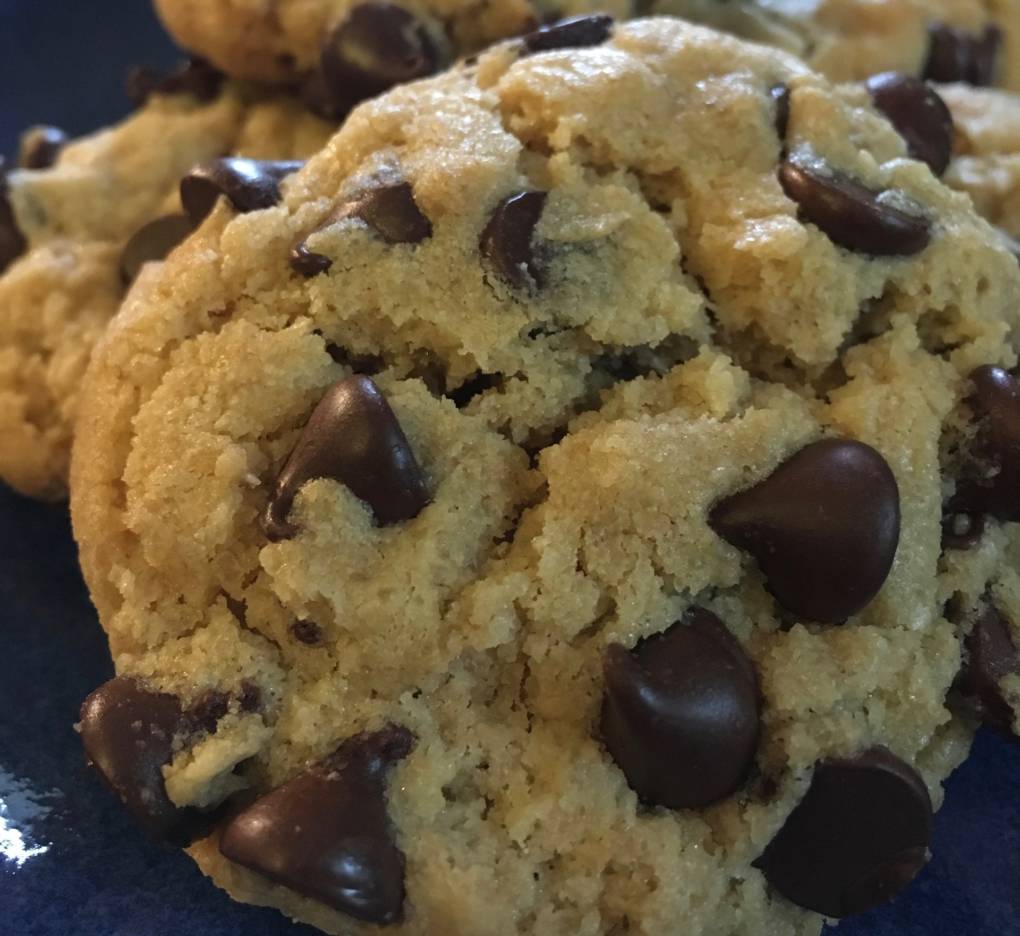
"caption": "Salted chocolate chip tahini cookies, made with Guittard chocolate chips, using a recipe adapted from the author and food blogger David Lebovitz.",
"description": "Salted chocolate chip tahini cookies, made with Guittard chocolate chips, using a recipe adapted from the author and food blogger David Lebovitz.",
"title": "RS34036_IMG_7365-qut",
"credit": "Rachael Myrow/KQED",
"status": "inherit",
"isLoading": false,
"fetchFailed": false
},
"news_11706405": {
"type": "attachments",
"id": "news_11706405",
"meta": {
"index": "attachments_1716263798",
"site": "news",
"id": "11706405",
"found": true
},
"parent": 11706335,
"imgSizes": {
"twentyfourteen-full-width": {
"file": "https://ww2.kqed.org/app/uploads/sites/10/2018/11/Counterpulse-e1542239024370-1038x576.jpg",
"width": 1038,
"mimeType": "image/jpeg",
"height": 576
},
"thumbnail": {
"file": "https://ww2.kqed.org/app/uploads/sites/10/2018/11/Counterpulse-e1542239024370-160x90.jpg",
"width": 160,
"mimeType": "image/jpeg",
"height": 90
},
"post-thumbnail": {
"file": "https://ww2.kqed.org/app/uploads/sites/10/2018/11/Counterpulse-e1542239024370-672x372.jpg",
"width": 672,
"mimeType": "image/jpeg",
"height": 372
},
"kqedFullSize": {
"file": "https://ww2.kqed.org/app/uploads/sites/10/2018/11/Counterpulse-e1542239024370.jpg",
"width": 1840,
"height": 1035
},
"large": {
"file": "https://ww2.kqed.org/app/uploads/sites/10/2018/11/Counterpulse-e1542239024370-1020x574.jpg",
"width": 1020,
"mimeType": "image/jpeg",
"height": 574
},
"complete_open_graph": {
"file": "https://ww2.kqed.org/app/uploads/sites/10/2018/11/Counterpulse-e1542239024370-1200x675.jpg",
"width": 1200,
"mimeType": "image/jpeg",
"height": 675
},
"guest-author-50": {
"file": "https://ww2.kqed.org/app/uploads/sites/10/2018/11/Counterpulse-e1542239024370-50x50.jpg",
"width": 50,
"mimeType": "image/jpeg",
"height": 50
},
"guest-author-96": {
"file": "https://ww2.kqed.org/app/uploads/sites/10/2018/11/Counterpulse-e1542239024370-96x96.jpg",
"width": 96,
"mimeType": "image/jpeg",
"height": 96
},
"medium": {
"file": "https://ww2.kqed.org/app/uploads/sites/10/2018/11/Counterpulse-e1542239024370-800x450.jpg",
"width": 800,
"mimeType": "image/jpeg",
"height": 450
},
"guest-author-64": {
"file": "https://ww2.kqed.org/app/uploads/sites/10/2018/11/Counterpulse-e1542239024370-64x64.jpg",
"width": 64,
"mimeType": "image/jpeg",
"height": 64
},
"guest-author-32": {
"file": "https://ww2.kqed.org/app/uploads/sites/10/2018/11/Counterpulse-e1542239024370-32x32.jpg",
"width": 32,
"mimeType": "image/jpeg",
"height": 32
},
"detail": {
"file": "https://ww2.kqed.org/app/uploads/sites/10/2018/11/Counterpulse-e1542239024370-150x150.jpg",
"width": 150,
"mimeType": "image/jpeg",
"height": 150
},
"guest-author-128": {
"file": "https://ww2.kqed.org/app/uploads/sites/10/2018/11/Counterpulse-e1542239024370-128x128.jpg",
"width": 128,
"mimeType": "image/jpeg",
"height": 128
}
},
"publishDate": 1542238834,
"modified": 1542756705,
"caption": "Performing Arts presenter CounterPulse's space at 80 Turk St. in San Francisco's Tenderloin. The arts nonprofit was able to secure a permanent home for itself with help from the Community Arts Stabilization Trust (CAST). Building by Jensen Architects.",
"description": "Performing Arts presenter CounterPulse's space at 80 Turk Street in San Francisco's Tenderloin. The arts non-profit was able to secure a permanent home for itself with help from the Community Arts Stabilization Trust (CAST). Building by Jensen Architects.",
"title": "Counterpulse",
"credit": "Courtesy of Cesar Rubio/CounterPulse",
"status": "inherit",
"isLoading": false,
"fetchFailed": false
},
"news_11620762": {
"type": "attachments",
"id": "news_11620762",
"meta": {
"index": "attachments_1716263798",
"site": "news",
"id": "11620762",
"found": true
},
"parent": 11620038,
"imgSizes": {
"small": {
"file": "https://ww2.kqed.org/app/uploads/sites/10/2017/10/CerdaMansker-520x363.jpg",
"width": 520,
"mimeType": "image/jpeg",
"height": 363
},
"twentyfourteen-full-width": {
"file": "https://ww2.kqed.org/app/uploads/sites/10/2017/10/CerdaMansker-1038x576.jpg",
"width": 1038,
"mimeType": "image/jpeg",
"height": 576
},
"thumbnail": {
"file": "https://ww2.kqed.org/app/uploads/sites/10/2017/10/CerdaMansker-160x112.jpg",
"width": 160,
"mimeType": "image/jpeg",
"height": 112
},
"fd-sm": {
"file": "https://ww2.kqed.org/app/uploads/sites/10/2017/10/CerdaMansker-960x671.jpg",
"width": 960,
"mimeType": "image/jpeg",
"height": 671
},
"post-thumbnail": {
"file": "https://ww2.kqed.org/app/uploads/sites/10/2017/10/CerdaMansker-672x372.jpg",
"width": 672,
"mimeType": "image/jpeg",
"height": 372
},
"xsmall": {
"file": "https://ww2.kqed.org/app/uploads/sites/10/2017/10/CerdaMansker-375x262.jpg",
"width": 375,
"mimeType": "image/jpeg",
"height": 262
},
"kqedFullSize": {
"file": "https://ww2.kqed.org/app/uploads/sites/10/2017/10/CerdaMansker.jpg",
"width": 1994,
"height": 1393
},
"large": {
"file": "https://ww2.kqed.org/app/uploads/sites/10/2017/10/CerdaMansker-1020x713.jpg",
"width": 1020,
"mimeType": "image/jpeg",
"height": 713
},
"xlarge": {
"file": "https://ww2.kqed.org/app/uploads/sites/10/2017/10/CerdaMansker-1180x824.jpg",
"width": 1180,
"mimeType": "image/jpeg",
"height": 824
},
"guest-author-50": {
"file": "https://ww2.kqed.org/app/uploads/sites/10/2017/10/CerdaMansker-50x50.jpg",
"width": 50,
"mimeType": "image/jpeg",
"height": 50
},
"guest-author-96": {
"file": "https://ww2.kqed.org/app/uploads/sites/10/2017/10/CerdaMansker-96x96.jpg",
"width": 96,
"mimeType": "image/jpeg",
"height": 96
},
"medium": {
"file": "https://ww2.kqed.org/app/uploads/sites/10/2017/10/CerdaMansker-800x559.jpg",
"width": 800,
"mimeType": "image/jpeg",
"height": 559
},
"guest-author-64": {
"file": "https://ww2.kqed.org/app/uploads/sites/10/2017/10/CerdaMansker-64x64.jpg",
"width": 64,
"mimeType": "image/jpeg",
"height": 64
},
"guest-author-32": {
"file": "https://ww2.kqed.org/app/uploads/sites/10/2017/10/CerdaMansker-32x32.jpg",
"width": 32,
"mimeType": "image/jpeg",
"height": 32
},
"fd-lrg": {
"file": "https://ww2.kqed.org/app/uploads/sites/10/2017/10/CerdaMansker-1920x1341.jpg",
"width": 1920,
"mimeType": "image/jpeg",
"height": 1341
},
"fd-med": {
"file": "https://ww2.kqed.org/app/uploads/sites/10/2017/10/CerdaMansker-1180x824.jpg",
"width": 1180,
"mimeType": "image/jpeg",
"height": 824
},
"full-width": {
"file": "https://ww2.kqed.org/app/uploads/sites/10/2017/10/CerdaMansker-1920x1341.jpg",
"width": 1920,
"mimeType": "image/jpeg",
"height": 1341
},
"detail": {
"file": "https://ww2.kqed.org/app/uploads/sites/10/2017/10/CerdaMansker-150x150.jpg",
"width": 150,
"mimeType": "image/jpeg",
"height": 150
},
"guest-author-128": {
"file": "https://ww2.kqed.org/app/uploads/sites/10/2017/10/CerdaMansker-128x128.jpg",
"width": 128,
"mimeType": "image/jpeg",
"height": 128
},
"xxsmall": {
"file": "https://ww2.kqed.org/app/uploads/sites/10/2017/10/CerdaMansker-240x168.jpg",
"width": 240,
"mimeType": "image/jpeg",
"height": 168
}
},
"publishDate": 1507067691,
"modified": 1508286043,
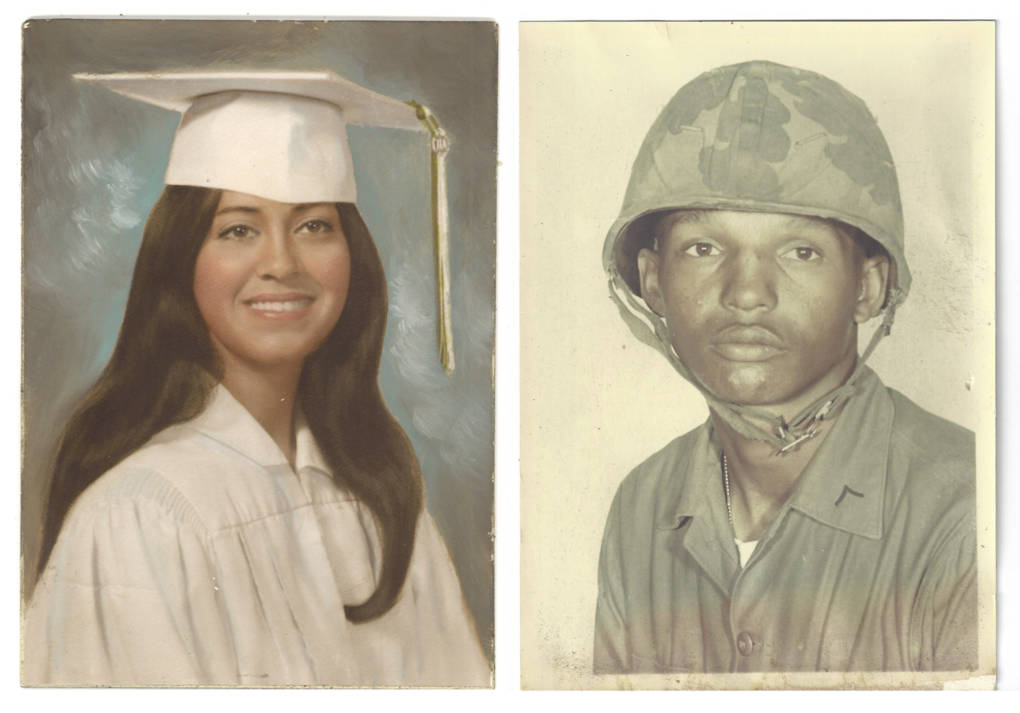
"caption": "Teresa Cerda (left) and Cliff Mansker met as teenagers. She was a high schooler who opposed the Vietnam War, he a Marine at Camp Pendleton. They forged an unlikely friendship.",
"description": null,
"title": "CerdaMansker",
"credit": "Courtesy Teresa Cerda and Cliff Mansker",
"status": "inherit",
"isLoading": false,
"fetchFailed": false
},
"news_11704734": {
"type": "attachments",
"id": "news_11704734",
"meta": {
"index": "attachments_1716263798",
"site": "news",
"id": "11704734",
"found": true
},
"parent": 11704700,
"imgSizes": {
"small": {
"file": "https://ww2.kqed.org/app/uploads/sites/10/2018/11/Compton27s-Anniversary-e1541631904297-520x293.jpg",
"width": 520,
"mimeType": "image/jpeg",
"height": 293
},
"twentyfourteen-full-width": {
"file": "https://ww2.kqed.org/app/uploads/sites/10/2018/11/Compton27s-Anniversary-960x576.jpg",
"width": 960,
"mimeType": "image/jpeg",
"height": 576
},
"thumbnail": {
"file": "https://ww2.kqed.org/app/uploads/sites/10/2018/11/Compton27s-Anniversary-e1541631904297-160x90.jpg",
"width": 160,
"mimeType": "image/jpeg",
"height": 90
},
"fd-sm": {
"file": "https://ww2.kqed.org/app/uploads/sites/10/2018/11/Compton27s-Anniversary-960x720.jpg",
"width": 960,
"mimeType": "image/jpeg",
"height": 720
},
"post-thumbnail": {
"file": "https://ww2.kqed.org/app/uploads/sites/10/2018/11/Compton27s-Anniversary-e1541631904297-672x372.jpg",
"width": 672,
"mimeType": "image/jpeg",
"height": 372
},
"xsmall": {
"file": "https://ww2.kqed.org/app/uploads/sites/10/2018/11/Compton27s-Anniversary-e1541631904297-375x211.jpg",
"width": 375,
"mimeType": "image/jpeg",
"height": 211
},
"kqedFullSize": {
"file": "https://ww2.kqed.org/app/uploads/sites/10/2018/11/Compton27s-Anniversary-e1541631904297.jpg",
"width": 804,
"height": 453
},
"guest-author-50": {
"file": "https://ww2.kqed.org/app/uploads/sites/10/2018/11/Compton27s-Anniversary-e1541631904297-50x50.jpg",
"width": 50,
"mimeType": "image/jpeg",
"height": 50
},
"guest-author-96": {
"file": "https://ww2.kqed.org/app/uploads/sites/10/2018/11/Compton27s-Anniversary-e1541631904297-96x96.jpg",
"width": 96,
"mimeType": "image/jpeg",
"height": 96
},
"medium": {
"file": "https://ww2.kqed.org/app/uploads/sites/10/2018/11/Compton27s-Anniversary-e1541631904297-800x451.jpg",
"width": 800,
"mimeType": "image/jpeg",
"height": 451
},
"guest-author-64": {
"file": "https://ww2.kqed.org/app/uploads/sites/10/2018/11/Compton27s-Anniversary-e1541631904297-64x64.jpg",
"width": 64,
"mimeType": "image/jpeg",
"height": 64
},
"guest-author-32": {
"file": "https://ww2.kqed.org/app/uploads/sites/10/2018/11/Compton27s-Anniversary-e1541631904297-32x32.jpg",
"width": 32,
"mimeType": "image/jpeg",
"height": 32
},
"detail": {
"file": "https://ww2.kqed.org/app/uploads/sites/10/2018/11/Compton27s-Anniversary-e1541631904297-150x150.jpg",
"width": 150,
"mimeType": "image/jpeg",
"height": 150
},
"guest-author-128": {
"file": "https://ww2.kqed.org/app/uploads/sites/10/2018/11/Compton27s-Anniversary-e1541631904297-128x128.jpg",
"width": 128,
"mimeType": "image/jpeg",
"height": 128
},
"xxsmall": {
"file": "https://ww2.kqed.org/app/uploads/sites/10/2018/11/Compton27s-Anniversary-e1541631904297-240x135.jpg",
"width": 240,
"mimeType": "image/jpeg",
"height": 135
}
},
"publishDate": 1541631631,
"modified": 1541640505,
"caption": "Members of the Compton Transgender Cultural District community gather to commemorate the anniversary of the Compton Cafeteria Riot in 1966. Cultural districts will receive funding from San Francisco for the first time as a result of the passage of Proposition E.",
"description": "Members of the Compton Transgender Cultural District community gather to commemorate the anniversary of the Compton Cafeteria Riot. Cultural Districts will receive funding from the city for the first time as a result of the passing of Prop E.",
"title": "Comptons Anniversary",
"credit": "Courtesy of Sister Roma",
"status": "inherit",
"isLoading": false,
"fetchFailed": false
},
"news_11702742": {
"type": "attachments",
"id": "news_11702742",
"meta": {
"index": "attachments_1716263798",
"site": "news",
"id": "11702742",
"found": true
},
"parent": 11702680,
"imgSizes": {
"small": {
"file": "https://ww2.kqed.org/app/uploads/sites/10/2018/10/IMG-1399-520x390.jpg",
"width": 520,
"mimeType": "image/jpeg",
"height": 390
},
"twentyfourteen-full-width": {
"file": "https://ww2.kqed.org/app/uploads/sites/10/2018/10/IMG-1399-1038x576.jpg",
"width": 1038,
"mimeType": "image/jpeg",
"height": 576
},
"thumbnail": {
"file": "https://ww2.kqed.org/app/uploads/sites/10/2018/10/IMG-1399-160x120.jpg",
"width": 160,
"mimeType": "image/jpeg",
"height": 120
},
"fd-sm": {
"file": "https://ww2.kqed.org/app/uploads/sites/10/2018/10/IMG-1399-960x720.jpg",
"width": 960,
"mimeType": "image/jpeg",
"height": 720
},
"post-thumbnail": {
"file": "https://ww2.kqed.org/app/uploads/sites/10/2018/10/IMG-1399-672x372.jpg",
"width": 672,
"mimeType": "image/jpeg",
"height": 372
},
"xsmall": {
"file": "https://ww2.kqed.org/app/uploads/sites/10/2018/10/IMG-1399-375x281.jpg",
"width": 375,
"mimeType": "image/jpeg",
"height": 281
},
"kqedFullSize": {
"file": "https://ww2.kqed.org/app/uploads/sites/10/2018/10/IMG-1399-e1541447387303.jpg",
"width": 1920,
"height": 1440
},
"large": {
"file": "https://ww2.kqed.org/app/uploads/sites/10/2018/10/IMG-1399-1020x765.jpg",
"width": 1020,
"mimeType": "image/jpeg",
"height": 765
},
"xlarge": {
"file": "https://ww2.kqed.org/app/uploads/sites/10/2018/10/IMG-1399-1180x885.jpg",
"width": 1180,
"mimeType": "image/jpeg",
"height": 885
},
"complete_open_graph": {
"file": "https://ww2.kqed.org/app/uploads/sites/10/2018/10/IMG-1399-1200x900.jpg",
"width": 1200,
"mimeType": "image/jpeg",
"height": 900
},
"guest-author-50": {
"file": "https://ww2.kqed.org/app/uploads/sites/10/2018/10/IMG-1399-50x50.jpg",
"width": 50,
"mimeType": "image/jpeg",
"height": 50
},
"guest-author-96": {
"file": "https://ww2.kqed.org/app/uploads/sites/10/2018/10/IMG-1399-96x96.jpg",
"width": 96,
"mimeType": "image/jpeg",
"height": 96
},
"medium": {
"file": "https://ww2.kqed.org/app/uploads/sites/10/2018/10/IMG-1399-800x600.jpg",
"width": 800,
"mimeType": "image/jpeg",
"height": 600
},
"guest-author-64": {
"file": "https://ww2.kqed.org/app/uploads/sites/10/2018/10/IMG-1399-64x64.jpg",
"width": 64,
"mimeType": "image/jpeg",
"height": 64
},
"guest-author-32": {
"file": "https://ww2.kqed.org/app/uploads/sites/10/2018/10/IMG-1399-32x32.jpg",
"width": 32,
"mimeType": "image/jpeg",
"height": 32
},
"fd-lrg": {
"file": "https://ww2.kqed.org/app/uploads/sites/10/2018/10/IMG-1399-1920x1440.jpg",
"width": 1920,
"mimeType": "image/jpeg",
"height": 1440
},
"fd-med": {
"file": "https://ww2.kqed.org/app/uploads/sites/10/2018/10/IMG-1399-1180x885.jpg",
"width": 1180,
"mimeType": "image/jpeg",
"height": 885
},
"full-width": {
"file": "https://ww2.kqed.org/app/uploads/sites/10/2018/10/IMG-1399-1920x1440.jpg",
"width": 1920,
"mimeType": "image/jpeg",
"height": 1440
},
"detail": {
"file": "https://ww2.kqed.org/app/uploads/sites/10/2018/10/IMG-1399-150x150.jpg",
"width": 150,
"mimeType": "image/jpeg",
"height": 150
},
"guest-author-128": {
"file": "https://ww2.kqed.org/app/uploads/sites/10/2018/10/IMG-1399-128x128.jpg",
"width": 128,
"mimeType": "image/jpeg",
"height": 128
},
"xxsmall": {
"file": "https://ww2.kqed.org/app/uploads/sites/10/2018/10/IMG-1399-240x180.jpg",
"width": 240,
"mimeType": "image/jpeg",
"height": 180
}
},
"publishDate": 1541022544,
"modified": 1541448440,
"caption": "Supervisor Katy Tang in her office in San Francisco. Proposition E has attracted the support of supervisors who normally disapprove of budget set asides, like Tang and Aaron Peskin.",
"description": "Supervisor Katy Tang in her office in San Francisco. Proposition E has attracted the support of supervisors who normally disapprove of budget set asides, like Tang and Aaron Peskin.",
"title": "IMG-1399",
"credit": "Chloe Veltman/KQED",
"status": "inherit",
"isLoading": false,
"fetchFailed": false
},
"news_11703594": {
"type": "attachments",
"id": "news_11703594",
"meta": {
"index": "attachments_1716263798",
"site": "news",
"id": "11703594",
"found": true
},
"parent": 11703577,
"imgSizes": {
"small": {
"file": "https://ww2.kqed.org/app/uploads/sites/10/2018/11/IMG_7004-520x347.jpg",
"width": 520,
"mimeType": "image/jpeg",
"height": 347
},
"twentyfourteen-full-width": {
"file": "https://ww2.kqed.org/app/uploads/sites/10/2018/11/IMG_7004-1038x576.jpg",
"width": 1038,
"mimeType": "image/jpeg",
"height": 576
},
"thumbnail": {
"file": "https://ww2.kqed.org/app/uploads/sites/10/2018/11/IMG_7004-160x107.jpg",
"width": 160,
"mimeType": "image/jpeg",
"height": 107
},
"fd-sm": {
"file": "https://ww2.kqed.org/app/uploads/sites/10/2018/11/IMG_7004-960x640.jpg",
"width": 960,
"mimeType": "image/jpeg",
"height": 640
},
"post-thumbnail": {
"file": "https://ww2.kqed.org/app/uploads/sites/10/2018/11/IMG_7004-672x372.jpg",
"width": 672,
"mimeType": "image/jpeg",
"height": 372
},
"xsmall": {
"file": "https://ww2.kqed.org/app/uploads/sites/10/2018/11/IMG_7004-375x250.jpg",
"width": 375,
"mimeType": "image/jpeg",
"height": 250
},
"kqedFullSize": {
"file": "https://ww2.kqed.org/app/uploads/sites/10/2018/11/IMG_7004.jpg",
"width": 5184,
"height": 3456
},
"large": {
"file": "https://ww2.kqed.org/app/uploads/sites/10/2018/11/IMG_7004-1020x680.jpg",
"width": 1020,
"mimeType": "image/jpeg",
"height": 680
},
"xlarge": {
"file": "https://ww2.kqed.org/app/uploads/sites/10/2018/11/IMG_7004-1180x787.jpg",
"width": 1180,
"mimeType": "image/jpeg",
"height": 787
},
"complete_open_graph": {
"file": "https://ww2.kqed.org/app/uploads/sites/10/2018/11/IMG_7004-1200x800.jpg",
"width": 1200,
"mimeType": "image/jpeg",
"height": 800
},
"guest-author-50": {
"file": "https://ww2.kqed.org/app/uploads/sites/10/2018/11/IMG_7004-50x50.jpg",
"width": 50,
"mimeType": "image/jpeg",
"height": 50
},
"guest-author-96": {
"file": "https://ww2.kqed.org/app/uploads/sites/10/2018/11/IMG_7004-96x96.jpg",
"width": 96,
"mimeType": "image/jpeg",
"height": 96
},
"medium": {
"file": "https://ww2.kqed.org/app/uploads/sites/10/2018/11/IMG_7004-800x533.jpg",
"width": 800,
"mimeType": "image/jpeg",
"height": 533
},
"guest-author-64": {
"file": "https://ww2.kqed.org/app/uploads/sites/10/2018/11/IMG_7004-64x64.jpg",
"width": 64,
"mimeType": "image/jpeg",
"height": 64
},
"guest-author-32": {
"file": "https://ww2.kqed.org/app/uploads/sites/10/2018/11/IMG_7004-32x32.jpg",
"width": 32,
"mimeType": "image/jpeg",
"height": 32
},
"fd-lrg": {
"file": "https://ww2.kqed.org/app/uploads/sites/10/2018/11/IMG_7004-1920x1280.jpg",
"width": 1920,
"mimeType": "image/jpeg",
"height": 1280
},
"fd-med": {
"file": "https://ww2.kqed.org/app/uploads/sites/10/2018/11/IMG_7004-1180x787.jpg",
"width": 1180,
"mimeType": "image/jpeg",
"height": 787
},
"full-width": {
"file": "https://ww2.kqed.org/app/uploads/sites/10/2018/11/IMG_7004-1920x1280.jpg",
"width": 1920,
"mimeType": "image/jpeg",
"height": 1280
},
"detail": {
"file": "https://ww2.kqed.org/app/uploads/sites/10/2018/11/IMG_7004-150x150.jpg",
"width": 150,
"mimeType": "image/jpeg",
"height": 150
},
"guest-author-128": {
"file": "https://ww2.kqed.org/app/uploads/sites/10/2018/11/IMG_7004-128x128.jpg",
"width": 128,
"mimeType": "image/jpeg",
"height": 128
},
"xxsmall": {
"file": "https://ww2.kqed.org/app/uploads/sites/10/2018/11/IMG_7004-240x160.jpg",
"width": 240,
"mimeType": "image/jpeg",
"height": 160
}
},
"publishDate": 1541374852,
"modified": 1541374872,
"caption": "Maricela Sandoval of San Jose paints the face of fellow dancer, Estrella Zamudio, also of San Jose.",
"description": null,
"title": "IMG_7004",
"credit": "Sara Hossaini/KQED",
"status": "inherit",
"isLoading": false,
"fetchFailed": false
},
"news_11703177": {
"type": "attachments",
"id": "news_11703177",
"meta": {
"index": "attachments_1716263798",
"site": "news",
"id": "11703177",
"found": true
},
"parent": 11703167,
"imgSizes": {
"small": {
"file": "https://ww2.kqed.org/app/uploads/sites/10/2018/11/RS33506_IMG_3934-qut-520x390.jpg",
"width": 520,
"mimeType": "image/jpeg",
"height": 390
},
"twentyfourteen-full-width": {
"file": "https://ww2.kqed.org/app/uploads/sites/10/2018/11/RS33506_IMG_3934-qut-1038x576.jpg",
"width": 1038,
"mimeType": "image/jpeg",
"height": 576
},
"thumbnail": {
"file": "https://ww2.kqed.org/app/uploads/sites/10/2018/11/RS33506_IMG_3934-qut-160x120.jpg",
"width": 160,
"mimeType": "image/jpeg",
"height": 120
},
"fd-sm": {
"file": "https://ww2.kqed.org/app/uploads/sites/10/2018/11/RS33506_IMG_3934-qut-960x720.jpg",
"width": 960,
"mimeType": "image/jpeg",
"height": 720
},
"post-thumbnail": {
"file": "https://ww2.kqed.org/app/uploads/sites/10/2018/11/RS33506_IMG_3934-qut-672x372.jpg",
"width": 672,
"mimeType": "image/jpeg",
"height": 372
},
"xsmall": {
"file": "https://ww2.kqed.org/app/uploads/sites/10/2018/11/RS33506_IMG_3934-qut-375x281.jpg",
"width": 375,
"mimeType": "image/jpeg",
"height": 281
},
"kqedFullSize": {
"file": "https://ww2.kqed.org/app/uploads/sites/10/2018/11/RS33506_IMG_3934-qut.jpg",
"width": 1920,
"height": 1440
},
"large": {
"file": "https://ww2.kqed.org/app/uploads/sites/10/2018/11/RS33506_IMG_3934-qut-1020x765.jpg",
"width": 1020,
"mimeType": "image/jpeg",
"height": 765
},
"xlarge": {
"file": "https://ww2.kqed.org/app/uploads/sites/10/2018/11/RS33506_IMG_3934-qut-1180x885.jpg",
"width": 1180,
"mimeType": "image/jpeg",
"height": 885
},
"complete_open_graph": {
"file": "https://ww2.kqed.org/app/uploads/sites/10/2018/11/RS33506_IMG_3934-qut-1200x900.jpg",
"width": 1200,
"mimeType": "image/jpeg",
"height": 900
},
"guest-author-50": {
"file": "https://ww2.kqed.org/app/uploads/sites/10/2018/11/RS33506_IMG_3934-qut-50x50.jpg",
"width": 50,
"mimeType": "image/jpeg",
"height": 50
},
"guest-author-96": {
"file": "https://ww2.kqed.org/app/uploads/sites/10/2018/11/RS33506_IMG_3934-qut-96x96.jpg",
"width": 96,
"mimeType": "image/jpeg",
"height": 96
},
"medium": {
"file": "https://ww2.kqed.org/app/uploads/sites/10/2018/11/RS33506_IMG_3934-qut-800x600.jpg",
"width": 800,
"mimeType": "image/jpeg",
"height": 600
},
"guest-author-64": {
"file": "https://ww2.kqed.org/app/uploads/sites/10/2018/11/RS33506_IMG_3934-qut-64x64.jpg",
"width": 64,
"mimeType": "image/jpeg",
"height": 64
},
"guest-author-32": {
"file": "https://ww2.kqed.org/app/uploads/sites/10/2018/11/RS33506_IMG_3934-qut-32x32.jpg",
"width": 32,
"mimeType": "image/jpeg",
"height": 32
},
"fd-lrg": {
"file": "https://ww2.kqed.org/app/uploads/sites/10/2018/11/RS33506_IMG_3934-qut-1920x1440.jpg",
"width": 1920,
"mimeType": "image/jpeg",
"height": 1440
},
"fd-med": {
"file": "https://ww2.kqed.org/app/uploads/sites/10/2018/11/RS33506_IMG_3934-qut-1180x885.jpg",
"width": 1180,
"mimeType": "image/jpeg",
"height": 885
},
"full-width": {
"file": "https://ww2.kqed.org/app/uploads/sites/10/2018/11/RS33506_IMG_3934-qut-1920x1440.jpg",
"width": 1920,
"mimeType": "image/jpeg",
"height": 1440
},
"detail": {
"file": "https://ww2.kqed.org/app/uploads/sites/10/2018/11/RS33506_IMG_3934-qut-150x150.jpg",
"width": 150,
"mimeType": "image/jpeg",
"height": 150
},
"guest-author-128": {
"file": "https://ww2.kqed.org/app/uploads/sites/10/2018/11/RS33506_IMG_3934-qut-128x128.jpg",
"width": 128,
"mimeType": "image/jpeg",
"height": 128
},
"xxsmall": {
"file": "https://ww2.kqed.org/app/uploads/sites/10/2018/11/RS33506_IMG_3934-qut-240x180.jpg",
"width": 240,
"mimeType": "image/jpeg",
"height": 180
}
},
"publishDate": 1541170049,
"modified": 1541170149,
"caption": "Gabriel Clothes is the Lead Bar at Salt House in San Francisco.",
"description": null,
"title": "RS33506_IMG_3934-qut",
"credit": "Bianca Taylor/KQED",
"status": "inherit",
"isLoading": false,
"fetchFailed": false
},
"news_11703044": {
"type": "attachments",
"id": "news_11703044",
"meta": {
"index": "attachments_1716263798",
"site": "news",
"id": "11703044",
"found": true
},
"parent": 11703034,
"imgSizes": {
"small": {
"file": "https://ww2.kqed.org/app/uploads/sites/10/2018/11/착각하지마Don_t-delude-yourself_2016-e1541112060214-520x379.jpg",
"width": 520,
"mimeType": "image/jpeg",
"height": 379
},
"twentyfourteen-full-width": {
"file": "https://ww2.kqed.org/app/uploads/sites/10/2018/11/착각하지마Don_t-delude-yourself_2016-e1541112060214-1038x576.jpg",
"width": 1038,
"mimeType": "image/jpeg",
"height": 576
},
"thumbnail": {
"file": "https://ww2.kqed.org/app/uploads/sites/10/2018/11/착각하지마Don_t-delude-yourself_2016-e1541112060214-160x117.jpg",
"width": 160,
"mimeType": "image/jpeg",
"height": 117
},
"fd-sm": {
"file": "https://ww2.kqed.org/app/uploads/sites/10/2018/11/착각하지마Don_t-delude-yourself_2016-e1541112060214-960x700.jpg",
"width": 960,
"mimeType": "image/jpeg",
"height": 700
},
"post-thumbnail": {
"file": "https://ww2.kqed.org/app/uploads/sites/10/2018/11/착각하지마Don_t-delude-yourself_2016-e1541112060214-672x372.jpg",
"width": 672,
"mimeType": "image/jpeg",
"height": 372
},
"xsmall": {
"file": "https://ww2.kqed.org/app/uploads/sites/10/2018/11/착각하지마Don_t-delude-yourself_2016-e1541112060214-375x274.jpg",
"width": 375,
"mimeType": "image/jpeg",
"height": 274
},
"kqedFullSize": {
"file": "https://ww2.kqed.org/app/uploads/sites/10/2018/11/착각하지마Don_t-delude-yourself_2016-e1541192071357.jpg",
"width": 1920,
"height": 1401
},
"large": {
"file": "https://ww2.kqed.org/app/uploads/sites/10/2018/11/착각하지마Don_t-delude-yourself_2016-e1541112060214-1020x744.jpg",
"width": 1020,
"mimeType": "image/jpeg",
"height": 744
},
"xlarge": {
"file": "https://ww2.kqed.org/app/uploads/sites/10/2018/11/착각하지마Don_t-delude-yourself_2016-e1541112060214-1180x861.jpg",
"width": 1180,
"mimeType": "image/jpeg",
"height": 861
},
"complete_open_graph": {
"file": "https://ww2.kqed.org/app/uploads/sites/10/2018/11/착각하지마Don_t-delude-yourself_2016-e1541112060214-1200x875.jpg",
"width": 1200,
"mimeType": "image/jpeg",
"height": 875
},
"guest-author-50": {
"file": "https://ww2.kqed.org/app/uploads/sites/10/2018/11/착각하지마Don_t-delude-yourself_2016-e1541112060214-50x50.jpg",
"width": 50,
"mimeType": "image/jpeg",
"height": 50
},
"guest-author-96": {
"file": "https://ww2.kqed.org/app/uploads/sites/10/2018/11/착각하지마Don_t-delude-yourself_2016-e1541112060214-96x96.jpg",
"width": 96,
"mimeType": "image/jpeg",
"height": 96
},
"medium": {
"file": "https://ww2.kqed.org/app/uploads/sites/10/2018/11/착각하지마Don_t-delude-yourself_2016-e1541112060214-800x584.jpg",
"width": 800,
"mimeType": "image/jpeg",
"height": 584
},
"guest-author-64": {
"file": "https://ww2.kqed.org/app/uploads/sites/10/2018/11/착각하지마Don_t-delude-yourself_2016-e1541112060214-64x64.jpg",
"width": 64,
"mimeType": "image/jpeg",
"height": 64
},
"guest-author-32": {
"file": "https://ww2.kqed.org/app/uploads/sites/10/2018/11/착각하지마Don_t-delude-yourself_2016-e1541112060214-32x32.jpg",
"width": 32,
"mimeType": "image/jpeg",
"height": 32
},
"fd-lrg": {
"file": "https://ww2.kqed.org/app/uploads/sites/10/2018/11/착각하지마Don_t-delude-yourself_2016-e1541112060214-1920x1401.jpg",
"width": 1920,
"mimeType": "image/jpeg",
"height": 1401
},
"fd-med": {
"file": "https://ww2.kqed.org/app/uploads/sites/10/2018/11/착각하지마Don_t-delude-yourself_2016-e1541112060214-1180x861.jpg",
"width": 1180,
"mimeType": "image/jpeg",
"height": 861
},
"full-width": {
"file": "https://ww2.kqed.org/app/uploads/sites/10/2018/11/착각하지마Don_t-delude-yourself_2016-e1541112060214-1920x1401.jpg",
"width": 1920,
"mimeType": "image/jpeg",
"height": 1401
},
"detail": {
"file": "https://ww2.kqed.org/app/uploads/sites/10/2018/11/착각하지마Don_t-delude-yourself_2016-e1541112060214-150x150.jpg",
"width": 150,
"mimeType": "image/jpeg",
"height": 150
},
"guest-author-128": {
"file": "https://ww2.kqed.org/app/uploads/sites/10/2018/11/착각하지마Don_t-delude-yourself_2016-e1541112060214-128x128.jpg",
"width": 128,
"mimeType": "image/jpeg",
"height": 128
},
"xxsmall": {
"file": "https://ww2.kqed.org/app/uploads/sites/10/2018/11/착각하지마Don_t-delude-yourself_2016-e1541112060214-240x175.jpg",
"width": 240,
"mimeType": "image/jpeg",
"height": 175
}
},
"publishDate": 1541111948,
"modified": 1541199071,
"caption": "'Don't Delude Yourself' (2016), one of many works by North Korean artist and defector Song Byeok depicting North Korean leader Kim Jong Un. Song has a new show at the Minnesota Street Project in San Francisco.",
"description": "\"Don't Delude Yourself\" (2016), one of many works by North Korean artist and defector Song Byeok depicting North Korean leader Kim Jong Un. Song has a new show at Minnesota Street Project in San Francisco.",
"title": "착각하지마(Don_t delude yourself)_2016",
"credit": "Courtesy of Song Byeok",
"status": "inherit",
"isLoading": false,
"fetchFailed": false
},
"news_11702344": {
"type": "attachments",
"id": "news_11702344",
"meta": {
"index": "attachments_1716263798",
"site": "news",
"id": "11702344",
"found": true
},
"parent": 11702324,
"imgSizes": {
"small": {
"file": "https://ww2.kqed.org/app/uploads/sites/10/2018/10/RS33479_20181029_101819-qut-520x390.jpg",
"width": 520,
"mimeType": "image/jpeg",
"height": 390
},
"twentyfourteen-full-width": {
"file": "https://ww2.kqed.org/app/uploads/sites/10/2018/10/RS33479_20181029_101819-qut-1038x576.jpg",
"width": 1038,
"mimeType": "image/jpeg",
"height": 576
},
"thumbnail": {
"file": "https://ww2.kqed.org/app/uploads/sites/10/2018/10/RS33479_20181029_101819-qut-160x120.jpg",
"width": 160,
"mimeType": "image/jpeg",
"height": 120
},
"fd-sm": {
"file": "https://ww2.kqed.org/app/uploads/sites/10/2018/10/RS33479_20181029_101819-qut-960x720.jpg",
"width": 960,
"mimeType": "image/jpeg",
"height": 720
},
"post-thumbnail": {
"file": "https://ww2.kqed.org/app/uploads/sites/10/2018/10/RS33479_20181029_101819-qut-672x372.jpg",
"width": 672,
"mimeType": "image/jpeg",
"height": 372
},
"xsmall": {
"file": "https://ww2.kqed.org/app/uploads/sites/10/2018/10/RS33479_20181029_101819-qut-375x281.jpg",
"width": 375,
"mimeType": "image/jpeg",
"height": 281
},
"kqedFullSize": {
"file": "https://ww2.kqed.org/app/uploads/sites/10/2018/10/RS33479_20181029_101819-qut.jpg",
"width": 1920,
"height": 1440
},
"large": {
"file": "https://ww2.kqed.org/app/uploads/sites/10/2018/10/RS33479_20181029_101819-qut-1020x765.jpg",
"width": 1020,
"mimeType": "image/jpeg",
"height": 765
},
"xlarge": {
"file": "https://ww2.kqed.org/app/uploads/sites/10/2018/10/RS33479_20181029_101819-qut-1180x885.jpg",
"width": 1180,
"mimeType": "image/jpeg",
"height": 885
},
"complete_open_graph": {
"file": "https://ww2.kqed.org/app/uploads/sites/10/2018/10/RS33479_20181029_101819-qut-1200x900.jpg",
"width": 1200,
"mimeType": "image/jpeg",
"height": 900
},
"guest-author-50": {
"file": "https://ww2.kqed.org/app/uploads/sites/10/2018/10/RS33479_20181029_101819-qut-50x50.jpg",
"width": 50,
"mimeType": "image/jpeg",
"height": 50
},
"guest-author-96": {
"file": "https://ww2.kqed.org/app/uploads/sites/10/2018/10/RS33479_20181029_101819-qut-96x96.jpg",
"width": 96,
"mimeType": "image/jpeg",
"height": 96
},
"medium": {
"file": "https://ww2.kqed.org/app/uploads/sites/10/2018/10/RS33479_20181029_101819-qut-800x600.jpg",
"width": 800,
"mimeType": "image/jpeg",
"height": 600
},
"guest-author-64": {
"file": "https://ww2.kqed.org/app/uploads/sites/10/2018/10/RS33479_20181029_101819-qut-64x64.jpg",
"width": 64,
"mimeType": "image/jpeg",
"height": 64
},
"guest-author-32": {
"file": "https://ww2.kqed.org/app/uploads/sites/10/2018/10/RS33479_20181029_101819-qut-32x32.jpg",
"width": 32,
"mimeType": "image/jpeg",
"height": 32
},
"fd-lrg": {
"file": "https://ww2.kqed.org/app/uploads/sites/10/2018/10/RS33479_20181029_101819-qut-1920x1440.jpg",
"width": 1920,
"mimeType": "image/jpeg",
"height": 1440
},
"fd-med": {
"file": "https://ww2.kqed.org/app/uploads/sites/10/2018/10/RS33479_20181029_101819-qut-1180x885.jpg",
"width": 1180,
"mimeType": "image/jpeg",
"height": 885
},
"full-width": {
"file": "https://ww2.kqed.org/app/uploads/sites/10/2018/10/RS33479_20181029_101819-qut-1920x1440.jpg",
"width": 1920,
"mimeType": "image/jpeg",
"height": 1440
},
"detail": {
"file": "https://ww2.kqed.org/app/uploads/sites/10/2018/10/RS33479_20181029_101819-qut-150x150.jpg",
"width": 150,
"mimeType": "image/jpeg",
"height": 150
},
"guest-author-128": {
"file": "https://ww2.kqed.org/app/uploads/sites/10/2018/10/RS33479_20181029_101819-qut-128x128.jpg",
"width": 128,
"mimeType": "image/jpeg",
"height": 128
},
"xxsmall": {
"file": "https://ww2.kqed.org/app/uploads/sites/10/2018/10/RS33479_20181029_101819-qut-240x180.jpg",
"width": 240,
"mimeType": "image/jpeg",
"height": 180
}
},
"publishDate": 1540920120,
"modified": 1540941021,
"caption": "Galería de la Raza Executive Director Ani Rivera speaks at a press conference on Oct. 29, 2018.",
"description": null,
"title": "Galería de la Raza Executive Director Ani Rivera",
"credit": "Marissa Shieh/KQED",
"status": "inherit",
"isLoading": false,
"fetchFailed": false
},
"news_11698116": {
"type": "attachments",
"id": "news_11698116",
"meta": {
"index": "attachments_1716263798",
"site": "news",
"id": "11698116",
"found": true
},
"parent": 11695791,
"imgSizes": {
"small": {
"file": "https://ww2.kqed.org/app/uploads/sites/10/2018/10/RS32409_IMG_3863-qut-520x390.jpg",
"width": 520,
"mimeType": "image/jpeg",
"height": 390
},
"twentyfourteen-full-width": {
"file": "https://ww2.kqed.org/app/uploads/sites/10/2018/10/RS32409_IMG_3863-qut-1038x576.jpg",
"width": 1038,
"mimeType": "image/jpeg",
"height": 576
},
"thumbnail": {
"file": "https://ww2.kqed.org/app/uploads/sites/10/2018/10/RS32409_IMG_3863-qut-160x120.jpg",
"width": 160,
"mimeType": "image/jpeg",
"height": 120
},
"fd-sm": {
"file": "https://ww2.kqed.org/app/uploads/sites/10/2018/10/RS32409_IMG_3863-qut-960x720.jpg",
"width": 960,
"mimeType": "image/jpeg",
"height": 720
},
"post-thumbnail": {
"file": "https://ww2.kqed.org/app/uploads/sites/10/2018/10/RS32409_IMG_3863-qut-672x372.jpg",
"width": 672,
"mimeType": "image/jpeg",
"height": 372
},
"xsmall": {
"file": "https://ww2.kqed.org/app/uploads/sites/10/2018/10/RS32409_IMG_3863-qut-375x281.jpg",
"width": 375,
"mimeType": "image/jpeg",
"height": 281
},
"kqedFullSize": {
"file": "https://ww2.kqed.org/app/uploads/sites/10/2018/10/RS32409_IMG_3863-qut.jpg",
"width": 1920,
"height": 1440
},
"large": {
"file": "https://ww2.kqed.org/app/uploads/sites/10/2018/10/RS32409_IMG_3863-qut-1020x765.jpg",
"width": 1020,
"mimeType": "image/jpeg",
"height": 765
},
"xlarge": {
"file": "https://ww2.kqed.org/app/uploads/sites/10/2018/10/RS32409_IMG_3863-qut-1180x885.jpg",
"width": 1180,
"mimeType": "image/jpeg",
"height": 885
},
"complete_open_graph": {
"file": "https://ww2.kqed.org/app/uploads/sites/10/2018/10/RS32409_IMG_3863-qut-1200x900.jpg",
"width": 1200,
"mimeType": "image/jpeg",
"height": 900
},
"guest-author-50": {
"file": "https://ww2.kqed.org/app/uploads/sites/10/2018/10/RS32409_IMG_3863-qut-50x50.jpg",
"width": 50,
"mimeType": "image/jpeg",
"height": 50
},
"guest-author-96": {
"file": "https://ww2.kqed.org/app/uploads/sites/10/2018/10/RS32409_IMG_3863-qut-96x96.jpg",
"width": 96,
"mimeType": "image/jpeg",
"height": 96
},
"medium": {
"file": "https://ww2.kqed.org/app/uploads/sites/10/2018/10/RS32409_IMG_3863-qut-800x600.jpg",
"width": 800,
"mimeType": "image/jpeg",
"height": 600
},
"guest-author-64": {
"file": "https://ww2.kqed.org/app/uploads/sites/10/2018/10/RS32409_IMG_3863-qut-64x64.jpg",
"width": 64,
"mimeType": "image/jpeg",
"height": 64
},
"guest-author-32": {
"file": "https://ww2.kqed.org/app/uploads/sites/10/2018/10/RS32409_IMG_3863-qut-32x32.jpg",
"width": 32,
"mimeType": "image/jpeg",
"height": 32
},
"fd-lrg": {
"file": "https://ww2.kqed.org/app/uploads/sites/10/2018/10/RS32409_IMG_3863-qut-1920x1440.jpg",
"width": 1920,
"mimeType": "image/jpeg",
"height": 1440
},
"fd-med": {
"file": "https://ww2.kqed.org/app/uploads/sites/10/2018/10/RS32409_IMG_3863-qut-1180x885.jpg",
"width": 1180,
"mimeType": "image/jpeg",
"height": 885
},
"full-width": {
"file": "https://ww2.kqed.org/app/uploads/sites/10/2018/10/RS32409_IMG_3863-qut-1920x1440.jpg",
"width": 1920,
"mimeType": "image/jpeg",
"height": 1440
},
"detail": {
"file": "https://ww2.kqed.org/app/uploads/sites/10/2018/10/RS32409_IMG_3863-qut-150x150.jpg",
"width": 150,
"mimeType": "image/jpeg",
"height": 150
},
"guest-author-128": {
"file": "https://ww2.kqed.org/app/uploads/sites/10/2018/10/RS32409_IMG_3863-qut-128x128.jpg",
"width": 128,
"mimeType": "image/jpeg",
"height": 128
},
"xxsmall": {
"file": "https://ww2.kqed.org/app/uploads/sites/10/2018/10/RS32409_IMG_3863-qut-240x180.jpg",
"width": 240,
"mimeType": "image/jpeg",
"height": 180
}
},
"publishDate": 1539279606,
"modified": 1540579373,
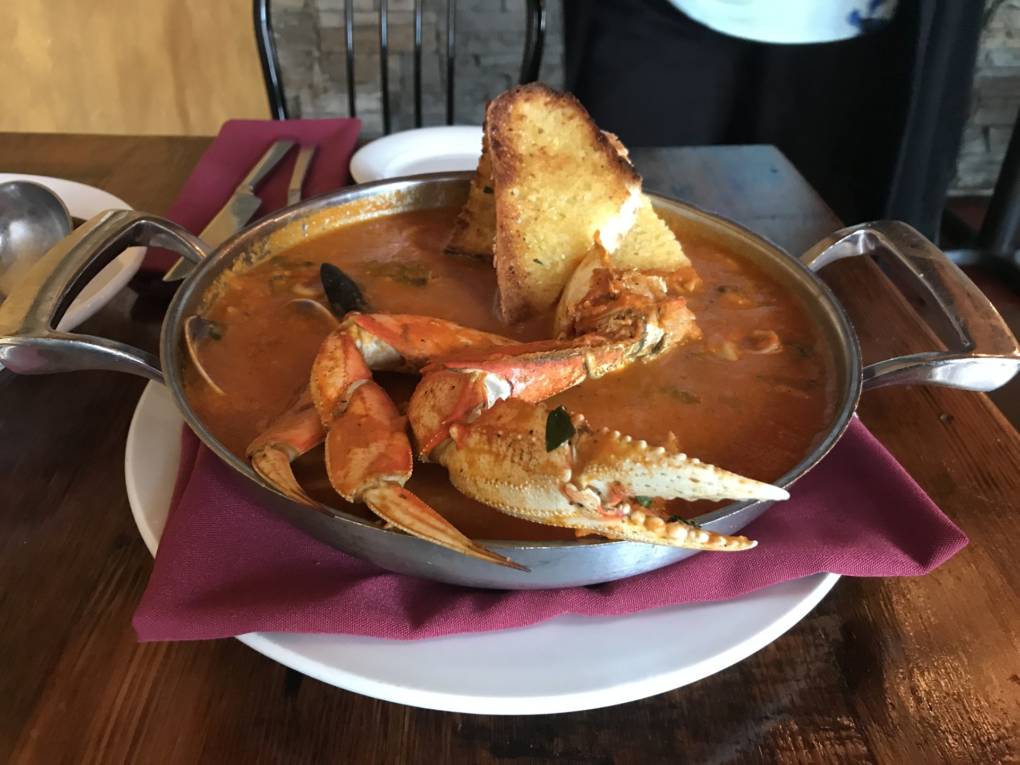
"caption": "Cioppino is commonly mistaken to be from Italy, when in reality, it was invented by Italian fishermen who had emigrated to San Francisco.",
"description": "Cioppino is commonly mistaken to be from Italy, when in reality, it was invented by Italian fishermen who had emigrated to San Francisco.",
"title": "RS32409_IMG_3863-qut",
"credit": "Bianca Taylor/KQED",
"status": "inherit",
"isLoading": false,
"fetchFailed": false
},
"news_11701345": {
"type": "attachments",
"id": "news_11701345",
"meta": {
"index": "attachments_1716263798",
"site": "news",
"id": "11701345",
"found": true
},
"parent": 11701114,
"imgSizes": {
"small": {
"file": "https://ww2.kqed.org/app/uploads/sites/10/2018/10/RS33408_Piland006-qut-520x306.jpg",
"width": 520,
"mimeType": "image/jpeg",
"height": 306
},
"twentyfourteen-full-width": {
"file": "https://ww2.kqed.org/app/uploads/sites/10/2018/10/RS33408_Piland006-qut-1038x576.jpg",
"width": 1038,
"mimeType": "image/jpeg",
"height": 576
},
"thumbnail": {
"file": "https://ww2.kqed.org/app/uploads/sites/10/2018/10/RS33408_Piland006-qut-160x94.jpg",
"width": 160,
"mimeType": "image/jpeg",
"height": 94
},
"fd-sm": {
"file": "https://ww2.kqed.org/app/uploads/sites/10/2018/10/RS33408_Piland006-qut-960x565.jpg",
"width": 960,
"mimeType": "image/jpeg",
"height": 565
},
"post-thumbnail": {
"file": "https://ww2.kqed.org/app/uploads/sites/10/2018/10/RS33408_Piland006-qut-672x372.jpg",
"width": 672,
"mimeType": "image/jpeg",
"height": 372
},
"xsmall": {
"file": "https://ww2.kqed.org/app/uploads/sites/10/2018/10/RS33408_Piland006-qut-375x221.jpg",
"width": 375,
"mimeType": "image/jpeg",
"height": 221
},
"kqedFullSize": {
"file": "https://ww2.kqed.org/app/uploads/sites/10/2018/10/RS33408_Piland006-qut.jpg",
"width": 1920,
"height": 1130
},
"large": {
"file": "https://ww2.kqed.org/app/uploads/sites/10/2018/10/RS33408_Piland006-qut-1020x600.jpg",
"width": 1020,
"mimeType": "image/jpeg",
"height": 600
},
"xlarge": {
"file": "https://ww2.kqed.org/app/uploads/sites/10/2018/10/RS33408_Piland006-qut-1180x694.jpg",
"width": 1180,
"mimeType": "image/jpeg",
"height": 694
},
"complete_open_graph": {
"file": "https://ww2.kqed.org/app/uploads/sites/10/2018/10/RS33408_Piland006-qut-1200x706.jpg",
"width": 1200,
"mimeType": "image/jpeg",
"height": 706
},
"guest-author-50": {
"file": "https://ww2.kqed.org/app/uploads/sites/10/2018/10/RS33408_Piland006-qut-50x50.jpg",
"width": 50,
"mimeType": "image/jpeg",
"height": 50
},
"guest-author-96": {
"file": "https://ww2.kqed.org/app/uploads/sites/10/2018/10/RS33408_Piland006-qut-96x96.jpg",
"width": 96,
"mimeType": "image/jpeg",
"height": 96
},
"medium": {
"file": "https://ww2.kqed.org/app/uploads/sites/10/2018/10/RS33408_Piland006-qut-800x471.jpg",
"width": 800,
"mimeType": "image/jpeg",
"height": 471
},
"guest-author-64": {
"file": "https://ww2.kqed.org/app/uploads/sites/10/2018/10/RS33408_Piland006-qut-64x64.jpg",
"width": 64,
"mimeType": "image/jpeg",
"height": 64
},
"guest-author-32": {
"file": "https://ww2.kqed.org/app/uploads/sites/10/2018/10/RS33408_Piland006-qut-32x32.jpg",
"width": 32,
"mimeType": "image/jpeg",
"height": 32
},
"fd-lrg": {
"file": "https://ww2.kqed.org/app/uploads/sites/10/2018/10/RS33408_Piland006-qut-1920x1130.jpg",
"width": 1920,
"mimeType": "image/jpeg",
"height": 1130
},
"fd-med": {
"file": "https://ww2.kqed.org/app/uploads/sites/10/2018/10/RS33408_Piland006-qut-1180x694.jpg",
"width": 1180,
"mimeType": "image/jpeg",
"height": 694
},
"full-width": {
"file": "https://ww2.kqed.org/app/uploads/sites/10/2018/10/RS33408_Piland006-qut-1920x1130.jpg",
"width": 1920,
"mimeType": "image/jpeg",
"height": 1130
},
"detail": {
"file": "https://ww2.kqed.org/app/uploads/sites/10/2018/10/RS33408_Piland006-qut-150x150.jpg",
"width": 150,
"mimeType": "image/jpeg",
"height": 150
},
"guest-author-128": {
"file": "https://ww2.kqed.org/app/uploads/sites/10/2018/10/RS33408_Piland006-qut-128x128.jpg",
"width": 128,
"mimeType": "image/jpeg",
"height": 128
},
"xxsmall": {
"file": "https://ww2.kqed.org/app/uploads/sites/10/2018/10/RS33408_Piland006-qut-240x141.jpg",
"width": 240,
"mimeType": "image/jpeg",
"height": 141
}
},
"publishDate": 1540510841,
"modified": 1540598527,
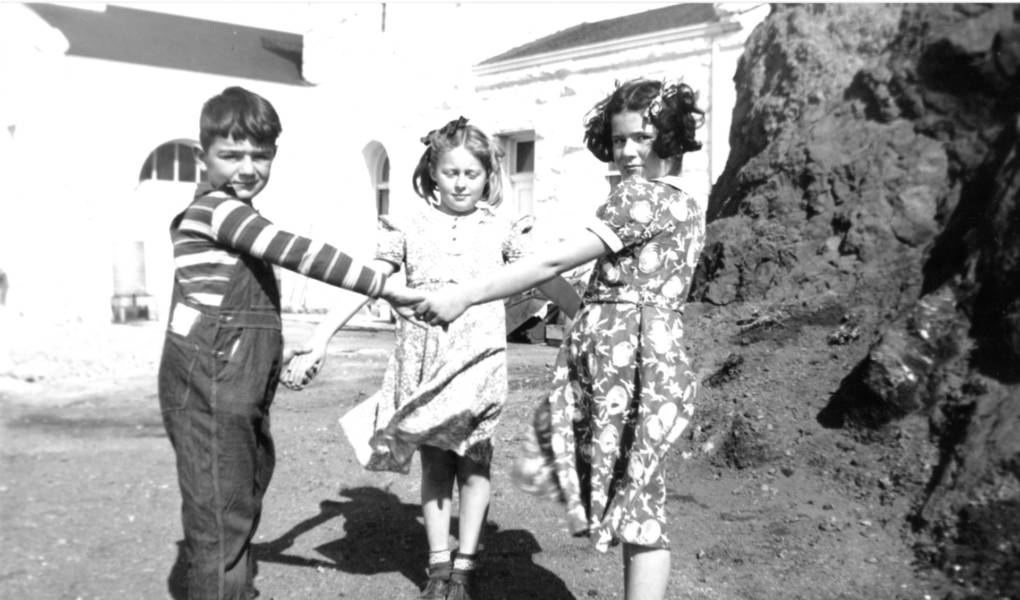
"caption": "Children who lived at Point Sur Lighthouse in the 1930s.",
"description": "Children who lived at Pt. Sur Lighthouse in the 1930s.",
"title": "RS33408_Piland006-qut",
"credit": "Courtesy of Central Coast Lighthouse Keepers ",
"status": "inherit",
"isLoading": false,
"fetchFailed": false
},
"news_11631267": {
"type": "attachments",
"id": "news_11631267",
"meta": {
"index": "attachments_1716263798",
"site": "news",
"id": "11631267",
"found": true
},
"parent": 0,
"imgSizes": {
"small": {
"file": "https://ww2.kqed.org/app/uploads/sites/10/2017/11/TCRMag_iTunes_3000x3000-520x520.jpg",
"width": 520,
"mimeType": "image/jpeg",
"height": 520
},
"twentyfourteen-full-width": {
"file": "https://ww2.kqed.org/app/uploads/sites/10/2017/11/TCRMag_iTunes_3000x3000-1038x576.jpg",
"width": 1038,
"mimeType": "image/jpeg",
"height": 576
},
"thumbnail": {
"file": "https://ww2.kqed.org/app/uploads/sites/10/2017/11/TCRMag_iTunes_3000x3000-160x160.jpg",
"width": 160,
"mimeType": "image/jpeg",
"height": 160
},
"fd-sm": {
"file": "https://ww2.kqed.org/app/uploads/sites/10/2017/11/TCRMag_iTunes_3000x3000-960x960.jpg",
"width": 960,
"mimeType": "image/jpeg",
"height": 960
},
"post-thumbnail": {
"file": "https://ww2.kqed.org/app/uploads/sites/10/2017/11/TCRMag_iTunes_3000x3000-672x372.jpg",
"width": 672,
"mimeType": "image/jpeg",
"height": 372
},
"xsmall": {
"file": "https://ww2.kqed.org/app/uploads/sites/10/2017/11/TCRMag_iTunes_3000x3000-375x375.jpg",
"width": 375,
"mimeType": "image/jpeg",
"height": 375
},
"kqedFullSize": {
"file": "https://ww2.kqed.org/app/uploads/sites/10/2017/11/TCRMag_iTunes_3000x3000-e1511383661821.jpg",
"width": 1920,
"height": 1920
},
"large": {
"file": "https://ww2.kqed.org/app/uploads/sites/10/2017/11/TCRMag_iTunes_3000x3000-1020x1020.jpg",
"width": 1020,
"mimeType": "image/jpeg",
"height": 1020
},
"xlarge": {
"file": "https://ww2.kqed.org/app/uploads/sites/10/2017/11/TCRMag_iTunes_3000x3000-1180x1180.jpg",
"width": 1180,
"mimeType": "image/jpeg",
"height": 1180
},
"guest-author-50": {
"file": "https://ww2.kqed.org/app/uploads/sites/10/2017/11/TCRMag_iTunes_3000x3000-50x50.jpg",
"width": 50,
"mimeType": "image/jpeg",
"height": 50
},
"guest-author-96": {
"file": "https://ww2.kqed.org/app/uploads/sites/10/2017/11/TCRMag_iTunes_3000x3000-96x96.jpg",
"width": 96,
"mimeType": "image/jpeg",
"height": 96
},
"medium": {
"file": "https://ww2.kqed.org/app/uploads/sites/10/2017/11/TCRMag_iTunes_3000x3000-800x800.jpg",
"width": 800,
"mimeType": "image/jpeg",
"height": 800
},
"guest-author-64": {
"file": "https://ww2.kqed.org/app/uploads/sites/10/2017/11/TCRMag_iTunes_3000x3000-64x64.jpg",
"width": 64,
"mimeType": "image/jpeg",
"height": 64
},
"guest-author-32": {
"file": "https://ww2.kqed.org/app/uploads/sites/10/2017/11/TCRMag_iTunes_3000x3000-32x32.jpg",
"width": 32,
"mimeType": "image/jpeg",
"height": 32
},
"fd-lrg": {
"file": "https://ww2.kqed.org/app/uploads/sites/10/2017/11/TCRMag_iTunes_3000x3000-1920x1920.jpg",
"width": 1920,
"mimeType": "image/jpeg",
"height": 1920
},
"fd-med": {
"file": "https://ww2.kqed.org/app/uploads/sites/10/2017/11/TCRMag_iTunes_3000x3000-1180x1180.jpg",
"width": 1180,
"mimeType": "image/jpeg",
"height": 1180
},
"full-width": {
"file": "https://ww2.kqed.org/app/uploads/sites/10/2017/11/TCRMag_iTunes_3000x3000-1920x1920.jpg",
"width": 1920,
"mimeType": "image/jpeg",
"height": 1920
},
"detail": {
"file": "https://ww2.kqed.org/app/uploads/sites/10/2017/11/TCRMag_iTunes_3000x3000-150x150.jpg",
"width": 150,
"mimeType": "image/jpeg",
"height": 150
},
"guest-author-128": {
"file": "https://ww2.kqed.org/app/uploads/sites/10/2017/11/TCRMag_iTunes_3000x3000-128x128.jpg",
"width": 128,
"mimeType": "image/jpeg",
"height": 128
},
"xxsmall": {
"file": "https://ww2.kqed.org/app/uploads/sites/10/2017/11/TCRMag_iTunes_3000x3000-240x240.jpg",
"width": 240,
"mimeType": "image/jpeg",
"height": 240
}
},
"publishDate": 1510798019,
"modified": 1510965669,
"caption": null,
"description": null,
"title": "TCRMag_iTunes_3000x3000",
"credit": null,
"status": "inherit",
"isLoading": false,
"fetchFailed": false
}
},
"audioPlayerReducer": {
"postId": "stream_live",
"isPaused": true,
"isPlaying": false,
"pfsActive": false,
"pledgeModalIsOpen": true,
"playerDrawerIsOpen": false,
"liveAudioPlayStartedAt": 0,
"liveAudioPlayContext": ""
},
"authorsReducer": {
"byline_news_11702324": {
"type": "authors",
"id": "byline_news_11702324",
"meta": {
"override": true
},
"slug": "byline_news_11702324",
"name": "Marissa Shieh",
"isLoading": false
},
"kqed": {
"type": "authors",
"id": "236",
"meta": {
"index": "authors_1716337520",
"id": "236",
"found": true
},
"name": "KQED News Staff",
"firstName": "KQED News Staff",
"lastName": null,
"slug": "kqed",
"email": "faq@kqed.org",
"display_author_email": false,
"staff_mastheads": [],
"title": null,
"bio": null,
"avatar": "https://secure.gravatar.com/avatar/ef0e801a68c4c54afa9180db14084167?s=600&d=blank&r=g",
"twitter": null,
"facebook": null,
"instagram": null,
"linkedin": null,
"sites": [
{
"site": "arts",
"roles": [
"contributor"
]
},
{
"site": "news",
"roles": [
"editor"
]
},
{
"site": "futureofyou",
"roles": [
"author"
]
}
],
"headData": {
"title": "KQED News Staff | KQED",
"description": null,
"ogImgSrc": "https://secure.gravatar.com/avatar/ef0e801a68c4c54afa9180db14084167?s=600&d=blank&r=g",
"twImgSrc": "https://secure.gravatar.com/avatar/ef0e801a68c4c54afa9180db14084167?s=600&d=blank&r=g"
},
"isLoading": false,
"link": "/author/kqed"
},
"rachael-myrow": {
"type": "authors",
"id": "251",
"meta": {
"index": "authors_1716337520",
"id": "251",
"found": true
},
"name": "Rachael Myrow",
"firstName": "Rachael",
"lastName": "Myrow",
"slug": "rachael-myrow",
"email": "rmyrow@kqed.org",
"display_author_email": true,
"staff_mastheads": [
"news"
],
"title": "Senior Editor of KQED's Silicon Valley News Desk",
"bio": "• I write and edit stories about how Silicon Valley power and policies shape everyday life in California. I’m also passionate about making Bay Area history and culture more accessible to a broad public. • I’ve been a journalist for most of my life, starting in high school with The Franklin Press in Los Angeles, where I grew up. While earning my first degree in English at UC Berkeley, I got my start in public radio at KALX-FM. After completing a second degree in journalism at Cal, I landed my first professional job at Marketplace, then moved on to KPCC (now LAist), and then KQED, where I hosted The California Report for more than seven years. • My reporting has appeared on NPR, The World, WBUR’s \u003ci>Here & Now\u003c/i>, and the BBC. I also guest host for KQED’s \u003ci>Forum\u003c/i>, as well as the Commonwealth Club in San Francisco. • I speak periodically on media, democracy and technology issues, and do voiceover work for documentaries and educational video projects. • Outside of the studio, you'll find me hiking Bay Area trails and whipping up Insta-ready meals in my kitchen. • I do not accept gifts, money, or favors from anyone connected to my reporting, I don't pay people for information, and I do not support or donate to political causes. • I strive to treat the people I report on with fairness, honesty, and respect. I also recognize there are often multiple sides to a story and work to verify information through multiple sources and documentation. If I get something wrong, I correct it.",
"avatar": "https://secure.gravatar.com/avatar/3ed8a3c5f26025e4a805ba634cda8cd764906b97438a6d9ce216b044e340da4e?s=600&d=blank&r=g",
"twitter": "rachaelmyrow",
"bluesky": null,
"facebook": null,
"instagram": null,
"linkedin": "https://www.linkedin.com/in/rachaelmyrow/",
"sites": [
{
"site": "arts",
"roles": [
"administrator"
]
},
{
"site": "news",
"roles": [
"edit_others_posts",
"editor"
]
},
{
"site": "futureofyou",
"roles": [
"editor"
]
},
{
"site": "bayareabites",
"roles": [
"editor"
]
},
{
"site": "stateofhealth",
"roles": [
"editor"
]
},
{
"site": "science",
"roles": [
"editor"
]
},
{
"site": "food",
"roles": [
"editor"
]
},
{
"site": "forum",
"roles": [
"editor"
]
},
{
"site": "liveblog",
"roles": [
"author"
]
}
],
"headData": {
"title": "Rachael Myrow | KQED",
"description": "Senior Editor of KQED's Silicon Valley News Desk",
"ogImgSrc": "https://secure.gravatar.com/avatar/3ed8a3c5f26025e4a805ba634cda8cd764906b97438a6d9ce216b044e340da4e?s=600&d=blank&r=g",
"twImgSrc": "https://secure.gravatar.com/avatar/3ed8a3c5f26025e4a805ba634cda8cd764906b97438a6d9ce216b044e340da4e?s=600&d=blank&r=g"
},
"isLoading": false,
"link": "/author/rachael-myrow"
},
"sasha-khokha": {
"type": "authors",
"id": "254",
"meta": {
"index": "authors_1716337520",
"id": "254",
"found": true
},
"name": "Sasha Khokha",
"firstName": "Sasha",
"lastName": "Khokha",
"slug": "sasha-khokha",
"email": "skhokha@kqed.org",
"display_author_email": true,
"staff_mastheads": [
"news"
],
"title": "Host, The California Report Magazine",
"bio": "Sasha Khokha is the host of \u003cem>The California Report's \u003c/em> weekly magazine program, which takes listeners on sound-rich excursions to meet the people that make the Golden State unique -- through audio documentaries and long-form stories. As \u003cem>The California Report's\u003c/em> Central Valley Bureau Chief based in Fresno for nearly a dozen years, Sasha brought the lives and concerns of rural Californians to listeners around the state. Her reporting helped expose the hidden price immigrant women janitors and farmworkers may pay to keep their jobs: sexual assault at work. It inspired two new California laws to protect them from sexual harassment. She was a key member of the reporting team for the Frontline film \u003cem>Rape on the Night Shift, \u003c/em>which was nominated for two national Emmys. Sasha has also won a national Edward R. Murrow and a national PRNDI award for investigative reporting, as well as multiple prizes from the Society for Professional Journalists. Sasha is a proud alum of the UC Berkeley Graduate School of Journalism and Brown University and a member of the South Asian Journalists Association.",
"avatar": "https://secure.gravatar.com/avatar/e4b5e1541aaeea2aa356aa1fb2a68950?s=600&d=blank&r=g",
"twitter": "KQEDSashaKhokha",
"facebook": null,
"instagram": null,
"linkedin": null,
"sites": [
{
"site": "news",
"roles": [
"editor"
]
},
{
"site": "stateofhealth",
"roles": [
"author"
]
},
{
"site": "science",
"roles": [
"author"
]
},
{
"site": "quest",
"roles": [
"subscriber"
]
}
],
"headData": {
"title": "Sasha Khokha | KQED",
"description": "Host, The California Report Magazine",
"ogImgSrc": "https://secure.gravatar.com/avatar/e4b5e1541aaeea2aa356aa1fb2a68950?s=600&d=blank&r=g",
"twImgSrc": "https://secure.gravatar.com/avatar/e4b5e1541aaeea2aa356aa1fb2a68950?s=600&d=blank&r=g"
},
"isLoading": false,
"link": "/author/sasha-khokha"
},
"shossaini": {
"type": "authors",
"id": "3214",
"meta": {
"index": "authors_1716337520",
"id": "3214",
"found": true
},
"name": "Sara Hossaini",
"firstName": "Sara",
"lastName": "Hossaini",
"slug": "shossaini",
"email": "shossaini@kqed.org",
"display_author_email": true,
"staff_mastheads": [
"news"
],
"title": "KQED Reporter",
"bio": "Sara Hossaini came to general assignment reporting at KQED in 2013 after two winters reporting at Wyoming Public Radio. She holds a bachelor's degree in broadcast journalism from the University of Nebraska-Lincoln. Her radio romance began after a bitter breakup with documentary film (Ok, maybe it's still complicated). Her first simultaneous jobs in San Francisco were as Associate Producer on a PBS film series through the Center for Asian American Media and as a butler. She likes to trot, plot and make things with her hands.",
"avatar": "https://secure.gravatar.com/avatar/060e9f56b9554e17942e89f413242774?s=600&d=blank&r=g",
"twitter": "mshossaini",
"facebook": null,
"instagram": null,
"linkedin": null,
"sites": [
{
"site": "news",
"roles": [
"author"
]
},
{
"site": "stateofhealth",
"roles": [
"author"
]
}
],
"headData": {
"title": "Sara Hossaini | KQED",
"description": "KQED Reporter",
"ogImgSrc": "https://secure.gravatar.com/avatar/060e9f56b9554e17942e89f413242774?s=600&d=blank&r=g",
"twImgSrc": "https://secure.gravatar.com/avatar/060e9f56b9554e17942e89f413242774?s=600&d=blank&r=g"
},
"isLoading": false,
"link": "/author/shossaini"
},
"cveltman": {
"type": "authors",
"id": "8608",
"meta": {
"index": "authors_1716337520",
"id": "8608",
"found": true
},
"name": "Chloe Veltman",
"firstName": "Chloe",
"lastName": "Veltman",
"slug": "cveltman",
"email": "cveltman@kqed.org",
"display_author_email": true,
"staff_mastheads": [],
"title": "Arts and Culture Reporter",
"bio": "Chloe Veltman is a former arts and culture reporter for KQED. Prior to joining the organization, she launched and led the arts bureau at Colorado Public Radio, served as the Bay Area's culture columnist for the New York Times, and was the founder, host and executive producer of VoiceBox, a national award-winning weekly podcast/radio show and live events series all about the human voice. Chloe is the recipient of numerous prizes, grants and fellowships including a Webby Award for her work on interactive storytelling, both the John S Knight Journalism Fellowship and Humanities Center Fellowship at Stanford University, the Sundance Arts Writing Fellowship and a Library of Congress Research Fellowship. She is the author of the book \"On Acting\" and has appeared as a guest lecturer at Yale University and the San Francisco Conservatory of Music among other institutions. She holds a BA in english literature from King's College, Cambridge, and a Masters in Dramaturgy from the Central School of Speech and Drama/Harvard Institute for Advanced Theater Training.\r\n\u003ca href=\"https://www.chloeveltman.com\">www.chloeveltman.com\u003c/a>",
"avatar": "https://secure.gravatar.com/avatar/55403394b00a1ddab683952c2eb2cf85?s=600&d=blank&r=g",
"twitter": "chloeveltman",
"facebook": null,
"instagram": null,
"linkedin": null,
"sites": [
{
"site": "arts",
"roles": []
},
{
"site": "news",
"roles": [
"author"
]
},
{
"site": "pop",
"roles": [
"editor"
]
},
{
"site": "science",
"roles": []
}
],
"headData": {
"title": "Chloe Veltman | KQED",
"description": "Arts and Culture Reporter",
"ogImgSrc": "https://secure.gravatar.com/avatar/55403394b00a1ddab683952c2eb2cf85?s=600&d=blank&r=g",
"twImgSrc": "https://secure.gravatar.com/avatar/55403394b00a1ddab683952c2eb2cf85?s=600&d=blank&r=g"
},
"isLoading": false,
"link": "/author/cveltman"
},
"btaylor": {
"type": "authors",
"id": "11365",
"meta": {
"index": "authors_1716337520",
"id": "11365",
"found": true
},
"name": "Bianca Taylor",
"firstName": "Bianca",
"lastName": "Taylor",
"slug": "btaylor",
"email": "btaylor@KQED.org",
"display_author_email": false,
"staff_mastheads": [
"news"
],
"title": "Host and Producer ",
"bio": "Bianca Taylor is a news producer and host of KQED's The Latest podcast.\r\n\r\nHer work with KQED has been honored by the Society of Professional Journalists NorCal, the Webby's, the Regional Murrow Awards, and ONA. She has also worked with NPR, the BBC World Service, and the Washington Post Creative Group.\r\n\r\nBianca is represented by SAG-AFTRA.",
"avatar": "https://secure.gravatar.com/avatar/6b9d3f6552dd10470c5d1c2e58cfe717?s=600&d=blank&r=g",
"twitter": "SoundsLkeBianca",
"facebook": null,
"instagram": null,
"linkedin": null,
"sites": [
{
"site": "arts",
"roles": [
"editor"
]
},
{
"site": "news",
"roles": [
"edit_others_posts",
"editor"
]
},
{
"site": "pop",
"roles": [
"editor"
]
},
{
"site": "bayareabites",
"roles": [
"author"
]
},
{
"site": "science",
"roles": [
"editor"
]
},
{
"site": "forum",
"roles": [
"editor"
]
},
{
"site": "radio",
"roles": [
"editor"
]
},
{
"site": "podcasts",
"roles": [
"editor"
]
}
],
"headData": {
"title": "Bianca Taylor | KQED",
"description": "Host and Producer ",
"ogImgSrc": "https://secure.gravatar.com/avatar/6b9d3f6552dd10470c5d1c2e58cfe717?s=600&d=blank&r=g",
"twImgSrc": "https://secure.gravatar.com/avatar/6b9d3f6552dd10470c5d1c2e58cfe717?s=600&d=blank&r=g"
},
"isLoading": false,
"link": "/author/btaylor"
}
},
"pagesReducer": {
"news_category_arts-and-culture": {
"type": "terms",
"id": "news_223",
"meta": {
"index": "terms_1716263798",
"site": "news",
"id": "223",
"score": 11.242002
},
"featImg": null,
"name": "Arts and Culture",
"description": null,
"taxonomy": "category",
"headData": {
"twImgId": null,
"twTitle": null,
"ogTitle": null,
"ogImgId": null,
"twDescription": null,
"description": null,
"title": "Arts and Culture Archives | KQED News",
"ogDescription": null
},
"ttid": 231,
"slug": "arts-and-culture",
"isLoading": false,
"title": "Arts and Culture",
"pageMeta": {
"site": "news",
"WpPageTemplate": "page-topic-editorial",
"currentPage": 68
},
"blocks": [
{
"blockName": "kqed/post-list",
"attrs": {
"layout": "cardArticle2",
"query": "posts/news?category=arts-and-culture",
"seeMore": false,
"paginated": true,
"page": 68
}
},
{
"blockName": "kqed/ad"
}
]
}
},
"pfsSessionReducer": {},
"postsReducer": {
"stream_live": {
"type": "live",
"id": "stream_live",
"audioUrl": "https://streams.kqed.org/kqedradio",
"title": "Live Stream",
"excerpt": "Live Stream information currently unavailable.",
"link": "/radio",
"featImg": "",
"label": {
"name": "KQED Live",
"link": "/"
}
},
"stream_kqedNewscast": {
"type": "posts",
"id": "stream_kqedNewscast",
"audioUrl": "https://www.kqed.org/.stream/anon/radio/RDnews/newscast.mp3?_=1",
"title": "KQED Newscast",
"featImg": "",
"label": {
"name": "88.5 FM",
"link": "/"
}
},
"news_11707699": {
"type": "posts",
"id": "news_11707699",
"meta": {
"index": "posts_1716263798",
"site": "news",
"id": "11707699",
"score": null,
"sort": [
1542900646000
]
},
"guestAuthors": [],
"slug": "why-burlingame-smells-like-chocolate",
"title": "Why Burlingame Smells Like Chocolate",
"publishDate": 1542900646,
"format": "audio",
"headTitle": "Why Burlingame Smells Like Chocolate | KQED",
"labelTerm": {},
"content": "\u003cp>If you like to bake \u003ca href=\"https://www.davidlebovitz.com/salted-chocolate-chip-tahini-cookies-cookie-recipe/\" target=\"_blank\" rel=\"noopener noreferrer\">cookies\u003c/a>, like me, there’s a good chance you’ve picked up a bag of semi-sweet or extra dark Guittard chocolate chips at the market.\u003c/p>\n\u003cp>“Ooooh, this must be French,” I’ve thought, failing to look closely at the fine print on the packaging. (Guess who quite recently acquired her first pair of reading glasses?)\u003c/p>\n\u003cp>In fact, Guittard may be the biggest local chocolate-maker some of us had no clue was local—even though they’ve been making chocolate here since the Gold Rush.\u003c/p>\n\u003cp>The original Guittard was Etienne, who came to San Francisco in 1860 \u003cem>from France\u003c/em> (i.e. I wasn’t entirely off the mark). He realized eventually the big money lay in satisfying the San Franciscan sweet tooth. Flash forward to 1868, when E. Guittard Co. opened its doors, about 16 years after Domingo Ghirardelli.\u003c/p>\n\u003cfigure id=\"attachment_11707906\" class=\"wp-caption aligncenter\" style=\"max-width: 800px\">\u003cimg loading=\"lazy\" decoding=\"async\" class=\"wp-image-11707906 size-medium\" src=\"https://ww2.kqed.org/news/wp-content/uploads/sites/10/2018/11/Vintage_Guittard_Building-800x595.jpg\" alt=\"The old Guittard factory in San Francisco, before the company moved operations to Burlingame, and now Fairfield, too.\" width=\"800\" height=\"595\" srcset=\"https://cdn.kqed.org/wp-content/uploads/sites/10/2018/11/Vintage_Guittard_Building-800x595.jpg 800w, https://cdn.kqed.org/wp-content/uploads/sites/10/2018/11/Vintage_Guittard_Building-160x119.jpg 160w, https://cdn.kqed.org/wp-content/uploads/sites/10/2018/11/Vintage_Guittard_Building-1020x758.jpg 1020w, https://cdn.kqed.org/wp-content/uploads/sites/10/2018/11/Vintage_Guittard_Building-1200x892.jpg 1200w, https://cdn.kqed.org/wp-content/uploads/sites/10/2018/11/Vintage_Guittard_Building-1920x1427.jpg 1920w\" sizes=\"(max-width: 800px) 100vw, 800px\">\u003cfigcaption class=\"wp-caption-text\">The old Guittard factory in San Francisco, before the company moved operations to Burlingame, and now Fairfield, too.\u003c/figcaption>\u003c/figure>\n\u003cp>Presumably, there was room for both of them in this chocolate-loving city, because they were both thriving when the 1906 earthquake hit. Guittard’s factory moved briefly to Commercial Street and then to Main Street, where it sat until 1955. Redevelopment then forced the operation to relocate to Burlingame, where it’s stayed ever since, at 10 Guittard Road.\u003c/p>\n\u003cp>[ad fullwidth]\u003c/p>\n\u003cp>This is why people living in or traveling through Burlingame and Millbrae often report a sudden need to consume chocolate.\u003c/p>\n\u003ch2>What It’s Like Inside\u003c/h2>\n\u003cp>It’s like the engine room of an old battle ship, if an old battle ship smelled like warm chocolate. The machinery for roasting, grinding, refining is massive and much of it is more than 60 years old, shipped in from Switzerland and Germany.\u003c/p>\n\u003cp>The company is even older, celebrating its 150th year—still manufacturing in the Bay Area, still privately owned. These days, that’s the business equivalent of a miracle. \u003ca href=\"https://www.ghirardelli.com\" target=\"_blank\" rel=\"noopener noreferrer\">Ghirardelli Chocolate Company\u003c/a> is now owned by the U.S. division of Swiss confectioner Lindt & Sprüngli. \u003ca href=\"https://www.sees.com\" target=\"_blank\" rel=\"noopener noreferrer\">See’s Candies\u003c/a>, headquartered in San Francisco, is owned by Berkshire Hathaway.\u003c/p>\n\u003cp>Guittard sits in an economic sweet spot between big companies and little ones, supplying chocolate for everyone from See’s, \u003ca href=\"https://www.williams-sonoma.com/products/guittard-150th-anniversary-chocolate-bar/\" target=\"_blank\" rel=\"noopener noreferrer\">Williams-Sonoma\u003c/a> and \u003ca href=\"https://www.shakeshack.com\" target=\"_blank\" rel=\"noopener noreferrer\">Shake Shack\u003c/a> to \u003ca href=\"https://www.recchiuti.com\" target=\"_blank\" rel=\"noopener noreferrer\">Recchiuti Confections\u003c/a> and \u003ca href=\"https://www.charleschocolates.com\" target=\"_blank\" rel=\"noopener noreferrer\">Charles Chocolates\u003c/a>. “Everybody’s had [Guittard chocolate], and they don’t realize it,” says CEO Gary Guittard.\u003c/p>\n\u003cfigure id=\"attachment_11707854\" class=\"wp-caption aligncenter\" style=\"max-width: 800px\">\u003cimg loading=\"lazy\" decoding=\"async\" class=\"size-medium wp-image-11707854\" src=\"https://ww2.kqed.org/news/wp-content/uploads/sites/10/2018/11/RS34039_largebar-800x621.jpg\" alt=\"Each Guittard client has a special recipe -- or recipes -- involving particular cocoa beans and a particular mix of chocolate liquor, cocoa butter, sugar and possibly milk. In a similar vein, Guittard's own brand products don't taste the same as what you find distributed by other companies that use Guittard chocolate.\" width=\"800\" height=\"621\" srcset=\"https://cdn.kqed.org/wp-content/uploads/sites/10/2018/11/RS34039_largebar-800x621.jpg 800w, https://cdn.kqed.org/wp-content/uploads/sites/10/2018/11/RS34039_largebar-160x124.jpg 160w, https://cdn.kqed.org/wp-content/uploads/sites/10/2018/11/RS34039_largebar.jpg 1000w\" sizes=\"(max-width: 800px) 100vw, 800px\">\u003cfigcaption class=\"wp-caption-text\">Each Guittard client has a special recipe — or recipes — involving particular cocoa beans and a particular mix of chocolate liquor, cocoa butter, sugar and possibly milk. In a similar vein, Guittard’s own brand products don’t taste the same as what you find distributed by other companies that use Guittard chocolate. \u003ccite>(Courtesy of Guittard Chocolate Company)\u003c/cite>\u003c/figcaption>\u003c/figure>\n\u003cp>The company has expanded to a new facility in Fairfield, but much of the processing of the chocolate still happens in Burlingame.\u003c/p>\n\u003cp>Gary’s daughter, Amy Guittard, says there’s a mind-bending range of variation in chocolate, depending on what variables you play with and how. The nib, for instance, is more or less 50 percent fat and 50 percent solid. Once those two elements have been separated from each other in a hydraulic press, you can adjust those percentages, depending on your intended application. “That wide array of percentages is important if you’re a pastry chef or even a home baker,” she said.\u003c/p>\n\u003cp>Gary Guittard also loves to nerd out on the specifics. He can tell you where cocoa pods grow best, which would be “10 to 15 degrees on either side of the equator.” Also, you might be interested to know how children in cocoa-growing regions like to eat their chocolate: in fruit form. “They’ll take a pod and pop a seed in their mouth and suck the mucilage off it, because it’s like a fruit,” he said.\u003c/p>\n\u003cp>The company gets the cocoa beans after they’ve been fermented and dried by farmers. “We work with them in regards to their post-harvest practices. We might want [beans] a little under-fermented, depending on the bean type, or a little over-fermented. Or we might want them dried quickly or more slowly. All of those things affect the flavor,” says Gary.\u003c/p>\n\u003cfigure id=\"attachment_11707853\" class=\"wp-caption aligncenter\" style=\"max-width: 800px\">\u003cimg loading=\"lazy\" decoding=\"async\" class=\"size-medium wp-image-11707853\" src=\"https://ww2.kqed.org/news/wp-content/uploads/sites/10/2018/11/RS34038_Drummer-Boy-qut-800x601.jpg\" alt='An early advertisement for E. Guittard Co., \"practical manufacturers of plain and fancy chocolates and cocoa of every description.\"' width=\"800\" height=\"601\" srcset=\"https://cdn.kqed.org/wp-content/uploads/sites/10/2018/11/RS34038_Drummer-Boy-qut-800x601.jpg 800w, https://cdn.kqed.org/wp-content/uploads/sites/10/2018/11/RS34038_Drummer-Boy-qut-160x120.jpg 160w, https://cdn.kqed.org/wp-content/uploads/sites/10/2018/11/RS34038_Drummer-Boy-qut-1020x766.jpg 1020w, https://cdn.kqed.org/wp-content/uploads/sites/10/2018/11/RS34038_Drummer-Boy-qut-1200x901.jpg 1200w, https://cdn.kqed.org/wp-content/uploads/sites/10/2018/11/RS34038_Drummer-Boy-qut.jpg 1920w\" sizes=\"(max-width: 800px) 100vw, 800px\">\u003cfigcaption class=\"wp-caption-text\">An early advertisement for E. Guittard Co., “practical manufacturers of plain and fancy chocolates and cocoa of every description.” \u003ccite>(Courtesy of Guittard Chocolate Company)\u003c/cite>\u003c/figcaption>\u003c/figure>\n\u003cp>Amy notes consumer enthusiasm for bean-to-bar chocolate swings back and forth between “extreme” flavors and more traditional blends. “There’s beauty in the extreme, but also in the balance. We’ve got flavor labs in Java, Ghana and Ivory Coast that are focused on preserving those heirloom flavor profiles,” she said.\u003c/p>\n\u003cp>Guittard helped to found a nonprofit organization called the \u003ca href=\"https://hcpcacao.org\" target=\"_blank\" rel=\"noopener noreferrer\">Heirloom Cacao Preservation Fund\u003c/a>. From the group’s website: “Our goal is to not only protect and propagate fine flavor cacao for future generations, but to also improve the livelihoods for cacao-growing families. These efforts will ultimately help farmers scale up and strengthen commercial links to the fine chocolate market.”\u003c/p>\n\u003cp>To celebrate its 150th anniversary, Guittard developed a bar that pays homage to the West Coast style of chocolate founder Etienne Guittard would have made, but which also celebrates the family’s enthusiasm for distinctive chocolate that tastes like where it comes from. The chocolate bar, \u003ca href=\"https://www.guittard.com/our-chocolate/detail/eureka-works-62-cacao-limited-edition\" target=\"_blank\" rel=\"noopener noreferrer\">Eureka Works,\u003c/a> is made with beans sourced from Pacific trade routes—Indonesia, Hawaii, Ecuador and Brazil. A portion of the proceeds from sales will go to the Heirloom Cacao Preservation Fund.\u003c/p>\n\u003cp>How has this company managed to survive the market forces that typically eat up smaller chocolatiers? Gary says Guittard has always kept the pool of investors small and limited to people who care about chocolate. “There’s still a lot to learn in this business, so that’s a big part of the fun.”\u003c/p>\n\u003cp>\u003cem>Bakers’ Notes: For those keen to replicate the \u003ca href=\"https://www.davidlebovitz.com/salted-chocolate-chip-tahini-cookies-cookie-recipe/\" target=\"_blank\" rel=\"noopener noreferrer\">salted chocolate chip tahini cookies\u003c/a> pictured above, a few key tips: \u003c/em>\u003c/p>\n\u003cp>\u003cem>– use a high-quality tahini imported from the Middle East\u003cbr>\n– use a high-quality butter\u003cbr>\n– refrigerate the dough overnight. \u003c/em>\u003c/p>\n\u003cp>\u003c/p>\n\u003cp>\u003cem>The result will be worth the extra effort!\u003c/em>\u003c/p>\n\n",
"blocks": [],
"excerpt": "Visit the Guittard chocolate factory in Burlingame to learn about the family owned company and the science of chocolate.\r\n",
"status": "publish",
"parent": 0,
"modified": 1721106450,
"stats": {
"hasAudio": false,
"hasVideo": false,
"hasChartOrMap": false,
"iframeSrcs": [],
"hasGoogleForm": false,
"hasGallery": false,
"hasHearkenModule": false,
"hasPolis": false,
"paragraphCount": 22,
"wordCount": 1089
},
"headData": {
"title": "Why Burlingame Smells Like Chocolate | KQED",
"description": "Visit the Guittard chocolate factory in Burlingame to learn about the family owned company and the science of chocolate.\r\n",
"ogTitle": "",
"ogDescription": "",
"ogImgId": "",
"twTitle": "",
"twDescription": "",
"twImgId": "",
"schema": {
"@context": "https://schema.org",
"@type": "NewsArticle",
"headline": "Why Burlingame Smells Like Chocolate",
"datePublished": "2018-11-22T07:30:46-08:00",
"dateModified": "2024-07-15T22:07:30-07:00",
"image": "https://cdn.kqed.org/wp-content/uploads/2020/02/KQED-OG-Image@1x.png",
"isAccessibleForFree": "True",
"publisher": {
"@type": "NewsMediaOrganization",
"@id": "https://www.kqed.org/#organization",
"name": "KQED",
"logo": "https://cdn.kqed.org/wp-content/uploads/2020/02/KQED-OG-Image@1x.png",
"url": "https://www.kqed.org",
"sameAs": [
"https://www.facebook.com/KQED",
"https://twitter.com/KQED",
"https://www.instagram.com/kqed/",
"https://www.tiktok.com/@kqedofficial",
"https://www.linkedin.com/company/kqed",
"https://www.youtube.com/channel/UCeC0IOo7i1P_61zVUWbJ4nw"
]
}
}
},
"source": "Food",
"sourceUrl": "/food/",
"audioUrl": "https://www.kqed.org/.stream/anon/radio/tcr/2018/11/MyrowChocolateTCRAM181122.mp3",
"sticky": false,
"audioTrackLength": 143,
"excludeFromSiteSearch": "Include",
"path": "/news/11707699/why-burlingame-smells-like-chocolate",
"audioDuration": 144000,
"parsedContent": [
{
"type": "contentString",
"content": "\u003cdiv class=\"post-body\">\u003cp>\u003cp>If you like to bake \u003ca href=\"https://www.davidlebovitz.com/salted-chocolate-chip-tahini-cookies-cookie-recipe/\" target=\"_blank\" rel=\"noopener noreferrer\">cookies\u003c/a>, like me, there’s a good chance you’ve picked up a bag of semi-sweet or extra dark Guittard chocolate chips at the market.\u003c/p>\n\u003cp>“Ooooh, this must be French,” I’ve thought, failing to look closely at the fine print on the packaging. (Guess who quite recently acquired her first pair of reading glasses?)\u003c/p>\n\u003cp>In fact, Guittard may be the biggest local chocolate-maker some of us had no clue was local—even though they’ve been making chocolate here since the Gold Rush.\u003c/p>\n\u003cp>The original Guittard was Etienne, who came to San Francisco in 1860 \u003cem>from France\u003c/em> (i.e. I wasn’t entirely off the mark). He realized eventually the big money lay in satisfying the San Franciscan sweet tooth. Flash forward to 1868, when E. Guittard Co. opened its doors, about 16 years after Domingo Ghirardelli.\u003c/p>\n\u003cfigure id=\"attachment_11707906\" class=\"wp-caption aligncenter\" style=\"max-width: 800px\">\u003cimg loading=\"lazy\" decoding=\"async\" class=\"wp-image-11707906 size-medium\" src=\"https://ww2.kqed.org/news/wp-content/uploads/sites/10/2018/11/Vintage_Guittard_Building-800x595.jpg\" alt=\"The old Guittard factory in San Francisco, before the company moved operations to Burlingame, and now Fairfield, too.\" width=\"800\" height=\"595\" srcset=\"https://cdn.kqed.org/wp-content/uploads/sites/10/2018/11/Vintage_Guittard_Building-800x595.jpg 800w, https://cdn.kqed.org/wp-content/uploads/sites/10/2018/11/Vintage_Guittard_Building-160x119.jpg 160w, https://cdn.kqed.org/wp-content/uploads/sites/10/2018/11/Vintage_Guittard_Building-1020x758.jpg 1020w, https://cdn.kqed.org/wp-content/uploads/sites/10/2018/11/Vintage_Guittard_Building-1200x892.jpg 1200w, https://cdn.kqed.org/wp-content/uploads/sites/10/2018/11/Vintage_Guittard_Building-1920x1427.jpg 1920w\" sizes=\"(max-width: 800px) 100vw, 800px\">\u003cfigcaption class=\"wp-caption-text\">The old Guittard factory in San Francisco, before the company moved operations to Burlingame, and now Fairfield, too.\u003c/figcaption>\u003c/figure>\n\u003cp>Presumably, there was room for both of them in this chocolate-loving city, because they were both thriving when the 1906 earthquake hit. Guittard’s factory moved briefly to Commercial Street and then to Main Street, where it sat until 1955. Redevelopment then forced the operation to relocate to Burlingame, where it’s stayed ever since, at 10 Guittard Road.\u003c/p>\n\u003cp>\u003c/p>\u003c/div>",
"attributes": {
"named": {},
"numeric": []
}
},
{
"type": "component",
"content": "",
"name": "ad",
"attributes": {
"named": {
"label": "fullwidth"
},
"numeric": [
"fullwidth"
]
}
},
{
"type": "contentString",
"content": "\u003cdiv class=\"post-body\">\u003cp>\u003c/p>\n\u003cp>This is why people living in or traveling through Burlingame and Millbrae often report a sudden need to consume chocolate.\u003c/p>\n\u003ch2>What It’s Like Inside\u003c/h2>\n\u003cp>It’s like the engine room of an old battle ship, if an old battle ship smelled like warm chocolate. The machinery for roasting, grinding, refining is massive and much of it is more than 60 years old, shipped in from Switzerland and Germany.\u003c/p>\n\u003cp>The company is even older, celebrating its 150th year—still manufacturing in the Bay Area, still privately owned. These days, that’s the business equivalent of a miracle. \u003ca href=\"https://www.ghirardelli.com\" target=\"_blank\" rel=\"noopener noreferrer\">Ghirardelli Chocolate Company\u003c/a> is now owned by the U.S. division of Swiss confectioner Lindt & Sprüngli. \u003ca href=\"https://www.sees.com\" target=\"_blank\" rel=\"noopener noreferrer\">See’s Candies\u003c/a>, headquartered in San Francisco, is owned by Berkshire Hathaway.\u003c/p>\n\u003cp>Guittard sits in an economic sweet spot between big companies and little ones, supplying chocolate for everyone from See’s, \u003ca href=\"https://www.williams-sonoma.com/products/guittard-150th-anniversary-chocolate-bar/\" target=\"_blank\" rel=\"noopener noreferrer\">Williams-Sonoma\u003c/a> and \u003ca href=\"https://www.shakeshack.com\" target=\"_blank\" rel=\"noopener noreferrer\">Shake Shack\u003c/a> to \u003ca href=\"https://www.recchiuti.com\" target=\"_blank\" rel=\"noopener noreferrer\">Recchiuti Confections\u003c/a> and \u003ca href=\"https://www.charleschocolates.com\" target=\"_blank\" rel=\"noopener noreferrer\">Charles Chocolates\u003c/a>. “Everybody’s had [Guittard chocolate], and they don’t realize it,” says CEO Gary Guittard.\u003c/p>\n\u003cfigure id=\"attachment_11707854\" class=\"wp-caption aligncenter\" style=\"max-width: 800px\">\u003cimg loading=\"lazy\" decoding=\"async\" class=\"size-medium wp-image-11707854\" src=\"https://ww2.kqed.org/news/wp-content/uploads/sites/10/2018/11/RS34039_largebar-800x621.jpg\" alt=\"Each Guittard client has a special recipe -- or recipes -- involving particular cocoa beans and a particular mix of chocolate liquor, cocoa butter, sugar and possibly milk. In a similar vein, Guittard's own brand products don't taste the same as what you find distributed by other companies that use Guittard chocolate.\" width=\"800\" height=\"621\" srcset=\"https://cdn.kqed.org/wp-content/uploads/sites/10/2018/11/RS34039_largebar-800x621.jpg 800w, https://cdn.kqed.org/wp-content/uploads/sites/10/2018/11/RS34039_largebar-160x124.jpg 160w, https://cdn.kqed.org/wp-content/uploads/sites/10/2018/11/RS34039_largebar.jpg 1000w\" sizes=\"(max-width: 800px) 100vw, 800px\">\u003cfigcaption class=\"wp-caption-text\">Each Guittard client has a special recipe — or recipes — involving particular cocoa beans and a particular mix of chocolate liquor, cocoa butter, sugar and possibly milk. In a similar vein, Guittard’s own brand products don’t taste the same as what you find distributed by other companies that use Guittard chocolate. \u003ccite>(Courtesy of Guittard Chocolate Company)\u003c/cite>\u003c/figcaption>\u003c/figure>\n\u003cp>The company has expanded to a new facility in Fairfield, but much of the processing of the chocolate still happens in Burlingame.\u003c/p>\n\u003cp>Gary’s daughter, Amy Guittard, says there’s a mind-bending range of variation in chocolate, depending on what variables you play with and how. The nib, for instance, is more or less 50 percent fat and 50 percent solid. Once those two elements have been separated from each other in a hydraulic press, you can adjust those percentages, depending on your intended application. “That wide array of percentages is important if you’re a pastry chef or even a home baker,” she said.\u003c/p>\n\u003cp>Gary Guittard also loves to nerd out on the specifics. He can tell you where cocoa pods grow best, which would be “10 to 15 degrees on either side of the equator.” Also, you might be interested to know how children in cocoa-growing regions like to eat their chocolate: in fruit form. “They’ll take a pod and pop a seed in their mouth and suck the mucilage off it, because it’s like a fruit,” he said.\u003c/p>\n\u003cp>The company gets the cocoa beans after they’ve been fermented and dried by farmers. “We work with them in regards to their post-harvest practices. We might want [beans] a little under-fermented, depending on the bean type, or a little over-fermented. Or we might want them dried quickly or more slowly. All of those things affect the flavor,” says Gary.\u003c/p>\n\u003cfigure id=\"attachment_11707853\" class=\"wp-caption aligncenter\" style=\"max-width: 800px\">\u003cimg loading=\"lazy\" decoding=\"async\" class=\"size-medium wp-image-11707853\" src=\"https://ww2.kqed.org/news/wp-content/uploads/sites/10/2018/11/RS34038_Drummer-Boy-qut-800x601.jpg\" alt='An early advertisement for E. Guittard Co., \"practical manufacturers of plain and fancy chocolates and cocoa of every description.\"' width=\"800\" height=\"601\" srcset=\"https://cdn.kqed.org/wp-content/uploads/sites/10/2018/11/RS34038_Drummer-Boy-qut-800x601.jpg 800w, https://cdn.kqed.org/wp-content/uploads/sites/10/2018/11/RS34038_Drummer-Boy-qut-160x120.jpg 160w, https://cdn.kqed.org/wp-content/uploads/sites/10/2018/11/RS34038_Drummer-Boy-qut-1020x766.jpg 1020w, https://cdn.kqed.org/wp-content/uploads/sites/10/2018/11/RS34038_Drummer-Boy-qut-1200x901.jpg 1200w, https://cdn.kqed.org/wp-content/uploads/sites/10/2018/11/RS34038_Drummer-Boy-qut.jpg 1920w\" sizes=\"(max-width: 800px) 100vw, 800px\">\u003cfigcaption class=\"wp-caption-text\">An early advertisement for E. Guittard Co., “practical manufacturers of plain and fancy chocolates and cocoa of every description.” \u003ccite>(Courtesy of Guittard Chocolate Company)\u003c/cite>\u003c/figcaption>\u003c/figure>\n\u003cp>Amy notes consumer enthusiasm for bean-to-bar chocolate swings back and forth between “extreme” flavors and more traditional blends. “There’s beauty in the extreme, but also in the balance. We’ve got flavor labs in Java, Ghana and Ivory Coast that are focused on preserving those heirloom flavor profiles,” she said.\u003c/p>\n\u003cp>Guittard helped to found a nonprofit organization called the \u003ca href=\"https://hcpcacao.org\" target=\"_blank\" rel=\"noopener noreferrer\">Heirloom Cacao Preservation Fund\u003c/a>. From the group’s website: “Our goal is to not only protect and propagate fine flavor cacao for future generations, but to also improve the livelihoods for cacao-growing families. These efforts will ultimately help farmers scale up and strengthen commercial links to the fine chocolate market.”\u003c/p>\n\u003cp>To celebrate its 150th anniversary, Guittard developed a bar that pays homage to the West Coast style of chocolate founder Etienne Guittard would have made, but which also celebrates the family’s enthusiasm for distinctive chocolate that tastes like where it comes from. The chocolate bar, \u003ca href=\"https://www.guittard.com/our-chocolate/detail/eureka-works-62-cacao-limited-edition\" target=\"_blank\" rel=\"noopener noreferrer\">Eureka Works,\u003c/a> is made with beans sourced from Pacific trade routes—Indonesia, Hawaii, Ecuador and Brazil. A portion of the proceeds from sales will go to the Heirloom Cacao Preservation Fund.\u003c/p>\n\u003cp>How has this company managed to survive the market forces that typically eat up smaller chocolatiers? Gary says Guittard has always kept the pool of investors small and limited to people who care about chocolate. “There’s still a lot to learn in this business, so that’s a big part of the fun.”\u003c/p>\n\u003cp>\u003cem>Bakers’ Notes: For those keen to replicate the \u003ca href=\"https://www.davidlebovitz.com/salted-chocolate-chip-tahini-cookies-cookie-recipe/\" target=\"_blank\" rel=\"noopener noreferrer\">salted chocolate chip tahini cookies\u003c/a> pictured above, a few key tips: \u003c/em>\u003c/p>\n\u003cp>\u003cem>– use a high-quality tahini imported from the Middle East\u003cbr>\n– use a high-quality butter\u003cbr>\n– refrigerate the dough overnight. \u003c/em>\u003c/p>\n\u003cp>\u003c/p>\n\u003cp>\u003cem>The result will be worth the extra effort!\u003c/em>\u003c/p>\n\n\u003c/div>\u003c/p>",
"attributes": {
"named": {},
"numeric": []
}
}
],
"link": "/news/11707699/why-burlingame-smells-like-chocolate",
"authors": [
"251"
],
"programs": [
"news_72",
"news_33523"
],
"series": [
"news_17986"
],
"categories": [
"news_223",
"news_24114",
"news_8",
"news_33520"
],
"tags": [
"news_3631",
"news_20006",
"news_333",
"news_2011",
"news_6627",
"news_23379",
"news_23395"
],
"featImg": "news_11707850",
"label": "source_news_11707699"
},
"news_11706335": {
"type": "posts",
"id": "news_11706335",
"meta": {
"index": "posts_1716263798",
"site": "news",
"id": "11706335",
"score": null,
"sort": [
1542810651000
]
},
"guestAuthors": [],
"slug": "london-steals-san-francisco-cultural-anti-displacement-idea",
"title": "London 'Steals' San Francisco Cultural Anti-Displacement Idea",
"publishDate": 1542810651,
"format": "audio",
"headTitle": "London ‘Steals’ San Francisco Cultural Anti-Displacement Idea | KQED",
"labelTerm": {
"term": 72,
"site": "news"
},
"content": "\u003cp>If you’ve watched with dismay as San Francisco’s sky-high rents push out yet another favorite music venue, gallery or indie movie theater, take heart: There’s a homegrown solution at hand. And other cities around the world, like London, are starting to look to San Francisco for inspiration when it comes to helping artists and creative organizations stay put.\u003c/p>\n\u003cp>Most people think of London as a huge city with a monumental cultural legacy, stretching from Shakespeare to Adele.\u003c/p>\n\u003cp>But it’s also a city facing a cultural crisis, says \u003ca href=\"https://www.london.gov.uk/people/mayoral/justine-simons-obe\" target=\"_blank\" rel=\"noopener\">Justine Simons\u003c/a>, London’s deputy mayor for culture and the creative industries. And that is one of the things London and San Francisco have in common.\u003c/p>\n\u003cp>“Unaffordability is a big issue for London and San Francisco,” Simons said. “And we both have issues around the protection and the retention of creative workspace and artists studios. The whole creative infrastructure is under a lot of pressure.”\u003c/p>\n\u003cfigure id=\"attachment_11706395\" class=\"wp-caption alignright\" style=\"max-width: 490px\">\u003cimg loading=\"lazy\" decoding=\"async\" class=\"size-full wp-image-11706395\" src=\"https://ww2.kqed.org/news/wp-content/uploads/sites/10/2018/11/JUstine-Simons.jpg\" alt=\"Justine Simons, London's deputy mayor of culture and creative industries.\" width=\"490\" height=\"245\" srcset=\"https://cdn.kqed.org/wp-content/uploads/sites/10/2018/11/JUstine-Simons.jpg 490w, https://cdn.kqed.org/wp-content/uploads/sites/10/2018/11/JUstine-Simons-160x80.jpg 160w\" sizes=\"(max-width: 490px) 100vw, 490px\">\u003cfigcaption class=\"wp-caption-text\">Justine Simons, London’s deputy mayor of culture and the creative industries. \u003ccite>(Courtesy of Mayor of London website)\u003c/cite>\u003c/figcaption>\u003c/figure>\n\u003cp>Simons was in San Francisco recently presiding over the \u003ca href=\"http://www.worldcitiescultureforum.com/events/world-cities-culture-summit-san-francisco-2018\" target=\"_blank\" rel=\"noopener\">World Cities Culture Summit\u003c/a> — an annual gathering of 40 or so cultural leaders from across the globe.\u003c/p>\n\u003cp>[ad fullwidth]\u003c/p>\n\u003cp>“We get together and share our ideas,” Simons said. “And we also steal the best ideas from each other.”\u003c/p>\n\u003cp>Like an idea London recently stole from San Francisco to reduce cultural displacement — \u003ca href=\"https://cast-sf.org/\" target=\"_blank\" rel=\"noopener\">Community Arts Stabilization Trust\u003c/a> — or CAST for short.\u003c/p>\n\u003cp>“London has been completely inspired by the San Francisco CAST model, to the extent that we are setting up our own version of it,” Simons said.\u003c/p>\n\u003cp>CAST is a nonprofit real estate development and holding company that helps arts groups secure space through long-term below-market leases and a lease-to-own model funded by philanthropy and other sources. It has raised $36 million to support a handful of projects since 2013.\u003c/p>\n\u003cp>The company has also helped nonprofit cultural groups keep the lights on in the shorter term, through providing $1.8 million in grants and technical assistance to date.\u003c/p>\n\u003cp>CAST projects at various stages of development include helping performing arts presenter \u003ca href=\"http://counterpulse.org/\" target=\"_blank\" rel=\"noopener\">CounterPulse\u003c/a> and the \u003ca href=\"http://www.luggagestoregallery.org/\" target=\"_blank\" rel=\"noopener\">Luggage Store Gallery\u003c/a> secure permanent spaces in the Tenderloin and mid-Market areas respectively, as well as working on plans to restore the Geneva Car Barn in the Excelsior neighborhood and create an arts and culture center as part of the 5M development in downtown San Francisco.\u003c/p>\n\u003cfigure id=\"attachment_11706400\" class=\"wp-caption alignright\" style=\"max-width: 800px\">\u003cimg loading=\"lazy\" decoding=\"async\" class=\"wp-image-11706400 size-medium\" src=\"https://ww2.kqed.org/news/wp-content/uploads/sites/10/2018/11/Moy-Eng-800x600.jpg\" alt=\"CAST executive director, Moy Eng.\" width=\"800\" height=\"600\" srcset=\"https://cdn.kqed.org/wp-content/uploads/sites/10/2018/11/Moy-Eng-800x600.jpg 800w, https://cdn.kqed.org/wp-content/uploads/sites/10/2018/11/Moy-Eng-160x120.jpg 160w, https://cdn.kqed.org/wp-content/uploads/sites/10/2018/11/Moy-Eng-1020x765.jpg 1020w, https://cdn.kqed.org/wp-content/uploads/sites/10/2018/11/Moy-Eng-1200x900.jpg 1200w, https://cdn.kqed.org/wp-content/uploads/sites/10/2018/11/Moy-Eng-1920x1440.jpg 1920w\" sizes=\"(max-width: 800px) 100vw, 800px\">\u003cfigcaption class=\"wp-caption-text\">Moy Eng, CAST executive director \u003ccite>(Chloe Veltman/KQED)\u003c/cite>\u003c/figcaption>\u003c/figure>\n\u003cp>“The elements that are really critical to having creatives in our city are leadership, financial resources and space,” said CAST’s executive director, Moy Eng. “As the space has gotten increasingly expensive, we purchase property through subsidy and low-interest financing to make it possible for arts groups to stay here in our city.”\u003c/p>\n\u003cp>Eng said CounterPulse received $6 million in financing from CAST and has seven years to raise the money needed to purchase its premises at 80 Turk St. from her company at a cost frozen in 2015. “That’s well below market,” Eng said.\u003c/p>\n\u003cp>The Luggage Store Gallery has a similar lease-to-own arrangement with CAST.\u003c/p>\n\u003cp>CounterPulse artistic and executive director Julie Phelps said her organization has raised $4 million of the $7 million it needs to buy CAST out in 2023. She said helping to stabilize a couple of cultural groups might be a drop in the bucket when so many are desperate for affordable space.\u003c/p>\n\u003cp>Yet, she said, the model is powerful, because it not only secures a future for her own organization, but also helps stabilize the futures of other individual artists and groups working in CounterPulse’s orbit.\u003c/p>\n\u003cfigure id=\"attachment_11706401\" class=\"wp-caption alignright\" style=\"max-width: 800px\">\u003cimg loading=\"lazy\" decoding=\"async\" class=\"wp-image-11706401 size-medium\" src=\"https://ww2.kqed.org/news/wp-content/uploads/sites/10/2018/11/Justine-Simons-and-Julie-Phelps-800x1067.jpg\" alt=\"London deputy mayor for culture and the creative industries Justine Simons and CounterPulse executive and artistic director Julie Phelps pictured at CounterPulse. November 13, 2018.\" width=\"800\" height=\"1067\" srcset=\"https://cdn.kqed.org/wp-content/uploads/sites/10/2018/11/Justine-Simons-and-Julie-Phelps-800x1067.jpg 800w, https://cdn.kqed.org/wp-content/uploads/sites/10/2018/11/Justine-Simons-and-Julie-Phelps-160x213.jpg 160w, https://cdn.kqed.org/wp-content/uploads/sites/10/2018/11/Justine-Simons-and-Julie-Phelps-1020x1360.jpg 1020w, https://cdn.kqed.org/wp-content/uploads/sites/10/2018/11/Justine-Simons-and-Julie-Phelps-900x1200.jpg 900w, https://cdn.kqed.org/wp-content/uploads/sites/10/2018/11/Justine-Simons-and-Julie-Phelps-1920x2560.jpg 1920w\" sizes=\"(max-width: 800px) 100vw, 800px\">\u003cfigcaption class=\"wp-caption-text\">Justin Simons, left, London deputy mayor for culture and the creative industries, and CounterPulse executive and artistic director Julie Phelps, at CounterPulse on Nov. 13, 2018. \u003ccite>(Kate Patterson)\u003c/cite>\u003c/figcaption>\u003c/figure>\n\u003cp>“Having a permanent facility doesn’t just benefit CounterPulse because we serve countless artists and small companies every year,” Phelps said. “So those artists are also all stabilized by way of CounterPulse being stabilized.”\u003c/p>\n\u003cp>London’s version of CAST is expected to launch next year. But the UK capital isn’t the only city to come calling: Auckland, Tel Aviv and Amsterdam, among other urban centers, are also seeking anti-cultural displacement advice from San Francisco, as are several other cities around the United States, like Seattle, Austin and Denver.\u003c/p>\n\u003cp>“That the model is being applied to cities around the world is really where the broad impact is coming,” Phelps said.\u003c/p>\n\u003cp>Eng said she’s thrilled so many urban centers are hoping to replicate San Francisco’s CAST model. But she said each has to come up with its own take on the idea.\u003c/p>\n\u003cp>\u003c/p>\n\u003cp>“We don’t think we’re the silver bullet,” Eng said. “What we can present is an illustration of what could work in a major city, and it will take its own form and set of nuances in each particular city.”\u003c/p>\n\n",
"blocks": [],
"excerpt": "Cities around the world, like London, are starting to look to San Francisco for inspiration when it comes to helping artists and creative organizations stay put.",
"status": "publish",
"parent": 0,
"modified": 1721152461,
"stats": {
"hasAudio": false,
"hasVideo": false,
"hasChartOrMap": false,
"iframeSrcs": [],
"hasGoogleForm": false,
"hasGallery": false,
"hasHearkenModule": false,
"hasPolis": false,
"paragraphCount": 23,
"wordCount": 870
},
"headData": {
"title": "London 'Steals' San Francisco Cultural Anti-Displacement Idea | KQED",
"description": "Cities around the world, like London, are starting to look to San Francisco for inspiration when it comes to helping artists and creative organizations stay put.",
"ogTitle": "",
"ogDescription": "",
"ogImgId": "",
"twTitle": "",
"twDescription": "",
"twImgId": "",
"schema": {
"@context": "https://schema.org",
"@type": "NewsArticle",
"headline": "London 'Steals' San Francisco Cultural Anti-Displacement Idea",
"datePublished": "2018-11-21T06:30:51-08:00",
"dateModified": "2024-07-16T10:54:21-07:00",
"image": "https://cdn.kqed.org/wp-content/uploads/2020/02/KQED-OG-Image@1x.png",
"isAccessibleForFree": "True",
"publisher": {
"@type": "NewsMediaOrganization",
"@id": "https://www.kqed.org/#organization",
"name": "KQED",
"logo": "https://cdn.kqed.org/wp-content/uploads/2020/02/KQED-OG-Image@1x.png",
"url": "https://www.kqed.org",
"sameAs": [
"https://www.facebook.com/KQED",
"https://twitter.com/KQED",
"https://www.instagram.com/kqed/",
"https://www.tiktok.com/@kqedofficial",
"https://www.linkedin.com/company/kqed",
"https://www.youtube.com/channel/UCeC0IOo7i1P_61zVUWbJ4nw"
]
}
}
},
"audioUrl": "https://www.kqed.org/.stream/anon/radio/RDnews/2018/11/VeltmanLondonArtsCopy.mp3",
"sticky": false,
"audioTrackLength": 155,
"path": "/news/11706335/london-steals-san-francisco-cultural-anti-displacement-idea",
"audioDuration": 141000,
"parsedContent": [
{
"type": "contentString",
"content": "\u003cdiv class=\"post-body\">\u003cp>\u003cp>If you’ve watched with dismay as San Francisco’s sky-high rents push out yet another favorite music venue, gallery or indie movie theater, take heart: There’s a homegrown solution at hand. And other cities around the world, like London, are starting to look to San Francisco for inspiration when it comes to helping artists and creative organizations stay put.\u003c/p>\n\u003cp>Most people think of London as a huge city with a monumental cultural legacy, stretching from Shakespeare to Adele.\u003c/p>\n\u003cp>But it’s also a city facing a cultural crisis, says \u003ca href=\"https://www.london.gov.uk/people/mayoral/justine-simons-obe\" target=\"_blank\" rel=\"noopener\">Justine Simons\u003c/a>, London’s deputy mayor for culture and the creative industries. And that is one of the things London and San Francisco have in common.\u003c/p>\n\u003cp>“Unaffordability is a big issue for London and San Francisco,” Simons said. “And we both have issues around the protection and the retention of creative workspace and artists studios. The whole creative infrastructure is under a lot of pressure.”\u003c/p>\n\u003cfigure id=\"attachment_11706395\" class=\"wp-caption alignright\" style=\"max-width: 490px\">\u003cimg loading=\"lazy\" decoding=\"async\" class=\"size-full wp-image-11706395\" src=\"https://ww2.kqed.org/news/wp-content/uploads/sites/10/2018/11/JUstine-Simons.jpg\" alt=\"Justine Simons, London's deputy mayor of culture and creative industries.\" width=\"490\" height=\"245\" srcset=\"https://cdn.kqed.org/wp-content/uploads/sites/10/2018/11/JUstine-Simons.jpg 490w, https://cdn.kqed.org/wp-content/uploads/sites/10/2018/11/JUstine-Simons-160x80.jpg 160w\" sizes=\"(max-width: 490px) 100vw, 490px\">\u003cfigcaption class=\"wp-caption-text\">Justine Simons, London’s deputy mayor of culture and the creative industries. \u003ccite>(Courtesy of Mayor of London website)\u003c/cite>\u003c/figcaption>\u003c/figure>\n\u003cp>Simons was in San Francisco recently presiding over the \u003ca href=\"http://www.worldcitiescultureforum.com/events/world-cities-culture-summit-san-francisco-2018\" target=\"_blank\" rel=\"noopener\">World Cities Culture Summit\u003c/a> — an annual gathering of 40 or so cultural leaders from across the globe.\u003c/p>\n\u003cp>\u003c/p>\u003c/div>",
"attributes": {
"named": {},
"numeric": []
}
},
{
"type": "component",
"content": "",
"name": "ad",
"attributes": {
"named": {
"label": "fullwidth"
},
"numeric": [
"fullwidth"
]
}
},
{
"type": "contentString",
"content": "\u003cdiv class=\"post-body\">\u003cp>\u003c/p>\n\u003cp>“We get together and share our ideas,” Simons said. “And we also steal the best ideas from each other.”\u003c/p>\n\u003cp>Like an idea London recently stole from San Francisco to reduce cultural displacement — \u003ca href=\"https://cast-sf.org/\" target=\"_blank\" rel=\"noopener\">Community Arts Stabilization Trust\u003c/a> — or CAST for short.\u003c/p>\n\u003cp>“London has been completely inspired by the San Francisco CAST model, to the extent that we are setting up our own version of it,” Simons said.\u003c/p>\n\u003cp>CAST is a nonprofit real estate development and holding company that helps arts groups secure space through long-term below-market leases and a lease-to-own model funded by philanthropy and other sources. It has raised $36 million to support a handful of projects since 2013.\u003c/p>\n\u003cp>The company has also helped nonprofit cultural groups keep the lights on in the shorter term, through providing $1.8 million in grants and technical assistance to date.\u003c/p>\n\u003cp>CAST projects at various stages of development include helping performing arts presenter \u003ca href=\"http://counterpulse.org/\" target=\"_blank\" rel=\"noopener\">CounterPulse\u003c/a> and the \u003ca href=\"http://www.luggagestoregallery.org/\" target=\"_blank\" rel=\"noopener\">Luggage Store Gallery\u003c/a> secure permanent spaces in the Tenderloin and mid-Market areas respectively, as well as working on plans to restore the Geneva Car Barn in the Excelsior neighborhood and create an arts and culture center as part of the 5M development in downtown San Francisco.\u003c/p>\n\u003cfigure id=\"attachment_11706400\" class=\"wp-caption alignright\" style=\"max-width: 800px\">\u003cimg loading=\"lazy\" decoding=\"async\" class=\"wp-image-11706400 size-medium\" src=\"https://ww2.kqed.org/news/wp-content/uploads/sites/10/2018/11/Moy-Eng-800x600.jpg\" alt=\"CAST executive director, Moy Eng.\" width=\"800\" height=\"600\" srcset=\"https://cdn.kqed.org/wp-content/uploads/sites/10/2018/11/Moy-Eng-800x600.jpg 800w, https://cdn.kqed.org/wp-content/uploads/sites/10/2018/11/Moy-Eng-160x120.jpg 160w, https://cdn.kqed.org/wp-content/uploads/sites/10/2018/11/Moy-Eng-1020x765.jpg 1020w, https://cdn.kqed.org/wp-content/uploads/sites/10/2018/11/Moy-Eng-1200x900.jpg 1200w, https://cdn.kqed.org/wp-content/uploads/sites/10/2018/11/Moy-Eng-1920x1440.jpg 1920w\" sizes=\"(max-width: 800px) 100vw, 800px\">\u003cfigcaption class=\"wp-caption-text\">Moy Eng, CAST executive director \u003ccite>(Chloe Veltman/KQED)\u003c/cite>\u003c/figcaption>\u003c/figure>\n\u003cp>“The elements that are really critical to having creatives in our city are leadership, financial resources and space,” said CAST’s executive director, Moy Eng. “As the space has gotten increasingly expensive, we purchase property through subsidy and low-interest financing to make it possible for arts groups to stay here in our city.”\u003c/p>\n\u003cp>Eng said CounterPulse received $6 million in financing from CAST and has seven years to raise the money needed to purchase its premises at 80 Turk St. from her company at a cost frozen in 2015. “That’s well below market,” Eng said.\u003c/p>\n\u003cp>The Luggage Store Gallery has a similar lease-to-own arrangement with CAST.\u003c/p>\n\u003cp>CounterPulse artistic and executive director Julie Phelps said her organization has raised $4 million of the $7 million it needs to buy CAST out in 2023. She said helping to stabilize a couple of cultural groups might be a drop in the bucket when so many are desperate for affordable space.\u003c/p>\n\u003cp>Yet, she said, the model is powerful, because it not only secures a future for her own organization, but also helps stabilize the futures of other individual artists and groups working in CounterPulse’s orbit.\u003c/p>\n\u003cfigure id=\"attachment_11706401\" class=\"wp-caption alignright\" style=\"max-width: 800px\">\u003cimg loading=\"lazy\" decoding=\"async\" class=\"wp-image-11706401 size-medium\" src=\"https://ww2.kqed.org/news/wp-content/uploads/sites/10/2018/11/Justine-Simons-and-Julie-Phelps-800x1067.jpg\" alt=\"London deputy mayor for culture and the creative industries Justine Simons and CounterPulse executive and artistic director Julie Phelps pictured at CounterPulse. November 13, 2018.\" width=\"800\" height=\"1067\" srcset=\"https://cdn.kqed.org/wp-content/uploads/sites/10/2018/11/Justine-Simons-and-Julie-Phelps-800x1067.jpg 800w, https://cdn.kqed.org/wp-content/uploads/sites/10/2018/11/Justine-Simons-and-Julie-Phelps-160x213.jpg 160w, https://cdn.kqed.org/wp-content/uploads/sites/10/2018/11/Justine-Simons-and-Julie-Phelps-1020x1360.jpg 1020w, https://cdn.kqed.org/wp-content/uploads/sites/10/2018/11/Justine-Simons-and-Julie-Phelps-900x1200.jpg 900w, https://cdn.kqed.org/wp-content/uploads/sites/10/2018/11/Justine-Simons-and-Julie-Phelps-1920x2560.jpg 1920w\" sizes=\"(max-width: 800px) 100vw, 800px\">\u003cfigcaption class=\"wp-caption-text\">Justin Simons, left, London deputy mayor for culture and the creative industries, and CounterPulse executive and artistic director Julie Phelps, at CounterPulse on Nov. 13, 2018. \u003ccite>(Kate Patterson)\u003c/cite>\u003c/figcaption>\u003c/figure>\n\u003cp>“Having a permanent facility doesn’t just benefit CounterPulse because we serve countless artists and small companies every year,” Phelps said. “So those artists are also all stabilized by way of CounterPulse being stabilized.”\u003c/p>\n\u003cp>London’s version of CAST is expected to launch next year. But the UK capital isn’t the only city to come calling: Auckland, Tel Aviv and Amsterdam, among other urban centers, are also seeking anti-cultural displacement advice from San Francisco, as are several other cities around the United States, like Seattle, Austin and Denver.\u003c/p>\n\u003cp>“That the model is being applied to cities around the world is really where the broad impact is coming,” Phelps said.\u003c/p>\n\u003cp>Eng said she’s thrilled so many urban centers are hoping to replicate San Francisco’s CAST model. But she said each has to come up with its own take on the idea.\u003c/p>\n\u003cp>\u003c/p>\n\u003cp>“We don’t think we’re the silver bullet,” Eng said. “What we can present is an illustration of what could work in a major city, and it will take its own form and set of nuances in each particular city.”\u003c/p>\n\n\u003c/div>\u003c/p>",
"attributes": {
"named": {},
"numeric": []
}
}
],
"link": "/news/11706335/london-steals-san-francisco-cultural-anti-displacement-idea",
"authors": [
"8608"
],
"programs": [
"news_72"
],
"categories": [
"news_223",
"news_8"
],
"tags": [
"news_38"
],
"featImg": "news_11706405",
"label": "news_72"
},
"news_11620038": {
"type": "posts",
"id": "news_11620038",
"meta": {
"index": "posts_1716263798",
"site": "news",
"id": "11620038",
"score": null,
"sort": [
1541953850000
]
},
"guestAuthors": [],
"slug": "how-a-teen-and-a-marine-resisted-the-vietnam-war-and-racism-at-home",
"title": "How a Teen and a Marine Resisted the Vietnam War and Racism at Home",
"publishDate": 1541953850,
"format": "image",
"headTitle": "How a Teen and a Marine Resisted the Vietnam War and Racism at Home | KQED",
"labelTerm": {
"term": 72,
"site": "news"
},
"content": "\u003cp>\u003cem>This story was originally published on Oct. 17, 2017.\u003c/em>\u003c/p>\n\u003cp>The Vietnam War era was a period of struggle on many fronts. As the war dragged on with mounting casualties, the nation was torn apart over what many came to see as an unjust campaign. At home, there were bitterly fought battles in the fight for civil rights.\u003c/p>\n\u003cp>Injustice at home and abroad became the rallying cry for a movement that formed within the ranks of active-duty GIs to protest the war and racism in the military.\u003c/p>\n\u003cp>Key to the organizing were the coffeehouses, gathering places near military bases that anti-war activists established to help the GIs resist.\u003c/p>\n\u003cp>There, GIs could talk openly about their feelings, drink coffee, listen to music and read underground newspapers lampooning military commanders who they said were lying about the war and fostering a racist culture, rife with abuses.\u003c/p>\n\u003cp>[ad fullwidth]\u003c/p>\n\u003cp>[contextly_sidebar id=”inLMKDrNjzGrrlNTj2uQdTLTsAvmkm5b”]\u003c/p>\n\u003cp>That movement of anti-war activists and military personnel grew to include active rebellion from GIs across the country, some refusing to sail ships, others refusing to go into combat or going on strike at their bases. Some service members threw their medals from Vietnam on the steps of the U.S. Capitol.\u003c/p>\n\u003cp>Seeing members of the military openly protest helped turn the tide of public opinion against the Vietnam War. Yet this activism from within the ranks has almost been erased from the historical narrative.\u003c/p>\n\u003cp>[audio src=\"https://www.kqed.org/.stream/anon/radio/tcrmag/2017/09/TCRMag20170929aGreenMachine.mp3\" Image=\"https://ww2.kqed.org/news/wp-content/uploads/sites/10/2017/10/CerdaMansker-1920x1341.jpg\" Title=\"A Teen, A Marine and ‘The Green Machine’: Resisting the Vietnam War and Racism at Home\" program=\"The California Report\"]\u003c/p>\n\u003cp>One of the GI coffeehouses was operating in the shadow of Camp Pendleton. It was called The Green Machine, and it’s where two people with very different backgrounds and personal histories became best friends and organizers in a fight for justice.\u003c/p>\n\u003cp>Cliff Mansker was a 17-year-old Marine Corps recruit, filled with pride in the military when he was shipped out to Camp Pendleton in 1967. His dreams of honor were shattered by the reality of a racist military culture.\u003c/p>\n\u003cp>Mansker says he was beaten and subjected to racial epithets by his commanding officers. His growing anger at the racism within the military made him and other black GIs start to question the whole point of the war in Vietnam, where so many black and brown GIs were dying on the front lines.\u003c/p>\n\u003caside class=\"aligncenter\">[BlackUnity]\u003c/aside>\n\u003cp>\u003cem>The GI anti-war movement was closely tied to the Black Power movement. Eventually, black GIs published their own underground newspaper. A front page from 1970 (see page 10) features Cliff Mansker, after he was locked up in the base jail and court-martialed for disobeying orders — wearing a Black Unity band and challenging his superiors.\u003c/em>\u003c/p>\n\u003cp>Teresa Cerda was an earnest 16-year-old high school student, the daughter of a farmworker. She started working with the anti-war group Movement for a Democratic Military because she wanted to stand up for her working-class community in Oceanside, where she saw so many of her black and Latino classmates drafted and then killed in the war in Vietnam.\u003c/p>\n\u003cfigure id=\"attachment_11620180\" class=\"wp-caption aligncenter\" style=\"max-width: 800px\">\u003cimg loading=\"lazy\" decoding=\"async\" class=\"wp-image-11620180 size-medium\" src=\"https://ww2.kqed.org/news/wp-content/uploads/sites/10/2017/09/RS27097_Cliff-and-Teresa-soundcloud-image-qut-800x600.jpg\" alt=\"\" width=\"800\" height=\"600\" srcset=\"https://cdn.kqed.org/wp-content/uploads/sites/10/2017/09/RS27097_Cliff-and-Teresa-soundcloud-image-qut-800x600.jpg 800w, https://cdn.kqed.org/wp-content/uploads/sites/10/2017/09/RS27097_Cliff-and-Teresa-soundcloud-image-qut-160x120.jpg 160w, https://cdn.kqed.org/wp-content/uploads/sites/10/2017/09/RS27097_Cliff-and-Teresa-soundcloud-image-qut-1020x765.jpg 1020w, https://cdn.kqed.org/wp-content/uploads/sites/10/2017/09/RS27097_Cliff-and-Teresa-soundcloud-image-qut.jpg 1920w, https://cdn.kqed.org/wp-content/uploads/sites/10/2017/09/RS27097_Cliff-and-Teresa-soundcloud-image-qut-1180x885.jpg 1180w, https://cdn.kqed.org/wp-content/uploads/sites/10/2017/09/RS27097_Cliff-and-Teresa-soundcloud-image-qut-960x720.jpg 960w, https://cdn.kqed.org/wp-content/uploads/sites/10/2017/09/RS27097_Cliff-and-Teresa-soundcloud-image-qut-240x180.jpg 240w, https://cdn.kqed.org/wp-content/uploads/sites/10/2017/09/RS27097_Cliff-and-Teresa-soundcloud-image-qut-375x281.jpg 375w, https://cdn.kqed.org/wp-content/uploads/sites/10/2017/09/RS27097_Cliff-and-Teresa-soundcloud-image-qut-520x390.jpg 520w\" sizes=\"(max-width: 800px) 100vw, 800px\">\u003cfigcaption class=\"wp-caption-text\">Cliff and Teresa lost touch after the war. After KQED found him on Facebook, he returned to Oceanside to see Teresa again after 42 years. They reminisce at the Oceanside pier, home of a historic anti-war march in 1969. GIs openly protesting the Vietnam War led the march. \u003ccite>(Suzie Racho/KQED)\u003c/cite>\u003c/figcaption>\u003c/figure>\n\u003cfigure id=\"attachment_11620185\" class=\"wp-caption aligncenter\" style=\"max-width: 768px\">\u003cimg loading=\"lazy\" decoding=\"async\" class=\"wp-image-11620185 size-full\" src=\"https://ww2.kqed.org/news/wp-content/uploads/sites/10/2017/09/RS27115_Teresa-leafletting-qut.jpg\" alt=\"\" width=\"768\" height=\"1024\" srcset=\"https://cdn.kqed.org/wp-content/uploads/sites/10/2017/09/RS27115_Teresa-leafletting-qut.jpg 768w, https://cdn.kqed.org/wp-content/uploads/sites/10/2017/09/RS27115_Teresa-leafletting-qut-160x213.jpg 160w, https://cdn.kqed.org/wp-content/uploads/sites/10/2017/09/RS27115_Teresa-leafletting-qut-240x320.jpg 240w, https://cdn.kqed.org/wp-content/uploads/sites/10/2017/09/RS27115_Teresa-leafletting-qut-375x500.jpg 375w, https://cdn.kqed.org/wp-content/uploads/sites/10/2017/09/RS27115_Teresa-leafletting-qut-520x693.jpg 520w\" sizes=\"(max-width: 768px) 100vw, 768px\">\u003cfigcaption class=\"wp-caption-text\">At age 16, Teresa Cerda got involved with Movement for a Democratic Military, organizing GIs to stand up against the war. More than 40 years later, she stands on the same corner where she used to leaflet Marines in downtown Oceanside, standing in front of strip joints and bars. She would dress in jeans, boots and army fatigues to downplay her gender. She was trying to convince them to come to The Green Machine coffeehouse, where they could read underground newspapers and talk with peace activists. \u003ccite>(Suzie Racho/KQED)\u003c/cite>\u003c/figcaption>\u003c/figure>\n\u003cfigure id=\"attachment_11624138\" class=\"wp-caption aligncenter\" style=\"max-width: 800px\">\u003cimg loading=\"lazy\" decoding=\"async\" class=\"wp-image-11624138 size-medium\" src=\"https://ww2.kqed.org/news/wp-content/uploads/sites/10/2017/10/TeenMarineArchive-800x700.jpg\" alt=\"Cliff Mansker was one of very few African-American Marines sent to “cook school” at Camp Lejeune N.C. He returned to Pendleton to feed thousands of Marines returning from Vietnam, or waiting to be shipped out. He was never sent to Vietnam, despite repeatedly volunteering. His brother was serving in Vietnam, and according to military policy, two siblings couldn’t be sent into active combat. But on base, Cliff found himself fighting a different battle, standing up to racism within the Marines. \" width=\"800\" height=\"700\" srcset=\"https://cdn.kqed.org/wp-content/uploads/sites/10/2017/10/TeenMarineArchive-800x700.jpg 800w, https://cdn.kqed.org/wp-content/uploads/sites/10/2017/10/TeenMarineArchive-160x140.jpg 160w, https://cdn.kqed.org/wp-content/uploads/sites/10/2017/10/TeenMarineArchive-1020x893.jpg 1020w, https://cdn.kqed.org/wp-content/uploads/sites/10/2017/10/TeenMarineArchive.jpg 1920w, https://cdn.kqed.org/wp-content/uploads/sites/10/2017/10/TeenMarineArchive-1180x1033.jpg 1180w, https://cdn.kqed.org/wp-content/uploads/sites/10/2017/10/TeenMarineArchive-960x841.jpg 960w, https://cdn.kqed.org/wp-content/uploads/sites/10/2017/10/TeenMarineArchive-240x210.jpg 240w, https://cdn.kqed.org/wp-content/uploads/sites/10/2017/10/TeenMarineArchive-375x328.jpg 375w, https://cdn.kqed.org/wp-content/uploads/sites/10/2017/10/TeenMarineArchive-520x455.jpg 520w\" sizes=\"(max-width: 800px) 100vw, 800px\">\u003cfigcaption class=\"wp-caption-text\">Cliff Mansker was one of very few African-American Marines sent to “cook school” at Camp Lejeune, N.C. He returned to Camp Pendleton to feed thousands of Marines returning from Vietnam, or waiting to be shipped out. He was never sent to Vietnam, despite repeatedly volunteering. His brother was serving in Vietnam, and according to military policy, two siblings couldn’t be sent into active combat. But on base, Cliff found himself fighting a different battle, standing up to racism within the Marines. \u003ccite>(Courtesy of Cliff Mansker)\u003c/cite>\u003c/figcaption>\u003c/figure>\n\u003cfigure id=\"attachment_11620191\" class=\"wp-caption aligncenter\" style=\"max-width: 800px\">\u003cimg loading=\"lazy\" decoding=\"async\" class=\"wp-image-11620191 size-medium\" src=\"https://ww2.kqed.org/news/wp-content/uploads/sites/10/2017/09/RS27098_Cliff-and-Teresa-today-qut-800x600.jpg\" alt=\"Suzie Racho/KQED\" width=\"800\" height=\"600\" srcset=\"https://cdn.kqed.org/wp-content/uploads/sites/10/2017/09/RS27098_Cliff-and-Teresa-today-qut-800x600.jpg 800w, https://cdn.kqed.org/wp-content/uploads/sites/10/2017/09/RS27098_Cliff-and-Teresa-today-qut-160x120.jpg 160w, https://cdn.kqed.org/wp-content/uploads/sites/10/2017/09/RS27098_Cliff-and-Teresa-today-qut-1020x765.jpg 1020w, https://cdn.kqed.org/wp-content/uploads/sites/10/2017/09/RS27098_Cliff-and-Teresa-today-qut.jpg 1920w, https://cdn.kqed.org/wp-content/uploads/sites/10/2017/09/RS27098_Cliff-and-Teresa-today-qut-1180x885.jpg 1180w, https://cdn.kqed.org/wp-content/uploads/sites/10/2017/09/RS27098_Cliff-and-Teresa-today-qut-960x720.jpg 960w, https://cdn.kqed.org/wp-content/uploads/sites/10/2017/09/RS27098_Cliff-and-Teresa-today-qut-240x180.jpg 240w, https://cdn.kqed.org/wp-content/uploads/sites/10/2017/09/RS27098_Cliff-and-Teresa-today-qut-375x281.jpg 375w, https://cdn.kqed.org/wp-content/uploads/sites/10/2017/09/RS27098_Cliff-and-Teresa-today-qut-520x390.jpg 520w\" sizes=\"(max-width: 800px) 100vw, 800px\">\u003cfigcaption class=\"wp-caption-text\"> Cliff Mansker and Teresa Cerda today. He’s a Christian pastor in Moreno Valley, with two grown children. She remained in the Oceanside area, and is raising four grandchildren. She says her experience at The Green Machine coffeehouse, listening to Marines share their wartime trauma, led her to a 30-career as a college counselor, working with low-income students. \u003ccite>(Suzie Racho/KQED)\u003c/cite>\u003c/figcaption>\u003c/figure>\n\u003cfigure id=\"attachment_11620192\" class=\"wp-caption aligncenter\" style=\"max-width: 800px\">\u003cimg loading=\"lazy\" decoding=\"async\" class=\"wp-image-11620192 size-medium\" src=\"https://ww2.kqed.org/news/wp-content/uploads/sites/10/2017/09/RS27071_JesseWoodard-qut-800x1071.jpg\" alt=\"\" width=\"800\" height=\"1071\" srcset=\"https://cdn.kqed.org/wp-content/uploads/sites/10/2017/09/RS27071_JesseWoodard-qut-800x1071.jpg 800w, https://cdn.kqed.org/wp-content/uploads/sites/10/2017/09/RS27071_JesseWoodard-qut-160x214.jpg 160w, https://cdn.kqed.org/wp-content/uploads/sites/10/2017/09/RS27071_JesseWoodard-qut-240x321.jpg 240w, https://cdn.kqed.org/wp-content/uploads/sites/10/2017/09/RS27071_JesseWoodard-qut-375x502.jpg 375w, https://cdn.kqed.org/wp-content/uploads/sites/10/2017/09/RS27071_JesseWoodard-qut-520x696.jpg 520w, https://cdn.kqed.org/wp-content/uploads/sites/10/2017/09/RS27071_JesseWoodard-qut.jpg 956w\" sizes=\"(max-width: 800px) 100vw, 800px\">\u003cfigcaption class=\"wp-caption-text\">Jesse Woodard, a young Marine who was shot when the house that served as The Green Machine headquarters in Oceanside was machine-gunned one evening in 1970. He was injured and put in a body cast, but survived. He’s standing in front of the picture window in the front of the house, with the bullet holes still visible. The anti-war activists and GIs opposing the war were vulnerable in Oceanside, a heavily military town where many supported the Vietnam War. Following the attack, organizers fortified the house with sandbags and barbed wire, and took turns on patrol. The Marines involved with the movement taught high schooler Teresa Cerda how to shoot a gun, in case she needed it to defend the house. \u003ccite>(Courtesy Tom Hurwitz)\u003c/cite>\u003c/figcaption>\u003c/figure>\n\u003cfigure id=\"attachment_11620194\" class=\"wp-caption aligncenter\" style=\"max-width: 800px\">\u003cimg loading=\"lazy\" decoding=\"async\" class=\"wp-image-11620194 size-medium\" src=\"https://ww2.kqed.org/news/wp-content/uploads/sites/10/2017/09/RS27099_Cliff-and-Teresa-say-goodbye-qut-800x600.jpg\" alt=\"Suzie Racho/KQED\" width=\"800\" height=\"600\" srcset=\"https://cdn.kqed.org/wp-content/uploads/sites/10/2017/09/RS27099_Cliff-and-Teresa-say-goodbye-qut-800x600.jpg 800w, https://cdn.kqed.org/wp-content/uploads/sites/10/2017/09/RS27099_Cliff-and-Teresa-say-goodbye-qut-160x120.jpg 160w, https://cdn.kqed.org/wp-content/uploads/sites/10/2017/09/RS27099_Cliff-and-Teresa-say-goodbye-qut-1020x765.jpg 1020w, https://cdn.kqed.org/wp-content/uploads/sites/10/2017/09/RS27099_Cliff-and-Teresa-say-goodbye-qut.jpg 1920w, https://cdn.kqed.org/wp-content/uploads/sites/10/2017/09/RS27099_Cliff-and-Teresa-say-goodbye-qut-1180x885.jpg 1180w, https://cdn.kqed.org/wp-content/uploads/sites/10/2017/09/RS27099_Cliff-and-Teresa-say-goodbye-qut-960x720.jpg 960w, https://cdn.kqed.org/wp-content/uploads/sites/10/2017/09/RS27099_Cliff-and-Teresa-say-goodbye-qut-240x180.jpg 240w, https://cdn.kqed.org/wp-content/uploads/sites/10/2017/09/RS27099_Cliff-and-Teresa-say-goodbye-qut-375x281.jpg 375w, https://cdn.kqed.org/wp-content/uploads/sites/10/2017/09/RS27099_Cliff-and-Teresa-say-goodbye-qut-520x390.jpg 520w\" sizes=\"(max-width: 800px) 100vw, 800px\">\u003cfigcaption class=\"wp-caption-text\">Cliff Mansker and Teresa Cerda say goodbye after spending the day driving around Oceanside, sharing their memories of the GI anti-war movement. Many GIs ended up publicly opposing the Vietnam War. In Cliff and Teresa’s case, they forged a bond that’s lasted decades. “You can be a patriot and an activist as well,” says Cliff, who’s still a proud Marine. “I see the fire in him still, and the gentleness in him,” says Teresa. “I see the fire in his soul.” \u003ccite>(Suzie Racho/KQED)\u003c/cite>\u003c/figcaption>\u003c/figure>\n\u003cp>[ad floatright]\u003c/p>\n\u003cp>\u003cem>You’ll find all of KQED’s stories about the many ways the Vietnam War affected people in the Bay Area and throughout California at \u003ca href=\"https://ww2.kqed.org/arts/programs/vietnamwar/\" target=\"_blank\" rel=\"noopener noreferrer\">www.kqed.org/vietnamwar\u003c/a>\u003c/em>\u003c/p>\n\n",
"blocks": [],
"excerpt": "At GI coffeehouses, active duty military personnel and anti-war activists could meet and organize against the Vietnam War.",
"status": "publish",
"parent": 0,
"modified": 1721153282,
"stats": {
"hasAudio": true,
"hasVideo": false,
"hasChartOrMap": false,
"iframeSrcs": [],
"hasGoogleForm": false,
"hasGallery": false,
"hasHearkenModule": false,
"hasPolis": false,
"paragraphCount": 16,
"wordCount": 1112
},
"headData": {
"title": "How a Teen and a Marine Resisted the Vietnam War and Racism at Home | KQED",
"description": "At GI coffeehouses, active duty military personnel and anti-war activists could meet and organize against the Vietnam War.",
"ogTitle": "",
"ogDescription": "",
"ogImgId": "",
"twTitle": "",
"twDescription": "",
"twImgId": "",
"schema": {
"@context": "https://schema.org",
"@type": "NewsArticle",
"headline": "How a Teen and a Marine Resisted the Vietnam War and Racism at Home",
"datePublished": "2018-11-11T08:30:50-08:00",
"dateModified": "2024-07-16T11:08:02-07:00",
"image": "https://cdn.kqed.org/wp-content/uploads/2020/02/KQED-OG-Image@1x.png",
"isAccessibleForFree": "True",
"publisher": {
"@type": "NewsMediaOrganization",
"@id": "https://www.kqed.org/#organization",
"name": "KQED",
"logo": "https://cdn.kqed.org/wp-content/uploads/2020/02/KQED-OG-Image@1x.png",
"url": "https://www.kqed.org",
"sameAs": [
"https://www.facebook.com/KQED",
"https://twitter.com/KQED",
"https://www.instagram.com/kqed/",
"https://www.tiktok.com/@kqedofficial",
"https://www.linkedin.com/company/kqed",
"https://www.youtube.com/channel/UCeC0IOo7i1P_61zVUWbJ4nw"
]
}
}
},
"sticky": false,
"audioTrackLength": 1136,
"path": "/news/11620038/how-a-teen-and-a-marine-resisted-the-vietnam-war-and-racism-at-home",
"audioUrl": "https://www.kqed.org/.stream/anon/radio/tcrmag/2017/09/TCRMag20170929aGreenMachine.mp3",
"audioDuration": 1138000,
"parsedContent": [
{
"type": "contentString",
"content": "\u003cdiv class=\"post-body\">\u003cp>\u003cp>\u003cem>This story was originally published on Oct. 17, 2017.\u003c/em>\u003c/p>\n\u003cp>The Vietnam War era was a period of struggle on many fronts. As the war dragged on with mounting casualties, the nation was torn apart over what many came to see as an unjust campaign. At home, there were bitterly fought battles in the fight for civil rights.\u003c/p>\n\u003cp>Injustice at home and abroad became the rallying cry for a movement that formed within the ranks of active-duty GIs to protest the war and racism in the military.\u003c/p>\n\u003cp>Key to the organizing were the coffeehouses, gathering places near military bases that anti-war activists established to help the GIs resist.\u003c/p>\n\u003cp>There, GIs could talk openly about their feelings, drink coffee, listen to music and read underground newspapers lampooning military commanders who they said were lying about the war and fostering a racist culture, rife with abuses.\u003c/p>\n\u003cp>\u003c/p>\u003c/div>",
"attributes": {
"named": {},
"numeric": []
}
},
{
"type": "component",
"content": "",
"name": "ad",
"attributes": {
"named": {
"label": "fullwidth"
},
"numeric": [
"fullwidth"
]
}
},
{
"type": "contentString",
"content": "\u003cdiv class=\"post-body\">\u003cp>\u003c/p>\n\u003cp>\u003c/p>\u003cp>\u003c/p>\u003cp>\u003c/p>\n\u003cp>That movement of anti-war activists and military personnel grew to include active rebellion from GIs across the country, some refusing to sail ships, others refusing to go into combat or going on strike at their bases. Some service members threw their medals from Vietnam on the steps of the U.S. Capitol.\u003c/p>\n\u003cp>Seeing members of the military openly protest helped turn the tide of public opinion against the Vietnam War. Yet this activism from within the ranks has almost been erased from the historical narrative.\u003c/p>\n\u003cp>\u003c/p>\u003c/div>",
"attributes": {
"named": {},
"numeric": []
}
},
{
"type": "component",
"content": "",
"name": "audio",
"attributes": {
"named": {
"src": "https://www.kqed.org/.stream/anon/radio/tcrmag/2017/09/TCRMag20170929aGreenMachine.mp3",
"image": "https://ww2.kqed.org/news/wp-content/uploads/sites/10/2017/10/CerdaMansker-1920x1341.jpg",
"title": "A Teen, A Marine and ‘The Green Machine’: Resisting the Vietnam War and Racism at Home",
"program": "The California Report",
"label": ""
},
"numeric": []
}
},
{
"type": "contentString",
"content": "\u003cdiv class=\"post-body\">\u003cp>\u003c/p>\n\u003cp>One of the GI coffeehouses was operating in the shadow of Camp Pendleton. It was called The Green Machine, and it’s where two people with very different backgrounds and personal histories became best friends and organizers in a fight for justice.\u003c/p>\n\u003cp>Cliff Mansker was a 17-year-old Marine Corps recruit, filled with pride in the military when he was shipped out to Camp Pendleton in 1967. His dreams of honor were shattered by the reality of a racist military culture.\u003c/p>\n\u003cp>Mansker says he was beaten and subjected to racial epithets by his commanding officers. His growing anger at the racism within the military made him and other black GIs start to question the whole point of the war in Vietnam, where so many black and brown GIs were dying on the front lines.\u003c/p>\n\u003caside class=\"aligncenter\">[BlackUnity]\u003c/aside>\n\u003cp>\u003cem>The GI anti-war movement was closely tied to the Black Power movement. Eventually, black GIs published their own underground newspaper. A front page from 1970 (see page 10) features Cliff Mansker, after he was locked up in the base jail and court-martialed for disobeying orders — wearing a Black Unity band and challenging his superiors.\u003c/em>\u003c/p>\n\u003cp>Teresa Cerda was an earnest 16-year-old high school student, the daughter of a farmworker. She started working with the anti-war group Movement for a Democratic Military because she wanted to stand up for her working-class community in Oceanside, where she saw so many of her black and Latino classmates drafted and then killed in the war in Vietnam.\u003c/p>\n\u003cfigure id=\"attachment_11620180\" class=\"wp-caption aligncenter\" style=\"max-width: 800px\">\u003cimg loading=\"lazy\" decoding=\"async\" class=\"wp-image-11620180 size-medium\" src=\"https://ww2.kqed.org/news/wp-content/uploads/sites/10/2017/09/RS27097_Cliff-and-Teresa-soundcloud-image-qut-800x600.jpg\" alt=\"\" width=\"800\" height=\"600\" srcset=\"https://cdn.kqed.org/wp-content/uploads/sites/10/2017/09/RS27097_Cliff-and-Teresa-soundcloud-image-qut-800x600.jpg 800w, https://cdn.kqed.org/wp-content/uploads/sites/10/2017/09/RS27097_Cliff-and-Teresa-soundcloud-image-qut-160x120.jpg 160w, https://cdn.kqed.org/wp-content/uploads/sites/10/2017/09/RS27097_Cliff-and-Teresa-soundcloud-image-qut-1020x765.jpg 1020w, https://cdn.kqed.org/wp-content/uploads/sites/10/2017/09/RS27097_Cliff-and-Teresa-soundcloud-image-qut.jpg 1920w, https://cdn.kqed.org/wp-content/uploads/sites/10/2017/09/RS27097_Cliff-and-Teresa-soundcloud-image-qut-1180x885.jpg 1180w, https://cdn.kqed.org/wp-content/uploads/sites/10/2017/09/RS27097_Cliff-and-Teresa-soundcloud-image-qut-960x720.jpg 960w, https://cdn.kqed.org/wp-content/uploads/sites/10/2017/09/RS27097_Cliff-and-Teresa-soundcloud-image-qut-240x180.jpg 240w, https://cdn.kqed.org/wp-content/uploads/sites/10/2017/09/RS27097_Cliff-and-Teresa-soundcloud-image-qut-375x281.jpg 375w, https://cdn.kqed.org/wp-content/uploads/sites/10/2017/09/RS27097_Cliff-and-Teresa-soundcloud-image-qut-520x390.jpg 520w\" sizes=\"(max-width: 800px) 100vw, 800px\">\u003cfigcaption class=\"wp-caption-text\">Cliff and Teresa lost touch after the war. After KQED found him on Facebook, he returned to Oceanside to see Teresa again after 42 years. They reminisce at the Oceanside pier, home of a historic anti-war march in 1969. GIs openly protesting the Vietnam War led the march. \u003ccite>(Suzie Racho/KQED)\u003c/cite>\u003c/figcaption>\u003c/figure>\n\u003cfigure id=\"attachment_11620185\" class=\"wp-caption aligncenter\" style=\"max-width: 768px\">\u003cimg loading=\"lazy\" decoding=\"async\" class=\"wp-image-11620185 size-full\" src=\"https://ww2.kqed.org/news/wp-content/uploads/sites/10/2017/09/RS27115_Teresa-leafletting-qut.jpg\" alt=\"\" width=\"768\" height=\"1024\" srcset=\"https://cdn.kqed.org/wp-content/uploads/sites/10/2017/09/RS27115_Teresa-leafletting-qut.jpg 768w, https://cdn.kqed.org/wp-content/uploads/sites/10/2017/09/RS27115_Teresa-leafletting-qut-160x213.jpg 160w, https://cdn.kqed.org/wp-content/uploads/sites/10/2017/09/RS27115_Teresa-leafletting-qut-240x320.jpg 240w, https://cdn.kqed.org/wp-content/uploads/sites/10/2017/09/RS27115_Teresa-leafletting-qut-375x500.jpg 375w, https://cdn.kqed.org/wp-content/uploads/sites/10/2017/09/RS27115_Teresa-leafletting-qut-520x693.jpg 520w\" sizes=\"(max-width: 768px) 100vw, 768px\">\u003cfigcaption class=\"wp-caption-text\">At age 16, Teresa Cerda got involved with Movement for a Democratic Military, organizing GIs to stand up against the war. More than 40 years later, she stands on the same corner where she used to leaflet Marines in downtown Oceanside, standing in front of strip joints and bars. She would dress in jeans, boots and army fatigues to downplay her gender. She was trying to convince them to come to The Green Machine coffeehouse, where they could read underground newspapers and talk with peace activists. \u003ccite>(Suzie Racho/KQED)\u003c/cite>\u003c/figcaption>\u003c/figure>\n\u003cfigure id=\"attachment_11624138\" class=\"wp-caption aligncenter\" style=\"max-width: 800px\">\u003cimg loading=\"lazy\" decoding=\"async\" class=\"wp-image-11624138 size-medium\" src=\"https://ww2.kqed.org/news/wp-content/uploads/sites/10/2017/10/TeenMarineArchive-800x700.jpg\" alt=\"Cliff Mansker was one of very few African-American Marines sent to “cook school” at Camp Lejeune N.C. He returned to Pendleton to feed thousands of Marines returning from Vietnam, or waiting to be shipped out. He was never sent to Vietnam, despite repeatedly volunteering. His brother was serving in Vietnam, and according to military policy, two siblings couldn’t be sent into active combat. But on base, Cliff found himself fighting a different battle, standing up to racism within the Marines. \" width=\"800\" height=\"700\" srcset=\"https://cdn.kqed.org/wp-content/uploads/sites/10/2017/10/TeenMarineArchive-800x700.jpg 800w, https://cdn.kqed.org/wp-content/uploads/sites/10/2017/10/TeenMarineArchive-160x140.jpg 160w, https://cdn.kqed.org/wp-content/uploads/sites/10/2017/10/TeenMarineArchive-1020x893.jpg 1020w, https://cdn.kqed.org/wp-content/uploads/sites/10/2017/10/TeenMarineArchive.jpg 1920w, https://cdn.kqed.org/wp-content/uploads/sites/10/2017/10/TeenMarineArchive-1180x1033.jpg 1180w, https://cdn.kqed.org/wp-content/uploads/sites/10/2017/10/TeenMarineArchive-960x841.jpg 960w, https://cdn.kqed.org/wp-content/uploads/sites/10/2017/10/TeenMarineArchive-240x210.jpg 240w, https://cdn.kqed.org/wp-content/uploads/sites/10/2017/10/TeenMarineArchive-375x328.jpg 375w, https://cdn.kqed.org/wp-content/uploads/sites/10/2017/10/TeenMarineArchive-520x455.jpg 520w\" sizes=\"(max-width: 800px) 100vw, 800px\">\u003cfigcaption class=\"wp-caption-text\">Cliff Mansker was one of very few African-American Marines sent to “cook school” at Camp Lejeune, N.C. He returned to Camp Pendleton to feed thousands of Marines returning from Vietnam, or waiting to be shipped out. He was never sent to Vietnam, despite repeatedly volunteering. His brother was serving in Vietnam, and according to military policy, two siblings couldn’t be sent into active combat. But on base, Cliff found himself fighting a different battle, standing up to racism within the Marines. \u003ccite>(Courtesy of Cliff Mansker)\u003c/cite>\u003c/figcaption>\u003c/figure>\n\u003cfigure id=\"attachment_11620191\" class=\"wp-caption aligncenter\" style=\"max-width: 800px\">\u003cimg loading=\"lazy\" decoding=\"async\" class=\"wp-image-11620191 size-medium\" src=\"https://ww2.kqed.org/news/wp-content/uploads/sites/10/2017/09/RS27098_Cliff-and-Teresa-today-qut-800x600.jpg\" alt=\"Suzie Racho/KQED\" width=\"800\" height=\"600\" srcset=\"https://cdn.kqed.org/wp-content/uploads/sites/10/2017/09/RS27098_Cliff-and-Teresa-today-qut-800x600.jpg 800w, https://cdn.kqed.org/wp-content/uploads/sites/10/2017/09/RS27098_Cliff-and-Teresa-today-qut-160x120.jpg 160w, https://cdn.kqed.org/wp-content/uploads/sites/10/2017/09/RS27098_Cliff-and-Teresa-today-qut-1020x765.jpg 1020w, https://cdn.kqed.org/wp-content/uploads/sites/10/2017/09/RS27098_Cliff-and-Teresa-today-qut.jpg 1920w, https://cdn.kqed.org/wp-content/uploads/sites/10/2017/09/RS27098_Cliff-and-Teresa-today-qut-1180x885.jpg 1180w, https://cdn.kqed.org/wp-content/uploads/sites/10/2017/09/RS27098_Cliff-and-Teresa-today-qut-960x720.jpg 960w, https://cdn.kqed.org/wp-content/uploads/sites/10/2017/09/RS27098_Cliff-and-Teresa-today-qut-240x180.jpg 240w, https://cdn.kqed.org/wp-content/uploads/sites/10/2017/09/RS27098_Cliff-and-Teresa-today-qut-375x281.jpg 375w, https://cdn.kqed.org/wp-content/uploads/sites/10/2017/09/RS27098_Cliff-and-Teresa-today-qut-520x390.jpg 520w\" sizes=\"(max-width: 800px) 100vw, 800px\">\u003cfigcaption class=\"wp-caption-text\"> Cliff Mansker and Teresa Cerda today. He’s a Christian pastor in Moreno Valley, with two grown children. She remained in the Oceanside area, and is raising four grandchildren. She says her experience at The Green Machine coffeehouse, listening to Marines share their wartime trauma, led her to a 30-career as a college counselor, working with low-income students. \u003ccite>(Suzie Racho/KQED)\u003c/cite>\u003c/figcaption>\u003c/figure>\n\u003cfigure id=\"attachment_11620192\" class=\"wp-caption aligncenter\" style=\"max-width: 800px\">\u003cimg loading=\"lazy\" decoding=\"async\" class=\"wp-image-11620192 size-medium\" src=\"https://ww2.kqed.org/news/wp-content/uploads/sites/10/2017/09/RS27071_JesseWoodard-qut-800x1071.jpg\" alt=\"\" width=\"800\" height=\"1071\" srcset=\"https://cdn.kqed.org/wp-content/uploads/sites/10/2017/09/RS27071_JesseWoodard-qut-800x1071.jpg 800w, https://cdn.kqed.org/wp-content/uploads/sites/10/2017/09/RS27071_JesseWoodard-qut-160x214.jpg 160w, https://cdn.kqed.org/wp-content/uploads/sites/10/2017/09/RS27071_JesseWoodard-qut-240x321.jpg 240w, https://cdn.kqed.org/wp-content/uploads/sites/10/2017/09/RS27071_JesseWoodard-qut-375x502.jpg 375w, https://cdn.kqed.org/wp-content/uploads/sites/10/2017/09/RS27071_JesseWoodard-qut-520x696.jpg 520w, https://cdn.kqed.org/wp-content/uploads/sites/10/2017/09/RS27071_JesseWoodard-qut.jpg 956w\" sizes=\"(max-width: 800px) 100vw, 800px\">\u003cfigcaption class=\"wp-caption-text\">Jesse Woodard, a young Marine who was shot when the house that served as The Green Machine headquarters in Oceanside was machine-gunned one evening in 1970. He was injured and put in a body cast, but survived. He’s standing in front of the picture window in the front of the house, with the bullet holes still visible. The anti-war activists and GIs opposing the war were vulnerable in Oceanside, a heavily military town where many supported the Vietnam War. Following the attack, organizers fortified the house with sandbags and barbed wire, and took turns on patrol. The Marines involved with the movement taught high schooler Teresa Cerda how to shoot a gun, in case she needed it to defend the house. \u003ccite>(Courtesy Tom Hurwitz)\u003c/cite>\u003c/figcaption>\u003c/figure>\n\u003cfigure id=\"attachment_11620194\" class=\"wp-caption aligncenter\" style=\"max-width: 800px\">\u003cimg loading=\"lazy\" decoding=\"async\" class=\"wp-image-11620194 size-medium\" src=\"https://ww2.kqed.org/news/wp-content/uploads/sites/10/2017/09/RS27099_Cliff-and-Teresa-say-goodbye-qut-800x600.jpg\" alt=\"Suzie Racho/KQED\" width=\"800\" height=\"600\" srcset=\"https://cdn.kqed.org/wp-content/uploads/sites/10/2017/09/RS27099_Cliff-and-Teresa-say-goodbye-qut-800x600.jpg 800w, https://cdn.kqed.org/wp-content/uploads/sites/10/2017/09/RS27099_Cliff-and-Teresa-say-goodbye-qut-160x120.jpg 160w, https://cdn.kqed.org/wp-content/uploads/sites/10/2017/09/RS27099_Cliff-and-Teresa-say-goodbye-qut-1020x765.jpg 1020w, https://cdn.kqed.org/wp-content/uploads/sites/10/2017/09/RS27099_Cliff-and-Teresa-say-goodbye-qut.jpg 1920w, https://cdn.kqed.org/wp-content/uploads/sites/10/2017/09/RS27099_Cliff-and-Teresa-say-goodbye-qut-1180x885.jpg 1180w, https://cdn.kqed.org/wp-content/uploads/sites/10/2017/09/RS27099_Cliff-and-Teresa-say-goodbye-qut-960x720.jpg 960w, https://cdn.kqed.org/wp-content/uploads/sites/10/2017/09/RS27099_Cliff-and-Teresa-say-goodbye-qut-240x180.jpg 240w, https://cdn.kqed.org/wp-content/uploads/sites/10/2017/09/RS27099_Cliff-and-Teresa-say-goodbye-qut-375x281.jpg 375w, https://cdn.kqed.org/wp-content/uploads/sites/10/2017/09/RS27099_Cliff-and-Teresa-say-goodbye-qut-520x390.jpg 520w\" sizes=\"(max-width: 800px) 100vw, 800px\">\u003cfigcaption class=\"wp-caption-text\">Cliff Mansker and Teresa Cerda say goodbye after spending the day driving around Oceanside, sharing their memories of the GI anti-war movement. Many GIs ended up publicly opposing the Vietnam War. In Cliff and Teresa’s case, they forged a bond that’s lasted decades. “You can be a patriot and an activist as well,” says Cliff, who’s still a proud Marine. “I see the fire in him still, and the gentleness in him,” says Teresa. “I see the fire in his soul.” \u003ccite>(Suzie Racho/KQED)\u003c/cite>\u003c/figcaption>\u003c/figure>\n\u003cp>\u003c/p>\u003c/div>",
"attributes": {
"named": {},
"numeric": []
}
},
{
"type": "component",
"content": "",
"name": "ad",
"attributes": {
"named": {
"label": "floatright"
},
"numeric": [
"floatright"
]
}
},
{
"type": "contentString",
"content": "\u003cdiv class=\"post-body\">\u003cp>\u003c/p>\n\u003cp>\u003cem>You’ll find all of KQED’s stories about the many ways the Vietnam War affected people in the Bay Area and throughout California at \u003ca href=\"https://ww2.kqed.org/arts/programs/vietnamwar/\" target=\"_blank\" rel=\"noopener noreferrer\">www.kqed.org/vietnamwar\u003c/a>\u003c/em>\u003c/p>\n\n\u003c/div>\u003c/p>",
"attributes": {
"named": {},
"numeric": []
}
}
],
"link": "/news/11620038/how-a-teen-and-a-marine-resisted-the-vietnam-war-and-racism-at-home",
"authors": [
"254"
],
"programs": [
"news_72"
],
"categories": [
"news_223",
"news_8",
"news_13"
],
"tags": [
"news_21710",
"news_21708",
"news_17286",
"news_5067"
],
"featImg": "news_11620762",
"label": "news_72"
},
"news_11704700": {
"type": "posts",
"id": "news_11704700",
"meta": {
"index": "posts_1716263798",
"site": "news",
"id": "11704700",
"score": null,
"sort": [
1541642024000
]
},
"parent": 0,
"labelTerm": {
"site": "news"
},
"blocks": [],
"publishDate": 1541642024,
"format": "audio",
"disqusTitle": "S.F. Voters Say Yes to Restoring Hotel Tax Funding for Arts and Culture",
"title": "S.F. Voters Say Yes to Restoring Hotel Tax Funding for Arts and Culture",
"headTitle": "KQED News",
"content": "\u003cp>San Francisco voters have overwhelmingly come out in support of a measure that will boost the city's arts and culture scene. Artists and arts organizations are among those that have suffered at the hands of gentrification and the skyrocketing rents in San Francisco in recent decades.\u003c/p>\n\u003cp>But a sweeping \u003ca href=\"https://sfelections.sfgov.org/november-6-2018-election-results-summary\" target=\"_blank\" rel=\"noopener\">three-quarters of voters\u003c/a> approved \u003ca href=\"https://sfelections.sfgov.org/sites/default/files/Documents/Voting/2018/N18_VIP_EN.pdf\" target=\"_blank\" rel=\"noopener\">Proposition E, \u003c/a>which seeks to dedicate 1.5 percent of the base hotel tax — a 14 percent tax levied on hotel stays in the city — to support arts and culture programs. The city estimates this could add more than $15 million in funding over the next two years.\u003c/p>\n\u003cfigure id=\"attachment_11704737\" class=\"wp-caption alignleft\" style=\"max-width: 800px\">\u003cimg class=\"wp-image-11704737 size-medium\" src=\"https://ww2.kqed.org/news/wp-content/uploads/sites/10/2018/11/Prop-E-poster-800x600.jpg\" alt=\"Prop E posters appeared all over the city, including on the side of beat-up vans, like this one.\" width=\"800\" height=\"600\" srcset=\"https://ww2.kqed.org/app/uploads/sites/10/2018/11/Prop-E-poster-800x600.jpg 800w, https://ww2.kqed.org/app/uploads/sites/10/2018/11/Prop-E-poster-160x120.jpg 160w, https://ww2.kqed.org/app/uploads/sites/10/2018/11/Prop-E-poster-1020x765.jpg 1020w, https://ww2.kqed.org/app/uploads/sites/10/2018/11/Prop-E-poster-1200x900.jpg 1200w, https://ww2.kqed.org/app/uploads/sites/10/2018/11/Prop-E-poster-1920x1440.jpg 1920w\" sizes=\"(max-width: 800px) 100vw, 800px\">\u003cfigcaption class=\"wp-caption-text\">Proposition E posters appeared all over the city, including on the side of beat-up vans like this one. \u003ccite>(Chloe Veltman/KQED)\u003c/cite>\u003c/figcaption>\u003c/figure>\n\u003cp>\"San Francisco voters have clearly spoken and said that keeping artists in our city and keeping our neighborhoods unique and special are important investments for public dollars,\" said San Francisco's director of cultural affairs, Tom DeCaigny.\u003c/p>\n\u003cp>The cash injection will support a number of existing and new initiatives. These include providing operating support to nonprofit arts groups of all budget sizes, increasing\u003cb>\u003c/b> funding to the city's cultural equity endowment, and allocating funding for the first time to the city's cultural districts.\u003c/p>\n\u003cp>\u003cb>\u003c/b>\"I am incredibly excited to finally have funding for the Compton\u003cbr>\nTransgender Cultural District,\" said Honey Mahogany, a San Francisco drag performer, queer rights activist and e\u003cb>\u003c/b>xecutive director of the district, one of a growing number of areas in the city to have received official designation as locations of distinct cultural identity and importance.\u003c/p>\n\u003cp>\"What this really does is it helps build capacity for cultural districts by guaranteeing a stable source of funding so that the core needs of the district can be met: The rent can be paid, staff can be hired and the work of the district can truly begin.\"\u003c/p>\n\u003cp>Proposition E isn't a brand-new piece of legislation. Rather, it restores an allocation originally created in 1961 to support the city’s cultural industries. The move turned San Francisco into an arts and culture-funding trailblazer for several decades.\u003c/p>\n\u003caside class=\"pullquote alignright\">\"It will mean that San Francisco can resume pride of place as a national model for enlightened arts support.\"\u003ccite>Kary Schulman, director of Grants for the Arts\u003c/cite>\u003c/aside>\n\u003cp>But starting in the early 2000s, owing to financial issues, the city gradually reduced the hotel tax funding allocation for the arts, ultimately repealing specific allocations altogether in 2013.\u003c/p>\n\u003cp>A couple of years ago, a coalition of more than 30 arts and homeless service organizations came together to try to restore the hotel tax funding allocation in a joint measure. But that bid\u003cstrong> — \u003ca href=\"https://www.kqed.org/arts/11622460/sf-arts-and-homeless-organizations-join-forces-to-secure-more-city-funding\">Proposition S\u003c/a> —\u003c/strong> failed to attract the necessary support from voters in the November 2016 election.\u003c/p>\n\u003cp>This election, more than 100 cultural organizations across the city of all scopes and sizes united to spread the word about Proposition E. And unlike Proposition S, the new measure garnered the support of the city's entire Board of Supervisors.\u003c/p>\n\u003cp>[ad fullwidth]\u003c/p>\n\u003cp>\"T\u003cb>\u003c/b>he two-thirds majority vote is difficult for anyone to achieve,\" said Mahogany. \"So I'm really proud of this coalition, that so many different organizations were able to come together to support this cause and get to a victory\u003ci>.\"\u003c/i>\u003c/p>\n\u003cp>“The passage of Prop. E will mean that Grants for the Arts can again fulfill its longtime pledge to give ongoing general operating support to the broadest array of arts organizations of all disciplines, cultures and budget sizes in all neighborhoods,\" said Kary Schulman, the longtime director of Grants for the Arts, the main city body that distributes hotel tax funds to cultural groups.\u003c/p>\n\u003caside class=\"alignright\">\n\u003ch3>\u003ca href=\"https://www.kqed.org/arts/13809520/honey-mahogany-black-friday-stud-bar-san-francisco\">Honey Mahogany's Queer Black Variety Show for Everyone\u003c/a>\u003c/h3>\n\u003cfigure>\u003ca href=\"https://www.kqed.org/arts/13809520/honey-mahogany-black-friday-stud-bar-san-francisco\">\u003cimg src=\"https://ww2.kqed.org/wp-content/uploads/sites/2/2017/09/fullsizeoutput_15e4-768x512.jpeg\" alt=\"\">\u003c/a>\u003c/figure>\n\u003c/aside>\n\u003cp>\"It will mean that San Francisco can resume pride of place as a national model for enlightened arts support. And for residents and visitors it will go a long way toward assuring access to arts and culture as creators, students, volunteers and audience members.\"\u003c/p>\n\u003cp>Tom DeCaigny said some of the new funding will start to come online as early as next spring.\u003c/p>\n\u003cp>Before then, he said, the city plans to conduct community meetings and focus groups to figure out how best to use the increased resources.\u003c/p>\n\u003cp>\"We want to \u003cb>\u003c/b>ensure that these resources are invested in a way that is responsive not just to the needs of artists, but also to neighbors and residents who are experiencing the wonderful arts and cultural offerings in our neighborhoods,\" DeCaigny said.\u003c/p>\n\u003cp>\u003c/p>\n",
"disqusIdentifier": "11704700 https://ww2.kqed.org/news/?p=11704700",
"disqusUrl": "https://ww2.kqed.org/news/2018/11/07/s-f-voters-say-yes-to-restoring-hotel-tax-funding-for-arts-and-culture/",
"stats": {
"hasVideo": false,
"hasChartOrMap": false,
"hasAudio": false,
"hasPolis": false,
"wordCount": 755,
"hasGoogleForm": false,
"hasGallery": false,
"hasHearkenModule": false,
"iframeSrcs": [],
"paragraphCount": 18
},
"modified": 1541703592,
"excerpt": "The city estimates Proposition E could add more than $15 million in arts and culture funding over the next two years.",
"headData": {
"twImgId": "",
"twTitle": "",
"ogTitle": "",
"ogImgId": "",
"twDescription": "",
"description": "The city estimates Proposition E could add more than $15 million in arts and culture funding over the next two years.",
"title": "S.F. Voters Say Yes to Restoring Hotel Tax Funding for Arts and Culture | KQED",
"ogDescription": "",
"schema": {
"@context": "https://schema.org",
"@type": "NewsArticle",
"headline": "S.F. Voters Say Yes to Restoring Hotel Tax Funding for Arts and Culture",
"datePublished": "2018-11-07T17:53:44-08:00",
"dateModified": "2018-11-08T10:59:52-08:00",
"image": "https://cdn.kqed.org/wp-content/uploads/2020/02/KQED-OG-Image@1x.png",
"isAccessibleForFree": "True",
"publisher": {
"@type": "NewsMediaOrganization",
"@id": "https://www.kqed.org/#organization",
"name": "KQED",
"logo": "https://cdn.kqed.org/wp-content/uploads/2020/02/KQED-OG-Image@1x.png",
"url": "https://www.kqed.org",
"sameAs": [
"https://www.facebook.com/KQED",
"https://twitter.com/KQED",
"https://www.instagram.com/kqed/",
"https://www.tiktok.com/@kqedofficial",
"https://www.linkedin.com/company/kqed",
"https://www.youtube.com/channel/UCeC0IOo7i1P_61zVUWbJ4nw"
]
}
}
},
"guestAuthors": [],
"slug": "s-f-voters-say-yes-to-restoring-hotel-tax-funding-for-arts-and-culture",
"status": "publish",
"audioUrl": "https://www.kqed.org/.stream/anon/radio/RDnews/2018/11/VeltmanPropE.mp3",
"audioTrackLength": 60,
"path": "/news/11704700/s-f-voters-say-yes-to-restoring-hotel-tax-funding-for-arts-and-culture",
"audioDuration": 46000,
"parsedContent": [
{
"type": "contentString",
"content": "\u003cdiv class=\"post-body\">\u003cp>\u003cp>San Francisco voters have overwhelmingly come out in support of a measure that will boost the city's arts and culture scene. Artists and arts organizations are among those that have suffered at the hands of gentrification and the skyrocketing rents in San Francisco in recent decades.\u003c/p>\n\u003cp>But a sweeping \u003ca href=\"https://sfelections.sfgov.org/november-6-2018-election-results-summary\" target=\"_blank\" rel=\"noopener\">three-quarters of voters\u003c/a> approved \u003ca href=\"https://sfelections.sfgov.org/sites/default/files/Documents/Voting/2018/N18_VIP_EN.pdf\" target=\"_blank\" rel=\"noopener\">Proposition E, \u003c/a>which seeks to dedicate 1.5 percent of the base hotel tax — a 14 percent tax levied on hotel stays in the city — to support arts and culture programs. The city estimates this could add more than $15 million in funding over the next two years.\u003c/p>\n\u003cfigure id=\"attachment_11704737\" class=\"wp-caption alignleft\" style=\"max-width: 800px\">\u003cimg class=\"wp-image-11704737 size-medium\" src=\"https://ww2.kqed.org/news/wp-content/uploads/sites/10/2018/11/Prop-E-poster-800x600.jpg\" alt=\"Prop E posters appeared all over the city, including on the side of beat-up vans, like this one.\" width=\"800\" height=\"600\" srcset=\"https://ww2.kqed.org/app/uploads/sites/10/2018/11/Prop-E-poster-800x600.jpg 800w, https://ww2.kqed.org/app/uploads/sites/10/2018/11/Prop-E-poster-160x120.jpg 160w, https://ww2.kqed.org/app/uploads/sites/10/2018/11/Prop-E-poster-1020x765.jpg 1020w, https://ww2.kqed.org/app/uploads/sites/10/2018/11/Prop-E-poster-1200x900.jpg 1200w, https://ww2.kqed.org/app/uploads/sites/10/2018/11/Prop-E-poster-1920x1440.jpg 1920w\" sizes=\"(max-width: 800px) 100vw, 800px\">\u003cfigcaption class=\"wp-caption-text\">Proposition E posters appeared all over the city, including on the side of beat-up vans like this one. \u003ccite>(Chloe Veltman/KQED)\u003c/cite>\u003c/figcaption>\u003c/figure>\n\u003cp>\"San Francisco voters have clearly spoken and said that keeping artists in our city and keeping our neighborhoods unique and special are important investments for public dollars,\" said San Francisco's director of cultural affairs, Tom DeCaigny.\u003c/p>\n\u003cp>The cash injection will support a number of existing and new initiatives. These include providing operating support to nonprofit arts groups of all budget sizes, increasing\u003cb>\u003c/b> funding to the city's cultural equity endowment, and allocating funding for the first time to the city's cultural districts.\u003c/p>\n\u003cp>\u003cb>\u003c/b>\"I am incredibly excited to finally have funding for the Compton\u003cbr>\nTransgender Cultural District,\" said Honey Mahogany, a San Francisco drag performer, queer rights activist and e\u003cb>\u003c/b>xecutive director of the district, one of a growing number of areas in the city to have received official designation as locations of distinct cultural identity and importance.\u003c/p>\n\u003cp>\"What this really does is it helps build capacity for cultural districts by guaranteeing a stable source of funding so that the core needs of the district can be met: The rent can be paid, staff can be hired and the work of the district can truly begin.\"\u003c/p>\n\u003cp>Proposition E isn't a brand-new piece of legislation. Rather, it restores an allocation originally created in 1961 to support the city’s cultural industries. The move turned San Francisco into an arts and culture-funding trailblazer for several decades.\u003c/p>\n\u003caside class=\"pullquote alignright\">\"It will mean that San Francisco can resume pride of place as a national model for enlightened arts support.\"\u003ccite>Kary Schulman, director of Grants for the Arts\u003c/cite>\u003c/aside>\n\u003cp>But starting in the early 2000s, owing to financial issues, the city gradually reduced the hotel tax funding allocation for the arts, ultimately repealing specific allocations altogether in 2013.\u003c/p>\n\u003cp>A couple of years ago, a coalition of more than 30 arts and homeless service organizations came together to try to restore the hotel tax funding allocation in a joint measure. But that bid\u003cstrong> — \u003ca href=\"https://www.kqed.org/arts/11622460/sf-arts-and-homeless-organizations-join-forces-to-secure-more-city-funding\">Proposition S\u003c/a> —\u003c/strong> failed to attract the necessary support from voters in the November 2016 election.\u003c/p>\n\u003cp>This election, more than 100 cultural organizations across the city of all scopes and sizes united to spread the word about Proposition E. And unlike Proposition S, the new measure garnered the support of the city's entire Board of Supervisors.\u003c/p>\n\u003cp>\u003c/p>\u003c/div>",
"attributes": {
"named": {},
"numeric": []
}
},
{
"type": "component",
"content": "",
"name": "ad",
"attributes": {
"named": {
"label": "fullwidth"
},
"numeric": [
"fullwidth"
]
}
},
{
"type": "contentString",
"content": "\u003cdiv class=\"post-body\">\u003cp>\u003c/p>\n\u003cp>\"T\u003cb>\u003c/b>he two-thirds majority vote is difficult for anyone to achieve,\" said Mahogany. \"So I'm really proud of this coalition, that so many different organizations were able to come together to support this cause and get to a victory\u003ci>.\"\u003c/i>\u003c/p>\n\u003cp>“The passage of Prop. E will mean that Grants for the Arts can again fulfill its longtime pledge to give ongoing general operating support to the broadest array of arts organizations of all disciplines, cultures and budget sizes in all neighborhoods,\" said Kary Schulman, the longtime director of Grants for the Arts, the main city body that distributes hotel tax funds to cultural groups.\u003c/p>\n\u003caside class=\"alignright\">\n\u003ch3>\u003ca href=\"https://www.kqed.org/arts/13809520/honey-mahogany-black-friday-stud-bar-san-francisco\">Honey Mahogany's Queer Black Variety Show for Everyone\u003c/a>\u003c/h3>\n\u003cfigure>\u003ca href=\"https://www.kqed.org/arts/13809520/honey-mahogany-black-friday-stud-bar-san-francisco\">\u003cimg src=\"https://ww2.kqed.org/wp-content/uploads/sites/2/2017/09/fullsizeoutput_15e4-768x512.jpeg\" alt=\"\">\u003c/a>\u003c/figure>\n\u003c/aside>\n\u003cp>\"It will mean that San Francisco can resume pride of place as a national model for enlightened arts support. And for residents and visitors it will go a long way toward assuring access to arts and culture as creators, students, volunteers and audience members.\"\u003c/p>\n\u003cp>Tom DeCaigny said some of the new funding will start to come online as early as next spring.\u003c/p>\n\u003cp>Before then, he said, the city plans to conduct community meetings and focus groups to figure out how best to use the increased resources.\u003c/p>\n\u003cp>\"We want to \u003cb>\u003c/b>ensure that these resources are invested in a way that is responsive not just to the needs of artists, but also to neighbors and residents who are experiencing the wonderful arts and cultural offerings in our neighborhoods,\" DeCaigny said.\u003c/p>\n\u003cp>\u003c/p>\n\u003c/div>\u003c/p>",
"attributes": {
"named": {},
"numeric": []
}
}
],
"link": "/news/11704700/s-f-voters-say-yes-to-restoring-hotel-tax-funding-for-arts-and-culture",
"authors": [
"8608"
],
"categories": [
"news_223",
"news_8"
],
"tags": [
"news_20191",
"news_23246",
"news_38"
],
"featImg": "news_11704734",
"label": "news"
},
"news_11702680": {
"type": "posts",
"id": "news_11702680",
"meta": {
"index": "posts_1716263798",
"site": "news",
"id": "11702680",
"score": null,
"sort": [
1541449618000
]
},
"guestAuthors": [],
"slug": "proposition-e-seeks-to-restore-s-f-s-arts-and-culture-funding-clout",
"title": "Proposition E Seeks to Restore S.F.'s Arts and Culture Funding Clout",
"publishDate": 1541449618,
"format": "audio",
"headTitle": "Proposition E Seeks to Restore S.F.’s Arts and Culture Funding Clout | KQED",
"labelTerm": {
"site": "news"
},
"content": "\u003cp>A measure on the November ballot aims to restore San Francisco’s dwindling reputation as a powerhouse arts and culture funder.\u003c/p>\n\u003cp>\u003ca href=\"https://sfelections.sfgov.org/sites/default/files/Documents/Voting/2018/N18_VIP_EN.pdf\" target=\"_blank\" rel=\"noopener\">Proposition E\u003c/a> seeks to dedicate 1.5 percent of the base hotel tax — a 14 percent tax levied on hotel stays in the city — to support arts and culture programs. The city estimates this could add more than $15 million in funding over the next two years.\u003c/p>\n\u003cp>The San Francisco Board of Supervisors \u003ca href=\"https://www.kqed.org/news/11684107/sf-board-of-supervisors-votes-to-put-hotel-tax-arts-measure-on-november-ballot\" target=\"_blank\" rel=\"noopener\">unanimously voted\u003c/a> to put Proposition E on the ballot earlier this year. Proposition E even attracted the support of supervisors who normally disapprove of budget set asides, like Aaron Peskin and Katy Tang.\u003c/p>\n\u003cp>“I got involved with Proposition E because I believe that our city needs to invest more in arts and cultural services,” said Tang. “And I wanted to figure out how we could achieve this goal without impacting our city’s existing services, and doing it in a fiscally responsible way.”\u003c/p>\n\u003cp>If it passes on Nov. 6 with the necessary two-thirds majority, Proposition E would restore an allocation that was originally created in 1961 to support the city’s cultural industries. The move turned San Francisco into an arts and culture funding trailblazer.\u003c/p>\n\u003cp>[ad fullwidth]\u003c/p>\n\u003cp>“I was invited to France to tell the French Ministry of Culture how we did this in San Francisco,” said Kary Schulman, the longtime director of \u003ca href=\"http://sfgfta.org/\" target=\"_blank\" rel=\"noopener\">Grants for the Arts\u003c/a>, the main city body that distributes hotel tax funds to cultural groups. “It was a widely admired national model.”\u003c/p>\n\u003cp>In the early 2000s, the city reduced the allocations for the arts owing to financial issues, reducing funding gradually and ultimately repealing specific allocations altogether in 2013.\u003c/p>\n\u003cp>“That investment being stopped, combined with displacement and the cost of living here, has really caused our arts community to be hanging on with their fingernails,” Schulman said.\u003c/p>\n\u003cp>The city’s creative community has been fighting to bring that pot of dedicated funding back for the past few years — so far without much success.\u003c/p>\n\u003cp>In 2016, arts organizations teamed up with homeless service organizations on \u003ca href=\"https://www.kqed.org/arts/11622460/sf-arts-and-homeless-organizations-join-forces-to-secure-more-city-funding\" target=\"_blank\" rel=\"noopener\">Proposition S\u003c/a>, a joint bid to secure monies from the hotel tax to benefit cultural organizations and families living on the streets. But the measure didn’t pass.\u003c/p>\n\u003cp>Monies from the fund will be used in a variety of ways, from supplying grants to keep arts organizations going, to providing funding for the first time to the city’s “cultural districts” — like the Japantown Cultural Heritage District and the Leather and LGBTQ Cultural District in SOMA. The districts have largely been symbolic designations until now.\u003c/p>\n\u003cfigure id=\"attachment_11702741\" class=\"wp-caption aligncenter\" style=\"max-width: 800px\">\u003cimg loading=\"lazy\" decoding=\"async\" src=\"https://ww2.kqed.org/news/wp-content/uploads/sites/10/2018/10/IMG-1651-800x600.jpg\" alt=\"Yes on E campaign volunteer Valerie Weak works the phones in the run-up to the Nov. 6 election.\" width=\"800\" height=\"600\" class=\"size-medium wp-image-11702741\">\u003cfigcaption class=\"wp-caption-text\">Yes on E campaign volunteer Valerie Weak works the phones in the run-up to the Nov. 6 election. \u003ccite>(Chloe Veltman/KQED)\u003c/cite>\u003c/figcaption>\u003c/figure>\n\u003cp>“Proposition E is going to support some of the things that give our neighborhoods in the city unique characteristics,” said Valerie Weak, a local actor and volunteer canvasser for the Yes on Prop E campaign. “It will keep things from turning into entirely homogeneous places, where every neighborhood looks just like the other neighborhoods.”\u003c/p>\n\u003cp>Weak also says Proposition E will provide funding for arts education, as well as grants to individual artists.\u003c/p>\n\u003cp>“It’s going to create more opportunities for artists to get paid for their work,” Weak said. “It’s important for artists to get paid a living wage.”\u003c/p>\n\u003cp>In addition to galvanizing broad support from cultural organizations of all types and sizes across the city, the Proposition E campaign has been getting support at the highest levels.\u003c/p>\n\u003cp>San Francisco Mayor London Breed turned out to help with phone banking during the final week of the campaign. \u003c/p>\n\u003cp>Local arts luminaries like \u003ca href=\"https://www.sfsymphony.org/\" target=\"_blank\" rel=\"noopener\">San Francisco Symphony\u003c/a> music director Michael Tilson Thomas have made videos urging people to vote yes on the measure.\u003c/p>\n\u003cp>\u003c/p>\n\u003cp>But getting voter approval still won’t be easy. Although the measure doesn’t raise taxes, critics say it could divert funding away from other services, like public transit and education, which might increase taxes down the line.\u003c/p>\n\n",
"blocks": [],
"excerpt": "The measure on the November ballot aims to restore San Francisco’s dwindling reputation as a powerhouse arts and culture funder.",
"status": "publish",
"parent": 0,
"modified": 1728427719,
"stats": {
"hasAudio": false,
"hasVideo": false,
"hasChartOrMap": false,
"iframeSrcs": [],
"hasGoogleForm": false,
"hasGallery": false,
"hasHearkenModule": false,
"hasPolis": false,
"paragraphCount": 20,
"wordCount": 698
},
"headData": {
"title": "Proposition E Seeks to Restore S.F.'s Arts and Culture Funding Clout | KQED",
"description": "The measure on the November ballot aims to restore San Francisco’s dwindling reputation as a powerhouse arts and culture funder.",
"ogTitle": "",
"ogDescription": "",
"ogImgId": "",
"twTitle": "",
"twDescription": "",
"twImgId": "",
"schema": {
"@context": "https://schema.org",
"@type": "NewsArticle",
"headline": "Proposition E Seeks to Restore S.F.'s Arts and Culture Funding Clout",
"datePublished": "2018-11-05T12:26:58-08:00",
"dateModified": "2024-10-08T15:48:39-07:00",
"image": "https://cdn.kqed.org/wp-content/uploads/2020/02/KQED-OG-Image@1x.png",
"isAccessibleForFree": "True",
"publisher": {
"@type": "NewsMediaOrganization",
"@id": "https://www.kqed.org/#organization",
"name": "KQED",
"logo": "https://cdn.kqed.org/wp-content/uploads/2020/02/KQED-OG-Image@1x.png",
"url": "https://www.kqed.org",
"sameAs": [
"https://www.facebook.com/KQED",
"https://twitter.com/KQED",
"https://www.instagram.com/kqed/",
"https://www.tiktok.com/@kqedofficial",
"https://www.linkedin.com/company/kqed",
"https://www.youtube.com/channel/UCeC0IOo7i1P_61zVUWbJ4nw"
]
}
}
},
"audioUrl": "https://www.kqed.org/.stream/anon/radio/RDnews/2018/11/VeltmanPropE.mp3",
"sticky": false,
"audioTrackLength": 60,
"path": "/news/11702680/proposition-e-seeks-to-restore-s-f-s-arts-and-culture-funding-clout",
"parsedContent": [
{
"type": "contentString",
"content": "\u003cdiv class=\"post-body\">\u003cp>\u003cp>A measure on the November ballot aims to restore San Francisco’s dwindling reputation as a powerhouse arts and culture funder.\u003c/p>\n\u003cp>\u003ca href=\"https://sfelections.sfgov.org/sites/default/files/Documents/Voting/2018/N18_VIP_EN.pdf\" target=\"_blank\" rel=\"noopener\">Proposition E\u003c/a> seeks to dedicate 1.5 percent of the base hotel tax — a 14 percent tax levied on hotel stays in the city — to support arts and culture programs. The city estimates this could add more than $15 million in funding over the next two years.\u003c/p>\n\u003cp>The San Francisco Board of Supervisors \u003ca href=\"https://www.kqed.org/news/11684107/sf-board-of-supervisors-votes-to-put-hotel-tax-arts-measure-on-november-ballot\" target=\"_blank\" rel=\"noopener\">unanimously voted\u003c/a> to put Proposition E on the ballot earlier this year. Proposition E even attracted the support of supervisors who normally disapprove of budget set asides, like Aaron Peskin and Katy Tang.\u003c/p>\n\u003cp>“I got involved with Proposition E because I believe that our city needs to invest more in arts and cultural services,” said Tang. “And I wanted to figure out how we could achieve this goal without impacting our city’s existing services, and doing it in a fiscally responsible way.”\u003c/p>\n\u003cp>If it passes on Nov. 6 with the necessary two-thirds majority, Proposition E would restore an allocation that was originally created in 1961 to support the city’s cultural industries. The move turned San Francisco into an arts and culture funding trailblazer.\u003c/p>\n\u003cp>\u003c/p>\u003c/div>",
"attributes": {
"named": {},
"numeric": []
}
},
{
"type": "component",
"content": "",
"name": "ad",
"attributes": {
"named": {
"label": "fullwidth"
},
"numeric": [
"fullwidth"
]
}
},
{
"type": "contentString",
"content": "\u003cdiv class=\"post-body\">\u003cp>\u003c/p>\n\u003cp>“I was invited to France to tell the French Ministry of Culture how we did this in San Francisco,” said Kary Schulman, the longtime director of \u003ca href=\"http://sfgfta.org/\" target=\"_blank\" rel=\"noopener\">Grants for the Arts\u003c/a>, the main city body that distributes hotel tax funds to cultural groups. “It was a widely admired national model.”\u003c/p>\n\u003cp>In the early 2000s, the city reduced the allocations for the arts owing to financial issues, reducing funding gradually and ultimately repealing specific allocations altogether in 2013.\u003c/p>\n\u003cp>“That investment being stopped, combined with displacement and the cost of living here, has really caused our arts community to be hanging on with their fingernails,” Schulman said.\u003c/p>\n\u003cp>The city’s creative community has been fighting to bring that pot of dedicated funding back for the past few years — so far without much success.\u003c/p>\n\u003cp>In 2016, arts organizations teamed up with homeless service organizations on \u003ca href=\"https://www.kqed.org/arts/11622460/sf-arts-and-homeless-organizations-join-forces-to-secure-more-city-funding\" target=\"_blank\" rel=\"noopener\">Proposition S\u003c/a>, a joint bid to secure monies from the hotel tax to benefit cultural organizations and families living on the streets. But the measure didn’t pass.\u003c/p>\n\u003cp>Monies from the fund will be used in a variety of ways, from supplying grants to keep arts organizations going, to providing funding for the first time to the city’s “cultural districts” — like the Japantown Cultural Heritage District and the Leather and LGBTQ Cultural District in SOMA. The districts have largely been symbolic designations until now.\u003c/p>\n\u003cfigure id=\"attachment_11702741\" class=\"wp-caption aligncenter\" style=\"max-width: 800px\">\u003cimg loading=\"lazy\" decoding=\"async\" src=\"https://ww2.kqed.org/news/wp-content/uploads/sites/10/2018/10/IMG-1651-800x600.jpg\" alt=\"Yes on E campaign volunteer Valerie Weak works the phones in the run-up to the Nov. 6 election.\" width=\"800\" height=\"600\" class=\"size-medium wp-image-11702741\">\u003cfigcaption class=\"wp-caption-text\">Yes on E campaign volunteer Valerie Weak works the phones in the run-up to the Nov. 6 election. \u003ccite>(Chloe Veltman/KQED)\u003c/cite>\u003c/figcaption>\u003c/figure>\n\u003cp>“Proposition E is going to support some of the things that give our neighborhoods in the city unique characteristics,” said Valerie Weak, a local actor and volunteer canvasser for the Yes on Prop E campaign. “It will keep things from turning into entirely homogeneous places, where every neighborhood looks just like the other neighborhoods.”\u003c/p>\n\u003cp>Weak also says Proposition E will provide funding for arts education, as well as grants to individual artists.\u003c/p>\n\u003cp>“It’s going to create more opportunities for artists to get paid for their work,” Weak said. “It’s important for artists to get paid a living wage.”\u003c/p>\n\u003cp>In addition to galvanizing broad support from cultural organizations of all types and sizes across the city, the Proposition E campaign has been getting support at the highest levels.\u003c/p>\n\u003cp>San Francisco Mayor London Breed turned out to help with phone banking during the final week of the campaign. \u003c/p>\n\u003cp>Local arts luminaries like \u003ca href=\"https://www.sfsymphony.org/\" target=\"_blank\" rel=\"noopener\">San Francisco Symphony\u003c/a> music director Michael Tilson Thomas have made videos urging people to vote yes on the measure.\u003c/p>\n\u003cp>\u003c/p>\n\u003cp>But getting voter approval still won’t be easy. Although the measure doesn’t raise taxes, critics say it could divert funding away from other services, like public transit and education, which might increase taxes down the line.\u003c/p>\n\n\u003c/div>\u003c/p>",
"attributes": {
"named": {},
"numeric": []
}
}
],
"link": "/news/11702680/proposition-e-seeks-to-restore-s-f-s-arts-and-culture-funding-clout",
"authors": [
"8608"
],
"categories": [
"news_223",
"news_8",
"news_13"
],
"tags": [
"news_20191",
"news_24446",
"news_23246",
"news_38"
],
"featImg": "news_11702742",
"label": "news"
},
"news_11703577": {
"type": "posts",
"id": "news_11703577",
"meta": {
"index": "posts_1716263798",
"site": "news",
"id": "11703577",
"score": null,
"sort": [
1541377458000
]
},
"parent": 0,
"labelTerm": {
"site": "news"
},
"blocks": [],
"publishDate": 1541377458,
"format": "image",
"disqusTitle": "Oakland's Día de Los Muertos Honors Dreamers",
"title": "Oakland's Día de Los Muertos Honors Dreamers",
"headTitle": "KQED News",
"content": "\u003cp>Oakland's Fruitvale neighborhood is hosting its 23rd annual Día de los Muertos event on Sunday, Nov. 4. It's one of the Bay Area's largest Day of the Dead celebrations. Organizers say this year's event honors the day's ancestral roots while highlighting the current plight of Dreamers and immigrants.\u003c/p>\n\u003cfigure id=\"attachment_11703591\" class=\"wp-caption alignnone\" style=\"max-width: 5184px\">\u003ca href=\"https://ww2.kqed.org/news/wp-content/uploads/sites/10/2018/11/IMG_6996.jpg\">\u003cimg class=\"size-full wp-image-11703591\" src=\"https://ww2.kqed.org/news/wp-content/uploads/sites/10/2018/11/IMG_6996.jpg\" alt=\"\" width=\"5184\" height=\"3456\" srcset=\"https://ww2.kqed.org/app/uploads/sites/10/2018/11/IMG_6996.jpg 5184w, https://ww2.kqed.org/app/uploads/sites/10/2018/11/IMG_6996-160x107.jpg 160w, https://ww2.kqed.org/app/uploads/sites/10/2018/11/IMG_6996-800x533.jpg 800w, https://ww2.kqed.org/app/uploads/sites/10/2018/11/IMG_6996-1020x680.jpg 1020w, https://ww2.kqed.org/app/uploads/sites/10/2018/11/IMG_6996-1200x800.jpg 1200w, https://ww2.kqed.org/app/uploads/sites/10/2018/11/IMG_6996-1920x1280.jpg 1920w, https://ww2.kqed.org/app/uploads/sites/10/2018/11/IMG_6996-1180x787.jpg 1180w, https://ww2.kqed.org/app/uploads/sites/10/2018/11/IMG_6996-960x640.jpg 960w, https://ww2.kqed.org/app/uploads/sites/10/2018/11/IMG_6996-240x160.jpg 240w, https://ww2.kqed.org/app/uploads/sites/10/2018/11/IMG_6996-375x250.jpg 375w, https://ww2.kqed.org/app/uploads/sites/10/2018/11/IMG_6996-520x347.jpg 520w\" sizes=\"(max-width: 5184px) 100vw, 5184px\">\u003c/a>\u003cfigcaption class=\"wp-caption-text\">Chilean American Gonzalo Hidalgo is laying the 'tapete de arena', the ground cover of sand and seeds for his Dia de los Muertos altar honoring Dreamers and other immigrants, all of whom, he says, come with a dream and leave so much behind. He invites people in the crowd to help create the display; the central figure is a monarch butterfly. \"They take four or five generations to make it back to Mexico, and they just know where to go because it's encoded in their DNA. \u003ccite>(Sara Hossaini/KQED)\u003c/cite>\u003c/figcaption>\u003c/figure>\n\u003cfigure id=\"attachment_11703592\" class=\"wp-caption alignnone\" style=\"max-width: 5184px\">\u003ca href=\"https://ww2.kqed.org/news/wp-content/uploads/sites/10/2018/11/IMG_7001.jpg\">\u003cimg class=\"size-full wp-image-11703592\" src=\"https://ww2.kqed.org/news/wp-content/uploads/sites/10/2018/11/IMG_7001.jpg\" alt=\"\" width=\"5184\" height=\"3456\" srcset=\"https://ww2.kqed.org/app/uploads/sites/10/2018/11/IMG_7001.jpg 5184w, https://ww2.kqed.org/app/uploads/sites/10/2018/11/IMG_7001-160x107.jpg 160w, https://ww2.kqed.org/app/uploads/sites/10/2018/11/IMG_7001-800x533.jpg 800w, https://ww2.kqed.org/app/uploads/sites/10/2018/11/IMG_7001-1020x680.jpg 1020w, https://ww2.kqed.org/app/uploads/sites/10/2018/11/IMG_7001-1200x800.jpg 1200w, https://ww2.kqed.org/app/uploads/sites/10/2018/11/IMG_7001-1920x1280.jpg 1920w, https://ww2.kqed.org/app/uploads/sites/10/2018/11/IMG_7001-1180x787.jpg 1180w, https://ww2.kqed.org/app/uploads/sites/10/2018/11/IMG_7001-960x640.jpg 960w, https://ww2.kqed.org/app/uploads/sites/10/2018/11/IMG_7001-240x160.jpg 240w, https://ww2.kqed.org/app/uploads/sites/10/2018/11/IMG_7001-375x250.jpg 375w, https://ww2.kqed.org/app/uploads/sites/10/2018/11/IMG_7001-520x347.jpg 520w\" sizes=\"(max-width: 5184px) 100vw, 5184px\">\u003c/a>\u003cfigcaption class=\"wp-caption-text\">Maricela Sandoval of San Jose puts marigolds on the altar made by the dance group she participates in, called Calpulli Coatlicue. \u003ccite>(Sara Hossaini/KQED)\u003c/cite>\u003c/figcaption>\u003c/figure>\n\u003cfigure id=\"attachment_11703593\" class=\"wp-caption alignnone\" style=\"max-width: 3456px\">\u003ca href=\"https://ww2.kqed.org/news/wp-content/uploads/sites/10/2018/11/IMG_7003.jpg\">\u003cimg class=\"size-full wp-image-11703593\" src=\"https://ww2.kqed.org/news/wp-content/uploads/sites/10/2018/11/IMG_7003.jpg\" alt=\"\" width=\"3456\" height=\"5184\" srcset=\"https://ww2.kqed.org/app/uploads/sites/10/2018/11/IMG_7003.jpg 3456w, https://ww2.kqed.org/app/uploads/sites/10/2018/11/IMG_7003-160x240.jpg 160w, https://ww2.kqed.org/app/uploads/sites/10/2018/11/IMG_7003-800x1200.jpg 800w, https://ww2.kqed.org/app/uploads/sites/10/2018/11/IMG_7003-1020x1530.jpg 1020w, https://ww2.kqed.org/app/uploads/sites/10/2018/11/IMG_7003-1920x2880.jpg 1920w, https://ww2.kqed.org/app/uploads/sites/10/2018/11/IMG_7003-1180x1770.jpg 1180w, https://ww2.kqed.org/app/uploads/sites/10/2018/11/IMG_7003-960x1440.jpg 960w, https://ww2.kqed.org/app/uploads/sites/10/2018/11/IMG_7003-240x360.jpg 240w, https://ww2.kqed.org/app/uploads/sites/10/2018/11/IMG_7003-375x563.jpg 375w, https://ww2.kqed.org/app/uploads/sites/10/2018/11/IMG_7003-520x780.jpg 520w\" sizes=\"(max-width: 3456px) 100vw, 3456px\">\u003c/a>\u003cfigcaption class=\"wp-caption-text\">Frank Cortes, also known as Chicome Malinalli, of Oakland stands next to the photo of his deceased grandfather Mauro Cortes Rosas, whom he visited in Puebla, Mexico. \"He taught me about his native language and so many traditions.\" Cortes started a traditional dance group when he was 9 years old, called Calpulli Coatlicue to keep in touch with friends who were moving away from his neighborhood, which they considered too dangerous. He says of embracing his culture and building community, \"it changed everything\". \u003ccite>(Sara Hossaini/KQED)\u003c/cite>\u003c/figcaption>\u003c/figure>\n\u003cfigure id=\"attachment_11703594\" class=\"wp-caption alignnone\" style=\"max-width: 5184px\">\u003ca href=\"https://ww2.kqed.org/news/wp-content/uploads/sites/10/2018/11/IMG_7004.jpg\">\u003cimg class=\"size-full wp-image-11703594\" src=\"https://ww2.kqed.org/news/wp-content/uploads/sites/10/2018/11/IMG_7004.jpg\" alt=\"\" width=\"5184\" height=\"3456\" srcset=\"https://ww2.kqed.org/app/uploads/sites/10/2018/11/IMG_7004.jpg 5184w, https://ww2.kqed.org/app/uploads/sites/10/2018/11/IMG_7004-160x107.jpg 160w, https://ww2.kqed.org/app/uploads/sites/10/2018/11/IMG_7004-800x533.jpg 800w, https://ww2.kqed.org/app/uploads/sites/10/2018/11/IMG_7004-1020x680.jpg 1020w, https://ww2.kqed.org/app/uploads/sites/10/2018/11/IMG_7004-1200x800.jpg 1200w, https://ww2.kqed.org/app/uploads/sites/10/2018/11/IMG_7004-1920x1280.jpg 1920w, https://ww2.kqed.org/app/uploads/sites/10/2018/11/IMG_7004-1180x787.jpg 1180w, https://ww2.kqed.org/app/uploads/sites/10/2018/11/IMG_7004-960x640.jpg 960w, https://ww2.kqed.org/app/uploads/sites/10/2018/11/IMG_7004-240x160.jpg 240w, https://ww2.kqed.org/app/uploads/sites/10/2018/11/IMG_7004-375x250.jpg 375w, https://ww2.kqed.org/app/uploads/sites/10/2018/11/IMG_7004-520x347.jpg 520w\" sizes=\"(max-width: 5184px) 100vw, 5184px\">\u003c/a>\u003cfigcaption class=\"wp-caption-text\">Maricela Sandoval of San Jose paints the face of fellow dancer, Estrella Zamudio, also of San Jose. \u003ccite>(Sara Hossaini/KQED)\u003c/cite>\u003c/figcaption>\u003c/figure>\n\u003cfigure id=\"attachment_11703595\" class=\"wp-caption alignnone\" style=\"max-width: 5184px\">\u003ca href=\"https://ww2.kqed.org/news/wp-content/uploads/sites/10/2018/11/IMG_7007.jpg\">\u003cimg class=\"wp-image-11703595 size-full\" src=\"https://ww2.kqed.org/news/wp-content/uploads/sites/10/2018/11/IMG_7007.jpg\" alt=\"\" width=\"5184\" height=\"3456\" srcset=\"https://ww2.kqed.org/app/uploads/sites/10/2018/11/IMG_7007.jpg 5184w, https://ww2.kqed.org/app/uploads/sites/10/2018/11/IMG_7007-160x107.jpg 160w, https://ww2.kqed.org/app/uploads/sites/10/2018/11/IMG_7007-800x533.jpg 800w, https://ww2.kqed.org/app/uploads/sites/10/2018/11/IMG_7007-1020x680.jpg 1020w, https://ww2.kqed.org/app/uploads/sites/10/2018/11/IMG_7007-1200x800.jpg 1200w, https://ww2.kqed.org/app/uploads/sites/10/2018/11/IMG_7007-1920x1280.jpg 1920w, https://ww2.kqed.org/app/uploads/sites/10/2018/11/IMG_7007-1180x787.jpg 1180w, https://ww2.kqed.org/app/uploads/sites/10/2018/11/IMG_7007-960x640.jpg 960w, https://ww2.kqed.org/app/uploads/sites/10/2018/11/IMG_7007-240x160.jpg 240w, https://ww2.kqed.org/app/uploads/sites/10/2018/11/IMG_7007-375x250.jpg 375w, https://ww2.kqed.org/app/uploads/sites/10/2018/11/IMG_7007-520x347.jpg 520w\" sizes=\"(max-width: 5184px) 100vw, 5184px\">\u003c/a>\u003cfigcaption class=\"wp-caption-text\">Day of the Dead celebration in Oakland's Fruitvale neighborhood, 2018 \u003ccite>(Sara Hossaini/KQED)\u003c/cite>\u003c/figcaption>\u003c/figure>\n\u003cfigure id=\"attachment_11703596\" class=\"wp-caption alignnone\" style=\"max-width: 5184px\">\u003ca href=\"https://ww2.kqed.org/news/wp-content/uploads/sites/10/2018/11/IMG_7011.jpg\">\u003cimg class=\"size-full wp-image-11703596\" src=\"https://ww2.kqed.org/news/wp-content/uploads/sites/10/2018/11/IMG_7011.jpg\" alt=\"\" width=\"5184\" height=\"3456\" srcset=\"https://ww2.kqed.org/app/uploads/sites/10/2018/11/IMG_7011.jpg 5184w, https://ww2.kqed.org/app/uploads/sites/10/2018/11/IMG_7011-160x107.jpg 160w, https://ww2.kqed.org/app/uploads/sites/10/2018/11/IMG_7011-800x533.jpg 800w, https://ww2.kqed.org/app/uploads/sites/10/2018/11/IMG_7011-1020x680.jpg 1020w, https://ww2.kqed.org/app/uploads/sites/10/2018/11/IMG_7011-1200x800.jpg 1200w, https://ww2.kqed.org/app/uploads/sites/10/2018/11/IMG_7011-1920x1280.jpg 1920w, https://ww2.kqed.org/app/uploads/sites/10/2018/11/IMG_7011-1180x787.jpg 1180w, https://ww2.kqed.org/app/uploads/sites/10/2018/11/IMG_7011-960x640.jpg 960w, https://ww2.kqed.org/app/uploads/sites/10/2018/11/IMG_7011-240x160.jpg 240w, https://ww2.kqed.org/app/uploads/sites/10/2018/11/IMG_7011-375x250.jpg 375w, https://ww2.kqed.org/app/uploads/sites/10/2018/11/IMG_7011-520x347.jpg 520w\" sizes=\"(max-width: 5184px) 100vw, 5184px\">\u003c/a>\u003cfigcaption class=\"wp-caption-text\">Lisette (L, 13) and sister Stephanie (R, 3) of Alameda help decorate butterflies with beans. \u003ccite>(Sara Hossaini/KQED)\u003c/cite>\u003c/figcaption>\u003c/figure>\n\u003cfigure id=\"attachment_11703597\" class=\"wp-caption alignnone\" style=\"max-width: 5184px\">\u003ca href=\"https://ww2.kqed.org/news/wp-content/uploads/sites/10/2018/11/IMG_7020.jpg\">\u003cimg class=\"wp-image-11703597 size-full\" src=\"https://ww2.kqed.org/news/wp-content/uploads/sites/10/2018/11/IMG_7020.jpg\" alt=\"\" width=\"5184\" height=\"3456\" srcset=\"https://ww2.kqed.org/app/uploads/sites/10/2018/11/IMG_7020.jpg 5184w, https://ww2.kqed.org/app/uploads/sites/10/2018/11/IMG_7020-160x107.jpg 160w, https://ww2.kqed.org/app/uploads/sites/10/2018/11/IMG_7020-800x533.jpg 800w, https://ww2.kqed.org/app/uploads/sites/10/2018/11/IMG_7020-1020x680.jpg 1020w, https://ww2.kqed.org/app/uploads/sites/10/2018/11/IMG_7020-1200x800.jpg 1200w, https://ww2.kqed.org/app/uploads/sites/10/2018/11/IMG_7020-1920x1280.jpg 1920w\" sizes=\"(max-width: 5184px) 100vw, 5184px\">\u003c/a>\u003cfigcaption class=\"wp-caption-text\">Day of the Dead celebration in Oakland's Fruitvale neighborhood, 2018 \u003ccite>(Sara Hossaini/KQED)\u003c/cite>\u003c/figcaption>\u003c/figure>\n\u003cfigure id=\"attachment_11703598\" class=\"wp-caption alignnone\" style=\"max-width: 5184px\">\u003ca href=\"https://ww2.kqed.org/news/wp-content/uploads/sites/10/2018/11/IMG_7026.jpg\">\u003cimg class=\"size-full wp-image-11703598\" src=\"https://ww2.kqed.org/news/wp-content/uploads/sites/10/2018/11/IMG_7026.jpg\" alt=\"\" width=\"5184\" height=\"3456\" srcset=\"https://ww2.kqed.org/app/uploads/sites/10/2018/11/IMG_7026.jpg 5184w, https://ww2.kqed.org/app/uploads/sites/10/2018/11/IMG_7026-160x107.jpg 160w, https://ww2.kqed.org/app/uploads/sites/10/2018/11/IMG_7026-800x533.jpg 800w, https://ww2.kqed.org/app/uploads/sites/10/2018/11/IMG_7026-1020x680.jpg 1020w, https://ww2.kqed.org/app/uploads/sites/10/2018/11/IMG_7026-1200x800.jpg 1200w, https://ww2.kqed.org/app/uploads/sites/10/2018/11/IMG_7026-1920x1280.jpg 1920w, https://ww2.kqed.org/app/uploads/sites/10/2018/11/IMG_7026-1180x787.jpg 1180w, https://ww2.kqed.org/app/uploads/sites/10/2018/11/IMG_7026-960x640.jpg 960w, https://ww2.kqed.org/app/uploads/sites/10/2018/11/IMG_7026-240x160.jpg 240w, https://ww2.kqed.org/app/uploads/sites/10/2018/11/IMG_7026-375x250.jpg 375w, https://ww2.kqed.org/app/uploads/sites/10/2018/11/IMG_7026-520x347.jpg 520w\" sizes=\"(max-width: 5184px) 100vw, 5184px\">\u003c/a>\u003cfigcaption class=\"wp-caption-text\">A doll sits imprisoned in a cage at Fruitvale's iconic Dia of the Dead celebration. This year's \"A Dream for All\" theme honors dreamers. \u003ccite>(Sara Hossaini/KQED)\u003c/cite>\u003c/figcaption>\u003c/figure>\n\u003cfigure id=\"attachment_11703599\" class=\"wp-caption alignnone\" style=\"max-width: 5184px\">\u003ca href=\"https://ww2.kqed.org/news/wp-content/uploads/sites/10/2018/11/IMG_7033.jpg\">\u003cimg class=\"wp-image-11703599 size-full\" src=\"https://ww2.kqed.org/news/wp-content/uploads/sites/10/2018/11/IMG_7033.jpg\" alt=\"\" width=\"5184\" height=\"3456\" srcset=\"https://ww2.kqed.org/app/uploads/sites/10/2018/11/IMG_7033.jpg 5184w, https://ww2.kqed.org/app/uploads/sites/10/2018/11/IMG_7033-160x107.jpg 160w, https://ww2.kqed.org/app/uploads/sites/10/2018/11/IMG_7033-800x533.jpg 800w, https://ww2.kqed.org/app/uploads/sites/10/2018/11/IMG_7033-1020x680.jpg 1020w, https://ww2.kqed.org/app/uploads/sites/10/2018/11/IMG_7033-1200x800.jpg 1200w, https://ww2.kqed.org/app/uploads/sites/10/2018/11/IMG_7033-1920x1280.jpg 1920w, https://ww2.kqed.org/app/uploads/sites/10/2018/11/IMG_7033-1180x787.jpg 1180w, https://ww2.kqed.org/app/uploads/sites/10/2018/11/IMG_7033-960x640.jpg 960w, https://ww2.kqed.org/app/uploads/sites/10/2018/11/IMG_7033-240x160.jpg 240w, https://ww2.kqed.org/app/uploads/sites/10/2018/11/IMG_7033-375x250.jpg 375w, https://ww2.kqed.org/app/uploads/sites/10/2018/11/IMG_7033-520x347.jpg 520w\" sizes=\"(max-width: 5184px) 100vw, 5184px\">\u003c/a>\u003cfigcaption class=\"wp-caption-text\">Dancers during the Day of the Dead celebration in Oakland's Fruitvale neighborhood, 2018 \u003ccite>(Sara Hossaini/KQED)\u003c/cite>\u003c/figcaption>\u003c/figure>\n\u003cfigure id=\"attachment_11703600\" class=\"wp-caption alignnone\" style=\"max-width: 5184px\">\u003ca href=\"https://ww2.kqed.org/news/wp-content/uploads/sites/10/2018/11/IMG_7035.jpg\">\u003cimg class=\"wp-image-11703600 size-full\" src=\"https://ww2.kqed.org/news/wp-content/uploads/sites/10/2018/11/IMG_7035.jpg\" alt=\"\" width=\"5184\" height=\"3456\" srcset=\"https://ww2.kqed.org/app/uploads/sites/10/2018/11/IMG_7035.jpg 5184w, https://ww2.kqed.org/app/uploads/sites/10/2018/11/IMG_7035-160x107.jpg 160w, https://ww2.kqed.org/app/uploads/sites/10/2018/11/IMG_7035-800x533.jpg 800w, https://ww2.kqed.org/app/uploads/sites/10/2018/11/IMG_7035-1020x680.jpg 1020w, https://ww2.kqed.org/app/uploads/sites/10/2018/11/IMG_7035-1200x800.jpg 1200w, https://ww2.kqed.org/app/uploads/sites/10/2018/11/IMG_7035-1920x1280.jpg 1920w, https://ww2.kqed.org/app/uploads/sites/10/2018/11/IMG_7035-1180x787.jpg 1180w, https://ww2.kqed.org/app/uploads/sites/10/2018/11/IMG_7035-960x640.jpg 960w, https://ww2.kqed.org/app/uploads/sites/10/2018/11/IMG_7035-240x160.jpg 240w, https://ww2.kqed.org/app/uploads/sites/10/2018/11/IMG_7035-375x250.jpg 375w, https://ww2.kqed.org/app/uploads/sites/10/2018/11/IMG_7035-520x347.jpg 520w\" sizes=\"(max-width: 5184px) 100vw, 5184px\">\u003c/a>\u003cfigcaption class=\"wp-caption-text\">Day of the Dead celebration in Oakland's Fruitvale neighborhood, 2018. This display features a butterfly, the symbol of migration.\u003c/figcaption>\u003c/figure>\n\u003cfigure id=\"attachment_11703601\" class=\"wp-caption alignnone\" style=\"max-width: 3456px\">\u003ca href=\"https://ww2.kqed.org/news/wp-content/uploads/sites/10/2018/11/IMG_7036.jpg\">\u003cimg class=\"wp-image-11703601 size-full\" src=\"https://ww2.kqed.org/news/wp-content/uploads/sites/10/2018/11/IMG_7036.jpg\" alt=\"\" width=\"3456\" height=\"5184\" srcset=\"https://ww2.kqed.org/app/uploads/sites/10/2018/11/IMG_7036.jpg 3456w, https://ww2.kqed.org/app/uploads/sites/10/2018/11/IMG_7036-160x240.jpg 160w, https://ww2.kqed.org/app/uploads/sites/10/2018/11/IMG_7036-800x1200.jpg 800w, https://ww2.kqed.org/app/uploads/sites/10/2018/11/IMG_7036-1020x1530.jpg 1020w, https://ww2.kqed.org/app/uploads/sites/10/2018/11/IMG_7036-1920x2880.jpg 1920w\" sizes=\"(max-width: 3456px) 100vw, 3456px\">\u003c/a>\u003cfigcaption class=\"wp-caption-text\">Day of the Dead celebration in Oakland's Fruitvale neighborhood, 2018 \u003ccite>(Sara Hossaini/KQED)\u003c/cite>\u003c/figcaption>\u003c/figure>\n\u003cfigure id=\"attachment_11703602\" class=\"wp-caption alignnone\" style=\"max-width: 5184px\">\u003ca href=\"https://ww2.kqed.org/news/wp-content/uploads/sites/10/2018/11/IMG_7038.jpg\">\u003cimg class=\"size-full wp-image-11703602\" src=\"https://ww2.kqed.org/news/wp-content/uploads/sites/10/2018/11/IMG_7038.jpg\" alt=\"\" width=\"5184\" height=\"3456\" srcset=\"https://ww2.kqed.org/app/uploads/sites/10/2018/11/IMG_7038.jpg 5184w, https://ww2.kqed.org/app/uploads/sites/10/2018/11/IMG_7038-160x107.jpg 160w, https://ww2.kqed.org/app/uploads/sites/10/2018/11/IMG_7038-800x533.jpg 800w, https://ww2.kqed.org/app/uploads/sites/10/2018/11/IMG_7038-1020x680.jpg 1020w, https://ww2.kqed.org/app/uploads/sites/10/2018/11/IMG_7038-1200x800.jpg 1200w, https://ww2.kqed.org/app/uploads/sites/10/2018/11/IMG_7038-1920x1280.jpg 1920w, https://ww2.kqed.org/app/uploads/sites/10/2018/11/IMG_7038-1180x787.jpg 1180w, https://ww2.kqed.org/app/uploads/sites/10/2018/11/IMG_7038-960x640.jpg 960w, https://ww2.kqed.org/app/uploads/sites/10/2018/11/IMG_7038-240x160.jpg 240w, https://ww2.kqed.org/app/uploads/sites/10/2018/11/IMG_7038-375x250.jpg 375w, https://ww2.kqed.org/app/uploads/sites/10/2018/11/IMG_7038-520x347.jpg 520w\" sizes=\"(max-width: 5184px) 100vw, 5184px\">\u003c/a>\u003cfigcaption class=\"wp-caption-text\">A memorial to a teen victim of bullying. \u003ccite>(Sara Hossaini/KQED)\u003c/cite>\u003c/figcaption>\u003c/figure>\n\u003cfigure id=\"attachment_11703603\" class=\"wp-caption alignnone\" style=\"max-width: 5184px\">\u003ca href=\"https://ww2.kqed.org/news/wp-content/uploads/sites/10/2018/11/IMG_7042.jpg\">\u003cimg class=\"wp-image-11703603 size-full\" src=\"https://ww2.kqed.org/news/wp-content/uploads/sites/10/2018/11/IMG_7042.jpg\" alt=\"\" width=\"5184\" height=\"3456\" srcset=\"https://ww2.kqed.org/app/uploads/sites/10/2018/11/IMG_7042.jpg 5184w, https://ww2.kqed.org/app/uploads/sites/10/2018/11/IMG_7042-160x107.jpg 160w, https://ww2.kqed.org/app/uploads/sites/10/2018/11/IMG_7042-800x533.jpg 800w, https://ww2.kqed.org/app/uploads/sites/10/2018/11/IMG_7042-1020x680.jpg 1020w, https://ww2.kqed.org/app/uploads/sites/10/2018/11/IMG_7042-1200x800.jpg 1200w, https://ww2.kqed.org/app/uploads/sites/10/2018/11/IMG_7042-1920x1280.jpg 1920w, https://ww2.kqed.org/app/uploads/sites/10/2018/11/IMG_7042-1180x787.jpg 1180w, https://ww2.kqed.org/app/uploads/sites/10/2018/11/IMG_7042-960x640.jpg 960w, https://ww2.kqed.org/app/uploads/sites/10/2018/11/IMG_7042-240x160.jpg 240w, https://ww2.kqed.org/app/uploads/sites/10/2018/11/IMG_7042-375x250.jpg 375w, https://ww2.kqed.org/app/uploads/sites/10/2018/11/IMG_7042-520x347.jpg 520w\" sizes=\"(max-width: 5184px) 100vw, 5184px\">\u003c/a>\u003cfigcaption class=\"wp-caption-text\">Day of the Dead celebration in Oakland's Fruitvale neighborhood, 2018 \u003ccite>(Sara Hossaini/KQED)\u003c/cite>\u003c/figcaption>\u003c/figure>\n\u003cfigure id=\"attachment_11703604\" class=\"wp-caption alignnone\" style=\"max-width: 3456px\">\u003ca href=\"https://ww2.kqed.org/news/wp-content/uploads/sites/10/2018/11/IMG_7044.jpg\">\u003cimg class=\"wp-image-11703604 size-full\" src=\"https://ww2.kqed.org/news/wp-content/uploads/sites/10/2018/11/IMG_7044.jpg\" alt=\"\" width=\"3456\" height=\"5184\" srcset=\"https://ww2.kqed.org/app/uploads/sites/10/2018/11/IMG_7044.jpg 3456w, https://ww2.kqed.org/app/uploads/sites/10/2018/11/IMG_7044-160x240.jpg 160w, https://ww2.kqed.org/app/uploads/sites/10/2018/11/IMG_7044-800x1200.jpg 800w, https://ww2.kqed.org/app/uploads/sites/10/2018/11/IMG_7044-1020x1530.jpg 1020w, https://ww2.kqed.org/app/uploads/sites/10/2018/11/IMG_7044-1920x2880.jpg 1920w, https://ww2.kqed.org/app/uploads/sites/10/2018/11/IMG_7044-1180x1770.jpg 1180w, https://ww2.kqed.org/app/uploads/sites/10/2018/11/IMG_7044-960x1440.jpg 960w, https://ww2.kqed.org/app/uploads/sites/10/2018/11/IMG_7044-240x360.jpg 240w, https://ww2.kqed.org/app/uploads/sites/10/2018/11/IMG_7044-375x563.jpg 375w, https://ww2.kqed.org/app/uploads/sites/10/2018/11/IMG_7044-520x780.jpg 520w\" sizes=\"(max-width: 3456px) 100vw, 3456px\">\u003c/a>\u003cfigcaption class=\"wp-caption-text\">Ria Lemena, 3, holds onto her marigold necklace. \u003ccite>(Sara Hossaini/KQED)\u003c/cite>\u003c/figcaption>\u003c/figure>\n\u003cfigure id=\"attachment_11703605\" class=\"wp-caption alignnone\" style=\"max-width: 5184px\">\u003ca href=\"https://ww2.kqed.org/news/wp-content/uploads/sites/10/2018/11/IMG_7046.jpg\">\u003cimg class=\"size-full wp-image-11703605\" src=\"https://ww2.kqed.org/news/wp-content/uploads/sites/10/2018/11/IMG_7046.jpg\" alt=\"\" width=\"5184\" height=\"3456\" srcset=\"https://ww2.kqed.org/app/uploads/sites/10/2018/11/IMG_7046.jpg 5184w, https://ww2.kqed.org/app/uploads/sites/10/2018/11/IMG_7046-160x107.jpg 160w, https://ww2.kqed.org/app/uploads/sites/10/2018/11/IMG_7046-800x533.jpg 800w, https://ww2.kqed.org/app/uploads/sites/10/2018/11/IMG_7046-1020x680.jpg 1020w, https://ww2.kqed.org/app/uploads/sites/10/2018/11/IMG_7046-1200x800.jpg 1200w, https://ww2.kqed.org/app/uploads/sites/10/2018/11/IMG_7046-1920x1280.jpg 1920w\" sizes=\"(max-width: 5184px) 100vw, 5184px\">\u003c/a>\u003cfigcaption class=\"wp-caption-text\">Not quite living or dead, this dressed up auto is part of the car show at Fruitvale's Dia de los Muertos festival. \u003ccite>(Sara Hossaini/KQED)\u003c/cite>\u003c/figcaption>\u003c/figure>\n\u003cfigure id=\"attachment_11703606\" class=\"wp-caption alignnone\" style=\"max-width: 3456px\">\u003ca href=\"https://ww2.kqed.org/news/wp-content/uploads/sites/10/2018/11/IMG_7048.jpg\">\u003cimg class=\"size-full wp-image-11703606\" src=\"https://ww2.kqed.org/news/wp-content/uploads/sites/10/2018/11/IMG_7048.jpg\" alt=\"\" width=\"3456\" height=\"5184\" srcset=\"https://ww2.kqed.org/app/uploads/sites/10/2018/11/IMG_7048.jpg 3456w, https://ww2.kqed.org/app/uploads/sites/10/2018/11/IMG_7048-160x240.jpg 160w, https://ww2.kqed.org/app/uploads/sites/10/2018/11/IMG_7048-800x1200.jpg 800w, https://ww2.kqed.org/app/uploads/sites/10/2018/11/IMG_7048-1020x1530.jpg 1020w, https://ww2.kqed.org/app/uploads/sites/10/2018/11/IMG_7048-1920x2880.jpg 1920w, https://ww2.kqed.org/app/uploads/sites/10/2018/11/IMG_7048-1180x1770.jpg 1180w, https://ww2.kqed.org/app/uploads/sites/10/2018/11/IMG_7048-960x1440.jpg 960w, https://ww2.kqed.org/app/uploads/sites/10/2018/11/IMG_7048-240x360.jpg 240w, https://ww2.kqed.org/app/uploads/sites/10/2018/11/IMG_7048-375x563.jpg 375w, https://ww2.kqed.org/app/uploads/sites/10/2018/11/IMG_7048-520x780.jpg 520w\" sizes=\"(max-width: 3456px) 100vw, 3456px\">\u003c/a>\u003cfigcaption class=\"wp-caption-text\">Alejandra Perez and 7 year old daughter Diana Orozco share makeup and a history of attending Fruitvale's celebration. Perez says Dia de los Muertos is an important observation. \"Son mis tradiciones; They're my traditions,\" she says. \u003ccite>(Sara Hoissaini/KQED)\u003c/cite>\u003c/figcaption>\u003c/figure>\n\u003cp>[ad fullwidth]\u003c/p>\u003cp>\u003c/p>\n",
"disqusIdentifier": "11703577 https://ww2.kqed.org/news/?p=11703577",
"disqusUrl": "https://ww2.kqed.org/news/2018/11/04/oaklands-dia-de-los-muertos-honors-dreamers/",
"stats": {
"hasVideo": false,
"hasChartOrMap": false,
"hasAudio": false,
"hasPolis": false,
"wordCount": 507,
"hasGoogleForm": false,
"hasGallery": false,
"hasHearkenModule": false,
"iframeSrcs": [],
"paragraphCount": 3
},
"modified": 1541377458,
"excerpt": "Organizers honored the day's ancestral roots while highlighting the plight of Dreamers and immigrants.",
"headData": {
"twImgId": "",
"twTitle": "",
"ogTitle": "",
"ogImgId": "",
"twDescription": "",
"description": "Organizers honored the day's ancestral roots while highlighting the plight of Dreamers and immigrants.",
"title": "Oakland's Día de Los Muertos Honors Dreamers | KQED",
"ogDescription": "",
"schema": {
"@context": "https://schema.org",
"@type": "NewsArticle",
"headline": "Oakland's Día de Los Muertos Honors Dreamers",
"datePublished": "2018-11-04T16:24:18-08:00",
"dateModified": "2018-11-04T16:24:18-08:00",
"image": "https://cdn.kqed.org/wp-content/uploads/2020/02/KQED-OG-Image@1x.png",
"isAccessibleForFree": "True",
"publisher": {
"@type": "NewsMediaOrganization",
"@id": "https://www.kqed.org/#organization",
"name": "KQED",
"logo": "https://cdn.kqed.org/wp-content/uploads/2020/02/KQED-OG-Image@1x.png",
"url": "https://www.kqed.org",
"sameAs": [
"https://www.facebook.com/KQED",
"https://twitter.com/KQED",
"https://www.instagram.com/kqed/",
"https://www.tiktok.com/@kqedofficial",
"https://www.linkedin.com/company/kqed",
"https://www.youtube.com/channel/UCeC0IOo7i1P_61zVUWbJ4nw"
]
}
}
},
"guestAuthors": [],
"slug": "oaklands-dia-de-los-muertos-honors-dreamers",
"status": "publish",
"path": "/news/11703577/oaklands-dia-de-los-muertos-honors-dreamers",
"audioTrackLength": null,
"parsedContent": [
{
"type": "contentString",
"content": "\u003cdiv class=\"post-body\">\u003cp>\u003cp>Oakland's Fruitvale neighborhood is hosting its 23rd annual Día de los Muertos event on Sunday, Nov. 4. It's one of the Bay Area's largest Day of the Dead celebrations. Organizers say this year's event honors the day's ancestral roots while highlighting the current plight of Dreamers and immigrants.\u003c/p>\n\u003cfigure id=\"attachment_11703591\" class=\"wp-caption alignnone\" style=\"max-width: 5184px\">\u003ca href=\"https://ww2.kqed.org/news/wp-content/uploads/sites/10/2018/11/IMG_6996.jpg\">\u003cimg class=\"size-full wp-image-11703591\" src=\"https://ww2.kqed.org/news/wp-content/uploads/sites/10/2018/11/IMG_6996.jpg\" alt=\"\" width=\"5184\" height=\"3456\" srcset=\"https://ww2.kqed.org/app/uploads/sites/10/2018/11/IMG_6996.jpg 5184w, https://ww2.kqed.org/app/uploads/sites/10/2018/11/IMG_6996-160x107.jpg 160w, https://ww2.kqed.org/app/uploads/sites/10/2018/11/IMG_6996-800x533.jpg 800w, https://ww2.kqed.org/app/uploads/sites/10/2018/11/IMG_6996-1020x680.jpg 1020w, https://ww2.kqed.org/app/uploads/sites/10/2018/11/IMG_6996-1200x800.jpg 1200w, https://ww2.kqed.org/app/uploads/sites/10/2018/11/IMG_6996-1920x1280.jpg 1920w, https://ww2.kqed.org/app/uploads/sites/10/2018/11/IMG_6996-1180x787.jpg 1180w, https://ww2.kqed.org/app/uploads/sites/10/2018/11/IMG_6996-960x640.jpg 960w, https://ww2.kqed.org/app/uploads/sites/10/2018/11/IMG_6996-240x160.jpg 240w, https://ww2.kqed.org/app/uploads/sites/10/2018/11/IMG_6996-375x250.jpg 375w, https://ww2.kqed.org/app/uploads/sites/10/2018/11/IMG_6996-520x347.jpg 520w\" sizes=\"(max-width: 5184px) 100vw, 5184px\">\u003c/a>\u003cfigcaption class=\"wp-caption-text\">Chilean American Gonzalo Hidalgo is laying the 'tapete de arena', the ground cover of sand and seeds for his Dia de los Muertos altar honoring Dreamers and other immigrants, all of whom, he says, come with a dream and leave so much behind. He invites people in the crowd to help create the display; the central figure is a monarch butterfly. \"They take four or five generations to make it back to Mexico, and they just know where to go because it's encoded in their DNA. \u003ccite>(Sara Hossaini/KQED)\u003c/cite>\u003c/figcaption>\u003c/figure>\n\u003cfigure id=\"attachment_11703592\" class=\"wp-caption alignnone\" style=\"max-width: 5184px\">\u003ca href=\"https://ww2.kqed.org/news/wp-content/uploads/sites/10/2018/11/IMG_7001.jpg\">\u003cimg class=\"size-full wp-image-11703592\" src=\"https://ww2.kqed.org/news/wp-content/uploads/sites/10/2018/11/IMG_7001.jpg\" alt=\"\" width=\"5184\" height=\"3456\" srcset=\"https://ww2.kqed.org/app/uploads/sites/10/2018/11/IMG_7001.jpg 5184w, https://ww2.kqed.org/app/uploads/sites/10/2018/11/IMG_7001-160x107.jpg 160w, https://ww2.kqed.org/app/uploads/sites/10/2018/11/IMG_7001-800x533.jpg 800w, https://ww2.kqed.org/app/uploads/sites/10/2018/11/IMG_7001-1020x680.jpg 1020w, https://ww2.kqed.org/app/uploads/sites/10/2018/11/IMG_7001-1200x800.jpg 1200w, https://ww2.kqed.org/app/uploads/sites/10/2018/11/IMG_7001-1920x1280.jpg 1920w, https://ww2.kqed.org/app/uploads/sites/10/2018/11/IMG_7001-1180x787.jpg 1180w, https://ww2.kqed.org/app/uploads/sites/10/2018/11/IMG_7001-960x640.jpg 960w, https://ww2.kqed.org/app/uploads/sites/10/2018/11/IMG_7001-240x160.jpg 240w, https://ww2.kqed.org/app/uploads/sites/10/2018/11/IMG_7001-375x250.jpg 375w, https://ww2.kqed.org/app/uploads/sites/10/2018/11/IMG_7001-520x347.jpg 520w\" sizes=\"(max-width: 5184px) 100vw, 5184px\">\u003c/a>\u003cfigcaption class=\"wp-caption-text\">Maricela Sandoval of San Jose puts marigolds on the altar made by the dance group she participates in, called Calpulli Coatlicue. \u003ccite>(Sara Hossaini/KQED)\u003c/cite>\u003c/figcaption>\u003c/figure>\n\u003cfigure id=\"attachment_11703593\" class=\"wp-caption alignnone\" style=\"max-width: 3456px\">\u003ca href=\"https://ww2.kqed.org/news/wp-content/uploads/sites/10/2018/11/IMG_7003.jpg\">\u003cimg class=\"size-full wp-image-11703593\" src=\"https://ww2.kqed.org/news/wp-content/uploads/sites/10/2018/11/IMG_7003.jpg\" alt=\"\" width=\"3456\" height=\"5184\" srcset=\"https://ww2.kqed.org/app/uploads/sites/10/2018/11/IMG_7003.jpg 3456w, https://ww2.kqed.org/app/uploads/sites/10/2018/11/IMG_7003-160x240.jpg 160w, https://ww2.kqed.org/app/uploads/sites/10/2018/11/IMG_7003-800x1200.jpg 800w, https://ww2.kqed.org/app/uploads/sites/10/2018/11/IMG_7003-1020x1530.jpg 1020w, https://ww2.kqed.org/app/uploads/sites/10/2018/11/IMG_7003-1920x2880.jpg 1920w, https://ww2.kqed.org/app/uploads/sites/10/2018/11/IMG_7003-1180x1770.jpg 1180w, https://ww2.kqed.org/app/uploads/sites/10/2018/11/IMG_7003-960x1440.jpg 960w, https://ww2.kqed.org/app/uploads/sites/10/2018/11/IMG_7003-240x360.jpg 240w, https://ww2.kqed.org/app/uploads/sites/10/2018/11/IMG_7003-375x563.jpg 375w, https://ww2.kqed.org/app/uploads/sites/10/2018/11/IMG_7003-520x780.jpg 520w\" sizes=\"(max-width: 3456px) 100vw, 3456px\">\u003c/a>\u003cfigcaption class=\"wp-caption-text\">Frank Cortes, also known as Chicome Malinalli, of Oakland stands next to the photo of his deceased grandfather Mauro Cortes Rosas, whom he visited in Puebla, Mexico. \"He taught me about his native language and so many traditions.\" Cortes started a traditional dance group when he was 9 years old, called Calpulli Coatlicue to keep in touch with friends who were moving away from his neighborhood, which they considered too dangerous. He says of embracing his culture and building community, \"it changed everything\". \u003ccite>(Sara Hossaini/KQED)\u003c/cite>\u003c/figcaption>\u003c/figure>\n\u003cfigure id=\"attachment_11703594\" class=\"wp-caption alignnone\" style=\"max-width: 5184px\">\u003ca href=\"https://ww2.kqed.org/news/wp-content/uploads/sites/10/2018/11/IMG_7004.jpg\">\u003cimg class=\"size-full wp-image-11703594\" src=\"https://ww2.kqed.org/news/wp-content/uploads/sites/10/2018/11/IMG_7004.jpg\" alt=\"\" width=\"5184\" height=\"3456\" srcset=\"https://ww2.kqed.org/app/uploads/sites/10/2018/11/IMG_7004.jpg 5184w, https://ww2.kqed.org/app/uploads/sites/10/2018/11/IMG_7004-160x107.jpg 160w, https://ww2.kqed.org/app/uploads/sites/10/2018/11/IMG_7004-800x533.jpg 800w, https://ww2.kqed.org/app/uploads/sites/10/2018/11/IMG_7004-1020x680.jpg 1020w, https://ww2.kqed.org/app/uploads/sites/10/2018/11/IMG_7004-1200x800.jpg 1200w, https://ww2.kqed.org/app/uploads/sites/10/2018/11/IMG_7004-1920x1280.jpg 1920w, https://ww2.kqed.org/app/uploads/sites/10/2018/11/IMG_7004-1180x787.jpg 1180w, https://ww2.kqed.org/app/uploads/sites/10/2018/11/IMG_7004-960x640.jpg 960w, https://ww2.kqed.org/app/uploads/sites/10/2018/11/IMG_7004-240x160.jpg 240w, https://ww2.kqed.org/app/uploads/sites/10/2018/11/IMG_7004-375x250.jpg 375w, https://ww2.kqed.org/app/uploads/sites/10/2018/11/IMG_7004-520x347.jpg 520w\" sizes=\"(max-width: 5184px) 100vw, 5184px\">\u003c/a>\u003cfigcaption class=\"wp-caption-text\">Maricela Sandoval of San Jose paints the face of fellow dancer, Estrella Zamudio, also of San Jose. \u003ccite>(Sara Hossaini/KQED)\u003c/cite>\u003c/figcaption>\u003c/figure>\n\u003cfigure id=\"attachment_11703595\" class=\"wp-caption alignnone\" style=\"max-width: 5184px\">\u003ca href=\"https://ww2.kqed.org/news/wp-content/uploads/sites/10/2018/11/IMG_7007.jpg\">\u003cimg class=\"wp-image-11703595 size-full\" src=\"https://ww2.kqed.org/news/wp-content/uploads/sites/10/2018/11/IMG_7007.jpg\" alt=\"\" width=\"5184\" height=\"3456\" srcset=\"https://ww2.kqed.org/app/uploads/sites/10/2018/11/IMG_7007.jpg 5184w, https://ww2.kqed.org/app/uploads/sites/10/2018/11/IMG_7007-160x107.jpg 160w, https://ww2.kqed.org/app/uploads/sites/10/2018/11/IMG_7007-800x533.jpg 800w, https://ww2.kqed.org/app/uploads/sites/10/2018/11/IMG_7007-1020x680.jpg 1020w, https://ww2.kqed.org/app/uploads/sites/10/2018/11/IMG_7007-1200x800.jpg 1200w, https://ww2.kqed.org/app/uploads/sites/10/2018/11/IMG_7007-1920x1280.jpg 1920w, https://ww2.kqed.org/app/uploads/sites/10/2018/11/IMG_7007-1180x787.jpg 1180w, https://ww2.kqed.org/app/uploads/sites/10/2018/11/IMG_7007-960x640.jpg 960w, https://ww2.kqed.org/app/uploads/sites/10/2018/11/IMG_7007-240x160.jpg 240w, https://ww2.kqed.org/app/uploads/sites/10/2018/11/IMG_7007-375x250.jpg 375w, https://ww2.kqed.org/app/uploads/sites/10/2018/11/IMG_7007-520x347.jpg 520w\" sizes=\"(max-width: 5184px) 100vw, 5184px\">\u003c/a>\u003cfigcaption class=\"wp-caption-text\">Day of the Dead celebration in Oakland's Fruitvale neighborhood, 2018 \u003ccite>(Sara Hossaini/KQED)\u003c/cite>\u003c/figcaption>\u003c/figure>\n\u003cfigure id=\"attachment_11703596\" class=\"wp-caption alignnone\" style=\"max-width: 5184px\">\u003ca href=\"https://ww2.kqed.org/news/wp-content/uploads/sites/10/2018/11/IMG_7011.jpg\">\u003cimg class=\"size-full wp-image-11703596\" src=\"https://ww2.kqed.org/news/wp-content/uploads/sites/10/2018/11/IMG_7011.jpg\" alt=\"\" width=\"5184\" height=\"3456\" srcset=\"https://ww2.kqed.org/app/uploads/sites/10/2018/11/IMG_7011.jpg 5184w, https://ww2.kqed.org/app/uploads/sites/10/2018/11/IMG_7011-160x107.jpg 160w, https://ww2.kqed.org/app/uploads/sites/10/2018/11/IMG_7011-800x533.jpg 800w, https://ww2.kqed.org/app/uploads/sites/10/2018/11/IMG_7011-1020x680.jpg 1020w, https://ww2.kqed.org/app/uploads/sites/10/2018/11/IMG_7011-1200x800.jpg 1200w, https://ww2.kqed.org/app/uploads/sites/10/2018/11/IMG_7011-1920x1280.jpg 1920w, https://ww2.kqed.org/app/uploads/sites/10/2018/11/IMG_7011-1180x787.jpg 1180w, https://ww2.kqed.org/app/uploads/sites/10/2018/11/IMG_7011-960x640.jpg 960w, https://ww2.kqed.org/app/uploads/sites/10/2018/11/IMG_7011-240x160.jpg 240w, https://ww2.kqed.org/app/uploads/sites/10/2018/11/IMG_7011-375x250.jpg 375w, https://ww2.kqed.org/app/uploads/sites/10/2018/11/IMG_7011-520x347.jpg 520w\" sizes=\"(max-width: 5184px) 100vw, 5184px\">\u003c/a>\u003cfigcaption class=\"wp-caption-text\">Lisette (L, 13) and sister Stephanie (R, 3) of Alameda help decorate butterflies with beans. \u003ccite>(Sara Hossaini/KQED)\u003c/cite>\u003c/figcaption>\u003c/figure>\n\u003cfigure id=\"attachment_11703597\" class=\"wp-caption alignnone\" style=\"max-width: 5184px\">\u003ca href=\"https://ww2.kqed.org/news/wp-content/uploads/sites/10/2018/11/IMG_7020.jpg\">\u003cimg class=\"wp-image-11703597 size-full\" src=\"https://ww2.kqed.org/news/wp-content/uploads/sites/10/2018/11/IMG_7020.jpg\" alt=\"\" width=\"5184\" height=\"3456\" srcset=\"https://ww2.kqed.org/app/uploads/sites/10/2018/11/IMG_7020.jpg 5184w, https://ww2.kqed.org/app/uploads/sites/10/2018/11/IMG_7020-160x107.jpg 160w, https://ww2.kqed.org/app/uploads/sites/10/2018/11/IMG_7020-800x533.jpg 800w, https://ww2.kqed.org/app/uploads/sites/10/2018/11/IMG_7020-1020x680.jpg 1020w, https://ww2.kqed.org/app/uploads/sites/10/2018/11/IMG_7020-1200x800.jpg 1200w, https://ww2.kqed.org/app/uploads/sites/10/2018/11/IMG_7020-1920x1280.jpg 1920w\" sizes=\"(max-width: 5184px) 100vw, 5184px\">\u003c/a>\u003cfigcaption class=\"wp-caption-text\">Day of the Dead celebration in Oakland's Fruitvale neighborhood, 2018 \u003ccite>(Sara Hossaini/KQED)\u003c/cite>\u003c/figcaption>\u003c/figure>\n\u003cfigure id=\"attachment_11703598\" class=\"wp-caption alignnone\" style=\"max-width: 5184px\">\u003ca href=\"https://ww2.kqed.org/news/wp-content/uploads/sites/10/2018/11/IMG_7026.jpg\">\u003cimg class=\"size-full wp-image-11703598\" src=\"https://ww2.kqed.org/news/wp-content/uploads/sites/10/2018/11/IMG_7026.jpg\" alt=\"\" width=\"5184\" height=\"3456\" srcset=\"https://ww2.kqed.org/app/uploads/sites/10/2018/11/IMG_7026.jpg 5184w, https://ww2.kqed.org/app/uploads/sites/10/2018/11/IMG_7026-160x107.jpg 160w, https://ww2.kqed.org/app/uploads/sites/10/2018/11/IMG_7026-800x533.jpg 800w, https://ww2.kqed.org/app/uploads/sites/10/2018/11/IMG_7026-1020x680.jpg 1020w, https://ww2.kqed.org/app/uploads/sites/10/2018/11/IMG_7026-1200x800.jpg 1200w, https://ww2.kqed.org/app/uploads/sites/10/2018/11/IMG_7026-1920x1280.jpg 1920w, https://ww2.kqed.org/app/uploads/sites/10/2018/11/IMG_7026-1180x787.jpg 1180w, https://ww2.kqed.org/app/uploads/sites/10/2018/11/IMG_7026-960x640.jpg 960w, https://ww2.kqed.org/app/uploads/sites/10/2018/11/IMG_7026-240x160.jpg 240w, https://ww2.kqed.org/app/uploads/sites/10/2018/11/IMG_7026-375x250.jpg 375w, https://ww2.kqed.org/app/uploads/sites/10/2018/11/IMG_7026-520x347.jpg 520w\" sizes=\"(max-width: 5184px) 100vw, 5184px\">\u003c/a>\u003cfigcaption class=\"wp-caption-text\">A doll sits imprisoned in a cage at Fruitvale's iconic Dia of the Dead celebration. This year's \"A Dream for All\" theme honors dreamers. \u003ccite>(Sara Hossaini/KQED)\u003c/cite>\u003c/figcaption>\u003c/figure>\n\u003cfigure id=\"attachment_11703599\" class=\"wp-caption alignnone\" style=\"max-width: 5184px\">\u003ca href=\"https://ww2.kqed.org/news/wp-content/uploads/sites/10/2018/11/IMG_7033.jpg\">\u003cimg class=\"wp-image-11703599 size-full\" src=\"https://ww2.kqed.org/news/wp-content/uploads/sites/10/2018/11/IMG_7033.jpg\" alt=\"\" width=\"5184\" height=\"3456\" srcset=\"https://ww2.kqed.org/app/uploads/sites/10/2018/11/IMG_7033.jpg 5184w, https://ww2.kqed.org/app/uploads/sites/10/2018/11/IMG_7033-160x107.jpg 160w, https://ww2.kqed.org/app/uploads/sites/10/2018/11/IMG_7033-800x533.jpg 800w, https://ww2.kqed.org/app/uploads/sites/10/2018/11/IMG_7033-1020x680.jpg 1020w, https://ww2.kqed.org/app/uploads/sites/10/2018/11/IMG_7033-1200x800.jpg 1200w, https://ww2.kqed.org/app/uploads/sites/10/2018/11/IMG_7033-1920x1280.jpg 1920w, https://ww2.kqed.org/app/uploads/sites/10/2018/11/IMG_7033-1180x787.jpg 1180w, https://ww2.kqed.org/app/uploads/sites/10/2018/11/IMG_7033-960x640.jpg 960w, https://ww2.kqed.org/app/uploads/sites/10/2018/11/IMG_7033-240x160.jpg 240w, https://ww2.kqed.org/app/uploads/sites/10/2018/11/IMG_7033-375x250.jpg 375w, https://ww2.kqed.org/app/uploads/sites/10/2018/11/IMG_7033-520x347.jpg 520w\" sizes=\"(max-width: 5184px) 100vw, 5184px\">\u003c/a>\u003cfigcaption class=\"wp-caption-text\">Dancers during the Day of the Dead celebration in Oakland's Fruitvale neighborhood, 2018 \u003ccite>(Sara Hossaini/KQED)\u003c/cite>\u003c/figcaption>\u003c/figure>\n\u003cfigure id=\"attachment_11703600\" class=\"wp-caption alignnone\" style=\"max-width: 5184px\">\u003ca href=\"https://ww2.kqed.org/news/wp-content/uploads/sites/10/2018/11/IMG_7035.jpg\">\u003cimg class=\"wp-image-11703600 size-full\" src=\"https://ww2.kqed.org/news/wp-content/uploads/sites/10/2018/11/IMG_7035.jpg\" alt=\"\" width=\"5184\" height=\"3456\" srcset=\"https://ww2.kqed.org/app/uploads/sites/10/2018/11/IMG_7035.jpg 5184w, https://ww2.kqed.org/app/uploads/sites/10/2018/11/IMG_7035-160x107.jpg 160w, https://ww2.kqed.org/app/uploads/sites/10/2018/11/IMG_7035-800x533.jpg 800w, https://ww2.kqed.org/app/uploads/sites/10/2018/11/IMG_7035-1020x680.jpg 1020w, https://ww2.kqed.org/app/uploads/sites/10/2018/11/IMG_7035-1200x800.jpg 1200w, https://ww2.kqed.org/app/uploads/sites/10/2018/11/IMG_7035-1920x1280.jpg 1920w, https://ww2.kqed.org/app/uploads/sites/10/2018/11/IMG_7035-1180x787.jpg 1180w, https://ww2.kqed.org/app/uploads/sites/10/2018/11/IMG_7035-960x640.jpg 960w, https://ww2.kqed.org/app/uploads/sites/10/2018/11/IMG_7035-240x160.jpg 240w, https://ww2.kqed.org/app/uploads/sites/10/2018/11/IMG_7035-375x250.jpg 375w, https://ww2.kqed.org/app/uploads/sites/10/2018/11/IMG_7035-520x347.jpg 520w\" sizes=\"(max-width: 5184px) 100vw, 5184px\">\u003c/a>\u003cfigcaption class=\"wp-caption-text\">Day of the Dead celebration in Oakland's Fruitvale neighborhood, 2018. This display features a butterfly, the symbol of migration.\u003c/figcaption>\u003c/figure>\n\u003cfigure id=\"attachment_11703601\" class=\"wp-caption alignnone\" style=\"max-width: 3456px\">\u003ca href=\"https://ww2.kqed.org/news/wp-content/uploads/sites/10/2018/11/IMG_7036.jpg\">\u003cimg class=\"wp-image-11703601 size-full\" src=\"https://ww2.kqed.org/news/wp-content/uploads/sites/10/2018/11/IMG_7036.jpg\" alt=\"\" width=\"3456\" height=\"5184\" srcset=\"https://ww2.kqed.org/app/uploads/sites/10/2018/11/IMG_7036.jpg 3456w, https://ww2.kqed.org/app/uploads/sites/10/2018/11/IMG_7036-160x240.jpg 160w, https://ww2.kqed.org/app/uploads/sites/10/2018/11/IMG_7036-800x1200.jpg 800w, https://ww2.kqed.org/app/uploads/sites/10/2018/11/IMG_7036-1020x1530.jpg 1020w, https://ww2.kqed.org/app/uploads/sites/10/2018/11/IMG_7036-1920x2880.jpg 1920w\" sizes=\"(max-width: 3456px) 100vw, 3456px\">\u003c/a>\u003cfigcaption class=\"wp-caption-text\">Day of the Dead celebration in Oakland's Fruitvale neighborhood, 2018 \u003ccite>(Sara Hossaini/KQED)\u003c/cite>\u003c/figcaption>\u003c/figure>\n\u003cfigure id=\"attachment_11703602\" class=\"wp-caption alignnone\" style=\"max-width: 5184px\">\u003ca href=\"https://ww2.kqed.org/news/wp-content/uploads/sites/10/2018/11/IMG_7038.jpg\">\u003cimg class=\"size-full wp-image-11703602\" src=\"https://ww2.kqed.org/news/wp-content/uploads/sites/10/2018/11/IMG_7038.jpg\" alt=\"\" width=\"5184\" height=\"3456\" srcset=\"https://ww2.kqed.org/app/uploads/sites/10/2018/11/IMG_7038.jpg 5184w, https://ww2.kqed.org/app/uploads/sites/10/2018/11/IMG_7038-160x107.jpg 160w, https://ww2.kqed.org/app/uploads/sites/10/2018/11/IMG_7038-800x533.jpg 800w, https://ww2.kqed.org/app/uploads/sites/10/2018/11/IMG_7038-1020x680.jpg 1020w, https://ww2.kqed.org/app/uploads/sites/10/2018/11/IMG_7038-1200x800.jpg 1200w, https://ww2.kqed.org/app/uploads/sites/10/2018/11/IMG_7038-1920x1280.jpg 1920w, https://ww2.kqed.org/app/uploads/sites/10/2018/11/IMG_7038-1180x787.jpg 1180w, https://ww2.kqed.org/app/uploads/sites/10/2018/11/IMG_7038-960x640.jpg 960w, https://ww2.kqed.org/app/uploads/sites/10/2018/11/IMG_7038-240x160.jpg 240w, https://ww2.kqed.org/app/uploads/sites/10/2018/11/IMG_7038-375x250.jpg 375w, https://ww2.kqed.org/app/uploads/sites/10/2018/11/IMG_7038-520x347.jpg 520w\" sizes=\"(max-width: 5184px) 100vw, 5184px\">\u003c/a>\u003cfigcaption class=\"wp-caption-text\">A memorial to a teen victim of bullying. \u003ccite>(Sara Hossaini/KQED)\u003c/cite>\u003c/figcaption>\u003c/figure>\n\u003cfigure id=\"attachment_11703603\" class=\"wp-caption alignnone\" style=\"max-width: 5184px\">\u003ca href=\"https://ww2.kqed.org/news/wp-content/uploads/sites/10/2018/11/IMG_7042.jpg\">\u003cimg class=\"wp-image-11703603 size-full\" src=\"https://ww2.kqed.org/news/wp-content/uploads/sites/10/2018/11/IMG_7042.jpg\" alt=\"\" width=\"5184\" height=\"3456\" srcset=\"https://ww2.kqed.org/app/uploads/sites/10/2018/11/IMG_7042.jpg 5184w, https://ww2.kqed.org/app/uploads/sites/10/2018/11/IMG_7042-160x107.jpg 160w, https://ww2.kqed.org/app/uploads/sites/10/2018/11/IMG_7042-800x533.jpg 800w, https://ww2.kqed.org/app/uploads/sites/10/2018/11/IMG_7042-1020x680.jpg 1020w, https://ww2.kqed.org/app/uploads/sites/10/2018/11/IMG_7042-1200x800.jpg 1200w, https://ww2.kqed.org/app/uploads/sites/10/2018/11/IMG_7042-1920x1280.jpg 1920w, https://ww2.kqed.org/app/uploads/sites/10/2018/11/IMG_7042-1180x787.jpg 1180w, https://ww2.kqed.org/app/uploads/sites/10/2018/11/IMG_7042-960x640.jpg 960w, https://ww2.kqed.org/app/uploads/sites/10/2018/11/IMG_7042-240x160.jpg 240w, https://ww2.kqed.org/app/uploads/sites/10/2018/11/IMG_7042-375x250.jpg 375w, https://ww2.kqed.org/app/uploads/sites/10/2018/11/IMG_7042-520x347.jpg 520w\" sizes=\"(max-width: 5184px) 100vw, 5184px\">\u003c/a>\u003cfigcaption class=\"wp-caption-text\">Day of the Dead celebration in Oakland's Fruitvale neighborhood, 2018 \u003ccite>(Sara Hossaini/KQED)\u003c/cite>\u003c/figcaption>\u003c/figure>\n\u003cfigure id=\"attachment_11703604\" class=\"wp-caption alignnone\" style=\"max-width: 3456px\">\u003ca href=\"https://ww2.kqed.org/news/wp-content/uploads/sites/10/2018/11/IMG_7044.jpg\">\u003cimg class=\"wp-image-11703604 size-full\" src=\"https://ww2.kqed.org/news/wp-content/uploads/sites/10/2018/11/IMG_7044.jpg\" alt=\"\" width=\"3456\" height=\"5184\" srcset=\"https://ww2.kqed.org/app/uploads/sites/10/2018/11/IMG_7044.jpg 3456w, https://ww2.kqed.org/app/uploads/sites/10/2018/11/IMG_7044-160x240.jpg 160w, https://ww2.kqed.org/app/uploads/sites/10/2018/11/IMG_7044-800x1200.jpg 800w, https://ww2.kqed.org/app/uploads/sites/10/2018/11/IMG_7044-1020x1530.jpg 1020w, https://ww2.kqed.org/app/uploads/sites/10/2018/11/IMG_7044-1920x2880.jpg 1920w, https://ww2.kqed.org/app/uploads/sites/10/2018/11/IMG_7044-1180x1770.jpg 1180w, https://ww2.kqed.org/app/uploads/sites/10/2018/11/IMG_7044-960x1440.jpg 960w, https://ww2.kqed.org/app/uploads/sites/10/2018/11/IMG_7044-240x360.jpg 240w, https://ww2.kqed.org/app/uploads/sites/10/2018/11/IMG_7044-375x563.jpg 375w, https://ww2.kqed.org/app/uploads/sites/10/2018/11/IMG_7044-520x780.jpg 520w\" sizes=\"(max-width: 3456px) 100vw, 3456px\">\u003c/a>\u003cfigcaption class=\"wp-caption-text\">Ria Lemena, 3, holds onto her marigold necklace. \u003ccite>(Sara Hossaini/KQED)\u003c/cite>\u003c/figcaption>\u003c/figure>\n\u003cfigure id=\"attachment_11703605\" class=\"wp-caption alignnone\" style=\"max-width: 5184px\">\u003ca href=\"https://ww2.kqed.org/news/wp-content/uploads/sites/10/2018/11/IMG_7046.jpg\">\u003cimg class=\"size-full wp-image-11703605\" src=\"https://ww2.kqed.org/news/wp-content/uploads/sites/10/2018/11/IMG_7046.jpg\" alt=\"\" width=\"5184\" height=\"3456\" srcset=\"https://ww2.kqed.org/app/uploads/sites/10/2018/11/IMG_7046.jpg 5184w, https://ww2.kqed.org/app/uploads/sites/10/2018/11/IMG_7046-160x107.jpg 160w, https://ww2.kqed.org/app/uploads/sites/10/2018/11/IMG_7046-800x533.jpg 800w, https://ww2.kqed.org/app/uploads/sites/10/2018/11/IMG_7046-1020x680.jpg 1020w, https://ww2.kqed.org/app/uploads/sites/10/2018/11/IMG_7046-1200x800.jpg 1200w, https://ww2.kqed.org/app/uploads/sites/10/2018/11/IMG_7046-1920x1280.jpg 1920w\" sizes=\"(max-width: 5184px) 100vw, 5184px\">\u003c/a>\u003cfigcaption class=\"wp-caption-text\">Not quite living or dead, this dressed up auto is part of the car show at Fruitvale's Dia de los Muertos festival. \u003ccite>(Sara Hossaini/KQED)\u003c/cite>\u003c/figcaption>\u003c/figure>\n\u003cfigure id=\"attachment_11703606\" class=\"wp-caption alignnone\" style=\"max-width: 3456px\">\u003ca href=\"https://ww2.kqed.org/news/wp-content/uploads/sites/10/2018/11/IMG_7048.jpg\">\u003cimg class=\"size-full wp-image-11703606\" src=\"https://ww2.kqed.org/news/wp-content/uploads/sites/10/2018/11/IMG_7048.jpg\" alt=\"\" width=\"3456\" height=\"5184\" srcset=\"https://ww2.kqed.org/app/uploads/sites/10/2018/11/IMG_7048.jpg 3456w, https://ww2.kqed.org/app/uploads/sites/10/2018/11/IMG_7048-160x240.jpg 160w, https://ww2.kqed.org/app/uploads/sites/10/2018/11/IMG_7048-800x1200.jpg 800w, https://ww2.kqed.org/app/uploads/sites/10/2018/11/IMG_7048-1020x1530.jpg 1020w, https://ww2.kqed.org/app/uploads/sites/10/2018/11/IMG_7048-1920x2880.jpg 1920w, https://ww2.kqed.org/app/uploads/sites/10/2018/11/IMG_7048-1180x1770.jpg 1180w, https://ww2.kqed.org/app/uploads/sites/10/2018/11/IMG_7048-960x1440.jpg 960w, https://ww2.kqed.org/app/uploads/sites/10/2018/11/IMG_7048-240x360.jpg 240w, https://ww2.kqed.org/app/uploads/sites/10/2018/11/IMG_7048-375x563.jpg 375w, https://ww2.kqed.org/app/uploads/sites/10/2018/11/IMG_7048-520x780.jpg 520w\" sizes=\"(max-width: 3456px) 100vw, 3456px\">\u003c/a>\u003cfigcaption class=\"wp-caption-text\">Alejandra Perez and 7 year old daughter Diana Orozco share makeup and a history of attending Fruitvale's celebration. Perez says Dia de los Muertos is an important observation. \"Son mis tradiciones; They're my traditions,\" she says. \u003ccite>(Sara Hoissaini/KQED)\u003c/cite>\u003c/figcaption>\u003c/figure>\n\u003cp>\u003c/p>\u003c/div>",
"attributes": {
"named": {},
"numeric": []
}
},
{
"type": "component",
"content": "",
"name": "ad",
"attributes": {
"named": {
"label": "fullwidth"
},
"numeric": [
"fullwidth"
]
}
},
{
"type": "contentString",
"content": "\u003cdiv class=\"post-body\">\u003cp>\u003c/p>\u003cp>\u003c/p>\n\u003c/div>\u003c/p>",
"attributes": {
"named": {},
"numeric": []
}
}
],
"link": "/news/11703577/oaklands-dia-de-los-muertos-honors-dreamers",
"authors": [
"3214"
],
"categories": [
"news_223",
"news_1169",
"news_8"
],
"tags": [
"news_20131",
"news_20132",
"news_20415",
"news_18"
],
"featImg": "news_11703594",
"label": "news"
},
"news_11703167": {
"type": "posts",
"id": "news_11703167",
"meta": {
"index": "posts_1716263798",
"site": "news",
"id": "11703167",
"score": null,
"sort": [
1541271610000
]
},
"guestAuthors": [],
"slug": "golden-state-plate-the-story-of-the-martini-straight-up-with-a-twist",
"title": "Golden State Plate: The Story of the Martini, Straight Up, With a Twist",
"publishDate": 1541271610,
"format": "audio",
"headTitle": "Golden State Plate: The Story of the Martini, Straight Up, With a Twist | KQED",
"labelTerm": {},
"content": "\u003cp>The martini is iconic. Not just because of James Bond, but the glass it’s served in, those neon signs in front of old school bars … it even has its own emoji.\u003c/p>\n\u003cp>https://www.youtube.com/watch?v=OUUq5mRCimo\u003c/p>\n\u003cp>The martini is also the first cocktail Tamir Ben-Shalom learned how to make.\u003c/p>\n\u003cp>Ben-Shalom is bar manager at the \u003ca href=\"http://www.bullvalleyroadhouse.com/\" target=\"_blank\" rel=\"noopener\">Bull Valley Roadhouse\u003c/a> in the tiny East Bay town of Port Costa. He makes a mean martini: two parts of Old Tom Gin, one part Turino vermouth blend, and orange bitters.\u003c/p>\n\u003cfigure id=\"attachment_11703176\" class=\"wp-caption alignnone\" style=\"max-width: 800px\">\u003cimg loading=\"lazy\" decoding=\"async\" class=\"size-medium wp-image-11703176\" src=\"https://ww2.kqed.org/news/wp-content/uploads/sites/10/2018/11/RS33552_IMG_4072-qut-800x600.jpg\" alt=\"\" width=\"800\" height=\"600\" srcset=\"https://cdn.kqed.org/wp-content/uploads/sites/10/2018/11/RS33552_IMG_4072-qut-800x600.jpg 800w, https://cdn.kqed.org/wp-content/uploads/sites/10/2018/11/RS33552_IMG_4072-qut-160x120.jpg 160w, https://cdn.kqed.org/wp-content/uploads/sites/10/2018/11/RS33552_IMG_4072-qut-1020x765.jpg 1020w, https://cdn.kqed.org/wp-content/uploads/sites/10/2018/11/RS33552_IMG_4072-qut-1200x900.jpg 1200w, https://cdn.kqed.org/wp-content/uploads/sites/10/2018/11/RS33552_IMG_4072-qut.jpg 1920w, https://cdn.kqed.org/wp-content/uploads/sites/10/2018/11/RS33552_IMG_4072-qut-1180x885.jpg 1180w, https://cdn.kqed.org/wp-content/uploads/sites/10/2018/11/RS33552_IMG_4072-qut-960x720.jpg 960w, https://cdn.kqed.org/wp-content/uploads/sites/10/2018/11/RS33552_IMG_4072-qut-240x180.jpg 240w, https://cdn.kqed.org/wp-content/uploads/sites/10/2018/11/RS33552_IMG_4072-qut-375x281.jpg 375w, https://cdn.kqed.org/wp-content/uploads/sites/10/2018/11/RS33552_IMG_4072-qut-520x390.jpg 520w\" sizes=\"(max-width: 800px) 100vw, 800px\">\u003cfigcaption class=\"wp-caption-text\">Tamir Ben-Shalom is the Bar Manager at Bull Valley Road House in Port Costa, a tiny town in the East Bay. \u003ccite>(Bianca Taylor/KQED)\u003c/cite>\u003c/figcaption>\u003c/figure>\n\u003cfigure id=\"attachment_11703175\" class=\"wp-caption alignnone\" style=\"max-width: 800px\">\u003cimg loading=\"lazy\" decoding=\"async\" class=\"size-medium wp-image-11703175\" src=\"https://ww2.kqed.org/news/wp-content/uploads/sites/10/2018/11/RS33512_IMG_4071-qut-800x600.jpg\" alt=\"\" width=\"800\" height=\"600\" srcset=\"https://cdn.kqed.org/wp-content/uploads/sites/10/2018/11/RS33512_IMG_4071-qut-800x600.jpg 800w, https://cdn.kqed.org/wp-content/uploads/sites/10/2018/11/RS33512_IMG_4071-qut-160x120.jpg 160w, https://cdn.kqed.org/wp-content/uploads/sites/10/2018/11/RS33512_IMG_4071-qut-1020x765.jpg 1020w, https://cdn.kqed.org/wp-content/uploads/sites/10/2018/11/RS33512_IMG_4071-qut-1200x900.jpg 1200w, https://cdn.kqed.org/wp-content/uploads/sites/10/2018/11/RS33512_IMG_4071-qut.jpg 1920w, https://cdn.kqed.org/wp-content/uploads/sites/10/2018/11/RS33512_IMG_4071-qut-1180x885.jpg 1180w, https://cdn.kqed.org/wp-content/uploads/sites/10/2018/11/RS33512_IMG_4071-qut-960x720.jpg 960w, https://cdn.kqed.org/wp-content/uploads/sites/10/2018/11/RS33512_IMG_4071-qut-240x180.jpg 240w, https://cdn.kqed.org/wp-content/uploads/sites/10/2018/11/RS33512_IMG_4071-qut-375x281.jpg 375w, https://cdn.kqed.org/wp-content/uploads/sites/10/2018/11/RS33512_IMG_4071-qut-520x390.jpg 520w\" sizes=\"(max-width: 800px) 100vw, 800px\">\u003cfigcaption class=\"wp-caption-text\">Lemon, gin and vermouth go into the martini at the Bull Valley Roadhouse. \u003ccite>(Bianca Taylor/KQED)\u003c/cite>\u003c/figcaption>\u003c/figure>\n\u003cp>But he tells me that if I want to get to the bottom of the martini mystery, I really need to drive 20 minutes to Martinez. So, I get in my car until I hit the intersection of Masonic and Alhambra Streets. It’s an unassuming parking lot, except for a plaque on a giant boulder that claims \u003cem>this\u003c/em> is the site of the martini’s invention.\u003c/p>\n\u003cfigure id=\"attachment_11703173\" class=\"wp-caption alignright\" style=\"max-width: 800px\">\u003cimg loading=\"lazy\" decoding=\"async\" class=\"wp-image-11703173 size-medium\" src=\"https://ww2.kqed.org/news/wp-content/uploads/sites/10/2018/11/RS33511_alt_797-800x1067.jpg\" alt=\"In the middle of a parking lot in Martinez, there is a plaque that claims it is the site of the invention of the martini.\" width=\"800\" height=\"1067\" srcset=\"https://cdn.kqed.org/wp-content/uploads/sites/10/2018/11/RS33511_alt_797-800x1067.jpg 800w, https://cdn.kqed.org/wp-content/uploads/sites/10/2018/11/RS33511_alt_797-160x213.jpg 160w, https://cdn.kqed.org/wp-content/uploads/sites/10/2018/11/RS33511_alt_797-1020x1360.jpg 1020w, https://cdn.kqed.org/wp-content/uploads/sites/10/2018/11/RS33511_alt_797-900x1200.jpg 900w, https://cdn.kqed.org/wp-content/uploads/sites/10/2018/11/RS33511_alt_797-1920x2560.jpg 1920w, https://cdn.kqed.org/wp-content/uploads/sites/10/2018/11/RS33511_alt_797-1180x1573.jpg 1180w, https://cdn.kqed.org/wp-content/uploads/sites/10/2018/11/RS33511_alt_797-960x1280.jpg 960w, https://cdn.kqed.org/wp-content/uploads/sites/10/2018/11/RS33511_alt_797-240x320.jpg 240w, https://cdn.kqed.org/wp-content/uploads/sites/10/2018/11/RS33511_alt_797-375x500.jpg 375w, https://cdn.kqed.org/wp-content/uploads/sites/10/2018/11/RS33511_alt_797-520x693.jpg 520w\" sizes=\"(max-width: 800px) 100vw, 800px\">\u003cfigcaption class=\"wp-caption-text\">In the middle of a parking lot in Martinez, there is a plaque that claims it is the site of the invention of the martini. \u003ccite>(Bianca Taylor/KQED)\u003c/cite>\u003c/figcaption>\u003c/figure>\n\u003cp>The plaque reads: “On this site in 1874, Julio Richelieu, bartender, served up the first martini when a miner came into his saloon with a fistful of nuggets and asked for something special. He was served a Martinez Special. After three or four drinks, however, the Z would get very much in the way. The drink consisted of two thirds gin, one third vermouth, a dash of orange bitters, poured over crushed ice and served with an olive.”\u003c/p>\n\u003cp>Not only does Martinez lay claim to the drink with a plaque, it throws an \u003ca href=\"http://www.martinezchamber.com/martinis-on-the-plaza-gala\" target=\"_blank\" rel=\"noopener\">annual Martini’s on the Plaza Gaza\u003c/a>, and the drink’s origin story is on the \u003ca href=\"http://www.cityofmartinez.org/our_city/martini.asp\" target=\"_blank\" rel=\"noopener\">city’s official website.\u003c/a>\u003c/p>\n\u003cp>But Gabriel Clothes, a San Francisco bartender who collects and studies old cocktail recipes, says there’s actually a lot of controversy about where — and who — invented the martini.\u003c/p>\n\u003cp>“These origins are so murky. Especially a drink, it’s not entered into the public record,” he says.\u003c/p>\n\u003cfigure id=\"attachment_11703179\" class=\"wp-caption alignleft\" style=\"max-width: 347px\">\u003cimg loading=\"lazy\" decoding=\"async\" class=\"wp-image-11703179 \" src=\"https://ww2.kqed.org/news/wp-content/uploads/sites/10/2018/11/RS33514_JerryThomas01-qut.jpg\" alt=\"\" width=\"347\" height=\"310\" srcset=\"https://cdn.kqed.org/wp-content/uploads/sites/10/2018/11/RS33514_JerryThomas01-qut.jpg 294w, https://cdn.kqed.org/wp-content/uploads/sites/10/2018/11/RS33514_JerryThomas01-qut-160x143.jpg 160w, https://cdn.kqed.org/wp-content/uploads/sites/10/2018/11/RS33514_JerryThomas01-qut-240x215.jpg 240w\" sizes=\"(max-width: 347px) 100vw, 347px\">\u003cfigcaption class=\"wp-caption-text\">An 1862 engraving of Jerry Thomas. His ‘Bartenders Guide’ is a seminal cocktail recipe book. \u003ccite>(Wikimedia Commons: Museum of the American Cocktail)\u003c/cite>\u003c/figcaption>\u003c/figure>\n\u003cp>But Clothes tells me a really similar origin story — it also takes place during the 1870s, but this time it happens in San Francisco.\u003c/p>\n\u003cp>It starts with a miner with a sack of gold who went into the bar at the \u003ca href=\"https://en.wikipedia.org/wiki/Occidental_Hotel\" target=\"_blank\" rel=\"noopener\">Occidental Hotel\u003c/a> hoping to trade it for a bottle of whiskey.\u003c/p>\n\u003cp>Bartender \u003ca href=\"https://en.wikipedia.org/wiki/Jerry_Thomas_(bartender)\" target=\"_blank\" rel=\"noopener\">Jerry Thomas\u003c/a> gave him the whiskey AND a special drink he invented off the cuff — the Martinez.\u003c/p>\n\u003cp>In 1887, the recipe for the Martinez was documented for the first time, in Jerry Thomas’ Bartender’s Guide.\u003c/p>\n\u003cp>And his recipe looks a lot like the classic martini : one part Old Tom gin, and two parts vermouth.\u003c/p>\n\u003cfigure id=\"attachment_11703178\" class=\"wp-caption alignright\" style=\"max-width: 292px\">\u003cimg loading=\"lazy\" decoding=\"async\" class=\" wp-image-11703178\" src=\"https://ww2.kqed.org/news/wp-content/uploads/sites/10/2018/11/RS33515_bartenders-guide-qut.jpg\" alt=\"\" width=\"292\" height=\"440\" srcset=\"https://cdn.kqed.org/wp-content/uploads/sites/10/2018/11/RS33515_bartenders-guide-qut.jpg 199w, https://cdn.kqed.org/wp-content/uploads/sites/10/2018/11/RS33515_bartenders-guide-qut-160x241.jpg 160w\" sizes=\"(max-width: 292px) 100vw, 292px\">\u003cfigcaption class=\"wp-caption-text\">Jerry Thomas’ Bartenders Guide (first published in 1862) was reprinted in 1887 with a recipe for the Martinez. \u003ccite>(Courtesy of Jennifer Colliau)\u003c/cite>\u003c/figcaption>\u003c/figure>\n\u003cp>To try to clarify the Martinez-Martini confusion, I consult with Jennifer Colliau, an an award-winning bartender and self-proclaimed cocktail nerd.\u003c/p>\n\u003cp>“I love that there’s this air of mystery to it,” she says of the cocktail. “[American writer] H.L. Mencken called the martini ‘the only American invention as perfect as the sonnet.'”\u003c/p>\n\u003cp>She loves the martini so much, she’s created a spreadsheet of all the different variations she’s found over the years. It has whopping 469 entries.\u003c/p>\n\u003cp>Some of the drinks she’s documented are made with exact same recipe but different names: the Chris Racquet Club, the Duey, the Dry Martini, the Marguerite and the Nutting.\u003c/p>\n\u003cfigure id=\"attachment_11703180\" class=\"wp-caption alignnone\" style=\"max-width: 640px\">\u003cimg loading=\"lazy\" decoding=\"async\" class=\"wp-image-11703180 size-full\" src=\"https://ww2.kqed.org/news/wp-content/uploads/sites/10/2018/11/RS33516_JENNIFER-colliau-qut.jpg\" alt=\"\" width=\"640\" height=\"415\" srcset=\"https://cdn.kqed.org/wp-content/uploads/sites/10/2018/11/RS33516_JENNIFER-colliau-qut.jpg 640w, https://cdn.kqed.org/wp-content/uploads/sites/10/2018/11/RS33516_JENNIFER-colliau-qut-160x104.jpg 160w, https://cdn.kqed.org/wp-content/uploads/sites/10/2018/11/RS33516_JENNIFER-colliau-qut-240x156.jpg 240w, https://cdn.kqed.org/wp-content/uploads/sites/10/2018/11/RS33516_JENNIFER-colliau-qut-375x243.jpg 375w, https://cdn.kqed.org/wp-content/uploads/sites/10/2018/11/RS33516_JENNIFER-colliau-qut-520x337.jpg 520w\" sizes=\"(max-width: 640px) 100vw, 640px\">\u003cfigcaption class=\"wp-caption-text\">Jennifer Colliau is founder of Small Hand Foods, and an award-winning bartender. \u003ccite>(Courtesy of Jennifer Colliau)\u003c/cite>\u003c/figcaption>\u003c/figure>\n\u003cp>All of those drinks are made with the same ingredients: 1 to 1 gin and dry vermouth with orange bitters. So which one is one?\u003c/p>\n\u003cp>Colliau says I’m asking the wrong question: “There is nothing empirical here. There are people writing other people’s recipes. There are people naming drinks after themselves or after the bars they work in.”\u003c/p>\n\u003cp>This explains why it’s \u003cem>so\u003c/em> hard to nail down the difference between a Martinez and a martini, let alone where it was invented. But regardless of what it was called…it’s obvious that a martini-type gin drink was very popular at the turn of the century.\u003c/p>\n\u003cp>[ad fullwidth]\u003c/p>\n\u003cp>“People always drank whatever they had around and you know when America was being settled, there was a lot of gin here,” says Colliau.\u003c/p>\n\u003cp>And that wasn’t an accident. Gin’s popularity can really be traced back to \u003ca href=\"https://en.wikipedia.org/wiki/Prohibition_in_the_United_States\" target=\"_blank\" rel=\"noopener\">Prohibition\u003c/a>.\u003c/p>\n\u003cp>When the manufacturing and selling of alcohol became illegal in 1920, people got…creative. Ever heard of bathtub gin? That was literally gin made in a bathtub. It was cheap and easy, and there was a lot of it.\u003c/p>\n\u003cfigure id=\"attachment_11703181\" class=\"wp-caption alignnone\" style=\"max-width: 472px\">\u003cimg loading=\"lazy\" decoding=\"async\" class=\"size-full wp-image-11703181\" src=\"https://ww2.kqed.org/news/wp-content/uploads/sites/10/2018/11/RS33553_prohibition-qut.jpg\" alt=\"\" width=\"472\" height=\"372\" srcset=\"https://cdn.kqed.org/wp-content/uploads/sites/10/2018/11/RS33553_prohibition-qut.jpg 472w, https://cdn.kqed.org/wp-content/uploads/sites/10/2018/11/RS33553_prohibition-qut-160x126.jpg 160w, https://cdn.kqed.org/wp-content/uploads/sites/10/2018/11/RS33553_prohibition-qut-240x189.jpg 240w, https://cdn.kqed.org/wp-content/uploads/sites/10/2018/11/RS33553_prohibition-qut-375x296.jpg 375w\" sizes=\"(max-width: 472px) 100vw, 472px\">\u003cfigcaption class=\"wp-caption-text\">Prohibition agents destroying barrels of alcohol. \u003ccite>(Wikimedia Commons: Chicago Daily News negatives collection, Chicago Historical Society.)\u003c/cite>\u003c/figcaption>\u003c/figure>\n\u003cp>And the martini profile got a boost when President Roosevelt repealed Prohibition thirteen years later. According to Gabriel Clothes, Roosevelt even toasted the end of Prohibition with — a martini.\u003c/p>\n\u003cp>Colliau considers the martini the “granddaddy of cocktails”.\u003c/p>\n\u003cp>And this granddaddy came from here — the San Francisco Bay Area. Well it PROBABLY came from here…\u003c/p>\n\u003cp>According to the \u003ca href=\"https://www.mercurynews.com/2015/11/27/move-over-san-francisco-the-martini-has-a-home-in-contra-costa-county-seat/\" target=\"_blank\" rel=\"noopener\">San Jose Mercury News\u003c/a>, in 1983, the San Francisco Court of Historical Review — a group with no actual legal authority — held a mock trial over the origin of the martini, determining that their city was the cocktail’s rightful birthplace.\u003c/p>\n\u003cfigure id=\"attachment_11703182\" class=\"wp-caption alignleft\" style=\"max-width: 287px\">\u003cimg loading=\"lazy\" decoding=\"async\" class=\"wp-image-11703182\" src=\"https://ww2.kqed.org/news/wp-content/uploads/sites/10/2018/11/RS33508_alt_798-1-800x1067.jpg\" alt=\"\" width=\"287\" height=\"383\" srcset=\"https://cdn.kqed.org/wp-content/uploads/sites/10/2018/11/RS33508_alt_798-1-800x1067.jpg 800w, https://cdn.kqed.org/wp-content/uploads/sites/10/2018/11/RS33508_alt_798-1-160x213.jpg 160w, https://cdn.kqed.org/wp-content/uploads/sites/10/2018/11/RS33508_alt_798-1-1020x1360.jpg 1020w, https://cdn.kqed.org/wp-content/uploads/sites/10/2018/11/RS33508_alt_798-1-900x1200.jpg 900w, https://cdn.kqed.org/wp-content/uploads/sites/10/2018/11/RS33508_alt_798-1-1180x1573.jpg 1180w, https://cdn.kqed.org/wp-content/uploads/sites/10/2018/11/RS33508_alt_798-1-960x1280.jpg 960w, https://cdn.kqed.org/wp-content/uploads/sites/10/2018/11/RS33508_alt_798-1-240x320.jpg 240w, https://cdn.kqed.org/wp-content/uploads/sites/10/2018/11/RS33508_alt_798-1-375x500.jpg 375w, https://cdn.kqed.org/wp-content/uploads/sites/10/2018/11/RS33508_alt_798-1-520x693.jpg 520w, https://cdn.kqed.org/wp-content/uploads/sites/10/2018/11/RS33508_alt_798-1.jpg 1512w\" sizes=\"(max-width: 287px) 100vw, 287px\">\u003cfigcaption class=\"wp-caption-text\">A martini with a twist. \u003ccite>(Bianca Taylor/KQED)\u003c/cite>\u003c/figcaption>\u003c/figure>\n\u003cp>But not to be outdone, a mock court in Martinez overturned the ruling shortly after.\u003c/p>\n\u003cp>When I press Jennifer Colliau, Tamir Ben-Shalom, and Gabriel Clothes on the martini was invented, no one is willing to say anything definitively.\u003c/p>\n\u003cp>Finally, when I ask Colliau if she thinks it’s important that people know where the martini comes from, she gives it to me straight:\u003c/p>\n\u003cp>“Oh god no no no. No one needs to know any of this,” she says laughing. Then she adds, “I mean if you’re enjoying yourself at my bar that’s really all that I care about.”\u003c/p>\n\u003cp>Cheers to that!\u003c/p>\n\u003cp>[ad floatright]\u003c/p>\n",
"blocks": [],
"excerpt": "The drink was originally concocted in the Bay Area. But where exactly the cocktail was invented, how it got its name, and what it's made of — that's where it gets muddled.",
"status": "publish",
"parent": 0,
"modified": 1721154161,
"stats": {
"hasAudio": false,
"hasVideo": true,
"hasChartOrMap": false,
"iframeSrcs": [],
"hasGoogleForm": false,
"hasGallery": false,
"hasHearkenModule": false,
"hasPolis": false,
"paragraphCount": 34,
"wordCount": 1154
},
"headData": {
"title": "Golden State Plate: The Story of the Martini, Straight Up, With a Twist | KQED",
"description": "The drink was originally concocted in the Bay Area. But where exactly the cocktail was invented, how it got its name, and what it's made of — that's where it gets muddled.",
"ogTitle": "",
"ogDescription": "",
"ogImgId": "",
"twTitle": "",
"twDescription": "",
"twImgId": "",
"schema": {
"@context": "https://schema.org",
"@type": "NewsArticle",
"headline": "Golden State Plate: The Story of the Martini, Straight Up, With a Twist",
"datePublished": "2018-11-03T12:00:10-07:00",
"dateModified": "2024-07-16T11:22:41-07:00",
"image": "https://cdn.kqed.org/wp-content/uploads/2020/02/KQED-OG-Image@1x.png",
"isAccessibleForFree": "True",
"publisher": {
"@type": "NewsMediaOrganization",
"@id": "https://www.kqed.org/#organization",
"name": "KQED",
"logo": "https://cdn.kqed.org/wp-content/uploads/2020/02/KQED-OG-Image@1x.png",
"url": "https://www.kqed.org",
"sameAs": [
"https://www.facebook.com/KQED",
"https://twitter.com/KQED",
"https://www.instagram.com/kqed/",
"https://www.tiktok.com/@kqedofficial",
"https://www.linkedin.com/company/kqed",
"https://www.youtube.com/channel/UCeC0IOo7i1P_61zVUWbJ4nw"
]
}
}
},
"source": "Food",
"sourceUrl": "https://www.kqed.org/food",
"audioUrl": "https://www.kqed.org/.stream/anon/radio/tcrmag/2018/11/martinitaylor.mp3",
"sticky": false,
"audioTrackLength": 418,
"templateType": "standard",
"featuredImageType": "standard",
"excludeFromSiteSearch": "Include",
"articleAge": "0",
"path": "/news/11703167/golden-state-plate-the-story-of-the-martini-straight-up-with-a-twist",
"parsedContent": [
{
"type": "contentString",
"content": "\u003cdiv class=\"post-body\">\u003cp>\u003cp>The martini is iconic. Not just because of James Bond, but the glass it’s served in, those neon signs in front of old school bars … it even has its own emoji.\u003c/p>\u003c/p>\u003cp>\u003cspan class='utils-parseShortcode-shortcodes-__youtubeShortcode__embedYoutube'>\n \u003cspan class='utils-parseShortcode-shortcodes-__youtubeShortcode__embedYoutubeInside'>\n \u003ciframe\n loading='lazy'\n class='utils-parseShortcode-shortcodes-__youtubeShortcode__youtubePlayer'\n type='text/html'\n src='//www.youtube.com/embed/OUUq5mRCimo'\n title='//www.youtube.com/embed/OUUq5mRCimo'\n allowfullscreen='true'\n style='border:0;'>\u003c/iframe>\n \u003c/span>\n \u003c/span>\u003c/p>\u003cp>\u003cp>The martini is also the first cocktail Tamir Ben-Shalom learned how to make.\u003c/p>\n\u003cp>Ben-Shalom is bar manager at the \u003ca href=\"http://www.bullvalleyroadhouse.com/\" target=\"_blank\" rel=\"noopener\">Bull Valley Roadhouse\u003c/a> in the tiny East Bay town of Port Costa. He makes a mean martini: two parts of Old Tom Gin, one part Turino vermouth blend, and orange bitters.\u003c/p>\n\u003cfigure id=\"attachment_11703176\" class=\"wp-caption alignnone\" style=\"max-width: 800px\">\u003cimg loading=\"lazy\" decoding=\"async\" class=\"size-medium wp-image-11703176\" src=\"https://ww2.kqed.org/news/wp-content/uploads/sites/10/2018/11/RS33552_IMG_4072-qut-800x600.jpg\" alt=\"\" width=\"800\" height=\"600\" srcset=\"https://cdn.kqed.org/wp-content/uploads/sites/10/2018/11/RS33552_IMG_4072-qut-800x600.jpg 800w, https://cdn.kqed.org/wp-content/uploads/sites/10/2018/11/RS33552_IMG_4072-qut-160x120.jpg 160w, https://cdn.kqed.org/wp-content/uploads/sites/10/2018/11/RS33552_IMG_4072-qut-1020x765.jpg 1020w, https://cdn.kqed.org/wp-content/uploads/sites/10/2018/11/RS33552_IMG_4072-qut-1200x900.jpg 1200w, https://cdn.kqed.org/wp-content/uploads/sites/10/2018/11/RS33552_IMG_4072-qut.jpg 1920w, https://cdn.kqed.org/wp-content/uploads/sites/10/2018/11/RS33552_IMG_4072-qut-1180x885.jpg 1180w, https://cdn.kqed.org/wp-content/uploads/sites/10/2018/11/RS33552_IMG_4072-qut-960x720.jpg 960w, https://cdn.kqed.org/wp-content/uploads/sites/10/2018/11/RS33552_IMG_4072-qut-240x180.jpg 240w, https://cdn.kqed.org/wp-content/uploads/sites/10/2018/11/RS33552_IMG_4072-qut-375x281.jpg 375w, https://cdn.kqed.org/wp-content/uploads/sites/10/2018/11/RS33552_IMG_4072-qut-520x390.jpg 520w\" sizes=\"(max-width: 800px) 100vw, 800px\">\u003cfigcaption class=\"wp-caption-text\">Tamir Ben-Shalom is the Bar Manager at Bull Valley Road House in Port Costa, a tiny town in the East Bay. \u003ccite>(Bianca Taylor/KQED)\u003c/cite>\u003c/figcaption>\u003c/figure>\n\u003cfigure id=\"attachment_11703175\" class=\"wp-caption alignnone\" style=\"max-width: 800px\">\u003cimg loading=\"lazy\" decoding=\"async\" class=\"size-medium wp-image-11703175\" src=\"https://ww2.kqed.org/news/wp-content/uploads/sites/10/2018/11/RS33512_IMG_4071-qut-800x600.jpg\" alt=\"\" width=\"800\" height=\"600\" srcset=\"https://cdn.kqed.org/wp-content/uploads/sites/10/2018/11/RS33512_IMG_4071-qut-800x600.jpg 800w, https://cdn.kqed.org/wp-content/uploads/sites/10/2018/11/RS33512_IMG_4071-qut-160x120.jpg 160w, https://cdn.kqed.org/wp-content/uploads/sites/10/2018/11/RS33512_IMG_4071-qut-1020x765.jpg 1020w, https://cdn.kqed.org/wp-content/uploads/sites/10/2018/11/RS33512_IMG_4071-qut-1200x900.jpg 1200w, https://cdn.kqed.org/wp-content/uploads/sites/10/2018/11/RS33512_IMG_4071-qut.jpg 1920w, https://cdn.kqed.org/wp-content/uploads/sites/10/2018/11/RS33512_IMG_4071-qut-1180x885.jpg 1180w, https://cdn.kqed.org/wp-content/uploads/sites/10/2018/11/RS33512_IMG_4071-qut-960x720.jpg 960w, https://cdn.kqed.org/wp-content/uploads/sites/10/2018/11/RS33512_IMG_4071-qut-240x180.jpg 240w, https://cdn.kqed.org/wp-content/uploads/sites/10/2018/11/RS33512_IMG_4071-qut-375x281.jpg 375w, https://cdn.kqed.org/wp-content/uploads/sites/10/2018/11/RS33512_IMG_4071-qut-520x390.jpg 520w\" sizes=\"(max-width: 800px) 100vw, 800px\">\u003cfigcaption class=\"wp-caption-text\">Lemon, gin and vermouth go into the martini at the Bull Valley Roadhouse. \u003ccite>(Bianca Taylor/KQED)\u003c/cite>\u003c/figcaption>\u003c/figure>\n\u003cp>But he tells me that if I want to get to the bottom of the martini mystery, I really need to drive 20 minutes to Martinez. So, I get in my car until I hit the intersection of Masonic and Alhambra Streets. It’s an unassuming parking lot, except for a plaque on a giant boulder that claims \u003cem>this\u003c/em> is the site of the martini’s invention.\u003c/p>\n\u003cfigure id=\"attachment_11703173\" class=\"wp-caption alignright\" style=\"max-width: 800px\">\u003cimg loading=\"lazy\" decoding=\"async\" class=\"wp-image-11703173 size-medium\" src=\"https://ww2.kqed.org/news/wp-content/uploads/sites/10/2018/11/RS33511_alt_797-800x1067.jpg\" alt=\"In the middle of a parking lot in Martinez, there is a plaque that claims it is the site of the invention of the martini.\" width=\"800\" height=\"1067\" srcset=\"https://cdn.kqed.org/wp-content/uploads/sites/10/2018/11/RS33511_alt_797-800x1067.jpg 800w, https://cdn.kqed.org/wp-content/uploads/sites/10/2018/11/RS33511_alt_797-160x213.jpg 160w, https://cdn.kqed.org/wp-content/uploads/sites/10/2018/11/RS33511_alt_797-1020x1360.jpg 1020w, https://cdn.kqed.org/wp-content/uploads/sites/10/2018/11/RS33511_alt_797-900x1200.jpg 900w, https://cdn.kqed.org/wp-content/uploads/sites/10/2018/11/RS33511_alt_797-1920x2560.jpg 1920w, https://cdn.kqed.org/wp-content/uploads/sites/10/2018/11/RS33511_alt_797-1180x1573.jpg 1180w, https://cdn.kqed.org/wp-content/uploads/sites/10/2018/11/RS33511_alt_797-960x1280.jpg 960w, https://cdn.kqed.org/wp-content/uploads/sites/10/2018/11/RS33511_alt_797-240x320.jpg 240w, https://cdn.kqed.org/wp-content/uploads/sites/10/2018/11/RS33511_alt_797-375x500.jpg 375w, https://cdn.kqed.org/wp-content/uploads/sites/10/2018/11/RS33511_alt_797-520x693.jpg 520w\" sizes=\"(max-width: 800px) 100vw, 800px\">\u003cfigcaption class=\"wp-caption-text\">In the middle of a parking lot in Martinez, there is a plaque that claims it is the site of the invention of the martini. \u003ccite>(Bianca Taylor/KQED)\u003c/cite>\u003c/figcaption>\u003c/figure>\n\u003cp>The plaque reads: “On this site in 1874, Julio Richelieu, bartender, served up the first martini when a miner came into his saloon with a fistful of nuggets and asked for something special. He was served a Martinez Special. After three or four drinks, however, the Z would get very much in the way. The drink consisted of two thirds gin, one third vermouth, a dash of orange bitters, poured over crushed ice and served with an olive.”\u003c/p>\n\u003cp>Not only does Martinez lay claim to the drink with a plaque, it throws an \u003ca href=\"http://www.martinezchamber.com/martinis-on-the-plaza-gala\" target=\"_blank\" rel=\"noopener\">annual Martini’s on the Plaza Gaza\u003c/a>, and the drink’s origin story is on the \u003ca href=\"http://www.cityofmartinez.org/our_city/martini.asp\" target=\"_blank\" rel=\"noopener\">city’s official website.\u003c/a>\u003c/p>\n\u003cp>But Gabriel Clothes, a San Francisco bartender who collects and studies old cocktail recipes, says there’s actually a lot of controversy about where — and who — invented the martini.\u003c/p>\n\u003cp>“These origins are so murky. Especially a drink, it’s not entered into the public record,” he says.\u003c/p>\n\u003cfigure id=\"attachment_11703179\" class=\"wp-caption alignleft\" style=\"max-width: 347px\">\u003cimg loading=\"lazy\" decoding=\"async\" class=\"wp-image-11703179 \" src=\"https://ww2.kqed.org/news/wp-content/uploads/sites/10/2018/11/RS33514_JerryThomas01-qut.jpg\" alt=\"\" width=\"347\" height=\"310\" srcset=\"https://cdn.kqed.org/wp-content/uploads/sites/10/2018/11/RS33514_JerryThomas01-qut.jpg 294w, https://cdn.kqed.org/wp-content/uploads/sites/10/2018/11/RS33514_JerryThomas01-qut-160x143.jpg 160w, https://cdn.kqed.org/wp-content/uploads/sites/10/2018/11/RS33514_JerryThomas01-qut-240x215.jpg 240w\" sizes=\"(max-width: 347px) 100vw, 347px\">\u003cfigcaption class=\"wp-caption-text\">An 1862 engraving of Jerry Thomas. His ‘Bartenders Guide’ is a seminal cocktail recipe book. \u003ccite>(Wikimedia Commons: Museum of the American Cocktail)\u003c/cite>\u003c/figcaption>\u003c/figure>\n\u003cp>But Clothes tells me a really similar origin story — it also takes place during the 1870s, but this time it happens in San Francisco.\u003c/p>\n\u003cp>It starts with a miner with a sack of gold who went into the bar at the \u003ca href=\"https://en.wikipedia.org/wiki/Occidental_Hotel\" target=\"_blank\" rel=\"noopener\">Occidental Hotel\u003c/a> hoping to trade it for a bottle of whiskey.\u003c/p>\n\u003cp>Bartender \u003ca href=\"https://en.wikipedia.org/wiki/Jerry_Thomas_(bartender)\" target=\"_blank\" rel=\"noopener\">Jerry Thomas\u003c/a> gave him the whiskey AND a special drink he invented off the cuff — the Martinez.\u003c/p>\n\u003cp>In 1887, the recipe for the Martinez was documented for the first time, in Jerry Thomas’ Bartender’s Guide.\u003c/p>\n\u003cp>And his recipe looks a lot like the classic martini : one part Old Tom gin, and two parts vermouth.\u003c/p>\n\u003cfigure id=\"attachment_11703178\" class=\"wp-caption alignright\" style=\"max-width: 292px\">\u003cimg loading=\"lazy\" decoding=\"async\" class=\" wp-image-11703178\" src=\"https://ww2.kqed.org/news/wp-content/uploads/sites/10/2018/11/RS33515_bartenders-guide-qut.jpg\" alt=\"\" width=\"292\" height=\"440\" srcset=\"https://cdn.kqed.org/wp-content/uploads/sites/10/2018/11/RS33515_bartenders-guide-qut.jpg 199w, https://cdn.kqed.org/wp-content/uploads/sites/10/2018/11/RS33515_bartenders-guide-qut-160x241.jpg 160w\" sizes=\"(max-width: 292px) 100vw, 292px\">\u003cfigcaption class=\"wp-caption-text\">Jerry Thomas’ Bartenders Guide (first published in 1862) was reprinted in 1887 with a recipe for the Martinez. \u003ccite>(Courtesy of Jennifer Colliau)\u003c/cite>\u003c/figcaption>\u003c/figure>\n\u003cp>To try to clarify the Martinez-Martini confusion, I consult with Jennifer Colliau, an an award-winning bartender and self-proclaimed cocktail nerd.\u003c/p>\n\u003cp>“I love that there’s this air of mystery to it,” she says of the cocktail. “[American writer] H.L. Mencken called the martini ‘the only American invention as perfect as the sonnet.'”\u003c/p>\n\u003cp>She loves the martini so much, she’s created a spreadsheet of all the different variations she’s found over the years. It has whopping 469 entries.\u003c/p>\n\u003cp>Some of the drinks she’s documented are made with exact same recipe but different names: the Chris Racquet Club, the Duey, the Dry Martini, the Marguerite and the Nutting.\u003c/p>\n\u003cfigure id=\"attachment_11703180\" class=\"wp-caption alignnone\" style=\"max-width: 640px\">\u003cimg loading=\"lazy\" decoding=\"async\" class=\"wp-image-11703180 size-full\" src=\"https://ww2.kqed.org/news/wp-content/uploads/sites/10/2018/11/RS33516_JENNIFER-colliau-qut.jpg\" alt=\"\" width=\"640\" height=\"415\" srcset=\"https://cdn.kqed.org/wp-content/uploads/sites/10/2018/11/RS33516_JENNIFER-colliau-qut.jpg 640w, https://cdn.kqed.org/wp-content/uploads/sites/10/2018/11/RS33516_JENNIFER-colliau-qut-160x104.jpg 160w, https://cdn.kqed.org/wp-content/uploads/sites/10/2018/11/RS33516_JENNIFER-colliau-qut-240x156.jpg 240w, https://cdn.kqed.org/wp-content/uploads/sites/10/2018/11/RS33516_JENNIFER-colliau-qut-375x243.jpg 375w, https://cdn.kqed.org/wp-content/uploads/sites/10/2018/11/RS33516_JENNIFER-colliau-qut-520x337.jpg 520w\" sizes=\"(max-width: 640px) 100vw, 640px\">\u003cfigcaption class=\"wp-caption-text\">Jennifer Colliau is founder of Small Hand Foods, and an award-winning bartender. \u003ccite>(Courtesy of Jennifer Colliau)\u003c/cite>\u003c/figcaption>\u003c/figure>\n\u003cp>All of those drinks are made with the same ingredients: 1 to 1 gin and dry vermouth with orange bitters. So which one is one?\u003c/p>\n\u003cp>Colliau says I’m asking the wrong question: “There is nothing empirical here. There are people writing other people’s recipes. There are people naming drinks after themselves or after the bars they work in.”\u003c/p>\n\u003cp>This explains why it’s \u003cem>so\u003c/em> hard to nail down the difference between a Martinez and a martini, let alone where it was invented. But regardless of what it was called…it’s obvious that a martini-type gin drink was very popular at the turn of the century.\u003c/p>\n\u003cp>\u003c/p>\u003c/div>",
"attributes": {
"named": {},
"numeric": []
}
},
{
"type": "component",
"content": "",
"name": "ad",
"attributes": {
"named": {
"label": "fullwidth"
},
"numeric": [
"fullwidth"
]
}
},
{
"type": "contentString",
"content": "\u003cdiv class=\"post-body\">\u003cp>\u003c/p>\n\u003cp>“People always drank whatever they had around and you know when America was being settled, there was a lot of gin here,” says Colliau.\u003c/p>\n\u003cp>And that wasn’t an accident. Gin’s popularity can really be traced back to \u003ca href=\"https://en.wikipedia.org/wiki/Prohibition_in_the_United_States\" target=\"_blank\" rel=\"noopener\">Prohibition\u003c/a>.\u003c/p>\n\u003cp>When the manufacturing and selling of alcohol became illegal in 1920, people got…creative. Ever heard of bathtub gin? That was literally gin made in a bathtub. It was cheap and easy, and there was a lot of it.\u003c/p>\n\u003cfigure id=\"attachment_11703181\" class=\"wp-caption alignnone\" style=\"max-width: 472px\">\u003cimg loading=\"lazy\" decoding=\"async\" class=\"size-full wp-image-11703181\" src=\"https://ww2.kqed.org/news/wp-content/uploads/sites/10/2018/11/RS33553_prohibition-qut.jpg\" alt=\"\" width=\"472\" height=\"372\" srcset=\"https://cdn.kqed.org/wp-content/uploads/sites/10/2018/11/RS33553_prohibition-qut.jpg 472w, https://cdn.kqed.org/wp-content/uploads/sites/10/2018/11/RS33553_prohibition-qut-160x126.jpg 160w, https://cdn.kqed.org/wp-content/uploads/sites/10/2018/11/RS33553_prohibition-qut-240x189.jpg 240w, https://cdn.kqed.org/wp-content/uploads/sites/10/2018/11/RS33553_prohibition-qut-375x296.jpg 375w\" sizes=\"(max-width: 472px) 100vw, 472px\">\u003cfigcaption class=\"wp-caption-text\">Prohibition agents destroying barrels of alcohol. \u003ccite>(Wikimedia Commons: Chicago Daily News negatives collection, Chicago Historical Society.)\u003c/cite>\u003c/figcaption>\u003c/figure>\n\u003cp>And the martini profile got a boost when President Roosevelt repealed Prohibition thirteen years later. According to Gabriel Clothes, Roosevelt even toasted the end of Prohibition with — a martini.\u003c/p>\n\u003cp>Colliau considers the martini the “granddaddy of cocktails”.\u003c/p>\n\u003cp>And this granddaddy came from here — the San Francisco Bay Area. Well it PROBABLY came from here…\u003c/p>\n\u003cp>According to the \u003ca href=\"https://www.mercurynews.com/2015/11/27/move-over-san-francisco-the-martini-has-a-home-in-contra-costa-county-seat/\" target=\"_blank\" rel=\"noopener\">San Jose Mercury News\u003c/a>, in 1983, the San Francisco Court of Historical Review — a group with no actual legal authority — held a mock trial over the origin of the martini, determining that their city was the cocktail’s rightful birthplace.\u003c/p>\n\u003cfigure id=\"attachment_11703182\" class=\"wp-caption alignleft\" style=\"max-width: 287px\">\u003cimg loading=\"lazy\" decoding=\"async\" class=\"wp-image-11703182\" src=\"https://ww2.kqed.org/news/wp-content/uploads/sites/10/2018/11/RS33508_alt_798-1-800x1067.jpg\" alt=\"\" width=\"287\" height=\"383\" srcset=\"https://cdn.kqed.org/wp-content/uploads/sites/10/2018/11/RS33508_alt_798-1-800x1067.jpg 800w, https://cdn.kqed.org/wp-content/uploads/sites/10/2018/11/RS33508_alt_798-1-160x213.jpg 160w, https://cdn.kqed.org/wp-content/uploads/sites/10/2018/11/RS33508_alt_798-1-1020x1360.jpg 1020w, https://cdn.kqed.org/wp-content/uploads/sites/10/2018/11/RS33508_alt_798-1-900x1200.jpg 900w, https://cdn.kqed.org/wp-content/uploads/sites/10/2018/11/RS33508_alt_798-1-1180x1573.jpg 1180w, https://cdn.kqed.org/wp-content/uploads/sites/10/2018/11/RS33508_alt_798-1-960x1280.jpg 960w, https://cdn.kqed.org/wp-content/uploads/sites/10/2018/11/RS33508_alt_798-1-240x320.jpg 240w, https://cdn.kqed.org/wp-content/uploads/sites/10/2018/11/RS33508_alt_798-1-375x500.jpg 375w, https://cdn.kqed.org/wp-content/uploads/sites/10/2018/11/RS33508_alt_798-1-520x693.jpg 520w, https://cdn.kqed.org/wp-content/uploads/sites/10/2018/11/RS33508_alt_798-1.jpg 1512w\" sizes=\"(max-width: 287px) 100vw, 287px\">\u003cfigcaption class=\"wp-caption-text\">A martini with a twist. \u003ccite>(Bianca Taylor/KQED)\u003c/cite>\u003c/figcaption>\u003c/figure>\n\u003cp>But not to be outdone, a mock court in Martinez overturned the ruling shortly after.\u003c/p>\n\u003cp>When I press Jennifer Colliau, Tamir Ben-Shalom, and Gabriel Clothes on the martini was invented, no one is willing to say anything definitively.\u003c/p>\n\u003cp>Finally, when I ask Colliau if she thinks it’s important that people know where the martini comes from, she gives it to me straight:\u003c/p>\n\u003cp>“Oh god no no no. No one needs to know any of this,” she says laughing. Then she adds, “I mean if you’re enjoying yourself at my bar that’s really all that I care about.”\u003c/p>\n\u003cp>Cheers to that!\u003c/p>\n\u003cp>\u003c/p>\u003c/div>",
"attributes": {
"named": {},
"numeric": []
}
},
{
"type": "component",
"content": "",
"name": "ad",
"attributes": {
"named": {
"label": "floatright"
},
"numeric": [
"floatright"
]
}
},
{
"type": "contentString",
"content": "\u003cdiv class=\"post-body\">\u003cp>\u003c/p>\n\u003c/div>\u003c/p>",
"attributes": {
"named": {},
"numeric": []
}
}
],
"link": "/news/11703167/golden-state-plate-the-story-of-the-martini-straight-up-with-a-twist",
"authors": [
"11365"
],
"programs": [
"news_33523",
"news_72"
],
"series": [
"news_17986",
"news_24115"
],
"categories": [
"news_223",
"news_24114",
"news_8",
"news_33520"
],
"tags": [
"news_19133",
"news_24374",
"news_18607",
"news_24116",
"news_227",
"news_38"
],
"featImg": "news_11703177",
"label": "source_news_11703167"
},
"news_11703034": {
"type": "posts",
"id": "news_11703034",
"meta": {
"index": "posts_1716263798",
"site": "news",
"id": "11703034",
"score": null,
"sort": [
1541193613000
]
},
"guestAuthors": [],
"slug": "at-s-f-show-north-korean-artist-hopes-reverse-propaganda-will-change-lives-back-home",
"title": "At S.F. Show, North Korean Artist Hopes Reverse Propaganda Will Change Lives Back Home",
"publishDate": 1541193613,
"format": "audio",
"headTitle": "At S.F. Show, North Korean Artist Hopes Reverse Propaganda Will Change Lives Back Home | KQED",
"labelTerm": {
"site": "news"
},
"content": "\u003cp>A North Korean artist who used to churn out propaganda posters celebrating the Pyongyang government is now exhibiting art in San Francisco that does the exact reverse.\u003c/p>\n\u003cp>North Korean leader Kim Jong Un figures prominently in the 34 bold acrylic paintings that make up Song Byeok’s \u003ca href=\"http://minnesotastreetproject.com/exhibitions/1275-minnesota-st/song-byeok-longing-freedom\" target=\"_blank\" rel=\"noopener\">“Longing for Freedom,”\u003c/a> an exhibition that opened Thursday at the \u003ca href=\"http://minnesotastreetproject.com/exhibitions/1275-minnesota-st\" target=\"_blank\" rel=\"noopener\">Minnesota Street Project\u003c/a>.\u003c/p>\n\u003cp>Kim Jong Un’s face sports a Hitler mustache in several pieces. In another, “Show of Dictator,” he grins atop the body of a rhinestone Elvis.\u003c/p>\n\u003cfigure id=\"attachment_11703041\" class=\"wp-caption aligncenter\" style=\"max-width: 737px\">\u003cimg loading=\"lazy\" decoding=\"async\" class=\"size-full wp-image-11703041\" src=\"https://ww2.kqed.org/news/wp-content/uploads/sites/10/2018/11/Show-of-Dictator_120cmx160cm_Acryl-on-canvas_2018.jpeg\" alt=\"'Show of Dictator' by Song Byeok.\" width=\"737\" height=\"960\" srcset=\"https://cdn.kqed.org/wp-content/uploads/sites/10/2018/11/Show-of-Dictator_120cmx160cm_Acryl-on-canvas_2018.jpeg 737w, https://cdn.kqed.org/wp-content/uploads/sites/10/2018/11/Show-of-Dictator_120cmx160cm_Acryl-on-canvas_2018-160x208.jpeg 160w, https://cdn.kqed.org/wp-content/uploads/sites/10/2018/11/Show-of-Dictator_120cmx160cm_Acryl-on-canvas_2018-240x313.jpeg 240w, https://cdn.kqed.org/wp-content/uploads/sites/10/2018/11/Show-of-Dictator_120cmx160cm_Acryl-on-canvas_2018-375x488.jpeg 375w, https://cdn.kqed.org/wp-content/uploads/sites/10/2018/11/Show-of-Dictator_120cmx160cm_Acryl-on-canvas_2018-520x677.jpeg 520w\" sizes=\"(max-width: 737px) 100vw, 737px\">\u003cfigcaption class=\"wp-caption-text\">‘Show of Dictator’ by Song Byeok. Acrylic on canvas. \u003ccite>(Courtesy of Song Byeok)\u003c/cite>\u003c/figcaption>\u003c/figure>\n\u003cp>“Elvis was revered for his musical talent and his performance, and he was very respected,” Song told KQED through an interpreter a few hours before the show opened. “Kim Jong Un, on the other hand, is a horrible dictator that kills his own people.”\u003c/p>\n\u003cp>Song, who currently lives in Germany, doesn’t need to convince most Americans of this point of view. Still, exhibition curator Holly Baxter said it’s important for people here to see this work.\u003c/p>\n\u003cp>“We wanted to make sure that [Song’s] message of freedom and democracy was made visible and that we provided him with a platform,” Baxter said.\u003c/p>\n\u003cfigure id=\"attachment_11703312\" class=\"wp-caption aligncenter\" style=\"max-width: 800px\">\u003cimg loading=\"lazy\" decoding=\"async\" class=\"size-medium wp-image-11703312\" src=\"https://ww2.kqed.org/news/wp-content/uploads/sites/10/2018/11/SongGallery-800x763.jpg\" alt=\"Song Byeok poses at Minnesota Street Project.\" width=\"800\" height=\"763\" srcset=\"https://cdn.kqed.org/wp-content/uploads/sites/10/2018/11/SongGallery-800x763.jpg 800w, https://cdn.kqed.org/wp-content/uploads/sites/10/2018/11/SongGallery-160x153.jpg 160w, https://cdn.kqed.org/wp-content/uploads/sites/10/2018/11/SongGallery-1020x973.jpg 1020w, https://cdn.kqed.org/wp-content/uploads/sites/10/2018/11/SongGallery-1200x1145.jpg 1200w, https://cdn.kqed.org/wp-content/uploads/sites/10/2018/11/SongGallery.jpg 1920w, https://cdn.kqed.org/wp-content/uploads/sites/10/2018/11/SongGallery-1180x1126.jpg 1180w, https://cdn.kqed.org/wp-content/uploads/sites/10/2018/11/SongGallery-960x916.jpg 960w, https://cdn.kqed.org/wp-content/uploads/sites/10/2018/11/SongGallery-240x229.jpg 240w, https://cdn.kqed.org/wp-content/uploads/sites/10/2018/11/SongGallery-375x358.jpg 375w, https://cdn.kqed.org/wp-content/uploads/sites/10/2018/11/SongGallery-520x496.jpg 520w, https://cdn.kqed.org/wp-content/uploads/sites/10/2018/11/SongGallery-32x32.jpg 32w\" sizes=\"(max-width: 800px) 100vw, 800px\">\u003cfigcaption class=\"wp-caption-text\">Song Byeok poses at Minnesota Street Project. \u003ccite>(Chloe Veltman/KQED)\u003c/cite>\u003c/figcaption>\u003c/figure>\n\u003cp>“We are honored to exhibit the work of Song Byeok, an innovative artist whose work plays on the humorless propaganda of the Kim regime,” Baxter writes in a statement on the gallery’s website. “Song has transformed his insider knowledge into an incisive critique of government repression, infused with absurdity and references to pop culture.”\u003c/p>\n\u003cp>For Song himself — who fled from North to South Korea in 2002 after being released from prison, where he’d been tortured and incarcerated for attempting to escape to China to find food during a famine — it is more important for his work to reach North Koreans than Americans.\u003c/p>\n\u003cp>“I want to deliver a message to North Korean people,” the 47-year-old artist said. “I want to let Kim Jong Un know that he should allow freedom of art and freedom of religion to his people.”\u003c/p>\n\u003cp>That’s not an easy proposition.\u003c/p>\n\u003cp>There are few, if any, North Koreans in the Bay Area. And it’s not like those back home have easy access to the internet or social media.\u003c/p>\n\u003cp>The \u003ca href=\"https://hrf.org/\" target=\"_blank\" rel=\"noopener\">Human Rights Foundation\u003c/a>, the nonprofit organization behind exhibiting Song’s show at the Minnesota Street Project, is also showcasing an interactive installation called “\u003ca href=\"https://flashdrivesforfreedom.org/\" target=\"_blank\" rel=\"noopener\">Flash Drives for Freedom\u003c/a>,” a collaborative project to send USB flash drives packed with content from outside North Korea into the country, using drones and other methods.\u003c/p>\n\u003cfigure id=\"attachment_11703104\" class=\"wp-caption aligncenter\" style=\"max-width: 800px\">\u003cimg loading=\"lazy\" decoding=\"async\" class=\"size-medium wp-image-11703104\" src=\"https://ww2.kqed.org/news/wp-content/uploads/sites/10/2018/11/flashdrives-for-freedom-800x398.png\" alt=\"Flashdrives for Freedom logo\" width=\"800\" height=\"398\" srcset=\"https://cdn.kqed.org/wp-content/uploads/sites/10/2018/11/flashdrives-for-freedom-800x398.png 800w, https://cdn.kqed.org/wp-content/uploads/sites/10/2018/11/flashdrives-for-freedom-160x80.png 160w, https://cdn.kqed.org/wp-content/uploads/sites/10/2018/11/flashdrives-for-freedom-1020x508.png 1020w, https://cdn.kqed.org/wp-content/uploads/sites/10/2018/11/flashdrives-for-freedom-1200x597.png 1200w, https://cdn.kqed.org/wp-content/uploads/sites/10/2018/11/flashdrives-for-freedom-1180x587.png 1180w, https://cdn.kqed.org/wp-content/uploads/sites/10/2018/11/flashdrives-for-freedom-960x478.png 960w, https://cdn.kqed.org/wp-content/uploads/sites/10/2018/11/flashdrives-for-freedom-240x119.png 240w, https://cdn.kqed.org/wp-content/uploads/sites/10/2018/11/flashdrives-for-freedom-375x187.png 375w, https://cdn.kqed.org/wp-content/uploads/sites/10/2018/11/flashdrives-for-freedom-520x259.png 520w, https://cdn.kqed.org/wp-content/uploads/sites/10/2018/11/flashdrives-for-freedom.png 1238w\" sizes=\"(max-width: 800px) 100vw, 800px\">\u003cfigcaption class=\"wp-caption-text\">“Flash Drives for Freedom” logo \u003ccite>(Courtesy of Human Rights Foundation)\u003c/cite>\u003c/figcaption>\u003c/figure>\n\u003cp>Content on the flash drives includes South Korean soap operas, Hollywood movies, Korean-language versions of Wikipedia and interviews with North Korean defectors.\u003c/p>\n\u003cp>The North Korean government strictly prohibits access to foreign information and media.\u003c/p>\n\u003cp>The organizers haven’t yet included digital images of Song’s work in the mix, but they are considering it.\u003c/p>\n\u003cp>While airdropping contraband materials into North Korea might not incur great risk for the sender, possessing a USB flash drive loaded with this content comes with serious repercussions.\u003c/p>\n\u003cp>“People need to have full knowledge of what’s on the USBs so they can evaluate for themselves if they risk taking one,” said Martyn Williams, an expert on North Korean media with the \u003ca href=\"https://www.stimson.org/\" target=\"_blank\" rel=\"noopener\">Stimson Center\u003c/a>, a nonprofit think tank.\u003c/p>\n\u003cp>“I’ve heard that in some places people won’t pick up USBs dropped by the roadside because they can’t risk getting caught with them. I also worry about the regime’s efforts to install trackers on the USBs and eventually figure out every computer or phone that has been near them.”\u003c/p>\n\u003cfigure id=\"attachment_11703039\" class=\"wp-caption aligncenter\" style=\"max-width: 800px\">\u003cimg loading=\"lazy\" decoding=\"async\" class=\"size-medium wp-image-11703039\" src=\"https://ww2.kqed.org/news/wp-content/uploads/sites/10/2018/11/Dictator-Kim-Jung-Eun_70cmx50cm_Acryl-on-canvas_2017-800x1111.jpg\" alt=\"Kim Jong-un as Hitler in a painting by Song Byeok.\" width=\"800\" height=\"1111\" srcset=\"https://cdn.kqed.org/wp-content/uploads/sites/10/2018/11/Dictator-Kim-Jung-Eun_70cmx50cm_Acryl-on-canvas_2017-800x1111.jpg 800w, https://cdn.kqed.org/wp-content/uploads/sites/10/2018/11/Dictator-Kim-Jung-Eun_70cmx50cm_Acryl-on-canvas_2017-160x222.jpg 160w, https://cdn.kqed.org/wp-content/uploads/sites/10/2018/11/Dictator-Kim-Jung-Eun_70cmx50cm_Acryl-on-canvas_2017-1020x1417.jpg 1020w, https://cdn.kqed.org/wp-content/uploads/sites/10/2018/11/Dictator-Kim-Jung-Eun_70cmx50cm_Acryl-on-canvas_2017-864x1200.jpg 864w, https://cdn.kqed.org/wp-content/uploads/sites/10/2018/11/Dictator-Kim-Jung-Eun_70cmx50cm_Acryl-on-canvas_2017-1920x2667.jpg 1920w, https://cdn.kqed.org/wp-content/uploads/sites/10/2018/11/Dictator-Kim-Jung-Eun_70cmx50cm_Acryl-on-canvas_2017-1180x1639.jpg 1180w, https://cdn.kqed.org/wp-content/uploads/sites/10/2018/11/Dictator-Kim-Jung-Eun_70cmx50cm_Acryl-on-canvas_2017-960x1333.jpg 960w, https://cdn.kqed.org/wp-content/uploads/sites/10/2018/11/Dictator-Kim-Jung-Eun_70cmx50cm_Acryl-on-canvas_2017-240x333.jpg 240w, https://cdn.kqed.org/wp-content/uploads/sites/10/2018/11/Dictator-Kim-Jung-Eun_70cmx50cm_Acryl-on-canvas_2017-375x521.jpg 375w, https://cdn.kqed.org/wp-content/uploads/sites/10/2018/11/Dictator-Kim-Jung-Eun_70cmx50cm_Acryl-on-canvas_2017-520x722.jpg 520w\" sizes=\"(max-width: 800px) 100vw, 800px\">\u003cfigcaption class=\"wp-caption-text\">Kim Jong Un as Hitler in a painting by Song Byeok. \u003ccite>(Courtesy of Song Byeok)\u003c/cite>\u003c/figcaption>\u003c/figure>\n\u003cp>For his part, Song said he hopes to get his message across to North Korean nationals permitted to work in places outside North Korea, like China.\u003c/p>\n\u003cp>He said these people have internet access, so they could view his work online. But so far he hasn’t had any art shows in China.\u003c/p>\n\u003cp>Before coming to San Francisco, “Longing for Freedom” was previously exhibited in Los Angeles, and plans are currently being developed to take it to other cities.\u003c/p>\n\u003cp>\u003cem>\u003ca href=\"http://minnesotastreetproject.com/exhibitions/1275-minnesota-st/song-byeok-longing-freedom\" target=\"_blank\" rel=\"noopener\">Song Byeok’s “Longing for Freedom” runs through Nov. 30 at Minnesota Street Project in San Francisco.\u003c/a>\u003c/em>\u003c/p>\n\u003cp>[ad fullwidth]\u003c/p>\n\u003cp>\u003c/p>\n",
"blocks": [],
"excerpt": "Song Byeok's new San Francisco show, ‘Longing For Freedom,’ uses pop culture iconography to critique Kim Jong Un's oppressive regime.",
"status": "publish",
"parent": 0,
"modified": 1721153098,
"stats": {
"hasAudio": false,
"hasVideo": false,
"hasChartOrMap": false,
"iframeSrcs": [],
"hasGoogleForm": false,
"hasGallery": false,
"hasHearkenModule": false,
"hasPolis": false,
"paragraphCount": 24,
"wordCount": 797
},
"headData": {
"title": "At S.F. Show, North Korean Artist Hopes Reverse Propaganda Will Change Lives Back Home | KQED",
"description": "Song Byeok's new San Francisco show, ‘Longing For Freedom,’ uses pop culture iconography to critique Kim Jong Un's oppressive regime.",
"ogTitle": "",
"ogDescription": "",
"ogImgId": "",
"twTitle": "",
"twDescription": "",
"twImgId": "",
"schema": {
"@context": "https://schema.org",
"@type": "NewsArticle",
"headline": "At S.F. Show, North Korean Artist Hopes Reverse Propaganda Will Change Lives Back Home",
"datePublished": "2018-11-02T14:20:13-07:00",
"dateModified": "2024-07-16T11:04:58-07:00",
"image": "https://cdn.kqed.org/wp-content/uploads/2020/02/KQED-OG-Image@1x.png",
"isAccessibleForFree": "True",
"publisher": {
"@type": "NewsMediaOrganization",
"@id": "https://www.kqed.org/#organization",
"name": "KQED",
"logo": "https://cdn.kqed.org/wp-content/uploads/2020/02/KQED-OG-Image@1x.png",
"url": "https://www.kqed.org",
"sameAs": [
"https://www.facebook.com/KQED",
"https://twitter.com/KQED",
"https://www.instagram.com/kqed/",
"https://www.tiktok.com/@kqedofficial",
"https://www.linkedin.com/company/kqed",
"https://www.youtube.com/channel/UCeC0IOo7i1P_61zVUWbJ4nw"
]
}
}
},
"audioUrl": "https://www.kqed.org/.stream/anon/radio/RDnews/2018/11/VeltmanNorthKoreanArtist.mp3",
"sticky": false,
"audioTrackLength": 109,
"path": "/news/11703034/at-s-f-show-north-korean-artist-hopes-reverse-propaganda-will-change-lives-back-home",
"parsedContent": [
{
"type": "contentString",
"content": "\u003cdiv class=\"post-body\">\u003cp>\u003cp>A North Korean artist who used to churn out propaganda posters celebrating the Pyongyang government is now exhibiting art in San Francisco that does the exact reverse.\u003c/p>\n\u003cp>North Korean leader Kim Jong Un figures prominently in the 34 bold acrylic paintings that make up Song Byeok’s \u003ca href=\"http://minnesotastreetproject.com/exhibitions/1275-minnesota-st/song-byeok-longing-freedom\" target=\"_blank\" rel=\"noopener\">“Longing for Freedom,”\u003c/a> an exhibition that opened Thursday at the \u003ca href=\"http://minnesotastreetproject.com/exhibitions/1275-minnesota-st\" target=\"_blank\" rel=\"noopener\">Minnesota Street Project\u003c/a>.\u003c/p>\n\u003cp>Kim Jong Un’s face sports a Hitler mustache in several pieces. In another, “Show of Dictator,” he grins atop the body of a rhinestone Elvis.\u003c/p>\n\u003cfigure id=\"attachment_11703041\" class=\"wp-caption aligncenter\" style=\"max-width: 737px\">\u003cimg loading=\"lazy\" decoding=\"async\" class=\"size-full wp-image-11703041\" src=\"https://ww2.kqed.org/news/wp-content/uploads/sites/10/2018/11/Show-of-Dictator_120cmx160cm_Acryl-on-canvas_2018.jpeg\" alt=\"'Show of Dictator' by Song Byeok.\" width=\"737\" height=\"960\" srcset=\"https://cdn.kqed.org/wp-content/uploads/sites/10/2018/11/Show-of-Dictator_120cmx160cm_Acryl-on-canvas_2018.jpeg 737w, https://cdn.kqed.org/wp-content/uploads/sites/10/2018/11/Show-of-Dictator_120cmx160cm_Acryl-on-canvas_2018-160x208.jpeg 160w, https://cdn.kqed.org/wp-content/uploads/sites/10/2018/11/Show-of-Dictator_120cmx160cm_Acryl-on-canvas_2018-240x313.jpeg 240w, https://cdn.kqed.org/wp-content/uploads/sites/10/2018/11/Show-of-Dictator_120cmx160cm_Acryl-on-canvas_2018-375x488.jpeg 375w, https://cdn.kqed.org/wp-content/uploads/sites/10/2018/11/Show-of-Dictator_120cmx160cm_Acryl-on-canvas_2018-520x677.jpeg 520w\" sizes=\"(max-width: 737px) 100vw, 737px\">\u003cfigcaption class=\"wp-caption-text\">‘Show of Dictator’ by Song Byeok. Acrylic on canvas. \u003ccite>(Courtesy of Song Byeok)\u003c/cite>\u003c/figcaption>\u003c/figure>\n\u003cp>“Elvis was revered for his musical talent and his performance, and he was very respected,” Song told KQED through an interpreter a few hours before the show opened. “Kim Jong Un, on the other hand, is a horrible dictator that kills his own people.”\u003c/p>\n\u003cp>Song, who currently lives in Germany, doesn’t need to convince most Americans of this point of view. Still, exhibition curator Holly Baxter said it’s important for people here to see this work.\u003c/p>\n\u003cp>“We wanted to make sure that [Song’s] message of freedom and democracy was made visible and that we provided him with a platform,” Baxter said.\u003c/p>\n\u003cfigure id=\"attachment_11703312\" class=\"wp-caption aligncenter\" style=\"max-width: 800px\">\u003cimg loading=\"lazy\" decoding=\"async\" class=\"size-medium wp-image-11703312\" src=\"https://ww2.kqed.org/news/wp-content/uploads/sites/10/2018/11/SongGallery-800x763.jpg\" alt=\"Song Byeok poses at Minnesota Street Project.\" width=\"800\" height=\"763\" srcset=\"https://cdn.kqed.org/wp-content/uploads/sites/10/2018/11/SongGallery-800x763.jpg 800w, https://cdn.kqed.org/wp-content/uploads/sites/10/2018/11/SongGallery-160x153.jpg 160w, https://cdn.kqed.org/wp-content/uploads/sites/10/2018/11/SongGallery-1020x973.jpg 1020w, https://cdn.kqed.org/wp-content/uploads/sites/10/2018/11/SongGallery-1200x1145.jpg 1200w, https://cdn.kqed.org/wp-content/uploads/sites/10/2018/11/SongGallery.jpg 1920w, https://cdn.kqed.org/wp-content/uploads/sites/10/2018/11/SongGallery-1180x1126.jpg 1180w, https://cdn.kqed.org/wp-content/uploads/sites/10/2018/11/SongGallery-960x916.jpg 960w, https://cdn.kqed.org/wp-content/uploads/sites/10/2018/11/SongGallery-240x229.jpg 240w, https://cdn.kqed.org/wp-content/uploads/sites/10/2018/11/SongGallery-375x358.jpg 375w, https://cdn.kqed.org/wp-content/uploads/sites/10/2018/11/SongGallery-520x496.jpg 520w, https://cdn.kqed.org/wp-content/uploads/sites/10/2018/11/SongGallery-32x32.jpg 32w\" sizes=\"(max-width: 800px) 100vw, 800px\">\u003cfigcaption class=\"wp-caption-text\">Song Byeok poses at Minnesota Street Project. \u003ccite>(Chloe Veltman/KQED)\u003c/cite>\u003c/figcaption>\u003c/figure>\n\u003cp>“We are honored to exhibit the work of Song Byeok, an innovative artist whose work plays on the humorless propaganda of the Kim regime,” Baxter writes in a statement on the gallery’s website. “Song has transformed his insider knowledge into an incisive critique of government repression, infused with absurdity and references to pop culture.”\u003c/p>\n\u003cp>For Song himself — who fled from North to South Korea in 2002 after being released from prison, where he’d been tortured and incarcerated for attempting to escape to China to find food during a famine — it is more important for his work to reach North Koreans than Americans.\u003c/p>\n\u003cp>“I want to deliver a message to North Korean people,” the 47-year-old artist said. “I want to let Kim Jong Un know that he should allow freedom of art and freedom of religion to his people.”\u003c/p>\n\u003cp>That’s not an easy proposition.\u003c/p>\n\u003cp>There are few, if any, North Koreans in the Bay Area. And it’s not like those back home have easy access to the internet or social media.\u003c/p>\n\u003cp>The \u003ca href=\"https://hrf.org/\" target=\"_blank\" rel=\"noopener\">Human Rights Foundation\u003c/a>, the nonprofit organization behind exhibiting Song’s show at the Minnesota Street Project, is also showcasing an interactive installation called “\u003ca href=\"https://flashdrivesforfreedom.org/\" target=\"_blank\" rel=\"noopener\">Flash Drives for Freedom\u003c/a>,” a collaborative project to send USB flash drives packed with content from outside North Korea into the country, using drones and other methods.\u003c/p>\n\u003cfigure id=\"attachment_11703104\" class=\"wp-caption aligncenter\" style=\"max-width: 800px\">\u003cimg loading=\"lazy\" decoding=\"async\" class=\"size-medium wp-image-11703104\" src=\"https://ww2.kqed.org/news/wp-content/uploads/sites/10/2018/11/flashdrives-for-freedom-800x398.png\" alt=\"Flashdrives for Freedom logo\" width=\"800\" height=\"398\" srcset=\"https://cdn.kqed.org/wp-content/uploads/sites/10/2018/11/flashdrives-for-freedom-800x398.png 800w, https://cdn.kqed.org/wp-content/uploads/sites/10/2018/11/flashdrives-for-freedom-160x80.png 160w, https://cdn.kqed.org/wp-content/uploads/sites/10/2018/11/flashdrives-for-freedom-1020x508.png 1020w, https://cdn.kqed.org/wp-content/uploads/sites/10/2018/11/flashdrives-for-freedom-1200x597.png 1200w, https://cdn.kqed.org/wp-content/uploads/sites/10/2018/11/flashdrives-for-freedom-1180x587.png 1180w, https://cdn.kqed.org/wp-content/uploads/sites/10/2018/11/flashdrives-for-freedom-960x478.png 960w, https://cdn.kqed.org/wp-content/uploads/sites/10/2018/11/flashdrives-for-freedom-240x119.png 240w, https://cdn.kqed.org/wp-content/uploads/sites/10/2018/11/flashdrives-for-freedom-375x187.png 375w, https://cdn.kqed.org/wp-content/uploads/sites/10/2018/11/flashdrives-for-freedom-520x259.png 520w, https://cdn.kqed.org/wp-content/uploads/sites/10/2018/11/flashdrives-for-freedom.png 1238w\" sizes=\"(max-width: 800px) 100vw, 800px\">\u003cfigcaption class=\"wp-caption-text\">“Flash Drives for Freedom” logo \u003ccite>(Courtesy of Human Rights Foundation)\u003c/cite>\u003c/figcaption>\u003c/figure>\n\u003cp>Content on the flash drives includes South Korean soap operas, Hollywood movies, Korean-language versions of Wikipedia and interviews with North Korean defectors.\u003c/p>\n\u003cp>The North Korean government strictly prohibits access to foreign information and media.\u003c/p>\n\u003cp>The organizers haven’t yet included digital images of Song’s work in the mix, but they are considering it.\u003c/p>\n\u003cp>While airdropping contraband materials into North Korea might not incur great risk for the sender, possessing a USB flash drive loaded with this content comes with serious repercussions.\u003c/p>\n\u003cp>“People need to have full knowledge of what’s on the USBs so they can evaluate for themselves if they risk taking one,” said Martyn Williams, an expert on North Korean media with the \u003ca href=\"https://www.stimson.org/\" target=\"_blank\" rel=\"noopener\">Stimson Center\u003c/a>, a nonprofit think tank.\u003c/p>\n\u003cp>“I’ve heard that in some places people won’t pick up USBs dropped by the roadside because they can’t risk getting caught with them. I also worry about the regime’s efforts to install trackers on the USBs and eventually figure out every computer or phone that has been near them.”\u003c/p>\n\u003cfigure id=\"attachment_11703039\" class=\"wp-caption aligncenter\" style=\"max-width: 800px\">\u003cimg loading=\"lazy\" decoding=\"async\" class=\"size-medium wp-image-11703039\" src=\"https://ww2.kqed.org/news/wp-content/uploads/sites/10/2018/11/Dictator-Kim-Jung-Eun_70cmx50cm_Acryl-on-canvas_2017-800x1111.jpg\" alt=\"Kim Jong-un as Hitler in a painting by Song Byeok.\" width=\"800\" height=\"1111\" srcset=\"https://cdn.kqed.org/wp-content/uploads/sites/10/2018/11/Dictator-Kim-Jung-Eun_70cmx50cm_Acryl-on-canvas_2017-800x1111.jpg 800w, https://cdn.kqed.org/wp-content/uploads/sites/10/2018/11/Dictator-Kim-Jung-Eun_70cmx50cm_Acryl-on-canvas_2017-160x222.jpg 160w, https://cdn.kqed.org/wp-content/uploads/sites/10/2018/11/Dictator-Kim-Jung-Eun_70cmx50cm_Acryl-on-canvas_2017-1020x1417.jpg 1020w, https://cdn.kqed.org/wp-content/uploads/sites/10/2018/11/Dictator-Kim-Jung-Eun_70cmx50cm_Acryl-on-canvas_2017-864x1200.jpg 864w, https://cdn.kqed.org/wp-content/uploads/sites/10/2018/11/Dictator-Kim-Jung-Eun_70cmx50cm_Acryl-on-canvas_2017-1920x2667.jpg 1920w, https://cdn.kqed.org/wp-content/uploads/sites/10/2018/11/Dictator-Kim-Jung-Eun_70cmx50cm_Acryl-on-canvas_2017-1180x1639.jpg 1180w, https://cdn.kqed.org/wp-content/uploads/sites/10/2018/11/Dictator-Kim-Jung-Eun_70cmx50cm_Acryl-on-canvas_2017-960x1333.jpg 960w, https://cdn.kqed.org/wp-content/uploads/sites/10/2018/11/Dictator-Kim-Jung-Eun_70cmx50cm_Acryl-on-canvas_2017-240x333.jpg 240w, https://cdn.kqed.org/wp-content/uploads/sites/10/2018/11/Dictator-Kim-Jung-Eun_70cmx50cm_Acryl-on-canvas_2017-375x521.jpg 375w, https://cdn.kqed.org/wp-content/uploads/sites/10/2018/11/Dictator-Kim-Jung-Eun_70cmx50cm_Acryl-on-canvas_2017-520x722.jpg 520w\" sizes=\"(max-width: 800px) 100vw, 800px\">\u003cfigcaption class=\"wp-caption-text\">Kim Jong Un as Hitler in a painting by Song Byeok. \u003ccite>(Courtesy of Song Byeok)\u003c/cite>\u003c/figcaption>\u003c/figure>\n\u003cp>For his part, Song said he hopes to get his message across to North Korean nationals permitted to work in places outside North Korea, like China.\u003c/p>\n\u003cp>He said these people have internet access, so they could view his work online. But so far he hasn’t had any art shows in China.\u003c/p>\n\u003cp>Before coming to San Francisco, “Longing for Freedom” was previously exhibited in Los Angeles, and plans are currently being developed to take it to other cities.\u003c/p>\n\u003cp>\u003cem>\u003ca href=\"http://minnesotastreetproject.com/exhibitions/1275-minnesota-st/song-byeok-longing-freedom\" target=\"_blank\" rel=\"noopener\">Song Byeok’s “Longing for Freedom” runs through Nov. 30 at Minnesota Street Project in San Francisco.\u003c/a>\u003c/em>\u003c/p>\n\u003cp>\u003c/p>\u003c/div>",
"attributes": {
"named": {},
"numeric": []
}
},
{
"type": "component",
"content": "",
"name": "ad",
"attributes": {
"named": {
"label": "fullwidth"
},
"numeric": [
"fullwidth"
]
}
},
{
"type": "contentString",
"content": "\u003cdiv class=\"post-body\">\u003cp>\u003c/p>\n\u003cp>\u003c/p>\n\u003c/div>\u003c/p>",
"attributes": {
"named": {},
"numeric": []
}
}
],
"link": "/news/11703034/at-s-f-show-north-korean-artist-hopes-reverse-propaganda-will-change-lives-back-home",
"authors": [
"8608"
],
"categories": [
"news_223",
"news_8",
"news_13"
],
"tags": [
"news_19133",
"news_205",
"news_2166",
"news_17968",
"news_38"
],
"featImg": "news_11703044",
"label": "news"
},
"news_11702324": {
"type": "posts",
"id": "news_11702324",
"meta": {
"index": "posts_1716263798",
"site": "news",
"id": "11702324",
"score": null,
"sort": [
1540923074000
]
},
"parent": 0,
"labelTerm": {
"site": "news",
"term": 72
},
"blocks": [],
"publishDate": 1540923074,
"format": "standard",
"disqusTitle": "Galería de la Raza Gets Nod of Support From S.F. Mayor Breed",
"title": "Galería de la Raza Gets Nod of Support From S.F. Mayor Breed",
"headTitle": "The California Report | KQED News",
"content": "\u003cp>The uncertain future of one of the Bay Area's leading Latino art galleries got a boost Monday when San Francisco Mayor London Breed weighed in on stalled lease negotiations. The landlords of the Mission district icon Galería de la Raza had proposed doubling the rent.\u003c/p>\n\u003cp>“Galería de la Raza is a staple in the Mission community and an invaluable cultural resource,” Breed said in a statement Monday afternoon.\u003c/p>\n\u003cp>The mayor said she would direct the Office of Economic and Workforce Development and the San Francisco Arts Commission to “explore and exhaust every option” to help the Galería obtain a fair and reasonable lease.\u003c/p>\n\u003cp>The art space has operated under month-to-month agreements for the 46 years it has been at its location on the corner of 24th and Bryant streets. The two-year lease under consideration would have given the cultural center time to find a permanent home elsewhere in the Mission.\u003c/p>\n\u003cp>“Just imagine the sense of uncertainty that lies at not knowing if you’ll be able to stay and build,” said Executive Director Ani Rivera. “How are you expected to plan? How?”\u003c/p>\n\u003cp>[ad fullwidth]\u003c/p>\n\u003cp>This summer, Galería’s landlord proposed doubling the $3,127 rent for the approximately 5,000-square-foot space. The property is owned by the Lily Ng Trust and managed by GBA Realty.\u003c/p>\n\u003cp>The nonprofit countered, asking for a slower scale-up in cost or to rent a quarter of the space instead at the same price. It would still be a sacrifice, said Rivera.\u003c/p>\n\u003cp>“This would be like your landlord saying, ‘OK, I’m going to continue to charge you the same rent, but you only get to keep your bathroom and your closet,' ” she said.\u003c/p>\n\u003cp>Two weeks ago, when the landlord served the gallery with a three-day pay-or-vacate notice, San Francisco Supervisor Hillary Ronen got involved, hoping to bring the two sides to an agreement.\u003c/p>\n\u003cp>But according to Ronen, talks broke down when the Galería refused to take on liability for accessibility improvements. These liabilities could cost millions of dollars, said Ronen.\u003c/p>\n\u003cp>“What’s been happening at this negotiation is that Galería has been compromising and compromising,” Ronen said.\u003c/p>\n\u003cp>Quan Phan of GBA Realty said both sides have been looking for compromise. “The owner group has been diligently trying to seek out a common ground as well,” he said. “We want them to be here.”\u003c/p>\n\u003cp>Phan said that the owners he represents had not asked for significant rent increases in the many years that the Galería has been in the space.\u003c/p>\n\u003cp>“They have been compromising for many years,” Phan said of the owners. “They feel that they’ve contributed a lot to the community by not asking a lot from the Galería.”\u003c/p>\n\u003cp>Now, however, Phan said the landlord is asking for a rent increase because the cost of maintaining sidewalks, sewer lines and trees has skyrocketed in San Francisco.\u003c/p>\n\u003cp>“With all this cost piling up, the only option is to ask the Galería to help out with the improvement costs,” he said.\u003c/p>\n\u003cp>As a show of friendliness, Phan said the owners recently withdrew the three-day pay-or-vacate notice.\u003c/p>\n\u003cfigure id=\"attachment_11702345\" class=\"wp-caption alignnone\" style=\"max-width: 800px\">\u003cimg class=\"wp-image-11702345 size-medium\" src=\"https://ww2.kqed.org/news/wp-content/uploads/sites/10/2018/10/RS33481_20181029_104513-qut-800x600.jpg\" alt=\"\" width=\"800\" height=\"600\" srcset=\"https://ww2.kqed.org/app/uploads/sites/10/2018/10/RS33481_20181029_104513-qut-800x600.jpg 800w, https://ww2.kqed.org/app/uploads/sites/10/2018/10/RS33481_20181029_104513-qut-160x120.jpg 160w, https://ww2.kqed.org/app/uploads/sites/10/2018/10/RS33481_20181029_104513-qut-1020x765.jpg 1020w, https://ww2.kqed.org/app/uploads/sites/10/2018/10/RS33481_20181029_104513-qut-1200x900.jpg 1200w, https://ww2.kqed.org/app/uploads/sites/10/2018/10/RS33481_20181029_104513-qut.jpg 1920w, https://ww2.kqed.org/app/uploads/sites/10/2018/10/RS33481_20181029_104513-qut-1180x885.jpg 1180w, https://ww2.kqed.org/app/uploads/sites/10/2018/10/RS33481_20181029_104513-qut-960x720.jpg 960w, https://ww2.kqed.org/app/uploads/sites/10/2018/10/RS33481_20181029_104513-qut-240x180.jpg 240w, https://ww2.kqed.org/app/uploads/sites/10/2018/10/RS33481_20181029_104513-qut-375x281.jpg 375w, https://ww2.kqed.org/app/uploads/sites/10/2018/10/RS33481_20181029_104513-qut-520x390.jpg 520w\" sizes=\"(max-width: 800px) 100vw, 800px\">\u003cfigcaption class=\"wp-caption-text\">Galería de la Raza is located at 2857 24th St. in San Francisco’s Mission district. \u003ccite>(Marissa Shieh)\u003c/cite>\u003c/figcaption>\u003c/figure>\n\u003cp>No matter how the situation shakes out, Ronen pointed out that the building is part of the Calle 24 Special Use District. If Galería is evicted, she said, the landlords will have to get permission from the city’s Planning Commission before another business can move into the space.\u003c/p>\n\u003cp>“They’re going to have a hard time, quite frankly, finding a new renter for this space and they need to realize that,” she said.\u003c/p>\n\u003cp>As for the board of Galería de la Raza, they’re considering their future elsewhere in the Mission.\u003c/p>\n\u003cp>\u003c/p>\n\u003cp>“While we very much understand that we occupy a historical site and grasp that place matters to us, we also know that our community, our place, our vision is much more than a building,” Rivera said. “Whatever happens, Galería will not go away. It will not be silenced. We will rebuild. We will shine.”\u003c/p>\n\n",
"disqusIdentifier": "11702324 https://ww2.kqed.org/news/?p=11702324",
"disqusUrl": "https://ww2.kqed.org/news/2018/10/30/galeria-de-la-raza-gets-nod-of-support-from-mayor-breed/",
"stats": {
"hasVideo": false,
"hasChartOrMap": false,
"hasAudio": false,
"hasPolis": false,
"wordCount": 751,
"hasGoogleForm": false,
"hasGallery": false,
"hasHearkenModule": false,
"iframeSrcs": [],
"paragraphCount": 23
},
"modified": 1540941078,
"excerpt": "Lease negotiations for the iconic Mission district gallery had stalled after landlords proposed doubling the rent.",
"headData": {
"twImgId": "",
"twTitle": "",
"ogTitle": "",
"ogImgId": "",
"twDescription": "",
"description": "Lease negotiations for the iconic Mission district gallery had stalled after landlords proposed doubling the rent.",
"title": "Galería de la Raza Gets Nod of Support From S.F. Mayor Breed | KQED",
"ogDescription": "",
"schema": {
"@context": "https://schema.org",
"@type": "NewsArticle",
"headline": "Galería de la Raza Gets Nod of Support From S.F. Mayor Breed",
"datePublished": "2018-10-30T11:11:14-07:00",
"dateModified": "2018-10-30T16:11:18-07:00",
"image": "https://cdn.kqed.org/wp-content/uploads/2020/02/KQED-OG-Image@1x.png",
"isAccessibleForFree": "True",
"publisher": {
"@type": "NewsMediaOrganization",
"@id": "https://www.kqed.org/#organization",
"name": "KQED",
"logo": "https://cdn.kqed.org/wp-content/uploads/2020/02/KQED-OG-Image@1x.png",
"url": "https://www.kqed.org",
"sameAs": [
"https://www.facebook.com/KQED",
"https://twitter.com/KQED",
"https://www.instagram.com/kqed/",
"https://www.tiktok.com/@kqedofficial",
"https://www.linkedin.com/company/kqed",
"https://www.youtube.com/channel/UCeC0IOo7i1P_61zVUWbJ4nw"
]
}
}
},
"guestAuthors": [],
"slug": "galeria-de-la-raza-gets-nod-of-support-from-mayor-breed",
"status": "publish",
"nprByline": "Marissa Shieh",
"path": "/news/11702324/galeria-de-la-raza-gets-nod-of-support-from-mayor-breed",
"audioTrackLength": null,
"parsedContent": [
{
"type": "contentString",
"content": "\u003cdiv class=\"post-body\">\u003cp>\u003cp>The uncertain future of one of the Bay Area's leading Latino art galleries got a boost Monday when San Francisco Mayor London Breed weighed in on stalled lease negotiations. The landlords of the Mission district icon Galería de la Raza had proposed doubling the rent.\u003c/p>\n\u003cp>“Galería de la Raza is a staple in the Mission community and an invaluable cultural resource,” Breed said in a statement Monday afternoon.\u003c/p>\n\u003cp>The mayor said she would direct the Office of Economic and Workforce Development and the San Francisco Arts Commission to “explore and exhaust every option” to help the Galería obtain a fair and reasonable lease.\u003c/p>\n\u003cp>The art space has operated under month-to-month agreements for the 46 years it has been at its location on the corner of 24th and Bryant streets. The two-year lease under consideration would have given the cultural center time to find a permanent home elsewhere in the Mission.\u003c/p>\n\u003cp>“Just imagine the sense of uncertainty that lies at not knowing if you’ll be able to stay and build,” said Executive Director Ani Rivera. “How are you expected to plan? How?”\u003c/p>\n\u003cp>\u003c/p>\u003c/div>",
"attributes": {
"named": {},
"numeric": []
}
},
{
"type": "component",
"content": "",
"name": "ad",
"attributes": {
"named": {
"label": "fullwidth"
},
"numeric": [
"fullwidth"
]
}
},
{
"type": "contentString",
"content": "\u003cdiv class=\"post-body\">\u003cp>\u003c/p>\n\u003cp>This summer, Galería’s landlord proposed doubling the $3,127 rent for the approximately 5,000-square-foot space. The property is owned by the Lily Ng Trust and managed by GBA Realty.\u003c/p>\n\u003cp>The nonprofit countered, asking for a slower scale-up in cost or to rent a quarter of the space instead at the same price. It would still be a sacrifice, said Rivera.\u003c/p>\n\u003cp>“This would be like your landlord saying, ‘OK, I’m going to continue to charge you the same rent, but you only get to keep your bathroom and your closet,' ” she said.\u003c/p>\n\u003cp>Two weeks ago, when the landlord served the gallery with a three-day pay-or-vacate notice, San Francisco Supervisor Hillary Ronen got involved, hoping to bring the two sides to an agreement.\u003c/p>\n\u003cp>But according to Ronen, talks broke down when the Galería refused to take on liability for accessibility improvements. These liabilities could cost millions of dollars, said Ronen.\u003c/p>\n\u003cp>“What’s been happening at this negotiation is that Galería has been compromising and compromising,” Ronen said.\u003c/p>\n\u003cp>Quan Phan of GBA Realty said both sides have been looking for compromise. “The owner group has been diligently trying to seek out a common ground as well,” he said. “We want them to be here.”\u003c/p>\n\u003cp>Phan said that the owners he represents had not asked for significant rent increases in the many years that the Galería has been in the space.\u003c/p>\n\u003cp>“They have been compromising for many years,” Phan said of the owners. “They feel that they’ve contributed a lot to the community by not asking a lot from the Galería.”\u003c/p>\n\u003cp>Now, however, Phan said the landlord is asking for a rent increase because the cost of maintaining sidewalks, sewer lines and trees has skyrocketed in San Francisco.\u003c/p>\n\u003cp>“With all this cost piling up, the only option is to ask the Galería to help out with the improvement costs,” he said.\u003c/p>\n\u003cp>As a show of friendliness, Phan said the owners recently withdrew the three-day pay-or-vacate notice.\u003c/p>\n\u003cfigure id=\"attachment_11702345\" class=\"wp-caption alignnone\" style=\"max-width: 800px\">\u003cimg class=\"wp-image-11702345 size-medium\" src=\"https://ww2.kqed.org/news/wp-content/uploads/sites/10/2018/10/RS33481_20181029_104513-qut-800x600.jpg\" alt=\"\" width=\"800\" height=\"600\" srcset=\"https://ww2.kqed.org/app/uploads/sites/10/2018/10/RS33481_20181029_104513-qut-800x600.jpg 800w, https://ww2.kqed.org/app/uploads/sites/10/2018/10/RS33481_20181029_104513-qut-160x120.jpg 160w, https://ww2.kqed.org/app/uploads/sites/10/2018/10/RS33481_20181029_104513-qut-1020x765.jpg 1020w, https://ww2.kqed.org/app/uploads/sites/10/2018/10/RS33481_20181029_104513-qut-1200x900.jpg 1200w, https://ww2.kqed.org/app/uploads/sites/10/2018/10/RS33481_20181029_104513-qut.jpg 1920w, https://ww2.kqed.org/app/uploads/sites/10/2018/10/RS33481_20181029_104513-qut-1180x885.jpg 1180w, https://ww2.kqed.org/app/uploads/sites/10/2018/10/RS33481_20181029_104513-qut-960x720.jpg 960w, https://ww2.kqed.org/app/uploads/sites/10/2018/10/RS33481_20181029_104513-qut-240x180.jpg 240w, https://ww2.kqed.org/app/uploads/sites/10/2018/10/RS33481_20181029_104513-qut-375x281.jpg 375w, https://ww2.kqed.org/app/uploads/sites/10/2018/10/RS33481_20181029_104513-qut-520x390.jpg 520w\" sizes=\"(max-width: 800px) 100vw, 800px\">\u003cfigcaption class=\"wp-caption-text\">Galería de la Raza is located at 2857 24th St. in San Francisco’s Mission district. \u003ccite>(Marissa Shieh)\u003c/cite>\u003c/figcaption>\u003c/figure>\n\u003cp>No matter how the situation shakes out, Ronen pointed out that the building is part of the Calle 24 Special Use District. If Galería is evicted, she said, the landlords will have to get permission from the city’s Planning Commission before another business can move into the space.\u003c/p>\n\u003cp>“They’re going to have a hard time, quite frankly, finding a new renter for this space and they need to realize that,” she said.\u003c/p>\n\u003cp>As for the board of Galería de la Raza, they’re considering their future elsewhere in the Mission.\u003c/p>\n\u003cp>\u003c/p>\n\u003cp>“While we very much understand that we occupy a historical site and grasp that place matters to us, we also know that our community, our place, our vision is much more than a building,” Rivera said. “Whatever happens, Galería will not go away. It will not be silenced. We will rebuild. We will shine.”\u003c/p>\n\n\u003c/div>\u003c/p>",
"attributes": {
"named": {},
"numeric": []
}
}
],
"link": "/news/11702324/galeria-de-la-raza-gets-nod-of-support-from-mayor-breed",
"authors": [
"byline_news_11702324"
],
"programs": [
"news_72"
],
"categories": [
"news_223",
"news_8"
],
"tags": [
"news_19542",
"news_24298",
"news_6931",
"news_38"
],
"featImg": "news_11702344",
"label": "news_72"
},
"news_11695791": {
"type": "posts",
"id": "news_11695791",
"meta": {
"index": "posts_1716263798",
"site": "news",
"id": "11695791",
"score": null,
"sort": [
1540596635000
]
},
"parent": 0,
"labelTerm": {},
"blocks": [],
"publishDate": 1540596635,
"format": "audio",
"title": "Golden State Plate: The Fishy Origins of Cioppino",
"headTitle": "Golden State Plate: The Fishy Origins of Cioppino | KQED",
"content": "\u003cp>\u003cem>\u003ca href=\"http://itunes.apple.com/us/podcast/the-california-report-magazine/id1314750545?mt=2\" target=\"_blank\" rel=\"noopener\">Listen to this and more in-depth storytelling by subscribing to The California Report Magazine podcast.\u003c/a>\u003c/em>\u003c/p>\n\u003cp>I grew up eating my Italian grandmother Mimi’s homemade cioppino. She served the delicious seafood stew (with a huge loaf of garlic bread) whenever a group of us gathered at her house for dinner. All it took was one pot to stuff us to the brim.\u003c/p>\n\u003cp>But even though I have lived in the Bay Area now for over a decade, I had no idea that cioppino was invented on \u003ca href=\"http://www.fishermanswharf.org/\" target=\"_blank\" rel=\"noopener\">San Francisco’s Fisherman’s Wharf.\u003c/a>\u003c/p>\n\u003cfigure id=\"attachment_11698109\" class=\"wp-caption alignnone\" style=\"max-width: 800px\">\u003cimg loading=\"lazy\" decoding=\"async\" class=\"size-medium wp-image-11698109\" src=\"https://ww2.kqed.org/news/wp-content/uploads/sites/10/2018/10/RS32776_FishermansWharf2009-qut-800x600.jpg\" alt=\"\" width=\"800\" height=\"600\" srcset=\"https://cdn.kqed.org/wp-content/uploads/sites/10/2018/10/RS32776_FishermansWharf2009-qut-800x600.jpg 800w, https://cdn.kqed.org/wp-content/uploads/sites/10/2018/10/RS32776_FishermansWharf2009-qut-160x120.jpg 160w, https://cdn.kqed.org/wp-content/uploads/sites/10/2018/10/RS32776_FishermansWharf2009-qut-1020x765.jpg 1020w, https://cdn.kqed.org/wp-content/uploads/sites/10/2018/10/RS32776_FishermansWharf2009-qut-1200x900.jpg 1200w, https://cdn.kqed.org/wp-content/uploads/sites/10/2018/10/RS32776_FishermansWharf2009-qut.jpg 1920w, https://cdn.kqed.org/wp-content/uploads/sites/10/2018/10/RS32776_FishermansWharf2009-qut-1180x885.jpg 1180w, https://cdn.kqed.org/wp-content/uploads/sites/10/2018/10/RS32776_FishermansWharf2009-qut-960x720.jpg 960w, https://cdn.kqed.org/wp-content/uploads/sites/10/2018/10/RS32776_FishermansWharf2009-qut-240x180.jpg 240w, https://cdn.kqed.org/wp-content/uploads/sites/10/2018/10/RS32776_FishermansWharf2009-qut-375x281.jpg 375w, https://cdn.kqed.org/wp-content/uploads/sites/10/2018/10/RS32776_FishermansWharf2009-qut-520x390.jpg 520w\" sizes=\"(max-width: 800px) 100vw, 800px\">\u003cfigcaption class=\"wp-caption-text\">San Francisco’s Fisherman’s Wharf is the birthplace of cioppino. \u003ccite>(Wikimedia: Nicholas A. Chadwick)\u003c/cite>\u003c/figcaption>\u003c/figure>\n\u003cp>So I started my quest for the stew’s truth at a restaurant aptly named Cioppino’s, located right on Fisherman’s Wharf. There I met Mia Harriman, Cioppino’s general manager.\u003c/p>\n\u003cfigure id=\"attachment_11698107\" class=\"wp-caption alignnone\" style=\"max-width: 800px\">\u003cimg loading=\"lazy\" decoding=\"async\" class=\"wp-image-11698107 size-medium\" src=\"https://ww2.kqed.org/news/wp-content/uploads/sites/10/2018/10/RS32403_IMG_3875-qut-800x600.jpg\" alt=\"\" width=\"800\" height=\"600\" srcset=\"https://cdn.kqed.org/wp-content/uploads/sites/10/2018/10/RS32403_IMG_3875-qut-800x600.jpg 800w, https://cdn.kqed.org/wp-content/uploads/sites/10/2018/10/RS32403_IMG_3875-qut-160x120.jpg 160w, https://cdn.kqed.org/wp-content/uploads/sites/10/2018/10/RS32403_IMG_3875-qut-1020x765.jpg 1020w, https://cdn.kqed.org/wp-content/uploads/sites/10/2018/10/RS32403_IMG_3875-qut-1200x900.jpg 1200w, https://cdn.kqed.org/wp-content/uploads/sites/10/2018/10/RS32403_IMG_3875-qut.jpg 1920w, https://cdn.kqed.org/wp-content/uploads/sites/10/2018/10/RS32403_IMG_3875-qut-1180x885.jpg 1180w, https://cdn.kqed.org/wp-content/uploads/sites/10/2018/10/RS32403_IMG_3875-qut-960x720.jpg 960w, https://cdn.kqed.org/wp-content/uploads/sites/10/2018/10/RS32403_IMG_3875-qut-240x180.jpg 240w, https://cdn.kqed.org/wp-content/uploads/sites/10/2018/10/RS32403_IMG_3875-qut-375x281.jpg 375w, https://cdn.kqed.org/wp-content/uploads/sites/10/2018/10/RS32403_IMG_3875-qut-520x390.jpg 520w\" sizes=\"(max-width: 800px) 100vw, 800px\">\u003cfigcaption class=\"wp-caption-text\">Mia Harriman is the general manager at Cioppino’s, an Italian restaurant on Fisherman’s Wharf in San Francisco. \u003ccite>(Bianca Taylor/KQED)\u003c/cite>\u003c/figcaption>\u003c/figure>\n\u003cp>She tells me cioppino is one of those dishes that has no \u003cem>exact \u003c/em>recipe — something that I actually did know from watching Mimi in the kitchen. As long as you start with a tomato-based broth, you can throw in any kind of seafood you like: snapper, crab legs, mussels, crabs, shrimp, calamari … you name it, you can add it.\u003c/p>\n\u003cp>[ad fullwidth]\u003c/p>\n\u003cp>Considering San Francisco is surrounded by fishable waters, it makes sense that the city was the birthplace of this iconic seafood stew.\u003c/p>\n\u003cp>As we look out her office window onto the bay, Harriman explains that the origin of cioppino — and its name — derive from the Italian fishermen in the early 1900s, when Fisherman’s Wharf was still called \u003ca href=\"https://en.wikipedia.org/wiki/Meiggs_Wharf\" target=\"_blank\" rel=\"noopener\">Meiggs’ Wharf\u003c/a>.\u003c/p>\n\u003cfigure id=\"attachment_11698118\" class=\"wp-caption alignnone\" style=\"max-width: 800px\">\u003cimg loading=\"lazy\" decoding=\"async\" class=\"size-medium wp-image-11698118\" src=\"https://ww2.kqed.org/news/wp-content/uploads/sites/10/2018/10/RS32405_IMG_3877-qut-800x600.jpg\" alt=\"\" width=\"800\" height=\"600\" srcset=\"https://cdn.kqed.org/wp-content/uploads/sites/10/2018/10/RS32405_IMG_3877-qut-800x600.jpg 800w, https://cdn.kqed.org/wp-content/uploads/sites/10/2018/10/RS32405_IMG_3877-qut-160x120.jpg 160w, https://cdn.kqed.org/wp-content/uploads/sites/10/2018/10/RS32405_IMG_3877-qut-1020x765.jpg 1020w, https://cdn.kqed.org/wp-content/uploads/sites/10/2018/10/RS32405_IMG_3877-qut-1200x900.jpg 1200w, https://cdn.kqed.org/wp-content/uploads/sites/10/2018/10/RS32405_IMG_3877-qut.jpg 1920w, https://cdn.kqed.org/wp-content/uploads/sites/10/2018/10/RS32405_IMG_3877-qut-1180x885.jpg 1180w, https://cdn.kqed.org/wp-content/uploads/sites/10/2018/10/RS32405_IMG_3877-qut-960x720.jpg 960w, https://cdn.kqed.org/wp-content/uploads/sites/10/2018/10/RS32405_IMG_3877-qut-240x180.jpg 240w, https://cdn.kqed.org/wp-content/uploads/sites/10/2018/10/RS32405_IMG_3877-qut-375x281.jpg 375w, https://cdn.kqed.org/wp-content/uploads/sites/10/2018/10/RS32405_IMG_3877-qut-520x390.jpg 520w\" sizes=\"(max-width: 800px) 100vw, 800px\">\u003cfigcaption class=\"wp-caption-text\">The view of the bay and Hyde Street Pier from Mia Harriman’s office window. \u003ccite>(Bianca Taylor/KQED)\u003c/cite>\u003c/figcaption>\u003c/figure>\n\u003cp>Picture San Francisco more than 100 years ago: Meiggs’ Wharf jutted into the water near Powell Street and extended nearly 2,000 feet offshore. It was destroyed in the 1906 earthquake, but until then, it was where Italian immigrants — mainly from \u003ca href=\"https://goo.gl/maps/x9r24RFZCbH2\" target=\"_blank\" rel=\"noopener\">Genoa\u003c/a> — made their livelihoods as fishermen.\u003c/p>\n\u003cfigure id=\"attachment_11698108\" class=\"wp-caption alignnone\" style=\"max-width: 799px\">\u003cimg loading=\"lazy\" decoding=\"async\" class=\"size-full wp-image-11698108\" src=\"https://ww2.kqed.org/news/wp-content/uploads/sites/10/2018/10/RS32775_800px-Photograph_of_Fishermans_Wharf_in_San_Francisco_California_ca._1891_-_ca._1891_-_NARA_-_513106-qut-1.jpg\" alt=\"\" width=\"799\" height=\"469\" srcset=\"https://cdn.kqed.org/wp-content/uploads/sites/10/2018/10/RS32775_800px-Photograph_of_Fishermans_Wharf_in_San_Francisco_California_ca._1891_-_ca._1891_-_NARA_-_513106-qut-1.jpg 799w, https://cdn.kqed.org/wp-content/uploads/sites/10/2018/10/RS32775_800px-Photograph_of_Fishermans_Wharf_in_San_Francisco_California_ca._1891_-_ca._1891_-_NARA_-_513106-qut-1-160x94.jpg 160w, https://cdn.kqed.org/wp-content/uploads/sites/10/2018/10/RS32775_800px-Photograph_of_Fishermans_Wharf_in_San_Francisco_California_ca._1891_-_ca._1891_-_NARA_-_513106-qut-1-240x141.jpg 240w, https://cdn.kqed.org/wp-content/uploads/sites/10/2018/10/RS32775_800px-Photograph_of_Fishermans_Wharf_in_San_Francisco_California_ca._1891_-_ca._1891_-_NARA_-_513106-qut-1-375x220.jpg 375w, https://cdn.kqed.org/wp-content/uploads/sites/10/2018/10/RS32775_800px-Photograph_of_Fishermans_Wharf_in_San_Francisco_California_ca._1891_-_ca._1891_-_NARA_-_513106-qut-1-520x305.jpg 520w\" sizes=\"(max-width: 799px) 100vw, 799px\">\u003cfigcaption class=\"wp-caption-text\">A photograph of San Francisco’s wharf, circa 1891. \u003ccite>(Wikimedia Commons: U.S. National Archives and Records Administration)\u003c/cite>\u003c/figcaption>\u003c/figure>\n\u003cp>Harriman says it was \u003ci>these \u003c/i>fishermen who invented what we know now as cioppino sometime between 1850 and 1880.\u003c/p>\n\u003cfigure id=\"attachment_11698110\" class=\"wp-caption aligncenter\" style=\"max-width: 800px\">\u003cimg loading=\"lazy\" decoding=\"async\" class=\"size-medium wp-image-11698110\" src=\"https://ww2.kqed.org/news/wp-content/uploads/sites/10/2018/10/RS32779_Photograph_of_Italian_Fishermen_on_a_Wharf_in_San_Francisco_California_ca._1891_-_ca._1891_-_NARA_-_513107-qut-800x466.jpg\" alt=\"\" width=\"800\" height=\"466\" srcset=\"https://cdn.kqed.org/wp-content/uploads/sites/10/2018/10/RS32779_Photograph_of_Italian_Fishermen_on_a_Wharf_in_San_Francisco_California_ca._1891_-_ca._1891_-_NARA_-_513107-qut-800x466.jpg 800w, https://cdn.kqed.org/wp-content/uploads/sites/10/2018/10/RS32779_Photograph_of_Italian_Fishermen_on_a_Wharf_in_San_Francisco_California_ca._1891_-_ca._1891_-_NARA_-_513107-qut-160x93.jpg 160w, https://cdn.kqed.org/wp-content/uploads/sites/10/2018/10/RS32779_Photograph_of_Italian_Fishermen_on_a_Wharf_in_San_Francisco_California_ca._1891_-_ca._1891_-_NARA_-_513107-qut-1020x594.jpg 1020w, https://cdn.kqed.org/wp-content/uploads/sites/10/2018/10/RS32779_Photograph_of_Italian_Fishermen_on_a_Wharf_in_San_Francisco_California_ca._1891_-_ca._1891_-_NARA_-_513107-qut-1200x699.jpg 1200w, https://cdn.kqed.org/wp-content/uploads/sites/10/2018/10/RS32779_Photograph_of_Italian_Fishermen_on_a_Wharf_in_San_Francisco_California_ca._1891_-_ca._1891_-_NARA_-_513107-qut.jpg 1920w, https://cdn.kqed.org/wp-content/uploads/sites/10/2018/10/RS32779_Photograph_of_Italian_Fishermen_on_a_Wharf_in_San_Francisco_California_ca._1891_-_ca._1891_-_NARA_-_513107-qut-1180x688.jpg 1180w, https://cdn.kqed.org/wp-content/uploads/sites/10/2018/10/RS32779_Photograph_of_Italian_Fishermen_on_a_Wharf_in_San_Francisco_California_ca._1891_-_ca._1891_-_NARA_-_513107-qut-960x560.jpg 960w, https://cdn.kqed.org/wp-content/uploads/sites/10/2018/10/RS32779_Photograph_of_Italian_Fishermen_on_a_Wharf_in_San_Francisco_California_ca._1891_-_ca._1891_-_NARA_-_513107-qut-240x140.jpg 240w, https://cdn.kqed.org/wp-content/uploads/sites/10/2018/10/RS32779_Photograph_of_Italian_Fishermen_on_a_Wharf_in_San_Francisco_California_ca._1891_-_ca._1891_-_NARA_-_513107-qut-375x219.jpg 375w, https://cdn.kqed.org/wp-content/uploads/sites/10/2018/10/RS32779_Photograph_of_Italian_Fishermen_on_a_Wharf_in_San_Francisco_California_ca._1891_-_ca._1891_-_NARA_-_513107-qut-520x303.jpg 520w\" sizes=\"(max-width: 800px) 100vw, 800px\">\u003cfigcaption class=\"wp-caption-text\">Photograph of Italian fishermen on a wharf in San Francisco, California, circa 1891. \u003ccite>(Wikimedia: U.S. National Archives and Records Administration)\u003c/cite>\u003c/figcaption>\u003c/figure>\n\u003cp>“One fisherman would toss a nice fat fish into the bucket, and another would drop in a succulent Dungeness crab, and others some herbs and vegetables,” Harriman says of how the soup first started.\u003c/p>\n\u003cp>And as for its name?\u003c/p>\n\u003cp>“The cry that prompted each contribution was ‘Chip In! Chip In!’ But coming from an Italian throat, this American slang had to end in a vowel, so ‘cioppino’ was born.”\u003c/p>\n\u003cp>Cute, right? I was all in on this “cioppino, chip in” story … until I spoke to Erica Peters, director of the \u003ca href=\"https://www.chonc.com/\" target=\"_blank\" rel=\"noopener\">Culinary Historians of Northern California\u003c/a> and author of the book “\u003ca href=\"https://rowman.com/ISBN/9780759121515/San-Francisco-A-Food-Biography\" target=\"_blank\" rel=\"noopener\">San Francisco: A Food Biography\u003c/a>“.\u003c/p>\n\u003cp>When I meet with Peters at her home, one of the first things she tells me is: “There’s a lot of fake lore in food history.”\u003c/p>\n\u003cp>She admits “cioppino, chip in” is a nice story, but adds, “Linguistically, it makes much more sense to think of it as coming from the Northern Italian dialect ‘ciuppin,’ which obviously does not mean ‘chip in.’ It refers to making a soup from fish.”\u003c/p>\n\u003cp>She notes that while Italians had been making ciuppin for quite some time, it was the San Francisco fishermen’s addition of spicy chili peppers that makes cioppino uniquely Californian.\u003c/p>\n\u003cfigure id=\"attachment_11698112\" class=\"wp-caption alignright\" style=\"max-width: 800px\">\u003cimg loading=\"lazy\" decoding=\"async\" class=\"size-medium wp-image-11698112\" src=\"https://ww2.kqed.org/news/wp-content/uploads/sites/10/2018/10/San_Francisco_Call_Newspaper_ad_1911-800x1240.jpg\" alt=\"\" width=\"800\" height=\"1240\" srcset=\"https://cdn.kqed.org/wp-content/uploads/sites/10/2018/10/San_Francisco_Call_Newspaper_ad_1911-800x1240.jpg 800w, https://cdn.kqed.org/wp-content/uploads/sites/10/2018/10/San_Francisco_Call_Newspaper_ad_1911-160x248.jpg 160w, https://cdn.kqed.org/wp-content/uploads/sites/10/2018/10/San_Francisco_Call_Newspaper_ad_1911-1020x1581.jpg 1020w, https://cdn.kqed.org/wp-content/uploads/sites/10/2018/10/San_Francisco_Call_Newspaper_ad_1911-774x1200.jpg 774w, https://cdn.kqed.org/wp-content/uploads/sites/10/2018/10/San_Francisco_Call_Newspaper_ad_1911-960x1488.jpg 960w, https://cdn.kqed.org/wp-content/uploads/sites/10/2018/10/San_Francisco_Call_Newspaper_ad_1911-240x372.jpg 240w, https://cdn.kqed.org/wp-content/uploads/sites/10/2018/10/San_Francisco_Call_Newspaper_ad_1911-375x581.jpg 375w, https://cdn.kqed.org/wp-content/uploads/sites/10/2018/10/San_Francisco_Call_Newspaper_ad_1911-520x806.jpg 520w, https://cdn.kqed.org/wp-content/uploads/sites/10/2018/10/San_Francisco_Call_Newspaper_ad_1911.jpg 1041w\" sizes=\"(max-width: 800px) 100vw, 800px\">\u003cfigcaption class=\"wp-caption-text\">A newspaper ad for the San Francisco Call, circa 1911. \u003ccite>(Wikimedia: The Cooper Collection of California History)\u003c/cite>\u003c/figcaption>\u003c/figure>\n\u003cp>While reporting this story, I talked to several other foodies and restaurateurs, and people argue for both stories. The “chip in” theory may be fake, but it’s lasted as long as the dish itself.\u003c/p>\n\u003cp>What’s not up for debate is that Italian fishermen in San Francisco definitely invented cioppino. While doing research for her book, Peters found an article from 1901 by a journalist with the San Francisco Call who went out on a fishing boat with a bunch of fishermen.\u003c/p>\n\u003cp>The article reads:\u003c/p>\n\u003cp>\u003cem>If you go out on a fishing boat, if you have the good fortune not to be sick, you should insist on having a dish of chespini… This is how you make it: Put into kettle half glass of sweet oil, one clove garlic, two large tomatoes, two chili peppers, one glass of white wine, prepared fresh fish cut into small squares. Drop into the sauce and cook three minutes. Serve hot. It really tastes much better than it sounds.”\u003c/em>\u003c/p>\n\u003cfigure id=\"attachment_11698114\" class=\"wp-caption alignleft\" style=\"max-width: 391px\">\u003cimg loading=\"lazy\" decoding=\"async\" class=\"size-full wp-image-11698114\" src=\"https://ww2.kqed.org/news/wp-content/uploads/sites/10/2018/10/RS32777_Screen-Shot-2018-09-12-at-1.55.28-PM-qut-1.jpg\" alt=\"\" width=\"391\" height=\"619\" srcset=\"https://cdn.kqed.org/wp-content/uploads/sites/10/2018/10/RS32777_Screen-Shot-2018-09-12-at-1.55.28-PM-qut-1.jpg 391w, https://cdn.kqed.org/wp-content/uploads/sites/10/2018/10/RS32777_Screen-Shot-2018-09-12-at-1.55.28-PM-qut-1-160x253.jpg 160w, https://cdn.kqed.org/wp-content/uploads/sites/10/2018/10/RS32777_Screen-Shot-2018-09-12-at-1.55.28-PM-qut-1-240x380.jpg 240w, https://cdn.kqed.org/wp-content/uploads/sites/10/2018/10/RS32777_Screen-Shot-2018-09-12-at-1.55.28-PM-qut-1-375x594.jpg 375w\" sizes=\"(max-width: 391px) 100vw, 391px\">\u003cfigcaption class=\"wp-caption-text\">The Refugees’ Cookbook was a fundraising effort after the 1906 earthquake. \u003ccite>(Courtesy of Erica Peters)\u003c/cite>\u003c/figcaption>\u003c/figure>\n\u003cp>Peters calls this article “the moment of invention” because of the last line.\u003c/p>\n\u003cp>“I love that line because it means she thinks the readers of the San Francisco Call won’t know what she’s talking about; this is a new dish to them. Of course the fisherman had been doing it for months or years, but this is the moment when Anglo-Americans, people who were not Italian fishermen, got to hear what cioppino is,” she says.\u003c/p>\n\u003cp>And it wasn’t that much longer until Americans could make the dish themselves. After the 1906 earthquake, there was a fundraising effort for San Franciscans displaced by the disaster.\u003c/p>\n\u003cp>One of the things they did to raise money was to put out a cookbook called “The Refugees’ Cookbook” … and one of the recipes included was cioppino.\u003c/p>\n\u003cp>“And I think that is the first time that San Franciscans could buy a cookbook that had cioppino in it as an official recipe that they should be making at home,” says Peters.\u003c/p>\n\u003cfigure id=\"attachment_11698115\" class=\"wp-caption alignnone\" style=\"max-width: 788px\">\u003cimg loading=\"lazy\" decoding=\"async\" class=\"size-full wp-image-11698115\" src=\"https://ww2.kqed.org/news/wp-content/uploads/sites/10/2018/10/RS32778_Screen-Shot-2018-09-12-at-1.55.06-PM-qut-1.jpg\" alt=\"\" width=\"788\" height=\"617\" srcset=\"https://cdn.kqed.org/wp-content/uploads/sites/10/2018/10/RS32778_Screen-Shot-2018-09-12-at-1.55.06-PM-qut-1.jpg 788w, https://cdn.kqed.org/wp-content/uploads/sites/10/2018/10/RS32778_Screen-Shot-2018-09-12-at-1.55.06-PM-qut-1-160x125.jpg 160w, https://cdn.kqed.org/wp-content/uploads/sites/10/2018/10/RS32778_Screen-Shot-2018-09-12-at-1.55.06-PM-qut-1-240x188.jpg 240w, https://cdn.kqed.org/wp-content/uploads/sites/10/2018/10/RS32778_Screen-Shot-2018-09-12-at-1.55.06-PM-qut-1-375x294.jpg 375w, https://cdn.kqed.org/wp-content/uploads/sites/10/2018/10/RS32778_Screen-Shot-2018-09-12-at-1.55.06-PM-qut-1-520x407.jpg 520w\" sizes=\"(max-width: 788px) 100vw, 788px\">\u003cfigcaption class=\"wp-caption-text\">The first written recipe for cioppino (misspelled as “chippine”) appeared in the Refugees’ Cookbook. \u003ccite>(Courtesy of Erica Peters)\u003c/cite>\u003c/figcaption>\u003c/figure>\n\u003cp>[ad floatright]\u003c/p>\n\u003cp>Today you can get cioppino at Italian restaurants across the United States. But it’s extra special to try it at Fisherman’s Wharf, where you can still hear the boats clanging, smell the salty ocean air, and taste a little bit of history.\u003c/p>\n\u003cfigure id=\"attachment_11698117\" class=\"wp-caption alignnone\" style=\"max-width: 800px\">\u003cimg loading=\"lazy\" decoding=\"async\" class=\"size-medium wp-image-11698117\" src=\"https://ww2.kqed.org/news/wp-content/uploads/sites/10/2018/10/RS32398_IMG_3868-qut-800x758.jpg\" alt=\"\" width=\"800\" height=\"758\" srcset=\"https://cdn.kqed.org/wp-content/uploads/sites/10/2018/10/RS32398_IMG_3868-qut-800x758.jpg 800w, https://cdn.kqed.org/wp-content/uploads/sites/10/2018/10/RS32398_IMG_3868-qut-160x152.jpg 160w, https://cdn.kqed.org/wp-content/uploads/sites/10/2018/10/RS32398_IMG_3868-qut-1020x966.jpg 1020w, https://cdn.kqed.org/wp-content/uploads/sites/10/2018/10/RS32398_IMG_3868-qut-1200x1137.jpg 1200w, https://cdn.kqed.org/wp-content/uploads/sites/10/2018/10/RS32398_IMG_3868-qut.jpg 1920w, https://cdn.kqed.org/wp-content/uploads/sites/10/2018/10/RS32398_IMG_3868-qut-1180x1118.jpg 1180w, https://cdn.kqed.org/wp-content/uploads/sites/10/2018/10/RS32398_IMG_3868-qut-960x910.jpg 960w, https://cdn.kqed.org/wp-content/uploads/sites/10/2018/10/RS32398_IMG_3868-qut-240x227.jpg 240w, https://cdn.kqed.org/wp-content/uploads/sites/10/2018/10/RS32398_IMG_3868-qut-375x355.jpg 375w, https://cdn.kqed.org/wp-content/uploads/sites/10/2018/10/RS32398_IMG_3868-qut-520x493.jpg 520w\" sizes=\"(max-width: 800px) 100vw, 800px\">\u003cfigcaption class=\"wp-caption-text\">The reporter enjoying a bowl of cioppino on Fisherman’s Wharf. \u003ccite>(Mia Harriman)\u003c/cite>\u003c/figcaption>\u003c/figure>\n\n",
"stats": {
"hasVideo": false,
"hasChartOrMap": false,
"hasAudio": false,
"hasPolis": false,
"wordCount": 1140,
"hasGoogleForm": false,
"hasGallery": false,
"hasHearkenModule": false,
"iframeSrcs": [],
"paragraphCount": 28
},
"modified": 1711754123,
"excerpt": "There's no question Italian immigrant fishermen invented the hearty, tomato-based seafood stew in San Francisco's wharf. How it got its name? That's up for debate.",
"headData": {
"twImgId": "",
"twTitle": "",
"ogTitle": "",
"ogImgId": "",
"twDescription": "",
"description": "There's no question Italian immigrant fishermen invented the hearty, tomato-based seafood stew in San Francisco's wharf. How it got its name? That's up for debate.",
"title": "Golden State Plate: The Fishy Origins of Cioppino | KQED",
"ogDescription": "",
"schema": {
"@context": "https://schema.org",
"@type": "NewsArticle",
"headline": "Golden State Plate: The Fishy Origins of Cioppino",
"datePublished": "2018-10-26T16:30:35-07:00",
"dateModified": "2024-03-29T16:15:23-07:00",
"image": "https://cdn.kqed.org/wp-content/uploads/2020/02/KQED-OG-Image@1x.png",
"isAccessibleForFree": "True",
"publisher": {
"@type": "NewsMediaOrganization",
"@id": "https://www.kqed.org/#organization",
"name": "KQED",
"logo": "https://cdn.kqed.org/wp-content/uploads/2020/02/KQED-OG-Image@1x.png",
"url": "https://www.kqed.org",
"sameAs": [
"https://www.facebook.com/KQED",
"https://twitter.com/KQED",
"https://www.instagram.com/kqed/",
"https://www.tiktok.com/@kqedofficial",
"https://www.linkedin.com/company/kqed",
"https://www.youtube.com/channel/UCeC0IOo7i1P_61zVUWbJ4nw"
]
}
}
},
"guestAuthors": [],
"slug": "the-fishy-origins-of-cioppino",
"status": "publish",
"sourceUrl": "https://www.kqed.org/food",
"templateType": "standard",
"audioUrl": "https://www.kqed.org/.stream/anon/radio/tcrmag/2018/10/CioppinoTaylor.mp3",
"excludeFromSiteSearch": "Include",
"featuredImageType": "standard",
"sticky": false,
"audioTrackLength": 353,
"source": "Food",
"articleAge": "0",
"path": "/news/11695791/the-fishy-origins-of-cioppino",
"audioDuration": 370000,
"parsedContent": [
{
"type": "contentString",
"content": "\u003cdiv class=\"post-body\">\u003cp>\u003cp>\u003cem>\u003ca href=\"http://itunes.apple.com/us/podcast/the-california-report-magazine/id1314750545?mt=2\" target=\"_blank\" rel=\"noopener\">Listen to this and more in-depth storytelling by subscribing to The California Report Magazine podcast.\u003c/a>\u003c/em>\u003c/p>\n\u003cp>I grew up eating my Italian grandmother Mimi’s homemade cioppino. She served the delicious seafood stew (with a huge loaf of garlic bread) whenever a group of us gathered at her house for dinner. All it took was one pot to stuff us to the brim.\u003c/p>\n\u003cp>But even though I have lived in the Bay Area now for over a decade, I had no idea that cioppino was invented on \u003ca href=\"http://www.fishermanswharf.org/\" target=\"_blank\" rel=\"noopener\">San Francisco’s Fisherman’s Wharf.\u003c/a>\u003c/p>\n\u003cfigure id=\"attachment_11698109\" class=\"wp-caption alignnone\" style=\"max-width: 800px\">\u003cimg loading=\"lazy\" decoding=\"async\" class=\"size-medium wp-image-11698109\" src=\"https://ww2.kqed.org/news/wp-content/uploads/sites/10/2018/10/RS32776_FishermansWharf2009-qut-800x600.jpg\" alt=\"\" width=\"800\" height=\"600\" srcset=\"https://cdn.kqed.org/wp-content/uploads/sites/10/2018/10/RS32776_FishermansWharf2009-qut-800x600.jpg 800w, https://cdn.kqed.org/wp-content/uploads/sites/10/2018/10/RS32776_FishermansWharf2009-qut-160x120.jpg 160w, https://cdn.kqed.org/wp-content/uploads/sites/10/2018/10/RS32776_FishermansWharf2009-qut-1020x765.jpg 1020w, https://cdn.kqed.org/wp-content/uploads/sites/10/2018/10/RS32776_FishermansWharf2009-qut-1200x900.jpg 1200w, https://cdn.kqed.org/wp-content/uploads/sites/10/2018/10/RS32776_FishermansWharf2009-qut.jpg 1920w, https://cdn.kqed.org/wp-content/uploads/sites/10/2018/10/RS32776_FishermansWharf2009-qut-1180x885.jpg 1180w, https://cdn.kqed.org/wp-content/uploads/sites/10/2018/10/RS32776_FishermansWharf2009-qut-960x720.jpg 960w, https://cdn.kqed.org/wp-content/uploads/sites/10/2018/10/RS32776_FishermansWharf2009-qut-240x180.jpg 240w, https://cdn.kqed.org/wp-content/uploads/sites/10/2018/10/RS32776_FishermansWharf2009-qut-375x281.jpg 375w, https://cdn.kqed.org/wp-content/uploads/sites/10/2018/10/RS32776_FishermansWharf2009-qut-520x390.jpg 520w\" sizes=\"(max-width: 800px) 100vw, 800px\">\u003cfigcaption class=\"wp-caption-text\">San Francisco’s Fisherman’s Wharf is the birthplace of cioppino. \u003ccite>(Wikimedia: Nicholas A. Chadwick)\u003c/cite>\u003c/figcaption>\u003c/figure>\n\u003cp>So I started my quest for the stew’s truth at a restaurant aptly named Cioppino’s, located right on Fisherman’s Wharf. There I met Mia Harriman, Cioppino’s general manager.\u003c/p>\n\u003cfigure id=\"attachment_11698107\" class=\"wp-caption alignnone\" style=\"max-width: 800px\">\u003cimg loading=\"lazy\" decoding=\"async\" class=\"wp-image-11698107 size-medium\" src=\"https://ww2.kqed.org/news/wp-content/uploads/sites/10/2018/10/RS32403_IMG_3875-qut-800x600.jpg\" alt=\"\" width=\"800\" height=\"600\" srcset=\"https://cdn.kqed.org/wp-content/uploads/sites/10/2018/10/RS32403_IMG_3875-qut-800x600.jpg 800w, https://cdn.kqed.org/wp-content/uploads/sites/10/2018/10/RS32403_IMG_3875-qut-160x120.jpg 160w, https://cdn.kqed.org/wp-content/uploads/sites/10/2018/10/RS32403_IMG_3875-qut-1020x765.jpg 1020w, https://cdn.kqed.org/wp-content/uploads/sites/10/2018/10/RS32403_IMG_3875-qut-1200x900.jpg 1200w, https://cdn.kqed.org/wp-content/uploads/sites/10/2018/10/RS32403_IMG_3875-qut.jpg 1920w, https://cdn.kqed.org/wp-content/uploads/sites/10/2018/10/RS32403_IMG_3875-qut-1180x885.jpg 1180w, https://cdn.kqed.org/wp-content/uploads/sites/10/2018/10/RS32403_IMG_3875-qut-960x720.jpg 960w, https://cdn.kqed.org/wp-content/uploads/sites/10/2018/10/RS32403_IMG_3875-qut-240x180.jpg 240w, https://cdn.kqed.org/wp-content/uploads/sites/10/2018/10/RS32403_IMG_3875-qut-375x281.jpg 375w, https://cdn.kqed.org/wp-content/uploads/sites/10/2018/10/RS32403_IMG_3875-qut-520x390.jpg 520w\" sizes=\"(max-width: 800px) 100vw, 800px\">\u003cfigcaption class=\"wp-caption-text\">Mia Harriman is the general manager at Cioppino’s, an Italian restaurant on Fisherman’s Wharf in San Francisco. \u003ccite>(Bianca Taylor/KQED)\u003c/cite>\u003c/figcaption>\u003c/figure>\n\u003cp>She tells me cioppino is one of those dishes that has no \u003cem>exact \u003c/em>recipe — something that I actually did know from watching Mimi in the kitchen. As long as you start with a tomato-based broth, you can throw in any kind of seafood you like: snapper, crab legs, mussels, crabs, shrimp, calamari … you name it, you can add it.\u003c/p>\n\u003cp>\u003c/p>\u003c/div>",
"attributes": {
"named": {},
"numeric": []
}
},
{
"type": "component",
"content": "",
"name": "ad",
"attributes": {
"named": {
"label": "fullwidth"
},
"numeric": [
"fullwidth"
]
}
},
{
"type": "contentString",
"content": "\u003cdiv class=\"post-body\">\u003cp>\u003c/p>\n\u003cp>Considering San Francisco is surrounded by fishable waters, it makes sense that the city was the birthplace of this iconic seafood stew.\u003c/p>\n\u003cp>As we look out her office window onto the bay, Harriman explains that the origin of cioppino — and its name — derive from the Italian fishermen in the early 1900s, when Fisherman’s Wharf was still called \u003ca href=\"https://en.wikipedia.org/wiki/Meiggs_Wharf\" target=\"_blank\" rel=\"noopener\">Meiggs’ Wharf\u003c/a>.\u003c/p>\n\u003cfigure id=\"attachment_11698118\" class=\"wp-caption alignnone\" style=\"max-width: 800px\">\u003cimg loading=\"lazy\" decoding=\"async\" class=\"size-medium wp-image-11698118\" src=\"https://ww2.kqed.org/news/wp-content/uploads/sites/10/2018/10/RS32405_IMG_3877-qut-800x600.jpg\" alt=\"\" width=\"800\" height=\"600\" srcset=\"https://cdn.kqed.org/wp-content/uploads/sites/10/2018/10/RS32405_IMG_3877-qut-800x600.jpg 800w, https://cdn.kqed.org/wp-content/uploads/sites/10/2018/10/RS32405_IMG_3877-qut-160x120.jpg 160w, https://cdn.kqed.org/wp-content/uploads/sites/10/2018/10/RS32405_IMG_3877-qut-1020x765.jpg 1020w, https://cdn.kqed.org/wp-content/uploads/sites/10/2018/10/RS32405_IMG_3877-qut-1200x900.jpg 1200w, https://cdn.kqed.org/wp-content/uploads/sites/10/2018/10/RS32405_IMG_3877-qut.jpg 1920w, https://cdn.kqed.org/wp-content/uploads/sites/10/2018/10/RS32405_IMG_3877-qut-1180x885.jpg 1180w, https://cdn.kqed.org/wp-content/uploads/sites/10/2018/10/RS32405_IMG_3877-qut-960x720.jpg 960w, https://cdn.kqed.org/wp-content/uploads/sites/10/2018/10/RS32405_IMG_3877-qut-240x180.jpg 240w, https://cdn.kqed.org/wp-content/uploads/sites/10/2018/10/RS32405_IMG_3877-qut-375x281.jpg 375w, https://cdn.kqed.org/wp-content/uploads/sites/10/2018/10/RS32405_IMG_3877-qut-520x390.jpg 520w\" sizes=\"(max-width: 800px) 100vw, 800px\">\u003cfigcaption class=\"wp-caption-text\">The view of the bay and Hyde Street Pier from Mia Harriman’s office window. \u003ccite>(Bianca Taylor/KQED)\u003c/cite>\u003c/figcaption>\u003c/figure>\n\u003cp>Picture San Francisco more than 100 years ago: Meiggs’ Wharf jutted into the water near Powell Street and extended nearly 2,000 feet offshore. It was destroyed in the 1906 earthquake, but until then, it was where Italian immigrants — mainly from \u003ca href=\"https://goo.gl/maps/x9r24RFZCbH2\" target=\"_blank\" rel=\"noopener\">Genoa\u003c/a> — made their livelihoods as fishermen.\u003c/p>\n\u003cfigure id=\"attachment_11698108\" class=\"wp-caption alignnone\" style=\"max-width: 799px\">\u003cimg loading=\"lazy\" decoding=\"async\" class=\"size-full wp-image-11698108\" src=\"https://ww2.kqed.org/news/wp-content/uploads/sites/10/2018/10/RS32775_800px-Photograph_of_Fishermans_Wharf_in_San_Francisco_California_ca._1891_-_ca._1891_-_NARA_-_513106-qut-1.jpg\" alt=\"\" width=\"799\" height=\"469\" srcset=\"https://cdn.kqed.org/wp-content/uploads/sites/10/2018/10/RS32775_800px-Photograph_of_Fishermans_Wharf_in_San_Francisco_California_ca._1891_-_ca._1891_-_NARA_-_513106-qut-1.jpg 799w, https://cdn.kqed.org/wp-content/uploads/sites/10/2018/10/RS32775_800px-Photograph_of_Fishermans_Wharf_in_San_Francisco_California_ca._1891_-_ca._1891_-_NARA_-_513106-qut-1-160x94.jpg 160w, https://cdn.kqed.org/wp-content/uploads/sites/10/2018/10/RS32775_800px-Photograph_of_Fishermans_Wharf_in_San_Francisco_California_ca._1891_-_ca._1891_-_NARA_-_513106-qut-1-240x141.jpg 240w, https://cdn.kqed.org/wp-content/uploads/sites/10/2018/10/RS32775_800px-Photograph_of_Fishermans_Wharf_in_San_Francisco_California_ca._1891_-_ca._1891_-_NARA_-_513106-qut-1-375x220.jpg 375w, https://cdn.kqed.org/wp-content/uploads/sites/10/2018/10/RS32775_800px-Photograph_of_Fishermans_Wharf_in_San_Francisco_California_ca._1891_-_ca._1891_-_NARA_-_513106-qut-1-520x305.jpg 520w\" sizes=\"(max-width: 799px) 100vw, 799px\">\u003cfigcaption class=\"wp-caption-text\">A photograph of San Francisco’s wharf, circa 1891. \u003ccite>(Wikimedia Commons: U.S. National Archives and Records Administration)\u003c/cite>\u003c/figcaption>\u003c/figure>\n\u003cp>Harriman says it was \u003ci>these \u003c/i>fishermen who invented what we know now as cioppino sometime between 1850 and 1880.\u003c/p>\n\u003cfigure id=\"attachment_11698110\" class=\"wp-caption aligncenter\" style=\"max-width: 800px\">\u003cimg loading=\"lazy\" decoding=\"async\" class=\"size-medium wp-image-11698110\" src=\"https://ww2.kqed.org/news/wp-content/uploads/sites/10/2018/10/RS32779_Photograph_of_Italian_Fishermen_on_a_Wharf_in_San_Francisco_California_ca._1891_-_ca._1891_-_NARA_-_513107-qut-800x466.jpg\" alt=\"\" width=\"800\" height=\"466\" srcset=\"https://cdn.kqed.org/wp-content/uploads/sites/10/2018/10/RS32779_Photograph_of_Italian_Fishermen_on_a_Wharf_in_San_Francisco_California_ca._1891_-_ca._1891_-_NARA_-_513107-qut-800x466.jpg 800w, https://cdn.kqed.org/wp-content/uploads/sites/10/2018/10/RS32779_Photograph_of_Italian_Fishermen_on_a_Wharf_in_San_Francisco_California_ca._1891_-_ca._1891_-_NARA_-_513107-qut-160x93.jpg 160w, https://cdn.kqed.org/wp-content/uploads/sites/10/2018/10/RS32779_Photograph_of_Italian_Fishermen_on_a_Wharf_in_San_Francisco_California_ca._1891_-_ca._1891_-_NARA_-_513107-qut-1020x594.jpg 1020w, https://cdn.kqed.org/wp-content/uploads/sites/10/2018/10/RS32779_Photograph_of_Italian_Fishermen_on_a_Wharf_in_San_Francisco_California_ca._1891_-_ca._1891_-_NARA_-_513107-qut-1200x699.jpg 1200w, https://cdn.kqed.org/wp-content/uploads/sites/10/2018/10/RS32779_Photograph_of_Italian_Fishermen_on_a_Wharf_in_San_Francisco_California_ca._1891_-_ca._1891_-_NARA_-_513107-qut.jpg 1920w, https://cdn.kqed.org/wp-content/uploads/sites/10/2018/10/RS32779_Photograph_of_Italian_Fishermen_on_a_Wharf_in_San_Francisco_California_ca._1891_-_ca._1891_-_NARA_-_513107-qut-1180x688.jpg 1180w, https://cdn.kqed.org/wp-content/uploads/sites/10/2018/10/RS32779_Photograph_of_Italian_Fishermen_on_a_Wharf_in_San_Francisco_California_ca._1891_-_ca._1891_-_NARA_-_513107-qut-960x560.jpg 960w, https://cdn.kqed.org/wp-content/uploads/sites/10/2018/10/RS32779_Photograph_of_Italian_Fishermen_on_a_Wharf_in_San_Francisco_California_ca._1891_-_ca._1891_-_NARA_-_513107-qut-240x140.jpg 240w, https://cdn.kqed.org/wp-content/uploads/sites/10/2018/10/RS32779_Photograph_of_Italian_Fishermen_on_a_Wharf_in_San_Francisco_California_ca._1891_-_ca._1891_-_NARA_-_513107-qut-375x219.jpg 375w, https://cdn.kqed.org/wp-content/uploads/sites/10/2018/10/RS32779_Photograph_of_Italian_Fishermen_on_a_Wharf_in_San_Francisco_California_ca._1891_-_ca._1891_-_NARA_-_513107-qut-520x303.jpg 520w\" sizes=\"(max-width: 800px) 100vw, 800px\">\u003cfigcaption class=\"wp-caption-text\">Photograph of Italian fishermen on a wharf in San Francisco, California, circa 1891. \u003ccite>(Wikimedia: U.S. National Archives and Records Administration)\u003c/cite>\u003c/figcaption>\u003c/figure>\n\u003cp>“One fisherman would toss a nice fat fish into the bucket, and another would drop in a succulent Dungeness crab, and others some herbs and vegetables,” Harriman says of how the soup first started.\u003c/p>\n\u003cp>And as for its name?\u003c/p>\n\u003cp>“The cry that prompted each contribution was ‘Chip In! Chip In!’ But coming from an Italian throat, this American slang had to end in a vowel, so ‘cioppino’ was born.”\u003c/p>\n\u003cp>Cute, right? I was all in on this “cioppino, chip in” story … until I spoke to Erica Peters, director of the \u003ca href=\"https://www.chonc.com/\" target=\"_blank\" rel=\"noopener\">Culinary Historians of Northern California\u003c/a> and author of the book “\u003ca href=\"https://rowman.com/ISBN/9780759121515/San-Francisco-A-Food-Biography\" target=\"_blank\" rel=\"noopener\">San Francisco: A Food Biography\u003c/a>“.\u003c/p>\n\u003cp>When I meet with Peters at her home, one of the first things she tells me is: “There’s a lot of fake lore in food history.”\u003c/p>\n\u003cp>She admits “cioppino, chip in” is a nice story, but adds, “Linguistically, it makes much more sense to think of it as coming from the Northern Italian dialect ‘ciuppin,’ which obviously does not mean ‘chip in.’ It refers to making a soup from fish.”\u003c/p>\n\u003cp>She notes that while Italians had been making ciuppin for quite some time, it was the San Francisco fishermen’s addition of spicy chili peppers that makes cioppino uniquely Californian.\u003c/p>\n\u003cfigure id=\"attachment_11698112\" class=\"wp-caption alignright\" style=\"max-width: 800px\">\u003cimg loading=\"lazy\" decoding=\"async\" class=\"size-medium wp-image-11698112\" src=\"https://ww2.kqed.org/news/wp-content/uploads/sites/10/2018/10/San_Francisco_Call_Newspaper_ad_1911-800x1240.jpg\" alt=\"\" width=\"800\" height=\"1240\" srcset=\"https://cdn.kqed.org/wp-content/uploads/sites/10/2018/10/San_Francisco_Call_Newspaper_ad_1911-800x1240.jpg 800w, https://cdn.kqed.org/wp-content/uploads/sites/10/2018/10/San_Francisco_Call_Newspaper_ad_1911-160x248.jpg 160w, https://cdn.kqed.org/wp-content/uploads/sites/10/2018/10/San_Francisco_Call_Newspaper_ad_1911-1020x1581.jpg 1020w, https://cdn.kqed.org/wp-content/uploads/sites/10/2018/10/San_Francisco_Call_Newspaper_ad_1911-774x1200.jpg 774w, https://cdn.kqed.org/wp-content/uploads/sites/10/2018/10/San_Francisco_Call_Newspaper_ad_1911-960x1488.jpg 960w, https://cdn.kqed.org/wp-content/uploads/sites/10/2018/10/San_Francisco_Call_Newspaper_ad_1911-240x372.jpg 240w, https://cdn.kqed.org/wp-content/uploads/sites/10/2018/10/San_Francisco_Call_Newspaper_ad_1911-375x581.jpg 375w, https://cdn.kqed.org/wp-content/uploads/sites/10/2018/10/San_Francisco_Call_Newspaper_ad_1911-520x806.jpg 520w, https://cdn.kqed.org/wp-content/uploads/sites/10/2018/10/San_Francisco_Call_Newspaper_ad_1911.jpg 1041w\" sizes=\"(max-width: 800px) 100vw, 800px\">\u003cfigcaption class=\"wp-caption-text\">A newspaper ad for the San Francisco Call, circa 1911. \u003ccite>(Wikimedia: The Cooper Collection of California History)\u003c/cite>\u003c/figcaption>\u003c/figure>\n\u003cp>While reporting this story, I talked to several other foodies and restaurateurs, and people argue for both stories. The “chip in” theory may be fake, but it’s lasted as long as the dish itself.\u003c/p>\n\u003cp>What’s not up for debate is that Italian fishermen in San Francisco definitely invented cioppino. While doing research for her book, Peters found an article from 1901 by a journalist with the San Francisco Call who went out on a fishing boat with a bunch of fishermen.\u003c/p>\n\u003cp>The article reads:\u003c/p>\n\u003cp>\u003cem>If you go out on a fishing boat, if you have the good fortune not to be sick, you should insist on having a dish of chespini… This is how you make it: Put into kettle half glass of sweet oil, one clove garlic, two large tomatoes, two chili peppers, one glass of white wine, prepared fresh fish cut into small squares. Drop into the sauce and cook three minutes. Serve hot. It really tastes much better than it sounds.”\u003c/em>\u003c/p>\n\u003cfigure id=\"attachment_11698114\" class=\"wp-caption alignleft\" style=\"max-width: 391px\">\u003cimg loading=\"lazy\" decoding=\"async\" class=\"size-full wp-image-11698114\" src=\"https://ww2.kqed.org/news/wp-content/uploads/sites/10/2018/10/RS32777_Screen-Shot-2018-09-12-at-1.55.28-PM-qut-1.jpg\" alt=\"\" width=\"391\" height=\"619\" srcset=\"https://cdn.kqed.org/wp-content/uploads/sites/10/2018/10/RS32777_Screen-Shot-2018-09-12-at-1.55.28-PM-qut-1.jpg 391w, https://cdn.kqed.org/wp-content/uploads/sites/10/2018/10/RS32777_Screen-Shot-2018-09-12-at-1.55.28-PM-qut-1-160x253.jpg 160w, https://cdn.kqed.org/wp-content/uploads/sites/10/2018/10/RS32777_Screen-Shot-2018-09-12-at-1.55.28-PM-qut-1-240x380.jpg 240w, https://cdn.kqed.org/wp-content/uploads/sites/10/2018/10/RS32777_Screen-Shot-2018-09-12-at-1.55.28-PM-qut-1-375x594.jpg 375w\" sizes=\"(max-width: 391px) 100vw, 391px\">\u003cfigcaption class=\"wp-caption-text\">The Refugees’ Cookbook was a fundraising effort after the 1906 earthquake. \u003ccite>(Courtesy of Erica Peters)\u003c/cite>\u003c/figcaption>\u003c/figure>\n\u003cp>Peters calls this article “the moment of invention” because of the last line.\u003c/p>\n\u003cp>“I love that line because it means she thinks the readers of the San Francisco Call won’t know what she’s talking about; this is a new dish to them. Of course the fisherman had been doing it for months or years, but this is the moment when Anglo-Americans, people who were not Italian fishermen, got to hear what cioppino is,” she says.\u003c/p>\n\u003cp>And it wasn’t that much longer until Americans could make the dish themselves. After the 1906 earthquake, there was a fundraising effort for San Franciscans displaced by the disaster.\u003c/p>\n\u003cp>One of the things they did to raise money was to put out a cookbook called “The Refugees’ Cookbook” … and one of the recipes included was cioppino.\u003c/p>\n\u003cp>“And I think that is the first time that San Franciscans could buy a cookbook that had cioppino in it as an official recipe that they should be making at home,” says Peters.\u003c/p>\n\u003cfigure id=\"attachment_11698115\" class=\"wp-caption alignnone\" style=\"max-width: 788px\">\u003cimg loading=\"lazy\" decoding=\"async\" class=\"size-full wp-image-11698115\" src=\"https://ww2.kqed.org/news/wp-content/uploads/sites/10/2018/10/RS32778_Screen-Shot-2018-09-12-at-1.55.06-PM-qut-1.jpg\" alt=\"\" width=\"788\" height=\"617\" srcset=\"https://cdn.kqed.org/wp-content/uploads/sites/10/2018/10/RS32778_Screen-Shot-2018-09-12-at-1.55.06-PM-qut-1.jpg 788w, https://cdn.kqed.org/wp-content/uploads/sites/10/2018/10/RS32778_Screen-Shot-2018-09-12-at-1.55.06-PM-qut-1-160x125.jpg 160w, https://cdn.kqed.org/wp-content/uploads/sites/10/2018/10/RS32778_Screen-Shot-2018-09-12-at-1.55.06-PM-qut-1-240x188.jpg 240w, https://cdn.kqed.org/wp-content/uploads/sites/10/2018/10/RS32778_Screen-Shot-2018-09-12-at-1.55.06-PM-qut-1-375x294.jpg 375w, https://cdn.kqed.org/wp-content/uploads/sites/10/2018/10/RS32778_Screen-Shot-2018-09-12-at-1.55.06-PM-qut-1-520x407.jpg 520w\" sizes=\"(max-width: 788px) 100vw, 788px\">\u003cfigcaption class=\"wp-caption-text\">The first written recipe for cioppino (misspelled as “chippine”) appeared in the Refugees’ Cookbook. \u003ccite>(Courtesy of Erica Peters)\u003c/cite>\u003c/figcaption>\u003c/figure>\n\u003cp>\u003c/p>\u003c/div>",
"attributes": {
"named": {},
"numeric": []
}
},
{
"type": "component",
"content": "",
"name": "ad",
"attributes": {
"named": {
"label": "floatright"
},
"numeric": [
"floatright"
]
}
},
{
"type": "contentString",
"content": "\u003cdiv class=\"post-body\">\u003cp>\u003c/p>\n\u003cp>Today you can get cioppino at Italian restaurants across the United States. But it’s extra special to try it at Fisherman’s Wharf, where you can still hear the boats clanging, smell the salty ocean air, and taste a little bit of history.\u003c/p>\n\u003cfigure id=\"attachment_11698117\" class=\"wp-caption alignnone\" style=\"max-width: 800px\">\u003cimg loading=\"lazy\" decoding=\"async\" class=\"size-medium wp-image-11698117\" src=\"https://ww2.kqed.org/news/wp-content/uploads/sites/10/2018/10/RS32398_IMG_3868-qut-800x758.jpg\" alt=\"\" width=\"800\" height=\"758\" srcset=\"https://cdn.kqed.org/wp-content/uploads/sites/10/2018/10/RS32398_IMG_3868-qut-800x758.jpg 800w, https://cdn.kqed.org/wp-content/uploads/sites/10/2018/10/RS32398_IMG_3868-qut-160x152.jpg 160w, https://cdn.kqed.org/wp-content/uploads/sites/10/2018/10/RS32398_IMG_3868-qut-1020x966.jpg 1020w, https://cdn.kqed.org/wp-content/uploads/sites/10/2018/10/RS32398_IMG_3868-qut-1200x1137.jpg 1200w, https://cdn.kqed.org/wp-content/uploads/sites/10/2018/10/RS32398_IMG_3868-qut.jpg 1920w, https://cdn.kqed.org/wp-content/uploads/sites/10/2018/10/RS32398_IMG_3868-qut-1180x1118.jpg 1180w, https://cdn.kqed.org/wp-content/uploads/sites/10/2018/10/RS32398_IMG_3868-qut-960x910.jpg 960w, https://cdn.kqed.org/wp-content/uploads/sites/10/2018/10/RS32398_IMG_3868-qut-240x227.jpg 240w, https://cdn.kqed.org/wp-content/uploads/sites/10/2018/10/RS32398_IMG_3868-qut-375x355.jpg 375w, https://cdn.kqed.org/wp-content/uploads/sites/10/2018/10/RS32398_IMG_3868-qut-520x493.jpg 520w\" sizes=\"(max-width: 800px) 100vw, 800px\">\u003cfigcaption class=\"wp-caption-text\">The reporter enjoying a bowl of cioppino on Fisherman’s Wharf. \u003ccite>(Mia Harriman)\u003c/cite>\u003c/figcaption>\u003c/figure>\n\n\u003c/div>\u003c/p>",
"attributes": {
"named": {},
"numeric": []
}
}
],
"link": "/news/11695791/the-fishy-origins-of-cioppino",
"authors": [
"11365"
],
"programs": [
"news_72"
],
"series": [
"news_24115"
],
"categories": [
"news_223",
"news_24114",
"news_8"
],
"tags": [
"news_24374",
"news_743",
"news_333",
"news_24116",
"news_160"
],
"featImg": "news_11698116",
"label": "source_news_11695791"
},
"news_11701114": {
"type": "posts",
"id": "news_11701114",
"meta": {
"index": "posts_1716263798",
"site": "news",
"id": "11701114",
"score": null,
"sort": [
1540593037000
]
},
"guestAuthors": [],
"slug": "a-lighthouse-so-beautiful-ghosts-come-back-to-haunt-it",
"title": "A Lighthouse So Beautiful, Ghosts Come Back to Haunt It",
"publishDate": 1540593037,
"format": "audio",
"headTitle": "A Lighthouse So Beautiful, Ghosts Come Back to Haunt It | KQED",
"labelTerm": {
"term": 72,
"site": "news"
},
"content": "\u003cp>\u003cem>\u003ca href=\"http://itunes.apple.com/us/podcast/the-california-report-magazine/id1314750545?mt=2\" rel=\"noopener\" target=\"_blank\">Listen to this and more in-depth storytelling by subscribing to The California Report Magazine podcast.\u003c/a>\u003c/em>\u003c/p>\n\u003cp>The view from Point Sur Lighthouse is breathtaking. It’s perched up on a huge rock and surrounded by water on three sides. Shimmering views of the Pacific. Sea lions echoing up from the rocks below. Sea otters basking in the kelp beds. It’s utterly isolated, far away from the road on a craggy stretch of coastline just north of Big Sur.\u003c/p>\n\u003cfigure id=\"attachment_11701342\" class=\"wp-caption alignnone\" style=\"max-width: 800px\">\u003cimg loading=\"lazy\" decoding=\"async\" class=\"wp-image-11701342 size-medium\" src=\"https://ww2.kqed.org/news/wp-content/uploads/sites/10/2018/10/RS33425_84AD42F7-6D7C-4746-919E-8EE605106069-qut-800x600.jpg\" alt=\"\" width=\"800\" height=\"600\" srcset=\"https://cdn.kqed.org/wp-content/uploads/sites/10/2018/10/RS33425_84AD42F7-6D7C-4746-919E-8EE605106069-qut-800x600.jpg 800w, https://cdn.kqed.org/wp-content/uploads/sites/10/2018/10/RS33425_84AD42F7-6D7C-4746-919E-8EE605106069-qut-160x120.jpg 160w, https://cdn.kqed.org/wp-content/uploads/sites/10/2018/10/RS33425_84AD42F7-6D7C-4746-919E-8EE605106069-qut-1020x765.jpg 1020w, https://cdn.kqed.org/wp-content/uploads/sites/10/2018/10/RS33425_84AD42F7-6D7C-4746-919E-8EE605106069-qut-1200x900.jpg 1200w, https://cdn.kqed.org/wp-content/uploads/sites/10/2018/10/RS33425_84AD42F7-6D7C-4746-919E-8EE605106069-qut.jpg 1920w, https://cdn.kqed.org/wp-content/uploads/sites/10/2018/10/RS33425_84AD42F7-6D7C-4746-919E-8EE605106069-qut-1180x885.jpg 1180w, https://cdn.kqed.org/wp-content/uploads/sites/10/2018/10/RS33425_84AD42F7-6D7C-4746-919E-8EE605106069-qut-960x720.jpg 960w, https://cdn.kqed.org/wp-content/uploads/sites/10/2018/10/RS33425_84AD42F7-6D7C-4746-919E-8EE605106069-qut-240x180.jpg 240w, https://cdn.kqed.org/wp-content/uploads/sites/10/2018/10/RS33425_84AD42F7-6D7C-4746-919E-8EE605106069-qut-375x281.jpg 375w, https://cdn.kqed.org/wp-content/uploads/sites/10/2018/10/RS33425_84AD42F7-6D7C-4746-919E-8EE605106069-qut-520x390.jpg 520w\" sizes=\"(max-width: 800px) 100vw, 800px\">\u003cfigcaption class=\"wp-caption-text\">The Point Sur Lighthouse has been operating since 1889. It’s one of California’s oldest and most remote light stations. \u003ccite>(Sasha Khokha/KQED)\u003c/cite>\u003c/figcaption>\u003c/figure>\n\u003cp>It’s one of the oldest and most remote lighthouses in California, a beacon for ships navigating some of the most treacherous waters of the California coast. More than a dozen shipwrecks have happened nearby. This section of coast was also the site where the airship called the USS Macon (a precursor to the blimp) crashed in 1935.\u003c/p>\n\u003cfigure id=\"attachment_11701349\" class=\"wp-caption alignright\" style=\"max-width: 800px\">\u003cimg loading=\"lazy\" decoding=\"async\" class=\"wp-image-11701349 size-medium\" src=\"https://ww2.kqed.org/news/wp-content/uploads/sites/10/2018/10/RS33429_40F59023-19F7-4E51-9EAC-AA0954521870-qut-800x1067.jpg\" alt=\"\" width=\"800\" height=\"1067\" srcset=\"https://cdn.kqed.org/wp-content/uploads/sites/10/2018/10/RS33429_40F59023-19F7-4E51-9EAC-AA0954521870-qut-800x1067.jpg 800w, https://cdn.kqed.org/wp-content/uploads/sites/10/2018/10/RS33429_40F59023-19F7-4E51-9EAC-AA0954521870-qut-160x213.jpg 160w, https://cdn.kqed.org/wp-content/uploads/sites/10/2018/10/RS33429_40F59023-19F7-4E51-9EAC-AA0954521870-qut-1020x1360.jpg 1020w, https://cdn.kqed.org/wp-content/uploads/sites/10/2018/10/RS33429_40F59023-19F7-4E51-9EAC-AA0954521870-qut-900x1200.jpg 900w, https://cdn.kqed.org/wp-content/uploads/sites/10/2018/10/RS33429_40F59023-19F7-4E51-9EAC-AA0954521870-qut-1180x1573.jpg 1180w, https://cdn.kqed.org/wp-content/uploads/sites/10/2018/10/RS33429_40F59023-19F7-4E51-9EAC-AA0954521870-qut-960x1280.jpg 960w, https://cdn.kqed.org/wp-content/uploads/sites/10/2018/10/RS33429_40F59023-19F7-4E51-9EAC-AA0954521870-qut-240x320.jpg 240w, https://cdn.kqed.org/wp-content/uploads/sites/10/2018/10/RS33429_40F59023-19F7-4E51-9EAC-AA0954521870-qut-375x500.jpg 375w, https://cdn.kqed.org/wp-content/uploads/sites/10/2018/10/RS33429_40F59023-19F7-4E51-9EAC-AA0954521870-qut-520x693.jpg 520w, https://cdn.kqed.org/wp-content/uploads/sites/10/2018/10/RS33429_40F59023-19F7-4E51-9EAC-AA0954521870-qut.jpg 1536w\" sizes=\"(max-width: 800px) 100vw, 800px\">\u003cfigcaption class=\"wp-caption-text\">The lighthouse features an exhibit of newspaper articles about shipwrecks and crashes, including the USS Macon airship, which crashed off the coast of Point Sur in 1935. \u003ccite>(Sasha Khokha/KQED)\u003c/cite>\u003c/figcaption>\u003c/figure>\n\u003cp>The lighthouse was built in 1889, and the keepers and their families who lived next to it could get supplies only by ship. A doctor was a four-hour horseback ride away in Monterey. To leave this lighthouse in the early years, residents had to climb down nearly 400 stairs and trek several miles to a county road. Highway 1 wasn’t completed from Carmel to San Simeon until 1937.\u003c/p>\n\u003cp>Even though lighthouse life was lonely for the kids who grew up here, the lighthouse keepers and their wives often fell in love with these breathtaking ocean views. The head lightkeeper’s house, which has been restored, has an ocean-view window in every room, including the closets and bathrooms. Imagine watching whales spout and breach while brushing your teeth!\u003c/p>\n\u003cfigure id=\"attachment_11701343\" class=\"wp-caption alignnone\" style=\"max-width: 800px\">\u003cimg loading=\"lazy\" decoding=\"async\" class=\"wp-image-11701343 size-medium\" src=\"https://ww2.kqed.org/news/wp-content/uploads/sites/10/2018/10/RS33426_D3FBCCC5-07F3-491E-9906-9F26648E192C-qut-800x600.jpg\" alt=\"\" width=\"800\" height=\"600\" srcset=\"https://cdn.kqed.org/wp-content/uploads/sites/10/2018/10/RS33426_D3FBCCC5-07F3-491E-9906-9F26648E192C-qut-800x600.jpg 800w, https://cdn.kqed.org/wp-content/uploads/sites/10/2018/10/RS33426_D3FBCCC5-07F3-491E-9906-9F26648E192C-qut-160x120.jpg 160w, https://cdn.kqed.org/wp-content/uploads/sites/10/2018/10/RS33426_D3FBCCC5-07F3-491E-9906-9F26648E192C-qut-1020x765.jpg 1020w, https://cdn.kqed.org/wp-content/uploads/sites/10/2018/10/RS33426_D3FBCCC5-07F3-491E-9906-9F26648E192C-qut-1200x900.jpg 1200w, https://cdn.kqed.org/wp-content/uploads/sites/10/2018/10/RS33426_D3FBCCC5-07F3-491E-9906-9F26648E192C-qut.jpg 1920w, https://cdn.kqed.org/wp-content/uploads/sites/10/2018/10/RS33426_D3FBCCC5-07F3-491E-9906-9F26648E192C-qut-1180x885.jpg 1180w, https://cdn.kqed.org/wp-content/uploads/sites/10/2018/10/RS33426_D3FBCCC5-07F3-491E-9906-9F26648E192C-qut-960x720.jpg 960w, https://cdn.kqed.org/wp-content/uploads/sites/10/2018/10/RS33426_D3FBCCC5-07F3-491E-9906-9F26648E192C-qut-240x180.jpg 240w, https://cdn.kqed.org/wp-content/uploads/sites/10/2018/10/RS33426_D3FBCCC5-07F3-491E-9906-9F26648E192C-qut-375x281.jpg 375w, https://cdn.kqed.org/wp-content/uploads/sites/10/2018/10/RS33426_D3FBCCC5-07F3-491E-9906-9F26648E192C-qut-520x390.jpg 520w\" sizes=\"(max-width: 800px) 100vw, 800px\">\u003cfigcaption class=\"wp-caption-text\">The craggy coastline between Carmel and Big Sur is home to some of California’s most treacherous waters. Many ships have wrecked near Point Sur Lighthouse. \u003ccite>(Sasha Khokha/KQED)\u003c/cite>\u003c/figcaption>\u003c/figure>\n\u003cp>The lighthouse is now a \u003ca href=\"http://pointsur.org/\">state historic park\u003c/a>. It offers limited visiting hours and tours, often led by docents like Julie Nunes. She drives two hours each way from San Jose to volunteer here.\u003c/p>\n\u003cp>[ad fullwidth]\u003c/p>\n\u003cp>“This is my Shangri-La,” she says. “It’s just so utterly beautiful and peaceful. There’s something about this place that’s so calming.”\u003c/p>\n\u003cfigure id=\"attachment_11701444\" class=\"wp-caption aligncenter\" style=\"max-width: 800px\">\u003cimg loading=\"lazy\" decoding=\"async\" class=\"wp-image-11701444 size-medium\" src=\"https://ww2.kqed.org/news/wp-content/uploads/sites/10/2018/10/RS33406_julie-qut-800x533.jpg\" alt=\"\" width=\"800\" height=\"533\" srcset=\"https://cdn.kqed.org/wp-content/uploads/sites/10/2018/10/RS33406_julie-qut-800x533.jpg 800w, https://cdn.kqed.org/wp-content/uploads/sites/10/2018/10/RS33406_julie-qut-160x107.jpg 160w, https://cdn.kqed.org/wp-content/uploads/sites/10/2018/10/RS33406_julie-qut-1020x680.jpg 1020w, https://cdn.kqed.org/wp-content/uploads/sites/10/2018/10/RS33406_julie-qut-1200x800.jpg 1200w, https://cdn.kqed.org/wp-content/uploads/sites/10/2018/10/RS33406_julie-qut.jpg 1920w, https://cdn.kqed.org/wp-content/uploads/sites/10/2018/10/RS33406_julie-qut-1180x787.jpg 1180w, https://cdn.kqed.org/wp-content/uploads/sites/10/2018/10/RS33406_julie-qut-960x640.jpg 960w, https://cdn.kqed.org/wp-content/uploads/sites/10/2018/10/RS33406_julie-qut-240x160.jpg 240w, https://cdn.kqed.org/wp-content/uploads/sites/10/2018/10/RS33406_julie-qut-375x250.jpg 375w, https://cdn.kqed.org/wp-content/uploads/sites/10/2018/10/RS33406_julie-qut-520x347.jpg 520w\" sizes=\"(max-width: 800px) 100vw, 800px\">\u003cfigcaption class=\"wp-caption-text\">Point Sur Lighthouse volunteer Julie Nunes is not afraid of ghosts. \u003ccite>(Sasha Khokha/KQED)\u003c/cite>\u003c/figcaption>\u003c/figure>\n\u003cp>So it makes sense, she says, that the families who once lived here have come back. As ghosts.\u003c/p>\n\u003cfigure id=\"attachment_11701350\" class=\"wp-caption alignnone\" style=\"max-width: 800px\">\u003cimg loading=\"lazy\" decoding=\"async\" class=\"size-medium wp-image-11701350\" src=\"https://ww2.kqed.org/news/wp-content/uploads/sites/10/2018/10/RS33416_AD272639-CD22-4B3F-9368-E85B330ECAFE-qut-800x600.jpg\" alt=\"\" width=\"800\" height=\"600\" srcset=\"https://cdn.kqed.org/wp-content/uploads/sites/10/2018/10/RS33416_AD272639-CD22-4B3F-9368-E85B330ECAFE-qut-800x600.jpg 800w, https://cdn.kqed.org/wp-content/uploads/sites/10/2018/10/RS33416_AD272639-CD22-4B3F-9368-E85B330ECAFE-qut-160x120.jpg 160w, https://cdn.kqed.org/wp-content/uploads/sites/10/2018/10/RS33416_AD272639-CD22-4B3F-9368-E85B330ECAFE-qut-1020x765.jpg 1020w, https://cdn.kqed.org/wp-content/uploads/sites/10/2018/10/RS33416_AD272639-CD22-4B3F-9368-E85B330ECAFE-qut-1200x900.jpg 1200w, https://cdn.kqed.org/wp-content/uploads/sites/10/2018/10/RS33416_AD272639-CD22-4B3F-9368-E85B330ECAFE-qut.jpg 1920w, https://cdn.kqed.org/wp-content/uploads/sites/10/2018/10/RS33416_AD272639-CD22-4B3F-9368-E85B330ECAFE-qut-1180x885.jpg 1180w, https://cdn.kqed.org/wp-content/uploads/sites/10/2018/10/RS33416_AD272639-CD22-4B3F-9368-E85B330ECAFE-qut-960x720.jpg 960w, https://cdn.kqed.org/wp-content/uploads/sites/10/2018/10/RS33416_AD272639-CD22-4B3F-9368-E85B330ECAFE-qut-240x180.jpg 240w, https://cdn.kqed.org/wp-content/uploads/sites/10/2018/10/RS33416_AD272639-CD22-4B3F-9368-E85B330ECAFE-qut-375x281.jpg 375w, https://cdn.kqed.org/wp-content/uploads/sites/10/2018/10/RS33416_AD272639-CD22-4B3F-9368-E85B330ECAFE-qut-520x390.jpg 520w\" sizes=\"(max-width: 800px) 100vw, 800px\">\u003cfigcaption class=\"wp-caption-text\">Julie Nunes’ license plate proclaims her fascination with the supernatural. \u003ccite>(Sasha Khokha/KQED)\u003c/cite>\u003c/figcaption>\u003c/figure>\n\u003cp>Nunes is not scared of ghosts. She’s intrigued by them. She brings her tape recorder when she volunteers here and says she often picks up the sounds of ghosts.\u003c/p>\n\u003cp>She plays me one of an eerie female voice whispering “Now she wants you to go home.” In another, a woman says, “Pokey, go to bed.” \u003cem>(Listen to the radio version of this story if you want to hear them.) \u003c/em>\u003c/p>\n\u003cp>Nunes says that last recording captured the voice of Catherine Ingersoll, a Danish immigrant who was married to a lighthouse keeper. She’s apparently telling her daughter, nicknamed Pokey, to go up to bed. You can hear the faint sound of a little girl’s voice responding.\u003c/p>\n\u003cp>The lighthouse was automated by the U.S. Coast Guard in 1972, and the last lighthouse keeper left here in 1974. So these days, when you come to visit this rock, it feels very empty, even if you join one of their \u003ca href=\"http://ptsur.org\">regular tours\u003c/a>. You can’t see another house anywhere, and the winding path down to Highway 1 seems miles long.\u003c/p>\n\u003cfigure id=\"attachment_11701479\" class=\"wp-caption aligncenter\" style=\"max-width: 800px\">\u003cimg loading=\"lazy\" decoding=\"async\" class=\"wp-image-11701479 size-medium\" src=\"https://ww2.kqed.org/news/wp-content/uploads/sites/10/2018/10/RS33400_140132183-qut-1-800x555.jpg\" alt=\"\" width=\"800\" height=\"555\" srcset=\"https://cdn.kqed.org/wp-content/uploads/sites/10/2018/10/RS33400_140132183-qut-1-800x555.jpg 800w, https://cdn.kqed.org/wp-content/uploads/sites/10/2018/10/RS33400_140132183-qut-1-160x111.jpg 160w, https://cdn.kqed.org/wp-content/uploads/sites/10/2018/10/RS33400_140132183-qut-1-1020x707.jpg 1020w, https://cdn.kqed.org/wp-content/uploads/sites/10/2018/10/RS33400_140132183-qut-1-1200x832.jpg 1200w, https://cdn.kqed.org/wp-content/uploads/sites/10/2018/10/RS33400_140132183-qut-1.jpg 1920w, https://cdn.kqed.org/wp-content/uploads/sites/10/2018/10/RS33400_140132183-qut-1-1180x818.jpg 1180w, https://cdn.kqed.org/wp-content/uploads/sites/10/2018/10/RS33400_140132183-qut-1-960x666.jpg 960w, https://cdn.kqed.org/wp-content/uploads/sites/10/2018/10/RS33400_140132183-qut-1-240x166.jpg 240w, https://cdn.kqed.org/wp-content/uploads/sites/10/2018/10/RS33400_140132183-qut-1-375x260.jpg 375w, https://cdn.kqed.org/wp-content/uploads/sites/10/2018/10/RS33400_140132183-qut-1-520x360.jpg 520w\" sizes=\"(max-width: 800px) 100vw, 800px\">\u003cfigcaption class=\"wp-caption-text\">Children of lighthouse keepers who lived at the base of the Point Sur rock, circa 1913. \u003ccite>(Courtesy of Central Coast Lighthouse Keepers )\u003c/cite>\u003c/figcaption>\u003c/figure>\n\u003cp>Many families lived here over the course of nearly a century, and Nunes always knocks to ask permission to come in, in case any of their spirits are still around.\u003c/p>\n\u003cp>“Hello, it’s Julie!” she chirps to the empty house. “Hi Ruth! Can we come in to visit?”\u003c/p>\n\u003cp>She’s talking to the ghost of a resident she says used to live in this house. Nunes says Ruth’s spirit still hangs out in the kitchen, because she liked to cook. Nunes says Ruth’s ghosts often closes the doors in the kitchen, which has been restored to look like it did in the 1950s.\u003c/p>\n\u003cfigure id=\"attachment_11701445\" class=\"wp-caption aligncenter\" style=\"max-width: 800px\">\u003cimg loading=\"lazy\" decoding=\"async\" class=\"wp-image-11701445 size-medium\" src=\"https://ww2.kqed.org/news/wp-content/uploads/sites/10/2018/10/RS33407_kitchen-qut-800x533.jpg\" alt=\"\" width=\"800\" height=\"533\" srcset=\"https://cdn.kqed.org/wp-content/uploads/sites/10/2018/10/RS33407_kitchen-qut-800x533.jpg 800w, https://cdn.kqed.org/wp-content/uploads/sites/10/2018/10/RS33407_kitchen-qut-160x107.jpg 160w, https://cdn.kqed.org/wp-content/uploads/sites/10/2018/10/RS33407_kitchen-qut-1020x680.jpg 1020w, https://cdn.kqed.org/wp-content/uploads/sites/10/2018/10/RS33407_kitchen-qut-1200x800.jpg 1200w, https://cdn.kqed.org/wp-content/uploads/sites/10/2018/10/RS33407_kitchen-qut.jpg 1920w, https://cdn.kqed.org/wp-content/uploads/sites/10/2018/10/RS33407_kitchen-qut-1180x787.jpg 1180w, https://cdn.kqed.org/wp-content/uploads/sites/10/2018/10/RS33407_kitchen-qut-960x640.jpg 960w, https://cdn.kqed.org/wp-content/uploads/sites/10/2018/10/RS33407_kitchen-qut-240x160.jpg 240w, https://cdn.kqed.org/wp-content/uploads/sites/10/2018/10/RS33407_kitchen-qut-375x250.jpg 375w, https://cdn.kqed.org/wp-content/uploads/sites/10/2018/10/RS33407_kitchen-qut-520x347.jpg 520w\" sizes=\"(max-width: 800px) 100vw, 800px\">\u003cfigcaption class=\"wp-caption-text\">Nunes believes a ghost of a former resident hangs out in the lighthouse kitchen. \u003ccite>(Sasha Khokha/KQED)\u003c/cite>\u003c/figcaption>\u003c/figure>\n\u003cp>She’s hoping we’ll get to hear Ruth talking to us through a ghost-hunting device called an Ovilus, used by paranormal investigators. It has a dictionary of about 3,000 words, and supposedly each word has a different sound frequency that ghosts can use to “talk” to humans.\u003c/p>\n\u003cp>“Is anybody else here with us right now that we can’t see?” Nunes asks the empty kitchen. “Pokey, are you here? Can you come say hi?”\u003c/p>\n\u003cp>We don’t hear anything but the wind rattling the windows. The wind here can be strong, up to 50 mph. Nunes says at one point a lighthouse keeper’s dog got blown off a cliff. The dog survived.\u003c/p>\n\u003cfigure id=\"attachment_11701446\" class=\"wp-caption aligncenter\" style=\"max-width: 800px\">\u003cimg loading=\"lazy\" decoding=\"async\" class=\"size-medium wp-image-11701446\" src=\"https://ww2.kqed.org/news/wp-content/uploads/sites/10/2018/10/RS33403_halloween-2-qut-800x533.jpg\" alt=\"\" width=\"800\" height=\"533\" srcset=\"https://cdn.kqed.org/wp-content/uploads/sites/10/2018/10/RS33403_halloween-2-qut-800x533.jpg 800w, https://cdn.kqed.org/wp-content/uploads/sites/10/2018/10/RS33403_halloween-2-qut-160x107.jpg 160w, https://cdn.kqed.org/wp-content/uploads/sites/10/2018/10/RS33403_halloween-2-qut-1020x680.jpg 1020w, https://cdn.kqed.org/wp-content/uploads/sites/10/2018/10/RS33403_halloween-2-qut-1200x800.jpg 1200w, https://cdn.kqed.org/wp-content/uploads/sites/10/2018/10/RS33403_halloween-2-qut.jpg 1920w, https://cdn.kqed.org/wp-content/uploads/sites/10/2018/10/RS33403_halloween-2-qut-1180x787.jpg 1180w, https://cdn.kqed.org/wp-content/uploads/sites/10/2018/10/RS33403_halloween-2-qut-960x640.jpg 960w, https://cdn.kqed.org/wp-content/uploads/sites/10/2018/10/RS33403_halloween-2-qut-240x160.jpg 240w, https://cdn.kqed.org/wp-content/uploads/sites/10/2018/10/RS33403_halloween-2-qut-375x250.jpg 375w, https://cdn.kqed.org/wp-content/uploads/sites/10/2018/10/RS33403_halloween-2-qut-520x347.jpg 520w\" sizes=\"(max-width: 800px) 100vw, 800px\">\u003cfigcaption class=\"wp-caption-text\">Volunteers decorated lighthouse quarters for Halloween. \u003ccite>(Sasha Khokha/KQED)\u003c/cite>\u003c/figcaption>\u003c/figure>\n\u003cp>It’s getting a little bit creepy. It’s hard to tell if this is a hokey trick for Halloween, because docents have decorated rooms with fake skeletons and witches’ hats. But Nunes seems really convinced.\u003c/p>\n\u003cp>“Nothing evil or malevolent ever happened here,” says Nunes. “These are nice ghosts.”\u003c/p>\n\u003cp>She puts the Ovilus down on the kitchen table next to a pair of plastic skeleton arms, and asks any ghosts to tap the black box, so it can sense a vibration.\u003c/p>\n\u003cp>https://youtu.be/jbwq0RjmZyI\u003c/p>\n\u003cp>Look closely at the skeleton hand to the left, near the coffee mug. It begins to twitch. Just a tiny bit, but it’s definitely moving. I am utterly freaked out at this point.\u003c/p>\n\u003cp>Nunes asks the spirits to make the skeleton hands move again. No luck, but we do start to hear a weird static buzz through our headphones as we’re recording our interview with Nunes. The buzzing doesn’t go away until we leave the building. Weird, right?\u003c/p>\n\u003cp>You’re probably thinking all of this is a gimmick to try to get people to visit this remote lighthouse. After all, Julie Nunes does a \u003ca href=\"http://ptsur.org\">ghost-hunting tour\u003c/a> to help raise money for lighthouse restoration on the weekends before Halloween. Even some of the other docents who volunteer regularly here don’t believe Julie’s ghost tales.\u003c/p>\n\u003cp>But one volunteer named Sheila Fraser says she used to be a skeptic, until she had her own encounter. The other docents call her “the level-headed Canadian.”\u003c/p>\n\u003cp>Fraser volunteers to clean the head lighthouse keeper’s house every Thursday. Usually she’s the only one in the building at that time. One morning, she was putting away the vacuum when she heard something downstairs. She looked down at the stairway landing, and says she saw a woman who looked very real.\u003c/p>\n\u003cfigure id=\"attachment_11701450\" class=\"wp-caption aligncenter\" style=\"max-width: 800px\">\u003cimg loading=\"lazy\" decoding=\"async\" class=\"size-medium wp-image-11701450\" src=\"https://ww2.kqed.org/news/wp-content/uploads/sites/10/2018/10/RS33435_archival-qut-800x585.jpg\" alt=\"\" width=\"800\" height=\"585\" srcset=\"https://cdn.kqed.org/wp-content/uploads/sites/10/2018/10/RS33435_archival-qut-800x585.jpg 800w, https://cdn.kqed.org/wp-content/uploads/sites/10/2018/10/RS33435_archival-qut-160x117.jpg 160w, https://cdn.kqed.org/wp-content/uploads/sites/10/2018/10/RS33435_archival-qut-1020x746.jpg 1020w, https://cdn.kqed.org/wp-content/uploads/sites/10/2018/10/RS33435_archival-qut-1200x878.jpg 1200w, https://cdn.kqed.org/wp-content/uploads/sites/10/2018/10/RS33435_archival-qut.jpg 1920w, https://cdn.kqed.org/wp-content/uploads/sites/10/2018/10/RS33435_archival-qut-1180x863.jpg 1180w, https://cdn.kqed.org/wp-content/uploads/sites/10/2018/10/RS33435_archival-qut-960x703.jpg 960w, https://cdn.kqed.org/wp-content/uploads/sites/10/2018/10/RS33435_archival-qut-240x176.jpg 240w, https://cdn.kqed.org/wp-content/uploads/sites/10/2018/10/RS33435_archival-qut-375x274.jpg 375w, https://cdn.kqed.org/wp-content/uploads/sites/10/2018/10/RS33435_archival-qut-520x381.jpg 520w\" sizes=\"(max-width: 800px) 100vw, 800px\">\u003cfigcaption class=\"wp-caption-text\">Family who lived at the lighthouse quarters. \u003ccite>(Central Coast Lighthouse Keepers)\u003c/cite>\u003c/figcaption>\u003c/figure>\n\u003cp>“She was turn of the century. Had her hair up, maybe in her late 30s, early 40s… long sleeves, poofy, long skirt,” says Fraser. “She turned and looked up at me and she was gone.”\u003c/p>\n\u003cfigure id=\"attachment_11701473\" class=\"wp-caption alignright\" style=\"max-width: 210px\">\u003cimg loading=\"lazy\" decoding=\"async\" class=\"wp-image-11701473 size-thumbnail\" src=\"https://ww2.kqed.org/news/wp-content/uploads/sites/10/2018/10/RS33428_alt_792-160x213.jpg\" alt=\"\" width=\"210\" height=\"263\">\u003cfigcaption class=\"wp-caption-text\">Stairway where volunteer Sheila Fraser claims she saw a ghost. \u003ccite>(Sasha Khokha/KQED)\u003c/cite>\u003c/figcaption>\u003c/figure>\n\u003cp>Fraser says she also had an encounter with a male ghost looking in at her through the living room window of the lighthouse keeper’s house.\u003c/p>\n\u003cp>It all sounds a little far-fetched. Even Nunes’ ghost-sensing Ovilus isn’t picking up any words or vibrations from ghosts.\u003c/p>\n\u003cp>But the minute we walk into a different building, the former blacksmith shop, the Ovilus starts squawking.\u003c/p>\n\u003cp>“Who’s here with us right now?” asks Nunes. “Walter,” answers the Ovilus, which is programmed to sense words and articulate them in a robotic voice.\u003c/p>\n\u003cp>At this point we are thoroughly freaked out.\u003c/p>\n\u003cfigure id=\"attachment_11701477\" class=\"wp-caption alignright\" style=\"max-width: 800px\">\u003cimg loading=\"lazy\" decoding=\"async\" class=\"wp-image-11701477 size-medium\" src=\"https://ww2.kqed.org/news/wp-content/uploads/sites/10/2018/10/RS33436_alt_794-800x1067.jpg\" alt=\"\" width=\"800\" height=\"1067\" srcset=\"https://cdn.kqed.org/wp-content/uploads/sites/10/2018/10/RS33436_alt_794-800x1067.jpg 800w, https://cdn.kqed.org/wp-content/uploads/sites/10/2018/10/RS33436_alt_794-160x213.jpg 160w, https://cdn.kqed.org/wp-content/uploads/sites/10/2018/10/RS33436_alt_794-1020x1360.jpg 1020w, https://cdn.kqed.org/wp-content/uploads/sites/10/2018/10/RS33436_alt_794-900x1200.jpg 900w, https://cdn.kqed.org/wp-content/uploads/sites/10/2018/10/RS33436_alt_794-1920x2560.jpg 1920w, https://cdn.kqed.org/wp-content/uploads/sites/10/2018/10/RS33436_alt_794-1180x1573.jpg 1180w, https://cdn.kqed.org/wp-content/uploads/sites/10/2018/10/RS33436_alt_794-960x1280.jpg 960w, https://cdn.kqed.org/wp-content/uploads/sites/10/2018/10/RS33436_alt_794-240x320.jpg 240w, https://cdn.kqed.org/wp-content/uploads/sites/10/2018/10/RS33436_alt_794-375x500.jpg 375w, https://cdn.kqed.org/wp-content/uploads/sites/10/2018/10/RS33436_alt_794-520x693.jpg 520w\" sizes=\"(max-width: 800px) 100vw, 800px\">\u003cfigcaption class=\"wp-caption-text\">Ghost-hunting device called an Ovilus, used by paranormal investigators, including volunteer Julie Nunes. \u003ccite>(Sasha Khoka/KQED)\u003c/cite>\u003c/figcaption>\u003c/figure>\n\u003cp>“They’re doing a radio show and they’d like to interview you, Walter,” Nunes says, like it’s the most normal thing in the world. “Would you like to be on the radio, Walter?”\u003c/p>\n\u003cp>Walter and any of the other ghosts don’t say much more. The machine stops talking. But it does spell out a few words that make it seem like the ghosts know who we are: PRESS. REPORT. INVESTIGATE. STATEMENT. THANK.\u003c/p>\n\u003cp>[ad floatright]\u003c/p>\n\u003cp>I am a level-headed Californian myself, and I don’t usually go for the supernatural. But as the sun starts to set, I’m pretty relieved to be getting back to Highway 1. I’m not sure I could handle walking through the spooky Point Sur Lighthouse at night.\u003c/p>\n\n",
"blocks": [],
"excerpt": "Point Sur Lighthouse in Monterey County is one of the state's oldest and most remote lighthouses. And it's said to be haunted by its former residents. ",
"status": "publish",
"parent": 0,
"modified": 1721154096,
"stats": {
"hasAudio": false,
"hasVideo": false,
"hasChartOrMap": false,
"iframeSrcs": [],
"hasGoogleForm": false,
"hasGallery": false,
"hasHearkenModule": false,
"hasPolis": false,
"paragraphCount": 37,
"wordCount": 1596
},
"headData": {
"title": "A Lighthouse So Beautiful, Ghosts Come Back to Haunt It | KQED",
"description": "Point Sur Lighthouse in Monterey County is one of the state's oldest and most remote lighthouses. And it's said to be haunted by its former residents. ",
"ogTitle": "",
"ogDescription": "",
"ogImgId": "",
"twTitle": "",
"twDescription": "",
"twImgId": "",
"schema": {
"@context": "https://schema.org",
"@type": "NewsArticle",
"headline": "A Lighthouse So Beautiful, Ghosts Come Back to Haunt It",
"datePublished": "2018-10-26T15:30:37-07:00",
"dateModified": "2024-07-16T11:21:36-07:00",
"image": "https://cdn.kqed.org/wp-content/uploads/2020/02/KQED-OG-Image@1x.png",
"isAccessibleForFree": "True",
"publisher": {
"@type": "NewsMediaOrganization",
"@id": "https://www.kqed.org/#organization",
"name": "KQED",
"logo": "https://cdn.kqed.org/wp-content/uploads/2020/02/KQED-OG-Image@1x.png",
"url": "https://www.kqed.org",
"sameAs": [
"https://www.facebook.com/KQED",
"https://twitter.com/KQED",
"https://www.instagram.com/kqed/",
"https://www.tiktok.com/@kqedofficial",
"https://www.linkedin.com/company/kqed",
"https://www.youtube.com/channel/UCeC0IOo7i1P_61zVUWbJ4nw"
]
}
}
},
"audioUrl": "https://www.kqed.org/.stream/anon/radio/tcrmag/2018/10/KhokhaLighthouse.mp3",
"sticky": false,
"audioTrackLength": 492,
"path": "/news/11701114/a-lighthouse-so-beautiful-ghosts-come-back-to-haunt-it",
"parsedContent": [
{
"type": "contentString",
"content": "\u003cdiv class=\"post-body\">\u003cp>\u003cp>\u003cem>\u003ca href=\"http://itunes.apple.com/us/podcast/the-california-report-magazine/id1314750545?mt=2\" rel=\"noopener\" target=\"_blank\">Listen to this and more in-depth storytelling by subscribing to The California Report Magazine podcast.\u003c/a>\u003c/em>\u003c/p>\n\u003cp>The view from Point Sur Lighthouse is breathtaking. It’s perched up on a huge rock and surrounded by water on three sides. Shimmering views of the Pacific. Sea lions echoing up from the rocks below. Sea otters basking in the kelp beds. It’s utterly isolated, far away from the road on a craggy stretch of coastline just north of Big Sur.\u003c/p>\n\u003cfigure id=\"attachment_11701342\" class=\"wp-caption alignnone\" style=\"max-width: 800px\">\u003cimg loading=\"lazy\" decoding=\"async\" class=\"wp-image-11701342 size-medium\" src=\"https://ww2.kqed.org/news/wp-content/uploads/sites/10/2018/10/RS33425_84AD42F7-6D7C-4746-919E-8EE605106069-qut-800x600.jpg\" alt=\"\" width=\"800\" height=\"600\" srcset=\"https://cdn.kqed.org/wp-content/uploads/sites/10/2018/10/RS33425_84AD42F7-6D7C-4746-919E-8EE605106069-qut-800x600.jpg 800w, https://cdn.kqed.org/wp-content/uploads/sites/10/2018/10/RS33425_84AD42F7-6D7C-4746-919E-8EE605106069-qut-160x120.jpg 160w, https://cdn.kqed.org/wp-content/uploads/sites/10/2018/10/RS33425_84AD42F7-6D7C-4746-919E-8EE605106069-qut-1020x765.jpg 1020w, https://cdn.kqed.org/wp-content/uploads/sites/10/2018/10/RS33425_84AD42F7-6D7C-4746-919E-8EE605106069-qut-1200x900.jpg 1200w, https://cdn.kqed.org/wp-content/uploads/sites/10/2018/10/RS33425_84AD42F7-6D7C-4746-919E-8EE605106069-qut.jpg 1920w, https://cdn.kqed.org/wp-content/uploads/sites/10/2018/10/RS33425_84AD42F7-6D7C-4746-919E-8EE605106069-qut-1180x885.jpg 1180w, https://cdn.kqed.org/wp-content/uploads/sites/10/2018/10/RS33425_84AD42F7-6D7C-4746-919E-8EE605106069-qut-960x720.jpg 960w, https://cdn.kqed.org/wp-content/uploads/sites/10/2018/10/RS33425_84AD42F7-6D7C-4746-919E-8EE605106069-qut-240x180.jpg 240w, https://cdn.kqed.org/wp-content/uploads/sites/10/2018/10/RS33425_84AD42F7-6D7C-4746-919E-8EE605106069-qut-375x281.jpg 375w, https://cdn.kqed.org/wp-content/uploads/sites/10/2018/10/RS33425_84AD42F7-6D7C-4746-919E-8EE605106069-qut-520x390.jpg 520w\" sizes=\"(max-width: 800px) 100vw, 800px\">\u003cfigcaption class=\"wp-caption-text\">The Point Sur Lighthouse has been operating since 1889. It’s one of California’s oldest and most remote light stations. \u003ccite>(Sasha Khokha/KQED)\u003c/cite>\u003c/figcaption>\u003c/figure>\n\u003cp>It’s one of the oldest and most remote lighthouses in California, a beacon for ships navigating some of the most treacherous waters of the California coast. More than a dozen shipwrecks have happened nearby. This section of coast was also the site where the airship called the USS Macon (a precursor to the blimp) crashed in 1935.\u003c/p>\n\u003cfigure id=\"attachment_11701349\" class=\"wp-caption alignright\" style=\"max-width: 800px\">\u003cimg loading=\"lazy\" decoding=\"async\" class=\"wp-image-11701349 size-medium\" src=\"https://ww2.kqed.org/news/wp-content/uploads/sites/10/2018/10/RS33429_40F59023-19F7-4E51-9EAC-AA0954521870-qut-800x1067.jpg\" alt=\"\" width=\"800\" height=\"1067\" srcset=\"https://cdn.kqed.org/wp-content/uploads/sites/10/2018/10/RS33429_40F59023-19F7-4E51-9EAC-AA0954521870-qut-800x1067.jpg 800w, https://cdn.kqed.org/wp-content/uploads/sites/10/2018/10/RS33429_40F59023-19F7-4E51-9EAC-AA0954521870-qut-160x213.jpg 160w, https://cdn.kqed.org/wp-content/uploads/sites/10/2018/10/RS33429_40F59023-19F7-4E51-9EAC-AA0954521870-qut-1020x1360.jpg 1020w, https://cdn.kqed.org/wp-content/uploads/sites/10/2018/10/RS33429_40F59023-19F7-4E51-9EAC-AA0954521870-qut-900x1200.jpg 900w, https://cdn.kqed.org/wp-content/uploads/sites/10/2018/10/RS33429_40F59023-19F7-4E51-9EAC-AA0954521870-qut-1180x1573.jpg 1180w, https://cdn.kqed.org/wp-content/uploads/sites/10/2018/10/RS33429_40F59023-19F7-4E51-9EAC-AA0954521870-qut-960x1280.jpg 960w, https://cdn.kqed.org/wp-content/uploads/sites/10/2018/10/RS33429_40F59023-19F7-4E51-9EAC-AA0954521870-qut-240x320.jpg 240w, https://cdn.kqed.org/wp-content/uploads/sites/10/2018/10/RS33429_40F59023-19F7-4E51-9EAC-AA0954521870-qut-375x500.jpg 375w, https://cdn.kqed.org/wp-content/uploads/sites/10/2018/10/RS33429_40F59023-19F7-4E51-9EAC-AA0954521870-qut-520x693.jpg 520w, https://cdn.kqed.org/wp-content/uploads/sites/10/2018/10/RS33429_40F59023-19F7-4E51-9EAC-AA0954521870-qut.jpg 1536w\" sizes=\"(max-width: 800px) 100vw, 800px\">\u003cfigcaption class=\"wp-caption-text\">The lighthouse features an exhibit of newspaper articles about shipwrecks and crashes, including the USS Macon airship, which crashed off the coast of Point Sur in 1935. \u003ccite>(Sasha Khokha/KQED)\u003c/cite>\u003c/figcaption>\u003c/figure>\n\u003cp>The lighthouse was built in 1889, and the keepers and their families who lived next to it could get supplies only by ship. A doctor was a four-hour horseback ride away in Monterey. To leave this lighthouse in the early years, residents had to climb down nearly 400 stairs and trek several miles to a county road. Highway 1 wasn’t completed from Carmel to San Simeon until 1937.\u003c/p>\n\u003cp>Even though lighthouse life was lonely for the kids who grew up here, the lighthouse keepers and their wives often fell in love with these breathtaking ocean views. The head lightkeeper’s house, which has been restored, has an ocean-view window in every room, including the closets and bathrooms. Imagine watching whales spout and breach while brushing your teeth!\u003c/p>\n\u003cfigure id=\"attachment_11701343\" class=\"wp-caption alignnone\" style=\"max-width: 800px\">\u003cimg loading=\"lazy\" decoding=\"async\" class=\"wp-image-11701343 size-medium\" src=\"https://ww2.kqed.org/news/wp-content/uploads/sites/10/2018/10/RS33426_D3FBCCC5-07F3-491E-9906-9F26648E192C-qut-800x600.jpg\" alt=\"\" width=\"800\" height=\"600\" srcset=\"https://cdn.kqed.org/wp-content/uploads/sites/10/2018/10/RS33426_D3FBCCC5-07F3-491E-9906-9F26648E192C-qut-800x600.jpg 800w, https://cdn.kqed.org/wp-content/uploads/sites/10/2018/10/RS33426_D3FBCCC5-07F3-491E-9906-9F26648E192C-qut-160x120.jpg 160w, https://cdn.kqed.org/wp-content/uploads/sites/10/2018/10/RS33426_D3FBCCC5-07F3-491E-9906-9F26648E192C-qut-1020x765.jpg 1020w, https://cdn.kqed.org/wp-content/uploads/sites/10/2018/10/RS33426_D3FBCCC5-07F3-491E-9906-9F26648E192C-qut-1200x900.jpg 1200w, https://cdn.kqed.org/wp-content/uploads/sites/10/2018/10/RS33426_D3FBCCC5-07F3-491E-9906-9F26648E192C-qut.jpg 1920w, https://cdn.kqed.org/wp-content/uploads/sites/10/2018/10/RS33426_D3FBCCC5-07F3-491E-9906-9F26648E192C-qut-1180x885.jpg 1180w, https://cdn.kqed.org/wp-content/uploads/sites/10/2018/10/RS33426_D3FBCCC5-07F3-491E-9906-9F26648E192C-qut-960x720.jpg 960w, https://cdn.kqed.org/wp-content/uploads/sites/10/2018/10/RS33426_D3FBCCC5-07F3-491E-9906-9F26648E192C-qut-240x180.jpg 240w, https://cdn.kqed.org/wp-content/uploads/sites/10/2018/10/RS33426_D3FBCCC5-07F3-491E-9906-9F26648E192C-qut-375x281.jpg 375w, https://cdn.kqed.org/wp-content/uploads/sites/10/2018/10/RS33426_D3FBCCC5-07F3-491E-9906-9F26648E192C-qut-520x390.jpg 520w\" sizes=\"(max-width: 800px) 100vw, 800px\">\u003cfigcaption class=\"wp-caption-text\">The craggy coastline between Carmel and Big Sur is home to some of California’s most treacherous waters. Many ships have wrecked near Point Sur Lighthouse. \u003ccite>(Sasha Khokha/KQED)\u003c/cite>\u003c/figcaption>\u003c/figure>\n\u003cp>The lighthouse is now a \u003ca href=\"http://pointsur.org/\">state historic park\u003c/a>. It offers limited visiting hours and tours, often led by docents like Julie Nunes. She drives two hours each way from San Jose to volunteer here.\u003c/p>\n\u003cp>\u003c/p>\u003c/div>",
"attributes": {
"named": {},
"numeric": []
}
},
{
"type": "component",
"content": "",
"name": "ad",
"attributes": {
"named": {
"label": "fullwidth"
},
"numeric": [
"fullwidth"
]
}
},
{
"type": "contentString",
"content": "\u003cdiv class=\"post-body\">\u003cp>\u003c/p>\n\u003cp>“This is my Shangri-La,” she says. “It’s just so utterly beautiful and peaceful. There’s something about this place that’s so calming.”\u003c/p>\n\u003cfigure id=\"attachment_11701444\" class=\"wp-caption aligncenter\" style=\"max-width: 800px\">\u003cimg loading=\"lazy\" decoding=\"async\" class=\"wp-image-11701444 size-medium\" src=\"https://ww2.kqed.org/news/wp-content/uploads/sites/10/2018/10/RS33406_julie-qut-800x533.jpg\" alt=\"\" width=\"800\" height=\"533\" srcset=\"https://cdn.kqed.org/wp-content/uploads/sites/10/2018/10/RS33406_julie-qut-800x533.jpg 800w, https://cdn.kqed.org/wp-content/uploads/sites/10/2018/10/RS33406_julie-qut-160x107.jpg 160w, https://cdn.kqed.org/wp-content/uploads/sites/10/2018/10/RS33406_julie-qut-1020x680.jpg 1020w, https://cdn.kqed.org/wp-content/uploads/sites/10/2018/10/RS33406_julie-qut-1200x800.jpg 1200w, https://cdn.kqed.org/wp-content/uploads/sites/10/2018/10/RS33406_julie-qut.jpg 1920w, https://cdn.kqed.org/wp-content/uploads/sites/10/2018/10/RS33406_julie-qut-1180x787.jpg 1180w, https://cdn.kqed.org/wp-content/uploads/sites/10/2018/10/RS33406_julie-qut-960x640.jpg 960w, https://cdn.kqed.org/wp-content/uploads/sites/10/2018/10/RS33406_julie-qut-240x160.jpg 240w, https://cdn.kqed.org/wp-content/uploads/sites/10/2018/10/RS33406_julie-qut-375x250.jpg 375w, https://cdn.kqed.org/wp-content/uploads/sites/10/2018/10/RS33406_julie-qut-520x347.jpg 520w\" sizes=\"(max-width: 800px) 100vw, 800px\">\u003cfigcaption class=\"wp-caption-text\">Point Sur Lighthouse volunteer Julie Nunes is not afraid of ghosts. \u003ccite>(Sasha Khokha/KQED)\u003c/cite>\u003c/figcaption>\u003c/figure>\n\u003cp>So it makes sense, she says, that the families who once lived here have come back. As ghosts.\u003c/p>\n\u003cfigure id=\"attachment_11701350\" class=\"wp-caption alignnone\" style=\"max-width: 800px\">\u003cimg loading=\"lazy\" decoding=\"async\" class=\"size-medium wp-image-11701350\" src=\"https://ww2.kqed.org/news/wp-content/uploads/sites/10/2018/10/RS33416_AD272639-CD22-4B3F-9368-E85B330ECAFE-qut-800x600.jpg\" alt=\"\" width=\"800\" height=\"600\" srcset=\"https://cdn.kqed.org/wp-content/uploads/sites/10/2018/10/RS33416_AD272639-CD22-4B3F-9368-E85B330ECAFE-qut-800x600.jpg 800w, https://cdn.kqed.org/wp-content/uploads/sites/10/2018/10/RS33416_AD272639-CD22-4B3F-9368-E85B330ECAFE-qut-160x120.jpg 160w, https://cdn.kqed.org/wp-content/uploads/sites/10/2018/10/RS33416_AD272639-CD22-4B3F-9368-E85B330ECAFE-qut-1020x765.jpg 1020w, https://cdn.kqed.org/wp-content/uploads/sites/10/2018/10/RS33416_AD272639-CD22-4B3F-9368-E85B330ECAFE-qut-1200x900.jpg 1200w, https://cdn.kqed.org/wp-content/uploads/sites/10/2018/10/RS33416_AD272639-CD22-4B3F-9368-E85B330ECAFE-qut.jpg 1920w, https://cdn.kqed.org/wp-content/uploads/sites/10/2018/10/RS33416_AD272639-CD22-4B3F-9368-E85B330ECAFE-qut-1180x885.jpg 1180w, https://cdn.kqed.org/wp-content/uploads/sites/10/2018/10/RS33416_AD272639-CD22-4B3F-9368-E85B330ECAFE-qut-960x720.jpg 960w, https://cdn.kqed.org/wp-content/uploads/sites/10/2018/10/RS33416_AD272639-CD22-4B3F-9368-E85B330ECAFE-qut-240x180.jpg 240w, https://cdn.kqed.org/wp-content/uploads/sites/10/2018/10/RS33416_AD272639-CD22-4B3F-9368-E85B330ECAFE-qut-375x281.jpg 375w, https://cdn.kqed.org/wp-content/uploads/sites/10/2018/10/RS33416_AD272639-CD22-4B3F-9368-E85B330ECAFE-qut-520x390.jpg 520w\" sizes=\"(max-width: 800px) 100vw, 800px\">\u003cfigcaption class=\"wp-caption-text\">Julie Nunes’ license plate proclaims her fascination with the supernatural. \u003ccite>(Sasha Khokha/KQED)\u003c/cite>\u003c/figcaption>\u003c/figure>\n\u003cp>Nunes is not scared of ghosts. She’s intrigued by them. She brings her tape recorder when she volunteers here and says she often picks up the sounds of ghosts.\u003c/p>\n\u003cp>She plays me one of an eerie female voice whispering “Now she wants you to go home.” In another, a woman says, “Pokey, go to bed.” \u003cem>(Listen to the radio version of this story if you want to hear them.) \u003c/em>\u003c/p>\n\u003cp>Nunes says that last recording captured the voice of Catherine Ingersoll, a Danish immigrant who was married to a lighthouse keeper. She’s apparently telling her daughter, nicknamed Pokey, to go up to bed. You can hear the faint sound of a little girl’s voice responding.\u003c/p>\n\u003cp>The lighthouse was automated by the U.S. Coast Guard in 1972, and the last lighthouse keeper left here in 1974. So these days, when you come to visit this rock, it feels very empty, even if you join one of their \u003ca href=\"http://ptsur.org\">regular tours\u003c/a>. You can’t see another house anywhere, and the winding path down to Highway 1 seems miles long.\u003c/p>\n\u003cfigure id=\"attachment_11701479\" class=\"wp-caption aligncenter\" style=\"max-width: 800px\">\u003cimg loading=\"lazy\" decoding=\"async\" class=\"wp-image-11701479 size-medium\" src=\"https://ww2.kqed.org/news/wp-content/uploads/sites/10/2018/10/RS33400_140132183-qut-1-800x555.jpg\" alt=\"\" width=\"800\" height=\"555\" srcset=\"https://cdn.kqed.org/wp-content/uploads/sites/10/2018/10/RS33400_140132183-qut-1-800x555.jpg 800w, https://cdn.kqed.org/wp-content/uploads/sites/10/2018/10/RS33400_140132183-qut-1-160x111.jpg 160w, https://cdn.kqed.org/wp-content/uploads/sites/10/2018/10/RS33400_140132183-qut-1-1020x707.jpg 1020w, https://cdn.kqed.org/wp-content/uploads/sites/10/2018/10/RS33400_140132183-qut-1-1200x832.jpg 1200w, https://cdn.kqed.org/wp-content/uploads/sites/10/2018/10/RS33400_140132183-qut-1.jpg 1920w, https://cdn.kqed.org/wp-content/uploads/sites/10/2018/10/RS33400_140132183-qut-1-1180x818.jpg 1180w, https://cdn.kqed.org/wp-content/uploads/sites/10/2018/10/RS33400_140132183-qut-1-960x666.jpg 960w, https://cdn.kqed.org/wp-content/uploads/sites/10/2018/10/RS33400_140132183-qut-1-240x166.jpg 240w, https://cdn.kqed.org/wp-content/uploads/sites/10/2018/10/RS33400_140132183-qut-1-375x260.jpg 375w, https://cdn.kqed.org/wp-content/uploads/sites/10/2018/10/RS33400_140132183-qut-1-520x360.jpg 520w\" sizes=\"(max-width: 800px) 100vw, 800px\">\u003cfigcaption class=\"wp-caption-text\">Children of lighthouse keepers who lived at the base of the Point Sur rock, circa 1913. \u003ccite>(Courtesy of Central Coast Lighthouse Keepers )\u003c/cite>\u003c/figcaption>\u003c/figure>\n\u003cp>Many families lived here over the course of nearly a century, and Nunes always knocks to ask permission to come in, in case any of their spirits are still around.\u003c/p>\n\u003cp>“Hello, it’s Julie!” she chirps to the empty house. “Hi Ruth! Can we come in to visit?”\u003c/p>\n\u003cp>She’s talking to the ghost of a resident she says used to live in this house. Nunes says Ruth’s spirit still hangs out in the kitchen, because she liked to cook. Nunes says Ruth’s ghosts often closes the doors in the kitchen, which has been restored to look like it did in the 1950s.\u003c/p>\n\u003cfigure id=\"attachment_11701445\" class=\"wp-caption aligncenter\" style=\"max-width: 800px\">\u003cimg loading=\"lazy\" decoding=\"async\" class=\"wp-image-11701445 size-medium\" src=\"https://ww2.kqed.org/news/wp-content/uploads/sites/10/2018/10/RS33407_kitchen-qut-800x533.jpg\" alt=\"\" width=\"800\" height=\"533\" srcset=\"https://cdn.kqed.org/wp-content/uploads/sites/10/2018/10/RS33407_kitchen-qut-800x533.jpg 800w, https://cdn.kqed.org/wp-content/uploads/sites/10/2018/10/RS33407_kitchen-qut-160x107.jpg 160w, https://cdn.kqed.org/wp-content/uploads/sites/10/2018/10/RS33407_kitchen-qut-1020x680.jpg 1020w, https://cdn.kqed.org/wp-content/uploads/sites/10/2018/10/RS33407_kitchen-qut-1200x800.jpg 1200w, https://cdn.kqed.org/wp-content/uploads/sites/10/2018/10/RS33407_kitchen-qut.jpg 1920w, https://cdn.kqed.org/wp-content/uploads/sites/10/2018/10/RS33407_kitchen-qut-1180x787.jpg 1180w, https://cdn.kqed.org/wp-content/uploads/sites/10/2018/10/RS33407_kitchen-qut-960x640.jpg 960w, https://cdn.kqed.org/wp-content/uploads/sites/10/2018/10/RS33407_kitchen-qut-240x160.jpg 240w, https://cdn.kqed.org/wp-content/uploads/sites/10/2018/10/RS33407_kitchen-qut-375x250.jpg 375w, https://cdn.kqed.org/wp-content/uploads/sites/10/2018/10/RS33407_kitchen-qut-520x347.jpg 520w\" sizes=\"(max-width: 800px) 100vw, 800px\">\u003cfigcaption class=\"wp-caption-text\">Nunes believes a ghost of a former resident hangs out in the lighthouse kitchen. \u003ccite>(Sasha Khokha/KQED)\u003c/cite>\u003c/figcaption>\u003c/figure>\n\u003cp>She’s hoping we’ll get to hear Ruth talking to us through a ghost-hunting device called an Ovilus, used by paranormal investigators. It has a dictionary of about 3,000 words, and supposedly each word has a different sound frequency that ghosts can use to “talk” to humans.\u003c/p>\n\u003cp>“Is anybody else here with us right now that we can’t see?” Nunes asks the empty kitchen. “Pokey, are you here? Can you come say hi?”\u003c/p>\n\u003cp>We don’t hear anything but the wind rattling the windows. The wind here can be strong, up to 50 mph. Nunes says at one point a lighthouse keeper’s dog got blown off a cliff. The dog survived.\u003c/p>\n\u003cfigure id=\"attachment_11701446\" class=\"wp-caption aligncenter\" style=\"max-width: 800px\">\u003cimg loading=\"lazy\" decoding=\"async\" class=\"size-medium wp-image-11701446\" src=\"https://ww2.kqed.org/news/wp-content/uploads/sites/10/2018/10/RS33403_halloween-2-qut-800x533.jpg\" alt=\"\" width=\"800\" height=\"533\" srcset=\"https://cdn.kqed.org/wp-content/uploads/sites/10/2018/10/RS33403_halloween-2-qut-800x533.jpg 800w, https://cdn.kqed.org/wp-content/uploads/sites/10/2018/10/RS33403_halloween-2-qut-160x107.jpg 160w, https://cdn.kqed.org/wp-content/uploads/sites/10/2018/10/RS33403_halloween-2-qut-1020x680.jpg 1020w, https://cdn.kqed.org/wp-content/uploads/sites/10/2018/10/RS33403_halloween-2-qut-1200x800.jpg 1200w, https://cdn.kqed.org/wp-content/uploads/sites/10/2018/10/RS33403_halloween-2-qut.jpg 1920w, https://cdn.kqed.org/wp-content/uploads/sites/10/2018/10/RS33403_halloween-2-qut-1180x787.jpg 1180w, https://cdn.kqed.org/wp-content/uploads/sites/10/2018/10/RS33403_halloween-2-qut-960x640.jpg 960w, https://cdn.kqed.org/wp-content/uploads/sites/10/2018/10/RS33403_halloween-2-qut-240x160.jpg 240w, https://cdn.kqed.org/wp-content/uploads/sites/10/2018/10/RS33403_halloween-2-qut-375x250.jpg 375w, https://cdn.kqed.org/wp-content/uploads/sites/10/2018/10/RS33403_halloween-2-qut-520x347.jpg 520w\" sizes=\"(max-width: 800px) 100vw, 800px\">\u003cfigcaption class=\"wp-caption-text\">Volunteers decorated lighthouse quarters for Halloween. \u003ccite>(Sasha Khokha/KQED)\u003c/cite>\u003c/figcaption>\u003c/figure>\n\u003cp>It’s getting a little bit creepy. It’s hard to tell if this is a hokey trick for Halloween, because docents have decorated rooms with fake skeletons and witches’ hats. But Nunes seems really convinced.\u003c/p>\n\u003cp>“Nothing evil or malevolent ever happened here,” says Nunes. “These are nice ghosts.”\u003c/p>\n\u003cp>She puts the Ovilus down on the kitchen table next to a pair of plastic skeleton arms, and asks any ghosts to tap the black box, so it can sense a vibration.\u003c/p>\u003c/p>\u003cp>\u003cspan class='utils-parseShortcode-shortcodes-__youtubeShortcode__embedYoutube'>\n \u003cspan class='utils-parseShortcode-shortcodes-__youtubeShortcode__embedYoutubeInside'>\n \u003ciframe\n loading='lazy'\n class='utils-parseShortcode-shortcodes-__youtubeShortcode__youtubePlayer'\n type='text/html'\n src='//www.youtube.com/embed/jbwq0RjmZyI'\n title='//www.youtube.com/embed/jbwq0RjmZyI'\n allowfullscreen='true'\n style='border:0;'>\u003c/iframe>\n \u003c/span>\n \u003c/span>\u003c/p>\u003cp>\u003cp>Look closely at the skeleton hand to the left, near the coffee mug. It begins to twitch. Just a tiny bit, but it’s definitely moving. I am utterly freaked out at this point.\u003c/p>\n\u003cp>Nunes asks the spirits to make the skeleton hands move again. No luck, but we do start to hear a weird static buzz through our headphones as we’re recording our interview with Nunes. The buzzing doesn’t go away until we leave the building. Weird, right?\u003c/p>\n\u003cp>You’re probably thinking all of this is a gimmick to try to get people to visit this remote lighthouse. After all, Julie Nunes does a \u003ca href=\"http://ptsur.org\">ghost-hunting tour\u003c/a> to help raise money for lighthouse restoration on the weekends before Halloween. Even some of the other docents who volunteer regularly here don’t believe Julie’s ghost tales.\u003c/p>\n\u003cp>But one volunteer named Sheila Fraser says she used to be a skeptic, until she had her own encounter. The other docents call her “the level-headed Canadian.”\u003c/p>\n\u003cp>Fraser volunteers to clean the head lighthouse keeper’s house every Thursday. Usually she’s the only one in the building at that time. One morning, she was putting away the vacuum when she heard something downstairs. She looked down at the stairway landing, and says she saw a woman who looked very real.\u003c/p>\n\u003cfigure id=\"attachment_11701450\" class=\"wp-caption aligncenter\" style=\"max-width: 800px\">\u003cimg loading=\"lazy\" decoding=\"async\" class=\"size-medium wp-image-11701450\" src=\"https://ww2.kqed.org/news/wp-content/uploads/sites/10/2018/10/RS33435_archival-qut-800x585.jpg\" alt=\"\" width=\"800\" height=\"585\" srcset=\"https://cdn.kqed.org/wp-content/uploads/sites/10/2018/10/RS33435_archival-qut-800x585.jpg 800w, https://cdn.kqed.org/wp-content/uploads/sites/10/2018/10/RS33435_archival-qut-160x117.jpg 160w, https://cdn.kqed.org/wp-content/uploads/sites/10/2018/10/RS33435_archival-qut-1020x746.jpg 1020w, https://cdn.kqed.org/wp-content/uploads/sites/10/2018/10/RS33435_archival-qut-1200x878.jpg 1200w, https://cdn.kqed.org/wp-content/uploads/sites/10/2018/10/RS33435_archival-qut.jpg 1920w, https://cdn.kqed.org/wp-content/uploads/sites/10/2018/10/RS33435_archival-qut-1180x863.jpg 1180w, https://cdn.kqed.org/wp-content/uploads/sites/10/2018/10/RS33435_archival-qut-960x703.jpg 960w, https://cdn.kqed.org/wp-content/uploads/sites/10/2018/10/RS33435_archival-qut-240x176.jpg 240w, https://cdn.kqed.org/wp-content/uploads/sites/10/2018/10/RS33435_archival-qut-375x274.jpg 375w, https://cdn.kqed.org/wp-content/uploads/sites/10/2018/10/RS33435_archival-qut-520x381.jpg 520w\" sizes=\"(max-width: 800px) 100vw, 800px\">\u003cfigcaption class=\"wp-caption-text\">Family who lived at the lighthouse quarters. \u003ccite>(Central Coast Lighthouse Keepers)\u003c/cite>\u003c/figcaption>\u003c/figure>\n\u003cp>“She was turn of the century. Had her hair up, maybe in her late 30s, early 40s… long sleeves, poofy, long skirt,” says Fraser. “She turned and looked up at me and she was gone.”\u003c/p>\n\u003cfigure id=\"attachment_11701473\" class=\"wp-caption alignright\" style=\"max-width: 210px\">\u003cimg loading=\"lazy\" decoding=\"async\" class=\"wp-image-11701473 size-thumbnail\" src=\"https://ww2.kqed.org/news/wp-content/uploads/sites/10/2018/10/RS33428_alt_792-160x213.jpg\" alt=\"\" width=\"210\" height=\"263\">\u003cfigcaption class=\"wp-caption-text\">Stairway where volunteer Sheila Fraser claims she saw a ghost. \u003ccite>(Sasha Khokha/KQED)\u003c/cite>\u003c/figcaption>\u003c/figure>\n\u003cp>Fraser says she also had an encounter with a male ghost looking in at her through the living room window of the lighthouse keeper’s house.\u003c/p>\n\u003cp>It all sounds a little far-fetched. Even Nunes’ ghost-sensing Ovilus isn’t picking up any words or vibrations from ghosts.\u003c/p>\n\u003cp>But the minute we walk into a different building, the former blacksmith shop, the Ovilus starts squawking.\u003c/p>\n\u003cp>“Who’s here with us right now?” asks Nunes. “Walter,” answers the Ovilus, which is programmed to sense words and articulate them in a robotic voice.\u003c/p>\n\u003cp>At this point we are thoroughly freaked out.\u003c/p>\n\u003cfigure id=\"attachment_11701477\" class=\"wp-caption alignright\" style=\"max-width: 800px\">\u003cimg loading=\"lazy\" decoding=\"async\" class=\"wp-image-11701477 size-medium\" src=\"https://ww2.kqed.org/news/wp-content/uploads/sites/10/2018/10/RS33436_alt_794-800x1067.jpg\" alt=\"\" width=\"800\" height=\"1067\" srcset=\"https://cdn.kqed.org/wp-content/uploads/sites/10/2018/10/RS33436_alt_794-800x1067.jpg 800w, https://cdn.kqed.org/wp-content/uploads/sites/10/2018/10/RS33436_alt_794-160x213.jpg 160w, https://cdn.kqed.org/wp-content/uploads/sites/10/2018/10/RS33436_alt_794-1020x1360.jpg 1020w, https://cdn.kqed.org/wp-content/uploads/sites/10/2018/10/RS33436_alt_794-900x1200.jpg 900w, https://cdn.kqed.org/wp-content/uploads/sites/10/2018/10/RS33436_alt_794-1920x2560.jpg 1920w, https://cdn.kqed.org/wp-content/uploads/sites/10/2018/10/RS33436_alt_794-1180x1573.jpg 1180w, https://cdn.kqed.org/wp-content/uploads/sites/10/2018/10/RS33436_alt_794-960x1280.jpg 960w, https://cdn.kqed.org/wp-content/uploads/sites/10/2018/10/RS33436_alt_794-240x320.jpg 240w, https://cdn.kqed.org/wp-content/uploads/sites/10/2018/10/RS33436_alt_794-375x500.jpg 375w, https://cdn.kqed.org/wp-content/uploads/sites/10/2018/10/RS33436_alt_794-520x693.jpg 520w\" sizes=\"(max-width: 800px) 100vw, 800px\">\u003cfigcaption class=\"wp-caption-text\">Ghost-hunting device called an Ovilus, used by paranormal investigators, including volunteer Julie Nunes. \u003ccite>(Sasha Khoka/KQED)\u003c/cite>\u003c/figcaption>\u003c/figure>\n\u003cp>“They’re doing a radio show and they’d like to interview you, Walter,” Nunes says, like it’s the most normal thing in the world. “Would you like to be on the radio, Walter?”\u003c/p>\n\u003cp>Walter and any of the other ghosts don’t say much more. The machine stops talking. But it does spell out a few words that make it seem like the ghosts know who we are: PRESS. REPORT. INVESTIGATE. STATEMENT. THANK.\u003c/p>\n\u003cp>\u003c/p>\u003c/div>",
"attributes": {
"named": {},
"numeric": []
}
},
{
"type": "component",
"content": "",
"name": "ad",
"attributes": {
"named": {
"label": "floatright"
},
"numeric": [
"floatright"
]
}
},
{
"type": "contentString",
"content": "\u003cdiv class=\"post-body\">\u003cp>\u003c/p>\n\u003cp>I am a level-headed Californian myself, and I don’t usually go for the supernatural. But as the sun starts to set, I’m pretty relieved to be getting back to Highway 1. I’m not sure I could handle walking through the spooky Point Sur Lighthouse at night.\u003c/p>\n\n\u003c/div>\u003c/p>",
"attributes": {
"named": {},
"numeric": []
}
}
],
"link": "/news/11701114/a-lighthouse-so-beautiful-ghosts-come-back-to-haunt-it",
"authors": [
"254"
],
"programs": [
"news_72"
],
"categories": [
"news_223",
"news_8"
],
"tags": [
"news_5369",
"news_18538"
],
"featImg": "news_11701345",
"label": "news_72"
},
"news_11700025": {
"type": "posts",
"id": "news_11700025",
"meta": {
"index": "posts_1716263798",
"site": "news",
"id": "11700025",
"score": null,
"sort": [
1539987671000
]
},
"parent": 0,
"labelTerm": {},
"blocks": [],
"publishDate": 1539987671,
"format": "standard",
"disqusTitle": "SPECIAL: Her Double Life",
"title": "SPECIAL: Her Double Life",
"headTitle": "KQED News",
"content": "\u003cp>\u003cem>This \u003ca href=\"https://www.kqed.org/news/11670259/her-double-life\">story first aired on The Leap\u003c/a>, a podcast about people making dramatic, risky changes.”\u003c/em>\u003c/p>\n\u003cp>For decades, My-Linh Le has been lying to her parents about who she really is. Most of us have lied to our parents. But My-Linh is lying a lot, about major things. When she’s with them, she gives them the daughter they want, and she keeps the truth about who she is to herself. But then one night, My Linh has a strange dream and wakes up wondering, at 31 years old, is it finally time to own up to all the lies she's been living since high school? April Dembosky hosts this special edition of the California Report Magazine, and brings us the story of a woman from San Jose who says her whole life is about being two people at the same time.\u003c/p>\n\u003cp>[ad fullwidth]\u003c/p>\u003cp>\u003c/p>\n",
"disqusIdentifier": "11700025 https://ww2.kqed.org/news/?p=11700025",
"disqusUrl": "https://ww2.kqed.org/news/2018/10/19/special-her-double-life/",
"stats": {
"hasVideo": false,
"hasChartOrMap": false,
"hasAudio": false,
"hasPolis": false,
"wordCount": 148,
"hasGoogleForm": false,
"hasGallery": false,
"hasHearkenModule": false,
"iframeSrcs": [],
"paragraphCount": 4
},
"modified": 1594422372,
"excerpt": "A San Jose woman wonders if it's time to tell the truth.",
"headData": {
"twImgId": "",
"twTitle": "",
"ogTitle": "",
"ogImgId": "",
"twDescription": "",
"description": "A San Jose woman wonders if it's time to tell the truth.",
"title": "SPECIAL: Her Double Life | KQED",
"ogDescription": "",
"schema": {
"@context": "https://schema.org",
"@type": "NewsArticle",
"headline": "SPECIAL: Her Double Life",
"datePublished": "2018-10-19T15:21:11-07:00",
"dateModified": "2020-07-10T16:06:12-07:00",
"image": "https://cdn.kqed.org/wp-content/uploads/2020/02/KQED-OG-Image@1x.png",
"isAccessibleForFree": "True",
"publisher": {
"@type": "NewsMediaOrganization",
"@id": "https://www.kqed.org/#organization",
"name": "KQED",
"logo": "https://cdn.kqed.org/wp-content/uploads/2020/02/KQED-OG-Image@1x.png",
"url": "https://www.kqed.org",
"sameAs": [
"https://www.facebook.com/KQED",
"https://twitter.com/KQED",
"https://www.instagram.com/kqed/",
"https://www.tiktok.com/@kqedofficial",
"https://www.linkedin.com/company/kqed",
"https://www.youtube.com/channel/UCeC0IOo7i1P_61zVUWbJ4nw"
]
}
}
},
"guestAuthors": [],
"slug": "special-her-double-life",
"status": "publish",
"sourceUrl": "https://www.kqed.org/news/tag/tcrarchive/",
"audioTrackLength": 1753,
"source": "The California Report Magazine",
"path": "/news/11700025/special-her-double-life",
"audioUrl": "https://www.kqed.org/.stream/anon/radio/tcrmag/2018/10/TCRPM20181019FINAL.mp3",
"audioDuration": 1770000,
"parsedContent": [
{
"type": "contentString",
"content": "\u003cdiv class=\"post-body\">\u003cp>\u003cp>\u003cem>This \u003ca href=\"https://www.kqed.org/news/11670259/her-double-life\">story first aired on The Leap\u003c/a>, a podcast about people making dramatic, risky changes.”\u003c/em>\u003c/p>\n\u003cp>For decades, My-Linh Le has been lying to her parents about who she really is. Most of us have lied to our parents. But My-Linh is lying a lot, about major things. When she’s with them, she gives them the daughter they want, and she keeps the truth about who she is to herself. But then one night, My Linh has a strange dream and wakes up wondering, at 31 years old, is it finally time to own up to all the lies she's been living since high school? April Dembosky hosts this special edition of the California Report Magazine, and brings us the story of a woman from San Jose who says her whole life is about being two people at the same time.\u003c/p>\n\u003cp>\u003c/p>\u003c/div>",
"attributes": {
"named": {},
"numeric": []
}
},
{
"type": "component",
"content": "",
"name": "ad",
"attributes": {
"named": {
"label": "fullwidth"
},
"numeric": [
"fullwidth"
]
}
},
{
"type": "contentString",
"content": "\u003cdiv class=\"post-body\">\u003cp>\u003c/p>\u003cp>\u003c/p>\n\u003c/div>\u003c/p>",
"attributes": {
"named": {},
"numeric": []
}
}
],
"link": "/news/11700025/special-her-double-life",
"authors": [
"236"
],
"categories": [
"news_223"
],
"tags": [
"news_21268",
"news_22018",
"news_28235"
],
"featImg": "news_11631267",
"label": "source_news_11700025"
}
},
"podcastsReducer": {
"isFetching": false,
"fetchFailed": false,
"hasFetched": false,
"podcasts": {}
},
"radioProgramsReducer": {
"isFetching": false,
"fetchFailed": false,
"hasFetched": false,
"radioPrograms": {}
},
"radioSearchSegmentsReducer": {},
"programsReducer": {
"all-things-considered": {
"id": "all-things-considered",
"title": "All Things Considered",
"info": "Every weekday, \u003cem>All Things Considered\u003c/em> hosts Robert Siegel, Audie Cornish, Ari Shapiro, and Kelly McEvers present the program's trademark mix of news, interviews, commentaries, reviews, and offbeat features. Michel Martin hosts on the weekends.",
"airtime": "MON-FRI 1pm-2pm, 4:30pm-6:30pm\u003cbr />SAT-SUN 5pm-6pm",
"imageSrc": "https://cdn.kqed.org/wp-content/uploads/2024/04/All-Things-Considered-Podcast-Tile-360x360-1.jpg",
"officialWebsiteLink": "https://www.npr.org/programs/all-things-considered/",
"meta": {
"site": "news",
"source": "npr"
},
"link": "/radio/program/all-things-considered"
},
"american-suburb-podcast": {
"id": "american-suburb-podcast",
"title": "American Suburb: The Podcast",
"tagline": "The flip side of gentrification, told through one town",
"info": "Gentrification is changing cities across America, forcing people from neighborhoods they have long called home. Call them the displaced. Now those priced out of the Bay Area are looking for a better life in an unlikely place. American Suburb follows this migration to one California town along the Delta, 45 miles from San Francisco. But is this once sleepy suburb ready for them?",
"imageSrc": "https://cdn.kqed.org/wp-content/uploads/2024/04/American-Suburb-Podcast-Tile-703x703-1.jpg",
"officialWebsiteLink": "/news/series/american-suburb-podcast",
"meta": {
"site": "news",
"source": "kqed",
"order": 19
},
"link": "/news/series/american-suburb-podcast/",
"subscribe": {
"npr": "https://rpb3r.app.goo.gl/RBrW",
"apple": "https://itunes.apple.com/WebObjects/MZStore.woa/wa/viewPodcast?mt=2&id=1287748328",
"tuneIn": "https://tunein.com/radio/American-Suburb-p1086805/",
"rss": "https://ww2.kqed.org/news/series/american-suburb-podcast/feed/podcast",
"google": "https://podcasts.google.com/feed/aHR0cHM6Ly9mZWVkcy5tZWdhcGhvbmUuZm0vS1FJTkMzMDExODgxNjA5"
}
},
"baycurious": {
"id": "baycurious",
"title": "Bay Curious",
"tagline": "Exploring the Bay Area, one question at a time",
"info": "KQED’s new podcast, Bay Curious, gets to the bottom of the mysteries — both profound and peculiar — that give the Bay Area its unique identity. And we’ll do it with your help! You ask the questions. You decide what Bay Curious investigates. And you join us on the journey to find the answers.",
"imageSrc": "https://cdn.kqed.org/wp-content/uploads/2024/04/Bay-Curious-Podcast-Tile-703x703-1.jpg",
"imageAlt": "KQED Bay Curious",
"officialWebsiteLink": "/news/series/baycurious",
"meta": {
"site": "news",
"source": "kqed",
"order": 3
},
"link": "/podcasts/baycurious",
"subscribe": {
"apple": "https://podcasts.apple.com/us/podcast/bay-curious/id1172473406",
"npr": "https://www.npr.org/podcasts/500557090/bay-curious",
"rss": "https://ww2.kqed.org/news/category/bay-curious-podcast/feed/podcast",
"amazon": "https://music.amazon.com/podcasts/9a90d476-aa04-455d-9a4c-0871ed6216d4/bay-curious",
"stitcher": "https://www.stitcher.com/podcast/kqed/bay-curious",
"spotify": "https://open.spotify.com/show/6O76IdmhixfijmhTZLIJ8k"
}
},
"bbc-world-service": {
"id": "bbc-world-service",
"title": "BBC World Service",
"info": "The day's top stories from BBC News compiled twice daily in the week, once at weekends.",
"airtime": "MON-FRI 9pm-10pm, TUE-FRI 1am-2am",
"imageSrc": "https://cdn.kqed.org/wp-content/uploads/2024/04/BBC-World-Service-Podcast-Tile-360x360-1.jpg",
"officialWebsiteLink": "https://www.bbc.co.uk/sounds/play/live:bbc_world_service",
"meta": {
"site": "news",
"source": "BBC World Service"
},
"link": "/radio/program/bbc-world-service",
"subscribe": {
"apple": "https://itunes.apple.com/us/podcast/global-news-podcast/id135067274?mt=2",
"tuneIn": "https://tunein.com/radio/BBC-World-Service-p455581/",
"rss": "https://podcasts.files.bbci.co.uk/p02nq0gn.rss"
}
},
"californiareport": {
"id": "californiareport",
"title": "The California Report",
"tagline": "California, day by day",
"info": "KQED’s statewide radio news program providing daily coverage of issues, trends and public policy decisions.",
"imageSrc": "https://cdn.kqed.org/wp-content/uploads/2024/04/The-California-Report-Podcast-Tile-703x703-1.jpg",
"imageAlt": "KQED The California Report",
"officialWebsiteLink": "/californiareport",
"meta": {
"site": "news",
"source": "kqed",
"order": 8
},
"link": "/californiareport",
"subscribe": {
"apple": "https://podcasts.apple.com/us/podcast/kqeds-the-california-report/id79681292",
"amazon": "https://music.amazon.com/podcasts/26099305-72af-4542-9dde-ac1807fe36d5/kqed-s-the-california-report",
"npr": "https://www.npr.org/podcasts/432285393/the-california-report",
"stitcher": "https://www.stitcher.com/podcast/kqedfm-kqeds-the-california-report-podcast-8838",
"rss": "https://ww2.kqed.org/news/tag/tcram/feed/podcast"
}
},
"californiareportmagazine": {
"id": "californiareportmagazine",
"title": "The California Report Magazine",
"tagline": "Your state, your stories",
"info": "Every week, The California Report Magazine takes you on a road trip for the ears: to visit the places and meet the people who make California unique. The in-depth storytelling podcast from the California Report.",
"airtime": "FRI 4:30pm-5pm, 6:30pm-7pm, 11pm-11:30pm",
"imageSrc": "https://cdn.kqed.org/wp-content/uploads/2024/04/The-California-Report-Magazine-Podcast-Tile-703x703-1.jpg",
"imageAlt": "KQED The California Report Magazine",
"officialWebsiteLink": "/californiareportmagazine",
"meta": {
"site": "news",
"source": "kqed",
"order": 10
},
"link": "/californiareportmagazine",
"subscribe": {
"apple": "https://podcasts.apple.com/us/podcast/the-california-report-magazine/id1314750545",
"google": "https://podcasts.google.com/feed/aHR0cHM6Ly9mZWVkcy5tZWdhcGhvbmUuZm0vS1FJTkM3NjkwNjk1OTAz",
"npr": "https://www.npr.org/podcasts/564733126/the-california-report-magazine",
"stitcher": "https://www.stitcher.com/podcast/kqed/the-california-report-magazine",
"rss": "https://ww2.kqed.org/news/tag/tcrmag/feed/podcast"
}
},
"city-arts": {
"id": "city-arts",
"title": "City Arts & Lectures",
"info": "A one-hour radio program to hear celebrated writers, artists and thinkers address contemporary ideas and values, often discussing the creative process. Please note: tapes or transcripts are not available",
"imageSrc": "https://ww2.kqed.org/radio/wp-content/uploads/sites/50/2018/05/cityartsandlecture-300x300.jpg",
"officialWebsiteLink": "https://www.cityarts.net/",
"airtime": "SUN 1pm-2pm, TUE 10pm, WED 1am",
"meta": {
"site": "news",
"source": "City Arts & Lectures"
},
"link": "https://www.cityarts.net",
"subscribe": {
"tuneIn": "https://tunein.com/radio/City-Arts-and-Lectures-p692/",
"rss": "https://www.cityarts.net/feed/"
}
},
"closealltabs": {
"id": "closealltabs",
"title": "Close All Tabs",
"tagline": "Your irreverent guide to the trends redefining our world",
"info": "Close All Tabs breaks down how digital culture shapes our world through thoughtful insights and irreverent humor.",
"imageSrc": "https://cdn.kqed.org/wp-content/uploads/2025/02/CAT_2_Tile-scaled.jpg",
"imageAlt": "KQED Close All Tabs",
"officialWebsiteLink": "/podcasts/closealltabs",
"meta": {
"site": "news",
"source": "kqed",
"order": 1
},
"link": "/podcasts/closealltabs",
"subscribe": {
"apple": "https://podcasts.apple.com/us/podcast/close-all-tabs/id214663465",
"rss": "https://feeds.megaphone.fm/KQINC6993880386",
"amazon": "https://music.amazon.com/podcasts/92d9d4ac-67a3-4eed-b10a-fb45d45b1ef2/close-all-tabs",
"spotify": "https://open.spotify.com/show/6LAJFHnGK1pYXYzv6SIol6?si=deb0cae19813417c"
}
},
"code-switch-life-kit": {
"id": "code-switch-life-kit",
"title": "Code Switch / Life Kit",
"info": "\u003cem>Code Switch\u003c/em>, which listeners will hear in the first part of the hour, has fearless and much-needed conversations about race. Hosted by journalists of color, the show tackles the subject of race head-on, exploring how it impacts every part of society — from politics and pop culture to history, sports and more.\u003cbr />\u003cbr />\u003cem>Life Kit\u003c/em>, which will be in the second part of the hour, guides you through spaces and feelings no one prepares you for — from finances to mental health, from workplace microaggressions to imposter syndrome, from relationships to parenting. The show features experts with real world experience and shares their knowledge. Because everyone needs a little help being human.\u003cbr />\u003cbr />\u003ca href=\"https://www.npr.org/podcasts/510312/codeswitch\">\u003cem>Code Switch\u003c/em> offical site and podcast\u003c/a>\u003cbr />\u003ca href=\"https://www.npr.org/lifekit\">\u003cem>Life Kit\u003c/em> offical site and podcast\u003c/a>\u003cbr />",
"airtime": "SUN 9pm-10pm",
"imageSrc": "https://cdn.kqed.org/wp-content/uploads/2024/04/Code-Switch-Life-Kit-Podcast-Tile-360x360-1.jpg",
"meta": {
"site": "radio",
"source": "npr"
},
"link": "/radio/program/code-switch-life-kit",
"subscribe": {
"apple": "https://podcasts.apple.com/podcast/1112190608?mt=2&at=11l79Y&ct=nprdirectory",
"google": "https://podcasts.google.com/feed/aHR0cHM6Ly93d3cubnByLm9yZy9yc3MvcG9kY2FzdC5waHA_aWQ9NTEwMzEy",
"spotify": "https://open.spotify.com/show/3bExJ9JQpkwNhoHvaIIuyV",
"rss": "https://feeds.npr.org/510312/podcast.xml"
}
},
"commonwealth-club": {
"id": "commonwealth-club",
"title": "Commonwealth Club of California Podcast",
"info": "The Commonwealth Club of California is the nation's oldest and largest public affairs forum. As a non-partisan forum, The Club brings to the public airwaves diverse viewpoints on important topics. The Club's weekly radio broadcast - the oldest in the U.S., dating back to 1924 - is carried across the nation on public radio stations and is now podcasting. Our website archive features audio of our recent programs, as well as selected speeches from our long and distinguished history. This podcast feed is usually updated twice a week and is always un-edited.",
"airtime": "THU 10pm, FRI 1am",
"imageSrc": "https://cdn.kqed.org/wp-content/uploads/2024/04/Commonwealth-Club-Podcast-Tile-360x360-1.jpg",
"officialWebsiteLink": "https://www.commonwealthclub.org/podcasts",
"meta": {
"site": "news",
"source": "Commonwealth Club of California"
},
"link": "/radio/program/commonwealth-club",
"subscribe": {
"apple": "https://itunes.apple.com/us/podcast/commonwealth-club-of-california-podcast/id976334034?mt=2",
"google": "https://podcasts.google.com/feed/aHR0cDovL3d3dy5jb21tb253ZWFsdGhjbHViLm9yZy9hdWRpby9wb2RjYXN0L3dlZWtseS54bWw",
"tuneIn": "https://tunein.com/radio/Commonwealth-Club-of-California-p1060/"
}
},
"forum": {
"id": "forum",
"title": "Forum",
"tagline": "The conversation starts here",
"info": "KQED’s live call-in program discussing local, state, national and international issues, as well as in-depth interviews.",
"airtime": "MON-FRI 9am-11am, 10pm-11pm",
"imageSrc": "https://cdn.kqed.org/wp-content/uploads/2024/04/Forum-Podcast-Tile-703x703-1.jpg",
"imageAlt": "KQED Forum with Mina Kim and Alexis Madrigal",
"officialWebsiteLink": "/forum",
"meta": {
"site": "news",
"source": "kqed",
"order": 9
},
"link": "/forum",
"subscribe": {
"apple": "https://podcasts.apple.com/us/podcast/kqeds-forum/id73329719",
"google": "https://podcasts.google.com/feed/aHR0cHM6Ly9mZWVkcy5tZWdhcGhvbmUuZm0vS1FJTkM5NTU3MzgxNjMz",
"npr": "https://www.npr.org/podcasts/432307980/forum",
"stitcher": "https://www.stitcher.com/podcast/kqedfm-kqeds-forum-podcast",
"rss": "https://feeds.megaphone.fm/KQINC9557381633"
}
},
"freakonomics-radio": {
"id": "freakonomics-radio",
"title": "Freakonomics Radio",
"info": "Freakonomics Radio is a one-hour award-winning podcast and public-radio project hosted by Stephen Dubner, with co-author Steve Levitt as a regular guest. It is produced in partnership with WNYC.",
"imageSrc": "https://ww2.kqed.org/news/wp-content/uploads/sites/10/2018/05/freakonomicsRadio.png",
"officialWebsiteLink": "http://freakonomics.com/",
"airtime": "SUN 1am-2am, SAT 3pm-4pm",
"meta": {
"site": "radio",
"source": "WNYC"
},
"link": "/radio/program/freakonomics-radio",
"subscribe": {
"npr": "https://rpb3r.app.goo.gl/4s8b",
"apple": "https://itunes.apple.com/us/podcast/freakonomics-radio/id354668519",
"tuneIn": "https://tunein.com/podcasts/WNYC-Podcasts/Freakonomics-Radio-p272293/",
"rss": "https://feeds.feedburner.com/freakonomicsradio"
}
},
"fresh-air": {
"id": "fresh-air",
"title": "Fresh Air",
"info": "Hosted by Terry Gross, \u003cem>Fresh Air from WHYY\u003c/em> is the Peabody Award-winning weekday magazine of contemporary arts and issues. One of public radio's most popular programs, Fresh Air features intimate conversations with today's biggest luminaries.",
"airtime": "MON-FRI 7pm-8pm",
"imageSrc": "https://cdn.kqed.org/wp-content/uploads/2024/04/Fresh-Air-Podcast-Tile-360x360-1.jpg",
"officialWebsiteLink": "https://www.npr.org/programs/fresh-air/",
"meta": {
"site": "radio",
"source": "npr"
},
"link": "/radio/program/fresh-air",
"subscribe": {
"npr": "https://rpb3r.app.goo.gl/4s8b",
"apple": "https://itunes.apple.com/WebObjects/MZStore.woa/wa/viewPodcast?s=143441&mt=2&id=214089682&at=11l79Y&ct=nprdirectory",
"tuneIn": "https://tunein.com/radio/Fresh-Air-p17/",
"rss": "https://feeds.npr.org/381444908/podcast.xml"
}
},
"here-and-now": {
"id": "here-and-now",
"title": "Here & Now",
"info": "A live production of NPR and WBUR Boston, in collaboration with stations across the country, Here & Now reflects the fluid world of news as it's happening in the middle of the day, with timely, in-depth news, interviews and conversation. Hosted by Robin Young, Jeremy Hobson and Tonya Mosley.",
"airtime": "MON-THU 11am-12pm",
"imageSrc": "https://cdn.kqed.org/wp-content/uploads/2024/04/Here-And-Now-Podcast-Tile-360x360-1.jpg",
"officialWebsiteLink": "http://www.wbur.org/hereandnow",
"meta": {
"site": "news",
"source": "npr"
},
"link": "/radio/program/here-and-now",
"subsdcribe": {
"apple": "https://itunes.apple.com/WebObjects/MZStore.woa/wa/viewPodcast?mt=2&id=426698661",
"tuneIn": "https://tunein.com/radio/Here--Now-p211/",
"rss": "https://feeds.npr.org/510051/podcast.xml"
}
},
"hidden-brain": {
"id": "hidden-brain",
"title": "Hidden Brain",
"info": "Shankar Vedantam uses science and storytelling to reveal the unconscious patterns that drive human behavior, shape our choices and direct our relationships.",
"imageSrc": "https://ww2.kqed.org/radio/wp-content/uploads/sites/50/2018/05/hiddenbrain.jpg",
"officialWebsiteLink": "https://www.npr.org/series/423302056/hidden-brain",
"airtime": "SUN 7pm-8pm",
"meta": {
"site": "news",
"source": "NPR"
},
"link": "/radio/program/hidden-brain",
"subscribe": {
"apple": "https://itunes.apple.com/us/podcast/hidden-brain/id1028908750?mt=2",
"tuneIn": "https://tunein.com/podcasts/Science-Podcasts/Hidden-Brain-p787503/",
"rss": "https://feeds.npr.org/510308/podcast.xml"
}
},
"how-i-built-this": {
"id": "how-i-built-this",
"title": "How I Built This with Guy Raz",
"info": "Guy Raz dives into the stories behind some of the world's best known companies. How I Built This weaves a narrative journey about innovators, entrepreneurs and idealists—and the movements they built.",
"imageSrc": "https://ww2.kqed.org/news/wp-content/uploads/sites/10/2018/05/howIBuiltThis.png",
"officialWebsiteLink": "https://www.npr.org/podcasts/510313/how-i-built-this",
"airtime": "SUN 7:30pm-8pm",
"meta": {
"site": "news",
"source": "npr"
},
"link": "/radio/program/how-i-built-this",
"subscribe": {
"npr": "https://rpb3r.app.goo.gl/3zxy",
"apple": "https://itunes.apple.com/us/podcast/how-i-built-this-with-guy-raz/id1150510297?mt=2",
"tuneIn": "https://tunein.com/podcasts/Arts--Culture-Podcasts/How-I-Built-This-p910896/",
"rss": "https://feeds.npr.org/510313/podcast.xml"
}
},
"hyphenacion": {
"id": "hyphenacion",
"title": "Hyphenación",
"tagline": "Where conversation and cultura meet",
"info": "What kind of no sabo word is Hyphenación? For us, it’s about living within a hyphenation. Like being a third-gen Mexican-American from the Texas border now living that Bay Area Chicano life. Like Xorje! Each week we bring together a couple of hyphenated Latinos to talk all about personal life choices: family, careers, relationships, belonging … everything is on the table. ",
"imageSrc": "https://cdn.kqed.org/wp-content/uploads/2025/03/Hyphenacion_FinalAssets_PodcastTile.png",
"imageAlt": "KQED Hyphenación",
"officialWebsiteLink": "/podcasts/hyphenacion",
"meta": {
"site": "news",
"source": "kqed",
"order": 15
},
"link": "/podcasts/hyphenacion",
"subscribe": {
"apple": "https://podcasts.apple.com/us/podcast/hyphenaci%C3%B3n/id1191591838",
"spotify": "https://open.spotify.com/show/2p3Fifq96nw9BPcmFdIq0o?si=39209f7b25774f38",
"youtube": "https://www.youtube.com/c/kqedarts",
"amazon": "https://music.amazon.com/podcasts/6c3dd23c-93fb-4aab-97ba-1725fa6315f1/hyphenaci%C3%B3n",
"rss": "https://feeds.megaphone.fm/KQINC2275451163"
}
},
"jerrybrown": {
"id": "jerrybrown",
"title": "The Political Mind of Jerry Brown",
"tagline": "Lessons from a lifetime in politics",
"info": "The Political Mind of Jerry Brown brings listeners the wisdom of the former Governor, Mayor, and presidential candidate. Scott Shafer interviewed Brown for more than 40 hours, covering the former governor's life and half-century in the political game – and Brown has some lessons he'd like to share. ",
"imageSrc": "https://cdn.kqed.org/wp-content/uploads/2024/04/The-Political-Mind-of-Jerry-Brown-Podcast-Tile-703x703-1.jpg",
"imageAlt": "KQED The Political Mind of Jerry Brown",
"officialWebsiteLink": "/podcasts/jerrybrown",
"meta": {
"site": "news",
"source": "kqed",
"order": 18
},
"link": "/podcasts/jerrybrown",
"subscribe": {
"npr": "https://www.npr.org/podcasts/790253322/the-political-mind-of-jerry-brown",
"apple": "https://itunes.apple.com/us/podcast/id1492194549",
"rss": "https://ww2.kqed.org/news/series/jerrybrown/feed/podcast/",
"tuneIn": "http://tun.in/pjGcK",
"stitcher": "https://www.stitcher.com/podcast/kqed/the-political-mind-of-jerry-brown",
"spotify": "https://open.spotify.com/show/54C1dmuyFyKMFttY6X2j6r?si=K8SgRCoISNK6ZbjpXrX5-w",
"amazon": "https://music.amazon.com/podcasts/44420f75-3b0e-4301-ab3b-16da6b09e543/the-political-mind-of-jerry-brown"
}
},
"latino-usa": {
"id": "latino-usa",
"title": "Latino USA",
"airtime": "MON 1am-2am, SUN 6pm-7pm",
"info": "Latino USA, the radio journal of news and culture, is the only national, English-language radio program produced from a Latino perspective.",
"imageSrc": "https://ww2.kqed.org/radio/wp-content/uploads/sites/50/2018/04/latinoUsa.jpg",
"officialWebsiteLink": "http://latinousa.org/",
"meta": {
"site": "news",
"source": "npr"
},
"link": "/radio/program/latino-usa",
"subscribe": {
"npr": "https://rpb3r.app.goo.gl/xtTd",
"apple": "https://itunes.apple.com/WebObjects/MZStore.woa/wa/viewPodcast?s=143441&mt=2&id=79681317&at=11l79Y&ct=nprdirectory",
"tuneIn": "https://tunein.com/radio/Latino-USA-p621/",
"rss": "https://feeds.npr.org/510016/podcast.xml"
}
},
"marketplace": {
"id": "marketplace",
"title": "Marketplace",
"info": "Our flagship program, helmed by Kai Ryssdal, examines what the day in money delivered, through stories, conversations, newsworthy numbers and more. Updated Monday through Friday at about 3:30 p.m. PT.",
"airtime": "MON-FRI 4pm-4:30pm, MON-WED 6:30pm-7pm",
"imageSrc": "https://cdn.kqed.org/wp-content/uploads/2024/04/Marketplace-Podcast-Tile-360x360-1.jpg",
"officialWebsiteLink": "https://www.marketplace.org/",
"meta": {
"site": "news",
"source": "American Public Media"
},
"link": "/radio/program/marketplace",
"subscribe": {
"apple": "https://itunes.apple.com/WebObjects/MZStore.woa/wa/viewPodcast?s=143441&mt=2&id=201853034&at=11l79Y&ct=nprdirectory",
"tuneIn": "https://tunein.com/radio/APM-Marketplace-p88/",
"rss": "https://feeds.publicradio.org/public_feeds/marketplace-pm/rss/rss"
}
},
"masters-of-scale": {
"id": "masters-of-scale",
"title": "Masters of Scale",
"info": "Masters of Scale is an original podcast in which LinkedIn co-founder and Greylock Partner Reid Hoffman sets out to describe and prove theories that explain how great entrepreneurs take their companies from zero to a gazillion in ingenious fashion.",
"airtime": "Every other Wednesday June 12 through October 16 at 8pm (repeats Thursdays at 2am)",
"imageSrc": "https://cdn.kqed.org/wp-content/uploads/2024/04/Masters-of-Scale-Podcast-Tile-360x360-1.jpg",
"officialWebsiteLink": "https://mastersofscale.com/",
"meta": {
"site": "radio",
"source": "WaitWhat"
},
"link": "/radio/program/masters-of-scale",
"subscribe": {
"apple": "http://mastersofscale.app.link/",
"rss": "https://rss.art19.com/masters-of-scale"
}
},
"mindshift": {
"id": "mindshift",
"title": "MindShift",
"tagline": "A podcast about the future of learning and how we raise our kids",
"info": "The MindShift podcast explores the innovations in education that are shaping how kids learn. Hosts Ki Sung and Katrina Schwartz introduce listeners to educators, researchers, parents and students who are developing effective ways to improve how kids learn. We cover topics like how fed-up administrators are developing surprising tactics to deal with classroom disruptions; how listening to podcasts are helping kids develop reading skills; the consequences of overparenting; and why interdisciplinary learning can engage students on all ends of the traditional achievement spectrum. This podcast is part of the MindShift education site, a division of KQED News. KQED is an NPR/PBS member station based in San Francisco. You can also visit the MindShift website for episodes and supplemental blog posts or tweet us \u003ca href=\"https://twitter.com/MindShiftKQED\">@MindShiftKQED\u003c/a> or visit us at \u003ca href=\"/mindshift\">MindShift.KQED.org\u003c/a>",
"imageSrc": "https://cdn.kqed.org/wp-content/uploads/2024/04/Mindshift-Podcast-Tile-703x703-1.jpg",
"imageAlt": "KQED MindShift: How We Will Learn",
"officialWebsiteLink": "/mindshift/",
"meta": {
"site": "news",
"source": "kqed",
"order": 12
},
"link": "/podcasts/mindshift",
"subscribe": {
"apple": "https://podcasts.apple.com/us/podcast/mindshift-podcast/id1078765985",
"google": "https://podcasts.google.com/feed/aHR0cHM6Ly9mZWVkcy5tZWdhcGhvbmUuZm0vS1FJTkM1NzY0NjAwNDI5",
"npr": "https://www.npr.org/podcasts/464615685/mind-shift-podcast",
"stitcher": "https://www.stitcher.com/podcast/kqed/stories-teachers-share",
"spotify": "https://open.spotify.com/show/0MxSpNYZKNprFLCl7eEtyx"
}
},
"morning-edition": {
"id": "morning-edition",
"title": "Morning Edition",
"info": "\u003cem>Morning Edition\u003c/em> takes listeners around the country and the world with multi-faceted stories and commentaries every weekday. Hosts Steve Inskeep, David Greene and Rachel Martin bring you the latest breaking news and features to prepare you for the day.",
"airtime": "MON-FRI 3am-9am",
"imageSrc": "https://cdn.kqed.org/wp-content/uploads/2024/04/Morning-Edition-Podcast-Tile-360x360-1.jpg",
"officialWebsiteLink": "https://www.npr.org/programs/morning-edition/",
"meta": {
"site": "news",
"source": "npr"
},
"link": "/radio/program/morning-edition"
},
"onourwatch": {
"id": "onourwatch",
"title": "On Our Watch",
"tagline": "Deeply-reported investigative journalism",
"info": "For decades, the process for how police police themselves has been inconsistent – if not opaque. In some states, like California, these proceedings were completely hidden. After a new police transparency law unsealed scores of internal affairs files, our reporters set out to examine these cases and the shadow world of police discipline. On Our Watch brings listeners into the rooms where officers are questioned and witnesses are interrogated to find out who this system is really protecting. Is it the officers, or the public they've sworn to serve?",
"imageSrc": "https://cdn.kqed.org/wp-content/uploads/2024/04/On-Our-Watch-Podcast-Tile-703x703-1.jpg",
"imageAlt": "On Our Watch from NPR and KQED",
"officialWebsiteLink": "/podcasts/onourwatch",
"meta": {
"site": "news",
"source": "kqed",
"order": 11
},
"link": "/podcasts/onourwatch",
"subscribe": {
"apple": "https://podcasts.apple.com/podcast/id1567098962",
"google": "https://podcasts.google.com/feed/aHR0cHM6Ly9mZWVkcy5ucHIub3JnLzUxMDM2MC9wb2RjYXN0LnhtbD9zYz1nb29nbGVwb2RjYXN0cw",
"npr": "https://rpb3r.app.goo.gl/onourwatch",
"spotify": "https://open.spotify.com/show/0OLWoyizopu6tY1XiuX70x",
"tuneIn": "https://tunein.com/radio/On-Our-Watch-p1436229/",
"stitcher": "https://www.stitcher.com/show/on-our-watch",
"rss": "https://feeds.npr.org/510360/podcast.xml"
}
},
"on-the-media": {
"id": "on-the-media",
"title": "On The Media",
"info": "Our weekly podcast explores how the media 'sausage' is made, casts an incisive eye on fluctuations in the marketplace of ideas, and examines threats to the freedom of information and expression in America and abroad. For one hour a week, the show tries to lift the veil from the process of \"making media,\" especially news media, because it's through that lens that we see the world and the world sees us",
"airtime": "SUN 2pm-3pm, MON 12am-1am",
"imageSrc": "https://ww2.kqed.org/radio/wp-content/uploads/sites/50/2018/04/onTheMedia.png",
"officialWebsiteLink": "https://www.wnycstudios.org/shows/otm",
"meta": {
"site": "news",
"source": "wnyc"
},
"link": "/radio/program/on-the-media",
"subscribe": {
"apple": "https://itunes.apple.com/us/podcast/on-the-media/id73330715?mt=2",
"tuneIn": "https://tunein.com/radio/On-the-Media-p69/",
"rss": "http://feeds.wnyc.org/onthemedia"
}
},
"pbs-newshour": {
"id": "pbs-newshour",
"title": "PBS NewsHour",
"info": "Analysis, background reports and updates from the PBS NewsHour putting today's news in context.",
"airtime": "MON-FRI 3pm-4pm",
"imageSrc": "https://cdn.kqed.org/wp-content/uploads/2024/04/PBS-News-Hour-Podcast-Tile-360x360-1.jpg",
"officialWebsiteLink": "https://www.pbs.org/newshour/",
"meta": {
"site": "news",
"source": "pbs"
},
"link": "/radio/program/pbs-newshour",
"subscribe": {
"apple": "https://itunes.apple.com/us/podcast/pbs-newshour-full-show/id394432287?mt=2",
"tuneIn": "https://tunein.com/radio/PBS-NewsHour---Full-Show-p425698/",
"rss": "https://www.pbs.org/newshour/feeds/rss/podcasts/show"
}
},
"perspectives": {
"id": "perspectives",
"title": "Perspectives",
"tagline": "KQED's series of daily listener commentaries since 1991",
"info": "KQED's series of daily listener commentaries since 1991.",
"imageSrc": "https://cdn.kqed.org/wp-content/uploads/2025/01/Perspectives_Tile_Final.jpg",
"imageAlt": "KQED Perspectives",
"officialWebsiteLink": "/perspectives/",
"meta": {
"site": "radio",
"source": "kqed",
"order": 14
},
"link": "/perspectives",
"subscribe": {
"apple": "https://podcasts.apple.com/us/podcast/id73801135",
"npr": "https://www.npr.org/podcasts/432309616/perspectives",
"rss": "https://ww2.kqed.org/perspectives/category/perspectives/feed/",
"google": "https://podcasts.google.com/feed/aHR0cHM6Ly93dzIua3FlZC5vcmcvcGVyc3BlY3RpdmVzL2NhdGVnb3J5L3BlcnNwZWN0aXZlcy9mZWVkLw"
}
},
"planet-money": {
"id": "planet-money",
"title": "Planet Money",
"info": "The economy explained. Imagine you could call up a friend and say, Meet me at the bar and tell me what's going on with the economy. Now imagine that's actually a fun evening.",
"airtime": "SUN 3pm-4pm",
"imageSrc": "https://ww2.kqed.org/radio/wp-content/uploads/sites/50/2018/04/planetmoney.jpg",
"officialWebsiteLink": "https://www.npr.org/sections/money/",
"meta": {
"site": "news",
"source": "npr"
},
"link": "/radio/program/planet-money",
"subscribe": {
"npr": "https://rpb3r.app.goo.gl/M4f5",
"apple": "https://itunes.apple.com/us/podcast/planet-money/id290783428?mt=2",
"tuneIn": "https://tunein.com/podcasts/Business--Economics-Podcasts/Planet-Money-p164680/",
"rss": "https://feeds.npr.org/510289/podcast.xml"
}
},
"politicalbreakdown": {
"id": "politicalbreakdown",
"title": "Political Breakdown",
"tagline": "Politics from a personal perspective",
"info": "Political Breakdown is a new series that explores the political intersection of California and the nation. Each week hosts Scott Shafer and Marisa Lagos are joined with a new special guest to unpack politics -- with personality — and offer an insider’s glimpse at how politics happens.",
"airtime": "THU 6:30pm-7pm",
"imageSrc": "https://cdn.kqed.org/wp-content/uploads/2024/04/Political-Breakdown-2024-Podcast-Tile-703x703-1.jpg",
"imageAlt": "KQED Political Breakdown",
"officialWebsiteLink": "/podcasts/politicalbreakdown",
"meta": {
"site": "radio",
"source": "kqed",
"order": 5
},
"link": "/podcasts/politicalbreakdown",
"subscribe": {
"apple": "https://podcasts.apple.com/us/podcast/political-breakdown/id1327641087",
"amazon": "https://music.amazon.com/podcasts/e0c2d153-ad36-4c8d-901d-f1da6a724824/political-breakdown",
"npr": "https://www.npr.org/podcasts/572155894/political-breakdown",
"stitcher": "https://www.stitcher.com/podcast/kqed/political-breakdown",
"spotify": "https://open.spotify.com/show/07RVyIjIdk2WDuVehvBMoN",
"rss": "https://ww2.kqed.org/news/tag/political-breakdown/feed/podcast"
}
},
"possible": {
"id": "possible",
"title": "Possible",
"info": "Possible is hosted by entrepreneur Reid Hoffman and writer Aria Finger. Together in Possible, Hoffman and Finger lead enlightening discussions about building a brighter collective future. The show features interviews with visionary guests like Trevor Noah, Sam Altman and Janette Sadik-Khan. Possible paints an optimistic portrait of the world we can create through science, policy, business, art and our shared humanity. It asks: What if everything goes right for once? How can we get there? Each episode also includes a short fiction story generated by advanced AI GPT-4, serving as a thought-provoking springboard to speculate how humanity could leverage technology for good.",
"airtime": "SUN 2pm",
"imageSrc": "https://cdn.kqed.org/wp-content/uploads/2024/04/Possible-Podcast-Tile-360x360-1.jpg",
"officialWebsiteLink": "https://www.possible.fm/",
"meta": {
"site": "news",
"source": "Possible"
},
"link": "/radio/program/possible",
"subscribe": {
"apple": "https://podcasts.apple.com/us/podcast/possible/id1677184070",
"spotify": "https://open.spotify.com/show/730YpdUSNlMyPQwNnyjp4k"
}
},
"pri-the-world": {
"id": "pri-the-world",
"title": "PRI's The World: Latest Edition",
"info": "Each weekday, host Marco Werman and his team of producers bring you the world's most interesting stories in an hour of radio that reminds us just how small our planet really is.",
"airtime": "MON-FRI 2pm-3pm",
"imageSrc": "https://cdn.kqed.org/wp-content/uploads/2024/04/The-World-Podcast-Tile-360x360-1.jpg",
"officialWebsiteLink": "https://www.pri.org/programs/the-world",
"meta": {
"site": "news",
"source": "PRI"
},
"link": "/radio/program/pri-the-world",
"subscribe": {
"apple": "https://itunes.apple.com/us/podcast/pris-the-world-latest-edition/id278196007?mt=2",
"tuneIn": "https://tunein.com/podcasts/News--Politics-Podcasts/PRIs-The-World-p24/",
"rss": "http://feeds.feedburner.com/pri/theworld"
}
},
"radiolab": {
"id": "radiolab",
"title": "Radiolab",
"info": "A two-time Peabody Award-winner, Radiolab is an investigation told through sounds and stories, and centered around one big idea. In the Radiolab world, information sounds like music and science and culture collide. Hosted by Jad Abumrad and Robert Krulwich, the show is designed for listeners who demand skepticism, but appreciate wonder. WNYC Studios is the producer of other leading podcasts including Freakonomics Radio, Death, Sex & Money, On the Media and many more.",
"airtime": "SUN 12am-1am, SAT 2pm-3pm",
"imageSrc": "https://ww2.kqed.org/radio/wp-content/uploads/sites/50/2018/04/radiolab1400.png",
"officialWebsiteLink": "https://www.wnycstudios.org/shows/radiolab/",
"meta": {
"site": "science",
"source": "WNYC"
},
"link": "/radio/program/radiolab",
"subscribe": {
"apple": "https://itunes.apple.com/us/podcast/radiolab/id152249110?mt=2",
"tuneIn": "https://tunein.com/radio/RadioLab-p68032/",
"rss": "https://feeds.wnyc.org/radiolab"
}
},
"reveal": {
"id": "reveal",
"title": "Reveal",
"info": "Created by The Center for Investigative Reporting and PRX, Reveal is public radios first one-hour weekly radio show and podcast dedicated to investigative reporting. Credible, fact based and without a partisan agenda, Reveal combines the power and artistry of driveway moment storytelling with data-rich reporting on critically important issues. The result is stories that inform and inspire, arming our listeners with information to right injustices, hold the powerful accountable and improve lives.Reveal is hosted by Al Letson and showcases the award-winning work of CIR and newsrooms large and small across the nation. In a radio and podcast market crowded with choices, Reveal focuses on important and often surprising stories that illuminate the world for our listeners.",
"airtime": "SAT 4pm-5pm",
"imageSrc": "https://ww2.kqed.org/radio/wp-content/uploads/sites/50/2018/04/reveal300px.png",
"officialWebsiteLink": "https://www.revealnews.org/episodes/",
"meta": {
"site": "news",
"source": "npr"
},
"link": "/radio/program/reveal",
"subscribe": {
"apple": "https://itunes.apple.com/us/podcast/reveal/id886009669",
"tuneIn": "https://tunein.com/radio/Reveal-p679597/",
"rss": "http://feeds.revealradio.org/revealpodcast"
}
},
"rightnowish": {
"id": "rightnowish",
"title": "Rightnowish",
"tagline": "Art is where you find it",
"info": "Rightnowish digs into life in the Bay Area right now… ish. Journalist Pendarvis Harshaw takes us to galleries painted on the sides of liquor stores in West Oakland. We'll dance in warehouses in the Bayview, make smoothies with kids in South Berkeley, and listen to classical music in a 1984 Cutlass Supreme in Richmond. Every week, Pen talks to movers and shakers about how the Bay Area shapes what they create, and how they shape the place we call home.",
"imageSrc": "https://cdn.kqed.org/wp-content/uploads/2024/04/Rightnowish-Podcast-Tile-500x500-1.jpg",
"imageAlt": "KQED Rightnowish with Pendarvis Harshaw",
"officialWebsiteLink": "/podcasts/rightnowish",
"meta": {
"site": "arts",
"source": "kqed",
"order": 16
},
"link": "/podcasts/rightnowish",
"subscribe": {
"npr": "https://www.npr.org/podcasts/721590300/rightnowish",
"rss": "https://ww2.kqed.org/arts/programs/rightnowish/feed/podcast",
"apple": "https://podcasts.apple.com/us/podcast/rightnowish/id1482187648",
"stitcher": "https://www.stitcher.com/podcast/kqed/rightnowish",
"google": "https://podcasts.google.com/feed/aHR0cHM6Ly9mZWVkcy5tZWdhcGhvbmUuZm0vS1FJTkMxMjU5MTY3NDc4",
"spotify": "https://open.spotify.com/show/7kEJuafTzTVan7B78ttz1I"
}
},
"science-friday": {
"id": "science-friday",
"title": "Science Friday",
"info": "Science Friday is a weekly science talk show, broadcast live over public radio stations nationwide. Each week, the show focuses on science topics that are in the news and tries to bring an educated, balanced discussion to bear on the scientific issues at hand. Panels of expert guests join host Ira Flatow, a veteran science journalist, to discuss science and to take questions from listeners during the call-in portion of the program.",
"airtime": "FRI 11am-1pm",
"imageSrc": "https://cdn.kqed.org/wp-content/uploads/2024/04/Science-Friday-Podcast-Tile-360x360-1.jpg",
"officialWebsiteLink": "https://www.wnycstudios.org/shows/science-friday",
"meta": {
"site": "news",
"source": "npr"
},
"link": "/radio/program/science-friday",
"subscribe": {
"apple": "https://itunes.apple.com/WebObjects/MZStore.woa/wa/viewPodcast?s=143441&mt=2&id=73329284&at=11l79Y&ct=nprdirectory",
"tuneIn": "https://tunein.com/radio/Science-Friday-p394/",
"rss": "http://feeds.wnyc.org/science-friday"
}
},
"snap-judgment": {
"id": "snap-judgment",
"title": "Snap Judgment",
"tagline": "Real stories with killer beats",
"info": "The Snap Judgment radio show and podcast mixes real stories with killer beats to produce cinematic, dramatic radio. Snap's musical brand of storytelling dares listeners to see the world through the eyes of another. This is storytelling... with a BEAT!! Snap first aired on public radio stations nationwide in July 2010. Today, Snap Judgment airs on over 450 public radio stations and is brought to the airwaves by KQED & PRX.",
"airtime": "SAT 1pm-2pm, 9pm-10pm",
"imageSrc": "https://cdn.kqed.org/wp-content/uploads/2024/05/Snap-Judgment-Podcast-Tile-703x703-1.jpg",
"imageAlt": "KQED Snap Judgment",
"officialWebsiteLink": "https://snapjudgment.org",
"meta": {
"site": "arts",
"source": "kqed",
"order": 4
},
"link": "https://snapjudgment.org",
"subscribe": {
"apple": "https://podcasts.apple.com/us/podcast/snap-judgment/id283657561",
"npr": "https://www.npr.org/podcasts/449018144/snap-judgment",
"stitcher": "https://www.pandora.com/podcast/snap-judgment/PC:241?source=stitcher-sunset",
"spotify": "https://open.spotify.com/show/3Cct7ZWmxHNAtLgBTqjC5v",
"rss": "https://snap.feed.snapjudgment.org/"
}
},
"soldout": {
"id": "soldout",
"title": "SOLD OUT: Rethinking Housing in America",
"tagline": "A new future for housing",
"info": "Sold Out: Rethinking Housing in America",
"imageSrc": "https://cdn.kqed.org/wp-content/uploads/2024/04/Sold-Out-Podcast-Tile-703x703-1.jpg",
"imageAlt": "KQED Sold Out: Rethinking Housing in America",
"officialWebsiteLink": "/podcasts/soldout",
"meta": {
"site": "news",
"source": "kqed",
"order": 13
},
"link": "/podcasts/soldout",
"subscribe": {
"npr": "https://www.npr.org/podcasts/911586047/s-o-l-d-o-u-t-a-new-future-for-housing",
"apple": "https://podcasts.apple.com/us/podcast/introducing-sold-out-rethinking-housing-in-america/id1531354937",
"rss": "https://feeds.megaphone.fm/soldout",
"spotify": "https://open.spotify.com/show/38dTBSk2ISFoPiyYNoKn1X",
"stitcher": "https://www.stitcher.com/podcast/kqed/sold-out-rethinking-housing-in-america",
"tunein": "https://tunein.com/radio/SOLD-OUT-Rethinking-Housing-in-America-p1365871/"
}
},
"spooked": {
"id": "spooked",
"title": "Spooked",
"tagline": "True-life supernatural stories",
"info": "",
"imageSrc": "https://cdn.kqed.org/wp-content/uploads/2024/10/Spooked-Podcast-Tile-703x703-1.jpg",
"imageAlt": "KQED Spooked",
"officialWebsiteLink": "https://spookedpodcast.org/",
"meta": {
"site": "news",
"source": "kqed",
"order": 7
},
"link": "https://spookedpodcast.org/",
"subscribe": {
"apple": "https://podcasts.apple.com/us/podcast/spooked/id1279361017",
"npr": "https://www.npr.org/podcasts/549547848/snap-judgment-presents-spooked",
"spotify": "https://open.spotify.com/show/76571Rfl3m7PLJQZKQIGCT",
"rss": "https://feeds.simplecast.com/TBotaapn"
}
},
"tech-nation": {
"id": "tech-nation",
"title": "Tech Nation Radio Podcast",
"info": "Tech Nation is a weekly public radio program, hosted by Dr. Moira Gunn. Founded in 1993, it has grown from a simple interview show to a multi-faceted production, featuring conversations with noted technology and science leaders, and a weekly science and technology-related commentary.",
"airtime": "FRI 10pm",
"imageSrc": "https://cdn.kqed.org/wp-content/uploads/2024/04/Tech-Nation-Radio-Podcast-Tile-360x360-1.jpg",
"officialWebsiteLink": "http://technation.podomatic.com/",
"meta": {
"site": "science",
"source": "Tech Nation Media"
},
"link": "/radio/program/tech-nation",
"subscribe": {
"rss": "https://technation.podomatic.com/rss2.xml"
}
},
"ted-radio-hour": {
"id": "ted-radio-hour",
"title": "TED Radio Hour",
"info": "The TED Radio Hour is a journey through fascinating ideas, astonishing inventions, fresh approaches to old problems, and new ways to think and create.",
"airtime": "SUN 3pm-4pm, SAT 10pm-11pm",
"imageSrc": "https://ww2.kqed.org/radio/wp-content/uploads/sites/50/2018/04/tedRadioHour.jpg",
"officialWebsiteLink": "https://www.npr.org/programs/ted-radio-hour/?showDate=2018-06-22",
"meta": {
"site": "news",
"source": "npr"
},
"link": "/radio/program/ted-radio-hour",
"subscribe": {
"npr": "https://rpb3r.app.goo.gl/8vsS",
"apple": "https://itunes.apple.com/WebObjects/MZStore.woa/wa/viewPodcast?s=143441&mt=2&id=523121474&at=11l79Y&ct=nprdirectory",
"tuneIn": "https://tunein.com/radio/TED-Radio-Hour-p418021/",
"rss": "https://feeds.npr.org/510298/podcast.xml"
}
},
"thebay": {
"id": "thebay",
"title": "The Bay",
"tagline": "Local news to keep you rooted",
"info": "Host Devin Katayama walks you through the biggest story of the day with reporters and newsmakers.",
"imageSrc": "https://cdn.kqed.org/wp-content/uploads/2024/04/The-Bay-Podcast-Tile-703x703-1.jpg",
"imageAlt": "KQED The Bay",
"officialWebsiteLink": "/podcasts/thebay",
"meta": {
"site": "radio",
"source": "kqed",
"order": 2
},
"link": "/podcasts/thebay",
"subscribe": {
"apple": "https://podcasts.apple.com/us/podcast/the-bay/id1350043452",
"amazon": "https://music.amazon.com/podcasts/d800ea4c-7a2c-42f2-b861-edaf78a5db0b/the-bay",
"npr": "https://www.npr.org/podcasts/586725995/the-bay",
"stitcher": "https://www.stitcher.com/podcast/kqed/the-bay",
"spotify": "https://open.spotify.com/show/4BIKBKIujizLHlIlBNaAqQ",
"rss": "https://feeds.megaphone.fm/KQINC8259786327"
}
},
"thelatest": {
"id": "thelatest",
"title": "The Latest",
"tagline": "Trusted local news in real time",
"info": "",
"imageSrc": "https://cdn.kqed.org/wp-content/uploads/2025/05/The-Latest-2025-Podcast-Tile-703x703-1.jpg",
"imageAlt": "KQED The Latest",
"officialWebsiteLink": "/thelatest",
"meta": {
"site": "news",
"source": "kqed",
"order": 6
},
"link": "/thelatest",
"subscribe": {
"apple": "https://podcasts.apple.com/us/podcast/the-latest-from-kqed/id1197721799",
"npr": "https://www.npr.org/podcasts/1257949365/the-latest-from-k-q-e-d",
"spotify": "https://open.spotify.com/show/5KIIXMgM9GTi5AepwOYvIZ?si=bd3053fec7244dba",
"rss": "https://feeds.megaphone.fm/KQINC9137121918"
}
},
"theleap": {
"id": "theleap",
"title": "The Leap",
"tagline": "What if you closed your eyes, and jumped?",
"info": "Stories about people making dramatic, risky changes, told by award-winning public radio reporter Judy Campbell.",
"imageSrc": "https://cdn.kqed.org/wp-content/uploads/2024/04/The-Leap-Podcast-Tile-703x703-1.jpg",
"imageAlt": "KQED The Leap",
"officialWebsiteLink": "/podcasts/theleap",
"meta": {
"site": "news",
"source": "kqed",
"order": 17
},
"link": "/podcasts/theleap",
"subscribe": {
"apple": "https://podcasts.apple.com/us/podcast/the-leap/id1046668171",
"npr": "https://www.npr.org/podcasts/447248267/the-leap",
"stitcher": "https://www.stitcher.com/podcast/kqed/the-leap",
"spotify": "https://open.spotify.com/show/3sSlVHHzU0ytLwuGs1SD1U",
"rss": "https://ww2.kqed.org/news/programs/the-leap/feed/podcast"
}
},
"the-moth-radio-hour": {
"id": "the-moth-radio-hour",
"title": "The Moth Radio Hour",
"info": "Since its launch in 1997, The Moth has presented thousands of true stories, told live and without notes, to standing-room-only crowds worldwide. Moth storytellers stand alone, under a spotlight, with only a microphone and a roomful of strangers. The storyteller and the audience embark on a high-wire act of shared experience which is both terrifying and exhilarating. Since 2008, The Moth podcast has featured many of our favorite stories told live on Moth stages around the country. For information on all of our programs and live events, visit themoth.org.",
"airtime": "SAT 8pm-9pm and SUN 11am-12pm",
"imageSrc": "https://ww2.kqed.org/radio/wp-content/uploads/sites/50/2018/04/theMoth.jpg",
"officialWebsiteLink": "https://themoth.org/",
"meta": {
"site": "arts",
"source": "prx"
},
"link": "/radio/program/the-moth-radio-hour",
"subscribe": {
"apple": "https://itunes.apple.com/us/podcast/the-moth-podcast/id275699983?mt=2",
"tuneIn": "https://tunein.com/radio/The-Moth-p273888/",
"rss": "http://feeds.themoth.org/themothpodcast"
}
},
"the-new-yorker-radio-hour": {
"id": "the-new-yorker-radio-hour",
"title": "The New Yorker Radio Hour",
"info": "The New Yorker Radio Hour is a weekly program presented by the magazine's editor, David Remnick, and produced by WNYC Studios and The New Yorker. Each episode features a diverse mix of interviews, profiles, storytelling, and an occasional burst of humor inspired by the magazine, and shaped by its writers, artists, and editors. This isn't a radio version of a magazine, but something all its own, reflecting the rich possibilities of audio storytelling and conversation. Theme music for the show was composed and performed by Merrill Garbus of tUnE-YArDs.",
"airtime": "SAT 10am-11am",
"imageSrc": "https://cdn.kqed.org/wp-content/uploads/2024/04/The-New-Yorker-Podcast-Tile-360x360-1.jpg",
"officialWebsiteLink": "https://www.wnycstudios.org/shows/tnyradiohour",
"meta": {
"site": "arts",
"source": "WNYC"
},
"link": "/radio/program/the-new-yorker-radio-hour",
"subscribe": {
"apple": "https://itunes.apple.com/us/podcast/id1050430296",
"tuneIn": "https://tunein.com/podcasts/WNYC-Podcasts/New-Yorker-Radio-Hour-p803804/",
"rss": "https://feeds.feedburner.com/newyorkerradiohour"
}
},
"the-sam-sanders-show": {
"id": "the-sam-sanders-show",
"title": "The Sam Sanders Show",
"info": "One of public radio's most dynamic voices, Sam Sanders helped launch The NPR Politics Podcast and hosted NPR's hit show It's Been A Minute. Now, the award-winning host returns with something brand new, The Sam Sanders Show. Every week, Sam Sanders and friends dig into the culture that shapes our lives: what's driving the biggest trends, how artists really think, and even the memes you can't stop scrolling past. Sam is beloved for his way of unpacking the world and bringing you up close to fresh currents and engaging conversations. The Sam Sanders Show is smart, funny and always a good time.",
"airtime": "FRI 12-1pm AND SAT 11am-12pm",
"imageSrc": "https://cdn.kqed.org/wp-content/uploads/2025/11/The-Sam-Sanders-Show-Podcast-Tile-400x400-1.jpg",
"officialWebsiteLink": "https://www.kcrw.com/shows/the-sam-sanders-show/latest",
"meta": {
"site": "arts",
"source": "KCRW"
},
"link": "https://www.kcrw.com/shows/the-sam-sanders-show/latest",
"subscribe": {
"rss": "https://feed.cdnstream1.com/zjb/feed/download/ac/28/59/ac28594c-e1d0-4231-8728-61865cdc80e8.xml"
}
},
"the-splendid-table": {
"id": "the-splendid-table",
"title": "The Splendid Table",
"info": "\u003cem>The Splendid Table\u003c/em> hosts our nation's conversations about cooking, sustainability and food culture.",
"imageSrc": "https://cdn.kqed.org/wp-content/uploads/2024/04/The-Splendid-Table-Podcast-Tile-360x360-1.jpg",
"officialWebsiteLink": "https://www.splendidtable.org/",
"airtime": "SUN 10-11 pm",
"meta": {
"site": "radio",
"source": "npr"
},
"link": "/radio/program/the-splendid-table"
},
"this-american-life": {
"id": "this-american-life",
"title": "This American Life",
"info": "This American Life is a weekly public radio show, heard by 2.2 million people on more than 500 stations. Another 2.5 million people download the weekly podcast. It is hosted by Ira Glass, produced in collaboration with Chicago Public Media, delivered to stations by PRX The Public Radio Exchange, and has won all of the major broadcasting awards.",
"airtime": "SAT 12pm-1pm, 7pm-8pm",
"imageSrc": "https://ww2.kqed.org/radio/wp-content/uploads/sites/50/2018/04/thisAmericanLife.png",
"officialWebsiteLink": "https://www.thisamericanlife.org/",
"meta": {
"site": "news",
"source": "wbez"
},
"link": "/radio/program/this-american-life",
"subscribe": {
"apple": "https://itunes.apple.com/WebObjects/MZStore.woa/wa/viewPodcast?s=143441&mt=2&id=201671138&at=11l79Y&ct=nprdirectory",
"rss": "https://www.thisamericanlife.org/podcast/rss.xml"
}
},
"tinydeskradio": {
"id": "tinydeskradio",
"title": "Tiny Desk Radio",
"info": "We're bringing the best of Tiny Desk to the airwaves, only on public radio.",
"airtime": "SUN 8pm and SAT 9pm",
"imageSrc": "https://cdn.kqed.org/wp-content/uploads/2025/04/300x300-For-Member-Station-Logo-Tiny-Desk-Radio-@2x.png",
"officialWebsiteLink": "https://www.npr.org/series/g-s1-52030/tiny-desk-radio",
"meta": {
"site": "news",
"source": "npr"
},
"link": "/radio/program/tinydeskradio",
"subscribe": {
"rss": "https://feeds.npr.org/g-s1-52030/rss.xml"
}
},
"wait-wait-dont-tell-me": {
"id": "wait-wait-dont-tell-me",
"title": "Wait Wait... Don't Tell Me!",
"info": "Peter Sagal and Bill Kurtis host the weekly NPR News quiz show alongside some of the best and brightest news and entertainment personalities.",
"airtime": "SUN 10am-11am, SAT 11am-12pm, SAT 6pm-7pm",
"imageSrc": "https://cdn.kqed.org/wp-content/uploads/2024/04/Wait-Wait-Podcast-Tile-300x300-1.jpg",
"officialWebsiteLink": "https://www.npr.org/programs/wait-wait-dont-tell-me/",
"meta": {
"site": "news",
"source": "npr"
},
"link": "/radio/program/wait-wait-dont-tell-me",
"subscribe": {
"npr": "https://rpb3r.app.goo.gl/Xogv",
"apple": "https://itunes.apple.com/WebObjects/MZStore.woa/wa/viewPodcast?s=143441&mt=2&id=121493804&at=11l79Y&ct=nprdirectory",
"tuneIn": "https://tunein.com/radio/Wait-Wait-Dont-Tell-Me-p46/",
"rss": "https://feeds.npr.org/344098539/podcast.xml"
}
},
"weekend-edition-saturday": {
"id": "weekend-edition-saturday",
"title": "Weekend Edition Saturday",
"info": "Weekend Edition Saturday wraps up the week's news and offers a mix of analysis and features on a wide range of topics, including arts, sports, entertainment, and human interest stories. The two-hour program is hosted by NPR's Peabody Award-winning Scott Simon.",
"airtime": "SAT 5am-10am",
"imageSrc": "https://cdn.kqed.org/wp-content/uploads/2024/04/Weekend-Edition-Podcast-Tile-360x360-1.jpg",
"officialWebsiteLink": "https://www.npr.org/programs/weekend-edition-saturday/",
"meta": {
"site": "news",
"source": "npr"
},
"link": "/radio/program/weekend-edition-saturday"
},
"weekend-edition-sunday": {
"id": "weekend-edition-sunday",
"title": "Weekend Edition Sunday",
"info": "Weekend Edition Sunday features interviews with newsmakers, artists, scientists, politicians, musicians, writers, theologians and historians. The program has covered news events from Nelson Mandela's 1990 release from a South African prison to the capture of Saddam Hussein.",
"airtime": "SUN 5am-10am",
"imageSrc": "https://cdn.kqed.org/wp-content/uploads/2024/04/Weekend-Edition-Podcast-Tile-360x360-1.jpg",
"officialWebsiteLink": "https://www.npr.org/programs/weekend-edition-sunday/",
"meta": {
"site": "news",
"source": "npr"
},
"link": "/radio/program/weekend-edition-sunday"
}
},
"racesReducer": {},
"racesGenElectionReducer": {},
"racesGenElection2026Reducer": {},
"radioSchedulesReducer": {},
"listsReducer": {
"posts/news?category=arts-and-culture": {
"isFetching": false,
"latestQuery": {
"from": 804,
"size": 12
},
"vitalsOnly": false,
"totalRequested": 12,
"isLoading": false,
"isLoadingMore": true,
"total": {
"value": 2196,
"relation": "eq"
},
"items": [
"news_11707699",
"news_11706335",
"news_11620038",
"news_11704700",
"news_11702680",
"news_11703577",
"news_11703167",
"news_11703034",
"news_11702324",
"news_11695791",
"news_11701114",
"news_11700025"
],
"complete": true
}
},
"recallGuideReducer": {
"intros": {},
"policy": {},
"candidates": {}
},
"savedArticleReducer": {
"articles": [],
"status": {}
},
"newslettersReducer": {
"isFetching": false,
"fetchFailed": false,
"hasFetched": false,
"newsletters": {},
"isSubscribing": false,
"isUnsubscribing": false,
"subscribedNewsletters": {}
},
"termsReducer": {
"about": {
"name": "About",
"type": "terms",
"id": "about",
"slug": "about",
"link": "/about",
"taxonomy": "site"
},
"arts": {
"name": "Arts & Culture",
"grouping": [
"arts",
"pop",
"trulyca"
],
"description": "KQED Arts provides daily in-depth coverage of the Bay Area's music, art, film, performing arts, literature and arts news, as well as cultural commentary and criticism.",
"type": "terms",
"id": "arts",
"slug": "arts",
"link": "/arts",
"taxonomy": "site"
},
"artschool": {
"name": "Art School",
"parent": "arts",
"type": "terms",
"id": "artschool",
"slug": "artschool",
"link": "/artschool",
"taxonomy": "site"
},
"bayareabites": {
"name": "KQED food",
"grouping": [
"food",
"bayareabites",
"checkplease"
],
"parent": "food",
"type": "terms",
"id": "bayareabites",
"slug": "bayareabites",
"link": "/food",
"taxonomy": "site"
},
"bayareahiphop": {
"name": "Bay Area Hiphop",
"type": "terms",
"id": "bayareahiphop",
"slug": "bayareahiphop",
"link": "/bayareahiphop",
"taxonomy": "site"
},
"campaign21": {
"name": "Campaign 21",
"type": "terms",
"id": "campaign21",
"slug": "campaign21",
"link": "/campaign21",
"taxonomy": "site"
},
"careers": {
"name": "Careers",
"type": "terms",
"id": "careers",
"slug": "careers",
"link": "/careers",
"taxonomy": "site"
},
"checkplease": {
"name": "KQED food",
"grouping": [
"food",
"bayareabites",
"checkplease"
],
"parent": "food",
"type": "terms",
"id": "checkplease",
"slug": "checkplease",
"link": "/food",
"taxonomy": "site"
},
"education": {
"name": "Education",
"grouping": [
"education"
],
"type": "terms",
"id": "education",
"slug": "education",
"link": "/education",
"taxonomy": "site"
},
"elections": {
"name": "Elections",
"type": "terms",
"id": "elections",
"slug": "elections",
"link": "/elections",
"taxonomy": "site"
},
"events": {
"name": "Events",
"type": "terms",
"id": "events",
"slug": "events",
"link": "/events",
"taxonomy": "site"
},
"event": {
"name": "Event",
"alias": "events",
"type": "terms",
"id": "event",
"slug": "event",
"link": "/event",
"taxonomy": "site"
},
"filmschoolshorts": {
"name": "Film School Shorts",
"type": "terms",
"id": "filmschoolshorts",
"slug": "filmschoolshorts",
"link": "/filmschoolshorts",
"taxonomy": "site"
},
"food": {
"name": "KQED food",
"grouping": [
"food",
"bayareabites",
"checkplease"
],
"type": "terms",
"id": "food",
"slug": "food",
"link": "/food",
"taxonomy": "site"
},
"forum": {
"name": "Forum",
"relatedContentQuery": "posts/forum?",
"parent": "news",
"type": "terms",
"id": "forum",
"slug": "forum",
"link": "/forum",
"taxonomy": "site"
},
"futureofyou": {
"name": "Future of You",
"grouping": [
"science",
"futureofyou"
],
"parent": "science",
"type": "terms",
"id": "futureofyou",
"slug": "futureofyou",
"link": "/futureofyou",
"taxonomy": "site"
},
"jpepinheart": {
"name": "KQED food",
"relatedContentQuery": "posts/food,bayareabites,checkplease",
"parent": "food",
"type": "terms",
"id": "jpepinheart",
"slug": "jpepinheart",
"link": "/food",
"taxonomy": "site"
},
"liveblog": {
"name": "Live Blog",
"type": "terms",
"id": "liveblog",
"slug": "liveblog",
"link": "/liveblog",
"taxonomy": "site"
},
"livetv": {
"name": "Live TV",
"parent": "tv",
"type": "terms",
"id": "livetv",
"slug": "livetv",
"link": "/livetv",
"taxonomy": "site"
},
"lowdown": {
"name": "The Lowdown",
"relatedContentQuery": "posts/lowdown?",
"parent": "news",
"type": "terms",
"id": "lowdown",
"slug": "lowdown",
"link": "/lowdown",
"taxonomy": "site"
},
"mindshift": {
"name": "Mindshift",
"parent": "news",
"description": "MindShift explores the future of education by highlighting the innovative – and sometimes counterintuitive – ways educators and parents are helping all children succeed.",
"type": "terms",
"id": "mindshift",
"slug": "mindshift",
"link": "/mindshift",
"taxonomy": "site"
},
"news": {
"name": "News",
"grouping": [
"news",
"forum"
],
"type": "terms",
"id": "news",
"slug": "news",
"link": "/news",
"taxonomy": "site"
},
"newsletters": {
"name": "newsletters",
"type": "terms",
"id": "newsletters",
"slug": "newsletters",
"link": "/newsletters",
"taxonomy": "site"
},
"perspectives": {
"name": "Perspectives",
"parent": "radio",
"type": "terms",
"id": "perspectives",
"slug": "perspectives",
"link": "/perspectives",
"taxonomy": "site"
},
"podcasts": {
"name": "Podcasts",
"type": "terms",
"id": "podcasts",
"slug": "podcasts",
"link": "/podcasts",
"taxonomy": "site"
},
"pop": {
"name": "Pop",
"parent": "arts",
"type": "terms",
"id": "pop",
"slug": "pop",
"link": "/pop",
"taxonomy": "site"
},
"pressroom": {
"name": "Pressroom",
"type": "terms",
"id": "pressroom",
"slug": "pressroom",
"link": "/pressroom",
"taxonomy": "site"
},
"quest": {
"name": "Quest",
"parent": "science",
"type": "terms",
"id": "quest",
"slug": "quest",
"link": "/quest",
"taxonomy": "site"
},
"radio": {
"name": "Radio",
"grouping": [
"forum",
"perspectives"
],
"description": "Listen to KQED Public Radio – home of Forum and The California Report – on 88.5 FM in San Francisco, 89.3 FM in Sacramento, 88.3 FM in Santa Rosa and 88.1 FM in Martinez.",
"type": "terms",
"id": "radio",
"slug": "radio",
"link": "/radio",
"taxonomy": "site"
},
"root": {
"name": "KQED",
"image": "https://ww2.kqed.org/app/uploads/2020/02/KQED-OG-Image@1x.png",
"imageWidth": 1200,
"imageHeight": 630,
"headData": {
"title": "KQED | News, Radio, Podcasts, TV | Public Media for Northern California",
"description": "KQED provides public radio, television, and independent reporting on issues that matter to the Bay Area. We’re the NPR and PBS member station for Northern California."
},
"type": "terms",
"id": "root",
"slug": "root",
"link": "/root",
"taxonomy": "site"
},
"science": {
"name": "Science",
"grouping": [
"science",
"futureofyou"
],
"description": "KQED Science brings you award-winning science and environment coverage from the Bay Area and beyond.",
"type": "terms",
"id": "science",
"slug": "science",
"link": "/science",
"taxonomy": "site"
},
"stateofhealth": {
"name": "State of Health",
"parent": "science",
"type": "terms",
"id": "stateofhealth",
"slug": "stateofhealth",
"link": "/stateofhealth",
"taxonomy": "site"
},
"support": {
"name": "Support",
"type": "terms",
"id": "support",
"slug": "support",
"link": "/support",
"taxonomy": "site"
},
"thedolist": {
"name": "The Do List",
"parent": "arts",
"type": "terms",
"id": "thedolist",
"slug": "thedolist",
"link": "/thedolist",
"taxonomy": "site"
},
"trulyca": {
"name": "Truly CA",
"grouping": [
"arts",
"pop",
"trulyca"
],
"parent": "arts",
"type": "terms",
"id": "trulyca",
"slug": "trulyca",
"link": "/trulyca",
"taxonomy": "site"
},
"tv": {
"name": "TV",
"type": "terms",
"id": "tv",
"slug": "tv",
"link": "/tv",
"taxonomy": "site"
},
"voterguide": {
"name": "Voter Guide",
"parent": "elections",
"alias": "elections",
"type": "terms",
"id": "voterguide",
"slug": "voterguide",
"link": "/voterguide",
"taxonomy": "site"
},
"guiaelectoral": {
"name": "Guia Electoral",
"parent": "elections",
"alias": "elections",
"type": "terms",
"id": "guiaelectoral",
"slug": "guiaelectoral",
"link": "/guiaelectoral",
"taxonomy": "site"
},
"news_category_arts-and-culture": {
"isLoading": true
},
"news_223": {
"type": "terms",
"id": "news_223",
"meta": {
"index": "terms_1716263798",
"site": "news",
"id": "223",
"found": true
},
"relationships": {},
"featImg": null,
"name": "Arts and Culture",
"description": null,
"taxonomy": "category",
"headData": {
"twImgId": null,
"twTitle": null,
"ogTitle": null,
"ogImgId": null,
"twDescription": null,
"description": null,
"title": "Arts and Culture Archives | KQED News",
"ogDescription": null
},
"ttid": 231,
"slug": "arts-and-culture",
"isLoading": false,
"link": "/news/category/arts-and-culture"
},
"source_news_11707699": {
"type": "terms",
"id": "source_news_11707699",
"meta": {
"override": true
},
"name": "Food",
"link": "/food/",
"isLoading": false
},
"source_news_11703167": {
"type": "terms",
"id": "source_news_11703167",
"meta": {
"override": true
},
"name": "Food",
"link": "https://www.kqed.org/food",
"isLoading": false
},
"source_news_11695791": {
"type": "terms",
"id": "source_news_11695791",
"meta": {
"override": true
},
"name": "Food",
"link": "https://www.kqed.org/food",
"isLoading": false
},
"source_news_11700025": {
"type": "terms",
"id": "source_news_11700025",
"meta": {
"override": true
},
"name": "The California Report Magazine",
"link": "https://www.kqed.org/news/tag/tcrarchive/",
"isLoading": false
},
"news_72": {
"type": "terms",
"id": "news_72",
"meta": {
"index": "terms_1716263798",
"site": "news",
"id": "72",
"found": true
},
"relationships": {},
"featImg": "https://ww2.kqed.org/app/uploads/sites/10/2014/10/TCR-2-Logo-Web-Banners-03.png",
"name": "The California Report",
"description": null,
"taxonomy": "program",
"headData": {
"twImgId": null,
"twTitle": null,
"ogTitle": null,
"ogImgId": null,
"twDescription": null,
"description": null,
"title": "The California Report Archives | KQED News",
"ogDescription": null
},
"ttid": 6969,
"slug": "the-california-report",
"isLoading": false,
"link": "/news/program/the-california-report"
},
"news_33523": {
"type": "terms",
"id": "news_33523",
"meta": {
"index": "terms_1716263798",
"site": "news",
"id": "33523",
"found": true
},
"relationships": {},
"featImg": null,
"name": "Bay Curious",
"description": null,
"taxonomy": "program",
"headData": {
"twImgId": null,
"twTitle": null,
"ogTitle": null,
"ogImgId": null,
"twDescription": null,
"description": null,
"title": "Bay Curious Archives | KQED News",
"ogDescription": null
},
"ttid": 33540,
"slug": "bay-curious",
"isLoading": false,
"link": "/news/program/bay-curious"
},
"news_17986": {
"type": "terms",
"id": "news_17986",
"meta": {
"index": "terms_1716263798",
"site": "news",
"id": "17986",
"found": true
},
"relationships": {},
"featImg": "https://ww2.kqed.org/app/uploads/sites/10/2016/11/BayCuriousLogoFinal01-e1493662037229.png",
"name": "Bay Curious",
"description": "\u003ch2>A podcast exploring the Bay Area one question at a time\u003c/h2>\r\n\r\n\u003caside>\r\n\u003cdiv style=\"width: 100%; padding-right: 20px;\">\r\n\r\nKQED’s \u003cstrong>Bay Curious\u003c/strong> gets to the bottom of the mysteries — both profound and peculiar — that give the Bay Area its unique identity. And we’ll do it with your help! You ask the questions. You decide what Bay Curious investigates. And you join us on the journey to find the answers.\r\n\u003cbr />\r\n\u003cspan class=\"alignleft\">\u003ca href=\"https://itunes.apple.com/us/podcast/id1172473406\">\u003cimg width=\"75px\" src=\"https://ww2.kqed.org/news/wp-content/uploads/sites/10/2016/11/DownloadOniTunes_100x100.png\">\u003c/a> \u003ca href=\"https://goo.gl/app/playmusic?ibi=com.google.PlayMusic&isi=691797987&ius=googleplaymusic&link=https://play.google.com/music/m/Ipi2mc5aqfen4nr2daayiziiyuy?t%3DBay_Curious\">\u003cimg width=\"75px\" src=\"https://ww2.kqed.org/news/wp-content/uploads/sites/10/2016/11/Google_Play_100x100.png\">\u003c/a>\u003c/span>\u003c/div>\r\n\u003c/aside> \r\n\u003ch2>What's your question?\u003c/h2>\r\n\u003cdiv id=\"huxq6\" class=\"curiosity-module\" data-pym-src=\"//modules.wearehearken.com/kqed/curiosity_modules/133\">\u003c/div>\r\n\u003cscript src=\"//assets.wearehearken.com/production/thirdparty/p.m.js\">\u003c/script>\r\n\u003ch2>Bay Curious monthly newsletter\u003c/h2>\r\nWe're launching it soon! \u003ca href=\"https://docs.google.com/forms/d/e/1FAIpQLSdEtzbyNbSQkRHCCAkKhoGiAl3Bd0zWxhk0ZseJ1KH_o_ZDjQ/viewform\" target=\"_blank\">Sign up\u003c/a> so you don't miss it when it drops.\r\n",
"taxonomy": "series",
"headData": {
"twImgId": null,
"twTitle": null,
"ogTitle": null,
"ogImgId": null,
"twDescription": null,
"description": "A podcast exploring the Bay Area one question at a time KQED’s Bay Curious gets to the bottom of the mysteries — both profound and peculiar — that give the Bay Area its unique identity. And we’ll do it with your help! You ask the questions. You decide what Bay Curious investigates. And you join us on the journey to find the answers. What's your question? Bay Curious monthly newsletter We're launching it soon! Sign up so you don't miss it when it drops.",
"title": "Bay Curious Archives | KQED News",
"ogDescription": null
},
"ttid": 18020,
"slug": "baycurious",
"isLoading": false,
"link": "/news/series/baycurious"
},
"news_24114": {
"type": "terms",
"id": "news_24114",
"meta": {
"index": "terms_1716263798",
"site": "news",
"id": "24114",
"found": true
},
"relationships": {},
"featImg": null,
"name": "Food",
"description": null,
"taxonomy": "category",
"headData": {
"twImgId": null,
"twTitle": null,
"ogTitle": null,
"ogImgId": null,
"twDescription": null,
"description": null,
"title": "Food Archives | KQED News",
"ogDescription": null
},
"ttid": 24131,
"slug": "food",
"isLoading": false,
"link": "/news/category/food"
},
"news_8": {
"type": "terms",
"id": "news_8",
"meta": {
"index": "terms_1716263798",
"site": "news",
"id": "8",
"found": true
},
"relationships": {},
"featImg": null,
"name": "News",
"description": null,
"taxonomy": "category",
"headData": {
"twImgId": null,
"twTitle": null,
"ogTitle": null,
"ogImgId": null,
"twDescription": null,
"description": null,
"title": "News Archives | KQED News",
"ogDescription": null
},
"ttid": 8,
"slug": "news",
"isLoading": false,
"link": "/news/category/news"
},
"news_33520": {
"type": "terms",
"id": "news_33520",
"meta": {
"index": "terms_1716263798",
"site": "news",
"id": "33520",
"found": true
},
"relationships": {},
"featImg": null,
"name": "Podcast",
"description": null,
"taxonomy": "category",
"headData": {
"twImgId": null,
"twTitle": null,
"ogTitle": null,
"ogImgId": null,
"twDescription": null,
"description": null,
"title": "Podcast Archives | KQED News",
"ogDescription": null
},
"ttid": 33537,
"slug": "podcast",
"isLoading": false,
"link": "/news/category/podcast"
},
"news_3631": {
"type": "terms",
"id": "news_3631",
"meta": {
"index": "terms_1716263798",
"site": "news",
"id": "3631",
"found": true
},
"relationships": {},
"featImg": null,
"name": "Bay Area History",
"description": null,
"taxonomy": "tag",
"headData": {
"twImgId": null,
"twTitle": null,
"ogTitle": null,
"ogImgId": null,
"twDescription": null,
"description": null,
"title": "Bay Area History Archives | KQED News",
"ogDescription": null
},
"ttid": 3649,
"slug": "bay-area-history",
"isLoading": false,
"link": "/news/tag/bay-area-history"
},
"news_20006": {
"type": "terms",
"id": "news_20006",
"meta": {
"index": "terms_1716263798",
"site": "news",
"id": "20006",
"found": true
},
"relationships": {},
"name": "Burlingame",
"slug": "burlingame",
"taxonomy": "tag",
"description": null,
"featImg": null,
"headData": {
"title": "Burlingame | KQED News",
"description": null,
"ogTitle": null,
"ogDescription": null,
"ogImgId": null,
"twTitle": null,
"twDescription": null,
"twImgId": null,
"metaRobotsNoIndex": "noindex"
},
"ttid": 20023,
"isLoading": false,
"link": "/news/tag/burlingame"
},
"news_333": {
"type": "terms",
"id": "news_333",
"meta": {
"index": "terms_1716263798",
"site": "news",
"id": "333",
"found": true
},
"relationships": {},
"featImg": null,
"name": "Food",
"description": null,
"taxonomy": "tag",
"headData": {
"twImgId": null,
"twTitle": null,
"ogTitle": null,
"ogImgId": null,
"twDescription": null,
"description": null,
"title": "Food Archives | KQED News",
"ogDescription": null
},
"ttid": 341,
"slug": "food",
"isLoading": false,
"link": "/news/tag/food"
},
"news_2011": {
"type": "terms",
"id": "news_2011",
"meta": {
"index": "terms_1716263798",
"site": "news",
"id": "2011",
"found": true
},
"relationships": {},
"featImg": null,
"name": "Rachael Myrow",
"description": null,
"taxonomy": "tag",
"headData": {
"twImgId": null,
"twTitle": null,
"ogTitle": null,
"ogImgId": null,
"twDescription": null,
"description": null,
"title": "Rachael Myrow Archives | KQED News",
"ogDescription": null
},
"ttid": 2026,
"slug": "rachael-myrow-2",
"isLoading": false,
"link": "/news/tag/rachael-myrow-2"
},
"news_6627": {
"type": "terms",
"id": "news_6627",
"meta": {
"index": "terms_1716263798",
"site": "news",
"id": "6627",
"found": true
},
"relationships": {},
"featImg": null,
"name": "San Francisco history",
"description": null,
"taxonomy": "tag",
"headData": {
"twImgId": null,
"twTitle": null,
"ogTitle": null,
"ogImgId": null,
"twDescription": null,
"description": null,
"title": "San Francisco history Archives | KQED News",
"ogDescription": null
},
"ttid": 6651,
"slug": "san-francisco-history",
"isLoading": false,
"link": "/news/tag/san-francisco-history"
},
"news_23379": {
"type": "terms",
"id": "news_23379",
"meta": {
"index": "terms_1716263798",
"site": "news",
"id": "23379",
"found": true
},
"relationships": {},
"featImg": null,
"name": "svculture",
"description": null,
"taxonomy": "tag",
"headData": {
"twImgId": null,
"twTitle": null,
"ogTitle": null,
"ogImgId": null,
"twDescription": null,
"description": null,
"title": "svculture Archives | KQED News",
"ogDescription": null
},
"ttid": 23396,
"slug": "svculture",
"isLoading": false,
"link": "/news/tag/svculture"
},
"news_23395": {
"type": "terms",
"id": "news_23395",
"meta": {
"index": "terms_1716263798",
"site": "news",
"id": "23395",
"found": true
},
"relationships": {},
"featImg": null,
"name": "SVfeature",
"description": null,
"taxonomy": "tag",
"headData": {
"twImgId": null,
"twTitle": null,
"ogTitle": null,
"ogImgId": null,
"twDescription": null,
"description": null,
"title": "SVfeature Archives | KQED News",
"ogDescription": null
},
"ttid": 23412,
"slug": "svfeature",
"isLoading": false,
"link": "/news/tag/svfeature"
},
"news_38": {
"type": "terms",
"id": "news_38",
"meta": {
"index": "terms_1716263798",
"site": "news",
"id": "38",
"found": true
},
"relationships": {},
"featImg": null,
"name": "San Francisco",
"description": null,
"taxonomy": "tag",
"headData": {
"twImgId": null,
"twTitle": null,
"ogTitle": null,
"ogImgId": null,
"twDescription": null,
"description": null,
"title": "San Francisco Archives | KQED News",
"ogDescription": null
},
"ttid": 58,
"slug": "san-francisco",
"isLoading": false,
"link": "/news/tag/san-francisco"
},
"news_13": {
"type": "terms",
"id": "news_13",
"meta": {
"index": "terms_1716263798",
"site": "news",
"id": "13",
"found": true
},
"relationships": {},
"name": "Politics",
"slug": "politics",
"taxonomy": "category",
"description": null,
"featImg": null,
"headData": {
"title": "Politics | KQED News",
"description": null,
"ogTitle": null,
"ogDescription": null,
"ogImgId": null,
"twTitle": null,
"twDescription": null,
"twImgId": null
},
"ttid": 13,
"isLoading": false,
"link": "/news/category/politics"
},
"news_21710": {
"type": "terms",
"id": "news_21710",
"meta": {
"index": "terms_1716263798",
"site": "news",
"id": "21710",
"found": true
},
"relationships": {},
"featImg": null,
"name": "Camp Pendleton",
"description": null,
"taxonomy": "tag",
"headData": {
"twImgId": null,
"twTitle": null,
"ogTitle": null,
"ogImgId": null,
"twDescription": null,
"description": null,
"title": "Camp Pendleton Archives | KQED News",
"ogDescription": null
},
"ttid": 21727,
"slug": "camp-pendleton",
"isLoading": false,
"link": "/news/tag/camp-pendleton"
},
"news_21708": {
"type": "terms",
"id": "news_21708",
"meta": {
"index": "terms_1716263798",
"site": "news",
"id": "21708",
"found": true
},
"relationships": {},
"featImg": null,
"name": "Marines",
"description": null,
"taxonomy": "tag",
"headData": {
"twImgId": null,
"twTitle": null,
"ogTitle": null,
"ogImgId": null,
"twDescription": null,
"description": null,
"title": "Marines Archives | KQED News",
"ogDescription": null
},
"ttid": 21725,
"slug": "marines",
"isLoading": false,
"link": "/news/tag/marines"
},
"news_17286": {
"type": "terms",
"id": "news_17286",
"meta": {
"index": "terms_1716263798",
"site": "news",
"id": "17286",
"found": true
},
"relationships": {},
"featImg": null,
"name": "tcr",
"description": null,
"taxonomy": "tag",
"headData": {
"twImgId": null,
"twTitle": null,
"ogTitle": null,
"ogImgId": null,
"twDescription": null,
"description": null,
"title": "tcr Archives | KQED News",
"ogDescription": null
},
"ttid": 17318,
"slug": "tcr",
"isLoading": false,
"link": "/news/tag/tcr"
},
"news_5067": {
"type": "terms",
"id": "news_5067",
"meta": {
"index": "terms_1716263798",
"site": "news",
"id": "5067",
"found": true
},
"relationships": {},
"featImg": null,
"name": "Vietnam War",
"description": null,
"taxonomy": "tag",
"headData": {
"twImgId": null,
"twTitle": null,
"ogTitle": null,
"ogImgId": null,
"twDescription": null,
"description": null,
"title": "Vietnam War Archives | KQED News",
"ogDescription": null
},
"ttid": 5088,
"slug": "vietnam-war",
"isLoading": false,
"link": "/news/tag/vietnam-war"
},
"news_20191": {
"type": "terms",
"id": "news_20191",
"meta": {
"index": "terms_1716263798",
"site": "news",
"id": "20191",
"found": true
},
"relationships": {},
"featImg": null,
"name": "election 2018",
"description": null,
"taxonomy": "tag",
"headData": {
"twImgId": null,
"twTitle": null,
"ogTitle": null,
"ogImgId": null,
"twDescription": null,
"description": null,
"title": "election 2018 Archives | KQED News",
"ogDescription": null
},
"ttid": 20208,
"slug": "election-2018",
"isLoading": false,
"link": "/news/tag/election-2018"
},
"news_23246": {
"type": "terms",
"id": "news_23246",
"meta": {
"index": "terms_1716263798",
"site": "news",
"id": "23246",
"found": true
},
"relationships": {},
"featImg": null,
"name": "Proposition E",
"description": null,
"taxonomy": "tag",
"headData": {
"twImgId": null,
"twTitle": null,
"ogTitle": null,
"ogImgId": null,
"twDescription": null,
"description": null,
"title": "Proposition E Archives | KQED News",
"ogDescription": null
},
"ttid": 23263,
"slug": "proposition-e",
"isLoading": false,
"link": "/news/tag/proposition-e"
},
"news_24446": {
"type": "terms",
"id": "news_24446",
"meta": {
"index": "terms_1716263798",
"site": "news",
"id": "24446",
"found": true
},
"relationships": {},
"featImg": null,
"name": "local 2018",
"description": null,
"taxonomy": "tag",
"headData": {
"twImgId": null,
"twTitle": null,
"ogTitle": null,
"ogImgId": null,
"twDescription": null,
"description": null,
"title": "local 2018 Archives | KQED News",
"ogDescription": null
},
"ttid": 24463,
"slug": "local-2018",
"isLoading": false,
"link": "/news/tag/local-2018"
},
"news_1169": {
"type": "terms",
"id": "news_1169",
"meta": {
"index": "terms_1716263798",
"site": "news",
"id": "1169",
"found": true
},
"relationships": {},
"featImg": null,
"name": "Immigration",
"description": null,
"taxonomy": "category",
"headData": {
"twImgId": null,
"twTitle": null,
"ogTitle": null,
"ogImgId": null,
"twDescription": null,
"description": null,
"title": "Immigration Archives | KQED News",
"ogDescription": null
},
"ttid": 1180,
"slug": "immigration",
"isLoading": false,
"link": "/news/category/immigration"
},
"news_20131": {
"type": "terms",
"id": "news_20131",
"meta": {
"index": "terms_1716263798",
"site": "news",
"id": "20131",
"found": true
},
"relationships": {},
"featImg": null,
"name": "Day of the Dead",
"description": null,
"taxonomy": "tag",
"headData": {
"twImgId": null,
"twTitle": null,
"ogTitle": null,
"ogImgId": null,
"twDescription": null,
"description": null,
"title": "Day of the Dead Archives | KQED News",
"ogDescription": null
},
"ttid": 20148,
"slug": "day-of-the-dead",
"isLoading": false,
"link": "/news/tag/day-of-the-dead"
},
"news_20132": {
"type": "terms",
"id": "news_20132",
"meta": {
"index": "terms_1716263798",
"site": "news",
"id": "20132",
"found": true
},
"relationships": {},
"featImg": null,
"name": "Dia de Los Muertos",
"description": null,
"taxonomy": "tag",
"headData": {
"twImgId": null,
"twTitle": null,
"ogTitle": null,
"ogImgId": null,
"twDescription": null,
"description": null,
"title": "Dia de Los Muertos Archives | KQED News",
"ogDescription": null
},
"ttid": 20149,
"slug": "dia-de-los-muertos",
"isLoading": false,
"link": "/news/tag/dia-de-los-muertos"
},
"news_20415": {
"type": "terms",
"id": "news_20415",
"meta": {
"index": "terms_1716263798",
"site": "news",
"id": "20415",
"found": true
},
"relationships": {},
"featImg": null,
"name": "dreamers",
"description": null,
"taxonomy": "tag",
"headData": {
"twImgId": null,
"twTitle": null,
"ogTitle": null,
"ogImgId": null,
"twDescription": null,
"description": null,
"title": "dreamers Archives | KQED News",
"ogDescription": null
},
"ttid": 20432,
"slug": "dreamers",
"isLoading": false,
"link": "/news/tag/dreamers"
},
"news_24115": {
"type": "terms",
"id": "news_24115",
"meta": {
"index": "terms_1716263798",
"site": "news",
"id": "24115",
"found": true
},
"relationships": {},
"featImg": null,
"name": "Golden State Plate",
"description": null,
"taxonomy": "series",
"headData": {
"twImgId": null,
"twTitle": null,
"ogTitle": null,
"ogImgId": null,
"twDescription": null,
"description": null,
"title": "Golden State Plate Archives | KQED News",
"ogDescription": null
},
"ttid": 24132,
"slug": "golden-state-plate",
"isLoading": false,
"link": "/news/series/golden-state-plate"
},
"news_19133": {
"type": "terms",
"id": "news_19133",
"meta": {
"index": "terms_1716263798",
"site": "news",
"id": "19133",
"found": true
},
"relationships": {},
"featImg": null,
"name": "Arts",
"description": null,
"taxonomy": "tag",
"headData": {
"twImgId": null,
"twTitle": null,
"ogTitle": null,
"ogImgId": null,
"twDescription": null,
"description": null,
"title": "Arts Archives | KQED News",
"ogDescription": null
},
"ttid": 19150,
"slug": "arts",
"isLoading": false,
"link": "/news/tag/arts"
},
"news_24374": {
"type": "terms",
"id": "news_24374",
"meta": {
"index": "terms_1716263798",
"site": "news",
"id": "24374",
"found": true
},
"relationships": {},
"featImg": null,
"name": "Bay Curious featured",
"description": null,
"taxonomy": "tag",
"headData": {
"twImgId": null,
"twTitle": null,
"ogTitle": null,
"ogImgId": null,
"twDescription": null,
"description": null,
"title": "Bay Curious featured Archives | KQED News",
"ogDescription": null
},
"ttid": 24391,
"slug": "bay-curious-featured",
"isLoading": false,
"link": "/news/tag/bay-curious-featured"
},
"news_18607": {
"type": "terms",
"id": "news_18607",
"meta": {
"index": "terms_1716263798",
"site": "news",
"id": "18607",
"found": true
},
"relationships": {},
"featImg": null,
"name": "Gold rush",
"description": null,
"taxonomy": "tag",
"headData": {
"twImgId": null,
"twTitle": null,
"ogTitle": null,
"ogImgId": null,
"twDescription": null,
"description": null,
"title": "Gold rush Archives | KQED News",
"ogDescription": null
},
"ttid": 18624,
"slug": "gold-rush",
"isLoading": false,
"link": "/news/tag/gold-rush"
},
"news_24116": {
"type": "terms",
"id": "news_24116",
"meta": {
"index": "terms_1716263798",
"site": "news",
"id": "24116",
"found": true
},
"relationships": {},
"featImg": null,
"name": "Golden State Plate",
"description": null,
"taxonomy": "tag",
"headData": {
"twImgId": null,
"twTitle": null,
"ogTitle": null,
"ogImgId": null,
"twDescription": null,
"description": null,
"title": "Golden State Plate Archives | KQED News",
"ogDescription": null
},
"ttid": 24133,
"slug": "golden-state-plate",
"isLoading": false,
"link": "/news/tag/golden-state-plate"
},
"news_227": {
"type": "terms",
"id": "news_227",
"meta": {
"index": "terms_1716263798",
"site": "news",
"id": "227",
"found": true
},
"relationships": {},
"featImg": null,
"name": "Martinez",
"description": null,
"taxonomy": "tag",
"headData": {
"twImgId": null,
"twTitle": null,
"ogTitle": null,
"ogImgId": null,
"twDescription": null,
"description": null,
"title": "Martinez Archives | KQED News",
"ogDescription": null
},
"ttid": 235,
"slug": "martinez",
"isLoading": false,
"link": "/news/tag/martinez"
},
"news_205": {
"type": "terms",
"id": "news_205",
"meta": {
"index": "terms_1716263798",
"site": "news",
"id": "205",
"found": true
},
"relationships": {},
"featImg": null,
"name": "Media",
"description": null,
"taxonomy": "tag",
"headData": {
"twImgId": null,
"twTitle": null,
"ogTitle": null,
"ogImgId": null,
"twDescription": null,
"description": null,
"title": "Media Archives | KQED News",
"ogDescription": null
},
"ttid": 213,
"slug": "media",
"isLoading": false,
"link": "/news/tag/media"
},
"news_2166": {
"type": "terms",
"id": "news_2166",
"meta": {
"index": "terms_1716263798",
"site": "news",
"id": "2166",
"found": true
},
"relationships": {},
"featImg": null,
"name": "North Korea",
"description": null,
"taxonomy": "tag",
"headData": {
"twImgId": null,
"twTitle": null,
"ogTitle": null,
"ogImgId": null,
"twDescription": null,
"description": null,
"title": "North Korea Archives | KQED News",
"ogDescription": null
},
"ttid": 2181,
"slug": "north-korea",
"isLoading": false,
"link": "/news/tag/north-korea"
},
"news_17968": {
"type": "terms",
"id": "news_17968",
"meta": {
"index": "terms_1716263798",
"site": "news",
"id": "17968",
"found": true
},
"relationships": {},
"name": "Politics",
"slug": "politics",
"taxonomy": "tag",
"description": null,
"featImg": null,
"headData": {
"title": "Politics | KQED News",
"description": null,
"ogTitle": null,
"ogDescription": null,
"ogImgId": null,
"twTitle": null,
"twDescription": null,
"twImgId": null
},
"ttid": 18002,
"isLoading": false,
"link": "/news/tag/politics"
},
"news_19542": {
"type": "terms",
"id": "news_19542",
"meta": {
"index": "terms_1716263798",
"site": "news",
"id": "19542",
"found": true
},
"relationships": {},
"featImg": null,
"name": "featured",
"description": null,
"taxonomy": "tag",
"headData": {
"twImgId": null,
"twTitle": null,
"ogTitle": null,
"ogImgId": null,
"twDescription": null,
"description": null,
"title": "featured Archives | KQED News",
"ogDescription": null
},
"ttid": 19559,
"slug": "featured",
"isLoading": false,
"link": "/news/tag/featured"
},
"news_24298": {
"type": "terms",
"id": "news_24298",
"meta": {
"index": "terms_1716263798",
"site": "news",
"id": "24298",
"found": true
},
"relationships": {},
"featImg": null,
"name": "hillary ronen",
"description": null,
"taxonomy": "tag",
"headData": {
"twImgId": null,
"twTitle": null,
"ogTitle": null,
"ogImgId": null,
"twDescription": null,
"description": null,
"title": "hillary ronen Archives | KQED News",
"ogDescription": null
},
"ttid": 24315,
"slug": "hillary-ronen",
"isLoading": false,
"link": "/news/tag/hillary-ronen"
},
"news_6931": {
"type": "terms",
"id": "news_6931",
"meta": {
"index": "terms_1716263798",
"site": "news",
"id": "6931",
"found": true
},
"relationships": {},
"featImg": null,
"name": "London Breed",
"description": null,
"taxonomy": "tag",
"headData": {
"twImgId": null,
"twTitle": null,
"ogTitle": null,
"ogImgId": null,
"twDescription": null,
"description": null,
"title": "London Breed Archives | KQED News",
"ogDescription": null
},
"ttid": 6955,
"slug": "london-breed",
"isLoading": false,
"link": "/news/tag/london-breed"
},
"news_743": {
"type": "terms",
"id": "news_743",
"meta": {
"index": "terms_1716263798",
"site": "news",
"id": "743",
"found": true
},
"relationships": {},
"featImg": null,
"name": "Fisherman's Wharf",
"description": null,
"taxonomy": "tag",
"headData": {
"twImgId": null,
"twTitle": null,
"ogTitle": null,
"ogImgId": null,
"twDescription": null,
"description": null,
"title": "Fisherman's Wharf Archives | KQED News",
"ogDescription": null
},
"ttid": 752,
"slug": "fishermans-wharf",
"isLoading": false,
"link": "/news/tag/fishermans-wharf"
},
"news_160": {
"type": "terms",
"id": "news_160",
"meta": {
"index": "terms_1716263798",
"site": "news",
"id": "160",
"found": true
},
"relationships": {},
"featImg": null,
"name": "history",
"description": null,
"taxonomy": "tag",
"headData": {
"twImgId": null,
"twTitle": null,
"ogTitle": null,
"ogImgId": null,
"twDescription": null,
"description": null,
"title": "history Archives | KQED News",
"ogDescription": null
},
"ttid": 167,
"slug": "history",
"isLoading": false,
"link": "/news/tag/history"
},
"news_5369": {
"type": "terms",
"id": "news_5369",
"meta": {
"index": "terms_1716263798",
"site": "news",
"id": "5369",
"found": true
},
"relationships": {},
"featImg": null,
"name": "Big Sur",
"description": null,
"taxonomy": "tag",
"headData": {
"twImgId": null,
"twTitle": null,
"ogTitle": null,
"ogImgId": null,
"twDescription": null,
"description": null,
"title": "Big Sur Archives | KQED News",
"ogDescription": null
},
"ttid": 5391,
"slug": "big-sur",
"isLoading": false,
"link": "/news/tag/big-sur"
},
"news_18538": {
"type": "terms",
"id": "news_18538",
"meta": {
"index": "terms_1716263798",
"site": "news",
"id": "18538",
"found": true
},
"relationships": {},
"featImg": null,
"name": "California",
"description": null,
"taxonomy": "tag",
"headData": {
"twImgId": null,
"twTitle": null,
"ogTitle": null,
"ogImgId": null,
"twDescription": null,
"description": null,
"title": "California Archives | KQED News",
"ogDescription": null
},
"ttid": 31,
"slug": "california",
"isLoading": false,
"link": "/news/tag/california"
},
"news_21268": {
"type": "terms",
"id": "news_21268",
"meta": {
"index": "terms_1716263798",
"site": "news",
"id": "21268",
"found": true
},
"relationships": {},
"featImg": null,
"name": "tcrarchive",
"description": null,
"taxonomy": "tag",
"headData": {
"twImgId": null,
"twTitle": null,
"ogTitle": null,
"ogImgId": null,
"twDescription": null,
"description": null,
"title": "tcrarchive Archives | KQED News",
"ogDescription": null
},
"ttid": 21285,
"slug": "tcrarchive",
"isLoading": false,
"link": "/news/tag/tcrarchive"
},
"news_22018": {
"type": "terms",
"id": "news_22018",
"meta": {
"index": "terms_1716263798",
"site": "news",
"id": "22018",
"found": true
},
"relationships": {},
"featImg": null,
"name": "TCRMag",
"description": null,
"taxonomy": "tag",
"headData": {
"twImgId": null,
"twTitle": null,
"ogTitle": null,
"ogImgId": null,
"twDescription": null,
"description": null,
"title": "TCRMag Archives | KQED News",
"ogDescription": null
},
"ttid": 22035,
"slug": "tcrmag",
"isLoading": false,
"link": "/news/tag/tcrmag"
},
"news_28235": {
"type": "terms",
"id": "news_28235",
"meta": {
"index": "terms_1716263798",
"site": "news",
"id": "28235",
"found": true
},
"relationships": {},
"featImg": null,
"name": "tcrmag4",
"description": null,
"taxonomy": "tag",
"headData": {
"twImgId": null,
"twTitle": null,
"ogTitle": null,
"ogImgId": null,
"twDescription": null,
"description": null,
"title": "tcrmag4 Archives | KQED News",
"ogDescription": null
},
"ttid": 28252,
"slug": "tcrmag4",
"isLoading": false,
"link": "/news/tag/tcrmag4"
}
},
"userPermissionsReducer": {
"wpLoggedIn": false
},
"eventsReducer": {},
"fssReducer": {},
"tvDailyScheduleReducer": {},
"tvWeeklyScheduleReducer": {},
"tvPrimetimeScheduleReducer": {},
"tvMonthlyScheduleReducer": {},
"userAccountReducer": {
"user": {
"email": null,
"emailStatus": "EMAIL_UNVALIDATED",
"loggedStatus": "LOGGED_OUT",
"loggingChecked": false,
"articles": [],
"firstName": null,
"lastName": null,
"phoneNumber": null,
"fetchingMembership": false,
"membershipError": false,
"memberships": [
{
"id": null,
"startDate": null,
"firstName": null,
"lastName": null,
"familyNumber": null,
"memberNumber": null,
"memberSince": null,
"expirationDate": null,
"pfsEligible": false,
"isSustaining": false,
"membershipLevel": "Prospect",
"membershipStatus": "Non Member",
"lastGiftDate": null,
"renewalDate": null,
"lastDonationAmount": null
}
]
},
"authModal": {
"isOpen": false,
"view": "LANDING_VIEW"
},
"error": null
},
"youthMediaReducer": {},
"checkPleaseReducer": {
"filterData": {
"region": {
"key": "Restaurant Region",
"filters": [
"Any Region"
]
},
"cuisine": {
"key": "Restaurant Cuisine",
"filters": [
"Any Cuisine"
]
}
},
"restaurantDataById": {},
"restaurantIdsSorted": [],
"error": null
},
"userAgentReducer": {
"userAgent": "Mozilla/5.0 AppleWebKit/537.36 (KHTML, like Gecko; compatible; ClaudeBot/1.0; +claudebot@anthropic.com)",
"isBot": true
},
"requestOutcomesReducer": {
"notFound": []
}
}