window.__IS_SSR__=true
window.__INITIAL_STATE__={
"attachmentsReducer": {
"audio_0": {
"type": "attachments",
"id": "audio_0",
"imgSizes": {
"kqedFullSize": {
"file": "https://ww2.kqed.org/news/wp-content/themes/KQED-unified/img/audio_bgs/background0.jpg"
}
}
},
"audio_1": {
"type": "attachments",
"id": "audio_1",
"imgSizes": {
"kqedFullSize": {
"file": "https://ww2.kqed.org/news/wp-content/themes/KQED-unified/img/audio_bgs/background1.jpg"
}
}
},
"audio_2": {
"type": "attachments",
"id": "audio_2",
"imgSizes": {
"kqedFullSize": {
"file": "https://ww2.kqed.org/news/wp-content/themes/KQED-unified/img/audio_bgs/background2.jpg"
}
}
},
"audio_3": {
"type": "attachments",
"id": "audio_3",
"imgSizes": {
"kqedFullSize": {
"file": "https://ww2.kqed.org/news/wp-content/themes/KQED-unified/img/audio_bgs/background3.jpg"
}
}
},
"audio_4": {
"type": "attachments",
"id": "audio_4",
"imgSizes": {
"kqedFullSize": {
"file": "https://ww2.kqed.org/news/wp-content/themes/KQED-unified/img/audio_bgs/background4.jpg"
}
}
},
"placeholder": {
"type": "attachments",
"id": "placeholder",
"imgSizes": {
"thumbnail": {
"file": "https://cdn.kqed.org/wp-content/uploads/2024/12/KQED-Default-Image-816638274-2000x1333-1-160x107.jpg",
"width": 160,
"height": 107,
"mimeType": "image/jpeg"
},
"medium": {
"file": "https://cdn.kqed.org/wp-content/uploads/2024/12/KQED-Default-Image-816638274-2000x1333-1-800x533.jpg",
"width": 800,
"height": 533,
"mimeType": "image/jpeg"
},
"medium_large": {
"file": "https://cdn.kqed.org/wp-content/uploads/2024/12/KQED-Default-Image-816638274-2000x1333-1-768x512.jpg",
"width": 768,
"height": 512,
"mimeType": "image/jpeg"
},
"large": {
"file": "https://cdn.kqed.org/wp-content/uploads/2024/12/KQED-Default-Image-816638274-2000x1333-1-1020x680.jpg",
"width": 1020,
"height": 680,
"mimeType": "image/jpeg"
},
"1536x1536": {
"file": "https://cdn.kqed.org/wp-content/uploads/2024/12/KQED-Default-Image-816638274-2000x1333-1-1536x1024.jpg",
"width": 1536,
"height": 1024,
"mimeType": "image/jpeg"
},
"fd-lrg": {
"file": "https://cdn.kqed.org/wp-content/uploads/2024/12/KQED-Default-Image-816638274-2000x1333-1-1536x1024.jpg",
"width": 1536,
"height": 1024,
"mimeType": "image/jpeg"
},
"fd-med": {
"file": "https://cdn.kqed.org/wp-content/uploads/2024/12/KQED-Default-Image-816638274-2000x1333-1-1020x680.jpg",
"width": 1020,
"height": 680,
"mimeType": "image/jpeg"
},
"fd-sm": {
"file": "https://cdn.kqed.org/wp-content/uploads/2024/12/KQED-Default-Image-816638274-2000x1333-1-800x533.jpg",
"width": 800,
"height": 533,
"mimeType": "image/jpeg"
},
"post-thumbnail": {
"file": "https://cdn.kqed.org/wp-content/uploads/2024/12/KQED-Default-Image-816638274-2000x1333-1-672x372.jpg",
"width": 672,
"height": 372,
"mimeType": "image/jpeg"
},
"twentyfourteen-full-width": {
"file": "https://cdn.kqed.org/wp-content/uploads/2024/12/KQED-Default-Image-816638274-2000x1333-1-1038x576.jpg",
"width": 1038,
"height": 576,
"mimeType": "image/jpeg"
},
"xxsmall": {
"file": "https://cdn.kqed.org/wp-content/uploads/2024/12/KQED-Default-Image-816638274-2000x1333-1-160x107.jpg",
"width": 160,
"height": 107,
"mimeType": "image/jpeg"
},
"xsmall": {
"file": "https://cdn.kqed.org/wp-content/uploads/2024/12/KQED-Default-Image-816638274-2000x1333-1-672x372.jpg",
"width": 672,
"height": 372,
"mimeType": "image/jpeg"
},
"small": {
"file": "https://cdn.kqed.org/wp-content/uploads/2024/12/KQED-Default-Image-816638274-2000x1333-1-672x372.jpg",
"width": 672,
"height": 372,
"mimeType": "image/jpeg"
},
"xlarge": {
"file": "https://cdn.kqed.org/wp-content/uploads/2024/12/KQED-Default-Image-816638274-2000x1333-1-1020x680.jpg",
"width": 1020,
"height": 680,
"mimeType": "image/jpeg"
},
"full-width": {
"file": "https://cdn.kqed.org/wp-content/uploads/2024/12/KQED-Default-Image-816638274-2000x1333-1-1920x1280.jpg",
"width": 1920,
"height": 1280,
"mimeType": "image/jpeg"
},
"guest-author-32": {
"file": "https://cdn.kqed.org/wp-content/uploads/2025/01/KQED-Default-Image-816638274-1333x1333-1-160x160.jpg",
"width": 32,
"height": 32,
"mimeType": "image/jpeg"
},
"guest-author-50": {
"file": "https://cdn.kqed.org/wp-content/uploads/2025/01/KQED-Default-Image-816638274-1333x1333-1-160x160.jpg",
"width": 50,
"height": 50,
"mimeType": "image/jpeg"
},
"guest-author-64": {
"file": "https://cdn.kqed.org/wp-content/uploads/2025/01/KQED-Default-Image-816638274-1333x1333-1-160x160.jpg",
"width": 64,
"height": 64,
"mimeType": "image/jpeg"
},
"guest-author-96": {
"file": "https://cdn.kqed.org/wp-content/uploads/2025/01/KQED-Default-Image-816638274-1333x1333-1-160x160.jpg",
"width": 96,
"height": 96,
"mimeType": "image/jpeg"
},
"guest-author-128": {
"file": "https://cdn.kqed.org/wp-content/uploads/2025/01/KQED-Default-Image-816638274-1333x1333-1-160x160.jpg",
"width": 128,
"height": 128,
"mimeType": "image/jpeg"
},
"detail": {
"file": "https://cdn.kqed.org/wp-content/uploads/2025/01/KQED-Default-Image-816638274-1333x1333-1-160x160.jpg",
"width": 160,
"height": 160,
"mimeType": "image/jpeg"
},
"kqedFullSize": {
"file": "https://cdn.kqed.org/wp-content/uploads/2024/12/KQED-Default-Image-816638274-2000x1333-1.jpg",
"width": 2000,
"height": 1333
}
}
},
"news_12046578": {
"type": "attachments",
"id": "news_12046578",
"meta": {
"index": "attachments_1716263798",
"site": "news",
"id": "12046578",
"found": true
},
"title": "San Francisco Zoo Remains Closed For Investigation Into Tiger Tragedy",
"publishDate": 1751309026,
"status": "inherit",
"parent": 12046574,
"modified": 1751309088,
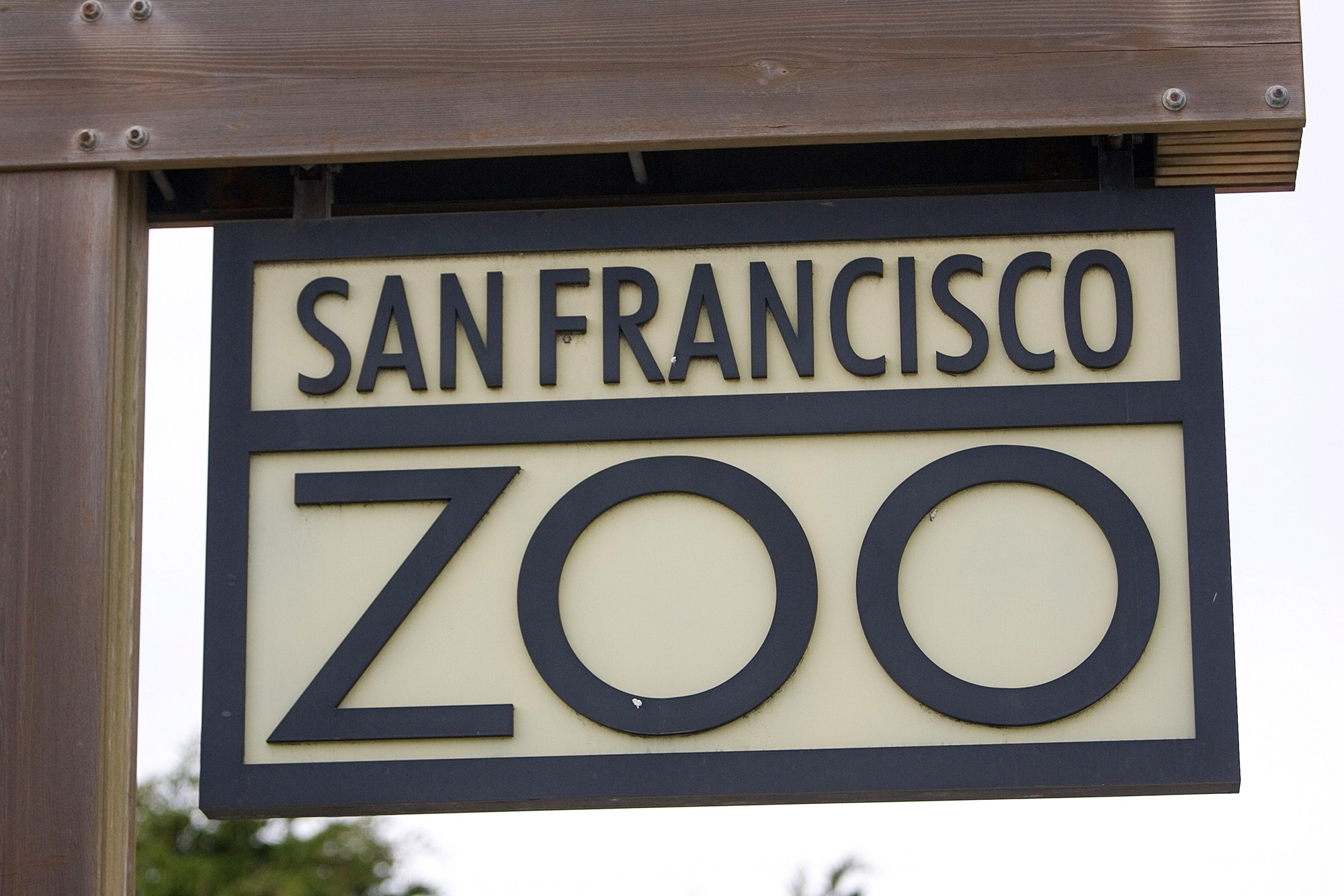
"caption": "A sign hangs at the entrance of the San Francisco Zoo on Dec. 27, 2007, in San Francisco, California. A recent city audit found the zoo spent nearly $12 million in unapproved funding on capital improvement projects.\r\n",
"credit": "DavPaul Morris/Getty Images",
"altTag": null,
"description": null,
"imgSizes": {
"thumbnail": {
"file": "https://cdn.kqed.org/wp-content/uploads/sites/10/2025/06/SFZooGetty3-160x107.jpg",
"width": 160,
"height": 107,
"mimeType": "image/jpeg"
},
"1536x1536": {
"file": "https://cdn.kqed.org/wp-content/uploads/sites/10/2025/06/SFZooGetty3-1536x1025.jpg",
"width": 1536,
"height": 1025,
"mimeType": "image/jpeg"
},
"post-thumbnail": {
"file": "https://cdn.kqed.org/wp-content/uploads/sites/10/2025/06/SFZooGetty3-672x372.jpg",
"width": 672,
"height": 372,
"mimeType": "image/jpeg"
},
"twentyfourteen-full-width": {
"file": "https://cdn.kqed.org/wp-content/uploads/sites/10/2025/06/SFZooGetty3-1038x576.jpg",
"width": 1038,
"height": 576,
"mimeType": "image/jpeg"
},
"kqedFullSize": {
"file": "https://cdn.kqed.org/wp-content/uploads/sites/10/2025/06/SFZooGetty3.jpg",
"width": 2000,
"height": 1334
}
},
"isLoading": false,
"fetchFailed": false
},
"news_12048478": {
"type": "attachments",
"id": "news_12048478",
"meta": {
"index": "attachments_1716263798",
"site": "news",
"id": "12048478",
"found": true
},
"title": "250716_Compton'sCafeteriaBuilding_GH_qed",
"publishDate": 1752728285,
"status": "inherit",
"parent": 0,
"modified": 1753208198,
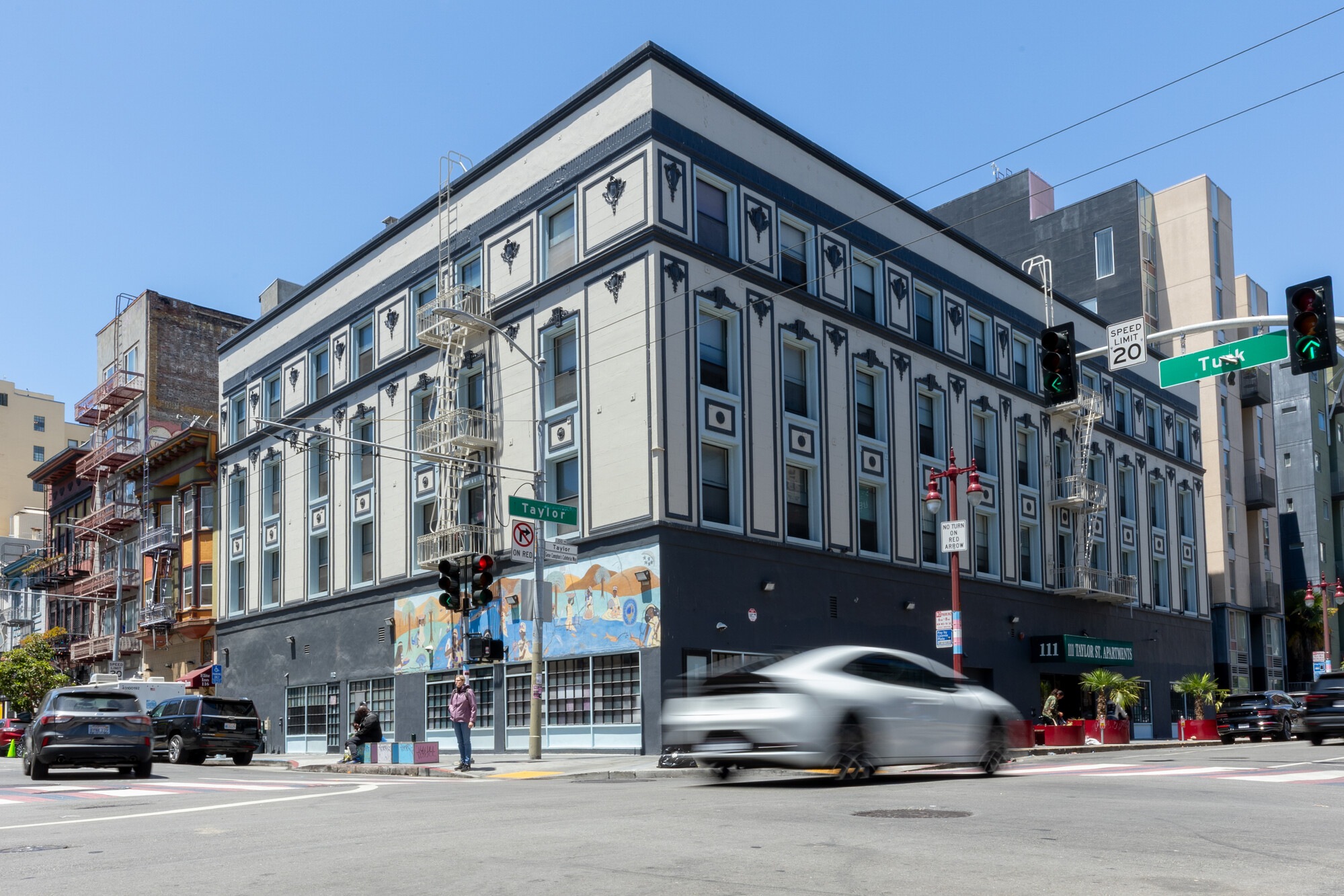
"caption": "111 Taylor St., the former Compton’s Cafeteria site now operated as a GEO Group halfway house, stands in San Francisco’s Tenderloin on July 16, 2025.",
"credit": "Gustavo Hernandez/KQED",
"altTag": null,
"description": null,
"imgSizes": {
"thumbnail": {
"file": "https://cdn.kqed.org/wp-content/uploads/sites/10/2025/07/250716_ComptonsCafeteriaBuilding_GH_qed-160x107.jpg",
"width": 160,
"height": 107,
"mimeType": "image/jpeg"
},
"1536x1536": {
"file": "https://cdn.kqed.org/wp-content/uploads/sites/10/2025/07/250716_ComptonsCafeteriaBuilding_GH_qed-1536x1024.jpg",
"width": 1536,
"height": 1024,
"mimeType": "image/jpeg"
},
"post-thumbnail": {
"file": "https://cdn.kqed.org/wp-content/uploads/sites/10/2025/07/250716_ComptonsCafeteriaBuilding_GH_qed-672x372.jpg",
"width": 672,
"height": 372,
"mimeType": "image/jpeg"
},
"twentyfourteen-full-width": {
"file": "https://cdn.kqed.org/wp-content/uploads/sites/10/2025/07/250716_ComptonsCafeteriaBuilding_GH_qed-1038x576.jpg",
"width": 1038,
"height": 576,
"mimeType": "image/jpeg"
},
"kqedFullSize": {
"file": "https://cdn.kqed.org/wp-content/uploads/sites/10/2025/07/250716_ComptonsCafeteriaBuilding_GH_qed.jpg",
"width": 1999,
"height": 1333
}
},
"isLoading": false,
"fetchFailed": false
},
"news_12055236": {
"type": "attachments",
"id": "news_12055236",
"meta": {
"index": "attachments_1716263798",
"site": "news",
"id": "12055236",
"found": true
},
"title": "250908-VAILLANCOURTFOUNTAINREMOVAL-05-BL-KQED",
"publishDate": 1757374286,
"status": "inherit",
"parent": 12055275,
"modified": 1757635115,
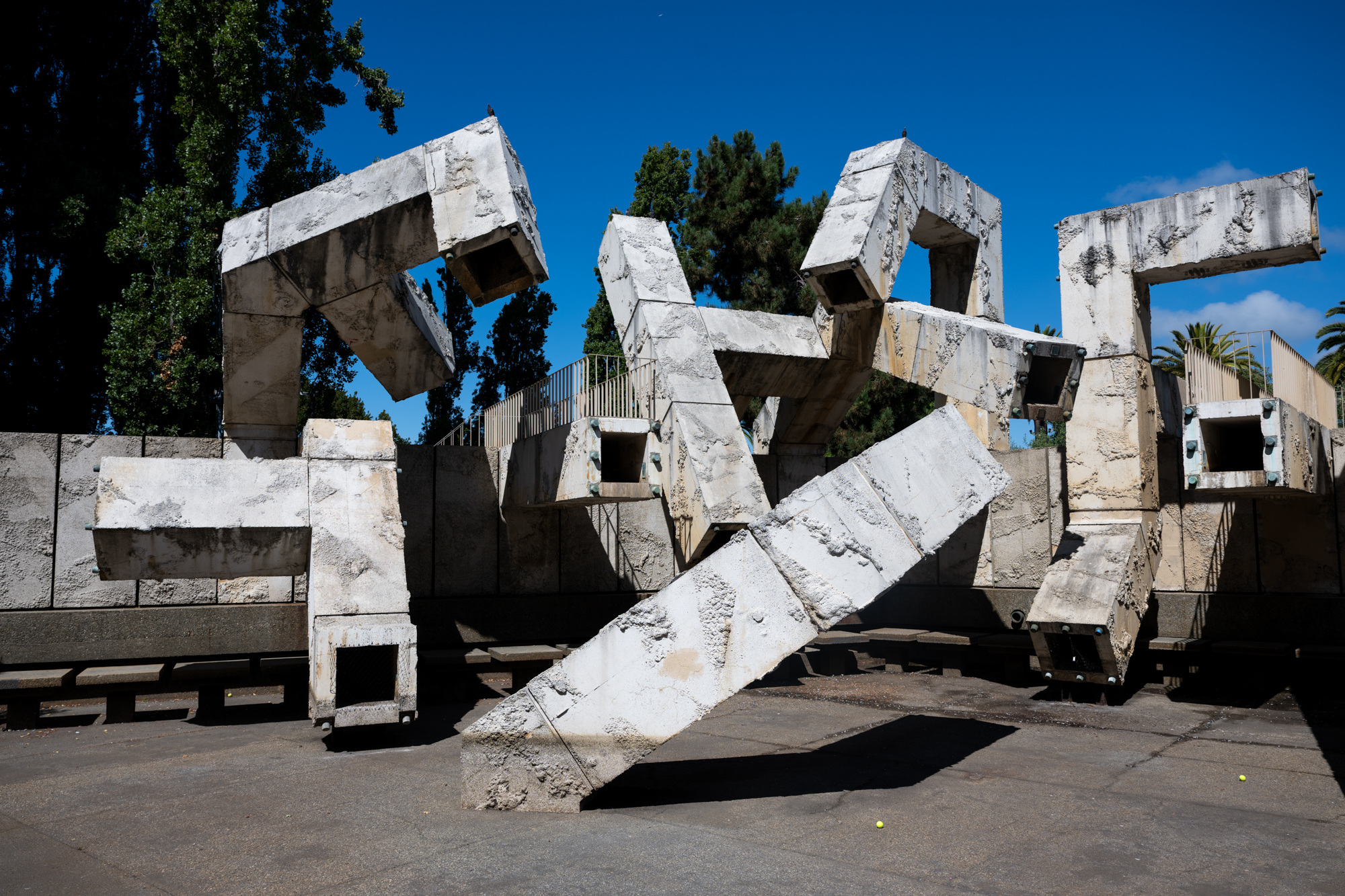
"caption": "The Vaillancourt Fountain in the Embarcadero Plaza in San Francisco on Sept. 8, 2025. The 40-foot concrete fountain was designed by artist Armand Vaillancourt and installed in 1971.",
"credit": "Beth LaBerge/KQED",
"altTag": null,
"description": null,
"imgSizes": {
"thumbnail": {
"file": "https://cdn.kqed.org/wp-content/uploads/sites/10/2025/09/250908-VAILLANCOURTFOUNTAINREMOVAL-05-BL-KQED-160x107.jpg",
"width": 160,
"height": 107,
"mimeType": "image/jpeg"
},
"1536x1536": {
"file": "https://cdn.kqed.org/wp-content/uploads/sites/10/2025/09/250908-VAILLANCOURTFOUNTAINREMOVAL-05-BL-KQED-1536x1024.jpg",
"width": 1536,
"height": 1024,
"mimeType": "image/jpeg"
},
"post-thumbnail": {
"file": "https://cdn.kqed.org/wp-content/uploads/sites/10/2025/09/250908-VAILLANCOURTFOUNTAINREMOVAL-05-BL-KQED-672x372.jpg",
"width": 672,
"height": 372,
"mimeType": "image/jpeg"
},
"twentyfourteen-full-width": {
"file": "https://cdn.kqed.org/wp-content/uploads/sites/10/2025/09/250908-VAILLANCOURTFOUNTAINREMOVAL-05-BL-KQED-1038x576.jpg",
"width": 1038,
"height": 576,
"mimeType": "image/jpeg"
},
"kqedFullSize": {
"file": "https://cdn.kqed.org/wp-content/uploads/sites/10/2025/09/250908-VAILLANCOURTFOUNTAINREMOVAL-05-BL-KQED.jpg",
"width": 2000,
"height": 1333
}
},
"isLoading": false,
"fetchFailed": false
},
"news_11663202": {
"type": "attachments",
"id": "news_11663202",
"meta": {
"index": "attachments_1716263798",
"site": "news",
"id": "11663202",
"found": true
},
"title": "A guy holding a 420 sign",
"publishDate": 1524089589,
"status": "inherit",
"parent": 11663153,
"modified": 1776282952,
"caption": "A guy holding a 420 sign.",
"credit": "Lars Hagberg/AFP/Getty Images",
"altTag": "A guy holding a 420 sign",
"description": "A guy holding a 420 sign",
"imgSizes": {
"thumbnail": {
"file": "https://cdn.kqed.org/wp-content/uploads/sites/10/2018/04/GettyImages-670837286-160x107.jpg",
"width": 160,
"height": 107,
"mimeType": "image/jpeg"
},
"medium": {
"file": "https://cdn.kqed.org/wp-content/uploads/sites/10/2018/04/GettyImages-670837286-800x533.jpg",
"width": 800,
"height": 533,
"mimeType": "image/jpeg"
},
"large": {
"file": "https://cdn.kqed.org/wp-content/uploads/sites/10/2018/04/GettyImages-670837286-1020x680.jpg",
"width": 1020,
"height": 680,
"mimeType": "image/jpeg"
},
"complete_open_graph": {
"file": "https://cdn.kqed.org/wp-content/uploads/sites/10/2018/04/GettyImages-670837286-1200x800.jpg",
"width": 1200,
"height": 800,
"mimeType": "image/jpeg"
},
"fd-lrg": {
"file": "https://cdn.kqed.org/wp-content/uploads/sites/10/2018/04/GettyImages-670837286-1920x1280.jpg",
"width": 1920,
"height": 1280,
"mimeType": "image/jpeg"
},
"fd-med": {
"file": "https://cdn.kqed.org/wp-content/uploads/sites/10/2018/04/GettyImages-670837286-1180x787.jpg",
"width": 1180,
"height": 787,
"mimeType": "image/jpeg"
},
"fd-sm": {
"file": "https://cdn.kqed.org/wp-content/uploads/sites/10/2018/04/GettyImages-670837286-960x640.jpg",
"width": 960,
"height": 640,
"mimeType": "image/jpeg"
},
"post-thumbnail": {
"file": "https://cdn.kqed.org/wp-content/uploads/sites/10/2018/04/GettyImages-670837286-672x372.jpg",
"width": 672,
"height": 372,
"mimeType": "image/jpeg"
},
"twentyfourteen-full-width": {
"file": "https://cdn.kqed.org/wp-content/uploads/sites/10/2018/04/GettyImages-670837286-1038x576.jpg",
"width": 1038,
"height": 576,
"mimeType": "image/jpeg"
},
"xxsmall": {
"file": "https://cdn.kqed.org/wp-content/uploads/sites/10/2018/04/GettyImages-670837286-240x160.jpg",
"width": 240,
"height": 160,
"mimeType": "image/jpeg"
},
"xsmall": {
"file": "https://cdn.kqed.org/wp-content/uploads/sites/10/2018/04/GettyImages-670837286-375x250.jpg",
"width": 375,
"height": 250,
"mimeType": "image/jpeg"
},
"small": {
"file": "https://cdn.kqed.org/wp-content/uploads/sites/10/2018/04/GettyImages-670837286-520x347.jpg",
"width": 520,
"height": 347,
"mimeType": "image/jpeg"
},
"xlarge": {
"file": "https://cdn.kqed.org/wp-content/uploads/sites/10/2018/04/GettyImages-670837286-1180x787.jpg",
"width": 1180,
"height": 787,
"mimeType": "image/jpeg"
},
"full-width": {
"file": "https://cdn.kqed.org/wp-content/uploads/sites/10/2018/04/GettyImages-670837286-1920x1280.jpg",
"width": 1920,
"height": 1280,
"mimeType": "image/jpeg"
},
"guest-author-32": {
"file": "https://cdn.kqed.org/wp-content/uploads/sites/10/2018/04/GettyImages-670837286-32x32.jpg",
"width": 32,
"height": 32,
"mimeType": "image/jpeg"
},
"guest-author-50": {
"file": "https://cdn.kqed.org/wp-content/uploads/sites/10/2018/04/GettyImages-670837286-50x50.jpg",
"width": 50,
"height": 50,
"mimeType": "image/jpeg"
},
"guest-author-64": {
"file": "https://cdn.kqed.org/wp-content/uploads/sites/10/2018/04/GettyImages-670837286-64x64.jpg",
"width": 64,
"height": 64,
"mimeType": "image/jpeg"
},
"guest-author-96": {
"file": "https://cdn.kqed.org/wp-content/uploads/sites/10/2018/04/GettyImages-670837286-96x96.jpg",
"width": 96,
"height": 96,
"mimeType": "image/jpeg"
},
"guest-author-128": {
"file": "https://cdn.kqed.org/wp-content/uploads/sites/10/2018/04/GettyImages-670837286-128x128.jpg",
"width": 128,
"height": 128,
"mimeType": "image/jpeg"
},
"detail": {
"file": "https://cdn.kqed.org/wp-content/uploads/sites/10/2018/04/GettyImages-670837286-150x150.jpg",
"width": 150,
"height": 150,
"mimeType": "image/jpeg"
},
"kqedFullSize": {
"file": "https://cdn.kqed.org/wp-content/uploads/sites/10/2018/04/GettyImages-670837286-e1524416370324.jpg",
"width": 1920,
"height": 1280
}
},
"isLoading": false,
"fetchFailed": false
},
"news_12055239": {
"type": "attachments",
"id": "news_12055239",
"meta": {
"index": "attachments_1716263798",
"site": "news",
"id": "12055239",
"found": true
},
"title": "250908-VAILLANCOURTFOUNTAINREMOVAL-12-BL-KQED",
"publishDate": 1757374296,
"status": "inherit",
"parent": 12069424,
"modified": 1768263075,
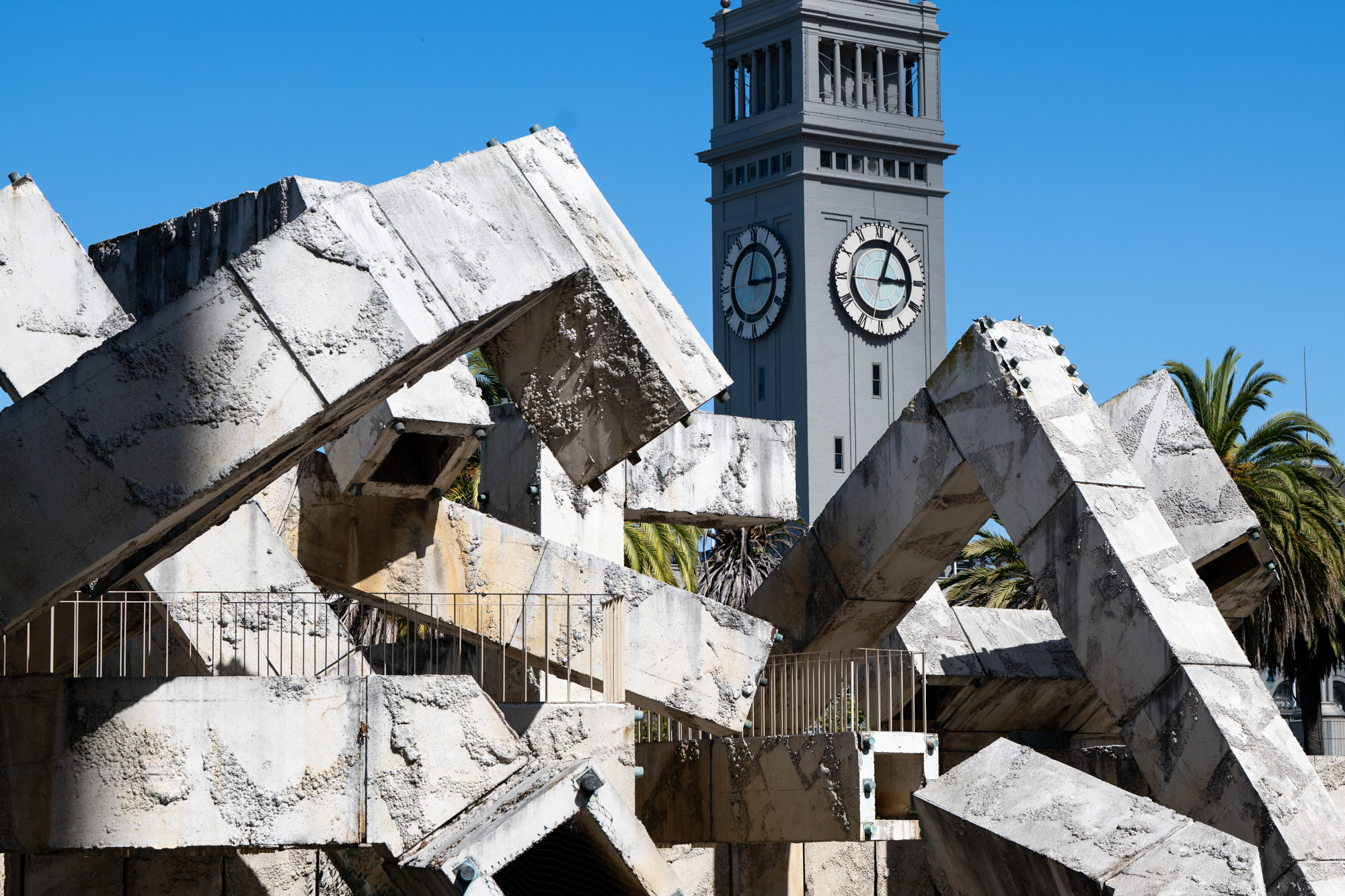
"caption": "The Vaillancourt Fountain in the Embarcadero Plaza in San Francisco on Sept. 8, 2025. The 40-foot concrete fountain was designed by artist Armand Vaillancourt and installed in 1971.",
"credit": "Beth LaBerge/KQED",
"altTag": null,
"description": null,
"imgSizes": {
"thumbnail": {
"file": "https://cdn.kqed.org/wp-content/uploads/sites/10/2025/09/250908-VAILLANCOURTFOUNTAINREMOVAL-12-BL-KQED-160x107.jpg",
"width": 160,
"height": 107,
"mimeType": "image/jpeg"
},
"1536x1536": {
"file": "https://cdn.kqed.org/wp-content/uploads/sites/10/2025/09/250908-VAILLANCOURTFOUNTAINREMOVAL-12-BL-KQED-1536x1024.jpg",
"width": 1536,
"height": 1024,
"mimeType": "image/jpeg"
},
"post-thumbnail": {
"file": "https://cdn.kqed.org/wp-content/uploads/sites/10/2025/09/250908-VAILLANCOURTFOUNTAINREMOVAL-12-BL-KQED-672x372.jpg",
"width": 672,
"height": 372,
"mimeType": "image/jpeg"
},
"twentyfourteen-full-width": {
"file": "https://cdn.kqed.org/wp-content/uploads/sites/10/2025/09/250908-VAILLANCOURTFOUNTAINREMOVAL-12-BL-KQED-1038x576.jpg",
"width": 1038,
"height": 576,
"mimeType": "image/jpeg"
},
"kqedFullSize": {
"file": "https://cdn.kqed.org/wp-content/uploads/sites/10/2025/09/250908-VAILLANCOURTFOUNTAINREMOVAL-12-BL-KQED.jpg",
"width": 2000,
"height": 1333
}
},
"isLoading": false,
"fetchFailed": false
},
"news_12071159": {
"type": "attachments",
"id": "news_12071159",
"meta": {
"index": "attachments_1716263798",
"site": "news",
"id": "12071159",
"found": true
},
"title": "20251122_POTTERVALLEYPOMO_GC-13-KQED",
"publishDate": 1769536049,
"status": "inherit",
"parent": 0,
"modified": 1775164004,
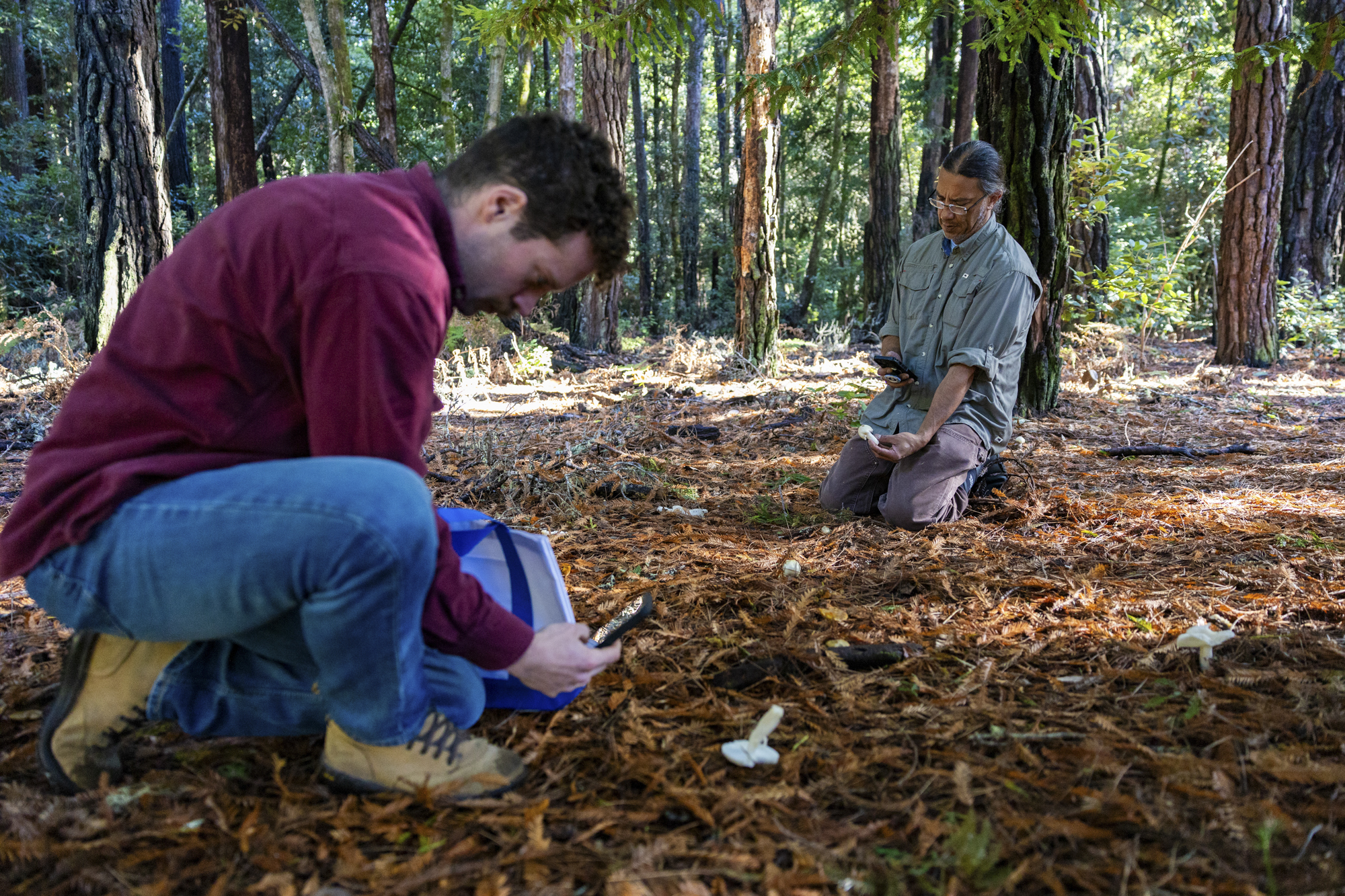
"caption": "Jeff Conti, North Coast project manager at Trust for Public Land, left, and Nathan Rich, tribal environmental manager of Potter Valley Tribe, right, use the app Seek to identify mushrooms during Potter Valley Tribe’s mushroom foraging event, at the Pomo Community Forest, a 48-acre coastal forest, in Fort Bragg on Nov. 22, 2025.",
"credit": "Gina Castro for KQED",
"altTag": null,
"description": null,
"imgSizes": {
"thumbnail": {
"file": "https://cdn.kqed.org/wp-content/uploads/sites/10/2026/01/20251122_POTTERVALLEYPOMO_GC-13-KQED-160x107.jpg",
"width": 160,
"height": 107,
"mimeType": "image/jpeg"
},
"1536x1536": {
"file": "https://cdn.kqed.org/wp-content/uploads/sites/10/2026/01/20251122_POTTERVALLEYPOMO_GC-13-KQED-1536x1024.jpg",
"width": 1536,
"height": 1024,
"mimeType": "image/jpeg"
},
"post-thumbnail": {
"file": "https://cdn.kqed.org/wp-content/uploads/sites/10/2026/01/20251122_POTTERVALLEYPOMO_GC-13-KQED-672x372.jpg",
"width": 672,
"height": 372,
"mimeType": "image/jpeg"
},
"twentyfourteen-full-width": {
"file": "https://cdn.kqed.org/wp-content/uploads/sites/10/2026/01/20251122_POTTERVALLEYPOMO_GC-13-KQED-1038x576.jpg",
"width": 1038,
"height": 576,
"mimeType": "image/jpeg"
},
"npr-cds-wide": {
"file": "https://cdn.kqed.org/wp-content/uploads/sites/10/2026/01/20251122_POTTERVALLEYPOMO_GC-13-KQED-1200x675.jpg",
"width": 1200,
"height": 675,
"mimeType": "image/jpeg"
},
"kqedFullSize": {
"file": "https://cdn.kqed.org/wp-content/uploads/sites/10/2026/01/20251122_POTTERVALLEYPOMO_GC-13-KQED.jpg",
"width": 2000,
"height": 1333
}
},
"isLoading": false,
"fetchFailed": false
},
"news_11867105": {
"type": "attachments",
"id": "news_11867105",
"meta": {
"index": "attachments_1716263798",
"site": "news",
"id": "11867105",
"found": true
},
"parent": 11867090,
"imgSizes": {
"twentyfourteen-full-width": {
"file": "https://ww2.kqed.org/app/uploads/sites/10/2021/03/RS48191_IMG_6379-qut-1038x576.jpg",
"width": 1038,
"mimeType": "image/jpeg",
"height": 576
},
"thumbnail": {
"file": "https://ww2.kqed.org/app/uploads/sites/10/2021/03/RS48191_IMG_6379-qut-160x120.jpg",
"width": 160,
"mimeType": "image/jpeg",
"height": 120
},
"post-thumbnail": {
"file": "https://ww2.kqed.org/app/uploads/sites/10/2021/03/RS48191_IMG_6379-qut-672x372.jpg",
"width": 672,
"mimeType": "image/jpeg",
"height": 372
},
"kqedFullSize": {
"file": "https://ww2.kqed.org/app/uploads/sites/10/2021/03/RS48191_IMG_6379-qut.jpg",
"width": 1920,
"height": 1440
},
"large": {
"file": "https://ww2.kqed.org/app/uploads/sites/10/2021/03/RS48191_IMG_6379-qut-1020x765.jpg",
"width": 1020,
"mimeType": "image/jpeg",
"height": 765
},
"1536x1536": {
"file": "https://ww2.kqed.org/app/uploads/sites/10/2021/03/RS48191_IMG_6379-qut-1536x1152.jpg",
"width": 1536,
"mimeType": "image/jpeg",
"height": 1152
},
"medium": {
"file": "https://ww2.kqed.org/app/uploads/sites/10/2021/03/RS48191_IMG_6379-qut-800x600.jpg",
"width": 800,
"mimeType": "image/jpeg",
"height": 600
}
},
"publishDate": 1617133567,
"modified": 1617133582,
"caption": null,
"description": null,
"title": "RS48191_IMG_6379-qut",
"credit": "Suzie Racho",
"status": "inherit",
"altTag": null,
"isLoading": false,
"fetchFailed": false
},
"news_12076569": {
"type": "attachments",
"id": "news_12076569",
"meta": {
"index": "attachments_1716263798",
"site": "news",
"id": "12076569",
"found": true
},
"title": "031226_DRAGONDEN _GH_015-KQED",
"publishDate": 1773678759,
"status": "inherit",
"parent": 0,
"modified": 1773678797,
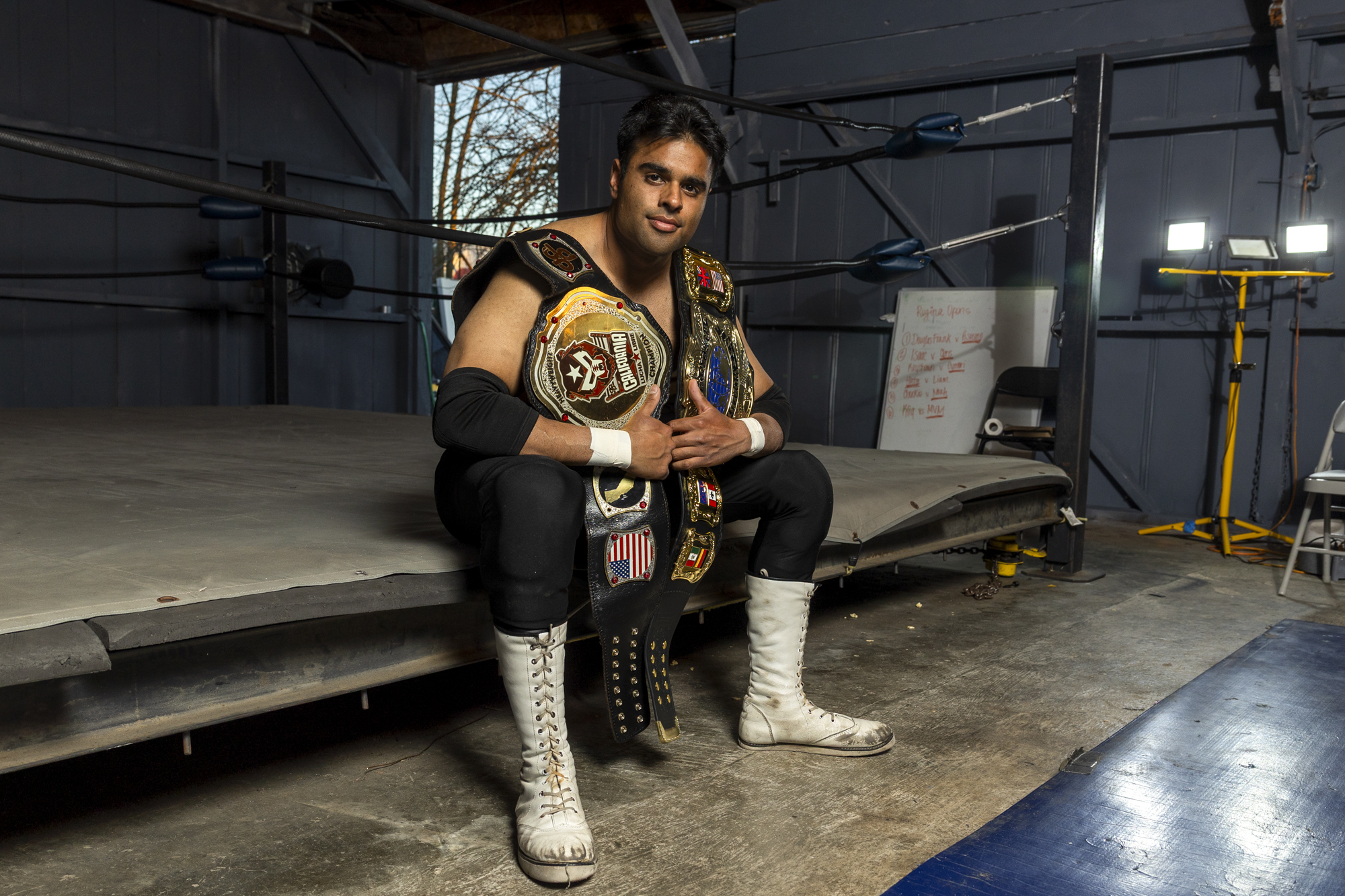
"caption": "Wrestler Paras Singh holds his championship belts inside the 209 Dragon’s Den training gym on March 12, 2026, in Lodi.",
"credit": "Gustavo Hernandez/KQED",
"altTag": null,
"description": null,
"imgSizes": {
"thumbnail": {
"file": "https://cdn.kqed.org/wp-content/uploads/sites/10/2026/03/031226_DRAGONDEN-_GH_015-KQED-160x107.jpg",
"width": 160,
"height": 107,
"mimeType": "image/jpeg"
},
"1536x1536": {
"file": "https://cdn.kqed.org/wp-content/uploads/sites/10/2026/03/031226_DRAGONDEN-_GH_015-KQED-1536x1024.jpg",
"width": 1536,
"height": 1024,
"mimeType": "image/jpeg"
},
"post-thumbnail": {
"file": "https://cdn.kqed.org/wp-content/uploads/sites/10/2026/03/031226_DRAGONDEN-_GH_015-KQED-672x372.jpg",
"width": 672,
"height": 372,
"mimeType": "image/jpeg"
},
"twentyfourteen-full-width": {
"file": "https://cdn.kqed.org/wp-content/uploads/sites/10/2026/03/031226_DRAGONDEN-_GH_015-KQED-1038x576.jpg",
"width": 1038,
"height": 576,
"mimeType": "image/jpeg"
},
"npr-cds-wide": {
"file": "https://cdn.kqed.org/wp-content/uploads/sites/10/2026/03/031226_DRAGONDEN-_GH_015-KQED-1200x675.jpg",
"width": 1200,
"height": 675,
"mimeType": "image/jpeg"
},
"kqedFullSize": {
"file": "https://cdn.kqed.org/wp-content/uploads/sites/10/2026/03/031226_DRAGONDEN-_GH_015-KQED.jpg",
"width": 2000,
"height": 1333
}
},
"isLoading": false,
"fetchFailed": false
},
"news_12075084": {
"type": "attachments",
"id": "news_12075084",
"meta": {
"index": "attachments_1716263798",
"site": "news",
"id": "12075084",
"found": true
},
"title": "260301-INTERFAITHIFTAR00470_TV-KQED",
"publishDate": 1772480762,
"status": "inherit",
"parent": 0,
"modified": 1772480816,
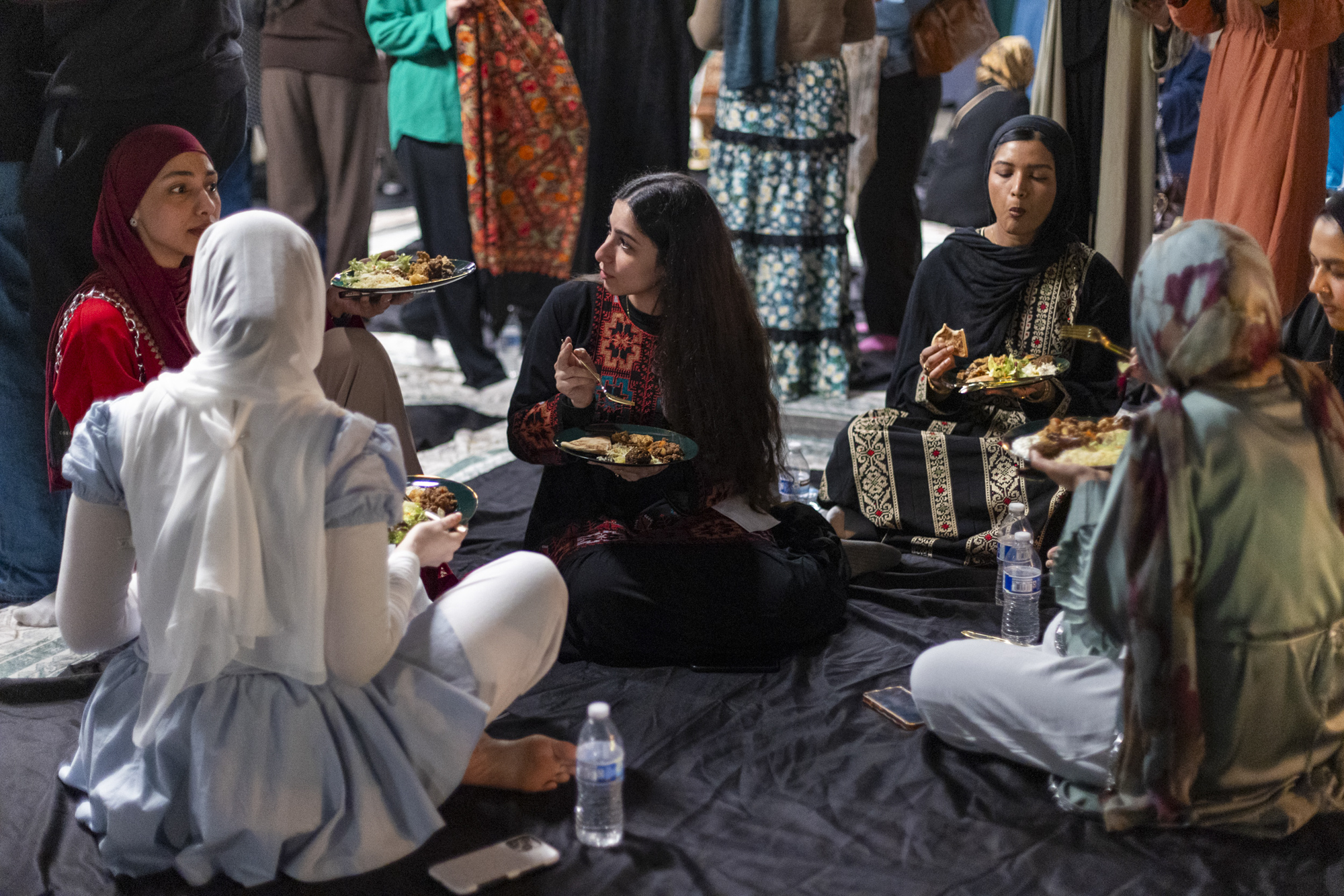
"caption": "Nora Hany eats her iftar dinner, the second meal of the day during Ramadan, with her friends in San Francisco on March 1, 2026. Iftar dinners during Ramadan are used as a vehicle for charity and activism.",
"credit": "Tâm Vũ/KQED",
"altTag": null,
"description": null,
"imgSizes": {
"thumbnail": {
"file": "https://cdn.kqed.org/wp-content/uploads/sites/10/2026/03/260301-INTERFAITHIFTAR00470_TV-KQED-160x107.jpg",
"width": 160,
"height": 107,
"mimeType": "image/jpeg"
},
"1536x1536": {
"file": "https://cdn.kqed.org/wp-content/uploads/sites/10/2026/03/260301-INTERFAITHIFTAR00470_TV-KQED-1536x1025.jpg",
"width": 1536,
"height": 1025,
"mimeType": "image/jpeg"
},
"post-thumbnail": {
"file": "https://cdn.kqed.org/wp-content/uploads/sites/10/2026/03/260301-INTERFAITHIFTAR00470_TV-KQED-672x372.jpg",
"width": 672,
"height": 372,
"mimeType": "image/jpeg"
},
"twentyfourteen-full-width": {
"file": "https://cdn.kqed.org/wp-content/uploads/sites/10/2026/03/260301-INTERFAITHIFTAR00470_TV-KQED-1038x576.jpg",
"width": 1038,
"height": 576,
"mimeType": "image/jpeg"
},
"npr-cds-wide": {
"file": "https://cdn.kqed.org/wp-content/uploads/sites/10/2026/03/260301-INTERFAITHIFTAR00470_TV-KQED-1200x675.jpg",
"width": 1200,
"height": 675,
"mimeType": "image/jpeg"
},
"kqedFullSize": {
"file": "https://cdn.kqed.org/wp-content/uploads/sites/10/2026/03/260301-INTERFAITHIFTAR00470_TV-KQED.jpg",
"width": 2000,
"height": 1334
}
},
"isLoading": false,
"fetchFailed": false
},
"news_12075477": {
"type": "attachments",
"id": "news_12075477",
"meta": {
"index": "attachments_1716263798",
"site": "news",
"id": "12075477",
"found": true
},
"title": "260304-Secrets of GGP-MD-DIP 01",
"publishDate": 1772719283,
"status": "inherit",
"parent": 0,
"modified": 1772719322,
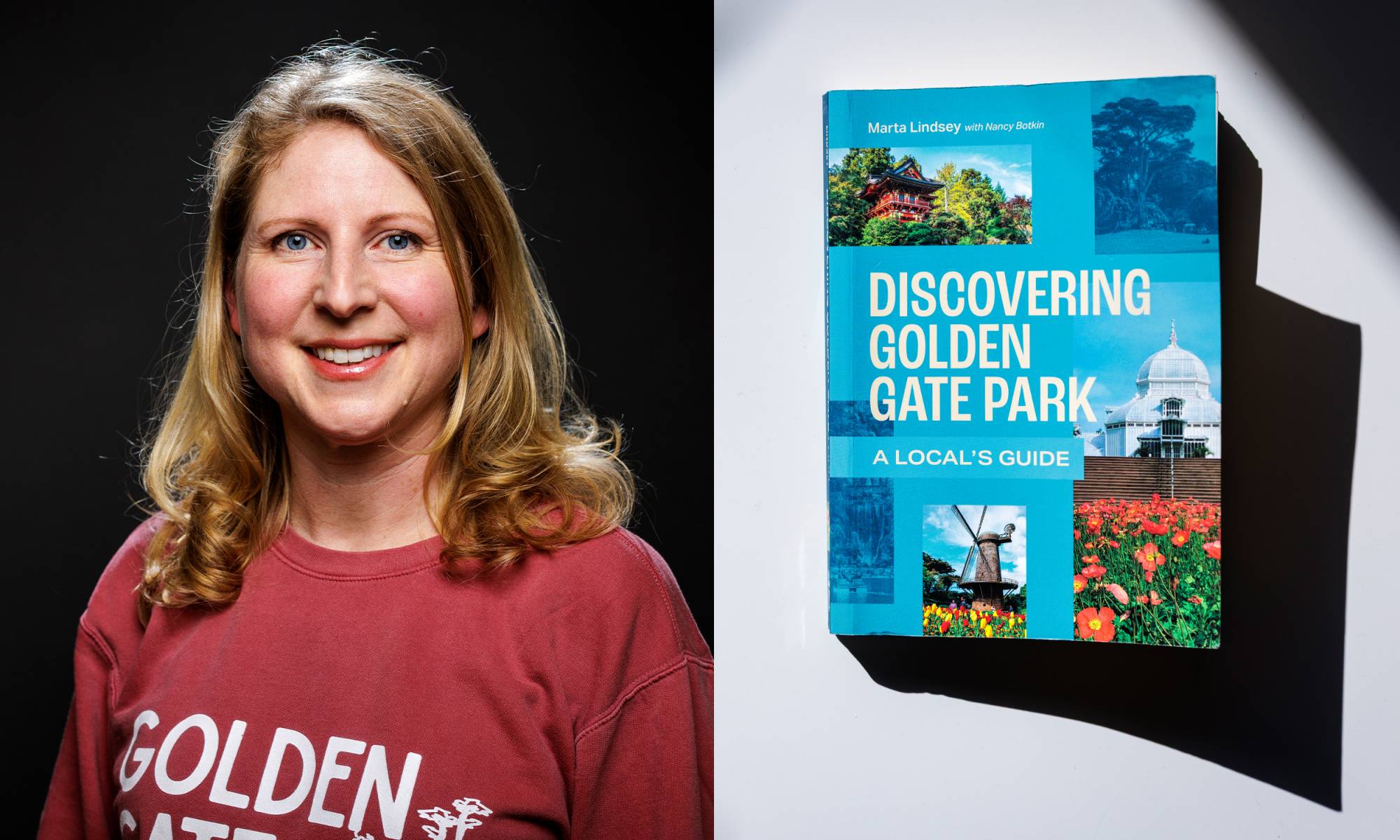
"caption": "Marta Lindsey, author of Discovering Golden Gate Park, at KQED in San Francisco on Mar. 4, 2026.",
"credit": "Martin do Nascimento/KQED",
"altTag": null,
"description": null,
"imgSizes": {
"medium": {
"file": "https://cdn.kqed.org/wp-content/uploads/sites/10/2026/03/260304-Secrets-of-GGP-MD-DIP-01-2000x1200.jpg",
"width": 2000,
"height": 1200,
"mimeType": "image/jpeg"
},
"large": {
"file": "https://cdn.kqed.org/wp-content/uploads/sites/10/2026/03/260304-Secrets-of-GGP-MD-DIP-01-2000x1200.jpg",
"width": 2000,
"height": 1200,
"mimeType": "image/jpeg"
},
"thumbnail": {
"file": "https://cdn.kqed.org/wp-content/uploads/sites/10/2026/03/260304-Secrets-of-GGP-MD-DIP-01-160x96.jpg",
"width": 160,
"height": 96,
"mimeType": "image/jpeg"
},
"1536x1536": {
"file": "https://cdn.kqed.org/wp-content/uploads/sites/10/2026/03/260304-Secrets-of-GGP-MD-DIP-01-1536x922.jpg",
"width": 1536,
"height": 922,
"mimeType": "image/jpeg"
},
"2048x2048": {
"file": "https://cdn.kqed.org/wp-content/uploads/sites/10/2026/03/260304-Secrets-of-GGP-MD-DIP-01-2048x1229.jpg",
"width": 2048,
"height": 1229,
"mimeType": "image/jpeg"
},
"post-thumbnail": {
"file": "https://cdn.kqed.org/wp-content/uploads/sites/10/2026/03/260304-Secrets-of-GGP-MD-DIP-01-672x372.jpg",
"width": 672,
"height": 372,
"mimeType": "image/jpeg"
},
"twentyfourteen-full-width": {
"file": "https://cdn.kqed.org/wp-content/uploads/sites/10/2026/03/260304-Secrets-of-GGP-MD-DIP-01-1038x576.jpg",
"width": 1038,
"height": 576,
"mimeType": "image/jpeg"
},
"full-width": {
"file": "https://cdn.kqed.org/wp-content/uploads/sites/10/2026/03/260304-Secrets-of-GGP-MD-DIP-01-2000x1200.jpg",
"width": 2000,
"height": 1200,
"mimeType": "image/jpeg"
},
"npr-cds-wide": {
"file": "https://cdn.kqed.org/wp-content/uploads/sites/10/2026/03/260304-Secrets-of-GGP-MD-DIP-01-1200x675.jpg",
"width": 1200,
"height": 675,
"mimeType": "image/jpeg"
},
"kqedFullSize": {
"file": "https://cdn.kqed.org/wp-content/uploads/sites/10/2026/03/260304-Secrets-of-GGP-MD-DIP-01.jpg",
"width": 2500,
"height": 1500
}
},
"isLoading": false,
"fetchFailed": false
},
"news_12075844": {
"type": "attachments",
"id": "news_12075844",
"meta": {
"index": "attachments_1716263798",
"site": "news",
"id": "12075844",
"found": true
},
"title": "260309-K ONDA MARCH-01",
"publishDate": 1773091810,
"status": "inherit",
"parent": 0,
"modified": 1773091833,
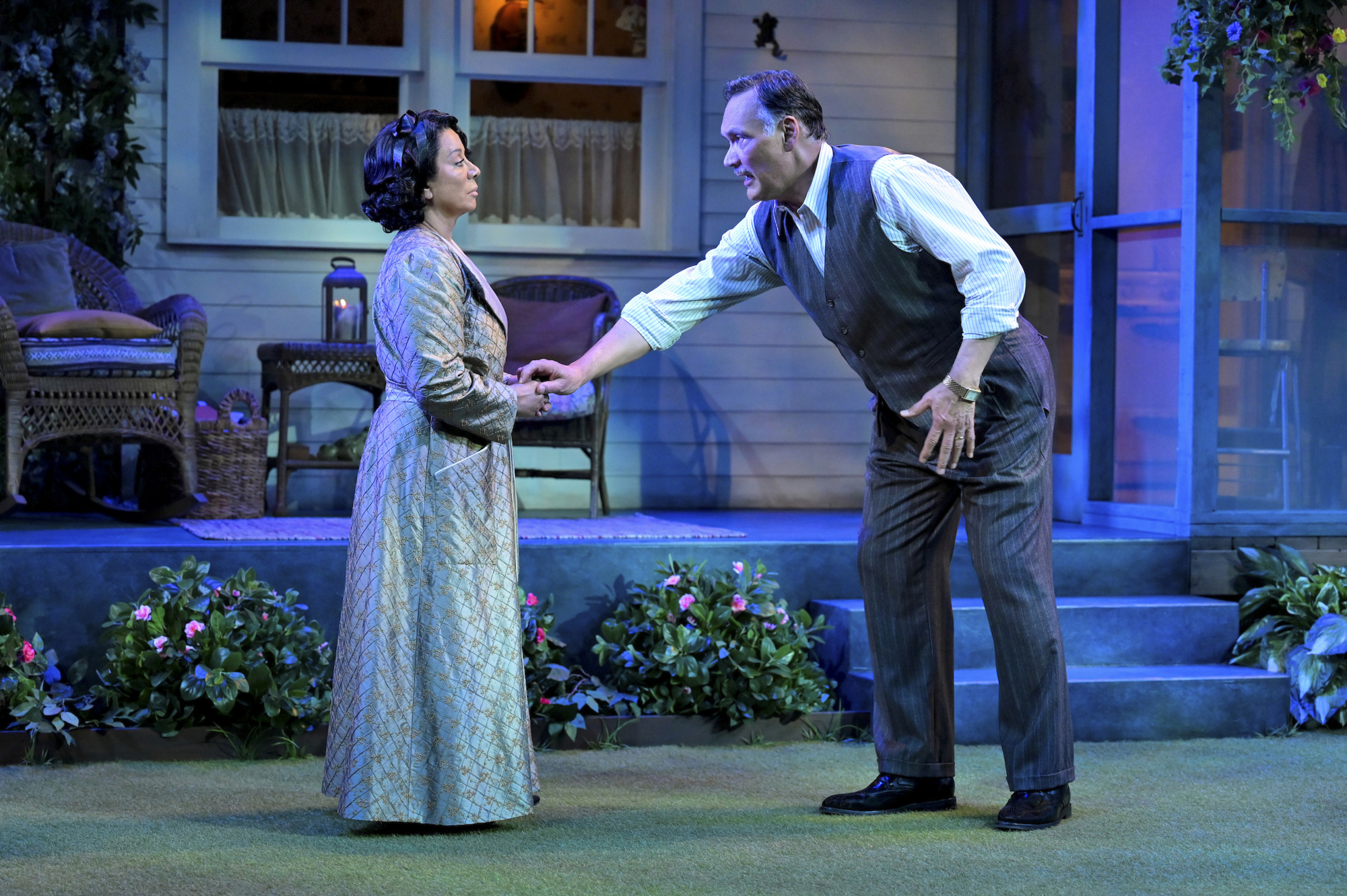
"caption": "Jimmy Smits (right) in Arthur Miller’s \"All My Sons\" performing at Berkeley Rep’s Roda Theatre. ",
"credit": null,
"altTag": null,
"description": null,
"imgSizes": {
"thumbnail": {
"file": "https://cdn.kqed.org/wp-content/uploads/sites/10/2026/03/260309-K-ONDA-MARCH-01-160x106.jpg",
"width": 160,
"height": 106,
"mimeType": "image/jpeg"
},
"1536x1536": {
"file": "https://cdn.kqed.org/wp-content/uploads/sites/10/2026/03/260309-K-ONDA-MARCH-01-1536x1022.jpg",
"width": 1536,
"height": 1022,
"mimeType": "image/jpeg"
},
"post-thumbnail": {
"file": "https://cdn.kqed.org/wp-content/uploads/sites/10/2026/03/260309-K-ONDA-MARCH-01-672x372.jpg",
"width": 672,
"height": 372,
"mimeType": "image/jpeg"
},
"twentyfourteen-full-width": {
"file": "https://cdn.kqed.org/wp-content/uploads/sites/10/2026/03/260309-K-ONDA-MARCH-01-1038x576.jpg",
"width": 1038,
"height": 576,
"mimeType": "image/jpeg"
},
"npr-cds-wide": {
"file": "https://cdn.kqed.org/wp-content/uploads/sites/10/2026/03/260309-K-ONDA-MARCH-01-1200x675.jpg",
"width": 1200,
"height": 675,
"mimeType": "image/jpeg"
},
"kqedFullSize": {
"file": "https://cdn.kqed.org/wp-content/uploads/sites/10/2026/03/260309-K-ONDA-MARCH-01.jpg",
"width": 2000,
"height": 1331
}
},
"isLoading": false,
"fetchFailed": false
},
"news_12075678": {
"type": "attachments",
"id": "news_12075678",
"meta": {
"index": "attachments_1716263798",
"site": "news",
"id": "12075678",
"found": true
},
"title": "IMG_1375",
"publishDate": 1772837040,
"status": "inherit",
"parent": 12074872,
"modified": 1772837066,
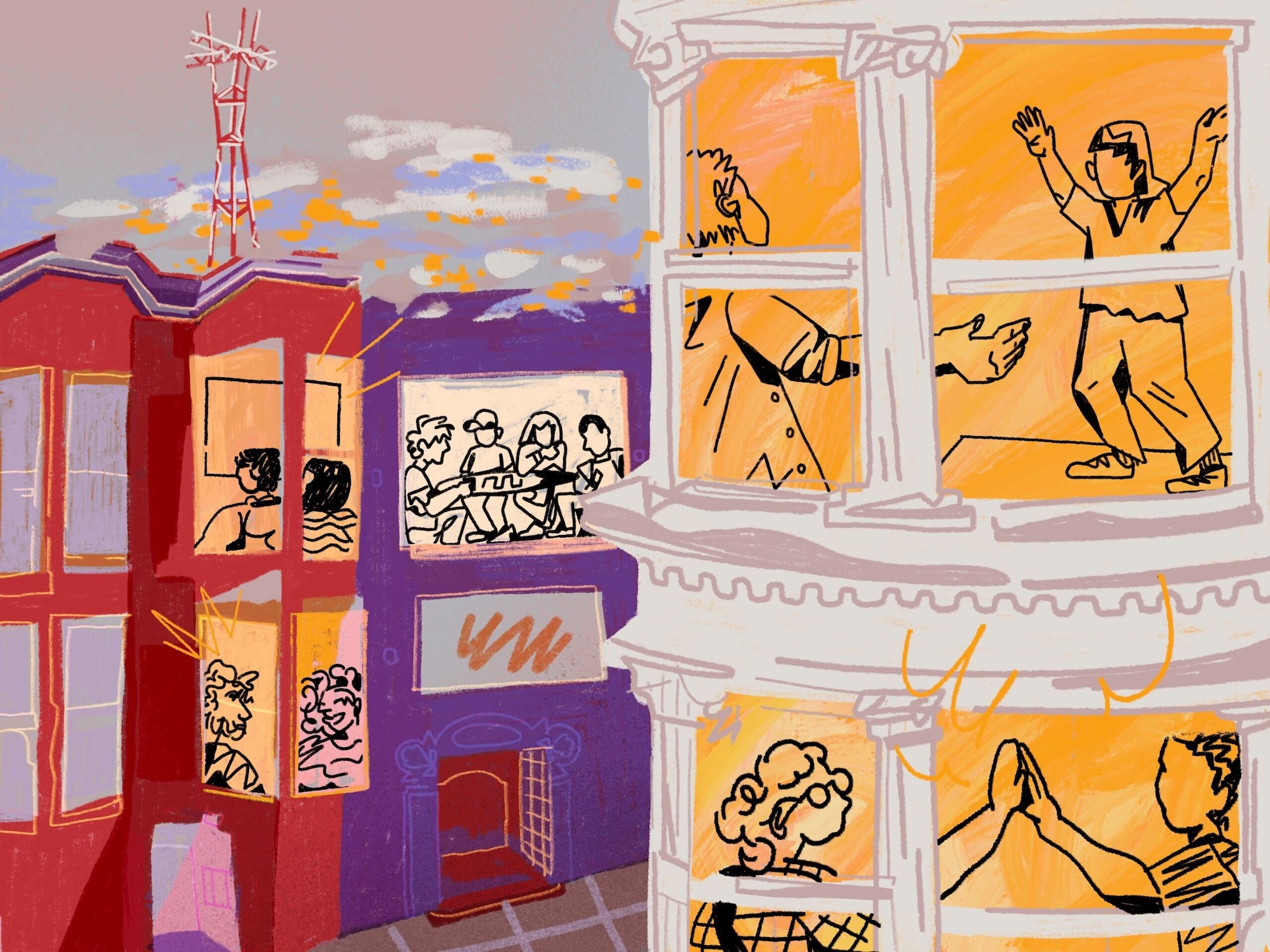
"caption": "How can you start hosting people at your home more?",
"credit": "Anna Vignet/KQED",
"altTag": null,
"description": null,
"imgSizes": {
"thumbnail": {
"file": "https://cdn.kqed.org/wp-content/uploads/sites/10/2026/03/IMG_1375-160x120.jpg",
"width": 160,
"height": 120,
"mimeType": "image/jpeg"
},
"1536x1536": {
"file": "https://cdn.kqed.org/wp-content/uploads/sites/10/2026/03/IMG_1375-1536x1151.jpg",
"width": 1536,
"height": 1151,
"mimeType": "image/jpeg"
},
"post-thumbnail": {
"file": "https://cdn.kqed.org/wp-content/uploads/sites/10/2026/03/IMG_1375-672x372.jpg",
"width": 672,
"height": 372,
"mimeType": "image/jpeg"
},
"twentyfourteen-full-width": {
"file": "https://cdn.kqed.org/wp-content/uploads/sites/10/2026/03/IMG_1375-1038x576.jpg",
"width": 1038,
"height": 576,
"mimeType": "image/jpeg"
},
"npr-cds-wide": {
"file": "https://cdn.kqed.org/wp-content/uploads/sites/10/2026/03/IMG_1375-1200x675.jpg",
"width": 1200,
"height": 675,
"mimeType": "image/jpeg"
},
"kqedFullSize": {
"file": "https://cdn.kqed.org/wp-content/uploads/sites/10/2026/03/IMG_1375.jpg",
"width": 1980,
"height": 1484
}
},
"isLoading": false,
"fetchFailed": false
}
},
"audioPlayerReducer": {
"postId": "stream_live",
"isPaused": true,
"isPlaying": false,
"pfsActive": false,
"pledgeModalIsOpen": true,
"playerDrawerIsOpen": false,
"liveAudioPlayStartedAt": 0,
"liveAudioPlayContext": ""
},
"authorsReducer": {
"byline_news_12077310": {
"type": "authors",
"id": "byline_news_12077310",
"meta": {
"override": true
},
"slug": "byline_news_12077310",
"name": "\u003ca href=\"https://www.linkedin.com/in/hannah-weaver-73b82b1a5/\">Hannah Weaver\u003c/a>",
"isLoading": false
},
"ohubertallen": {
"type": "authors",
"id": "102",
"meta": {
"index": "authors_1716337520",
"id": "102",
"found": true
},
"name": "Olivia Allen-Price",
"firstName": "Olivia",
"lastName": "Allen-Price",
"slug": "ohubertallen",
"email": "oallenprice@kqed.org",
"display_author_email": false,
"staff_mastheads": [
"news"
],
"title": "Senior Editor",
"bio": "Olivia Allen-Price is senior editor and host of the award-winning Bay Curious podcast. Prior to joining KQED in 2013, Olivia worked at The Baltimore Sun and The Virginian-Pilot in Norfolk, Va. She holds degrees in journalism and political science from Elon University. Her work has earned awards from the Society of Professional Journalists, the Hearst Foundation and Hearken. She loves to talk about running and curly hair.\r\n\r\nFollow: \u003ca href=\"https://twitter.com/oallenprice\">@oallenprice\u003c/a>\r\nEmail: \u003ca href=\"mailto:oallenprice@kqed.org\">oallenprice@kqed.org\u003c/a>",
"avatar": "https://secure.gravatar.com/avatar/07f7803c1f6be56f3be58ef276dfa64dce898502e0554408ef4858451a8294f7?s=600&d=blank&r=g",
"twitter": "oallenprice",
"bluesky": null,
"facebook": null,
"instagram": null,
"linkedin": null,
"sites": [
{
"site": "",
"roles": [
"editor"
]
},
{
"site": "arts",
"roles": [
"subscriber"
]
},
{
"site": "news",
"roles": [
"administrator"
]
},
{
"site": "pop",
"roles": [
"administrator"
]
},
{
"site": "bayareabites",
"roles": [
"contributor"
]
},
{
"site": "stateofhealth",
"roles": [
"administrator"
]
},
{
"site": "science",
"roles": [
"editor"
]
}
],
"headData": {
"title": "Olivia Allen-Price | KQED",
"description": "Senior Editor",
"ogImgSrc": "https://secure.gravatar.com/avatar/07f7803c1f6be56f3be58ef276dfa64dce898502e0554408ef4858451a8294f7?s=600&d=blank&r=g",
"twImgSrc": "https://secure.gravatar.com/avatar/07f7803c1f6be56f3be58ef276dfa64dce898502e0554408ef4858451a8294f7?s=600&d=blank&r=g"
},
"isLoading": false,
"link": "/author/ohubertallen"
},
"sracho": {
"type": "authors",
"id": "107",
"meta": {
"index": "authors_1716337520",
"id": "107",
"found": true
},
"name": "Suzie Racho",
"firstName": "Suzie",
"lastName": "Racho",
"slug": "sracho",
"email": "SRacho@KQED.org",
"display_author_email": false,
"staff_mastheads": [
"news"
],
"title": "KQED Contributor",
"bio": "Suzie Racho is a correspondent-producer with \u003cem>The California Report Magazine\u003c/em>\u003cem>. S\u003c/em>he has also worked with several other KQED productions, including Bay Curious, Truth Be Told, The Do List and KQED News.\r\n\r\nSuzie came to KQED in 1996 after receiving a BA in journalism from San Francisco State University and spending several years working in the music industry. As part of \u003cem>The California Report\u003c/em> team, her work has been recognized by the Society for Professional Journalists, National Federation of Community Broadcasters and Public Radio News Directors Incorporated, among others. She was recognized with a national Gracie Award in 2019. She spends her free time baking, listening to K-pop and rooting for the Giants and Valkyries.",
"avatar": "https://secure.gravatar.com/avatar/842e457a9830b0f3c1ce3ab70ed3518d616d1e25e315c6292eab8cd611d98601?s=600&d=blank&r=g",
"twitter": null,
"bluesky": null,
"facebook": null,
"instagram": null,
"linkedin": null,
"sites": [
{
"site": "arts",
"roles": [
"editor"
]
},
{
"site": "news",
"roles": [
"editor"
]
}
],
"headData": {
"title": "Suzie Racho | KQED",
"description": "KQED Contributor",
"ogImgSrc": "https://secure.gravatar.com/avatar/842e457a9830b0f3c1ce3ab70ed3518d616d1e25e315c6292eab8cd611d98601?s=600&d=blank&r=g",
"twImgSrc": "https://secure.gravatar.com/avatar/842e457a9830b0f3c1ce3ab70ed3518d616d1e25e315c6292eab8cd611d98601?s=600&d=blank&r=g"
},
"isLoading": false,
"link": "/author/sracho"
},
"katrinaschwartz": {
"type": "authors",
"id": "234",
"meta": {
"index": "authors_1716337520",
"id": "234",
"found": true
},
"name": "Katrina Schwartz",
"firstName": "Katrina",
"lastName": "Schwartz",
"slug": "katrinaschwartz",
"email": "kschwartz@kqed.org",
"display_author_email": false,
"staff_mastheads": [
"news"
],
"title": "Producer",
"bio": "Katrina Schwartz is a journalist based in San Francisco. She's worked at KPCC public radio in LA and has reported on air and online for KQED since 2010. She covered how teaching and learning is changing for MindShift between 2012 and 2020. She is the co-host of the MindShift podcast and now produces KQED's Bay Curious podcast.",
"avatar": "https://secure.gravatar.com/avatar/edb4ee79070447a018538c9aae6eeecf28786515b8a0c30e43b6b7dce5aa44c8?s=600&d=blank&r=g",
"twitter": "kschwart",
"bluesky": null,
"facebook": null,
"instagram": null,
"linkedin": null,
"sites": [
{
"site": "",
"roles": [
"editor"
]
},
{
"site": "news",
"roles": [
"editor"
]
},
{
"site": "mindshift",
"roles": [
"administrator"
]
},
{
"site": "stateofhealth",
"roles": [
"author"
]
},
{
"site": "science",
"roles": [
"editor"
]
}
],
"headData": {
"title": "Katrina Schwartz | KQED",
"description": "Producer",
"ogImgSrc": "https://secure.gravatar.com/avatar/edb4ee79070447a018538c9aae6eeecf28786515b8a0c30e43b6b7dce5aa44c8?s=600&d=blank&r=g",
"twImgSrc": "https://secure.gravatar.com/avatar/edb4ee79070447a018538c9aae6eeecf28786515b8a0c30e43b6b7dce5aa44c8?s=600&d=blank&r=g"
},
"isLoading": false,
"link": "/author/katrinaschwartz"
},
"smohamad": {
"type": "authors",
"id": "11631",
"meta": {
"index": "authors_1716337520",
"id": "11631",
"found": true
},
"name": "Sarah Mohamad",
"firstName": "Sarah",
"lastName": "Mohamad",
"slug": "smohamad",
"email": "smohamad@KQED.org",
"display_author_email": true,
"staff_mastheads": [],
"title": "Engagement Producer and Reporter, KQED Science",
"bio": "Sarah Mohamad is an audience engagement reporter and producer for KQED Science. She reports on audience-focused science and environment stories and manages the team's social media, newsletter, and engagement efforts. Prior to this role, she played a key role as project manager for NSF's \u003ca href=\"https://www.kqed.org/crackingthecode\">\u003cem>Cracking the Code: Influencing Millennial Science Engagement\u003c/em> \u003c/a>audience research.",
"avatar": "https://secure.gravatar.com/avatar/e6224957cd82d015183756ddde1f928013a563d7ca2e4565f8c4de1ec64886c5?s=600&d=blank&r=g",
"twitter": "sarahkmohamad",
"bluesky": null,
"facebook": null,
"instagram": null,
"linkedin": null,
"sites": [
{
"site": "",
"roles": [
"editor"
]
},
{
"site": "arts",
"roles": [
"editor"
]
},
{
"site": "news",
"roles": [
"editor"
]
},
{
"site": "about",
"roles": [
"editor"
]
},
{
"site": "science",
"roles": [
"editor"
]
}
],
"headData": {
"title": "Sarah Mohamad | KQED",
"description": "Engagement Producer and Reporter, KQED Science",
"ogImgSrc": "https://secure.gravatar.com/avatar/e6224957cd82d015183756ddde1f928013a563d7ca2e4565f8c4de1ec64886c5?s=600&d=blank&r=g",
"twImgSrc": "https://secure.gravatar.com/avatar/e6224957cd82d015183756ddde1f928013a563d7ca2e4565f8c4de1ec64886c5?s=600&d=blank&r=g"
},
"isLoading": false,
"link": "/author/smohamad"
},
"btorres": {
"type": "authors",
"id": "11666",
"meta": {
"index": "authors_1716337520",
"id": "11666",
"found": true
},
"name": "Blanca Torres",
"firstName": "Blanca",
"lastName": "Torres",
"slug": "btorres",
"email": "btorres@kqed.org",
"display_author_email": true,
"staff_mastheads": [
"news"
],
"title": "Producer, Forum",
"bio": "Blanca Torres brings sharp news judgement and keen sense of lively conversation to her work as producer for Forum. She loves producing shows that leave listeners feeling like they heard distinctive voices, learned something new and gained a fresh perspective.\r\n\r\nShe joined KQED in January of 2020 after 16 years of working as a newspaper reporter most recently at the \u003cem>San Francisco Business Times,\u003c/em> where she wrote about real estate and economic development. Before that, she covered a variety of beats including crime, education, retail, workplace, the economy, consumer issues, and small business for the \u003cem>Contra Costa Times, Baltimore Sun\u003c/em> and\u003cem> The Seattle Times\u003c/em>. In addition to reporting, she worked as an editorial writer and columnist for the \u003cem>Seattle Times\u003c/em>. From 2017 to 2020, Blanca won a total of ten awards from the National Association of Real Estate Editors and won first place for land use reporting from the California News Publishers Association two years in a row. She is also a member and former board member for the National Association of Hispanic Journalists.\r\n\r\nA native of the Pacific Northwest, Blanca earned her bachelor's degree from Vanderbilt University in Nashville and a master's in fine arts in creative writing at Mills College. She lives in the East Bay with her family.",
"avatar": "https://secure.gravatar.com/avatar/50b49d19b14a1eed34f26ebf4681152cdd81574ed21851100871ccd29e578cdc?s=600&d=blank&r=g",
"twitter": "@blancawrites",
"bluesky": null,
"facebook": null,
"instagram": null,
"linkedin": null,
"sites": [
{
"site": "arts",
"roles": [
"editor"
]
},
{
"site": "news",
"roles": [
"editor"
]
},
{
"site": "forum",
"roles": [
"editor"
]
}
],
"headData": {
"title": "Blanca Torres | KQED",
"description": "Producer, Forum",
"ogImgSrc": "https://secure.gravatar.com/avatar/50b49d19b14a1eed34f26ebf4681152cdd81574ed21851100871ccd29e578cdc?s=600&d=blank&r=g",
"twImgSrc": "https://secure.gravatar.com/avatar/50b49d19b14a1eed34f26ebf4681152cdd81574ed21851100871ccd29e578cdc?s=600&d=blank&r=g"
},
"isLoading": false,
"link": "/author/btorres"
},
"adahlstromeckman": {
"type": "authors",
"id": "11785",
"meta": {
"index": "authors_1716337520",
"id": "11785",
"found": true
},
"name": "Azul Dahlstrom-Eckman",
"firstName": "Azul",
"lastName": "Dahlstrom-Eckman",
"slug": "adahlstromeckman",
"email": "adahlstrom-eckman@kqed.org",
"display_author_email": true,
"staff_mastheads": [],
"title": "Reporter",
"bio": "Azul is a reporter for KQED focusing on transportation and features. He joined KQED in 2021 as an alumna of KALW's Audio Academy radio journalism training program.",
"avatar": "https://secure.gravatar.com/avatar/9cb750298435add7815a777f55bf1f46845c1386bb8452555c60a7b820b5aba3?s=600&d=blank&r=g",
"twitter": "@zuliemann",
"bluesky": "@azul415.bsky.social",
"facebook": null,
"instagram": null,
"linkedin": null,
"sites": [
{
"site": "arts",
"roles": [
"editor"
]
},
{
"site": "news",
"roles": [
"editor"
]
},
{
"site": "science",
"roles": [
"editor"
]
},
{
"site": "liveblog",
"roles": [
"author"
]
}
],
"headData": {
"title": "Azul Dahlstrom-Eckman | KQED",
"description": "Reporter",
"ogImgSrc": "https://secure.gravatar.com/avatar/9cb750298435add7815a777f55bf1f46845c1386bb8452555c60a7b820b5aba3?s=600&d=blank&r=g",
"twImgSrc": "https://secure.gravatar.com/avatar/9cb750298435add7815a777f55bf1f46845c1386bb8452555c60a7b820b5aba3?s=600&d=blank&r=g"
},
"isLoading": false,
"link": "/author/adahlstromeckman"
},
"sjohnson": {
"type": "authors",
"id": "11840",
"meta": {
"index": "authors_1716337520",
"id": "11840",
"found": true
},
"name": "Sydney Johnson",
"firstName": "Sydney",
"lastName": "Johnson",
"slug": "sjohnson",
"email": "sjohnson@kqed.org",
"display_author_email": false,
"staff_mastheads": [
"news"
],
"title": "KQED Reporter",
"bio": "Sydney Johnson is a general assignment reporter at KQED. She previously reported on public health and city government at the San Francisco Examiner, and before that, she covered statewide education policy for EdSource. Her reporting has won multiple local, state and national awards. Sydney is a graduate of the University of California, Berkeley and lives in San Francisco.",
"avatar": "https://secure.gravatar.com/avatar/97855f2719b72ad6190b7c535fe642c8?s=600&d=blank&r=g",
"twitter": "sydneyfjohnson",
"facebook": null,
"instagram": null,
"linkedin": null,
"sites": [
{
"site": "news",
"roles": [
"editor"
]
}
],
"headData": {
"title": "Sydney Johnson | KQED",
"description": "KQED Reporter",
"ogImgSrc": "https://secure.gravatar.com/avatar/97855f2719b72ad6190b7c535fe642c8?s=600&d=blank&r=g",
"twImgSrc": "https://secure.gravatar.com/avatar/97855f2719b72ad6190b7c535fe642c8?s=600&d=blank&r=g"
},
"isLoading": false,
"link": "/author/sjohnson"
},
"nkhan": {
"type": "authors",
"id": "11867",
"meta": {
"index": "authors_1716337520",
"id": "11867",
"found": true
},
"name": "Nisa Khan",
"firstName": "Nisa",
"lastName": "Khan",
"slug": "nkhan",
"email": "nkhan@kqed.org",
"display_author_email": false,
"staff_mastheads": [],
"title": "KQED Contributor",
"bio": "Nisa Khan is a reporter for KQED's Audience News Desk. She was formerly a data reporter at Michigan Radio. She earned a Bachelor of Science in Information from the University of Michigan and a Master of Arts in Communication from Stanford University.",
"avatar": "https://secure.gravatar.com/avatar/8720459eef081ff64582b3506b124d58523e80e120704a0cbd9892533c914991?s=600&d=blank&r=g",
"twitter": "mnisakhan",
"bluesky": null,
"facebook": null,
"instagram": null,
"linkedin": null,
"sites": [
{
"site": "arts",
"roles": [
"editor"
]
},
{
"site": "news",
"roles": [
"editor"
]
},
{
"site": "science",
"roles": [
"editor",
"author"
]
},
{
"site": "forum",
"roles": [
"editor"
]
},
{
"site": "liveblog",
"roles": [
"contributor"
]
}
],
"headData": {
"title": "Nisa Khan | KQED",
"description": "KQED Contributor",
"ogImgSrc": "https://secure.gravatar.com/avatar/8720459eef081ff64582b3506b124d58523e80e120704a0cbd9892533c914991?s=600&d=blank&r=g",
"twImgSrc": "https://secure.gravatar.com/avatar/8720459eef081ff64582b3506b124d58523e80e120704a0cbd9892533c914991?s=600&d=blank&r=g"
},
"isLoading": false,
"link": "/author/nkhan"
},
"kdebenedetti": {
"type": "authors",
"id": "11913",
"meta": {
"index": "authors_1716337520",
"id": "11913",
"found": true
},
"name": "Katie DeBenedetti",
"firstName": "Katie",
"lastName": "DeBenedetti",
"slug": "kdebenedetti",
"email": "kdebenedetti@kqed.org",
"display_author_email": false,
"staff_mastheads": [
"news",
"science"
],
"title": "KQED Contributor",
"bio": "Katie DeBenedetti is a digital reporter covering daily news for the Express Desk. Prior to joining KQED as a culture reporting intern in January 2024, she covered education and city government for the Napa Valley Register.",
"avatar": "https://secure.gravatar.com/avatar/6e31073cb8f7e4214ab03f42771d0f45?s=600&d=blank&r=g",
"twitter": null,
"facebook": null,
"instagram": null,
"linkedin": null,
"sites": [
{
"site": "news",
"roles": [
"author"
]
},
{
"site": "science",
"roles": [
"author"
]
},
{
"site": "liveblog",
"roles": [
"author"
]
}
],
"headData": {
"title": "Katie DeBenedetti | KQED",
"description": "KQED Contributor",
"ogImgSrc": "https://secure.gravatar.com/avatar/6e31073cb8f7e4214ab03f42771d0f45?s=600&d=blank&r=g",
"twImgSrc": "https://secure.gravatar.com/avatar/6e31073cb8f7e4214ab03f42771d0f45?s=600&d=blank&r=g"
},
"isLoading": false,
"link": "/author/kdebenedetti"
},
"sarahwright": {
"type": "authors",
"id": "11956",
"meta": {
"index": "authors_1716337520",
"id": "11956",
"found": true
},
"name": "Sarah Wright",
"firstName": "Sarah",
"lastName": "Wright",
"slug": "sarahwright",
"email": "swright@kqed.org",
"display_author_email": true,
"staff_mastheads": [],
"title": "Outdoors Engagement Reporter",
"bio": "Sarah Wright is KQED's Outdoors Engagement Reporter. Originally from Lake Tahoe, she completed a thru-hike of the Pacific Crest Trail in 2019 and was a U.S. Fulbright Program grantee to Argentina in 2023. Her journalism has appeared in The Guardian, The San Francisco Standard, The Palo Alto Weekly and the Half Moon Bay Review.",
"avatar": "https://secure.gravatar.com/avatar/c161a3d6441865cba25e6db4fa561099ad665799e9432e34da2b84d7e371524c?s=600&d=blank&r=g",
"twitter": null,
"bluesky": null,
"facebook": null,
"instagram": null,
"linkedin": null,
"sites": [
{
"site": "arts",
"roles": [
"editor"
]
},
{
"site": "news",
"roles": [
"editor"
]
},
{
"site": "science",
"roles": [
"contributor",
"author"
]
},
{
"site": "forum",
"roles": [
"editor"
]
}
],
"headData": {
"title": "Sarah Wright | KQED",
"description": "Outdoors Engagement Reporter",
"ogImgSrc": "https://secure.gravatar.com/avatar/c161a3d6441865cba25e6db4fa561099ad665799e9432e34da2b84d7e371524c?s=600&d=blank&r=g",
"twImgSrc": "https://secure.gravatar.com/avatar/c161a3d6441865cba25e6db4fa561099ad665799e9432e34da2b84d7e371524c?s=600&d=blank&r=g"
},
"isLoading": false,
"link": "/author/sarahwright"
}
},
"pagesReducer": {
"news_category_arts-and-culture": {
"type": "terms",
"id": "news_223",
"meta": {
"index": "terms_1716263798",
"site": "news",
"id": "223",
"score": 11.241917
},
"featImg": null,
"name": "Arts and Culture",
"description": null,
"taxonomy": "category",
"headData": {
"twImgId": null,
"twTitle": null,
"ogTitle": null,
"ogImgId": null,
"twDescription": null,
"description": null,
"title": "Arts and Culture Archives | KQED News",
"ogDescription": null
},
"ttid": 231,
"slug": "arts-and-culture",
"isLoading": false,
"title": "Arts and Culture",
"pageMeta": {
"site": "news",
"WpPageTemplate": "page-topic-editorial",
"currentPage": 4
},
"blocks": [
{
"blockName": "kqed/post-list",
"attrs": {
"layout": "cardArticle2",
"query": "posts/news?category=arts-and-culture",
"seeMore": false,
"paginated": true,
"page": 4
}
},
{
"blockName": "kqed/ad"
}
]
}
},
"pfsSessionReducer": {},
"postsReducer": {
"stream_live": {
"type": "live",
"id": "stream_live",
"audioUrl": "https://streams.kqed.org/kqedradio",
"title": "Live Stream",
"excerpt": "Live Stream information currently unavailable.",
"link": "/radio",
"featImg": "",
"label": {
"name": "KQED Live",
"link": "/"
}
},
"stream_kqedNewscast": {
"type": "posts",
"id": "stream_kqedNewscast",
"audioUrl": "https://www.kqed.org/.stream/anon/radio/RDnews/newscast.mp3?_=1",
"title": "KQED Newscast",
"featImg": "",
"label": {
"name": "88.5 FM",
"link": "/"
}
},
"news_12082542": {
"type": "posts",
"id": "news_12082542",
"meta": {
"index": "posts_1716263798",
"site": "news",
"id": "12082542",
"score": null,
"sort": [
1778105754000
]
},
"guestAuthors": [],
"slug": "san-francisco-zoo-asks-for-8-5m-loan-after-audit-reveals-millions-in-unapproved-spending",
"title": "San Francisco Zoo Asks for $8.5M Loan After Audit Reveals Millions in Unapproved Spending",
"publishDate": 1778105754,
"format": "standard",
"headTitle": "San Francisco Zoo Asks for $8.5M Loan After Audit Reveals Millions in Unapproved Spending | KQED",
"labelTerm": {
"site": "news"
},
"content": "\u003cp>San Francisco officials appear poised to award \u003ca href=\"https://www.kqed.org/news/tag/san-francisco-zoo\">the city’s zoo\u003c/a> a multimillion-dollar bailout days after a recent audit revealed millions of dollars in unauthorized spending.\u003c/p>\n\u003cp>The $8.5 million loan to the San Francisco Zoological Society, the nonprofit that manages the zoo, would keep the zoo open as it works to implement recommendations and improvements outlined in the \u003ca href=\"https://media.api.sf.gov/documents/050126_Performance_and_Management_Audit_of_San_Francisco_Zoo.pdf\">recent audit\u003c/a> by the city’s Budget and Legislative Analyst. It comes after years of turmoil for the nearly century-old San Francisco Zoo, which has weathered everything from drops in attendance and revenue to controversies over zoo management, worker safety and \u003ca href=\"https://www.sf.gov/sites/default/files/2024-10/DRAFT%20Joint%20Zoo%20Committee%20Notes_0.pdf\">animal welfare\u003c/a>.\u003c/p>\n\u003cp>“The zoo is a very important institution for San Francisco and for the economy for the west side. It brings visitors from the downtown core to the west side, they eat at our restaurants and engage with our residents,” Supervisor Myrna Melgar, whose district encompasses the zoo and who is spearheading the loan, said at a recent hearing to discuss the funds. “The audit is a really important roadmap to success.”\u003c/p>\n\u003cp>[ad fullwidth]\u003c/p>\n\u003cp>Supervisors at the city’s Budget and Finance Committee on Wednesday agreed to vote on the loan next week, and those in attendance appeared supportive.\u003c/p>\n\u003cp>The zoo has struggled with decreased attendance since the COVID-19 pandemic and costs of operation have meanwhile increased by roughly $3 million, according to the zoo’s new CEO, Cassandra Costello.\u003c/p>\n\u003cp>“Attendance is our main form of revenue. So when this is down, not only is our gate revenue down, our parking revenue is down. Our retail food and beverage is also down in sales,” said Costello, who took over in February after roles at the San Francisco Travel Association and the San Francisco Recreation and Park Department. She replaced former embattled director Tanya Peterson, who faced criticism for mismanagement, along with worker and animal safety. “At the same time, we have this attendance decrease, our cost of doing business also went up significantly.”\u003c/p>\n\u003cfigure id=\"attachment_12042161\" class=\"wp-caption aligncenter\" style=\"max-width: 2000px\">\u003ca href=\"https://cdn.kqed.org/wp-content/uploads/sites/10/2025/05/SanFranciscoZoo.jpg\">\u003cimg loading=\"lazy\" decoding=\"async\" class=\"size-full wp-image-12042161\" src=\"https://cdn.kqed.org/wp-content/uploads/sites/10/2025/05/SanFranciscoZoo.jpg\" alt=\"\" width=\"2000\" height=\"1378\" srcset=\"https://cdn.kqed.org/wp-content/uploads/sites/10/2025/05/SanFranciscoZoo.jpg 2000w, https://cdn.kqed.org/wp-content/uploads/sites/10/2025/05/SanFranciscoZoo-800x551.jpg 800w, https://cdn.kqed.org/wp-content/uploads/sites/10/2025/05/SanFranciscoZoo-1020x703.jpg 1020w, https://cdn.kqed.org/wp-content/uploads/sites/10/2025/05/SanFranciscoZoo-160x110.jpg 160w, https://cdn.kqed.org/wp-content/uploads/sites/10/2025/05/SanFranciscoZoo-1536x1058.jpg 1536w, https://cdn.kqed.org/wp-content/uploads/sites/10/2025/05/SanFranciscoZoo-1920x1323.jpg 1920w\" sizes=\"auto, (max-width: 2000px) 100vw, 2000px\">\u003c/a>\u003cfigcaption class=\"wp-caption-text\">A bicyclist rolls past the San Francisco Zoo on Sloat Boulevard in San Francisco, California, on March 20, 2020. \u003ccite>(Paul Chinn/The San Francisco Chronicle via Getty Images)\u003c/cite>\u003c/figcaption>\u003c/figure>\n\u003cp>At Wednesday’s meeting, the CEO said the loan would allow the zoo to continue to care for its animals and remain open to visitors, field trips and summer camps, as well as proceed with other structural changes like a facilities assessment.\u003c/p>\n\u003cp>Costello said the loan would buy time to prepare for its next accreditation cycle in 2027, and continue efforts to bring giant pandas to the zoo with the aim of boosting tourism and membership.\u003c/p>\n\u003cp>“Of course, we are all hopeful for the pandas,” said Supervisor Danny Sauter. “It’s something we all support and want to help you get there.”\u003c/p>\n\u003cp>Melgar, along with Supervisor Connie Chan, urged zoo leadership to also revisit their agreement with workers, who raised concerns about safety conditions to zoo management for years.\u003c/p>\n\u003cp>“One of the things I think is really important out of the recommendations that we have from the [Budget and Legislative Analyst] is that the MOU that we had for the zoo dates back to the 1990s,” Melgar said. “It doesn’t meet our modern standards in terms of transparency and accountability.”[aside postID=news_12046822 hero='https://cdn.kqed.org/wp-content/uploads/sites/10/2025/07/SFZooGetty4.jpg']But the vote on the loan comes as critics like the activist group In Defense of Animals say the recent audit paints a scathing picture of a nonprofit that shouldn’t be trusted to manage more funds.\u003c/p>\n\u003cp>The more than 200-page audit highlights the many challenges the zoo has faced in recent years, including how the SF Zoological Society spent at least $12 million on unapproved capital improvement projects.\u003c/p>\n\u003cp>“SFZS lacks a current strategic plan, a current campus master plan, or an animal collection plan that articulates a strategic, forward-looking vision for SFZS’s animal collection. SFZS also does not have a capital budget or written plans, budgets, or timelines for its major capital projects,” the most recent audit reads.\u003c/p>\n\u003cp>Some residents and animal rights activists who spoke during public comment urged the city to consider alternative visions for the zoo space, such as an \u003ca href=\"https://www.ecoparksf.com/\">EcoPark\u003c/a>.\u003c/p>\n\u003cp>“We acknowledge that the CEO has stepped down, but changing the captain does not salvage a sinking ship,” said Fleur Dawes, who is advocating against the loan with In Defense of Animals. “The city’s own audit proves that this operator fractured public trust. When accountability is raised, public money is laid to waste.”\u003c/p>\n\u003cp>If approved, the loan would be tied to specific milestones, including creating a five-year strategic plan, reducing expenses by at least 10%, reshaping the board of the SF Zoological Society and quarterly reporting on areas like attendance, membership and progress on giant pandas.\u003c/p>\n\u003cp>On Wednesday, supervisors agreed to deappropriate $2.5 million from the Open Space Acquisition Fund and appropriate that money toward the first loan payment. The overall $8.5 million loan is slated to go up for a vote with the budget committee next week.\u003c/p>\n\u003cfigure id=\"attachment_12017694\" class=\"wp-caption aligncenter\" style=\"max-width: 2000px\">\u003cimg loading=\"lazy\" decoding=\"async\" class=\"size-full wp-image-12017694\" src=\"https://cdn.kqed.org/wp-content/uploads/sites/10/2024/12/SFZooGetty.jpg\" alt=\"\" width=\"2000\" height=\"1818\" srcset=\"https://cdn.kqed.org/wp-content/uploads/sites/10/2024/12/SFZooGetty.jpg 2000w, https://cdn.kqed.org/wp-content/uploads/sites/10/2024/12/SFZooGetty-800x727.jpg 800w, https://cdn.kqed.org/wp-content/uploads/sites/10/2024/12/SFZooGetty-1020x927.jpg 1020w, https://cdn.kqed.org/wp-content/uploads/sites/10/2024/12/SFZooGetty-160x145.jpg 160w, https://cdn.kqed.org/wp-content/uploads/sites/10/2024/12/SFZooGetty-1536x1396.jpg 1536w, https://cdn.kqed.org/wp-content/uploads/sites/10/2024/12/SFZooGetty-1920x1745.jpg 1920w\" sizes=\"auto, (max-width: 2000px) 100vw, 2000px\">\u003cfigcaption class=\"wp-caption-text\">A pair of macaws perch on a tree inside the newly renovated South American Tropical Forest exhibit at the San Francisco Zoo in San Francisco, California, on Sept. 17, 2010. \u003ccite>(Paul Chinn/The San Francisco Chronicle via Getty Images)\u003c/cite>\u003c/figcaption>\u003c/figure>\n\u003cp>If successful, the zoo would begin paying back the loan to the city by 2028.\u003c/p>\n\u003cp>A Budget and Legislative Analyst \u003ca href=\"https://drive.google.com/file/d/1VbmDqg6WtEENC367yFxpU-rcl0xaekIP/view\">report in April\u003c/a> found that issuing the loan to the SF Zoological Society would be more cost-effective than having the city manage and operate the zoo to keep it open. The city owns the zoo and its grounds, facilities and animals, but they are all managed by the SF Zoological Society. The Rec and Park Department pays the SF Zoological Society $4 million annually for management.\u003c/p>\n\u003cp>Still, officials from the Budget and Legislative Analysts warned of the risks involved, even as zoo leadership insisted their future is looking brighter.\u003c/p>\n\u003cp>“There’s no collateral to secure this loan. And the entire financial turnaround is premised on them getting pandas and the pandas juicing attendance to levels that they saw about 20 years ago,” said Nicolas Menard, of the Budget and Legislative Analyst’s Office. “There’s a lot of things that need to come together for it to happen. So I think that there’s a risk that the loan will not be paid back.”\u003c/p>\n\u003cp>[ad floatright]\u003c/p>\n",
"blocks": [],
"excerpt": "A recent city audit found the zoo spent nearly $12 million in unapproved funding on capital improvement projects.\r\n",
"status": "publish",
"parent": 0,
"modified": 1778697791,
"stats": {
"hasAudio": false,
"hasVideo": false,
"hasChartOrMap": false,
"iframeSrcs": [],
"hasGoogleForm": false,
"hasGallery": false,
"hasHearkenModule": false,
"hasPolis": false,
"paragraphCount": 23,
"wordCount": 1109
},
"headData": {
"title": "San Francisco Zoo Asks for $8.5M Loan After Audit Reveals Millions in Unapproved Spending | KQED",
"description": "A recent city audit found the zoo spent nearly $12 million in unapproved funding on capital improvement projects.\r\n",
"ogTitle": "",
"ogDescription": "",
"ogImgId": "",
"twTitle": "",
"twDescription": "",
"twImgId": "",
"schema": {
"@context": "https://schema.org",
"@type": "NewsArticle",
"headline": "San Francisco Zoo Asks for $8.5M Loan After Audit Reveals Millions in Unapproved Spending",
"datePublished": "2026-05-06T15:15:54-07:00",
"dateModified": "2026-05-13T11:43:11-07:00",
"image": "https://cdn.kqed.org/wp-content/uploads/2020/02/KQED-OG-Image@1x.png",
"isAccessibleForFree": "True",
"publisher": {
"@type": "NewsMediaOrganization",
"@id": "https://www.kqed.org/#organization",
"name": "KQED",
"logo": "https://cdn.kqed.org/wp-content/uploads/2020/02/KQED-OG-Image@1x.png",
"url": "https://www.kqed.org",
"sameAs": [
"https://www.facebook.com/KQED",
"https://twitter.com/KQED",
"https://www.instagram.com/kqed/",
"https://www.tiktok.com/@kqedofficial",
"https://www.linkedin.com/company/kqed",
"https://www.youtube.com/channel/UCeC0IOo7i1P_61zVUWbJ4nw"
]
}
}
},
"primaryCategory": {
"termId": 28250,
"slug": "local",
"name": "Local"
},
"audioUrl": "https://traffic.omny.fm/d/clips/0af137ef-751e-4b19-a055-aaef00d2d578/ffca7e9f-6831-41c5-bcaf-aaef00f5a073/1f25fc8b-09fc-40ee-978f-b44901218c42/audio.mp3",
"sticky": false,
"nprStoryId": "kqed-12082542",
"templateType": "standard",
"featuredImageType": "standard",
"excludeFromSiteSearch": "Include",
"articleAge": "0",
"path": "/news/12082542/san-francisco-zoo-asks-for-8-5m-loan-after-audit-reveals-millions-in-unapproved-spending",
"audioTrackLength": null,
"parsedContent": [
{
"type": "contentString",
"content": "\u003cdiv class=\"post-body\">\u003cp>\u003cp>San Francisco officials appear poised to award \u003ca href=\"https://www.kqed.org/news/tag/san-francisco-zoo\">the city’s zoo\u003c/a> a multimillion-dollar bailout days after a recent audit revealed millions of dollars in unauthorized spending.\u003c/p>\n\u003cp>The $8.5 million loan to the San Francisco Zoological Society, the nonprofit that manages the zoo, would keep the zoo open as it works to implement recommendations and improvements outlined in the \u003ca href=\"https://media.api.sf.gov/documents/050126_Performance_and_Management_Audit_of_San_Francisco_Zoo.pdf\">recent audit\u003c/a> by the city’s Budget and Legislative Analyst. It comes after years of turmoil for the nearly century-old San Francisco Zoo, which has weathered everything from drops in attendance and revenue to controversies over zoo management, worker safety and \u003ca href=\"https://www.sf.gov/sites/default/files/2024-10/DRAFT%20Joint%20Zoo%20Committee%20Notes_0.pdf\">animal welfare\u003c/a>.\u003c/p>\n\u003cp>“The zoo is a very important institution for San Francisco and for the economy for the west side. It brings visitors from the downtown core to the west side, they eat at our restaurants and engage with our residents,” Supervisor Myrna Melgar, whose district encompasses the zoo and who is spearheading the loan, said at a recent hearing to discuss the funds. “The audit is a really important roadmap to success.”\u003c/p>\n\u003cp>\u003c/p>\u003c/div>",
"attributes": {
"named": {},
"numeric": []
}
},
{
"type": "component",
"content": "",
"name": "ad",
"attributes": {
"named": {
"label": "fullwidth"
},
"numeric": [
"fullwidth"
]
}
},
{
"type": "contentString",
"content": "\u003cdiv class=\"post-body\">\u003cp>\u003c/p>\n\u003cp>Supervisors at the city’s Budget and Finance Committee on Wednesday agreed to vote on the loan next week, and those in attendance appeared supportive.\u003c/p>\n\u003cp>The zoo has struggled with decreased attendance since the COVID-19 pandemic and costs of operation have meanwhile increased by roughly $3 million, according to the zoo’s new CEO, Cassandra Costello.\u003c/p>\n\u003cp>“Attendance is our main form of revenue. So when this is down, not only is our gate revenue down, our parking revenue is down. Our retail food and beverage is also down in sales,” said Costello, who took over in February after roles at the San Francisco Travel Association and the San Francisco Recreation and Park Department. She replaced former embattled director Tanya Peterson, who faced criticism for mismanagement, along with worker and animal safety. “At the same time, we have this attendance decrease, our cost of doing business also went up significantly.”\u003c/p>\n\u003cfigure id=\"attachment_12042161\" class=\"wp-caption aligncenter\" style=\"max-width: 2000px\">\u003ca href=\"https://cdn.kqed.org/wp-content/uploads/sites/10/2025/05/SanFranciscoZoo.jpg\">\u003cimg loading=\"lazy\" decoding=\"async\" class=\"size-full wp-image-12042161\" src=\"https://cdn.kqed.org/wp-content/uploads/sites/10/2025/05/SanFranciscoZoo.jpg\" alt=\"\" width=\"2000\" height=\"1378\" srcset=\"https://cdn.kqed.org/wp-content/uploads/sites/10/2025/05/SanFranciscoZoo.jpg 2000w, https://cdn.kqed.org/wp-content/uploads/sites/10/2025/05/SanFranciscoZoo-800x551.jpg 800w, https://cdn.kqed.org/wp-content/uploads/sites/10/2025/05/SanFranciscoZoo-1020x703.jpg 1020w, https://cdn.kqed.org/wp-content/uploads/sites/10/2025/05/SanFranciscoZoo-160x110.jpg 160w, https://cdn.kqed.org/wp-content/uploads/sites/10/2025/05/SanFranciscoZoo-1536x1058.jpg 1536w, https://cdn.kqed.org/wp-content/uploads/sites/10/2025/05/SanFranciscoZoo-1920x1323.jpg 1920w\" sizes=\"auto, (max-width: 2000px) 100vw, 2000px\">\u003c/a>\u003cfigcaption class=\"wp-caption-text\">A bicyclist rolls past the San Francisco Zoo on Sloat Boulevard in San Francisco, California, on March 20, 2020. \u003ccite>(Paul Chinn/The San Francisco Chronicle via Getty Images)\u003c/cite>\u003c/figcaption>\u003c/figure>\n\u003cp>At Wednesday’s meeting, the CEO said the loan would allow the zoo to continue to care for its animals and remain open to visitors, field trips and summer camps, as well as proceed with other structural changes like a facilities assessment.\u003c/p>\n\u003cp>Costello said the loan would buy time to prepare for its next accreditation cycle in 2027, and continue efforts to bring giant pandas to the zoo with the aim of boosting tourism and membership.\u003c/p>\n\u003cp>“Of course, we are all hopeful for the pandas,” said Supervisor Danny Sauter. “It’s something we all support and want to help you get there.”\u003c/p>\n\u003cp>Melgar, along with Supervisor Connie Chan, urged zoo leadership to also revisit their agreement with workers, who raised concerns about safety conditions to zoo management for years.\u003c/p>\n\u003cp>“One of the things I think is really important out of the recommendations that we have from the [Budget and Legislative Analyst] is that the MOU that we had for the zoo dates back to the 1990s,” Melgar said. “It doesn’t meet our modern standards in terms of transparency and accountability.”\u003c/p>\u003c/div>",
"attributes": {
"named": {},
"numeric": []
}
},
{
"type": "component",
"content": "",
"name": "aside",
"attributes": {
"named": {
"postid": "news_12046822",
"hero": "https://cdn.kqed.org/wp-content/uploads/sites/10/2025/07/SFZooGetty4.jpg",
"label": ""
},
"numeric": []
}
},
{
"type": "contentString",
"content": "\u003cdiv class=\"post-body\">\u003cp>But the vote on the loan comes as critics like the activist group In Defense of Animals say the recent audit paints a scathing picture of a nonprofit that shouldn’t be trusted to manage more funds.\u003c/p>\n\u003cp>The more than 200-page audit highlights the many challenges the zoo has faced in recent years, including how the SF Zoological Society spent at least $12 million on unapproved capital improvement projects.\u003c/p>\n\u003cp>“SFZS lacks a current strategic plan, a current campus master plan, or an animal collection plan that articulates a strategic, forward-looking vision for SFZS’s animal collection. SFZS also does not have a capital budget or written plans, budgets, or timelines for its major capital projects,” the most recent audit reads.\u003c/p>\n\u003cp>Some residents and animal rights activists who spoke during public comment urged the city to consider alternative visions for the zoo space, such as an \u003ca href=\"https://www.ecoparksf.com/\">EcoPark\u003c/a>.\u003c/p>\n\u003cp>“We acknowledge that the CEO has stepped down, but changing the captain does not salvage a sinking ship,” said Fleur Dawes, who is advocating against the loan with In Defense of Animals. “The city’s own audit proves that this operator fractured public trust. When accountability is raised, public money is laid to waste.”\u003c/p>\n\u003cp>If approved, the loan would be tied to specific milestones, including creating a five-year strategic plan, reducing expenses by at least 10%, reshaping the board of the SF Zoological Society and quarterly reporting on areas like attendance, membership and progress on giant pandas.\u003c/p>\n\u003cp>On Wednesday, supervisors agreed to deappropriate $2.5 million from the Open Space Acquisition Fund and appropriate that money toward the first loan payment. The overall $8.5 million loan is slated to go up for a vote with the budget committee next week.\u003c/p>\n\u003cfigure id=\"attachment_12017694\" class=\"wp-caption aligncenter\" style=\"max-width: 2000px\">\u003cimg loading=\"lazy\" decoding=\"async\" class=\"size-full wp-image-12017694\" src=\"https://cdn.kqed.org/wp-content/uploads/sites/10/2024/12/SFZooGetty.jpg\" alt=\"\" width=\"2000\" height=\"1818\" srcset=\"https://cdn.kqed.org/wp-content/uploads/sites/10/2024/12/SFZooGetty.jpg 2000w, https://cdn.kqed.org/wp-content/uploads/sites/10/2024/12/SFZooGetty-800x727.jpg 800w, https://cdn.kqed.org/wp-content/uploads/sites/10/2024/12/SFZooGetty-1020x927.jpg 1020w, https://cdn.kqed.org/wp-content/uploads/sites/10/2024/12/SFZooGetty-160x145.jpg 160w, https://cdn.kqed.org/wp-content/uploads/sites/10/2024/12/SFZooGetty-1536x1396.jpg 1536w, https://cdn.kqed.org/wp-content/uploads/sites/10/2024/12/SFZooGetty-1920x1745.jpg 1920w\" sizes=\"auto, (max-width: 2000px) 100vw, 2000px\">\u003cfigcaption class=\"wp-caption-text\">A pair of macaws perch on a tree inside the newly renovated South American Tropical Forest exhibit at the San Francisco Zoo in San Francisco, California, on Sept. 17, 2010. \u003ccite>(Paul Chinn/The San Francisco Chronicle via Getty Images)\u003c/cite>\u003c/figcaption>\u003c/figure>\n\u003cp>If successful, the zoo would begin paying back the loan to the city by 2028.\u003c/p>\n\u003cp>A Budget and Legislative Analyst \u003ca href=\"https://drive.google.com/file/d/1VbmDqg6WtEENC367yFxpU-rcl0xaekIP/view\">report in April\u003c/a> found that issuing the loan to the SF Zoological Society would be more cost-effective than having the city manage and operate the zoo to keep it open. The city owns the zoo and its grounds, facilities and animals, but they are all managed by the SF Zoological Society. The Rec and Park Department pays the SF Zoological Society $4 million annually for management.\u003c/p>\n\u003cp>Still, officials from the Budget and Legislative Analysts warned of the risks involved, even as zoo leadership insisted their future is looking brighter.\u003c/p>\n\u003cp>“There’s no collateral to secure this loan. And the entire financial turnaround is premised on them getting pandas and the pandas juicing attendance to levels that they saw about 20 years ago,” said Nicolas Menard, of the Budget and Legislative Analyst’s Office. “There’s a lot of things that need to come together for it to happen. So I think that there’s a risk that the loan will not be paid back.”\u003c/p>\n\u003cp>\u003c/p>\u003c/div>",
"attributes": {
"named": {},
"numeric": []
}
},
{
"type": "component",
"content": "",
"name": "ad",
"attributes": {
"named": {
"label": "floatright"
},
"numeric": [
"floatright"
]
}
},
{
"type": "contentString",
"content": "\u003cdiv class=\"post-body\">\u003cp>\u003c/p>\n\u003c/div>\u003c/p>",
"attributes": {
"named": {},
"numeric": []
}
}
],
"link": "/news/12082542/san-francisco-zoo-asks-for-8-5m-loan-after-audit-reveals-millions-in-unapproved-spending",
"authors": [
"11840"
],
"categories": [
"news_223",
"news_28250",
"news_8"
],
"tags": [
"news_38",
"news_303",
"news_35597"
],
"featImg": "news_12046578",
"label": "news"
},
"news_12081517": {
"type": "posts",
"id": "news_12081517",
"meta": {
"index": "posts_1716263798",
"site": "news",
"id": "12081517",
"score": null,
"sort": [
1777381253000
]
},
"guestAuthors": [],
"slug": "sf-site-of-comptons-cafeteria-uprising-could-get-expanded-historic-designation",
"title": "SF Site of Compton’s Cafeteria Uprising Could Get Expanded Historic Designation",
"publishDate": 1777381253,
"format": "standard",
"headTitle": "SF Site of Compton’s Cafeteria Uprising Could Get Expanded Historic Designation | KQED",
"labelTerm": {
"site": "news"
},
"content": "\u003cp>A San Francisco supervisor is aiming to expand the local historic designation of the building that was once home to \u003ca href=\"https://www.kqed.org/arts/tag/comptons-cafeteria-riot\">Compton’s Cafeteria\u003c/a>, where one of the first uprisings for transgender rights against police took place in 1966.\u003c/p>\n\u003cp>The ordinance, introduced Tuesday by Supervisor Bilal Mahmood, who represents the city’s Transgender District in the Tenderloin, would require city approval for the owners of 111 Taylor St. to make changes to the building’s exterior.\u003c/p>\n\u003cp>“This is about ensuring that the history of trans resistance in the Tenderloin is preserved with the integrity it deserves,” Mahmood said in a statement. “This legislation ensures our local protections reflect the full significance of the historic Compton’s Cafeteria site.”\u003c/p>\n\u003cp>Last year, a coalition of transgender activists \u003ca href=\"https://www.kqed.org/arts/13978869/trans-activists-vow-to-liberate-comptons-after-sf-board-of-appeals-loss\">attempted to oust a private prison corporation\u003c/a> that operates a transitional housing facility for people on parole at the site. Their appeal was officially a zoning dispute — the activists alleged that Geo Reentry Services, a subsidiary of Geo Group, was operating the building outside the scope of its zoned use for group housing.\u003c/p>\n\u003cp>[ad fullwidth]\u003c/p>\n\u003cp>But the deeper root of the appeal was Geo Group’s reputation and business practices. The activists argued that the company, which also operates Immigration and Customs Enforcement detention centers and is accused by former tenants of running the Tenderloin facility as a prison-like environment, is misaligned with the space’s roots in queer activism.\u003c/p>\n\u003cp>In the 1960s, the building at the corner of Taylor and Turk streets was home to Gene Compton’s Cafeteria, a late-night diner that was a popular hangout spot for trans women and queer people. Police often raided it, and in August 1966, diners rioted.\u003c/p>\n\u003cfigure id=\"attachment_12063234\" class=\"wp-caption aligncenter\" style=\"max-width: 2000px\">\u003cimg loading=\"lazy\" decoding=\"async\" class=\"size-full wp-image-12063234\" src=\"https://cdn.kqed.org/wp-content/uploads/sites/10/2025/11/250716_ComptonsCafeteriaBuilding_GH-2_qed.jpg\" alt=\"\" width=\"2000\" height=\"1333\" srcset=\"https://cdn.kqed.org/wp-content/uploads/sites/10/2025/11/250716_ComptonsCafeteriaBuilding_GH-2_qed.jpg 2000w, https://cdn.kqed.org/wp-content/uploads/sites/10/2025/11/250716_ComptonsCafeteriaBuilding_GH-2_qed-160x107.jpg 160w, https://cdn.kqed.org/wp-content/uploads/sites/10/2025/11/250716_ComptonsCafeteriaBuilding_GH-2_qed-1536x1024.jpg 1536w\" sizes=\"auto, (max-width: 2000px) 100vw, 2000px\">\u003cfigcaption class=\"wp-caption-text\">111 Taylor St., the former Compton’s Cafeteria site now operated as a GEO Group halfway house, stands in San Francisco’s Tenderloin on July 16, 2025. \u003ccite>(Gustavo Hernandez/KQED)\u003c/cite>\u003c/figcaption>\u003c/figure>\n\u003cp>The event — three years before the Stonewall Inn Riot in New York City — led to the city being the first in the U.S. to launch social services for the trans community.\u003c/p>\n\u003cp>The building is now the ending point for the annual Trans March during Pride, and sits at the center of the city’s Transgender District.\u003c/p>\n\u003cp>Breonna McCree, the co-executive director of the Transgender District, said the building’s current use by Geo Group is “miles from where it should be.”\u003c/p>\n\u003cp>“It should be a space where trans and nonbinary [people] can come to seek refuge, seek housing, seek shelter,” she told KQED. “It should be a place where trans and nonbinary people can design the space for the youth, because that’s where it all started for San Francisco.”[aside postID=news_12069545 hero='https://cdn.kqed.org/wp-content/uploads/sites/10/2026/01/260102-hazelsinnraid00040_TV_qed.jpg']Ultimately, the city’s Board of Appeals voted 4-1 in favor of Geo Group, with multiple commissioners saying that while they agreed with the activists’ perspective, that wasn’t the question they were required to answer.\u003c/p>\n\u003cp>“If we had a proposition on the city buying the property and handing it over to the trans community as a community center, I would vote the same way that a lot of folks in this room would,” Commissioner Jose Lopez said at the July 2025 hearing. “But that’s not what’s on the table for us.”\u003c/p>\n\u003cp>Mahmood said since Geo Group owns the building, the city isn’t able to demand that the company change its use. But the ordinance will ensure that Geo Group is unable to make cosmetic changes to its exterior, preserving, at least, the physical space that’s considered a major landmark for the queer community.\u003c/p>\n\u003cp>Since 2022, the city has designated the intersection of Turk and Taylor, as well as portions of the building exterior, as a landmark. The building was also added to the National Register of Historic Places in 2025, making it the first federally recognized historic site associated with the transgender rights movement. But activists have said those designations don’t go far enough.\u003c/p>\n\u003cp>“What we have in terms of landmarking [now] is really a partial landmarking,” Mahmood told KQED. “We really feel that in light of what’s happening in the community that we could lose key historical features, and this is about preventing erasure of the full story of what happened here.”\u003c/p>\n\u003cp>The ordinance will have to go before the Land Use and Transportation Committee in the coming weeks. Mahmood said he hopes the proposal will be heard in late June or early July.\u003c/p>\n\u003cp>\u003cem>KQED’s \u003c/em>\u003ca href=\"https://www.kqed.org/author/nvoynovskaya\">\u003cem>Nastia Voynovskaya\u003c/em>\u003c/a>\u003cem> contributed to this report.\u003c/em>\u003c/p>\n\u003cp>\u003c/p>\n",
"blocks": [],
"excerpt": "A San Francisco supervisor’s proposal would require city approval for changes to the exterior of the building, where a private prison company now runs a transitional housing site.",
"status": "publish",
"parent": 0,
"modified": 1777479597,
"stats": {
"hasAudio": false,
"hasVideo": false,
"hasChartOrMap": false,
"iframeSrcs": [],
"hasGoogleForm": false,
"hasGallery": false,
"hasHearkenModule": false,
"hasPolis": false,
"paragraphCount": 18,
"wordCount": 806
},
"headData": {
"title": "SF Site of Compton’s Cafeteria Uprising Could Get Expanded Historic Designation | KQED",
"description": "A San Francisco supervisor’s proposal would require city approval for changes to the exterior of the building, where a private prison company now runs a transitional housing site.",
"ogTitle": "",
"ogDescription": "",
"ogImgId": "",
"twTitle": "",
"twDescription": "",
"twImgId": "",
"schema": {
"@context": "https://schema.org",
"@type": "NewsArticle",
"headline": "SF Site of Compton’s Cafeteria Uprising Could Get Expanded Historic Designation",
"datePublished": "2026-04-28T06:00:53-07:00",
"dateModified": "2026-04-29T09:19:57-07:00",
"image": "https://cdn.kqed.org/wp-content/uploads/2020/02/KQED-OG-Image@1x.png",
"isAccessibleForFree": "True",
"publisher": {
"@type": "NewsMediaOrganization",
"@id": "https://www.kqed.org/#organization",
"name": "KQED",
"logo": "https://cdn.kqed.org/wp-content/uploads/2020/02/KQED-OG-Image@1x.png",
"url": "https://www.kqed.org",
"sameAs": [
"https://www.facebook.com/KQED",
"https://twitter.com/KQED",
"https://www.instagram.com/kqed/",
"https://www.tiktok.com/@kqedofficial",
"https://www.linkedin.com/company/kqed",
"https://www.youtube.com/channel/UCeC0IOo7i1P_61zVUWbJ4nw"
]
}
}
},
"primaryCategory": {
"termId": 28250,
"slug": "local",
"name": "Local"
},
"sticky": false,
"nprStoryId": "kqed-12081517",
"templateType": "standard",
"featuredImageType": "standard",
"excludeFromSiteSearch": "Include",
"articleAge": "0",
"path": "/news/12081517/sf-site-of-comptons-cafeteria-uprising-could-get-expanded-historic-designation",
"audioTrackLength": null,
"parsedContent": [
{
"type": "contentString",
"content": "\u003cdiv class=\"post-body\">\u003cp>\u003cp>A San Francisco supervisor is aiming to expand the local historic designation of the building that was once home to \u003ca href=\"https://www.kqed.org/arts/tag/comptons-cafeteria-riot\">Compton’s Cafeteria\u003c/a>, where one of the first uprisings for transgender rights against police took place in 1966.\u003c/p>\n\u003cp>The ordinance, introduced Tuesday by Supervisor Bilal Mahmood, who represents the city’s Transgender District in the Tenderloin, would require city approval for the owners of 111 Taylor St. to make changes to the building’s exterior.\u003c/p>\n\u003cp>“This is about ensuring that the history of trans resistance in the Tenderloin is preserved with the integrity it deserves,” Mahmood said in a statement. “This legislation ensures our local protections reflect the full significance of the historic Compton’s Cafeteria site.”\u003c/p>\n\u003cp>Last year, a coalition of transgender activists \u003ca href=\"https://www.kqed.org/arts/13978869/trans-activists-vow-to-liberate-comptons-after-sf-board-of-appeals-loss\">attempted to oust a private prison corporation\u003c/a> that operates a transitional housing facility for people on parole at the site. Their appeal was officially a zoning dispute — the activists alleged that Geo Reentry Services, a subsidiary of Geo Group, was operating the building outside the scope of its zoned use for group housing.\u003c/p>\n\u003cp>\u003c/p>\u003c/div>",
"attributes": {
"named": {},
"numeric": []
}
},
{
"type": "component",
"content": "",
"name": "ad",
"attributes": {
"named": {
"label": "fullwidth"
},
"numeric": [
"fullwidth"
]
}
},
{
"type": "contentString",
"content": "\u003cdiv class=\"post-body\">\u003cp>\u003c/p>\n\u003cp>But the deeper root of the appeal was Geo Group’s reputation and business practices. The activists argued that the company, which also operates Immigration and Customs Enforcement detention centers and is accused by former tenants of running the Tenderloin facility as a prison-like environment, is misaligned with the space’s roots in queer activism.\u003c/p>\n\u003cp>In the 1960s, the building at the corner of Taylor and Turk streets was home to Gene Compton’s Cafeteria, a late-night diner that was a popular hangout spot for trans women and queer people. Police often raided it, and in August 1966, diners rioted.\u003c/p>\n\u003cfigure id=\"attachment_12063234\" class=\"wp-caption aligncenter\" style=\"max-width: 2000px\">\u003cimg loading=\"lazy\" decoding=\"async\" class=\"size-full wp-image-12063234\" src=\"https://cdn.kqed.org/wp-content/uploads/sites/10/2025/11/250716_ComptonsCafeteriaBuilding_GH-2_qed.jpg\" alt=\"\" width=\"2000\" height=\"1333\" srcset=\"https://cdn.kqed.org/wp-content/uploads/sites/10/2025/11/250716_ComptonsCafeteriaBuilding_GH-2_qed.jpg 2000w, https://cdn.kqed.org/wp-content/uploads/sites/10/2025/11/250716_ComptonsCafeteriaBuilding_GH-2_qed-160x107.jpg 160w, https://cdn.kqed.org/wp-content/uploads/sites/10/2025/11/250716_ComptonsCafeteriaBuilding_GH-2_qed-1536x1024.jpg 1536w\" sizes=\"auto, (max-width: 2000px) 100vw, 2000px\">\u003cfigcaption class=\"wp-caption-text\">111 Taylor St., the former Compton’s Cafeteria site now operated as a GEO Group halfway house, stands in San Francisco’s Tenderloin on July 16, 2025. \u003ccite>(Gustavo Hernandez/KQED)\u003c/cite>\u003c/figcaption>\u003c/figure>\n\u003cp>The event — three years before the Stonewall Inn Riot in New York City — led to the city being the first in the U.S. to launch social services for the trans community.\u003c/p>\n\u003cp>The building is now the ending point for the annual Trans March during Pride, and sits at the center of the city’s Transgender District.\u003c/p>\n\u003cp>Breonna McCree, the co-executive director of the Transgender District, said the building’s current use by Geo Group is “miles from where it should be.”\u003c/p>\n\u003cp>“It should be a space where trans and nonbinary [people] can come to seek refuge, seek housing, seek shelter,” she told KQED. “It should be a place where trans and nonbinary people can design the space for the youth, because that’s where it all started for San Francisco.”\u003c/p>\u003c/div>",
"attributes": {
"named": {},
"numeric": []
}
},
{
"type": "component",
"content": "",
"name": "aside",
"attributes": {
"named": {
"postid": "news_12069545",
"hero": "https://cdn.kqed.org/wp-content/uploads/sites/10/2026/01/260102-hazelsinnraid00040_TV_qed.jpg",
"label": ""
},
"numeric": []
}
},
{
"type": "contentString",
"content": "\u003cdiv class=\"post-body\">\u003cp>Ultimately, the city’s Board of Appeals voted 4-1 in favor of Geo Group, with multiple commissioners saying that while they agreed with the activists’ perspective, that wasn’t the question they were required to answer.\u003c/p>\n\u003cp>“If we had a proposition on the city buying the property and handing it over to the trans community as a community center, I would vote the same way that a lot of folks in this room would,” Commissioner Jose Lopez said at the July 2025 hearing. “But that’s not what’s on the table for us.”\u003c/p>\n\u003cp>Mahmood said since Geo Group owns the building, the city isn’t able to demand that the company change its use. But the ordinance will ensure that Geo Group is unable to make cosmetic changes to its exterior, preserving, at least, the physical space that’s considered a major landmark for the queer community.\u003c/p>\n\u003cp>Since 2022, the city has designated the intersection of Turk and Taylor, as well as portions of the building exterior, as a landmark. The building was also added to the National Register of Historic Places in 2025, making it the first federally recognized historic site associated with the transgender rights movement. But activists have said those designations don’t go far enough.\u003c/p>\n\u003cp>“What we have in terms of landmarking [now] is really a partial landmarking,” Mahmood told KQED. “We really feel that in light of what’s happening in the community that we could lose key historical features, and this is about preventing erasure of the full story of what happened here.”\u003c/p>\n\u003cp>The ordinance will have to go before the Land Use and Transportation Committee in the coming weeks. Mahmood said he hopes the proposal will be heard in late June or early July.\u003c/p>\n\u003cp>\u003cem>KQED’s \u003c/em>\u003ca href=\"https://www.kqed.org/author/nvoynovskaya\">\u003cem>Nastia Voynovskaya\u003c/em>\u003c/a>\u003cem> contributed to this report.\u003c/em>\u003c/p>\n\u003cp>\u003c/p>\n\u003c/div>\u003c/p>",
"attributes": {
"named": {},
"numeric": []
}
}
],
"link": "/news/12081517/sf-site-of-comptons-cafeteria-uprising-could-get-expanded-historic-designation",
"authors": [
"11913"
],
"categories": [
"news_223",
"news_28250",
"news_8"
],
"tags": [
"news_32662",
"news_35666",
"news_23544",
"news_20004",
"news_20003",
"news_38",
"news_6627"
],
"featImg": "news_12048478",
"label": "news"
},
"news_12081169": {
"type": "posts",
"id": "news_12081169",
"meta": {
"index": "posts_1716263798",
"site": "news",
"id": "12081169",
"score": null,
"sort": [
1776987076000
]
},
"guestAuthors": [],
"slug": "san-francisco-will-start-dismantling-the-vaillancourt-fountain-on-monday",
"title": "San Francisco Will Start Dismantling the Vaillancourt Fountain on Monday",
"publishDate": 1776987076,
"format": "standard",
"headTitle": "San Francisco Will Start Dismantling the Vaillancourt Fountain on Monday | KQED",
"labelTerm": {
"site": "news"
},
"content": "\u003cp>After a monthslong battle over the fate of \u003ca href=\"https://www.kqed.org/news/12079227/judge-rules-san-francisco-can-remove-embattled-brutalist-fountain\">the Embarcadero’s Vaillancourt Fountain\u003c/a>, San Francisco officials said they will begin disassembly next week.\u003c/p>\n\u003cp>The removal of the \u003ca href=\"https://www.kqed.org/news/12069424/iconic-often-reviled-sf-fountain-is-down-to-its-last-chance-to-stave-off-removal\">embattled public art piece \u003c/a>has been hotly contested since it was approved via an emergency exemption from environmental review last fall, and supporters have a pending legal challenge to keep it in place. But the city’s Recreation and Park Department said workers will begin labeling the fountain’s parts and bringing equipment onsite on Monday, kicking off the removal process.\u003c/p>\n\u003cp>Built by sculptor Armand Vaillancourt in the early 1970s, the Embarcadero Plaza fountain has been controversial since its debut — loved by some art historians and San Francisco skateboarders, while others have compared its appearance to dog poop and dynamited debris.\u003c/p>\n\u003cp>[ad fullwidth]\u003c/p>\n\u003cp>In recent years, the sculpture has suffered from significant corrosion and deterioration, and has been inoperable as a fountain since May 2024. The department said the structure also contains hazardous materials such as asbestos and lead.\u003c/p>\n\u003cp>In October, Rec and Parks declared it an imminent threat to public safety and obtained emergency permission to remove it, bypassing the typical California Environmental Quality Act review needed to remove such a landmark. The San Francisco Arts Commission, which oversees the fountain as part of the city’s civic art collection, also approved the removal.\u003c/p>\n\u003cfigure id=\"attachment_12055238\" class=\"wp-caption aligncenter\" style=\"max-width: 2000px\">\u003cimg loading=\"lazy\" decoding=\"async\" class=\"size-full wp-image-12055238\" src=\"https://cdn.kqed.org/wp-content/uploads/sites/10/2025/09/250908-VAILLANCOURTFOUNTAINREMOVAL-10-BL-KQED.jpg\" alt=\"\" width=\"2000\" height=\"1333\" srcset=\"https://cdn.kqed.org/wp-content/uploads/sites/10/2025/09/250908-VAILLANCOURTFOUNTAINREMOVAL-10-BL-KQED.jpg 2000w, https://cdn.kqed.org/wp-content/uploads/sites/10/2025/09/250908-VAILLANCOURTFOUNTAINREMOVAL-10-BL-KQED-160x107.jpg 160w, https://cdn.kqed.org/wp-content/uploads/sites/10/2025/09/250908-VAILLANCOURTFOUNTAINREMOVAL-10-BL-KQED-1536x1024.jpg 1536w\" sizes=\"auto, (max-width: 2000px) 100vw, 2000px\">\u003cfigcaption class=\"wp-caption-text\">The Vaillancourt Fountain in the Embarcadero Plaza in San Francisco on Sept. 8, 2025. \u003ccite>(Beth LaBerge/KQED)\u003c/cite>\u003c/figcaption>\u003c/figure>\n\u003cp>A coalition of fountain supporters, including nonprofit groups Docomomo US/Northern California and the Cultural Landscape Foundation, along with skateboarders and some art fans, have tried a number of ways to halt the fountain’s removal, first asking the Board of Supervisors in January to require the environmental review process before disassembly can move forward, and later filing a legal complaint with the San Francisco Superior Court asking for the same.\u003c/p>\n\u003cp>Earlier this month, Superior Court Judge Jeffrey Ross denied their preliminary injunction, which would have temporarily halted the removal while the legal case plays out. The hearing date for the legal case is set for August, but following the preliminary ruling, the city attorney’s office said, “There is nothing legal preventing the city from moving forward.”\u003c/p>\n\u003cp>Susan Brandt-Hawley, an attorney representing the fountain’s supporters, has said, though, that there is no emergency, and the city should leave the sculpture in place until the legal case concludes.[aside postID=news_12055275 hero='https://cdn.kqed.org/wp-content/uploads/sites/10/2025/09/250910-VAILLANCOURT-FOUNTAIN-REMOVAL-MD-01-KQED.jpg']“Yes, the fountain’s condition requires action,” she told KQED earlier this month. “The city has conceded that adequate security can keep the public out of the fountain, and then there’s no danger to the public. The legal case can go ahead to see whether public CEQA review is required or not.”\u003c/p>\n\u003cp>Still, the removal process set to begin next week will be led by Silverado Contractors, under the supervision of San Francisco Public Works, Recreation and Parks and in consultation with the Arts Commission.\u003c/p>\n\u003cp>BXP, a real estate development group that is currently working on a larger renovation of the Embarcadero Plaza and neighboring Sue Biermann Park, is also involved.\u003c/p>\n\u003cp>Rec and Parks spokesperson Tamara Aparton said that in May, workers will begin an “exploratory pilot” to study one or two arms of the structure, which she said is necessary since the sculpture doesn’t match its design drawings.\u003c/p>\n\u003cp>“This process allows engineers and preservation experts to study the structure in real time and adjust methods as work progresses,” Aparton said via email.\u003c/p>\n\u003cp>After the initial phase, crews will transition to a more “efficient removal” process, expected to take several months. During that time, Rec and Parks said the Embarcadero Plaza will remain open, and park rangers will provide security in the area.\u003c/p>\n\u003cp>\u003c/p>\n",
"blocks": [],
"excerpt": "The public art piece’s supporters have a pending legal challenge to keep it in place, but workers will start the removal process next week. ",
"status": "publish",
"parent": 0,
"modified": 1778020737,
"stats": {
"hasAudio": false,
"hasVideo": false,
"hasChartOrMap": false,
"iframeSrcs": [],
"hasGoogleForm": false,
"hasGallery": false,
"hasHearkenModule": false,
"hasPolis": false,
"paragraphCount": 15,
"wordCount": 660
},
"headData": {
"title": "San Francisco Will Start Dismantling the Vaillancourt Fountain on Monday | KQED",
"description": "The public art piece’s supporters have a pending legal challenge to keep it in place, but workers will start the removal process next week. ",
"ogTitle": "",
"ogDescription": "",
"ogImgId": "",
"twTitle": "",
"twDescription": "",
"twImgId": "",
"schema": {
"@context": "https://schema.org",
"@type": "NewsArticle",
"headline": "San Francisco Will Start Dismantling the Vaillancourt Fountain on Monday",
"datePublished": "2026-04-23T16:31:16-07:00",
"dateModified": "2026-05-05T15:38:57-07:00",
"image": "https://cdn.kqed.org/wp-content/uploads/2020/02/KQED-OG-Image@1x.png",
"isAccessibleForFree": "True",
"publisher": {
"@type": "NewsMediaOrganization",
"@id": "https://www.kqed.org/#organization",
"name": "KQED",
"logo": "https://cdn.kqed.org/wp-content/uploads/2020/02/KQED-OG-Image@1x.png",
"url": "https://www.kqed.org",
"sameAs": [
"https://www.facebook.com/KQED",
"https://twitter.com/KQED",
"https://www.instagram.com/kqed/",
"https://www.tiktok.com/@kqedofficial",
"https://www.linkedin.com/company/kqed",
"https://www.youtube.com/channel/UCeC0IOo7i1P_61zVUWbJ4nw"
]
}
}
},
"primaryCategory": {
"termId": 28250,
"slug": "local",
"name": "Local"
},
"audioUrl": "https://traffic.omny.fm/d/clips/0af137ef-751e-4b19-a055-aaef00d2d578/ffca7e9f-6831-41c5-bcaf-aaef00f5a073/5293066c-dd25-45aa-b98a-b44101127adb/audio.mp3",
"sticky": false,
"nprStoryId": "kqed-12081169",
"templateType": "standard",
"featuredImageType": "standard",
"excludeFromSiteSearch": "Include",
"articleAge": "0",
"path": "/news/12081169/san-francisco-will-start-dismantling-the-vaillancourt-fountain-on-monday",
"audioTrackLength": null,
"parsedContent": [
{
"type": "contentString",
"content": "\u003cdiv class=\"post-body\">\u003cp>\u003cp>After a monthslong battle over the fate of \u003ca href=\"https://www.kqed.org/news/12079227/judge-rules-san-francisco-can-remove-embattled-brutalist-fountain\">the Embarcadero’s Vaillancourt Fountain\u003c/a>, San Francisco officials said they will begin disassembly next week.\u003c/p>\n\u003cp>The removal of the \u003ca href=\"https://www.kqed.org/news/12069424/iconic-often-reviled-sf-fountain-is-down-to-its-last-chance-to-stave-off-removal\">embattled public art piece \u003c/a>has been hotly contested since it was approved via an emergency exemption from environmental review last fall, and supporters have a pending legal challenge to keep it in place. But the city’s Recreation and Park Department said workers will begin labeling the fountain’s parts and bringing equipment onsite on Monday, kicking off the removal process.\u003c/p>\n\u003cp>Built by sculptor Armand Vaillancourt in the early 1970s, the Embarcadero Plaza fountain has been controversial since its debut — loved by some art historians and San Francisco skateboarders, while others have compared its appearance to dog poop and dynamited debris.\u003c/p>\n\u003cp>\u003c/p>\u003c/div>",
"attributes": {
"named": {},
"numeric": []
}
},
{
"type": "component",
"content": "",
"name": "ad",
"attributes": {
"named": {
"label": "fullwidth"
},
"numeric": [
"fullwidth"
]
}
},
{
"type": "contentString",
"content": "\u003cdiv class=\"post-body\">\u003cp>\u003c/p>\n\u003cp>In recent years, the sculpture has suffered from significant corrosion and deterioration, and has been inoperable as a fountain since May 2024. The department said the structure also contains hazardous materials such as asbestos and lead.\u003c/p>\n\u003cp>In October, Rec and Parks declared it an imminent threat to public safety and obtained emergency permission to remove it, bypassing the typical California Environmental Quality Act review needed to remove such a landmark. The San Francisco Arts Commission, which oversees the fountain as part of the city’s civic art collection, also approved the removal.\u003c/p>\n\u003cfigure id=\"attachment_12055238\" class=\"wp-caption aligncenter\" style=\"max-width: 2000px\">\u003cimg loading=\"lazy\" decoding=\"async\" class=\"size-full wp-image-12055238\" src=\"https://cdn.kqed.org/wp-content/uploads/sites/10/2025/09/250908-VAILLANCOURTFOUNTAINREMOVAL-10-BL-KQED.jpg\" alt=\"\" width=\"2000\" height=\"1333\" srcset=\"https://cdn.kqed.org/wp-content/uploads/sites/10/2025/09/250908-VAILLANCOURTFOUNTAINREMOVAL-10-BL-KQED.jpg 2000w, https://cdn.kqed.org/wp-content/uploads/sites/10/2025/09/250908-VAILLANCOURTFOUNTAINREMOVAL-10-BL-KQED-160x107.jpg 160w, https://cdn.kqed.org/wp-content/uploads/sites/10/2025/09/250908-VAILLANCOURTFOUNTAINREMOVAL-10-BL-KQED-1536x1024.jpg 1536w\" sizes=\"auto, (max-width: 2000px) 100vw, 2000px\">\u003cfigcaption class=\"wp-caption-text\">The Vaillancourt Fountain in the Embarcadero Plaza in San Francisco on Sept. 8, 2025. \u003ccite>(Beth LaBerge/KQED)\u003c/cite>\u003c/figcaption>\u003c/figure>\n\u003cp>A coalition of fountain supporters, including nonprofit groups Docomomo US/Northern California and the Cultural Landscape Foundation, along with skateboarders and some art fans, have tried a number of ways to halt the fountain’s removal, first asking the Board of Supervisors in January to require the environmental review process before disassembly can move forward, and later filing a legal complaint with the San Francisco Superior Court asking for the same.\u003c/p>\n\u003cp>Earlier this month, Superior Court Judge Jeffrey Ross denied their preliminary injunction, which would have temporarily halted the removal while the legal case plays out. The hearing date for the legal case is set for August, but following the preliminary ruling, the city attorney’s office said, “There is nothing legal preventing the city from moving forward.”\u003c/p>\n\u003cp>Susan Brandt-Hawley, an attorney representing the fountain’s supporters, has said, though, that there is no emergency, and the city should leave the sculpture in place until the legal case concludes.\u003c/p>\u003c/div>",
"attributes": {
"named": {},
"numeric": []
}
},
{
"type": "component",
"content": "",
"name": "aside",
"attributes": {
"named": {
"postid": "news_12055275",
"hero": "https://cdn.kqed.org/wp-content/uploads/sites/10/2025/09/250910-VAILLANCOURT-FOUNTAIN-REMOVAL-MD-01-KQED.jpg",
"label": ""
},
"numeric": []
}
},
{
"type": "contentString",
"content": "\u003cdiv class=\"post-body\">\u003cp>“Yes, the fountain’s condition requires action,” she told KQED earlier this month. “The city has conceded that adequate security can keep the public out of the fountain, and then there’s no danger to the public. The legal case can go ahead to see whether public CEQA review is required or not.”\u003c/p>\n\u003cp>Still, the removal process set to begin next week will be led by Silverado Contractors, under the supervision of San Francisco Public Works, Recreation and Parks and in consultation with the Arts Commission.\u003c/p>\n\u003cp>BXP, a real estate development group that is currently working on a larger renovation of the Embarcadero Plaza and neighboring Sue Biermann Park, is also involved.\u003c/p>\n\u003cp>Rec and Parks spokesperson Tamara Aparton said that in May, workers will begin an “exploratory pilot” to study one or two arms of the structure, which she said is necessary since the sculpture doesn’t match its design drawings.\u003c/p>\n\u003cp>“This process allows engineers and preservation experts to study the structure in real time and adjust methods as work progresses,” Aparton said via email.\u003c/p>\n\u003cp>After the initial phase, crews will transition to a more “efficient removal” process, expected to take several months. During that time, Rec and Parks said the Embarcadero Plaza will remain open, and park rangers will provide security in the area.\u003c/p>\n\u003cp>\u003c/p>\n\u003c/div>\u003c/p>",
"attributes": {
"named": {},
"numeric": []
}
}
],
"link": "/news/12081169/san-francisco-will-start-dismantling-the-vaillancourt-fountain-on-monday",
"authors": [
"11913"
],
"categories": [
"news_223",
"news_28250",
"news_8"
],
"tags": [
"news_19133",
"news_32662",
"news_2674",
"news_38"
],
"featImg": "news_12055236",
"label": "news"
},
"news_12080068": {
"type": "posts",
"id": "news_12080068",
"meta": {
"index": "posts_1716263798",
"site": "news",
"id": "12080068",
"score": null,
"sort": [
1776337210000
]
},
"guestAuthors": [],
"slug": "official-san-francisco-hippie-hill-celebration-canceled-for-third-time-in-a-row-where-to-observe-420-around-the-bay-area",
"title": "Official San Francisco Hippie Hill Celebration Canceled for Third Time in a Row. Where to Observe 420 Around the Bay Area",
"publishDate": 1776337210,
"format": "standard",
"headTitle": "Official San Francisco Hippie Hill Celebration Canceled for Third Time in a Row. Where to Observe 420 Around the Bay Area | KQED",
"labelTerm": {
"site": "news"
},
"content": "\u003cp>San Francisco’s official \u003ca href=\"https://www.kqed.org/news/12032542/sfs-420-hippie-hill-celebration-is-canceled-so-how-can-people-celebrate-safely\">420 party on Hippie Hill\u003c/a> in Golden Gate Park has been canceled again this year due to a lack of funding.\u003c/p>\n\u003cp>For years, this April 20 tradition saw crowds of marijuana enthusiasts gather informally to celebrate cannabis by sparking up at 4:20 p.m. In 2017, after \u003ca href=\"https://www.kqed.org/news/11159814/recreational-marijuana-heads-for-legalization-in-california\">the statewide legalization of marijuana\u003c/a>, the city began to sponsor the event, providing services like portable restrooms and medical services within a fenced-off security perimeter.\u003c/p>\n\u003cp>But there has not been an official 4/20 celebration at Hippie Hill “since 2023 as event organizers weren’t able to secure sponsorships due to \u003ca href=\"https://www.kqed.org/news/11981277/san-franciscos-420-festival-cancellation-reveals-difficulties-in-cannabis-industry\">economic challenges within the cannabis industry\u003c/a>,” said Daniel Montes, San Francisco Recreation and Parks Department communications manager, in an email to KQED.\u003c/p>\n\u003cp>[ad fullwidth]\u003c/p>\n\u003cp>He said that “city budget cuts have also impacted Rec and Park’s ability to cover staffing for the event, and it is paused indefinitely.”\u003c/p>\n\u003cp>However, the Bay Area is still a proud hot spot for pot. And even though the Hippie Hill 420 celebrations remain canceled, there are nonetheless plenty of festivals, parties and pop-ups to celebrate the day.\u003c/p>\n\u003cfigure id=\"attachment_11663940\" class=\"wp-caption aligncenter\" style=\"max-width: 2000px\">\u003cimg loading=\"lazy\" decoding=\"async\" class=\"size-full wp-image-11663940\" src=\"https://cdn.kqed.org/wp-content/uploads/sites/10/2018/04/GettyImages-949250112-e1744312988362.jpg\" alt=\"People wore pot-themed gear, like these marijuana leaf glasses, during a 420 celebration on 'Hippie Hill.'\" width=\"2000\" height=\"1327\">\u003cfigcaption class=\"wp-caption-text\">Attendees of San Francisco’s annual 420 celebration on “Hippie Hill” gather on the lawn wearing sunglasses shaped like cannabis leaves. \u003ccite>(Justin Sullivan/Getty Images)\u003c/cite>\u003c/figcaption>\u003c/figure>\n\u003cp>Keep reading on where key 420 events with music, food and good vibes are happening over the next week in San Francisco and the greater Bay Area, and guidance on where you can smoke on public property. (And if you want to brush up on your local weed history, hear from \u003ca href=\"https://www.kqed.org/news/11663153/420-started-in-the-bay-area-meet-the-guys-who-invented-it\">KQED’s Bay Curious podcast \u003c/a>how five San Rafael high school students apparently coined the very phrase “420” back in the 1970s.)\u003c/p>\n\u003cul>\n\u003cli>\u003cstrong>Jump straight to: \u003ca href=\"#CanpeoplestillsmokeweedatHippieHillon420\">Can people still smoke weed at Hippie Hill on 420?\u003c/a>\u003c/strong>\u003c/li>\n\u003c/ul>\n\u003ch2>Where are alternative 420 celebrations in the Bay Area?\u003c/h2>\n\u003cp>\u003cstrong>The SF Space Walk\u003c/strong>\u003c/p>\n\u003cp>Since 2024, the \u003ca href=\"https://sfspacewalk.com/\">SF Space Walk\u003c/a> — formerly known as SF Weed Week — has become known as the \u003cem>other\u003c/em> organized 420 celebration.\u003c/p>\n\u003cp>Space Walk is hosting several parties in San Francisco and around the Bay Area in the week leading up to April 20, which this year falls on a Monday.\u003c/p>\n\u003cp>Space Walk events, some requiring a ticket or RSVP, include:\u003c/p>\n\u003cul>\n\u003cli>Tuesday, April 14 to Monday, April 27: A \u003ca href=\"https://sfspacewalk.com/event/get-to-the-bag-2026/\">cannabis art show\u003c/a> at Mirus Gallery\u003c/li>\n\u003cli>Wednesday, April 15: \u003ca href=\"https://sfspacewalk.com/event/sf-space-walk-2026-day-2/\">‘415 Day’ with Sunset Connect and Sense\u003c/a> at \u003ca href=\"https://missioncannabisclub.com/\">Mission Cannabis Club \u003c/a>\u003c/li>\n\u003cli>Thursday, April 16: \u003ca href=\"https://sfspacewalk.com/event/sf-space-walk-2026-day-3/\">Solful Hand-Picked Sungrown Drop Party\u003c/a> at \u003ca href=\"https://solful.com/\">Solful\u003c/a>\u003c/li>\n\u003cli>Friday, April 17: \u003ca href=\"https://sfspacewalk.com/event/sf-space-walk-2026-day-4/\">Umma, Bosky\u003c/a> at \u003ca href=\"https://moegreens.com/\">Moe Greens Dispensary & Lounge\u003c/a>\u003c/li>\n\u003cli>Saturday, April 18: \u003ca href=\"https://sfspacewalk.com/event/sf-space-walk-2026-day-5/\">Sonoma Hill Farms\u003c/a> at \u003ca href=\"https://figandthistle.com/\">Fig and Thistle\u003c/a>\u003c/li>\n\u003cli>Saturday, April 18: \u003ca href=\"https://sfspacewalk.com/event/sf-space-walk-2026-club-party/\">Club Party\u003c/a> in a private SoMA venue\u003c/li>\n\u003cli>Sunday, April 19: \u003ca href=\"https://sfspacewalk.com/event/sf-space-walk-2026-day-6/\">Huckleberry Hill Farms and Snowtill\u003c/a> at \u003ca href=\"https://www.instagram.com/7starshhc_/?hl=en\">7 Stars, Exit Now\u003c/a>\u003c/li>\n\u003cli>Sunday, April 19: A \u003ca href=\"https://sfspacewalk.com/event/documentary-film-screening-join-the-club-the-life-of-dennis-peron/\">documentary screening of \u003cem>Join the Club\u003c/em>\u003c/a> about cannabis activist Dennis Peron at \u003ca href=\"https://www.instagram.com/meadow.sf/\">Meadow HQ\u003c/a>\u003c/li>\n\u003cli>Monday, April 20: \u003ca href=\"https://sfspacewalk.com/event/sf-space-walk-2026-day-7/\">Wood Wide 4X4Z\u003c/a> at \u003ca href=\"https://basasf.com/\">BASA \u003c/a>\u003c/li>\n\u003cli>Monday, April 20: \u003ca href=\"https://sfspacewalk.com/product/pizza-street-fighter-party-ticket-emporium-sf-april-20/\">Pizza & Street Fighter Party\u003c/a> at Emporium Arcade Bar\u003c/li>\n\u003cli>Monday, April 20: \u003ca href=\"https://www.tixr.com/groups/mab/events/mabuhaygardens-space-walk-sf-420-taurus-bash-185586\">420 Taurus Bash\u003c/a> at Mabuhay Gardens\u003c/li>\n\u003c/ul>\n\u003cp>\u003cstrong>Other weed-themed and 420-adjacent events around the Bay Area\u003c/strong>\u003c/p>\n\u003cul>\n\u003cli>Friday, April 17: \u003ca href=\"https://crybaby.live/tm-event/kabaka-pyramid-live-in-oakland-2nd-annual-4-20-reggae-fest/\">Kabaka Pyramid and the Bebble Rockers\u003c/a>, Oakland\u003c/li>\n\u003cli>Friday, April 17 to Sunday, April 19: \u003ca href=\"https://chacruna.net/psychedelic-culture-2026/\">Psychedelic Culture Conference\u003c/a>, San Francisco\u003c/li>\n\u003cli>Sunday, April 19: \u003ca href=\"https://tockify.com/elriosf2/detail/4165/1776659400000\">Psychedelic Culture 2026 afterparty at El Rio\u003c/a>, San Francisco\u003c/li>\n\u003cli>Saturday, April 18: \u003ca href=\"https://www.sonomacounty.com/events/the-roaring-420s-great-gatsby-party/\">The Roaring 420’s: Great Gatsby Party\u003c/a>, Cotati\u003c/li>\n\u003cli>Saturday, April 18: \u003ca href=\"https://caltix.com/e/420-in-the-park/tickets\">420 in the Park\u003c/a>, San José\u003c/li>\n\u003cli>Saturday, April 18: \u003ca href=\"https://www.cutie-pipes.com/shop/p/clay-by-the-bay-handbuilding-workshop\">Hand-Build Your Own Cutie Pipe Workshop\u003c/a>, San Francisco\u003c/li>\n\u003cli>Saturday, April 18: \u003ca href=\"https://hyrba.com/\">Clonefest\u003c/a>, San Francisco\u003c/li>\n\u003cli>Sunday, April 19: \u003ca href=\"https://www.instagram.com/p/DVwY1gHErmh/?igsh=NTc4MTIwNjQ2YQ%3D%3D\">Pretty Lit\u003c/a>, San José\u003c/li>\n\u003cli>Sunday, April 19: \u003ca href=\"https://www.eventbrite.com/e/puff-and-paint-a-420-experience-tickets-1986493085293?aff=ebdssbdestsearch\">Puff and Paint: A 420 Experience\u003c/a>, Oakland\u003c/li>\n\u003cli>Sunday, April 19: \u003ca href=\"https://www.eventbrite.com/e/bay-blaze-fest-tickets-1985600356116\">Bay Blaze Fest\u003c/a>, Rodeo\u003c/li>\n\u003cli>Monday, April 20: \u003ca href=\"https://www.tixr.com/groups/midwaysf/events/berner-smokers-dream-420-festival-sf-180057\">Smokers Dream 420 Festival SF\u003c/a>, San Francisco\u003c/li>\n\u003cli>Monday, April 20: \u003ca href=\"https://www.sonomacounty.com/events/420-reggae-party/\">420 Reggae Party\u003c/a>, Cotati\u003c/li>\n\u003cli>Monday, April 20: \u003ca href=\"https://drafthouse.com/sf/event/movie-party-the-big-lebowski\">The Big Lebowski Movie Party\u003c/a> at the Alamo Drafthouse, San Francisco\u003c/li>\n\u003c/ul>\n\u003ch2>\u003ca id=\"CanpeoplestillsmokeweedatHippieHillon420\">\u003c/a>Can people still smoke weed at Hippie Hill on 420?\u003c/h2>\n\u003cp>According to SF Parks and Rec’s Montes, for the third year, the meadow at Hippie Hill “will be \u003ca href=\"https://www.facebook.com/sfrecpark/posts/join-volo-sports-for-its-annual-peace-love-and-volo-field-day-in-golden-gate-par/1400154775489645/\">reserved for Peace, Love, and Volo\u003c/a> — a permitted event featuring volleyball and kickball tournaments.”\u003c/p>\n\u003cp>Peace, Love and Volo Field Day, which is free but \u003ca href=\"https://www.volosports.com/d/22062193-bece-4e37-a6a6-588a147a436c\">requires sign-ups\u003c/a>, is scheduled to run from 1 p.m. to 6 p.m. on 4/20 itself: Monday, April 20.\u003c/p>\n\u003cfigure id=\"attachment_12032255\" class=\"wp-caption aligncenter\" style=\"max-width: 2000px\">\u003cimg loading=\"lazy\" decoding=\"async\" class=\"size-full wp-image-12032255\" src=\"https://cdn.kqed.org/wp-content/uploads/sites/10/2025/03/98579521_qed.jpg\" alt=\"\" width=\"2000\" height=\"1333\" srcset=\"https://cdn.kqed.org/wp-content/uploads/sites/10/2025/03/98579521_qed.jpg 2000w, https://cdn.kqed.org/wp-content/uploads/sites/10/2025/03/98579521_qed-800x533.jpg 800w, https://cdn.kqed.org/wp-content/uploads/sites/10/2025/03/98579521_qed-1020x680.jpg 1020w, https://cdn.kqed.org/wp-content/uploads/sites/10/2025/03/98579521_qed-160x107.jpg 160w, https://cdn.kqed.org/wp-content/uploads/sites/10/2025/03/98579521_qed-1536x1024.jpg 1536w, https://cdn.kqed.org/wp-content/uploads/sites/10/2025/03/98579521_qed-1920x1280.jpg 1920w\" sizes=\"auto, (max-width: 2000px) 100vw, 2000px\">\u003cfigcaption class=\"wp-caption-text\">A cloud of smoke rests over the heads of a group of people during a 420 Day celebration on “Hippie Hill” in Golden Gate Park on April 20, 2010, in San Francisco, California. \u003ccite>(Justin Sullivan/Getty Images)\u003c/cite>\u003c/figcaption>\u003c/figure>\n\u003cp>“Our parks are open to all,” Montes said. “However, anyone coming to Hippie Hill in search of a big 4/20 party will be disappointed, and much of the physical space will be taken up by the permitted event.”\u003c/p>\n\u003cp>Nevertheless, there’s \u003ca href=\"https://www.sfchronicle.com/entertainment/festivals/article/420-sf-cannabis-hippie-hill-22191946.php%E2%80%9D\">a good chance\u003c/a> that \u003ca href=\"https://www.kqed.org/news/12032542/sfs-420-hippie-hill-celebration-is-canceled-so-how-can-people-celebrate-safely\">people will still roll up\u003c/a> to smoke with others anyway, as \u003ca href=\"https://www.kqed.org/pop/103141/how-did-420-become-a-phenomenon-we-tracked-down-the-guys-who-invented-it\">participants did for years\u003c/a> before the city started facilitating the event and before cannabis was even legal. Other popular spots for 420 in years past have included \u003ca href=\"https://www.instagram.com/p/C6AZL01RsRt/\">Dolores Park in the Mission District\u003c/a> and \u003ca href=\"https://www.dailycal.org/archives/large-4-20-gathering-on-memorial-glade-sparks-controversy/article_fd8c21ea-d205-5613-8e39-20136217eac0.html\">UC Berkeley’s Memorial Glade\u003c/a>.\u003c/p>\n\u003cp>It’s been \u003ca href=\"https://www.kqed.org/science/2000619/storms-sweeping-bay-area-this-week-to-bring-rain-and-thunderstorms\">a particularly rainy past few days\u003c/a> in the Bay, so be sure to keep \u003ca href=\"https://forecast.weather.gov/MapClick.php?lat=37.7529881&lon=-122.4174306\">an eye on the weather\u003c/a> if you are hoping to enjoy the outdoors over the coming week.\u003c/p>\n\u003ch2>Remind me: When is consuming or possessing cannabis in San Francisco legal?\u003c/h2>\n\u003cp>It is legal for anyone age 21 and older to buy and use cannabis in California. “But, like tobacco and alcohol, there are laws that you need to follow,” the \u003ca href=\"https://www.sf.gov/information--know-your-rights-cannabis-consumer\">city of San Francisco’s know-your-rights page said on consuming cannabis\u003c/a>.\u003c/p>\n\u003cp>No matter your age, it is illegal to consume cannabis in public in California — including places like parks, sidewalks and beaches. The only place that legal cannabis consumption is permitted is in a private residence, like your home or someone else’s — or another place that has applied for the appropriate permits.\u003c/p>\n\u003cfigure id=\"attachment_11728828\" class=\"wp-caption aligncenter\" style=\"max-width: 1920px\">\u003cimg loading=\"lazy\" decoding=\"async\" class=\"wp-image-11728828 size-full\" src=\"https://cdn.kqed.org/wp-content/uploads/sites/10/2019/02/GettyImages-1174640-e1551131132984.jpg\" alt=\"\" width=\"1920\" height=\"1243\">\u003cfigcaption class=\"wp-caption-text\">No matter your age, it is illegal to consume cannabis in public in California — including places like parks, sidewalks and beaches. \u003ccite>(Justin Sullivan/Getty Images)\u003c/cite>\u003c/figcaption>\u003c/figure>\n\u003cp>Official events, like the ones previously hosted by San Francisco for 420 on Hippie Hill, apply for such permits to allow the legalized consumption of cannabis.\u003c/p>\n\u003cp>It’s similar to how an event like Oktoberfest might apply for a permit to operate a beer garden, said Ken Seligson, the principal attorney at Seligson Law, a cannabis law firm, in a 2025 interview with KQED.\u003c/p>\n\u003cp>“ These designated events are given that leeway because there are security and safety protocols that are required to have an event like that,” Seligson said.[aside postID=pop_103141 hero='https://ww2.kqed.org/app/uploads/sites/12/2018/04/420-weed-1180x664.jpg']With no official 420 celebration happening on Hippie Hill this year, it will be technically illegal to consume cannabis in public in Golden Gate Park this year. However, as many San Franciscans know, the day-to-day realities in San Francisco can be quite different.\u003c/p>\n\u003cp>“ I think the risk would be low — but not zero — to show up on 420 and consume cannabis in Golden Gate Park,” Seligson said.\u003c/p>\n\u003cp>Seligson said that generally, people are less likely to get busted for consuming cannabis in public in San Francisco because “ police have discretion in enforcing these rules, and they have priorities. Cannabis is one of the lowest priorities for enforcement in San Francisco.”\u003c/p>\n\u003cp>The \u003ca href=\"https://www.cdph.ca.gov/Programs/DO/letstalkcannabis/CDPH%20Document%20Library/October%202017%20Update/CDPH-Adult_Use_Cannabis_Penalties.pdf\">penalty for consuming cannabis\u003c/a> in a public place is an infraction of up to $100 for adults. But that penalty goes up if you’re caught smoking cannabis in a place where tobacco is prohibited — or within 1,000 feet of a school, day care center or youth center while children are present.\u003c/p>\n\u003cp>“ That’s where you might see the discretion of a police officer,” Seligson said.\u003c/p>\n\u003ch2>What about smoking or carrying cannabis on federal land like the Presidio?\u003c/h2>\n\u003cp>The Bay Area is blessed with a multitude of scenic properties that are owned by the federal government, which could strike someone as the perfect place to \u003cem>(ahem)\u003c/em> take a walk with some friends.\u003c/p>\n\u003cp>But Seligson said cannabis consumers should be aware that the chances of police enforcing cannabis law are much higher on federal property — and the penalty is much harsher.\u003c/p>\n\u003cp>Possession of any amount of cannabis on federal land is a misdemeanor offense and can carry a maximum sentence of 1 year in prison or a maximum fine of $1,000.\u003c/p>\n\u003cfigure id=\"attachment_12057664\" class=\"wp-caption aligncenter\" style=\"max-width: 1999px\">\u003cimg loading=\"lazy\" decoding=\"async\" class=\"size-full wp-image-12057664\" src=\"https://cdn.kqed.org/wp-content/uploads/sites/10/2025/09/250224-Presidio-09-BL_qed.jpg\" alt=\"\" width=\"1999\" height=\"1333\" srcset=\"https://cdn.kqed.org/wp-content/uploads/sites/10/2025/09/250224-Presidio-09-BL_qed.jpg 1999w, https://cdn.kqed.org/wp-content/uploads/sites/10/2025/09/250224-Presidio-09-BL_qed-160x107.jpg 160w, https://cdn.kqed.org/wp-content/uploads/sites/10/2025/09/250224-Presidio-09-BL_qed-1536x1024.jpg 1536w\" sizes=\"auto, (max-width: 1999px) 100vw, 1999px\">\u003cfigcaption class=\"wp-caption-text\">A person walks dogs through Crissy Field in the Presidio, a park and former military outpost, in San Francisco on Feb. 25, 2025. \u003ccite>(Beth LaBerge/KQED)\u003c/cite>\u003c/figcaption>\u003c/figure>\n\u003cp>“ Do not bring your cannabis, and do not smoke your cannabis in the Presidio,” Seligson said.\u003c/p>\n\u003cp>Other notable federally owned properties in the San Francisco area include Alcatraz Island, the Marin Headlands and Ocean Beach.\u003c/p>\n\u003cp>“Cannabis remains federally classified as a schedule one controlled substance, meaning any cannabis use, possession or distribution on federal property is illegal,” Seligson said. “There is no leeway there, and there is enforcement as well.”\u003c/p>\n\u003cp>[ad floatright]\u003c/p>\n",
"blocks": [],
"excerpt": "San Francisco’s official 420 event is canceled for the third year in a row. Here are the alternative events planned in the run-up to the special day dedicated to weed.",
"status": "publish",
"parent": 0,
"modified": 1776358734,
"stats": {
"hasAudio": false,
"hasVideo": false,
"hasChartOrMap": false,
"iframeSrcs": [],
"hasGoogleForm": false,
"hasGallery": false,
"hasHearkenModule": false,
"hasPolis": false,
"paragraphCount": 33,
"wordCount": 1573
},
"headData": {
"title": "Official San Francisco Hippie Hill Celebration Canceled for Third Time in a Row. Where to Observe 420 Around the Bay Area | KQED",
"description": "San Francisco’s official 420 event is canceled for the third year in a row. Here are the alternative events planned in the run-up to the special day dedicated to weed.",
"ogTitle": "",
"ogDescription": "",
"ogImgId": "",
"twTitle": "",
"twDescription": "",
"twImgId": "",
"schema": {
"@context": "https://schema.org",
"@type": "NewsArticle",
"headline": "Official San Francisco Hippie Hill Celebration Canceled for Third Time in a Row. Where to Observe 420 Around the Bay Area",
"datePublished": "2026-04-16T04:00:10-07:00",
"dateModified": "2026-04-16T09:58:54-07:00",
"image": "https://cdn.kqed.org/wp-content/uploads/2020/02/KQED-OG-Image@1x.png",
"isAccessibleForFree": "True",
"publisher": {
"@type": "NewsMediaOrganization",
"@id": "https://www.kqed.org/#organization",
"name": "KQED",
"logo": "https://cdn.kqed.org/wp-content/uploads/2020/02/KQED-OG-Image@1x.png",
"url": "https://www.kqed.org",
"sameAs": [
"https://www.facebook.com/KQED",
"https://twitter.com/KQED",
"https://www.instagram.com/kqed/",
"https://www.tiktok.com/@kqedofficial",
"https://www.linkedin.com/company/kqed",
"https://www.youtube.com/channel/UCeC0IOo7i1P_61zVUWbJ4nw"
]
}
}
},
"primaryCategory": {
"termId": 34168,
"slug": "guides-and-explainers",
"name": "Guides and Explainers"
},
"sticky": false,
"nprStoryId": "kqed-12080068",
"templateType": "standard",
"featuredImageType": "standard",
"excludeFromSiteSearch": "Include",
"articleAge": "0",
"path": "/news/12080068/official-san-francisco-hippie-hill-celebration-canceled-for-third-time-in-a-row-where-to-observe-420-around-the-bay-area",
"audioTrackLength": null,
"parsedContent": [
{
"type": "contentString",
"content": "\u003cdiv class=\"post-body\">\u003cp>\u003cp>San Francisco’s official \u003ca href=\"https://www.kqed.org/news/12032542/sfs-420-hippie-hill-celebration-is-canceled-so-how-can-people-celebrate-safely\">420 party on Hippie Hill\u003c/a> in Golden Gate Park has been canceled again this year due to a lack of funding.\u003c/p>\n\u003cp>For years, this April 20 tradition saw crowds of marijuana enthusiasts gather informally to celebrate cannabis by sparking up at 4:20 p.m. In 2017, after \u003ca href=\"https://www.kqed.org/news/11159814/recreational-marijuana-heads-for-legalization-in-california\">the statewide legalization of marijuana\u003c/a>, the city began to sponsor the event, providing services like portable restrooms and medical services within a fenced-off security perimeter.\u003c/p>\n\u003cp>But there has not been an official 4/20 celebration at Hippie Hill “since 2023 as event organizers weren’t able to secure sponsorships due to \u003ca href=\"https://www.kqed.org/news/11981277/san-franciscos-420-festival-cancellation-reveals-difficulties-in-cannabis-industry\">economic challenges within the cannabis industry\u003c/a>,” said Daniel Montes, San Francisco Recreation and Parks Department communications manager, in an email to KQED.\u003c/p>\n\u003cp>\u003c/p>\u003c/div>",
"attributes": {
"named": {},
"numeric": []
}
},
{
"type": "component",
"content": "",
"name": "ad",
"attributes": {
"named": {
"label": "fullwidth"
},
"numeric": [
"fullwidth"
]
}
},
{
"type": "contentString",
"content": "\u003cdiv class=\"post-body\">\u003cp>\u003c/p>\n\u003cp>He said that “city budget cuts have also impacted Rec and Park’s ability to cover staffing for the event, and it is paused indefinitely.”\u003c/p>\n\u003cp>However, the Bay Area is still a proud hot spot for pot. And even though the Hippie Hill 420 celebrations remain canceled, there are nonetheless plenty of festivals, parties and pop-ups to celebrate the day.\u003c/p>\n\u003cfigure id=\"attachment_11663940\" class=\"wp-caption aligncenter\" style=\"max-width: 2000px\">\u003cimg loading=\"lazy\" decoding=\"async\" class=\"size-full wp-image-11663940\" src=\"https://cdn.kqed.org/wp-content/uploads/sites/10/2018/04/GettyImages-949250112-e1744312988362.jpg\" alt=\"People wore pot-themed gear, like these marijuana leaf glasses, during a 420 celebration on 'Hippie Hill.'\" width=\"2000\" height=\"1327\">\u003cfigcaption class=\"wp-caption-text\">Attendees of San Francisco’s annual 420 celebration on “Hippie Hill” gather on the lawn wearing sunglasses shaped like cannabis leaves. \u003ccite>(Justin Sullivan/Getty Images)\u003c/cite>\u003c/figcaption>\u003c/figure>\n\u003cp>Keep reading on where key 420 events with music, food and good vibes are happening over the next week in San Francisco and the greater Bay Area, and guidance on where you can smoke on public property. (And if you want to brush up on your local weed history, hear from \u003ca href=\"https://www.kqed.org/news/11663153/420-started-in-the-bay-area-meet-the-guys-who-invented-it\">KQED’s Bay Curious podcast \u003c/a>how five San Rafael high school students apparently coined the very phrase “420” back in the 1970s.)\u003c/p>\n\u003cul>\n\u003cli>\u003cstrong>Jump straight to: \u003ca href=\"#CanpeoplestillsmokeweedatHippieHillon420\">Can people still smoke weed at Hippie Hill on 420?\u003c/a>\u003c/strong>\u003c/li>\n\u003c/ul>\n\u003ch2>Where are alternative 420 celebrations in the Bay Area?\u003c/h2>\n\u003cp>\u003cstrong>The SF Space Walk\u003c/strong>\u003c/p>\n\u003cp>Since 2024, the \u003ca href=\"https://sfspacewalk.com/\">SF Space Walk\u003c/a> — formerly known as SF Weed Week — has become known as the \u003cem>other\u003c/em> organized 420 celebration.\u003c/p>\n\u003cp>Space Walk is hosting several parties in San Francisco and around the Bay Area in the week leading up to April 20, which this year falls on a Monday.\u003c/p>\n\u003cp>Space Walk events, some requiring a ticket or RSVP, include:\u003c/p>\n\u003cul>\n\u003cli>Tuesday, April 14 to Monday, April 27: A \u003ca href=\"https://sfspacewalk.com/event/get-to-the-bag-2026/\">cannabis art show\u003c/a> at Mirus Gallery\u003c/li>\n\u003cli>Wednesday, April 15: \u003ca href=\"https://sfspacewalk.com/event/sf-space-walk-2026-day-2/\">‘415 Day’ with Sunset Connect and Sense\u003c/a> at \u003ca href=\"https://missioncannabisclub.com/\">Mission Cannabis Club \u003c/a>\u003c/li>\n\u003cli>Thursday, April 16: \u003ca href=\"https://sfspacewalk.com/event/sf-space-walk-2026-day-3/\">Solful Hand-Picked Sungrown Drop Party\u003c/a> at \u003ca href=\"https://solful.com/\">Solful\u003c/a>\u003c/li>\n\u003cli>Friday, April 17: \u003ca href=\"https://sfspacewalk.com/event/sf-space-walk-2026-day-4/\">Umma, Bosky\u003c/a> at \u003ca href=\"https://moegreens.com/\">Moe Greens Dispensary & Lounge\u003c/a>\u003c/li>\n\u003cli>Saturday, April 18: \u003ca href=\"https://sfspacewalk.com/event/sf-space-walk-2026-day-5/\">Sonoma Hill Farms\u003c/a> at \u003ca href=\"https://figandthistle.com/\">Fig and Thistle\u003c/a>\u003c/li>\n\u003cli>Saturday, April 18: \u003ca href=\"https://sfspacewalk.com/event/sf-space-walk-2026-club-party/\">Club Party\u003c/a> in a private SoMA venue\u003c/li>\n\u003cli>Sunday, April 19: \u003ca href=\"https://sfspacewalk.com/event/sf-space-walk-2026-day-6/\">Huckleberry Hill Farms and Snowtill\u003c/a> at \u003ca href=\"https://www.instagram.com/7starshhc_/?hl=en\">7 Stars, Exit Now\u003c/a>\u003c/li>\n\u003cli>Sunday, April 19: A \u003ca href=\"https://sfspacewalk.com/event/documentary-film-screening-join-the-club-the-life-of-dennis-peron/\">documentary screening of \u003cem>Join the Club\u003c/em>\u003c/a> about cannabis activist Dennis Peron at \u003ca href=\"https://www.instagram.com/meadow.sf/\">Meadow HQ\u003c/a>\u003c/li>\n\u003cli>Monday, April 20: \u003ca href=\"https://sfspacewalk.com/event/sf-space-walk-2026-day-7/\">Wood Wide 4X4Z\u003c/a> at \u003ca href=\"https://basasf.com/\">BASA \u003c/a>\u003c/li>\n\u003cli>Monday, April 20: \u003ca href=\"https://sfspacewalk.com/product/pizza-street-fighter-party-ticket-emporium-sf-april-20/\">Pizza & Street Fighter Party\u003c/a> at Emporium Arcade Bar\u003c/li>\n\u003cli>Monday, April 20: \u003ca href=\"https://www.tixr.com/groups/mab/events/mabuhaygardens-space-walk-sf-420-taurus-bash-185586\">420 Taurus Bash\u003c/a> at Mabuhay Gardens\u003c/li>\n\u003c/ul>\n\u003cp>\u003cstrong>Other weed-themed and 420-adjacent events around the Bay Area\u003c/strong>\u003c/p>\n\u003cul>\n\u003cli>Friday, April 17: \u003ca href=\"https://crybaby.live/tm-event/kabaka-pyramid-live-in-oakland-2nd-annual-4-20-reggae-fest/\">Kabaka Pyramid and the Bebble Rockers\u003c/a>, Oakland\u003c/li>\n\u003cli>Friday, April 17 to Sunday, April 19: \u003ca href=\"https://chacruna.net/psychedelic-culture-2026/\">Psychedelic Culture Conference\u003c/a>, San Francisco\u003c/li>\n\u003cli>Sunday, April 19: \u003ca href=\"https://tockify.com/elriosf2/detail/4165/1776659400000\">Psychedelic Culture 2026 afterparty at El Rio\u003c/a>, San Francisco\u003c/li>\n\u003cli>Saturday, April 18: \u003ca href=\"https://www.sonomacounty.com/events/the-roaring-420s-great-gatsby-party/\">The Roaring 420’s: Great Gatsby Party\u003c/a>, Cotati\u003c/li>\n\u003cli>Saturday, April 18: \u003ca href=\"https://caltix.com/e/420-in-the-park/tickets\">420 in the Park\u003c/a>, San José\u003c/li>\n\u003cli>Saturday, April 18: \u003ca href=\"https://www.cutie-pipes.com/shop/p/clay-by-the-bay-handbuilding-workshop\">Hand-Build Your Own Cutie Pipe Workshop\u003c/a>, San Francisco\u003c/li>\n\u003cli>Saturday, April 18: \u003ca href=\"https://hyrba.com/\">Clonefest\u003c/a>, San Francisco\u003c/li>\n\u003cli>Sunday, April 19: \u003ca href=\"https://www.instagram.com/p/DVwY1gHErmh/?igsh=NTc4MTIwNjQ2YQ%3D%3D\">Pretty Lit\u003c/a>, San José\u003c/li>\n\u003cli>Sunday, April 19: \u003ca href=\"https://www.eventbrite.com/e/puff-and-paint-a-420-experience-tickets-1986493085293?aff=ebdssbdestsearch\">Puff and Paint: A 420 Experience\u003c/a>, Oakland\u003c/li>\n\u003cli>Sunday, April 19: \u003ca href=\"https://www.eventbrite.com/e/bay-blaze-fest-tickets-1985600356116\">Bay Blaze Fest\u003c/a>, Rodeo\u003c/li>\n\u003cli>Monday, April 20: \u003ca href=\"https://www.tixr.com/groups/midwaysf/events/berner-smokers-dream-420-festival-sf-180057\">Smokers Dream 420 Festival SF\u003c/a>, San Francisco\u003c/li>\n\u003cli>Monday, April 20: \u003ca href=\"https://www.sonomacounty.com/events/420-reggae-party/\">420 Reggae Party\u003c/a>, Cotati\u003c/li>\n\u003cli>Monday, April 20: \u003ca href=\"https://drafthouse.com/sf/event/movie-party-the-big-lebowski\">The Big Lebowski Movie Party\u003c/a> at the Alamo Drafthouse, San Francisco\u003c/li>\n\u003c/ul>\n\u003ch2>\u003ca id=\"CanpeoplestillsmokeweedatHippieHillon420\">\u003c/a>Can people still smoke weed at Hippie Hill on 420?\u003c/h2>\n\u003cp>According to SF Parks and Rec’s Montes, for the third year, the meadow at Hippie Hill “will be \u003ca href=\"https://www.facebook.com/sfrecpark/posts/join-volo-sports-for-its-annual-peace-love-and-volo-field-day-in-golden-gate-par/1400154775489645/\">reserved for Peace, Love, and Volo\u003c/a> — a permitted event featuring volleyball and kickball tournaments.”\u003c/p>\n\u003cp>Peace, Love and Volo Field Day, which is free but \u003ca href=\"https://www.volosports.com/d/22062193-bece-4e37-a6a6-588a147a436c\">requires sign-ups\u003c/a>, is scheduled to run from 1 p.m. to 6 p.m. on 4/20 itself: Monday, April 20.\u003c/p>\n\u003cfigure id=\"attachment_12032255\" class=\"wp-caption aligncenter\" style=\"max-width: 2000px\">\u003cimg loading=\"lazy\" decoding=\"async\" class=\"size-full wp-image-12032255\" src=\"https://cdn.kqed.org/wp-content/uploads/sites/10/2025/03/98579521_qed.jpg\" alt=\"\" width=\"2000\" height=\"1333\" srcset=\"https://cdn.kqed.org/wp-content/uploads/sites/10/2025/03/98579521_qed.jpg 2000w, https://cdn.kqed.org/wp-content/uploads/sites/10/2025/03/98579521_qed-800x533.jpg 800w, https://cdn.kqed.org/wp-content/uploads/sites/10/2025/03/98579521_qed-1020x680.jpg 1020w, https://cdn.kqed.org/wp-content/uploads/sites/10/2025/03/98579521_qed-160x107.jpg 160w, https://cdn.kqed.org/wp-content/uploads/sites/10/2025/03/98579521_qed-1536x1024.jpg 1536w, https://cdn.kqed.org/wp-content/uploads/sites/10/2025/03/98579521_qed-1920x1280.jpg 1920w\" sizes=\"auto, (max-width: 2000px) 100vw, 2000px\">\u003cfigcaption class=\"wp-caption-text\">A cloud of smoke rests over the heads of a group of people during a 420 Day celebration on “Hippie Hill” in Golden Gate Park on April 20, 2010, in San Francisco, California. \u003ccite>(Justin Sullivan/Getty Images)\u003c/cite>\u003c/figcaption>\u003c/figure>\n\u003cp>“Our parks are open to all,” Montes said. “However, anyone coming to Hippie Hill in search of a big 4/20 party will be disappointed, and much of the physical space will be taken up by the permitted event.”\u003c/p>\n\u003cp>Nevertheless, there’s \u003ca href=\"https://www.sfchronicle.com/entertainment/festivals/article/420-sf-cannabis-hippie-hill-22191946.php%E2%80%9D\">a good chance\u003c/a> that \u003ca href=\"https://www.kqed.org/news/12032542/sfs-420-hippie-hill-celebration-is-canceled-so-how-can-people-celebrate-safely\">people will still roll up\u003c/a> to smoke with others anyway, as \u003ca href=\"https://www.kqed.org/pop/103141/how-did-420-become-a-phenomenon-we-tracked-down-the-guys-who-invented-it\">participants did for years\u003c/a> before the city started facilitating the event and before cannabis was even legal. Other popular spots for 420 in years past have included \u003ca href=\"https://www.instagram.com/p/C6AZL01RsRt/\">Dolores Park in the Mission District\u003c/a> and \u003ca href=\"https://www.dailycal.org/archives/large-4-20-gathering-on-memorial-glade-sparks-controversy/article_fd8c21ea-d205-5613-8e39-20136217eac0.html\">UC Berkeley’s Memorial Glade\u003c/a>.\u003c/p>\n\u003cp>It’s been \u003ca href=\"https://www.kqed.org/science/2000619/storms-sweeping-bay-area-this-week-to-bring-rain-and-thunderstorms\">a particularly rainy past few days\u003c/a> in the Bay, so be sure to keep \u003ca href=\"https://forecast.weather.gov/MapClick.php?lat=37.7529881&lon=-122.4174306\">an eye on the weather\u003c/a> if you are hoping to enjoy the outdoors over the coming week.\u003c/p>\n\u003ch2>Remind me: When is consuming or possessing cannabis in San Francisco legal?\u003c/h2>\n\u003cp>It is legal for anyone age 21 and older to buy and use cannabis in California. “But, like tobacco and alcohol, there are laws that you need to follow,” the \u003ca href=\"https://www.sf.gov/information--know-your-rights-cannabis-consumer\">city of San Francisco’s know-your-rights page said on consuming cannabis\u003c/a>.\u003c/p>\n\u003cp>No matter your age, it is illegal to consume cannabis in public in California — including places like parks, sidewalks and beaches. The only place that legal cannabis consumption is permitted is in a private residence, like your home or someone else’s — or another place that has applied for the appropriate permits.\u003c/p>\n\u003cfigure id=\"attachment_11728828\" class=\"wp-caption aligncenter\" style=\"max-width: 1920px\">\u003cimg loading=\"lazy\" decoding=\"async\" class=\"wp-image-11728828 size-full\" src=\"https://cdn.kqed.org/wp-content/uploads/sites/10/2019/02/GettyImages-1174640-e1551131132984.jpg\" alt=\"\" width=\"1920\" height=\"1243\">\u003cfigcaption class=\"wp-caption-text\">No matter your age, it is illegal to consume cannabis in public in California — including places like parks, sidewalks and beaches. \u003ccite>(Justin Sullivan/Getty Images)\u003c/cite>\u003c/figcaption>\u003c/figure>\n\u003cp>Official events, like the ones previously hosted by San Francisco for 420 on Hippie Hill, apply for such permits to allow the legalized consumption of cannabis.\u003c/p>\n\u003cp>It’s similar to how an event like Oktoberfest might apply for a permit to operate a beer garden, said Ken Seligson, the principal attorney at Seligson Law, a cannabis law firm, in a 2025 interview with KQED.\u003c/p>\n\u003cp>“ These designated events are given that leeway because there are security and safety protocols that are required to have an event like that,” Seligson said.\u003c/p>\u003c/div>",
"attributes": {
"named": {},
"numeric": []
}
},
{
"type": "component",
"content": "",
"name": "aside",
"attributes": {
"named": {
"postid": "pop_103141",
"hero": "https://ww2.kqed.org/app/uploads/sites/12/2018/04/420-weed-1180x664.jpg",
"label": ""
},
"numeric": []
}
},
{
"type": "contentString",
"content": "\u003cdiv class=\"post-body\">\u003cp>With no official 420 celebration happening on Hippie Hill this year, it will be technically illegal to consume cannabis in public in Golden Gate Park this year. However, as many San Franciscans know, the day-to-day realities in San Francisco can be quite different.\u003c/p>\n\u003cp>“ I think the risk would be low — but not zero — to show up on 420 and consume cannabis in Golden Gate Park,” Seligson said.\u003c/p>\n\u003cp>Seligson said that generally, people are less likely to get busted for consuming cannabis in public in San Francisco because “ police have discretion in enforcing these rules, and they have priorities. Cannabis is one of the lowest priorities for enforcement in San Francisco.”\u003c/p>\n\u003cp>The \u003ca href=\"https://www.cdph.ca.gov/Programs/DO/letstalkcannabis/CDPH%20Document%20Library/October%202017%20Update/CDPH-Adult_Use_Cannabis_Penalties.pdf\">penalty for consuming cannabis\u003c/a> in a public place is an infraction of up to $100 for adults. But that penalty goes up if you’re caught smoking cannabis in a place where tobacco is prohibited — or within 1,000 feet of a school, day care center or youth center while children are present.\u003c/p>\n\u003cp>“ That’s where you might see the discretion of a police officer,” Seligson said.\u003c/p>\n\u003ch2>What about smoking or carrying cannabis on federal land like the Presidio?\u003c/h2>\n\u003cp>The Bay Area is blessed with a multitude of scenic properties that are owned by the federal government, which could strike someone as the perfect place to \u003cem>(ahem)\u003c/em> take a walk with some friends.\u003c/p>\n\u003cp>But Seligson said cannabis consumers should be aware that the chances of police enforcing cannabis law are much higher on federal property — and the penalty is much harsher.\u003c/p>\n\u003cp>Possession of any amount of cannabis on federal land is a misdemeanor offense and can carry a maximum sentence of 1 year in prison or a maximum fine of $1,000.\u003c/p>\n\u003cfigure id=\"attachment_12057664\" class=\"wp-caption aligncenter\" style=\"max-width: 1999px\">\u003cimg loading=\"lazy\" decoding=\"async\" class=\"size-full wp-image-12057664\" src=\"https://cdn.kqed.org/wp-content/uploads/sites/10/2025/09/250224-Presidio-09-BL_qed.jpg\" alt=\"\" width=\"1999\" height=\"1333\" srcset=\"https://cdn.kqed.org/wp-content/uploads/sites/10/2025/09/250224-Presidio-09-BL_qed.jpg 1999w, https://cdn.kqed.org/wp-content/uploads/sites/10/2025/09/250224-Presidio-09-BL_qed-160x107.jpg 160w, https://cdn.kqed.org/wp-content/uploads/sites/10/2025/09/250224-Presidio-09-BL_qed-1536x1024.jpg 1536w\" sizes=\"auto, (max-width: 1999px) 100vw, 1999px\">\u003cfigcaption class=\"wp-caption-text\">A person walks dogs through Crissy Field in the Presidio, a park and former military outpost, in San Francisco on Feb. 25, 2025. \u003ccite>(Beth LaBerge/KQED)\u003c/cite>\u003c/figcaption>\u003c/figure>\n\u003cp>“ Do not bring your cannabis, and do not smoke your cannabis in the Presidio,” Seligson said.\u003c/p>\n\u003cp>Other notable federally owned properties in the San Francisco area include Alcatraz Island, the Marin Headlands and Ocean Beach.\u003c/p>\n\u003cp>“Cannabis remains federally classified as a schedule one controlled substance, meaning any cannabis use, possession or distribution on federal property is illegal,” Seligson said. “There is no leeway there, and there is enforcement as well.”\u003c/p>\n\u003cp>\u003c/p>\u003c/div>",
"attributes": {
"named": {},
"numeric": []
}
},
{
"type": "component",
"content": "",
"name": "ad",
"attributes": {
"named": {
"label": "floatright"
},
"numeric": [
"floatright"
]
}
},
{
"type": "contentString",
"content": "\u003cdiv class=\"post-body\">\u003cp>\u003c/p>\n\u003c/div>\u003c/p>",
"attributes": {
"named": {},
"numeric": []
}
}
],
"link": "/news/12080068/official-san-francisco-hippie-hill-celebration-canceled-for-third-time-in-a-row-where-to-observe-420-around-the-bay-area",
"authors": [
"11867",
"11785"
],
"categories": [
"news_223",
"news_34168",
"news_28250"
],
"tags": [
"news_32707",
"news_1386",
"news_19963",
"news_1620",
"news_34081",
"news_35888",
"news_27626",
"news_102",
"news_431",
"news_20089",
"news_38"
],
"featImg": "news_11663202",
"label": "news"
},
"news_12079227": {
"type": "posts",
"id": "news_12079227",
"meta": {
"index": "posts_1716263798",
"site": "news",
"id": "12079227",
"score": null,
"sort": [
1775818815000
]
},
"guestAuthors": [],
"slug": "judge-rules-san-francisco-can-remove-embattled-brutalist-fountain",
"title": "Judge Rules San Francisco Can Remove Embattled Brutalist Fountain",
"publishDate": 1775818815,
"format": "standard",
"headTitle": "Judge Rules San Francisco Can Remove Embattled Brutalist Fountain | KQED",
"labelTerm": {
"site": "news"
},
"content": "\u003cp>A judge on Wednesday cleared the San Francisco Recreation and Parks Department’s path to remove the \u003ca href=\"https://www.kqed.org/news/12069424/iconic-often-reviled-sf-fountain-is-down-to-its-last-chance-to-stave-off-removal\">Vaillancourt Fountain\u003c/a>, a controversial public art piece on the Embarcadero that’s been deemed an imminent safety hazard by the city.\u003c/p>\n\u003cp>Superior Court Judge Jeffrey Ross denied a preliminary injunction filed by advocacy group Friends of the Plaza, which asked the court to temporarily halt removal of the fountain until it determines whether it is subject to an environmental review process.\u003c/p>\n\u003cp>“We are pleased the court agreed that the city’s administrative record contains substantial evidence that the fountain poses an imminent public safety hazard,” Jen Kwart, a spokesperson for the City Attorney’s Office, said in a statement.\u003c/p>\n\u003cp>[ad fullwidth]\u003c/p>\n\u003cp>She said the city plans to disassemble and store the fountain offsite, where it will study the deterioration and “evaluate options.”\u003c/p>\n\u003cp>“The project protects the public while preserving options for the fountain’s long-term future,” Kwart said.\u003c/p>\n\u003cp>The suit is the latest effort by a coalition of art historians, landscape architects and skateboarders to keep the embattled fountain in place. They allege that the city “manufactured” an emergency to remove the structure without a full environmental review, as it prepares for a major redevelopment of the Embarcadero Plaza.\u003c/p>\n\u003cfigure id=\"attachment_12055237\" class=\"wp-caption aligncenter\" style=\"max-width: 2000px\">\u003cimg loading=\"lazy\" decoding=\"async\" class=\"size-full wp-image-12055237\" src=\"https://cdn.kqed.org/wp-content/uploads/sites/10/2025/09/250908-VAILLANCOURTFOUNTAINREMOVAL-07-BL-KQED.jpg\" alt=\"\" width=\"2000\" height=\"1333\" srcset=\"https://cdn.kqed.org/wp-content/uploads/sites/10/2025/09/250908-VAILLANCOURTFOUNTAINREMOVAL-07-BL-KQED.jpg 2000w, https://cdn.kqed.org/wp-content/uploads/sites/10/2025/09/250908-VAILLANCOURTFOUNTAINREMOVAL-07-BL-KQED-160x107.jpg 160w, https://cdn.kqed.org/wp-content/uploads/sites/10/2025/09/250908-VAILLANCOURTFOUNTAINREMOVAL-07-BL-KQED-1536x1024.jpg 1536w\" sizes=\"auto, (max-width: 2000px) 100vw, 2000px\">\u003cfigcaption class=\"wp-caption-text\">The Vaillancourt Fountain in the Embarcadero Plaza in San Francisco on Sept. 8, 2025. The 40-foot concrete fountain was designed by artist Armand Vaillancourt and installed in 1971. \u003ccite>(Beth LaBerge/KQED)\u003c/cite>\u003c/figcaption>\u003c/figure>\n\u003cp>“There is no emergency,” said Susan Brandt-Hawley, an attorney who is representing the Friends of the Plaza group. “Yes, the fountain’s condition requires action. But our argument is, the city has conceded that adequate security can keep the public out of the fountain, and then there’s no danger to the public. The legal case can go ahead to see whether public CEQA review is required or not.”\u003c/p>\n\u003cp>During Wednesday’s hearing, Brandt-Hawley argued that disassembly could cause irreparable harm. Instead, she argued, the city could prevent endangering the public through less invasive means, like security by city park rangers.\u003c/p>\n\u003cp>Recreation and Park project manager Eoanna Goodwin estimated in court records that providing such security would cost at least $887,000 over 18 months.[aside postID=news_12069424 hero='https://cdn.kqed.org/wp-content/uploads/sites/10/2025/09/250908-VAILLANCOURTFOUNTAINREMOVAL-10-BL-KQED.jpg']The hulking concrete structure, built in 1971 in the shadow of the towering Embarcadero Freeway, has long been controversial; since its debut, some residents have deemed it an eyesore, while\u003ca href=\"https://www.kqed.org/news/12055275/this-fountain-looms-over-sfs-skateboarding-scene-a-growing-few-are-trying-to-save-it\"> skaters consider it a landmark\u003c/a> of their sport’s history in San Francisco. And historians say it’s long been a destination for civic engagement and an emblem of modernist architecture.\u003c/p>\n\u003cp>“It’s such a good place for gathering — for protests, for shows,” said Pretty Sims, whose punk band False Flag held a performance in front of the fountain, partly in protest of the removal last week. “U2 has played there. There’s been so many protests that have happened in Embarcadero Plaza.”\u003c/p>\n\u003cp>Advocates have been fighting to keep the fountain in place since 2024, when the city first unveiled plans to redevelop the Embarcadero Plaza as a waterfront park — without the structure. Tensions escalated last year, though, after the Recreation and Parks Department was granted an emergency exemption to the California Environmental Quality Act, easing its path to remove the historic fountain without the long and often cumbersome community engagement process usually required.\u003c/p>\n\u003cp>In October, the Recreation and Park Department sought an emergency exception to the CEQA process after an engineering firm it contracted to \u003ca href=\"https://static1.squarespace.com/static/5c806e5734c4e2faa1db54c9/t/68a80fea9a2a9f2b6e2a55e2/1755844586236/20250602+Vaillancourt+Fountain+Conditions+Assessment+Final.pdf\">assess the fountain\u003c/a> found widespread corrosion of the structural steel and concrete, creating a risk of collapse, especially during seismic activity.\u003c/p>\n\u003cp>Based on the report, the fountain was deemed an imminent safety risk and slated for emergency removal. In November, that plan was approved by the city’s Arts Commission, which oversees the fountain as part of the city’s Civic Art Collection.\u003c/p>\n\u003cfigure id=\"attachment_12055236\" class=\"wp-caption aligncenter\" style=\"max-width: 2000px\">\u003cimg loading=\"lazy\" decoding=\"async\" class=\"wp-image-12055236 size-full\" src=\"https://cdn.kqed.org/wp-content/uploads/sites/10/2025/09/250908-VAILLANCOURTFOUNTAINREMOVAL-05-BL-KQED.jpg\" alt=\"\" width=\"2000\" height=\"1333\" srcset=\"https://cdn.kqed.org/wp-content/uploads/sites/10/2025/09/250908-VAILLANCOURTFOUNTAINREMOVAL-05-BL-KQED.jpg 2000w, https://cdn.kqed.org/wp-content/uploads/sites/10/2025/09/250908-VAILLANCOURTFOUNTAINREMOVAL-05-BL-KQED-160x107.jpg 160w, https://cdn.kqed.org/wp-content/uploads/sites/10/2025/09/250908-VAILLANCOURTFOUNTAINREMOVAL-05-BL-KQED-1536x1024.jpg 1536w\" sizes=\"auto, (max-width: 2000px) 100vw, 2000px\">\u003cfigcaption class=\"wp-caption-text\">The Vaillancourt Fountain in the Embarcadero Plaza in San Francisco on Sept. 8, 2025. \u003ccite>(Beth LaBerge/KQED)\u003c/cite>\u003c/figcaption>\u003c/figure>\n\u003cp>Modernist conservation nonprofit Docomomo \u003cspan style=\"font-weight: 400\">US/Northern California\u003c/span> \u003ca href=\"https://www.kqed.org/news/12069424/iconic-often-reviled-sf-fountain-is-down-to-its-last-chance-to-stave-off-removal\">appealed to the Board of Supervisors\u003c/a> to halt the removal and require a full environmental review in January, alleging that city officials invoked the emergency exception to skirt the CEQA process as they prepared for the major transformation of Embarcadero Plaza. After supervisors denied the appeal and backed the plan to disassemble the fountain, advocates escalated to a legal complaint.\u003c/p>\n\u003cp>Wednesday’s ruling gives the city permission to begin disassembling the structure, despite a court hearing set for August on the Friends of the Plaza’s plea for a CEQA review.\u003c/p>\n\u003cp>That disassembly could begin anytime — Rec and Parks previously said it expected to begin removal as soon as March. Kwart said she wasn’t aware of a set timeline for removal, but noted that “there is nothing legal preventing the city from moving forward.”\u003c/p>\n\u003cp>\u003c/p>\n",
"blocks": [],
"excerpt": "Vaillancourt Fountain has been controversial since its construction on the city’s Embarcadero in 1971. The public art piece’s fans have long fought to keep it in place.",
"status": "publish",
"parent": 0,
"modified": 1776097974,
"stats": {
"hasAudio": false,
"hasVideo": false,
"hasChartOrMap": false,
"iframeSrcs": [],
"hasGoogleForm": false,
"hasGallery": false,
"hasHearkenModule": false,
"hasPolis": false,
"paragraphCount": 18,
"wordCount": 853
},
"headData": {
"title": "Judge Rules San Francisco Can Remove Embattled Brutalist Fountain | KQED",
"description": "Vaillancourt Fountain has been controversial since its construction on the city’s Embarcadero in 1971. The public art piece’s fans have long fought to keep it in place.",
"ogTitle": "",
"ogDescription": "",
"ogImgId": "",
"twTitle": "",
"twDescription": "",
"twImgId": "",
"schema": {
"@context": "https://schema.org",
"@type": "NewsArticle",
"headline": "Judge Rules San Francisco Can Remove Embattled Brutalist Fountain",
"datePublished": "2026-04-10T04:00:15-07:00",
"dateModified": "2026-04-13T09:32:54-07:00",
"image": "https://cdn.kqed.org/wp-content/uploads/2020/02/KQED-OG-Image@1x.png",
"isAccessibleForFree": "True",
"publisher": {
"@type": "NewsMediaOrganization",
"@id": "https://www.kqed.org/#organization",
"name": "KQED",
"logo": "https://cdn.kqed.org/wp-content/uploads/2020/02/KQED-OG-Image@1x.png",
"url": "https://www.kqed.org",
"sameAs": [
"https://www.facebook.com/KQED",
"https://twitter.com/KQED",
"https://www.instagram.com/kqed/",
"https://www.tiktok.com/@kqedofficial",
"https://www.linkedin.com/company/kqed",
"https://www.youtube.com/channel/UCeC0IOo7i1P_61zVUWbJ4nw"
]
}
}
},
"primaryCategory": {
"termId": 28250,
"slug": "local",
"name": "Local"
},
"sticky": false,
"nprStoryId": "kqed-12079227",
"templateType": "standard",
"featuredImageType": "standard",
"excludeFromSiteSearch": "Include",
"articleAge": "0",
"path": "/news/12079227/judge-rules-san-francisco-can-remove-embattled-brutalist-fountain",
"audioTrackLength": null,
"parsedContent": [
{
"type": "contentString",
"content": "\u003cdiv class=\"post-body\">\u003cp>\u003cp>A judge on Wednesday cleared the San Francisco Recreation and Parks Department’s path to remove the \u003ca href=\"https://www.kqed.org/news/12069424/iconic-often-reviled-sf-fountain-is-down-to-its-last-chance-to-stave-off-removal\">Vaillancourt Fountain\u003c/a>, a controversial public art piece on the Embarcadero that’s been deemed an imminent safety hazard by the city.\u003c/p>\n\u003cp>Superior Court Judge Jeffrey Ross denied a preliminary injunction filed by advocacy group Friends of the Plaza, which asked the court to temporarily halt removal of the fountain until it determines whether it is subject to an environmental review process.\u003c/p>\n\u003cp>“We are pleased the court agreed that the city’s administrative record contains substantial evidence that the fountain poses an imminent public safety hazard,” Jen Kwart, a spokesperson for the City Attorney’s Office, said in a statement.\u003c/p>\n\u003cp>\u003c/p>\u003c/div>",
"attributes": {
"named": {},
"numeric": []
}
},
{
"type": "component",
"content": "",
"name": "ad",
"attributes": {
"named": {
"label": "fullwidth"
},
"numeric": [
"fullwidth"
]
}
},
{
"type": "contentString",
"content": "\u003cdiv class=\"post-body\">\u003cp>\u003c/p>\n\u003cp>She said the city plans to disassemble and store the fountain offsite, where it will study the deterioration and “evaluate options.”\u003c/p>\n\u003cp>“The project protects the public while preserving options for the fountain’s long-term future,” Kwart said.\u003c/p>\n\u003cp>The suit is the latest effort by a coalition of art historians, landscape architects and skateboarders to keep the embattled fountain in place. They allege that the city “manufactured” an emergency to remove the structure without a full environmental review, as it prepares for a major redevelopment of the Embarcadero Plaza.\u003c/p>\n\u003cfigure id=\"attachment_12055237\" class=\"wp-caption aligncenter\" style=\"max-width: 2000px\">\u003cimg loading=\"lazy\" decoding=\"async\" class=\"size-full wp-image-12055237\" src=\"https://cdn.kqed.org/wp-content/uploads/sites/10/2025/09/250908-VAILLANCOURTFOUNTAINREMOVAL-07-BL-KQED.jpg\" alt=\"\" width=\"2000\" height=\"1333\" srcset=\"https://cdn.kqed.org/wp-content/uploads/sites/10/2025/09/250908-VAILLANCOURTFOUNTAINREMOVAL-07-BL-KQED.jpg 2000w, https://cdn.kqed.org/wp-content/uploads/sites/10/2025/09/250908-VAILLANCOURTFOUNTAINREMOVAL-07-BL-KQED-160x107.jpg 160w, https://cdn.kqed.org/wp-content/uploads/sites/10/2025/09/250908-VAILLANCOURTFOUNTAINREMOVAL-07-BL-KQED-1536x1024.jpg 1536w\" sizes=\"auto, (max-width: 2000px) 100vw, 2000px\">\u003cfigcaption class=\"wp-caption-text\">The Vaillancourt Fountain in the Embarcadero Plaza in San Francisco on Sept. 8, 2025. The 40-foot concrete fountain was designed by artist Armand Vaillancourt and installed in 1971. \u003ccite>(Beth LaBerge/KQED)\u003c/cite>\u003c/figcaption>\u003c/figure>\n\u003cp>“There is no emergency,” said Susan Brandt-Hawley, an attorney who is representing the Friends of the Plaza group. “Yes, the fountain’s condition requires action. But our argument is, the city has conceded that adequate security can keep the public out of the fountain, and then there’s no danger to the public. The legal case can go ahead to see whether public CEQA review is required or not.”\u003c/p>\n\u003cp>During Wednesday’s hearing, Brandt-Hawley argued that disassembly could cause irreparable harm. Instead, she argued, the city could prevent endangering the public through less invasive means, like security by city park rangers.\u003c/p>\n\u003cp>Recreation and Park project manager Eoanna Goodwin estimated in court records that providing such security would cost at least $887,000 over 18 months.\u003c/p>\u003c/div>",
"attributes": {
"named": {},
"numeric": []
}
},
{
"type": "component",
"content": "",
"name": "aside",
"attributes": {
"named": {
"postid": "news_12069424",
"hero": "https://cdn.kqed.org/wp-content/uploads/sites/10/2025/09/250908-VAILLANCOURTFOUNTAINREMOVAL-10-BL-KQED.jpg",
"label": ""
},
"numeric": []
}
},
{
"type": "contentString",
"content": "\u003cdiv class=\"post-body\">\u003cp>The hulking concrete structure, built in 1971 in the shadow of the towering Embarcadero Freeway, has long been controversial; since its debut, some residents have deemed it an eyesore, while\u003ca href=\"https://www.kqed.org/news/12055275/this-fountain-looms-over-sfs-skateboarding-scene-a-growing-few-are-trying-to-save-it\"> skaters consider it a landmark\u003c/a> of their sport’s history in San Francisco. And historians say it’s long been a destination for civic engagement and an emblem of modernist architecture.\u003c/p>\n\u003cp>“It’s such a good place for gathering — for protests, for shows,” said Pretty Sims, whose punk band False Flag held a performance in front of the fountain, partly in protest of the removal last week. “U2 has played there. There’s been so many protests that have happened in Embarcadero Plaza.”\u003c/p>\n\u003cp>Advocates have been fighting to keep the fountain in place since 2024, when the city first unveiled plans to redevelop the Embarcadero Plaza as a waterfront park — without the structure. Tensions escalated last year, though, after the Recreation and Parks Department was granted an emergency exemption to the California Environmental Quality Act, easing its path to remove the historic fountain without the long and often cumbersome community engagement process usually required.\u003c/p>\n\u003cp>In October, the Recreation and Park Department sought an emergency exception to the CEQA process after an engineering firm it contracted to \u003ca href=\"https://static1.squarespace.com/static/5c806e5734c4e2faa1db54c9/t/68a80fea9a2a9f2b6e2a55e2/1755844586236/20250602+Vaillancourt+Fountain+Conditions+Assessment+Final.pdf\">assess the fountain\u003c/a> found widespread corrosion of the structural steel and concrete, creating a risk of collapse, especially during seismic activity.\u003c/p>\n\u003cp>Based on the report, the fountain was deemed an imminent safety risk and slated for emergency removal. In November, that plan was approved by the city’s Arts Commission, which oversees the fountain as part of the city’s Civic Art Collection.\u003c/p>\n\u003cfigure id=\"attachment_12055236\" class=\"wp-caption aligncenter\" style=\"max-width: 2000px\">\u003cimg loading=\"lazy\" decoding=\"async\" class=\"wp-image-12055236 size-full\" src=\"https://cdn.kqed.org/wp-content/uploads/sites/10/2025/09/250908-VAILLANCOURTFOUNTAINREMOVAL-05-BL-KQED.jpg\" alt=\"\" width=\"2000\" height=\"1333\" srcset=\"https://cdn.kqed.org/wp-content/uploads/sites/10/2025/09/250908-VAILLANCOURTFOUNTAINREMOVAL-05-BL-KQED.jpg 2000w, https://cdn.kqed.org/wp-content/uploads/sites/10/2025/09/250908-VAILLANCOURTFOUNTAINREMOVAL-05-BL-KQED-160x107.jpg 160w, https://cdn.kqed.org/wp-content/uploads/sites/10/2025/09/250908-VAILLANCOURTFOUNTAINREMOVAL-05-BL-KQED-1536x1024.jpg 1536w\" sizes=\"auto, (max-width: 2000px) 100vw, 2000px\">\u003cfigcaption class=\"wp-caption-text\">The Vaillancourt Fountain in the Embarcadero Plaza in San Francisco on Sept. 8, 2025. \u003ccite>(Beth LaBerge/KQED)\u003c/cite>\u003c/figcaption>\u003c/figure>\n\u003cp>Modernist conservation nonprofit Docomomo \u003cspan style=\"font-weight: 400\">US/Northern California\u003c/span> \u003ca href=\"https://www.kqed.org/news/12069424/iconic-often-reviled-sf-fountain-is-down-to-its-last-chance-to-stave-off-removal\">appealed to the Board of Supervisors\u003c/a> to halt the removal and require a full environmental review in January, alleging that city officials invoked the emergency exception to skirt the CEQA process as they prepared for the major transformation of Embarcadero Plaza. After supervisors denied the appeal and backed the plan to disassemble the fountain, advocates escalated to a legal complaint.\u003c/p>\n\u003cp>Wednesday’s ruling gives the city permission to begin disassembling the structure, despite a court hearing set for August on the Friends of the Plaza’s plea for a CEQA review.\u003c/p>\n\u003cp>That disassembly could begin anytime — Rec and Parks previously said it expected to begin removal as soon as March. Kwart said she wasn’t aware of a set timeline for removal, but noted that “there is nothing legal preventing the city from moving forward.”\u003c/p>\n\u003cp>\u003c/p>\n\u003c/div>\u003c/p>",
"attributes": {
"named": {},
"numeric": []
}
}
],
"link": "/news/12079227/judge-rules-san-francisco-can-remove-embattled-brutalist-fountain",
"authors": [
"11913"
],
"categories": [
"news_29992",
"news_223",
"news_28250",
"news_8"
],
"tags": [
"news_19133",
"news_32662",
"news_2674",
"news_27626",
"news_38",
"news_30759"
],
"featImg": "news_12055239",
"label": "news"
},
"news_12078497": {
"type": "posts",
"id": "news_12078497",
"meta": {
"index": "posts_1716263798",
"site": "news",
"id": "12078497",
"score": null,
"sort": [
1775224849000
]
},
"guestAuthors": [],
"slug": "12078497",
"title": "This Northern California Tribe Is Reclaiming Mendocino Forest for Future Generations",
"publishDate": 1775224849,
"format": "standard",
"headTitle": "This Northern California Tribe Is Reclaiming Mendocino Forest for Future Generations | KQED",
"labelTerm": {
"term": 26731,
"site": "news"
},
"content": "\u003cp>On a sunny November day last year, a crowd of \u003ca href=\"https://www.kqed.org/news/tag/mendocino-county\">Mendocino County\u003c/a> locals began to gather in a clearing amid a thick forest of redwood, tanoak, fir and pine trees, just south of \u003ca href=\"https://www.kqed.org/news/tag/fort-bragg\">Fort Bragg\u003c/a>.\u003c/p>\n\u003cp>For many, it was their very first time stepping onto this property.\u003c/p>\n\u003cp>This land had recently passed into the stewardship of the Potter Valley Tribe, a band of the Pomo Indians, becoming the first “\u003ca href=\"https://www.tpl.org/media-room/potter-valley-tribe-establishes-pomo-community-forest-with-support-from-trust-for-public-land-and-usda-forest-service\">community forest\u003c/a>” owned by a tribe in the entire state.\u003c/p>\n\u003cp>“It’s setting the foundation for generations to come — the next generation, for the youth to be able to learn more about the land, the native plants, creeks, the rivers, the seasons,” said Salvador Rosales, the Potter Valley Tribe’s chairman.\u003c/p>\n\u003cp>[ad fullwidth]\u003c/p>\n\u003cp>And today, the assembled group — made up of adults, children and members of neighboring tribes and allies — was here to hunt for mushrooms.\u003c/p>\n\u003ch2>\u003cstrong>A bountiful forest\u003c/strong>\u003c/h2>\n\u003cp>As dedicated foragers know, safety when foraging for mushrooms is a serious business. Before Corine Pearce, a member of the nearby Redwood Valley Tribe, kicked off the event with a blessing and song, organizers reminded attendees not to eat anything they might gather before they’d brought it back to consult with the experts.\u003c/p>\n\u003cp>(In December 2025, after this story was reported, the California Department of Public Health issued \u003ca href=\"https://www.kqed.org/news/12066441/california-mushroom-poisoning-symptoms-death-cap-identification-toxic-foraging\">advice\u003c/a> to state residents to avoid eating foraged wild mushrooms during what they called a “high-risk season” — after a number of deaths and severe illnesses caused by people mistakenly ingesting toxic “death cap” mushrooms. On April 1, the agency confirmed that their alert is still in effect.)\u003c/p>\n\u003cfigure id=\"attachment_12071163\" class=\"wp-caption aligncenter\" style=\"max-width: 2000px\">\u003ca href=\"https://cdn.kqed.org/wp-content/uploads/sites/10/2026/01/20251122_POTTERVALLEYPOMO_GC-25-KQED.jpg\">\u003cimg loading=\"lazy\" decoding=\"async\" class=\"size-full wp-image-12071163\" src=\"https://cdn.kqed.org/wp-content/uploads/sites/10/2026/01/20251122_POTTERVALLEYPOMO_GC-25-KQED.jpg\" alt=\"\" width=\"2000\" height=\"1333\" srcset=\"https://cdn.kqed.org/wp-content/uploads/sites/10/2026/01/20251122_POTTERVALLEYPOMO_GC-25-KQED.jpg 2000w, https://cdn.kqed.org/wp-content/uploads/sites/10/2026/01/20251122_POTTERVALLEYPOMO_GC-25-KQED-160x107.jpg 160w, https://cdn.kqed.org/wp-content/uploads/sites/10/2026/01/20251122_POTTERVALLEYPOMO_GC-25-KQED-1536x1024.jpg 1536w\" sizes=\"auto, (max-width: 2000px) 100vw, 2000px\">\u003c/a>\u003cfigcaption class=\"wp-caption-text\">Mushrooms picked by individuals who attended Potter Valley Tribe’s mushroom foraging event are displayed on a table at the Pomo Community Forest, a 48-acre coastal forest, in Fort Bragg on Nov. 22, 2025. \u003ccite>(Gina Castro for KQED)\u003c/cite>\u003c/figcaption>\u003c/figure>\n\u003cp>Pearce, who works with kids from all over Mendocino as a native studies education coordinator, said that after a lifetime of avoiding foraging mushrooms for fear of illness, she realized the time had come after she moved to an area whose traditional name means “mushroom mountain.”\u003c/p>\n\u003cp>“I was like, ‘Okay, well if they’re literally growing outside in my backyard, I should probably learn them and not ignore them anymore,’” she said.\u003c/p>\n\u003cp>Pearce is also a community basket weaver, and it’s her baskets that were handed out to participants as they set off.\u003c/p>\n\u003cp>The group dispersed out of the clearing and into the dense, cool forest. Nate Rich, the Potter Valley Tribe’s environmental program manager, invited a few interested foragers on a crash course on mushroom hunting.\u003c/p>\n\u003cp>For him, Rich told the group, the best moments on the hunt are the serendipitous ones, like finding a cluster of highly prized golden chanterelles.\u003c/p>\n\u003cp>But his approach is also a meditative one. For the most success, Rich said he tries to dispel any notion of going in for “the kill” when it comes to spotting mushrooms — and instead, he’ll “lay on the ground for like 10 minutes and not do anything and calm down.”\u003c/p>\n\u003cfigure id=\"attachment_12071170\" class=\"wp-caption aligncenter\" style=\"max-width: 2000px\">\u003ca href=\"https://cdn.kqed.org/wp-content/uploads/sites/10/2026/01/20251122_POTTERVALLEYPOMO_GC-20-KQED-1.jpg\">\u003cimg loading=\"lazy\" decoding=\"async\" class=\"size-full wp-image-12071170\" src=\"https://cdn.kqed.org/wp-content/uploads/sites/10/2026/01/20251122_POTTERVALLEYPOMO_GC-20-KQED-1.jpg\" alt=\"\" width=\"2000\" height=\"1333\" srcset=\"https://cdn.kqed.org/wp-content/uploads/sites/10/2026/01/20251122_POTTERVALLEYPOMO_GC-20-KQED-1.jpg 2000w, https://cdn.kqed.org/wp-content/uploads/sites/10/2026/01/20251122_POTTERVALLEYPOMO_GC-20-KQED-1-160x107.jpg 160w, https://cdn.kqed.org/wp-content/uploads/sites/10/2026/01/20251122_POTTERVALLEYPOMO_GC-20-KQED-1-1536x1024.jpg 1536w\" sizes=\"auto, (max-width: 2000px) 100vw, 2000px\">\u003c/a>\u003cfigcaption class=\"wp-caption-text\">From left, Zhao Qiu, Allison Deng and MingXia Bai pick mushrooms during a mushroom foraging event, hosted by Potter Valley Tribe, at the Pomo Community Forest, a 48-acre coastal forest, in Fort Bragg on Nov. 22, 2025. \u003ccite>(Gina Castro for KQED)\u003c/cite>\u003c/figcaption>\u003c/figure>\n\u003cp>“And then usually, I’ll turn my head, and it’ll be right there,” he said.\u003c/p>\n\u003cp>Rich told his mushroom-hunters-in-training how he likes to look up through the forest canopy for spots where the sun might warm up the ground, allowing certain light-seeking fungi to grow And how he’ll look down to see where water flows, fueling the mushrooms’ growth — or watch out for where “duff,” that thick, decaying vegetation that layers the forest floor, has built up on the ground.\u003c/p>\n\u003cp>“When my feet start to squish, I’m like, ‘Oh, I’m in an area where there might be some mushrooms,’” he said.\u003c/p>\n\u003cp>With so much potential for wandering, Potter Valley chairman Rosales said, always make sure someone knows their rough whereabouts while foraging, in case they get lost. And “don’t be afraid to \u003ca href=\"https://www.latimes.com/california/story/2025-12-10/these-wild-mushrooms-have-sickened-californians-heres-how-to-forage-safely\">touch mushrooms\u003c/a>,” he said. “As long as you don’t ingest them.”\u003c/p>\n\u003ch2>\u003cstrong>Recovering the tribe’s land\u003c/strong>\u003c/h2>\n\u003cp>The Potter Valley Tribe is the first tribe in California to be awarded this grant to create a community forest by the U.S. Department of Agriculture. But for Rosales, the road here — to actually owning this 48-acre property that the mushroom hunters are exploring — has been a long one.\u003c/p>\n\u003cp>This land has been \u003ca href=\"https://pinoleville-nsn.gov/heritage/our-history/\">home to Pomo people\u003c/a> for thousands of years. When colonizers started arriving in the early 1800s, they began to chip away at it, killing, removing and enslaving the Pomo people — decimating their population numbers and relegating them to reservations to make way for European homesteads.\u003c/p>\n\u003cfigure id=\"attachment_12071166\" class=\"wp-caption alignright\" style=\"max-width: 1333px\">\u003ca href=\"https://cdn.kqed.org/wp-content/uploads/sites/10/2026/01/20251122_POTTERVALLEYPOMO_GC-37-KQED.jpg\">\u003cimg loading=\"lazy\" decoding=\"async\" class=\"size-full wp-image-12071166\" src=\"https://cdn.kqed.org/wp-content/uploads/sites/10/2026/01/20251122_POTTERVALLEYPOMO_GC-37-KQED.jpg\" alt=\"\" width=\"1333\" height=\"2000\" srcset=\"https://cdn.kqed.org/wp-content/uploads/sites/10/2026/01/20251122_POTTERVALLEYPOMO_GC-37-KQED.jpg 1333w, https://cdn.kqed.org/wp-content/uploads/sites/10/2026/01/20251122_POTTERVALLEYPOMO_GC-37-KQED-160x240.jpg 160w, https://cdn.kqed.org/wp-content/uploads/sites/10/2026/01/20251122_POTTERVALLEYPOMO_GC-37-KQED-1024x1536.jpg 1024w\" sizes=\"auto, (max-width: 1333px) 100vw, 1333px\">\u003c/a>\u003cfigcaption class=\"wp-caption-text\">Salvador Rosales, Chairman of Potter Valley Tribe, poses for a photo at the Pomo Community Forest, a 48-acre coastal forest, in Fort Bragg on Nov. 22, 2025. \u003ccite>(Gina Castro for KQED)\u003c/cite>\u003c/figcaption>\u003c/figure>\n\u003cp>In 1958, \u003ca href=\"https://nahc.ca.gov/native-americans/california-indian-history/\">Congress passed a series of laws and practices ending the federal government’s recognition\u003c/a> of tribal sovereignty and lands. The move dismantled Pomo reservations, like the Potter Valley Rancheria, revoked their federal status and left these tribes landless.\u003c/p>\n\u003cp>That was, until the 1980s, when \u003ca href=\"https://www.narf.org/nill/bulletins/federal/documents/hardwick.html\">Tillie Hardwick,\u003c/a> a Pomo Indian woman, sued the federal government in a class action lawsuit and won, immediately restoring 17 California tribes’ federal status and creating precedent for more in the future.\u003c/p>\n\u003cp>The Potter Valley Tribe — and many others included in the suit — would nonetheless remain mostly landless until the early 2000s. But when Rosales became chairman in 2003, he said he saw it as his mission to slowly but surely buy back the tribe’s ancestral lands.\u003c/p>\n\u003cp>The quest began with a federal grant to buy a 4-acre parcel in Redwood Valley for housing for tribe members. And since then, via grants, land donations and money earned from the gaming industry, the tribe has purchased a checkerboard totaling more than 1,000 acres — the majority of it undeveloped forest — across Mendocino County.\u003c/p>\n\u003cp>“It’s unbelievable,” Rosales said, of the tribe’s progress in reacquiring their land. When family and friends ask him about the tribal council’s continual investments in land, he said he tells them that there’s “never been an opportunity like this” in previous years.\u003c/p>\n\u003cp>Rosales and the tribe worked with the nonprofit \u003ca href=\"https://www.tpl.org/our-work/community-forests\">Trust for Public Land\u003c/a>, which has now helped establish 45 community forests nationwide, protecting 43,000 acres through this grant alone.[aside postID=science_1999301 hero='https://cdn.kqed.org/wp-content/uploads/sites/35/2025/11/KQED_PRESCRIBED-BURN_AT_257_QED-KQED.jpg'] The trust’s North Coast Project Manager Jeff Conti said the agency’s primary role is to help tribes navigate the sometimes long and convoluted processes to get land back in the hands of those working to conserve it.\u003c/p>\n\u003cp>“However we can plug in, whether it’s providing technical assistance, whether it’s helping fundraise, or just doing the whole transaction, we can help,” he said.\u003c/p>\n\u003cp>Even after the tribe won the grant, it took six years before they found themselves in the right place and time with this particular property — and for this forest to be returned to its ancestral caretakers.\u003c/p>\n\u003cp>“In the end,” Rosales said, “it paid off to be patient.”\u003c/p>\n\u003ch2>\u003cstrong>Keeping history and tradition alive\u003c/strong>\u003c/h2>\n\u003cp>Being effectively landless has affected the Pomo people in deep, lasting ways, Rosales said.\u003c/p>\n\u003cp>Most of his ancestors were farm ranch hands, chasing seasonal work throughout the Potter and Ukiah valleys to make ends meet, he said. But as there’s been very little written or shared from elders, Rosales doesn’t know a lot beyond that — as he said, it became especially apparent when he was invited to speak to students in Potter Valley about the tribe’s history.\u003c/p>\n\u003cfigure id=\"attachment_12071155\" class=\"wp-caption aligncenter\" style=\"max-width: 2000px\">\u003ca href=\"https://cdn.kqed.org/wp-content/uploads/sites/10/2026/01/20251122_POTTERVALLEYPOMO_GC-5-KQED.jpg\">\u003cimg loading=\"lazy\" decoding=\"async\" class=\"size-full wp-image-12071155\" src=\"https://cdn.kqed.org/wp-content/uploads/sites/10/2026/01/20251122_POTTERVALLEYPOMO_GC-5-KQED.jpg\" alt=\"\" width=\"2000\" height=\"1363\" srcset=\"https://cdn.kqed.org/wp-content/uploads/sites/10/2026/01/20251122_POTTERVALLEYPOMO_GC-5-KQED.jpg 2000w, https://cdn.kqed.org/wp-content/uploads/sites/10/2026/01/20251122_POTTERVALLEYPOMO_GC-5-KQED-160x109.jpg 160w, https://cdn.kqed.org/wp-content/uploads/sites/10/2026/01/20251122_POTTERVALLEYPOMO_GC-5-KQED-1536x1047.jpg 1536w\" sizes=\"auto, (max-width: 2000px) 100vw, 2000px\">\u003c/a>\u003cfigcaption class=\"wp-caption-text\">An Amanita Muscaria mushroom grows at the Pomo Community Forest, a 48-acre coastal forest, in Fort Bragg on Nov. 22, 2025. \u003ccite>(Gina Castro for KQED)\u003c/cite>\u003c/figcaption>\u003c/figure>\n\u003cp>And without land to gather on, they have even fewer traditions to uphold.\u003c/p>\n\u003cp>“Ceremony — any kind of gatherings, we don’t really have a history of that simply because of the past history of settlers and indigenous people,” he said.\u003c/p>\n\u003cp>As part of the community forest grant, the tribe is developing a land management and public access plan, which tribal leaders said will focus on environmental education, from foraging to reintroducing traditional ecological practices like \u003ca href=\"https://www.kqed.org/news/11887536/getting-good-fire-on-the-ground-the-karuk-tribe-pushes-to-restore-native-burn-management-to-protect-forests\">forest thinning\u003c/a>, to promote the resilience of the forest.\u003c/p>\n\u003cp>Rich, the tribe’s environmental program manager, said he’s excited to have a space where practicing — and sharing — these traditions is the focus.\u003c/p>\n\u003cp>“I think we’re at the beginning,” he said. “Now the tribe has a resource to work with the community on.\u003c/p>\n\u003cp>“We need these spaces together,” he said.\u003c/p>\n\u003cfigure id=\"attachment_12071169\" class=\"wp-caption alignright\" style=\"max-width: 1333px\">\u003ca href=\"https://cdn.kqed.org/wp-content/uploads/sites/10/2026/01/20251122_POTTERVALLEYPOMO_GC-45-KQED.jpg\">\u003cimg loading=\"lazy\" decoding=\"async\" class=\"size-full wp-image-12071169\" src=\"https://cdn.kqed.org/wp-content/uploads/sites/10/2026/01/20251122_POTTERVALLEYPOMO_GC-45-KQED.jpg\" alt=\"\" width=\"1333\" height=\"2000\" srcset=\"https://cdn.kqed.org/wp-content/uploads/sites/10/2026/01/20251122_POTTERVALLEYPOMO_GC-45-KQED.jpg 1333w, https://cdn.kqed.org/wp-content/uploads/sites/10/2026/01/20251122_POTTERVALLEYPOMO_GC-45-KQED-160x240.jpg 160w, https://cdn.kqed.org/wp-content/uploads/sites/10/2026/01/20251122_POTTERVALLEYPOMO_GC-45-KQED-1024x1536.jpg 1024w\" sizes=\"auto, (max-width: 1333px) 100vw, 1333px\">\u003c/a>\u003cfigcaption class=\"wp-caption-text\">Nathan Rich, Tribal Environmental Manager of Potter Valley Tribe, poses for a photo at the Pomo Community Forest, a 48-acre coastal forest, in Fort Bragg on Nov. 22, 2025. \u003ccite>(Gina Castro for KQED)\u003c/cite>\u003c/figcaption>\u003c/figure>\n\u003cp>For her part, Pearce said she plans to help teach foraging here during the tribe’s annual environmental youth campout and other events — and she can already see how they could harvest wild onions growing here and use elder trees to make musical instruments.\u003c/p>\n\u003cp>This is work that can only be done when the tribe owns the land to do it on, she said.\u003c/p>\n\u003cp>“There are \u003ca href=\"https://www.hcn.org/issues/51-17/tribal-affairs-an-indigenous-way-of-life-for-these-california-tribes-breaks-state-laws/\">laws\u003c/a> in place that stop indigenous people from caretaking on their own tribal land,” she said. “So the only answer is private land because private landowners have more rights than indigenous people.”\u003c/p>\n\u003cp>But with so many tribes in the area still without land, not everyone has the same opportunity to learn what has been lost.\u003c/p>\n\u003cp>“In California, only half the tribes were reinstated after the Tillie Hardwick case,” she said. “So there are tribes that aren’t even recognized that have no access to anything.”\u003c/p>\n\u003cp>Pearce teaches her students that food sovereignty is important to everyone, not just native people on native lands.\u003c/p>\n\u003cp>“When someone has control of your food, and you can’t feed yourself, that is their power,” she said. “That’s their power move, to take your food away, and you have to do what they say.”\u003c/p>\n\u003cp>“But if you can feed yourself for free where you live, then that’s food sovereignty,” Pearce said.\u003c/p>\n\u003ch2>\u003cstrong>The next generation\u003c/strong>\u003c/h2>\n\u003cp>Pearce said she’s particularly encouraged by the willingness of her Gen Z students and community members to “look at hard things and call them by the right name.”\u003c/p>\n\u003cp>“And all we can do is give them the education and support to do that, and that’s what we’re doing,” she said.[aside postID=news_11874585 hero='https://ww2.kqed.org/app/uploads/sites/10/2021/05/UpperLake_BloodyIslandSunriseCeremony-1020x633.jpg'] High school student Elizabeth Dodge, from Willits, attended the mushroom hunting event thanks to an invite from Pearce herself — to whom Dodge reached out for help identifying mushrooms she’d spotted in her family’s backyard.\u003c/p>\n\u003cp>While Dodge isn’t a big fan of eating mushrooms, she’s really into identifying birds — a skill she learned from her grandmother. She said she now planned to make a presentation to her class on everything she found.\u003c/p>\n\u003cp>“I’ve seen at least 17 kinds or something like that, so I’m really excited,” Dodge said.\u003c/p>\n\u003cp>Back at the entrance to the property, a table was blanketed in mushrooms of every size, shape and color, gathered by the day’s participants in Pearce’s handwoven baskets. People milled about, munching on freshly caught and cooked salmon.\u003c/p>\n\u003cp>Meanwhile, a massive pan of foraged mushrooms — identified by the expert foragers present as safe to eat — sizzled next to a vat of alfredo sauce, as fettuccine vigorously boiled on the stovetop.\u003c/p>\n\u003cp>For Chairman Rosales, a noted expert on fungi, this event was ultimately a true family affair. That morning, Rosales’ son Boo had made donuts with glaze from candy cap mushrooms while his daughter Mariah was manning the stove.\u003c/p>\n\u003cp>“We’re just gonna season them a little bit,” Mariah said. “You don’t really have to because mushrooms have their own seasoning, but just to be a little extra.”\u003c/p>\n\u003cfigure id=\"attachment_12071167\" class=\"wp-caption aligncenter\" style=\"max-width: 2000px\">\u003ca href=\"https://cdn.kqed.org/wp-content/uploads/sites/10/2026/01/20251122_POTTERVALLEYPOMO_GC-41-KQED.jpg\">\u003cimg loading=\"lazy\" decoding=\"async\" class=\"size-full wp-image-12071167\" src=\"https://cdn.kqed.org/wp-content/uploads/sites/10/2026/01/20251122_POTTERVALLEYPOMO_GC-41-KQED.jpg\" alt=\"\" width=\"2000\" height=\"1333\" srcset=\"https://cdn.kqed.org/wp-content/uploads/sites/10/2026/01/20251122_POTTERVALLEYPOMO_GC-41-KQED.jpg 2000w, https://cdn.kqed.org/wp-content/uploads/sites/10/2026/01/20251122_POTTERVALLEYPOMO_GC-41-KQED-160x107.jpg 160w, https://cdn.kqed.org/wp-content/uploads/sites/10/2026/01/20251122_POTTERVALLEYPOMO_GC-41-KQED-1536x1024.jpg 1536w\" sizes=\"auto, (max-width: 2000px) 100vw, 2000px\">\u003c/a>\u003cfigcaption class=\"wp-caption-text\">From left, Mariah Rosales, Allison Deng and MingXia Bai cook mushroom Alfredo fettuccine for attendees of Potter Valley Tribe’s mushroom foraging event, at the Pomo Community Forest, a 48-acre coastal forest, in Fort Bragg on Nov. 22, 2025. \u003ccite>(Gina Castro/KQED)\u003c/cite>\u003c/figcaption>\u003c/figure>\n\u003cp>Once the mushrooms were cooked, Mariah took command of the final steps of the process: pouring the sauce carefully onto the noodles, layering the delicate mushrooms on top and finishing with a sprinkling of herbs and plenty of parmesan cheese.\u003c/p>\n\u003cp>With the tantalizing smell of the mushrooms filling the air, a line started to form, as everyone wanted a plate, and Mariah proudly served them.\u003c/p>\n\u003cp>“Let the elders get their plate first,” she said.\u003c/p>\n\u003cp>For Chairman Rosales, who stood watching the group with a beaming smile, this event was exactly the type of new story — a new piece of history — he can now tell, when younger people ask about his tribe.\u003c/p>\n\u003cp>“That sense of freedom,” he said, “is a powerful, positive energy for us.”\u003c/p>\n\u003cp>[ad floatright]\u003c/p>\n",
"blocks": [],
"excerpt": "The Potter Valley Tribe is the first in the state to win this community forest grant, where future generations can come to learn traditional practices.",
"status": "publish",
"parent": 0,
"modified": 1775230830,
"stats": {
"hasAudio": false,
"hasVideo": false,
"hasChartOrMap": false,
"iframeSrcs": [],
"hasGoogleForm": false,
"hasGallery": false,
"hasHearkenModule": false,
"hasPolis": false,
"paragraphCount": 59,
"wordCount": 2365
},
"headData": {
"title": "This Northern California Tribe Is Reclaiming Mendocino Forest for Future Generations | KQED",
"description": "The Potter Valley Tribe is the first in the state to win this community forest grant, where future generations can come to learn traditional practices.",
"ogTitle": "",
"ogDescription": "",
"ogImgId": "",
"twTitle": "",
"twDescription": "",
"twImgId": "",
"schema": {
"@context": "https://schema.org",
"@type": "NewsArticle",
"headline": "This Northern California Tribe Is Reclaiming Mendocino Forest for Future Generations",
"datePublished": "2026-04-03T07:00:49-07:00",
"dateModified": "2026-04-03T08:40:30-07:00",
"image": "https://cdn.kqed.org/wp-content/uploads/2020/02/KQED-OG-Image@1x.png",
"isAccessibleForFree": "True",
"publisher": {
"@type": "NewsMediaOrganization",
"@id": "https://www.kqed.org/#organization",
"name": "KQED",
"logo": "https://cdn.kqed.org/wp-content/uploads/2020/02/KQED-OG-Image@1x.png",
"url": "https://www.kqed.org",
"sameAs": [
"https://www.facebook.com/KQED",
"https://twitter.com/KQED",
"https://www.instagram.com/kqed/",
"https://www.tiktok.com/@kqedofficial",
"https://www.linkedin.com/company/kqed",
"https://www.youtube.com/channel/UCeC0IOo7i1P_61zVUWbJ4nw"
]
}
}
},
"primaryCategory": {
"termId": 10,
"slug": "sports",
"name": "Sports"
},
"audioUrl": "https://traffic.omny.fm/d/clips/0af137ef-751e-4b19-a055-aaef00d2d578/ffca7e9f-6831-41c5-bcaf-aaef00f5a073/b1d930a8-f2a8-4bd8-8104-b41f012aef2d/audio.mp3",
"sticky": false,
"nprStoryId": "kqed-12078497",
"templateType": "standard",
"featuredImageType": "standard",
"excludeFromSiteSearch": "Include",
"showOnAuthorArchivePages": "No",
"articleAge": "0",
"path": "/news/12078497/12078497",
"audioTrackLength": null,
"parsedContent": [
{
"type": "contentString",
"content": "\u003cdiv class=\"post-body\">\u003cp>\u003cp>On a sunny November day last year, a crowd of \u003ca href=\"https://www.kqed.org/news/tag/mendocino-county\">Mendocino County\u003c/a> locals began to gather in a clearing amid a thick forest of redwood, tanoak, fir and pine trees, just south of \u003ca href=\"https://www.kqed.org/news/tag/fort-bragg\">Fort Bragg\u003c/a>.\u003c/p>\n\u003cp>For many, it was their very first time stepping onto this property.\u003c/p>\n\u003cp>This land had recently passed into the stewardship of the Potter Valley Tribe, a band of the Pomo Indians, becoming the first “\u003ca href=\"https://www.tpl.org/media-room/potter-valley-tribe-establishes-pomo-community-forest-with-support-from-trust-for-public-land-and-usda-forest-service\">community forest\u003c/a>” owned by a tribe in the entire state.\u003c/p>\n\u003cp>“It’s setting the foundation for generations to come — the next generation, for the youth to be able to learn more about the land, the native plants, creeks, the rivers, the seasons,” said Salvador Rosales, the Potter Valley Tribe’s chairman.\u003c/p>\n\u003cp>\u003c/p>\u003c/div>",
"attributes": {
"named": {},
"numeric": []
}
},
{
"type": "component",
"content": "",
"name": "ad",
"attributes": {
"named": {
"label": "fullwidth"
},
"numeric": [
"fullwidth"
]
}
},
{
"type": "contentString",
"content": "\u003cdiv class=\"post-body\">\u003cp>\u003c/p>\n\u003cp>And today, the assembled group — made up of adults, children and members of neighboring tribes and allies — was here to hunt for mushrooms.\u003c/p>\n\u003ch2>\u003cstrong>A bountiful forest\u003c/strong>\u003c/h2>\n\u003cp>As dedicated foragers know, safety when foraging for mushrooms is a serious business. Before Corine Pearce, a member of the nearby Redwood Valley Tribe, kicked off the event with a blessing and song, organizers reminded attendees not to eat anything they might gather before they’d brought it back to consult with the experts.\u003c/p>\n\u003cp>(In December 2025, after this story was reported, the California Department of Public Health issued \u003ca href=\"https://www.kqed.org/news/12066441/california-mushroom-poisoning-symptoms-death-cap-identification-toxic-foraging\">advice\u003c/a> to state residents to avoid eating foraged wild mushrooms during what they called a “high-risk season” — after a number of deaths and severe illnesses caused by people mistakenly ingesting toxic “death cap” mushrooms. On April 1, the agency confirmed that their alert is still in effect.)\u003c/p>\n\u003cfigure id=\"attachment_12071163\" class=\"wp-caption aligncenter\" style=\"max-width: 2000px\">\u003ca href=\"https://cdn.kqed.org/wp-content/uploads/sites/10/2026/01/20251122_POTTERVALLEYPOMO_GC-25-KQED.jpg\">\u003cimg loading=\"lazy\" decoding=\"async\" class=\"size-full wp-image-12071163\" src=\"https://cdn.kqed.org/wp-content/uploads/sites/10/2026/01/20251122_POTTERVALLEYPOMO_GC-25-KQED.jpg\" alt=\"\" width=\"2000\" height=\"1333\" srcset=\"https://cdn.kqed.org/wp-content/uploads/sites/10/2026/01/20251122_POTTERVALLEYPOMO_GC-25-KQED.jpg 2000w, https://cdn.kqed.org/wp-content/uploads/sites/10/2026/01/20251122_POTTERVALLEYPOMO_GC-25-KQED-160x107.jpg 160w, https://cdn.kqed.org/wp-content/uploads/sites/10/2026/01/20251122_POTTERVALLEYPOMO_GC-25-KQED-1536x1024.jpg 1536w\" sizes=\"auto, (max-width: 2000px) 100vw, 2000px\">\u003c/a>\u003cfigcaption class=\"wp-caption-text\">Mushrooms picked by individuals who attended Potter Valley Tribe’s mushroom foraging event are displayed on a table at the Pomo Community Forest, a 48-acre coastal forest, in Fort Bragg on Nov. 22, 2025. \u003ccite>(Gina Castro for KQED)\u003c/cite>\u003c/figcaption>\u003c/figure>\n\u003cp>Pearce, who works with kids from all over Mendocino as a native studies education coordinator, said that after a lifetime of avoiding foraging mushrooms for fear of illness, she realized the time had come after she moved to an area whose traditional name means “mushroom mountain.”\u003c/p>\n\u003cp>“I was like, ‘Okay, well if they’re literally growing outside in my backyard, I should probably learn them and not ignore them anymore,’” she said.\u003c/p>\n\u003cp>Pearce is also a community basket weaver, and it’s her baskets that were handed out to participants as they set off.\u003c/p>\n\u003cp>The group dispersed out of the clearing and into the dense, cool forest. Nate Rich, the Potter Valley Tribe’s environmental program manager, invited a few interested foragers on a crash course on mushroom hunting.\u003c/p>\n\u003cp>For him, Rich told the group, the best moments on the hunt are the serendipitous ones, like finding a cluster of highly prized golden chanterelles.\u003c/p>\n\u003cp>But his approach is also a meditative one. For the most success, Rich said he tries to dispel any notion of going in for “the kill” when it comes to spotting mushrooms — and instead, he’ll “lay on the ground for like 10 minutes and not do anything and calm down.”\u003c/p>\n\u003cfigure id=\"attachment_12071170\" class=\"wp-caption aligncenter\" style=\"max-width: 2000px\">\u003ca href=\"https://cdn.kqed.org/wp-content/uploads/sites/10/2026/01/20251122_POTTERVALLEYPOMO_GC-20-KQED-1.jpg\">\u003cimg loading=\"lazy\" decoding=\"async\" class=\"size-full wp-image-12071170\" src=\"https://cdn.kqed.org/wp-content/uploads/sites/10/2026/01/20251122_POTTERVALLEYPOMO_GC-20-KQED-1.jpg\" alt=\"\" width=\"2000\" height=\"1333\" srcset=\"https://cdn.kqed.org/wp-content/uploads/sites/10/2026/01/20251122_POTTERVALLEYPOMO_GC-20-KQED-1.jpg 2000w, https://cdn.kqed.org/wp-content/uploads/sites/10/2026/01/20251122_POTTERVALLEYPOMO_GC-20-KQED-1-160x107.jpg 160w, https://cdn.kqed.org/wp-content/uploads/sites/10/2026/01/20251122_POTTERVALLEYPOMO_GC-20-KQED-1-1536x1024.jpg 1536w\" sizes=\"auto, (max-width: 2000px) 100vw, 2000px\">\u003c/a>\u003cfigcaption class=\"wp-caption-text\">From left, Zhao Qiu, Allison Deng and MingXia Bai pick mushrooms during a mushroom foraging event, hosted by Potter Valley Tribe, at the Pomo Community Forest, a 48-acre coastal forest, in Fort Bragg on Nov. 22, 2025. \u003ccite>(Gina Castro for KQED)\u003c/cite>\u003c/figcaption>\u003c/figure>\n\u003cp>“And then usually, I’ll turn my head, and it’ll be right there,” he said.\u003c/p>\n\u003cp>Rich told his mushroom-hunters-in-training how he likes to look up through the forest canopy for spots where the sun might warm up the ground, allowing certain light-seeking fungi to grow And how he’ll look down to see where water flows, fueling the mushrooms’ growth — or watch out for where “duff,” that thick, decaying vegetation that layers the forest floor, has built up on the ground.\u003c/p>\n\u003cp>“When my feet start to squish, I’m like, ‘Oh, I’m in an area where there might be some mushrooms,’” he said.\u003c/p>\n\u003cp>With so much potential for wandering, Potter Valley chairman Rosales said, always make sure someone knows their rough whereabouts while foraging, in case they get lost. And “don’t be afraid to \u003ca href=\"https://www.latimes.com/california/story/2025-12-10/these-wild-mushrooms-have-sickened-californians-heres-how-to-forage-safely\">touch mushrooms\u003c/a>,” he said. “As long as you don’t ingest them.”\u003c/p>\n\u003ch2>\u003cstrong>Recovering the tribe’s land\u003c/strong>\u003c/h2>\n\u003cp>The Potter Valley Tribe is the first tribe in California to be awarded this grant to create a community forest by the U.S. Department of Agriculture. But for Rosales, the road here — to actually owning this 48-acre property that the mushroom hunters are exploring — has been a long one.\u003c/p>\n\u003cp>This land has been \u003ca href=\"https://pinoleville-nsn.gov/heritage/our-history/\">home to Pomo people\u003c/a> for thousands of years. When colonizers started arriving in the early 1800s, they began to chip away at it, killing, removing and enslaving the Pomo people — decimating their population numbers and relegating them to reservations to make way for European homesteads.\u003c/p>\n\u003cfigure id=\"attachment_12071166\" class=\"wp-caption alignright\" style=\"max-width: 1333px\">\u003ca href=\"https://cdn.kqed.org/wp-content/uploads/sites/10/2026/01/20251122_POTTERVALLEYPOMO_GC-37-KQED.jpg\">\u003cimg loading=\"lazy\" decoding=\"async\" class=\"size-full wp-image-12071166\" src=\"https://cdn.kqed.org/wp-content/uploads/sites/10/2026/01/20251122_POTTERVALLEYPOMO_GC-37-KQED.jpg\" alt=\"\" width=\"1333\" height=\"2000\" srcset=\"https://cdn.kqed.org/wp-content/uploads/sites/10/2026/01/20251122_POTTERVALLEYPOMO_GC-37-KQED.jpg 1333w, https://cdn.kqed.org/wp-content/uploads/sites/10/2026/01/20251122_POTTERVALLEYPOMO_GC-37-KQED-160x240.jpg 160w, https://cdn.kqed.org/wp-content/uploads/sites/10/2026/01/20251122_POTTERVALLEYPOMO_GC-37-KQED-1024x1536.jpg 1024w\" sizes=\"auto, (max-width: 1333px) 100vw, 1333px\">\u003c/a>\u003cfigcaption class=\"wp-caption-text\">Salvador Rosales, Chairman of Potter Valley Tribe, poses for a photo at the Pomo Community Forest, a 48-acre coastal forest, in Fort Bragg on Nov. 22, 2025. \u003ccite>(Gina Castro for KQED)\u003c/cite>\u003c/figcaption>\u003c/figure>\n\u003cp>In 1958, \u003ca href=\"https://nahc.ca.gov/native-americans/california-indian-history/\">Congress passed a series of laws and practices ending the federal government’s recognition\u003c/a> of tribal sovereignty and lands. The move dismantled Pomo reservations, like the Potter Valley Rancheria, revoked their federal status and left these tribes landless.\u003c/p>\n\u003cp>That was, until the 1980s, when \u003ca href=\"https://www.narf.org/nill/bulletins/federal/documents/hardwick.html\">Tillie Hardwick,\u003c/a> a Pomo Indian woman, sued the federal government in a class action lawsuit and won, immediately restoring 17 California tribes’ federal status and creating precedent for more in the future.\u003c/p>\n\u003cp>The Potter Valley Tribe — and many others included in the suit — would nonetheless remain mostly landless until the early 2000s. But when Rosales became chairman in 2003, he said he saw it as his mission to slowly but surely buy back the tribe’s ancestral lands.\u003c/p>\n\u003cp>The quest began with a federal grant to buy a 4-acre parcel in Redwood Valley for housing for tribe members. And since then, via grants, land donations and money earned from the gaming industry, the tribe has purchased a checkerboard totaling more than 1,000 acres — the majority of it undeveloped forest — across Mendocino County.\u003c/p>\n\u003cp>“It’s unbelievable,” Rosales said, of the tribe’s progress in reacquiring their land. When family and friends ask him about the tribal council’s continual investments in land, he said he tells them that there’s “never been an opportunity like this” in previous years.\u003c/p>\n\u003cp>Rosales and the tribe worked with the nonprofit \u003ca href=\"https://www.tpl.org/our-work/community-forests\">Trust for Public Land\u003c/a>, which has now helped establish 45 community forests nationwide, protecting 43,000 acres through this grant alone.\u003c/p>\u003c/div>",
"attributes": {
"named": {},
"numeric": []
}
},
{
"type": "component",
"content": "",
"name": "aside",
"attributes": {
"named": {
"postid": "science_1999301",
"hero": "https://cdn.kqed.org/wp-content/uploads/sites/35/2025/11/KQED_PRESCRIBED-BURN_AT_257_QED-KQED.jpg",
"label": ""
},
"numeric": []
}
},
{
"type": "contentString",
"content": "\u003cdiv class=\"post-body\">\u003cp> The trust’s North Coast Project Manager Jeff Conti said the agency’s primary role is to help tribes navigate the sometimes long and convoluted processes to get land back in the hands of those working to conserve it.\u003c/p>\n\u003cp>“However we can plug in, whether it’s providing technical assistance, whether it’s helping fundraise, or just doing the whole transaction, we can help,” he said.\u003c/p>\n\u003cp>Even after the tribe won the grant, it took six years before they found themselves in the right place and time with this particular property — and for this forest to be returned to its ancestral caretakers.\u003c/p>\n\u003cp>“In the end,” Rosales said, “it paid off to be patient.”\u003c/p>\n\u003ch2>\u003cstrong>Keeping history and tradition alive\u003c/strong>\u003c/h2>\n\u003cp>Being effectively landless has affected the Pomo people in deep, lasting ways, Rosales said.\u003c/p>\n\u003cp>Most of his ancestors were farm ranch hands, chasing seasonal work throughout the Potter and Ukiah valleys to make ends meet, he said. But as there’s been very little written or shared from elders, Rosales doesn’t know a lot beyond that — as he said, it became especially apparent when he was invited to speak to students in Potter Valley about the tribe’s history.\u003c/p>\n\u003cfigure id=\"attachment_12071155\" class=\"wp-caption aligncenter\" style=\"max-width: 2000px\">\u003ca href=\"https://cdn.kqed.org/wp-content/uploads/sites/10/2026/01/20251122_POTTERVALLEYPOMO_GC-5-KQED.jpg\">\u003cimg loading=\"lazy\" decoding=\"async\" class=\"size-full wp-image-12071155\" src=\"https://cdn.kqed.org/wp-content/uploads/sites/10/2026/01/20251122_POTTERVALLEYPOMO_GC-5-KQED.jpg\" alt=\"\" width=\"2000\" height=\"1363\" srcset=\"https://cdn.kqed.org/wp-content/uploads/sites/10/2026/01/20251122_POTTERVALLEYPOMO_GC-5-KQED.jpg 2000w, https://cdn.kqed.org/wp-content/uploads/sites/10/2026/01/20251122_POTTERVALLEYPOMO_GC-5-KQED-160x109.jpg 160w, https://cdn.kqed.org/wp-content/uploads/sites/10/2026/01/20251122_POTTERVALLEYPOMO_GC-5-KQED-1536x1047.jpg 1536w\" sizes=\"auto, (max-width: 2000px) 100vw, 2000px\">\u003c/a>\u003cfigcaption class=\"wp-caption-text\">An Amanita Muscaria mushroom grows at the Pomo Community Forest, a 48-acre coastal forest, in Fort Bragg on Nov. 22, 2025. \u003ccite>(Gina Castro for KQED)\u003c/cite>\u003c/figcaption>\u003c/figure>\n\u003cp>And without land to gather on, they have even fewer traditions to uphold.\u003c/p>\n\u003cp>“Ceremony — any kind of gatherings, we don’t really have a history of that simply because of the past history of settlers and indigenous people,” he said.\u003c/p>\n\u003cp>As part of the community forest grant, the tribe is developing a land management and public access plan, which tribal leaders said will focus on environmental education, from foraging to reintroducing traditional ecological practices like \u003ca href=\"https://www.kqed.org/news/11887536/getting-good-fire-on-the-ground-the-karuk-tribe-pushes-to-restore-native-burn-management-to-protect-forests\">forest thinning\u003c/a>, to promote the resilience of the forest.\u003c/p>\n\u003cp>Rich, the tribe’s environmental program manager, said he’s excited to have a space where practicing — and sharing — these traditions is the focus.\u003c/p>\n\u003cp>“I think we’re at the beginning,” he said. “Now the tribe has a resource to work with the community on.\u003c/p>\n\u003cp>“We need these spaces together,” he said.\u003c/p>\n\u003cfigure id=\"attachment_12071169\" class=\"wp-caption alignright\" style=\"max-width: 1333px\">\u003ca href=\"https://cdn.kqed.org/wp-content/uploads/sites/10/2026/01/20251122_POTTERVALLEYPOMO_GC-45-KQED.jpg\">\u003cimg loading=\"lazy\" decoding=\"async\" class=\"size-full wp-image-12071169\" src=\"https://cdn.kqed.org/wp-content/uploads/sites/10/2026/01/20251122_POTTERVALLEYPOMO_GC-45-KQED.jpg\" alt=\"\" width=\"1333\" height=\"2000\" srcset=\"https://cdn.kqed.org/wp-content/uploads/sites/10/2026/01/20251122_POTTERVALLEYPOMO_GC-45-KQED.jpg 1333w, https://cdn.kqed.org/wp-content/uploads/sites/10/2026/01/20251122_POTTERVALLEYPOMO_GC-45-KQED-160x240.jpg 160w, https://cdn.kqed.org/wp-content/uploads/sites/10/2026/01/20251122_POTTERVALLEYPOMO_GC-45-KQED-1024x1536.jpg 1024w\" sizes=\"auto, (max-width: 1333px) 100vw, 1333px\">\u003c/a>\u003cfigcaption class=\"wp-caption-text\">Nathan Rich, Tribal Environmental Manager of Potter Valley Tribe, poses for a photo at the Pomo Community Forest, a 48-acre coastal forest, in Fort Bragg on Nov. 22, 2025. \u003ccite>(Gina Castro for KQED)\u003c/cite>\u003c/figcaption>\u003c/figure>\n\u003cp>For her part, Pearce said she plans to help teach foraging here during the tribe’s annual environmental youth campout and other events — and she can already see how they could harvest wild onions growing here and use elder trees to make musical instruments.\u003c/p>\n\u003cp>This is work that can only be done when the tribe owns the land to do it on, she said.\u003c/p>\n\u003cp>“There are \u003ca href=\"https://www.hcn.org/issues/51-17/tribal-affairs-an-indigenous-way-of-life-for-these-california-tribes-breaks-state-laws/\">laws\u003c/a> in place that stop indigenous people from caretaking on their own tribal land,” she said. “So the only answer is private land because private landowners have more rights than indigenous people.”\u003c/p>\n\u003cp>But with so many tribes in the area still without land, not everyone has the same opportunity to learn what has been lost.\u003c/p>\n\u003cp>“In California, only half the tribes were reinstated after the Tillie Hardwick case,” she said. “So there are tribes that aren’t even recognized that have no access to anything.”\u003c/p>\n\u003cp>Pearce teaches her students that food sovereignty is important to everyone, not just native people on native lands.\u003c/p>\n\u003cp>“When someone has control of your food, and you can’t feed yourself, that is their power,” she said. “That’s their power move, to take your food away, and you have to do what they say.”\u003c/p>\n\u003cp>“But if you can feed yourself for free where you live, then that’s food sovereignty,” Pearce said.\u003c/p>\n\u003ch2>\u003cstrong>The next generation\u003c/strong>\u003c/h2>\n\u003cp>Pearce said she’s particularly encouraged by the willingness of her Gen Z students and community members to “look at hard things and call them by the right name.”\u003c/p>\n\u003cp>“And all we can do is give them the education and support to do that, and that’s what we’re doing,” she said.\u003c/p>\u003c/div>",
"attributes": {
"named": {},
"numeric": []
}
},
{
"type": "component",
"content": "",
"name": "aside",
"attributes": {
"named": {
"postid": "news_11874585",
"hero": "https://ww2.kqed.org/app/uploads/sites/10/2021/05/UpperLake_BloodyIslandSunriseCeremony-1020x633.jpg",
"label": ""
},
"numeric": []
}
},
{
"type": "contentString",
"content": "\u003cdiv class=\"post-body\">\u003cp> High school student Elizabeth Dodge, from Willits, attended the mushroom hunting event thanks to an invite from Pearce herself — to whom Dodge reached out for help identifying mushrooms she’d spotted in her family’s backyard.\u003c/p>\n\u003cp>While Dodge isn’t a big fan of eating mushrooms, she’s really into identifying birds — a skill she learned from her grandmother. She said she now planned to make a presentation to her class on everything she found.\u003c/p>\n\u003cp>“I’ve seen at least 17 kinds or something like that, so I’m really excited,” Dodge said.\u003c/p>\n\u003cp>Back at the entrance to the property, a table was blanketed in mushrooms of every size, shape and color, gathered by the day’s participants in Pearce’s handwoven baskets. People milled about, munching on freshly caught and cooked salmon.\u003c/p>\n\u003cp>Meanwhile, a massive pan of foraged mushrooms — identified by the expert foragers present as safe to eat — sizzled next to a vat of alfredo sauce, as fettuccine vigorously boiled on the stovetop.\u003c/p>\n\u003cp>For Chairman Rosales, a noted expert on fungi, this event was ultimately a true family affair. That morning, Rosales’ son Boo had made donuts with glaze from candy cap mushrooms while his daughter Mariah was manning the stove.\u003c/p>\n\u003cp>“We’re just gonna season them a little bit,” Mariah said. “You don’t really have to because mushrooms have their own seasoning, but just to be a little extra.”\u003c/p>\n\u003cfigure id=\"attachment_12071167\" class=\"wp-caption aligncenter\" style=\"max-width: 2000px\">\u003ca href=\"https://cdn.kqed.org/wp-content/uploads/sites/10/2026/01/20251122_POTTERVALLEYPOMO_GC-41-KQED.jpg\">\u003cimg loading=\"lazy\" decoding=\"async\" class=\"size-full wp-image-12071167\" src=\"https://cdn.kqed.org/wp-content/uploads/sites/10/2026/01/20251122_POTTERVALLEYPOMO_GC-41-KQED.jpg\" alt=\"\" width=\"2000\" height=\"1333\" srcset=\"https://cdn.kqed.org/wp-content/uploads/sites/10/2026/01/20251122_POTTERVALLEYPOMO_GC-41-KQED.jpg 2000w, https://cdn.kqed.org/wp-content/uploads/sites/10/2026/01/20251122_POTTERVALLEYPOMO_GC-41-KQED-160x107.jpg 160w, https://cdn.kqed.org/wp-content/uploads/sites/10/2026/01/20251122_POTTERVALLEYPOMO_GC-41-KQED-1536x1024.jpg 1536w\" sizes=\"auto, (max-width: 2000px) 100vw, 2000px\">\u003c/a>\u003cfigcaption class=\"wp-caption-text\">From left, Mariah Rosales, Allison Deng and MingXia Bai cook mushroom Alfredo fettuccine for attendees of Potter Valley Tribe’s mushroom foraging event, at the Pomo Community Forest, a 48-acre coastal forest, in Fort Bragg on Nov. 22, 2025. \u003ccite>(Gina Castro/KQED)\u003c/cite>\u003c/figcaption>\u003c/figure>\n\u003cp>Once the mushrooms were cooked, Mariah took command of the final steps of the process: pouring the sauce carefully onto the noodles, layering the delicate mushrooms on top and finishing with a sprinkling of herbs and plenty of parmesan cheese.\u003c/p>\n\u003cp>With the tantalizing smell of the mushrooms filling the air, a line started to form, as everyone wanted a plate, and Mariah proudly served them.\u003c/p>\n\u003cp>“Let the elders get their plate first,” she said.\u003c/p>\n\u003cp>For Chairman Rosales, who stood watching the group with a beaming smile, this event was exactly the type of new story — a new piece of history — he can now tell, when younger people ask about his tribe.\u003c/p>\n\u003cp>“That sense of freedom,” he said, “is a powerful, positive energy for us.”\u003c/p>\n\u003cp>\u003c/p>\u003c/div>",
"attributes": {
"named": {},
"numeric": []
}
},
{
"type": "component",
"content": "",
"name": "ad",
"attributes": {
"named": {
"label": "floatright"
},
"numeric": [
"floatright"
]
}
},
{
"type": "contentString",
"content": "\u003cdiv class=\"post-body\">\u003cp>\u003c/p>\n\u003c/div>\u003c/p>",
"attributes": {
"named": {},
"numeric": []
}
}
],
"link": "/news/12078497/12078497",
"authors": [
"11956"
],
"programs": [
"news_72",
"news_26731"
],
"categories": [
"news_223",
"news_31795",
"news_8",
"news_10"
],
"tags": [
"news_18538",
"news_27966",
"news_1982",
"news_5930",
"news_30162"
],
"featImg": "news_12071159",
"label": "news_26731"
},
"news_11867090": {
"type": "posts",
"id": "news_11867090",
"meta": {
"index": "posts_1716263798",
"site": "news",
"id": "11867090",
"score": null,
"sort": [
1774864873000
]
},
"guestAuthors": [],
"slug": "why-theres-a-cross-on-san-franciscos-highest-peak",
"title": "Why There's a Cross on San Francisco's Highest Peak",
"publishDate": 1774864873,
"format": "standard",
"headTitle": "Why There’s a Cross on San Francisco’s Highest Peak | KQED",
"labelTerm": {},
"content": "\u003cp>\u003ca href=\"#Viewthefullepisodetranscript\">View\u003c/a>\u003cem>\u003ca href=\"#Viewthefullepisodetranscript\"> the full episode transcript.\u003c/a>\u003c/em>\u003c/p>\n\u003cp>\u003cem>This article first published April 1, 2021.\u003c/em>\u003c/p>\n\u003cp>Tucked away on a wooded hillside in the middle of San Francisco sits a big concrete cross. When it was built, it could be seen from miles around. Now, a thick grove of trees partially shields it from view.\u003c/p>\n\u003cp>[baycuriousbug]\u003c/p>\n\u003cp>Over the years, Bay Curious has gotten several questions about the cross. Even lifelong San Franciscans, like Julia Thollaug and Phil Montalvo, have wondered about it.\u003c/p>\n\u003cp>[ad fullwidth]\u003c/p>\n\u003cp>“I grew up in and around S.F. I’ve always noticed the cross and just wondered why it was there and where it came from?” says Thollaug.\u003c/p>\n\u003cp>“Growing up in the Outer Mission/Crocker Amazon, the cross was always in view. I never understood when it was constructed, or even as of today, why it’s still up on Mount Davidson,” adds Montalvo.\u003c/p>\n\u003cp>Neither of them has ever visited Mount Davidson Park, where the cross is located. And after living here for decades, I hadn’t either.\u003c/p>\n\u003cp>Mount Davidson Park rises above a quiet residential neighborhood just west of Twin Peaks. It’s not well known or well marked. But once you start walking the park’s trails, you’re surrounded by eucalyptus trees and it’s easy to forget you’re in the middle of a major city.\u003c/p>\n\u003cfigure id=\"attachment_11867150\" class=\"wp-caption aligncenter\" style=\"max-width: 1920px\">\u003cimg loading=\"lazy\" decoding=\"async\" class=\"wp-image-11867150 size-full\" src=\"https://ww2.kqed.org/app/uploads/sites/10/2021/03/RS48183_IMG_6367-qut.jpg\" alt=\"\" width=\"1920\" height=\"1440\" srcset=\"https://cdn.kqed.org/wp-content/uploads/sites/10/2021/03/RS48183_IMG_6367-qut.jpg 1920w, https://cdn.kqed.org/wp-content/uploads/sites/10/2021/03/RS48183_IMG_6367-qut-800x600.jpg 800w, https://cdn.kqed.org/wp-content/uploads/sites/10/2021/03/RS48183_IMG_6367-qut-1020x765.jpg 1020w, https://cdn.kqed.org/wp-content/uploads/sites/10/2021/03/RS48183_IMG_6367-qut-160x120.jpg 160w, https://cdn.kqed.org/wp-content/uploads/sites/10/2021/03/RS48183_IMG_6367-qut-1536x1152.jpg 1536w\" sizes=\"auto, (max-width: 1920px) 100vw, 1920px\">\u003cfigcaption class=\"wp-caption-text\">Looking to the east from the top of Mt. Davidson (Suzie Racho/KQED) \u003ccite>(Suzie Racho)\u003c/cite>\u003c/figcaption>\u003c/figure>\n\u003cp>\u003cspan style=\"font-weight: 400;\">When you get to the top, you see two things: a view that stretches all the way to the East Bay and one very big cross. \u003c/span>\u003c/p>\n\u003cp>\u003cspan style=\"font-weight: 400;\">\u003ca href=\"https://www.arcadiapublishing.com/Products/9780738546605\">Author\u003c/a> and Mount Davidson \u003ca href=\"https://mtdavidson.org/jacqueline-proctor/\">historian\u003c/a> Jacquie Proctor says the cross’s origin story goes back to 1923. To a time when the area was a forest. \u003c/span>\u003cb> \u003c/b>\u003c/p>\n\u003cp>“A guy named James Decatur, who is an employee of the Western Union Telegraph Company and involved with the YMCA, hikes through that forest and comes to the top, ” Proctor says. “And he sees this incredible view of downtown. And he is just overwhelmed. He is inspired then to build a cross to crown the highest point of the city.”\u003c/p>\n\u003cp>\u003cspan style=\"font-weight: 400;\">An imposing sight, the concrete cross stands 103 feet tall and measures 10 feet wide at the base. \u003c/span>\u003c/p>\n\u003cp>\u003cspan style=\"font-weight: 400;\">Decatur thought it would be a perfect place to hold an Easter sunrise service. Holding religious ceremonies in natural settings was a trend at the time. Proctor says people were pushing back against the materialism of the Roaring ’20s by reconnecting to the natural and to the spiritual. \u003c/span>\u003cspan style=\"font-weight: 400;\">So it wasn’t hard for Decatur to find support for his idea. \u003c/span>\u003c/p>\n\u003cfigure id=\"attachment_11867161\" class=\"wp-caption aligncenter\" style=\"max-width: 281px\">\u003cimg loading=\"lazy\" decoding=\"async\" class=\"wp-image-11867161\" src=\"https://ww2.kqed.org/app/uploads/sites/10/2021/03/RS48208_1923-SF-Examiner-qut-800x1209.jpg\" alt=\"\" width=\"281\" height=\"425\" srcset=\"https://cdn.kqed.org/wp-content/uploads/sites/10/2021/03/RS48208_1923-SF-Examiner-qut-800x1209.jpg 800w, https://cdn.kqed.org/wp-content/uploads/sites/10/2021/03/RS48208_1923-SF-Examiner-qut-160x242.jpg 160w, https://cdn.kqed.org/wp-content/uploads/sites/10/2021/03/RS48208_1923-SF-Examiner-qut.jpg 940w\" sizes=\"auto, (max-width: 281px) 100vw, 281px\">\u003cfigcaption class=\"wp-caption-text\">An article from the San Francisco Examiner, January 1923.\u003c/figcaption>\u003c/figure>\n\u003cp>\u003cspan style=\"font-weight: 400;\">Several of Mount Davidson’s trails had already been established by its landowner, a developer named A.S. Baldwin. Baldwin was already starting to build houses in the surrounding area. These would become neighborhoods like Westwood Highlands, Forest Hill and St. Francis Wood. Baldwin saw the service as a way to introduce more people to new neighborhoods west of Twin Peaks. So he not only gives Decatur permission to hold the event, but donates $2,000 to get a 40-foot tall wooden cross constructed for the service. That’s nearly $31,000 in today’s dollars.\u003c/span>\u003cspan style=\"font-weight: 400;\"> \u003c/span>\u003c/p>\n\u003cp>\u003cspan style=\"font-weight: 400;\">\u003cb>\u003ci>\u003c/i>\u003c/b>The event also received enthusiastic backing from city officials, religious leaders and community groups. Boy Scout troops camped out the night before and acted as ushers for attendees. The dean of Grace Cathedral led the service. \u003c/span>\u003cspan style=\"font-weight: 400;\"> \u003c/span>\u003c/p>\n\u003cp>\u003cspan style=\"font-weight: 400;\">That Easter morning was a rainy one, but Proctor says that didn’t stop 5,000 worshipers from showing up. \u003c/span>\u003cspan style=\"font-weight: 400;\">\u003cb> \u003c/b>\u003c/span>\u003c/p>\n\u003cp>\u003cspan style=\"font-weight: 400;\">“James Decatur thinks, ‘This is great. Had no idea 5,000 people would come, so let’s do it again!’ ” Proctor says.\u003cbr>\n\u003c/span>\u003c/p>\n\u003cp>\u003cspan style=\"font-weight: 400;\">Decatur raises money for a bigger wooden cross for the service the following year. But it wouldn’t be the last service or the last cross. There were five in all. \u003c/span>\u003cspan style=\"font-weight: 400;\">Each temporary cross was replaced as t\u003c/span>\u003cspan style=\"font-weight: 400;\">he now annual service got more and more popular, drawing tens of thousands of people, Proctor says. \u003c/span>\u003c/p>\n\u003cfigure id=\"attachment_11867160\" class=\"wp-caption aligncenter\" style=\"max-width: 358px\">\u003cimg loading=\"lazy\" decoding=\"async\" class=\"wp-image-11867160\" src=\"https://ww2.kqed.org/app/uploads/sites/10/2021/03/RS48209_AAB-9499-qut.jpg\" alt=\"\" width=\"358\" height=\"459\" srcset=\"https://cdn.kqed.org/wp-content/uploads/sites/10/2021/03/RS48209_AAB-9499-qut.jpg 800w, https://cdn.kqed.org/wp-content/uploads/sites/10/2021/03/RS48209_AAB-9499-qut-160x205.jpg 160w\" sizes=\"auto, (max-width: 358px) 100vw, 358px\">\u003cfigcaption class=\"wp-caption-text\">(Photo Courtesy: San Francisco History Center, San Francisco Public Library)\u003c/figcaption>\u003c/figure>\n\u003cp>“People are dressed up,” Proctor says. “They’re wearing fancy shoes and their fur coats. It was this incredible civic event. ”\u003c/p>\n\u003cp>\u003cspan style=\"font-weight: 400;\">But it was still being held on \u003c/span>\u003ci>\u003cspan style=\"font-weight: 400;\">private\u003c/span>\u003c/i>\u003cspan style=\"font-weight: 400;\"> land, land that was beginning to fill with new houses. \u003c/span>\u003c/p>\n\u003cp>\u003cspan style=\"font-weight: 400;\">The encroaching development alarmed nature lover \u003ca href=\"https://sfpucnewsroom.com/spotlight/a-look-back-in-history-a-courageous-woman-organized-to-preserve-mt-davidson-as-a-public-park/\">Madie Brown\u003c/a>. In 1926, she led a campaign to urge the city to buy 25 acres on Mount Davidson to create a public park. Bolstered by women’s groups across the city, the three-year campaign was a success. She even won the support of Baldwin’s widow, Emma, who donated the six acres at the peak. T\u003c/span>\u003cspan style=\"font-weight: 400;\">he cross would now be sitting on public land. \u003c/span>\u003c/p>\n\u003cfigure id=\"attachment_11867378\" class=\"wp-caption aligncenter\" style=\"max-width: 800px\">\u003cimg loading=\"lazy\" decoding=\"async\" class=\"size-full wp-image-11867378\" src=\"https://ww2.kqed.org/app/uploads/sites/10/2021/03/RS48271_AAA-9478-2-qut.jpg\" alt=\"\" width=\"800\" height=\"671\" srcset=\"https://cdn.kqed.org/wp-content/uploads/sites/10/2021/03/RS48271_AAA-9478-2-qut.jpg 800w, https://cdn.kqed.org/wp-content/uploads/sites/10/2021/03/RS48271_AAA-9478-2-qut-160x134.jpg 160w\" sizes=\"auto, (max-width: 800px) 100vw, 800px\">\u003cfigcaption class=\"wp-caption-text\">Thousands of worshippers climbed to the top of Mount Davidson for the sunrise service in 1930. (Photo Courtesy: San Francisco History Center, San Francisco Public Library) \u003ccite>(San Francisco History Center, San Francisco Public Library)\u003c/cite>\u003c/figcaption>\u003c/figure>\n\u003cp>\u003cspan style=\"font-weight: 400;\">After years of temporary crosses, construction began on the monument in 1932. \u003c/span>\u003c/p>\n\u003cp>\u003cspan style=\"font-weight: 400;\">It took two years and $20,000 to build the enormous concrete cross — almost $400,000 in today’s dollars. By the time it was completed, the country was in The Great Depression. But the people still wanted a grand celebration.\u003c/span>\u003c/p>\n\u003cp>\u003cspan style=\"font-weight: 400;\">As part of the ceremony, a dozen 1,000-watt flood lights were installed on poles surrounding the cross. \u003c/span>\u003c/p>\n\u003cp>\u003cspan style=\"font-weight: 400;\">Madie Brown envisioned a dramatic moment when the lights would be switched on for the first time. She wrote to an envoy of President Franklin Delano Roosevelt asking him to do the honors.\u003c/span>\u003c/p>\n\u003cblockquote>\u003cp>“It seems most appropriate that the President, who has brought light into many a darkened American home and who through his New Deal has instilled the principles of the Golden Rule into American business, should take part in this cross lighting ceremony,” she wrote.\u003c/p>\u003c/blockquote>\n\u003cp>\u003cspan style=\"font-weight: 400;\">Western Union donates their time and their telegraph lines to set up a coast-to-coast hookup between Washington, D.C., and San Francisco. And on the evening of March 24, 1934, President Roosevelt pressed a gold \u003ca href=\"https://www.electronics-notes.com/articles/history/morse-code-telegraph/morse-key-development.php\">telegraph key\u003c/a> that sent electricity across the country to light the Mount Davidson cross. Once lit, the cross was visible from 50 miles away. That Easter, 50,000 people journeyed to the monument. \u003c/span>\u003c/p>\n\u003cfigure id=\"attachment_11867162\" class=\"wp-caption aligncenter\" style=\"max-width: 280px\">\u003cimg loading=\"lazy\" decoding=\"async\" class=\" wp-image-11867162\" src=\"https://ww2.kqed.org/app/uploads/sites/10/2021/03/RS48210_AAA-9440-sfi.jpg\" alt=\"\" width=\"280\" height=\"352\" srcset=\"https://cdn.kqed.org/wp-content/uploads/sites/10/2021/03/RS48210_AAA-9440-sfi.jpg 286w, https://cdn.kqed.org/wp-content/uploads/sites/10/2021/03/RS48210_AAA-9440-sfi-160x201.jpg 160w\" sizes=\"auto, (max-width: 280px) 100vw, 280px\">\u003cfigcaption class=\"wp-caption-text\">The Mount Davidson cross nears completion in 1934. (Photo Courtesy: San Francisco History Center, San Francisco Public Library) \u003ccite>(Photo Courtesy: San Francisco History Center, San FrancicoPublic Library)\u003c/cite>\u003c/figcaption>\u003c/figure>\n\u003cp>\u003cspan style=\"font-weight: 400;\">The cross became a San Francisco landmark. But other than an appearance in the Clint Eastwood movie, \u003c/span>\u003cspan style=\"font-weight: 400;\">“Dirty Harry”\u003c/span>\u003cspan style=\"font-weight: 400;\"> in 1971, it had largely stayed out of the news until the early 1990s, when the issue of a cross on public land ends up in \u003ca href=\"https://law.justia.com/cases/federal/district-courts/FSupp/803/337/2132956/\">court.\u003c/a>\u003c/span>\u003c/p>\n\u003cp>\u003cspan style=\"font-weight: 400;\">After several years of litigation, the 9th U.S. Circuit Court of Appeals rules that\u003c/span>\u003cspan style=\"font-weight: 400;\"> city ownership of the cross violates the California Constitution’s separation of church and state laws. San Francisco has to find someone to buy the cross or tear it down. \u003c/span>\u003c/p>\n\u003cp>“The city decides they’re going to sell the land around the cross and the cross and they have to sell it with no conditions,” says Proctor.\u003c/p>\n\u003cp>[aside postID=news_12077572 hero='https://cdn.kqed.org/wp-content/uploads/sites/10/2025/10/251027-ALMADENQUICKSILVER00034_TV-KQED.jpg']\u003c/p>\n\u003cp>\u003cspan style=\"font-weight: 400;\">In 1997, San Francisco settles on a plan to auction off the cross and the little over a third of an acre it sits on. The sale requires any bidder to keep the site open to the public and places restrictions on how many days it can be illuminated.\u003c/span>\u003c/p>\n\u003cp>\u003cspan style=\"font-weight: 400;\">Three groups come forward in hopes of preserving the cross as a landmark: The Friends of Mount Davidson Conservancy (of which Jacquie Proctor was a member), the \u003c/span>\u003cspan style=\"font-weight: 400;\">Museum of the City of San Francisco\u003c/span>\u003cspan style=\"font-weight: 400;\"> and the \u003c/span>\u003cspan style=\"font-weight: 400;\">Council of \u003ca href=\"https://www.mountdavidsoncross.org/council\">Armenian American Organizations of Northern California\u003c/a>. \u003c/span>\u003c/p>\n\u003cp>The Armenian group thought that the cross could become a memorial.\u003c/p>\n\u003cp>“Most Armenian Americans, including those in the San Francisco Bay Area, are descendants of the few survivors of the Armenian genocide, which was carried out by the Turkish leaders of the Ottoman Empire in 1915,” says \u003cspan style=\"font-weight: 400;\">Roxanne Makasdjian, a member of Council of Armenian American Organizations of Northern California.\u003c/span>\u003c/p>\n\u003cp>\u003cspan style=\"font-weight: 400;\">Makasdjian says that descendants often built two things in the places where they settled: churches and genocide memorials. The Armenian Council thought a visible symbol like the cross on Mount Davidson could educate the public about this history. \u003c/span>\u003c/p>\n\u003cp>\u003cspan style=\"font-weight: 400;\">With the support of the neighborhood group, who share the goals of preserving the cross and the park, Makasdjian’s group wins the rights to buy the site and the cross for $26,000. \u003c/span>\u003c/p>\n\u003cfigure id=\"attachment_11867479\" class=\"wp-caption aligncenter\" style=\"max-width: 800px\">\u003cimg loading=\"lazy\" decoding=\"async\" class=\"size-medium wp-image-11867479\" src=\"https://ww2.kqed.org/app/uploads/sites/10/2021/03/RS48320_Armenian-Genocide-Plaque-Closeup-qut-800x600.jpg\" alt=\"\" width=\"800\" height=\"600\" srcset=\"https://cdn.kqed.org/wp-content/uploads/sites/10/2021/03/RS48320_Armenian-Genocide-Plaque-Closeup-qut-800x600.jpg 800w, https://cdn.kqed.org/wp-content/uploads/sites/10/2021/03/RS48320_Armenian-Genocide-Plaque-Closeup-qut-1020x765.jpg 1020w, https://cdn.kqed.org/wp-content/uploads/sites/10/2021/03/RS48320_Armenian-Genocide-Plaque-Closeup-qut-160x120.jpg 160w, https://cdn.kqed.org/wp-content/uploads/sites/10/2021/03/RS48320_Armenian-Genocide-Plaque-Closeup-qut-1536x1152.jpg 1536w, https://cdn.kqed.org/wp-content/uploads/sites/10/2021/03/RS48320_Armenian-Genocide-Plaque-Closeup-qut.jpg 1920w\" sizes=\"auto, (max-width: 800px) 100vw, 800px\">\u003cfigcaption class=\"wp-caption-text\">A plaque at the base of the Mount Davidson Cross marks Armenian Genocide Commemoration Day. (Photo Courtesy: Council of Armenian Americans of Northern California) \u003ccite>(Courtesy of Council of Armenian Americans of Northern California)\u003c/cite>\u003c/figcaption>\u003c/figure>\n\u003cp>Now, the cross is lit two nights a year, April 24 to commemorate the Armenian genocide and the night before Easter.\u003c/p>\n\u003cp>\u003cspan style=\"font-weight: 400;\">The annual \u003ca href=\"https://mtdavidson.org/easter-sunrise-service/\">sunrise service\u003c/a> still exists. Now it’s non-denominational, and a few hundred people usually show up. Not quite the same scene as the thousands who appeared in their finery in the 1920s and 1930s.\u003c/span>\u003c/p>\n\u003cp>\u003cspan style=\"font-weight: 400;\">But Proctor is thankful for the sunrise service. Without it, she says, Mount Davidson would look very different today. \u003c/span>\u003c/p>\n\u003cp>“If we didn’t have the sunrise service, we wouldn’t have a park there now. And it would have been covered with houses and buildings, like most of the other hills of San Francisco.”\u003c/p>\n\u003cp>\u003cspan style=\"font-weight: 400;\">In 2020, the coronavirus pandemic canceled the Easter service for the first time since 1923.\u003cbr>\n\u003c/span>\u003c/p>\n\u003cp>[baycuriousquestion]\u003c/p>\n\u003ch2>\u003ca id=\"Viewthefullepisodetranscript\">\u003c/a>Episode transcript\u003c/h2>\n\u003cp>\u003cspan style=\"font-weight: 400;\"> \u003c/span>\u003c/p>\n\u003cp>\u003cb>Olivia Allen-Price: \u003c/b>\u003cspan style=\"font-weight: 400;\">San Francisco may not be thought of as one of America’s most religious cities these days, but the place is named for St. Francis of Assisi. He’s the patron saint of animals, the environment and the country of Italy, which if you think about the city’s history has turned out to be a pretty apt name. \u003c/span>\u003c/p>\n\u003cp>\u003cspan style=\"font-weight: 400;\">San Francisco has a long tradition of diverse religious practice. One place that hints at this history is on San Francisco’s highest peak, Mount Davidson. Look up and you’ll find a massive concrete cross at the top, one that some of you have been wondering about.\u003c/span>\u003c/p>\n\u003cp>\u003cb>Julia Thollaug: \u003c/b>\u003cspan style=\"font-weight: 400;\">Hi, Bay Curious. I’m Julia Thollaug. I grew up in and around San Francisco.\u003c/span>\u003c/p>\n\u003cp>\u003cb>Phil Montalvo: \u003c/b>\u003cspan style=\"font-weight: 400;\">My name is Phil Montalvo. I’m a native San Franciscan.\u003c/span>\u003c/p>\n\u003cp>\u003cb>Julia Thollaug: \u003c/b>\u003cspan style=\"font-weight: 400;\">I’ve always noticed the cross and just wondered why it was there, where it came from.\u003c/span>\u003c/p>\n\u003cp>\u003cb>Phil Montalvo: \u003c/b>\u003cspan style=\"font-weight: 400;\">Growing up in the Outer Mission, Crocker Amazon, the cross was always in view. I never understood when it was constructed or even why it’s still up on Mount Davidson.\u003c/span>\u003c/p>\n\u003cp>\u003cb>Julia Thollaug and Phil Montalvo together: \u003c/b>\u003cspan style=\"font-weight: 400;\">What’s the deal with the giant cross on the top of Mount Davidson?\u003c/span>\u003c/p>\n\u003cp>\u003cb>Olivia Allen-Price: \u003c/b>\u003cspan style=\"font-weight: 400;\">Today on Bay Curious, we tell the story of how San Francisco ended up with a cross at its highest point. This story first aired in 2021, and we’re sharing it again because, well, there’s an event coming up that makes it sort of noteworthy at this point in time. You’ll see. You’ll see.\u003c/span>\u003c/p>\n\u003cp>\u003cspan style=\"font-weight: 400;\">I’m Olivia Allen-Price, you’re listening to Be Curious. \u003c/span>\u003c/p>\n\u003cp>\u003ci>\u003cspan style=\"font-weight: 400;\">Sponsor message\u003c/span>\u003c/i>\u003c/p>\n\u003cp>\u003cb>Olivia Allen-Price: \u003c/b>\u003cspan style=\"font-weight: 400;\">What is the deal with that Mount Davidson cross? We sent KQED producer Suzie Racho to find out.\u003c/span>\u003c/p>\n\u003cp>\u003cb>Suzie Racho: \u003c/b>\u003cspan style=\"font-weight: 400;\">Just west of Twin Peaks, rising above a quiet residential neighborhood is Mount Davidson Park. It’s not well-known or well-marked, but once you start walking one of the park’s trails, you’re surrounded by eucalyptus trees, and you start to forget that you’re in the middle of a major city. \u003c/span>\u003c/p>\n\u003cp>\u003cb>Suzie Racho in scene:\u003c/b>\u003cspan style=\"font-weight: 400;\"> I’m coming up the trail. I’m a little out of breath, but wow, what an amazing view. \u003c/span>\u003c/p>\n\u003cp>\u003cb>Suzie Racho: \u003c/b>\u003cspan style=\"font-weight: 400;\">When you get to the top, you see two things: a view that stretches all the way to the East Bay and one very big cross. The cross is an imposing sight. It stands at 103 feet tall and 10 feet wide at the base. Made of concrete, it stands in stark contrast to blue sky and the eucalyptus grove that surrounds it. To learn more about how it got here, I went to Mount Davidson’s resident historian.\u003c/span>\u003c/p>\n\u003cp>\u003cspan style=\"font-weight: 400;\"> \u003c/span>\u003cb>Jackie Proctor: \u003c/b>\u003cspan style=\"font-weight: 400;\">Hi, I’m Jackie Proctor.\u003c/span>\u003c/p>\n\u003cp>\u003cb>Suzie Racho: \u003c/b>\u003cspan style=\"font-weight: 400;\">Jackie says the cross’s origin story goes back almost 100 years to 1923, to a time when the area was a forest.\u003c/span>\u003c/p>\n\u003cp>\u003cb>Jackie Proctor: \u003c/b>\u003cspan style=\"font-weight: 400;\">A guy named James Decatur, who is an employee of the Western Union Telegraph Company, and followed with the YMCA, hikes through that forest and comes to the top and he sees this incredible view of downtown. And he is just overwhelmed and inspired and he writes this long essay about the experience.\u003c/span>\u003c/p>\n\u003cp>\u003cb>Voice over for James Decatur: \u003c/b>\u003cspan style=\"font-weight: 400;\">Peace and quiet were so profound that it seemed almost unbelievable that the noise and roar of a great city was only a few minutes behind them. The solitude of the forest conveyed a sense of vastness quite as real as one would experience among the age-old monarchs of the High Sierras.\u003c/span>\u003c/p>\n\u003cp>\u003cb>Jackie Proctor: \u003c/b>\u003cspan style=\"font-weight: 400;\">He is inspired then to build a cross to crown the highest point of the city.\u003c/span>\u003c/p>\n\u003cp>\u003cb>Suzie Racho: \u003c/b>\u003cspan style=\"font-weight: 400;\">Decatur thought it would be a perfect place to hold an Easter sunrise service. Holding religious ceremonies in natural settings was a trend at the time. Jackie says that people were pushing back against the materialism of the Roaring Twenties, reconnecting with the natural and spiritual worlds. So it wasn’t hard to find support for his idea. \u003c/span>\u003c/p>\n\u003cp>\u003cspan style=\"font-weight: 400;\">Several of Mount Davidson’s trails had already been established by its landowner, a local developer named A.S. Baldwin. Baldwin was already starting to build houses in the surrounding area. He saw the Easter service as a way to introduce more people to the new neighborhoods west of Twin Peaks. So Baldwin not only gives Decatur permission to hold the event, but donates $2,000 to get a 40-foot-tall wooden cross constructed. That’s nearly $31,000 today — a hefty contribution.\u003c/span>\u003cspan style=\"font-weight: 400;\"> \u003c/span>\u003c/p>\n\u003cp>\u003cb>Jackie Proctor: \u003c/b>\u003cspan style=\"font-weight: 400;\">5,000 people hike up that hill in 1923.\u003c/span>\u003c/p>\n\u003cp>\u003cb>Suzie Racho: \u003c/b>\u003cspan style=\"font-weight: 400;\">The service received enthusiastic backing from city officials, religious leaders and community groups. Boy Scouts camped out the night before and acted as ushers for attendees. The Dean of Grace Cathedral led the service.\u003c/span>\u003c/p>\n\u003cp>\u003cb>Jackie Proctor: \u003c/b>\u003cspan style=\"font-weight: 400;\">James Decatur thinks, great, this is great. I had no idea 5,000 people would come, so let’s do it again.\u003c/span>\u003cspan style=\"font-weight: 400;\"> \u003c/span>\u003c/p>\n\u003cp>\u003cb>Suzie Racho: \u003c/b>\u003cspan style=\"font-weight: 400;\">Decatur raises money for a bigger wooden cross for the service the following year, but it wouldn’t be the last service or the last cross.\u003c/span>\u003c/p>\n\u003cp>\u003cb>Jackie Proctor: \u003c/b>\u003cspan style=\"font-weight: 400;\">The first one was just torn down and replaced, and then the second one was burned down, and then, the third one was burnt down.\u003c/span>\u003c/p>\n\u003cp>\u003cb>Suzie Racho: \u003c/b>\u003cspan style=\"font-weight: 400;\">Local newspapers report the fires as accidental or vandalism by bored teenagers. Each temporary cross was replaced as the now annual service got more and more popular, drawing tens of thousands of people.\u003c/span>\u003c/p>\n\u003cp>\u003cb>Jackie Proctor: \u003c/b>\u003cspan style=\"font-weight: 400;\">People are dressed up. They’re wearing their fancy shoes and their fur coats and everything. It was like, you know, this incredible civic event.\u003c/span>\u003c/p>\n\u003cp>\u003cb>Suzie Racho: \u003c/b>\u003cspan style=\"font-weight: 400;\">But it was still being held on private land, land that was beginning to fill with newly constructed houses. \u003c/span>\u003c/p>\n\u003cp>\u003cspan style=\"font-weight: 400;\">The encroaching development alarmed nature lover Maddie Brown. In 1926, she led a campaign to urge the city to buy 25 acres on Mount Davidson to create a public park. Bolstered by women’s groups across the city, the three-year campaign was a success. She even won the support of Baldwin’s widow, Emma. Who donated the six acres at the peak. In 1929, Mount Davidson became a city park. That put the cross on public land. Supporters eagerly began planning for a more permanent cross, one that couldn’t be blown or burned down.\u003c/span>\u003c/p>\n\u003cp>\u003cb>Jackie Proctor reading: \u003c/b>\u003cspan style=\"font-weight: 400;\">And before 32,000 people at the 1932 Sunrise event, Governor Roth dedicated the cornerstone of the new 103-foot-high concrete cross.\u003c/span>\u003c/p>\n\u003cp>\u003cb>Suzie Racho: \u003c/b>\u003cspan style=\"font-weight: 400;\">It took two years and $20,000 to build the enormous concrete cross. That’s almost $400,000 today. And by the time it was done, the country was in the Great Depression. But the people still wanted a grand celebration. 12 huge floodlights were installed on poles surrounding the cross. Maddy Brown envisioned a dramatic moment when the lights would be switched on for the first time. She wrote to President Franklin Delano Roosevelt, asking him to do the honors.\u003c/span>\u003c/p>\n\u003cp>\u003cb>Voice Over: \u003c/b>\u003cspan style=\"font-weight: 400;\">It seems most appropriate that the President, who has brought light into many a darkened American home, and who through his new deal has instilled the principles of the Golden Rule into American business, should take part in this cross-lighting ceremony.\u003c/span>\u003c/p>\n\u003cp>\u003cb>Suzie Racho: \u003c/b>\u003cspan style=\"font-weight: 400;\">Western Union donates their time and their telegraph lines, providing a coast-to-coast hookup between Washington, D.C. And San Francisco. And on the evening of March 24, 1934, President Roosevelt pressed the button that sent electricity across the country to light the Mount Davidson Cross. That Easter, 50,000 people journeyed to the monument. The cross became a San Francisco landmark. It made an appearance in the Clint Eastwood movie Dirty Harry in 1971. \u003c/span>\u003c/p>\n\u003cp>\u003cb>Dirty Harry clip:\u003c/b>\u003cspan style=\"font-weight: 400;\"> Now turn, face the cross. \u003c/span>\u003c/p>\n\u003cp>\u003cb>Suzie Racho: \u003c/b>\u003cspan style=\"font-weight: 400;\">But had largely stayed out of the news until the early 90s. That’s when the issue of a cross on public land becomes a lawsuit. Groups concerned about the separation of church and state, including the ACLU, sue the city. After several years, the courts rule that city ownership of the cross violates the California Constitution’s separation of church and state. San Francisco has to find someone to buy the cross or tear it down.\u003c/span>\u003c/p>\n\u003cp>\u003cb>Jackie Proctor: \u003c/b>\u003cspan style=\"font-weight: 400;\">So then the city decides they’re going to sell the land around the cross, and the cross. And they have to sell it with no conditions. So whoever buys it can tear the cross down, or they can…\u003c/span>\u003c/p>\n\u003cp>\u003cb>Suzie Racho: \u003c/b>\u003cspan style=\"font-weight: 400;\">Our historian Jackie, a longtime Mount Davidson resident, remembers the controversy vividly.\u003c/span>\u003c/p>\n\u003cp>\u003cb>Jackie Proctor: \u003c/b>\u003cspan style=\"font-weight: 400;\">Concerned about that. I’m not a religious person. I sort of just saw the cross as like a relic of the depression, another public works project.\u003c/span>\u003c/p>\n\u003cp>\u003cb>Suzie Racho: \u003c/b>\u003cspan style=\"font-weight: 400;\">In 1997, San Francisco settles on a plan to auction off the cross and the little over a third of an acre that it sits on. They require any bidder to keep the site open to the public. The city sets the opening bid at $20,000. Three groups are interested in buying and preserving the cross, the Friends of Mount Davidson Conservancy, of which Jackie was a member, the Museum of the City of San Francisco, and the Council of Armenian American Organizations of Northern California.\u003c/span>\u003cspan style=\"font-weight: 400;\"> \u003c/span>\u003c/p>\n\u003cp>\u003cb>Roxanne Makassian: \u003c/b>\u003cspan style=\"font-weight: 400;\">Most Armenian Americans, including those in the San Francisco Bay Area, are descendants of the few survivors of the Armenian Genocide, which was carried out by the Turkish leaders of the Ottoman Empire in 1915.\u003c/span>\u003c/p>\n\u003cp>\u003cb>Suzie Racho: \u003c/b>\u003cspan style=\"font-weight: 400;\">Roxanne Makassian is a member of the Armenian Council. She says that descendants often build two things in the places where they settled, churches and a genocide memorial.\u003c/span>\u003c/p>\n\u003cp>\u003cb>Roxanne Makassian: \u003c/b>\u003cspan style=\"font-weight: 400;\">The Armenians said, you know, this would make a great monument for us to remember the Armenian genocide and maybe to educate locals about it.\u003c/span>\u003cspan style=\"font-weight: 400;\"> \u003c/span>\u003c/p>\n\u003cp>\u003cb>Suzie Racho: \u003c/b>\u003cspan style=\"font-weight: 400;\">At the auction, the museum doesn’t go past their opening bid of $20,000. The neighborhood group bids $25,000, but supports the Armenian group after agreeing they both want the same things for the park.\u003c/span>\u003c/p>\n\u003cp>\u003cb>Jackie Proctor: \u003c/b>\u003cspan style=\"font-weight: 400;\">We thought, well, they seem like they really care about maintaining the area for public access. That was our goal.\u003c/span>\u003c/p>\n\u003cp>\u003cb>Suzie Racho: \u003c/b>\u003cspan style=\"font-weight: 400;\">Today the cross is lit two nights a year, April 24th to commemorate the Armenian Genocide, and the night before Easter. The annual sunrise service still exists, today it’s non-denominational, and a few hundred people usually show up. Not quite the same scene as the thousands who appeared in their finery in the 1920s and 30s. But Jackie says, without the sunrise service Mount Davidson would look very different today.\u003c/span>\u003c/p>\n\u003cp>\u003cb>Jackie Proctor: \u003c/b>\u003cspan style=\"font-weight: 400;\">You know, if we didn’t have the sunrise service, we wouldn’t have a park there now. And it would have been covered with houses and buildings or everything like most of the other hills of San Francisco.\u003c/span>\u003cspan style=\"font-weight: 400;\"> \u003c/span>\u003c/p>\n\u003cp>\u003cb>Olivia Allen-Price: \u003c/b>\u003cspan style=\"font-weight: 400;\">This year’s sunrise service takes place at 6.30 a.m on April 5th. Find details at mtdavidson.org. \u003c/span>\u003c/p>\n\u003cp>\u003cspan style=\"font-weight: 400;\">Have you signed up for the Bay Curious newsletter yet? It’s full of Bay Area trivia, more answers to your questions, and usually some cool photos. Sign up at baycurious.org slash newsletter. \u003c/span>\u003c/p>\n\u003cp>\u003cspan style=\"font-weight: 400;\">This episode was produced by Suzie Racho, Katie McMurran, Katrina Schwartz, Christopher Beale, and me, Olivia Allen-Price. Bay Curious is a production of member-supported KQED in San Francisco. \u003c/span>\u003c/p>\n\u003cp>\u003cspan style=\"font-weight: 400;\">It is pledge season, and that means we need your support. Give any amount that works for your budget at kqed.org slash donate. \u003c/span>\u003c/p>\n\u003cp>\u003cspan style=\"font-weight: 400;\">Some members of the KQED podcast team are represented by the Screen Actors Guild, American Federation of Television and Radio Artists, San Francisco, Northern California Local.\u003c/span>\u003c/p>\n\u003cp>[ad floatright]\u003c/p>\n\u003cp>\u003cspan style=\"font-weight: 400;\">I’m Olivia Allen-Brice, have a great day.\u003c/span>\u003c/p>\n\n",
"blocks": [],
"excerpt": "Perched on the highest natural peak in San Francisco is a 103-foot-high concrete cross. Who put it there, and why?",
"status": "publish",
"parent": 0,
"modified": 1774897032,
"stats": {
"hasAudio": false,
"hasVideo": false,
"hasChartOrMap": false,
"iframeSrcs": [],
"hasGoogleForm": false,
"hasGallery": false,
"hasHearkenModule": true,
"hasPolis": false,
"paragraphCount": 98,
"wordCount": 3828
},
"headData": {
"title": "Why There's a Cross on San Francisco's Highest Peak | KQED",
"description": "Perched on the highest natural peak in San Francisco is a 103-foot-high concrete cross. Who put it there, and why?",
"ogTitle": "",
"ogDescription": "",
"ogImgId": "",
"twTitle": "",
"twDescription": "",
"twImgId": "",
"schema": {
"@context": "https://schema.org",
"@type": "NewsArticle",
"headline": "Why There's a Cross on San Francisco's Highest Peak",
"datePublished": "2026-03-30T03:01:13-07:00",
"dateModified": "2026-03-30T11:57:12-07:00",
"image": "https://cdn.kqed.org/wp-content/uploads/2020/02/KQED-OG-Image@1x.png",
"isAccessibleForFree": "True",
"publisher": {
"@type": "NewsMediaOrganization",
"@id": "https://www.kqed.org/#organization",
"name": "KQED",
"logo": "https://cdn.kqed.org/wp-content/uploads/2020/02/KQED-OG-Image@1x.png",
"url": "https://www.kqed.org",
"sameAs": [
"https://www.facebook.com/KQED",
"https://twitter.com/KQED",
"https://www.instagram.com/kqed/",
"https://www.tiktok.com/@kqedofficial",
"https://www.linkedin.com/company/kqed",
"https://www.youtube.com/channel/UCeC0IOo7i1P_61zVUWbJ4nw"
]
}
}
},
"primaryCategory": {
"termId": 28250,
"slug": "local",
"name": "Local"
},
"source": "Bay Curious",
"sourceUrl": "https://www.kqed.org/podcasts/baycurious",
"audioUrl": "https://dcs-spotify.megaphone.fm/KQINC9414023540.mp3?key=4616354fab8a67708e775cae708e8c1b&request_event_id=cf45584d-db48-45c3-b499-ca060c4cd370&session_id=cf45584d-db48-45c3-b499-ca060c4cd370&timetoken=1774642941_2B68FE25E4473B0F52FEFBA782A6F89E",
"sticky": false,
"templateType": "standard",
"featuredImageType": "standard",
"excludeFromSiteSearch": "Include",
"articleAge": "0",
"path": "/news/11867090/why-theres-a-cross-on-san-franciscos-highest-peak",
"audioTrackLength": null,
"parsedContent": [
{
"type": "contentString",
"content": "\u003cdiv class=\"post-body\">\u003cp>\u003cp>\u003ca href=\"#Viewthefullepisodetranscript\">View\u003c/a>\u003cem>\u003ca href=\"#Viewthefullepisodetranscript\"> the full episode transcript.\u003c/a>\u003c/em>\u003c/p>\n\u003cp>\u003cem>This article first published April 1, 2021.\u003c/em>\u003c/p>\n\u003cp>Tucked away on a wooded hillside in the middle of San Francisco sits a big concrete cross. When it was built, it could be seen from miles around. Now, a thick grove of trees partially shields it from view.\u003c/p>\n\u003cp>\u003c/p>\u003cp>\u003caside class=\"alignleft utils-parseShortcode-shortcodes-__bayCuriousPodcastShortcode__bayCurious\">\u003cimg src=https://cdn.kqed.org/wp-content/uploads/2023/02/bayCuriousLogo.png alt=\"Bay Curious Podcast\" loading=\"lazy\" />\n What do you wonder about the Bay Area, its culture or people that you want KQED to investigate?\n \u003ca href=\"/news/series/baycurious\">Ask Bay Curious.\u003c/a>\u003c/aside>\u003c/p>\u003cp>\u003c/p>\n\u003cp>Over the years, Bay Curious has gotten several questions about the cross. Even lifelong San Franciscans, like Julia Thollaug and Phil Montalvo, have wondered about it.\u003c/p>\n\u003cp>\u003c/p>\u003c/div>",
"attributes": {
"named": {},
"numeric": []
}
},
{
"type": "component",
"content": "",
"name": "ad",
"attributes": {
"named": {
"label": "fullwidth"
},
"numeric": [
"fullwidth"
]
}
},
{
"type": "contentString",
"content": "\u003cdiv class=\"post-body\">\u003cp>\u003c/p>\n\u003cp>“I grew up in and around S.F. I’ve always noticed the cross and just wondered why it was there and where it came from?” says Thollaug.\u003c/p>\n\u003cp>“Growing up in the Outer Mission/Crocker Amazon, the cross was always in view. I never understood when it was constructed, or even as of today, why it’s still up on Mount Davidson,” adds Montalvo.\u003c/p>\n\u003cp>Neither of them has ever visited Mount Davidson Park, where the cross is located. And after living here for decades, I hadn’t either.\u003c/p>\n\u003cp>Mount Davidson Park rises above a quiet residential neighborhood just west of Twin Peaks. It’s not well known or well marked. But once you start walking the park’s trails, you’re surrounded by eucalyptus trees and it’s easy to forget you’re in the middle of a major city.\u003c/p>\n\u003cfigure id=\"attachment_11867150\" class=\"wp-caption aligncenter\" style=\"max-width: 1920px\">\u003cimg loading=\"lazy\" decoding=\"async\" class=\"wp-image-11867150 size-full\" src=\"https://ww2.kqed.org/app/uploads/sites/10/2021/03/RS48183_IMG_6367-qut.jpg\" alt=\"\" width=\"1920\" height=\"1440\" srcset=\"https://cdn.kqed.org/wp-content/uploads/sites/10/2021/03/RS48183_IMG_6367-qut.jpg 1920w, https://cdn.kqed.org/wp-content/uploads/sites/10/2021/03/RS48183_IMG_6367-qut-800x600.jpg 800w, https://cdn.kqed.org/wp-content/uploads/sites/10/2021/03/RS48183_IMG_6367-qut-1020x765.jpg 1020w, https://cdn.kqed.org/wp-content/uploads/sites/10/2021/03/RS48183_IMG_6367-qut-160x120.jpg 160w, https://cdn.kqed.org/wp-content/uploads/sites/10/2021/03/RS48183_IMG_6367-qut-1536x1152.jpg 1536w\" sizes=\"auto, (max-width: 1920px) 100vw, 1920px\">\u003cfigcaption class=\"wp-caption-text\">Looking to the east from the top of Mt. Davidson (Suzie Racho/KQED) \u003ccite>(Suzie Racho)\u003c/cite>\u003c/figcaption>\u003c/figure>\n\u003cp>\u003cspan style=\"font-weight: 400;\">When you get to the top, you see two things: a view that stretches all the way to the East Bay and one very big cross. \u003c/span>\u003c/p>\n\u003cp>\u003cspan style=\"font-weight: 400;\">\u003ca href=\"https://www.arcadiapublishing.com/Products/9780738546605\">Author\u003c/a> and Mount Davidson \u003ca href=\"https://mtdavidson.org/jacqueline-proctor/\">historian\u003c/a> Jacquie Proctor says the cross’s origin story goes back to 1923. To a time when the area was a forest. \u003c/span>\u003cb> \u003c/b>\u003c/p>\n\u003cp>“A guy named James Decatur, who is an employee of the Western Union Telegraph Company and involved with the YMCA, hikes through that forest and comes to the top, ” Proctor says. “And he sees this incredible view of downtown. And he is just overwhelmed. He is inspired then to build a cross to crown the highest point of the city.”\u003c/p>\n\u003cp>\u003cspan style=\"font-weight: 400;\">An imposing sight, the concrete cross stands 103 feet tall and measures 10 feet wide at the base. \u003c/span>\u003c/p>\n\u003cp>\u003cspan style=\"font-weight: 400;\">Decatur thought it would be a perfect place to hold an Easter sunrise service. Holding religious ceremonies in natural settings was a trend at the time. Proctor says people were pushing back against the materialism of the Roaring ’20s by reconnecting to the natural and to the spiritual. \u003c/span>\u003cspan style=\"font-weight: 400;\">So it wasn’t hard for Decatur to find support for his idea. \u003c/span>\u003c/p>\n\u003cfigure id=\"attachment_11867161\" class=\"wp-caption aligncenter\" style=\"max-width: 281px\">\u003cimg loading=\"lazy\" decoding=\"async\" class=\"wp-image-11867161\" src=\"https://ww2.kqed.org/app/uploads/sites/10/2021/03/RS48208_1923-SF-Examiner-qut-800x1209.jpg\" alt=\"\" width=\"281\" height=\"425\" srcset=\"https://cdn.kqed.org/wp-content/uploads/sites/10/2021/03/RS48208_1923-SF-Examiner-qut-800x1209.jpg 800w, https://cdn.kqed.org/wp-content/uploads/sites/10/2021/03/RS48208_1923-SF-Examiner-qut-160x242.jpg 160w, https://cdn.kqed.org/wp-content/uploads/sites/10/2021/03/RS48208_1923-SF-Examiner-qut.jpg 940w\" sizes=\"auto, (max-width: 281px) 100vw, 281px\">\u003cfigcaption class=\"wp-caption-text\">An article from the San Francisco Examiner, January 1923.\u003c/figcaption>\u003c/figure>\n\u003cp>\u003cspan style=\"font-weight: 400;\">Several of Mount Davidson’s trails had already been established by its landowner, a developer named A.S. Baldwin. Baldwin was already starting to build houses in the surrounding area. These would become neighborhoods like Westwood Highlands, Forest Hill and St. Francis Wood. Baldwin saw the service as a way to introduce more people to new neighborhoods west of Twin Peaks. So he not only gives Decatur permission to hold the event, but donates $2,000 to get a 40-foot tall wooden cross constructed for the service. That’s nearly $31,000 in today’s dollars.\u003c/span>\u003cspan style=\"font-weight: 400;\"> \u003c/span>\u003c/p>\n\u003cp>\u003cspan style=\"font-weight: 400;\">\u003cb>\u003ci>\u003c/i>\u003c/b>The event also received enthusiastic backing from city officials, religious leaders and community groups. Boy Scout troops camped out the night before and acted as ushers for attendees. The dean of Grace Cathedral led the service. \u003c/span>\u003cspan style=\"font-weight: 400;\"> \u003c/span>\u003c/p>\n\u003cp>\u003cspan style=\"font-weight: 400;\">That Easter morning was a rainy one, but Proctor says that didn’t stop 5,000 worshipers from showing up. \u003c/span>\u003cspan style=\"font-weight: 400;\">\u003cb> \u003c/b>\u003c/span>\u003c/p>\n\u003cp>\u003cspan style=\"font-weight: 400;\">“James Decatur thinks, ‘This is great. Had no idea 5,000 people would come, so let’s do it again!’ ” Proctor says.\u003cbr>\n\u003c/span>\u003c/p>\n\u003cp>\u003cspan style=\"font-weight: 400;\">Decatur raises money for a bigger wooden cross for the service the following year. But it wouldn’t be the last service or the last cross. There were five in all. \u003c/span>\u003cspan style=\"font-weight: 400;\">Each temporary cross was replaced as t\u003c/span>\u003cspan style=\"font-weight: 400;\">he now annual service got more and more popular, drawing tens of thousands of people, Proctor says. \u003c/span>\u003c/p>\n\u003cfigure id=\"attachment_11867160\" class=\"wp-caption aligncenter\" style=\"max-width: 358px\">\u003cimg loading=\"lazy\" decoding=\"async\" class=\"wp-image-11867160\" src=\"https://ww2.kqed.org/app/uploads/sites/10/2021/03/RS48209_AAB-9499-qut.jpg\" alt=\"\" width=\"358\" height=\"459\" srcset=\"https://cdn.kqed.org/wp-content/uploads/sites/10/2021/03/RS48209_AAB-9499-qut.jpg 800w, https://cdn.kqed.org/wp-content/uploads/sites/10/2021/03/RS48209_AAB-9499-qut-160x205.jpg 160w\" sizes=\"auto, (max-width: 358px) 100vw, 358px\">\u003cfigcaption class=\"wp-caption-text\">(Photo Courtesy: San Francisco History Center, San Francisco Public Library)\u003c/figcaption>\u003c/figure>\n\u003cp>“People are dressed up,” Proctor says. “They’re wearing fancy shoes and their fur coats. It was this incredible civic event. ”\u003c/p>\n\u003cp>\u003cspan style=\"font-weight: 400;\">But it was still being held on \u003c/span>\u003ci>\u003cspan style=\"font-weight: 400;\">private\u003c/span>\u003c/i>\u003cspan style=\"font-weight: 400;\"> land, land that was beginning to fill with new houses. \u003c/span>\u003c/p>\n\u003cp>\u003cspan style=\"font-weight: 400;\">The encroaching development alarmed nature lover \u003ca href=\"https://sfpucnewsroom.com/spotlight/a-look-back-in-history-a-courageous-woman-organized-to-preserve-mt-davidson-as-a-public-park/\">Madie Brown\u003c/a>. In 1926, she led a campaign to urge the city to buy 25 acres on Mount Davidson to create a public park. Bolstered by women’s groups across the city, the three-year campaign was a success. She even won the support of Baldwin’s widow, Emma, who donated the six acres at the peak. T\u003c/span>\u003cspan style=\"font-weight: 400;\">he cross would now be sitting on public land. \u003c/span>\u003c/p>\n\u003cfigure id=\"attachment_11867378\" class=\"wp-caption aligncenter\" style=\"max-width: 800px\">\u003cimg loading=\"lazy\" decoding=\"async\" class=\"size-full wp-image-11867378\" src=\"https://ww2.kqed.org/app/uploads/sites/10/2021/03/RS48271_AAA-9478-2-qut.jpg\" alt=\"\" width=\"800\" height=\"671\" srcset=\"https://cdn.kqed.org/wp-content/uploads/sites/10/2021/03/RS48271_AAA-9478-2-qut.jpg 800w, https://cdn.kqed.org/wp-content/uploads/sites/10/2021/03/RS48271_AAA-9478-2-qut-160x134.jpg 160w\" sizes=\"auto, (max-width: 800px) 100vw, 800px\">\u003cfigcaption class=\"wp-caption-text\">Thousands of worshippers climbed to the top of Mount Davidson for the sunrise service in 1930. (Photo Courtesy: San Francisco History Center, San Francisco Public Library) \u003ccite>(San Francisco History Center, San Francisco Public Library)\u003c/cite>\u003c/figcaption>\u003c/figure>\n\u003cp>\u003cspan style=\"font-weight: 400;\">After years of temporary crosses, construction began on the monument in 1932. \u003c/span>\u003c/p>\n\u003cp>\u003cspan style=\"font-weight: 400;\">It took two years and $20,000 to build the enormous concrete cross — almost $400,000 in today’s dollars. By the time it was completed, the country was in The Great Depression. But the people still wanted a grand celebration.\u003c/span>\u003c/p>\n\u003cp>\u003cspan style=\"font-weight: 400;\">As part of the ceremony, a dozen 1,000-watt flood lights were installed on poles surrounding the cross. \u003c/span>\u003c/p>\n\u003cp>\u003cspan style=\"font-weight: 400;\">Madie Brown envisioned a dramatic moment when the lights would be switched on for the first time. She wrote to an envoy of President Franklin Delano Roosevelt asking him to do the honors.\u003c/span>\u003c/p>\n\u003cblockquote>\u003cp>“It seems most appropriate that the President, who has brought light into many a darkened American home and who through his New Deal has instilled the principles of the Golden Rule into American business, should take part in this cross lighting ceremony,” she wrote.\u003c/p>\u003c/blockquote>\n\u003cp>\u003cspan style=\"font-weight: 400;\">Western Union donates their time and their telegraph lines to set up a coast-to-coast hookup between Washington, D.C., and San Francisco. And on the evening of March 24, 1934, President Roosevelt pressed a gold \u003ca href=\"https://www.electronics-notes.com/articles/history/morse-code-telegraph/morse-key-development.php\">telegraph key\u003c/a> that sent electricity across the country to light the Mount Davidson cross. Once lit, the cross was visible from 50 miles away. That Easter, 50,000 people journeyed to the monument. \u003c/span>\u003c/p>\n\u003cfigure id=\"attachment_11867162\" class=\"wp-caption aligncenter\" style=\"max-width: 280px\">\u003cimg loading=\"lazy\" decoding=\"async\" class=\" wp-image-11867162\" src=\"https://ww2.kqed.org/app/uploads/sites/10/2021/03/RS48210_AAA-9440-sfi.jpg\" alt=\"\" width=\"280\" height=\"352\" srcset=\"https://cdn.kqed.org/wp-content/uploads/sites/10/2021/03/RS48210_AAA-9440-sfi.jpg 286w, https://cdn.kqed.org/wp-content/uploads/sites/10/2021/03/RS48210_AAA-9440-sfi-160x201.jpg 160w\" sizes=\"auto, (max-width: 280px) 100vw, 280px\">\u003cfigcaption class=\"wp-caption-text\">The Mount Davidson cross nears completion in 1934. (Photo Courtesy: San Francisco History Center, San Francisco Public Library) \u003ccite>(Photo Courtesy: San Francisco History Center, San FrancicoPublic Library)\u003c/cite>\u003c/figcaption>\u003c/figure>\n\u003cp>\u003cspan style=\"font-weight: 400;\">The cross became a San Francisco landmark. But other than an appearance in the Clint Eastwood movie, \u003c/span>\u003cspan style=\"font-weight: 400;\">“Dirty Harry”\u003c/span>\u003cspan style=\"font-weight: 400;\"> in 1971, it had largely stayed out of the news until the early 1990s, when the issue of a cross on public land ends up in \u003ca href=\"https://law.justia.com/cases/federal/district-courts/FSupp/803/337/2132956/\">court.\u003c/a>\u003c/span>\u003c/p>\n\u003cp>\u003cspan style=\"font-weight: 400;\">After several years of litigation, the 9th U.S. Circuit Court of Appeals rules that\u003c/span>\u003cspan style=\"font-weight: 400;\"> city ownership of the cross violates the California Constitution’s separation of church and state laws. San Francisco has to find someone to buy the cross or tear it down. \u003c/span>\u003c/p>\n\u003cp>“The city decides they’re going to sell the land around the cross and the cross and they have to sell it with no conditions,” says Proctor.\u003c/p>\n\u003cp>\u003c/p>\u003c/div>",
"attributes": {
"named": {},
"numeric": []
}
},
{
"type": "component",
"content": "",
"name": "aside",
"attributes": {
"named": {
"postid": "news_12077572",
"hero": "https://cdn.kqed.org/wp-content/uploads/sites/10/2025/10/251027-ALMADENQUICKSILVER00034_TV-KQED.jpg",
"label": ""
},
"numeric": []
}
},
{
"type": "contentString",
"content": "\u003cdiv class=\"post-body\">\u003cp>\u003c/p>\n\u003cp>\u003cspan style=\"font-weight: 400;\">In 1997, San Francisco settles on a plan to auction off the cross and the little over a third of an acre it sits on. The sale requires any bidder to keep the site open to the public and places restrictions on how many days it can be illuminated.\u003c/span>\u003c/p>\n\u003cp>\u003cspan style=\"font-weight: 400;\">Three groups come forward in hopes of preserving the cross as a landmark: The Friends of Mount Davidson Conservancy (of which Jacquie Proctor was a member), the \u003c/span>\u003cspan style=\"font-weight: 400;\">Museum of the City of San Francisco\u003c/span>\u003cspan style=\"font-weight: 400;\"> and the \u003c/span>\u003cspan style=\"font-weight: 400;\">Council of \u003ca href=\"https://www.mountdavidsoncross.org/council\">Armenian American Organizations of Northern California\u003c/a>. \u003c/span>\u003c/p>\n\u003cp>The Armenian group thought that the cross could become a memorial.\u003c/p>\n\u003cp>“Most Armenian Americans, including those in the San Francisco Bay Area, are descendants of the few survivors of the Armenian genocide, which was carried out by the Turkish leaders of the Ottoman Empire in 1915,” says \u003cspan style=\"font-weight: 400;\">Roxanne Makasdjian, a member of Council of Armenian American Organizations of Northern California.\u003c/span>\u003c/p>\n\u003cp>\u003cspan style=\"font-weight: 400;\">Makasdjian says that descendants often built two things in the places where they settled: churches and genocide memorials. The Armenian Council thought a visible symbol like the cross on Mount Davidson could educate the public about this history. \u003c/span>\u003c/p>\n\u003cp>\u003cspan style=\"font-weight: 400;\">With the support of the neighborhood group, who share the goals of preserving the cross and the park, Makasdjian’s group wins the rights to buy the site and the cross for $26,000. \u003c/span>\u003c/p>\n\u003cfigure id=\"attachment_11867479\" class=\"wp-caption aligncenter\" style=\"max-width: 800px\">\u003cimg loading=\"lazy\" decoding=\"async\" class=\"size-medium wp-image-11867479\" src=\"https://ww2.kqed.org/app/uploads/sites/10/2021/03/RS48320_Armenian-Genocide-Plaque-Closeup-qut-800x600.jpg\" alt=\"\" width=\"800\" height=\"600\" srcset=\"https://cdn.kqed.org/wp-content/uploads/sites/10/2021/03/RS48320_Armenian-Genocide-Plaque-Closeup-qut-800x600.jpg 800w, https://cdn.kqed.org/wp-content/uploads/sites/10/2021/03/RS48320_Armenian-Genocide-Plaque-Closeup-qut-1020x765.jpg 1020w, https://cdn.kqed.org/wp-content/uploads/sites/10/2021/03/RS48320_Armenian-Genocide-Plaque-Closeup-qut-160x120.jpg 160w, https://cdn.kqed.org/wp-content/uploads/sites/10/2021/03/RS48320_Armenian-Genocide-Plaque-Closeup-qut-1536x1152.jpg 1536w, https://cdn.kqed.org/wp-content/uploads/sites/10/2021/03/RS48320_Armenian-Genocide-Plaque-Closeup-qut.jpg 1920w\" sizes=\"auto, (max-width: 800px) 100vw, 800px\">\u003cfigcaption class=\"wp-caption-text\">A plaque at the base of the Mount Davidson Cross marks Armenian Genocide Commemoration Day. (Photo Courtesy: Council of Armenian Americans of Northern California) \u003ccite>(Courtesy of Council of Armenian Americans of Northern California)\u003c/cite>\u003c/figcaption>\u003c/figure>\n\u003cp>Now, the cross is lit two nights a year, April 24 to commemorate the Armenian genocide and the night before Easter.\u003c/p>\n\u003cp>\u003cspan style=\"font-weight: 400;\">The annual \u003ca href=\"https://mtdavidson.org/easter-sunrise-service/\">sunrise service\u003c/a> still exists. Now it’s non-denominational, and a few hundred people usually show up. Not quite the same scene as the thousands who appeared in their finery in the 1920s and 1930s.\u003c/span>\u003c/p>\n\u003cp>\u003cspan style=\"font-weight: 400;\">But Proctor is thankful for the sunrise service. Without it, she says, Mount Davidson would look very different today. \u003c/span>\u003c/p>\n\u003cp>“If we didn’t have the sunrise service, we wouldn’t have a park there now. And it would have been covered with houses and buildings, like most of the other hills of San Francisco.”\u003c/p>\n\u003cp>\u003cspan style=\"font-weight: 400;\">In 2020, the coronavirus pandemic canceled the Easter service for the first time since 1923.\u003cbr>\n\u003c/span>\u003c/p>\n\u003cp>\u003c/p>\u003c/div>",
"attributes": {
"named": {},
"numeric": []
}
},
{
"type": "component",
"content": "",
"name": "baycuriousquestion",
"attributes": {
"named": {
"label": ""
},
"numeric": []
}
},
{
"type": "contentString",
"content": "\u003cdiv class=\"post-body\">\u003cp>\u003c/p>\n\u003ch2>\u003ca id=\"Viewthefullepisodetranscript\">\u003c/a>Episode transcript\u003c/h2>\n\u003cp>\u003cspan style=\"font-weight: 400;\"> \u003c/span>\u003c/p>\n\u003cp>\u003cb>Olivia Allen-Price: \u003c/b>\u003cspan style=\"font-weight: 400;\">San Francisco may not be thought of as one of America’s most religious cities these days, but the place is named for St. Francis of Assisi. He’s the patron saint of animals, the environment and the country of Italy, which if you think about the city’s history has turned out to be a pretty apt name. \u003c/span>\u003c/p>\n\u003cp>\u003cspan style=\"font-weight: 400;\">San Francisco has a long tradition of diverse religious practice. One place that hints at this history is on San Francisco’s highest peak, Mount Davidson. Look up and you’ll find a massive concrete cross at the top, one that some of you have been wondering about.\u003c/span>\u003c/p>\n\u003cp>\u003cb>Julia Thollaug: \u003c/b>\u003cspan style=\"font-weight: 400;\">Hi, Bay Curious. I’m Julia Thollaug. I grew up in and around San Francisco.\u003c/span>\u003c/p>\n\u003cp>\u003cb>Phil Montalvo: \u003c/b>\u003cspan style=\"font-weight: 400;\">My name is Phil Montalvo. I’m a native San Franciscan.\u003c/span>\u003c/p>\n\u003cp>\u003cb>Julia Thollaug: \u003c/b>\u003cspan style=\"font-weight: 400;\">I’ve always noticed the cross and just wondered why it was there, where it came from.\u003c/span>\u003c/p>\n\u003cp>\u003cb>Phil Montalvo: \u003c/b>\u003cspan style=\"font-weight: 400;\">Growing up in the Outer Mission, Crocker Amazon, the cross was always in view. I never understood when it was constructed or even why it’s still up on Mount Davidson.\u003c/span>\u003c/p>\n\u003cp>\u003cb>Julia Thollaug and Phil Montalvo together: \u003c/b>\u003cspan style=\"font-weight: 400;\">What’s the deal with the giant cross on the top of Mount Davidson?\u003c/span>\u003c/p>\n\u003cp>\u003cb>Olivia Allen-Price: \u003c/b>\u003cspan style=\"font-weight: 400;\">Today on Bay Curious, we tell the story of how San Francisco ended up with a cross at its highest point. This story first aired in 2021, and we’re sharing it again because, well, there’s an event coming up that makes it sort of noteworthy at this point in time. You’ll see. You’ll see.\u003c/span>\u003c/p>\n\u003cp>\u003cspan style=\"font-weight: 400;\">I’m Olivia Allen-Price, you’re listening to Be Curious. \u003c/span>\u003c/p>\n\u003cp>\u003ci>\u003cspan style=\"font-weight: 400;\">Sponsor message\u003c/span>\u003c/i>\u003c/p>\n\u003cp>\u003cb>Olivia Allen-Price: \u003c/b>\u003cspan style=\"font-weight: 400;\">What is the deal with that Mount Davidson cross? We sent KQED producer Suzie Racho to find out.\u003c/span>\u003c/p>\n\u003cp>\u003cb>Suzie Racho: \u003c/b>\u003cspan style=\"font-weight: 400;\">Just west of Twin Peaks, rising above a quiet residential neighborhood is Mount Davidson Park. It’s not well-known or well-marked, but once you start walking one of the park’s trails, you’re surrounded by eucalyptus trees, and you start to forget that you’re in the middle of a major city. \u003c/span>\u003c/p>\n\u003cp>\u003cb>Suzie Racho in scene:\u003c/b>\u003cspan style=\"font-weight: 400;\"> I’m coming up the trail. I’m a little out of breath, but wow, what an amazing view. \u003c/span>\u003c/p>\n\u003cp>\u003cb>Suzie Racho: \u003c/b>\u003cspan style=\"font-weight: 400;\">When you get to the top, you see two things: a view that stretches all the way to the East Bay and one very big cross. The cross is an imposing sight. It stands at 103 feet tall and 10 feet wide at the base. Made of concrete, it stands in stark contrast to blue sky and the eucalyptus grove that surrounds it. To learn more about how it got here, I went to Mount Davidson’s resident historian.\u003c/span>\u003c/p>\n\u003cp>\u003cspan style=\"font-weight: 400;\"> \u003c/span>\u003cb>Jackie Proctor: \u003c/b>\u003cspan style=\"font-weight: 400;\">Hi, I’m Jackie Proctor.\u003c/span>\u003c/p>\n\u003cp>\u003cb>Suzie Racho: \u003c/b>\u003cspan style=\"font-weight: 400;\">Jackie says the cross’s origin story goes back almost 100 years to 1923, to a time when the area was a forest.\u003c/span>\u003c/p>\n\u003cp>\u003cb>Jackie Proctor: \u003c/b>\u003cspan style=\"font-weight: 400;\">A guy named James Decatur, who is an employee of the Western Union Telegraph Company, and followed with the YMCA, hikes through that forest and comes to the top and he sees this incredible view of downtown. And he is just overwhelmed and inspired and he writes this long essay about the experience.\u003c/span>\u003c/p>\n\u003cp>\u003cb>Voice over for James Decatur: \u003c/b>\u003cspan style=\"font-weight: 400;\">Peace and quiet were so profound that it seemed almost unbelievable that the noise and roar of a great city was only a few minutes behind them. The solitude of the forest conveyed a sense of vastness quite as real as one would experience among the age-old monarchs of the High Sierras.\u003c/span>\u003c/p>\n\u003cp>\u003cb>Jackie Proctor: \u003c/b>\u003cspan style=\"font-weight: 400;\">He is inspired then to build a cross to crown the highest point of the city.\u003c/span>\u003c/p>\n\u003cp>\u003cb>Suzie Racho: \u003c/b>\u003cspan style=\"font-weight: 400;\">Decatur thought it would be a perfect place to hold an Easter sunrise service. Holding religious ceremonies in natural settings was a trend at the time. Jackie says that people were pushing back against the materialism of the Roaring Twenties, reconnecting with the natural and spiritual worlds. So it wasn’t hard to find support for his idea. \u003c/span>\u003c/p>\n\u003cp>\u003cspan style=\"font-weight: 400;\">Several of Mount Davidson’s trails had already been established by its landowner, a local developer named A.S. Baldwin. Baldwin was already starting to build houses in the surrounding area. He saw the Easter service as a way to introduce more people to the new neighborhoods west of Twin Peaks. So Baldwin not only gives Decatur permission to hold the event, but donates $2,000 to get a 40-foot-tall wooden cross constructed. That’s nearly $31,000 today — a hefty contribution.\u003c/span>\u003cspan style=\"font-weight: 400;\"> \u003c/span>\u003c/p>\n\u003cp>\u003cb>Jackie Proctor: \u003c/b>\u003cspan style=\"font-weight: 400;\">5,000 people hike up that hill in 1923.\u003c/span>\u003c/p>\n\u003cp>\u003cb>Suzie Racho: \u003c/b>\u003cspan style=\"font-weight: 400;\">The service received enthusiastic backing from city officials, religious leaders and community groups. Boy Scouts camped out the night before and acted as ushers for attendees. The Dean of Grace Cathedral led the service.\u003c/span>\u003c/p>\n\u003cp>\u003cb>Jackie Proctor: \u003c/b>\u003cspan style=\"font-weight: 400;\">James Decatur thinks, great, this is great. I had no idea 5,000 people would come, so let’s do it again.\u003c/span>\u003cspan style=\"font-weight: 400;\"> \u003c/span>\u003c/p>\n\u003cp>\u003cb>Suzie Racho: \u003c/b>\u003cspan style=\"font-weight: 400;\">Decatur raises money for a bigger wooden cross for the service the following year, but it wouldn’t be the last service or the last cross.\u003c/span>\u003c/p>\n\u003cp>\u003cb>Jackie Proctor: \u003c/b>\u003cspan style=\"font-weight: 400;\">The first one was just torn down and replaced, and then the second one was burned down, and then, the third one was burnt down.\u003c/span>\u003c/p>\n\u003cp>\u003cb>Suzie Racho: \u003c/b>\u003cspan style=\"font-weight: 400;\">Local newspapers report the fires as accidental or vandalism by bored teenagers. Each temporary cross was replaced as the now annual service got more and more popular, drawing tens of thousands of people.\u003c/span>\u003c/p>\n\u003cp>\u003cb>Jackie Proctor: \u003c/b>\u003cspan style=\"font-weight: 400;\">People are dressed up. They’re wearing their fancy shoes and their fur coats and everything. It was like, you know, this incredible civic event.\u003c/span>\u003c/p>\n\u003cp>\u003cb>Suzie Racho: \u003c/b>\u003cspan style=\"font-weight: 400;\">But it was still being held on private land, land that was beginning to fill with newly constructed houses. \u003c/span>\u003c/p>\n\u003cp>\u003cspan style=\"font-weight: 400;\">The encroaching development alarmed nature lover Maddie Brown. In 1926, she led a campaign to urge the city to buy 25 acres on Mount Davidson to create a public park. Bolstered by women’s groups across the city, the three-year campaign was a success. She even won the support of Baldwin’s widow, Emma. Who donated the six acres at the peak. In 1929, Mount Davidson became a city park. That put the cross on public land. Supporters eagerly began planning for a more permanent cross, one that couldn’t be blown or burned down.\u003c/span>\u003c/p>\n\u003cp>\u003cb>Jackie Proctor reading: \u003c/b>\u003cspan style=\"font-weight: 400;\">And before 32,000 people at the 1932 Sunrise event, Governor Roth dedicated the cornerstone of the new 103-foot-high concrete cross.\u003c/span>\u003c/p>\n\u003cp>\u003cb>Suzie Racho: \u003c/b>\u003cspan style=\"font-weight: 400;\">It took two years and $20,000 to build the enormous concrete cross. That’s almost $400,000 today. And by the time it was done, the country was in the Great Depression. But the people still wanted a grand celebration. 12 huge floodlights were installed on poles surrounding the cross. Maddy Brown envisioned a dramatic moment when the lights would be switched on for the first time. She wrote to President Franklin Delano Roosevelt, asking him to do the honors.\u003c/span>\u003c/p>\n\u003cp>\u003cb>Voice Over: \u003c/b>\u003cspan style=\"font-weight: 400;\">It seems most appropriate that the President, who has brought light into many a darkened American home, and who through his new deal has instilled the principles of the Golden Rule into American business, should take part in this cross-lighting ceremony.\u003c/span>\u003c/p>\n\u003cp>\u003cb>Suzie Racho: \u003c/b>\u003cspan style=\"font-weight: 400;\">Western Union donates their time and their telegraph lines, providing a coast-to-coast hookup between Washington, D.C. And San Francisco. And on the evening of March 24, 1934, President Roosevelt pressed the button that sent electricity across the country to light the Mount Davidson Cross. That Easter, 50,000 people journeyed to the monument. The cross became a San Francisco landmark. It made an appearance in the Clint Eastwood movie Dirty Harry in 1971. \u003c/span>\u003c/p>\n\u003cp>\u003cb>Dirty Harry clip:\u003c/b>\u003cspan style=\"font-weight: 400;\"> Now turn, face the cross. \u003c/span>\u003c/p>\n\u003cp>\u003cb>Suzie Racho: \u003c/b>\u003cspan style=\"font-weight: 400;\">But had largely stayed out of the news until the early 90s. That’s when the issue of a cross on public land becomes a lawsuit. Groups concerned about the separation of church and state, including the ACLU, sue the city. After several years, the courts rule that city ownership of the cross violates the California Constitution’s separation of church and state. San Francisco has to find someone to buy the cross or tear it down.\u003c/span>\u003c/p>\n\u003cp>\u003cb>Jackie Proctor: \u003c/b>\u003cspan style=\"font-weight: 400;\">So then the city decides they’re going to sell the land around the cross, and the cross. And they have to sell it with no conditions. So whoever buys it can tear the cross down, or they can…\u003c/span>\u003c/p>\n\u003cp>\u003cb>Suzie Racho: \u003c/b>\u003cspan style=\"font-weight: 400;\">Our historian Jackie, a longtime Mount Davidson resident, remembers the controversy vividly.\u003c/span>\u003c/p>\n\u003cp>\u003cb>Jackie Proctor: \u003c/b>\u003cspan style=\"font-weight: 400;\">Concerned about that. I’m not a religious person. I sort of just saw the cross as like a relic of the depression, another public works project.\u003c/span>\u003c/p>\n\u003cp>\u003cb>Suzie Racho: \u003c/b>\u003cspan style=\"font-weight: 400;\">In 1997, San Francisco settles on a plan to auction off the cross and the little over a third of an acre that it sits on. They require any bidder to keep the site open to the public. The city sets the opening bid at $20,000. Three groups are interested in buying and preserving the cross, the Friends of Mount Davidson Conservancy, of which Jackie was a member, the Museum of the City of San Francisco, and the Council of Armenian American Organizations of Northern California.\u003c/span>\u003cspan style=\"font-weight: 400;\"> \u003c/span>\u003c/p>\n\u003cp>\u003cb>Roxanne Makassian: \u003c/b>\u003cspan style=\"font-weight: 400;\">Most Armenian Americans, including those in the San Francisco Bay Area, are descendants of the few survivors of the Armenian Genocide, which was carried out by the Turkish leaders of the Ottoman Empire in 1915.\u003c/span>\u003c/p>\n\u003cp>\u003cb>Suzie Racho: \u003c/b>\u003cspan style=\"font-weight: 400;\">Roxanne Makassian is a member of the Armenian Council. She says that descendants often build two things in the places where they settled, churches and a genocide memorial.\u003c/span>\u003c/p>\n\u003cp>\u003cb>Roxanne Makassian: \u003c/b>\u003cspan style=\"font-weight: 400;\">The Armenians said, you know, this would make a great monument for us to remember the Armenian genocide and maybe to educate locals about it.\u003c/span>\u003cspan style=\"font-weight: 400;\"> \u003c/span>\u003c/p>\n\u003cp>\u003cb>Suzie Racho: \u003c/b>\u003cspan style=\"font-weight: 400;\">At the auction, the museum doesn’t go past their opening bid of $20,000. The neighborhood group bids $25,000, but supports the Armenian group after agreeing they both want the same things for the park.\u003c/span>\u003c/p>\n\u003cp>\u003cb>Jackie Proctor: \u003c/b>\u003cspan style=\"font-weight: 400;\">We thought, well, they seem like they really care about maintaining the area for public access. That was our goal.\u003c/span>\u003c/p>\n\u003cp>\u003cb>Suzie Racho: \u003c/b>\u003cspan style=\"font-weight: 400;\">Today the cross is lit two nights a year, April 24th to commemorate the Armenian Genocide, and the night before Easter. The annual sunrise service still exists, today it’s non-denominational, and a few hundred people usually show up. Not quite the same scene as the thousands who appeared in their finery in the 1920s and 30s. But Jackie says, without the sunrise service Mount Davidson would look very different today.\u003c/span>\u003c/p>\n\u003cp>\u003cb>Jackie Proctor: \u003c/b>\u003cspan style=\"font-weight: 400;\">You know, if we didn’t have the sunrise service, we wouldn’t have a park there now. And it would have been covered with houses and buildings or everything like most of the other hills of San Francisco.\u003c/span>\u003cspan style=\"font-weight: 400;\"> \u003c/span>\u003c/p>\n\u003cp>\u003cb>Olivia Allen-Price: \u003c/b>\u003cspan style=\"font-weight: 400;\">This year’s sunrise service takes place at 6.30 a.m on April 5th. Find details at mtdavidson.org. \u003c/span>\u003c/p>\n\u003cp>\u003cspan style=\"font-weight: 400;\">Have you signed up for the Bay Curious newsletter yet? It’s full of Bay Area trivia, more answers to your questions, and usually some cool photos. Sign up at baycurious.org slash newsletter. \u003c/span>\u003c/p>\n\u003cp>\u003cspan style=\"font-weight: 400;\">This episode was produced by Suzie Racho, Katie McMurran, Katrina Schwartz, Christopher Beale, and me, Olivia Allen-Price. Bay Curious is a production of member-supported KQED in San Francisco. \u003c/span>\u003c/p>\n\u003cp>\u003cspan style=\"font-weight: 400;\">It is pledge season, and that means we need your support. Give any amount that works for your budget at kqed.org slash donate. \u003c/span>\u003c/p>\n\u003cp>\u003cspan style=\"font-weight: 400;\">Some members of the KQED podcast team are represented by the Screen Actors Guild, American Federation of Television and Radio Artists, San Francisco, Northern California Local.\u003c/span>\u003c/p>\n\u003cp>\u003c/p>\u003c/div>",
"attributes": {
"named": {},
"numeric": []
}
},
{
"type": "component",
"content": "",
"name": "ad",
"attributes": {
"named": {
"label": "floatright"
},
"numeric": [
"floatright"
]
}
},
{
"type": "contentString",
"content": "\u003cdiv class=\"post-body\">\u003cp>\u003c/p>\n\u003cp>\u003cspan style=\"font-weight: 400;\">I’m Olivia Allen-Brice, have a great day.\u003c/span>\u003c/p>\n\n\u003c/div>\u003c/p>",
"attributes": {
"named": {},
"numeric": []
}
}
],
"link": "/news/11867090/why-theres-a-cross-on-san-franciscos-highest-peak",
"authors": [
"107"
],
"programs": [
"news_33523",
"news_34552",
"news_28779"
],
"series": [
"news_17986"
],
"categories": [
"news_223",
"news_28250",
"news_8",
"news_33520"
],
"featImg": "news_11867105",
"label": "source_news_11867090"
},
"news_12077310": {
"type": "posts",
"id": "news_12077310",
"meta": {
"index": "posts_1716263798",
"site": "news",
"id": "12077310",
"score": null,
"sort": [
1774627246000
]
},
"guestAuthors": [],
"slug": "small-ring-big-dreams-the-central-valleys-backyard-wrestling-underdogs",
"title": "Small Ring, Big Dreams: The Central Valley’s Backyard Wrestling Underdogs",
"publishDate": 1774627246,
"format": "standard",
"headTitle": "Small Ring, Big Dreams: The Central Valley’s Backyard Wrestling Underdogs | KQED",
"labelTerm": {
"term": 26731,
"site": "news"
},
"content": "\u003cp>\u003cem>This story was originally published in \u003ca href=\"https://www.lodinews.com/news/article_ca83de23-bdaf-43b4-ae33-c552240f73a8.html\">the Lodi News-Sentinel\u003c/a> and has been edited for KQED.\u003c/em>\u003c/p>\n\u003cp>Two \u003ca href=\"https://www.kqed.org/news/category/sports\">wrestlers\u003c/a> clad in neon windbreakers and leopard print pants climbed onto a square-shaped platform while A-ha’s 1985 hit “Take on Me” blared. A floodlight illuminated puffs of breath as they tangled with their opponents on a chilly February night.\u003c/p>\n\u003cp>Razzle Dazzle, the ’80s-themed duo on stage, is a hometown favorite at these World Wrestling Entertainment-style monthly events in the heart of the \u003ca href=\"https://www.kqed.org/news/tag/central-valley\">Central Valley’s\u003c/a> \u003ca href=\"https://www.kqed.org/news/tag/san-joaquin-county\">San Joaquin County\u003c/a>.\u003c/p>\n\u003cp>That night, they sparred with another tag-team duo called Monstars, Inc. One half of the duo, Moizilla, wearing a black lizard tail and piercing white contact lenses, lifted one of the hometown heroes in the air and triumphantly threw him onto his back.\u003c/p>\n\u003cp>[ad fullwidth]\u003c/p>\n\u003cp>This is the \u003ca href=\"https://www.instagram.com/209dragonsden/\">209 Dragon’s Den\u003c/a>, a breeding ground for wrestling talent just east of Lodi. Wedged between a private home, a plant nursery and a barn, this backyard venue is one of the humbler sites of hundreds nationwide in the independent wrestling circuit.\u003c/p>\n\u003cp>Independent wrestling is typically focused more on uplifting the sport than making money. The Dragon’s Den, for example, charges around $20 per adult ticket and $5 for kids. Some of that money goes back to the wrestlers who perform. But to really make a living out of it, the wrestlers hope to sign a contract with major promotions like the WWE or take their acts abroad.\u003c/p>\n\u003cfigure id=\"attachment_12076566\" class=\"wp-caption aligncenter\" style=\"max-width: 2000px\">\u003ca href=\"https://cdn.kqed.org/wp-content/uploads/sites/10/2026/03/031226_DRAGONDEN-_GH_003-KQED.jpg\">\u003cimg loading=\"lazy\" decoding=\"async\" class=\"size-full wp-image-12076566\" src=\"https://cdn.kqed.org/wp-content/uploads/sites/10/2026/03/031226_DRAGONDEN-_GH_003-KQED.jpg\" alt=\"\" width=\"2000\" height=\"1333\" srcset=\"https://cdn.kqed.org/wp-content/uploads/sites/10/2026/03/031226_DRAGONDEN-_GH_003-KQED.jpg 2000w, https://cdn.kqed.org/wp-content/uploads/sites/10/2026/03/031226_DRAGONDEN-_GH_003-KQED-160x107.jpg 160w, https://cdn.kqed.org/wp-content/uploads/sites/10/2026/03/031226_DRAGONDEN-_GH_003-KQED-1536x1024.jpg 1536w\" sizes=\"auto, (max-width: 2000px) 100vw, 2000px\">\u003c/a>\u003cfigcaption class=\"wp-caption-text\">“Big MF” Matt Freeman, center, owner and trainer of the 209 Dragon’s Den, speaks with first-time wrestler Peter Kuzmitski, left, as Paras Singh prepares nearby on March 12, 2026, in Lodi. \u003ccite>(Gustavo Hernandez/KQED)\u003c/cite>\u003c/figcaption>\u003c/figure>\n\u003cp>“We’re providing something that’s raw and authentic and is not filtered by all the bulls—,” owner Matt Freeman said. “[It’s a place to] get drawn in and forget about all the things in your life.”\u003c/p>\n\u003cp>Freeman came to wrestling late in life, in his 40s, after a divorce. Soon after, he set up a wrestling ring in his backyard and started a training group that became the 209 Dragon’s Den. In the past year, it has since burgeoned into a more official promotion, hosting shows that have attracted audiences and opponents from throughout the state.\u003c/p>\n\u003cp>Freeman said he has a soft spot for the sport’s underdogs: the scrawny, nerdy or older wrestlers.\u003c/p>\n\u003cp>“I really get excited for those people that people thought would’ve never been able to do it,” he said.\u003c/p>\n\u003cp>But to become top-caliber wrestlers, they must first learn how to develop a convincing character.\u003c/p>\n\u003ch2>Hector Madrigal, aka “Razzle” or “Dazzle”\u003c/h2>\n\u003cp>Just as in the top tiers of professional wrestling, the outcomes of these matches are scripted. But just because the result is planned, it doesn’t mean the holds, throws — or spirit — are fake.\u003c/p>\n\u003cp>Like method actors, the wrestlers tap into real parts of themselves to make their performances believable.[aside postID=arts_13981646 hero='https://cdn.kqed.org/wp-content/uploads/sites/2/2025/09/250904_FULLQUEER_GH-33-KQED.jpg'] “A lot of times, when we’re in the ring, we just get in our heads. We need to get out of our heads, get in our hearts to really get to that next level,” said Hector Madrigal, one half of Razzle Dazzle.\u003c/p>\n\u003cp>When he’s not competing, he’s a secretary at a Lodi elementary school, a job where he’s a lot calmer than his wrestling character.\u003c/p>\n\u003cp>“I’m just always behind … the computer, ordering stuff, doing a bunch of paperwork. But I do interact with the children,” he said. “Maybe a little of my Razzle Dazzle side comes out when I’m interacting with the kids.”\u003c/p>\n\u003cp>But in the ring, he’s much more “bombastic.”\u003c/p>\n\u003cp>“[I] emphasize everything that’s in my heart,” he said. “I try to put it out so the crowd can see what I’ve been holding inside.”\u003c/p>\n\u003ch2>Paras Singh, aka “Punjabi Papi” or “The All-American”\u003c/h2>\n\u003cp>Toward the end of the night, an announcer bellowed into the microphone as the crowd waited eagerly for one of their favorite wrestlers.\u003c/p>\n\u003cp>“He is the only king that stands in this ring. He is every lady’s habibi: The Punjabi Papi!”\u003c/p>\n\u003cp>Lodi local Paras Singh strutted through billowing curtains and along the front row of the crowd to high-five cheering fans.\u003c/p>\n\u003cfigure id=\"attachment_12076567\" class=\"wp-caption aligncenter\" style=\"max-width: 2000px\">\u003ca href=\"https://cdn.kqed.org/wp-content/uploads/sites/10/2026/03/031226_DRAGONDEN-_GH_006-KQED.jpg\">\u003cimg loading=\"lazy\" decoding=\"async\" class=\"size-full wp-image-12076567\" src=\"https://cdn.kqed.org/wp-content/uploads/sites/10/2026/03/031226_DRAGONDEN-_GH_006-KQED.jpg\" alt=\"\" width=\"2000\" height=\"1333\" srcset=\"https://cdn.kqed.org/wp-content/uploads/sites/10/2026/03/031226_DRAGONDEN-_GH_006-KQED.jpg 2000w, https://cdn.kqed.org/wp-content/uploads/sites/10/2026/03/031226_DRAGONDEN-_GH_006-KQED-160x107.jpg 160w, https://cdn.kqed.org/wp-content/uploads/sites/10/2026/03/031226_DRAGONDEN-_GH_006-KQED-1536x1024.jpg 1536w\" sizes=\"auto, (max-width: 2000px) 100vw, 2000px\">\u003c/a>\u003cfigcaption class=\"wp-caption-text\">Paras Singh tapes his wrist before training at the 209 Dragon’s Den gym on March 12, 2026, in Lodi. \u003ccite>(Gustavo Hernandez/KQED)\u003c/cite>\u003c/figcaption>\u003c/figure>\n\u003cp>He climbed atop the ropes onstage, gesturing for the crowd to get loud.\u003c/p>\n\u003cp>But before Singh could do too much preemptive celebrating, he was face-to-face with Reno-based wrestler David Luster, who’s nearly twice Singh’s size and age.\u003c/p>\n\u003cp>The match was full of plot twists.\u003c/p>\n\u003cp>Singh started strong, landing his signature drop kick to Luster’s face. But Luster retaliated, knocking Singh down again and again. Just when it seemed that Luster would earn an easy win, he kicked the referee. That move got him disqualified, and Singh won by default.\u003c/p>\n\u003cp>When the crowd booed that outcome, the pair set up for a rematch. Luster knocked Singh down to his back, where he remained motionless for several minutes. Then, hometown villain group “The 209 Kliq” stormed the stage and stole Singh’s championship belts.\u003c/p>\n\u003cp>In the end, it was unclear who had prevailed. What was clear was the crowd’s enthusiasm — heckling and cheering from the edges of their plastic folding chairs.\u003c/p>\n\u003cp>Connecting with the audience through compelling characters and storylines is the point, the wrestlers at 209 Dragon’s Den said.[aside postID=news_12077101 hero='https://cdn.kqed.org/wp-content/uploads/sites/10/2026/03/260310-UnhousedMail-02-BL_qed.jpg'] Singh has been performing recently as “Punjabi Papi,” playing off his Indian heritage. But he started as “The All-American.” With that character, he wanted to show off his background as an Army soldier. It worked for a while, he said.\u003c/p>\n\u003cp>“People loved … a hero that’s all good,” he said. “But you become one-dimensional in that.”\u003c/p>\n\u003cp>With his new character, he gets to show off more of his personality. Singh said it’s who he wanted to be when he was younger. Someone who’s admired for their ethnic identity, instead of bullied for it. Someone with confidence and swagger.\u003c/p>\n\u003cp>“I don’t have to be an all-good hero. I could have layers now,” he said.\u003c/p>\n\u003cp>Growing up, Singh always wanted to be a wrestler. When he came home to Lodi at age 23 after serving active duty in the Army, he found the Dragon’s Den and thought, “Why not just go for it?”\u003c/p>\n\u003cp>Three years later, he’s headlining shows.\u003c/p>\n\u003cp>“I’m just a kid with a dream,” he said. “A little brown boy from Lodi, California.”\u003c/p>\n\u003cp>Like many of his fellow indie wrestlers, Singh has aspirations of making wrestling a full-time gig. To reach that goal, he spends most weeknights training under Dragon’s Den head coach, Michael Hayashi.\u003c/p>\n\u003ch2>\u003cstrong>Michael Hayashi, aka “The Angry Dragon”\u003c/strong>\u003c/h2>\n\u003cp>Nicknamed “The Angry Dragon,” Hayashi has performed for over two decades. His character was inspired by martial arts stars like Bruce Lee — and the Teenage Mutant Ninja Turtles.\u003c/p>\n\u003cp>“I lean on the things I loved when I was a kid,” he said. “Basically, Michelangelo from Ninja Turtles. Or Raphael, depending on the situation. Hardly ever, Donatello. Though sometimes Leonardo.”\u003c/p>\n\u003cdiv class=\"mceTemp\">\u003c/div>\n\u003cp>He said he was initially drawn to wrestling as an outlet for his teenage angst.\u003c/p>\n\u003cfigure id=\"attachment_12076573\" class=\"wp-caption aligncenter\" style=\"max-width: 2000px\">\u003ca href=\"https://cdn.kqed.org/wp-content/uploads/sites/10/2026/03/031226_DRAGONDEN-_GH_027-KQED.jpg\">\u003cimg loading=\"lazy\" decoding=\"async\" class=\"size-full wp-image-12076573\" src=\"https://cdn.kqed.org/wp-content/uploads/sites/10/2026/03/031226_DRAGONDEN-_GH_027-KQED.jpg\" alt=\"\" width=\"2000\" height=\"1333\" srcset=\"https://cdn.kqed.org/wp-content/uploads/sites/10/2026/03/031226_DRAGONDEN-_GH_027-KQED.jpg 2000w, https://cdn.kqed.org/wp-content/uploads/sites/10/2026/03/031226_DRAGONDEN-_GH_027-KQED-160x107.jpg 160w, https://cdn.kqed.org/wp-content/uploads/sites/10/2026/03/031226_DRAGONDEN-_GH_027-KQED-1536x1024.jpg 1536w\" sizes=\"auto, (max-width: 2000px) 100vw, 2000px\">\u003c/a>\u003cfigcaption class=\"wp-caption-text\">Wrestlers train inside the ring at the 209 Dragon’s Den on March 12, 2026, in Lodi. \u003ccite>(Gustavo Hernandez/KQED)\u003c/cite>\u003c/figcaption>\u003c/figure>\n\u003cp>“I used to have a chip on my shoulder,” Hayashi said. “Maybe I was even a little crazy, like trying to hurt myself almost, and prove that I could even belong in the ring.”\u003c/p>\n\u003cp>But his relationship with his wrestling persona is different these days, now that he’s almost 40.\u003c/p>\n\u003cp>“Instead of trying to fake a character that I used to play, now I’m just showing you more of my true self,” he said. “To be honest, I’m not really an angry person anymore … And at this point now, I’m just kind of at the twilight of my career.”\u003c/p>\n\u003cp>Hayashi’s coaching emphasizes both intense physical skills and doing deep internal work. The aim, he said, is that wrestling becomes an outlet for projecting your true self.\u003c/p>\n\u003cp>“We try to, at the very least, find people’s strengths, turn them up to 11, and then, if they can kind of balance out after that, then they can become the wrestler that they want to be,” he said.\u003c/p>\n\u003ch2>\u003cstrong>Wrestlers by night\u003c/strong>\u003c/h2>\n\u003cp>On weeknights, Hayashi drives across town to the Dragon’s Den, where he trains the next generation.\u003c/p>\n\u003cp>Next to where the outdoor shows happen, there’s a wooden barn with a lofty ceiling. On a recent Wednesday night, a floodlight illuminated the practice ring inside. A dozen wrestlers stretched on mats or jabbed at a punching bag.\u003c/p>\n\u003cp>Given the theatrics of the sport, audiences often think wrestling doesn’t really hurt and that there’s little skill involved. But the wrestlers here, many fresh off a weightlifting session or nursing injuries, said that couldn’t be further from the truth.\u003c/p>\n\u003cfigure id=\"attachment_12076570\" class=\"wp-caption aligncenter\" style=\"max-width: 2000px\">\u003ca href=\"https://cdn.kqed.org/wp-content/uploads/sites/10/2026/03/031226_DRAGONDEN-_GH_022-KQED.jpg\">\u003cimg loading=\"lazy\" decoding=\"async\" class=\"size-full wp-image-12076570\" src=\"https://cdn.kqed.org/wp-content/uploads/sites/10/2026/03/031226_DRAGONDEN-_GH_022-KQED.jpg\" alt=\"\" width=\"2000\" height=\"1333\" srcset=\"https://cdn.kqed.org/wp-content/uploads/sites/10/2026/03/031226_DRAGONDEN-_GH_022-KQED.jpg 2000w, https://cdn.kqed.org/wp-content/uploads/sites/10/2026/03/031226_DRAGONDEN-_GH_022-KQED-160x107.jpg 160w, https://cdn.kqed.org/wp-content/uploads/sites/10/2026/03/031226_DRAGONDEN-_GH_022-KQED-1536x1024.jpg 1536w\" sizes=\"auto, (max-width: 2000px) 100vw, 2000px\">\u003c/a>\u003cfigcaption class=\"wp-caption-text\">Razzle Dazzle duo Hector Madrigal, left, and Christopher Pontilo pose on a ladder outside the 209 Dragon’s Den on March 12, 2026, in Lodi. \u003ccite>(Gustavo Hernandez/KQED)\u003c/cite>\u003c/figcaption>\u003c/figure>\n\u003cp>As they warmed up, Hayashi took the opportunity to talk about the concept of trust.\u003c/p>\n\u003cp>“We’re always going to assume that our opponents are not trying to put us in the hospital, that we’re trying to have a good time,” he said.\u003c/p>\n\u003cp>For the next two hours, the wrestlers hopped into the ring one by one. Hayashi led them in drills to practice falls, or “bumps,” in wrestler-speak.\u003c/p>\n\u003cp>As each wrestler cycled in for their turn in the ring, Hayashi pushed them to commit further — to bring the same intensity to practice that they would in a match. The students waiting on a couch by the ring got into the spirit, heckling their fellow wrestlers just like their ideal audience would.\u003c/p>\n\u003cp>In the ring that night, they were Razzle Dazzle, Punjabi Papi, and the Angry Dragon. The next day, they’ll go back to being Hector Madrigal, Paras Singh and Michael Hayashi. But they’ll keep coming back to the 209 Dragon’s Den, training for their next match and hoping for a shot at the main stage.\u003c/p>\n\u003cp>\u003cem>Hannah Weaver writes for the Lodi News-Sentinel as a cohort member of the California Local News Fellowship program, a multi-year, state-funded initiative to support and strengthen local news reporting in California.\u003c/em>\u003c/p>\n\u003cp>[ad floatright]\u003c/p>\n",
"blocks": [],
"excerpt": "The 209 Dragon’s Den near Lodi in San Joaquin County is a breeding ground for burgeoning wrestling talent.",
"status": "publish",
"parent": 0,
"modified": 1774649944,
"stats": {
"hasAudio": false,
"hasVideo": false,
"hasChartOrMap": false,
"iframeSrcs": [],
"hasGoogleForm": false,
"hasGallery": false,
"hasHearkenModule": false,
"hasPolis": false,
"paragraphCount": 53,
"wordCount": 1930
},
"headData": {
"title": "Small Ring, Big Dreams: The Central Valley’s Backyard Wrestling Underdogs | KQED",
"description": "The 209 Dragon’s Den near Lodi in San Joaquin County is a breeding ground for burgeoning wrestling talent.",
"ogTitle": "",
"ogDescription": "",
"ogImgId": "",
"twTitle": "",
"twDescription": "",
"twImgId": "",
"schema": {
"@context": "https://schema.org",
"@type": "NewsArticle",
"headline": "Small Ring, Big Dreams: The Central Valley’s Backyard Wrestling Underdogs",
"datePublished": "2026-03-27T09:00:46-07:00",
"dateModified": "2026-03-27T15:19:04-07:00",
"image": "https://cdn.kqed.org/wp-content/uploads/2020/02/KQED-OG-Image@1x.png",
"isAccessibleForFree": "True",
"publisher": {
"@type": "NewsMediaOrganization",
"@id": "https://www.kqed.org/#organization",
"name": "KQED",
"logo": "https://cdn.kqed.org/wp-content/uploads/2020/02/KQED-OG-Image@1x.png",
"url": "https://www.kqed.org",
"sameAs": [
"https://www.facebook.com/KQED",
"https://twitter.com/KQED",
"https://www.instagram.com/kqed/",
"https://www.tiktok.com/@kqedofficial",
"https://www.linkedin.com/company/kqed",
"https://www.youtube.com/channel/UCeC0IOo7i1P_61zVUWbJ4nw"
]
}
}
},
"primaryCategory": {
"termId": 10,
"slug": "sports",
"name": "Sports"
},
"audioUrl": "https://traffic.omny.fm/d/clips/0af137ef-751e-4b19-a055-aaef00d2d578/ffca7e9f-6831-41c5-bcaf-aaef00f5a073/5560322c-73cc-47fb-b842-b41801694e46/audio.mp3",
"sticky": false,
"nprByline": "\u003ca href=\"https://www.linkedin.com/in/hannah-weaver-73b82b1a5/\">Hannah Weaver\u003c/a>",
"nprStoryId": "kqed-12077310",
"templateType": "standard",
"featuredImageType": "standard",
"excludeFromSiteSearch": "Include",
"showOnAuthorArchivePages": "No",
"articleAge": "0",
"path": "/news/12077310/small-ring-big-dreams-the-central-valleys-backyard-wrestling-underdogs",
"audioTrackLength": null,
"parsedContent": [
{
"type": "contentString",
"content": "\u003cdiv class=\"post-body\">\u003cp>\u003cp>\u003cem>This story was originally published in \u003ca href=\"https://www.lodinews.com/news/article_ca83de23-bdaf-43b4-ae33-c552240f73a8.html\">the Lodi News-Sentinel\u003c/a> and has been edited for KQED.\u003c/em>\u003c/p>\n\u003cp>Two \u003ca href=\"https://www.kqed.org/news/category/sports\">wrestlers\u003c/a> clad in neon windbreakers and leopard print pants climbed onto a square-shaped platform while A-ha’s 1985 hit “Take on Me” blared. A floodlight illuminated puffs of breath as they tangled with their opponents on a chilly February night.\u003c/p>\n\u003cp>Razzle Dazzle, the ’80s-themed duo on stage, is a hometown favorite at these World Wrestling Entertainment-style monthly events in the heart of the \u003ca href=\"https://www.kqed.org/news/tag/central-valley\">Central Valley’s\u003c/a> \u003ca href=\"https://www.kqed.org/news/tag/san-joaquin-county\">San Joaquin County\u003c/a>.\u003c/p>\n\u003cp>That night, they sparred with another tag-team duo called Monstars, Inc. One half of the duo, Moizilla, wearing a black lizard tail and piercing white contact lenses, lifted one of the hometown heroes in the air and triumphantly threw him onto his back.\u003c/p>\n\u003cp>\u003c/p>\u003c/div>",
"attributes": {
"named": {},
"numeric": []
}
},
{
"type": "component",
"content": "",
"name": "ad",
"attributes": {
"named": {
"label": "fullwidth"
},
"numeric": [
"fullwidth"
]
}
},
{
"type": "contentString",
"content": "\u003cdiv class=\"post-body\">\u003cp>\u003c/p>\n\u003cp>This is the \u003ca href=\"https://www.instagram.com/209dragonsden/\">209 Dragon’s Den\u003c/a>, a breeding ground for wrestling talent just east of Lodi. Wedged between a private home, a plant nursery and a barn, this backyard venue is one of the humbler sites of hundreds nationwide in the independent wrestling circuit.\u003c/p>\n\u003cp>Independent wrestling is typically focused more on uplifting the sport than making money. The Dragon’s Den, for example, charges around $20 per adult ticket and $5 for kids. Some of that money goes back to the wrestlers who perform. But to really make a living out of it, the wrestlers hope to sign a contract with major promotions like the WWE or take their acts abroad.\u003c/p>\n\u003cfigure id=\"attachment_12076566\" class=\"wp-caption aligncenter\" style=\"max-width: 2000px\">\u003ca href=\"https://cdn.kqed.org/wp-content/uploads/sites/10/2026/03/031226_DRAGONDEN-_GH_003-KQED.jpg\">\u003cimg loading=\"lazy\" decoding=\"async\" class=\"size-full wp-image-12076566\" src=\"https://cdn.kqed.org/wp-content/uploads/sites/10/2026/03/031226_DRAGONDEN-_GH_003-KQED.jpg\" alt=\"\" width=\"2000\" height=\"1333\" srcset=\"https://cdn.kqed.org/wp-content/uploads/sites/10/2026/03/031226_DRAGONDEN-_GH_003-KQED.jpg 2000w, https://cdn.kqed.org/wp-content/uploads/sites/10/2026/03/031226_DRAGONDEN-_GH_003-KQED-160x107.jpg 160w, https://cdn.kqed.org/wp-content/uploads/sites/10/2026/03/031226_DRAGONDEN-_GH_003-KQED-1536x1024.jpg 1536w\" sizes=\"auto, (max-width: 2000px) 100vw, 2000px\">\u003c/a>\u003cfigcaption class=\"wp-caption-text\">“Big MF” Matt Freeman, center, owner and trainer of the 209 Dragon’s Den, speaks with first-time wrestler Peter Kuzmitski, left, as Paras Singh prepares nearby on March 12, 2026, in Lodi. \u003ccite>(Gustavo Hernandez/KQED)\u003c/cite>\u003c/figcaption>\u003c/figure>\n\u003cp>“We’re providing something that’s raw and authentic and is not filtered by all the bulls—,” owner Matt Freeman said. “[It’s a place to] get drawn in and forget about all the things in your life.”\u003c/p>\n\u003cp>Freeman came to wrestling late in life, in his 40s, after a divorce. Soon after, he set up a wrestling ring in his backyard and started a training group that became the 209 Dragon’s Den. In the past year, it has since burgeoned into a more official promotion, hosting shows that have attracted audiences and opponents from throughout the state.\u003c/p>\n\u003cp>Freeman said he has a soft spot for the sport’s underdogs: the scrawny, nerdy or older wrestlers.\u003c/p>\n\u003cp>“I really get excited for those people that people thought would’ve never been able to do it,” he said.\u003c/p>\n\u003cp>But to become top-caliber wrestlers, they must first learn how to develop a convincing character.\u003c/p>\n\u003ch2>Hector Madrigal, aka “Razzle” or “Dazzle”\u003c/h2>\n\u003cp>Just as in the top tiers of professional wrestling, the outcomes of these matches are scripted. But just because the result is planned, it doesn’t mean the holds, throws — or spirit — are fake.\u003c/p>\n\u003cp>Like method actors, the wrestlers tap into real parts of themselves to make their performances believable.\u003c/p>\u003c/div>",
"attributes": {
"named": {},
"numeric": []
}
},
{
"type": "component",
"content": "",
"name": "aside",
"attributes": {
"named": {
"postid": "arts_13981646",
"hero": "https://cdn.kqed.org/wp-content/uploads/sites/2/2025/09/250904_FULLQUEER_GH-33-KQED.jpg",
"label": ""
},
"numeric": []
}
},
{
"type": "contentString",
"content": "\u003cdiv class=\"post-body\">\u003cp> “A lot of times, when we’re in the ring, we just get in our heads. We need to get out of our heads, get in our hearts to really get to that next level,” said Hector Madrigal, one half of Razzle Dazzle.\u003c/p>\n\u003cp>When he’s not competing, he’s a secretary at a Lodi elementary school, a job where he’s a lot calmer than his wrestling character.\u003c/p>\n\u003cp>“I’m just always behind … the computer, ordering stuff, doing a bunch of paperwork. But I do interact with the children,” he said. “Maybe a little of my Razzle Dazzle side comes out when I’m interacting with the kids.”\u003c/p>\n\u003cp>But in the ring, he’s much more “bombastic.”\u003c/p>\n\u003cp>“[I] emphasize everything that’s in my heart,” he said. “I try to put it out so the crowd can see what I’ve been holding inside.”\u003c/p>\n\u003ch2>Paras Singh, aka “Punjabi Papi” or “The All-American”\u003c/h2>\n\u003cp>Toward the end of the night, an announcer bellowed into the microphone as the crowd waited eagerly for one of their favorite wrestlers.\u003c/p>\n\u003cp>“He is the only king that stands in this ring. He is every lady’s habibi: The Punjabi Papi!”\u003c/p>\n\u003cp>Lodi local Paras Singh strutted through billowing curtains and along the front row of the crowd to high-five cheering fans.\u003c/p>\n\u003cfigure id=\"attachment_12076567\" class=\"wp-caption aligncenter\" style=\"max-width: 2000px\">\u003ca href=\"https://cdn.kqed.org/wp-content/uploads/sites/10/2026/03/031226_DRAGONDEN-_GH_006-KQED.jpg\">\u003cimg loading=\"lazy\" decoding=\"async\" class=\"size-full wp-image-12076567\" src=\"https://cdn.kqed.org/wp-content/uploads/sites/10/2026/03/031226_DRAGONDEN-_GH_006-KQED.jpg\" alt=\"\" width=\"2000\" height=\"1333\" srcset=\"https://cdn.kqed.org/wp-content/uploads/sites/10/2026/03/031226_DRAGONDEN-_GH_006-KQED.jpg 2000w, https://cdn.kqed.org/wp-content/uploads/sites/10/2026/03/031226_DRAGONDEN-_GH_006-KQED-160x107.jpg 160w, https://cdn.kqed.org/wp-content/uploads/sites/10/2026/03/031226_DRAGONDEN-_GH_006-KQED-1536x1024.jpg 1536w\" sizes=\"auto, (max-width: 2000px) 100vw, 2000px\">\u003c/a>\u003cfigcaption class=\"wp-caption-text\">Paras Singh tapes his wrist before training at the 209 Dragon’s Den gym on March 12, 2026, in Lodi. \u003ccite>(Gustavo Hernandez/KQED)\u003c/cite>\u003c/figcaption>\u003c/figure>\n\u003cp>He climbed atop the ropes onstage, gesturing for the crowd to get loud.\u003c/p>\n\u003cp>But before Singh could do too much preemptive celebrating, he was face-to-face with Reno-based wrestler David Luster, who’s nearly twice Singh’s size and age.\u003c/p>\n\u003cp>The match was full of plot twists.\u003c/p>\n\u003cp>Singh started strong, landing his signature drop kick to Luster’s face. But Luster retaliated, knocking Singh down again and again. Just when it seemed that Luster would earn an easy win, he kicked the referee. That move got him disqualified, and Singh won by default.\u003c/p>\n\u003cp>When the crowd booed that outcome, the pair set up for a rematch. Luster knocked Singh down to his back, where he remained motionless for several minutes. Then, hometown villain group “The 209 Kliq” stormed the stage and stole Singh’s championship belts.\u003c/p>\n\u003cp>In the end, it was unclear who had prevailed. What was clear was the crowd’s enthusiasm — heckling and cheering from the edges of their plastic folding chairs.\u003c/p>\n\u003cp>Connecting with the audience through compelling characters and storylines is the point, the wrestlers at 209 Dragon’s Den said.\u003c/p>\u003c/div>",
"attributes": {
"named": {},
"numeric": []
}
},
{
"type": "component",
"content": "",
"name": "aside",
"attributes": {
"named": {
"postid": "news_12077101",
"hero": "https://cdn.kqed.org/wp-content/uploads/sites/10/2026/03/260310-UnhousedMail-02-BL_qed.jpg",
"label": ""
},
"numeric": []
}
},
{
"type": "contentString",
"content": "\u003cdiv class=\"post-body\">\u003cp> Singh has been performing recently as “Punjabi Papi,” playing off his Indian heritage. But he started as “The All-American.” With that character, he wanted to show off his background as an Army soldier. It worked for a while, he said.\u003c/p>\n\u003cp>“People loved … a hero that’s all good,” he said. “But you become one-dimensional in that.”\u003c/p>\n\u003cp>With his new character, he gets to show off more of his personality. Singh said it’s who he wanted to be when he was younger. Someone who’s admired for their ethnic identity, instead of bullied for it. Someone with confidence and swagger.\u003c/p>\n\u003cp>“I don’t have to be an all-good hero. I could have layers now,” he said.\u003c/p>\n\u003cp>Growing up, Singh always wanted to be a wrestler. When he came home to Lodi at age 23 after serving active duty in the Army, he found the Dragon’s Den and thought, “Why not just go for it?”\u003c/p>\n\u003cp>Three years later, he’s headlining shows.\u003c/p>\n\u003cp>“I’m just a kid with a dream,” he said. “A little brown boy from Lodi, California.”\u003c/p>\n\u003cp>Like many of his fellow indie wrestlers, Singh has aspirations of making wrestling a full-time gig. To reach that goal, he spends most weeknights training under Dragon’s Den head coach, Michael Hayashi.\u003c/p>\n\u003ch2>\u003cstrong>Michael Hayashi, aka “The Angry Dragon”\u003c/strong>\u003c/h2>\n\u003cp>Nicknamed “The Angry Dragon,” Hayashi has performed for over two decades. His character was inspired by martial arts stars like Bruce Lee — and the Teenage Mutant Ninja Turtles.\u003c/p>\n\u003cp>“I lean on the things I loved when I was a kid,” he said. “Basically, Michelangelo from Ninja Turtles. Or Raphael, depending on the situation. Hardly ever, Donatello. Though sometimes Leonardo.”\u003c/p>\n\u003cdiv class=\"mceTemp\">\u003c/div>\n\u003cp>He said he was initially drawn to wrestling as an outlet for his teenage angst.\u003c/p>\n\u003cfigure id=\"attachment_12076573\" class=\"wp-caption aligncenter\" style=\"max-width: 2000px\">\u003ca href=\"https://cdn.kqed.org/wp-content/uploads/sites/10/2026/03/031226_DRAGONDEN-_GH_027-KQED.jpg\">\u003cimg loading=\"lazy\" decoding=\"async\" class=\"size-full wp-image-12076573\" src=\"https://cdn.kqed.org/wp-content/uploads/sites/10/2026/03/031226_DRAGONDEN-_GH_027-KQED.jpg\" alt=\"\" width=\"2000\" height=\"1333\" srcset=\"https://cdn.kqed.org/wp-content/uploads/sites/10/2026/03/031226_DRAGONDEN-_GH_027-KQED.jpg 2000w, https://cdn.kqed.org/wp-content/uploads/sites/10/2026/03/031226_DRAGONDEN-_GH_027-KQED-160x107.jpg 160w, https://cdn.kqed.org/wp-content/uploads/sites/10/2026/03/031226_DRAGONDEN-_GH_027-KQED-1536x1024.jpg 1536w\" sizes=\"auto, (max-width: 2000px) 100vw, 2000px\">\u003c/a>\u003cfigcaption class=\"wp-caption-text\">Wrestlers train inside the ring at the 209 Dragon’s Den on March 12, 2026, in Lodi. \u003ccite>(Gustavo Hernandez/KQED)\u003c/cite>\u003c/figcaption>\u003c/figure>\n\u003cp>“I used to have a chip on my shoulder,” Hayashi said. “Maybe I was even a little crazy, like trying to hurt myself almost, and prove that I could even belong in the ring.”\u003c/p>\n\u003cp>But his relationship with his wrestling persona is different these days, now that he’s almost 40.\u003c/p>\n\u003cp>“Instead of trying to fake a character that I used to play, now I’m just showing you more of my true self,” he said. “To be honest, I’m not really an angry person anymore … And at this point now, I’m just kind of at the twilight of my career.”\u003c/p>\n\u003cp>Hayashi’s coaching emphasizes both intense physical skills and doing deep internal work. The aim, he said, is that wrestling becomes an outlet for projecting your true self.\u003c/p>\n\u003cp>“We try to, at the very least, find people’s strengths, turn them up to 11, and then, if they can kind of balance out after that, then they can become the wrestler that they want to be,” he said.\u003c/p>\n\u003ch2>\u003cstrong>Wrestlers by night\u003c/strong>\u003c/h2>\n\u003cp>On weeknights, Hayashi drives across town to the Dragon’s Den, where he trains the next generation.\u003c/p>\n\u003cp>Next to where the outdoor shows happen, there’s a wooden barn with a lofty ceiling. On a recent Wednesday night, a floodlight illuminated the practice ring inside. A dozen wrestlers stretched on mats or jabbed at a punching bag.\u003c/p>\n\u003cp>Given the theatrics of the sport, audiences often think wrestling doesn’t really hurt and that there’s little skill involved. But the wrestlers here, many fresh off a weightlifting session or nursing injuries, said that couldn’t be further from the truth.\u003c/p>\n\u003cfigure id=\"attachment_12076570\" class=\"wp-caption aligncenter\" style=\"max-width: 2000px\">\u003ca href=\"https://cdn.kqed.org/wp-content/uploads/sites/10/2026/03/031226_DRAGONDEN-_GH_022-KQED.jpg\">\u003cimg loading=\"lazy\" decoding=\"async\" class=\"size-full wp-image-12076570\" src=\"https://cdn.kqed.org/wp-content/uploads/sites/10/2026/03/031226_DRAGONDEN-_GH_022-KQED.jpg\" alt=\"\" width=\"2000\" height=\"1333\" srcset=\"https://cdn.kqed.org/wp-content/uploads/sites/10/2026/03/031226_DRAGONDEN-_GH_022-KQED.jpg 2000w, https://cdn.kqed.org/wp-content/uploads/sites/10/2026/03/031226_DRAGONDEN-_GH_022-KQED-160x107.jpg 160w, https://cdn.kqed.org/wp-content/uploads/sites/10/2026/03/031226_DRAGONDEN-_GH_022-KQED-1536x1024.jpg 1536w\" sizes=\"auto, (max-width: 2000px) 100vw, 2000px\">\u003c/a>\u003cfigcaption class=\"wp-caption-text\">Razzle Dazzle duo Hector Madrigal, left, and Christopher Pontilo pose on a ladder outside the 209 Dragon’s Den on March 12, 2026, in Lodi. \u003ccite>(Gustavo Hernandez/KQED)\u003c/cite>\u003c/figcaption>\u003c/figure>\n\u003cp>As they warmed up, Hayashi took the opportunity to talk about the concept of trust.\u003c/p>\n\u003cp>“We’re always going to assume that our opponents are not trying to put us in the hospital, that we’re trying to have a good time,” he said.\u003c/p>\n\u003cp>For the next two hours, the wrestlers hopped into the ring one by one. Hayashi led them in drills to practice falls, or “bumps,” in wrestler-speak.\u003c/p>\n\u003cp>As each wrestler cycled in for their turn in the ring, Hayashi pushed them to commit further — to bring the same intensity to practice that they would in a match. The students waiting on a couch by the ring got into the spirit, heckling their fellow wrestlers just like their ideal audience would.\u003c/p>\n\u003cp>In the ring that night, they were Razzle Dazzle, Punjabi Papi, and the Angry Dragon. The next day, they’ll go back to being Hector Madrigal, Paras Singh and Michael Hayashi. But they’ll keep coming back to the 209 Dragon’s Den, training for their next match and hoping for a shot at the main stage.\u003c/p>\n\u003cp>\u003cem>Hannah Weaver writes for the Lodi News-Sentinel as a cohort member of the California Local News Fellowship program, a multi-year, state-funded initiative to support and strengthen local news reporting in California.\u003c/em>\u003c/p>\n\u003cp>\u003c/p>\u003c/div>",
"attributes": {
"named": {},
"numeric": []
}
},
{
"type": "component",
"content": "",
"name": "ad",
"attributes": {
"named": {
"label": "floatright"
},
"numeric": [
"floatright"
]
}
},
{
"type": "contentString",
"content": "\u003cdiv class=\"post-body\">\u003cp>\u003c/p>\n\u003c/div>\u003c/p>",
"attributes": {
"named": {},
"numeric": []
}
}
],
"link": "/news/12077310/small-ring-big-dreams-the-central-valleys-backyard-wrestling-underdogs",
"authors": [
"byline_news_12077310"
],
"programs": [
"news_72",
"news_26731"
],
"categories": [
"news_223",
"news_31795",
"news_8",
"news_10"
],
"tags": [
"news_18538",
"news_311",
"news_21047",
"news_34078",
"news_30162"
],
"featImg": "news_12076569",
"label": "news_26731"
},
"news_12076432": {
"type": "posts",
"id": "news_12076432",
"meta": {
"index": "posts_1716263798",
"site": "news",
"id": "12076432",
"score": null,
"sort": [
1773779471000
]
},
"guestAuthors": [],
"slug": "2026-when-is-eid-al-fitr-end-ramadan-san-francisco-bay-area-bazaars-festivals-night-markets-parties",
"title": "Where to Celebrate Eid al-Fitr 2026 in the Bay Area: Bazaars, Festivals, Night Markets and Parties to Know",
"publishDate": 1773779471,
"format": "standard",
"headTitle": "Where to Celebrate Eid al-Fitr 2026 in the Bay Area: Bazaars, Festivals, Night Markets and Parties to Know | KQED",
"labelTerm": {
"site": "news"
},
"content": "\u003cp>Eid al-Fitr — “the feast of breaking the fast” — is coming up at the end of March, signaling the end of \u003ca href=\"https://www.kqed.org/news/12073604/2026-ramadan-mubarak-where-to-find-iftar-suhoor-san-francisco-bay-area\">the holy month of Ramadan\u003c/a> for Muslims across the world.\u003c/p>\n\u003cp>However, \u003ca href=\"https://www.kqed.org/news/11978744/were-all-hurting-for-bay-area-muslim-leaders-gaza-is-ever-present-during-ramadan-2024\">as with Eids of recent years\u003c/a>, it may be a somber occasion for many in the Muslim community. Earlier this month, the \u003ca href=\"https://www.kqed.org/forum/2010101913218/in-second-week-iran-war-expands-through-region\">United States and Israel launched strikes\u003c/a> against Iran, sparking a war that’s seen violence continue to ripple across the Middle East.\u003c/p>\n\u003cp>The day Eid actually starts \u003ca href=\"https://www.kqed.org/news/11910408/ramadan-begins-on-a-crescent-moon-ushering-in-a-holy-month-of-fasting-and-kindness\">depends on the sightings of the moon\u003c/a>, but at present it’s estimated to \u003ca href=\"https://www.the-independent.com/bulletin/lifestyle/when-is-eid-al-fitr-2026-ramadan-end-b2937043.html\">begin on either the night of March 19 or March 20\u003c/a>.\u003c/p>\n\u003cp>[ad fullwidth]\u003c/p>\n\u003cp>If you’re looking for an \u003ca href=\"https://www.kqed.org/news/12075745/bay-area-muslims-ramp-up-charity-drives-fundraisers-during-ramadan\">Eid party to celebrate\u003c/a>, pray and enjoy food (during the \u003cem>day!\u003c/em>) with others, keep reading for just some of the events taking place around the Bay Area — several of which are family-friendly or have free admission.\u003c/p>\n\u003cp>And if you’re still looking for Iftar and Suhoor meals and buffets near you this week before Eid, \u003ca href=\"https://www.kqed.org/news/12073604/2026-ramadan-mubarak-where-to-find-iftar-suhoor-san-francisco-bay-area\">read our guide to these Bay Area restaurants and pop-ups\u003c/a>.\u003c/p>\n\u003ch2>Where can I find Eid celebrations in the Bay Area?\u003c/h2>\n\u003cp>The following are just some of the Eid-related celebrations in the Bay Area. Keep in mind that more often than not, these events are not \u003cem>on\u003c/em> Eid itself. Some may even change the day, according to the moon sighting, so be sure to keep an eye out for any updates from organizers.\u003c/p>\n\u003cp>And if you see tickets on sale, consider grabbing them early, as these tend to run out quickly.\u003c/p>\n\u003cp>For a regularly updated list, you can check out \u003ca href=\"https://ramadaninbayarea.com/\">this community calendar\u003c/a> and \u003ca href=\"https://tockify.com/muslimfomo/pinboard\">crowd-sourced website\u003c/a> that keeps track of Ramadan and Eid-related events in the Bay Area.\u003c/p>\n\u003cfigure id=\"attachment_11944171\" class=\"wp-caption aligncenter\" style=\"max-width: 1920px\">\u003cimg loading=\"lazy\" decoding=\"async\" class=\"size-full wp-image-11944171\" src=\"https://cdn.kqed.org/wp-content/uploads/sites/10/2023/03/RS63752_GettyImages-1240397744-qut.jpg\" alt=\"A man and a young boy, both with darker skin, wear traditional long sleeved purple shirts and pants, sitting down on a prayer mat. The boy is smiling broadly as the man looks down at him.\" width=\"1920\" height=\"1280\" srcset=\"https://cdn.kqed.org/wp-content/uploads/sites/10/2023/03/RS63752_GettyImages-1240397744-qut.jpg 1920w, https://cdn.kqed.org/wp-content/uploads/sites/10/2023/03/RS63752_GettyImages-1240397744-qut-800x533.jpg 800w, https://cdn.kqed.org/wp-content/uploads/sites/10/2023/03/RS63752_GettyImages-1240397744-qut-1020x680.jpg 1020w, https://cdn.kqed.org/wp-content/uploads/sites/10/2023/03/RS63752_GettyImages-1240397744-qut-160x107.jpg 160w, https://cdn.kqed.org/wp-content/uploads/sites/10/2023/03/RS63752_GettyImages-1240397744-qut-1536x1024.jpg 1536w\" sizes=\"auto, (max-width: 1920px) 100vw, 1920px\">\u003cfigcaption class=\"wp-caption-text\">This year’s Eid al-Fitr is predicted to begin on Sunday, March 30. \u003ccite>(Tayfun Coskun/Anadolu Agency via Getty Images)\u003c/cite>\u003c/figcaption>\u003c/figure>\n\u003cp>\u003cstrong>Shopping, henna and other preparations for Eid\u003c/strong>\u003c/p>\n\u003cul>\n\u003cli>\u003cstrong>March 16-19: \u003c/strong>\u003ca href=\"https://www.mcabayarea.org/mec-events/henna-nights/?occurrence=2026-03-16\">Henna Nights\u003c/a>, leading up to Eid at the Muslim Community Association in Santa Clara\u003c/li>\n\u003cli>\u003cstrong>March 18:\u003c/strong> \u003ca href=\"https://www.instagram.com/p/DVeZlREknTt/\">Chand Raat\u003c/a>, Marriott in Pleasanton\u003c/li>\n\u003cli>\u003cstrong>March 19: \u003c/strong>\u003ca href=\"https://sbia.info/\">Henna Night\u003c/a> at the South Bay Islamic Association in San José\u003c/li>\n\u003cli>\u003cstrong>March 19: \u003ca href=\"https://www.tickettailor.com/events/mcceastbay/2115727\">Henna for Hearts: Chaand Raat Event\u003c/a>\u003c/strong> at the MCC Sunday School in Pleasanton\u003c/li>\n\u003c/ul>\n\u003cfigure id=\"attachment_12033216\" class=\"wp-caption aligncenter\" style=\"max-width: 2120px\">\u003cimg loading=\"lazy\" decoding=\"async\" class=\"size-full wp-image-12033216\" src=\"https://cdn.kqed.org/wp-content/uploads/sites/10/2025/03/GettyImages-2195339591.jpg\" alt=\"\" width=\"2120\" height=\"1414\" srcset=\"https://cdn.kqed.org/wp-content/uploads/sites/10/2025/03/GettyImages-2195339591.jpg 2120w, https://cdn.kqed.org/wp-content/uploads/sites/10/2025/03/GettyImages-2195339591-800x534.jpg 800w, https://cdn.kqed.org/wp-content/uploads/sites/10/2025/03/GettyImages-2195339591-1020x680.jpg 1020w, https://cdn.kqed.org/wp-content/uploads/sites/10/2025/03/GettyImages-2195339591-160x107.jpg 160w, https://cdn.kqed.org/wp-content/uploads/sites/10/2025/03/GettyImages-2195339591-1536x1024.jpg 1536w, https://cdn.kqed.org/wp-content/uploads/sites/10/2025/03/GettyImages-2195339591-2048x1366.jpg 2048w, https://cdn.kqed.org/wp-content/uploads/sites/10/2025/03/GettyImages-2195339591-1920x1281.jpg 1920w\" sizes=\"auto, (max-width: 2120px) 100vw, 2120px\">\u003cfigcaption class=\"wp-caption-text\">There are Eid picnics, parties and celebrations across the Bay Area over the coming week. \u003ccite>(Alvarez/Getty Images)\u003c/cite>\u003c/figcaption>\u003c/figure>\n\u003cp>\u003cstrong>Eid festivals, prayers and markets \u003c/strong>\u003c/p>\n\u003cul>\n\u003cli>\u003cstrong>March 19: \u003c/strong>\u003ca href=\"https://partiful.com/e/K6SDyO6W6QSoCmfPFWxy?source=share\">Charity Chandraat\u003c/a> at Zareen’s in Palo Alto\u003c/li>\n\u003cli>\u003cstrong>March 19: \u003ca href=\"https://www.instagram.com/p/DVzFUmCklQo/?igsh=NTc4MTIwNjQ2YQ%3D%3D\">Chand Raat: Night Market\u003c/a>\u003c/strong> at elaichi co. in Berkeley\u003c/li>\n\u003cli>\u003cstrong>March 19 \u003cem>or\u003c/em> 20: \u003c/strong>\u003ca href=\"https://www.facebook.com/groups/bayareahalalfoodies/posts/1847497695936578/\">Mountain House Chaand Raat Bazaar\u003c/a> at the Unity Center in Mountain House\u003c/li>\n\u003cli>\u003cstrong>March 20: \u003c/strong>\u003ca href=\"https://srvic.org/event/eid-ul-fitr-celebration/\">San Ramon Valley Islamic Center Eid Celebration\u003c/a> in San Ramon\u003c/li>\n\u003cli>\u003cstrong>March 21:\u003c/strong> \u003ca href=\"https://ramadaninbayarea.com/event/eid-al-fitr-celebration-stories-mar-21-2026\">Eid Al Fitr Celebration Stories\u003c/a> for children at Santa Clara City Library in Santa Clara\u003c/li>\n\u003cli>\u003cstrong>March 20: \u003ca href=\"https://sbia.info/\">Eid Al-Fitr Prayer and Celebration\u003c/a>\u003c/strong> at the Santa Clara Fairgrounds in San José\u003c/li>\n\u003cli>\u003cstrong>March 20: \u003ca href=\"https://www.instagram.com/p/DUohy7Ckl21/?igsh=NTc4MTIwNjQ2YQ%3D%3D\">SAC Unity Eid and Festival\u003c/a>\u003c/strong> at Cal Expo in Sacramento\u003c/li>\n\u003cli>\u003cstrong>March 20 and 21: \u003ca href=\"https://www.instagram.com/p/DVz6pgDEW6z/?igsh=NTc4MTIwNjQ2YQ%3D%3D\">Eid ul-Fitr Buffet\u003c/a>\u003c/strong> at Mehran in Newark\u003c/li>\n\u003cli>\u003cstrong>March 22: \u003ca href=\"https://partiful.com/e/d8rXKGU4Y6hGLU9JvUfZ?source=share\">Eid Picnic\u003c/a>\u003c/strong> (potluck style) at Central Park in Santa Clara\u003c/li>\n\u003cli>\u003cstrong>March 22: \u003c/strong>\u003ca href=\"https://www.instagram.com/p/DVwPL2Ij5LW/?igsh=NjZiM2M3MzIxNA%3D%3D\">Eid Celebration and Fundraiser for Sudan\u003c/a> in Oakland\u003c/li>\n\u003cli>\u003cstrong>March 27:\u003c/strong> \u003ca href=\"https://www.threads.com/@azmi_a.gill/post/DVC2joRgfWB/eid-mela-fremont\">Eid Mela\u003c/a> at Fremont Event Center in Fremont\u003c/li>\n\u003cli>\u003cstrong>March 28: \u003ca href=\"https://www.eventbrite.com/e/tenderloin-street-fair-eid-celebration-tickets-1983912677223?aff=ebdssbdestsearch\">Tenderloin Street Fair Eid Celebration\u003c/a>\u003c/strong> in San Francisco\u003c/li>\n\u003cli>\u003cstrong>March 28:\u003c/strong> \u003ca href=\"https://www.instagram.com/reels/DV0Bc8JiVIs/\">Eid Festival at Islamic Society of East Bay\u003c/a> (Lowry Mosque) in Union City\u003c/li>\n\u003cli>\u003cstrong>March 28: \u003c/strong>\u003ca href=\"https://docs.google.com/forms/d/e/1FAIpQLSeGZik55yq3lDXCAkUyXIKdgMp1Bt3QEUNBq8Ke8ydmh7fRLQ/viewform\">Tawasaw Eid Al-Fitr Family Picnic\u003c/a> at Sunnyvale Baylands Park in Sunnyvale\u003c/li>\n\u003c/ul>\n\u003cp>\u003c/p>\n",
"blocks": [],
"excerpt": "Where can Muslim Bay Area residents celebrate Eid al-Fitr this year?",
"status": "publish",
"parent": 0,
"modified": 1773779509,
"stats": {
"hasAudio": false,
"hasVideo": false,
"hasChartOrMap": false,
"iframeSrcs": [],
"hasGoogleForm": false,
"hasGallery": false,
"hasHearkenModule": false,
"hasPolis": false,
"paragraphCount": 12,
"wordCount": 585
},
"headData": {
"title": "Where to Celebrate Eid al-Fitr 2026 in the Bay Area: Bazaars, Festivals, Night Markets and Parties to Know | KQED",
"description": "Where can Muslim Bay Area residents celebrate Eid al-Fitr this year?",
"ogTitle": "",
"ogDescription": "",
"ogImgId": "",
"twTitle": "",
"twDescription": "",
"twImgId": "",
"schema": {
"@context": "https://schema.org",
"@type": "NewsArticle",
"headline": "Where to Celebrate Eid al-Fitr 2026 in the Bay Area: Bazaars, Festivals, Night Markets and Parties to Know",
"datePublished": "2026-03-17T13:31:11-07:00",
"dateModified": "2026-03-17T13:31:49-07:00",
"image": "https://cdn.kqed.org/wp-content/uploads/2020/02/KQED-OG-Image@1x.png",
"isAccessibleForFree": "True",
"publisher": {
"@type": "NewsMediaOrganization",
"@id": "https://www.kqed.org/#organization",
"name": "KQED",
"logo": "https://cdn.kqed.org/wp-content/uploads/2020/02/KQED-OG-Image@1x.png",
"url": "https://www.kqed.org",
"sameAs": [
"https://www.facebook.com/KQED",
"https://twitter.com/KQED",
"https://www.instagram.com/kqed/",
"https://www.tiktok.com/@kqedofficial",
"https://www.linkedin.com/company/kqed",
"https://www.youtube.com/channel/UCeC0IOo7i1P_61zVUWbJ4nw"
]
}
}
},
"primaryCategory": {
"termId": 34168,
"slug": "guides-and-explainers",
"name": "Guides and Explainers"
},
"sticky": false,
"nprStoryId": "kqed-12076432",
"templateType": "standard",
"featuredImageType": "standard",
"excludeFromSiteSearch": "Include",
"articleAge": "0",
"path": "/news/12076432/2026-when-is-eid-al-fitr-end-ramadan-san-francisco-bay-area-bazaars-festivals-night-markets-parties",
"audioTrackLength": null,
"parsedContent": [
{
"type": "contentString",
"content": "\u003cdiv class=\"post-body\">\u003cp>\u003cp>Eid al-Fitr — “the feast of breaking the fast” — is coming up at the end of March, signaling the end of \u003ca href=\"https://www.kqed.org/news/12073604/2026-ramadan-mubarak-where-to-find-iftar-suhoor-san-francisco-bay-area\">the holy month of Ramadan\u003c/a> for Muslims across the world.\u003c/p>\n\u003cp>However, \u003ca href=\"https://www.kqed.org/news/11978744/were-all-hurting-for-bay-area-muslim-leaders-gaza-is-ever-present-during-ramadan-2024\">as with Eids of recent years\u003c/a>, it may be a somber occasion for many in the Muslim community. Earlier this month, the \u003ca href=\"https://www.kqed.org/forum/2010101913218/in-second-week-iran-war-expands-through-region\">United States and Israel launched strikes\u003c/a> against Iran, sparking a war that’s seen violence continue to ripple across the Middle East.\u003c/p>\n\u003cp>The day Eid actually starts \u003ca href=\"https://www.kqed.org/news/11910408/ramadan-begins-on-a-crescent-moon-ushering-in-a-holy-month-of-fasting-and-kindness\">depends on the sightings of the moon\u003c/a>, but at present it’s estimated to \u003ca href=\"https://www.the-independent.com/bulletin/lifestyle/when-is-eid-al-fitr-2026-ramadan-end-b2937043.html\">begin on either the night of March 19 or March 20\u003c/a>.\u003c/p>\n\u003cp>\u003c/p>\u003c/div>",
"attributes": {
"named": {},
"numeric": []
}
},
{
"type": "component",
"content": "",
"name": "ad",
"attributes": {
"named": {
"label": "fullwidth"
},
"numeric": [
"fullwidth"
]
}
},
{
"type": "contentString",
"content": "\u003cdiv class=\"post-body\">\u003cp>\u003c/p>\n\u003cp>If you’re looking for an \u003ca href=\"https://www.kqed.org/news/12075745/bay-area-muslims-ramp-up-charity-drives-fundraisers-during-ramadan\">Eid party to celebrate\u003c/a>, pray and enjoy food (during the \u003cem>day!\u003c/em>) with others, keep reading for just some of the events taking place around the Bay Area — several of which are family-friendly or have free admission.\u003c/p>\n\u003cp>And if you’re still looking for Iftar and Suhoor meals and buffets near you this week before Eid, \u003ca href=\"https://www.kqed.org/news/12073604/2026-ramadan-mubarak-where-to-find-iftar-suhoor-san-francisco-bay-area\">read our guide to these Bay Area restaurants and pop-ups\u003c/a>.\u003c/p>\n\u003ch2>Where can I find Eid celebrations in the Bay Area?\u003c/h2>\n\u003cp>The following are just some of the Eid-related celebrations in the Bay Area. Keep in mind that more often than not, these events are not \u003cem>on\u003c/em> Eid itself. Some may even change the day, according to the moon sighting, so be sure to keep an eye out for any updates from organizers.\u003c/p>\n\u003cp>And if you see tickets on sale, consider grabbing them early, as these tend to run out quickly.\u003c/p>\n\u003cp>For a regularly updated list, you can check out \u003ca href=\"https://ramadaninbayarea.com/\">this community calendar\u003c/a> and \u003ca href=\"https://tockify.com/muslimfomo/pinboard\">crowd-sourced website\u003c/a> that keeps track of Ramadan and Eid-related events in the Bay Area.\u003c/p>\n\u003cfigure id=\"attachment_11944171\" class=\"wp-caption aligncenter\" style=\"max-width: 1920px\">\u003cimg loading=\"lazy\" decoding=\"async\" class=\"size-full wp-image-11944171\" src=\"https://cdn.kqed.org/wp-content/uploads/sites/10/2023/03/RS63752_GettyImages-1240397744-qut.jpg\" alt=\"A man and a young boy, both with darker skin, wear traditional long sleeved purple shirts and pants, sitting down on a prayer mat. The boy is smiling broadly as the man looks down at him.\" width=\"1920\" height=\"1280\" srcset=\"https://cdn.kqed.org/wp-content/uploads/sites/10/2023/03/RS63752_GettyImages-1240397744-qut.jpg 1920w, https://cdn.kqed.org/wp-content/uploads/sites/10/2023/03/RS63752_GettyImages-1240397744-qut-800x533.jpg 800w, https://cdn.kqed.org/wp-content/uploads/sites/10/2023/03/RS63752_GettyImages-1240397744-qut-1020x680.jpg 1020w, https://cdn.kqed.org/wp-content/uploads/sites/10/2023/03/RS63752_GettyImages-1240397744-qut-160x107.jpg 160w, https://cdn.kqed.org/wp-content/uploads/sites/10/2023/03/RS63752_GettyImages-1240397744-qut-1536x1024.jpg 1536w\" sizes=\"auto, (max-width: 1920px) 100vw, 1920px\">\u003cfigcaption class=\"wp-caption-text\">This year’s Eid al-Fitr is predicted to begin on Sunday, March 30. \u003ccite>(Tayfun Coskun/Anadolu Agency via Getty Images)\u003c/cite>\u003c/figcaption>\u003c/figure>\n\u003cp>\u003cstrong>Shopping, henna and other preparations for Eid\u003c/strong>\u003c/p>\n\u003cul>\n\u003cli>\u003cstrong>March 16-19: \u003c/strong>\u003ca href=\"https://www.mcabayarea.org/mec-events/henna-nights/?occurrence=2026-03-16\">Henna Nights\u003c/a>, leading up to Eid at the Muslim Community Association in Santa Clara\u003c/li>\n\u003cli>\u003cstrong>March 18:\u003c/strong> \u003ca href=\"https://www.instagram.com/p/DVeZlREknTt/\">Chand Raat\u003c/a>, Marriott in Pleasanton\u003c/li>\n\u003cli>\u003cstrong>March 19: \u003c/strong>\u003ca href=\"https://sbia.info/\">Henna Night\u003c/a> at the South Bay Islamic Association in San José\u003c/li>\n\u003cli>\u003cstrong>March 19: \u003ca href=\"https://www.tickettailor.com/events/mcceastbay/2115727\">Henna for Hearts: Chaand Raat Event\u003c/a>\u003c/strong> at the MCC Sunday School in Pleasanton\u003c/li>\n\u003c/ul>\n\u003cfigure id=\"attachment_12033216\" class=\"wp-caption aligncenter\" style=\"max-width: 2120px\">\u003cimg loading=\"lazy\" decoding=\"async\" class=\"size-full wp-image-12033216\" src=\"https://cdn.kqed.org/wp-content/uploads/sites/10/2025/03/GettyImages-2195339591.jpg\" alt=\"\" width=\"2120\" height=\"1414\" srcset=\"https://cdn.kqed.org/wp-content/uploads/sites/10/2025/03/GettyImages-2195339591.jpg 2120w, https://cdn.kqed.org/wp-content/uploads/sites/10/2025/03/GettyImages-2195339591-800x534.jpg 800w, https://cdn.kqed.org/wp-content/uploads/sites/10/2025/03/GettyImages-2195339591-1020x680.jpg 1020w, https://cdn.kqed.org/wp-content/uploads/sites/10/2025/03/GettyImages-2195339591-160x107.jpg 160w, https://cdn.kqed.org/wp-content/uploads/sites/10/2025/03/GettyImages-2195339591-1536x1024.jpg 1536w, https://cdn.kqed.org/wp-content/uploads/sites/10/2025/03/GettyImages-2195339591-2048x1366.jpg 2048w, https://cdn.kqed.org/wp-content/uploads/sites/10/2025/03/GettyImages-2195339591-1920x1281.jpg 1920w\" sizes=\"auto, (max-width: 2120px) 100vw, 2120px\">\u003cfigcaption class=\"wp-caption-text\">There are Eid picnics, parties and celebrations across the Bay Area over the coming week. \u003ccite>(Alvarez/Getty Images)\u003c/cite>\u003c/figcaption>\u003c/figure>\n\u003cp>\u003cstrong>Eid festivals, prayers and markets \u003c/strong>\u003c/p>\n\u003cul>\n\u003cli>\u003cstrong>March 19: \u003c/strong>\u003ca href=\"https://partiful.com/e/K6SDyO6W6QSoCmfPFWxy?source=share\">Charity Chandraat\u003c/a> at Zareen’s in Palo Alto\u003c/li>\n\u003cli>\u003cstrong>March 19: \u003ca href=\"https://www.instagram.com/p/DVzFUmCklQo/?igsh=NTc4MTIwNjQ2YQ%3D%3D\">Chand Raat: Night Market\u003c/a>\u003c/strong> at elaichi co. in Berkeley\u003c/li>\n\u003cli>\u003cstrong>March 19 \u003cem>or\u003c/em> 20: \u003c/strong>\u003ca href=\"https://www.facebook.com/groups/bayareahalalfoodies/posts/1847497695936578/\">Mountain House Chaand Raat Bazaar\u003c/a> at the Unity Center in Mountain House\u003c/li>\n\u003cli>\u003cstrong>March 20: \u003c/strong>\u003ca href=\"https://srvic.org/event/eid-ul-fitr-celebration/\">San Ramon Valley Islamic Center Eid Celebration\u003c/a> in San Ramon\u003c/li>\n\u003cli>\u003cstrong>March 21:\u003c/strong> \u003ca href=\"https://ramadaninbayarea.com/event/eid-al-fitr-celebration-stories-mar-21-2026\">Eid Al Fitr Celebration Stories\u003c/a> for children at Santa Clara City Library in Santa Clara\u003c/li>\n\u003cli>\u003cstrong>March 20: \u003ca href=\"https://sbia.info/\">Eid Al-Fitr Prayer and Celebration\u003c/a>\u003c/strong> at the Santa Clara Fairgrounds in San José\u003c/li>\n\u003cli>\u003cstrong>March 20: \u003ca href=\"https://www.instagram.com/p/DUohy7Ckl21/?igsh=NTc4MTIwNjQ2YQ%3D%3D\">SAC Unity Eid and Festival\u003c/a>\u003c/strong> at Cal Expo in Sacramento\u003c/li>\n\u003cli>\u003cstrong>March 20 and 21: \u003ca href=\"https://www.instagram.com/p/DVz6pgDEW6z/?igsh=NTc4MTIwNjQ2YQ%3D%3D\">Eid ul-Fitr Buffet\u003c/a>\u003c/strong> at Mehran in Newark\u003c/li>\n\u003cli>\u003cstrong>March 22: \u003ca href=\"https://partiful.com/e/d8rXKGU4Y6hGLU9JvUfZ?source=share\">Eid Picnic\u003c/a>\u003c/strong> (potluck style) at Central Park in Santa Clara\u003c/li>\n\u003cli>\u003cstrong>March 22: \u003c/strong>\u003ca href=\"https://www.instagram.com/p/DVwPL2Ij5LW/?igsh=NjZiM2M3MzIxNA%3D%3D\">Eid Celebration and Fundraiser for Sudan\u003c/a> in Oakland\u003c/li>\n\u003cli>\u003cstrong>March 27:\u003c/strong> \u003ca href=\"https://www.threads.com/@azmi_a.gill/post/DVC2joRgfWB/eid-mela-fremont\">Eid Mela\u003c/a> at Fremont Event Center in Fremont\u003c/li>\n\u003cli>\u003cstrong>March 28: \u003ca href=\"https://www.eventbrite.com/e/tenderloin-street-fair-eid-celebration-tickets-1983912677223?aff=ebdssbdestsearch\">Tenderloin Street Fair Eid Celebration\u003c/a>\u003c/strong> in San Francisco\u003c/li>\n\u003cli>\u003cstrong>March 28:\u003c/strong> \u003ca href=\"https://www.instagram.com/reels/DV0Bc8JiVIs/\">Eid Festival at Islamic Society of East Bay\u003c/a> (Lowry Mosque) in Union City\u003c/li>\n\u003cli>\u003cstrong>March 28: \u003c/strong>\u003ca href=\"https://docs.google.com/forms/d/e/1FAIpQLSeGZik55yq3lDXCAkUyXIKdgMp1Bt3QEUNBq8Ke8ydmh7fRLQ/viewform\">Tawasaw Eid Al-Fitr Family Picnic\u003c/a> at Sunnyvale Baylands Park in Sunnyvale\u003c/li>\n\u003c/ul>\n\u003cp>\u003c/p>\n\u003c/div>\u003c/p>",
"attributes": {
"named": {},
"numeric": []
}
}
],
"link": "/news/12076432/2026-when-is-eid-al-fitr-end-ramadan-san-francisco-bay-area-bazaars-festivals-night-markets-parties",
"authors": [
"11867",
"11631"
],
"categories": [
"news_223",
"news_24114",
"news_34168",
"news_28250"
],
"tags": [
"news_32707",
"news_1386",
"news_22973",
"news_34081",
"news_333",
"news_1767"
],
"featImg": "news_12075084",
"label": "news"
},
"news_12076302": {
"type": "posts",
"id": "news_12076302",
"meta": {
"index": "posts_1716263798",
"site": "news",
"id": "12076302",
"score": null,
"sort": [
1773655200000
]
},
"guestAuthors": [],
"slug": "golden-gate-park-secrets-even-locals-might-not-know",
"title": "Golden Gate Park Secrets Even Locals Might Not Know",
"publishDate": 1773655200,
"format": "standard",
"headTitle": "Golden Gate Park Secrets Even Locals Might Not Know | KQED",
"labelTerm": {},
"content": "\u003cp>\u003cb>Olivia Allen-Price: \u003c/b>\u003cspan style=\"font-weight: 400;\">I moved to San Francisco in the summer of 2013 with a giant patch the size of a maxi pad covering my left eye. \u003c/span>\u003c/p>\n\u003cp>\u003ci>\u003cspan style=\"font-weight: 400;\">Music starts\u003c/span>\u003c/i>\u003c/p>\n\u003cp>\u003cb>Olivia Allen-Price: \u003c/b>\u003cspan style=\"font-weight: 400;\">Just a week before my move, I had eye surgery to repair a partially detached retina, a condition that could have left me blind. The first month or so after surgery was tough. Anytime my pulse got a little elevated, I would feel it pounding in my eye. And so my first month in San Francisco was profoundly dark and lonely. I spent most of it lying in bed, listening to audiobooks in a darkened room. \u003c/span>\u003c/p>\n\u003cp>\u003cspan style=\"font-weight: 400;\">As healing progressed, though, I started to venture outside. First on short walks to the coffee shop, but soon on little runs through Golden Gate Park. I started off on the main thoroughfares. I’d pass by the Conservatory of Flowers, loop around Blue Heron Lake, stop to admire the bison. \u003c/span>\u003c/p>\n\u003cp>\u003cspan style=\"font-weight: 400;\">As my body recovered, my runs grew longer. And it was the sense of discovery in the park that propelled me to add a mile or two here or there on my run each day. Follow an uncertain path into the woods only to find a new garden I’d never seen. My run stretched out first to six miles, then eight miles, 10 miles, and finally 13.1 miles when I kicked my way across the finish line of my very first half marathon which, fittingly, finished in Golden Gate Park. \u003c/span>\u003c/p>\n\u003cp>[ad fullwidth]\u003c/p>\n\u003cp>\u003ci>\u003cspan style=\"font-weight: 400;\">Music ends\u003c/span>\u003c/i>\u003c/p>\n\u003cp>\u003cb>Olivia Allen-Price: \u003c/b>\u003cspan style=\"font-weight: 400;\">The park revived me, gave me a space to rebuild myself after feeling pretty broken. And that’s why I’m excited to share today’s episode where we dig in on how it was created more than 150 years ago. \u003c/span>\u003c/p>\n\u003cp>\u003cspan style=\"font-weight: 400;\">But first, let me introduce our special guest. Marta Lindsay has combed over every dell, every stone, every pathway to write a new book, \u003c/span>\u003ci>\u003cspan style=\"font-weight: 400;\">Discovering Golden Gate Park, a Local’s Guide\u003c/span>\u003c/i>\u003cspan style=\"font-weight: 400;\">. And she’s here to share some hot tips about the park today. Welcome, Marta. \u003c/span>\u003c/p>\n\u003cp>\u003cb>Marta Lindsey: \u003c/b>\u003cspan style=\"font-weight: 400;\">Thank you so much for having me. This is a delight. \u003c/span>\u003c/p>\n\u003cp>\u003cb>Olivia Allen-Price:\u003c/b>\u003cspan style=\"font-weight: 400;\"> I’m so glad you could join us. What is it that captured your imagination about Golden Gate Park enough to spend all the time that I know it takes to write a book about it?\u003c/span>\u003c/p>\n\u003cp>\u003cb>Marta Lindsey: \u003c/b>\u003cspan style=\"font-weight: 400;\">Well, end of the day, I just really love Golden Gate Park, but I got into it in part because of having a fussy baby. If she was having one of those days where she’s super fussy, like you just have to get outside, right? And for us outside basically was Golden Gate park in the inner sunset area. And I think as I started to spend so much more time in the park, I just saw there was so much more to it than first meets the eye.\u003c/span>\u003c/p>\n\u003cp>\u003c!-- iframe plugin v.4.3 wordpress.org/plugins/iframe/ -->\u003cbr>\n\u003ciframe loading=\"lazy\" frameborder=\"0\" height=\"200\" scrolling=\"no\" src=\"https://playlist.megaphone.fm?e=KQINC1625030704&light=true\" width=\"100%\" class=\"iframe-class\">\u003c/iframe>\u003c/p>\n\u003cp>\u003cb>Olivia Allen-Price: \u003c/b>\u003cspan style=\"font-weight: 400;\">Your book has so much information about the different spaces within the park, but today you’ve brought a few things to talk about that even the most devout park lovers might not know. Let’s start with some of those unique stones found in the park.\u003c/span>\u003c/p>\n\u003cp>\u003cb>Marta Lindsey: \u003c/b>\u003cspan style=\"font-weight: 400;\">The monastery stones. Yes. Once you know about these, then you’re always looking for them and it’s really fun because they are scattered all around the park. Go back in medieval times everyone, and we’re in Spain…\u003c/span>\u003c/p>\n\u003cp>\u003cb>Olivia Allen-Price:\u003c/b>\u003cspan style=\"font-weight: 400;\"> Around the year 1,200 at a monastery overlooking the Tagus River.\u003c/span>\u003c/p>\n\u003cp>\u003cb>Marta Lindsey: \u003c/b>\u003cspan style=\"font-weight: 400;\">And there is this incredibly beautiful series of buildings, kind of castle-like. And they were all made by hand by these monks who hand-carved all these limestones, thousands and thousands of stones.\u003c/span>\u003c/p>\n\u003cp>\u003cb>Olivia Allen-Price: \u003c/b>\u003cspan style=\"font-weight: 400;\">The monastery built of these beautiful stones flourished for hundreds of years until the 1830s, but was shut down by royal decree.\u003c/span>\u003c/p>\n\u003cp>\u003cb>Marta Lindsey: \u003c/b>\u003cspan style=\"font-weight: 400;\">And over the years, it was not used, and it was kind of falling apart. And enter William Randolph Hearst. He was, like, kind of the ultimate rich guy of the era. He owned the San Francisco Examiner. \u003c/span>\u003c/p>\n\u003cp>\u003cb>Olivia Allen-Price: \u003c/b>\u003cspan style=\"font-weight: 400;\">And, of course, Hearst Castle, the sprawling estate down in San Simeon. \u003c/span>\u003c/p>\n\u003cp>\u003cb>Marta Lindsey: \u003c/b>\u003cspan style=\"font-weight: 400;\">He had someone who had scoped out this old monastery in Spain and was like, I think we should take the whole thing apart! Ship it to America and build another amazing castle, but in Northern California this time. 11 ships had to transport the stones of these multiple ancient buildings all the way to San Francisco. \u003c/span>\u003c/p>\n\u003cp>\u003cspan style=\"font-weight: 400;\">The Depression takes enough wind out of the sails of Hearst’s fortune that this is an impossible thing. And so he ends up selling the stones to the city of San Francisco in 1941. So these stones are just sitting in this warehouse in San Francisco and they’re all marked by the way, when they took them apart, it was like, we got to be able to reassemble them. So they were marked.\u003c/span>\u003c/p>\n\u003cp>\u003cb>Olivia Allen-Price: \u003c/b>\u003cspan style=\"font-weight: 400;\">essentially packed in wooden crates with instructions on the outside. \u003c/span>\u003c/p>\n\u003cp>\u003cb>Marta Lindsey: \u003c/b>\u003cspan style=\"font-weight: 400;\">Then there’s this idea to build a medieval art museum in Golden Gate Park using the stones. The stones are moved to Golden Gate Park, and then right away there’s a fire. And then there’s some more fires, which burned the markings off. This made it, at the time, impossible to reassemble. Then you’ve just got all these monastery stones sitting in Golden Gate park and what’s gonna happen to them. And eventually they just start using them for gardening. There’s a ton of them in the botanical gardens used in a variety of ways. And then also sometimes you’ll just find one here or there along a path. Some of them are really ornately carved and have like. You know, rounded edges and lots of, like, designs in them. If you go right into the main gate at the botanical garden, immediately to your left, they’ve built this whole wall and structure using them, and so you get to see kind of a variety of the design.\u003c/span>\u003c/p>\n\u003cp>[aside postID=news_11915008 hero='https://cdn.kqed.org/wp-content/uploads/sites/10/2022/05/Conservatory-of-flowers.jpg']\u003c/p>\n\u003cp>\u003cb>Olivia Allen-Price: \u003c/b>\u003cspan style=\"font-weight: 400;\">And also how neat to be able to touch these stones and think about the journey they took to get there.\u003c/span>\u003c/p>\n\u003cp>\u003cb>Marta Lindsey: \u003c/b>\u003cspan style=\"font-weight: 400;\">Them every day and have no idea that they’re walking by this medieval treasure.\u003c/span>\u003c/p>\n\u003cp>\u003ci>\u003cspan style=\"font-weight: 400;\">Music starts\u003c/span>\u003c/i>\u003c/p>\n\u003cp>\u003cb>Olivia Allen-Price: \u003c/b>\u003cspan style=\"font-weight: 400;\">A lot of folks are probably familiar with the Beach Chalet, the restaurant at the very end of the park that borders on Ocean Beach. They have a lovely view of the Pacific, if you can get a spot in the dining room, which is tricky on the weekends, some solid food, but it can also get pretty crowded on a sunny day. I have heard that you have a tip about somewhere else to try just a short walk away.\u003c/span>\u003c/p>\n\u003cp>\u003cb>Marta Lindsey: \u003c/b>\u003cspan style=\"font-weight: 400;\">It’s the golf clubhouse. I do not golf, but when I went there for researching the book, I was like, oh my gosh, this is a little hidden secret. They redid it a couple years ago and the patio is beautiful. And because of the way they redid the golf course, you can now see through the trees to the ocean, which I think is one of the very few places in the park that you’re actually like having ocean-ness in the background. And they have got this little clubhouse and they’re like serving up. Bill’s burger dog, trademark, which is one of three places you can get a Bill’s Burger Dog, which is basically a hamburger shaped like the size, like a hot dog bun size, but even better. \u003c/span>\u003c/p>\n\u003cp>\u003cb>Olivia Allen-Price: \u003c/b>\u003cspan style=\"font-weight: 400;\">Did they put it in a hot dog bun?\u003c/span>\u003c/p>\n\u003cp>\u003cb>Marta Lindsey: \u003c/b>I\u003cspan style=\"font-weight: 400;\">t’s on a hot dog bun.\u003c/span>\u003c/p>\n\u003cp>\u003cb>Olivia Allen-Price: \u003c/b>Then i\u003cspan style=\"font-weight: 400;\">t’s a burger?\u003c/span>\u003c/p>\n\u003cp>\u003cb>Marta Lindsey: \u003c/b>I\u003cspan style=\"font-weight: 400;\">t is a burger.\u003c/span>\u003c/p>\n\u003cp>\u003cb>Olivia Allen-Price: \u003c/b>\u003cspan style=\"font-weight: 400;\">Do you put burger toppings on it or hot dog toppings on?\u003c/span>\u003c/p>\n\u003cp>\u003cb>Marta Lindsey: \u003c/b>\u003cspan style=\"font-weight: 400;\">Yeah, I think you could go either way.\u003c/span>\u003c/p>\n\u003cp>\u003cb>Olivia Allen-Price: \u003c/b>\u003cspan style=\"font-weight: 400;\">During the height of the COVID-19 shutdowns, the park really became, I think, a sanctuary for a lot of people, maybe including yourself. It was a way to get out of your house. It was way to interact with other people in a way that was, you know, a bit safer. Do something with your body. In this book, you mentioned that some people really started to make the park their own during that time. Can you tell us about some of those folks?\u003c/span>\u003c/p>\n\u003cp>\u003cb>Marta Lindsey: \u003c/b>\u003cspan style=\"font-weight: 400;\">I would say quietly during the pandemic, some parts of the park really were transformed in these really magical ways and a lot of people don’t know about them. One of them is if you’re walking along JFK Promenade and you get almost to the whale sculpture that’s in the middle of JFK promenade, on your right side would be 14th Avenue Meadow, which is where they have the beer garden in the summer with the free live music. And then right past that is, you’ll see like a lot of succulents and stuff. And this woman, Marta, happens to share my name.\u003c/span>\u003c/p>\n\u003cp>\u003cspan style=\"font-weight: 400;\">During the pandemic. She’s like, ‘I was, you know, it was two weeks in, I was depressed, I had a house cleaning business and I couldn’t do that anymore.’ And she’s like I just started going to the park and then there was a rec and park gardener and I told them I was a hard worker and I needed something to do. And so she started tending that area and it’s totally transformed it. And again, like. You’ve got to get off the main path and then you’ll be on these little magical trails and it’s so pretty back there. And she has said, if you see her there, and she’s always wearing this large brimmed hat, like she has extra gloves, and you can go help her anytime.\u003c/span>\u003c/p>\n\u003cp>\u003cb>Olivia Allen-Price: \u003c/b>\u003cspan style=\"font-weight: 400;\">The little paths that she’s created are especially cool because it looks like there’s just bushes lining the sidewalk there, but if you follow the woodchip paths that she has created back sort of beyond the bushes, there’s a whole little world back there that you can’t see from the main road. \u003c/span>\u003c/p>\n\u003cp>[aside postID=news_11915065 hero='https://cdn.kqed.org/wp-content/uploads/sites/10/2022/05/GettyImages-1322040719-scaled-e1653522839658.jpg']\u003c/p>\n\u003cp>\u003cspan style=\"font-weight: 400;\">One name that people have probably heard a lot related to Golden Gate Park is John McLaren. He was an early park superintendent who served for more than 50 years, and he did a lot to make the park the special place it is today. His fingerprints are really all over it. He comes up a lot in your book. Can you tell us what it is about him that captured your imagination.\u003c/span>\u003c/p>\n\u003cp>\u003cb>Marta Lindsey: \u003c/b>\u003cspan style=\"font-weight: 400;\">So John McLaren oversaw the park starting in 1890. And William Hammond Hall created the canvas, but then John McLaren was the artist and he really ran with it. And at that time he took over half of the park still had nothing had happened to it yet. Half of the Park, the dunes had been reclaimed and things were starting to be planted, but that was still a whole half of park to deal with, and John McLaren oversaw it all. \u003c/span>\u003c/p>\n\u003cp>\u003cspan style=\"font-weight: 400;\">His vision for the park was just right on, with wanting it to really feel like an escape into nature. And he had to fight a lot of fights during those years to try to hold to that. But he also was this master gardener with this just eye for design that was. Really special for the time too because the parks that existed at that time were mostly European parks but nature doesn’t run in a straight line was one of his quotes. His favorite thing was the dells. He loved to have flowers growing within a grove of trees somewhere so it’s like you stumble on to this little magical scene right and because he was on the job for so long he was really able to realize that. I just think of how much of what we think of as the look and feel of the park it’s John McLaren.\u003c/span>\u003c/p>\n\u003cp>\u003cb>Olivia Allen-Price: \u003c/b>\u003cspan style=\"font-weight: 400;\">You can find much more about John McLaren in Marta’s book, \u003c/span>\u003ci>\u003cspan style=\"font-weight: 400;\">Discovering Golden Gate Park, A Local’s Guide\u003c/span>\u003c/i>\u003cspan style=\"font-weight: 400;\">. Find it wherever books are sold. Marta Lindsay, thank you so much for talking with us today. \u003c/span>\u003c/p>\n\u003cp>\u003cb>Marta Lindsey:\u003c/b>\u003cspan style=\"font-weight: 400;\">Thank you so for having me. \u003c/span>\u003c/p>\n\u003cp>\u003cb>Olivia Allen-Price: \u003c/b>\u003cspan style=\"font-weight: 400;\">When we return, The Making of Golden Gate park. Stay with us. \u003c/span>\u003c/p>\n\u003cp>\u003ci>\u003cspan style=\"font-weight: 400;\">Sponsor message\u003c/span>\u003c/i>\u003c/p>\n\u003cp>\u003cb>Olivia Allen-Price: \u003c/b>\u003cspan style=\"font-weight: 400;\">Next up, producer Katrina Schwartz and I are exploring the early history of how Golden Gate Park was built.\u003c/span>\u003c/p>\n\u003cp>\u003cb>Katrina Schwartz: \u003c/b>\u003cspan style=\"font-weight: 400;\">There are a lot of stories about how this park came to be. One tale goes that only a magical combination of horse manure and spit was enough to tame the sandy soil and make it rich enough for plants to grow.\u003c/span>\u003c/p>\n\u003cp>\u003cspan style=\"font-weight: 400;\"> \u003c/span>\u003cb>Olivia Allen-Price: \u003c/b>\u003cspan style=\"font-weight: 400;\">Now, I’m no gardener, but even to me, that sounds a little far-fetched. To find some definitive answers, we headed over to the northeast corner of the park. \u003c/span>\u003c/p>\n\u003cp>\u003cb>Katrina Schwartz in scene:\u003c/b>\u003cspan style=\"font-weight: 400;\"> So this little path says Oak Woodland Path. should we go up there? \u003c/span>\u003c/p>\n\u003cp>\u003cb>Nicole Meldahl: \u003c/b>\u003cspan style=\"font-weight: 400;\">Yeah, let’s check it out. Yeah.\u003c/span>\u003c/p>\n\u003cp>\u003cb>Olivia Allen-Price: \u003c/b>\u003cspan style=\"font-weight: 400;\">The trees we walked through were here before anything else in the park. It’s one of the few areas that remains relatively unchanged.\u003c/span>\u003c/p>\n\u003cp>\u003cb>Nicole Meldahl: \u003c/b>\u003cspan style=\"font-weight: 400;\">This is an old-growth forest. These would be descendants of the trees that were cut down for firewood during the gold rush. It predated the park, it predated European colonization here.\u003c/span>\u003c/p>\n\u003cp>\u003cb>Katrina Schwartz: \u003c/b>\u003cspan style=\"font-weight: 400;\">We’re here with Nicole Meldahl, the executive director of the Western Neighborhoods Project, a community history nonprofit focused on the west side of San Francisco.\u003c/span>\u003c/p>\n\u003cp>\u003cb>Nicole Meldahl: \u003c/b>\u003cspan style=\"font-weight: 400;\">It’s just behind the conservatory flowers, kind of hidden.\u003c/span>\u003c/p>\n\u003cp>\u003cb>Katrina Schwartz: \u003c/b>\u003cspan style=\"font-weight: 400;\">We decided to start here because it was this corner of the park where trees grew naturally that gave park creators the confidence they could make the rest of the Park green.\u003c/span>\u003c/p>\n\u003cp>\u003cspan style=\"font-weight: 400;\"> \u003c/span>\u003cb>Olivia Allen-Price: \u003c/b>\u003cspan style=\"font-weight: 400;\">As beautiful as the Oak Grove is, we are still surrounded by the city. \u003c/span>\u003c/p>\n\u003cp>\u003cb>Katrina Schwartz: \u003c/b>\u003cspan style=\"font-weight: 400;\">Trucks that back up are the worst. \u003c/span>\u003c/p>\n\u003cp>\u003cb>Olivia Allen-Price: \u003c/b>\u003cspan style=\"font-weight: 400;\">We kept going deeper and deeper into the park, hoping to find a quiet spot for our interview.\u003c/span>\u003c/p>\n\u003cp>\u003cb>Katrina Schwartz in scene: \u003c/b>\u003cspan style=\"font-weight: 400;\">Sorry, we’re off-roading a little. I thought it was a path, but then it became not a path.\u003c/span>\u003cspan style=\"font-weight: 400;\"> \u003c/span>\u003c/p>\n\u003cp>\u003cb>Katrina Schwartz: \u003c/b>\u003cspan style=\"font-weight: 400;\">Nicole says what we now know as Golden Gate Park, a lush place with winding pathways, protected dells and lots of recreation, wasn’t even part of the city at first.\u003c/span>\u003c/p>\n\u003cp>\u003cb>Olivia Allen-Price: \u003c/b>\u003cspan style=\"font-weight: 400;\">What did this place look like at the beginning of the gold rush?\u003c/span>\u003c/p>\n\u003cp>\u003cb>Nicole Meldahl: \u003c/b>\u003cspan style=\"font-weight: 400;\">An 1853 map of this area, called it the Great Sand Bank. So yeah, it was very empty, isolated. There were a few scattered beach cottages for some adventurous folks. There were homesteaders out here.\u003c/span>\u003cspan style=\"font-weight: 400;\"> \u003c/span>\u003c/p>\n\u003cp>\u003cb>Katrina Schwartz: \u003c/b>\u003cspan style=\"font-weight: 400;\">San Francisco’s population skyrocketed during the years after the gold rush, and city leaders had big ambitions. But first, they needed more space. In the Outside Lands Act of 1866, the western half of the city became part of San Francisco.\u003c/span>\u003c/p>\n\u003cp>\u003cb>Nicole Meldahl: \u003c/b>\u003cspan style=\"font-weight: 400;\">San Francisco has always thought of itself as like a great, amazing city, right? And it is, we definitely know it is. But really it was the new kid in town. So at some point they decided they needed a park that was befitting of the amazing city that they hoped to build this into.\u003c/span>\u003cspan style=\"font-weight: 400;\"> \u003c/span>\u003c/p>\n\u003cp>\u003cb>Katrina Schwartz: \u003c/b>\u003cspan style=\"font-weight: 400;\">As luck would have it, the landscape architect Frederick Law Olmsted, famous for designing Central Park in New York, was traveling in California. City leaders asked for his opinion about building the new park in the newly acquired Outside Lands.\u003c/span>\u003c/p>\n\u003cp>\u003cb>Nicole Meldahl: \u003c/b>\u003cspan style=\"font-weight: 400;\">And he was like, oh no, no, you can never build a park here. Trees won’t grow in these sand dunes, so I recommend the other side of the city.\u003c/span>\u003c/p>\n\u003cp>\u003cb>Katrina Schwartz: \u003c/b>\u003cspan style=\"font-weight: 400;\">City leaders did not like that recommendation, so instead of following Olmsted’s advice, they found someone else who promised he could transform the dunes into forest. A young surveyor from Stockton named William Hammond Hall.\u003c/span>\u003c/p>\n\u003cp>\u003cb>Olivia Allen-Price: \u003c/b>\u003cspan style=\"font-weight: 400;\">So how did Hammond Hall turn the Great Sandy Bank into this park that we know and love?\u003c/span>\u003c/p>\n\u003cp>\u003cspan style=\"font-weight: 400;\"> \u003c/span>\u003cb>Katrina Schwartz: \u003c/b>\u003cspan style=\"font-weight: 400;\">Well, there’s a legend about that.\u003c/span>\u003c/p>\n\u003cp>\u003cb>Nicole Meldahl: \u003c/b>\u003cspan style=\"font-weight: 400;\">Some with less veritable facts…\u003c/span>\u003c/p>\n\u003cp>\u003cb>Katrina Schwartz: \u003c/b>\u003cspan style=\"font-weight: 400;\">Legend goes Hammond Hall is out with his team surveying the land after the city designated it for the park in 1870.\u003c/span>\u003c/p>\n\u003cp>\u003cb>Nicole Meldahl: \u003c/b>\u003cspan style=\"font-weight: 400;\">They’ve got their horses with them\u003c/span> \u003cspan style=\"font-weight: 400;\">and one of the horse’s feed buckets that hangs around their nose drops, and the barley that’s in their feed spills out into the sand. \u003c/span>\u003c/p>\n\u003cp>\u003cb>Katrina Schwartz: \u003c/b>\u003cspan style=\"font-weight: 400;\">And then, of course, you need a little fertilizer. \u003c/span>\u003c/p>\n\u003cp>\u003cspan style=\"font-weight: 400;\">You know, manure from the same horse that the barley fell out of the feed bag from landed directly on top of this little patch. \u003c/span>\u003c/p>\n\u003cp>\u003cb>Katrina Schwartz: \u003c/b>\u003cspan style=\"font-weight: 400;\">When Hammond hog comes back through that area in a week or so, the quick growing barley from the horse’s bucket has already taken root and is growing. And William Hammond Hall goes…\u003c/span>\u003c/p>\n\u003cp>\u003cb>Nicole Meldahl: \u003c/b>\u003cspan style=\"font-weight: 400;\">This is going to be the secret recipe for how we tame these dunes, because if you combine the quick growing barley with native lupine here, that will sort of stabilize the dunes long enough to allow for these trees that he wanted to put through the park as wind breaks to grow.\u003c/span>\u003c/p>\n\u003cp>\u003cb>Olivia Allen-Price: \u003c/b>\u003cspan style=\"font-weight: 400;\">It’s all a little convenient, isn’t it? Nicole thinks elements of this story are true, but the mythical telling leaves out some context. First, historians have recently discovered that there was a farm on the eastern edge of the park that grew barley.\u003c/span>\u003c/p>\n\u003cp>\u003cb>Katrina Schwartz: \u003c/b>\u003cspan style=\"font-weight: 400;\">So, Hammond Hall probably already knew barley could grow here. And second, the process of reclaiming sand by starting with small, quick-growing grasses to build up topsoil before planting trees on top of them was already a well-established practice in Europe. As for the horse manure part of the legend, that is where we get to street sweepers. And no, I’m not talking about the kind that get you a parking ticket.\u003c/span>\u003c/p>\n\u003cp>\u003cb>Nicole Meldahl: \u003c/b>\u003cspan style=\"font-weight: 400;\">It was common practice for the city to use horse manure they collected in the streets because this is still an era where people used horses on a daily basis so it was a sort of thrifty way to fertilize city parks and areas around town.\u003c/span>\u003c/p>\n\u003cp>\u003cb>Olivia Allen-Price: \u003c/b>\u003cspan style=\"font-weight: 400;\">So that’s how acres and acres of sand dunes were transformed into forest. No spit, but there was definitely manure.\u003c/span>\u003c/p>\n\u003cp>\u003cb>Katrina Schwartz: \u003c/b>\u003cspan style=\"font-weight: 400;\">We were just about to ask Nicole about the park’s many hills and dells, when who should come strolling by but the guy who literally wrote a book on Golden Gate Park’s history? \u003c/span>\u003c/p>\n\u003cp>\u003cb>Nicole Meldahl: \u003c/b>\u003cspan style=\"font-weight: 400;\">Chris Pollock?\u003c/span>\u003c/p>\n\u003cp>\u003cspan style=\"font-weight: 400;\"> \u003c/span>\u003cb>Katrina Schwartz: \u003c/b>\u003cspan style=\"font-weight: 400;\">Oh my god! Hi! We’re from Be Curious. \u003c/span>\u003c/p>\n\u003cp>\u003cb>Nicole Meldahl \u003c/b>\u003cspan style=\"font-weight: 400;\">The park’s historian in the park. \u003c/span>\u003c/p>\n\u003cp>\u003cb>Katrina Schwartz: \u003c/b>\u003cspan style=\"font-weight: 400;\">Hi! Lovely to meet you.\u003c/span>\u003c/p>\n\u003cp>\u003cb>Christopher Pollock: \u003c/b>\u003cspan style=\"font-weight: 400;\">What a coincidence!\u003c/span>\u003c/p>\n\u003cp>\u003cb>Olivia Allen-Price: \u003c/b>\u003cspan style=\"font-weight: 400;\">It’s a happy meeting because in addition to the land reclamation technique Nicole has been describing, Hammond Hall did something else pretty ingenious when he was superintendent of the park. Chris Pollack calls it respecting the genius of the place.\u003c/span>\u003c/p>\n\u003cp>\u003cb>Christopher Pollock: \u003c/b>\u003cspan style=\"font-weight: 400;\">And what the genius of the place means is utilizing what you’ve got to work with to the best ability you can.\u003c/span>\u003c/p>\n\u003cp>\u003cb>Olivia Allen-Price: \u003c/b>\u003cspan style=\"font-weight: 400;\">Basically respect that the landscape looks the way it does for a reason.\u003c/span>\u003cspan style=\"font-weight: 400;\"> \u003c/span>\u003c/p>\n\u003cp>\u003cb>Christopher Pollock: \u003c/b>\u003cspan style=\"font-weight: 400;\">What that meant was a very efficient way of using the sand dunes as the existing topography, for the most part, to create this undulating, kind of interesting landscape, because to have it just flat would have been rather boring and counterintuitive to the idea of sustainable environment.\u003c/span>\u003c/p>\n\u003cp>\u003cb>Olivia Allen-Price: \u003c/b>\u003cspan style=\"font-weight: 400;\">They knew that the wind coming off the ocean was their worst enemy. If they leveled the park, the wind would continue to push sand eastward and kill new plantings.\u003c/span>\u003c/p>\n\u003cp>\u003cb>Christopher Pollock: \u003c/b>\u003cspan style=\"font-weight: 400;\">In the area behind the sand dune, it wouldn’t be so windy there, and it might be more hospitable to plant something there as opposed to on the windy side of the sand dunes. So there was a lot of selection being done.\u003c/span>\u003c/p>\n\u003cp>\u003cb>Olivia Allen-Price: \u003c/b>\u003cspan style=\"font-weight: 400;\">The hidden dells, small hills, and winding paths in the park are the result of using the genius of the place in the design.\u003c/span>\u003c/p>\n\u003cp>\u003cspan style=\"font-weight: 400;\"> \u003c/span>\u003cb>Katrina Schwartz: \u003c/b>\u003cspan style=\"font-weight: 400;\">So Hammond Hall started greening the eastern end of the park, slowly moving westward. But he simultaneously took on the far west end near the beach. Stopping the sand dunes from encroaching was critical to the success of the project. Here’s Nicole again.\u003c/span>\u003c/p>\n\u003cp>\u003cb>Nicole Meldahl: \u003c/b>\u003cspan style=\"font-weight: 400;\">Like okay we’re gonna build a fence and we’re going to put the planks really close together and the dunes will come up and it will hit against that fence. \u003c/span>\u003c/p>\n\u003cp>\u003cb>Olivia Allen-Price: \u003c/b>\u003cspan style=\"font-weight: 400;\">As the sand piled up it made a windbreak \u003c/span>\u003c/p>\n\u003cp>\u003cb>Nicole Meldahl: \u003c/b>\u003cspan style=\"font-weight: 400;\">And on the other side of the fence you know where the dunes aren’t we’re start planning all these things and it’ll start growing up and the Dunes will up to the top of the fence and then we’ll build the fence higher.\u003c/span>\u003c/p>\n\u003cp>\u003cb>Olivia Allen-Price: \u003c/b>\u003cspan style=\"font-weight: 400;\">Today, at the far western end of the park, you can still see Hammond Hall’s idea at work. Large trees and bushes protect the intersections of the Park from the sand that comes whipping across the Great Highway, and little sand dunes sometimes pile up at the park’s edges.\u003c/span>\u003c/p>\n\u003cp>\u003cb>Katrina Schwartz: \u003c/b>\u003cspan style=\"font-weight: 400;\">Within five years, San Franciscans were delighted by their new park. An 1875 article in the San Francisco Examiner said,\u003c/span>\u003c/p>\n\u003cp>\u003cb>Newspaper clip: \u003c/b>\u003cspan style=\"font-weight: 400;\">Calling to mind the inhospitable desolate aspect of the region a few years since, we cannot but regard with favor the result.\u003c/span>\u003c/p>\n\u003cp>\u003cb>Katrina Schwartz: \u003c/b>\u003cspan style=\"font-weight: 400;\">Hammond Hall had the sand mostly under control, but something else had become unruly. The politics of the park.\u003c/span>\u003c/p>\n\u003cp>\u003cb>Nicole Meldahl: \u003c/b>\u003cspan style=\"font-weight: 400;\">In general, there was a lot of graft in the city at the time, and William Hammond Hall didn’t like it. So he tried to control what he could with his powers.\u003c/span>\u003c/p>\n\u003cp>\u003cb>Katrina Schwartz: \u003c/b>\u003cspan style=\"font-weight: 400;\">Superintendent of the park. He fired a blacksmith for padding his contract. A blacksmith who, unfortunately for Hammond Hall, ended up becoming a state legislator. He sought his revenge by blocking funding for the park and accused Hammond hall of misusing park resources.\u003c/span>\u003c/p>\n\u003cp>\u003cb>Nicole Meldahl: \u003c/b>\u003cspan style=\"font-weight: 400;\">The allegations were completely false. However, William Hammond Hall had enough. In 1876, he resigns and the entire Park Commission resigns because they’re so disgusted by what they’re seeing as politics getting in the way of a beautiful city park that the city wanted.\u003c/span>\u003c/p>\n\u003cp>\u003cb>Katrina Schwartz: \u003c/b>\u003cspan style=\"font-weight: 400;\">The years that followed were bad ones for Golden Gate Park. Hammond Hall’s plans were neglected.\u003c/span>\u003cspan style=\"font-weight: 400;\"> \u003c/span>\u003c/p>\n\u003cp>\u003cb>Nicole Meldahl: \u003c/b>\u003cspan style=\"font-weight: 400;\">All of this sort of falls to the wayside because there’s no money and more people who come to power on the Commission aren’t there for the right reason.\u003c/span>\u003c/p>\n\u003cp>\u003cspan style=\"font-weight: 400;\"> \u003c/span>\u003cb>Katrina Schwartz: \u003c/b>\u003cspan style=\"font-weight: 400;\">Many men with railroad interests were appointed to the Park Commission and lo and behold a railroad gets built to the park — and is barely taxed. And more buildings are popping up. \u003c/span>\u003c/p>\n\u003cp>\u003cb>Nicole Meldahl: \u003c/b>\u003cspan style=\"font-weight: 400;\">All these things start to materialize that aren’t the wilderness that was initially envisioned here.\u003c/span>\u003c/p>\n\u003cp>\u003cb>Olivia Allen-Price: \u003c/b>\u003cspan style=\"font-weight: 400;\">Though some of the park’s most beloved attractions did come from this time period.\u003c/span>\u003cspan style=\"font-weight: 400;\"> \u003c/span>\u003c/p>\n\u003cp>\u003cb>Nicole Meldahl: \u003c/b>\u003cspan style=\"font-weight: 400;\">You have the Conservatory of Flowers, which was a bunch of very wealthy men who purchased it from another wealthy man, James Lick, who had passed away and gifted it to the city that put it here.\u003c/span>\u003c/p>\n\u003cp>\u003cb>Katrina Schwartz: \u003c/b>\u003cspan style=\"font-weight: 400;\">Without a fierce defender of the initial vision for the park, tensions arose over what the park should be. A wild green space where people could connect with nature, or a cultural center to showcase the growing wealth and power of the city.\u003c/span>\u003c/p>\n\u003cp>\u003cb>Olivia Allen-Price: \u003c/b>\u003cspan style=\"font-weight: 400;\">In 1890, the Park Commission promoted a man named John McLaren from assistant superintendent up to superintendent.\u003c/span>\u003c/p>\n\u003cp>\u003cb>Nicole Meldahl: \u003c/b>\u003cspan style=\"font-weight: 400;\">John McLaren, I think he’s one of the most universally beloved city employees of all time. They built him a giant house. McLaren Lodge was built in 1896 specifically for him.\u003c/span>\u003c/p>\n\u003cp>\u003cspan style=\"font-weight: 400;\"> \u003c/span>\u003cb>Katrina Schwartz: \u003c/b>\u003cspan style=\"font-weight: 400;\">Many people think John McLaren was the first superintendent of the park. He wasn’t, but he did continue to build it up in line with the vision Hammond Hall set forward.\u003c/span>\u003c/p>\n\u003cp>\u003cb>Olivia Allen-Price: \u003c/b>\u003cspan style=\"font-weight: 400;\">He just did it without making so many enemies.\u003c/span>\u003c/p>\n\u003cp>\u003cspan style=\"font-weight: 400;\"> \u003c/span>\u003cb>Nicole Meldahl:\u003c/b>\u003cspan style=\"font-weight: 400;\"> This is the most famous story you’re ever gonna hear when it comes to John McLaren, is he hated statues in the park, hated them. So he would let them put it wherever it was. They’ve always made a big deal. And then John McLarin would very quietly plant things around the monuments that would grow up over time and totally obscure them so you couldn’t see them. \u003c/span>\u003c/p>\n\u003cp>\u003cb>Olivia Allen-Price \u003c/b>\u003cspan style=\"font-weight: 400;\">You can still find statues nearly hidden by bushes around the music concourse today.\u003c/span>\u003c/p>\n\u003cp>\u003cb>Katrina Schwartz: \u003c/b>\u003cspan style=\"font-weight: 400;\">McLaren worked in the park for more than 50 years, overseeing its transformation into the urban gem it is today. Millions of people visit the park each year.\u003c/span>\u003c/p>\n\u003cp>\u003cb>Olivia Allen-Price: \u003c/b>\u003cspan style=\"font-weight: 400;\">William Hammond Hall, on the other hand, often gets forgotten. But the two men had a lot in common.\u003c/span>\u003c/p>\n\u003cp>\u003cb>Nicole Meldahl: \u003c/b>\u003cspan style=\"font-weight: 400;\">They really stuck to their principles. They didn’t like graft. They didn’t like to see people throwing their weight around for other reasons than making this park better.\u003c/span>\u003c/p>\n\u003cp>\u003cb>Olivia Allen-Price: \u003c/b>\u003cspan style=\"font-weight: 400;\">They were truly public servants who loved the park. Hammond Hall once wrote:\u003c/span>\u003c/p>\n\u003cp>\u003cb>Voice over: \u003c/b>\u003cspan style=\"font-weight: 400;\">With drives and rides for the rich, and pleasant rambles for the poor, quiet retreats for those who would be to themselves, and thronged promenades for the gaily disposed, and open grounds for lovers of boisterous sports, and tracks adapted to the special wants of children. The modern urban park is, indeed, the municipality’s open-air assembly room, acceptable, alike to all, and pleasing to each of her citizens.\u003c/span>\u003c/p>\n\u003cp>\u003cb>Katrina Schwartz: \u003c/b>\u003cspan style=\"font-weight: 400;\">During our day in the park, it was inspiring to see how vibrant this place is. We saw school kids volunteering, cyclists whizzing by, couples out for a romantic stroll, and folks enjoying a quiet moment on a bench.\u003c/span>\u003c/p>\n\u003cp>\u003cb>Olivia Allen-Price: \u003c/b>\u003cspan style=\"font-weight: 400;\">It was\u003c/span> \u003cspan style=\"font-weight: 400;\">clear the park is a place for everyone, just like Hammond Hall imagined it.\u003c/span>\u003c/p>\n\u003cp>\u003cb>Katrina Schwartz: \u003c/b>\u003cspan style=\"font-weight: 400;\">I’m Katrina Schwartz.\u003c/span>\u003c/p>\n\u003cp>\u003cspan style=\"font-weight: 400;\">Olivia Allen Price: And I’m Olivia Allen Price. \u003c/span>\u003c/p>\n\u003cp>\u003cb>Katrina Schwartz: \u003c/b>\u003cspan style=\"font-weight: 400;\">Special thanks to Chris Pollock, whose book, San Francisco’s Golden Gate Park, 1,017 Acres of Stories, has all kinds of fun facts about the park.\u003c/span>\u003c/p>\n\u003cp>\u003cspan style=\"font-weight: 400;\"> \u003c/span>\u003cb>Olivia Allen-Price: \u003c/b>\u003cspan style=\"font-weight: 400;\">And Nicole Meldahl, who you can hear on the Outside Lands San Francisco Podcast. They go deep on the history of the city western neighborhoods. \u003c/span>\u003c/p>\n\u003cp>\u003cb>Katrina Schwartz: \u003c/b>\u003cspan style=\"font-weight: 400;\">And thanks to Brendan Willard, Sebastian Mino-Buccelli, Kiana Mogadam, Sarah Rose Leonard, Lance Gardner.\u003c/span>\u003c/p>\n\u003cp>\u003cb>Olivia Allen-Price: \u003c/b>\u003cspan style=\"font-weight: 400;\">Rebekah Kao, Christopher Beale, Katie Springer, Maha Sanad, Jen Chien, and Ethan Tovan Lindsay. \u003c/span>\u003c/p>\n\u003cp>\u003cspan style=\"font-weight: 400;\">We have a few Bay Curious events coming up. First up is \u003c/span>\u003ca href=\"https://www.kqed.org/event/6151\">\u003cspan style=\"font-weight: 400;\">Bay Curious Trivia\u003c/span>\u003c/a>\u003cspan style=\"font-weight: 400;\"> on April 8th here at KQED’s headquarters in the Mission District. If you’ve been following the show for a while, you know to scoop up tickets quickly because they will sell out. Details at kqed.org slash live. \u003c/span>\u003c/p>\n\u003cp>\u003cspan style=\"font-weight: 400;\">The other event we have coming up is a brand new one for us, and it’s in Golden Gate Park at the \u003c/span>\u003ca href=\"https://www.kqed.org/event/6232\">\u003cspan style=\"font-weight: 400;\">Conservatory of Flowers on June 20th and 21st\u003c/span>\u003c/a>\u003cspan style=\"font-weight: 400;\">. We are creating a historically-themed, immersive experience that is going to bring the past of this beautiful building and all its incredible exhibits to life. Join us for an interactive game that will allow you to explore the history of the conservatory and the people who created it. Space is limited. There are timed tours that will be running throughout the evening on both nights. So go ahead and register. That’s also at kqed.org slash live. Hope to see you there. \u003c/span>\u003c/p>\n\u003cp>\u003cspan style=\"font-weight: 400;\">Some members of the KQED podcast team are represented by the Screen Actors Guild American Federation of Television and Radio Artists, San Francisco, Northern California Local. \u003c/span>\u003c/p>\n\u003cp>\u003cspan style=\"font-weight: 400;\">Thanks for listening.\u003c/span>\u003c/p>\n\u003cp>[ad floatright]\u003c/p>\n\u003cp>[baycuriousquestion]\u003c/p>\n\n",
"blocks": [],
"excerpt": "Even the most dedicated lovers of San Francisco's Golden Gate Park may find hidden history and new beautiful spots to explore.",
"status": "publish",
"parent": 0,
"modified": 1773684062,
"stats": {
"hasAudio": true,
"hasVideo": false,
"hasChartOrMap": false,
"iframeSrcs": [],
"hasGoogleForm": false,
"hasGallery": false,
"hasHearkenModule": true,
"hasPolis": false,
"paragraphCount": 130,
"wordCount": 5037
},
"headData": {
"title": "Golden Gate Park Secrets Even Locals Might Not Know | KQED",
"description": "Even the most dedicated lovers of San Francisco's Golden Gate Park may find hidden history and new beautiful spots to explore.",
"ogTitle": "",
"ogDescription": "",
"ogImgId": "",
"twTitle": "",
"twDescription": "",
"twImgId": "",
"schema": {
"@context": "https://schema.org",
"@type": "NewsArticle",
"headline": "Golden Gate Park Secrets Even Locals Might Not Know",
"datePublished": "2026-03-16T03:00:00-07:00",
"dateModified": "2026-03-16T11:01:02-07:00",
"image": "https://cdn.kqed.org/wp-content/uploads/2020/02/KQED-OG-Image@1x.png",
"isAccessibleForFree": "True",
"publisher": {
"@type": "NewsMediaOrganization",
"@id": "https://www.kqed.org/#organization",
"name": "KQED",
"logo": "https://cdn.kqed.org/wp-content/uploads/2020/02/KQED-OG-Image@1x.png",
"url": "https://www.kqed.org",
"sameAs": [
"https://www.facebook.com/KQED",
"https://twitter.com/KQED",
"https://www.instagram.com/kqed/",
"https://www.tiktok.com/@kqedofficial",
"https://www.linkedin.com/company/kqed",
"https://www.youtube.com/channel/UCeC0IOo7i1P_61zVUWbJ4nw"
]
}
}
},
"primaryCategory": {
"termId": 223,
"slug": "arts-and-culture",
"name": "Arts and Culture"
},
"source": "Bay Curious",
"sourceUrl": "https://www.kqed.org/podcasts/baycurious/",
"audioUrl": "https://dcs-cached.megaphone.fm/KQINC1625030704.mp3?key=411c36395d60351aad7cca001d5e10b7&request_event_id=e1e2cb42-9109-415c-89b4-40e1c71f7ecd&session_id=e1e2cb42-9109-415c-89b4-40e1c71f7ecd&timetoken=1773349627_98BF54C3C23F3CB6EFA1FFC4C3F3279F",
"sticky": false,
"templateType": "standard",
"featuredImageType": "standard",
"excludeFromSiteSearch": "Include",
"articleAge": "0",
"path": "/news/12076302/golden-gate-park-secrets-even-locals-might-not-know",
"audioTrackLength": null,
"parsedContent": [
{
"type": "contentString",
"content": "\u003cdiv class=\"post-body\">\u003cp>\u003cp>\u003cb>Olivia Allen-Price: \u003c/b>\u003cspan style=\"font-weight: 400;\">I moved to San Francisco in the summer of 2013 with a giant patch the size of a maxi pad covering my left eye. \u003c/span>\u003c/p>\n\u003cp>\u003ci>\u003cspan style=\"font-weight: 400;\">Music starts\u003c/span>\u003c/i>\u003c/p>\n\u003cp>\u003cb>Olivia Allen-Price: \u003c/b>\u003cspan style=\"font-weight: 400;\">Just a week before my move, I had eye surgery to repair a partially detached retina, a condition that could have left me blind. The first month or so after surgery was tough. Anytime my pulse got a little elevated, I would feel it pounding in my eye. And so my first month in San Francisco was profoundly dark and lonely. I spent most of it lying in bed, listening to audiobooks in a darkened room. \u003c/span>\u003c/p>\n\u003cp>\u003cspan style=\"font-weight: 400;\">As healing progressed, though, I started to venture outside. First on short walks to the coffee shop, but soon on little runs through Golden Gate Park. I started off on the main thoroughfares. I’d pass by the Conservatory of Flowers, loop around Blue Heron Lake, stop to admire the bison. \u003c/span>\u003c/p>\n\u003cp>\u003cspan style=\"font-weight: 400;\">As my body recovered, my runs grew longer. And it was the sense of discovery in the park that propelled me to add a mile or two here or there on my run each day. Follow an uncertain path into the woods only to find a new garden I’d never seen. My run stretched out first to six miles, then eight miles, 10 miles, and finally 13.1 miles when I kicked my way across the finish line of my very first half marathon which, fittingly, finished in Golden Gate Park. \u003c/span>\u003c/p>\n\u003cp>\u003c/p>\u003c/div>",
"attributes": {
"named": {},
"numeric": []
}
},
{
"type": "component",
"content": "",
"name": "ad",
"attributes": {
"named": {
"label": "fullwidth"
},
"numeric": [
"fullwidth"
]
}
},
{
"type": "contentString",
"content": "\u003cdiv class=\"post-body\">\u003cp>\u003c/p>\n\u003cp>\u003ci>\u003cspan style=\"font-weight: 400;\">Music ends\u003c/span>\u003c/i>\u003c/p>\n\u003cp>\u003cb>Olivia Allen-Price: \u003c/b>\u003cspan style=\"font-weight: 400;\">The park revived me, gave me a space to rebuild myself after feeling pretty broken. And that’s why I’m excited to share today’s episode where we dig in on how it was created more than 150 years ago. \u003c/span>\u003c/p>\n\u003cp>\u003cspan style=\"font-weight: 400;\">But first, let me introduce our special guest. Marta Lindsay has combed over every dell, every stone, every pathway to write a new book, \u003c/span>\u003ci>\u003cspan style=\"font-weight: 400;\">Discovering Golden Gate Park, a Local’s Guide\u003c/span>\u003c/i>\u003cspan style=\"font-weight: 400;\">. And she’s here to share some hot tips about the park today. Welcome, Marta. \u003c/span>\u003c/p>\n\u003cp>\u003cb>Marta Lindsey: \u003c/b>\u003cspan style=\"font-weight: 400;\">Thank you so much for having me. This is a delight. \u003c/span>\u003c/p>\n\u003cp>\u003cb>Olivia Allen-Price:\u003c/b>\u003cspan style=\"font-weight: 400;\"> I’m so glad you could join us. What is it that captured your imagination about Golden Gate Park enough to spend all the time that I know it takes to write a book about it?\u003c/span>\u003c/p>\n\u003cp>\u003cb>Marta Lindsey: \u003c/b>\u003cspan style=\"font-weight: 400;\">Well, end of the day, I just really love Golden Gate Park, but I got into it in part because of having a fussy baby. If she was having one of those days where she’s super fussy, like you just have to get outside, right? And for us outside basically was Golden Gate park in the inner sunset area. And I think as I started to spend so much more time in the park, I just saw there was so much more to it than first meets the eye.\u003c/span>\u003c/p>\n\u003cp>\u003c!-- iframe plugin v.4.3 wordpress.org/plugins/iframe/ -->\u003cbr>\n\u003ciframe loading=\"lazy\" frameborder=\"0\" height=\"200\" scrolling=\"no\" src=\"https://playlist.megaphone.fm?e=KQINC1625030704&light=true\" width=\"100%\" class=\"iframe-class\">\u003c/iframe>\u003c/p>\n\u003cp>\u003cb>Olivia Allen-Price: \u003c/b>\u003cspan style=\"font-weight: 400;\">Your book has so much information about the different spaces within the park, but today you’ve brought a few things to talk about that even the most devout park lovers might not know. Let’s start with some of those unique stones found in the park.\u003c/span>\u003c/p>\n\u003cp>\u003cb>Marta Lindsey: \u003c/b>\u003cspan style=\"font-weight: 400;\">The monastery stones. Yes. Once you know about these, then you’re always looking for them and it’s really fun because they are scattered all around the park. Go back in medieval times everyone, and we’re in Spain…\u003c/span>\u003c/p>\n\u003cp>\u003cb>Olivia Allen-Price:\u003c/b>\u003cspan style=\"font-weight: 400;\"> Around the year 1,200 at a monastery overlooking the Tagus River.\u003c/span>\u003c/p>\n\u003cp>\u003cb>Marta Lindsey: \u003c/b>\u003cspan style=\"font-weight: 400;\">And there is this incredibly beautiful series of buildings, kind of castle-like. And they were all made by hand by these monks who hand-carved all these limestones, thousands and thousands of stones.\u003c/span>\u003c/p>\n\u003cp>\u003cb>Olivia Allen-Price: \u003c/b>\u003cspan style=\"font-weight: 400;\">The monastery built of these beautiful stones flourished for hundreds of years until the 1830s, but was shut down by royal decree.\u003c/span>\u003c/p>\n\u003cp>\u003cb>Marta Lindsey: \u003c/b>\u003cspan style=\"font-weight: 400;\">And over the years, it was not used, and it was kind of falling apart. And enter William Randolph Hearst. He was, like, kind of the ultimate rich guy of the era. He owned the San Francisco Examiner. \u003c/span>\u003c/p>\n\u003cp>\u003cb>Olivia Allen-Price: \u003c/b>\u003cspan style=\"font-weight: 400;\">And, of course, Hearst Castle, the sprawling estate down in San Simeon. \u003c/span>\u003c/p>\n\u003cp>\u003cb>Marta Lindsey: \u003c/b>\u003cspan style=\"font-weight: 400;\">He had someone who had scoped out this old monastery in Spain and was like, I think we should take the whole thing apart! Ship it to America and build another amazing castle, but in Northern California this time. 11 ships had to transport the stones of these multiple ancient buildings all the way to San Francisco. \u003c/span>\u003c/p>\n\u003cp>\u003cspan style=\"font-weight: 400;\">The Depression takes enough wind out of the sails of Hearst’s fortune that this is an impossible thing. And so he ends up selling the stones to the city of San Francisco in 1941. So these stones are just sitting in this warehouse in San Francisco and they’re all marked by the way, when they took them apart, it was like, we got to be able to reassemble them. So they were marked.\u003c/span>\u003c/p>\n\u003cp>\u003cb>Olivia Allen-Price: \u003c/b>\u003cspan style=\"font-weight: 400;\">essentially packed in wooden crates with instructions on the outside. \u003c/span>\u003c/p>\n\u003cp>\u003cb>Marta Lindsey: \u003c/b>\u003cspan style=\"font-weight: 400;\">Then there’s this idea to build a medieval art museum in Golden Gate Park using the stones. The stones are moved to Golden Gate Park, and then right away there’s a fire. And then there’s some more fires, which burned the markings off. This made it, at the time, impossible to reassemble. Then you’ve just got all these monastery stones sitting in Golden Gate park and what’s gonna happen to them. And eventually they just start using them for gardening. There’s a ton of them in the botanical gardens used in a variety of ways. And then also sometimes you’ll just find one here or there along a path. Some of them are really ornately carved and have like. You know, rounded edges and lots of, like, designs in them. If you go right into the main gate at the botanical garden, immediately to your left, they’ve built this whole wall and structure using them, and so you get to see kind of a variety of the design.\u003c/span>\u003c/p>\n\u003cp>\u003c/p>\u003c/div>",
"attributes": {
"named": {},
"numeric": []
}
},
{
"type": "component",
"content": "",
"name": "aside",
"attributes": {
"named": {
"postid": "news_11915008",
"hero": "https://cdn.kqed.org/wp-content/uploads/sites/10/2022/05/Conservatory-of-flowers.jpg",
"label": ""
},
"numeric": []
}
},
{
"type": "contentString",
"content": "\u003cdiv class=\"post-body\">\u003cp>\u003c/p>\n\u003cp>\u003cb>Olivia Allen-Price: \u003c/b>\u003cspan style=\"font-weight: 400;\">And also how neat to be able to touch these stones and think about the journey they took to get there.\u003c/span>\u003c/p>\n\u003cp>\u003cb>Marta Lindsey: \u003c/b>\u003cspan style=\"font-weight: 400;\">Them every day and have no idea that they’re walking by this medieval treasure.\u003c/span>\u003c/p>\n\u003cp>\u003ci>\u003cspan style=\"font-weight: 400;\">Music starts\u003c/span>\u003c/i>\u003c/p>\n\u003cp>\u003cb>Olivia Allen-Price: \u003c/b>\u003cspan style=\"font-weight: 400;\">A lot of folks are probably familiar with the Beach Chalet, the restaurant at the very end of the park that borders on Ocean Beach. They have a lovely view of the Pacific, if you can get a spot in the dining room, which is tricky on the weekends, some solid food, but it can also get pretty crowded on a sunny day. I have heard that you have a tip about somewhere else to try just a short walk away.\u003c/span>\u003c/p>\n\u003cp>\u003cb>Marta Lindsey: \u003c/b>\u003cspan style=\"font-weight: 400;\">It’s the golf clubhouse. I do not golf, but when I went there for researching the book, I was like, oh my gosh, this is a little hidden secret. They redid it a couple years ago and the patio is beautiful. And because of the way they redid the golf course, you can now see through the trees to the ocean, which I think is one of the very few places in the park that you’re actually like having ocean-ness in the background. And they have got this little clubhouse and they’re like serving up. Bill’s burger dog, trademark, which is one of three places you can get a Bill’s Burger Dog, which is basically a hamburger shaped like the size, like a hot dog bun size, but even better. \u003c/span>\u003c/p>\n\u003cp>\u003cb>Olivia Allen-Price: \u003c/b>\u003cspan style=\"font-weight: 400;\">Did they put it in a hot dog bun?\u003c/span>\u003c/p>\n\u003cp>\u003cb>Marta Lindsey: \u003c/b>I\u003cspan style=\"font-weight: 400;\">t’s on a hot dog bun.\u003c/span>\u003c/p>\n\u003cp>\u003cb>Olivia Allen-Price: \u003c/b>Then i\u003cspan style=\"font-weight: 400;\">t’s a burger?\u003c/span>\u003c/p>\n\u003cp>\u003cb>Marta Lindsey: \u003c/b>I\u003cspan style=\"font-weight: 400;\">t is a burger.\u003c/span>\u003c/p>\n\u003cp>\u003cb>Olivia Allen-Price: \u003c/b>\u003cspan style=\"font-weight: 400;\">Do you put burger toppings on it or hot dog toppings on?\u003c/span>\u003c/p>\n\u003cp>\u003cb>Marta Lindsey: \u003c/b>\u003cspan style=\"font-weight: 400;\">Yeah, I think you could go either way.\u003c/span>\u003c/p>\n\u003cp>\u003cb>Olivia Allen-Price: \u003c/b>\u003cspan style=\"font-weight: 400;\">During the height of the COVID-19 shutdowns, the park really became, I think, a sanctuary for a lot of people, maybe including yourself. It was a way to get out of your house. It was way to interact with other people in a way that was, you know, a bit safer. Do something with your body. In this book, you mentioned that some people really started to make the park their own during that time. Can you tell us about some of those folks?\u003c/span>\u003c/p>\n\u003cp>\u003cb>Marta Lindsey: \u003c/b>\u003cspan style=\"font-weight: 400;\">I would say quietly during the pandemic, some parts of the park really were transformed in these really magical ways and a lot of people don’t know about them. One of them is if you’re walking along JFK Promenade and you get almost to the whale sculpture that’s in the middle of JFK promenade, on your right side would be 14th Avenue Meadow, which is where they have the beer garden in the summer with the free live music. And then right past that is, you’ll see like a lot of succulents and stuff. And this woman, Marta, happens to share my name.\u003c/span>\u003c/p>\n\u003cp>\u003cspan style=\"font-weight: 400;\">During the pandemic. She’s like, ‘I was, you know, it was two weeks in, I was depressed, I had a house cleaning business and I couldn’t do that anymore.’ And she’s like I just started going to the park and then there was a rec and park gardener and I told them I was a hard worker and I needed something to do. And so she started tending that area and it’s totally transformed it. And again, like. You’ve got to get off the main path and then you’ll be on these little magical trails and it’s so pretty back there. And she has said, if you see her there, and she’s always wearing this large brimmed hat, like she has extra gloves, and you can go help her anytime.\u003c/span>\u003c/p>\n\u003cp>\u003cb>Olivia Allen-Price: \u003c/b>\u003cspan style=\"font-weight: 400;\">The little paths that she’s created are especially cool because it looks like there’s just bushes lining the sidewalk there, but if you follow the woodchip paths that she has created back sort of beyond the bushes, there’s a whole little world back there that you can’t see from the main road. \u003c/span>\u003c/p>\n\u003cp>\u003c/p>\u003c/div>",
"attributes": {
"named": {},
"numeric": []
}
},
{
"type": "component",
"content": "",
"name": "aside",
"attributes": {
"named": {
"postid": "news_11915065",
"hero": "https://cdn.kqed.org/wp-content/uploads/sites/10/2022/05/GettyImages-1322040719-scaled-e1653522839658.jpg",
"label": ""
},
"numeric": []
}
},
{
"type": "contentString",
"content": "\u003cdiv class=\"post-body\">\u003cp>\u003c/p>\n\u003cp>\u003cspan style=\"font-weight: 400;\">One name that people have probably heard a lot related to Golden Gate Park is John McLaren. He was an early park superintendent who served for more than 50 years, and he did a lot to make the park the special place it is today. His fingerprints are really all over it. He comes up a lot in your book. Can you tell us what it is about him that captured your imagination.\u003c/span>\u003c/p>\n\u003cp>\u003cb>Marta Lindsey: \u003c/b>\u003cspan style=\"font-weight: 400;\">So John McLaren oversaw the park starting in 1890. And William Hammond Hall created the canvas, but then John McLaren was the artist and he really ran with it. And at that time he took over half of the park still had nothing had happened to it yet. Half of the Park, the dunes had been reclaimed and things were starting to be planted, but that was still a whole half of park to deal with, and John McLaren oversaw it all. \u003c/span>\u003c/p>\n\u003cp>\u003cspan style=\"font-weight: 400;\">His vision for the park was just right on, with wanting it to really feel like an escape into nature. And he had to fight a lot of fights during those years to try to hold to that. But he also was this master gardener with this just eye for design that was. Really special for the time too because the parks that existed at that time were mostly European parks but nature doesn’t run in a straight line was one of his quotes. His favorite thing was the dells. He loved to have flowers growing within a grove of trees somewhere so it’s like you stumble on to this little magical scene right and because he was on the job for so long he was really able to realize that. I just think of how much of what we think of as the look and feel of the park it’s John McLaren.\u003c/span>\u003c/p>\n\u003cp>\u003cb>Olivia Allen-Price: \u003c/b>\u003cspan style=\"font-weight: 400;\">You can find much more about John McLaren in Marta’s book, \u003c/span>\u003ci>\u003cspan style=\"font-weight: 400;\">Discovering Golden Gate Park, A Local’s Guide\u003c/span>\u003c/i>\u003cspan style=\"font-weight: 400;\">. Find it wherever books are sold. Marta Lindsay, thank you so much for talking with us today. \u003c/span>\u003c/p>\n\u003cp>\u003cb>Marta Lindsey:\u003c/b>\u003cspan style=\"font-weight: 400;\">Thank you so for having me. \u003c/span>\u003c/p>\n\u003cp>\u003cb>Olivia Allen-Price: \u003c/b>\u003cspan style=\"font-weight: 400;\">When we return, The Making of Golden Gate park. Stay with us. \u003c/span>\u003c/p>\n\u003cp>\u003ci>\u003cspan style=\"font-weight: 400;\">Sponsor message\u003c/span>\u003c/i>\u003c/p>\n\u003cp>\u003cb>Olivia Allen-Price: \u003c/b>\u003cspan style=\"font-weight: 400;\">Next up, producer Katrina Schwartz and I are exploring the early history of how Golden Gate Park was built.\u003c/span>\u003c/p>\n\u003cp>\u003cb>Katrina Schwartz: \u003c/b>\u003cspan style=\"font-weight: 400;\">There are a lot of stories about how this park came to be. One tale goes that only a magical combination of horse manure and spit was enough to tame the sandy soil and make it rich enough for plants to grow.\u003c/span>\u003c/p>\n\u003cp>\u003cspan style=\"font-weight: 400;\"> \u003c/span>\u003cb>Olivia Allen-Price: \u003c/b>\u003cspan style=\"font-weight: 400;\">Now, I’m no gardener, but even to me, that sounds a little far-fetched. To find some definitive answers, we headed over to the northeast corner of the park. \u003c/span>\u003c/p>\n\u003cp>\u003cb>Katrina Schwartz in scene:\u003c/b>\u003cspan style=\"font-weight: 400;\"> So this little path says Oak Woodland Path. should we go up there? \u003c/span>\u003c/p>\n\u003cp>\u003cb>Nicole Meldahl: \u003c/b>\u003cspan style=\"font-weight: 400;\">Yeah, let’s check it out. Yeah.\u003c/span>\u003c/p>\n\u003cp>\u003cb>Olivia Allen-Price: \u003c/b>\u003cspan style=\"font-weight: 400;\">The trees we walked through were here before anything else in the park. It’s one of the few areas that remains relatively unchanged.\u003c/span>\u003c/p>\n\u003cp>\u003cb>Nicole Meldahl: \u003c/b>\u003cspan style=\"font-weight: 400;\">This is an old-growth forest. These would be descendants of the trees that were cut down for firewood during the gold rush. It predated the park, it predated European colonization here.\u003c/span>\u003c/p>\n\u003cp>\u003cb>Katrina Schwartz: \u003c/b>\u003cspan style=\"font-weight: 400;\">We’re here with Nicole Meldahl, the executive director of the Western Neighborhoods Project, a community history nonprofit focused on the west side of San Francisco.\u003c/span>\u003c/p>\n\u003cp>\u003cb>Nicole Meldahl: \u003c/b>\u003cspan style=\"font-weight: 400;\">It’s just behind the conservatory flowers, kind of hidden.\u003c/span>\u003c/p>\n\u003cp>\u003cb>Katrina Schwartz: \u003c/b>\u003cspan style=\"font-weight: 400;\">We decided to start here because it was this corner of the park where trees grew naturally that gave park creators the confidence they could make the rest of the Park green.\u003c/span>\u003c/p>\n\u003cp>\u003cspan style=\"font-weight: 400;\"> \u003c/span>\u003cb>Olivia Allen-Price: \u003c/b>\u003cspan style=\"font-weight: 400;\">As beautiful as the Oak Grove is, we are still surrounded by the city. \u003c/span>\u003c/p>\n\u003cp>\u003cb>Katrina Schwartz: \u003c/b>\u003cspan style=\"font-weight: 400;\">Trucks that back up are the worst. \u003c/span>\u003c/p>\n\u003cp>\u003cb>Olivia Allen-Price: \u003c/b>\u003cspan style=\"font-weight: 400;\">We kept going deeper and deeper into the park, hoping to find a quiet spot for our interview.\u003c/span>\u003c/p>\n\u003cp>\u003cb>Katrina Schwartz in scene: \u003c/b>\u003cspan style=\"font-weight: 400;\">Sorry, we’re off-roading a little. I thought it was a path, but then it became not a path.\u003c/span>\u003cspan style=\"font-weight: 400;\"> \u003c/span>\u003c/p>\n\u003cp>\u003cb>Katrina Schwartz: \u003c/b>\u003cspan style=\"font-weight: 400;\">Nicole says what we now know as Golden Gate Park, a lush place with winding pathways, protected dells and lots of recreation, wasn’t even part of the city at first.\u003c/span>\u003c/p>\n\u003cp>\u003cb>Olivia Allen-Price: \u003c/b>\u003cspan style=\"font-weight: 400;\">What did this place look like at the beginning of the gold rush?\u003c/span>\u003c/p>\n\u003cp>\u003cb>Nicole Meldahl: \u003c/b>\u003cspan style=\"font-weight: 400;\">An 1853 map of this area, called it the Great Sand Bank. So yeah, it was very empty, isolated. There were a few scattered beach cottages for some adventurous folks. There were homesteaders out here.\u003c/span>\u003cspan style=\"font-weight: 400;\"> \u003c/span>\u003c/p>\n\u003cp>\u003cb>Katrina Schwartz: \u003c/b>\u003cspan style=\"font-weight: 400;\">San Francisco’s population skyrocketed during the years after the gold rush, and city leaders had big ambitions. But first, they needed more space. In the Outside Lands Act of 1866, the western half of the city became part of San Francisco.\u003c/span>\u003c/p>\n\u003cp>\u003cb>Nicole Meldahl: \u003c/b>\u003cspan style=\"font-weight: 400;\">San Francisco has always thought of itself as like a great, amazing city, right? And it is, we definitely know it is. But really it was the new kid in town. So at some point they decided they needed a park that was befitting of the amazing city that they hoped to build this into.\u003c/span>\u003cspan style=\"font-weight: 400;\"> \u003c/span>\u003c/p>\n\u003cp>\u003cb>Katrina Schwartz: \u003c/b>\u003cspan style=\"font-weight: 400;\">As luck would have it, the landscape architect Frederick Law Olmsted, famous for designing Central Park in New York, was traveling in California. City leaders asked for his opinion about building the new park in the newly acquired Outside Lands.\u003c/span>\u003c/p>\n\u003cp>\u003cb>Nicole Meldahl: \u003c/b>\u003cspan style=\"font-weight: 400;\">And he was like, oh no, no, you can never build a park here. Trees won’t grow in these sand dunes, so I recommend the other side of the city.\u003c/span>\u003c/p>\n\u003cp>\u003cb>Katrina Schwartz: \u003c/b>\u003cspan style=\"font-weight: 400;\">City leaders did not like that recommendation, so instead of following Olmsted’s advice, they found someone else who promised he could transform the dunes into forest. A young surveyor from Stockton named William Hammond Hall.\u003c/span>\u003c/p>\n\u003cp>\u003cb>Olivia Allen-Price: \u003c/b>\u003cspan style=\"font-weight: 400;\">So how did Hammond Hall turn the Great Sandy Bank into this park that we know and love?\u003c/span>\u003c/p>\n\u003cp>\u003cspan style=\"font-weight: 400;\"> \u003c/span>\u003cb>Katrina Schwartz: \u003c/b>\u003cspan style=\"font-weight: 400;\">Well, there’s a legend about that.\u003c/span>\u003c/p>\n\u003cp>\u003cb>Nicole Meldahl: \u003c/b>\u003cspan style=\"font-weight: 400;\">Some with less veritable facts…\u003c/span>\u003c/p>\n\u003cp>\u003cb>Katrina Schwartz: \u003c/b>\u003cspan style=\"font-weight: 400;\">Legend goes Hammond Hall is out with his team surveying the land after the city designated it for the park in 1870.\u003c/span>\u003c/p>\n\u003cp>\u003cb>Nicole Meldahl: \u003c/b>\u003cspan style=\"font-weight: 400;\">They’ve got their horses with them\u003c/span> \u003cspan style=\"font-weight: 400;\">and one of the horse’s feed buckets that hangs around their nose drops, and the barley that’s in their feed spills out into the sand. \u003c/span>\u003c/p>\n\u003cp>\u003cb>Katrina Schwartz: \u003c/b>\u003cspan style=\"font-weight: 400;\">And then, of course, you need a little fertilizer. \u003c/span>\u003c/p>\n\u003cp>\u003cspan style=\"font-weight: 400;\">You know, manure from the same horse that the barley fell out of the feed bag from landed directly on top of this little patch. \u003c/span>\u003c/p>\n\u003cp>\u003cb>Katrina Schwartz: \u003c/b>\u003cspan style=\"font-weight: 400;\">When Hammond hog comes back through that area in a week or so, the quick growing barley from the horse’s bucket has already taken root and is growing. And William Hammond Hall goes…\u003c/span>\u003c/p>\n\u003cp>\u003cb>Nicole Meldahl: \u003c/b>\u003cspan style=\"font-weight: 400;\">This is going to be the secret recipe for how we tame these dunes, because if you combine the quick growing barley with native lupine here, that will sort of stabilize the dunes long enough to allow for these trees that he wanted to put through the park as wind breaks to grow.\u003c/span>\u003c/p>\n\u003cp>\u003cb>Olivia Allen-Price: \u003c/b>\u003cspan style=\"font-weight: 400;\">It’s all a little convenient, isn’t it? Nicole thinks elements of this story are true, but the mythical telling leaves out some context. First, historians have recently discovered that there was a farm on the eastern edge of the park that grew barley.\u003c/span>\u003c/p>\n\u003cp>\u003cb>Katrina Schwartz: \u003c/b>\u003cspan style=\"font-weight: 400;\">So, Hammond Hall probably already knew barley could grow here. And second, the process of reclaiming sand by starting with small, quick-growing grasses to build up topsoil before planting trees on top of them was already a well-established practice in Europe. As for the horse manure part of the legend, that is where we get to street sweepers. And no, I’m not talking about the kind that get you a parking ticket.\u003c/span>\u003c/p>\n\u003cp>\u003cb>Nicole Meldahl: \u003c/b>\u003cspan style=\"font-weight: 400;\">It was common practice for the city to use horse manure they collected in the streets because this is still an era where people used horses on a daily basis so it was a sort of thrifty way to fertilize city parks and areas around town.\u003c/span>\u003c/p>\n\u003cp>\u003cb>Olivia Allen-Price: \u003c/b>\u003cspan style=\"font-weight: 400;\">So that’s how acres and acres of sand dunes were transformed into forest. No spit, but there was definitely manure.\u003c/span>\u003c/p>\n\u003cp>\u003cb>Katrina Schwartz: \u003c/b>\u003cspan style=\"font-weight: 400;\">We were just about to ask Nicole about the park’s many hills and dells, when who should come strolling by but the guy who literally wrote a book on Golden Gate Park’s history? \u003c/span>\u003c/p>\n\u003cp>\u003cb>Nicole Meldahl: \u003c/b>\u003cspan style=\"font-weight: 400;\">Chris Pollock?\u003c/span>\u003c/p>\n\u003cp>\u003cspan style=\"font-weight: 400;\"> \u003c/span>\u003cb>Katrina Schwartz: \u003c/b>\u003cspan style=\"font-weight: 400;\">Oh my god! Hi! We’re from Be Curious. \u003c/span>\u003c/p>\n\u003cp>\u003cb>Nicole Meldahl \u003c/b>\u003cspan style=\"font-weight: 400;\">The park’s historian in the park. \u003c/span>\u003c/p>\n\u003cp>\u003cb>Katrina Schwartz: \u003c/b>\u003cspan style=\"font-weight: 400;\">Hi! Lovely to meet you.\u003c/span>\u003c/p>\n\u003cp>\u003cb>Christopher Pollock: \u003c/b>\u003cspan style=\"font-weight: 400;\">What a coincidence!\u003c/span>\u003c/p>\n\u003cp>\u003cb>Olivia Allen-Price: \u003c/b>\u003cspan style=\"font-weight: 400;\">It’s a happy meeting because in addition to the land reclamation technique Nicole has been describing, Hammond Hall did something else pretty ingenious when he was superintendent of the park. Chris Pollack calls it respecting the genius of the place.\u003c/span>\u003c/p>\n\u003cp>\u003cb>Christopher Pollock: \u003c/b>\u003cspan style=\"font-weight: 400;\">And what the genius of the place means is utilizing what you’ve got to work with to the best ability you can.\u003c/span>\u003c/p>\n\u003cp>\u003cb>Olivia Allen-Price: \u003c/b>\u003cspan style=\"font-weight: 400;\">Basically respect that the landscape looks the way it does for a reason.\u003c/span>\u003cspan style=\"font-weight: 400;\"> \u003c/span>\u003c/p>\n\u003cp>\u003cb>Christopher Pollock: \u003c/b>\u003cspan style=\"font-weight: 400;\">What that meant was a very efficient way of using the sand dunes as the existing topography, for the most part, to create this undulating, kind of interesting landscape, because to have it just flat would have been rather boring and counterintuitive to the idea of sustainable environment.\u003c/span>\u003c/p>\n\u003cp>\u003cb>Olivia Allen-Price: \u003c/b>\u003cspan style=\"font-weight: 400;\">They knew that the wind coming off the ocean was their worst enemy. If they leveled the park, the wind would continue to push sand eastward and kill new plantings.\u003c/span>\u003c/p>\n\u003cp>\u003cb>Christopher Pollock: \u003c/b>\u003cspan style=\"font-weight: 400;\">In the area behind the sand dune, it wouldn’t be so windy there, and it might be more hospitable to plant something there as opposed to on the windy side of the sand dunes. So there was a lot of selection being done.\u003c/span>\u003c/p>\n\u003cp>\u003cb>Olivia Allen-Price: \u003c/b>\u003cspan style=\"font-weight: 400;\">The hidden dells, small hills, and winding paths in the park are the result of using the genius of the place in the design.\u003c/span>\u003c/p>\n\u003cp>\u003cspan style=\"font-weight: 400;\"> \u003c/span>\u003cb>Katrina Schwartz: \u003c/b>\u003cspan style=\"font-weight: 400;\">So Hammond Hall started greening the eastern end of the park, slowly moving westward. But he simultaneously took on the far west end near the beach. Stopping the sand dunes from encroaching was critical to the success of the project. Here’s Nicole again.\u003c/span>\u003c/p>\n\u003cp>\u003cb>Nicole Meldahl: \u003c/b>\u003cspan style=\"font-weight: 400;\">Like okay we’re gonna build a fence and we’re going to put the planks really close together and the dunes will come up and it will hit against that fence. \u003c/span>\u003c/p>\n\u003cp>\u003cb>Olivia Allen-Price: \u003c/b>\u003cspan style=\"font-weight: 400;\">As the sand piled up it made a windbreak \u003c/span>\u003c/p>\n\u003cp>\u003cb>Nicole Meldahl: \u003c/b>\u003cspan style=\"font-weight: 400;\">And on the other side of the fence you know where the dunes aren’t we’re start planning all these things and it’ll start growing up and the Dunes will up to the top of the fence and then we’ll build the fence higher.\u003c/span>\u003c/p>\n\u003cp>\u003cb>Olivia Allen-Price: \u003c/b>\u003cspan style=\"font-weight: 400;\">Today, at the far western end of the park, you can still see Hammond Hall’s idea at work. Large trees and bushes protect the intersections of the Park from the sand that comes whipping across the Great Highway, and little sand dunes sometimes pile up at the park’s edges.\u003c/span>\u003c/p>\n\u003cp>\u003cb>Katrina Schwartz: \u003c/b>\u003cspan style=\"font-weight: 400;\">Within five years, San Franciscans were delighted by their new park. An 1875 article in the San Francisco Examiner said,\u003c/span>\u003c/p>\n\u003cp>\u003cb>Newspaper clip: \u003c/b>\u003cspan style=\"font-weight: 400;\">Calling to mind the inhospitable desolate aspect of the region a few years since, we cannot but regard with favor the result.\u003c/span>\u003c/p>\n\u003cp>\u003cb>Katrina Schwartz: \u003c/b>\u003cspan style=\"font-weight: 400;\">Hammond Hall had the sand mostly under control, but something else had become unruly. The politics of the park.\u003c/span>\u003c/p>\n\u003cp>\u003cb>Nicole Meldahl: \u003c/b>\u003cspan style=\"font-weight: 400;\">In general, there was a lot of graft in the city at the time, and William Hammond Hall didn’t like it. So he tried to control what he could with his powers.\u003c/span>\u003c/p>\n\u003cp>\u003cb>Katrina Schwartz: \u003c/b>\u003cspan style=\"font-weight: 400;\">Superintendent of the park. He fired a blacksmith for padding his contract. A blacksmith who, unfortunately for Hammond Hall, ended up becoming a state legislator. He sought his revenge by blocking funding for the park and accused Hammond hall of misusing park resources.\u003c/span>\u003c/p>\n\u003cp>\u003cb>Nicole Meldahl: \u003c/b>\u003cspan style=\"font-weight: 400;\">The allegations were completely false. However, William Hammond Hall had enough. In 1876, he resigns and the entire Park Commission resigns because they’re so disgusted by what they’re seeing as politics getting in the way of a beautiful city park that the city wanted.\u003c/span>\u003c/p>\n\u003cp>\u003cb>Katrina Schwartz: \u003c/b>\u003cspan style=\"font-weight: 400;\">The years that followed were bad ones for Golden Gate Park. Hammond Hall’s plans were neglected.\u003c/span>\u003cspan style=\"font-weight: 400;\"> \u003c/span>\u003c/p>\n\u003cp>\u003cb>Nicole Meldahl: \u003c/b>\u003cspan style=\"font-weight: 400;\">All of this sort of falls to the wayside because there’s no money and more people who come to power on the Commission aren’t there for the right reason.\u003c/span>\u003c/p>\n\u003cp>\u003cspan style=\"font-weight: 400;\"> \u003c/span>\u003cb>Katrina Schwartz: \u003c/b>\u003cspan style=\"font-weight: 400;\">Many men with railroad interests were appointed to the Park Commission and lo and behold a railroad gets built to the park — and is barely taxed. And more buildings are popping up. \u003c/span>\u003c/p>\n\u003cp>\u003cb>Nicole Meldahl: \u003c/b>\u003cspan style=\"font-weight: 400;\">All these things start to materialize that aren’t the wilderness that was initially envisioned here.\u003c/span>\u003c/p>\n\u003cp>\u003cb>Olivia Allen-Price: \u003c/b>\u003cspan style=\"font-weight: 400;\">Though some of the park’s most beloved attractions did come from this time period.\u003c/span>\u003cspan style=\"font-weight: 400;\"> \u003c/span>\u003c/p>\n\u003cp>\u003cb>Nicole Meldahl: \u003c/b>\u003cspan style=\"font-weight: 400;\">You have the Conservatory of Flowers, which was a bunch of very wealthy men who purchased it from another wealthy man, James Lick, who had passed away and gifted it to the city that put it here.\u003c/span>\u003c/p>\n\u003cp>\u003cb>Katrina Schwartz: \u003c/b>\u003cspan style=\"font-weight: 400;\">Without a fierce defender of the initial vision for the park, tensions arose over what the park should be. A wild green space where people could connect with nature, or a cultural center to showcase the growing wealth and power of the city.\u003c/span>\u003c/p>\n\u003cp>\u003cb>Olivia Allen-Price: \u003c/b>\u003cspan style=\"font-weight: 400;\">In 1890, the Park Commission promoted a man named John McLaren from assistant superintendent up to superintendent.\u003c/span>\u003c/p>\n\u003cp>\u003cb>Nicole Meldahl: \u003c/b>\u003cspan style=\"font-weight: 400;\">John McLaren, I think he’s one of the most universally beloved city employees of all time. They built him a giant house. McLaren Lodge was built in 1896 specifically for him.\u003c/span>\u003c/p>\n\u003cp>\u003cspan style=\"font-weight: 400;\"> \u003c/span>\u003cb>Katrina Schwartz: \u003c/b>\u003cspan style=\"font-weight: 400;\">Many people think John McLaren was the first superintendent of the park. He wasn’t, but he did continue to build it up in line with the vision Hammond Hall set forward.\u003c/span>\u003c/p>\n\u003cp>\u003cb>Olivia Allen-Price: \u003c/b>\u003cspan style=\"font-weight: 400;\">He just did it without making so many enemies.\u003c/span>\u003c/p>\n\u003cp>\u003cspan style=\"font-weight: 400;\"> \u003c/span>\u003cb>Nicole Meldahl:\u003c/b>\u003cspan style=\"font-weight: 400;\"> This is the most famous story you’re ever gonna hear when it comes to John McLaren, is he hated statues in the park, hated them. So he would let them put it wherever it was. They’ve always made a big deal. And then John McLarin would very quietly plant things around the monuments that would grow up over time and totally obscure them so you couldn’t see them. \u003c/span>\u003c/p>\n\u003cp>\u003cb>Olivia Allen-Price \u003c/b>\u003cspan style=\"font-weight: 400;\">You can still find statues nearly hidden by bushes around the music concourse today.\u003c/span>\u003c/p>\n\u003cp>\u003cb>Katrina Schwartz: \u003c/b>\u003cspan style=\"font-weight: 400;\">McLaren worked in the park for more than 50 years, overseeing its transformation into the urban gem it is today. Millions of people visit the park each year.\u003c/span>\u003c/p>\n\u003cp>\u003cb>Olivia Allen-Price: \u003c/b>\u003cspan style=\"font-weight: 400;\">William Hammond Hall, on the other hand, often gets forgotten. But the two men had a lot in common.\u003c/span>\u003c/p>\n\u003cp>\u003cb>Nicole Meldahl: \u003c/b>\u003cspan style=\"font-weight: 400;\">They really stuck to their principles. They didn’t like graft. They didn’t like to see people throwing their weight around for other reasons than making this park better.\u003c/span>\u003c/p>\n\u003cp>\u003cb>Olivia Allen-Price: \u003c/b>\u003cspan style=\"font-weight: 400;\">They were truly public servants who loved the park. Hammond Hall once wrote:\u003c/span>\u003c/p>\n\u003cp>\u003cb>Voice over: \u003c/b>\u003cspan style=\"font-weight: 400;\">With drives and rides for the rich, and pleasant rambles for the poor, quiet retreats for those who would be to themselves, and thronged promenades for the gaily disposed, and open grounds for lovers of boisterous sports, and tracks adapted to the special wants of children. The modern urban park is, indeed, the municipality’s open-air assembly room, acceptable, alike to all, and pleasing to each of her citizens.\u003c/span>\u003c/p>\n\u003cp>\u003cb>Katrina Schwartz: \u003c/b>\u003cspan style=\"font-weight: 400;\">During our day in the park, it was inspiring to see how vibrant this place is. We saw school kids volunteering, cyclists whizzing by, couples out for a romantic stroll, and folks enjoying a quiet moment on a bench.\u003c/span>\u003c/p>\n\u003cp>\u003cb>Olivia Allen-Price: \u003c/b>\u003cspan style=\"font-weight: 400;\">It was\u003c/span> \u003cspan style=\"font-weight: 400;\">clear the park is a place for everyone, just like Hammond Hall imagined it.\u003c/span>\u003c/p>\n\u003cp>\u003cb>Katrina Schwartz: \u003c/b>\u003cspan style=\"font-weight: 400;\">I’m Katrina Schwartz.\u003c/span>\u003c/p>\n\u003cp>\u003cspan style=\"font-weight: 400;\">Olivia Allen Price: And I’m Olivia Allen Price. \u003c/span>\u003c/p>\n\u003cp>\u003cb>Katrina Schwartz: \u003c/b>\u003cspan style=\"font-weight: 400;\">Special thanks to Chris Pollock, whose book, San Francisco’s Golden Gate Park, 1,017 Acres of Stories, has all kinds of fun facts about the park.\u003c/span>\u003c/p>\n\u003cp>\u003cspan style=\"font-weight: 400;\"> \u003c/span>\u003cb>Olivia Allen-Price: \u003c/b>\u003cspan style=\"font-weight: 400;\">And Nicole Meldahl, who you can hear on the Outside Lands San Francisco Podcast. They go deep on the history of the city western neighborhoods. \u003c/span>\u003c/p>\n\u003cp>\u003cb>Katrina Schwartz: \u003c/b>\u003cspan style=\"font-weight: 400;\">And thanks to Brendan Willard, Sebastian Mino-Buccelli, Kiana Mogadam, Sarah Rose Leonard, Lance Gardner.\u003c/span>\u003c/p>\n\u003cp>\u003cb>Olivia Allen-Price: \u003c/b>\u003cspan style=\"font-weight: 400;\">Rebekah Kao, Christopher Beale, Katie Springer, Maha Sanad, Jen Chien, and Ethan Tovan Lindsay. \u003c/span>\u003c/p>\n\u003cp>\u003cspan style=\"font-weight: 400;\">We have a few Bay Curious events coming up. First up is \u003c/span>\u003ca href=\"https://www.kqed.org/event/6151\">\u003cspan style=\"font-weight: 400;\">Bay Curious Trivia\u003c/span>\u003c/a>\u003cspan style=\"font-weight: 400;\"> on April 8th here at KQED’s headquarters in the Mission District. If you’ve been following the show for a while, you know to scoop up tickets quickly because they will sell out. Details at kqed.org slash live. \u003c/span>\u003c/p>\n\u003cp>\u003cspan style=\"font-weight: 400;\">The other event we have coming up is a brand new one for us, and it’s in Golden Gate Park at the \u003c/span>\u003ca href=\"https://www.kqed.org/event/6232\">\u003cspan style=\"font-weight: 400;\">Conservatory of Flowers on June 20th and 21st\u003c/span>\u003c/a>\u003cspan style=\"font-weight: 400;\">. We are creating a historically-themed, immersive experience that is going to bring the past of this beautiful building and all its incredible exhibits to life. Join us for an interactive game that will allow you to explore the history of the conservatory and the people who created it. Space is limited. There are timed tours that will be running throughout the evening on both nights. So go ahead and register. That’s also at kqed.org slash live. Hope to see you there. \u003c/span>\u003c/p>\n\u003cp>\u003cspan style=\"font-weight: 400;\">Some members of the KQED podcast team are represented by the Screen Actors Guild American Federation of Television and Radio Artists, San Francisco, Northern California Local. \u003c/span>\u003c/p>\n\u003cp>\u003cspan style=\"font-weight: 400;\">Thanks for listening.\u003c/span>\u003c/p>\n\u003cp>\u003c/p>\u003c/div>",
"attributes": {
"named": {},
"numeric": []
}
},
{
"type": "component",
"content": "",
"name": "ad",
"attributes": {
"named": {
"label": "floatright"
},
"numeric": [
"floatright"
]
}
},
{
"type": "contentString",
"content": "\u003cdiv class=\"post-body\">\u003cp>\u003c/p>\n\u003cp>\u003c/p>\u003c/div>",
"attributes": {
"named": {},
"numeric": []
}
},
{
"type": "component",
"content": "",
"name": "baycuriousquestion",
"attributes": {
"named": {
"label": ""
},
"numeric": []
}
},
{
"type": "contentString",
"content": "\u003cdiv class=\"post-body\">\u003cp>\u003c/p>\n\n\u003c/div>\u003c/p>",
"attributes": {
"named": {},
"numeric": []
}
}
],
"link": "/news/12076302/golden-gate-park-secrets-even-locals-might-not-know",
"authors": [
"234",
"102"
],
"programs": [
"news_33523",
"news_34552"
],
"series": [
"news_17986"
],
"categories": [
"news_223",
"news_19906",
"news_28250"
],
"tags": [
"news_823"
],
"featImg": "news_12075477",
"label": "source_news_12076302"
},
"news_12075725": {
"type": "posts",
"id": "news_12075725",
"meta": {
"index": "posts_1716263798",
"site": "news",
"id": "12075725",
"score": null,
"sort": [
1773147619000
]
},
"guestAuthors": [],
"slug": "how-jimmy-smits-and-wanda-de-jesus-help-reimagine-all-my-sons-at-berkeley-rep",
"title": "How Jimmy Smits and Wanda De Jesús Help Reimagine ‘All My Sons’ at Berkeley Rep",
"publishDate": 1773147619,
"format": "standard",
"headTitle": "How Jimmy Smits and Wanda De Jesús Help Reimagine ‘All My Sons’ at Berkeley Rep | KQED",
"labelTerm": {},
"content": "\u003cp>\u003cem>This story was reported for K Onda KQED, a monthly newsletter focused on the Bay Area’s Latinx community. \u003ca href=\"https://www.kqed.org/newsletters/k-onda\">Click here to subscribe\u003c/a>\u003c/em>.\u003c/p>\n\u003cp>I have to admit, meeting celebrities is an awkward part of my job as a journalist. Still, when actors Jimmy Smits and Wanda De Jesús came to KQED’s studios recently for \u003ca href=\"https://www.kqed.org/forum/2010101913094/real-life-couple-jimmy-smits-and-wanda-de-jesus-play-husband-and-wife-in-berkeley-reps-all-my-sons\">an interview on Forum\u003c/a> about a production of \u003cem>All My Sons\u003c/em> in which they are starring for Berkeley Rep, I wasn’t sure what to expect.\u003c/p>\n\u003cp>Smits became a household name in the 1980s thanks to his appearances on hit TV shows, including \u003cem>L.A. Law\u003c/em> and \u003cem>NYPD Blue\u003c/em>. I first noticed him in \u003cem>My Family\u003c/em>, a 1995 hit that is considered a seminal Latino film. De Jesús has starred in dozens of movies and television shows, including \u003cem>CSI: Miami\u003c/em>, \u003cem>Gentefied\u003c/em> and \u003cem>RoboCop 2.\u003c/em>\u003c/p>\n\u003cp>[ad fullwidth]\u003c/p>\n\u003cp>Seeing Smits, De Jesús, his costar and real-life partner, and the play’s director, David Mendizábal, all hanging out before the interview, I experienced a moment of awe from being in the presence of three powerhouse Latine artists and realized this is what true representation looks like. Mendizábal was the behind-the-scenes mastermind who created a space for two brilliant actors to shine.\u003c/p>\n\u003cp>\u003cem>All My Sons\u003c/em> tells the story of a father whose success in business allows him to attain the American Dream, but at a high cost to himself and everyone around him. Legendary playwright Arthur Miller wrote it in 1947 with all-white characters, but when Mendizábal studied it in high school, they imagined a different cast.\u003c/p>\n\u003cp>“It’s a play that I always wanted to do since I first read it. I immediately saw my family in it, even though it wasn’t written for them,” they said. “I grew up in a time when I had to see myself in the stories of white people. You like this thing, but you can’t find yourself in it, so how can you imagine yourself in it?”\u003c/p>\n\u003cp>https://www.instagram.com/reel/DVkmbG4DUUM/?utm_source=ig_web_copy_link&igsh=MzRlODBiNWFlZA==\u003c/p>\n\u003cp>In their role as associate artistic director at Berkeley Rep, Mendizábal, now 41, is in a position to make their vision and version of a story into reality. They reimagined the main characters as Puerto Rican and brought in Black and Latino actors for other roles while keeping the script and characters’ names intact.\u003c/p>\n\u003cp>“What really piqued my interest was David’s take on what he wanted to say with this particular piece,” Smits said during his interview on Forum. “And, how, on a cultural level, we can brushstroke in the importance of the piece itself in 1947 and add these other touches without changing the basic tenets of the play.”[aside postID=news_12073361 hero='https://cdn.kqed.org/wp-content/uploads/sites/10/2026/01/DULCETRICOLOR-22-JL-012526-KQED.jpg']Mendizábal grew up in Orlando, Fla., where they were raised by a father from Ecuador and a mother from Puerto Rico. They learned about the art of performing from watching their father, an immigration attorney, defend his clients in court.\u003c/p>\n\u003cp>“It was like watching a play, like an actor telling people’s stories,” they said. “It showed me the power of performance and how the power of someone’s story could change lives.”\u003c/p>\n\u003cp>Mendizábal’s high school drama program set them on a trajectory to study theater at New York University. They stayed in New York working for various theater companies, including The Movement Theatre Company, where they worked for 15 years before joining Berkeley Rep in 2022.\u003c/p>\n\u003cp>While New York is the epicenter of American theater, Berkeley Rep offered Mendizábal an opportunity to stage larger, more ambitious projects. Their previous productions for Berkeley Rep include \u003cem>Mexodus\u003c/em>, \u003cem>Mother Road\u003c/em> and \u003cem>Sanctuary City\u003c/em>, all of which were written by playwrights of color and featured diverse casts.\u003c/p>\n\u003cp>Mendizábal’s goal is to produce great art that incorporates their values of promoting social justice, radical inclusion, and anti-racism. They recalled that their mother discouraged them from pursuing a career in theater, not because she didn’t believe in them, but because she couldn’t see a path forward for them.\u003c/p>\n\u003cfigure id=\"attachment_12075845\" class=\"wp-caption aligncenter\" style=\"max-width: 2000px\">\u003cimg loading=\"lazy\" decoding=\"async\" class=\"size-full wp-image-12075845\" src=\"https://cdn.kqed.org/wp-content/uploads/sites/10/2026/03/260309-K-ONDA-MARCH-02.jpg\" alt=\"\" width=\"2000\" height=\"1429\" srcset=\"https://cdn.kqed.org/wp-content/uploads/sites/10/2026/03/260309-K-ONDA-MARCH-02.jpg 2000w, https://cdn.kqed.org/wp-content/uploads/sites/10/2026/03/260309-K-ONDA-MARCH-02-160x114.jpg 160w, https://cdn.kqed.org/wp-content/uploads/sites/10/2026/03/260309-K-ONDA-MARCH-02-1536x1097.jpg 1536w\" sizes=\"auto, (max-width: 2000px) 100vw, 2000px\">\u003cfigcaption class=\"wp-caption-text\">David Mendizábal, associate artistic director at Berkeley Rep, directed the theater company’s production of “All My Sons,” starring Jimmy Smits and Wanda De Jesús. \u003ccite>(Courtesy of Ben Krantz)\u003c/cite>\u003c/figcaption>\u003c/figure>\n\u003cp>Mendizábal realized early that they didn’t want to be an actor or a writer. Instead, they wanted to focus on working behind the scenes to shape stories and bring productions to life.\u003c/p>\n\u003cp>“The reality in arts and entertainment is who are the ones making the decisions — it’s not the actors,” they said. “There’s real power in being the one who gets to invite people in the room to do the thing they love.”\u003c/p>\n\u003cp>When it came time to cast \u003cem>All My Sons\u003c/em>, Mendizábal immediately thought of Smits, even though it felt aspirational despite Berkeley Rep’s reputation for attracting big-name actors.\u003c/p>\n\u003cp>Mendizábal had seen Smits in \u003cem>Anna in the Tropics\u003c/em> more than 20 years ago in a rare all-Latino cast in a Broadway play. It turned out Smits and De Jesús had costarred in the Berkeley Rep production of \u003cem>The Guys\u003c/em> in 2003, so they were interested.\u003c/p>\n\u003cp>When I saw the play with my mother, I was captivated by the entire cast and the storytelling. One of the plotlines involves two brothers who fought in World War II. One brother disappears, and the other returns home and wants to marry his brother’s former girlfriend, which felt very telenovela-like to my mom and me. The play’s themes are universal, Mendizábal said, which is why it makes sense to bring a new lens to the characters.\u003c/p>\n\u003cp>Experiencing live theater, especially when it includes actors like Smits and De Jesús, who you are used to seeing on a screen, was awe-inspiring.\u003c/p>\n\u003cp>Even as the entertainment industry continues to sideline Latino actors and stories, meeting Mendizábal, Smits and De Jesús reminded me of the amazing art our people produce and why it’s so important to support them, especially this close to home.\u003c/p>\n\u003cp>It’s no small feat for Smits, 70, and De Jesús, 68, to have sustained decadeslong careers in acting, a notoriously challenging field, especially for Latine artists.\u003c/p>\n\u003cp>“There is a demonization of all things Latino, the culture. Unfortunately, this (presidential) administration has made half of the country afraid of the other and what it represents,” De Jesús told me. “Our culture informs us, but we are creative human beings. And working with David, he comes from the same mindset. He is Latino and proud of it, but his imagination as a creator, he works with people that can think beyond the tropes and beyond the stereotypes and that’s what is so exciting. His future voice is very important in the theater.”\u003c/p>\n\u003cp>\u003cem>All My Sons at Berkeley Repertory Theatre runs through March 29 at Roda Theatre, 2025 Addison St., Berkeley. Tickets cost $25-$135.\u003c/em>\u003c/p>\n\u003cp>[ad floatright]\u003c/p>\n",
"blocks": [],
"excerpt": "Jimmy Smits and Wanda De Jesús star in a new Berkeley Rep production of Arthur Miller’s “All My Sons,” as director David Mendizábal reimagines the classic play with Latino actors and a fresh cultural lens.",
"status": "publish",
"parent": 0,
"modified": 1773100143,
"stats": {
"hasAudio": false,
"hasVideo": false,
"hasChartOrMap": false,
"iframeSrcs": [],
"hasGoogleForm": false,
"hasGallery": false,
"hasHearkenModule": false,
"hasPolis": false,
"paragraphCount": 24,
"wordCount": 1261
},
"headData": {
"title": "How Jimmy Smits and Wanda De Jesús Help Reimagine ‘All My Sons’ at Berkeley Rep | KQED",
"description": "Jimmy Smits and Wanda De Jesús star in a new Berkeley Rep production of Arthur Miller’s “All My Sons,” as director David Mendizábal reimagines the classic play with Latino actors and a fresh cultural lens.",
"ogTitle": "",
"ogDescription": "",
"ogImgId": "",
"twTitle": "",
"twDescription": "",
"twImgId": "",
"schema": {
"@context": "https://schema.org",
"@type": "NewsArticle",
"headline": "How Jimmy Smits and Wanda De Jesús Help Reimagine ‘All My Sons’ at Berkeley Rep",
"datePublished": "2026-03-10T06:00:19-07:00",
"dateModified": "2026-03-09T16:49:03-07:00",
"image": "https://cdn.kqed.org/wp-content/uploads/2020/02/KQED-OG-Image@1x.png",
"isAccessibleForFree": "True",
"publisher": {
"@type": "NewsMediaOrganization",
"@id": "https://www.kqed.org/#organization",
"name": "KQED",
"logo": "https://cdn.kqed.org/wp-content/uploads/2020/02/KQED-OG-Image@1x.png",
"url": "https://www.kqed.org",
"sameAs": [
"https://www.facebook.com/KQED",
"https://twitter.com/KQED",
"https://www.instagram.com/kqed/",
"https://www.tiktok.com/@kqedofficial",
"https://www.linkedin.com/company/kqed",
"https://www.youtube.com/channel/UCeC0IOo7i1P_61zVUWbJ4nw"
]
}
}
},
"primaryCategory": {
"termId": 223,
"slug": "arts-and-culture",
"name": "Arts and Culture"
},
"source": "COMMENTARY",
"sticky": false,
"templateType": "standard",
"featuredImageType": "standard",
"excludeFromSiteSearch": "Include",
"articleAge": "0",
"path": "/news/12075725/how-jimmy-smits-and-wanda-de-jesus-help-reimagine-all-my-sons-at-berkeley-rep",
"audioTrackLength": null,
"parsedContent": [
{
"type": "contentString",
"content": "\u003cdiv class=\"post-body\">\u003cp>\u003cp>\u003cem>This story was reported for K Onda KQED, a monthly newsletter focused on the Bay Area’s Latinx community. \u003ca href=\"https://www.kqed.org/newsletters/k-onda\">Click here to subscribe\u003c/a>\u003c/em>.\u003c/p>\n\u003cp>I have to admit, meeting celebrities is an awkward part of my job as a journalist. Still, when actors Jimmy Smits and Wanda De Jesús came to KQED’s studios recently for \u003ca href=\"https://www.kqed.org/forum/2010101913094/real-life-couple-jimmy-smits-and-wanda-de-jesus-play-husband-and-wife-in-berkeley-reps-all-my-sons\">an interview on Forum\u003c/a> about a production of \u003cem>All My Sons\u003c/em> in which they are starring for Berkeley Rep, I wasn’t sure what to expect.\u003c/p>\n\u003cp>Smits became a household name in the 1980s thanks to his appearances on hit TV shows, including \u003cem>L.A. Law\u003c/em> and \u003cem>NYPD Blue\u003c/em>. I first noticed him in \u003cem>My Family\u003c/em>, a 1995 hit that is considered a seminal Latino film. De Jesús has starred in dozens of movies and television shows, including \u003cem>CSI: Miami\u003c/em>, \u003cem>Gentefied\u003c/em> and \u003cem>RoboCop 2.\u003c/em>\u003c/p>\n\u003cp>\u003c/p>\u003c/div>",
"attributes": {
"named": {},
"numeric": []
}
},
{
"type": "component",
"content": "",
"name": "ad",
"attributes": {
"named": {
"label": "fullwidth"
},
"numeric": [
"fullwidth"
]
}
},
{
"type": "contentString",
"content": "\u003cdiv class=\"post-body\">\u003cp>\u003c/p>\n\u003cp>Seeing Smits, De Jesús, his costar and real-life partner, and the play’s director, David Mendizábal, all hanging out before the interview, I experienced a moment of awe from being in the presence of three powerhouse Latine artists and realized this is what true representation looks like. Mendizábal was the behind-the-scenes mastermind who created a space for two brilliant actors to shine.\u003c/p>\n\u003cp>\u003cem>All My Sons\u003c/em> tells the story of a father whose success in business allows him to attain the American Dream, but at a high cost to himself and everyone around him. Legendary playwright Arthur Miller wrote it in 1947 with all-white characters, but when Mendizábal studied it in high school, they imagined a different cast.\u003c/p>\n\u003cp>“It’s a play that I always wanted to do since I first read it. I immediately saw my family in it, even though it wasn’t written for them,” they said. “I grew up in a time when I had to see myself in the stories of white people. You like this thing, but you can’t find yourself in it, so how can you imagine yourself in it?”\u003c/p>\u003c/p>\u003c/div>",
"attributes": {
"named": {},
"numeric": []
}
},
{
"type": "component",
"content": "",
"name": "instagramLink",
"attributes": {
"named": {
"instagramUrl": "https://www.instagram.com/reel/DVkmbG4DUUM/?utm_source=ig_web_copy_link&igsh=MzRlODBiNWFlZA=="
},
"numeric": []
}
},
{
"type": "contentString",
"content": "\u003cdiv class=\"post-body\">\u003cp>\u003cp>In their role as associate artistic director at Berkeley Rep, Mendizábal, now 41, is in a position to make their vision and version of a story into reality. They reimagined the main characters as Puerto Rican and brought in Black and Latino actors for other roles while keeping the script and characters’ names intact.\u003c/p>\n\u003cp>“What really piqued my interest was David’s take on what he wanted to say with this particular piece,” Smits said during his interview on Forum. “And, how, on a cultural level, we can brushstroke in the importance of the piece itself in 1947 and add these other touches without changing the basic tenets of the play.”\u003c/p>\u003c/div>",
"attributes": {
"named": {},
"numeric": []
}
},
{
"type": "component",
"content": "",
"name": "aside",
"attributes": {
"named": {
"postid": "news_12073361",
"hero": "https://cdn.kqed.org/wp-content/uploads/sites/10/2026/01/DULCETRICOLOR-22-JL-012526-KQED.jpg",
"label": ""
},
"numeric": []
}
},
{
"type": "contentString",
"content": "\u003cdiv class=\"post-body\">\u003cp>Mendizábal grew up in Orlando, Fla., where they were raised by a father from Ecuador and a mother from Puerto Rico. They learned about the art of performing from watching their father, an immigration attorney, defend his clients in court.\u003c/p>\n\u003cp>“It was like watching a play, like an actor telling people’s stories,” they said. “It showed me the power of performance and how the power of someone’s story could change lives.”\u003c/p>\n\u003cp>Mendizábal’s high school drama program set them on a trajectory to study theater at New York University. They stayed in New York working for various theater companies, including The Movement Theatre Company, where they worked for 15 years before joining Berkeley Rep in 2022.\u003c/p>\n\u003cp>While New York is the epicenter of American theater, Berkeley Rep offered Mendizábal an opportunity to stage larger, more ambitious projects. Their previous productions for Berkeley Rep include \u003cem>Mexodus\u003c/em>, \u003cem>Mother Road\u003c/em> and \u003cem>Sanctuary City\u003c/em>, all of which were written by playwrights of color and featured diverse casts.\u003c/p>\n\u003cp>Mendizábal’s goal is to produce great art that incorporates their values of promoting social justice, radical inclusion, and anti-racism. They recalled that their mother discouraged them from pursuing a career in theater, not because she didn’t believe in them, but because she couldn’t see a path forward for them.\u003c/p>\n\u003cfigure id=\"attachment_12075845\" class=\"wp-caption aligncenter\" style=\"max-width: 2000px\">\u003cimg loading=\"lazy\" decoding=\"async\" class=\"size-full wp-image-12075845\" src=\"https://cdn.kqed.org/wp-content/uploads/sites/10/2026/03/260309-K-ONDA-MARCH-02.jpg\" alt=\"\" width=\"2000\" height=\"1429\" srcset=\"https://cdn.kqed.org/wp-content/uploads/sites/10/2026/03/260309-K-ONDA-MARCH-02.jpg 2000w, https://cdn.kqed.org/wp-content/uploads/sites/10/2026/03/260309-K-ONDA-MARCH-02-160x114.jpg 160w, https://cdn.kqed.org/wp-content/uploads/sites/10/2026/03/260309-K-ONDA-MARCH-02-1536x1097.jpg 1536w\" sizes=\"auto, (max-width: 2000px) 100vw, 2000px\">\u003cfigcaption class=\"wp-caption-text\">David Mendizábal, associate artistic director at Berkeley Rep, directed the theater company’s production of “All My Sons,” starring Jimmy Smits and Wanda De Jesús. \u003ccite>(Courtesy of Ben Krantz)\u003c/cite>\u003c/figcaption>\u003c/figure>\n\u003cp>Mendizábal realized early that they didn’t want to be an actor or a writer. Instead, they wanted to focus on working behind the scenes to shape stories and bring productions to life.\u003c/p>\n\u003cp>“The reality in arts and entertainment is who are the ones making the decisions — it’s not the actors,” they said. “There’s real power in being the one who gets to invite people in the room to do the thing they love.”\u003c/p>\n\u003cp>When it came time to cast \u003cem>All My Sons\u003c/em>, Mendizábal immediately thought of Smits, even though it felt aspirational despite Berkeley Rep’s reputation for attracting big-name actors.\u003c/p>\n\u003cp>Mendizábal had seen Smits in \u003cem>Anna in the Tropics\u003c/em> more than 20 years ago in a rare all-Latino cast in a Broadway play. It turned out Smits and De Jesús had costarred in the Berkeley Rep production of \u003cem>The Guys\u003c/em> in 2003, so they were interested.\u003c/p>\n\u003cp>When I saw the play with my mother, I was captivated by the entire cast and the storytelling. One of the plotlines involves two brothers who fought in World War II. One brother disappears, and the other returns home and wants to marry his brother’s former girlfriend, which felt very telenovela-like to my mom and me. The play’s themes are universal, Mendizábal said, which is why it makes sense to bring a new lens to the characters.\u003c/p>\n\u003cp>Experiencing live theater, especially when it includes actors like Smits and De Jesús, who you are used to seeing on a screen, was awe-inspiring.\u003c/p>\n\u003cp>Even as the entertainment industry continues to sideline Latino actors and stories, meeting Mendizábal, Smits and De Jesús reminded me of the amazing art our people produce and why it’s so important to support them, especially this close to home.\u003c/p>\n\u003cp>It’s no small feat for Smits, 70, and De Jesús, 68, to have sustained decadeslong careers in acting, a notoriously challenging field, especially for Latine artists.\u003c/p>\n\u003cp>“There is a demonization of all things Latino, the culture. Unfortunately, this (presidential) administration has made half of the country afraid of the other and what it represents,” De Jesús told me. “Our culture informs us, but we are creative human beings. And working with David, he comes from the same mindset. He is Latino and proud of it, but his imagination as a creator, he works with people that can think beyond the tropes and beyond the stereotypes and that’s what is so exciting. His future voice is very important in the theater.”\u003c/p>\n\u003cp>\u003cem>All My Sons at Berkeley Repertory Theatre runs through March 29 at Roda Theatre, 2025 Addison St., Berkeley. Tickets cost $25-$135.\u003c/em>\u003c/p>\n\u003cp>\u003c/p>\u003c/div>",
"attributes": {
"named": {},
"numeric": []
}
},
{
"type": "component",
"content": "",
"name": "ad",
"attributes": {
"named": {
"label": "floatright"
},
"numeric": [
"floatright"
]
}
},
{
"type": "contentString",
"content": "\u003cdiv class=\"post-body\">\u003cp>\u003c/p>\n\u003c/div>\u003c/p>",
"attributes": {
"named": {},
"numeric": []
}
}
],
"link": "/news/12075725/how-jimmy-smits-and-wanda-de-jesus-help-reimagine-all-my-sons-at-berkeley-rep",
"authors": [
"11666"
],
"categories": [
"news_223",
"news_31795",
"news_1169",
"news_8"
],
"tags": [
"news_1386",
"news_129",
"news_18538",
"news_27626",
"news_20202",
"news_20605"
],
"featImg": "news_12075844",
"label": "source_news_12075725"
},
"news_12074872": {
"type": "posts",
"id": "news_12074872",
"meta": {
"index": "posts_1716263798",
"site": "news",
"id": "12074872",
"score": null,
"sort": [
1773054000000
]
},
"guestAuthors": [],
"slug": "tips-for-hosting-parties-san-francisco-bay-area-making-friends-party-food-decorations-music",
"title": "Was ‘Be More Social’ Your 2026 Goal? Expert Advice for Hosting at Your Home",
"publishDate": 1773054000,
"format": "standard",
"headTitle": "Was ‘Be More Social’ Your 2026 Goal? Expert Advice for Hosting at Your Home | KQED",
"labelTerm": {
"site": "news"
},
"content": "\u003cp>\u003cspan style=\"font-weight: 400;\">Last year, \u003c/span>\u003ci>\u003cspan style=\"font-weight: 400;\">The Atlantic \u003c/span>\u003c/i>\u003cspan style=\"font-weight: 400;\">declared that \u003c/span>\u003ca href=\"https://www.theatlantic.com/family/archive/2025/01/throw-more-parties-loneliness/681203/\">\u003cspan style=\"font-weight: 400;\">“Americans Need to Party More.”\u003c/span>\u003c/a>\u003c/p>\n\u003cp>\u003cspan style=\"font-weight: 400;\">The story touched several beats you may have become familiar with in the last few years of media headlines: Loneliness and isolation have become \u003c/span>\u003ca href=\"https://www.hhs.gov/sites/default/files/surgeon-general-social-connection-advisory.pdf\">\u003cspan style=\"font-weight: 400;\">an epidemic.\u003c/span>\u003c/a>\u003cspan style=\"font-weight: 400;\"> Americans have \u003c/span>\u003ca href=\"https://www.americansurveycenter.org/research/the-state-of-american-friendship-change-challenges-and-loss/\">\u003cspan style=\"font-weight: 400;\">fewer friends\u003c/span>\u003c/a>\u003cspan style=\"font-weight: 400;\"> than ever before. And if they \u003c/span>\u003ci>\u003cspan style=\"font-weight: 400;\">do \u003c/span>\u003c/i>\u003cspan style=\"font-weight: 400;\">have friends? They barely have \u003c/span>\u003ca href=\"https://www.theatlantic.com/ideas/archive/2024/09/loneliness-epidemic-friendship-shortage/679689/\">\u003cspan style=\"font-weight: 400;\">time to see them\u003c/span>\u003c/a>\u003cspan style=\"font-weight: 400;\">. \u003c/span>\u003c/p>\n\u003cp>\u003cspan style=\"font-weight: 400;\">Before you start feeling like you’re personally responsible for all this, it’s worth noting that — as \u003c/span>\u003ca href=\"https://www.happiness.hks.harvard.edu/february-2025-issue/the-friendship-recession-the-lost-art-of-connecting\">\u003cspan style=\"font-weight: 400;\">Harvard’s Leadership & Happiness Laboratory\u003c/span>\u003c/a>\u003cspan style=\"font-weight: 400;\"> points out — a lot of the forces behind our increased isolation are structural.\u003c/span>\u003c/p>\n\u003cp>\u003cspan style=\"font-weight: 400;\">These factors include work becoming “a dominant social identity,” economic pressures, suburban sprawl, a lack of “\u003c/span>\u003ca href=\"https://esl.uchicago.edu/2023/11/01/third-places-what-are-they-and-why-are-they-important-to-american-culture/\">\u003cspan style=\"font-weight: 400;\">third places\u003c/span>\u003c/a>\u003cspan style=\"font-weight: 400;\">” and, of course, \u003c/span>\u003ca href=\"https://www.tiktok.com/@ibdagoat/video/7328433619096079662?is_from_webapp=1&sender_device=pc\">\u003cspan style=\"font-weight: 400;\">that damn\u003c/span>\u003c/a> \u003ca href=\"https://www.youtube.com/watch?v=uz7FRPabLPI\">\u003cspan style=\"font-weight: 400;\">phone\u003c/span>\u003c/a>\u003cspan style=\"font-weight: 400;\">. \u003c/span>\u003cspan style=\"font-weight: 400;\">But Priya Parker, author of \u003c/span>\u003ci>\u003cspan style=\"font-weight: 400;\">The Art Of Gathering\u003c/span>\u003c/i>\u003cspan style=\"font-weight: 400;\">, has \u003c/span>\u003ca href=\"https://www.npr.org/transcripts/nx-s1-5667582\">\u003cspan style=\"font-weight: 400;\">one concrete step to offer you personally\u003c/span>\u003c/a>\u003cspan style=\"font-weight: 400;\">: hosting people in your home more.\u003c/span>\u003c/p>\n\u003cp>[ad fullwidth]\u003c/p>\n\u003cp>\u003cspan style=\"font-weight: 400;\">“Everybody’s longing for community,” \u003c/span>\u003ca href=\"https://www.npr.org/transcripts/nx-s1-5667582\">\u003cspan style=\"font-weight: 400;\">Parker told NPR’s Life Kit\u003c/span>\u003c/a>\u003cspan style=\"font-weight: 400;\"> earlier this year. “We long to be part of a village. We long to have people come over and help us.” \u003c/span>\u003c/p>\n\u003cp>\u003cspan style=\"font-weight: 400;\">“But when’s the last time you’ve hosted something?” she asked. “When’s the last time you have helped somebody move?”\u003c/span>\u003c/p>\n\u003cp>\u003cspan style=\"font-weight: 400;\">In fact, according to the \u003c/span>\u003ca href=\"https://www.theatlantic.com/family/archive/2025/01/throw-more-parties-loneliness/681203/\">\u003cspan style=\"font-weight: 400;\">Bureau of Labor Statistic\u003c/span>\u003c/a>\u003cspan style=\"font-weight: 400;\">s in 2024, only \u003c/span>\u003ca href=\"https://data.bls.gov/pdq/SurveyOutputServlet\">\u003cspan style=\"font-weight: 400;\">4% of Americans \u003c/span>\u003c/a>\u003cspan style=\"font-weight: 400;\">attended or hosted a social event on an average weekend or holiday. \u003c/span>\u003c/p>\n\u003cp>\u003cspan style=\"font-weight: 400;\">“The best way to get a seat at the table is to host the table,” Parker said. \u003c/span>\u003c/p>\n\u003ch2>‘Someone has to do it’\u003c/h2>\n\u003cp>\u003cspan style=\"font-weight: 400;\">All this, I’ll say, has been on \u003c/span>\u003ci>\u003cspan style=\"font-weight: 400;\">my \u003c/span>\u003c/i>\u003cspan style=\"font-weight: 400;\">mind a while. And when I started to research the topic for this very story, the Instagram algorithm started showing me posts from Bay Area groups dedicated to bringing people together. \u003c/span>\u003c/p>\n\u003cp>\u003cspan style=\"font-weight: 400;\">These included like the \u003c/span>\u003ca href=\"https://www.instagram.com/leaveyourhouseproject/\">\u003cspan style=\"font-weight: 400;\">Leave Your House Project\u003c/span>\u003c/a>\u003cspan style=\"font-weight: 400;\">, which promises “Adult Field Trips,” and \u003c/span>\u003ca href=\"https://www.instagram.com/dosti.sf/\">\u003cspan style=\"font-weight: 400;\">Dosti\u003c/span>\u003c/a>\u003cspan style=\"font-weight: 400;\"> (Urdu for “friend,”), a Bay Area-based social club for 20-something Muslims.\u003c/span>\u003c/p>\n\u003cfigure id=\"attachment_12075625\" class=\"wp-caption aligncenter\" style=\"max-width: 1973px\">\u003cimg loading=\"lazy\" decoding=\"async\" class=\"size-full wp-image-12075625\" src=\"https://cdn.kqed.org/wp-content/uploads/sites/10/2026/03/hosting1.jpg\" alt=\"\" width=\"1973\" height=\"1480\" srcset=\"https://cdn.kqed.org/wp-content/uploads/sites/10/2026/03/hosting1.jpg 1973w, https://cdn.kqed.org/wp-content/uploads/sites/10/2026/03/hosting1-160x120.jpg 160w, https://cdn.kqed.org/wp-content/uploads/sites/10/2026/03/hosting1-1536x1152.jpg 1536w\" sizes=\"auto, (max-width: 1973px) 100vw, 1973px\">\u003cfigcaption class=\"wp-caption-text\">The Leave Your House Project promises “adult field trips” in the Bay Area. \u003ccite>(Courtesy of Jordan Senigar)\u003c/cite>\u003c/figcaption>\u003c/figure>\n\u003cp>\u003cspan style=\"font-weight: 400;\">“I’m definitely going to make sure everyone has friends,” said Imaan Sultan, Dosti’s founder. Her group’s events include picnics, book swaps and Halloween parties — all advertised with eye-catching pink-and-green Instagram posts and \u003c/span>\u003ca href=\"https://partiful.com/\">\u003cspan style=\"font-weight: 400;\">Partiful\u003c/span>\u003c/a>\u003cspan style=\"font-weight: 400;\"> pages. \u003c/span>\u003c/p>\n\u003cp>\u003cspan style=\"font-weight: 400;\">“I just hate waiting for things to happen, and I was like: ‘\u003c/span>\u003ci>\u003cspan style=\"font-weight: 400;\">Someone\u003c/span>\u003c/i>\u003cspan style=\"font-weight: 400;\"> has to do it,’” she said.\u003c/span>\u003c/p>\n\u003cp>\u003cspan style=\"font-weight: 400;\">Sultan said she’s been struck by the sheer hunger for Dosti’s events. It took under an hour for her social media post announcing a Dosti \u003c/span>\u003ca href=\"https://www.kqed.org/news/12073604/2026-ramadan-mubarak-where-to-find-iftar-suhoor-san-francisco-bay-area\">\u003cspan style=\"font-weight: 400;\">Iftar dinner\u003c/span>\u003c/a>\u003cspan style=\"font-weight: 400;\"> for Ramadan in Palo Alto to receive over 200 sign-ups — with a growing waitlist. \u003c/span>\u003c/p>\n\u003cp>\u003cspan style=\"font-weight: 400;\">Luckily, Sultan has some experience hosting larger groups: During her college days, she hosted matcha cafes for 60 people in her small Berkeley apartment. However, now that she’s a year out of college, the need for organizing events for working young professionals strikes her as even more necessary.[aside postID=news_12074541 hero='https://cdn.kqed.org/wp-content/uploads/sites/10/2026/02/LAOlympicsGetty.jpg']\u003c/span>\u003cspan style=\"font-weight: 400;\">Sultan wasn’t finding the tech scene she was in super social. And she’d often hear others in her circle bemoaning the idea of their losing connections when friends got married or worse: \u003c/span>\u003ca href=\"https://www.sfchronicle.com/projects/2025/sf-worker-losses-ny/\">\u003cspan style=\"font-weight: 400;\">moved to New York\u003c/span>\u003c/a>\u003cspan style=\"font-weight: 400;\">.\u003c/span>\u003c/p>\n\u003cp>\u003cspan style=\"font-weight: 400;\">This sense of disconnect was in stark contrast to her childhood growing up in the Middle East, when Sultan said she recalled constantly meeting new friends and being “always around people.” Here in the Bay Area, she’s observed “a little bit of a difference in social culture and tendency of people to do that, at least in the SF community.”\u003c/span>\u003c/p>\n\u003cp>\u003cspan style=\"font-weight: 400;\">Jordan Senigar, the founder of the Leave Your House Project and East Bay resident, echoed this. “A lot of people want connection, but the Bay Area can honestly feel really overwhelming and expensive,” she said. “It’s really easy to feel like community isn’t accessible if you don’t fit a specific mold.” \u003c/span>\u003c/p>\n\u003cp>\u003cspan style=\"font-weight: 400;\">“Especially in SF,” Sultan said, “where people are so enamored with tech and digital experiences, I think people have forgotten that at the end of the day … we crave connection.”\u003c/span>\u003c/p>\n\u003cp>\u003cspan style=\"font-weight: 400;\">With all this in mind? I spoke to Sultan and other Bay Area hosts on how to throw an excellent party — from logistics like invites and food to vibes like music and themes to getting your friends to \u003c/span>\u003ci>\u003cspan style=\"font-weight: 400;\">actually\u003c/span>\u003c/i>\u003cspan style=\"font-weight: 400;\"> show up. \u003c/span>\u003c/p>\n\u003ch2>What \u003ci>kind \u003c/i>of event do I want to host?\u003c/h2>\n\u003cp>\u003cspan style=\"font-weight: 400;\">The main goal of your first event is getting people to just show up, Sultan said. So make your gathering something easy for \u003c/span>\u003ci>\u003cspan style=\"font-weight: 400;\">you\u003c/span>\u003c/i>\u003cspan style=\"font-weight: 400;\">. \u003c/span>\u003c/p>\n\u003cp>\u003cspan style=\"font-weight: 400;\">And the possibilities are endless. According to Anita Osuala, a spokesperson with Partiful — the \u003c/span>\u003ca href=\"https://partiful.com/\">\u003cspan style=\"font-weight: 400;\">popular online platform\u003c/span>\u003c/a>\u003cspan style=\"font-weight: 400;\"> that allows people to create customizable private or public event pages — users have been getting creative with events that go beyond birthdays and house parties, according to trends she said she’s observed from “a mix of both product data and behavioral patterns we see across invites on the platform.”\u003c/span>\u003c/p>\n\u003cp>\u003cspan style=\"font-weight: 400;\">Osuala said Partiful is seeing the platform used for more “admin night” invites and chore parties where, as she put it, “people tackle life tasks together”: like paying the bills and scheduling dreaded dental appointments. \u003c/span>\u003c/p>\n\u003cfigure id=\"attachment_12075651\" class=\"wp-caption aligncenter\" style=\"max-width: 1987px\">\u003cimg loading=\"lazy\" decoding=\"async\" class=\"size-full wp-image-12075651\" src=\"https://cdn.kqed.org/wp-content/uploads/sites/10/2026/03/newdosti3.jpeg\" alt=\"\" width=\"1987\" height=\"1328\" srcset=\"https://cdn.kqed.org/wp-content/uploads/sites/10/2026/03/newdosti3.jpeg 1987w, https://cdn.kqed.org/wp-content/uploads/sites/10/2026/03/newdosti3-160x107.jpeg 160w, https://cdn.kqed.org/wp-content/uploads/sites/10/2026/03/newdosti3-1536x1027.jpeg 1536w\" sizes=\"auto, (max-width: 1987px) 100vw, 1987px\">\u003cfigcaption class=\"wp-caption-text\">Dosti is a Bay Area-based social club for young Muslims. \u003ccite>(Courtesy of Muhammad Anjum)\u003c/cite>\u003c/figcaption>\u003c/figure>\n\u003cp>\u003cspan style=\"font-weight: 400;\">There is also the everlasting appeal of off-kilter or ironic events — like\u003c/span>\u003ca href=\"https://apnews.com/article/timothee-chalamet-lookalike-dune-7acc6bda7612cb72eca31d2cc0106028\">\u003cspan style=\"font-weight: 400;\"> the Timothée Chalamet look-alike contest in 2024\u003c/span>\u003c/a>\u003cspan style=\"font-weight: 400;\"> and their subsequent spin-offs, including \u003c/span>\u003ca href=\"https://www.kqed.org/news/12072527/in-the-mission-a-bad-bunny-look-alike-contest-becomes-a-celebration-of-identity\">\u003cspan style=\"font-weight: 400;\">San Francisco’s pre-Super Bowl Bad Bunny look-alike showdown\u003c/span>\u003c/a>\u003cspan style=\"font-weight: 400;\">. \u003c/span>\u003c/p>\n\u003cp>\u003cspan style=\"font-weight: 400;\">One Partiful Sultan came across was made by someone who claimed to never have eaten \u003c/span>\u003ca href=\"https://www.smuckersuncrustables.com/\">\u003cspan style=\"font-weight: 400;\">an Uncrustable\u003c/span>\u003c/a>\u003cspan style=\"font-weight: 400;\"> and was inviting people to watch them “try an Uncrustable for the first time in the park.” By Sultan’s count, the event had around 400 RSVPs. \u003c/span>\u003c/p>\n\u003cp>\u003cspan style=\"font-weight: 400;\">Your gathering can even be “stupid stuff like that,” she laughed. “How low maintenance is this?” \u003c/span>\u003c/p>\n\u003cp>\u003cspan style=\"font-weight: 400;\">On a personal note, I can attest that movie-themed events are crowd-pleasers, too. Last year, I hosted \u003c/span>\u003ca href=\"https://www.kqed.org/arts/13975849/pope-crave-vatican-conclave-stans-memes-gen-z-chimney\">\u003cspan style=\"font-weight: 400;\">a Conclave-themed party\u003c/span>\u003c/a>\u003cspan style=\"font-weight: 400;\"> in honor of the 2024 papal thriller starring Ralph Fiennes and Stanley Tucci.\u003c/span>\u003c/p>\n\u003cp>\u003cspan style=\"font-weight: 400;\">And as the Academy Awards on March 15 grow closer, hosts of an Oscars party could have a lot of fun \u003c/span>\u003ca href=\"https://www.vanityfair.com/hollywood/oscars-ballot?srsltid=AfmBOooDShGc1gZdjMJHAs4pS7us0mQFE9v7pcj4ZnpFZ4jD1W21VZMA\">\u003cspan style=\"font-weight: 400;\">printing and passing out ballots\u003c/span>\u003c/a>\u003cspan style=\"font-weight: 400;\"> for people to predict winners and compete with each other.\u003c/span>\u003c/p>\n\u003cfigure id=\"attachment_12072581\" class=\"wp-caption aligncenter\" style=\"max-width: 2000px\">\u003cimg loading=\"lazy\" decoding=\"async\" class=\"size-full wp-image-12072581\" src=\"https://cdn.kqed.org/wp-content/uploads/sites/10/2026/02/260205-BadBunnyLookalikeContest-39-BL_qed.jpg\" alt=\"\" width=\"2000\" height=\"1333\" srcset=\"https://cdn.kqed.org/wp-content/uploads/sites/10/2026/02/260205-BadBunnyLookalikeContest-39-BL_qed.jpg 2000w, https://cdn.kqed.org/wp-content/uploads/sites/10/2026/02/260205-BadBunnyLookalikeContest-39-BL_qed-160x107.jpg 160w, https://cdn.kqed.org/wp-content/uploads/sites/10/2026/02/260205-BadBunnyLookalikeContest-39-BL_qed-1536x1024.jpg 1536w\" sizes=\"auto, (max-width: 2000px) 100vw, 2000px\">\u003cfigcaption class=\"wp-caption-text\">Bad Bunny look-alike competitors interact with the crowd during a contest at Tacolicious in San Francisco on Thursday, Feb. 5, 2026. \u003ccite>(Beth LaBerge/KQED)\u003c/cite>\u003c/figcaption>\u003c/figure>\n\u003cp>\u003cspan style=\"font-weight: 400;\">Childhood throwbacks are also always a winner. The Leave Your House Project’s first “adult field trip” was “indoor recess”: “a little throwback to elementary school days where you play four square and do double dutch,” Senigar said. \u003c/span>\u003c/p>\n\u003cp>\u003cspan style=\"font-weight: 400;\">“Small, simple moments can create really meaningful community because that’s essentially what we did when we were kids,” she said. “We had to make do with what we had … ‘Okay, we don’t always have to spend $600 and go to Monterey. We can just do something local.’” \u003c/span>\u003c/p>\n\u003cp>\u003cspan style=\"font-weight: 400;\">And what about dinner parties — those gatherings that are often considered the cornerstones of adulthood? \u003c/span>\u003c/p>\n\u003cp>\u003cspan style=\"font-weight: 400;\">Given that they can be a stressful affair with all of the cooking and preparations they entail, going potluck style for your first party can be a more manageable way to host a dinner in your home, where people can chip in with food. Hosts shouldn’t have to “bear the financial burden” alone, Sultan said. \u003c/span>\u003c/p>\n\u003ch2>How should I think about food?\u003c/h2>\n\u003cp>\u003cspan style=\"font-weight: 400;\">The days of college party catering — A.K.A. a bag of chips and beer — may be behind you. But that doesn’t mean that food for a party, even a dinner party, has to be a fancy five-course meal.\u003c/span>\u003c/p>\n\u003cp>\u003cspan style=\"font-weight: 400;\">Yasmine Davis, a San Francisco resident dubbed (by a friend) as \u003c/span>\u003ca href=\"https://www.tiktok.com/@hangryb.tch/photo/7425854624814484778\">\u003cspan style=\"font-weight: 400;\">“the queen of SF dinner parties”\u003c/span>\u003c/a>\u003cspan style=\"font-weight: 400;\"> on TikTok, said that she started hosting dinner parties before she ever \u003c/span>\u003ci>\u003cspan style=\"font-weight: 400;\">had\u003c/span>\u003c/i>\u003cspan style=\"font-weight: 400;\"> a dinner table.\u003c/span>\u003c/p>\n\u003cp>\u003cspan style=\"font-weight: 400;\">The idea of hosting people for dinner can be stress-inducing for many people, said Davis, and it’s often motivated by feeling they don’t “have the right materials to do it.” But “I was just having people over, and we would sit down on the floor, and I would just put everything on my coffee table,” she said.\u003c/span>\u003c/p>\n\u003cp>\u003cspan style=\"font-weight: 400;\">Davis herself \u003c/span>\u003ci>\u003cspan style=\"font-weight: 400;\">is\u003c/span>\u003c/i>\u003cspan style=\"font-weight: 400;\"> a cook, and said that it “actually brings so much joy to me, my friends actually enjoying the food that I’m making.”\u003c/span>\u003c/p>\n\u003cfigure id=\"attachment_12075624\" class=\"wp-caption aligncenter\" style=\"max-width: 2000px\">\u003cimg loading=\"lazy\" decoding=\"async\" class=\"size-full wp-image-12075624\" src=\"https://cdn.kqed.org/wp-content/uploads/sites/10/2026/03/260306-HOSTING-KQED.jpg\" alt=\"\" width=\"2000\" height=\"1334\" srcset=\"https://cdn.kqed.org/wp-content/uploads/sites/10/2026/03/260306-HOSTING-KQED.jpg 2000w, https://cdn.kqed.org/wp-content/uploads/sites/10/2026/03/260306-HOSTING-KQED-160x107.jpg 160w, https://cdn.kqed.org/wp-content/uploads/sites/10/2026/03/260306-HOSTING-KQED-1536x1025.jpg 1536w\" sizes=\"auto, (max-width: 2000px) 100vw, 2000px\">\u003cfigcaption class=\"wp-caption-text\">A friend dubbed Yasmine Davis as “the queen of SF dinner parties,” on account of the colorful, themed meals David hosted in her apartment. \u003ccite>(Courtesy of Yasmine Davis)\u003c/cite>\u003c/figcaption>\u003c/figure>\n\u003cp>\u003cspan style=\"font-weight: 400;\">But she added that hosts shouldn’t have to over-purchase food for a dinner party or an event, because “when people are at a party, they’re being so social that they don’t eat as much as they would at a restaurant.”\u003c/span>\u003c/p>\n\u003cp>\u003cspan style=\"font-weight: 400;\">Davis said she often focuses on finger foods and crowd-pleasing staples like vodka pasta, crispy chicken cutlets and a big salad. She also enjoys seasonal-themed dinners and meals — like a winter-themed meal with cosy grilled cheese sandwiches and soup.\u003c/span>\u003c/p>\n\u003cp>\u003cspan style=\"font-weight: 400;\">“It’s also cost-effective if you don’t want to spend an arm and a leg on this food for a party,” she said. “You could be so creative with the salad and make it look so beautiful with edible flowers and different pickled things in it.”\u003c/span>\u003c/p>\n\u003cp>\u003cspan style=\"font-weight: 400;\">As for drinks, hosts should always make sure to have other cold beverages on hand other than alcohol, she advised. \u003c/span>\u003c/p>\n\u003ch2>How should I prepare my home for hosting people?\u003c/h2>\n\u003cp>\u003cspan style=\"font-weight: 400;\">Sultan is an advocate of cleaning up the space before people start showing up, and notes that even a small act like wiping the table can make a big difference. \u003c/span>\u003c/p>\n\u003cp>\u003cspan style=\"font-weight: 400;\">Another major requirement for her is emptying the fridge, to stop days-old leftovers from taking up space from your party snacks. \u003c/span>\u003c/p>\n\u003cfigure id=\"attachment_12075656\" class=\"wp-caption aligncenter\" style=\"max-width: 1980px\">\u003cimg loading=\"lazy\" decoding=\"async\" class=\"size-full wp-image-12075656\" src=\"https://cdn.kqed.org/wp-content/uploads/sites/10/2026/03/GettyImages-2212635567.jpg\" alt=\"\" width=\"1980\" height=\"1320\" srcset=\"https://cdn.kqed.org/wp-content/uploads/sites/10/2026/03/GettyImages-2212635567.jpg 1980w, https://cdn.kqed.org/wp-content/uploads/sites/10/2026/03/GettyImages-2212635567-160x107.jpg 160w, https://cdn.kqed.org/wp-content/uploads/sites/10/2026/03/GettyImages-2212635567-1536x1024.jpg 1536w\" sizes=\"auto, (max-width: 1980px) 100vw, 1980px\">\u003cfigcaption class=\"wp-caption-text\">A table with glasses, photos and a plate with pasta. \u003ccite>(Janina Steinmetz via Getty Images)\u003c/cite>\u003c/figcaption>\u003c/figure>\n\u003cp>\u003cspan style=\"font-weight: 400;\">While Davis herself has found it fun to explore tablescaping — the art of arranging silverware and decor — she acknowledges that getting overly focused on the aesthetics of a dinner party can bring people a lot of stress: not to mention the cost that wrangling matching cups, plates and table covers can incur. \u003c/span>\u003c/p>\n\u003cp>\u003cspan style=\"font-weight: 400;\">In these cases, Davis said it may help to focus on the food more. “I want to make sure people are enjoying the \u003c/span>\u003ci>\u003cspan style=\"font-weight: 400;\">food \u003c/span>\u003c/i>\u003cspan style=\"font-weight: 400;\">at a party,” she said. \u003c/span>\u003c/p>\n\u003cp>\u003cspan style=\"font-weight: 400;\">For my part, I am a stickler for good lighting — i.e., never subject your guests to the too-harsh overhead ceiling bulb. And a small thing I’ve noticed that always makes people smile: printing out a “menu” for a dinner party. We have fancy restaurants at home!\u003c/span>\u003c/p>\n\u003ch2>What should I \u003ci>do \u003c/i>during the party?\u003c/h2>\n\u003cp>\u003cspan style=\"font-weight: 400;\">To many people’s surprise, the Leave Your House Project’s Senigar considers herself an introvert. But she said she steps up when it comes to hosting duties. \u003c/span>\u003c/p>\n\u003cp>\u003cspan style=\"font-weight: 400;\">“Hosting is about the guest experience, not always about how impressive something looks,” she said. “You really have to be adaptable, you have to be flexible, and you have to be calm and welcoming and intentional because it sets the tone for the entire space.”\u003c/span>\u003c/p>\n\u003cfigure id=\"attachment_12075657\" class=\"wp-caption aligncenter\" style=\"max-width: 1980px\">\u003cimg loading=\"lazy\" decoding=\"async\" class=\"size-full wp-image-12075657\" src=\"https://cdn.kqed.org/wp-content/uploads/sites/10/2026/03/GettyImages-2220704403.jpg\" alt=\"\" width=\"1980\" height=\"1320\" srcset=\"https://cdn.kqed.org/wp-content/uploads/sites/10/2026/03/GettyImages-2220704403.jpg 1980w, https://cdn.kqed.org/wp-content/uploads/sites/10/2026/03/GettyImages-2220704403-160x107.jpg 160w, https://cdn.kqed.org/wp-content/uploads/sites/10/2026/03/GettyImages-2220704403-1536x1024.jpg 1536w\" sizes=\"auto, (max-width: 1980px) 100vw, 1980px\">\u003cfigcaption class=\"wp-caption-text\">Top-down shot of a festive dining table covered with holiday food, drinks, and decorations. \u003ccite>(Alina Rudya via Getty Images)\u003c/cite>\u003c/figcaption>\u003c/figure>\n\u003cp>\u003cspan style=\"font-weight: 400;\">During an event, Senigar will drive herself to stay extra mindful, checking in on guests to see how they are feeling and talking to people who seem to be standing by themselves. \u003c/span>\u003c/p>\n\u003cp>\u003cspan style=\"font-weight: 400;\">“It lets the attendees know that they’re welcome and they don’t have to navigate the space on their own,” she said. “Whether the event is perfect or not, they will remember that moment.” \u003c/span>\u003c/p>\n\u003cp>\u003cspan style=\"font-weight: 400;\">It can be “really anxiety-inducing for new people to come to events alone,” Sultan said — so “literally when they come in, just be like, ‘Hey, oh my gosh, I have someone I want to introduce you to.’” \u003c/span>\u003c/p>\n\u003cp>\u003cspan style=\"font-weight: 400;\">“And introduce those people and have them start a conversation.” \u003c/span>\u003c/p>\n\u003cp>\u003cspan style=\"font-weight: 400;\">As the host, you may have a picture-perfect idea of an event in your head. \u003c/span>\u003cspan style=\"font-weight: 400;\">But Davis said, “When you try to over-complicate it, it’ll just stress you out a lot” — especially at the beginning of your hosting journey. \u003c/span>\u003c/p>\n\u003cfigure id=\"attachment_12075658\" class=\"wp-caption aligncenter\" style=\"max-width: 1980px\">\u003cimg loading=\"lazy\" decoding=\"async\" class=\"size-full wp-image-12075658\" src=\"https://cdn.kqed.org/wp-content/uploads/sites/10/2026/03/GettyImages-2212632049.jpg\" alt=\"\" width=\"1980\" height=\"1320\" srcset=\"https://cdn.kqed.org/wp-content/uploads/sites/10/2026/03/GettyImages-2212632049.jpg 1980w, https://cdn.kqed.org/wp-content/uploads/sites/10/2026/03/GettyImages-2212632049-160x107.jpg 160w, https://cdn.kqed.org/wp-content/uploads/sites/10/2026/03/GettyImages-2212632049-1536x1024.jpg 1536w\" sizes=\"auto, (max-width: 1980px) 100vw, 1980px\">\u003cfigcaption class=\"wp-caption-text\">View of a group of friends enjoying the time together with laughter at brunch. \u003ccite>(Janina Steinmetz via Getty Images)\u003c/cite>\u003c/figcaption>\u003c/figure>\n\u003cp>\u003cspan style=\"font-weight: 400;\">However, “as you get more comfortable, you can experiment with other things,” she advised. “Keep it as simple as you want and just add different parts of yourself that you would want to shine.”\u003c/span>\u003c/p>\n\u003cp>\u003cspan style=\"font-weight: 400;\">One of those shining things should be music. “It gets so awkward if you go to an event where they don’t have music playing, because then you can just hear everyone’s conversations,” Sultan said. \u003c/span>\u003c/p>\n\u003cp>\u003cspan style=\"font-weight: 400;\">I, for one, love making a collaborative playlist on Spotify, which allows anyone attending to add songs during the party. (Although, beware — people may also try to annoy you with this generous function.)\u003c/span>\u003c/p>\n\u003ch2>How can I make sure my friends \u003ci>actually \u003c/i>show up?\u003c/h2>\n\u003cp>\u003cspan style=\"font-weight: 400;\">Now here is the true host nightmare. People — maybe even lots of them — RSVP … but then they don’t show up. \u003c/span>\u003c/p>\n\u003cp>\u003cspan style=\"font-weight: 400;\">And while yes, emergencies happen and sometimes people get too tired and just don’t want to leave their house, it can feel like a rather vulnerable moment for a host.\u003c/span> \u003cspan style=\"font-weight: 400;\">Sultan’s advice here is to \u003c/span>\u003ci>\u003cspan style=\"font-weight: 400;\">over\u003c/span>\u003c/i>\u003cspan style=\"font-weight: 400;\">-invite people, because there will always be last-minute cancellations.\u003c/span>\u003c/p>\n\u003cp>When it comes to the number of invites she sends out, “my rule of thumb is ‘always 20% more,’” she said. “And it has never failed me.”\u003c/p>\n\u003cfigure id=\"attachment_12075652\" class=\"wp-caption aligncenter\" style=\"max-width: 1994px\">\u003cimg loading=\"lazy\" decoding=\"async\" class=\"size-full wp-image-12075652\" src=\"https://cdn.kqed.org/wp-content/uploads/sites/10/2026/03/newdost4.jpeg\" alt=\"\" width=\"1994\" height=\"1330\" srcset=\"https://cdn.kqed.org/wp-content/uploads/sites/10/2026/03/newdost4.jpeg 1994w, https://cdn.kqed.org/wp-content/uploads/sites/10/2026/03/newdost4-160x107.jpeg 160w, https://cdn.kqed.org/wp-content/uploads/sites/10/2026/03/newdost4-1536x1025.jpeg 1536w\" sizes=\"auto, (max-width: 1994px) 100vw, 1994px\">\u003cfigcaption class=\"wp-caption-text\">Dosti hosts events like picnics, book swaps and holiday parties — all advertised with eye-catching colorful Instagram posts and Partiful pages. \u003ccite>(Courtesy of Muhammad Anjum)\u003c/cite>\u003c/figcaption>\u003c/figure>\n\u003cp>\u003cspan style=\"font-weight: 400;\">Asking invitees to bring a plus one is a good way to boost attendance with people who are vetted by friends, Sultan said. And when it comes to those “I’m just not feeling it tonight” folks, Senigar said she tries to “meet people where they’re at, especially for people who don’t go out as much.” \u003c/span>\u003c/p>\n\u003cp>\u003cspan style=\"font-weight: 400;\">“I’m really honest — but in a gentle and supportive way, kind of like in a big sister way,” she said. “I’ll literally say, ‘If you wanna make friends, you have to leave your house.’” \u003c/span>\u003c/p>\n\u003cp>\u003cspan style=\"font-weight: 400;\">“And it’s not judgmental,” she stressed. “It gives people a clear next step, and it lets them move at their own pace.”[aside postID=news_12074021 hero='https://cdn.kqed.org/wp-content/uploads/sites/10/2025/02/250215-ChineseNewYear-04-BL-1020x680.jpg']\u003c/span>\u003cspan style=\"font-weight: 400;\">Equally, invitees should feel safe to be honest about their capacity — like how long they can stay at a party and how many people they can talk to. \u003c/span>\u003cspan style=\"font-weight: 400;\">“Sometimes I suggest small goals like, ‘Okay, I’m gonna go to this event, I probably don’t know anybody, so I’m going to try to at least talk to one person or try to get at least one Instagram [connection],’ Senigar said. “And I think those little steps help people build confidence and just keep coming back.” \u003c/span>\u003c/p>\n\u003cp>\u003cspan style=\"font-weight: 400;\">A major way to help some people feel flexible enough to attend an event is something easier to attend, like scheduling a hangout right after work, which people can attend without needing to go home and change.\u003c/span>\u003c/p>\n\u003cp>\u003cspan style=\"font-weight: 400;\">“One of the most important aspects is being clear about what the event actually \u003c/span>\u003ci>\u003cspan style=\"font-weight: 400;\">is\u003c/span>\u003c/i>\u003cspan style=\"font-weight: 400;\">,” Senigar said. “I try not to oversell anything to my attendees because I feel like when people know what to expect, it makes showing up feel easier.” \u003c/span>\u003c/p>\n\u003cp>\u003cspan style=\"font-weight: 400;\">“When people feel comfortable, connection happens naturally,” she said.\u003c/span>\u003c/p>\n\u003ch2>I actually had a great time hosting! What should I do next?\u003c/h2>\n\u003cp>\u003cspan style=\"font-weight: 400;\">Once you get into the swing of hosting, Sultan said not to burn yourself out by over-exerting yourself in planning for the future.\u003c/span>\u003c/p>\n\u003cp>\u003cspan style=\"font-weight: 400;\">People underestimate how much hosting can take out of you, she said. And while everyone may think they want to plan a big, glamorous event, “the most fun I’ve had at events, and the most meaningful friendships I’ve formed, have always been from the [simpler] events we’ve thrown.” \u003c/span>\u003c/p>\n\u003cfigure id=\"attachment_12075654\" class=\"wp-caption aligncenter\" style=\"max-width: 1987px\">\u003cimg loading=\"lazy\" decoding=\"async\" class=\"size-full wp-image-12075654\" src=\"https://cdn.kqed.org/wp-content/uploads/sites/10/2026/03/newdosti5.jpeg\" alt=\"\" width=\"1987\" height=\"1324\" srcset=\"https://cdn.kqed.org/wp-content/uploads/sites/10/2026/03/newdosti5.jpeg 1987w, https://cdn.kqed.org/wp-content/uploads/sites/10/2026/03/newdosti5-160x107.jpeg 160w, https://cdn.kqed.org/wp-content/uploads/sites/10/2026/03/newdosti5-1536x1023.jpeg 1536w\" sizes=\"auto, (max-width: 1987px) 100vw, 1987px\">\u003cfigcaption class=\"wp-caption-text\">Dosti hosts events like picnics, book swaps and holiday parties — all advertised with eye-catching colorful Instagram posts and Partiful pages. \u003ccite>(Courtesy of Muhammad Anjum)\u003c/cite>\u003c/figcaption>\u003c/figure>\n\u003cp>\u003cspan style=\"font-weight: 400;\">Creating community through gatherings can be an incredibly rewarding experience for hosts like Senigar.\u003c/span>\u003c/p>\n\u003cp>\u003cspan style=\"font-weight: 400;\">“A girl came up to me and said, ‘I’ve been looking forward to this for a month,’” she recalled. “Her grandfather has dementia, and she is his primary caretaker, and he’s going to pass soon … and she said that she does not have time to go out.” \u003c/span>\u003c/p>\n\u003cp>\u003cspan style=\"font-weight: 400;\">Senigar said she and others in the group teared up when listening to her story. “Life is hard,” she said. “I’m really trying to continue to tell myself you can’t do life alone.” \u003c/span>\u003c/p>\n\u003cp>\u003cspan style=\"font-weight: 400;\">“Community is important,” she said. “You need people to lean on.”\u003c/span>\u003c/p>\n\u003cp>[ad floatright]\u003c/p>\n",
"blocks": [],
"excerpt": "Americans need to party more — and these Bay Area hosts are here to help with some tips for your next gathering. (May we suggest an Oscars party on Sunday?)",
"status": "publish",
"parent": 0,
"modified": 1773072358,
"stats": {
"hasAudio": false,
"hasVideo": false,
"hasChartOrMap": false,
"iframeSrcs": [],
"hasGoogleForm": false,
"hasGallery": false,
"hasHearkenModule": false,
"hasPolis": false,
"paragraphCount": 70,
"wordCount": 3118
},
"headData": {
"title": "Was ‘Be More Social’ Your 2026 Goal? Expert Advice for Hosting at Your Home | KQED",
"description": "Americans need to party more — and these Bay Area hosts are here to help with some tips for your next gathering. (May we suggest an Oscars party on Sunday?)",
"ogTitle": "",
"ogDescription": "",
"ogImgId": "",
"twTitle": "",
"twDescription": "",
"twImgId": "",
"schema": {
"@context": "https://schema.org",
"@type": "NewsArticle",
"headline": "Was ‘Be More Social’ Your 2026 Goal? Expert Advice for Hosting at Your Home",
"datePublished": "2026-03-09T04:00:00-07:00",
"dateModified": "2026-03-09T09:05:58-07:00",
"image": "https://cdn.kqed.org/wp-content/uploads/2020/02/KQED-OG-Image@1x.png",
"isAccessibleForFree": "True",
"publisher": {
"@type": "NewsMediaOrganization",
"@id": "https://www.kqed.org/#organization",
"name": "KQED",
"logo": "https://cdn.kqed.org/wp-content/uploads/2020/02/KQED-OG-Image@1x.png",
"url": "https://www.kqed.org",
"sameAs": [
"https://www.facebook.com/KQED",
"https://twitter.com/KQED",
"https://www.instagram.com/kqed/",
"https://www.tiktok.com/@kqedofficial",
"https://www.linkedin.com/company/kqed",
"https://www.youtube.com/channel/UCeC0IOo7i1P_61zVUWbJ4nw"
]
}
}
},
"primaryCategory": {
"termId": 34168,
"slug": "guides-and-explainers",
"name": "Guides and Explainers"
},
"sticky": false,
"nprStoryId": "kqed-12074872",
"templateType": "standard",
"featuredImageType": "standard",
"excludeFromSiteSearch": "Include",
"articleAge": "0",
"path": "/news/12074872/tips-for-hosting-parties-san-francisco-bay-area-making-friends-party-food-decorations-music",
"audioTrackLength": null,
"parsedContent": [
{
"type": "contentString",
"content": "\u003cdiv class=\"post-body\">\u003cp>\u003cp>\u003cspan style=\"font-weight: 400;\">Last year, \u003c/span>\u003ci>\u003cspan style=\"font-weight: 400;\">The Atlantic \u003c/span>\u003c/i>\u003cspan style=\"font-weight: 400;\">declared that \u003c/span>\u003ca href=\"https://www.theatlantic.com/family/archive/2025/01/throw-more-parties-loneliness/681203/\">\u003cspan style=\"font-weight: 400;\">“Americans Need to Party More.”\u003c/span>\u003c/a>\u003c/p>\n\u003cp>\u003cspan style=\"font-weight: 400;\">The story touched several beats you may have become familiar with in the last few years of media headlines: Loneliness and isolation have become \u003c/span>\u003ca href=\"https://www.hhs.gov/sites/default/files/surgeon-general-social-connection-advisory.pdf\">\u003cspan style=\"font-weight: 400;\">an epidemic.\u003c/span>\u003c/a>\u003cspan style=\"font-weight: 400;\"> Americans have \u003c/span>\u003ca href=\"https://www.americansurveycenter.org/research/the-state-of-american-friendship-change-challenges-and-loss/\">\u003cspan style=\"font-weight: 400;\">fewer friends\u003c/span>\u003c/a>\u003cspan style=\"font-weight: 400;\"> than ever before. And if they \u003c/span>\u003ci>\u003cspan style=\"font-weight: 400;\">do \u003c/span>\u003c/i>\u003cspan style=\"font-weight: 400;\">have friends? They barely have \u003c/span>\u003ca href=\"https://www.theatlantic.com/ideas/archive/2024/09/loneliness-epidemic-friendship-shortage/679689/\">\u003cspan style=\"font-weight: 400;\">time to see them\u003c/span>\u003c/a>\u003cspan style=\"font-weight: 400;\">. \u003c/span>\u003c/p>\n\u003cp>\u003cspan style=\"font-weight: 400;\">Before you start feeling like you’re personally responsible for all this, it’s worth noting that — as \u003c/span>\u003ca href=\"https://www.happiness.hks.harvard.edu/february-2025-issue/the-friendship-recession-the-lost-art-of-connecting\">\u003cspan style=\"font-weight: 400;\">Harvard’s Leadership & Happiness Laboratory\u003c/span>\u003c/a>\u003cspan style=\"font-weight: 400;\"> points out — a lot of the forces behind our increased isolation are structural.\u003c/span>\u003c/p>\n\u003cp>\u003cspan style=\"font-weight: 400;\">These factors include work becoming “a dominant social identity,” economic pressures, suburban sprawl, a lack of “\u003c/span>\u003ca href=\"https://esl.uchicago.edu/2023/11/01/third-places-what-are-they-and-why-are-they-important-to-american-culture/\">\u003cspan style=\"font-weight: 400;\">third places\u003c/span>\u003c/a>\u003cspan style=\"font-weight: 400;\">” and, of course, \u003c/span>\u003ca href=\"https://www.tiktok.com/@ibdagoat/video/7328433619096079662?is_from_webapp=1&sender_device=pc\">\u003cspan style=\"font-weight: 400;\">that damn\u003c/span>\u003c/a> \u003ca href=\"https://www.youtube.com/watch?v=uz7FRPabLPI\">\u003cspan style=\"font-weight: 400;\">phone\u003c/span>\u003c/a>\u003cspan style=\"font-weight: 400;\">. \u003c/span>\u003cspan style=\"font-weight: 400;\">But Priya Parker, author of \u003c/span>\u003ci>\u003cspan style=\"font-weight: 400;\">The Art Of Gathering\u003c/span>\u003c/i>\u003cspan style=\"font-weight: 400;\">, has \u003c/span>\u003ca href=\"https://www.npr.org/transcripts/nx-s1-5667582\">\u003cspan style=\"font-weight: 400;\">one concrete step to offer you personally\u003c/span>\u003c/a>\u003cspan style=\"font-weight: 400;\">: hosting people in your home more.\u003c/span>\u003c/p>\n\u003cp>\u003c/p>\u003c/div>",
"attributes": {
"named": {},
"numeric": []
}
},
{
"type": "component",
"content": "",
"name": "ad",
"attributes": {
"named": {
"label": "fullwidth"
},
"numeric": [
"fullwidth"
]
}
},
{
"type": "contentString",
"content": "\u003cdiv class=\"post-body\">\u003cp>\u003c/p>\n\u003cp>\u003cspan style=\"font-weight: 400;\">“Everybody’s longing for community,” \u003c/span>\u003ca href=\"https://www.npr.org/transcripts/nx-s1-5667582\">\u003cspan style=\"font-weight: 400;\">Parker told NPR’s Life Kit\u003c/span>\u003c/a>\u003cspan style=\"font-weight: 400;\"> earlier this year. “We long to be part of a village. We long to have people come over and help us.” \u003c/span>\u003c/p>\n\u003cp>\u003cspan style=\"font-weight: 400;\">“But when’s the last time you’ve hosted something?” she asked. “When’s the last time you have helped somebody move?”\u003c/span>\u003c/p>\n\u003cp>\u003cspan style=\"font-weight: 400;\">In fact, according to the \u003c/span>\u003ca href=\"https://www.theatlantic.com/family/archive/2025/01/throw-more-parties-loneliness/681203/\">\u003cspan style=\"font-weight: 400;\">Bureau of Labor Statistic\u003c/span>\u003c/a>\u003cspan style=\"font-weight: 400;\">s in 2024, only \u003c/span>\u003ca href=\"https://data.bls.gov/pdq/SurveyOutputServlet\">\u003cspan style=\"font-weight: 400;\">4% of Americans \u003c/span>\u003c/a>\u003cspan style=\"font-weight: 400;\">attended or hosted a social event on an average weekend or holiday. \u003c/span>\u003c/p>\n\u003cp>\u003cspan style=\"font-weight: 400;\">“The best way to get a seat at the table is to host the table,” Parker said. \u003c/span>\u003c/p>\n\u003ch2>‘Someone has to do it’\u003c/h2>\n\u003cp>\u003cspan style=\"font-weight: 400;\">All this, I’ll say, has been on \u003c/span>\u003ci>\u003cspan style=\"font-weight: 400;\">my \u003c/span>\u003c/i>\u003cspan style=\"font-weight: 400;\">mind a while. And when I started to research the topic for this very story, the Instagram algorithm started showing me posts from Bay Area groups dedicated to bringing people together. \u003c/span>\u003c/p>\n\u003cp>\u003cspan style=\"font-weight: 400;\">These included like the \u003c/span>\u003ca href=\"https://www.instagram.com/leaveyourhouseproject/\">\u003cspan style=\"font-weight: 400;\">Leave Your House Project\u003c/span>\u003c/a>\u003cspan style=\"font-weight: 400;\">, which promises “Adult Field Trips,” and \u003c/span>\u003ca href=\"https://www.instagram.com/dosti.sf/\">\u003cspan style=\"font-weight: 400;\">Dosti\u003c/span>\u003c/a>\u003cspan style=\"font-weight: 400;\"> (Urdu for “friend,”), a Bay Area-based social club for 20-something Muslims.\u003c/span>\u003c/p>\n\u003cfigure id=\"attachment_12075625\" class=\"wp-caption aligncenter\" style=\"max-width: 1973px\">\u003cimg loading=\"lazy\" decoding=\"async\" class=\"size-full wp-image-12075625\" src=\"https://cdn.kqed.org/wp-content/uploads/sites/10/2026/03/hosting1.jpg\" alt=\"\" width=\"1973\" height=\"1480\" srcset=\"https://cdn.kqed.org/wp-content/uploads/sites/10/2026/03/hosting1.jpg 1973w, https://cdn.kqed.org/wp-content/uploads/sites/10/2026/03/hosting1-160x120.jpg 160w, https://cdn.kqed.org/wp-content/uploads/sites/10/2026/03/hosting1-1536x1152.jpg 1536w\" sizes=\"auto, (max-width: 1973px) 100vw, 1973px\">\u003cfigcaption class=\"wp-caption-text\">The Leave Your House Project promises “adult field trips” in the Bay Area. \u003ccite>(Courtesy of Jordan Senigar)\u003c/cite>\u003c/figcaption>\u003c/figure>\n\u003cp>\u003cspan style=\"font-weight: 400;\">“I’m definitely going to make sure everyone has friends,” said Imaan Sultan, Dosti’s founder. Her group’s events include picnics, book swaps and Halloween parties — all advertised with eye-catching pink-and-green Instagram posts and \u003c/span>\u003ca href=\"https://partiful.com/\">\u003cspan style=\"font-weight: 400;\">Partiful\u003c/span>\u003c/a>\u003cspan style=\"font-weight: 400;\"> pages. \u003c/span>\u003c/p>\n\u003cp>\u003cspan style=\"font-weight: 400;\">“I just hate waiting for things to happen, and I was like: ‘\u003c/span>\u003ci>\u003cspan style=\"font-weight: 400;\">Someone\u003c/span>\u003c/i>\u003cspan style=\"font-weight: 400;\"> has to do it,’” she said.\u003c/span>\u003c/p>\n\u003cp>\u003cspan style=\"font-weight: 400;\">Sultan said she’s been struck by the sheer hunger for Dosti’s events. It took under an hour for her social media post announcing a Dosti \u003c/span>\u003ca href=\"https://www.kqed.org/news/12073604/2026-ramadan-mubarak-where-to-find-iftar-suhoor-san-francisco-bay-area\">\u003cspan style=\"font-weight: 400;\">Iftar dinner\u003c/span>\u003c/a>\u003cspan style=\"font-weight: 400;\"> for Ramadan in Palo Alto to receive over 200 sign-ups — with a growing waitlist. \u003c/span>\u003c/p>\n\u003cp>\u003cspan style=\"font-weight: 400;\">Luckily, Sultan has some experience hosting larger groups: During her college days, she hosted matcha cafes for 60 people in her small Berkeley apartment. However, now that she’s a year out of college, the need for organizing events for working young professionals strikes her as even more necessary.\u003c/p>\u003c/div>",
"attributes": {
"named": {},
"numeric": []
}
},
{
"type": "component",
"content": "",
"name": "aside",
"attributes": {
"named": {
"postid": "news_12074541",
"hero": "https://cdn.kqed.org/wp-content/uploads/sites/10/2026/02/LAOlympicsGetty.jpg",
"label": ""
},
"numeric": []
}
},
{
"type": "contentString",
"content": "\u003cdiv class=\"post-body\">\u003cp>\u003c/span>\u003cspan style=\"font-weight: 400;\">Sultan wasn’t finding the tech scene she was in super social. And she’d often hear others in her circle bemoaning the idea of their losing connections when friends got married or worse: \u003c/span>\u003ca href=\"https://www.sfchronicle.com/projects/2025/sf-worker-losses-ny/\">\u003cspan style=\"font-weight: 400;\">moved to New York\u003c/span>\u003c/a>\u003cspan style=\"font-weight: 400;\">.\u003c/span>\u003c/p>\n\u003cp>\u003cspan style=\"font-weight: 400;\">This sense of disconnect was in stark contrast to her childhood growing up in the Middle East, when Sultan said she recalled constantly meeting new friends and being “always around people.” Here in the Bay Area, she’s observed “a little bit of a difference in social culture and tendency of people to do that, at least in the SF community.”\u003c/span>\u003c/p>\n\u003cp>\u003cspan style=\"font-weight: 400;\">Jordan Senigar, the founder of the Leave Your House Project and East Bay resident, echoed this. “A lot of people want connection, but the Bay Area can honestly feel really overwhelming and expensive,” she said. “It’s really easy to feel like community isn’t accessible if you don’t fit a specific mold.” \u003c/span>\u003c/p>\n\u003cp>\u003cspan style=\"font-weight: 400;\">“Especially in SF,” Sultan said, “where people are so enamored with tech and digital experiences, I think people have forgotten that at the end of the day … we crave connection.”\u003c/span>\u003c/p>\n\u003cp>\u003cspan style=\"font-weight: 400;\">With all this in mind? I spoke to Sultan and other Bay Area hosts on how to throw an excellent party — from logistics like invites and food to vibes like music and themes to getting your friends to \u003c/span>\u003ci>\u003cspan style=\"font-weight: 400;\">actually\u003c/span>\u003c/i>\u003cspan style=\"font-weight: 400;\"> show up. \u003c/span>\u003c/p>\n\u003ch2>What \u003ci>kind \u003c/i>of event do I want to host?\u003c/h2>\n\u003cp>\u003cspan style=\"font-weight: 400;\">The main goal of your first event is getting people to just show up, Sultan said. So make your gathering something easy for \u003c/span>\u003ci>\u003cspan style=\"font-weight: 400;\">you\u003c/span>\u003c/i>\u003cspan style=\"font-weight: 400;\">. \u003c/span>\u003c/p>\n\u003cp>\u003cspan style=\"font-weight: 400;\">And the possibilities are endless. According to Anita Osuala, a spokesperson with Partiful — the \u003c/span>\u003ca href=\"https://partiful.com/\">\u003cspan style=\"font-weight: 400;\">popular online platform\u003c/span>\u003c/a>\u003cspan style=\"font-weight: 400;\"> that allows people to create customizable private or public event pages — users have been getting creative with events that go beyond birthdays and house parties, according to trends she said she’s observed from “a mix of both product data and behavioral patterns we see across invites on the platform.”\u003c/span>\u003c/p>\n\u003cp>\u003cspan style=\"font-weight: 400;\">Osuala said Partiful is seeing the platform used for more “admin night” invites and chore parties where, as she put it, “people tackle life tasks together”: like paying the bills and scheduling dreaded dental appointments. \u003c/span>\u003c/p>\n\u003cfigure id=\"attachment_12075651\" class=\"wp-caption aligncenter\" style=\"max-width: 1987px\">\u003cimg loading=\"lazy\" decoding=\"async\" class=\"size-full wp-image-12075651\" src=\"https://cdn.kqed.org/wp-content/uploads/sites/10/2026/03/newdosti3.jpeg\" alt=\"\" width=\"1987\" height=\"1328\" srcset=\"https://cdn.kqed.org/wp-content/uploads/sites/10/2026/03/newdosti3.jpeg 1987w, https://cdn.kqed.org/wp-content/uploads/sites/10/2026/03/newdosti3-160x107.jpeg 160w, https://cdn.kqed.org/wp-content/uploads/sites/10/2026/03/newdosti3-1536x1027.jpeg 1536w\" sizes=\"auto, (max-width: 1987px) 100vw, 1987px\">\u003cfigcaption class=\"wp-caption-text\">Dosti is a Bay Area-based social club for young Muslims. \u003ccite>(Courtesy of Muhammad Anjum)\u003c/cite>\u003c/figcaption>\u003c/figure>\n\u003cp>\u003cspan style=\"font-weight: 400;\">There is also the everlasting appeal of off-kilter or ironic events — like\u003c/span>\u003ca href=\"https://apnews.com/article/timothee-chalamet-lookalike-dune-7acc6bda7612cb72eca31d2cc0106028\">\u003cspan style=\"font-weight: 400;\"> the Timothée Chalamet look-alike contest in 2024\u003c/span>\u003c/a>\u003cspan style=\"font-weight: 400;\"> and their subsequent spin-offs, including \u003c/span>\u003ca href=\"https://www.kqed.org/news/12072527/in-the-mission-a-bad-bunny-look-alike-contest-becomes-a-celebration-of-identity\">\u003cspan style=\"font-weight: 400;\">San Francisco’s pre-Super Bowl Bad Bunny look-alike showdown\u003c/span>\u003c/a>\u003cspan style=\"font-weight: 400;\">. \u003c/span>\u003c/p>\n\u003cp>\u003cspan style=\"font-weight: 400;\">One Partiful Sultan came across was made by someone who claimed to never have eaten \u003c/span>\u003ca href=\"https://www.smuckersuncrustables.com/\">\u003cspan style=\"font-weight: 400;\">an Uncrustable\u003c/span>\u003c/a>\u003cspan style=\"font-weight: 400;\"> and was inviting people to watch them “try an Uncrustable for the first time in the park.” By Sultan’s count, the event had around 400 RSVPs. \u003c/span>\u003c/p>\n\u003cp>\u003cspan style=\"font-weight: 400;\">Your gathering can even be “stupid stuff like that,” she laughed. “How low maintenance is this?” \u003c/span>\u003c/p>\n\u003cp>\u003cspan style=\"font-weight: 400;\">On a personal note, I can attest that movie-themed events are crowd-pleasers, too. Last year, I hosted \u003c/span>\u003ca href=\"https://www.kqed.org/arts/13975849/pope-crave-vatican-conclave-stans-memes-gen-z-chimney\">\u003cspan style=\"font-weight: 400;\">a Conclave-themed party\u003c/span>\u003c/a>\u003cspan style=\"font-weight: 400;\"> in honor of the 2024 papal thriller starring Ralph Fiennes and Stanley Tucci.\u003c/span>\u003c/p>\n\u003cp>\u003cspan style=\"font-weight: 400;\">And as the Academy Awards on March 15 grow closer, hosts of an Oscars party could have a lot of fun \u003c/span>\u003ca href=\"https://www.vanityfair.com/hollywood/oscars-ballot?srsltid=AfmBOooDShGc1gZdjMJHAs4pS7us0mQFE9v7pcj4ZnpFZ4jD1W21VZMA\">\u003cspan style=\"font-weight: 400;\">printing and passing out ballots\u003c/span>\u003c/a>\u003cspan style=\"font-weight: 400;\"> for people to predict winners and compete with each other.\u003c/span>\u003c/p>\n\u003cfigure id=\"attachment_12072581\" class=\"wp-caption aligncenter\" style=\"max-width: 2000px\">\u003cimg loading=\"lazy\" decoding=\"async\" class=\"size-full wp-image-12072581\" src=\"https://cdn.kqed.org/wp-content/uploads/sites/10/2026/02/260205-BadBunnyLookalikeContest-39-BL_qed.jpg\" alt=\"\" width=\"2000\" height=\"1333\" srcset=\"https://cdn.kqed.org/wp-content/uploads/sites/10/2026/02/260205-BadBunnyLookalikeContest-39-BL_qed.jpg 2000w, https://cdn.kqed.org/wp-content/uploads/sites/10/2026/02/260205-BadBunnyLookalikeContest-39-BL_qed-160x107.jpg 160w, https://cdn.kqed.org/wp-content/uploads/sites/10/2026/02/260205-BadBunnyLookalikeContest-39-BL_qed-1536x1024.jpg 1536w\" sizes=\"auto, (max-width: 2000px) 100vw, 2000px\">\u003cfigcaption class=\"wp-caption-text\">Bad Bunny look-alike competitors interact with the crowd during a contest at Tacolicious in San Francisco on Thursday, Feb. 5, 2026. \u003ccite>(Beth LaBerge/KQED)\u003c/cite>\u003c/figcaption>\u003c/figure>\n\u003cp>\u003cspan style=\"font-weight: 400;\">Childhood throwbacks are also always a winner. The Leave Your House Project’s first “adult field trip” was “indoor recess”: “a little throwback to elementary school days where you play four square and do double dutch,” Senigar said. \u003c/span>\u003c/p>\n\u003cp>\u003cspan style=\"font-weight: 400;\">“Small, simple moments can create really meaningful community because that’s essentially what we did when we were kids,” she said. “We had to make do with what we had … ‘Okay, we don’t always have to spend $600 and go to Monterey. We can just do something local.’” \u003c/span>\u003c/p>\n\u003cp>\u003cspan style=\"font-weight: 400;\">And what about dinner parties — those gatherings that are often considered the cornerstones of adulthood? \u003c/span>\u003c/p>\n\u003cp>\u003cspan style=\"font-weight: 400;\">Given that they can be a stressful affair with all of the cooking and preparations they entail, going potluck style for your first party can be a more manageable way to host a dinner in your home, where people can chip in with food. Hosts shouldn’t have to “bear the financial burden” alone, Sultan said. \u003c/span>\u003c/p>\n\u003ch2>How should I think about food?\u003c/h2>\n\u003cp>\u003cspan style=\"font-weight: 400;\">The days of college party catering — A.K.A. a bag of chips and beer — may be behind you. But that doesn’t mean that food for a party, even a dinner party, has to be a fancy five-course meal.\u003c/span>\u003c/p>\n\u003cp>\u003cspan style=\"font-weight: 400;\">Yasmine Davis, a San Francisco resident dubbed (by a friend) as \u003c/span>\u003ca href=\"https://www.tiktok.com/@hangryb.tch/photo/7425854624814484778\">\u003cspan style=\"font-weight: 400;\">“the queen of SF dinner parties”\u003c/span>\u003c/a>\u003cspan style=\"font-weight: 400;\"> on TikTok, said that she started hosting dinner parties before she ever \u003c/span>\u003ci>\u003cspan style=\"font-weight: 400;\">had\u003c/span>\u003c/i>\u003cspan style=\"font-weight: 400;\"> a dinner table.\u003c/span>\u003c/p>\n\u003cp>\u003cspan style=\"font-weight: 400;\">The idea of hosting people for dinner can be stress-inducing for many people, said Davis, and it’s often motivated by feeling they don’t “have the right materials to do it.” But “I was just having people over, and we would sit down on the floor, and I would just put everything on my coffee table,” she said.\u003c/span>\u003c/p>\n\u003cp>\u003cspan style=\"font-weight: 400;\">Davis herself \u003c/span>\u003ci>\u003cspan style=\"font-weight: 400;\">is\u003c/span>\u003c/i>\u003cspan style=\"font-weight: 400;\"> a cook, and said that it “actually brings so much joy to me, my friends actually enjoying the food that I’m making.”\u003c/span>\u003c/p>\n\u003cfigure id=\"attachment_12075624\" class=\"wp-caption aligncenter\" style=\"max-width: 2000px\">\u003cimg loading=\"lazy\" decoding=\"async\" class=\"size-full wp-image-12075624\" src=\"https://cdn.kqed.org/wp-content/uploads/sites/10/2026/03/260306-HOSTING-KQED.jpg\" alt=\"\" width=\"2000\" height=\"1334\" srcset=\"https://cdn.kqed.org/wp-content/uploads/sites/10/2026/03/260306-HOSTING-KQED.jpg 2000w, https://cdn.kqed.org/wp-content/uploads/sites/10/2026/03/260306-HOSTING-KQED-160x107.jpg 160w, https://cdn.kqed.org/wp-content/uploads/sites/10/2026/03/260306-HOSTING-KQED-1536x1025.jpg 1536w\" sizes=\"auto, (max-width: 2000px) 100vw, 2000px\">\u003cfigcaption class=\"wp-caption-text\">A friend dubbed Yasmine Davis as “the queen of SF dinner parties,” on account of the colorful, themed meals David hosted in her apartment. \u003ccite>(Courtesy of Yasmine Davis)\u003c/cite>\u003c/figcaption>\u003c/figure>\n\u003cp>\u003cspan style=\"font-weight: 400;\">But she added that hosts shouldn’t have to over-purchase food for a dinner party or an event, because “when people are at a party, they’re being so social that they don’t eat as much as they would at a restaurant.”\u003c/span>\u003c/p>\n\u003cp>\u003cspan style=\"font-weight: 400;\">Davis said she often focuses on finger foods and crowd-pleasing staples like vodka pasta, crispy chicken cutlets and a big salad. She also enjoys seasonal-themed dinners and meals — like a winter-themed meal with cosy grilled cheese sandwiches and soup.\u003c/span>\u003c/p>\n\u003cp>\u003cspan style=\"font-weight: 400;\">“It’s also cost-effective if you don’t want to spend an arm and a leg on this food for a party,” she said. “You could be so creative with the salad and make it look so beautiful with edible flowers and different pickled things in it.”\u003c/span>\u003c/p>\n\u003cp>\u003cspan style=\"font-weight: 400;\">As for drinks, hosts should always make sure to have other cold beverages on hand other than alcohol, she advised. \u003c/span>\u003c/p>\n\u003ch2>How should I prepare my home for hosting people?\u003c/h2>\n\u003cp>\u003cspan style=\"font-weight: 400;\">Sultan is an advocate of cleaning up the space before people start showing up, and notes that even a small act like wiping the table can make a big difference. \u003c/span>\u003c/p>\n\u003cp>\u003cspan style=\"font-weight: 400;\">Another major requirement for her is emptying the fridge, to stop days-old leftovers from taking up space from your party snacks. \u003c/span>\u003c/p>\n\u003cfigure id=\"attachment_12075656\" class=\"wp-caption aligncenter\" style=\"max-width: 1980px\">\u003cimg loading=\"lazy\" decoding=\"async\" class=\"size-full wp-image-12075656\" src=\"https://cdn.kqed.org/wp-content/uploads/sites/10/2026/03/GettyImages-2212635567.jpg\" alt=\"\" width=\"1980\" height=\"1320\" srcset=\"https://cdn.kqed.org/wp-content/uploads/sites/10/2026/03/GettyImages-2212635567.jpg 1980w, https://cdn.kqed.org/wp-content/uploads/sites/10/2026/03/GettyImages-2212635567-160x107.jpg 160w, https://cdn.kqed.org/wp-content/uploads/sites/10/2026/03/GettyImages-2212635567-1536x1024.jpg 1536w\" sizes=\"auto, (max-width: 1980px) 100vw, 1980px\">\u003cfigcaption class=\"wp-caption-text\">A table with glasses, photos and a plate with pasta. \u003ccite>(Janina Steinmetz via Getty Images)\u003c/cite>\u003c/figcaption>\u003c/figure>\n\u003cp>\u003cspan style=\"font-weight: 400;\">While Davis herself has found it fun to explore tablescaping — the art of arranging silverware and decor — she acknowledges that getting overly focused on the aesthetics of a dinner party can bring people a lot of stress: not to mention the cost that wrangling matching cups, plates and table covers can incur. \u003c/span>\u003c/p>\n\u003cp>\u003cspan style=\"font-weight: 400;\">In these cases, Davis said it may help to focus on the food more. “I want to make sure people are enjoying the \u003c/span>\u003ci>\u003cspan style=\"font-weight: 400;\">food \u003c/span>\u003c/i>\u003cspan style=\"font-weight: 400;\">at a party,” she said. \u003c/span>\u003c/p>\n\u003cp>\u003cspan style=\"font-weight: 400;\">For my part, I am a stickler for good lighting — i.e., never subject your guests to the too-harsh overhead ceiling bulb. And a small thing I’ve noticed that always makes people smile: printing out a “menu” for a dinner party. We have fancy restaurants at home!\u003c/span>\u003c/p>\n\u003ch2>What should I \u003ci>do \u003c/i>during the party?\u003c/h2>\n\u003cp>\u003cspan style=\"font-weight: 400;\">To many people’s surprise, the Leave Your House Project’s Senigar considers herself an introvert. But she said she steps up when it comes to hosting duties. \u003c/span>\u003c/p>\n\u003cp>\u003cspan style=\"font-weight: 400;\">“Hosting is about the guest experience, not always about how impressive something looks,” she said. “You really have to be adaptable, you have to be flexible, and you have to be calm and welcoming and intentional because it sets the tone for the entire space.”\u003c/span>\u003c/p>\n\u003cfigure id=\"attachment_12075657\" class=\"wp-caption aligncenter\" style=\"max-width: 1980px\">\u003cimg loading=\"lazy\" decoding=\"async\" class=\"size-full wp-image-12075657\" src=\"https://cdn.kqed.org/wp-content/uploads/sites/10/2026/03/GettyImages-2220704403.jpg\" alt=\"\" width=\"1980\" height=\"1320\" srcset=\"https://cdn.kqed.org/wp-content/uploads/sites/10/2026/03/GettyImages-2220704403.jpg 1980w, https://cdn.kqed.org/wp-content/uploads/sites/10/2026/03/GettyImages-2220704403-160x107.jpg 160w, https://cdn.kqed.org/wp-content/uploads/sites/10/2026/03/GettyImages-2220704403-1536x1024.jpg 1536w\" sizes=\"auto, (max-width: 1980px) 100vw, 1980px\">\u003cfigcaption class=\"wp-caption-text\">Top-down shot of a festive dining table covered with holiday food, drinks, and decorations. \u003ccite>(Alina Rudya via Getty Images)\u003c/cite>\u003c/figcaption>\u003c/figure>\n\u003cp>\u003cspan style=\"font-weight: 400;\">During an event, Senigar will drive herself to stay extra mindful, checking in on guests to see how they are feeling and talking to people who seem to be standing by themselves. \u003c/span>\u003c/p>\n\u003cp>\u003cspan style=\"font-weight: 400;\">“It lets the attendees know that they’re welcome and they don’t have to navigate the space on their own,” she said. “Whether the event is perfect or not, they will remember that moment.” \u003c/span>\u003c/p>\n\u003cp>\u003cspan style=\"font-weight: 400;\">It can be “really anxiety-inducing for new people to come to events alone,” Sultan said — so “literally when they come in, just be like, ‘Hey, oh my gosh, I have someone I want to introduce you to.’” \u003c/span>\u003c/p>\n\u003cp>\u003cspan style=\"font-weight: 400;\">“And introduce those people and have them start a conversation.” \u003c/span>\u003c/p>\n\u003cp>\u003cspan style=\"font-weight: 400;\">As the host, you may have a picture-perfect idea of an event in your head. \u003c/span>\u003cspan style=\"font-weight: 400;\">But Davis said, “When you try to over-complicate it, it’ll just stress you out a lot” — especially at the beginning of your hosting journey. \u003c/span>\u003c/p>\n\u003cfigure id=\"attachment_12075658\" class=\"wp-caption aligncenter\" style=\"max-width: 1980px\">\u003cimg loading=\"lazy\" decoding=\"async\" class=\"size-full wp-image-12075658\" src=\"https://cdn.kqed.org/wp-content/uploads/sites/10/2026/03/GettyImages-2212632049.jpg\" alt=\"\" width=\"1980\" height=\"1320\" srcset=\"https://cdn.kqed.org/wp-content/uploads/sites/10/2026/03/GettyImages-2212632049.jpg 1980w, https://cdn.kqed.org/wp-content/uploads/sites/10/2026/03/GettyImages-2212632049-160x107.jpg 160w, https://cdn.kqed.org/wp-content/uploads/sites/10/2026/03/GettyImages-2212632049-1536x1024.jpg 1536w\" sizes=\"auto, (max-width: 1980px) 100vw, 1980px\">\u003cfigcaption class=\"wp-caption-text\">View of a group of friends enjoying the time together with laughter at brunch. \u003ccite>(Janina Steinmetz via Getty Images)\u003c/cite>\u003c/figcaption>\u003c/figure>\n\u003cp>\u003cspan style=\"font-weight: 400;\">However, “as you get more comfortable, you can experiment with other things,” she advised. “Keep it as simple as you want and just add different parts of yourself that you would want to shine.”\u003c/span>\u003c/p>\n\u003cp>\u003cspan style=\"font-weight: 400;\">One of those shining things should be music. “It gets so awkward if you go to an event where they don’t have music playing, because then you can just hear everyone’s conversations,” Sultan said. \u003c/span>\u003c/p>\n\u003cp>\u003cspan style=\"font-weight: 400;\">I, for one, love making a collaborative playlist on Spotify, which allows anyone attending to add songs during the party. (Although, beware — people may also try to annoy you with this generous function.)\u003c/span>\u003c/p>\n\u003ch2>How can I make sure my friends \u003ci>actually \u003c/i>show up?\u003c/h2>\n\u003cp>\u003cspan style=\"font-weight: 400;\">Now here is the true host nightmare. People — maybe even lots of them — RSVP … but then they don’t show up. \u003c/span>\u003c/p>\n\u003cp>\u003cspan style=\"font-weight: 400;\">And while yes, emergencies happen and sometimes people get too tired and just don’t want to leave their house, it can feel like a rather vulnerable moment for a host.\u003c/span> \u003cspan style=\"font-weight: 400;\">Sultan’s advice here is to \u003c/span>\u003ci>\u003cspan style=\"font-weight: 400;\">over\u003c/span>\u003c/i>\u003cspan style=\"font-weight: 400;\">-invite people, because there will always be last-minute cancellations.\u003c/span>\u003c/p>\n\u003cp>When it comes to the number of invites she sends out, “my rule of thumb is ‘always 20% more,’” she said. “And it has never failed me.”\u003c/p>\n\u003cfigure id=\"attachment_12075652\" class=\"wp-caption aligncenter\" style=\"max-width: 1994px\">\u003cimg loading=\"lazy\" decoding=\"async\" class=\"size-full wp-image-12075652\" src=\"https://cdn.kqed.org/wp-content/uploads/sites/10/2026/03/newdost4.jpeg\" alt=\"\" width=\"1994\" height=\"1330\" srcset=\"https://cdn.kqed.org/wp-content/uploads/sites/10/2026/03/newdost4.jpeg 1994w, https://cdn.kqed.org/wp-content/uploads/sites/10/2026/03/newdost4-160x107.jpeg 160w, https://cdn.kqed.org/wp-content/uploads/sites/10/2026/03/newdost4-1536x1025.jpeg 1536w\" sizes=\"auto, (max-width: 1994px) 100vw, 1994px\">\u003cfigcaption class=\"wp-caption-text\">Dosti hosts events like picnics, book swaps and holiday parties — all advertised with eye-catching colorful Instagram posts and Partiful pages. \u003ccite>(Courtesy of Muhammad Anjum)\u003c/cite>\u003c/figcaption>\u003c/figure>\n\u003cp>\u003cspan style=\"font-weight: 400;\">Asking invitees to bring a plus one is a good way to boost attendance with people who are vetted by friends, Sultan said. And when it comes to those “I’m just not feeling it tonight” folks, Senigar said she tries to “meet people where they’re at, especially for people who don’t go out as much.” \u003c/span>\u003c/p>\n\u003cp>\u003cspan style=\"font-weight: 400;\">“I’m really honest — but in a gentle and supportive way, kind of like in a big sister way,” she said. “I’ll literally say, ‘If you wanna make friends, you have to leave your house.’” \u003c/span>\u003c/p>\n\u003cp>\u003cspan style=\"font-weight: 400;\">“And it’s not judgmental,” she stressed. “It gives people a clear next step, and it lets them move at their own pace.”\u003c/p>\u003c/div>",
"attributes": {
"named": {},
"numeric": []
}
},
{
"type": "component",
"content": "",
"name": "aside",
"attributes": {
"named": {
"postid": "news_12074021",
"hero": "https://cdn.kqed.org/wp-content/uploads/sites/10/2025/02/250215-ChineseNewYear-04-BL-1020x680.jpg",
"label": ""
},
"numeric": []
}
},
{
"type": "contentString",
"content": "\u003cdiv class=\"post-body\">\u003cp>\u003c/span>\u003cspan style=\"font-weight: 400;\">Equally, invitees should feel safe to be honest about their capacity — like how long they can stay at a party and how many people they can talk to. \u003c/span>\u003cspan style=\"font-weight: 400;\">“Sometimes I suggest small goals like, ‘Okay, I’m gonna go to this event, I probably don’t know anybody, so I’m going to try to at least talk to one person or try to get at least one Instagram [connection],’ Senigar said. “And I think those little steps help people build confidence and just keep coming back.” \u003c/span>\u003c/p>\n\u003cp>\u003cspan style=\"font-weight: 400;\">A major way to help some people feel flexible enough to attend an event is something easier to attend, like scheduling a hangout right after work, which people can attend without needing to go home and change.\u003c/span>\u003c/p>\n\u003cp>\u003cspan style=\"font-weight: 400;\">“One of the most important aspects is being clear about what the event actually \u003c/span>\u003ci>\u003cspan style=\"font-weight: 400;\">is\u003c/span>\u003c/i>\u003cspan style=\"font-weight: 400;\">,” Senigar said. “I try not to oversell anything to my attendees because I feel like when people know what to expect, it makes showing up feel easier.” \u003c/span>\u003c/p>\n\u003cp>\u003cspan style=\"font-weight: 400;\">“When people feel comfortable, connection happens naturally,” she said.\u003c/span>\u003c/p>\n\u003ch2>I actually had a great time hosting! What should I do next?\u003c/h2>\n\u003cp>\u003cspan style=\"font-weight: 400;\">Once you get into the swing of hosting, Sultan said not to burn yourself out by over-exerting yourself in planning for the future.\u003c/span>\u003c/p>\n\u003cp>\u003cspan style=\"font-weight: 400;\">People underestimate how much hosting can take out of you, she said. And while everyone may think they want to plan a big, glamorous event, “the most fun I’ve had at events, and the most meaningful friendships I’ve formed, have always been from the [simpler] events we’ve thrown.” \u003c/span>\u003c/p>\n\u003cfigure id=\"attachment_12075654\" class=\"wp-caption aligncenter\" style=\"max-width: 1987px\">\u003cimg loading=\"lazy\" decoding=\"async\" class=\"size-full wp-image-12075654\" src=\"https://cdn.kqed.org/wp-content/uploads/sites/10/2026/03/newdosti5.jpeg\" alt=\"\" width=\"1987\" height=\"1324\" srcset=\"https://cdn.kqed.org/wp-content/uploads/sites/10/2026/03/newdosti5.jpeg 1987w, https://cdn.kqed.org/wp-content/uploads/sites/10/2026/03/newdosti5-160x107.jpeg 160w, https://cdn.kqed.org/wp-content/uploads/sites/10/2026/03/newdosti5-1536x1023.jpeg 1536w\" sizes=\"auto, (max-width: 1987px) 100vw, 1987px\">\u003cfigcaption class=\"wp-caption-text\">Dosti hosts events like picnics, book swaps and holiday parties — all advertised with eye-catching colorful Instagram posts and Partiful pages. \u003ccite>(Courtesy of Muhammad Anjum)\u003c/cite>\u003c/figcaption>\u003c/figure>\n\u003cp>\u003cspan style=\"font-weight: 400;\">Creating community through gatherings can be an incredibly rewarding experience for hosts like Senigar.\u003c/span>\u003c/p>\n\u003cp>\u003cspan style=\"font-weight: 400;\">“A girl came up to me and said, ‘I’ve been looking forward to this for a month,’” she recalled. “Her grandfather has dementia, and she is his primary caretaker, and he’s going to pass soon … and she said that she does not have time to go out.” \u003c/span>\u003c/p>\n\u003cp>\u003cspan style=\"font-weight: 400;\">Senigar said she and others in the group teared up when listening to her story. “Life is hard,” she said. “I’m really trying to continue to tell myself you can’t do life alone.” \u003c/span>\u003c/p>\n\u003cp>\u003cspan style=\"font-weight: 400;\">“Community is important,” she said. “You need people to lean on.”\u003c/span>\u003c/p>\n\u003cp>\u003c/p>\u003c/div>",
"attributes": {
"named": {},
"numeric": []
}
},
{
"type": "component",
"content": "",
"name": "ad",
"attributes": {
"named": {
"label": "floatright"
},
"numeric": [
"floatright"
]
}
},
{
"type": "contentString",
"content": "\u003cdiv class=\"post-body\">\u003cp>\u003c/p>\n\u003c/div>\u003c/p>",
"attributes": {
"named": {},
"numeric": []
}
}
],
"link": "/news/12074872/tips-for-hosting-parties-san-francisco-bay-area-making-friends-party-food-decorations-music",
"authors": [
"11867"
],
"categories": [
"news_223",
"news_34169",
"news_24114",
"news_34168"
],
"tags": [
"news_32707",
"news_1386",
"news_22960",
"news_34081",
"news_35888",
"news_35582",
"news_17996",
"news_1767",
"news_5326"
],
"featImg": "news_12075678",
"label": "news"
}
},
"podcastsReducer": {
"isFetching": false,
"fetchFailed": false,
"hasFetched": false,
"podcasts": {}
},
"radioProgramsReducer": {
"isFetching": false,
"fetchFailed": false,
"hasFetched": false,
"radioPrograms": {}
},
"radioSearchSegmentsReducer": {},
"programsReducer": {
"all-things-considered": {
"id": "all-things-considered",
"title": "All Things Considered",
"info": "Every weekday, \u003cem>All Things Considered\u003c/em> hosts Robert Siegel, Audie Cornish, Ari Shapiro, and Kelly McEvers present the program's trademark mix of news, interviews, commentaries, reviews, and offbeat features. Michel Martin hosts on the weekends.",
"airtime": "MON-FRI 1pm-2pm, 4:30pm-6:30pm\u003cbr />SAT-SUN 5pm-6pm",
"imageSrc": "https://cdn.kqed.org/wp-content/uploads/2024/04/All-Things-Considered-Podcast-Tile-360x360-1.jpg",
"officialWebsiteLink": "https://www.npr.org/programs/all-things-considered/",
"meta": {
"site": "news",
"source": "npr"
},
"link": "/radio/program/all-things-considered"
},
"american-suburb-podcast": {
"id": "american-suburb-podcast",
"title": "American Suburb: The Podcast",
"tagline": "The flip side of gentrification, told through one town",
"info": "Gentrification is changing cities across America, forcing people from neighborhoods they have long called home. Call them the displaced. Now those priced out of the Bay Area are looking for a better life in an unlikely place. American Suburb follows this migration to one California town along the Delta, 45 miles from San Francisco. But is this once sleepy suburb ready for them?",
"imageSrc": "https://cdn.kqed.org/wp-content/uploads/2024/04/American-Suburb-Podcast-Tile-703x703-1.jpg",
"officialWebsiteLink": "/news/series/american-suburb-podcast",
"meta": {
"site": "news",
"source": "kqed",
"order": 19
},
"link": "/news/series/american-suburb-podcast/",
"subscribe": {
"npr": "https://rpb3r.app.goo.gl/RBrW",
"apple": "https://itunes.apple.com/WebObjects/MZStore.woa/wa/viewPodcast?mt=2&id=1287748328",
"tuneIn": "https://tunein.com/radio/American-Suburb-p1086805/",
"rss": "https://ww2.kqed.org/news/series/american-suburb-podcast/feed/podcast",
"google": "https://podcasts.google.com/feed/aHR0cHM6Ly9mZWVkcy5tZWdhcGhvbmUuZm0vS1FJTkMzMDExODgxNjA5"
}
},
"baycurious": {
"id": "baycurious",
"title": "Bay Curious",
"tagline": "Exploring the Bay Area, one question at a time",
"info": "KQED’s new podcast, Bay Curious, gets to the bottom of the mysteries — both profound and peculiar — that give the Bay Area its unique identity. And we’ll do it with your help! You ask the questions. You decide what Bay Curious investigates. And you join us on the journey to find the answers.",
"imageSrc": "https://cdn.kqed.org/wp-content/uploads/2024/04/Bay-Curious-Podcast-Tile-703x703-1.jpg",
"imageAlt": "KQED Bay Curious",
"officialWebsiteLink": "/news/series/baycurious",
"meta": {
"site": "news",
"source": "kqed",
"order": 3
},
"link": "/podcasts/baycurious",
"subscribe": {
"apple": "https://podcasts.apple.com/us/podcast/bay-curious/id1172473406",
"npr": "https://www.npr.org/podcasts/500557090/bay-curious",
"rss": "https://ww2.kqed.org/news/category/bay-curious-podcast/feed/podcast",
"amazon": "https://music.amazon.com/podcasts/9a90d476-aa04-455d-9a4c-0871ed6216d4/bay-curious",
"stitcher": "https://www.stitcher.com/podcast/kqed/bay-curious",
"spotify": "https://open.spotify.com/show/6O76IdmhixfijmhTZLIJ8k"
}
},
"bbc-world-service": {
"id": "bbc-world-service",
"title": "BBC World Service",
"info": "The day's top stories from BBC News compiled twice daily in the week, once at weekends.",
"airtime": "MON-FRI 9pm-10pm, TUE-FRI 1am-2am",
"imageSrc": "https://cdn.kqed.org/wp-content/uploads/2024/04/BBC-World-Service-Podcast-Tile-360x360-1.jpg",
"officialWebsiteLink": "https://www.bbc.co.uk/sounds/play/live:bbc_world_service",
"meta": {
"site": "news",
"source": "BBC World Service"
},
"link": "/radio/program/bbc-world-service",
"subscribe": {
"apple": "https://itunes.apple.com/us/podcast/global-news-podcast/id135067274?mt=2",
"tuneIn": "https://tunein.com/radio/BBC-World-Service-p455581/",
"rss": "https://podcasts.files.bbci.co.uk/p02nq0gn.rss"
}
},
"californiareport": {
"id": "californiareport",
"title": "The California Report",
"tagline": "California, day by day",
"info": "KQED’s statewide radio news program providing daily coverage of issues, trends and public policy decisions.",
"imageSrc": "https://cdn.kqed.org/wp-content/uploads/2024/04/The-California-Report-Podcast-Tile-703x703-1.jpg",
"imageAlt": "KQED The California Report",
"officialWebsiteLink": "/californiareport",
"meta": {
"site": "news",
"source": "kqed",
"order": 8
},
"link": "/californiareport",
"subscribe": {
"apple": "https://podcasts.apple.com/us/podcast/kqeds-the-california-report/id79681292",
"amazon": "https://music.amazon.com/podcasts/26099305-72af-4542-9dde-ac1807fe36d5/kqed-s-the-california-report",
"npr": "https://www.npr.org/podcasts/432285393/the-california-report",
"stitcher": "https://www.stitcher.com/podcast/kqedfm-kqeds-the-california-report-podcast-8838",
"rss": "https://ww2.kqed.org/news/tag/tcram/feed/podcast"
}
},
"californiareportmagazine": {
"id": "californiareportmagazine",
"title": "The California Report Magazine",
"tagline": "Your state, your stories",
"info": "Every week, The California Report Magazine takes you on a road trip for the ears: to visit the places and meet the people who make California unique. The in-depth storytelling podcast from the California Report.",
"airtime": "FRI 4:30pm-5pm, 6:30pm-7pm, 11pm-11:30pm",
"imageSrc": "https://cdn.kqed.org/wp-content/uploads/2024/04/The-California-Report-Magazine-Podcast-Tile-703x703-1.jpg",
"imageAlt": "KQED The California Report Magazine",
"officialWebsiteLink": "/californiareportmagazine",
"meta": {
"site": "news",
"source": "kqed",
"order": 10
},
"link": "/californiareportmagazine",
"subscribe": {
"apple": "https://podcasts.apple.com/us/podcast/the-california-report-magazine/id1314750545",
"google": "https://podcasts.google.com/feed/aHR0cHM6Ly9mZWVkcy5tZWdhcGhvbmUuZm0vS1FJTkM3NjkwNjk1OTAz",
"npr": "https://www.npr.org/podcasts/564733126/the-california-report-magazine",
"stitcher": "https://www.stitcher.com/podcast/kqed/the-california-report-magazine",
"rss": "https://ww2.kqed.org/news/tag/tcrmag/feed/podcast"
}
},
"city-arts": {
"id": "city-arts",
"title": "City Arts & Lectures",
"info": "A one-hour radio program to hear celebrated writers, artists and thinkers address contemporary ideas and values, often discussing the creative process. Please note: tapes or transcripts are not available",
"imageSrc": "https://ww2.kqed.org/radio/wp-content/uploads/sites/50/2018/05/cityartsandlecture-300x300.jpg",
"officialWebsiteLink": "https://www.cityarts.net/",
"airtime": "SUN 1pm-2pm, TUE 10pm, WED 1am",
"meta": {
"site": "news",
"source": "City Arts & Lectures"
},
"link": "https://www.cityarts.net",
"subscribe": {
"tuneIn": "https://tunein.com/radio/City-Arts-and-Lectures-p692/",
"rss": "https://www.cityarts.net/feed/"
}
},
"closealltabs": {
"id": "closealltabs",
"title": "Close All Tabs",
"tagline": "Your irreverent guide to the trends redefining our world",
"info": "Close All Tabs breaks down how digital culture shapes our world through thoughtful insights and irreverent humor.",
"imageSrc": "https://cdn.kqed.org/wp-content/uploads/2025/02/CAT_2_Tile-scaled.jpg",
"imageAlt": "KQED Close All Tabs",
"officialWebsiteLink": "/podcasts/closealltabs",
"meta": {
"site": "news",
"source": "kqed",
"order": 1
},
"link": "/podcasts/closealltabs",
"subscribe": {
"apple": "https://podcasts.apple.com/us/podcast/close-all-tabs/id214663465",
"rss": "https://feeds.megaphone.fm/KQINC6993880386",
"amazon": "https://music.amazon.com/podcasts/92d9d4ac-67a3-4eed-b10a-fb45d45b1ef2/close-all-tabs",
"spotify": "https://open.spotify.com/show/6LAJFHnGK1pYXYzv6SIol6?si=deb0cae19813417c"
}
},
"code-switch-life-kit": {
"id": "code-switch-life-kit",
"title": "Code Switch / Life Kit",
"info": "\u003cem>Code Switch\u003c/em>, which listeners will hear in the first part of the hour, has fearless and much-needed conversations about race. Hosted by journalists of color, the show tackles the subject of race head-on, exploring how it impacts every part of society — from politics and pop culture to history, sports and more.\u003cbr />\u003cbr />\u003cem>Life Kit\u003c/em>, which will be in the second part of the hour, guides you through spaces and feelings no one prepares you for — from finances to mental health, from workplace microaggressions to imposter syndrome, from relationships to parenting. The show features experts with real world experience and shares their knowledge. Because everyone needs a little help being human.\u003cbr />\u003cbr />\u003ca href=\"https://www.npr.org/podcasts/510312/codeswitch\">\u003cem>Code Switch\u003c/em> offical site and podcast\u003c/a>\u003cbr />\u003ca href=\"https://www.npr.org/lifekit\">\u003cem>Life Kit\u003c/em> offical site and podcast\u003c/a>\u003cbr />",
"airtime": "SUN 9pm-10pm",
"imageSrc": "https://cdn.kqed.org/wp-content/uploads/2024/04/Code-Switch-Life-Kit-Podcast-Tile-360x360-1.jpg",
"meta": {
"site": "radio",
"source": "npr"
},
"link": "/radio/program/code-switch-life-kit",
"subscribe": {
"apple": "https://podcasts.apple.com/podcast/1112190608?mt=2&at=11l79Y&ct=nprdirectory",
"google": "https://podcasts.google.com/feed/aHR0cHM6Ly93d3cubnByLm9yZy9yc3MvcG9kY2FzdC5waHA_aWQ9NTEwMzEy",
"spotify": "https://open.spotify.com/show/3bExJ9JQpkwNhoHvaIIuyV",
"rss": "https://feeds.npr.org/510312/podcast.xml"
}
},
"commonwealth-club": {
"id": "commonwealth-club",
"title": "Commonwealth Club of California Podcast",
"info": "The Commonwealth Club of California is the nation's oldest and largest public affairs forum. As a non-partisan forum, The Club brings to the public airwaves diverse viewpoints on important topics. The Club's weekly radio broadcast - the oldest in the U.S., dating back to 1924 - is carried across the nation on public radio stations and is now podcasting. Our website archive features audio of our recent programs, as well as selected speeches from our long and distinguished history. This podcast feed is usually updated twice a week and is always un-edited.",
"airtime": "THU 10pm, FRI 1am",
"imageSrc": "https://cdn.kqed.org/wp-content/uploads/2024/04/Commonwealth-Club-Podcast-Tile-360x360-1.jpg",
"officialWebsiteLink": "https://www.commonwealthclub.org/podcasts",
"meta": {
"site": "news",
"source": "Commonwealth Club of California"
},
"link": "/radio/program/commonwealth-club",
"subscribe": {
"apple": "https://itunes.apple.com/us/podcast/commonwealth-club-of-california-podcast/id976334034?mt=2",
"google": "https://podcasts.google.com/feed/aHR0cDovL3d3dy5jb21tb253ZWFsdGhjbHViLm9yZy9hdWRpby9wb2RjYXN0L3dlZWtseS54bWw",
"tuneIn": "https://tunein.com/radio/Commonwealth-Club-of-California-p1060/"
}
},
"forum": {
"id": "forum",
"title": "Forum",
"tagline": "The conversation starts here",
"info": "KQED’s live call-in program discussing local, state, national and international issues, as well as in-depth interviews.",
"airtime": "MON-FRI 9am-11am, 10pm-11pm",
"imageSrc": "https://cdn.kqed.org/wp-content/uploads/2024/04/Forum-Podcast-Tile-703x703-1.jpg",
"imageAlt": "KQED Forum with Mina Kim and Alexis Madrigal",
"officialWebsiteLink": "/forum",
"meta": {
"site": "news",
"source": "kqed",
"order": 9
},
"link": "/forum",
"subscribe": {
"apple": "https://podcasts.apple.com/us/podcast/kqeds-forum/id73329719",
"google": "https://podcasts.google.com/feed/aHR0cHM6Ly9mZWVkcy5tZWdhcGhvbmUuZm0vS1FJTkM5NTU3MzgxNjMz",
"npr": "https://www.npr.org/podcasts/432307980/forum",
"stitcher": "https://www.stitcher.com/podcast/kqedfm-kqeds-forum-podcast",
"rss": "https://feeds.megaphone.fm/KQINC9557381633"
}
},
"freakonomics-radio": {
"id": "freakonomics-radio",
"title": "Freakonomics Radio",
"info": "Freakonomics Radio is a one-hour award-winning podcast and public-radio project hosted by Stephen Dubner, with co-author Steve Levitt as a regular guest. It is produced in partnership with WNYC.",
"imageSrc": "https://ww2.kqed.org/news/wp-content/uploads/sites/10/2018/05/freakonomicsRadio.png",
"officialWebsiteLink": "http://freakonomics.com/",
"airtime": "SUN 1am-2am, SAT 3pm-4pm",
"meta": {
"site": "radio",
"source": "WNYC"
},
"link": "/radio/program/freakonomics-radio",
"subscribe": {
"npr": "https://rpb3r.app.goo.gl/4s8b",
"apple": "https://itunes.apple.com/us/podcast/freakonomics-radio/id354668519",
"tuneIn": "https://tunein.com/podcasts/WNYC-Podcasts/Freakonomics-Radio-p272293/",
"rss": "https://feeds.feedburner.com/freakonomicsradio"
}
},
"fresh-air": {
"id": "fresh-air",
"title": "Fresh Air",
"info": "Hosted by Terry Gross, \u003cem>Fresh Air from WHYY\u003c/em> is the Peabody Award-winning weekday magazine of contemporary arts and issues. One of public radio's most popular programs, Fresh Air features intimate conversations with today's biggest luminaries.",
"airtime": "MON-FRI 7pm-8pm",
"imageSrc": "https://cdn.kqed.org/wp-content/uploads/2024/04/Fresh-Air-Podcast-Tile-360x360-1.jpg",
"officialWebsiteLink": "https://www.npr.org/programs/fresh-air/",
"meta": {
"site": "radio",
"source": "npr"
},
"link": "/radio/program/fresh-air",
"subscribe": {
"npr": "https://rpb3r.app.goo.gl/4s8b",
"apple": "https://itunes.apple.com/WebObjects/MZStore.woa/wa/viewPodcast?s=143441&mt=2&id=214089682&at=11l79Y&ct=nprdirectory",
"tuneIn": "https://tunein.com/radio/Fresh-Air-p17/",
"rss": "https://feeds.npr.org/381444908/podcast.xml"
}
},
"here-and-now": {
"id": "here-and-now",
"title": "Here & Now",
"info": "A live production of NPR and WBUR Boston, in collaboration with stations across the country, Here & Now reflects the fluid world of news as it's happening in the middle of the day, with timely, in-depth news, interviews and conversation. Hosted by Robin Young, Jeremy Hobson and Tonya Mosley.",
"airtime": "MON-THU 11am-12pm",
"imageSrc": "https://cdn.kqed.org/wp-content/uploads/2024/04/Here-And-Now-Podcast-Tile-360x360-1.jpg",
"officialWebsiteLink": "http://www.wbur.org/hereandnow",
"meta": {
"site": "news",
"source": "npr"
},
"link": "/radio/program/here-and-now",
"subsdcribe": {
"apple": "https://itunes.apple.com/WebObjects/MZStore.woa/wa/viewPodcast?mt=2&id=426698661",
"tuneIn": "https://tunein.com/radio/Here--Now-p211/",
"rss": "https://feeds.npr.org/510051/podcast.xml"
}
},
"hidden-brain": {
"id": "hidden-brain",
"title": "Hidden Brain",
"info": "Shankar Vedantam uses science and storytelling to reveal the unconscious patterns that drive human behavior, shape our choices and direct our relationships.",
"imageSrc": "https://ww2.kqed.org/radio/wp-content/uploads/sites/50/2018/05/hiddenbrain.jpg",
"officialWebsiteLink": "https://www.npr.org/series/423302056/hidden-brain",
"airtime": "SUN 7pm-8pm",
"meta": {
"site": "news",
"source": "NPR"
},
"link": "/radio/program/hidden-brain",
"subscribe": {
"apple": "https://itunes.apple.com/us/podcast/hidden-brain/id1028908750?mt=2",
"tuneIn": "https://tunein.com/podcasts/Science-Podcasts/Hidden-Brain-p787503/",
"rss": "https://feeds.npr.org/510308/podcast.xml"
}
},
"how-i-built-this": {
"id": "how-i-built-this",
"title": "How I Built This with Guy Raz",
"info": "Guy Raz dives into the stories behind some of the world's best known companies. How I Built This weaves a narrative journey about innovators, entrepreneurs and idealists—and the movements they built.",
"imageSrc": "https://ww2.kqed.org/news/wp-content/uploads/sites/10/2018/05/howIBuiltThis.png",
"officialWebsiteLink": "https://www.npr.org/podcasts/510313/how-i-built-this",
"airtime": "SUN 7:30pm-8pm",
"meta": {
"site": "news",
"source": "npr"
},
"link": "/radio/program/how-i-built-this",
"subscribe": {
"npr": "https://rpb3r.app.goo.gl/3zxy",
"apple": "https://itunes.apple.com/us/podcast/how-i-built-this-with-guy-raz/id1150510297?mt=2",
"tuneIn": "https://tunein.com/podcasts/Arts--Culture-Podcasts/How-I-Built-This-p910896/",
"rss": "https://feeds.npr.org/510313/podcast.xml"
}
},
"hyphenacion": {
"id": "hyphenacion",
"title": "Hyphenación",
"tagline": "Where conversation and cultura meet",
"info": "What kind of no sabo word is Hyphenación? For us, it’s about living within a hyphenation. Like being a third-gen Mexican-American from the Texas border now living that Bay Area Chicano life. Like Xorje! Each week we bring together a couple of hyphenated Latinos to talk all about personal life choices: family, careers, relationships, belonging … everything is on the table. ",
"imageSrc": "https://cdn.kqed.org/wp-content/uploads/2025/03/Hyphenacion_FinalAssets_PodcastTile.png",
"imageAlt": "KQED Hyphenación",
"officialWebsiteLink": "/podcasts/hyphenacion",
"meta": {
"site": "news",
"source": "kqed",
"order": 15
},
"link": "/podcasts/hyphenacion",
"subscribe": {
"apple": "https://podcasts.apple.com/us/podcast/hyphenaci%C3%B3n/id1191591838",
"spotify": "https://open.spotify.com/show/2p3Fifq96nw9BPcmFdIq0o?si=39209f7b25774f38",
"youtube": "https://www.youtube.com/c/kqedarts",
"amazon": "https://music.amazon.com/podcasts/6c3dd23c-93fb-4aab-97ba-1725fa6315f1/hyphenaci%C3%B3n",
"rss": "https://feeds.megaphone.fm/KQINC2275451163"
}
},
"jerrybrown": {
"id": "jerrybrown",
"title": "The Political Mind of Jerry Brown",
"tagline": "Lessons from a lifetime in politics",
"info": "The Political Mind of Jerry Brown brings listeners the wisdom of the former Governor, Mayor, and presidential candidate. Scott Shafer interviewed Brown for more than 40 hours, covering the former governor's life and half-century in the political game – and Brown has some lessons he'd like to share. ",
"imageSrc": "https://cdn.kqed.org/wp-content/uploads/2024/04/The-Political-Mind-of-Jerry-Brown-Podcast-Tile-703x703-1.jpg",
"imageAlt": "KQED The Political Mind of Jerry Brown",
"officialWebsiteLink": "/podcasts/jerrybrown",
"meta": {
"site": "news",
"source": "kqed",
"order": 18
},
"link": "/podcasts/jerrybrown",
"subscribe": {
"npr": "https://www.npr.org/podcasts/790253322/the-political-mind-of-jerry-brown",
"apple": "https://itunes.apple.com/us/podcast/id1492194549",
"rss": "https://ww2.kqed.org/news/series/jerrybrown/feed/podcast/",
"tuneIn": "http://tun.in/pjGcK",
"stitcher": "https://www.stitcher.com/podcast/kqed/the-political-mind-of-jerry-brown",
"spotify": "https://open.spotify.com/show/54C1dmuyFyKMFttY6X2j6r?si=K8SgRCoISNK6ZbjpXrX5-w",
"amazon": "https://music.amazon.com/podcasts/44420f75-3b0e-4301-ab3b-16da6b09e543/the-political-mind-of-jerry-brown"
}
},
"latino-usa": {
"id": "latino-usa",
"title": "Latino USA",
"airtime": "MON 1am-2am, SUN 6pm-7pm",
"info": "Latino USA, the radio journal of news and culture, is the only national, English-language radio program produced from a Latino perspective.",
"imageSrc": "https://ww2.kqed.org/radio/wp-content/uploads/sites/50/2018/04/latinoUsa.jpg",
"officialWebsiteLink": "http://latinousa.org/",
"meta": {
"site": "news",
"source": "npr"
},
"link": "/radio/program/latino-usa",
"subscribe": {
"npr": "https://rpb3r.app.goo.gl/xtTd",
"apple": "https://itunes.apple.com/WebObjects/MZStore.woa/wa/viewPodcast?s=143441&mt=2&id=79681317&at=11l79Y&ct=nprdirectory",
"tuneIn": "https://tunein.com/radio/Latino-USA-p621/",
"rss": "https://feeds.npr.org/510016/podcast.xml"
}
},
"marketplace": {
"id": "marketplace",
"title": "Marketplace",
"info": "Our flagship program, helmed by Kai Ryssdal, examines what the day in money delivered, through stories, conversations, newsworthy numbers and more. Updated Monday through Friday at about 3:30 p.m. PT.",
"airtime": "MON-FRI 4pm-4:30pm, MON-WED 6:30pm-7pm",
"imageSrc": "https://cdn.kqed.org/wp-content/uploads/2024/04/Marketplace-Podcast-Tile-360x360-1.jpg",
"officialWebsiteLink": "https://www.marketplace.org/",
"meta": {
"site": "news",
"source": "American Public Media"
},
"link": "/radio/program/marketplace",
"subscribe": {
"apple": "https://itunes.apple.com/WebObjects/MZStore.woa/wa/viewPodcast?s=143441&mt=2&id=201853034&at=11l79Y&ct=nprdirectory",
"tuneIn": "https://tunein.com/radio/APM-Marketplace-p88/",
"rss": "https://feeds.publicradio.org/public_feeds/marketplace-pm/rss/rss"
}
},
"masters-of-scale": {
"id": "masters-of-scale",
"title": "Masters of Scale",
"info": "Masters of Scale is an original podcast in which LinkedIn co-founder and Greylock Partner Reid Hoffman sets out to describe and prove theories that explain how great entrepreneurs take their companies from zero to a gazillion in ingenious fashion.",
"airtime": "Every other Wednesday June 12 through October 16 at 8pm (repeats Thursdays at 2am)",
"imageSrc": "https://cdn.kqed.org/wp-content/uploads/2024/04/Masters-of-Scale-Podcast-Tile-360x360-1.jpg",
"officialWebsiteLink": "https://mastersofscale.com/",
"meta": {
"site": "radio",
"source": "WaitWhat"
},
"link": "/radio/program/masters-of-scale",
"subscribe": {
"apple": "http://mastersofscale.app.link/",
"rss": "https://rss.art19.com/masters-of-scale"
}
},
"mindshift": {
"id": "mindshift",
"title": "MindShift",
"tagline": "A podcast about the future of learning and how we raise our kids",
"info": "The MindShift podcast explores the innovations in education that are shaping how kids learn. Hosts Ki Sung and Katrina Schwartz introduce listeners to educators, researchers, parents and students who are developing effective ways to improve how kids learn. We cover topics like how fed-up administrators are developing surprising tactics to deal with classroom disruptions; how listening to podcasts are helping kids develop reading skills; the consequences of overparenting; and why interdisciplinary learning can engage students on all ends of the traditional achievement spectrum. This podcast is part of the MindShift education site, a division of KQED News. KQED is an NPR/PBS member station based in San Francisco. You can also visit the MindShift website for episodes and supplemental blog posts or tweet us \u003ca href=\"https://twitter.com/MindShiftKQED\">@MindShiftKQED\u003c/a> or visit us at \u003ca href=\"/mindshift\">MindShift.KQED.org\u003c/a>",
"imageSrc": "https://cdn.kqed.org/wp-content/uploads/2024/04/Mindshift-Podcast-Tile-703x703-1.jpg",
"imageAlt": "KQED MindShift: How We Will Learn",
"officialWebsiteLink": "/mindshift/",
"meta": {
"site": "news",
"source": "kqed",
"order": 12
},
"link": "/podcasts/mindshift",
"subscribe": {
"apple": "https://podcasts.apple.com/us/podcast/mindshift-podcast/id1078765985",
"google": "https://podcasts.google.com/feed/aHR0cHM6Ly9mZWVkcy5tZWdhcGhvbmUuZm0vS1FJTkM1NzY0NjAwNDI5",
"npr": "https://www.npr.org/podcasts/464615685/mind-shift-podcast",
"stitcher": "https://www.stitcher.com/podcast/kqed/stories-teachers-share",
"spotify": "https://open.spotify.com/show/0MxSpNYZKNprFLCl7eEtyx"
}
},
"morning-edition": {
"id": "morning-edition",
"title": "Morning Edition",
"info": "\u003cem>Morning Edition\u003c/em> takes listeners around the country and the world with multi-faceted stories and commentaries every weekday. Hosts Steve Inskeep, David Greene and Rachel Martin bring you the latest breaking news and features to prepare you for the day.",
"airtime": "MON-FRI 3am-9am",
"imageSrc": "https://cdn.kqed.org/wp-content/uploads/2024/04/Morning-Edition-Podcast-Tile-360x360-1.jpg",
"officialWebsiteLink": "https://www.npr.org/programs/morning-edition/",
"meta": {
"site": "news",
"source": "npr"
},
"link": "/radio/program/morning-edition"
},
"onourwatch": {
"id": "onourwatch",
"title": "On Our Watch",
"tagline": "Deeply-reported investigative journalism",
"info": "For decades, the process for how police police themselves has been inconsistent – if not opaque. In some states, like California, these proceedings were completely hidden. After a new police transparency law unsealed scores of internal affairs files, our reporters set out to examine these cases and the shadow world of police discipline. On Our Watch brings listeners into the rooms where officers are questioned and witnesses are interrogated to find out who this system is really protecting. Is it the officers, or the public they've sworn to serve?",
"imageSrc": "https://cdn.kqed.org/wp-content/uploads/2024/04/On-Our-Watch-Podcast-Tile-703x703-1.jpg",
"imageAlt": "On Our Watch from NPR and KQED",
"officialWebsiteLink": "/podcasts/onourwatch",
"meta": {
"site": "news",
"source": "kqed",
"order": 11
},
"link": "/podcasts/onourwatch",
"subscribe": {
"apple": "https://podcasts.apple.com/podcast/id1567098962",
"google": "https://podcasts.google.com/feed/aHR0cHM6Ly9mZWVkcy5ucHIub3JnLzUxMDM2MC9wb2RjYXN0LnhtbD9zYz1nb29nbGVwb2RjYXN0cw",
"npr": "https://rpb3r.app.goo.gl/onourwatch",
"spotify": "https://open.spotify.com/show/0OLWoyizopu6tY1XiuX70x",
"tuneIn": "https://tunein.com/radio/On-Our-Watch-p1436229/",
"stitcher": "https://www.stitcher.com/show/on-our-watch",
"rss": "https://feeds.npr.org/510360/podcast.xml"
}
},
"on-the-media": {
"id": "on-the-media",
"title": "On The Media",
"info": "Our weekly podcast explores how the media 'sausage' is made, casts an incisive eye on fluctuations in the marketplace of ideas, and examines threats to the freedom of information and expression in America and abroad. For one hour a week, the show tries to lift the veil from the process of \"making media,\" especially news media, because it's through that lens that we see the world and the world sees us",
"airtime": "SUN 2pm-3pm, MON 12am-1am",
"imageSrc": "https://ww2.kqed.org/radio/wp-content/uploads/sites/50/2018/04/onTheMedia.png",
"officialWebsiteLink": "https://www.wnycstudios.org/shows/otm",
"meta": {
"site": "news",
"source": "wnyc"
},
"link": "/radio/program/on-the-media",
"subscribe": {
"apple": "https://itunes.apple.com/us/podcast/on-the-media/id73330715?mt=2",
"tuneIn": "https://tunein.com/radio/On-the-Media-p69/",
"rss": "http://feeds.wnyc.org/onthemedia"
}
},
"pbs-newshour": {
"id": "pbs-newshour",
"title": "PBS NewsHour",
"info": "Analysis, background reports and updates from the PBS NewsHour putting today's news in context.",
"airtime": "MON-FRI 3pm-4pm",
"imageSrc": "https://cdn.kqed.org/wp-content/uploads/2024/04/PBS-News-Hour-Podcast-Tile-360x360-1.jpg",
"officialWebsiteLink": "https://www.pbs.org/newshour/",
"meta": {
"site": "news",
"source": "pbs"
},
"link": "/radio/program/pbs-newshour",
"subscribe": {
"apple": "https://itunes.apple.com/us/podcast/pbs-newshour-full-show/id394432287?mt=2",
"tuneIn": "https://tunein.com/radio/PBS-NewsHour---Full-Show-p425698/",
"rss": "https://www.pbs.org/newshour/feeds/rss/podcasts/show"
}
},
"perspectives": {
"id": "perspectives",
"title": "Perspectives",
"tagline": "KQED's series of daily listener commentaries since 1991",
"info": "KQED's series of daily listener commentaries since 1991.",
"imageSrc": "https://cdn.kqed.org/wp-content/uploads/2025/01/Perspectives_Tile_Final.jpg",
"imageAlt": "KQED Perspectives",
"officialWebsiteLink": "/perspectives/",
"meta": {
"site": "radio",
"source": "kqed",
"order": 14
},
"link": "/perspectives",
"subscribe": {
"apple": "https://podcasts.apple.com/us/podcast/id73801135",
"npr": "https://www.npr.org/podcasts/432309616/perspectives",
"rss": "https://ww2.kqed.org/perspectives/category/perspectives/feed/",
"google": "https://podcasts.google.com/feed/aHR0cHM6Ly93dzIua3FlZC5vcmcvcGVyc3BlY3RpdmVzL2NhdGVnb3J5L3BlcnNwZWN0aXZlcy9mZWVkLw"
}
},
"planet-money": {
"id": "planet-money",
"title": "Planet Money",
"info": "The economy explained. Imagine you could call up a friend and say, Meet me at the bar and tell me what's going on with the economy. Now imagine that's actually a fun evening.",
"airtime": "SUN 3pm-4pm",
"imageSrc": "https://ww2.kqed.org/radio/wp-content/uploads/sites/50/2018/04/planetmoney.jpg",
"officialWebsiteLink": "https://www.npr.org/sections/money/",
"meta": {
"site": "news",
"source": "npr"
},
"link": "/radio/program/planet-money",
"subscribe": {
"npr": "https://rpb3r.app.goo.gl/M4f5",
"apple": "https://itunes.apple.com/us/podcast/planet-money/id290783428?mt=2",
"tuneIn": "https://tunein.com/podcasts/Business--Economics-Podcasts/Planet-Money-p164680/",
"rss": "https://feeds.npr.org/510289/podcast.xml"
}
},
"politicalbreakdown": {
"id": "politicalbreakdown",
"title": "Political Breakdown",
"tagline": "Politics from a personal perspective",
"info": "Political Breakdown is a new series that explores the political intersection of California and the nation. Each week hosts Scott Shafer and Marisa Lagos are joined with a new special guest to unpack politics -- with personality — and offer an insider’s glimpse at how politics happens.",
"airtime": "THU 6:30pm-7pm",
"imageSrc": "https://cdn.kqed.org/wp-content/uploads/2024/04/Political-Breakdown-2024-Podcast-Tile-703x703-1.jpg",
"imageAlt": "KQED Political Breakdown",
"officialWebsiteLink": "/podcasts/politicalbreakdown",
"meta": {
"site": "radio",
"source": "kqed",
"order": 5
},
"link": "/podcasts/politicalbreakdown",
"subscribe": {
"apple": "https://podcasts.apple.com/us/podcast/political-breakdown/id1327641087",
"amazon": "https://music.amazon.com/podcasts/e0c2d153-ad36-4c8d-901d-f1da6a724824/political-breakdown",
"npr": "https://www.npr.org/podcasts/572155894/political-breakdown",
"stitcher": "https://www.stitcher.com/podcast/kqed/political-breakdown",
"spotify": "https://open.spotify.com/show/07RVyIjIdk2WDuVehvBMoN",
"rss": "https://ww2.kqed.org/news/tag/political-breakdown/feed/podcast"
}
},
"possible": {
"id": "possible",
"title": "Possible",
"info": "Possible is hosted by entrepreneur Reid Hoffman and writer Aria Finger. Together in Possible, Hoffman and Finger lead enlightening discussions about building a brighter collective future. The show features interviews with visionary guests like Trevor Noah, Sam Altman and Janette Sadik-Khan. Possible paints an optimistic portrait of the world we can create through science, policy, business, art and our shared humanity. It asks: What if everything goes right for once? How can we get there? Each episode also includes a short fiction story generated by advanced AI GPT-4, serving as a thought-provoking springboard to speculate how humanity could leverage technology for good.",
"airtime": "SUN 2pm",
"imageSrc": "https://cdn.kqed.org/wp-content/uploads/2024/04/Possible-Podcast-Tile-360x360-1.jpg",
"officialWebsiteLink": "https://www.possible.fm/",
"meta": {
"site": "news",
"source": "Possible"
},
"link": "/radio/program/possible",
"subscribe": {
"apple": "https://podcasts.apple.com/us/podcast/possible/id1677184070",
"spotify": "https://open.spotify.com/show/730YpdUSNlMyPQwNnyjp4k"
}
},
"pri-the-world": {
"id": "pri-the-world",
"title": "PRI's The World: Latest Edition",
"info": "Each weekday, host Marco Werman and his team of producers bring you the world's most interesting stories in an hour of radio that reminds us just how small our planet really is.",
"airtime": "MON-FRI 2pm-3pm",
"imageSrc": "https://cdn.kqed.org/wp-content/uploads/2024/04/The-World-Podcast-Tile-360x360-1.jpg",
"officialWebsiteLink": "https://www.pri.org/programs/the-world",
"meta": {
"site": "news",
"source": "PRI"
},
"link": "/radio/program/pri-the-world",
"subscribe": {
"apple": "https://itunes.apple.com/us/podcast/pris-the-world-latest-edition/id278196007?mt=2",
"tuneIn": "https://tunein.com/podcasts/News--Politics-Podcasts/PRIs-The-World-p24/",
"rss": "http://feeds.feedburner.com/pri/theworld"
}
},
"radiolab": {
"id": "radiolab",
"title": "Radiolab",
"info": "A two-time Peabody Award-winner, Radiolab is an investigation told through sounds and stories, and centered around one big idea. In the Radiolab world, information sounds like music and science and culture collide. Hosted by Jad Abumrad and Robert Krulwich, the show is designed for listeners who demand skepticism, but appreciate wonder. WNYC Studios is the producer of other leading podcasts including Freakonomics Radio, Death, Sex & Money, On the Media and many more.",
"airtime": "SUN 12am-1am, SAT 2pm-3pm",
"imageSrc": "https://ww2.kqed.org/radio/wp-content/uploads/sites/50/2018/04/radiolab1400.png",
"officialWebsiteLink": "https://www.wnycstudios.org/shows/radiolab/",
"meta": {
"site": "science",
"source": "WNYC"
},
"link": "/radio/program/radiolab",
"subscribe": {
"apple": "https://itunes.apple.com/us/podcast/radiolab/id152249110?mt=2",
"tuneIn": "https://tunein.com/radio/RadioLab-p68032/",
"rss": "https://feeds.wnyc.org/radiolab"
}
},
"reveal": {
"id": "reveal",
"title": "Reveal",
"info": "Created by The Center for Investigative Reporting and PRX, Reveal is public radios first one-hour weekly radio show and podcast dedicated to investigative reporting. Credible, fact based and without a partisan agenda, Reveal combines the power and artistry of driveway moment storytelling with data-rich reporting on critically important issues. The result is stories that inform and inspire, arming our listeners with information to right injustices, hold the powerful accountable and improve lives.Reveal is hosted by Al Letson and showcases the award-winning work of CIR and newsrooms large and small across the nation. In a radio and podcast market crowded with choices, Reveal focuses on important and often surprising stories that illuminate the world for our listeners.",
"airtime": "SAT 4pm-5pm",
"imageSrc": "https://ww2.kqed.org/radio/wp-content/uploads/sites/50/2018/04/reveal300px.png",
"officialWebsiteLink": "https://www.revealnews.org/episodes/",
"meta": {
"site": "news",
"source": "npr"
},
"link": "/radio/program/reveal",
"subscribe": {
"apple": "https://itunes.apple.com/us/podcast/reveal/id886009669",
"tuneIn": "https://tunein.com/radio/Reveal-p679597/",
"rss": "http://feeds.revealradio.org/revealpodcast"
}
},
"rightnowish": {
"id": "rightnowish",
"title": "Rightnowish",
"tagline": "Art is where you find it",
"info": "Rightnowish digs into life in the Bay Area right now… ish. Journalist Pendarvis Harshaw takes us to galleries painted on the sides of liquor stores in West Oakland. We'll dance in warehouses in the Bayview, make smoothies with kids in South Berkeley, and listen to classical music in a 1984 Cutlass Supreme in Richmond. Every week, Pen talks to movers and shakers about how the Bay Area shapes what they create, and how they shape the place we call home.",
"imageSrc": "https://cdn.kqed.org/wp-content/uploads/2024/04/Rightnowish-Podcast-Tile-500x500-1.jpg",
"imageAlt": "KQED Rightnowish with Pendarvis Harshaw",
"officialWebsiteLink": "/podcasts/rightnowish",
"meta": {
"site": "arts",
"source": "kqed",
"order": 16
},
"link": "/podcasts/rightnowish",
"subscribe": {
"npr": "https://www.npr.org/podcasts/721590300/rightnowish",
"rss": "https://ww2.kqed.org/arts/programs/rightnowish/feed/podcast",
"apple": "https://podcasts.apple.com/us/podcast/rightnowish/id1482187648",
"stitcher": "https://www.stitcher.com/podcast/kqed/rightnowish",
"google": "https://podcasts.google.com/feed/aHR0cHM6Ly9mZWVkcy5tZWdhcGhvbmUuZm0vS1FJTkMxMjU5MTY3NDc4",
"spotify": "https://open.spotify.com/show/7kEJuafTzTVan7B78ttz1I"
}
},
"science-friday": {
"id": "science-friday",
"title": "Science Friday",
"info": "Science Friday is a weekly science talk show, broadcast live over public radio stations nationwide. Each week, the show focuses on science topics that are in the news and tries to bring an educated, balanced discussion to bear on the scientific issues at hand. Panels of expert guests join host Ira Flatow, a veteran science journalist, to discuss science and to take questions from listeners during the call-in portion of the program.",
"airtime": "FRI 11am-1pm",
"imageSrc": "https://cdn.kqed.org/wp-content/uploads/2024/04/Science-Friday-Podcast-Tile-360x360-1.jpg",
"officialWebsiteLink": "https://www.wnycstudios.org/shows/science-friday",
"meta": {
"site": "news",
"source": "npr"
},
"link": "/radio/program/science-friday",
"subscribe": {
"apple": "https://itunes.apple.com/WebObjects/MZStore.woa/wa/viewPodcast?s=143441&mt=2&id=73329284&at=11l79Y&ct=nprdirectory",
"tuneIn": "https://tunein.com/radio/Science-Friday-p394/",
"rss": "http://feeds.wnyc.org/science-friday"
}
},
"snap-judgment": {
"id": "snap-judgment",
"title": "Snap Judgment",
"tagline": "Real stories with killer beats",
"info": "The Snap Judgment radio show and podcast mixes real stories with killer beats to produce cinematic, dramatic radio. Snap's musical brand of storytelling dares listeners to see the world through the eyes of another. This is storytelling... with a BEAT!! Snap first aired on public radio stations nationwide in July 2010. Today, Snap Judgment airs on over 450 public radio stations and is brought to the airwaves by KQED & PRX.",
"airtime": "SAT 1pm-2pm, 9pm-10pm",
"imageSrc": "https://cdn.kqed.org/wp-content/uploads/2024/05/Snap-Judgment-Podcast-Tile-703x703-1.jpg",
"imageAlt": "KQED Snap Judgment",
"officialWebsiteLink": "https://snapjudgment.org",
"meta": {
"site": "arts",
"source": "kqed",
"order": 4
},
"link": "https://snapjudgment.org",
"subscribe": {
"apple": "https://podcasts.apple.com/us/podcast/snap-judgment/id283657561",
"npr": "https://www.npr.org/podcasts/449018144/snap-judgment",
"stitcher": "https://www.pandora.com/podcast/snap-judgment/PC:241?source=stitcher-sunset",
"spotify": "https://open.spotify.com/show/3Cct7ZWmxHNAtLgBTqjC5v",
"rss": "https://snap.feed.snapjudgment.org/"
}
},
"soldout": {
"id": "soldout",
"title": "SOLD OUT: Rethinking Housing in America",
"tagline": "A new future for housing",
"info": "Sold Out: Rethinking Housing in America",
"imageSrc": "https://cdn.kqed.org/wp-content/uploads/2024/04/Sold-Out-Podcast-Tile-703x703-1.jpg",
"imageAlt": "KQED Sold Out: Rethinking Housing in America",
"officialWebsiteLink": "/podcasts/soldout",
"meta": {
"site": "news",
"source": "kqed",
"order": 13
},
"link": "/podcasts/soldout",
"subscribe": {
"npr": "https://www.npr.org/podcasts/911586047/s-o-l-d-o-u-t-a-new-future-for-housing",
"apple": "https://podcasts.apple.com/us/podcast/introducing-sold-out-rethinking-housing-in-america/id1531354937",
"rss": "https://feeds.megaphone.fm/soldout",
"spotify": "https://open.spotify.com/show/38dTBSk2ISFoPiyYNoKn1X",
"stitcher": "https://www.stitcher.com/podcast/kqed/sold-out-rethinking-housing-in-america",
"tunein": "https://tunein.com/radio/SOLD-OUT-Rethinking-Housing-in-America-p1365871/"
}
},
"spooked": {
"id": "spooked",
"title": "Spooked",
"tagline": "True-life supernatural stories",
"info": "",
"imageSrc": "https://cdn.kqed.org/wp-content/uploads/2024/10/Spooked-Podcast-Tile-703x703-1.jpg",
"imageAlt": "KQED Spooked",
"officialWebsiteLink": "https://spookedpodcast.org/",
"meta": {
"site": "news",
"source": "kqed",
"order": 7
},
"link": "https://spookedpodcast.org/",
"subscribe": {
"apple": "https://podcasts.apple.com/us/podcast/spooked/id1279361017",
"npr": "https://www.npr.org/podcasts/549547848/snap-judgment-presents-spooked",
"spotify": "https://open.spotify.com/show/76571Rfl3m7PLJQZKQIGCT",
"rss": "https://feeds.simplecast.com/TBotaapn"
}
},
"tech-nation": {
"id": "tech-nation",
"title": "Tech Nation Radio Podcast",
"info": "Tech Nation is a weekly public radio program, hosted by Dr. Moira Gunn. Founded in 1993, it has grown from a simple interview show to a multi-faceted production, featuring conversations with noted technology and science leaders, and a weekly science and technology-related commentary.",
"airtime": "FRI 10pm",
"imageSrc": "https://cdn.kqed.org/wp-content/uploads/2024/04/Tech-Nation-Radio-Podcast-Tile-360x360-1.jpg",
"officialWebsiteLink": "http://technation.podomatic.com/",
"meta": {
"site": "science",
"source": "Tech Nation Media"
},
"link": "/radio/program/tech-nation",
"subscribe": {
"rss": "https://technation.podomatic.com/rss2.xml"
}
},
"ted-radio-hour": {
"id": "ted-radio-hour",
"title": "TED Radio Hour",
"info": "The TED Radio Hour is a journey through fascinating ideas, astonishing inventions, fresh approaches to old problems, and new ways to think and create.",
"airtime": "SUN 3pm-4pm, SAT 10pm-11pm",
"imageSrc": "https://ww2.kqed.org/radio/wp-content/uploads/sites/50/2018/04/tedRadioHour.jpg",
"officialWebsiteLink": "https://www.npr.org/programs/ted-radio-hour/?showDate=2018-06-22",
"meta": {
"site": "news",
"source": "npr"
},
"link": "/radio/program/ted-radio-hour",
"subscribe": {
"npr": "https://rpb3r.app.goo.gl/8vsS",
"apple": "https://itunes.apple.com/WebObjects/MZStore.woa/wa/viewPodcast?s=143441&mt=2&id=523121474&at=11l79Y&ct=nprdirectory",
"tuneIn": "https://tunein.com/radio/TED-Radio-Hour-p418021/",
"rss": "https://feeds.npr.org/510298/podcast.xml"
}
},
"thebay": {
"id": "thebay",
"title": "The Bay",
"tagline": "Local news to keep you rooted",
"info": "Host Devin Katayama walks you through the biggest story of the day with reporters and newsmakers.",
"imageSrc": "https://cdn.kqed.org/wp-content/uploads/2024/04/The-Bay-Podcast-Tile-703x703-1.jpg",
"imageAlt": "KQED The Bay",
"officialWebsiteLink": "/podcasts/thebay",
"meta": {
"site": "radio",
"source": "kqed",
"order": 2
},
"link": "/podcasts/thebay",
"subscribe": {
"apple": "https://podcasts.apple.com/us/podcast/the-bay/id1350043452",
"amazon": "https://music.amazon.com/podcasts/d800ea4c-7a2c-42f2-b861-edaf78a5db0b/the-bay",
"npr": "https://www.npr.org/podcasts/586725995/the-bay",
"stitcher": "https://www.stitcher.com/podcast/kqed/the-bay",
"spotify": "https://open.spotify.com/show/4BIKBKIujizLHlIlBNaAqQ",
"rss": "https://feeds.megaphone.fm/KQINC8259786327"
}
},
"thelatest": {
"id": "thelatest",
"title": "The Latest",
"tagline": "Trusted local news in real time",
"info": "",
"imageSrc": "https://cdn.kqed.org/wp-content/uploads/2025/05/The-Latest-2025-Podcast-Tile-703x703-1.jpg",
"imageAlt": "KQED The Latest",
"officialWebsiteLink": "/thelatest",
"meta": {
"site": "news",
"source": "kqed",
"order": 6
},
"link": "/thelatest",
"subscribe": {
"apple": "https://podcasts.apple.com/us/podcast/the-latest-from-kqed/id1197721799",
"npr": "https://www.npr.org/podcasts/1257949365/the-latest-from-k-q-e-d",
"spotify": "https://open.spotify.com/show/5KIIXMgM9GTi5AepwOYvIZ?si=bd3053fec7244dba",
"rss": "https://feeds.megaphone.fm/KQINC9137121918"
}
},
"theleap": {
"id": "theleap",
"title": "The Leap",
"tagline": "What if you closed your eyes, and jumped?",
"info": "Stories about people making dramatic, risky changes, told by award-winning public radio reporter Judy Campbell.",
"imageSrc": "https://cdn.kqed.org/wp-content/uploads/2024/04/The-Leap-Podcast-Tile-703x703-1.jpg",
"imageAlt": "KQED The Leap",
"officialWebsiteLink": "/podcasts/theleap",
"meta": {
"site": "news",
"source": "kqed",
"order": 17
},
"link": "/podcasts/theleap",
"subscribe": {
"apple": "https://podcasts.apple.com/us/podcast/the-leap/id1046668171",
"npr": "https://www.npr.org/podcasts/447248267/the-leap",
"stitcher": "https://www.stitcher.com/podcast/kqed/the-leap",
"spotify": "https://open.spotify.com/show/3sSlVHHzU0ytLwuGs1SD1U",
"rss": "https://ww2.kqed.org/news/programs/the-leap/feed/podcast"
}
},
"the-moth-radio-hour": {
"id": "the-moth-radio-hour",
"title": "The Moth Radio Hour",
"info": "Since its launch in 1997, The Moth has presented thousands of true stories, told live and without notes, to standing-room-only crowds worldwide. Moth storytellers stand alone, under a spotlight, with only a microphone and a roomful of strangers. The storyteller and the audience embark on a high-wire act of shared experience which is both terrifying and exhilarating. Since 2008, The Moth podcast has featured many of our favorite stories told live on Moth stages around the country. For information on all of our programs and live events, visit themoth.org.",
"airtime": "SAT 8pm-9pm and SUN 11am-12pm",
"imageSrc": "https://ww2.kqed.org/radio/wp-content/uploads/sites/50/2018/04/theMoth.jpg",
"officialWebsiteLink": "https://themoth.org/",
"meta": {
"site": "arts",
"source": "prx"
},
"link": "/radio/program/the-moth-radio-hour",
"subscribe": {
"apple": "https://itunes.apple.com/us/podcast/the-moth-podcast/id275699983?mt=2",
"tuneIn": "https://tunein.com/radio/The-Moth-p273888/",
"rss": "http://feeds.themoth.org/themothpodcast"
}
},
"the-new-yorker-radio-hour": {
"id": "the-new-yorker-radio-hour",
"title": "The New Yorker Radio Hour",
"info": "The New Yorker Radio Hour is a weekly program presented by the magazine's editor, David Remnick, and produced by WNYC Studios and The New Yorker. Each episode features a diverse mix of interviews, profiles, storytelling, and an occasional burst of humor inspired by the magazine, and shaped by its writers, artists, and editors. This isn't a radio version of a magazine, but something all its own, reflecting the rich possibilities of audio storytelling and conversation. Theme music for the show was composed and performed by Merrill Garbus of tUnE-YArDs.",
"airtime": "SAT 10am-11am",
"imageSrc": "https://cdn.kqed.org/wp-content/uploads/2024/04/The-New-Yorker-Podcast-Tile-360x360-1.jpg",
"officialWebsiteLink": "https://www.wnycstudios.org/shows/tnyradiohour",
"meta": {
"site": "arts",
"source": "WNYC"
},
"link": "/radio/program/the-new-yorker-radio-hour",
"subscribe": {
"apple": "https://itunes.apple.com/us/podcast/id1050430296",
"tuneIn": "https://tunein.com/podcasts/WNYC-Podcasts/New-Yorker-Radio-Hour-p803804/",
"rss": "https://feeds.feedburner.com/newyorkerradiohour"
}
},
"the-sam-sanders-show": {
"id": "the-sam-sanders-show",
"title": "The Sam Sanders Show",
"info": "One of public radio's most dynamic voices, Sam Sanders helped launch The NPR Politics Podcast and hosted NPR's hit show It's Been A Minute. Now, the award-winning host returns with something brand new, The Sam Sanders Show. Every week, Sam Sanders and friends dig into the culture that shapes our lives: what's driving the biggest trends, how artists really think, and even the memes you can't stop scrolling past. Sam is beloved for his way of unpacking the world and bringing you up close to fresh currents and engaging conversations. The Sam Sanders Show is smart, funny and always a good time.",
"airtime": "FRI 12-1pm AND SAT 11am-12pm",
"imageSrc": "https://cdn.kqed.org/wp-content/uploads/2025/11/The-Sam-Sanders-Show-Podcast-Tile-400x400-1.jpg",
"officialWebsiteLink": "https://www.kcrw.com/shows/the-sam-sanders-show/latest",
"meta": {
"site": "arts",
"source": "KCRW"
},
"link": "https://www.kcrw.com/shows/the-sam-sanders-show/latest",
"subscribe": {
"rss": "https://feed.cdnstream1.com/zjb/feed/download/ac/28/59/ac28594c-e1d0-4231-8728-61865cdc80e8.xml"
}
},
"the-splendid-table": {
"id": "the-splendid-table",
"title": "The Splendid Table",
"info": "\u003cem>The Splendid Table\u003c/em> hosts our nation's conversations about cooking, sustainability and food culture.",
"imageSrc": "https://cdn.kqed.org/wp-content/uploads/2024/04/The-Splendid-Table-Podcast-Tile-360x360-1.jpg",
"officialWebsiteLink": "https://www.splendidtable.org/",
"airtime": "SUN 10-11 pm",
"meta": {
"site": "radio",
"source": "npr"
},
"link": "/radio/program/the-splendid-table"
},
"this-american-life": {
"id": "this-american-life",
"title": "This American Life",
"info": "This American Life is a weekly public radio show, heard by 2.2 million people on more than 500 stations. Another 2.5 million people download the weekly podcast. It is hosted by Ira Glass, produced in collaboration with Chicago Public Media, delivered to stations by PRX The Public Radio Exchange, and has won all of the major broadcasting awards.",
"airtime": "SAT 12pm-1pm, 7pm-8pm",
"imageSrc": "https://ww2.kqed.org/radio/wp-content/uploads/sites/50/2018/04/thisAmericanLife.png",
"officialWebsiteLink": "https://www.thisamericanlife.org/",
"meta": {
"site": "news",
"source": "wbez"
},
"link": "/radio/program/this-american-life",
"subscribe": {
"apple": "https://itunes.apple.com/WebObjects/MZStore.woa/wa/viewPodcast?s=143441&mt=2&id=201671138&at=11l79Y&ct=nprdirectory",
"rss": "https://www.thisamericanlife.org/podcast/rss.xml"
}
},
"tinydeskradio": {
"id": "tinydeskradio",
"title": "Tiny Desk Radio",
"info": "We're bringing the best of Tiny Desk to the airwaves, only on public radio.",
"airtime": "SUN 8pm and SAT 9pm",
"imageSrc": "https://cdn.kqed.org/wp-content/uploads/2025/04/300x300-For-Member-Station-Logo-Tiny-Desk-Radio-@2x.png",
"officialWebsiteLink": "https://www.npr.org/series/g-s1-52030/tiny-desk-radio",
"meta": {
"site": "news",
"source": "npr"
},
"link": "/radio/program/tinydeskradio",
"subscribe": {
"rss": "https://feeds.npr.org/g-s1-52030/rss.xml"
}
},
"wait-wait-dont-tell-me": {
"id": "wait-wait-dont-tell-me",
"title": "Wait Wait... Don't Tell Me!",
"info": "Peter Sagal and Bill Kurtis host the weekly NPR News quiz show alongside some of the best and brightest news and entertainment personalities.",
"airtime": "SUN 10am-11am, SAT 11am-12pm, SAT 6pm-7pm",
"imageSrc": "https://cdn.kqed.org/wp-content/uploads/2024/04/Wait-Wait-Podcast-Tile-300x300-1.jpg",
"officialWebsiteLink": "https://www.npr.org/programs/wait-wait-dont-tell-me/",
"meta": {
"site": "news",
"source": "npr"
},
"link": "/radio/program/wait-wait-dont-tell-me",
"subscribe": {
"npr": "https://rpb3r.app.goo.gl/Xogv",
"apple": "https://itunes.apple.com/WebObjects/MZStore.woa/wa/viewPodcast?s=143441&mt=2&id=121493804&at=11l79Y&ct=nprdirectory",
"tuneIn": "https://tunein.com/radio/Wait-Wait-Dont-Tell-Me-p46/",
"rss": "https://feeds.npr.org/344098539/podcast.xml"
}
},
"weekend-edition-saturday": {
"id": "weekend-edition-saturday",
"title": "Weekend Edition Saturday",
"info": "Weekend Edition Saturday wraps up the week's news and offers a mix of analysis and features on a wide range of topics, including arts, sports, entertainment, and human interest stories. The two-hour program is hosted by NPR's Peabody Award-winning Scott Simon.",
"airtime": "SAT 5am-10am",
"imageSrc": "https://cdn.kqed.org/wp-content/uploads/2024/04/Weekend-Edition-Podcast-Tile-360x360-1.jpg",
"officialWebsiteLink": "https://www.npr.org/programs/weekend-edition-saturday/",
"meta": {
"site": "news",
"source": "npr"
},
"link": "/radio/program/weekend-edition-saturday"
},
"weekend-edition-sunday": {
"id": "weekend-edition-sunday",
"title": "Weekend Edition Sunday",
"info": "Weekend Edition Sunday features interviews with newsmakers, artists, scientists, politicians, musicians, writers, theologians and historians. The program has covered news events from Nelson Mandela's 1990 release from a South African prison to the capture of Saddam Hussein.",
"airtime": "SUN 5am-10am",
"imageSrc": "https://cdn.kqed.org/wp-content/uploads/2024/04/Weekend-Edition-Podcast-Tile-360x360-1.jpg",
"officialWebsiteLink": "https://www.npr.org/programs/weekend-edition-sunday/",
"meta": {
"site": "news",
"source": "npr"
},
"link": "/radio/program/weekend-edition-sunday"
}
},
"racesReducer": {},
"racesGenElectionReducer": {},
"racesGenElection2026Reducer": {},
"radioSchedulesReducer": {},
"listsReducer": {
"posts/news?category=arts-and-culture": {
"isFetching": false,
"latestQuery": {
"from": 36,
"size": 12
},
"vitalsOnly": false,
"totalRequested": 12,
"isLoading": false,
"isLoadingMore": true,
"total": {
"value": 2196,
"relation": "eq"
},
"items": [
"news_12082542",
"news_12081517",
"news_12081169",
"news_12080068",
"news_12079227",
"news_12078497",
"news_11867090",
"news_12077310",
"news_12076432",
"news_12076302",
"news_12075725",
"news_12074872"
],
"complete": true
}
},
"recallGuideReducer": {
"intros": {},
"policy": {},
"candidates": {}
},
"savedArticleReducer": {
"articles": [],
"status": {}
},
"newslettersReducer": {
"isFetching": false,
"fetchFailed": false,
"hasFetched": false,
"newsletters": {},
"isSubscribing": false,
"isUnsubscribing": false,
"subscribedNewsletters": {}
},
"termsReducer": {
"about": {
"name": "About",
"type": "terms",
"id": "about",
"slug": "about",
"link": "/about",
"taxonomy": "site"
},
"arts": {
"name": "Arts & Culture",
"grouping": [
"arts",
"pop",
"trulyca"
],
"description": "KQED Arts provides daily in-depth coverage of the Bay Area's music, art, film, performing arts, literature and arts news, as well as cultural commentary and criticism.",
"type": "terms",
"id": "arts",
"slug": "arts",
"link": "/arts",
"taxonomy": "site"
},
"artschool": {
"name": "Art School",
"parent": "arts",
"type": "terms",
"id": "artschool",
"slug": "artschool",
"link": "/artschool",
"taxonomy": "site"
},
"bayareabites": {
"name": "KQED food",
"grouping": [
"food",
"bayareabites",
"checkplease"
],
"parent": "food",
"type": "terms",
"id": "bayareabites",
"slug": "bayareabites",
"link": "/food",
"taxonomy": "site"
},
"bayareahiphop": {
"name": "Bay Area Hiphop",
"type": "terms",
"id": "bayareahiphop",
"slug": "bayareahiphop",
"link": "/bayareahiphop",
"taxonomy": "site"
},
"campaign21": {
"name": "Campaign 21",
"type": "terms",
"id": "campaign21",
"slug": "campaign21",
"link": "/campaign21",
"taxonomy": "site"
},
"careers": {
"name": "Careers",
"type": "terms",
"id": "careers",
"slug": "careers",
"link": "/careers",
"taxonomy": "site"
},
"checkplease": {
"name": "KQED food",
"grouping": [
"food",
"bayareabites",
"checkplease"
],
"parent": "food",
"type": "terms",
"id": "checkplease",
"slug": "checkplease",
"link": "/food",
"taxonomy": "site"
},
"education": {
"name": "Education",
"grouping": [
"education"
],
"type": "terms",
"id": "education",
"slug": "education",
"link": "/education",
"taxonomy": "site"
},
"elections": {
"name": "Elections",
"type": "terms",
"id": "elections",
"slug": "elections",
"link": "/elections",
"taxonomy": "site"
},
"events": {
"name": "Events",
"type": "terms",
"id": "events",
"slug": "events",
"link": "/events",
"taxonomy": "site"
},
"event": {
"name": "Event",
"alias": "events",
"type": "terms",
"id": "event",
"slug": "event",
"link": "/event",
"taxonomy": "site"
},
"filmschoolshorts": {
"name": "Film School Shorts",
"type": "terms",
"id": "filmschoolshorts",
"slug": "filmschoolshorts",
"link": "/filmschoolshorts",
"taxonomy": "site"
},
"food": {
"name": "KQED food",
"grouping": [
"food",
"bayareabites",
"checkplease"
],
"type": "terms",
"id": "food",
"slug": "food",
"link": "/food",
"taxonomy": "site"
},
"forum": {
"name": "Forum",
"relatedContentQuery": "posts/forum?",
"parent": "news",
"type": "terms",
"id": "forum",
"slug": "forum",
"link": "/forum",
"taxonomy": "site"
},
"futureofyou": {
"name": "Future of You",
"grouping": [
"science",
"futureofyou"
],
"parent": "science",
"type": "terms",
"id": "futureofyou",
"slug": "futureofyou",
"link": "/futureofyou",
"taxonomy": "site"
},
"jpepinheart": {
"name": "KQED food",
"relatedContentQuery": "posts/food,bayareabites,checkplease",
"parent": "food",
"type": "terms",
"id": "jpepinheart",
"slug": "jpepinheart",
"link": "/food",
"taxonomy": "site"
},
"liveblog": {
"name": "Live Blog",
"type": "terms",
"id": "liveblog",
"slug": "liveblog",
"link": "/liveblog",
"taxonomy": "site"
},
"livetv": {
"name": "Live TV",
"parent": "tv",
"type": "terms",
"id": "livetv",
"slug": "livetv",
"link": "/livetv",
"taxonomy": "site"
},
"lowdown": {
"name": "The Lowdown",
"relatedContentQuery": "posts/lowdown?",
"parent": "news",
"type": "terms",
"id": "lowdown",
"slug": "lowdown",
"link": "/lowdown",
"taxonomy": "site"
},
"mindshift": {
"name": "Mindshift",
"parent": "news",
"description": "MindShift explores the future of education by highlighting the innovative – and sometimes counterintuitive – ways educators and parents are helping all children succeed.",
"type": "terms",
"id": "mindshift",
"slug": "mindshift",
"link": "/mindshift",
"taxonomy": "site"
},
"news": {
"name": "News",
"grouping": [
"news",
"forum"
],
"type": "terms",
"id": "news",
"slug": "news",
"link": "/news",
"taxonomy": "site"
},
"newsletters": {
"name": "newsletters",
"type": "terms",
"id": "newsletters",
"slug": "newsletters",
"link": "/newsletters",
"taxonomy": "site"
},
"perspectives": {
"name": "Perspectives",
"parent": "radio",
"type": "terms",
"id": "perspectives",
"slug": "perspectives",
"link": "/perspectives",
"taxonomy": "site"
},
"podcasts": {
"name": "Podcasts",
"type": "terms",
"id": "podcasts",
"slug": "podcasts",
"link": "/podcasts",
"taxonomy": "site"
},
"pop": {
"name": "Pop",
"parent": "arts",
"type": "terms",
"id": "pop",
"slug": "pop",
"link": "/pop",
"taxonomy": "site"
},
"pressroom": {
"name": "Pressroom",
"type": "terms",
"id": "pressroom",
"slug": "pressroom",
"link": "/pressroom",
"taxonomy": "site"
},
"quest": {
"name": "Quest",
"parent": "science",
"type": "terms",
"id": "quest",
"slug": "quest",
"link": "/quest",
"taxonomy": "site"
},
"radio": {
"name": "Radio",
"grouping": [
"forum",
"perspectives"
],
"description": "Listen to KQED Public Radio – home of Forum and The California Report – on 88.5 FM in San Francisco, 89.3 FM in Sacramento, 88.3 FM in Santa Rosa and 88.1 FM in Martinez.",
"type": "terms",
"id": "radio",
"slug": "radio",
"link": "/radio",
"taxonomy": "site"
},
"root": {
"name": "KQED",
"image": "https://ww2.kqed.org/app/uploads/2020/02/KQED-OG-Image@1x.png",
"imageWidth": 1200,
"imageHeight": 630,
"headData": {
"title": "KQED | News, Radio, Podcasts, TV | Public Media for Northern California",
"description": "KQED provides public radio, television, and independent reporting on issues that matter to the Bay Area. We’re the NPR and PBS member station for Northern California."
},
"type": "terms",
"id": "root",
"slug": "root",
"link": "/root",
"taxonomy": "site"
},
"science": {
"name": "Science",
"grouping": [
"science",
"futureofyou"
],
"description": "KQED Science brings you award-winning science and environment coverage from the Bay Area and beyond.",
"type": "terms",
"id": "science",
"slug": "science",
"link": "/science",
"taxonomy": "site"
},
"stateofhealth": {
"name": "State of Health",
"parent": "science",
"type": "terms",
"id": "stateofhealth",
"slug": "stateofhealth",
"link": "/stateofhealth",
"taxonomy": "site"
},
"support": {
"name": "Support",
"type": "terms",
"id": "support",
"slug": "support",
"link": "/support",
"taxonomy": "site"
},
"thedolist": {
"name": "The Do List",
"parent": "arts",
"type": "terms",
"id": "thedolist",
"slug": "thedolist",
"link": "/thedolist",
"taxonomy": "site"
},
"trulyca": {
"name": "Truly CA",
"grouping": [
"arts",
"pop",
"trulyca"
],
"parent": "arts",
"type": "terms",
"id": "trulyca",
"slug": "trulyca",
"link": "/trulyca",
"taxonomy": "site"
},
"tv": {
"name": "TV",
"type": "terms",
"id": "tv",
"slug": "tv",
"link": "/tv",
"taxonomy": "site"
},
"voterguide": {
"name": "Voter Guide",
"parent": "elections",
"alias": "elections",
"type": "terms",
"id": "voterguide",
"slug": "voterguide",
"link": "/voterguide",
"taxonomy": "site"
},
"guiaelectoral": {
"name": "Guia Electoral",
"parent": "elections",
"alias": "elections",
"type": "terms",
"id": "guiaelectoral",
"slug": "guiaelectoral",
"link": "/guiaelectoral",
"taxonomy": "site"
},
"news_category_arts-and-culture": {
"isLoading": true
},
"news_223": {
"type": "terms",
"id": "news_223",
"meta": {
"index": "terms_1716263798",
"site": "news",
"id": "223",
"found": true
},
"relationships": {},
"featImg": null,
"name": "Arts and Culture",
"description": null,
"taxonomy": "category",
"headData": {
"twImgId": null,
"twTitle": null,
"ogTitle": null,
"ogImgId": null,
"twDescription": null,
"description": null,
"title": "Arts and Culture Archives | KQED News",
"ogDescription": null
},
"ttid": 231,
"slug": "arts-and-culture",
"isLoading": false,
"link": "/news/category/arts-and-culture"
},
"source_news_11867090": {
"type": "terms",
"id": "source_news_11867090",
"meta": {
"override": true
},
"name": "Bay Curious",
"link": "https://www.kqed.org/podcasts/baycurious",
"isLoading": false
},
"source_news_12076302": {
"type": "terms",
"id": "source_news_12076302",
"meta": {
"override": true
},
"name": "Bay Curious",
"link": "https://www.kqed.org/podcasts/baycurious/",
"isLoading": false
},
"source_news_12075725": {
"type": "terms",
"id": "source_news_12075725",
"meta": {
"override": true
},
"name": "COMMENTARY",
"isLoading": false
},
"news_28250": {
"type": "terms",
"id": "news_28250",
"meta": {
"index": "terms_1716263798",
"site": "news",
"id": "28250",
"found": true
},
"relationships": {},
"featImg": null,
"name": "Local",
"description": null,
"taxonomy": "category",
"headData": {
"twImgId": null,
"twTitle": null,
"ogTitle": null,
"ogImgId": null,
"twDescription": null,
"description": null,
"title": "Local Archives | KQED News",
"ogDescription": null
},
"ttid": 28267,
"slug": "local",
"isLoading": false,
"link": "/news/category/local"
},
"news_8": {
"type": "terms",
"id": "news_8",
"meta": {
"index": "terms_1716263798",
"site": "news",
"id": "8",
"found": true
},
"relationships": {},
"featImg": null,
"name": "News",
"description": null,
"taxonomy": "category",
"headData": {
"twImgId": null,
"twTitle": null,
"ogTitle": null,
"ogImgId": null,
"twDescription": null,
"description": null,
"title": "News Archives | KQED News",
"ogDescription": null
},
"ttid": 8,
"slug": "news",
"isLoading": false,
"link": "/news/category/news"
},
"news_38": {
"type": "terms",
"id": "news_38",
"meta": {
"index": "terms_1716263798",
"site": "news",
"id": "38",
"found": true
},
"relationships": {},
"featImg": null,
"name": "San Francisco",
"description": null,
"taxonomy": "tag",
"headData": {
"twImgId": null,
"twTitle": null,
"ogTitle": null,
"ogImgId": null,
"twDescription": null,
"description": null,
"title": "San Francisco Archives | KQED News",
"ogDescription": null
},
"ttid": 58,
"slug": "san-francisco",
"isLoading": false,
"link": "/news/tag/san-francisco"
},
"news_303": {
"type": "terms",
"id": "news_303",
"meta": {
"index": "terms_1716263798",
"site": "news",
"id": "303",
"found": true
},
"relationships": {},
"featImg": null,
"name": "San Francisco Zoo",
"description": null,
"taxonomy": "tag",
"headData": {
"twImgId": null,
"twTitle": null,
"ogTitle": null,
"ogImgId": null,
"twDescription": null,
"description": null,
"title": "San Francisco Zoo Archives | KQED News",
"ogDescription": null
},
"ttid": 311,
"slug": "san-francisco-zoo",
"isLoading": false,
"link": "/news/tag/san-francisco-zoo"
},
"news_35597": {
"type": "terms",
"id": "news_35597",
"meta": {
"index": "terms_1716263798",
"site": "news",
"id": "35597",
"found": true
},
"relationships": {},
"name": "zoo",
"slug": "zoo",
"taxonomy": "tag",
"description": null,
"featImg": null,
"headData": {
"title": "zoo | KQED News",
"description": null,
"ogTitle": null,
"ogDescription": null,
"ogImgId": null,
"twTitle": null,
"twDescription": null,
"twImgId": null
},
"ttid": 35614,
"isLoading": false,
"link": "/news/tag/zoo"
},
"news_33736": {
"type": "terms",
"id": "news_33736",
"meta": {
"index": "terms_1716263798",
"site": "news",
"id": "33736",
"found": true
},
"relationships": {},
"featImg": null,
"name": "Arts and Culture",
"description": null,
"taxonomy": "interest",
"headData": {
"twImgId": null,
"twTitle": null,
"ogTitle": null,
"ogImgId": null,
"twDescription": null,
"description": null,
"title": "Arts and Culture Archives | KQED News",
"ogDescription": null
},
"ttid": 33753,
"slug": "arts-and-culture",
"isLoading": false,
"link": "/news/interest/arts-and-culture"
},
"news_33733": {
"type": "terms",
"id": "news_33733",
"meta": {
"index": "terms_1716263798",
"site": "news",
"id": "33733",
"found": true
},
"relationships": {},
"featImg": null,
"name": "News",
"description": null,
"taxonomy": "interest",
"headData": {
"twImgId": null,
"twTitle": null,
"ogTitle": null,
"ogImgId": null,
"twDescription": null,
"description": null,
"title": "News Archives | KQED News",
"ogDescription": null
},
"ttid": 33750,
"slug": "news",
"isLoading": false,
"link": "/news/interest/news"
},
"news_33729": {
"type": "terms",
"id": "news_33729",
"meta": {
"index": "terms_1716263798",
"site": "news",
"id": "33729",
"found": true
},
"relationships": {},
"featImg": null,
"name": "San Francisco",
"description": null,
"taxonomy": "interest",
"headData": {
"twImgId": null,
"twTitle": null,
"ogTitle": null,
"ogImgId": null,
"twDescription": null,
"description": null,
"title": "San Francisco Archives | KQED News",
"ogDescription": null
},
"ttid": 33746,
"slug": "san-francisco",
"isLoading": false,
"link": "/news/interest/san-francisco"
},
"news_32662": {
"type": "terms",
"id": "news_32662",
"meta": {
"index": "terms_1716263798",
"site": "news",
"id": "32662",
"found": true
},
"relationships": {},
"featImg": null,
"name": "arts and culture",
"description": null,
"taxonomy": "tag",
"headData": {
"twImgId": null,
"twTitle": null,
"ogTitle": null,
"ogImgId": null,
"twDescription": null,
"description": null,
"title": "arts and culture Archives | KQED News",
"ogDescription": null
},
"ttid": 32679,
"slug": "arts-and-culture",
"isLoading": false,
"link": "/news/tag/arts-and-culture"
},
"news_35666": {
"type": "terms",
"id": "news_35666",
"meta": {
"index": "terms_1716263798",
"site": "news",
"id": "35666",
"found": true
},
"relationships": {},
"name": "bilal mahmood",
"slug": "bilal-mahmood",
"taxonomy": "tag",
"description": null,
"featImg": null,
"headData": {
"title": "bilal mahmood | KQED News",
"description": null,
"ogTitle": null,
"ogDescription": null,
"ogImgId": null,
"twTitle": null,
"twDescription": null,
"twImgId": null
},
"ttid": 35683,
"isLoading": false,
"link": "/news/tag/bilal-mahmood"
},
"news_23544": {
"type": "terms",
"id": "news_23544",
"meta": {
"index": "terms_1716263798",
"site": "news",
"id": "23544",
"found": true
},
"relationships": {},
"featImg": null,
"name": "Compton's Cafeteria Riot",
"description": null,
"taxonomy": "tag",
"headData": {
"twImgId": null,
"twTitle": null,
"ogTitle": null,
"ogImgId": null,
"twDescription": null,
"description": null,
"title": "Compton's Cafeteria Riot Archives | KQED News",
"ogDescription": null
},
"ttid": 23561,
"slug": "comptons-cafeteria-riot",
"isLoading": false,
"link": "/news/tag/comptons-cafeteria-riot"
},
"news_20004": {
"type": "terms",
"id": "news_20004",
"meta": {
"index": "terms_1716263798",
"site": "news",
"id": "20004",
"found": true
},
"relationships": {},
"featImg": null,
"name": "LGBTQ",
"description": null,
"taxonomy": "tag",
"headData": {
"twImgId": null,
"twTitle": null,
"ogTitle": null,
"ogImgId": null,
"twDescription": null,
"description": null,
"title": "LGBTQ Archives | KQED News",
"ogDescription": null
},
"ttid": 20021,
"slug": "lgbtq",
"isLoading": false,
"link": "/news/tag/lgbtq"
},
"news_20003": {
"type": "terms",
"id": "news_20003",
"meta": {
"index": "terms_1716263798",
"site": "news",
"id": "20003",
"found": true
},
"relationships": {},
"featImg": null,
"name": "LGBTQ community",
"description": null,
"taxonomy": "tag",
"headData": {
"twImgId": null,
"twTitle": null,
"ogTitle": null,
"ogImgId": null,
"twDescription": null,
"description": null,
"title": "LGBTQ community Archives | KQED News",
"ogDescription": null
},
"ttid": 20020,
"slug": "lgbtq-community",
"isLoading": false,
"link": "/news/tag/lgbtq-community"
},
"news_6627": {
"type": "terms",
"id": "news_6627",
"meta": {
"index": "terms_1716263798",
"site": "news",
"id": "6627",
"found": true
},
"relationships": {},
"featImg": null,
"name": "San Francisco history",
"description": null,
"taxonomy": "tag",
"headData": {
"twImgId": null,
"twTitle": null,
"ogTitle": null,
"ogImgId": null,
"twDescription": null,
"description": null,
"title": "San Francisco history Archives | KQED News",
"ogDescription": null
},
"ttid": 6651,
"slug": "san-francisco-history",
"isLoading": false,
"link": "/news/tag/san-francisco-history"
},
"news_19133": {
"type": "terms",
"id": "news_19133",
"meta": {
"index": "terms_1716263798",
"site": "news",
"id": "19133",
"found": true
},
"relationships": {},
"featImg": null,
"name": "Arts",
"description": null,
"taxonomy": "tag",
"headData": {
"twImgId": null,
"twTitle": null,
"ogTitle": null,
"ogImgId": null,
"twDescription": null,
"description": null,
"title": "Arts Archives | KQED News",
"ogDescription": null
},
"ttid": 19150,
"slug": "arts",
"isLoading": false,
"link": "/news/tag/arts"
},
"news_2674": {
"type": "terms",
"id": "news_2674",
"meta": {
"index": "terms_1716263798",
"site": "news",
"id": "2674",
"found": true
},
"relationships": {},
"featImg": null,
"name": "Embarcadero",
"description": null,
"taxonomy": "tag",
"headData": {
"twImgId": null,
"twTitle": null,
"ogTitle": null,
"ogImgId": null,
"twDescription": null,
"description": null,
"title": "Embarcadero Archives | KQED News",
"ogDescription": null
},
"ttid": 2691,
"slug": "embarcadero",
"isLoading": false,
"link": "/news/tag/embarcadero"
},
"news_34168": {
"type": "terms",
"id": "news_34168",
"meta": {
"index": "terms_1716263798",
"site": "news",
"id": "34168",
"found": true
},
"relationships": {},
"name": "Guides and Explainers",
"slug": "guides-and-explainers",
"taxonomy": "category",
"description": null,
"featImg": null,
"headData": {
"title": "Guides and Explainers Archives | KQED News",
"description": null,
"ogTitle": null,
"ogDescription": null,
"ogImgId": null,
"twTitle": null,
"twDescription": null,
"twImgId": null
},
"ttid": 34185,
"isLoading": false,
"link": "/news/category/guides-and-explainers"
},
"news_32707": {
"type": "terms",
"id": "news_32707",
"meta": {
"index": "terms_1716263798",
"site": "news",
"id": "32707",
"found": true
},
"relationships": {},
"featImg": null,
"name": "audience-news",
"description": null,
"taxonomy": "tag",
"headData": {
"twImgId": null,
"twTitle": null,
"ogTitle": null,
"ogImgId": null,
"twDescription": null,
"description": null,
"title": "audience-news Archives | KQED News",
"ogDescription": null
},
"ttid": 32724,
"slug": "audience-news",
"isLoading": false,
"link": "/news/tag/audience-news"
},
"news_1386": {
"type": "terms",
"id": "news_1386",
"meta": {
"index": "terms_1716263798",
"site": "news",
"id": "1386",
"found": true
},
"relationships": {},
"featImg": null,
"name": "Bay Area",
"description": null,
"taxonomy": "tag",
"headData": {
"twImgId": null,
"twTitle": null,
"ogTitle": null,
"ogImgId": null,
"twDescription": null,
"description": null,
"title": "Bay Area Archives | KQED News",
"ogDescription": null
},
"ttid": 1398,
"slug": "bay-area",
"isLoading": false,
"link": "/news/tag/bay-area"
},
"news_19963": {
"type": "terms",
"id": "news_19963",
"meta": {
"index": "terms_1716263798",
"site": "news",
"id": "19963",
"found": true
},
"relationships": {},
"featImg": null,
"name": "Cannabis",
"description": null,
"taxonomy": "tag",
"headData": {
"twImgId": null,
"twTitle": null,
"ogTitle": null,
"ogImgId": null,
"twDescription": null,
"description": null,
"title": "Cannabis Archives | KQED News",
"ogDescription": null
},
"ttid": 19980,
"slug": "cannabis",
"isLoading": false,
"link": "/news/tag/cannabis"
},
"news_1620": {
"type": "terms",
"id": "news_1620",
"meta": {
"index": "terms_1716263798",
"site": "news",
"id": "1620",
"found": true
},
"relationships": {},
"featImg": null,
"name": "celebrations",
"description": null,
"taxonomy": "tag",
"headData": {
"twImgId": null,
"twTitle": null,
"ogTitle": null,
"ogImgId": null,
"twDescription": null,
"description": null,
"title": "celebrations Archives | KQED News",
"ogDescription": null
},
"ttid": 1632,
"slug": "celebrations",
"isLoading": false,
"link": "/news/tag/celebrations"
},
"news_34081": {
"type": "terms",
"id": "news_34081",
"meta": {
"index": "terms_1716263798",
"site": "news",
"id": "34081",
"found": true
},
"relationships": {},
"featImg": null,
"name": "events",
"description": null,
"taxonomy": "tag",
"headData": {
"twImgId": null,
"twTitle": null,
"ogTitle": null,
"ogImgId": null,
"twDescription": null,
"description": null,
"title": "events Archives | KQED News",
"ogDescription": null
},
"ttid": 34098,
"slug": "events",
"isLoading": false,
"link": "/news/tag/events"
},
"news_35888": {
"type": "terms",
"id": "news_35888",
"meta": {
"index": "terms_1716263798",
"site": "news",
"id": "35888",
"found": true
},
"relationships": {},
"name": "featured-audience-news",
"slug": "featured-audience-news",
"taxonomy": "tag",
"description": null,
"featImg": null,
"headData": {
"title": "featured-audience-news | KQED News",
"description": null,
"ogTitle": null,
"ogDescription": null,
"ogImgId": null,
"twTitle": null,
"twDescription": null,
"twImgId": null
},
"ttid": 35905,
"isLoading": false,
"link": "/news/tag/featured-audience-news"
},
"news_27626": {
"type": "terms",
"id": "news_27626",
"meta": {
"index": "terms_1716263798",
"site": "news",
"id": "27626",
"found": true
},
"relationships": {},
"featImg": null,
"name": "featured-news",
"description": null,
"taxonomy": "tag",
"headData": {
"twImgId": null,
"twTitle": null,
"ogTitle": null,
"ogImgId": null,
"twDescription": null,
"description": null,
"title": "featured-news Archives | KQED News",
"ogDescription": null
},
"ttid": 27643,
"slug": "featured-news",
"isLoading": false,
"link": "/news/tag/featured-news"
},
"news_102": {
"type": "terms",
"id": "news_102",
"meta": {
"index": "terms_1716263798",
"site": "news",
"id": "102",
"found": true
},
"relationships": {},
"featImg": null,
"name": "marijuana",
"description": null,
"taxonomy": "tag",
"headData": {
"twImgId": null,
"twTitle": null,
"ogTitle": null,
"ogImgId": null,
"twDescription": null,
"description": null,
"title": "marijuana Archives | KQED News",
"ogDescription": null
},
"ttid": 106,
"slug": "marijuana",
"isLoading": false,
"link": "/news/tag/marijuana"
},
"news_431": {
"type": "terms",
"id": "news_431",
"meta": {
"index": "terms_1716263798",
"site": "news",
"id": "431",
"found": true
},
"relationships": {},
"featImg": null,
"name": "medical marijuana",
"description": null,
"taxonomy": "tag",
"headData": {
"twImgId": null,
"twTitle": null,
"ogTitle": null,
"ogImgId": null,
"twDescription": null,
"description": null,
"title": "medical marijuana Archives | KQED News",
"ogDescription": null
},
"ttid": 440,
"slug": "medical-marijuana",
"isLoading": false,
"link": "/news/tag/medical-marijuana"
},
"news_20089": {
"type": "terms",
"id": "news_20089",
"meta": {
"index": "terms_1716263798",
"site": "news",
"id": "20089",
"found": true
},
"relationships": {},
"featImg": null,
"name": "recreational marijuana",
"description": null,
"taxonomy": "tag",
"headData": {
"twImgId": null,
"twTitle": null,
"ogTitle": null,
"ogImgId": null,
"twDescription": null,
"description": null,
"title": "recreational marijuana Archives | KQED News",
"ogDescription": null
},
"ttid": 20106,
"slug": "recreational-marijuana",
"isLoading": false,
"link": "/news/tag/recreational-marijuana"
},
"news_33740": {
"type": "terms",
"id": "news_33740",
"meta": {
"index": "terms_1716263798",
"site": "news",
"id": "33740",
"found": true
},
"relationships": {},
"featImg": null,
"name": "Events",
"description": null,
"taxonomy": "interest",
"headData": {
"twImgId": null,
"twTitle": null,
"ogTitle": null,
"ogImgId": null,
"twDescription": null,
"description": null,
"title": "Events Archives | KQED News",
"ogDescription": null
},
"ttid": 33757,
"slug": "events",
"isLoading": false,
"link": "/news/interest/events"
},
"news_29992": {
"type": "terms",
"id": "news_29992",
"meta": {
"index": "terms_1716263798",
"site": "news",
"id": "29992",
"found": true
},
"relationships": {},
"featImg": null,
"name": "Arts",
"description": null,
"taxonomy": "category",
"headData": {
"twImgId": null,
"twTitle": null,
"ogTitle": null,
"ogImgId": null,
"twDescription": null,
"description": null,
"title": "Arts Archives | KQED News",
"ogDescription": null
},
"ttid": 30009,
"slug": "arts",
"isLoading": false,
"link": "/news/category/arts"
},
"news_30759": {
"type": "terms",
"id": "news_30759",
"meta": {
"index": "terms_1716263798",
"site": "news",
"id": "30759",
"found": true
},
"relationships": {},
"name": "San Francisco Superior Court",
"slug": "san-francisco-superior-court",
"taxonomy": "tag",
"description": null,
"featImg": null,
"headData": {
"title": "San Francisco Superior Court | KQED News",
"description": null,
"ogTitle": null,
"ogDescription": null,
"ogImgId": null,
"twTitle": null,
"twDescription": null,
"twImgId": null,
"metaRobotsNoIndex": "noindex"
},
"ttid": 30776,
"isLoading": false,
"link": "/news/tag/san-francisco-superior-court"
},
"news_72": {
"type": "terms",
"id": "news_72",
"meta": {
"index": "terms_1716263798",
"site": "news",
"id": "72",
"found": true
},
"relationships": {},
"featImg": "https://ww2.kqed.org/app/uploads/sites/10/2014/10/TCR-2-Logo-Web-Banners-03.png",
"name": "The California Report",
"description": null,
"taxonomy": "program",
"headData": {
"twImgId": null,
"twTitle": null,
"ogTitle": null,
"ogImgId": null,
"twDescription": null,
"description": null,
"title": "The California Report Archives | KQED News",
"ogDescription": null
},
"ttid": 6969,
"slug": "the-california-report",
"isLoading": false,
"link": "/news/program/the-california-report"
},
"news_26731": {
"type": "terms",
"id": "news_26731",
"meta": {
"index": "terms_1716263798",
"site": "news",
"id": "26731",
"found": true
},
"relationships": {},
"featImg": null,
"name": "The California Report Magazine",
"description": null,
"taxonomy": "program",
"headData": {
"twImgId": null,
"twTitle": null,
"ogTitle": null,
"ogImgId": null,
"twDescription": null,
"description": null,
"title": "The California Report Magazine Archives | KQED News",
"ogDescription": null
},
"ttid": 26748,
"slug": "the-california-report-magazine",
"isLoading": false,
"link": "/news/program/the-california-report-magazine"
},
"news_31795": {
"type": "terms",
"id": "news_31795",
"meta": {
"index": "terms_1716263798",
"site": "news",
"id": "31795",
"found": true
},
"relationships": {},
"featImg": null,
"name": "California",
"description": null,
"taxonomy": "category",
"headData": {
"twImgId": null,
"twTitle": null,
"ogTitle": null,
"ogImgId": null,
"twDescription": null,
"description": null,
"title": "California Archives | KQED News",
"ogDescription": null
},
"ttid": 31812,
"slug": "california",
"isLoading": false,
"link": "/news/category/california"
},
"news_10": {
"type": "terms",
"id": "news_10",
"meta": {
"index": "terms_1716263798",
"site": "news",
"id": "10",
"found": true
},
"relationships": {},
"featImg": null,
"name": "Sports",
"description": null,
"taxonomy": "category",
"headData": {
"twImgId": null,
"twTitle": null,
"ogTitle": null,
"ogImgId": null,
"twDescription": null,
"description": null,
"title": "Sports Archives | KQED News",
"ogDescription": null
},
"ttid": 10,
"slug": "sports",
"isLoading": false,
"link": "/news/category/sports"
},
"news_18538": {
"type": "terms",
"id": "news_18538",
"meta": {
"index": "terms_1716263798",
"site": "news",
"id": "18538",
"found": true
},
"relationships": {},
"featImg": null,
"name": "California",
"description": null,
"taxonomy": "tag",
"headData": {
"twImgId": null,
"twTitle": null,
"ogTitle": null,
"ogImgId": null,
"twDescription": null,
"description": null,
"title": "California Archives | KQED News",
"ogDescription": null
},
"ttid": 31,
"slug": "california",
"isLoading": false,
"link": "/news/tag/california"
},
"news_27966": {
"type": "terms",
"id": "news_27966",
"meta": {
"index": "terms_1716263798",
"site": "news",
"id": "27966",
"found": true
},
"relationships": {},
"featImg": null,
"name": "indigenous",
"description": null,
"taxonomy": "tag",
"headData": {
"twImgId": null,
"twTitle": null,
"ogTitle": null,
"ogImgId": null,
"twDescription": null,
"description": null,
"title": "indigenous Archives | KQED News",
"ogDescription": null
},
"ttid": 27983,
"slug": "indigenous",
"isLoading": false,
"link": "/news/tag/indigenous"
},
"news_1982": {
"type": "terms",
"id": "news_1982",
"meta": {
"index": "terms_1716263798",
"site": "news",
"id": "1982",
"found": true
},
"relationships": {},
"featImg": null,
"name": "Mendocino County",
"description": null,
"taxonomy": "tag",
"headData": {
"twImgId": null,
"twTitle": null,
"ogTitle": null,
"ogImgId": null,
"twDescription": null,
"description": null,
"title": "Mendocino County Archives | KQED News",
"ogDescription": null
},
"ttid": 1997,
"slug": "mendocino-county",
"isLoading": false,
"link": "/news/tag/mendocino-county"
},
"news_5930": {
"type": "terms",
"id": "news_5930",
"meta": {
"index": "terms_1716263798",
"site": "news",
"id": "5930",
"found": true
},
"relationships": {},
"featImg": null,
"name": "Northern California",
"description": null,
"taxonomy": "tag",
"headData": {
"twImgId": null,
"twTitle": null,
"ogTitle": null,
"ogImgId": null,
"twDescription": null,
"description": null,
"title": "Northern California Archives | KQED News",
"ogDescription": null
},
"ttid": 5954,
"slug": "northern-california",
"isLoading": false,
"link": "/news/tag/northern-california"
},
"news_30162": {
"type": "terms",
"id": "news_30162",
"meta": {
"index": "terms_1716263798",
"site": "news",
"id": "30162",
"found": true
},
"relationships": {},
"featImg": null,
"name": "The California Report Magazine",
"description": null,
"taxonomy": "tag",
"headData": {
"twImgId": null,
"twTitle": null,
"ogTitle": null,
"ogImgId": null,
"twDescription": null,
"description": null,
"title": "The California Report Magazine Archives | KQED News",
"ogDescription": null
},
"ttid": 30179,
"slug": "the-california-report-magazine",
"isLoading": false,
"link": "/news/tag/the-california-report-magazine"
},
"news_33739": {
"type": "terms",
"id": "news_33739",
"meta": {
"index": "terms_1716263798",
"site": "news",
"id": "33739",
"found": true
},
"relationships": {},
"featImg": null,
"name": "Housing",
"description": null,
"taxonomy": "interest",
"headData": {
"twImgId": null,
"twTitle": null,
"ogTitle": null,
"ogImgId": null,
"twDescription": null,
"description": null,
"title": "Housing Archives | KQED News",
"ogDescription": null
},
"ttid": 33756,
"slug": "housing",
"isLoading": false,
"link": "/news/interest/housing"
},
"news_33523": {
"type": "terms",
"id": "news_33523",
"meta": {
"index": "terms_1716263798",
"site": "news",
"id": "33523",
"found": true
},
"relationships": {},
"featImg": null,
"name": "Bay Curious",
"description": null,
"taxonomy": "program",
"headData": {
"twImgId": null,
"twTitle": null,
"ogTitle": null,
"ogImgId": null,
"twDescription": null,
"description": null,
"title": "Bay Curious Archives | KQED News",
"ogDescription": null
},
"ttid": 33540,
"slug": "bay-curious",
"isLoading": false,
"link": "/news/program/bay-curious"
},
"news_34552": {
"type": "terms",
"id": "news_34552",
"meta": {
"index": "terms_1716263798",
"site": "news",
"id": "34552",
"found": true
},
"relationships": {},
"name": "baycurious",
"slug": "baycurious",
"taxonomy": "program",
"description": null,
"featImg": null,
"headData": {
"title": "baycurious | KQED News",
"description": null,
"ogTitle": null,
"ogDescription": null,
"ogImgId": null,
"twTitle": null,
"twDescription": null,
"twImgId": null
},
"ttid": 34569,
"isLoading": false,
"link": "/news/program/baycurious"
},
"news_28779": {
"type": "terms",
"id": "news_28779",
"meta": {
"index": "terms_1716263798",
"site": "news",
"id": "28779",
"found": true
},
"relationships": {},
"featImg": null,
"name": "The Bay",
"description": null,
"taxonomy": "program",
"headData": {
"twImgId": null,
"twTitle": null,
"ogTitle": null,
"ogImgId": null,
"twDescription": null,
"description": "The Bay is a daily news and culture program from KQED that covers the latest headlines, trends, and stories that matter to the Bay Area.",
"title": "The Bay Area Archives | KQED",
"ogDescription": null
},
"ttid": 28796,
"slug": "the-bay",
"isLoading": false,
"link": "/news/program/the-bay"
},
"news_17986": {
"type": "terms",
"id": "news_17986",
"meta": {
"index": "terms_1716263798",
"site": "news",
"id": "17986",
"found": true
},
"relationships": {},
"featImg": "https://ww2.kqed.org/app/uploads/sites/10/2016/11/BayCuriousLogoFinal01-e1493662037229.png",
"name": "Bay Curious",
"description": "\u003ch2>A podcast exploring the Bay Area one question at a time\u003c/h2>\r\n\r\n\u003caside>\r\n\u003cdiv style=\"width: 100%; padding-right: 20px;\">\r\n\r\nKQED’s \u003cstrong>Bay Curious\u003c/strong> gets to the bottom of the mysteries — both profound and peculiar — that give the Bay Area its unique identity. And we’ll do it with your help! You ask the questions. You decide what Bay Curious investigates. And you join us on the journey to find the answers.\r\n\u003cbr />\r\n\u003cspan class=\"alignleft\">\u003ca href=\"https://itunes.apple.com/us/podcast/id1172473406\">\u003cimg width=\"75px\" src=\"https://ww2.kqed.org/news/wp-content/uploads/sites/10/2016/11/DownloadOniTunes_100x100.png\">\u003c/a> \u003ca href=\"https://goo.gl/app/playmusic?ibi=com.google.PlayMusic&isi=691797987&ius=googleplaymusic&link=https://play.google.com/music/m/Ipi2mc5aqfen4nr2daayiziiyuy?t%3DBay_Curious\">\u003cimg width=\"75px\" src=\"https://ww2.kqed.org/news/wp-content/uploads/sites/10/2016/11/Google_Play_100x100.png\">\u003c/a>\u003c/span>\u003c/div>\r\n\u003c/aside> \r\n\u003ch2>What's your question?\u003c/h2>\r\n\u003cdiv id=\"huxq6\" class=\"curiosity-module\" data-pym-src=\"//modules.wearehearken.com/kqed/curiosity_modules/133\">\u003c/div>\r\n\u003cscript src=\"//assets.wearehearken.com/production/thirdparty/p.m.js\">\u003c/script>\r\n\u003ch2>Bay Curious monthly newsletter\u003c/h2>\r\nWe're launching it soon! \u003ca href=\"https://docs.google.com/forms/d/e/1FAIpQLSdEtzbyNbSQkRHCCAkKhoGiAl3Bd0zWxhk0ZseJ1KH_o_ZDjQ/viewform\" target=\"_blank\">Sign up\u003c/a> so you don't miss it when it drops.\r\n",
"taxonomy": "series",
"headData": {
"twImgId": null,
"twTitle": null,
"ogTitle": null,
"ogImgId": null,
"twDescription": null,
"description": "A podcast exploring the Bay Area one question at a time KQED’s Bay Curious gets to the bottom of the mysteries — both profound and peculiar — that give the Bay Area its unique identity. And we’ll do it with your help! You ask the questions. You decide what Bay Curious investigates. And you join us on the journey to find the answers. What's your question? Bay Curious monthly newsletter We're launching it soon! Sign up so you don't miss it when it drops.",
"title": "Bay Curious Archives | KQED News",
"ogDescription": null
},
"ttid": 18020,
"slug": "baycurious",
"isLoading": false,
"link": "/news/series/baycurious"
},
"news_33520": {
"type": "terms",
"id": "news_33520",
"meta": {
"index": "terms_1716263798",
"site": "news",
"id": "33520",
"found": true
},
"relationships": {},
"featImg": null,
"name": "Podcast",
"description": null,
"taxonomy": "category",
"headData": {
"twImgId": null,
"twTitle": null,
"ogTitle": null,
"ogImgId": null,
"twDescription": null,
"description": null,
"title": "Podcast Archives | KQED News",
"ogDescription": null
},
"ttid": 33537,
"slug": "podcast",
"isLoading": false,
"link": "/news/category/podcast"
},
"news_311": {
"type": "terms",
"id": "news_311",
"meta": {
"index": "terms_1716263798",
"site": "news",
"id": "311",
"found": true
},
"relationships": {},
"featImg": null,
"name": "Central Valley",
"description": null,
"taxonomy": "tag",
"headData": {
"twImgId": null,
"twTitle": null,
"ogTitle": null,
"ogImgId": null,
"twDescription": null,
"description": null,
"title": "Central Valley Archives | KQED News",
"ogDescription": null
},
"ttid": 319,
"slug": "central-valley",
"isLoading": false,
"link": "/news/tag/central-valley"
},
"news_21047": {
"type": "terms",
"id": "news_21047",
"meta": {
"index": "terms_1716263798",
"site": "news",
"id": "21047",
"found": true
},
"relationships": {},
"featImg": null,
"name": "San Joaquin County",
"description": null,
"taxonomy": "tag",
"headData": {
"twImgId": null,
"twTitle": null,
"ogTitle": null,
"ogImgId": null,
"twDescription": null,
"description": null,
"title": "San Joaquin County Archives | KQED News",
"ogDescription": null
},
"ttid": 21064,
"slug": "san-joaquin-county",
"isLoading": false,
"link": "/news/tag/san-joaquin-county"
},
"news_34078": {
"type": "terms",
"id": "news_34078",
"meta": {
"index": "terms_1716263798",
"site": "news",
"id": "34078",
"found": true
},
"relationships": {},
"featImg": null,
"name": "sports",
"description": null,
"taxonomy": "tag",
"headData": {
"twImgId": null,
"twTitle": null,
"ogTitle": null,
"ogImgId": null,
"twDescription": null,
"description": null,
"title": "sports Archives | KQED News",
"ogDescription": null
},
"ttid": 34095,
"slug": "sports",
"isLoading": false,
"link": "/news/tag/sports"
},
"news_24114": {
"type": "terms",
"id": "news_24114",
"meta": {
"index": "terms_1716263798",
"site": "news",
"id": "24114",
"found": true
},
"relationships": {},
"featImg": null,
"name": "Food",
"description": null,
"taxonomy": "category",
"headData": {
"twImgId": null,
"twTitle": null,
"ogTitle": null,
"ogImgId": null,
"twDescription": null,
"description": null,
"title": "Food Archives | KQED News",
"ogDescription": null
},
"ttid": 24131,
"slug": "food",
"isLoading": false,
"link": "/news/category/food"
},
"news_22973": {
"type": "terms",
"id": "news_22973",
"meta": {
"index": "terms_1716263798",
"site": "news",
"id": "22973",
"found": true
},
"relationships": {},
"featImg": null,
"name": "culture",
"description": null,
"taxonomy": "tag",
"headData": {
"twImgId": null,
"twTitle": null,
"ogTitle": null,
"ogImgId": null,
"twDescription": null,
"description": null,
"title": "culture Archives | KQED News",
"ogDescription": null
},
"ttid": 22990,
"slug": "culture",
"isLoading": false,
"link": "/news/tag/culture"
},
"news_333": {
"type": "terms",
"id": "news_333",
"meta": {
"index": "terms_1716263798",
"site": "news",
"id": "333",
"found": true
},
"relationships": {},
"featImg": null,
"name": "Food",
"description": null,
"taxonomy": "tag",
"headData": {
"twImgId": null,
"twTitle": null,
"ogTitle": null,
"ogImgId": null,
"twDescription": null,
"description": null,
"title": "Food Archives | KQED News",
"ogDescription": null
},
"ttid": 341,
"slug": "food",
"isLoading": false,
"link": "/news/tag/food"
},
"news_1767": {
"type": "terms",
"id": "news_1767",
"meta": {
"index": "terms_1716263798",
"site": "news",
"id": "1767",
"found": true
},
"relationships": {},
"featImg": null,
"name": "Ramadan",
"description": null,
"taxonomy": "tag",
"headData": {
"twImgId": null,
"twTitle": null,
"ogTitle": null,
"ogImgId": null,
"twDescription": null,
"description": null,
"title": "Ramadan Archives | KQED News",
"ogDescription": null
},
"ttid": 1781,
"slug": "ramadan",
"isLoading": false,
"link": "/news/tag/ramadan"
},
"news_19906": {
"type": "terms",
"id": "news_19906",
"meta": {
"index": "terms_1716263798",
"site": "news",
"id": "19906",
"found": true
},
"relationships": {},
"featImg": null,
"name": "Environment",
"description": null,
"taxonomy": "category",
"headData": {
"twImgId": null,
"twTitle": null,
"ogTitle": null,
"ogImgId": null,
"twDescription": null,
"description": null,
"title": "Environment Archives | KQED News",
"ogDescription": null
},
"ttid": 19923,
"slug": "environment",
"isLoading": false,
"link": "/news/category/environment"
},
"news_823": {
"type": "terms",
"id": "news_823",
"meta": {
"index": "terms_1716263798",
"site": "news",
"id": "823",
"found": true
},
"relationships": {},
"featImg": null,
"name": "Golden Gate Park",
"description": null,
"taxonomy": "tag",
"headData": {
"twImgId": null,
"twTitle": null,
"ogTitle": null,
"ogImgId": null,
"twDescription": null,
"description": null,
"title": "Golden Gate Park Archives | KQED News",
"ogDescription": null
},
"ttid": 833,
"slug": "golden-gate-park",
"isLoading": false,
"link": "/news/tag/golden-gate-park"
},
"news_1169": {
"type": "terms",
"id": "news_1169",
"meta": {
"index": "terms_1716263798",
"site": "news",
"id": "1169",
"found": true
},
"relationships": {},
"featImg": null,
"name": "Immigration",
"description": null,
"taxonomy": "category",
"headData": {
"twImgId": null,
"twTitle": null,
"ogTitle": null,
"ogImgId": null,
"twDescription": null,
"description": null,
"title": "Immigration Archives | KQED News",
"ogDescription": null
},
"ttid": 1180,
"slug": "immigration",
"isLoading": false,
"link": "/news/category/immigration"
},
"news_129": {
"type": "terms",
"id": "news_129",
"meta": {
"index": "terms_1716263798",
"site": "news",
"id": "129",
"found": true
},
"relationships": {},
"featImg": null,
"name": "Berkeley",
"description": null,
"taxonomy": "tag",
"headData": {
"twImgId": null,
"twTitle": null,
"ogTitle": null,
"ogImgId": null,
"twDescription": null,
"description": null,
"title": "Berkeley Archives | KQED News",
"ogDescription": null
},
"ttid": 133,
"slug": "berkeley",
"isLoading": false,
"link": "/news/tag/berkeley"
},
"news_20202": {
"type": "terms",
"id": "news_20202",
"meta": {
"index": "terms_1716263798",
"site": "news",
"id": "20202",
"found": true
},
"relationships": {},
"featImg": null,
"name": "immigration",
"description": null,
"taxonomy": "tag",
"headData": {
"twImgId": null,
"twTitle": null,
"ogTitle": null,
"ogImgId": null,
"twDescription": null,
"description": null,
"title": "immigration Archives | KQED News",
"ogDescription": null
},
"ttid": 20219,
"slug": "immigration",
"isLoading": false,
"link": "/news/tag/immigration"
},
"news_20605": {
"type": "terms",
"id": "news_20605",
"meta": {
"index": "terms_1716263798",
"site": "news",
"id": "20605",
"found": true
},
"relationships": {},
"featImg": null,
"name": "Latino",
"description": null,
"taxonomy": "tag",
"headData": {
"twImgId": null,
"twTitle": null,
"ogTitle": null,
"ogImgId": null,
"twDescription": null,
"description": null,
"title": "Latino Archives | KQED News",
"ogDescription": null
},
"ttid": 20622,
"slug": "latino",
"isLoading": false,
"link": "/news/tag/latino"
},
"news_33742": {
"type": "terms",
"id": "news_33742",
"meta": {
"index": "terms_1716263798",
"site": "news",
"id": "33742",
"found": true
},
"relationships": {},
"featImg": null,
"name": "Berkeley",
"description": null,
"taxonomy": "interest",
"headData": {
"twImgId": null,
"twTitle": null,
"ogTitle": null,
"ogImgId": null,
"twDescription": null,
"description": null,
"title": "Berkeley Archives | KQED News",
"ogDescription": null
},
"ttid": 33759,
"slug": "berkeley",
"isLoading": false,
"link": "/news/interest/berkeley"
},
"news_33748": {
"type": "terms",
"id": "news_33748",
"meta": {
"index": "terms_1716263798",
"site": "news",
"id": "33748",
"found": true
},
"relationships": {},
"featImg": null,
"name": "Immigration",
"description": null,
"taxonomy": "interest",
"headData": {
"twImgId": null,
"twTitle": null,
"ogTitle": null,
"ogImgId": null,
"twDescription": null,
"description": null,
"title": "Immigration Archives | KQED News",
"ogDescription": null
},
"ttid": 33765,
"slug": "immigration",
"isLoading": false,
"link": "/news/interest/immigration"
},
"news_34169": {
"type": "terms",
"id": "news_34169",
"meta": {
"index": "terms_1716263798",
"site": "news",
"id": "34169",
"found": true
},
"relationships": {},
"name": "Cultural Commentary",
"slug": "cultural-commentary",
"taxonomy": "category",
"description": null,
"featImg": null,
"headData": {
"title": "Cultural Commentary Archives | KQED News",
"description": null,
"ogTitle": null,
"ogDescription": null,
"ogImgId": null,
"twTitle": null,
"twDescription": null,
"twImgId": null
},
"ttid": 34186,
"isLoading": false,
"link": "/news/category/cultural-commentary"
},
"news_22960": {
"type": "terms",
"id": "news_22960",
"meta": {
"index": "terms_1716263798",
"site": "news",
"id": "22960",
"found": true
},
"relationships": {},
"featImg": null,
"name": "community",
"description": null,
"taxonomy": "tag",
"headData": {
"twImgId": null,
"twTitle": null,
"ogTitle": null,
"ogImgId": null,
"twDescription": null,
"description": null,
"title": "community Archives | KQED News",
"ogDescription": null
},
"ttid": 22977,
"slug": "community",
"isLoading": false,
"link": "/news/tag/community"
},
"news_35582": {
"type": "terms",
"id": "news_35582",
"meta": {
"index": "terms_1716263798",
"site": "news",
"id": "35582",
"found": true
},
"relationships": {},
"name": "home",
"slug": "home",
"taxonomy": "tag",
"description": null,
"featImg": null,
"headData": {
"title": "home | KQED News",
"description": null,
"ogTitle": null,
"ogDescription": null,
"ogImgId": null,
"twTitle": null,
"twDescription": null,
"twImgId": null
},
"ttid": 35599,
"isLoading": false,
"link": "/news/tag/home"
},
"news_17996": {
"type": "terms",
"id": "news_17996",
"meta": {
"index": "terms_1716263798",
"site": "news",
"id": "17996",
"found": true
},
"relationships": {},
"featImg": null,
"name": "News",
"description": null,
"taxonomy": "tag",
"headData": {
"twImgId": null,
"twTitle": null,
"ogTitle": null,
"ogImgId": null,
"twDescription": null,
"description": null,
"title": "News Archives | KQED News",
"ogDescription": null
},
"ttid": 18030,
"slug": "news",
"isLoading": false,
"link": "/news/tag/news"
},
"news_5326": {
"type": "terms",
"id": "news_5326",
"meta": {
"index": "terms_1716263798",
"site": "news",
"id": "5326",
"found": true
},
"relationships": {},
"name": "social skills",
"slug": "social-skills",
"taxonomy": "tag",
"description": null,
"featImg": null,
"headData": {
"title": "social skills | KQED News",
"description": null,
"ogTitle": null,
"ogDescription": null,
"ogImgId": null,
"twTitle": null,
"twDescription": null,
"twImgId": null,
"metaRobotsNoIndex": "noindex"
},
"ttid": 5348,
"isLoading": false,
"link": "/news/tag/social-skills"
},
"news_33738": {
"type": "terms",
"id": "news_33738",
"meta": {
"index": "terms_1716263798",
"site": "news",
"id": "33738",
"found": true
},
"relationships": {},
"featImg": null,
"name": "California",
"description": null,
"taxonomy": "interest",
"headData": {
"twImgId": null,
"twTitle": null,
"ogTitle": null,
"ogImgId": null,
"twDescription": null,
"description": null,
"title": "California Archives | KQED News",
"ogDescription": null
},
"ttid": 33755,
"slug": "california",
"isLoading": false,
"link": "/news/interest/california"
},
"news_33735": {
"type": "terms",
"id": "news_33735",
"meta": {
"index": "terms_1716263798",
"site": "news",
"id": "33735",
"found": true
},
"relationships": {},
"featImg": null,
"name": "Food and Drink",
"description": null,
"taxonomy": "interest",
"headData": {
"twImgId": null,
"twTitle": null,
"ogTitle": null,
"ogImgId": null,
"twDescription": null,
"description": null,
"title": "Food and Drink Archives | KQED News",
"ogDescription": null
},
"ttid": 33752,
"slug": "food-and-drink",
"isLoading": false,
"link": "/news/interest/food-and-drink"
}
},
"userPermissionsReducer": {
"wpLoggedIn": false
},
"eventsReducer": {},
"fssReducer": {},
"tvDailyScheduleReducer": {},
"tvWeeklyScheduleReducer": {},
"tvPrimetimeScheduleReducer": {},
"tvMonthlyScheduleReducer": {},
"userAccountReducer": {
"user": {
"email": null,
"emailStatus": "EMAIL_UNVALIDATED",
"loggedStatus": "LOGGED_OUT",
"loggingChecked": false,
"articles": [],
"firstName": null,
"lastName": null,
"phoneNumber": null,
"fetchingMembership": false,
"membershipError": false,
"memberships": [
{
"id": null,
"startDate": null,
"firstName": null,
"lastName": null,
"familyNumber": null,
"memberNumber": null,
"memberSince": null,
"expirationDate": null,
"pfsEligible": false,
"isSustaining": false,
"membershipLevel": "Prospect",
"membershipStatus": "Non Member",
"lastGiftDate": null,
"renewalDate": null,
"lastDonationAmount": null
}
]
},
"authModal": {
"isOpen": false,
"view": "LANDING_VIEW"
},
"error": null
},
"youthMediaReducer": {},
"checkPleaseReducer": {
"filterData": {
"region": {
"key": "Restaurant Region",
"filters": [
"Any Region"
]
},
"cuisine": {
"key": "Restaurant Cuisine",
"filters": [
"Any Cuisine"
]
}
},
"restaurantDataById": {},
"restaurantIdsSorted": [],
"error": null
},
"userAgentReducer": {
"userAgent": "Mozilla/5.0 AppleWebKit/537.36 (KHTML, like Gecko; compatible; ClaudeBot/1.0; +claudebot@anthropic.com)",
"isBot": true
},
"requestOutcomesReducer": {
"notFound": []
}
}