window.__IS_SSR__=true
window.__INITIAL_STATE__={
"attachmentsReducer": {
"audio_0": {
"type": "attachments",
"id": "audio_0",
"imgSizes": {
"kqedFullSize": {
"file": "https://ww2.kqed.org/news/wp-content/themes/KQED-unified/img/audio_bgs/background0.jpg"
}
}
},
"audio_1": {
"type": "attachments",
"id": "audio_1",
"imgSizes": {
"kqedFullSize": {
"file": "https://ww2.kqed.org/news/wp-content/themes/KQED-unified/img/audio_bgs/background1.jpg"
}
}
},
"audio_2": {
"type": "attachments",
"id": "audio_2",
"imgSizes": {
"kqedFullSize": {
"file": "https://ww2.kqed.org/news/wp-content/themes/KQED-unified/img/audio_bgs/background2.jpg"
}
}
},
"audio_3": {
"type": "attachments",
"id": "audio_3",
"imgSizes": {
"kqedFullSize": {
"file": "https://ww2.kqed.org/news/wp-content/themes/KQED-unified/img/audio_bgs/background3.jpg"
}
}
},
"audio_4": {
"type": "attachments",
"id": "audio_4",
"imgSizes": {
"kqedFullSize": {
"file": "https://ww2.kqed.org/news/wp-content/themes/KQED-unified/img/audio_bgs/background4.jpg"
}
}
},
"placeholder": {
"type": "attachments",
"id": "placeholder",
"imgSizes": {
"thumbnail": {
"file": "https://cdn.kqed.org/wp-content/uploads/2024/12/KQED-Default-Image-816638274-2000x1333-1-160x107.jpg",
"width": 160,
"height": 107,
"mimeType": "image/jpeg"
},
"medium": {
"file": "https://cdn.kqed.org/wp-content/uploads/2024/12/KQED-Default-Image-816638274-2000x1333-1-800x533.jpg",
"width": 800,
"height": 533,
"mimeType": "image/jpeg"
},
"medium_large": {
"file": "https://cdn.kqed.org/wp-content/uploads/2024/12/KQED-Default-Image-816638274-2000x1333-1-768x512.jpg",
"width": 768,
"height": 512,
"mimeType": "image/jpeg"
},
"large": {
"file": "https://cdn.kqed.org/wp-content/uploads/2024/12/KQED-Default-Image-816638274-2000x1333-1-1020x680.jpg",
"width": 1020,
"height": 680,
"mimeType": "image/jpeg"
},
"1536x1536": {
"file": "https://cdn.kqed.org/wp-content/uploads/2024/12/KQED-Default-Image-816638274-2000x1333-1-1536x1024.jpg",
"width": 1536,
"height": 1024,
"mimeType": "image/jpeg"
},
"fd-lrg": {
"file": "https://cdn.kqed.org/wp-content/uploads/2024/12/KQED-Default-Image-816638274-2000x1333-1-1536x1024.jpg",
"width": 1536,
"height": 1024,
"mimeType": "image/jpeg"
},
"fd-med": {
"file": "https://cdn.kqed.org/wp-content/uploads/2024/12/KQED-Default-Image-816638274-2000x1333-1-1020x680.jpg",
"width": 1020,
"height": 680,
"mimeType": "image/jpeg"
},
"fd-sm": {
"file": "https://cdn.kqed.org/wp-content/uploads/2024/12/KQED-Default-Image-816638274-2000x1333-1-800x533.jpg",
"width": 800,
"height": 533,
"mimeType": "image/jpeg"
},
"post-thumbnail": {
"file": "https://cdn.kqed.org/wp-content/uploads/2024/12/KQED-Default-Image-816638274-2000x1333-1-672x372.jpg",
"width": 672,
"height": 372,
"mimeType": "image/jpeg"
},
"twentyfourteen-full-width": {
"file": "https://cdn.kqed.org/wp-content/uploads/2024/12/KQED-Default-Image-816638274-2000x1333-1-1038x576.jpg",
"width": 1038,
"height": 576,
"mimeType": "image/jpeg"
},
"xxsmall": {
"file": "https://cdn.kqed.org/wp-content/uploads/2024/12/KQED-Default-Image-816638274-2000x1333-1-160x107.jpg",
"width": 160,
"height": 107,
"mimeType": "image/jpeg"
},
"xsmall": {
"file": "https://cdn.kqed.org/wp-content/uploads/2024/12/KQED-Default-Image-816638274-2000x1333-1-672x372.jpg",
"width": 672,
"height": 372,
"mimeType": "image/jpeg"
},
"small": {
"file": "https://cdn.kqed.org/wp-content/uploads/2024/12/KQED-Default-Image-816638274-2000x1333-1-672x372.jpg",
"width": 672,
"height": 372,
"mimeType": "image/jpeg"
},
"xlarge": {
"file": "https://cdn.kqed.org/wp-content/uploads/2024/12/KQED-Default-Image-816638274-2000x1333-1-1020x680.jpg",
"width": 1020,
"height": 680,
"mimeType": "image/jpeg"
},
"full-width": {
"file": "https://cdn.kqed.org/wp-content/uploads/2024/12/KQED-Default-Image-816638274-2000x1333-1-1920x1280.jpg",
"width": 1920,
"height": 1280,
"mimeType": "image/jpeg"
},
"guest-author-32": {
"file": "https://cdn.kqed.org/wp-content/uploads/2025/01/KQED-Default-Image-816638274-1333x1333-1-160x160.jpg",
"width": 32,
"height": 32,
"mimeType": "image/jpeg"
},
"guest-author-50": {
"file": "https://cdn.kqed.org/wp-content/uploads/2025/01/KQED-Default-Image-816638274-1333x1333-1-160x160.jpg",
"width": 50,
"height": 50,
"mimeType": "image/jpeg"
},
"guest-author-64": {
"file": "https://cdn.kqed.org/wp-content/uploads/2025/01/KQED-Default-Image-816638274-1333x1333-1-160x160.jpg",
"width": 64,
"height": 64,
"mimeType": "image/jpeg"
},
"guest-author-96": {
"file": "https://cdn.kqed.org/wp-content/uploads/2025/01/KQED-Default-Image-816638274-1333x1333-1-160x160.jpg",
"width": 96,
"height": 96,
"mimeType": "image/jpeg"
},
"guest-author-128": {
"file": "https://cdn.kqed.org/wp-content/uploads/2025/01/KQED-Default-Image-816638274-1333x1333-1-160x160.jpg",
"width": 128,
"height": 128,
"mimeType": "image/jpeg"
},
"detail": {
"file": "https://cdn.kqed.org/wp-content/uploads/2025/01/KQED-Default-Image-816638274-1333x1333-1-160x160.jpg",
"width": 160,
"height": 160,
"mimeType": "image/jpeg"
},
"kqedFullSize": {
"file": "https://cdn.kqed.org/wp-content/uploads/2024/12/KQED-Default-Image-816638274-2000x1333-1.jpg",
"width": 2000,
"height": 1333
}
}
},
"news_11979783": {
"type": "attachments",
"id": "news_11979783",
"meta": {
"index": "attachments_1716263798",
"site": "news",
"id": "11979783",
"found": true
},
"parent": 11979776,
"imgSizes": {
"twentyfourteen-full-width": {
"file": "https://cdn.kqed.org/wp-content/uploads/sites/10/2024/03/Sunday-Music-Drop-Photo-Collages-26-1038x576.png",
"width": 1038,
"mimeType": "image/png",
"height": 576
},
"thumbnail": {
"file": "https://cdn.kqed.org/wp-content/uploads/sites/10/2024/03/Sunday-Music-Drop-Photo-Collages-26-160x128.png",
"width": 160,
"mimeType": "image/png",
"height": 128
},
"post-thumbnail": {
"file": "https://cdn.kqed.org/wp-content/uploads/sites/10/2024/03/Sunday-Music-Drop-Photo-Collages-26-672x372.png",
"width": 672,
"mimeType": "image/png",
"height": 372
},
"kqedFullSize": {
"file": "https://cdn.kqed.org/wp-content/uploads/sites/10/2024/03/Sunday-Music-Drop-Photo-Collages-26.png",
"width": 1500,
"height": 1200
},
"large": {
"file": "https://cdn.kqed.org/wp-content/uploads/sites/10/2024/03/Sunday-Music-Drop-Photo-Collages-26-1020x816.png",
"width": 1020,
"mimeType": "image/png",
"height": 816
},
"medium": {
"file": "https://cdn.kqed.org/wp-content/uploads/sites/10/2024/03/Sunday-Music-Drop-Photo-Collages-26-800x640.png",
"width": 800,
"mimeType": "image/png",
"height": 640
}
},
"publishDate": 1710716193,
"modified": 1710716515,
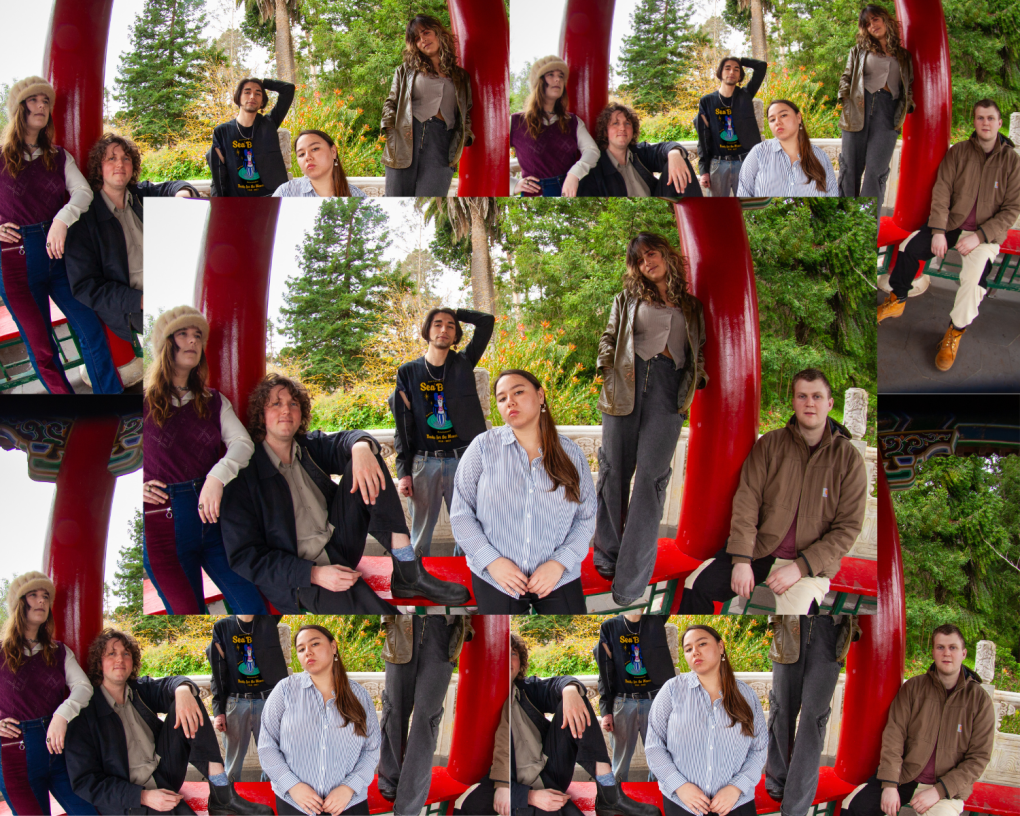
"caption": "From left to right: Mayya Feygina, Sam Jones, Fabrizio Incerti, Jamie Zimmer, Karina Alterman, and Adam Wilson.",
"description": null,
"title": "Sunday Music Drop Photo Collages-26",
"credit": "Courtesy of Lilly Blakeslee/Photo collage by Spencer Whitney of KQED",
"status": "inherit",
"altTag": "A collage of five images showing three women and three men standing and sitting in an open structure outdoors.",
"isLoading": false,
"fetchFailed": false
},
"news_11979743": {
"type": "attachments",
"id": "news_11979743",
"meta": {
"index": "attachments_1716263798",
"site": "news",
"id": "11979743",
"found": true
},
"parent": 11979736,
"imgSizes": {
"twentyfourteen-full-width": {
"file": "https://cdn.kqed.org/wp-content/uploads/sites/10/2024/03/AP24074611449443-1038x576.jpg",
"width": 1038,
"mimeType": "image/jpeg",
"height": 576
},
"thumbnail": {
"file": "https://cdn.kqed.org/wp-content/uploads/sites/10/2024/03/AP24074611449443-160x107.jpg",
"width": 160,
"mimeType": "image/jpeg",
"height": 107
},
"post-thumbnail": {
"file": "https://cdn.kqed.org/wp-content/uploads/sites/10/2024/03/AP24074611449443-672x372.jpg",
"width": 672,
"mimeType": "image/jpeg",
"height": 372
},
"kqedFullSize": {
"file": "https://cdn.kqed.org/wp-content/uploads/sites/10/2024/03/AP24074611449443-scaled.jpg",
"width": 2560,
"height": 1706
},
"2048x2048": {
"file": "https://cdn.kqed.org/wp-content/uploads/sites/10/2024/03/AP24074611449443-2048x1365.jpg",
"width": 2048,
"mimeType": "image/jpeg",
"height": 1365
},
"large": {
"file": "https://cdn.kqed.org/wp-content/uploads/sites/10/2024/03/AP24074611449443-1020x680.jpg",
"width": 1020,
"mimeType": "image/jpeg",
"height": 680
},
"1536x1536": {
"file": "https://cdn.kqed.org/wp-content/uploads/sites/10/2024/03/AP24074611449443-1536x1023.jpg",
"width": 1536,
"mimeType": "image/jpeg",
"height": 1023
},
"full-width": {
"file": "https://cdn.kqed.org/wp-content/uploads/sites/10/2024/03/AP24074611449443-1920x1279.jpg",
"width": 1920,
"mimeType": "image/jpeg",
"height": 1279
},
"medium": {
"file": "https://cdn.kqed.org/wp-content/uploads/sites/10/2024/03/AP24074611449443-800x533.jpg",
"width": 800,
"mimeType": "image/jpeg",
"height": 533
}
},
"publishDate": 1710617762,
"modified": 1710618920,
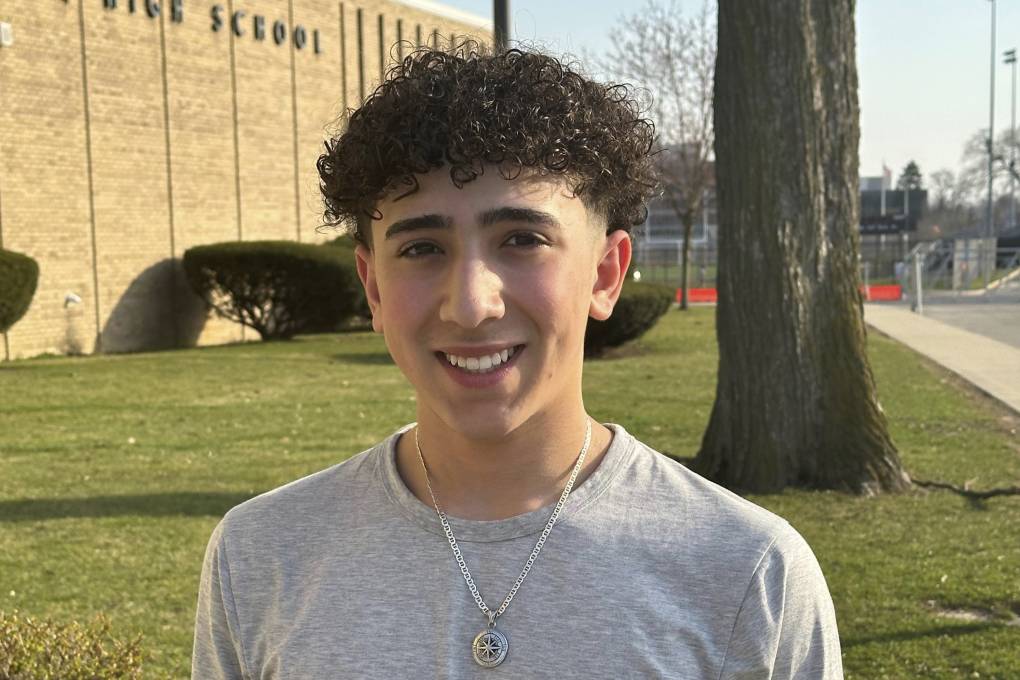
"caption": "Adam Alcodray stands outside Dearborn High School on Wednesday, March 13, 2024 in Dearborn, Michigan. Alcodray, 14, is a 9th grader at the school which makes certain allowances for students observing Ramadan. Alcodray says Ramadan carries more significance this year given the plight of people in Gaza. 'When you look at what the children are eating in Gaza, you appreciate what your mom makes,' he said. 'When you’re having a bad day, realize what they are going through.'",
"description": null,
"title": "Ramadan-Public Schools",
"credit": "AP Photo",
"status": "inherit",
"altTag": "A 9th grade student, male, wearing gray shirt, smiles at the camera with a school building and lawn with trees behind him.",
"isLoading": false,
"fetchFailed": false
},
"news_11978849": {
"type": "attachments",
"id": "news_11978849",
"meta": {
"index": "attachments_1716263798",
"site": "news",
"id": "11978849",
"found": true
},
"parent": 11978844,
"imgSizes": {
"twentyfourteen-full-width": {
"file": "https://cdn.kqed.org/wp-content/uploads/sites/10/2024/03/Sunday-Music-Drop-Photo-Collages-25-1038x576.png",
"width": 1038,
"mimeType": "image/png",
"height": 576
},
"thumbnail": {
"file": "https://cdn.kqed.org/wp-content/uploads/sites/10/2024/03/Sunday-Music-Drop-Photo-Collages-25-160x128.png",
"width": 160,
"mimeType": "image/png",
"height": 128
},
"post-thumbnail": {
"file": "https://cdn.kqed.org/wp-content/uploads/sites/10/2024/03/Sunday-Music-Drop-Photo-Collages-25-672x372.png",
"width": 672,
"mimeType": "image/png",
"height": 372
},
"kqedFullSize": {
"file": "https://cdn.kqed.org/wp-content/uploads/sites/10/2024/03/Sunday-Music-Drop-Photo-Collages-25.png",
"width": 1500,
"height": 1200
},
"large": {
"file": "https://cdn.kqed.org/wp-content/uploads/sites/10/2024/03/Sunday-Music-Drop-Photo-Collages-25-1020x816.png",
"width": 1020,
"mimeType": "image/png",
"height": 816
},
"medium": {
"file": "https://cdn.kqed.org/wp-content/uploads/sites/10/2024/03/Sunday-Music-Drop-Photo-Collages-25-800x640.png",
"width": 800,
"mimeType": "image/png",
"height": 640
}
},
"publishDate": 1710114296,
"modified": 1710114429,
"caption": null,
"description": null,
"title": "Sunday Music Drop Photo Collages-25",
"credit": "Courtesy of Moodology Photography/Collage by Spencer Whitney of KQED",
"status": "inherit",
"altTag": "A collage of five images of an African man with a large drum attached to his waist.",
"isLoading": false,
"fetchFailed": false
},
"news_11977930": {
"type": "attachments",
"id": "news_11977930",
"meta": {
"index": "attachments_1716263798",
"site": "news",
"id": "11977930",
"found": true
},
"parent": 11977924,
"imgSizes": {
"twentyfourteen-full-width": {
"file": "https://cdn.kqed.org/wp-content/uploads/sites/10/2024/03/Sunday-Music-Drop-Photo-Collages-23-1038x576.png",
"width": 1038,
"mimeType": "image/png",
"height": 576
},
"thumbnail": {
"file": "https://cdn.kqed.org/wp-content/uploads/sites/10/2024/03/Sunday-Music-Drop-Photo-Collages-23-160x128.png",
"width": 160,
"mimeType": "image/png",
"height": 128
},
"post-thumbnail": {
"file": "https://cdn.kqed.org/wp-content/uploads/sites/10/2024/03/Sunday-Music-Drop-Photo-Collages-23-672x372.png",
"width": 672,
"mimeType": "image/png",
"height": 372
},
"kqedFullSize": {
"file": "https://cdn.kqed.org/wp-content/uploads/sites/10/2024/03/Sunday-Music-Drop-Photo-Collages-23.png",
"width": 1500,
"height": 1200
},
"large": {
"file": "https://cdn.kqed.org/wp-content/uploads/sites/10/2024/03/Sunday-Music-Drop-Photo-Collages-23-1020x816.png",
"width": 1020,
"mimeType": "image/png",
"height": 816
},
"medium": {
"file": "https://cdn.kqed.org/wp-content/uploads/sites/10/2024/03/Sunday-Music-Drop-Photo-Collages-23-800x640.png",
"width": 800,
"mimeType": "image/png",
"height": 640
}
},
"publishDate": 1709511726,
"modified": 1709584028,
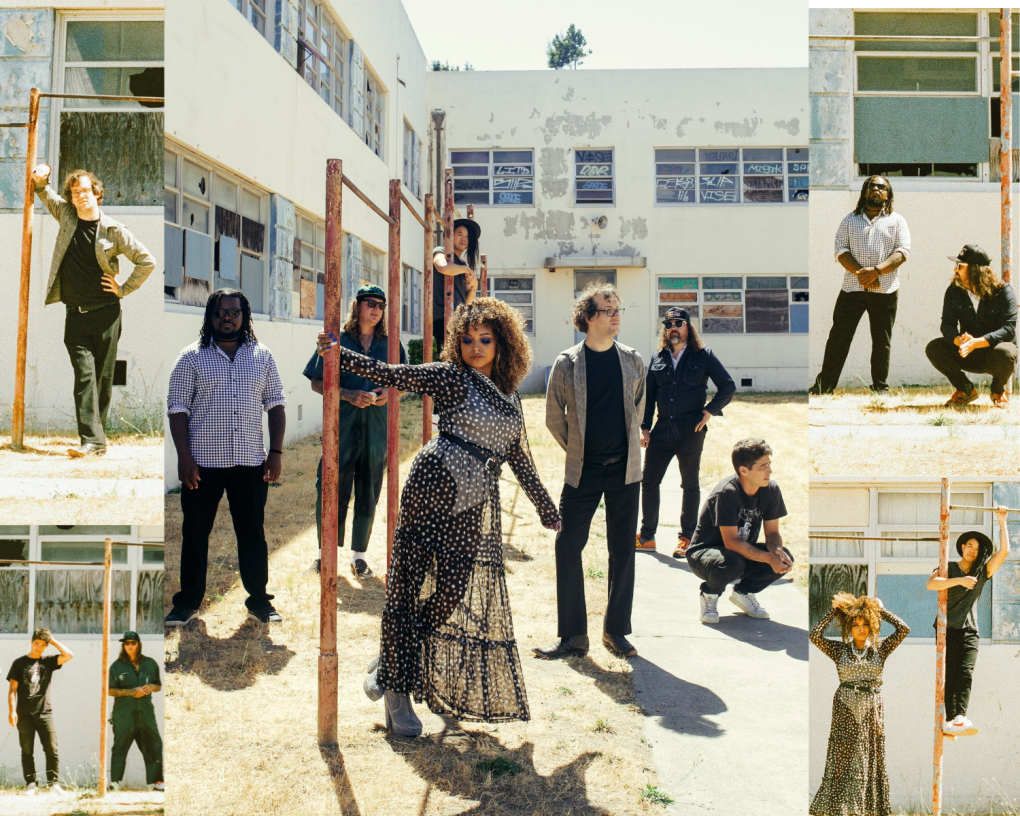
"caption": "From the center image, left to right: Marcus Stephens, Benjamin Andrews, Brendan Liu, Viveca Hawkins, AJ McKinley, Jonathan Kirchner, Andrew Laubacher.",
"description": null,
"title": "Sunday Music Drop Photo Collages-23",
"credit": "Courtesy of Brittany Powers/Collage by Spencer Whitney of KQED",
"status": "inherit",
"altTag": "A collage of five images with the center image showing eight people standing near or holding on to a jungle gym-like pole outside of the building.",
"isLoading": false,
"fetchFailed": false
},
"news_11977328": {
"type": "attachments",
"id": "news_11977328",
"meta": {
"index": "attachments_1716263798",
"site": "news",
"id": "11977328",
"found": true
},
"parent": 11977305,
"imgSizes": {
"twentyfourteen-full-width": {
"file": "https://cdn.kqed.org/wp-content/uploads/sites/10/2024/02/Leonia-Heights-murals-1038x576.jpg",
"width": 1038,
"mimeType": "image/jpeg",
"height": 576
},
"thumbnail": {
"file": "https://cdn.kqed.org/wp-content/uploads/sites/10/2024/02/Leonia-Heights-murals-160x90.jpg",
"width": 160,
"mimeType": "image/jpeg",
"height": 90
},
"post-thumbnail": {
"file": "https://cdn.kqed.org/wp-content/uploads/sites/10/2024/02/Leonia-Heights-murals-672x372.jpg",
"width": 672,
"mimeType": "image/jpeg",
"height": 372
},
"kqedFullSize": {
"file": "https://cdn.kqed.org/wp-content/uploads/sites/10/2024/02/Leonia-Heights-murals.jpg",
"width": 1920,
"height": 1080
},
"large": {
"file": "https://cdn.kqed.org/wp-content/uploads/sites/10/2024/02/Leonia-Heights-murals-1020x574.jpg",
"width": 1020,
"mimeType": "image/jpeg",
"height": 574
},
"1536x1536": {
"file": "https://cdn.kqed.org/wp-content/uploads/sites/10/2024/02/Leonia-Heights-murals-1536x864.jpg",
"width": 1536,
"mimeType": "image/jpeg",
"height": 864
},
"medium": {
"file": "https://cdn.kqed.org/wp-content/uploads/sites/10/2024/02/Leonia-Heights-murals-800x450.jpg",
"width": 800,
"mimeType": "image/jpeg",
"height": 450
}
},
"publishDate": 1709074336,
"modified": 1709074817,
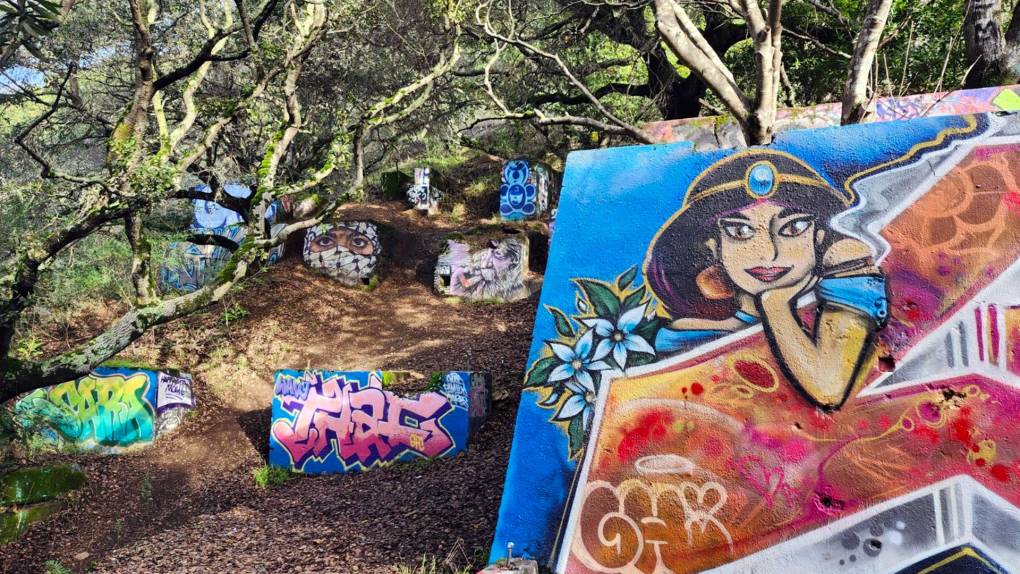
"caption": "Murals hidden among the oak trees off a hiking trail near Leona Heights.",
"description": null,
"title": "Leonia-Heights-murals",
"credit": null,
"status": "inherit",
"altTag": "In the right side foreground a mural of Jasmine from the Disney movie Aladdin gives way to almost 10 mural painted on chunks of concrete.",
"isLoading": false,
"fetchFailed": false
},
"news_11977259": {
"type": "attachments",
"id": "news_11977259",
"meta": {
"index": "attachments_1716263798",
"site": "news",
"id": "11977259",
"found": true
},
"parent": 11977219,
"imgSizes": {
"twentyfourteen-full-width": {
"file": "https://cdn.kqed.org/wp-content/uploads/sites/10/2024/02/GettyImages-1677378939-1024x576.jpg",
"width": 1024,
"mimeType": "image/jpeg",
"height": 576
},
"thumbnail": {
"file": "https://cdn.kqed.org/wp-content/uploads/sites/10/2024/02/GettyImages-1677378939-160x118.jpg",
"width": 160,
"mimeType": "image/jpeg",
"height": 118
},
"post-thumbnail": {
"file": "https://cdn.kqed.org/wp-content/uploads/sites/10/2024/02/GettyImages-1677378939-672x372.jpg",
"width": 672,
"mimeType": "image/jpeg",
"height": 372
},
"kqedFullSize": {
"file": "https://cdn.kqed.org/wp-content/uploads/sites/10/2024/02/GettyImages-1677378939.jpg",
"width": 1024,
"height": 756
},
"large": {
"file": "https://cdn.kqed.org/wp-content/uploads/sites/10/2024/02/GettyImages-1677378939-1020x753.jpg",
"width": 1020,
"mimeType": "image/jpeg",
"height": 753
},
"medium": {
"file": "https://cdn.kqed.org/wp-content/uploads/sites/10/2024/02/GettyImages-1677378939-800x591.jpg",
"width": 800,
"mimeType": "image/jpeg",
"height": 591
}
},
"publishDate": 1709064645,
"modified": 1709071312,
"caption": "Nicki Minaj performs onstage during the 2023 MTV Video Music Awards at Prudential Center on Sept. 12, 2023, in Newark, New Jersey.",
"description": null,
"title": "2023 MTV Video Music Awards - Show",
"credit": "Mike Coppola/Getty Images for MTV",
"status": "inherit",
"altTag": "A female singer in a red body suit and sunglasses extends the mic to the crowd while glancing to the side, surrounded by an audience in mid-performance.",
"isLoading": false,
"fetchFailed": false
},
"news_11977003": {
"type": "attachments",
"id": "news_11977003",
"meta": {
"index": "attachments_1716263798",
"site": "news",
"id": "11977003",
"found": true
},
"parent": 11976974,
"imgSizes": {
"twentyfourteen-full-width": {
"file": "https://cdn.kqed.org/wp-content/uploads/sites/10/2024/02/240224-Chinese-new-year-parade-KSM-3_qut-1038x576.jpg",
"width": 1038,
"mimeType": "image/jpeg",
"height": 576
},
"thumbnail": {
"file": "https://cdn.kqed.org/wp-content/uploads/sites/10/2024/02/240224-Chinese-new-year-parade-KSM-3_qut-160x107.jpg",
"width": 160,
"mimeType": "image/jpeg",
"height": 107
},
"post-thumbnail": {
"file": "https://cdn.kqed.org/wp-content/uploads/sites/10/2024/02/240224-Chinese-new-year-parade-KSM-3_qut-672x372.jpg",
"width": 672,
"mimeType": "image/jpeg",
"height": 372
},
"kqedFullSize": {
"file": "https://cdn.kqed.org/wp-content/uploads/sites/10/2024/02/240224-Chinese-new-year-parade-KSM-3_qut.jpg",
"width": 1920,
"height": 1280
},
"large": {
"file": "https://cdn.kqed.org/wp-content/uploads/sites/10/2024/02/240224-Chinese-new-year-parade-KSM-3_qut-1020x680.jpg",
"width": 1020,
"mimeType": "image/jpeg",
"height": 680
},
"1536x1536": {
"file": "https://cdn.kqed.org/wp-content/uploads/sites/10/2024/02/240224-Chinese-new-year-parade-KSM-3_qut-1536x1024.jpg",
"width": 1536,
"mimeType": "image/jpeg",
"height": 1024
},
"medium": {
"file": "https://cdn.kqed.org/wp-content/uploads/sites/10/2024/02/240224-Chinese-new-year-parade-KSM-3_qut-800x533.jpg",
"width": 800,
"mimeType": "image/jpeg",
"height": 533
}
},
"publishDate": 1708838557,
"modified": 1708838598,
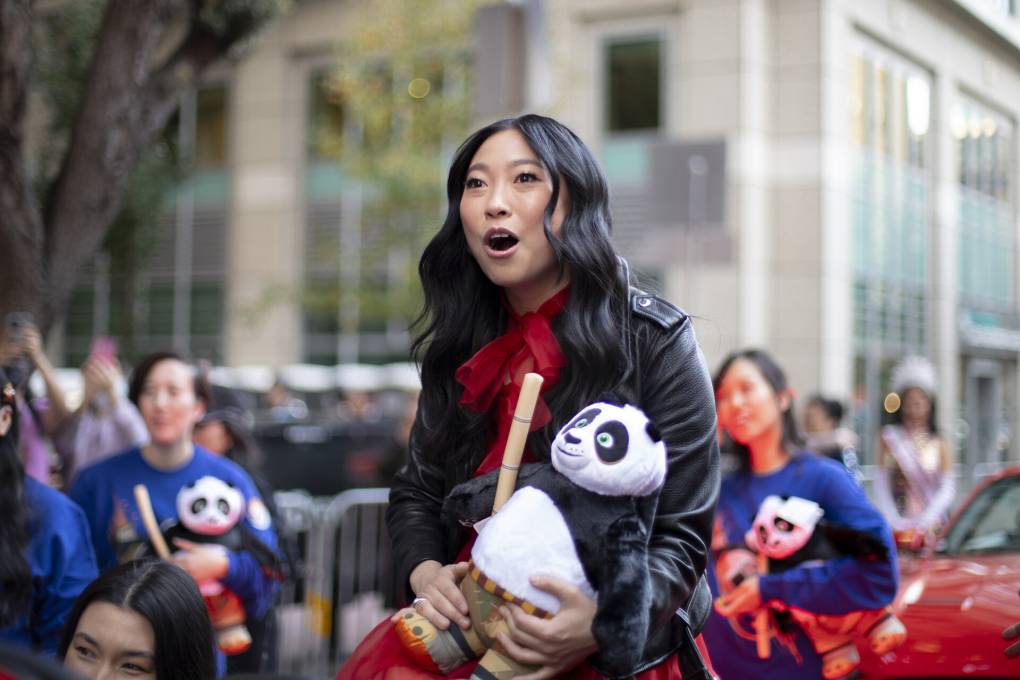
"caption": "Awkwafina, grand marshal of the Chinese New Year Festival and Parade in San Francisco on Feb. 24, 2024.",
"description": null,
"title": "240224-Chinese-new-year-parade-KSM-3_qut",
"credit": "Kathryn Styer Martínez/KQED",
"status": "inherit",
"altTag": null,
"isLoading": false,
"fetchFailed": false
},
"news_11976318": {
"type": "attachments",
"id": "news_11976318",
"meta": {
"index": "attachments_1716263798",
"site": "news",
"id": "11976318",
"found": true
},
"parent": 11976313,
"imgSizes": {
"twentyfourteen-full-width": {
"file": "https://cdn.kqed.org/wp-content/uploads/sites/10/2024/02/Screenshot-2024-02-18-at-1.15.06-PM-1038x576.png",
"width": 1038,
"mimeType": "image/png",
"height": 576
},
"thumbnail": {
"file": "https://cdn.kqed.org/wp-content/uploads/sites/10/2024/02/Screenshot-2024-02-18-at-1.15.06-PM-160x128.png",
"width": 160,
"mimeType": "image/png",
"height": 128
},
"post-thumbnail": {
"file": "https://cdn.kqed.org/wp-content/uploads/sites/10/2024/02/Screenshot-2024-02-18-at-1.15.06-PM-672x372.png",
"width": 672,
"mimeType": "image/png",
"height": 372
},
"kqedFullSize": {
"file": "https://cdn.kqed.org/wp-content/uploads/sites/10/2024/02/Screenshot-2024-02-18-at-1.15.06-PM.png",
"width": 2182,
"height": 1752
},
"2048x2048": {
"file": "https://cdn.kqed.org/wp-content/uploads/sites/10/2024/02/Screenshot-2024-02-18-at-1.15.06-PM-2048x1644.png",
"width": 2048,
"mimeType": "image/png",
"height": 1644
},
"large": {
"file": "https://cdn.kqed.org/wp-content/uploads/sites/10/2024/02/Screenshot-2024-02-18-at-1.15.06-PM-1020x819.png",
"width": 1020,
"mimeType": "image/png",
"height": 819
},
"1536x1536": {
"file": "https://cdn.kqed.org/wp-content/uploads/sites/10/2024/02/Screenshot-2024-02-18-at-1.15.06-PM-1536x1233.png",
"width": 1536,
"mimeType": "image/png",
"height": 1233
},
"full-width": {
"file": "https://cdn.kqed.org/wp-content/uploads/sites/10/2024/02/Screenshot-2024-02-18-at-1.15.06-PM-1920x1542.png",
"width": 1920,
"mimeType": "image/png",
"height": 1542
},
"medium": {
"file": "https://cdn.kqed.org/wp-content/uploads/sites/10/2024/02/Screenshot-2024-02-18-at-1.15.06-PM-800x642.png",
"width": 800,
"mimeType": "image/png",
"height": 642
}
},
"publishDate": 1708291169,
"modified": 1708291285,
"caption": null,
"description": null,
"title": "Screenshot 2024-02-18 at 1.15.06 PM",
"credit": "Courtesy of Sabrine Rekik and KQED/Photo collage by Spencer Whitney of KQED",
"status": "inherit",
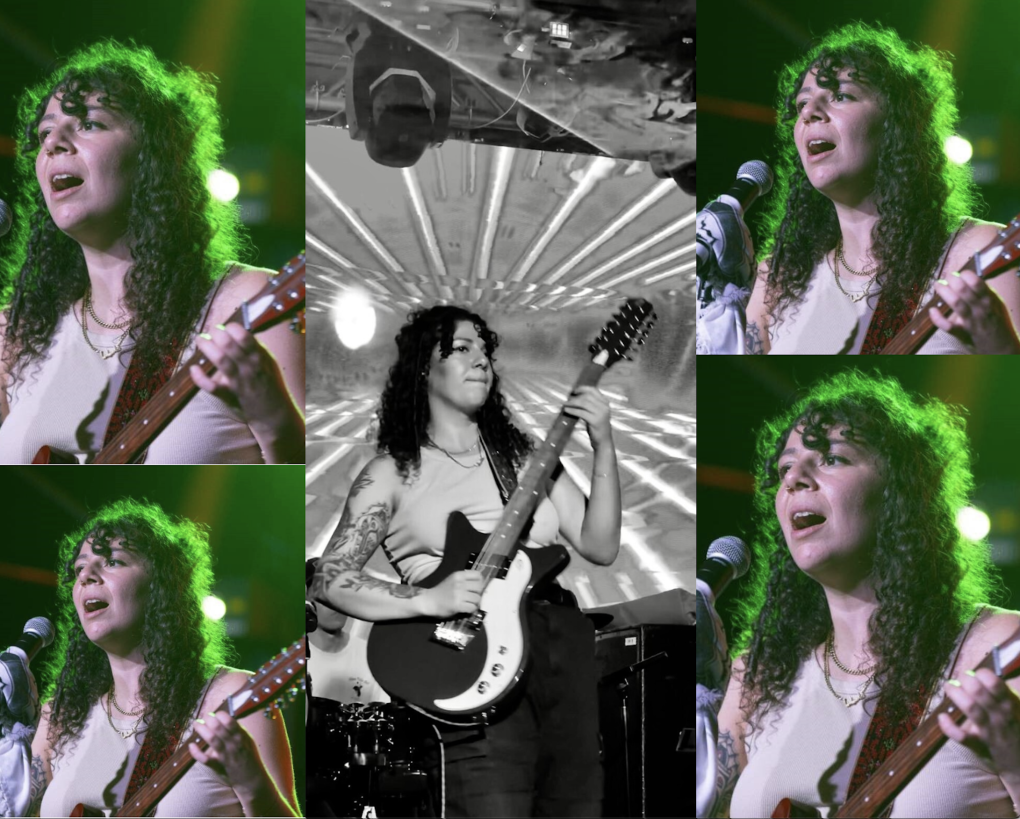
"altTag": "A photo collage of five images, with the center image in black and white of a woman playing a guitar on stage.",
"isLoading": false,
"fetchFailed": false
},
"news_11975386": {
"type": "attachments",
"id": "news_11975386",
"meta": {
"index": "attachments_1716263798",
"site": "news",
"id": "11975386",
"found": true
},
"parent": 11975375,
"imgSizes": {
"thumbnail": {
"file": "https://cdn.kqed.org/wp-content/uploads/sites/10/2024/02/Adventure-Playground-Collage-160x90.jpg",
"width": 160,
"mimeType": "image/jpeg",
"height": 90
},
"post-thumbnail": {
"file": "https://cdn.kqed.org/wp-content/uploads/sites/10/2024/02/Adventure-Playground-Collage-672x372.jpg",
"width": 672,
"mimeType": "image/jpeg",
"height": 372
},
"kqedFullSize": {
"file": "https://cdn.kqed.org/wp-content/uploads/sites/10/2024/02/Adventure-Playground-Collage.jpg",
"width": 960,
"height": 540
},
"medium": {
"file": "https://cdn.kqed.org/wp-content/uploads/sites/10/2024/02/Adventure-Playground-Collage-800x450.jpg",
"width": 800,
"mimeType": "image/jpeg",
"height": 450
}
},
"publishDate": 1707616497,
"modified": 1707616628,
"caption": "Adventure Playground",
"description": null,
"title": "Adventure Playground Collage",
"credit": "Photo courtesy of Adventure Playground/Collage by Annelise Finney/KQED",
"status": "inherit",
"altTag": null,
"isLoading": false,
"fetchFailed": false
},
"news_11975238": {
"type": "attachments",
"id": "news_11975238",
"meta": {
"index": "attachments_1716263798",
"site": "news",
"id": "11975238",
"found": true
},
"parent": 11974855,
"imgSizes": {
"twentyfourteen-full-width": {
"file": "https://cdn.kqed.org/wp-content/uploads/sites/10/2024/02/231212-MANNEQUIN-MADNESS-MD-01-KQED-1038x576.jpg",
"width": 1038,
"mimeType": "image/jpeg",
"height": 576
},
"thumbnail": {
"file": "https://cdn.kqed.org/wp-content/uploads/sites/10/2024/02/231212-MANNEQUIN-MADNESS-MD-01-KQED-160x107.jpg",
"width": 160,
"mimeType": "image/jpeg",
"height": 107
},
"post-thumbnail": {
"file": "https://cdn.kqed.org/wp-content/uploads/sites/10/2024/02/231212-MANNEQUIN-MADNESS-MD-01-KQED-672x372.jpg",
"width": 672,
"mimeType": "image/jpeg",
"height": 372
},
"kqedFullSize": {
"file": "https://cdn.kqed.org/wp-content/uploads/sites/10/2024/02/231212-MANNEQUIN-MADNESS-MD-01-KQED.jpg",
"width": 2000,
"height": 1333
},
"large": {
"file": "https://cdn.kqed.org/wp-content/uploads/sites/10/2024/02/231212-MANNEQUIN-MADNESS-MD-01-KQED-1020x680.jpg",
"width": 1020,
"mimeType": "image/jpeg",
"height": 680
},
"1536x1536": {
"file": "https://cdn.kqed.org/wp-content/uploads/sites/10/2024/02/231212-MANNEQUIN-MADNESS-MD-01-KQED-1536x1024.jpg",
"width": 1536,
"mimeType": "image/jpeg",
"height": 1024
},
"full-width": {
"file": "https://cdn.kqed.org/wp-content/uploads/sites/10/2024/02/231212-MANNEQUIN-MADNESS-MD-01-KQED-1920x1280.jpg",
"width": 1920,
"mimeType": "image/jpeg",
"height": 1280
},
"medium": {
"file": "https://cdn.kqed.org/wp-content/uploads/sites/10/2024/02/231212-MANNEQUIN-MADNESS-MD-01-KQED-800x533.jpg",
"width": 800,
"mimeType": "image/jpeg",
"height": 533
}
},
"publishDate": 1707501248,
"modified": 1707501291,
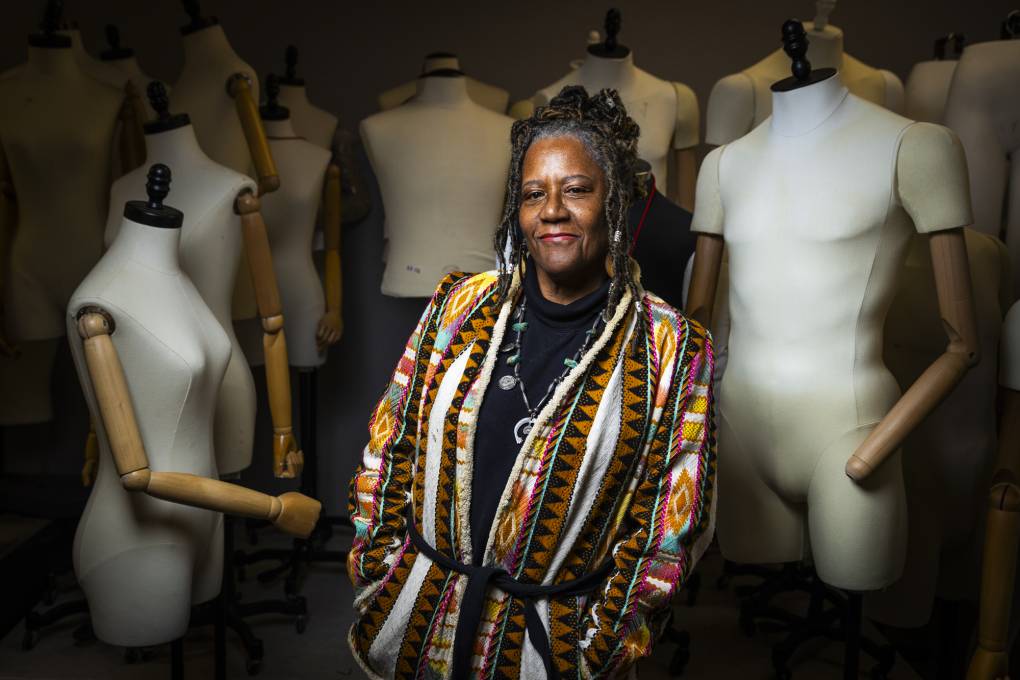
"caption": "Judi Henderson, Mannequin Madness founder and president, at the Mannequin Madness warehouse on Dec. 13, 2023.",
"description": null,
"title": "231212-MANNEQUIN MADNESS-MD-01-KQED",
"credit": "Martin do Nascimento/KQED",
"status": "inherit",
"altTag": "African American woman stands among mannequins as she smiles at the camera.",
"isLoading": false,
"fetchFailed": false
},
"news_11974670": {
"type": "attachments",
"id": "news_11974670",
"meta": {
"index": "attachments_1716263798",
"site": "news",
"id": "11974670",
"found": true
},
"parent": 11974662,
"imgSizes": {
"twentyfourteen-full-width": {
"file": "https://cdn.kqed.org/wp-content/uploads/sites/10/2024/02/Sunday-Music-Drop-Photo-Collages-20-1038x576.png",
"width": 1038,
"mimeType": "image/png",
"height": 576
},
"thumbnail": {
"file": "https://cdn.kqed.org/wp-content/uploads/sites/10/2024/02/Sunday-Music-Drop-Photo-Collages-20-160x128.png",
"width": 160,
"mimeType": "image/png",
"height": 128
},
"post-thumbnail": {
"file": "https://cdn.kqed.org/wp-content/uploads/sites/10/2024/02/Sunday-Music-Drop-Photo-Collages-20-672x372.png",
"width": 672,
"mimeType": "image/png",
"height": 372
},
"kqedFullSize": {
"file": "https://cdn.kqed.org/wp-content/uploads/sites/10/2024/02/Sunday-Music-Drop-Photo-Collages-20.png",
"width": 1500,
"height": 1200
},
"large": {
"file": "https://cdn.kqed.org/wp-content/uploads/sites/10/2024/02/Sunday-Music-Drop-Photo-Collages-20-1020x816.png",
"width": 1020,
"mimeType": "image/png",
"height": 816
},
"medium": {
"file": "https://cdn.kqed.org/wp-content/uploads/sites/10/2024/02/Sunday-Music-Drop-Photo-Collages-20-800x640.png",
"width": 800,
"mimeType": "image/png",
"height": 640
}
},
"publishDate": 1707086971,
"modified": 1707087255,
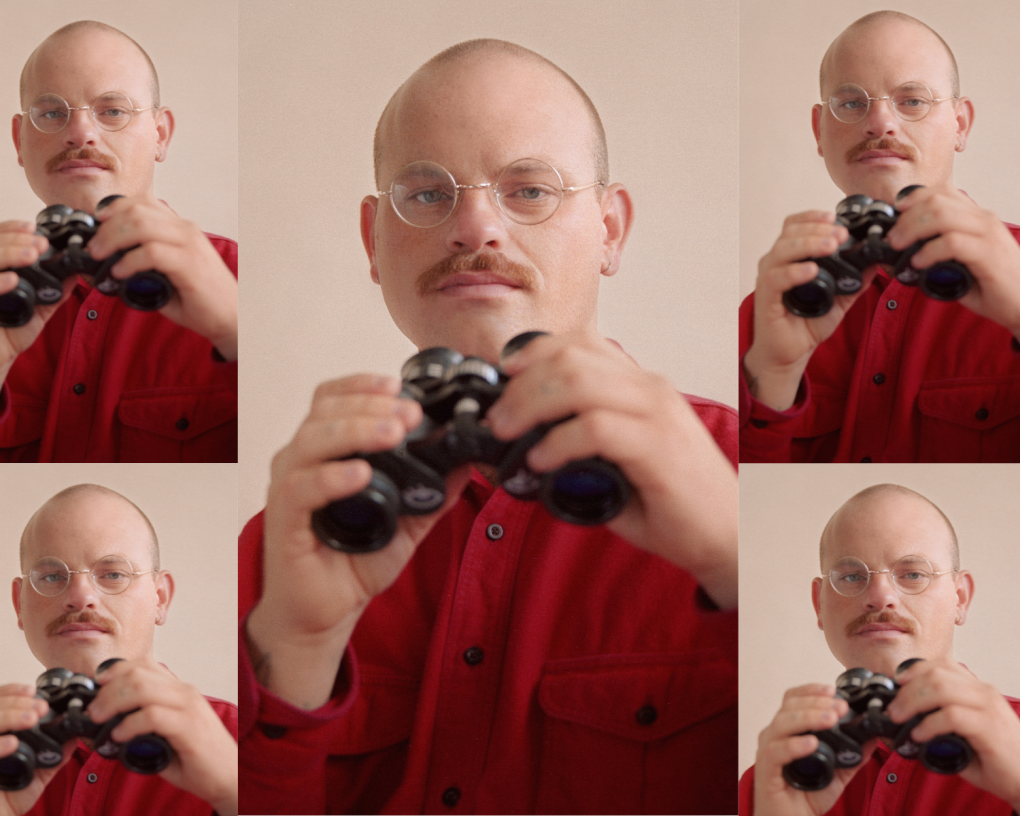
"caption": "Stephen Steinbrink",
"description": null,
"title": "Sunday Music Drop Photo Collages-20",
"credit": "Photo collage by Spencer Whitney of KQED",
"status": "inherit",
"altTag": "A photo collage of five images of a man wearing glasses and a red shirt holding binoculars.",
"isLoading": false,
"fetchFailed": false
},
"news_11974140": {
"type": "attachments",
"id": "news_11974140",
"meta": {
"index": "attachments_1716263798",
"site": "news",
"id": "11974140",
"found": true
},
"parent": 11974003,
"imgSizes": {
"twentyfourteen-full-width": {
"file": "https://cdn.kqed.org/wp-content/uploads/sites/10/2024/01/Sunday-Music-Drop-Photo-Collages-19-1038x576.png",
"width": 1038,
"mimeType": "image/png",
"height": 576
},
"thumbnail": {
"file": "https://cdn.kqed.org/wp-content/uploads/sites/10/2024/01/Sunday-Music-Drop-Photo-Collages-19-160x128.png",
"width": 160,
"mimeType": "image/png",
"height": 128
},
"post-thumbnail": {
"file": "https://cdn.kqed.org/wp-content/uploads/sites/10/2024/01/Sunday-Music-Drop-Photo-Collages-19-672x372.png",
"width": 672,
"mimeType": "image/png",
"height": 372
},
"kqedFullSize": {
"file": "https://cdn.kqed.org/wp-content/uploads/sites/10/2024/01/Sunday-Music-Drop-Photo-Collages-19.png",
"width": 1500,
"height": 1200
},
"large": {
"file": "https://cdn.kqed.org/wp-content/uploads/sites/10/2024/01/Sunday-Music-Drop-Photo-Collages-19-1020x816.png",
"width": 1020,
"mimeType": "image/png",
"height": 816
},
"medium": {
"file": "https://cdn.kqed.org/wp-content/uploads/sites/10/2024/01/Sunday-Music-Drop-Photo-Collages-19-800x640.png",
"width": 800,
"mimeType": "image/png",
"height": 640
}
},
"publishDate": 1706566516,
"modified": 1707086996,
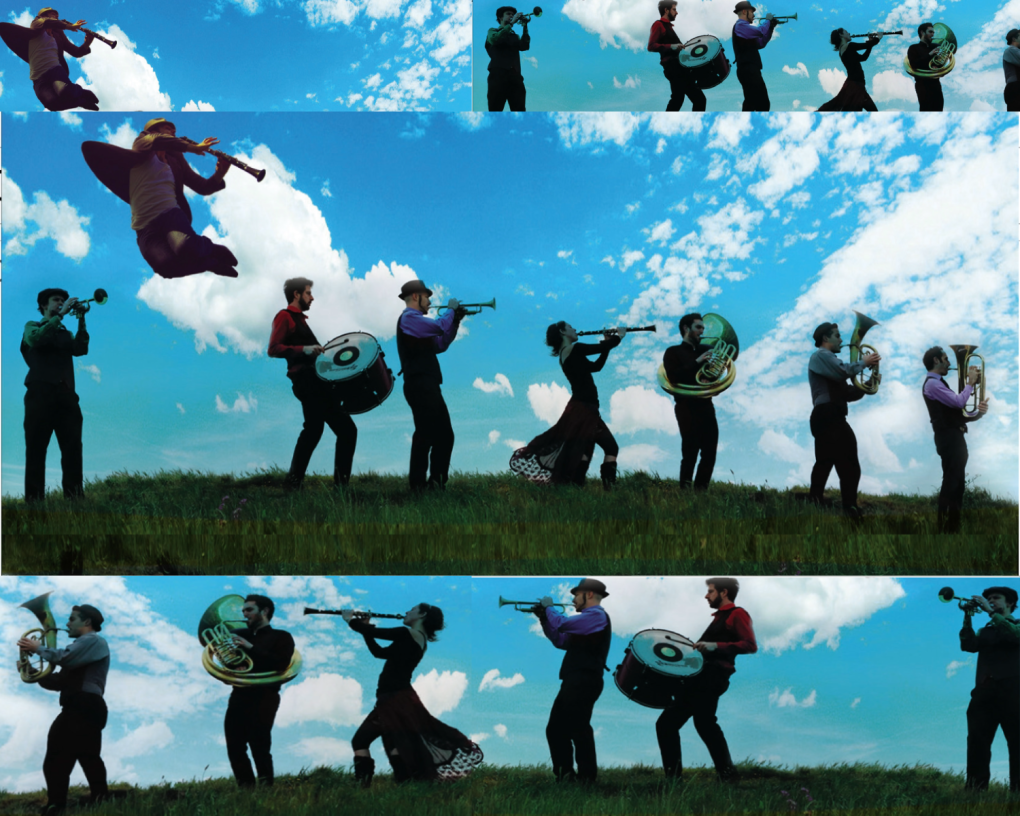
"caption": "The Balkan brass band, Inspector Gadje. From left to right: Danny Cao, Ismail Lumanovski, Shane Cox, Noah Levitt, Morgan Nilsen, Andrew Cohen, Paul Marini, and Jeff Giaquinto.",
"description": null,
"title": "Sunday Music Drop Photo Collages-19",
"credit": "Anastasia Cuba, Sefa Karatekin, initial editing by Marco Preis Coppola and Serina Koester/ collage by Spencer Whitney of KQED",
"status": "inherit",
"altTag": "A collage of four images featuring several people holding instruments on a hill.",
"isLoading": false,
"fetchFailed": false
}
},
"audioPlayerReducer": {
"postId": "stream_live",
"isPaused": true,
"isPlaying": false,
"pfsActive": false,
"pledgeModalIsOpen": true,
"playerDrawerIsOpen": false,
"liveAudioPlayStartedAt": 0,
"liveAudioPlayContext": ""
},
"authorsReducer": {
"byline_news_11979736": {
"type": "authors",
"id": "byline_news_11979736",
"meta": {
"override": true
},
"slug": "byline_news_11979736",
"name": "Corey Williams, Giovanna Dell'Orto, Marian Fam, Darren Sands\u003cbr>Associated Press",
"isLoading": false
},
"kqed": {
"type": "authors",
"id": "236",
"meta": {
"index": "authors_1716337520",
"id": "236",
"found": true
},
"name": "KQED News Staff",
"firstName": "KQED News Staff",
"lastName": null,
"slug": "kqed",
"email": "faq@kqed.org",
"display_author_email": false,
"staff_mastheads": [],
"title": null,
"bio": null,
"avatar": "https://secure.gravatar.com/avatar/ef0e801a68c4c54afa9180db14084167?s=600&d=blank&r=g",
"twitter": null,
"facebook": null,
"instagram": null,
"linkedin": null,
"sites": [
{
"site": "arts",
"roles": [
"contributor"
]
},
{
"site": "news",
"roles": [
"editor"
]
},
{
"site": "futureofyou",
"roles": [
"author"
]
}
],
"headData": {
"title": "KQED News Staff | KQED",
"description": null,
"ogImgSrc": "https://secure.gravatar.com/avatar/ef0e801a68c4c54afa9180db14084167?s=600&d=blank&r=g",
"twImgSrc": "https://secure.gravatar.com/avatar/ef0e801a68c4c54afa9180db14084167?s=600&d=blank&r=g"
},
"isLoading": false,
"link": "/author/kqed"
},
"cmorizono": {
"type": "authors",
"id": "11503",
"meta": {
"index": "authors_1716337520",
"id": "11503",
"found": true
},
"name": "Chloe Morizono",
"firstName": "Chloe",
"lastName": "Morizono",
"slug": "cmorizono",
"email": "cmorizono@kqed.org",
"display_author_email": false,
"staff_mastheads": [],
"title": "KQED Contributor",
"bio": null,
"avatar": "https://secure.gravatar.com/avatar/589de970d4696c868de7f4dc180e0289?s=600&d=blank&r=g",
"twitter": null,
"facebook": null,
"instagram": null,
"linkedin": null,
"sites": [
{
"site": "news",
"roles": []
},
{
"site": "perspectives",
"roles": [
"editor"
]
}
],
"headData": {
"title": "Chloe Morizono | KQED",
"description": "KQED Contributor",
"ogImgSrc": "https://secure.gravatar.com/avatar/589de970d4696c868de7f4dc180e0289?s=600&d=blank&r=g",
"twImgSrc": "https://secure.gravatar.com/avatar/589de970d4696c868de7f4dc180e0289?s=600&d=blank&r=g"
},
"isLoading": false,
"link": "/author/cmorizono"
},
"cbeale": {
"type": "authors",
"id": "11749",
"meta": {
"index": "authors_1716337520",
"id": "11749",
"found": true
},
"name": "Christopher Beale",
"firstName": "Christopher",
"lastName": "Beale",
"slug": "cbeale",
"email": "cbeale@kqed.org",
"display_author_email": true,
"staff_mastheads": [
"news"
],
"title": "Engineer/Producer/Reporter",
"bio": "\u003ca href=\"https://linktr.ee/realchrisjbeale\" rel=\"noopener noreferrer\">Christopher J. Beale\u003c/a> is an award winning journalist, audio engineer, and media host living in San Francisco. \r\n\r\nChristopher works primarily as an audio engineer at KQED and serves as the sound designer for both the Bay Curious and Rightnowish podcasts. He is the host and producer of the LGBTQIA podcast and radio segment \u003ca href=\"https://stereotypespodcast.org\">Stereotypes\u003c/a>.",
"avatar": "https://secure.gravatar.com/avatar/dc485bf84788eb7e7414eb638e72407e?s=600&d=blank&r=g",
"twitter": "realchrisjbeale",
"facebook": null,
"instagram": "http://instagram.com/realchrisjbeale",
"linkedin": null,
"sites": [
{
"site": "arts",
"roles": [
"contributor"
]
},
{
"site": "news",
"roles": [
"editor"
]
},
{
"site": "forum",
"roles": [
"editor"
]
}
],
"headData": {
"title": "Christopher Beale | KQED",
"description": "Engineer/Producer/Reporter",
"ogImgSrc": "https://secure.gravatar.com/avatar/dc485bf84788eb7e7414eb638e72407e?s=600&d=blank&r=g",
"twImgSrc": "https://secure.gravatar.com/avatar/dc485bf84788eb7e7414eb638e72407e?s=600&d=blank&r=g"
},
"isLoading": false,
"link": "/author/cbeale"
},
"afinney": {
"type": "authors",
"id": "11772",
"meta": {
"index": "authors_1716337520",
"id": "11772",
"found": true
},
"name": "Annelise Finney",
"firstName": "Annelise",
"lastName": "Finney",
"slug": "afinney",
"email": "afinney@kqed.org",
"display_author_email": true,
"staff_mastheads": [
"news"
],
"title": "Reporter",
"bio": "Annelise reports on reparations in California and East Bay politics. She co-produced the Sunday Music Drop, a limited-term radio series featuring Bay Area musicians that aired between Sept 2022 and Oct 2024. She joined KQED in 2021 as a general assignment reporter and is an alumna of KALW's Audio Academy. She was born and raised in the East Bay. She is currently away from KQED completing a year-long reporting project in Berlin, Germany as a Alexander Von Humboldt German Chancellor Fellow.",
"avatar": "https://secure.gravatar.com/avatar/5fded66cae47704cdfc5021cde0f3aa4?s=600&d=blank&r=g",
"twitter": null,
"facebook": null,
"instagram": null,
"linkedin": null,
"sites": [
{
"site": "news",
"roles": [
"editor"
]
},
{
"site": "liveblog",
"roles": [
"author"
]
}
],
"headData": {
"title": "Annelise Finney | KQED",
"description": "Reporter",
"ogImgSrc": "https://secure.gravatar.com/avatar/5fded66cae47704cdfc5021cde0f3aa4?s=600&d=blank&r=g",
"twImgSrc": "https://secure.gravatar.com/avatar/5fded66cae47704cdfc5021cde0f3aa4?s=600&d=blank&r=g"
},
"isLoading": false,
"link": "/author/afinney"
},
"swhitney": {
"type": "authors",
"id": "11784",
"meta": {
"index": "authors_1716337520",
"id": "11784",
"found": true
},
"name": "Spencer Whitney",
"firstName": "Spencer",
"lastName": "Whitney",
"slug": "swhitney",
"email": "swhitney@kqed.org",
"display_author_email": false,
"staff_mastheads": [],
"title": "KQED Digital Editor",
"bio": "Spencer Whitney is currently a Digital Editor for KQED News. Prior to joining KQED News, Spencer worked as the Multimedia Editor at the Oakland Post and an Assistant Editor in the Editorial department at the San Francisco Chronicle. He attended Howard University as an undergraduate and interned with SiriusXM. He also attended UC Berkeley's Graduate School of Journalism and had the opportunity to write for the hyperlocal news sites Richmond Confidential and Oakland North.",
"avatar": "https://secure.gravatar.com/avatar/e33ff4fd8b8f0d2796f36472fb32607ca8fc46ef5e537dcfdbdee688d8ea5b80?s=600&d=mm&r=g",
"twitter": null,
"bluesky": null,
"facebook": null,
"instagram": null,
"linkedin": null,
"sites": [
{
"site": "arts",
"roles": [
"editor"
]
},
{
"site": "news",
"roles": [
"editor"
]
},
{
"site": "science",
"roles": [
"editor"
]
},
{
"site": "perspectives",
"roles": [
"editor"
]
}
],
"headData": {
"title": "Spencer Whitney | KQED",
"description": "KQED Digital Editor",
"ogImgSrc": "https://secure.gravatar.com/avatar/e33ff4fd8b8f0d2796f36472fb32607ca8fc46ef5e537dcfdbdee688d8ea5b80?s=600&d=mm&r=g",
"twImgSrc": "https://secure.gravatar.com/avatar/e33ff4fd8b8f0d2796f36472fb32607ca8fc46ef5e537dcfdbdee688d8ea5b80?s=600&d=mm&r=g"
},
"isLoading": false,
"link": "/author/swhitney"
},
"apelit": {
"type": "authors",
"id": "11812",
"meta": {
"index": "authors_1716337520",
"id": "11812",
"found": true
},
"name": "Attila Pelit",
"firstName": "Attila",
"lastName": "Pelit",
"slug": "apelit",
"email": "apelit@kqed.org",
"display_author_email": false,
"staff_mastheads": [],
"title": "KQED Contributor",
"bio": null,
"avatar": "https://secure.gravatar.com/avatar/9b7b8a9e595d58a1f4d853f8608ae584?s=600&d=mm&r=g",
"twitter": null,
"facebook": null,
"instagram": null,
"linkedin": null,
"sites": [
{
"site": "news",
"roles": [
"editor"
]
},
{
"site": "science",
"roles": [
"editor"
]
},
{
"site": "elections",
"roles": [
"editor"
]
},
{
"site": "liveblog",
"roles": [
"editor"
]
}
],
"headData": {
"title": "Attila Pelit | KQED",
"description": "KQED Contributor",
"ogImgSrc": "https://secure.gravatar.com/avatar/9b7b8a9e595d58a1f4d853f8608ae584?s=600&d=mm&r=g",
"twImgSrc": "https://secure.gravatar.com/avatar/9b7b8a9e595d58a1f4d853f8608ae584?s=600&d=mm&r=g"
},
"isLoading": false,
"link": "/author/apelit"
},
"kmonahan": {
"type": "authors",
"id": "11842",
"meta": {
"index": "authors_1716337520",
"id": "11842",
"found": true
},
"name": "Katherine Monahan",
"firstName": "Katherine",
"lastName": "Monahan",
"slug": "kmonahan",
"email": "kmonahan@kqed.org",
"display_author_email": true,
"staff_mastheads": [],
"title": "Reporter / Sound Engineer",
"bio": "I cover state and local news. I’m also a sound engineer at the station, mixing stories and running live broadcasts. I link to source materials so that readers can draw their own conclusions, and seek comment from a range of perspectives, including from people directly affected by events. Awards received include from the Society of Professional Journalists, Northern California chapter and the Alaska Press Club. I speak multiple languages and have reported and engineered in the Bay Area, Alaska, West Africa and Latin America.",
"avatar": "https://secure.gravatar.com/avatar/ff257b3a5da88893781a3d3266904b2d2f91c7f0e1bbf728f61f5fb81b74a669?s=600&d=blank&r=g",
"twitter": null,
"bluesky": null,
"facebook": null,
"instagram": null,
"linkedin": null,
"sites": [
{
"site": "news",
"roles": [
"editor"
]
},
{
"site": "science",
"roles": [
"contributor"
]
}
],
"headData": {
"title": "Katherine Monahan | KQED",
"description": "Reporter / Sound Engineer",
"ogImgSrc": "https://secure.gravatar.com/avatar/ff257b3a5da88893781a3d3266904b2d2f91c7f0e1bbf728f61f5fb81b74a669?s=600&d=blank&r=g",
"twImgSrc": "https://secure.gravatar.com/avatar/ff257b3a5da88893781a3d3266904b2d2f91c7f0e1bbf728f61f5fb81b74a669?s=600&d=blank&r=g"
},
"isLoading": false,
"link": "/author/kmonahan"
},
"nkhan": {
"type": "authors",
"id": "11867",
"meta": {
"index": "authors_1716337520",
"id": "11867",
"found": true
},
"name": "Nisa Khan",
"firstName": "Nisa",
"lastName": "Khan",
"slug": "nkhan",
"email": "nkhan@kqed.org",
"display_author_email": false,
"staff_mastheads": [],
"title": "KQED Contributor",
"bio": "Nisa Khan is a reporter for KQED's Audience News Desk. She was formerly a data reporter at Michigan Radio. She earned a Bachelor of Science in Information from the University of Michigan and a Master of Arts in Communication from Stanford University.",
"avatar": "https://secure.gravatar.com/avatar/8720459eef081ff64582b3506b124d58523e80e120704a0cbd9892533c914991?s=600&d=blank&r=g",
"twitter": "mnisakhan",
"bluesky": null,
"facebook": null,
"instagram": null,
"linkedin": null,
"sites": [
{
"site": "arts",
"roles": [
"editor"
]
},
{
"site": "news",
"roles": [
"editor"
]
},
{
"site": "science",
"roles": [
"editor",
"author"
]
},
{
"site": "forum",
"roles": [
"editor"
]
},
{
"site": "liveblog",
"roles": [
"contributor"
]
}
],
"headData": {
"title": "Nisa Khan | KQED",
"description": "KQED Contributor",
"ogImgSrc": "https://secure.gravatar.com/avatar/8720459eef081ff64582b3506b124d58523e80e120704a0cbd9892533c914991?s=600&d=blank&r=g",
"twImgSrc": "https://secure.gravatar.com/avatar/8720459eef081ff64582b3506b124d58523e80e120704a0cbd9892533c914991?s=600&d=blank&r=g"
},
"isLoading": false,
"link": "/author/nkhan"
}
},
"pagesReducer": {
"news_category_arts-and-culture": {
"type": "terms",
"id": "news_223",
"meta": {
"index": "terms_1716263798",
"site": "news",
"id": "223",
"score": 11.241959
},
"featImg": null,
"name": "Arts and Culture",
"description": null,
"taxonomy": "category",
"headData": {
"twImgId": null,
"twTitle": null,
"ogTitle": null,
"ogImgId": null,
"twDescription": null,
"description": null,
"title": "Arts and Culture Archives | KQED News",
"ogDescription": null
},
"ttid": 231,
"slug": "arts-and-culture",
"isLoading": false,
"title": "Arts and Culture",
"pageMeta": {
"site": "news",
"WpPageTemplate": "page-topic-editorial",
"currentPage": 21
},
"blocks": [
{
"blockName": "kqed/post-list",
"attrs": {
"layout": "cardArticle2",
"query": "posts/news?category=arts-and-culture",
"seeMore": false,
"paginated": true,
"page": 21
}
},
{
"blockName": "kqed/ad"
}
]
}
},
"pfsSessionReducer": {},
"postsReducer": {
"stream_live": {
"type": "live",
"id": "stream_live",
"audioUrl": "https://streams.kqed.org/kqedradio",
"title": "Live Stream",
"excerpt": "Live Stream information currently unavailable.",
"link": "/radio",
"featImg": "",
"label": {
"name": "KQED Live",
"link": "/"
}
},
"stream_kqedNewscast": {
"type": "posts",
"id": "stream_kqedNewscast",
"audioUrl": "https://www.kqed.org/.stream/anon/radio/RDnews/newscast.mp3?_=1",
"title": "KQED Newscast",
"featImg": "",
"label": {
"name": "88.5 FM",
"link": "/"
}
},
"news_11979776": {
"type": "posts",
"id": "news_11979776",
"meta": {
"index": "posts_1716263798",
"site": "news",
"id": "11979776",
"score": null,
"sort": [
1710719996000
]
},
"guestAuthors": [],
"slug": "mild-universe-connected-endlessly",
"title": "Mild Universe: 'Connected Endlessly'",
"publishDate": 1710719996,
"format": "standard",
"headTitle": "Mild Universe: ‘Connected Endlessly’ | KQED",
"labelTerm": {},
"content": "\u003cp>\u003cem>\u003ca href=\"https://www.kqed.org/sundaymusicdrop\">The Sunday Music Drop is a weekly radio series hosted by the KQED weekend news team.\u003c/a> In each segment, we feature a song from a local musician or band with an upcoming show and hear about what inspires their music.\u003c/em>\u003c/p>\n\u003cp>San Francisco’s Mild Universe is a “six- to seven-piece” band that combines funk, disco, jazz, and psychedelic music. Based in the city, the band formed in 2019 and is made up of a collective of musicians who all grew up in the Bay Area.\u003c/p>\n\u003cp>“We’re all kind of like long-term friends,” drummer Sam Jones said.\u003c/p>\n\u003cp>Jones’s background is primarily in rock music, but he eventually began to listen to more jazz, R&B and dance. That led to him experimenting with different sounds and forming a band.\u003c/p>\n\u003cp>“I kind of hand-selected some of my favorite musicians and curated, like a ‘super group’ of sorts,” Jones said. “We all know each other either through growing up in the city, going to the same high school, or just through adjacent music circles and music communities.”\u003c/p>\n\u003cp>[ad fullwidth]\u003c/p>\n\u003cp>He describes Mild Universe’s sound as music that makes people dance with a retro aesthetic that pulls from some origins of disco music, 90s techno, and house influences. The lyrics for the song “Connected Endlessly” allude to a sort of interconnectedness while still being intentionally vague.\u003c/p>\n\u003cp>“I guess the way I interpret it is being at odds with being connected through these greater circles of people you don’t even know on the other side of the planet,” he said. “And just how that tool of interconnectedness could be used for positivity and bringing people together.”\u003c/p>\n\u003cp>\u003c!-- iframe plugin v.4.3 wordpress.org/plugins/iframe/ -->\u003cbr>\n\u003ciframe loading=\"lazy\" width=\"560\" height=\"315\" src=\"https://www.youtube.com/embed/xn6eSfIKiF8?si=YnRK4VQdU5JzGalA\" title=\"YouTube video player\" frameborder=\"0\" allow=\"accelerometer; autoplay; clipboard-write; encrypted-media; gyroscope; picture-in-picture; web-share\" scrolling=\"yes\" class=\"iframe-class\">\u003c/iframe>\u003c/p>\n\u003cp>The band plans to debut their next single, “Your Love,” on March 29, which Jones describes as “a really fun song” with “repetitive and vibey moments” that was written a long time ago. The single will lead up to Mild Universe’s full-length album, “Everything Must Change,” which will be released during the summer.\u003c/p>\n\u003cp>“I guess [the album] was kind of inspired in a way by the city of San Francisco, which is constantly changing [as well as] acceptance of change,” Jones said. “I’m very, very happy with how it came out, and of any project I’ve been involved with, it’s probably the most fully realized that I’ve worked on.”\u003c/p>\n\u003cp>\u003c/p>\n\u003cp>To hear them live, Mild Universe will perform at \u003ca href=\"https://cafedunord.com/tm-attraction/mild-universe/\">Cafe du Nord\u003c/a> in San Francisco on Sunday, March 24, at 8:00 p.m.\u003c/p>\n\n",
"blocks": [],
"excerpt": "In this episode of the Sunday Music Drop, drummer Sam Jones from San Francisco's Mild Universe shares their song \"Connected Endlessly\" about interconnectedness and bringing people together.",
"status": "publish",
"parent": 0,
"modified": 1727137024,
"stats": {
"hasAudio": false,
"hasVideo": true,
"hasChartOrMap": false,
"iframeSrcs": [],
"hasGoogleForm": false,
"hasGallery": false,
"hasHearkenModule": false,
"hasPolis": false,
"paragraphCount": 13,
"wordCount": 456
},
"headData": {
"title": "Mild Universe: 'Connected Endlessly' | KQED",
"description": "In this episode of the Sunday Music Drop, drummer Sam Jones from San Francisco's Mild Universe shares their song "Connected Endlessly" about interconnectedness and bringing people together.",
"ogTitle": "",
"ogDescription": "",
"ogImgId": "",
"twTitle": "",
"twDescription": "",
"twImgId": "",
"schema": {
"@context": "https://schema.org",
"@type": "NewsArticle",
"headline": "Mild Universe: 'Connected Endlessly'",
"datePublished": "2024-03-17T16:59:56-07:00",
"dateModified": "2024-09-23T17:17:04-07:00",
"image": "https://cdn.kqed.org/wp-content/uploads/2020/02/KQED-OG-Image@1x.png",
"isAccessibleForFree": "True",
"publisher": {
"@type": "NewsMediaOrganization",
"@id": "https://www.kqed.org/#organization",
"name": "KQED",
"logo": "https://cdn.kqed.org/wp-content/uploads/2020/02/KQED-OG-Image@1x.png",
"url": "https://www.kqed.org",
"sameAs": [
"https://www.facebook.com/KQED",
"https://twitter.com/KQED",
"https://www.instagram.com/kqed/",
"https://www.tiktok.com/@kqedofficial",
"https://www.linkedin.com/company/kqed",
"https://www.youtube.com/channel/UCeC0IOo7i1P_61zVUWbJ4nw"
]
}
}
},
"source": "Sunday Music Drop",
"sourceUrl": "https://www.kqed.org/sundaymusicdrop",
"audioUrl": "https://cdn.kqed.org/wp-content/uploads/sites/10/2024/03/SMD-Mild-Universe_240317.mp3",
"sticky": false,
"excludeFromSiteSearch": "Include",
"articleAge": "0",
"path": "/news/11979776/mild-universe-connected-endlessly",
"audioTrackLength": null,
"parsedContent": [
{
"type": "contentString",
"content": "\u003cdiv class=\"post-body\">\u003cp>\u003cp>\u003cem>\u003ca href=\"https://www.kqed.org/sundaymusicdrop\">The Sunday Music Drop is a weekly radio series hosted by the KQED weekend news team.\u003c/a> In each segment, we feature a song from a local musician or band with an upcoming show and hear about what inspires their music.\u003c/em>\u003c/p>\n\u003cp>San Francisco’s Mild Universe is a “six- to seven-piece” band that combines funk, disco, jazz, and psychedelic music. Based in the city, the band formed in 2019 and is made up of a collective of musicians who all grew up in the Bay Area.\u003c/p>\n\u003cp>“We’re all kind of like long-term friends,” drummer Sam Jones said.\u003c/p>\n\u003cp>Jones’s background is primarily in rock music, but he eventually began to listen to more jazz, R&B and dance. That led to him experimenting with different sounds and forming a band.\u003c/p>\n\u003cp>“I kind of hand-selected some of my favorite musicians and curated, like a ‘super group’ of sorts,” Jones said. “We all know each other either through growing up in the city, going to the same high school, or just through adjacent music circles and music communities.”\u003c/p>\n\u003cp>\u003c/p>\u003c/div>",
"attributes": {
"named": {},
"numeric": []
}
},
{
"type": "component",
"content": "",
"name": "ad",
"attributes": {
"named": {
"label": "fullwidth"
},
"numeric": [
"fullwidth"
]
}
},
{
"type": "contentString",
"content": "\u003cdiv class=\"post-body\">\u003cp>\u003c/p>\n\u003cp>He describes Mild Universe’s sound as music that makes people dance with a retro aesthetic that pulls from some origins of disco music, 90s techno, and house influences. The lyrics for the song “Connected Endlessly” allude to a sort of interconnectedness while still being intentionally vague.\u003c/p>\n\u003cp>“I guess the way I interpret it is being at odds with being connected through these greater circles of people you don’t even know on the other side of the planet,” he said. “And just how that tool of interconnectedness could be used for positivity and bringing people together.”\u003c/p>\n\u003cp>\u003c!-- iframe plugin v.4.3 wordpress.org/plugins/iframe/ -->\u003cbr>\n\u003ciframe loading=\"lazy\" width=\"560\" height=\"315\" src=\"https://www.youtube.com/embed/xn6eSfIKiF8?si=YnRK4VQdU5JzGalA\" title=\"YouTube video player\" frameborder=\"0\" allow=\"accelerometer; autoplay; clipboard-write; encrypted-media; gyroscope; picture-in-picture; web-share\" scrolling=\"yes\" class=\"iframe-class\">\u003c/iframe>\u003c/p>\n\u003cp>The band plans to debut their next single, “Your Love,” on March 29, which Jones describes as “a really fun song” with “repetitive and vibey moments” that was written a long time ago. The single will lead up to Mild Universe’s full-length album, “Everything Must Change,” which will be released during the summer.\u003c/p>\n\u003cp>“I guess [the album] was kind of inspired in a way by the city of San Francisco, which is constantly changing [as well as] acceptance of change,” Jones said. “I’m very, very happy with how it came out, and of any project I’ve been involved with, it’s probably the most fully realized that I’ve worked on.”\u003c/p>\n\u003cp>\u003c/p>\n\u003cp>To hear them live, Mild Universe will perform at \u003ca href=\"https://cafedunord.com/tm-attraction/mild-universe/\">Cafe du Nord\u003c/a> in San Francisco on Sunday, March 24, at 8:00 p.m.\u003c/p>\n\n\u003c/div>\u003c/p>",
"attributes": {
"named": {},
"numeric": []
}
}
],
"link": "/news/11979776/mild-universe-connected-endlessly",
"authors": [
"11503",
"11784"
],
"programs": [
"news_34370"
],
"categories": [
"news_29992",
"news_223",
"news_8",
"news_33520"
],
"tags": [
"news_31662",
"news_31663"
],
"featImg": "news_11979783",
"label": "source_news_11979776"
},
"news_11979736": {
"type": "posts",
"id": "news_11979736",
"meta": {
"index": "posts_1716263798",
"site": "news",
"id": "11979736",
"score": null,
"sort": [
1710680401000
]
},
"parent": 0,
"labelTerm": {
"site": "news"
},
"blocks": [],
"publishDate": 1710680401,
"format": "standard",
"title": "More Muslim Students Are Getting Support at School During Ramadan Fasting",
"headTitle": "More Muslim Students Are Getting Support at School During Ramadan Fasting | KQED",
"content": "\u003cp>While Muslim students remain a rarity in many U.S. school districts, they are a major presence in some communities, prompting public schools to be more attentive to their needs during the holy month of \u003ca href=\"https://apnews.com/article/ramadan-islam-fasting-islamic-holy-month-d8c9e002e4904c5d8e0ccee2b77f9ad4\">Ramadan\u003c/a> when dawn-to-sundown fasting is a duty of Islam.\u003c/p>\n\u003cp>For example, in \u003ca href=\"https://apnews.com/article/michigan-primary-uncommitted-dearborn-arab-muslim-05f6a1099c00fe75823f77aaadbacf25\">Dearborn, Michigan\u003c/a> — where nearly half the 110,000 residents are of Arab descent — public school teachers and staff strive to make things easier for students observing Ramadan.\u003c/p>\n\u003cp>“We allow students on their own to practice their faith as long as it’s not a disruption to the school day,” said Dearborn Schools spokesperson David Mustonen. “We also try to find other spaces or activities in the school during lunch for those students who may be fasting.”\u003c/p>\n\u003cp>[pullquote align=\"right\" size=\"medium\" citation=\"David Mustonen, spokesperson, Dearborn Schools in Michigan\"]‘We allow students on their own to practice their faith as long as it’s not a disruption to the school day. We also try to find other spaces or activities in the school during lunch for those students who may be fasting.’[/pullquote]But he stressed that these students are still required to complete all assignments.\u003c/p>\n\u003cp>In St. Paul, Minnesota, East African Elementary Magnet School has set aside space in the library where students who are fasting and don’t want to be in the cafeteria can spend the break doing other supervised activities like reading, said principal Abdisalam Adam.\u003c/p>\n\u003cp>The 220-student school opened last fall as part of St. Paul’s public schools system, and shares that curriculum, but it also aims to reinforce cultural and linguistic connections with Somalia and other East African countries. Adam said about 90% of the students are Somali Muslims.\u003c/p>\n\u003cp>Adam, who has worked with the district for nearly 30 years, said he tells his staff that accommodating observance of Ramadan fits in with an overall goal of caring for students.\u003c/p>\n\u003cp>“All needs are connected,” he said.\u003c/p>\n\u003cp>For school districts less familiar with Muslim traditions, resources are available. For example, Islamic Networks Group, a California-based nonprofit, provides, among other things, online information for educators about Ramadan and its significance to Muslims.\u003c/p>\n\u003cp>Many districts “don’t know very much about Islam or any of our holidays,” said Maha Elgenaidi, the group’s executive director. “If they don’t know very much about it, there’s not much they can provide to students in terms of accommodation” until they learn more and the parents are actively involved in asking for accommodations.\u003c/p>\n\u003cp>She says fasting students may need to be excused from strenuous activities in gym class, and should be allowed to make up for tests missed due to absence to celebrate the Eid al-Fitr holiday that follows Ramadan.\u003c/p>\n\u003cp>[ad fullwidth]\u003c/p>\n\u003cp>“If they’re not accommodated at school or the school doesn’t know anything about this, they’re kind of living dual lives there.”\u003c/p>\n\u003cp>Fasting is not required of young children, but many Muslim children like to fast to share in the month’s rituals and emulate parents and older siblings, according to ING. Educators also need to know of the typical changes to Muslim families’ routines during Ramadan, such as waking up for the pre-dawn “suhoor” meal and staying up late to possibly attend prayers in the mosque, Elgenaidi said.\u003c/p>\n\u003cp>When Dr. Aifra Ahmed’s children were younger, the Pakistani American physician and her husband would share insight about Ramadan with their classmates, reading to them a Ramadan story and distributing goodie bags with such things as dates.\u003c/p>\n\u003cp>“I realized that the Muslim families in school have to do a lot of education,” said Ahmed, who lives in Los Altos, California.\u003c/p>\n\u003cp>Ahmed’s husband, Moazzam Chaudry, said goodwill gestures, such as when educators offer a Ramadan greeting, send a message of inclusivity.\u003c/p>\n\u003cp>[pullquote align=\"right\" size=\"medium\" citation=\"Moazzam Chaudry, Los Altos resident\"]‘[T]hat’s the first thing that … naturally comes to your mind, ‘Are we integrated into this society? Does this society even accept us?’ These little, little things make such a huge impact.’[/pullquote]For immigrant families, “that’s the first thing that … naturally comes to your mind, ‘Are we integrated into this society? Does this society even accept us?’” he said. “These little, little things make such a huge impact.”\u003c/p>\n\u003cp>Punhal, the couple’s daughter who attends a charter middle school, said she takes part in physical education during Ramadan but skips running when fasting because she would need water afterward.\u003c/p>\n\u003cp>She said a few non-Muslim friends told her they would like to fast with her in companionship.\u003c/p>\n\u003cp>Naiel, her brother who’s in a public high school, said he was pleased when a teacher talked to the class about Ramadan and told him that, if he needed, he could take a nap.\u003c/p>\n\u003cp>He wants others to better understand why he fasts.\u003c/p>\n\u003cp>“A lot of kids and teachers think … I’m torturing myself or like it’s a diet,” he said. “When I’m fasting, I just feel a lot more gratitude towards everyone around me and towards people who don’t have as much.”\u003c/p>\n\u003cp>In Dearborn, 14-year-old Adam Alcodray praised the faculty at Dearborn High for their understanding during Ramadan.\u003c/p>\n\u003cp>“A lot of the teachers are just like more lenient, allowing us to do less,” said Alcodray, a 9th grader. “They don’t get mad because they realize we are hungry.”\u003c/p>\n\u003cp>[aside label=\"Related Stories\" postID=\"news_11978744,news_11979258,news_11911947,mindshift_62718\"]Alcodray says he fasts from 6:20 a.m. until around 8 p.m.\u003c/p>\n\u003cp>“It’s not that bad to be honest,” he said. “When you know you can’t eat, something in your brain clicks.”\u003c/p>\n\u003cp>Hussein Mortada, a 17-year-old senior at Dearborn High, said family solidarity is invaluable during Ramadan.\u003c/p>\n\u003cp>“In my family, everybody’s fasting,” Mortada said. “Everybody’s going through the same thing. The whole month is meant for you to get closer to God and make your religion stronger.”\u003c/p>\n\u003cp>This year, Ramadan carries extra significance due to the hardships being suffered by people in Gaza amid the \u003ca href=\"https://apnews.com/hub/israel-hamas-war\">Israel-Hamas war\u003c/a>, Mortada said.\u003c/p>\n\u003cp>“I feel helpless just sitting here on my phone, looking at everything that’s happening,” he said. “All you can do is feel for them and pray for them.”\u003c/p>\n\u003cp>Alcodray shared similar sentiments.\u003c/p>\n\u003cp>“When you look at what the children are eating in Gaza, you appreciate what your mom makes,” he said. “When you’re having a bad day, realize what they are going through.”\u003c/p>\n\u003cp>At the East African magnet school in St. Paul, Marian Aden — who trains other teachers there — makes it a priority to encourage Ramadan-related accommodations for fasting students.\u003c/p>\n\u003cp>Aden said her youngest daughter, 4-year-old Nora, woke up excited about Ramadan’s start on March 11 — but her teachers in the suburb where they live weren’t familiar with the occasion. Aden said she’ll be relieved when Nora starts attending the magnet school next year.\u003c/p>\n\u003cp>“She’ll be celebrated for who she is,” Aden said.\u003c/p>\n\u003cp>[pullquote align=\"right\" size=\"medium\" citation=\"Adam Alcodray, student, Dearborn High School in Michigan\"]‘When you look at what the children are eating in Gaza, you appreciate what your mom makes. When you’re having a bad day, realize what they are going through.’[/pullquote]Minnesota has been home to growing numbers of \u003ca href=\"https://apnews.com/article/politics-religion-minneapolis-united-states-ded19bdda3065dea259a8c25842956d4\">refugees from war-torn Somalia\u003c/a> since the late 1990s. Several school districts have recently made Eid a holiday.\u003c/p>\n\u003cp>In Washington, D.C., Abdul Fouzi has two daughters, ages 8 and 12, who have gradually learned the meaning and rituals of Ramadan.\u003c/p>\n\u003cp>Growing up in Sierra Leone in the 1980s, Fouzi said he was fasting for a full day as early as age 11. But he has not pushed his elder daughter to do likewise.\u003c/p>\n\u003cp>“They’re still pretty young so they’re not ready to go the whole day without food or water,” he said. “They’re not built like that.”\u003c/p>\n\u003cp>Still, he wants them to get used to the idea; this year he’d like them to experiment with fasting for a half day.\u003c/p>\n\u003cp>To Fouzi, more important than strict adherence to the rules at their age is their understanding of Ramadan’s meaning and the importance of praying for peace.\u003c/p>\n\u003cp>“They make up their own little rules and find loopholes figuring out how they want to participate in and practice Ramadan in different ways, and I’m okay with that,” he said.\u003c/p>\n\u003cp>\u003cem>Dell’Orto reported from Miami, Fam from Cairo and Sands from Washington.\u003c/em>\u003c/p>\n\u003cp>\u003cem>Associated Press religion coverage receives support through the AP’s \u003ca href=\"https://bit.ly/ap-twir\">collaboration\u003c/a> with The Conversation US, with funding from Lilly Endowment Inc. The AP is solely responsible for this content.\u003c/em>\u003c/p>\n\u003cp>[ad floatright]\u003c/p>\n",
"stats": {
"hasVideo": false,
"hasChartOrMap": false,
"hasAudio": false,
"hasPolis": false,
"wordCount": 1567,
"hasGoogleForm": false,
"hasGallery": false,
"hasHearkenModule": false,
"iframeSrcs": [],
"paragraphCount": 46
},
"modified": 1710619351,
"excerpt": "Muslim students are a major presence in some communities, prompting some public schools to be more attentive to their needs during the holy month of Ramadan when dawn-to-sundown fasting is a duty of Islam. ",
"headData": {
"twImgId": "",
"twTitle": "",
"ogTitle": "",
"ogImgId": "",
"twDescription": "",
"description": "Muslim students are a major presence in some communities, prompting some public schools to be more attentive to their needs during the holy month of Ramadan when dawn-to-sundown fasting is a duty of Islam. ",
"title": "More Muslim Students Are Getting Support at School During Ramadan Fasting | KQED",
"ogDescription": "",
"schema": {
"@context": "https://schema.org",
"@type": "NewsArticle",
"headline": "More Muslim Students Are Getting Support at School During Ramadan Fasting",
"datePublished": "2024-03-17T06:00:01-07:00",
"dateModified": "2024-03-16T13:02:31-07:00",
"image": "https://cdn.kqed.org/wp-content/uploads/2020/02/KQED-OG-Image@1x.png",
"isAccessibleForFree": "True",
"publisher": {
"@type": "NewsMediaOrganization",
"@id": "https://www.kqed.org/#organization",
"name": "KQED",
"logo": "https://cdn.kqed.org/wp-content/uploads/2020/02/KQED-OG-Image@1x.png",
"url": "https://www.kqed.org",
"sameAs": [
"https://www.facebook.com/KQED",
"https://twitter.com/KQED",
"https://www.instagram.com/kqed/",
"https://www.tiktok.com/@kqedofficial",
"https://www.linkedin.com/company/kqed",
"https://www.youtube.com/channel/UCeC0IOo7i1P_61zVUWbJ4nw"
]
}
}
},
"guestAuthors": [],
"slug": "more-muslim-students-are-getting-support-in-public-schools-during-ramadan-fasting",
"status": "publish",
"nprByline": "Corey Williams, Giovanna Dell'Orto, Marian Fam, Darren Sands\u003cbr>Associated Press",
"excludeFromSiteSearch": "Include",
"sticky": false,
"showOnAuthorArchivePages": "No",
"articleAge": "0",
"path": "/news/11979736/more-muslim-students-are-getting-support-in-public-schools-during-ramadan-fasting",
"audioTrackLength": null,
"parsedContent": [
{
"type": "contentString",
"content": "\u003cdiv class=\"post-body\">\u003cp>\u003cp>While Muslim students remain a rarity in many U.S. school districts, they are a major presence in some communities, prompting public schools to be more attentive to their needs during the holy month of \u003ca href=\"https://apnews.com/article/ramadan-islam-fasting-islamic-holy-month-d8c9e002e4904c5d8e0ccee2b77f9ad4\">Ramadan\u003c/a> when dawn-to-sundown fasting is a duty of Islam.\u003c/p>\n\u003cp>For example, in \u003ca href=\"https://apnews.com/article/michigan-primary-uncommitted-dearborn-arab-muslim-05f6a1099c00fe75823f77aaadbacf25\">Dearborn, Michigan\u003c/a> — where nearly half the 110,000 residents are of Arab descent — public school teachers and staff strive to make things easier for students observing Ramadan.\u003c/p>\n\u003cp>“We allow students on their own to practice their faith as long as it’s not a disruption to the school day,” said Dearborn Schools spokesperson David Mustonen. “We also try to find other spaces or activities in the school during lunch for those students who may be fasting.”\u003c/p>\n\u003cp>\u003c/p>\u003c/div>",
"attributes": {
"named": {},
"numeric": []
}
},
{
"type": "component",
"content": "‘We allow students on their own to practice their faith as long as it’s not a disruption to the school day. We also try to find other spaces or activities in the school during lunch for those students who may be fasting.’",
"name": "pullquote",
"attributes": {
"named": {
"align": "right",
"size": "medium",
"citation": "David Mustonen, spokesperson, Dearborn Schools in Michigan",
"label": ""
},
"numeric": []
}
},
{
"type": "contentString",
"content": "\u003cdiv class=\"post-body\">\u003cp>But he stressed that these students are still required to complete all assignments.\u003c/p>\n\u003cp>In St. Paul, Minnesota, East African Elementary Magnet School has set aside space in the library where students who are fasting and don’t want to be in the cafeteria can spend the break doing other supervised activities like reading, said principal Abdisalam Adam.\u003c/p>\n\u003cp>The 220-student school opened last fall as part of St. Paul’s public schools system, and shares that curriculum, but it also aims to reinforce cultural and linguistic connections with Somalia and other East African countries. Adam said about 90% of the students are Somali Muslims.\u003c/p>\n\u003cp>Adam, who has worked with the district for nearly 30 years, said he tells his staff that accommodating observance of Ramadan fits in with an overall goal of caring for students.\u003c/p>\n\u003cp>“All needs are connected,” he said.\u003c/p>\n\u003cp>For school districts less familiar with Muslim traditions, resources are available. For example, Islamic Networks Group, a California-based nonprofit, provides, among other things, online information for educators about Ramadan and its significance to Muslims.\u003c/p>\n\u003cp>Many districts “don’t know very much about Islam or any of our holidays,” said Maha Elgenaidi, the group’s executive director. “If they don’t know very much about it, there’s not much they can provide to students in terms of accommodation” until they learn more and the parents are actively involved in asking for accommodations.\u003c/p>\n\u003cp>She says fasting students may need to be excused from strenuous activities in gym class, and should be allowed to make up for tests missed due to absence to celebrate the Eid al-Fitr holiday that follows Ramadan.\u003c/p>\n\u003cp>\u003c/p>\u003c/div>",
"attributes": {
"named": {},
"numeric": []
}
},
{
"type": "component",
"content": "",
"name": "ad",
"attributes": {
"named": {
"label": "fullwidth"
},
"numeric": [
"fullwidth"
]
}
},
{
"type": "contentString",
"content": "\u003cdiv class=\"post-body\">\u003cp>\u003c/p>\n\u003cp>“If they’re not accommodated at school or the school doesn’t know anything about this, they’re kind of living dual lives there.”\u003c/p>\n\u003cp>Fasting is not required of young children, but many Muslim children like to fast to share in the month’s rituals and emulate parents and older siblings, according to ING. Educators also need to know of the typical changes to Muslim families’ routines during Ramadan, such as waking up for the pre-dawn “suhoor” meal and staying up late to possibly attend prayers in the mosque, Elgenaidi said.\u003c/p>\n\u003cp>When Dr. Aifra Ahmed’s children were younger, the Pakistani American physician and her husband would share insight about Ramadan with their classmates, reading to them a Ramadan story and distributing goodie bags with such things as dates.\u003c/p>\n\u003cp>“I realized that the Muslim families in school have to do a lot of education,” said Ahmed, who lives in Los Altos, California.\u003c/p>\n\u003cp>Ahmed’s husband, Moazzam Chaudry, said goodwill gestures, such as when educators offer a Ramadan greeting, send a message of inclusivity.\u003c/p>\n\u003cp>\u003c/p>\u003c/div>",
"attributes": {
"named": {},
"numeric": []
}
},
{
"type": "component",
"content": "‘[T]hat’s the first thing that … naturally comes to your mind, ‘Are we integrated into this society? Does this society even accept us?’ These little, little things make such a huge impact.’",
"name": "pullquote",
"attributes": {
"named": {
"align": "right",
"size": "medium",
"citation": "Moazzam Chaudry, Los Altos resident",
"label": ""
},
"numeric": []
}
},
{
"type": "contentString",
"content": "\u003cdiv class=\"post-body\">\u003cp>For immigrant families, “that’s the first thing that … naturally comes to your mind, ‘Are we integrated into this society? Does this society even accept us?’” he said. “These little, little things make such a huge impact.”\u003c/p>\n\u003cp>Punhal, the couple’s daughter who attends a charter middle school, said she takes part in physical education during Ramadan but skips running when fasting because she would need water afterward.\u003c/p>\n\u003cp>She said a few non-Muslim friends told her they would like to fast with her in companionship.\u003c/p>\n\u003cp>Naiel, her brother who’s in a public high school, said he was pleased when a teacher talked to the class about Ramadan and told him that, if he needed, he could take a nap.\u003c/p>\n\u003cp>He wants others to better understand why he fasts.\u003c/p>\n\u003cp>“A lot of kids and teachers think … I’m torturing myself or like it’s a diet,” he said. “When I’m fasting, I just feel a lot more gratitude towards everyone around me and towards people who don’t have as much.”\u003c/p>\n\u003cp>In Dearborn, 14-year-old Adam Alcodray praised the faculty at Dearborn High for their understanding during Ramadan.\u003c/p>\n\u003cp>“A lot of the teachers are just like more lenient, allowing us to do less,” said Alcodray, a 9th grader. “They don’t get mad because they realize we are hungry.”\u003c/p>\n\u003cp>\u003c/p>\u003c/div>",
"attributes": {
"named": {},
"numeric": []
}
},
{
"type": "component",
"content": "",
"name": "aside",
"attributes": {
"named": {
"label": "Related Stories ",
"postid": "news_11978744,news_11979258,news_11911947,mindshift_62718"
},
"numeric": []
}
},
{
"type": "contentString",
"content": "\u003cdiv class=\"post-body\">\u003cp>Alcodray says he fasts from 6:20 a.m. until around 8 p.m.\u003c/p>\n\u003cp>“It’s not that bad to be honest,” he said. “When you know you can’t eat, something in your brain clicks.”\u003c/p>\n\u003cp>Hussein Mortada, a 17-year-old senior at Dearborn High, said family solidarity is invaluable during Ramadan.\u003c/p>\n\u003cp>“In my family, everybody’s fasting,” Mortada said. “Everybody’s going through the same thing. The whole month is meant for you to get closer to God and make your religion stronger.”\u003c/p>\n\u003cp>This year, Ramadan carries extra significance due to the hardships being suffered by people in Gaza amid the \u003ca href=\"https://apnews.com/hub/israel-hamas-war\">Israel-Hamas war\u003c/a>, Mortada said.\u003c/p>\n\u003cp>“I feel helpless just sitting here on my phone, looking at everything that’s happening,” he said. “All you can do is feel for them and pray for them.”\u003c/p>\n\u003cp>Alcodray shared similar sentiments.\u003c/p>\n\u003cp>“When you look at what the children are eating in Gaza, you appreciate what your mom makes,” he said. “When you’re having a bad day, realize what they are going through.”\u003c/p>\n\u003cp>At the East African magnet school in St. Paul, Marian Aden — who trains other teachers there — makes it a priority to encourage Ramadan-related accommodations for fasting students.\u003c/p>\n\u003cp>Aden said her youngest daughter, 4-year-old Nora, woke up excited about Ramadan’s start on March 11 — but her teachers in the suburb where they live weren’t familiar with the occasion. Aden said she’ll be relieved when Nora starts attending the magnet school next year.\u003c/p>\n\u003cp>“She’ll be celebrated for who she is,” Aden said.\u003c/p>\n\u003cp>\u003c/p>\u003c/div>",
"attributes": {
"named": {},
"numeric": []
}
},
{
"type": "component",
"content": "‘When you look at what the children are eating in Gaza, you appreciate what your mom makes. When you’re having a bad day, realize what they are going through.’",
"name": "pullquote",
"attributes": {
"named": {
"align": "right",
"size": "medium",
"citation": "Adam Alcodray, student, Dearborn High School in Michigan",
"label": ""
},
"numeric": []
}
},
{
"type": "contentString",
"content": "\u003cdiv class=\"post-body\">\u003cp>Minnesota has been home to growing numbers of \u003ca href=\"https://apnews.com/article/politics-religion-minneapolis-united-states-ded19bdda3065dea259a8c25842956d4\">refugees from war-torn Somalia\u003c/a> since the late 1990s. Several school districts have recently made Eid a holiday.\u003c/p>\n\u003cp>In Washington, D.C., Abdul Fouzi has two daughters, ages 8 and 12, who have gradually learned the meaning and rituals of Ramadan.\u003c/p>\n\u003cp>Growing up in Sierra Leone in the 1980s, Fouzi said he was fasting for a full day as early as age 11. But he has not pushed his elder daughter to do likewise.\u003c/p>\n\u003cp>“They’re still pretty young so they’re not ready to go the whole day without food or water,” he said. “They’re not built like that.”\u003c/p>\n\u003cp>Still, he wants them to get used to the idea; this year he’d like them to experiment with fasting for a half day.\u003c/p>\n\u003cp>To Fouzi, more important than strict adherence to the rules at their age is their understanding of Ramadan’s meaning and the importance of praying for peace.\u003c/p>\n\u003cp>“They make up their own little rules and find loopholes figuring out how they want to participate in and practice Ramadan in different ways, and I’m okay with that,” he said.\u003c/p>\n\u003cp>\u003cem>Dell’Orto reported from Miami, Fam from Cairo and Sands from Washington.\u003c/em>\u003c/p>\n\u003cp>\u003cem>Associated Press religion coverage receives support through the AP’s \u003ca href=\"https://bit.ly/ap-twir\">collaboration\u003c/a> with The Conversation US, with funding from Lilly Endowment Inc. The AP is solely responsible for this content.\u003c/em>\u003c/p>\n\u003cp>\u003c/p>\u003c/div>",
"attributes": {
"named": {},
"numeric": []
}
},
{
"type": "component",
"content": "",
"name": "ad",
"attributes": {
"named": {
"label": "floatright"
},
"numeric": [
"floatright"
]
}
},
{
"type": "contentString",
"content": "\u003cdiv class=\"post-body\">\u003cp>\u003c/p>\n\u003c/div>\u003c/p>",
"attributes": {
"named": {},
"numeric": []
}
}
],
"link": "/news/11979736/more-muslim-students-are-getting-support-in-public-schools-during-ramadan-fasting",
"authors": [
"byline_news_11979736"
],
"categories": [
"news_223",
"news_18540",
"news_8"
],
"tags": [
"news_1006",
"news_20013",
"news_1767",
"news_2998"
],
"featImg": "news_11979743",
"label": "news"
},
"news_11978844": {
"type": "posts",
"id": "news_11978844",
"meta": {
"index": "posts_1716263798",
"site": "news",
"id": "11978844",
"score": null,
"sort": [
1710117842000
]
},
"guestAuthors": [],
"slug": "kiazi-malonga-pelisa-kongo",
"title": "Kiazi Malonga: 'Pelisa Kongo'",
"publishDate": 1710117842,
"format": "standard",
"headTitle": "Kiazi Malonga: ‘Pelisa Kongo’ | KQED",
"labelTerm": {},
"content": "\u003cp>\u003cem>\u003ca href=\"https://www.kqed.org/sundaymusicdrop\">The Sunday Music Drop is a weekly radio series hosted by the KQED weekend news team.\u003c/a> In each segment, we feature a song from a local musician or band with an upcoming show and hear about what inspires their music.\u003c/em>\u003c/p>\n\u003cp>Oakland’s Kiazi Malonga learned Congolese drumming and dance at an early age and described his music as very melodic, rhythmic, spiritual, rich, and invigorating. Malonga comes from a family of artists, including his late father, \u003ca href=\"https://www.sfgate.com/bayarea/article/Malonga-Casquelourd-3293179.php\">Malonga Casquelourd\u003c/a>, who was a world-famous master artist. His father immigrated to the United States from the Congo in the early 1970s (Malonga is the namesake of Oakland’s Malonga Casquelourd Center for the Arts) and created the first African dance and drum camp in the nation that ran for over 35 years.\u003c/p>\n\u003cp>“Coming to this country, there was an opportunity to share the beauty and the richness of Congolese culture through dance, through song, through rhythm, through a number of different percussive instruments,” Malonga said. “And so just being in that legacy, I was a child of that. We didn’t have babysitters. So shows, performances, rehearsals, I was there.”\u003c/p>\n\u003cp>Regarding the song “Pelisa Kongo,” Malonga says Kongo is spelled with a ‘K’ because it refers to the ancient Congo kingdom. Pelisa Kongo means to brighten up, to energize, and to revitalize the Congo. While the song’s percussion and drumming instruments were recorded at RedTone Studios in East Palo Alto, all the artists singing, including Excellent Mavimba (with the exception of Malonga), were done in the Congo.\u003c/p>\n\u003cp>“In the first part of the song, [Excellent Mavimba] is acknowledging the fact that we come from a rich history,” Malonga said. “We’ve deviated from that rich, beautiful history to live in a time where, you know, basic needs aren’t being met. In the second section of the song, he goes through and talks about just the different elements that are impacted.”\u003c/p>\n\u003cp>[ad fullwidth]\u003c/p>\n\u003cp>Regarding how the different drums relate to each other, Malonga says for the Bakongo people, drums are seen as a matriarchal family. The lead drum is called the “Ngurin Goma,” which literally means mother drum.\u003c/p>\n\u003cp>“It’s matriarchal, meaning the mother drum leads the music,” he said. “The mother drum communicates with ancestors to then lead the entire ceremony. It [also] communicates with the dancers. And then those that play the accompaniment, that hold the rhythm are called ‘bala,’ which are children.”\u003c/p>\n\u003cp>Malonga regularly visits the Congo to study, make new connections around art, and represent his culture.\u003c/p>\n\u003cp>“If I am talking to a listener that has not listened to Congolese music before, my hopes are that they are touched somewhere inside,” he said. “All of it is meant to be danced to, even if the subject matters are heavy. One of the things that I can say I really, really love about Congolese culture is that a lot of our expression, regardless of the subject matter, can be, it’s not always, but can be expressed through dance and movement.”\u003c/p>\n\u003cp>\u003c/p>\n\u003cp>If you’d like to hear Kiazi Malonga live, he’ll be performing at \u003ca href=\"https://www.tixr.com/groups/guildtheatre/events/local-sound-series-artelia-green-kiazi-malonga-94526\">The Guild Theatre\u003c/a> in Menlo Park on March 13 at 8 p.m.\u003c/p>\n\n",
"blocks": [],
"excerpt": "In this episode of the Sunday Music Drop, Oakland's Kiazi Malonga shares his song \"Pelisa Kongo.\" The song acknowledges the rich history of the Congo and the issues facing the nation today.",
"status": "publish",
"parent": 0,
"modified": 1727137028,
"stats": {
"hasAudio": false,
"hasVideo": false,
"hasChartOrMap": false,
"iframeSrcs": [],
"hasGoogleForm": false,
"hasGallery": false,
"hasHearkenModule": false,
"hasPolis": false,
"paragraphCount": 12,
"wordCount": 564
},
"headData": {
"title": "Kiazi Malonga: 'Pelisa Kongo' | KQED",
"description": "In this episode of the Sunday Music Drop, Oakland's Kiazi Malonga shares his song "Pelisa Kongo." The song acknowledges the rich history of the Congo and the issues facing the nation today.",
"ogTitle": "",
"ogDescription": "",
"ogImgId": "",
"twTitle": "",
"twDescription": "",
"twImgId": "",
"schema": {
"@context": "https://schema.org",
"@type": "NewsArticle",
"headline": "Kiazi Malonga: 'Pelisa Kongo'",
"datePublished": "2024-03-10T17:44:02-07:00",
"dateModified": "2024-09-23T17:17:08-07:00",
"image": "https://cdn.kqed.org/wp-content/uploads/2020/02/KQED-OG-Image@1x.png",
"isAccessibleForFree": "True",
"publisher": {
"@type": "NewsMediaOrganization",
"@id": "https://www.kqed.org/#organization",
"name": "KQED",
"logo": "https://cdn.kqed.org/wp-content/uploads/2020/02/KQED-OG-Image@1x.png",
"url": "https://www.kqed.org",
"sameAs": [
"https://www.facebook.com/KQED",
"https://twitter.com/KQED",
"https://www.instagram.com/kqed/",
"https://www.tiktok.com/@kqedofficial",
"https://www.linkedin.com/company/kqed",
"https://www.youtube.com/channel/UCeC0IOo7i1P_61zVUWbJ4nw"
]
}
}
},
"source": "Sunday Music Drop",
"sourceUrl": "https://www.kqed.org/sundaymusicdrop",
"audioUrl": "https://cdn.kqed.org/wp-content/uploads/sites/10/2024/03/SMD-Kiazi-Malonga-SELECTS.mp3",
"sticky": false,
"excludeFromSiteSearch": "Include",
"articleAge": "0",
"path": "/news/11978844/kiazi-malonga-pelisa-kongo",
"audioTrackLength": null,
"parsedContent": [
{
"type": "contentString",
"content": "\u003cdiv class=\"post-body\">\u003cp>\u003cp>\u003cem>\u003ca href=\"https://www.kqed.org/sundaymusicdrop\">The Sunday Music Drop is a weekly radio series hosted by the KQED weekend news team.\u003c/a> In each segment, we feature a song from a local musician or band with an upcoming show and hear about what inspires their music.\u003c/em>\u003c/p>\n\u003cp>Oakland’s Kiazi Malonga learned Congolese drumming and dance at an early age and described his music as very melodic, rhythmic, spiritual, rich, and invigorating. Malonga comes from a family of artists, including his late father, \u003ca href=\"https://www.sfgate.com/bayarea/article/Malonga-Casquelourd-3293179.php\">Malonga Casquelourd\u003c/a>, who was a world-famous master artist. His father immigrated to the United States from the Congo in the early 1970s (Malonga is the namesake of Oakland’s Malonga Casquelourd Center for the Arts) and created the first African dance and drum camp in the nation that ran for over 35 years.\u003c/p>\n\u003cp>“Coming to this country, there was an opportunity to share the beauty and the richness of Congolese culture through dance, through song, through rhythm, through a number of different percussive instruments,” Malonga said. “And so just being in that legacy, I was a child of that. We didn’t have babysitters. So shows, performances, rehearsals, I was there.”\u003c/p>\n\u003cp>Regarding the song “Pelisa Kongo,” Malonga says Kongo is spelled with a ‘K’ because it refers to the ancient Congo kingdom. Pelisa Kongo means to brighten up, to energize, and to revitalize the Congo. While the song’s percussion and drumming instruments were recorded at RedTone Studios in East Palo Alto, all the artists singing, including Excellent Mavimba (with the exception of Malonga), were done in the Congo.\u003c/p>\n\u003cp>“In the first part of the song, [Excellent Mavimba] is acknowledging the fact that we come from a rich history,” Malonga said. “We’ve deviated from that rich, beautiful history to live in a time where, you know, basic needs aren’t being met. In the second section of the song, he goes through and talks about just the different elements that are impacted.”\u003c/p>\n\u003cp>\u003c/p>\u003c/div>",
"attributes": {
"named": {},
"numeric": []
}
},
{
"type": "component",
"content": "",
"name": "ad",
"attributes": {
"named": {
"label": "fullwidth"
},
"numeric": [
"fullwidth"
]
}
},
{
"type": "contentString",
"content": "\u003cdiv class=\"post-body\">\u003cp>\u003c/p>\n\u003cp>Regarding how the different drums relate to each other, Malonga says for the Bakongo people, drums are seen as a matriarchal family. The lead drum is called the “Ngurin Goma,” which literally means mother drum.\u003c/p>\n\u003cp>“It’s matriarchal, meaning the mother drum leads the music,” he said. “The mother drum communicates with ancestors to then lead the entire ceremony. It [also] communicates with the dancers. And then those that play the accompaniment, that hold the rhythm are called ‘bala,’ which are children.”\u003c/p>\n\u003cp>Malonga regularly visits the Congo to study, make new connections around art, and represent his culture.\u003c/p>\n\u003cp>“If I am talking to a listener that has not listened to Congolese music before, my hopes are that they are touched somewhere inside,” he said. “All of it is meant to be danced to, even if the subject matters are heavy. One of the things that I can say I really, really love about Congolese culture is that a lot of our expression, regardless of the subject matter, can be, it’s not always, but can be expressed through dance and movement.”\u003c/p>\n\u003cp>\u003c/p>\n\u003cp>If you’d like to hear Kiazi Malonga live, he’ll be performing at \u003ca href=\"https://www.tixr.com/groups/guildtheatre/events/local-sound-series-artelia-green-kiazi-malonga-94526\">The Guild Theatre\u003c/a> in Menlo Park on March 13 at 8 p.m.\u003c/p>\n\n\u003c/div>\u003c/p>",
"attributes": {
"named": {},
"numeric": []
}
}
],
"link": "/news/11978844/kiazi-malonga-pelisa-kongo",
"authors": [
"11772",
"11784"
],
"programs": [
"news_34370"
],
"categories": [
"news_223",
"news_8",
"news_33520"
],
"tags": [
"news_31662",
"news_31663"
],
"featImg": "news_11978849",
"label": "source_news_11978844"
},
"news_11977924": {
"type": "posts",
"id": "news_11977924",
"meta": {
"index": "posts_1716263798",
"site": "news",
"id": "11977924",
"score": null,
"sort": [
1709516754000
]
},
"guestAuthors": [],
"slug": "con-brio-whenever-you-call",
"title": "Con Brio: 'Whenever You Call'",
"publishDate": 1709516754,
"format": "standard",
"headTitle": "Con Brio: ‘Whenever You Call’ | KQED",
"labelTerm": {},
"content": "\u003cp>\u003cem>\u003ca href=\"https://www.kqed.org/sundaymusicdrop\">The Sunday Music Drop is a weekly radio series hosted by the KQED weekend news team.\u003c/a> In each segment, we feature a song from a local musician or band with an upcoming show and hear about what inspires their music.\u003c/em>\u003c/p>\n\u003cp>Con Brio is a seven-piece band that started in 2009 and began playing at the Hotel Utah Saloon Open Mic in San Francisco before progressing to larger venues. The band pulls musically from soul, R&B, and groups like Sly and the Family Stone or Tower of Power while also being influenced by rock and roll and psychedelic rock. “Con brio” means with vigor or with spirit in Italian.\u003c/p>\n\u003cp>Bass guitarist Jonathan Kirchner says “Whenever You Call” is a love song about being there for someone.\u003c/p>\n\u003cp>“We had written the song years before with \u003ca href=\"https://www.google.com/url?sa=t&rct=j&q=&esrc=s&source=web&cd=&ved=2ahUKEwj24aLLoNmEAxVeGTQIHQMhBmYQFnoECBYQAQ&url=https%3A%2F%2Fwww.instagram.com%2Fgeographermusic%2F%3Fhl%3Den&usg=AOvVaw2OaQbFXm07COrZRmg2NOJH&opi=89978449\">Geographer\u003c/a>,” he says. “We just brushed it off and laid it down fresh with the band, and Viveca [Hawkins] came in and sang it, and it just came to life.”\u003c/p>\n\u003cp>He says one of his favorite parts about being in a band is performing because of the special relationship dynamics, camaraderie and teamwork that comes into play.\u003c/p>\n\u003cp>[ad fullwidth]\u003c/p>\n\u003cp>“There’s all these different subgroups within a band, like, the rhythm section, whether that’s like, really just thinking about the bass and drums, or including the guitar and keys, or the horn section, and then, the lead singer and the backup vocalists,” Kirchner says. “There’s all these different intertwined dynamics, but all of us are working together to support the song.”\u003c/p>\n\u003cp>The band has a new series on their \u003ca href=\"https://www.youtube.com/user/thebandconbrio\">YouTube channel\u003c/a> called the “Soundstage Series,” where they collaborate with other Bay Area artists and film it live in a studio.\u003c/p>\n\u003cp>In terms of musical goals, Kirchner says he wants people to feel joy.\u003c/p>\n\u003cp>“[Listening to music] is inspirational, and the right song can turn your day right around,” he says. “And I hope that we can play our small part in the music world of contributing to that feeling for others.”\u003c/p>\n\u003cp>\u003c/p>\n\u003cp>The band’s members also include Benjamin Andrews, Viveca Hawkins, Andrew Laubacher, Brendan Liu, AJ McKinley and Marcus Stephens. Con Brio will be performing at \u003ca href=\"https://sthelenacoop.org/fundraising/ol-school-dance-party/\">Native Sons Hall in St. Helena\u003c/a> on March 9th, so you can go hear them live.\u003c/p>\n\n",
"blocks": [],
"excerpt": "In this episode of the Sunday Music Drop, Con Brio shares their song 'Whenever You Call.' Bass guitarist Jonathan Kirchner says it's a love song about being there for someone.",
"status": "publish",
"parent": 0,
"modified": 1727137031,
"stats": {
"hasAudio": false,
"hasVideo": false,
"hasChartOrMap": false,
"iframeSrcs": [],
"hasGoogleForm": false,
"hasGallery": false,
"hasHearkenModule": false,
"hasPolis": false,
"paragraphCount": 12,
"wordCount": 402
},
"headData": {
"title": "Con Brio: 'Whenever You Call' | KQED",
"description": "In this episode of the Sunday Music Drop, Con Brio shares their song 'Whenever You Call.' Bass guitarist Jonathan Kirchner says it's a love song about being there for someone.",
"ogTitle": "",
"ogDescription": "",
"ogImgId": "",
"twTitle": "",
"twDescription": "",
"twImgId": "",
"schema": {
"@context": "https://schema.org",
"@type": "NewsArticle",
"headline": "Con Brio: 'Whenever You Call'",
"datePublished": "2024-03-03T17:45:54-08:00",
"dateModified": "2024-09-23T17:17:11-07:00",
"image": "https://cdn.kqed.org/wp-content/uploads/2020/02/KQED-OG-Image@1x.png",
"isAccessibleForFree": "True",
"publisher": {
"@type": "NewsMediaOrganization",
"@id": "https://www.kqed.org/#organization",
"name": "KQED",
"logo": "https://cdn.kqed.org/wp-content/uploads/2020/02/KQED-OG-Image@1x.png",
"url": "https://www.kqed.org",
"sameAs": [
"https://www.facebook.com/KQED",
"https://twitter.com/KQED",
"https://www.instagram.com/kqed/",
"https://www.tiktok.com/@kqedofficial",
"https://www.linkedin.com/company/kqed",
"https://www.youtube.com/channel/UCeC0IOo7i1P_61zVUWbJ4nw"
]
}
}
},
"source": "Sunday Music Drop",
"sourceUrl": "https://www.kqed.org/sundaymusicdrop",
"audioUrl": "https://cdn.kqed.org/wp-content/uploads/sites/10/2024/03/SMD-Con-Brio.sesx_Mix3_mixdown.mp3",
"sticky": false,
"excludeFromSiteSearch": "Include",
"articleAge": "0",
"path": "/news/11977924/con-brio-whenever-you-call",
"audioTrackLength": null,
"parsedContent": [
{
"type": "contentString",
"content": "\u003cdiv class=\"post-body\">\u003cp>\u003cp>\u003cem>\u003ca href=\"https://www.kqed.org/sundaymusicdrop\">The Sunday Music Drop is a weekly radio series hosted by the KQED weekend news team.\u003c/a> In each segment, we feature a song from a local musician or band with an upcoming show and hear about what inspires their music.\u003c/em>\u003c/p>\n\u003cp>Con Brio is a seven-piece band that started in 2009 and began playing at the Hotel Utah Saloon Open Mic in San Francisco before progressing to larger venues. The band pulls musically from soul, R&B, and groups like Sly and the Family Stone or Tower of Power while also being influenced by rock and roll and psychedelic rock. “Con brio” means with vigor or with spirit in Italian.\u003c/p>\n\u003cp>Bass guitarist Jonathan Kirchner says “Whenever You Call” is a love song about being there for someone.\u003c/p>\n\u003cp>“We had written the song years before with \u003ca href=\"https://www.google.com/url?sa=t&rct=j&q=&esrc=s&source=web&cd=&ved=2ahUKEwj24aLLoNmEAxVeGTQIHQMhBmYQFnoECBYQAQ&url=https%3A%2F%2Fwww.instagram.com%2Fgeographermusic%2F%3Fhl%3Den&usg=AOvVaw2OaQbFXm07COrZRmg2NOJH&opi=89978449\">Geographer\u003c/a>,” he says. “We just brushed it off and laid it down fresh with the band, and Viveca [Hawkins] came in and sang it, and it just came to life.”\u003c/p>\n\u003cp>He says one of his favorite parts about being in a band is performing because of the special relationship dynamics, camaraderie and teamwork that comes into play.\u003c/p>\n\u003cp>\u003c/p>\u003c/div>",
"attributes": {
"named": {},
"numeric": []
}
},
{
"type": "component",
"content": "",
"name": "ad",
"attributes": {
"named": {
"label": "fullwidth"
},
"numeric": [
"fullwidth"
]
}
},
{
"type": "contentString",
"content": "\u003cdiv class=\"post-body\">\u003cp>\u003c/p>\n\u003cp>“There’s all these different subgroups within a band, like, the rhythm section, whether that’s like, really just thinking about the bass and drums, or including the guitar and keys, or the horn section, and then, the lead singer and the backup vocalists,” Kirchner says. “There’s all these different intertwined dynamics, but all of us are working together to support the song.”\u003c/p>\n\u003cp>The band has a new series on their \u003ca href=\"https://www.youtube.com/user/thebandconbrio\">YouTube channel\u003c/a> called the “Soundstage Series,” where they collaborate with other Bay Area artists and film it live in a studio.\u003c/p>\n\u003cp>In terms of musical goals, Kirchner says he wants people to feel joy.\u003c/p>\n\u003cp>“[Listening to music] is inspirational, and the right song can turn your day right around,” he says. “And I hope that we can play our small part in the music world of contributing to that feeling for others.”\u003c/p>\n\u003cp>\u003c/p>\n\u003cp>The band’s members also include Benjamin Andrews, Viveca Hawkins, Andrew Laubacher, Brendan Liu, AJ McKinley and Marcus Stephens. Con Brio will be performing at \u003ca href=\"https://sthelenacoop.org/fundraising/ol-school-dance-party/\">Native Sons Hall in St. Helena\u003c/a> on March 9th, so you can go hear them live.\u003c/p>\n\n\u003c/div>\u003c/p>",
"attributes": {
"named": {},
"numeric": []
}
}
],
"link": "/news/11977924/con-brio-whenever-you-call",
"authors": [
"11503",
"11784"
],
"programs": [
"news_34370"
],
"categories": [
"news_29992",
"news_223",
"news_8",
"news_33520"
],
"tags": [
"news_31662",
"news_31663"
],
"featImg": "news_11977930",
"label": "source_news_11977924"
},
"news_11977305": {
"type": "posts",
"id": "news_11977305",
"meta": {
"index": "posts_1716263798",
"site": "news",
"id": "11977305",
"score": null,
"sort": [
1709204416000
]
},
"guestAuthors": [],
"slug": "hidden-in-the-oakland-hills-is-an-outdoor-gallery-of-murals",
"title": "Hidden in the Oakland Hills Is An Outdoor Gallery of Murals",
"publishDate": 1709204416,
"format": "standard",
"headTitle": "Hidden in the Oakland Hills Is An Outdoor Gallery of Murals | KQED",
"labelTerm": {},
"content": "\u003cp>\u003cem>\u003ca href=\"#episode-transcript\">View the full episode transcript.\u003c/a>\u003c/em>\u003c/p>\n\u003cp>The East Bay hills above Berkeley and Oakland are crisscrossed with beautiful hiking trails, and hidden along them are clues to the Bay Area’s past. In the trees near Leona Heights, there’s a clearing scattered with concrete walls. One of them is as big as a bus; others are small, like traffic barriers. All of them are painted with really good murals.\u003c/p>\n\u003cp>Bay Curious listener Darrell Lavin came across them while hiking with his cousin.\u003c/p>\n\u003cp>[baycuriousbug]\u003c/p>\n\u003cp>“It looks like it was some sort of a very significant structure many, many years ago,” he said. “And I can’t help but wonder, what’s the history of this? What was there, and what was it used for? It made me very curious.”\u003c/p>\n\u003cp>[ad fullwidth]\u003c/p>\n\u003cp>It turns out that the answer to Lavin’s question has a lot to do with… rocks. So, we asked a geologist.\u003c/p>\n\u003cp>Andrew Alden is a sprightly guy with a ponytail and gemstone earrings. He said in the late 1800s, when Bay Area cities were growing, people punctured the East Bay hills with quarries and mines.\u003c/p>\n\u003cp>“Crushed stone is a basic requirement of civilization,” he said. “You just need it for everything. You need it for railroad beds, you need it for building foundations, you need it to build harbors and wharves.”\u003c/p>\n\u003cp>The concrete walls still visible today \u003ca href=\"https://ia801601.us.archive.org/9/items/38calicturalindu00auburich/38calicturalindu00auburich.pdf\">were part of the workings of the Leona Heights Quarry\u003c/a>, he said, which was where Merritt College is today. Workers blasted rock from deep pits in the hills and loaded it onto a conveyor tram, which carried it down the hill to a train, where it was loaded onto freight cars and shipped out.\u003c/p>\n\u003cfigure id=\"attachment_11977321\" class=\"wp-caption aligncenter\" style=\"max-width: 1980px\">\u003cimg loading=\"lazy\" decoding=\"async\" class=\"size-full wp-image-11977321\" src=\"https://cdn.kqed.org/wp-content/uploads/sites/10/2024/02/Conveyor-tram.jpg\" alt=\"Black and white photo of a wooden trestle conveyor tram snaking its way up a wooded hill.\" width=\"1980\" height=\"1807\" srcset=\"https://cdn.kqed.org/wp-content/uploads/sites/10/2024/02/Conveyor-tram.jpg 1980w, https://cdn.kqed.org/wp-content/uploads/sites/10/2024/02/Conveyor-tram-800x730.jpg 800w, https://cdn.kqed.org/wp-content/uploads/sites/10/2024/02/Conveyor-tram-1020x931.jpg 1020w, https://cdn.kqed.org/wp-content/uploads/sites/10/2024/02/Conveyor-tram-160x146.jpg 160w, https://cdn.kqed.org/wp-content/uploads/sites/10/2024/02/Conveyor-tram-1536x1402.jpg 1536w, https://cdn.kqed.org/wp-content/uploads/sites/10/2024/02/Conveyor-tram-1920x1752.jpg 1920w\" sizes=\"(max-width: 1980px) 100vw, 1980px\">\u003cfigcaption class=\"wp-caption-text\">This photograph from 1912 shows a tram that brought stone from the quarry down to the train tracks.\u003c/figcaption>\u003c/figure>\n\u003cp>The tram was a half-mile-long conveyor belt running on a wooden trestle. Historical records suggest its machinery was housed in the concrete ruins Lavin asked about. Slots in the walls probably framed the wheels that turned the belt.\u003c/p>\n\u003ch3>A fateful fire\u003c/h3>\n\u003cp>The tram helped make the whole rock quarry operation possible but would ultimately destroy it. In 1913, a fire broke out near its base and ignited the conveyor belt, which carried the flames up the hill. \u003ca href=\"https://www.newspapers.com/image/999259004/\">An article in the Oakland Enquirer from Aug. 8th\u003c/a>, 1913, said the wooden trestle was “dry as tinder.”\u003c/p>\n\u003cp>“Stores of dynamite and powder in sheds in the path of the fire spread the blaze with great rapidity,” the article said. “Until long after midnight, the fire burned in the ravines of Leona Heights, to which blazing brands had been carried by the high wind. That no fatalities occurred was considered remarkable.”\u003c/p>\n\u003cp>All the buildings and tools used in the quarry operation were incinerated.\u003c/p>\n\u003cp>Today, all that remains of the Leona Heights Quarry are the ruins of the conveyor tram that Darrell stumbled upon.\u003c/p>\n\u003cp>“The artists have adopted it,” Alden said. “And it belongs to the future as well as the past.”\u003c/p>\n\u003cp>\u003c!-- iframe plugin v.4.3 wordpress.org/plugins/iframe/ -->\u003cbr>\n\u003ciframe loading=\"lazy\" frameborder=\"0\" height=\"200\" scrolling=\"no\" src=\"https://playlist.megaphone.fm/?e=KQINC3388391131&light=true\" width=\"100%\" class=\"iframe-class\">\u003c/iframe>\u003c/p>\n\u003ch3>An unexpected art gallery\u003c/h3>\n\u003cp>The concrete walls have been painted over many times by many artists. One of them is Pancho Pescador. He said he found this place by accident back in 1995 — not long after he moved to the United States — and was captivated by the murals.\u003c/p>\n\u003cfigure id=\"attachment_11977322\" class=\"wp-caption aligncenter\" style=\"max-width: 1920px\">\u003cimg loading=\"lazy\" decoding=\"async\" class=\"size-full wp-image-11977322\" src=\"https://cdn.kqed.org/wp-content/uploads/sites/10/2024/02/Oakland-Leona-Heights-ruins-lead.jpg\" alt=\"A man in black hoodie stands center, around him are remnants of concrete walls painted with vibrant art.\" width=\"1920\" height=\"1080\" srcset=\"https://cdn.kqed.org/wp-content/uploads/sites/10/2024/02/Oakland-Leona-Heights-ruins-lead.jpg 1920w, https://cdn.kqed.org/wp-content/uploads/sites/10/2024/02/Oakland-Leona-Heights-ruins-lead-800x450.jpg 800w, https://cdn.kqed.org/wp-content/uploads/sites/10/2024/02/Oakland-Leona-Heights-ruins-lead-1020x574.jpg 1020w, https://cdn.kqed.org/wp-content/uploads/sites/10/2024/02/Oakland-Leona-Heights-ruins-lead-160x90.jpg 160w, https://cdn.kqed.org/wp-content/uploads/sites/10/2024/02/Oakland-Leona-Heights-ruins-lead-1536x864.jpg 1536w\" sizes=\"(max-width: 1920px) 100vw, 1920px\">\u003cfigcaption class=\"wp-caption-text\">Artist Pancho Pescador stands between two of his pieces painted on the concrete ruins of the old Leona Heights Quarry. \u003ccite>(Katherine Monahan/KQED)\u003c/cite>\u003c/figcaption>\u003c/figure>\n\u003cp>Graffiti art was still pretty new to Pescador at the time. He’d seen very little of it growing up in Chile \u003ca href=\"https://www.britannica.com/place/Chile/The-military-dictatorship-from-1973\">under the repressive dictatorship of Augusto Pinochet\u003c/a>.\u003c/p>\n\u003cp>“If you [got] caught painting in the street,” he said, “you may get disappeared or dead.”\u003c/p>\n\u003cp>For many street artists of the day, only urgent political messages were worth that risk, Pescador said. His work reflects the intensity of those early experiences. He pointed out one of his murals: a figure with the head of a bird carrying a paint roller.\u003c/p>\n\u003cp>“That’s the weapon,” Pescador said. “He’s a warrior because he’s carrying his weapon.”\u003c/p>\n\u003cp>The biggest concrete wall in the clearing is about the size of a semitruck. On it, artists have painted a woman, an AC Transit bus and the word “Ghost” in vibrant colors. It’s a memorial to a local artist who passed away at a young age, Pescador explained.\u003c/p>\n\u003cp>“This is not going anywhere,” he said. “I doubt anybody’s going to paint over this. I’m not gonna do it.”\u003c/p>\n\u003cp>For him, these concrete ruins are a special place, different from any other graffiti site. He loves painting up in the trees, with time to do big, intricate pieces with lots of colors.\u003c/p>\n\u003cp>“I like decay,” he said. “And I like seeing my pieces getting old.”\u003c/p>\n\u003cp>[baycuriousquestion]\u003c/p>\n\u003ch2 id=\"episode-transcript\">Episode Transcript\u003c/h2>\n\u003cp>\u003cb>Olivia Allen-Price: \u003c/b>The East Bay hills above Berkeley and Oakland are crisscrossed with beautiful hiking trails. Darrell Lavin, today’s question-asker, loves to explore them.\u003c/p>\n\u003cp>\u003cb>Darrell Lavin:\u003c/b> My cousin lives right over in that area right near Leona Lodge. And so I go over there and hike with her all the time.\u003c/p>\n\u003cp>\u003cb>Olivia Allen-Price: \u003c/b>One day, they tried a trail he’d never been on before. Halfway up they came upon something unexpected.\u003c/p>\n\u003cp>\u003cb>Darrell Lavin:\u003c/b> It looks like it was some sort of a very significant structure many, many years ago. And it looks like there had to be some sort of a cabling system there to haul stuff up and down the hill.\u003c/p>\n\u003cp>\u003cb>Olivia Allen-Price: \u003c/b>Darrell figured his cousin would know what these ruins were, but she had no idea.\u003c/p>\n\u003cp>\u003cb>Darrell Lavin:\u003c/b> And they’re all covered in graffiti. And the artwork is beautiful. And I can’t help but wonder, what’s the history of this, what was there and what was it used for?\u003c/p>\n\u003cp>\u003cb>Olivia Allen-Price: \u003c/b>Darrell’s question won a Bay Curious voting round, so today we’re hiking up to these ruins near Leona Canyon Regional Park… to learn what was there more than a hundred years ago. And we’ll find out a bit more about that beautiful artwork that Darrell described. I’m Olivia Allen-Price. Stay with us.\u003c/p>\n\u003cp>SPONSOR MESSAGE\u003c/p>\n\u003cp>\u003cb>Olivia Allen-Price: \u003c/b>KQED Reporter Katherine Monahan loves hiking and mysteries, so she was the perfect person to send on an expedition to find out the history of these ruins in the Oakland hills and how they’re being used now.\u003c/p>\n\u003cp>\u003ci>Footsteps in the woods\u003c/i>\u003c/p>\n\u003cp>\u003cb>Katherine Monahan:\u003c/b> I’ve been hiking around for half an hour, looking for these ruins, when I see a flash of bright pink peeking through the oak trees that line the trail. I duck under a branch . . . and enter a clearing scattered with concrete walls. One of them is as big as a bus; others are small, like traffic barriers. All of them are painted with \u003ci>really good\u003c/i> murals.\u003c/p>\n\u003cp>\u003cb>Andrew Alden: \u003c/b>And they built it well because the concrete is still in great shape.\u003c/p>\n\u003cp>\u003cb>Katherine Monahan:\u003c/b> Andrew Alden, a geologist and local historian, meets me here. He’s a sprightly guy with a ponytail and gemstone earrings. He points out a clue to why these ruins are here. It’s a reddish rock, about the size of a mailbox.\u003c/p>\n\u003cp>\u003cb>Andrew Alden: \u003c/b>I think it’s just beautiful by itself.\u003c/p>\n\u003cp>\u003cb>Katherine Monahan:\u003c/b> What is it?\u003c/p>\n\u003cp>\u003cb>Andrew Alden: \u003c/b>It started out as volcanic ash on the seafloor. It got involved in a lot of tectonic action, and it changed the rock into this very hard light-colored, very strong material that gets this honey-colored orange and red coating on it.\u003c/p>\n\u003cp>\u003cb>Andrew Alden: \u003c/b>Geologists used to call it the Leona laterite. Now we just call it Leona Volcanic.\u003c/p>\n\u003cp>\u003cb>Katherine Monahan:\u003c/b> Alden says that in the late 1800s, when Bay Area cities were growing, rock like this was very much in demand.\u003c/p>\n\u003cp>\u003cb>Andrew Alden: \u003c/b>Crushed stone is a basic requirement of civilization. You just need it for everything. You need it for railroad beds, you need it for building foundations, you need it to build harbors and wharves.\u003c/p>\n\u003cp>\u003cb>Katherine Monahan:\u003c/b> People punctured the East Bay hills with mines and quarries, looking for pyrite, sulfur, gold, though they didn’t really find any, and just rock.\u003c/p>\n\u003cp>\u003cb>Andrew Alden: \u003c/b>They started quarries wherever the rock was good just to make money from these hills.\u003c/p>\n\u003cp>\u003cb>Katherine Monahan:\u003c/b> The ruins we’re looking at were part of the workings of the Leona Heights Quarry, says Alden, which was where Merritt College is today. Workers dynamited rock from pits and loaded it onto a conveyor tram leading down the hill.\u003c/p>\n\u003cp>\u003cb>Andrew Alden: \u003c/b>It would send stone down to the electric train tracks.\u003c/p>\n\u003cp>\u003cb>Katherine Monahan:\u003c/b> It was a half-mile-long conveyor belt running on a wooden trestle. It looked kind of like an old-fashioned roller coaster. Historical records suggest its machinery was housed right here in this concrete. Slots in the walls probably framed the wheels that turned the belt.\u003c/p>\n\u003cp>\u003cb>Katherine Monahan:\u003c/b> This tram helped make the whole operation possible but would ultimately destroy it.\u003c/p>\n\u003cp>\u003cb>Voice Reading Newspaper Report: \u003c/b>Oakland Enquirer, Aug. 8th, 1913 — Leona Fire Causes Big Loss, Town Is Menaced.\u003c/p>\n\u003cp>\u003cb>Katherine Monahan:\u003c/b> A fire broke out near the base of the tram and ignited the conveyor belt, which carried the flames up the hill. The newspaper said the wooden trestle was “dry as tinder.”\u003c/p>\n\u003cp>\u003cb>Voice Reading Newspaper Report: \u003c/b>Stores of dynamite and powder in sheds in the path of the fire spread the blaze with great rapidity. Until long after midnight the fires burned in the ravines of Leona Heights, to which blazing brands had been carried by the high wind. That no fatalities occurred was considered remarkable.\u003c/p>\n\u003cp>\u003cb>Katherine Monahan:\u003c/b> All the buildings and tools were incinerated, a quarter million dollar loss and a huge blow to the quarry. By the 1930s, it showed up in the papers mainly as a place where convicts hid out or kids got lost. Here’s Andrew Alden again.\u003c/p>\n\u003cp>\u003cb>Andrew Alden: \u003c/b>Cheaper stone arose out of town, you know, quarries and cities can’t really coexist. Oakland has spread out.\u003c/p>\n\u003cp>\u003cb>Katherine Monahan:\u003c/b> Eventually, the quarry was filled in and is now a Merritt College parking lot.\u003c/p>\n\u003cp>\u003cb>Andrew Alden: \u003c/b>There used to be a great big pit there they called Devil’s Punchbowl and all the local kids would get in trouble there. They’d push old cars into it and throw dynamite sticks and that kind of thing.\u003c/p>\n\u003cp>\u003cb>Katherine Monahan:\u003c/b> And what’s left of the conveyor tram …\u003c/p>\n\u003cp>\u003cb>Andrew Alden: \u003c/b>As you see, the artists have adopted it. And it belongs to the future as well as the past.\u003c/p>\n\u003cp>\u003ci>Modern music transition\u003c/i>\u003c/p>\n\u003cp>\u003cb>Katherine Monahan:\u003c/b> The concrete walls here have been painted over many times by many artists. One of them has been coming here for almost thirty years.\u003c/p>\n\u003cp>\u003cb>Pancho Pescador: \u003c/b>My name is Pancho Pescador. I’m originally from Chile. I always painted since I was a kid.\u003c/p>\n\u003cp>\u003cb>Katherine Monahan:\u003c/b> He says he found this place by accident back in 1995, not long after he moved to the United States. He was out hiking by himself.\u003c/p>\n\u003cp>\u003cb>Pancho Pescador: \u003c/b>And I remember coming here and seeing the wall. Unexpected, because you’re in the middle of the forest and then you find all these ruins.\u003c/p>\n\u003cp>\u003cb>Katherine Monahan:\u003c/b> They had murals on them even then.\u003c/p>\n\u003cp>\u003cb>Pancho Pescador: \u003c/b>I was like, “What? Who paint this? This is so cool. Oh, he did it with spray paint?”\u003c/p>\n\u003cp>\u003cb>Katherine Monahan:\u003c/b> Graffiti art was still pretty new to Pescador at the time. He’d seen very little of it growing up in Chile.\u003c/p>\n\u003cp>\u003cb>Pancho Pescador: \u003c/b>Because we have a dictatorship, so it was more repression. You know, if you get caught painting in the street, you may get disappeared or, or dead.\u003c/p>\n\u003cp>\u003cb>Katherine Monahan:\u003c/b> That was during the regime of Augusto Pinochet, who came to power in 1973 following a U.S.-backed coup. Through the 70s and 80s, thousands of Chileans disappeared or were killed under his rule, and almost 40,000 were held as political prisoners. Pescador says street artists of the day restricted themselves to political messages.\u003c/p>\n\u003cp>\u003cb>Pancho Pescador: \u003c/b>They didn’t write their name, you know, like, “Oh, Pancho was here” or, you know, like, they’re risking their life.\u003c/p>\n\u003cp>\u003cb>Katherine Monahan:\u003c/b> He shows me one of his pieces, a larger-than-life self-portrait, on a decaying chunk of concrete wall. It’s a figure with the head of a bird carrying a paint roller.\u003c/p>\n\u003cp>\u003cb>Pancho Pescador: \u003c/b>That’s the weapon. You know, like, the weapon doesn’t have to be an M16. It could be a paint roller, so he’s a warrior because he’s carrying his weapon.\u003c/p>\n\u003cp>\u003cb>Katherine Monahan:\u003c/b> The painting has been here for about two years, which Pescador says is a long life for a piece up here.\u003c/p>\n\u003cp>\u003cb>Pancho Pescador: \u003c/b>You paint here, you know that you’re gonna get covered. That’s part of the game. It’s no crying, like, “Oh, you paint over me?” No, this is not the place, you know, you paint here, you know what’s going to happen.\u003c/p>\n\u003cp>\u003cb>Katherine Monahan:\u003c/b> But there are exceptions. On the biggest wall — which is about the size of a semitruck — is a long, vibrant painting of a woman, and an AC Transit bus, and the word “Ghost.” Pescador explains it’s a memorial.\u003c/p>\n\u003cp>\u003cb>Pancho Pescador: \u003c/b>A tribute to Ghost which was a writer from Oakland that unfortunately passed at a very young age, and some of her friends and homies did this piece to honor her.\u003c/p>\n\u003cp>\u003cb>Katherine Monahan:\u003c/b> He says this piece will last because artists won’t normally cover up a memorial.\u003c/p>\n\u003cp>\u003cb>Pancho Pescador: \u003c/b>This is not going anywhere. I doubt anybody’s going to paint over this. I’m not gonna do it.\u003c/p>\n\u003cp>\u003cb>Katherine Monahan:\u003c/b> He says this is a special place, different from your average graffiti site. Up here in the trees, you have time to do big, intricate pieces with lots of colors. It’s not like painting downtown, where you might get caught. And the hike screens out a lot of artists.\u003c/p>\n\u003cp>\u003cb>Pancho Pescador: \u003c/b>You gotta be in shape. Because you’re gonna carry your backpack full of paint, probably a couple gallons of paint, roller, all the tools, water, it gets heavy. So you know, like, you need a certain special energy to do it.\u003c/p>\n\u003cp>\u003cb>Katherine Monahan:\u003c/b> Pescador says he loves painting up in these abandoned ruins.\u003c/p>\n\u003cp>\u003cb>Pancho Pescador: \u003c/b>I like decay. And I like seeing my pieces getting old. I find beauty on that, a place that could be dark. And you know when you paint it, you change the energy. You do all the work for that, you know, like you see the place change, and it’s like, “Oh, yeah!” and then people appreciate it, you know?\u003c/p>\n\u003cp>\u003cb>Katherine Monahan:\u003c/b> Through over a century of massive change around it, this place has adapted from rock quarry to outdoor art gallery. Who knows what it may become next or what it will see in the next century?\u003c/p>\n\u003cp>\u003cb>Olivia Allen-Price: \u003c/b>That was KQED’s Katherine Monahan. Thanks to Darrell Lavin for asking the question we answered today.\u003c/p>\n\u003cp>\u003cb>Olivia Allen-Price: \u003c/b>This Saturday, March 2 is one of my favorite events of the year. It’s the \u003ca href=\"https://www.kqed.org/event/3954\">Night of Ideas at San Francisco Public Library’s Main Branch\u003c/a>. If you haven’t been … know this: it’s a mashup of artists, leading thinkers and cultural organizations all thinking about the future — and how city life can be more just, culturally vibrant, and sustainable. Bay Curious will be there this year, hanging out in the bookmobile. Stop by to share your personal transit tales with us and the podcast Muni Diaries. We’re teaming up to collect your stories and I can’t wait to hear what you might have for us. Find details and register for free at \u003ca href=\"https://www.kqed.org/events\">KQED.org/Live\u003c/a>. I’ll see you there.\u003c/p>\n\u003cp>\u003cb>Olivia Allen-Price: \u003c/b>If you enjoy Bay Curious, tell another podcast-loving friend all about us, please! Word of mouth is one of the best ways for us to grow the show. Thank you!\u003c/p>\n\u003cp>[ad floatright]\u003c/p>\n\u003cp>\u003cb>Olivia Allen-Price: \u003c/b>Bay Curious is made by Katrina Schwartz, Christopher Beale, and me, Olivia-Allen Price. Additional support from Alex Gonzalez, Dan Brekke, Jen Chien, Katie Sprenger, Cesar Saldana, Maha Sanad, Holly Kernan and the whole KQED Family. Have a great week!\u003c/p>\n\n",
"blocks": [],
"excerpt": "Hike near Leona Heights in Oakland, and you might come across vibrant graffiti art painted on the concrete remnants of an old conveyor tram that transported rock down the hill.",
"status": "publish",
"parent": 0,
"modified": 1718733631,
"stats": {
"hasAudio": true,
"hasVideo": false,
"hasChartOrMap": false,
"iframeSrcs": [],
"hasGoogleForm": false,
"hasGallery": false,
"hasHearkenModule": true,
"hasPolis": false,
"paragraphCount": 90,
"wordCount": 2844
},
"headData": {
"title": "Hidden in the Oakland Hills Is An Outdoor Gallery of Murals | KQED",
"description": "Hike near Leona Heights in Oakland, and you might come across vibrant graffiti art painted on the concrete remnants of an old conveyor tram that transported rock down the hill.",
"ogTitle": "",
"ogDescription": "",
"ogImgId": "",
"twTitle": "",
"twDescription": "",
"twImgId": "",
"schema": {
"@context": "https://schema.org",
"@type": "NewsArticle",
"headline": "Hidden in the Oakland Hills Is An Outdoor Gallery of Murals",
"datePublished": "2024-02-29T03:00:16-08:00",
"dateModified": "2024-06-18T11:00:31-07:00",
"image": "https://cdn.kqed.org/wp-content/uploads/2020/02/KQED-OG-Image@1x.png",
"isAccessibleForFree": "True",
"publisher": {
"@type": "NewsMediaOrganization",
"@id": "https://www.kqed.org/#organization",
"name": "KQED",
"logo": "https://cdn.kqed.org/wp-content/uploads/2020/02/KQED-OG-Image@1x.png",
"url": "https://www.kqed.org",
"sameAs": [
"https://www.facebook.com/KQED",
"https://twitter.com/KQED",
"https://www.instagram.com/kqed/",
"https://www.tiktok.com/@kqedofficial",
"https://www.linkedin.com/company/kqed",
"https://www.youtube.com/channel/UCeC0IOo7i1P_61zVUWbJ4nw"
]
}
}
},
"source": "Bay Curious",
"sourceUrl": "https://www.kqed.org/podcasts/baycurious/",
"audioUrl": "https://www.podtrac.com/pts/redirect.mp3/pdst.fm/e/chrt.fm/track/G6C7C3/traffic.megaphone.fm/KQINC3388391131.mp3?updated=1709154362",
"sticky": false,
"excludeFromSiteSearch": "Include",
"showOnAuthorArchivePages": "No",
"articleAge": "0",
"path": "/news/11977305/hidden-in-the-oakland-hills-is-an-outdoor-gallery-of-murals",
"audioTrackLength": null,
"parsedContent": [
{
"type": "contentString",
"content": "\u003cdiv class=\"post-body\">\u003cp>\u003cp>\u003cem>\u003ca href=\"#episode-transcript\">View the full episode transcript.\u003c/a>\u003c/em>\u003c/p>\n\u003cp>The East Bay hills above Berkeley and Oakland are crisscrossed with beautiful hiking trails, and hidden along them are clues to the Bay Area’s past. In the trees near Leona Heights, there’s a clearing scattered with concrete walls. One of them is as big as a bus; others are small, like traffic barriers. All of them are painted with really good murals.\u003c/p>\n\u003cp>Bay Curious listener Darrell Lavin came across them while hiking with his cousin.\u003c/p>\n\u003cp>\u003c/p>\u003cp>\u003caside class=\"alignleft utils-parseShortcode-shortcodes-__bayCuriousPodcastShortcode__bayCurious\">\u003cimg src=https://cdn.kqed.org/wp-content/uploads/2023/02/bayCuriousLogo.png alt=\"Bay Curious Podcast\" loading=\"lazy\" />\n What do you wonder about the Bay Area, its culture or people that you want KQED to investigate?\n \u003ca href=\"/news/series/baycurious\">Ask Bay Curious.\u003c/a>\u003c/aside>\u003c/p>\u003cp>\u003c/p>\n\u003cp>“It looks like it was some sort of a very significant structure many, many years ago,” he said. “And I can’t help but wonder, what’s the history of this? What was there, and what was it used for? It made me very curious.”\u003c/p>\n\u003cp>\u003c/p>\u003c/div>",
"attributes": {
"named": {},
"numeric": []
}
},
{
"type": "component",
"content": "",
"name": "ad",
"attributes": {
"named": {
"label": "fullwidth"
},
"numeric": [
"fullwidth"
]
}
},
{
"type": "contentString",
"content": "\u003cdiv class=\"post-body\">\u003cp>\u003c/p>\n\u003cp>It turns out that the answer to Lavin’s question has a lot to do with… rocks. So, we asked a geologist.\u003c/p>\n\u003cp>Andrew Alden is a sprightly guy with a ponytail and gemstone earrings. He said in the late 1800s, when Bay Area cities were growing, people punctured the East Bay hills with quarries and mines.\u003c/p>\n\u003cp>“Crushed stone is a basic requirement of civilization,” he said. “You just need it for everything. You need it for railroad beds, you need it for building foundations, you need it to build harbors and wharves.”\u003c/p>\n\u003cp>The concrete walls still visible today \u003ca href=\"https://ia801601.us.archive.org/9/items/38calicturalindu00auburich/38calicturalindu00auburich.pdf\">were part of the workings of the Leona Heights Quarry\u003c/a>, he said, which was where Merritt College is today. Workers blasted rock from deep pits in the hills and loaded it onto a conveyor tram, which carried it down the hill to a train, where it was loaded onto freight cars and shipped out.\u003c/p>\n\u003cfigure id=\"attachment_11977321\" class=\"wp-caption aligncenter\" style=\"max-width: 1980px\">\u003cimg loading=\"lazy\" decoding=\"async\" class=\"size-full wp-image-11977321\" src=\"https://cdn.kqed.org/wp-content/uploads/sites/10/2024/02/Conveyor-tram.jpg\" alt=\"Black and white photo of a wooden trestle conveyor tram snaking its way up a wooded hill.\" width=\"1980\" height=\"1807\" srcset=\"https://cdn.kqed.org/wp-content/uploads/sites/10/2024/02/Conveyor-tram.jpg 1980w, https://cdn.kqed.org/wp-content/uploads/sites/10/2024/02/Conveyor-tram-800x730.jpg 800w, https://cdn.kqed.org/wp-content/uploads/sites/10/2024/02/Conveyor-tram-1020x931.jpg 1020w, https://cdn.kqed.org/wp-content/uploads/sites/10/2024/02/Conveyor-tram-160x146.jpg 160w, https://cdn.kqed.org/wp-content/uploads/sites/10/2024/02/Conveyor-tram-1536x1402.jpg 1536w, https://cdn.kqed.org/wp-content/uploads/sites/10/2024/02/Conveyor-tram-1920x1752.jpg 1920w\" sizes=\"(max-width: 1980px) 100vw, 1980px\">\u003cfigcaption class=\"wp-caption-text\">This photograph from 1912 shows a tram that brought stone from the quarry down to the train tracks.\u003c/figcaption>\u003c/figure>\n\u003cp>The tram was a half-mile-long conveyor belt running on a wooden trestle. Historical records suggest its machinery was housed in the concrete ruins Lavin asked about. Slots in the walls probably framed the wheels that turned the belt.\u003c/p>\n\u003ch3>A fateful fire\u003c/h3>\n\u003cp>The tram helped make the whole rock quarry operation possible but would ultimately destroy it. In 1913, a fire broke out near its base and ignited the conveyor belt, which carried the flames up the hill. \u003ca href=\"https://www.newspapers.com/image/999259004/\">An article in the Oakland Enquirer from Aug. 8th\u003c/a>, 1913, said the wooden trestle was “dry as tinder.”\u003c/p>\n\u003cp>“Stores of dynamite and powder in sheds in the path of the fire spread the blaze with great rapidity,” the article said. “Until long after midnight, the fire burned in the ravines of Leona Heights, to which blazing brands had been carried by the high wind. That no fatalities occurred was considered remarkable.”\u003c/p>\n\u003cp>All the buildings and tools used in the quarry operation were incinerated.\u003c/p>\n\u003cp>Today, all that remains of the Leona Heights Quarry are the ruins of the conveyor tram that Darrell stumbled upon.\u003c/p>\n\u003cp>“The artists have adopted it,” Alden said. “And it belongs to the future as well as the past.”\u003c/p>\n\u003cp>\u003c!-- iframe plugin v.4.3 wordpress.org/plugins/iframe/ -->\u003cbr>\n\u003ciframe loading=\"lazy\" frameborder=\"0\" height=\"200\" scrolling=\"no\" src=\"https://playlist.megaphone.fm/?e=KQINC3388391131&light=true\" width=\"100%\" class=\"iframe-class\">\u003c/iframe>\u003c/p>\n\u003ch3>An unexpected art gallery\u003c/h3>\n\u003cp>The concrete walls have been painted over many times by many artists. One of them is Pancho Pescador. He said he found this place by accident back in 1995 — not long after he moved to the United States — and was captivated by the murals.\u003c/p>\n\u003cfigure id=\"attachment_11977322\" class=\"wp-caption aligncenter\" style=\"max-width: 1920px\">\u003cimg loading=\"lazy\" decoding=\"async\" class=\"size-full wp-image-11977322\" src=\"https://cdn.kqed.org/wp-content/uploads/sites/10/2024/02/Oakland-Leona-Heights-ruins-lead.jpg\" alt=\"A man in black hoodie stands center, around him are remnants of concrete walls painted with vibrant art.\" width=\"1920\" height=\"1080\" srcset=\"https://cdn.kqed.org/wp-content/uploads/sites/10/2024/02/Oakland-Leona-Heights-ruins-lead.jpg 1920w, https://cdn.kqed.org/wp-content/uploads/sites/10/2024/02/Oakland-Leona-Heights-ruins-lead-800x450.jpg 800w, https://cdn.kqed.org/wp-content/uploads/sites/10/2024/02/Oakland-Leona-Heights-ruins-lead-1020x574.jpg 1020w, https://cdn.kqed.org/wp-content/uploads/sites/10/2024/02/Oakland-Leona-Heights-ruins-lead-160x90.jpg 160w, https://cdn.kqed.org/wp-content/uploads/sites/10/2024/02/Oakland-Leona-Heights-ruins-lead-1536x864.jpg 1536w\" sizes=\"(max-width: 1920px) 100vw, 1920px\">\u003cfigcaption class=\"wp-caption-text\">Artist Pancho Pescador stands between two of his pieces painted on the concrete ruins of the old Leona Heights Quarry. \u003ccite>(Katherine Monahan/KQED)\u003c/cite>\u003c/figcaption>\u003c/figure>\n\u003cp>Graffiti art was still pretty new to Pescador at the time. He’d seen very little of it growing up in Chile \u003ca href=\"https://www.britannica.com/place/Chile/The-military-dictatorship-from-1973\">under the repressive dictatorship of Augusto Pinochet\u003c/a>.\u003c/p>\n\u003cp>“If you [got] caught painting in the street,” he said, “you may get disappeared or dead.”\u003c/p>\n\u003cp>For many street artists of the day, only urgent political messages were worth that risk, Pescador said. His work reflects the intensity of those early experiences. He pointed out one of his murals: a figure with the head of a bird carrying a paint roller.\u003c/p>\n\u003cp>“That’s the weapon,” Pescador said. “He’s a warrior because he’s carrying his weapon.”\u003c/p>\n\u003cp>The biggest concrete wall in the clearing is about the size of a semitruck. On it, artists have painted a woman, an AC Transit bus and the word “Ghost” in vibrant colors. It’s a memorial to a local artist who passed away at a young age, Pescador explained.\u003c/p>\n\u003cp>“This is not going anywhere,” he said. “I doubt anybody’s going to paint over this. I’m not gonna do it.”\u003c/p>\n\u003cp>For him, these concrete ruins are a special place, different from any other graffiti site. He loves painting up in the trees, with time to do big, intricate pieces with lots of colors.\u003c/p>\n\u003cp>“I like decay,” he said. “And I like seeing my pieces getting old.”\u003c/p>\n\u003cp>\u003c/p>\u003c/div>",
"attributes": {
"named": {},
"numeric": []
}
},
{
"type": "component",
"content": "",
"name": "baycuriousquestion",
"attributes": {
"named": {
"label": ""
},
"numeric": []
}
},
{
"type": "contentString",
"content": "\u003cdiv class=\"post-body\">\u003c/div>",
"attributes": {
"named": {},
"numeric": []
}
},
{
"type": "contentString",
"content": "\u003cdiv class=\"post-content post-body\">\u003ch2 id=\"episode-transcript\">Episode Transcript\u003c/h2>\n\u003cp>\u003cb>Olivia Allen-Price: \u003c/b>The East Bay hills above Berkeley and Oakland are crisscrossed with beautiful hiking trails. Darrell Lavin, today’s question-asker, loves to explore them.\u003c/p>\n\u003cp>\u003cb>Darrell Lavin:\u003c/b> My cousin lives right over in that area right near Leona Lodge. And so I go over there and hike with her all the time.\u003c/p>\n\u003cp>\u003cb>Olivia Allen-Price: \u003c/b>One day, they tried a trail he’d never been on before. Halfway up they came upon something unexpected.\u003c/p>\n\u003cp>\u003cb>Darrell Lavin:\u003c/b> It looks like it was some sort of a very significant structure many, many years ago. And it looks like there had to be some sort of a cabling system there to haul stuff up and down the hill.\u003c/p>\n\u003cp>\u003cb>Olivia Allen-Price: \u003c/b>Darrell figured his cousin would know what these ruins were, but she had no idea.\u003c/p>\n\u003cp>\u003cb>Darrell Lavin:\u003c/b> And they’re all covered in graffiti. And the artwork is beautiful. And I can’t help but wonder, what’s the history of this, what was there and what was it used for?\u003c/p>\n\u003cp>\u003cb>Olivia Allen-Price: \u003c/b>Darrell’s question won a Bay Curious voting round, so today we’re hiking up to these ruins near Leona Canyon Regional Park… to learn what was there more than a hundred years ago. And we’ll find out a bit more about that beautiful artwork that Darrell described. I’m Olivia Allen-Price. Stay with us.\u003c/p>\n\u003cp>SPONSOR MESSAGE\u003c/p>\n\u003cp>\u003cb>Olivia Allen-Price: \u003c/b>KQED Reporter Katherine Monahan loves hiking and mysteries, so she was the perfect person to send on an expedition to find out the history of these ruins in the Oakland hills and how they’re being used now.\u003c/p>\n\u003cp>\u003ci>Footsteps in the woods\u003c/i>\u003c/p>\n\u003cp>\u003cb>Katherine Monahan:\u003c/b> I’ve been hiking around for half an hour, looking for these ruins, when I see a flash of bright pink peeking through the oak trees that line the trail. I duck under a branch . . . and enter a clearing scattered with concrete walls. One of them is as big as a bus; others are small, like traffic barriers. All of them are painted with \u003ci>really good\u003c/i> murals.\u003c/p>\n\u003cp>\u003cb>Andrew Alden: \u003c/b>And they built it well because the concrete is still in great shape.\u003c/p>\n\u003cp>\u003cb>Katherine Monahan:\u003c/b> Andrew Alden, a geologist and local historian, meets me here. He’s a sprightly guy with a ponytail and gemstone earrings. He points out a clue to why these ruins are here. It’s a reddish rock, about the size of a mailbox.\u003c/p>\n\u003cp>\u003cb>Andrew Alden: \u003c/b>I think it’s just beautiful by itself.\u003c/p>\n\u003cp>\u003cb>Katherine Monahan:\u003c/b> What is it?\u003c/p>\n\u003cp>\u003cb>Andrew Alden: \u003c/b>It started out as volcanic ash on the seafloor. It got involved in a lot of tectonic action, and it changed the rock into this very hard light-colored, very strong material that gets this honey-colored orange and red coating on it.\u003c/p>\n\u003cp>\u003cb>Andrew Alden: \u003c/b>Geologists used to call it the Leona laterite. Now we just call it Leona Volcanic.\u003c/p>\n\u003cp>\u003cb>Katherine Monahan:\u003c/b> Alden says that in the late 1800s, when Bay Area cities were growing, rock like this was very much in demand.\u003c/p>\n\u003cp>\u003cb>Andrew Alden: \u003c/b>Crushed stone is a basic requirement of civilization. You just need it for everything. You need it for railroad beds, you need it for building foundations, you need it to build harbors and wharves.\u003c/p>\n\u003cp>\u003cb>Katherine Monahan:\u003c/b> People punctured the East Bay hills with mines and quarries, looking for pyrite, sulfur, gold, though they didn’t really find any, and just rock.\u003c/p>\n\u003cp>\u003cb>Andrew Alden: \u003c/b>They started quarries wherever the rock was good just to make money from these hills.\u003c/p>\n\u003cp>\u003cb>Katherine Monahan:\u003c/b> The ruins we’re looking at were part of the workings of the Leona Heights Quarry, says Alden, which was where Merritt College is today. Workers dynamited rock from pits and loaded it onto a conveyor tram leading down the hill.\u003c/p>\n\u003cp>\u003cb>Andrew Alden: \u003c/b>It would send stone down to the electric train tracks.\u003c/p>\n\u003cp>\u003cb>Katherine Monahan:\u003c/b> It was a half-mile-long conveyor belt running on a wooden trestle. It looked kind of like an old-fashioned roller coaster. Historical records suggest its machinery was housed right here in this concrete. Slots in the walls probably framed the wheels that turned the belt.\u003c/p>\n\u003cp>\u003cb>Katherine Monahan:\u003c/b> This tram helped make the whole operation possible but would ultimately destroy it.\u003c/p>\n\u003cp>\u003cb>Voice Reading Newspaper Report: \u003c/b>Oakland Enquirer, Aug. 8th, 1913 — Leona Fire Causes Big Loss, Town Is Menaced.\u003c/p>\n\u003cp>\u003cb>Katherine Monahan:\u003c/b> A fire broke out near the base of the tram and ignited the conveyor belt, which carried the flames up the hill. The newspaper said the wooden trestle was “dry as tinder.”\u003c/p>\n\u003cp>\u003cb>Voice Reading Newspaper Report: \u003c/b>Stores of dynamite and powder in sheds in the path of the fire spread the blaze with great rapidity. Until long after midnight the fires burned in the ravines of Leona Heights, to which blazing brands had been carried by the high wind. That no fatalities occurred was considered remarkable.\u003c/p>\n\u003cp>\u003cb>Katherine Monahan:\u003c/b> All the buildings and tools were incinerated, a quarter million dollar loss and a huge blow to the quarry. By the 1930s, it showed up in the papers mainly as a place where convicts hid out or kids got lost. Here’s Andrew Alden again.\u003c/p>\n\u003cp>\u003cb>Andrew Alden: \u003c/b>Cheaper stone arose out of town, you know, quarries and cities can’t really coexist. Oakland has spread out.\u003c/p>\n\u003cp>\u003cb>Katherine Monahan:\u003c/b> Eventually, the quarry was filled in and is now a Merritt College parking lot.\u003c/p>\n\u003cp>\u003cb>Andrew Alden: \u003c/b>There used to be a great big pit there they called Devil’s Punchbowl and all the local kids would get in trouble there. They’d push old cars into it and throw dynamite sticks and that kind of thing.\u003c/p>\n\u003cp>\u003cb>Katherine Monahan:\u003c/b> And what’s left of the conveyor tram …\u003c/p>\n\u003cp>\u003cb>Andrew Alden: \u003c/b>As you see, the artists have adopted it. And it belongs to the future as well as the past.\u003c/p>\n\u003cp>\u003ci>Modern music transition\u003c/i>\u003c/p>\n\u003cp>\u003cb>Katherine Monahan:\u003c/b> The concrete walls here have been painted over many times by many artists. One of them has been coming here for almost thirty years.\u003c/p>\n\u003cp>\u003cb>Pancho Pescador: \u003c/b>My name is Pancho Pescador. I’m originally from Chile. I always painted since I was a kid.\u003c/p>\n\u003cp>\u003cb>Katherine Monahan:\u003c/b> He says he found this place by accident back in 1995, not long after he moved to the United States. He was out hiking by himself.\u003c/p>\n\u003cp>\u003cb>Pancho Pescador: \u003c/b>And I remember coming here and seeing the wall. Unexpected, because you’re in the middle of the forest and then you find all these ruins.\u003c/p>\n\u003cp>\u003cb>Katherine Monahan:\u003c/b> They had murals on them even then.\u003c/p>\n\u003cp>\u003cb>Pancho Pescador: \u003c/b>I was like, “What? Who paint this? This is so cool. Oh, he did it with spray paint?”\u003c/p>\n\u003cp>\u003cb>Katherine Monahan:\u003c/b> Graffiti art was still pretty new to Pescador at the time. He’d seen very little of it growing up in Chile.\u003c/p>\n\u003cp>\u003cb>Pancho Pescador: \u003c/b>Because we have a dictatorship, so it was more repression. You know, if you get caught painting in the street, you may get disappeared or, or dead.\u003c/p>\n\u003cp>\u003cb>Katherine Monahan:\u003c/b> That was during the regime of Augusto Pinochet, who came to power in 1973 following a U.S.-backed coup. Through the 70s and 80s, thousands of Chileans disappeared or were killed under his rule, and almost 40,000 were held as political prisoners. Pescador says street artists of the day restricted themselves to political messages.\u003c/p>\n\u003cp>\u003cb>Pancho Pescador: \u003c/b>They didn’t write their name, you know, like, “Oh, Pancho was here” or, you know, like, they’re risking their life.\u003c/p>\n\u003cp>\u003cb>Katherine Monahan:\u003c/b> He shows me one of his pieces, a larger-than-life self-portrait, on a decaying chunk of concrete wall. It’s a figure with the head of a bird carrying a paint roller.\u003c/p>\n\u003cp>\u003cb>Pancho Pescador: \u003c/b>That’s the weapon. You know, like, the weapon doesn’t have to be an M16. It could be a paint roller, so he’s a warrior because he’s carrying his weapon.\u003c/p>\n\u003cp>\u003cb>Katherine Monahan:\u003c/b> The painting has been here for about two years, which Pescador says is a long life for a piece up here.\u003c/p>\n\u003cp>\u003cb>Pancho Pescador: \u003c/b>You paint here, you know that you’re gonna get covered. That’s part of the game. It’s no crying, like, “Oh, you paint over me?” No, this is not the place, you know, you paint here, you know what’s going to happen.\u003c/p>\n\u003cp>\u003cb>Katherine Monahan:\u003c/b> But there are exceptions. On the biggest wall — which is about the size of a semitruck — is a long, vibrant painting of a woman, and an AC Transit bus, and the word “Ghost.” Pescador explains it’s a memorial.\u003c/p>\n\u003cp>\u003cb>Pancho Pescador: \u003c/b>A tribute to Ghost which was a writer from Oakland that unfortunately passed at a very young age, and some of her friends and homies did this piece to honor her.\u003c/p>\n\u003cp>\u003cb>Katherine Monahan:\u003c/b> He says this piece will last because artists won’t normally cover up a memorial.\u003c/p>\n\u003cp>\u003cb>Pancho Pescador: \u003c/b>This is not going anywhere. I doubt anybody’s going to paint over this. I’m not gonna do it.\u003c/p>\n\u003cp>\u003cb>Katherine Monahan:\u003c/b> He says this is a special place, different from your average graffiti site. Up here in the trees, you have time to do big, intricate pieces with lots of colors. It’s not like painting downtown, where you might get caught. And the hike screens out a lot of artists.\u003c/p>\n\u003cp>\u003cb>Pancho Pescador: \u003c/b>You gotta be in shape. Because you’re gonna carry your backpack full of paint, probably a couple gallons of paint, roller, all the tools, water, it gets heavy. So you know, like, you need a certain special energy to do it.\u003c/p>\n\u003cp>\u003cb>Katherine Monahan:\u003c/b> Pescador says he loves painting up in these abandoned ruins.\u003c/p>\n\u003cp>\u003cb>Pancho Pescador: \u003c/b>I like decay. And I like seeing my pieces getting old. I find beauty on that, a place that could be dark. And you know when you paint it, you change the energy. You do all the work for that, you know, like you see the place change, and it’s like, “Oh, yeah!” and then people appreciate it, you know?\u003c/p>\n\u003cp>\u003cb>Katherine Monahan:\u003c/b> Through over a century of massive change around it, this place has adapted from rock quarry to outdoor art gallery. Who knows what it may become next or what it will see in the next century?\u003c/p>\n\u003cp>\u003cb>Olivia Allen-Price: \u003c/b>That was KQED’s Katherine Monahan. Thanks to Darrell Lavin for asking the question we answered today.\u003c/p>\n\u003cp>\u003cb>Olivia Allen-Price: \u003c/b>This Saturday, March 2 is one of my favorite events of the year. It’s the \u003ca href=\"https://www.kqed.org/event/3954\">Night of Ideas at San Francisco Public Library’s Main Branch\u003c/a>. If you haven’t been … know this: it’s a mashup of artists, leading thinkers and cultural organizations all thinking about the future — and how city life can be more just, culturally vibrant, and sustainable. Bay Curious will be there this year, hanging out in the bookmobile. Stop by to share your personal transit tales with us and the podcast Muni Diaries. We’re teaming up to collect your stories and I can’t wait to hear what you might have for us. Find details and register for free at \u003ca href=\"https://www.kqed.org/events\">KQED.org/Live\u003c/a>. I’ll see you there.\u003c/p>\n\u003cp>\u003cb>Olivia Allen-Price: \u003c/b>If you enjoy Bay Curious, tell another podcast-loving friend all about us, please! Word of mouth is one of the best ways for us to grow the show. Thank you!\u003c/p>\n\u003cp>\u003c/p>\n\u003cp>\u003cb>Olivia Allen-Price: \u003c/b>Bay Curious is made by Katrina Schwartz, Christopher Beale, and me, Olivia-Allen Price. Additional support from Alex Gonzalez, Dan Brekke, Jen Chien, Katie Sprenger, Cesar Saldana, Maha Sanad, Holly Kernan and the whole KQED Family. Have a great week!\u003c/p>\n\n\u003c/div>"
}
],
"link": "/news/11977305/hidden-in-the-oakland-hills-is-an-outdoor-gallery-of-murals",
"authors": [
"11842"
],
"programs": [
"news_33523"
],
"series": [
"news_17986"
],
"categories": [
"news_223",
"news_8"
],
"tags": [
"news_20013",
"news_34054",
"news_2266"
],
"featImg": "news_11977328",
"label": "source_news_11977305"
},
"news_11977219": {
"type": "posts",
"id": "news_11977219",
"meta": {
"index": "posts_1716263798",
"site": "news",
"id": "11977219",
"score": null,
"sort": [
1709121642000
]
},
"parent": 0,
"labelTerm": {
"site": "news"
},
"blocks": [],
"publishDate": 1709121642,
"format": "standard",
"title": "Seeing Nicki Minaj at Oakland Arena? Everything to Know, From Parking to Bag Policies",
"headTitle": "Seeing Nicki Minaj at Oakland Arena? Everything to Know, From Parking to Bag Policies | KQED",
"content": "\u003cp>The \u003ca href=\"https://www.rollingstone.com/music/music-news/meet-the-barbz-the-nicki-minaj-fandom-fighting-the-nicki-hate-train-705438/\">Barbz\u003c/a> will be convening in Oakland Arena on Friday night, where \u003ca href=\"https://www.sfgate.com/local/article/nicki-minaj-tour-oakland-area-18550260.php\">Nicki Minaj will be launching her first solo tour in eight years\u003c/a>: \u003ca href=\"https://www.theoaklandarena.com/events/detail/nicki-minaj\">Pink Friday 2 World Tour\u003c/a>.\u003c/p>\n\u003cp>As you prepare for the night when \u003ca href=\"https://www.youtube.com/watch?v=fTLmjgntQsE\">Oakland will become “Gag City”\u003c/a> on March 1, you may be looking for a game plan for parking at the venue or just getting in and out of the crowded, hectic stadium as painlessly as possible. Keep reading for our at-a-glance information on parking options, bag policy, public transit and more.\u003c/p>\n\u003cp>(And if you’re \u003cem>not \u003c/em>attending the Nicki Minaj show on Friday but you live, work or commute in the region? This guide might not be for you, but you should be prepared for I-880 around surrounding routes to potentially be busy on Friday night before or after the show.)\u003c/p>\n\u003cp>\u003cstrong>Jump straight to:\u003c/strong>\u003c/p>\n\u003cul>\n\u003cli>\u003cstrong>\u003ca href=\"#oaklandarenabagpolicy\">What’s the Oakland Arena bag policy?\u003c/a>\u003c/strong>\u003c/li>\n\u003cli>\u003cstrong>\u003ca href=\"#oaklandarenaparking\">What should I know about parking at and near Oakland Arena?\u003c/a>\u003c/strong>\u003c/li>\n\u003cli>\u003cstrong>\u003ca href=\"#coliseumpublictransit\">How can I take public transit to the Nicki Minaj concert?\u003c/a>\u003c/strong>\u003c/li>\n\u003c/ul>\n\u003ch2>What time is the Nicki Minaj show at Oakland Arena?\u003c/h2>\n\u003cp>The show will start at 8 p.m. on Friday, March 1.\u003c/p>\n\u003cp>\u003ca href=\"https://www.theoaklandarena.com/events/detail/nicki-minaj\">The doors at Oakland Area will open at 7 p.m.\u003c/a>\u003c/p>\n\u003ch2>What will the weather be like on Friday night in Oakland?\u003c/h2>\n\u003cp>The \u003ca href=\"https://forecast.weather.gov/MapClick.php?lat=37.8051&lon=-122.2731\">National Weather Service predicts it will be raining Friday night with “possibly a thunderstorm before 10 p.m.\u003c/a>” Even though the Oakland Arena is an indoor venue, it is best for you to plan ahead for transportation (and bring an umbrella or a hooded coat for your entry and exit).\u003c/p>\n\u003ch2>\u003ca id=\"oaklandarenabagpolicy\">\u003c/a>What’s the Oakland Arena bag policy?\u003c/h2>\n\u003cp>Bag check is not available at Oakland Arena, so you should plan ahead accordingly. Some things you \u003ca href=\"https://www.theoaklandarena.com/prohibited-items\">cannot bring\u003c/a> to the Nicki Minaj show on Friday include:\u003c/p>\n\u003cul>\n\u003cli>Coolers\u003c/li>\n\u003cli>Any type of backpacks\u003c/li>\n\u003cli>Bags larger than 14″ x 14″ x 6″\u003c/li>\n\u003cli>Cigarettes\u003c/li>\n\u003cli>Weapons or sharp objects\u003c/li>\n\u003cli>Bats and clubs\u003c/li>\n\u003cli>Outside food or beverage (as well as hard side containers like a thermos)\u003c/li>\n\u003cli>Selfie sticks and tripods\u003c/li>\n\u003cli>Strollers and portable chairs\u003c/li>\n\u003cli>Seat cushions\u003c/li>\n\u003cli>Large banners or flags\u003c/li>\n\u003c/ul>\n\u003cp>\u003cimg loading=\"lazy\" decoding=\"async\" class=\"size-full wp-image-11977242 aligncenter\" src=\"https://cdn.kqed.org/wp-content/uploads/sites/10/2024/02/Oakland-Arena-Prohibited-Items-deea1b7735.png\" alt=\"\" width=\"436\" height=\"779\">\u003c/p>\n\u003cp>Empty soft plastic bottles are allowed, as well as binoculars and still cameras with lenses shorter than 3 inches.\u003c/p>\n\u003cp>\u003ca href=\"https://www.kqed.org/news/11959799/how-to-avoid-a-car-break-in-bay-area\">Be careful if you’re choosing to stash anything in your vehicle\u003c/a> during the show, as break-ins are unfortunately common around the Bay Area. Don’t leave anything on display in your car, especially electronics like laptops — even if you think they’re hidden from view.\u003c/p>\n\u003ch2>What should I know about accessibility at Oakland Arena?\u003c/h2>\n\u003cp>Oakland Arena has a guide on its accessibility services, which can be \u003ca href=\"https://www.theoaklandarena.com/accessibility\">viewed on its website\u003c/a>. Accessibility highlights include:\u003c/p>\n\u003cul>\n\u003cli>Assisted Listening Devices are available in the First Aid Section 106. The First Aid section also includes \u003ca href=\"https://www.theoaklandarena.com/oakland-a-z\">“(s)ensory bags, equipped with noise canceling headphones, fidget tools, verbal cue cards and weighted lap pads.”\u003c/a>\u003c/li>\n\u003cli>Elevators are available at the west side, near Section 114 and the east side, near Section 101.\u003c/li>\n\u003cli>You can call 510-383-5743 or email customerservice@coliseum.com for information or requests.\u003c/li>\n\u003c/ul>\n\u003ch2>\u003ca id=\"oaklandarenaparking\">\u003c/a>What should I know about parking at and near Oakland Arena?\u003c/h2>\n\u003cp>\u003ca href=\"https://www.ticketmaster.com/prepaid-parking-pass-only-nicki-minaj-oakland-california-03-01-2024/event/1C005F87CAC03309\">Official parking spots at Oakland Arena for the Nicki Minaj show are still available on Ticketmaster\u003c/a>, with general parking tickets for $40 and VIP parking for $80.\u003c/p>\n\u003cp>You can check \u003ca href=\"https://spothero.com/search?kind=event&id=848262&view=dl\">websites like SpotHero\u003c/a> for non-stadium parking spots nearby. If you’re doing this, be sure to map the route using a tool like Google Maps, to make sure you know how long you have to walk and the shortest route to do so — and wear comfy footwear.\u003c/p>\n\u003ch2>\u003ca id=\"coliseumpublictransit\">\u003c/a>How to take public transportation to the Nicki Minaj concert\u003c/h2>\n\u003cp>Public transit schedules can always be subject to change. Check the timings for your route on the day of the show itself, and be sure of your very last service home.\u003c/p>\n\u003cp>\u003cimg decoding=\"async\" class=\"aligncenter\" src=\"https://www.theoaklandarena.com/assets/img/Email-Maps-4-bd72220145.png\">\u003c/p>\n\u003cp>The Oakland Arena is located near \u003ca href=\"https://www.bart.gov/\">BART\u003c/a>, the \u003ca href=\"https://www.amtrak.com/stations/okj\">Capitol Corridor Amtrak train\u003c/a>, and \u003ca href=\"http://www.actransit.org/\">AC Transit\u003c/a>. If you are taking the BART or Amtrak, you \u003ca href=\"https://www.theoaklandarena.com/public-transportation\">would need to get off the Coliseum Station and cross the ramp to the Arena\u003c/a>.\u003c/p>\n\u003cp>If you are going to take an Uber or Lyft to or from the event, you will need to be picked up at Baldwin Gate. Baldwin Gate \u003ca href=\"https://www.theoaklandarena.com/oakland-a-z\">opens two hours before the event starts\u003c/a>. Be aware that there will likely be a surge charge around this time due to the crowds.\u003c/p>\n\u003ch2>\u003cstrong>How do I know if I’ve got a good seat at the Nicki Minaj show?\u003c/strong>\u003c/h2>\n\u003cp>If you are anxious about anything obscuring your sight of the stage or how you want to get to your seat fast, you can check it out on Oakland \u003ca href=\"https://www.theoaklandarena.com/seating-charts\">Arena’s website\u003c/a> or \u003ca href=\"https://aviewfrommyseat.com/venue/Oakland+Arena/\">A View From My Seat\u003c/a>.\u003c/p>\n\u003cp>[ad fullwidth]\u003c/p>\n\u003ch2>\u003cstrong>Prepare for a super-crowded stadium experience\u003c/strong>\u003c/h2>\n\u003cp>There’s no shame in getting a little antsy in big crowds like this — in a packed stadium, it’s normal to feel a little overwhelmed. Read \u003ca href=\"https://www.npr.org/2021/11/09/1053828800/south-korea-seoul-halloween-crowd-safety-tips\">NPR’s full guide on what to do if you find yourself caught in a crowd crush.\u003c/a>\u003c/p>\n\u003cp>According to Mehdi Moussaïd, a research scientist in Berlin who studies crowd behavior, \u003ca href=\"https://www.npr.org/2021/11/09/1053828800/south-korea-seoul-halloween-crowd-safety-tips\">rely on your instincts and senses if you feel like the crowd is getting too dense\u003c/a>. If you get stuck in a crush, move with the crowd, put your arms out in front of your chest and hold them there.\u003c/p>\n\u003cp>“In this position, you would have some space, just a little bit, to push for half a centimeter or just 1 centimeter — enough for you to keep breathing,” Moussaïd said to NPR in 2022. “It’s not going to be comfortable. You’re going to be feeling really bad, but at least you’ll survive.”\u003c/p>\n\u003ch2>\u003cstrong>Can I still get a ticket for Nicki Minaj at Oakland Arena?\u003c/strong>\u003c/h2>\n\u003cp>\u003ca href=\"https://www.ticketmaster.com/nicki-minaj-presents-pink-friday-2-oakland-california-03-01-2024/event/1C005F86B2692B5B\">Tickets are still being offered on Ticketmaster\u003c/a>, which is the most official way to secure your seat at the Nicki Minaj show for $88 and up. (If you need accessible tickets, be sure to filter for them on Ticketmaster’s website.) You can also find \u003ca href=\"https://www.stubhub.com/nicki-minaj-oakland-tickets-3-1-2024/event/152728261/\">resales on sites like StubHub\u003c/a> or look for better deals and seats on Facebook marketplace resales and Eventbrite.\u003c/p>\n\u003cp>If you’re buying a resale ticket, a note: \u003ca href=\"https://abc7news.com/taylor-swift-scams-concert-tickets-better-business-bureau/13474055/\">The Better Businesses Bureau issued a warning about resale scams\u003c/a> during Taylor Swift’s Eras Tour, with many people discovering after sending the money through apps like Venmo or Zelle that these “tickets” never existed. Check out the person’s profile and their past posting history to see if it seems real. And \u003ca href=\"https://www.bbb.org/article/scams/28902-bbb-scam-alert-spot-the-scam-before-paying-big-bucks-for-taylor-swift-tickets\">if you do choose to buy a resale, use your credit card,\u003c/a> says the BBB. This at least provides some protection for you if the deal was fake.\u003c/p>\n\u003cp>If you are getting a resale from a friend, \u003ca href=\"https://www.bbb.org/article/scams/28902-bbb-scam-alert-spot-the-scam-before-paying-big-bucks-for-taylor-swift-tickets\">make sure you call your friend directly\u003c/a> — to make sure someone isn’t impersonating them online.\u003c/p>\n\u003cp>[ad floatright]\u003c/p>\n",
"stats": {
"hasVideo": false,
"hasChartOrMap": false,
"hasAudio": false,
"hasPolis": false,
"wordCount": 1181,
"hasGoogleForm": false,
"hasGallery": false,
"hasHearkenModule": false,
"iframeSrcs": [],
"paragraphCount": 27
},
"modified": 1709073535,
"excerpt": null,
"headData": {
"twImgId": "",
"twTitle": "",
"ogTitle": "",
"ogImgId": "",
"twDescription": "",
"description": "The Barbz will be convening in Oakland Arena on Friday night, where Nicki Minaj will be launching her first solo tour in eight years: Pink Friday 2 World Tour. As you prepare for the night when Oakland will become “Gag City” on March 1, you may be looking for a game plan for parking at",
"title": "Seeing Nicki Minaj at Oakland Arena? Everything to Know, From Parking to Bag Policies | KQED",
"ogDescription": "",
"schema": {
"@context": "https://schema.org",
"@type": "NewsArticle",
"headline": "Seeing Nicki Minaj at Oakland Arena? Everything to Know, From Parking to Bag Policies",
"datePublished": "2024-02-28T04:00:42-08:00",
"dateModified": "2024-02-27T14:38:55-08:00",
"image": "https://cdn.kqed.org/wp-content/uploads/2020/02/KQED-OG-Image@1x.png",
"isAccessibleForFree": "True",
"publisher": {
"@type": "NewsMediaOrganization",
"@id": "https://www.kqed.org/#organization",
"name": "KQED",
"logo": "https://cdn.kqed.org/wp-content/uploads/2020/02/KQED-OG-Image@1x.png",
"url": "https://www.kqed.org",
"sameAs": [
"https://www.facebook.com/KQED",
"https://twitter.com/KQED",
"https://www.instagram.com/kqed/",
"https://www.tiktok.com/@kqedofficial",
"https://www.linkedin.com/company/kqed",
"https://www.youtube.com/channel/UCeC0IOo7i1P_61zVUWbJ4nw"
]
}
}
},
"guestAuthors": [],
"slug": "seeing-nicki-minaj-at-oakland-arena-everything-to-know-from-parking-to-bag-policies",
"status": "publish",
"excludeFromSiteSearch": "Include",
"sticky": false,
"articleAge": "0",
"path": "/news/11977219/seeing-nicki-minaj-at-oakland-arena-everything-to-know-from-parking-to-bag-policies",
"audioTrackLength": null,
"parsedContent": [
{
"type": "contentString",
"content": "\u003cdiv class=\"post-body\">\u003cp>\u003cp>The \u003ca href=\"https://www.rollingstone.com/music/music-news/meet-the-barbz-the-nicki-minaj-fandom-fighting-the-nicki-hate-train-705438/\">Barbz\u003c/a> will be convening in Oakland Arena on Friday night, where \u003ca href=\"https://www.sfgate.com/local/article/nicki-minaj-tour-oakland-area-18550260.php\">Nicki Minaj will be launching her first solo tour in eight years\u003c/a>: \u003ca href=\"https://www.theoaklandarena.com/events/detail/nicki-minaj\">Pink Friday 2 World Tour\u003c/a>.\u003c/p>\n\u003cp>As you prepare for the night when \u003ca href=\"https://www.youtube.com/watch?v=fTLmjgntQsE\">Oakland will become “Gag City”\u003c/a> on March 1, you may be looking for a game plan for parking at the venue or just getting in and out of the crowded, hectic stadium as painlessly as possible. Keep reading for our at-a-glance information on parking options, bag policy, public transit and more.\u003c/p>\n\u003cp>(And if you’re \u003cem>not \u003c/em>attending the Nicki Minaj show on Friday but you live, work or commute in the region? This guide might not be for you, but you should be prepared for I-880 around surrounding routes to potentially be busy on Friday night before or after the show.)\u003c/p>\n\u003cp>\u003cstrong>Jump straight to:\u003c/strong>\u003c/p>\n\u003cul>\n\u003cli>\u003cstrong>\u003ca href=\"#oaklandarenabagpolicy\">What’s the Oakland Arena bag policy?\u003c/a>\u003c/strong>\u003c/li>\n\u003cli>\u003cstrong>\u003ca href=\"#oaklandarenaparking\">What should I know about parking at and near Oakland Arena?\u003c/a>\u003c/strong>\u003c/li>\n\u003cli>\u003cstrong>\u003ca href=\"#coliseumpublictransit\">How can I take public transit to the Nicki Minaj concert?\u003c/a>\u003c/strong>\u003c/li>\n\u003c/ul>\n\u003ch2>What time is the Nicki Minaj show at Oakland Arena?\u003c/h2>\n\u003cp>The show will start at 8 p.m. on Friday, March 1.\u003c/p>\n\u003cp>\u003ca href=\"https://www.theoaklandarena.com/events/detail/nicki-minaj\">The doors at Oakland Area will open at 7 p.m.\u003c/a>\u003c/p>\n\u003ch2>What will the weather be like on Friday night in Oakland?\u003c/h2>\n\u003cp>The \u003ca href=\"https://forecast.weather.gov/MapClick.php?lat=37.8051&lon=-122.2731\">National Weather Service predicts it will be raining Friday night with “possibly a thunderstorm before 10 p.m.\u003c/a>” Even though the Oakland Arena is an indoor venue, it is best for you to plan ahead for transportation (and bring an umbrella or a hooded coat for your entry and exit).\u003c/p>\n\u003ch2>\u003ca id=\"oaklandarenabagpolicy\">\u003c/a>What’s the Oakland Arena bag policy?\u003c/h2>\n\u003cp>Bag check is not available at Oakland Arena, so you should plan ahead accordingly. Some things you \u003ca href=\"https://www.theoaklandarena.com/prohibited-items\">cannot bring\u003c/a> to the Nicki Minaj show on Friday include:\u003c/p>\n\u003cul>\n\u003cli>Coolers\u003c/li>\n\u003cli>Any type of backpacks\u003c/li>\n\u003cli>Bags larger than 14″ x 14″ x 6″\u003c/li>\n\u003cli>Cigarettes\u003c/li>\n\u003cli>Weapons or sharp objects\u003c/li>\n\u003cli>Bats and clubs\u003c/li>\n\u003cli>Outside food or beverage (as well as hard side containers like a thermos)\u003c/li>\n\u003cli>Selfie sticks and tripods\u003c/li>\n\u003cli>Strollers and portable chairs\u003c/li>\n\u003cli>Seat cushions\u003c/li>\n\u003cli>Large banners or flags\u003c/li>\n\u003c/ul>\n\u003cp>\u003cimg loading=\"lazy\" decoding=\"async\" class=\"size-full wp-image-11977242 aligncenter\" src=\"https://cdn.kqed.org/wp-content/uploads/sites/10/2024/02/Oakland-Arena-Prohibited-Items-deea1b7735.png\" alt=\"\" width=\"436\" height=\"779\">\u003c/p>\n\u003cp>Empty soft plastic bottles are allowed, as well as binoculars and still cameras with lenses shorter than 3 inches.\u003c/p>\n\u003cp>\u003ca href=\"https://www.kqed.org/news/11959799/how-to-avoid-a-car-break-in-bay-area\">Be careful if you’re choosing to stash anything in your vehicle\u003c/a> during the show, as break-ins are unfortunately common around the Bay Area. Don’t leave anything on display in your car, especially electronics like laptops — even if you think they’re hidden from view.\u003c/p>\n\u003ch2>What should I know about accessibility at Oakland Arena?\u003c/h2>\n\u003cp>Oakland Arena has a guide on its accessibility services, which can be \u003ca href=\"https://www.theoaklandarena.com/accessibility\">viewed on its website\u003c/a>. Accessibility highlights include:\u003c/p>\n\u003cul>\n\u003cli>Assisted Listening Devices are available in the First Aid Section 106. The First Aid section also includes \u003ca href=\"https://www.theoaklandarena.com/oakland-a-z\">“(s)ensory bags, equipped with noise canceling headphones, fidget tools, verbal cue cards and weighted lap pads.”\u003c/a>\u003c/li>\n\u003cli>Elevators are available at the west side, near Section 114 and the east side, near Section 101.\u003c/li>\n\u003cli>You can call 510-383-5743 or email customerservice@coliseum.com for information or requests.\u003c/li>\n\u003c/ul>\n\u003ch2>\u003ca id=\"oaklandarenaparking\">\u003c/a>What should I know about parking at and near Oakland Arena?\u003c/h2>\n\u003cp>\u003ca href=\"https://www.ticketmaster.com/prepaid-parking-pass-only-nicki-minaj-oakland-california-03-01-2024/event/1C005F87CAC03309\">Official parking spots at Oakland Arena for the Nicki Minaj show are still available on Ticketmaster\u003c/a>, with general parking tickets for $40 and VIP parking for $80.\u003c/p>\n\u003cp>You can check \u003ca href=\"https://spothero.com/search?kind=event&id=848262&view=dl\">websites like SpotHero\u003c/a> for non-stadium parking spots nearby. If you’re doing this, be sure to map the route using a tool like Google Maps, to make sure you know how long you have to walk and the shortest route to do so — and wear comfy footwear.\u003c/p>\n\u003ch2>\u003ca id=\"coliseumpublictransit\">\u003c/a>How to take public transportation to the Nicki Minaj concert\u003c/h2>\n\u003cp>Public transit schedules can always be subject to change. Check the timings for your route on the day of the show itself, and be sure of your very last service home.\u003c/p>\n\u003cp>\u003cimg decoding=\"async\" class=\"aligncenter\" src=\"https://www.theoaklandarena.com/assets/img/Email-Maps-4-bd72220145.png\">\u003c/p>\n\u003cp>The Oakland Arena is located near \u003ca href=\"https://www.bart.gov/\">BART\u003c/a>, the \u003ca href=\"https://www.amtrak.com/stations/okj\">Capitol Corridor Amtrak train\u003c/a>, and \u003ca href=\"http://www.actransit.org/\">AC Transit\u003c/a>. If you are taking the BART or Amtrak, you \u003ca href=\"https://www.theoaklandarena.com/public-transportation\">would need to get off the Coliseum Station and cross the ramp to the Arena\u003c/a>.\u003c/p>\n\u003cp>If you are going to take an Uber or Lyft to or from the event, you will need to be picked up at Baldwin Gate. Baldwin Gate \u003ca href=\"https://www.theoaklandarena.com/oakland-a-z\">opens two hours before the event starts\u003c/a>. Be aware that there will likely be a surge charge around this time due to the crowds.\u003c/p>\n\u003ch2>\u003cstrong>How do I know if I’ve got a good seat at the Nicki Minaj show?\u003c/strong>\u003c/h2>\n\u003cp>If you are anxious about anything obscuring your sight of the stage or how you want to get to your seat fast, you can check it out on Oakland \u003ca href=\"https://www.theoaklandarena.com/seating-charts\">Arena’s website\u003c/a> or \u003ca href=\"https://aviewfrommyseat.com/venue/Oakland+Arena/\">A View From My Seat\u003c/a>.\u003c/p>\n\u003cp>\u003c/p>\u003c/div>",
"attributes": {
"named": {},
"numeric": []
}
},
{
"type": "component",
"content": "",
"name": "ad",
"attributes": {
"named": {
"label": "fullwidth"
},
"numeric": [
"fullwidth"
]
}
},
{
"type": "contentString",
"content": "\u003cdiv class=\"post-body\">\u003cp>\u003c/p>\n\u003ch2>\u003cstrong>Prepare for a super-crowded stadium experience\u003c/strong>\u003c/h2>\n\u003cp>There’s no shame in getting a little antsy in big crowds like this — in a packed stadium, it’s normal to feel a little overwhelmed. Read \u003ca href=\"https://www.npr.org/2021/11/09/1053828800/south-korea-seoul-halloween-crowd-safety-tips\">NPR’s full guide on what to do if you find yourself caught in a crowd crush.\u003c/a>\u003c/p>\n\u003cp>According to Mehdi Moussaïd, a research scientist in Berlin who studies crowd behavior, \u003ca href=\"https://www.npr.org/2021/11/09/1053828800/south-korea-seoul-halloween-crowd-safety-tips\">rely on your instincts and senses if you feel like the crowd is getting too dense\u003c/a>. If you get stuck in a crush, move with the crowd, put your arms out in front of your chest and hold them there.\u003c/p>\n\u003cp>“In this position, you would have some space, just a little bit, to push for half a centimeter or just 1 centimeter — enough for you to keep breathing,” Moussaïd said to NPR in 2022. “It’s not going to be comfortable. You’re going to be feeling really bad, but at least you’ll survive.”\u003c/p>\n\u003ch2>\u003cstrong>Can I still get a ticket for Nicki Minaj at Oakland Arena?\u003c/strong>\u003c/h2>\n\u003cp>\u003ca href=\"https://www.ticketmaster.com/nicki-minaj-presents-pink-friday-2-oakland-california-03-01-2024/event/1C005F86B2692B5B\">Tickets are still being offered on Ticketmaster\u003c/a>, which is the most official way to secure your seat at the Nicki Minaj show for $88 and up. (If you need accessible tickets, be sure to filter for them on Ticketmaster’s website.) You can also find \u003ca href=\"https://www.stubhub.com/nicki-minaj-oakland-tickets-3-1-2024/event/152728261/\">resales on sites like StubHub\u003c/a> or look for better deals and seats on Facebook marketplace resales and Eventbrite.\u003c/p>\n\u003cp>If you’re buying a resale ticket, a note: \u003ca href=\"https://abc7news.com/taylor-swift-scams-concert-tickets-better-business-bureau/13474055/\">The Better Businesses Bureau issued a warning about resale scams\u003c/a> during Taylor Swift’s Eras Tour, with many people discovering after sending the money through apps like Venmo or Zelle that these “tickets” never existed. Check out the person’s profile and their past posting history to see if it seems real. And \u003ca href=\"https://www.bbb.org/article/scams/28902-bbb-scam-alert-spot-the-scam-before-paying-big-bucks-for-taylor-swift-tickets\">if you do choose to buy a resale, use your credit card,\u003c/a> says the BBB. This at least provides some protection for you if the deal was fake.\u003c/p>\n\u003cp>If you are getting a resale from a friend, \u003ca href=\"https://www.bbb.org/article/scams/28902-bbb-scam-alert-spot-the-scam-before-paying-big-bucks-for-taylor-swift-tickets\">make sure you call your friend directly\u003c/a> — to make sure someone isn’t impersonating them online.\u003c/p>\n\u003cp>\u003c/p>\u003c/div>",
"attributes": {
"named": {},
"numeric": []
}
},
{
"type": "component",
"content": "",
"name": "ad",
"attributes": {
"named": {
"label": "floatright"
},
"numeric": [
"floatright"
]
}
},
{
"type": "contentString",
"content": "\u003cdiv class=\"post-body\">\u003cp>\u003c/p>\n\u003c/div>\u003c/p>",
"attributes": {
"named": {},
"numeric": []
}
}
],
"link": "/news/11977219/seeing-nicki-minaj-at-oakland-arena-everything-to-know-from-parking-to-bag-policies",
"authors": [
"11867"
],
"categories": [
"news_223",
"news_8"
],
"tags": [
"news_19133",
"news_32662",
"news_32707",
"news_3772",
"news_27626",
"news_1425",
"news_33860"
],
"featImg": "news_11977259",
"label": "news"
},
"news_11976974": {
"type": "posts",
"id": "news_11976974",
"meta": {
"index": "posts_1716263798",
"site": "news",
"id": "11976974",
"score": null,
"sort": [
1708840800000
]
},
"guestAuthors": [],
"slug": "crowds-and-dragons-pack-chinatown-for-san-franciscos-chinese-new-year-parade",
"title": "Crowds (and Dragons) Pack Chinatown for San Francisco's Chinese New Year Parade",
"publishDate": 1708840800,
"format": "standard",
"headTitle": "Crowds (and Dragons) Pack Chinatown for San Francisco’s Chinese New Year Parade | KQED",
"labelTerm": {
"site": "news"
},
"content": "\u003cp>Thousands lined the streets of Chinatown Saturday for San Francisco’s dazzling annual \u003ca href=\"https://www.kqed.org/news/11976610/your-guide-to-the-2024-san-francisco-chinese-new-year-parade\">Chinese New Year Parade\u003c/a> that celebrates the Lunar New Year and the Chinese \u003ca href=\"https://www.kqed.org/arts/13951648/lunar-new-year-of-the-dragon-superstitions-celebrations\">Year of the Dragon\u003c/a>.\u003c/p>\n\u003cp>Beginning at Second and Market streets in downtown San Francisco at 5:15 p.m., the nearly three-hour parade made its way through Chinatown on a 1.3-mile course that rounded Union Square before ending at Kearny and Columbus Avenue.\u003c/p>\n\u003cfigure id=\"attachment_11977001\" class=\"wp-caption alignnone\" style=\"max-width: 1920px\">\u003cimg loading=\"lazy\" decoding=\"async\" class=\"size-full wp-image-11977001\" src=\"https://cdn.kqed.org/wp-content/uploads/sites/10/2024/02/240224-Chinese-new-year-parade-KSM-10_qut.jpg\" alt=\"\" width=\"1920\" height=\"1280\" srcset=\"https://cdn.kqed.org/wp-content/uploads/sites/10/2024/02/240224-Chinese-new-year-parade-KSM-10_qut.jpg 1920w, https://cdn.kqed.org/wp-content/uploads/sites/10/2024/02/240224-Chinese-new-year-parade-KSM-10_qut-800x533.jpg 800w, https://cdn.kqed.org/wp-content/uploads/sites/10/2024/02/240224-Chinese-new-year-parade-KSM-10_qut-1020x680.jpg 1020w, https://cdn.kqed.org/wp-content/uploads/sites/10/2024/02/240224-Chinese-new-year-parade-KSM-10_qut-160x107.jpg 160w, https://cdn.kqed.org/wp-content/uploads/sites/10/2024/02/240224-Chinese-new-year-parade-KSM-10_qut-1536x1024.jpg 1536w\" sizes=\"(max-width: 1920px) 100vw, 1920px\">\u003cfigcaption class=\"wp-caption-text\">A dragon passes by at the Chinese New Year Festival and Parade in San Francisco on Feb. 24, 2024. \u003ccite>(Kathryn Styer Martínez/KQED)\u003c/cite>\u003c/figcaption>\u003c/figure>\n\u003cp>Organizers of the parade say it’s considered one of the top ten parades in the world by the International Festivals & Events Association and \u003ca href=\"https://www.sfchronicle.com/bayarea/article/sf-chinese-new-year-18678491.php\">the biggest Lunar New Year parade outside of Asia\u003c/a>.\u003c/p>\n\u003cfigure id=\"attachment_11977004\" class=\"wp-caption alignnone\" style=\"max-width: 1920px\">\u003cimg loading=\"lazy\" decoding=\"async\" class=\"size-full wp-image-11977004\" src=\"https://cdn.kqed.org/wp-content/uploads/sites/10/2024/02/240224-ChineseNYParade-38-BL_qut.jpg\" alt=\"\" width=\"1920\" height=\"1280\" srcset=\"https://cdn.kqed.org/wp-content/uploads/sites/10/2024/02/240224-ChineseNYParade-38-BL_qut.jpg 1920w, https://cdn.kqed.org/wp-content/uploads/sites/10/2024/02/240224-ChineseNYParade-38-BL_qut-800x533.jpg 800w, https://cdn.kqed.org/wp-content/uploads/sites/10/2024/02/240224-ChineseNYParade-38-BL_qut-1020x680.jpg 1020w, https://cdn.kqed.org/wp-content/uploads/sites/10/2024/02/240224-ChineseNYParade-38-BL_qut-160x107.jpg 160w, https://cdn.kqed.org/wp-content/uploads/sites/10/2024/02/240224-ChineseNYParade-38-BL_qut-1536x1024.jpg 1536w\" sizes=\"(max-width: 1920px) 100vw, 1920px\">\u003cfigcaption class=\"wp-caption-text\">Lisa Performing Arts perform during the Chinese New Year Parade in San Francisco on Feb. 24, 2024. \u003ccite>(Beth LaBerge/KQED)\u003c/cite>\u003c/figcaption>\u003c/figure>\n\u003cfigure id=\"attachment_11977014\" class=\"wp-caption alignnone\" style=\"max-width: 1920px\">\u003cimg loading=\"lazy\" decoding=\"async\" class=\"size-full wp-image-11977014\" src=\"https://cdn.kqed.org/wp-content/uploads/sites/10/2024/02/240224-ChineseNYParade-22-BL_qut.jpg\" alt=\"\" width=\"1920\" height=\"1280\" srcset=\"https://cdn.kqed.org/wp-content/uploads/sites/10/2024/02/240224-ChineseNYParade-22-BL_qut.jpg 1920w, https://cdn.kqed.org/wp-content/uploads/sites/10/2024/02/240224-ChineseNYParade-22-BL_qut-800x533.jpg 800w, https://cdn.kqed.org/wp-content/uploads/sites/10/2024/02/240224-ChineseNYParade-22-BL_qut-1020x680.jpg 1020w, https://cdn.kqed.org/wp-content/uploads/sites/10/2024/02/240224-ChineseNYParade-22-BL_qut-160x107.jpg 160w, https://cdn.kqed.org/wp-content/uploads/sites/10/2024/02/240224-ChineseNYParade-22-BL_qut-1536x1024.jpg 1536w\" sizes=\"(max-width: 1920px) 100vw, 1920px\">\u003cfigcaption class=\"wp-caption-text\">Members of Lisa Performing Arts watch the Chinese New Year Parade in San Francisco on Feb. 24, 2024. \u003ccite>(Beth LaBerge/KQED)\u003c/cite>\u003c/figcaption>\u003c/figure>\n\u003cp>Many arrived early to get a good spot or a seat ahead of the parade. Cynthia Lee and her family, who’ve been coming to the annual event for the last five years, were there an hour before the parade started with their lawn chairs set up against the barricade.\u003c/p>\n\u003cp>“We have family members who are born in the year of the dragon. and this is their year,” Lee said. “It only comes around once every 12 years, and we’ve got a couple people reaching 96 this year, so the fact that they’re still around is already a big deal.”\u003c/p>\n\u003cfigure id=\"attachment_11977008\" class=\"wp-caption alignnone\" style=\"max-width: 1920px\">\u003cimg loading=\"lazy\" decoding=\"async\" class=\"size-full wp-image-11977008\" src=\"https://cdn.kqed.org/wp-content/uploads/sites/10/2024/02/240224-ChineseNYParade-55-BL_qut.jpg\" alt=\"\" width=\"1920\" height=\"1280\" srcset=\"https://cdn.kqed.org/wp-content/uploads/sites/10/2024/02/240224-ChineseNYParade-55-BL_qut.jpg 1920w, https://cdn.kqed.org/wp-content/uploads/sites/10/2024/02/240224-ChineseNYParade-55-BL_qut-800x533.jpg 800w, https://cdn.kqed.org/wp-content/uploads/sites/10/2024/02/240224-ChineseNYParade-55-BL_qut-1020x680.jpg 1020w, https://cdn.kqed.org/wp-content/uploads/sites/10/2024/02/240224-ChineseNYParade-55-BL_qut-160x107.jpg 160w, https://cdn.kqed.org/wp-content/uploads/sites/10/2024/02/240224-ChineseNYParade-55-BL_qut-1536x1024.jpg 1536w\" sizes=\"(max-width: 1920px) 100vw, 1920px\">\u003cfigcaption class=\"wp-caption-text\">Mayor London Breed (left) and City Administrator Carmen Chu wave to the crowd during the Chinese New Year Parade in San Francisco on Feb. 24, 2024. \u003ccite>(Beth LaBerge/KQED)\u003c/cite>\u003c/figcaption>\u003c/figure>\n\u003cfigure id=\"attachment_11977015\" class=\"wp-caption alignnone\" style=\"max-width: 1920px\">\u003cimg loading=\"lazy\" decoding=\"async\" class=\"size-full wp-image-11977015\" src=\"https://cdn.kqed.org/wp-content/uploads/sites/10/2024/02/240224-Chinese-new-year-parade-KSM-14_qut.jpg\" alt=\"\" width=\"1920\" height=\"1280\" srcset=\"https://cdn.kqed.org/wp-content/uploads/sites/10/2024/02/240224-Chinese-new-year-parade-KSM-14_qut.jpg 1920w, https://cdn.kqed.org/wp-content/uploads/sites/10/2024/02/240224-Chinese-new-year-parade-KSM-14_qut-800x533.jpg 800w, https://cdn.kqed.org/wp-content/uploads/sites/10/2024/02/240224-Chinese-new-year-parade-KSM-14_qut-1020x680.jpg 1020w, https://cdn.kqed.org/wp-content/uploads/sites/10/2024/02/240224-Chinese-new-year-parade-KSM-14_qut-160x107.jpg 160w, https://cdn.kqed.org/wp-content/uploads/sites/10/2024/02/240224-Chinese-new-year-parade-KSM-14_qut-1536x1024.jpg 1536w\" sizes=\"(max-width: 1920px) 100vw, 1920px\">\u003cfigcaption class=\"wp-caption-text\">Participants walk with a dragon at the Chinese New Year Festival and Parade in San Francisco on Feb. 24, 2024. \u003ccite>(Kathryn Styer Martínez/KQED)\u003c/cite>\u003c/figcaption>\u003c/figure>\n\u003cp>Calvin Hom, 73, started coming to the parade when he was 12 years old, but this year’s is the first he’s been to in 10 years.\u003c/p>\n\u003cp>“After the weather, we’ve been having, it’s so beautiful tonight, and after the pandemic, we gotta come out and celebrate,” said Hom, who was gifted a seat in the bleachers by a “fabulous, fabulous” friend.\u003c/p>\n\u003cp>“It’s a celebration of life. … It’s wall-to-wall people, I love it.”\u003c/p>\n\u003cfigure id=\"attachment_11977016\" class=\"wp-caption alignnone\" style=\"max-width: 1920px\">\u003cimg loading=\"lazy\" decoding=\"async\" class=\"size-full wp-image-11977016\" src=\"https://cdn.kqed.org/wp-content/uploads/sites/10/2024/02/240224-Chinese-new-year-parade-KSM-12_qut.jpg\" alt=\"\" width=\"1920\" height=\"1280\" srcset=\"https://cdn.kqed.org/wp-content/uploads/sites/10/2024/02/240224-Chinese-new-year-parade-KSM-12_qut.jpg 1920w, https://cdn.kqed.org/wp-content/uploads/sites/10/2024/02/240224-Chinese-new-year-parade-KSM-12_qut-800x533.jpg 800w, https://cdn.kqed.org/wp-content/uploads/sites/10/2024/02/240224-Chinese-new-year-parade-KSM-12_qut-1020x680.jpg 1020w, https://cdn.kqed.org/wp-content/uploads/sites/10/2024/02/240224-Chinese-new-year-parade-KSM-12_qut-160x107.jpg 160w, https://cdn.kqed.org/wp-content/uploads/sites/10/2024/02/240224-Chinese-new-year-parade-KSM-12_qut-1536x1024.jpg 1536w\" sizes=\"(max-width: 1920px) 100vw, 1920px\">\u003cfigcaption class=\"wp-caption-text\">Calvin Hom, 74, attends the Chinese New Festival and Parade in San Francisco on Feb. 24, 2024. Hom is a San Francisco native and was born in the SF Chinese Hospital. \u003ccite>(Kathryn Styer Martínez/KQED)\u003c/cite>\u003c/figcaption>\u003c/figure>\n\u003cfigure id=\"attachment_11977002\" class=\"wp-caption alignnone\" style=\"max-width: 1920px\">\u003cimg loading=\"lazy\" decoding=\"async\" class=\"size-full wp-image-11977002\" src=\"https://cdn.kqed.org/wp-content/uploads/sites/10/2024/02/240224-ChineseNYParade-29-BL_qut.jpg\" alt=\"\" width=\"1920\" height=\"1280\" srcset=\"https://cdn.kqed.org/wp-content/uploads/sites/10/2024/02/240224-ChineseNYParade-29-BL_qut.jpg 1920w, https://cdn.kqed.org/wp-content/uploads/sites/10/2024/02/240224-ChineseNYParade-29-BL_qut-800x533.jpg 800w, https://cdn.kqed.org/wp-content/uploads/sites/10/2024/02/240224-ChineseNYParade-29-BL_qut-1020x680.jpg 1020w, https://cdn.kqed.org/wp-content/uploads/sites/10/2024/02/240224-ChineseNYParade-29-BL_qut-160x107.jpg 160w, https://cdn.kqed.org/wp-content/uploads/sites/10/2024/02/240224-ChineseNYParade-29-BL_qut-1536x1024.jpg 1536w\" sizes=\"(max-width: 1920px) 100vw, 1920px\">\u003cfigcaption class=\"wp-caption-text\">Yau Kung Moon performs during the Chinese New Year Parade in San Francisco on Feb. 24, 2024. \u003ccite>(Beth LaBerge/KQED)\u003c/cite>\u003c/figcaption>\u003c/figure>\n\u003cp>The parade featured floats and a nearly 300-foot dragon puppet, with Golden Globe-winning comedian and actor Awkwafina as grand marshal. There are also five wooden dragon statues across the city, produced by local artists for the Lunar New Year celebrations, which will continue through March 3.\u003c/p>\n\u003cfigure id=\"attachment_11977009\" class=\"wp-caption alignnone\" style=\"max-width: 1920px\">\u003cimg loading=\"lazy\" decoding=\"async\" class=\"size-full wp-image-11977009\" src=\"https://cdn.kqed.org/wp-content/uploads/sites/10/2024/02/240224-ChineseNYParade-10-BL_qut.jpg\" alt=\"\" width=\"1920\" height=\"1280\" srcset=\"https://cdn.kqed.org/wp-content/uploads/sites/10/2024/02/240224-ChineseNYParade-10-BL_qut.jpg 1920w, https://cdn.kqed.org/wp-content/uploads/sites/10/2024/02/240224-ChineseNYParade-10-BL_qut-800x533.jpg 800w, https://cdn.kqed.org/wp-content/uploads/sites/10/2024/02/240224-ChineseNYParade-10-BL_qut-1020x680.jpg 1020w, https://cdn.kqed.org/wp-content/uploads/sites/10/2024/02/240224-ChineseNYParade-10-BL_qut-160x107.jpg 160w, https://cdn.kqed.org/wp-content/uploads/sites/10/2024/02/240224-ChineseNYParade-10-BL_qut-1536x1024.jpg 1536w\" sizes=\"(max-width: 1920px) 100vw, 1920px\">\u003cfigcaption class=\"wp-caption-text\">Spectators watch the Chinese New Year Parade in San Francisco on Feb. 24, 2024. \u003ccite>(Beth LaBerge/KQED)\u003c/cite>\u003c/figcaption>\u003c/figure>\n\u003cp>Elianna Goldstein, who used to go to the parade when she was a kid, was back for the first time in 20 years with her two kids, aged 7 and 11.\u003c/p>\n\u003cp>“I remember always dodging between legs trying to see anything, so I’m very excited that we have this spot, and [my kids are] going to be able to see everything up close.”\u003c/p>\n\u003cfigure id=\"attachment_11977010\" class=\"wp-caption alignnone\" style=\"max-width: 1920px\">\u003cimg loading=\"lazy\" decoding=\"async\" class=\"size-full wp-image-11977010\" src=\"https://cdn.kqed.org/wp-content/uploads/sites/10/2024/02/240224-ChineseNYParade-27-BL_qut.jpg\" alt=\"\" width=\"1920\" height=\"1280\" srcset=\"https://cdn.kqed.org/wp-content/uploads/sites/10/2024/02/240224-ChineseNYParade-27-BL_qut.jpg 1920w, https://cdn.kqed.org/wp-content/uploads/sites/10/2024/02/240224-ChineseNYParade-27-BL_qut-800x533.jpg 800w, https://cdn.kqed.org/wp-content/uploads/sites/10/2024/02/240224-ChineseNYParade-27-BL_qut-1020x680.jpg 1020w, https://cdn.kqed.org/wp-content/uploads/sites/10/2024/02/240224-ChineseNYParade-27-BL_qut-160x107.jpg 160w, https://cdn.kqed.org/wp-content/uploads/sites/10/2024/02/240224-ChineseNYParade-27-BL_qut-1536x1024.jpg 1536w\" sizes=\"(max-width: 1920px) 100vw, 1920px\">\u003cfigcaption class=\"wp-caption-text\">Firecrackers are set off at the Chinese New Year Parade in San Francisco on Feb. 24, 2024. \u003ccite>(Beth LaBerge/KQED)\u003c/cite>\u003c/figcaption>\u003c/figure>\n\u003cp>The Year of the Dragon officially began on Feb. 10 and is the fifth of the 12-year cycle of animals in the Chinese zodiac, considered a powerful and lucky sign, with those born that year being considered innovative thinkers with inquisitive minds. This is the year of the wood dragon, one of five elements along with water, earth, fire and metal. It lasts until Jan. 28 and will be followed by the Year of the Snake.\u003c/p>\n\u003cfigure id=\"attachment_11977011\" class=\"wp-caption alignnone\" style=\"max-width: 1920px\">\u003cimg loading=\"lazy\" decoding=\"async\" class=\"size-full wp-image-11977011\" src=\"https://cdn.kqed.org/wp-content/uploads/sites/10/2024/02/240224-ChineseNYParade-31-BL_qut.jpg\" alt=\"\" width=\"1920\" height=\"1280\" srcset=\"https://cdn.kqed.org/wp-content/uploads/sites/10/2024/02/240224-ChineseNYParade-31-BL_qut.jpg 1920w, https://cdn.kqed.org/wp-content/uploads/sites/10/2024/02/240224-ChineseNYParade-31-BL_qut-800x533.jpg 800w, https://cdn.kqed.org/wp-content/uploads/sites/10/2024/02/240224-ChineseNYParade-31-BL_qut-1020x680.jpg 1020w, https://cdn.kqed.org/wp-content/uploads/sites/10/2024/02/240224-ChineseNYParade-31-BL_qut-160x107.jpg 160w, https://cdn.kqed.org/wp-content/uploads/sites/10/2024/02/240224-ChineseNYParade-31-BL_qut-1536x1024.jpg 1536w\" sizes=\"(max-width: 1920px) 100vw, 1920px\">\u003cfigcaption class=\"wp-caption-text\">Yau Kung Moon performs during the Chinese New Year Parade in San Francisco on Feb. 24, 2024. \u003ccite>(Beth LaBerge/KQED)\u003c/cite>\u003c/figcaption>\u003c/figure>\n\u003cfigure id=\"attachment_11977018\" class=\"wp-caption alignnone\" style=\"max-width: 1920px\">\u003cimg loading=\"lazy\" decoding=\"async\" class=\"size-full wp-image-11977018\" src=\"https://cdn.kqed.org/wp-content/uploads/sites/10/2024/02/240224-Chinese-new-year-parade-KSM-18_qut.jpg\" alt=\"\" width=\"1920\" height=\"1280\" srcset=\"https://cdn.kqed.org/wp-content/uploads/sites/10/2024/02/240224-Chinese-new-year-parade-KSM-18_qut.jpg 1920w, https://cdn.kqed.org/wp-content/uploads/sites/10/2024/02/240224-Chinese-new-year-parade-KSM-18_qut-800x533.jpg 800w, https://cdn.kqed.org/wp-content/uploads/sites/10/2024/02/240224-Chinese-new-year-parade-KSM-18_qut-1020x680.jpg 1020w, https://cdn.kqed.org/wp-content/uploads/sites/10/2024/02/240224-Chinese-new-year-parade-KSM-18_qut-160x107.jpg 160w, https://cdn.kqed.org/wp-content/uploads/sites/10/2024/02/240224-Chinese-new-year-parade-KSM-18_qut-1536x1024.jpg 1536w\" sizes=\"(max-width: 1920px) 100vw, 1920px\">\u003cfigcaption class=\"wp-caption-text\">Lion dancers at the Chinese New Year Festival and Parade in San Francisco on Feb. 24, 2024. \u003ccite>(Kathryn Styer Martínez/KQED)\u003c/cite>\u003c/figcaption>\u003c/figure>\n\u003cp>For Alex Rodriguez, who was there with her 5-year-old, the experience this year was nostalgic.\u003c/p>\n\u003cp>“It was really fun when I was young; I grew up in Castro Valley, and [[our school]] would do a little dragon parade for us when I was little, so I wanted to pass on the joy,” she said. “It’s amazing. I love the costumes, the people, everybody’s so friendly. … The lion dances have also been my favorite since I was little.”\u003c/p>\n\u003cfigure id=\"attachment_11977012\" class=\"wp-caption alignnone\" style=\"max-width: 1920px\">\u003cimg loading=\"lazy\" decoding=\"async\" class=\"size-full wp-image-11977012\" src=\"https://cdn.kqed.org/wp-content/uploads/sites/10/2024/02/240224-ChineseNYParade-03-BL_qut.jpg\" alt=\"\" width=\"1920\" height=\"1280\" srcset=\"https://cdn.kqed.org/wp-content/uploads/sites/10/2024/02/240224-ChineseNYParade-03-BL_qut.jpg 1920w, https://cdn.kqed.org/wp-content/uploads/sites/10/2024/02/240224-ChineseNYParade-03-BL_qut-800x533.jpg 800w, https://cdn.kqed.org/wp-content/uploads/sites/10/2024/02/240224-ChineseNYParade-03-BL_qut-1020x680.jpg 1020w, https://cdn.kqed.org/wp-content/uploads/sites/10/2024/02/240224-ChineseNYParade-03-BL_qut-160x107.jpg 160w, https://cdn.kqed.org/wp-content/uploads/sites/10/2024/02/240224-ChineseNYParade-03-BL_qut-1536x1024.jpg 1536w\" sizes=\"(max-width: 1920px) 100vw, 1920px\">\u003cfigcaption class=\"wp-caption-text\">Garfield Elementary School prepares to march at the Chinese New Year Parade in San Francisco on Feb. 24, 2024. \u003ccite>(Beth LaBerge/KQED)\u003c/cite>\u003c/figcaption>\u003c/figure>\n\u003cp>Besides the parade, there is a Community Street Fair on Saturday and Sunday, 5:15–8 p.m., with food vendors, activities, folk dancing, opera and drumming performances organized by the San Francisco Chinese Chamber of Commerce.\u003c/p>\n\u003cfigure id=\"attachment_11977013\" class=\"wp-caption alignnone\" style=\"max-width: 1920px\">\u003cimg loading=\"lazy\" decoding=\"async\" class=\"size-full wp-image-11977013\" src=\"https://cdn.kqed.org/wp-content/uploads/sites/10/2024/02/240224-ChineseNYParade-60-BL_qut.jpg\" alt=\"\" width=\"1920\" height=\"1280\" srcset=\"https://cdn.kqed.org/wp-content/uploads/sites/10/2024/02/240224-ChineseNYParade-60-BL_qut.jpg 1920w, https://cdn.kqed.org/wp-content/uploads/sites/10/2024/02/240224-ChineseNYParade-60-BL_qut-800x533.jpg 800w, https://cdn.kqed.org/wp-content/uploads/sites/10/2024/02/240224-ChineseNYParade-60-BL_qut-1020x680.jpg 1020w, https://cdn.kqed.org/wp-content/uploads/sites/10/2024/02/240224-ChineseNYParade-60-BL_qut-160x107.jpg 160w, https://cdn.kqed.org/wp-content/uploads/sites/10/2024/02/240224-ChineseNYParade-60-BL_qut-1536x1024.jpg 1536w\" sizes=\"(max-width: 1920px) 100vw, 1920px\">\u003cfigcaption class=\"wp-caption-text\">Fireworks go off at the Chinese New Year Parade in San Francisco on Feb. 24, 2024. \u003ccite>(Beth LaBerge/KQED)\u003c/cite>\u003c/figcaption>\u003c/figure>\n\u003cp>\u003cem>KQED’s Juan Carlos Lara, Lakshmi Sarah, Dana Cronin and Attila Pelit contributed to this story.\u003c/em>\u003c/p>\n\u003cp>[ad fullwidth]\u003c/p>\n\u003cp>\u003c/p>\n",
"blocks": [],
"excerpt": "Thousands gathered to celebrate the Lunar New Year and the Year of the Dragon in downtown San Francisco, with an impressive dragon puppet and Awkwafina as grand marshal.",
"status": "publish",
"parent": 0,
"modified": 1721101579,
"stats": {
"hasAudio": false,
"hasVideo": false,
"hasChartOrMap": false,
"iframeSrcs": [],
"hasGoogleForm": false,
"hasGallery": false,
"hasHearkenModule": false,
"hasPolis": false,
"paragraphCount": 18,
"wordCount": 946
},
"headData": {
"title": "Crowds (and Dragons) Pack Chinatown for San Francisco's Chinese New Year Parade | KQED",
"description": "Thousands gathered to celebrate the Lunar New Year and the Year of the Dragon in downtown San Francisco, with an impressive dragon puppet and Awkwafina as grand marshal.",
"ogTitle": "",
"ogDescription": "",
"ogImgId": "",
"twTitle": "",
"twDescription": "",
"twImgId": "",
"schema": {
"@context": "https://schema.org",
"@type": "NewsArticle",
"headline": "Crowds (and Dragons) Pack Chinatown for San Francisco's Chinese New Year Parade",
"datePublished": "2024-02-24T22:00:00-08:00",
"dateModified": "2024-07-15T20:46:19-07:00",
"image": "https://cdn.kqed.org/wp-content/uploads/2020/02/KQED-OG-Image@1x.png",
"isAccessibleForFree": "True",
"publisher": {
"@type": "NewsMediaOrganization",
"@id": "https://www.kqed.org/#organization",
"name": "KQED",
"logo": "https://cdn.kqed.org/wp-content/uploads/2020/02/KQED-OG-Image@1x.png",
"url": "https://www.kqed.org",
"sameAs": [
"https://www.facebook.com/KQED",
"https://twitter.com/KQED",
"https://www.instagram.com/kqed/",
"https://www.tiktok.com/@kqedofficial",
"https://www.linkedin.com/company/kqed",
"https://www.youtube.com/channel/UCeC0IOo7i1P_61zVUWbJ4nw"
]
}
}
},
"sticky": false,
"excludeFromSiteSearch": "Include",
"articleAge": "0",
"path": "/news/11976974/crowds-and-dragons-pack-chinatown-for-san-franciscos-chinese-new-year-parade",
"audioTrackLength": null,
"parsedContent": [
{
"type": "contentString",
"content": "\u003cdiv class=\"post-body\">\u003cp>\u003cp>Thousands lined the streets of Chinatown Saturday for San Francisco’s dazzling annual \u003ca href=\"https://www.kqed.org/news/11976610/your-guide-to-the-2024-san-francisco-chinese-new-year-parade\">Chinese New Year Parade\u003c/a> that celebrates the Lunar New Year and the Chinese \u003ca href=\"https://www.kqed.org/arts/13951648/lunar-new-year-of-the-dragon-superstitions-celebrations\">Year of the Dragon\u003c/a>.\u003c/p>\n\u003cp>Beginning at Second and Market streets in downtown San Francisco at 5:15 p.m., the nearly three-hour parade made its way through Chinatown on a 1.3-mile course that rounded Union Square before ending at Kearny and Columbus Avenue.\u003c/p>\n\u003cfigure id=\"attachment_11977001\" class=\"wp-caption alignnone\" style=\"max-width: 1920px\">\u003cimg loading=\"lazy\" decoding=\"async\" class=\"size-full wp-image-11977001\" src=\"https://cdn.kqed.org/wp-content/uploads/sites/10/2024/02/240224-Chinese-new-year-parade-KSM-10_qut.jpg\" alt=\"\" width=\"1920\" height=\"1280\" srcset=\"https://cdn.kqed.org/wp-content/uploads/sites/10/2024/02/240224-Chinese-new-year-parade-KSM-10_qut.jpg 1920w, https://cdn.kqed.org/wp-content/uploads/sites/10/2024/02/240224-Chinese-new-year-parade-KSM-10_qut-800x533.jpg 800w, https://cdn.kqed.org/wp-content/uploads/sites/10/2024/02/240224-Chinese-new-year-parade-KSM-10_qut-1020x680.jpg 1020w, https://cdn.kqed.org/wp-content/uploads/sites/10/2024/02/240224-Chinese-new-year-parade-KSM-10_qut-160x107.jpg 160w, https://cdn.kqed.org/wp-content/uploads/sites/10/2024/02/240224-Chinese-new-year-parade-KSM-10_qut-1536x1024.jpg 1536w\" sizes=\"(max-width: 1920px) 100vw, 1920px\">\u003cfigcaption class=\"wp-caption-text\">A dragon passes by at the Chinese New Year Festival and Parade in San Francisco on Feb. 24, 2024. \u003ccite>(Kathryn Styer Martínez/KQED)\u003c/cite>\u003c/figcaption>\u003c/figure>\n\u003cp>Organizers of the parade say it’s considered one of the top ten parades in the world by the International Festivals & Events Association and \u003ca href=\"https://www.sfchronicle.com/bayarea/article/sf-chinese-new-year-18678491.php\">the biggest Lunar New Year parade outside of Asia\u003c/a>.\u003c/p>\n\u003cfigure id=\"attachment_11977004\" class=\"wp-caption alignnone\" style=\"max-width: 1920px\">\u003cimg loading=\"lazy\" decoding=\"async\" class=\"size-full wp-image-11977004\" src=\"https://cdn.kqed.org/wp-content/uploads/sites/10/2024/02/240224-ChineseNYParade-38-BL_qut.jpg\" alt=\"\" width=\"1920\" height=\"1280\" srcset=\"https://cdn.kqed.org/wp-content/uploads/sites/10/2024/02/240224-ChineseNYParade-38-BL_qut.jpg 1920w, https://cdn.kqed.org/wp-content/uploads/sites/10/2024/02/240224-ChineseNYParade-38-BL_qut-800x533.jpg 800w, https://cdn.kqed.org/wp-content/uploads/sites/10/2024/02/240224-ChineseNYParade-38-BL_qut-1020x680.jpg 1020w, https://cdn.kqed.org/wp-content/uploads/sites/10/2024/02/240224-ChineseNYParade-38-BL_qut-160x107.jpg 160w, https://cdn.kqed.org/wp-content/uploads/sites/10/2024/02/240224-ChineseNYParade-38-BL_qut-1536x1024.jpg 1536w\" sizes=\"(max-width: 1920px) 100vw, 1920px\">\u003cfigcaption class=\"wp-caption-text\">Lisa Performing Arts perform during the Chinese New Year Parade in San Francisco on Feb. 24, 2024. \u003ccite>(Beth LaBerge/KQED)\u003c/cite>\u003c/figcaption>\u003c/figure>\n\u003cfigure id=\"attachment_11977014\" class=\"wp-caption alignnone\" style=\"max-width: 1920px\">\u003cimg loading=\"lazy\" decoding=\"async\" class=\"size-full wp-image-11977014\" src=\"https://cdn.kqed.org/wp-content/uploads/sites/10/2024/02/240224-ChineseNYParade-22-BL_qut.jpg\" alt=\"\" width=\"1920\" height=\"1280\" srcset=\"https://cdn.kqed.org/wp-content/uploads/sites/10/2024/02/240224-ChineseNYParade-22-BL_qut.jpg 1920w, https://cdn.kqed.org/wp-content/uploads/sites/10/2024/02/240224-ChineseNYParade-22-BL_qut-800x533.jpg 800w, https://cdn.kqed.org/wp-content/uploads/sites/10/2024/02/240224-ChineseNYParade-22-BL_qut-1020x680.jpg 1020w, https://cdn.kqed.org/wp-content/uploads/sites/10/2024/02/240224-ChineseNYParade-22-BL_qut-160x107.jpg 160w, https://cdn.kqed.org/wp-content/uploads/sites/10/2024/02/240224-ChineseNYParade-22-BL_qut-1536x1024.jpg 1536w\" sizes=\"(max-width: 1920px) 100vw, 1920px\">\u003cfigcaption class=\"wp-caption-text\">Members of Lisa Performing Arts watch the Chinese New Year Parade in San Francisco on Feb. 24, 2024. \u003ccite>(Beth LaBerge/KQED)\u003c/cite>\u003c/figcaption>\u003c/figure>\n\u003cp>Many arrived early to get a good spot or a seat ahead of the parade. Cynthia Lee and her family, who’ve been coming to the annual event for the last five years, were there an hour before the parade started with their lawn chairs set up against the barricade.\u003c/p>\n\u003cp>“We have family members who are born in the year of the dragon. and this is their year,” Lee said. “It only comes around once every 12 years, and we’ve got a couple people reaching 96 this year, so the fact that they’re still around is already a big deal.”\u003c/p>\n\u003cfigure id=\"attachment_11977008\" class=\"wp-caption alignnone\" style=\"max-width: 1920px\">\u003cimg loading=\"lazy\" decoding=\"async\" class=\"size-full wp-image-11977008\" src=\"https://cdn.kqed.org/wp-content/uploads/sites/10/2024/02/240224-ChineseNYParade-55-BL_qut.jpg\" alt=\"\" width=\"1920\" height=\"1280\" srcset=\"https://cdn.kqed.org/wp-content/uploads/sites/10/2024/02/240224-ChineseNYParade-55-BL_qut.jpg 1920w, https://cdn.kqed.org/wp-content/uploads/sites/10/2024/02/240224-ChineseNYParade-55-BL_qut-800x533.jpg 800w, https://cdn.kqed.org/wp-content/uploads/sites/10/2024/02/240224-ChineseNYParade-55-BL_qut-1020x680.jpg 1020w, https://cdn.kqed.org/wp-content/uploads/sites/10/2024/02/240224-ChineseNYParade-55-BL_qut-160x107.jpg 160w, https://cdn.kqed.org/wp-content/uploads/sites/10/2024/02/240224-ChineseNYParade-55-BL_qut-1536x1024.jpg 1536w\" sizes=\"(max-width: 1920px) 100vw, 1920px\">\u003cfigcaption class=\"wp-caption-text\">Mayor London Breed (left) and City Administrator Carmen Chu wave to the crowd during the Chinese New Year Parade in San Francisco on Feb. 24, 2024. \u003ccite>(Beth LaBerge/KQED)\u003c/cite>\u003c/figcaption>\u003c/figure>\n\u003cfigure id=\"attachment_11977015\" class=\"wp-caption alignnone\" style=\"max-width: 1920px\">\u003cimg loading=\"lazy\" decoding=\"async\" class=\"size-full wp-image-11977015\" src=\"https://cdn.kqed.org/wp-content/uploads/sites/10/2024/02/240224-Chinese-new-year-parade-KSM-14_qut.jpg\" alt=\"\" width=\"1920\" height=\"1280\" srcset=\"https://cdn.kqed.org/wp-content/uploads/sites/10/2024/02/240224-Chinese-new-year-parade-KSM-14_qut.jpg 1920w, https://cdn.kqed.org/wp-content/uploads/sites/10/2024/02/240224-Chinese-new-year-parade-KSM-14_qut-800x533.jpg 800w, https://cdn.kqed.org/wp-content/uploads/sites/10/2024/02/240224-Chinese-new-year-parade-KSM-14_qut-1020x680.jpg 1020w, https://cdn.kqed.org/wp-content/uploads/sites/10/2024/02/240224-Chinese-new-year-parade-KSM-14_qut-160x107.jpg 160w, https://cdn.kqed.org/wp-content/uploads/sites/10/2024/02/240224-Chinese-new-year-parade-KSM-14_qut-1536x1024.jpg 1536w\" sizes=\"(max-width: 1920px) 100vw, 1920px\">\u003cfigcaption class=\"wp-caption-text\">Participants walk with a dragon at the Chinese New Year Festival and Parade in San Francisco on Feb. 24, 2024. \u003ccite>(Kathryn Styer Martínez/KQED)\u003c/cite>\u003c/figcaption>\u003c/figure>\n\u003cp>Calvin Hom, 73, started coming to the parade when he was 12 years old, but this year’s is the first he’s been to in 10 years.\u003c/p>\n\u003cp>“After the weather, we’ve been having, it’s so beautiful tonight, and after the pandemic, we gotta come out and celebrate,” said Hom, who was gifted a seat in the bleachers by a “fabulous, fabulous” friend.\u003c/p>\n\u003cp>“It’s a celebration of life. … It’s wall-to-wall people, I love it.”\u003c/p>\n\u003cfigure id=\"attachment_11977016\" class=\"wp-caption alignnone\" style=\"max-width: 1920px\">\u003cimg loading=\"lazy\" decoding=\"async\" class=\"size-full wp-image-11977016\" src=\"https://cdn.kqed.org/wp-content/uploads/sites/10/2024/02/240224-Chinese-new-year-parade-KSM-12_qut.jpg\" alt=\"\" width=\"1920\" height=\"1280\" srcset=\"https://cdn.kqed.org/wp-content/uploads/sites/10/2024/02/240224-Chinese-new-year-parade-KSM-12_qut.jpg 1920w, https://cdn.kqed.org/wp-content/uploads/sites/10/2024/02/240224-Chinese-new-year-parade-KSM-12_qut-800x533.jpg 800w, https://cdn.kqed.org/wp-content/uploads/sites/10/2024/02/240224-Chinese-new-year-parade-KSM-12_qut-1020x680.jpg 1020w, https://cdn.kqed.org/wp-content/uploads/sites/10/2024/02/240224-Chinese-new-year-parade-KSM-12_qut-160x107.jpg 160w, https://cdn.kqed.org/wp-content/uploads/sites/10/2024/02/240224-Chinese-new-year-parade-KSM-12_qut-1536x1024.jpg 1536w\" sizes=\"(max-width: 1920px) 100vw, 1920px\">\u003cfigcaption class=\"wp-caption-text\">Calvin Hom, 74, attends the Chinese New Festival and Parade in San Francisco on Feb. 24, 2024. Hom is a San Francisco native and was born in the SF Chinese Hospital. \u003ccite>(Kathryn Styer Martínez/KQED)\u003c/cite>\u003c/figcaption>\u003c/figure>\n\u003cfigure id=\"attachment_11977002\" class=\"wp-caption alignnone\" style=\"max-width: 1920px\">\u003cimg loading=\"lazy\" decoding=\"async\" class=\"size-full wp-image-11977002\" src=\"https://cdn.kqed.org/wp-content/uploads/sites/10/2024/02/240224-ChineseNYParade-29-BL_qut.jpg\" alt=\"\" width=\"1920\" height=\"1280\" srcset=\"https://cdn.kqed.org/wp-content/uploads/sites/10/2024/02/240224-ChineseNYParade-29-BL_qut.jpg 1920w, https://cdn.kqed.org/wp-content/uploads/sites/10/2024/02/240224-ChineseNYParade-29-BL_qut-800x533.jpg 800w, https://cdn.kqed.org/wp-content/uploads/sites/10/2024/02/240224-ChineseNYParade-29-BL_qut-1020x680.jpg 1020w, https://cdn.kqed.org/wp-content/uploads/sites/10/2024/02/240224-ChineseNYParade-29-BL_qut-160x107.jpg 160w, https://cdn.kqed.org/wp-content/uploads/sites/10/2024/02/240224-ChineseNYParade-29-BL_qut-1536x1024.jpg 1536w\" sizes=\"(max-width: 1920px) 100vw, 1920px\">\u003cfigcaption class=\"wp-caption-text\">Yau Kung Moon performs during the Chinese New Year Parade in San Francisco on Feb. 24, 2024. \u003ccite>(Beth LaBerge/KQED)\u003c/cite>\u003c/figcaption>\u003c/figure>\n\u003cp>The parade featured floats and a nearly 300-foot dragon puppet, with Golden Globe-winning comedian and actor Awkwafina as grand marshal. There are also five wooden dragon statues across the city, produced by local artists for the Lunar New Year celebrations, which will continue through March 3.\u003c/p>\n\u003cfigure id=\"attachment_11977009\" class=\"wp-caption alignnone\" style=\"max-width: 1920px\">\u003cimg loading=\"lazy\" decoding=\"async\" class=\"size-full wp-image-11977009\" src=\"https://cdn.kqed.org/wp-content/uploads/sites/10/2024/02/240224-ChineseNYParade-10-BL_qut.jpg\" alt=\"\" width=\"1920\" height=\"1280\" srcset=\"https://cdn.kqed.org/wp-content/uploads/sites/10/2024/02/240224-ChineseNYParade-10-BL_qut.jpg 1920w, https://cdn.kqed.org/wp-content/uploads/sites/10/2024/02/240224-ChineseNYParade-10-BL_qut-800x533.jpg 800w, https://cdn.kqed.org/wp-content/uploads/sites/10/2024/02/240224-ChineseNYParade-10-BL_qut-1020x680.jpg 1020w, https://cdn.kqed.org/wp-content/uploads/sites/10/2024/02/240224-ChineseNYParade-10-BL_qut-160x107.jpg 160w, https://cdn.kqed.org/wp-content/uploads/sites/10/2024/02/240224-ChineseNYParade-10-BL_qut-1536x1024.jpg 1536w\" sizes=\"(max-width: 1920px) 100vw, 1920px\">\u003cfigcaption class=\"wp-caption-text\">Spectators watch the Chinese New Year Parade in San Francisco on Feb. 24, 2024. \u003ccite>(Beth LaBerge/KQED)\u003c/cite>\u003c/figcaption>\u003c/figure>\n\u003cp>Elianna Goldstein, who used to go to the parade when she was a kid, was back for the first time in 20 years with her two kids, aged 7 and 11.\u003c/p>\n\u003cp>“I remember always dodging between legs trying to see anything, so I’m very excited that we have this spot, and [my kids are] going to be able to see everything up close.”\u003c/p>\n\u003cfigure id=\"attachment_11977010\" class=\"wp-caption alignnone\" style=\"max-width: 1920px\">\u003cimg loading=\"lazy\" decoding=\"async\" class=\"size-full wp-image-11977010\" src=\"https://cdn.kqed.org/wp-content/uploads/sites/10/2024/02/240224-ChineseNYParade-27-BL_qut.jpg\" alt=\"\" width=\"1920\" height=\"1280\" srcset=\"https://cdn.kqed.org/wp-content/uploads/sites/10/2024/02/240224-ChineseNYParade-27-BL_qut.jpg 1920w, https://cdn.kqed.org/wp-content/uploads/sites/10/2024/02/240224-ChineseNYParade-27-BL_qut-800x533.jpg 800w, https://cdn.kqed.org/wp-content/uploads/sites/10/2024/02/240224-ChineseNYParade-27-BL_qut-1020x680.jpg 1020w, https://cdn.kqed.org/wp-content/uploads/sites/10/2024/02/240224-ChineseNYParade-27-BL_qut-160x107.jpg 160w, https://cdn.kqed.org/wp-content/uploads/sites/10/2024/02/240224-ChineseNYParade-27-BL_qut-1536x1024.jpg 1536w\" sizes=\"(max-width: 1920px) 100vw, 1920px\">\u003cfigcaption class=\"wp-caption-text\">Firecrackers are set off at the Chinese New Year Parade in San Francisco on Feb. 24, 2024. \u003ccite>(Beth LaBerge/KQED)\u003c/cite>\u003c/figcaption>\u003c/figure>\n\u003cp>The Year of the Dragon officially began on Feb. 10 and is the fifth of the 12-year cycle of animals in the Chinese zodiac, considered a powerful and lucky sign, with those born that year being considered innovative thinkers with inquisitive minds. This is the year of the wood dragon, one of five elements along with water, earth, fire and metal. It lasts until Jan. 28 and will be followed by the Year of the Snake.\u003c/p>\n\u003cfigure id=\"attachment_11977011\" class=\"wp-caption alignnone\" style=\"max-width: 1920px\">\u003cimg loading=\"lazy\" decoding=\"async\" class=\"size-full wp-image-11977011\" src=\"https://cdn.kqed.org/wp-content/uploads/sites/10/2024/02/240224-ChineseNYParade-31-BL_qut.jpg\" alt=\"\" width=\"1920\" height=\"1280\" srcset=\"https://cdn.kqed.org/wp-content/uploads/sites/10/2024/02/240224-ChineseNYParade-31-BL_qut.jpg 1920w, https://cdn.kqed.org/wp-content/uploads/sites/10/2024/02/240224-ChineseNYParade-31-BL_qut-800x533.jpg 800w, https://cdn.kqed.org/wp-content/uploads/sites/10/2024/02/240224-ChineseNYParade-31-BL_qut-1020x680.jpg 1020w, https://cdn.kqed.org/wp-content/uploads/sites/10/2024/02/240224-ChineseNYParade-31-BL_qut-160x107.jpg 160w, https://cdn.kqed.org/wp-content/uploads/sites/10/2024/02/240224-ChineseNYParade-31-BL_qut-1536x1024.jpg 1536w\" sizes=\"(max-width: 1920px) 100vw, 1920px\">\u003cfigcaption class=\"wp-caption-text\">Yau Kung Moon performs during the Chinese New Year Parade in San Francisco on Feb. 24, 2024. \u003ccite>(Beth LaBerge/KQED)\u003c/cite>\u003c/figcaption>\u003c/figure>\n\u003cfigure id=\"attachment_11977018\" class=\"wp-caption alignnone\" style=\"max-width: 1920px\">\u003cimg loading=\"lazy\" decoding=\"async\" class=\"size-full wp-image-11977018\" src=\"https://cdn.kqed.org/wp-content/uploads/sites/10/2024/02/240224-Chinese-new-year-parade-KSM-18_qut.jpg\" alt=\"\" width=\"1920\" height=\"1280\" srcset=\"https://cdn.kqed.org/wp-content/uploads/sites/10/2024/02/240224-Chinese-new-year-parade-KSM-18_qut.jpg 1920w, https://cdn.kqed.org/wp-content/uploads/sites/10/2024/02/240224-Chinese-new-year-parade-KSM-18_qut-800x533.jpg 800w, https://cdn.kqed.org/wp-content/uploads/sites/10/2024/02/240224-Chinese-new-year-parade-KSM-18_qut-1020x680.jpg 1020w, https://cdn.kqed.org/wp-content/uploads/sites/10/2024/02/240224-Chinese-new-year-parade-KSM-18_qut-160x107.jpg 160w, https://cdn.kqed.org/wp-content/uploads/sites/10/2024/02/240224-Chinese-new-year-parade-KSM-18_qut-1536x1024.jpg 1536w\" sizes=\"(max-width: 1920px) 100vw, 1920px\">\u003cfigcaption class=\"wp-caption-text\">Lion dancers at the Chinese New Year Festival and Parade in San Francisco on Feb. 24, 2024. \u003ccite>(Kathryn Styer Martínez/KQED)\u003c/cite>\u003c/figcaption>\u003c/figure>\n\u003cp>For Alex Rodriguez, who was there with her 5-year-old, the experience this year was nostalgic.\u003c/p>\n\u003cp>“It was really fun when I was young; I grew up in Castro Valley, and [[our school]] would do a little dragon parade for us when I was little, so I wanted to pass on the joy,” she said. “It’s amazing. I love the costumes, the people, everybody’s so friendly. … The lion dances have also been my favorite since I was little.”\u003c/p>\n\u003cfigure id=\"attachment_11977012\" class=\"wp-caption alignnone\" style=\"max-width: 1920px\">\u003cimg loading=\"lazy\" decoding=\"async\" class=\"size-full wp-image-11977012\" src=\"https://cdn.kqed.org/wp-content/uploads/sites/10/2024/02/240224-ChineseNYParade-03-BL_qut.jpg\" alt=\"\" width=\"1920\" height=\"1280\" srcset=\"https://cdn.kqed.org/wp-content/uploads/sites/10/2024/02/240224-ChineseNYParade-03-BL_qut.jpg 1920w, https://cdn.kqed.org/wp-content/uploads/sites/10/2024/02/240224-ChineseNYParade-03-BL_qut-800x533.jpg 800w, https://cdn.kqed.org/wp-content/uploads/sites/10/2024/02/240224-ChineseNYParade-03-BL_qut-1020x680.jpg 1020w, https://cdn.kqed.org/wp-content/uploads/sites/10/2024/02/240224-ChineseNYParade-03-BL_qut-160x107.jpg 160w, https://cdn.kqed.org/wp-content/uploads/sites/10/2024/02/240224-ChineseNYParade-03-BL_qut-1536x1024.jpg 1536w\" sizes=\"(max-width: 1920px) 100vw, 1920px\">\u003cfigcaption class=\"wp-caption-text\">Garfield Elementary School prepares to march at the Chinese New Year Parade in San Francisco on Feb. 24, 2024. \u003ccite>(Beth LaBerge/KQED)\u003c/cite>\u003c/figcaption>\u003c/figure>\n\u003cp>Besides the parade, there is a Community Street Fair on Saturday and Sunday, 5:15–8 p.m., with food vendors, activities, folk dancing, opera and drumming performances organized by the San Francisco Chinese Chamber of Commerce.\u003c/p>\n\u003cfigure id=\"attachment_11977013\" class=\"wp-caption alignnone\" style=\"max-width: 1920px\">\u003cimg loading=\"lazy\" decoding=\"async\" class=\"size-full wp-image-11977013\" src=\"https://cdn.kqed.org/wp-content/uploads/sites/10/2024/02/240224-ChineseNYParade-60-BL_qut.jpg\" alt=\"\" width=\"1920\" height=\"1280\" srcset=\"https://cdn.kqed.org/wp-content/uploads/sites/10/2024/02/240224-ChineseNYParade-60-BL_qut.jpg 1920w, https://cdn.kqed.org/wp-content/uploads/sites/10/2024/02/240224-ChineseNYParade-60-BL_qut-800x533.jpg 800w, https://cdn.kqed.org/wp-content/uploads/sites/10/2024/02/240224-ChineseNYParade-60-BL_qut-1020x680.jpg 1020w, https://cdn.kqed.org/wp-content/uploads/sites/10/2024/02/240224-ChineseNYParade-60-BL_qut-160x107.jpg 160w, https://cdn.kqed.org/wp-content/uploads/sites/10/2024/02/240224-ChineseNYParade-60-BL_qut-1536x1024.jpg 1536w\" sizes=\"(max-width: 1920px) 100vw, 1920px\">\u003cfigcaption class=\"wp-caption-text\">Fireworks go off at the Chinese New Year Parade in San Francisco on Feb. 24, 2024. \u003ccite>(Beth LaBerge/KQED)\u003c/cite>\u003c/figcaption>\u003c/figure>\n\u003cp>\u003cem>KQED’s Juan Carlos Lara, Lakshmi Sarah, Dana Cronin and Attila Pelit contributed to this story.\u003c/em>\u003c/p>\n\u003cp>\u003c/p>\u003c/div>",
"attributes": {
"named": {},
"numeric": []
}
},
{
"type": "component",
"content": "",
"name": "ad",
"attributes": {
"named": {
"label": "fullwidth"
},
"numeric": [
"fullwidth"
]
}
},
{
"type": "contentString",
"content": "\u003cdiv class=\"post-body\">\u003cp>\u003c/p>\n\u003cp>\u003c/p>\n\u003c/div>\u003c/p>",
"attributes": {
"named": {},
"numeric": []
}
}
],
"link": "/news/11976974/crowds-and-dragons-pack-chinatown-for-san-franciscos-chinese-new-year-parade",
"authors": [
"236"
],
"categories": [
"news_29992",
"news_223",
"news_8"
],
"tags": [
"news_32662",
"news_393",
"news_23078",
"news_30924",
"news_27626",
"news_24932",
"news_2672",
"news_38"
],
"featImg": "news_11977003",
"label": "news"
},
"news_11976313": {
"type": "posts",
"id": "news_11976313",
"meta": {
"index": "posts_1716263798",
"site": "news",
"id": "11976313",
"score": null,
"sort": [
1708299018000
]
},
"guestAuthors": [],
"slug": "camellia-boutros-taqsim-bayati",
"title": "Camellia Boutros: 'Taqsim Bayati'",
"publishDate": 1708299018,
"format": "standard",
"headTitle": "Camellia Boutros: ‘Taqsim Bayati’ | KQED",
"labelTerm": {},
"content": "\u003cp>\u003cem>\u003ca href=\"https://www.kqed.org/sundaymusicdrop\">The Sunday Music Drop is a weekly radio series hosted by the KQED weekend news team.\u003c/a> In each segment, we feature a song from a local musician or band with an upcoming show and hear about what inspires their music.\u003c/em>\u003c/p>\n\u003cp>Camellia Boutros’s psychedelic Arab rock showcases an eclectic mix of influences and a vast range of musical talents. The producer, composer and singer is also a multi-instrumentalist, playing the trumpet, drums, synthesizers, and a 12-string fretless guitar customized to sound like an oud.\u003c/p>\n\u003cp>A first-generation immigrant to the United States, Boutros grew up visiting Lebanon every other year of her childhood.\u003c/p>\n\u003cp>“I was really influenced by both psychedelic rock and hip hop and jazz and R&B, \u003ci>and\u003c/i> Arab folk music, Arab classical music, Fairuz,” she said. “There’s a good dose of experimentalism in there.”\u003c/p>\n\u003cp>“Taqsim Bayati” exemplifies these influences, starting off with a classic Arab \u003ci>taqsim\u003c/i>, which Boutros compares to improvisation in Western jazz.\u003c/p>\n\u003cp>[ad fullwidth]\u003c/p>\n\u003cp>“I like to think of it as, instead of scales and modulating chords and keys, you have a bunch of places, almost like cities on a map, and there’s a way to get from one place to another,” Boutros said. “Like there’s a bridge that takes you from San Francisco to Oakland, but you can’t take that same bridge to get to San Jose; you have to go a different way. Arabic improvisation can really feel like that like there are different routes to get from one musical place to another.”\u003c/p>\n\u003cp>Typical of Arab improvisation, the song starts low in pitch and then escalates to a climax before a gradual decline. Boutros plays with this format by incorporating audio from news clips into the musical climax of her song, drawing upon her observations of media portrayals in the United States.\u003c/p>\n\u003cp>She said people who listened to the song had described it as a really intense listening experience.\u003c/p>\n\u003cp>“They’ve told me that they can feel the anxiety that I was feeling, which maybe is a good thing. Maybe it’s a bad thing. I don’t know,” Boutros said. “But there are news clips in there about climate change. There are news clips in there about Palestine–I’m half Palestinian. About all kinds of things that I think people in the United States would find relatable from our experience of watching TV here.”\u003c/p>\n\u003cp>Boutros’s first album, \u003ci>Refuge\u003c/i>, was written mostly during the pandemic lockdown when she discovered a daily routine and rhythm that helped carve out space and time for herself.\u003c/p>\n\u003cp>“There was this big slowdown for the pandemic, for everybody, for better or for worse. And everybody had to readjust in one way or another,” she said. “And then as people started going back to work, this gradual speed up happened. And I really, really felt it.”\u003c/p>\n\u003cp>\u003ci>Refuge\u003c/i> was written with this slow down and routine in mind–as if every song on the album moves through a different time of day, from morning to night.\u003c/p>\n\u003cp>“Right around what I think of as midnight of the album, there’s a song ‘Refuge,’ which is the name of the album, which is kind of like, alright, you got through the day, you’re past anything that you needed to do, and if you didn’t do what you needed to do, well, it’s too late now, you can start again tomorrow, you can sort of just let go and party and celebrate,” she said.\u003c/p>\n\u003cp>At night, she can let go, be her most creative, and enjoy herself. She wanted the album to feel the same way she did every day during the pandemic.\u003c/p>\n\u003cp>“I don’t miss the lockdown at all,” she said. “But it did give me one of the few slowdowns I’ve ever had in my life. And I started trying to hold on to it as things started getting faster again. And now, I’m glad to see that the music scene, especially in the Bay Area, has really bounced back a lot.”\u003c/p>\n\u003cp>\u003c/p>\n\u003cp>Boutros can be found playing trumpet for various bands in the Bay Area, on Instagram @\u003ca href=\"https://www.instagram.com/camelliaboutrosmusic/?utm_source=ig_embed&ig_rid=420631d1-0a43-4160-ba5d-ee32bf378704&ig_mid=F6402F47-1CA4-4514-AA0B-89F0F3C38451#\">camelliaboutrosmusic\u003c/a>, and at The Lab in San Francisco on March 12 at 8 p.m. She is working on a second album, and you can listen to her music on \u003ca href=\"https://open.spotify.com/artist/5okBZdADPz9Qm2j7wMdQRK?si=2dI0xHtDQTqN5kCKecAr_A\">Spotify\u003c/a> and \u003ca href=\"https://camelliaboutros.bandcamp.com/album/refuge\">Bandcamp\u003c/a>.\u003c/p>\n\n",
"blocks": [],
"excerpt": "In this episode of the Sunday Music Drop, producer, composer and singer Camellia Boutros shares her song 'Taqsim Bayati.' She was influenced by psychedelic rock, hip hop, jazz, R&B, Arab folk and classical music. ",
"status": "publish",
"parent": 0,
"modified": 1727137041,
"stats": {
"hasAudio": false,
"hasVideo": false,
"hasChartOrMap": false,
"iframeSrcs": [],
"hasGoogleForm": false,
"hasGallery": false,
"hasHearkenModule": false,
"hasPolis": false,
"paragraphCount": 18,
"wordCount": 769
},
"headData": {
"title": "Camellia Boutros: 'Taqsim Bayati' | KQED",
"description": "In this episode of the Sunday Music Drop, producer, composer and singer Camellia Boutros shares her song 'Taqsim Bayati.' She was influenced by psychedelic rock, hip hop, jazz, R&B, Arab folk and classical music. ",
"ogTitle": "",
"ogDescription": "",
"ogImgId": "",
"twTitle": "",
"twDescription": "",
"twImgId": "",
"schema": {
"@context": "https://schema.org",
"@type": "NewsArticle",
"headline": "Camellia Boutros: 'Taqsim Bayati'",
"datePublished": "2024-02-18T15:30:18-08:00",
"dateModified": "2024-09-23T17:17:21-07:00",
"image": "https://cdn.kqed.org/wp-content/uploads/2020/02/KQED-OG-Image@1x.png",
"isAccessibleForFree": "True",
"publisher": {
"@type": "NewsMediaOrganization",
"@id": "https://www.kqed.org/#organization",
"name": "KQED",
"logo": "https://cdn.kqed.org/wp-content/uploads/2020/02/KQED-OG-Image@1x.png",
"url": "https://www.kqed.org",
"sameAs": [
"https://www.facebook.com/KQED",
"https://twitter.com/KQED",
"https://www.instagram.com/kqed/",
"https://www.tiktok.com/@kqedofficial",
"https://www.linkedin.com/company/kqed",
"https://www.youtube.com/channel/UCeC0IOo7i1P_61zVUWbJ4nw"
]
}
}
},
"source": "Sunday Music Drop",
"sourceUrl": "https://www.kqed.org/sundaymusicdrop",
"audioUrl": "https://cdn.kqed.org/wp-content/uploads/sites/10/2024/02/SMD-Camellia-Boutros-FINAL.mp3",
"sticky": false,
"excludeFromSiteSearch": "Include",
"articleAge": "0",
"path": "/news/11976313/camellia-boutros-taqsim-bayati",
"audioTrackLength": null,
"parsedContent": [
{
"type": "contentString",
"content": "\u003cdiv class=\"post-body\">\u003cp>\u003cp>\u003cem>\u003ca href=\"https://www.kqed.org/sundaymusicdrop\">The Sunday Music Drop is a weekly radio series hosted by the KQED weekend news team.\u003c/a> In each segment, we feature a song from a local musician or band with an upcoming show and hear about what inspires their music.\u003c/em>\u003c/p>\n\u003cp>Camellia Boutros’s psychedelic Arab rock showcases an eclectic mix of influences and a vast range of musical talents. The producer, composer and singer is also a multi-instrumentalist, playing the trumpet, drums, synthesizers, and a 12-string fretless guitar customized to sound like an oud.\u003c/p>\n\u003cp>A first-generation immigrant to the United States, Boutros grew up visiting Lebanon every other year of her childhood.\u003c/p>\n\u003cp>“I was really influenced by both psychedelic rock and hip hop and jazz and R&B, \u003ci>and\u003c/i> Arab folk music, Arab classical music, Fairuz,” she said. “There’s a good dose of experimentalism in there.”\u003c/p>\n\u003cp>“Taqsim Bayati” exemplifies these influences, starting off with a classic Arab \u003ci>taqsim\u003c/i>, which Boutros compares to improvisation in Western jazz.\u003c/p>\n\u003cp>\u003c/p>\u003c/div>",
"attributes": {
"named": {},
"numeric": []
}
},
{
"type": "component",
"content": "",
"name": "ad",
"attributes": {
"named": {
"label": "fullwidth"
},
"numeric": [
"fullwidth"
]
}
},
{
"type": "contentString",
"content": "\u003cdiv class=\"post-body\">\u003cp>\u003c/p>\n\u003cp>“I like to think of it as, instead of scales and modulating chords and keys, you have a bunch of places, almost like cities on a map, and there’s a way to get from one place to another,” Boutros said. “Like there’s a bridge that takes you from San Francisco to Oakland, but you can’t take that same bridge to get to San Jose; you have to go a different way. Arabic improvisation can really feel like that like there are different routes to get from one musical place to another.”\u003c/p>\n\u003cp>Typical of Arab improvisation, the song starts low in pitch and then escalates to a climax before a gradual decline. Boutros plays with this format by incorporating audio from news clips into the musical climax of her song, drawing upon her observations of media portrayals in the United States.\u003c/p>\n\u003cp>She said people who listened to the song had described it as a really intense listening experience.\u003c/p>\n\u003cp>“They’ve told me that they can feel the anxiety that I was feeling, which maybe is a good thing. Maybe it’s a bad thing. I don’t know,” Boutros said. “But there are news clips in there about climate change. There are news clips in there about Palestine–I’m half Palestinian. About all kinds of things that I think people in the United States would find relatable from our experience of watching TV here.”\u003c/p>\n\u003cp>Boutros’s first album, \u003ci>Refuge\u003c/i>, was written mostly during the pandemic lockdown when she discovered a daily routine and rhythm that helped carve out space and time for herself.\u003c/p>\n\u003cp>“There was this big slowdown for the pandemic, for everybody, for better or for worse. And everybody had to readjust in one way or another,” she said. “And then as people started going back to work, this gradual speed up happened. And I really, really felt it.”\u003c/p>\n\u003cp>\u003ci>Refuge\u003c/i> was written with this slow down and routine in mind–as if every song on the album moves through a different time of day, from morning to night.\u003c/p>\n\u003cp>“Right around what I think of as midnight of the album, there’s a song ‘Refuge,’ which is the name of the album, which is kind of like, alright, you got through the day, you’re past anything that you needed to do, and if you didn’t do what you needed to do, well, it’s too late now, you can start again tomorrow, you can sort of just let go and party and celebrate,” she said.\u003c/p>\n\u003cp>At night, she can let go, be her most creative, and enjoy herself. She wanted the album to feel the same way she did every day during the pandemic.\u003c/p>\n\u003cp>“I don’t miss the lockdown at all,” she said. “But it did give me one of the few slowdowns I’ve ever had in my life. And I started trying to hold on to it as things started getting faster again. And now, I’m glad to see that the music scene, especially in the Bay Area, has really bounced back a lot.”\u003c/p>\n\u003cp>\u003c/p>\n\u003cp>Boutros can be found playing trumpet for various bands in the Bay Area, on Instagram @\u003ca href=\"https://www.instagram.com/camelliaboutrosmusic/?utm_source=ig_embed&ig_rid=420631d1-0a43-4160-ba5d-ee32bf378704&ig_mid=F6402F47-1CA4-4514-AA0B-89F0F3C38451#\">camelliaboutrosmusic\u003c/a>, and at The Lab in San Francisco on March 12 at 8 p.m. She is working on a second album, and you can listen to her music on \u003ca href=\"https://open.spotify.com/artist/5okBZdADPz9Qm2j7wMdQRK?si=2dI0xHtDQTqN5kCKecAr_A\">Spotify\u003c/a> and \u003ca href=\"https://camelliaboutros.bandcamp.com/album/refuge\">Bandcamp\u003c/a>.\u003c/p>\n\n\u003c/div>\u003c/p>",
"attributes": {
"named": {},
"numeric": []
}
}
],
"link": "/news/11976313/camellia-boutros-taqsim-bayati",
"authors": [
"11503",
"11784"
],
"programs": [
"news_34370"
],
"categories": [
"news_29992",
"news_223",
"news_8",
"news_33520"
],
"tags": [
"news_31662",
"news_31663"
],
"featImg": "news_11976318",
"label": "source_news_11976313"
},
"news_11975375": {
"type": "posts",
"id": "news_11975375",
"meta": {
"index": "posts_1716263798",
"site": "news",
"id": "11975375",
"score": null,
"sort": [
1707699655000
]
},
"guestAuthors": [],
"slug": "adventure-playground-hands-on-me-to-heal",
"title": "Adventure Playground: 'Hands on Me to Heal'",
"publishDate": 1707699655,
"format": "audio",
"headTitle": "Adventure Playground: ‘Hands on Me to Heal’ | KQED",
"labelTerm": {},
"content": "\u003cp>\u003cem>\u003ca href=\"https://www.kqed.org/sundaymusicdrop\">The Sunday Music Drop is a weekly radio series hosted by the KQED weekend news team.\u003c/a> In each segment, we feature a song from a local musician or band with an upcoming show and hear about what inspires their music.\u003c/em>\u003c/p>\n\u003cp>Isaac Butler Brown and Noah Pawl Silverman St. John are childhood friends. Over family dinners and long conversations, Brown says they formed a friendship that give him an “original sense of what friendship as therapy should look like.”\u003c/p>\n\u003cp>They also feel safe taking risks together — so they started a band. Brown and his friend Griffin Camm were at a wedding when they saw their friend and drummer John Spencer playing with his punk band, having returned to the Bay Area from New York.\u003c/p>\n\u003cp>“He’s killer at drums and I thought we should just make a pop punk band,” said Brown. “Noah and I had been freestyling and doing a lot of, you know, one off musical things and many, many shared moments of musical creativity … and this just immediately mades sense.”\u003c/p>\n\u003cp>A couple of months later, they brought in their friend Ben Klausner on second guitar, and the pop punk band Adventure Playground was born. The sound is what St. John describes as a “duality of punchiness and loudness on one side, and on the other side … shiny and sweet.” Brown adds that their music has “huge amounts of power and sweatiness. It smells kind of funky, but also it’s like, you take a little taste of it and it’s like, ooh, so sweet, you know?’”\u003c/p>\n\u003cp>Their song “Hands on Me to Heal” comes from a tough time in songwriter St. John’s life. It was a time when, living in his childhood room — which he described as “the most chaotic possible depression room in the entire world” — he would drink coffee, play guitar and write in his journal.\u003c/p>\n\u003cp>“It was one of those mornings this … burst of lyrics came out. I was really inspired by the Modern Lovers and Jonathan Richman’s vocal performance, which is sort of not exactly what the song ended up being in reference to … but, that’s what it originally was heavily inspired by.”\u003c/p>\n\u003cp>[ad fullwidth]\u003c/p>\n\u003cp>St. John says the song is about a time when he was away at college and had a mental health crisis. He had to leave campus and return home. It was an abruptly separated him from the people he loved there.\u003c/p>\n\u003cp>“The simplest thing I’m articulating is ‘I miss you,’” says St. John. “So the song is just really about [me] calling to tell you that I still absolutely love you for real, for real, and when you get back into town, if you could perhaps maybe put your ‘hands on me to heal’.”\u003c/p>\n\u003cp>“We’ve got plenty of love songs for you romantics out there,” adds Brown. “Just not this one.”\u003c/p>\n\u003cp>The Bay Area has been a big part of shaping the sound and style of the band. St. John cites as inspirations venues, organizations and people like \u003ca href=\"https://youthspeaks.org/\">Youth Speaks\u003c/a>, \u003ca href=\"https://calshakes.org/\">Cal Shakes\u003c/a>, and “various teachers at Berkeley High, or King Middle School, or Malcolm X Elementary School.”\u003c/p>\n\u003cp>“We’re in a place that I think celebrates art more than some places do,” says St. John.\u003c/p>\n\u003cp>“I had never been in a band before,” says St. John, who says wasn’t looking for any “formalized artistic thing” but needed an outlet. “So I was really thrilled because everybody wants to be in a band before they die.”\u003c/p>\n\u003cp>St. John and Brown say their creative process involves a lot of freestyling and improvisation, and that often songs come from sessions where they all jam together until a song begins to take shape. And the result?\u003c/p>\n\u003cp>“Like just a sense of embodied catharsis,” says Brown. Of the audience, he says: “I want them to feel it washing over them. Like they should feel cleansed by the end of the song. And sweaty. You could go to Archimedes Banya for 60 whatever dollars for three hours, or you could just put this song on. Your choice.”\u003c/p>\n\u003cp>Oakland-based Adventure Playground are singer Noah Pawl Silverman St. John, producer and guitar player Issac Butler Brown, drummer John Spencer, bass guitarist Griffin Camm, and guitarist Ben Klausner.\u003c/p>\n\u003cp>Adventure Playground will be \u003ca href=\"https://wl.seetickets.us/event/adventure-playground-planetmercury-furious-tits/580945?afflky=HotelUtahSaloon\">performing at the Hotel Utah Saloon\u003c/a> in San Francisco on February 23.\u003c/p>\n\u003cp>\u003c/p>\n",
"blocks": [],
"excerpt": "In this episode of the Sunday Music Drop, Oakland pop punk band Adventure Playground want you to feel cleansed with catharsis and sweat with their song 'Hands on Me to Heal.' ",
"status": "publish",
"parent": 0,
"modified": 1727137044,
"stats": {
"hasAudio": false,
"hasVideo": false,
"hasChartOrMap": false,
"iframeSrcs": [],
"hasGoogleForm": false,
"hasGallery": false,
"hasHearkenModule": false,
"hasPolis": false,
"paragraphCount": 19,
"wordCount": 786
},
"headData": {
"title": "Adventure Playground: 'Hands on Me to Heal' | KQED",
"description": "In this episode of the Sunday Music Drop, Oakland pop punk band Adventure Playground want you to feel cleansed with catharsis and sweat with their song 'Hands on Me to Heal.' ",
"ogTitle": "",
"ogDescription": "",
"ogImgId": "",
"twTitle": "",
"twDescription": "",
"twImgId": "",
"schema": {
"@context": "https://schema.org",
"@type": "NewsArticle",
"headline": "Adventure Playground: 'Hands on Me to Heal'",
"datePublished": "2024-02-11T17:00:55-08:00",
"dateModified": "2024-09-23T17:17:24-07:00",
"image": "https://cdn.kqed.org/wp-content/uploads/2020/02/KQED-OG-Image@1x.png",
"isAccessibleForFree": "True",
"publisher": {
"@type": "NewsMediaOrganization",
"@id": "https://www.kqed.org/#organization",
"name": "KQED",
"logo": "https://cdn.kqed.org/wp-content/uploads/2020/02/KQED-OG-Image@1x.png",
"url": "https://www.kqed.org",
"sameAs": [
"https://www.facebook.com/KQED",
"https://twitter.com/KQED",
"https://www.instagram.com/kqed/",
"https://www.tiktok.com/@kqedofficial",
"https://www.linkedin.com/company/kqed",
"https://www.youtube.com/channel/UCeC0IOo7i1P_61zVUWbJ4nw"
]
}
}
},
"source": "Sunday Music Drop",
"sourceUrl": "https://www.kqed.org/sundaymusicdrop",
"audioUrl": "https://cdn.kqed.org/wp-content/uploads/sites/10/2024/02/SMD_Adventure-Playground_240211.1.mp3",
"sticky": false,
"excludeFromSiteSearch": "Include",
"articleAge": "0",
"path": "/news/11975375/adventure-playground-hands-on-me-to-heal",
"audioTrackLength": null,
"parsedContent": [
{
"type": "contentString",
"content": "\u003cdiv class=\"post-body\">\u003cp>\u003cp>\u003cem>\u003ca href=\"https://www.kqed.org/sundaymusicdrop\">The Sunday Music Drop is a weekly radio series hosted by the KQED weekend news team.\u003c/a> In each segment, we feature a song from a local musician or band with an upcoming show and hear about what inspires their music.\u003c/em>\u003c/p>\n\u003cp>Isaac Butler Brown and Noah Pawl Silverman St. John are childhood friends. Over family dinners and long conversations, Brown says they formed a friendship that give him an “original sense of what friendship as therapy should look like.”\u003c/p>\n\u003cp>They also feel safe taking risks together — so they started a band. Brown and his friend Griffin Camm were at a wedding when they saw their friend and drummer John Spencer playing with his punk band, having returned to the Bay Area from New York.\u003c/p>\n\u003cp>“He’s killer at drums and I thought we should just make a pop punk band,” said Brown. “Noah and I had been freestyling and doing a lot of, you know, one off musical things and many, many shared moments of musical creativity … and this just immediately mades sense.”\u003c/p>\n\u003cp>A couple of months later, they brought in their friend Ben Klausner on second guitar, and the pop punk band Adventure Playground was born. The sound is what St. John describes as a “duality of punchiness and loudness on one side, and on the other side … shiny and sweet.” Brown adds that their music has “huge amounts of power and sweatiness. It smells kind of funky, but also it’s like, you take a little taste of it and it’s like, ooh, so sweet, you know?’”\u003c/p>\n\u003cp>Their song “Hands on Me to Heal” comes from a tough time in songwriter St. John’s life. It was a time when, living in his childhood room — which he described as “the most chaotic possible depression room in the entire world” — he would drink coffee, play guitar and write in his journal.\u003c/p>\n\u003cp>“It was one of those mornings this … burst of lyrics came out. I was really inspired by the Modern Lovers and Jonathan Richman’s vocal performance, which is sort of not exactly what the song ended up being in reference to … but, that’s what it originally was heavily inspired by.”\u003c/p>\n\u003cp>\u003c/p>\u003c/div>",
"attributes": {
"named": {},
"numeric": []
}
},
{
"type": "component",
"content": "",
"name": "ad",
"attributes": {
"named": {
"label": "fullwidth"
},
"numeric": [
"fullwidth"
]
}
},
{
"type": "contentString",
"content": "\u003cdiv class=\"post-body\">\u003cp>\u003c/p>\n\u003cp>St. John says the song is about a time when he was away at college and had a mental health crisis. He had to leave campus and return home. It was an abruptly separated him from the people he loved there.\u003c/p>\n\u003cp>“The simplest thing I’m articulating is ‘I miss you,’” says St. John. “So the song is just really about [me] calling to tell you that I still absolutely love you for real, for real, and when you get back into town, if you could perhaps maybe put your ‘hands on me to heal’.”\u003c/p>\n\u003cp>“We’ve got plenty of love songs for you romantics out there,” adds Brown. “Just not this one.”\u003c/p>\n\u003cp>The Bay Area has been a big part of shaping the sound and style of the band. St. John cites as inspirations venues, organizations and people like \u003ca href=\"https://youthspeaks.org/\">Youth Speaks\u003c/a>, \u003ca href=\"https://calshakes.org/\">Cal Shakes\u003c/a>, and “various teachers at Berkeley High, or King Middle School, or Malcolm X Elementary School.”\u003c/p>\n\u003cp>“We’re in a place that I think celebrates art more than some places do,” says St. John.\u003c/p>\n\u003cp>“I had never been in a band before,” says St. John, who says wasn’t looking for any “formalized artistic thing” but needed an outlet. “So I was really thrilled because everybody wants to be in a band before they die.”\u003c/p>\n\u003cp>St. John and Brown say their creative process involves a lot of freestyling and improvisation, and that often songs come from sessions where they all jam together until a song begins to take shape. And the result?\u003c/p>\n\u003cp>“Like just a sense of embodied catharsis,” says Brown. Of the audience, he says: “I want them to feel it washing over them. Like they should feel cleansed by the end of the song. And sweaty. You could go to Archimedes Banya for 60 whatever dollars for three hours, or you could just put this song on. Your choice.”\u003c/p>\n\u003cp>Oakland-based Adventure Playground are singer Noah Pawl Silverman St. John, producer and guitar player Issac Butler Brown, drummer John Spencer, bass guitarist Griffin Camm, and guitarist Ben Klausner.\u003c/p>\n\u003cp>Adventure Playground will be \u003ca href=\"https://wl.seetickets.us/event/adventure-playground-planetmercury-furious-tits/580945?afflky=HotelUtahSaloon\">performing at the Hotel Utah Saloon\u003c/a> in San Francisco on February 23.\u003c/p>\n\u003cp>\u003c/p>\n\u003c/div>\u003c/p>",
"attributes": {
"named": {},
"numeric": []
}
}
],
"link": "/news/11975375/adventure-playground-hands-on-me-to-heal",
"authors": [
"11772",
"11812"
],
"programs": [
"news_34370"
],
"categories": [
"news_223",
"news_8",
"news_33520"
],
"tags": [
"news_32662",
"news_1425",
"news_31662"
],
"featImg": "news_11975386",
"label": "source_news_11975375"
},
"news_11974855": {
"type": "posts",
"id": "news_11974855",
"meta": {
"index": "posts_1716263798",
"site": "news",
"id": "11974855",
"score": null,
"sort": [
1707480013000
]
},
"parent": 0,
"labelTerm": {
"site": "news",
"term": 26731
},
"blocks": [],
"publishDate": 1707480013,
"format": "standard",
"title": "How This Oakland Business Gives Mannequins New Life (Almost)",
"headTitle": "How This Oakland Business Gives Mannequins New Life (Almost) | KQED",
"content": "\u003cp>When you step inside the \u003ca href=\"https://www.mannequinmadness.com/\">Mannequin Madness\u003c/a> warehouse in Oakland, you’re greeted by a mind-boggling assortment of mannequins for rent or sale.\u003c/p>\n\u003cp>“They’re not always just mannequins with a head,” smiled founder Judi Henderson. “There’s legs, there’s feet, there’s butts. One of these boxes here is just full of heads.”\u003c/p>\n\u003cp>There’s even a life-sized mannequin of former President Barack Obama next to a plastic chest tied up in Shibari rope. A little something for every taste at Mannequin Madness.\u003c/p>\n\u003cfigure id=\"attachment_11971898\" class=\"wp-caption alignnone\" style=\"max-width: 2000px\">\u003cimg loading=\"lazy\" decoding=\"async\" class=\"size-full wp-image-11971898\" src=\"https://cdn.kqed.org/wp-content/uploads/sites/10/2024/01/231212-MANNEQUIN-MADNESS-MD-08-KQED.jpg\" alt=\"\" width=\"2000\" height=\"1333\" srcset=\"https://cdn.kqed.org/wp-content/uploads/sites/10/2024/01/231212-MANNEQUIN-MADNESS-MD-08-KQED.jpg 2000w, https://cdn.kqed.org/wp-content/uploads/sites/10/2024/01/231212-MANNEQUIN-MADNESS-MD-08-KQED-800x533.jpg 800w, https://cdn.kqed.org/wp-content/uploads/sites/10/2024/01/231212-MANNEQUIN-MADNESS-MD-08-KQED-1020x680.jpg 1020w, https://cdn.kqed.org/wp-content/uploads/sites/10/2024/01/231212-MANNEQUIN-MADNESS-MD-08-KQED-160x107.jpg 160w, https://cdn.kqed.org/wp-content/uploads/sites/10/2024/01/231212-MANNEQUIN-MADNESS-MD-08-KQED-1536x1024.jpg 1536w, https://cdn.kqed.org/wp-content/uploads/sites/10/2024/01/231212-MANNEQUIN-MADNESS-MD-08-KQED-1920x1280.jpg 1920w\" sizes=\"(max-width: 2000px) 100vw, 2000px\">\u003cfigcaption class=\"wp-caption-text\">Participants make decorative headdresses during a headdress workshop at Mannequin Madness in Oakland on Jan. 7, 2024. \u003ccite>(Martin do Nascimento/KQED)\u003c/cite>\u003c/figcaption>\u003c/figure>\n\u003cp>“I’ve seen every cross-section of society coming through here,” Henderson said. “Every age group, every nationality, every sex and sexual orientation.” But Henderson said the biggest holidays for mannequin shopping are Halloween and Burning Man. “Burning Man is like my Christmas,” she said.\u003c/p>\n\u003ch2>Blame it on Tina!\u003c/h2>\n\u003cp>Henderson is a stylish 66-year-old Black entrepreneur who’s built a mannequin empire inside a warehouse near Oakland’s Jack London Square that once housed a \u003ca href=\"https://localwiki.org/oakland/California_Cotton_Mills\">historic cotton mill.\u003c/a>\u003c/p>\n\u003cfigure id=\"attachment_11971900\" class=\"wp-caption alignnone\" style=\"max-width: 2000px\">\u003cimg loading=\"lazy\" decoding=\"async\" class=\"size-full wp-image-11971900\" src=\"https://cdn.kqed.org/wp-content/uploads/sites/10/2024/01/231212-MANNEQUIN-MADNESS-MD-11-KQED.jpg\" alt=\"A man helps a woman put on a headdress.\" width=\"2000\" height=\"1333\" srcset=\"https://cdn.kqed.org/wp-content/uploads/sites/10/2024/01/231212-MANNEQUIN-MADNESS-MD-11-KQED.jpg 2000w, https://cdn.kqed.org/wp-content/uploads/sites/10/2024/01/231212-MANNEQUIN-MADNESS-MD-11-KQED-800x533.jpg 800w, https://cdn.kqed.org/wp-content/uploads/sites/10/2024/01/231212-MANNEQUIN-MADNESS-MD-11-KQED-1020x680.jpg 1020w, https://cdn.kqed.org/wp-content/uploads/sites/10/2024/01/231212-MANNEQUIN-MADNESS-MD-11-KQED-160x107.jpg 160w, https://cdn.kqed.org/wp-content/uploads/sites/10/2024/01/231212-MANNEQUIN-MADNESS-MD-11-KQED-1536x1024.jpg 1536w, https://cdn.kqed.org/wp-content/uploads/sites/10/2024/01/231212-MANNEQUIN-MADNESS-MD-11-KQED-1920x1280.jpg 1920w\" sizes=\"(max-width: 2000px) 100vw, 2000px\">\u003cfigcaption class=\"wp-caption-text\">Hector Villacorta (left) helps Julia Gunn try on a headdress at Mannequin Madness during a headdress workshop in Oakland on Jan. 7, 2024. \u003ccite>(Martin do Nascimento/KQED)\u003c/cite>\u003c/figcaption>\u003c/figure>\n\u003cp>“I blame it all on Tina,” said Henderson, who was searching for Tina Turner concert tickets one night when she came across a listing for a mannequin for sale on Craigslist. Her impulsive buy would set the course for the rest of her life.\u003c/p>\n\u003cp>[pullquote align=\"right\" size=\"medium\" citation=\"Judi Henderson, founder and president, Mannequin Madness\"]‘Secondhand or used does not necessarily mean that it’s in disrepair or it’s in poor condition. I like to feel we’re giving a new youth for something old, kind of like myself.’[/pullquote]“[The seller] just casually told me that he ran the only mannequin rental business in town,” Henderson said, “and now that he was leaving the Bay Area, there wouldn’t be a place to rent a mannequin in the area anymore.”\u003c/p>\n\u003cp>Henderson pondered for a moment.\u003c/p>\n\u003cp>“I was already looking for a side hustle,” she said, “but most people don’t know a good opportunity when they see it.” Henderson figured this might be her long-awaited shot at becoming an entrepreneur.\u003c/p>\n\u003cp>“I was working at a dot-com in the early days of the internet,” said Henderson, who worked in sales.\u003c/p>\n\u003cp>“This was before ‘girl boss’ became part of the culture,” she said. So she had to sit back and watch while many of her white male colleagues saw their careers skyrocket.\u003c/p>\n\u003cfigure id=\"attachment_11971899\" class=\"wp-caption alignnone\" style=\"max-width: 2000px\">\u003cimg loading=\"lazy\" decoding=\"async\" class=\"size-full wp-image-11971899\" src=\"https://cdn.kqed.org/wp-content/uploads/sites/10/2024/01/231212-MANNEQUIN-MADNESS-MD-09-KQED.jpg\" alt=\"People around a table during a workshop with colorful headdresses and materials strewn around. \" width=\"2000\" height=\"1333\" srcset=\"https://cdn.kqed.org/wp-content/uploads/sites/10/2024/01/231212-MANNEQUIN-MADNESS-MD-09-KQED.jpg 2000w, https://cdn.kqed.org/wp-content/uploads/sites/10/2024/01/231212-MANNEQUIN-MADNESS-MD-09-KQED-800x533.jpg 800w, https://cdn.kqed.org/wp-content/uploads/sites/10/2024/01/231212-MANNEQUIN-MADNESS-MD-09-KQED-1020x680.jpg 1020w, https://cdn.kqed.org/wp-content/uploads/sites/10/2024/01/231212-MANNEQUIN-MADNESS-MD-09-KQED-160x107.jpg 160w, https://cdn.kqed.org/wp-content/uploads/sites/10/2024/01/231212-MANNEQUIN-MADNESS-MD-09-KQED-1536x1024.jpg 1536w, https://cdn.kqed.org/wp-content/uploads/sites/10/2024/01/231212-MANNEQUIN-MADNESS-MD-09-KQED-1920x1280.jpg 1920w\" sizes=\"(max-width: 2000px) 100vw, 2000px\">\u003cfigcaption class=\"wp-caption-text\">Instructor Hector Villacorta (center) leads a headdress workshop at Mannequin Madness in Oakland on Jan. 7, 2024. \u003ccite>(Martin do Nascimento/KQED)\u003c/cite>\u003c/figcaption>\u003c/figure>\n\u003cp>“They weren’t any smarter than I was,” Henderson said, “but they were confident and resilient and had resources.”\u003c/p>\n\u003cp>Once she met the mannequin seller on Craigslist, Henderson realized she was staring at her opportunity. “So I bought all 50 of his mannequins,” Henderson said, “and I started Mannequin Madness Rental Company out of my house.”\u003c/p>\n\u003ch2>Keeping mannequins out of the landfill\u003c/h2>\n\u003cp>“I found out that department stores would throw mannequins in the trash,” Henderson said. She did some research and was alarmed to learn just how much waste was present in the mannequin business. If a store needed to update their mannequins as styles changed, they would just toss the old ones in the trash.\u003c/p>\n\u003cp>“Mannequins are made out of materials that don’t biodegrade. Things like fiberglass and styrofoam,” she said, gesturing toward a collection of different types of mannequins. ”I knew these didn’t belong in a landfill.”\u003c/p>\n\u003cp>So Henderson came up with a plan to help the environment and expand her business.\u003c/p>\n\u003cfigure id=\"attachment_11971897\" class=\"wp-caption alignnone\" style=\"max-width: 2000px\">\u003cimg loading=\"lazy\" decoding=\"async\" class=\"size-full wp-image-11971897\" src=\"https://cdn.kqed.org/wp-content/uploads/sites/10/2024/01/231212-MANNEQUIN-MADNESS-MD-05-KQED.jpg\" alt=\"\" width=\"2000\" height=\"1333\" srcset=\"https://cdn.kqed.org/wp-content/uploads/sites/10/2024/01/231212-MANNEQUIN-MADNESS-MD-05-KQED.jpg 2000w, https://cdn.kqed.org/wp-content/uploads/sites/10/2024/01/231212-MANNEQUIN-MADNESS-MD-05-KQED-800x533.jpg 800w, https://cdn.kqed.org/wp-content/uploads/sites/10/2024/01/231212-MANNEQUIN-MADNESS-MD-05-KQED-1020x680.jpg 1020w, https://cdn.kqed.org/wp-content/uploads/sites/10/2024/01/231212-MANNEQUIN-MADNESS-MD-05-KQED-160x107.jpg 160w, https://cdn.kqed.org/wp-content/uploads/sites/10/2024/01/231212-MANNEQUIN-MADNESS-MD-05-KQED-1536x1024.jpg 1536w, https://cdn.kqed.org/wp-content/uploads/sites/10/2024/01/231212-MANNEQUIN-MADNESS-MD-05-KQED-1920x1280.jpg 1920w\" sizes=\"(max-width: 2000px) 100vw, 2000px\">\u003cfigcaption class=\"wp-caption-text\">Mannequins in the Mannequin Madness warehouse on Dec. 13, 2023. \u003ccite>(Martin do Nascimento/KQED)\u003c/cite>\u003c/figcaption>\u003c/figure>\n\u003cp>“I started making retailers an offer they couldn’t refuse,” Henderson said with pride. “I would recycle their mannequins for free, saving them on waste disposal fees.” Henderson would send a truck to pick up the old mannequins at no cost to the retailer.\u003c/p>\n\u003cp>“That gave me inventory, and I went from 50 to 500 mannequins within a six-month period of time,” she said, “which gave me enough to not just rent but to sell.”\u003c/p>\n\u003ch2>\u003cstrong>Consumed by Mannequin Madness\u003c/strong>\u003c/h2>\n\u003cp>In 2001, in the wake of the 9/11 terrorist attacks in New York and Washington, D.C., Henderson suddenly found herself unemployed. The dot-com folded, and suddenly, she found herself without an income and with a house full of mannequins.\u003c/p>\n\u003cfigure id=\"attachment_11971896\" class=\"wp-caption alignnone\" style=\"max-width: 2000px\">\u003cimg loading=\"lazy\" decoding=\"async\" class=\"size-full wp-image-11971896\" src=\"https://cdn.kqed.org/wp-content/uploads/sites/10/2024/01/231212-MANNEQUIN-MADNESS-MD-02-KQED.jpg\" alt=\"\" width=\"2000\" height=\"1333\" srcset=\"https://cdn.kqed.org/wp-content/uploads/sites/10/2024/01/231212-MANNEQUIN-MADNESS-MD-02-KQED.jpg 2000w, https://cdn.kqed.org/wp-content/uploads/sites/10/2024/01/231212-MANNEQUIN-MADNESS-MD-02-KQED-800x533.jpg 800w, https://cdn.kqed.org/wp-content/uploads/sites/10/2024/01/231212-MANNEQUIN-MADNESS-MD-02-KQED-1020x680.jpg 1020w, https://cdn.kqed.org/wp-content/uploads/sites/10/2024/01/231212-MANNEQUIN-MADNESS-MD-02-KQED-160x107.jpg 160w, https://cdn.kqed.org/wp-content/uploads/sites/10/2024/01/231212-MANNEQUIN-MADNESS-MD-02-KQED-1536x1024.jpg 1536w, https://cdn.kqed.org/wp-content/uploads/sites/10/2024/01/231212-MANNEQUIN-MADNESS-MD-02-KQED-1920x1280.jpg 1920w\" sizes=\"(max-width: 2000px) 100vw, 2000px\">\u003cfigcaption class=\"wp-caption-text\">Judi Henderson, the president at Mannequin Madness, inspects a child-sized sewing format in the Mannequin Madness warehouse on Dec. 13, 2023. \u003ccite>(Martin do Nascimento/KQED)\u003c/cite>\u003c/figcaption>\u003c/figure>\n\u003cp>“So I decided to make Mannequin Madness my full-time venture,” Henderson said. She began searching for a more suitable home for her inventory, landing on the 3,200-square-foot warehouse in Oakland (1031 Cotton Street) that’s now open to the public three days a week.\u003c/p>\n\u003cp>Visitors — many of them first-time mannequin buyers — come searching for mannequins for art projects or just to ogle at Henderson’s collection. She also offers mannequin art classes, like \u003ca href=\"https://www.mannequinmadness.com/pages/the-headdress-work-shop\">a workshop\u003c/a> in making fantasy headdresses.\u003c/p>\n\u003cp>“Secondhand or used does not necessarily mean that it’s in disrepair or it’s in poor condition,” Henderson said. “I like to feel we’re giving a new youth for something old, kind of like myself.”\u003c/p>\n\u003cp>[ad fullwidth]\u003c/p>\n\u003cp>\u003c/p>\n",
"stats": {
"hasVideo": false,
"hasChartOrMap": false,
"hasAudio": false,
"hasPolis": false,
"wordCount": 994,
"hasGoogleForm": false,
"hasGallery": false,
"hasHearkenModule": false,
"iframeSrcs": [],
"paragraphCount": 24
},
"modified": 1707501294,
"excerpt": "Oakland’s Mannequin Madness is a warehouse full of secondhand mannequins that are given new life by founder and owner Judi Henderson, whether for rent, sale or for art projects.",
"headData": {
"twImgId": "",
"twTitle": "",
"ogTitle": "",
"ogImgId": "",
"twDescription": "",
"description": "Oakland’s Mannequin Madness is a warehouse full of secondhand mannequins that are given new life by founder and owner Judi Henderson, whether for rent, sale or for art projects.",
"title": "How This Oakland Business Gives Mannequins New Life (Almost) | KQED",
"ogDescription": "",
"schema": {
"@context": "https://schema.org",
"@type": "NewsArticle",
"headline": "How This Oakland Business Gives Mannequins New Life (Almost)",
"datePublished": "2024-02-09T04:00:13-08:00",
"dateModified": "2024-02-09T09:54:54-08:00",
"image": "https://cdn.kqed.org/wp-content/uploads/2020/02/KQED-OG-Image@1x.png",
"isAccessibleForFree": "True",
"publisher": {
"@type": "NewsMediaOrganization",
"@id": "https://www.kqed.org/#organization",
"name": "KQED",
"logo": "https://cdn.kqed.org/wp-content/uploads/2020/02/KQED-OG-Image@1x.png",
"url": "https://www.kqed.org",
"sameAs": [
"https://www.facebook.com/KQED",
"https://twitter.com/KQED",
"https://www.instagram.com/kqed/",
"https://www.tiktok.com/@kqedofficial",
"https://www.linkedin.com/company/kqed",
"https://www.youtube.com/channel/UCeC0IOo7i1P_61zVUWbJ4nw"
]
}
}
},
"guestAuthors": [],
"slug": "oakland-business-gives-old-mannequins-new-youth-and-a-new-life-almost",
"status": "publish",
"audioUrl": "https://traffic.omny.fm/d/clips/0af137ef-751e-4b19-a055-aaef00d2d578/ffca7e9f-6831-4[…]f-aaef00f5a073/88e1c849-e30c-4d69-b314-b10e017a79f4/audio.mp3",
"excludeFromSiteSearch": "Include",
"sticky": false,
"articleAge": "0",
"path": "/news/11974855/oakland-business-gives-old-mannequins-new-youth-and-a-new-life-almost",
"audioTrackLength": null,
"parsedContent": [
{
"type": "contentString",
"content": "\u003cdiv class=\"post-body\">\u003cp>\u003cp>When you step inside the \u003ca href=\"https://www.mannequinmadness.com/\">Mannequin Madness\u003c/a> warehouse in Oakland, you’re greeted by a mind-boggling assortment of mannequins for rent or sale.\u003c/p>\n\u003cp>“They’re not always just mannequins with a head,” smiled founder Judi Henderson. “There’s legs, there’s feet, there’s butts. One of these boxes here is just full of heads.”\u003c/p>\n\u003cp>There’s even a life-sized mannequin of former President Barack Obama next to a plastic chest tied up in Shibari rope. A little something for every taste at Mannequin Madness.\u003c/p>\n\u003cfigure id=\"attachment_11971898\" class=\"wp-caption alignnone\" style=\"max-width: 2000px\">\u003cimg loading=\"lazy\" decoding=\"async\" class=\"size-full wp-image-11971898\" src=\"https://cdn.kqed.org/wp-content/uploads/sites/10/2024/01/231212-MANNEQUIN-MADNESS-MD-08-KQED.jpg\" alt=\"\" width=\"2000\" height=\"1333\" srcset=\"https://cdn.kqed.org/wp-content/uploads/sites/10/2024/01/231212-MANNEQUIN-MADNESS-MD-08-KQED.jpg 2000w, https://cdn.kqed.org/wp-content/uploads/sites/10/2024/01/231212-MANNEQUIN-MADNESS-MD-08-KQED-800x533.jpg 800w, https://cdn.kqed.org/wp-content/uploads/sites/10/2024/01/231212-MANNEQUIN-MADNESS-MD-08-KQED-1020x680.jpg 1020w, https://cdn.kqed.org/wp-content/uploads/sites/10/2024/01/231212-MANNEQUIN-MADNESS-MD-08-KQED-160x107.jpg 160w, https://cdn.kqed.org/wp-content/uploads/sites/10/2024/01/231212-MANNEQUIN-MADNESS-MD-08-KQED-1536x1024.jpg 1536w, https://cdn.kqed.org/wp-content/uploads/sites/10/2024/01/231212-MANNEQUIN-MADNESS-MD-08-KQED-1920x1280.jpg 1920w\" sizes=\"(max-width: 2000px) 100vw, 2000px\">\u003cfigcaption class=\"wp-caption-text\">Participants make decorative headdresses during a headdress workshop at Mannequin Madness in Oakland on Jan. 7, 2024. \u003ccite>(Martin do Nascimento/KQED)\u003c/cite>\u003c/figcaption>\u003c/figure>\n\u003cp>“I’ve seen every cross-section of society coming through here,” Henderson said. “Every age group, every nationality, every sex and sexual orientation.” But Henderson said the biggest holidays for mannequin shopping are Halloween and Burning Man. “Burning Man is like my Christmas,” she said.\u003c/p>\n\u003ch2>Blame it on Tina!\u003c/h2>\n\u003cp>Henderson is a stylish 66-year-old Black entrepreneur who’s built a mannequin empire inside a warehouse near Oakland’s Jack London Square that once housed a \u003ca href=\"https://localwiki.org/oakland/California_Cotton_Mills\">historic cotton mill.\u003c/a>\u003c/p>\n\u003cfigure id=\"attachment_11971900\" class=\"wp-caption alignnone\" style=\"max-width: 2000px\">\u003cimg loading=\"lazy\" decoding=\"async\" class=\"size-full wp-image-11971900\" src=\"https://cdn.kqed.org/wp-content/uploads/sites/10/2024/01/231212-MANNEQUIN-MADNESS-MD-11-KQED.jpg\" alt=\"A man helps a woman put on a headdress.\" width=\"2000\" height=\"1333\" srcset=\"https://cdn.kqed.org/wp-content/uploads/sites/10/2024/01/231212-MANNEQUIN-MADNESS-MD-11-KQED.jpg 2000w, https://cdn.kqed.org/wp-content/uploads/sites/10/2024/01/231212-MANNEQUIN-MADNESS-MD-11-KQED-800x533.jpg 800w, https://cdn.kqed.org/wp-content/uploads/sites/10/2024/01/231212-MANNEQUIN-MADNESS-MD-11-KQED-1020x680.jpg 1020w, https://cdn.kqed.org/wp-content/uploads/sites/10/2024/01/231212-MANNEQUIN-MADNESS-MD-11-KQED-160x107.jpg 160w, https://cdn.kqed.org/wp-content/uploads/sites/10/2024/01/231212-MANNEQUIN-MADNESS-MD-11-KQED-1536x1024.jpg 1536w, https://cdn.kqed.org/wp-content/uploads/sites/10/2024/01/231212-MANNEQUIN-MADNESS-MD-11-KQED-1920x1280.jpg 1920w\" sizes=\"(max-width: 2000px) 100vw, 2000px\">\u003cfigcaption class=\"wp-caption-text\">Hector Villacorta (left) helps Julia Gunn try on a headdress at Mannequin Madness during a headdress workshop in Oakland on Jan. 7, 2024. \u003ccite>(Martin do Nascimento/KQED)\u003c/cite>\u003c/figcaption>\u003c/figure>\n\u003cp>“I blame it all on Tina,” said Henderson, who was searching for Tina Turner concert tickets one night when she came across a listing for a mannequin for sale on Craigslist. Her impulsive buy would set the course for the rest of her life.\u003c/p>\n\u003cp>\u003c/p>\u003c/div>",
"attributes": {
"named": {},
"numeric": []
}
},
{
"type": "component",
"content": "‘Secondhand or used does not necessarily mean that it’s in disrepair or it’s in poor condition. I like to feel we’re giving a new youth for something old, kind of like myself.’",
"name": "pullquote",
"attributes": {
"named": {
"align": "right",
"size": "medium",
"citation": "Judi Henderson, founder and president, Mannequin Madness",
"label": ""
},
"numeric": []
}
},
{
"type": "contentString",
"content": "\u003cdiv class=\"post-body\">\u003cp>“[The seller] just casually told me that he ran the only mannequin rental business in town,” Henderson said, “and now that he was leaving the Bay Area, there wouldn’t be a place to rent a mannequin in the area anymore.”\u003c/p>\n\u003cp>Henderson pondered for a moment.\u003c/p>\n\u003cp>“I was already looking for a side hustle,” she said, “but most people don’t know a good opportunity when they see it.” Henderson figured this might be her long-awaited shot at becoming an entrepreneur.\u003c/p>\n\u003cp>“I was working at a dot-com in the early days of the internet,” said Henderson, who worked in sales.\u003c/p>\n\u003cp>“This was before ‘girl boss’ became part of the culture,” she said. So she had to sit back and watch while many of her white male colleagues saw their careers skyrocket.\u003c/p>\n\u003cfigure id=\"attachment_11971899\" class=\"wp-caption alignnone\" style=\"max-width: 2000px\">\u003cimg loading=\"lazy\" decoding=\"async\" class=\"size-full wp-image-11971899\" src=\"https://cdn.kqed.org/wp-content/uploads/sites/10/2024/01/231212-MANNEQUIN-MADNESS-MD-09-KQED.jpg\" alt=\"People around a table during a workshop with colorful headdresses and materials strewn around. \" width=\"2000\" height=\"1333\" srcset=\"https://cdn.kqed.org/wp-content/uploads/sites/10/2024/01/231212-MANNEQUIN-MADNESS-MD-09-KQED.jpg 2000w, https://cdn.kqed.org/wp-content/uploads/sites/10/2024/01/231212-MANNEQUIN-MADNESS-MD-09-KQED-800x533.jpg 800w, https://cdn.kqed.org/wp-content/uploads/sites/10/2024/01/231212-MANNEQUIN-MADNESS-MD-09-KQED-1020x680.jpg 1020w, https://cdn.kqed.org/wp-content/uploads/sites/10/2024/01/231212-MANNEQUIN-MADNESS-MD-09-KQED-160x107.jpg 160w, https://cdn.kqed.org/wp-content/uploads/sites/10/2024/01/231212-MANNEQUIN-MADNESS-MD-09-KQED-1536x1024.jpg 1536w, https://cdn.kqed.org/wp-content/uploads/sites/10/2024/01/231212-MANNEQUIN-MADNESS-MD-09-KQED-1920x1280.jpg 1920w\" sizes=\"(max-width: 2000px) 100vw, 2000px\">\u003cfigcaption class=\"wp-caption-text\">Instructor Hector Villacorta (center) leads a headdress workshop at Mannequin Madness in Oakland on Jan. 7, 2024. \u003ccite>(Martin do Nascimento/KQED)\u003c/cite>\u003c/figcaption>\u003c/figure>\n\u003cp>“They weren’t any smarter than I was,” Henderson said, “but they were confident and resilient and had resources.”\u003c/p>\n\u003cp>Once she met the mannequin seller on Craigslist, Henderson realized she was staring at her opportunity. “So I bought all 50 of his mannequins,” Henderson said, “and I started Mannequin Madness Rental Company out of my house.”\u003c/p>\n\u003ch2>Keeping mannequins out of the landfill\u003c/h2>\n\u003cp>“I found out that department stores would throw mannequins in the trash,” Henderson said. She did some research and was alarmed to learn just how much waste was present in the mannequin business. If a store needed to update their mannequins as styles changed, they would just toss the old ones in the trash.\u003c/p>\n\u003cp>“Mannequins are made out of materials that don’t biodegrade. Things like fiberglass and styrofoam,” she said, gesturing toward a collection of different types of mannequins. ”I knew these didn’t belong in a landfill.”\u003c/p>\n\u003cp>So Henderson came up with a plan to help the environment and expand her business.\u003c/p>\n\u003cfigure id=\"attachment_11971897\" class=\"wp-caption alignnone\" style=\"max-width: 2000px\">\u003cimg loading=\"lazy\" decoding=\"async\" class=\"size-full wp-image-11971897\" src=\"https://cdn.kqed.org/wp-content/uploads/sites/10/2024/01/231212-MANNEQUIN-MADNESS-MD-05-KQED.jpg\" alt=\"\" width=\"2000\" height=\"1333\" srcset=\"https://cdn.kqed.org/wp-content/uploads/sites/10/2024/01/231212-MANNEQUIN-MADNESS-MD-05-KQED.jpg 2000w, https://cdn.kqed.org/wp-content/uploads/sites/10/2024/01/231212-MANNEQUIN-MADNESS-MD-05-KQED-800x533.jpg 800w, https://cdn.kqed.org/wp-content/uploads/sites/10/2024/01/231212-MANNEQUIN-MADNESS-MD-05-KQED-1020x680.jpg 1020w, https://cdn.kqed.org/wp-content/uploads/sites/10/2024/01/231212-MANNEQUIN-MADNESS-MD-05-KQED-160x107.jpg 160w, https://cdn.kqed.org/wp-content/uploads/sites/10/2024/01/231212-MANNEQUIN-MADNESS-MD-05-KQED-1536x1024.jpg 1536w, https://cdn.kqed.org/wp-content/uploads/sites/10/2024/01/231212-MANNEQUIN-MADNESS-MD-05-KQED-1920x1280.jpg 1920w\" sizes=\"(max-width: 2000px) 100vw, 2000px\">\u003cfigcaption class=\"wp-caption-text\">Mannequins in the Mannequin Madness warehouse on Dec. 13, 2023. \u003ccite>(Martin do Nascimento/KQED)\u003c/cite>\u003c/figcaption>\u003c/figure>\n\u003cp>“I started making retailers an offer they couldn’t refuse,” Henderson said with pride. “I would recycle their mannequins for free, saving them on waste disposal fees.” Henderson would send a truck to pick up the old mannequins at no cost to the retailer.\u003c/p>\n\u003cp>“That gave me inventory, and I went from 50 to 500 mannequins within a six-month period of time,” she said, “which gave me enough to not just rent but to sell.”\u003c/p>\n\u003ch2>\u003cstrong>Consumed by Mannequin Madness\u003c/strong>\u003c/h2>\n\u003cp>In 2001, in the wake of the 9/11 terrorist attacks in New York and Washington, D.C., Henderson suddenly found herself unemployed. The dot-com folded, and suddenly, she found herself without an income and with a house full of mannequins.\u003c/p>\n\u003cfigure id=\"attachment_11971896\" class=\"wp-caption alignnone\" style=\"max-width: 2000px\">\u003cimg loading=\"lazy\" decoding=\"async\" class=\"size-full wp-image-11971896\" src=\"https://cdn.kqed.org/wp-content/uploads/sites/10/2024/01/231212-MANNEQUIN-MADNESS-MD-02-KQED.jpg\" alt=\"\" width=\"2000\" height=\"1333\" srcset=\"https://cdn.kqed.org/wp-content/uploads/sites/10/2024/01/231212-MANNEQUIN-MADNESS-MD-02-KQED.jpg 2000w, https://cdn.kqed.org/wp-content/uploads/sites/10/2024/01/231212-MANNEQUIN-MADNESS-MD-02-KQED-800x533.jpg 800w, https://cdn.kqed.org/wp-content/uploads/sites/10/2024/01/231212-MANNEQUIN-MADNESS-MD-02-KQED-1020x680.jpg 1020w, https://cdn.kqed.org/wp-content/uploads/sites/10/2024/01/231212-MANNEQUIN-MADNESS-MD-02-KQED-160x107.jpg 160w, https://cdn.kqed.org/wp-content/uploads/sites/10/2024/01/231212-MANNEQUIN-MADNESS-MD-02-KQED-1536x1024.jpg 1536w, https://cdn.kqed.org/wp-content/uploads/sites/10/2024/01/231212-MANNEQUIN-MADNESS-MD-02-KQED-1920x1280.jpg 1920w\" sizes=\"(max-width: 2000px) 100vw, 2000px\">\u003cfigcaption class=\"wp-caption-text\">Judi Henderson, the president at Mannequin Madness, inspects a child-sized sewing format in the Mannequin Madness warehouse on Dec. 13, 2023. \u003ccite>(Martin do Nascimento/KQED)\u003c/cite>\u003c/figcaption>\u003c/figure>\n\u003cp>“So I decided to make Mannequin Madness my full-time venture,” Henderson said. She began searching for a more suitable home for her inventory, landing on the 3,200-square-foot warehouse in Oakland (1031 Cotton Street) that’s now open to the public three days a week.\u003c/p>\n\u003cp>Visitors — many of them first-time mannequin buyers — come searching for mannequins for art projects or just to ogle at Henderson’s collection. She also offers mannequin art classes, like \u003ca href=\"https://www.mannequinmadness.com/pages/the-headdress-work-shop\">a workshop\u003c/a> in making fantasy headdresses.\u003c/p>\n\u003cp>“Secondhand or used does not necessarily mean that it’s in disrepair or it’s in poor condition,” Henderson said. “I like to feel we’re giving a new youth for something old, kind of like myself.”\u003c/p>\n\u003cp>\u003c/p>\u003c/div>",
"attributes": {
"named": {},
"numeric": []
}
},
{
"type": "component",
"content": "",
"name": "ad",
"attributes": {
"named": {
"label": "fullwidth"
},
"numeric": [
"fullwidth"
]
}
},
{
"type": "contentString",
"content": "\u003cdiv class=\"post-body\">\u003cp>\u003c/p>\n\u003cp>\u003c/p>\n\u003c/div>\u003c/p>",
"attributes": {
"named": {},
"numeric": []
}
}
],
"link": "/news/11974855/oakland-business-gives-old-mannequins-new-youth-and-a-new-life-almost",
"authors": [
"11749"
],
"programs": [
"news_72",
"news_26731"
],
"series": [
"news_29825"
],
"categories": [
"news_223",
"news_8"
],
"tags": [
"news_17611",
"news_27626",
"news_19623",
"news_18",
"news_20851",
"news_30162"
],
"featImg": "news_11975238",
"label": "news_26731"
},
"news_11974662": {
"type": "posts",
"id": "news_11974662",
"meta": {
"index": "posts_1716263798",
"site": "news",
"id": "11974662",
"score": null,
"sort": [
1707094829000
]
},
"guestAuthors": [],
"slug": "stephen-steinbrink-poured-back-in-the-stream",
"title": "Stephen Steinbrink: 'Poured Back in the Stream'",
"publishDate": 1707094829,
"format": "standard",
"headTitle": "Stephen Steinbrink: ‘Poured Back in the Stream’ | KQED",
"labelTerm": {},
"content": "\u003cp>\u003cem>\u003ca href=\"https://www.kqed.org/sundaymusicdrop\">The Sunday Music Drop is a weekly radio series hosted by the KQED weekend news team.\u003c/a> In each segment, we feature a song from a local musician or band with an upcoming show and hear about what inspires their music.\u003c/em>\u003c/p>\n\u003cp>Oakland-based songwriter and artist Stephen Steinbrink grew up in Phoenix, Arizona, a place he describes as an isolated cultural desert.\u003c/p>\n\u003cp>“When I was growing up, I would go to all ages spaces in Phoenix, specifically art galleries in the downtown area that you could rent for like a couple hundred bucks a month and people would just organize these bonkers shows that, you know, could only happen then,” they said. “Everything there was kind of happening in a vacuum, no real outside influence culturally and so I think that encouraged a lot of us to just make really strange art.”\u003c/p>\n\u003cp>This early exposure to “strange” art shows its influence in Steinbrink’s music today, which experiments with pop, folk and drone influences. Their songwriting process usually starts with a Casio drone–Steinbrink tapes some keys down and improvises over the sound.\u003c/p>\n\u003cp>“I think it just kind of creates sort of a meditative mood that allows melodies to come from wherever they come from,” said Steinbrink. “It definitely feels like a mysterious process to me. The way I understand it, it’s coming from another place; not really from me.”\u003c/p>\n\u003cp>[ad fullwidth]\u003c/p>\n\u003cp>“Poured Back in the Stream,” off of Steinbrink’s 2023 album Disappearing Coin, showcases this meditative process. A gentle guitar riff accompanies Steinbrink’s melodical lyrics, which he describes as his attempt to write an optimistic song about meaninglessness, based off the Buddhist perspective.\u003c/p>\n\u003cp>“What if there is no point? And I think that that doesn’t necessarily have to be a really negative outlook. It can be like a beautiful opening into like creating your own meeting and, giving yourself reasons to live, and giving yourself opportunities to love and see beauty and, I mean, that seems like, to me that’s worth staying alive for,” they said.\u003c/p>\n\u003cp>The keyboard drone that starts and ends the track leaves the listener with the perfect environment to consider these ideas.\u003c/p>\n\u003cp>“I feel like as a whole, the album is pretty playful and sometimes silly, but this one feels serious to me,” they said. “I’m singing about pretty heavy stuff, and maybe that’s why it feels like the climax to me. But I think as I was writing it, it just felt like a very pure or effective expression of what I was trying to communicate.”\u003c/p>\n\u003cp>\u003c/p>\n\u003cp>Stephen Steinbrink will be performing at the Great American Music Hall on March 1 as part of San Francisco’s \u003ca href=\"http://schedule.noisepopfest.com/\">Noise Pop Festival\u003c/a>. You can follow him on Instagram @stephensteinbrink, and listen to his music on \u003ca href=\"https://open.spotify.com/album/6ArP4SucJYXXezqdTN2vxB?si=LwsRky7eQTGUljtGDrAYrg\">Spotify\u003c/a> and \u003ca href=\"https://stephensteinbrink.bandcamp.com/\">Bandcamp\u003c/a>.\u003c/p>\n\n",
"blocks": [],
"excerpt": "In this episode of the Sunday Music Drop, Oakland-based songwriter and artist Stephen Steinbrink shares their song \"Poured Back in the Stream\" about their attempt to write optimistically about meaninglessness, based off the Buddhist perspective.",
"status": "publish",
"parent": 0,
"modified": 1727137048,
"stats": {
"hasAudio": false,
"hasVideo": false,
"hasChartOrMap": false,
"iframeSrcs": [],
"hasGoogleForm": false,
"hasGallery": false,
"hasHearkenModule": false,
"hasPolis": false,
"paragraphCount": 12,
"wordCount": 495
},
"headData": {
"title": "Stephen Steinbrink: 'Poured Back in the Stream' | KQED",
"description": "In this episode of the Sunday Music Drop, Oakland-based songwriter and artist Stephen Steinbrink shares their song "Poured Back in the Stream" about their attempt to write optimistically about meaninglessness, based off the Buddhist perspective.",
"ogTitle": "",
"ogDescription": "",
"ogImgId": "",
"twTitle": "",
"twDescription": "",
"twImgId": "",
"schema": {
"@context": "https://schema.org",
"@type": "NewsArticle",
"headline": "Stephen Steinbrink: 'Poured Back in the Stream'",
"datePublished": "2024-02-04T17:00:29-08:00",
"dateModified": "2024-09-23T17:17:28-07:00",
"image": "https://cdn.kqed.org/wp-content/uploads/2020/02/KQED-OG-Image@1x.png",
"isAccessibleForFree": "True",
"publisher": {
"@type": "NewsMediaOrganization",
"@id": "https://www.kqed.org/#organization",
"name": "KQED",
"logo": "https://cdn.kqed.org/wp-content/uploads/2020/02/KQED-OG-Image@1x.png",
"url": "https://www.kqed.org",
"sameAs": [
"https://www.facebook.com/KQED",
"https://twitter.com/KQED",
"https://www.instagram.com/kqed/",
"https://www.tiktok.com/@kqedofficial",
"https://www.linkedin.com/company/kqed",
"https://www.youtube.com/channel/UCeC0IOo7i1P_61zVUWbJ4nw"
]
}
}
},
"source": "Sunday Music Drop",
"sourceUrl": "https://www.kqed.org/sundaymusicdrop",
"audioUrl": "https://cdn.kqed.org/wp-content/uploads/sites/10/2024/02/SMD_Steinbrink_240204V1.mp3",
"sticky": false,
"excludeFromSiteSearch": "Include",
"articleAge": "0",
"path": "/news/11974662/stephen-steinbrink-poured-back-in-the-stream",
"audioTrackLength": null,
"parsedContent": [
{
"type": "contentString",
"content": "\u003cdiv class=\"post-body\">\u003cp>\u003cp>\u003cem>\u003ca href=\"https://www.kqed.org/sundaymusicdrop\">The Sunday Music Drop is a weekly radio series hosted by the KQED weekend news team.\u003c/a> In each segment, we feature a song from a local musician or band with an upcoming show and hear about what inspires their music.\u003c/em>\u003c/p>\n\u003cp>Oakland-based songwriter and artist Stephen Steinbrink grew up in Phoenix, Arizona, a place he describes as an isolated cultural desert.\u003c/p>\n\u003cp>“When I was growing up, I would go to all ages spaces in Phoenix, specifically art galleries in the downtown area that you could rent for like a couple hundred bucks a month and people would just organize these bonkers shows that, you know, could only happen then,” they said. “Everything there was kind of happening in a vacuum, no real outside influence culturally and so I think that encouraged a lot of us to just make really strange art.”\u003c/p>\n\u003cp>This early exposure to “strange” art shows its influence in Steinbrink’s music today, which experiments with pop, folk and drone influences. Their songwriting process usually starts with a Casio drone–Steinbrink tapes some keys down and improvises over the sound.\u003c/p>\n\u003cp>“I think it just kind of creates sort of a meditative mood that allows melodies to come from wherever they come from,” said Steinbrink. “It definitely feels like a mysterious process to me. The way I understand it, it’s coming from another place; not really from me.”\u003c/p>\n\u003cp>\u003c/p>\u003c/div>",
"attributes": {
"named": {},
"numeric": []
}
},
{
"type": "component",
"content": "",
"name": "ad",
"attributes": {
"named": {
"label": "fullwidth"
},
"numeric": [
"fullwidth"
]
}
},
{
"type": "contentString",
"content": "\u003cdiv class=\"post-body\">\u003cp>\u003c/p>\n\u003cp>“Poured Back in the Stream,” off of Steinbrink’s 2023 album Disappearing Coin, showcases this meditative process. A gentle guitar riff accompanies Steinbrink’s melodical lyrics, which he describes as his attempt to write an optimistic song about meaninglessness, based off the Buddhist perspective.\u003c/p>\n\u003cp>“What if there is no point? And I think that that doesn’t necessarily have to be a really negative outlook. It can be like a beautiful opening into like creating your own meeting and, giving yourself reasons to live, and giving yourself opportunities to love and see beauty and, I mean, that seems like, to me that’s worth staying alive for,” they said.\u003c/p>\n\u003cp>The keyboard drone that starts and ends the track leaves the listener with the perfect environment to consider these ideas.\u003c/p>\n\u003cp>“I feel like as a whole, the album is pretty playful and sometimes silly, but this one feels serious to me,” they said. “I’m singing about pretty heavy stuff, and maybe that’s why it feels like the climax to me. But I think as I was writing it, it just felt like a very pure or effective expression of what I was trying to communicate.”\u003c/p>\n\u003cp>\u003c/p>\n\u003cp>Stephen Steinbrink will be performing at the Great American Music Hall on March 1 as part of San Francisco’s \u003ca href=\"http://schedule.noisepopfest.com/\">Noise Pop Festival\u003c/a>. You can follow him on Instagram @stephensteinbrink, and listen to his music on \u003ca href=\"https://open.spotify.com/album/6ArP4SucJYXXezqdTN2vxB?si=LwsRky7eQTGUljtGDrAYrg\">Spotify\u003c/a> and \u003ca href=\"https://stephensteinbrink.bandcamp.com/\">Bandcamp\u003c/a>.\u003c/p>\n\n\u003c/div>\u003c/p>",
"attributes": {
"named": {},
"numeric": []
}
}
],
"link": "/news/11974662/stephen-steinbrink-poured-back-in-the-stream",
"authors": [
"11503",
"11784"
],
"programs": [
"news_34370"
],
"categories": [
"news_29992",
"news_223",
"news_8",
"news_33520"
],
"tags": [
"news_31662",
"news_31663"
],
"featImg": "news_11974670",
"label": "source_news_11974662"
},
"news_11974003": {
"type": "posts",
"id": "news_11974003",
"meta": {
"index": "posts_1716263798",
"site": "news",
"id": "11974003",
"score": null,
"sort": [
1706488213000
]
},
"guestAuthors": [],
"slug": "inspector-gadje-gangam",
"title": "Inspector Gadje: 'Gangam'",
"publishDate": 1706488213,
"format": "standard",
"headTitle": "Inspector Gadje: ‘Gangam’ | KQED",
"labelTerm": {
"term": 34370,
"site": "news"
},
"content": "\u003cp>\u003cem>\u003ca href=\"https://www.kqed.org/sundaymusicdrop\">The Sunday Music Drop is a weekly radio series hosted by the KQED weekend news team.\u003c/a> In each segment, we feature a song from a local musician or band with an upcoming show and hear about what inspires their music.\u003c/em>\u003c/p>\n\u003cp>“\u003cspan style=\"font-weight: 400\">We’re all losing probably collectively gallons of sweat on stage — I mean, everybody’s shirt is soaked wet at the end of the show.”\u003c/span>\u003c/p>\n\u003cp>\u003cspan style=\"font-weight: 400\">That’s how Marco Peris Coppola, the Italian-born San Franciscan percussionist and creative strategist of Balkan brass band Inspector Gadje describes one of their stage performances. \u003c/span>\u003c/p>\n\u003cp>With 14 band members, Inspector Gadje is a frenzied force of nature that Coppola describes as participatory and celebratory, inspired by Balkan weddings and funerals. But it’s also a very demanding style of music. He says it’s not just the kind of music that makes you jump up and dance, it’s like a “therapy session,” and a way of “liberating emotions.”\u003c/p>\n\u003cp>“\u003cspan style=\"font-weight: 400\">This is not just for my band … anytime you go and listen to this style of music, I see people walking in with a certain face, and I see them walking out with a smile,” he says.\u003c/span>\u003c/p>\n\u003cp>Their song “Gangam” is no exception.\u003c/p>\n\u003cp>“It’s … a very high energy, hard-to-sit-still-through kind of music,” says Coppola. “It’s embedded in the Hijaz scale [that] is used not only in the Balkans, but also in Turkey and some parts of Middle East. But really, it’s embedded in solos as well. Sometimes it feels like the song is an excuse to get to the solo where the improvisation happens and where people get a chance to show themselves.”\u003c/p>\n\u003cp>Growing up in Italy, Coppola played drums with a protest band. When he moved to San Francisco he joined the \u003cspan style=\"font-weight: 400\">Brass Liberation Orchestra, a band that plays at progressive demonstrations around the Bay Area. An association called Voice of Roma, a cultural nonprofit that promotes Roma music and works to dismantle stereotypes about Roma people, invited him and the other band members to do a six-month course with a master teacher of Roma music. That’s where Coppola learned to play a Balkan drum called the “tapan,” or “davul.” \u003c/span>\u003c/p>\n\u003cp>[ad fullwidth]\u003c/p>\n\u003cp>“\u003cspan style=\"font-weight: 400\">After I got like an initial grip on the style, I was hooked — it was like a drug,” Coppola explains. He and four other students from the course founded Inspector Gadje.\u003c/span>\u003c/p>\n\u003cp>They’ve now been playing Balkan music in the Bay Area for the last 11 years. He says their music has evolved over that time and that while they knew they could never play Balkan music like they do in the Balkans, he says they created their own American, Bay Area style that they have been playing at biannual Balkan parties since 2013.\u003c/p>\n\u003cp>“It kind of became almost like a ritual for this community here in San Francisco and the greater Bay Area to meet twice a year,” he says about their parties. “When I do the programming, I always try to have a different or new element per show so that there’s always a change in the color and the feeling of the evening.”\u003c/p>\n\u003cp>Another huge influence in the band has been Coppola’s fellow band member Ismail Lumanovski, who lives in New York but whom Coppola says they try to fly out to San Francisco at least once a year to perform and play with Inspector Gadje. Lumanovski started out as a prodigy in the Roma community, which, Coppola adds, is no mean feat.\u003c/p>\n\u003cp>“Ismail stood out and somebody saw him and give him a scholarship to come and do a senior high school summer program here,” says Coppola of Lumanovski, whom he says is now known throughout the Balkans and Turkey. “Then Juilliard landed their eyes on him and gave him a full-ride scholarship. … He became the first clarinetist at Juilliard. So now his career is very interesting, because he will play featured solos on various symphonies and orchestras around the world, and then he has his own project called New York Gypsy All-Stars, which is sort of like jazz, for lack of a better word.”\u003c/p>\n\u003cp>Ultimately, the Bay Area has also been a huge influence in the music they make.\u003c/p>\n\u003cp>“Coming to the Bay and seeing how all these different cultural backgrounds interact with each other, I feel like that energy and that combination of people leads us to new spots in the music that maybe have not been tried because we haven’t had this particular mix of personnel in the same room practicing together,” he says. “The level of focus has to be there. But we always try to goof off and have a great time on stage either way. And, yeah, a lot of times I have a hard time falling asleep after.”\u003c/p>\n\u003cp>The band’s members include Danny Cao, Noah Levitt, Will Magid, Shane Cox, Ismail Lumanovski, Morgan Nilsen, Mike Perlmutter, Greg Jenkins, Ofir Uziel, Paul Marini, Joshua Sirotiak, Jeff Giaquinto, Greg Stevens, Greg Michalec, and Andrew Cohen.\u003c/p>\n\u003cp>You can hear Inspector Gadje live, performing at the \u003ca href=\"https://rickshawstop.com/seetickets-event/kafana-balkan-with-ismail-lumanovsky-and-inspector-gadje/\">Kafana Balkan Party at Rickshaw Stop\u003c/a>, 155 Fell St. and Van Ness Avenue in San Francisco, on Feb. 3.\u003c/p>\n\u003cp>\u003c/p>\n",
"blocks": [],
"excerpt": "In this episode of the Sunday Music Drop, we dive into the mad world of Balkan brass band Inspector Gadje and their song 'Gangam.'",
"status": "publish",
"parent": 0,
"modified": 1727137052,
"stats": {
"hasAudio": false,
"hasVideo": false,
"hasChartOrMap": false,
"iframeSrcs": [],
"hasGoogleForm": false,
"hasGallery": false,
"hasHearkenModule": false,
"hasPolis": false,
"paragraphCount": 19,
"wordCount": 922
},
"headData": {
"title": "Inspector Gadje: 'Gangam' | KQED",
"description": "In this episode of the Sunday Music Drop, we dive into the mad world of Balkan brass band Inspector Gadje and their song 'Gangam.'",
"ogTitle": "",
"ogDescription": "",
"ogImgId": "",
"twTitle": "",
"twDescription": "",
"twImgId": "",
"schema": {
"@context": "https://schema.org",
"@type": "NewsArticle",
"headline": "Inspector Gadje: 'Gangam'",
"datePublished": "2024-01-28T16:30:13-08:00",
"dateModified": "2024-09-23T17:17:32-07:00",
"image": "https://cdn.kqed.org/wp-content/uploads/2020/02/KQED-OG-Image@1x.png",
"isAccessibleForFree": "True",
"publisher": {
"@type": "NewsMediaOrganization",
"@id": "https://www.kqed.org/#organization",
"name": "KQED",
"logo": "https://cdn.kqed.org/wp-content/uploads/2020/02/KQED-OG-Image@1x.png",
"url": "https://www.kqed.org",
"sameAs": [
"https://www.facebook.com/KQED",
"https://twitter.com/KQED",
"https://www.instagram.com/kqed/",
"https://www.tiktok.com/@kqedofficial",
"https://www.linkedin.com/company/kqed",
"https://www.youtube.com/channel/UCeC0IOo7i1P_61zVUWbJ4nw"
]
}
}
},
"audioUrl": "https://cdn.kqed.org/wp-content/uploads/sites/10/2024/01/SMD_Inspector-Gadje_240128-V2.mp3",
"sticky": false,
"excludeFromSiteSearch": "Include",
"articleAge": "0",
"path": "/news/11974003/inspector-gadje-gangam",
"audioTrackLength": null,
"parsedContent": [
{
"type": "contentString",
"content": "\u003cdiv class=\"post-body\">\u003cp>\u003cp>\u003cem>\u003ca href=\"https://www.kqed.org/sundaymusicdrop\">The Sunday Music Drop is a weekly radio series hosted by the KQED weekend news team.\u003c/a> In each segment, we feature a song from a local musician or band with an upcoming show and hear about what inspires their music.\u003c/em>\u003c/p>\n\u003cp>“\u003cspan style=\"font-weight: 400\">We’re all losing probably collectively gallons of sweat on stage — I mean, everybody’s shirt is soaked wet at the end of the show.”\u003c/span>\u003c/p>\n\u003cp>\u003cspan style=\"font-weight: 400\">That’s how Marco Peris Coppola, the Italian-born San Franciscan percussionist and creative strategist of Balkan brass band Inspector Gadje describes one of their stage performances. \u003c/span>\u003c/p>\n\u003cp>With 14 band members, Inspector Gadje is a frenzied force of nature that Coppola describes as participatory and celebratory, inspired by Balkan weddings and funerals. But it’s also a very demanding style of music. He says it’s not just the kind of music that makes you jump up and dance, it’s like a “therapy session,” and a way of “liberating emotions.”\u003c/p>\n\u003cp>“\u003cspan style=\"font-weight: 400\">This is not just for my band … anytime you go and listen to this style of music, I see people walking in with a certain face, and I see them walking out with a smile,” he says.\u003c/span>\u003c/p>\n\u003cp>Their song “Gangam” is no exception.\u003c/p>\n\u003cp>“It’s … a very high energy, hard-to-sit-still-through kind of music,” says Coppola. “It’s embedded in the Hijaz scale [that] is used not only in the Balkans, but also in Turkey and some parts of Middle East. But really, it’s embedded in solos as well. Sometimes it feels like the song is an excuse to get to the solo where the improvisation happens and where people get a chance to show themselves.”\u003c/p>\n\u003cp>Growing up in Italy, Coppola played drums with a protest band. When he moved to San Francisco he joined the \u003cspan style=\"font-weight: 400\">Brass Liberation Orchestra, a band that plays at progressive demonstrations around the Bay Area. An association called Voice of Roma, a cultural nonprofit that promotes Roma music and works to dismantle stereotypes about Roma people, invited him and the other band members to do a six-month course with a master teacher of Roma music. That’s where Coppola learned to play a Balkan drum called the “tapan,” or “davul.” \u003c/span>\u003c/p>\n\u003cp>\u003c/p>\u003c/div>",
"attributes": {
"named": {},
"numeric": []
}
},
{
"type": "component",
"content": "",
"name": "ad",
"attributes": {
"named": {
"label": "fullwidth"
},
"numeric": [
"fullwidth"
]
}
},
{
"type": "contentString",
"content": "\u003cdiv class=\"post-body\">\u003cp>\u003c/p>\n\u003cp>“\u003cspan style=\"font-weight: 400\">After I got like an initial grip on the style, I was hooked — it was like a drug,” Coppola explains. He and four other students from the course founded Inspector Gadje.\u003c/span>\u003c/p>\n\u003cp>They’ve now been playing Balkan music in the Bay Area for the last 11 years. He says their music has evolved over that time and that while they knew they could never play Balkan music like they do in the Balkans, he says they created their own American, Bay Area style that they have been playing at biannual Balkan parties since 2013.\u003c/p>\n\u003cp>“It kind of became almost like a ritual for this community here in San Francisco and the greater Bay Area to meet twice a year,” he says about their parties. “When I do the programming, I always try to have a different or new element per show so that there’s always a change in the color and the feeling of the evening.”\u003c/p>\n\u003cp>Another huge influence in the band has been Coppola’s fellow band member Ismail Lumanovski, who lives in New York but whom Coppola says they try to fly out to San Francisco at least once a year to perform and play with Inspector Gadje. Lumanovski started out as a prodigy in the Roma community, which, Coppola adds, is no mean feat.\u003c/p>\n\u003cp>“Ismail stood out and somebody saw him and give him a scholarship to come and do a senior high school summer program here,” says Coppola of Lumanovski, whom he says is now known throughout the Balkans and Turkey. “Then Juilliard landed their eyes on him and gave him a full-ride scholarship. … He became the first clarinetist at Juilliard. So now his career is very interesting, because he will play featured solos on various symphonies and orchestras around the world, and then he has his own project called New York Gypsy All-Stars, which is sort of like jazz, for lack of a better word.”\u003c/p>\n\u003cp>Ultimately, the Bay Area has also been a huge influence in the music they make.\u003c/p>\n\u003cp>“Coming to the Bay and seeing how all these different cultural backgrounds interact with each other, I feel like that energy and that combination of people leads us to new spots in the music that maybe have not been tried because we haven’t had this particular mix of personnel in the same room practicing together,” he says. “The level of focus has to be there. But we always try to goof off and have a great time on stage either way. And, yeah, a lot of times I have a hard time falling asleep after.”\u003c/p>\n\u003cp>The band’s members include Danny Cao, Noah Levitt, Will Magid, Shane Cox, Ismail Lumanovski, Morgan Nilsen, Mike Perlmutter, Greg Jenkins, Ofir Uziel, Paul Marini, Joshua Sirotiak, Jeff Giaquinto, Greg Stevens, Greg Michalec, and Andrew Cohen.\u003c/p>\n\u003cp>You can hear Inspector Gadje live, performing at the \u003ca href=\"https://rickshawstop.com/seetickets-event/kafana-balkan-with-ismail-lumanovsky-and-inspector-gadje/\">Kafana Balkan Party at Rickshaw Stop\u003c/a>, 155 Fell St. and Van Ness Avenue in San Francisco, on Feb. 3.\u003c/p>\n\u003cp>\u003c/p>\n\u003c/div>\u003c/p>",
"attributes": {
"named": {},
"numeric": []
}
}
],
"link": "/news/11974003/inspector-gadje-gangam",
"authors": [
"11772",
"11812"
],
"programs": [
"news_34370"
],
"categories": [
"news_223",
"news_8",
"news_33520"
],
"tags": [
"news_27626",
"news_1425",
"news_31662"
],
"featImg": "news_11974140",
"label": "news_34370"
}
},
"podcastsReducer": {
"isFetching": false,
"fetchFailed": false,
"hasFetched": false,
"podcasts": {}
},
"radioProgramsReducer": {
"isFetching": false,
"fetchFailed": false,
"hasFetched": false,
"radioPrograms": {}
},
"radioSearchSegmentsReducer": {},
"programsReducer": {
"all-things-considered": {
"id": "all-things-considered",
"title": "All Things Considered",
"info": "Every weekday, \u003cem>All Things Considered\u003c/em> hosts Robert Siegel, Audie Cornish, Ari Shapiro, and Kelly McEvers present the program's trademark mix of news, interviews, commentaries, reviews, and offbeat features. Michel Martin hosts on the weekends.",
"airtime": "MON-FRI 1pm-2pm, 4:30pm-6:30pm\u003cbr />SAT-SUN 5pm-6pm",
"imageSrc": "https://cdn.kqed.org/wp-content/uploads/2024/04/All-Things-Considered-Podcast-Tile-360x360-1.jpg",
"officialWebsiteLink": "https://www.npr.org/programs/all-things-considered/",
"meta": {
"site": "news",
"source": "npr"
},
"link": "/radio/program/all-things-considered"
},
"american-suburb-podcast": {
"id": "american-suburb-podcast",
"title": "American Suburb: The Podcast",
"tagline": "The flip side of gentrification, told through one town",
"info": "Gentrification is changing cities across America, forcing people from neighborhoods they have long called home. Call them the displaced. Now those priced out of the Bay Area are looking for a better life in an unlikely place. American Suburb follows this migration to one California town along the Delta, 45 miles from San Francisco. But is this once sleepy suburb ready for them?",
"imageSrc": "https://cdn.kqed.org/wp-content/uploads/2024/04/American-Suburb-Podcast-Tile-703x703-1.jpg",
"officialWebsiteLink": "/news/series/american-suburb-podcast",
"meta": {
"site": "news",
"source": "kqed",
"order": 19
},
"link": "/news/series/american-suburb-podcast/",
"subscribe": {
"npr": "https://rpb3r.app.goo.gl/RBrW",
"apple": "https://itunes.apple.com/WebObjects/MZStore.woa/wa/viewPodcast?mt=2&id=1287748328",
"tuneIn": "https://tunein.com/radio/American-Suburb-p1086805/",
"rss": "https://ww2.kqed.org/news/series/american-suburb-podcast/feed/podcast",
"google": "https://podcasts.google.com/feed/aHR0cHM6Ly9mZWVkcy5tZWdhcGhvbmUuZm0vS1FJTkMzMDExODgxNjA5"
}
},
"baycurious": {
"id": "baycurious",
"title": "Bay Curious",
"tagline": "Exploring the Bay Area, one question at a time",
"info": "KQED’s new podcast, Bay Curious, gets to the bottom of the mysteries — both profound and peculiar — that give the Bay Area its unique identity. And we’ll do it with your help! You ask the questions. You decide what Bay Curious investigates. And you join us on the journey to find the answers.",
"imageSrc": "https://cdn.kqed.org/wp-content/uploads/2024/04/Bay-Curious-Podcast-Tile-703x703-1.jpg",
"imageAlt": "KQED Bay Curious",
"officialWebsiteLink": "/news/series/baycurious",
"meta": {
"site": "news",
"source": "kqed",
"order": 3
},
"link": "/podcasts/baycurious",
"subscribe": {
"apple": "https://podcasts.apple.com/us/podcast/bay-curious/id1172473406",
"npr": "https://www.npr.org/podcasts/500557090/bay-curious",
"rss": "https://ww2.kqed.org/news/category/bay-curious-podcast/feed/podcast",
"amazon": "https://music.amazon.com/podcasts/9a90d476-aa04-455d-9a4c-0871ed6216d4/bay-curious",
"stitcher": "https://www.stitcher.com/podcast/kqed/bay-curious",
"spotify": "https://open.spotify.com/show/6O76IdmhixfijmhTZLIJ8k"
}
},
"bbc-world-service": {
"id": "bbc-world-service",
"title": "BBC World Service",
"info": "The day's top stories from BBC News compiled twice daily in the week, once at weekends.",
"airtime": "MON-FRI 9pm-10pm, TUE-FRI 1am-2am",
"imageSrc": "https://cdn.kqed.org/wp-content/uploads/2024/04/BBC-World-Service-Podcast-Tile-360x360-1.jpg",
"officialWebsiteLink": "https://www.bbc.co.uk/sounds/play/live:bbc_world_service",
"meta": {
"site": "news",
"source": "BBC World Service"
},
"link": "/radio/program/bbc-world-service",
"subscribe": {
"apple": "https://itunes.apple.com/us/podcast/global-news-podcast/id135067274?mt=2",
"tuneIn": "https://tunein.com/radio/BBC-World-Service-p455581/",
"rss": "https://podcasts.files.bbci.co.uk/p02nq0gn.rss"
}
},
"californiareport": {
"id": "californiareport",
"title": "The California Report",
"tagline": "California, day by day",
"info": "KQED’s statewide radio news program providing daily coverage of issues, trends and public policy decisions.",
"imageSrc": "https://cdn.kqed.org/wp-content/uploads/2024/04/The-California-Report-Podcast-Tile-703x703-1.jpg",
"imageAlt": "KQED The California Report",
"officialWebsiteLink": "/californiareport",
"meta": {
"site": "news",
"source": "kqed",
"order": 8
},
"link": "/californiareport",
"subscribe": {
"apple": "https://podcasts.apple.com/us/podcast/kqeds-the-california-report/id79681292",
"amazon": "https://music.amazon.com/podcasts/26099305-72af-4542-9dde-ac1807fe36d5/kqed-s-the-california-report",
"npr": "https://www.npr.org/podcasts/432285393/the-california-report",
"stitcher": "https://www.stitcher.com/podcast/kqedfm-kqeds-the-california-report-podcast-8838",
"rss": "https://ww2.kqed.org/news/tag/tcram/feed/podcast"
}
},
"californiareportmagazine": {
"id": "californiareportmagazine",
"title": "The California Report Magazine",
"tagline": "Your state, your stories",
"info": "Every week, The California Report Magazine takes you on a road trip for the ears: to visit the places and meet the people who make California unique. The in-depth storytelling podcast from the California Report.",
"airtime": "FRI 4:30pm-5pm, 6:30pm-7pm, 11pm-11:30pm",
"imageSrc": "https://cdn.kqed.org/wp-content/uploads/2024/04/The-California-Report-Magazine-Podcast-Tile-703x703-1.jpg",
"imageAlt": "KQED The California Report Magazine",
"officialWebsiteLink": "/californiareportmagazine",
"meta": {
"site": "news",
"source": "kqed",
"order": 10
},
"link": "/californiareportmagazine",
"subscribe": {
"apple": "https://podcasts.apple.com/us/podcast/the-california-report-magazine/id1314750545",
"google": "https://podcasts.google.com/feed/aHR0cHM6Ly9mZWVkcy5tZWdhcGhvbmUuZm0vS1FJTkM3NjkwNjk1OTAz",
"npr": "https://www.npr.org/podcasts/564733126/the-california-report-magazine",
"stitcher": "https://www.stitcher.com/podcast/kqed/the-california-report-magazine",
"rss": "https://ww2.kqed.org/news/tag/tcrmag/feed/podcast"
}
},
"city-arts": {
"id": "city-arts",
"title": "City Arts & Lectures",
"info": "A one-hour radio program to hear celebrated writers, artists and thinkers address contemporary ideas and values, often discussing the creative process. Please note: tapes or transcripts are not available",
"imageSrc": "https://ww2.kqed.org/radio/wp-content/uploads/sites/50/2018/05/cityartsandlecture-300x300.jpg",
"officialWebsiteLink": "https://www.cityarts.net/",
"airtime": "SUN 1pm-2pm, TUE 10pm, WED 1am",
"meta": {
"site": "news",
"source": "City Arts & Lectures"
},
"link": "https://www.cityarts.net",
"subscribe": {
"tuneIn": "https://tunein.com/radio/City-Arts-and-Lectures-p692/",
"rss": "https://www.cityarts.net/feed/"
}
},
"closealltabs": {
"id": "closealltabs",
"title": "Close All Tabs",
"tagline": "Your irreverent guide to the trends redefining our world",
"info": "Close All Tabs breaks down how digital culture shapes our world through thoughtful insights and irreverent humor.",
"imageSrc": "https://cdn.kqed.org/wp-content/uploads/2025/02/CAT_2_Tile-scaled.jpg",
"imageAlt": "KQED Close All Tabs",
"officialWebsiteLink": "/podcasts/closealltabs",
"meta": {
"site": "news",
"source": "kqed",
"order": 1
},
"link": "/podcasts/closealltabs",
"subscribe": {
"apple": "https://podcasts.apple.com/us/podcast/close-all-tabs/id214663465",
"rss": "https://feeds.megaphone.fm/KQINC6993880386",
"amazon": "https://music.amazon.com/podcasts/92d9d4ac-67a3-4eed-b10a-fb45d45b1ef2/close-all-tabs",
"spotify": "https://open.spotify.com/show/6LAJFHnGK1pYXYzv6SIol6?si=deb0cae19813417c"
}
},
"code-switch-life-kit": {
"id": "code-switch-life-kit",
"title": "Code Switch / Life Kit",
"info": "\u003cem>Code Switch\u003c/em>, which listeners will hear in the first part of the hour, has fearless and much-needed conversations about race. Hosted by journalists of color, the show tackles the subject of race head-on, exploring how it impacts every part of society — from politics and pop culture to history, sports and more.\u003cbr />\u003cbr />\u003cem>Life Kit\u003c/em>, which will be in the second part of the hour, guides you through spaces and feelings no one prepares you for — from finances to mental health, from workplace microaggressions to imposter syndrome, from relationships to parenting. The show features experts with real world experience and shares their knowledge. Because everyone needs a little help being human.\u003cbr />\u003cbr />\u003ca href=\"https://www.npr.org/podcasts/510312/codeswitch\">\u003cem>Code Switch\u003c/em> offical site and podcast\u003c/a>\u003cbr />\u003ca href=\"https://www.npr.org/lifekit\">\u003cem>Life Kit\u003c/em> offical site and podcast\u003c/a>\u003cbr />",
"airtime": "SUN 9pm-10pm",
"imageSrc": "https://cdn.kqed.org/wp-content/uploads/2024/04/Code-Switch-Life-Kit-Podcast-Tile-360x360-1.jpg",
"meta": {
"site": "radio",
"source": "npr"
},
"link": "/radio/program/code-switch-life-kit",
"subscribe": {
"apple": "https://podcasts.apple.com/podcast/1112190608?mt=2&at=11l79Y&ct=nprdirectory",
"google": "https://podcasts.google.com/feed/aHR0cHM6Ly93d3cubnByLm9yZy9yc3MvcG9kY2FzdC5waHA_aWQ9NTEwMzEy",
"spotify": "https://open.spotify.com/show/3bExJ9JQpkwNhoHvaIIuyV",
"rss": "https://feeds.npr.org/510312/podcast.xml"
}
},
"commonwealth-club": {
"id": "commonwealth-club",
"title": "Commonwealth Club of California Podcast",
"info": "The Commonwealth Club of California is the nation's oldest and largest public affairs forum. As a non-partisan forum, The Club brings to the public airwaves diverse viewpoints on important topics. The Club's weekly radio broadcast - the oldest in the U.S., dating back to 1924 - is carried across the nation on public radio stations and is now podcasting. Our website archive features audio of our recent programs, as well as selected speeches from our long and distinguished history. This podcast feed is usually updated twice a week and is always un-edited.",
"airtime": "THU 10pm, FRI 1am",
"imageSrc": "https://cdn.kqed.org/wp-content/uploads/2024/04/Commonwealth-Club-Podcast-Tile-360x360-1.jpg",
"officialWebsiteLink": "https://www.commonwealthclub.org/podcasts",
"meta": {
"site": "news",
"source": "Commonwealth Club of California"
},
"link": "/radio/program/commonwealth-club",
"subscribe": {
"apple": "https://itunes.apple.com/us/podcast/commonwealth-club-of-california-podcast/id976334034?mt=2",
"google": "https://podcasts.google.com/feed/aHR0cDovL3d3dy5jb21tb253ZWFsdGhjbHViLm9yZy9hdWRpby9wb2RjYXN0L3dlZWtseS54bWw",
"tuneIn": "https://tunein.com/radio/Commonwealth-Club-of-California-p1060/"
}
},
"forum": {
"id": "forum",
"title": "Forum",
"tagline": "The conversation starts here",
"info": "KQED’s live call-in program discussing local, state, national and international issues, as well as in-depth interviews.",
"airtime": "MON-FRI 9am-11am, 10pm-11pm",
"imageSrc": "https://cdn.kqed.org/wp-content/uploads/2024/04/Forum-Podcast-Tile-703x703-1.jpg",
"imageAlt": "KQED Forum with Mina Kim and Alexis Madrigal",
"officialWebsiteLink": "/forum",
"meta": {
"site": "news",
"source": "kqed",
"order": 9
},
"link": "/forum",
"subscribe": {
"apple": "https://podcasts.apple.com/us/podcast/kqeds-forum/id73329719",
"google": "https://podcasts.google.com/feed/aHR0cHM6Ly9mZWVkcy5tZWdhcGhvbmUuZm0vS1FJTkM5NTU3MzgxNjMz",
"npr": "https://www.npr.org/podcasts/432307980/forum",
"stitcher": "https://www.stitcher.com/podcast/kqedfm-kqeds-forum-podcast",
"rss": "https://feeds.megaphone.fm/KQINC9557381633"
}
},
"freakonomics-radio": {
"id": "freakonomics-radio",
"title": "Freakonomics Radio",
"info": "Freakonomics Radio is a one-hour award-winning podcast and public-radio project hosted by Stephen Dubner, with co-author Steve Levitt as a regular guest. It is produced in partnership with WNYC.",
"imageSrc": "https://ww2.kqed.org/news/wp-content/uploads/sites/10/2018/05/freakonomicsRadio.png",
"officialWebsiteLink": "http://freakonomics.com/",
"airtime": "SUN 1am-2am, SAT 3pm-4pm",
"meta": {
"site": "radio",
"source": "WNYC"
},
"link": "/radio/program/freakonomics-radio",
"subscribe": {
"npr": "https://rpb3r.app.goo.gl/4s8b",
"apple": "https://itunes.apple.com/us/podcast/freakonomics-radio/id354668519",
"tuneIn": "https://tunein.com/podcasts/WNYC-Podcasts/Freakonomics-Radio-p272293/",
"rss": "https://feeds.feedburner.com/freakonomicsradio"
}
},
"fresh-air": {
"id": "fresh-air",
"title": "Fresh Air",
"info": "Hosted by Terry Gross, \u003cem>Fresh Air from WHYY\u003c/em> is the Peabody Award-winning weekday magazine of contemporary arts and issues. One of public radio's most popular programs, Fresh Air features intimate conversations with today's biggest luminaries.",
"airtime": "MON-FRI 7pm-8pm",
"imageSrc": "https://cdn.kqed.org/wp-content/uploads/2024/04/Fresh-Air-Podcast-Tile-360x360-1.jpg",
"officialWebsiteLink": "https://www.npr.org/programs/fresh-air/",
"meta": {
"site": "radio",
"source": "npr"
},
"link": "/radio/program/fresh-air",
"subscribe": {
"npr": "https://rpb3r.app.goo.gl/4s8b",
"apple": "https://itunes.apple.com/WebObjects/MZStore.woa/wa/viewPodcast?s=143441&mt=2&id=214089682&at=11l79Y&ct=nprdirectory",
"tuneIn": "https://tunein.com/radio/Fresh-Air-p17/",
"rss": "https://feeds.npr.org/381444908/podcast.xml"
}
},
"here-and-now": {
"id": "here-and-now",
"title": "Here & Now",
"info": "A live production of NPR and WBUR Boston, in collaboration with stations across the country, Here & Now reflects the fluid world of news as it's happening in the middle of the day, with timely, in-depth news, interviews and conversation. Hosted by Robin Young, Jeremy Hobson and Tonya Mosley.",
"airtime": "MON-THU 11am-12pm",
"imageSrc": "https://cdn.kqed.org/wp-content/uploads/2024/04/Here-And-Now-Podcast-Tile-360x360-1.jpg",
"officialWebsiteLink": "http://www.wbur.org/hereandnow",
"meta": {
"site": "news",
"source": "npr"
},
"link": "/radio/program/here-and-now",
"subsdcribe": {
"apple": "https://itunes.apple.com/WebObjects/MZStore.woa/wa/viewPodcast?mt=2&id=426698661",
"tuneIn": "https://tunein.com/radio/Here--Now-p211/",
"rss": "https://feeds.npr.org/510051/podcast.xml"
}
},
"hidden-brain": {
"id": "hidden-brain",
"title": "Hidden Brain",
"info": "Shankar Vedantam uses science and storytelling to reveal the unconscious patterns that drive human behavior, shape our choices and direct our relationships.",
"imageSrc": "https://ww2.kqed.org/radio/wp-content/uploads/sites/50/2018/05/hiddenbrain.jpg",
"officialWebsiteLink": "https://www.npr.org/series/423302056/hidden-brain",
"airtime": "SUN 7pm-8pm",
"meta": {
"site": "news",
"source": "NPR"
},
"link": "/radio/program/hidden-brain",
"subscribe": {
"apple": "https://itunes.apple.com/us/podcast/hidden-brain/id1028908750?mt=2",
"tuneIn": "https://tunein.com/podcasts/Science-Podcasts/Hidden-Brain-p787503/",
"rss": "https://feeds.npr.org/510308/podcast.xml"
}
},
"how-i-built-this": {
"id": "how-i-built-this",
"title": "How I Built This with Guy Raz",
"info": "Guy Raz dives into the stories behind some of the world's best known companies. How I Built This weaves a narrative journey about innovators, entrepreneurs and idealists—and the movements they built.",
"imageSrc": "https://ww2.kqed.org/news/wp-content/uploads/sites/10/2018/05/howIBuiltThis.png",
"officialWebsiteLink": "https://www.npr.org/podcasts/510313/how-i-built-this",
"airtime": "SUN 7:30pm-8pm",
"meta": {
"site": "news",
"source": "npr"
},
"link": "/radio/program/how-i-built-this",
"subscribe": {
"npr": "https://rpb3r.app.goo.gl/3zxy",
"apple": "https://itunes.apple.com/us/podcast/how-i-built-this-with-guy-raz/id1150510297?mt=2",
"tuneIn": "https://tunein.com/podcasts/Arts--Culture-Podcasts/How-I-Built-This-p910896/",
"rss": "https://feeds.npr.org/510313/podcast.xml"
}
},
"hyphenacion": {
"id": "hyphenacion",
"title": "Hyphenación",
"tagline": "Where conversation and cultura meet",
"info": "What kind of no sabo word is Hyphenación? For us, it’s about living within a hyphenation. Like being a third-gen Mexican-American from the Texas border now living that Bay Area Chicano life. Like Xorje! Each week we bring together a couple of hyphenated Latinos to talk all about personal life choices: family, careers, relationships, belonging … everything is on the table. ",
"imageSrc": "https://cdn.kqed.org/wp-content/uploads/2025/03/Hyphenacion_FinalAssets_PodcastTile.png",
"imageAlt": "KQED Hyphenación",
"officialWebsiteLink": "/podcasts/hyphenacion",
"meta": {
"site": "news",
"source": "kqed",
"order": 15
},
"link": "/podcasts/hyphenacion",
"subscribe": {
"apple": "https://podcasts.apple.com/us/podcast/hyphenaci%C3%B3n/id1191591838",
"spotify": "https://open.spotify.com/show/2p3Fifq96nw9BPcmFdIq0o?si=39209f7b25774f38",
"youtube": "https://www.youtube.com/c/kqedarts",
"amazon": "https://music.amazon.com/podcasts/6c3dd23c-93fb-4aab-97ba-1725fa6315f1/hyphenaci%C3%B3n",
"rss": "https://feeds.megaphone.fm/KQINC2275451163"
}
},
"jerrybrown": {
"id": "jerrybrown",
"title": "The Political Mind of Jerry Brown",
"tagline": "Lessons from a lifetime in politics",
"info": "The Political Mind of Jerry Brown brings listeners the wisdom of the former Governor, Mayor, and presidential candidate. Scott Shafer interviewed Brown for more than 40 hours, covering the former governor's life and half-century in the political game – and Brown has some lessons he'd like to share. ",
"imageSrc": "https://cdn.kqed.org/wp-content/uploads/2024/04/The-Political-Mind-of-Jerry-Brown-Podcast-Tile-703x703-1.jpg",
"imageAlt": "KQED The Political Mind of Jerry Brown",
"officialWebsiteLink": "/podcasts/jerrybrown",
"meta": {
"site": "news",
"source": "kqed",
"order": 18
},
"link": "/podcasts/jerrybrown",
"subscribe": {
"npr": "https://www.npr.org/podcasts/790253322/the-political-mind-of-jerry-brown",
"apple": "https://itunes.apple.com/us/podcast/id1492194549",
"rss": "https://ww2.kqed.org/news/series/jerrybrown/feed/podcast/",
"tuneIn": "http://tun.in/pjGcK",
"stitcher": "https://www.stitcher.com/podcast/kqed/the-political-mind-of-jerry-brown",
"spotify": "https://open.spotify.com/show/54C1dmuyFyKMFttY6X2j6r?si=K8SgRCoISNK6ZbjpXrX5-w",
"amazon": "https://music.amazon.com/podcasts/44420f75-3b0e-4301-ab3b-16da6b09e543/the-political-mind-of-jerry-brown"
}
},
"latino-usa": {
"id": "latino-usa",
"title": "Latino USA",
"airtime": "MON 1am-2am, SUN 6pm-7pm",
"info": "Latino USA, the radio journal of news and culture, is the only national, English-language radio program produced from a Latino perspective.",
"imageSrc": "https://ww2.kqed.org/radio/wp-content/uploads/sites/50/2018/04/latinoUsa.jpg",
"officialWebsiteLink": "http://latinousa.org/",
"meta": {
"site": "news",
"source": "npr"
},
"link": "/radio/program/latino-usa",
"subscribe": {
"npr": "https://rpb3r.app.goo.gl/xtTd",
"apple": "https://itunes.apple.com/WebObjects/MZStore.woa/wa/viewPodcast?s=143441&mt=2&id=79681317&at=11l79Y&ct=nprdirectory",
"tuneIn": "https://tunein.com/radio/Latino-USA-p621/",
"rss": "https://feeds.npr.org/510016/podcast.xml"
}
},
"marketplace": {
"id": "marketplace",
"title": "Marketplace",
"info": "Our flagship program, helmed by Kai Ryssdal, examines what the day in money delivered, through stories, conversations, newsworthy numbers and more. Updated Monday through Friday at about 3:30 p.m. PT.",
"airtime": "MON-FRI 4pm-4:30pm, MON-WED 6:30pm-7pm",
"imageSrc": "https://cdn.kqed.org/wp-content/uploads/2024/04/Marketplace-Podcast-Tile-360x360-1.jpg",
"officialWebsiteLink": "https://www.marketplace.org/",
"meta": {
"site": "news",
"source": "American Public Media"
},
"link": "/radio/program/marketplace",
"subscribe": {
"apple": "https://itunes.apple.com/WebObjects/MZStore.woa/wa/viewPodcast?s=143441&mt=2&id=201853034&at=11l79Y&ct=nprdirectory",
"tuneIn": "https://tunein.com/radio/APM-Marketplace-p88/",
"rss": "https://feeds.publicradio.org/public_feeds/marketplace-pm/rss/rss"
}
},
"masters-of-scale": {
"id": "masters-of-scale",
"title": "Masters of Scale",
"info": "Masters of Scale is an original podcast in which LinkedIn co-founder and Greylock Partner Reid Hoffman sets out to describe and prove theories that explain how great entrepreneurs take their companies from zero to a gazillion in ingenious fashion.",
"airtime": "Every other Wednesday June 12 through October 16 at 8pm (repeats Thursdays at 2am)",
"imageSrc": "https://cdn.kqed.org/wp-content/uploads/2024/04/Masters-of-Scale-Podcast-Tile-360x360-1.jpg",
"officialWebsiteLink": "https://mastersofscale.com/",
"meta": {
"site": "radio",
"source": "WaitWhat"
},
"link": "/radio/program/masters-of-scale",
"subscribe": {
"apple": "http://mastersofscale.app.link/",
"rss": "https://rss.art19.com/masters-of-scale"
}
},
"mindshift": {
"id": "mindshift",
"title": "MindShift",
"tagline": "A podcast about the future of learning and how we raise our kids",
"info": "The MindShift podcast explores the innovations in education that are shaping how kids learn. Hosts Ki Sung and Katrina Schwartz introduce listeners to educators, researchers, parents and students who are developing effective ways to improve how kids learn. We cover topics like how fed-up administrators are developing surprising tactics to deal with classroom disruptions; how listening to podcasts are helping kids develop reading skills; the consequences of overparenting; and why interdisciplinary learning can engage students on all ends of the traditional achievement spectrum. This podcast is part of the MindShift education site, a division of KQED News. KQED is an NPR/PBS member station based in San Francisco. You can also visit the MindShift website for episodes and supplemental blog posts or tweet us \u003ca href=\"https://twitter.com/MindShiftKQED\">@MindShiftKQED\u003c/a> or visit us at \u003ca href=\"/mindshift\">MindShift.KQED.org\u003c/a>",
"imageSrc": "https://cdn.kqed.org/wp-content/uploads/2024/04/Mindshift-Podcast-Tile-703x703-1.jpg",
"imageAlt": "KQED MindShift: How We Will Learn",
"officialWebsiteLink": "/mindshift/",
"meta": {
"site": "news",
"source": "kqed",
"order": 12
},
"link": "/podcasts/mindshift",
"subscribe": {
"apple": "https://podcasts.apple.com/us/podcast/mindshift-podcast/id1078765985",
"google": "https://podcasts.google.com/feed/aHR0cHM6Ly9mZWVkcy5tZWdhcGhvbmUuZm0vS1FJTkM1NzY0NjAwNDI5",
"npr": "https://www.npr.org/podcasts/464615685/mind-shift-podcast",
"stitcher": "https://www.stitcher.com/podcast/kqed/stories-teachers-share",
"spotify": "https://open.spotify.com/show/0MxSpNYZKNprFLCl7eEtyx"
}
},
"morning-edition": {
"id": "morning-edition",
"title": "Morning Edition",
"info": "\u003cem>Morning Edition\u003c/em> takes listeners around the country and the world with multi-faceted stories and commentaries every weekday. Hosts Steve Inskeep, David Greene and Rachel Martin bring you the latest breaking news and features to prepare you for the day.",
"airtime": "MON-FRI 3am-9am",
"imageSrc": "https://cdn.kqed.org/wp-content/uploads/2024/04/Morning-Edition-Podcast-Tile-360x360-1.jpg",
"officialWebsiteLink": "https://www.npr.org/programs/morning-edition/",
"meta": {
"site": "news",
"source": "npr"
},
"link": "/radio/program/morning-edition"
},
"onourwatch": {
"id": "onourwatch",
"title": "On Our Watch",
"tagline": "Deeply-reported investigative journalism",
"info": "For decades, the process for how police police themselves has been inconsistent – if not opaque. In some states, like California, these proceedings were completely hidden. After a new police transparency law unsealed scores of internal affairs files, our reporters set out to examine these cases and the shadow world of police discipline. On Our Watch brings listeners into the rooms where officers are questioned and witnesses are interrogated to find out who this system is really protecting. Is it the officers, or the public they've sworn to serve?",
"imageSrc": "https://cdn.kqed.org/wp-content/uploads/2024/04/On-Our-Watch-Podcast-Tile-703x703-1.jpg",
"imageAlt": "On Our Watch from NPR and KQED",
"officialWebsiteLink": "/podcasts/onourwatch",
"meta": {
"site": "news",
"source": "kqed",
"order": 11
},
"link": "/podcasts/onourwatch",
"subscribe": {
"apple": "https://podcasts.apple.com/podcast/id1567098962",
"google": "https://podcasts.google.com/feed/aHR0cHM6Ly9mZWVkcy5ucHIub3JnLzUxMDM2MC9wb2RjYXN0LnhtbD9zYz1nb29nbGVwb2RjYXN0cw",
"npr": "https://rpb3r.app.goo.gl/onourwatch",
"spotify": "https://open.spotify.com/show/0OLWoyizopu6tY1XiuX70x",
"tuneIn": "https://tunein.com/radio/On-Our-Watch-p1436229/",
"stitcher": "https://www.stitcher.com/show/on-our-watch",
"rss": "https://feeds.npr.org/510360/podcast.xml"
}
},
"on-the-media": {
"id": "on-the-media",
"title": "On The Media",
"info": "Our weekly podcast explores how the media 'sausage' is made, casts an incisive eye on fluctuations in the marketplace of ideas, and examines threats to the freedom of information and expression in America and abroad. For one hour a week, the show tries to lift the veil from the process of \"making media,\" especially news media, because it's through that lens that we see the world and the world sees us",
"airtime": "SUN 2pm-3pm, MON 12am-1am",
"imageSrc": "https://ww2.kqed.org/radio/wp-content/uploads/sites/50/2018/04/onTheMedia.png",
"officialWebsiteLink": "https://www.wnycstudios.org/shows/otm",
"meta": {
"site": "news",
"source": "wnyc"
},
"link": "/radio/program/on-the-media",
"subscribe": {
"apple": "https://itunes.apple.com/us/podcast/on-the-media/id73330715?mt=2",
"tuneIn": "https://tunein.com/radio/On-the-Media-p69/",
"rss": "http://feeds.wnyc.org/onthemedia"
}
},
"pbs-newshour": {
"id": "pbs-newshour",
"title": "PBS NewsHour",
"info": "Analysis, background reports and updates from the PBS NewsHour putting today's news in context.",
"airtime": "MON-FRI 3pm-4pm",
"imageSrc": "https://cdn.kqed.org/wp-content/uploads/2024/04/PBS-News-Hour-Podcast-Tile-360x360-1.jpg",
"officialWebsiteLink": "https://www.pbs.org/newshour/",
"meta": {
"site": "news",
"source": "pbs"
},
"link": "/radio/program/pbs-newshour",
"subscribe": {
"apple": "https://itunes.apple.com/us/podcast/pbs-newshour-full-show/id394432287?mt=2",
"tuneIn": "https://tunein.com/radio/PBS-NewsHour---Full-Show-p425698/",
"rss": "https://www.pbs.org/newshour/feeds/rss/podcasts/show"
}
},
"perspectives": {
"id": "perspectives",
"title": "Perspectives",
"tagline": "KQED's series of daily listener commentaries since 1991",
"info": "KQED's series of daily listener commentaries since 1991.",
"imageSrc": "https://cdn.kqed.org/wp-content/uploads/2025/01/Perspectives_Tile_Final.jpg",
"imageAlt": "KQED Perspectives",
"officialWebsiteLink": "/perspectives/",
"meta": {
"site": "radio",
"source": "kqed",
"order": 14
},
"link": "/perspectives",
"subscribe": {
"apple": "https://podcasts.apple.com/us/podcast/id73801135",
"npr": "https://www.npr.org/podcasts/432309616/perspectives",
"rss": "https://ww2.kqed.org/perspectives/category/perspectives/feed/",
"google": "https://podcasts.google.com/feed/aHR0cHM6Ly93dzIua3FlZC5vcmcvcGVyc3BlY3RpdmVzL2NhdGVnb3J5L3BlcnNwZWN0aXZlcy9mZWVkLw"
}
},
"planet-money": {
"id": "planet-money",
"title": "Planet Money",
"info": "The economy explained. Imagine you could call up a friend and say, Meet me at the bar and tell me what's going on with the economy. Now imagine that's actually a fun evening.",
"airtime": "SUN 3pm-4pm",
"imageSrc": "https://ww2.kqed.org/radio/wp-content/uploads/sites/50/2018/04/planetmoney.jpg",
"officialWebsiteLink": "https://www.npr.org/sections/money/",
"meta": {
"site": "news",
"source": "npr"
},
"link": "/radio/program/planet-money",
"subscribe": {
"npr": "https://rpb3r.app.goo.gl/M4f5",
"apple": "https://itunes.apple.com/us/podcast/planet-money/id290783428?mt=2",
"tuneIn": "https://tunein.com/podcasts/Business--Economics-Podcasts/Planet-Money-p164680/",
"rss": "https://feeds.npr.org/510289/podcast.xml"
}
},
"politicalbreakdown": {
"id": "politicalbreakdown",
"title": "Political Breakdown",
"tagline": "Politics from a personal perspective",
"info": "Political Breakdown is a new series that explores the political intersection of California and the nation. Each week hosts Scott Shafer and Marisa Lagos are joined with a new special guest to unpack politics -- with personality — and offer an insider’s glimpse at how politics happens.",
"airtime": "THU 6:30pm-7pm",
"imageSrc": "https://cdn.kqed.org/wp-content/uploads/2024/04/Political-Breakdown-2024-Podcast-Tile-703x703-1.jpg",
"imageAlt": "KQED Political Breakdown",
"officialWebsiteLink": "/podcasts/politicalbreakdown",
"meta": {
"site": "radio",
"source": "kqed",
"order": 5
},
"link": "/podcasts/politicalbreakdown",
"subscribe": {
"apple": "https://podcasts.apple.com/us/podcast/political-breakdown/id1327641087",
"amazon": "https://music.amazon.com/podcasts/e0c2d153-ad36-4c8d-901d-f1da6a724824/political-breakdown",
"npr": "https://www.npr.org/podcasts/572155894/political-breakdown",
"stitcher": "https://www.stitcher.com/podcast/kqed/political-breakdown",
"spotify": "https://open.spotify.com/show/07RVyIjIdk2WDuVehvBMoN",
"rss": "https://ww2.kqed.org/news/tag/political-breakdown/feed/podcast"
}
},
"possible": {
"id": "possible",
"title": "Possible",
"info": "Possible is hosted by entrepreneur Reid Hoffman and writer Aria Finger. Together in Possible, Hoffman and Finger lead enlightening discussions about building a brighter collective future. The show features interviews with visionary guests like Trevor Noah, Sam Altman and Janette Sadik-Khan. Possible paints an optimistic portrait of the world we can create through science, policy, business, art and our shared humanity. It asks: What if everything goes right for once? How can we get there? Each episode also includes a short fiction story generated by advanced AI GPT-4, serving as a thought-provoking springboard to speculate how humanity could leverage technology for good.",
"airtime": "SUN 2pm",
"imageSrc": "https://cdn.kqed.org/wp-content/uploads/2024/04/Possible-Podcast-Tile-360x360-1.jpg",
"officialWebsiteLink": "https://www.possible.fm/",
"meta": {
"site": "news",
"source": "Possible"
},
"link": "/radio/program/possible",
"subscribe": {
"apple": "https://podcasts.apple.com/us/podcast/possible/id1677184070",
"spotify": "https://open.spotify.com/show/730YpdUSNlMyPQwNnyjp4k"
}
},
"pri-the-world": {
"id": "pri-the-world",
"title": "PRI's The World: Latest Edition",
"info": "Each weekday, host Marco Werman and his team of producers bring you the world's most interesting stories in an hour of radio that reminds us just how small our planet really is.",
"airtime": "MON-FRI 2pm-3pm",
"imageSrc": "https://cdn.kqed.org/wp-content/uploads/2024/04/The-World-Podcast-Tile-360x360-1.jpg",
"officialWebsiteLink": "https://www.pri.org/programs/the-world",
"meta": {
"site": "news",
"source": "PRI"
},
"link": "/radio/program/pri-the-world",
"subscribe": {
"apple": "https://itunes.apple.com/us/podcast/pris-the-world-latest-edition/id278196007?mt=2",
"tuneIn": "https://tunein.com/podcasts/News--Politics-Podcasts/PRIs-The-World-p24/",
"rss": "http://feeds.feedburner.com/pri/theworld"
}
},
"radiolab": {
"id": "radiolab",
"title": "Radiolab",
"info": "A two-time Peabody Award-winner, Radiolab is an investigation told through sounds and stories, and centered around one big idea. In the Radiolab world, information sounds like music and science and culture collide. Hosted by Jad Abumrad and Robert Krulwich, the show is designed for listeners who demand skepticism, but appreciate wonder. WNYC Studios is the producer of other leading podcasts including Freakonomics Radio, Death, Sex & Money, On the Media and many more.",
"airtime": "SUN 12am-1am, SAT 2pm-3pm",
"imageSrc": "https://ww2.kqed.org/radio/wp-content/uploads/sites/50/2018/04/radiolab1400.png",
"officialWebsiteLink": "https://www.wnycstudios.org/shows/radiolab/",
"meta": {
"site": "science",
"source": "WNYC"
},
"link": "/radio/program/radiolab",
"subscribe": {
"apple": "https://itunes.apple.com/us/podcast/radiolab/id152249110?mt=2",
"tuneIn": "https://tunein.com/radio/RadioLab-p68032/",
"rss": "https://feeds.wnyc.org/radiolab"
}
},
"reveal": {
"id": "reveal",
"title": "Reveal",
"info": "Created by The Center for Investigative Reporting and PRX, Reveal is public radios first one-hour weekly radio show and podcast dedicated to investigative reporting. Credible, fact based and without a partisan agenda, Reveal combines the power and artistry of driveway moment storytelling with data-rich reporting on critically important issues. The result is stories that inform and inspire, arming our listeners with information to right injustices, hold the powerful accountable and improve lives.Reveal is hosted by Al Letson and showcases the award-winning work of CIR and newsrooms large and small across the nation. In a radio and podcast market crowded with choices, Reveal focuses on important and often surprising stories that illuminate the world for our listeners.",
"airtime": "SAT 4pm-5pm",
"imageSrc": "https://ww2.kqed.org/radio/wp-content/uploads/sites/50/2018/04/reveal300px.png",
"officialWebsiteLink": "https://www.revealnews.org/episodes/",
"meta": {
"site": "news",
"source": "npr"
},
"link": "/radio/program/reveal",
"subscribe": {
"apple": "https://itunes.apple.com/us/podcast/reveal/id886009669",
"tuneIn": "https://tunein.com/radio/Reveal-p679597/",
"rss": "http://feeds.revealradio.org/revealpodcast"
}
},
"rightnowish": {
"id": "rightnowish",
"title": "Rightnowish",
"tagline": "Art is where you find it",
"info": "Rightnowish digs into life in the Bay Area right now… ish. Journalist Pendarvis Harshaw takes us to galleries painted on the sides of liquor stores in West Oakland. We'll dance in warehouses in the Bayview, make smoothies with kids in South Berkeley, and listen to classical music in a 1984 Cutlass Supreme in Richmond. Every week, Pen talks to movers and shakers about how the Bay Area shapes what they create, and how they shape the place we call home.",
"imageSrc": "https://cdn.kqed.org/wp-content/uploads/2024/04/Rightnowish-Podcast-Tile-500x500-1.jpg",
"imageAlt": "KQED Rightnowish with Pendarvis Harshaw",
"officialWebsiteLink": "/podcasts/rightnowish",
"meta": {
"site": "arts",
"source": "kqed",
"order": 16
},
"link": "/podcasts/rightnowish",
"subscribe": {
"npr": "https://www.npr.org/podcasts/721590300/rightnowish",
"rss": "https://ww2.kqed.org/arts/programs/rightnowish/feed/podcast",
"apple": "https://podcasts.apple.com/us/podcast/rightnowish/id1482187648",
"stitcher": "https://www.stitcher.com/podcast/kqed/rightnowish",
"google": "https://podcasts.google.com/feed/aHR0cHM6Ly9mZWVkcy5tZWdhcGhvbmUuZm0vS1FJTkMxMjU5MTY3NDc4",
"spotify": "https://open.spotify.com/show/7kEJuafTzTVan7B78ttz1I"
}
},
"science-friday": {
"id": "science-friday",
"title": "Science Friday",
"info": "Science Friday is a weekly science talk show, broadcast live over public radio stations nationwide. Each week, the show focuses on science topics that are in the news and tries to bring an educated, balanced discussion to bear on the scientific issues at hand. Panels of expert guests join host Ira Flatow, a veteran science journalist, to discuss science and to take questions from listeners during the call-in portion of the program.",
"airtime": "FRI 11am-1pm",
"imageSrc": "https://cdn.kqed.org/wp-content/uploads/2024/04/Science-Friday-Podcast-Tile-360x360-1.jpg",
"officialWebsiteLink": "https://www.wnycstudios.org/shows/science-friday",
"meta": {
"site": "news",
"source": "npr"
},
"link": "/radio/program/science-friday",
"subscribe": {
"apple": "https://itunes.apple.com/WebObjects/MZStore.woa/wa/viewPodcast?s=143441&mt=2&id=73329284&at=11l79Y&ct=nprdirectory",
"tuneIn": "https://tunein.com/radio/Science-Friday-p394/",
"rss": "http://feeds.wnyc.org/science-friday"
}
},
"snap-judgment": {
"id": "snap-judgment",
"title": "Snap Judgment",
"tagline": "Real stories with killer beats",
"info": "The Snap Judgment radio show and podcast mixes real stories with killer beats to produce cinematic, dramatic radio. Snap's musical brand of storytelling dares listeners to see the world through the eyes of another. This is storytelling... with a BEAT!! Snap first aired on public radio stations nationwide in July 2010. Today, Snap Judgment airs on over 450 public radio stations and is brought to the airwaves by KQED & PRX.",
"airtime": "SAT 1pm-2pm, 9pm-10pm",
"imageSrc": "https://cdn.kqed.org/wp-content/uploads/2024/05/Snap-Judgment-Podcast-Tile-703x703-1.jpg",
"imageAlt": "KQED Snap Judgment",
"officialWebsiteLink": "https://snapjudgment.org",
"meta": {
"site": "arts",
"source": "kqed",
"order": 4
},
"link": "https://snapjudgment.org",
"subscribe": {
"apple": "https://podcasts.apple.com/us/podcast/snap-judgment/id283657561",
"npr": "https://www.npr.org/podcasts/449018144/snap-judgment",
"stitcher": "https://www.pandora.com/podcast/snap-judgment/PC:241?source=stitcher-sunset",
"spotify": "https://open.spotify.com/show/3Cct7ZWmxHNAtLgBTqjC5v",
"rss": "https://snap.feed.snapjudgment.org/"
}
},
"soldout": {
"id": "soldout",
"title": "SOLD OUT: Rethinking Housing in America",
"tagline": "A new future for housing",
"info": "Sold Out: Rethinking Housing in America",
"imageSrc": "https://cdn.kqed.org/wp-content/uploads/2024/04/Sold-Out-Podcast-Tile-703x703-1.jpg",
"imageAlt": "KQED Sold Out: Rethinking Housing in America",
"officialWebsiteLink": "/podcasts/soldout",
"meta": {
"site": "news",
"source": "kqed",
"order": 13
},
"link": "/podcasts/soldout",
"subscribe": {
"npr": "https://www.npr.org/podcasts/911586047/s-o-l-d-o-u-t-a-new-future-for-housing",
"apple": "https://podcasts.apple.com/us/podcast/introducing-sold-out-rethinking-housing-in-america/id1531354937",
"rss": "https://feeds.megaphone.fm/soldout",
"spotify": "https://open.spotify.com/show/38dTBSk2ISFoPiyYNoKn1X",
"stitcher": "https://www.stitcher.com/podcast/kqed/sold-out-rethinking-housing-in-america",
"tunein": "https://tunein.com/radio/SOLD-OUT-Rethinking-Housing-in-America-p1365871/"
}
},
"spooked": {
"id": "spooked",
"title": "Spooked",
"tagline": "True-life supernatural stories",
"info": "",
"imageSrc": "https://cdn.kqed.org/wp-content/uploads/2024/10/Spooked-Podcast-Tile-703x703-1.jpg",
"imageAlt": "KQED Spooked",
"officialWebsiteLink": "https://spookedpodcast.org/",
"meta": {
"site": "news",
"source": "kqed",
"order": 7
},
"link": "https://spookedpodcast.org/",
"subscribe": {
"apple": "https://podcasts.apple.com/us/podcast/spooked/id1279361017",
"npr": "https://www.npr.org/podcasts/549547848/snap-judgment-presents-spooked",
"spotify": "https://open.spotify.com/show/76571Rfl3m7PLJQZKQIGCT",
"rss": "https://feeds.simplecast.com/TBotaapn"
}
},
"tech-nation": {
"id": "tech-nation",
"title": "Tech Nation Radio Podcast",
"info": "Tech Nation is a weekly public radio program, hosted by Dr. Moira Gunn. Founded in 1993, it has grown from a simple interview show to a multi-faceted production, featuring conversations with noted technology and science leaders, and a weekly science and technology-related commentary.",
"airtime": "FRI 10pm",
"imageSrc": "https://cdn.kqed.org/wp-content/uploads/2024/04/Tech-Nation-Radio-Podcast-Tile-360x360-1.jpg",
"officialWebsiteLink": "http://technation.podomatic.com/",
"meta": {
"site": "science",
"source": "Tech Nation Media"
},
"link": "/radio/program/tech-nation",
"subscribe": {
"rss": "https://technation.podomatic.com/rss2.xml"
}
},
"ted-radio-hour": {
"id": "ted-radio-hour",
"title": "TED Radio Hour",
"info": "The TED Radio Hour is a journey through fascinating ideas, astonishing inventions, fresh approaches to old problems, and new ways to think and create.",
"airtime": "SUN 3pm-4pm, SAT 10pm-11pm",
"imageSrc": "https://ww2.kqed.org/radio/wp-content/uploads/sites/50/2018/04/tedRadioHour.jpg",
"officialWebsiteLink": "https://www.npr.org/programs/ted-radio-hour/?showDate=2018-06-22",
"meta": {
"site": "news",
"source": "npr"
},
"link": "/radio/program/ted-radio-hour",
"subscribe": {
"npr": "https://rpb3r.app.goo.gl/8vsS",
"apple": "https://itunes.apple.com/WebObjects/MZStore.woa/wa/viewPodcast?s=143441&mt=2&id=523121474&at=11l79Y&ct=nprdirectory",
"tuneIn": "https://tunein.com/radio/TED-Radio-Hour-p418021/",
"rss": "https://feeds.npr.org/510298/podcast.xml"
}
},
"thebay": {
"id": "thebay",
"title": "The Bay",
"tagline": "Local news to keep you rooted",
"info": "Host Devin Katayama walks you through the biggest story of the day with reporters and newsmakers.",
"imageSrc": "https://cdn.kqed.org/wp-content/uploads/2024/04/The-Bay-Podcast-Tile-703x703-1.jpg",
"imageAlt": "KQED The Bay",
"officialWebsiteLink": "/podcasts/thebay",
"meta": {
"site": "radio",
"source": "kqed",
"order": 2
},
"link": "/podcasts/thebay",
"subscribe": {
"apple": "https://podcasts.apple.com/us/podcast/the-bay/id1350043452",
"amazon": "https://music.amazon.com/podcasts/d800ea4c-7a2c-42f2-b861-edaf78a5db0b/the-bay",
"npr": "https://www.npr.org/podcasts/586725995/the-bay",
"stitcher": "https://www.stitcher.com/podcast/kqed/the-bay",
"spotify": "https://open.spotify.com/show/4BIKBKIujizLHlIlBNaAqQ",
"rss": "https://feeds.megaphone.fm/KQINC8259786327"
}
},
"thelatest": {
"id": "thelatest",
"title": "The Latest",
"tagline": "Trusted local news in real time",
"info": "",
"imageSrc": "https://cdn.kqed.org/wp-content/uploads/2025/05/The-Latest-2025-Podcast-Tile-703x703-1.jpg",
"imageAlt": "KQED The Latest",
"officialWebsiteLink": "/thelatest",
"meta": {
"site": "news",
"source": "kqed",
"order": 6
},
"link": "/thelatest",
"subscribe": {
"apple": "https://podcasts.apple.com/us/podcast/the-latest-from-kqed/id1197721799",
"npr": "https://www.npr.org/podcasts/1257949365/the-latest-from-k-q-e-d",
"spotify": "https://open.spotify.com/show/5KIIXMgM9GTi5AepwOYvIZ?si=bd3053fec7244dba",
"rss": "https://feeds.megaphone.fm/KQINC9137121918"
}
},
"theleap": {
"id": "theleap",
"title": "The Leap",
"tagline": "What if you closed your eyes, and jumped?",
"info": "Stories about people making dramatic, risky changes, told by award-winning public radio reporter Judy Campbell.",
"imageSrc": "https://cdn.kqed.org/wp-content/uploads/2024/04/The-Leap-Podcast-Tile-703x703-1.jpg",
"imageAlt": "KQED The Leap",
"officialWebsiteLink": "/podcasts/theleap",
"meta": {
"site": "news",
"source": "kqed",
"order": 17
},
"link": "/podcasts/theleap",
"subscribe": {
"apple": "https://podcasts.apple.com/us/podcast/the-leap/id1046668171",
"npr": "https://www.npr.org/podcasts/447248267/the-leap",
"stitcher": "https://www.stitcher.com/podcast/kqed/the-leap",
"spotify": "https://open.spotify.com/show/3sSlVHHzU0ytLwuGs1SD1U",
"rss": "https://ww2.kqed.org/news/programs/the-leap/feed/podcast"
}
},
"the-moth-radio-hour": {
"id": "the-moth-radio-hour",
"title": "The Moth Radio Hour",
"info": "Since its launch in 1997, The Moth has presented thousands of true stories, told live and without notes, to standing-room-only crowds worldwide. Moth storytellers stand alone, under a spotlight, with only a microphone and a roomful of strangers. The storyteller and the audience embark on a high-wire act of shared experience which is both terrifying and exhilarating. Since 2008, The Moth podcast has featured many of our favorite stories told live on Moth stages around the country. For information on all of our programs and live events, visit themoth.org.",
"airtime": "SAT 8pm-9pm and SUN 11am-12pm",
"imageSrc": "https://ww2.kqed.org/radio/wp-content/uploads/sites/50/2018/04/theMoth.jpg",
"officialWebsiteLink": "https://themoth.org/",
"meta": {
"site": "arts",
"source": "prx"
},
"link": "/radio/program/the-moth-radio-hour",
"subscribe": {
"apple": "https://itunes.apple.com/us/podcast/the-moth-podcast/id275699983?mt=2",
"tuneIn": "https://tunein.com/radio/The-Moth-p273888/",
"rss": "http://feeds.themoth.org/themothpodcast"
}
},
"the-new-yorker-radio-hour": {
"id": "the-new-yorker-radio-hour",
"title": "The New Yorker Radio Hour",
"info": "The New Yorker Radio Hour is a weekly program presented by the magazine's editor, David Remnick, and produced by WNYC Studios and The New Yorker. Each episode features a diverse mix of interviews, profiles, storytelling, and an occasional burst of humor inspired by the magazine, and shaped by its writers, artists, and editors. This isn't a radio version of a magazine, but something all its own, reflecting the rich possibilities of audio storytelling and conversation. Theme music for the show was composed and performed by Merrill Garbus of tUnE-YArDs.",
"airtime": "SAT 10am-11am",
"imageSrc": "https://cdn.kqed.org/wp-content/uploads/2024/04/The-New-Yorker-Podcast-Tile-360x360-1.jpg",
"officialWebsiteLink": "https://www.wnycstudios.org/shows/tnyradiohour",
"meta": {
"site": "arts",
"source": "WNYC"
},
"link": "/radio/program/the-new-yorker-radio-hour",
"subscribe": {
"apple": "https://itunes.apple.com/us/podcast/id1050430296",
"tuneIn": "https://tunein.com/podcasts/WNYC-Podcasts/New-Yorker-Radio-Hour-p803804/",
"rss": "https://feeds.feedburner.com/newyorkerradiohour"
}
},
"the-sam-sanders-show": {
"id": "the-sam-sanders-show",
"title": "The Sam Sanders Show",
"info": "One of public radio's most dynamic voices, Sam Sanders helped launch The NPR Politics Podcast and hosted NPR's hit show It's Been A Minute. Now, the award-winning host returns with something brand new, The Sam Sanders Show. Every week, Sam Sanders and friends dig into the culture that shapes our lives: what's driving the biggest trends, how artists really think, and even the memes you can't stop scrolling past. Sam is beloved for his way of unpacking the world and bringing you up close to fresh currents and engaging conversations. The Sam Sanders Show is smart, funny and always a good time.",
"airtime": "FRI 12-1pm AND SAT 11am-12pm",
"imageSrc": "https://cdn.kqed.org/wp-content/uploads/2025/11/The-Sam-Sanders-Show-Podcast-Tile-400x400-1.jpg",
"officialWebsiteLink": "https://www.kcrw.com/shows/the-sam-sanders-show/latest",
"meta": {
"site": "arts",
"source": "KCRW"
},
"link": "https://www.kcrw.com/shows/the-sam-sanders-show/latest",
"subscribe": {
"rss": "https://feed.cdnstream1.com/zjb/feed/download/ac/28/59/ac28594c-e1d0-4231-8728-61865cdc80e8.xml"
}
},
"the-splendid-table": {
"id": "the-splendid-table",
"title": "The Splendid Table",
"info": "\u003cem>The Splendid Table\u003c/em> hosts our nation's conversations about cooking, sustainability and food culture.",
"imageSrc": "https://cdn.kqed.org/wp-content/uploads/2024/04/The-Splendid-Table-Podcast-Tile-360x360-1.jpg",
"officialWebsiteLink": "https://www.splendidtable.org/",
"airtime": "SUN 10-11 pm",
"meta": {
"site": "radio",
"source": "npr"
},
"link": "/radio/program/the-splendid-table"
},
"this-american-life": {
"id": "this-american-life",
"title": "This American Life",
"info": "This American Life is a weekly public radio show, heard by 2.2 million people on more than 500 stations. Another 2.5 million people download the weekly podcast. It is hosted by Ira Glass, produced in collaboration with Chicago Public Media, delivered to stations by PRX The Public Radio Exchange, and has won all of the major broadcasting awards.",
"airtime": "SAT 12pm-1pm, 7pm-8pm",
"imageSrc": "https://ww2.kqed.org/radio/wp-content/uploads/sites/50/2018/04/thisAmericanLife.png",
"officialWebsiteLink": "https://www.thisamericanlife.org/",
"meta": {
"site": "news",
"source": "wbez"
},
"link": "/radio/program/this-american-life",
"subscribe": {
"apple": "https://itunes.apple.com/WebObjects/MZStore.woa/wa/viewPodcast?s=143441&mt=2&id=201671138&at=11l79Y&ct=nprdirectory",
"rss": "https://www.thisamericanlife.org/podcast/rss.xml"
}
},
"tinydeskradio": {
"id": "tinydeskradio",
"title": "Tiny Desk Radio",
"info": "We're bringing the best of Tiny Desk to the airwaves, only on public radio.",
"airtime": "SUN 8pm and SAT 9pm",
"imageSrc": "https://cdn.kqed.org/wp-content/uploads/2025/04/300x300-For-Member-Station-Logo-Tiny-Desk-Radio-@2x.png",
"officialWebsiteLink": "https://www.npr.org/series/g-s1-52030/tiny-desk-radio",
"meta": {
"site": "news",
"source": "npr"
},
"link": "/radio/program/tinydeskradio",
"subscribe": {
"rss": "https://feeds.npr.org/g-s1-52030/rss.xml"
}
},
"wait-wait-dont-tell-me": {
"id": "wait-wait-dont-tell-me",
"title": "Wait Wait... Don't Tell Me!",
"info": "Peter Sagal and Bill Kurtis host the weekly NPR News quiz show alongside some of the best and brightest news and entertainment personalities.",
"airtime": "SUN 10am-11am, SAT 11am-12pm, SAT 6pm-7pm",
"imageSrc": "https://cdn.kqed.org/wp-content/uploads/2024/04/Wait-Wait-Podcast-Tile-300x300-1.jpg",
"officialWebsiteLink": "https://www.npr.org/programs/wait-wait-dont-tell-me/",
"meta": {
"site": "news",
"source": "npr"
},
"link": "/radio/program/wait-wait-dont-tell-me",
"subscribe": {
"npr": "https://rpb3r.app.goo.gl/Xogv",
"apple": "https://itunes.apple.com/WebObjects/MZStore.woa/wa/viewPodcast?s=143441&mt=2&id=121493804&at=11l79Y&ct=nprdirectory",
"tuneIn": "https://tunein.com/radio/Wait-Wait-Dont-Tell-Me-p46/",
"rss": "https://feeds.npr.org/344098539/podcast.xml"
}
},
"weekend-edition-saturday": {
"id": "weekend-edition-saturday",
"title": "Weekend Edition Saturday",
"info": "Weekend Edition Saturday wraps up the week's news and offers a mix of analysis and features on a wide range of topics, including arts, sports, entertainment, and human interest stories. The two-hour program is hosted by NPR's Peabody Award-winning Scott Simon.",
"airtime": "SAT 5am-10am",
"imageSrc": "https://cdn.kqed.org/wp-content/uploads/2024/04/Weekend-Edition-Podcast-Tile-360x360-1.jpg",
"officialWebsiteLink": "https://www.npr.org/programs/weekend-edition-saturday/",
"meta": {
"site": "news",
"source": "npr"
},
"link": "/radio/program/weekend-edition-saturday"
},
"weekend-edition-sunday": {
"id": "weekend-edition-sunday",
"title": "Weekend Edition Sunday",
"info": "Weekend Edition Sunday features interviews with newsmakers, artists, scientists, politicians, musicians, writers, theologians and historians. The program has covered news events from Nelson Mandela's 1990 release from a South African prison to the capture of Saddam Hussein.",
"airtime": "SUN 5am-10am",
"imageSrc": "https://cdn.kqed.org/wp-content/uploads/2024/04/Weekend-Edition-Podcast-Tile-360x360-1.jpg",
"officialWebsiteLink": "https://www.npr.org/programs/weekend-edition-sunday/",
"meta": {
"site": "news",
"source": "npr"
},
"link": "/radio/program/weekend-edition-sunday"
}
},
"racesReducer": {},
"racesGenElectionReducer": {},
"racesGenElection2026Reducer": {},
"radioSchedulesReducer": {},
"listsReducer": {
"posts/news?category=arts-and-culture": {
"isFetching": false,
"latestQuery": {
"from": 240,
"size": 12
},
"vitalsOnly": false,
"totalRequested": 12,
"isLoading": false,
"isLoadingMore": true,
"total": {
"value": 2196,
"relation": "eq"
},
"items": [
"news_11979776",
"news_11979736",
"news_11978844",
"news_11977924",
"news_11977305",
"news_11977219",
"news_11976974",
"news_11976313",
"news_11975375",
"news_11974855",
"news_11974662",
"news_11974003"
],
"complete": true
}
},
"recallGuideReducer": {
"intros": {},
"policy": {},
"candidates": {}
},
"savedArticleReducer": {
"articles": [],
"status": {}
},
"newslettersReducer": {
"isFetching": false,
"fetchFailed": false,
"hasFetched": false,
"newsletters": {},
"isSubscribing": false,
"isUnsubscribing": false,
"subscribedNewsletters": {}
},
"termsReducer": {
"about": {
"name": "About",
"type": "terms",
"id": "about",
"slug": "about",
"link": "/about",
"taxonomy": "site"
},
"arts": {
"name": "Arts & Culture",
"grouping": [
"arts",
"pop",
"trulyca"
],
"description": "KQED Arts provides daily in-depth coverage of the Bay Area's music, art, film, performing arts, literature and arts news, as well as cultural commentary and criticism.",
"type": "terms",
"id": "arts",
"slug": "arts",
"link": "/arts",
"taxonomy": "site"
},
"artschool": {
"name": "Art School",
"parent": "arts",
"type": "terms",
"id": "artschool",
"slug": "artschool",
"link": "/artschool",
"taxonomy": "site"
},
"bayareabites": {
"name": "KQED food",
"grouping": [
"food",
"bayareabites",
"checkplease"
],
"parent": "food",
"type": "terms",
"id": "bayareabites",
"slug": "bayareabites",
"link": "/food",
"taxonomy": "site"
},
"bayareahiphop": {
"name": "Bay Area Hiphop",
"type": "terms",
"id": "bayareahiphop",
"slug": "bayareahiphop",
"link": "/bayareahiphop",
"taxonomy": "site"
},
"campaign21": {
"name": "Campaign 21",
"type": "terms",
"id": "campaign21",
"slug": "campaign21",
"link": "/campaign21",
"taxonomy": "site"
},
"careers": {
"name": "Careers",
"type": "terms",
"id": "careers",
"slug": "careers",
"link": "/careers",
"taxonomy": "site"
},
"checkplease": {
"name": "KQED food",
"grouping": [
"food",
"bayareabites",
"checkplease"
],
"parent": "food",
"type": "terms",
"id": "checkplease",
"slug": "checkplease",
"link": "/food",
"taxonomy": "site"
},
"education": {
"name": "Education",
"grouping": [
"education"
],
"type": "terms",
"id": "education",
"slug": "education",
"link": "/education",
"taxonomy": "site"
},
"elections": {
"name": "Elections",
"type": "terms",
"id": "elections",
"slug": "elections",
"link": "/elections",
"taxonomy": "site"
},
"events": {
"name": "Events",
"type": "terms",
"id": "events",
"slug": "events",
"link": "/events",
"taxonomy": "site"
},
"event": {
"name": "Event",
"alias": "events",
"type": "terms",
"id": "event",
"slug": "event",
"link": "/event",
"taxonomy": "site"
},
"filmschoolshorts": {
"name": "Film School Shorts",
"type": "terms",
"id": "filmschoolshorts",
"slug": "filmschoolshorts",
"link": "/filmschoolshorts",
"taxonomy": "site"
},
"food": {
"name": "KQED food",
"grouping": [
"food",
"bayareabites",
"checkplease"
],
"type": "terms",
"id": "food",
"slug": "food",
"link": "/food",
"taxonomy": "site"
},
"forum": {
"name": "Forum",
"relatedContentQuery": "posts/forum?",
"parent": "news",
"type": "terms",
"id": "forum",
"slug": "forum",
"link": "/forum",
"taxonomy": "site"
},
"futureofyou": {
"name": "Future of You",
"grouping": [
"science",
"futureofyou"
],
"parent": "science",
"type": "terms",
"id": "futureofyou",
"slug": "futureofyou",
"link": "/futureofyou",
"taxonomy": "site"
},
"jpepinheart": {
"name": "KQED food",
"relatedContentQuery": "posts/food,bayareabites,checkplease",
"parent": "food",
"type": "terms",
"id": "jpepinheart",
"slug": "jpepinheart",
"link": "/food",
"taxonomy": "site"
},
"liveblog": {
"name": "Live Blog",
"type": "terms",
"id": "liveblog",
"slug": "liveblog",
"link": "/liveblog",
"taxonomy": "site"
},
"livetv": {
"name": "Live TV",
"parent": "tv",
"type": "terms",
"id": "livetv",
"slug": "livetv",
"link": "/livetv",
"taxonomy": "site"
},
"lowdown": {
"name": "The Lowdown",
"relatedContentQuery": "posts/lowdown?",
"parent": "news",
"type": "terms",
"id": "lowdown",
"slug": "lowdown",
"link": "/lowdown",
"taxonomy": "site"
},
"mindshift": {
"name": "Mindshift",
"parent": "news",
"description": "MindShift explores the future of education by highlighting the innovative – and sometimes counterintuitive – ways educators and parents are helping all children succeed.",
"type": "terms",
"id": "mindshift",
"slug": "mindshift",
"link": "/mindshift",
"taxonomy": "site"
},
"news": {
"name": "News",
"grouping": [
"news",
"forum"
],
"type": "terms",
"id": "news",
"slug": "news",
"link": "/news",
"taxonomy": "site"
},
"newsletters": {
"name": "newsletters",
"type": "terms",
"id": "newsletters",
"slug": "newsletters",
"link": "/newsletters",
"taxonomy": "site"
},
"perspectives": {
"name": "Perspectives",
"parent": "radio",
"type": "terms",
"id": "perspectives",
"slug": "perspectives",
"link": "/perspectives",
"taxonomy": "site"
},
"podcasts": {
"name": "Podcasts",
"type": "terms",
"id": "podcasts",
"slug": "podcasts",
"link": "/podcasts",
"taxonomy": "site"
},
"pop": {
"name": "Pop",
"parent": "arts",
"type": "terms",
"id": "pop",
"slug": "pop",
"link": "/pop",
"taxonomy": "site"
},
"pressroom": {
"name": "Pressroom",
"type": "terms",
"id": "pressroom",
"slug": "pressroom",
"link": "/pressroom",
"taxonomy": "site"
},
"quest": {
"name": "Quest",
"parent": "science",
"type": "terms",
"id": "quest",
"slug": "quest",
"link": "/quest",
"taxonomy": "site"
},
"radio": {
"name": "Radio",
"grouping": [
"forum",
"perspectives"
],
"description": "Listen to KQED Public Radio – home of Forum and The California Report – on 88.5 FM in San Francisco, 89.3 FM in Sacramento, 88.3 FM in Santa Rosa and 88.1 FM in Martinez.",
"type": "terms",
"id": "radio",
"slug": "radio",
"link": "/radio",
"taxonomy": "site"
},
"root": {
"name": "KQED",
"image": "https://ww2.kqed.org/app/uploads/2020/02/KQED-OG-Image@1x.png",
"imageWidth": 1200,
"imageHeight": 630,
"headData": {
"title": "KQED | News, Radio, Podcasts, TV | Public Media for Northern California",
"description": "KQED provides public radio, television, and independent reporting on issues that matter to the Bay Area. We’re the NPR and PBS member station for Northern California."
},
"type": "terms",
"id": "root",
"slug": "root",
"link": "/root",
"taxonomy": "site"
},
"science": {
"name": "Science",
"grouping": [
"science",
"futureofyou"
],
"description": "KQED Science brings you award-winning science and environment coverage from the Bay Area and beyond.",
"type": "terms",
"id": "science",
"slug": "science",
"link": "/science",
"taxonomy": "site"
},
"stateofhealth": {
"name": "State of Health",
"parent": "science",
"type": "terms",
"id": "stateofhealth",
"slug": "stateofhealth",
"link": "/stateofhealth",
"taxonomy": "site"
},
"support": {
"name": "Support",
"type": "terms",
"id": "support",
"slug": "support",
"link": "/support",
"taxonomy": "site"
},
"thedolist": {
"name": "The Do List",
"parent": "arts",
"type": "terms",
"id": "thedolist",
"slug": "thedolist",
"link": "/thedolist",
"taxonomy": "site"
},
"trulyca": {
"name": "Truly CA",
"grouping": [
"arts",
"pop",
"trulyca"
],
"parent": "arts",
"type": "terms",
"id": "trulyca",
"slug": "trulyca",
"link": "/trulyca",
"taxonomy": "site"
},
"tv": {
"name": "TV",
"type": "terms",
"id": "tv",
"slug": "tv",
"link": "/tv",
"taxonomy": "site"
},
"voterguide": {
"name": "Voter Guide",
"parent": "elections",
"alias": "elections",
"type": "terms",
"id": "voterguide",
"slug": "voterguide",
"link": "/voterguide",
"taxonomy": "site"
},
"guiaelectoral": {
"name": "Guia Electoral",
"parent": "elections",
"alias": "elections",
"type": "terms",
"id": "guiaelectoral",
"slug": "guiaelectoral",
"link": "/guiaelectoral",
"taxonomy": "site"
},
"news_category_arts-and-culture": {
"isLoading": true
},
"news_223": {
"type": "terms",
"id": "news_223",
"meta": {
"index": "terms_1716263798",
"site": "news",
"id": "223",
"found": true
},
"relationships": {},
"featImg": null,
"name": "Arts and Culture",
"description": null,
"taxonomy": "category",
"headData": {
"twImgId": null,
"twTitle": null,
"ogTitle": null,
"ogImgId": null,
"twDescription": null,
"description": null,
"title": "Arts and Culture Archives | KQED News",
"ogDescription": null
},
"ttid": 231,
"slug": "arts-and-culture",
"isLoading": false,
"link": "/news/category/arts-and-culture"
},
"source_news_11979776": {
"type": "terms",
"id": "source_news_11979776",
"meta": {
"override": true
},
"name": "Sunday Music Drop",
"link": "https://www.kqed.org/sundaymusicdrop",
"isLoading": false
},
"source_news_11978844": {
"type": "terms",
"id": "source_news_11978844",
"meta": {
"override": true
},
"name": "Sunday Music Drop",
"link": "https://www.kqed.org/sundaymusicdrop",
"isLoading": false
},
"source_news_11977924": {
"type": "terms",
"id": "source_news_11977924",
"meta": {
"override": true
},
"name": "Sunday Music Drop",
"link": "https://www.kqed.org/sundaymusicdrop",
"isLoading": false
},
"source_news_11977305": {
"type": "terms",
"id": "source_news_11977305",
"meta": {
"override": true
},
"name": "Bay Curious",
"link": "https://www.kqed.org/podcasts/baycurious/",
"isLoading": false
},
"source_news_11976313": {
"type": "terms",
"id": "source_news_11976313",
"meta": {
"override": true
},
"name": "Sunday Music Drop",
"link": "https://www.kqed.org/sundaymusicdrop",
"isLoading": false
},
"source_news_11975375": {
"type": "terms",
"id": "source_news_11975375",
"meta": {
"override": true
},
"name": "Sunday Music Drop",
"link": "https://www.kqed.org/sundaymusicdrop",
"isLoading": false
},
"source_news_11974662": {
"type": "terms",
"id": "source_news_11974662",
"meta": {
"override": true
},
"name": "Sunday Music Drop",
"link": "https://www.kqed.org/sundaymusicdrop",
"isLoading": false
},
"news_34370": {
"type": "terms",
"id": "news_34370",
"meta": {
"index": "terms_1716263798",
"site": "news",
"id": "34370",
"found": true
},
"relationships": {},
"name": "Sunday Music Drop",
"slug": "sunday-music-drop",
"taxonomy": "program",
"description": "\u003cdiv id=\"message-list_1746471329.235059\" class=\"c-virtual_list__item\" role=\"listitem\" data-qa=\"virtual-list-item\" data-item-key=\"1746471329.235059\">\r\n\u003cdiv class=\"c-message_kit__background c-message_kit__background--hovered p-message_pane_message__message c-message_kit__message\" role=\"presentation\" data-qa=\"message_container\" data-qa-unprocessed=\"false\" data-qa-placeholder=\"false\">\r\n\u003cdiv class=\"c-message_kit__hover c-message_kit__hover--hovered\" role=\"document\" data-qa-hover=\"true\">\r\n\u003cdiv class=\"c-message_kit__actions c-message_kit__actions--default\">\r\n\u003cdiv class=\"c-message_kit__gutter\">\r\n\u003cdiv class=\"c-message_kit__gutter__right\" role=\"presentation\" data-qa=\"message_content\">\r\n\u003cdiv class=\"c-message_kit__blocks c-message_kit__blocks--rich_text\">\r\n\u003cdiv class=\"c-message__message_blocks c-message__message_blocks--rich_text\" data-qa=\"message-text\">\r\n\u003cdiv class=\"p-block_kit_renderer\" data-qa=\"block-kit-renderer\">\r\n\u003cdiv class=\"p-block_kit_renderer__block_wrapper p-block_kit_renderer__block_wrapper--first\">\r\n\u003cdiv class=\"p-rich_text_block\" dir=\"auto\">\r\n\u003cdiv class=\"p-rich_text_section\">The Sunday Music Drop is a weekly radio series hosted by the KQED News team that airs on Sunday evenings. In each segment, we feature a song from a local musician with an upcoming show or new song and hear about what inspires their music. Do you or somebody you know want to be featured? Fill out \u003ca class=\"c-link\" href=\"https://docs.google.com/forms/d/e/1FAIpQLSeaF8UqQVzcPqHf1yTwFoWwdHjn59CJErrGf9KHQ_W3acjMfQ/viewform?usp=header\" target=\"_blank\" rel=\"noopener noreferrer\" data-stringify-link=\"https://docs.google.com/forms/d/e/1FAIpQLSeaF8UqQVzcPqHf1yTwFoWwdHjn59CJErrGf9KHQ_W3acjMfQ/viewform?usp=header\" data-sk=\"tooltip_parent\">this form\u003c/a> and our team will contact you if it’s a good fit!\u003c/div>\r\n\u003c/div>\r\n\u003c/div>\r\n\u003c/div>\r\n\u003c/div>\r\n\u003c/div>\r\n\u003c/div>\r\n\u003c/div>\r\n\u003c/div>\r\n\u003c/div>\r\n\u003c/div>\r\n\u003c/div>",
"featImg": null,
"headData": {
"title": "Sunday Music Drop | KQED News",
"description": "The Sunday Music Drop is a weekly radio series hosted by the KQED News team that airs on Sunday evenings. In each segment, we feature a song from a local musician with an upcoming show or new song and hear about what inspires their music. Do you or somebody you know want to be featured? Fill out this form and our team will contact you if it’s a good fit!",
"ogTitle": null,
"ogDescription": null,
"ogImgId": null,
"twTitle": null,
"twDescription": null,
"twImgId": null
},
"ttid": 34387,
"isLoading": false,
"link": "/news/program/sunday-music-drop"
},
"news_29992": {
"type": "terms",
"id": "news_29992",
"meta": {
"index": "terms_1716263798",
"site": "news",
"id": "29992",
"found": true
},
"relationships": {},
"featImg": null,
"name": "Arts",
"description": null,
"taxonomy": "category",
"headData": {
"twImgId": null,
"twTitle": null,
"ogTitle": null,
"ogImgId": null,
"twDescription": null,
"description": null,
"title": "Arts Archives | KQED News",
"ogDescription": null
},
"ttid": 30009,
"slug": "arts",
"isLoading": false,
"link": "/news/category/arts"
},
"news_8": {
"type": "terms",
"id": "news_8",
"meta": {
"index": "terms_1716263798",
"site": "news",
"id": "8",
"found": true
},
"relationships": {},
"featImg": null,
"name": "News",
"description": null,
"taxonomy": "category",
"headData": {
"twImgId": null,
"twTitle": null,
"ogTitle": null,
"ogImgId": null,
"twDescription": null,
"description": null,
"title": "News Archives | KQED News",
"ogDescription": null
},
"ttid": 8,
"slug": "news",
"isLoading": false,
"link": "/news/category/news"
},
"news_33520": {
"type": "terms",
"id": "news_33520",
"meta": {
"index": "terms_1716263798",
"site": "news",
"id": "33520",
"found": true
},
"relationships": {},
"featImg": null,
"name": "Podcast",
"description": null,
"taxonomy": "category",
"headData": {
"twImgId": null,
"twTitle": null,
"ogTitle": null,
"ogImgId": null,
"twDescription": null,
"description": null,
"title": "Podcast Archives | KQED News",
"ogDescription": null
},
"ttid": 33537,
"slug": "podcast",
"isLoading": false,
"link": "/news/category/podcast"
},
"news_31662": {
"type": "terms",
"id": "news_31662",
"meta": {
"index": "terms_1716263798",
"site": "news",
"id": "31662",
"found": true
},
"relationships": {},
"featImg": null,
"name": "Sunday Music Drop",
"description": null,
"taxonomy": "tag",
"headData": {
"twImgId": null,
"twTitle": null,
"ogTitle": null,
"ogImgId": null,
"twDescription": null,
"description": null,
"title": "Sunday Music Drop Archives | KQED News",
"ogDescription": null
},
"ttid": 31679,
"slug": "sunday-music-drop",
"isLoading": false,
"link": "/news/tag/sunday-music-drop"
},
"news_31663": {
"type": "terms",
"id": "news_31663",
"meta": {
"index": "terms_1716263798",
"site": "news",
"id": "31663",
"found": true
},
"relationships": {},
"featImg": null,
"name": "sundaymusicdrop",
"description": null,
"taxonomy": "tag",
"headData": {
"twImgId": null,
"twTitle": null,
"ogTitle": null,
"ogImgId": null,
"twDescription": null,
"description": null,
"title": "sundaymusicdrop Archives | KQED News",
"ogDescription": null
},
"ttid": 31680,
"slug": "sundaymusicdrop",
"isLoading": false,
"link": "/news/tag/sundaymusicdrop"
},
"news_33736": {
"type": "terms",
"id": "news_33736",
"meta": {
"index": "terms_1716263798",
"site": "news",
"id": "33736",
"found": true
},
"relationships": {},
"featImg": null,
"name": "Arts and Culture",
"description": null,
"taxonomy": "interest",
"headData": {
"twImgId": null,
"twTitle": null,
"ogTitle": null,
"ogImgId": null,
"twDescription": null,
"description": null,
"title": "Arts and Culture Archives | KQED News",
"ogDescription": null
},
"ttid": 33753,
"slug": "arts-and-culture",
"isLoading": false,
"link": "/news/interest/arts-and-culture"
},
"news_33729": {
"type": "terms",
"id": "news_33729",
"meta": {
"index": "terms_1716263798",
"site": "news",
"id": "33729",
"found": true
},
"relationships": {},
"featImg": null,
"name": "San Francisco",
"description": null,
"taxonomy": "interest",
"headData": {
"twImgId": null,
"twTitle": null,
"ogTitle": null,
"ogImgId": null,
"twDescription": null,
"description": null,
"title": "San Francisco Archives | KQED News",
"ogDescription": null
},
"ttid": 33746,
"slug": "san-francisco",
"isLoading": false,
"link": "/news/interest/san-francisco"
},
"news_18540": {
"type": "terms",
"id": "news_18540",
"meta": {
"index": "terms_1716263798",
"site": "news",
"id": "18540",
"found": true
},
"relationships": {},
"featImg": null,
"name": "Education",
"description": null,
"taxonomy": "category",
"headData": {
"twImgId": null,
"twTitle": null,
"ogTitle": null,
"ogImgId": null,
"twDescription": null,
"description": null,
"title": "Education Archives | KQED News",
"ogDescription": null
},
"ttid": 2595,
"slug": "education",
"isLoading": false,
"link": "/news/category/education"
},
"news_1006": {
"type": "terms",
"id": "news_1006",
"meta": {
"index": "terms_1716263798",
"site": "news",
"id": "1006",
"found": true
},
"relationships": {},
"featImg": null,
"name": "American Muslims",
"description": null,
"taxonomy": "tag",
"headData": {
"twImgId": null,
"twTitle": null,
"ogTitle": null,
"ogImgId": null,
"twDescription": null,
"description": null,
"title": "American Muslims Archives | KQED News",
"ogDescription": null
},
"ttid": 1016,
"slug": "american-muslims",
"isLoading": false,
"link": "/news/tag/american-muslims"
},
"news_20013": {
"type": "terms",
"id": "news_20013",
"meta": {
"index": "terms_1716263798",
"site": "news",
"id": "20013",
"found": true
},
"relationships": {},
"featImg": null,
"name": "education",
"description": null,
"taxonomy": "tag",
"headData": {
"twImgId": null,
"twTitle": null,
"ogTitle": null,
"ogImgId": null,
"twDescription": null,
"description": null,
"title": "education Archives | KQED News",
"ogDescription": null
},
"ttid": 20030,
"slug": "education",
"isLoading": false,
"link": "/news/tag/education"
},
"news_1767": {
"type": "terms",
"id": "news_1767",
"meta": {
"index": "terms_1716263798",
"site": "news",
"id": "1767",
"found": true
},
"relationships": {},
"featImg": null,
"name": "Ramadan",
"description": null,
"taxonomy": "tag",
"headData": {
"twImgId": null,
"twTitle": null,
"ogTitle": null,
"ogImgId": null,
"twDescription": null,
"description": null,
"title": "Ramadan Archives | KQED News",
"ogDescription": null
},
"ttid": 1781,
"slug": "ramadan",
"isLoading": false,
"link": "/news/tag/ramadan"
},
"news_2998": {
"type": "terms",
"id": "news_2998",
"meta": {
"index": "terms_1716263798",
"site": "news",
"id": "2998",
"found": true
},
"relationships": {},
"featImg": null,
"name": "schools",
"description": null,
"taxonomy": "tag",
"headData": {
"twImgId": null,
"twTitle": null,
"ogTitle": null,
"ogImgId": null,
"twDescription": null,
"description": null,
"title": "schools Archives | KQED News",
"ogDescription": null
},
"ttid": 3016,
"slug": "schools",
"isLoading": false,
"link": "/news/tag/schools"
},
"news_33746": {
"type": "terms",
"id": "news_33746",
"meta": {
"index": "terms_1716263798",
"site": "news",
"id": "33746",
"found": true
},
"relationships": {},
"featImg": null,
"name": "Education",
"description": null,
"taxonomy": "interest",
"headData": {
"twImgId": null,
"twTitle": null,
"ogTitle": null,
"ogImgId": null,
"twDescription": null,
"description": null,
"title": "Education Archives | KQED News",
"ogDescription": null
},
"ttid": 33763,
"slug": "education",
"isLoading": false,
"link": "/news/interest/education"
},
"news_33735": {
"type": "terms",
"id": "news_33735",
"meta": {
"index": "terms_1716263798",
"site": "news",
"id": "33735",
"found": true
},
"relationships": {},
"featImg": null,
"name": "Food and Drink",
"description": null,
"taxonomy": "interest",
"headData": {
"twImgId": null,
"twTitle": null,
"ogTitle": null,
"ogImgId": null,
"twDescription": null,
"description": null,
"title": "Food and Drink Archives | KQED News",
"ogDescription": null
},
"ttid": 33752,
"slug": "food-and-drink",
"isLoading": false,
"link": "/news/interest/food-and-drink"
},
"news_33748": {
"type": "terms",
"id": "news_33748",
"meta": {
"index": "terms_1716263798",
"site": "news",
"id": "33748",
"found": true
},
"relationships": {},
"featImg": null,
"name": "Immigration",
"description": null,
"taxonomy": "interest",
"headData": {
"twImgId": null,
"twTitle": null,
"ogTitle": null,
"ogImgId": null,
"twDescription": null,
"description": null,
"title": "Immigration Archives | KQED News",
"ogDescription": null
},
"ttid": 33765,
"slug": "immigration",
"isLoading": false,
"link": "/news/interest/immigration"
},
"news_33733": {
"type": "terms",
"id": "news_33733",
"meta": {
"index": "terms_1716263798",
"site": "news",
"id": "33733",
"found": true
},
"relationships": {},
"featImg": null,
"name": "News",
"description": null,
"taxonomy": "interest",
"headData": {
"twImgId": null,
"twTitle": null,
"ogTitle": null,
"ogImgId": null,
"twDescription": null,
"description": null,
"title": "News Archives | KQED News",
"ogDescription": null
},
"ttid": 33750,
"slug": "news",
"isLoading": false,
"link": "/news/interest/news"
},
"news_33523": {
"type": "terms",
"id": "news_33523",
"meta": {
"index": "terms_1716263798",
"site": "news",
"id": "33523",
"found": true
},
"relationships": {},
"featImg": null,
"name": "Bay Curious",
"description": null,
"taxonomy": "program",
"headData": {
"twImgId": null,
"twTitle": null,
"ogTitle": null,
"ogImgId": null,
"twDescription": null,
"description": null,
"title": "Bay Curious Archives | KQED News",
"ogDescription": null
},
"ttid": 33540,
"slug": "bay-curious",
"isLoading": false,
"link": "/news/program/bay-curious"
},
"news_17986": {
"type": "terms",
"id": "news_17986",
"meta": {
"index": "terms_1716263798",
"site": "news",
"id": "17986",
"found": true
},
"relationships": {},
"featImg": "https://ww2.kqed.org/app/uploads/sites/10/2016/11/BayCuriousLogoFinal01-e1493662037229.png",
"name": "Bay Curious",
"description": "\u003ch2>A podcast exploring the Bay Area one question at a time\u003c/h2>\r\n\r\n\u003caside>\r\n\u003cdiv style=\"width: 100%; padding-right: 20px;\">\r\n\r\nKQED’s \u003cstrong>Bay Curious\u003c/strong> gets to the bottom of the mysteries — both profound and peculiar — that give the Bay Area its unique identity. And we’ll do it with your help! You ask the questions. You decide what Bay Curious investigates. And you join us on the journey to find the answers.\r\n\u003cbr />\r\n\u003cspan class=\"alignleft\">\u003ca href=\"https://itunes.apple.com/us/podcast/id1172473406\">\u003cimg width=\"75px\" src=\"https://ww2.kqed.org/news/wp-content/uploads/sites/10/2016/11/DownloadOniTunes_100x100.png\">\u003c/a> \u003ca href=\"https://goo.gl/app/playmusic?ibi=com.google.PlayMusic&isi=691797987&ius=googleplaymusic&link=https://play.google.com/music/m/Ipi2mc5aqfen4nr2daayiziiyuy?t%3DBay_Curious\">\u003cimg width=\"75px\" src=\"https://ww2.kqed.org/news/wp-content/uploads/sites/10/2016/11/Google_Play_100x100.png\">\u003c/a>\u003c/span>\u003c/div>\r\n\u003c/aside> \r\n\u003ch2>What's your question?\u003c/h2>\r\n\u003cdiv id=\"huxq6\" class=\"curiosity-module\" data-pym-src=\"//modules.wearehearken.com/kqed/curiosity_modules/133\">\u003c/div>\r\n\u003cscript src=\"//assets.wearehearken.com/production/thirdparty/p.m.js\">\u003c/script>\r\n\u003ch2>Bay Curious monthly newsletter\u003c/h2>\r\nWe're launching it soon! \u003ca href=\"https://docs.google.com/forms/d/e/1FAIpQLSdEtzbyNbSQkRHCCAkKhoGiAl3Bd0zWxhk0ZseJ1KH_o_ZDjQ/viewform\" target=\"_blank\">Sign up\u003c/a> so you don't miss it when it drops.\r\n",
"taxonomy": "series",
"headData": {
"twImgId": null,
"twTitle": null,
"ogTitle": null,
"ogImgId": null,
"twDescription": null,
"description": "A podcast exploring the Bay Area one question at a time KQED’s Bay Curious gets to the bottom of the mysteries — both profound and peculiar — that give the Bay Area its unique identity. And we’ll do it with your help! You ask the questions. You decide what Bay Curious investigates. And you join us on the journey to find the answers. What's your question? Bay Curious monthly newsletter We're launching it soon! Sign up so you don't miss it when it drops.",
"title": "Bay Curious Archives | KQED News",
"ogDescription": null
},
"ttid": 18020,
"slug": "baycurious",
"isLoading": false,
"link": "/news/series/baycurious"
},
"news_34054": {
"type": "terms",
"id": "news_34054",
"meta": {
"index": "terms_1716263798",
"site": "news",
"id": "34054",
"found": true
},
"relationships": {},
"featImg": null,
"name": "oakland",
"description": null,
"taxonomy": "tag",
"headData": {
"twImgId": null,
"twTitle": null,
"ogTitle": null,
"ogImgId": null,
"twDescription": null,
"description": null,
"title": "oakland Archives | KQED News",
"ogDescription": null
},
"ttid": 34071,
"slug": "oakland",
"isLoading": false,
"link": "/news/tag/oakland"
},
"news_2266": {
"type": "terms",
"id": "news_2266",
"meta": {
"index": "terms_1716263798",
"site": "news",
"id": "2266",
"found": true
},
"relationships": {},
"featImg": null,
"name": "Oakland history",
"description": null,
"taxonomy": "tag",
"headData": {
"twImgId": null,
"twTitle": null,
"ogTitle": null,
"ogImgId": null,
"twDescription": null,
"description": null,
"title": "Oakland history Archives | KQED News",
"ogDescription": null
},
"ttid": 2281,
"slug": "oakland-history",
"isLoading": false,
"link": "/news/tag/oakland-history"
},
"news_33741": {
"type": "terms",
"id": "news_33741",
"meta": {
"index": "terms_1716263798",
"site": "news",
"id": "33741",
"found": true
},
"relationships": {},
"featImg": null,
"name": "East Bay",
"description": null,
"taxonomy": "interest",
"headData": {
"twImgId": null,
"twTitle": null,
"ogTitle": null,
"ogImgId": null,
"twDescription": null,
"description": null,
"title": "East Bay Archives | KQED News",
"ogDescription": null
},
"ttid": 33758,
"slug": "east-bay",
"isLoading": false,
"link": "/news/interest/east-bay"
},
"news_19133": {
"type": "terms",
"id": "news_19133",
"meta": {
"index": "terms_1716263798",
"site": "news",
"id": "19133",
"found": true
},
"relationships": {},
"featImg": null,
"name": "Arts",
"description": null,
"taxonomy": "tag",
"headData": {
"twImgId": null,
"twTitle": null,
"ogTitle": null,
"ogImgId": null,
"twDescription": null,
"description": null,
"title": "Arts Archives | KQED News",
"ogDescription": null
},
"ttid": 19150,
"slug": "arts",
"isLoading": false,
"link": "/news/tag/arts"
},
"news_32662": {
"type": "terms",
"id": "news_32662",
"meta": {
"index": "terms_1716263798",
"site": "news",
"id": "32662",
"found": true
},
"relationships": {},
"featImg": null,
"name": "arts and culture",
"description": null,
"taxonomy": "tag",
"headData": {
"twImgId": null,
"twTitle": null,
"ogTitle": null,
"ogImgId": null,
"twDescription": null,
"description": null,
"title": "arts and culture Archives | KQED News",
"ogDescription": null
},
"ttid": 32679,
"slug": "arts-and-culture",
"isLoading": false,
"link": "/news/tag/arts-and-culture"
},
"news_32707": {
"type": "terms",
"id": "news_32707",
"meta": {
"index": "terms_1716263798",
"site": "news",
"id": "32707",
"found": true
},
"relationships": {},
"featImg": null,
"name": "audience-news",
"description": null,
"taxonomy": "tag",
"headData": {
"twImgId": null,
"twTitle": null,
"ogTitle": null,
"ogImgId": null,
"twDescription": null,
"description": null,
"title": "audience-news Archives | KQED News",
"ogDescription": null
},
"ttid": 32724,
"slug": "audience-news",
"isLoading": false,
"link": "/news/tag/audience-news"
},
"news_3772": {
"type": "terms",
"id": "news_3772",
"meta": {
"index": "terms_1716263798",
"site": "news",
"id": "3772",
"found": true
},
"relationships": {},
"featImg": null,
"name": "concert",
"description": null,
"taxonomy": "tag",
"headData": {
"twImgId": null,
"twTitle": null,
"ogTitle": null,
"ogImgId": null,
"twDescription": null,
"description": null,
"title": "concert Archives | KQED News",
"ogDescription": null
},
"ttid": 3790,
"slug": "concert",
"isLoading": false,
"link": "/news/tag/concert"
},
"news_27626": {
"type": "terms",
"id": "news_27626",
"meta": {
"index": "terms_1716263798",
"site": "news",
"id": "27626",
"found": true
},
"relationships": {},
"featImg": null,
"name": "featured-news",
"description": null,
"taxonomy": "tag",
"headData": {
"twImgId": null,
"twTitle": null,
"ogTitle": null,
"ogImgId": null,
"twDescription": null,
"description": null,
"title": "featured-news Archives | KQED News",
"ogDescription": null
},
"ttid": 27643,
"slug": "featured-news",
"isLoading": false,
"link": "/news/tag/featured-news"
},
"news_1425": {
"type": "terms",
"id": "news_1425",
"meta": {
"index": "terms_1716263798",
"site": "news",
"id": "1425",
"found": true
},
"relationships": {},
"featImg": null,
"name": "music",
"description": null,
"taxonomy": "tag",
"headData": {
"twImgId": null,
"twTitle": null,
"ogTitle": null,
"ogImgId": null,
"twDescription": null,
"description": null,
"title": "music Archives | KQED News",
"ogDescription": null
},
"ttid": 1437,
"slug": "music",
"isLoading": false,
"link": "/news/tag/music"
},
"news_393": {
"type": "terms",
"id": "news_393",
"meta": {
"index": "terms_1716263798",
"site": "news",
"id": "393",
"found": true
},
"relationships": {},
"featImg": null,
"name": "Chinatown",
"description": null,
"taxonomy": "tag",
"headData": {
"twImgId": null,
"twTitle": null,
"ogTitle": null,
"ogImgId": null,
"twDescription": null,
"description": null,
"title": "Chinatown Archives | KQED News",
"ogDescription": null
},
"ttid": 401,
"slug": "chinatown",
"isLoading": false,
"link": "/news/tag/chinatown"
},
"news_23078": {
"type": "terms",
"id": "news_23078",
"meta": {
"index": "terms_1716263798",
"site": "news",
"id": "23078",
"found": true
},
"relationships": {},
"featImg": null,
"name": "Chinese Americans",
"description": null,
"taxonomy": "tag",
"headData": {
"twImgId": null,
"twTitle": null,
"ogTitle": null,
"ogImgId": null,
"twDescription": null,
"description": null,
"title": "Chinese Americans Archives | KQED News",
"ogDescription": null
},
"ttid": 23095,
"slug": "chinese-americans",
"isLoading": false,
"link": "/news/tag/chinese-americans"
},
"news_30924": {
"type": "terms",
"id": "news_30924",
"meta": {
"index": "terms_1716263798",
"site": "news",
"id": "30924",
"found": true
},
"relationships": {},
"featImg": null,
"name": "featured-arts",
"description": null,
"taxonomy": "tag",
"headData": {
"twImgId": null,
"twTitle": null,
"ogTitle": null,
"ogImgId": null,
"twDescription": null,
"description": null,
"title": "featured-arts Archives | KQED News",
"ogDescription": null
},
"ttid": 30941,
"slug": "featured-arts",
"isLoading": false,
"link": "/news/tag/featured-arts"
},
"news_24932": {
"type": "terms",
"id": "news_24932",
"meta": {
"index": "terms_1716263798",
"site": "news",
"id": "24932",
"found": true
},
"relationships": {},
"featImg": null,
"name": "Lunar new year",
"description": null,
"taxonomy": "tag",
"headData": {
"twImgId": null,
"twTitle": null,
"ogTitle": null,
"ogImgId": null,
"twDescription": null,
"description": null,
"title": "Lunar new year Archives | KQED News",
"ogDescription": null
},
"ttid": 24949,
"slug": "lunar-new-year",
"isLoading": false,
"link": "/news/tag/lunar-new-year"
},
"news_2672": {
"type": "terms",
"id": "news_2672",
"meta": {
"index": "terms_1716263798",
"site": "news",
"id": "2672",
"found": true
},
"relationships": {},
"featImg": null,
"name": "Photography",
"description": "Witness the Bay Area through captivating images and compelling narratives. Explore the latest visually-driven storytelling by KQED and immerse yourself in the heart of our community.",
"taxonomy": "tag",
"headData": {
"twImgId": null,
"twTitle": null,
"ogTitle": null,
"ogImgId": null,
"twDescription": null,
"description": "Witness the Bay Area through captivating images and compelling narratives. Explore the latest visually-driven storytelling by KQED and immerse yourself in the heart of our community.",
"title": "Photography Archives | KQED News",
"ogDescription": null
},
"ttid": 2689,
"slug": "photography",
"isLoading": false,
"link": "/news/tag/photography"
},
"news_38": {
"type": "terms",
"id": "news_38",
"meta": {
"index": "terms_1716263798",
"site": "news",
"id": "38",
"found": true
},
"relationships": {},
"featImg": null,
"name": "San Francisco",
"description": null,
"taxonomy": "tag",
"headData": {
"twImgId": null,
"twTitle": null,
"ogTitle": null,
"ogImgId": null,
"twDescription": null,
"description": null,
"title": "San Francisco Archives | KQED News",
"ogDescription": null
},
"ttid": 58,
"slug": "san-francisco",
"isLoading": false,
"link": "/news/tag/san-francisco"
},
"news_72": {
"type": "terms",
"id": "news_72",
"meta": {
"index": "terms_1716263798",
"site": "news",
"id": "72",
"found": true
},
"relationships": {},
"featImg": "https://ww2.kqed.org/app/uploads/sites/10/2014/10/TCR-2-Logo-Web-Banners-03.png",
"name": "The California Report",
"description": null,
"taxonomy": "program",
"headData": {
"twImgId": null,
"twTitle": null,
"ogTitle": null,
"ogImgId": null,
"twDescription": null,
"description": null,
"title": "The California Report Archives | KQED News",
"ogDescription": null
},
"ttid": 6969,
"slug": "the-california-report",
"isLoading": false,
"link": "/news/program/the-california-report"
},
"news_26731": {
"type": "terms",
"id": "news_26731",
"meta": {
"index": "terms_1716263798",
"site": "news",
"id": "26731",
"found": true
},
"relationships": {},
"featImg": null,
"name": "The California Report Magazine",
"description": null,
"taxonomy": "program",
"headData": {
"twImgId": null,
"twTitle": null,
"ogTitle": null,
"ogImgId": null,
"twDescription": null,
"description": null,
"title": "The California Report Magazine Archives | KQED News",
"ogDescription": null
},
"ttid": 26748,
"slug": "the-california-report-magazine",
"isLoading": false,
"link": "/news/program/the-california-report-magazine"
},
"news_29825": {
"type": "terms",
"id": "news_29825",
"meta": {
"index": "terms_1716263798",
"site": "news",
"id": "29825",
"found": true
},
"relationships": {},
"featImg": null,
"name": "Hidden Gems",
"description": null,
"taxonomy": "series",
"headData": {
"twImgId": null,
"twTitle": null,
"ogTitle": null,
"ogImgId": null,
"twDescription": null,
"description": null,
"title": "Hidden Gems Archives | KQED News",
"ogDescription": null
},
"ttid": 29842,
"slug": "hidden-gems",
"isLoading": false,
"link": "/news/series/hidden-gems"
},
"news_17611": {
"type": "terms",
"id": "news_17611",
"meta": {
"index": "terms_1716263798",
"site": "news",
"id": "17611",
"found": true
},
"relationships": {},
"featImg": null,
"name": "business",
"description": null,
"taxonomy": "tag",
"headData": {
"twImgId": null,
"twTitle": null,
"ogTitle": null,
"ogImgId": null,
"twDescription": null,
"description": null,
"title": "business Archives | KQED News",
"ogDescription": null
},
"ttid": 17645,
"slug": "business",
"isLoading": false,
"link": "/news/tag/business"
},
"news_19623": {
"type": "terms",
"id": "news_19623",
"meta": {
"index": "terms_1716263798",
"site": "news",
"id": "19623",
"found": true
},
"relationships": {},
"featImg": "https://ww2.kqed.org/app/uploads/sites/10/2016/07/Ten-Commandments.jpg",
"name": "Hidden Gems",
"description": "A roller skating rink in a church, a Prohibition-era bowling alley, and a movie set tucked into dunes along the Central Coast. We’ve put together a list of hidden gems in California. ",
"taxonomy": "tag",
"headData": {
"twImgId": null,
"twTitle": null,
"ogTitle": null,
"ogImgId": null,
"twDescription": null,
"description": "A roller skating rink in a church, a Prohibition-era bowling alley, and a movie set tucked into dunes along the Central Coast. We’ve put together a list of hidden gems in California.",
"title": "Hidden Gems Archives | KQED News",
"ogDescription": null
},
"ttid": 19640,
"slug": "hidden-gems",
"isLoading": false,
"link": "/news/tag/hidden-gems"
},
"news_20851": {
"type": "terms",
"id": "news_20851",
"meta": {
"index": "terms_1716263798",
"site": "news",
"id": "20851",
"found": true
},
"relationships": {},
"featImg": null,
"name": "The California Report",
"description": null,
"taxonomy": "tag",
"headData": {
"twImgId": null,
"twTitle": null,
"ogTitle": null,
"ogImgId": null,
"twDescription": null,
"description": null,
"title": "The California Report Archives | KQED News",
"ogDescription": null
},
"ttid": 20868,
"slug": "the-california-report",
"isLoading": false,
"link": "/news/tag/the-california-report"
},
"news_30162": {
"type": "terms",
"id": "news_30162",
"meta": {
"index": "terms_1716263798",
"site": "news",
"id": "30162",
"found": true
},
"relationships": {},
"featImg": null,
"name": "The California Report Magazine",
"description": null,
"taxonomy": "tag",
"headData": {
"twImgId": null,
"twTitle": null,
"ogTitle": null,
"ogImgId": null,
"twDescription": null,
"description": null,
"title": "The California Report Magazine Archives | KQED News",
"ogDescription": null
},
"ttid": 30179,
"slug": "the-california-report-magazine",
"isLoading": false,
"link": "/news/tag/the-california-report-magazine"
}
},
"userPermissionsReducer": {
"wpLoggedIn": false
},
"eventsReducer": {},
"fssReducer": {},
"tvDailyScheduleReducer": {},
"tvWeeklyScheduleReducer": {},
"tvPrimetimeScheduleReducer": {},
"tvMonthlyScheduleReducer": {},
"userAccountReducer": {
"user": {
"email": null,
"emailStatus": "EMAIL_UNVALIDATED",
"loggedStatus": "LOGGED_OUT",
"loggingChecked": false,
"articles": [],
"firstName": null,
"lastName": null,
"phoneNumber": null,
"fetchingMembership": false,
"membershipError": false,
"memberships": [
{
"id": null,
"startDate": null,
"firstName": null,
"lastName": null,
"familyNumber": null,
"memberNumber": null,
"memberSince": null,
"expirationDate": null,
"pfsEligible": false,
"isSustaining": false,
"membershipLevel": "Prospect",
"membershipStatus": "Non Member",
"lastGiftDate": null,
"renewalDate": null,
"lastDonationAmount": null
}
]
},
"authModal": {
"isOpen": false,
"view": "LANDING_VIEW"
},
"error": null
},
"youthMediaReducer": {},
"checkPleaseReducer": {
"filterData": {
"region": {
"key": "Restaurant Region",
"filters": [
"Any Region"
]
},
"cuisine": {
"key": "Restaurant Cuisine",
"filters": [
"Any Cuisine"
]
}
},
"restaurantDataById": {},
"restaurantIdsSorted": [],
"error": null
},
"userAgentReducer": {
"userAgent": "Mozilla/5.0 AppleWebKit/537.36 (KHTML, like Gecko; compatible; ClaudeBot/1.0; +claudebot@anthropic.com)",
"isBot": true
},
"requestOutcomesReducer": {
"notFound": []
}
}