window.__IS_SSR__=true
window.__INITIAL_STATE__={
"attachmentsReducer": {
"audio_0": {
"type": "attachments",
"id": "audio_0",
"imgSizes": {
"kqedFullSize": {
"file": "https://ww2.kqed.org/news/wp-content/themes/KQED-unified/img/audio_bgs/background0.jpg"
}
}
},
"audio_1": {
"type": "attachments",
"id": "audio_1",
"imgSizes": {
"kqedFullSize": {
"file": "https://ww2.kqed.org/news/wp-content/themes/KQED-unified/img/audio_bgs/background1.jpg"
}
}
},
"audio_2": {
"type": "attachments",
"id": "audio_2",
"imgSizes": {
"kqedFullSize": {
"file": "https://ww2.kqed.org/news/wp-content/themes/KQED-unified/img/audio_bgs/background2.jpg"
}
}
},
"audio_3": {
"type": "attachments",
"id": "audio_3",
"imgSizes": {
"kqedFullSize": {
"file": "https://ww2.kqed.org/news/wp-content/themes/KQED-unified/img/audio_bgs/background3.jpg"
}
}
},
"audio_4": {
"type": "attachments",
"id": "audio_4",
"imgSizes": {
"kqedFullSize": {
"file": "https://ww2.kqed.org/news/wp-content/themes/KQED-unified/img/audio_bgs/background4.jpg"
}
}
},
"placeholder": {
"type": "attachments",
"id": "placeholder",
"imgSizes": {
"thumbnail": {
"file": "https://cdn.kqed.org/wp-content/uploads/2024/12/KQED-Default-Image-816638274-2000x1333-1-160x107.jpg",
"width": 160,
"height": 107,
"mimeType": "image/jpeg"
},
"medium": {
"file": "https://cdn.kqed.org/wp-content/uploads/2024/12/KQED-Default-Image-816638274-2000x1333-1-800x533.jpg",
"width": 800,
"height": 533,
"mimeType": "image/jpeg"
},
"medium_large": {
"file": "https://cdn.kqed.org/wp-content/uploads/2024/12/KQED-Default-Image-816638274-2000x1333-1-768x512.jpg",
"width": 768,
"height": 512,
"mimeType": "image/jpeg"
},
"large": {
"file": "https://cdn.kqed.org/wp-content/uploads/2024/12/KQED-Default-Image-816638274-2000x1333-1-1020x680.jpg",
"width": 1020,
"height": 680,
"mimeType": "image/jpeg"
},
"1536x1536": {
"file": "https://cdn.kqed.org/wp-content/uploads/2024/12/KQED-Default-Image-816638274-2000x1333-1-1536x1024.jpg",
"width": 1536,
"height": 1024,
"mimeType": "image/jpeg"
},
"fd-lrg": {
"file": "https://cdn.kqed.org/wp-content/uploads/2024/12/KQED-Default-Image-816638274-2000x1333-1-1536x1024.jpg",
"width": 1536,
"height": 1024,
"mimeType": "image/jpeg"
},
"fd-med": {
"file": "https://cdn.kqed.org/wp-content/uploads/2024/12/KQED-Default-Image-816638274-2000x1333-1-1020x680.jpg",
"width": 1020,
"height": 680,
"mimeType": "image/jpeg"
},
"fd-sm": {
"file": "https://cdn.kqed.org/wp-content/uploads/2024/12/KQED-Default-Image-816638274-2000x1333-1-800x533.jpg",
"width": 800,
"height": 533,
"mimeType": "image/jpeg"
},
"post-thumbnail": {
"file": "https://cdn.kqed.org/wp-content/uploads/2024/12/KQED-Default-Image-816638274-2000x1333-1-672x372.jpg",
"width": 672,
"height": 372,
"mimeType": "image/jpeg"
},
"twentyfourteen-full-width": {
"file": "https://cdn.kqed.org/wp-content/uploads/2024/12/KQED-Default-Image-816638274-2000x1333-1-1038x576.jpg",
"width": 1038,
"height": 576,
"mimeType": "image/jpeg"
},
"xxsmall": {
"file": "https://cdn.kqed.org/wp-content/uploads/2024/12/KQED-Default-Image-816638274-2000x1333-1-160x107.jpg",
"width": 160,
"height": 107,
"mimeType": "image/jpeg"
},
"xsmall": {
"file": "https://cdn.kqed.org/wp-content/uploads/2024/12/KQED-Default-Image-816638274-2000x1333-1-672x372.jpg",
"width": 672,
"height": 372,
"mimeType": "image/jpeg"
},
"small": {
"file": "https://cdn.kqed.org/wp-content/uploads/2024/12/KQED-Default-Image-816638274-2000x1333-1-672x372.jpg",
"width": 672,
"height": 372,
"mimeType": "image/jpeg"
},
"xlarge": {
"file": "https://cdn.kqed.org/wp-content/uploads/2024/12/KQED-Default-Image-816638274-2000x1333-1-1020x680.jpg",
"width": 1020,
"height": 680,
"mimeType": "image/jpeg"
},
"full-width": {
"file": "https://cdn.kqed.org/wp-content/uploads/2024/12/KQED-Default-Image-816638274-2000x1333-1-1920x1280.jpg",
"width": 1920,
"height": 1280,
"mimeType": "image/jpeg"
},
"guest-author-32": {
"file": "https://cdn.kqed.org/wp-content/uploads/2025/01/KQED-Default-Image-816638274-1333x1333-1-160x160.jpg",
"width": 32,
"height": 32,
"mimeType": "image/jpeg"
},
"guest-author-50": {
"file": "https://cdn.kqed.org/wp-content/uploads/2025/01/KQED-Default-Image-816638274-1333x1333-1-160x160.jpg",
"width": 50,
"height": 50,
"mimeType": "image/jpeg"
},
"guest-author-64": {
"file": "https://cdn.kqed.org/wp-content/uploads/2025/01/KQED-Default-Image-816638274-1333x1333-1-160x160.jpg",
"width": 64,
"height": 64,
"mimeType": "image/jpeg"
},
"guest-author-96": {
"file": "https://cdn.kqed.org/wp-content/uploads/2025/01/KQED-Default-Image-816638274-1333x1333-1-160x160.jpg",
"width": 96,
"height": 96,
"mimeType": "image/jpeg"
},
"guest-author-128": {
"file": "https://cdn.kqed.org/wp-content/uploads/2025/01/KQED-Default-Image-816638274-1333x1333-1-160x160.jpg",
"width": 128,
"height": 128,
"mimeType": "image/jpeg"
},
"detail": {
"file": "https://cdn.kqed.org/wp-content/uploads/2025/01/KQED-Default-Image-816638274-1333x1333-1-160x160.jpg",
"width": 160,
"height": 160,
"mimeType": "image/jpeg"
},
"kqedFullSize": {
"file": "https://cdn.kqed.org/wp-content/uploads/2024/12/KQED-Default-Image-816638274-2000x1333-1.jpg",
"width": 2000,
"height": 1333
}
}
},
"news_125874": {
"type": "attachments",
"id": "news_125874",
"meta": {
"index": "attachments_1716263798",
"site": "news",
"id": "125874",
"found": true
},
"parent": 125873,
"imgSizes": {
"kqedFullSize": {
"file": "https://ww2.kqed.org/app/uploads/sites/10/2014/02/136735748.jpg",
"width": 1373,
"height": 1146
}
},
"publishDate": 1392133005,
"modified": 1392133005,
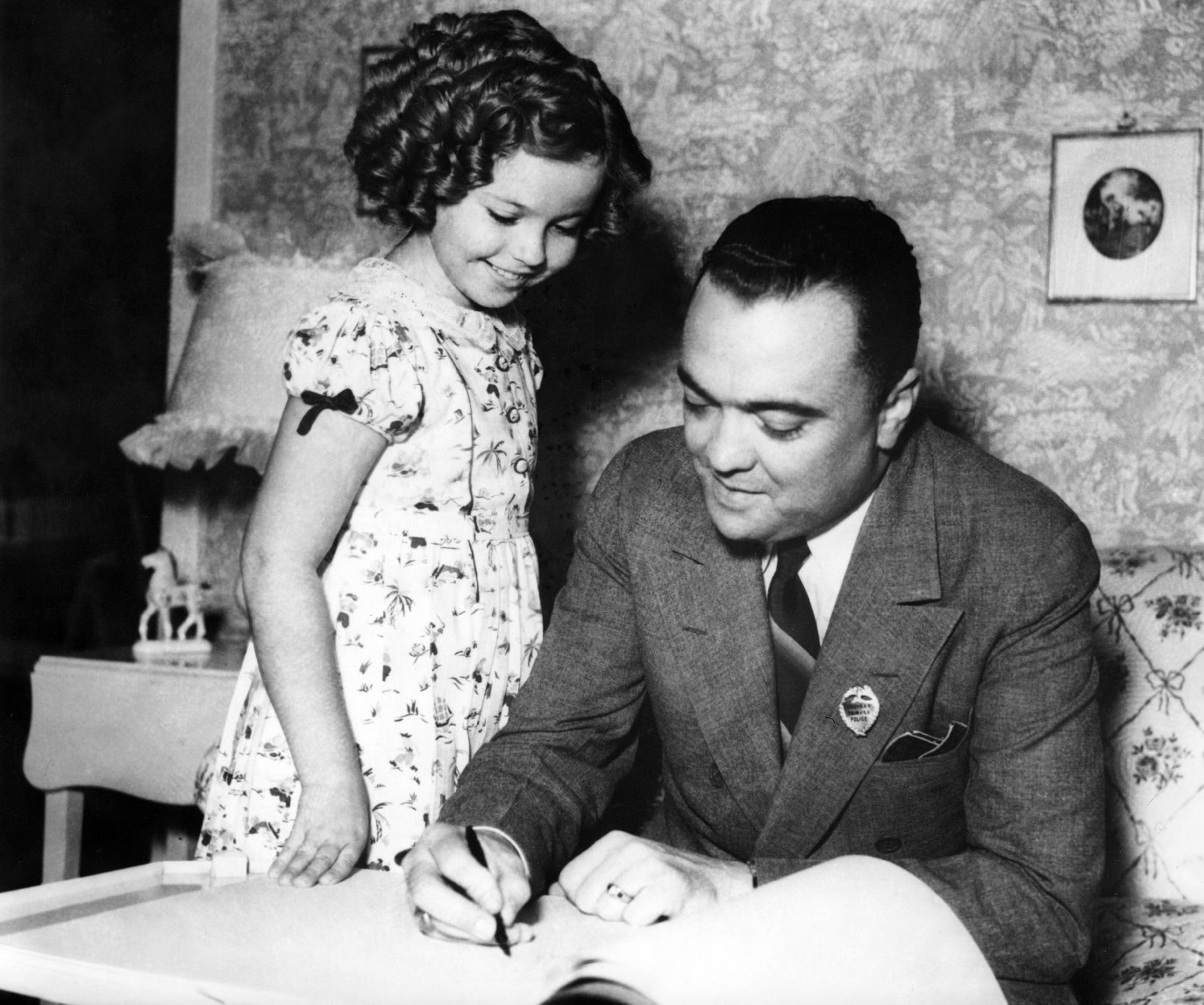
"caption": "Shirley Temple in 1937 with another celebrity, FBI Director J. Edgar Hoover. (AFP/Getty Images)",
"description": "Shirley Temple in 1937 with another celebrity, FBI Director J. Edgar Hoover. (AFP/Getty Images)",
"title": "Shirley Temple-J. Edgar Hoover",
"credit": null,
"status": "inherit",
"isLoading": false,
"fetchFailed": false
},
"news_125628": {
"type": "attachments",
"id": "news_125628",
"meta": {
"index": "attachments_1716263798",
"site": "news",
"id": "125628",
"found": true
},
"parent": 125625,
"imgSizes": {
"kqedFullSize": {
"file": "https://ww2.kqed.org/app/uploads/sites/10/2014/02/braid-rug640.jpg",
"width": 640,
"height": 450
}
},
"publishDate": 1391807322,
"modified": 1391807322,
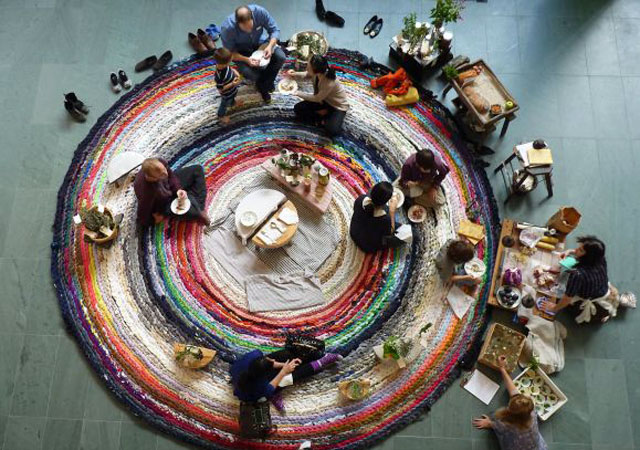
"caption": "Fritz Haeg’s Domestic Integrities, Part I. (Berkeley Art Museum & Pacific Film Archive)",
"description": null,
"title": "braid-rug640",
"credit": null,
"status": "inherit",
"isLoading": false,
"fetchFailed": false
},
"news_125621": {
"type": "attachments",
"id": "news_125621",
"meta": {
"index": "attachments_1716263798",
"site": "news",
"id": "125621",
"found": true
},
"parent": 125620,
"imgSizes": {
"kqedFullSize": {
"file": "https://ww2.kqed.org/app/uploads/sites/10/2014/02/Atule.png",
"width": 645,
"height": 385
}
},
"publishDate": 1391806655,
"modified": 1391806655,
"caption": "Akayaa Atule will perform at the Berkeley Black History Celebration. (Elizabeth Heath/Berkeleyside)",
"description": null,
"title": "Atule",
"credit": null,
"status": "inherit",
"isLoading": false,
"fetchFailed": false
},
"news_125469": {
"type": "attachments",
"id": "news_125469",
"meta": {
"index": "attachments_1716263798",
"site": "news",
"id": "125469",
"found": true
},
"parent": 125463,
"imgSizes": {
"kqedFullSize": {
"file": "https://ww2.kqed.org/app/uploads/sites/10/2014/02/firstfriday-e1391723552170.jpg",
"width": 640,
"height": 480
}
},
"publishDate": 1391723486,
"modified": 1540007609,
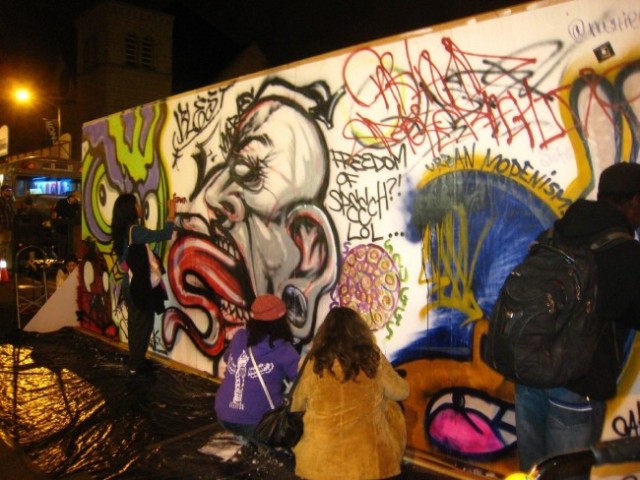
"caption": "Attendees observe a mural displayed at an Oakland First Fridays festival in 2014.",
"description": null,
"title": "firstfriday",
"credit": "KQED ",
"status": "inherit",
"isLoading": false,
"fetchFailed": false
},
"news_125390": {
"type": "attachments",
"id": "news_125390",
"meta": {
"index": "attachments_1716263798",
"site": "news",
"id": "125390",
"found": true
},
"parent": 125373,
"imgSizes": {
"kqedFullSize": {
"file": "https://ww2.kqed.org/app/uploads/sites/10/2014/02/2388589.jpg",
"width": 1534,
"height": 1025
}
},
"publishDate": 1391648339,
"modified": 1391648339,
"caption": "The online porn industry is facing a financial crisis as consumers find free alternatives. (Spencer Platt/Getty Images)",
"description": "The online porn industry is facing a financial crisis as consumers find free alternatives. (Spencer Platt/Getty Images)",
"title": "2388589",
"credit": null,
"status": "inherit",
"isLoading": false,
"fetchFailed": false
},
"news_125205": {
"type": "attachments",
"id": "news_125205",
"meta": {
"index": "attachments_1716263798",
"site": "news",
"id": "125205",
"found": true
},
"parent": 125195,
"imgSizes": {
"kqedFullSize": {
"file": "https://ww2.kqed.org/app/uploads/sites/10/2014/02/Screenshot-2014-02-04-00.18.29.png",
"width": 588,
"height": 361
}
},
"publishDate": 1391502298,
"modified": 1391502298,
"caption": null,
"description": null,
"title": "Screenshot 2014-02-04 00.18.29",
"credit": null,
"status": "inherit",
"isLoading": false,
"fetchFailed": false
},
"news_125090": {
"type": "attachments",
"id": "news_125090",
"meta": {
"index": "attachments_1716263798",
"site": "news",
"id": "125090",
"found": true
},
"parent": 125089,
"imgSizes": {
"kqedFullSize": {
"file": "https://ww2.kqed.org/app/uploads/sites/10/2014/02/125651302.jpg",
"width": 1457,
"height": 1079
}
},
"publishDate": 1391379707,
"modified": 1391379707,
"caption": "Actor Philip Seymour Hoffman, who died Sunday at the age of 46, is shown at Oakland's Paramount Theatre in September 2011 for the premiere of the film \"Moneyball.\" Hoffman portrayed former Oakland A's Manager Art Howe in the film. (Michael Buckner/Getty Images)",
"description": "Actor Philip Seymour Hoffman, who died Sunday at the age of 46, is shown at Oakland's Paramount Theatre in September 2011 for the premiere of the film \"Moneyball.\" Hoffman portrayed former Oakland A's Manager Art Howe in the film. (Michael Buckner/Getty Images)",
"title": "Philip Seymour Hoffman",
"credit": null,
"status": "inherit",
"isLoading": false,
"fetchFailed": false
},
"news_10342393": {
"type": "attachments",
"id": "news_10342393",
"meta": {
"index": "attachments_1716263798",
"site": "news",
"id": "10342393",
"found": true
},
"parent": 10342392,
"imgSizes": {
"thumbnail": {
"file": "https://ww2.kqed.org/app/uploads/sites/10/2014/10/clevenger-400x225.jpg",
"width": 400,
"mimeType": "image/jpeg",
"height": 225
},
"kqedFullSize": {
"file": "https://ww2.kqed.org/app/uploads/sites/10/2014/10/clevenger.jpg",
"width": 640,
"height": 360
},
"guest-author-96": {
"file": "https://ww2.kqed.org/app/uploads/sites/10/2014/10/clevenger-96x96.jpg",
"width": 96,
"mimeType": "image/jpeg",
"height": 96
},
"guest-author-64": {
"file": "https://ww2.kqed.org/app/uploads/sites/10/2014/10/clevenger-64x64.jpg",
"width": 64,
"mimeType": "image/jpeg",
"height": 64
},
"detail": {
"file": "https://ww2.kqed.org/app/uploads/sites/10/2014/10/clevenger-75x75.jpg",
"width": 75,
"mimeType": "image/jpeg",
"height": 75
},
"guest-author-32": {
"file": "https://ww2.kqed.org/app/uploads/sites/10/2014/10/clevenger-32x32.jpg",
"width": 32,
"mimeType": "image/jpeg",
"height": 32
},
"guest-author-128": {
"file": "https://ww2.kqed.org/app/uploads/sites/10/2014/10/clevenger-128x128.jpg",
"width": 128,
"mimeType": "image/jpeg",
"height": 128
}
},
"publishDate": 1412376430,
"modified": 1412376430,
"caption": "Nathan Clevenger (L) and Sam Bevan (Michael Zelner/Flickr)",
"description": "Nathan Clevenger (L) and Sam Bevan (Michael Zelner/Flickr)",
"title": "clevenger",
"credit": null,
"status": "inherit",
"isLoading": false,
"fetchFailed": false
},
"news_124973": {
"type": "attachments",
"id": "news_124973",
"meta": {
"index": "attachments_1716263798",
"site": "news",
"id": "124973",
"found": true
},
"parent": 124950,
"imgSizes": {
"kqedFullSize": {
"file": "https://ww2.kqed.org/app/uploads/sites/10/2014/01/IMG_7733.jpg",
"width": 1086,
"height": 1448
}
},
"publishDate": 1391194969,
"modified": 1391194969,
"caption": "These cherry blossoms on Pacific Avenue in San Francisco's Chinatown were selling fast on the eve of the Lunar New Year. (Patricia Yollin/KQED)\n",
"description": null,
"title": "Lunar New Year",
"credit": null,
"status": "inherit",
"isLoading": false,
"fetchFailed": false
},
"news_124980": {
"type": "attachments",
"id": "news_124980",
"meta": {
"index": "attachments_1716263798",
"site": "news",
"id": "124980",
"found": true
},
"parent": 124976,
"imgSizes": {
"kqedFullSize": {
"file": "https://ww2.kqed.org/app/uploads/sites/10/2014/01/PhotoWeek140131saveoffleash.jpg",
"width": 1280,
"height": 900
}
},
"publishDate": 1391195798,
"modified": 1391195798,
"caption": null,
"description": null,
"title": "PhotoWeek140131saveoffleash",
"credit": null,
"status": "inherit",
"isLoading": false,
"fetchFailed": false
},
"news_124684": {
"type": "attachments",
"id": "news_124684",
"meta": {
"index": "attachments_1716263798",
"site": "news",
"id": "124684",
"found": true
},
"parent": 124677,
"imgSizes": {
"kqedFullSize": {
"file": "https://ww2.kqed.org/app/uploads/sites/10/2014/01/TURNER-2-obit-superJumbo1-e1391020514383.jpg",
"width": 640,
"height": 392
}
},
"publishDate": 1391020446,
"modified": 1391020446,
"caption": null,
"description": null,
"title": "Turner 2 Featured ",
"credit": null,
"status": "inherit",
"isLoading": false,
"fetchFailed": false
},
"news_124672": {
"type": "attachments",
"id": "news_124672",
"meta": {
"index": "attachments_1716263798",
"site": "news",
"id": "124672",
"found": true
},
"parent": 124605,
"imgSizes": {
"kqedFullSize": {
"file": "https://ww2.kqed.org/app/uploads/sites/10/2014/01/90330705.jpg",
"width": 1535,
"height": 1024
}
},
"publishDate": 1391009749,
"modified": 1391009749,
"caption": "Pete Seeger at a 2009 performance in New York City. (Astrid Stawiarz/Getty Images)",
"description": "Pete Seeger at a 2009 performance in New York City. (Astrid Stawiarz/Getty Images)",
"title": "Pete Seeger 2009",
"credit": null,
"status": "inherit",
"isLoading": false,
"fetchFailed": false
}
},
"audioPlayerReducer": {
"postId": "stream_live",
"isPaused": true,
"isPlaying": false,
"pfsActive": false,
"pledgeModalIsOpen": true,
"playerDrawerIsOpen": false,
"liveAudioPlayStartedAt": 0,
"liveAudioPlayContext": ""
},
"authorsReducer": {
"98603": {
"type": "authors",
"id": "98603",
"meta": {
"override": true
},
"slug": "98603",
"name": "Aarti Shahani",
"firstName": "Aarti",
"lastName": "Shahani",
"bio": "",
"email": "ashahani@kqed.org",
"isLoading": false
},
"byline_news_10342392": {
"type": "authors",
"id": "byline_news_10342392",
"meta": {
"override": true
},
"slug": "byline_news_10342392",
"name": "Andrew Gilbert",
"isLoading": false
},
"danbrekke": {
"type": "authors",
"id": "222",
"meta": {
"index": "authors_1716337520",
"id": "222",
"found": true
},
"name": "Dan Brekke",
"firstName": "Dan",
"lastName": "Brekke",
"slug": "danbrekke",
"email": "dbrekke@kqed.org",
"display_author_email": true,
"staff_mastheads": [
"news",
"science"
],
"title": "KQED Editor and Reporter",
"bio": "Dan Brekke is a reporter and editor for KQED News, responsible for coverage of topics ranging from California water issues to the Bay Area's transportation challenges. In a newsroom career that began in Chicago in 1972, Dan has worked for \u003cem>The San Francisco Examiner,\u003c/em> Wired and TechTV and has been published in The New York Times, The New York Times Magazine, Business 2.0, Salon and elsewhere.\r\n\r\nSince joining KQED in 2007, Dan has reported, edited and produced both radio and online features and breaking news pieces. He has shared as both editor and reporter in four Society of Professional Journalists Norcal Excellence in Journalism awards and one Edward R. Murrow regional award. He was chosen for a spring 2017 residency at the Mesa Refuge to advance his research on California salmon.\r\n\r\nEmail Dan at: \u003ca href=\"mailto:dbrekke@kqed.org\">dbrekke@kqed.org\u003c/a>\r\n\r\n\u003cstrong>Twitter:\u003c/strong> \u003ca href=\"https://twitter.com/danbrekke\" rel=\"noopener noreferrer\">twitter.com/danbrekke\u003c/a>\r\n\u003cstrong>Facebook:\u003c/strong> \u003ca href=\"https://www.facebook.com/danbrekke\" rel=\"noopener noreferrer\">www.facebook.com/danbrekke\u003c/a>\r\n\u003cstrong>LinkedIn:\u003c/strong> \u003ca href=\"https://www.linkedin.com/in/danbrekke\" rel=\"noopener noreferrer\">www.linkedin.com/in/danbrekke\u003c/a>",
"avatar": "https://secure.gravatar.com/avatar/8f1f0d2a978fb3b23426c922c7e2af558fa36905b49c4ce76a97dc3c72d27226?s=600&d=mm&r=g",
"twitter": "danbrekke",
"bluesky": null,
"facebook": null,
"instagram": "https://www.instagram.com/dan.brekke/",
"linkedin": "https://www.linkedin.com/in/danbrekke/",
"sites": [
{
"site": "news",
"roles": [
"administrator",
"create_posts"
]
},
{
"site": "stateofhealth",
"roles": [
"editor"
]
},
{
"site": "science",
"roles": [
"editor"
]
},
{
"site": "quest",
"roles": [
"contributor"
]
},
{
"site": "food",
"roles": [
"contributor"
]
},
{
"site": "forum",
"roles": [
"contributor"
]
},
{
"site": "elections",
"roles": [
"editor"
]
},
{
"site": "liveblog",
"roles": [
"editor"
]
}
],
"headData": {
"title": "Dan Brekke | KQED",
"description": "KQED Editor and Reporter",
"ogImgSrc": "https://secure.gravatar.com/avatar/8f1f0d2a978fb3b23426c922c7e2af558fa36905b49c4ce76a97dc3c72d27226?s=600&d=mm&r=g",
"twImgSrc": "https://secure.gravatar.com/avatar/8f1f0d2a978fb3b23426c922c7e2af558fa36905b49c4ce76a97dc3c72d27226?s=600&d=mm&r=g"
},
"isLoading": false,
"link": "/author/danbrekke"
},
"katrinaschwartz": {
"type": "authors",
"id": "234",
"meta": {
"index": "authors_1716337520",
"id": "234",
"found": true
},
"name": "Katrina Schwartz",
"firstName": "Katrina",
"lastName": "Schwartz",
"slug": "katrinaschwartz",
"email": "kschwartz@kqed.org",
"display_author_email": false,
"staff_mastheads": [
"news"
],
"title": "Producer",
"bio": "Katrina Schwartz is a journalist based in San Francisco. She's worked at KPCC public radio in LA and has reported on air and online for KQED since 2010. She covered how teaching and learning is changing for MindShift between 2012 and 2020. She is the co-host of the MindShift podcast and now produces KQED's Bay Curious podcast.",
"avatar": "https://secure.gravatar.com/avatar/edb4ee79070447a018538c9aae6eeecf28786515b8a0c30e43b6b7dce5aa44c8?s=600&d=blank&r=g",
"twitter": "kschwart",
"bluesky": null,
"facebook": null,
"instagram": null,
"linkedin": null,
"sites": [
{
"site": "",
"roles": [
"editor"
]
},
{
"site": "news",
"roles": [
"editor"
]
},
{
"site": "mindshift",
"roles": [
"administrator"
]
},
{
"site": "stateofhealth",
"roles": [
"author"
]
},
{
"site": "science",
"roles": [
"editor"
]
}
],
"headData": {
"title": "Katrina Schwartz | KQED",
"description": "Producer",
"ogImgSrc": "https://secure.gravatar.com/avatar/edb4ee79070447a018538c9aae6eeecf28786515b8a0c30e43b6b7dce5aa44c8?s=600&d=blank&r=g",
"twImgSrc": "https://secure.gravatar.com/avatar/edb4ee79070447a018538c9aae6eeecf28786515b8a0c30e43b6b7dce5aa44c8?s=600&d=blank&r=g"
},
"isLoading": false,
"link": "/author/katrinaschwartz"
},
"katsnow": {
"type": "authors",
"id": "235",
"meta": {
"index": "authors_1716337520",
"id": "235",
"found": true
},
"name": "Katrin Snow",
"firstName": "Katrin",
"lastName": "Snow",
"slug": "katsnow",
"email": "ksnow@kqed.org",
"display_author_email": true,
"staff_mastheads": [
"science"
],
"title": "Senior Editor",
"bio": "Kat started in radio in 1985 at KMUN in Astoria, Oregon, where the Columbia River meets the sea. She worked several years protecting monarch butterfly habitat in California with the Xerces Society, an invertebrate conservation organization, before a love for radio news drew her back into journalism. Kat came to KQED in 2002, and before that was a reporter and news director at KUER in Salt Lake City, covering the state legislature, the environment and health. Kat coaches reporters and others in embodied narration and public speaking. She is a certified teacher of Soul Motion®, a conscious dance practice, and can sometimes be found in the Mojave desert or the Eastern Sierra.",
"avatar": "https://secure.gravatar.com/avatar/fa6bf8a74a2692973a5484e64ebd2b52?s=600&d=blank&r=g",
"twitter": "cosmologicalkat",
"facebook": null,
"instagram": null,
"linkedin": null,
"sites": [
{
"site": "arts",
"roles": [
"contributor"
]
},
{
"site": "news",
"roles": [
"editor"
]
},
{
"site": "futureofyou",
"roles": [
"editor"
]
},
{
"site": "science",
"roles": [
"editor"
]
}
],
"headData": {
"title": "Katrin Snow | KQED",
"description": "Senior Editor",
"ogImgSrc": "https://secure.gravatar.com/avatar/fa6bf8a74a2692973a5484e64ebd2b52?s=600&d=blank&r=g",
"twImgSrc": "https://secure.gravatar.com/avatar/fa6bf8a74a2692973a5484e64ebd2b52?s=600&d=blank&r=g"
},
"isLoading": false,
"link": "/author/katsnow"
},
"kqed": {
"type": "authors",
"id": "236",
"meta": {
"index": "authors_1716337520",
"id": "236",
"found": true
},
"name": "KQED News Staff",
"firstName": "KQED News Staff",
"lastName": null,
"slug": "kqed",
"email": "faq@kqed.org",
"display_author_email": false,
"staff_mastheads": [],
"title": null,
"bio": null,
"avatar": "https://secure.gravatar.com/avatar/ef0e801a68c4c54afa9180db14084167?s=600&d=blank&r=g",
"twitter": null,
"facebook": null,
"instagram": null,
"linkedin": null,
"sites": [
{
"site": "arts",
"roles": [
"contributor"
]
},
{
"site": "news",
"roles": [
"editor"
]
},
{
"site": "futureofyou",
"roles": [
"author"
]
}
],
"headData": {
"title": "KQED News Staff | KQED",
"description": null,
"ogImgSrc": "https://secure.gravatar.com/avatar/ef0e801a68c4c54afa9180db14084167?s=600&d=blank&r=g",
"twImgSrc": "https://secure.gravatar.com/avatar/ef0e801a68c4c54afa9180db14084167?s=600&d=blank&r=g"
},
"isLoading": false,
"link": "/author/kqed"
},
"kqednewsstaffandwires": {
"type": "authors",
"id": "237",
"meta": {
"index": "authors_1716337520",
"id": "237",
"found": true
},
"name": "KQED News Staff and Wires",
"firstName": "KQED News Staff and Wires",
"lastName": null,
"slug": "kqednewsstaffandwires",
"email": "onlinenewsstaff@kqed.org",
"display_author_email": false,
"staff_mastheads": [],
"title": null,
"bio": null,
"avatar": "https://secure.gravatar.com/avatar/72295af8ebbfbd19a4948f5271285664?s=600&d=blank&r=g",
"twitter": null,
"facebook": null,
"instagram": null,
"linkedin": null,
"sites": [
{
"site": "arts",
"roles": [
"contributor"
]
},
{
"site": "news",
"roles": [
"contributor"
]
},
{
"site": "lowdown",
"roles": [
"author"
]
},
{
"site": "stateofhealth",
"roles": [
"contributor"
]
},
{
"site": "food",
"roles": [
"author"
]
}
],
"headData": {
"title": "KQED News Staff and Wires | KQED",
"description": null,
"ogImgSrc": "https://secure.gravatar.com/avatar/72295af8ebbfbd19a4948f5271285664?s=600&d=blank&r=g",
"twImgSrc": "https://secure.gravatar.com/avatar/72295af8ebbfbd19a4948f5271285664?s=600&d=blank&r=g"
},
"isLoading": false,
"link": "/author/kqednewsstaffandwires"
},
"patyollin": {
"type": "authors",
"id": "247",
"meta": {
"index": "authors_1716337520",
"id": "247",
"found": true
},
"name": "Patricia Yollin",
"firstName": "Patricia",
"lastName": "Yollin",
"slug": "patyollin",
"email": "pyollin@kqed.org",
"display_author_email": false,
"staff_mastheads": [],
"title": "KQED Contributor",
"bio": "Pat Yollin has written about lots of stuff, including organ transplants, wayward penguins at the San Francisco Zoo, the comeback of the cream puff, New York on the fifth anniversary of 9/11, a Slow Food gathering in Italy, and the microcredit movement in Northern California. Among her favorite stories: an interview with George Lucas at Skywalker Ranch that broke the story about his plan to build a cultural museum, and a pirate Trader Joe's operation in Vancouver that prompted the grocery chain to sue -- and lose. She joined KQED in 2013 and was previously a reporter and editor at the San Francisco Chronicle, the Hearst-owned San Francisco Examiner and the Hayward Daily Review.",
"avatar": "https://secure.gravatar.com/avatar/0a18ac41a263665c04b25b2c7d6b817c?s=600&d=blank&r=g",
"twitter": null,
"facebook": null,
"instagram": null,
"linkedin": null,
"sites": [
{
"site": "arts",
"roles": [
"subscriber"
]
},
{
"site": "news",
"roles": [
"subscriber"
]
},
{
"site": "futureofyou",
"roles": [
"editor"
]
},
{
"site": "lowdown",
"roles": [
"editor"
]
},
{
"site": "stateofhealth",
"roles": [
"editor"
]
}
],
"headData": {
"title": "Patricia Yollin | KQED",
"description": "KQED Contributor",
"ogImgSrc": "https://secure.gravatar.com/avatar/0a18ac41a263665c04b25b2c7d6b817c?s=600&d=blank&r=g",
"twImgSrc": "https://secure.gravatar.com/avatar/0a18ac41a263665c04b25b2c7d6b817c?s=600&d=blank&r=g"
},
"isLoading": false,
"link": "/author/patyollin"
}
},
"pagesReducer": {
"news_category_arts-and-culture": {
"type": "terms",
"id": "news_223",
"meta": {
"index": "terms_1716263798",
"site": "news",
"id": "223",
"score": 11.2428875
},
"featImg": null,
"name": "Arts and Culture",
"description": null,
"taxonomy": "category",
"headData": {
"twImgId": null,
"twTitle": null,
"ogTitle": null,
"ogImgId": null,
"twDescription": null,
"description": null,
"title": "Arts and Culture Archives | KQED News",
"ogDescription": null
},
"ttid": 231,
"slug": "arts-and-culture",
"isLoading": false,
"title": "Arts and Culture",
"pageMeta": {
"site": "news",
"WpPageTemplate": "page-topic-editorial",
"currentPage": 144
},
"blocks": [
{
"blockName": "kqed/post-list",
"attrs": {
"layout": "cardArticle2",
"query": "posts/news?category=arts-and-culture",
"seeMore": false,
"paginated": true,
"page": 144
}
},
{
"blockName": "kqed/ad"
}
]
}
},
"pfsSessionReducer": {},
"postsReducer": {
"stream_live": {
"type": "live",
"id": "stream_live",
"audioUrl": "https://streams.kqed.org/kqedradio",
"title": "Live Stream",
"excerpt": "Live Stream information currently unavailable.",
"link": "/radio",
"featImg": "",
"label": {
"name": "KQED Live",
"link": "/"
}
},
"stream_kqedNewscast": {
"type": "posts",
"id": "stream_kqedNewscast",
"audioUrl": "https://www.kqed.org/.stream/anon/radio/RDnews/newscast.mp3?_=1",
"title": "KQED Newscast",
"featImg": "",
"label": {
"name": "88.5 FM",
"link": "/"
}
},
"news_125873": {
"type": "posts",
"id": "news_125873",
"meta": {
"index": "posts_1716263798",
"site": "news",
"id": "125873",
"score": null,
"sort": [
1392134578000
]
},
"parent": 0,
"labelTerm": {
"site": "news",
"term": 6944
},
"blocks": [],
"publishDate": 1392134578,
"format": "aside",
"disqusTitle": "Obituary: Diplomat, Actress Shirley Temple Black, 1928-2014",
"title": "Obituary: Diplomat, Actress Shirley Temple Black, 1928-2014",
"headTitle": "News Fix | KQED News",
"content": "\u003cp>\u003cstrong>By Martha Mendoza\u003cbr>\nAssociated Press\u003c/strong>\u003c/p>\n\u003cdiv class=\"single-image\">\u003ciframe src=\"//www.youtube.com/embed/1r4bbgv1If8\" frameborder=\"0\" width=\"630\" height=\"473\">\u003c/iframe>Shirley Temple, the dimpled, curly-haired child star who sang, danced, sobbed and grinned her way into the hearts of Depression-era moviegoers, has died. She was 85.\u003c/div>\n\u003cdiv class=\"single-image\">\u003c/div>\n\u003cdiv class=\"single-image\">\u003c/div>\n\u003cdiv class=\"single-image\">Temple, known in private life as Shirley Temple Black, died Monday night at her home in the Peninsula suburb of Woodside. She was surrounded by family members and caregivers, publicist Cheryl Kagan said.\n\u003caside class=\"pullquote alignleft\">'As long as our country has Shirley Temple, we will be all right.'\u003ccite>President Franklin D. Roosevelt\u003c/cite>\u003c/aside>\n\u003cp>\"We salute her for a life of remarkable achievements as an actor, as a diplomat, and most importantly as our beloved mother, grandmother, great-grandmother, and adored wife for fifty-five years of the late and much missed Charles Alden Black,\" a family statement said. The family would not disclose Temple's cause of death.\u003c/p>\n\u003cp>A talented and ultra-adorable entertainer, Shirley Temple was America's top box-office draw from 1935 to 1938, a record no other child star has come near. She beat out such grown-ups as Clark Gable, Bing Crosby, Robert Taylor, Gary Cooper and Joan Crawford.In 1999, the American Film Institute ranking of the top 50 screen legends ranked Temple at No. 18 among the 25 actresses. She appeared in scores of movies and kept children singing \"On the Good Ship Lollipop\" for generations.Temple was credited with helping save 20th Century Fox from bankruptcy with films such as \"Curly Top\" and \"The Littlest Rebel.\" She even had a drink named after her, an appropriately sweet and innocent cocktail of ginger ale and grenadine, topped with a maraschino cherry.\u003c/p>\n\u003cp>Temple blossomed into a pretty young woman, but audiences lost interest, and she retired from films at 21. She raised a family and later became active in politics and held several diplomatic posts in Republican administrations, including ambassador to Czechoslovakia during the historic collapse of communism in 1989.\u003c/p>\n\u003cfigure id=\"attachment_125875\" class=\"wp-caption alignright\" style=\"max-width: 300px\">\u003ca href=\"http://ww2.kqed.org/news/wp-content/uploads/sites/10/2014/02/56701421.jpg\">\u003cimg class=\"size-thumbnail wp-image-125875\" src=\"http://ww2.kqed.org/news/wp-content/uploads/sites/10/2014/02/56701421-300x300.jpg\" alt=\"Actress and diplomat Shirley Temple Black with Jamie Lee Curtis at 2006 Screen Actors Guild Awards. (Kevin Winter/Getty Images)\" width=\"300\" height=\"300\">\u003c/a>\u003cfigcaption class=\"wp-caption-text\">Actress and diplomat Shirley Temple Black with Jamie Lee Curtis at 2006 Screen Actors Guild Awards. (Kevin Winter/Getty Images)\u003c/figcaption>\u003c/figure>\n\u003cp>\"I have one piece of advice for those of you who want to receive the lifetime achievement award. Start early,\" she quipped in 2006 as she was honored by the Screen Actors Guild.\u003c/p>\n\u003cp>But she also said that evening that her greatest roles were as wife, mother and grandmother. \"There's nothing like real love. Nothing.\" Her husband of more than 50 years, Charles Black, had died just a few months earlier.\u003c/p>\n\u003cp>They lived for many years in Woodside.\u003c/p>\n\u003cp>Temple's expert singing and tap dancing in the 1934 feature \"Stand Up and Cheer!\" first gained her wide notice. The number she performed with future Oscar winner James Dunn, \"Baby Take a Bow,\" became the title of one of her first starring features later that year.\u003c/p>\n\u003cp>Also in 1934, she starred in \"Little Miss Marker,\" a comedy-drama based on a story by Damon Runyon that showcased her acting talent. In \"Bright Eyes,\" Temple introduced \"On the Good Ship Lollipop\" and did battle with a charmingly bratty Jane Withers, launching Withers as a major child star, too.\u003c/p>\n\u003cp>She was \"just absolutely marvelous, greatest in the world,\" director Allan Dwan told filmmaker-author Peter Bogdanovich in his book \"Who the Devil Made It: Conversations With Legendary Film Directors.\" \"With Shirley, you'd just tell her once and she'd remember the rest of her life,\" said Dwan, who directed \"Heidi\" and \"Rebecca of Sunnybrook Farm.\" \"Whatever it was she was supposed to do — she'd do it. ... And if one of the actors got stuck, she'd tell him what his line was — she knew it better than he did.\"\u003c/p>\n\u003cp>Temple's mother, Gertrude, worked to keep her daughter from being spoiled by fame and was a constant presence during filming. Her daughter said years later that her mother had been furious when a director once sent her off on an errand and then got the child to cry for a scene by frightening her. \"She never again left me alone on a set,\" she said.\u003c/p>\n\u003cfigure id=\"attachment_125874\" class=\"wp-caption alignleft\" style=\"max-width: 300px\">\u003ca href=\"http://ww2.kqed.org/news/wp-content/uploads/sites/10/2014/02/136735748.jpg\">\u003cimg class=\"size-thumbnail wp-image-125874\" src=\"http://ww2.kqed.org/news/wp-content/uploads/sites/10/2014/02/136735748-300x300.jpg\" alt=\"Shirley Temple in 1937 with another celebrity, FBI Director J. Edgar Hoover. (AFP/Getty Images)\" width=\"300\" height=\"300\">\u003c/a>\u003cfigcaption class=\"wp-caption-text\">Shirley Temple in 1937 with another celebrity, FBI Director J. Edgar Hoover. (AFP/Getty Images)\u003c/figcaption>\u003c/figure>\n\u003cp>Temple became a nationwide sensation. Mothers dressed their little girls like her, and a line of dolls was launched that are now highly sought-after collectibles. Her immense popularity prompted President Franklin D. Roosevelt to say that \"as long as our country has Shirley Temple, we will be all right.\"\"When the spirit of the people is lower than at any other time during this Depression, it is a splendid thing that for just 15 cents, an American can go to a movie and look at the smiling face of a baby and forget his troubles,\" Roosevelt said.\u003c/p>\n\u003cp>She followed up in the next few years with a string of hit films, most with sentimental themes and musical subplots. She often played an orphan, as in \"Curly Top,\" where she introduced the hit \"Animal Crackers in My Soup,\" and \"Stowaway,\" in which she was befriended by Robert Young, later of \"Father Knows Best\" fame.\u003c/p>\n\u003cp>\u003cstrong>Historic dance roles\u003c/strong>\u003c/p>\n\u003cp>She teamed with the great black dancer Bill \"Bojangles\" Robinson in two 1935 films with Civil War themes, \"The Little Colonel\" and \"The Littlest Rebel.\" Their tap dance up the steps in \"The Little Colonel\" (at a time when interracial teamings were unheard of in Hollywood) became a landmark in the history of film dance.\u003c/p>\n\u003cp>Some of her pictures were remakes of silent films, such as \"Captain January,\" in which she recreated the role originally played by the silent star Baby Peggy Montgomery in 1924. \"Poor Little Rich Girl\" and \"Rebecca of Sunnybrook Farm,\" done a generation earlier by Mary Pickford, were heavily rewritten for Temple, with show biz added to the plots to give her opportunities to sing.\u003c/p>\n\u003cp>In its review of \"Rebecca,\" the show business publication Variety complained that a \"more fitting title would be \"Rebecca of Radio City.'\"\u003c/p>\n\u003cp>She won a special Academy Award in early 1935 for her \"outstanding contribution to screen entertainment\" in the previous year.\u003c/p>\n\u003cp>\"She is a legacy of a different time in motion pictures. She caught the imagination of the entire country in a way that no one had before,\" actor Martin Landau said when the two were honored at the Academy Awards in 1998.\u003c/p>\n\u003cp>Temple's fans agreed. Her fans seemed interested in every last golden curl on her head: It was once guessed that she had more than 50. Her mother was said to have done her hair in pin curls for each movie, with every hairstyle having exactly 56 curls.\u003c/p>\n\u003cp>\u003cstrong>Worldwide fascination with child star\u003c/strong>\u003c/p>\n\u003cp>On her eighth birthday — she actually was turning 9, but the studio wanted her to be younger — Temple received more than 135,000 presents from around the world, according to \"The Films of Shirley Temple,\" a 1978 book by Robert Windeler. The gifts included a baby kangaroo from Australia and a prize Jersey calf from schoolchildren in Oregon.\u003c/p>\n\u003cp>\"She's indelible in the history of America because she appeared at a time of great social need, and people took her to their hearts,\" the late Roddy McDowall, a fellow child star and friend, once said.\u003c/p>\n\u003cp>Although by the early 1960s she was retired from the entertainment industry, her interest in politics soon brought her back into the spotlight.\u003c/p>\n\u003cp>She made an unsuccessful bid as a Republican candidate for Congress in 1967. After Richard Nixon became president in 1969, he appointed her as a member of the U.S. delegation to the United Nations General Assembly. In the 1970s, she was U.S. ambassador to Ghana and later U.S. chief of protocol.\u003c/p>\n\u003cp>\u003cstrong>Posted to Czechoslovakia\u003c/strong>\u003c/p>\n\u003cp>She then served as ambassador to Czechoslovakia during the administration of the first President George Bush. A few months after she arrived in Prague in mid-1989, communist rule was overthrown in Czechoslovakia as the Iron Curtain collapsed across Eastern Europe.\u003c/p>\n\u003cp>\"My main job (initially) was human rights, trying to keep people like future President Vaclav Havel out of jail,\" she said in a 1999 Associated Press interview. Within months, she was accompanying Havel, the former dissident playwright, when he came to Washington as his country's new president.\u003c/p>\n\u003cp>She considered her background in entertainment an asset to her political career.\u003c/p>\n\u003cp>\"Politicians are actors too, don't you think?\" she once said. \"Usually if you like people and you're outgoing, not a shy little thing, you can do pretty well in politics.\"\u003c/p>\n\u003cp>Born in Santa Monica to an accountant and his wife, Temple was little more than 3 years old when she made her film debut in 1932 in the Baby Burlesks, a series of short films in which tiny performers parodied grown-up movies, sometimes with risque results.\u003c/p>\n\u003cp>Among the shorts were \"War Babies,\" a parody of \"What Price Glory\" and \"Polly Tix in Washington,\" with Shirley in the title role.\u003c/p>\n\u003cp>Her young life was free of the scandals that plagued so many other child stars — parental feuds, drug and alcohol addiction — but Temple at times hinted at a childhood she may have missed out on.\u003c/p>\n\u003cp>\u003cstrong>Santa asked for her autograph\u003c/strong>\u003c/p>\n\u003cp>She stopped believing in Santa Claus at age 6, she once said, when \"Mother took me to see him in a department store and he asked for my autograph.\"\u003c/p>\n\u003cp>After her years at the top, maintaining that level of stardom proved difficult for her and her producers. The proposal to have her play Dorothy in \"The Wizard of Oz\" didn't pan out (20th Century Fox chief Darryl Zanuck refused to lend out his greatest asset.) And \"The Little Princess\" in 1939 and \"The Blue Bird\" in 1940 didn't draw big crowds, prompting Fox to let Temple go.\u003c/p>\n\u003cp>Among her later films were \"The Bachelor and the Bobby-Soxer,\" with Cary Grant, and \"That Hagen Girl,\" with Ronald Reagan. Several, including the wartime drama \"Since You Went Away,\" were produced by David O. Selznick. One, \"Fort Apache,\" was directed by John Ford, who had also directed her \"Wee Willie Winkie\" years earlier.\u003c/p>\n\u003cp>Her 1942 film, \"Miss Annie Rooney,\" included her first on-screen kiss, bestowed by another maturing child star, Dickie Moore.\u003c/p>\n\u003cp>After her film career effectively ended, she concentrated on raising her family and turned to television to host and act in 16 specials called \"Shirley Temple's Storybook\" on ABC. In 1960, she joined NBC and aired \"The Shirley Temple Show.\"\u003c/p>\n\u003cp>Her 1988 autobiography, \"Child Star,\" became a best-seller.\u003c/p>\n\u003cp>Temple had married Army Air Corps Pvt. John Agar, the brother of a classmate at Westlake, her exclusive L.A. girls' school, in 1945. He took up acting and the pair appeared together in two films, \"Fort Apache\" and \"Adventure in Baltimore.\" She and Agar had a daughter, Susan, in 1948, but she filed for divorce the following year.\u003c/p>\n\u003cp>She married Black in 1950, and they had two more children, Lori and Charles. That marriage lasted until his death in 2005 at age 86.\u003c/p>\n\u003cp>In 1972, she underwent successful surgery for breast cancer. She issued a statement urging other women to get checked by their doctors and vowed, \"I have much more to accomplish before I am through.\"\u003c/p>\n\u003cp>During a 1996 interview, she said she loved both politics and show business.\u003c/p>\n\u003cp>\"It's certainly two different career tracks,\" she said, \"both completely different but both very rewarding personally.\"\u003c/p>\n\u003c/div>\n\u003cp>[ad fullwidth]\u003c/p>\u003cp>[ad floatright]\u003c/p>\n",
"disqusIdentifier": "125873 http://ww2.kqed.org/news/?p=125873",
"disqusUrl": "https://ww2.kqed.org/news/2014/02/11/obituary-diplomat-actress-shirley-temple-black-1928-2014/",
"stats": {
"hasVideo": true,
"hasChartOrMap": false,
"hasAudio": false,
"hasPolis": false,
"wordCount": 1898,
"hasGoogleForm": false,
"hasGallery": false,
"hasHearkenModule": false,
"iframeSrcs": [],
"paragraphCount": 47
},
"modified": 1392164290,
"excerpt": "Hollywood's most popular child star dies at Woodside home at age of 85. ",
"headData": {
"twImgId": "",
"twTitle": "",
"ogTitle": "",
"ogImgId": "",
"twDescription": "",
"description": "Hollywood's most popular child star dies at Woodside home at age of 85. ",
"title": "Obituary: Diplomat, Actress Shirley Temple Black, 1928-2014 | KQED",
"ogDescription": "",
"schema": {
"@context": "https://schema.org",
"@type": "NewsArticle",
"headline": "Obituary: Diplomat, Actress Shirley Temple Black, 1928-2014",
"datePublished": "2014-02-11T08:02:58-08:00",
"dateModified": "2014-02-11T16:18:10-08:00",
"image": "https://cdn.kqed.org/wp-content/uploads/2020/02/KQED-OG-Image@1x.png",
"isAccessibleForFree": "True",
"publisher": {
"@type": "NewsMediaOrganization",
"@id": "https://www.kqed.org/#organization",
"name": "KQED",
"logo": "https://cdn.kqed.org/wp-content/uploads/2020/02/KQED-OG-Image@1x.png",
"url": "https://www.kqed.org",
"sameAs": [
"https://www.facebook.com/KQED",
"https://twitter.com/KQED",
"https://www.instagram.com/kqed/",
"https://www.tiktok.com/@kqedofficial",
"https://www.linkedin.com/company/kqed",
"https://www.youtube.com/channel/UCeC0IOo7i1P_61zVUWbJ4nw"
]
}
}
},
"guestAuthors": [],
"slug": "obituary-diplomat-actress-shirley-temple-black-1928-2014",
"status": "publish",
"customPermalink": "2014/02/11/shirley-temple-black-dies-at-age-85/",
"path": "/news/125873/obituary-diplomat-actress-shirley-temple-black-1928-2014",
"audioTrackLength": null,
"parsedContent": [
{
"type": "contentString",
"content": "\u003cdiv class=\"post-body\">\u003cp>\u003cp>\u003cstrong>By Martha Mendoza\u003cbr>\nAssociated Press\u003c/strong>\u003c/p>\n\u003cdiv class=\"single-image\">\u003ciframe src=\"//www.youtube.com/embed/1r4bbgv1If8\" frameborder=\"0\" width=\"630\" height=\"473\">\u003c/iframe>Shirley Temple, the dimpled, curly-haired child star who sang, danced, sobbed and grinned her way into the hearts of Depression-era moviegoers, has died. She was 85.\u003c/div>\n\u003cdiv class=\"single-image\">\u003c/div>\n\u003cdiv class=\"single-image\">\u003c/div>\n\u003cdiv class=\"single-image\">Temple, known in private life as Shirley Temple Black, died Monday night at her home in the Peninsula suburb of Woodside. She was surrounded by family members and caregivers, publicist Cheryl Kagan said.\n\u003caside class=\"pullquote alignleft\">'As long as our country has Shirley Temple, we will be all right.'\u003ccite>President Franklin D. Roosevelt\u003c/cite>\u003c/aside>\n\u003cp>\"We salute her for a life of remarkable achievements as an actor, as a diplomat, and most importantly as our beloved mother, grandmother, great-grandmother, and adored wife for fifty-five years of the late and much missed Charles Alden Black,\" a family statement said. The family would not disclose Temple's cause of death.\u003c/p>\n\u003cp>A talented and ultra-adorable entertainer, Shirley Temple was America's top box-office draw from 1935 to 1938, a record no other child star has come near. She beat out such grown-ups as Clark Gable, Bing Crosby, Robert Taylor, Gary Cooper and Joan Crawford.In 1999, the American Film Institute ranking of the top 50 screen legends ranked Temple at No. 18 among the 25 actresses. She appeared in scores of movies and kept children singing \"On the Good Ship Lollipop\" for generations.Temple was credited with helping save 20th Century Fox from bankruptcy with films such as \"Curly Top\" and \"The Littlest Rebel.\" She even had a drink named after her, an appropriately sweet and innocent cocktail of ginger ale and grenadine, topped with a maraschino cherry.\u003c/p>\n\u003cp>Temple blossomed into a pretty young woman, but audiences lost interest, and she retired from films at 21. She raised a family and later became active in politics and held several diplomatic posts in Republican administrations, including ambassador to Czechoslovakia during the historic collapse of communism in 1989.\u003c/p>\n\u003cfigure id=\"attachment_125875\" class=\"wp-caption alignright\" style=\"max-width: 300px\">\u003ca href=\"http://ww2.kqed.org/news/wp-content/uploads/sites/10/2014/02/56701421.jpg\">\u003cimg class=\"size-thumbnail wp-image-125875\" src=\"http://ww2.kqed.org/news/wp-content/uploads/sites/10/2014/02/56701421-300x300.jpg\" alt=\"Actress and diplomat Shirley Temple Black with Jamie Lee Curtis at 2006 Screen Actors Guild Awards. (Kevin Winter/Getty Images)\" width=\"300\" height=\"300\">\u003c/a>\u003cfigcaption class=\"wp-caption-text\">Actress and diplomat Shirley Temple Black with Jamie Lee Curtis at 2006 Screen Actors Guild Awards. (Kevin Winter/Getty Images)\u003c/figcaption>\u003c/figure>\n\u003cp>\"I have one piece of advice for those of you who want to receive the lifetime achievement award. Start early,\" she quipped in 2006 as she was honored by the Screen Actors Guild.\u003c/p>\n\u003cp>But she also said that evening that her greatest roles were as wife, mother and grandmother. \"There's nothing like real love. Nothing.\" Her husband of more than 50 years, Charles Black, had died just a few months earlier.\u003c/p>\n\u003cp>They lived for many years in Woodside.\u003c/p>\n\u003cp>Temple's expert singing and tap dancing in the 1934 feature \"Stand Up and Cheer!\" first gained her wide notice. The number she performed with future Oscar winner James Dunn, \"Baby Take a Bow,\" became the title of one of her first starring features later that year.\u003c/p>\n\u003cp>Also in 1934, she starred in \"Little Miss Marker,\" a comedy-drama based on a story by Damon Runyon that showcased her acting talent. In \"Bright Eyes,\" Temple introduced \"On the Good Ship Lollipop\" and did battle with a charmingly bratty Jane Withers, launching Withers as a major child star, too.\u003c/p>\n\u003cp>She was \"just absolutely marvelous, greatest in the world,\" director Allan Dwan told filmmaker-author Peter Bogdanovich in his book \"Who the Devil Made It: Conversations With Legendary Film Directors.\" \"With Shirley, you'd just tell her once and she'd remember the rest of her life,\" said Dwan, who directed \"Heidi\" and \"Rebecca of Sunnybrook Farm.\" \"Whatever it was she was supposed to do — she'd do it. ... And if one of the actors got stuck, she'd tell him what his line was — she knew it better than he did.\"\u003c/p>\n\u003cp>Temple's mother, Gertrude, worked to keep her daughter from being spoiled by fame and was a constant presence during filming. Her daughter said years later that her mother had been furious when a director once sent her off on an errand and then got the child to cry for a scene by frightening her. \"She never again left me alone on a set,\" she said.\u003c/p>\n\u003cfigure id=\"attachment_125874\" class=\"wp-caption alignleft\" style=\"max-width: 300px\">\u003ca href=\"http://ww2.kqed.org/news/wp-content/uploads/sites/10/2014/02/136735748.jpg\">\u003cimg class=\"size-thumbnail wp-image-125874\" src=\"http://ww2.kqed.org/news/wp-content/uploads/sites/10/2014/02/136735748-300x300.jpg\" alt=\"Shirley Temple in 1937 with another celebrity, FBI Director J. Edgar Hoover. (AFP/Getty Images)\" width=\"300\" height=\"300\">\u003c/a>\u003cfigcaption class=\"wp-caption-text\">Shirley Temple in 1937 with another celebrity, FBI Director J. Edgar Hoover. (AFP/Getty Images)\u003c/figcaption>\u003c/figure>\n\u003cp>Temple became a nationwide sensation. Mothers dressed their little girls like her, and a line of dolls was launched that are now highly sought-after collectibles. Her immense popularity prompted President Franklin D. Roosevelt to say that \"as long as our country has Shirley Temple, we will be all right.\"\"When the spirit of the people is lower than at any other time during this Depression, it is a splendid thing that for just 15 cents, an American can go to a movie and look at the smiling face of a baby and forget his troubles,\" Roosevelt said.\u003c/p>\n\u003cp>She followed up in the next few years with a string of hit films, most with sentimental themes and musical subplots. She often played an orphan, as in \"Curly Top,\" where she introduced the hit \"Animal Crackers in My Soup,\" and \"Stowaway,\" in which she was befriended by Robert Young, later of \"Father Knows Best\" fame.\u003c/p>\n\u003cp>\u003cstrong>Historic dance roles\u003c/strong>\u003c/p>\n\u003cp>She teamed with the great black dancer Bill \"Bojangles\" Robinson in two 1935 films with Civil War themes, \"The Little Colonel\" and \"The Littlest Rebel.\" Their tap dance up the steps in \"The Little Colonel\" (at a time when interracial teamings were unheard of in Hollywood) became a landmark in the history of film dance.\u003c/p>\n\u003cp>Some of her pictures were remakes of silent films, such as \"Captain January,\" in which she recreated the role originally played by the silent star Baby Peggy Montgomery in 1924. \"Poor Little Rich Girl\" and \"Rebecca of Sunnybrook Farm,\" done a generation earlier by Mary Pickford, were heavily rewritten for Temple, with show biz added to the plots to give her opportunities to sing.\u003c/p>\n\u003cp>In its review of \"Rebecca,\" the show business publication Variety complained that a \"more fitting title would be \"Rebecca of Radio City.'\"\u003c/p>\n\u003cp>She won a special Academy Award in early 1935 for her \"outstanding contribution to screen entertainment\" in the previous year.\u003c/p>\n\u003cp>\"She is a legacy of a different time in motion pictures. She caught the imagination of the entire country in a way that no one had before,\" actor Martin Landau said when the two were honored at the Academy Awards in 1998.\u003c/p>\n\u003cp>Temple's fans agreed. Her fans seemed interested in every last golden curl on her head: It was once guessed that she had more than 50. Her mother was said to have done her hair in pin curls for each movie, with every hairstyle having exactly 56 curls.\u003c/p>\n\u003cp>\u003cstrong>Worldwide fascination with child star\u003c/strong>\u003c/p>\n\u003cp>On her eighth birthday — she actually was turning 9, but the studio wanted her to be younger — Temple received more than 135,000 presents from around the world, according to \"The Films of Shirley Temple,\" a 1978 book by Robert Windeler. The gifts included a baby kangaroo from Australia and a prize Jersey calf from schoolchildren in Oregon.\u003c/p>\n\u003cp>\"She's indelible in the history of America because she appeared at a time of great social need, and people took her to their hearts,\" the late Roddy McDowall, a fellow child star and friend, once said.\u003c/p>\n\u003cp>Although by the early 1960s she was retired from the entertainment industry, her interest in politics soon brought her back into the spotlight.\u003c/p>\n\u003cp>She made an unsuccessful bid as a Republican candidate for Congress in 1967. After Richard Nixon became president in 1969, he appointed her as a member of the U.S. delegation to the United Nations General Assembly. In the 1970s, she was U.S. ambassador to Ghana and later U.S. chief of protocol.\u003c/p>\n\u003cp>\u003cstrong>Posted to Czechoslovakia\u003c/strong>\u003c/p>\n\u003cp>She then served as ambassador to Czechoslovakia during the administration of the first President George Bush. A few months after she arrived in Prague in mid-1989, communist rule was overthrown in Czechoslovakia as the Iron Curtain collapsed across Eastern Europe.\u003c/p>\n\u003cp>\"My main job (initially) was human rights, trying to keep people like future President Vaclav Havel out of jail,\" she said in a 1999 Associated Press interview. Within months, she was accompanying Havel, the former dissident playwright, when he came to Washington as his country's new president.\u003c/p>\n\u003cp>She considered her background in entertainment an asset to her political career.\u003c/p>\n\u003cp>\"Politicians are actors too, don't you think?\" she once said. \"Usually if you like people and you're outgoing, not a shy little thing, you can do pretty well in politics.\"\u003c/p>\n\u003cp>Born in Santa Monica to an accountant and his wife, Temple was little more than 3 years old when she made her film debut in 1932 in the Baby Burlesks, a series of short films in which tiny performers parodied grown-up movies, sometimes with risque results.\u003c/p>\n\u003cp>Among the shorts were \"War Babies,\" a parody of \"What Price Glory\" and \"Polly Tix in Washington,\" with Shirley in the title role.\u003c/p>\n\u003cp>Her young life was free of the scandals that plagued so many other child stars — parental feuds, drug and alcohol addiction — but Temple at times hinted at a childhood she may have missed out on.\u003c/p>\n\u003cp>\u003cstrong>Santa asked for her autograph\u003c/strong>\u003c/p>\n\u003cp>She stopped believing in Santa Claus at age 6, she once said, when \"Mother took me to see him in a department store and he asked for my autograph.\"\u003c/p>\n\u003cp>After her years at the top, maintaining that level of stardom proved difficult for her and her producers. The proposal to have her play Dorothy in \"The Wizard of Oz\" didn't pan out (20th Century Fox chief Darryl Zanuck refused to lend out his greatest asset.) And \"The Little Princess\" in 1939 and \"The Blue Bird\" in 1940 didn't draw big crowds, prompting Fox to let Temple go.\u003c/p>\n\u003cp>Among her later films were \"The Bachelor and the Bobby-Soxer,\" with Cary Grant, and \"That Hagen Girl,\" with Ronald Reagan. Several, including the wartime drama \"Since You Went Away,\" were produced by David O. Selznick. One, \"Fort Apache,\" was directed by John Ford, who had also directed her \"Wee Willie Winkie\" years earlier.\u003c/p>\n\u003cp>Her 1942 film, \"Miss Annie Rooney,\" included her first on-screen kiss, bestowed by another maturing child star, Dickie Moore.\u003c/p>\n\u003cp>After her film career effectively ended, she concentrated on raising her family and turned to television to host and act in 16 specials called \"Shirley Temple's Storybook\" on ABC. In 1960, she joined NBC and aired \"The Shirley Temple Show.\"\u003c/p>\n\u003cp>Her 1988 autobiography, \"Child Star,\" became a best-seller.\u003c/p>\n\u003cp>Temple had married Army Air Corps Pvt. John Agar, the brother of a classmate at Westlake, her exclusive L.A. girls' school, in 1945. He took up acting and the pair appeared together in two films, \"Fort Apache\" and \"Adventure in Baltimore.\" She and Agar had a daughter, Susan, in 1948, but she filed for divorce the following year.\u003c/p>\n\u003cp>She married Black in 1950, and they had two more children, Lori and Charles. That marriage lasted until his death in 2005 at age 86.\u003c/p>\n\u003cp>In 1972, she underwent successful surgery for breast cancer. She issued a statement urging other women to get checked by their doctors and vowed, \"I have much more to accomplish before I am through.\"\u003c/p>\n\u003cp>During a 1996 interview, she said she loved both politics and show business.\u003c/p>\n\u003cp>\"It's certainly two different career tracks,\" she said, \"both completely different but both very rewarding personally.\"\u003c/p>\n\u003c/div>\n\u003cp>\u003c/p>\u003c/div>",
"attributes": {
"named": {},
"numeric": []
}
},
{
"type": "component",
"content": "",
"name": "ad",
"attributes": {
"named": {
"label": "fullwidth"
},
"numeric": [
"fullwidth"
]
}
},
{
"type": "contentString",
"content": "\u003cdiv class=\"post-body\">\u003cp>\u003c/p>\u003cp>\u003c/p>\u003c/div>",
"attributes": {
"named": {},
"numeric": []
}
},
{
"type": "component",
"content": "",
"name": "ad",
"attributes": {
"named": {
"label": "floatright"
},
"numeric": [
"floatright"
]
}
},
{
"type": "contentString",
"content": "\u003cdiv class=\"post-body\">\u003cp>\u003c/p>\n\u003c/div>\u003c/p>",
"attributes": {
"named": {},
"numeric": []
}
}
],
"link": "/news/125873/obituary-diplomat-actress-shirley-temple-black-1928-2014",
"authors": [
"237"
],
"programs": [
"news_6944"
],
"categories": [
"news_223"
],
"tags": [
"news_5722",
"news_5720",
"news_5721"
],
"featImg": "news_125874",
"label": "news_6944"
},
"news_125625": {
"type": "posts",
"id": "news_125625",
"meta": {
"index": "posts_1716263798",
"site": "news",
"id": "125625",
"score": null,
"sort": [
1391875247000
]
},
"guestAuthors": [],
"slug": "berkeley-art-museum-pushes-the-limits-with-the-possible",
"title": "Berkeley Art Museum Pushes the Limits of 'The Possible'",
"publishDate": 1391875247,
"format": "aside",
"headTitle": "Berkeley Art Museum Pushes the Limits of ‘The Possible’ | KQED",
"labelTerm": {
"term": 6944,
"site": "news"
},
"content": "\u003cfigure id=\"attachment_125628\" class=\"wp-caption aligncenter\" style=\"max-width: 640px\">\u003ca href=\"http://ww2.kqed.org/news/wp-content/uploads/sites/10/2014/02/braid-rug640.jpg\">\u003cimg loading=\"lazy\" decoding=\"async\" class=\"size-full wp-image-125628\" src=\"http://ww2.kqed.org/news/wp-content/uploads/sites/10/2014/02/braid-rug640.jpg\" alt=\"Fritz Haeg’s Domestic Integrities, Part I. (Berkeley Art Museum & Pacific Film Archive)\" width=\"640\" height=\"450\">\u003c/a>\u003cfigcaption class=\"wp-caption-text\">Fritz Haeg’s “Domestic Integrities, Part I.”(Berkeley Art Museum & Pacific Film Archive)\u003c/figcaption>\u003c/figure>\n\u003cp>\u003cstrong>By Andrew Gilbert, \u003ca href=\"http://www.berkeleyside.com/\" target=\"_blank\" rel=\"noopener\">Berkeleyside\u003c/a>\u003c/strong>\u003c/p>\n\u003cp>Over the next four months the \u003ca href=\"http://www.bampfa.berkeley.edu/\" target=\"_blank\" rel=\"noopener\">Berkeley Art Museum & Pacific Film Archive\u003c/a> is the site of a grand experiment optimistically titled “\u003ca href=\"http://www.bampfa.berkeley.edu/exhibition/possible\" target=\"_blank\" rel=\"noopener\">The Possible\u003c/a>.” Rather than showcasing finished objects and artifacts, the building is hosting a series of interdisciplinary encounters involving nearly 100 artists and museum-goers organized by Oakland illustrator and renegade impresario \u003ca href=\"http://www.davidwilsonandribbons.com/index.php?/cv/\" target=\"_blank\" rel=\"noopener\">David Wilson\u003c/a>.\u003c/p>\n\u003cp>Built around interactive Sunday workshops featuring a dye lab, print shop, ceramics studio and recording facility, “The Possible” sprawls through five galleries and, weather permitting, the museum’s sculpture garden, turning the institution into a beehive of activity that runs through May 25. Families are encouraged to attend the Kids Club gallery, which is designed to involve children in the creative process.\u003c/p>\n\u003cp>In preparing for the building’s closure at the end of the year, BAM seems to be challenging conventional notions about art museums. As works are completed, they’ll end up as part of “The Possible’s” installation.\u003c/p>\n\u003cp>“It is the antithesis of a typical museum, with different things happening every day, even every minute,” says BAM/PFA Director Lawrence Rinder. “It’s a wonderful challenge to this institution and how we do things on every level, even how we say what ‘The Possible’ is. It’s only been up a week now and goodness know how the next four months will unfold. We’ll learn a lot about what’s possible and what’s not possible for a museum to do.”\u003c/p>\n\u003cp>[ad fullwidth]\u003c/p>\n\u003cp>This Sunday’s workshop, which runs from 11 a.m. to 3 p.m., gives a good sense of what “The Possible” involves. The public can join in braiding additional rings on artist Fritz Haeg’s already expansive rug, work with clay in the ceramics studio or join a song session led by Berkeley Carnatic vocalist Gautam Tejas Ganeshan, the founder of the Sangati Center (which presents regular South Indian classical recitals at the Subterranean Art House downtown).\u003c/p>\n\u003caside class=\"pullquote alignleft\">“It is the antithesis of a typical museum, with different things happening every day, even every minute.”\u003c/aside>\n\u003cp>“Each Sunday there’s a different combination of offerings,” says Wilson, who’s been convening interdisciplinary gatherings at outdoor locales since he settled in Oakland a decade ago. “This Sunday we’re lucky to have first in a series of song sessions, what Gautam is calling Bhajana, an informal Carnatic gathering and exchange of music. That will set a wonderful tone for the day, starting at 11 a.m. on the giant rug that Fritz has installed. It’s now 28 feet in diameter, and ever expanding, giving the gallery an intimate living room feel.”\u003c/p>\n\u003cp>Ganeshan and Wilson have worked together in numerous settings over the past few years, but never under the auspices of an institution. Their first collaboration came to an abrupt conclusion when the police arrived to break up an off-the-grid multimedia gathering in the Marin Headlands. An inauspicious start, perhaps, but Wilson’s gift for bringing together disparate creative figures has dovetailed beautifully with Ganeshan’s commitment to bringing Carnatic music to new audiences.\u003c/p>\n\u003cp>“Gautam and his group of musicians offered an incredible presence for that Headlands event,” Wilson recalls. “It was broken up by the police, but this very gentle renegade performance turned into a house concert. Having that kind of adventure right off the bat we developed a tight bond, and I’ve invited him to each project since then, and it always works out.”\u003c/p>\n\u003cp>Deepa Natarajan, the UC Botanical Garden’s public education program coordinator (and Ganeshan’s wife), is also involved in “The Possible” through her work at Fibershed, which is supplying California-grown indigo for the textile lab’s dye station. Founded by Rebecca Burgess, who’s also deeply involved in “The Possible,” Fibershed supports the development of local, sustainable textile culture. Other artists and artisans participating in the project include Jana Blankenship, Sarah Cahill, Anna Halprin, Alexander Kori Girard, Meara O’Reilly, Brion Nuda Rosch, Rowena Sartin, Amy Trachtenberg and Yoshiko Wada, with new participants added throughout the exhibition.\u003c/p>\n\u003cp>“Part of David’s art practice has been convening groups of creative people – musicians, designers, painters, dancers — at gatherings that often happen at natural sites like Angel Island or the Headlands,” says Rinder, who started talking with Wilson about curating a project at the museum about two years ago. “I’ve attended several of his events and been very inspired by his ability to get some of the most creative people around to engage in very genuine way, to coordinate very complex events in a seemingly effortless way, so that artists do their best work in a stress-free way.”\u003c/p>\n\u003cp>While it might sound like the museum staff is turning over the premises to the artists, part of “The Possible” involves selecting objects created in the workshops for display. Gallery 3 features a display case built by Kori Girard that “although empty is a beautiful thing itself,” Rinder says. “It’s not just an empty display, it’s sculptural, so there’s no before and after. We’re always in the creative space if we choose to see it that way. That blank space is itself a beautiful thing.”\u003c/p>\n\u003cp>“The Possible” runs until May 25, 2014, at the Berkeley Art Museum, 2575 Bancroft Way. See the planning process for the \u003ca href=\"http://thepossible-correspondence.tumblr.com/\" target=\"_blank\" rel=\"noopener\">exhibit on its Tumblr page\u003c/a>.\u003c/p>\n\u003cp>\u003cem>Andrew Gilbert covers music and dance for Berkeleyside, San Jose Mercury News, Contra Costa Times, Los Angeles Times, Boston Globe and East Bay Express. He lives in West Berkeley.\u003cbr>\n\u003c/em>\u003c/p>\n\u003cp>\u003c/p>\n\u003cp>\u003cem>KQED News Associate \u003ca href=\"http://www.berkeleyside.com/\" target=\"_blank\" rel=\"noopener\">Berkeleyside\u003c/a> is an independently owned news website based in Berkeley, Calif. \u003ca href=\"http://eepurl.com/lh_3b\" target=\"_blank\" rel=\"noopener\">Click here\u003c/a> if you would you like to receive the latest Berkeley news in your inbox once a day for free with Berkeleyside’s Daily Briefing email.\u003c/em>\u003c/p>\n\n",
"blocks": [],
"excerpt": "BAM/PFA experiments with making and exhibiting art at the same time.",
"status": "publish",
"parent": 0,
"modified": 1721102717,
"stats": {
"hasAudio": false,
"hasVideo": false,
"hasChartOrMap": false,
"iframeSrcs": [],
"hasGoogleForm": false,
"hasGallery": false,
"hasHearkenModule": false,
"hasPolis": false,
"paragraphCount": 17,
"wordCount": 1046
},
"headData": {
"title": "Berkeley Art Museum Pushes the Limits of 'The Possible' | KQED",
"description": "BAM/PFA experiments with making and exhibiting art at the same time.",
"ogTitle": "",
"ogDescription": "",
"ogImgId": "",
"twTitle": "",
"twDescription": "",
"twImgId": "",
"schema": {
"@context": "https://schema.org",
"@type": "NewsArticle",
"headline": "Berkeley Art Museum Pushes the Limits of 'The Possible'",
"datePublished": "2014-02-08T08:00:47-08:00",
"dateModified": "2024-07-15T21:05:17-07:00",
"image": "https://cdn.kqed.org/wp-content/uploads/2020/02/KQED-OG-Image@1x.png",
"isAccessibleForFree": "True",
"publisher": {
"@type": "NewsMediaOrganization",
"@id": "https://www.kqed.org/#organization",
"name": "KQED",
"logo": "https://cdn.kqed.org/wp-content/uploads/2020/02/KQED-OG-Image@1x.png",
"url": "https://www.kqed.org",
"sameAs": [
"https://www.facebook.com/KQED",
"https://twitter.com/KQED",
"https://www.instagram.com/kqed/",
"https://www.tiktok.com/@kqedofficial",
"https://www.linkedin.com/company/kqed",
"https://www.youtube.com/channel/UCeC0IOo7i1P_61zVUWbJ4nw"
]
}
}
},
"sticky": false,
"customPermalink": "2014/02/07/Berkeley+Art+Museum+The+Possible/",
"path": "/news/125625/berkeley-art-museum-pushes-the-limits-with-the-possible",
"audioTrackLength": null,
"parsedContent": [
{
"type": "contentString",
"content": "\u003cdiv class=\"post-body\">\u003cp>\u003cfigure id=\"attachment_125628\" class=\"wp-caption aligncenter\" style=\"max-width: 640px\">\u003ca href=\"http://ww2.kqed.org/news/wp-content/uploads/sites/10/2014/02/braid-rug640.jpg\">\u003cimg loading=\"lazy\" decoding=\"async\" class=\"size-full wp-image-125628\" src=\"http://ww2.kqed.org/news/wp-content/uploads/sites/10/2014/02/braid-rug640.jpg\" alt=\"Fritz Haeg’s Domestic Integrities, Part I. (Berkeley Art Museum & Pacific Film Archive)\" width=\"640\" height=\"450\">\u003c/a>\u003cfigcaption class=\"wp-caption-text\">Fritz Haeg’s “Domestic Integrities, Part I.”(Berkeley Art Museum & Pacific Film Archive)\u003c/figcaption>\u003c/figure>\n\u003cp>\u003cstrong>By Andrew Gilbert, \u003ca href=\"http://www.berkeleyside.com/\" target=\"_blank\" rel=\"noopener\">Berkeleyside\u003c/a>\u003c/strong>\u003c/p>\n\u003cp>Over the next four months the \u003ca href=\"http://www.bampfa.berkeley.edu/\" target=\"_blank\" rel=\"noopener\">Berkeley Art Museum & Pacific Film Archive\u003c/a> is the site of a grand experiment optimistically titled “\u003ca href=\"http://www.bampfa.berkeley.edu/exhibition/possible\" target=\"_blank\" rel=\"noopener\">The Possible\u003c/a>.” Rather than showcasing finished objects and artifacts, the building is hosting a series of interdisciplinary encounters involving nearly 100 artists and museum-goers organized by Oakland illustrator and renegade impresario \u003ca href=\"http://www.davidwilsonandribbons.com/index.php?/cv/\" target=\"_blank\" rel=\"noopener\">David Wilson\u003c/a>.\u003c/p>\n\u003cp>Built around interactive Sunday workshops featuring a dye lab, print shop, ceramics studio and recording facility, “The Possible” sprawls through five galleries and, weather permitting, the museum’s sculpture garden, turning the institution into a beehive of activity that runs through May 25. Families are encouraged to attend the Kids Club gallery, which is designed to involve children in the creative process.\u003c/p>\n\u003cp>In preparing for the building’s closure at the end of the year, BAM seems to be challenging conventional notions about art museums. As works are completed, they’ll end up as part of “The Possible’s” installation.\u003c/p>\n\u003cp>“It is the antithesis of a typical museum, with different things happening every day, even every minute,” says BAM/PFA Director Lawrence Rinder. “It’s a wonderful challenge to this institution and how we do things on every level, even how we say what ‘The Possible’ is. It’s only been up a week now and goodness know how the next four months will unfold. We’ll learn a lot about what’s possible and what’s not possible for a museum to do.”\u003c/p>\n\u003cp>\u003c/p>\u003c/div>",
"attributes": {
"named": {},
"numeric": []
}
},
{
"type": "component",
"content": "",
"name": "ad",
"attributes": {
"named": {
"label": "fullwidth"
},
"numeric": [
"fullwidth"
]
}
},
{
"type": "contentString",
"content": "\u003cdiv class=\"post-body\">\u003cp>\u003c/p>\n\u003cp>This Sunday’s workshop, which runs from 11 a.m. to 3 p.m., gives a good sense of what “The Possible” involves. The public can join in braiding additional rings on artist Fritz Haeg’s already expansive rug, work with clay in the ceramics studio or join a song session led by Berkeley Carnatic vocalist Gautam Tejas Ganeshan, the founder of the Sangati Center (which presents regular South Indian classical recitals at the Subterranean Art House downtown).\u003c/p>\n\u003caside class=\"pullquote alignleft\">“It is the antithesis of a typical museum, with different things happening every day, even every minute.”\u003c/aside>\n\u003cp>“Each Sunday there’s a different combination of offerings,” says Wilson, who’s been convening interdisciplinary gatherings at outdoor locales since he settled in Oakland a decade ago. “This Sunday we’re lucky to have first in a series of song sessions, what Gautam is calling Bhajana, an informal Carnatic gathering and exchange of music. That will set a wonderful tone for the day, starting at 11 a.m. on the giant rug that Fritz has installed. It’s now 28 feet in diameter, and ever expanding, giving the gallery an intimate living room feel.”\u003c/p>\n\u003cp>Ganeshan and Wilson have worked together in numerous settings over the past few years, but never under the auspices of an institution. Their first collaboration came to an abrupt conclusion when the police arrived to break up an off-the-grid multimedia gathering in the Marin Headlands. An inauspicious start, perhaps, but Wilson’s gift for bringing together disparate creative figures has dovetailed beautifully with Ganeshan’s commitment to bringing Carnatic music to new audiences.\u003c/p>\n\u003cp>“Gautam and his group of musicians offered an incredible presence for that Headlands event,” Wilson recalls. “It was broken up by the police, but this very gentle renegade performance turned into a house concert. Having that kind of adventure right off the bat we developed a tight bond, and I’ve invited him to each project since then, and it always works out.”\u003c/p>\n\u003cp>Deepa Natarajan, the UC Botanical Garden’s public education program coordinator (and Ganeshan’s wife), is also involved in “The Possible” through her work at Fibershed, which is supplying California-grown indigo for the textile lab’s dye station. Founded by Rebecca Burgess, who’s also deeply involved in “The Possible,” Fibershed supports the development of local, sustainable textile culture. Other artists and artisans participating in the project include Jana Blankenship, Sarah Cahill, Anna Halprin, Alexander Kori Girard, Meara O’Reilly, Brion Nuda Rosch, Rowena Sartin, Amy Trachtenberg and Yoshiko Wada, with new participants added throughout the exhibition.\u003c/p>\n\u003cp>“Part of David’s art practice has been convening groups of creative people – musicians, designers, painters, dancers — at gatherings that often happen at natural sites like Angel Island or the Headlands,” says Rinder, who started talking with Wilson about curating a project at the museum about two years ago. “I’ve attended several of his events and been very inspired by his ability to get some of the most creative people around to engage in very genuine way, to coordinate very complex events in a seemingly effortless way, so that artists do their best work in a stress-free way.”\u003c/p>\n\u003cp>While it might sound like the museum staff is turning over the premises to the artists, part of “The Possible” involves selecting objects created in the workshops for display. Gallery 3 features a display case built by Kori Girard that “although empty is a beautiful thing itself,” Rinder says. “It’s not just an empty display, it’s sculptural, so there’s no before and after. We’re always in the creative space if we choose to see it that way. That blank space is itself a beautiful thing.”\u003c/p>\n\u003cp>“The Possible” runs until May 25, 2014, at the Berkeley Art Museum, 2575 Bancroft Way. See the planning process for the \u003ca href=\"http://thepossible-correspondence.tumblr.com/\" target=\"_blank\" rel=\"noopener\">exhibit on its Tumblr page\u003c/a>.\u003c/p>\n\u003cp>\u003cem>Andrew Gilbert covers music and dance for Berkeleyside, San Jose Mercury News, Contra Costa Times, Los Angeles Times, Boston Globe and East Bay Express. He lives in West Berkeley.\u003cbr>\n\u003c/em>\u003c/p>\n\u003cp>\u003c/p>\n\u003cp>\u003cem>KQED News Associate \u003ca href=\"http://www.berkeleyside.com/\" target=\"_blank\" rel=\"noopener\">Berkeleyside\u003c/a> is an independently owned news website based in Berkeley, Calif. \u003ca href=\"http://eepurl.com/lh_3b\" target=\"_blank\" rel=\"noopener\">Click here\u003c/a> if you would you like to receive the latest Berkeley news in your inbox once a day for free with Berkeleyside’s Daily Briefing email.\u003c/em>\u003c/p>\n\n\u003c/div>\u003c/p>",
"attributes": {
"named": {},
"numeric": []
}
}
],
"link": "/news/125625/berkeley-art-museum-pushes-the-limits-with-the-possible",
"authors": [
"236"
],
"programs": [
"news_6944"
],
"categories": [
"news_223"
],
"tags": [
"news_19133"
],
"affiliates": [
"news_5078"
],
"featImg": "news_125628",
"label": "news_6944"
},
"news_125620": {
"type": "posts",
"id": "news_125620",
"meta": {
"index": "posts_1716263798",
"site": "news",
"id": "125620",
"score": null,
"sort": [
1391817875000
]
},
"parent": 0,
"labelTerm": {
"site": "news",
"term": 6944
},
"blocks": [],
"publishDate": 1391817875,
"format": "aside",
"disqusTitle": "First Big Berkeley Celebration of Black History Month on Saturday",
"title": "First Big Berkeley Celebration of Black History Month on Saturday",
"headTitle": "News Fix | KQED News",
"content": "\u003cfigure id=\"attachment_125621\" class=\"wp-caption aligncenter\" style=\"max-width: 640px\">\u003ca href=\"http://ww2.kqed.org/news/wp-content/uploads/sites/10/2014/02/Atule.png\">\u003cimg src=\"http://ww2.kqed.org/news/wp-content/uploads/sites/10/2014/02/Atule-640x382.png\" alt=\"Akayaa Atule will perform at the Berkeley Black History Celebration. (Elizabeth Heath/Berkeleyside)\" width=\"640\" height=\"382\" class=\"size-medium wp-image-125621\">\u003c/a>\u003cfigcaption class=\"wp-caption-text\">Akayaa Atule will perform at the Berkeley Black History Celebration. (Elizabeth Heath/Berkeleyside)\u003c/figcaption>\u003c/figure>\n\u003cp>\u003cstrong>By Frances Dinkelspiel, \u003ca href=\"http://www.berkeleyside.com/2014/02/06/first-berkeley-black-history-celebration-on-saturday/\" target=\"_blank\">Berkeleyside\u003c/a>\u003c/strong>\u003c/p>\n\u003cp>The organizers who have been putting on Berkeley’s Juneteenth celebration for the last 27 years are expanding and will produce the first annual \u003ca href=\"http://www.berkeleyblackhistorycelebration.com/\" target=\"_blank\">Berkeley Black History Celebration\u003c/a> at a seven-hour free event on Saturday.\u003c/p>\n\u003cp>The theme of the celebration is “Harambee: Community Pulling Together,” and will feature music, historical exhibits, a short film, good food, games and an award ceremony, according to Gerald Baptiste Jr. the chair of the event. \u003c/p>\n\u003cp>The filmmaker \u003ca href=\"http://dougharrismedia.com/doug.html\" target=\"_blank\">Doug Harris\u003c/a> will show a 10-minute clip from his film-in-progress about \u003ca href=\"http://en.wikipedia.org/wiki/William_Byron_Rumford\" target=\"_blank\">William Byron Rumford\u003c/a>, the Berkeley state assemblyman who was instrumental in passing fair housing and fair employment legislation. Rumford, who died in 1986, was one of the state’s first African-American assemblymen.\u003c/p>\n\u003cp>The family-friendly celebration will take place at the Berkeley Community Theater, 1930 Allston Way, from 1 p.m. to 8 p.m. It will be free, in part because the city of Berkeley and the Cooperative Center Federal Credit Union have donated funds. Berkeleyside is a media sponsor for the event. Other sponsors include the Berkeley Unified School District, the NAACP, KPOO-FM, Berkeley High School’s African-American Studies Department, and Parents of Children of African Descent.\u003c/p>\n\u003cp>[ad fullwidth]\u003c/p>\n\u003cp>Ron Wesley of Alotoffun Productions, which puts on numerous free music festivals, worked with the Juneteenth Committee to craft the program and entertainment for the day. He has booked Zulu Spear, AfroFunk Experience, Kev Choice, and Akayaa Atule.\u003c/p>\n\u003cp>The highlight of the day may be the awards ceremony, which will take place in the afternoon, according to Delores Cooper, the executive secretary of Berkeley Juneteenth.\u003c/p>\n\u003cp>At first the committee thought about handing out awards to some of Berkeley’s iconic civil rights leaders, like \u003ca href=\"http://www.berkeleyplaques.org/index.php?page=frances-albrier\" target=\"_blank\">Frances Albrier\u003c/a>, who organized to push Berkeley schools to hire their first African-American teacher and was the first African-American to run for the Berkeley City Council in 1939. Then the group decided to honor people who are active today. They are not announcing the two winners ahead of time; they want it to be a surprise.\u003c/p>\n\u003cp>“We looked for someone who is very active and is doing some civil rights-type thing right now,” said Cooper. “We are only going to do two (awards.) We don’t want to do too many because we want to make them special.”\u003c/p>\n\u003cp>For more information, check out the Berkeley Black History Celebration’s \u003ca href=\"https://www.facebook.com/events/413518332085006/?ref=22\" target=\"_blank\">Facebook page\u003c/a> or \u003ca href=\"http://www.berkeleyblackhistorycelebration.com/\" target=\"_blank\">website\u003c/a>.\u003c/p>\n\u003cp>\u003c/p>\n\u003cp>\u003cem>KQED News Associate \u003ca href=\"http://www.berkeleyside.com/\" target=\"_blank\">Berkeleyside\u003c/a> is an independently owned news website based in Berkeley, Calif. \u003ca href=\"http://eepurl.com/lh_3b\" target=\"_blank\">Click here\u003c/a> if you would you like to receive the latest Berkeley news in your inbox once a day for free with Berkeleyside's Daily Briefing email.\u003c/em>\u003c/p>\n\n",
"disqusIdentifier": "125620 http://ww2.kqed.org/news/?p=125620",
"disqusUrl": "https://ww2.kqed.org/news/2014/02/07/first-big-berkeley-celebration-of-black-history-month-on-saturday/",
"stats": {
"hasVideo": false,
"hasChartOrMap": false,
"hasAudio": false,
"hasPolis": false,
"wordCount": 472,
"hasGoogleForm": false,
"hasGallery": false,
"hasHearkenModule": false,
"iframeSrcs": [],
"paragraphCount": 13
},
"modified": 1391817875,
"excerpt": "Berkeley will hold its first big Black History Month event on Saturday.",
"headData": {
"twImgId": "",
"twTitle": "",
"ogTitle": "",
"ogImgId": "",
"twDescription": "",
"description": "Berkeley will hold its first big Black History Month event on Saturday.",
"title": "First Big Berkeley Celebration of Black History Month on Saturday | KQED",
"ogDescription": "",
"schema": {
"@context": "https://schema.org",
"@type": "NewsArticle",
"headline": "First Big Berkeley Celebration of Black History Month on Saturday",
"datePublished": "2014-02-07T16:04:35-08:00",
"dateModified": "2014-02-07T16:04:35-08:00",
"image": "https://cdn.kqed.org/wp-content/uploads/2020/02/KQED-OG-Image@1x.png",
"isAccessibleForFree": "True",
"publisher": {
"@type": "NewsMediaOrganization",
"@id": "https://www.kqed.org/#organization",
"name": "KQED",
"logo": "https://cdn.kqed.org/wp-content/uploads/2020/02/KQED-OG-Image@1x.png",
"url": "https://www.kqed.org",
"sameAs": [
"https://www.facebook.com/KQED",
"https://twitter.com/KQED",
"https://www.instagram.com/kqed/",
"https://www.tiktok.com/@kqedofficial",
"https://www.linkedin.com/company/kqed",
"https://www.youtube.com/channel/UCeC0IOo7i1P_61zVUWbJ4nw"
]
}
}
},
"guestAuthors": [],
"slug": "first-big-berkeley-celebration-of-black-history-month-on-saturday",
"status": "publish",
"customPermalink": "2014/02/07/Berkeley+Black+History+Month/",
"path": "/news/125620/first-big-berkeley-celebration-of-black-history-month-on-saturday",
"audioTrackLength": null,
"parsedContent": [
{
"type": "contentString",
"content": "\u003cdiv class=\"post-body\">\u003cp>\u003cfigure id=\"attachment_125621\" class=\"wp-caption aligncenter\" style=\"max-width: 640px\">\u003ca href=\"http://ww2.kqed.org/news/wp-content/uploads/sites/10/2014/02/Atule.png\">\u003cimg src=\"http://ww2.kqed.org/news/wp-content/uploads/sites/10/2014/02/Atule-640x382.png\" alt=\"Akayaa Atule will perform at the Berkeley Black History Celebration. (Elizabeth Heath/Berkeleyside)\" width=\"640\" height=\"382\" class=\"size-medium wp-image-125621\">\u003c/a>\u003cfigcaption class=\"wp-caption-text\">Akayaa Atule will perform at the Berkeley Black History Celebration. (Elizabeth Heath/Berkeleyside)\u003c/figcaption>\u003c/figure>\n\u003cp>\u003cstrong>By Frances Dinkelspiel, \u003ca href=\"http://www.berkeleyside.com/2014/02/06/first-berkeley-black-history-celebration-on-saturday/\" target=\"_blank\">Berkeleyside\u003c/a>\u003c/strong>\u003c/p>\n\u003cp>The organizers who have been putting on Berkeley’s Juneteenth celebration for the last 27 years are expanding and will produce the first annual \u003ca href=\"http://www.berkeleyblackhistorycelebration.com/\" target=\"_blank\">Berkeley Black History Celebration\u003c/a> at a seven-hour free event on Saturday.\u003c/p>\n\u003cp>The theme of the celebration is “Harambee: Community Pulling Together,” and will feature music, historical exhibits, a short film, good food, games and an award ceremony, according to Gerald Baptiste Jr. the chair of the event. \u003c/p>\n\u003cp>The filmmaker \u003ca href=\"http://dougharrismedia.com/doug.html\" target=\"_blank\">Doug Harris\u003c/a> will show a 10-minute clip from his film-in-progress about \u003ca href=\"http://en.wikipedia.org/wiki/William_Byron_Rumford\" target=\"_blank\">William Byron Rumford\u003c/a>, the Berkeley state assemblyman who was instrumental in passing fair housing and fair employment legislation. Rumford, who died in 1986, was one of the state’s first African-American assemblymen.\u003c/p>\n\u003cp>The family-friendly celebration will take place at the Berkeley Community Theater, 1930 Allston Way, from 1 p.m. to 8 p.m. It will be free, in part because the city of Berkeley and the Cooperative Center Federal Credit Union have donated funds. Berkeleyside is a media sponsor for the event. Other sponsors include the Berkeley Unified School District, the NAACP, KPOO-FM, Berkeley High School’s African-American Studies Department, and Parents of Children of African Descent.\u003c/p>\n\u003cp>\u003c/p>\u003c/div>",
"attributes": {
"named": {},
"numeric": []
}
},
{
"type": "component",
"content": "",
"name": "ad",
"attributes": {
"named": {
"label": "fullwidth"
},
"numeric": [
"fullwidth"
]
}
},
{
"type": "contentString",
"content": "\u003cdiv class=\"post-body\">\u003cp>\u003c/p>\n\u003cp>Ron Wesley of Alotoffun Productions, which puts on numerous free music festivals, worked with the Juneteenth Committee to craft the program and entertainment for the day. He has booked Zulu Spear, AfroFunk Experience, Kev Choice, and Akayaa Atule.\u003c/p>\n\u003cp>The highlight of the day may be the awards ceremony, which will take place in the afternoon, according to Delores Cooper, the executive secretary of Berkeley Juneteenth.\u003c/p>\n\u003cp>At first the committee thought about handing out awards to some of Berkeley’s iconic civil rights leaders, like \u003ca href=\"http://www.berkeleyplaques.org/index.php?page=frances-albrier\" target=\"_blank\">Frances Albrier\u003c/a>, who organized to push Berkeley schools to hire their first African-American teacher and was the first African-American to run for the Berkeley City Council in 1939. Then the group decided to honor people who are active today. They are not announcing the two winners ahead of time; they want it to be a surprise.\u003c/p>\n\u003cp>“We looked for someone who is very active and is doing some civil rights-type thing right now,” said Cooper. “We are only going to do two (awards.) We don’t want to do too many because we want to make them special.”\u003c/p>\n\u003cp>For more information, check out the Berkeley Black History Celebration’s \u003ca href=\"https://www.facebook.com/events/413518332085006/?ref=22\" target=\"_blank\">Facebook page\u003c/a> or \u003ca href=\"http://www.berkeleyblackhistorycelebration.com/\" target=\"_blank\">website\u003c/a>.\u003c/p>\n\u003cp>\u003c/p>\n\u003cp>\u003cem>KQED News Associate \u003ca href=\"http://www.berkeleyside.com/\" target=\"_blank\">Berkeleyside\u003c/a> is an independently owned news website based in Berkeley, Calif. \u003ca href=\"http://eepurl.com/lh_3b\" target=\"_blank\">Click here\u003c/a> if you would you like to receive the latest Berkeley news in your inbox once a day for free with Berkeleyside's Daily Briefing email.\u003c/em>\u003c/p>\n\n\u003c/div>\u003c/p>",
"attributes": {
"named": {},
"numeric": []
}
}
],
"link": "/news/125620/first-big-berkeley-celebration-of-black-history-month-on-saturday",
"authors": [
"236"
],
"programs": [
"news_6944"
],
"categories": [
"news_223"
],
"tags": [
"news_5241",
"news_129"
],
"affiliates": [
"news_5078"
],
"featImg": "news_125621",
"label": "news_6944"
},
"news_125463": {
"type": "posts",
"id": "news_125463",
"meta": {
"index": "posts_1716263798",
"site": "news",
"id": "125463",
"score": null,
"sort": [
1391786145000
]
},
"guestAuthors": [],
"slug": "oaklands-first-fridays-canceled-this-month",
"title": "Rain Cancels Tonight's 'First Friday' in Downtown Oakland",
"publishDate": 1391786145,
"format": "aside",
"headTitle": "Rain Cancels Tonight’s ‘First Friday’ in Downtown Oakland | KQED",
"labelTerm": {
"term": 6944,
"site": "news"
},
"content": "\u003cfigure id=\"attachment_125469\" class=\"wp-caption aligncenter\" style=\"max-width: 640px\">\u003cimg loading=\"lazy\" decoding=\"async\" class=\"size-medium wp-image-125469\" src=\"http://ww2.kqed.org/news/wp-content/uploads/sites/10/2014/02/firstfriday-640x480.jpg\" alt=\"(Photo: Oakland First Fridays)\" width=\"640\" height=\"480\">\u003cfigcaption class=\"wp-caption-text\">(Photo: Oakland First Fridays). \u003ccite>(KQED )\u003c/cite>\u003c/figcaption>\u003c/figure>\n\u003cp>\u003cstrong>Update:\u003c/strong> A friend reminds us: Art galleries, restaurants and bars in the First Friday fun zone will be open as usual tonight. It’s just the outdoor component that’s been washed out by our late-arriving wet season.\u003c/p>\n\u003cp>\u003cstrong>Bay City News\u003c/strong>\u003c/p>\n\u003cp>For the first time in its two-year history, a \u003ca href=\"http://www.oaklandfirstfridays.org/\">First Fridays\u003c/a> event in downtown Oakland is being canceled because of rain, organizers said Thursday. \u003c/p>\n\u003cp>The street party, which takes place on Telegraph Avenue from West Grand Avenue to 27th Street, draws thousands of people to Oakland’s Uptown district on the first Friday of every month. It is an offshoot of Art Murmur, a gallery walk that occurs earlier on the same night.\u003c/p>\n\u003cp>Although the street party won’t be held this Friday, organizers said there will still be plenty of indoor activities such as the Art Murmur walk, and people can still visit the 25th Street Collective, a warehouse for slow food and slow fashion artisans. And of course, bars, restaurants and music venues in the area will remain open. \u003c/p>\n\u003cp>[ad fullwidth]\u003c/p>\n\u003cp>Festival coordinator Sarah Kidder said that until now, First Fridays has been blessed with good weather, although an unexpected storm limited attendance at the event in December. \u003c/p>\n\u003cp>“We’ve been fortunate until now, and we’re thrilled that there’s rain because of the drought,” Kidder said. She said it would be unsafe to hold the event this Friday because most musicians, street vendors and artists who have outdoor booths don’t have tents.\u003c/p>\n\u003cp>\u003c/p>\n\u003cp> “People and art would get wet, and there might be electrocution issues,” Kidder said. She said First Fridays will return on March 7, as long as there isn’t more rain then.\u003c/p>\n\n",
"blocks": [],
"excerpt": "Tomorrow night's street party called off for first time in two years because of rain.",
"status": "publish",
"parent": 0,
"modified": 1721149662,
"stats": {
"hasAudio": false,
"hasVideo": false,
"hasChartOrMap": false,
"iframeSrcs": [],
"hasGoogleForm": false,
"hasGallery": false,
"hasHearkenModule": false,
"hasPolis": false,
"paragraphCount": 10,
"wordCount": 300
},
"headData": {
"title": "Rain Cancels Tonight's 'First Friday' in Downtown Oakland | KQED",
"description": "Tomorrow night's street party called off for first time in two years because of rain.",
"ogTitle": "",
"ogDescription": "",
"ogImgId": "",
"twTitle": "",
"twDescription": "",
"twImgId": "",
"schema": {
"@context": "https://schema.org",
"@type": "NewsArticle",
"headline": "Rain Cancels Tonight's 'First Friday' in Downtown Oakland",
"datePublished": "2014-02-07T07:15:45-08:00",
"dateModified": "2024-07-16T10:07:42-07:00",
"image": "https://cdn.kqed.org/wp-content/uploads/2020/02/KQED-OG-Image@1x.png",
"isAccessibleForFree": "True",
"publisher": {
"@type": "NewsMediaOrganization",
"@id": "https://www.kqed.org/#organization",
"name": "KQED",
"logo": "https://cdn.kqed.org/wp-content/uploads/2020/02/KQED-OG-Image@1x.png",
"url": "https://www.kqed.org",
"sameAs": [
"https://www.facebook.com/KQED",
"https://twitter.com/KQED",
"https://www.instagram.com/kqed/",
"https://www.tiktok.com/@kqedofficial",
"https://www.linkedin.com/company/kqed",
"https://www.youtube.com/channel/UCeC0IOo7i1P_61zVUWbJ4nw"
]
}
}
},
"sticky": false,
"customPermalink": "2014/02/06/first-friday-cancelled-oakland/",
"path": "/news/125463/oaklands-first-fridays-canceled-this-month",
"audioTrackLength": null,
"parsedContent": [
{
"type": "contentString",
"content": "\u003cdiv class=\"post-body\">\u003cp>\u003cfigure id=\"attachment_125469\" class=\"wp-caption aligncenter\" style=\"max-width: 640px\">\u003cimg loading=\"lazy\" decoding=\"async\" class=\"size-medium wp-image-125469\" src=\"http://ww2.kqed.org/news/wp-content/uploads/sites/10/2014/02/firstfriday-640x480.jpg\" alt=\"(Photo: Oakland First Fridays)\" width=\"640\" height=\"480\">\u003cfigcaption class=\"wp-caption-text\">(Photo: Oakland First Fridays). \u003ccite>(KQED )\u003c/cite>\u003c/figcaption>\u003c/figure>\n\u003cp>\u003cstrong>Update:\u003c/strong> A friend reminds us: Art galleries, restaurants and bars in the First Friday fun zone will be open as usual tonight. It’s just the outdoor component that’s been washed out by our late-arriving wet season.\u003c/p>\n\u003cp>\u003cstrong>Bay City News\u003c/strong>\u003c/p>\n\u003cp>For the first time in its two-year history, a \u003ca href=\"http://www.oaklandfirstfridays.org/\">First Fridays\u003c/a> event in downtown Oakland is being canceled because of rain, organizers said Thursday. \u003c/p>\n\u003cp>The street party, which takes place on Telegraph Avenue from West Grand Avenue to 27th Street, draws thousands of people to Oakland’s Uptown district on the first Friday of every month. It is an offshoot of Art Murmur, a gallery walk that occurs earlier on the same night.\u003c/p>\n\u003cp>Although the street party won’t be held this Friday, organizers said there will still be plenty of indoor activities such as the Art Murmur walk, and people can still visit the 25th Street Collective, a warehouse for slow food and slow fashion artisans. And of course, bars, restaurants and music venues in the area will remain open. \u003c/p>\n\u003cp>\u003c/p>\u003c/div>",
"attributes": {
"named": {},
"numeric": []
}
},
{
"type": "component",
"content": "",
"name": "ad",
"attributes": {
"named": {
"label": "fullwidth"
},
"numeric": [
"fullwidth"
]
}
},
{
"type": "contentString",
"content": "\u003cdiv class=\"post-body\">\u003cp>\u003c/p>\n\u003cp>Festival coordinator Sarah Kidder said that until now, First Fridays has been blessed with good weather, although an unexpected storm limited attendance at the event in December. \u003c/p>\n\u003cp>“We’ve been fortunate until now, and we’re thrilled that there’s rain because of the drought,” Kidder said. She said it would be unsafe to hold the event this Friday because most musicians, street vendors and artists who have outdoor booths don’t have tents.\u003c/p>\n\u003cp>\u003c/p>\n\u003cp> “People and art would get wet, and there might be electrocution issues,” Kidder said. She said First Fridays will return on March 7, as long as there isn’t more rain then.\u003c/p>\n\n\u003c/div>\u003c/p>",
"attributes": {
"named": {},
"numeric": []
}
}
],
"link": "/news/125463/oaklands-first-fridays-canceled-this-month",
"authors": [
"237"
],
"programs": [
"news_6944"
],
"categories": [
"news_223"
],
"tags": [
"news_20013"
],
"featImg": "news_125469",
"label": "news_6944"
},
"news_125373": {
"type": "posts",
"id": "news_125373",
"meta": {
"index": "posts_1716263798",
"site": "news",
"id": "125373",
"score": null,
"sort": [
1391696122000
]
},
"parent": 0,
"labelTerm": {
"site": "news",
"term": 6944
},
"blocks": [],
"publishDate": 1391696122,
"format": "aside",
"disqusTitle": "Money Trouble in Internet Porn",
"title": "Money Trouble in Internet Porn",
"headTitle": "News Fix | KQED News",
"content": "\u003cfigure id=\"attachment_125390\" class=\"wp-caption alignright\" style=\"max-width: 300px\">\u003cimg class=\"size-thumbnail wp-image-125390\" src=\"http://ww2.kqed.org/news/wp-content/uploads/sites/10/2014/02/2388589-300x300.jpg\" alt=\"The online porn industry is facing a financial crisis as consumers find free alternatives. (Spencer Platt/Getty Images)\" width=\"300\" height=\"300\">\u003cfigcaption class=\"wp-caption-text\">The online porn industry is facing a financial crisis as consumers find free alternatives. (Spencer Platt/Getty Images)\u003c/figcaption>\u003c/figure>\n\u003cp>Online pornography helped to build the Internet. It was the \u003ca href=\"http://thenextweb.com/insider/2012/10/07/cybersex-ascii-pinups-celebrity-fakes-how-the-internet-created-a-97-billion-porn-industry/#!uutAd\">cutting edge of e-commerce\u003c/a> when sites like Amazon.com were just starting. But today the porn industry is suffering. It’s got lots of eyeballs, but experts say fewer are paying to view. A porn empire based in San Francisco is trying to recover by using data analytics.\u003c/p>\n\u003cp>Pornography is not some hidden corner of the Internet. Analysts estimate that about \u003ca href=\"http://internet-filter-review.toptenreviews.com/internet-pornography-statistics.html\">one-quarter of all web searches\u003c/a> are for porn. (Also, here’s a \u003ca href=\"http://blog.clinicalcareconsultants.com/wp-content/uploads/2013/12/porn_stats_2013_covenant_eyes.pdf\">nice literature review\u003c/a> on porn stats and why they’re hard to obtain, given the private industry structure and how much sex is in hidden torrent sites.)\u003c/p>\n\u003cp>I hit the streets of San Francisco to ask strangers their favorite search terms. It was not hard to get answers \u003cem>on the record\u003c/em>.\u003c/p>\n\u003cp>At a coffee shop, Jason Ravel says, “I like teacher porn, student-teacher, fantasy. That’s who I was around most often in grade school. I was a good student.”\u003c/p>\n\u003cp>Chanelle Dorton, who’s passing by a BART station, is into ebony lesbian sex. “I don’t like straight porn,” she says.\u003c/p>\n\u003cp>[ad fullwidth]\u003c/p>\n\u003cp>Lyft driver Neel Bell likes “heterosexual porn that doesn’t involve porn stars. It lets you think it’s a real-life situation more.”\u003c/p>\n\u003cp>Dorton says she consumes porn like some people consume news. “I check my email, play games online. So it probably falls after that -- like an extracurricular activity, I guess.”\u003c/p>\n\u003cp>But just about everyone I ask says he or she never, ever pays for it. Bell explains, “Never pay for porn, never pay for sex. I guess I’m a cheapskate when it comes down to it. I download all my music, too.”\u003c/p>\n\u003cp>\u003cstrong>Industry crisis\u003c/strong>\u003c/p>\n\u003cp>That is exactly the problem, according to Internet \u003ca href=\"http://www.nytimes.com/2007/04/29/magazine/29kink.t.html?_r=0\">porn mogul Peter Acworth\u003c/a>. “We’re suffering what happened to the music industry a while back. It’s becoming much easier to get content for free and people are less apt to want to pay for it,” he says.\u003c/p>\n\u003cp>Acworth is founder of \u003ca href=\"http://www.kink.com/k/?c=1\">Kink.com\u003c/a>, a San Francisco fetish porn conglomerate that had 205 million views last year alone.\u003c/p>\n\u003cp>Back in the late 1990s, Acworth was getting his Ph.D. in finance at Columbia University. He realized there was lots of money to be made in streaming sex. So he started video shoots right out of his own room. “You honestly couldn’t add the sites fast enough. It was like money was falling from the sky.”\u003c/p>\n\u003caside class=\"pullquote alignleft\">It’s becoming much easier to get content for free and people are less apt to want to pay for it.\u003ccite>— Peter Acworth, Kink.com founder\u003c/cite>\u003c/aside>\n\u003cp>Earnings were so strong that, by 2006, the company decided to make a major real estate investment and purchased the Armory – a towering building that takes up a city block in the Mission District.\u003c/p>\n\u003cp>But because of \u003ca href=\"https://litigation-essentials.lexisnexis.com/webcd/app?action=DocumentDisplay&crawlid=1&doctype=cite&docid=37+S.+Ill.+U.+L.+J.+419&srctype=smi&srcid=3B15&key=f781a0904237ac9f75085d55290c8956\">piracy\u003c/a> and an explosion of free sites, the heyday is over.\u003c/p>\n\u003cp>The porn industry trade group \u003ca href=\"http://www.businessweek.com/printer/articles/58466-the-new-republic-of-porn\">Free Speech Coalition estimated\u003c/a> that global revenue plummeted by 50 percent, from $20 billion in 2007 to $10 billion by 2011. Kink.com saw a decline in its own revenue for the first time that year.\u003c/p>\n\u003cp>Porn has a distinct problem that less racy media companies do not have. Users are afraid of leaving a digital record -- and not because of \u003ca href=\"http://www.huffingtonpost.com/2013/11/26/nsa-porn-muslims_n_4346128.html\">the National Security Agency\u003c/a>.\u003c/p>\n\u003cp>Acworth says, \"We get constantly email from people's wives, because they found a charge on the husband's credit card and they're upset to find out it's for pornography.\"\u003c/p>\n\u003cp>\u003cstrong>Brand loyalty and data mining\u003c/strong>\u003c/p>\n\u003cp>Acworth has come under fire recently by regulators for \u003ca href=\"http://us6.campaign-archive1.com/?e=233a827e34&id=ef368d7d14&u=f47bf6e41fa03f3e27798b3de\">risky employment practices\u003c/a> such as unprotected sex. But his central business concern is viewer loyalty. Kink.com is on a campaign to lure viewers out of the shadows, and into credit card payments, by offering a better product. He takes me upstairs at Kink headquarters, to the set of a live porn shoot.\u003c/p>\n\u003cp>A model who is performing in front of a webcam says in a sultry tone, “The part of my body that I like the most would probably be …” Her voice tapers off and she shows rather than tells.\u003c/p>\n\u003cp>Paying subscribers are watching and typing in what they’d like her to do next. Across the Internet, roughly 15 percent of Web pages are porn sites. A lot of the free stuff is poorly made, low resolution or just shows a short clip of a longer video. But Acworth points out that counterfeiters can’t pirate this kind of personal request.\u003c/p>\n\u003cp>At the other end of the room, there’s a community event. Members of Kink.com are dressed in tuxedos and gowns -- which they'll take off when it's time for spanking. The emcee prods them, “Have as much of a plot about how the day is going to go for you as you can.”\u003c/p>\n\u003cp>Acworth is creating a lifestyle brand -- a common strategy for media companies that need to build loyalty with fans. He’s also hiring a team of data analysts to make Kink.com like the movie company Netflix: track your every move and -- based on what you search and click -- push the content you like most right in front of you.\u003c/p>\n\u003cp>Acworth says no one has to worry about personal data getting sold to outside advertisers. “I shouldn't think anyone would be interested in that. Who would want to buy data pertaining to whether somebody likes bondage or spanking?\"\u003c/p>\n\u003cp>\u003cstrong>Is nothing private?\u003c/strong>\u003c/p>\n\u003cp>Andrew Kahl has spent many research hours researching that question.\u003c/p>\n\u003cp>He is an analyst with Evidon, a New York-based company that creates privacy tools. Last summer he studied porn websites and found that they are indeed investing in analytics. \u003ca href=\"https://purplebox.ghostery.com/post/1016023854\">Nearly 900 million porn site visitors were tracked\u003c/a> by hundreds of third-party advertising companies. “It is bigger than a few companies you might have heard of,” he says.\u003c/p>\n\u003cp>While a buyer for that data does not exist yet to Kahl’s knowledge, he can easily think up hypotheticals.\u003c/p>\n\u003cp>A condom manufacturer could go to a credible news site and say, “Hey, I would only show condom advertisements to people who have also viewed porn today.” That news site might decide to be less concerned about the sensitivity of the user and say, “Yeah, we'll take your condom advertising money.'\"\u003c/p>\n\u003cp>Kahl says porn companies are doing data analytics for a reason: to get back on top of e-commerce.\u003c/p>\n\u003cp>[ad floatright]\u003c/p>\n\u003cp>\u003ciframe style=\"border: none\" height=\"450\" width=\"100%\" scrolling=\"no\" src=\"http://assets-polarb-com.a.ssl.fastly.net/api/v4/publishers/kqednews/embedded_polls/iframe?poll_id=157404\">\u003c/iframe>\u003c/p>\n\n",
"disqusIdentifier": "125373 http://ww2.kqed.org/news/?p=125373",
"disqusUrl": "https://ww2.kqed.org/news/2014/02/06/money-trouble-in-internet-porn/",
"stats": {
"hasVideo": false,
"hasChartOrMap": false,
"hasAudio": false,
"hasPolis": false,
"wordCount": 1143,
"hasGoogleForm": false,
"hasGallery": false,
"hasHearkenModule": false,
"iframeSrcs": [],
"paragraphCount": 33
},
"modified": 1391650559,
"excerpt": "But companies are using data analytics to make comeback in e-commerce and tailor content to individuals.",
"headData": {
"twImgId": "",
"twTitle": "",
"ogTitle": "",
"ogImgId": "",
"twDescription": "",
"description": "But companies are using data analytics to make comeback in e-commerce and tailor content to individuals.",
"title": "Money Trouble in Internet Porn | KQED",
"ogDescription": "",
"schema": {
"@context": "https://schema.org",
"@type": "NewsArticle",
"headline": "Money Trouble in Internet Porn",
"datePublished": "2014-02-06T06:15:22-08:00",
"dateModified": "2014-02-05T17:35:59-08:00",
"image": "https://cdn.kqed.org/wp-content/uploads/2020/02/KQED-OG-Image@1x.png",
"isAccessibleForFree": "True",
"publisher": {
"@type": "NewsMediaOrganization",
"@id": "https://www.kqed.org/#organization",
"name": "KQED",
"logo": "https://cdn.kqed.org/wp-content/uploads/2020/02/KQED-OG-Image@1x.png",
"url": "https://www.kqed.org",
"sameAs": [
"https://www.facebook.com/KQED",
"https://twitter.com/KQED",
"https://www.instagram.com/kqed/",
"https://www.tiktok.com/@kqedofficial",
"https://www.linkedin.com/company/kqed",
"https://www.youtube.com/channel/UCeC0IOo7i1P_61zVUWbJ4nw"
]
}
}
},
"guestAuthors": [
{
"lastName": "Shahani",
"yahooim": "",
"website": "",
"jabber": "",
"aim": "",
"displayName": "Aarti Shahani",
"linkedAccount": "aartishahani",
"description": "",
"type": "guest-author",
"userNicename": "aarti-shahani",
"userLogin": "aarti-shahani",
"firstName": "Aarti",
"userEmail": "ashahani@kqed.org",
"ID": "98603"
}
],
"slug": "money-trouble-in-internet-porn",
"status": "publish",
"customPermalink": "2014/02/06/money-trouble-in-internet-porn/",
"path": "/news/125373/money-trouble-in-internet-porn",
"audioTrackLength": null,
"parsedContent": [
{
"type": "contentString",
"content": "\u003cdiv class=\"post-body\">\u003cp>\u003cfigure id=\"attachment_125390\" class=\"wp-caption alignright\" style=\"max-width: 300px\">\u003cimg class=\"size-thumbnail wp-image-125390\" src=\"http://ww2.kqed.org/news/wp-content/uploads/sites/10/2014/02/2388589-300x300.jpg\" alt=\"The online porn industry is facing a financial crisis as consumers find free alternatives. (Spencer Platt/Getty Images)\" width=\"300\" height=\"300\">\u003cfigcaption class=\"wp-caption-text\">The online porn industry is facing a financial crisis as consumers find free alternatives. (Spencer Platt/Getty Images)\u003c/figcaption>\u003c/figure>\n\u003cp>Online pornography helped to build the Internet. It was the \u003ca href=\"http://thenextweb.com/insider/2012/10/07/cybersex-ascii-pinups-celebrity-fakes-how-the-internet-created-a-97-billion-porn-industry/#!uutAd\">cutting edge of e-commerce\u003c/a> when sites like Amazon.com were just starting. But today the porn industry is suffering. It’s got lots of eyeballs, but experts say fewer are paying to view. A porn empire based in San Francisco is trying to recover by using data analytics.\u003c/p>\n\u003cp>Pornography is not some hidden corner of the Internet. Analysts estimate that about \u003ca href=\"http://internet-filter-review.toptenreviews.com/internet-pornography-statistics.html\">one-quarter of all web searches\u003c/a> are for porn. (Also, here’s a \u003ca href=\"http://blog.clinicalcareconsultants.com/wp-content/uploads/2013/12/porn_stats_2013_covenant_eyes.pdf\">nice literature review\u003c/a> on porn stats and why they’re hard to obtain, given the private industry structure and how much sex is in hidden torrent sites.)\u003c/p>\n\u003cp>I hit the streets of San Francisco to ask strangers their favorite search terms. It was not hard to get answers \u003cem>on the record\u003c/em>.\u003c/p>\n\u003cp>At a coffee shop, Jason Ravel says, “I like teacher porn, student-teacher, fantasy. That’s who I was around most often in grade school. I was a good student.”\u003c/p>\n\u003cp>Chanelle Dorton, who’s passing by a BART station, is into ebony lesbian sex. “I don’t like straight porn,” she says.\u003c/p>\n\u003cp>\u003c/p>\u003c/div>",
"attributes": {
"named": {},
"numeric": []
}
},
{
"type": "component",
"content": "",
"name": "ad",
"attributes": {
"named": {
"label": "fullwidth"
},
"numeric": [
"fullwidth"
]
}
},
{
"type": "contentString",
"content": "\u003cdiv class=\"post-body\">\u003cp>\u003c/p>\n\u003cp>Lyft driver Neel Bell likes “heterosexual porn that doesn’t involve porn stars. It lets you think it’s a real-life situation more.”\u003c/p>\n\u003cp>Dorton says she consumes porn like some people consume news. “I check my email, play games online. So it probably falls after that -- like an extracurricular activity, I guess.”\u003c/p>\n\u003cp>But just about everyone I ask says he or she never, ever pays for it. Bell explains, “Never pay for porn, never pay for sex. I guess I’m a cheapskate when it comes down to it. I download all my music, too.”\u003c/p>\n\u003cp>\u003cstrong>Industry crisis\u003c/strong>\u003c/p>\n\u003cp>That is exactly the problem, according to Internet \u003ca href=\"http://www.nytimes.com/2007/04/29/magazine/29kink.t.html?_r=0\">porn mogul Peter Acworth\u003c/a>. “We’re suffering what happened to the music industry a while back. It’s becoming much easier to get content for free and people are less apt to want to pay for it,” he says.\u003c/p>\n\u003cp>Acworth is founder of \u003ca href=\"http://www.kink.com/k/?c=1\">Kink.com\u003c/a>, a San Francisco fetish porn conglomerate that had 205 million views last year alone.\u003c/p>\n\u003cp>Back in the late 1990s, Acworth was getting his Ph.D. in finance at Columbia University. He realized there was lots of money to be made in streaming sex. So he started video shoots right out of his own room. “You honestly couldn’t add the sites fast enough. It was like money was falling from the sky.”\u003c/p>\n\u003caside class=\"pullquote alignleft\">It’s becoming much easier to get content for free and people are less apt to want to pay for it.\u003ccite>— Peter Acworth, Kink.com founder\u003c/cite>\u003c/aside>\n\u003cp>Earnings were so strong that, by 2006, the company decided to make a major real estate investment and purchased the Armory – a towering building that takes up a city block in the Mission District.\u003c/p>\n\u003cp>But because of \u003ca href=\"https://litigation-essentials.lexisnexis.com/webcd/app?action=DocumentDisplay&crawlid=1&doctype=cite&docid=37+S.+Ill.+U.+L.+J.+419&srctype=smi&srcid=3B15&key=f781a0904237ac9f75085d55290c8956\">piracy\u003c/a> and an explosion of free sites, the heyday is over.\u003c/p>\n\u003cp>The porn industry trade group \u003ca href=\"http://www.businessweek.com/printer/articles/58466-the-new-republic-of-porn\">Free Speech Coalition estimated\u003c/a> that global revenue plummeted by 50 percent, from $20 billion in 2007 to $10 billion by 2011. Kink.com saw a decline in its own revenue for the first time that year.\u003c/p>\n\u003cp>Porn has a distinct problem that less racy media companies do not have. Users are afraid of leaving a digital record -- and not because of \u003ca href=\"http://www.huffingtonpost.com/2013/11/26/nsa-porn-muslims_n_4346128.html\">the National Security Agency\u003c/a>.\u003c/p>\n\u003cp>Acworth says, \"We get constantly email from people's wives, because they found a charge on the husband's credit card and they're upset to find out it's for pornography.\"\u003c/p>\n\u003cp>\u003cstrong>Brand loyalty and data mining\u003c/strong>\u003c/p>\n\u003cp>Acworth has come under fire recently by regulators for \u003ca href=\"http://us6.campaign-archive1.com/?e=233a827e34&id=ef368d7d14&u=f47bf6e41fa03f3e27798b3de\">risky employment practices\u003c/a> such as unprotected sex. But his central business concern is viewer loyalty. Kink.com is on a campaign to lure viewers out of the shadows, and into credit card payments, by offering a better product. He takes me upstairs at Kink headquarters, to the set of a live porn shoot.\u003c/p>\n\u003cp>A model who is performing in front of a webcam says in a sultry tone, “The part of my body that I like the most would probably be …” Her voice tapers off and she shows rather than tells.\u003c/p>\n\u003cp>Paying subscribers are watching and typing in what they’d like her to do next. Across the Internet, roughly 15 percent of Web pages are porn sites. A lot of the free stuff is poorly made, low resolution or just shows a short clip of a longer video. But Acworth points out that counterfeiters can’t pirate this kind of personal request.\u003c/p>\n\u003cp>At the other end of the room, there’s a community event. Members of Kink.com are dressed in tuxedos and gowns -- which they'll take off when it's time for spanking. The emcee prods them, “Have as much of a plot about how the day is going to go for you as you can.”\u003c/p>\n\u003cp>Acworth is creating a lifestyle brand -- a common strategy for media companies that need to build loyalty with fans. He’s also hiring a team of data analysts to make Kink.com like the movie company Netflix: track your every move and -- based on what you search and click -- push the content you like most right in front of you.\u003c/p>\n\u003cp>Acworth says no one has to worry about personal data getting sold to outside advertisers. “I shouldn't think anyone would be interested in that. Who would want to buy data pertaining to whether somebody likes bondage or spanking?\"\u003c/p>\n\u003cp>\u003cstrong>Is nothing private?\u003c/strong>\u003c/p>\n\u003cp>Andrew Kahl has spent many research hours researching that question.\u003c/p>\n\u003cp>He is an analyst with Evidon, a New York-based company that creates privacy tools. Last summer he studied porn websites and found that they are indeed investing in analytics. \u003ca href=\"https://purplebox.ghostery.com/post/1016023854\">Nearly 900 million porn site visitors were tracked\u003c/a> by hundreds of third-party advertising companies. “It is bigger than a few companies you might have heard of,” he says.\u003c/p>\n\u003cp>While a buyer for that data does not exist yet to Kahl’s knowledge, he can easily think up hypotheticals.\u003c/p>\n\u003cp>A condom manufacturer could go to a credible news site and say, “Hey, I would only show condom advertisements to people who have also viewed porn today.” That news site might decide to be less concerned about the sensitivity of the user and say, “Yeah, we'll take your condom advertising money.'\"\u003c/p>\n\u003cp>Kahl says porn companies are doing data analytics for a reason: to get back on top of e-commerce.\u003c/p>\n\u003cp>\u003c/p>\u003c/div>",
"attributes": {
"named": {},
"numeric": []
}
},
{
"type": "component",
"content": "",
"name": "ad",
"attributes": {
"named": {
"label": "floatright"
},
"numeric": [
"floatright"
]
}
},
{
"type": "contentString",
"content": "\u003cdiv class=\"post-body\">\u003cp>\u003c/p>\n\u003cp>\u003ciframe style=\"border: none\" height=\"450\" width=\"100%\" scrolling=\"no\" src=\"http://assets-polarb-com.a.ssl.fastly.net/api/v4/publishers/kqednews/embedded_polls/iframe?poll_id=157404\">\u003c/iframe>\u003c/p>\n\n\u003c/div>\u003c/p>",
"attributes": {
"named": {},
"numeric": []
}
}
],
"link": "/news/125373/money-trouble-in-internet-porn",
"authors": [
"98603"
],
"programs": [
"news_6944"
],
"categories": [
"news_223",
"news_248"
],
"tags": [
"news_5678",
"news_5677",
"news_38"
],
"featImg": "news_125390",
"label": "news_6944"
},
"news_125195": {
"type": "posts",
"id": "news_125195",
"meta": {
"index": "posts_1716263798",
"site": "news",
"id": "125195",
"score": null,
"sort": [
1391522411000
]
},
"guestAuthors": [],
"slug": "presidio-rejects-lucas-star-wars-museum-proposal",
"title": "Presidio Trust Rejects Lucas Proposal for Cultural Museum",
"publishDate": 1391522411,
"format": "aside",
"headTitle": "Presidio Trust Rejects Lucas Proposal for Cultural Museum | KQED",
"labelTerm": {
"term": 6944,
"site": "news"
},
"content": "\u003cfigure id=\"attachment_125203\" class=\"wp-caption aligncenter\" style=\"max-width: 640px\">\u003ca href=\"http://ww2.kqed.org/news/wp-content/uploads/sites/10/2014/02/Screenshot-2014-02-04-00.18.06.png\">\u003cimg loading=\"lazy\" decoding=\"async\" class=\"size-medium wp-image-125203\" src=\"http://ww2.kqed.org/news/wp-content/uploads/sites/10/2014/02/Screenshot-2014-02-04-00.18.06-640x353.png\" alt=\"Artist's rendering of proposed Lucas Cultural Arts Museum in San Francisco's Presidio. The body governing the former Army base has rejected the museum and two other proposals. (Lucas Cultural Art Museum presentation, January 2014)\" width=\"640\" height=\"353\">\u003c/a>\u003cfigcaption class=\"wp-caption-text\">Artist’s rendering of proposed Lucas Cultural Arts Museum in San Francisco’s Presidio. The body governing the former Army base has rejected the museum and two other proposals. (Lucas Cultural Art Museum presentation, January 2014)\u003c/figcaption>\u003c/figure>\n\u003cp>You might forgive George Lucas if right now he’s wondering, “What does a guy have to do to get something built around here?”\u003c/p>\n\u003cp>A couple years ago, his neighbors in Marin County made it clear they didn’t want his big new movie studio. And Monday, the group that oversees development of San Francisco’s historic former Army base, the Presidio, very politely said “no thanks” to the filmmaker’s bid to erect a new museum to house what, by all accounts, is \u003ca href=\"http://www.sfgate.com/default/article/George-Lucas-proposes-Presidio-museum-4331417.php\" target=\"_blank\" rel=\"noopener\">an epic collection\u003c/a> of popular art celebrating the history of visual storytelling — including comics, children’s books, cinema, digital technology and illustrations of artists such as Norman Rockwell and Maxfield Parrish.\u003c/p>\n\u003cp>The \u003ca href=\"http://www.presidio.gov/Pages/default.aspx\" target=\"_blank\" rel=\"noopener\">Presidio Trust\u003c/a> also turned down two other finalists in the marathon bidding process to build a new cultural center at mid-Crissy Field, now the site of a former Army commissary that currently houses a hip but culturally unprepossessing branch of fitness retailer Sports Basement. The two other proposals, the \u003ca href=\"http://www.presidio.gov/about/Pages/commissary-the-presidio-exchange.aspx\" target=\"_blank\" rel=\"noopener\">Presidio Exchange \u003c/a>and the \u003ca href=\"http://www.presidio.gov/about/Pages/commissary-bridge-sustainability-institute.aspx\" target=\"_blank\" rel=\"noopener\">Bridge/Sustainability Institute\u003c/a>, focused on environment, local history and cultural education.\u003c/p>\n\u003cp>The Trust’s public explanation for turning down all three proposals? As Presidio Trust officials put it \u003ca href=\"http://www.presidio.gov/about/Administrative%20Documents/PLN-305-Statement%20from%20the%20Trust%20Board%2002032014.pdf\" target=\"_blank\" rel=\"noopener\">in a statement\u003c/a>, “We simply do not believe any of the projects were right for this location.” The Trust suggested it wants to reserve the Sports Basement property as open space as Doyle Drive, the elevated freeway leading to the Golden Gate Bridge, gives way to the less obtrusive \u003ca href=\"http://www.presidioparkway.org/about/\" target=\"_blank\" rel=\"noopener\">Presidio Parkway\u003c/a>.\u003c/p>\n\u003cp>Lucas had \u003ca href=\"http://www.sfgate.com/default/article/George-Lucas-proposes-Presidio-museum-4331417.php#page-1\" target=\"_blank\" rel=\"noopener\">reportedly planned \u003c/a>to spend $250 million to $300 million to build his new museum and grant the institution $800 million in endowments. The Presidio Trust said it would like to continue discussions with Lucas in hopes of finding a site for the museum elsewhere in the 1,500-acre Presidio, which is part of the National Park Service’s Golden Gate National Recreation Area.\u003c/p>\n\u003cp>[ad fullwidth]\u003c/p>\n\u003cp>But in a statement, Lucas seemed cool to the idea of looking for an alternative Presidio location. And \u003ca href=\"http://blog.sfgate.com/matierandross/2014/02/03/george-lucas-shot-down-at-crissy-field-but-not-out/\" target=\"_blank\" rel=\"noopener\">the San Francisco Chronicle’s Phil Matier and Andy Ross reported Monday\u003c/a> that a Lucas spokesman seemed taken aback by the Presidio Trust’s decision and offer to look for another site:\u003c/p>\n\u003cblockquote>\u003cp>“This is something that caught us completely by surprise,” David Perry, spokesman for Lucas, said of the latest offer for another site, at an undisclosed location closer to the Main Post.\u003c/p>\n\u003cp>“For four years, we have been told that the only site available for development is the Sports Basement site — and we have worked and reworked our plan to make it work,” Perry said. “Now, literally in the past few hours, we hear there is an alternative site.\u003c/p>\n\u003cp>“We are intrigued,” Perry said, but “a lot of other people have asked us to dance, and we will start calling them back.”\u003c/p>\n\u003cp>Perry apparently was referring, in particular, to an offer to Lucas to build his museum in Chicago, where the director’s new wife lives.\u003c/p>\n\u003cp>Perry ruled out one site that others have suggested, at the Palace of Fine Arts, saying the Lucas team had examined the property and concluded it wouldn’t work.\u003c/p>\u003c/blockquote>\n\u003cp>\u003c/p>\n\u003cp>The Presidio development marks the second major reversal for Lucas in his attempts to get ambitious, signature projects built in the Bay Area. In April 2012, he \u003ca href=\"http://www.northbaybusinessjournal.com/52467/lucas-drops-grady-ranch-studio-project/\" target=\"_blank\" rel=\"noopener\">withdrew a proposal\u003c/a> for a major new movie production complex on his Grady Ranch property in Marin County’s Lucas Valley. That decision came after protracted battles with neighbors who sought to block the project. Lucas said he would try to develop the site for low-income and affordable housing instead, but so far he has not found a developer to partner with on the project.\u003c/p>\n\n",
"blocks": [],
"excerpt": "Filmmaker says he's considering offers from elsewhere to house his visual storytelling collection.",
"status": "publish",
"parent": 0,
"modified": 1721106299,
"stats": {
"hasAudio": false,
"hasVideo": false,
"hasChartOrMap": false,
"iframeSrcs": [],
"hasGoogleForm": false,
"hasGallery": false,
"hasHearkenModule": false,
"hasPolis": false,
"paragraphCount": 14,
"wordCount": 683
},
"headData": {
"title": "Presidio Trust Rejects Lucas Proposal for Cultural Museum | KQED",
"description": "Filmmaker says he's considering offers from elsewhere to house his visual storytelling collection.",
"ogTitle": "",
"ogDescription": "",
"ogImgId": "",
"twTitle": "",
"twDescription": "",
"twImgId": "",
"schema": {
"@context": "https://schema.org",
"@type": "NewsArticle",
"headline": "Presidio Trust Rejects Lucas Proposal for Cultural Museum",
"datePublished": "2014-02-04T06:00:11-08:00",
"dateModified": "2024-07-15T22:04:59-07:00",
"image": "https://cdn.kqed.org/wp-content/uploads/2020/02/KQED-OG-Image@1x.png",
"isAccessibleForFree": "True",
"publisher": {
"@type": "NewsMediaOrganization",
"@id": "https://www.kqed.org/#organization",
"name": "KQED",
"logo": "https://cdn.kqed.org/wp-content/uploads/2020/02/KQED-OG-Image@1x.png",
"url": "https://www.kqed.org",
"sameAs": [
"https://www.facebook.com/KQED",
"https://twitter.com/KQED",
"https://www.instagram.com/kqed/",
"https://www.tiktok.com/@kqedofficial",
"https://www.linkedin.com/company/kqed",
"https://www.youtube.com/channel/UCeC0IOo7i1P_61zVUWbJ4nw"
]
}
}
},
"sticky": false,
"customPermalink": "2014/02/03/presidio-group-rejects-lucas-museum-proposal/",
"path": "/news/125195/presidio-rejects-lucas-star-wars-museum-proposal",
"audioTrackLength": null,
"parsedContent": [
{
"type": "contentString",
"content": "\u003cdiv class=\"post-body\">\u003cp>\u003cfigure id=\"attachment_125203\" class=\"wp-caption aligncenter\" style=\"max-width: 640px\">\u003ca href=\"http://ww2.kqed.org/news/wp-content/uploads/sites/10/2014/02/Screenshot-2014-02-04-00.18.06.png\">\u003cimg loading=\"lazy\" decoding=\"async\" class=\"size-medium wp-image-125203\" src=\"http://ww2.kqed.org/news/wp-content/uploads/sites/10/2014/02/Screenshot-2014-02-04-00.18.06-640x353.png\" alt=\"Artist's rendering of proposed Lucas Cultural Arts Museum in San Francisco's Presidio. The body governing the former Army base has rejected the museum and two other proposals. (Lucas Cultural Art Museum presentation, January 2014)\" width=\"640\" height=\"353\">\u003c/a>\u003cfigcaption class=\"wp-caption-text\">Artist’s rendering of proposed Lucas Cultural Arts Museum in San Francisco’s Presidio. The body governing the former Army base has rejected the museum and two other proposals. (Lucas Cultural Art Museum presentation, January 2014)\u003c/figcaption>\u003c/figure>\n\u003cp>You might forgive George Lucas if right now he’s wondering, “What does a guy have to do to get something built around here?”\u003c/p>\n\u003cp>A couple years ago, his neighbors in Marin County made it clear they didn’t want his big new movie studio. And Monday, the group that oversees development of San Francisco’s historic former Army base, the Presidio, very politely said “no thanks” to the filmmaker’s bid to erect a new museum to house what, by all accounts, is \u003ca href=\"http://www.sfgate.com/default/article/George-Lucas-proposes-Presidio-museum-4331417.php\" target=\"_blank\" rel=\"noopener\">an epic collection\u003c/a> of popular art celebrating the history of visual storytelling — including comics, children’s books, cinema, digital technology and illustrations of artists such as Norman Rockwell and Maxfield Parrish.\u003c/p>\n\u003cp>The \u003ca href=\"http://www.presidio.gov/Pages/default.aspx\" target=\"_blank\" rel=\"noopener\">Presidio Trust\u003c/a> also turned down two other finalists in the marathon bidding process to build a new cultural center at mid-Crissy Field, now the site of a former Army commissary that currently houses a hip but culturally unprepossessing branch of fitness retailer Sports Basement. The two other proposals, the \u003ca href=\"http://www.presidio.gov/about/Pages/commissary-the-presidio-exchange.aspx\" target=\"_blank\" rel=\"noopener\">Presidio Exchange \u003c/a>and the \u003ca href=\"http://www.presidio.gov/about/Pages/commissary-bridge-sustainability-institute.aspx\" target=\"_blank\" rel=\"noopener\">Bridge/Sustainability Institute\u003c/a>, focused on environment, local history and cultural education.\u003c/p>\n\u003cp>The Trust’s public explanation for turning down all three proposals? As Presidio Trust officials put it \u003ca href=\"http://www.presidio.gov/about/Administrative%20Documents/PLN-305-Statement%20from%20the%20Trust%20Board%2002032014.pdf\" target=\"_blank\" rel=\"noopener\">in a statement\u003c/a>, “We simply do not believe any of the projects were right for this location.” The Trust suggested it wants to reserve the Sports Basement property as open space as Doyle Drive, the elevated freeway leading to the Golden Gate Bridge, gives way to the less obtrusive \u003ca href=\"http://www.presidioparkway.org/about/\" target=\"_blank\" rel=\"noopener\">Presidio Parkway\u003c/a>.\u003c/p>\n\u003cp>Lucas had \u003ca href=\"http://www.sfgate.com/default/article/George-Lucas-proposes-Presidio-museum-4331417.php#page-1\" target=\"_blank\" rel=\"noopener\">reportedly planned \u003c/a>to spend $250 million to $300 million to build his new museum and grant the institution $800 million in endowments. The Presidio Trust said it would like to continue discussions with Lucas in hopes of finding a site for the museum elsewhere in the 1,500-acre Presidio, which is part of the National Park Service’s Golden Gate National Recreation Area.\u003c/p>\n\u003cp>\u003c/p>\u003c/div>",
"attributes": {
"named": {},
"numeric": []
}
},
{
"type": "component",
"content": "",
"name": "ad",
"attributes": {
"named": {
"label": "fullwidth"
},
"numeric": [
"fullwidth"
]
}
},
{
"type": "contentString",
"content": "\u003cdiv class=\"post-body\">\u003cp>\u003c/p>\n\u003cp>But in a statement, Lucas seemed cool to the idea of looking for an alternative Presidio location. And \u003ca href=\"http://blog.sfgate.com/matierandross/2014/02/03/george-lucas-shot-down-at-crissy-field-but-not-out/\" target=\"_blank\" rel=\"noopener\">the San Francisco Chronicle’s Phil Matier and Andy Ross reported Monday\u003c/a> that a Lucas spokesman seemed taken aback by the Presidio Trust’s decision and offer to look for another site:\u003c/p>\n\u003cblockquote>\u003cp>“This is something that caught us completely by surprise,” David Perry, spokesman for Lucas, said of the latest offer for another site, at an undisclosed location closer to the Main Post.\u003c/p>\n\u003cp>“For four years, we have been told that the only site available for development is the Sports Basement site — and we have worked and reworked our plan to make it work,” Perry said. “Now, literally in the past few hours, we hear there is an alternative site.\u003c/p>\n\u003cp>“We are intrigued,” Perry said, but “a lot of other people have asked us to dance, and we will start calling them back.”\u003c/p>\n\u003cp>Perry apparently was referring, in particular, to an offer to Lucas to build his museum in Chicago, where the director’s new wife lives.\u003c/p>\n\u003cp>Perry ruled out one site that others have suggested, at the Palace of Fine Arts, saying the Lucas team had examined the property and concluded it wouldn’t work.\u003c/p>\u003c/blockquote>\n\u003cp>\u003c/p>\n\u003cp>The Presidio development marks the second major reversal for Lucas in his attempts to get ambitious, signature projects built in the Bay Area. In April 2012, he \u003ca href=\"http://www.northbaybusinessjournal.com/52467/lucas-drops-grady-ranch-studio-project/\" target=\"_blank\" rel=\"noopener\">withdrew a proposal\u003c/a> for a major new movie production complex on his Grady Ranch property in Marin County’s Lucas Valley. That decision came after protracted battles with neighbors who sought to block the project. Lucas said he would try to develop the site for low-income and affordable housing instead, but so far he has not found a developer to partner with on the project.\u003c/p>\n\n\u003c/div>\u003c/p>",
"attributes": {
"named": {},
"numeric": []
}
}
],
"link": "/news/125195/presidio-rejects-lucas-star-wars-museum-proposal",
"authors": [
"222"
],
"programs": [
"news_6944"
],
"categories": [
"news_223"
],
"tags": [
"news_4867",
"news_3407",
"news_5665",
"news_5663"
],
"featImg": "news_125205",
"label": "news_6944"
},
"news_125089": {
"type": "posts",
"id": "news_125089",
"meta": {
"index": "posts_1716263798",
"site": "news",
"id": "125089",
"score": null,
"sort": [
1391383671000
]
},
"parent": 0,
"labelTerm": {
"site": "news",
"term": 6944
},
"blocks": [],
"publishDate": 1391383671,
"format": "aside",
"disqusTitle": "Philip Seymour Hoffman's Bay Area Cameo: the A's, Art Howe and 'Moneyball'",
"title": "Philip Seymour Hoffman's Bay Area Cameo: the A's, Art Howe and 'Moneyball'",
"headTitle": "News Fix | KQED News",
"content": "\u003cfigure id=\"attachment_125090\" class=\"wp-caption aligncenter\" style=\"max-width: 640px\">\u003ca href=\"http://ww2.kqed.org/news/wp-content/uploads/sites/10/2014/02/125651302.jpg\">\u003cimg class=\"size-medium wp-image-125090\" src=\"http://ww2.kqed.org/news/wp-content/uploads/sites/10/2014/02/125651302-640x473.jpg\" alt=\"Actor Philip Seymour Hoffman, who died Sunday at the age of 46, is shown at Oakland's Paramount Theatre in September 2011 for the premiere of the film "Moneyball." Hoffman portrayed former Oakland A's Manager Art Howe in the film. (Michael Buckner/Getty Images)\" width=\"640\" height=\"473\">\u003c/a>\u003cfigcaption class=\"wp-caption-text\">Actor Philip Seymour Hoffman, who died Sunday at the age of 46, is shown at Oakland's Paramount Theatre in September 2011 for the premiere of the film \"Moneyball.\" Hoffman portrayed former Oakland A's Manager Art Howe in the film. (Michael Buckner/Getty Images)\u003c/figcaption>\u003c/figure>\n\u003cp>Since I don't see nearly as many movies as a modern human being is expected to, I can't say I know the Philip Seymour Hoffman canon too well. But given what I saw him in — \"The Big Lebowski,\" \"Almost Famous,\" \"State and Main,\" \"The Talented Mr. Ripley\" and especially \"Capote\" — I think my opinion comported with what I perceive to be the general view: The guy could act. On that basis, and considering his age, 46, hearing about \u003ca href=\"http://www.nytimes.com/2014/02/03/movies/philip-seymour-hoffman-actor-dies-at-46.html?hp\" target=\"_blank\">his death earlier today\u003c/a> was, and is, stunning.\u003c/p>\n\u003cp>[contextly_sidebar id=\"a53eb99b85630e70d02b2531e489dac6\"]\u003c/p>\n\u003cp>Hoffman had one role in recent years with a prominent Bay Area tie, playing former Oakland A's Manager Art Howe in \"\u003ca href=\"http://www.imdb.com/title/tt1210166/?ref_=nm_flmg_act_10\" target=\"_blank\">Moneyball\u003c/a>.\" I don't think it rated as one of Hoffman's career highlights.\u003c/p>\n\u003cp>For as much as I like the A's and the \"Moneyball\" story — both the Michael Lewis book about the non-traditional views of A's General Manager Billy Beane and the way those views have so often come to entertaining life on the field — the Art Howe in the movie felt more than a little off. Hoffman's portrayal was competent enough. But we were seeing the depiction of someone who we, as followers of the local nine, felt we had sort of gotten to know. The guy we had watched on the dugout steps, heard on the radio and read about in the paper year after year in the late Nineties and early Oughts didn't seem like the humorless, narrow-minded, shackled-to-baseball-tradition jerk we were seeing on screen.\u003c/p>\n\u003cp>Howe complained bitterly about the portrayal. (See \"\u003ca href=\"http://ww2.kqed.org/news/2011/09/28/art-howe-rip-moneyball-and-billy-beane-listen-to-knbr-appearance/\" target=\"_blank\">Art Howe Rips 'Moneyball' and Billy Beane\u003c/a>,\" a post colleague Jon Brooks wrote soon after the movie came out in 2011.) But among those Howe didn't blame was the actor who played him.\u003c/p>\n\u003cp>[ad fullwidth]\u003c/p>\n\u003cp>Howe is still talking about the movie — but now to express shock at Hoffman's sudden passing. \u003ca href=\"http://www.tmz.com/2014/02/02/philip-seymore-hoffman-art-howe-moneyball-forgive/#ixzz2sD1qQQF6\" target=\"_blank\">He told TMZ today\u003c/a> that he never held the portrayal against Hoffman:\u003c/p>\n\u003cblockquote>\u003cp>Howe says he was \"in shock\" when he learned PSH had passed away Sunday ... explaining, \"We never got to meet. I remember reading an article where he said he wanted to meet me and apologize for how he portrayed me. Now we're never going to have that chance.\"\u003c/p>\n\u003cp>Howe says he was very unhappy with the way he was portrayed in the flick -- but says he points the finger at the producers and the writers ... not PSH.\u003c/p>\n\u003cp>\"Even though I didn't agree with the way I was portrayed, I didn't blame him -- he was just playing the part he was given,\" Howe says.\u003c/p>\u003c/blockquote>\n\u003cp>KQED News colleague Nina Thorsen was one of thousands of people who volunteered to be an extra when \"Moneyball\" filmed its climactic scene — the A's winning their 20th straight game in 2002 — during a series of late-night shoots at the Coliseum in 2010.\u003c/p>\n\u003cp>When the news about Hoffman's passing broke this morning, Nina wrote:\u003c/p>\n\u003cblockquote>\u003cp>I think every one of the thousands of us who were \"Moneyball\" extras got at least a smile and a wave, and some of my friends who had slightly bigger extra roles said he'd make a point of coming over to sit down and talk with them.\u003c/p>\u003c/blockquote>\n\u003cp>Here's Hoffman as Howe in \"Moneyball,\" followed by the latest version of the Associated Press obituary on Philip Seymour Hoffman:\u003c/p>\n\u003cdiv class=\"single-video\">\u003ciframe src=\"//www.youtube.com/embed/SdCNcN-NFXA\" frameborder=\"0\" width=\"560\" height=\"315\">\u003c/iframe>\u003c/div>\n\u003cp>\u003cstrong>Jake Coyle and Tom Hays\u003c/strong>\u003c/p>\n\u003cp>Associated Press\u003c/p>\n\u003cp>NEW YORK — Philip Seymour Hoffman, who won the Oscar for best actor in 2006 for his portrayal of writer Truman Capote and created a gallery of other vivid characters, many of them slovenly and somewhat dissipated, was found dead Sunday in his apartment with what officials said was a needle in his arm. He was 46.\u003c/p>\n\u003cp>Two law enforcement officials, who spoke to The Associated Press on condition of anonymity because they were not authorized to talk about the evidence, said the actor apparently died of a drug overdose. Glassine envelopes containing what was believed to be heroin were found with him, they said.\u003c/p>\n\u003cp>Hoffman — no matinee idol, with his lumpy build and limp blond hair — made his career mostly as a character actor, and was one of the most prolific in the business, plying his craft with a rumpled naturalism that also made him one of the most admired performers of his generation.\u003c/p>\n\u003cp>The stage-trained actor was nominated for Academy Awards four times in all: for \"Capote,\" ''The Master,\" ''Doubt\" and \"Charlie Wilson's War.\" He also received three Tony nominations for his work on Broadway, which included an acclaimed turn as the weary and defeated Willy Loman in \"Death of a Salesman.\"\u003c/p>\n\u003cp>Hoffman spoke candidly over the years about past struggles with drug addiction. After 23 years sober, he admitted in interviews last year to falling off the wagon and developing a heroin problem that led to a stint in rehab.\u003c/p>\n\u003cp>Tributes poured in from other Hollywood figures.\u003c/p>\n\u003cp>\"One of the greatest actors of a generation and a sweet, funny & humble man,\" actor Ricky Gervais tweeted. Director Spike Lee said on Twitter: \"Damn, We Lost Another Great Artist.\"\u003c/p>\n\u003cp>And Kevin Costner said in an AP interview: \"Philip was a very important actor and really takes his place among the real great actors. It's a shame. Who knows what he would have been able to do? But we're left with the legacy of the work he's done and it all speaks for itself.\"\u003c/p>\n\u003cp>\"No words for this. He was too great and we're too shattered,\" said Mike Nichols, who directed Hoffman in \"Charlie Wilson's War\" and \"Death of a Salesman.\"\u003c/p>\n\u003cp>The law enforcement officials said Hoffman's body was discovered in a bathroom at his Greenwich Village apartment by a friend who made the 911 call and his assistant.\u003c/p>\n\u003cp>Late Sunday, a police crime-scene van was parked out front, and technicians carrying brown paper bags went in and out. Police kept a growing crowd of onlookers back. A single red daisy had been placed in front of the lobby door.\u003c/p>\n\u003cp>Hoffman's family called the news \"tragic and sudden.\" Hoffman is survived by his partner of 15 years, Mimi O'Donnell, and their three children.\u003c/p>\n\u003cp>\"We are devastated by the loss of our beloved Phil and appreciate the outpouring of love and support we have received from everyone,\" the family said in a statement.\u003c/p>\n\u003cp>In one of his earliest screen roles, he played a spoiled prep school student in \"Scent of a Woman\" in 1992. One of his breakthroughs came as a gay member of a porno film crew in \"Boogie Nights,\" one of several movies directed by Paul Thomas Anderson that he would eventually appear in.\u003c/p>\n\u003cp>He often played comic, slightly off-kilter characters in movies like \"Along Came Polly,\" ''The Big Lebowski\" and \"Almost Famous.\"\u003c/p>\n\u003cp>More recently, he was Plutarch Heavensbee in \"The Hunger Games: Catching Fire\" and was reprising that role in the two-part sequel, \"The Hunger Games: Mockingjay,\" which is in the works. And in \"Moneyball,\" he played Art Howe, the grumpy manager of the Oakland Athletics who resisted new thinking about baseball talent.\u003c/p>\n\u003cp>Just weeks ago, Showtime announced Hoffman would star in \"Happyish,\" a new comedy series about a middle-aged man's pursuit of happiness.\u003c/p>\n\u003cp>He was nominated for the 2013 Academy Award for best supporting actor for his role in \"The Master\" as the charismatic leader of a religious movement. The film, inspired in part by the life of Scientology founder L. Ron Hubbard, reunited the actor with Anderson.\u003c/p>\n\u003cp>He also received a 2009 best-supporting nomination for \"Doubt,\" as a priest who comes under suspicion because of his relationship with a boy, and another best-supporting nomination as a CIA officer in \"Charlie Wilson's War.\"\u003c/p>\n\u003cp>Born in 1967 in Fairport, N.Y., Hoffman was interested in acting from an early age, mesmerized at 12 by a local production of Arthur Miller's \"All My Sons.\" He studied theater as a teenager with the New York State Summer School of the Arts and the Circle in the Square Theatre. He then majored in drama at New York University.\u003c/p>\n\u003cp>In his Oscar acceptance speech for \"Capote,\" he thanked his mother for raising him and his three siblings alone, and for taking him to his first play. Hoffman's parents divorced when he was 9.\u003c/p>\n\u003cp>He could seemingly take on any role, large or small, loathsome or sympathetic, and appeared to be utterly lacking in vanity.\u003c/p>\n\u003cp>On Broadway, in addition to starring as Willy Loman, he played Jamie in \"Long Day's Journey Into Night\" and both leads in \"True West.\" All three performances were Tony-nominated.\u003c/p>\n\u003cp>His 2012 performance in \"Death of a Salesman\" was praised as \"heartbreaking\" by AP theater critic Mark Kennedy.\u003c/p>\n\u003cp>\"Hoffman is only 44, but he nevertheless sags in his brokenness like a man closer to retirement age, lugging about his sample cases filled with his self-denial and disillusionment,\" Kennedy wrote. \"His fraying connection to reality is pronounced in this production, with Hoffman quick to anger and a hard edge emerging from his babbling.\"\u003c/p>\n\u003cp>[ad floatright]\u003c/p>\n\u003cp>Two films starring Hoffman premiered last month at the Sundance Film Festival: the espionage thriller \"A Most Wanted Man\" and \"God's Pocket.\"\u003c/p>\n\n",
"disqusIdentifier": "125089 http://ww2.kqed.org/news/?p=125089",
"disqusUrl": "https://ww2.kqed.org/news/2014/02/02/philip-seymour-hoffmans-bay-area-cameo-the-as-art-howe-and-moneyball/",
"stats": {
"hasVideo": true,
"hasChartOrMap": false,
"hasAudio": false,
"hasPolis": false,
"wordCount": 1598,
"hasGoogleForm": false,
"hasGallery": false,
"hasHearkenModule": false,
"iframeSrcs": [],
"paragraphCount": 43
},
"modified": 1391463829,
"excerpt": "Acclaimed actor dies at age 46, leaving behind a legacy that included one controversial baseball role. ",
"headData": {
"twImgId": "",
"twTitle": "",
"ogTitle": "",
"ogImgId": "",
"twDescription": "",
"description": "Acclaimed actor dies at age 46, leaving behind a legacy that included one controversial baseball role. ",
"title": "Philip Seymour Hoffman's Bay Area Cameo: the A's, Art Howe and 'Moneyball' | KQED",
"ogDescription": "",
"schema": {
"@context": "https://schema.org",
"@type": "NewsArticle",
"headline": "Philip Seymour Hoffman's Bay Area Cameo: the A's, Art Howe and 'Moneyball'",
"datePublished": "2014-02-02T15:27:51-08:00",
"dateModified": "2014-02-03T13:43:49-08:00",
"image": "https://cdn.kqed.org/wp-content/uploads/2020/02/KQED-OG-Image@1x.png",
"isAccessibleForFree": "True",
"publisher": {
"@type": "NewsMediaOrganization",
"@id": "https://www.kqed.org/#organization",
"name": "KQED",
"logo": "https://cdn.kqed.org/wp-content/uploads/2020/02/KQED-OG-Image@1x.png",
"url": "https://www.kqed.org",
"sameAs": [
"https://www.facebook.com/KQED",
"https://twitter.com/KQED",
"https://www.instagram.com/kqed/",
"https://www.tiktok.com/@kqedofficial",
"https://www.linkedin.com/company/kqed",
"https://www.youtube.com/channel/UCeC0IOo7i1P_61zVUWbJ4nw"
]
}
}
},
"guestAuthors": [],
"slug": "philip-seymour-hoffmans-bay-area-cameo-the-as-art-howe-and-moneyball",
"status": "publish",
"customPermalink": "2014/02/02/philip-seymour-hoffman-art-howe-moneyball-role/",
"path": "/news/125089/philip-seymour-hoffmans-bay-area-cameo-the-as-art-howe-and-moneyball",
"audioTrackLength": null,
"parsedContent": [
{
"type": "contentString",
"content": "\u003cdiv class=\"post-body\">\u003cp>\u003cfigure id=\"attachment_125090\" class=\"wp-caption aligncenter\" style=\"max-width: 640px\">\u003ca href=\"http://ww2.kqed.org/news/wp-content/uploads/sites/10/2014/02/125651302.jpg\">\u003cimg class=\"size-medium wp-image-125090\" src=\"http://ww2.kqed.org/news/wp-content/uploads/sites/10/2014/02/125651302-640x473.jpg\" alt=\"Actor Philip Seymour Hoffman, who died Sunday at the age of 46, is shown at Oakland's Paramount Theatre in September 2011 for the premiere of the film "Moneyball." Hoffman portrayed former Oakland A's Manager Art Howe in the film. (Michael Buckner/Getty Images)\" width=\"640\" height=\"473\">\u003c/a>\u003cfigcaption class=\"wp-caption-text\">Actor Philip Seymour Hoffman, who died Sunday at the age of 46, is shown at Oakland's Paramount Theatre in September 2011 for the premiere of the film \"Moneyball.\" Hoffman portrayed former Oakland A's Manager Art Howe in the film. (Michael Buckner/Getty Images)\u003c/figcaption>\u003c/figure>\n\u003cp>Since I don't see nearly as many movies as a modern human being is expected to, I can't say I know the Philip Seymour Hoffman canon too well. But given what I saw him in — \"The Big Lebowski,\" \"Almost Famous,\" \"State and Main,\" \"The Talented Mr. Ripley\" and especially \"Capote\" — I think my opinion comported with what I perceive to be the general view: The guy could act. On that basis, and considering his age, 46, hearing about \u003ca href=\"http://www.nytimes.com/2014/02/03/movies/philip-seymour-hoffman-actor-dies-at-46.html?hp\" target=\"_blank\">his death earlier today\u003c/a> was, and is, stunning.\u003c/p>\n\u003cp>\u003c/p>\u003cp>\u003c/p>\u003cp>\u003c/p>\n\u003cp>Hoffman had one role in recent years with a prominent Bay Area tie, playing former Oakland A's Manager Art Howe in \"\u003ca href=\"http://www.imdb.com/title/tt1210166/?ref_=nm_flmg_act_10\" target=\"_blank\">Moneyball\u003c/a>.\" I don't think it rated as one of Hoffman's career highlights.\u003c/p>\n\u003cp>For as much as I like the A's and the \"Moneyball\" story — both the Michael Lewis book about the non-traditional views of A's General Manager Billy Beane and the way those views have so often come to entertaining life on the field — the Art Howe in the movie felt more than a little off. Hoffman's portrayal was competent enough. But we were seeing the depiction of someone who we, as followers of the local nine, felt we had sort of gotten to know. The guy we had watched on the dugout steps, heard on the radio and read about in the paper year after year in the late Nineties and early Oughts didn't seem like the humorless, narrow-minded, shackled-to-baseball-tradition jerk we were seeing on screen.\u003c/p>\n\u003cp>Howe complained bitterly about the portrayal. (See \"\u003ca href=\"http://ww2.kqed.org/news/2011/09/28/art-howe-rip-moneyball-and-billy-beane-listen-to-knbr-appearance/\" target=\"_blank\">Art Howe Rips 'Moneyball' and Billy Beane\u003c/a>,\" a post colleague Jon Brooks wrote soon after the movie came out in 2011.) But among those Howe didn't blame was the actor who played him.\u003c/p>\n\u003cp>\u003c/p>\u003c/div>",
"attributes": {
"named": {},
"numeric": []
}
},
{
"type": "component",
"content": "",
"name": "ad",
"attributes": {
"named": {
"label": "fullwidth"
},
"numeric": [
"fullwidth"
]
}
},
{
"type": "contentString",
"content": "\u003cdiv class=\"post-body\">\u003cp>\u003c/p>\n\u003cp>Howe is still talking about the movie — but now to express shock at Hoffman's sudden passing. \u003ca href=\"http://www.tmz.com/2014/02/02/philip-seymore-hoffman-art-howe-moneyball-forgive/#ixzz2sD1qQQF6\" target=\"_blank\">He told TMZ today\u003c/a> that he never held the portrayal against Hoffman:\u003c/p>\n\u003cblockquote>\u003cp>Howe says he was \"in shock\" when he learned PSH had passed away Sunday ... explaining, \"We never got to meet. I remember reading an article where he said he wanted to meet me and apologize for how he portrayed me. Now we're never going to have that chance.\"\u003c/p>\n\u003cp>Howe says he was very unhappy with the way he was portrayed in the flick -- but says he points the finger at the producers and the writers ... not PSH.\u003c/p>\n\u003cp>\"Even though I didn't agree with the way I was portrayed, I didn't blame him -- he was just playing the part he was given,\" Howe says.\u003c/p>\u003c/blockquote>\n\u003cp>KQED News colleague Nina Thorsen was one of thousands of people who volunteered to be an extra when \"Moneyball\" filmed its climactic scene — the A's winning their 20th straight game in 2002 — during a series of late-night shoots at the Coliseum in 2010.\u003c/p>\n\u003cp>When the news about Hoffman's passing broke this morning, Nina wrote:\u003c/p>\n\u003cblockquote>\u003cp>I think every one of the thousands of us who were \"Moneyball\" extras got at least a smile and a wave, and some of my friends who had slightly bigger extra roles said he'd make a point of coming over to sit down and talk with them.\u003c/p>\u003c/blockquote>\n\u003cp>Here's Hoffman as Howe in \"Moneyball,\" followed by the latest version of the Associated Press obituary on Philip Seymour Hoffman:\u003c/p>\n\u003cdiv class=\"single-video\">\u003ciframe src=\"//www.youtube.com/embed/SdCNcN-NFXA\" frameborder=\"0\" width=\"560\" height=\"315\">\u003c/iframe>\u003c/div>\n\u003cp>\u003cstrong>Jake Coyle and Tom Hays\u003c/strong>\u003c/p>\n\u003cp>Associated Press\u003c/p>\n\u003cp>NEW YORK — Philip Seymour Hoffman, who won the Oscar for best actor in 2006 for his portrayal of writer Truman Capote and created a gallery of other vivid characters, many of them slovenly and somewhat dissipated, was found dead Sunday in his apartment with what officials said was a needle in his arm. He was 46.\u003c/p>\n\u003cp>Two law enforcement officials, who spoke to The Associated Press on condition of anonymity because they were not authorized to talk about the evidence, said the actor apparently died of a drug overdose. Glassine envelopes containing what was believed to be heroin were found with him, they said.\u003c/p>\n\u003cp>Hoffman — no matinee idol, with his lumpy build and limp blond hair — made his career mostly as a character actor, and was one of the most prolific in the business, plying his craft with a rumpled naturalism that also made him one of the most admired performers of his generation.\u003c/p>\n\u003cp>The stage-trained actor was nominated for Academy Awards four times in all: for \"Capote,\" ''The Master,\" ''Doubt\" and \"Charlie Wilson's War.\" He also received three Tony nominations for his work on Broadway, which included an acclaimed turn as the weary and defeated Willy Loman in \"Death of a Salesman.\"\u003c/p>\n\u003cp>Hoffman spoke candidly over the years about past struggles with drug addiction. After 23 years sober, he admitted in interviews last year to falling off the wagon and developing a heroin problem that led to a stint in rehab.\u003c/p>\n\u003cp>Tributes poured in from other Hollywood figures.\u003c/p>\n\u003cp>\"One of the greatest actors of a generation and a sweet, funny & humble man,\" actor Ricky Gervais tweeted. Director Spike Lee said on Twitter: \"Damn, We Lost Another Great Artist.\"\u003c/p>\n\u003cp>And Kevin Costner said in an AP interview: \"Philip was a very important actor and really takes his place among the real great actors. It's a shame. Who knows what he would have been able to do? But we're left with the legacy of the work he's done and it all speaks for itself.\"\u003c/p>\n\u003cp>\"No words for this. He was too great and we're too shattered,\" said Mike Nichols, who directed Hoffman in \"Charlie Wilson's War\" and \"Death of a Salesman.\"\u003c/p>\n\u003cp>The law enforcement officials said Hoffman's body was discovered in a bathroom at his Greenwich Village apartment by a friend who made the 911 call and his assistant.\u003c/p>\n\u003cp>Late Sunday, a police crime-scene van was parked out front, and technicians carrying brown paper bags went in and out. Police kept a growing crowd of onlookers back. A single red daisy had been placed in front of the lobby door.\u003c/p>\n\u003cp>Hoffman's family called the news \"tragic and sudden.\" Hoffman is survived by his partner of 15 years, Mimi O'Donnell, and their three children.\u003c/p>\n\u003cp>\"We are devastated by the loss of our beloved Phil and appreciate the outpouring of love and support we have received from everyone,\" the family said in a statement.\u003c/p>\n\u003cp>In one of his earliest screen roles, he played a spoiled prep school student in \"Scent of a Woman\" in 1992. One of his breakthroughs came as a gay member of a porno film crew in \"Boogie Nights,\" one of several movies directed by Paul Thomas Anderson that he would eventually appear in.\u003c/p>\n\u003cp>He often played comic, slightly off-kilter characters in movies like \"Along Came Polly,\" ''The Big Lebowski\" and \"Almost Famous.\"\u003c/p>\n\u003cp>More recently, he was Plutarch Heavensbee in \"The Hunger Games: Catching Fire\" and was reprising that role in the two-part sequel, \"The Hunger Games: Mockingjay,\" which is in the works. And in \"Moneyball,\" he played Art Howe, the grumpy manager of the Oakland Athletics who resisted new thinking about baseball talent.\u003c/p>\n\u003cp>Just weeks ago, Showtime announced Hoffman would star in \"Happyish,\" a new comedy series about a middle-aged man's pursuit of happiness.\u003c/p>\n\u003cp>He was nominated for the 2013 Academy Award for best supporting actor for his role in \"The Master\" as the charismatic leader of a religious movement. The film, inspired in part by the life of Scientology founder L. Ron Hubbard, reunited the actor with Anderson.\u003c/p>\n\u003cp>He also received a 2009 best-supporting nomination for \"Doubt,\" as a priest who comes under suspicion because of his relationship with a boy, and another best-supporting nomination as a CIA officer in \"Charlie Wilson's War.\"\u003c/p>\n\u003cp>Born in 1967 in Fairport, N.Y., Hoffman was interested in acting from an early age, mesmerized at 12 by a local production of Arthur Miller's \"All My Sons.\" He studied theater as a teenager with the New York State Summer School of the Arts and the Circle in the Square Theatre. He then majored in drama at New York University.\u003c/p>\n\u003cp>In his Oscar acceptance speech for \"Capote,\" he thanked his mother for raising him and his three siblings alone, and for taking him to his first play. Hoffman's parents divorced when he was 9.\u003c/p>\n\u003cp>He could seemingly take on any role, large or small, loathsome or sympathetic, and appeared to be utterly lacking in vanity.\u003c/p>\n\u003cp>On Broadway, in addition to starring as Willy Loman, he played Jamie in \"Long Day's Journey Into Night\" and both leads in \"True West.\" All three performances were Tony-nominated.\u003c/p>\n\u003cp>His 2012 performance in \"Death of a Salesman\" was praised as \"heartbreaking\" by AP theater critic Mark Kennedy.\u003c/p>\n\u003cp>\"Hoffman is only 44, but he nevertheless sags in his brokenness like a man closer to retirement age, lugging about his sample cases filled with his self-denial and disillusionment,\" Kennedy wrote. \"His fraying connection to reality is pronounced in this production, with Hoffman quick to anger and a hard edge emerging from his babbling.\"\u003c/p>\n\u003cp>\u003c/p>\u003c/div>",
"attributes": {
"named": {},
"numeric": []
}
},
{
"type": "component",
"content": "",
"name": "ad",
"attributes": {
"named": {
"label": "floatright"
},
"numeric": [
"floatright"
]
}
},
{
"type": "contentString",
"content": "\u003cdiv class=\"post-body\">\u003cp>\u003c/p>\n\u003cp>Two films starring Hoffman premiered last month at the Sundance Film Festival: the espionage thriller \"A Most Wanted Man\" and \"God's Pocket.\"\u003c/p>\n\n\u003c/div>\u003c/p>",
"attributes": {
"named": {},
"numeric": []
}
}
],
"link": "/news/125089/philip-seymour-hoffmans-bay-area-cameo-the-as-art-howe-and-moneyball",
"authors": [
"222"
],
"programs": [
"news_6944"
],
"categories": [
"news_223"
],
"tags": [
"news_1544",
"news_18",
"news_161",
"news_17596",
"news_5651"
],
"featImg": "news_125090",
"label": "news_6944"
},
"news_10342392": {
"type": "posts",
"id": "news_10342392",
"meta": {
"index": "posts_1716263798",
"site": "news",
"id": "10342392",
"score": null,
"sort": [
1391219085000
]
},
"parent": 0,
"labelTerm": {
"site": "news",
"term": 72
},
"blocks": [],
"publishDate": 1391219085,
"format": "aside",
"disqusTitle": "Jazz Review: The Nathan Clevenger Group's 'Observatory'",
"title": "Jazz Review: The Nathan Clevenger Group's 'Observatory'",
"headTitle": "The California Report | KQED News",
"content": "\u003cp>http://www.kqed.org/.stream/anon/radio/tcrmag/2014/01/2014-01-31e-tcrmag.mp3\u003c/p>\n\u003cfigure id=\"attachment_10342393\" class=\"wp-caption alignleft\" style=\"max-width: 400px\">\u003ca href=\"http://ww2.kqed.org/news/wp-content/uploads/sites/10/2014/10/clevenger.jpg\">\u003cimg src=\"http://ww2.kqed.org/news/wp-content/uploads/sites/10/2014/10/clevenger-400x225.jpg\" alt=\"Nathan Clevenger (L) and Sam Bevan (Michael Zelner/Flickr)\" width=\"400\" height=\"225\" class=\"size-thumbnail wp-image-10342393\" srcset=\"https://ww2.kqed.org/app/uploads/sites/10/2014/10/clevenger-400x225.jpg 400w, https://ww2.kqed.org/app/uploads/sites/10/2014/10/clevenger.jpg 640w\" sizes=\"(max-width: 400px) 100vw, 400px\">\u003c/a>\u003cfigcaption class=\"wp-caption-text\">Nathan Clevenger (L) and Sam Bevan (Michael Zelner/Flickr)\u003c/figcaption>\u003c/figure>\n\u003cp>The Bay Area’s improvised music scene is made up of dozens of projects and bands drawing on a shared pool of talent, so it’s not unusual for musicians to play together in multiple ensembles. The Nathan Clevenger Group includes many of the scene’s leading figures, but he’s created a sound that stands out from the crowd.\u003c/p>\n\u003cp>Led by the Oakland guitarist/composer of the same name, the Nathan Clevenger Group has been around since 2003, although the band didn’t release its debut album, “The Evening Earth,” until 2010. On its new album, “Observatory,” there’s the sense the ensemble has grown into Clevenger’s music, figuring out details that are all the more tricky for unfurling at an unhurried pace, like the playfully episodic “Dia de los Monos.”\u003c/p>\n\u003cp>Nine of the album’s 10 tracks feature a sextet, and the core of the group is built around Clevenger’s cool-toned guitar, the texture-minded drummer Jon Arkin, bassist Sam Bevan and alto saxophonist Kasey Knudsen, a player whose presence is always a reliable sign that something interesting is going on.\u003c/p>\n\u003cp>Drawing on orchestral jazz concepts pioneered by Duke Ellington, Sun Ra and Gil Evans, he revels in coaxing a kaleidoscopic array of voicings from the band, writing extended dreamscapes that unfold with their own quirky internal logic. On the atmospheric ballad “Monsoon,” the slowly building intensity leads up to a long keening solo by Knudsen, but the storm always stays far offshore.\u003c/p>\n\u003cp>[ad fullwidth]\u003c/p>\n\u003cp>Much like Harry Carney’s supple baritone saxophone anchored and defined the sound of the Duke Ellington Orchestra, Clevenger is clearly inspired by reedy lower registers. Almost every track features either Aaron Novik or Cory Wright on bass clarinet, and the contrast between their woody rumblings and the guitar, alto sax and flute provides a good deal of drama. On the jaunty “Slipshod Caffeine,” the band sounds like Sun Ra riding a particularly pleasant space wave.\u003c/p>\n\u003cp>Over the past decade, Clevenger has intersected with some of the Bay Area’s most creative musicians, including saxophonist Phillip Greenlief, bassist Lisa Mezzacappa, trumpeter Darren Johnston and clarinetist Aaron Novik (he performed and recorded as part of Novik’s extended work “The Samuel Suite,” which was released on the Evander label in 2008). Like them, he draws on a pool of players who can be found working together in various combinations, like Cory Wright’s excellent new album “Apples + Oranges” (Singlespeed Music), a quintet session that also features saxophonist/flutist Evan Francis and was also recorded by Eli Crews and mastered by Myles Boisen.\u003c/p>\n\u003cp>Part of what makes Clevenger’s music so much fun is that he’s found a sweet spot between imposing his ideas as an arranger and opening up his material to his cast of vivid improvisers. He employs a similarly deft touch as a player. Throughout the album, Clevenger doesn’t take more than a handful of solos, but he is often guiding the ensemble with luscious chords and carefully placed lines. In many ways, the band itself is his instrument.\u003c/p>\n\u003cp>On “Observatory” he makes brilliant use of the many colors at his disposal, like on the sumptuous closer “O Syracuse,” an opulently appointed melody that cries out for a witty lyric.\u003c/p>\n\u003cp>\u003c/p>\n\u003cp>More: \u003ca href=\"http://www.nathanclevengermusic.com/\" target=\"_blank\">About Nathan Clevenger (Official Website)\u003c/a>\u003c/p>\n\n",
"disqusIdentifier": "10342392 http://ww2.kqed.org/news/?p=10342392",
"disqusUrl": "https://ww2.kqed.org/news/2014/01/31/jazz-review-the-nathan-clevenger-groups-observatory/",
"stats": {
"hasVideo": false,
"hasChartOrMap": false,
"hasAudio": true,
"hasPolis": false,
"wordCount": 607,
"hasGoogleForm": false,
"hasGallery": false,
"hasHearkenModule": false,
"iframeSrcs": [],
"paragraphCount": 11
},
"modified": 1412378989,
"excerpt": "The ensemble is composed of many leading figures from the scene, but its sound stands out from the crowd.",
"headData": {
"twImgId": "",
"twTitle": "",
"ogTitle": "",
"ogImgId": "",
"twDescription": "",
"description": "The ensemble is composed of many leading figures from the scene, but its sound stands out from the crowd.",
"title": "Jazz Review: The Nathan Clevenger Group's 'Observatory' | KQED",
"ogDescription": "",
"schema": {
"@context": "https://schema.org",
"@type": "NewsArticle",
"headline": "Jazz Review: The Nathan Clevenger Group's 'Observatory'",
"datePublished": "2014-01-31T17:44:45-08:00",
"dateModified": "2014-10-03T16:29:49-07:00",
"image": "https://cdn.kqed.org/wp-content/uploads/2020/02/KQED-OG-Image@1x.png",
"isAccessibleForFree": "True",
"publisher": {
"@type": "NewsMediaOrganization",
"@id": "https://www.kqed.org/#organization",
"name": "KQED",
"logo": "https://cdn.kqed.org/wp-content/uploads/2020/02/KQED-OG-Image@1x.png",
"url": "https://www.kqed.org",
"sameAs": [
"https://www.facebook.com/KQED",
"https://twitter.com/KQED",
"https://www.instagram.com/kqed/",
"https://www.tiktok.com/@kqedofficial",
"https://www.linkedin.com/company/kqed",
"https://www.youtube.com/channel/UCeC0IOo7i1P_61zVUWbJ4nw"
]
}
}
},
"guestAuthors": [],
"slug": "jazz-review-the-nathan-clevenger-groups-observatory",
"status": "publish",
"nprByline": "Andrew Gilbert",
"path": "/news/10342392/jazz-review-the-nathan-clevenger-groups-observatory",
"audioUrl": "http://www.kqed.org/.stream/anon/radio/tcrmag/2014/01/2014-01-31e-tcrmag.mp3",
"audioDuration": null,
"audioTrackLength": null,
"parsedContent": [
{
"type": "contentString",
"content": "\u003cdiv class=\"post-body\">\u003cp>\u003cp>http://www.kqed.org/.stream/anon/radio/tcrmag/2014/01/2014-01-31e-tcrmag.mp3\u003c/p>\n\u003cfigure id=\"attachment_10342393\" class=\"wp-caption alignleft\" style=\"max-width: 400px\">\u003ca href=\"http://ww2.kqed.org/news/wp-content/uploads/sites/10/2014/10/clevenger.jpg\">\u003cimg src=\"http://ww2.kqed.org/news/wp-content/uploads/sites/10/2014/10/clevenger-400x225.jpg\" alt=\"Nathan Clevenger (L) and Sam Bevan (Michael Zelner/Flickr)\" width=\"400\" height=\"225\" class=\"size-thumbnail wp-image-10342393\" srcset=\"https://ww2.kqed.org/app/uploads/sites/10/2014/10/clevenger-400x225.jpg 400w, https://ww2.kqed.org/app/uploads/sites/10/2014/10/clevenger.jpg 640w\" sizes=\"(max-width: 400px) 100vw, 400px\">\u003c/a>\u003cfigcaption class=\"wp-caption-text\">Nathan Clevenger (L) and Sam Bevan (Michael Zelner/Flickr)\u003c/figcaption>\u003c/figure>\n\u003cp>The Bay Area’s improvised music scene is made up of dozens of projects and bands drawing on a shared pool of talent, so it’s not unusual for musicians to play together in multiple ensembles. The Nathan Clevenger Group includes many of the scene’s leading figures, but he’s created a sound that stands out from the crowd.\u003c/p>\n\u003cp>Led by the Oakland guitarist/composer of the same name, the Nathan Clevenger Group has been around since 2003, although the band didn’t release its debut album, “The Evening Earth,” until 2010. On its new album, “Observatory,” there’s the sense the ensemble has grown into Clevenger’s music, figuring out details that are all the more tricky for unfurling at an unhurried pace, like the playfully episodic “Dia de los Monos.”\u003c/p>\n\u003cp>Nine of the album’s 10 tracks feature a sextet, and the core of the group is built around Clevenger’s cool-toned guitar, the texture-minded drummer Jon Arkin, bassist Sam Bevan and alto saxophonist Kasey Knudsen, a player whose presence is always a reliable sign that something interesting is going on.\u003c/p>\n\u003cp>Drawing on orchestral jazz concepts pioneered by Duke Ellington, Sun Ra and Gil Evans, he revels in coaxing a kaleidoscopic array of voicings from the band, writing extended dreamscapes that unfold with their own quirky internal logic. On the atmospheric ballad “Monsoon,” the slowly building intensity leads up to a long keening solo by Knudsen, but the storm always stays far offshore.\u003c/p>\n\u003cp>\u003c/p>\u003c/div>",
"attributes": {
"named": {},
"numeric": []
}
},
{
"type": "component",
"content": "",
"name": "ad",
"attributes": {
"named": {
"label": "fullwidth"
},
"numeric": [
"fullwidth"
]
}
},
{
"type": "contentString",
"content": "\u003cdiv class=\"post-body\">\u003cp>\u003c/p>\n\u003cp>Much like Harry Carney’s supple baritone saxophone anchored and defined the sound of the Duke Ellington Orchestra, Clevenger is clearly inspired by reedy lower registers. Almost every track features either Aaron Novik or Cory Wright on bass clarinet, and the contrast between their woody rumblings and the guitar, alto sax and flute provides a good deal of drama. On the jaunty “Slipshod Caffeine,” the band sounds like Sun Ra riding a particularly pleasant space wave.\u003c/p>\n\u003cp>Over the past decade, Clevenger has intersected with some of the Bay Area’s most creative musicians, including saxophonist Phillip Greenlief, bassist Lisa Mezzacappa, trumpeter Darren Johnston and clarinetist Aaron Novik (he performed and recorded as part of Novik’s extended work “The Samuel Suite,” which was released on the Evander label in 2008). Like them, he draws on a pool of players who can be found working together in various combinations, like Cory Wright’s excellent new album “Apples + Oranges” (Singlespeed Music), a quintet session that also features saxophonist/flutist Evan Francis and was also recorded by Eli Crews and mastered by Myles Boisen.\u003c/p>\n\u003cp>Part of what makes Clevenger’s music so much fun is that he’s found a sweet spot between imposing his ideas as an arranger and opening up his material to his cast of vivid improvisers. He employs a similarly deft touch as a player. Throughout the album, Clevenger doesn’t take more than a handful of solos, but he is often guiding the ensemble with luscious chords and carefully placed lines. In many ways, the band itself is his instrument.\u003c/p>\n\u003cp>On “Observatory” he makes brilliant use of the many colors at his disposal, like on the sumptuous closer “O Syracuse,” an opulently appointed melody that cries out for a witty lyric.\u003c/p>\n\u003cp>\u003c/p>\n\u003cp>More: \u003ca href=\"http://www.nathanclevengermusic.com/\" target=\"_blank\">About Nathan Clevenger (Official Website)\u003c/a>\u003c/p>\n\n\u003c/div>\u003c/p>",
"attributes": {
"named": {},
"numeric": []
}
}
],
"link": "/news/10342392/jazz-review-the-nathan-clevenger-groups-observatory",
"authors": [
"byline_news_10342392"
],
"programs": [
"news_72"
],
"categories": [
"news_223"
],
"tags": [
"news_1425"
],
"featImg": "news_10342393",
"label": "news_72"
},
"news_124950": {
"type": "posts",
"id": "news_124950",
"meta": {
"index": "posts_1716263798",
"site": "news",
"id": "124950",
"score": null,
"sort": [
1391204532000
]
},
"guestAuthors": [],
"slug": "lunar-new-year-4712-arrives-its-the-year-of-the-horse",
"title": "Lunar New Year 4712 Arrives: It's the Year of the Horse",
"publishDate": 1391204532,
"format": "aside",
"headTitle": "Lunar New Year 4712 Arrives: It’s the Year of the Horse | KQED",
"labelTerm": {
"term": 6944,
"site": "news"
},
"content": "\u003cfigure id=\"attachment_124973\" class=\"wp-caption aligncenter\" style=\"max-width: 771px\">\u003ca href=\"http://ww2.kqed.org/news/wp-content/uploads/sites/10/2014/01/IMG_7733.jpg\">\u003cimg loading=\"lazy\" decoding=\"async\" class=\"size-large wp-image-124973\" src=\"http://ww2.kqed.org/news/wp-content/uploads/sites/10/2014/01/IMG_7733-771x1028.jpg\" alt=\"These cherry blossoms on Pacific Avenue in San Francisco's Chinatown were selling fast on the eve of the Lunar New Year. (Patricia Yollin/KQED)\" width=\"771\" height=\"1028\">\u003c/a>\u003cfigcaption class=\"wp-caption-text\">These cherry blossoms on Pacific Avenue in San Francisco’s Chinatown were selling fast on the eve of the Lunar New Year. (Patricia Yollin/KQED)\u003c/figcaption>\u003c/figure>\n\u003cp>An elderly Chinese man sat on a Grant Avenue sidewalk Thursday afternoon and played “Auld Lang Syne” on his erhu, a long-stringed instrument that looked as aged as its owner.\u003c/p>\n\u003cp>It seemed incongruous but somehow fitting: It was the eve of Lunar New Year 4712. The streets of San Francisco’s Chinatown were frantic but festive, teeming with people grabbing branches of quince or cherry blossoms, stocking up on citrus and trying to get ready.\u003c/p>\n\u003cp>All in preparation for the Year of the Horse, which arrived today. The 15-day New Year’s holiday, also known as the Spring Festival, will end on Valentine’s Day, although San Francisco’s annual \u003ca href=\"http://www.chineseparade.com\">Chinese New Year Parade\u003c/a> will take place on Feb. 15.\u003c/p>\n\u003cp>I lived in North Beach for 16 years and shopped in Chinatown markets almost every day, mostly on Stockton Street but also Washington, Jackson and Pacific. Just before the new year begins, I always walk around the neighborhood, partly because it has a special feel but also because I’m a procrastinator – so the Lunar New Year is my ultimate deadline for getting things done.\u003c/p>\n\u003cp>Last night, my friend \u003ca href=\"http://www.sfgate.com/magazine/article/Adopting-a-homemade-tamale-tradition-3212939.php\">Lily Wong Fillmore,\u003c/a> a working linguist and retired UC Berkeley education professor, cooked lo han jai, a vegetarian Buddhist dish, for New Year’s Eve.\u003c/p>\n\u003cp>[ad fullwidth]\u003c/p>\n\u003cp>“There’s lots of interesting word magic in the dish,” said the San Francisco resident, whose parents were immigrants from Guangdong Province in China. “One of the ingredients, the black hairy seaweed, sounds like the word for good fortune – different tones but still a good match. My father told me long ago that the dish is made up of items gathered from the earth, air and sea. Most of them have undergone some process, such as drying, salting or transforming, as with beans into tofu and bean curd. It’s an example of humans cooperating with nature to make its gifts go further.”\u003c/p>\n\u003cp>Lo han jai is traditional on New Year’s Day itself in many Asian-American families. “My mother declared oysters to be vegetables so she could use oyster sauce in the dish,” Wong Fillmore said.\u003c/p>\n\u003cp>As the Year of the Snake slithers off, what should we expect from the Year of the Horse, or, specifically, the Wood Horse, as this year is designated? According to \u003ca href=\"http://www.independent.co.uk/news/world/chinese-new-year-2014-what-the-year-of-the-horse-means-for-you-9096775.html\">a piece in The Independent today,\u003c/a> it could be “a fast year full of conflicts … when people will stick more to their principles and stand firm.”\u003c/p>\n\u003cp>A \u003ca href=\"http://www.theguardian.com/lifeandstyle/2014/jan/31/eight-things-you-probably-didnt-know-about-year-of-horse\">story in The Guardian\u003c/a> today described the equine personality: “People born in the year of the horse are said to be a bit like horses: animated, active and energetic — they love being in a crowd. They are quick to learn independence — foals can walk minutes after birth — and they have a straightforward and positive attitude towards life. They are known for their communication skills and are exceedingly witty.”\u003c/p>\n\u003cp>The article also mentioned that those born in the Year of the Horse include former President Franklin Roosevelt, astronaut Neil Armstrong, scientist Louis Pasteur, singer Aretha Franklin and Mongol ruler Genghis Khan.\u003c/p>\n\u003cp>The animals of the Chinese zodiac come around every 12 years and the elements that govern it — fire, earth, metal, water and wood — operate on a 60-year-cycle. These elements can be crucial in determining one’s fate.\u003c/p>\n\u003caside class=\"pullquote alignleft\">‘In Korea, good years for males were often not good years for females. And everyone used to love women born in the years of the rabbit, rat and sheep.’\u003ccite>Elaine Kim, UC Berkeley professor\u003c/cite>\u003c/aside>\n\u003cp>Elaine Kim, a professor in Asian American and Asian Diaspora Studies at UC Berkeley, said, “In Korea in the old days, women born in the Year of the Fire Horse were considered undesirable for marriage — wild, don’t stay at home by the hearth, fall in and out of love easily and thus have many men around, even cause their husbands’ deaths.”\u003c/p>\n\u003cp>As a result, she said, some parents lied about their daughters’ birth year, counting backward to the snake or forward to the sheep. When Kim lived in South Korea in 1966, she noticed there were few marriages until summer, ensuring that women would not give birth to a girl in the Year of the Fire Horse. Coincidence? Perhaps.\u003c/p>\n\u003cp>“In Korea, good years for males were often not good years for females,” Kim said. “And everyone used to love women born in the years of the rabbit, rat and sheep.”\u003c/p>\n\u003cp>For a less anecdotal take on the zodiac, Kim referred me to San Francisco astrologer and feng shui practitioner Edgar Sung. His forecast for the year, tailored to each zodiac sign, was detailed and not always encouraging: Rats will have a tough time. Tigers might experience the death of a loved one, and Pigs might have to deal with lots of family confrontations. But Ox people will prosper.\u003c/p>\n\u003cp>Unfortunately, even though it’s their year, horse people will face a “rocky road” in 2014, Sung wrote. They’ll have plenty of money and promotions, but those in business should watch their budgets because someone might steal from them. It’s not a good year to pass an exam, and an unexpected disaster might happen.\u003c/p>\n\u003cp>[ad floatright]\u003c/p>\n\u003cp>“If there is any fight there will be bloodshed,” Sung said. “… To improve his luck, the Horse should do many good deeds.”\u003c/p>\n\u003cfigure id=\"attachment_125026\" class=\"wp-caption alignleft\" style=\"max-width: 640px\">\u003cimg loading=\"lazy\" decoding=\"async\" class=\"size-medium wp-image-125026\" src=\"http://ww2.kqed.org/news/wp-content/uploads/sites/10/2014/01/RS8464_IMG_7720-640x480.jpg\" alt=\"Grant Avenue, the main commercial strip of San Francisco's Chinatown, is decked out for the Lunar New Year. (Patricia Yollin/KQED)\" width=\"640\" height=\"480\">\u003cfigcaption class=\"wp-caption-text\">Grant Avenue, the main commercial strip of San Francisco’s Chinatown, is decked out for the Lunar New Year. (Patricia Yollin/KQED) \u003ccite>(Patricia Yollin/KQED)\u003c/cite>\u003c/figcaption>\u003c/figure>\n\u003cfigure id=\"attachment_125027\" class=\"wp-caption alignleft\" style=\"max-width: 640px\">\u003cimg loading=\"lazy\" decoding=\"async\" class=\"size-medium wp-image-125027\" src=\"http://ww2.kqed.org/news/wp-content/uploads/sites/10/2014/01/RS8465_IMG_7775-640x480.jpg\" alt=\"With the Year of the Horse about to gallop in, there was a strong equine presence in San Francisco's Chinatown. (Patricia Yollin/KQED)\" width=\"640\" height=\"480\">\u003cfigcaption class=\"wp-caption-text\">With the Year of the Horse about to gallop in, there was a strong equine presence in San Francisco’s Chinatown. (Patricia Yollin/KQED)\u003c/figcaption>\u003c/figure>\n\u003cfigure id=\"attachment_125034\" class=\"wp-caption alignleft\" style=\"max-width: 640px\">\u003cimg loading=\"lazy\" decoding=\"async\" class=\"size-medium wp-image-125034\" src=\"http://ww2.kqed.org/news/wp-content/uploads/sites/10/2014/01/RS8471_IMG_7768-640x480.jpg\" alt=\"Buddha's hand and other citrus fruits could be found all over San Francisco's Chinatown on Jan. 30, the eve of the Lunar New Year. (Patricia Yollin/KQED)\" width=\"640\" height=\"480\">\u003cfigcaption class=\"wp-caption-text\">Buddha’s hand and other citrus fruits could be found all over San Francisco’s Chinatown on Jan. 30, the eve of the Lunar New Year. (Patricia Yollin/KQED)\u003c/figcaption>\u003c/figure>\n\u003cfigure id=\"attachment_125033\" class=\"wp-caption alignleft\" style=\"max-width: 640px\">\u003cimg loading=\"lazy\" decoding=\"async\" class=\"size-medium wp-image-125033\" src=\"http://ww2.kqed.org/news/wp-content/uploads/sites/10/2014/01/RS8470_IMG_7714-640x480.jpg\" alt=\"The window of the Eastern Bakery on Grant Avenue in San Francisco's Chinatown featured a Chinese New Year cake. (Patricia Yollin/KQED)\" width=\"640\" height=\"480\">\u003cfigcaption class=\"wp-caption-text\">The window of the Eastern Bakery on Grant Avenue in San Francisco’s Chinatown featured a Chinese New Year cake. (Patricia Yollin/KQED)\u003c/figcaption>\u003c/figure>\n\u003cfigure id=\"attachment_125032\" class=\"wp-caption alignleft\" style=\"max-width: 640px\">\u003cimg loading=\"lazy\" decoding=\"async\" class=\"size-medium wp-image-125032\" src=\"http://ww2.kqed.org/news/wp-content/uploads/sites/10/2014/01/RS8469_IMG_7751-640x480.jpg\" alt=\"Merchants on Stockton Street in San Francisco's Chinatown are allowed to set up displays in curbside parking spaces during the new year's celebration. (Patricia Yollin/KQED)\" width=\"640\" height=\"480\">\u003cfigcaption class=\"wp-caption-text\">Merchants on Stockton Street in San Francisco’s Chinatown are allowed to set up displays in curbside parking spaces during the new year’s celebration. (Patricia Yollin/KQED)\u003c/figcaption>\u003c/figure>\n\u003cfigure id=\"attachment_125031\" class=\"wp-caption alignleft\" style=\"max-width: 640px\">\u003cimg loading=\"lazy\" decoding=\"async\" class=\"size-medium wp-image-125031\" src=\"http://ww2.kqed.org/news/wp-content/uploads/sites/10/2014/01/RS8468_IMG_7757-640x480.jpg\" alt=\"The color red, which symbolizes good fortune and happiness, is ubiquitous during the 15-day Lunar New Year celebration. (Patricia Yollin/KQED)\" width=\"640\" height=\"480\">\u003cfigcaption class=\"wp-caption-text\">The color red, which symbolizes good fortune and happiness, is ubiquitous during the 15-day Lunar New Year celebration. (Patricia Yollin/KQED)\u003c/figcaption>\u003c/figure>\n\u003cfigure id=\"attachment_125030\" class=\"wp-caption alignleft\" style=\"max-width: 640px\">\u003cimg loading=\"lazy\" decoding=\"async\" class=\"size-medium wp-image-125030\" src=\"http://ww2.kqed.org/news/wp-content/uploads/sites/10/2014/01/RS8467_IMG_7743-640x480.jpg\" alt=\"A merchant on Stockton Street tries to set up his stall, but gusts of wind make it a protracted struggle. (Patricia Yollin/KQED)\" width=\"640\" height=\"480\">\u003cfigcaption class=\"wp-caption-text\">A merchant on Stockton Street tries to set up his stall, but gusts of wind make it a protracted struggle. (Patricia Yollin/KQED)\u003c/figcaption>\u003c/figure>\n\u003cfigure id=\"attachment_125029\" class=\"wp-caption alignleft\" style=\"max-width: 640px\">\u003cimg loading=\"lazy\" decoding=\"async\" class=\"size-medium wp-image-125029\" src=\"http://ww2.kqed.org/news/wp-content/uploads/sites/10/2014/01/RS8466_IMG_7726-640x480.jpg\" alt=\"A window in San Francisco's Chinatown offers a still life, one of many, that can be seen during the Lunar New Year holiday. (Patricia Yollin/KQED)\" width=\"640\" height=\"480\">\u003cfigcaption class=\"wp-caption-text\">A window in San Francisco’s Chinatown offers a still life, one of many, that can be seen during the Lunar New Year holiday. (Patricia Yollin/KQED)\u003c/figcaption>\u003c/figure>\n\n",
"blocks": [],
"excerpt": "In San Francisco, the annual celebration will culminate with the Chinese New Year Parade on Feb. 15.",
"status": "publish",
"parent": 0,
"modified": 1721101598,
"stats": {
"hasAudio": false,
"hasVideo": false,
"hasChartOrMap": false,
"iframeSrcs": [],
"hasGoogleForm": false,
"hasGallery": false,
"hasHearkenModule": false,
"hasPolis": false,
"paragraphCount": 19,
"wordCount": 1174
},
"headData": {
"title": "Lunar New Year 4712 Arrives: It's the Year of the Horse | KQED",
"description": "In San Francisco, the annual celebration will culminate with the Chinese New Year Parade on Feb. 15.",
"ogTitle": "",
"ogDescription": "",
"ogImgId": "",
"twTitle": "",
"twDescription": "",
"twImgId": "",
"schema": {
"@context": "https://schema.org",
"@type": "NewsArticle",
"headline": "Lunar New Year 4712 Arrives: It's the Year of the Horse",
"datePublished": "2014-01-31T13:42:12-08:00",
"dateModified": "2024-07-15T20:46:38-07:00",
"image": "https://cdn.kqed.org/wp-content/uploads/2020/02/KQED-OG-Image@1x.png",
"isAccessibleForFree": "True",
"publisher": {
"@type": "NewsMediaOrganization",
"@id": "https://www.kqed.org/#organization",
"name": "KQED",
"logo": "https://cdn.kqed.org/wp-content/uploads/2020/02/KQED-OG-Image@1x.png",
"url": "https://www.kqed.org",
"sameAs": [
"https://www.facebook.com/KQED",
"https://twitter.com/KQED",
"https://www.instagram.com/kqed/",
"https://www.tiktok.com/@kqedofficial",
"https://www.linkedin.com/company/kqed",
"https://www.youtube.com/channel/UCeC0IOo7i1P_61zVUWbJ4nw"
]
}
}
},
"sticky": false,
"customPermalink": "2014/01/31/124950/san+francisco-chinese+new+year-lunar+new+year-chinatown-year+of+the+horse/",
"path": "/news/124950/lunar-new-year-4712-arrives-its-the-year-of-the-horse",
"audioTrackLength": null,
"parsedContent": [
{
"type": "contentString",
"content": "\u003cdiv class=\"post-body\">\u003cp>\u003cfigure id=\"attachment_124973\" class=\"wp-caption aligncenter\" style=\"max-width: 771px\">\u003ca href=\"http://ww2.kqed.org/news/wp-content/uploads/sites/10/2014/01/IMG_7733.jpg\">\u003cimg loading=\"lazy\" decoding=\"async\" class=\"size-large wp-image-124973\" src=\"http://ww2.kqed.org/news/wp-content/uploads/sites/10/2014/01/IMG_7733-771x1028.jpg\" alt=\"These cherry blossoms on Pacific Avenue in San Francisco's Chinatown were selling fast on the eve of the Lunar New Year. (Patricia Yollin/KQED)\" width=\"771\" height=\"1028\">\u003c/a>\u003cfigcaption class=\"wp-caption-text\">These cherry blossoms on Pacific Avenue in San Francisco’s Chinatown were selling fast on the eve of the Lunar New Year. (Patricia Yollin/KQED)\u003c/figcaption>\u003c/figure>\n\u003cp>An elderly Chinese man sat on a Grant Avenue sidewalk Thursday afternoon and played “Auld Lang Syne” on his erhu, a long-stringed instrument that looked as aged as its owner.\u003c/p>\n\u003cp>It seemed incongruous but somehow fitting: It was the eve of Lunar New Year 4712. The streets of San Francisco’s Chinatown were frantic but festive, teeming with people grabbing branches of quince or cherry blossoms, stocking up on citrus and trying to get ready.\u003c/p>\n\u003cp>All in preparation for the Year of the Horse, which arrived today. The 15-day New Year’s holiday, also known as the Spring Festival, will end on Valentine’s Day, although San Francisco’s annual \u003ca href=\"http://www.chineseparade.com\">Chinese New Year Parade\u003c/a> will take place on Feb. 15.\u003c/p>\n\u003cp>I lived in North Beach for 16 years and shopped in Chinatown markets almost every day, mostly on Stockton Street but also Washington, Jackson and Pacific. Just before the new year begins, I always walk around the neighborhood, partly because it has a special feel but also because I’m a procrastinator – so the Lunar New Year is my ultimate deadline for getting things done.\u003c/p>\n\u003cp>Last night, my friend \u003ca href=\"http://www.sfgate.com/magazine/article/Adopting-a-homemade-tamale-tradition-3212939.php\">Lily Wong Fillmore,\u003c/a> a working linguist and retired UC Berkeley education professor, cooked lo han jai, a vegetarian Buddhist dish, for New Year’s Eve.\u003c/p>\n\u003cp>\u003c/p>\u003c/div>",
"attributes": {
"named": {},
"numeric": []
}
},
{
"type": "component",
"content": "",
"name": "ad",
"attributes": {
"named": {
"label": "fullwidth"
},
"numeric": [
"fullwidth"
]
}
},
{
"type": "contentString",
"content": "\u003cdiv class=\"post-body\">\u003cp>\u003c/p>\n\u003cp>“There’s lots of interesting word magic in the dish,” said the San Francisco resident, whose parents were immigrants from Guangdong Province in China. “One of the ingredients, the black hairy seaweed, sounds like the word for good fortune – different tones but still a good match. My father told me long ago that the dish is made up of items gathered from the earth, air and sea. Most of them have undergone some process, such as drying, salting or transforming, as with beans into tofu and bean curd. It’s an example of humans cooperating with nature to make its gifts go further.”\u003c/p>\n\u003cp>Lo han jai is traditional on New Year’s Day itself in many Asian-American families. “My mother declared oysters to be vegetables so she could use oyster sauce in the dish,” Wong Fillmore said.\u003c/p>\n\u003cp>As the Year of the Snake slithers off, what should we expect from the Year of the Horse, or, specifically, the Wood Horse, as this year is designated? According to \u003ca href=\"http://www.independent.co.uk/news/world/chinese-new-year-2014-what-the-year-of-the-horse-means-for-you-9096775.html\">a piece in The Independent today,\u003c/a> it could be “a fast year full of conflicts … when people will stick more to their principles and stand firm.”\u003c/p>\n\u003cp>A \u003ca href=\"http://www.theguardian.com/lifeandstyle/2014/jan/31/eight-things-you-probably-didnt-know-about-year-of-horse\">story in The Guardian\u003c/a> today described the equine personality: “People born in the year of the horse are said to be a bit like horses: animated, active and energetic — they love being in a crowd. They are quick to learn independence — foals can walk minutes after birth — and they have a straightforward and positive attitude towards life. They are known for their communication skills and are exceedingly witty.”\u003c/p>\n\u003cp>The article also mentioned that those born in the Year of the Horse include former President Franklin Roosevelt, astronaut Neil Armstrong, scientist Louis Pasteur, singer Aretha Franklin and Mongol ruler Genghis Khan.\u003c/p>\n\u003cp>The animals of the Chinese zodiac come around every 12 years and the elements that govern it — fire, earth, metal, water and wood — operate on a 60-year-cycle. These elements can be crucial in determining one’s fate.\u003c/p>\n\u003caside class=\"pullquote alignleft\">‘In Korea, good years for males were often not good years for females. And everyone used to love women born in the years of the rabbit, rat and sheep.’\u003ccite>Elaine Kim, UC Berkeley professor\u003c/cite>\u003c/aside>\n\u003cp>Elaine Kim, a professor in Asian American and Asian Diaspora Studies at UC Berkeley, said, “In Korea in the old days, women born in the Year of the Fire Horse were considered undesirable for marriage — wild, don’t stay at home by the hearth, fall in and out of love easily and thus have many men around, even cause their husbands’ deaths.”\u003c/p>\n\u003cp>As a result, she said, some parents lied about their daughters’ birth year, counting backward to the snake or forward to the sheep. When Kim lived in South Korea in 1966, she noticed there were few marriages until summer, ensuring that women would not give birth to a girl in the Year of the Fire Horse. Coincidence? Perhaps.\u003c/p>\n\u003cp>“In Korea, good years for males were often not good years for females,” Kim said. “And everyone used to love women born in the years of the rabbit, rat and sheep.”\u003c/p>\n\u003cp>For a less anecdotal take on the zodiac, Kim referred me to San Francisco astrologer and feng shui practitioner Edgar Sung. His forecast for the year, tailored to each zodiac sign, was detailed and not always encouraging: Rats will have a tough time. Tigers might experience the death of a loved one, and Pigs might have to deal with lots of family confrontations. But Ox people will prosper.\u003c/p>\n\u003cp>Unfortunately, even though it’s their year, horse people will face a “rocky road” in 2014, Sung wrote. They’ll have plenty of money and promotions, but those in business should watch their budgets because someone might steal from them. It’s not a good year to pass an exam, and an unexpected disaster might happen.\u003c/p>\n\u003cp>\u003c/p>\u003c/div>",
"attributes": {
"named": {},
"numeric": []
}
},
{
"type": "component",
"content": "",
"name": "ad",
"attributes": {
"named": {
"label": "floatright"
},
"numeric": [
"floatright"
]
}
},
{
"type": "contentString",
"content": "\u003cdiv class=\"post-body\">\u003cp>\u003c/p>\n\u003cp>“If there is any fight there will be bloodshed,” Sung said. “… To improve his luck, the Horse should do many good deeds.”\u003c/p>\n\u003cfigure id=\"attachment_125026\" class=\"wp-caption alignleft\" style=\"max-width: 640px\">\u003cimg loading=\"lazy\" decoding=\"async\" class=\"size-medium wp-image-125026\" src=\"http://ww2.kqed.org/news/wp-content/uploads/sites/10/2014/01/RS8464_IMG_7720-640x480.jpg\" alt=\"Grant Avenue, the main commercial strip of San Francisco's Chinatown, is decked out for the Lunar New Year. (Patricia Yollin/KQED)\" width=\"640\" height=\"480\">\u003cfigcaption class=\"wp-caption-text\">Grant Avenue, the main commercial strip of San Francisco’s Chinatown, is decked out for the Lunar New Year. (Patricia Yollin/KQED) \u003ccite>(Patricia Yollin/KQED)\u003c/cite>\u003c/figcaption>\u003c/figure>\n\u003cfigure id=\"attachment_125027\" class=\"wp-caption alignleft\" style=\"max-width: 640px\">\u003cimg loading=\"lazy\" decoding=\"async\" class=\"size-medium wp-image-125027\" src=\"http://ww2.kqed.org/news/wp-content/uploads/sites/10/2014/01/RS8465_IMG_7775-640x480.jpg\" alt=\"With the Year of the Horse about to gallop in, there was a strong equine presence in San Francisco's Chinatown. (Patricia Yollin/KQED)\" width=\"640\" height=\"480\">\u003cfigcaption class=\"wp-caption-text\">With the Year of the Horse about to gallop in, there was a strong equine presence in San Francisco’s Chinatown. (Patricia Yollin/KQED)\u003c/figcaption>\u003c/figure>\n\u003cfigure id=\"attachment_125034\" class=\"wp-caption alignleft\" style=\"max-width: 640px\">\u003cimg loading=\"lazy\" decoding=\"async\" class=\"size-medium wp-image-125034\" src=\"http://ww2.kqed.org/news/wp-content/uploads/sites/10/2014/01/RS8471_IMG_7768-640x480.jpg\" alt=\"Buddha's hand and other citrus fruits could be found all over San Francisco's Chinatown on Jan. 30, the eve of the Lunar New Year. (Patricia Yollin/KQED)\" width=\"640\" height=\"480\">\u003cfigcaption class=\"wp-caption-text\">Buddha’s hand and other citrus fruits could be found all over San Francisco’s Chinatown on Jan. 30, the eve of the Lunar New Year. (Patricia Yollin/KQED)\u003c/figcaption>\u003c/figure>\n\u003cfigure id=\"attachment_125033\" class=\"wp-caption alignleft\" style=\"max-width: 640px\">\u003cimg loading=\"lazy\" decoding=\"async\" class=\"size-medium wp-image-125033\" src=\"http://ww2.kqed.org/news/wp-content/uploads/sites/10/2014/01/RS8470_IMG_7714-640x480.jpg\" alt=\"The window of the Eastern Bakery on Grant Avenue in San Francisco's Chinatown featured a Chinese New Year cake. (Patricia Yollin/KQED)\" width=\"640\" height=\"480\">\u003cfigcaption class=\"wp-caption-text\">The window of the Eastern Bakery on Grant Avenue in San Francisco’s Chinatown featured a Chinese New Year cake. (Patricia Yollin/KQED)\u003c/figcaption>\u003c/figure>\n\u003cfigure id=\"attachment_125032\" class=\"wp-caption alignleft\" style=\"max-width: 640px\">\u003cimg loading=\"lazy\" decoding=\"async\" class=\"size-medium wp-image-125032\" src=\"http://ww2.kqed.org/news/wp-content/uploads/sites/10/2014/01/RS8469_IMG_7751-640x480.jpg\" alt=\"Merchants on Stockton Street in San Francisco's Chinatown are allowed to set up displays in curbside parking spaces during the new year's celebration. (Patricia Yollin/KQED)\" width=\"640\" height=\"480\">\u003cfigcaption class=\"wp-caption-text\">Merchants on Stockton Street in San Francisco’s Chinatown are allowed to set up displays in curbside parking spaces during the new year’s celebration. (Patricia Yollin/KQED)\u003c/figcaption>\u003c/figure>\n\u003cfigure id=\"attachment_125031\" class=\"wp-caption alignleft\" style=\"max-width: 640px\">\u003cimg loading=\"lazy\" decoding=\"async\" class=\"size-medium wp-image-125031\" src=\"http://ww2.kqed.org/news/wp-content/uploads/sites/10/2014/01/RS8468_IMG_7757-640x480.jpg\" alt=\"The color red, which symbolizes good fortune and happiness, is ubiquitous during the 15-day Lunar New Year celebration. (Patricia Yollin/KQED)\" width=\"640\" height=\"480\">\u003cfigcaption class=\"wp-caption-text\">The color red, which symbolizes good fortune and happiness, is ubiquitous during the 15-day Lunar New Year celebration. (Patricia Yollin/KQED)\u003c/figcaption>\u003c/figure>\n\u003cfigure id=\"attachment_125030\" class=\"wp-caption alignleft\" style=\"max-width: 640px\">\u003cimg loading=\"lazy\" decoding=\"async\" class=\"size-medium wp-image-125030\" src=\"http://ww2.kqed.org/news/wp-content/uploads/sites/10/2014/01/RS8467_IMG_7743-640x480.jpg\" alt=\"A merchant on Stockton Street tries to set up his stall, but gusts of wind make it a protracted struggle. (Patricia Yollin/KQED)\" width=\"640\" height=\"480\">\u003cfigcaption class=\"wp-caption-text\">A merchant on Stockton Street tries to set up his stall, but gusts of wind make it a protracted struggle. (Patricia Yollin/KQED)\u003c/figcaption>\u003c/figure>\n\u003cfigure id=\"attachment_125029\" class=\"wp-caption alignleft\" style=\"max-width: 640px\">\u003cimg loading=\"lazy\" decoding=\"async\" class=\"size-medium wp-image-125029\" src=\"http://ww2.kqed.org/news/wp-content/uploads/sites/10/2014/01/RS8466_IMG_7726-640x480.jpg\" alt=\"A window in San Francisco's Chinatown offers a still life, one of many, that can be seen during the Lunar New Year holiday. (Patricia Yollin/KQED)\" width=\"640\" height=\"480\">\u003cfigcaption class=\"wp-caption-text\">A window in San Francisco’s Chinatown offers a still life, one of many, that can be seen during the Lunar New Year holiday. (Patricia Yollin/KQED)\u003c/figcaption>\u003c/figure>\n\n\u003c/div>\u003c/p>",
"attributes": {
"named": {},
"numeric": []
}
}
],
"link": "/news/124950/lunar-new-year-4712-arrives-its-the-year-of-the-horse",
"authors": [
"247"
],
"programs": [
"news_6944"
],
"categories": [
"news_223"
],
"tags": [
"news_393",
"news_2293",
"news_333",
"news_24932",
"news_38",
"news_5639"
],
"featImg": "news_124973",
"label": "news_6944"
},
"news_124976": {
"type": "posts",
"id": "news_124976",
"meta": {
"index": "posts_1716263798",
"site": "news",
"id": "124976",
"score": null,
"sort": [
1391202057000
]
},
"parent": 0,
"labelTerm": {
"site": "news",
"term": 6944
},
"blocks": [],
"publishDate": 1391202057,
"format": "aside",
"disqusTitle": "News Pix: Drought-Withered Vines, Mavericks Surf Contest, and a Dog Fight",
"title": "News Pix: Drought-Withered Vines, Mavericks Surf Contest, and a Dog Fight",
"headTitle": "News Fix | KQED News",
"content": "\u003cp>\u003ca href=\"http://ww2.kqed.org/news/wp-content/uploads/sites/10/2014/01/winedrought.jpg\">\u003cimg class=\"aligncenter size-medium wp-image-124977\" src=\"http://ww2.kqed.org/news/wp-content/uploads/sites/10/2014/01/winedrought-640x449.jpg\" alt=\"winedrought\" width=\"640\" height=\"449\">\u003c/a>\u003cbr>\nPrunings pile up among vines in the Napa Valley. Heavy pruning will produce lower grape yields but reduce the amount of water needed – and could even improve the wine. It's too early to tell how California's \u003ca href=\"http://blogs.kqed.org/science/2014/01/28/california-winemakers-brace-for-drought-impacts/\" target=\"_blank\">drought will impact the next wine harvest\u003c/a>. Napa County's grape harvest produced $656 million in 2012 — that's just the grapes, not the wine. But the drought's impact is almost certain to be felt in regions like the Anderson Valley and the Central Valley, which are more reliant on surface water. (Craig Miller/KQED)\u003c/p>\n\u003cp>\u003ca href=\"http://ww2.kqed.org/news/wp-content/uploads/sites/10/2014/01/mavericks.jpg\">\u003cimg class=\"aligncenter size-medium wp-image-124979\" src=\"http://ww2.kqed.org/news/wp-content/uploads/sites/10/2014/01/mavericks-640x449.jpg\" alt=\"mavericks\" width=\"640\" height=\"449\">\u003c/a>\u003cbr>\nThe \u003ca href=\"http://ww2.kqed.org/news/2014/01/24/watch-live-mavericks-invitational-surfing-half-moon-bay\" target=\"_blank\">2014 Mavericks International big-wave surfing competition\u003c/a> is history. After a day featuring some brutal early-morning wipeouts and lots and lots of seemingly death-defying drops down monster waves off Pillar Point, Grant “Twiggy” Baker, a 40-year-old South African (and part-time resident of San Francisco) took the $50,000 first prize. (Steve Byrne/KQED)\u003c/p>\n\u003cp>\u003ca href=\"http://ww2.kqed.org/news/wp-content/uploads/sites/10/2014/01/PhotoWeek140131saveoffleash.jpg\">\u003cimg class=\"aligncenter size-medium wp-image-124980\" src=\"http://ww2.kqed.org/news/wp-content/uploads/sites/10/2014/01/PhotoWeek140131saveoffleash-640x450.jpg\" alt=\"PhotoWeek140131saveoffleash\" width=\"640\" height=\"450\">\u003c/a>\u003cbr>\nThomas Roop and Pat Taber brought a banner opposing the Golden Gate National Recreation Area's dog management plan to \u003ca href=\"http://oceanbeachbulletin.com/2014/01/30/butting-heads-building-fences-over-ggnra-dog-plan/\" target=\"_blank\">a discussion\u003c/a> at the Trocadero Clubhouse in Stern Grove. Some vocal San Francisco dog owners are upset that they will no longer be able to let their dogs go off-leash at Ocean Beach, Fort Funston and Crissy Field. (Frank Leal/\u003ca href=\"http://oceanbeachbulletin.com/\" target=\"_blank\">Ocean Beach Bulletin\u003c/a>)\u003c/p>\n\u003cp>\u003ca href=\"http://ww2.kqed.org/news/wp-content/uploads/sites/10/2014/01/PhotoWeek140131BerkGarden.jpg\">\u003cimg class=\"aligncenter size-medium wp-image-124981\" src=\"http://ww2.kqed.org/news/wp-content/uploads/sites/10/2014/01/PhotoWeek140131BerkGarden-640x450.jpg\" alt=\"PhotoWeek140131BerkGarden\" width=\"640\" height=\"450\">\u003c/a>\u003cbr>\nWashing off freshly picked asparagus at the Willard Middle School garden in Berkeley. Parents at the school are protesting \u003ca href=\"http://www.berkeleyside.com/2014/01/29/cooking-may-be-cut-in-berkeley-schools-edible-program/\" target=\"_blank\">proposed cuts to the cooking and gardening program\u003c/a>, which would eliminate Berkeley's groundbreaking program in middle and high schools and severely cut it back in elementary school. Berkeley Unified School District is trying to run the program on $300,000 instead of the $1.9 million it used to get from the federal government. (Kaia Diringer/\u003ca href=\"http://www.berkeleyside.com\" target=\"_blank\">Berkeleyside\u003c/a>)\u003c/p>\n\u003cp>\u003ca href=\"http://ww2.kqed.org/news/wp-content/uploads/sites/10/2014/01/lunar-new-year.jpg\">\u003cimg class=\"aligncenter size-medium wp-image-124982\" src=\"http://ww2.kqed.org/news/wp-content/uploads/sites/10/2014/01/lunar-new-year-640x449.jpg\" alt=\"lunar new year\" width=\"640\" height=\"449\">\u003c/a>\u003cbr>\nLunar New Year 4712 starts today. The two-week celebration is one of the largest in the world and includes a street fair and the Chinese New Year Parade on Feb. 15. Grant Avenue in the heart of Chinatown is all decked out for the Year of the Horse. (Patricia Yollin/KQED)\u003c/p>\n\u003cp>[ad fullwidth]\u003c/p>\u003cp>\u003c/p>\n",
"disqusIdentifier": "124976 http://ww2.kqed.org/news/?p=124976",
"disqusUrl": "https://ww2.kqed.org/news/2014/01/31/news-pix-drought-withered-vines-mavericks-surf-contest-and-a-dog-fight/",
"stats": {
"hasVideo": false,
"hasChartOrMap": false,
"hasAudio": false,
"hasPolis": false,
"wordCount": 352,
"hasGoogleForm": false,
"hasGallery": false,
"hasHearkenModule": false,
"iframeSrcs": [],
"paragraphCount": 7
},
"modified": 1391207181,
"excerpt": "This week's news from around the Bay Area in photos.",
"headData": {
"twImgId": "",
"twTitle": "",
"ogTitle": "",
"ogImgId": "",
"twDescription": "",
"description": "This week's news from around the Bay Area in photos.",
"title": "News Pix: Drought-Withered Vines, Mavericks Surf Contest, and a Dog Fight | KQED",
"ogDescription": "",
"schema": {
"@context": "https://schema.org",
"@type": "NewsArticle",
"headline": "News Pix: Drought-Withered Vines, Mavericks Surf Contest, and a Dog Fight",
"datePublished": "2014-01-31T13:00:57-08:00",
"dateModified": "2014-01-31T14:26:21-08:00",
"image": "https://cdn.kqed.org/wp-content/uploads/2020/02/KQED-OG-Image@1x.png",
"isAccessibleForFree": "True",
"publisher": {
"@type": "NewsMediaOrganization",
"@id": "https://www.kqed.org/#organization",
"name": "KQED",
"logo": "https://cdn.kqed.org/wp-content/uploads/2020/02/KQED-OG-Image@1x.png",
"url": "https://www.kqed.org",
"sameAs": [
"https://www.facebook.com/KQED",
"https://twitter.com/KQED",
"https://www.instagram.com/kqed/",
"https://www.tiktok.com/@kqedofficial",
"https://www.linkedin.com/company/kqed",
"https://www.youtube.com/channel/UCeC0IOo7i1P_61zVUWbJ4nw"
]
}
}
},
"guestAuthors": [],
"slug": "news-pix-drought-withered-vines-mavericks-surf-contest-and-a-dog-fight",
"status": "publish",
"customPermalink": "2014/01/31/news-pix-drought-withered-vines-mavericks-surf-contest-and-clashes-over-dogs-on-ocean-beach/",
"path": "/news/124976/news-pix-drought-withered-vines-mavericks-surf-contest-and-a-dog-fight",
"audioTrackLength": null,
"parsedContent": [
{
"type": "contentString",
"content": "\u003cdiv class=\"post-body\">\u003cp>\u003cp>\u003ca href=\"http://ww2.kqed.org/news/wp-content/uploads/sites/10/2014/01/winedrought.jpg\">\u003cimg class=\"aligncenter size-medium wp-image-124977\" src=\"http://ww2.kqed.org/news/wp-content/uploads/sites/10/2014/01/winedrought-640x449.jpg\" alt=\"winedrought\" width=\"640\" height=\"449\">\u003c/a>\u003cbr>\nPrunings pile up among vines in the Napa Valley. Heavy pruning will produce lower grape yields but reduce the amount of water needed – and could even improve the wine. It's too early to tell how California's \u003ca href=\"http://blogs.kqed.org/science/2014/01/28/california-winemakers-brace-for-drought-impacts/\" target=\"_blank\">drought will impact the next wine harvest\u003c/a>. Napa County's grape harvest produced $656 million in 2012 — that's just the grapes, not the wine. But the drought's impact is almost certain to be felt in regions like the Anderson Valley and the Central Valley, which are more reliant on surface water. (Craig Miller/KQED)\u003c/p>\n\u003cp>\u003ca href=\"http://ww2.kqed.org/news/wp-content/uploads/sites/10/2014/01/mavericks.jpg\">\u003cimg class=\"aligncenter size-medium wp-image-124979\" src=\"http://ww2.kqed.org/news/wp-content/uploads/sites/10/2014/01/mavericks-640x449.jpg\" alt=\"mavericks\" width=\"640\" height=\"449\">\u003c/a>\u003cbr>\nThe \u003ca href=\"http://ww2.kqed.org/news/2014/01/24/watch-live-mavericks-invitational-surfing-half-moon-bay\" target=\"_blank\">2014 Mavericks International big-wave surfing competition\u003c/a> is history. After a day featuring some brutal early-morning wipeouts and lots and lots of seemingly death-defying drops down monster waves off Pillar Point, Grant “Twiggy” Baker, a 40-year-old South African (and part-time resident of San Francisco) took the $50,000 first prize. (Steve Byrne/KQED)\u003c/p>\n\u003cp>\u003ca href=\"http://ww2.kqed.org/news/wp-content/uploads/sites/10/2014/01/PhotoWeek140131saveoffleash.jpg\">\u003cimg class=\"aligncenter size-medium wp-image-124980\" src=\"http://ww2.kqed.org/news/wp-content/uploads/sites/10/2014/01/PhotoWeek140131saveoffleash-640x450.jpg\" alt=\"PhotoWeek140131saveoffleash\" width=\"640\" height=\"450\">\u003c/a>\u003cbr>\nThomas Roop and Pat Taber brought a banner opposing the Golden Gate National Recreation Area's dog management plan to \u003ca href=\"http://oceanbeachbulletin.com/2014/01/30/butting-heads-building-fences-over-ggnra-dog-plan/\" target=\"_blank\">a discussion\u003c/a> at the Trocadero Clubhouse in Stern Grove. Some vocal San Francisco dog owners are upset that they will no longer be able to let their dogs go off-leash at Ocean Beach, Fort Funston and Crissy Field. (Frank Leal/\u003ca href=\"http://oceanbeachbulletin.com/\" target=\"_blank\">Ocean Beach Bulletin\u003c/a>)\u003c/p>\n\u003cp>\u003ca href=\"http://ww2.kqed.org/news/wp-content/uploads/sites/10/2014/01/PhotoWeek140131BerkGarden.jpg\">\u003cimg class=\"aligncenter size-medium wp-image-124981\" src=\"http://ww2.kqed.org/news/wp-content/uploads/sites/10/2014/01/PhotoWeek140131BerkGarden-640x450.jpg\" alt=\"PhotoWeek140131BerkGarden\" width=\"640\" height=\"450\">\u003c/a>\u003cbr>\nWashing off freshly picked asparagus at the Willard Middle School garden in Berkeley. Parents at the school are protesting \u003ca href=\"http://www.berkeleyside.com/2014/01/29/cooking-may-be-cut-in-berkeley-schools-edible-program/\" target=\"_blank\">proposed cuts to the cooking and gardening program\u003c/a>, which would eliminate Berkeley's groundbreaking program in middle and high schools and severely cut it back in elementary school. Berkeley Unified School District is trying to run the program on $300,000 instead of the $1.9 million it used to get from the federal government. (Kaia Diringer/\u003ca href=\"http://www.berkeleyside.com\" target=\"_blank\">Berkeleyside\u003c/a>)\u003c/p>\n\u003cp>\u003ca href=\"http://ww2.kqed.org/news/wp-content/uploads/sites/10/2014/01/lunar-new-year.jpg\">\u003cimg class=\"aligncenter size-medium wp-image-124982\" src=\"http://ww2.kqed.org/news/wp-content/uploads/sites/10/2014/01/lunar-new-year-640x449.jpg\" alt=\"lunar new year\" width=\"640\" height=\"449\">\u003c/a>\u003cbr>\nLunar New Year 4712 starts today. The two-week celebration is one of the largest in the world and includes a street fair and the Chinese New Year Parade on Feb. 15. Grant Avenue in the heart of Chinatown is all decked out for the Year of the Horse. (Patricia Yollin/KQED)\u003c/p>\n\u003cp>\u003c/p>\u003c/div>",
"attributes": {
"named": {},
"numeric": []
}
},
{
"type": "component",
"content": "",
"name": "ad",
"attributes": {
"named": {
"label": "fullwidth"
},
"numeric": [
"fullwidth"
]
}
},
{
"type": "contentString",
"content": "\u003cdiv class=\"post-body\">\u003cp>\u003c/p>\u003cp>\u003c/p>\n\u003c/div>\u003c/p>",
"attributes": {
"named": {},
"numeric": []
}
}
],
"link": "/news/124976/news-pix-drought-withered-vines-mavericks-surf-contest-and-a-dog-fight",
"authors": [
"234"
],
"programs": [
"news_6944"
],
"categories": [
"news_223",
"news_18540",
"news_19906",
"news_10"
],
"tags": [
"news_3094",
"news_38"
],
"featImg": "news_124980",
"label": "news_6944"
},
"news_124677": {
"type": "posts",
"id": "news_124677",
"meta": {
"index": "posts_1716263798",
"site": "news",
"id": "124677",
"score": null,
"sort": [
1391021051000
]
},
"parent": 0,
"labelTerm": {
"site": "news",
"term": 6944
},
"blocks": [],
"publishDate": 1391021051,
"format": "aside",
"disqusTitle": "A Passing: Oakland's Morrie Turner, Creator of 'Wee Pals' Comic Strip",
"title": "A Passing: Oakland's Morrie Turner, Creator of 'Wee Pals' Comic Strip",
"headTitle": "News Fix | KQED News",
"content": "\u003cfigure id=\"attachment_124682\" class=\"wp-caption aligncenter\" style=\"max-width: 640px\">\u003ca href=\"http://ww2.kqed.org/news/wp-content/uploads/sites/10/2014/01/TURNER-2-obit-superJumbo-e1391020178646.jpg\">\u003cimg class=\"size-medium wp-image-124682\" src=\"http://ww2.kqed.org/news/wp-content/uploads/sites/10/2014/01/TURNER-2-obit-superJumbo-640x203.jpg\" alt='\"Wee Pals\" was written and drawn by Oakland native Morrie Turner, who died at age 90 last weekend. (Morrie Turner via Cartoon Art Museum, San Francisco)' width=\"640\" height=\"203\">\u003c/a>\u003cfigcaption class=\"wp-caption-text\">\"Wee Pals\" was written and drawn by Oakland native Morrie Turner, who died at age 90 last weekend. (Morrie Turner via Cartoon Art Museum, San Francisco)\u003c/figcaption>\u003c/figure>\n\u003cp>One of my many cultural blind spots: the funny papers. Once upon a time I read them as avidly as anyone. Then probably somewhere in the Reagan years, or Bush or Clinton or Bush II years, I lost the thread and my reading narrowed from a wide range of childhood and teenage favorites, like \"Dick Tracy\" and \"Peanuts\" and \"Pogo\" and \"Mark Trail\" and \"The Family Circus\" (comics don't need to be good to be classic; some you read because they're consistently lame) to \"Calvin and Hobbes,\" \"Life in Hell\" and maybe some \u003ca href=\"http://www.npr.org/2013/05/29/187079888/looking-ahead-to-the-future-of-cartoons-and-creativity\" target=\"_blank\">Lynda Barry \u003c/a> and \u003ca href=\"http://rozchast.com/\" target=\"_blank\">Roz Chast \u003c/a>stuff.\u003c/p>\n\u003cp>Now, my habit is down to the occasional glance at \"Doonesbury\" and comics substitutes like \"The Colbert Report,\" which is essentially the comics taken to manic, steroid-infused, 3-D (or at least 2-D) heights and performed live (or nearly live) on a screen near you every evening.\u003c/p>\n\u003cp>Long ago, I guess, I had encountered \"Wee Pals,\" a strip that focused in a direct, honest but non-confrontational way on racial issues. I wasn't a fan of the strip — again, a comment on me and my tastes, not the quality of \"Wee Pals\" — and I never delved into what was behind it. And one of the things I missed was an interesting piece of local history.\u003c/p>\n\u003cp>The creator of the strip, which began to get a national following in the late 1960s, was Oakland artist Morrie Turner, who died over the weekend in Sacramento at the age of 90. The San Francisco Chronicle's Peter Hartlaub wrote a nice remembrance of Turner on Sunday — \u003ca href=\"http://blog.sfgate.com/thebigevent/2014/01/27/rip-morrie-turner-comic-strip-artist-mentor-and-pride-of-oakland/\" target=\"_blank\">RIP Morrie Turner: Comic strip artist, mentor and pride of Oakland\u003c/a>. Hartlaub (who also wrote \u003ca href=\"http://www.sfgate.com/default/article/Morrie-Turner-pioneering-Wee-Pals-cartoonist-5183290.php\" target=\"_blank\">a full obituary on Turner\u003c/a>) said in part:\u003c/p>\n\u003cblockquote>\u003cp>We had been hearing for more than a year that Turner’s health was failing, but it seemed hard to believe. The Berkeley High graduate and longtime Oakland resident continued to draw his strip, even as local institutions including the San Francisco Library, Cartoon Art Museum and Children Fairyland honored his career in recent years. When Turner was with a crowd, he was more enthusiastic than most public figures half his age.\u003c/p>\n\u003cp>Nationally, Turner will likely be remembered as the first African-American cartoonist to draw a nationally syndicated strip, bringing humorous and honest racial dialogue into newspapers. (His “Soul Corner” on the right side of the strip often celebrated black heroes.)\u003c/p>\n\u003cp>Locally, I think artists and fans viewed him as more than that. After Charles Schulz died in 2000, Turner embraced his role as an elder statesman of Bay Area comic strip artists. He was a generous and gracious presence at WonderCon and other events, and younger talents were eager to absorb his wisdom. His work also generated pride in Oakland, where Turner’s strip reflected the city in a nuanced way that residents could understand.\u003c/p>\u003c/blockquote>\n\u003cp>\u003ca href=\"http://www.nytimes.com/2014/01/29/arts/morrie-turner-dies-at-90-broke-barriers-in-comics.html\" target=\"_blank\">A New York Times obituary\u003c/a> relates how \"Wee Pals\" evolved:\u003c/p>\n\u003cblockquote>\u003cp>Mr. Turner’s comic strip “Wee Pals,” featuring childhood playmates who were white, black, Asian, Hispanic and Jewish (joined in later years by a girl in a wheelchair and a deaf girl), was considered subversive in 1965, when a major syndicate first offered it to newspapers.\u003c/p>\n\u003cp>Only two or three of the hundreds of newspapers in the syndicate picked it up. By early 1968, there were five. But of the many changes that occurred after the assassination of the Rev. Dr. Martin Luther King Jr. that April and the urban uprisings it started, some of the first appeared in the nation’s funny papers.\u003c/p>\n\u003cp>Thirty newspapers began subscribing to Mr. Turner’s comic strip in the first 30 days after the assassination; within a few months the number had swelled to 100. “Suddenly everybody was interested in me,” he told a public access television interviewer in 2010.\u003c/p>\n\u003cp>Later in 1968, the black artist Brumsic Brandon Jr. created his comic strip “Luther,” about a 9-year-old boy growing up in the ghetto. It, too, found a wide audience in newspaper syndication.\u003c/p>\n\u003cp>“You can imagine how I felt,” Mr. Turner said, referring to his newfound popularity. “I mean, I’m benefiting from the assassination of Dr. King, one of my heroes. It was kind of a bittersweet experience.”\u003c/p>\u003c/blockquote>\n\u003cp>In the video below, a public access TV interview recorded in 2010, Turner comments on one of the mysteries (and ironies) in \"Wee Pals\": that its main character, an African-American youngster named Nipper, wears a Confederate cap.\u003c/p>\n\u003cdiv class=\"single-image\">\u003ciframe src=\"//www.youtube.com/embed/WKbHAKDDNok\" frameborder=\"0\" width=\"420\" height=\"315\">\u003c/iframe>\u003c/div>\n\u003cp>[ad fullwidth]\u003c/p>\u003cp>\u003c/p>\n",
"disqusIdentifier": "124677 http://ww2.kqed.org/news/?p=124677",
"disqusUrl": "https://ww2.kqed.org/news/2014/01/29/a-passing-oaklands-morrie-turner-creator-of-wee-pals-comic-strip/",
"stats": {
"hasVideo": true,
"hasChartOrMap": false,
"hasAudio": false,
"hasPolis": false,
"wordCount": 791,
"hasGoogleForm": false,
"hasGallery": false,
"hasHearkenModule": false,
"iframeSrcs": [],
"paragraphCount": 16
},
"modified": 1391042744,
"excerpt": "East Bay artist's pointed but forgiving commentary won strip a national following. ",
"headData": {
"twImgId": "",
"twTitle": "",
"ogTitle": "",
"ogImgId": "",
"twDescription": "",
"description": "East Bay artist's pointed but forgiving commentary won strip a national following. ",
"title": "A Passing: Oakland's Morrie Turner, Creator of 'Wee Pals' Comic Strip | KQED",
"ogDescription": "",
"schema": {
"@context": "https://schema.org",
"@type": "NewsArticle",
"headline": "A Passing: Oakland's Morrie Turner, Creator of 'Wee Pals' Comic Strip",
"datePublished": "2014-01-29T10:44:11-08:00",
"dateModified": "2014-01-29T16:45:44-08:00",
"image": "https://cdn.kqed.org/wp-content/uploads/2020/02/KQED-OG-Image@1x.png",
"isAccessibleForFree": "True",
"publisher": {
"@type": "NewsMediaOrganization",
"@id": "https://www.kqed.org/#organization",
"name": "KQED",
"logo": "https://cdn.kqed.org/wp-content/uploads/2020/02/KQED-OG-Image@1x.png",
"url": "https://www.kqed.org",
"sameAs": [
"https://www.facebook.com/KQED",
"https://twitter.com/KQED",
"https://www.instagram.com/kqed/",
"https://www.tiktok.com/@kqedofficial",
"https://www.linkedin.com/company/kqed",
"https://www.youtube.com/channel/UCeC0IOo7i1P_61zVUWbJ4nw"
]
}
}
},
"guestAuthors": [],
"slug": "a-passing-oaklands-morrie-turner-creator-of-wee-pals-comic-strip",
"status": "publish",
"customPermalink": "2014/01/29/morrie-turner-dies-oakland-artist-wee-pals/",
"path": "/news/124677/a-passing-oaklands-morrie-turner-creator-of-wee-pals-comic-strip",
"audioTrackLength": null,
"parsedContent": [
{
"type": "contentString",
"content": "\u003cdiv class=\"post-body\">\u003cp>\u003cfigure id=\"attachment_124682\" class=\"wp-caption aligncenter\" style=\"max-width: 640px\">\u003ca href=\"http://ww2.kqed.org/news/wp-content/uploads/sites/10/2014/01/TURNER-2-obit-superJumbo-e1391020178646.jpg\">\u003cimg class=\"size-medium wp-image-124682\" src=\"http://ww2.kqed.org/news/wp-content/uploads/sites/10/2014/01/TURNER-2-obit-superJumbo-640x203.jpg\" alt='\"Wee Pals\" was written and drawn by Oakland native Morrie Turner, who died at age 90 last weekend. (Morrie Turner via Cartoon Art Museum, San Francisco)' width=\"640\" height=\"203\">\u003c/a>\u003cfigcaption class=\"wp-caption-text\">\"Wee Pals\" was written and drawn by Oakland native Morrie Turner, who died at age 90 last weekend. (Morrie Turner via Cartoon Art Museum, San Francisco)\u003c/figcaption>\u003c/figure>\n\u003cp>One of my many cultural blind spots: the funny papers. Once upon a time I read them as avidly as anyone. Then probably somewhere in the Reagan years, or Bush or Clinton or Bush II years, I lost the thread and my reading narrowed from a wide range of childhood and teenage favorites, like \"Dick Tracy\" and \"Peanuts\" and \"Pogo\" and \"Mark Trail\" and \"The Family Circus\" (comics don't need to be good to be classic; some you read because they're consistently lame) to \"Calvin and Hobbes,\" \"Life in Hell\" and maybe some \u003ca href=\"http://www.npr.org/2013/05/29/187079888/looking-ahead-to-the-future-of-cartoons-and-creativity\" target=\"_blank\">Lynda Barry \u003c/a> and \u003ca href=\"http://rozchast.com/\" target=\"_blank\">Roz Chast \u003c/a>stuff.\u003c/p>\n\u003cp>Now, my habit is down to the occasional glance at \"Doonesbury\" and comics substitutes like \"The Colbert Report,\" which is essentially the comics taken to manic, steroid-infused, 3-D (or at least 2-D) heights and performed live (or nearly live) on a screen near you every evening.\u003c/p>\n\u003cp>Long ago, I guess, I had encountered \"Wee Pals,\" a strip that focused in a direct, honest but non-confrontational way on racial issues. I wasn't a fan of the strip — again, a comment on me and my tastes, not the quality of \"Wee Pals\" — and I never delved into what was behind it. And one of the things I missed was an interesting piece of local history.\u003c/p>\n\u003cp>The creator of the strip, which began to get a national following in the late 1960s, was Oakland artist Morrie Turner, who died over the weekend in Sacramento at the age of 90. The San Francisco Chronicle's Peter Hartlaub wrote a nice remembrance of Turner on Sunday — \u003ca href=\"http://blog.sfgate.com/thebigevent/2014/01/27/rip-morrie-turner-comic-strip-artist-mentor-and-pride-of-oakland/\" target=\"_blank\">RIP Morrie Turner: Comic strip artist, mentor and pride of Oakland\u003c/a>. Hartlaub (who also wrote \u003ca href=\"http://www.sfgate.com/default/article/Morrie-Turner-pioneering-Wee-Pals-cartoonist-5183290.php\" target=\"_blank\">a full obituary on Turner\u003c/a>) said in part:\u003c/p>\n\u003cblockquote>\u003cp>We had been hearing for more than a year that Turner’s health was failing, but it seemed hard to believe. The Berkeley High graduate and longtime Oakland resident continued to draw his strip, even as local institutions including the San Francisco Library, Cartoon Art Museum and Children Fairyland honored his career in recent years. When Turner was with a crowd, he was more enthusiastic than most public figures half his age.\u003c/p>\n\u003cp>Nationally, Turner will likely be remembered as the first African-American cartoonist to draw a nationally syndicated strip, bringing humorous and honest racial dialogue into newspapers. (His “Soul Corner” on the right side of the strip often celebrated black heroes.)\u003c/p>\n\u003cp>Locally, I think artists and fans viewed him as more than that. After Charles Schulz died in 2000, Turner embraced his role as an elder statesman of Bay Area comic strip artists. He was a generous and gracious presence at WonderCon and other events, and younger talents were eager to absorb his wisdom. His work also generated pride in Oakland, where Turner’s strip reflected the city in a nuanced way that residents could understand.\u003c/p>\u003c/blockquote>\n\u003cp>\u003ca href=\"http://www.nytimes.com/2014/01/29/arts/morrie-turner-dies-at-90-broke-barriers-in-comics.html\" target=\"_blank\">A New York Times obituary\u003c/a> relates how \"Wee Pals\" evolved:\u003c/p>\n\u003cblockquote>\u003cp>Mr. Turner’s comic strip “Wee Pals,” featuring childhood playmates who were white, black, Asian, Hispanic and Jewish (joined in later years by a girl in a wheelchair and a deaf girl), was considered subversive in 1965, when a major syndicate first offered it to newspapers.\u003c/p>\n\u003cp>Only two or three of the hundreds of newspapers in the syndicate picked it up. By early 1968, there were five. But of the many changes that occurred after the assassination of the Rev. Dr. Martin Luther King Jr. that April and the urban uprisings it started, some of the first appeared in the nation’s funny papers.\u003c/p>\n\u003cp>Thirty newspapers began subscribing to Mr. Turner’s comic strip in the first 30 days after the assassination; within a few months the number had swelled to 100. “Suddenly everybody was interested in me,” he told a public access television interviewer in 2010.\u003c/p>\n\u003cp>Later in 1968, the black artist Brumsic Brandon Jr. created his comic strip “Luther,” about a 9-year-old boy growing up in the ghetto. It, too, found a wide audience in newspaper syndication.\u003c/p>\n\u003cp>“You can imagine how I felt,” Mr. Turner said, referring to his newfound popularity. “I mean, I’m benefiting from the assassination of Dr. King, one of my heroes. It was kind of a bittersweet experience.”\u003c/p>\u003c/blockquote>\n\u003cp>In the video below, a public access TV interview recorded in 2010, Turner comments on one of the mysteries (and ironies) in \"Wee Pals\": that its main character, an African-American youngster named Nipper, wears a Confederate cap.\u003c/p>\n\u003cdiv class=\"single-image\">\u003ciframe src=\"//www.youtube.com/embed/WKbHAKDDNok\" frameborder=\"0\" width=\"420\" height=\"315\">\u003c/iframe>\u003c/div>\n\u003cp>\u003c/p>\u003c/div>",
"attributes": {
"named": {},
"numeric": []
}
},
{
"type": "component",
"content": "",
"name": "ad",
"attributes": {
"named": {
"label": "fullwidth"
},
"numeric": [
"fullwidth"
]
}
},
{
"type": "contentString",
"content": "\u003cdiv class=\"post-body\">\u003cp>\u003c/p>\u003cp>\u003c/p>\n\u003c/div>\u003c/p>",
"attributes": {
"named": {},
"numeric": []
}
}
],
"link": "/news/124677/a-passing-oaklands-morrie-turner-creator-of-wee-pals-comic-strip",
"authors": [
"222"
],
"programs": [
"news_6944"
],
"categories": [
"news_223",
"news_8"
],
"tags": [
"news_3631",
"news_5614",
"news_5611",
"news_18",
"news_1773",
"news_5612"
],
"featImg": "news_124684",
"label": "news_6944"
},
"news_124605": {
"type": "posts",
"id": "news_124605",
"meta": {
"index": "posts_1716263798",
"site": "news",
"id": "124605",
"score": null,
"sort": [
1391012948000
]
},
"parent": 0,
"labelTerm": {
"site": "news",
"term": 6944
},
"blocks": [],
"publishDate": 1391012948,
"format": "aside",
"disqusTitle": "Remembering Pete Seeger and His Days in California",
"title": "Remembering Pete Seeger and His Days in California",
"headTitle": "News Fix | KQED News",
"content": "\u003cdiv class=\"single-video\">\u003ciframe src=\"//www.youtube.com/embed/BcbqCssiBUc?list=PLyvp1V0Vcqf9bh5jUPsHGgT-NlBLOC71I\" frameborder=\"0\" width=\"560\" height=\"315\">\u003c/iframe>\u003c/div>\n\u003cp>Legendary folk singer and social activist Pete Seeger has been inspiring Californians since his earliest days as a traveling banjo player.\u003c/p>\n\u003cp>Seeger died Monday in a New York hospital at the age of 94.\u003c/p>\n\u003cp>Pete Seeger came to California in 1940 to play a benefit concert for migrant farmworkers. And it was then he met singer, songwriter and activist \u003ca href=\"http://www.woodyguthrie.org/\" target=\"_blank\">Woody Guthrie\u003c/a>. The two became traveling and singing companions, campaigning for farmworker justice two decades before the movement rose to national prominence, says United Farm Workers spokesman Marc Grossman. \u003c/p>\n\u003caside class=\"pullquote alignleft\">'I think he believed that music could cut through all of those things that make us afraid of one another.'\u003ccite>— Holly Near\u003cbr>\non folksinger Pete Seeger\u003c/cite> \u003c/aside>\n\u003cp>Grossman was the personal aide and press secretary to \u003ca href=\"http://www.ufw.org/_page.php?menu=research&inc=history/07.html\" target=\"_blank\">Cesar Chavez\u003c/a> for more than two decades. He says Chavez met Guthrie at about the same time Seeger did.\u003c/p>\n\u003cp>“Cesar was just a kid then, maybe 13 or 14 years old,” Grossman says, “when Guthrie, this legendary folksinger and songwriter, would visit and sing songs and support strikes in the farm labor camps in the lower Central Valley, where Cesar and his family sometimes lived when they were migrant farmworkers during the Depression.”\u003c/p>\n\u003cp>[ad fullwidth]\u003c/p>\n\u003cp>In the 1960s, Seeger and Guthrie, along with artists like \u003ca href=\"http://www.joanbaez.com/officialbio08.html\" target=\"_blank\">Joan Baez \u003c/a>and \u003ca href=\"http://www.peterpaulandmary.com/\" target=\"_blank\">Peter, Paul, and Mary\u003c/a>, helped elevate the \u003ca href=\"http://www.ufw.org/\" target=\"_blank\">United Farm Workers\u003c/a> movement to national consciousness.\u003c/p>\n\u003cfigure id=\"attachment_124672\" class=\"wp-caption alignleft\" style=\"max-width: 300px\">\u003ca href=\"http://ww2.kqed.org/news/wp-content/uploads/sites/10/2014/01/90330705.jpg\">\u003cimg class=\"size-thumbnail wp-image-124672\" src=\"http://ww2.kqed.org/news/wp-content/uploads/sites/10/2014/01/90330705-300x300.jpg\" alt=\"Pete Seeger at a 2009 performance in New York City. (Astrid Stawiarz/Getty Images)\" width=\"300\" height=\"300\">\u003c/a>\u003cfigcaption class=\"wp-caption-text\">Pete Seeger at a 2009 performance in New York City. (Astrid Stawiarz/Getty Images)\u003c/figcaption>\u003c/figure>\n\u003cp>Seeger would plug the union's grape boycotts wherever he could, Grossman says, and would sometimes attend UFW events in the Midwest and East Coast.\u003c/p>\n\u003cp>“He’d sing ‘Nosotros Venceremos,’ the Spanish version of ‘We Shall Overcome,’ that Cesar and the UFW adopted in the 1960s,” Grossman says. “We felt blessed that among the many righteous causes that Pete Seeger championed over the decades was La Causa, the farmworkers’ cause.”\u003c/p>\n\u003cp>“\u003ca href=\"http://www.pbs.org/wnet/gperf/episodes/pete-seegers-90th-birthday-celebration-from-madison-square-garden/we-shall-overcome/820/\" target=\"_blank\">We Shall Overcome\u003c/a>” is one of Seeger’s most famous tunes, adapted from an old gospel song. Here is the story of how the song became a protest anthem, as related by The New York Times:\u003c/p>\n\u003cblockquote>\u003cp>Like many of Mr. Seeger’s songs, “We Shall Overcome” had convoluted traditional roots. It was based on old gospel songs, primarily “I’ll Overcome,” a hymn that striking tobacco workers had sung on a picket line in South Carolina. A slower version, “We Will Overcome,” was collected from one of the workers, Lucille Simmons, by Zilphia Horton, the musical director of the Highlander Folk School in Monteagle, Tenn., which trained union organizers.\u003c/p>\n\u003cp>Ms. Horton taught it to Mr. Seeger, and her version of “We Will Overcome” was published in the People’s Songs newsletter. Mr. Seeger changed “We will” to “We shall” and added verses (“We’ll walk hand in hand”). He taught it to the singers Frank Hamilton, who would join the Weavers in 1962, and Guy Carawan, who became musical director at Highlander in the ‘50s. Mr. Carawan taught the song to the Student Nonviolent Coordinating Committee at its founding convention.\u003c/p>\n\u003cp>The song was copyrighted by Mr. Seeger, Mr. Hamilton, Mr. Carawan and Ms. Horton. “At that time we didn’t know Lucille Simmons’s name,” Mr. Seeger wrote in his 1993 autobiography, “Where Have All the Flowers Gone.” All of the song’s royalties go to the “We Shall Overcome” Fund, administered by what is now the \u003ca href=\"http://highlandercenter.org/\" target=\"_blank\">Highlander Research and Education Center\u003c/a>, which provides grants to African-Americans organizing in the South.\u003c/p>\u003c/blockquote>\n\u003cp>Seeger inspired generations of folk musicians and activists, with his commitment to peace, community, and the labor movement. And it was at a concert in San Francisco where 10-year-old aspiring folk singer Holly Near first heard Seeger, along with Ronnie Gilbert, Lee Hays and Fred Hellerman, in the pioneering folk group \u003ca href=\"http://www.pbs.org/americanrootsmusic/pbs_arm_saa_weavers.html\" target=\"_blank\">The Weavers\u003c/a>. Near says folk music was popular in her childhood home. Her father built a specially sized mailbox to receive LPs, and her mother would go through catalogs and order albums by \u003ca href=\"http://www.nytimes.com/2008/12/03/arts/music/03odetta.html?pagewanted=all&_r=0\" target=\"_blank\">Odetta\u003c/a>, \u003ca href=\"http://www.pbs.org/wnet/americanmasters/episodes/paul-robeson/about-the-actor/66/\" target=\"_blank\">Paul Robeson\u003c/a> and The Weavers.\u003c/p>\n\u003cp>“My siblings and I would all sing all the parts. We knew the words to every single song and we would dance around and sing,\" Near says, then breaks into the opening line from The Weavers' \"\u003ca href=\"http://www.peterpaulandmary.com/music/05-07.htm\" target=\"_blank\">Wasn't That a Time\u003c/a>\": “Our fathers bled at Valley Forge. ... ”\u003c/p>\n\u003cp>“Now I'm sure as an 8-year-old I had no idea what that meant,” she says, laughing, “but it was so exciting, those voices.”\u003c/p>\n\u003cp>Near says she had no idea back then that she would sing with Seeger on and off through much of her life. She says Seeger often invited younger musicians like her to join him, and there's likely hardly a folk musician in California who hasn't shared the stage with him at some point.\u003c/p>\n\u003cp>He was eager to join in the antiwar and civil rights causes of the 1960s, she says, and would sing for causes across political boundaries, like a fundraiser he did for children in Lebanon at a time when the Arab community couldn’t find artists who would support their work.\u003c/p>\n\u003cp>“He felt that everyone should be given a chance to respond to a song,” Near says. “Even on his banjo it says, ‘This machine surrounds hate and forces it to surrender.’ I think he believed that music could cut through all of those things that make us afraid of one another.”\u003c/p>\n\u003cp>During the McCarthy era, Seeger and other members of the Weavers were accused of belonging to the Communist Party — true in Seeger's case, though he had quit by the time the charge was made — and they would sometimes arrive for concerts to find they were barred from playing. One such episode occurred in Ohio, when a 1951 Weavers appearance at the state fair was canceled. Near says that decades later, when she was touring with Seeger, Ronnie Gilbert and Arlo Guthrie, “the governor of Ohio — must have been 50 years later — invited Pete and Ronnie to come forward, and he did a public apology to them for Ohio’s historic error. It was very, very beautiful to see.”\u003c/p>\n\u003cp>Near says now is a time to play Pete Seeger's music, sing, dance and feel the joy of having shared the planet with him for so many years.\u003c/p>\n\u003cp>[ad floatright]\u003c/p>\n\u003cp>“It’s been an honor and a pleasure to be with such an extraordinary musician and thinker and lover of the world,” she says, and then starts laughing. “I was laughing, thinking that there’s such an unusual footprint that he’s left that archaeologists are going to see it and wonder, 'What creature is this? And we’re his descendants.' ”\u003c/p>\n\n",
"disqusIdentifier": "124605 http://ww2.kqed.org/news/?p=124605",
"disqusUrl": "https://ww2.kqed.org/news/2014/01/29/remembering-pete-seeger-and-his-days-in-california/",
"stats": {
"hasVideo": true,
"hasChartOrMap": false,
"hasAudio": false,
"hasPolis": false,
"wordCount": 1178,
"hasGoogleForm": false,
"hasGallery": false,
"hasHearkenModule": false,
"iframeSrcs": [],
"paragraphCount": 23
},
"modified": 1391043636,
"excerpt": "Singer was an early campaigner for farmworker rights and influenced generations of California musicians.",
"headData": {
"twImgId": "",
"twTitle": "",
"ogTitle": "",
"ogImgId": "",
"twDescription": "",
"description": "Singer was an early campaigner for farmworker rights and influenced generations of California musicians.",
"title": "Remembering Pete Seeger and His Days in California | KQED",
"ogDescription": "",
"schema": {
"@context": "https://schema.org",
"@type": "NewsArticle",
"headline": "Remembering Pete Seeger and His Days in California",
"datePublished": "2014-01-29T08:29:08-08:00",
"dateModified": "2014-01-29T17:00:36-08:00",
"image": "https://cdn.kqed.org/wp-content/uploads/2020/02/KQED-OG-Image@1x.png",
"isAccessibleForFree": "True",
"publisher": {
"@type": "NewsMediaOrganization",
"@id": "https://www.kqed.org/#organization",
"name": "KQED",
"logo": "https://cdn.kqed.org/wp-content/uploads/2020/02/KQED-OG-Image@1x.png",
"url": "https://www.kqed.org",
"sameAs": [
"https://www.facebook.com/KQED",
"https://twitter.com/KQED",
"https://www.instagram.com/kqed/",
"https://www.tiktok.com/@kqedofficial",
"https://www.linkedin.com/company/kqed",
"https://www.youtube.com/channel/UCeC0IOo7i1P_61zVUWbJ4nw"
]
}
}
},
"guestAuthors": [],
"slug": "remembering-pete-seeger-and-his-days-in-california",
"status": "publish",
"customPermalink": "2014/01/28/remembering-pete-seeger-in-california/",
"path": "/news/124605/remembering-pete-seeger-and-his-days-in-california",
"audioTrackLength": null,
"parsedContent": [
{
"type": "contentString",
"content": "\u003cdiv class=\"post-body\">\u003cp>\u003cdiv class=\"single-video\">\u003ciframe src=\"//www.youtube.com/embed/BcbqCssiBUc?list=PLyvp1V0Vcqf9bh5jUPsHGgT-NlBLOC71I\" frameborder=\"0\" width=\"560\" height=\"315\">\u003c/iframe>\u003c/div>\n\u003cp>Legendary folk singer and social activist Pete Seeger has been inspiring Californians since his earliest days as a traveling banjo player.\u003c/p>\n\u003cp>Seeger died Monday in a New York hospital at the age of 94.\u003c/p>\n\u003cp>Pete Seeger came to California in 1940 to play a benefit concert for migrant farmworkers. And it was then he met singer, songwriter and activist \u003ca href=\"http://www.woodyguthrie.org/\" target=\"_blank\">Woody Guthrie\u003c/a>. The two became traveling and singing companions, campaigning for farmworker justice two decades before the movement rose to national prominence, says United Farm Workers spokesman Marc Grossman. \u003c/p>\n\u003caside class=\"pullquote alignleft\">'I think he believed that music could cut through all of those things that make us afraid of one another.'\u003ccite>— Holly Near\u003cbr>\non folksinger Pete Seeger\u003c/cite> \u003c/aside>\n\u003cp>Grossman was the personal aide and press secretary to \u003ca href=\"http://www.ufw.org/_page.php?menu=research&inc=history/07.html\" target=\"_blank\">Cesar Chavez\u003c/a> for more than two decades. He says Chavez met Guthrie at about the same time Seeger did.\u003c/p>\n\u003cp>“Cesar was just a kid then, maybe 13 or 14 years old,” Grossman says, “when Guthrie, this legendary folksinger and songwriter, would visit and sing songs and support strikes in the farm labor camps in the lower Central Valley, where Cesar and his family sometimes lived when they were migrant farmworkers during the Depression.”\u003c/p>\n\u003cp>\u003c/p>\u003c/div>",
"attributes": {
"named": {},
"numeric": []
}
},
{
"type": "component",
"content": "",
"name": "ad",
"attributes": {
"named": {
"label": "fullwidth"
},
"numeric": [
"fullwidth"
]
}
},
{
"type": "contentString",
"content": "\u003cdiv class=\"post-body\">\u003cp>\u003c/p>\n\u003cp>In the 1960s, Seeger and Guthrie, along with artists like \u003ca href=\"http://www.joanbaez.com/officialbio08.html\" target=\"_blank\">Joan Baez \u003c/a>and \u003ca href=\"http://www.peterpaulandmary.com/\" target=\"_blank\">Peter, Paul, and Mary\u003c/a>, helped elevate the \u003ca href=\"http://www.ufw.org/\" target=\"_blank\">United Farm Workers\u003c/a> movement to national consciousness.\u003c/p>\n\u003cfigure id=\"attachment_124672\" class=\"wp-caption alignleft\" style=\"max-width: 300px\">\u003ca href=\"http://ww2.kqed.org/news/wp-content/uploads/sites/10/2014/01/90330705.jpg\">\u003cimg class=\"size-thumbnail wp-image-124672\" src=\"http://ww2.kqed.org/news/wp-content/uploads/sites/10/2014/01/90330705-300x300.jpg\" alt=\"Pete Seeger at a 2009 performance in New York City. (Astrid Stawiarz/Getty Images)\" width=\"300\" height=\"300\">\u003c/a>\u003cfigcaption class=\"wp-caption-text\">Pete Seeger at a 2009 performance in New York City. (Astrid Stawiarz/Getty Images)\u003c/figcaption>\u003c/figure>\n\u003cp>Seeger would plug the union's grape boycotts wherever he could, Grossman says, and would sometimes attend UFW events in the Midwest and East Coast.\u003c/p>\n\u003cp>“He’d sing ‘Nosotros Venceremos,’ the Spanish version of ‘We Shall Overcome,’ that Cesar and the UFW adopted in the 1960s,” Grossman says. “We felt blessed that among the many righteous causes that Pete Seeger championed over the decades was La Causa, the farmworkers’ cause.”\u003c/p>\n\u003cp>“\u003ca href=\"http://www.pbs.org/wnet/gperf/episodes/pete-seegers-90th-birthday-celebration-from-madison-square-garden/we-shall-overcome/820/\" target=\"_blank\">We Shall Overcome\u003c/a>” is one of Seeger’s most famous tunes, adapted from an old gospel song. Here is the story of how the song became a protest anthem, as related by The New York Times:\u003c/p>\n\u003cblockquote>\u003cp>Like many of Mr. Seeger’s songs, “We Shall Overcome” had convoluted traditional roots. It was based on old gospel songs, primarily “I’ll Overcome,” a hymn that striking tobacco workers had sung on a picket line in South Carolina. A slower version, “We Will Overcome,” was collected from one of the workers, Lucille Simmons, by Zilphia Horton, the musical director of the Highlander Folk School in Monteagle, Tenn., which trained union organizers.\u003c/p>\n\u003cp>Ms. Horton taught it to Mr. Seeger, and her version of “We Will Overcome” was published in the People’s Songs newsletter. Mr. Seeger changed “We will” to “We shall” and added verses (“We’ll walk hand in hand”). He taught it to the singers Frank Hamilton, who would join the Weavers in 1962, and Guy Carawan, who became musical director at Highlander in the ‘50s. Mr. Carawan taught the song to the Student Nonviolent Coordinating Committee at its founding convention.\u003c/p>\n\u003cp>The song was copyrighted by Mr. Seeger, Mr. Hamilton, Mr. Carawan and Ms. Horton. “At that time we didn’t know Lucille Simmons’s name,” Mr. Seeger wrote in his 1993 autobiography, “Where Have All the Flowers Gone.” All of the song’s royalties go to the “We Shall Overcome” Fund, administered by what is now the \u003ca href=\"http://highlandercenter.org/\" target=\"_blank\">Highlander Research and Education Center\u003c/a>, which provides grants to African-Americans organizing in the South.\u003c/p>\u003c/blockquote>\n\u003cp>Seeger inspired generations of folk musicians and activists, with his commitment to peace, community, and the labor movement. And it was at a concert in San Francisco where 10-year-old aspiring folk singer Holly Near first heard Seeger, along with Ronnie Gilbert, Lee Hays and Fred Hellerman, in the pioneering folk group \u003ca href=\"http://www.pbs.org/americanrootsmusic/pbs_arm_saa_weavers.html\" target=\"_blank\">The Weavers\u003c/a>. Near says folk music was popular in her childhood home. Her father built a specially sized mailbox to receive LPs, and her mother would go through catalogs and order albums by \u003ca href=\"http://www.nytimes.com/2008/12/03/arts/music/03odetta.html?pagewanted=all&_r=0\" target=\"_blank\">Odetta\u003c/a>, \u003ca href=\"http://www.pbs.org/wnet/americanmasters/episodes/paul-robeson/about-the-actor/66/\" target=\"_blank\">Paul Robeson\u003c/a> and The Weavers.\u003c/p>\n\u003cp>“My siblings and I would all sing all the parts. We knew the words to every single song and we would dance around and sing,\" Near says, then breaks into the opening line from The Weavers' \"\u003ca href=\"http://www.peterpaulandmary.com/music/05-07.htm\" target=\"_blank\">Wasn't That a Time\u003c/a>\": “Our fathers bled at Valley Forge. ... ”\u003c/p>\n\u003cp>“Now I'm sure as an 8-year-old I had no idea what that meant,” she says, laughing, “but it was so exciting, those voices.”\u003c/p>\n\u003cp>Near says she had no idea back then that she would sing with Seeger on and off through much of her life. She says Seeger often invited younger musicians like her to join him, and there's likely hardly a folk musician in California who hasn't shared the stage with him at some point.\u003c/p>\n\u003cp>He was eager to join in the antiwar and civil rights causes of the 1960s, she says, and would sing for causes across political boundaries, like a fundraiser he did for children in Lebanon at a time when the Arab community couldn’t find artists who would support their work.\u003c/p>\n\u003cp>“He felt that everyone should be given a chance to respond to a song,” Near says. “Even on his banjo it says, ‘This machine surrounds hate and forces it to surrender.’ I think he believed that music could cut through all of those things that make us afraid of one another.”\u003c/p>\n\u003cp>During the McCarthy era, Seeger and other members of the Weavers were accused of belonging to the Communist Party — true in Seeger's case, though he had quit by the time the charge was made — and they would sometimes arrive for concerts to find they were barred from playing. One such episode occurred in Ohio, when a 1951 Weavers appearance at the state fair was canceled. Near says that decades later, when she was touring with Seeger, Ronnie Gilbert and Arlo Guthrie, “the governor of Ohio — must have been 50 years later — invited Pete and Ronnie to come forward, and he did a public apology to them for Ohio’s historic error. It was very, very beautiful to see.”\u003c/p>\n\u003cp>Near says now is a time to play Pete Seeger's music, sing, dance and feel the joy of having shared the planet with him for so many years.\u003c/p>\n\u003cp>\u003c/p>\u003c/div>",
"attributes": {
"named": {},
"numeric": []
}
},
{
"type": "component",
"content": "",
"name": "ad",
"attributes": {
"named": {
"label": "floatright"
},
"numeric": [
"floatright"
]
}
},
{
"type": "contentString",
"content": "\u003cdiv class=\"post-body\">\u003cp>\u003c/p>\n\u003cp>“It’s been an honor and a pleasure to be with such an extraordinary musician and thinker and lover of the world,” she says, and then starts laughing. “I was laughing, thinking that there’s such an unusual footprint that he’s left that archaeologists are going to see it and wonder, 'What creature is this? And we’re his descendants.' ”\u003c/p>\n\n\u003c/div>\u003c/p>",
"attributes": {
"named": {},
"numeric": []
}
}
],
"link": "/news/124605/remembering-pete-seeger-and-his-days-in-california",
"authors": [
"235"
],
"programs": [
"news_6944"
],
"categories": [
"news_223"
],
"tags": [
"news_311",
"news_885",
"news_1602"
],
"featImg": "news_124672",
"label": "news_6944"
}
},
"podcastsReducer": {
"isFetching": false,
"fetchFailed": false,
"hasFetched": false,
"podcasts": {}
},
"radioProgramsReducer": {
"isFetching": false,
"fetchFailed": false,
"hasFetched": false,
"radioPrograms": {}
},
"radioSearchSegmentsReducer": {},
"programsReducer": {
"all-things-considered": {
"id": "all-things-considered",
"title": "All Things Considered",
"info": "Every weekday, \u003cem>All Things Considered\u003c/em> hosts Robert Siegel, Audie Cornish, Ari Shapiro, and Kelly McEvers present the program's trademark mix of news, interviews, commentaries, reviews, and offbeat features. Michel Martin hosts on the weekends.",
"airtime": "MON-FRI 1pm-2pm, 4:30pm-6:30pm\u003cbr />SAT-SUN 5pm-6pm",
"imageSrc": "https://cdn.kqed.org/wp-content/uploads/2024/04/All-Things-Considered-Podcast-Tile-360x360-1.jpg",
"officialWebsiteLink": "https://www.npr.org/programs/all-things-considered/",
"meta": {
"site": "news",
"source": "npr"
},
"link": "/radio/program/all-things-considered"
},
"american-suburb-podcast": {
"id": "american-suburb-podcast",
"title": "American Suburb: The Podcast",
"tagline": "The flip side of gentrification, told through one town",
"info": "Gentrification is changing cities across America, forcing people from neighborhoods they have long called home. Call them the displaced. Now those priced out of the Bay Area are looking for a better life in an unlikely place. American Suburb follows this migration to one California town along the Delta, 45 miles from San Francisco. But is this once sleepy suburb ready for them?",
"imageSrc": "https://cdn.kqed.org/wp-content/uploads/2024/04/American-Suburb-Podcast-Tile-703x703-1.jpg",
"officialWebsiteLink": "/news/series/american-suburb-podcast",
"meta": {
"site": "news",
"source": "kqed",
"order": 19
},
"link": "/news/series/american-suburb-podcast/",
"subscribe": {
"npr": "https://rpb3r.app.goo.gl/RBrW",
"apple": "https://itunes.apple.com/WebObjects/MZStore.woa/wa/viewPodcast?mt=2&id=1287748328",
"tuneIn": "https://tunein.com/radio/American-Suburb-p1086805/",
"rss": "https://ww2.kqed.org/news/series/american-suburb-podcast/feed/podcast",
"google": "https://podcasts.google.com/feed/aHR0cHM6Ly9mZWVkcy5tZWdhcGhvbmUuZm0vS1FJTkMzMDExODgxNjA5"
}
},
"baycurious": {
"id": "baycurious",
"title": "Bay Curious",
"tagline": "Exploring the Bay Area, one question at a time",
"info": "KQED’s new podcast, Bay Curious, gets to the bottom of the mysteries — both profound and peculiar — that give the Bay Area its unique identity. And we’ll do it with your help! You ask the questions. You decide what Bay Curious investigates. And you join us on the journey to find the answers.",
"imageSrc": "https://cdn.kqed.org/wp-content/uploads/2024/04/Bay-Curious-Podcast-Tile-703x703-1.jpg",
"imageAlt": "KQED Bay Curious",
"officialWebsiteLink": "/news/series/baycurious",
"meta": {
"site": "news",
"source": "kqed",
"order": 3
},
"link": "/podcasts/baycurious",
"subscribe": {
"apple": "https://podcasts.apple.com/us/podcast/bay-curious/id1172473406",
"npr": "https://www.npr.org/podcasts/500557090/bay-curious",
"rss": "https://ww2.kqed.org/news/category/bay-curious-podcast/feed/podcast",
"amazon": "https://music.amazon.com/podcasts/9a90d476-aa04-455d-9a4c-0871ed6216d4/bay-curious",
"stitcher": "https://www.stitcher.com/podcast/kqed/bay-curious",
"spotify": "https://open.spotify.com/show/6O76IdmhixfijmhTZLIJ8k"
}
},
"bbc-world-service": {
"id": "bbc-world-service",
"title": "BBC World Service",
"info": "The day's top stories from BBC News compiled twice daily in the week, once at weekends.",
"airtime": "MON-FRI 9pm-10pm, TUE-FRI 1am-2am",
"imageSrc": "https://cdn.kqed.org/wp-content/uploads/2024/04/BBC-World-Service-Podcast-Tile-360x360-1.jpg",
"officialWebsiteLink": "https://www.bbc.co.uk/sounds/play/live:bbc_world_service",
"meta": {
"site": "news",
"source": "BBC World Service"
},
"link": "/radio/program/bbc-world-service",
"subscribe": {
"apple": "https://itunes.apple.com/us/podcast/global-news-podcast/id135067274?mt=2",
"tuneIn": "https://tunein.com/radio/BBC-World-Service-p455581/",
"rss": "https://podcasts.files.bbci.co.uk/p02nq0gn.rss"
}
},
"californiareport": {
"id": "californiareport",
"title": "The California Report",
"tagline": "California, day by day",
"info": "KQED’s statewide radio news program providing daily coverage of issues, trends and public policy decisions.",
"imageSrc": "https://cdn.kqed.org/wp-content/uploads/2024/04/The-California-Report-Podcast-Tile-703x703-1.jpg",
"imageAlt": "KQED The California Report",
"officialWebsiteLink": "/californiareport",
"meta": {
"site": "news",
"source": "kqed",
"order": 8
},
"link": "/californiareport",
"subscribe": {
"apple": "https://podcasts.apple.com/us/podcast/kqeds-the-california-report/id79681292",
"amazon": "https://music.amazon.com/podcasts/26099305-72af-4542-9dde-ac1807fe36d5/kqed-s-the-california-report",
"npr": "https://www.npr.org/podcasts/432285393/the-california-report",
"stitcher": "https://www.stitcher.com/podcast/kqedfm-kqeds-the-california-report-podcast-8838",
"rss": "https://ww2.kqed.org/news/tag/tcram/feed/podcast"
}
},
"californiareportmagazine": {
"id": "californiareportmagazine",
"title": "The California Report Magazine",
"tagline": "Your state, your stories",
"info": "Every week, The California Report Magazine takes you on a road trip for the ears: to visit the places and meet the people who make California unique. The in-depth storytelling podcast from the California Report.",
"airtime": "FRI 4:30pm-5pm, 6:30pm-7pm, 11pm-11:30pm",
"imageSrc": "https://cdn.kqed.org/wp-content/uploads/2024/04/The-California-Report-Magazine-Podcast-Tile-703x703-1.jpg",
"imageAlt": "KQED The California Report Magazine",
"officialWebsiteLink": "/californiareportmagazine",
"meta": {
"site": "news",
"source": "kqed",
"order": 10
},
"link": "/californiareportmagazine",
"subscribe": {
"apple": "https://podcasts.apple.com/us/podcast/the-california-report-magazine/id1314750545",
"google": "https://podcasts.google.com/feed/aHR0cHM6Ly9mZWVkcy5tZWdhcGhvbmUuZm0vS1FJTkM3NjkwNjk1OTAz",
"npr": "https://www.npr.org/podcasts/564733126/the-california-report-magazine",
"stitcher": "https://www.stitcher.com/podcast/kqed/the-california-report-magazine",
"rss": "https://ww2.kqed.org/news/tag/tcrmag/feed/podcast"
}
},
"city-arts": {
"id": "city-arts",
"title": "City Arts & Lectures",
"info": "A one-hour radio program to hear celebrated writers, artists and thinkers address contemporary ideas and values, often discussing the creative process. Please note: tapes or transcripts are not available",
"imageSrc": "https://ww2.kqed.org/radio/wp-content/uploads/sites/50/2018/05/cityartsandlecture-300x300.jpg",
"officialWebsiteLink": "https://www.cityarts.net/",
"airtime": "SUN 1pm-2pm, TUE 10pm, WED 1am",
"meta": {
"site": "news",
"source": "City Arts & Lectures"
},
"link": "https://www.cityarts.net",
"subscribe": {
"tuneIn": "https://tunein.com/radio/City-Arts-and-Lectures-p692/",
"rss": "https://www.cityarts.net/feed/"
}
},
"closealltabs": {
"id": "closealltabs",
"title": "Close All Tabs",
"tagline": "Your irreverent guide to the trends redefining our world",
"info": "Close All Tabs breaks down how digital culture shapes our world through thoughtful insights and irreverent humor.",
"imageSrc": "https://cdn.kqed.org/wp-content/uploads/2025/02/CAT_2_Tile-scaled.jpg",
"imageAlt": "KQED Close All Tabs",
"officialWebsiteLink": "/podcasts/closealltabs",
"meta": {
"site": "news",
"source": "kqed",
"order": 1
},
"link": "/podcasts/closealltabs",
"subscribe": {
"apple": "https://podcasts.apple.com/us/podcast/close-all-tabs/id214663465",
"rss": "https://feeds.megaphone.fm/KQINC6993880386",
"amazon": "https://music.amazon.com/podcasts/92d9d4ac-67a3-4eed-b10a-fb45d45b1ef2/close-all-tabs",
"spotify": "https://open.spotify.com/show/6LAJFHnGK1pYXYzv6SIol6?si=deb0cae19813417c"
}
},
"code-switch-life-kit": {
"id": "code-switch-life-kit",
"title": "Code Switch / Life Kit",
"info": "\u003cem>Code Switch\u003c/em>, which listeners will hear in the first part of the hour, has fearless and much-needed conversations about race. Hosted by journalists of color, the show tackles the subject of race head-on, exploring how it impacts every part of society — from politics and pop culture to history, sports and more.\u003cbr />\u003cbr />\u003cem>Life Kit\u003c/em>, which will be in the second part of the hour, guides you through spaces and feelings no one prepares you for — from finances to mental health, from workplace microaggressions to imposter syndrome, from relationships to parenting. The show features experts with real world experience and shares their knowledge. Because everyone needs a little help being human.\u003cbr />\u003cbr />\u003ca href=\"https://www.npr.org/podcasts/510312/codeswitch\">\u003cem>Code Switch\u003c/em> offical site and podcast\u003c/a>\u003cbr />\u003ca href=\"https://www.npr.org/lifekit\">\u003cem>Life Kit\u003c/em> offical site and podcast\u003c/a>\u003cbr />",
"airtime": "SUN 9pm-10pm",
"imageSrc": "https://cdn.kqed.org/wp-content/uploads/2024/04/Code-Switch-Life-Kit-Podcast-Tile-360x360-1.jpg",
"meta": {
"site": "radio",
"source": "npr"
},
"link": "/radio/program/code-switch-life-kit",
"subscribe": {
"apple": "https://podcasts.apple.com/podcast/1112190608?mt=2&at=11l79Y&ct=nprdirectory",
"google": "https://podcasts.google.com/feed/aHR0cHM6Ly93d3cubnByLm9yZy9yc3MvcG9kY2FzdC5waHA_aWQ9NTEwMzEy",
"spotify": "https://open.spotify.com/show/3bExJ9JQpkwNhoHvaIIuyV",
"rss": "https://feeds.npr.org/510312/podcast.xml"
}
},
"commonwealth-club": {
"id": "commonwealth-club",
"title": "Commonwealth Club of California Podcast",
"info": "The Commonwealth Club of California is the nation's oldest and largest public affairs forum. As a non-partisan forum, The Club brings to the public airwaves diverse viewpoints on important topics. The Club's weekly radio broadcast - the oldest in the U.S., dating back to 1924 - is carried across the nation on public radio stations and is now podcasting. Our website archive features audio of our recent programs, as well as selected speeches from our long and distinguished history. This podcast feed is usually updated twice a week and is always un-edited.",
"airtime": "THU 10pm, FRI 1am",
"imageSrc": "https://cdn.kqed.org/wp-content/uploads/2024/04/Commonwealth-Club-Podcast-Tile-360x360-1.jpg",
"officialWebsiteLink": "https://www.commonwealthclub.org/podcasts",
"meta": {
"site": "news",
"source": "Commonwealth Club of California"
},
"link": "/radio/program/commonwealth-club",
"subscribe": {
"apple": "https://itunes.apple.com/us/podcast/commonwealth-club-of-california-podcast/id976334034?mt=2",
"google": "https://podcasts.google.com/feed/aHR0cDovL3d3dy5jb21tb253ZWFsdGhjbHViLm9yZy9hdWRpby9wb2RjYXN0L3dlZWtseS54bWw",
"tuneIn": "https://tunein.com/radio/Commonwealth-Club-of-California-p1060/"
}
},
"forum": {
"id": "forum",
"title": "Forum",
"tagline": "The conversation starts here",
"info": "KQED’s live call-in program discussing local, state, national and international issues, as well as in-depth interviews.",
"airtime": "MON-FRI 9am-11am, 10pm-11pm",
"imageSrc": "https://cdn.kqed.org/wp-content/uploads/2024/04/Forum-Podcast-Tile-703x703-1.jpg",
"imageAlt": "KQED Forum with Mina Kim and Alexis Madrigal",
"officialWebsiteLink": "/forum",
"meta": {
"site": "news",
"source": "kqed",
"order": 9
},
"link": "/forum",
"subscribe": {
"apple": "https://podcasts.apple.com/us/podcast/kqeds-forum/id73329719",
"google": "https://podcasts.google.com/feed/aHR0cHM6Ly9mZWVkcy5tZWdhcGhvbmUuZm0vS1FJTkM5NTU3MzgxNjMz",
"npr": "https://www.npr.org/podcasts/432307980/forum",
"stitcher": "https://www.stitcher.com/podcast/kqedfm-kqeds-forum-podcast",
"rss": "https://feeds.megaphone.fm/KQINC9557381633"
}
},
"freakonomics-radio": {
"id": "freakonomics-radio",
"title": "Freakonomics Radio",
"info": "Freakonomics Radio is a one-hour award-winning podcast and public-radio project hosted by Stephen Dubner, with co-author Steve Levitt as a regular guest. It is produced in partnership with WNYC.",
"imageSrc": "https://ww2.kqed.org/news/wp-content/uploads/sites/10/2018/05/freakonomicsRadio.png",
"officialWebsiteLink": "http://freakonomics.com/",
"airtime": "SUN 1am-2am, SAT 3pm-4pm",
"meta": {
"site": "radio",
"source": "WNYC"
},
"link": "/radio/program/freakonomics-radio",
"subscribe": {
"npr": "https://rpb3r.app.goo.gl/4s8b",
"apple": "https://itunes.apple.com/us/podcast/freakonomics-radio/id354668519",
"tuneIn": "https://tunein.com/podcasts/WNYC-Podcasts/Freakonomics-Radio-p272293/",
"rss": "https://feeds.feedburner.com/freakonomicsradio"
}
},
"fresh-air": {
"id": "fresh-air",
"title": "Fresh Air",
"info": "Hosted by Terry Gross, \u003cem>Fresh Air from WHYY\u003c/em> is the Peabody Award-winning weekday magazine of contemporary arts and issues. One of public radio's most popular programs, Fresh Air features intimate conversations with today's biggest luminaries.",
"airtime": "MON-FRI 7pm-8pm",
"imageSrc": "https://cdn.kqed.org/wp-content/uploads/2024/04/Fresh-Air-Podcast-Tile-360x360-1.jpg",
"officialWebsiteLink": "https://www.npr.org/programs/fresh-air/",
"meta": {
"site": "radio",
"source": "npr"
},
"link": "/radio/program/fresh-air",
"subscribe": {
"npr": "https://rpb3r.app.goo.gl/4s8b",
"apple": "https://itunes.apple.com/WebObjects/MZStore.woa/wa/viewPodcast?s=143441&mt=2&id=214089682&at=11l79Y&ct=nprdirectory",
"tuneIn": "https://tunein.com/radio/Fresh-Air-p17/",
"rss": "https://feeds.npr.org/381444908/podcast.xml"
}
},
"here-and-now": {
"id": "here-and-now",
"title": "Here & Now",
"info": "A live production of NPR and WBUR Boston, in collaboration with stations across the country, Here & Now reflects the fluid world of news as it's happening in the middle of the day, with timely, in-depth news, interviews and conversation. Hosted by Robin Young, Jeremy Hobson and Tonya Mosley.",
"airtime": "MON-THU 11am-12pm",
"imageSrc": "https://cdn.kqed.org/wp-content/uploads/2024/04/Here-And-Now-Podcast-Tile-360x360-1.jpg",
"officialWebsiteLink": "http://www.wbur.org/hereandnow",
"meta": {
"site": "news",
"source": "npr"
},
"link": "/radio/program/here-and-now",
"subsdcribe": {
"apple": "https://itunes.apple.com/WebObjects/MZStore.woa/wa/viewPodcast?mt=2&id=426698661",
"tuneIn": "https://tunein.com/radio/Here--Now-p211/",
"rss": "https://feeds.npr.org/510051/podcast.xml"
}
},
"hidden-brain": {
"id": "hidden-brain",
"title": "Hidden Brain",
"info": "Shankar Vedantam uses science and storytelling to reveal the unconscious patterns that drive human behavior, shape our choices and direct our relationships.",
"imageSrc": "https://ww2.kqed.org/radio/wp-content/uploads/sites/50/2018/05/hiddenbrain.jpg",
"officialWebsiteLink": "https://www.npr.org/series/423302056/hidden-brain",
"airtime": "SUN 7pm-8pm",
"meta": {
"site": "news",
"source": "NPR"
},
"link": "/radio/program/hidden-brain",
"subscribe": {
"apple": "https://itunes.apple.com/us/podcast/hidden-brain/id1028908750?mt=2",
"tuneIn": "https://tunein.com/podcasts/Science-Podcasts/Hidden-Brain-p787503/",
"rss": "https://feeds.npr.org/510308/podcast.xml"
}
},
"how-i-built-this": {
"id": "how-i-built-this",
"title": "How I Built This with Guy Raz",
"info": "Guy Raz dives into the stories behind some of the world's best known companies. How I Built This weaves a narrative journey about innovators, entrepreneurs and idealists—and the movements they built.",
"imageSrc": "https://ww2.kqed.org/news/wp-content/uploads/sites/10/2018/05/howIBuiltThis.png",
"officialWebsiteLink": "https://www.npr.org/podcasts/510313/how-i-built-this",
"airtime": "SUN 7:30pm-8pm",
"meta": {
"site": "news",
"source": "npr"
},
"link": "/radio/program/how-i-built-this",
"subscribe": {
"npr": "https://rpb3r.app.goo.gl/3zxy",
"apple": "https://itunes.apple.com/us/podcast/how-i-built-this-with-guy-raz/id1150510297?mt=2",
"tuneIn": "https://tunein.com/podcasts/Arts--Culture-Podcasts/How-I-Built-This-p910896/",
"rss": "https://feeds.npr.org/510313/podcast.xml"
}
},
"hyphenacion": {
"id": "hyphenacion",
"title": "Hyphenación",
"tagline": "Where conversation and cultura meet",
"info": "What kind of no sabo word is Hyphenación? For us, it’s about living within a hyphenation. Like being a third-gen Mexican-American from the Texas border now living that Bay Area Chicano life. Like Xorje! Each week we bring together a couple of hyphenated Latinos to talk all about personal life choices: family, careers, relationships, belonging … everything is on the table. ",
"imageSrc": "https://cdn.kqed.org/wp-content/uploads/2025/03/Hyphenacion_FinalAssets_PodcastTile.png",
"imageAlt": "KQED Hyphenación",
"officialWebsiteLink": "/podcasts/hyphenacion",
"meta": {
"site": "news",
"source": "kqed",
"order": 15
},
"link": "/podcasts/hyphenacion",
"subscribe": {
"apple": "https://podcasts.apple.com/us/podcast/hyphenaci%C3%B3n/id1191591838",
"spotify": "https://open.spotify.com/show/2p3Fifq96nw9BPcmFdIq0o?si=39209f7b25774f38",
"youtube": "https://www.youtube.com/c/kqedarts",
"amazon": "https://music.amazon.com/podcasts/6c3dd23c-93fb-4aab-97ba-1725fa6315f1/hyphenaci%C3%B3n",
"rss": "https://feeds.megaphone.fm/KQINC2275451163"
}
},
"jerrybrown": {
"id": "jerrybrown",
"title": "The Political Mind of Jerry Brown",
"tagline": "Lessons from a lifetime in politics",
"info": "The Political Mind of Jerry Brown brings listeners the wisdom of the former Governor, Mayor, and presidential candidate. Scott Shafer interviewed Brown for more than 40 hours, covering the former governor's life and half-century in the political game – and Brown has some lessons he'd like to share. ",
"imageSrc": "https://cdn.kqed.org/wp-content/uploads/2024/04/The-Political-Mind-of-Jerry-Brown-Podcast-Tile-703x703-1.jpg",
"imageAlt": "KQED The Political Mind of Jerry Brown",
"officialWebsiteLink": "/podcasts/jerrybrown",
"meta": {
"site": "news",
"source": "kqed",
"order": 18
},
"link": "/podcasts/jerrybrown",
"subscribe": {
"npr": "https://www.npr.org/podcasts/790253322/the-political-mind-of-jerry-brown",
"apple": "https://itunes.apple.com/us/podcast/id1492194549",
"rss": "https://ww2.kqed.org/news/series/jerrybrown/feed/podcast/",
"tuneIn": "http://tun.in/pjGcK",
"stitcher": "https://www.stitcher.com/podcast/kqed/the-political-mind-of-jerry-brown",
"spotify": "https://open.spotify.com/show/54C1dmuyFyKMFttY6X2j6r?si=K8SgRCoISNK6ZbjpXrX5-w",
"amazon": "https://music.amazon.com/podcasts/44420f75-3b0e-4301-ab3b-16da6b09e543/the-political-mind-of-jerry-brown"
}
},
"latino-usa": {
"id": "latino-usa",
"title": "Latino USA",
"airtime": "MON 1am-2am, SUN 6pm-7pm",
"info": "Latino USA, the radio journal of news and culture, is the only national, English-language radio program produced from a Latino perspective.",
"imageSrc": "https://ww2.kqed.org/radio/wp-content/uploads/sites/50/2018/04/latinoUsa.jpg",
"officialWebsiteLink": "http://latinousa.org/",
"meta": {
"site": "news",
"source": "npr"
},
"link": "/radio/program/latino-usa",
"subscribe": {
"npr": "https://rpb3r.app.goo.gl/xtTd",
"apple": "https://itunes.apple.com/WebObjects/MZStore.woa/wa/viewPodcast?s=143441&mt=2&id=79681317&at=11l79Y&ct=nprdirectory",
"tuneIn": "https://tunein.com/radio/Latino-USA-p621/",
"rss": "https://feeds.npr.org/510016/podcast.xml"
}
},
"marketplace": {
"id": "marketplace",
"title": "Marketplace",
"info": "Our flagship program, helmed by Kai Ryssdal, examines what the day in money delivered, through stories, conversations, newsworthy numbers and more. Updated Monday through Friday at about 3:30 p.m. PT.",
"airtime": "MON-FRI 4pm-4:30pm, MON-WED 6:30pm-7pm",
"imageSrc": "https://cdn.kqed.org/wp-content/uploads/2024/04/Marketplace-Podcast-Tile-360x360-1.jpg",
"officialWebsiteLink": "https://www.marketplace.org/",
"meta": {
"site": "news",
"source": "American Public Media"
},
"link": "/radio/program/marketplace",
"subscribe": {
"apple": "https://itunes.apple.com/WebObjects/MZStore.woa/wa/viewPodcast?s=143441&mt=2&id=201853034&at=11l79Y&ct=nprdirectory",
"tuneIn": "https://tunein.com/radio/APM-Marketplace-p88/",
"rss": "https://feeds.publicradio.org/public_feeds/marketplace-pm/rss/rss"
}
},
"masters-of-scale": {
"id": "masters-of-scale",
"title": "Masters of Scale",
"info": "Masters of Scale is an original podcast in which LinkedIn co-founder and Greylock Partner Reid Hoffman sets out to describe and prove theories that explain how great entrepreneurs take their companies from zero to a gazillion in ingenious fashion.",
"airtime": "Every other Wednesday June 12 through October 16 at 8pm (repeats Thursdays at 2am)",
"imageSrc": "https://cdn.kqed.org/wp-content/uploads/2024/04/Masters-of-Scale-Podcast-Tile-360x360-1.jpg",
"officialWebsiteLink": "https://mastersofscale.com/",
"meta": {
"site": "radio",
"source": "WaitWhat"
},
"link": "/radio/program/masters-of-scale",
"subscribe": {
"apple": "http://mastersofscale.app.link/",
"rss": "https://rss.art19.com/masters-of-scale"
}
},
"mindshift": {
"id": "mindshift",
"title": "MindShift",
"tagline": "A podcast about the future of learning and how we raise our kids",
"info": "The MindShift podcast explores the innovations in education that are shaping how kids learn. Hosts Ki Sung and Katrina Schwartz introduce listeners to educators, researchers, parents and students who are developing effective ways to improve how kids learn. We cover topics like how fed-up administrators are developing surprising tactics to deal with classroom disruptions; how listening to podcasts are helping kids develop reading skills; the consequences of overparenting; and why interdisciplinary learning can engage students on all ends of the traditional achievement spectrum. This podcast is part of the MindShift education site, a division of KQED News. KQED is an NPR/PBS member station based in San Francisco. You can also visit the MindShift website for episodes and supplemental blog posts or tweet us \u003ca href=\"https://twitter.com/MindShiftKQED\">@MindShiftKQED\u003c/a> or visit us at \u003ca href=\"/mindshift\">MindShift.KQED.org\u003c/a>",
"imageSrc": "https://cdn.kqed.org/wp-content/uploads/2024/04/Mindshift-Podcast-Tile-703x703-1.jpg",
"imageAlt": "KQED MindShift: How We Will Learn",
"officialWebsiteLink": "/mindshift/",
"meta": {
"site": "news",
"source": "kqed",
"order": 12
},
"link": "/podcasts/mindshift",
"subscribe": {
"apple": "https://podcasts.apple.com/us/podcast/mindshift-podcast/id1078765985",
"google": "https://podcasts.google.com/feed/aHR0cHM6Ly9mZWVkcy5tZWdhcGhvbmUuZm0vS1FJTkM1NzY0NjAwNDI5",
"npr": "https://www.npr.org/podcasts/464615685/mind-shift-podcast",
"stitcher": "https://www.stitcher.com/podcast/kqed/stories-teachers-share",
"spotify": "https://open.spotify.com/show/0MxSpNYZKNprFLCl7eEtyx"
}
},
"morning-edition": {
"id": "morning-edition",
"title": "Morning Edition",
"info": "\u003cem>Morning Edition\u003c/em> takes listeners around the country and the world with multi-faceted stories and commentaries every weekday. Hosts Steve Inskeep, David Greene and Rachel Martin bring you the latest breaking news and features to prepare you for the day.",
"airtime": "MON-FRI 3am-9am",
"imageSrc": "https://cdn.kqed.org/wp-content/uploads/2024/04/Morning-Edition-Podcast-Tile-360x360-1.jpg",
"officialWebsiteLink": "https://www.npr.org/programs/morning-edition/",
"meta": {
"site": "news",
"source": "npr"
},
"link": "/radio/program/morning-edition"
},
"onourwatch": {
"id": "onourwatch",
"title": "On Our Watch",
"tagline": "Deeply-reported investigative journalism",
"info": "For decades, the process for how police police themselves has been inconsistent – if not opaque. In some states, like California, these proceedings were completely hidden. After a new police transparency law unsealed scores of internal affairs files, our reporters set out to examine these cases and the shadow world of police discipline. On Our Watch brings listeners into the rooms where officers are questioned and witnesses are interrogated to find out who this system is really protecting. Is it the officers, or the public they've sworn to serve?",
"imageSrc": "https://cdn.kqed.org/wp-content/uploads/2024/04/On-Our-Watch-Podcast-Tile-703x703-1.jpg",
"imageAlt": "On Our Watch from NPR and KQED",
"officialWebsiteLink": "/podcasts/onourwatch",
"meta": {
"site": "news",
"source": "kqed",
"order": 11
},
"link": "/podcasts/onourwatch",
"subscribe": {
"apple": "https://podcasts.apple.com/podcast/id1567098962",
"google": "https://podcasts.google.com/feed/aHR0cHM6Ly9mZWVkcy5ucHIub3JnLzUxMDM2MC9wb2RjYXN0LnhtbD9zYz1nb29nbGVwb2RjYXN0cw",
"npr": "https://rpb3r.app.goo.gl/onourwatch",
"spotify": "https://open.spotify.com/show/0OLWoyizopu6tY1XiuX70x",
"tuneIn": "https://tunein.com/radio/On-Our-Watch-p1436229/",
"stitcher": "https://www.stitcher.com/show/on-our-watch",
"rss": "https://feeds.npr.org/510360/podcast.xml"
}
},
"on-the-media": {
"id": "on-the-media",
"title": "On The Media",
"info": "Our weekly podcast explores how the media 'sausage' is made, casts an incisive eye on fluctuations in the marketplace of ideas, and examines threats to the freedom of information and expression in America and abroad. For one hour a week, the show tries to lift the veil from the process of \"making media,\" especially news media, because it's through that lens that we see the world and the world sees us",
"airtime": "SUN 2pm-3pm, MON 12am-1am",
"imageSrc": "https://ww2.kqed.org/radio/wp-content/uploads/sites/50/2018/04/onTheMedia.png",
"officialWebsiteLink": "https://www.wnycstudios.org/shows/otm",
"meta": {
"site": "news",
"source": "wnyc"
},
"link": "/radio/program/on-the-media",
"subscribe": {
"apple": "https://itunes.apple.com/us/podcast/on-the-media/id73330715?mt=2",
"tuneIn": "https://tunein.com/radio/On-the-Media-p69/",
"rss": "http://feeds.wnyc.org/onthemedia"
}
},
"pbs-newshour": {
"id": "pbs-newshour",
"title": "PBS NewsHour",
"info": "Analysis, background reports and updates from the PBS NewsHour putting today's news in context.",
"airtime": "MON-FRI 3pm-4pm",
"imageSrc": "https://cdn.kqed.org/wp-content/uploads/2024/04/PBS-News-Hour-Podcast-Tile-360x360-1.jpg",
"officialWebsiteLink": "https://www.pbs.org/newshour/",
"meta": {
"site": "news",
"source": "pbs"
},
"link": "/radio/program/pbs-newshour",
"subscribe": {
"apple": "https://itunes.apple.com/us/podcast/pbs-newshour-full-show/id394432287?mt=2",
"tuneIn": "https://tunein.com/radio/PBS-NewsHour---Full-Show-p425698/",
"rss": "https://www.pbs.org/newshour/feeds/rss/podcasts/show"
}
},
"perspectives": {
"id": "perspectives",
"title": "Perspectives",
"tagline": "KQED's series of daily listener commentaries since 1991",
"info": "KQED's series of daily listener commentaries since 1991.",
"imageSrc": "https://cdn.kqed.org/wp-content/uploads/2025/01/Perspectives_Tile_Final.jpg",
"imageAlt": "KQED Perspectives",
"officialWebsiteLink": "/perspectives/",
"meta": {
"site": "radio",
"source": "kqed",
"order": 14
},
"link": "/perspectives",
"subscribe": {
"apple": "https://podcasts.apple.com/us/podcast/id73801135",
"npr": "https://www.npr.org/podcasts/432309616/perspectives",
"rss": "https://ww2.kqed.org/perspectives/category/perspectives/feed/",
"google": "https://podcasts.google.com/feed/aHR0cHM6Ly93dzIua3FlZC5vcmcvcGVyc3BlY3RpdmVzL2NhdGVnb3J5L3BlcnNwZWN0aXZlcy9mZWVkLw"
}
},
"planet-money": {
"id": "planet-money",
"title": "Planet Money",
"info": "The economy explained. Imagine you could call up a friend and say, Meet me at the bar and tell me what's going on with the economy. Now imagine that's actually a fun evening.",
"airtime": "SUN 3pm-4pm",
"imageSrc": "https://ww2.kqed.org/radio/wp-content/uploads/sites/50/2018/04/planetmoney.jpg",
"officialWebsiteLink": "https://www.npr.org/sections/money/",
"meta": {
"site": "news",
"source": "npr"
},
"link": "/radio/program/planet-money",
"subscribe": {
"npr": "https://rpb3r.app.goo.gl/M4f5",
"apple": "https://itunes.apple.com/us/podcast/planet-money/id290783428?mt=2",
"tuneIn": "https://tunein.com/podcasts/Business--Economics-Podcasts/Planet-Money-p164680/",
"rss": "https://feeds.npr.org/510289/podcast.xml"
}
},
"politicalbreakdown": {
"id": "politicalbreakdown",
"title": "Political Breakdown",
"tagline": "Politics from a personal perspective",
"info": "Political Breakdown is a new series that explores the political intersection of California and the nation. Each week hosts Scott Shafer and Marisa Lagos are joined with a new special guest to unpack politics -- with personality — and offer an insider’s glimpse at how politics happens.",
"airtime": "THU 6:30pm-7pm",
"imageSrc": "https://cdn.kqed.org/wp-content/uploads/2024/04/Political-Breakdown-2024-Podcast-Tile-703x703-1.jpg",
"imageAlt": "KQED Political Breakdown",
"officialWebsiteLink": "/podcasts/politicalbreakdown",
"meta": {
"site": "radio",
"source": "kqed",
"order": 5
},
"link": "/podcasts/politicalbreakdown",
"subscribe": {
"apple": "https://podcasts.apple.com/us/podcast/political-breakdown/id1327641087",
"amazon": "https://music.amazon.com/podcasts/e0c2d153-ad36-4c8d-901d-f1da6a724824/political-breakdown",
"npr": "https://www.npr.org/podcasts/572155894/political-breakdown",
"stitcher": "https://www.stitcher.com/podcast/kqed/political-breakdown",
"spotify": "https://open.spotify.com/show/07RVyIjIdk2WDuVehvBMoN",
"rss": "https://ww2.kqed.org/news/tag/political-breakdown/feed/podcast"
}
},
"possible": {
"id": "possible",
"title": "Possible",
"info": "Possible is hosted by entrepreneur Reid Hoffman and writer Aria Finger. Together in Possible, Hoffman and Finger lead enlightening discussions about building a brighter collective future. The show features interviews with visionary guests like Trevor Noah, Sam Altman and Janette Sadik-Khan. Possible paints an optimistic portrait of the world we can create through science, policy, business, art and our shared humanity. It asks: What if everything goes right for once? How can we get there? Each episode also includes a short fiction story generated by advanced AI GPT-4, serving as a thought-provoking springboard to speculate how humanity could leverage technology for good.",
"airtime": "SUN 2pm",
"imageSrc": "https://cdn.kqed.org/wp-content/uploads/2024/04/Possible-Podcast-Tile-360x360-1.jpg",
"officialWebsiteLink": "https://www.possible.fm/",
"meta": {
"site": "news",
"source": "Possible"
},
"link": "/radio/program/possible",
"subscribe": {
"apple": "https://podcasts.apple.com/us/podcast/possible/id1677184070",
"spotify": "https://open.spotify.com/show/730YpdUSNlMyPQwNnyjp4k"
}
},
"pri-the-world": {
"id": "pri-the-world",
"title": "PRI's The World: Latest Edition",
"info": "Each weekday, host Marco Werman and his team of producers bring you the world's most interesting stories in an hour of radio that reminds us just how small our planet really is.",
"airtime": "MON-FRI 2pm-3pm",
"imageSrc": "https://cdn.kqed.org/wp-content/uploads/2024/04/The-World-Podcast-Tile-360x360-1.jpg",
"officialWebsiteLink": "https://www.pri.org/programs/the-world",
"meta": {
"site": "news",
"source": "PRI"
},
"link": "/radio/program/pri-the-world",
"subscribe": {
"apple": "https://itunes.apple.com/us/podcast/pris-the-world-latest-edition/id278196007?mt=2",
"tuneIn": "https://tunein.com/podcasts/News--Politics-Podcasts/PRIs-The-World-p24/",
"rss": "http://feeds.feedburner.com/pri/theworld"
}
},
"radiolab": {
"id": "radiolab",
"title": "Radiolab",
"info": "A two-time Peabody Award-winner, Radiolab is an investigation told through sounds and stories, and centered around one big idea. In the Radiolab world, information sounds like music and science and culture collide. Hosted by Jad Abumrad and Robert Krulwich, the show is designed for listeners who demand skepticism, but appreciate wonder. WNYC Studios is the producer of other leading podcasts including Freakonomics Radio, Death, Sex & Money, On the Media and many more.",
"airtime": "SUN 12am-1am, SAT 2pm-3pm",
"imageSrc": "https://ww2.kqed.org/radio/wp-content/uploads/sites/50/2018/04/radiolab1400.png",
"officialWebsiteLink": "https://www.wnycstudios.org/shows/radiolab/",
"meta": {
"site": "science",
"source": "WNYC"
},
"link": "/radio/program/radiolab",
"subscribe": {
"apple": "https://itunes.apple.com/us/podcast/radiolab/id152249110?mt=2",
"tuneIn": "https://tunein.com/radio/RadioLab-p68032/",
"rss": "https://feeds.wnyc.org/radiolab"
}
},
"reveal": {
"id": "reveal",
"title": "Reveal",
"info": "Created by The Center for Investigative Reporting and PRX, Reveal is public radios first one-hour weekly radio show and podcast dedicated to investigative reporting. Credible, fact based and without a partisan agenda, Reveal combines the power and artistry of driveway moment storytelling with data-rich reporting on critically important issues. The result is stories that inform and inspire, arming our listeners with information to right injustices, hold the powerful accountable and improve lives.Reveal is hosted by Al Letson and showcases the award-winning work of CIR and newsrooms large and small across the nation. In a radio and podcast market crowded with choices, Reveal focuses on important and often surprising stories that illuminate the world for our listeners.",
"airtime": "SAT 4pm-5pm",
"imageSrc": "https://ww2.kqed.org/radio/wp-content/uploads/sites/50/2018/04/reveal300px.png",
"officialWebsiteLink": "https://www.revealnews.org/episodes/",
"meta": {
"site": "news",
"source": "npr"
},
"link": "/radio/program/reveal",
"subscribe": {
"apple": "https://itunes.apple.com/us/podcast/reveal/id886009669",
"tuneIn": "https://tunein.com/radio/Reveal-p679597/",
"rss": "http://feeds.revealradio.org/revealpodcast"
}
},
"rightnowish": {
"id": "rightnowish",
"title": "Rightnowish",
"tagline": "Art is where you find it",
"info": "Rightnowish digs into life in the Bay Area right now… ish. Journalist Pendarvis Harshaw takes us to galleries painted on the sides of liquor stores in West Oakland. We'll dance in warehouses in the Bayview, make smoothies with kids in South Berkeley, and listen to classical music in a 1984 Cutlass Supreme in Richmond. Every week, Pen talks to movers and shakers about how the Bay Area shapes what they create, and how they shape the place we call home.",
"imageSrc": "https://cdn.kqed.org/wp-content/uploads/2024/04/Rightnowish-Podcast-Tile-500x500-1.jpg",
"imageAlt": "KQED Rightnowish with Pendarvis Harshaw",
"officialWebsiteLink": "/podcasts/rightnowish",
"meta": {
"site": "arts",
"source": "kqed",
"order": 16
},
"link": "/podcasts/rightnowish",
"subscribe": {
"npr": "https://www.npr.org/podcasts/721590300/rightnowish",
"rss": "https://ww2.kqed.org/arts/programs/rightnowish/feed/podcast",
"apple": "https://podcasts.apple.com/us/podcast/rightnowish/id1482187648",
"stitcher": "https://www.stitcher.com/podcast/kqed/rightnowish",
"google": "https://podcasts.google.com/feed/aHR0cHM6Ly9mZWVkcy5tZWdhcGhvbmUuZm0vS1FJTkMxMjU5MTY3NDc4",
"spotify": "https://open.spotify.com/show/7kEJuafTzTVan7B78ttz1I"
}
},
"science-friday": {
"id": "science-friday",
"title": "Science Friday",
"info": "Science Friday is a weekly science talk show, broadcast live over public radio stations nationwide. Each week, the show focuses on science topics that are in the news and tries to bring an educated, balanced discussion to bear on the scientific issues at hand. Panels of expert guests join host Ira Flatow, a veteran science journalist, to discuss science and to take questions from listeners during the call-in portion of the program.",
"airtime": "FRI 11am-1pm",
"imageSrc": "https://cdn.kqed.org/wp-content/uploads/2024/04/Science-Friday-Podcast-Tile-360x360-1.jpg",
"officialWebsiteLink": "https://www.wnycstudios.org/shows/science-friday",
"meta": {
"site": "news",
"source": "npr"
},
"link": "/radio/program/science-friday",
"subscribe": {
"apple": "https://itunes.apple.com/WebObjects/MZStore.woa/wa/viewPodcast?s=143441&mt=2&id=73329284&at=11l79Y&ct=nprdirectory",
"tuneIn": "https://tunein.com/radio/Science-Friday-p394/",
"rss": "http://feeds.wnyc.org/science-friday"
}
},
"snap-judgment": {
"id": "snap-judgment",
"title": "Snap Judgment",
"tagline": "Real stories with killer beats",
"info": "The Snap Judgment radio show and podcast mixes real stories with killer beats to produce cinematic, dramatic radio. Snap's musical brand of storytelling dares listeners to see the world through the eyes of another. This is storytelling... with a BEAT!! Snap first aired on public radio stations nationwide in July 2010. Today, Snap Judgment airs on over 450 public radio stations and is brought to the airwaves by KQED & PRX.",
"airtime": "SAT 1pm-2pm, 9pm-10pm",
"imageSrc": "https://cdn.kqed.org/wp-content/uploads/2024/05/Snap-Judgment-Podcast-Tile-703x703-1.jpg",
"imageAlt": "KQED Snap Judgment",
"officialWebsiteLink": "https://snapjudgment.org",
"meta": {
"site": "arts",
"source": "kqed",
"order": 4
},
"link": "https://snapjudgment.org",
"subscribe": {
"apple": "https://podcasts.apple.com/us/podcast/snap-judgment/id283657561",
"npr": "https://www.npr.org/podcasts/449018144/snap-judgment",
"stitcher": "https://www.pandora.com/podcast/snap-judgment/PC:241?source=stitcher-sunset",
"spotify": "https://open.spotify.com/show/3Cct7ZWmxHNAtLgBTqjC5v",
"rss": "https://snap.feed.snapjudgment.org/"
}
},
"soldout": {
"id": "soldout",
"title": "SOLD OUT: Rethinking Housing in America",
"tagline": "A new future for housing",
"info": "Sold Out: Rethinking Housing in America",
"imageSrc": "https://cdn.kqed.org/wp-content/uploads/2024/04/Sold-Out-Podcast-Tile-703x703-1.jpg",
"imageAlt": "KQED Sold Out: Rethinking Housing in America",
"officialWebsiteLink": "/podcasts/soldout",
"meta": {
"site": "news",
"source": "kqed",
"order": 13
},
"link": "/podcasts/soldout",
"subscribe": {
"npr": "https://www.npr.org/podcasts/911586047/s-o-l-d-o-u-t-a-new-future-for-housing",
"apple": "https://podcasts.apple.com/us/podcast/introducing-sold-out-rethinking-housing-in-america/id1531354937",
"rss": "https://feeds.megaphone.fm/soldout",
"spotify": "https://open.spotify.com/show/38dTBSk2ISFoPiyYNoKn1X",
"stitcher": "https://www.stitcher.com/podcast/kqed/sold-out-rethinking-housing-in-america",
"tunein": "https://tunein.com/radio/SOLD-OUT-Rethinking-Housing-in-America-p1365871/"
}
},
"spooked": {
"id": "spooked",
"title": "Spooked",
"tagline": "True-life supernatural stories",
"info": "",
"imageSrc": "https://cdn.kqed.org/wp-content/uploads/2024/10/Spooked-Podcast-Tile-703x703-1.jpg",
"imageAlt": "KQED Spooked",
"officialWebsiteLink": "https://spookedpodcast.org/",
"meta": {
"site": "news",
"source": "kqed",
"order": 7
},
"link": "https://spookedpodcast.org/",
"subscribe": {
"apple": "https://podcasts.apple.com/us/podcast/spooked/id1279361017",
"npr": "https://www.npr.org/podcasts/549547848/snap-judgment-presents-spooked",
"spotify": "https://open.spotify.com/show/76571Rfl3m7PLJQZKQIGCT",
"rss": "https://feeds.simplecast.com/TBotaapn"
}
},
"tech-nation": {
"id": "tech-nation",
"title": "Tech Nation Radio Podcast",
"info": "Tech Nation is a weekly public radio program, hosted by Dr. Moira Gunn. Founded in 1993, it has grown from a simple interview show to a multi-faceted production, featuring conversations with noted technology and science leaders, and a weekly science and technology-related commentary.",
"airtime": "FRI 10pm",
"imageSrc": "https://cdn.kqed.org/wp-content/uploads/2024/04/Tech-Nation-Radio-Podcast-Tile-360x360-1.jpg",
"officialWebsiteLink": "http://technation.podomatic.com/",
"meta": {
"site": "science",
"source": "Tech Nation Media"
},
"link": "/radio/program/tech-nation",
"subscribe": {
"rss": "https://technation.podomatic.com/rss2.xml"
}
},
"ted-radio-hour": {
"id": "ted-radio-hour",
"title": "TED Radio Hour",
"info": "The TED Radio Hour is a journey through fascinating ideas, astonishing inventions, fresh approaches to old problems, and new ways to think and create.",
"airtime": "SUN 3pm-4pm, SAT 10pm-11pm",
"imageSrc": "https://ww2.kqed.org/radio/wp-content/uploads/sites/50/2018/04/tedRadioHour.jpg",
"officialWebsiteLink": "https://www.npr.org/programs/ted-radio-hour/?showDate=2018-06-22",
"meta": {
"site": "news",
"source": "npr"
},
"link": "/radio/program/ted-radio-hour",
"subscribe": {
"npr": "https://rpb3r.app.goo.gl/8vsS",
"apple": "https://itunes.apple.com/WebObjects/MZStore.woa/wa/viewPodcast?s=143441&mt=2&id=523121474&at=11l79Y&ct=nprdirectory",
"tuneIn": "https://tunein.com/radio/TED-Radio-Hour-p418021/",
"rss": "https://feeds.npr.org/510298/podcast.xml"
}
},
"thebay": {
"id": "thebay",
"title": "The Bay",
"tagline": "Local news to keep you rooted",
"info": "Host Devin Katayama walks you through the biggest story of the day with reporters and newsmakers.",
"imageSrc": "https://cdn.kqed.org/wp-content/uploads/2024/04/The-Bay-Podcast-Tile-703x703-1.jpg",
"imageAlt": "KQED The Bay",
"officialWebsiteLink": "/podcasts/thebay",
"meta": {
"site": "radio",
"source": "kqed",
"order": 2
},
"link": "/podcasts/thebay",
"subscribe": {
"apple": "https://podcasts.apple.com/us/podcast/the-bay/id1350043452",
"amazon": "https://music.amazon.com/podcasts/d800ea4c-7a2c-42f2-b861-edaf78a5db0b/the-bay",
"npr": "https://www.npr.org/podcasts/586725995/the-bay",
"stitcher": "https://www.stitcher.com/podcast/kqed/the-bay",
"spotify": "https://open.spotify.com/show/4BIKBKIujizLHlIlBNaAqQ",
"rss": "https://feeds.megaphone.fm/KQINC8259786327"
}
},
"thelatest": {
"id": "thelatest",
"title": "The Latest",
"tagline": "Trusted local news in real time",
"info": "",
"imageSrc": "https://cdn.kqed.org/wp-content/uploads/2025/05/The-Latest-2025-Podcast-Tile-703x703-1.jpg",
"imageAlt": "KQED The Latest",
"officialWebsiteLink": "/thelatest",
"meta": {
"site": "news",
"source": "kqed",
"order": 6
},
"link": "/thelatest",
"subscribe": {
"apple": "https://podcasts.apple.com/us/podcast/the-latest-from-kqed/id1197721799",
"npr": "https://www.npr.org/podcasts/1257949365/the-latest-from-k-q-e-d",
"spotify": "https://open.spotify.com/show/5KIIXMgM9GTi5AepwOYvIZ?si=bd3053fec7244dba",
"rss": "https://feeds.megaphone.fm/KQINC9137121918"
}
},
"theleap": {
"id": "theleap",
"title": "The Leap",
"tagline": "What if you closed your eyes, and jumped?",
"info": "Stories about people making dramatic, risky changes, told by award-winning public radio reporter Judy Campbell.",
"imageSrc": "https://cdn.kqed.org/wp-content/uploads/2024/04/The-Leap-Podcast-Tile-703x703-1.jpg",
"imageAlt": "KQED The Leap",
"officialWebsiteLink": "/podcasts/theleap",
"meta": {
"site": "news",
"source": "kqed",
"order": 17
},
"link": "/podcasts/theleap",
"subscribe": {
"apple": "https://podcasts.apple.com/us/podcast/the-leap/id1046668171",
"npr": "https://www.npr.org/podcasts/447248267/the-leap",
"stitcher": "https://www.stitcher.com/podcast/kqed/the-leap",
"spotify": "https://open.spotify.com/show/3sSlVHHzU0ytLwuGs1SD1U",
"rss": "https://ww2.kqed.org/news/programs/the-leap/feed/podcast"
}
},
"the-moth-radio-hour": {
"id": "the-moth-radio-hour",
"title": "The Moth Radio Hour",
"info": "Since its launch in 1997, The Moth has presented thousands of true stories, told live and without notes, to standing-room-only crowds worldwide. Moth storytellers stand alone, under a spotlight, with only a microphone and a roomful of strangers. The storyteller and the audience embark on a high-wire act of shared experience which is both terrifying and exhilarating. Since 2008, The Moth podcast has featured many of our favorite stories told live on Moth stages around the country. For information on all of our programs and live events, visit themoth.org.",
"airtime": "SAT 8pm-9pm and SUN 11am-12pm",
"imageSrc": "https://ww2.kqed.org/radio/wp-content/uploads/sites/50/2018/04/theMoth.jpg",
"officialWebsiteLink": "https://themoth.org/",
"meta": {
"site": "arts",
"source": "prx"
},
"link": "/radio/program/the-moth-radio-hour",
"subscribe": {
"apple": "https://itunes.apple.com/us/podcast/the-moth-podcast/id275699983?mt=2",
"tuneIn": "https://tunein.com/radio/The-Moth-p273888/",
"rss": "http://feeds.themoth.org/themothpodcast"
}
},
"the-new-yorker-radio-hour": {
"id": "the-new-yorker-radio-hour",
"title": "The New Yorker Radio Hour",
"info": "The New Yorker Radio Hour is a weekly program presented by the magazine's editor, David Remnick, and produced by WNYC Studios and The New Yorker. Each episode features a diverse mix of interviews, profiles, storytelling, and an occasional burst of humor inspired by the magazine, and shaped by its writers, artists, and editors. This isn't a radio version of a magazine, but something all its own, reflecting the rich possibilities of audio storytelling and conversation. Theme music for the show was composed and performed by Merrill Garbus of tUnE-YArDs.",
"airtime": "SAT 10am-11am",
"imageSrc": "https://cdn.kqed.org/wp-content/uploads/2024/04/The-New-Yorker-Podcast-Tile-360x360-1.jpg",
"officialWebsiteLink": "https://www.wnycstudios.org/shows/tnyradiohour",
"meta": {
"site": "arts",
"source": "WNYC"
},
"link": "/radio/program/the-new-yorker-radio-hour",
"subscribe": {
"apple": "https://itunes.apple.com/us/podcast/id1050430296",
"tuneIn": "https://tunein.com/podcasts/WNYC-Podcasts/New-Yorker-Radio-Hour-p803804/",
"rss": "https://feeds.feedburner.com/newyorkerradiohour"
}
},
"the-sam-sanders-show": {
"id": "the-sam-sanders-show",
"title": "The Sam Sanders Show",
"info": "One of public radio's most dynamic voices, Sam Sanders helped launch The NPR Politics Podcast and hosted NPR's hit show It's Been A Minute. Now, the award-winning host returns with something brand new, The Sam Sanders Show. Every week, Sam Sanders and friends dig into the culture that shapes our lives: what's driving the biggest trends, how artists really think, and even the memes you can't stop scrolling past. Sam is beloved for his way of unpacking the world and bringing you up close to fresh currents and engaging conversations. The Sam Sanders Show is smart, funny and always a good time.",
"airtime": "FRI 12-1pm AND SAT 11am-12pm",
"imageSrc": "https://cdn.kqed.org/wp-content/uploads/2025/11/The-Sam-Sanders-Show-Podcast-Tile-400x400-1.jpg",
"officialWebsiteLink": "https://www.kcrw.com/shows/the-sam-sanders-show/latest",
"meta": {
"site": "arts",
"source": "KCRW"
},
"link": "https://www.kcrw.com/shows/the-sam-sanders-show/latest",
"subscribe": {
"rss": "https://feed.cdnstream1.com/zjb/feed/download/ac/28/59/ac28594c-e1d0-4231-8728-61865cdc80e8.xml"
}
},
"the-splendid-table": {
"id": "the-splendid-table",
"title": "The Splendid Table",
"info": "\u003cem>The Splendid Table\u003c/em> hosts our nation's conversations about cooking, sustainability and food culture.",
"imageSrc": "https://cdn.kqed.org/wp-content/uploads/2024/04/The-Splendid-Table-Podcast-Tile-360x360-1.jpg",
"officialWebsiteLink": "https://www.splendidtable.org/",
"airtime": "SUN 10-11 pm",
"meta": {
"site": "radio",
"source": "npr"
},
"link": "/radio/program/the-splendid-table"
},
"this-american-life": {
"id": "this-american-life",
"title": "This American Life",
"info": "This American Life is a weekly public radio show, heard by 2.2 million people on more than 500 stations. Another 2.5 million people download the weekly podcast. It is hosted by Ira Glass, produced in collaboration with Chicago Public Media, delivered to stations by PRX The Public Radio Exchange, and has won all of the major broadcasting awards.",
"airtime": "SAT 12pm-1pm, 7pm-8pm",
"imageSrc": "https://ww2.kqed.org/radio/wp-content/uploads/sites/50/2018/04/thisAmericanLife.png",
"officialWebsiteLink": "https://www.thisamericanlife.org/",
"meta": {
"site": "news",
"source": "wbez"
},
"link": "/radio/program/this-american-life",
"subscribe": {
"apple": "https://itunes.apple.com/WebObjects/MZStore.woa/wa/viewPodcast?s=143441&mt=2&id=201671138&at=11l79Y&ct=nprdirectory",
"rss": "https://www.thisamericanlife.org/podcast/rss.xml"
}
},
"tinydeskradio": {
"id": "tinydeskradio",
"title": "Tiny Desk Radio",
"info": "We're bringing the best of Tiny Desk to the airwaves, only on public radio.",
"airtime": "SUN 8pm and SAT 9pm",
"imageSrc": "https://cdn.kqed.org/wp-content/uploads/2025/04/300x300-For-Member-Station-Logo-Tiny-Desk-Radio-@2x.png",
"officialWebsiteLink": "https://www.npr.org/series/g-s1-52030/tiny-desk-radio",
"meta": {
"site": "news",
"source": "npr"
},
"link": "/radio/program/tinydeskradio",
"subscribe": {
"rss": "https://feeds.npr.org/g-s1-52030/rss.xml"
}
},
"wait-wait-dont-tell-me": {
"id": "wait-wait-dont-tell-me",
"title": "Wait Wait... Don't Tell Me!",
"info": "Peter Sagal and Bill Kurtis host the weekly NPR News quiz show alongside some of the best and brightest news and entertainment personalities.",
"airtime": "SUN 10am-11am, SAT 11am-12pm, SAT 6pm-7pm",
"imageSrc": "https://cdn.kqed.org/wp-content/uploads/2024/04/Wait-Wait-Podcast-Tile-300x300-1.jpg",
"officialWebsiteLink": "https://www.npr.org/programs/wait-wait-dont-tell-me/",
"meta": {
"site": "news",
"source": "npr"
},
"link": "/radio/program/wait-wait-dont-tell-me",
"subscribe": {
"npr": "https://rpb3r.app.goo.gl/Xogv",
"apple": "https://itunes.apple.com/WebObjects/MZStore.woa/wa/viewPodcast?s=143441&mt=2&id=121493804&at=11l79Y&ct=nprdirectory",
"tuneIn": "https://tunein.com/radio/Wait-Wait-Dont-Tell-Me-p46/",
"rss": "https://feeds.npr.org/344098539/podcast.xml"
}
},
"weekend-edition-saturday": {
"id": "weekend-edition-saturday",
"title": "Weekend Edition Saturday",
"info": "Weekend Edition Saturday wraps up the week's news and offers a mix of analysis and features on a wide range of topics, including arts, sports, entertainment, and human interest stories. The two-hour program is hosted by NPR's Peabody Award-winning Scott Simon.",
"airtime": "SAT 5am-10am",
"imageSrc": "https://cdn.kqed.org/wp-content/uploads/2024/04/Weekend-Edition-Podcast-Tile-360x360-1.jpg",
"officialWebsiteLink": "https://www.npr.org/programs/weekend-edition-saturday/",
"meta": {
"site": "news",
"source": "npr"
},
"link": "/radio/program/weekend-edition-saturday"
},
"weekend-edition-sunday": {
"id": "weekend-edition-sunday",
"title": "Weekend Edition Sunday",
"info": "Weekend Edition Sunday features interviews with newsmakers, artists, scientists, politicians, musicians, writers, theologians and historians. The program has covered news events from Nelson Mandela's 1990 release from a South African prison to the capture of Saddam Hussein.",
"airtime": "SUN 5am-10am",
"imageSrc": "https://cdn.kqed.org/wp-content/uploads/2024/04/Weekend-Edition-Podcast-Tile-360x360-1.jpg",
"officialWebsiteLink": "https://www.npr.org/programs/weekend-edition-sunday/",
"meta": {
"site": "news",
"source": "npr"
},
"link": "/radio/program/weekend-edition-sunday"
}
},
"racesReducer": {},
"racesGenElectionReducer": {},
"racesGenElection2026Reducer": {},
"racesGenElection2026PresidentialReducer": {},
"radioSchedulesReducer": {},
"listsReducer": {
"posts/news?category=arts-and-culture": {
"isFetching": false,
"latestQuery": {
"from": 1716,
"size": 12
},
"vitalsOnly": false,
"totalRequested": 12,
"isLoading": false,
"isLoadingMore": true,
"total": {
"value": 2198,
"relation": "eq"
},
"items": [
"news_125873",
"news_125625",
"news_125620",
"news_125463",
"news_125373",
"news_125195",
"news_125089",
"news_10342392",
"news_124950",
"news_124976",
"news_124677",
"news_124605"
],
"complete": true
}
},
"recallGuideReducer": {
"intros": {},
"policy": {},
"candidates": {}
},
"savedArticleReducer": {
"articles": [],
"status": {}
},
"newslettersReducer": {
"isFetching": false,
"fetchFailed": false,
"hasFetched": false,
"newsletters": {},
"isSubscribing": false,
"isUnsubscribing": false,
"subscribedNewsletters": {}
},
"termsReducer": {
"about": {
"name": "About",
"type": "terms",
"id": "about",
"slug": "about",
"link": "/about",
"taxonomy": "site"
},
"arts": {
"name": "Arts & Culture",
"grouping": [
"arts",
"pop",
"trulyca"
],
"description": "KQED Arts provides daily in-depth coverage of the Bay Area's music, art, film, performing arts, literature and arts news, as well as cultural commentary and criticism.",
"type": "terms",
"id": "arts",
"slug": "arts",
"link": "/arts",
"taxonomy": "site"
},
"artschool": {
"name": "Art School",
"parent": "arts",
"type": "terms",
"id": "artschool",
"slug": "artschool",
"link": "/artschool",
"taxonomy": "site"
},
"bayareabites": {
"name": "KQED food",
"grouping": [
"food",
"bayareabites",
"checkplease"
],
"parent": "food",
"type": "terms",
"id": "bayareabites",
"slug": "bayareabites",
"link": "/food",
"taxonomy": "site"
},
"bayareahiphop": {
"name": "Bay Area Hiphop",
"type": "terms",
"id": "bayareahiphop",
"slug": "bayareahiphop",
"link": "/bayareahiphop",
"taxonomy": "site"
},
"campaign21": {
"name": "Campaign 21",
"type": "terms",
"id": "campaign21",
"slug": "campaign21",
"link": "/campaign21",
"taxonomy": "site"
},
"careers": {
"name": "Careers",
"type": "terms",
"id": "careers",
"slug": "careers",
"link": "/careers",
"taxonomy": "site"
},
"checkplease": {
"name": "KQED food",
"grouping": [
"food",
"bayareabites",
"checkplease"
],
"parent": "food",
"type": "terms",
"id": "checkplease",
"slug": "checkplease",
"link": "/food",
"taxonomy": "site"
},
"education": {
"name": "Education",
"grouping": [
"education"
],
"type": "terms",
"id": "education",
"slug": "education",
"link": "/education",
"taxonomy": "site"
},
"elections": {
"name": "Elections",
"type": "terms",
"id": "elections",
"slug": "elections",
"link": "/elections",
"taxonomy": "site"
},
"events": {
"name": "Events",
"type": "terms",
"id": "events",
"slug": "events",
"link": "/events",
"taxonomy": "site"
},
"event": {
"name": "Event",
"alias": "events",
"type": "terms",
"id": "event",
"slug": "event",
"link": "/event",
"taxonomy": "site"
},
"filmschoolshorts": {
"name": "Film School Shorts",
"type": "terms",
"id": "filmschoolshorts",
"slug": "filmschoolshorts",
"link": "/filmschoolshorts",
"taxonomy": "site"
},
"food": {
"name": "KQED food",
"grouping": [
"food",
"bayareabites",
"checkplease"
],
"type": "terms",
"id": "food",
"slug": "food",
"link": "/food",
"taxonomy": "site"
},
"forum": {
"name": "Forum",
"relatedContentQuery": "posts/forum?",
"parent": "news",
"type": "terms",
"id": "forum",
"slug": "forum",
"link": "/forum",
"taxonomy": "site"
},
"futureofyou": {
"name": "Future of You",
"grouping": [
"science",
"futureofyou"
],
"parent": "science",
"type": "terms",
"id": "futureofyou",
"slug": "futureofyou",
"link": "/futureofyou",
"taxonomy": "site"
},
"jpepinheart": {
"name": "KQED food",
"relatedContentQuery": "posts/food,bayareabites,checkplease",
"parent": "food",
"type": "terms",
"id": "jpepinheart",
"slug": "jpepinheart",
"link": "/food",
"taxonomy": "site"
},
"liveblog": {
"name": "Live Blog",
"type": "terms",
"id": "liveblog",
"slug": "liveblog",
"link": "/liveblog",
"taxonomy": "site"
},
"livetv": {
"name": "Live TV",
"parent": "tv",
"type": "terms",
"id": "livetv",
"slug": "livetv",
"link": "/livetv",
"taxonomy": "site"
},
"lowdown": {
"name": "The Lowdown",
"relatedContentQuery": "posts/lowdown?",
"parent": "news",
"type": "terms",
"id": "lowdown",
"slug": "lowdown",
"link": "/lowdown",
"taxonomy": "site"
},
"mindshift": {
"name": "Mindshift",
"parent": "news",
"description": "MindShift explores the future of education by highlighting the innovative – and sometimes counterintuitive – ways educators and parents are helping all children succeed.",
"type": "terms",
"id": "mindshift",
"slug": "mindshift",
"link": "/mindshift",
"taxonomy": "site"
},
"news": {
"name": "News",
"grouping": [
"news",
"forum"
],
"type": "terms",
"id": "news",
"slug": "news",
"link": "/news",
"taxonomy": "site"
},
"newsletters": {
"name": "newsletters",
"type": "terms",
"id": "newsletters",
"slug": "newsletters",
"link": "/newsletters",
"taxonomy": "site"
},
"perspectives": {
"name": "Perspectives",
"parent": "radio",
"type": "terms",
"id": "perspectives",
"slug": "perspectives",
"link": "/perspectives",
"taxonomy": "site"
},
"podcasts": {
"name": "Podcasts",
"type": "terms",
"id": "podcasts",
"slug": "podcasts",
"link": "/podcasts",
"taxonomy": "site"
},
"pop": {
"name": "Pop",
"parent": "arts",
"type": "terms",
"id": "pop",
"slug": "pop",
"link": "/pop",
"taxonomy": "site"
},
"pressroom": {
"name": "Pressroom",
"type": "terms",
"id": "pressroom",
"slug": "pressroom",
"link": "/pressroom",
"taxonomy": "site"
},
"quest": {
"name": "Quest",
"parent": "science",
"type": "terms",
"id": "quest",
"slug": "quest",
"link": "/quest",
"taxonomy": "site"
},
"radio": {
"name": "Radio",
"grouping": [
"forum",
"perspectives"
],
"description": "Listen to KQED Public Radio – home of Forum and The California Report – on 88.5 FM in San Francisco, 89.3 FM in Sacramento, 88.3 FM in Santa Rosa and 88.1 FM in Martinez.",
"type": "terms",
"id": "radio",
"slug": "radio",
"link": "/radio",
"taxonomy": "site"
},
"root": {
"name": "KQED",
"image": "https://ww2.kqed.org/app/uploads/2020/02/KQED-OG-Image@1x.png",
"imageWidth": 1200,
"imageHeight": 630,
"headData": {
"title": "KQED | News, Radio, Podcasts, TV | Public Media for Northern California",
"description": "KQED provides public radio, television, and independent reporting on issues that matter to the Bay Area. We’re the NPR and PBS member station for Northern California."
},
"type": "terms",
"id": "root",
"slug": "root",
"link": "/root",
"taxonomy": "site"
},
"science": {
"name": "Science",
"grouping": [
"science",
"futureofyou"
],
"description": "KQED Science brings you award-winning science and environment coverage from the Bay Area and beyond.",
"type": "terms",
"id": "science",
"slug": "science",
"link": "/science",
"taxonomy": "site"
},
"stateofhealth": {
"name": "State of Health",
"parent": "science",
"type": "terms",
"id": "stateofhealth",
"slug": "stateofhealth",
"link": "/stateofhealth",
"taxonomy": "site"
},
"support": {
"name": "Support",
"type": "terms",
"id": "support",
"slug": "support",
"link": "/support",
"taxonomy": "site"
},
"thedolist": {
"name": "The Do List",
"parent": "arts",
"type": "terms",
"id": "thedolist",
"slug": "thedolist",
"link": "/thedolist",
"taxonomy": "site"
},
"trulyca": {
"name": "Truly CA",
"grouping": [
"arts",
"pop",
"trulyca"
],
"parent": "arts",
"type": "terms",
"id": "trulyca",
"slug": "trulyca",
"link": "/trulyca",
"taxonomy": "site"
},
"tv": {
"name": "TV",
"type": "terms",
"id": "tv",
"slug": "tv",
"link": "/tv",
"taxonomy": "site"
},
"voterguide": {
"name": "Voter Guide",
"parent": "elections",
"alias": "elections",
"type": "terms",
"id": "voterguide",
"slug": "voterguide",
"link": "/voterguide",
"taxonomy": "site"
},
"guiaelectoral": {
"name": "Guia Electoral",
"parent": "elections",
"alias": "elections",
"type": "terms",
"id": "guiaelectoral",
"slug": "guiaelectoral",
"link": "/guiaelectoral",
"taxonomy": "site"
},
"news_category_arts-and-culture": {
"isLoading": true
},
"news_223": {
"type": "terms",
"id": "news_223",
"meta": {
"index": "terms_1716263798",
"site": "news",
"id": "223",
"found": true
},
"relationships": {},
"featImg": null,
"name": "Arts and Culture",
"description": null,
"taxonomy": "category",
"headData": {
"twImgId": null,
"twTitle": null,
"ogTitle": null,
"ogImgId": null,
"twDescription": null,
"description": null,
"title": "Arts and Culture Archives | KQED News",
"ogDescription": null
},
"ttid": 231,
"slug": "arts-and-culture",
"isLoading": false,
"link": "/news/category/arts-and-culture"
},
"news_6944": {
"type": "terms",
"id": "news_6944",
"meta": {
"index": "terms_1716263798",
"site": "news",
"id": "6944",
"found": true
},
"relationships": {},
"featImg": "https://ww2.kqed.org/app/uploads/sites/10/2014/10/News-Fix-Logo-Web-Banners-04.png",
"name": "News Fix",
"description": null,
"taxonomy": "program",
"headData": {
"twImgId": null,
"twTitle": null,
"ogTitle": null,
"ogImgId": null,
"twDescription": null,
"description": "The News Fix is a daily news podcast from KQED that breaks down the latest headlines and provides in-depth analysis of the stories that matter to the Bay Area.",
"title": "News Fix - Daily Dose of Bay Area News | KQED",
"ogDescription": null
},
"ttid": 6968,
"slug": "news-fix",
"isLoading": false,
"link": "/news/program/news-fix"
},
"news_5722": {
"type": "terms",
"id": "news_5722",
"meta": {
"index": "terms_1716263798",
"site": "news",
"id": "5722",
"found": true
},
"relationships": {},
"featImg": null,
"name": "movie stars",
"description": null,
"taxonomy": "tag",
"headData": {
"twImgId": null,
"twTitle": null,
"ogTitle": null,
"ogImgId": null,
"twDescription": null,
"description": null,
"title": "movie stars Archives | KQED News",
"ogDescription": null
},
"ttid": 5746,
"slug": "movie-stars",
"isLoading": false,
"link": "/news/tag/movie-stars"
},
"news_5720": {
"type": "terms",
"id": "news_5720",
"meta": {
"index": "terms_1716263798",
"site": "news",
"id": "5720",
"found": true
},
"relationships": {},
"featImg": null,
"name": "Shirley Temple",
"description": null,
"taxonomy": "tag",
"headData": {
"twImgId": null,
"twTitle": null,
"ogTitle": null,
"ogImgId": null,
"twDescription": null,
"description": null,
"title": "Shirley Temple Archives | KQED News",
"ogDescription": null
},
"ttid": 5744,
"slug": "shirley-temple",
"isLoading": false,
"link": "/news/tag/shirley-temple"
},
"news_5721": {
"type": "terms",
"id": "news_5721",
"meta": {
"index": "terms_1716263798",
"site": "news",
"id": "5721",
"found": true
},
"relationships": {},
"featImg": null,
"name": "Shirley Temple Black",
"description": null,
"taxonomy": "tag",
"headData": {
"twImgId": null,
"twTitle": null,
"ogTitle": null,
"ogImgId": null,
"twDescription": null,
"description": null,
"title": "Shirley Temple Black Archives | KQED News",
"ogDescription": null
},
"ttid": 5745,
"slug": "shirley-temple-black",
"isLoading": false,
"link": "/news/tag/shirley-temple-black"
},
"news_19133": {
"type": "terms",
"id": "news_19133",
"meta": {
"index": "terms_1716263798",
"site": "news",
"id": "19133",
"found": true
},
"relationships": {},
"featImg": null,
"name": "Arts",
"description": null,
"taxonomy": "tag",
"headData": {
"twImgId": null,
"twTitle": null,
"ogTitle": null,
"ogImgId": null,
"twDescription": null,
"description": null,
"title": "Arts Archives | KQED News",
"ogDescription": null
},
"ttid": 19150,
"slug": "arts",
"isLoading": false,
"link": "/news/tag/arts"
},
"news_5078": {
"type": "terms",
"id": "news_5078",
"meta": {
"index": "terms_1716263798",
"site": "news",
"id": "5078",
"found": true
},
"relationships": {},
"featImg": null,
"name": "Berkeleyside",
"description": "Berkeleyside is Berkeley, California’s independently owned local news site. We report on the extraordinary diversity of people, issues, events, food and environment in our city on the Bay.",
"taxonomy": "affiliate",
"headData": {
"twImgId": null,
"twTitle": null,
"ogTitle": null,
"ogImgId": null,
"twDescription": null,
"description": "Berkeleyside is Berkeley, California’s independently owned local news site. We report on the extraordinary diversity of people, issues, events, food and environment in our city on the Bay.",
"title": "Berkeleyside Archives | KQED Arts",
"ogDescription": null
},
"ttid": 5099,
"slug": "berkeleyside-2",
"isLoading": false,
"link": "/news/affiliate/berkeleyside-2"
},
"news_5241": {
"type": "terms",
"id": "news_5241",
"meta": {
"index": "terms_1716263798",
"site": "news",
"id": "5241",
"found": true
},
"relationships": {},
"featImg": null,
"name": "African-American history",
"description": null,
"taxonomy": "tag",
"headData": {
"twImgId": null,
"twTitle": null,
"ogTitle": null,
"ogImgId": null,
"twDescription": null,
"description": null,
"title": "African-American history Archives | KQED News",
"ogDescription": null
},
"ttid": 5263,
"slug": "african-american-history",
"isLoading": false,
"link": "/news/tag/african-american-history"
},
"news_129": {
"type": "terms",
"id": "news_129",
"meta": {
"index": "terms_1716263798",
"site": "news",
"id": "129",
"found": true
},
"relationships": {},
"featImg": null,
"name": "Berkeley",
"description": null,
"taxonomy": "tag",
"headData": {
"twImgId": null,
"twTitle": null,
"ogTitle": null,
"ogImgId": null,
"twDescription": null,
"description": null,
"title": "Berkeley Archives | KQED News",
"ogDescription": null
},
"ttid": 133,
"slug": "berkeley",
"isLoading": false,
"link": "/news/tag/berkeley"
},
"news_20013": {
"type": "terms",
"id": "news_20013",
"meta": {
"index": "terms_1716263798",
"site": "news",
"id": "20013",
"found": true
},
"relationships": {},
"featImg": null,
"name": "education",
"description": null,
"taxonomy": "tag",
"headData": {
"twImgId": null,
"twTitle": null,
"ogTitle": null,
"ogImgId": null,
"twDescription": null,
"description": null,
"title": "education Archives | KQED News",
"ogDescription": null
},
"ttid": 20030,
"slug": "education",
"isLoading": false,
"link": "/news/tag/education"
},
"news_248": {
"type": "terms",
"id": "news_248",
"meta": {
"index": "terms_1716263798",
"site": "news",
"id": "248",
"found": true
},
"relationships": {},
"featImg": null,
"name": "Technology",
"description": null,
"taxonomy": "category",
"headData": {
"twImgId": null,
"twTitle": null,
"ogTitle": null,
"ogImgId": null,
"twDescription": null,
"description": null,
"title": "Technology Archives | KQED News",
"ogDescription": null
},
"ttid": 256,
"slug": "technology",
"isLoading": false,
"link": "/news/category/technology"
},
"news_5678": {
"type": "terms",
"id": "news_5678",
"meta": {
"index": "terms_1716263798",
"site": "news",
"id": "5678",
"found": true
},
"relationships": {},
"name": "Armory",
"slug": "armory",
"taxonomy": "tag",
"description": null,
"featImg": null,
"headData": {
"title": "Armory | KQED News",
"description": null,
"ogTitle": null,
"ogDescription": null,
"ogImgId": null,
"twTitle": null,
"twDescription": null,
"twImgId": null,
"metaRobotsNoIndex": "noindex"
},
"ttid": 5702,
"isLoading": false,
"link": "/news/tag/armory"
},
"news_5677": {
"type": "terms",
"id": "news_5677",
"meta": {
"index": "terms_1716263798",
"site": "news",
"id": "5677",
"found": true
},
"relationships": {},
"featImg": null,
"name": "kink.com",
"description": null,
"taxonomy": "tag",
"headData": {
"twImgId": null,
"twTitle": null,
"ogTitle": null,
"ogImgId": null,
"twDescription": null,
"description": null,
"title": "kink.com Archives | KQED News",
"ogDescription": null
},
"ttid": 5701,
"slug": "kink-com",
"isLoading": false,
"link": "/news/tag/kink-com"
},
"news_38": {
"type": "terms",
"id": "news_38",
"meta": {
"index": "terms_1716263798",
"site": "news",
"id": "38",
"found": true
},
"relationships": {},
"featImg": null,
"name": "San Francisco",
"description": null,
"taxonomy": "tag",
"headData": {
"twImgId": null,
"twTitle": null,
"ogTitle": null,
"ogImgId": null,
"twDescription": null,
"description": null,
"title": "San Francisco Archives | KQED News",
"ogDescription": null
},
"ttid": 58,
"slug": "san-francisco",
"isLoading": false,
"link": "/news/tag/san-francisco"
},
"news_4867": {
"type": "terms",
"id": "news_4867",
"meta": {
"index": "terms_1716263798",
"site": "news",
"id": "4867",
"found": true
},
"relationships": {},
"featImg": null,
"name": "Crissy Field",
"description": null,
"taxonomy": "tag",
"headData": {
"twImgId": null,
"twTitle": null,
"ogTitle": null,
"ogImgId": null,
"twDescription": null,
"description": null,
"title": "Crissy Field Archives | KQED News",
"ogDescription": null
},
"ttid": 4886,
"slug": "crissy-field",
"isLoading": false,
"link": "/news/tag/crissy-field"
},
"news_3407": {
"type": "terms",
"id": "news_3407",
"meta": {
"index": "terms_1716263798",
"site": "news",
"id": "3407",
"found": true
},
"relationships": {},
"featImg": null,
"name": "George Lucas",
"description": null,
"taxonomy": "tag",
"headData": {
"twImgId": null,
"twTitle": null,
"ogTitle": null,
"ogImgId": null,
"twDescription": null,
"description": null,
"title": "George Lucas Archives | KQED News",
"ogDescription": null
},
"ttid": 3425,
"slug": "george-lucas",
"isLoading": false,
"link": "/news/tag/george-lucas"
},
"news_5665": {
"type": "terms",
"id": "news_5665",
"meta": {
"index": "terms_1716263798",
"site": "news",
"id": "5665",
"found": true
},
"relationships": {},
"name": "Lucas Cultural Arts Museum",
"slug": "lucas-cultural-arts-museum",
"taxonomy": "tag",
"description": null,
"featImg": null,
"headData": {
"title": "Lucas Cultural Arts Museum | KQED News",
"description": null,
"ogTitle": null,
"ogDescription": null,
"ogImgId": null,
"twTitle": null,
"twDescription": null,
"twImgId": null,
"metaRobotsNoIndex": "noindex"
},
"ttid": 5689,
"isLoading": false,
"link": "/news/tag/lucas-cultural-arts-museum"
},
"news_5663": {
"type": "terms",
"id": "news_5663",
"meta": {
"index": "terms_1716263798",
"site": "news",
"id": "5663",
"found": true
},
"relationships": {},
"featImg": null,
"name": "Presidio",
"description": null,
"taxonomy": "tag",
"headData": {
"twImgId": null,
"twTitle": null,
"ogTitle": null,
"ogImgId": null,
"twDescription": null,
"description": null,
"title": "Presidio Archives | KQED News",
"ogDescription": null
},
"ttid": 5687,
"slug": "presidio",
"isLoading": false,
"link": "/news/tag/presidio"
},
"news_1544": {
"type": "terms",
"id": "news_1544",
"meta": {
"index": "terms_1716263798",
"site": "news",
"id": "1544",
"found": true
},
"relationships": {},
"featImg": null,
"name": "Moneyball",
"description": null,
"taxonomy": "tag",
"headData": {
"twImgId": null,
"twTitle": null,
"ogTitle": null,
"ogImgId": null,
"twDescription": null,
"description": null,
"title": "Moneyball Archives | KQED News",
"ogDescription": null
},
"ttid": 1556,
"slug": "moneyball",
"isLoading": false,
"link": "/news/tag/moneyball"
},
"news_161": {
"type": "terms",
"id": "news_161",
"meta": {
"index": "terms_1716263798",
"site": "news",
"id": "161",
"found": true
},
"relationships": {},
"name": "Oakland As",
"slug": "oakland-as",
"taxonomy": "tag",
"description": null,
"featImg": null,
"headData": {
"title": "Oakland As | KQED News",
"description": null,
"ogTitle": null,
"ogDescription": null,
"ogImgId": null,
"twTitle": null,
"twDescription": null,
"twImgId": null
},
"ttid": 168,
"isLoading": false,
"link": "/news/tag/oakland-as"
},
"news_17596": {
"type": "terms",
"id": "news_17596",
"meta": {
"index": "terms_1716263798",
"site": "news",
"id": "17596",
"found": true
},
"relationships": {},
"featImg": null,
"name": "Oakland Coliseum",
"description": null,
"taxonomy": "tag",
"headData": {
"twImgId": null,
"twTitle": null,
"ogTitle": null,
"ogImgId": null,
"twDescription": null,
"description": null,
"title": "Oakland Coliseum Archives | KQED News",
"ogDescription": null
},
"ttid": 17630,
"slug": "oakland-coliseum",
"isLoading": false,
"link": "/news/tag/oakland-coliseum"
},
"news_5651": {
"type": "terms",
"id": "news_5651",
"meta": {
"index": "terms_1716263798",
"site": "news",
"id": "5651",
"found": true
},
"relationships": {},
"featImg": null,
"name": "Philip Seymour Hoffman",
"description": null,
"taxonomy": "tag",
"headData": {
"twImgId": null,
"twTitle": null,
"ogTitle": null,
"ogImgId": null,
"twDescription": null,
"description": null,
"title": "Philip Seymour Hoffman Archives | KQED News",
"ogDescription": null
},
"ttid": 5675,
"slug": "philip-seymour-hoffman",
"isLoading": false,
"link": "/news/tag/philip-seymour-hoffman"
},
"news_72": {
"type": "terms",
"id": "news_72",
"meta": {
"index": "terms_1716263798",
"site": "news",
"id": "72",
"found": true
},
"relationships": {},
"featImg": "https://ww2.kqed.org/app/uploads/sites/10/2014/10/TCR-2-Logo-Web-Banners-03.png",
"name": "The California Report",
"description": null,
"taxonomy": "program",
"headData": {
"twImgId": null,
"twTitle": null,
"ogTitle": null,
"ogImgId": null,
"twDescription": null,
"description": null,
"title": "The California Report Archives | KQED News",
"ogDescription": null
},
"ttid": 6969,
"slug": "the-california-report",
"isLoading": false,
"link": "/news/program/the-california-report"
},
"news_1425": {
"type": "terms",
"id": "news_1425",
"meta": {
"index": "terms_1716263798",
"site": "news",
"id": "1425",
"found": true
},
"relationships": {},
"featImg": null,
"name": "music",
"description": null,
"taxonomy": "tag",
"headData": {
"twImgId": null,
"twTitle": null,
"ogTitle": null,
"ogImgId": null,
"twDescription": null,
"description": null,
"title": "music Archives | KQED News",
"ogDescription": null
},
"ttid": 1437,
"slug": "music",
"isLoading": false,
"link": "/news/tag/music"
},
"news_393": {
"type": "terms",
"id": "news_393",
"meta": {
"index": "terms_1716263798",
"site": "news",
"id": "393",
"found": true
},
"relationships": {},
"featImg": null,
"name": "Chinatown",
"description": null,
"taxonomy": "tag",
"headData": {
"twImgId": null,
"twTitle": null,
"ogTitle": null,
"ogImgId": null,
"twDescription": null,
"description": null,
"title": "Chinatown Archives | KQED News",
"ogDescription": null
},
"ttid": 401,
"slug": "chinatown",
"isLoading": false,
"link": "/news/tag/chinatown"
},
"news_2293": {
"type": "terms",
"id": "news_2293",
"meta": {
"index": "terms_1716263798",
"site": "news",
"id": "2293",
"found": true
},
"relationships": {},
"featImg": null,
"name": "Chinese New Year",
"description": null,
"taxonomy": "tag",
"headData": {
"twImgId": null,
"twTitle": null,
"ogTitle": null,
"ogImgId": null,
"twDescription": null,
"description": null,
"title": "Chinese New Year Archives | KQED News",
"ogDescription": null
},
"ttid": 2308,
"slug": "chinese-new-year",
"isLoading": false,
"link": "/news/tag/chinese-new-year"
},
"news_333": {
"type": "terms",
"id": "news_333",
"meta": {
"index": "terms_1716263798",
"site": "news",
"id": "333",
"found": true
},
"relationships": {},
"featImg": null,
"name": "Food",
"description": null,
"taxonomy": "tag",
"headData": {
"twImgId": null,
"twTitle": null,
"ogTitle": null,
"ogImgId": null,
"twDescription": null,
"description": null,
"title": "Food Archives | KQED News",
"ogDescription": null
},
"ttid": 341,
"slug": "food",
"isLoading": false,
"link": "/news/tag/food"
},
"news_24932": {
"type": "terms",
"id": "news_24932",
"meta": {
"index": "terms_1716263798",
"site": "news",
"id": "24932",
"found": true
},
"relationships": {},
"featImg": null,
"name": "Lunar new year",
"description": null,
"taxonomy": "tag",
"headData": {
"twImgId": null,
"twTitle": null,
"ogTitle": null,
"ogImgId": null,
"twDescription": null,
"description": null,
"title": "Lunar new year Archives | KQED News",
"ogDescription": null
},
"ttid": 24949,
"slug": "lunar-new-year",
"isLoading": false,
"link": "/news/tag/lunar-new-year"
},
"news_5639": {
"type": "terms",
"id": "news_5639",
"meta": {
"index": "terms_1716263798",
"site": "news",
"id": "5639",
"found": true
},
"relationships": {},
"name": "Year of the Horse",
"slug": "year-of-the-horse",
"taxonomy": "tag",
"description": null,
"featImg": null,
"headData": {
"title": "Year of the Horse | KQED News",
"description": null,
"ogTitle": null,
"ogDescription": null,
"ogImgId": null,
"twTitle": null,
"twDescription": null,
"twImgId": null,
"metaRobotsNoIndex": "noindex"
},
"ttid": 5663,
"isLoading": false,
"link": "/news/tag/year-of-the-horse"
},
"news_18540": {
"type": "terms",
"id": "news_18540",
"meta": {
"index": "terms_1716263798",
"site": "news",
"id": "18540",
"found": true
},
"relationships": {},
"featImg": null,
"name": "Education",
"description": null,
"taxonomy": "category",
"headData": {
"twImgId": null,
"twTitle": null,
"ogTitle": null,
"ogImgId": null,
"twDescription": null,
"description": null,
"title": "Education Archives | KQED News",
"ogDescription": null
},
"ttid": 2595,
"slug": "education",
"isLoading": false,
"link": "/news/category/education"
},
"news_19906": {
"type": "terms",
"id": "news_19906",
"meta": {
"index": "terms_1716263798",
"site": "news",
"id": "19906",
"found": true
},
"relationships": {},
"featImg": null,
"name": "Environment",
"description": null,
"taxonomy": "category",
"headData": {
"twImgId": null,
"twTitle": null,
"ogTitle": null,
"ogImgId": null,
"twDescription": null,
"description": null,
"title": "Environment Archives | KQED News",
"ogDescription": null
},
"ttid": 19923,
"slug": "environment",
"isLoading": false,
"link": "/news/category/environment"
},
"news_10": {
"type": "terms",
"id": "news_10",
"meta": {
"index": "terms_1716263798",
"site": "news",
"id": "10",
"found": true
},
"relationships": {},
"featImg": null,
"name": "Sports",
"description": null,
"taxonomy": "category",
"headData": {
"twImgId": null,
"twTitle": null,
"ogTitle": null,
"ogImgId": null,
"twDescription": null,
"description": null,
"title": "Sports Archives | KQED News",
"ogDescription": null
},
"ttid": 10,
"slug": "sports",
"isLoading": false,
"link": "/news/category/sports"
},
"news_3094": {
"type": "terms",
"id": "news_3094",
"meta": {
"index": "terms_1716263798",
"site": "news",
"id": "3094",
"found": true
},
"relationships": {},
"featImg": null,
"name": "News Pix",
"description": null,
"taxonomy": "tag",
"headData": {
"twImgId": null,
"twTitle": null,
"ogTitle": null,
"ogImgId": null,
"twDescription": null,
"description": null,
"title": "News Pix Archives | KQED News",
"ogDescription": null
},
"ttid": 3112,
"slug": "news-pix",
"isLoading": false,
"link": "/news/tag/news-pix"
},
"news_8": {
"type": "terms",
"id": "news_8",
"meta": {
"index": "terms_1716263798",
"site": "news",
"id": "8",
"found": true
},
"relationships": {},
"featImg": null,
"name": "News",
"description": null,
"taxonomy": "category",
"headData": {
"twImgId": null,
"twTitle": null,
"ogTitle": null,
"ogImgId": null,
"twDescription": null,
"description": null,
"title": "News Archives | KQED News",
"ogDescription": null
},
"ttid": 8,
"slug": "news",
"isLoading": false,
"link": "/news/category/news"
},
"news_3631": {
"type": "terms",
"id": "news_3631",
"meta": {
"index": "terms_1716263798",
"site": "news",
"id": "3631",
"found": true
},
"relationships": {},
"featImg": null,
"name": "Bay Area History",
"description": null,
"taxonomy": "tag",
"headData": {
"twImgId": null,
"twTitle": null,
"ogTitle": null,
"ogImgId": null,
"twDescription": null,
"description": null,
"title": "Bay Area History Archives | KQED News",
"ogDescription": null
},
"ttid": 3649,
"slug": "bay-area-history",
"isLoading": false,
"link": "/news/tag/bay-area-history"
},
"news_5614": {
"type": "terms",
"id": "news_5614",
"meta": {
"index": "terms_1716263798",
"site": "news",
"id": "5614",
"found": true
},
"relationships": {},
"featImg": null,
"name": "Cartoon Art Museum",
"description": null,
"taxonomy": "tag",
"headData": {
"twImgId": null,
"twTitle": null,
"ogTitle": null,
"ogImgId": null,
"twDescription": null,
"description": null,
"title": "Cartoon Art Museum Archives | KQED News",
"ogDescription": null
},
"ttid": 5638,
"slug": "cartoon-art-museum",
"isLoading": false,
"link": "/news/tag/cartoon-art-museum"
},
"news_5611": {
"type": "terms",
"id": "news_5611",
"meta": {
"index": "terms_1716263798",
"site": "news",
"id": "5611",
"found": true
},
"relationships": {},
"featImg": null,
"name": "Morrie Turner",
"description": null,
"taxonomy": "tag",
"headData": {
"twImgId": null,
"twTitle": null,
"ogTitle": null,
"ogImgId": null,
"twDescription": null,
"description": null,
"title": "Morrie Turner Archives | KQED News",
"ogDescription": null
},
"ttid": 5635,
"slug": "morrie-turner",
"isLoading": false,
"link": "/news/tag/morrie-turner"
},
"news_1773": {
"type": "terms",
"id": "news_1773",
"meta": {
"index": "terms_1716263798",
"site": "news",
"id": "1773",
"found": true
},
"relationships": {},
"featImg": null,
"name": "obituary",
"description": null,
"taxonomy": "tag",
"headData": {
"twImgId": null,
"twTitle": null,
"ogTitle": null,
"ogImgId": null,
"twDescription": null,
"description": null,
"title": "obituary Archives | KQED News",
"ogDescription": null
},
"ttid": 1788,
"slug": "obituary",
"isLoading": false,
"link": "/news/tag/obituary"
},
"news_5612": {
"type": "terms",
"id": "news_5612",
"meta": {
"index": "terms_1716263798",
"site": "news",
"id": "5612",
"found": true
},
"relationships": {},
"featImg": null,
"name": "Wee Pals",
"description": null,
"taxonomy": "tag",
"headData": {
"twImgId": null,
"twTitle": null,
"ogTitle": null,
"ogImgId": null,
"twDescription": null,
"description": null,
"title": "Wee Pals Archives | KQED News",
"ogDescription": null
},
"ttid": 5636,
"slug": "wee-pals",
"isLoading": false,
"link": "/news/tag/wee-pals"
},
"news_311": {
"type": "terms",
"id": "news_311",
"meta": {
"index": "terms_1716263798",
"site": "news",
"id": "311",
"found": true
},
"relationships": {},
"featImg": null,
"name": "Central Valley",
"description": null,
"taxonomy": "tag",
"headData": {
"twImgId": null,
"twTitle": null,
"ogTitle": null,
"ogImgId": null,
"twDescription": null,
"description": null,
"title": "Central Valley Archives | KQED News",
"ogDescription": null
},
"ttid": 319,
"slug": "central-valley",
"isLoading": false,
"link": "/news/tag/central-valley"
},
"news_885": {
"type": "terms",
"id": "news_885",
"meta": {
"index": "terms_1716263798",
"site": "news",
"id": "885",
"found": true
},
"relationships": {},
"featImg": null,
"name": "Cesar Chavez",
"description": null,
"taxonomy": "tag",
"headData": {
"twImgId": null,
"twTitle": null,
"ogTitle": null,
"ogImgId": null,
"twDescription": null,
"description": null,
"title": "Cesar Chavez Archives | KQED News",
"ogDescription": null
},
"ttid": 895,
"slug": "cesar-chavez",
"isLoading": false,
"link": "/news/tag/cesar-chavez"
},
"news_1602": {
"type": "terms",
"id": "news_1602",
"meta": {
"index": "terms_1716263798",
"site": "news",
"id": "1602",
"found": true
},
"relationships": {},
"featImg": null,
"name": "united farm workers",
"description": null,
"taxonomy": "tag",
"headData": {
"twImgId": null,
"twTitle": null,
"ogTitle": null,
"ogImgId": null,
"twDescription": null,
"description": null,
"title": "united farm workers Archives | KQED News",
"ogDescription": null
},
"ttid": 1614,
"slug": "united-farm-workers",
"isLoading": false,
"link": "/news/tag/united-farm-workers"
}
},
"userPermissionsReducer": {
"wpLoggedIn": false
},
"eventsReducer": {},
"fssReducer": {},
"tvDailyScheduleReducer": {},
"tvWeeklyScheduleReducer": {},
"tvPrimetimeScheduleReducer": {},
"tvMonthlyScheduleReducer": {},
"userAccountReducer": {
"user": {
"email": null,
"emailStatus": "EMAIL_UNVALIDATED",
"loggedStatus": "LOGGED_OUT",
"loggingChecked": false,
"articles": [],
"firstName": null,
"lastName": null,
"phoneNumber": null,
"fetchingMembership": false,
"membershipError": false,
"memberships": [
{
"id": null,
"startDate": null,
"firstName": null,
"lastName": null,
"familyNumber": null,
"memberNumber": null,
"memberSince": null,
"expirationDate": null,
"pfsEligible": false,
"isSustaining": false,
"membershipLevel": "Prospect",
"membershipStatus": "Non Member",
"lastGiftDate": null,
"renewalDate": null,
"lastDonationAmount": null
}
]
},
"authModal": {
"isOpen": false,
"view": "LANDING_VIEW"
},
"error": null
},
"youthMediaReducer": {},
"checkPleaseReducer": {
"filterData": {
"region": {
"key": "Restaurant Region",
"filters": [
"Any Region"
]
},
"cuisine": {
"key": "Restaurant Cuisine",
"filters": [
"Any Cuisine"
]
}
},
"restaurantDataById": {},
"restaurantIdsSorted": [],
"error": null
},
"userAgentReducer": {
"userAgent": "Mozilla/5.0 AppleWebKit/537.36 (KHTML, like Gecko; compatible; ClaudeBot/1.0; +claudebot@anthropic.com)",
"isBot": true
},
"requestOutcomesReducer": {
"notFound": []
}
}