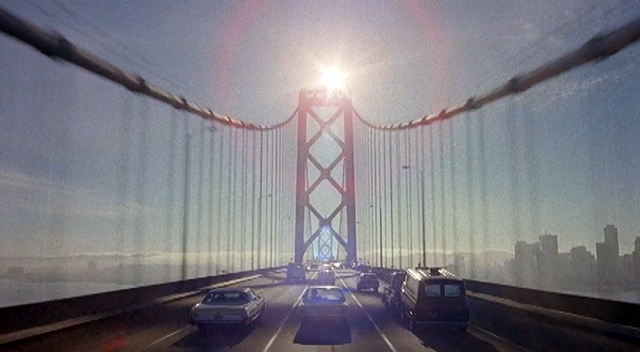
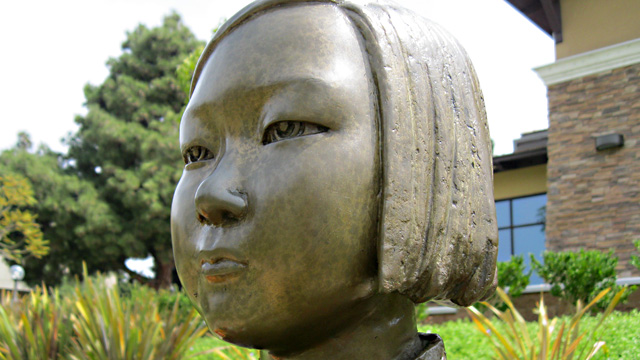
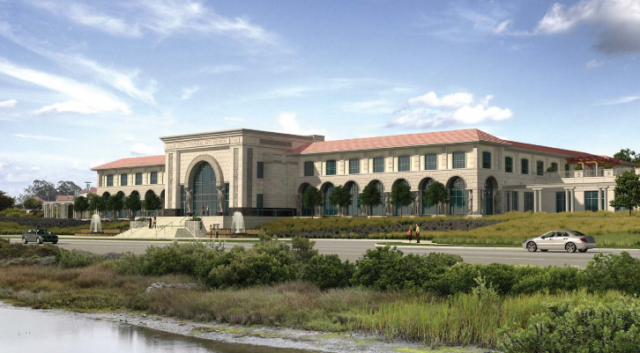
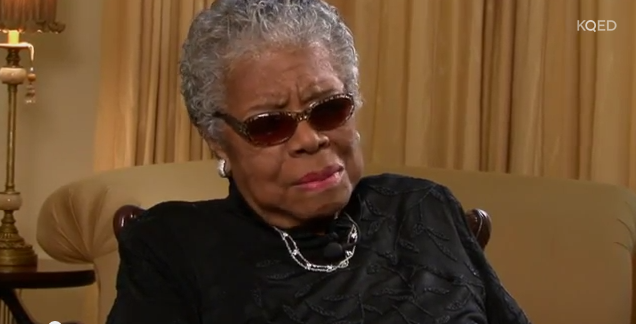
window.__IS_SSR__=true
window.__INITIAL_STATE__={
"attachmentsReducer": {
"audio_0": {
"type": "attachments",
"id": "audio_0",
"imgSizes": {
"kqedFullSize": {
"file": "https://ww2.kqed.org/news/wp-content/themes/KQED-unified/img/audio_bgs/background0.jpg"
}
}
},
"audio_1": {
"type": "attachments",
"id": "audio_1",
"imgSizes": {
"kqedFullSize": {
"file": "https://ww2.kqed.org/news/wp-content/themes/KQED-unified/img/audio_bgs/background1.jpg"
}
}
},
"audio_2": {
"type": "attachments",
"id": "audio_2",
"imgSizes": {
"kqedFullSize": {
"file": "https://ww2.kqed.org/news/wp-content/themes/KQED-unified/img/audio_bgs/background2.jpg"
}
}
},
"audio_3": {
"type": "attachments",
"id": "audio_3",
"imgSizes": {
"kqedFullSize": {
"file": "https://ww2.kqed.org/news/wp-content/themes/KQED-unified/img/audio_bgs/background3.jpg"
}
}
},
"audio_4": {
"type": "attachments",
"id": "audio_4",
"imgSizes": {
"kqedFullSize": {
"file": "https://ww2.kqed.org/news/wp-content/themes/KQED-unified/img/audio_bgs/background4.jpg"
}
}
},
"placeholder": {
"type": "attachments",
"id": "placeholder",
"imgSizes": {
"thumbnail": {
"file": "https://cdn.kqed.org/wp-content/uploads/2024/12/KQED-Default-Image-816638274-2000x1333-1-160x107.jpg",
"width": 160,
"height": 107,
"mimeType": "image/jpeg"
},
"medium": {
"file": "https://cdn.kqed.org/wp-content/uploads/2024/12/KQED-Default-Image-816638274-2000x1333-1-800x533.jpg",
"width": 800,
"height": 533,
"mimeType": "image/jpeg"
},
"medium_large": {
"file": "https://cdn.kqed.org/wp-content/uploads/2024/12/KQED-Default-Image-816638274-2000x1333-1-768x512.jpg",
"width": 768,
"height": 512,
"mimeType": "image/jpeg"
},
"large": {
"file": "https://cdn.kqed.org/wp-content/uploads/2024/12/KQED-Default-Image-816638274-2000x1333-1-1020x680.jpg",
"width": 1020,
"height": 680,
"mimeType": "image/jpeg"
},
"1536x1536": {
"file": "https://cdn.kqed.org/wp-content/uploads/2024/12/KQED-Default-Image-816638274-2000x1333-1-1536x1024.jpg",
"width": 1536,
"height": 1024,
"mimeType": "image/jpeg"
},
"fd-lrg": {
"file": "https://cdn.kqed.org/wp-content/uploads/2024/12/KQED-Default-Image-816638274-2000x1333-1-1536x1024.jpg",
"width": 1536,
"height": 1024,
"mimeType": "image/jpeg"
},
"fd-med": {
"file": "https://cdn.kqed.org/wp-content/uploads/2024/12/KQED-Default-Image-816638274-2000x1333-1-1020x680.jpg",
"width": 1020,
"height": 680,
"mimeType": "image/jpeg"
},
"fd-sm": {
"file": "https://cdn.kqed.org/wp-content/uploads/2024/12/KQED-Default-Image-816638274-2000x1333-1-800x533.jpg",
"width": 800,
"height": 533,
"mimeType": "image/jpeg"
},
"post-thumbnail": {
"file": "https://cdn.kqed.org/wp-content/uploads/2024/12/KQED-Default-Image-816638274-2000x1333-1-672x372.jpg",
"width": 672,
"height": 372,
"mimeType": "image/jpeg"
},
"twentyfourteen-full-width": {
"file": "https://cdn.kqed.org/wp-content/uploads/2024/12/KQED-Default-Image-816638274-2000x1333-1-1038x576.jpg",
"width": 1038,
"height": 576,
"mimeType": "image/jpeg"
},
"xxsmall": {
"file": "https://cdn.kqed.org/wp-content/uploads/2024/12/KQED-Default-Image-816638274-2000x1333-1-160x107.jpg",
"width": 160,
"height": 107,
"mimeType": "image/jpeg"
},
"xsmall": {
"file": "https://cdn.kqed.org/wp-content/uploads/2024/12/KQED-Default-Image-816638274-2000x1333-1-672x372.jpg",
"width": 672,
"height": 372,
"mimeType": "image/jpeg"
},
"small": {
"file": "https://cdn.kqed.org/wp-content/uploads/2024/12/KQED-Default-Image-816638274-2000x1333-1-672x372.jpg",
"width": 672,
"height": 372,
"mimeType": "image/jpeg"
},
"xlarge": {
"file": "https://cdn.kqed.org/wp-content/uploads/2024/12/KQED-Default-Image-816638274-2000x1333-1-1020x680.jpg",
"width": 1020,
"height": 680,
"mimeType": "image/jpeg"
},
"full-width": {
"file": "https://cdn.kqed.org/wp-content/uploads/2024/12/KQED-Default-Image-816638274-2000x1333-1-1920x1280.jpg",
"width": 1920,
"height": 1280,
"mimeType": "image/jpeg"
},
"guest-author-32": {
"file": "https://cdn.kqed.org/wp-content/uploads/2025/01/KQED-Default-Image-816638274-1333x1333-1-160x160.jpg",
"width": 32,
"height": 32,
"mimeType": "image/jpeg"
},
"guest-author-50": {
"file": "https://cdn.kqed.org/wp-content/uploads/2025/01/KQED-Default-Image-816638274-1333x1333-1-160x160.jpg",
"width": 50,
"height": 50,
"mimeType": "image/jpeg"
},
"guest-author-64": {
"file": "https://cdn.kqed.org/wp-content/uploads/2025/01/KQED-Default-Image-816638274-1333x1333-1-160x160.jpg",
"width": 64,
"height": 64,
"mimeType": "image/jpeg"
},
"guest-author-96": {
"file": "https://cdn.kqed.org/wp-content/uploads/2025/01/KQED-Default-Image-816638274-1333x1333-1-160x160.jpg",
"width": 96,
"height": 96,
"mimeType": "image/jpeg"
},
"guest-author-128": {
"file": "https://cdn.kqed.org/wp-content/uploads/2025/01/KQED-Default-Image-816638274-1333x1333-1-160x160.jpg",
"width": 128,
"height": 128,
"mimeType": "image/jpeg"
},
"detail": {
"file": "https://cdn.kqed.org/wp-content/uploads/2025/01/KQED-Default-Image-816638274-1333x1333-1-160x160.jpg",
"width": 160,
"height": 160,
"mimeType": "image/jpeg"
},
"kqedFullSize": {
"file": "https://cdn.kqed.org/wp-content/uploads/2024/12/KQED-Default-Image-816638274-2000x1333-1.jpg",
"width": 2000,
"height": 1333
}
}
},
"news_138703": {
"type": "attachments",
"id": "news_138703",
"meta": {
"index": "attachments_1716263798",
"site": "news",
"id": "138703",
"found": true
},
"parent": 138692,
"imgSizes": {
"kqedFullSize": {
"file": "https://ww2.kqed.org/app/uploads/sites/10/2014/06/bay-bridge-still-koyaanisqatsi.jpg",
"width": 640,
"height": 352
}
},
"publishDate": 1402430312,
"modified": 1402430312,
"caption": "Still from Koyaanisqatsi (1982), directed by Godfrey Reggio.",
"description": null,
"title": "bay-bridge-still-koyaanisqatsi",
"credit": null,
"status": "inherit",
"isLoading": false,
"fetchFailed": false
},
"news_138298": {
"type": "attachments",
"id": "news_138298",
"meta": {
"index": "attachments_1716263798",
"site": "news",
"id": "138298",
"found": true
},
"parent": 138297,
"imgSizes": {
"kqedFullSize": {
"file": "https://ww2.kqed.org/app/uploads/sites/10/2014/06/138297-thumb.jpg",
"width": 400,
"height": 225
}
},
"publishDate": 1402080255,
"modified": 1402080255,
"caption": null,
"description": null,
"title": "Thumbnail for 138297",
"credit": null,
"status": "inherit",
"isLoading": false,
"fetchFailed": false
},
"news_10341789": {
"type": "attachments",
"id": "news_10341789",
"meta": {
"index": "attachments_1716263798",
"site": "news",
"id": "10341789",
"found": true
},
"parent": 10341788,
"imgSizes": {
"thumbnail": {
"file": "https://ww2.kqed.org/app/uploads/sites/10/2014/09/ComfortWomenStatue-400x225.jpg",
"width": 400,
"mimeType": "image/jpeg",
"height": 225
},
"kqedFullSize": {
"file": "https://ww2.kqed.org/app/uploads/sites/10/2014/09/ComfortWomenStatue.jpg",
"width": 640,
"height": 360
},
"guest-author-96": {
"file": "https://ww2.kqed.org/app/uploads/sites/10/2014/09/ComfortWomenStatue-96x96.jpg",
"width": 96,
"mimeType": "image/jpeg",
"height": 96
},
"guest-author-64": {
"file": "https://ww2.kqed.org/app/uploads/sites/10/2014/09/ComfortWomenStatue-64x64.jpg",
"width": 64,
"mimeType": "image/jpeg",
"height": 64
},
"detail": {
"file": "https://ww2.kqed.org/app/uploads/sites/10/2014/09/ComfortWomenStatue-75x75.jpg",
"width": 75,
"mimeType": "image/jpeg",
"height": 75
},
"guest-author-32": {
"file": "https://ww2.kqed.org/app/uploads/sites/10/2014/09/ComfortWomenStatue-32x32.jpg",
"width": 32,
"mimeType": "image/jpeg",
"height": 32
},
"guest-author-128": {
"file": "https://ww2.kqed.org/app/uploads/sites/10/2014/09/ComfortWomenStatue-128x128.jpg",
"width": 128,
"mimeType": "image/jpeg",
"height": 128
}
},
"publishDate": 1412131866,
"modified": 1412131866,
"caption": "A group of residents is suing the city of Glendale over its statue honoring \"comfort women\" of the World War II era. The bronze statue was created by artist Bok Lim Kim. (Susan Valot/KQED)",
"description": null,
"title": "ComfortWomenStatue",
"credit": null,
"status": "inherit",
"isLoading": false,
"fetchFailed": false
},
"news_137540": {
"type": "attachments",
"id": "news_137540",
"meta": {
"index": "attachments_1716263798",
"site": "news",
"id": "137540",
"found": true
},
"parent": 137532,
"imgSizes": {
"kqedFullSize": {
"file": "https://ww2.kqed.org/app/uploads/sites/10/2014/05/Screenshot-2014-02-04-00.18.06-640x353.png",
"width": 640,
"height": 353
}
},
"publishDate": 1401408672,
"modified": 1401408672,
"caption": "Artist’s rendering of proposed Lucas Cultural Arts Museum in San Francisco’s Presidio. (Lucas Cultural Art Museum presentation, January 2014)",
"description": null,
"title": "Screenshot-2014-02-04-00.18.06-640x353",
"credit": null,
"status": "inherit",
"isLoading": false,
"fetchFailed": false
},
"news_137332": {
"type": "attachments",
"id": "news_137332",
"meta": {
"index": "attachments_1716263798",
"site": "news",
"id": "137332",
"found": true
},
"parent": 137321,
"imgSizes": {
"kqedFullSize": {
"file": "https://ww2.kqed.org/app/uploads/sites/10/2014/05/angelou.png",
"width": 636,
"height": 324
}
},
"publishDate": 1401293524,
"modified": 1401293524,
"caption": "Maya Angelou in her November 2012 interview with Belva Davis on \"This Week in Northern California.\"",
"description": "Maya Angelou in her November 2012 interview with Belva Davis on \"This Week in Northern California.\"",
"title": "Maya Angelous-KQED",
"credit": null,
"status": "inherit",
"isLoading": false,
"fetchFailed": false
},
"news_10340901": {
"type": "attachments",
"id": "news_10340901",
"meta": {
"index": "attachments_1716263798",
"site": "news",
"id": "10340901",
"found": true
},
"parent": 10140896,
"imgSizes": {
"thumbnail": {
"file": "https://ww2.kqed.org/app/uploads/sites/10/2014/09/SingItOut54-400x225.jpg",
"width": 400,
"mimeType": "image/jpeg",
"height": 225
},
"kqedFullSize": {
"file": "https://ww2.kqed.org/app/uploads/sites/10/2014/09/SingItOut54.jpg",
"width": 640,
"height": 360
},
"guest-author-96": {
"file": "https://ww2.kqed.org/app/uploads/sites/10/2014/09/SingItOut54-96x96.jpg",
"width": 96,
"mimeType": "image/jpeg",
"height": 96
},
"guest-author-64": {
"file": "https://ww2.kqed.org/app/uploads/sites/10/2014/09/SingItOut54-64x64.jpg",
"width": 64,
"mimeType": "image/jpeg",
"height": 64
},
"detail": {
"file": "https://ww2.kqed.org/app/uploads/sites/10/2014/09/SingItOut54-75x75.jpg",
"width": 75,
"mimeType": "image/jpeg",
"height": 75
},
"guest-author-32": {
"file": "https://ww2.kqed.org/app/uploads/sites/10/2014/09/SingItOut54-32x32.jpg",
"width": 32,
"mimeType": "image/jpeg",
"height": 32
},
"guest-author-128": {
"file": "https://ww2.kqed.org/app/uploads/sites/10/2014/09/SingItOut54-128x128.jpg",
"width": 128,
"mimeType": "image/jpeg",
"height": 128
}
},
"publishDate": 1410390560,
"modified": 1410390560,
"caption": "Samantha performs a cover of \"Somewhere Only We Know\" at AHA's annual Sing It Out concert. (Noah Dalton Schneider/KQED)",
"description": null,
"title": "SingItOut54",
"credit": null,
"status": "inherit",
"isLoading": false,
"fetchFailed": false
},
"news_10340885": {
"type": "attachments",
"id": "news_10340885",
"meta": {
"index": "attachments_1716263798",
"site": "news",
"id": "10340885",
"found": true
},
"parent": 10140884,
"imgSizes": {
"thumbnail": {
"file": "https://ww2.kqed.org/app/uploads/sites/10/2014/09/blueyonder1-400x225.jpg",
"width": 400,
"mimeType": "image/jpeg",
"height": 225
},
"kqedFullSize": {
"file": "https://ww2.kqed.org/app/uploads/sites/10/2014/09/blueyonder1.jpg",
"width": 640,
"height": 360
},
"guest-author-96": {
"file": "https://ww2.kqed.org/app/uploads/sites/10/2014/09/blueyonder1-96x96.jpg",
"width": 96,
"mimeType": "image/jpeg",
"height": 96
},
"guest-author-64": {
"file": "https://ww2.kqed.org/app/uploads/sites/10/2014/09/blueyonder1-64x64.jpg",
"width": 64,
"mimeType": "image/jpeg",
"height": 64
},
"detail": {
"file": "https://ww2.kqed.org/app/uploads/sites/10/2014/09/blueyonder1-75x75.jpg",
"width": 75,
"mimeType": "image/jpeg",
"height": 75
},
"guest-author-32": {
"file": "https://ww2.kqed.org/app/uploads/sites/10/2014/09/blueyonder1-32x32.jpg",
"width": 32,
"mimeType": "image/jpeg",
"height": 32
},
"guest-author-128": {
"file": "https://ww2.kqed.org/app/uploads/sites/10/2014/09/blueyonder1-128x128.jpg",
"width": 128,
"mimeType": "image/jpeg",
"height": 128
}
},
"publishDate": 1410388830,
"modified": 1410388830,
"caption": "Korean War veteran Bill McInroe (seated) and Pastor John Yoon at First United Methodist Church in Riverside. (Douglas McCulloh)",
"description": null,
"title": "blueyonder1",
"credit": null,
"status": "inherit",
"isLoading": false,
"fetchFailed": false
},
"news_136507": {
"type": "attachments",
"id": "news_136507",
"meta": {
"index": "attachments_1716263798",
"site": "news",
"id": "136507",
"found": true
},
"parent": 136502,
"imgSizes": {
"kqedFullSize": {
"file": "https://ww2.kqed.org/app/uploads/sites/10/2014/05/Square-roots.jpg",
"width": 3264,
"height": 2448
}
},
"publishDate": 1400531524,
"modified": 1400531524,
"caption": "Two students practice a California twirl at UC Berkeley's square dance student-ran class. (Samantha Clark/KQED)",
"description": null,
"title": "Square roots",
"credit": null,
"status": "inherit",
"isLoading": false,
"fetchFailed": false
},
"arts_10136350": {
"type": "attachments",
"id": "arts_10136350",
"meta": {
"index": "attachments_1716263798",
"site": "arts",
"id": "10136350",
"found": true
},
"parent": 10136343,
"imgSizes": {
"thumbnail": {
"file": "https://ww2.kqed.org/app/uploads/sites/2/2014/05/Gordon-Willis1-400x225.jpg",
"width": 400,
"mimeType": "image/jpeg",
"height": 225
},
"post-thumbnail": {
"file": "https://ww2.kqed.org/app/uploads/sites/2/2014/05/Gordon-Willis1-672x372.jpg",
"width": 672,
"mimeType": "image/jpeg",
"height": 372
},
"kqedFullSize": {
"file": "https://ww2.kqed.org/app/uploads/sites/2/2014/05/Gordon-Willis1.jpg",
"width": 800,
"height": 450
},
"guest-author-96": {
"file": "https://ww2.kqed.org/app/uploads/sites/2/2014/05/Gordon-Willis1-96x96.jpg",
"width": 96,
"mimeType": "image/jpeg",
"height": 96
},
"medium": {
"file": "https://ww2.kqed.org/app/uploads/sites/2/2014/05/Gordon-Willis1-300x168.jpg",
"width": 300,
"mimeType": "image/jpeg",
"height": 168
},
"guest-author-64": {
"file": "https://ww2.kqed.org/app/uploads/sites/2/2014/05/Gordon-Willis1-64x64.jpg",
"width": 64,
"mimeType": "image/jpeg",
"height": 64
},
"detail": {
"file": "https://ww2.kqed.org/app/uploads/sites/2/2014/05/Gordon-Willis1-75x75.jpg",
"width": 75,
"mimeType": "image/jpeg",
"height": 75
},
"guest-author-32": {
"file": "https://ww2.kqed.org/app/uploads/sites/2/2014/05/Gordon-Willis1-32x32.jpg",
"width": 32,
"mimeType": "image/jpeg",
"height": 32
},
"guest-author-128": {
"file": "https://ww2.kqed.org/app/uploads/sites/2/2014/05/Gordon-Willis1-128x128.jpg",
"width": 128,
"mimeType": "image/jpeg",
"height": 128
}
},
"publishDate": 1400534184,
"modified": 1400534184,
"caption": "Cinematographer Gordon Willis poses with his honorary Oscar following a 2009 ceremony in Los Angeles.",
"description": "Cinematographer Gordon Willis poses with his honorary Oscar following a 2009 ceremony in Los Angeles.",
"title": "willis",
"credit": "Chris Pizzello/AP",
"status": "inherit",
"isLoading": false,
"fetchFailed": false
},
"news_136505": {
"type": "attachments",
"id": "news_136505",
"meta": {
"index": "attachments_1716263798",
"site": "news",
"id": "136505",
"found": true
},
"parent": 136495,
"imgSizes": {
"kqedFullSize": {
"file": "https://ww2.kqed.org/app/uploads/sites/10/2014/05/IMG_4969.jpg",
"width": 800,
"height": 533
}
},
"publishDate": 1400531134,
"modified": 1400531134,
"caption": "Although police took steps to curb alcohol consumption, there was still plenty of booze to go around (Mark Andrew Boyer / KQED)",
"description": null,
"title": "Bay to Breakers",
"credit": null,
"status": "inherit",
"isLoading": false,
"fetchFailed": false
},
"news_136452": {
"type": "attachments",
"id": "news_136452",
"meta": {
"index": "attachments_1716263798",
"site": "news",
"id": "136452",
"found": true
},
"parent": 136448,
"imgSizes": {
"kqedFullSize": {
"file": "https://ww2.kqed.org/app/uploads/sites/10/2014/05/twainlaketahoe.jpg",
"width": 640,
"height": 487
}
},
"publishDate": 1400480268,
"modified": 1400480268,
"caption": "In a detail of an illustration from Mark Twain's \"Roughing It,\" Twain and a companion react to setting a wildfire at Lake Tahoe in 1861.",
"description": "In a detail of an illustration from Mark Twain's \"Roughing It,\" Twain and a companion react to setting a wildfire at Lake Tahoe in 1861.",
"title": "Mark Twain-Lake Tahoe",
"credit": null,
"status": "inherit",
"isLoading": false,
"fetchFailed": false
}
},
"audioPlayerReducer": {
"postId": "stream_live",
"isPaused": true,
"isPlaying": false,
"pfsActive": false,
"pledgeModalIsOpen": true,
"playerDrawerIsOpen": false,
"liveAudioPlayStartedAt": 0,
"liveAudioPlayContext": ""
},
"authorsReducer": {
"byline_news_10341788": {
"type": "authors",
"id": "byline_news_10341788",
"meta": {
"override": true
},
"slug": "byline_news_10341788",
"name": "Susan Valot",
"isLoading": false
},
"byline_news_10340896": {
"type": "authors",
"id": "byline_news_10340896",
"meta": {
"override": true
},
"slug": "byline_news_10340896",
"name": "Diane Bock",
"isLoading": false
},
"byline_news_10340884": {
"type": "authors",
"id": "byline_news_10340884",
"meta": {
"override": true
},
"slug": "byline_news_10340884",
"name": "Steven Cuevas",
"isLoading": false
},
"byline_arts_10136343": {
"type": "authors",
"id": "byline_arts_10136343",
"meta": {
"override": true
},
"slug": "byline_arts_10136343",
"name": "Alan Greenblatt",
"isLoading": false
},
"agrossberg": {
"type": "authors",
"id": "188",
"meta": {
"index": "authors_1716337520",
"id": "188",
"found": true
},
"name": "Adam Grossberg",
"firstName": "Adam",
"lastName": "Grossberg",
"slug": "agrossberg",
"email": "agrossberg@KQED.org",
"display_author_email": false,
"staff_mastheads": [],
"title": "KQED Contributor",
"bio": "Adam Grossberg is a former video producer at KQED News. Prior to coming to KQED, he produced videos for PBS, The New York Times, Current TV and The Center for Investigative Reporting. His work has received an Excellence in Journalism award from the Society of Professional Journalists, a regional Murrow award and two Northern California Emmy awards. He is a graduate of the UC Berkeley Graduate School of Journalism.",
"avatar": "https://secure.gravatar.com/avatar/8e96dbdaaf98f5959a2c778289e0f9b5?s=600&d=blank&r=g",
"twitter": null,
"facebook": null,
"instagram": null,
"linkedin": null,
"sites": [
{
"site": "arts",
"roles": [
"contributor"
]
},
{
"site": "news",
"roles": [
"subscriber"
]
},
{
"site": "stateofhealth",
"roles": [
"editor"
]
},
{
"site": "science",
"roles": [
"editor"
]
}
],
"headData": {
"title": "Adam Grossberg | KQED",
"description": "KQED Contributor",
"ogImgSrc": "https://secure.gravatar.com/avatar/8e96dbdaaf98f5959a2c778289e0f9b5?s=600&d=blank&r=g",
"twImgSrc": "https://secure.gravatar.com/avatar/8e96dbdaaf98f5959a2c778289e0f9b5?s=600&d=blank&r=g"
},
"isLoading": false,
"link": "/author/agrossberg"
},
"kqed": {
"type": "authors",
"id": "236",
"meta": {
"index": "authors_1716337520",
"id": "236",
"found": true
},
"name": "KQED News Staff",
"firstName": "KQED News Staff",
"lastName": null,
"slug": "kqed",
"email": "faq@kqed.org",
"display_author_email": false,
"staff_mastheads": [],
"title": null,
"bio": null,
"avatar": "https://secure.gravatar.com/avatar/ef0e801a68c4c54afa9180db14084167?s=600&d=blank&r=g",
"twitter": null,
"facebook": null,
"instagram": null,
"linkedin": null,
"sites": [
{
"site": "arts",
"roles": [
"contributor"
]
},
{
"site": "news",
"roles": [
"editor"
]
},
{
"site": "futureofyou",
"roles": [
"author"
]
}
],
"headData": {
"title": "KQED News Staff | KQED",
"description": null,
"ogImgSrc": "https://secure.gravatar.com/avatar/ef0e801a68c4c54afa9180db14084167?s=600&d=blank&r=g",
"twImgSrc": "https://secure.gravatar.com/avatar/ef0e801a68c4c54afa9180db14084167?s=600&d=blank&r=g"
},
"isLoading": false,
"link": "/author/kqed"
},
"kqednewsstaffandwires": {
"type": "authors",
"id": "237",
"meta": {
"index": "authors_1716337520",
"id": "237",
"found": true
},
"name": "KQED News Staff and Wires",
"firstName": "KQED News Staff and Wires",
"lastName": null,
"slug": "kqednewsstaffandwires",
"email": "onlinenewsstaff@kqed.org",
"display_author_email": false,
"staff_mastheads": [],
"title": null,
"bio": null,
"avatar": "https://secure.gravatar.com/avatar/72295af8ebbfbd19a4948f5271285664?s=600&d=blank&r=g",
"twitter": null,
"facebook": null,
"instagram": null,
"linkedin": null,
"sites": [
{
"site": "arts",
"roles": [
"contributor"
]
},
{
"site": "news",
"roles": [
"contributor"
]
},
{
"site": "lowdown",
"roles": [
"author"
]
},
{
"site": "stateofhealth",
"roles": [
"contributor"
]
},
{
"site": "food",
"roles": [
"author"
]
}
],
"headData": {
"title": "KQED News Staff and Wires | KQED",
"description": null,
"ogImgSrc": "https://secure.gravatar.com/avatar/72295af8ebbfbd19a4948f5271285664?s=600&d=blank&r=g",
"twImgSrc": "https://secure.gravatar.com/avatar/72295af8ebbfbd19a4948f5271285664?s=600&d=blank&r=g"
},
"isLoading": false,
"link": "/author/kqednewsstaffandwires"
},
"mboyer": {
"type": "authors",
"id": "242",
"meta": {
"index": "authors_1716337520",
"id": "242",
"found": true
},
"name": "Mark Andrew Boyer",
"firstName": "Mark Andrew",
"lastName": "Boyer",
"slug": "mboyer",
"email": "mboyer@kqed.org",
"display_author_email": false,
"staff_mastheads": [],
"title": null,
"bio": null,
"avatar": "https://secure.gravatar.com/avatar/97f25e563059e57d6a08f9c09b43851a?s=600&d=blank&r=g",
"twitter": null,
"facebook": null,
"instagram": null,
"linkedin": null,
"sites": [
{
"site": "news",
"roles": [
"contributor"
]
}
],
"headData": {
"title": "Mark Andrew Boyer | KQED",
"description": null,
"ogImgSrc": "https://secure.gravatar.com/avatar/97f25e563059e57d6a08f9c09b43851a?s=600&d=blank&r=g",
"twImgSrc": "https://secure.gravatar.com/avatar/97f25e563059e57d6a08f9c09b43851a?s=600&d=blank&r=g"
},
"isLoading": false,
"link": "/author/mboyer"
}
},
"pagesReducer": {
"news_category_arts-and-culture": {
"type": "terms",
"id": "news_223",
"meta": {
"index": "terms_1716263798",
"site": "news",
"id": "223",
"score": 11.2428875
},
"featImg": null,
"name": "Arts and Culture",
"description": null,
"taxonomy": "category",
"headData": {
"twImgId": null,
"twTitle": null,
"ogTitle": null,
"ogImgId": null,
"twDescription": null,
"description": null,
"title": "Arts and Culture Archives | KQED News",
"ogDescription": null
},
"ttid": 231,
"slug": "arts-and-culture",
"isLoading": false,
"title": "Arts and Culture",
"pageMeta": {
"site": "news",
"WpPageTemplate": "page-topic-editorial",
"currentPage": 139
},
"blocks": [
{
"blockName": "kqed/post-list",
"attrs": {
"layout": "cardArticle2",
"query": "posts/news?category=arts-and-culture",
"seeMore": false,
"paginated": true,
"page": 139
}
},
{
"blockName": "kqed/ad"
}
]
}
},
"pfsSessionReducer": {},
"postsReducer": {
"stream_live": {
"type": "live",
"id": "stream_live",
"audioUrl": "https://streams.kqed.org/kqedradio",
"title": "Live Stream",
"excerpt": "Live Stream information currently unavailable.",
"link": "/radio",
"featImg": "",
"label": {
"name": "KQED Live",
"link": "/"
}
},
"stream_kqedNewscast": {
"type": "posts",
"id": "stream_kqedNewscast",
"audioUrl": "https://www.kqed.org/.stream/anon/radio/RDnews/newscast.mp3?_=1",
"title": "KQED Newscast",
"featImg": "",
"label": {
"name": "88.5 FM",
"link": "/"
}
},
"news_138692": {
"type": "posts",
"id": "news_138692",
"meta": {
"index": "posts_1716263798",
"site": "news",
"id": "138692",
"score": null,
"sort": [
1402452053000
]
},
"parent": 0,
"labelTerm": {
"site": "news",
"term": 6944
},
"blocks": [],
"publishDate": 1402452053,
"format": "aside",
"disqusTitle": "Reliving the Glory Days of the Bay Bridge Through Hollywood Movies",
"title": "Reliving the Glory Days of the Bay Bridge Through Hollywood Movies",
"headTitle": "News Fix | KQED News",
"content": "\u003cp>Shoddy bolts, bad welds, dangerous rust, frayed cables. With \u003cem>even more\u003c/em> reports of problems on the new eastern span of the Bay Bridge, we — like everyone in the Bay Area — are suffering from bad news fatigue.\u003c/p>\n\u003cp>We thought we’d remedy this by basking in the glory of the old San Francisco-Oakland Bay Bridge, relived through decades of Hollywood movies.\u003c/p>\n\u003cp>When the Bay Bridge opened to the public in November 1936, it was seen as a technological marvel, an engineering feat that exemplified mankind’s ability. Since then, the bridge has made numerous notable film appearances over the years.\u003c/p>\n\u003caside class=\"aligncenter\">[vimeo 97857852 w=640 h=360]\u003c/aside>\n\u003cp>Unsurprisingly, all the clips we scrounged up show the still-functioning, towered suspension span of the bridge west of Yerba Buena Island, overlooking the more modest beauty of the cantilevered eastern stretch that is disappearing piece-by-piece in front of our eyes.\u003c/p>\n\u003cp>With sometimes glaring anachronistic errors, relive the 75-year history of the Bay Bridge in stunning Technicolor (and less-stunning black and white).\u003c/p>\n\u003cp>[ad fullwidth]\u003c/p>\n\u003cp>\u003cstrong>\u003ca href=\"http://www.imdb.com/title/tt0034172/\" target=\"_blank\">\"Shadow of the Thin Man\"\u003c/a>\u003c/strong> (1941) (0:00-1:15) (\u003ca href=\"https://www.youtube.com/watch?v=T6cvDVgz_OE\" target=\"_blank\">Trailer\u003c/a>)\u003c/p>\n\u003cfigure id=\"attachment_138711\" class=\"wp-caption aligncenter\" style=\"max-width: 640px\">\u003ca href=\"http://ww2.kqed.org/news/wp-content/uploads/sites/10/2014/06/shadow-still.jpg\">\u003cimg class=\"size-full wp-image-138711\" src=\"http://ww2.kqed.org/news/wp-content/uploads/sites/10/2014/06/shadow-still.jpg\" alt=\"\" width=\"640\" height=\"482\">\u003c/a>\u003cfigcaption class=\"wp-caption-text\">Still from \"Shadow of the Thin Man\" (1941), directed by W.S. Van Dyke.\u003c/figcaption>\u003c/figure>\n\u003cp>Myrna Loy and the mustachioed William Powell are pulled over for speeding on the upper deck of the bridge. The outdoor scene on the bridge, with Coit Tower and Telegraph Hill visible in the background, includes an impressive tracking shot amid three lanes of traffic. In what will become a bit of a trend, the plot has the two characters traveling eastbound (the next shots include the MacArthur Maze and later, Golden Gate Fields) despite heading west toward the city. \u003cem>(*the clip has been edited from the original).\u003c/em>\u003c/p>\n\u003cp>\u003cstrong>\u003ca href=\"http://www.imdb.com/title/tt0037366/?ref_=nv_sr_1\" target=\"_blank\">\"Thirty Seconds Over Tokyo\"\u003c/a>\u003c/strong> (1944) (\u003ca href=\"https://www.youtube.com/watch?v=eaLgSlbS1lk\" target=\"_blank\">1:15-2:05\u003c/a>)\u003c/p>\n\u003cfigure id=\"attachment_138713\" class=\"wp-caption aligncenter\" style=\"max-width: 640px\">\u003ca href=\"http://ww2.kqed.org/news/wp-content/uploads/sites/10/2014/06/thirty-seconds-still.jpg\">\u003cimg class=\"size-full wp-image-138713\" src=\"http://ww2.kqed.org/news/wp-content/uploads/sites/10/2014/06/thirty-seconds-still.jpg\" alt=\"\" width=\"640\" height=\"468\">\u003c/a>\u003cfigcaption class=\"wp-caption-text\">Still from \"Thirty Seconds Over Tokyo\" (1944), directed by Mervyn LeRoy.\u003c/figcaption>\u003c/figure>\n\u003cp>It's easy to forget the still-new \"superstructure\" was still awe-inspiring nearly 10 years after it was completed. Also impressive, the terrific shot of a B-25 bomber flying under the Bay Bridge. Such shots led to the film, starring Spencer Tracy as Lt. Col. James Doolittle of \"Doolittle Raid\" fame, winning an Oscar for Best Special Effects.\u003c/p>\n\u003cp>\u003cstrong>\u003ca href=\"http://www.imdb.com/title/tt0061722/?ref_=fn_al_tt_1\" target=\"_blank\">\"The Graduate\"\u003c/a>\u003c/strong> (1967) (2:04-2:40)(\u003ca href=\"https://www.youtube.com/watch?v=hsdvhJTqLak\" target=\"_blank\">Trailer\u003c/a>)\u003c/p>\n\u003cfigure id=\"attachment_138718\" class=\"wp-caption aligncenter\" style=\"max-width: 640px\">\u003ca href=\"http://ww2.kqed.org/news/wp-content/uploads/sites/10/2014/06/graduate-still2.jpg\">\u003cimg class=\"size-full wp-image-138718\" src=\"http://ww2.kqed.org/news/wp-content/uploads/sites/10/2014/06/graduate-still2.jpg\" alt=\"\" width=\"640\" height=\"350\">\u003c/a>\u003cfigcaption class=\"wp-caption-text\">Still from \"The Graduate\" (1967), directed by Mike Nichols.\u003c/figcaption>\u003c/figure>\n\u003cp>The dulcet tones of Simon & Garfunkel and vivid Technicolor bring us to the most recognizable Bay Bridge clip. Dustin Hoffman's character, Ben Braddock, inconceivably travels westbound ... to Berkeley?! An anachronism that's hard to ignore, bested only by the beauty of the single, slow-moving 35-second tracking shot revealing the towered suspension span.\u003c/p>\n\u003cp>\u003ca href=\"http://www.imdb.com/title/tt0085809/?ref_=nv_sr_2\" target=\"_blank\">\u003cstrong>\"Koyaanisqatsi\"\u003c/strong>\u003c/a> (1982) (2:40-2:50)(\u003ca href=\"https://www.youtube.com/watch?v=PirH8PADDgQ\" target=\"_blank\">Trailer\u003c/a>)\u003c/p>\n\u003cfigure id=\"attachment_138703\" class=\"wp-caption aligncenter\" style=\"max-width: 640px\">\u003ca href=\"http://ww2.kqed.org/news/wp-content/uploads/sites/10/2014/06/bay-bridge-still-koyaanisqatsi.jpg\">\u003cimg class=\"size-full wp-image-138703\" src=\"http://ww2.kqed.org/news/wp-content/uploads/sites/10/2014/06/bay-bridge-still-koyaanisqatsi.jpg\" alt=\"\" width=\"640\" height=\"352\">\u003c/a>\u003cfigcaption class=\"wp-caption-text\">Still from \"Koyaanisqatsi\" (1982), directed by Godfrey Reggio.\u003c/figcaption>\u003c/figure>\n\u003cp>Blink and you'll miss it. The Godfrey Reggio-directed visual documentary, accompanied by the rhythmic chaos of Philip Glass' score, features two incredibly brief POV shots driving through the Yerba Buena Island tunnel into the sunlight of the western span. But strangely, in typical anachronistic mystery, those shots are cut out-of-order.\u003c/p>\n\u003cp>\u003cstrong>\u003ca href=\"http://www.imdb.com/title/tt0119190/?ref_=nv_sr_1\" target=\"_blank\">\"George of the Jungle\"\u003c/a>\u003c/strong> (1997) (\u003ca href=\"https://www.youtube.com/watch?v=0WtqtD--OiE\" target=\"_blank\">2:50-5:25\u003c/a>)\u003c/p>\n\u003cfigure id=\"attachment_138715\" class=\"wp-caption aligncenter\" style=\"max-width: 640px\">\u003ca href=\"http://ww2.kqed.org/news/wp-content/uploads/sites/10/2014/06/george-still.jpg\">\u003cimg class=\"size-full wp-image-138715\" src=\"http://ww2.kqed.org/news/wp-content/uploads/sites/10/2014/06/george-still.jpg\" alt=\"\" width=\"640\" height=\"471\">\u003c/a>\u003cfigcaption class=\"wp-caption-text\">Still from \"George of the Jungle\" (1997), directed by Sam Weisman.\u003c/figcaption>\u003c/figure>\n\u003cp>\u003c/p>\n\u003cp>Hunky, 1990s Brendan Fraser swings on \"the biggest rope bridge he had ever seen.\" Complete with stranded parachutist, sweeping aerial shots and the poetic line, \"To swing, or not to swing?\" (yes, really), the \"George of the Jungle\" action sequence is perhaps the climax of the Bay Bridge's cinematic history. \"Watch out for that ...\" straight-to-video sequel, \"George of the Jungle 2\" (2003).\u003cem> (*the clip has been edited from the original)\u003c/em>\u003c/p>\n\n",
"disqusIdentifier": "138692 http://ww2.kqed.org/news/?p=138692",
"disqusUrl": "https://ww2.kqed.org/news/2014/06/10/reliving-the-glory-days-of-the-bay-bridge-through-hollywood-movies/",
"stats": {
"hasVideo": true,
"hasChartOrMap": false,
"hasAudio": false,
"hasPolis": false,
"wordCount": 605,
"hasGoogleForm": false,
"hasGallery": false,
"hasHearkenModule": false,
"iframeSrcs": [],
"paragraphCount": 17
},
"modified": 1412116005,
"excerpt": "With glaring anachronistic errors, relive the 75-year history of the Bay Bridge in technicolor (and B&W).",
"headData": {
"twImgId": "",
"twTitle": "",
"ogTitle": "",
"ogImgId": "",
"twDescription": "",
"description": "With glaring anachronistic errors, relive the 75-year history of the Bay Bridge in technicolor (and B&W).",
"title": "Reliving the Glory Days of the Bay Bridge Through Hollywood Movies | KQED",
"ogDescription": "",
"schema": {
"@context": "https://schema.org",
"@type": "NewsArticle",
"headline": "Reliving the Glory Days of the Bay Bridge Through Hollywood Movies",
"datePublished": "2014-06-10T19:00:53-07:00",
"dateModified": "2014-09-30T15:26:45-07:00",
"image": "https://cdn.kqed.org/wp-content/uploads/2020/02/KQED-OG-Image@1x.png",
"isAccessibleForFree": "True",
"publisher": {
"@type": "NewsMediaOrganization",
"@id": "https://www.kqed.org/#organization",
"name": "KQED",
"logo": "https://cdn.kqed.org/wp-content/uploads/2020/02/KQED-OG-Image@1x.png",
"url": "https://www.kqed.org",
"sameAs": [
"https://www.facebook.com/KQED",
"https://twitter.com/KQED",
"https://www.instagram.com/kqed/",
"https://www.tiktok.com/@kqedofficial",
"https://www.linkedin.com/company/kqed",
"https://www.youtube.com/channel/UCeC0IOo7i1P_61zVUWbJ4nw"
]
}
}
},
"guestAuthors": [],
"slug": "reliving-the-glory-days-of-the-bay-bridge-through-hollywood-movies",
"status": "publish",
"path": "/news/138692/reliving-the-glory-days-of-the-bay-bridge-through-hollywood-movies",
"audioTrackLength": null,
"parsedContent": [
{
"type": "contentString",
"content": "\u003cdiv class=\"post-body\">\u003cp>\u003cp>Shoddy bolts, bad welds, dangerous rust, frayed cables. With \u003cem>even more\u003c/em> reports of problems on the new eastern span of the Bay Bridge, we — like everyone in the Bay Area — are suffering from bad news fatigue.\u003c/p>\n\u003cp>We thought we’d remedy this by basking in the glory of the old San Francisco-Oakland Bay Bridge, relived through decades of Hollywood movies.\u003c/p>\n\u003cp>When the Bay Bridge opened to the public in November 1936, it was seen as a technological marvel, an engineering feat that exemplified mankind’s ability. Since then, the bridge has made numerous notable film appearances over the years.\u003c/p>\n\u003caside class=\"aligncenter\">\u003c/p>\u003c/div>",
"attributes": {
"named": {},
"numeric": []
}
},
{
"type": "component",
"content": "",
"name": "vimeo",
"attributes": {
"named": {
"w": "640",
"h": "360",
"label": "97857852"
},
"numeric": [
"97857852"
]
}
},
{
"type": "contentString",
"content": "\u003cdiv class=\"post-body\">\u003cp>\u003c/aside>\n\u003cp>Unsurprisingly, all the clips we scrounged up show the still-functioning, towered suspension span of the bridge west of Yerba Buena Island, overlooking the more modest beauty of the cantilevered eastern stretch that is disappearing piece-by-piece in front of our eyes.\u003c/p>\n\u003cp>With sometimes glaring anachronistic errors, relive the 75-year history of the Bay Bridge in stunning Technicolor (and less-stunning black and white).\u003c/p>\n\u003cp>\u003c/p>\u003c/div>",
"attributes": {
"named": {},
"numeric": []
}
},
{
"type": "component",
"content": "",
"name": "ad",
"attributes": {
"named": {
"label": "fullwidth"
},
"numeric": [
"fullwidth"
]
}
},
{
"type": "contentString",
"content": "\u003cdiv class=\"post-body\">\u003cp>\u003c/p>\n\u003cp>\u003cstrong>\u003ca href=\"http://www.imdb.com/title/tt0034172/\" target=\"_blank\">\"Shadow of the Thin Man\"\u003c/a>\u003c/strong> (1941) (0:00-1:15) (\u003ca href=\"https://www.youtube.com/watch?v=T6cvDVgz_OE\" target=\"_blank\">Trailer\u003c/a>)\u003c/p>\n\u003cfigure id=\"attachment_138711\" class=\"wp-caption aligncenter\" style=\"max-width: 640px\">\u003ca href=\"http://ww2.kqed.org/news/wp-content/uploads/sites/10/2014/06/shadow-still.jpg\">\u003cimg class=\"size-full wp-image-138711\" src=\"http://ww2.kqed.org/news/wp-content/uploads/sites/10/2014/06/shadow-still.jpg\" alt=\"\" width=\"640\" height=\"482\">\u003c/a>\u003cfigcaption class=\"wp-caption-text\">Still from \"Shadow of the Thin Man\" (1941), directed by W.S. Van Dyke.\u003c/figcaption>\u003c/figure>\n\u003cp>Myrna Loy and the mustachioed William Powell are pulled over for speeding on the upper deck of the bridge. The outdoor scene on the bridge, with Coit Tower and Telegraph Hill visible in the background, includes an impressive tracking shot amid three lanes of traffic. In what will become a bit of a trend, the plot has the two characters traveling eastbound (the next shots include the MacArthur Maze and later, Golden Gate Fields) despite heading west toward the city. \u003cem>(*the clip has been edited from the original).\u003c/em>\u003c/p>\n\u003cp>\u003cstrong>\u003ca href=\"http://www.imdb.com/title/tt0037366/?ref_=nv_sr_1\" target=\"_blank\">\"Thirty Seconds Over Tokyo\"\u003c/a>\u003c/strong> (1944) (\u003ca href=\"https://www.youtube.com/watch?v=eaLgSlbS1lk\" target=\"_blank\">1:15-2:05\u003c/a>)\u003c/p>\n\u003cfigure id=\"attachment_138713\" class=\"wp-caption aligncenter\" style=\"max-width: 640px\">\u003ca href=\"http://ww2.kqed.org/news/wp-content/uploads/sites/10/2014/06/thirty-seconds-still.jpg\">\u003cimg class=\"size-full wp-image-138713\" src=\"http://ww2.kqed.org/news/wp-content/uploads/sites/10/2014/06/thirty-seconds-still.jpg\" alt=\"\" width=\"640\" height=\"468\">\u003c/a>\u003cfigcaption class=\"wp-caption-text\">Still from \"Thirty Seconds Over Tokyo\" (1944), directed by Mervyn LeRoy.\u003c/figcaption>\u003c/figure>\n\u003cp>It's easy to forget the still-new \"superstructure\" was still awe-inspiring nearly 10 years after it was completed. Also impressive, the terrific shot of a B-25 bomber flying under the Bay Bridge. Such shots led to the film, starring Spencer Tracy as Lt. Col. James Doolittle of \"Doolittle Raid\" fame, winning an Oscar for Best Special Effects.\u003c/p>\n\u003cp>\u003cstrong>\u003ca href=\"http://www.imdb.com/title/tt0061722/?ref_=fn_al_tt_1\" target=\"_blank\">\"The Graduate\"\u003c/a>\u003c/strong> (1967) (2:04-2:40)(\u003ca href=\"https://www.youtube.com/watch?v=hsdvhJTqLak\" target=\"_blank\">Trailer\u003c/a>)\u003c/p>\n\u003cfigure id=\"attachment_138718\" class=\"wp-caption aligncenter\" style=\"max-width: 640px\">\u003ca href=\"http://ww2.kqed.org/news/wp-content/uploads/sites/10/2014/06/graduate-still2.jpg\">\u003cimg class=\"size-full wp-image-138718\" src=\"http://ww2.kqed.org/news/wp-content/uploads/sites/10/2014/06/graduate-still2.jpg\" alt=\"\" width=\"640\" height=\"350\">\u003c/a>\u003cfigcaption class=\"wp-caption-text\">Still from \"The Graduate\" (1967), directed by Mike Nichols.\u003c/figcaption>\u003c/figure>\n\u003cp>The dulcet tones of Simon & Garfunkel and vivid Technicolor bring us to the most recognizable Bay Bridge clip. Dustin Hoffman's character, Ben Braddock, inconceivably travels westbound ... to Berkeley?! An anachronism that's hard to ignore, bested only by the beauty of the single, slow-moving 35-second tracking shot revealing the towered suspension span.\u003c/p>\n\u003cp>\u003ca href=\"http://www.imdb.com/title/tt0085809/?ref_=nv_sr_2\" target=\"_blank\">\u003cstrong>\"Koyaanisqatsi\"\u003c/strong>\u003c/a> (1982) (2:40-2:50)(\u003ca href=\"https://www.youtube.com/watch?v=PirH8PADDgQ\" target=\"_blank\">Trailer\u003c/a>)\u003c/p>\n\u003cfigure id=\"attachment_138703\" class=\"wp-caption aligncenter\" style=\"max-width: 640px\">\u003ca href=\"http://ww2.kqed.org/news/wp-content/uploads/sites/10/2014/06/bay-bridge-still-koyaanisqatsi.jpg\">\u003cimg class=\"size-full wp-image-138703\" src=\"http://ww2.kqed.org/news/wp-content/uploads/sites/10/2014/06/bay-bridge-still-koyaanisqatsi.jpg\" alt=\"\" width=\"640\" height=\"352\">\u003c/a>\u003cfigcaption class=\"wp-caption-text\">Still from \"Koyaanisqatsi\" (1982), directed by Godfrey Reggio.\u003c/figcaption>\u003c/figure>\n\u003cp>Blink and you'll miss it. The Godfrey Reggio-directed visual documentary, accompanied by the rhythmic chaos of Philip Glass' score, features two incredibly brief POV shots driving through the Yerba Buena Island tunnel into the sunlight of the western span. But strangely, in typical anachronistic mystery, those shots are cut out-of-order.\u003c/p>\n\u003cp>\u003cstrong>\u003ca href=\"http://www.imdb.com/title/tt0119190/?ref_=nv_sr_1\" target=\"_blank\">\"George of the Jungle\"\u003c/a>\u003c/strong> (1997) (\u003ca href=\"https://www.youtube.com/watch?v=0WtqtD--OiE\" target=\"_blank\">2:50-5:25\u003c/a>)\u003c/p>\n\u003cfigure id=\"attachment_138715\" class=\"wp-caption aligncenter\" style=\"max-width: 640px\">\u003ca href=\"http://ww2.kqed.org/news/wp-content/uploads/sites/10/2014/06/george-still.jpg\">\u003cimg class=\"size-full wp-image-138715\" src=\"http://ww2.kqed.org/news/wp-content/uploads/sites/10/2014/06/george-still.jpg\" alt=\"\" width=\"640\" height=\"471\">\u003c/a>\u003cfigcaption class=\"wp-caption-text\">Still from \"George of the Jungle\" (1997), directed by Sam Weisman.\u003c/figcaption>\u003c/figure>\n\u003cp>\u003c/p>\n\u003cp>Hunky, 1990s Brendan Fraser swings on \"the biggest rope bridge he had ever seen.\" Complete with stranded parachutist, sweeping aerial shots and the poetic line, \"To swing, or not to swing?\" (yes, really), the \"George of the Jungle\" action sequence is perhaps the climax of the Bay Bridge's cinematic history. \"Watch out for that ...\" straight-to-video sequel, \"George of the Jungle 2\" (2003).\u003cem> (*the clip has been edited from the original)\u003c/em>\u003c/p>\n\n\u003c/div>\u003c/p>",
"attributes": {
"named": {},
"numeric": []
}
}
],
"link": "/news/138692/reliving-the-glory-days-of-the-bay-bridge-through-hollywood-movies",
"authors": [
"188"
],
"programs": [
"news_6944"
],
"categories": [
"news_223",
"news_8"
],
"tags": [
"news_231",
"news_701",
"news_150"
],
"featImg": "news_138703",
"label": "news_6944"
},
"news_138297": {
"type": "posts",
"id": "news_138297",
"meta": {
"index": "posts_1716263798",
"site": "news",
"id": "138297",
"score": null,
"sort": [
1402081223000
]
},
"parent": 0,
"labelTerm": {},
"blocks": [],
"publishDate": 1402081223,
"format": "aside",
"disqusTitle": "California Visual Effects Industry Struggles in Face of Foreign Subsidies",
"title": "California Visual Effects Industry Struggles in Face of Foreign Subsidies",
"headTitle": "News Fix | KQED News",
"content": "\u003cp>The news that Sony Imageworks is headed to Vancouver -- taking roughly 300 jobs with it -- is just the latest in a string of depressing headlines for Los Angeles visual effects workers. Nearly two dozen VFX firms have closed or gone bankrupt in the last decade. State lawmakers are \u003ca class=\"rssmi_more\" href=\"http://www.californiareport.org/archive/R201406060850/a\" target=\"_blank\"> ...read more\u003c/a>\u003c/p>\n\u003cp>Source: \u003ca title=\"Calif. Visual Effects Industry Struggles in Face of Foreign Subsidies\" href=\"http://www.californiareport.org/archive/R201406060850/a\" target=\"_blank\">Arts News\u003c/a>\u003c/p>\n\u003cp>[ad fullwidth]\u003c/p>\u003cp>\u003c/p>\n",
"disqusIdentifier": "138297 http://ww2.kqed.org/news/?p=138297",
"disqusUrl": "https://ww2.kqed.org/news/2014/06/06/california-visual-effects-industry-struggles-in-face-of-foreign-subsidies/",
"stats": {
"hasVideo": false,
"hasChartOrMap": false,
"hasAudio": false,
"hasPolis": false,
"wordCount": 55,
"hasGoogleForm": false,
"hasGallery": false,
"hasHearkenModule": false,
"iframeSrcs": [],
"paragraphCount": 4
},
"modified": 1402092052,
"excerpt": "Sony Imageworks is just the latest to leave L.A., taking roughly 300 jobs to its new home in Vancouver. \u003ca href=\"http://www.californiareport.org/archive/R201406060850/a\" target=\"_blank\" class=\"rssmi_more\">\u003c/a>",
"headData": {
"twImgId": "",
"twTitle": "",
"ogTitle": "",
"ogImgId": "",
"twDescription": "",
"description": "Sony Imageworks is just the latest to leave L.A., taking roughly 300 jobs to its new home in Vancouver. ",
"title": "California Visual Effects Industry Struggles in Face of Foreign Subsidies | KQED",
"ogDescription": "",
"schema": {
"@context": "https://schema.org",
"@type": "NewsArticle",
"headline": "California Visual Effects Industry Struggles in Face of Foreign Subsidies",
"datePublished": "2014-06-06T12:00:23-07:00",
"dateModified": "2014-06-06T15:00:52-07:00",
"image": "https://cdn.kqed.org/wp-content/uploads/2020/02/KQED-OG-Image@1x.png",
"isAccessibleForFree": "True",
"publisher": {
"@type": "NewsMediaOrganization",
"@id": "https://www.kqed.org/#organization",
"name": "KQED",
"logo": "https://cdn.kqed.org/wp-content/uploads/2020/02/KQED-OG-Image@1x.png",
"url": "https://www.kqed.org",
"sameAs": [
"https://www.facebook.com/KQED",
"https://twitter.com/KQED",
"https://www.instagram.com/kqed/",
"https://www.tiktok.com/@kqedofficial",
"https://www.linkedin.com/company/kqed",
"https://www.youtube.com/channel/UCeC0IOo7i1P_61zVUWbJ4nw"
]
}
}
},
"guestAuthors": [],
"slug": "california-visual-effects-industry-struggles-in-face-of-foreign-subsidies",
"status": "publish",
"redirect": {
"type": "external",
"url": "http://www.californiareport.org/archive/R201406060850/a"
},
"rssmiSourceLink": "http://www.californiareport.org/archive/R201406060850/a",
"path": "/news/138297/california-visual-effects-industry-struggles-in-face-of-foreign-subsidies",
"audioTrackLength": null,
"parsedContent": [
{
"type": "contentString",
"content": "\u003cdiv class=\"post-body\">\u003cp>\u003cp>The news that Sony Imageworks is headed to Vancouver -- taking roughly 300 jobs with it -- is just the latest in a string of depressing headlines for Los Angeles visual effects workers. Nearly two dozen VFX firms have closed or gone bankrupt in the last decade. State lawmakers are \u003ca class=\"rssmi_more\" href=\"http://www.californiareport.org/archive/R201406060850/a\" target=\"_blank\"> ...read more\u003c/a>\u003c/p>\n\u003cp>Source: \u003ca title=\"Calif. Visual Effects Industry Struggles in Face of Foreign Subsidies\" href=\"http://www.californiareport.org/archive/R201406060850/a\" target=\"_blank\">Arts News\u003c/a>\u003c/p>\n\u003cp>\u003c/p>\u003c/div>",
"attributes": {
"named": {},
"numeric": []
}
},
{
"type": "component",
"content": "",
"name": "ad",
"attributes": {
"named": {
"label": "fullwidth"
},
"numeric": [
"fullwidth"
]
}
},
{
"type": "contentString",
"content": "\u003cdiv class=\"post-body\">\u003cp>\u003c/p>\u003cp>\u003c/p>\n\u003c/div>\u003c/p>",
"attributes": {
"named": {},
"numeric": []
}
}
],
"link": "http://www.californiareport.org/archive/R201406060850/a",
"authors": [
"236"
],
"programs": [
"news_6944"
],
"categories": [
"news_223",
"news_8"
],
"featImg": "news_138298",
"label": "news"
},
"news_10341788": {
"type": "posts",
"id": "news_10341788",
"meta": {
"index": "posts_1716263798",
"site": "news",
"id": "10341788",
"score": null,
"sort": [
1402066856000
]
},
"parent": 0,
"labelTerm": {
"site": "news",
"term": 72
},
"blocks": [],
"publishDate": 1402066856,
"format": "standard",
"disqusTitle": "Cultural Battle Over 'Comfort Women' Statue Heads to Court",
"title": "Cultural Battle Over 'Comfort Women' Statue Heads to Court",
"headTitle": "The California Report | KQED News",
"content": "\u003cp>http://www.kqed.org/.stream/anon/radio/tcrmag/2014/06/2014-06-06d-tcrmag.mp3\u003c/p>\n\u003cp>She sits silently, with her hands folded in her lap and tears in her eyes. People have left fresh flowers around her. Someone placed a pair of silver ballet flats by her bare feet.\u003c/p>\n\u003cp>The lifelike bronze statue in Glendale Central Park honors the “comfort women.\" They were mostly Korean and Chinese women and girls forced to work the brothels for Japanese troops before and during World War II.\u003c/p>\n\u003cp>Historians estimate up to 200,000 women and girls were forced to become comfort women. There are 55 Korean comfort women alive today, according Phyllis Kim of the \u003ca href=\"http://kaforumca.org/\" target=\"_blank\">Korean American Forum of California\u003c/a>, which helped pay for the statue and pushed for its installation in Glendale last July.\u003c/p>\n\u003cp>\"This event has ruined their lives and ... they could not have a normal life as a woman. Many of them could not get married because of what they went through. Many of them did not have children,\" Kim said. which helped pay for the statue and pushed for its installation in Glendale last July.\u003c/p>\n\u003cfigure id=\"attachment_10341790\" class=\"wp-caption alignright\" style=\"max-width: 400px\">\u003ca href=\"http://ww2.kqed.org/news/wp-content/uploads/sites/10/2014/09/ComfortWomenStatue2.jpg\">\u003cimg src=\"http://ww2.kqed.org/news/wp-content/uploads/sites/10/2014/09/ComfortWomenStatue2-400x422.jpg\" alt=\"Kimberly Choi of Glendale removes dead flowers and waters fresh flowers at the statue honoring comfort women. She says she stops by when she can to take care of the memorial. (Susan Valot/KQED)\" width=\"400\" height=\"422\" class=\"size-thumbnail wp-image-10341790\" srcset=\"https://ww2.kqed.org/app/uploads/sites/10/2014/09/ComfortWomenStatue2-400x422.jpg 400w, https://ww2.kqed.org/app/uploads/sites/10/2014/09/ComfortWomenStatue2.jpg 600w\" sizes=\"(max-width: 400px) 100vw, 400px\">\u003c/a>\u003cfigcaption class=\"wp-caption-text\">Kimberly Choi of Glendale removes dead flowers and waters fresh flowers at the statue honoring comfort women. She says she stops by when she can to take care of the memorial. (Susan Valot/KQED)\u003c/figcaption>\u003c/figure>\n\u003cp>\"They were shunned by their own family and community when their past was known,\" Kim said.\u003c/p>\n\u003cp>[ad fullwidth]\u003c/p>\n\u003cp>The memorial is the first comfort women statue to be installed on public land in the western U.S.\u003c/p>\n\u003cp>Why Glendale? Kim said the city was willing to give up some public space for the statue.\u003c/p>\n\u003cp>\"So many people are unaware of it,” Kim said, “so we thought it was important to raise the public awareness about it.\"\u003c/p>\n\u003cp>But the statue has caused a rift between some in the local Korean and Japanese communities.\u003c/p>\n\u003cp>A group of older Japanese-Americans is suing the city in federal court to try to get rid of it. Michiko Gingery, 90, is the lead plaintiff. She says the statue doesn't belong here.\u003c/p>\n\u003cp>\"Things happened ... during the wartime, between Japan and Korea. And I don't know why they brought such a statue against Japan for this during-the-war story about comfort women,” Gingery said. Any location in the U.S., Gingery added, would be inappropriate for the statue.\u003c/p>\n\u003cp>Gingery said the statue ruins relations with Japan the city has established through its sister city program. The program lists Gingery’s hometown of Higashiosaka, Japan, as one of seven sister cities. Goseong and Gimpo, Korea, are also Glendale sister cities.\u003c/p>\n\u003cp>The lawsuit was filed earlier this year by Gingery, a group against recognizing the comfort women, and its president, L.A. resident Koichi Mera.\u003c/p>\n\u003cp>The suit argues Glendale has infringed upon the federal government's power to conduct foreign affairs.\u003c/p>\n\u003cp>Constitutional law professor Aaron Caplan of Loyola Law School in L.A. does not think that argument will hold up in court.\u003c/p>\n\u003cp>“The U.S. Constitution says that state and local governments can't enter into treaties,” Caplan said. “It says that they can't make war. There's a handful of other things that it says they can't do.\"\u003c/p>\n\u003cfigure id=\"attachment_10341791\" class=\"wp-caption alignleft\" style=\"max-width: 400px\">\u003ca href=\"http://ww2.kqed.org/news/wp-content/uploads/sites/10/2014/09/ComfortWomenSilhouette.jpg\">\u003cimg src=\"http://ww2.kqed.org/news/wp-content/uploads/sites/10/2014/09/ComfortWomenSilhouette-400x377.jpg\" alt=\"Next to the life-like bronze statue is a mosaic of an older woman, depicting the age of the remaining comfort women today. Up to 200,000 women and girls were forced to work in brothels for the troops by the Japanese army before and during World War II. (Susan Valot/KQED)\" width=\"400\" height=\"377\" class=\"size-thumbnail wp-image-10341791\" srcset=\"https://ww2.kqed.org/app/uploads/sites/10/2014/09/ComfortWomenSilhouette-400x377.jpg 400w, https://ww2.kqed.org/app/uploads/sites/10/2014/09/ComfortWomenSilhouette.jpg 560w\" sizes=\"(max-width: 400px) 100vw, 400px\">\u003c/a>\u003cfigcaption class=\"wp-caption-text\">Next to the life-like bronze statue is a mosaic of an older woman, depicting the age of the remaining comfort women today. Up to 200,000 women and girls were forced to work in brothels for the troops by the Japanese army before and during World War II. (Susan Valot/KQED)\u003c/figcaption>\u003c/figure>\n\u003cp>He added: “It doesn't say anything about, 'You can't put up a statue.'\"\u003c/p>\n\u003cp>Caplan said there are many occasions where cities put up statues that some people might not like.\u003c/p>\n\u003cp>“There might be some war memorials, which people opposed because they were opposed to that war, or they might just oppose a statue because they think it's ugly,\" Caplan said. “The way we resolve that is through the political process. You elect new people to the city council who are going to put up a statue that you think is better.\"\u003c/p>\n\u003cp>The story of the comfort women is not well known in the U.S., but it's taught in school in Korea, where Kimberly Choi of Glendale grew up. Choi stops by the statue whenever she gets a chance, to straighten up and water the fresh flowers.\u003c/p>\n\u003cp>Choi said the statue makes sure that the next generation does not forget what happened.\u003c/p>\n\u003cp>\"It's hope,\" Choi said. “It's a symbol of peace.\"\u003c/p>\n\u003cp>Kim said the statue brings awareness to a human rights issue. She pointed out that sexual slavery continues today in other parts of the world, making the comfort women statue relevant.\u003c/p>\n\u003cp>\"No matter ... to whom it happened, where it happened, when it happened, it is important to remember and work together,\" Kim said, adding that is the best way to prevent similar things from happening again.\u003c/p>\n\u003cp>The Koreans want a formal apology from Japan's government, issued by their national legislature. A Japanese prime minister and several other Japanese officials have apologized for the comfort women in the past, but conservative political activists in Japan are lobbying to retract those apologies. Several Japanese officials have asked Glendale to remove the statue.\u003c/p>\n\u003cp>The battle over the statue runs deeper than legal arguments, said Asian studies expert Tom Plate of Loyola Marymount University. Plate said Japan's culture of “ichiban” — or perfection — makes it difficult for that country to apologize because an “ichiban” country could not have lost World War II.\u003c/p>\n\u003cp>“So it is a source of incredible identity crisis for Japan, that is has lost, and therefore, they feel shamed — the shame that they lost,\" Plate said. “And so when reminders that they lost pop up in front of them, their reaction is very primal. They go into denial, particularly in the older generation.\"\u003c/p>\n\u003cp>Plate said that makes it impossible for Japan to bow down and apologize in the way the Koreans would like.\u003c/p>\n\u003cp>“And they want the Japanese to bow so deeply. Well, if you bow too deeply in Japan, it means you are a subservient of the person you're bowing to,\" Plate said. “You bow deeply to the emperor.\"\u003c/p>\n\u003cp>U.S. Congressman Adam Schiff (D-Burbank) recently visited the Glendale statue for the first time.\u003c/p>\n\u003cp>“I think what Glendale has done here is quite beautiful and moving, and it will provoke people who come to this park to ask about this part of history and hopefully lead to the education of another generation,\" Schiff said. \"That's our best hope of avoiding these kind of terrible chapters in the future.\"\u003c/p>\n\u003cp>The story of the comfort women resonates with many immigrants who've come to California with similar stories of survival, Schiff said.\u003c/p>\n\u003cp>[ad floatright]\u003c/p>\n\u003cp>Both sides of the dispute over the statue are waiting for a resolution in federal court.\u003c/p>\n\n",
"disqusIdentifier": "10341788 http://ww2.kqed.org/news/?p=10341788",
"disqusUrl": "https://ww2.kqed.org/news/2014/06/06/cultural-battle-over-comfort-women-statue-heads-to-court/",
"stats": {
"hasVideo": false,
"hasChartOrMap": false,
"hasAudio": true,
"hasPolis": false,
"wordCount": 1171,
"hasGoogleForm": false,
"hasGallery": false,
"hasHearkenModule": false,
"iframeSrcs": [],
"paragraphCount": 35
},
"modified": 1412132345,
"excerpt": "Historians estimate up to 200,000 women and girls were forced to become comfort women during World War II.",
"headData": {
"twImgId": "",
"twTitle": "",
"ogTitle": "",
"ogImgId": "",
"twDescription": "",
"description": "Historians estimate up to 200,000 women and girls were forced to become comfort women during World War II.",
"title": "Cultural Battle Over 'Comfort Women' Statue Heads to Court | KQED",
"ogDescription": "",
"schema": {
"@context": "https://schema.org",
"@type": "NewsArticle",
"headline": "Cultural Battle Over 'Comfort Women' Statue Heads to Court",
"datePublished": "2014-06-06T08:00:56-07:00",
"dateModified": "2014-09-30T19:59:05-07:00",
"image": "https://cdn.kqed.org/wp-content/uploads/2020/02/KQED-OG-Image@1x.png",
"isAccessibleForFree": "True",
"publisher": {
"@type": "NewsMediaOrganization",
"@id": "https://www.kqed.org/#organization",
"name": "KQED",
"logo": "https://cdn.kqed.org/wp-content/uploads/2020/02/KQED-OG-Image@1x.png",
"url": "https://www.kqed.org",
"sameAs": [
"https://www.facebook.com/KQED",
"https://twitter.com/KQED",
"https://www.instagram.com/kqed/",
"https://www.tiktok.com/@kqedofficial",
"https://www.linkedin.com/company/kqed",
"https://www.youtube.com/channel/UCeC0IOo7i1P_61zVUWbJ4nw"
]
}
}
},
"guestAuthors": [],
"slug": "cultural-battle-over-comfort-women-statue-heads-to-court",
"status": "publish",
"nprByline": "Susan Valot",
"path": "/news/10341788/cultural-battle-over-comfort-women-statue-heads-to-court",
"audioUrl": "http://www.kqed.org/.stream/anon/radio/tcrmag/2014/06/2014-06-06d-tcrmag.mp3",
"audioDuration": null,
"audioTrackLength": null,
"parsedContent": [
{
"type": "contentString",
"content": "\u003cdiv class=\"post-body\">\u003cp>\u003cp>http://www.kqed.org/.stream/anon/radio/tcrmag/2014/06/2014-06-06d-tcrmag.mp3\u003c/p>\n\u003cp>She sits silently, with her hands folded in her lap and tears in her eyes. People have left fresh flowers around her. Someone placed a pair of silver ballet flats by her bare feet.\u003c/p>\n\u003cp>The lifelike bronze statue in Glendale Central Park honors the “comfort women.\" They were mostly Korean and Chinese women and girls forced to work the brothels for Japanese troops before and during World War II.\u003c/p>\n\u003cp>Historians estimate up to 200,000 women and girls were forced to become comfort women. There are 55 Korean comfort women alive today, according Phyllis Kim of the \u003ca href=\"http://kaforumca.org/\" target=\"_blank\">Korean American Forum of California\u003c/a>, which helped pay for the statue and pushed for its installation in Glendale last July.\u003c/p>\n\u003cp>\"This event has ruined their lives and ... they could not have a normal life as a woman. Many of them could not get married because of what they went through. Many of them did not have children,\" Kim said. which helped pay for the statue and pushed for its installation in Glendale last July.\u003c/p>\n\u003cfigure id=\"attachment_10341790\" class=\"wp-caption alignright\" style=\"max-width: 400px\">\u003ca href=\"http://ww2.kqed.org/news/wp-content/uploads/sites/10/2014/09/ComfortWomenStatue2.jpg\">\u003cimg src=\"http://ww2.kqed.org/news/wp-content/uploads/sites/10/2014/09/ComfortWomenStatue2-400x422.jpg\" alt=\"Kimberly Choi of Glendale removes dead flowers and waters fresh flowers at the statue honoring comfort women. She says she stops by when she can to take care of the memorial. (Susan Valot/KQED)\" width=\"400\" height=\"422\" class=\"size-thumbnail wp-image-10341790\" srcset=\"https://ww2.kqed.org/app/uploads/sites/10/2014/09/ComfortWomenStatue2-400x422.jpg 400w, https://ww2.kqed.org/app/uploads/sites/10/2014/09/ComfortWomenStatue2.jpg 600w\" sizes=\"(max-width: 400px) 100vw, 400px\">\u003c/a>\u003cfigcaption class=\"wp-caption-text\">Kimberly Choi of Glendale removes dead flowers and waters fresh flowers at the statue honoring comfort women. She says she stops by when she can to take care of the memorial. (Susan Valot/KQED)\u003c/figcaption>\u003c/figure>\n\u003cp>\"They were shunned by their own family and community when their past was known,\" Kim said.\u003c/p>\n\u003cp>\u003c/p>\u003c/div>",
"attributes": {
"named": {},
"numeric": []
}
},
{
"type": "component",
"content": "",
"name": "ad",
"attributes": {
"named": {
"label": "fullwidth"
},
"numeric": [
"fullwidth"
]
}
},
{
"type": "contentString",
"content": "\u003cdiv class=\"post-body\">\u003cp>\u003c/p>\n\u003cp>The memorial is the first comfort women statue to be installed on public land in the western U.S.\u003c/p>\n\u003cp>Why Glendale? Kim said the city was willing to give up some public space for the statue.\u003c/p>\n\u003cp>\"So many people are unaware of it,” Kim said, “so we thought it was important to raise the public awareness about it.\"\u003c/p>\n\u003cp>But the statue has caused a rift between some in the local Korean and Japanese communities.\u003c/p>\n\u003cp>A group of older Japanese-Americans is suing the city in federal court to try to get rid of it. Michiko Gingery, 90, is the lead plaintiff. She says the statue doesn't belong here.\u003c/p>\n\u003cp>\"Things happened ... during the wartime, between Japan and Korea. And I don't know why they brought such a statue against Japan for this during-the-war story about comfort women,” Gingery said. Any location in the U.S., Gingery added, would be inappropriate for the statue.\u003c/p>\n\u003cp>Gingery said the statue ruins relations with Japan the city has established through its sister city program. The program lists Gingery’s hometown of Higashiosaka, Japan, as one of seven sister cities. Goseong and Gimpo, Korea, are also Glendale sister cities.\u003c/p>\n\u003cp>The lawsuit was filed earlier this year by Gingery, a group against recognizing the comfort women, and its president, L.A. resident Koichi Mera.\u003c/p>\n\u003cp>The suit argues Glendale has infringed upon the federal government's power to conduct foreign affairs.\u003c/p>\n\u003cp>Constitutional law professor Aaron Caplan of Loyola Law School in L.A. does not think that argument will hold up in court.\u003c/p>\n\u003cp>“The U.S. Constitution says that state and local governments can't enter into treaties,” Caplan said. “It says that they can't make war. There's a handful of other things that it says they can't do.\"\u003c/p>\n\u003cfigure id=\"attachment_10341791\" class=\"wp-caption alignleft\" style=\"max-width: 400px\">\u003ca href=\"http://ww2.kqed.org/news/wp-content/uploads/sites/10/2014/09/ComfortWomenSilhouette.jpg\">\u003cimg src=\"http://ww2.kqed.org/news/wp-content/uploads/sites/10/2014/09/ComfortWomenSilhouette-400x377.jpg\" alt=\"Next to the life-like bronze statue is a mosaic of an older woman, depicting the age of the remaining comfort women today. Up to 200,000 women and girls were forced to work in brothels for the troops by the Japanese army before and during World War II. (Susan Valot/KQED)\" width=\"400\" height=\"377\" class=\"size-thumbnail wp-image-10341791\" srcset=\"https://ww2.kqed.org/app/uploads/sites/10/2014/09/ComfortWomenSilhouette-400x377.jpg 400w, https://ww2.kqed.org/app/uploads/sites/10/2014/09/ComfortWomenSilhouette.jpg 560w\" sizes=\"(max-width: 400px) 100vw, 400px\">\u003c/a>\u003cfigcaption class=\"wp-caption-text\">Next to the life-like bronze statue is a mosaic of an older woman, depicting the age of the remaining comfort women today. Up to 200,000 women and girls were forced to work in brothels for the troops by the Japanese army before and during World War II. (Susan Valot/KQED)\u003c/figcaption>\u003c/figure>\n\u003cp>He added: “It doesn't say anything about, 'You can't put up a statue.'\"\u003c/p>\n\u003cp>Caplan said there are many occasions where cities put up statues that some people might not like.\u003c/p>\n\u003cp>“There might be some war memorials, which people opposed because they were opposed to that war, or they might just oppose a statue because they think it's ugly,\" Caplan said. “The way we resolve that is through the political process. You elect new people to the city council who are going to put up a statue that you think is better.\"\u003c/p>\n\u003cp>The story of the comfort women is not well known in the U.S., but it's taught in school in Korea, where Kimberly Choi of Glendale grew up. Choi stops by the statue whenever she gets a chance, to straighten up and water the fresh flowers.\u003c/p>\n\u003cp>Choi said the statue makes sure that the next generation does not forget what happened.\u003c/p>\n\u003cp>\"It's hope,\" Choi said. “It's a symbol of peace.\"\u003c/p>\n\u003cp>Kim said the statue brings awareness to a human rights issue. She pointed out that sexual slavery continues today in other parts of the world, making the comfort women statue relevant.\u003c/p>\n\u003cp>\"No matter ... to whom it happened, where it happened, when it happened, it is important to remember and work together,\" Kim said, adding that is the best way to prevent similar things from happening again.\u003c/p>\n\u003cp>The Koreans want a formal apology from Japan's government, issued by their national legislature. A Japanese prime minister and several other Japanese officials have apologized for the comfort women in the past, but conservative political activists in Japan are lobbying to retract those apologies. Several Japanese officials have asked Glendale to remove the statue.\u003c/p>\n\u003cp>The battle over the statue runs deeper than legal arguments, said Asian studies expert Tom Plate of Loyola Marymount University. Plate said Japan's culture of “ichiban” — or perfection — makes it difficult for that country to apologize because an “ichiban” country could not have lost World War II.\u003c/p>\n\u003cp>“So it is a source of incredible identity crisis for Japan, that is has lost, and therefore, they feel shamed — the shame that they lost,\" Plate said. “And so when reminders that they lost pop up in front of them, their reaction is very primal. They go into denial, particularly in the older generation.\"\u003c/p>\n\u003cp>Plate said that makes it impossible for Japan to bow down and apologize in the way the Koreans would like.\u003c/p>\n\u003cp>“And they want the Japanese to bow so deeply. Well, if you bow too deeply in Japan, it means you are a subservient of the person you're bowing to,\" Plate said. “You bow deeply to the emperor.\"\u003c/p>\n\u003cp>U.S. Congressman Adam Schiff (D-Burbank) recently visited the Glendale statue for the first time.\u003c/p>\n\u003cp>“I think what Glendale has done here is quite beautiful and moving, and it will provoke people who come to this park to ask about this part of history and hopefully lead to the education of another generation,\" Schiff said. \"That's our best hope of avoiding these kind of terrible chapters in the future.\"\u003c/p>\n\u003cp>The story of the comfort women resonates with many immigrants who've come to California with similar stories of survival, Schiff said.\u003c/p>\n\u003cp>\u003c/p>\u003c/div>",
"attributes": {
"named": {},
"numeric": []
}
},
{
"type": "component",
"content": "",
"name": "ad",
"attributes": {
"named": {
"label": "floatright"
},
"numeric": [
"floatright"
]
}
},
{
"type": "contentString",
"content": "\u003cdiv class=\"post-body\">\u003cp>\u003c/p>\n\u003cp>Both sides of the dispute over the statue are waiting for a resolution in federal court.\u003c/p>\n\n\u003c/div>\u003c/p>",
"attributes": {
"named": {},
"numeric": []
}
}
],
"link": "/news/10341788/cultural-battle-over-comfort-women-statue-heads-to-court",
"authors": [
"byline_news_10341788"
],
"programs": [
"news_72"
],
"categories": [
"news_223"
],
"tags": [
"news_236"
],
"featImg": "news_10341789",
"label": "news_72"
},
"news_137475": {
"type": "posts",
"id": "news_137475",
"meta": {
"index": "posts_1716263798",
"site": "news",
"id": "137475",
"score": null,
"sort": [
1401460250000
]
},
"parent": 0,
"labelTerm": {
"site": "news",
"term": 6944
},
"blocks": [],
"publishDate": 1401460250,
"format": "aside",
"disqusTitle": "San Jose Skate Closes Saturday, Leaving Decades of Memories Behind",
"title": "San Jose Skate Closes Saturday, Leaving Decades of Memories Behind",
"headTitle": "News Fix | KQED News",
"content": "\u003cp>\u003cstrong>By Samantha Clark\u003c/strong>\u003c/p>\n\u003cfigure id=\"attachment_137500\" class=\"wp-caption alignright\" style=\"max-width: 640px\">\u003ca href=\"http://ww2.kqed.org/news/wp-content/uploads/sites/10/2014/05/8111794267_a67ca672f0_b.jpg\">\u003cimg class=\"size-medium wp-image-137500\" src=\"http://ww2.kqed.org/news/wp-content/uploads/sites/10/2014/05/8111794267_a67ca672f0_b-640x395.jpg\" alt=\"The Silicon Valley Rollergirls play BADG Berkeley Resistance. (Mark Nockleby/Flickr)\" width=\"640\" height=\"395\">\u003c/a>\u003cfigcaption class=\"wp-caption-text\">The Silicon Valley Roller Girls play BADG Berkeley Resistance. (Mark Nockleby/Flickr)\u003c/figcaption>\u003c/figure>\n\u003cp>San Jose Skate smells like nacho cheese, plus decades of sweat sealed into the leather of its roller skates and the peeling carpet. “There’s that smell,” someone said as he walked through the doors. Still, the place is cool, with arcade games, rattan '70s-era lamps and a disco ball.\u003c/p>\n\u003cp>But San Jose Skate on Blossom Hill is closing the doors Saturday, and people want to say goodbye. One woman walked her husband to the rink blindfolded for a surprise date at their old hangout.\u003c/p>\n\u003cp>It is the first place Sam Carrington could go without parents. She and about 20 friends held a reunion at the rink.\u003c/p>\n\u003cp>“What happened inside these walls, stayed inside these walls,” Carrington said. “At San Jose Skate, it was the first time my lips touched someone else’s for the purpose of romance.”\u003c/p>\n\u003cp>[ad fullwidth]\u003c/p>\n\u003cp>Carrington also met her first boyfriend and then her first girlfriend at San Jose Skate.\u003c/p>\n\u003cp>The rink opened as Aloha Roller Palace in 1977, and since then it has hosted countless birthday parties and skating lessons. Now it’s slated for redevelopment as a retail space, said Don Imwalle, president of local developer Imwalle Properties.\u003c/p>\n\u003cp>\"The bottom line is that there are just not a lot of people roller-skating,” he said. “While there are some passionate groups, there are not enough people who are patronizing the business to make it any way viable.”\u003c/p>\n\u003cp>For skating groups, the loss of a rink leaves them without a home.\u003c/p>\n\u003cp>Ten-year-old Sayer McDonald is a competitive inline skater on the \u003ca href=\"https://www.facebook.com/pages/Milpitas-Speed-Team/183193556230\">Milpitas Speed Team\u003c/a>. Her mother drove her to south San Jose three days a week for practice. The team’s old rink was demolished for housing, and now Sayer will have to practice outside.\u003c/p>\n\u003cp>“The wind blows, and there can be dog droppings,” she said.\u003c/p>\n\u003cp>San Jose Skate has also been home to \u003ca href=\"http://svrollergirls.com/\">the Silicon Valley Roller Girls\u003c/a> for seven years, which is raising $20,000 to secure a new space. The leagues are saying aloha to the rink by competing in a doubleheader on Saturday. The Silicon Valley Killabytes will take on the \u003ca href=\"https://www.facebook.com/FaultlineDerbyDollz\">Faultline Derby Devilz\u003c/a> from Hollister, and the Silicon Valley Dot.Kamikazes will play the \u003ca href=\"http://www.bayareaderbygirls.com/teams/berkeley-resistance\">Bay Area Berkeley Resistance\u003c/a>.\u003c/p>\n\u003cp>\u003cstrong>Underground Rock Scene\u003c/strong>\u003c/p>\n\u003cp>In the mid-2000s, San Jose Skate was also home to the underground music scene. Local bands and big bands played metal and hard-core rock loudly, often featuring lots of blood-curdling, and unintelligible, screaming. However, when San Jose Skate stopped hosting shows in 2008, the scene died.\u003c/p>\n\u003cfigure id=\"attachment_137685\" class=\"wp-caption alignright\" style=\"max-width: 300px\">\u003ca href=\"http://ww2.kqed.org/news/wp-content/uploads/sites/10/2014/05/photo-4.jpg\">\u003cimg src=\"http://ww2.kqed.org/news/wp-content/uploads/sites/10/2014/05/photo-4-300x300.jpg\" alt=\"Andrew Tucker and Matt Mrizek of North of the Woods play at San Jose Skate one last time. (Samantha Clark/KQED)\" width=\"300\" height=\"300\" class=\"size-thumbnail wp-image-137685\">\u003c/a>\u003cfigcaption class=\"wp-caption-text\">Andrew Tucker and Matt Mrizek of North of the Woods play at San Jose Skate one last time. (Samantha Clark/KQED)\u003c/figcaption>\u003c/figure>\n\u003cp>High school students and 20-somethings came to hear music at the rink Friday and Saturday nights dressed in black and skinny jeans. They swung their arms in mosh pits, and the neighbors called the cops.\u003c/p>\n\u003cp>“If I told my parents I was going to a metal show, they would say, ‘No you’re not,’ ” said Andrew Tucker who went to the shows when he was in high school. “I could just say I’m going to the roller rink.”\u003c/p>\n\u003cp>That crowd is now grown up. Tucker teaches a freshman writing course at San Jose State, where he is also working toward his MFA in creative writing.\u003c/p>\n\u003cp>He and hundreds of folks from the scene showed up to the rink this weekend for a farewell concert series featuring 17 out of 19 bands that reunited just to play one last time at the venue. Some bands even flew in members from other states to practice, and many practiced daily in the week leading up to San Jose Skate’s last breakdown.\u003c/p>\n\u003cp>San Jose Skate got them to pick up their guitars and drumsticks again. Tucker’s band, \u003ca href=\"https://www.facebook.com/pages/North-of-the-Woods/147807758622609\">North of the Woods\u003c/a>, said that even though the shows now are over, they want to keep playing music.\u003c/p>\n\u003cp>“We haven’t played together in four years,” said Matt Mrizek, a guitarist in the band. “The show kind of kick-started us to get back in the swing of things.”\u003c/p>\n\u003cp>Andrew Kutsenda, a former general manager, used to organize the shows. Now he runs his own online marketing company. But when he heard about San Jose Skate’s sale, he messaged all the bands and booked the lineup the next day.\u003c/p>\n\u003cp>“It’s a place that we’ll talk about for the rest of our lives. A lot of people won’t understand it, a lot of people won’t get it, but what we had here was sacred, too,” Kutsenda said. “We hear crazy stories about guys who, like I said earlier, picked up their first guitar because of a band or like, met their now-wife at San Jose Skate. We’ve heard crazy, crazy stories like that, and it just became ingrained with who we all were.”\u003c/p>\n\u003cp>Kutsenda said that it was important to send off the rink with a proper farewell after being such a part of their adolescence.\u003c/p>\n\u003cp>\u003c/p>\n\u003cp>“It’s sad because San Jose Skate’s closing is like the last nail in the scene’s coffin,” Tucker said.\u003c/p>\n\n",
"disqusIdentifier": "137475 http://ww2.kqed.org/news/?p=137475",
"disqusUrl": "https://ww2.kqed.org/news/2014/05/30/san-jose-skate-closes-saturday-leaving-decades-of-memories-behind/",
"stats": {
"hasVideo": false,
"hasChartOrMap": false,
"hasAudio": false,
"hasPolis": false,
"wordCount": 917,
"hasGoogleForm": false,
"hasGallery": false,
"hasHearkenModule": false,
"iframeSrcs": [],
"paragraphCount": 26
},
"modified": 1401492549,
"excerpt": "Roller-skating enthusiasts are losing their venue, which is to be redeveloped into a retail space.",
"headData": {
"twImgId": "",
"twTitle": "",
"ogTitle": "",
"ogImgId": "",
"twDescription": "",
"description": "Roller-skating enthusiasts are losing their venue, which is to be redeveloped into a retail space.",
"title": "San Jose Skate Closes Saturday, Leaving Decades of Memories Behind | KQED",
"ogDescription": "",
"schema": {
"@context": "https://schema.org",
"@type": "NewsArticle",
"headline": "San Jose Skate Closes Saturday, Leaving Decades of Memories Behind",
"datePublished": "2014-05-30T07:30:50-07:00",
"dateModified": "2014-05-30T16:29:09-07:00",
"image": "https://cdn.kqed.org/wp-content/uploads/2020/02/KQED-OG-Image@1x.png",
"isAccessibleForFree": "True",
"publisher": {
"@type": "NewsMediaOrganization",
"@id": "https://www.kqed.org/#organization",
"name": "KQED",
"logo": "https://cdn.kqed.org/wp-content/uploads/2020/02/KQED-OG-Image@1x.png",
"url": "https://www.kqed.org",
"sameAs": [
"https://www.facebook.com/KQED",
"https://twitter.com/KQED",
"https://www.instagram.com/kqed/",
"https://www.tiktok.com/@kqedofficial",
"https://www.linkedin.com/company/kqed",
"https://www.youtube.com/channel/UCeC0IOo7i1P_61zVUWbJ4nw"
]
}
}
},
"guestAuthors": [],
"slug": "san-jose-skate-closes-saturday-leaving-decades-of-memories-behind",
"status": "publish",
"path": "/news/137475/san-jose-skate-closes-saturday-leaving-decades-of-memories-behind",
"audioTrackLength": null,
"parsedContent": [
{
"type": "contentString",
"content": "\u003cdiv class=\"post-body\">\u003cp>\u003cp>\u003cstrong>By Samantha Clark\u003c/strong>\u003c/p>\n\u003cfigure id=\"attachment_137500\" class=\"wp-caption alignright\" style=\"max-width: 640px\">\u003ca href=\"http://ww2.kqed.org/news/wp-content/uploads/sites/10/2014/05/8111794267_a67ca672f0_b.jpg\">\u003cimg class=\"size-medium wp-image-137500\" src=\"http://ww2.kqed.org/news/wp-content/uploads/sites/10/2014/05/8111794267_a67ca672f0_b-640x395.jpg\" alt=\"The Silicon Valley Rollergirls play BADG Berkeley Resistance. (Mark Nockleby/Flickr)\" width=\"640\" height=\"395\">\u003c/a>\u003cfigcaption class=\"wp-caption-text\">The Silicon Valley Roller Girls play BADG Berkeley Resistance. (Mark Nockleby/Flickr)\u003c/figcaption>\u003c/figure>\n\u003cp>San Jose Skate smells like nacho cheese, plus decades of sweat sealed into the leather of its roller skates and the peeling carpet. “There’s that smell,” someone said as he walked through the doors. Still, the place is cool, with arcade games, rattan '70s-era lamps and a disco ball.\u003c/p>\n\u003cp>But San Jose Skate on Blossom Hill is closing the doors Saturday, and people want to say goodbye. One woman walked her husband to the rink blindfolded for a surprise date at their old hangout.\u003c/p>\n\u003cp>It is the first place Sam Carrington could go without parents. She and about 20 friends held a reunion at the rink.\u003c/p>\n\u003cp>“What happened inside these walls, stayed inside these walls,” Carrington said. “At San Jose Skate, it was the first time my lips touched someone else’s for the purpose of romance.”\u003c/p>\n\u003cp>\u003c/p>\u003c/div>",
"attributes": {
"named": {},
"numeric": []
}
},
{
"type": "component",
"content": "",
"name": "ad",
"attributes": {
"named": {
"label": "fullwidth"
},
"numeric": [
"fullwidth"
]
}
},
{
"type": "contentString",
"content": "\u003cdiv class=\"post-body\">\u003cp>\u003c/p>\n\u003cp>Carrington also met her first boyfriend and then her first girlfriend at San Jose Skate.\u003c/p>\n\u003cp>The rink opened as Aloha Roller Palace in 1977, and since then it has hosted countless birthday parties and skating lessons. Now it’s slated for redevelopment as a retail space, said Don Imwalle, president of local developer Imwalle Properties.\u003c/p>\n\u003cp>\"The bottom line is that there are just not a lot of people roller-skating,” he said. “While there are some passionate groups, there are not enough people who are patronizing the business to make it any way viable.”\u003c/p>\n\u003cp>For skating groups, the loss of a rink leaves them without a home.\u003c/p>\n\u003cp>Ten-year-old Sayer McDonald is a competitive inline skater on the \u003ca href=\"https://www.facebook.com/pages/Milpitas-Speed-Team/183193556230\">Milpitas Speed Team\u003c/a>. Her mother drove her to south San Jose three days a week for practice. The team’s old rink was demolished for housing, and now Sayer will have to practice outside.\u003c/p>\n\u003cp>“The wind blows, and there can be dog droppings,” she said.\u003c/p>\n\u003cp>San Jose Skate has also been home to \u003ca href=\"http://svrollergirls.com/\">the Silicon Valley Roller Girls\u003c/a> for seven years, which is raising $20,000 to secure a new space. The leagues are saying aloha to the rink by competing in a doubleheader on Saturday. The Silicon Valley Killabytes will take on the \u003ca href=\"https://www.facebook.com/FaultlineDerbyDollz\">Faultline Derby Devilz\u003c/a> from Hollister, and the Silicon Valley Dot.Kamikazes will play the \u003ca href=\"http://www.bayareaderbygirls.com/teams/berkeley-resistance\">Bay Area Berkeley Resistance\u003c/a>.\u003c/p>\n\u003cp>\u003cstrong>Underground Rock Scene\u003c/strong>\u003c/p>\n\u003cp>In the mid-2000s, San Jose Skate was also home to the underground music scene. Local bands and big bands played metal and hard-core rock loudly, often featuring lots of blood-curdling, and unintelligible, screaming. However, when San Jose Skate stopped hosting shows in 2008, the scene died.\u003c/p>\n\u003cfigure id=\"attachment_137685\" class=\"wp-caption alignright\" style=\"max-width: 300px\">\u003ca href=\"http://ww2.kqed.org/news/wp-content/uploads/sites/10/2014/05/photo-4.jpg\">\u003cimg src=\"http://ww2.kqed.org/news/wp-content/uploads/sites/10/2014/05/photo-4-300x300.jpg\" alt=\"Andrew Tucker and Matt Mrizek of North of the Woods play at San Jose Skate one last time. (Samantha Clark/KQED)\" width=\"300\" height=\"300\" class=\"size-thumbnail wp-image-137685\">\u003c/a>\u003cfigcaption class=\"wp-caption-text\">Andrew Tucker and Matt Mrizek of North of the Woods play at San Jose Skate one last time. (Samantha Clark/KQED)\u003c/figcaption>\u003c/figure>\n\u003cp>High school students and 20-somethings came to hear music at the rink Friday and Saturday nights dressed in black and skinny jeans. They swung their arms in mosh pits, and the neighbors called the cops.\u003c/p>\n\u003cp>“If I told my parents I was going to a metal show, they would say, ‘No you’re not,’ ” said Andrew Tucker who went to the shows when he was in high school. “I could just say I’m going to the roller rink.”\u003c/p>\n\u003cp>That crowd is now grown up. Tucker teaches a freshman writing course at San Jose State, where he is also working toward his MFA in creative writing.\u003c/p>\n\u003cp>He and hundreds of folks from the scene showed up to the rink this weekend for a farewell concert series featuring 17 out of 19 bands that reunited just to play one last time at the venue. Some bands even flew in members from other states to practice, and many practiced daily in the week leading up to San Jose Skate’s last breakdown.\u003c/p>\n\u003cp>San Jose Skate got them to pick up their guitars and drumsticks again. Tucker’s band, \u003ca href=\"https://www.facebook.com/pages/North-of-the-Woods/147807758622609\">North of the Woods\u003c/a>, said that even though the shows now are over, they want to keep playing music.\u003c/p>\n\u003cp>“We haven’t played together in four years,” said Matt Mrizek, a guitarist in the band. “The show kind of kick-started us to get back in the swing of things.”\u003c/p>\n\u003cp>Andrew Kutsenda, a former general manager, used to organize the shows. Now he runs his own online marketing company. But when he heard about San Jose Skate’s sale, he messaged all the bands and booked the lineup the next day.\u003c/p>\n\u003cp>“It’s a place that we’ll talk about for the rest of our lives. A lot of people won’t understand it, a lot of people won’t get it, but what we had here was sacred, too,” Kutsenda said. “We hear crazy stories about guys who, like I said earlier, picked up their first guitar because of a band or like, met their now-wife at San Jose Skate. We’ve heard crazy, crazy stories like that, and it just became ingrained with who we all were.”\u003c/p>\n\u003cp>Kutsenda said that it was important to send off the rink with a proper farewell after being such a part of their adolescence.\u003c/p>\n\u003cp>\u003c/p>\n\u003cp>“It’s sad because San Jose Skate’s closing is like the last nail in the scene’s coffin,” Tucker said.\u003c/p>\n\n\u003c/div>\u003c/p>",
"attributes": {
"named": {},
"numeric": []
}
}
],
"link": "/news/137475/san-jose-skate-closes-saturday-leaving-decades-of-memories-behind",
"authors": [
"236"
],
"programs": [
"news_6944"
],
"categories": [
"news_223",
"news_10"
],
"tags": [
"news_6394"
],
"label": "news_6944"
},
"news_137532": {
"type": "posts",
"id": "news_137532",
"meta": {
"index": "posts_1716263798",
"site": "news",
"id": "137532",
"score": null,
"sort": [
1401408894000
]
},
"parent": 0,
"labelTerm": {
"site": "news",
"term": 6944
},
"blocks": [],
"publishDate": 1401408894,
"format": "aside",
"disqusTitle": "San Francisco Mayor Lee Offers George Lucas a Waterfront Museum Site",
"title": "San Francisco Mayor Lee Offers George Lucas a Waterfront Museum Site",
"headTitle": "News Fix | KQED News",
"content": "\u003cp>\u003cstrong>By The Associated Press\u003cbr>\n\u003c/strong>\u003cbr>\nSan Francisco Mayor Edwin Lee is offering George Lucas a spot on the city's scenic waterfront for the future home of the \"Star Wars\" creator's lifetime collection of art and movie memorabilia.\u003c/p>\n\u003cp>In a letter sent to Lucas on Thursday, Lee proposes building the Lucas Cultural Arts Museum on a 2.3-acre site known as Seawall Lot 330, which is owned by the Port of San Francisco and is situated along the Embarcadero, south of the Bay Bridge and north of AT&T Park. The letter was shared with the Associated Press by Lee's spokeswoman, Christine Falvey.\u003c/p>\n\u003cp>\"On behalf of the City and County of San Francisco, I write to propose an extraordinary location along our City's waterfront as the iconic new home for the Lucas Cultural Arts Museum,'' Lee wrote.\u003c/p>\n\u003cp>\"Seawall Lot 330 sits across from Piers 30-32, which, should you be interested, offers a unique opportunity to partner with the City and Port to transform crumbling piers and parking lots into complementary new waterfront educational and public open space.''\u003c/p>\n\u003cp>In a handwritten message at the bottom of the letter, Lee added: \"George, thank you for your utmost consideration. You know we enthusiastically support your project and our history!''\u003c/p>\n\u003cp>[ad fullwidth]\u003c/p>\n\u003cp>Earlier this year, the Presidio Trust rejected Lucas' proposal to build the museum at Crissy Field, on a former commissary site currently occupied by Sports Basement. However, it then offered him another location near the home of Lucasfilm's special effects, game unit and corporate offices. Lucas is considering that offer.\u003c/p>\n\u003cfigure id=\"attachment_137540\" class=\"wp-caption aligncenter\" style=\"max-width: 640px\">\u003ca href=\"http://ww2.kqed.org/news/wp-content/uploads/sites/10/2014/05/Screenshot-2014-02-04-00.18.06-640x353.png\">\u003cimg class=\"size-full wp-image-137540\" src=\"http://ww2.kqed.org/news/wp-content/uploads/sites/10/2014/05/Screenshot-2014-02-04-00.18.06-640x353.png\" alt=\"Artist’s rendering of proposed Lucas Cultural Arts Museum in San Francisco’s Presidio. (Lucas Cultural Art Museum presentation, January 2014)\" width=\"640\" height=\"353\">\u003c/a>\u003cfigcaption class=\"wp-caption-text\">Artist’s rendering of proposed Lucas Cultural Arts Museum in San Francisco’s Presidio. (Lucas Cultural Art Museum presentation, January 2014)\u003c/figcaption>\u003c/figure>\n\u003cp>Lee had given his staff until the end of May to come up with a list of possible locations for the museum because of increasing interest from other cities, particularly Chicago.\u003c/p>\n\u003cp>A task force appointed by Chicago Mayor Rahm Emanuel recommended last week that the museum be built on parking lots south of its Soldier Field football stadium.\u003c/p>\n\u003cp>Chicago is considered a front-runner in part because Lucas is married to Chicago businesswoman Mellody Hobson.\u003c/p>\n\u003cp>Lucas wants a showcase for his collection of popular art, including illustrations by Norman Rockwell, Maxfield Parrish and N.C. Wyeth, as well as works by Lucas's visual effects company, Industrial Light and Magic, and other companies.\u003c/p>\n\u003cp>The museum will also feature temporary exhibits from other collections.\u003c/p>\n\u003cp>Raised in Modesto, Lucas has said he doesn't have enough wall space at his 6,000-acre Skywalker Ranch in Marin County, and he intends to invest up to $300 million of his money, with another $400 million endowment upon his death.\u003c/p>\n\u003cp>David Perry, Lucas's spokesman, didn't immediately return messages from the AP requesting comment.\u003c/p>\n\u003cp>Read the full letter below:\u003c/p>\n\u003cp style=\"margin: 12px auto 6px auto;font-family: Helvetica,Arial,Sans-serif;font-style: normal;font-variant: normal;font-weight: normal;font-size: 14px;line-height: normal\">\u003ca style=\"text-decoration: underline\" title=\"View Mayor Lee's Letter to George Lucas on Scribd\" href=\"http://www.scribd.com/doc/227094595/Mayor-Lee-s-Letter-to-George-Lucas\">Mayor Lee's Letter to George Lucas\u003c/a>\u003c/p>\n\u003cp>\u003c/p>\n\u003cp>\u003ciframe id=\"doc_28532\" class=\"scribd_iframe_embed\" src=\"//www.scribd.com/embeds/227094595/content?start_page=1&view_mode=scroll&show_recommendations=true\" width=\"100%\" height=\"600\" frameborder=\"0\" scrolling=\"no\">\u003c/iframe>\u003c/p>\n\n",
"disqusIdentifier": "137532 http://ww2.kqed.org/news/?p=137532",
"disqusUrl": "https://ww2.kqed.org/news/2014/05/29/san-francisco-mayor-lee-offers-lucas-prime-museum-site/",
"stats": {
"hasVideo": false,
"hasChartOrMap": false,
"hasAudio": false,
"hasPolis": false,
"wordCount": 480,
"hasGoogleForm": false,
"hasGallery": false,
"hasHearkenModule": false,
"iframeSrcs": [],
"paragraphCount": 17
},
"modified": 1401411886,
"excerpt": "On the Embarcadero, the site is situated between the Bay Bridge and the Giants baseball stadium.",
"headData": {
"twImgId": "",
"twTitle": "",
"ogTitle": "",
"ogImgId": "",
"twDescription": "",
"description": "On the Embarcadero, the site is situated between the Bay Bridge and the Giants baseball stadium.",
"title": "San Francisco Mayor Lee Offers George Lucas a Waterfront Museum Site | KQED",
"ogDescription": "",
"schema": {
"@context": "https://schema.org",
"@type": "NewsArticle",
"headline": "San Francisco Mayor Lee Offers George Lucas a Waterfront Museum Site",
"datePublished": "2014-05-29T17:14:54-07:00",
"dateModified": "2014-05-29T18:04:46-07:00",
"image": "https://cdn.kqed.org/wp-content/uploads/2020/02/KQED-OG-Image@1x.png",
"isAccessibleForFree": "True",
"publisher": {
"@type": "NewsMediaOrganization",
"@id": "https://www.kqed.org/#organization",
"name": "KQED",
"logo": "https://cdn.kqed.org/wp-content/uploads/2020/02/KQED-OG-Image@1x.png",
"url": "https://www.kqed.org",
"sameAs": [
"https://www.facebook.com/KQED",
"https://twitter.com/KQED",
"https://www.instagram.com/kqed/",
"https://www.tiktok.com/@kqedofficial",
"https://www.linkedin.com/company/kqed",
"https://www.youtube.com/channel/UCeC0IOo7i1P_61zVUWbJ4nw"
]
}
}
},
"guestAuthors": [],
"slug": "san-francisco-mayor-lee-offers-lucas-prime-museum-site",
"status": "publish",
"customPermalink": "san-francisco-lucas-museum-offer/",
"path": "/news/137532/san-francisco-mayor-lee-offers-lucas-prime-museum-site",
"audioTrackLength": null,
"parsedContent": [
{
"type": "contentString",
"content": "\u003cdiv class=\"post-body\">\u003cp>\u003cp>\u003cstrong>By The Associated Press\u003cbr>\n\u003c/strong>\u003cbr>\nSan Francisco Mayor Edwin Lee is offering George Lucas a spot on the city's scenic waterfront for the future home of the \"Star Wars\" creator's lifetime collection of art and movie memorabilia.\u003c/p>\n\u003cp>In a letter sent to Lucas on Thursday, Lee proposes building the Lucas Cultural Arts Museum on a 2.3-acre site known as Seawall Lot 330, which is owned by the Port of San Francisco and is situated along the Embarcadero, south of the Bay Bridge and north of AT&T Park. The letter was shared with the Associated Press by Lee's spokeswoman, Christine Falvey.\u003c/p>\n\u003cp>\"On behalf of the City and County of San Francisco, I write to propose an extraordinary location along our City's waterfront as the iconic new home for the Lucas Cultural Arts Museum,'' Lee wrote.\u003c/p>\n\u003cp>\"Seawall Lot 330 sits across from Piers 30-32, which, should you be interested, offers a unique opportunity to partner with the City and Port to transform crumbling piers and parking lots into complementary new waterfront educational and public open space.''\u003c/p>\n\u003cp>In a handwritten message at the bottom of the letter, Lee added: \"George, thank you for your utmost consideration. You know we enthusiastically support your project and our history!''\u003c/p>\n\u003cp>\u003c/p>\u003c/div>",
"attributes": {
"named": {},
"numeric": []
}
},
{
"type": "component",
"content": "",
"name": "ad",
"attributes": {
"named": {
"label": "fullwidth"
},
"numeric": [
"fullwidth"
]
}
},
{
"type": "contentString",
"content": "\u003cdiv class=\"post-body\">\u003cp>\u003c/p>\n\u003cp>Earlier this year, the Presidio Trust rejected Lucas' proposal to build the museum at Crissy Field, on a former commissary site currently occupied by Sports Basement. However, it then offered him another location near the home of Lucasfilm's special effects, game unit and corporate offices. Lucas is considering that offer.\u003c/p>\n\u003cfigure id=\"attachment_137540\" class=\"wp-caption aligncenter\" style=\"max-width: 640px\">\u003ca href=\"http://ww2.kqed.org/news/wp-content/uploads/sites/10/2014/05/Screenshot-2014-02-04-00.18.06-640x353.png\">\u003cimg class=\"size-full wp-image-137540\" src=\"http://ww2.kqed.org/news/wp-content/uploads/sites/10/2014/05/Screenshot-2014-02-04-00.18.06-640x353.png\" alt=\"Artist’s rendering of proposed Lucas Cultural Arts Museum in San Francisco’s Presidio. (Lucas Cultural Art Museum presentation, January 2014)\" width=\"640\" height=\"353\">\u003c/a>\u003cfigcaption class=\"wp-caption-text\">Artist’s rendering of proposed Lucas Cultural Arts Museum in San Francisco’s Presidio. (Lucas Cultural Art Museum presentation, January 2014)\u003c/figcaption>\u003c/figure>\n\u003cp>Lee had given his staff until the end of May to come up with a list of possible locations for the museum because of increasing interest from other cities, particularly Chicago.\u003c/p>\n\u003cp>A task force appointed by Chicago Mayor Rahm Emanuel recommended last week that the museum be built on parking lots south of its Soldier Field football stadium.\u003c/p>\n\u003cp>Chicago is considered a front-runner in part because Lucas is married to Chicago businesswoman Mellody Hobson.\u003c/p>\n\u003cp>Lucas wants a showcase for his collection of popular art, including illustrations by Norman Rockwell, Maxfield Parrish and N.C. Wyeth, as well as works by Lucas's visual effects company, Industrial Light and Magic, and other companies.\u003c/p>\n\u003cp>The museum will also feature temporary exhibits from other collections.\u003c/p>\n\u003cp>Raised in Modesto, Lucas has said he doesn't have enough wall space at his 6,000-acre Skywalker Ranch in Marin County, and he intends to invest up to $300 million of his money, with another $400 million endowment upon his death.\u003c/p>\n\u003cp>David Perry, Lucas's spokesman, didn't immediately return messages from the AP requesting comment.\u003c/p>\n\u003cp>Read the full letter below:\u003c/p>\n\u003cp style=\"margin: 12px auto 6px auto;font-family: Helvetica,Arial,Sans-serif;font-style: normal;font-variant: normal;font-weight: normal;font-size: 14px;line-height: normal\">\u003ca style=\"text-decoration: underline\" title=\"View Mayor Lee's Letter to George Lucas on Scribd\" href=\"http://www.scribd.com/doc/227094595/Mayor-Lee-s-Letter-to-George-Lucas\">Mayor Lee's Letter to George Lucas\u003c/a>\u003c/p>\n\u003cp>\u003c/p>\n\u003cp>\u003ciframe id=\"doc_28532\" class=\"scribd_iframe_embed\" src=\"//www.scribd.com/embeds/227094595/content?start_page=1&view_mode=scroll&show_recommendations=true\" width=\"100%\" height=\"600\" frameborder=\"0\" scrolling=\"no\">\u003c/iframe>\u003c/p>\n\n\u003c/div>\u003c/p>",
"attributes": {
"named": {},
"numeric": []
}
}
],
"link": "/news/137532/san-francisco-mayor-lee-offers-lucas-prime-museum-site",
"authors": [
"237"
],
"programs": [
"news_6944"
],
"categories": [
"news_223",
"news_8"
],
"tags": [
"news_543",
"news_3407"
],
"featImg": "news_137540",
"label": "news_6944"
},
"news_137321": {
"type": "posts",
"id": "news_137321",
"meta": {
"index": "posts_1716263798",
"site": "news",
"id": "137321",
"score": null,
"sort": [
1401294147000
]
},
"parent": 0,
"labelTerm": {
"site": "news",
"term": 6944
},
"blocks": [],
"publishDate": 1401294147,
"format": "video",
"disqusTitle": "Maya Angelou: Remembering a Cultural Giant's Life in San Francisco",
"title": "Maya Angelou: Remembering a Cultural Giant's Life in San Francisco",
"headTitle": "News Fix | KQED News",
"content": "\u003cp>\u003cstrong>By Olivia Allen-Price and Dan Brekke\u003c/strong>\u003c/p>\n\u003cp>When veteran KQED journalist Belva Davis bowed out of her longtime post as host of \"This Week in Northern California\" 18 months ago, she asked her longtime friend Maya Angelou to sum up the importance of enduring relationships and friendship.\u003c/p>\n\u003cp>Davis visited Angelou, then 84, at her home in North Carolina. She talked about the literature that mattered most to her, from Shakespeare to Amiri Baraka, and recapped her career as entertainer, novelist, poet and cultural inspiration. That arc brought her at one point to KQED, where in 1968 she wrote, produced and narrated a documentary series called \"Blacks, Blues, Black!\"\u003c/p>\n\u003cp>As the Associated Press recounts, San Francisco was an important part of Angelou's early life, too:\u003c/p>\n\u003cblockquote>\u003cp>Her very name as an adult was a reinvention. Angelou was born Marguerite Johnson in St. Louis and raised in Stamps, Arkansas, and San Francisco, moving back and forth between her parents and her grandmother. She was smart and fresh to the point of danger, packed off by her family to California after sassing a white store clerk in Arkansas. Other times, she didn't speak at all: At age 7, she was raped by her mother's boyfriend and didn't talk for years. She learned by reading, and listening.\u003c/p>\n\u003cp>...At age 9, she was writing poetry. By 17, she was a single mother. In her early 20s, she danced at a strip joint, ran a brothel, was married, and then divorced. But by her mid-20s, she was performing at the Purple Onion in San Francisco, where she shared billing with another future star, Phyllis Diller. She also spent a few days with Billie Holiday, who was kind enough to sing a lullaby to Angelou's son, Guy, surly enough to heckle her off the stage and astute enough to tell her: \"You're going to be famous. But it won't be for singing.\"\u003c/p>\u003c/blockquote>\n\u003cp>WNYC (yes, a New York public media outlet beating us to the punch) relates Angelou's story of being the city's first African-American streetcar conductor:\u003c/p>\n\u003cblockquote>\u003cp>Angelou ... also has a place in civil rights transportation history: At the age of 16, she said she became San Francisco's first black streetcar conductor.\u003c/p>\n\u003cp>In an interview with Oprah Winfrey, she said \"I loved the uniforms. So I said, 'That's the job I want!' \"\u003c/p>\n\u003cp>But when she applied for the job, at first the office wouldn't give her an application. On the advice of her mother, she essentially staged a sit-in.\u003c/p>\n\u003cp>\"I sat there (at the office) for two weeks, every day. And then after two weeks, a man came out of his office and said, 'Come here.' And he asked me 'why do you want the job?' I said, 'I like the uniforms.' And I said, 'And I like people.' And so I got the job.\"\u003c/p>\u003c/blockquote>\n\u003cp>That would have been around 1944. Angela also told Winfrey that her mother kept a watchful eye on the brand-new streetcar conductor when she began her first run every morning:\u003c/p>\n\u003cblockquote>\u003cp>She would drive me out to the beach, and she would have her pistol on the seat of the car, and she would follow the streetcar all the way from the beach to the Ferry Building, right through San Francisco, and back again out to the beach, until daybreak. I mean, stayed close so that nobody got on that she didn't see. ...\u003c/p>\u003c/blockquote>\n\u003cp>Muni said last year that \"anecdotal evidence we’ve gathered over the years indicate several African-Americans found employment on the streetcars a little earlier than Dr. Angelou,\" but added that that didn't diminish the 16-year-old's accomplishment in getting the job. Here is Muni's link to Angelou's story, complete with a video of the \"Oprah\" appearance: \"\u003ca href=\"http://www.streetcar.org/blog/2013/05/maya-angelou-and-market-street-railway.html\" target=\"_blank\">Maya Angelou and the Market Street Railway\u003c/a>.\"\u003c/p>\n\u003cp>[ad fullwidth]\u003c/p>\n\u003cp>\u003c/p>\n\u003cp>In her interview with Belva Davis, Angelou declared she had a firm notion of life's cardinal virtue:\u003c/p>\n\u003cblockquote>\u003cp>I owe it to another to say what I've learned. I think each one of us lives in direct relation to the heroes and sheroes we have, always and in all ways. And you have to have enough courage to be a hero/shero. Courage is the most important of all the virtues, because without courage you can't practice any of the other virtues consistently; you can be anything erratically — kind, fair, true, generous, blah, blah, blah. But to be that thing time after time, you have to have courage.\u003c/p>\u003c/blockquote>\n\n",
"disqusIdentifier": "137321 http://ww2.kqed.org/news/?p=137321",
"disqusUrl": "https://ww2.kqed.org/news/2014/05/28/maya-angelou-remembering-a-cultural-giants-life-in-san-francisco/",
"stats": {
"hasVideo": false,
"hasChartOrMap": false,
"hasAudio": false,
"hasPolis": false,
"wordCount": 758,
"hasGoogleForm": false,
"hasGallery": false,
"hasHearkenModule": false,
"iframeSrcs": [],
"paragraphCount": 18
},
"modified": 1471544469,
"excerpt": "For the poet and novelist, courage was a cardinal virtue, a lesson learned in part during her life here.",
"headData": {
"twImgId": "",
"twTitle": "",
"ogTitle": "",
"ogImgId": "",
"twDescription": "",
"description": "For the poet and novelist, courage was a cardinal virtue, a lesson learned in part during her life here.",
"title": "Maya Angelou: Remembering a Cultural Giant's Life in San Francisco | KQED",
"ogDescription": "",
"schema": {
"@context": "https://schema.org",
"@type": "NewsArticle",
"headline": "Maya Angelou: Remembering a Cultural Giant's Life in San Francisco",
"datePublished": "2014-05-28T09:22:27-07:00",
"dateModified": "2016-08-18T11:21:09-07:00",
"image": "https://cdn.kqed.org/wp-content/uploads/2020/02/KQED-OG-Image@1x.png",
"isAccessibleForFree": "True",
"publisher": {
"@type": "NewsMediaOrganization",
"@id": "https://www.kqed.org/#organization",
"name": "KQED",
"logo": "https://cdn.kqed.org/wp-content/uploads/2020/02/KQED-OG-Image@1x.png",
"url": "https://www.kqed.org",
"sameAs": [
"https://www.facebook.com/KQED",
"https://twitter.com/KQED",
"https://www.instagram.com/kqed/",
"https://www.tiktok.com/@kqedofficial",
"https://www.linkedin.com/company/kqed",
"https://www.youtube.com/channel/UCeC0IOo7i1P_61zVUWbJ4nw"
]
}
}
},
"guestAuthors": [],
"slug": "maya-angelou-remembering-a-cultural-giants-life-in-san-francisco",
"status": "publish",
"customPermalink": "2014/05/28/maya-angelou-in-san-francisco/",
"videoEmbed": "https://www.youtube.com/watch?v=rHWuSrCU_X0",
"path": "/news/137321/maya-angelou-remembering-a-cultural-giants-life-in-san-francisco",
"audioTrackLength": null,
"parsedContent": [
{
"type": "contentString",
"content": "\u003cdiv class=\"post-body\">\u003cp>\u003cp>\u003cstrong>By Olivia Allen-Price and Dan Brekke\u003c/strong>\u003c/p>\n\u003cp>When veteran KQED journalist Belva Davis bowed out of her longtime post as host of \"This Week in Northern California\" 18 months ago, she asked her longtime friend Maya Angelou to sum up the importance of enduring relationships and friendship.\u003c/p>\n\u003cp>Davis visited Angelou, then 84, at her home in North Carolina. She talked about the literature that mattered most to her, from Shakespeare to Amiri Baraka, and recapped her career as entertainer, novelist, poet and cultural inspiration. That arc brought her at one point to KQED, where in 1968 she wrote, produced and narrated a documentary series called \"Blacks, Blues, Black!\"\u003c/p>\n\u003cp>As the Associated Press recounts, San Francisco was an important part of Angelou's early life, too:\u003c/p>\n\u003cblockquote>\u003cp>Her very name as an adult was a reinvention. Angelou was born Marguerite Johnson in St. Louis and raised in Stamps, Arkansas, and San Francisco, moving back and forth between her parents and her grandmother. She was smart and fresh to the point of danger, packed off by her family to California after sassing a white store clerk in Arkansas. Other times, she didn't speak at all: At age 7, she was raped by her mother's boyfriend and didn't talk for years. She learned by reading, and listening.\u003c/p>\n\u003cp>...At age 9, she was writing poetry. By 17, she was a single mother. In her early 20s, she danced at a strip joint, ran a brothel, was married, and then divorced. But by her mid-20s, she was performing at the Purple Onion in San Francisco, where she shared billing with another future star, Phyllis Diller. She also spent a few days with Billie Holiday, who was kind enough to sing a lullaby to Angelou's son, Guy, surly enough to heckle her off the stage and astute enough to tell her: \"You're going to be famous. But it won't be for singing.\"\u003c/p>\u003c/blockquote>\n\u003cp>WNYC (yes, a New York public media outlet beating us to the punch) relates Angelou's story of being the city's first African-American streetcar conductor:\u003c/p>\n\u003cblockquote>\u003cp>Angelou ... also has a place in civil rights transportation history: At the age of 16, she said she became San Francisco's first black streetcar conductor.\u003c/p>\n\u003cp>In an interview with Oprah Winfrey, she said \"I loved the uniforms. So I said, 'That's the job I want!' \"\u003c/p>\n\u003cp>But when she applied for the job, at first the office wouldn't give her an application. On the advice of her mother, she essentially staged a sit-in.\u003c/p>\n\u003cp>\"I sat there (at the office) for two weeks, every day. And then after two weeks, a man came out of his office and said, 'Come here.' And he asked me 'why do you want the job?' I said, 'I like the uniforms.' And I said, 'And I like people.' And so I got the job.\"\u003c/p>\u003c/blockquote>\n\u003cp>That would have been around 1944. Angela also told Winfrey that her mother kept a watchful eye on the brand-new streetcar conductor when she began her first run every morning:\u003c/p>\n\u003cblockquote>\u003cp>She would drive me out to the beach, and she would have her pistol on the seat of the car, and she would follow the streetcar all the way from the beach to the Ferry Building, right through San Francisco, and back again out to the beach, until daybreak. I mean, stayed close so that nobody got on that she didn't see. ...\u003c/p>\u003c/blockquote>\n\u003cp>Muni said last year that \"anecdotal evidence we’ve gathered over the years indicate several African-Americans found employment on the streetcars a little earlier than Dr. Angelou,\" but added that that didn't diminish the 16-year-old's accomplishment in getting the job. Here is Muni's link to Angelou's story, complete with a video of the \"Oprah\" appearance: \"\u003ca href=\"http://www.streetcar.org/blog/2013/05/maya-angelou-and-market-street-railway.html\" target=\"_blank\">Maya Angelou and the Market Street Railway\u003c/a>.\"\u003c/p>\n\u003cp>\u003c/p>\u003c/div>",
"attributes": {
"named": {},
"numeric": []
}
},
{
"type": "component",
"content": "",
"name": "ad",
"attributes": {
"named": {
"label": "fullwidth"
},
"numeric": [
"fullwidth"
]
}
},
{
"type": "contentString",
"content": "\u003cdiv class=\"post-body\">\u003cp>\u003c/p>\n\u003cp>\u003c/p>\n\u003cp>In her interview with Belva Davis, Angelou declared she had a firm notion of life's cardinal virtue:\u003c/p>\n\u003cblockquote>\u003cp>I owe it to another to say what I've learned. I think each one of us lives in direct relation to the heroes and sheroes we have, always and in all ways. And you have to have enough courage to be a hero/shero. Courage is the most important of all the virtues, because without courage you can't practice any of the other virtues consistently; you can be anything erratically — kind, fair, true, generous, blah, blah, blah. But to be that thing time after time, you have to have courage.\u003c/p>\u003c/blockquote>\n\n\u003c/div>\u003c/p>",
"attributes": {
"named": {},
"numeric": []
}
}
],
"link": "/news/137321/maya-angelou-remembering-a-cultural-giants-life-in-san-francisco",
"authors": [
"236"
],
"programs": [
"news_6944"
],
"categories": [
"news_223"
],
"tags": [
"news_1698",
"news_6384",
"news_38"
],
"featImg": "news_137332",
"label": "news_6944"
},
"news_10340896": {
"type": "posts",
"id": "news_10340896",
"meta": {
"index": "posts_1716263798",
"site": "news",
"id": "10340896",
"score": null,
"sort": [
1400832058000
]
},
"parent": 0,
"labelTerm": {
"site": "news",
"term": 72
},
"blocks": [],
"publishDate": 1400832058,
"format": "standard",
"disqusTitle": "Vulnerable Teens 'Sing It Out' in Santa Barbara",
"title": "Vulnerable Teens 'Sing It Out' in Santa Barbara",
"headTitle": "The California Report | KQED News",
"content": "\u003cp>http://www.kqed.org/.stream/anon/radio/tcrmag/2014/05/20140523ctcrmag.mp3\u003c/p>\n\u003cp>A Santa Barbara group’s unique approach to helping vulnerable teens was recently recognized as one of the top youth programs in the country. The program is called AHA! and it teaches middle and high school kids how to cope with their feelings through games, dialogue, and performance.\u003c/p>\n\u003cp>Wild cheers and applause greet 18-year-old Samantha as she strides onstage in front of a packed auditorium at AHA’s annual Sing It Out performance. AHA stands for attitude, harmony, and achievement. Most of the teen performers have never sung in public before. This show is the crowning moment of their AHA journey.\u003c/p>\n\u003cp>Before the performance, Samantha describes AHA. “It’s such a sense of community that I’ve never felt before,” she says. “They’re people that I can rely on, all of them, even the adults, which is something as a teen I think is hard to find.”\u003c/p>\n\u003cp>Samantha didn’t want to give her last name. Before finding AHA in the ninth grade, she’d been through some tough times.\u003c/p>\n\u003cp>[ad fullwidth]\u003c/p>\n\u003cp>“In sixth grade, I began self-harming.” She pauses. “There wasn’t really a concrete reason, a lot of it had to do with body image. And then I found AHA and I got better.”\u003c/p>\n\u003cp>But better only lasted for a while.\u003c/p>\n\u003cp>“I got extremely, extremely depressed,” Samantha explains. “And I had stopped going to AHA, and then one of the facilitators called me, she said ‘why don’t you come back, it’s not good for you to be isolated.’ And I came back, and it’s probably one of the best decisions so far that I’ve made, for sure.”\u003c/p>\n\u003cp>Jennifer Freed is co-executive director of AHA. She says the strong relationship between teens and their adult mentors makes the program unique.\u003c/p>\n\u003cfigure id=\"attachment_10140897\" class=\"wp-caption alignright\" style=\"max-width: 400px\">\u003ca href=\"http://ww2.kqed.org/news/wp-content/uploads/sites/10/2014/09/Singitoutcrop2.jpg\">\u003cimg src=\"http://ww2.kqed.org/news/wp-content/uploads/sites/10/2014/09/Singitoutcrop2-400x285.jpg\" alt=\"Joseph Ortiz and his AHA mentor Martin Leyva hang out backstage before the Sing It Out show. (Noah Dalton Schneider/KQED)\" width=\"400\" height=\"285\" class=\"size-thumbnail wp-image-10140897\">\u003c/a>\u003cfigcaption class=\"wp-caption-text\">Joseph Ortiz and his AHA mentor Martin Leyva hang out backstage before the Sing It Out show. (Noah Dalton Schneider/KQED)\u003c/figcaption>\u003c/figure>\n\u003cp>“The community aspect of this, we’re all in it together, and we’re better together really makes a point in terms of teen brain development and seeing a possible future for themselves,” Freed says.\u003c/p>\n\u003cp> Freed and fellow psychotherapist and educator Renny Freedman founded AHA in 1999. Motivated by the shootings at Columbine high school, they created a year-round program at a few local public schools to help teens feel connected and safe. The idea was for the students -- and adults -- to learn and grow together, and improve their social and emotional skills. Weekly group counseling sessions are a key part of the program.\u003c/p>\n\u003cp>At a rehearsal for their annual Sing It Out show, the teens and their mentors sit in a circle to share what they call “thorns and roses”-- their highs and lows of the week.\u003c/p>\n\u003cp>“My thorn is that I’m kind of behind in some English work,” one of the students says. “But my rose is that I went to the beach last night by myself, and it was just very relaxing.”\u003c/p>\n\u003cp>AHA’s methods also include games, icebreakers, and trust activities, where the teens and adults play together. And this approach is getting some attention. Earlier this month, a Chicago-based philanthropist tapped AHA to help establish a national curriculum for social and emotional learning.\u003c/p>\n\u003cp>“It’s a whole set of skills that allows somebody to become a really good relationship person which is now proven to be the skill set needed in all facets of life,” Freed explains.\u003c/p>\n\u003cp>Skills like managing moods, self-awareness, self-motivation, empathy, and compassion--skills Joseph Ortiz was lacking when he first started the program.\u003c/p>\n\u003cp>I had a bad attitude to everything,” Ortiz says. “I just had a lot of anger and no outlet, ‘cause guys are supposed to be super tough and everything and can’t talk about your emotions. I just needed somebody to talk with.”\u003c/p>\n\u003cp>Ortiz opens up about being bullied in grade school.\u003c/p>\n\u003cp>“And I guess that’s where the anger first started because I felt I was being hated on, bullied, called names for everything for no reason, and what I call six years of probably the rough times of my life,” Ortiz says. “I just wanted to stay home and cry at times.”\u003c/p>\n\u003cp>Today, he’s a happy, enthusiastic college freshman -- and he still attends AHA groups. Next year, he’ll be part of the alumni group. He says he’s never performed at any of the Sing It Out shows, but he finally worked up the courage this year.\u003c/p>\n\u003cp>“I’m a shower singer, never sang in public before, really, so this is a huge step for me.” He smiles “I’m singing Ben E. King’s ‘Stand by Me’.”\u003c/p>\n\u003cp>\u003c/p>\n\u003cp>At Sing It out, the audience claps and sings along to his performance. Ortiz exits the stage to a standing ovation.\u003c/p>\n\n",
"disqusIdentifier": "10340896 http://ww2.kqed.org/news/?p=10140896",
"disqusUrl": "https://ww2.kqed.org/news/2014/05/23/vulnerable-teens-sing-it-out-in-santa-barbara/",
"stats": {
"hasVideo": false,
"hasChartOrMap": false,
"hasAudio": true,
"hasPolis": false,
"wordCount": 876,
"hasGoogleForm": false,
"hasGallery": false,
"hasHearkenModule": false,
"iframeSrcs": [],
"paragraphCount": 23
},
"modified": 1411058410,
"excerpt": "In Santa Barbara, a celebrated youth program teaches middle and high school kids how to cope with their feelings.",
"headData": {
"twImgId": "",
"twTitle": "",
"ogTitle": "",
"ogImgId": "",
"twDescription": "",
"description": "In Santa Barbara, a celebrated youth program teaches middle and high school kids how to cope with their feelings.",
"title": "Vulnerable Teens 'Sing It Out' in Santa Barbara | KQED",
"ogDescription": "",
"schema": {
"@context": "https://schema.org",
"@type": "NewsArticle",
"headline": "Vulnerable Teens 'Sing It Out' in Santa Barbara",
"datePublished": "2014-05-23T01:00:58-07:00",
"dateModified": "2014-09-18T09:40:10-07:00",
"image": "https://cdn.kqed.org/wp-content/uploads/2020/02/KQED-OG-Image@1x.png",
"isAccessibleForFree": "True",
"publisher": {
"@type": "NewsMediaOrganization",
"@id": "https://www.kqed.org/#organization",
"name": "KQED",
"logo": "https://cdn.kqed.org/wp-content/uploads/2020/02/KQED-OG-Image@1x.png",
"url": "https://www.kqed.org",
"sameAs": [
"https://www.facebook.com/KQED",
"https://twitter.com/KQED",
"https://www.instagram.com/kqed/",
"https://www.tiktok.com/@kqedofficial",
"https://www.linkedin.com/company/kqed",
"https://www.youtube.com/channel/UCeC0IOo7i1P_61zVUWbJ4nw"
]
}
}
},
"guestAuthors": [],
"slug": "vulnerable-teens-sing-it-out-in-santa-barbara",
"status": "publish",
"nprByline": "Diane Bock",
"path": "/news/10340896/vulnerable-teens-sing-it-out-in-santa-barbara",
"audioUrl": "http://www.kqed.org/.stream/anon/radio/tcrmag/2014/05/20140523ctcrmag.mp3",
"audioDuration": null,
"audioTrackLength": null,
"parsedContent": [
{
"type": "contentString",
"content": "\u003cdiv class=\"post-body\">\u003cp>\u003c/p>\u003c/div>",
"attributes": {
"named": {},
"numeric": []
}
},
{
"type": "component",
"content": "",
"name": "audioLink",
"attributes": {
"named": {
"src": "http://www.kqed.org/.stream/anon/radio/tcrmag/2014/05/20140523ctcrmag.mp3"
},
"numeric": []
}
},
{
"type": "contentString",
"content": "\u003cdiv class=\"post-body\">\u003cp>\u003cp>A Santa Barbara group’s unique approach to helping vulnerable teens was recently recognized as one of the top youth programs in the country. The program is called AHA! and it teaches middle and high school kids how to cope with their feelings through games, dialogue, and performance.\u003c/p>\n\u003cp>Wild cheers and applause greet 18-year-old Samantha as she strides onstage in front of a packed auditorium at AHA’s annual Sing It Out performance. AHA stands for attitude, harmony, and achievement. Most of the teen performers have never sung in public before. This show is the crowning moment of their AHA journey.\u003c/p>\n\u003cp>Before the performance, Samantha describes AHA. “It’s such a sense of community that I’ve never felt before,” she says. “They’re people that I can rely on, all of them, even the adults, which is something as a teen I think is hard to find.”\u003c/p>\n\u003cp>Samantha didn’t want to give her last name. Before finding AHA in the ninth grade, she’d been through some tough times.\u003c/p>\n\u003cp>\u003c/p>\u003c/div>",
"attributes": {
"named": {},
"numeric": []
}
},
{
"type": "component",
"content": "",
"name": "ad",
"attributes": {
"named": {
"label": "fullwidth"
},
"numeric": [
"fullwidth"
]
}
},
{
"type": "contentString",
"content": "\u003cdiv class=\"post-body\">\u003cp>\u003c/p>\n\u003cp>“In sixth grade, I began self-harming.” She pauses. “There wasn’t really a concrete reason, a lot of it had to do with body image. And then I found AHA and I got better.”\u003c/p>\n\u003cp>But better only lasted for a while.\u003c/p>\n\u003cp>“I got extremely, extremely depressed,” Samantha explains. “And I had stopped going to AHA, and then one of the facilitators called me, she said ‘why don’t you come back, it’s not good for you to be isolated.’ And I came back, and it’s probably one of the best decisions so far that I’ve made, for sure.”\u003c/p>\n\u003cp>Jennifer Freed is co-executive director of AHA. She says the strong relationship between teens and their adult mentors makes the program unique.\u003c/p>\n\u003cfigure id=\"attachment_10140897\" class=\"wp-caption alignright\" style=\"max-width: 400px\">\u003ca href=\"http://ww2.kqed.org/news/wp-content/uploads/sites/10/2014/09/Singitoutcrop2.jpg\">\u003cimg src=\"http://ww2.kqed.org/news/wp-content/uploads/sites/10/2014/09/Singitoutcrop2-400x285.jpg\" alt=\"Joseph Ortiz and his AHA mentor Martin Leyva hang out backstage before the Sing It Out show. (Noah Dalton Schneider/KQED)\" width=\"400\" height=\"285\" class=\"size-thumbnail wp-image-10140897\">\u003c/a>\u003cfigcaption class=\"wp-caption-text\">Joseph Ortiz and his AHA mentor Martin Leyva hang out backstage before the Sing It Out show. (Noah Dalton Schneider/KQED)\u003c/figcaption>\u003c/figure>\n\u003cp>“The community aspect of this, we’re all in it together, and we’re better together really makes a point in terms of teen brain development and seeing a possible future for themselves,” Freed says.\u003c/p>\n\u003cp> Freed and fellow psychotherapist and educator Renny Freedman founded AHA in 1999. Motivated by the shootings at Columbine high school, they created a year-round program at a few local public schools to help teens feel connected and safe. The idea was for the students -- and adults -- to learn and grow together, and improve their social and emotional skills. Weekly group counseling sessions are a key part of the program.\u003c/p>\n\u003cp>At a rehearsal for their annual Sing It Out show, the teens and their mentors sit in a circle to share what they call “thorns and roses”-- their highs and lows of the week.\u003c/p>\n\u003cp>“My thorn is that I’m kind of behind in some English work,” one of the students says. “But my rose is that I went to the beach last night by myself, and it was just very relaxing.”\u003c/p>\n\u003cp>AHA’s methods also include games, icebreakers, and trust activities, where the teens and adults play together. And this approach is getting some attention. Earlier this month, a Chicago-based philanthropist tapped AHA to help establish a national curriculum for social and emotional learning.\u003c/p>\n\u003cp>“It’s a whole set of skills that allows somebody to become a really good relationship person which is now proven to be the skill set needed in all facets of life,” Freed explains.\u003c/p>\n\u003cp>Skills like managing moods, self-awareness, self-motivation, empathy, and compassion--skills Joseph Ortiz was lacking when he first started the program.\u003c/p>\n\u003cp>I had a bad attitude to everything,” Ortiz says. “I just had a lot of anger and no outlet, ‘cause guys are supposed to be super tough and everything and can’t talk about your emotions. I just needed somebody to talk with.”\u003c/p>\n\u003cp>Ortiz opens up about being bullied in grade school.\u003c/p>\n\u003cp>“And I guess that’s where the anger first started because I felt I was being hated on, bullied, called names for everything for no reason, and what I call six years of probably the rough times of my life,” Ortiz says. “I just wanted to stay home and cry at times.”\u003c/p>\n\u003cp>Today, he’s a happy, enthusiastic college freshman -- and he still attends AHA groups. Next year, he’ll be part of the alumni group. He says he’s never performed at any of the Sing It Out shows, but he finally worked up the courage this year.\u003c/p>\n\u003cp>“I’m a shower singer, never sang in public before, really, so this is a huge step for me.” He smiles “I’m singing Ben E. King’s ‘Stand by Me’.”\u003c/p>\n\u003cp>\u003c/p>\n\u003cp>At Sing It out, the audience claps and sings along to his performance. Ortiz exits the stage to a standing ovation.\u003c/p>\n\n\u003c/div>\u003c/p>",
"attributes": {
"named": {},
"numeric": []
}
}
],
"link": "/news/10340896/vulnerable-teens-sing-it-out-in-santa-barbara",
"authors": [
"byline_news_10340896"
],
"programs": [
"news_72"
],
"categories": [
"news_223"
],
"tags": [
"news_98"
],
"featImg": "news_10340901",
"label": "news_72"
},
"news_10340884": {
"type": "posts",
"id": "news_10340884",
"meta": {
"index": "posts_1716263798",
"site": "news",
"id": "10340884",
"score": null,
"sort": [
1400832045000
]
},
"parent": 0,
"labelTerm": {
"site": "news",
"term": 72
},
"blocks": [],
"publishDate": 1400832045,
"format": "standard",
"disqusTitle": "Remembering Riverside's Military Heritage on Memorial Day",
"title": "Remembering Riverside's Military Heritage on Memorial Day",
"headTitle": "The California Report | KQED News",
"content": "\u003cp>http://www.kqed.org/.stream/anon/radio/tcrmag/2014/05/20140523etcrmag.mp3\u003c/p>\n\u003cp>On Monday, thousands of people will visit Riverside National Cemetery to lay flowers at gravesides and honor military veterans living and dead. The cemetery is among the places depicted in \"Wild Blue Yonder,\" a photo and oral history project from Riverside novelist Susan Straight and photographer Douglas McCulloh that celebrates Inland Southern California's deep and colorful ties to the military.\u003c/p>\n\u003cp>The solemn and frequent crack of rifle fire reminds you just where you are.\u003c/p>\n\u003cp>\"That's the gun salutes,\" says \u003ca href=\"http://www.susanstraight.com/\" target=\"_blank\">Susan Straight\u003c/a>, pausing mid-sentence as another three-gun salute echoes in the distance where another body is being lowered into the earth at \u003ca href=\"http://www.cem.va.gov/cems/nchp/riverside.asp\" target=\"_blank\">Riverside National Cemetery\u003c/a>. \u003c/p>\n\u003cp>\"To me this is an amazing place,\" says Straight. \"It can be someone who is 92, or you might find somebody who was killed last week in Fallujah and that is that section over there,\" says Straight, pointing to a nearby area of the sprawling 920-acre cemetery.\u003c/p>\n\u003cp>[ad fullwidth]\u003c/p>\n\u003cp>Riverside National Cemetery sits on an axis between two major U.S. military installations; the nearby \u003ca href=\"http://www.march.afrc.af.mil/\" target=\"_blank\">March Air Reserve Base\u003c/a> and Marine Corps Base \u003ca href=\"http://www.pendleton.marines.mil/\" target=\"_blank\">Camp Pendleton\u003c/a> near San Diego.\u003c/p>\n\u003cp>Straight also places the cemetery at the heart of \"\u003ca href=\"http://www.riversideartmuseum.org/exhibits/exhibit-archive/wild-blue-yonder-douglas-mcculloh-susan-straight/\" target=\"_blank\">Wild Blue Yonder\u003c/a>,\" a visual and oral history project produced with photographer \u003ca href=\"http://www.pe.com/articles/mcculloh-688660-chance-arts.html\" target=\"_blank\">Douglas McCulloh\u003c/a>, and now on view at the Riverside Art Museum.\u003c/p>\n\u003cp>\"This was such an amazing convergence of 100 years of military history in Southern California and it's just a distinctive landscape,\" Straight says. \"Here is the cemetery, there (is) March Field and all the KC-135's and the C-17 cargo planes they run active refueling missions every day. Thousands of the Marines from Camp Pendleton who have served in Iraq and Afghanistan, they all leave from March Air Reserve Base.\"\u003c/p>\n\u003cfigure id=\"attachment_10140886\" class=\"wp-caption alignright\" style=\"max-width: 400px\">\u003ca href=\"http://ww2.kqed.org/news/wp-content/uploads/sites/10/2014/09/yonder3.jpg\">\u003cimg src=\"http://ww2.kqed.org/news/wp-content/uploads/sites/10/2014/09/yonder3-400x266.jpg\" alt=\"Roger Zay planting flags at Riverside National Cemetery a few days before Memorial Day 2013. (Douglas McCulloh)\" width=\"400\" height=\"266\" class=\"size-thumbnail wp-image-10140886\">\u003c/a>\u003cfigcaption class=\"wp-caption-text\">Roger Zay planting flags at Riverside National Cemetery a few days before Memorial Day 2013. (Douglas McCulloh)\u003c/figcaption>\u003c/figure>\n\u003cp>Straight and McColluh spent months hunting not only the cemetery, but military bases, churches and homes mining for the stories. Many begin in a family's traumatic uprooting from one military town to the next, or in the flash of a firefight. The stories and characters were all around them.\u003c/p>\n\u003cp>\"Like the day we came here to Riverside National Cemetery, the Friday before Memorial Day exactly a year ago,\" Straight says.\u003c/p>\n\u003cp>\"And here was Roger Zay planting some of his 700 flags.\"\u003c/p>\n\u003cp>Zay is a burly retired U.S. Marine and a veteran of the Vietnam War. His wife is buried at the cemetery. He used to leave graveside flags just for her. Now he plants hundreds a few days before Memorial Day.\u003c/p>\n\u003cp>\"I do all this section here and what I have left over I just keep on going,\" Zay explains, sweeping his arm across the green expanse not far from where his wife is buried.\u003c/p>\n\u003cp>\"To date I got 2,106 flags which is just a drop in the bucket because of the grave sites here. I believe there are over 25,000 gravesites and growing every day.\"\u003c/p>\n\u003cfigure id=\"attachment_10140888\" class=\"wp-caption alignleft\" style=\"max-width: 400px\">\u003ca href=\"http://ww2.kqed.org/news/wp-content/uploads/sites/10/2014/09/yonder4.jpg\">\u003cimg src=\"http://ww2.kqed.org/news/wp-content/uploads/sites/10/2014/09/yonder4-400x564.jpg\" alt=\"Grave marker realignment at Riverside National Cemetery. (Douglas McCulloh)\" width=\"400\" height=\"564\" class=\"size-thumbnail wp-image-10140888\">\u003c/a>\u003cfigcaption class=\"wp-caption-text\">Grave marker realignment at Riverside National Cemetery. (Douglas McCulloh)\u003c/figcaption>\u003c/figure>\n\u003cp>The number of graves grows by \"40 a day, every day,\" writes Susan Straight in \"Wild Blue Yonder.\"\u003c/p>\n\u003cp>\"Ordinary weekdays, cloudy Saturdays which remain unremarkable to anyone else. The busiest national cemetery in the nation, where tens of thousands of war veterans lay in above or below their wives in concrete vaults, above or below and bones separate as if in floating beds stacked in ironic opposition to twin beds aside each other, and where thousands and still counting also lay; single sad vaults of young men and women dying right now in Afghanistan and Iraq, too young to have spouses who have died, or to have had spouses at all.\"\u003c/p>\n\u003cp>Not far from Riverside National Cemetery is another kind of resting place also depicted in Wild Blue Yonder.\u003c/p>\n\u003cp>\"In our main area we have office supplies, we have glassware, lots of beautiful china, crystal,\" explains Rita Sayre one of the volunteer proprietors of an antique collective meets thrift shop called The Treasure Chest.\u003c/p>\n\u003cp>It's operated from a string of houses at \u003ca href=\"http://afvw.com/\" target=\"_blank\">Air Force Village West\u003c/a>, a neatly manicured gated community for retired military personnel and their spouses at the edge of Riverside National Cemetery.\u003c/p>\n\u003cp>Sayre, a vivacious, silver-haired Air Force widow and Village resident helped open the Treasure Chest about a year and half ago. Most of its wares are donated by the families of residents who've passed on.\u003c/p>\n\u003cp>\"Many of the children of the people who live at the village come back after a death,\" Sayre explains.\u003cbr>\n\"And they come from places other than Riverside and they have the homes here that are full of collectibles and lovely things and the family cannot take them.\"\u003c/p>\n\u003cp>So Sayre and her colleagues step in to collect what cannot be taken. All of the money earned, about $100,000 in its first 18 months of operation, goes towards the upkeep of the Village and its residents.\u003c/p>\n\u003cp>\"I have shed many a tear when I have gone into a house and have seen pictures and things on the wall that have been very meaningful. No, there is a lot of heartbreak involved but then again we have people that donate and realize the money is going to a good cause,\" says Sayre.\u003c/p>\n\u003cp>Across town at First United Methodist Church in Riverside http://fumcor.com/ Bill McInroe pores over a wall map of North and South Korea.\u003c/p>\n\u003cfigure id=\"attachment_10140891\" class=\"wp-caption alignright\" style=\"max-width: 400px\">\u003ca href=\"http://ww2.kqed.org/news/wp-content/uploads/sites/10/2014/09/yonder2.jpg\">\u003cimg src=\"http://ww2.kqed.org/news/wp-content/uploads/sites/10/2014/09/yonder2-400x237.jpg\" alt=\"The volunteer proprietors of the Treasure Chest, a thrift shop operated in a gated military retirement community in Riverside. (Douglas McCulloh)\" width=\"400\" height=\"237\" class=\"size-thumbnail wp-image-10140891\">\u003c/a>\u003cfigcaption class=\"wp-caption-text\">The volunteer proprietors of the Treasure Chest, a thrift shop operated in a gated military retirement community in Riverside. (Douglas McCulloh)\u003c/figcaption>\u003c/figure>\n\u003cp>\"We were working all through this area, this is a very important point this 38th Parallel here,\" says McInroe, pointing to the belly of the map where he saw a lot of action as a U.S. Marine tank commander.\u003c/p>\n\u003cp>McInroe fills yet another chapter of \"Wild Blue Yonder.\"\u003c/p>\n\u003cp>In January 1951, during the Korean War, McInroe was part of a battalion that provide cover for refugees flying from the north to the south. But only recently did McInroe discover that the parents of his pastor at First United, John Yoon, were part of that exodus.\u003cbr>\n\"And so we like to think that as they were retreating they somehow ran across Bill,\" says Yoon.\u003c/p>\n\u003cp>\"We might have passed each other in the night and not known it you know ya never know,\" says McInroe.\u003c/p>\n\u003cp>Pastor Yoon says the many funerals he's presided over for veterans of the Korean and 2nd World Wars are a way for him to return the grace military veterans gave his family so many years ago.\u003c/p>\n\u003cp>\"Comforting them at a time of loss and also gives me a chance to say thank you for all you've done,\" Yoon says, turning to McInroe.\u003c/p>\n\u003cp>\"I appreciate that,\" says McInroe.\u003c/p>\n\u003cp>One of the largest organized displays of appreciation in California this Memorial Day will be at Riverside National Cemetery. A day, Susan Straight writes, when not a shovel full of soil is turned.\u003c/p>\n\u003cp>\"On Memorial Day, no one is buried. Tiny plastic flags whip thousands of live people walk and salute and listen to speeches; motorcycles from West Coast Thunder roar past seven thousand strong, and concerts and color guards fill the amphitheater.\"\u003c/p>\n\u003cp>[ad floatright]\u003c/p>\n\u003cp>\"Wild Blue Yonder\" from novelist Susan Straight and photographer Douglas McCulloh is on display at the Riverside Art Museum through July. It then moves on to the museum at March Air Reserve Base.\u003c/p>\n\n",
"disqusIdentifier": "10340884 http://ww2.kqed.org/news/?p=10140884",
"disqusUrl": "https://ww2.kqed.org/news/2014/05/23/remembering-riversides-military-heritage-on-memorial-day/",
"stats": {
"hasVideo": false,
"hasChartOrMap": false,
"hasAudio": true,
"hasPolis": false,
"wordCount": 1249,
"hasGoogleForm": false,
"hasGallery": false,
"hasHearkenModule": false,
"iframeSrcs": [],
"paragraphCount": 35
},
"modified": 1411057788,
"excerpt": "\"Wild Blue Yonder\" -- a photo and oral history project celebrates the deep ties between Riverside and the U.S.",
"headData": {
"twImgId": "",
"twTitle": "",
"ogTitle": "",
"ogImgId": "",
"twDescription": "",
"description": ""Wild Blue Yonder" -- a photo and oral history project celebrates the deep ties between Riverside and the U.S.",
"title": "Remembering Riverside's Military Heritage on Memorial Day | KQED",
"ogDescription": "",
"schema": {
"@context": "https://schema.org",
"@type": "NewsArticle",
"headline": "Remembering Riverside's Military Heritage on Memorial Day",
"datePublished": "2014-05-23T01:00:45-07:00",
"dateModified": "2014-09-18T09:29:48-07:00",
"image": "https://cdn.kqed.org/wp-content/uploads/2020/02/KQED-OG-Image@1x.png",
"isAccessibleForFree": "True",
"publisher": {
"@type": "NewsMediaOrganization",
"@id": "https://www.kqed.org/#organization",
"name": "KQED",
"logo": "https://cdn.kqed.org/wp-content/uploads/2020/02/KQED-OG-Image@1x.png",
"url": "https://www.kqed.org",
"sameAs": [
"https://www.facebook.com/KQED",
"https://twitter.com/KQED",
"https://www.instagram.com/kqed/",
"https://www.tiktok.com/@kqedofficial",
"https://www.linkedin.com/company/kqed",
"https://www.youtube.com/channel/UCeC0IOo7i1P_61zVUWbJ4nw"
]
}
}
},
"guestAuthors": [],
"slug": "remembering-riversides-military-heritage-on-memorial-day",
"status": "publish",
"nprByline": "Steven Cuevas",
"path": "/news/10340884/remembering-riversides-military-heritage-on-memorial-day",
"audioUrl": "http://www.kqed.org/.stream/anon/radio/tcrmag/2014/05/20140523etcrmag.mp3",
"audioDuration": null,
"audioTrackLength": null,
"parsedContent": [
{
"type": "contentString",
"content": "\u003cdiv class=\"post-body\">\u003cp>\u003c/p>\u003c/div>",
"attributes": {
"named": {},
"numeric": []
}
},
{
"type": "component",
"content": "",
"name": "audioLink",
"attributes": {
"named": {
"src": "http://www.kqed.org/.stream/anon/radio/tcrmag/2014/05/20140523etcrmag.mp3"
},
"numeric": []
}
},
{
"type": "contentString",
"content": "\u003cdiv class=\"post-body\">\u003cp>\u003cp>On Monday, thousands of people will visit Riverside National Cemetery to lay flowers at gravesides and honor military veterans living and dead. The cemetery is among the places depicted in \"Wild Blue Yonder,\" a photo and oral history project from Riverside novelist Susan Straight and photographer Douglas McCulloh that celebrates Inland Southern California's deep and colorful ties to the military.\u003c/p>\n\u003cp>The solemn and frequent crack of rifle fire reminds you just where you are.\u003c/p>\n\u003cp>\"That's the gun salutes,\" says \u003ca href=\"http://www.susanstraight.com/\" target=\"_blank\">Susan Straight\u003c/a>, pausing mid-sentence as another three-gun salute echoes in the distance where another body is being lowered into the earth at \u003ca href=\"http://www.cem.va.gov/cems/nchp/riverside.asp\" target=\"_blank\">Riverside National Cemetery\u003c/a>. \u003c/p>\n\u003cp>\"To me this is an amazing place,\" says Straight. \"It can be someone who is 92, or you might find somebody who was killed last week in Fallujah and that is that section over there,\" says Straight, pointing to a nearby area of the sprawling 920-acre cemetery.\u003c/p>\n\u003cp>\u003c/p>\u003c/div>",
"attributes": {
"named": {},
"numeric": []
}
},
{
"type": "component",
"content": "",
"name": "ad",
"attributes": {
"named": {
"label": "fullwidth"
},
"numeric": [
"fullwidth"
]
}
},
{
"type": "contentString",
"content": "\u003cdiv class=\"post-body\">\u003cp>\u003c/p>\n\u003cp>Riverside National Cemetery sits on an axis between two major U.S. military installations; the nearby \u003ca href=\"http://www.march.afrc.af.mil/\" target=\"_blank\">March Air Reserve Base\u003c/a> and Marine Corps Base \u003ca href=\"http://www.pendleton.marines.mil/\" target=\"_blank\">Camp Pendleton\u003c/a> near San Diego.\u003c/p>\n\u003cp>Straight also places the cemetery at the heart of \"\u003ca href=\"http://www.riversideartmuseum.org/exhibits/exhibit-archive/wild-blue-yonder-douglas-mcculloh-susan-straight/\" target=\"_blank\">Wild Blue Yonder\u003c/a>,\" a visual and oral history project produced with photographer \u003ca href=\"http://www.pe.com/articles/mcculloh-688660-chance-arts.html\" target=\"_blank\">Douglas McCulloh\u003c/a>, and now on view at the Riverside Art Museum.\u003c/p>\n\u003cp>\"This was such an amazing convergence of 100 years of military history in Southern California and it's just a distinctive landscape,\" Straight says. \"Here is the cemetery, there (is) March Field and all the KC-135's and the C-17 cargo planes they run active refueling missions every day. Thousands of the Marines from Camp Pendleton who have served in Iraq and Afghanistan, they all leave from March Air Reserve Base.\"\u003c/p>\n\u003cfigure id=\"attachment_10140886\" class=\"wp-caption alignright\" style=\"max-width: 400px\">\u003ca href=\"http://ww2.kqed.org/news/wp-content/uploads/sites/10/2014/09/yonder3.jpg\">\u003cimg src=\"http://ww2.kqed.org/news/wp-content/uploads/sites/10/2014/09/yonder3-400x266.jpg\" alt=\"Roger Zay planting flags at Riverside National Cemetery a few days before Memorial Day 2013. (Douglas McCulloh)\" width=\"400\" height=\"266\" class=\"size-thumbnail wp-image-10140886\">\u003c/a>\u003cfigcaption class=\"wp-caption-text\">Roger Zay planting flags at Riverside National Cemetery a few days before Memorial Day 2013. (Douglas McCulloh)\u003c/figcaption>\u003c/figure>\n\u003cp>Straight and McColluh spent months hunting not only the cemetery, but military bases, churches and homes mining for the stories. Many begin in a family's traumatic uprooting from one military town to the next, or in the flash of a firefight. The stories and characters were all around them.\u003c/p>\n\u003cp>\"Like the day we came here to Riverside National Cemetery, the Friday before Memorial Day exactly a year ago,\" Straight says.\u003c/p>\n\u003cp>\"And here was Roger Zay planting some of his 700 flags.\"\u003c/p>\n\u003cp>Zay is a burly retired U.S. Marine and a veteran of the Vietnam War. His wife is buried at the cemetery. He used to leave graveside flags just for her. Now he plants hundreds a few days before Memorial Day.\u003c/p>\n\u003cp>\"I do all this section here and what I have left over I just keep on going,\" Zay explains, sweeping his arm across the green expanse not far from where his wife is buried.\u003c/p>\n\u003cp>\"To date I got 2,106 flags which is just a drop in the bucket because of the grave sites here. I believe there are over 25,000 gravesites and growing every day.\"\u003c/p>\n\u003cfigure id=\"attachment_10140888\" class=\"wp-caption alignleft\" style=\"max-width: 400px\">\u003ca href=\"http://ww2.kqed.org/news/wp-content/uploads/sites/10/2014/09/yonder4.jpg\">\u003cimg src=\"http://ww2.kqed.org/news/wp-content/uploads/sites/10/2014/09/yonder4-400x564.jpg\" alt=\"Grave marker realignment at Riverside National Cemetery. (Douglas McCulloh)\" width=\"400\" height=\"564\" class=\"size-thumbnail wp-image-10140888\">\u003c/a>\u003cfigcaption class=\"wp-caption-text\">Grave marker realignment at Riverside National Cemetery. (Douglas McCulloh)\u003c/figcaption>\u003c/figure>\n\u003cp>The number of graves grows by \"40 a day, every day,\" writes Susan Straight in \"Wild Blue Yonder.\"\u003c/p>\n\u003cp>\"Ordinary weekdays, cloudy Saturdays which remain unremarkable to anyone else. The busiest national cemetery in the nation, where tens of thousands of war veterans lay in above or below their wives in concrete vaults, above or below and bones separate as if in floating beds stacked in ironic opposition to twin beds aside each other, and where thousands and still counting also lay; single sad vaults of young men and women dying right now in Afghanistan and Iraq, too young to have spouses who have died, or to have had spouses at all.\"\u003c/p>\n\u003cp>Not far from Riverside National Cemetery is another kind of resting place also depicted in Wild Blue Yonder.\u003c/p>\n\u003cp>\"In our main area we have office supplies, we have glassware, lots of beautiful china, crystal,\" explains Rita Sayre one of the volunteer proprietors of an antique collective meets thrift shop called The Treasure Chest.\u003c/p>\n\u003cp>It's operated from a string of houses at \u003ca href=\"http://afvw.com/\" target=\"_blank\">Air Force Village West\u003c/a>, a neatly manicured gated community for retired military personnel and their spouses at the edge of Riverside National Cemetery.\u003c/p>\n\u003cp>Sayre, a vivacious, silver-haired Air Force widow and Village resident helped open the Treasure Chest about a year and half ago. Most of its wares are donated by the families of residents who've passed on.\u003c/p>\n\u003cp>\"Many of the children of the people who live at the village come back after a death,\" Sayre explains.\u003cbr>\n\"And they come from places other than Riverside and they have the homes here that are full of collectibles and lovely things and the family cannot take them.\"\u003c/p>\n\u003cp>So Sayre and her colleagues step in to collect what cannot be taken. All of the money earned, about $100,000 in its first 18 months of operation, goes towards the upkeep of the Village and its residents.\u003c/p>\n\u003cp>\"I have shed many a tear when I have gone into a house and have seen pictures and things on the wall that have been very meaningful. No, there is a lot of heartbreak involved but then again we have people that donate and realize the money is going to a good cause,\" says Sayre.\u003c/p>\n\u003cp>Across town at First United Methodist Church in Riverside http://fumcor.com/ Bill McInroe pores over a wall map of North and South Korea.\u003c/p>\n\u003cfigure id=\"attachment_10140891\" class=\"wp-caption alignright\" style=\"max-width: 400px\">\u003ca href=\"http://ww2.kqed.org/news/wp-content/uploads/sites/10/2014/09/yonder2.jpg\">\u003cimg src=\"http://ww2.kqed.org/news/wp-content/uploads/sites/10/2014/09/yonder2-400x237.jpg\" alt=\"The volunteer proprietors of the Treasure Chest, a thrift shop operated in a gated military retirement community in Riverside. (Douglas McCulloh)\" width=\"400\" height=\"237\" class=\"size-thumbnail wp-image-10140891\">\u003c/a>\u003cfigcaption class=\"wp-caption-text\">The volunteer proprietors of the Treasure Chest, a thrift shop operated in a gated military retirement community in Riverside. (Douglas McCulloh)\u003c/figcaption>\u003c/figure>\n\u003cp>\"We were working all through this area, this is a very important point this 38th Parallel here,\" says McInroe, pointing to the belly of the map where he saw a lot of action as a U.S. Marine tank commander.\u003c/p>\n\u003cp>McInroe fills yet another chapter of \"Wild Blue Yonder.\"\u003c/p>\n\u003cp>In January 1951, during the Korean War, McInroe was part of a battalion that provide cover for refugees flying from the north to the south. But only recently did McInroe discover that the parents of his pastor at First United, John Yoon, were part of that exodus.\u003cbr>\n\"And so we like to think that as they were retreating they somehow ran across Bill,\" says Yoon.\u003c/p>\n\u003cp>\"We might have passed each other in the night and not known it you know ya never know,\" says McInroe.\u003c/p>\n\u003cp>Pastor Yoon says the many funerals he's presided over for veterans of the Korean and 2nd World Wars are a way for him to return the grace military veterans gave his family so many years ago.\u003c/p>\n\u003cp>\"Comforting them at a time of loss and also gives me a chance to say thank you for all you've done,\" Yoon says, turning to McInroe.\u003c/p>\n\u003cp>\"I appreciate that,\" says McInroe.\u003c/p>\n\u003cp>One of the largest organized displays of appreciation in California this Memorial Day will be at Riverside National Cemetery. A day, Susan Straight writes, when not a shovel full of soil is turned.\u003c/p>\n\u003cp>\"On Memorial Day, no one is buried. Tiny plastic flags whip thousands of live people walk and salute and listen to speeches; motorcycles from West Coast Thunder roar past seven thousand strong, and concerts and color guards fill the amphitheater.\"\u003c/p>\n\u003cp>\u003c/p>\u003c/div>",
"attributes": {
"named": {},
"numeric": []
}
},
{
"type": "component",
"content": "",
"name": "ad",
"attributes": {
"named": {
"label": "floatright"
},
"numeric": [
"floatright"
]
}
},
{
"type": "contentString",
"content": "\u003cdiv class=\"post-body\">\u003cp>\u003c/p>\n\u003cp>\"Wild Blue Yonder\" from novelist Susan Straight and photographer Douglas McCulloh is on display at the Riverside Art Museum through July. It then moves on to the museum at March Air Reserve Base.\u003c/p>\n\n\u003c/div>\u003c/p>",
"attributes": {
"named": {},
"numeric": []
}
}
],
"link": "/news/10340884/remembering-riversides-military-heritage-on-memorial-day",
"authors": [
"byline_news_10340884"
],
"programs": [
"news_72"
],
"categories": [
"news_223"
],
"featImg": "news_10340885",
"label": "news_72"
},
"news_136502": {
"type": "posts",
"id": "news_136502",
"meta": {
"index": "posts_1716263798",
"site": "news",
"id": "136502",
"score": null,
"sort": [
1400540036000
]
},
"parent": 0,
"labelTerm": {
"site": "news",
"term": 6944
},
"blocks": [],
"publishDate": 1400540036,
"format": "aside",
"disqusTitle": "Abstract Math Concepts Spring to Life at UC Square Dancing Club",
"title": "Abstract Math Concepts Spring to Life at UC Square Dancing Club",
"headTitle": "News Fix | KQED News",
"content": "\u003cp> \u003c/p>\n\u003cfigure id=\"attachment_136507\" class=\"wp-caption alignnone\" style=\"max-width: 640px\">\u003ca href=\"http://ww2.kqed.org/news/uc-berkeley-square-dancing-club-abstract-math/square-roots/\" rel=\"attachment wp-att-136507\">\u003cimg class=\"wp-image-136507 size-medium\" src=\"http://ww2.kqed.org/news/wp-content/uploads/sites/10/2014/05/Square-roots-640x480.jpg\" alt=\"Two students practice a California twirl at UC Berkeley's square dancing class, run by students. (Samantha Clark/KQED)\" width=\"640\" height=\"480\">\u003c/a>\u003cfigcaption class=\"wp-caption-text\">Two students practice a California twirl at UC Berkeley's square dancing class, run by students. (Samantha Clark/KQED)\u003c/figcaption>\u003c/figure>\n\u003cp>\u003cstrong>By Samantha Clark\u003c/strong>\u003c/p>\n\u003cp>Daniel Levine and a couple of dozen fellow students are swinging through a classroom at UC Berkeley to a remixed Rihanna song. The lyrics are telling them to \"do si do\" and \"allemande left.\"\u003c/p>\n\u003cp>Finals and graduations are wrapping up this week, but this small group of students has found a way to take a break from all that stress: square dancing.\u003c/p>\n\u003cp>But no one is wearing petticoats and cowboy boots here. It’s hoodies and sandals.\u003c/p>\n\u003cp>[ad fullwidth]\u003c/p>\n\u003cp>The appeal to science students and young tech workers is that math concepts take shape in the dance patterns. Square dancing incorporates permutations, fractions and operators, to name a few.\u003c/p>\n\u003cp>Levine, 23, founded this square dance class last fall after starting his graduate work in UC Berkeley’s chemistry department. When he came here from MIT, where he learned to square dance in his senior year, he saw an opportunity.\u003c/p>\n\u003cp>“It’s like ‘Oh look! It’s that abstract algebra that I learned, but not abstract because people are dancing now,’ ” Levine said. “For me, (math is) more interesting to see. I’m just a giant nerd, and I keep trying to relate square dancing to what I do.”\u003c/p>\n\u003cp>Math and puzzle people see square dancing as similar to solving a Rubik’s Cube — challenging and calculative. Eight dancers start and end in the same position, but they don’t know how they’ll find their way home. There’s a near infinite number of ways to get there. They have a split second to recall one of hundreds of dance moves, which a caller dictates.\u003c/p>\n\u003cp>“It’s always exciting to see what new twist might get thrown your way in the process,” said Greg Ford, a computer engineer at IBM.\u003c/p>\n\u003cp>That’s what interests Levine, making cool and intricate patterns without having to actually practice a sequence of calls. He convinced his lab partner, David Litt, to join, selling him on the mathematical challenge.\u003c/p>\n\u003caside class=\"pullquote alignleft\"> Square dancing incorporates permutations, fractions and operators, to name just a few.\u003c/aside>\n\u003cp>“He said every square has inversion symmetry,” Litt said. “If you look into group theory, which we do in a lot of organic chemistry, there’s some molecules that have inversion symmetry where you invert the points and you’ll get the same shape. I thought that was pretty cool, and I always look for that when I’m dancing.”\u003c/p>\n\u003cp>Fellow MIT alumna Risha Mars helps the students get the hang of it. She is a software engineer at Twitter who’s often out on the dance floor four nights a week at different square dance clubs.\u003c/p>\n\u003cp>“Square dancing is all I do,” Mars said. “I like it because it’s like a giant math problem.”\u003c/p>\n\u003cp>She even studies the dance calls.\u003c/p>\n\u003cp>“I have little checkers to push around to test myself whether I know what the call is going to be, and sometimes I practice with my friends if it’s a call I don’t understand,” she said.\u003c/p>\n\u003cp>Mars and Levine met at MIT’s huge square dance club, Tech Squares -- only a handful of universities have clubs or classes. After they both moved to the Bay Area, they joined Stanford Quads in Palo Alto. The two are unofficial sister clubs, emphasizing technical rigor. They both focus on the definitions and concepts of the dance calls. Many of the folks in Stanford Quads are programmers, engineers and math teachers.\u003c/p>\n\u003cp>“I enjoy learning it,” said Jenna Caldwell, a Stanford University biochemistry graduate student. “It’s totally different from what I do all day, but I still get to use my brain. It’s still sort of puzzle-solving.”\u003c/p>\n\u003cp>\u003c/p>\n\u003cp>Many in the UC Berkeley group say they’re now ready to take on more challenging calls. They’ll do that this summer in the newly formed club, called the Golden Squares.\u003c/p>\n\n",
"disqusIdentifier": "136502 http://ww2.kqed.org/news/?p=136502",
"disqusUrl": "https://ww2.kqed.org/news/2014/05/19/abstract-math-concepts-spring-to-life-at-uc-square-dancing-club/",
"stats": {
"hasVideo": false,
"hasChartOrMap": false,
"hasAudio": false,
"hasPolis": false,
"wordCount": 706,
"hasGoogleForm": false,
"hasGallery": false,
"hasHearkenModule": false,
"iframeSrcs": [],
"paragraphCount": 20
},
"modified": 1400540038,
"excerpt": "Math and puzzle people see square dancing like solving a Rubik’s Cube — challenging and computational. ",
"headData": {
"twImgId": "",
"twTitle": "",
"ogTitle": "",
"ogImgId": "",
"twDescription": "",
"description": "Math and puzzle people see square dancing like solving a Rubik’s Cube — challenging and computational. ",
"title": "Abstract Math Concepts Spring to Life at UC Square Dancing Club | KQED",
"ogDescription": "",
"schema": {
"@context": "https://schema.org",
"@type": "NewsArticle",
"headline": "Abstract Math Concepts Spring to Life at UC Square Dancing Club",
"datePublished": "2014-05-19T15:53:56-07:00",
"dateModified": "2014-05-19T15:53:58-07:00",
"image": "https://cdn.kqed.org/wp-content/uploads/2020/02/KQED-OG-Image@1x.png",
"isAccessibleForFree": "True",
"publisher": {
"@type": "NewsMediaOrganization",
"@id": "https://www.kqed.org/#organization",
"name": "KQED",
"logo": "https://cdn.kqed.org/wp-content/uploads/2020/02/KQED-OG-Image@1x.png",
"url": "https://www.kqed.org",
"sameAs": [
"https://www.facebook.com/KQED",
"https://twitter.com/KQED",
"https://www.instagram.com/kqed/",
"https://www.tiktok.com/@kqedofficial",
"https://www.linkedin.com/company/kqed",
"https://www.youtube.com/channel/UCeC0IOo7i1P_61zVUWbJ4nw"
]
}
}
},
"guestAuthors": [],
"slug": "abstract-math-concepts-spring-to-life-at-uc-square-dancing-club",
"status": "publish",
"customPermalink": "uc-berkeley-square-dancing-club-abstract-math/",
"path": "/news/136502/abstract-math-concepts-spring-to-life-at-uc-square-dancing-club",
"audioTrackLength": null,
"parsedContent": [
{
"type": "contentString",
"content": "\u003cdiv class=\"post-body\">\u003cp>\u003cp> \u003c/p>\n\u003cfigure id=\"attachment_136507\" class=\"wp-caption alignnone\" style=\"max-width: 640px\">\u003ca href=\"http://ww2.kqed.org/news/uc-berkeley-square-dancing-club-abstract-math/square-roots/\" rel=\"attachment wp-att-136507\">\u003cimg class=\"wp-image-136507 size-medium\" src=\"http://ww2.kqed.org/news/wp-content/uploads/sites/10/2014/05/Square-roots-640x480.jpg\" alt=\"Two students practice a California twirl at UC Berkeley's square dancing class, run by students. (Samantha Clark/KQED)\" width=\"640\" height=\"480\">\u003c/a>\u003cfigcaption class=\"wp-caption-text\">Two students practice a California twirl at UC Berkeley's square dancing class, run by students. (Samantha Clark/KQED)\u003c/figcaption>\u003c/figure>\n\u003cp>\u003cstrong>By Samantha Clark\u003c/strong>\u003c/p>\n\u003cp>Daniel Levine and a couple of dozen fellow students are swinging through a classroom at UC Berkeley to a remixed Rihanna song. The lyrics are telling them to \"do si do\" and \"allemande left.\"\u003c/p>\n\u003cp>Finals and graduations are wrapping up this week, but this small group of students has found a way to take a break from all that stress: square dancing.\u003c/p>\n\u003cp>But no one is wearing petticoats and cowboy boots here. It’s hoodies and sandals.\u003c/p>\n\u003cp>\u003c/p>\u003c/div>",
"attributes": {
"named": {},
"numeric": []
}
},
{
"type": "component",
"content": "",
"name": "ad",
"attributes": {
"named": {
"label": "fullwidth"
},
"numeric": [
"fullwidth"
]
}
},
{
"type": "contentString",
"content": "\u003cdiv class=\"post-body\">\u003cp>\u003c/p>\n\u003cp>The appeal to science students and young tech workers is that math concepts take shape in the dance patterns. Square dancing incorporates permutations, fractions and operators, to name a few.\u003c/p>\n\u003cp>Levine, 23, founded this square dance class last fall after starting his graduate work in UC Berkeley’s chemistry department. When he came here from MIT, where he learned to square dance in his senior year, he saw an opportunity.\u003c/p>\n\u003cp>“It’s like ‘Oh look! It’s that abstract algebra that I learned, but not abstract because people are dancing now,’ ” Levine said. “For me, (math is) more interesting to see. I’m just a giant nerd, and I keep trying to relate square dancing to what I do.”\u003c/p>\n\u003cp>Math and puzzle people see square dancing as similar to solving a Rubik’s Cube — challenging and calculative. Eight dancers start and end in the same position, but they don’t know how they’ll find their way home. There’s a near infinite number of ways to get there. They have a split second to recall one of hundreds of dance moves, which a caller dictates.\u003c/p>\n\u003cp>“It’s always exciting to see what new twist might get thrown your way in the process,” said Greg Ford, a computer engineer at IBM.\u003c/p>\n\u003cp>That’s what interests Levine, making cool and intricate patterns without having to actually practice a sequence of calls. He convinced his lab partner, David Litt, to join, selling him on the mathematical challenge.\u003c/p>\n\u003caside class=\"pullquote alignleft\"> Square dancing incorporates permutations, fractions and operators, to name just a few.\u003c/aside>\n\u003cp>“He said every square has inversion symmetry,” Litt said. “If you look into group theory, which we do in a lot of organic chemistry, there’s some molecules that have inversion symmetry where you invert the points and you’ll get the same shape. I thought that was pretty cool, and I always look for that when I’m dancing.”\u003c/p>\n\u003cp>Fellow MIT alumna Risha Mars helps the students get the hang of it. She is a software engineer at Twitter who’s often out on the dance floor four nights a week at different square dance clubs.\u003c/p>\n\u003cp>“Square dancing is all I do,” Mars said. “I like it because it’s like a giant math problem.”\u003c/p>\n\u003cp>She even studies the dance calls.\u003c/p>\n\u003cp>“I have little checkers to push around to test myself whether I know what the call is going to be, and sometimes I practice with my friends if it’s a call I don’t understand,” she said.\u003c/p>\n\u003cp>Mars and Levine met at MIT’s huge square dance club, Tech Squares -- only a handful of universities have clubs or classes. After they both moved to the Bay Area, they joined Stanford Quads in Palo Alto. The two are unofficial sister clubs, emphasizing technical rigor. They both focus on the definitions and concepts of the dance calls. Many of the folks in Stanford Quads are programmers, engineers and math teachers.\u003c/p>\n\u003cp>“I enjoy learning it,” said Jenna Caldwell, a Stanford University biochemistry graduate student. “It’s totally different from what I do all day, but I still get to use my brain. It’s still sort of puzzle-solving.”\u003c/p>\n\u003cp>\u003c/p>\n\u003cp>Many in the UC Berkeley group say they’re now ready to take on more challenging calls. They’ll do that this summer in the newly formed club, called the Golden Squares.\u003c/p>\n\n\u003c/div>\u003c/p>",
"attributes": {
"named": {},
"numeric": []
}
}
],
"link": "/news/136502/abstract-math-concepts-spring-to-life-at-uc-square-dancing-club",
"authors": [
"236"
],
"programs": [
"news_6944"
],
"categories": [
"news_223",
"news_18540",
"news_8"
],
"tags": [
"news_6332",
"news_17597"
],
"featImg": "news_136507",
"label": "news_6944"
},
"arts_10136343": {
"type": "posts",
"id": "arts_10136343",
"meta": {
"index": "posts_1716263798",
"site": "arts",
"id": "10136343",
"score": null,
"sort": [
1400533057000
]
},
"guestAuthors": [],
"slug": "gordon-willis-cinematographer-who-gave-woody-allen-films-their-look-dies",
"title": "Gordon Willis, Woody Allen's Cinematographer, Dies",
"publishDate": 1400533057,
"format": "standard",
"headTitle": "Gordon Willis, Woody Allen’s Cinematographer, Dies | KQED",
"labelTerm": {
"term": 137,
"site": "arts"
},
"content": "\u003cp>Gordon Willis, the cinematographer behind such classic 1970s films as \u003cem>Annie Hall\u003c/em>, \u003cem>Klute\u003c/em>, \u003cem>All the President’s Men\u003c/em> and the \u003cem>Godfather\u003c/em> series, died on Sunday. He was 82.\u003c/p>\n\u003cp>“One cinematographer had established a kind of noir color look, rich in brown, amber and shadow, that was a vital force in the noir movies made in Hollywood in the 1970s,” film historian David Thomson wrote of Willis in his \u003cem>New Biographical Dictionary of Film\u003c/em>.\u003c/p>\n\u003cp>Willis won an honorary Academy Award in 2009, but never took home the prize for best cinematography. He was nominated twice, for \u003cem>The Godfather Part III\u003c/em> and \u003cem>Zelig\u003c/em>, but not for the earlier works that had established him as a giant among his peers.\u003c/p>\n\u003cp>“For a while, I really didn’t know what to do with that movie,” he said of the original \u003cem>Godfather\u003c/em> in a 2002 \u003ca href=\"http://www.npr.org/templates/story/story.php?storyId=120386781\" target=\"_blank\" rel=\"noopener\">interview\u003c/a> on NPR’s \u003cem>Fresh Air\u003c/em>. “I finally decided this should have this brassy, yellow look to it. Don’t ask me why. It just felt right.”\u003c/p>\n\u003cp>The New York native got his start working in makeup. He worked on documentaries for a motion picture unit as part of his Air Force service during the Korean War.\u003c/p>\n\u003cp>[ad fullwidth]\u003c/p>\n\u003cp>He shot a total of eight films for Woody Allen and was dubbed the “Prince of Darkness” by fellow cinematographer Conrad Hall for his use of shadows. (Think of the scene in Allen’s \u003cem>Manhattan\u003c/em> where he and Diane Keaton duck out of the rain into the American Museum of Natural History, or the garage scenes in \u003cem>All the President’s Men\u003c/em>.)\u003c/p>\n\u003cp>“He’s an artist,” Allen \u003ca href=\"http://www.people.com/people/archive/article/0,,20086223,00.html\" target=\"_blank\" rel=\"noopener\">told\u003c/a> \u003cem>People\u003c/em> in 1983. “He’s got a great sense of humor. He taught me a lot.”\u003c/p>\n\u003cp>Willis’ last film was \u003cem>The Devil’s Own\u003c/em> in 1997, directed by Alan J. Pakula.\u003c/p>\n\u003cp>\u003c/p>\n\u003cp>“I got tired of trying to get actors out of trailers, and standing in the rain,” Willis said. \u003c/p>\n\u003cdiv class=\"fullattribution\">Copyright 2014 NPR. To see more, visit http://www.npr.org/.\u003cimg decoding=\"async\" src=\"http://www.google-analytics.com/__utm.gif?utmac=UA-5828686-4&utmdt=Gordon+Willis%2C+Cinematographer+Who+Gave+Woody+Allen+Films+Their+Look%2C+Dies&utme=8(APIKey)9(MDAxOTAwOTE4MDEyMTkxMDAzNjczZDljZA004)\">\u003c/div>\n\n",
"blocks": [],
"excerpt": "He shot eight films with Woody Allen and was particularly known for his work on dark films of the 1970s, such as the \u003cem>Godfather\u003c/em> series. Wills was dubbed the \"Prince of Darkness\" for his use of shadows.",
"status": "publish",
"parent": 0,
"modified": 1726705678,
"stats": {
"hasAudio": false,
"hasVideo": false,
"hasChartOrMap": false,
"iframeSrcs": [],
"hasGoogleForm": false,
"hasGallery": false,
"hasHearkenModule": false,
"hasPolis": false,
"paragraphCount": 11,
"wordCount": 351
},
"headData": {
"title": "Gordon Willis, Woody Allen's Cinematographer, Dies | KQED",
"description": "He shot eight films with Woody Allen and was particularly known for his work on dark films of the 1970s, such as the Godfather series. Wills was dubbed the "Prince of Darkness" for his use of shadows.",
"ogTitle": "",
"ogDescription": "",
"ogImgId": "",
"twTitle": "",
"twDescription": "",
"twImgId": "",
"schema": {
"@context": "https://schema.org",
"@type": "Article",
"headline": "Gordon Willis, Woody Allen's Cinematographer, Dies",
"datePublished": "2014-05-19T13:57:37-07:00",
"dateModified": "2024-09-18T17:27:58-07:00",
"image": "https://cdn.kqed.org/wp-content/uploads/2020/02/KQED-OG-Image@1x.png"
}
},
"sticky": false,
"nprByline": "Alan Greenblatt",
"nprStoryId": "313934977",
"nprApiLink": "http://api.npr.org/query?id=313934977&apiKey=MDAxOTAwOTE4MDEyMTkxMDAzNjczZDljZA004",
"nprHtmlLink": "http://www.npr.org/blogs/thetwo-way/2014/05/19/313934977/gordon-willis-cinematographer-who-gave-woody-allen-films-their-look-dies?ft=3&f=313934977",
"nprRetrievedStory": "1",
"nprPubDate": "Mon, 19 May 2014 10:00:00 -0400",
"nprStoryDate": "Mon, 19 May 2014 09:53:00 -0400",
"nprLastModifiedDate": "Mon, 19 May 2014 10:00:59 -0400",
"path": "/arts/10136343/gordon-willis-cinematographer-who-gave-woody-allen-films-their-look-dies",
"audioTrackLength": null,
"parsedContent": [
{
"type": "contentString",
"content": "\u003cdiv class=\"post-body\">\u003cp>\u003cp>Gordon Willis, the cinematographer behind such classic 1970s films as \u003cem>Annie Hall\u003c/em>, \u003cem>Klute\u003c/em>, \u003cem>All the President’s Men\u003c/em> and the \u003cem>Godfather\u003c/em> series, died on Sunday. He was 82.\u003c/p>\n\u003cp>“One cinematographer had established a kind of noir color look, rich in brown, amber and shadow, that was a vital force in the noir movies made in Hollywood in the 1970s,” film historian David Thomson wrote of Willis in his \u003cem>New Biographical Dictionary of Film\u003c/em>.\u003c/p>\n\u003cp>Willis won an honorary Academy Award in 2009, but never took home the prize for best cinematography. He was nominated twice, for \u003cem>The Godfather Part III\u003c/em> and \u003cem>Zelig\u003c/em>, but not for the earlier works that had established him as a giant among his peers.\u003c/p>\n\u003cp>“For a while, I really didn’t know what to do with that movie,” he said of the original \u003cem>Godfather\u003c/em> in a 2002 \u003ca href=\"http://www.npr.org/templates/story/story.php?storyId=120386781\" target=\"_blank\" rel=\"noopener\">interview\u003c/a> on NPR’s \u003cem>Fresh Air\u003c/em>. “I finally decided this should have this brassy, yellow look to it. Don’t ask me why. It just felt right.”\u003c/p>\n\u003cp>The New York native got his start working in makeup. He worked on documentaries for a motion picture unit as part of his Air Force service during the Korean War.\u003c/p>\n\u003cp>\u003c/p>\u003c/div>",
"attributes": {
"named": {},
"numeric": []
}
},
{
"type": "component",
"content": "",
"name": "ad",
"attributes": {
"named": {
"label": "fullwidth"
},
"numeric": [
"fullwidth"
]
}
},
{
"type": "contentString",
"content": "\u003cdiv class=\"post-body\">\u003cp>\u003c/p>\n\u003cp>He shot a total of eight films for Woody Allen and was dubbed the “Prince of Darkness” by fellow cinematographer Conrad Hall for his use of shadows. (Think of the scene in Allen’s \u003cem>Manhattan\u003c/em> where he and Diane Keaton duck out of the rain into the American Museum of Natural History, or the garage scenes in \u003cem>All the President’s Men\u003c/em>.)\u003c/p>\n\u003cp>“He’s an artist,” Allen \u003ca href=\"http://www.people.com/people/archive/article/0,,20086223,00.html\" target=\"_blank\" rel=\"noopener\">told\u003c/a> \u003cem>People\u003c/em> in 1983. “He’s got a great sense of humor. He taught me a lot.”\u003c/p>\n\u003cp>Willis’ last film was \u003cem>The Devil’s Own\u003c/em> in 1997, directed by Alan J. Pakula.\u003c/p>\n\u003cp>\u003c/p>\n\u003cp>“I got tired of trying to get actors out of trailers, and standing in the rain,” Willis said. \u003c/p>\n\u003cdiv class=\"fullattribution\">Copyright 2014 NPR. To see more, visit http://www.npr.org/.\u003cimg decoding=\"async\" src=\"http://www.google-analytics.com/__utm.gif?utmac=UA-5828686-4&utmdt=Gordon+Willis%2C+Cinematographer+Who+Gave+Woody+Allen+Films+Their+Look%2C+Dies&utme=8(APIKey)9(MDAxOTAwOTE4MDEyMTkxMDAzNjczZDljZA004)\">\u003c/div>\n\n\u003c/div>\u003c/p>",
"attributes": {
"named": {},
"numeric": []
}
}
],
"link": "/arts/10136343/gordon-willis-cinematographer-who-gave-woody-allen-films-their-look-dies",
"authors": [
"byline_arts_10136343"
],
"categories": [
"arts_74",
"arts_235"
],
"affiliates": [
"arts_137"
],
"featImg": "arts_10136350",
"label": "arts_137"
},
"news_136495": {
"type": "posts",
"id": "news_136495",
"meta": {
"index": "posts_1716263798",
"site": "news",
"id": "136495",
"score": null,
"sort": [
1400534980000
]
},
"guestAuthors": [],
"slug": "thousands-turn-out-for-only-slightly-subdued-bay-to-breakers",
"title": "Video: Tens of Thousands Turn Out for Slightly Subdued Bay To Breakers",
"publishDate": 1400534980,
"format": "aside",
"headTitle": "Video: Tens of Thousands Turn Out for Slightly Subdued Bay To Breakers | KQED",
"labelTerm": {
"term": 6944,
"site": "news"
},
"content": "\u003caside class=\"aligncenter\">[vimeo 96000028 w=640 h=360]\u003c/aside>\n\u003cp>Bay To Breakers isn’t what it once was, but it’s still a good time. That was the consensus of a handful of runners and revelers interviewed along the race route Sunday morning. Floats and kegs are a thing of the past, and in an effort to make the event more family-friendly, the number of security personnel was increased by 20 percent this year, according to \u003ca href=\"http://sanfrancisco.cbslocal.com/2014/05/18/b2b-drunk-drinking-injured-marathon-san-francisco-costume-at-least-3-hurt-during-bay-to-breakers-race-officials-pleased-with-event/\" target=\"_blank\" rel=\"noopener\">CBS San Francisco\u003c/a>. Police took steps to reduce alcohol consumption, arresting two dozen people and citing several others. But San Franciscans still found a way to let it all hang out in the annual race-slash-dance party (as usual, there were still plenty of nude people).\u003c/p>\n\u003cfigure id=\"attachment_136498\" class=\"wp-caption alignnone\" style=\"max-width: 640px\">\u003ca href=\"http://ww2.kqed.org/news/wp-content/uploads/sites/10/2014/05/IMG_4705.jpg\">\u003cimg loading=\"lazy\" decoding=\"async\" class=\"size-medium wp-image-136498\" src=\"http://ww2.kqed.org/news/wp-content/uploads/sites/10/2014/05/IMG_4705-640x426.jpg\" alt=\"Bay To Breakers, San Francisco\" width=\"640\" height=\"426\">\u003c/a>\u003cfigcaption class=\"wp-caption-text\">Participants run, walk and dance up Howard Street near Yerba Buena Gardens. (Mark Andrew Boyer/KQED)\u003c/figcaption>\u003c/figure>\n\u003cp>About 40,000 people participated in the 7.46-mile race, which starts near the Embarcadero and weaves through Golden Gate Park before ending at Ocean Beach. And about 100,000 people attended the event and took part in the mobile block party, according to race organizer Wasserman Media Group.\u003c/p>\n\u003cfigure id=\"attachment_136499\" class=\"wp-caption alignnone\" style=\"max-width: 640px\">\u003ca href=\"http://ww2.kqed.org/news/wp-content/uploads/sites/10/2014/05/IMG_4614.jpg\">\u003cimg loading=\"lazy\" decoding=\"async\" class=\"size-medium wp-image-136499\" src=\"http://ww2.kqed.org/news/wp-content/uploads/sites/10/2014/05/IMG_4614-640x426.jpg\" alt=\"Bay to Breakers, San Francisco\" width=\"640\" height=\"426\">\u003c/a>\u003cfigcaption class=\"wp-caption-text\">As part of an annual tradition, racers dressed in costumes. (Mark Andrew Boyer/KQED)\u003c/figcaption>\u003c/figure>\n\u003cp>Kenyan runner Geoffrey Kenisi \u003ca href=\"http://sanfrancisco.cbslocal.com/2014/05/18/geoffrey-kenisi-diane-johnson-first-to-cross-bay-to-breakers-finish-line/\">won the race\u003c/a> with a time of 35:06. At the other end of the course, a parade of Mr. Potato Heads, Santa Clauses and Teenage Mutant Ninja Turtles jogged, walked and danced their way across the city.\u003c/p>\n\u003cfigure id=\"attachment_136501\" class=\"wp-caption alignnone\" style=\"max-width: 640px\">\u003ca href=\"http://ww2.kqed.org/news/wp-content/uploads/sites/10/2014/05/IMG_4742.jpg\">\u003cimg loading=\"lazy\" decoding=\"async\" class=\"size-medium wp-image-136501\" src=\"http://ww2.kqed.org/news/wp-content/uploads/sites/10/2014/05/IMG_4742-640x426.jpg\" alt=\"For the first year, Alamo Square -- the site of drunken revelry in years past -- was closed (Mark Andrew Boyer / KQED)\" width=\"640\" height=\"426\">\u003c/a>\u003cfigcaption class=\"wp-caption-text\">For the first year, Alamo Square — the site of drunken revelry in years past — was closed. (Mark Andrew Boyer/KQED)\u003c/figcaption>\u003c/figure>\n\u003cp>In a notable change from last year, Alamo Square Park — often the site of drunken partying — \u003ca href=\"http://blog.sfgate.com/stew/2014/05/13/part-of-alamo-square-park-to-close-for-bay-to-breakers/\">was fenced off and closed\u003c/a> to the public during Bay To Breakers. Several police officers lined up at the top of the Hayes Street hill to enforce the ban on public drinking. And in response to complaints about public urination, officials installed a long line of portable bathrooms next to the park.\u003c/p>\n\u003cfigure id=\"attachment_136503\" class=\"wp-caption alignnone\" style=\"max-width: 640px\">\u003ca href=\"http://ww2.kqed.org/news/wp-content/uploads/sites/10/2014/05/IMG_4873.jpg\">\u003cimg loading=\"lazy\" decoding=\"async\" class=\"size-medium wp-image-136503\" src=\"http://ww2.kqed.org/news/wp-content/uploads/sites/10/2014/05/IMG_4873-640x426.jpg\" alt=\"By about 11:00 a.m., the Panhandle was transformed into a dance party (Mark Andrew Boyer / KQED)\" width=\"640\" height=\"426\">\u003c/a>\u003cfigcaption class=\"wp-caption-text\">By about 11 a.m., the Panhandle was transformed into a dance party. (Mark Andrew Boyer/KQED)\u003c/figcaption>\u003c/figure>\n\u003cp>With Alamo Square Park closed, the party shifted down to the Panhandle, which became the site of a midmorning dance party. At 1 p.m., police arrested \u003ca href=\"http://sfist.com/2014/05/18/bay_to_breakers_2014_naked_man_hops.php\">a naked man who broke into the bison paddock\u003c/a> in Golden Gate Park and was challenging a buffalo. “The bison seemed unimpressed,” according to \u003ca href=\"https://twitter.com/sfpdrichmond?original_referer=http%3A%2F%2Fsfist.com%2F2014%2F05%2F18%2Fbay_to_breakers_2014_naked_man_hops.php&tw_i=468121426226991104&tw_p=tweetembed\">the SFPD Richmond Station’s Twitter account\u003c/a>.\u003c/p>\n\u003cfigure id=\"attachment_136505\" class=\"wp-caption alignnone\" style=\"max-width: 640px\">\u003ca href=\"http://ww2.kqed.org/news/wp-content/uploads/sites/10/2014/05/IMG_4969.jpg\">\u003cimg loading=\"lazy\" decoding=\"async\" class=\"size-medium wp-image-136505\" src=\"http://ww2.kqed.org/news/wp-content/uploads/sites/10/2014/05/IMG_4969-640x426.jpg\" alt=\"Although police took steps to curb alcohol consumption, there was still plenty of booze to go around (Mark Andrew Boyer / KQED)\" width=\"640\" height=\"426\">\u003c/a>\u003cfigcaption class=\"wp-caption-text\">Although police took steps to curb alcohol consumption, there was still plenty of booze to go around. (Mark Andrew Boyer/KQED)\u003c/figcaption>\u003c/figure>\n\u003cp>\u003cem>Speakers heard in the above video, in order: James Anderson, Hayley Nenadal, Brian Gillis, Jeff, Mike Brauch, Jackson Sullivan.\u003c/em>\u003c/p>\n\u003cp>[ad fullwidth]\u003c/p>\u003cp>\u003c/p>\n",
"blocks": [],
"excerpt": "The race isn't what it once was, but it's still a good time.",
"status": "publish",
"parent": 0,
"modified": 1729713131,
"stats": {
"hasAudio": false,
"hasVideo": true,
"hasChartOrMap": false,
"iframeSrcs": [],
"hasGoogleForm": false,
"hasGallery": false,
"hasHearkenModule": false,
"hasPolis": false,
"paragraphCount": 8,
"wordCount": 462
},
"headData": {
"title": "Video: Tens of Thousands Turn Out for Slightly Subdued Bay To Breakers | KQED",
"description": "The race isn't what it once was, but it's still a good time.",
"ogTitle": "",
"ogDescription": "",
"ogImgId": "",
"twTitle": "",
"twDescription": "",
"twImgId": "",
"schema": {
"@context": "https://schema.org",
"@type": "NewsArticle",
"headline": "Video: Tens of Thousands Turn Out for Slightly Subdued Bay To Breakers",
"datePublished": "2014-05-19T14:29:40-07:00",
"dateModified": "2024-10-23T12:52:11-07:00",
"image": "https://cdn.kqed.org/wp-content/uploads/2020/02/KQED-OG-Image@1x.png",
"isAccessibleForFree": "True",
"publisher": {
"@type": "NewsMediaOrganization",
"@id": "https://www.kqed.org/#organization",
"name": "KQED",
"logo": "https://cdn.kqed.org/wp-content/uploads/2020/02/KQED-OG-Image@1x.png",
"url": "https://www.kqed.org",
"sameAs": [
"https://www.facebook.com/KQED",
"https://twitter.com/KQED",
"https://www.instagram.com/kqed/",
"https://www.tiktok.com/@kqedofficial",
"https://www.linkedin.com/company/kqed",
"https://www.youtube.com/channel/UCeC0IOo7i1P_61zVUWbJ4nw"
]
}
}
},
"sticky": false,
"path": "/news/136495/thousands-turn-out-for-only-slightly-subdued-bay-to-breakers",
"audioTrackLength": null,
"parsedContent": [
{
"type": "contentString",
"content": "\u003cdiv class=\"post-body\">\u003cp>\u003caside class=\"aligncenter\">\u003c/p>\u003c/div>",
"attributes": {
"named": {},
"numeric": []
}
},
{
"type": "component",
"content": "",
"name": "vimeo",
"attributes": {
"named": {
"w": "640",
"h": "360",
"label": "96000028"
},
"numeric": [
"96000028"
]
}
},
{
"type": "contentString",
"content": "\u003cdiv class=\"post-body\">\u003cp>\u003c/aside>\n\u003cp>Bay To Breakers isn’t what it once was, but it’s still a good time. That was the consensus of a handful of runners and revelers interviewed along the race route Sunday morning. Floats and kegs are a thing of the past, and in an effort to make the event more family-friendly, the number of security personnel was increased by 20 percent this year, according to \u003ca href=\"http://sanfrancisco.cbslocal.com/2014/05/18/b2b-drunk-drinking-injured-marathon-san-francisco-costume-at-least-3-hurt-during-bay-to-breakers-race-officials-pleased-with-event/\" target=\"_blank\" rel=\"noopener\">CBS San Francisco\u003c/a>. Police took steps to reduce alcohol consumption, arresting two dozen people and citing several others. But San Franciscans still found a way to let it all hang out in the annual race-slash-dance party (as usual, there were still plenty of nude people).\u003c/p>\n\u003cfigure id=\"attachment_136498\" class=\"wp-caption alignnone\" style=\"max-width: 640px\">\u003ca href=\"http://ww2.kqed.org/news/wp-content/uploads/sites/10/2014/05/IMG_4705.jpg\">\u003cimg loading=\"lazy\" decoding=\"async\" class=\"size-medium wp-image-136498\" src=\"http://ww2.kqed.org/news/wp-content/uploads/sites/10/2014/05/IMG_4705-640x426.jpg\" alt=\"Bay To Breakers, San Francisco\" width=\"640\" height=\"426\">\u003c/a>\u003cfigcaption class=\"wp-caption-text\">Participants run, walk and dance up Howard Street near Yerba Buena Gardens. (Mark Andrew Boyer/KQED)\u003c/figcaption>\u003c/figure>\n\u003cp>About 40,000 people participated in the 7.46-mile race, which starts near the Embarcadero and weaves through Golden Gate Park before ending at Ocean Beach. And about 100,000 people attended the event and took part in the mobile block party, according to race organizer Wasserman Media Group.\u003c/p>\n\u003cfigure id=\"attachment_136499\" class=\"wp-caption alignnone\" style=\"max-width: 640px\">\u003ca href=\"http://ww2.kqed.org/news/wp-content/uploads/sites/10/2014/05/IMG_4614.jpg\">\u003cimg loading=\"lazy\" decoding=\"async\" class=\"size-medium wp-image-136499\" src=\"http://ww2.kqed.org/news/wp-content/uploads/sites/10/2014/05/IMG_4614-640x426.jpg\" alt=\"Bay to Breakers, San Francisco\" width=\"640\" height=\"426\">\u003c/a>\u003cfigcaption class=\"wp-caption-text\">As part of an annual tradition, racers dressed in costumes. (Mark Andrew Boyer/KQED)\u003c/figcaption>\u003c/figure>\n\u003cp>Kenyan runner Geoffrey Kenisi \u003ca href=\"http://sanfrancisco.cbslocal.com/2014/05/18/geoffrey-kenisi-diane-johnson-first-to-cross-bay-to-breakers-finish-line/\">won the race\u003c/a> with a time of 35:06. At the other end of the course, a parade of Mr. Potato Heads, Santa Clauses and Teenage Mutant Ninja Turtles jogged, walked and danced their way across the city.\u003c/p>\n\u003cfigure id=\"attachment_136501\" class=\"wp-caption alignnone\" style=\"max-width: 640px\">\u003ca href=\"http://ww2.kqed.org/news/wp-content/uploads/sites/10/2014/05/IMG_4742.jpg\">\u003cimg loading=\"lazy\" decoding=\"async\" class=\"size-medium wp-image-136501\" src=\"http://ww2.kqed.org/news/wp-content/uploads/sites/10/2014/05/IMG_4742-640x426.jpg\" alt=\"For the first year, Alamo Square -- the site of drunken revelry in years past -- was closed (Mark Andrew Boyer / KQED)\" width=\"640\" height=\"426\">\u003c/a>\u003cfigcaption class=\"wp-caption-text\">For the first year, Alamo Square — the site of drunken revelry in years past — was closed. (Mark Andrew Boyer/KQED)\u003c/figcaption>\u003c/figure>\n\u003cp>In a notable change from last year, Alamo Square Park — often the site of drunken partying — \u003ca href=\"http://blog.sfgate.com/stew/2014/05/13/part-of-alamo-square-park-to-close-for-bay-to-breakers/\">was fenced off and closed\u003c/a> to the public during Bay To Breakers. Several police officers lined up at the top of the Hayes Street hill to enforce the ban on public drinking. And in response to complaints about public urination, officials installed a long line of portable bathrooms next to the park.\u003c/p>\n\u003cfigure id=\"attachment_136503\" class=\"wp-caption alignnone\" style=\"max-width: 640px\">\u003ca href=\"http://ww2.kqed.org/news/wp-content/uploads/sites/10/2014/05/IMG_4873.jpg\">\u003cimg loading=\"lazy\" decoding=\"async\" class=\"size-medium wp-image-136503\" src=\"http://ww2.kqed.org/news/wp-content/uploads/sites/10/2014/05/IMG_4873-640x426.jpg\" alt=\"By about 11:00 a.m., the Panhandle was transformed into a dance party (Mark Andrew Boyer / KQED)\" width=\"640\" height=\"426\">\u003c/a>\u003cfigcaption class=\"wp-caption-text\">By about 11 a.m., the Panhandle was transformed into a dance party. (Mark Andrew Boyer/KQED)\u003c/figcaption>\u003c/figure>\n\u003cp>With Alamo Square Park closed, the party shifted down to the Panhandle, which became the site of a midmorning dance party. At 1 p.m., police arrested \u003ca href=\"http://sfist.com/2014/05/18/bay_to_breakers_2014_naked_man_hops.php\">a naked man who broke into the bison paddock\u003c/a> in Golden Gate Park and was challenging a buffalo. “The bison seemed unimpressed,” according to \u003ca href=\"https://twitter.com/sfpdrichmond?original_referer=http%3A%2F%2Fsfist.com%2F2014%2F05%2F18%2Fbay_to_breakers_2014_naked_man_hops.php&tw_i=468121426226991104&tw_p=tweetembed\">the SFPD Richmond Station’s Twitter account\u003c/a>.\u003c/p>\n\u003cfigure id=\"attachment_136505\" class=\"wp-caption alignnone\" style=\"max-width: 640px\">\u003ca href=\"http://ww2.kqed.org/news/wp-content/uploads/sites/10/2014/05/IMG_4969.jpg\">\u003cimg loading=\"lazy\" decoding=\"async\" class=\"size-medium wp-image-136505\" src=\"http://ww2.kqed.org/news/wp-content/uploads/sites/10/2014/05/IMG_4969-640x426.jpg\" alt=\"Although police took steps to curb alcohol consumption, there was still plenty of booze to go around (Mark Andrew Boyer / KQED)\" width=\"640\" height=\"426\">\u003c/a>\u003cfigcaption class=\"wp-caption-text\">Although police took steps to curb alcohol consumption, there was still plenty of booze to go around. (Mark Andrew Boyer/KQED)\u003c/figcaption>\u003c/figure>\n\u003cp>\u003cem>Speakers heard in the above video, in order: James Anderson, Hayley Nenadal, Brian Gillis, Jeff, Mike Brauch, Jackson Sullivan.\u003c/em>\u003c/p>\n\u003cp>\u003c/p>\u003c/div>",
"attributes": {
"named": {},
"numeric": []
}
},
{
"type": "component",
"content": "",
"name": "ad",
"attributes": {
"named": {
"label": "fullwidth"
},
"numeric": [
"fullwidth"
]
}
},
{
"type": "contentString",
"content": "\u003cdiv class=\"post-body\">\u003cp>\u003c/p>\u003cp>\u003c/p>\n\u003c/div>\u003c/p>",
"attributes": {
"named": {},
"numeric": []
}
}
],
"link": "/news/136495/thousands-turn-out-for-only-slightly-subdued-bay-to-breakers",
"authors": [
"242"
],
"programs": [
"news_6944"
],
"categories": [
"news_223",
"news_8"
],
"tags": [
"news_1422",
"news_20219",
"news_1426",
"news_38"
],
"featImg": "news_136505",
"label": "news_6944"
},
"news_136448": {
"type": "posts",
"id": "news_136448",
"meta": {
"index": "posts_1716263798",
"site": "news",
"id": "136448",
"score": null,
"sort": [
1400508198000
]
},
"parent": 0,
"labelTerm": {
"site": "news",
"term": 6944
},
"blocks": [],
"publishDate": 1400508198,
"format": "aside",
"disqusTitle": "Native Americans Say No to Naming Lake Tahoe Cove for Mark Twain",
"title": "Native Americans Say No to Naming Lake Tahoe Cove for Mark Twain",
"headTitle": "News Fix | KQED News",
"content": "\u003cp>\u003cstrong>By Martin Griffith\u003cbr>\nAssociated Press\u003c/strong>\u003c/p>\n\u003cfigure id=\"attachment_136452\" class=\"wp-caption aligncenter\" style=\"max-width: 640px\">\u003ca href=\"http://ww2.kqed.org/news/wp-content/uploads/sites/10/2014/05/twainlaketahoe.jpg\">\u003cimg class=\"size-full wp-image-136452\" src=\"http://ww2.kqed.org/news/wp-content/uploads/sites/10/2014/05/twainlaketahoe.jpg\" alt=\"In a detail of an illustration from Mark Twain's "Roughing It," Twain and a companion react to setting a wildfire at Lake Tahoe in 1861.\" width=\"640\" height=\"487\">\u003c/a>\u003cfigcaption class=\"wp-caption-text\">In a detail of an illustration from Mark Twain's \"Roughing It,\" Twain and a companion react to setting a wildfire at Lake Tahoe in 1861.\u003c/figcaption>\u003c/figure>\n\u003cp>RENO — A state panel has effectively killed a bid to name a Lake Tahoe cove for Mark Twain, citing opposition from a tribe that says he held racist views on Native Americans.\u003c/p>\n\u003cp>The Nevada State Board on Geographic Names last week voted to indefinitely table the request after hearing opposition from the Washoe Tribe of Nevada and California, whose ancestral homeland includes Lake Tahoe.\u003c/p>\n\u003cp>Supporters had sought to name a scenic cove on the lake's northeast shore for Samuel Clemens, Twain's real name.\u003c/p>\n\u003cp>But Darrel Cruz, head of the tribe's cultural resource department, said Twain was undeserving of the honor because of derogatory comments about the Washoe and other tribes in his writings.\u003c/p>\n\u003cp>[ad fullwidth]\u003c/p>\n\u003cp>Among other things, he cited Twain's opposition to the naming of the lake as Tahoe, which is derived from the Washoe word \"da ow\" for lake.\u003c/p>\n\u003cp>Cruz also objected to a Twain quote about Lake Tahoe: \"People say that Tahoe means 'Silver Lake' — 'Limpid Water' — 'Falling Leaf.' Bosh! It means grasshopper soup, the favorite dish of the digger tribe — and of the Pi-utes as well.\"\u003c/p>\n\u003cp>Cruz said Washoes dislike being referred to as the \"digger tribe,\" a derogatory term applied to some tribes in the West who dug roots for food. Other tribes ate grasshoppers.\u003c/p>\n\u003cp>\"Samuel Clemens had racist views on the native people of this country and has captured those views in his literature,\" Cruz wrote in a letter to the board. \"Therefore, we cannot support the notion of giving a place name in Lake Tahoe to Samuel Clemens.\"\u003c/p>\n\u003cp>But James Hulse, history professor emeritus at the University of Nevada, Reno, said it's irrelevant whether Twain's writings were insulting to Native Americans.\u003c/p>\n\u003cp>The cove should be named for Twain because he praised Tahoe's beauty while visiting the lake in 1861-1862, and he became one of America's most beloved authors after assuming his pen name as a Nevada newspaper reporter around the same time, Hulse said.\u003c/p>\n\u003cp>\"In his early days, (Twain's) ironic-comic mode was insulting to everyone, including governors, legislators, mine bosses and journalistic colleagues,\" he told the board. \"He learned and overcame his prejudices far better than most of his contemporaries and successors.\"\u003c/p>\n\u003cp>Thomas Quirk, an English professor emeritus at the University of Missouri and leading Twain scholar, said the author eventually overcame his racism against blacks. But Quirk said he has found no evidence that he significantly changed his views on American Indians.\u003c/p>\n\u003cp>Twain did not embrace the idea of idolizing what he called the \"noble red man,\" Quirk said, and poked fun at writer James Fenimore Cooper for doing so.\u003c/p>\n\u003cp>\"When it comes to African Americans, he was ahead of his time substantially,\" he said. \"When it comes to Native Americans, his record is not very good. If he were alive today, he would sing a different tune.\"\u003c/p>\n\u003cp>Board member Robert Stewart, who initiated the plan to name the cove for Clemens, said it's unlikely it would resurface.\u003c/p>\n\u003cp>He said he dropped his support of it, even though he learned about a later letter Twain wrote objecting to the treatment of tribes in Arizona and New Mexico.\u003c/p>\n\u003cp>\"I have a great deal of respect for the Washoe Tribe. And if their cultural committee is unhappy with naming the cove for Mark Twain, I'm not going to fight them,\" Stewart said. \"We need to show sensitivity to the tribe.\"\u003c/p>\n\u003cp>Stewart said he still believes the cove near Incline Village is where Twain camped and accidentally started a wildfire while preparing to cook dinner in September 1861. But David Antonucci, a civil engineer from Homewood, California, maintains Twain camped on the California side of the lake.\u003c/p>\n\u003cp>It's the second time the bid to name the cove for Twain failed. In 2011, the U.S. Board on Geographic Names rejected the request after the U.S. Forest Service said Twain's influence on the Sierra Nevada lake was minimal and other historical figures were more deserving of the honor.\u003c/p>\n\u003cp>\u003c/p>\n\u003cp>Supporters sought to honor him because there is no geographic feature in the state named for Twain, whose book \"Roughing It\" put Nevada on the map.\u003c/p>\n\n",
"disqusIdentifier": "136448 http://ww2.kqed.org/news/?p=136448",
"disqusUrl": "https://ww2.kqed.org/news/2014/05/19/mark-twain-cove-at-lake-tahoe-native-americans-say-no/",
"stats": {
"hasVideo": false,
"hasChartOrMap": false,
"hasAudio": false,
"hasPolis": false,
"wordCount": 730,
"hasGoogleForm": false,
"hasGallery": false,
"hasHearkenModule": false,
"iframeSrcs": [],
"paragraphCount": 23
},
"modified": 1400537366,
"excerpt": "Nevada agency drops idea of naming a cove for author after tribe cites racism in his writings. ",
"headData": {
"twImgId": "",
"twTitle": "",
"ogTitle": "",
"ogImgId": "",
"twDescription": "",
"description": "Nevada agency drops idea of naming a cove for author after tribe cites racism in his writings. ",
"title": "Native Americans Say No to Naming Lake Tahoe Cove for Mark Twain | KQED",
"ogDescription": "",
"schema": {
"@context": "https://schema.org",
"@type": "NewsArticle",
"headline": "Native Americans Say No to Naming Lake Tahoe Cove for Mark Twain",
"datePublished": "2014-05-19T07:03:18-07:00",
"dateModified": "2014-05-19T15:09:26-07:00",
"image": "https://cdn.kqed.org/wp-content/uploads/2020/02/KQED-OG-Image@1x.png",
"isAccessibleForFree": "True",
"publisher": {
"@type": "NewsMediaOrganization",
"@id": "https://www.kqed.org/#organization",
"name": "KQED",
"logo": "https://cdn.kqed.org/wp-content/uploads/2020/02/KQED-OG-Image@1x.png",
"url": "https://www.kqed.org",
"sameAs": [
"https://www.facebook.com/KQED",
"https://twitter.com/KQED",
"https://www.instagram.com/kqed/",
"https://www.tiktok.com/@kqedofficial",
"https://www.linkedin.com/company/kqed",
"https://www.youtube.com/channel/UCeC0IOo7i1P_61zVUWbJ4nw"
]
}
}
},
"guestAuthors": [],
"slug": "mark-twain-cove-at-lake-tahoe-native-americans-say-no",
"status": "publish",
"customPermalink": "nevada-says-no-to-mark-twain-cove/",
"path": "/news/136448/mark-twain-cove-at-lake-tahoe-native-americans-say-no",
"audioTrackLength": null,
"parsedContent": [
{
"type": "contentString",
"content": "\u003cdiv class=\"post-body\">\u003cp>\u003cp>\u003cstrong>By Martin Griffith\u003cbr>\nAssociated Press\u003c/strong>\u003c/p>\n\u003cfigure id=\"attachment_136452\" class=\"wp-caption aligncenter\" style=\"max-width: 640px\">\u003ca href=\"http://ww2.kqed.org/news/wp-content/uploads/sites/10/2014/05/twainlaketahoe.jpg\">\u003cimg class=\"size-full wp-image-136452\" src=\"http://ww2.kqed.org/news/wp-content/uploads/sites/10/2014/05/twainlaketahoe.jpg\" alt=\"In a detail of an illustration from Mark Twain's "Roughing It," Twain and a companion react to setting a wildfire at Lake Tahoe in 1861.\" width=\"640\" height=\"487\">\u003c/a>\u003cfigcaption class=\"wp-caption-text\">In a detail of an illustration from Mark Twain's \"Roughing It,\" Twain and a companion react to setting a wildfire at Lake Tahoe in 1861.\u003c/figcaption>\u003c/figure>\n\u003cp>RENO — A state panel has effectively killed a bid to name a Lake Tahoe cove for Mark Twain, citing opposition from a tribe that says he held racist views on Native Americans.\u003c/p>\n\u003cp>The Nevada State Board on Geographic Names last week voted to indefinitely table the request after hearing opposition from the Washoe Tribe of Nevada and California, whose ancestral homeland includes Lake Tahoe.\u003c/p>\n\u003cp>Supporters had sought to name a scenic cove on the lake's northeast shore for Samuel Clemens, Twain's real name.\u003c/p>\n\u003cp>But Darrel Cruz, head of the tribe's cultural resource department, said Twain was undeserving of the honor because of derogatory comments about the Washoe and other tribes in his writings.\u003c/p>\n\u003cp>\u003c/p>\u003c/div>",
"attributes": {
"named": {},
"numeric": []
}
},
{
"type": "component",
"content": "",
"name": "ad",
"attributes": {
"named": {
"label": "fullwidth"
},
"numeric": [
"fullwidth"
]
}
},
{
"type": "contentString",
"content": "\u003cdiv class=\"post-body\">\u003cp>\u003c/p>\n\u003cp>Among other things, he cited Twain's opposition to the naming of the lake as Tahoe, which is derived from the Washoe word \"da ow\" for lake.\u003c/p>\n\u003cp>Cruz also objected to a Twain quote about Lake Tahoe: \"People say that Tahoe means 'Silver Lake' — 'Limpid Water' — 'Falling Leaf.' Bosh! It means grasshopper soup, the favorite dish of the digger tribe — and of the Pi-utes as well.\"\u003c/p>\n\u003cp>Cruz said Washoes dislike being referred to as the \"digger tribe,\" a derogatory term applied to some tribes in the West who dug roots for food. Other tribes ate grasshoppers.\u003c/p>\n\u003cp>\"Samuel Clemens had racist views on the native people of this country and has captured those views in his literature,\" Cruz wrote in a letter to the board. \"Therefore, we cannot support the notion of giving a place name in Lake Tahoe to Samuel Clemens.\"\u003c/p>\n\u003cp>But James Hulse, history professor emeritus at the University of Nevada, Reno, said it's irrelevant whether Twain's writings were insulting to Native Americans.\u003c/p>\n\u003cp>The cove should be named for Twain because he praised Tahoe's beauty while visiting the lake in 1861-1862, and he became one of America's most beloved authors after assuming his pen name as a Nevada newspaper reporter around the same time, Hulse said.\u003c/p>\n\u003cp>\"In his early days, (Twain's) ironic-comic mode was insulting to everyone, including governors, legislators, mine bosses and journalistic colleagues,\" he told the board. \"He learned and overcame his prejudices far better than most of his contemporaries and successors.\"\u003c/p>\n\u003cp>Thomas Quirk, an English professor emeritus at the University of Missouri and leading Twain scholar, said the author eventually overcame his racism against blacks. But Quirk said he has found no evidence that he significantly changed his views on American Indians.\u003c/p>\n\u003cp>Twain did not embrace the idea of idolizing what he called the \"noble red man,\" Quirk said, and poked fun at writer James Fenimore Cooper for doing so.\u003c/p>\n\u003cp>\"When it comes to African Americans, he was ahead of his time substantially,\" he said. \"When it comes to Native Americans, his record is not very good. If he were alive today, he would sing a different tune.\"\u003c/p>\n\u003cp>Board member Robert Stewart, who initiated the plan to name the cove for Clemens, said it's unlikely it would resurface.\u003c/p>\n\u003cp>He said he dropped his support of it, even though he learned about a later letter Twain wrote objecting to the treatment of tribes in Arizona and New Mexico.\u003c/p>\n\u003cp>\"I have a great deal of respect for the Washoe Tribe. And if their cultural committee is unhappy with naming the cove for Mark Twain, I'm not going to fight them,\" Stewart said. \"We need to show sensitivity to the tribe.\"\u003c/p>\n\u003cp>Stewart said he still believes the cove near Incline Village is where Twain camped and accidentally started a wildfire while preparing to cook dinner in September 1861. But David Antonucci, a civil engineer from Homewood, California, maintains Twain camped on the California side of the lake.\u003c/p>\n\u003cp>It's the second time the bid to name the cove for Twain failed. In 2011, the U.S. Board on Geographic Names rejected the request after the U.S. Forest Service said Twain's influence on the Sierra Nevada lake was minimal and other historical figures were more deserving of the honor.\u003c/p>\n\u003cp>\u003c/p>\n\u003cp>Supporters sought to honor him because there is no geographic feature in the state named for Twain, whose book \"Roughing It\" put Nevada on the map.\u003c/p>\n\n\u003c/div>\u003c/p>",
"attributes": {
"named": {},
"numeric": []
}
}
],
"link": "/news/136448/mark-twain-cove-at-lake-tahoe-native-americans-say-no",
"authors": [
"237"
],
"programs": [
"news_6944"
],
"categories": [
"news_223"
],
"tags": [
"news_1430",
"news_1262",
"news_3034",
"news_6329"
],
"featImg": "news_136452",
"label": "news_6944"
}
},
"podcastsReducer": {
"isFetching": false,
"fetchFailed": false,
"hasFetched": false,
"podcasts": {}
},
"radioProgramsReducer": {
"isFetching": false,
"fetchFailed": false,
"hasFetched": false,
"radioPrograms": {}
},
"radioSearchSegmentsReducer": {},
"programsReducer": {
"all-things-considered": {
"id": "all-things-considered",
"title": "All Things Considered",
"info": "Every weekday, \u003cem>All Things Considered\u003c/em> hosts Robert Siegel, Audie Cornish, Ari Shapiro, and Kelly McEvers present the program's trademark mix of news, interviews, commentaries, reviews, and offbeat features. Michel Martin hosts on the weekends.",
"airtime": "MON-FRI 1pm-2pm, 4:30pm-6:30pm\u003cbr />SAT-SUN 5pm-6pm",
"imageSrc": "https://cdn.kqed.org/wp-content/uploads/2024/04/All-Things-Considered-Podcast-Tile-360x360-1.jpg",
"officialWebsiteLink": "https://www.npr.org/programs/all-things-considered/",
"meta": {
"site": "news",
"source": "npr"
},
"link": "/radio/program/all-things-considered"
},
"american-suburb-podcast": {
"id": "american-suburb-podcast",
"title": "American Suburb: The Podcast",
"tagline": "The flip side of gentrification, told through one town",
"info": "Gentrification is changing cities across America, forcing people from neighborhoods they have long called home. Call them the displaced. Now those priced out of the Bay Area are looking for a better life in an unlikely place. American Suburb follows this migration to one California town along the Delta, 45 miles from San Francisco. But is this once sleepy suburb ready for them?",
"imageSrc": "https://cdn.kqed.org/wp-content/uploads/2024/04/American-Suburb-Podcast-Tile-703x703-1.jpg",
"officialWebsiteLink": "/news/series/american-suburb-podcast",
"meta": {
"site": "news",
"source": "kqed",
"order": 19
},
"link": "/news/series/american-suburb-podcast/",
"subscribe": {
"npr": "https://rpb3r.app.goo.gl/RBrW",
"apple": "https://itunes.apple.com/WebObjects/MZStore.woa/wa/viewPodcast?mt=2&id=1287748328",
"tuneIn": "https://tunein.com/radio/American-Suburb-p1086805/",
"rss": "https://ww2.kqed.org/news/series/american-suburb-podcast/feed/podcast",
"google": "https://podcasts.google.com/feed/aHR0cHM6Ly9mZWVkcy5tZWdhcGhvbmUuZm0vS1FJTkMzMDExODgxNjA5"
}
},
"baycurious": {
"id": "baycurious",
"title": "Bay Curious",
"tagline": "Exploring the Bay Area, one question at a time",
"info": "KQED’s new podcast, Bay Curious, gets to the bottom of the mysteries — both profound and peculiar — that give the Bay Area its unique identity. And we’ll do it with your help! You ask the questions. You decide what Bay Curious investigates. And you join us on the journey to find the answers.",
"imageSrc": "https://cdn.kqed.org/wp-content/uploads/2024/04/Bay-Curious-Podcast-Tile-703x703-1.jpg",
"imageAlt": "KQED Bay Curious",
"officialWebsiteLink": "/news/series/baycurious",
"meta": {
"site": "news",
"source": "kqed",
"order": 3
},
"link": "/podcasts/baycurious",
"subscribe": {
"apple": "https://podcasts.apple.com/us/podcast/bay-curious/id1172473406",
"npr": "https://www.npr.org/podcasts/500557090/bay-curious",
"rss": "https://ww2.kqed.org/news/category/bay-curious-podcast/feed/podcast",
"amazon": "https://music.amazon.com/podcasts/9a90d476-aa04-455d-9a4c-0871ed6216d4/bay-curious",
"stitcher": "https://www.stitcher.com/podcast/kqed/bay-curious",
"spotify": "https://open.spotify.com/show/6O76IdmhixfijmhTZLIJ8k"
}
},
"bbc-world-service": {
"id": "bbc-world-service",
"title": "BBC World Service",
"info": "The day's top stories from BBC News compiled twice daily in the week, once at weekends.",
"airtime": "MON-FRI 9pm-10pm, TUE-FRI 1am-2am",
"imageSrc": "https://cdn.kqed.org/wp-content/uploads/2024/04/BBC-World-Service-Podcast-Tile-360x360-1.jpg",
"officialWebsiteLink": "https://www.bbc.co.uk/sounds/play/live:bbc_world_service",
"meta": {
"site": "news",
"source": "BBC World Service"
},
"link": "/radio/program/bbc-world-service",
"subscribe": {
"apple": "https://itunes.apple.com/us/podcast/global-news-podcast/id135067274?mt=2",
"tuneIn": "https://tunein.com/radio/BBC-World-Service-p455581/",
"rss": "https://podcasts.files.bbci.co.uk/p02nq0gn.rss"
}
},
"californiareport": {
"id": "californiareport",
"title": "The California Report",
"tagline": "California, day by day",
"info": "KQED’s statewide radio news program providing daily coverage of issues, trends and public policy decisions.",
"imageSrc": "https://cdn.kqed.org/wp-content/uploads/2024/04/The-California-Report-Podcast-Tile-703x703-1.jpg",
"imageAlt": "KQED The California Report",
"officialWebsiteLink": "/californiareport",
"meta": {
"site": "news",
"source": "kqed",
"order": 8
},
"link": "/californiareport",
"subscribe": {
"apple": "https://podcasts.apple.com/us/podcast/kqeds-the-california-report/id79681292",
"amazon": "https://music.amazon.com/podcasts/26099305-72af-4542-9dde-ac1807fe36d5/kqed-s-the-california-report",
"npr": "https://www.npr.org/podcasts/432285393/the-california-report",
"stitcher": "https://www.stitcher.com/podcast/kqedfm-kqeds-the-california-report-podcast-8838",
"rss": "https://ww2.kqed.org/news/tag/tcram/feed/podcast"
}
},
"californiareportmagazine": {
"id": "californiareportmagazine",
"title": "The California Report Magazine",
"tagline": "Your state, your stories",
"info": "Every week, The California Report Magazine takes you on a road trip for the ears: to visit the places and meet the people who make California unique. The in-depth storytelling podcast from the California Report.",
"airtime": "FRI 4:30pm-5pm, 6:30pm-7pm, 11pm-11:30pm",
"imageSrc": "https://cdn.kqed.org/wp-content/uploads/2024/04/The-California-Report-Magazine-Podcast-Tile-703x703-1.jpg",
"imageAlt": "KQED The California Report Magazine",
"officialWebsiteLink": "/californiareportmagazine",
"meta": {
"site": "news",
"source": "kqed",
"order": 10
},
"link": "/californiareportmagazine",
"subscribe": {
"apple": "https://podcasts.apple.com/us/podcast/the-california-report-magazine/id1314750545",
"google": "https://podcasts.google.com/feed/aHR0cHM6Ly9mZWVkcy5tZWdhcGhvbmUuZm0vS1FJTkM3NjkwNjk1OTAz",
"npr": "https://www.npr.org/podcasts/564733126/the-california-report-magazine",
"stitcher": "https://www.stitcher.com/podcast/kqed/the-california-report-magazine",
"rss": "https://ww2.kqed.org/news/tag/tcrmag/feed/podcast"
}
},
"city-arts": {
"id": "city-arts",
"title": "City Arts & Lectures",
"info": "A one-hour radio program to hear celebrated writers, artists and thinkers address contemporary ideas and values, often discussing the creative process. Please note: tapes or transcripts are not available",
"imageSrc": "https://ww2.kqed.org/radio/wp-content/uploads/sites/50/2018/05/cityartsandlecture-300x300.jpg",
"officialWebsiteLink": "https://www.cityarts.net/",
"airtime": "SUN 1pm-2pm, TUE 10pm, WED 1am",
"meta": {
"site": "news",
"source": "City Arts & Lectures"
},
"link": "https://www.cityarts.net",
"subscribe": {
"tuneIn": "https://tunein.com/radio/City-Arts-and-Lectures-p692/",
"rss": "https://www.cityarts.net/feed/"
}
},
"closealltabs": {
"id": "closealltabs",
"title": "Close All Tabs",
"tagline": "Your irreverent guide to the trends redefining our world",
"info": "Close All Tabs breaks down how digital culture shapes our world through thoughtful insights and irreverent humor.",
"imageSrc": "https://cdn.kqed.org/wp-content/uploads/2025/02/CAT_2_Tile-scaled.jpg",
"imageAlt": "KQED Close All Tabs",
"officialWebsiteLink": "/podcasts/closealltabs",
"meta": {
"site": "news",
"source": "kqed",
"order": 1
},
"link": "/podcasts/closealltabs",
"subscribe": {
"apple": "https://podcasts.apple.com/us/podcast/close-all-tabs/id214663465",
"rss": "https://feeds.megaphone.fm/KQINC6993880386",
"amazon": "https://music.amazon.com/podcasts/92d9d4ac-67a3-4eed-b10a-fb45d45b1ef2/close-all-tabs",
"spotify": "https://open.spotify.com/show/6LAJFHnGK1pYXYzv6SIol6?si=deb0cae19813417c"
}
},
"code-switch-life-kit": {
"id": "code-switch-life-kit",
"title": "Code Switch / Life Kit",
"info": "\u003cem>Code Switch\u003c/em>, which listeners will hear in the first part of the hour, has fearless and much-needed conversations about race. Hosted by journalists of color, the show tackles the subject of race head-on, exploring how it impacts every part of society — from politics and pop culture to history, sports and more.\u003cbr />\u003cbr />\u003cem>Life Kit\u003c/em>, which will be in the second part of the hour, guides you through spaces and feelings no one prepares you for — from finances to mental health, from workplace microaggressions to imposter syndrome, from relationships to parenting. The show features experts with real world experience and shares their knowledge. Because everyone needs a little help being human.\u003cbr />\u003cbr />\u003ca href=\"https://www.npr.org/podcasts/510312/codeswitch\">\u003cem>Code Switch\u003c/em> offical site and podcast\u003c/a>\u003cbr />\u003ca href=\"https://www.npr.org/lifekit\">\u003cem>Life Kit\u003c/em> offical site and podcast\u003c/a>\u003cbr />",
"airtime": "SUN 9pm-10pm",
"imageSrc": "https://cdn.kqed.org/wp-content/uploads/2024/04/Code-Switch-Life-Kit-Podcast-Tile-360x360-1.jpg",
"meta": {
"site": "radio",
"source": "npr"
},
"link": "/radio/program/code-switch-life-kit",
"subscribe": {
"apple": "https://podcasts.apple.com/podcast/1112190608?mt=2&at=11l79Y&ct=nprdirectory",
"google": "https://podcasts.google.com/feed/aHR0cHM6Ly93d3cubnByLm9yZy9yc3MvcG9kY2FzdC5waHA_aWQ9NTEwMzEy",
"spotify": "https://open.spotify.com/show/3bExJ9JQpkwNhoHvaIIuyV",
"rss": "https://feeds.npr.org/510312/podcast.xml"
}
},
"commonwealth-club": {
"id": "commonwealth-club",
"title": "Commonwealth Club of California Podcast",
"info": "The Commonwealth Club of California is the nation's oldest and largest public affairs forum. As a non-partisan forum, The Club brings to the public airwaves diverse viewpoints on important topics. The Club's weekly radio broadcast - the oldest in the U.S., dating back to 1924 - is carried across the nation on public radio stations and is now podcasting. Our website archive features audio of our recent programs, as well as selected speeches from our long and distinguished history. This podcast feed is usually updated twice a week and is always un-edited.",
"airtime": "THU 10pm, FRI 1am",
"imageSrc": "https://cdn.kqed.org/wp-content/uploads/2024/04/Commonwealth-Club-Podcast-Tile-360x360-1.jpg",
"officialWebsiteLink": "https://www.commonwealthclub.org/podcasts",
"meta": {
"site": "news",
"source": "Commonwealth Club of California"
},
"link": "/radio/program/commonwealth-club",
"subscribe": {
"apple": "https://itunes.apple.com/us/podcast/commonwealth-club-of-california-podcast/id976334034?mt=2",
"google": "https://podcasts.google.com/feed/aHR0cDovL3d3dy5jb21tb253ZWFsdGhjbHViLm9yZy9hdWRpby9wb2RjYXN0L3dlZWtseS54bWw",
"tuneIn": "https://tunein.com/radio/Commonwealth-Club-of-California-p1060/"
}
},
"forum": {
"id": "forum",
"title": "Forum",
"tagline": "The conversation starts here",
"info": "KQED’s live call-in program discussing local, state, national and international issues, as well as in-depth interviews.",
"airtime": "MON-FRI 9am-11am, 10pm-11pm",
"imageSrc": "https://cdn.kqed.org/wp-content/uploads/2024/04/Forum-Podcast-Tile-703x703-1.jpg",
"imageAlt": "KQED Forum with Mina Kim and Alexis Madrigal",
"officialWebsiteLink": "/forum",
"meta": {
"site": "news",
"source": "kqed",
"order": 9
},
"link": "/forum",
"subscribe": {
"apple": "https://podcasts.apple.com/us/podcast/kqeds-forum/id73329719",
"google": "https://podcasts.google.com/feed/aHR0cHM6Ly9mZWVkcy5tZWdhcGhvbmUuZm0vS1FJTkM5NTU3MzgxNjMz",
"npr": "https://www.npr.org/podcasts/432307980/forum",
"stitcher": "https://www.stitcher.com/podcast/kqedfm-kqeds-forum-podcast",
"rss": "https://feeds.megaphone.fm/KQINC9557381633"
}
},
"freakonomics-radio": {
"id": "freakonomics-radio",
"title": "Freakonomics Radio",
"info": "Freakonomics Radio is a one-hour award-winning podcast and public-radio project hosted by Stephen Dubner, with co-author Steve Levitt as a regular guest. It is produced in partnership with WNYC.",
"imageSrc": "https://ww2.kqed.org/news/wp-content/uploads/sites/10/2018/05/freakonomicsRadio.png",
"officialWebsiteLink": "http://freakonomics.com/",
"airtime": "SUN 1am-2am, SAT 3pm-4pm",
"meta": {
"site": "radio",
"source": "WNYC"
},
"link": "/radio/program/freakonomics-radio",
"subscribe": {
"npr": "https://rpb3r.app.goo.gl/4s8b",
"apple": "https://itunes.apple.com/us/podcast/freakonomics-radio/id354668519",
"tuneIn": "https://tunein.com/podcasts/WNYC-Podcasts/Freakonomics-Radio-p272293/",
"rss": "https://feeds.feedburner.com/freakonomicsradio"
}
},
"fresh-air": {
"id": "fresh-air",
"title": "Fresh Air",
"info": "Hosted by Terry Gross, \u003cem>Fresh Air from WHYY\u003c/em> is the Peabody Award-winning weekday magazine of contemporary arts and issues. One of public radio's most popular programs, Fresh Air features intimate conversations with today's biggest luminaries.",
"airtime": "MON-FRI 7pm-8pm",
"imageSrc": "https://cdn.kqed.org/wp-content/uploads/2024/04/Fresh-Air-Podcast-Tile-360x360-1.jpg",
"officialWebsiteLink": "https://www.npr.org/programs/fresh-air/",
"meta": {
"site": "radio",
"source": "npr"
},
"link": "/radio/program/fresh-air",
"subscribe": {
"npr": "https://rpb3r.app.goo.gl/4s8b",
"apple": "https://itunes.apple.com/WebObjects/MZStore.woa/wa/viewPodcast?s=143441&mt=2&id=214089682&at=11l79Y&ct=nprdirectory",
"tuneIn": "https://tunein.com/radio/Fresh-Air-p17/",
"rss": "https://feeds.npr.org/381444908/podcast.xml"
}
},
"here-and-now": {
"id": "here-and-now",
"title": "Here & Now",
"info": "A live production of NPR and WBUR Boston, in collaboration with stations across the country, Here & Now reflects the fluid world of news as it's happening in the middle of the day, with timely, in-depth news, interviews and conversation. Hosted by Robin Young, Jeremy Hobson and Tonya Mosley.",
"airtime": "MON-THU 11am-12pm",
"imageSrc": "https://cdn.kqed.org/wp-content/uploads/2024/04/Here-And-Now-Podcast-Tile-360x360-1.jpg",
"officialWebsiteLink": "http://www.wbur.org/hereandnow",
"meta": {
"site": "news",
"source": "npr"
},
"link": "/radio/program/here-and-now",
"subsdcribe": {
"apple": "https://itunes.apple.com/WebObjects/MZStore.woa/wa/viewPodcast?mt=2&id=426698661",
"tuneIn": "https://tunein.com/radio/Here--Now-p211/",
"rss": "https://feeds.npr.org/510051/podcast.xml"
}
},
"hidden-brain": {
"id": "hidden-brain",
"title": "Hidden Brain",
"info": "Shankar Vedantam uses science and storytelling to reveal the unconscious patterns that drive human behavior, shape our choices and direct our relationships.",
"imageSrc": "https://ww2.kqed.org/radio/wp-content/uploads/sites/50/2018/05/hiddenbrain.jpg",
"officialWebsiteLink": "https://www.npr.org/series/423302056/hidden-brain",
"airtime": "SUN 7pm-8pm",
"meta": {
"site": "news",
"source": "NPR"
},
"link": "/radio/program/hidden-brain",
"subscribe": {
"apple": "https://itunes.apple.com/us/podcast/hidden-brain/id1028908750?mt=2",
"tuneIn": "https://tunein.com/podcasts/Science-Podcasts/Hidden-Brain-p787503/",
"rss": "https://feeds.npr.org/510308/podcast.xml"
}
},
"how-i-built-this": {
"id": "how-i-built-this",
"title": "How I Built This with Guy Raz",
"info": "Guy Raz dives into the stories behind some of the world's best known companies. How I Built This weaves a narrative journey about innovators, entrepreneurs and idealists—and the movements they built.",
"imageSrc": "https://ww2.kqed.org/news/wp-content/uploads/sites/10/2018/05/howIBuiltThis.png",
"officialWebsiteLink": "https://www.npr.org/podcasts/510313/how-i-built-this",
"airtime": "SUN 7:30pm-8pm",
"meta": {
"site": "news",
"source": "npr"
},
"link": "/radio/program/how-i-built-this",
"subscribe": {
"npr": "https://rpb3r.app.goo.gl/3zxy",
"apple": "https://itunes.apple.com/us/podcast/how-i-built-this-with-guy-raz/id1150510297?mt=2",
"tuneIn": "https://tunein.com/podcasts/Arts--Culture-Podcasts/How-I-Built-This-p910896/",
"rss": "https://feeds.npr.org/510313/podcast.xml"
}
},
"hyphenacion": {
"id": "hyphenacion",
"title": "Hyphenación",
"tagline": "Where conversation and cultura meet",
"info": "What kind of no sabo word is Hyphenación? For us, it’s about living within a hyphenation. Like being a third-gen Mexican-American from the Texas border now living that Bay Area Chicano life. Like Xorje! Each week we bring together a couple of hyphenated Latinos to talk all about personal life choices: family, careers, relationships, belonging … everything is on the table. ",
"imageSrc": "https://cdn.kqed.org/wp-content/uploads/2025/03/Hyphenacion_FinalAssets_PodcastTile.png",
"imageAlt": "KQED Hyphenación",
"officialWebsiteLink": "/podcasts/hyphenacion",
"meta": {
"site": "news",
"source": "kqed",
"order": 15
},
"link": "/podcasts/hyphenacion",
"subscribe": {
"apple": "https://podcasts.apple.com/us/podcast/hyphenaci%C3%B3n/id1191591838",
"spotify": "https://open.spotify.com/show/2p3Fifq96nw9BPcmFdIq0o?si=39209f7b25774f38",
"youtube": "https://www.youtube.com/c/kqedarts",
"amazon": "https://music.amazon.com/podcasts/6c3dd23c-93fb-4aab-97ba-1725fa6315f1/hyphenaci%C3%B3n",
"rss": "https://feeds.megaphone.fm/KQINC2275451163"
}
},
"jerrybrown": {
"id": "jerrybrown",
"title": "The Political Mind of Jerry Brown",
"tagline": "Lessons from a lifetime in politics",
"info": "The Political Mind of Jerry Brown brings listeners the wisdom of the former Governor, Mayor, and presidential candidate. Scott Shafer interviewed Brown for more than 40 hours, covering the former governor's life and half-century in the political game – and Brown has some lessons he'd like to share. ",
"imageSrc": "https://cdn.kqed.org/wp-content/uploads/2024/04/The-Political-Mind-of-Jerry-Brown-Podcast-Tile-703x703-1.jpg",
"imageAlt": "KQED The Political Mind of Jerry Brown",
"officialWebsiteLink": "/podcasts/jerrybrown",
"meta": {
"site": "news",
"source": "kqed",
"order": 18
},
"link": "/podcasts/jerrybrown",
"subscribe": {
"npr": "https://www.npr.org/podcasts/790253322/the-political-mind-of-jerry-brown",
"apple": "https://itunes.apple.com/us/podcast/id1492194549",
"rss": "https://ww2.kqed.org/news/series/jerrybrown/feed/podcast/",
"tuneIn": "http://tun.in/pjGcK",
"stitcher": "https://www.stitcher.com/podcast/kqed/the-political-mind-of-jerry-brown",
"spotify": "https://open.spotify.com/show/54C1dmuyFyKMFttY6X2j6r?si=K8SgRCoISNK6ZbjpXrX5-w",
"amazon": "https://music.amazon.com/podcasts/44420f75-3b0e-4301-ab3b-16da6b09e543/the-political-mind-of-jerry-brown"
}
},
"latino-usa": {
"id": "latino-usa",
"title": "Latino USA",
"airtime": "MON 1am-2am, SUN 6pm-7pm",
"info": "Latino USA, the radio journal of news and culture, is the only national, English-language radio program produced from a Latino perspective.",
"imageSrc": "https://ww2.kqed.org/radio/wp-content/uploads/sites/50/2018/04/latinoUsa.jpg",
"officialWebsiteLink": "http://latinousa.org/",
"meta": {
"site": "news",
"source": "npr"
},
"link": "/radio/program/latino-usa",
"subscribe": {
"npr": "https://rpb3r.app.goo.gl/xtTd",
"apple": "https://itunes.apple.com/WebObjects/MZStore.woa/wa/viewPodcast?s=143441&mt=2&id=79681317&at=11l79Y&ct=nprdirectory",
"tuneIn": "https://tunein.com/radio/Latino-USA-p621/",
"rss": "https://feeds.npr.org/510016/podcast.xml"
}
},
"marketplace": {
"id": "marketplace",
"title": "Marketplace",
"info": "Our flagship program, helmed by Kai Ryssdal, examines what the day in money delivered, through stories, conversations, newsworthy numbers and more. Updated Monday through Friday at about 3:30 p.m. PT.",
"airtime": "MON-FRI 4pm-4:30pm, MON-WED 6:30pm-7pm",
"imageSrc": "https://cdn.kqed.org/wp-content/uploads/2024/04/Marketplace-Podcast-Tile-360x360-1.jpg",
"officialWebsiteLink": "https://www.marketplace.org/",
"meta": {
"site": "news",
"source": "American Public Media"
},
"link": "/radio/program/marketplace",
"subscribe": {
"apple": "https://itunes.apple.com/WebObjects/MZStore.woa/wa/viewPodcast?s=143441&mt=2&id=201853034&at=11l79Y&ct=nprdirectory",
"tuneIn": "https://tunein.com/radio/APM-Marketplace-p88/",
"rss": "https://feeds.publicradio.org/public_feeds/marketplace-pm/rss/rss"
}
},
"masters-of-scale": {
"id": "masters-of-scale",
"title": "Masters of Scale",
"info": "Masters of Scale is an original podcast in which LinkedIn co-founder and Greylock Partner Reid Hoffman sets out to describe and prove theories that explain how great entrepreneurs take their companies from zero to a gazillion in ingenious fashion.",
"airtime": "Every other Wednesday June 12 through October 16 at 8pm (repeats Thursdays at 2am)",
"imageSrc": "https://cdn.kqed.org/wp-content/uploads/2024/04/Masters-of-Scale-Podcast-Tile-360x360-1.jpg",
"officialWebsiteLink": "https://mastersofscale.com/",
"meta": {
"site": "radio",
"source": "WaitWhat"
},
"link": "/radio/program/masters-of-scale",
"subscribe": {
"apple": "http://mastersofscale.app.link/",
"rss": "https://rss.art19.com/masters-of-scale"
}
},
"mindshift": {
"id": "mindshift",
"title": "MindShift",
"tagline": "A podcast about the future of learning and how we raise our kids",
"info": "The MindShift podcast explores the innovations in education that are shaping how kids learn. Hosts Ki Sung and Katrina Schwartz introduce listeners to educators, researchers, parents and students who are developing effective ways to improve how kids learn. We cover topics like how fed-up administrators are developing surprising tactics to deal with classroom disruptions; how listening to podcasts are helping kids develop reading skills; the consequences of overparenting; and why interdisciplinary learning can engage students on all ends of the traditional achievement spectrum. This podcast is part of the MindShift education site, a division of KQED News. KQED is an NPR/PBS member station based in San Francisco. You can also visit the MindShift website for episodes and supplemental blog posts or tweet us \u003ca href=\"https://twitter.com/MindShiftKQED\">@MindShiftKQED\u003c/a> or visit us at \u003ca href=\"/mindshift\">MindShift.KQED.org\u003c/a>",
"imageSrc": "https://cdn.kqed.org/wp-content/uploads/2024/04/Mindshift-Podcast-Tile-703x703-1.jpg",
"imageAlt": "KQED MindShift: How We Will Learn",
"officialWebsiteLink": "/mindshift/",
"meta": {
"site": "news",
"source": "kqed",
"order": 12
},
"link": "/podcasts/mindshift",
"subscribe": {
"apple": "https://podcasts.apple.com/us/podcast/mindshift-podcast/id1078765985",
"google": "https://podcasts.google.com/feed/aHR0cHM6Ly9mZWVkcy5tZWdhcGhvbmUuZm0vS1FJTkM1NzY0NjAwNDI5",
"npr": "https://www.npr.org/podcasts/464615685/mind-shift-podcast",
"stitcher": "https://www.stitcher.com/podcast/kqed/stories-teachers-share",
"spotify": "https://open.spotify.com/show/0MxSpNYZKNprFLCl7eEtyx"
}
},
"morning-edition": {
"id": "morning-edition",
"title": "Morning Edition",
"info": "\u003cem>Morning Edition\u003c/em> takes listeners around the country and the world with multi-faceted stories and commentaries every weekday. Hosts Steve Inskeep, David Greene and Rachel Martin bring you the latest breaking news and features to prepare you for the day.",
"airtime": "MON-FRI 3am-9am",
"imageSrc": "https://cdn.kqed.org/wp-content/uploads/2024/04/Morning-Edition-Podcast-Tile-360x360-1.jpg",
"officialWebsiteLink": "https://www.npr.org/programs/morning-edition/",
"meta": {
"site": "news",
"source": "npr"
},
"link": "/radio/program/morning-edition"
},
"onourwatch": {
"id": "onourwatch",
"title": "On Our Watch",
"tagline": "Deeply-reported investigative journalism",
"info": "For decades, the process for how police police themselves has been inconsistent – if not opaque. In some states, like California, these proceedings were completely hidden. After a new police transparency law unsealed scores of internal affairs files, our reporters set out to examine these cases and the shadow world of police discipline. On Our Watch brings listeners into the rooms where officers are questioned and witnesses are interrogated to find out who this system is really protecting. Is it the officers, or the public they've sworn to serve?",
"imageSrc": "https://cdn.kqed.org/wp-content/uploads/2024/04/On-Our-Watch-Podcast-Tile-703x703-1.jpg",
"imageAlt": "On Our Watch from NPR and KQED",
"officialWebsiteLink": "/podcasts/onourwatch",
"meta": {
"site": "news",
"source": "kqed",
"order": 11
},
"link": "/podcasts/onourwatch",
"subscribe": {
"apple": "https://podcasts.apple.com/podcast/id1567098962",
"google": "https://podcasts.google.com/feed/aHR0cHM6Ly9mZWVkcy5ucHIub3JnLzUxMDM2MC9wb2RjYXN0LnhtbD9zYz1nb29nbGVwb2RjYXN0cw",
"npr": "https://rpb3r.app.goo.gl/onourwatch",
"spotify": "https://open.spotify.com/show/0OLWoyizopu6tY1XiuX70x",
"tuneIn": "https://tunein.com/radio/On-Our-Watch-p1436229/",
"stitcher": "https://www.stitcher.com/show/on-our-watch",
"rss": "https://feeds.npr.org/510360/podcast.xml"
}
},
"on-the-media": {
"id": "on-the-media",
"title": "On The Media",
"info": "Our weekly podcast explores how the media 'sausage' is made, casts an incisive eye on fluctuations in the marketplace of ideas, and examines threats to the freedom of information and expression in America and abroad. For one hour a week, the show tries to lift the veil from the process of \"making media,\" especially news media, because it's through that lens that we see the world and the world sees us",
"airtime": "SUN 2pm-3pm, MON 12am-1am",
"imageSrc": "https://ww2.kqed.org/radio/wp-content/uploads/sites/50/2018/04/onTheMedia.png",
"officialWebsiteLink": "https://www.wnycstudios.org/shows/otm",
"meta": {
"site": "news",
"source": "wnyc"
},
"link": "/radio/program/on-the-media",
"subscribe": {
"apple": "https://itunes.apple.com/us/podcast/on-the-media/id73330715?mt=2",
"tuneIn": "https://tunein.com/radio/On-the-Media-p69/",
"rss": "http://feeds.wnyc.org/onthemedia"
}
},
"pbs-newshour": {
"id": "pbs-newshour",
"title": "PBS NewsHour",
"info": "Analysis, background reports and updates from the PBS NewsHour putting today's news in context.",
"airtime": "MON-FRI 3pm-4pm",
"imageSrc": "https://cdn.kqed.org/wp-content/uploads/2024/04/PBS-News-Hour-Podcast-Tile-360x360-1.jpg",
"officialWebsiteLink": "https://www.pbs.org/newshour/",
"meta": {
"site": "news",
"source": "pbs"
},
"link": "/radio/program/pbs-newshour",
"subscribe": {
"apple": "https://itunes.apple.com/us/podcast/pbs-newshour-full-show/id394432287?mt=2",
"tuneIn": "https://tunein.com/radio/PBS-NewsHour---Full-Show-p425698/",
"rss": "https://www.pbs.org/newshour/feeds/rss/podcasts/show"
}
},
"perspectives": {
"id": "perspectives",
"title": "Perspectives",
"tagline": "KQED's series of daily listener commentaries since 1991",
"info": "KQED's series of daily listener commentaries since 1991.",
"imageSrc": "https://cdn.kqed.org/wp-content/uploads/2025/01/Perspectives_Tile_Final.jpg",
"imageAlt": "KQED Perspectives",
"officialWebsiteLink": "/perspectives/",
"meta": {
"site": "radio",
"source": "kqed",
"order": 14
},
"link": "/perspectives",
"subscribe": {
"apple": "https://podcasts.apple.com/us/podcast/id73801135",
"npr": "https://www.npr.org/podcasts/432309616/perspectives",
"rss": "https://ww2.kqed.org/perspectives/category/perspectives/feed/",
"google": "https://podcasts.google.com/feed/aHR0cHM6Ly93dzIua3FlZC5vcmcvcGVyc3BlY3RpdmVzL2NhdGVnb3J5L3BlcnNwZWN0aXZlcy9mZWVkLw"
}
},
"planet-money": {
"id": "planet-money",
"title": "Planet Money",
"info": "The economy explained. Imagine you could call up a friend and say, Meet me at the bar and tell me what's going on with the economy. Now imagine that's actually a fun evening.",
"airtime": "SUN 3pm-4pm",
"imageSrc": "https://ww2.kqed.org/radio/wp-content/uploads/sites/50/2018/04/planetmoney.jpg",
"officialWebsiteLink": "https://www.npr.org/sections/money/",
"meta": {
"site": "news",
"source": "npr"
},
"link": "/radio/program/planet-money",
"subscribe": {
"npr": "https://rpb3r.app.goo.gl/M4f5",
"apple": "https://itunes.apple.com/us/podcast/planet-money/id290783428?mt=2",
"tuneIn": "https://tunein.com/podcasts/Business--Economics-Podcasts/Planet-Money-p164680/",
"rss": "https://feeds.npr.org/510289/podcast.xml"
}
},
"politicalbreakdown": {
"id": "politicalbreakdown",
"title": "Political Breakdown",
"tagline": "Politics from a personal perspective",
"info": "Political Breakdown is a new series that explores the political intersection of California and the nation. Each week hosts Scott Shafer and Marisa Lagos are joined with a new special guest to unpack politics -- with personality — and offer an insider’s glimpse at how politics happens.",
"airtime": "THU 6:30pm-7pm",
"imageSrc": "https://cdn.kqed.org/wp-content/uploads/2024/04/Political-Breakdown-2024-Podcast-Tile-703x703-1.jpg",
"imageAlt": "KQED Political Breakdown",
"officialWebsiteLink": "/podcasts/politicalbreakdown",
"meta": {
"site": "radio",
"source": "kqed",
"order": 5
},
"link": "/podcasts/politicalbreakdown",
"subscribe": {
"apple": "https://podcasts.apple.com/us/podcast/political-breakdown/id1327641087",
"amazon": "https://music.amazon.com/podcasts/e0c2d153-ad36-4c8d-901d-f1da6a724824/political-breakdown",
"npr": "https://www.npr.org/podcasts/572155894/political-breakdown",
"stitcher": "https://www.stitcher.com/podcast/kqed/political-breakdown",
"spotify": "https://open.spotify.com/show/07RVyIjIdk2WDuVehvBMoN",
"rss": "https://ww2.kqed.org/news/tag/political-breakdown/feed/podcast"
}
},
"possible": {
"id": "possible",
"title": "Possible",
"info": "Possible is hosted by entrepreneur Reid Hoffman and writer Aria Finger. Together in Possible, Hoffman and Finger lead enlightening discussions about building a brighter collective future. The show features interviews with visionary guests like Trevor Noah, Sam Altman and Janette Sadik-Khan. Possible paints an optimistic portrait of the world we can create through science, policy, business, art and our shared humanity. It asks: What if everything goes right for once? How can we get there? Each episode also includes a short fiction story generated by advanced AI GPT-4, serving as a thought-provoking springboard to speculate how humanity could leverage technology for good.",
"airtime": "SUN 2pm",
"imageSrc": "https://cdn.kqed.org/wp-content/uploads/2024/04/Possible-Podcast-Tile-360x360-1.jpg",
"officialWebsiteLink": "https://www.possible.fm/",
"meta": {
"site": "news",
"source": "Possible"
},
"link": "/radio/program/possible",
"subscribe": {
"apple": "https://podcasts.apple.com/us/podcast/possible/id1677184070",
"spotify": "https://open.spotify.com/show/730YpdUSNlMyPQwNnyjp4k"
}
},
"pri-the-world": {
"id": "pri-the-world",
"title": "PRI's The World: Latest Edition",
"info": "Each weekday, host Marco Werman and his team of producers bring you the world's most interesting stories in an hour of radio that reminds us just how small our planet really is.",
"airtime": "MON-FRI 2pm-3pm",
"imageSrc": "https://cdn.kqed.org/wp-content/uploads/2024/04/The-World-Podcast-Tile-360x360-1.jpg",
"officialWebsiteLink": "https://www.pri.org/programs/the-world",
"meta": {
"site": "news",
"source": "PRI"
},
"link": "/radio/program/pri-the-world",
"subscribe": {
"apple": "https://itunes.apple.com/us/podcast/pris-the-world-latest-edition/id278196007?mt=2",
"tuneIn": "https://tunein.com/podcasts/News--Politics-Podcasts/PRIs-The-World-p24/",
"rss": "http://feeds.feedburner.com/pri/theworld"
}
},
"radiolab": {
"id": "radiolab",
"title": "Radiolab",
"info": "A two-time Peabody Award-winner, Radiolab is an investigation told through sounds and stories, and centered around one big idea. In the Radiolab world, information sounds like music and science and culture collide. Hosted by Jad Abumrad and Robert Krulwich, the show is designed for listeners who demand skepticism, but appreciate wonder. WNYC Studios is the producer of other leading podcasts including Freakonomics Radio, Death, Sex & Money, On the Media and many more.",
"airtime": "SUN 12am-1am, SAT 2pm-3pm",
"imageSrc": "https://ww2.kqed.org/radio/wp-content/uploads/sites/50/2018/04/radiolab1400.png",
"officialWebsiteLink": "https://www.wnycstudios.org/shows/radiolab/",
"meta": {
"site": "science",
"source": "WNYC"
},
"link": "/radio/program/radiolab",
"subscribe": {
"apple": "https://itunes.apple.com/us/podcast/radiolab/id152249110?mt=2",
"tuneIn": "https://tunein.com/radio/RadioLab-p68032/",
"rss": "https://feeds.wnyc.org/radiolab"
}
},
"reveal": {
"id": "reveal",
"title": "Reveal",
"info": "Created by The Center for Investigative Reporting and PRX, Reveal is public radios first one-hour weekly radio show and podcast dedicated to investigative reporting. Credible, fact based and without a partisan agenda, Reveal combines the power and artistry of driveway moment storytelling with data-rich reporting on critically important issues. The result is stories that inform and inspire, arming our listeners with information to right injustices, hold the powerful accountable and improve lives.Reveal is hosted by Al Letson and showcases the award-winning work of CIR and newsrooms large and small across the nation. In a radio and podcast market crowded with choices, Reveal focuses on important and often surprising stories that illuminate the world for our listeners.",
"airtime": "SAT 4pm-5pm",
"imageSrc": "https://ww2.kqed.org/radio/wp-content/uploads/sites/50/2018/04/reveal300px.png",
"officialWebsiteLink": "https://www.revealnews.org/episodes/",
"meta": {
"site": "news",
"source": "npr"
},
"link": "/radio/program/reveal",
"subscribe": {
"apple": "https://itunes.apple.com/us/podcast/reveal/id886009669",
"tuneIn": "https://tunein.com/radio/Reveal-p679597/",
"rss": "http://feeds.revealradio.org/revealpodcast"
}
},
"rightnowish": {
"id": "rightnowish",
"title": "Rightnowish",
"tagline": "Art is where you find it",
"info": "Rightnowish digs into life in the Bay Area right now… ish. Journalist Pendarvis Harshaw takes us to galleries painted on the sides of liquor stores in West Oakland. We'll dance in warehouses in the Bayview, make smoothies with kids in South Berkeley, and listen to classical music in a 1984 Cutlass Supreme in Richmond. Every week, Pen talks to movers and shakers about how the Bay Area shapes what they create, and how they shape the place we call home.",
"imageSrc": "https://cdn.kqed.org/wp-content/uploads/2024/04/Rightnowish-Podcast-Tile-500x500-1.jpg",
"imageAlt": "KQED Rightnowish with Pendarvis Harshaw",
"officialWebsiteLink": "/podcasts/rightnowish",
"meta": {
"site": "arts",
"source": "kqed",
"order": 16
},
"link": "/podcasts/rightnowish",
"subscribe": {
"npr": "https://www.npr.org/podcasts/721590300/rightnowish",
"rss": "https://ww2.kqed.org/arts/programs/rightnowish/feed/podcast",
"apple": "https://podcasts.apple.com/us/podcast/rightnowish/id1482187648",
"stitcher": "https://www.stitcher.com/podcast/kqed/rightnowish",
"google": "https://podcasts.google.com/feed/aHR0cHM6Ly9mZWVkcy5tZWdhcGhvbmUuZm0vS1FJTkMxMjU5MTY3NDc4",
"spotify": "https://open.spotify.com/show/7kEJuafTzTVan7B78ttz1I"
}
},
"science-friday": {
"id": "science-friday",
"title": "Science Friday",
"info": "Science Friday is a weekly science talk show, broadcast live over public radio stations nationwide. Each week, the show focuses on science topics that are in the news and tries to bring an educated, balanced discussion to bear on the scientific issues at hand. Panels of expert guests join host Ira Flatow, a veteran science journalist, to discuss science and to take questions from listeners during the call-in portion of the program.",
"airtime": "FRI 11am-1pm",
"imageSrc": "https://cdn.kqed.org/wp-content/uploads/2024/04/Science-Friday-Podcast-Tile-360x360-1.jpg",
"officialWebsiteLink": "https://www.wnycstudios.org/shows/science-friday",
"meta": {
"site": "news",
"source": "npr"
},
"link": "/radio/program/science-friday",
"subscribe": {
"apple": "https://itunes.apple.com/WebObjects/MZStore.woa/wa/viewPodcast?s=143441&mt=2&id=73329284&at=11l79Y&ct=nprdirectory",
"tuneIn": "https://tunein.com/radio/Science-Friday-p394/",
"rss": "http://feeds.wnyc.org/science-friday"
}
},
"snap-judgment": {
"id": "snap-judgment",
"title": "Snap Judgment",
"tagline": "Real stories with killer beats",
"info": "The Snap Judgment radio show and podcast mixes real stories with killer beats to produce cinematic, dramatic radio. Snap's musical brand of storytelling dares listeners to see the world through the eyes of another. This is storytelling... with a BEAT!! Snap first aired on public radio stations nationwide in July 2010. Today, Snap Judgment airs on over 450 public radio stations and is brought to the airwaves by KQED & PRX.",
"airtime": "SAT 1pm-2pm, 9pm-10pm",
"imageSrc": "https://cdn.kqed.org/wp-content/uploads/2024/05/Snap-Judgment-Podcast-Tile-703x703-1.jpg",
"imageAlt": "KQED Snap Judgment",
"officialWebsiteLink": "https://snapjudgment.org",
"meta": {
"site": "arts",
"source": "kqed",
"order": 4
},
"link": "https://snapjudgment.org",
"subscribe": {
"apple": "https://podcasts.apple.com/us/podcast/snap-judgment/id283657561",
"npr": "https://www.npr.org/podcasts/449018144/snap-judgment",
"stitcher": "https://www.pandora.com/podcast/snap-judgment/PC:241?source=stitcher-sunset",
"spotify": "https://open.spotify.com/show/3Cct7ZWmxHNAtLgBTqjC5v",
"rss": "https://snap.feed.snapjudgment.org/"
}
},
"soldout": {
"id": "soldout",
"title": "SOLD OUT: Rethinking Housing in America",
"tagline": "A new future for housing",
"info": "Sold Out: Rethinking Housing in America",
"imageSrc": "https://cdn.kqed.org/wp-content/uploads/2024/04/Sold-Out-Podcast-Tile-703x703-1.jpg",
"imageAlt": "KQED Sold Out: Rethinking Housing in America",
"officialWebsiteLink": "/podcasts/soldout",
"meta": {
"site": "news",
"source": "kqed",
"order": 13
},
"link": "/podcasts/soldout",
"subscribe": {
"npr": "https://www.npr.org/podcasts/911586047/s-o-l-d-o-u-t-a-new-future-for-housing",
"apple": "https://podcasts.apple.com/us/podcast/introducing-sold-out-rethinking-housing-in-america/id1531354937",
"rss": "https://feeds.megaphone.fm/soldout",
"spotify": "https://open.spotify.com/show/38dTBSk2ISFoPiyYNoKn1X",
"stitcher": "https://www.stitcher.com/podcast/kqed/sold-out-rethinking-housing-in-america",
"tunein": "https://tunein.com/radio/SOLD-OUT-Rethinking-Housing-in-America-p1365871/"
}
},
"spooked": {
"id": "spooked",
"title": "Spooked",
"tagline": "True-life supernatural stories",
"info": "",
"imageSrc": "https://cdn.kqed.org/wp-content/uploads/2024/10/Spooked-Podcast-Tile-703x703-1.jpg",
"imageAlt": "KQED Spooked",
"officialWebsiteLink": "https://spookedpodcast.org/",
"meta": {
"site": "news",
"source": "kqed",
"order": 7
},
"link": "https://spookedpodcast.org/",
"subscribe": {
"apple": "https://podcasts.apple.com/us/podcast/spooked/id1279361017",
"npr": "https://www.npr.org/podcasts/549547848/snap-judgment-presents-spooked",
"spotify": "https://open.spotify.com/show/76571Rfl3m7PLJQZKQIGCT",
"rss": "https://feeds.simplecast.com/TBotaapn"
}
},
"tech-nation": {
"id": "tech-nation",
"title": "Tech Nation Radio Podcast",
"info": "Tech Nation is a weekly public radio program, hosted by Dr. Moira Gunn. Founded in 1993, it has grown from a simple interview show to a multi-faceted production, featuring conversations with noted technology and science leaders, and a weekly science and technology-related commentary.",
"airtime": "FRI 10pm",
"imageSrc": "https://cdn.kqed.org/wp-content/uploads/2024/04/Tech-Nation-Radio-Podcast-Tile-360x360-1.jpg",
"officialWebsiteLink": "http://technation.podomatic.com/",
"meta": {
"site": "science",
"source": "Tech Nation Media"
},
"link": "/radio/program/tech-nation",
"subscribe": {
"rss": "https://technation.podomatic.com/rss2.xml"
}
},
"ted-radio-hour": {
"id": "ted-radio-hour",
"title": "TED Radio Hour",
"info": "The TED Radio Hour is a journey through fascinating ideas, astonishing inventions, fresh approaches to old problems, and new ways to think and create.",
"airtime": "SUN 3pm-4pm, SAT 10pm-11pm",
"imageSrc": "https://ww2.kqed.org/radio/wp-content/uploads/sites/50/2018/04/tedRadioHour.jpg",
"officialWebsiteLink": "https://www.npr.org/programs/ted-radio-hour/?showDate=2018-06-22",
"meta": {
"site": "news",
"source": "npr"
},
"link": "/radio/program/ted-radio-hour",
"subscribe": {
"npr": "https://rpb3r.app.goo.gl/8vsS",
"apple": "https://itunes.apple.com/WebObjects/MZStore.woa/wa/viewPodcast?s=143441&mt=2&id=523121474&at=11l79Y&ct=nprdirectory",
"tuneIn": "https://tunein.com/radio/TED-Radio-Hour-p418021/",
"rss": "https://feeds.npr.org/510298/podcast.xml"
}
},
"thebay": {
"id": "thebay",
"title": "The Bay",
"tagline": "Local news to keep you rooted",
"info": "Host Devin Katayama walks you through the biggest story of the day with reporters and newsmakers.",
"imageSrc": "https://cdn.kqed.org/wp-content/uploads/2024/04/The-Bay-Podcast-Tile-703x703-1.jpg",
"imageAlt": "KQED The Bay",
"officialWebsiteLink": "/podcasts/thebay",
"meta": {
"site": "radio",
"source": "kqed",
"order": 2
},
"link": "/podcasts/thebay",
"subscribe": {
"apple": "https://podcasts.apple.com/us/podcast/the-bay/id1350043452",
"amazon": "https://music.amazon.com/podcasts/d800ea4c-7a2c-42f2-b861-edaf78a5db0b/the-bay",
"npr": "https://www.npr.org/podcasts/586725995/the-bay",
"stitcher": "https://www.stitcher.com/podcast/kqed/the-bay",
"spotify": "https://open.spotify.com/show/4BIKBKIujizLHlIlBNaAqQ",
"rss": "https://feeds.megaphone.fm/KQINC8259786327"
}
},
"thelatest": {
"id": "thelatest",
"title": "The Latest",
"tagline": "Trusted local news in real time",
"info": "",
"imageSrc": "https://cdn.kqed.org/wp-content/uploads/2025/05/The-Latest-2025-Podcast-Tile-703x703-1.jpg",
"imageAlt": "KQED The Latest",
"officialWebsiteLink": "/thelatest",
"meta": {
"site": "news",
"source": "kqed",
"order": 6
},
"link": "/thelatest",
"subscribe": {
"apple": "https://podcasts.apple.com/us/podcast/the-latest-from-kqed/id1197721799",
"npr": "https://www.npr.org/podcasts/1257949365/the-latest-from-k-q-e-d",
"spotify": "https://open.spotify.com/show/5KIIXMgM9GTi5AepwOYvIZ?si=bd3053fec7244dba",
"rss": "https://feeds.megaphone.fm/KQINC9137121918"
}
},
"theleap": {
"id": "theleap",
"title": "The Leap",
"tagline": "What if you closed your eyes, and jumped?",
"info": "Stories about people making dramatic, risky changes, told by award-winning public radio reporter Judy Campbell.",
"imageSrc": "https://cdn.kqed.org/wp-content/uploads/2024/04/The-Leap-Podcast-Tile-703x703-1.jpg",
"imageAlt": "KQED The Leap",
"officialWebsiteLink": "/podcasts/theleap",
"meta": {
"site": "news",
"source": "kqed",
"order": 17
},
"link": "/podcasts/theleap",
"subscribe": {
"apple": "https://podcasts.apple.com/us/podcast/the-leap/id1046668171",
"npr": "https://www.npr.org/podcasts/447248267/the-leap",
"stitcher": "https://www.stitcher.com/podcast/kqed/the-leap",
"spotify": "https://open.spotify.com/show/3sSlVHHzU0ytLwuGs1SD1U",
"rss": "https://ww2.kqed.org/news/programs/the-leap/feed/podcast"
}
},
"the-moth-radio-hour": {
"id": "the-moth-radio-hour",
"title": "The Moth Radio Hour",
"info": "Since its launch in 1997, The Moth has presented thousands of true stories, told live and without notes, to standing-room-only crowds worldwide. Moth storytellers stand alone, under a spotlight, with only a microphone and a roomful of strangers. The storyteller and the audience embark on a high-wire act of shared experience which is both terrifying and exhilarating. Since 2008, The Moth podcast has featured many of our favorite stories told live on Moth stages around the country. For information on all of our programs and live events, visit themoth.org.",
"airtime": "SAT 8pm-9pm and SUN 11am-12pm",
"imageSrc": "https://ww2.kqed.org/radio/wp-content/uploads/sites/50/2018/04/theMoth.jpg",
"officialWebsiteLink": "https://themoth.org/",
"meta": {
"site": "arts",
"source": "prx"
},
"link": "/radio/program/the-moth-radio-hour",
"subscribe": {
"apple": "https://itunes.apple.com/us/podcast/the-moth-podcast/id275699983?mt=2",
"tuneIn": "https://tunein.com/radio/The-Moth-p273888/",
"rss": "http://feeds.themoth.org/themothpodcast"
}
},
"the-new-yorker-radio-hour": {
"id": "the-new-yorker-radio-hour",
"title": "The New Yorker Radio Hour",
"info": "The New Yorker Radio Hour is a weekly program presented by the magazine's editor, David Remnick, and produced by WNYC Studios and The New Yorker. Each episode features a diverse mix of interviews, profiles, storytelling, and an occasional burst of humor inspired by the magazine, and shaped by its writers, artists, and editors. This isn't a radio version of a magazine, but something all its own, reflecting the rich possibilities of audio storytelling and conversation. Theme music for the show was composed and performed by Merrill Garbus of tUnE-YArDs.",
"airtime": "SAT 10am-11am",
"imageSrc": "https://cdn.kqed.org/wp-content/uploads/2024/04/The-New-Yorker-Podcast-Tile-360x360-1.jpg",
"officialWebsiteLink": "https://www.wnycstudios.org/shows/tnyradiohour",
"meta": {
"site": "arts",
"source": "WNYC"
},
"link": "/radio/program/the-new-yorker-radio-hour",
"subscribe": {
"apple": "https://itunes.apple.com/us/podcast/id1050430296",
"tuneIn": "https://tunein.com/podcasts/WNYC-Podcasts/New-Yorker-Radio-Hour-p803804/",
"rss": "https://feeds.feedburner.com/newyorkerradiohour"
}
},
"the-sam-sanders-show": {
"id": "the-sam-sanders-show",
"title": "The Sam Sanders Show",
"info": "One of public radio's most dynamic voices, Sam Sanders helped launch The NPR Politics Podcast and hosted NPR's hit show It's Been A Minute. Now, the award-winning host returns with something brand new, The Sam Sanders Show. Every week, Sam Sanders and friends dig into the culture that shapes our lives: what's driving the biggest trends, how artists really think, and even the memes you can't stop scrolling past. Sam is beloved for his way of unpacking the world and bringing you up close to fresh currents and engaging conversations. The Sam Sanders Show is smart, funny and always a good time.",
"airtime": "FRI 12-1pm AND SAT 11am-12pm",
"imageSrc": "https://cdn.kqed.org/wp-content/uploads/2025/11/The-Sam-Sanders-Show-Podcast-Tile-400x400-1.jpg",
"officialWebsiteLink": "https://www.kcrw.com/shows/the-sam-sanders-show/latest",
"meta": {
"site": "arts",
"source": "KCRW"
},
"link": "https://www.kcrw.com/shows/the-sam-sanders-show/latest",
"subscribe": {
"rss": "https://feed.cdnstream1.com/zjb/feed/download/ac/28/59/ac28594c-e1d0-4231-8728-61865cdc80e8.xml"
}
},
"the-splendid-table": {
"id": "the-splendid-table",
"title": "The Splendid Table",
"info": "\u003cem>The Splendid Table\u003c/em> hosts our nation's conversations about cooking, sustainability and food culture.",
"imageSrc": "https://cdn.kqed.org/wp-content/uploads/2024/04/The-Splendid-Table-Podcast-Tile-360x360-1.jpg",
"officialWebsiteLink": "https://www.splendidtable.org/",
"airtime": "SUN 10-11 pm",
"meta": {
"site": "radio",
"source": "npr"
},
"link": "/radio/program/the-splendid-table"
},
"this-american-life": {
"id": "this-american-life",
"title": "This American Life",
"info": "This American Life is a weekly public radio show, heard by 2.2 million people on more than 500 stations. Another 2.5 million people download the weekly podcast. It is hosted by Ira Glass, produced in collaboration with Chicago Public Media, delivered to stations by PRX The Public Radio Exchange, and has won all of the major broadcasting awards.",
"airtime": "SAT 12pm-1pm, 7pm-8pm",
"imageSrc": "https://ww2.kqed.org/radio/wp-content/uploads/sites/50/2018/04/thisAmericanLife.png",
"officialWebsiteLink": "https://www.thisamericanlife.org/",
"meta": {
"site": "news",
"source": "wbez"
},
"link": "/radio/program/this-american-life",
"subscribe": {
"apple": "https://itunes.apple.com/WebObjects/MZStore.woa/wa/viewPodcast?s=143441&mt=2&id=201671138&at=11l79Y&ct=nprdirectory",
"rss": "https://www.thisamericanlife.org/podcast/rss.xml"
}
},
"tinydeskradio": {
"id": "tinydeskradio",
"title": "Tiny Desk Radio",
"info": "We're bringing the best of Tiny Desk to the airwaves, only on public radio.",
"airtime": "SUN 8pm and SAT 9pm",
"imageSrc": "https://cdn.kqed.org/wp-content/uploads/2025/04/300x300-For-Member-Station-Logo-Tiny-Desk-Radio-@2x.png",
"officialWebsiteLink": "https://www.npr.org/series/g-s1-52030/tiny-desk-radio",
"meta": {
"site": "news",
"source": "npr"
},
"link": "/radio/program/tinydeskradio",
"subscribe": {
"rss": "https://feeds.npr.org/g-s1-52030/rss.xml"
}
},
"wait-wait-dont-tell-me": {
"id": "wait-wait-dont-tell-me",
"title": "Wait Wait... Don't Tell Me!",
"info": "Peter Sagal and Bill Kurtis host the weekly NPR News quiz show alongside some of the best and brightest news and entertainment personalities.",
"airtime": "SUN 10am-11am, SAT 11am-12pm, SAT 6pm-7pm",
"imageSrc": "https://cdn.kqed.org/wp-content/uploads/2024/04/Wait-Wait-Podcast-Tile-300x300-1.jpg",
"officialWebsiteLink": "https://www.npr.org/programs/wait-wait-dont-tell-me/",
"meta": {
"site": "news",
"source": "npr"
},
"link": "/radio/program/wait-wait-dont-tell-me",
"subscribe": {
"npr": "https://rpb3r.app.goo.gl/Xogv",
"apple": "https://itunes.apple.com/WebObjects/MZStore.woa/wa/viewPodcast?s=143441&mt=2&id=121493804&at=11l79Y&ct=nprdirectory",
"tuneIn": "https://tunein.com/radio/Wait-Wait-Dont-Tell-Me-p46/",
"rss": "https://feeds.npr.org/344098539/podcast.xml"
}
},
"weekend-edition-saturday": {
"id": "weekend-edition-saturday",
"title": "Weekend Edition Saturday",
"info": "Weekend Edition Saturday wraps up the week's news and offers a mix of analysis and features on a wide range of topics, including arts, sports, entertainment, and human interest stories. The two-hour program is hosted by NPR's Peabody Award-winning Scott Simon.",
"airtime": "SAT 5am-10am",
"imageSrc": "https://cdn.kqed.org/wp-content/uploads/2024/04/Weekend-Edition-Podcast-Tile-360x360-1.jpg",
"officialWebsiteLink": "https://www.npr.org/programs/weekend-edition-saturday/",
"meta": {
"site": "news",
"source": "npr"
},
"link": "/radio/program/weekend-edition-saturday"
},
"weekend-edition-sunday": {
"id": "weekend-edition-sunday",
"title": "Weekend Edition Sunday",
"info": "Weekend Edition Sunday features interviews with newsmakers, artists, scientists, politicians, musicians, writers, theologians and historians. The program has covered news events from Nelson Mandela's 1990 release from a South African prison to the capture of Saddam Hussein.",
"airtime": "SUN 5am-10am",
"imageSrc": "https://cdn.kqed.org/wp-content/uploads/2024/04/Weekend-Edition-Podcast-Tile-360x360-1.jpg",
"officialWebsiteLink": "https://www.npr.org/programs/weekend-edition-sunday/",
"meta": {
"site": "news",
"source": "npr"
},
"link": "/radio/program/weekend-edition-sunday"
}
},
"racesReducer": {},
"racesGenElectionReducer": {},
"racesGenElection2026Reducer": {},
"racesGenElection2026PresidentialReducer": {},
"radioSchedulesReducer": {},
"listsReducer": {
"posts/news?category=arts-and-culture": {
"isFetching": false,
"latestQuery": {
"from": 1656,
"size": 12
},
"vitalsOnly": false,
"totalRequested": 12,
"isLoading": false,
"isLoadingMore": true,
"total": {
"value": 2197,
"relation": "eq"
},
"items": [
"news_138692",
"news_138297",
"news_10341788",
"news_137475",
"news_137532",
"news_137321",
"news_10340896",
"news_10340884",
"news_136502",
"arts_10136343",
"news_136495",
"news_136448"
],
"complete": true
}
},
"recallGuideReducer": {
"intros": {},
"policy": {},
"candidates": {}
},
"savedArticleReducer": {
"articles": [],
"status": {}
},
"newslettersReducer": {
"isFetching": false,
"fetchFailed": false,
"hasFetched": false,
"newsletters": {},
"isSubscribing": false,
"isUnsubscribing": false,
"subscribedNewsletters": {}
},
"termsReducer": {
"about": {
"name": "About",
"type": "terms",
"id": "about",
"slug": "about",
"link": "/about",
"taxonomy": "site"
},
"arts": {
"name": "Arts & Culture",
"grouping": [
"arts",
"pop",
"trulyca"
],
"description": "KQED Arts provides daily in-depth coverage of the Bay Area's music, art, film, performing arts, literature and arts news, as well as cultural commentary and criticism.",
"type": "terms",
"id": "arts",
"slug": "arts",
"link": "/arts",
"taxonomy": "site"
},
"artschool": {
"name": "Art School",
"parent": "arts",
"type": "terms",
"id": "artschool",
"slug": "artschool",
"link": "/artschool",
"taxonomy": "site"
},
"bayareabites": {
"name": "KQED food",
"grouping": [
"food",
"bayareabites",
"checkplease"
],
"parent": "food",
"type": "terms",
"id": "bayareabites",
"slug": "bayareabites",
"link": "/food",
"taxonomy": "site"
},
"bayareahiphop": {
"name": "Bay Area Hiphop",
"type": "terms",
"id": "bayareahiphop",
"slug": "bayareahiphop",
"link": "/bayareahiphop",
"taxonomy": "site"
},
"campaign21": {
"name": "Campaign 21",
"type": "terms",
"id": "campaign21",
"slug": "campaign21",
"link": "/campaign21",
"taxonomy": "site"
},
"careers": {
"name": "Careers",
"type": "terms",
"id": "careers",
"slug": "careers",
"link": "/careers",
"taxonomy": "site"
},
"checkplease": {
"name": "KQED food",
"grouping": [
"food",
"bayareabites",
"checkplease"
],
"parent": "food",
"type": "terms",
"id": "checkplease",
"slug": "checkplease",
"link": "/food",
"taxonomy": "site"
},
"education": {
"name": "Education",
"grouping": [
"education"
],
"type": "terms",
"id": "education",
"slug": "education",
"link": "/education",
"taxonomy": "site"
},
"elections": {
"name": "Elections",
"type": "terms",
"id": "elections",
"slug": "elections",
"link": "/elections",
"taxonomy": "site"
},
"events": {
"name": "Events",
"type": "terms",
"id": "events",
"slug": "events",
"link": "/events",
"taxonomy": "site"
},
"event": {
"name": "Event",
"alias": "events",
"type": "terms",
"id": "event",
"slug": "event",
"link": "/event",
"taxonomy": "site"
},
"filmschoolshorts": {
"name": "Film School Shorts",
"type": "terms",
"id": "filmschoolshorts",
"slug": "filmschoolshorts",
"link": "/filmschoolshorts",
"taxonomy": "site"
},
"food": {
"name": "KQED food",
"grouping": [
"food",
"bayareabites",
"checkplease"
],
"type": "terms",
"id": "food",
"slug": "food",
"link": "/food",
"taxonomy": "site"
},
"forum": {
"name": "Forum",
"relatedContentQuery": "posts/forum?",
"parent": "news",
"type": "terms",
"id": "forum",
"slug": "forum",
"link": "/forum",
"taxonomy": "site"
},
"futureofyou": {
"name": "Future of You",
"grouping": [
"science",
"futureofyou"
],
"parent": "science",
"type": "terms",
"id": "futureofyou",
"slug": "futureofyou",
"link": "/futureofyou",
"taxonomy": "site"
},
"jpepinheart": {
"name": "KQED food",
"relatedContentQuery": "posts/food,bayareabites,checkplease",
"parent": "food",
"type": "terms",
"id": "jpepinheart",
"slug": "jpepinheart",
"link": "/food",
"taxonomy": "site"
},
"liveblog": {
"name": "Live Blog",
"type": "terms",
"id": "liveblog",
"slug": "liveblog",
"link": "/liveblog",
"taxonomy": "site"
},
"livetv": {
"name": "Live TV",
"parent": "tv",
"type": "terms",
"id": "livetv",
"slug": "livetv",
"link": "/livetv",
"taxonomy": "site"
},
"lowdown": {
"name": "The Lowdown",
"relatedContentQuery": "posts/lowdown?",
"parent": "news",
"type": "terms",
"id": "lowdown",
"slug": "lowdown",
"link": "/lowdown",
"taxonomy": "site"
},
"mindshift": {
"name": "Mindshift",
"parent": "news",
"description": "MindShift explores the future of education by highlighting the innovative – and sometimes counterintuitive – ways educators and parents are helping all children succeed.",
"type": "terms",
"id": "mindshift",
"slug": "mindshift",
"link": "/mindshift",
"taxonomy": "site"
},
"news": {
"name": "News",
"grouping": [
"news",
"forum"
],
"type": "terms",
"id": "news",
"slug": "news",
"link": "/news",
"taxonomy": "site"
},
"newsletters": {
"name": "newsletters",
"type": "terms",
"id": "newsletters",
"slug": "newsletters",
"link": "/newsletters",
"taxonomy": "site"
},
"perspectives": {
"name": "Perspectives",
"parent": "radio",
"type": "terms",
"id": "perspectives",
"slug": "perspectives",
"link": "/perspectives",
"taxonomy": "site"
},
"podcasts": {
"name": "Podcasts",
"type": "terms",
"id": "podcasts",
"slug": "podcasts",
"link": "/podcasts",
"taxonomy": "site"
},
"pop": {
"name": "Pop",
"parent": "arts",
"type": "terms",
"id": "pop",
"slug": "pop",
"link": "/pop",
"taxonomy": "site"
},
"pressroom": {
"name": "Pressroom",
"type": "terms",
"id": "pressroom",
"slug": "pressroom",
"link": "/pressroom",
"taxonomy": "site"
},
"quest": {
"name": "Quest",
"parent": "science",
"type": "terms",
"id": "quest",
"slug": "quest",
"link": "/quest",
"taxonomy": "site"
},
"radio": {
"name": "Radio",
"grouping": [
"forum",
"perspectives"
],
"description": "Listen to KQED Public Radio – home of Forum and The California Report – on 88.5 FM in San Francisco, 89.3 FM in Sacramento, 88.3 FM in Santa Rosa and 88.1 FM in Martinez.",
"type": "terms",
"id": "radio",
"slug": "radio",
"link": "/radio",
"taxonomy": "site"
},
"root": {
"name": "KQED",
"image": "https://ww2.kqed.org/app/uploads/2020/02/KQED-OG-Image@1x.png",
"imageWidth": 1200,
"imageHeight": 630,
"headData": {
"title": "KQED | News, Radio, Podcasts, TV | Public Media for Northern California",
"description": "KQED provides public radio, television, and independent reporting on issues that matter to the Bay Area. We’re the NPR and PBS member station for Northern California."
},
"type": "terms",
"id": "root",
"slug": "root",
"link": "/root",
"taxonomy": "site"
},
"science": {
"name": "Science",
"grouping": [
"science",
"futureofyou"
],
"description": "KQED Science brings you award-winning science and environment coverage from the Bay Area and beyond.",
"type": "terms",
"id": "science",
"slug": "science",
"link": "/science",
"taxonomy": "site"
},
"stateofhealth": {
"name": "State of Health",
"parent": "science",
"type": "terms",
"id": "stateofhealth",
"slug": "stateofhealth",
"link": "/stateofhealth",
"taxonomy": "site"
},
"support": {
"name": "Support",
"type": "terms",
"id": "support",
"slug": "support",
"link": "/support",
"taxonomy": "site"
},
"thedolist": {
"name": "The Do List",
"parent": "arts",
"type": "terms",
"id": "thedolist",
"slug": "thedolist",
"link": "/thedolist",
"taxonomy": "site"
},
"trulyca": {
"name": "Truly CA",
"grouping": [
"arts",
"pop",
"trulyca"
],
"parent": "arts",
"type": "terms",
"id": "trulyca",
"slug": "trulyca",
"link": "/trulyca",
"taxonomy": "site"
},
"tv": {
"name": "TV",
"type": "terms",
"id": "tv",
"slug": "tv",
"link": "/tv",
"taxonomy": "site"
},
"voterguide": {
"name": "Voter Guide",
"parent": "elections",
"alias": "elections",
"type": "terms",
"id": "voterguide",
"slug": "voterguide",
"link": "/voterguide",
"taxonomy": "site"
},
"guiaelectoral": {
"name": "Guia Electoral",
"parent": "elections",
"alias": "elections",
"type": "terms",
"id": "guiaelectoral",
"slug": "guiaelectoral",
"link": "/guiaelectoral",
"taxonomy": "site"
},
"news_category_arts-and-culture": {
"isLoading": true
},
"news_223": {
"type": "terms",
"id": "news_223",
"meta": {
"index": "terms_1716263798",
"site": "news",
"id": "223",
"found": true
},
"relationships": {},
"featImg": null,
"name": "Arts and Culture",
"description": null,
"taxonomy": "category",
"headData": {
"twImgId": null,
"twTitle": null,
"ogTitle": null,
"ogImgId": null,
"twDescription": null,
"description": null,
"title": "Arts and Culture Archives | KQED News",
"ogDescription": null
},
"ttid": 231,
"slug": "arts-and-culture",
"isLoading": false,
"link": "/news/category/arts-and-culture"
},
"news_6944": {
"type": "terms",
"id": "news_6944",
"meta": {
"index": "terms_1716263798",
"site": "news",
"id": "6944",
"found": true
},
"relationships": {},
"featImg": "https://ww2.kqed.org/app/uploads/sites/10/2014/10/News-Fix-Logo-Web-Banners-04.png",
"name": "News Fix",
"description": null,
"taxonomy": "program",
"headData": {
"twImgId": null,
"twTitle": null,
"ogTitle": null,
"ogImgId": null,
"twDescription": null,
"description": "The News Fix is a daily news podcast from KQED that breaks down the latest headlines and provides in-depth analysis of the stories that matter to the Bay Area.",
"title": "News Fix - Daily Dose of Bay Area News | KQED",
"ogDescription": null
},
"ttid": 6968,
"slug": "news-fix",
"isLoading": false,
"link": "/news/program/news-fix"
},
"news_8": {
"type": "terms",
"id": "news_8",
"meta": {
"index": "terms_1716263798",
"site": "news",
"id": "8",
"found": true
},
"relationships": {},
"featImg": null,
"name": "News",
"description": null,
"taxonomy": "category",
"headData": {
"twImgId": null,
"twTitle": null,
"ogTitle": null,
"ogImgId": null,
"twDescription": null,
"description": null,
"title": "News Archives | KQED News",
"ogDescription": null
},
"ttid": 8,
"slug": "news",
"isLoading": false,
"link": "/news/category/news"
},
"news_231": {
"type": "terms",
"id": "news_231",
"meta": {
"index": "terms_1716263798",
"site": "news",
"id": "231",
"found": true
},
"relationships": {},
"featImg": null,
"name": "Bay Bridge",
"description": null,
"taxonomy": "tag",
"headData": {
"twImgId": null,
"twTitle": null,
"ogTitle": null,
"ogImgId": null,
"twDescription": null,
"description": null,
"title": "Bay Bridge Archives | KQED News",
"ogDescription": null
},
"ttid": 239,
"slug": "bay-bridge",
"isLoading": false,
"link": "/news/tag/bay-bridge"
},
"news_701": {
"type": "terms",
"id": "news_701",
"meta": {
"index": "terms_1716263798",
"site": "news",
"id": "701",
"found": true
},
"relationships": {},
"featImg": null,
"name": "movies",
"description": null,
"taxonomy": "tag",
"headData": {
"twImgId": null,
"twTitle": null,
"ogTitle": null,
"ogImgId": null,
"twDescription": null,
"description": null,
"title": "movies Archives | KQED News",
"ogDescription": null
},
"ttid": 710,
"slug": "movies",
"isLoading": false,
"link": "/news/tag/movies"
},
"news_150": {
"type": "terms",
"id": "news_150",
"meta": {
"index": "terms_1716263798",
"site": "news",
"id": "150",
"found": true
},
"relationships": {},
"featImg": null,
"name": "video",
"description": null,
"taxonomy": "tag",
"headData": {
"twImgId": null,
"twTitle": null,
"ogTitle": null,
"ogImgId": null,
"twDescription": null,
"description": null,
"title": "video Archives | KQED News",
"ogDescription": null
},
"ttid": 157,
"slug": "video",
"isLoading": false,
"link": "/news/tag/video"
},
"news_72": {
"type": "terms",
"id": "news_72",
"meta": {
"index": "terms_1716263798",
"site": "news",
"id": "72",
"found": true
},
"relationships": {},
"featImg": "https://ww2.kqed.org/app/uploads/sites/10/2014/10/TCR-2-Logo-Web-Banners-03.png",
"name": "The California Report",
"description": null,
"taxonomy": "program",
"headData": {
"twImgId": null,
"twTitle": null,
"ogTitle": null,
"ogImgId": null,
"twDescription": null,
"description": null,
"title": "The California Report Archives | KQED News",
"ogDescription": null
},
"ttid": 6969,
"slug": "the-california-report",
"isLoading": false,
"link": "/news/program/the-california-report"
},
"news_236": {
"type": "terms",
"id": "news_236",
"meta": {
"index": "terms_1716263798",
"site": "news",
"id": "236",
"found": true
},
"relationships": {},
"featImg": null,
"name": "World War II",
"description": null,
"taxonomy": "tag",
"headData": {
"twImgId": null,
"twTitle": null,
"ogTitle": null,
"ogImgId": null,
"twDescription": null,
"description": null,
"title": "World War II Archives | KQED News",
"ogDescription": null
},
"ttid": 244,
"slug": "world-war-ii",
"isLoading": false,
"link": "/news/tag/world-war-ii"
},
"news_10": {
"type": "terms",
"id": "news_10",
"meta": {
"index": "terms_1716263798",
"site": "news",
"id": "10",
"found": true
},
"relationships": {},
"featImg": null,
"name": "Sports",
"description": null,
"taxonomy": "category",
"headData": {
"twImgId": null,
"twTitle": null,
"ogTitle": null,
"ogImgId": null,
"twDescription": null,
"description": null,
"title": "Sports Archives | KQED News",
"ogDescription": null
},
"ttid": 10,
"slug": "sports",
"isLoading": false,
"link": "/news/category/sports"
},
"news_6394": {
"type": "terms",
"id": "news_6394",
"meta": {
"index": "terms_1716263798",
"site": "news",
"id": "6394",
"found": true
},
"relationships": {},
"featImg": null,
"name": "San Jose Skate",
"description": null,
"taxonomy": "tag",
"headData": {
"twImgId": null,
"twTitle": null,
"ogTitle": null,
"ogImgId": null,
"twDescription": null,
"description": null,
"title": "San Jose Skate Archives | KQED News",
"ogDescription": null
},
"ttid": 6418,
"slug": "san-jose-skate",
"isLoading": false,
"link": "/news/tag/san-jose-skate"
},
"news_543": {
"type": "terms",
"id": "news_543",
"meta": {
"index": "terms_1716263798",
"site": "news",
"id": "543",
"found": true
},
"relationships": {},
"featImg": null,
"name": "Ed Lee",
"description": null,
"taxonomy": "tag",
"headData": {
"twImgId": null,
"twTitle": null,
"ogTitle": null,
"ogImgId": null,
"twDescription": null,
"description": null,
"title": "Ed Lee Archives | KQED News",
"ogDescription": null
},
"ttid": 552,
"slug": "ed-lee",
"isLoading": false,
"link": "/news/tag/ed-lee"
},
"news_3407": {
"type": "terms",
"id": "news_3407",
"meta": {
"index": "terms_1716263798",
"site": "news",
"id": "3407",
"found": true
},
"relationships": {},
"featImg": null,
"name": "George Lucas",
"description": null,
"taxonomy": "tag",
"headData": {
"twImgId": null,
"twTitle": null,
"ogTitle": null,
"ogImgId": null,
"twDescription": null,
"description": null,
"title": "George Lucas Archives | KQED News",
"ogDescription": null
},
"ttid": 3425,
"slug": "george-lucas",
"isLoading": false,
"link": "/news/tag/george-lucas"
},
"news_1698": {
"type": "terms",
"id": "news_1698",
"meta": {
"index": "terms_1716263798",
"site": "news",
"id": "1698",
"found": true
},
"relationships": {},
"featImg": null,
"name": "Belva Davis",
"description": null,
"taxonomy": "tag",
"headData": {
"twImgId": null,
"twTitle": null,
"ogTitle": null,
"ogImgId": null,
"twDescription": null,
"description": null,
"title": "Belva Davis Archives | KQED News",
"ogDescription": null
},
"ttid": 1710,
"slug": "belva-davis",
"isLoading": false,
"link": "/news/tag/belva-davis"
},
"news_6384": {
"type": "terms",
"id": "news_6384",
"meta": {
"index": "terms_1716263798",
"site": "news",
"id": "6384",
"found": true
},
"relationships": {},
"featImg": null,
"name": "Maya Angelou",
"description": null,
"taxonomy": "tag",
"headData": {
"twImgId": null,
"twTitle": null,
"ogTitle": null,
"ogImgId": null,
"twDescription": null,
"description": null,
"title": "Maya Angelou Archives | KQED News",
"ogDescription": null
},
"ttid": 6408,
"slug": "maya-angelou",
"isLoading": false,
"link": "/news/tag/maya-angelou"
},
"news_38": {
"type": "terms",
"id": "news_38",
"meta": {
"index": "terms_1716263798",
"site": "news",
"id": "38",
"found": true
},
"relationships": {},
"featImg": null,
"name": "San Francisco",
"description": null,
"taxonomy": "tag",
"headData": {
"twImgId": null,
"twTitle": null,
"ogTitle": null,
"ogImgId": null,
"twDescription": null,
"description": null,
"title": "San Francisco Archives | KQED News",
"ogDescription": null
},
"ttid": 58,
"slug": "san-francisco",
"isLoading": false,
"link": "/news/tag/san-francisco"
},
"news_98": {
"type": "terms",
"id": "news_98",
"meta": {
"index": "terms_1716263798",
"site": "news",
"id": "98",
"found": true
},
"relationships": {},
"featImg": null,
"name": "Youth",
"description": null,
"taxonomy": "tag",
"headData": {
"twImgId": null,
"twTitle": null,
"ogTitle": null,
"ogImgId": null,
"twDescription": null,
"description": null,
"title": "Youth Archives | KQED News",
"ogDescription": null
},
"ttid": 101,
"slug": "youth",
"isLoading": false,
"link": "/news/tag/youth"
},
"news_18540": {
"type": "terms",
"id": "news_18540",
"meta": {
"index": "terms_1716263798",
"site": "news",
"id": "18540",
"found": true
},
"relationships": {},
"featImg": null,
"name": "Education",
"description": null,
"taxonomy": "category",
"headData": {
"twImgId": null,
"twTitle": null,
"ogTitle": null,
"ogImgId": null,
"twDescription": null,
"description": null,
"title": "Education Archives | KQED News",
"ogDescription": null
},
"ttid": 2595,
"slug": "education",
"isLoading": false,
"link": "/news/category/education"
},
"news_6332": {
"type": "terms",
"id": "news_6332",
"meta": {
"index": "terms_1716263798",
"site": "news",
"id": "6332",
"found": true
},
"relationships": {},
"featImg": null,
"name": "square dancing",
"description": null,
"taxonomy": "tag",
"headData": {
"twImgId": null,
"twTitle": null,
"ogTitle": null,
"ogImgId": null,
"twDescription": null,
"description": null,
"title": "square dancing Archives | KQED News",
"ogDescription": null
},
"ttid": 6356,
"slug": "square-dancing",
"isLoading": false,
"link": "/news/tag/square-dancing"
},
"news_17597": {
"type": "terms",
"id": "news_17597",
"meta": {
"index": "terms_1716263798",
"site": "news",
"id": "17597",
"found": true
},
"relationships": {},
"featImg": null,
"name": "UC Berkeley",
"description": null,
"taxonomy": "tag",
"headData": {
"twImgId": null,
"twTitle": null,
"ogTitle": null,
"ogImgId": null,
"twDescription": null,
"description": null,
"title": "UC Berkeley Archives | KQED News",
"ogDescription": null
},
"ttid": 17631,
"slug": "uc-berkeley",
"isLoading": false,
"link": "/news/tag/uc-berkeley"
},
"arts_74": {
"type": "terms",
"id": "arts_74",
"meta": {
"index": "terms_1716263798",
"site": "arts",
"id": "74",
"found": true
},
"relationships": {},
"featImg": null,
"name": "Movies",
"description": null,
"taxonomy": "category",
"headData": {
"twImgId": null,
"twTitle": null,
"ogTitle": null,
"ogImgId": null,
"twDescription": null,
"description": null,
"title": "Movies Archives | KQED Arts",
"ogDescription": null
},
"ttid": 75,
"slug": "movies",
"isLoading": false,
"link": "/arts/category/movies"
},
"arts_235": {
"type": "terms",
"id": "arts_235",
"meta": {
"index": "terms_1716263798",
"site": "arts",
"id": "235",
"found": true
},
"relationships": {},
"featImg": null,
"name": "News",
"description": null,
"taxonomy": "category",
"headData": {
"twImgId": null,
"twTitle": null,
"ogTitle": null,
"ogImgId": null,
"twDescription": null,
"description": null,
"title": "News Archives | KQED Arts",
"ogDescription": null
},
"ttid": 236,
"slug": "news",
"isLoading": false,
"link": "/arts/category/news"
},
"arts_137": {
"type": "terms",
"id": "arts_137",
"meta": {
"index": "terms_1716263798",
"site": "arts",
"id": "137",
"found": true
},
"relationships": {},
"featImg": "https://ww2.kqed.org/app/uploads/sites/2/2014/04/logo-npr-lg1.png",
"name": "NPR",
"description": null,
"taxonomy": "affiliate",
"headData": {
"twImgId": null,
"twTitle": null,
"ogTitle": null,
"ogImgId": null,
"twDescription": null,
"description": null,
"title": "NPR Archives | KQED Arts",
"ogDescription": null
},
"ttid": 138,
"slug": "npr",
"isLoading": false,
"link": "/arts/affiliate/npr"
},
"news_1422": {
"type": "terms",
"id": "news_1422",
"meta": {
"index": "terms_1716263798",
"site": "news",
"id": "1422",
"found": true
},
"relationships": {},
"featImg": null,
"name": "Bay to Breakers",
"description": null,
"taxonomy": "tag",
"headData": {
"twImgId": null,
"twTitle": null,
"ogTitle": null,
"ogImgId": null,
"twDescription": null,
"description": null,
"title": "Bay to Breakers Archives | KQED News",
"ogDescription": null
},
"ttid": 1434,
"slug": "bay-to-breakers",
"isLoading": false,
"link": "/news/tag/bay-to-breakers"
},
"news_20219": {
"type": "terms",
"id": "news_20219",
"meta": {
"index": "terms_1716263798",
"site": "news",
"id": "20219",
"found": true
},
"relationships": {},
"featImg": null,
"name": "race",
"description": null,
"taxonomy": "tag",
"headData": {
"twImgId": null,
"twTitle": null,
"ogTitle": null,
"ogImgId": null,
"twDescription": null,
"description": null,
"title": "race Archives | KQED News",
"ogDescription": null
},
"ttid": 20236,
"slug": "race",
"isLoading": false,
"link": "/news/tag/race"
},
"news_1426": {
"type": "terms",
"id": "news_1426",
"meta": {
"index": "terms_1716263798",
"site": "news",
"id": "1426",
"found": true
},
"relationships": {},
"featImg": null,
"name": "running",
"description": null,
"taxonomy": "tag",
"headData": {
"twImgId": null,
"twTitle": null,
"ogTitle": null,
"ogImgId": null,
"twDescription": null,
"description": null,
"title": "running Archives | KQED News",
"ogDescription": null
},
"ttid": 1438,
"slug": "running",
"isLoading": false,
"link": "/news/tag/running"
},
"news_1430": {
"type": "terms",
"id": "news_1430",
"meta": {
"index": "terms_1716263798",
"site": "news",
"id": "1430",
"found": true
},
"relationships": {},
"featImg": null,
"name": "Lake Tahoe",
"description": null,
"taxonomy": "tag",
"headData": {
"twImgId": null,
"twTitle": null,
"ogTitle": null,
"ogImgId": null,
"twDescription": null,
"description": null,
"title": "Lake Tahoe Archives | KQED News",
"ogDescription": null
},
"ttid": 1442,
"slug": "lake-tahoe",
"isLoading": false,
"link": "/news/tag/lake-tahoe"
},
"news_1262": {
"type": "terms",
"id": "news_1262",
"meta": {
"index": "terms_1716263798",
"site": "news",
"id": "1262",
"found": true
},
"relationships": {},
"featImg": null,
"name": "native americans",
"description": null,
"taxonomy": "tag",
"headData": {
"twImgId": null,
"twTitle": null,
"ogTitle": null,
"ogImgId": null,
"twDescription": null,
"description": null,
"title": "native americans Archives | KQED News",
"ogDescription": null
},
"ttid": 1274,
"slug": "native-americans",
"isLoading": false,
"link": "/news/tag/native-americans"
},
"news_3034": {
"type": "terms",
"id": "news_3034",
"meta": {
"index": "terms_1716263798",
"site": "news",
"id": "3034",
"found": true
},
"relationships": {},
"featImg": null,
"name": "Nevada",
"description": null,
"taxonomy": "tag",
"headData": {
"twImgId": null,
"twTitle": null,
"ogTitle": null,
"ogImgId": null,
"twDescription": null,
"description": null,
"title": "Nevada Archives | KQED News",
"ogDescription": null
},
"ttid": 3052,
"slug": "nevada",
"isLoading": false,
"link": "/news/tag/nevada"
},
"news_6329": {
"type": "terms",
"id": "news_6329",
"meta": {
"index": "terms_1716263798",
"site": "news",
"id": "6329",
"found": true
},
"relationships": {},
"featImg": null,
"name": "Samuel Clemens",
"description": null,
"taxonomy": "tag",
"headData": {
"twImgId": null,
"twTitle": null,
"ogTitle": null,
"ogImgId": null,
"twDescription": null,
"description": null,
"title": "Samuel Clemens Archives | KQED News",
"ogDescription": null
},
"ttid": 6353,
"slug": "samuel-clemens",
"isLoading": false,
"link": "/news/tag/samuel-clemens"
}
},
"userPermissionsReducer": {
"wpLoggedIn": false
},
"eventsReducer": {},
"fssReducer": {},
"tvDailyScheduleReducer": {},
"tvWeeklyScheduleReducer": {},
"tvPrimetimeScheduleReducer": {},
"tvMonthlyScheduleReducer": {},
"userAccountReducer": {
"user": {
"email": null,
"emailStatus": "EMAIL_UNVALIDATED",
"loggedStatus": "LOGGED_OUT",
"loggingChecked": false,
"articles": [],
"firstName": null,
"lastName": null,
"phoneNumber": null,
"fetchingMembership": false,
"membershipError": false,
"memberships": [
{
"id": null,
"startDate": null,
"firstName": null,
"lastName": null,
"familyNumber": null,
"memberNumber": null,
"memberSince": null,
"expirationDate": null,
"pfsEligible": false,
"isSustaining": false,
"membershipLevel": "Prospect",
"membershipStatus": "Non Member",
"lastGiftDate": null,
"renewalDate": null,
"lastDonationAmount": null
}
]
},
"authModal": {
"isOpen": false,
"view": "LANDING_VIEW"
},
"error": null
},
"youthMediaReducer": {},
"checkPleaseReducer": {
"filterData": {
"region": {
"key": "Restaurant Region",
"filters": [
"Any Region"
]
},
"cuisine": {
"key": "Restaurant Cuisine",
"filters": [
"Any Cuisine"
]
}
},
"restaurantDataById": {},
"restaurantIdsSorted": [],
"error": null
},
"userAgentReducer": {
"userAgent": "Mozilla/5.0 AppleWebKit/537.36 (KHTML, like Gecko; compatible; ClaudeBot/1.0; +claudebot@anthropic.com)",
"isBot": true
},
"requestOutcomesReducer": {
"notFound": []
}
}