window.__IS_SSR__=true
window.__INITIAL_STATE__={
"attachmentsReducer": {
"audio_0": {
"type": "attachments",
"id": "audio_0",
"imgSizes": {
"kqedFullSize": {
"file": "https://ww2.kqed.org/news/wp-content/themes/KQED-unified/img/audio_bgs/background0.jpg"
}
}
},
"audio_1": {
"type": "attachments",
"id": "audio_1",
"imgSizes": {
"kqedFullSize": {
"file": "https://ww2.kqed.org/news/wp-content/themes/KQED-unified/img/audio_bgs/background1.jpg"
}
}
},
"audio_2": {
"type": "attachments",
"id": "audio_2",
"imgSizes": {
"kqedFullSize": {
"file": "https://ww2.kqed.org/news/wp-content/themes/KQED-unified/img/audio_bgs/background2.jpg"
}
}
},
"audio_3": {
"type": "attachments",
"id": "audio_3",
"imgSizes": {
"kqedFullSize": {
"file": "https://ww2.kqed.org/news/wp-content/themes/KQED-unified/img/audio_bgs/background3.jpg"
}
}
},
"audio_4": {
"type": "attachments",
"id": "audio_4",
"imgSizes": {
"kqedFullSize": {
"file": "https://ww2.kqed.org/news/wp-content/themes/KQED-unified/img/audio_bgs/background4.jpg"
}
}
},
"placeholder": {
"type": "attachments",
"id": "placeholder",
"imgSizes": {
"thumbnail": {
"file": "https://cdn.kqed.org/wp-content/uploads/2024/12/KQED-Default-Image-816638274-2000x1333-1-160x107.jpg",
"width": 160,
"height": 107,
"mimeType": "image/jpeg"
},
"medium": {
"file": "https://cdn.kqed.org/wp-content/uploads/2024/12/KQED-Default-Image-816638274-2000x1333-1-800x533.jpg",
"width": 800,
"height": 533,
"mimeType": "image/jpeg"
},
"medium_large": {
"file": "https://cdn.kqed.org/wp-content/uploads/2024/12/KQED-Default-Image-816638274-2000x1333-1-768x512.jpg",
"width": 768,
"height": 512,
"mimeType": "image/jpeg"
},
"large": {
"file": "https://cdn.kqed.org/wp-content/uploads/2024/12/KQED-Default-Image-816638274-2000x1333-1-1020x680.jpg",
"width": 1020,
"height": 680,
"mimeType": "image/jpeg"
},
"1536x1536": {
"file": "https://cdn.kqed.org/wp-content/uploads/2024/12/KQED-Default-Image-816638274-2000x1333-1-1536x1024.jpg",
"width": 1536,
"height": 1024,
"mimeType": "image/jpeg"
},
"fd-lrg": {
"file": "https://cdn.kqed.org/wp-content/uploads/2024/12/KQED-Default-Image-816638274-2000x1333-1-1536x1024.jpg",
"width": 1536,
"height": 1024,
"mimeType": "image/jpeg"
},
"fd-med": {
"file": "https://cdn.kqed.org/wp-content/uploads/2024/12/KQED-Default-Image-816638274-2000x1333-1-1020x680.jpg",
"width": 1020,
"height": 680,
"mimeType": "image/jpeg"
},
"fd-sm": {
"file": "https://cdn.kqed.org/wp-content/uploads/2024/12/KQED-Default-Image-816638274-2000x1333-1-800x533.jpg",
"width": 800,
"height": 533,
"mimeType": "image/jpeg"
},
"post-thumbnail": {
"file": "https://cdn.kqed.org/wp-content/uploads/2024/12/KQED-Default-Image-816638274-2000x1333-1-672x372.jpg",
"width": 672,
"height": 372,
"mimeType": "image/jpeg"
},
"twentyfourteen-full-width": {
"file": "https://cdn.kqed.org/wp-content/uploads/2024/12/KQED-Default-Image-816638274-2000x1333-1-1038x576.jpg",
"width": 1038,
"height": 576,
"mimeType": "image/jpeg"
},
"xxsmall": {
"file": "https://cdn.kqed.org/wp-content/uploads/2024/12/KQED-Default-Image-816638274-2000x1333-1-160x107.jpg",
"width": 160,
"height": 107,
"mimeType": "image/jpeg"
},
"xsmall": {
"file": "https://cdn.kqed.org/wp-content/uploads/2024/12/KQED-Default-Image-816638274-2000x1333-1-672x372.jpg",
"width": 672,
"height": 372,
"mimeType": "image/jpeg"
},
"small": {
"file": "https://cdn.kqed.org/wp-content/uploads/2024/12/KQED-Default-Image-816638274-2000x1333-1-672x372.jpg",
"width": 672,
"height": 372,
"mimeType": "image/jpeg"
},
"xlarge": {
"file": "https://cdn.kqed.org/wp-content/uploads/2024/12/KQED-Default-Image-816638274-2000x1333-1-1020x680.jpg",
"width": 1020,
"height": 680,
"mimeType": "image/jpeg"
},
"full-width": {
"file": "https://cdn.kqed.org/wp-content/uploads/2024/12/KQED-Default-Image-816638274-2000x1333-1-1920x1280.jpg",
"width": 1920,
"height": 1280,
"mimeType": "image/jpeg"
},
"guest-author-32": {
"file": "https://cdn.kqed.org/wp-content/uploads/2025/01/KQED-Default-Image-816638274-1333x1333-1-160x160.jpg",
"width": 32,
"height": 32,
"mimeType": "image/jpeg"
},
"guest-author-50": {
"file": "https://cdn.kqed.org/wp-content/uploads/2025/01/KQED-Default-Image-816638274-1333x1333-1-160x160.jpg",
"width": 50,
"height": 50,
"mimeType": "image/jpeg"
},
"guest-author-64": {
"file": "https://cdn.kqed.org/wp-content/uploads/2025/01/KQED-Default-Image-816638274-1333x1333-1-160x160.jpg",
"width": 64,
"height": 64,
"mimeType": "image/jpeg"
},
"guest-author-96": {
"file": "https://cdn.kqed.org/wp-content/uploads/2025/01/KQED-Default-Image-816638274-1333x1333-1-160x160.jpg",
"width": 96,
"height": 96,
"mimeType": "image/jpeg"
},
"guest-author-128": {
"file": "https://cdn.kqed.org/wp-content/uploads/2025/01/KQED-Default-Image-816638274-1333x1333-1-160x160.jpg",
"width": 128,
"height": 128,
"mimeType": "image/jpeg"
},
"detail": {
"file": "https://cdn.kqed.org/wp-content/uploads/2025/01/KQED-Default-Image-816638274-1333x1333-1-160x160.jpg",
"width": 160,
"height": 160,
"mimeType": "image/jpeg"
},
"kqedFullSize": {
"file": "https://cdn.kqed.org/wp-content/uploads/2024/12/KQED-Default-Image-816638274-2000x1333-1.jpg",
"width": 2000,
"height": 1333
}
}
},
"news_144561": {
"type": "attachments",
"id": "news_144561",
"meta": {
"index": "attachments_1716263798",
"site": "news",
"id": "144561",
"found": true
},
"parent": 144552,
"imgSizes": {
"kqedFullSize": {
"file": "https://ww2.kqed.org/app/uploads/sites/10/2014/08/RS11447_134732889-lpr-1.jpg",
"width": 2000,
"height": 1421
}
},
"publishDate": 1407805609,
"modified": 1407805609,
"caption": "The late Robin Williams, pictured in 2004. ( Ryan Pierse/Getty Images)",
"description": "The late Robin Williams, pictured in 2004. ( Ryan Pierse/Getty Images)",
"title": "Robin Williams",
"credit": null,
"status": "inherit",
"isLoading": false,
"fetchFailed": false
},
"news_144525": {
"type": "attachments",
"id": "news_144525",
"meta": {
"index": "attachments_1716263798",
"site": "news",
"id": "144525",
"found": true
},
"parent": 144524,
"imgSizes": {
"kqedFullSize": {
"file": "https://ww2.kqed.org/app/uploads/sites/10/2014/08/RS11446_155854530-lpr.jpg",
"width": 2000,
"height": 1330
}
},
"publishDate": 1407798780,
"modified": 1407798780,
"caption": "Comedian and actor Robin Williams. (Mike Coppola/Getty Images)",
"description": "Comedian and actor Robin Williams. (Mike Coppola/Getty Images)",
"title": "Robin Williams ",
"credit": null,
"status": "inherit",
"isLoading": false,
"fetchFailed": false
},
"news_144477": {
"type": "attachments",
"id": "news_144477",
"meta": {
"index": "attachments_1716263798",
"site": "news",
"id": "144477",
"found": true
},
"parent": 144461,
"imgSizes": {
"kqedFullSize": {
"file": "https://ww2.kqed.org/app/uploads/sites/10/2014/08/712308661.jpg",
"width": 2792,
"height": 3500
}
},
"publishDate": 1407783843,
"modified": 1407783843,
"caption": null,
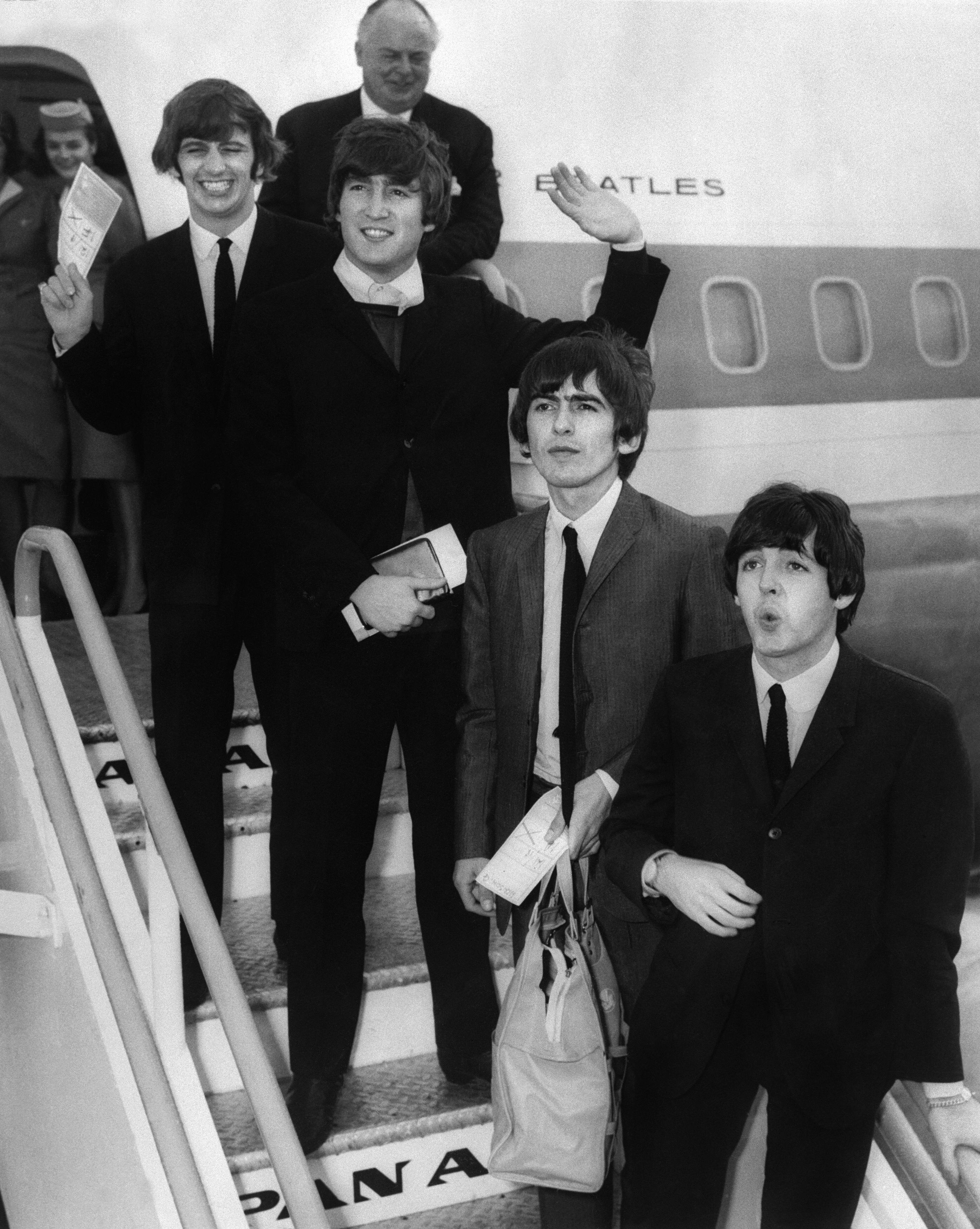
"description": "London, UNITED KINGDOM: TO GO WITH AFP STORY \"Now he's 64: Paul McCartney celebrates that birthday\" (FILES) Picture taken 18 August 1964 of the British pop music group \"Beatles\" leaving the London airport for a tour in United-States. Paul McCartney was just 24 when The Beatles first recorded their hit track \"When I'm Sixty-Four\". Forty years on, the former Beatle finally found out the answers to the long list of questions contained in the song as he celebrated his landmark birthday 18 June 2006. AFP PHOTO (Photo credit should read -/AFP/Getty Images)",
"title": "TO GO WITH AFP STORY \"Now he's 64: Paul",
"credit": null,
"status": "inherit",
"isLoading": false,
"fetchFailed": false
},
"arts_10139949": {
"type": "attachments",
"id": "arts_10139949",
"meta": {
"index": "attachments_1716263798",
"site": "arts",
"id": "10139949",
"found": true
},
"parent": 10139644,
"imgSizes": {
"twentyfourteen-full-width": {
"file": "https://ww2.kqed.org/app/uploads/sites/2/2015/08/videostorepiece-800x576.jpg",
"width": 800,
"mimeType": "image/jpeg",
"height": 576
},
"thumbnail": {
"file": "https://ww2.kqed.org/app/uploads/sites/2/2015/08/videostorepiece-e1452899463536-400x225.jpg",
"width": 400,
"mimeType": "image/jpeg",
"height": 225
},
"post-thumbnail": {
"file": "https://ww2.kqed.org/app/uploads/sites/2/2015/08/videostorepiece-e1452899463536-672x372.jpg",
"width": 672,
"mimeType": "image/jpeg",
"height": 372
},
"kqedFullSize": {
"file": "https://ww2.kqed.org/app/uploads/sites/2/2015/08/videostorepiece-e1452899463536.jpg",
"width": 800,
"height": 450
},
"guest-author-96": {
"file": "https://ww2.kqed.org/app/uploads/sites/2/2015/08/videostorepiece-e1452899463536-96x96.jpg",
"width": 96,
"mimeType": "image/jpeg",
"height": 96
},
"medium": {
"file": "https://ww2.kqed.org/app/uploads/sites/2/2015/08/videostorepiece-e1452899463536-800x450.jpg",
"width": 800,
"mimeType": "image/jpeg",
"height": 450
},
"guest-author-64": {
"file": "https://ww2.kqed.org/app/uploads/sites/2/2015/08/videostorepiece-e1452899463536-64x64.jpg",
"width": 64,
"mimeType": "image/jpeg",
"height": 64
},
"detail": {
"file": "https://ww2.kqed.org/app/uploads/sites/2/2015/08/videostorepiece-e1452899463536-75x75.jpg",
"width": 75,
"mimeType": "image/jpeg",
"height": 75
},
"guest-author-32": {
"file": "https://ww2.kqed.org/app/uploads/sites/2/2015/08/videostorepiece-e1452899463536-32x32.jpg",
"width": 32,
"mimeType": "image/jpeg",
"height": 32
},
"guest-author-128": {
"file": "https://ww2.kqed.org/app/uploads/sites/2/2015/08/videostorepiece-e1452899463536-128x128.jpg",
"width": 128,
"mimeType": "image/jpeg",
"height": 128
},
"medium_large": {
"file": "https://ww2.kqed.org/app/uploads/sites/2/2015/08/videostorepiece-e1452899463536-768x432.jpg",
"width": 768,
"mimeType": "image/jpeg",
"height": 432
}
},
"publishDate": 1407259417,
"modified": 1452899480,
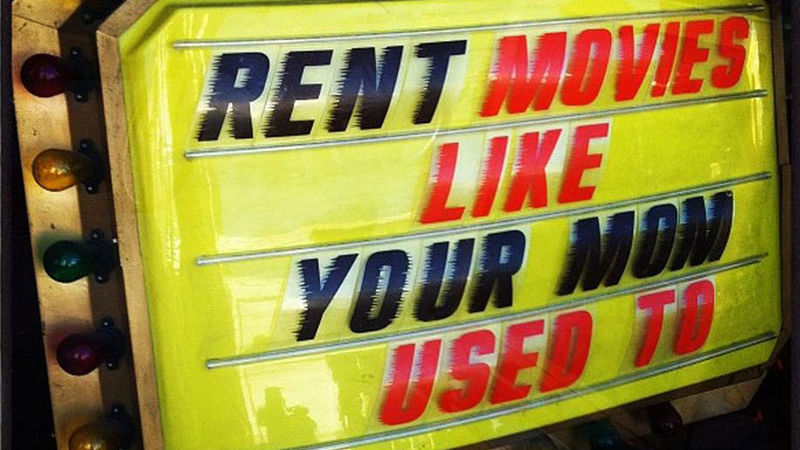
"caption": "Lost Weekend video marquee;",
"description": "Lost Weekend video marquee",
"title": "videostorepiece",
"credit": "Photo: Steve Rhodes",
"status": "inherit",
"isLoading": false,
"fetchFailed": false
},
"news_143574": {
"type": "attachments",
"id": "news_143574",
"meta": {
"index": "attachments_1716263798",
"site": "news",
"id": "143574",
"found": true
},
"parent": 143573,
"imgSizes": {
"kqedFullSize": {
"file": "https://ww2.kqed.org/app/uploads/sites/10/2014/08/tee-house-post-office-360.jpg",
"width": 640,
"height": 360
}
},
"publishDate": 1406911389,
"modified": 1406911389,
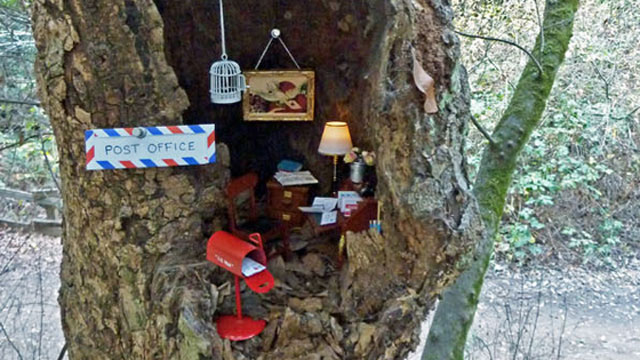
"caption": "The Tiny Treehouse at Tilden Park. (Leafcutter Designs)",
"description": null,
"title": "tee-house-post-office-360",
"credit": null,
"status": "inherit",
"isLoading": false,
"fetchFailed": false
},
"news_10341001": {
"type": "attachments",
"id": "news_10341001",
"meta": {
"index": "attachments_1716263798",
"site": "news",
"id": "10341001",
"found": true
},
"parent": 10140979,
"imgSizes": {
"thumbnail": {
"file": "https://ww2.kqed.org/app/uploads/sites/10/2014/09/5-Comic-Con-Artist-Turns-Adversity-Into-Asset-400x225.jpg",
"width": 400,
"mimeType": "image/jpeg",
"height": 225
},
"kqedFullSize": {
"file": "https://ww2.kqed.org/app/uploads/sites/10/2014/09/5-Comic-Con-Artist-Turns-Adversity-Into-Asset.jpg",
"width": 640,
"height": 360
},
"guest-author-96": {
"file": "https://ww2.kqed.org/app/uploads/sites/10/2014/09/5-Comic-Con-Artist-Turns-Adversity-Into-Asset-96x96.jpg",
"width": 96,
"mimeType": "image/jpeg",
"height": 96
},
"guest-author-64": {
"file": "https://ww2.kqed.org/app/uploads/sites/10/2014/09/5-Comic-Con-Artist-Turns-Adversity-Into-Asset-64x64.jpg",
"width": 64,
"mimeType": "image/jpeg",
"height": 64
},
"detail": {
"file": "https://ww2.kqed.org/app/uploads/sites/10/2014/09/5-Comic-Con-Artist-Turns-Adversity-Into-Asset-75x75.jpg",
"width": 75,
"mimeType": "image/jpeg",
"height": 75
},
"guest-author-32": {
"file": "https://ww2.kqed.org/app/uploads/sites/10/2014/09/5-Comic-Con-Artist-Turns-Adversity-Into-Asset-32x32.jpg",
"width": 32,
"mimeType": "image/jpeg",
"height": 32
},
"guest-author-128": {
"file": "https://ww2.kqed.org/app/uploads/sites/10/2014/09/5-Comic-Con-Artist-Turns-Adversity-Into-Asset-128x128.jpg",
"width": 128,
"mimeType": "image/jpeg",
"height": 128
}
},
"publishDate": 1410474775,
"modified": 1410474775,
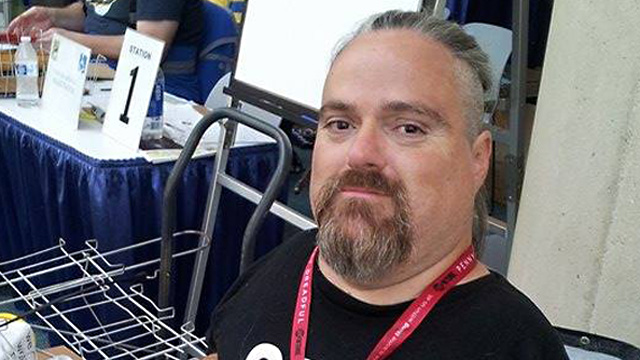
"caption": "Comic book artist Larime Taylor's \"A Voice in the Dark\" was released last year to critical acclaim. (Courtesy Mark Walsh)",
"description": null,
"title": "Larime Taylor",
"credit": null,
"status": "inherit",
"isLoading": false,
"fetchFailed": false
},
"news_10340994": {
"type": "attachments",
"id": "news_10340994",
"meta": {
"index": "attachments_1716263798",
"site": "news",
"id": "10340994",
"found": true
},
"parent": 10140968,
"imgSizes": {
"thumbnail": {
"file": "https://ww2.kqed.org/app/uploads/sites/10/2014/09/3-Berkeley-Garage-Keeps-Vintage-VW-Buses-on-the-Road-400x225.jpg",
"width": 400,
"mimeType": "image/jpeg",
"height": 225
},
"kqedFullSize": {
"file": "https://ww2.kqed.org/app/uploads/sites/10/2014/09/3-Berkeley-Garage-Keeps-Vintage-VW-Buses-on-the-Road.jpg",
"width": 640,
"height": 360
},
"guest-author-96": {
"file": "https://ww2.kqed.org/app/uploads/sites/10/2014/09/3-Berkeley-Garage-Keeps-Vintage-VW-Buses-on-the-Road-96x96.jpg",
"width": 96,
"mimeType": "image/jpeg",
"height": 96
},
"guest-author-64": {
"file": "https://ww2.kqed.org/app/uploads/sites/10/2014/09/3-Berkeley-Garage-Keeps-Vintage-VW-Buses-on-the-Road-64x64.jpg",
"width": 64,
"mimeType": "image/jpeg",
"height": 64
},
"detail": {
"file": "https://ww2.kqed.org/app/uploads/sites/10/2014/09/3-Berkeley-Garage-Keeps-Vintage-VW-Buses-on-the-Road-75x75.jpg",
"width": 75,
"mimeType": "image/jpeg",
"height": 75
},
"guest-author-32": {
"file": "https://ww2.kqed.org/app/uploads/sites/10/2014/09/3-Berkeley-Garage-Keeps-Vintage-VW-Buses-on-the-Road-32x32.jpg",
"width": 32,
"mimeType": "image/jpeg",
"height": 32
},
"guest-author-128": {
"file": "https://ww2.kqed.org/app/uploads/sites/10/2014/09/3-Berkeley-Garage-Keeps-Vintage-VW-Buses-on-the-Road-128x128.jpg",
"width": 128,
"mimeType": "image/jpeg",
"height": 128
}
},
"publishDate": 1410474677,
"modified": 1410474677,
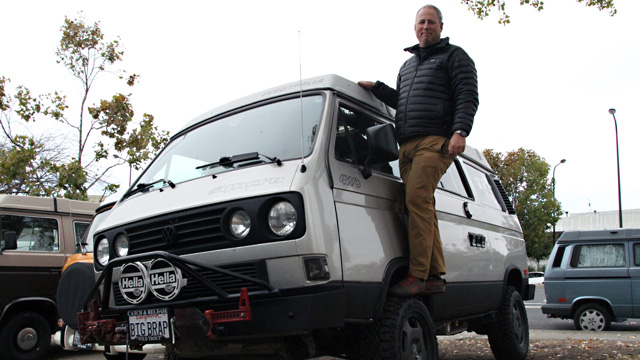
"caption": "Lance Larsen has brought his 1991 Westfalia Syncro to the Buslab for years. (Alejandro Rosas/KQED)",
"description": null,
"title": "3-Berkeley Garage Keeps Vintage VW Buses on the Road",
"credit": null,
"status": "inherit",
"isLoading": false,
"fetchFailed": false
},
"news_142506": {
"type": "attachments",
"id": "news_142506",
"meta": {
"index": "attachments_1716263798",
"site": "news",
"id": "142506",
"found": true
},
"parent": 142505,
"imgSizes": {
"kqedFullSize": {
"file": "https://ww2.kqed.org/app/uploads/sites/10/2014/07/off-the-grid-oakland-640.jpg",
"width": 640,
"height": 360
}
},
"publishDate": 1406052297,
"modified": 1406052297,
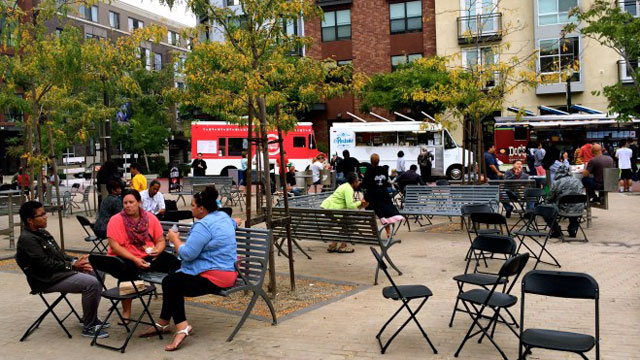
"caption": "Off the Grid organizers estimate that their first Uptown Oakland event on Monday evening brought out around 1,000 people. (Joanna Huang/Off the Grid)",
"description": null,
"title": "off-the-grid-oakland-640",
"credit": null,
"status": "inherit",
"isLoading": false,
"fetchFailed": false
},
"news_141983": {
"type": "attachments",
"id": "news_141983",
"meta": {
"index": "attachments_1716263798",
"site": "news",
"id": "141983",
"found": true
},
"parent": 141963,
"imgSizes": {
"kqedFullSize": {
"file": "https://ww2.kqed.org/app/uploads/sites/10/2014/07/ladygaga.jpg",
"width": 652,
"height": 365
}
},
"publishDate": 1405549321,
"modified": 1405549321,
"caption": "Screenshot from SaveOurH2O.org, where entertainer made pitch for water conservation.",
"description": "Screenshot from SaveOurH2O.org, where entertainer made pitch for water conservation.",
"title": "Lady Gaga-Water Conservation",
"credit": null,
"status": "inherit",
"isLoading": false,
"fetchFailed": false
},
"news_141851": {
"type": "attachments",
"id": "news_141851",
"meta": {
"index": "attachments_1716263798",
"site": "news",
"id": "141851",
"found": true
},
"parent": 141847,
"imgSizes": {
"kqedFullSize": {
"file": "https://ww2.kqed.org/app/uploads/sites/10/2014/07/Daughters-House-959-Indian-Rock-Ave.1.jpg",
"width": 640,
"height": 480
}
},
"publishDate": 1405452036,
"modified": 1405452036,
"caption": "John Hudson Thomas built this house at 959 Indian Rock Ave. for his daughter. (Robert Kehlmann/Berkeleyside)",
"description": null,
"title": "Daughters-House-959-Indian-Rock-Ave.",
"credit": null,
"status": "inherit",
"isLoading": false,
"fetchFailed": false
},
"arts_10138978": {
"type": "attachments",
"id": "arts_10138978",
"meta": {
"index": "attachments_1716263798",
"site": "arts",
"id": "10138978",
"found": true
},
"parent": 10138971,
"imgSizes": {
"thumbnail": {
"file": "https://ww2.kqed.org/app/uploads/sites/2/2014/07/Patreon1-400x244.jpg",
"width": 400,
"mimeType": "image/jpeg",
"height": 244
},
"post-thumbnail": {
"file": "https://ww2.kqed.org/app/uploads/sites/2/2014/07/Patreon1-672x372.jpg",
"width": 672,
"mimeType": "image/jpeg",
"height": 372
},
"kqedFullSize": {
"file": "https://ww2.kqed.org/app/uploads/sites/2/2014/07/Patreon1.jpg",
"width": 800,
"height": 489
},
"guest-author-96": {
"file": "https://ww2.kqed.org/app/uploads/sites/2/2014/07/Patreon1-96x96.jpg",
"width": 96,
"mimeType": "image/jpeg",
"height": 96
},
"medium": {
"file": "https://ww2.kqed.org/app/uploads/sites/2/2014/07/Patreon1-300x183.jpg",
"width": 300,
"mimeType": "image/jpeg",
"height": 183
},
"guest-author-64": {
"file": "https://ww2.kqed.org/app/uploads/sites/2/2014/07/Patreon1-64x64.jpg",
"width": 64,
"mimeType": "image/jpeg",
"height": 64
},
"detail": {
"file": "https://ww2.kqed.org/app/uploads/sites/2/2014/07/Patreon1-75x75.jpg",
"width": 75,
"mimeType": "image/jpeg",
"height": 75
},
"guest-author-32": {
"file": "https://ww2.kqed.org/app/uploads/sites/2/2014/07/Patreon1-32x32.jpg",
"width": 32,
"mimeType": "image/jpeg",
"height": 32
},
"guest-author-128": {
"file": "https://ww2.kqed.org/app/uploads/sites/2/2014/07/Patreon1-128x128.jpg",
"width": 128,
"mimeType": "image/jpeg",
"height": 128
}
},
"publishDate": 1405125802,
"modified": 1405125802,
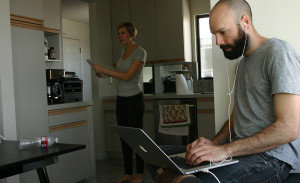
"caption": "Patreon cofounder Jack Conte works in the living room of a Noe Valley apartment that served as the company's headquarters for eight months. His girlfriend and Pomplamoose bandmate, Nataly Dawn, is in the kitchen.",
"description": "Patreon cofounder Jack Conte works in the living room of a Noe Valley apartment that served as the company's headquarters for eight months. His girlfriend and Pomplamoose bandmate, Nataly Dawn, is in the kitchen.",
"title": "Patreon1",
"credit": "Grace Rubenstein",
"status": "inherit",
"isLoading": false,
"fetchFailed": false
}
},
"audioPlayerReducer": {
"postId": "stream_live",
"isPaused": true,
"isPlaying": false,
"pfsActive": false,
"pledgeModalIsOpen": true,
"playerDrawerIsOpen": false,
"liveAudioPlayStartedAt": 0,
"liveAudioPlayContext": ""
},
"authorsReducer": {
"128436": {
"type": "authors",
"id": "128436",
"meta": {
"override": true
},
"slug": "128436",
"name": "Jon Brooks",
"firstName": "Jon",
"lastName": "Brooks",
"bio": "Jon Brooks is a KQED News online editor and writer for KQED's daily news blog, \u003ci>News Fix\u003c/i>. A veteran blogger, he previously worked for Yahoo! in various news writing and editing roles. He was also the editor of \u003ca>EconomyBeat.org\u003c/a>, which documented user-generated content about the financial crisis and recession. Jon is also a playwright whose work has been produced in San Francisco, New York, Italy, and around the U.S. He has written about film for his own blog and studied film at Boston University. He has an MFA in Creative Writing from Brooklyn College.",
"email": "jbrooks@kqed.org",
"isLoading": false
},
"byline_news_10340979": {
"type": "authors",
"id": "byline_news_10340979",
"meta": {
"override": true
},
"slug": "byline_news_10340979",
"name": "Brooke Binkowski",
"isLoading": false
},
"byline_news_10340968": {
"type": "authors",
"id": "byline_news_10340968",
"meta": {
"override": true
},
"slug": "byline_news_10340968",
"name": "Alejandro Rosas",
"isLoading": false
},
"byline_arts_10138971": {
"type": "authors",
"id": "byline_arts_10138971",
"meta": {
"override": true
},
"slug": "byline_arts_10138971",
"name": "Grace Rubenstein",
"isLoading": false
},
"cmusiker": {
"type": "authors",
"id": "32",
"meta": {
"index": "authors_1716337520",
"id": "32",
"found": true
},
"name": "Cy Musiker",
"firstName": "Cy",
"lastName": "Musiker",
"slug": "cmusiker",
"email": "cmusiker@kqed.org",
"display_author_email": false,
"staff_mastheads": [],
"title": "KQED Contributor",
"bio": "Cy Musiker is a former co-host of The Do List and a former reporter covering the arts for KQED News and The California Report. He loves live performance, especially great theater, jazz, roots music, anything by Mahler. Cy has an MJ from UC Berkeley's School of Journalism, and got his BA from Hampshire College. His work has been recognized by the Society for Professional Journalists with their Sigma Delta Chi Award for Public Service in Journalism. When he can, Cy likes to swim in Tomales Bay, run with his dog in the East Bay Hills, and hike the Sierra.",
"avatar": "https://secure.gravatar.com/avatar/05eaba5c5696ce8f062e4ea2df428a43?s=600&d=blank&r=g",
"twitter": null,
"facebook": null,
"instagram": null,
"linkedin": null,
"sites": [
{
"site": "arts",
"roles": [
"Contributor",
"subscriber"
]
},
{
"site": "news",
"roles": [
"author"
]
},
{
"site": "bayareabites",
"roles": [
"contributor"
]
}
],
"headData": {
"title": "Cy Musiker | KQED",
"description": "KQED Contributor",
"ogImgSrc": "https://secure.gravatar.com/avatar/05eaba5c5696ce8f062e4ea2df428a43?s=600&d=blank&r=g",
"twImgSrc": "https://secure.gravatar.com/avatar/05eaba5c5696ce8f062e4ea2df428a43?s=600&d=blank&r=g"
},
"isLoading": false,
"link": "/author/cmusiker"
},
"danbrekke": {
"type": "authors",
"id": "222",
"meta": {
"index": "authors_1716337520",
"id": "222",
"found": true
},
"name": "Dan Brekke",
"firstName": "Dan",
"lastName": "Brekke",
"slug": "danbrekke",
"email": "dbrekke@kqed.org",
"display_author_email": true,
"staff_mastheads": [
"news",
"science"
],
"title": "KQED Editor and Reporter",
"bio": "Dan Brekke is a reporter and editor for KQED News, responsible for coverage of topics ranging from California water issues to the Bay Area's transportation challenges. In a newsroom career that began in Chicago in 1972, Dan has worked for \u003cem>The San Francisco Examiner,\u003c/em> Wired and TechTV and has been published in The New York Times, The New York Times Magazine, Business 2.0, Salon and elsewhere.\r\n\r\nSince joining KQED in 2007, Dan has reported, edited and produced both radio and online features and breaking news pieces. He has shared as both editor and reporter in four Society of Professional Journalists Norcal Excellence in Journalism awards and one Edward R. Murrow regional award. He was chosen for a spring 2017 residency at the Mesa Refuge to advance his research on California salmon.\r\n\r\nEmail Dan at: \u003ca href=\"mailto:dbrekke@kqed.org\">dbrekke@kqed.org\u003c/a>\r\n\r\n\u003cstrong>Twitter:\u003c/strong> \u003ca href=\"https://twitter.com/danbrekke\" rel=\"noopener noreferrer\">twitter.com/danbrekke\u003c/a>\r\n\u003cstrong>Facebook:\u003c/strong> \u003ca href=\"https://www.facebook.com/danbrekke\" rel=\"noopener noreferrer\">www.facebook.com/danbrekke\u003c/a>\r\n\u003cstrong>LinkedIn:\u003c/strong> \u003ca href=\"https://www.linkedin.com/in/danbrekke\" rel=\"noopener noreferrer\">www.linkedin.com/in/danbrekke\u003c/a>",
"avatar": "https://secure.gravatar.com/avatar/8f1f0d2a978fb3b23426c922c7e2af558fa36905b49c4ce76a97dc3c72d27226?s=600&d=mm&r=g",
"twitter": "danbrekke",
"bluesky": null,
"facebook": null,
"instagram": "https://www.instagram.com/dan.brekke/",
"linkedin": "https://www.linkedin.com/in/danbrekke/",
"sites": [
{
"site": "news",
"roles": [
"administrator",
"create_posts"
]
},
{
"site": "stateofhealth",
"roles": [
"editor"
]
},
{
"site": "science",
"roles": [
"editor"
]
},
{
"site": "quest",
"roles": [
"contributor"
]
},
{
"site": "food",
"roles": [
"contributor"
]
},
{
"site": "forum",
"roles": [
"contributor"
]
},
{
"site": "elections",
"roles": [
"editor"
]
},
{
"site": "liveblog",
"roles": [
"editor"
]
}
],
"headData": {
"title": "Dan Brekke | KQED",
"description": "KQED Editor and Reporter",
"ogImgSrc": "https://secure.gravatar.com/avatar/8f1f0d2a978fb3b23426c922c7e2af558fa36905b49c4ce76a97dc3c72d27226?s=600&d=mm&r=g",
"twImgSrc": "https://secure.gravatar.com/avatar/8f1f0d2a978fb3b23426c922c7e2af558fa36905b49c4ce76a97dc3c72d27226?s=600&d=mm&r=g"
},
"isLoading": false,
"link": "/author/danbrekke"
},
"kqed": {
"type": "authors",
"id": "236",
"meta": {
"index": "authors_1716337520",
"id": "236",
"found": true
},
"name": "KQED News Staff",
"firstName": "KQED News Staff",
"lastName": null,
"slug": "kqed",
"email": "faq@kqed.org",
"display_author_email": false,
"staff_mastheads": [],
"title": null,
"bio": null,
"avatar": "https://secure.gravatar.com/avatar/ef0e801a68c4c54afa9180db14084167?s=600&d=blank&r=g",
"twitter": null,
"facebook": null,
"instagram": null,
"linkedin": null,
"sites": [
{
"site": "arts",
"roles": [
"contributor"
]
},
{
"site": "news",
"roles": [
"editor"
]
},
{
"site": "futureofyou",
"roles": [
"author"
]
}
],
"headData": {
"title": "KQED News Staff | KQED",
"description": null,
"ogImgSrc": "https://secure.gravatar.com/avatar/ef0e801a68c4c54afa9180db14084167?s=600&d=blank&r=g",
"twImgSrc": "https://secure.gravatar.com/avatar/ef0e801a68c4c54afa9180db14084167?s=600&d=blank&r=g"
},
"isLoading": false,
"link": "/author/kqed"
}
},
"pagesReducer": {
"news_category_arts-and-culture": {
"type": "terms",
"id": "news_223",
"meta": {
"index": "terms_1716263798",
"site": "news",
"id": "223",
"score": 11.242846
},
"featImg": null,
"name": "Arts and Culture",
"description": null,
"taxonomy": "category",
"headData": {
"twImgId": null,
"twTitle": null,
"ogTitle": null,
"ogImgId": null,
"twDescription": null,
"description": null,
"title": "Arts and Culture Archives | KQED News",
"ogDescription": null
},
"ttid": 231,
"slug": "arts-and-culture",
"isLoading": false,
"title": "Arts and Culture",
"pageMeta": {
"site": "news",
"WpPageTemplate": "page-topic-editorial",
"currentPage": 137
},
"blocks": [
{
"blockName": "kqed/post-list",
"attrs": {
"layout": "cardArticle2",
"query": "posts/news?category=arts-and-culture",
"seeMore": false,
"paginated": true,
"page": 137
}
},
{
"blockName": "kqed/ad"
}
]
}
},
"pfsSessionReducer": {},
"postsReducer": {
"stream_live": {
"type": "live",
"id": "stream_live",
"audioUrl": "https://streams.kqed.org/kqedradio",
"title": "Live Stream",
"excerpt": "Live Stream information currently unavailable.",
"link": "/radio",
"featImg": "",
"label": {
"name": "KQED Live",
"link": "/"
}
},
"stream_kqedNewscast": {
"type": "posts",
"id": "stream_kqedNewscast",
"audioUrl": "https://www.kqed.org/.stream/anon/radio/RDnews/newscast.mp3?_=1",
"title": "KQED Newscast",
"featImg": "",
"label": {
"name": "88.5 FM",
"link": "/"
}
},
"news_144630": {
"type": "posts",
"id": "news_144630",
"meta": {
"index": "posts_1716263798",
"site": "news",
"id": "144630",
"score": null,
"sort": [
1407967570000
]
},
"guestAuthors": [],
"slug": "robin-williams-suicide-disclosure-too-much-too-graphic",
"title": "Robin Williams Suicide Disclosure: Too Much? Too Graphic?",
"publishDate": 1407967570,
"format": "aside",
"headTitle": "Robin Williams Suicide Disclosure: Too Much? Too Graphic? | KQED",
"labelTerm": {
"term": 6944,
"site": "news"
},
"content": "\u003cfigure id=\"attachment_144561\" class=\"wp-caption aligncenter\" style=\"max-width: 640px\">\u003ca href=\"http://ww2.kqed.org/news/wp-content/uploads/sites/10/2014/08/RS11447_134732889-lpr-1.jpg\">\u003cimg loading=\"lazy\" decoding=\"async\" class=\"size-medium wp-image-144561\" src=\"http://ww2.kqed.org/news/wp-content/uploads/sites/10/2014/08/RS11447_134732889-lpr-1-640x454.jpg\" alt=\"Robin Williams, pictured in 2004. (Ryan Pierse/Getty Images)\" width=\"640\" height=\"454\">\u003c/a>\u003cfigcaption class=\"wp-caption-text\">Robin Williams, pictured in 2004. (Ryan Pierse/Getty Images)\u003c/figcaption>\u003c/figure>\n\u003cp>How much do you \u003cem>want\u003c/em> to know about how Robin Williams died? How much do you \u003cem>need\u003c/em> to know about it? What \u003cem>should\u003c/em> you know about it? When does releasing the details of a death, even a celebrity’s death, threaten to breach the boundaries of decency, violate privacy and even pose a public health risk?\u003c/p>\n\u003cp>I ask because of the reaction in the KQED newsroom Tuesday as Lt. Keith Boyd, Marin County’s assistant chief deputy coroner, delivered his description of Williams’ death in a nationally televised press conference. Boyd disclosed that Williams’ body was discovered in a bedroom of his Tiburon home by his personal assistant late Monday morning. Then he offered some explicit details about the condition of Williams’ body when it was found:\u003c/p>\n\u003cblockquote>\u003cp>… Mr. Williams [was] clothed in a seated position, unresponsive, and with a belt secured around his neck with the other end of the belt wedged between the closed closet door and door frame. His right shoulder area was touching the door with his body was perpendicular to the door and slightly suspended.\u003c/p>\n\u003cp>Mr. Williams was cool to the touch with rigor mortis present in all of his extremities and livor mortis positioned appropriately for the position he was located in. …\u003c/p>\u003c/blockquote>\n\u003cp>(\u003ca href=\"http://www.iupui.edu/~pathol/autopsy/main/10/10.htm\" target=\"_blank\" rel=\"noopener\">Rigor mortis\u003c/a> refers to a body’s temporary rigidity after death. \u003ca href=\"http://www.iupui.edu/~pathol/autopsy/main/11/11.htm\" target=\"_blank\" rel=\"noopener\">Livor mortis \u003c/a>describes the discoloration that occurs as blood pools in a body after death.)\u003c/p>\n\u003caside class=\"pullquote alignleft\">You can thank us, the media pursuing the public’s right to know, for disclosure of the circumstances surrounding the death of Robin Williams.\u003c/aside>\n\u003cp>After Boyd read his statement, some here in the newsroom (and far beyond, to judge from comments on Twitter) said they were disturbed, even shocked, to hear the graphic description of Wiliams’ postmortem physical condition. The general feeling from the comments I heard was that publicizing the details was a sort of violation. It was an intrusion into a personal tragedy that by right only those closest to the dead should share. And it exposed the awful particulars of the deceased’s last moments to a luridly curious media and public. Some raised the possibility that disclosing details of the death scene might lead to copycat suicides.\u003c/p>\n\u003cp>On the other side, a few folks said, first, that the information the coroner provided would come out in any case, and second, that the Marin County authorities might be trying to head off the inevitable sensational speculation about the circumstances of Williams’ death.\u003c/p>\n\u003cp>[ad fullwidth]\u003c/p>\n\u003cp>I called Boyd Wednesday to ask what factors guided the decision by the sheriff’s office to include what some have deemed graphic details of Williams’ death. His answer was simple: “We are just following the law.” The law in question is the \u003ca href=\"http://www.leginfo.ca.gov/cgi-bin/displaycode?section=gov&group=06001-07000&file=6250-6270\" target=\"_blank\" rel=\"noopener\">California Public Records Act\u003c/a>, which requires local agencies to disclose most of the records they keep, including coroner’s records (One significant exception is photographs. It takes a court order to get pictures that medical examiners may have taken as part of their postmortem investigations).\u003c/p>\n\u003cp>I asked Boyd whether the details released Tuesday would be disclosed in any case his office handled. “Mr. Williams’ case is not like any other case,” Boyd said. “I wouldn’t have gotten the PRA requests I’ve gotten for this case.”\u003c/p>\n\u003cp>You can thank us, the media pursuing the public’s right to know, for all those requests. And you can thank us in advance, too, for the further details on Williams’ death that will emerge as the coroner’s office completes its forensic investigation. Among other things, media organizations have already requested recordings and transcripts of the 911 call that alerted authorities to Williams’ death late Monday morning.\u003c/p>\n\u003cp>[contextly_sidebar id=”jPbOvUtyUMdV34Raq5SbNhU5rNtPZGwP”]\u003c/p>\n\u003cp>For my part, I do indeed believe in the public’s right to know. I think in general we’re a little too ready to protect our audiences from what we judge to be the unpleasant details of the violence in which our culture sometimes seems to be immersed, whether that violence be our wars, violent crime or, yes, suicide. I believe in the value of the public discussion that may follow full and honest disclosure, even disclosure of someone else’s awful personal tragedy.\u003c/p>\n\u003cp>But how we handle such disclosures can make all the difference. It’s \u003ca href=\"http://www.nytimes.com/1987/03/18/nyregion/pattern-of-death-copycat-suicides-among-youths.html\" target=\"_blank\" rel=\"noopener\">long been accepted\u003c/a> among suicide researchers and social scientists that copycat suicides are a real thing. There’s \u003ca href=\"http://www.plosone.org/article/info%3Adoi%2F10.1371%2Fjournal.pone.0007252\" target=\"_blank\" rel=\"noopener\">a growing body of evidence\u003c/a> that media reporting on suicides can prompt more suicides. \u003ca href=\"http://www.plosone.org/article/info%3Adoi%2F10.1371%2Fjournal.pone.0055000\" target=\"_blank\" rel=\"noopener\">One recent study\u003c/a> looked at what happened when media reported on a novel method of suicide in Taiwan in the late 1990s: asphyxiation brought about by lighting a charcoal fire indoors. The findings suggest that intense media attention on such episodes triggered an immediate spike in similar suicide attempts. By 2010, “charcoal burning suicide” had became the second most common method of taking one’s life in Taiwan (after hanging).\u003c/p>\n\u003cp>In response to growing attention to news media’s potential role in sparking copycat suicide episodes, suicide researchers, mental health experts and media partners have come up with a set of guidelines on how to treat the subject: \u003ca href=\"http://reportingonsuicide.org/\" target=\"_blank\" rel=\"noopener\">Recommendations for Reporting on Suicide\u003c/a>.\u003c/p>\n\u003cp>The recommendations seek to get media to emphasize the mental health and public health implications of suicide and to remove sensationalism from suicide coverage. For instance.\u003c/p>\n\u003cblockquote>\u003cp>Instead of this: Big or sensationalistic headlines, or prominent placement (e.g., “Kurt Cobain Used Shotgun to Commit Suicide”), do this: Inform the audience without sensationalizing the suicide and minimize prominence (e.g., “Kurt Cobain Dead at 27”).\u003c/p>\u003c/blockquote>\n\u003cp>The specific mention of \u003ca href=\"http://www.biography.com/people/kurt-cobain-9542179#synopsis\" target=\"_blank\" rel=\"noopener\">Kurt Cobain\u003c/a> in the recommendations is kind of interesting. Cobain, the guitarist/singer/songwriter for Seattle’s Nirvana, used a shotgun to kill himself in 1994. David A. Jobes, a prominent suicide researcher, studied Cobain’s death and the popular reaction to it. As \u003ca href=\"http://www.seattleweekly.com/home/951542-129/happens-every-day-the-suicide-of\" target=\"_blank\" rel=\"noopener\">recounted by Cobain biographer Charles R. Cross\u003c/a> in the Seattle Weekly earlier this year, the aftermath was different from what Jobes anticipated:\u003c/p>\n\u003cblockquote>\u003cp>[Jobes] was actually attending an international convention of suicide researchers that week; he heard the news sitting in a bar discussing trends in the field when a breaking news report came across the television in the background. “It was the headline story,” Jobes told me, “and I was with a guy from the CDC, and our jaws just dropped. ‘This is going to be bad,’ we said. We thought there was going to be an epidemic.”\u003c/p>\n\u003cp>Jobes’ extensive study found the opposite occurred. The \u003ca href=\"http://www.ncbi.nlm.nih.gov/pubmed/8897665\" target=\"_blank\" rel=\"noopener\">paper he published\u003c/a> speculates several reasons: “The lack of an apparent copycat effect in Seattle may be due to various aspects of the media coverage, the method used in Cobain’s suicide, and the crisis center and community outreach interventions that occurred.” Jobes says another key was outreach by the medical community in the previous year to establish a protocol for suicide coverage, urging media outlets to include suicide resources in their reports. Kurt’s death “was the first time where articles appeared with little boxes that listed hotline numbers, signs of depression, and places to get help,” Jobes said. He says Kurt’s death was something of an “outlier of a celebrity suicide in that it arguably led to reporting that did some good.”\u003c/p>\u003c/blockquote>\n\u003cp>So, that’s the challenge — “reporting that will do some good,” despite the distressing details. One gesture in that direction, as mentioned by one of my colleagues: recognition that suicide is a national public health crisis.\u003c/p>\n\u003cp>\u003ca href=\"http://www.cdc.gov/nchs/data/dvs/2011_Final_Mortality_Data_Release.pdf\" target=\"_blank\" rel=\"noopener\">According to the federal Centers for Disease Control and Prevention\u003c/a>, 39,518 people took their lives in the United States in 2011, the most recent year for which data are available. That’s a toll 2½ times the number of homicides during the same year.\u003c/p>\n\u003cp>As stark as that number seems — nearly 109 suicides per day, on average, with the nationwide incidence of suicide growing each year — it conceals the actual dimensions of the crisis. The CDC also \u003ca href=\"http://www.cdc.gov/violenceprevention/pdf/suicide_datasheet-a.pdf\" target=\"_blank\" rel=\"noopener\">estimate\u003c/a>s that in 2010, there were 25 attempted suicides for every one that succeeded — 1 million attempts all across the United States in a single year. Two million people said they had made plans to kill themselves. Eight million said they had experienced suicidal thoughts.\u003c/p>\n\u003cp>It’s natural to look for a message in Robin Williams’ suicide. I’m not sure there is one beyond the staggering realization that even those who look like they have everything can experience such blinding despair that they are driven to take their own lives.\u003c/p>\n\u003cp>[ad floatright]\u003c/p>\n\u003cp>The message in the larger context: Realize the dimensions of the crisis that’s taking so many lives, and pay attention and be ready to help those in your life when they tell you they’re in crisis.\u003c/p>\n\n",
"blocks": [],
"excerpt": "What do we need to know about a beloved celebrity's suicide? Is there a danger in reporting the details?",
"status": "publish",
"parent": 0,
"modified": 1721107780,
"stats": {
"hasAudio": false,
"hasVideo": false,
"hasChartOrMap": false,
"iframeSrcs": [],
"hasGoogleForm": false,
"hasGallery": false,
"hasHearkenModule": false,
"hasPolis": false,
"paragraphCount": 26,
"wordCount": 1527
},
"headData": {
"title": "Robin Williams Suicide Disclosure: Too Much? Too Graphic? | KQED",
"description": "What do we need to know about a beloved celebrity's suicide? Is there a danger in reporting the details?",
"ogTitle": "",
"ogDescription": "",
"ogImgId": "",
"twTitle": "",
"twDescription": "",
"twImgId": "",
"schema": {
"@context": "https://schema.org",
"@type": "NewsArticle",
"headline": "Robin Williams Suicide Disclosure: Too Much? Too Graphic?",
"datePublished": "2014-08-13T15:06:10-07:00",
"dateModified": "2024-07-15T22:29:40-07:00",
"image": "https://cdn.kqed.org/wp-content/uploads/2020/02/KQED-OG-Image@1x.png",
"isAccessibleForFree": "True",
"publisher": {
"@type": "NewsMediaOrganization",
"@id": "https://www.kqed.org/#organization",
"name": "KQED",
"logo": "https://cdn.kqed.org/wp-content/uploads/2020/02/KQED-OG-Image@1x.png",
"url": "https://www.kqed.org",
"sameAs": [
"https://www.facebook.com/KQED",
"https://twitter.com/KQED",
"https://www.instagram.com/kqed/",
"https://www.tiktok.com/@kqedofficial",
"https://www.linkedin.com/company/kqed",
"https://www.youtube.com/channel/UCeC0IOo7i1P_61zVUWbJ4nw"
]
}
}
},
"sticky": false,
"path": "/news/144630/robin-williams-suicide-disclosure-too-much-too-graphic",
"audioTrackLength": null,
"parsedContent": [
{
"type": "contentString",
"content": "\u003cdiv class=\"post-body\">\u003cp>\u003cfigure id=\"attachment_144561\" class=\"wp-caption aligncenter\" style=\"max-width: 640px\">\u003ca href=\"http://ww2.kqed.org/news/wp-content/uploads/sites/10/2014/08/RS11447_134732889-lpr-1.jpg\">\u003cimg loading=\"lazy\" decoding=\"async\" class=\"size-medium wp-image-144561\" src=\"http://ww2.kqed.org/news/wp-content/uploads/sites/10/2014/08/RS11447_134732889-lpr-1-640x454.jpg\" alt=\"Robin Williams, pictured in 2004. (Ryan Pierse/Getty Images)\" width=\"640\" height=\"454\">\u003c/a>\u003cfigcaption class=\"wp-caption-text\">Robin Williams, pictured in 2004. (Ryan Pierse/Getty Images)\u003c/figcaption>\u003c/figure>\n\u003cp>How much do you \u003cem>want\u003c/em> to know about how Robin Williams died? How much do you \u003cem>need\u003c/em> to know about it? What \u003cem>should\u003c/em> you know about it? When does releasing the details of a death, even a celebrity’s death, threaten to breach the boundaries of decency, violate privacy and even pose a public health risk?\u003c/p>\n\u003cp>I ask because of the reaction in the KQED newsroom Tuesday as Lt. Keith Boyd, Marin County’s assistant chief deputy coroner, delivered his description of Williams’ death in a nationally televised press conference. Boyd disclosed that Williams’ body was discovered in a bedroom of his Tiburon home by his personal assistant late Monday morning. Then he offered some explicit details about the condition of Williams’ body when it was found:\u003c/p>\n\u003cblockquote>\u003cp>… Mr. Williams [was] clothed in a seated position, unresponsive, and with a belt secured around his neck with the other end of the belt wedged between the closed closet door and door frame. His right shoulder area was touching the door with his body was perpendicular to the door and slightly suspended.\u003c/p>\n\u003cp>Mr. Williams was cool to the touch with rigor mortis present in all of his extremities and livor mortis positioned appropriately for the position he was located in. …\u003c/p>\u003c/blockquote>\n\u003cp>(\u003ca href=\"http://www.iupui.edu/~pathol/autopsy/main/10/10.htm\" target=\"_blank\" rel=\"noopener\">Rigor mortis\u003c/a> refers to a body’s temporary rigidity after death. \u003ca href=\"http://www.iupui.edu/~pathol/autopsy/main/11/11.htm\" target=\"_blank\" rel=\"noopener\">Livor mortis \u003c/a>describes the discoloration that occurs as blood pools in a body after death.)\u003c/p>\n\u003caside class=\"pullquote alignleft\">You can thank us, the media pursuing the public’s right to know, for disclosure of the circumstances surrounding the death of Robin Williams.\u003c/aside>\n\u003cp>After Boyd read his statement, some here in the newsroom (and far beyond, to judge from comments on Twitter) said they were disturbed, even shocked, to hear the graphic description of Wiliams’ postmortem physical condition. The general feeling from the comments I heard was that publicizing the details was a sort of violation. It was an intrusion into a personal tragedy that by right only those closest to the dead should share. And it exposed the awful particulars of the deceased’s last moments to a luridly curious media and public. Some raised the possibility that disclosing details of the death scene might lead to copycat suicides.\u003c/p>\n\u003cp>On the other side, a few folks said, first, that the information the coroner provided would come out in any case, and second, that the Marin County authorities might be trying to head off the inevitable sensational speculation about the circumstances of Williams’ death.\u003c/p>\n\u003cp>\u003c/p>\u003c/div>",
"attributes": {
"named": {},
"numeric": []
}
},
{
"type": "component",
"content": "",
"name": "ad",
"attributes": {
"named": {
"label": "fullwidth"
},
"numeric": [
"fullwidth"
]
}
},
{
"type": "contentString",
"content": "\u003cdiv class=\"post-body\">\u003cp>\u003c/p>\n\u003cp>I called Boyd Wednesday to ask what factors guided the decision by the sheriff’s office to include what some have deemed graphic details of Williams’ death. His answer was simple: “We are just following the law.” The law in question is the \u003ca href=\"http://www.leginfo.ca.gov/cgi-bin/displaycode?section=gov&group=06001-07000&file=6250-6270\" target=\"_blank\" rel=\"noopener\">California Public Records Act\u003c/a>, which requires local agencies to disclose most of the records they keep, including coroner’s records (One significant exception is photographs. It takes a court order to get pictures that medical examiners may have taken as part of their postmortem investigations).\u003c/p>\n\u003cp>I asked Boyd whether the details released Tuesday would be disclosed in any case his office handled. “Mr. Williams’ case is not like any other case,” Boyd said. “I wouldn’t have gotten the PRA requests I’ve gotten for this case.”\u003c/p>\n\u003cp>You can thank us, the media pursuing the public’s right to know, for all those requests. And you can thank us in advance, too, for the further details on Williams’ death that will emerge as the coroner’s office completes its forensic investigation. Among other things, media organizations have already requested recordings and transcripts of the 911 call that alerted authorities to Williams’ death late Monday morning.\u003c/p>\n\u003cp>\u003c/p>\u003cp>\u003c/p>\u003cp>\u003c/p>\n\u003cp>For my part, I do indeed believe in the public’s right to know. I think in general we’re a little too ready to protect our audiences from what we judge to be the unpleasant details of the violence in which our culture sometimes seems to be immersed, whether that violence be our wars, violent crime or, yes, suicide. I believe in the value of the public discussion that may follow full and honest disclosure, even disclosure of someone else’s awful personal tragedy.\u003c/p>\n\u003cp>But how we handle such disclosures can make all the difference. It’s \u003ca href=\"http://www.nytimes.com/1987/03/18/nyregion/pattern-of-death-copycat-suicides-among-youths.html\" target=\"_blank\" rel=\"noopener\">long been accepted\u003c/a> among suicide researchers and social scientists that copycat suicides are a real thing. There’s \u003ca href=\"http://www.plosone.org/article/info%3Adoi%2F10.1371%2Fjournal.pone.0007252\" target=\"_blank\" rel=\"noopener\">a growing body of evidence\u003c/a> that media reporting on suicides can prompt more suicides. \u003ca href=\"http://www.plosone.org/article/info%3Adoi%2F10.1371%2Fjournal.pone.0055000\" target=\"_blank\" rel=\"noopener\">One recent study\u003c/a> looked at what happened when media reported on a novel method of suicide in Taiwan in the late 1990s: asphyxiation brought about by lighting a charcoal fire indoors. The findings suggest that intense media attention on such episodes triggered an immediate spike in similar suicide attempts. By 2010, “charcoal burning suicide” had became the second most common method of taking one’s life in Taiwan (after hanging).\u003c/p>\n\u003cp>In response to growing attention to news media’s potential role in sparking copycat suicide episodes, suicide researchers, mental health experts and media partners have come up with a set of guidelines on how to treat the subject: \u003ca href=\"http://reportingonsuicide.org/\" target=\"_blank\" rel=\"noopener\">Recommendations for Reporting on Suicide\u003c/a>.\u003c/p>\n\u003cp>The recommendations seek to get media to emphasize the mental health and public health implications of suicide and to remove sensationalism from suicide coverage. For instance.\u003c/p>\n\u003cblockquote>\u003cp>Instead of this: Big or sensationalistic headlines, or prominent placement (e.g., “Kurt Cobain Used Shotgun to Commit Suicide”), do this: Inform the audience without sensationalizing the suicide and minimize prominence (e.g., “Kurt Cobain Dead at 27”).\u003c/p>\u003c/blockquote>\n\u003cp>The specific mention of \u003ca href=\"http://www.biography.com/people/kurt-cobain-9542179#synopsis\" target=\"_blank\" rel=\"noopener\">Kurt Cobain\u003c/a> in the recommendations is kind of interesting. Cobain, the guitarist/singer/songwriter for Seattle’s Nirvana, used a shotgun to kill himself in 1994. David A. Jobes, a prominent suicide researcher, studied Cobain’s death and the popular reaction to it. As \u003ca href=\"http://www.seattleweekly.com/home/951542-129/happens-every-day-the-suicide-of\" target=\"_blank\" rel=\"noopener\">recounted by Cobain biographer Charles R. Cross\u003c/a> in the Seattle Weekly earlier this year, the aftermath was different from what Jobes anticipated:\u003c/p>\n\u003cblockquote>\u003cp>[Jobes] was actually attending an international convention of suicide researchers that week; he heard the news sitting in a bar discussing trends in the field when a breaking news report came across the television in the background. “It was the headline story,” Jobes told me, “and I was with a guy from the CDC, and our jaws just dropped. ‘This is going to be bad,’ we said. We thought there was going to be an epidemic.”\u003c/p>\n\u003cp>Jobes’ extensive study found the opposite occurred. The \u003ca href=\"http://www.ncbi.nlm.nih.gov/pubmed/8897665\" target=\"_blank\" rel=\"noopener\">paper he published\u003c/a> speculates several reasons: “The lack of an apparent copycat effect in Seattle may be due to various aspects of the media coverage, the method used in Cobain’s suicide, and the crisis center and community outreach interventions that occurred.” Jobes says another key was outreach by the medical community in the previous year to establish a protocol for suicide coverage, urging media outlets to include suicide resources in their reports. Kurt’s death “was the first time where articles appeared with little boxes that listed hotline numbers, signs of depression, and places to get help,” Jobes said. He says Kurt’s death was something of an “outlier of a celebrity suicide in that it arguably led to reporting that did some good.”\u003c/p>\u003c/blockquote>\n\u003cp>So, that’s the challenge — “reporting that will do some good,” despite the distressing details. One gesture in that direction, as mentioned by one of my colleagues: recognition that suicide is a national public health crisis.\u003c/p>\n\u003cp>\u003ca href=\"http://www.cdc.gov/nchs/data/dvs/2011_Final_Mortality_Data_Release.pdf\" target=\"_blank\" rel=\"noopener\">According to the federal Centers for Disease Control and Prevention\u003c/a>, 39,518 people took their lives in the United States in 2011, the most recent year for which data are available. That’s a toll 2½ times the number of homicides during the same year.\u003c/p>\n\u003cp>As stark as that number seems — nearly 109 suicides per day, on average, with the nationwide incidence of suicide growing each year — it conceals the actual dimensions of the crisis. The CDC also \u003ca href=\"http://www.cdc.gov/violenceprevention/pdf/suicide_datasheet-a.pdf\" target=\"_blank\" rel=\"noopener\">estimate\u003c/a>s that in 2010, there were 25 attempted suicides for every one that succeeded — 1 million attempts all across the United States in a single year. Two million people said they had made plans to kill themselves. Eight million said they had experienced suicidal thoughts.\u003c/p>\n\u003cp>It’s natural to look for a message in Robin Williams’ suicide. I’m not sure there is one beyond the staggering realization that even those who look like they have everything can experience such blinding despair that they are driven to take their own lives.\u003c/p>\n\u003cp>\u003c/p>\u003c/div>",
"attributes": {
"named": {},
"numeric": []
}
},
{
"type": "component",
"content": "",
"name": "ad",
"attributes": {
"named": {
"label": "floatright"
},
"numeric": [
"floatright"
]
}
},
{
"type": "contentString",
"content": "\u003cdiv class=\"post-body\">\u003cp>\u003c/p>\n\u003cp>The message in the larger context: Realize the dimensions of the crisis that’s taking so many lives, and pay attention and be ready to help those in your life when they tell you they’re in crisis.\u003c/p>\n\n\u003c/div>\u003c/p>",
"attributes": {
"named": {},
"numeric": []
}
}
],
"link": "/news/144630/robin-williams-suicide-disclosure-too-much-too-graphic",
"authors": [
"222"
],
"programs": [
"news_6944"
],
"categories": [
"news_223",
"news_8"
],
"tags": [
"news_205",
"news_2109",
"news_6788",
"news_2883"
],
"featImg": "news_144561",
"label": "news_6944"
},
"news_144552": {
"type": "posts",
"id": "news_144552",
"meta": {
"index": "posts_1716263798",
"site": "news",
"id": "144552",
"score": null,
"sort": [
1407806210000
]
},
"parent": 0,
"labelTerm": {
"site": "news",
"term": 6944
},
"blocks": [],
"publishDate": 1407806210,
"format": "aside",
"disqusTitle": "Robin Williams: 'A Tortured Soul, But No One Was Kinder'",
"title": "Robin Williams: 'A Tortured Soul, But No One Was Kinder'",
"headTitle": "News Fix | KQED News",
"content": "\u003cp>\u003ca id=\"williamsaudio\">\u003c/a>\u003ciframe src=\"https://w.soundcloud.com/player/?url=https%3A//api.soundcloud.com/tracks/162748486&auto_play=false&hide_related=false&show_comments=true&show_user=true&show_reposts=false&visual=true\" width=\"100%\" height=\"450\" frameborder=\"no\" scrolling=\"no\">\u003c/iframe>\u003c/p>\n\u003cp>\u003cstrong>Editor's note:\u003c/strong> \u003cem>An earlier version of this post misidentified Bob Ayres. We regret the error. \u003c/em>\u003c/p>\n\u003cp>Friends and fellow performers of Robin Williams, the comedian and actor celebrated for his manic intelligence and high-speed inventiveness, are expressing shock at his passing earlier Monday.\u003c/p>\n\u003cp>Just one example:\u003c/p>\n\u003cblockquote class=\"twitter-tweet\" lang=\"en\">\u003cp>I could not be more stunned by the loss of Robin Williams, mensch, great talent, acting partner, genuine soul.\u003c/p>\n\u003cp>— Steve Martin (@SteveMartinToGo) \u003ca href=\"https://twitter.com/SteveMartinToGo/statuses/498971366050107392\">August 11, 2014\u003c/a>\u003c/p>\u003c/blockquote>\n\u003cp>Many in the San Francisco entertainment scene are remembering Williams, too. One of those: Bob Ayres, founder of the long-defunct Other Café in the Haight-Ashbury, one of Williams' favorite venues. I talked to Ayres shortly after word of Williams' death became public (\u003ca href=\"#williamsaudio\">audio embedded above\u003c/a>). Here's part of our interview:\u003c/p>\n\u003cblockquote>\u003cp>\u003cstrong>Bob Ayres:\u003c/strong> Robin did come there a lot when we first started comedy; he hadn't gotten \u003cem>Mork and Mindy\u003c/em> yet. Once he got \u003cem>Mork and Mindy\u003c/em> everything shifted of course for him, but also for all the comedy clubs because he would come back as a star. He was so popular that when he showed up at one of the clubs, and ours was one of them, it was like God coming home. So he really helped comedy get its foothold in San Francisco in the '80s for sure.\u003c/p>\n\u003cp>\u003cstrong>Cy Musiker:\u003c/strong> Did you book him before \u003cem>Mork and Mindy\u003c/em> as well?\u003c/p>\n\u003cp>\u003cstrong>Ayres:\u003c/strong> We did, but there was no real booking him. Back in the day we would have comedy nights, the Other Cafe happened to be the first comedy club in the city that actually paid comedians. We used to charge a dollar or two dollars on a Wednesday night, so when we were finished with the night we might hand six or eight dollars to each comedian. Among those comedians in the easily days was Robin and Dana [Carvey] and Ellen Degeneres, so it was quite a time as you can imagine.\u003c/p>\n\u003cp>\u003cstrong>Musiker:\u003c/strong> He developed some of his characters on your stage. His great imitations. Doctor Ruth and others. Is there a memory of his performances that stands out to you?\u003c/p>\n\u003cp>\u003cstrong>Ayres:\u003c/strong> I do remember once when he came in, and we had windows around our club so you could be on the street and watch the show, you couldn't hear it, but you could watch it. So it was late on a Saturday night and he was performing and there were just crowds packed around the windows, and the club was filled. So the police would come by and they'd look in the windows. I remember Robin getting the police to come up on stage, he literally got them to hand him their guns. Which would never happen today. But back in the day he was able to do that and had them in stitches of course.\u003c/p>\n\u003cp>\u003cstrong>Musiker:\u003c/strong> What about your personal relationship?\u003c/p>\n\u003cp>\u003cstrong>Ayres:\u003c/strong> Our personal relationship was only as a club owner. His girlfriend at the time and my girlfriend at the time were best friends. So I remember going to L.A. with him once. And I was just along for the ride as he went to the Comedy Store to the Improv, back to the Comedy Store, back to the Improv, maybe six or seven appearances.\u003c/p>\n\u003cp>You know he was a tortured soul like most great comedians, but there wasn't anyone kinder. Especially to fellow comedians — he was so kind to other comedians. That's really where he was most happy, when he was among his fellow comedians. That's where he felt at home I think.\u003c/p>\u003c/blockquote>\n\u003cp>\u003cem>Lisa Pickoff-White and Dan Brekke contributed to this post. \u003c/em>\u003c/p>\n\u003cp>[ad fullwidth]\u003c/p>\u003cp>\u003c/p>\n",
"disqusIdentifier": "144552 http://ww2.kqed.org/news/?p=144552",
"disqusUrl": "https://ww2.kqed.org/news/2014/08/11/robin-williams-a-tortured-soul-but-no-one-was-kinder/",
"stats": {
"hasVideo": false,
"hasChartOrMap": false,
"hasAudio": true,
"hasPolis": false,
"wordCount": 606,
"hasGoogleForm": false,
"hasGallery": false,
"hasHearkenModule": false,
"iframeSrcs": [],
"paragraphCount": 18
},
"modified": 1414788803,
"excerpt": "Bob Ayres, proprietor of one of Williams' favorite venues, remembers the star's early trajectory. ",
"headData": {
"twImgId": "",
"twTitle": "",
"ogTitle": "",
"ogImgId": "",
"twDescription": "",
"description": "Bob Ayres, proprietor of one of Williams' favorite venues, remembers the star's early trajectory. ",
"title": "Robin Williams: 'A Tortured Soul, But No One Was Kinder' | KQED",
"ogDescription": "",
"schema": {
"@context": "https://schema.org",
"@type": "NewsArticle",
"headline": "Robin Williams: 'A Tortured Soul, But No One Was Kinder'",
"datePublished": "2014-08-11T18:16:50-07:00",
"dateModified": "2014-10-31T13:53:23-07:00",
"image": "https://cdn.kqed.org/wp-content/uploads/2020/02/KQED-OG-Image@1x.png",
"isAccessibleForFree": "True",
"publisher": {
"@type": "NewsMediaOrganization",
"@id": "https://www.kqed.org/#organization",
"name": "KQED",
"logo": "https://cdn.kqed.org/wp-content/uploads/2020/02/KQED-OG-Image@1x.png",
"url": "https://www.kqed.org",
"sameAs": [
"https://www.facebook.com/KQED",
"https://twitter.com/KQED",
"https://www.instagram.com/kqed/",
"https://www.tiktok.com/@kqedofficial",
"https://www.linkedin.com/company/kqed",
"https://www.youtube.com/channel/UCeC0IOo7i1P_61zVUWbJ4nw"
]
}
}
},
"guestAuthors": [],
"slug": "robin-williams-a-tortured-soul-but-no-one-was-kinder",
"status": "publish",
"customPermalink": "2014/08/11/robin-williams-bob-harris-other-cafe/",
"path": "/news/144552/robin-williams-a-tortured-soul-but-no-one-was-kinder",
"audioTrackLength": null,
"parsedContent": [
{
"type": "contentString",
"content": "\u003cdiv class=\"post-body\">\u003cp>\u003cp>\u003ca id=\"williamsaudio\">\u003c/a>\u003ciframe src=\"https://w.soundcloud.com/player/?url=https%3A//api.soundcloud.com/tracks/162748486&auto_play=false&hide_related=false&show_comments=true&show_user=true&show_reposts=false&visual=true\" width=\"100%\" height=\"450\" frameborder=\"no\" scrolling=\"no\">\u003c/iframe>\u003c/p>\n\u003cp>\u003cstrong>Editor's note:\u003c/strong> \u003cem>An earlier version of this post misidentified Bob Ayres. We regret the error. \u003c/em>\u003c/p>\n\u003cp>Friends and fellow performers of Robin Williams, the comedian and actor celebrated for his manic intelligence and high-speed inventiveness, are expressing shock at his passing earlier Monday.\u003c/p>\n\u003cp>Just one example:\u003c/p>\n\u003cblockquote class=\"twitter-tweet\" lang=\"en\">\u003cp>I could not be more stunned by the loss of Robin Williams, mensch, great talent, acting partner, genuine soul.\u003c/p>\n\u003cp>— Steve Martin (@SteveMartinToGo) \u003ca href=\"https://twitter.com/SteveMartinToGo/statuses/498971366050107392\">August 11, 2014\u003c/a>\u003c/p>\u003c/blockquote>\n\u003cp>Many in the San Francisco entertainment scene are remembering Williams, too. One of those: Bob Ayres, founder of the long-defunct Other Café in the Haight-Ashbury, one of Williams' favorite venues. I talked to Ayres shortly after word of Williams' death became public (\u003ca href=\"#williamsaudio\">audio embedded above\u003c/a>). Here's part of our interview:\u003c/p>\n\u003cblockquote>\u003cp>\u003cstrong>Bob Ayres:\u003c/strong> Robin did come there a lot when we first started comedy; he hadn't gotten \u003cem>Mork and Mindy\u003c/em> yet. Once he got \u003cem>Mork and Mindy\u003c/em> everything shifted of course for him, but also for all the comedy clubs because he would come back as a star. He was so popular that when he showed up at one of the clubs, and ours was one of them, it was like God coming home. So he really helped comedy get its foothold in San Francisco in the '80s for sure.\u003c/p>\n\u003cp>\u003cstrong>Cy Musiker:\u003c/strong> Did you book him before \u003cem>Mork and Mindy\u003c/em> as well?\u003c/p>\n\u003cp>\u003cstrong>Ayres:\u003c/strong> We did, but there was no real booking him. Back in the day we would have comedy nights, the Other Cafe happened to be the first comedy club in the city that actually paid comedians. We used to charge a dollar or two dollars on a Wednesday night, so when we were finished with the night we might hand six or eight dollars to each comedian. Among those comedians in the easily days was Robin and Dana [Carvey] and Ellen Degeneres, so it was quite a time as you can imagine.\u003c/p>\n\u003cp>\u003cstrong>Musiker:\u003c/strong> He developed some of his characters on your stage. His great imitations. Doctor Ruth and others. Is there a memory of his performances that stands out to you?\u003c/p>\n\u003cp>\u003cstrong>Ayres:\u003c/strong> I do remember once when he came in, and we had windows around our club so you could be on the street and watch the show, you couldn't hear it, but you could watch it. So it was late on a Saturday night and he was performing and there were just crowds packed around the windows, and the club was filled. So the police would come by and they'd look in the windows. I remember Robin getting the police to come up on stage, he literally got them to hand him their guns. Which would never happen today. But back in the day he was able to do that and had them in stitches of course.\u003c/p>\n\u003cp>\u003cstrong>Musiker:\u003c/strong> What about your personal relationship?\u003c/p>\n\u003cp>\u003cstrong>Ayres:\u003c/strong> Our personal relationship was only as a club owner. His girlfriend at the time and my girlfriend at the time were best friends. So I remember going to L.A. with him once. And I was just along for the ride as he went to the Comedy Store to the Improv, back to the Comedy Store, back to the Improv, maybe six or seven appearances.\u003c/p>\n\u003cp>You know he was a tortured soul like most great comedians, but there wasn't anyone kinder. Especially to fellow comedians — he was so kind to other comedians. That's really where he was most happy, when he was among his fellow comedians. That's where he felt at home I think.\u003c/p>\u003c/blockquote>\n\u003cp>\u003cem>Lisa Pickoff-White and Dan Brekke contributed to this post. \u003c/em>\u003c/p>\n\u003cp>\u003c/p>\u003c/div>",
"attributes": {
"named": {},
"numeric": []
}
},
{
"type": "component",
"content": "",
"name": "ad",
"attributes": {
"named": {
"label": "fullwidth"
},
"numeric": [
"fullwidth"
]
}
},
{
"type": "contentString",
"content": "\u003cdiv class=\"post-body\">\u003cp>\u003c/p>\u003cp>\u003c/p>\n\u003c/div>\u003c/p>",
"attributes": {
"named": {},
"numeric": []
}
}
],
"link": "/news/144552/robin-williams-a-tortured-soul-but-no-one-was-kinder",
"authors": [
"32"
],
"programs": [
"news_6944"
],
"categories": [
"news_223"
],
"featImg": "news_144525",
"label": "news_6944"
},
"news_144461": {
"type": "posts",
"id": "news_144461",
"meta": {
"index": "posts_1716263798",
"site": "news",
"id": "144461",
"score": null,
"sort": [
1407783861000
]
},
"parent": 0,
"labelTerm": {
"site": "news",
"term": 6944
},
"blocks": [],
"publishDate": 1407783861,
"format": "aside",
"disqusTitle": "As Sir Paul Plays Candlestick on Thursday, Beatles' Fans Still Believe in Yesterday",
"title": "As Sir Paul Plays Candlestick on Thursday, Beatles' Fans Still Believe in Yesterday",
"headTitle": "News Fix | KQED News",
"content": "\u003cfigure id=\"attachment_144465\" class=\"wp-caption alignright\" style=\"max-width: 320px\">\u003cimg class=\"wp-image-144465\" src=\"http://ww2.kqed.org/news/wp-content/uploads/sites/10/2014/08/71230866-510x640.jpg\" alt=\"The Beatles leave London for their U.S. tour in 1964. The band opened the tour at Cow Palace in San Francisco. (AFP/Getty Images)\" width=\"320\" height=\"401\">\u003cfigcaption class=\"wp-caption-text\">The Beatles leave London for their U.S. tour in 1964. The band opened the tour at Cow Palace in San Francisco. (AFP/Getty Images)\u003c/figcaption>\u003c/figure>\n\u003cp>Later this week, Sir Paul McCartney will play Candlestick Park at the last public event at the old stadium before it’s demolished.\u003c/p>\n\u003cp>The concert has brought back memories of the Beatles' previous visits to the Bay Area, including the kickoff for their first American tour, an event that took place at the Cow Palace 50 years ago, on Aug. 19, 1964.\u003c/p>\n\u003cp>The Beatles had been on \"The Ed Sullivan Show\" earlier in the year, an appearance that helped fuel the frenzy for John, Paul, George and Ringo in the U.S.\u003c/p>\n\u003cp>“I was like a kid in a candy store. I’m going to a Beatles concert,\" says Jim Lucas, who teaches English at Pajaro Valley High School in Watsonville. In 1964, he was a 12-year-old surf-rock fan and budding guitarist. “My best friend Bernard Gilpin's dad got the tickets.\"\u003c/p>\n\u003cp>Lucas had to lie to his parents about where he’d be the night of the concert.\u003c/p>\n\u003cp>[ad fullwidth]\u003c/p>\n\u003cp>“Oh, these long-haired freaks. ‘No, you're not going to see something like that.’ So I had to tell my parents I was spending the night at Bernard’s house,” Lucas recalls.\u003c/p>\n\u003cp>On the \u003ca href=\"https://www.facebook.com/KQED/photos/a.76430796190.85382.11319471190/10152135367011191/?type=1&permPage=1\" target=\"_blank\">KQED Facebook page\u003c/a>, Jay Dodson writes, “We sat in the very back row and the Beatles were so far away and the screaming was so loud it was really hard to hear. But nevertheless, we were really excited to be there. Everyone I knew, especially myself, we so taken aback by their sound and look and creativity.”\u003c/p>\n\u003cp>The screams drowning out the music was a common complaint. Janis Bosenko writes she was at the concert in the seventh row, “When the crowd surged forward we were crushed against the SFPD barricades. Couldn't hear the Beatles singing. Screams were so loud. My ears rang for days.”\u003c/p>\n\u003cdiv class=\"single-video\">[youtube http://www.youtube.com/watch?v=OtePAJ-Zhcw&w=420&h=315]\u003c/div>\n\u003cp>\u003cem>This footage was taken by a local news crew covering the story. There is no audio. \u003c/em>\u003c/p>\n\u003cp>Jim Lucas remembers the show a bit differently.\u003c/p>\n\u003cp>“There was screaming,” Lucas remembers, “but they had those Vox 90s (guitar amplifiers) turned up quite loud, and Ringo was thumping pretty good on those Ludwigs (his drums), but you could definitely hear them. And anybody who said you couldn’t hear them, then they weren’t there.”\u003c/p>\n\u003cp>Janis Sanz writes that she was 15 at the time. Her dad drove her and a friend to the concert, and waited for them in the parking lot.\u003c/p>\n\u003cp>“Once the boys hit the stage an enormous high-pitched scream went up and out through the entire place.” Sanz writes, “Luckily, I was close enough to hear the music. I stood there dumbfounded, with tears in my eyes, but I didn't scream. Felt like I was in a trance when I walked out of there. What an event.”\u003c/p>\n\u003cp>The Beatles played just 12 songs in a concert lasting 38 minutes, with a few interruptions as kids rushed and jumped onto the stage, only to be escorted off by police. Fans also pelted the band with jelly beans, which were reportedly the Beatles’ favorite candy.\u003c/p>\n\u003cp>But the concert has lingered in memory for many of the 17,000 who attended, even for a few who weren’t very fond of the music.\u003c/p>\n\u003cp>“I wasn’t a Beatles fan,” says Rob Caughlan, a documentary filmmaker. “I was much too cool for bubble-gum rock. I was more into Miles Davis.”\u003c/p>\n\u003caside class=\"pullquote alignleft\">I thought, 'OK, all these little girls actually spotted these guys early. These guys are actually pretty cool.'\u003ccite>-- Rob Caughlan\u003c/cite>\u003c/aside>\n\u003cp>Caughlan had snagged a couple of spare tickets off the bulletin board at the San Mateo Times, where he was a cub reporter. He says he became a fan of the Beatles after the concert, when he attended a press conference they held for local reporters.\u003c/p>\n\u003cp>“I don’t think there were more than 10 or 12 reporters there,” Caughlan remembers. “And the Beatles came out and sat on the edge of the table there, and they were really funny and witty and disrespectful, and just having fun being Beatles. They mocked the reporters that were asking lame questions ... and that was when I became a Beatles fan. I thought, 'OK, all these little girls actually spotted these guys early. These guys are actually pretty cool.' ”\u003c/p>\n\u003cp>\u003c/p>\n\u003cp>\u003ciframe src=\"https://w.soundcloud.com/player/?url=https%3A//api.soundcloud.com/tracks/162703701&color=ff5500&auto_play=false&hide_related=false&show_comments=true&show_user=true&show_reposts=false\" width=\"100%\" height=\"166\" frameborder=\"no\" scrolling=\"no\">\u003c/iframe>\u003c/p>\n\n",
"disqusIdentifier": "144461 http://ww2.kqed.org/news/?p=144461",
"disqusUrl": "https://ww2.kqed.org/news/2014/08/11/mccartneys-candlestick-concert-has-many-remembering-beatlemania/",
"stats": {
"hasVideo": true,
"hasChartOrMap": false,
"hasAudio": true,
"hasPolis": false,
"wordCount": 798,
"hasGoogleForm": false,
"hasGallery": false,
"hasHearkenModule": false,
"iframeSrcs": [],
"paragraphCount": 21
},
"modified": 1414788823,
"excerpt": "Fifty years ago this month, the Beatles kicked off their first U.S. tour at the Cow Palace. ",
"headData": {
"twImgId": "",
"twTitle": "",
"ogTitle": "",
"ogImgId": "",
"twDescription": "",
"description": "Fifty years ago this month, the Beatles kicked off their first U.S. tour at the Cow Palace. ",
"title": "As Sir Paul Plays Candlestick on Thursday, Beatles' Fans Still Believe in Yesterday | KQED",
"ogDescription": "",
"schema": {
"@context": "https://schema.org",
"@type": "NewsArticle",
"headline": "As Sir Paul Plays Candlestick on Thursday, Beatles' Fans Still Believe in Yesterday",
"datePublished": "2014-08-11T12:04:21-07:00",
"dateModified": "2014-10-31T13:53:43-07:00",
"image": "https://cdn.kqed.org/wp-content/uploads/2020/02/KQED-OG-Image@1x.png",
"isAccessibleForFree": "True",
"publisher": {
"@type": "NewsMediaOrganization",
"@id": "https://www.kqed.org/#organization",
"name": "KQED",
"logo": "https://cdn.kqed.org/wp-content/uploads/2020/02/KQED-OG-Image@1x.png",
"url": "https://www.kqed.org",
"sameAs": [
"https://www.facebook.com/KQED",
"https://twitter.com/KQED",
"https://www.instagram.com/kqed/",
"https://www.tiktok.com/@kqedofficial",
"https://www.linkedin.com/company/kqed",
"https://www.youtube.com/channel/UCeC0IOo7i1P_61zVUWbJ4nw"
]
}
}
},
"guestAuthors": [],
"slug": "mccartneys-candlestick-concert-has-many-remembering-beatlemania",
"status": "publish",
"customPermalink": "2014/08/11/mccartney-candlestick-concert-has-many-remembering-beatlemania/",
"path": "/news/144461/mccartneys-candlestick-concert-has-many-remembering-beatlemania",
"audioTrackLength": null,
"parsedContent": [
{
"type": "contentString",
"content": "\u003cdiv class=\"post-body\">\u003cp>\u003cfigure id=\"attachment_144465\" class=\"wp-caption alignright\" style=\"max-width: 320px\">\u003cimg class=\"wp-image-144465\" src=\"http://ww2.kqed.org/news/wp-content/uploads/sites/10/2014/08/71230866-510x640.jpg\" alt=\"The Beatles leave London for their U.S. tour in 1964. The band opened the tour at Cow Palace in San Francisco. (AFP/Getty Images)\" width=\"320\" height=\"401\">\u003cfigcaption class=\"wp-caption-text\">The Beatles leave London for their U.S. tour in 1964. The band opened the tour at Cow Palace in San Francisco. (AFP/Getty Images)\u003c/figcaption>\u003c/figure>\n\u003cp>Later this week, Sir Paul McCartney will play Candlestick Park at the last public event at the old stadium before it’s demolished.\u003c/p>\n\u003cp>The concert has brought back memories of the Beatles' previous visits to the Bay Area, including the kickoff for their first American tour, an event that took place at the Cow Palace 50 years ago, on Aug. 19, 1964.\u003c/p>\n\u003cp>The Beatles had been on \"The Ed Sullivan Show\" earlier in the year, an appearance that helped fuel the frenzy for John, Paul, George and Ringo in the U.S.\u003c/p>\n\u003cp>“I was like a kid in a candy store. I’m going to a Beatles concert,\" says Jim Lucas, who teaches English at Pajaro Valley High School in Watsonville. In 1964, he was a 12-year-old surf-rock fan and budding guitarist. “My best friend Bernard Gilpin's dad got the tickets.\"\u003c/p>\n\u003cp>Lucas had to lie to his parents about where he’d be the night of the concert.\u003c/p>\n\u003cp>\u003c/p>\u003c/div>",
"attributes": {
"named": {},
"numeric": []
}
},
{
"type": "component",
"content": "",
"name": "ad",
"attributes": {
"named": {
"label": "fullwidth"
},
"numeric": [
"fullwidth"
]
}
},
{
"type": "contentString",
"content": "\u003cdiv class=\"post-body\">\u003cp>\u003c/p>\n\u003cp>“Oh, these long-haired freaks. ‘No, you're not going to see something like that.’ So I had to tell my parents I was spending the night at Bernard’s house,” Lucas recalls.\u003c/p>\n\u003cp>On the \u003ca href=\"https://www.facebook.com/KQED/photos/a.76430796190.85382.11319471190/10152135367011191/?type=1&permPage=1\" target=\"_blank\">KQED Facebook page\u003c/a>, Jay Dodson writes, “We sat in the very back row and the Beatles were so far away and the screaming was so loud it was really hard to hear. But nevertheless, we were really excited to be there. Everyone I knew, especially myself, we so taken aback by their sound and look and creativity.”\u003c/p>\n\u003cp>The screams drowning out the music was a common complaint. Janis Bosenko writes she was at the concert in the seventh row, “When the crowd surged forward we were crushed against the SFPD barricades. Couldn't hear the Beatles singing. Screams were so loud. My ears rang for days.”\u003c/p>\n\u003cdiv class=\"single-video\">\u003c/p>\u003cp>\u003cspan class='utils-parseShortcode-shortcodes-__youtubeShortcode__embedYoutube'>\n \u003cspan class='utils-parseShortcode-shortcodes-__youtubeShortcode__embedYoutubeInside'>\n \u003ciframe\n loading='lazy'\n class='utils-parseShortcode-shortcodes-__youtubeShortcode__youtubePlayer'\n type='text/html'\n src='//www.youtube.com/embed/OtePAJ-Zhcw'\n title='//www.youtube.com/embed/OtePAJ-Zhcw'\n allowfullscreen='true'\n style='border:0;'>\u003c/iframe>\n \u003c/span>\n \u003c/span>\u003c/p>\u003cp>\u003c/div>\n\u003cp>\u003cem>This footage was taken by a local news crew covering the story. There is no audio. \u003c/em>\u003c/p>\n\u003cp>Jim Lucas remembers the show a bit differently.\u003c/p>\n\u003cp>“There was screaming,” Lucas remembers, “but they had those Vox 90s (guitar amplifiers) turned up quite loud, and Ringo was thumping pretty good on those Ludwigs (his drums), but you could definitely hear them. And anybody who said you couldn’t hear them, then they weren’t there.”\u003c/p>\n\u003cp>Janis Sanz writes that she was 15 at the time. Her dad drove her and a friend to the concert, and waited for them in the parking lot.\u003c/p>\n\u003cp>“Once the boys hit the stage an enormous high-pitched scream went up and out through the entire place.” Sanz writes, “Luckily, I was close enough to hear the music. I stood there dumbfounded, with tears in my eyes, but I didn't scream. Felt like I was in a trance when I walked out of there. What an event.”\u003c/p>\n\u003cp>The Beatles played just 12 songs in a concert lasting 38 minutes, with a few interruptions as kids rushed and jumped onto the stage, only to be escorted off by police. Fans also pelted the band with jelly beans, which were reportedly the Beatles’ favorite candy.\u003c/p>\n\u003cp>But the concert has lingered in memory for many of the 17,000 who attended, even for a few who weren’t very fond of the music.\u003c/p>\n\u003cp>“I wasn’t a Beatles fan,” says Rob Caughlan, a documentary filmmaker. “I was much too cool for bubble-gum rock. I was more into Miles Davis.”\u003c/p>\n\u003caside class=\"pullquote alignleft\">I thought, 'OK, all these little girls actually spotted these guys early. These guys are actually pretty cool.'\u003ccite>-- Rob Caughlan\u003c/cite>\u003c/aside>\n\u003cp>Caughlan had snagged a couple of spare tickets off the bulletin board at the San Mateo Times, where he was a cub reporter. He says he became a fan of the Beatles after the concert, when he attended a press conference they held for local reporters.\u003c/p>\n\u003cp>“I don’t think there were more than 10 or 12 reporters there,” Caughlan remembers. “And the Beatles came out and sat on the edge of the table there, and they were really funny and witty and disrespectful, and just having fun being Beatles. They mocked the reporters that were asking lame questions ... and that was when I became a Beatles fan. I thought, 'OK, all these little girls actually spotted these guys early. These guys are actually pretty cool.' ”\u003c/p>\n\u003cp>\u003c/p>\n\u003cp>\u003ciframe src=\"https://w.soundcloud.com/player/?url=https%3A//api.soundcloud.com/tracks/162703701&color=ff5500&auto_play=false&hide_related=false&show_comments=true&show_user=true&show_reposts=false\" width=\"100%\" height=\"166\" frameborder=\"no\" scrolling=\"no\">\u003c/iframe>\u003c/p>\n\n\u003c/div>\u003c/p>",
"attributes": {
"named": {},
"numeric": []
}
}
],
"link": "/news/144461/mccartneys-candlestick-concert-has-many-remembering-beatlemania",
"authors": [
"32"
],
"programs": [
"news_6944"
],
"categories": [
"news_223"
],
"tags": [
"news_1819"
],
"featImg": "news_144477",
"label": "news_6944"
},
"arts_10139644": {
"type": "posts",
"id": "arts_10139644",
"meta": {
"index": "posts_1716263798",
"site": "arts",
"id": "10139644",
"score": null,
"sort": [
1407330009000
]
},
"parent": 0,
"labelTerm": {
"site": "arts"
},
"blocks": [],
"publishDate": 1407330009,
"format": "standard",
"title": "Can San Francisco's Video Stores Be Saved?",
"headTitle": "Can San Francisco’s Video Stores Be Saved? | KQED",
"content": "\u003cp>You have to keep in mind just how few options there were back then. I’m talking pre-‘80s, before the VCR became the first in a long line of accessories to turn your TV into the culture’s central nervous system of escapism. You could go to retro houses or watch truncated old movies on television (interrupted by mood-shattering commercials). But those were essentially passive choices; you might find \u003cem>Citizen Kane\u003c/em>, or it might be \u003cem>Abbott and Costello Meet The Mummy\u003c/em>. You watched for a variety of reasons, one of them being “because it’s there.”\u003c/p>\n\u003cp>That is why I remember my first visit to a video store as a sort of cornucopian dream, a lavish spectacle that satisfied a deeply rooted desire. Dorothy’s first glimpse of Oz, exploding with color after a life of rural black and white. Or that famous \u003ci>Twilight Zone\u003c/i>, when the suicidal bookworm and lone survivor of a nuclear war otherwise known as Burgess Meredith \u003ca href=\"http://youtu.be/UAxARJyaTEA\" target=\"_blank\" rel=\"noopener\">happens upon the intact contents\u003c/a> of the New York Public Library.\u003c/p>\n\u003cp>http://youtu.be/x6D8PAGelN8\u003c/p>\n\u003cp>What’ll it be today? \u003cem>The Seventh Seal\u003c/em>, \u003cem>Bicycle Thieves\u003c/em>, \u003cem>8 1/2\u003c/em>? Or maybe something in a Renoir? And here’s \u003cem>Force of Evil\u003c/em>, that overlooked noir you’ve been dying to see.\u003c/p>\n\u003cp>Kid, meet candy store.\u003c/p>\n\u003cp>[ad fullwidth]\u003c/p>\n\u003cp>Fast forward (or drag your mental scroll bar) to the present, when the video store remains pleasingly but inefficiently concrete, a physical holdout in an age when websites and servers have made instant gratification of your visual narrative needs de rigueur. Once the stuff that dreams are made of, the video store is now the most endangered species in the present media ecosystem, a relic mostly fit for frequenting by grandparents and technophobes.\u003c/p>\n\u003cp>Or so the numbers say. Reading a \u003ca href=\"http://www.ibisworld.com/industry/default.aspx?indid=1370\" target=\"_blank\" rel=\"noopener\">recent analysis of the industry\u003c/a> by business forecasting firm IBIS World is like looking over the last section of one of those obituaries news organizations prepare when someone is about to kick. The industry is in “the declining stage of its life cycle,” the report says. In 2005, nearly 23,000 video stores did business in the U.S. Today it’s 9,000, on the way to a predicted 4,000 in 2019. “Revenue contraction shows no signs of abating over 2014,” it continues, with sales anticipated to fall (another) 17 percent. Nine years ago, the industry employed close to 158,000 people. Today it’s 47,000, with about two-thirds of those jobs predicted to be gone with the wind five years from now.\u003c/p>\n\u003ch4>Local Stores Hanging On\u003c/h4>\n\u003cp>But it ain’t over till it’s over, and it ain’t over quite yet. A handful of video stores remain in San Francisco, though to talk to their owners is to very much wonder for how long. Their predicament has started to gain attention, especially with the \u003ca href=\"http://www.kqed.org/arts/movies/article.jsp?essid=134827\" target=\"_blank\" rel=\"noopener\">near-closure of Le Video\u003c/a>, long a haven for cinephiles. Even AP \u003ca href=\"http://www.usatoday.com/videos/money/business/2014/06/13/10410219/\" target=\"_blank\" rel=\"noopener\">visited the city this summer\u003c/a> to check in on the survivors.\u003c/p>\n\u003cp>Here’s a status report on four of San Francisco’s most enduring video stores: Faye’s, Lost Weekend, Video Wave and Le Video.\u003c/p>\n\u003cfigure id=\"attachment_10139804\" class=\"wp-caption alignright\" style=\"max-width: 640px\">\u003ca href=\"http://ww2.kqed.org/arts/wp-content/uploads/sites/2/2015/07/fayes.jpg\">\u003cimg loading=\"lazy\" decoding=\"async\" src=\"http://ww2.kqed.org/arts/wp-content/uploads/sites/2/2015/07/fayes.jpg\" alt=\"Faye's famous sandwich board\" width=\"640\" height=\"857\" class=\"size-full wp-image-10139804\" srcset=\"https://cdn.kqed.org/wp-content/uploads/sites/2/2015/07/fayes.jpg 640w, https://cdn.kqed.org/wp-content/uploads/sites/2/2015/07/fayes-400x535.jpg 400w, https://cdn.kqed.org/wp-content/uploads/sites/2/2015/07/fayes-224x300.jpg 224w\" sizes=\"(max-width: 640px) 100vw, 640px\">\u003c/a>\u003cfigcaption class=\"wp-caption-text\">Faye’s famous sandwich board\u003c/figcaption>\u003c/figure>\n\u003cp>\u003cb>Faye’s Video, 3614 18TH Street between Guerrero and Dolores\u003c/b>\u003c/p>\n\u003cp>Officially called Faye’s Video & Espresso Bar, it’s the latter part of that combo keeping the store afloat. That wasn’t always the case, says co-owner Matthew Troy. Six or seven years ago, movie rentals made up two-thirds of the business; now they account for just a quarter.\u003c/p>\n\u003cp>Troy says the store has seen a steady decline in rentals since a peak in 2008, estimating the business is down 60 percent since then. In the past year, a sharp decrease has sent video revenue to new lows.\u003c/p>\n\u003cp>Traditionally, the store saw about 100 new accounts created per month. But in a short period of time last summer, that number dropped. “It went to 100 to 90 to 60 and 50. Now we have literally half the amount of people coming in.”\u003c/p>\n\u003cp>Why such a precipitous drop? Troy thinks the change in people’s retail habits finally hit critical mass. “Netflix has been around for years, so something else is going on,” he says. “People live in areas without video stores, so when they move to San Francisco, their habit is already in place. We get people here all the time that say this is so ‘old school.’ I tell people we’re not selling Rubik’s Cubes, we don’t have Go-Gos posters up. It’s interesting how people turn on a place they would love to go to, and they’re just like ‘nope moving on to streaming on my phone or computer.’”\u003c/p>\n\u003cp>That technology has come of age, he realizes. “Four to five years ago streaming wasn’t as good; now you’ve got moms and dads streaming.”\u003c/p>\n\u003cp>Troy says the store could still make it on coffee sales if his video rental business collapsed completely. He and his partner have been talking about rearranging the interior so movies take up less space. “I’ve done the math to see if it was worth still having movies for the hours (put in),” he says.\u003c/p>\n\u003cp>It’s no surprise that Faye’s rent went up 50 percent recently. The store is located on one of the blocks that make the Valencia Corridor area so appealing to affluent newcomers, with Dolores Park on one end of the street, Tartine Bakery on the other, and Deflina restaurant and Bi-Rite Market in between. The store currently helps defray costs by subletting to popup stores.\u003c/p>\n\u003cp>Troy says he doesn’t like the thought of ending the movie business, though he and his partner have had those discussions. On some days “it’s like there are tumbleweeds coming in,” he says. “But there are still 500-600 people who rent from the store. I’m not ready to tell them to go online. You get those times they’re so excited to come to a video store. Like a six-year-old, with \u003ci>Little Mermaid\u003c/i> or something. They can actually hold the box and there’s a book. It’s a tangible place where people can discuss and look at it.\u003c/p>\n\u003cp>“But we can’t be in business to just have these stories once a month. We have to be smart about it.”\u003c/p>\n\u003cfigure id=\"attachment_10139987\" class=\"wp-caption alignright\" style=\"max-width: 640px\">\u003ca href=\"http://ww2.kqed.org/arts/wp-content/uploads/sites/2/2015/08/videowave.jpg\">\u003cimg loading=\"lazy\" decoding=\"async\" src=\"http://ww2.kqed.org/arts/wp-content/uploads/sites/2/2015/08/videowave.jpg\" alt=\"Video Wave's building in Noe Valley gets a facelift; Photo by Colin Hutton\" width=\"640\" height=\"480\" class=\"size-full wp-image-10139987\" srcset=\"https://cdn.kqed.org/wp-content/uploads/sites/2/2015/08/videowave.jpg 640w, https://cdn.kqed.org/wp-content/uploads/sites/2/2015/08/videowave-400x300.jpg 400w, https://cdn.kqed.org/wp-content/uploads/sites/2/2015/08/videowave-300x225.jpg 300w\" sizes=\"(max-width: 640px) 100vw, 640px\">\u003c/a>\u003cfigcaption class=\"wp-caption-text\">Video Wave’s building in Noe Valley gets a facelift; Photo by Colin Hutton\u003c/figcaption>\u003c/figure>\n\u003cp>\u003cb>Video Wave of Noe Valley, 1431 Castro Street, between 25th & Jersey\u003c/b>\u003c/p>\n\u003cp>“We’re barely scraping by,” says Gwen Sanderson, a co-owner of Video Wave for 10 years. A moment later she amends that: “We aren’t really.”\u003c/p>\n\u003cp>Ominously, the store’s 10-year lease is up soon, and Video Wave doesn’t have the space to sublet to another retailer.\u003c/p>\n\u003cp>“We’ve been able to stay here because our landlord kept the rent affordable,” she says. “But we’re likely going to see a huge increase. We don’t know what’s going to happen. We’re putting out a letter to customers now letting them know what the situation is in case they want to get involved.”\u003c/p>\n\u003cp>Sanderson rattles off the names of local video stores that have closed over the years: Dr. Video, Naked Eye, Top World Video. In 2005, she says, two competitors coexisted within five blocks of her alone.\u003c/p>\n\u003cp>She thinks the industry has long needed a new business model. “The model was this is the only place you can get movies outside the theater. As soon as that changed, it needed to be tweaked.”\u003c/p>\n\u003cp>She would like the city to get involved in helping video stores survive, perhaps housing the entirety of the stores’ collections in one central location, then rotating titles through different neighborhoods in moviemobiles.\u003c/p>\n\u003cp>For now, that’s a pipe dream. But Sanderson thinks there’s a compelling cultural interest in preserving the 30 years worth of titles that the remaining video stores have collected. She says stores have many titles that simply aren’t available online, which would have to be purchased at high prices in order to be viewed, should they become un-rentable. She even wrote a press release in an attempt to start a conversation about the issue.\u003c/p>\n\u003cp>“The residents of San Francisco have access to every movie available for home viewing…. mainly held at locally owned video stores,” it reads. “If the last stores close in San Francisco, we will all lose access to a large percentage of what we currently have.”\u003c/p>\n\u003cfigure id=\"attachment_10139805\" class=\"wp-caption alignright\" style=\"max-width: 640px\">\u003ca href=\"http://ww2.kqed.org/arts/wp-content/uploads/sites/2/2015/07/lostweekend.jpg\">\u003cimg loading=\"lazy\" decoding=\"async\" src=\"http://ww2.kqed.org/arts/wp-content/uploads/sites/2/2015/07/lostweekend.jpg\" alt=\"Lost Weekend video in the heart of SF's Mission district\" width=\"640\" height=\"428\" class=\"size-full wp-image-10139805\" srcset=\"https://cdn.kqed.org/wp-content/uploads/sites/2/2015/07/lostweekend.jpg 640w, https://cdn.kqed.org/wp-content/uploads/sites/2/2015/07/lostweekend-400x267.jpg 400w, https://cdn.kqed.org/wp-content/uploads/sites/2/2015/07/lostweekend-300x200.jpg 300w\" sizes=\"(max-width: 640px) 100vw, 640px\">\u003c/a>\u003cfigcaption class=\"wp-caption-text\">Lost Weekend video in the heart of SF’s Mission district\u003c/figcaption>\u003c/figure>\n\u003cp>\u003cb>Lost Weekend Video, 1034 Valencia Street, between 21st and Hill\u003c/b>\u003c/p>\n\u003cp>The store’s steady decline in business started around 2008 amid the financial crisis and subsequent Great Recession, says co-owner David Hawkins. Business has fallen roughly 60 percent since then.\u003c/p>\n\u003cp>Lost Weekend sits among the upscale eateries and boutiques that have so transformed the Valencia Corridor. But high rent is not the problem, Hawkins says. The problem is people just aren’t renting anymore and they’re not renting in increasing numbers.\u003c/p>\n\u003cp>“It’s been down 10-15 percent each year, and we were calculating that into our math of figuring out what to do,” he says. “And then it just plummeted even further. We figured there’s got to be a bottom at some point. But there hasn’t been.”\u003c/p>\n\u003cp>Like Faye’s Matthew Troy, Hawkins sees the habits of the new demographic pouring into the neighborhood as the main problem.\u003c/p>\n\u003cp>“I used to know 90 percent of the people who walk by. Now it’s down to 5-10 percent. Everyone comes home on their buses from Google, gets on their email and computer, then goes to bed. There are fewer people leaving their houses.”\u003c/p>\n\u003cp>Hawkins says that five or six years ago, he tried to organize retailers around the catastrophe he was sure was on its way. “I went around with a little notebook to every record store, video store, and bookstore in the city, trying to get a p.r. campaign. Everyone was intrigued by it, but it was like herding cats.”\u003c/p>\n\u003cp>The store has tweaked its business over the years in response. Its 25,000 titles can now be rented for five days instead of two. And a space featuring live comedy has helped keep it solvent.\u003c/p>\n\u003cp>A month ago the store posted an SOS on its Facebook page, saying it was facing an “immediate crisis.” Nothing’s changed since then.\u003c/p>\n\u003cp>“It’s to the point where we don’t have any cushion,” Hawkins says. “If anything goes wrong, we don’t have the resources. If something breaks and it’s a 40-buck replacement because it’s out of print, we have to really wrestle with if we can afford it.”\u003c/p>\n\u003cp>He makes an appeal for customers to patronize their friendly neighborhood retailers, whatever they may be. The issue is something much larger than the imminent disappearance of an obsolete media model, he says.\u003c/p>\n\u003cp>“When people hear us complaining about our business going under, they’re like, ‘so what? It’s just a video store.’ But when you start piecing it together with record stores that have been around 70 years, and bookstores for hundreds of years, then you’re starting to get through what the problem really is. Everyone buys their shoes from Zappos, for instance. You used to be able to open this little shoe store in whatever town and make a living.”\u003c/p>\n\u003cp>Hawkins does not like Netflix. Video stores used to employ 150,000 people in the country, he notes; Netflix employs 2,000. He sees the choice of where you get your TV and movies as a political one.\u003c/p>\n\u003cp>“If Walmart plunked a store down in the middle of San Francisco, most people would go out of their way not to shop there. But for some reason, people don’t have that mindset about Amazon, Netflix and Apple. They’re bigger than Walmart now, humongous corporations.”\u003c/p>\n\u003cfigure id=\"attachment_10139988\" class=\"wp-caption alignright\" style=\"max-width: 640px\">\u003ca href=\"http://ww2.kqed.org/arts/wp-content/uploads/sites/2/2015/08/levideo.jpg\">\u003cimg loading=\"lazy\" decoding=\"async\" src=\"http://ww2.kqed.org/arts/wp-content/uploads/sites/2/2015/08/levideo.jpg\" alt=\"In the middle of Le Video's remodel. Same location, just one floor up.\" width=\"640\" height=\"480\" class=\"size-full wp-image-10139988\" srcset=\"https://cdn.kqed.org/wp-content/uploads/sites/2/2015/08/levideo.jpg 640w, https://cdn.kqed.org/wp-content/uploads/sites/2/2015/08/levideo-400x300.jpg 400w, https://cdn.kqed.org/wp-content/uploads/sites/2/2015/08/levideo-300x225.jpg 300w\" sizes=\"(max-width: 640px) 100vw, 640px\">\u003c/a>\u003cfigcaption class=\"wp-caption-text\">In the middle of Le Video’s remodel. Same location, just one floor up.\u003c/figcaption>\u003c/figure>\n\u003cp>\u003cb>Le Video, 1231 9th Avenue, between Irving and Lincoln\u003c/b>\u003c/p>\n\u003cp>If there’s a shred of hope for brick and mortar movie rental stores, you can find it in the public response to the news that Le Video was about to turn out the lights — and not just to watch a movie. Practically a cultural institution because of its insanely copious collection, Le Video was long a must-visit for any cinephile looking for rarer titles.\u003c/p>\n\u003cp>But in March, the store’s owner, Catherine Tchen, wrote on Facebook that barring a “miracle,” she would shut down at the end of April 2014. At the time, I talked to the store’s buyer, longtime employee John Taylor, who said Le Video had been losing money for years, and Tchen could no longer afford to house its money-losing 80-90,000 titles on the large ground floor in lieu of renting it out.\u003c/p>\n\u003cp>So the plan was to move the collection to a smaller upstairs area. The store launched an \u003ca href=\"//www.indiegogo.com/projects/save-le-video-a-sf-film-institution%E2%80%9D\">Indiegogo campaign\u003c/a> to finance the transition, setting a goal of $35,000. It hit that mark in just 13 days, blasting past to a final total of $60,000, including $10,000 from \u003cem>Lemony Snicket\u003c/em> author Daniel Handler. Green Apple Books, a store with a similarly passionate customer base, is moving into Le Video’s former ground floor space. Green Apple Books opened on Aug. 1, while Le Video was set to open on Friday, Aug. 8, barring any additional delays.\u003c/p>\n\u003cp>Le Video is now feeling a bit flush, posting a Facebook message during the remodeling about “new Internet and new phones… that will actually work when you call us…”\u003c/p>\n\u003cp>Taylor says the money also went to hiring staff, building shelves, ordering materials for construction, and runs to the dump. Not to mention “little plastic sleeves that cost a shocking amount of money.”\u003c/p>\n\u003cp>But don’t expect the same browsing experience, once so pleasing to those who made special trips just to walk among the grotto-like arrangement of overflowing shelves. The upstairs space is about a third the size, Taylor says. All the plastic cases that housed the DVDs and Blu-rays have been discarded; you will have to conduct your treasure hunts in the kind of \u003ca href=\"//www.facebook.com/LeVideoSF/photos/a.447362580764.241311.27426240764/10152280730945765/?type=1&theater%E2%80%9D\">bins you see in record stores\u003c/a>.\u003c/p>\n\u003cp>The move will also not solve the underlying problem of a business that is half or less of what it used to be, with the bottom nowhere in sight. “We did notice that at the beginning of this year, despite (business) already being pretty low, it took another dip again,” Taylor says. To address that, the store is building a web browsing tool for its huge inventory, to be followed by an online rental function. Finally, Le Video hopes to offer rent-by-mail, a model that Netflix built its empire on but is now abandoning in favor of streaming.\u003c/p>\n\u003cp>Owner Catherine Tchen is quick to add the caveat that, though Le Video is seeking non-profit status, the store must be able to cover its own operating expenses. Le Video’s future success relies on loyal customers coming in more than once or twice a year.\u003c/p>\n\u003cp>Which provokes the question: Up against such technological, cash-flush gargantuans, are even the most forward-thinking, finely curated, and passionately complete neighborhood repositories of our cinematic heritage doomed to fight the last war in the rapidly changing media delivery game?\u003c/p>\n\u003cp>Last year I saw the author Rebecca Solnit at a fundraiser for Adobe Books, now a refugee from the same swath of hyper-gentrified neighborhood in which Lost Weekend and Faye’s reside. She counseled: “Start stocking up on memories of what used to be.”\u003c/p>\n\u003cp>[ad floatright]\u003c/p>\n\u003cp>Next month, we’ll look into how the new business model of Netflix, slayer of so many video stores, could possibly make them relevant again.\u003c/p>\n\n",
"stats": {
"hasVideo": false,
"hasChartOrMap": false,
"hasAudio": false,
"hasPolis": false,
"wordCount": 2841,
"hasGoogleForm": false,
"hasGallery": false,
"hasHearkenModule": false,
"iframeSrcs": [],
"paragraphCount": 55
},
"modified": 1705048513,
"excerpt": "Once the stuff that dreams are made of, video rental stores are now the most endangered species in the media ecosystem.",
"headData": {
"twImgId": "",
"twTitle": "",
"ogTitle": "",
"ogImgId": "",
"twDescription": "",
"description": "Once the stuff that dreams are made of, video rental stores are now the most endangered species in the media ecosystem.",
"title": "Can San Francisco's Video Stores Be Saved? | KQED",
"ogDescription": "",
"schema": {
"@context": "https://schema.org",
"@type": "Article",
"headline": "Can San Francisco's Video Stores Be Saved?",
"datePublished": "2014-08-06T06:00:09-07:00",
"dateModified": "2024-01-12T00:35:13-08:00",
"image": "https://cdn.kqed.org/wp-content/uploads/2020/02/KQED-OG-Image@1x.png"
}
},
"guestAuthors": [
{
"userLogin": "jon-brooks",
"firstName": "Jon",
"lastName": "Brooks",
"website": "",
"displayName": "Jon Brooks",
"linkedAccount": "jbrooks",
"nickname": "",
"description": "Jon Brooks is a KQED News online editor and writer for KQED's daily news blog, \u003ci>News Fix\u003c/i>. A veteran blogger, he previously worked for Yahoo! in various news writing and editing roles. He was also the editor of \u003ca>EconomyBeat.org\u003c/a>, which documented user-generated content about the financial crisis and recession. Jon is also a playwright whose work has been produced in San Francisco, New York, Italy, and around the U.S. He has written about film for his own blog and studied film at Boston University. He has an MFA in Creative Writing from Brooklyn College.",
"userEmail": "jbrooks@kqed.org",
"ID": "128436",
"type": "guest-author",
"userNicename": "jon-brooks"
}
],
"slug": "can-san-franciscos-video-stores-be-saved",
"status": "publish",
"sticky": false,
"path": "/arts/10139644/can-san-franciscos-video-stores-be-saved",
"audioTrackLength": null,
"parsedContent": [
{
"type": "contentString",
"content": "\u003cdiv class=\"post-body\">\u003cp>\u003cp>You have to keep in mind just how few options there were back then. I’m talking pre-‘80s, before the VCR became the first in a long line of accessories to turn your TV into the culture’s central nervous system of escapism. You could go to retro houses or watch truncated old movies on television (interrupted by mood-shattering commercials). But those were essentially passive choices; you might find \u003cem>Citizen Kane\u003c/em>, or it might be \u003cem>Abbott and Costello Meet The Mummy\u003c/em>. You watched for a variety of reasons, one of them being “because it’s there.”\u003c/p>\n\u003cp>That is why I remember my first visit to a video store as a sort of cornucopian dream, a lavish spectacle that satisfied a deeply rooted desire. Dorothy’s first glimpse of Oz, exploding with color after a life of rural black and white. Or that famous \u003ci>Twilight Zone\u003c/i>, when the suicidal bookworm and lone survivor of a nuclear war otherwise known as Burgess Meredith \u003ca href=\"http://youtu.be/UAxARJyaTEA\" target=\"_blank\" rel=\"noopener\">happens upon the intact contents\u003c/a> of the New York Public Library.\u003c/p>\u003c/p>\u003cp>\u003cspan class='utils-parseShortcode-shortcodes-__youtubeShortcode__embedYoutube'>\n \u003cspan class='utils-parseShortcode-shortcodes-__youtubeShortcode__embedYoutubeInside'>\n \u003ciframe\n loading='lazy'\n class='utils-parseShortcode-shortcodes-__youtubeShortcode__youtubePlayer'\n type='text/html'\n src='//www.youtube.com/embed/x6D8PAGelN8'\n title='//www.youtube.com/embed/x6D8PAGelN8'\n allowfullscreen='true'\n style='border:0;'>\u003c/iframe>\n \u003c/span>\n \u003c/span>\u003c/p>\u003cp>\u003cp>What’ll it be today? \u003cem>The Seventh Seal\u003c/em>, \u003cem>Bicycle Thieves\u003c/em>, \u003cem>8 1/2\u003c/em>? Or maybe something in a Renoir? And here’s \u003cem>Force of Evil\u003c/em>, that overlooked noir you’ve been dying to see.\u003c/p>\n\u003cp>Kid, meet candy store.\u003c/p>\n\u003cp>\u003c/p>\u003c/div>",
"attributes": {
"named": {},
"numeric": []
}
},
{
"type": "component",
"content": "",
"name": "ad",
"attributes": {
"named": {
"label": "fullwidth"
},
"numeric": [
"fullwidth"
]
}
},
{
"type": "contentString",
"content": "\u003cdiv class=\"post-body\">\u003cp>\u003c/p>\n\u003cp>Fast forward (or drag your mental scroll bar) to the present, when the video store remains pleasingly but inefficiently concrete, a physical holdout in an age when websites and servers have made instant gratification of your visual narrative needs de rigueur. Once the stuff that dreams are made of, the video store is now the most endangered species in the present media ecosystem, a relic mostly fit for frequenting by grandparents and technophobes.\u003c/p>\n\u003cp>Or so the numbers say. Reading a \u003ca href=\"http://www.ibisworld.com/industry/default.aspx?indid=1370\" target=\"_blank\" rel=\"noopener\">recent analysis of the industry\u003c/a> by business forecasting firm IBIS World is like looking over the last section of one of those obituaries news organizations prepare when someone is about to kick. The industry is in “the declining stage of its life cycle,” the report says. In 2005, nearly 23,000 video stores did business in the U.S. Today it’s 9,000, on the way to a predicted 4,000 in 2019. “Revenue contraction shows no signs of abating over 2014,” it continues, with sales anticipated to fall (another) 17 percent. Nine years ago, the industry employed close to 158,000 people. Today it’s 47,000, with about two-thirds of those jobs predicted to be gone with the wind five years from now.\u003c/p>\n\u003ch4>Local Stores Hanging On\u003c/h4>\n\u003cp>But it ain’t over till it’s over, and it ain’t over quite yet. A handful of video stores remain in San Francisco, though to talk to their owners is to very much wonder for how long. Their predicament has started to gain attention, especially with the \u003ca href=\"http://www.kqed.org/arts/movies/article.jsp?essid=134827\" target=\"_blank\" rel=\"noopener\">near-closure of Le Video\u003c/a>, long a haven for cinephiles. Even AP \u003ca href=\"http://www.usatoday.com/videos/money/business/2014/06/13/10410219/\" target=\"_blank\" rel=\"noopener\">visited the city this summer\u003c/a> to check in on the survivors.\u003c/p>\n\u003cp>Here’s a status report on four of San Francisco’s most enduring video stores: Faye’s, Lost Weekend, Video Wave and Le Video.\u003c/p>\n\u003cfigure id=\"attachment_10139804\" class=\"wp-caption alignright\" style=\"max-width: 640px\">\u003ca href=\"http://ww2.kqed.org/arts/wp-content/uploads/sites/2/2015/07/fayes.jpg\">\u003cimg loading=\"lazy\" decoding=\"async\" src=\"http://ww2.kqed.org/arts/wp-content/uploads/sites/2/2015/07/fayes.jpg\" alt=\"Faye's famous sandwich board\" width=\"640\" height=\"857\" class=\"size-full wp-image-10139804\" srcset=\"https://cdn.kqed.org/wp-content/uploads/sites/2/2015/07/fayes.jpg 640w, https://cdn.kqed.org/wp-content/uploads/sites/2/2015/07/fayes-400x535.jpg 400w, https://cdn.kqed.org/wp-content/uploads/sites/2/2015/07/fayes-224x300.jpg 224w\" sizes=\"(max-width: 640px) 100vw, 640px\">\u003c/a>\u003cfigcaption class=\"wp-caption-text\">Faye’s famous sandwich board\u003c/figcaption>\u003c/figure>\n\u003cp>\u003cb>Faye’s Video, 3614 18TH Street between Guerrero and Dolores\u003c/b>\u003c/p>\n\u003cp>Officially called Faye’s Video & Espresso Bar, it’s the latter part of that combo keeping the store afloat. That wasn’t always the case, says co-owner Matthew Troy. Six or seven years ago, movie rentals made up two-thirds of the business; now they account for just a quarter.\u003c/p>\n\u003cp>Troy says the store has seen a steady decline in rentals since a peak in 2008, estimating the business is down 60 percent since then. In the past year, a sharp decrease has sent video revenue to new lows.\u003c/p>\n\u003cp>Traditionally, the store saw about 100 new accounts created per month. But in a short period of time last summer, that number dropped. “It went to 100 to 90 to 60 and 50. Now we have literally half the amount of people coming in.”\u003c/p>\n\u003cp>Why such a precipitous drop? Troy thinks the change in people’s retail habits finally hit critical mass. “Netflix has been around for years, so something else is going on,” he says. “People live in areas without video stores, so when they move to San Francisco, their habit is already in place. We get people here all the time that say this is so ‘old school.’ I tell people we’re not selling Rubik’s Cubes, we don’t have Go-Gos posters up. It’s interesting how people turn on a place they would love to go to, and they’re just like ‘nope moving on to streaming on my phone or computer.’”\u003c/p>\n\u003cp>That technology has come of age, he realizes. “Four to five years ago streaming wasn’t as good; now you’ve got moms and dads streaming.”\u003c/p>\n\u003cp>Troy says the store could still make it on coffee sales if his video rental business collapsed completely. He and his partner have been talking about rearranging the interior so movies take up less space. “I’ve done the math to see if it was worth still having movies for the hours (put in),” he says.\u003c/p>\n\u003cp>It’s no surprise that Faye’s rent went up 50 percent recently. The store is located on one of the blocks that make the Valencia Corridor area so appealing to affluent newcomers, with Dolores Park on one end of the street, Tartine Bakery on the other, and Deflina restaurant and Bi-Rite Market in between. The store currently helps defray costs by subletting to popup stores.\u003c/p>\n\u003cp>Troy says he doesn’t like the thought of ending the movie business, though he and his partner have had those discussions. On some days “it’s like there are tumbleweeds coming in,” he says. “But there are still 500-600 people who rent from the store. I’m not ready to tell them to go online. You get those times they’re so excited to come to a video store. Like a six-year-old, with \u003ci>Little Mermaid\u003c/i> or something. They can actually hold the box and there’s a book. It’s a tangible place where people can discuss and look at it.\u003c/p>\n\u003cp>“But we can’t be in business to just have these stories once a month. We have to be smart about it.”\u003c/p>\n\u003cfigure id=\"attachment_10139987\" class=\"wp-caption alignright\" style=\"max-width: 640px\">\u003ca href=\"http://ww2.kqed.org/arts/wp-content/uploads/sites/2/2015/08/videowave.jpg\">\u003cimg loading=\"lazy\" decoding=\"async\" src=\"http://ww2.kqed.org/arts/wp-content/uploads/sites/2/2015/08/videowave.jpg\" alt=\"Video Wave's building in Noe Valley gets a facelift; Photo by Colin Hutton\" width=\"640\" height=\"480\" class=\"size-full wp-image-10139987\" srcset=\"https://cdn.kqed.org/wp-content/uploads/sites/2/2015/08/videowave.jpg 640w, https://cdn.kqed.org/wp-content/uploads/sites/2/2015/08/videowave-400x300.jpg 400w, https://cdn.kqed.org/wp-content/uploads/sites/2/2015/08/videowave-300x225.jpg 300w\" sizes=\"(max-width: 640px) 100vw, 640px\">\u003c/a>\u003cfigcaption class=\"wp-caption-text\">Video Wave’s building in Noe Valley gets a facelift; Photo by Colin Hutton\u003c/figcaption>\u003c/figure>\n\u003cp>\u003cb>Video Wave of Noe Valley, 1431 Castro Street, between 25th & Jersey\u003c/b>\u003c/p>\n\u003cp>“We’re barely scraping by,” says Gwen Sanderson, a co-owner of Video Wave for 10 years. A moment later she amends that: “We aren’t really.”\u003c/p>\n\u003cp>Ominously, the store’s 10-year lease is up soon, and Video Wave doesn’t have the space to sublet to another retailer.\u003c/p>\n\u003cp>“We’ve been able to stay here because our landlord kept the rent affordable,” she says. “But we’re likely going to see a huge increase. We don’t know what’s going to happen. We’re putting out a letter to customers now letting them know what the situation is in case they want to get involved.”\u003c/p>\n\u003cp>Sanderson rattles off the names of local video stores that have closed over the years: Dr. Video, Naked Eye, Top World Video. In 2005, she says, two competitors coexisted within five blocks of her alone.\u003c/p>\n\u003cp>She thinks the industry has long needed a new business model. “The model was this is the only place you can get movies outside the theater. As soon as that changed, it needed to be tweaked.”\u003c/p>\n\u003cp>She would like the city to get involved in helping video stores survive, perhaps housing the entirety of the stores’ collections in one central location, then rotating titles through different neighborhoods in moviemobiles.\u003c/p>\n\u003cp>For now, that’s a pipe dream. But Sanderson thinks there’s a compelling cultural interest in preserving the 30 years worth of titles that the remaining video stores have collected. She says stores have many titles that simply aren’t available online, which would have to be purchased at high prices in order to be viewed, should they become un-rentable. She even wrote a press release in an attempt to start a conversation about the issue.\u003c/p>\n\u003cp>“The residents of San Francisco have access to every movie available for home viewing…. mainly held at locally owned video stores,” it reads. “If the last stores close in San Francisco, we will all lose access to a large percentage of what we currently have.”\u003c/p>\n\u003cfigure id=\"attachment_10139805\" class=\"wp-caption alignright\" style=\"max-width: 640px\">\u003ca href=\"http://ww2.kqed.org/arts/wp-content/uploads/sites/2/2015/07/lostweekend.jpg\">\u003cimg loading=\"lazy\" decoding=\"async\" src=\"http://ww2.kqed.org/arts/wp-content/uploads/sites/2/2015/07/lostweekend.jpg\" alt=\"Lost Weekend video in the heart of SF's Mission district\" width=\"640\" height=\"428\" class=\"size-full wp-image-10139805\" srcset=\"https://cdn.kqed.org/wp-content/uploads/sites/2/2015/07/lostweekend.jpg 640w, https://cdn.kqed.org/wp-content/uploads/sites/2/2015/07/lostweekend-400x267.jpg 400w, https://cdn.kqed.org/wp-content/uploads/sites/2/2015/07/lostweekend-300x200.jpg 300w\" sizes=\"(max-width: 640px) 100vw, 640px\">\u003c/a>\u003cfigcaption class=\"wp-caption-text\">Lost Weekend video in the heart of SF’s Mission district\u003c/figcaption>\u003c/figure>\n\u003cp>\u003cb>Lost Weekend Video, 1034 Valencia Street, between 21st and Hill\u003c/b>\u003c/p>\n\u003cp>The store’s steady decline in business started around 2008 amid the financial crisis and subsequent Great Recession, says co-owner David Hawkins. Business has fallen roughly 60 percent since then.\u003c/p>\n\u003cp>Lost Weekend sits among the upscale eateries and boutiques that have so transformed the Valencia Corridor. But high rent is not the problem, Hawkins says. The problem is people just aren’t renting anymore and they’re not renting in increasing numbers.\u003c/p>\n\u003cp>“It’s been down 10-15 percent each year, and we were calculating that into our math of figuring out what to do,” he says. “And then it just plummeted even further. We figured there’s got to be a bottom at some point. But there hasn’t been.”\u003c/p>\n\u003cp>Like Faye’s Matthew Troy, Hawkins sees the habits of the new demographic pouring into the neighborhood as the main problem.\u003c/p>\n\u003cp>“I used to know 90 percent of the people who walk by. Now it’s down to 5-10 percent. Everyone comes home on their buses from Google, gets on their email and computer, then goes to bed. There are fewer people leaving their houses.”\u003c/p>\n\u003cp>Hawkins says that five or six years ago, he tried to organize retailers around the catastrophe he was sure was on its way. “I went around with a little notebook to every record store, video store, and bookstore in the city, trying to get a p.r. campaign. Everyone was intrigued by it, but it was like herding cats.”\u003c/p>\n\u003cp>The store has tweaked its business over the years in response. Its 25,000 titles can now be rented for five days instead of two. And a space featuring live comedy has helped keep it solvent.\u003c/p>\n\u003cp>A month ago the store posted an SOS on its Facebook page, saying it was facing an “immediate crisis.” Nothing’s changed since then.\u003c/p>\n\u003cp>“It’s to the point where we don’t have any cushion,” Hawkins says. “If anything goes wrong, we don’t have the resources. If something breaks and it’s a 40-buck replacement because it’s out of print, we have to really wrestle with if we can afford it.”\u003c/p>\n\u003cp>He makes an appeal for customers to patronize their friendly neighborhood retailers, whatever they may be. The issue is something much larger than the imminent disappearance of an obsolete media model, he says.\u003c/p>\n\u003cp>“When people hear us complaining about our business going under, they’re like, ‘so what? It’s just a video store.’ But when you start piecing it together with record stores that have been around 70 years, and bookstores for hundreds of years, then you’re starting to get through what the problem really is. Everyone buys their shoes from Zappos, for instance. You used to be able to open this little shoe store in whatever town and make a living.”\u003c/p>\n\u003cp>Hawkins does not like Netflix. Video stores used to employ 150,000 people in the country, he notes; Netflix employs 2,000. He sees the choice of where you get your TV and movies as a political one.\u003c/p>\n\u003cp>“If Walmart plunked a store down in the middle of San Francisco, most people would go out of their way not to shop there. But for some reason, people don’t have that mindset about Amazon, Netflix and Apple. They’re bigger than Walmart now, humongous corporations.”\u003c/p>\n\u003cfigure id=\"attachment_10139988\" class=\"wp-caption alignright\" style=\"max-width: 640px\">\u003ca href=\"http://ww2.kqed.org/arts/wp-content/uploads/sites/2/2015/08/levideo.jpg\">\u003cimg loading=\"lazy\" decoding=\"async\" src=\"http://ww2.kqed.org/arts/wp-content/uploads/sites/2/2015/08/levideo.jpg\" alt=\"In the middle of Le Video's remodel. Same location, just one floor up.\" width=\"640\" height=\"480\" class=\"size-full wp-image-10139988\" srcset=\"https://cdn.kqed.org/wp-content/uploads/sites/2/2015/08/levideo.jpg 640w, https://cdn.kqed.org/wp-content/uploads/sites/2/2015/08/levideo-400x300.jpg 400w, https://cdn.kqed.org/wp-content/uploads/sites/2/2015/08/levideo-300x225.jpg 300w\" sizes=\"(max-width: 640px) 100vw, 640px\">\u003c/a>\u003cfigcaption class=\"wp-caption-text\">In the middle of Le Video’s remodel. Same location, just one floor up.\u003c/figcaption>\u003c/figure>\n\u003cp>\u003cb>Le Video, 1231 9th Avenue, between Irving and Lincoln\u003c/b>\u003c/p>\n\u003cp>If there’s a shred of hope for brick and mortar movie rental stores, you can find it in the public response to the news that Le Video was about to turn out the lights — and not just to watch a movie. Practically a cultural institution because of its insanely copious collection, Le Video was long a must-visit for any cinephile looking for rarer titles.\u003c/p>\n\u003cp>But in March, the store’s owner, Catherine Tchen, wrote on Facebook that barring a “miracle,” she would shut down at the end of April 2014. At the time, I talked to the store’s buyer, longtime employee John Taylor, who said Le Video had been losing money for years, and Tchen could no longer afford to house its money-losing 80-90,000 titles on the large ground floor in lieu of renting it out.\u003c/p>\n\u003cp>So the plan was to move the collection to a smaller upstairs area. The store launched an \u003ca href=\"//www.indiegogo.com/projects/save-le-video-a-sf-film-institution%E2%80%9D\">Indiegogo campaign\u003c/a> to finance the transition, setting a goal of $35,000. It hit that mark in just 13 days, blasting past to a final total of $60,000, including $10,000 from \u003cem>Lemony Snicket\u003c/em> author Daniel Handler. Green Apple Books, a store with a similarly passionate customer base, is moving into Le Video’s former ground floor space. Green Apple Books opened on Aug. 1, while Le Video was set to open on Friday, Aug. 8, barring any additional delays.\u003c/p>\n\u003cp>Le Video is now feeling a bit flush, posting a Facebook message during the remodeling about “new Internet and new phones… that will actually work when you call us…”\u003c/p>\n\u003cp>Taylor says the money also went to hiring staff, building shelves, ordering materials for construction, and runs to the dump. Not to mention “little plastic sleeves that cost a shocking amount of money.”\u003c/p>\n\u003cp>But don’t expect the same browsing experience, once so pleasing to those who made special trips just to walk among the grotto-like arrangement of overflowing shelves. The upstairs space is about a third the size, Taylor says. All the plastic cases that housed the DVDs and Blu-rays have been discarded; you will have to conduct your treasure hunts in the kind of \u003ca href=\"//www.facebook.com/LeVideoSF/photos/a.447362580764.241311.27426240764/10152280730945765/?type=1&theater%E2%80%9D\">bins you see in record stores\u003c/a>.\u003c/p>\n\u003cp>The move will also not solve the underlying problem of a business that is half or less of what it used to be, with the bottom nowhere in sight. “We did notice that at the beginning of this year, despite (business) already being pretty low, it took another dip again,” Taylor says. To address that, the store is building a web browsing tool for its huge inventory, to be followed by an online rental function. Finally, Le Video hopes to offer rent-by-mail, a model that Netflix built its empire on but is now abandoning in favor of streaming.\u003c/p>\n\u003cp>Owner Catherine Tchen is quick to add the caveat that, though Le Video is seeking non-profit status, the store must be able to cover its own operating expenses. Le Video’s future success relies on loyal customers coming in more than once or twice a year.\u003c/p>\n\u003cp>Which provokes the question: Up against such technological, cash-flush gargantuans, are even the most forward-thinking, finely curated, and passionately complete neighborhood repositories of our cinematic heritage doomed to fight the last war in the rapidly changing media delivery game?\u003c/p>\n\u003cp>Last year I saw the author Rebecca Solnit at a fundraiser for Adobe Books, now a refugee from the same swath of hyper-gentrified neighborhood in which Lost Weekend and Faye’s reside. She counseled: “Start stocking up on memories of what used to be.”\u003c/p>\n\u003cp>\u003c/p>\u003c/div>",
"attributes": {
"named": {},
"numeric": []
}
},
{
"type": "component",
"content": "",
"name": "ad",
"attributes": {
"named": {
"label": "floatright"
},
"numeric": [
"floatright"
]
}
},
{
"type": "contentString",
"content": "\u003cdiv class=\"post-body\">\u003cp>\u003c/p>\n\u003cp>Next month, we’ll look into how the new business model of Netflix, slayer of so many video stores, could possibly make them relevant again.\u003c/p>\n\n\u003c/div>\u003c/p>",
"attributes": {
"named": {},
"numeric": []
}
}
],
"link": "/arts/10139644/can-san-franciscos-video-stores-be-saved",
"authors": [
"128436"
],
"categories": [
"arts_74",
"arts_235"
],
"featImg": "arts_10139949",
"label": "arts"
},
"news_143573": {
"type": "posts",
"id": "news_143573",
"meta": {
"index": "posts_1716263798",
"site": "news",
"id": "143573",
"score": null,
"sort": [
1406995250000
]
},
"guestAuthors": [],
"slug": "tiny-treehouse-post-office-delights-hikers-in-tilden-park",
"title": "Tiny Treehouse Post Office Delights Hikers in Tilden Park",
"publishDate": 1406995250,
"format": "aside",
"headTitle": "Tiny Treehouse Post Office Delights Hikers in Tilden Park | KQED",
"labelTerm": {
"term": 6944,
"site": "news"
},
"content": "\u003cp>\u003cstrong>By Frances Dinkelspiel,\u003cbr>\n\u003ca href=\"http://www.berkeleyside.com/2014/07/31/have-you-seen-this-tiny-treehouse-post-office-in-tilden/\" target=\"_blank\" rel=\"noopener\">Berkeleyside\u003c/a>\u003c/strong>\u003c/p>\n\u003cp>Have you seen the tiny tree house hidden in the Berkeley Hills?\u003c/p>\n\u003cp>In December, Lea Redmond of Berkeley’s \u003ca href=\"http://www.leafcutterdesigns.com/blog/\" target=\"_blank\" rel=\"noopener\">Leafcutter Designs\u003c/a> built “The Tiny Tilden Post Office” in a knothole in a tree off Curran Path in Tilden Park.\u003c/p>\n\u003cp>[vimeo 83522457 w=500 h=281]\u003c/p>\n\u003cp>The tiny treehouse was a thank you to writer and editor \u003ca href=\"http://en.wikipedia.org/wiki/Gareth_Branwyn\" target=\"_blank\" rel=\"noopener\">Gareth Branwyn\u003c/a>, who wrote “\u003ca href=\"http://boingboing.net/2009/01/29/down-the-rabbit-hole.html\" target=\"_blank\" rel=\"noopener\">Down the Rabbit Hole\u003c/a>,” an article about Redmond, for \u003ca href=\"http://boingboing.net/\" target=\"_blank\" rel=\"noopener\">Boing Boing\u003c/a>. He described Redmond as “doing the work of the fairy.”\u003c/p>\n\u003cp>[ad fullwidth]\u003c/p>\n\u003cp>“She writes little tiny letters on little tiny stationery and seals them with wax inside a little tiny stamped and canceled envelope,” wrote Branwyn about \u003ca href=\"http://www.leafcutterdesigns.com/shop/wsps/about.html\" target=\"_blank\" rel=\"noopener\">Redmond’s business\u003c/a>. “The letter is then placed by an official World’s Smallest Postal Service employee (er… Lea) inside a little tiny blue post box.”\u003c/p>\n\u003cfigure id=\"attachment_143574\" class=\"wp-caption aligncenter\" style=\"max-width: 640px\">\u003ca href=\"http://ww2.kqed.org/news/wp-content/uploads/sites/10/2014/08/tee-house-post-office-360.jpg\">\u003cimg loading=\"lazy\" decoding=\"async\" class=\"size-full wp-image-143574\" src=\"http://ww2.kqed.org/news/wp-content/uploads/sites/10/2014/08/tee-house-post-office-360.jpg\" alt=\"The Tiny Treehouse at Tilden Park. (Leafcutter Designs)\" width=\"640\" height=\"360\">\u003c/a>\u003cfigcaption class=\"wp-caption-text\">The Tiny Treehouse at Tilden Park. (Leafcutter Designs)\u003c/figcaption>\u003c/figure>\n\u003cp>Three days ago, Redmond announced the location of “The Tiny Tilden Post Office,” which had previously been known only to a select few and hikers with sharp eyesight.\u003c/p>\n\u003cp>“Until now, the location of the tiny treehouse has been kept secret; its tiny delights reserved for those with a patient hiking pace and a keen eye,” \u003ca href=\"http://www.leafcutterdesigns.com/blog/tiny-treehouse-treasure-woods/\" target=\"_blank\" rel=\"noopener\">wrote Redmond\u003c/a>. “Now we want to share it with all of you, and encourage locals and visitors alike to get out into the woods and follow the map to hidden treasure.”\u003c/p>\n\u003cfigure id=\"attachment_143575\" class=\"wp-caption alignright\" style=\"max-width: 300px\">\u003ca href=\"http://ww2.kqed.org/news/wp-content/uploads/sites/10/2014/08/tiny-treehouse-treasure-map.gif\">\u003cimg loading=\"lazy\" decoding=\"async\" class=\"size-thumbnail wp-image-143575\" src=\"http://ww2.kqed.org/news/wp-content/uploads/sites/10/2014/08/tiny-treehouse-treasure-map-300x300.gif\" alt=\"A map to the location of the tiny post office hidden in Tilden Park. (Leafcutter Designs)\" width=\"300\" height=\"300\">\u003c/a>\u003cfigcaption class=\"wp-caption-text\">A map to the location of the tiny post office hidden in Tilden Park. (Leafcutter Designs)\u003c/figcaption>\u003c/figure>\n\u003cp>Redmond and her brother, Devin Redmond, started Leafcutter Designs to “create a more playful and peaceful world by offering curious goods, unique promotional and custom products, and participatory social art projects,” according to the company website.\u003c/p>\n\u003cp>The World’s Smallest Post Service project started in 2008.\u003c/p>\n\u003cp>“Lea strapped a tiny wooden desk to her back and bicycled to a nearby bakery, where she set up her miniature post office for the first time,” according to the company website. “Since then, this service has expanded online to offer tiny custom letters and cards, as well as packages with whimsical objects and sweet messages. We’ve sent tens of thousands of tiny mail items to recipients all over the world.”\u003c/p>\n\u003cp>Read more and \u003ca href=\"http://www.leafcutterdesigns.com/blog/tiny-treehouse-treasure-woods/\" target=\"_blank\" rel=\"noopener\">see more pictures\u003c/a> about “The Tiny Tilden Post Office.”\u003c/p>\n\u003cp>\u003c/p>\n\u003cp>\u003cem>KQED News Associate Berkeleyside is an independently owned news website based in Berkeley, Calif. \u003ca href=\"http://berkeleyside.us2.list-manage.com/subscribe?u=4851428a10883a05193b1dd6c&id=aad4b5ee64\" target=\"_blank\" rel=\"noopener\">Click here\u003c/a> if you would you like to receive the latest Berkeley news in your inbox once a day for free with Berkeleyside’s Daily Briefing email.\u003c/em>\u003c/p>\n\n",
"blocks": [],
"excerpt": "It has tiny letters on tiny stationery sealed with wax inside a little tiny stamped envelope.",
"status": "publish",
"parent": 0,
"modified": 1721107569,
"stats": {
"hasAudio": false,
"hasVideo": true,
"hasChartOrMap": false,
"iframeSrcs": [],
"hasGoogleForm": false,
"hasGallery": false,
"hasHearkenModule": false,
"hasPolis": false,
"paragraphCount": 15,
"wordCount": 450
},
"headData": {
"title": "Tiny Treehouse Post Office Delights Hikers in Tilden Park | KQED",
"description": "It has tiny letters on tiny stationery sealed with wax inside a little tiny stamped envelope.",
"ogTitle": "",
"ogDescription": "",
"ogImgId": "",
"twTitle": "",
"twDescription": "",
"twImgId": "",
"schema": {
"@context": "https://schema.org",
"@type": "NewsArticle",
"headline": "Tiny Treehouse Post Office Delights Hikers in Tilden Park",
"datePublished": "2014-08-02T09:00:50-07:00",
"dateModified": "2024-07-15T22:26:09-07:00",
"image": "https://cdn.kqed.org/wp-content/uploads/2020/02/KQED-OG-Image@1x.png",
"isAccessibleForFree": "True",
"publisher": {
"@type": "NewsMediaOrganization",
"@id": "https://www.kqed.org/#organization",
"name": "KQED",
"logo": "https://cdn.kqed.org/wp-content/uploads/2020/02/KQED-OG-Image@1x.png",
"url": "https://www.kqed.org",
"sameAs": [
"https://www.facebook.com/KQED",
"https://twitter.com/KQED",
"https://www.instagram.com/kqed/",
"https://www.tiktok.com/@kqedofficial",
"https://www.linkedin.com/company/kqed",
"https://www.youtube.com/channel/UCeC0IOo7i1P_61zVUWbJ4nw"
]
}
}
},
"sticky": false,
"customPermalink": "2014/08/02/treehouse-post-office-berkeley-tilden-park/",
"path": "/news/143573/tiny-treehouse-post-office-delights-hikers-in-tilden-park",
"audioTrackLength": null,
"parsedContent": [
{
"type": "contentString",
"content": "\u003cdiv class=\"post-body\">\u003cp>\u003cp>\u003cstrong>By Frances Dinkelspiel,\u003cbr>\n\u003ca href=\"http://www.berkeleyside.com/2014/07/31/have-you-seen-this-tiny-treehouse-post-office-in-tilden/\" target=\"_blank\" rel=\"noopener\">Berkeleyside\u003c/a>\u003c/strong>\u003c/p>\n\u003cp>Have you seen the tiny tree house hidden in the Berkeley Hills?\u003c/p>\n\u003cp>In December, Lea Redmond of Berkeley’s \u003ca href=\"http://www.leafcutterdesigns.com/blog/\" target=\"_blank\" rel=\"noopener\">Leafcutter Designs\u003c/a> built “The Tiny Tilden Post Office” in a knothole in a tree off Curran Path in Tilden Park.\u003c/p>\n\u003cp>\u003c/p>\u003c/div>",
"attributes": {
"named": {},
"numeric": []
}
},
{
"type": "component",
"content": "",
"name": "vimeo",
"attributes": {
"named": {
"w": "500",
"h": "281",
"label": "83522457"
},
"numeric": [
"83522457"
]
}
},
{
"type": "contentString",
"content": "\u003cdiv class=\"post-body\">\u003cp>\u003c/p>\n\u003cp>The tiny treehouse was a thank you to writer and editor \u003ca href=\"http://en.wikipedia.org/wiki/Gareth_Branwyn\" target=\"_blank\" rel=\"noopener\">Gareth Branwyn\u003c/a>, who wrote “\u003ca href=\"http://boingboing.net/2009/01/29/down-the-rabbit-hole.html\" target=\"_blank\" rel=\"noopener\">Down the Rabbit Hole\u003c/a>,” an article about Redmond, for \u003ca href=\"http://boingboing.net/\" target=\"_blank\" rel=\"noopener\">Boing Boing\u003c/a>. He described Redmond as “doing the work of the fairy.”\u003c/p>\n\u003cp>\u003c/p>\u003c/div>",
"attributes": {
"named": {},
"numeric": []
}
},
{
"type": "component",
"content": "",
"name": "ad",
"attributes": {
"named": {
"label": "fullwidth"
},
"numeric": [
"fullwidth"
]
}
},
{
"type": "contentString",
"content": "\u003cdiv class=\"post-body\">\u003cp>\u003c/p>\n\u003cp>“She writes little tiny letters on little tiny stationery and seals them with wax inside a little tiny stamped and canceled envelope,” wrote Branwyn about \u003ca href=\"http://www.leafcutterdesigns.com/shop/wsps/about.html\" target=\"_blank\" rel=\"noopener\">Redmond’s business\u003c/a>. “The letter is then placed by an official World’s Smallest Postal Service employee (er… Lea) inside a little tiny blue post box.”\u003c/p>\n\u003cfigure id=\"attachment_143574\" class=\"wp-caption aligncenter\" style=\"max-width: 640px\">\u003ca href=\"http://ww2.kqed.org/news/wp-content/uploads/sites/10/2014/08/tee-house-post-office-360.jpg\">\u003cimg loading=\"lazy\" decoding=\"async\" class=\"size-full wp-image-143574\" src=\"http://ww2.kqed.org/news/wp-content/uploads/sites/10/2014/08/tee-house-post-office-360.jpg\" alt=\"The Tiny Treehouse at Tilden Park. (Leafcutter Designs)\" width=\"640\" height=\"360\">\u003c/a>\u003cfigcaption class=\"wp-caption-text\">The Tiny Treehouse at Tilden Park. (Leafcutter Designs)\u003c/figcaption>\u003c/figure>\n\u003cp>Three days ago, Redmond announced the location of “The Tiny Tilden Post Office,” which had previously been known only to a select few and hikers with sharp eyesight.\u003c/p>\n\u003cp>“Until now, the location of the tiny treehouse has been kept secret; its tiny delights reserved for those with a patient hiking pace and a keen eye,” \u003ca href=\"http://www.leafcutterdesigns.com/blog/tiny-treehouse-treasure-woods/\" target=\"_blank\" rel=\"noopener\">wrote Redmond\u003c/a>. “Now we want to share it with all of you, and encourage locals and visitors alike to get out into the woods and follow the map to hidden treasure.”\u003c/p>\n\u003cfigure id=\"attachment_143575\" class=\"wp-caption alignright\" style=\"max-width: 300px\">\u003ca href=\"http://ww2.kqed.org/news/wp-content/uploads/sites/10/2014/08/tiny-treehouse-treasure-map.gif\">\u003cimg loading=\"lazy\" decoding=\"async\" class=\"size-thumbnail wp-image-143575\" src=\"http://ww2.kqed.org/news/wp-content/uploads/sites/10/2014/08/tiny-treehouse-treasure-map-300x300.gif\" alt=\"A map to the location of the tiny post office hidden in Tilden Park. (Leafcutter Designs)\" width=\"300\" height=\"300\">\u003c/a>\u003cfigcaption class=\"wp-caption-text\">A map to the location of the tiny post office hidden in Tilden Park. (Leafcutter Designs)\u003c/figcaption>\u003c/figure>\n\u003cp>Redmond and her brother, Devin Redmond, started Leafcutter Designs to “create a more playful and peaceful world by offering curious goods, unique promotional and custom products, and participatory social art projects,” according to the company website.\u003c/p>\n\u003cp>The World’s Smallest Post Service project started in 2008.\u003c/p>\n\u003cp>“Lea strapped a tiny wooden desk to her back and bicycled to a nearby bakery, where she set up her miniature post office for the first time,” according to the company website. “Since then, this service has expanded online to offer tiny custom letters and cards, as well as packages with whimsical objects and sweet messages. We’ve sent tens of thousands of tiny mail items to recipients all over the world.”\u003c/p>\n\u003cp>Read more and \u003ca href=\"http://www.leafcutterdesigns.com/blog/tiny-treehouse-treasure-woods/\" target=\"_blank\" rel=\"noopener\">see more pictures\u003c/a> about “The Tiny Tilden Post Office.”\u003c/p>\n\u003cp>\u003c/p>\n\u003cp>\u003cem>KQED News Associate Berkeleyside is an independently owned news website based in Berkeley, Calif. \u003ca href=\"http://berkeleyside.us2.list-manage.com/subscribe?u=4851428a10883a05193b1dd6c&id=aad4b5ee64\" target=\"_blank\" rel=\"noopener\">Click here\u003c/a> if you would you like to receive the latest Berkeley news in your inbox once a day for free with Berkeleyside’s Daily Briefing email.\u003c/em>\u003c/p>\n\n\u003c/div>\u003c/p>",
"attributes": {
"named": {},
"numeric": []
}
}
],
"link": "/news/143573/tiny-treehouse-post-office-delights-hikers-in-tilden-park",
"authors": [
"236"
],
"programs": [
"news_6944"
],
"categories": [
"news_223"
],
"tags": [
"news_129"
],
"affiliates": [
"news_5078"
],
"featImg": "news_143574",
"label": "news_6944"
},
"news_10340979": {
"type": "posts",
"id": "news_10340979",
"meta": {
"index": "posts_1716263798",
"site": "news",
"id": "10340979",
"score": null,
"sort": [
1406275253000
]
},
"parent": 0,
"labelTerm": {
"site": "news",
"term": 72
},
"blocks": [],
"publishDate": 1406275253,
"format": "standard",
"disqusTitle": "Comic Con Artist Turns Adversity Into Asset ",
"title": "Comic Con Artist Turns Adversity Into Asset ",
"headTitle": "The California Report | KQED News",
"content": "\u003cp>http://www.kqed.org/.stream/anon/radio/tcrmag/2014/07/2014-07-25c-tcrmag.mp3\u003c/p>\n\u003cp>Independent writers and artists have always been a big part of the comic book industry, although their voices often get drowned out by the bigger publishers, not to mention Hollywood.\u003c/p>\n\u003cp>But the independent voices remain. This weekend one of them will be at Comic Con, San Diego’s huge celebration of comic and geek culture. Larime Taylor's art and unorthodox storylines are growing a cult following.\u003c/p>\n\u003cp>Taylor draws and writes an indie comic called \"A Voice in the Dark.\" His art is mostly in black and white and features dialogue-driven stories rather than plot lines that rely on explosions and half-nude women. In fact, he readily admits that he doesn't strive to make his artwork sexy.\u003c/p>\n\u003cp>“I don't do lots of pretty, perfect people,” Taylor said. “I tend to draw people more realistically. I actually have a hard time when I try to do superheroes and things like that, because they don't look like superheroes. They look like regular people wearing the costumes.”\u003c/p>\n\u003cp>[ad fullwidth]\u003c/p>\n\u003cp>Even his protagonist subverts trope after trope. She is slender and athletic, biracial and an 18-year-old college freshman when the series begins. She's also a murderess. But what sets his art apart most of all is how Taylor makes it. He draws everything with his lips and teeth.\u003c/p>\n\u003cp>“Growing up, I would draw on paper with a pencil in my mouth, a pen in my mouth, and it wasn't until about the last five, six years, maybe six, seven years, that the computer technology has caught up to what I need to be able to really overcome a lot of my limitations.”\u003c/p>\n\u003cfigure id=\"attachment_10141301\" class=\"wp-caption alignright\" style=\"max-width: 430px\">\u003ca href=\"http://ww2.kqed.org/news/wp-content/uploads/sites/10/2014/07/LarimeTaylorSigns.jpg\">\u003cimg src=\"http://ww2.kqed.org/news/wp-content/uploads/sites/10/2014/07/LarimeTaylorSigns-430x450.jpg\" alt=\"Larime Taylor signs his artwork for fans at Comic-Con in San Diego. (Courtesy Mark Walsh)\" width=\"430\" height=\"450\" class=\"size-medium wp-image-10141301\">\u003c/a>\u003cfigcaption class=\"wp-caption-text\">Larime Taylor signs his artwork for fans at Comic-Con in San Diego. (Courtesy Mark Walsh)\u003c/figcaption>\u003c/figure>\n\u003cp>The 38-year-old Imperial Valley native was born with arthrogryposis, a rare physical condition that affects the body's joints. As a result, he uses a wheelchair and has very limited use of his arms, hands and legs. And so, he uses his mouth to draw. His wife Sylv Taylor, who’s also an artist with a physical disability, does his color work.\u003c/p>\n\u003cp>Taylor said they rely on Social Security, but use his work to supplement it. Soon, he said, they hope to make a living off it.\u003c/p>\n\u003cp>“It's kind of what I can do. It's my skill set. I can't flip burgers or build houses or anything like that, so I tell stories and I draw. So I might as well combine the two and do that. It's basically the eas-- well, not the easiest, but it's the most immediately available way of making money with the skill set that I have,” Taylor said.\u003c/p>\n\u003cp>Sara Swieca is a manager at Villainous Lair, a book and gaming store in San Diego that is owned and run by a group of huge comic book fans. The store carries his books right up front, and Swieca has been a fan of Taylor's since she first discovered his work.\u003c/p>\n\u003cp>“We had been carrying his comic for a while, but I had never actually met him in person. And up until that point, actually, I didn't realize how he did his art. I'd never really thought about it,” she said.\u003c/p>\n\u003cp>“I don't always check into every artist I get to, and I'm sorry I didn't look into it a little bit sooner because it's really quite spectacular.”\u003c/p>\n\u003cfigure id=\"attachment_10141302\" class=\"wp-caption alignright\" style=\"max-width: 395px\">\u003ca href=\"http://ww2.kqed.org/news/wp-content/uploads/sites/10/2014/07/SaraVL.jpg\">\u003cimg src=\"http://ww2.kqed.org/news/wp-content/uploads/sites/10/2014/07/SaraVL-395x450.jpg\" alt=\"Villainous Lair manager Sara Swieca holds up an issue of Larime Taylor's "A Voice in the Dark," a graphic series she loves. (Courtesy Mark Walsh)\" width=\"395\" height=\"450\" class=\"size-medium wp-image-10141302\">\u003c/a>\u003cfigcaption class=\"wp-caption-text\">Villainous Lair manager Sara Swieca holds up an issue of Larime Taylor's \"A Voice in the Dark,\" a graphic series she loves. (Courtesy Mark Walsh)\u003c/figcaption>\u003c/figure>\n\u003cp>Documentarian Neil Kendricks teaches drawing and comic appreciation classes at San Diego State University, and said he admires Taylor's drive and dedication to his craft.\u003c/p>\n\u003cp>“I guess the heart of the art-making process isn't really about your limbs, whether you've got the most agile hands or fingers, but it's really about your brain. That's the part that you can't really teach anyone,” Kendricks said.\u003c/p>\n\u003cp>Larime Taylor said he hopes to have a long career based on his work, rather than the novelty of being the guy who draws with his mouth. So far, he said, he thinks he is doing a good job of it.\u003c/p>\n\u003cp>“It's better to start out with the critical acclaim and integrity, and build the following over time, than to just have something that everybody bought because the guy drew it with his mouth. And then they go back to whatever they were doing,” said Taylor.\u003c/p>\n\u003cp>\u003c/p>\n\u003cp>He just released the first set of \"A Voice in the Dark\" stories in trade paperback form, and he and his wife are now working on the next part of the series.\u003c/p>\n\n",
"disqusIdentifier": "10340979 http://ww2.kqed.org/news/?p=10140979",
"disqusUrl": "https://ww2.kqed.org/news/2014/07/25/comic-con-artist-turns-adversity-into-asset-2/",
"stats": {
"hasVideo": false,
"hasChartOrMap": false,
"hasAudio": true,
"hasPolis": false,
"wordCount": 831,
"hasGoogleForm": false,
"hasGallery": false,
"hasHearkenModule": false,
"iframeSrcs": [],
"paragraphCount": 19
},
"modified": 1410989881,
"excerpt": "Comi-Con artist's unorthodox, dialogue-driven stories attract cult following in \"A Voice in the Dark\" series. ",
"headData": {
"twImgId": "",
"twTitle": "",
"ogTitle": "",
"ogImgId": "",
"twDescription": "",
"description": "Comi-Con artist's unorthodox, dialogue-driven stories attract cult following in "A Voice in the Dark" series. ",
"title": "Comic Con Artist Turns Adversity Into Asset | KQED",
"ogDescription": "",
"schema": {
"@context": "https://schema.org",
"@type": "NewsArticle",
"headline": "Comic Con Artist Turns Adversity Into Asset ",
"datePublished": "2014-07-25T01:00:53-07:00",
"dateModified": "2014-09-17T14:38:01-07:00",
"image": "https://cdn.kqed.org/wp-content/uploads/2020/02/KQED-OG-Image@1x.png",
"isAccessibleForFree": "True",
"publisher": {
"@type": "NewsMediaOrganization",
"@id": "https://www.kqed.org/#organization",
"name": "KQED",
"logo": "https://cdn.kqed.org/wp-content/uploads/2020/02/KQED-OG-Image@1x.png",
"url": "https://www.kqed.org",
"sameAs": [
"https://www.facebook.com/KQED",
"https://twitter.com/KQED",
"https://www.instagram.com/kqed/",
"https://www.tiktok.com/@kqedofficial",
"https://www.linkedin.com/company/kqed",
"https://www.youtube.com/channel/UCeC0IOo7i1P_61zVUWbJ4nw"
]
}
}
},
"guestAuthors": [],
"slug": "comic-con-artist-turns-adversity-into-asset-2",
"status": "publish",
"nprByline": "Brooke Binkowski",
"path": "/news/10340979/comic-con-artist-turns-adversity-into-asset-2",
"audioUrl": "http://www.kqed.org/.stream/anon/radio/tcrmag/2014/07/2014-07-25c-tcrmag.mp3",
"audioDuration": null,
"audioTrackLength": null,
"parsedContent": [
{
"type": "contentString",
"content": "\u003cdiv class=\"post-body\">\u003cp>\u003cp>http://www.kqed.org/.stream/anon/radio/tcrmag/2014/07/2014-07-25c-tcrmag.mp3\u003c/p>\n\u003cp>Independent writers and artists have always been a big part of the comic book industry, although their voices often get drowned out by the bigger publishers, not to mention Hollywood.\u003c/p>\n\u003cp>But the independent voices remain. This weekend one of them will be at Comic Con, San Diego’s huge celebration of comic and geek culture. Larime Taylor's art and unorthodox storylines are growing a cult following.\u003c/p>\n\u003cp>Taylor draws and writes an indie comic called \"A Voice in the Dark.\" His art is mostly in black and white and features dialogue-driven stories rather than plot lines that rely on explosions and half-nude women. In fact, he readily admits that he doesn't strive to make his artwork sexy.\u003c/p>\n\u003cp>“I don't do lots of pretty, perfect people,” Taylor said. “I tend to draw people more realistically. I actually have a hard time when I try to do superheroes and things like that, because they don't look like superheroes. They look like regular people wearing the costumes.”\u003c/p>\n\u003cp>\u003c/p>\u003c/div>",
"attributes": {
"named": {},
"numeric": []
}
},
{
"type": "component",
"content": "",
"name": "ad",
"attributes": {
"named": {
"label": "fullwidth"
},
"numeric": [
"fullwidth"
]
}
},
{
"type": "contentString",
"content": "\u003cdiv class=\"post-body\">\u003cp>\u003c/p>\n\u003cp>Even his protagonist subverts trope after trope. She is slender and athletic, biracial and an 18-year-old college freshman when the series begins. She's also a murderess. But what sets his art apart most of all is how Taylor makes it. He draws everything with his lips and teeth.\u003c/p>\n\u003cp>“Growing up, I would draw on paper with a pencil in my mouth, a pen in my mouth, and it wasn't until about the last five, six years, maybe six, seven years, that the computer technology has caught up to what I need to be able to really overcome a lot of my limitations.”\u003c/p>\n\u003cfigure id=\"attachment_10141301\" class=\"wp-caption alignright\" style=\"max-width: 430px\">\u003ca href=\"http://ww2.kqed.org/news/wp-content/uploads/sites/10/2014/07/LarimeTaylorSigns.jpg\">\u003cimg src=\"http://ww2.kqed.org/news/wp-content/uploads/sites/10/2014/07/LarimeTaylorSigns-430x450.jpg\" alt=\"Larime Taylor signs his artwork for fans at Comic-Con in San Diego. (Courtesy Mark Walsh)\" width=\"430\" height=\"450\" class=\"size-medium wp-image-10141301\">\u003c/a>\u003cfigcaption class=\"wp-caption-text\">Larime Taylor signs his artwork for fans at Comic-Con in San Diego. (Courtesy Mark Walsh)\u003c/figcaption>\u003c/figure>\n\u003cp>The 38-year-old Imperial Valley native was born with arthrogryposis, a rare physical condition that affects the body's joints. As a result, he uses a wheelchair and has very limited use of his arms, hands and legs. And so, he uses his mouth to draw. His wife Sylv Taylor, who’s also an artist with a physical disability, does his color work.\u003c/p>\n\u003cp>Taylor said they rely on Social Security, but use his work to supplement it. Soon, he said, they hope to make a living off it.\u003c/p>\n\u003cp>“It's kind of what I can do. It's my skill set. I can't flip burgers or build houses or anything like that, so I tell stories and I draw. So I might as well combine the two and do that. It's basically the eas-- well, not the easiest, but it's the most immediately available way of making money with the skill set that I have,” Taylor said.\u003c/p>\n\u003cp>Sara Swieca is a manager at Villainous Lair, a book and gaming store in San Diego that is owned and run by a group of huge comic book fans. The store carries his books right up front, and Swieca has been a fan of Taylor's since she first discovered his work.\u003c/p>\n\u003cp>“We had been carrying his comic for a while, but I had never actually met him in person. And up until that point, actually, I didn't realize how he did his art. I'd never really thought about it,” she said.\u003c/p>\n\u003cp>“I don't always check into every artist I get to, and I'm sorry I didn't look into it a little bit sooner because it's really quite spectacular.”\u003c/p>\n\u003cfigure id=\"attachment_10141302\" class=\"wp-caption alignright\" style=\"max-width: 395px\">\u003ca href=\"http://ww2.kqed.org/news/wp-content/uploads/sites/10/2014/07/SaraVL.jpg\">\u003cimg src=\"http://ww2.kqed.org/news/wp-content/uploads/sites/10/2014/07/SaraVL-395x450.jpg\" alt=\"Villainous Lair manager Sara Swieca holds up an issue of Larime Taylor's "A Voice in the Dark," a graphic series she loves. (Courtesy Mark Walsh)\" width=\"395\" height=\"450\" class=\"size-medium wp-image-10141302\">\u003c/a>\u003cfigcaption class=\"wp-caption-text\">Villainous Lair manager Sara Swieca holds up an issue of Larime Taylor's \"A Voice in the Dark,\" a graphic series she loves. (Courtesy Mark Walsh)\u003c/figcaption>\u003c/figure>\n\u003cp>Documentarian Neil Kendricks teaches drawing and comic appreciation classes at San Diego State University, and said he admires Taylor's drive and dedication to his craft.\u003c/p>\n\u003cp>“I guess the heart of the art-making process isn't really about your limbs, whether you've got the most agile hands or fingers, but it's really about your brain. That's the part that you can't really teach anyone,” Kendricks said.\u003c/p>\n\u003cp>Larime Taylor said he hopes to have a long career based on his work, rather than the novelty of being the guy who draws with his mouth. So far, he said, he thinks he is doing a good job of it.\u003c/p>\n\u003cp>“It's better to start out with the critical acclaim and integrity, and build the following over time, than to just have something that everybody bought because the guy drew it with his mouth. And then they go back to whatever they were doing,” said Taylor.\u003c/p>\n\u003cp>\u003c/p>\n\u003cp>He just released the first set of \"A Voice in the Dark\" stories in trade paperback form, and he and his wife are now working on the next part of the series.\u003c/p>\n\n\u003c/div>\u003c/p>",
"attributes": {
"named": {},
"numeric": []
}
}
],
"link": "/news/10340979/comic-con-artist-turns-adversity-into-asset-2",
"authors": [
"byline_news_10340979"
],
"programs": [
"news_72"
],
"categories": [
"news_223"
],
"tags": [
"news_281",
"news_4486"
],
"featImg": "news_10341001",
"label": "news_72"
},
"news_10340968": {
"type": "posts",
"id": "news_10340968",
"meta": {
"index": "posts_1716263798",
"site": "news",
"id": "10340968",
"score": null,
"sort": [
1406275239000
]
},
"parent": 0,
"labelTerm": {
"site": "news",
"term": 72
},
"blocks": [],
"publishDate": 1406275239,
"format": "standard",
"disqusTitle": "Berkeley Garage Keeps Vintage VW Buses on the Road",
"title": "Berkeley Garage Keeps Vintage VW Buses on the Road",
"headTitle": "The California Report | KQED News",
"content": "\u003cp>http://www.kqed.org/.stream/anon/radio/tcrmag/2014/07/2014-07-25e-tcrmag.mp3\u003c/p>\n\u003cp>If you're road-tripping through California this summer, you might spot the occasional Volkswagen Bus. Back in its heyday, in the 1960s and '70s, this portable camper was everywhere. Fewer ply the roads today, but devotees invest time and money to keep their VW Buses alive and ticking. In Berkeley, there’s a place that focuses on getting them road-ready again. It's called the Buslab.\u003c/p>\n\u003cp>“Here at the Buslab we're also known as the guys to call you and tell you it’s gonna cost a million dollars to fix your car,” jokes Buslab employee Sean Roberts.\u003c/p>\n\u003cp>He’s had a passion for VWs for 25 years. “Dude! I have so much fun,” he exclaims. \"None of my cars have radios. So I listen to the engine. I listen to the wind. I listen to the road. I kinda go off to my own little world and just be me.”\u003c/p>\n\u003cp>Fans like Roberts say the Volkswagen Bus isn’t your average car, citing its roundish curves, spacious interior and cool vibe.\u003c/p>\n\u003cfigure id=\"attachment_10141280\" class=\"wp-caption alignright\" style=\"max-width: 321px\">\u003ca href=\"http://ww2.kqed.org/news/wp-content/uploads/sites/10/2014/07/VWBuses.jpg\">\u003cimg src=\"http://ww2.kqed.org/news/wp-content/uploads/sites/10/2014/07/VWBuses-321x225.jpg\" alt=\"A wide variety of VW buses can be seen in the garage lot of Buslab. (Alejandro Rosas/KQED)\" width=\"321\" height=\"225\" class=\"size-thumbnail wp-image-10141280\">\u003c/a>\u003cfigcaption class=\"wp-caption-text\">A wide variety of VW buses can be seen in the garage lot of Buslab. (Alejandro Rosas/KQED)\u003c/figcaption>\u003c/figure>\n\u003cp>The story behind the invention of the VW Bus goes something like this: One day in 1947, a Volkswagen salesman by the name of Ben Pon walked into the Volkswagen factory in Germany. He noticed a customized Bug with the driver’s seat in the back and a flatbed in the front to move parts around the factory. At that moment, a light bulb went off in Pon’s head. He sketched out the Volkswagen Bus.\u003c/p>\n\u003cp>[ad fullwidth]\u003c/p>\n\u003cp>The evolution of the VW Bus is on full display at the Buslab. Parked outside, waiting to be restored, there’s the classic 1957 split window, and a 1973 model with sliding doors on both sides. There’s also a replica bus from the '80s TV show \"Magnum, P.I.\"\u003c/p>\n\u003cp>Inside the Lab, a 1991 Vanagon sits on a lift. It’s getting a Subaru engine upgrade.\u003c/p>\n\u003cp>“We actually do a lot of Subaru engine upgrades,” explains Buslab co-owner Steve Perzan. He bought his first Volkswagen Bus after he left college in 1993, and he's been working on them ever since.\u003c/p>\n\u003cp>“It just makes traveling, getaways, weekend trips and longer vacations so much more accessible,” says Perzan. “Just the feeling of being on the road and that feeling of having that freedom is what draws me to it, and I think that’s what draws a lot of other people as well.”\u003c/p>\n\u003cp>There’s a strange, magnetic devotion some people have to Volkswagen culture.\u003c/p>\n\u003cp>“It’s not like it’s smack or anything,” says Roberts. “But you know, you buy one and then you get another one and then you say, ‘This one is better than the other,’ then you take all the good parts of this one and put them on the other one and then another better one comes along and then you say, ‘I’m gonna grab that one,’ and then 20-plus years later, you got a garage full of parts and a wife who knows who the other woman is. She knows where all the money goes!”\u003c/p>\n\u003cfigure id=\"attachment_10141282\" class=\"wp-caption alignright\" style=\"max-width: 378px\">\u003ca href=\"http://ww2.kqed.org/news/wp-content/uploads/sites/10/2014/07/Westys.jpg\">\u003cimg src=\"http://ww2.kqed.org/news/wp-content/uploads/sites/10/2014/07/Westys-378x450.jpg\" alt=\"The Westfalia is a popular model that can be upgraded with a Subaru engine. (Alejandro Rosas/KQED)\" width=\"378\" height=\"450\" class=\"size-medium wp-image-10141282\">\u003c/a>\u003cfigcaption class=\"wp-caption-text\">The Westfalia is a popular model that can be upgraded with a Subaru engine. (Alejandro Rosas/KQED)\u003c/figcaption>\u003c/figure>\n\u003cp>Lance Larsen has brought his 1991 Westfalia Syncro to the Buslab for years. “It’s an addictive lifestyle,\" Larsen says. “The more I use it, the more I want to use it. I get in that thing and I start heading east or north and the world just slows down a little bit. And you put on a nice playlist and everything is good again and you get out of the rat race a little bit. It’s that escape pod. It’s pretty cool that way.\"\u003c/p>\n\u003cp>Larsen says he’s camped along dozens of rivers around the state. His favorite destination: the Eastern Sierra. “There is just a lot of open space, plenty of off-the-grid camping spots if you are adventurous and are willing to beat your van up a little bit to get there.”\u003c/p>\n\u003cp>\u003c/p>\n\u003cp>Larsen says he and his family camp about 40 nights a year in their VW bus. Larsen says he’ll never sell it. And he hopes the next generation of his family will inherit his devotion to keeping the bus rolling, on the road.\u003c/p>\n\n",
"disqusIdentifier": "10340968 http://ww2.kqed.org/news/?p=10140968",
"disqusUrl": "https://ww2.kqed.org/news/2014/07/25/berkeley-garage-keeps-vintage-vw-buses-on-the-road-2/",
"stats": {
"hasVideo": false,
"hasChartOrMap": false,
"hasAudio": true,
"hasPolis": false,
"wordCount": 791,
"hasGoogleForm": false,
"hasGallery": false,
"hasHearkenModule": false,
"iframeSrcs": [],
"paragraphCount": 16
},
"modified": 1410989797,
"excerpt": "Back in its heyday in the 1960s and '70s, the portable camper was everywhere.",
"headData": {
"twImgId": "",
"twTitle": "",
"ogTitle": "",
"ogImgId": "",
"twDescription": "",
"description": "Back in its heyday in the 1960s and '70s, the portable camper was everywhere.",
"title": "Berkeley Garage Keeps Vintage VW Buses on the Road | KQED",
"ogDescription": "",
"schema": {
"@context": "https://schema.org",
"@type": "NewsArticle",
"headline": "Berkeley Garage Keeps Vintage VW Buses on the Road",
"datePublished": "2014-07-25T01:00:39-07:00",
"dateModified": "2014-09-17T14:36:37-07:00",
"image": "https://cdn.kqed.org/wp-content/uploads/2020/02/KQED-OG-Image@1x.png",
"isAccessibleForFree": "True",
"publisher": {
"@type": "NewsMediaOrganization",
"@id": "https://www.kqed.org/#organization",
"name": "KQED",
"logo": "https://cdn.kqed.org/wp-content/uploads/2020/02/KQED-OG-Image@1x.png",
"url": "https://www.kqed.org",
"sameAs": [
"https://www.facebook.com/KQED",
"https://twitter.com/KQED",
"https://www.instagram.com/kqed/",
"https://www.tiktok.com/@kqedofficial",
"https://www.linkedin.com/company/kqed",
"https://www.youtube.com/channel/UCeC0IOo7i1P_61zVUWbJ4nw"
]
}
}
},
"guestAuthors": [],
"slug": "berkeley-garage-keeps-vintage-vw-buses-on-the-road-2",
"status": "publish",
"nprByline": "Alejandro Rosas",
"WpOldSlug": "berkeley-garage-keeps-vintage-vw-buses-on-the-road",
"path": "/news/10340968/berkeley-garage-keeps-vintage-vw-buses-on-the-road-2",
"audioUrl": "http://www.kqed.org/.stream/anon/radio/tcrmag/2014/07/2014-07-25e-tcrmag.mp3",
"audioDuration": null,
"audioTrackLength": null,
"parsedContent": [
{
"type": "contentString",
"content": "\u003cdiv class=\"post-body\">\u003cp>\u003cp>http://www.kqed.org/.stream/anon/radio/tcrmag/2014/07/2014-07-25e-tcrmag.mp3\u003c/p>\n\u003cp>If you're road-tripping through California this summer, you might spot the occasional Volkswagen Bus. Back in its heyday, in the 1960s and '70s, this portable camper was everywhere. Fewer ply the roads today, but devotees invest time and money to keep their VW Buses alive and ticking. In Berkeley, there’s a place that focuses on getting them road-ready again. It's called the Buslab.\u003c/p>\n\u003cp>“Here at the Buslab we're also known as the guys to call you and tell you it’s gonna cost a million dollars to fix your car,” jokes Buslab employee Sean Roberts.\u003c/p>\n\u003cp>He’s had a passion for VWs for 25 years. “Dude! I have so much fun,” he exclaims. \"None of my cars have radios. So I listen to the engine. I listen to the wind. I listen to the road. I kinda go off to my own little world and just be me.”\u003c/p>\n\u003cp>Fans like Roberts say the Volkswagen Bus isn’t your average car, citing its roundish curves, spacious interior and cool vibe.\u003c/p>\n\u003cfigure id=\"attachment_10141280\" class=\"wp-caption alignright\" style=\"max-width: 321px\">\u003ca href=\"http://ww2.kqed.org/news/wp-content/uploads/sites/10/2014/07/VWBuses.jpg\">\u003cimg src=\"http://ww2.kqed.org/news/wp-content/uploads/sites/10/2014/07/VWBuses-321x225.jpg\" alt=\"A wide variety of VW buses can be seen in the garage lot of Buslab. (Alejandro Rosas/KQED)\" width=\"321\" height=\"225\" class=\"size-thumbnail wp-image-10141280\">\u003c/a>\u003cfigcaption class=\"wp-caption-text\">A wide variety of VW buses can be seen in the garage lot of Buslab. (Alejandro Rosas/KQED)\u003c/figcaption>\u003c/figure>\n\u003cp>The story behind the invention of the VW Bus goes something like this: One day in 1947, a Volkswagen salesman by the name of Ben Pon walked into the Volkswagen factory in Germany. He noticed a customized Bug with the driver’s seat in the back and a flatbed in the front to move parts around the factory. At that moment, a light bulb went off in Pon’s head. He sketched out the Volkswagen Bus.\u003c/p>\n\u003cp>\u003c/p>\u003c/div>",
"attributes": {
"named": {},
"numeric": []
}
},
{
"type": "component",
"content": "",
"name": "ad",
"attributes": {
"named": {
"label": "fullwidth"
},
"numeric": [
"fullwidth"
]
}
},
{
"type": "contentString",
"content": "\u003cdiv class=\"post-body\">\u003cp>\u003c/p>\n\u003cp>The evolution of the VW Bus is on full display at the Buslab. Parked outside, waiting to be restored, there’s the classic 1957 split window, and a 1973 model with sliding doors on both sides. There’s also a replica bus from the '80s TV show \"Magnum, P.I.\"\u003c/p>\n\u003cp>Inside the Lab, a 1991 Vanagon sits on a lift. It’s getting a Subaru engine upgrade.\u003c/p>\n\u003cp>“We actually do a lot of Subaru engine upgrades,” explains Buslab co-owner Steve Perzan. He bought his first Volkswagen Bus after he left college in 1993, and he's been working on them ever since.\u003c/p>\n\u003cp>“It just makes traveling, getaways, weekend trips and longer vacations so much more accessible,” says Perzan. “Just the feeling of being on the road and that feeling of having that freedom is what draws me to it, and I think that’s what draws a lot of other people as well.”\u003c/p>\n\u003cp>There’s a strange, magnetic devotion some people have to Volkswagen culture.\u003c/p>\n\u003cp>“It’s not like it’s smack or anything,” says Roberts. “But you know, you buy one and then you get another one and then you say, ‘This one is better than the other,’ then you take all the good parts of this one and put them on the other one and then another better one comes along and then you say, ‘I’m gonna grab that one,’ and then 20-plus years later, you got a garage full of parts and a wife who knows who the other woman is. She knows where all the money goes!”\u003c/p>\n\u003cfigure id=\"attachment_10141282\" class=\"wp-caption alignright\" style=\"max-width: 378px\">\u003ca href=\"http://ww2.kqed.org/news/wp-content/uploads/sites/10/2014/07/Westys.jpg\">\u003cimg src=\"http://ww2.kqed.org/news/wp-content/uploads/sites/10/2014/07/Westys-378x450.jpg\" alt=\"The Westfalia is a popular model that can be upgraded with a Subaru engine. (Alejandro Rosas/KQED)\" width=\"378\" height=\"450\" class=\"size-medium wp-image-10141282\">\u003c/a>\u003cfigcaption class=\"wp-caption-text\">The Westfalia is a popular model that can be upgraded with a Subaru engine. (Alejandro Rosas/KQED)\u003c/figcaption>\u003c/figure>\n\u003cp>Lance Larsen has brought his 1991 Westfalia Syncro to the Buslab for years. “It’s an addictive lifestyle,\" Larsen says. “The more I use it, the more I want to use it. I get in that thing and I start heading east or north and the world just slows down a little bit. And you put on a nice playlist and everything is good again and you get out of the rat race a little bit. It’s that escape pod. It’s pretty cool that way.\"\u003c/p>\n\u003cp>Larsen says he’s camped along dozens of rivers around the state. His favorite destination: the Eastern Sierra. “There is just a lot of open space, plenty of off-the-grid camping spots if you are adventurous and are willing to beat your van up a little bit to get there.”\u003c/p>\n\u003cp>\u003c/p>\n\u003cp>Larsen says he and his family camp about 40 nights a year in their VW bus. Larsen says he’ll never sell it. And he hopes the next generation of his family will inherit his devotion to keeping the bus rolling, on the road.\u003c/p>\n\n\u003c/div>\u003c/p>",
"attributes": {
"named": {},
"numeric": []
}
}
],
"link": "/news/10340968/berkeley-garage-keeps-vintage-vw-buses-on-the-road-2",
"authors": [
"byline_news_10340968"
],
"programs": [
"news_72"
],
"categories": [
"news_223"
],
"tags": [
"news_129"
],
"featImg": "news_10340994",
"label": "news_72"
},
"news_142505": {
"type": "posts",
"id": "news_142505",
"meta": {
"index": "posts_1716263798",
"site": "news",
"id": "142505",
"score": null,
"sort": [
1406057173000
]
},
"guestAuthors": [],
"slug": "off-the-grid-food-trucks-come-to-uptown-oakland",
"title": "Off the Grid Food Trucks Come to Uptown Oakland",
"publishDate": 1406057173,
"format": "aside",
"headTitle": "Off the Grid Food Trucks Come to Uptown Oakland | KQED",
"labelTerm": {
"term": 6944,
"site": "news"
},
"content": "\u003cp>\u003cstrong>By Jean Lee\u003cbr>\n\u003ca href=\"http://oaklandlocal.com/\" target=\"_blank\" rel=\"noopener\">Oakland Local\u003c/a>\u003c/strong>\u003c/p>\n\u003cfigure id=\"attachment_142506\" class=\"wp-caption aligncenter\" style=\"max-width: 640px\">\u003ca href=\"http://ww2.kqed.org/news/wp-content/uploads/sites/10/2014/07/off-the-grid-oakland-640.jpg\">\u003cimg loading=\"lazy\" decoding=\"async\" class=\"size-full wp-image-142506\" src=\"http://ww2.kqed.org/news/wp-content/uploads/sites/10/2014/07/off-the-grid-oakland-640.jpg\" alt=\"Off the Grid organizers estimate that their first Uptown Oakland event on Monday evening brought out around 1,000 people. (Joanna Huang/Off the Grid)\" width=\"640\" height=\"360\">\u003c/a>\u003cfigcaption class=\"wp-caption-text\">Off the Grid organizers estimate that their first Uptown Oakland event on Monday evening brought out around 1,000 people. (Joanna Huang/Off the Grid)\u003c/figcaption>\u003c/figure>\n\u003cp>San Francisco-based food truck organizer \u003ca href=\"http://offthegridsf.com/\" target=\"_blank\" rel=\"noopener\">Off the Grid\u003c/a> launched a new dinner market Monday in Uptown this week, expanding its presence in Oakland.\u003c/p>\n\u003cp>Off the Grid has gained significant popularity in the Bay Area with its concept of public lunch and dinner markets and diversity of food vendors. The opening night for Off the Grid: Uptown Oakland featured local Bay Area food trucks like El Porteño, Roderick’s BBQ and J-Shack. Other trucks that will participate on a rotating basis are Doc’s of the Bay, Garden Creamery, Out of the Cave, Whip Out, Frozen Kuhsterd, Ebbett’s Good to Go and SAJJ.\u003c/p>\n\u003cp>Through a partnership with the developer Forest City, the trucks can be found outside The Uptown apartments on Williams Street and Telegraph Avenue every Friday night.\u003c/p>\n\u003cp>Monday’s event brought in around 1,000 guests, according to Off the Grid spokeswoman Marla McLaughlin.\u003c/p>\n\u003cp>[ad fullwidth]\u003c/p>\n\u003cp>“We’re really happy about that,” McLaughlin said. “For the course of four hours, that feels really comfortable.”\u003c/p>\n\u003cp>According to a company press release, Off the Grid embraces Uptown’s “rich musical history” and will work to bring more Oakland music to the area, which already has a strong musical presence through venues such as the the Fox Theater, Paramount Theatre, The New Parish and The Uptown Nightclub. Through partnerships with local organizations, Off the Grid strives to emphasize youth music in particular. Local partners for Off the Grid include Oakland Museum of California, Oakland Asian Cultural Center, The Museum of Art and Digital Entertainment and Funky Soul Stop Records.\u003c/p>\n\u003cp>Off the Grid’s introduction to Oakland began last January through a partnership with the Oakland Museum of California. \u003ca href=\"http://oaklandlocal.com/2013/07/friday-night-dates-with-the-kids-at-off-the-grid-lake-merritt-at-omca/\" target=\"_blank\" rel=\"noopener\">Off the Grid: Lake Merritt @ OMCA\u003c/a> is part of the \u003ca href=\"http://www.museumca.org/friday-nights-omca\" target=\"_blank\" rel=\"noopener\">OMCA’s Friday Nights\u003c/a> program, where visitors can choose from a variety of gourmet food vendors, get drinks at the Blue Oak beer garden, participate in family-friendly workshops and dance lessons, listen to live music and get half off museum admission for adults.\u003c/p>\n\u003cp>Off the Grid’s Uptown location marked its 35th space since its inception in 2010. Other East Bay locations include Alameda, North Berkeley, Hayward and El Cerrito.\u003c/p>\n\u003cp>Off the Grid: Uptown Oakland will be held every Friday night, 5 p.m. to 9 p.m. All ages are welcome.\u003c/p>\n\u003cp>\u003c/p>\n\u003cp>\u003cem>This post originally appeared on KQED’s News Associate site Oakland Local.\u003c/em>\u003c/p>\n\n",
"blocks": [],
"excerpt": "New location marks company's 35th venue since it began operating in 2010.",
"status": "publish",
"parent": 0,
"modified": 1721102998,
"stats": {
"hasAudio": false,
"hasVideo": false,
"hasChartOrMap": false,
"iframeSrcs": [],
"hasGoogleForm": false,
"hasGallery": false,
"hasHearkenModule": false,
"hasPolis": false,
"paragraphCount": 13,
"wordCount": 442
},
"headData": {
"title": "Off the Grid Food Trucks Come to Uptown Oakland | KQED",
"description": "New location marks company's 35th venue since it began operating in 2010.",
"ogTitle": "",
"ogDescription": "",
"ogImgId": "",
"twTitle": "",
"twDescription": "",
"twImgId": "",
"schema": {
"@context": "https://schema.org",
"@type": "NewsArticle",
"headline": "Off the Grid Food Trucks Come to Uptown Oakland",
"datePublished": "2014-07-22T12:26:13-07:00",
"dateModified": "2024-07-15T21:09:58-07:00",
"image": "https://cdn.kqed.org/wp-content/uploads/2020/02/KQED-OG-Image@1x.png",
"isAccessibleForFree": "True",
"publisher": {
"@type": "NewsMediaOrganization",
"@id": "https://www.kqed.org/#organization",
"name": "KQED",
"logo": "https://cdn.kqed.org/wp-content/uploads/2020/02/KQED-OG-Image@1x.png",
"url": "https://www.kqed.org",
"sameAs": [
"https://www.facebook.com/KQED",
"https://twitter.com/KQED",
"https://www.instagram.com/kqed/",
"https://www.tiktok.com/@kqedofficial",
"https://www.linkedin.com/company/kqed",
"https://www.youtube.com/channel/UCeC0IOo7i1P_61zVUWbJ4nw"
]
}
}
},
"sticky": false,
"customPermalink": "2014/07/22/Oakland-Uptown-Off-the-Grid-food-trucks/",
"path": "/news/142505/off-the-grid-food-trucks-come-to-uptown-oakland",
"audioTrackLength": null,
"parsedContent": [
{
"type": "contentString",
"content": "\u003cdiv class=\"post-body\">\u003cp>\u003cp>\u003cstrong>By Jean Lee\u003cbr>\n\u003ca href=\"http://oaklandlocal.com/\" target=\"_blank\" rel=\"noopener\">Oakland Local\u003c/a>\u003c/strong>\u003c/p>\n\u003cfigure id=\"attachment_142506\" class=\"wp-caption aligncenter\" style=\"max-width: 640px\">\u003ca href=\"http://ww2.kqed.org/news/wp-content/uploads/sites/10/2014/07/off-the-grid-oakland-640.jpg\">\u003cimg loading=\"lazy\" decoding=\"async\" class=\"size-full wp-image-142506\" src=\"http://ww2.kqed.org/news/wp-content/uploads/sites/10/2014/07/off-the-grid-oakland-640.jpg\" alt=\"Off the Grid organizers estimate that their first Uptown Oakland event on Monday evening brought out around 1,000 people. (Joanna Huang/Off the Grid)\" width=\"640\" height=\"360\">\u003c/a>\u003cfigcaption class=\"wp-caption-text\">Off the Grid organizers estimate that their first Uptown Oakland event on Monday evening brought out around 1,000 people. (Joanna Huang/Off the Grid)\u003c/figcaption>\u003c/figure>\n\u003cp>San Francisco-based food truck organizer \u003ca href=\"http://offthegridsf.com/\" target=\"_blank\" rel=\"noopener\">Off the Grid\u003c/a> launched a new dinner market Monday in Uptown this week, expanding its presence in Oakland.\u003c/p>\n\u003cp>Off the Grid has gained significant popularity in the Bay Area with its concept of public lunch and dinner markets and diversity of food vendors. The opening night for Off the Grid: Uptown Oakland featured local Bay Area food trucks like El Porteño, Roderick’s BBQ and J-Shack. Other trucks that will participate on a rotating basis are Doc’s of the Bay, Garden Creamery, Out of the Cave, Whip Out, Frozen Kuhsterd, Ebbett’s Good to Go and SAJJ.\u003c/p>\n\u003cp>Through a partnership with the developer Forest City, the trucks can be found outside The Uptown apartments on Williams Street and Telegraph Avenue every Friday night.\u003c/p>\n\u003cp>Monday’s event brought in around 1,000 guests, according to Off the Grid spokeswoman Marla McLaughlin.\u003c/p>\n\u003cp>\u003c/p>\u003c/div>",
"attributes": {
"named": {},
"numeric": []
}
},
{
"type": "component",
"content": "",
"name": "ad",
"attributes": {
"named": {
"label": "fullwidth"
},
"numeric": [
"fullwidth"
]
}
},
{
"type": "contentString",
"content": "\u003cdiv class=\"post-body\">\u003cp>\u003c/p>\n\u003cp>“We’re really happy about that,” McLaughlin said. “For the course of four hours, that feels really comfortable.”\u003c/p>\n\u003cp>According to a company press release, Off the Grid embraces Uptown’s “rich musical history” and will work to bring more Oakland music to the area, which already has a strong musical presence through venues such as the the Fox Theater, Paramount Theatre, The New Parish and The Uptown Nightclub. Through partnerships with local organizations, Off the Grid strives to emphasize youth music in particular. Local partners for Off the Grid include Oakland Museum of California, Oakland Asian Cultural Center, The Museum of Art and Digital Entertainment and Funky Soul Stop Records.\u003c/p>\n\u003cp>Off the Grid’s introduction to Oakland began last January through a partnership with the Oakland Museum of California. \u003ca href=\"http://oaklandlocal.com/2013/07/friday-night-dates-with-the-kids-at-off-the-grid-lake-merritt-at-omca/\" target=\"_blank\" rel=\"noopener\">Off the Grid: Lake Merritt @ OMCA\u003c/a> is part of the \u003ca href=\"http://www.museumca.org/friday-nights-omca\" target=\"_blank\" rel=\"noopener\">OMCA’s Friday Nights\u003c/a> program, where visitors can choose from a variety of gourmet food vendors, get drinks at the Blue Oak beer garden, participate in family-friendly workshops and dance lessons, listen to live music and get half off museum admission for adults.\u003c/p>\n\u003cp>Off the Grid’s Uptown location marked its 35th space since its inception in 2010. Other East Bay locations include Alameda, North Berkeley, Hayward and El Cerrito.\u003c/p>\n\u003cp>Off the Grid: Uptown Oakland will be held every Friday night, 5 p.m. to 9 p.m. All ages are welcome.\u003c/p>\n\u003cp>\u003c/p>\n\u003cp>\u003cem>This post originally appeared on KQED’s News Associate site Oakland Local.\u003c/em>\u003c/p>\n\n\u003c/div>\u003c/p>",
"attributes": {
"named": {},
"numeric": []
}
}
],
"link": "/news/142505/off-the-grid-food-trucks-come-to-uptown-oakland",
"authors": [
"236"
],
"programs": [
"news_6944"
],
"categories": [
"news_223"
],
"tags": [
"news_20013",
"news_333"
],
"affiliates": [
"news_1983"
],
"featImg": "news_142506",
"label": "news_6944"
},
"news_141963": {
"type": "posts",
"id": "news_141963",
"meta": {
"index": "posts_1716263798",
"site": "news",
"id": "141963",
"score": null,
"sort": [
1405549517000
]
},
"parent": 0,
"labelTerm": {
"site": "news",
"term": 6944
},
"blocks": [],
"publishDate": 1405549517,
"format": "aside",
"disqusTitle": "Lady Gaga: California Water-Conservation Cheerleader",
"title": "Lady Gaga: California Water-Conservation Cheerleader",
"headTitle": "News Fix | KQED News",
"content": "\u003cp>[vimeo 100907038 w=640 h=360]\u003c/p>\n\u003cp> \u003c/p>\n\u003cp>California's water bureaucracy has approved penalties against the hydro-criminals among us who do things like wash sidewalks and dump too much water on our lawns. Penalties could be as much as $500 per offense. It remains to be seen how the scores and scores of water agencies that will need to enforce the new rules will actually do it, though. If San Francisco and its massive Hetch Hetchy system are any indication, our new water cops will hand out warnings before trying to impose fines.\u003c/p>\n\u003cp>But both the state and the city are also going to try a softer, pop culture-based approach to winning over the water-wasting public.\u003c/p>\n\u003cp>\u003ca href=\"http://saveourwater.com/\" target=\"_blank\">Save Our Water\u003c/a>, a joint project of the state Department of Water Resources and the Association of California Water Agencies, has signed up Lady Gaga to pitch water conservation. I don't know much about Lady Gaga, but her message (in the video above) is a pretty simple one: She recently learned on a visit to Hearst Castle that we need to conserve water. So do it.\u003c/p>\n\u003cp>[ad fullwidth]\u003c/p>\n\u003cp>The San Francisco Public Utilties Commission takes a different tack: Using a Barry White sound-alike, it promotes the notion that water conservation is sexy. Here's a sample:\u003c/p>\n\u003cp>\u003c/p>\n\u003cp>[youtube http://www.youtube.com/watch?v=3o4GdsSX870?rel=0&w=640&h=360]\u003c/p>\n\n",
"disqusIdentifier": "141963 http://ww2.kqed.org/news/?p=141963",
"disqusUrl": "https://ww2.kqed.org/news/2014/07/16/lady-gaga-california-water-conservation-cheerleader/",
"stats": {
"hasVideo": true,
"hasChartOrMap": false,
"hasAudio": false,
"hasPolis": false,
"wordCount": 232,
"hasGoogleForm": false,
"hasGallery": false,
"hasHearkenModule": false,
"iframeSrcs": [],
"paragraphCount": 8
},
"modified": 1405556245,
"excerpt": "Entertainer joins state's fight to save water. In the meantime, San Francisco says conservation is sexy.",
"headData": {
"twImgId": "",
"twTitle": "",
"ogTitle": "",
"ogImgId": "",
"twDescription": "",
"description": "Entertainer joins state's fight to save water. In the meantime, San Francisco says conservation is sexy.",
"title": "Lady Gaga: California Water-Conservation Cheerleader | KQED",
"ogDescription": "",
"schema": {
"@context": "https://schema.org",
"@type": "NewsArticle",
"headline": "Lady Gaga: California Water-Conservation Cheerleader",
"datePublished": "2014-07-16T15:25:17-07:00",
"dateModified": "2014-07-16T17:17:25-07:00",
"image": "https://cdn.kqed.org/wp-content/uploads/2020/02/KQED-OG-Image@1x.png",
"isAccessibleForFree": "True",
"publisher": {
"@type": "NewsMediaOrganization",
"@id": "https://www.kqed.org/#organization",
"name": "KQED",
"logo": "https://cdn.kqed.org/wp-content/uploads/2020/02/KQED-OG-Image@1x.png",
"url": "https://www.kqed.org",
"sameAs": [
"https://www.facebook.com/KQED",
"https://twitter.com/KQED",
"https://www.instagram.com/kqed/",
"https://www.tiktok.com/@kqedofficial",
"https://www.linkedin.com/company/kqed",
"https://www.youtube.com/channel/UCeC0IOo7i1P_61zVUWbJ4nw"
]
}
}
},
"guestAuthors": [],
"slug": "lady-gaga-california-water-conservation-cheerleader",
"status": "publish",
"customPermalink": "2014/07/16/lady-gaga-california-water-conservation/",
"path": "/news/141963/lady-gaga-california-water-conservation-cheerleader",
"audioTrackLength": null,
"parsedContent": [
{
"type": "contentString",
"content": "\u003cdiv class=\"post-body\">\u003cp>\u003cp>\u003c/p>\u003c/div>",
"attributes": {
"named": {},
"numeric": []
}
},
{
"type": "component",
"content": "",
"name": "vimeo",
"attributes": {
"named": {
"w": "640",
"h": "360",
"label": "100907038"
},
"numeric": [
"100907038"
]
}
},
{
"type": "contentString",
"content": "\u003cdiv class=\"post-body\">\u003cp>\u003c/p>\n\u003cp> \u003c/p>\n\u003cp>California's water bureaucracy has approved penalties against the hydro-criminals among us who do things like wash sidewalks and dump too much water on our lawns. Penalties could be as much as $500 per offense. It remains to be seen how the scores and scores of water agencies that will need to enforce the new rules will actually do it, though. If San Francisco and its massive Hetch Hetchy system are any indication, our new water cops will hand out warnings before trying to impose fines.\u003c/p>\n\u003cp>But both the state and the city are also going to try a softer, pop culture-based approach to winning over the water-wasting public.\u003c/p>\n\u003cp>\u003ca href=\"http://saveourwater.com/\" target=\"_blank\">Save Our Water\u003c/a>, a joint project of the state Department of Water Resources and the Association of California Water Agencies, has signed up Lady Gaga to pitch water conservation. I don't know much about Lady Gaga, but her message (in the video above) is a pretty simple one: She recently learned on a visit to Hearst Castle that we need to conserve water. So do it.\u003c/p>\n\u003cp>\u003c/p>\u003c/div>",
"attributes": {
"named": {},
"numeric": []
}
},
{
"type": "component",
"content": "",
"name": "ad",
"attributes": {
"named": {
"label": "fullwidth"
},
"numeric": [
"fullwidth"
]
}
},
{
"type": "contentString",
"content": "\u003cdiv class=\"post-body\">\u003cp>\u003c/p>\n\u003cp>The San Francisco Public Utilties Commission takes a different tack: Using a Barry White sound-alike, it promotes the notion that water conservation is sexy. Here's a sample:\u003c/p>\n\u003cp>\u003c/p>\n\u003cp>\u003c/p>\u003cp>\u003cspan class='utils-parseShortcode-shortcodes-__youtubeShortcode__embedYoutube'>\n \u003cspan class='utils-parseShortcode-shortcodes-__youtubeShortcode__embedYoutubeInside'>\n \u003ciframe\n loading='lazy'\n class='utils-parseShortcode-shortcodes-__youtubeShortcode__youtubePlayer'\n type='text/html'\n src='//www.youtube.com/embed/3o4GdsSX870?rel=0'\n title='//www.youtube.com/embed/3o4GdsSX870?rel=0'\n allowfullscreen='true'\n style='border:0;'>\u003c/iframe>\n \u003c/span>\n \u003c/span>\u003c/p>\u003cp>\u003c/p>\n\n\u003c/div>\u003c/p>",
"attributes": {
"named": {},
"numeric": []
}
}
],
"link": "/news/141963/lady-gaga-california-water-conservation-cheerleader",
"authors": [
"222"
],
"programs": [
"news_6944"
],
"categories": [
"news_223",
"news_19906",
"news_8",
"news_356"
],
"tags": [
"news_17601",
"news_483",
"news_6442"
],
"featImg": "news_141983",
"label": "news_6944"
},
"news_141847": {
"type": "posts",
"id": "news_141847",
"meta": {
"index": "posts_1716263798",
"site": "news",
"id": "141847",
"score": null,
"sort": [
1405459319000
]
},
"parent": 0,
"labelTerm": {
"site": "news",
"term": 6944
},
"blocks": [],
"publishDate": 1405459319,
"format": "aside",
"disqusTitle": "Berkeley History Project Creates Online Map of Local Sites",
"title": "Berkeley History Project Creates Online Map of Local Sites",
"headTitle": "News Fix | KQED News",
"content": "\u003cp>\u003cstrong>By Frances Dinkelspiel, \u003ca href=\"http://www.berkeleyside.com/\" target=\"_blank\">Berkeleyside\u003c/a>\u003cbr>\n\u003c/strong>\u003c/p>\n\u003cfigure id=\"attachment_141851\" class=\"wp-caption aligncenter\" style=\"max-width: 640px\">\u003ca href=\"http://ww2.kqed.org/news/wp-content/uploads/sites/10/2014/07/Daughters-House-959-Indian-Rock-Ave.1.jpg\">\u003cimg class=\"size-full wp-image-141851\" src=\"http://ww2.kqed.org/news/wp-content/uploads/sites/10/2014/07/Daughters-House-959-Indian-Rock-Ave.1.jpg\" alt=\"John Hudson Thomas built this house at 959 Indian Rock Ave. for his daughter. (Robert Kehlmann/Berkeleyside)\" width=\"640\" height=\"480\">\u003c/a>\u003cfigcaption class=\"wp-caption-text\">John Hudson Thomas built this house at 959 Indian Rock Ave. for his daughter. (Robert Kehlmann/Berkeleyside)\u003c/figcaption>\u003c/figure>\n\u003cp>The \u003ca href=\"http://berkeleyplaques.org/\" target=\"_blank\">Berkeley Historical Plaque Project\u003c/a> has been calling attention to Berkeley’s history since 1997, when it started to place oval plaques on historic sites around the city. In 2012, the group \u003ca href=\"http://berkeleyplaques.org/\" target=\"_blank\">launched a new website\u003c/a> and created a new category -- E-Plaques -- to note not only important architectural structures, but the everyday life that makes Berkeley unique.\u003c/p>\n\u003cp>The E-Plaques mark things like the \u003ca href=\"http://berkeleyplaques.org/e-plaque/newt-road-closure/\" target=\"_blank\">newt crossing in Tilden Park\u003c/a>, the old garage where Creedence Clearwater Revival \u003ca href=\"http://berkeleyplaques.org/e-plaque/cosmos-factory/\" target=\"_blank\">rehearsed in 1970 for their album \"Cosmo’s Factory\u003c/a>\", and Berkeley’s “\u003ca href=\"http://berkeleyplaques.org/e-plaque/foreign-policy/\" target=\"_blank\">foreign policy\u003c/a>.” Want to know why Berkeley has all those traffic diverters? The project\u003ca href=\"http://berkeleyplaques.org/e-plaque/traffic-diverters/\" target=\"_blank\"> will tell you why\u003c/a>.\u003ca href=\"http://www.berkeleyside.com/\">\u003cimg class=\"alignright wp-image-118795\" src=\"http://ww2.kqed.org/news/wp-content/uploads/sites/10/2013/11/Berkeleyside-logo.jpg\" alt=\"Berkeleyside-logo\" width=\"295\" height=\"61\">\u003c/a>\u003c/p>\n\u003cp>The project just \u003ca href=\"http://berkeleyplaques.org/\" target=\"_blank\">revamped its website\u003c/a> to make it easier to use. Users \u003ca href=\"http://berkeleyplaques.org/maps/\" target=\"_blank\">can click on a map\u003c/a> of a plaque or E-Plaque and bring up a neighborhood map, which will tell you about other interesting places nearby. The hope is to draw more participants, people who will write about unique Berkeley experiences, or share what it is like to live in a historic or unusual home. (See \u003ca href=\"http://berkeleyplaques.org/e-plaques/submission-guidelines/\" target=\"_blank\">how to submit here\u003c/a>. The only caveat is that subjects cannot be living.)\u003c/p>\n\u003cp>“The idea is to have a self-portrait of Berkeley by Berkeley,” said Robert Kehlmann, artist, former chair of the Landmarks Commission and the chairman and founder of the Berkeley Historical Plaque Project. “There are lots of people out there with lots of knowledge about interesting things, who have lived next door to interesting people. They don’t have to be famous people.”\u003c/p>\n\u003cp>[ad fullwidth]\u003c/p>\n\u003cp>In an effort to showcase more history about Berkeley, Berkeleyside will be highlighting some of the stories from the Berkeley Historical Plaque Project. First up: \u003ca href=\"http://www.berkeleyside.com/tag/john-hudson-thomas/\" target=\"_blank\">John Hudson Thomas\u003c/a>, one of the most influential architects in Berkeley. He lived from 1878-1945.\u003c/p>\n\u003cp>Carl Wikander wrote the following \u003ca href=\"http://berkeleyplaques.org/e-plaque/john-hudson-thomas/\" target=\"_blank\">essay about John Hudson Thomas for the site\u003c/a>:\u003c/p>\n\u003cfigure id=\"attachment_141850\" class=\"wp-caption alignleft\" style=\"max-width: 300px\">\u003ca href=\"http://ww2.kqed.org/news/wp-content/uploads/sites/10/2014/07/Captain-Maury-House-1317-Shattuck-Ave.-photo-2014-R.Kehlmann.jpg\">\u003cimg class=\"wp-image-141850 size-thumbnail\" src=\"http://ww2.kqed.org/news/wp-content/uploads/sites/10/2014/07/Captain-Maury-House-1317-Shattuck-Ave.-photo-2014-R.Kehlmann-300x300.jpg\" alt=\"Captain-Maury-House-1317-Shattuck-Ave.-photo-2014-R.Kehlmann\" width=\"300\" height=\"300\">\u003c/a>\u003cfigcaption class=\"wp-caption-text\">Thomas built this house, at 1317 Shattuck Ave., for Capt. Maury. (Robert Kehlmann/Berkeleyside)\u003c/figcaption>\u003c/figure>\n\u003cp>In the early part of the last century, John Hudson Thomas created a series of monumental houses remarkable for their grandeur, architectural verve and robust imagination. While reminiscent of other grand edifices, such creations as the Spring Mansion and Hume Cloister exemplify an architect whose unique and richly fantastical vision can be seen in signature elements ranging from gables and walls of unexpected thickness to Vienna Secessionist ornamentation. Thomas, who pioneered the use of reinforced concrete, also emphasized interior architecture through his use of inglenooks, gothic windows, stepped chimneys and tapestry-covered walls.\u003c/p>\n\u003cp>Born in Nevada, Thomas graduated from Yale in 1902 and completed a graduate program in architecture at the UC Berkeley in 1904. He then joined the office of John Galen Howard, where he worked until leaving to form a partnership in 1907 with another of Howard’s architects, George Plowman. The pair built many Craftsman-style houses to accommodate the burgeoning population in the East Bay -- especially Berkeley with its new trolley lines -- following the 1906 San Francisco earthquake. After the partnership was dissolved in 1910, the work of Thomas was marked by an eclecticism of styles that ranged from Neoclassical to Prairie School, Mission, Gothic and Dutch Colonial.\u003c/p>\n\u003cfigure id=\"attachment_141857\" class=\"wp-caption alignright\" style=\"max-width: 300px\">\u003ca href=\"http://ww2.kqed.org/news/wp-content/uploads/sites/10/2014/07/Spring-Mansion.jpg\">\u003cimg class=\"size-thumbnail wp-image-141857\" src=\"http://ww2.kqed.org/news/wp-content/uploads/sites/10/2014/07/Spring-Mansion-300x300.jpg\" alt=\"John Hudson Thomas designed the Spring Mansion at 1960 San Antonio Rd in Berkeley. (Courtesy of Robin Gaskins)\" width=\"300\" height=\"300\">\u003c/a>\u003cfigcaption class=\"wp-caption-text\">John Hudson Thomas designed the Spring Mansion at 1960 San Antonio Rd in Berkeley. (Courtesy of Robin Gaskins)\u003c/figcaption>\u003c/figure>\n\u003cp>Thomas sought both to incorporate current technological developments with modern kitchens and other conveniences and to recreate the appearance of such traditional forms as half-timbering and thatched roofs. The versions of the English Cottage that he produced late in his career (1941-1947 Yosemite Avenue) were the culmination of this blending of old and new.\u003c/p>\n\u003cp>Among his many prominent Berkeley structures are the Wintermute House (227 Tunnel Road) and landmark houses at 1317 Shattuck Avenue (Captain Maury House), 2900 Buena Vista Way (Hume Cloister), 1730 Spruce Street (Loring House) and 1960 San Antonio Road (Spring Mansion).\u003c/p>\n\u003cp>\u003c/p>\n\u003cp>\u003cem>KQED News Associate Berkeleyside is an independently owned news website based in Berkeley, Calif. \u003ca href=\"http://berkeleyside.us2.list-manage.com/subscribe?u=4851428a10883a05193b1dd6c&id=aad4b5ee64\" target=\"_blank\">Click here\u003c/a> if you would you like to receive the latest Berkeley news in your inbox once a day for free with Berkeleyside’s Daily Briefing email.\u003c/em>\u003c/p>\n\n",
"disqusIdentifier": "141847 http://ww2.kqed.org/news/?p=141847",
"disqusUrl": "https://ww2.kqed.org/news/2014/07/15/berkeley-history-project-creates-online-map-of-local-sites/",
"stats": {
"hasVideo": false,
"hasChartOrMap": false,
"hasAudio": false,
"hasPolis": false,
"wordCount": 713,
"hasGoogleForm": false,
"hasGallery": false,
"hasHearkenModule": false,
"iframeSrcs": [],
"paragraphCount": 14
},
"modified": 1405463953,
"excerpt": "A historical project in Berkeley aims to capture the city's rich history.",
"headData": {
"twImgId": "",
"twTitle": "",
"ogTitle": "",
"ogImgId": "",
"twDescription": "",
"description": "A historical project in Berkeley aims to capture the city's rich history.",
"title": "Berkeley History Project Creates Online Map of Local Sites | KQED",
"ogDescription": "",
"schema": {
"@context": "https://schema.org",
"@type": "NewsArticle",
"headline": "Berkeley History Project Creates Online Map of Local Sites",
"datePublished": "2014-07-15T14:21:59-07:00",
"dateModified": "2014-07-15T15:39:13-07:00",
"image": "https://cdn.kqed.org/wp-content/uploads/2020/02/KQED-OG-Image@1x.png",
"isAccessibleForFree": "True",
"publisher": {
"@type": "NewsMediaOrganization",
"@id": "https://www.kqed.org/#organization",
"name": "KQED",
"logo": "https://cdn.kqed.org/wp-content/uploads/2020/02/KQED-OG-Image@1x.png",
"url": "https://www.kqed.org",
"sameAs": [
"https://www.facebook.com/KQED",
"https://twitter.com/KQED",
"https://www.instagram.com/kqed/",
"https://www.tiktok.com/@kqedofficial",
"https://www.linkedin.com/company/kqed",
"https://www.youtube.com/channel/UCeC0IOo7i1P_61zVUWbJ4nw"
]
}
}
},
"guestAuthors": [],
"slug": "berkeley-history-project-creates-online-map-of-local-sites",
"status": "publish",
"customPermalink": "2014/07/15/berkeley-history-plaque-project/",
"path": "/news/141847/berkeley-history-project-creates-online-map-of-local-sites",
"audioTrackLength": null,
"parsedContent": [
{
"type": "contentString",
"content": "\u003cdiv class=\"post-body\">\u003cp>\u003cp>\u003cstrong>By Frances Dinkelspiel, \u003ca href=\"http://www.berkeleyside.com/\" target=\"_blank\">Berkeleyside\u003c/a>\u003cbr>\n\u003c/strong>\u003c/p>\n\u003cfigure id=\"attachment_141851\" class=\"wp-caption aligncenter\" style=\"max-width: 640px\">\u003ca href=\"http://ww2.kqed.org/news/wp-content/uploads/sites/10/2014/07/Daughters-House-959-Indian-Rock-Ave.1.jpg\">\u003cimg class=\"size-full wp-image-141851\" src=\"http://ww2.kqed.org/news/wp-content/uploads/sites/10/2014/07/Daughters-House-959-Indian-Rock-Ave.1.jpg\" alt=\"John Hudson Thomas built this house at 959 Indian Rock Ave. for his daughter. (Robert Kehlmann/Berkeleyside)\" width=\"640\" height=\"480\">\u003c/a>\u003cfigcaption class=\"wp-caption-text\">John Hudson Thomas built this house at 959 Indian Rock Ave. for his daughter. (Robert Kehlmann/Berkeleyside)\u003c/figcaption>\u003c/figure>\n\u003cp>The \u003ca href=\"http://berkeleyplaques.org/\" target=\"_blank\">Berkeley Historical Plaque Project\u003c/a> has been calling attention to Berkeley’s history since 1997, when it started to place oval plaques on historic sites around the city. In 2012, the group \u003ca href=\"http://berkeleyplaques.org/\" target=\"_blank\">launched a new website\u003c/a> and created a new category -- E-Plaques -- to note not only important architectural structures, but the everyday life that makes Berkeley unique.\u003c/p>\n\u003cp>The E-Plaques mark things like the \u003ca href=\"http://berkeleyplaques.org/e-plaque/newt-road-closure/\" target=\"_blank\">newt crossing in Tilden Park\u003c/a>, the old garage where Creedence Clearwater Revival \u003ca href=\"http://berkeleyplaques.org/e-plaque/cosmos-factory/\" target=\"_blank\">rehearsed in 1970 for their album \"Cosmo’s Factory\u003c/a>\", and Berkeley’s “\u003ca href=\"http://berkeleyplaques.org/e-plaque/foreign-policy/\" target=\"_blank\">foreign policy\u003c/a>.” Want to know why Berkeley has all those traffic diverters? The project\u003ca href=\"http://berkeleyplaques.org/e-plaque/traffic-diverters/\" target=\"_blank\"> will tell you why\u003c/a>.\u003ca href=\"http://www.berkeleyside.com/\">\u003cimg class=\"alignright wp-image-118795\" src=\"http://ww2.kqed.org/news/wp-content/uploads/sites/10/2013/11/Berkeleyside-logo.jpg\" alt=\"Berkeleyside-logo\" width=\"295\" height=\"61\">\u003c/a>\u003c/p>\n\u003cp>The project just \u003ca href=\"http://berkeleyplaques.org/\" target=\"_blank\">revamped its website\u003c/a> to make it easier to use. Users \u003ca href=\"http://berkeleyplaques.org/maps/\" target=\"_blank\">can click on a map\u003c/a> of a plaque or E-Plaque and bring up a neighborhood map, which will tell you about other interesting places nearby. The hope is to draw more participants, people who will write about unique Berkeley experiences, or share what it is like to live in a historic or unusual home. (See \u003ca href=\"http://berkeleyplaques.org/e-plaques/submission-guidelines/\" target=\"_blank\">how to submit here\u003c/a>. The only caveat is that subjects cannot be living.)\u003c/p>\n\u003cp>“The idea is to have a self-portrait of Berkeley by Berkeley,” said Robert Kehlmann, artist, former chair of the Landmarks Commission and the chairman and founder of the Berkeley Historical Plaque Project. “There are lots of people out there with lots of knowledge about interesting things, who have lived next door to interesting people. They don’t have to be famous people.”\u003c/p>\n\u003cp>\u003c/p>\u003c/div>",
"attributes": {
"named": {},
"numeric": []
}
},
{
"type": "component",
"content": "",
"name": "ad",
"attributes": {
"named": {
"label": "fullwidth"
},
"numeric": [
"fullwidth"
]
}
},
{
"type": "contentString",
"content": "\u003cdiv class=\"post-body\">\u003cp>\u003c/p>\n\u003cp>In an effort to showcase more history about Berkeley, Berkeleyside will be highlighting some of the stories from the Berkeley Historical Plaque Project. First up: \u003ca href=\"http://www.berkeleyside.com/tag/john-hudson-thomas/\" target=\"_blank\">John Hudson Thomas\u003c/a>, one of the most influential architects in Berkeley. He lived from 1878-1945.\u003c/p>\n\u003cp>Carl Wikander wrote the following \u003ca href=\"http://berkeleyplaques.org/e-plaque/john-hudson-thomas/\" target=\"_blank\">essay about John Hudson Thomas for the site\u003c/a>:\u003c/p>\n\u003cfigure id=\"attachment_141850\" class=\"wp-caption alignleft\" style=\"max-width: 300px\">\u003ca href=\"http://ww2.kqed.org/news/wp-content/uploads/sites/10/2014/07/Captain-Maury-House-1317-Shattuck-Ave.-photo-2014-R.Kehlmann.jpg\">\u003cimg class=\"wp-image-141850 size-thumbnail\" src=\"http://ww2.kqed.org/news/wp-content/uploads/sites/10/2014/07/Captain-Maury-House-1317-Shattuck-Ave.-photo-2014-R.Kehlmann-300x300.jpg\" alt=\"Captain-Maury-House-1317-Shattuck-Ave.-photo-2014-R.Kehlmann\" width=\"300\" height=\"300\">\u003c/a>\u003cfigcaption class=\"wp-caption-text\">Thomas built this house, at 1317 Shattuck Ave., for Capt. Maury. (Robert Kehlmann/Berkeleyside)\u003c/figcaption>\u003c/figure>\n\u003cp>In the early part of the last century, John Hudson Thomas created a series of monumental houses remarkable for their grandeur, architectural verve and robust imagination. While reminiscent of other grand edifices, such creations as the Spring Mansion and Hume Cloister exemplify an architect whose unique and richly fantastical vision can be seen in signature elements ranging from gables and walls of unexpected thickness to Vienna Secessionist ornamentation. Thomas, who pioneered the use of reinforced concrete, also emphasized interior architecture through his use of inglenooks, gothic windows, stepped chimneys and tapestry-covered walls.\u003c/p>\n\u003cp>Born in Nevada, Thomas graduated from Yale in 1902 and completed a graduate program in architecture at the UC Berkeley in 1904. He then joined the office of John Galen Howard, where he worked until leaving to form a partnership in 1907 with another of Howard’s architects, George Plowman. The pair built many Craftsman-style houses to accommodate the burgeoning population in the East Bay -- especially Berkeley with its new trolley lines -- following the 1906 San Francisco earthquake. After the partnership was dissolved in 1910, the work of Thomas was marked by an eclecticism of styles that ranged from Neoclassical to Prairie School, Mission, Gothic and Dutch Colonial.\u003c/p>\n\u003cfigure id=\"attachment_141857\" class=\"wp-caption alignright\" style=\"max-width: 300px\">\u003ca href=\"http://ww2.kqed.org/news/wp-content/uploads/sites/10/2014/07/Spring-Mansion.jpg\">\u003cimg class=\"size-thumbnail wp-image-141857\" src=\"http://ww2.kqed.org/news/wp-content/uploads/sites/10/2014/07/Spring-Mansion-300x300.jpg\" alt=\"John Hudson Thomas designed the Spring Mansion at 1960 San Antonio Rd in Berkeley. (Courtesy of Robin Gaskins)\" width=\"300\" height=\"300\">\u003c/a>\u003cfigcaption class=\"wp-caption-text\">John Hudson Thomas designed the Spring Mansion at 1960 San Antonio Rd in Berkeley. (Courtesy of Robin Gaskins)\u003c/figcaption>\u003c/figure>\n\u003cp>Thomas sought both to incorporate current technological developments with modern kitchens and other conveniences and to recreate the appearance of such traditional forms as half-timbering and thatched roofs. The versions of the English Cottage that he produced late in his career (1941-1947 Yosemite Avenue) were the culmination of this blending of old and new.\u003c/p>\n\u003cp>Among his many prominent Berkeley structures are the Wintermute House (227 Tunnel Road) and landmark houses at 1317 Shattuck Avenue (Captain Maury House), 2900 Buena Vista Way (Hume Cloister), 1730 Spruce Street (Loring House) and 1960 San Antonio Road (Spring Mansion).\u003c/p>\n\u003cp>\u003c/p>\n\u003cp>\u003cem>KQED News Associate Berkeleyside is an independently owned news website based in Berkeley, Calif. \u003ca href=\"http://berkeleyside.us2.list-manage.com/subscribe?u=4851428a10883a05193b1dd6c&id=aad4b5ee64\" target=\"_blank\">Click here\u003c/a> if you would you like to receive the latest Berkeley news in your inbox once a day for free with Berkeleyside’s Daily Briefing email.\u003c/em>\u003c/p>\n\n\u003c/div>\u003c/p>",
"attributes": {
"named": {},
"numeric": []
}
}
],
"link": "/news/141847/berkeley-history-project-creates-online-map-of-local-sites",
"authors": [
"236"
],
"programs": [
"news_6944"
],
"categories": [
"news_223"
],
"tags": [
"news_3631",
"news_129"
],
"affiliates": [
"news_5078"
],
"featImg": "news_141851",
"label": "news_6944"
},
"arts_10138971": {
"type": "posts",
"id": "arts_10138971",
"meta": {
"index": "posts_1716263798",
"site": "arts",
"id": "10138971",
"score": null,
"sort": [
1405170032000
]
},
"guestAuthors": [],
"slug": "local-companys-app-creating-patrons-of-the-arts-through-crowdfunding",
"title": "Crowdfunding Site Brings New Patrons to the Arts",
"publishDate": 1405170032,
"format": "standard",
"headTitle": "Crowdfunding Site Brings New Patrons to the Arts | KQED",
"labelTerm": {
"site": "arts"
},
"content": "\u003caside class=\"aligncenter\">\n\u003ch4>The California Report’s Grace Rubenstein reveals how a new San Francisco company is helping creative people turn art lovers’ affection into cash.\u003c/h4>\n\u003cp>http://www.kqed.org/.stream/anon/radio/tcrmag/2014/07/2014-07-11d-tcrmag.mp3\u003c/p>\n\u003c/aside>\n\u003cp>Artists who publish their work on the Internet might hit it big and find millions of fans. But in a world where online content has become virtually free, fame doesn’t necessarily come with fortune anymore.\u003c/p>\n\u003cp>Now, one San Francisco company — \u003ca href=\"http://www.patreon.com/\" target=\"_blank\" rel=\"noopener\">Patreon\u003c/a> — is making it easier for fans to financially support working artists.\u003c/p>\n\u003cp>Musician and music video producer Jack Conte founded Patreon last year with his friend Sam Yam, a former roommate at Stanford University.\u003c/p>\n\u003cp>“I had been working on this music video for three months straight,” Conte recalls. “I drained my savings account, it was like 10 grand, and I just watched that slowly whittle away.”\u003c/p>\n\u003cp>Back then, Conte had around 100,000 subscribers on his YouTube channel.\u003c/p>\n\u003cp>[ad fullwidth]\u003c/p>\n\u003cp>“I knew I was going to post this video, and I knew it was going to generate a hundred to 200 dollars of ad revenue for me,” he says. “And I knew at the same time that my fans were going to really like it. And I thought that was worth more than $100.”\u003c/p>\n\u003cfigure id=\"attachment_10138984\" class=\"wp-caption alignright\" style=\"max-width: 800px\">\u003ca href=\"http://ww2.kqed.org/arts/wp-content/uploads/sites/2/2014/07/Patreon3.jpg\">\u003cimg loading=\"lazy\" decoding=\"async\" class=\"size-full wp-image-10138984\" src=\"http://ww2.kqed.org/arts/wp-content/uploads/sites/2/2014/07/Patreon3.jpg\" alt=\"Patreon's engineering and product departments have taken over the living room of the company cofounders' Noe Valley apartment\" width=\"800\" height=\"533\" srcset=\"https://cdn.kqed.org/wp-content/uploads/sites/2/2014/07/Patreon3.jpg 800w, https://cdn.kqed.org/wp-content/uploads/sites/2/2014/07/Patreon3-400x266.jpg 400w, https://cdn.kqed.org/wp-content/uploads/sites/2/2014/07/Patreon3-300x199.jpg 300w\" sizes=\"(max-width: 800px) 100vw, 800px\">\u003c/a>\u003cfigcaption class=\"wp-caption-text\">Patreon’s engineering and product departments have taken over the living room of the company cofounders’ Noe Valley apartment \u003ccite>(Grace Rubenstein)\u003c/cite>\u003c/figcaption>\u003c/figure>\n\u003cp>So Conte and Yam hatched a website plan. Fans on Patreon could enter their credit card numbers and pledge a few bucks every time Conte published a new video. Unlike Kickstarter, where people chip in for a one-time project, this would be ongoing support for continued work. It’s essentially patronage, only crowdfunded.\u003c/p>\n\u003cp>Yam designed and coded the site, which launched in May 2013. “Within a few hours I passed over $1,000 per video that I uploaded,” Conte says. “So I was making over 10 times what I was making on YouTube. In like 4 hours!”\u003c/p>\n\u003cp>Soon creators and patrons were flocking to the site. Now, he says, Patreon plays host to 85,000 paying patrons and more than 25,000 creators ranging from musicians to web comic illustrators to short story writers. The company takes a 5 percent cut. And it just got $15 million dollars in venture capital.\u003c/p>\n\u003cp>Conte thinks all the enthusiasm reflects a problem that the Internet sort of created, by driving down the value of creative content. “Media these days is free,” he says. “That’s not an opinion at this point. It’s a fact.”\u003c/p>\n\u003cp>Yet he feels really strongly that creative people deserve fair pay. “We need to look at other income streams for people, and I think patronage is where it’s going,” he says.\u003c/p>\n\u003cp>The content that’s funded through Patreon is free for the world to see. But creators give their patrons little perks, like live chats or behind-the-scenes photos. Some of them are making serious money. Conte’s band, Pomplamoose, gets more than $5,000 dollars per video.\u003c/p>\n\u003cp>Still, most creators have more modest audiences and incomes.\u003c/p>\n\u003cfigure id=\"attachment_10138983\" class=\"wp-caption alignright\" style=\"max-width: 800px\">\u003ca href=\"http://ww2.kqed.org/arts/wp-content/uploads/sites/2/2014/07/Patreon2.jpg\">\u003cimg loading=\"lazy\" decoding=\"async\" class=\"size-full wp-image-10138983\" src=\"http://ww2.kqed.org/arts/wp-content/uploads/sites/2/2014/07/Patreon2.jpg\" alt=\"Kiki Sanford records her "This Week in Science" podcast from her basement in San Francisco's Bernal Heights neighborhood, and funds it via Patreon.\" width=\"800\" height=\"600\" srcset=\"https://cdn.kqed.org/wp-content/uploads/sites/2/2014/07/Patreon2.jpg 800w, https://cdn.kqed.org/wp-content/uploads/sites/2/2014/07/Patreon2-400x300.jpg 400w, https://cdn.kqed.org/wp-content/uploads/sites/2/2014/07/Patreon2-300x225.jpg 300w\" sizes=\"(max-width: 800px) 100vw, 800px\">\u003c/a>\u003cfigcaption class=\"wp-caption-text\">Kiki Sanford records her “This Week in Science” podcast from her basement in San Francisco’s Bernal Heights neighborhood, and funds it via Patreon. \u003ccite>(Grace Rubenstein)\u003c/cite>\u003c/figcaption>\u003c/figure>\n\u003cp>Kiki Sanford is a neurophysiology PhD who publishes her “This Week in Science” podcast out of her basement in San Francisco. Sanford has been broadcasting for more than a decade, and she’s built an audience of around 10,000. She joined Patreon four months ago.\u003c/p>\n\u003cp>“We went from covering our basic costs with $200 to $300 in Paypal donations per month, to now almost bringing in $2,000 a month with Patreon,” she says.\u003c/p>\n\u003cp>Now she’s hoping to realize some long-held dreams, like creating daily content. That is, if the support holds up.\u003c/p>\n\u003cp>“It’s humbling and amazing to me,” Sanford says. “But at the same time I go, can I count on this? Is this something that people are going to really keep doing?”\u003c/p>\n\u003cp>John Maeda says Sanford’s right to be cautious. He’s the former president of the Rhode Island School of Design and now the design partner at Kleiner Perkins Caufield & Byers venture capital in Silicon Valley.\u003c/p>\n\u003cp>“We believe that there’s infinite money in the crowd. You know, ‘crowdsource’ this, ‘crowdfund’ this,” he says. “The crowd gets tired, the crowd gets poorer.”\u003c/p>\n\u003cp>So while Maeda likes the idea of crowdfunding the arts, he says it’s too soon to say if Patreon’s model will have staying power.\u003c/p>\n\u003cp>Patreon does have limitations. First off, it won’t necessarily get you fans if you don’t already have them. And there’s no guarantee of artistic quality, since the site is open to everyone. But that’s the way Conte likes it.\u003c/p>\n\u003cp>\u003c/p>\n\u003cp>“Our mission is to fund the creative class,” he says. “If Lady Gaga wanted to use the platform, fine. But that’s not who we’re building products for.”\u003c/p>\n\n",
"blocks": [],
"excerpt": "Artists who publish their work on the Internet might hit it big and find thousands, even millions of fans there, but fame doesn't necessarily come with fortune anymore. That could all change though, as one San Francisco company is succeeding in turning art lovers' affection into cash.",
"status": "publish",
"parent": 0,
"modified": 1726771460,
"stats": {
"hasAudio": true,
"hasVideo": false,
"hasChartOrMap": false,
"iframeSrcs": [],
"hasGoogleForm": false,
"hasGallery": false,
"hasHearkenModule": false,
"hasPolis": false,
"paragraphCount": 24,
"wordCount": 899
},
"headData": {
"title": "Crowdfunding Site Brings New Patrons to the Arts | KQED",
"description": "Artists who publish their work on the Internet might hit it big and find thousands, even millions of fans there, but fame doesn't necessarily come with fortune anymore. That could all change though, as one San Francisco company is succeeding in turning art lovers' affection into cash.",
"ogTitle": "",
"ogDescription": "",
"ogImgId": "",
"twTitle": "",
"twDescription": "",
"twImgId": "",
"schema": {
"@context": "https://schema.org",
"@type": "Article",
"headline": "Crowdfunding Site Brings New Patrons to the Arts",
"datePublished": "2014-07-12T06:00:32-07:00",
"dateModified": "2024-09-19T11:44:20-07:00",
"image": "https://cdn.kqed.org/wp-content/uploads/2020/02/KQED-OG-Image@1x.png"
}
},
"sticky": false,
"nprByline": "Grace Rubenstein",
"path": "/arts/10138971/local-companys-app-creating-patrons-of-the-arts-through-crowdfunding",
"audioUrl": "http://www.kqed.org/.stream/anon/radio/tcrmag/2014/07/2014-07-11d-tcrmag.mp3",
"audioDuration": null,
"audioTrackLength": null,
"parsedContent": [
{
"type": "contentString",
"content": "\u003cdiv class=\"post-body\">\u003cp>\u003caside class=\"aligncenter\">\n\u003ch4>The California Report’s Grace Rubenstein reveals how a new San Francisco company is helping creative people turn art lovers’ affection into cash.\u003c/h4>\n\u003cp>http://www.kqed.org/.stream/anon/radio/tcrmag/2014/07/2014-07-11d-tcrmag.mp3\u003c/p>\n\u003c/aside>\n\u003cp>Artists who publish their work on the Internet might hit it big and find millions of fans. But in a world where online content has become virtually free, fame doesn’t necessarily come with fortune anymore.\u003c/p>\n\u003cp>Now, one San Francisco company — \u003ca href=\"http://www.patreon.com/\" target=\"_blank\" rel=\"noopener\">Patreon\u003c/a> — is making it easier for fans to financially support working artists.\u003c/p>\n\u003cp>Musician and music video producer Jack Conte founded Patreon last year with his friend Sam Yam, a former roommate at Stanford University.\u003c/p>\n\u003cp>“I had been working on this music video for three months straight,” Conte recalls. “I drained my savings account, it was like 10 grand, and I just watched that slowly whittle away.”\u003c/p>\n\u003cp>Back then, Conte had around 100,000 subscribers on his YouTube channel.\u003c/p>\n\u003cp>\u003c/p>\u003c/div>",
"attributes": {
"named": {},
"numeric": []
}
},
{
"type": "component",
"content": "",
"name": "ad",
"attributes": {
"named": {
"label": "fullwidth"
},
"numeric": [
"fullwidth"
]
}
},
{
"type": "contentString",
"content": "\u003cdiv class=\"post-body\">\u003cp>\u003c/p>\n\u003cp>“I knew I was going to post this video, and I knew it was going to generate a hundred to 200 dollars of ad revenue for me,” he says. “And I knew at the same time that my fans were going to really like it. And I thought that was worth more than $100.”\u003c/p>\n\u003cfigure id=\"attachment_10138984\" class=\"wp-caption alignright\" style=\"max-width: 800px\">\u003ca href=\"http://ww2.kqed.org/arts/wp-content/uploads/sites/2/2014/07/Patreon3.jpg\">\u003cimg loading=\"lazy\" decoding=\"async\" class=\"size-full wp-image-10138984\" src=\"http://ww2.kqed.org/arts/wp-content/uploads/sites/2/2014/07/Patreon3.jpg\" alt=\"Patreon's engineering and product departments have taken over the living room of the company cofounders' Noe Valley apartment\" width=\"800\" height=\"533\" srcset=\"https://cdn.kqed.org/wp-content/uploads/sites/2/2014/07/Patreon3.jpg 800w, https://cdn.kqed.org/wp-content/uploads/sites/2/2014/07/Patreon3-400x266.jpg 400w, https://cdn.kqed.org/wp-content/uploads/sites/2/2014/07/Patreon3-300x199.jpg 300w\" sizes=\"(max-width: 800px) 100vw, 800px\">\u003c/a>\u003cfigcaption class=\"wp-caption-text\">Patreon’s engineering and product departments have taken over the living room of the company cofounders’ Noe Valley apartment \u003ccite>(Grace Rubenstein)\u003c/cite>\u003c/figcaption>\u003c/figure>\n\u003cp>So Conte and Yam hatched a website plan. Fans on Patreon could enter their credit card numbers and pledge a few bucks every time Conte published a new video. Unlike Kickstarter, where people chip in for a one-time project, this would be ongoing support for continued work. It’s essentially patronage, only crowdfunded.\u003c/p>\n\u003cp>Yam designed and coded the site, which launched in May 2013. “Within a few hours I passed over $1,000 per video that I uploaded,” Conte says. “So I was making over 10 times what I was making on YouTube. In like 4 hours!”\u003c/p>\n\u003cp>Soon creators and patrons were flocking to the site. Now, he says, Patreon plays host to 85,000 paying patrons and more than 25,000 creators ranging from musicians to web comic illustrators to short story writers. The company takes a 5 percent cut. And it just got $15 million dollars in venture capital.\u003c/p>\n\u003cp>Conte thinks all the enthusiasm reflects a problem that the Internet sort of created, by driving down the value of creative content. “Media these days is free,” he says. “That’s not an opinion at this point. It’s a fact.”\u003c/p>\n\u003cp>Yet he feels really strongly that creative people deserve fair pay. “We need to look at other income streams for people, and I think patronage is where it’s going,” he says.\u003c/p>\n\u003cp>The content that’s funded through Patreon is free for the world to see. But creators give their patrons little perks, like live chats or behind-the-scenes photos. Some of them are making serious money. Conte’s band, Pomplamoose, gets more than $5,000 dollars per video.\u003c/p>\n\u003cp>Still, most creators have more modest audiences and incomes.\u003c/p>\n\u003cfigure id=\"attachment_10138983\" class=\"wp-caption alignright\" style=\"max-width: 800px\">\u003ca href=\"http://ww2.kqed.org/arts/wp-content/uploads/sites/2/2014/07/Patreon2.jpg\">\u003cimg loading=\"lazy\" decoding=\"async\" class=\"size-full wp-image-10138983\" src=\"http://ww2.kqed.org/arts/wp-content/uploads/sites/2/2014/07/Patreon2.jpg\" alt=\"Kiki Sanford records her "This Week in Science" podcast from her basement in San Francisco's Bernal Heights neighborhood, and funds it via Patreon.\" width=\"800\" height=\"600\" srcset=\"https://cdn.kqed.org/wp-content/uploads/sites/2/2014/07/Patreon2.jpg 800w, https://cdn.kqed.org/wp-content/uploads/sites/2/2014/07/Patreon2-400x300.jpg 400w, https://cdn.kqed.org/wp-content/uploads/sites/2/2014/07/Patreon2-300x225.jpg 300w\" sizes=\"(max-width: 800px) 100vw, 800px\">\u003c/a>\u003cfigcaption class=\"wp-caption-text\">Kiki Sanford records her “This Week in Science” podcast from her basement in San Francisco’s Bernal Heights neighborhood, and funds it via Patreon. \u003ccite>(Grace Rubenstein)\u003c/cite>\u003c/figcaption>\u003c/figure>\n\u003cp>Kiki Sanford is a neurophysiology PhD who publishes her “This Week in Science” podcast out of her basement in San Francisco. Sanford has been broadcasting for more than a decade, and she’s built an audience of around 10,000. She joined Patreon four months ago.\u003c/p>\n\u003cp>“We went from covering our basic costs with $200 to $300 in Paypal donations per month, to now almost bringing in $2,000 a month with Patreon,” she says.\u003c/p>\n\u003cp>Now she’s hoping to realize some long-held dreams, like creating daily content. That is, if the support holds up.\u003c/p>\n\u003cp>“It’s humbling and amazing to me,” Sanford says. “But at the same time I go, can I count on this? Is this something that people are going to really keep doing?”\u003c/p>\n\u003cp>John Maeda says Sanford’s right to be cautious. He’s the former president of the Rhode Island School of Design and now the design partner at Kleiner Perkins Caufield & Byers venture capital in Silicon Valley.\u003c/p>\n\u003cp>“We believe that there’s infinite money in the crowd. You know, ‘crowdsource’ this, ‘crowdfund’ this,” he says. “The crowd gets tired, the crowd gets poorer.”\u003c/p>\n\u003cp>So while Maeda likes the idea of crowdfunding the arts, he says it’s too soon to say if Patreon’s model will have staying power.\u003c/p>\n\u003cp>Patreon does have limitations. First off, it won’t necessarily get you fans if you don’t already have them. And there’s no guarantee of artistic quality, since the site is open to everyone. But that’s the way Conte likes it.\u003c/p>\n\u003cp>\u003c/p>\n\u003cp>“Our mission is to fund the creative class,” he says. “If Lady Gaga wanted to use the platform, fine. But that’s not who we’re building products for.”\u003c/p>\n\n\u003c/div>\u003c/p>",
"attributes": {
"named": {},
"numeric": []
}
}
],
"link": "/arts/10138971/local-companys-app-creating-patrons-of-the-arts-through-crowdfunding",
"authors": [
"byline_arts_10138971"
],
"categories": [
"arts_235"
],
"featImg": "arts_10138978",
"label": "arts"
},
"news_141585": {
"type": "posts",
"id": "news_141585",
"meta": {
"index": "posts_1716263798",
"site": "news",
"id": "141585",
"score": null,
"sort": [
1405115732000
]
},
"parent": 0,
"labelTerm": {
"site": "news",
"term": 6944
},
"blocks": [],
"publishDate": 1405115732,
"format": "aside",
"disqusTitle": "Priced Out: S.F. Artist Turned Housing Activist Describes His Ellis Act Eviction",
"title": "Priced Out: S.F. Artist Turned Housing Activist Describes His Ellis Act Eviction",
"headTitle": "Priced Out | News Fix | KQED News",
"content": "\u003cp>\u003cstrong>By Austin Meyer\u003c/strong>\u003cbr>\n\u003ca href=\"http://peninsulapress.com/2014/07/10/san-francisco-gentrification/\" target=\"_blank\">\u003cstrong>Peninsula Press\u003c/strong>\u003c/a>\u003c/p>\n\u003cfigure id=\"attachment_141586\" class=\"wp-caption aligncenter\" style=\"max-width: 640px\">\u003ca href=\"http://ww2.kqed.org/news/wp-content/uploads/sites/10/2014/07/ellis-act.jpg\">\u003cimg class=\"size-full wp-image-141586\" src=\"http://ww2.kqed.org/news/wp-content/uploads/sites/10/2014/07/ellis-act.jpg\" alt=\"San Francisco resident Benito Santiago, 63, is one of an increasing number of San Francisco seniors who are facing rising rents and eviction. (Austin Meyer/Peninsula Press)\" width=\"640\" height=\"360\">\u003c/a>\u003cfigcaption class=\"wp-caption-text\">San Francisco resident Benito Santiago, 63, is one of an increasing number of San Francisco seniors who are facing rising rents and eviction. (Austin Meyer/Peninsula Press)\u003c/figcaption>\u003c/figure>\n\u003cp>San Francisco resident Benito Santiago, 63, lived in his \u003ca href=\"http://ww2.kqed.org/news/san-francisco-mission-district-artists-evicted-from-longtime-home\" target=\"_blank\">Mission District\u003c/a> apartment 37 years before getting his \u003ca href=\"http://ww2.kqed.org/news/2013/11/07/117540/Priced-Out-Ellis-Act-San-Francisco-eviction\" target=\"_blank\">Ellis Act\u003c/a> eviction notice in November 2013. Santiago is one of an increasing number of San Francisco seniors who are facing rising rents and eviction.\u003c/p>\n\u003cp>Santiago — a ballroom-dance instructor and teacher for special needs children in the San Francisco Unified School District — is energetic yet frail. He walks with a cane and wears an array of colored cowboy hats.\u003c/p>\n\u003cp>For nearly four decades, Santiago has called his apartment on Duboce Avenue home. Today, each room is a time capsule. Drums and percussion instruments line the floors. Dance instruction books paint the shelves. In one room, a sleeping pad and tarp make up his bed, an image that calls back memories of Santiago’s homeless days before getting his apartment.\u003c/p>\n\u003cp>“I have a lot of history here,” said Santiago. “I’ve gone from a starving artist hustling for dance students to having a real job.”\u003c/p>\n\u003cp>[ad fullwidth]\u003c/p>\n\u003cp>[youtube http://www.youtube.com/watch?v=mKCeiYlchF4?rel=0&w=640&h=360]\u003c/p>\n\u003cp> \u003c/p>\n\u003cp>For years, Santiago held many odd jobs around San Francisco, making just enough money to cover the monthly rent of $575.\u003c/p>\n\u003cp>“Being in this space has allowed me to focus on my art without having to worry about survival,” said Santiago. “As long as I have my apartment over my head, I can give more to the community.”\u003c/p>\n\u003cp>Around Thanksgiving 2013, Benito arrived home to a notice on his door. He was being evicted via the Ellis Act — a state law designed to allow a property owner to leave the rental business, thereby vacating rental units. However, the Ellis Act is being abused. Groups of investors are buying property as landlords seek retirement or pass away, and they are evicting tenants by using the Ellis Act. Speculators buy property, hoping to flip the apartments into an easy profit.\u003c/p>\n\u003cp>Suddenly, the prospect of not having a roof over Santiago’s head was all too real.\u003c/p>\n\u003cp>“They wanted me out so they could turn the building into condominiums,” said Santiago. “I didn’t know what to do. I had sleepless nights.”\u003c/p>\n\u003cp>Santiago was offered a $20,000 buyout and was told to be out in one month. He started giving away tables and chairs, slowly offloading what he could. Even with the $20,000, he would be able to afford living in his apartment only for five months.\u003c/p>\n\u003cp>“When I found out that the going rate for this apartment was $4,000 a month, and not $575 like what I am paying,” laughed Santiago. “I mean, how am I going to afford that?”\u003c/p>\n\u003cp>Santiago reconsidered the offer and, along with other tenants in his building, began to fight the eviction. He filed appeals as a senior citizen on disability. He went on protests and fought for tenants rights.\u003c/p>\n\u003cp>“I’m going to stand my ground and see if I can make a difference,” said Santiago. “I’m going to speak up for myself and speak up for the seniors, the disabled, the educators, the students and the families who give to the community and then are being displaced.”\u003c/p>\n\u003cp>\u003c/p>\n\u003cp>As of July 1, Santiago continues that fight as he remains in his apartment. His Ellis Act eviction appeals are pending, and the next chapter of his life with his apartment is unwritten.\u003c/p>\n\n",
"disqusIdentifier": "141585 http://ww2.kqed.org/news/?p=141585",
"disqusUrl": "https://ww2.kqed.org/news/2014/07/11/priced-out-s-f-artist-turned-housing-activist-describes-his-ellis-act-eviction/",
"stats": {
"hasVideo": true,
"hasChartOrMap": false,
"hasAudio": false,
"hasPolis": false,
"wordCount": 621,
"hasGoogleForm": false,
"hasGallery": false,
"hasHearkenModule": false,
"iframeSrcs": [],
"paragraphCount": 18
},
"modified": 1405115732,
"excerpt": "Native of city, 63, was offered $20,000 but has decided to stay in apartment and fight with legal appeal.",
"headData": {
"twImgId": "",
"twTitle": "",
"ogTitle": "",
"ogImgId": "",
"twDescription": "",
"description": "Native of city, 63, was offered $20,000 but has decided to stay in apartment and fight with legal appeal.",
"title": "Priced Out: S.F. Artist Turned Housing Activist Describes His Ellis Act Eviction | KQED",
"ogDescription": "",
"schema": {
"@context": "https://schema.org",
"@type": "NewsArticle",
"headline": "Priced Out: S.F. Artist Turned Housing Activist Describes His Ellis Act Eviction",
"datePublished": "2014-07-11T14:55:32-07:00",
"dateModified": "2014-07-11T14:55:32-07:00",
"image": "https://cdn.kqed.org/wp-content/uploads/2020/02/KQED-OG-Image@1x.png",
"isAccessibleForFree": "True",
"publisher": {
"@type": "NewsMediaOrganization",
"@id": "https://www.kqed.org/#organization",
"name": "KQED",
"logo": "https://cdn.kqed.org/wp-content/uploads/2020/02/KQED-OG-Image@1x.png",
"url": "https://www.kqed.org",
"sameAs": [
"https://www.facebook.com/KQED",
"https://twitter.com/KQED",
"https://www.instagram.com/kqed/",
"https://www.tiktok.com/@kqedofficial",
"https://www.linkedin.com/company/kqed",
"https://www.youtube.com/channel/UCeC0IOo7i1P_61zVUWbJ4nw"
]
}
}
},
"guestAuthors": [],
"slug": "priced-out-s-f-artist-turned-housing-activist-describes-his-ellis-act-eviction",
"status": "publish",
"customPermalink": "2014/07/11/priced-out-artist-turned-housing-activist-describes-his-ellis-act-eviction/",
"path": "/news/141585/priced-out-s-f-artist-turned-housing-activist-describes-his-ellis-act-eviction",
"audioTrackLength": null,
"parsedContent": [
{
"type": "contentString",
"content": "\u003cdiv class=\"post-body\">\u003cp>\u003cp>\u003cstrong>By Austin Meyer\u003c/strong>\u003cbr>\n\u003ca href=\"http://peninsulapress.com/2014/07/10/san-francisco-gentrification/\" target=\"_blank\">\u003cstrong>Peninsula Press\u003c/strong>\u003c/a>\u003c/p>\n\u003cfigure id=\"attachment_141586\" class=\"wp-caption aligncenter\" style=\"max-width: 640px\">\u003ca href=\"http://ww2.kqed.org/news/wp-content/uploads/sites/10/2014/07/ellis-act.jpg\">\u003cimg class=\"size-full wp-image-141586\" src=\"http://ww2.kqed.org/news/wp-content/uploads/sites/10/2014/07/ellis-act.jpg\" alt=\"San Francisco resident Benito Santiago, 63, is one of an increasing number of San Francisco seniors who are facing rising rents and eviction. (Austin Meyer/Peninsula Press)\" width=\"640\" height=\"360\">\u003c/a>\u003cfigcaption class=\"wp-caption-text\">San Francisco resident Benito Santiago, 63, is one of an increasing number of San Francisco seniors who are facing rising rents and eviction. (Austin Meyer/Peninsula Press)\u003c/figcaption>\u003c/figure>\n\u003cp>San Francisco resident Benito Santiago, 63, lived in his \u003ca href=\"http://ww2.kqed.org/news/san-francisco-mission-district-artists-evicted-from-longtime-home\" target=\"_blank\">Mission District\u003c/a> apartment 37 years before getting his \u003ca href=\"http://ww2.kqed.org/news/2013/11/07/117540/Priced-Out-Ellis-Act-San-Francisco-eviction\" target=\"_blank\">Ellis Act\u003c/a> eviction notice in November 2013. Santiago is one of an increasing number of San Francisco seniors who are facing rising rents and eviction.\u003c/p>\n\u003cp>Santiago — a ballroom-dance instructor and teacher for special needs children in the San Francisco Unified School District — is energetic yet frail. He walks with a cane and wears an array of colored cowboy hats.\u003c/p>\n\u003cp>For nearly four decades, Santiago has called his apartment on Duboce Avenue home. Today, each room is a time capsule. Drums and percussion instruments line the floors. Dance instruction books paint the shelves. In one room, a sleeping pad and tarp make up his bed, an image that calls back memories of Santiago’s homeless days before getting his apartment.\u003c/p>\n\u003cp>“I have a lot of history here,” said Santiago. “I’ve gone from a starving artist hustling for dance students to having a real job.”\u003c/p>\n\u003cp>\u003c/p>\u003c/div>",
"attributes": {
"named": {},
"numeric": []
}
},
{
"type": "component",
"content": "",
"name": "ad",
"attributes": {
"named": {
"label": "fullwidth"
},
"numeric": [
"fullwidth"
]
}
},
{
"type": "contentString",
"content": "\u003cdiv class=\"post-body\">\u003cp>\u003c/p>\n\u003cp>\u003c/p>\u003cp>\u003cspan class='utils-parseShortcode-shortcodes-__youtubeShortcode__embedYoutube'>\n \u003cspan class='utils-parseShortcode-shortcodes-__youtubeShortcode__embedYoutubeInside'>\n \u003ciframe\n loading='lazy'\n class='utils-parseShortcode-shortcodes-__youtubeShortcode__youtubePlayer'\n type='text/html'\n src='//www.youtube.com/embed/mKCeiYlchF4?rel=0'\n title='//www.youtube.com/embed/mKCeiYlchF4?rel=0'\n allowfullscreen='true'\n style='border:0;'>\u003c/iframe>\n \u003c/span>\n \u003c/span>\u003c/p>\u003cp>\u003c/p>\n\u003cp> \u003c/p>\n\u003cp>For years, Santiago held many odd jobs around San Francisco, making just enough money to cover the monthly rent of $575.\u003c/p>\n\u003cp>“Being in this space has allowed me to focus on my art without having to worry about survival,” said Santiago. “As long as I have my apartment over my head, I can give more to the community.”\u003c/p>\n\u003cp>Around Thanksgiving 2013, Benito arrived home to a notice on his door. He was being evicted via the Ellis Act — a state law designed to allow a property owner to leave the rental business, thereby vacating rental units. However, the Ellis Act is being abused. Groups of investors are buying property as landlords seek retirement or pass away, and they are evicting tenants by using the Ellis Act. Speculators buy property, hoping to flip the apartments into an easy profit.\u003c/p>\n\u003cp>Suddenly, the prospect of not having a roof over Santiago’s head was all too real.\u003c/p>\n\u003cp>“They wanted me out so they could turn the building into condominiums,” said Santiago. “I didn’t know what to do. I had sleepless nights.”\u003c/p>\n\u003cp>Santiago was offered a $20,000 buyout and was told to be out in one month. He started giving away tables and chairs, slowly offloading what he could. Even with the $20,000, he would be able to afford living in his apartment only for five months.\u003c/p>\n\u003cp>“When I found out that the going rate for this apartment was $4,000 a month, and not $575 like what I am paying,” laughed Santiago. “I mean, how am I going to afford that?”\u003c/p>\n\u003cp>Santiago reconsidered the offer and, along with other tenants in his building, began to fight the eviction. He filed appeals as a senior citizen on disability. He went on protests and fought for tenants rights.\u003c/p>\n\u003cp>“I’m going to stand my ground and see if I can make a difference,” said Santiago. “I’m going to speak up for myself and speak up for the seniors, the disabled, the educators, the students and the families who give to the community and then are being displaced.”\u003c/p>\n\u003cp>\u003c/p>\n\u003cp>As of July 1, Santiago continues that fight as he remains in his apartment. His Ellis Act eviction appeals are pending, and the next chapter of his life with his apartment is unwritten.\u003c/p>\n\n\u003c/div>\u003c/p>",
"attributes": {
"named": {},
"numeric": []
}
}
],
"link": "/news/141585/priced-out-s-f-artist-turned-housing-activist-describes-his-ellis-act-eviction",
"authors": [
"236"
],
"programs": [
"news_6944"
],
"series": [
"news_18549"
],
"categories": [
"news_223",
"news_1758",
"news_6266"
],
"tags": [
"news_5046",
"news_18550"
],
"label": "news_6944"
}
},
"podcastsReducer": {
"isFetching": false,
"fetchFailed": false,
"hasFetched": false,
"podcasts": {}
},
"radioProgramsReducer": {
"isFetching": false,
"fetchFailed": false,
"hasFetched": false,
"radioPrograms": {}
},
"radioSearchSegmentsReducer": {},
"programsReducer": {
"all-things-considered": {
"id": "all-things-considered",
"title": "All Things Considered",
"info": "Every weekday, \u003cem>All Things Considered\u003c/em> hosts Robert Siegel, Audie Cornish, Ari Shapiro, and Kelly McEvers present the program's trademark mix of news, interviews, commentaries, reviews, and offbeat features. Michel Martin hosts on the weekends.",
"airtime": "MON-FRI 1pm-2pm, 4:30pm-6:30pm\u003cbr />SAT-SUN 5pm-6pm",
"imageSrc": "https://cdn.kqed.org/wp-content/uploads/2024/04/All-Things-Considered-Podcast-Tile-360x360-1.jpg",
"officialWebsiteLink": "https://www.npr.org/programs/all-things-considered/",
"meta": {
"site": "news",
"source": "npr"
},
"link": "/radio/program/all-things-considered"
},
"american-suburb-podcast": {
"id": "american-suburb-podcast",
"title": "American Suburb: The Podcast",
"tagline": "The flip side of gentrification, told through one town",
"info": "Gentrification is changing cities across America, forcing people from neighborhoods they have long called home. Call them the displaced. Now those priced out of the Bay Area are looking for a better life in an unlikely place. American Suburb follows this migration to one California town along the Delta, 45 miles from San Francisco. But is this once sleepy suburb ready for them?",
"imageSrc": "https://cdn.kqed.org/wp-content/uploads/2024/04/American-Suburb-Podcast-Tile-703x703-1.jpg",
"officialWebsiteLink": "/news/series/american-suburb-podcast",
"meta": {
"site": "news",
"source": "kqed",
"order": 19
},
"link": "/news/series/american-suburb-podcast/",
"subscribe": {
"npr": "https://rpb3r.app.goo.gl/RBrW",
"apple": "https://itunes.apple.com/WebObjects/MZStore.woa/wa/viewPodcast?mt=2&id=1287748328",
"tuneIn": "https://tunein.com/radio/American-Suburb-p1086805/",
"rss": "https://ww2.kqed.org/news/series/american-suburb-podcast/feed/podcast",
"google": "https://podcasts.google.com/feed/aHR0cHM6Ly9mZWVkcy5tZWdhcGhvbmUuZm0vS1FJTkMzMDExODgxNjA5"
}
},
"baycurious": {
"id": "baycurious",
"title": "Bay Curious",
"tagline": "Exploring the Bay Area, one question at a time",
"info": "KQED’s new podcast, Bay Curious, gets to the bottom of the mysteries — both profound and peculiar — that give the Bay Area its unique identity. And we’ll do it with your help! You ask the questions. You decide what Bay Curious investigates. And you join us on the journey to find the answers.",
"imageSrc": "https://cdn.kqed.org/wp-content/uploads/2024/04/Bay-Curious-Podcast-Tile-703x703-1.jpg",
"imageAlt": "KQED Bay Curious",
"officialWebsiteLink": "/news/series/baycurious",
"meta": {
"site": "news",
"source": "kqed",
"order": 3
},
"link": "/podcasts/baycurious",
"subscribe": {
"apple": "https://podcasts.apple.com/us/podcast/bay-curious/id1172473406",
"npr": "https://www.npr.org/podcasts/500557090/bay-curious",
"rss": "https://ww2.kqed.org/news/category/bay-curious-podcast/feed/podcast",
"amazon": "https://music.amazon.com/podcasts/9a90d476-aa04-455d-9a4c-0871ed6216d4/bay-curious",
"stitcher": "https://www.stitcher.com/podcast/kqed/bay-curious",
"spotify": "https://open.spotify.com/show/6O76IdmhixfijmhTZLIJ8k"
}
},
"bbc-world-service": {
"id": "bbc-world-service",
"title": "BBC World Service",
"info": "The day's top stories from BBC News compiled twice daily in the week, once at weekends.",
"airtime": "MON-FRI 9pm-10pm, TUE-FRI 1am-2am",
"imageSrc": "https://cdn.kqed.org/wp-content/uploads/2024/04/BBC-World-Service-Podcast-Tile-360x360-1.jpg",
"officialWebsiteLink": "https://www.bbc.co.uk/sounds/play/live:bbc_world_service",
"meta": {
"site": "news",
"source": "BBC World Service"
},
"link": "/radio/program/bbc-world-service",
"subscribe": {
"apple": "https://itunes.apple.com/us/podcast/global-news-podcast/id135067274?mt=2",
"tuneIn": "https://tunein.com/radio/BBC-World-Service-p455581/",
"rss": "https://podcasts.files.bbci.co.uk/p02nq0gn.rss"
}
},
"californiareport": {
"id": "californiareport",
"title": "The California Report",
"tagline": "California, day by day",
"info": "KQED’s statewide radio news program providing daily coverage of issues, trends and public policy decisions.",
"imageSrc": "https://cdn.kqed.org/wp-content/uploads/2024/04/The-California-Report-Podcast-Tile-703x703-1.jpg",
"imageAlt": "KQED The California Report",
"officialWebsiteLink": "/californiareport",
"meta": {
"site": "news",
"source": "kqed",
"order": 8
},
"link": "/californiareport",
"subscribe": {
"apple": "https://podcasts.apple.com/us/podcast/kqeds-the-california-report/id79681292",
"amazon": "https://music.amazon.com/podcasts/26099305-72af-4542-9dde-ac1807fe36d5/kqed-s-the-california-report",
"npr": "https://www.npr.org/podcasts/432285393/the-california-report",
"stitcher": "https://www.stitcher.com/podcast/kqedfm-kqeds-the-california-report-podcast-8838",
"rss": "https://ww2.kqed.org/news/tag/tcram/feed/podcast"
}
},
"californiareportmagazine": {
"id": "californiareportmagazine",
"title": "The California Report Magazine",
"tagline": "Your state, your stories",
"info": "Every week, The California Report Magazine takes you on a road trip for the ears: to visit the places and meet the people who make California unique. The in-depth storytelling podcast from the California Report.",
"airtime": "FRI 4:30pm-5pm, 6:30pm-7pm, 11pm-11:30pm",
"imageSrc": "https://cdn.kqed.org/wp-content/uploads/2024/04/The-California-Report-Magazine-Podcast-Tile-703x703-1.jpg",
"imageAlt": "KQED The California Report Magazine",
"officialWebsiteLink": "/californiareportmagazine",
"meta": {
"site": "news",
"source": "kqed",
"order": 10
},
"link": "/californiareportmagazine",
"subscribe": {
"apple": "https://podcasts.apple.com/us/podcast/the-california-report-magazine/id1314750545",
"google": "https://podcasts.google.com/feed/aHR0cHM6Ly9mZWVkcy5tZWdhcGhvbmUuZm0vS1FJTkM3NjkwNjk1OTAz",
"npr": "https://www.npr.org/podcasts/564733126/the-california-report-magazine",
"stitcher": "https://www.stitcher.com/podcast/kqed/the-california-report-magazine",
"rss": "https://ww2.kqed.org/news/tag/tcrmag/feed/podcast"
}
},
"city-arts": {
"id": "city-arts",
"title": "City Arts & Lectures",
"info": "A one-hour radio program to hear celebrated writers, artists and thinkers address contemporary ideas and values, often discussing the creative process. Please note: tapes or transcripts are not available",
"imageSrc": "https://ww2.kqed.org/radio/wp-content/uploads/sites/50/2018/05/cityartsandlecture-300x300.jpg",
"officialWebsiteLink": "https://www.cityarts.net/",
"airtime": "SUN 1pm-2pm, TUE 10pm, WED 1am",
"meta": {
"site": "news",
"source": "City Arts & Lectures"
},
"link": "https://www.cityarts.net",
"subscribe": {
"tuneIn": "https://tunein.com/radio/City-Arts-and-Lectures-p692/",
"rss": "https://www.cityarts.net/feed/"
}
},
"closealltabs": {
"id": "closealltabs",
"title": "Close All Tabs",
"tagline": "Your irreverent guide to the trends redefining our world",
"info": "Close All Tabs breaks down how digital culture shapes our world through thoughtful insights and irreverent humor.",
"imageSrc": "https://cdn.kqed.org/wp-content/uploads/2025/02/CAT_2_Tile-scaled.jpg",
"imageAlt": "KQED Close All Tabs",
"officialWebsiteLink": "/podcasts/closealltabs",
"meta": {
"site": "news",
"source": "kqed",
"order": 1
},
"link": "/podcasts/closealltabs",
"subscribe": {
"apple": "https://podcasts.apple.com/us/podcast/close-all-tabs/id214663465",
"rss": "https://feeds.megaphone.fm/KQINC6993880386",
"amazon": "https://music.amazon.com/podcasts/92d9d4ac-67a3-4eed-b10a-fb45d45b1ef2/close-all-tabs",
"spotify": "https://open.spotify.com/show/6LAJFHnGK1pYXYzv6SIol6?si=deb0cae19813417c"
}
},
"code-switch-life-kit": {
"id": "code-switch-life-kit",
"title": "Code Switch / Life Kit",
"info": "\u003cem>Code Switch\u003c/em>, which listeners will hear in the first part of the hour, has fearless and much-needed conversations about race. Hosted by journalists of color, the show tackles the subject of race head-on, exploring how it impacts every part of society — from politics and pop culture to history, sports and more.\u003cbr />\u003cbr />\u003cem>Life Kit\u003c/em>, which will be in the second part of the hour, guides you through spaces and feelings no one prepares you for — from finances to mental health, from workplace microaggressions to imposter syndrome, from relationships to parenting. The show features experts with real world experience and shares their knowledge. Because everyone needs a little help being human.\u003cbr />\u003cbr />\u003ca href=\"https://www.npr.org/podcasts/510312/codeswitch\">\u003cem>Code Switch\u003c/em> offical site and podcast\u003c/a>\u003cbr />\u003ca href=\"https://www.npr.org/lifekit\">\u003cem>Life Kit\u003c/em> offical site and podcast\u003c/a>\u003cbr />",
"airtime": "SUN 9pm-10pm",
"imageSrc": "https://cdn.kqed.org/wp-content/uploads/2024/04/Code-Switch-Life-Kit-Podcast-Tile-360x360-1.jpg",
"meta": {
"site": "radio",
"source": "npr"
},
"link": "/radio/program/code-switch-life-kit",
"subscribe": {
"apple": "https://podcasts.apple.com/podcast/1112190608?mt=2&at=11l79Y&ct=nprdirectory",
"google": "https://podcasts.google.com/feed/aHR0cHM6Ly93d3cubnByLm9yZy9yc3MvcG9kY2FzdC5waHA_aWQ9NTEwMzEy",
"spotify": "https://open.spotify.com/show/3bExJ9JQpkwNhoHvaIIuyV",
"rss": "https://feeds.npr.org/510312/podcast.xml"
}
},
"commonwealth-club": {
"id": "commonwealth-club",
"title": "Commonwealth Club of California Podcast",
"info": "The Commonwealth Club of California is the nation's oldest and largest public affairs forum. As a non-partisan forum, The Club brings to the public airwaves diverse viewpoints on important topics. The Club's weekly radio broadcast - the oldest in the U.S., dating back to 1924 - is carried across the nation on public radio stations and is now podcasting. Our website archive features audio of our recent programs, as well as selected speeches from our long and distinguished history. This podcast feed is usually updated twice a week and is always un-edited.",
"airtime": "THU 10pm, FRI 1am",
"imageSrc": "https://cdn.kqed.org/wp-content/uploads/2024/04/Commonwealth-Club-Podcast-Tile-360x360-1.jpg",
"officialWebsiteLink": "https://www.commonwealthclub.org/podcasts",
"meta": {
"site": "news",
"source": "Commonwealth Club of California"
},
"link": "/radio/program/commonwealth-club",
"subscribe": {
"apple": "https://itunes.apple.com/us/podcast/commonwealth-club-of-california-podcast/id976334034?mt=2",
"google": "https://podcasts.google.com/feed/aHR0cDovL3d3dy5jb21tb253ZWFsdGhjbHViLm9yZy9hdWRpby9wb2RjYXN0L3dlZWtseS54bWw",
"tuneIn": "https://tunein.com/radio/Commonwealth-Club-of-California-p1060/"
}
},
"forum": {
"id": "forum",
"title": "Forum",
"tagline": "The conversation starts here",
"info": "KQED’s live call-in program discussing local, state, national and international issues, as well as in-depth interviews.",
"airtime": "MON-FRI 9am-11am, 10pm-11pm",
"imageSrc": "https://cdn.kqed.org/wp-content/uploads/2024/04/Forum-Podcast-Tile-703x703-1.jpg",
"imageAlt": "KQED Forum with Mina Kim and Alexis Madrigal",
"officialWebsiteLink": "/forum",
"meta": {
"site": "news",
"source": "kqed",
"order": 9
},
"link": "/forum",
"subscribe": {
"apple": "https://podcasts.apple.com/us/podcast/kqeds-forum/id73329719",
"google": "https://podcasts.google.com/feed/aHR0cHM6Ly9mZWVkcy5tZWdhcGhvbmUuZm0vS1FJTkM5NTU3MzgxNjMz",
"npr": "https://www.npr.org/podcasts/432307980/forum",
"stitcher": "https://www.stitcher.com/podcast/kqedfm-kqeds-forum-podcast",
"rss": "https://feeds.megaphone.fm/KQINC9557381633"
}
},
"freakonomics-radio": {
"id": "freakonomics-radio",
"title": "Freakonomics Radio",
"info": "Freakonomics Radio is a one-hour award-winning podcast and public-radio project hosted by Stephen Dubner, with co-author Steve Levitt as a regular guest. It is produced in partnership with WNYC.",
"imageSrc": "https://ww2.kqed.org/news/wp-content/uploads/sites/10/2018/05/freakonomicsRadio.png",
"officialWebsiteLink": "http://freakonomics.com/",
"airtime": "SUN 1am-2am, SAT 3pm-4pm",
"meta": {
"site": "radio",
"source": "WNYC"
},
"link": "/radio/program/freakonomics-radio",
"subscribe": {
"npr": "https://rpb3r.app.goo.gl/4s8b",
"apple": "https://itunes.apple.com/us/podcast/freakonomics-radio/id354668519",
"tuneIn": "https://tunein.com/podcasts/WNYC-Podcasts/Freakonomics-Radio-p272293/",
"rss": "https://feeds.feedburner.com/freakonomicsradio"
}
},
"fresh-air": {
"id": "fresh-air",
"title": "Fresh Air",
"info": "Hosted by Terry Gross, \u003cem>Fresh Air from WHYY\u003c/em> is the Peabody Award-winning weekday magazine of contemporary arts and issues. One of public radio's most popular programs, Fresh Air features intimate conversations with today's biggest luminaries.",
"airtime": "MON-FRI 7pm-8pm",
"imageSrc": "https://cdn.kqed.org/wp-content/uploads/2024/04/Fresh-Air-Podcast-Tile-360x360-1.jpg",
"officialWebsiteLink": "https://www.npr.org/programs/fresh-air/",
"meta": {
"site": "radio",
"source": "npr"
},
"link": "/radio/program/fresh-air",
"subscribe": {
"npr": "https://rpb3r.app.goo.gl/4s8b",
"apple": "https://itunes.apple.com/WebObjects/MZStore.woa/wa/viewPodcast?s=143441&mt=2&id=214089682&at=11l79Y&ct=nprdirectory",
"tuneIn": "https://tunein.com/radio/Fresh-Air-p17/",
"rss": "https://feeds.npr.org/381444908/podcast.xml"
}
},
"here-and-now": {
"id": "here-and-now",
"title": "Here & Now",
"info": "A live production of NPR and WBUR Boston, in collaboration with stations across the country, Here & Now reflects the fluid world of news as it's happening in the middle of the day, with timely, in-depth news, interviews and conversation. Hosted by Robin Young, Jeremy Hobson and Tonya Mosley.",
"airtime": "MON-THU 11am-12pm",
"imageSrc": "https://cdn.kqed.org/wp-content/uploads/2024/04/Here-And-Now-Podcast-Tile-360x360-1.jpg",
"officialWebsiteLink": "http://www.wbur.org/hereandnow",
"meta": {
"site": "news",
"source": "npr"
},
"link": "/radio/program/here-and-now",
"subsdcribe": {
"apple": "https://itunes.apple.com/WebObjects/MZStore.woa/wa/viewPodcast?mt=2&id=426698661",
"tuneIn": "https://tunein.com/radio/Here--Now-p211/",
"rss": "https://feeds.npr.org/510051/podcast.xml"
}
},
"hidden-brain": {
"id": "hidden-brain",
"title": "Hidden Brain",
"info": "Shankar Vedantam uses science and storytelling to reveal the unconscious patterns that drive human behavior, shape our choices and direct our relationships.",
"imageSrc": "https://ww2.kqed.org/radio/wp-content/uploads/sites/50/2018/05/hiddenbrain.jpg",
"officialWebsiteLink": "https://www.npr.org/series/423302056/hidden-brain",
"airtime": "SUN 7pm-8pm",
"meta": {
"site": "news",
"source": "NPR"
},
"link": "/radio/program/hidden-brain",
"subscribe": {
"apple": "https://itunes.apple.com/us/podcast/hidden-brain/id1028908750?mt=2",
"tuneIn": "https://tunein.com/podcasts/Science-Podcasts/Hidden-Brain-p787503/",
"rss": "https://feeds.npr.org/510308/podcast.xml"
}
},
"how-i-built-this": {
"id": "how-i-built-this",
"title": "How I Built This with Guy Raz",
"info": "Guy Raz dives into the stories behind some of the world's best known companies. How I Built This weaves a narrative journey about innovators, entrepreneurs and idealists—and the movements they built.",
"imageSrc": "https://ww2.kqed.org/news/wp-content/uploads/sites/10/2018/05/howIBuiltThis.png",
"officialWebsiteLink": "https://www.npr.org/podcasts/510313/how-i-built-this",
"airtime": "SUN 7:30pm-8pm",
"meta": {
"site": "news",
"source": "npr"
},
"link": "/radio/program/how-i-built-this",
"subscribe": {
"npr": "https://rpb3r.app.goo.gl/3zxy",
"apple": "https://itunes.apple.com/us/podcast/how-i-built-this-with-guy-raz/id1150510297?mt=2",
"tuneIn": "https://tunein.com/podcasts/Arts--Culture-Podcasts/How-I-Built-This-p910896/",
"rss": "https://feeds.npr.org/510313/podcast.xml"
}
},
"hyphenacion": {
"id": "hyphenacion",
"title": "Hyphenación",
"tagline": "Where conversation and cultura meet",
"info": "What kind of no sabo word is Hyphenación? For us, it’s about living within a hyphenation. Like being a third-gen Mexican-American from the Texas border now living that Bay Area Chicano life. Like Xorje! Each week we bring together a couple of hyphenated Latinos to talk all about personal life choices: family, careers, relationships, belonging … everything is on the table. ",
"imageSrc": "https://cdn.kqed.org/wp-content/uploads/2025/03/Hyphenacion_FinalAssets_PodcastTile.png",
"imageAlt": "KQED Hyphenación",
"officialWebsiteLink": "/podcasts/hyphenacion",
"meta": {
"site": "news",
"source": "kqed",
"order": 15
},
"link": "/podcasts/hyphenacion",
"subscribe": {
"apple": "https://podcasts.apple.com/us/podcast/hyphenaci%C3%B3n/id1191591838",
"spotify": "https://open.spotify.com/show/2p3Fifq96nw9BPcmFdIq0o?si=39209f7b25774f38",
"youtube": "https://www.youtube.com/c/kqedarts",
"amazon": "https://music.amazon.com/podcasts/6c3dd23c-93fb-4aab-97ba-1725fa6315f1/hyphenaci%C3%B3n",
"rss": "https://feeds.megaphone.fm/KQINC2275451163"
}
},
"jerrybrown": {
"id": "jerrybrown",
"title": "The Political Mind of Jerry Brown",
"tagline": "Lessons from a lifetime in politics",
"info": "The Political Mind of Jerry Brown brings listeners the wisdom of the former Governor, Mayor, and presidential candidate. Scott Shafer interviewed Brown for more than 40 hours, covering the former governor's life and half-century in the political game – and Brown has some lessons he'd like to share. ",
"imageSrc": "https://cdn.kqed.org/wp-content/uploads/2024/04/The-Political-Mind-of-Jerry-Brown-Podcast-Tile-703x703-1.jpg",
"imageAlt": "KQED The Political Mind of Jerry Brown",
"officialWebsiteLink": "/podcasts/jerrybrown",
"meta": {
"site": "news",
"source": "kqed",
"order": 18
},
"link": "/podcasts/jerrybrown",
"subscribe": {
"npr": "https://www.npr.org/podcasts/790253322/the-political-mind-of-jerry-brown",
"apple": "https://itunes.apple.com/us/podcast/id1492194549",
"rss": "https://ww2.kqed.org/news/series/jerrybrown/feed/podcast/",
"tuneIn": "http://tun.in/pjGcK",
"stitcher": "https://www.stitcher.com/podcast/kqed/the-political-mind-of-jerry-brown",
"spotify": "https://open.spotify.com/show/54C1dmuyFyKMFttY6X2j6r?si=K8SgRCoISNK6ZbjpXrX5-w",
"amazon": "https://music.amazon.com/podcasts/44420f75-3b0e-4301-ab3b-16da6b09e543/the-political-mind-of-jerry-brown"
}
},
"latino-usa": {
"id": "latino-usa",
"title": "Latino USA",
"airtime": "MON 1am-2am, SUN 6pm-7pm",
"info": "Latino USA, the radio journal of news and culture, is the only national, English-language radio program produced from a Latino perspective.",
"imageSrc": "https://ww2.kqed.org/radio/wp-content/uploads/sites/50/2018/04/latinoUsa.jpg",
"officialWebsiteLink": "http://latinousa.org/",
"meta": {
"site": "news",
"source": "npr"
},
"link": "/radio/program/latino-usa",
"subscribe": {
"npr": "https://rpb3r.app.goo.gl/xtTd",
"apple": "https://itunes.apple.com/WebObjects/MZStore.woa/wa/viewPodcast?s=143441&mt=2&id=79681317&at=11l79Y&ct=nprdirectory",
"tuneIn": "https://tunein.com/radio/Latino-USA-p621/",
"rss": "https://feeds.npr.org/510016/podcast.xml"
}
},
"marketplace": {
"id": "marketplace",
"title": "Marketplace",
"info": "Our flagship program, helmed by Kai Ryssdal, examines what the day in money delivered, through stories, conversations, newsworthy numbers and more. Updated Monday through Friday at about 3:30 p.m. PT.",
"airtime": "MON-FRI 4pm-4:30pm, MON-WED 6:30pm-7pm",
"imageSrc": "https://cdn.kqed.org/wp-content/uploads/2024/04/Marketplace-Podcast-Tile-360x360-1.jpg",
"officialWebsiteLink": "https://www.marketplace.org/",
"meta": {
"site": "news",
"source": "American Public Media"
},
"link": "/radio/program/marketplace",
"subscribe": {
"apple": "https://itunes.apple.com/WebObjects/MZStore.woa/wa/viewPodcast?s=143441&mt=2&id=201853034&at=11l79Y&ct=nprdirectory",
"tuneIn": "https://tunein.com/radio/APM-Marketplace-p88/",
"rss": "https://feeds.publicradio.org/public_feeds/marketplace-pm/rss/rss"
}
},
"masters-of-scale": {
"id": "masters-of-scale",
"title": "Masters of Scale",
"info": "Masters of Scale is an original podcast in which LinkedIn co-founder and Greylock Partner Reid Hoffman sets out to describe and prove theories that explain how great entrepreneurs take their companies from zero to a gazillion in ingenious fashion.",
"airtime": "Every other Wednesday June 12 through October 16 at 8pm (repeats Thursdays at 2am)",
"imageSrc": "https://cdn.kqed.org/wp-content/uploads/2024/04/Masters-of-Scale-Podcast-Tile-360x360-1.jpg",
"officialWebsiteLink": "https://mastersofscale.com/",
"meta": {
"site": "radio",
"source": "WaitWhat"
},
"link": "/radio/program/masters-of-scale",
"subscribe": {
"apple": "http://mastersofscale.app.link/",
"rss": "https://rss.art19.com/masters-of-scale"
}
},
"mindshift": {
"id": "mindshift",
"title": "MindShift",
"tagline": "A podcast about the future of learning and how we raise our kids",
"info": "The MindShift podcast explores the innovations in education that are shaping how kids learn. Hosts Ki Sung and Katrina Schwartz introduce listeners to educators, researchers, parents and students who are developing effective ways to improve how kids learn. We cover topics like how fed-up administrators are developing surprising tactics to deal with classroom disruptions; how listening to podcasts are helping kids develop reading skills; the consequences of overparenting; and why interdisciplinary learning can engage students on all ends of the traditional achievement spectrum. This podcast is part of the MindShift education site, a division of KQED News. KQED is an NPR/PBS member station based in San Francisco. You can also visit the MindShift website for episodes and supplemental blog posts or tweet us \u003ca href=\"https://twitter.com/MindShiftKQED\">@MindShiftKQED\u003c/a> or visit us at \u003ca href=\"/mindshift\">MindShift.KQED.org\u003c/a>",
"imageSrc": "https://cdn.kqed.org/wp-content/uploads/2024/04/Mindshift-Podcast-Tile-703x703-1.jpg",
"imageAlt": "KQED MindShift: How We Will Learn",
"officialWebsiteLink": "/mindshift/",
"meta": {
"site": "news",
"source": "kqed",
"order": 12
},
"link": "/podcasts/mindshift",
"subscribe": {
"apple": "https://podcasts.apple.com/us/podcast/mindshift-podcast/id1078765985",
"google": "https://podcasts.google.com/feed/aHR0cHM6Ly9mZWVkcy5tZWdhcGhvbmUuZm0vS1FJTkM1NzY0NjAwNDI5",
"npr": "https://www.npr.org/podcasts/464615685/mind-shift-podcast",
"stitcher": "https://www.stitcher.com/podcast/kqed/stories-teachers-share",
"spotify": "https://open.spotify.com/show/0MxSpNYZKNprFLCl7eEtyx"
}
},
"morning-edition": {
"id": "morning-edition",
"title": "Morning Edition",
"info": "\u003cem>Morning Edition\u003c/em> takes listeners around the country and the world with multi-faceted stories and commentaries every weekday. Hosts Steve Inskeep, David Greene and Rachel Martin bring you the latest breaking news and features to prepare you for the day.",
"airtime": "MON-FRI 3am-9am",
"imageSrc": "https://cdn.kqed.org/wp-content/uploads/2024/04/Morning-Edition-Podcast-Tile-360x360-1.jpg",
"officialWebsiteLink": "https://www.npr.org/programs/morning-edition/",
"meta": {
"site": "news",
"source": "npr"
},
"link": "/radio/program/morning-edition"
},
"onourwatch": {
"id": "onourwatch",
"title": "On Our Watch",
"tagline": "Deeply-reported investigative journalism",
"info": "For decades, the process for how police police themselves has been inconsistent – if not opaque. In some states, like California, these proceedings were completely hidden. After a new police transparency law unsealed scores of internal affairs files, our reporters set out to examine these cases and the shadow world of police discipline. On Our Watch brings listeners into the rooms where officers are questioned and witnesses are interrogated to find out who this system is really protecting. Is it the officers, or the public they've sworn to serve?",
"imageSrc": "https://cdn.kqed.org/wp-content/uploads/2024/04/On-Our-Watch-Podcast-Tile-703x703-1.jpg",
"imageAlt": "On Our Watch from NPR and KQED",
"officialWebsiteLink": "/podcasts/onourwatch",
"meta": {
"site": "news",
"source": "kqed",
"order": 11
},
"link": "/podcasts/onourwatch",
"subscribe": {
"apple": "https://podcasts.apple.com/podcast/id1567098962",
"google": "https://podcasts.google.com/feed/aHR0cHM6Ly9mZWVkcy5ucHIub3JnLzUxMDM2MC9wb2RjYXN0LnhtbD9zYz1nb29nbGVwb2RjYXN0cw",
"npr": "https://rpb3r.app.goo.gl/onourwatch",
"spotify": "https://open.spotify.com/show/0OLWoyizopu6tY1XiuX70x",
"tuneIn": "https://tunein.com/radio/On-Our-Watch-p1436229/",
"stitcher": "https://www.stitcher.com/show/on-our-watch",
"rss": "https://feeds.npr.org/510360/podcast.xml"
}
},
"on-the-media": {
"id": "on-the-media",
"title": "On The Media",
"info": "Our weekly podcast explores how the media 'sausage' is made, casts an incisive eye on fluctuations in the marketplace of ideas, and examines threats to the freedom of information and expression in America and abroad. For one hour a week, the show tries to lift the veil from the process of \"making media,\" especially news media, because it's through that lens that we see the world and the world sees us",
"airtime": "SUN 2pm-3pm, MON 12am-1am",
"imageSrc": "https://ww2.kqed.org/radio/wp-content/uploads/sites/50/2018/04/onTheMedia.png",
"officialWebsiteLink": "https://www.wnycstudios.org/shows/otm",
"meta": {
"site": "news",
"source": "wnyc"
},
"link": "/radio/program/on-the-media",
"subscribe": {
"apple": "https://itunes.apple.com/us/podcast/on-the-media/id73330715?mt=2",
"tuneIn": "https://tunein.com/radio/On-the-Media-p69/",
"rss": "http://feeds.wnyc.org/onthemedia"
}
},
"pbs-newshour": {
"id": "pbs-newshour",
"title": "PBS NewsHour",
"info": "Analysis, background reports and updates from the PBS NewsHour putting today's news in context.",
"airtime": "MON-FRI 3pm-4pm",
"imageSrc": "https://cdn.kqed.org/wp-content/uploads/2024/04/PBS-News-Hour-Podcast-Tile-360x360-1.jpg",
"officialWebsiteLink": "https://www.pbs.org/newshour/",
"meta": {
"site": "news",
"source": "pbs"
},
"link": "/radio/program/pbs-newshour",
"subscribe": {
"apple": "https://itunes.apple.com/us/podcast/pbs-newshour-full-show/id394432287?mt=2",
"tuneIn": "https://tunein.com/radio/PBS-NewsHour---Full-Show-p425698/",
"rss": "https://www.pbs.org/newshour/feeds/rss/podcasts/show"
}
},
"perspectives": {
"id": "perspectives",
"title": "Perspectives",
"tagline": "KQED's series of daily listener commentaries since 1991",
"info": "KQED's series of daily listener commentaries since 1991.",
"imageSrc": "https://cdn.kqed.org/wp-content/uploads/2025/01/Perspectives_Tile_Final.jpg",
"imageAlt": "KQED Perspectives",
"officialWebsiteLink": "/perspectives/",
"meta": {
"site": "radio",
"source": "kqed",
"order": 14
},
"link": "/perspectives",
"subscribe": {
"apple": "https://podcasts.apple.com/us/podcast/id73801135",
"npr": "https://www.npr.org/podcasts/432309616/perspectives",
"rss": "https://ww2.kqed.org/perspectives/category/perspectives/feed/",
"google": "https://podcasts.google.com/feed/aHR0cHM6Ly93dzIua3FlZC5vcmcvcGVyc3BlY3RpdmVzL2NhdGVnb3J5L3BlcnNwZWN0aXZlcy9mZWVkLw"
}
},
"planet-money": {
"id": "planet-money",
"title": "Planet Money",
"info": "The economy explained. Imagine you could call up a friend and say, Meet me at the bar and tell me what's going on with the economy. Now imagine that's actually a fun evening.",
"airtime": "SUN 3pm-4pm",
"imageSrc": "https://ww2.kqed.org/radio/wp-content/uploads/sites/50/2018/04/planetmoney.jpg",
"officialWebsiteLink": "https://www.npr.org/sections/money/",
"meta": {
"site": "news",
"source": "npr"
},
"link": "/radio/program/planet-money",
"subscribe": {
"npr": "https://rpb3r.app.goo.gl/M4f5",
"apple": "https://itunes.apple.com/us/podcast/planet-money/id290783428?mt=2",
"tuneIn": "https://tunein.com/podcasts/Business--Economics-Podcasts/Planet-Money-p164680/",
"rss": "https://feeds.npr.org/510289/podcast.xml"
}
},
"politicalbreakdown": {
"id": "politicalbreakdown",
"title": "Political Breakdown",
"tagline": "Politics from a personal perspective",
"info": "Political Breakdown is a new series that explores the political intersection of California and the nation. Each week hosts Scott Shafer and Marisa Lagos are joined with a new special guest to unpack politics -- with personality — and offer an insider’s glimpse at how politics happens.",
"airtime": "THU 6:30pm-7pm",
"imageSrc": "https://cdn.kqed.org/wp-content/uploads/2024/04/Political-Breakdown-2024-Podcast-Tile-703x703-1.jpg",
"imageAlt": "KQED Political Breakdown",
"officialWebsiteLink": "/podcasts/politicalbreakdown",
"meta": {
"site": "radio",
"source": "kqed",
"order": 5
},
"link": "/podcasts/politicalbreakdown",
"subscribe": {
"apple": "https://podcasts.apple.com/us/podcast/political-breakdown/id1327641087",
"amazon": "https://music.amazon.com/podcasts/e0c2d153-ad36-4c8d-901d-f1da6a724824/political-breakdown",
"npr": "https://www.npr.org/podcasts/572155894/political-breakdown",
"stitcher": "https://www.stitcher.com/podcast/kqed/political-breakdown",
"spotify": "https://open.spotify.com/show/07RVyIjIdk2WDuVehvBMoN",
"rss": "https://ww2.kqed.org/news/tag/political-breakdown/feed/podcast"
}
},
"possible": {
"id": "possible",
"title": "Possible",
"info": "Possible is hosted by entrepreneur Reid Hoffman and writer Aria Finger. Together in Possible, Hoffman and Finger lead enlightening discussions about building a brighter collective future. The show features interviews with visionary guests like Trevor Noah, Sam Altman and Janette Sadik-Khan. Possible paints an optimistic portrait of the world we can create through science, policy, business, art and our shared humanity. It asks: What if everything goes right for once? How can we get there? Each episode also includes a short fiction story generated by advanced AI GPT-4, serving as a thought-provoking springboard to speculate how humanity could leverage technology for good.",
"airtime": "SUN 2pm",
"imageSrc": "https://cdn.kqed.org/wp-content/uploads/2024/04/Possible-Podcast-Tile-360x360-1.jpg",
"officialWebsiteLink": "https://www.possible.fm/",
"meta": {
"site": "news",
"source": "Possible"
},
"link": "/radio/program/possible",
"subscribe": {
"apple": "https://podcasts.apple.com/us/podcast/possible/id1677184070",
"spotify": "https://open.spotify.com/show/730YpdUSNlMyPQwNnyjp4k"
}
},
"pri-the-world": {
"id": "pri-the-world",
"title": "PRI's The World: Latest Edition",
"info": "Each weekday, host Marco Werman and his team of producers bring you the world's most interesting stories in an hour of radio that reminds us just how small our planet really is.",
"airtime": "MON-FRI 2pm-3pm",
"imageSrc": "https://cdn.kqed.org/wp-content/uploads/2024/04/The-World-Podcast-Tile-360x360-1.jpg",
"officialWebsiteLink": "https://www.pri.org/programs/the-world",
"meta": {
"site": "news",
"source": "PRI"
},
"link": "/radio/program/pri-the-world",
"subscribe": {
"apple": "https://itunes.apple.com/us/podcast/pris-the-world-latest-edition/id278196007?mt=2",
"tuneIn": "https://tunein.com/podcasts/News--Politics-Podcasts/PRIs-The-World-p24/",
"rss": "http://feeds.feedburner.com/pri/theworld"
}
},
"radiolab": {
"id": "radiolab",
"title": "Radiolab",
"info": "A two-time Peabody Award-winner, Radiolab is an investigation told through sounds and stories, and centered around one big idea. In the Radiolab world, information sounds like music and science and culture collide. Hosted by Jad Abumrad and Robert Krulwich, the show is designed for listeners who demand skepticism, but appreciate wonder. WNYC Studios is the producer of other leading podcasts including Freakonomics Radio, Death, Sex & Money, On the Media and many more.",
"airtime": "SUN 12am-1am, SAT 2pm-3pm",
"imageSrc": "https://ww2.kqed.org/radio/wp-content/uploads/sites/50/2018/04/radiolab1400.png",
"officialWebsiteLink": "https://www.wnycstudios.org/shows/radiolab/",
"meta": {
"site": "science",
"source": "WNYC"
},
"link": "/radio/program/radiolab",
"subscribe": {
"apple": "https://itunes.apple.com/us/podcast/radiolab/id152249110?mt=2",
"tuneIn": "https://tunein.com/radio/RadioLab-p68032/",
"rss": "https://feeds.wnyc.org/radiolab"
}
},
"reveal": {
"id": "reveal",
"title": "Reveal",
"info": "Created by The Center for Investigative Reporting and PRX, Reveal is public radios first one-hour weekly radio show and podcast dedicated to investigative reporting. Credible, fact based and without a partisan agenda, Reveal combines the power and artistry of driveway moment storytelling with data-rich reporting on critically important issues. The result is stories that inform and inspire, arming our listeners with information to right injustices, hold the powerful accountable and improve lives.Reveal is hosted by Al Letson and showcases the award-winning work of CIR and newsrooms large and small across the nation. In a radio and podcast market crowded with choices, Reveal focuses on important and often surprising stories that illuminate the world for our listeners.",
"airtime": "SAT 4pm-5pm",
"imageSrc": "https://ww2.kqed.org/radio/wp-content/uploads/sites/50/2018/04/reveal300px.png",
"officialWebsiteLink": "https://www.revealnews.org/episodes/",
"meta": {
"site": "news",
"source": "npr"
},
"link": "/radio/program/reveal",
"subscribe": {
"apple": "https://itunes.apple.com/us/podcast/reveal/id886009669",
"tuneIn": "https://tunein.com/radio/Reveal-p679597/",
"rss": "http://feeds.revealradio.org/revealpodcast"
}
},
"rightnowish": {
"id": "rightnowish",
"title": "Rightnowish",
"tagline": "Art is where you find it",
"info": "Rightnowish digs into life in the Bay Area right now… ish. Journalist Pendarvis Harshaw takes us to galleries painted on the sides of liquor stores in West Oakland. We'll dance in warehouses in the Bayview, make smoothies with kids in South Berkeley, and listen to classical music in a 1984 Cutlass Supreme in Richmond. Every week, Pen talks to movers and shakers about how the Bay Area shapes what they create, and how they shape the place we call home.",
"imageSrc": "https://cdn.kqed.org/wp-content/uploads/2024/04/Rightnowish-Podcast-Tile-500x500-1.jpg",
"imageAlt": "KQED Rightnowish with Pendarvis Harshaw",
"officialWebsiteLink": "/podcasts/rightnowish",
"meta": {
"site": "arts",
"source": "kqed",
"order": 16
},
"link": "/podcasts/rightnowish",
"subscribe": {
"npr": "https://www.npr.org/podcasts/721590300/rightnowish",
"rss": "https://ww2.kqed.org/arts/programs/rightnowish/feed/podcast",
"apple": "https://podcasts.apple.com/us/podcast/rightnowish/id1482187648",
"stitcher": "https://www.stitcher.com/podcast/kqed/rightnowish",
"google": "https://podcasts.google.com/feed/aHR0cHM6Ly9mZWVkcy5tZWdhcGhvbmUuZm0vS1FJTkMxMjU5MTY3NDc4",
"spotify": "https://open.spotify.com/show/7kEJuafTzTVan7B78ttz1I"
}
},
"science-friday": {
"id": "science-friday",
"title": "Science Friday",
"info": "Science Friday is a weekly science talk show, broadcast live over public radio stations nationwide. Each week, the show focuses on science topics that are in the news and tries to bring an educated, balanced discussion to bear on the scientific issues at hand. Panels of expert guests join host Ira Flatow, a veteran science journalist, to discuss science and to take questions from listeners during the call-in portion of the program.",
"airtime": "FRI 11am-1pm",
"imageSrc": "https://cdn.kqed.org/wp-content/uploads/2024/04/Science-Friday-Podcast-Tile-360x360-1.jpg",
"officialWebsiteLink": "https://www.wnycstudios.org/shows/science-friday",
"meta": {
"site": "news",
"source": "npr"
},
"link": "/radio/program/science-friday",
"subscribe": {
"apple": "https://itunes.apple.com/WebObjects/MZStore.woa/wa/viewPodcast?s=143441&mt=2&id=73329284&at=11l79Y&ct=nprdirectory",
"tuneIn": "https://tunein.com/radio/Science-Friday-p394/",
"rss": "http://feeds.wnyc.org/science-friday"
}
},
"snap-judgment": {
"id": "snap-judgment",
"title": "Snap Judgment",
"tagline": "Real stories with killer beats",
"info": "The Snap Judgment radio show and podcast mixes real stories with killer beats to produce cinematic, dramatic radio. Snap's musical brand of storytelling dares listeners to see the world through the eyes of another. This is storytelling... with a BEAT!! Snap first aired on public radio stations nationwide in July 2010. Today, Snap Judgment airs on over 450 public radio stations and is brought to the airwaves by KQED & PRX.",
"airtime": "SAT 1pm-2pm, 9pm-10pm",
"imageSrc": "https://cdn.kqed.org/wp-content/uploads/2024/05/Snap-Judgment-Podcast-Tile-703x703-1.jpg",
"imageAlt": "KQED Snap Judgment",
"officialWebsiteLink": "https://snapjudgment.org",
"meta": {
"site": "arts",
"source": "kqed",
"order": 4
},
"link": "https://snapjudgment.org",
"subscribe": {
"apple": "https://podcasts.apple.com/us/podcast/snap-judgment/id283657561",
"npr": "https://www.npr.org/podcasts/449018144/snap-judgment",
"stitcher": "https://www.pandora.com/podcast/snap-judgment/PC:241?source=stitcher-sunset",
"spotify": "https://open.spotify.com/show/3Cct7ZWmxHNAtLgBTqjC5v",
"rss": "https://snap.feed.snapjudgment.org/"
}
},
"soldout": {
"id": "soldout",
"title": "SOLD OUT: Rethinking Housing in America",
"tagline": "A new future for housing",
"info": "Sold Out: Rethinking Housing in America",
"imageSrc": "https://cdn.kqed.org/wp-content/uploads/2024/04/Sold-Out-Podcast-Tile-703x703-1.jpg",
"imageAlt": "KQED Sold Out: Rethinking Housing in America",
"officialWebsiteLink": "/podcasts/soldout",
"meta": {
"site": "news",
"source": "kqed",
"order": 13
},
"link": "/podcasts/soldout",
"subscribe": {
"npr": "https://www.npr.org/podcasts/911586047/s-o-l-d-o-u-t-a-new-future-for-housing",
"apple": "https://podcasts.apple.com/us/podcast/introducing-sold-out-rethinking-housing-in-america/id1531354937",
"rss": "https://feeds.megaphone.fm/soldout",
"spotify": "https://open.spotify.com/show/38dTBSk2ISFoPiyYNoKn1X",
"stitcher": "https://www.stitcher.com/podcast/kqed/sold-out-rethinking-housing-in-america",
"tunein": "https://tunein.com/radio/SOLD-OUT-Rethinking-Housing-in-America-p1365871/"
}
},
"spooked": {
"id": "spooked",
"title": "Spooked",
"tagline": "True-life supernatural stories",
"info": "",
"imageSrc": "https://cdn.kqed.org/wp-content/uploads/2024/10/Spooked-Podcast-Tile-703x703-1.jpg",
"imageAlt": "KQED Spooked",
"officialWebsiteLink": "https://spookedpodcast.org/",
"meta": {
"site": "news",
"source": "kqed",
"order": 7
},
"link": "https://spookedpodcast.org/",
"subscribe": {
"apple": "https://podcasts.apple.com/us/podcast/spooked/id1279361017",
"npr": "https://www.npr.org/podcasts/549547848/snap-judgment-presents-spooked",
"spotify": "https://open.spotify.com/show/76571Rfl3m7PLJQZKQIGCT",
"rss": "https://feeds.simplecast.com/TBotaapn"
}
},
"tech-nation": {
"id": "tech-nation",
"title": "Tech Nation Radio Podcast",
"info": "Tech Nation is a weekly public radio program, hosted by Dr. Moira Gunn. Founded in 1993, it has grown from a simple interview show to a multi-faceted production, featuring conversations with noted technology and science leaders, and a weekly science and technology-related commentary.",
"airtime": "FRI 10pm",
"imageSrc": "https://cdn.kqed.org/wp-content/uploads/2024/04/Tech-Nation-Radio-Podcast-Tile-360x360-1.jpg",
"officialWebsiteLink": "http://technation.podomatic.com/",
"meta": {
"site": "science",
"source": "Tech Nation Media"
},
"link": "/radio/program/tech-nation",
"subscribe": {
"rss": "https://technation.podomatic.com/rss2.xml"
}
},
"ted-radio-hour": {
"id": "ted-radio-hour",
"title": "TED Radio Hour",
"info": "The TED Radio Hour is a journey through fascinating ideas, astonishing inventions, fresh approaches to old problems, and new ways to think and create.",
"airtime": "SUN 3pm-4pm, SAT 10pm-11pm",
"imageSrc": "https://ww2.kqed.org/radio/wp-content/uploads/sites/50/2018/04/tedRadioHour.jpg",
"officialWebsiteLink": "https://www.npr.org/programs/ted-radio-hour/?showDate=2018-06-22",
"meta": {
"site": "news",
"source": "npr"
},
"link": "/radio/program/ted-radio-hour",
"subscribe": {
"npr": "https://rpb3r.app.goo.gl/8vsS",
"apple": "https://itunes.apple.com/WebObjects/MZStore.woa/wa/viewPodcast?s=143441&mt=2&id=523121474&at=11l79Y&ct=nprdirectory",
"tuneIn": "https://tunein.com/radio/TED-Radio-Hour-p418021/",
"rss": "https://feeds.npr.org/510298/podcast.xml"
}
},
"thebay": {
"id": "thebay",
"title": "The Bay",
"tagline": "Local news to keep you rooted",
"info": "Host Devin Katayama walks you through the biggest story of the day with reporters and newsmakers.",
"imageSrc": "https://cdn.kqed.org/wp-content/uploads/2024/04/The-Bay-Podcast-Tile-703x703-1.jpg",
"imageAlt": "KQED The Bay",
"officialWebsiteLink": "/podcasts/thebay",
"meta": {
"site": "radio",
"source": "kqed",
"order": 2
},
"link": "/podcasts/thebay",
"subscribe": {
"apple": "https://podcasts.apple.com/us/podcast/the-bay/id1350043452",
"amazon": "https://music.amazon.com/podcasts/d800ea4c-7a2c-42f2-b861-edaf78a5db0b/the-bay",
"npr": "https://www.npr.org/podcasts/586725995/the-bay",
"stitcher": "https://www.stitcher.com/podcast/kqed/the-bay",
"spotify": "https://open.spotify.com/show/4BIKBKIujizLHlIlBNaAqQ",
"rss": "https://feeds.megaphone.fm/KQINC8259786327"
}
},
"thelatest": {
"id": "thelatest",
"title": "The Latest",
"tagline": "Trusted local news in real time",
"info": "",
"imageSrc": "https://cdn.kqed.org/wp-content/uploads/2025/05/The-Latest-2025-Podcast-Tile-703x703-1.jpg",
"imageAlt": "KQED The Latest",
"officialWebsiteLink": "/thelatest",
"meta": {
"site": "news",
"source": "kqed",
"order": 6
},
"link": "/thelatest",
"subscribe": {
"apple": "https://podcasts.apple.com/us/podcast/the-latest-from-kqed/id1197721799",
"npr": "https://www.npr.org/podcasts/1257949365/the-latest-from-k-q-e-d",
"spotify": "https://open.spotify.com/show/5KIIXMgM9GTi5AepwOYvIZ?si=bd3053fec7244dba",
"rss": "https://feeds.megaphone.fm/KQINC9137121918"
}
},
"theleap": {
"id": "theleap",
"title": "The Leap",
"tagline": "What if you closed your eyes, and jumped?",
"info": "Stories about people making dramatic, risky changes, told by award-winning public radio reporter Judy Campbell.",
"imageSrc": "https://cdn.kqed.org/wp-content/uploads/2024/04/The-Leap-Podcast-Tile-703x703-1.jpg",
"imageAlt": "KQED The Leap",
"officialWebsiteLink": "/podcasts/theleap",
"meta": {
"site": "news",
"source": "kqed",
"order": 17
},
"link": "/podcasts/theleap",
"subscribe": {
"apple": "https://podcasts.apple.com/us/podcast/the-leap/id1046668171",
"npr": "https://www.npr.org/podcasts/447248267/the-leap",
"stitcher": "https://www.stitcher.com/podcast/kqed/the-leap",
"spotify": "https://open.spotify.com/show/3sSlVHHzU0ytLwuGs1SD1U",
"rss": "https://ww2.kqed.org/news/programs/the-leap/feed/podcast"
}
},
"the-moth-radio-hour": {
"id": "the-moth-radio-hour",
"title": "The Moth Radio Hour",
"info": "Since its launch in 1997, The Moth has presented thousands of true stories, told live and without notes, to standing-room-only crowds worldwide. Moth storytellers stand alone, under a spotlight, with only a microphone and a roomful of strangers. The storyteller and the audience embark on a high-wire act of shared experience which is both terrifying and exhilarating. Since 2008, The Moth podcast has featured many of our favorite stories told live on Moth stages around the country. For information on all of our programs and live events, visit themoth.org.",
"airtime": "SAT 8pm-9pm and SUN 11am-12pm",
"imageSrc": "https://ww2.kqed.org/radio/wp-content/uploads/sites/50/2018/04/theMoth.jpg",
"officialWebsiteLink": "https://themoth.org/",
"meta": {
"site": "arts",
"source": "prx"
},
"link": "/radio/program/the-moth-radio-hour",
"subscribe": {
"apple": "https://itunes.apple.com/us/podcast/the-moth-podcast/id275699983?mt=2",
"tuneIn": "https://tunein.com/radio/The-Moth-p273888/",
"rss": "http://feeds.themoth.org/themothpodcast"
}
},
"the-new-yorker-radio-hour": {
"id": "the-new-yorker-radio-hour",
"title": "The New Yorker Radio Hour",
"info": "The New Yorker Radio Hour is a weekly program presented by the magazine's editor, David Remnick, and produced by WNYC Studios and The New Yorker. Each episode features a diverse mix of interviews, profiles, storytelling, and an occasional burst of humor inspired by the magazine, and shaped by its writers, artists, and editors. This isn't a radio version of a magazine, but something all its own, reflecting the rich possibilities of audio storytelling and conversation. Theme music for the show was composed and performed by Merrill Garbus of tUnE-YArDs.",
"airtime": "SAT 10am-11am",
"imageSrc": "https://cdn.kqed.org/wp-content/uploads/2024/04/The-New-Yorker-Podcast-Tile-360x360-1.jpg",
"officialWebsiteLink": "https://www.wnycstudios.org/shows/tnyradiohour",
"meta": {
"site": "arts",
"source": "WNYC"
},
"link": "/radio/program/the-new-yorker-radio-hour",
"subscribe": {
"apple": "https://itunes.apple.com/us/podcast/id1050430296",
"tuneIn": "https://tunein.com/podcasts/WNYC-Podcasts/New-Yorker-Radio-Hour-p803804/",
"rss": "https://feeds.feedburner.com/newyorkerradiohour"
}
},
"the-sam-sanders-show": {
"id": "the-sam-sanders-show",
"title": "The Sam Sanders Show",
"info": "One of public radio's most dynamic voices, Sam Sanders helped launch The NPR Politics Podcast and hosted NPR's hit show It's Been A Minute. Now, the award-winning host returns with something brand new, The Sam Sanders Show. Every week, Sam Sanders and friends dig into the culture that shapes our lives: what's driving the biggest trends, how artists really think, and even the memes you can't stop scrolling past. Sam is beloved for his way of unpacking the world and bringing you up close to fresh currents and engaging conversations. The Sam Sanders Show is smart, funny and always a good time.",
"airtime": "FRI 12-1pm AND SAT 11am-12pm",
"imageSrc": "https://cdn.kqed.org/wp-content/uploads/2025/11/The-Sam-Sanders-Show-Podcast-Tile-400x400-1.jpg",
"officialWebsiteLink": "https://www.kcrw.com/shows/the-sam-sanders-show/latest",
"meta": {
"site": "arts",
"source": "KCRW"
},
"link": "https://www.kcrw.com/shows/the-sam-sanders-show/latest",
"subscribe": {
"rss": "https://feed.cdnstream1.com/zjb/feed/download/ac/28/59/ac28594c-e1d0-4231-8728-61865cdc80e8.xml"
}
},
"the-splendid-table": {
"id": "the-splendid-table",
"title": "The Splendid Table",
"info": "\u003cem>The Splendid Table\u003c/em> hosts our nation's conversations about cooking, sustainability and food culture.",
"imageSrc": "https://cdn.kqed.org/wp-content/uploads/2024/04/The-Splendid-Table-Podcast-Tile-360x360-1.jpg",
"officialWebsiteLink": "https://www.splendidtable.org/",
"airtime": "SUN 10-11 pm",
"meta": {
"site": "radio",
"source": "npr"
},
"link": "/radio/program/the-splendid-table"
},
"this-american-life": {
"id": "this-american-life",
"title": "This American Life",
"info": "This American Life is a weekly public radio show, heard by 2.2 million people on more than 500 stations. Another 2.5 million people download the weekly podcast. It is hosted by Ira Glass, produced in collaboration with Chicago Public Media, delivered to stations by PRX The Public Radio Exchange, and has won all of the major broadcasting awards.",
"airtime": "SAT 12pm-1pm, 7pm-8pm",
"imageSrc": "https://ww2.kqed.org/radio/wp-content/uploads/sites/50/2018/04/thisAmericanLife.png",
"officialWebsiteLink": "https://www.thisamericanlife.org/",
"meta": {
"site": "news",
"source": "wbez"
},
"link": "/radio/program/this-american-life",
"subscribe": {
"apple": "https://itunes.apple.com/WebObjects/MZStore.woa/wa/viewPodcast?s=143441&mt=2&id=201671138&at=11l79Y&ct=nprdirectory",
"rss": "https://www.thisamericanlife.org/podcast/rss.xml"
}
},
"tinydeskradio": {
"id": "tinydeskradio",
"title": "Tiny Desk Radio",
"info": "We're bringing the best of Tiny Desk to the airwaves, only on public radio.",
"airtime": "SUN 8pm and SAT 9pm",
"imageSrc": "https://cdn.kqed.org/wp-content/uploads/2025/04/300x300-For-Member-Station-Logo-Tiny-Desk-Radio-@2x.png",
"officialWebsiteLink": "https://www.npr.org/series/g-s1-52030/tiny-desk-radio",
"meta": {
"site": "news",
"source": "npr"
},
"link": "/radio/program/tinydeskradio",
"subscribe": {
"rss": "https://feeds.npr.org/g-s1-52030/rss.xml"
}
},
"wait-wait-dont-tell-me": {
"id": "wait-wait-dont-tell-me",
"title": "Wait Wait... Don't Tell Me!",
"info": "Peter Sagal and Bill Kurtis host the weekly NPR News quiz show alongside some of the best and brightest news and entertainment personalities.",
"airtime": "SUN 10am-11am, SAT 11am-12pm, SAT 6pm-7pm",
"imageSrc": "https://cdn.kqed.org/wp-content/uploads/2024/04/Wait-Wait-Podcast-Tile-300x300-1.jpg",
"officialWebsiteLink": "https://www.npr.org/programs/wait-wait-dont-tell-me/",
"meta": {
"site": "news",
"source": "npr"
},
"link": "/radio/program/wait-wait-dont-tell-me",
"subscribe": {
"npr": "https://rpb3r.app.goo.gl/Xogv",
"apple": "https://itunes.apple.com/WebObjects/MZStore.woa/wa/viewPodcast?s=143441&mt=2&id=121493804&at=11l79Y&ct=nprdirectory",
"tuneIn": "https://tunein.com/radio/Wait-Wait-Dont-Tell-Me-p46/",
"rss": "https://feeds.npr.org/344098539/podcast.xml"
}
},
"weekend-edition-saturday": {
"id": "weekend-edition-saturday",
"title": "Weekend Edition Saturday",
"info": "Weekend Edition Saturday wraps up the week's news and offers a mix of analysis and features on a wide range of topics, including arts, sports, entertainment, and human interest stories. The two-hour program is hosted by NPR's Peabody Award-winning Scott Simon.",
"airtime": "SAT 5am-10am",
"imageSrc": "https://cdn.kqed.org/wp-content/uploads/2024/04/Weekend-Edition-Podcast-Tile-360x360-1.jpg",
"officialWebsiteLink": "https://www.npr.org/programs/weekend-edition-saturday/",
"meta": {
"site": "news",
"source": "npr"
},
"link": "/radio/program/weekend-edition-saturday"
},
"weekend-edition-sunday": {
"id": "weekend-edition-sunday",
"title": "Weekend Edition Sunday",
"info": "Weekend Edition Sunday features interviews with newsmakers, artists, scientists, politicians, musicians, writers, theologians and historians. The program has covered news events from Nelson Mandela's 1990 release from a South African prison to the capture of Saddam Hussein.",
"airtime": "SUN 5am-10am",
"imageSrc": "https://cdn.kqed.org/wp-content/uploads/2024/04/Weekend-Edition-Podcast-Tile-360x360-1.jpg",
"officialWebsiteLink": "https://www.npr.org/programs/weekend-edition-sunday/",
"meta": {
"site": "news",
"source": "npr"
},
"link": "/radio/program/weekend-edition-sunday"
}
},
"racesReducer": {},
"racesGenElectionReducer": {},
"racesGenElection2026Reducer": {},
"racesGenElection2026PresidentialReducer": {},
"radioSchedulesReducer": {},
"listsReducer": {
"posts/news?category=arts-and-culture": {
"isFetching": false,
"latestQuery": {
"from": 1632,
"size": 12
},
"vitalsOnly": false,
"totalRequested": 12,
"isLoading": false,
"isLoadingMore": true,
"total": {
"value": 2197,
"relation": "eq"
},
"items": [
"news_144630",
"news_144552",
"news_144461",
"arts_10139644",
"news_143573",
"news_10340979",
"news_10340968",
"news_142505",
"news_141963",
"news_141847",
"arts_10138971",
"news_141585"
],
"complete": true
}
},
"recallGuideReducer": {
"intros": {},
"policy": {},
"candidates": {}
},
"savedArticleReducer": {
"articles": [],
"status": {}
},
"newslettersReducer": {
"isFetching": false,
"fetchFailed": false,
"hasFetched": false,
"newsletters": {},
"isSubscribing": false,
"isUnsubscribing": false,
"subscribedNewsletters": {}
},
"termsReducer": {
"about": {
"name": "About",
"type": "terms",
"id": "about",
"slug": "about",
"link": "/about",
"taxonomy": "site"
},
"arts": {
"name": "Arts & Culture",
"grouping": [
"arts",
"pop",
"trulyca"
],
"description": "KQED Arts provides daily in-depth coverage of the Bay Area's music, art, film, performing arts, literature and arts news, as well as cultural commentary and criticism.",
"type": "terms",
"id": "arts",
"slug": "arts",
"link": "/arts",
"taxonomy": "site"
},
"artschool": {
"name": "Art School",
"parent": "arts",
"type": "terms",
"id": "artschool",
"slug": "artschool",
"link": "/artschool",
"taxonomy": "site"
},
"bayareabites": {
"name": "KQED food",
"grouping": [
"food",
"bayareabites",
"checkplease"
],
"parent": "food",
"type": "terms",
"id": "bayareabites",
"slug": "bayareabites",
"link": "/food",
"taxonomy": "site"
},
"bayareahiphop": {
"name": "Bay Area Hiphop",
"type": "terms",
"id": "bayareahiphop",
"slug": "bayareahiphop",
"link": "/bayareahiphop",
"taxonomy": "site"
},
"campaign21": {
"name": "Campaign 21",
"type": "terms",
"id": "campaign21",
"slug": "campaign21",
"link": "/campaign21",
"taxonomy": "site"
},
"careers": {
"name": "Careers",
"type": "terms",
"id": "careers",
"slug": "careers",
"link": "/careers",
"taxonomy": "site"
},
"checkplease": {
"name": "KQED food",
"grouping": [
"food",
"bayareabites",
"checkplease"
],
"parent": "food",
"type": "terms",
"id": "checkplease",
"slug": "checkplease",
"link": "/food",
"taxonomy": "site"
},
"education": {
"name": "Education",
"grouping": [
"education"
],
"type": "terms",
"id": "education",
"slug": "education",
"link": "/education",
"taxonomy": "site"
},
"elections": {
"name": "Elections",
"type": "terms",
"id": "elections",
"slug": "elections",
"link": "/elections",
"taxonomy": "site"
},
"events": {
"name": "Events",
"type": "terms",
"id": "events",
"slug": "events",
"link": "/events",
"taxonomy": "site"
},
"event": {
"name": "Event",
"alias": "events",
"type": "terms",
"id": "event",
"slug": "event",
"link": "/event",
"taxonomy": "site"
},
"filmschoolshorts": {
"name": "Film School Shorts",
"type": "terms",
"id": "filmschoolshorts",
"slug": "filmschoolshorts",
"link": "/filmschoolshorts",
"taxonomy": "site"
},
"food": {
"name": "KQED food",
"grouping": [
"food",
"bayareabites",
"checkplease"
],
"type": "terms",
"id": "food",
"slug": "food",
"link": "/food",
"taxonomy": "site"
},
"forum": {
"name": "Forum",
"relatedContentQuery": "posts/forum?",
"parent": "news",
"type": "terms",
"id": "forum",
"slug": "forum",
"link": "/forum",
"taxonomy": "site"
},
"futureofyou": {
"name": "Future of You",
"grouping": [
"science",
"futureofyou"
],
"parent": "science",
"type": "terms",
"id": "futureofyou",
"slug": "futureofyou",
"link": "/futureofyou",
"taxonomy": "site"
},
"jpepinheart": {
"name": "KQED food",
"relatedContentQuery": "posts/food,bayareabites,checkplease",
"parent": "food",
"type": "terms",
"id": "jpepinheart",
"slug": "jpepinheart",
"link": "/food",
"taxonomy": "site"
},
"liveblog": {
"name": "Live Blog",
"type": "terms",
"id": "liveblog",
"slug": "liveblog",
"link": "/liveblog",
"taxonomy": "site"
},
"livetv": {
"name": "Live TV",
"parent": "tv",
"type": "terms",
"id": "livetv",
"slug": "livetv",
"link": "/livetv",
"taxonomy": "site"
},
"lowdown": {
"name": "The Lowdown",
"relatedContentQuery": "posts/lowdown?",
"parent": "news",
"type": "terms",
"id": "lowdown",
"slug": "lowdown",
"link": "/lowdown",
"taxonomy": "site"
},
"mindshift": {
"name": "Mindshift",
"parent": "news",
"description": "MindShift explores the future of education by highlighting the innovative – and sometimes counterintuitive – ways educators and parents are helping all children succeed.",
"type": "terms",
"id": "mindshift",
"slug": "mindshift",
"link": "/mindshift",
"taxonomy": "site"
},
"news": {
"name": "News",
"grouping": [
"news",
"forum"
],
"type": "terms",
"id": "news",
"slug": "news",
"link": "/news",
"taxonomy": "site"
},
"newsletters": {
"name": "newsletters",
"type": "terms",
"id": "newsletters",
"slug": "newsletters",
"link": "/newsletters",
"taxonomy": "site"
},
"perspectives": {
"name": "Perspectives",
"parent": "radio",
"type": "terms",
"id": "perspectives",
"slug": "perspectives",
"link": "/perspectives",
"taxonomy": "site"
},
"podcasts": {
"name": "Podcasts",
"type": "terms",
"id": "podcasts",
"slug": "podcasts",
"link": "/podcasts",
"taxonomy": "site"
},
"pop": {
"name": "Pop",
"parent": "arts",
"type": "terms",
"id": "pop",
"slug": "pop",
"link": "/pop",
"taxonomy": "site"
},
"pressroom": {
"name": "Pressroom",
"type": "terms",
"id": "pressroom",
"slug": "pressroom",
"link": "/pressroom",
"taxonomy": "site"
},
"quest": {
"name": "Quest",
"parent": "science",
"type": "terms",
"id": "quest",
"slug": "quest",
"link": "/quest",
"taxonomy": "site"
},
"radio": {
"name": "Radio",
"grouping": [
"forum",
"perspectives"
],
"description": "Listen to KQED Public Radio – home of Forum and The California Report – on 88.5 FM in San Francisco, 89.3 FM in Sacramento, 88.3 FM in Santa Rosa and 88.1 FM in Martinez.",
"type": "terms",
"id": "radio",
"slug": "radio",
"link": "/radio",
"taxonomy": "site"
},
"root": {
"name": "KQED",
"image": "https://ww2.kqed.org/app/uploads/2020/02/KQED-OG-Image@1x.png",
"imageWidth": 1200,
"imageHeight": 630,
"headData": {
"title": "KQED | News, Radio, Podcasts, TV | Public Media for Northern California",
"description": "KQED provides public radio, television, and independent reporting on issues that matter to the Bay Area. We’re the NPR and PBS member station for Northern California."
},
"type": "terms",
"id": "root",
"slug": "root",
"link": "/root",
"taxonomy": "site"
},
"science": {
"name": "Science",
"grouping": [
"science",
"futureofyou"
],
"description": "KQED Science brings you award-winning science and environment coverage from the Bay Area and beyond.",
"type": "terms",
"id": "science",
"slug": "science",
"link": "/science",
"taxonomy": "site"
},
"stateofhealth": {
"name": "State of Health",
"parent": "science",
"type": "terms",
"id": "stateofhealth",
"slug": "stateofhealth",
"link": "/stateofhealth",
"taxonomy": "site"
},
"support": {
"name": "Support",
"type": "terms",
"id": "support",
"slug": "support",
"link": "/support",
"taxonomy": "site"
},
"thedolist": {
"name": "The Do List",
"parent": "arts",
"type": "terms",
"id": "thedolist",
"slug": "thedolist",
"link": "/thedolist",
"taxonomy": "site"
},
"trulyca": {
"name": "Truly CA",
"grouping": [
"arts",
"pop",
"trulyca"
],
"parent": "arts",
"type": "terms",
"id": "trulyca",
"slug": "trulyca",
"link": "/trulyca",
"taxonomy": "site"
},
"tv": {
"name": "TV",
"type": "terms",
"id": "tv",
"slug": "tv",
"link": "/tv",
"taxonomy": "site"
},
"voterguide": {
"name": "Voter Guide",
"parent": "elections",
"alias": "elections",
"type": "terms",
"id": "voterguide",
"slug": "voterguide",
"link": "/voterguide",
"taxonomy": "site"
},
"guiaelectoral": {
"name": "Guia Electoral",
"parent": "elections",
"alias": "elections",
"type": "terms",
"id": "guiaelectoral",
"slug": "guiaelectoral",
"link": "/guiaelectoral",
"taxonomy": "site"
},
"news_category_arts-and-culture": {
"isLoading": true
},
"news_223": {
"type": "terms",
"id": "news_223",
"meta": {
"index": "terms_1716263798",
"site": "news",
"id": "223",
"found": true
},
"relationships": {},
"featImg": null,
"name": "Arts and Culture",
"description": null,
"taxonomy": "category",
"headData": {
"twImgId": null,
"twTitle": null,
"ogTitle": null,
"ogImgId": null,
"twDescription": null,
"description": null,
"title": "Arts and Culture Archives | KQED News",
"ogDescription": null
},
"ttid": 231,
"slug": "arts-and-culture",
"isLoading": false,
"link": "/news/category/arts-and-culture"
},
"news_6944": {
"type": "terms",
"id": "news_6944",
"meta": {
"index": "terms_1716263798",
"site": "news",
"id": "6944",
"found": true
},
"relationships": {},
"featImg": "https://ww2.kqed.org/app/uploads/sites/10/2014/10/News-Fix-Logo-Web-Banners-04.png",
"name": "News Fix",
"description": null,
"taxonomy": "program",
"headData": {
"twImgId": null,
"twTitle": null,
"ogTitle": null,
"ogImgId": null,
"twDescription": null,
"description": "The News Fix is a daily news podcast from KQED that breaks down the latest headlines and provides in-depth analysis of the stories that matter to the Bay Area.",
"title": "News Fix - Daily Dose of Bay Area News | KQED",
"ogDescription": null
},
"ttid": 6968,
"slug": "news-fix",
"isLoading": false,
"link": "/news/program/news-fix"
},
"news_8": {
"type": "terms",
"id": "news_8",
"meta": {
"index": "terms_1716263798",
"site": "news",
"id": "8",
"found": true
},
"relationships": {},
"featImg": null,
"name": "News",
"description": null,
"taxonomy": "category",
"headData": {
"twImgId": null,
"twTitle": null,
"ogTitle": null,
"ogImgId": null,
"twDescription": null,
"description": null,
"title": "News Archives | KQED News",
"ogDescription": null
},
"ttid": 8,
"slug": "news",
"isLoading": false,
"link": "/news/category/news"
},
"news_205": {
"type": "terms",
"id": "news_205",
"meta": {
"index": "terms_1716263798",
"site": "news",
"id": "205",
"found": true
},
"relationships": {},
"featImg": null,
"name": "Media",
"description": null,
"taxonomy": "tag",
"headData": {
"twImgId": null,
"twTitle": null,
"ogTitle": null,
"ogImgId": null,
"twDescription": null,
"description": null,
"title": "Media Archives | KQED News",
"ogDescription": null
},
"ttid": 213,
"slug": "media",
"isLoading": false,
"link": "/news/tag/media"
},
"news_2109": {
"type": "terms",
"id": "news_2109",
"meta": {
"index": "terms_1716263798",
"site": "news",
"id": "2109",
"found": true
},
"relationships": {},
"featImg": null,
"name": "mental health",
"description": null,
"taxonomy": "tag",
"headData": {
"twImgId": null,
"twTitle": null,
"ogTitle": null,
"ogImgId": null,
"twDescription": null,
"description": null,
"title": "mental health Archives | KQED News",
"ogDescription": null
},
"ttid": 2124,
"slug": "mental-health",
"isLoading": false,
"link": "/news/tag/mental-health"
},
"news_6788": {
"type": "terms",
"id": "news_6788",
"meta": {
"index": "terms_1716263798",
"site": "news",
"id": "6788",
"found": true
},
"relationships": {},
"name": "Public Records Act",
"slug": "public-records-act",
"taxonomy": "tag",
"description": null,
"featImg": null,
"headData": {
"title": "Public Records Act | KQED News",
"description": null,
"ogTitle": null,
"ogDescription": null,
"ogImgId": null,
"twTitle": null,
"twDescription": null,
"twImgId": null,
"metaRobotsNoIndex": "noindex"
},
"ttid": 6812,
"isLoading": false,
"link": "/news/tag/public-records-act"
},
"news_2883": {
"type": "terms",
"id": "news_2883",
"meta": {
"index": "terms_1716263798",
"site": "news",
"id": "2883",
"found": true
},
"relationships": {},
"featImg": null,
"name": "suicide",
"description": null,
"taxonomy": "tag",
"headData": {
"twImgId": null,
"twTitle": null,
"ogTitle": null,
"ogImgId": null,
"twDescription": null,
"description": null,
"title": "suicide Archives | KQED News",
"ogDescription": null
},
"ttid": 2901,
"slug": "suicide",
"isLoading": false,
"link": "/news/tag/suicide"
},
"news_1819": {
"type": "terms",
"id": "news_1819",
"meta": {
"index": "terms_1716263798",
"site": "news",
"id": "1819",
"found": true
},
"relationships": {},
"featImg": null,
"name": "Candlestick Park",
"description": null,
"taxonomy": "tag",
"headData": {
"twImgId": null,
"twTitle": null,
"ogTitle": null,
"ogImgId": null,
"twDescription": null,
"description": null,
"title": "Candlestick Park Archives | KQED News",
"ogDescription": null
},
"ttid": 1834,
"slug": "candlestick-park",
"isLoading": false,
"link": "/news/tag/candlestick-park"
},
"arts_74": {
"type": "terms",
"id": "arts_74",
"meta": {
"index": "terms_1716263798",
"site": "arts",
"id": "74",
"found": true
},
"relationships": {},
"featImg": null,
"name": "Movies",
"description": null,
"taxonomy": "category",
"headData": {
"twImgId": null,
"twTitle": null,
"ogTitle": null,
"ogImgId": null,
"twDescription": null,
"description": null,
"title": "Movies Archives | KQED Arts",
"ogDescription": null
},
"ttid": 75,
"slug": "movies",
"isLoading": false,
"link": "/arts/category/movies"
},
"arts_235": {
"type": "terms",
"id": "arts_235",
"meta": {
"index": "terms_1716263798",
"site": "arts",
"id": "235",
"found": true
},
"relationships": {},
"featImg": null,
"name": "News",
"description": null,
"taxonomy": "category",
"headData": {
"twImgId": null,
"twTitle": null,
"ogTitle": null,
"ogImgId": null,
"twDescription": null,
"description": null,
"title": "News Archives | KQED Arts",
"ogDescription": null
},
"ttid": 236,
"slug": "news",
"isLoading": false,
"link": "/arts/category/news"
},
"news_129": {
"type": "terms",
"id": "news_129",
"meta": {
"index": "terms_1716263798",
"site": "news",
"id": "129",
"found": true
},
"relationships": {},
"featImg": null,
"name": "Berkeley",
"description": null,
"taxonomy": "tag",
"headData": {
"twImgId": null,
"twTitle": null,
"ogTitle": null,
"ogImgId": null,
"twDescription": null,
"description": null,
"title": "Berkeley Archives | KQED News",
"ogDescription": null
},
"ttid": 133,
"slug": "berkeley",
"isLoading": false,
"link": "/news/tag/berkeley"
},
"news_5078": {
"type": "terms",
"id": "news_5078",
"meta": {
"index": "terms_1716263798",
"site": "news",
"id": "5078",
"found": true
},
"relationships": {},
"featImg": null,
"name": "Berkeleyside",
"description": "Berkeleyside is Berkeley, California’s independently owned local news site. We report on the extraordinary diversity of people, issues, events, food and environment in our city on the Bay.",
"taxonomy": "affiliate",
"headData": {
"twImgId": null,
"twTitle": null,
"ogTitle": null,
"ogImgId": null,
"twDescription": null,
"description": "Berkeleyside is Berkeley, California’s independently owned local news site. We report on the extraordinary diversity of people, issues, events, food and environment in our city on the Bay.",
"title": "Berkeleyside Archives | KQED Arts",
"ogDescription": null
},
"ttid": 5099,
"slug": "berkeleyside-2",
"isLoading": false,
"link": "/news/affiliate/berkeleyside-2"
},
"news_72": {
"type": "terms",
"id": "news_72",
"meta": {
"index": "terms_1716263798",
"site": "news",
"id": "72",
"found": true
},
"relationships": {},
"featImg": "https://ww2.kqed.org/app/uploads/sites/10/2014/10/TCR-2-Logo-Web-Banners-03.png",
"name": "The California Report",
"description": null,
"taxonomy": "program",
"headData": {
"twImgId": null,
"twTitle": null,
"ogTitle": null,
"ogImgId": null,
"twDescription": null,
"description": null,
"title": "The California Report Archives | KQED News",
"ogDescription": null
},
"ttid": 6969,
"slug": "the-california-report",
"isLoading": false,
"link": "/news/program/the-california-report"
},
"news_281": {
"type": "terms",
"id": "news_281",
"meta": {
"index": "terms_1716263798",
"site": "news",
"id": "281",
"found": true
},
"relationships": {},
"featImg": null,
"name": "Comic-Con",
"description": null,
"taxonomy": "tag",
"headData": {
"twImgId": null,
"twTitle": null,
"ogTitle": null,
"ogImgId": null,
"twDescription": null,
"description": null,
"title": "Comic-Con Archives | KQED News",
"ogDescription": null
},
"ttid": 289,
"slug": "comic-con",
"isLoading": false,
"link": "/news/tag/comic-con"
},
"news_4486": {
"type": "terms",
"id": "news_4486",
"meta": {
"index": "terms_1716263798",
"site": "news",
"id": "4486",
"found": true
},
"relationships": {},
"featImg": null,
"name": "San Diego",
"description": null,
"taxonomy": "tag",
"headData": {
"twImgId": null,
"twTitle": null,
"ogTitle": null,
"ogImgId": null,
"twDescription": null,
"description": null,
"title": "San Diego Archives | KQED News",
"ogDescription": null
},
"ttid": 4505,
"slug": "san-diego",
"isLoading": false,
"link": "/news/tag/san-diego"
},
"news_20013": {
"type": "terms",
"id": "news_20013",
"meta": {
"index": "terms_1716263798",
"site": "news",
"id": "20013",
"found": true
},
"relationships": {},
"featImg": null,
"name": "education",
"description": null,
"taxonomy": "tag",
"headData": {
"twImgId": null,
"twTitle": null,
"ogTitle": null,
"ogImgId": null,
"twDescription": null,
"description": null,
"title": "education Archives | KQED News",
"ogDescription": null
},
"ttid": 20030,
"slug": "education",
"isLoading": false,
"link": "/news/tag/education"
},
"news_333": {
"type": "terms",
"id": "news_333",
"meta": {
"index": "terms_1716263798",
"site": "news",
"id": "333",
"found": true
},
"relationships": {},
"featImg": null,
"name": "Food",
"description": null,
"taxonomy": "tag",
"headData": {
"twImgId": null,
"twTitle": null,
"ogTitle": null,
"ogImgId": null,
"twDescription": null,
"description": null,
"title": "Food Archives | KQED News",
"ogDescription": null
},
"ttid": 341,
"slug": "food",
"isLoading": false,
"link": "/news/tag/food"
},
"news_1983": {
"type": "terms",
"id": "news_1983",
"meta": {
"index": "terms_1716263798",
"site": "news",
"id": "1983",
"found": true
},
"relationships": {},
"featImg": null,
"name": "Oakland Local",
"description": null,
"taxonomy": "affiliate",
"headData": {
"twImgId": null,
"twTitle": null,
"ogTitle": null,
"ogImgId": null,
"twDescription": null,
"description": null,
"title": "Oakland Local Archives | KQED Arts",
"ogDescription": null
},
"ttid": 5255,
"slug": "oakland-local",
"isLoading": false,
"link": "/news/affiliate/oakland-local"
},
"news_19906": {
"type": "terms",
"id": "news_19906",
"meta": {
"index": "terms_1716263798",
"site": "news",
"id": "19906",
"found": true
},
"relationships": {},
"featImg": null,
"name": "Environment",
"description": null,
"taxonomy": "category",
"headData": {
"twImgId": null,
"twTitle": null,
"ogTitle": null,
"ogImgId": null,
"twDescription": null,
"description": null,
"title": "Environment Archives | KQED News",
"ogDescription": null
},
"ttid": 19923,
"slug": "environment",
"isLoading": false,
"link": "/news/category/environment"
},
"news_356": {
"type": "terms",
"id": "news_356",
"meta": {
"index": "terms_1716263798",
"site": "news",
"id": "356",
"found": true
},
"relationships": {},
"featImg": null,
"name": "Science",
"description": null,
"taxonomy": "category",
"headData": {
"twImgId": null,
"twTitle": null,
"ogTitle": null,
"ogImgId": null,
"twDescription": null,
"description": null,
"title": "Science Archives | KQED News",
"ogDescription": null
},
"ttid": 364,
"slug": "science",
"isLoading": false,
"link": "/news/category/science"
},
"news_17601": {
"type": "terms",
"id": "news_17601",
"meta": {
"index": "terms_1716263798",
"site": "news",
"id": "17601",
"found": true
},
"relationships": {},
"featImg": null,
"name": "Drought",
"description": null,
"taxonomy": "tag",
"headData": {
"twImgId": null,
"twTitle": null,
"ogTitle": null,
"ogImgId": null,
"twDescription": null,
"description": null,
"title": "Drought Archives | KQED News",
"ogDescription": null
},
"ttid": 17635,
"slug": "drought",
"isLoading": false,
"link": "/news/tag/drought"
},
"news_483": {
"type": "terms",
"id": "news_483",
"meta": {
"index": "terms_1716263798",
"site": "news",
"id": "483",
"found": true
},
"relationships": {},
"featImg": null,
"name": "water",
"description": null,
"taxonomy": "tag",
"headData": {
"twImgId": null,
"twTitle": null,
"ogTitle": null,
"ogImgId": null,
"twDescription": null,
"description": null,
"title": "water Archives | KQED News",
"ogDescription": null
},
"ttid": 492,
"slug": "water-2",
"isLoading": false,
"link": "/news/tag/water-2"
},
"news_6442": {
"type": "terms",
"id": "news_6442",
"meta": {
"index": "terms_1716263798",
"site": "news",
"id": "6442",
"found": true
},
"relationships": {},
"featImg": null,
"name": "water conservation",
"description": null,
"taxonomy": "tag",
"headData": {
"twImgId": null,
"twTitle": null,
"ogTitle": null,
"ogImgId": null,
"twDescription": null,
"description": null,
"title": "water conservation Archives | KQED News",
"ogDescription": null
},
"ttid": 6466,
"slug": "water-conservation",
"isLoading": false,
"link": "/news/tag/water-conservation"
},
"news_3631": {
"type": "terms",
"id": "news_3631",
"meta": {
"index": "terms_1716263798",
"site": "news",
"id": "3631",
"found": true
},
"relationships": {},
"featImg": null,
"name": "Bay Area History",
"description": null,
"taxonomy": "tag",
"headData": {
"twImgId": null,
"twTitle": null,
"ogTitle": null,
"ogImgId": null,
"twDescription": null,
"description": null,
"title": "Bay Area History Archives | KQED News",
"ogDescription": null
},
"ttid": 3649,
"slug": "bay-area-history",
"isLoading": false,
"link": "/news/tag/bay-area-history"
},
"news_18549": {
"type": "terms",
"id": "news_18549",
"meta": {
"index": "terms_1716263798",
"site": "news",
"id": "18549",
"found": true
},
"relationships": {},
"featImg": null,
"name": "Priced Out",
"description": "It seems that almost everyone in the Bay Area has a housing horror story to tell. Anecdotes abound of renters spending months looking for a new place, and the pound of flesh extracted when they do find one. Equally scary are the stories from aspiring, seemingly qualified homeowners who are turned away by banks. \r\n \r\nThroughout 2014, KQED brought out the facts and stories behind the Bay Area housing crisis as part of our series called ‘Priced Out.’ We told the stories of people struggling and surviving amidst the increasing cost of living. We examined the changing neighborhoods and cities in the Bay Area, looked at who is getting evicted and why, as well as the potential solutions that have emerged.",
"taxonomy": "series",
"headData": {
"twImgId": null,
"twTitle": null,
"ogTitle": null,
"ogImgId": null,
"twDescription": null,
"description": "It seems that almost everyone in the Bay Area has a housing horror story to tell. Anecdotes abound of renters spending months looking for a new place, and the pound of flesh extracted when they do find one. Equally scary are the stories from aspiring, seemingly qualified homeowners who are turned away by banks. Throughout 2014, KQED brought out the facts and stories behind the Bay Area housing crisis as part of our series called ‘Priced Out.’ We told the stories of people struggling and surviving amidst the increasing cost of living. We examined the changing neighborhoods and cities in the Bay Area, looked at who is getting evicted and why, as well as the potential solutions that have emerged.",
"title": "Priced Out Archives | KQED News",
"ogDescription": null
},
"ttid": 5066,
"slug": "priced-out",
"isLoading": false,
"link": "/news/series/priced-out"
},
"news_1758": {
"type": "terms",
"id": "news_1758",
"meta": {
"index": "terms_1716263798",
"site": "news",
"id": "1758",
"found": true
},
"relationships": {},
"featImg": null,
"name": "Economy",
"description": null,
"taxonomy": "category",
"headData": {
"twImgId": null,
"twTitle": null,
"ogTitle": null,
"ogImgId": null,
"twDescription": null,
"description": "Full coverage of the economy",
"title": "Economy Archives | KQED News",
"ogDescription": null
},
"ttid": 2648,
"slug": "economy",
"isLoading": false,
"link": "/news/category/economy"
},
"news_6266": {
"type": "terms",
"id": "news_6266",
"meta": {
"index": "terms_1716263798",
"site": "news",
"id": "6266",
"found": true
},
"relationships": {},
"featImg": null,
"name": "Housing",
"description": null,
"taxonomy": "category",
"headData": {
"twImgId": null,
"twTitle": null,
"ogTitle": null,
"ogImgId": null,
"twDescription": null,
"description": null,
"title": "Housing Archives | KQED News",
"ogDescription": null
},
"ttid": 6290,
"slug": "housing",
"isLoading": false,
"link": "/news/category/housing"
},
"news_5046": {
"type": "terms",
"id": "news_5046",
"meta": {
"index": "terms_1716263798",
"site": "news",
"id": "5046",
"found": true
},
"relationships": {},
"featImg": null,
"name": "Ellis Act",
"description": null,
"taxonomy": "tag",
"headData": {
"twImgId": null,
"twTitle": null,
"ogTitle": null,
"ogImgId": null,
"twDescription": null,
"description": null,
"title": "Ellis Act Archives | KQED News",
"ogDescription": null
},
"ttid": 5067,
"slug": "ellis-act",
"isLoading": false,
"link": "/news/tag/ellis-act"
},
"news_18550": {
"type": "terms",
"id": "news_18550",
"meta": {
"index": "terms_1716263798",
"site": "news",
"id": "18550",
"found": true
},
"relationships": {},
"featImg": null,
"name": "Peninsula Press",
"description": null,
"taxonomy": "tag",
"headData": {
"twImgId": null,
"twTitle": null,
"ogTitle": null,
"ogImgId": null,
"twDescription": null,
"description": null,
"title": "Peninsula Press Archives | KQED News",
"ogDescription": null
},
"ttid": 5957,
"slug": "peninsula-press",
"isLoading": false,
"link": "/news/tag/peninsula-press"
}
},
"userPermissionsReducer": {
"wpLoggedIn": false
},
"eventsReducer": {},
"fssReducer": {},
"tvDailyScheduleReducer": {},
"tvWeeklyScheduleReducer": {},
"tvPrimetimeScheduleReducer": {},
"tvMonthlyScheduleReducer": {},
"userAccountReducer": {
"user": {
"email": null,
"emailStatus": "EMAIL_UNVALIDATED",
"loggedStatus": "LOGGED_OUT",
"loggingChecked": false,
"articles": [],
"firstName": null,
"lastName": null,
"phoneNumber": null,
"fetchingMembership": false,
"membershipError": false,
"memberships": [
{
"id": null,
"startDate": null,
"firstName": null,
"lastName": null,
"familyNumber": null,
"memberNumber": null,
"memberSince": null,
"expirationDate": null,
"pfsEligible": false,
"isSustaining": false,
"membershipLevel": "Prospect",
"membershipStatus": "Non Member",
"lastGiftDate": null,
"renewalDate": null,
"lastDonationAmount": null
}
]
},
"authModal": {
"isOpen": false,
"view": "LANDING_VIEW"
},
"error": null
},
"youthMediaReducer": {},
"checkPleaseReducer": {
"filterData": {
"region": {
"key": "Restaurant Region",
"filters": [
"Any Region"
]
},
"cuisine": {
"key": "Restaurant Cuisine",
"filters": [
"Any Cuisine"
]
}
},
"restaurantDataById": {},
"restaurantIdsSorted": [],
"error": null
},
"userAgentReducer": {
"userAgent": "Mozilla/5.0 AppleWebKit/537.36 (KHTML, like Gecko; compatible; ClaudeBot/1.0; +claudebot@anthropic.com)",
"isBot": true
},
"requestOutcomesReducer": {
"notFound": []
}
}