window.__IS_SSR__=true
window.__INITIAL_STATE__={
"attachmentsReducer": {
"audio_0": {
"type": "attachments",
"id": "audio_0",
"imgSizes": {
"kqedFullSize": {
"file": "https://ww2.kqed.org/news/wp-content/themes/KQED-unified/img/audio_bgs/background0.jpg"
}
}
},
"audio_1": {
"type": "attachments",
"id": "audio_1",
"imgSizes": {
"kqedFullSize": {
"file": "https://ww2.kqed.org/news/wp-content/themes/KQED-unified/img/audio_bgs/background1.jpg"
}
}
},
"audio_2": {
"type": "attachments",
"id": "audio_2",
"imgSizes": {
"kqedFullSize": {
"file": "https://ww2.kqed.org/news/wp-content/themes/KQED-unified/img/audio_bgs/background2.jpg"
}
}
},
"audio_3": {
"type": "attachments",
"id": "audio_3",
"imgSizes": {
"kqedFullSize": {
"file": "https://ww2.kqed.org/news/wp-content/themes/KQED-unified/img/audio_bgs/background3.jpg"
}
}
},
"audio_4": {
"type": "attachments",
"id": "audio_4",
"imgSizes": {
"kqedFullSize": {
"file": "https://ww2.kqed.org/news/wp-content/themes/KQED-unified/img/audio_bgs/background4.jpg"
}
}
},
"placeholder": {
"type": "attachments",
"id": "placeholder",
"imgSizes": {
"thumbnail": {
"file": "https://cdn.kqed.org/wp-content/uploads/2024/12/KQED-Default-Image-816638274-2000x1333-1-160x107.jpg",
"width": 160,
"height": 107,
"mimeType": "image/jpeg"
},
"medium": {
"file": "https://cdn.kqed.org/wp-content/uploads/2024/12/KQED-Default-Image-816638274-2000x1333-1-800x533.jpg",
"width": 800,
"height": 533,
"mimeType": "image/jpeg"
},
"medium_large": {
"file": "https://cdn.kqed.org/wp-content/uploads/2024/12/KQED-Default-Image-816638274-2000x1333-1-768x512.jpg",
"width": 768,
"height": 512,
"mimeType": "image/jpeg"
},
"large": {
"file": "https://cdn.kqed.org/wp-content/uploads/2024/12/KQED-Default-Image-816638274-2000x1333-1-1020x680.jpg",
"width": 1020,
"height": 680,
"mimeType": "image/jpeg"
},
"1536x1536": {
"file": "https://cdn.kqed.org/wp-content/uploads/2024/12/KQED-Default-Image-816638274-2000x1333-1-1536x1024.jpg",
"width": 1536,
"height": 1024,
"mimeType": "image/jpeg"
},
"fd-lrg": {
"file": "https://cdn.kqed.org/wp-content/uploads/2024/12/KQED-Default-Image-816638274-2000x1333-1-1536x1024.jpg",
"width": 1536,
"height": 1024,
"mimeType": "image/jpeg"
},
"fd-med": {
"file": "https://cdn.kqed.org/wp-content/uploads/2024/12/KQED-Default-Image-816638274-2000x1333-1-1020x680.jpg",
"width": 1020,
"height": 680,
"mimeType": "image/jpeg"
},
"fd-sm": {
"file": "https://cdn.kqed.org/wp-content/uploads/2024/12/KQED-Default-Image-816638274-2000x1333-1-800x533.jpg",
"width": 800,
"height": 533,
"mimeType": "image/jpeg"
},
"post-thumbnail": {
"file": "https://cdn.kqed.org/wp-content/uploads/2024/12/KQED-Default-Image-816638274-2000x1333-1-672x372.jpg",
"width": 672,
"height": 372,
"mimeType": "image/jpeg"
},
"twentyfourteen-full-width": {
"file": "https://cdn.kqed.org/wp-content/uploads/2024/12/KQED-Default-Image-816638274-2000x1333-1-1038x576.jpg",
"width": 1038,
"height": 576,
"mimeType": "image/jpeg"
},
"xxsmall": {
"file": "https://cdn.kqed.org/wp-content/uploads/2024/12/KQED-Default-Image-816638274-2000x1333-1-160x107.jpg",
"width": 160,
"height": 107,
"mimeType": "image/jpeg"
},
"xsmall": {
"file": "https://cdn.kqed.org/wp-content/uploads/2024/12/KQED-Default-Image-816638274-2000x1333-1-672x372.jpg",
"width": 672,
"height": 372,
"mimeType": "image/jpeg"
},
"small": {
"file": "https://cdn.kqed.org/wp-content/uploads/2024/12/KQED-Default-Image-816638274-2000x1333-1-672x372.jpg",
"width": 672,
"height": 372,
"mimeType": "image/jpeg"
},
"xlarge": {
"file": "https://cdn.kqed.org/wp-content/uploads/2024/12/KQED-Default-Image-816638274-2000x1333-1-1020x680.jpg",
"width": 1020,
"height": 680,
"mimeType": "image/jpeg"
},
"full-width": {
"file": "https://cdn.kqed.org/wp-content/uploads/2024/12/KQED-Default-Image-816638274-2000x1333-1-1920x1280.jpg",
"width": 1920,
"height": 1280,
"mimeType": "image/jpeg"
},
"guest-author-32": {
"file": "https://cdn.kqed.org/wp-content/uploads/2025/01/KQED-Default-Image-816638274-1333x1333-1-160x160.jpg",
"width": 32,
"height": 32,
"mimeType": "image/jpeg"
},
"guest-author-50": {
"file": "https://cdn.kqed.org/wp-content/uploads/2025/01/KQED-Default-Image-816638274-1333x1333-1-160x160.jpg",
"width": 50,
"height": 50,
"mimeType": "image/jpeg"
},
"guest-author-64": {
"file": "https://cdn.kqed.org/wp-content/uploads/2025/01/KQED-Default-Image-816638274-1333x1333-1-160x160.jpg",
"width": 64,
"height": 64,
"mimeType": "image/jpeg"
},
"guest-author-96": {
"file": "https://cdn.kqed.org/wp-content/uploads/2025/01/KQED-Default-Image-816638274-1333x1333-1-160x160.jpg",
"width": 96,
"height": 96,
"mimeType": "image/jpeg"
},
"guest-author-128": {
"file": "https://cdn.kqed.org/wp-content/uploads/2025/01/KQED-Default-Image-816638274-1333x1333-1-160x160.jpg",
"width": 128,
"height": 128,
"mimeType": "image/jpeg"
},
"detail": {
"file": "https://cdn.kqed.org/wp-content/uploads/2025/01/KQED-Default-Image-816638274-1333x1333-1-160x160.jpg",
"width": 160,
"height": 160,
"mimeType": "image/jpeg"
},
"kqedFullSize": {
"file": "https://cdn.kqed.org/wp-content/uploads/2024/12/KQED-Default-Image-816638274-2000x1333-1.jpg",
"width": 2000,
"height": 1333
}
}
},
"news_12034262": {
"type": "attachments",
"id": "news_12034262",
"meta": {
"index": "attachments_1716263798",
"site": "news",
"id": "12034262",
"found": true
},
"title": "20250321_Balclutha_DMB_00038",
"publishDate": 1743620991,
"status": "inherit",
"parent": 0,
"modified": 1744219688,
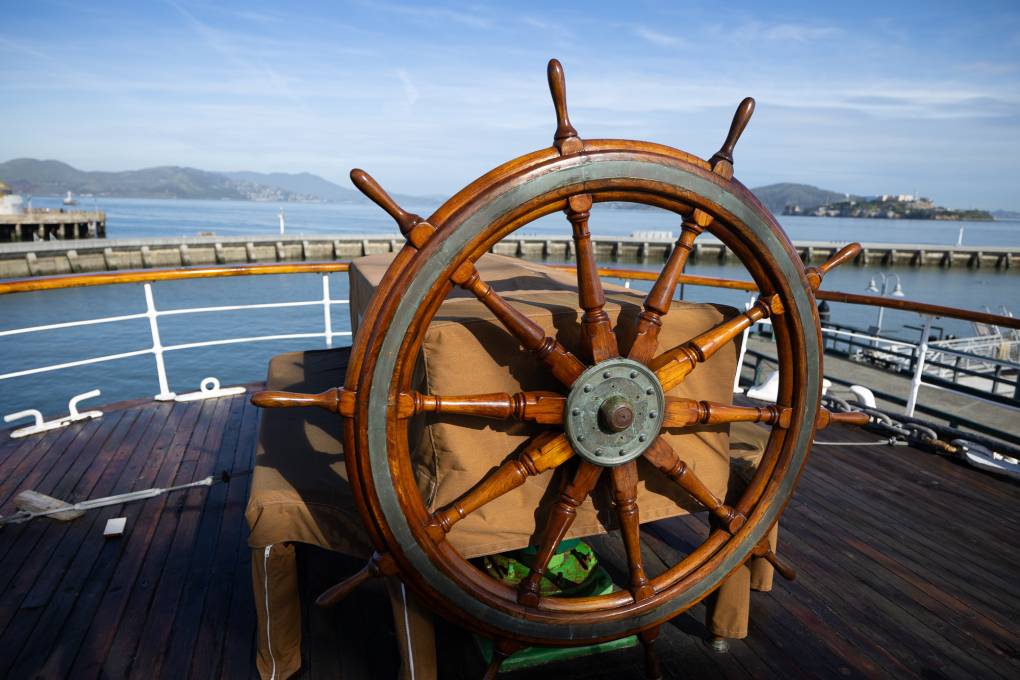
"caption": "The Balclutha/Star of Alaska, a cargo ship built in the 1880s, in the San Francisco port on March 21, 2025. In the early days of the Alaska salmon canning industry, most of the laborers, fisherman, goods and supplies were shipped from San Francisco each year.",
"credit": "David M. Barreda/KQED",
"altTag": null,
"description": null,
"imgSizes": {
"medium": {
"file": "https://cdn.kqed.org/wp-content/uploads/sites/10/2025/04/20250321_Balclutha_DMB_00038-800x533.jpg",
"width": 800,
"height": 533,
"mimeType": "image/jpeg"
},
"large": {
"file": "https://cdn.kqed.org/wp-content/uploads/sites/10/2025/04/20250321_Balclutha_DMB_00038-1020x680.jpg",
"width": 1020,
"height": 680,
"mimeType": "image/jpeg"
},
"thumbnail": {
"file": "https://cdn.kqed.org/wp-content/uploads/sites/10/2025/04/20250321_Balclutha_DMB_00038-160x107.jpg",
"width": 160,
"height": 107,
"mimeType": "image/jpeg"
},
"1536x1536": {
"file": "https://cdn.kqed.org/wp-content/uploads/sites/10/2025/04/20250321_Balclutha_DMB_00038-1536x1024.jpg",
"width": 1536,
"height": 1024,
"mimeType": "image/jpeg"
},
"post-thumbnail": {
"file": "https://cdn.kqed.org/wp-content/uploads/sites/10/2025/04/20250321_Balclutha_DMB_00038-672x372.jpg",
"width": 672,
"height": 372,
"mimeType": "image/jpeg"
},
"twentyfourteen-full-width": {
"file": "https://cdn.kqed.org/wp-content/uploads/sites/10/2025/04/20250321_Balclutha_DMB_00038-1038x576.jpg",
"width": 1038,
"height": 576,
"mimeType": "image/jpeg"
},
"full-width": {
"file": "https://cdn.kqed.org/wp-content/uploads/sites/10/2025/04/20250321_Balclutha_DMB_00038-1920x1280.jpg",
"width": 1920,
"height": 1280,
"mimeType": "image/jpeg"
},
"kqedFullSize": {
"file": "https://cdn.kqed.org/wp-content/uploads/sites/10/2025/04/20250321_Balclutha_DMB_00038.jpg",
"width": 2000,
"height": 1333
}
},
"isLoading": false,
"fetchFailed": false
},
"news_12032903": {
"type": "attachments",
"id": "news_12032903",
"meta": {
"index": "attachments_1716263798",
"site": "news",
"id": "12032903",
"found": true
},
"title": "Great Hwy Emily Fromm2",
"publishDate": 1742924023,
"status": "inherit",
"parent": 12032868,
"modified": 1742928990,
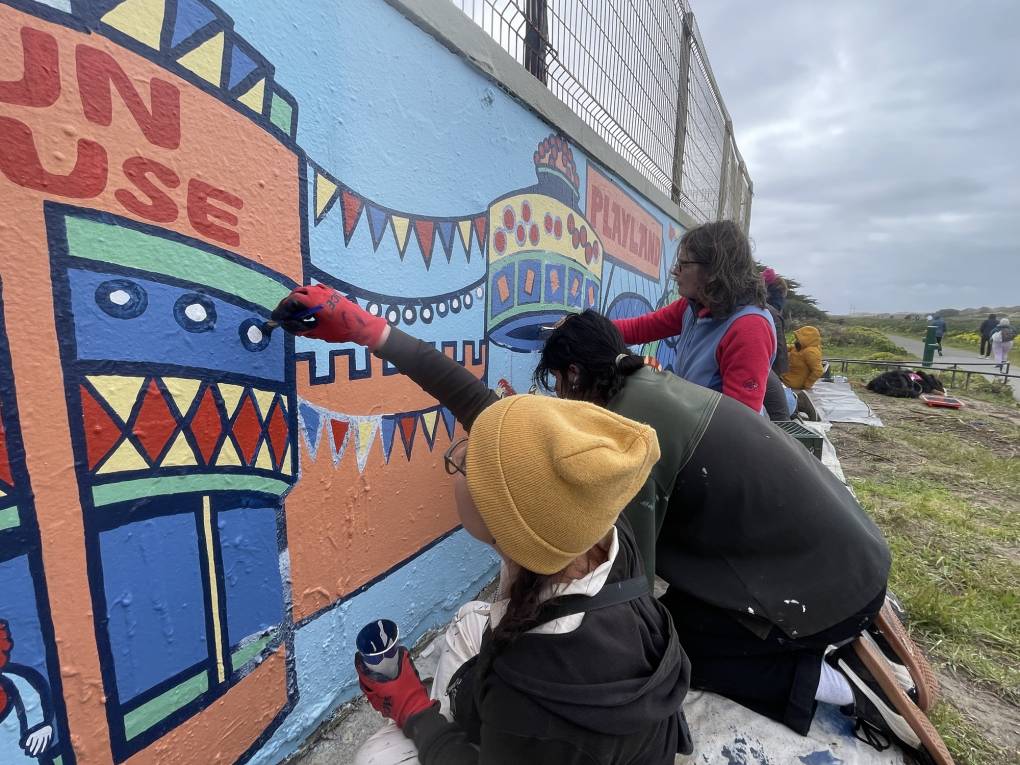
"caption": "Community members rallied at Ocean Beach as more than 100 volunteers worked together to restore Emily Fromm’s 60-foot mural at Judah Street and the Great Highway after it was vandalized with graffiti.",
"credit": "Courtesy Emily Fromm",
"altTag": null,
"description": null,
"imgSizes": {
"medium": {
"file": "https://cdn.kqed.org/wp-content/uploads/sites/10/2025/03/Great-Hwy-Emily-Fromm2-800x600.jpg",
"width": 800,
"height": 600,
"mimeType": "image/jpeg"
},
"large": {
"file": "https://cdn.kqed.org/wp-content/uploads/sites/10/2025/03/Great-Hwy-Emily-Fromm2-1020x765.jpg",
"width": 1020,
"height": 765,
"mimeType": "image/jpeg"
},
"thumbnail": {
"file": "https://cdn.kqed.org/wp-content/uploads/sites/10/2025/03/Great-Hwy-Emily-Fromm2-160x120.jpg",
"width": 160,
"height": 120,
"mimeType": "image/jpeg"
},
"1536x1536": {
"file": "https://cdn.kqed.org/wp-content/uploads/sites/10/2025/03/Great-Hwy-Emily-Fromm2-1536x1152.jpg",
"width": 1536,
"height": 1152,
"mimeType": "image/jpeg"
},
"post-thumbnail": {
"file": "https://cdn.kqed.org/wp-content/uploads/sites/10/2025/03/Great-Hwy-Emily-Fromm2-672x372.jpg",
"width": 672,
"height": 372,
"mimeType": "image/jpeg"
},
"twentyfourteen-full-width": {
"file": "https://cdn.kqed.org/wp-content/uploads/sites/10/2025/03/Great-Hwy-Emily-Fromm2-1038x576.jpg",
"width": 1038,
"height": 576,
"mimeType": "image/jpeg"
},
"full-width": {
"file": "https://cdn.kqed.org/wp-content/uploads/sites/10/2025/03/Great-Hwy-Emily-Fromm2-1920x1440.jpg",
"width": 1920,
"height": 1440,
"mimeType": "image/jpeg"
},
"kqedFullSize": {
"file": "https://cdn.kqed.org/wp-content/uploads/sites/10/2025/03/Great-Hwy-Emily-Fromm2.jpg",
"width": 2000,
"height": 1500
}
},
"isLoading": false,
"fetchFailed": false
},
"news_12027170": {
"type": "attachments",
"id": "news_12027170",
"meta": {
"index": "attachments_1716263798",
"site": "news",
"id": "12027170",
"found": true
},
"title": "250211-BERKELEYDUMP-05-BL-KQED",
"publishDate": 1739557555,
"status": "inherit",
"parent": 0,
"modified": 1743549653,
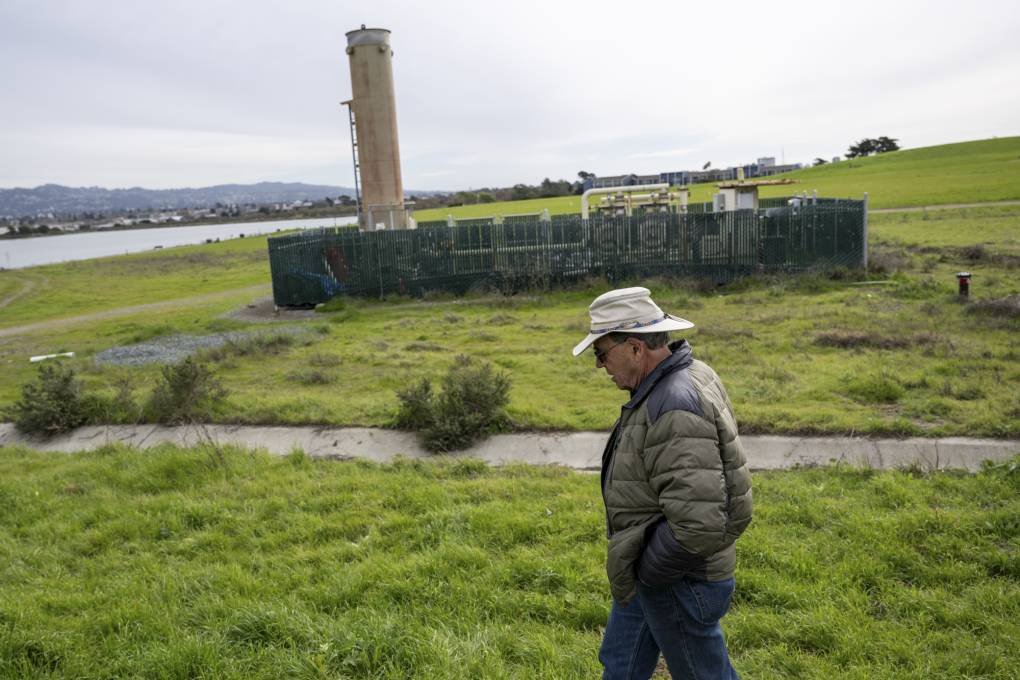
"caption": "John Roberts, a landscape architect, walks near a flare station in César Chávez Park, a 90-acre park in Berkeley with panoramic views of the San Francisco Bay, on Feb. 11, 2025. Built on a former landfill that operated until the 1980s, the park has a flare station that burns methane from decomposing organic material underground to help control emissions.",
"credit": "Beth LaBerge/KQED",
"altTag": null,
"description": null,
"imgSizes": {
"medium": {
"file": "https://cdn.kqed.org/wp-content/uploads/sites/10/2025/02/250211-BERKELEYDUMP-05-BL-KQED-800x533.jpg",
"width": 800,
"height": 533,
"mimeType": "image/jpeg"
},
"large": {
"file": "https://cdn.kqed.org/wp-content/uploads/sites/10/2025/02/250211-BERKELEYDUMP-05-BL-KQED-1020x680.jpg",
"width": 1020,
"height": 680,
"mimeType": "image/jpeg"
},
"thumbnail": {
"file": "https://cdn.kqed.org/wp-content/uploads/sites/10/2025/02/250211-BERKELEYDUMP-05-BL-KQED-160x107.jpg",
"width": 160,
"height": 107,
"mimeType": "image/jpeg"
},
"1536x1536": {
"file": "https://cdn.kqed.org/wp-content/uploads/sites/10/2025/02/250211-BERKELEYDUMP-05-BL-KQED-1536x1024.jpg",
"width": 1536,
"height": 1024,
"mimeType": "image/jpeg"
},
"post-thumbnail": {
"file": "https://cdn.kqed.org/wp-content/uploads/sites/10/2025/02/250211-BERKELEYDUMP-05-BL-KQED-672x372.jpg",
"width": 672,
"height": 372,
"mimeType": "image/jpeg"
},
"twentyfourteen-full-width": {
"file": "https://cdn.kqed.org/wp-content/uploads/sites/10/2025/02/250211-BERKELEYDUMP-05-BL-KQED-1038x576.jpg",
"width": 1038,
"height": 576,
"mimeType": "image/jpeg"
},
"full-width": {
"file": "https://cdn.kqed.org/wp-content/uploads/sites/10/2025/02/250211-BERKELEYDUMP-05-BL-KQED-1920x1280.jpg",
"width": 1920,
"height": 1280,
"mimeType": "image/jpeg"
},
"kqedFullSize": {
"file": "https://cdn.kqed.org/wp-content/uploads/sites/10/2025/02/250211-BERKELEYDUMP-05-BL-KQED.jpg",
"width": 2000,
"height": 1333
}
},
"isLoading": false,
"fetchFailed": false
},
"news_12032980": {
"type": "attachments",
"id": "news_12032980",
"meta": {
"index": "attachments_1716263798",
"site": "news",
"id": "12032980",
"found": true
},
"title": "250324-WongKimArk-02-BL_qed",
"publishDate": 1742934572,
"status": "inherit",
"parent": 12078171,
"modified": 1775080239,
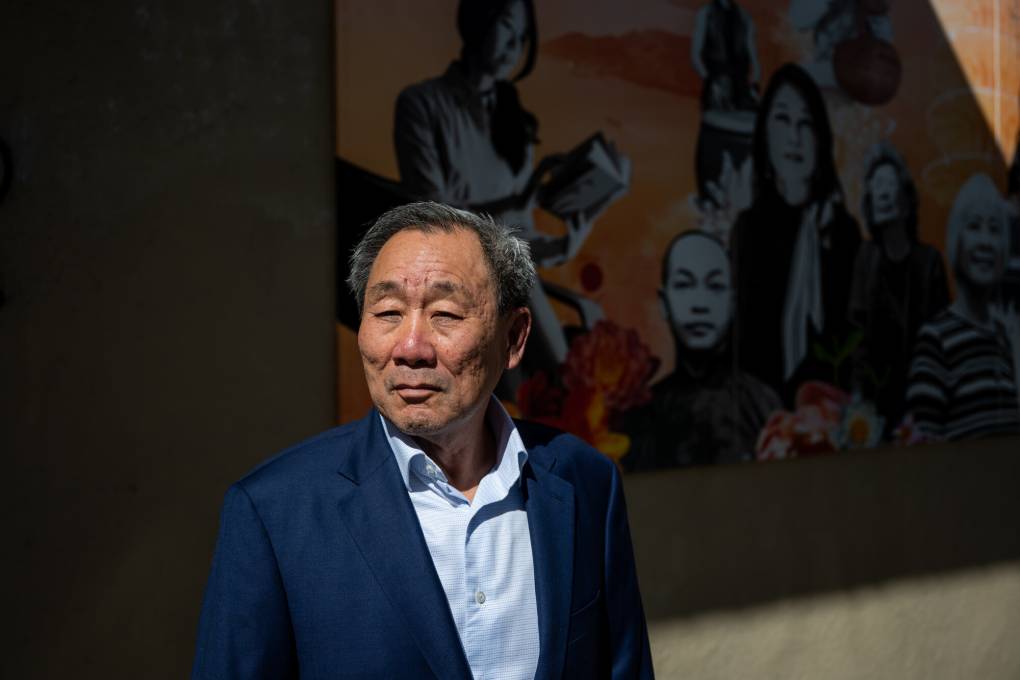
"caption": "Norman Wong, the great-grandson of Wong Kim Ark, stands in front of a mural featuring his great-grandfather in San Francisco’s Chinatown on March 24, 2025, where Wong Kim Ark was born.",
"credit": "Beth LaBerge/KQED",
"altTag": null,
"description": null,
"imgSizes": {
"medium": {
"file": "https://cdn.kqed.org/wp-content/uploads/sites/10/2025/03/250324-WongKimArk-02-BL_qed-800x533.jpg",
"width": 800,
"height": 533,
"mimeType": "image/jpeg"
},
"large": {
"file": "https://cdn.kqed.org/wp-content/uploads/sites/10/2025/03/250324-WongKimArk-02-BL_qed-1020x680.jpg",
"width": 1020,
"height": 680,
"mimeType": "image/jpeg"
},
"thumbnail": {
"file": "https://cdn.kqed.org/wp-content/uploads/sites/10/2025/03/250324-WongKimArk-02-BL_qed-160x107.jpg",
"width": 160,
"height": 107,
"mimeType": "image/jpeg"
},
"1536x1536": {
"file": "https://cdn.kqed.org/wp-content/uploads/sites/10/2025/03/250324-WongKimArk-02-BL_qed-1536x1024.jpg",
"width": 1536,
"height": 1024,
"mimeType": "image/jpeg"
},
"post-thumbnail": {
"file": "https://cdn.kqed.org/wp-content/uploads/sites/10/2025/03/250324-WongKimArk-02-BL_qed-672x372.jpg",
"width": 672,
"height": 372,
"mimeType": "image/jpeg"
},
"twentyfourteen-full-width": {
"file": "https://cdn.kqed.org/wp-content/uploads/sites/10/2025/03/250324-WongKimArk-02-BL_qed-1038x576.jpg",
"width": 1038,
"height": 576,
"mimeType": "image/jpeg"
},
"full-width": {
"file": "https://cdn.kqed.org/wp-content/uploads/sites/10/2025/03/250324-WongKimArk-02-BL_qed-1920x1280.jpg",
"width": 1920,
"height": 1280,
"mimeType": "image/jpeg"
},
"kqedFullSize": {
"file": "https://cdn.kqed.org/wp-content/uploads/sites/10/2025/03/250324-WongKimArk-02-BL_qed.jpg",
"width": 2000,
"height": 1333
}
},
"isLoading": false,
"fetchFailed": false
},
"news_12033216": {
"type": "attachments",
"id": "news_12033216",
"meta": {
"index": "attachments_1716263798",
"site": "news",
"id": "12033216",
"found": true
},
"title": "Saudi family enjoying picnic sitting at park",
"publishDate": 1743027459,
"status": "inherit",
"parent": 12033099,
"modified": 1743027505,
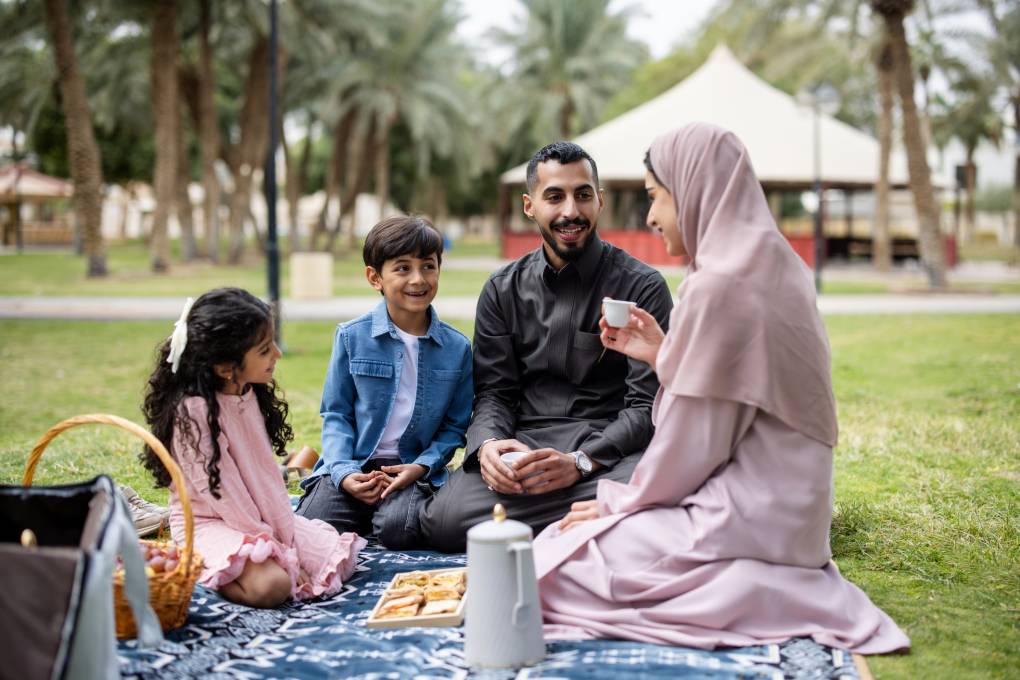
"caption": "There are Eid picnics, parties and celebrations across the Bay Area over the coming week.",
"credit": "Alvarez/Getty Images",
"altTag": null,
"description": null,
"imgSizes": {
"medium": {
"file": "https://cdn.kqed.org/wp-content/uploads/sites/10/2025/03/GettyImages-2195339591-800x534.jpg",
"width": 800,
"height": 534,
"mimeType": "image/jpeg"
},
"large": {
"file": "https://cdn.kqed.org/wp-content/uploads/sites/10/2025/03/GettyImages-2195339591-1020x680.jpg",
"width": 1020,
"height": 680,
"mimeType": "image/jpeg"
},
"thumbnail": {
"file": "https://cdn.kqed.org/wp-content/uploads/sites/10/2025/03/GettyImages-2195339591-160x107.jpg",
"width": 160,
"height": 107,
"mimeType": "image/jpeg"
},
"1536x1536": {
"file": "https://cdn.kqed.org/wp-content/uploads/sites/10/2025/03/GettyImages-2195339591-1536x1024.jpg",
"width": 1536,
"height": 1024,
"mimeType": "image/jpeg"
},
"2048x2048": {
"file": "https://cdn.kqed.org/wp-content/uploads/sites/10/2025/03/GettyImages-2195339591-2048x1366.jpg",
"width": 2048,
"height": 1366,
"mimeType": "image/jpeg"
},
"post-thumbnail": {
"file": "https://cdn.kqed.org/wp-content/uploads/sites/10/2025/03/GettyImages-2195339591-672x372.jpg",
"width": 672,
"height": 372,
"mimeType": "image/jpeg"
},
"twentyfourteen-full-width": {
"file": "https://cdn.kqed.org/wp-content/uploads/sites/10/2025/03/GettyImages-2195339591-1038x576.jpg",
"width": 1038,
"height": 576,
"mimeType": "image/jpeg"
},
"full-width": {
"file": "https://cdn.kqed.org/wp-content/uploads/sites/10/2025/03/GettyImages-2195339591-1920x1281.jpg",
"width": 1920,
"height": 1281,
"mimeType": "image/jpeg"
},
"kqedFullSize": {
"file": "https://cdn.kqed.org/wp-content/uploads/sites/10/2025/03/GettyImages-2195339591.jpg",
"width": 2120,
"height": 1414
}
},
"isLoading": false,
"fetchFailed": false
},
"news_12023855": {
"type": "attachments",
"id": "news_12023855",
"meta": {
"index": "attachments_1716263798",
"site": "news",
"id": "12023855",
"found": true
},
"title": "0M6A0870_qed",
"publishDate": 1737670258,
"status": "inherit",
"parent": 12023784,
"modified": 1737670392,
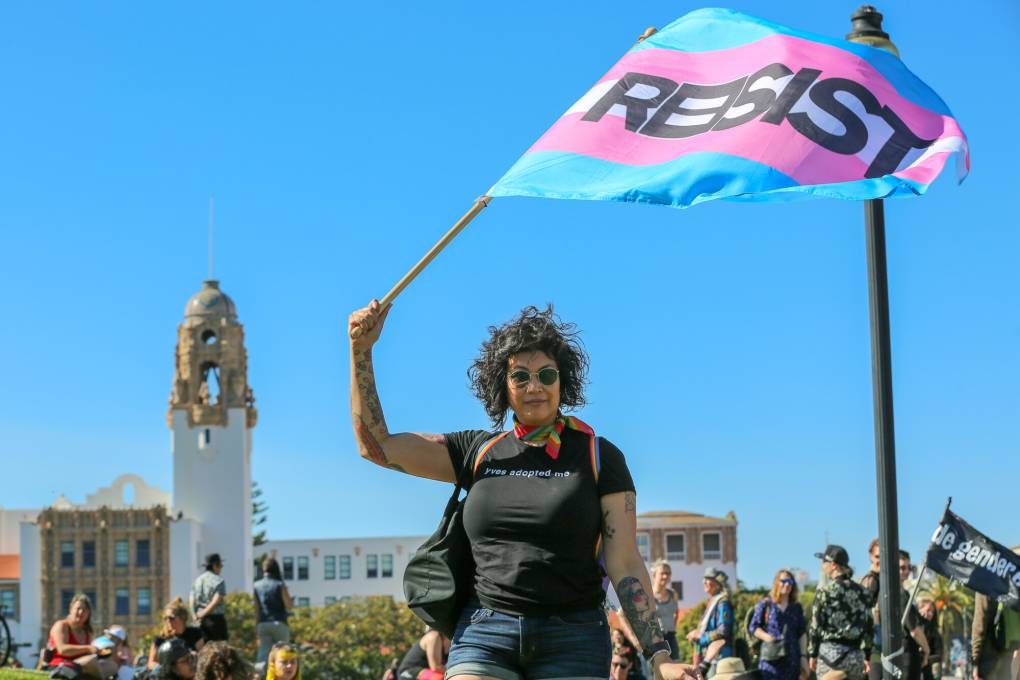
"caption": "A demonstrator proudly waves a transgender pride flag during Pride Month in San Francisco, California, on June 28, 2019.",
"credit": "Sruti Mamidanna/KQED",
"altTag": null,
"description": null,
"imgSizes": {
"medium": {
"file": "https://cdn.kqed.org/wp-content/uploads/sites/10/2025/01/0M6A0870_qed-800x533.jpg",
"width": 800,
"height": 533,
"mimeType": "image/jpeg"
},
"large": {
"file": "https://cdn.kqed.org/wp-content/uploads/sites/10/2025/01/0M6A0870_qed-1020x680.jpg",
"width": 1020,
"height": 680,
"mimeType": "image/jpeg"
},
"thumbnail": {
"file": "https://cdn.kqed.org/wp-content/uploads/sites/10/2025/01/0M6A0870_qed-160x107.jpg",
"width": 160,
"height": 107,
"mimeType": "image/jpeg"
},
"1536x1536": {
"file": "https://cdn.kqed.org/wp-content/uploads/sites/10/2025/01/0M6A0870_qed-1536x1024.jpg",
"width": 1536,
"height": 1024,
"mimeType": "image/jpeg"
},
"post-thumbnail": {
"file": "https://cdn.kqed.org/wp-content/uploads/sites/10/2025/01/0M6A0870_qed-672x372.jpg",
"width": 672,
"height": 372,
"mimeType": "image/jpeg"
},
"twentyfourteen-full-width": {
"file": "https://cdn.kqed.org/wp-content/uploads/sites/10/2025/01/0M6A0870_qed-1038x576.jpg",
"width": 1038,
"height": 576,
"mimeType": "image/jpeg"
},
"full-width": {
"file": "https://cdn.kqed.org/wp-content/uploads/sites/10/2025/01/0M6A0870_qed-1920x1280.jpg",
"width": 1920,
"height": 1280,
"mimeType": "image/jpeg"
},
"kqedFullSize": {
"file": "https://cdn.kqed.org/wp-content/uploads/sites/10/2025/01/0M6A0870_qed.jpg",
"width": 2000,
"height": 1333
}
},
"isLoading": false,
"fetchFailed": false
},
"news_12028909": {
"type": "attachments",
"id": "news_12028909",
"meta": {
"index": "attachments_1716263798",
"site": "news",
"id": "12028909",
"found": true
},
"title": "20250220_PtRichmondFairyHouses_GC-39",
"publishDate": 1740648643,
"status": "inherit",
"parent": 0,
"modified": 1740648710,
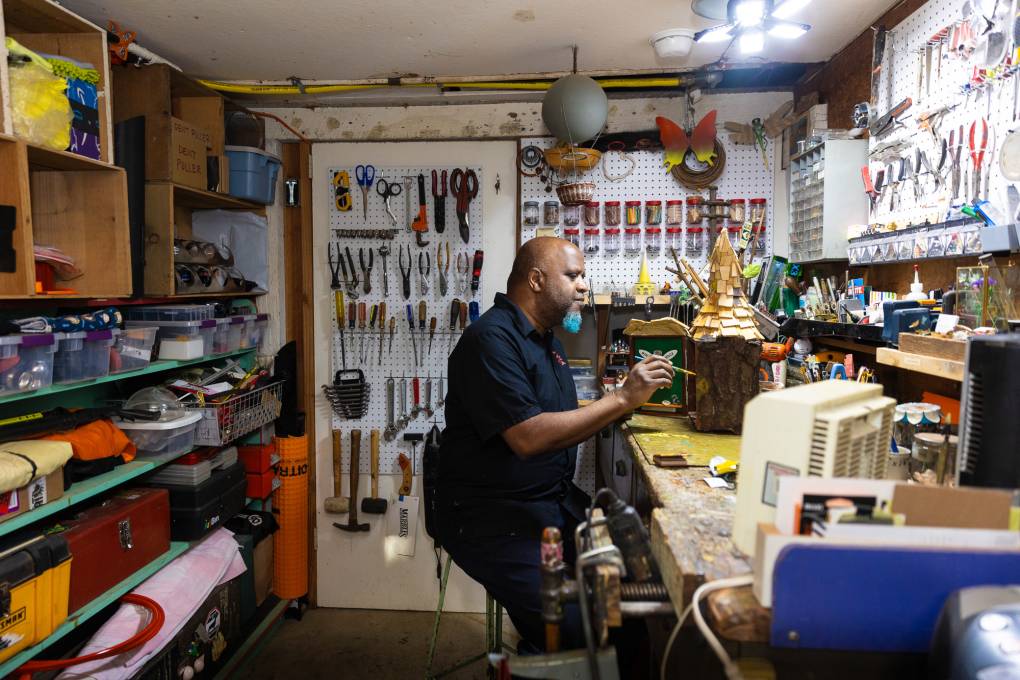
"caption": "Jimmie Robinson works on a fairy house in his workshop in Richmond on Feb. 20, 2025. He has built over 30 houses for his neighbors along the street.",
"credit": "Gina Castro/KQED",
"altTag": null,
"description": null,
"imgSizes": {
"medium": {
"file": "https://cdn.kqed.org/wp-content/uploads/sites/10/2025/02/20250220_PtRichmondFairyHouses_GC-39-800x533.jpg",
"width": 800,
"height": 533,
"mimeType": "image/jpeg"
},
"large": {
"file": "https://cdn.kqed.org/wp-content/uploads/sites/10/2025/02/20250220_PtRichmondFairyHouses_GC-39-1020x680.jpg",
"width": 1020,
"height": 680,
"mimeType": "image/jpeg"
},
"thumbnail": {
"file": "https://cdn.kqed.org/wp-content/uploads/sites/10/2025/02/20250220_PtRichmondFairyHouses_GC-39-160x107.jpg",
"width": 160,
"height": 107,
"mimeType": "image/jpeg"
},
"1536x1536": {
"file": "https://cdn.kqed.org/wp-content/uploads/sites/10/2025/02/20250220_PtRichmondFairyHouses_GC-39-1536x1024.jpg",
"width": 1536,
"height": 1024,
"mimeType": "image/jpeg"
},
"post-thumbnail": {
"file": "https://cdn.kqed.org/wp-content/uploads/sites/10/2025/02/20250220_PtRichmondFairyHouses_GC-39-672x372.jpg",
"width": 672,
"height": 372,
"mimeType": "image/jpeg"
},
"twentyfourteen-full-width": {
"file": "https://cdn.kqed.org/wp-content/uploads/sites/10/2025/02/20250220_PtRichmondFairyHouses_GC-39-1038x576.jpg",
"width": 1038,
"height": 576,
"mimeType": "image/jpeg"
},
"full-width": {
"file": "https://cdn.kqed.org/wp-content/uploads/sites/10/2025/02/20250220_PtRichmondFairyHouses_GC-39-1920x1280.jpg",
"width": 1920,
"height": 1280,
"mimeType": "image/jpeg"
},
"kqedFullSize": {
"file": "https://cdn.kqed.org/wp-content/uploads/sites/10/2025/02/20250220_PtRichmondFairyHouses_GC-39.jpg",
"width": 2000,
"height": 1333
}
},
"isLoading": false,
"fetchFailed": false
},
"news_12030973": {
"type": "attachments",
"id": "news_12030973",
"meta": {
"index": "attachments_1716263798",
"site": "news",
"id": "12030973",
"found": true
},
"title": "People gathering together celebrating a Holi party in the outdoor with happiness expressions and covered with vivid colors.",
"publishDate": 1741802968,
"status": "inherit",
"parent": 12030746,
"modified": 1741803167,
"caption": "The Holi celebration — sometimes referred to as the Festival of Colors — is a Hindu festival celebrating the start of spring, and is now celebrated worldwide in the Indian diaspora and beyond. ",
"credit": "Artur Debat/Getty Images",
"altTag": null,
"description": null,
"imgSizes": {
"medium": {
"file": "https://cdn.kqed.org/wp-content/uploads/sites/10/2025/03/GettyImages-544639336-800x520.jpg",
"width": 800,
"height": 520,
"mimeType": "image/jpeg"
},
"large": {
"file": "https://cdn.kqed.org/wp-content/uploads/sites/10/2025/03/GettyImages-544639336-1020x662.jpg",
"width": 1020,
"height": 662,
"mimeType": "image/jpeg"
},
"thumbnail": {
"file": "https://cdn.kqed.org/wp-content/uploads/sites/10/2025/03/GettyImages-544639336-160x104.jpg",
"width": 160,
"height": 104,
"mimeType": "image/jpeg"
},
"1536x1536": {
"file": "https://cdn.kqed.org/wp-content/uploads/sites/10/2025/03/GettyImages-544639336-1536x998.jpg",
"width": 1536,
"height": 998,
"mimeType": "image/jpeg"
},
"2048x2048": {
"file": "https://cdn.kqed.org/wp-content/uploads/sites/10/2025/03/GettyImages-544639336-2048x1330.jpg",
"width": 2048,
"height": 1330,
"mimeType": "image/jpeg"
},
"post-thumbnail": {
"file": "https://cdn.kqed.org/wp-content/uploads/sites/10/2025/03/GettyImages-544639336-672x372.jpg",
"width": 672,
"height": 372,
"mimeType": "image/jpeg"
},
"twentyfourteen-full-width": {
"file": "https://cdn.kqed.org/wp-content/uploads/sites/10/2025/03/GettyImages-544639336-1038x576.jpg",
"width": 1038,
"height": 576,
"mimeType": "image/jpeg"
},
"full-width": {
"file": "https://cdn.kqed.org/wp-content/uploads/sites/10/2025/03/GettyImages-544639336-1920x1247.jpg",
"width": 1920,
"height": 1247,
"mimeType": "image/jpeg"
},
"kqedFullSize": {
"file": "https://cdn.kqed.org/wp-content/uploads/sites/10/2025/03/GettyImages-544639336.jpg",
"width": 2148,
"height": 1395
}
},
"isLoading": false,
"fetchFailed": false
},
"news_12027414": {
"type": "attachments",
"id": "news_12027414",
"meta": {
"index": "attachments_1716263798",
"site": "news",
"id": "12027414",
"found": true
},
"title": "20241215-JSEI-JY-917",
"publishDate": 1739804952,
"status": "inherit",
"parent": 12025613,
"modified": 1741375858,
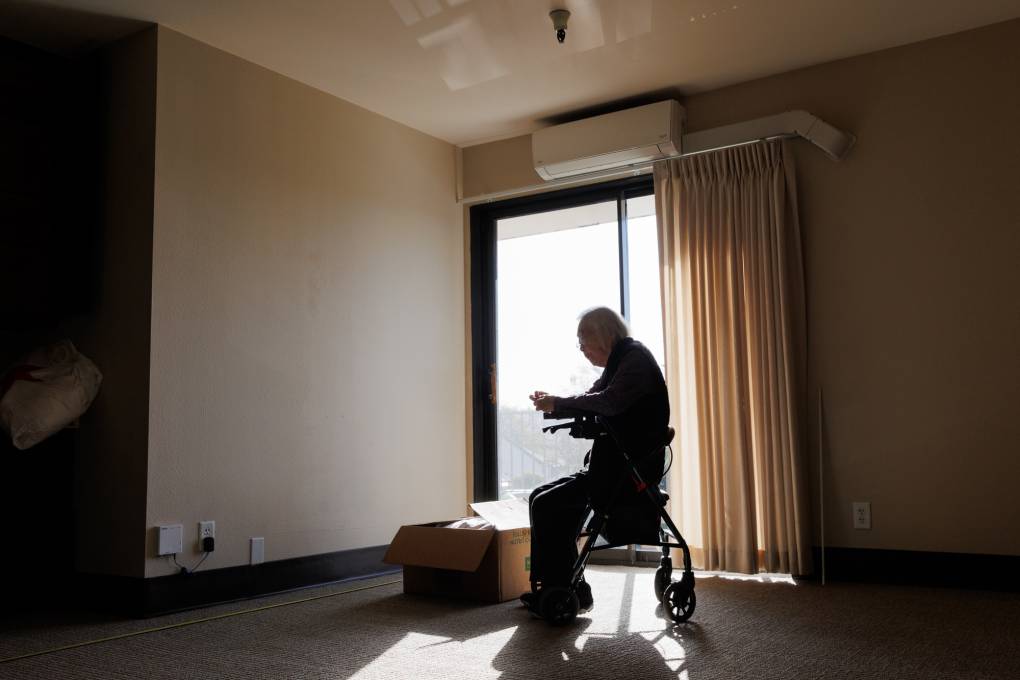
"caption": "Grace Aikawa looks around at her empty room at her new care facility in Castro Valley, California, on Sunday, Dec. 15, 2024.",
"credit": "Juliana Yamada/KQED",
"altTag": null,
"description": null,
"imgSizes": {
"medium": {
"file": "https://cdn.kqed.org/wp-content/uploads/sites/10/2025/02/20241215-JSEI-JY-917-800x533.jpg",
"width": 800,
"height": 533,
"mimeType": "image/jpeg"
},
"large": {
"file": "https://cdn.kqed.org/wp-content/uploads/sites/10/2025/02/20241215-JSEI-JY-917-1020x680.jpg",
"width": 1020,
"height": 680,
"mimeType": "image/jpeg"
},
"thumbnail": {
"file": "https://cdn.kqed.org/wp-content/uploads/sites/10/2025/02/20241215-JSEI-JY-917-160x107.jpg",
"width": 160,
"height": 107,
"mimeType": "image/jpeg"
},
"1536x1536": {
"file": "https://cdn.kqed.org/wp-content/uploads/sites/10/2025/02/20241215-JSEI-JY-917-1536x1024.jpg",
"width": 1536,
"height": 1024,
"mimeType": "image/jpeg"
},
"post-thumbnail": {
"file": "https://cdn.kqed.org/wp-content/uploads/sites/10/2025/02/20241215-JSEI-JY-917-672x372.jpg",
"width": 672,
"height": 372,
"mimeType": "image/jpeg"
},
"twentyfourteen-full-width": {
"file": "https://cdn.kqed.org/wp-content/uploads/sites/10/2025/02/20241215-JSEI-JY-917-1038x576.jpg",
"width": 1038,
"height": 576,
"mimeType": "image/jpeg"
},
"full-width": {
"file": "https://cdn.kqed.org/wp-content/uploads/sites/10/2025/02/20241215-JSEI-JY-917-1920x1280.jpg",
"width": 1920,
"height": 1280,
"mimeType": "image/jpeg"
},
"kqedFullSize": {
"file": "https://cdn.kqed.org/wp-content/uploads/sites/10/2025/02/20241215-JSEI-JY-917.jpg",
"width": 2000,
"height": 1333
}
},
"isLoading": false,
"fetchFailed": false
},
"news_12029577": {
"type": "attachments",
"id": "news_12029577",
"meta": {
"index": "attachments_1716263798",
"site": "news",
"id": "12029577",
"found": true
},
"title": "250205-WildSideWest-21-BL_qed",
"publishDate": 1741112042,
"status": "inherit",
"parent": 12029551,
"modified": 1741112085,
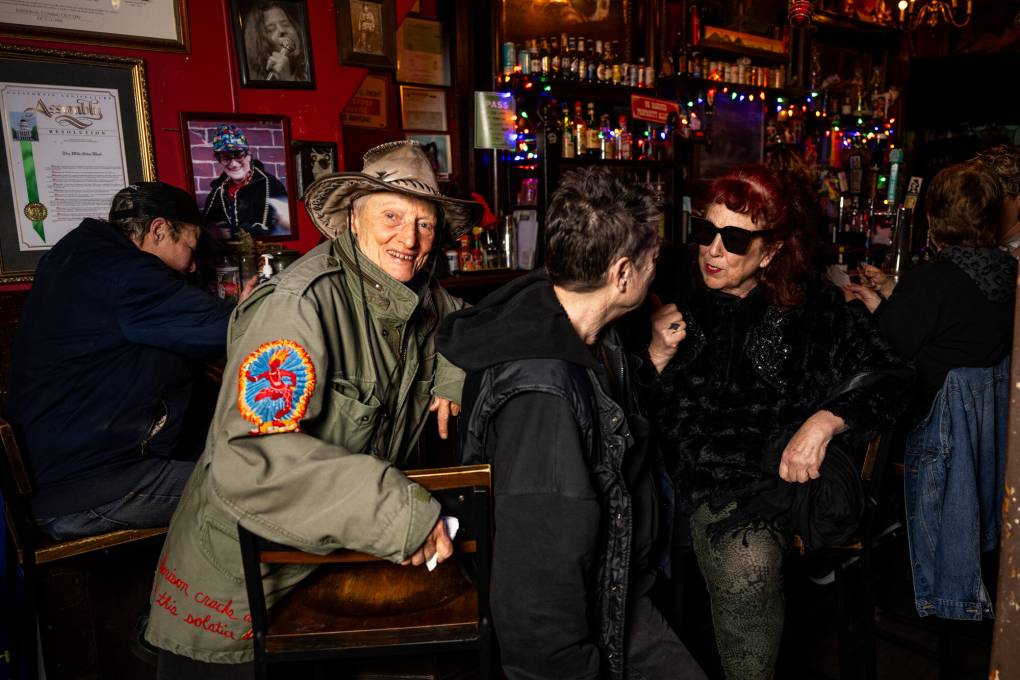
"caption": "(From left) Timotha Doane, Beth Stephens, and Annie Sprinkle sit at the bar at Wild Side West in San Francisco’s Bernal Heights neighborhood on Feb. 6, 2025. Founded in 1962, Wild Side West is a historic lesbian bar that began in Oakland before relocating to San Francisco, where it became a gathering space known for its eclectic decor, lush garden, and deep roots in the LGBTQ+ community.",
"credit": "Beth LaBerge/KQED",
"altTag": null,
"description": null,
"imgSizes": {
"medium": {
"file": "https://cdn.kqed.org/wp-content/uploads/sites/10/2025/03/250205-WildSideWest-21-BL_qed-800x533.jpg",
"width": 800,
"height": 533,
"mimeType": "image/jpeg"
},
"large": {
"file": "https://cdn.kqed.org/wp-content/uploads/sites/10/2025/03/250205-WildSideWest-21-BL_qed-1020x680.jpg",
"width": 1020,
"height": 680,
"mimeType": "image/jpeg"
},
"thumbnail": {
"file": "https://cdn.kqed.org/wp-content/uploads/sites/10/2025/03/250205-WildSideWest-21-BL_qed-160x107.jpg",
"width": 160,
"height": 107,
"mimeType": "image/jpeg"
},
"1536x1536": {
"file": "https://cdn.kqed.org/wp-content/uploads/sites/10/2025/03/250205-WildSideWest-21-BL_qed-1536x1024.jpg",
"width": 1536,
"height": 1024,
"mimeType": "image/jpeg"
},
"post-thumbnail": {
"file": "https://cdn.kqed.org/wp-content/uploads/sites/10/2025/03/250205-WildSideWest-21-BL_qed-672x372.jpg",
"width": 672,
"height": 372,
"mimeType": "image/jpeg"
},
"twentyfourteen-full-width": {
"file": "https://cdn.kqed.org/wp-content/uploads/sites/10/2025/03/250205-WildSideWest-21-BL_qed-1038x576.jpg",
"width": 1038,
"height": 576,
"mimeType": "image/jpeg"
},
"full-width": {
"file": "https://cdn.kqed.org/wp-content/uploads/sites/10/2025/03/250205-WildSideWest-21-BL_qed-1920x1280.jpg",
"width": 1920,
"height": 1280,
"mimeType": "image/jpeg"
},
"kqedFullSize": {
"file": "https://cdn.kqed.org/wp-content/uploads/sites/10/2025/03/250205-WildSideWest-21-BL_qed.jpg",
"width": 2000,
"height": 1333
}
},
"isLoading": false,
"fetchFailed": false
},
"news_11910487": {
"type": "attachments",
"id": "news_11910487",
"meta": {
"index": "attachments_1716263798",
"site": "news",
"id": "11910487",
"found": true
},
"title": "iftar-suhoor-near-me",
"publishDate": 1649356487,
"status": "inherit",
"parent": 11910408,
"modified": 1741112246,
"caption": "A waxing crescent moon is shown on Dec. 18, 2020, in New Jersey. In 2020, Ramadan began on Thursday, April 23, and ended on Saturday, May 23. ",
"credit": "Corey Perrine/Getty Images",
"altTag": "A pale white and grey crescent moon hangs against a black background. There are craters and pock marks on the sliver of moon.",
"description": "A waxing crescent moon is shown on December 18, 2020 in New Jersey. In 2020, Ramadan began on Thursday, April 23 and ended on Saturday, May 23. ",
"imgSizes": {
"medium": {
"file": "https://cdn.kqed.org/wp-content/uploads/sites/10/2022/04/waxing-crescent-moon-1-800x533.jpg",
"width": 800,
"height": 533,
"mimeType": "image/jpeg"
},
"large": {
"file": "https://cdn.kqed.org/wp-content/uploads/sites/10/2022/04/waxing-crescent-moon-1-1020x680.jpg",
"width": 1020,
"height": 680,
"mimeType": "image/jpeg"
},
"thumbnail": {
"file": "https://cdn.kqed.org/wp-content/uploads/sites/10/2022/04/waxing-crescent-moon-1-160x107.jpg",
"width": 160,
"height": 107,
"mimeType": "image/jpeg"
},
"1536x1536": {
"file": "https://cdn.kqed.org/wp-content/uploads/sites/10/2022/04/waxing-crescent-moon-1-1536x1024.jpg",
"width": 1536,
"height": 1024,
"mimeType": "image/jpeg"
},
"post-thumbnail": {
"file": "https://cdn.kqed.org/wp-content/uploads/sites/10/2022/04/waxing-crescent-moon-1-672x372.jpg",
"width": 672,
"height": 372,
"mimeType": "image/jpeg"
},
"twentyfourteen-full-width": {
"file": "https://cdn.kqed.org/wp-content/uploads/sites/10/2022/04/waxing-crescent-moon-1-1038x576.jpg",
"width": 1038,
"height": 576,
"mimeType": "image/jpeg"
},
"kqedFullSize": {
"file": "https://cdn.kqed.org/wp-content/uploads/sites/10/2022/04/waxing-crescent-moon-1.jpg",
"width": 1920,
"height": 1280
}
},
"isLoading": false,
"fetchFailed": false
},
"news_12029030": {
"type": "attachments",
"id": "news_12029030",
"meta": {
"index": "attachments_1716263798",
"site": "news",
"id": "12029030",
"found": true
},
"title": "0A4A3428",
"publishDate": 1740689377,
"status": "inherit",
"parent": 0,
"modified": 1740689433,
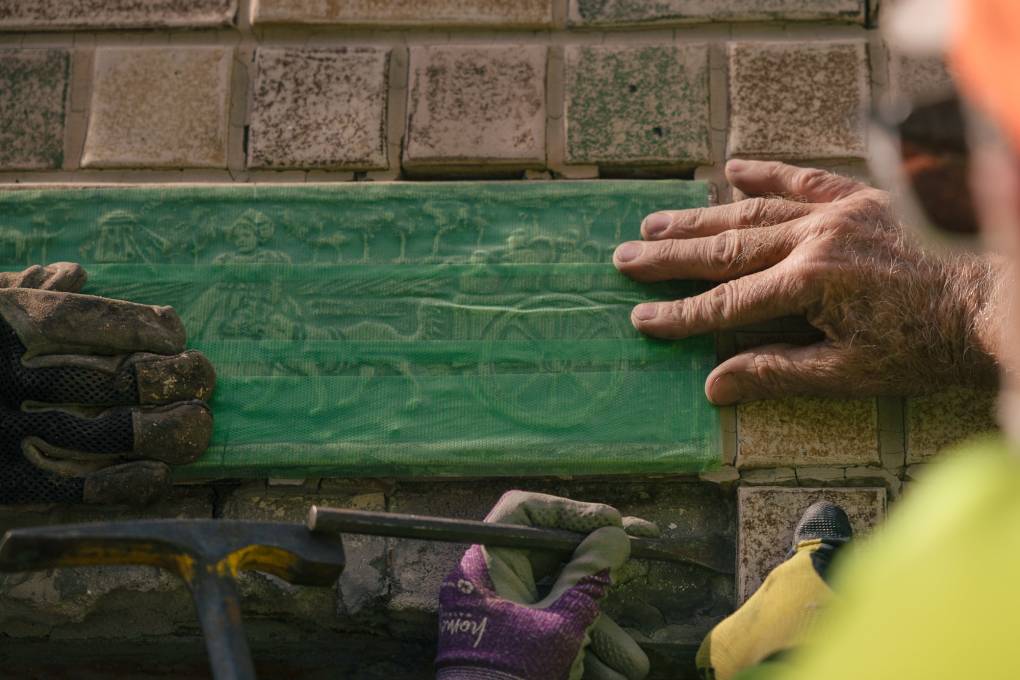
"caption": "Volunteers with Save the Tiles remove Ernest Batchelder tiles from a fireplace in Altadena on Feb. 8, 2025.",
"credit": "Julie Leopo for LAist",
"altTag": null,
"description": null,
"imgSizes": {
"medium": {
"file": "https://cdn.kqed.org/wp-content/uploads/sites/10/2025/02/0A4A3428-800x533.jpg",
"width": 800,
"height": 533,
"mimeType": "image/jpeg"
},
"large": {
"file": "https://cdn.kqed.org/wp-content/uploads/sites/10/2025/02/0A4A3428-1020x680.jpg",
"width": 1020,
"height": 680,
"mimeType": "image/jpeg"
},
"thumbnail": {
"file": "https://cdn.kqed.org/wp-content/uploads/sites/10/2025/02/0A4A3428-160x107.jpg",
"width": 160,
"height": 107,
"mimeType": "image/jpeg"
},
"1536x1536": {
"file": "https://cdn.kqed.org/wp-content/uploads/sites/10/2025/02/0A4A3428-1536x1024.jpg",
"width": 1536,
"height": 1024,
"mimeType": "image/jpeg"
},
"post-thumbnail": {
"file": "https://cdn.kqed.org/wp-content/uploads/sites/10/2025/02/0A4A3428-672x372.jpg",
"width": 672,
"height": 372,
"mimeType": "image/jpeg"
},
"twentyfourteen-full-width": {
"file": "https://cdn.kqed.org/wp-content/uploads/sites/10/2025/02/0A4A3428-1038x576.jpg",
"width": 1038,
"height": 576,
"mimeType": "image/jpeg"
},
"full-width": {
"file": "https://cdn.kqed.org/wp-content/uploads/sites/10/2025/02/0A4A3428-1920x1280.jpg",
"width": 1920,
"height": 1280,
"mimeType": "image/jpeg"
},
"kqedFullSize": {
"file": "https://cdn.kqed.org/wp-content/uploads/sites/10/2025/02/0A4A3428.jpg",
"width": 2000,
"height": 1333
}
},
"isLoading": false,
"fetchFailed": false
}
},
"audioPlayerReducer": {
"postId": "stream_live",
"isPaused": true,
"isPlaying": false,
"pfsActive": false,
"pledgeModalIsOpen": true,
"playerDrawerIsOpen": false,
"liveAudioPlayStartedAt": 0,
"liveAudioPlayContext": ""
},
"authorsReducer": {
"byline_news_12029129": {
"type": "authors",
"id": "byline_news_12029129",
"meta": {
"override": true
},
"slug": "byline_news_12029129",
"name": "Susan Valot",
"isLoading": false
},
"katrinaschwartz": {
"type": "authors",
"id": "234",
"meta": {
"index": "authors_1716337520",
"id": "234",
"found": true
},
"name": "Katrina Schwartz",
"firstName": "Katrina",
"lastName": "Schwartz",
"slug": "katrinaschwartz",
"email": "kschwartz@kqed.org",
"display_author_email": false,
"staff_mastheads": [
"news"
],
"title": "Producer",
"bio": "Katrina Schwartz is a journalist based in San Francisco. She's worked at KPCC public radio in LA and has reported on air and online for KQED since 2010. She covered how teaching and learning is changing for MindShift between 2012 and 2020. She is the co-host of the MindShift podcast and now produces KQED's Bay Curious podcast.",
"avatar": "https://secure.gravatar.com/avatar/edb4ee79070447a018538c9aae6eeecf28786515b8a0c30e43b6b7dce5aa44c8?s=600&d=blank&r=g",
"twitter": "kschwart",
"bluesky": null,
"facebook": null,
"instagram": null,
"linkedin": null,
"sites": [
{
"site": "",
"roles": [
"editor"
]
},
{
"site": "news",
"roles": [
"editor"
]
},
{
"site": "mindshift",
"roles": [
"administrator"
]
},
{
"site": "stateofhealth",
"roles": [
"author"
]
},
{
"site": "science",
"roles": [
"editor"
]
}
],
"headData": {
"title": "Katrina Schwartz | KQED",
"description": "Producer",
"ogImgSrc": "https://secure.gravatar.com/avatar/edb4ee79070447a018538c9aae6eeecf28786515b8a0c30e43b6b7dce5aa44c8?s=600&d=blank&r=g",
"twImgSrc": "https://secure.gravatar.com/avatar/edb4ee79070447a018538c9aae6eeecf28786515b8a0c30e43b6b7dce5aa44c8?s=600&d=blank&r=g"
},
"isLoading": false,
"link": "/author/katrinaschwartz"
},
"dcronin": {
"type": "authors",
"id": "11362",
"meta": {
"index": "authors_1716337520",
"id": "11362",
"found": true
},
"name": "Dana Cronin",
"firstName": "Dana",
"lastName": "Cronin",
"slug": "dcronin",
"email": "dcronin@KQED.org",
"display_author_email": true,
"staff_mastheads": [],
"title": "KQED Contributor",
"bio": "Dana Cronin is a reporter for KQED News. She loves writing stories about climate change, environmental issues, food and agriculture. She's reported across the country, from Colorado to Washington D.C. to Illinois, and has won numerous awards for her coverage. Her work is regularly featured on national broadcasts, including NPR’s Morning Edition, All Things Considered, PBS Newshour and Science Friday. She lives in Oakland and has an avocado tree in her back yard.",
"avatar": "https://secure.gravatar.com/avatar/bcf89e3455ff7235f96ab6fa7258dd95?s=600&d=blank&r=g",
"twitter": "DanaHCronin",
"facebook": null,
"instagram": null,
"linkedin": null,
"sites": [
{
"site": "arts",
"roles": [
"author"
]
},
{
"site": "news",
"roles": [
"editor"
]
},
{
"site": "science",
"roles": [
"author"
]
},
{
"site": "liveblog",
"roles": [
"author"
]
}
],
"headData": {
"title": "Dana Cronin | KQED",
"description": "KQED Contributor",
"ogImgSrc": "https://secure.gravatar.com/avatar/bcf89e3455ff7235f96ab6fa7258dd95?s=600&d=blank&r=g",
"twImgSrc": "https://secure.gravatar.com/avatar/bcf89e3455ff7235f96ab6fa7258dd95?s=600&d=blank&r=g"
},
"isLoading": false,
"link": "/author/dcronin"
},
"smohamad": {
"type": "authors",
"id": "11631",
"meta": {
"index": "authors_1716337520",
"id": "11631",
"found": true
},
"name": "Sarah Mohamad",
"firstName": "Sarah",
"lastName": "Mohamad",
"slug": "smohamad",
"email": "smohamad@KQED.org",
"display_author_email": true,
"staff_mastheads": [],
"title": "Engagement Producer and Reporter, KQED Science",
"bio": "Sarah Mohamad is an audience engagement reporter and producer for KQED Science. She reports on audience-focused science and environment stories and manages the team's social media, newsletter, and engagement efforts. Prior to this role, she played a key role as project manager for NSF's \u003ca href=\"https://www.kqed.org/crackingthecode\">\u003cem>Cracking the Code: Influencing Millennial Science Engagement\u003c/em> \u003c/a>audience research.",
"avatar": "https://secure.gravatar.com/avatar/e6224957cd82d015183756ddde1f928013a563d7ca2e4565f8c4de1ec64886c5?s=600&d=blank&r=g",
"twitter": "sarahkmohamad",
"bluesky": null,
"facebook": null,
"instagram": null,
"linkedin": null,
"sites": [
{
"site": "",
"roles": [
"editor"
]
},
{
"site": "arts",
"roles": [
"editor"
]
},
{
"site": "news",
"roles": [
"editor"
]
},
{
"site": "about",
"roles": [
"editor"
]
},
{
"site": "science",
"roles": [
"editor"
]
}
],
"headData": {
"title": "Sarah Mohamad | KQED",
"description": "Engagement Producer and Reporter, KQED Science",
"ogImgSrc": "https://secure.gravatar.com/avatar/e6224957cd82d015183756ddde1f928013a563d7ca2e4565f8c4de1ec64886c5?s=600&d=blank&r=g",
"twImgSrc": "https://secure.gravatar.com/avatar/e6224957cd82d015183756ddde1f928013a563d7ca2e4565f8c4de1ec64886c5?s=600&d=blank&r=g"
},
"isLoading": false,
"link": "/author/smohamad"
},
"ccabreralomeli": {
"type": "authors",
"id": "11708",
"meta": {
"index": "authors_1716337520",
"id": "11708",
"found": true
},
"name": "Carlos Cabrera-Lomelí",
"firstName": "Carlos",
"lastName": "Cabrera-Lomelí",
"slug": "ccabreralomeli",
"email": "ccabreralomeli@KQED.org",
"display_author_email": true,
"staff_mastheads": [
"news"
],
"title": "Community Reporter",
"bio": "Carlos Cabrera-Lomelí is a community reporter with KQED's digital engagement team. He also reports and co-produces for KQED's bilingual news hub KQED en Español. He grew up in San Francisco's Mission District and has previously worked with Univision, 48 Hills and REFORMA in Mexico City.",
"avatar": "https://secure.gravatar.com/avatar/c309be9665e484f887b818c89e273ecc673004f426f36b24d00a4d813a2e0518?s=600&d=blank&r=g",
"twitter": "@LomeliCabrera",
"bluesky": null,
"facebook": null,
"instagram": null,
"linkedin": null,
"sites": [
{
"site": "arts",
"roles": [
"editor"
]
},
{
"site": "news",
"roles": [
"editor"
]
},
{
"site": "about",
"roles": [
"editor"
]
},
{
"site": "science",
"roles": [
"editor"
]
},
{
"site": "perspectives",
"roles": [
"editor"
]
},
{
"site": "elections",
"roles": [
"editor"
]
},
{
"site": "liveblog",
"roles": [
"contributor"
]
}
],
"headData": {
"title": "Carlos Cabrera-Lomelí | KQED",
"description": "Community Reporter",
"ogImgSrc": "https://secure.gravatar.com/avatar/c309be9665e484f887b818c89e273ecc673004f426f36b24d00a4d813a2e0518?s=600&d=blank&r=g",
"twImgSrc": "https://secure.gravatar.com/avatar/c309be9665e484f887b818c89e273ecc673004f426f36b24d00a4d813a2e0518?s=600&d=blank&r=g"
},
"isLoading": false,
"link": "/author/ccabreralomeli"
},
"nkhan": {
"type": "authors",
"id": "11867",
"meta": {
"index": "authors_1716337520",
"id": "11867",
"found": true
},
"name": "Nisa Khan",
"firstName": "Nisa",
"lastName": "Khan",
"slug": "nkhan",
"email": "nkhan@kqed.org",
"display_author_email": false,
"staff_mastheads": [],
"title": "KQED Contributor",
"bio": "Nisa Khan is a reporter for KQED's Audience News Desk. She was formerly a data reporter at Michigan Radio. She earned a Bachelor of Science in Information from the University of Michigan and a Master of Arts in Communication from Stanford University.",
"avatar": "https://secure.gravatar.com/avatar/8720459eef081ff64582b3506b124d58523e80e120704a0cbd9892533c914991?s=600&d=blank&r=g",
"twitter": "mnisakhan",
"bluesky": null,
"facebook": null,
"instagram": null,
"linkedin": null,
"sites": [
{
"site": "arts",
"roles": [
"editor"
]
},
{
"site": "news",
"roles": [
"editor"
]
},
{
"site": "science",
"roles": [
"editor",
"author"
]
},
{
"site": "forum",
"roles": [
"editor"
]
},
{
"site": "liveblog",
"roles": [
"contributor"
]
}
],
"headData": {
"title": "Nisa Khan | KQED",
"description": "KQED Contributor",
"ogImgSrc": "https://secure.gravatar.com/avatar/8720459eef081ff64582b3506b124d58523e80e120704a0cbd9892533c914991?s=600&d=blank&r=g",
"twImgSrc": "https://secure.gravatar.com/avatar/8720459eef081ff64582b3506b124d58523e80e120704a0cbd9892533c914991?s=600&d=blank&r=g"
},
"isLoading": false,
"link": "/author/nkhan"
},
"jyamada": {
"type": "authors",
"id": "11876",
"meta": {
"index": "authors_1716337520",
"id": "11876",
"found": true
},
"name": "Juliana Yamada",
"firstName": "Juliana",
"lastName": "Yamada",
"slug": "jyamada",
"email": "julianayamada@kqed.org",
"display_author_email": false,
"staff_mastheads": [],
"title": "KQED Photojournalist",
"bio": null,
"avatar": "https://secure.gravatar.com/avatar/cf3070075b6f3d12aac4e1e40079b3ba5fd828442b579f0ce48c293178a5f269?s=600&d=blank&r=g",
"twitter": "julianayphoto",
"bluesky": null,
"facebook": null,
"instagram": "https://www.instagram.com/julianayamadaphoto/",
"linkedin": null,
"sites": [
{
"site": "arts",
"roles": [
"editor"
]
},
{
"site": "news",
"roles": [
"editor"
]
},
{
"site": "science",
"roles": [
"editor"
]
},
{
"site": "perspectives",
"roles": [
"editor"
]
}
],
"headData": {
"title": "Juliana Yamada | KQED",
"description": "KQED Photojournalist",
"ogImgSrc": "https://secure.gravatar.com/avatar/cf3070075b6f3d12aac4e1e40079b3ba5fd828442b579f0ce48c293178a5f269?s=600&d=blank&r=g",
"twImgSrc": "https://secure.gravatar.com/avatar/cf3070075b6f3d12aac4e1e40079b3ba5fd828442b579f0ce48c293178a5f269?s=600&d=blank&r=g"
},
"isLoading": false,
"link": "/author/jyamada"
},
"pbartolone": {
"type": "authors",
"id": "11879",
"meta": {
"index": "authors_1716337520",
"id": "11879",
"found": true
},
"name": "Pauline Bartolone",
"firstName": "Pauline",
"lastName": "Bartolone",
"slug": "pbartolone",
"email": "pbartolone@kqed.org",
"display_author_email": false,
"staff_mastheads": [],
"title": "KQED Contributor",
"bio": "Pauline Bartolone has been a journalist for two decades, specializing in longform audio storytelling. Before editing and producing for podcasts like Bay Curious, she was a health care journalist for public radio and print outlets such as CalMatters and Kaiser Health News. Her reporting has won several regional Edward R. Murrow awards, national recognition from the Society of Professional Journalists and a first-place prize from the Association of Health Care Journalists.\r\n\r\nPauline’s work has aired frequently on National Public Radio, and bylines have appeared in The Los Angeles Times, CNN.com, Washingtonpost.com, USA Today and Scientific American.\r\n\r\nPauline has lived in Northern California for 20 years. Her other passions are crafts (now done in collaboration with her daughter) and the Brazilian martial art of capoeira.",
"avatar": "https://secure.gravatar.com/avatar/95001c30374b0d3878007af9cf1e120a?s=600&d=blank&r=g",
"twitter": "pbartolone",
"facebook": null,
"instagram": null,
"linkedin": null,
"sites": [
{
"site": "news",
"roles": [
"editor"
]
},
{
"site": "podcasts",
"roles": [
"subscriber"
]
}
],
"headData": {
"title": "Pauline Bartolone | KQED",
"description": "KQED Contributor",
"ogImgSrc": "https://secure.gravatar.com/avatar/95001c30374b0d3878007af9cf1e120a?s=600&d=blank&r=g",
"twImgSrc": "https://secure.gravatar.com/avatar/95001c30374b0d3878007af9cf1e120a?s=600&d=blank&r=g"
},
"isLoading": false,
"link": "/author/pbartolone"
},
"rcooke": {
"type": "authors",
"id": "11921",
"meta": {
"index": "authors_1716337520",
"id": "11921",
"found": true
},
"name": "Riley Cooke",
"firstName": "Riley",
"lastName": "Cooke",
"slug": "rcooke",
"email": "rcooke@kqed.org",
"display_author_email": true,
"staff_mastheads": [
"news"
],
"title": "KQED Contributor",
"bio": "Riley is a senior at UC Berkeley, where she studies political science and journalism. Her work has appeared in SFGate, NBC Bay Area, Local News Matters and more. She enjoys reporting on politics, housing and homelessness — and using as many em dashes as her editors will allow.",
"avatar": "https://secure.gravatar.com/avatar/792f98c126cc5e270a8a96f77f7224ea?s=600&d=blank&r=g",
"twitter": "rrileycooke",
"facebook": null,
"instagram": null,
"linkedin": null,
"sites": [
{
"site": "arts",
"roles": [
"author"
]
},
{
"site": "news",
"roles": [
"author"
]
}
],
"headData": {
"title": "Riley Cooke | KQED",
"description": "KQED Contributor",
"ogImgSrc": "https://secure.gravatar.com/avatar/792f98c126cc5e270a8a96f77f7224ea?s=600&d=blank&r=g",
"twImgSrc": "https://secure.gravatar.com/avatar/792f98c126cc5e270a8a96f77f7224ea?s=600&d=blank&r=g"
},
"isLoading": false,
"link": "/author/rcooke"
},
"aamaral": {
"type": "authors",
"id": "11947",
"meta": {
"index": "authors_1716337520",
"id": "11947",
"found": true
},
"name": "Ana De Almeida Amaral",
"firstName": "Ana",
"lastName": "De Almeida Amaral",
"slug": "aamaral",
"email": "aamaral@kqed.org",
"display_author_email": false,
"staff_mastheads": [],
"title": "KQED Contributor",
"bio": null,
"avatar": "https://secure.gravatar.com/avatar/eb08e0e3effedf89fc5153d5f7416228a3359f82750571d5de728615b88e8c32?s=600&d=blank&r=g",
"twitter": null,
"bluesky": null,
"facebook": null,
"instagram": null,
"linkedin": null,
"sites": [
{
"site": "arts",
"roles": [
"editor"
]
},
{
"site": "news",
"roles": [
"editor"
]
},
{
"site": "forum",
"roles": [
"editor"
]
}
],
"headData": {
"title": "Ana De Almeida Amaral | KQED",
"description": "KQED Contributor",
"ogImgSrc": "https://secure.gravatar.com/avatar/eb08e0e3effedf89fc5153d5f7416228a3359f82750571d5de728615b88e8c32?s=600&d=blank&r=g",
"twImgSrc": "https://secure.gravatar.com/avatar/eb08e0e3effedf89fc5153d5f7416228a3359f82750571d5de728615b88e8c32?s=600&d=blank&r=g"
},
"isLoading": false,
"link": "/author/aamaral"
}
},
"pagesReducer": {
"news_category_arts-and-culture": {
"type": "terms",
"id": "news_223",
"meta": {
"index": "terms_1716263798",
"site": "news",
"id": "223",
"score": 11.242002
},
"featImg": null,
"name": "Arts and Culture",
"description": null,
"taxonomy": "category",
"headData": {
"twImgId": null,
"twTitle": null,
"ogTitle": null,
"ogImgId": null,
"twDescription": null,
"description": null,
"title": "Arts and Culture Archives | KQED News",
"ogDescription": null
},
"ttid": 231,
"slug": "arts-and-culture",
"isLoading": false,
"title": "Arts and Culture",
"pageMeta": {
"site": "news",
"WpPageTemplate": "page-topic-editorial",
"currentPage": 13
},
"blocks": [
{
"blockName": "kqed/post-list",
"attrs": {
"layout": "cardArticle2",
"query": "posts/news?category=arts-and-culture",
"seeMore": false,
"paginated": true,
"page": 13
}
},
{
"blockName": "kqed/ad"
}
]
}
},
"pfsSessionReducer": {},
"postsReducer": {
"stream_live": {
"type": "live",
"id": "stream_live",
"audioUrl": "https://streams.kqed.org/kqedradio",
"title": "Live Stream",
"excerpt": "Live Stream information currently unavailable.",
"link": "/radio",
"featImg": "",
"label": {
"name": "KQED Live",
"link": "/"
}
},
"stream_kqedNewscast": {
"type": "posts",
"id": "stream_kqedNewscast",
"audioUrl": "https://www.kqed.org/.stream/anon/radio/RDnews/newscast.mp3?_=1",
"title": "KQED Newscast",
"featImg": "",
"label": {
"name": "88.5 FM",
"link": "/"
}
},
"news_12034966": {
"type": "posts",
"id": "news_12034966",
"meta": {
"index": "posts_1716263798",
"site": "news",
"id": "12034966",
"score": null,
"sort": [
1744279215000
]
},
"guestAuthors": [],
"slug": "inside-the-sailing-ships-that-carried-thousands-of-san-francisco-workers-to-alaska",
"title": "How Canned Salmon Became Big Business in Gold Rush San Francisco",
"publishDate": 1744279215,
"format": "standard",
"headTitle": "How Canned Salmon Became Big Business in Gold Rush San Francisco | KQED",
"labelTerm": {
"term": 33523,
"site": "news"
},
"content": "\u003cp>\u003ci>\u003ca href=\"#A\">View the full episode transcript.\u003c/a>\u003c/i>\u003c/p>\n\u003cp>Walk along San Francisco Bay near Ghirardelli Square, and it’s hard not to be intrigued by the three masts jutting into the sky at Hyde Street Pier. It looks like a pirate ship straight out of \u003cem>Pirates of the Caribbean\u003c/em>. But the 301-foot-long square-sailed ship isn’t a Hollywood prop, it’s a piece of history from a time when San Francisco was the largest and most consequential seaport on the West Coast.\u003c/p>\n\u003cp>[baycuriousbug]\u003c/p>\n\u003cp>Known as the \u003cem>Balclutha/Star of Alaska\u003c/em>, the ship is part of the \u003ca href=\"https://www.nps.gov/safr/index.htm\">San Francisco Maritime National Historical Park, \u003c/a>and it’s one of the best physical reminders of a once-booming San Francisco industry — salmon canning. In the early 20th century, the \u003cem>Star of Alaska\u003c/em> was part of the Alaska Packers’ Association fleet. It was the salmon canning industry’s largest and most influential company, and their headquarters were in San Francisco.\u003c/p>\n\u003cp>Every summer, ships like the \u003cem>Star of Alaska\u003c/em> sailed to remote, wild southeastern Alaska, full of all the gear, material, food and people required to run a salmon cannery.\u003c/p>\n\u003cp>[ad fullwidth]\u003c/p>\n\u003ch2>\u003cstrong>The start of fish canning in California\u003c/strong>\u003c/h2>\n\u003cp>Two brothers, William and George Hume, moved out to California in the 1850s to seek their Gold Rush fortunes. They were from a fishing family in Maine and put those skills to good use when they arrived in the Golden State. They caught salmon in the Sacramento River. This was before widespread access to electric refrigeration, so the brothers sold the salmon either fresh or preserved in salt.\u003c/p>\n\u003cfigure id=\"attachment_12034261\" class=\"wp-caption alignright\" style=\"max-width: 800px\">\u003cimg loading=\"lazy\" decoding=\"async\" class=\"size-medium wp-image-12034261\" src=\"https://cdn.kqed.org/wp-content/uploads/sites/10/2025/04/20250321_Balclutha_DMB_00013-800x1200.jpg\" alt=\"\" width=\"800\" height=\"1200\" srcset=\"https://cdn.kqed.org/wp-content/uploads/sites/10/2025/04/20250321_Balclutha_DMB_00013-800x1200.jpg 800w, https://cdn.kqed.org/wp-content/uploads/sites/10/2025/04/20250321_Balclutha_DMB_00013-1020x1530.jpg 1020w, https://cdn.kqed.org/wp-content/uploads/sites/10/2025/04/20250321_Balclutha_DMB_00013-160x240.jpg 160w, https://cdn.kqed.org/wp-content/uploads/sites/10/2025/04/20250321_Balclutha_DMB_00013-1024x1536.jpg 1024w, https://cdn.kqed.org/wp-content/uploads/sites/10/2025/04/20250321_Balclutha_DMB_00013.jpg 1333w\" sizes=\"auto, (max-width: 800px) 100vw, 800px\">\u003cfigcaption class=\"wp-caption-text\">The Balclutha/Star of Alaska in the San Francisco port on March 21, 2025. \u003ccite>(David M. Barreda/KQED)\u003c/cite>\u003c/figcaption>\u003c/figure>\n\u003cp>Their friend, Andrew Hapgood, was a tinsmith and had experimented with canning oysters back in Maine. When he followed the Humes out to California, the three men joined forces to open the \u003ca href=\"https://www.nps.gov/subjects/nationalhistoriclandmarks/first-pacific-coast-salmon-cannery-site.htm\">first West Coast salmon cannery\u003c/a> in 1864.\u003c/p>\n\u003cp>“After two years, they decided to move the cannery north to the Columbia River,” said James Chiao, an amateur historian who has spent years researching the \u003ca href=\"https://chinesecannerylaborers.home.blog/\">history of salmon canning\u003c/a>. Originally from Taiwan, Chiao worked in the Alaska canneries in the 1970s to earn money to pay his college tuition.\u003c/p>\n\u003cp>Chiao said that back in the 1860s, the fishing was good in Oregon. Each of the three business partners soon opened his own cannery along the Columbia. In 1970, George Hume, who was white, hired 12 Chinese laborers to work in his cannery.\u003c/p>\n\u003cp>“[Hume] found their work satisfactory, better than his other workers,” Chiao said. “It became the success formula. If you want to be successful, you need to have the capital. You need to have the technology — how to make the cans. And number three, you need Chinese workers.”\u003c/p>\n\u003cp>By 1874, there were 13 canneries along the Columbia River and 95% of the cannery workers were Chinese, Chiao said.\u003c/p>\n\u003cp>But the rapid growth of the salmon canning industry was hard on the salmon populations in Oregon. Soon, the cannery operators had their sights set on \u003ca href=\"https://www.nps.gov/articles/alaska-cannery-cultural-landscapes.htm\">even bigger fishing grounds — Alaska\u003c/a>. *The Humes and several other big canning companies banded together to form the Alaska Packers’ Association, which operated out of San Francisco.\u003c/p>\n\u003cfigure id=\"attachment_12035022\" class=\"wp-caption aligncenter\" style=\"max-width: 1300px\">\u003cimg loading=\"lazy\" decoding=\"async\" class=\"size-full wp-image-12035022\" src=\"https://cdn.kqed.org/wp-content/uploads/sites/10/2025/04/Cannery-Project-map.jpg\" alt=\"\" width=\"1300\" height=\"814\" srcset=\"https://cdn.kqed.org/wp-content/uploads/sites/10/2025/04/Cannery-Project-map.jpg 1300w, https://cdn.kqed.org/wp-content/uploads/sites/10/2025/04/Cannery-Project-map-800x501.jpg 800w, https://cdn.kqed.org/wp-content/uploads/sites/10/2025/04/Cannery-Project-map-1020x639.jpg 1020w, https://cdn.kqed.org/wp-content/uploads/sites/10/2025/04/Cannery-Project-map-160x100.jpg 160w\" sizes=\"auto, (max-width: 1300px) 100vw, 1300px\">\u003cfigcaption class=\"wp-caption-text\">General locations of past and present canneries, based on descriptions provided in ‘Alaska Salmon Cannery Chronology, 1878 to 1950’ by Lewis MacDonald. \u003ccite>(National Park Service)\u003c/cite>\u003c/figcaption>\u003c/figure>\n\u003ch2>\u003cstrong>Immigrant workforce suffers poor conditions\u003c/strong>\u003c/h2>\n\u003cp>The salmon canning industry exploded once it moved to Alaska. \u003ca href=\"https://alaskahistoricalsociety.org/history-in-a-can-2/\">According to the Alaska Historic Society\u003c/a>, Alaskan canneries shipped 36,000 cases of canned salmon in 1883. Just eight years later, that number had increased to 789,347 cases. It was one of the largest industries in Alaska at the time and had a huge economic and political impact on the region.\u003c/p>\n\u003cp>To produce that much salmon, the companies had to ship thousands of workers to Alaska and haul all the tin, machinery, food and other goods required to sustain a workforce in a remote location for several months. San Francisco was the first big shipping hub for the industry and later, Portland and Seattle would also become important departure points.\u003c/p>\n\u003cp>The \u003cem>Star of Alaska\u003c/em>, the sailing ship anchored in San Francisco Bay, is set up as a museum to showcase what the conditions would have been like for cannery workers traveling to the salmon fields. The boat was strictly divided based on class and occupation. The captain’s quarters were at the back of the ship to limit the rock and sway. His quarters had sumptuous furnishings designed specifically for a ship, made of exotic woods and decked out with plush cushions. He had his own kitchen pantry, bedroom, bathroom and sitting room.\u003c/p>\n\u003cfigure id=\"attachment_12034996\" class=\"wp-caption aligncenter\" style=\"max-width: 2500px\">\u003cimg loading=\"lazy\" decoding=\"async\" class=\"size-full wp-image-12034996\" src=\"https://cdn.kqed.org/wp-content/uploads/sites/10/2025/04/Copy-of-KQED-side-by-side-downpage-image-4.jpg\" alt=\"\" width=\"2500\" height=\"833\" srcset=\"https://cdn.kqed.org/wp-content/uploads/sites/10/2025/04/Copy-of-KQED-side-by-side-downpage-image-4.jpg 2500w, https://cdn.kqed.org/wp-content/uploads/sites/10/2025/04/Copy-of-KQED-side-by-side-downpage-image-4-800x267.jpg 800w, https://cdn.kqed.org/wp-content/uploads/sites/10/2025/04/Copy-of-KQED-side-by-side-downpage-image-4-1020x340.jpg 1020w, https://cdn.kqed.org/wp-content/uploads/sites/10/2025/04/Copy-of-KQED-side-by-side-downpage-image-4-160x53.jpg 160w, https://cdn.kqed.org/wp-content/uploads/sites/10/2025/04/Copy-of-KQED-side-by-side-downpage-image-4-1536x512.jpg 1536w, https://cdn.kqed.org/wp-content/uploads/sites/10/2025/04/Copy-of-KQED-side-by-side-downpage-image-4-2048x682.jpg 2048w, https://cdn.kqed.org/wp-content/uploads/sites/10/2025/04/Copy-of-KQED-side-by-side-downpage-image-4-1920x640.jpg 1920w\" sizes=\"auto, (max-width: 2500px) 100vw, 2500px\">\u003cfigcaption class=\"wp-caption-text\">Left: Decorative woodwork in the captain’s quarters on board the Balclutha/Star of Alaska. Right: A portrait of Inda Francis Durkee, the daughter of a captain of the Balclutha/Star of Alaska, who was born aboard the ship in 1899 on a voyage from India to San Francisco. \u003ccite>(David M. Barreda/KQED)\u003c/cite>\u003c/figcaption>\u003c/figure>\n\u003cp>On the same level, but closer to the middle of the ship, were the sleeping quarters of the fishermen. The space is fairly large, with portholes that let in light and air along the sides.\u003c/p>\n\u003cp>“The fishermen for \u003cem>Star of Alaska\u003c/em> would have mostly been Italian or Scandinavian men living and working in the Bay Area,” said Sabrina Oliveros, a park ranger at the San Francisco Maritime National Historic Park.\u003c/p>\n\u003cp>She said there were about 80 of them, and they were unionized workers employed directly by the Alaska Packers Association. They also doubled as sailors on the ship for the voyage.\u003c/p>\n\u003cp>Down below, on the tween deck and accessible by a narrow ladder, were the sleeping quarters for the cannery workers, commonly known as the “Chinese Gang” because in the early days of the industry, almost all the workers were Chinese.\u003c/p>\n\u003cp>“There would have been anywhere from 100 to 300 cannery workers who were transported on ships like this going up to Alaska,” Oliveros said. “And they came back down on the same ship.”\u003c/p>\n\u003cfigure id=\"attachment_12034271\" class=\"wp-caption aligncenter\" style=\"max-width: 2000px\">\u003cimg loading=\"lazy\" decoding=\"async\" class=\"size-full wp-image-12034271\" src=\"https://cdn.kqed.org/wp-content/uploads/sites/10/2025/04/20250321_Balclutha_DMB_00175.jpg\" alt=\"\" width=\"2000\" height=\"1334\" srcset=\"https://cdn.kqed.org/wp-content/uploads/sites/10/2025/04/20250321_Balclutha_DMB_00175.jpg 2000w, https://cdn.kqed.org/wp-content/uploads/sites/10/2025/04/20250321_Balclutha_DMB_00175-800x534.jpg 800w, https://cdn.kqed.org/wp-content/uploads/sites/10/2025/04/20250321_Balclutha_DMB_00175-1020x680.jpg 1020w, https://cdn.kqed.org/wp-content/uploads/sites/10/2025/04/20250321_Balclutha_DMB_00175-160x107.jpg 160w, https://cdn.kqed.org/wp-content/uploads/sites/10/2025/04/20250321_Balclutha_DMB_00175-1536x1025.jpg 1536w, https://cdn.kqed.org/wp-content/uploads/sites/10/2025/04/20250321_Balclutha_DMB_00175-1920x1281.jpg 1920w\" sizes=\"auto, (max-width: 2000px) 100vw, 2000px\">\u003cfigcaption class=\"wp-caption-text\">National Park Service ranger Sabrina Oliveros poses for a portrait on board the Balclutha/Star of Alaska. \u003ccite>(David M. Barreda/KQED)\u003c/cite>\u003c/figcaption>\u003c/figure>\n\u003cfigure id=\"attachment_12034985\" class=\"wp-caption aligncenter\" style=\"max-width: 2500px\">\u003cimg loading=\"lazy\" decoding=\"async\" class=\"size-full wp-image-12034985\" src=\"https://cdn.kqed.org/wp-content/uploads/sites/10/2025/04/Copy-of-KQED-side-by-side-downpage-image-3.jpg\" alt=\"\" width=\"2500\" height=\"833\" srcset=\"https://cdn.kqed.org/wp-content/uploads/sites/10/2025/04/Copy-of-KQED-side-by-side-downpage-image-3.jpg 2500w, https://cdn.kqed.org/wp-content/uploads/sites/10/2025/04/Copy-of-KQED-side-by-side-downpage-image-3-800x267.jpg 800w, https://cdn.kqed.org/wp-content/uploads/sites/10/2025/04/Copy-of-KQED-side-by-side-downpage-image-3-1020x340.jpg 1020w, https://cdn.kqed.org/wp-content/uploads/sites/10/2025/04/Copy-of-KQED-side-by-side-downpage-image-3-160x53.jpg 160w, https://cdn.kqed.org/wp-content/uploads/sites/10/2025/04/Copy-of-KQED-side-by-side-downpage-image-3-1536x512.jpg 1536w, https://cdn.kqed.org/wp-content/uploads/sites/10/2025/04/Copy-of-KQED-side-by-side-downpage-image-3-2048x682.jpg 2048w, https://cdn.kqed.org/wp-content/uploads/sites/10/2025/04/Copy-of-KQED-side-by-side-downpage-image-3-1920x640.jpg 1920w\" sizes=\"auto, (max-width: 2500px) 100vw, 2500px\">\u003cfigcaption class=\"wp-caption-text\">Part of the ‘Big Cargo’ exhibition on board the Balclutha/Star of Alaska. \u003ccite>(David M. Barreda/KQED)\u003c/cite>\u003c/figcaption>\u003c/figure>\n\u003cp>Their quarters were small and cramped. Bunks were stacked three high, each without enough room to sit up. There was no natural light or fresh air. Men would smoke and gamble by lamplight.\u003c/p>\n\u003cp>“I was sweating from the heat of my companions, I was seasick, I was vermin-covered, and I must admit, I was downright homesick,” wrote Max Stern in a serialized account of going undercover as a cannery worker in 1922.\u003c/p>\n\u003cp>Stern was a white newspaper reporter who had heard of the squalid conditions for cannery workers and set out to shine a light on them. He describes buying himself a job by promising to purchase a prescribed set of exorbitantly priced goods from an outfitter, most of which were subpar or nonexistent. His account is riddled with the many ways that labor contractors and cannery owners took advantage of the cannery workers.\u003c/p>\n\u003cfigure id=\"attachment_12034267\" class=\"wp-caption aligncenter\" style=\"max-width: 2000px\">\u003cimg loading=\"lazy\" decoding=\"async\" class=\"size-full wp-image-12034267\" src=\"https://cdn.kqed.org/wp-content/uploads/sites/10/2025/04/20250321_Balclutha_DMB_00128.jpg\" alt=\"\" width=\"2000\" height=\"1334\" srcset=\"https://cdn.kqed.org/wp-content/uploads/sites/10/2025/04/20250321_Balclutha_DMB_00128.jpg 2000w, https://cdn.kqed.org/wp-content/uploads/sites/10/2025/04/20250321_Balclutha_DMB_00128-800x534.jpg 800w, https://cdn.kqed.org/wp-content/uploads/sites/10/2025/04/20250321_Balclutha_DMB_00128-1020x680.jpg 1020w, https://cdn.kqed.org/wp-content/uploads/sites/10/2025/04/20250321_Balclutha_DMB_00128-160x107.jpg 160w, https://cdn.kqed.org/wp-content/uploads/sites/10/2025/04/20250321_Balclutha_DMB_00128-1536x1025.jpg 1536w, https://cdn.kqed.org/wp-content/uploads/sites/10/2025/04/20250321_Balclutha_DMB_00128-1920x1281.jpg 1920w\" sizes=\"auto, (max-width: 2000px) 100vw, 2000px\">\u003cfigcaption class=\"wp-caption-text\">An illustration of life for Chinese workers from the 19th Century on board the Balclutha/Star of Alaska. \u003ccite>(David M. Barreda/KQED)\u003c/cite>\u003c/figcaption>\u003c/figure>\n\u003cfigure id=\"attachment_12034268\" class=\"wp-caption aligncenter\" style=\"max-width: 2000px\">\u003cimg loading=\"lazy\" decoding=\"async\" class=\"size-full wp-image-12034268\" src=\"https://cdn.kqed.org/wp-content/uploads/sites/10/2025/04/20250321_Balclutha_DMB_00130.jpg\" alt=\"\" width=\"2000\" height=\"1333\" srcset=\"https://cdn.kqed.org/wp-content/uploads/sites/10/2025/04/20250321_Balclutha_DMB_00130.jpg 2000w, https://cdn.kqed.org/wp-content/uploads/sites/10/2025/04/20250321_Balclutha_DMB_00130-800x533.jpg 800w, https://cdn.kqed.org/wp-content/uploads/sites/10/2025/04/20250321_Balclutha_DMB_00130-1020x680.jpg 1020w, https://cdn.kqed.org/wp-content/uploads/sites/10/2025/04/20250321_Balclutha_DMB_00130-160x107.jpg 160w, https://cdn.kqed.org/wp-content/uploads/sites/10/2025/04/20250321_Balclutha_DMB_00130-1536x1024.jpg 1536w, https://cdn.kqed.org/wp-content/uploads/sites/10/2025/04/20250321_Balclutha_DMB_00130-1920x1280.jpg 1920w\" sizes=\"auto, (max-width: 2000px) 100vw, 2000px\">\u003cfigcaption class=\"wp-caption-text\">James Chiao, of Fremont, poses for a portrait on board the Balclutha/Star of Alaska. Chiao, originally from Taiwan, worked in a salmon cannery in the 1970s. \u003ccite>(David M. Barreda/KQED)\u003c/cite>\u003c/figcaption>\u003c/figure>\n\u003cp>When the \u003cem>Star of Alaska\u003c/em> was sailing, it was not uncommon for the journey north to take close to 40 days. And when they arrived, Stern writes the conditions on land weren’t much better than those he experienced on the ship. He describes bunkhouses with walls so thin that an icy wind whipped through the boards while water lapped the floor.\u003c/p>\n\u003cp>He and the rest of the cannery workers first made the wooden crates and tin cans that the fish would be stored in. Then, when the fishermen started bringing in large quantities of fish, they worked long hours butchering, cleaning, chopping and canning the salmon.\u003c/p>\n\u003cp>For the first 40 years of the industry, all this work was done manually and the Chinese workers gained a reputation for their fast and skilled butchering. The best could clean and butcher three fish per minute. But in 1903, things started to change.\u003c/p>\n\u003cfigure id=\"attachment_12035023\" class=\"wp-caption aligncenter\" style=\"max-width: 1111px\">\u003cimg loading=\"lazy\" decoding=\"async\" class=\"size-full wp-image-12035023\" src=\"https://cdn.kqed.org/wp-content/uploads/sites/10/2025/04/Butchering_salmon_cropped.png\" alt=\"\" width=\"1111\" height=\"818\" srcset=\"https://cdn.kqed.org/wp-content/uploads/sites/10/2025/04/Butchering_salmon_cropped.png 1111w, https://cdn.kqed.org/wp-content/uploads/sites/10/2025/04/Butchering_salmon_cropped-800x589.png 800w, https://cdn.kqed.org/wp-content/uploads/sites/10/2025/04/Butchering_salmon_cropped-1020x751.png 1020w, https://cdn.kqed.org/wp-content/uploads/sites/10/2025/04/Butchering_salmon_cropped-160x118.png 160w\" sizes=\"auto, (max-width: 1111px) 100vw, 1111px\">\u003cfigcaption class=\"wp-caption-text\">Butchering salmon in a canning establishment in Astoria, Oregon. \u003ccite>(Robert N. Dennis collection via Wikipedia)\u003c/cite>\u003c/figcaption>\u003c/figure>\n\u003cfigure id=\"attachment_12035024\" class=\"wp-caption aligncenter\" style=\"max-width: 2500px\">\u003cimg loading=\"lazy\" decoding=\"async\" class=\"size-full wp-image-12035024\" src=\"https://cdn.kqed.org/wp-content/uploads/sites/10/2025/04/Copy-of-KQED-side-by-side-downpage-image-5.jpg\" alt=\"\" width=\"2500\" height=\"833\" srcset=\"https://cdn.kqed.org/wp-content/uploads/sites/10/2025/04/Copy-of-KQED-side-by-side-downpage-image-5.jpg 2500w, https://cdn.kqed.org/wp-content/uploads/sites/10/2025/04/Copy-of-KQED-side-by-side-downpage-image-5-800x267.jpg 800w, https://cdn.kqed.org/wp-content/uploads/sites/10/2025/04/Copy-of-KQED-side-by-side-downpage-image-5-1020x340.jpg 1020w, https://cdn.kqed.org/wp-content/uploads/sites/10/2025/04/Copy-of-KQED-side-by-side-downpage-image-5-160x53.jpg 160w, https://cdn.kqed.org/wp-content/uploads/sites/10/2025/04/Copy-of-KQED-side-by-side-downpage-image-5-1536x512.jpg 1536w, https://cdn.kqed.org/wp-content/uploads/sites/10/2025/04/Copy-of-KQED-side-by-side-downpage-image-5-2048x682.jpg 2048w, https://cdn.kqed.org/wp-content/uploads/sites/10/2025/04/Copy-of-KQED-side-by-side-downpage-image-5-1920x640.jpg 1920w\" sizes=\"auto, (max-width: 2500px) 100vw, 2500px\">\u003cfigcaption class=\"wp-caption-text\">Left: Salmon catch on the floor of an unidentified cannery, Alaska. Right: Sailing vessel ‘Star of Greenland’ at the dock of the Alaska Packers’ Association cannery, Wrangell, Alaska, in August 1918. \u003ccite>(John Nathan Cobb via Wikipedia)\u003c/cite>\u003c/figcaption>\u003c/figure>\n\u003cp>“This machine is a central artifact of this exhibit,” Park Ranger Oliveros said while gesturing at an\u003ca href=\"https://mohai.org/collections-and-research/collections-search/?primaryKey=1970.4992&moduleName=collections&recordId=1226\"> 8-foot-tall iron contraption\u003c/a> on board the \u003cem>Star of Alaska\u003c/em>. “It was designed to start replacing human labor. The earliest versions of the salmon butchering machine could have done like 50, 60 fish in a minute.”\u003c/p>\n\u003cp>The advent of mechanization coincided with a shortage of Chinese workers due to the \u003ca href=\"https://history.state.gov/milestones/1866-1898/chinese-immigration\">Chinese Exclusion Act, which was passed in 1882\u003c/a>. Already, \u003ca href=\"https://www.nps.gov/safr/learn/historyculture/asiancanneryworkers.htm\">canneries had been hiring more Japanese and Filipino workers\u003c/a>, but the salmon butchering machine signaled the end of a majority-Chinese cannery workforce. By the 1920s and ’30s, there were very few left.\u003c/p>\n\u003ch2>\u003cstrong>Decline of the salmon canning industry\u003c/strong>\u003c/h2>\n\u003cp>Cannery workers fought for and won the right to unionize in the 1930s. With unionization, there were fewer opportunities for labor contractors and other middlemen to take advantage of workers. Wages and conditions improved, but decades of overfishing meant salmon populations were on the decline. The peak of the Alaska salmon canning industry was in 1936.\u003c/p>\n\u003cp>Canned salmon was an important provision for soldiers during World War II, but after the war, consumer tastes started to shift towards canned tuna and frozen fish. \u003ca href=\"https://www.conservationgateway.org/ConservationByGeography/NorthAmerica/UnitedStates/alaska/seak/era/cfm/Documents/9.5_SalmonIndustry.pdf\" target=\"_blank\" rel=\"noopener noreferrer\">Native Alaskans were fighting for more sovereignty and better fishery protections (PDF)\u003c/a>, making it more difficult for canneries to operate with impunity as they had done for much of the industry’s early history.\u003c/p>\n\u003cp>Canneries still exist in Alaska today, and much of the salmon we eat is still caught in Alaskan waters. However, it’s far more common now for the fish to be flash-frozen and shipped around the world to be eaten fresh.\u003c/p>\n\u003cp>The cannery workers who pioneered the salmon canning industry have been largely forgotten, but historians like James Chiao and park rangers like Sabrina Oliveros at the San Francisco Maritime National Historical Park are working to preserve their legacy.\u003c/p>\n\u003cfigure id=\"attachment_12034263\" class=\"wp-caption aligncenter\" style=\"max-width: 2000px\">\u003cimg loading=\"lazy\" decoding=\"async\" class=\"size-full wp-image-12034263\" src=\"https://cdn.kqed.org/wp-content/uploads/sites/10/2025/04/20250321_Balclutha_DMB_00039.jpg\" alt=\"\" width=\"2000\" height=\"1334\" srcset=\"https://cdn.kqed.org/wp-content/uploads/sites/10/2025/04/20250321_Balclutha_DMB_00039.jpg 2000w, https://cdn.kqed.org/wp-content/uploads/sites/10/2025/04/20250321_Balclutha_DMB_00039-800x534.jpg 800w, https://cdn.kqed.org/wp-content/uploads/sites/10/2025/04/20250321_Balclutha_DMB_00039-1020x680.jpg 1020w, https://cdn.kqed.org/wp-content/uploads/sites/10/2025/04/20250321_Balclutha_DMB_00039-160x107.jpg 160w, https://cdn.kqed.org/wp-content/uploads/sites/10/2025/04/20250321_Balclutha_DMB_00039-1536x1025.jpg 1536w, https://cdn.kqed.org/wp-content/uploads/sites/10/2025/04/20250321_Balclutha_DMB_00039-1920x1281.jpg 1920w\" sizes=\"auto, (max-width: 2000px) 100vw, 2000px\">\u003cfigcaption class=\"wp-caption-text\">Downtown San Francisco, seen from on board the Balclutha/Star of Alaska. \u003ccite>(David M. Barreda/KQED)\u003c/cite>\u003c/figcaption>\u003c/figure>\n\u003cp>\u003cem>*A prior version of this story stated that Andrew Hapgood was part of forming the Alaska Packers Association. He was not. We regret this error.\u003c/em>\u003c/p>\n\u003cp>[baycuriousquestion]\u003c/p>\n\u003ch2>Episode Transcript\u003c/h2>\n\u003cp>\u003ci>\u003ca id=\"A\">\u003c/a>This is a computer-generated transcript. While our team has reviewed it, there may be errors.\u003c/i>\u003c/p>\n\u003cp>\u003cstrong>Olivia Allen-Price: \u003c/strong>I’m Olivia Allen-Price. And you’re listening to Bay Curious. Nowadays, if you’re eating fish out of a can, it’s likely tuna. But in the early 20th century, canned salmon was far more popular.\u003c/p>\n\u003cp>\u003cstrong>Advertisement Sound: \u003c/strong>Whitneys the quality canned salmon from Alaska’s world famous waters. Serve Whitney’s salmon in baked seafood salad, salmon loaf, or molded salmon ring.\u003c/p>\n\u003cp>\u003cstrong>Olivia Allen-Price: \u003c/strong>This advertisement for Alaskan canned salmon is from the 1950s, but the salmon canning industry has roots in California, starting in the mid-1800s.\u003c/p>\n\u003cp>\u003cstrong>Advertisement Sound:\u003c/strong> Whitneys, whitneys, whitneys … For a tasty dish with zing, a can of whitneys is the thing.\u003c/p>\n\u003cp>\u003cstrong>Olivia Allen-Price: \u003c/strong>The biggest canning companies were headquartered in San Francisco. And seasonal workers boarded ships in San Francisco to get to those Alaskan waters. There’s even a piece of this history still floating out in the San Francisco Bay!\u003c/p>\n\u003cp>\u003cstrong>Sabrina Oliveras:\u003c/strong> It’s not exactly a pirate ship, but if you let us tell you the story, there were some pretty nefarious things going on.\u003c/p>\n\u003cp>\u003cstrong>Olivia Allen-Price: \u003c/strong>Today on Bay Curious, we trace the salmon connections between San Francisco and Alaska … and learn about the early workers who made the industry possible. Batten down the hatches; there are rough seas ahead! Stay with us.\u003c/p>\n\u003cp>Sponsor message\u003c/p>\n\u003cp>\u003cstrong>Olivia Allen-Price: \u003c/strong>Starting in the mid-1800s, Salmon canneries were big business along the West Coast, stretching all the way up to Alaska. San Francisco played an outsized role in the industry — and especially in providing the workers who did the tough, dirty, low-paid work in the canneries. Bay Curious editor and producer Katrina Schwartz starts us off in Bristol Bay, Alaska, in the 1970s.\u003c/p>\n\u003cp>\u003cstrong>Katrina Schwartz:\u003c/strong> Imagine a stretch of marshy ground in an isolated bay. A nondescript factory built on a pier hunkers near the shore surrounded by a few low bunkhouses and a smattering of cabins. Patches of melting snow dot the ground. It’s austere. Lonely. Beautiful.\u003c/p>\n\u003cp>\u003cstrong>James Chiao: \u003c/strong>Such a remote place. No radio. No newspaper, no TV. So you’re totally cut off from the outside world. My name is James Chiao, and I am an immigrant. I was born in Taiwan.\u003c/p>\n\u003cp>\u003cstrong>Katrina Schwartz:\u003c/strong> James and his brother Philip worked at the salmon canneries in Alaska in the 1970s for several summers during college. James stood next to a machine that gutted and cleaned the salmon. A more seasoned co-worker stood next to him, pulling the eggs out of the fish. James took care of any that slipped by.\u003c/p>\n\u003cp>\u003cstrong>James Chiao: T\u003c/strong>he salmon, the fish would come in on a conveyor belt passing, I’d say maybe 60 to 80 fish per minute. So they were flying by.\u003c/p>\n\u003cp>\u003cstrong>Katrina Schwartz:\u003c/strong> James would stand there clad in tall rubber boots and full rain gear, water flushing the fish carcasses down a conveyor belt, sometimes working a 16- or 18-hour shift.\u003c/p>\n\u003cp>\u003cstrong>James Chiao: \u003c/strong>It was noisy. There’s water and blood everywhere.\u003c/p>\n\u003cp>\u003cstrong>Katrina Schwartz:\u003c/strong> He says it was mind-numbing, repetitive work, but he didn’t mind. It was a nice change of pace from studying. The scenery in Alaska was fantastic. And the money was good.\u003c/p>\n\u003cp>\u003cstrong>James Chiao: \u003c/strong>When I was attending University of Washington, the tuition was probably over $1,000 a year. And I was able to make in two months enough money to pay my tuition.\u003c/p>\n\u003cp>\u003cstrong>Katrina Schwartz:\u003c/strong> James remembers that time fondly. It was a unique experience, but not his real life. He went on to become an electrical engineer. And when he retired a few years ago, he began reflecting on his life, thinking back to those summers in Alaska in the ’70s. And he started to do a little research about the salmon canning industry, which dates back to the 1860s. He was interested to learn he wasn’t the only immigrant to find themselves canning salmon in Alaska. Far from it.\u003c/p>\n\u003cp>\u003cem>Music\u003c/em>\u003c/p>\n\u003cp>\u003cstrong>James Chiao: \u003c/strong>I think we should go back, you know, to the Hume brothers.\u003c/p>\n\u003cp>\u003cstrong>Katrina Schwartz:\u003c/strong> Brothers William and George Hume were fishermen originally from Maine. They moved to California, like so many others, to seek their fortune. When they arrived, they started catching and selling salmon. Now, these were the days before electric refrigeration was widely available … so they sold the salmon either fresh caught or preserved in salt. So when their buddy from Maine, Andrew Hapgood, moved out to California and brought materials to can and preserve fish with him, they knew they had a good business idea.\u003c/p>\n\u003cp>\u003cstrong>James Chiao: \u003c/strong>In 1864, they founded the first salmon cannery in on the Sacramento River.\u003c/p>\n\u003cp>\u003cstrong>Katrina Schwartz:\u003c/strong> It didn’t take them long to realize runoff from mining was killing the salmon. So they moved their operations to the Columbia River in Oregon. The Humes, who were white, hired 12 Chinese workers to do the canning.\u003c/p>\n\u003cp>\u003cstrong>James Chiao: \u003c/strong>He found their work satisfactory. Better than his other workers.\u003c/p>\n\u003cp>\u003cstrong>Katrina Schwartz:\u003c/strong> The Transcontinental Railroad was almost complete, and Chinese laborers who had immigrated to the U.S. were looking for more work. The Hume brothers hired them through the same contractors who found workers for the railroads and paid them a similarly low wage. Other salmon cannery owners along the Columbia copied the Humes business model.\u003c/p>\n\u003cp>\u003cstrong>James Chiao:\u003c/strong> Almost like it become the success formula. Look, if you want to be successful, you need to have the capital. You need to have the technology. How to make the cans. And number three, you need Chinese workers.\u003c/p>\n\u003cp>\u003cstrong>Katrina Schwartz:\u003c/strong> James says by 1874, there were 13 canneries along the Columbia River and 95% of the cannery workers were Chinese. Pretty soon, the Humes, and most of the other cannery owners, moved their operations to Alaska, where the really big salmon runs were. San Francisco was the biggest city on the West Coast. Everything flowed in and out of its seaport.\u003c/p>\n\u003cp>\u003cstrong>James Chiao:\u003c/strong> The components are all in San Francisco.\u003c/p>\n\u003cp>\u003cstrong>Katrina Schwartz:\u003c/strong> The fishermen and cannery workers. All the supplies and provisions needed for the trip. And, of course, the vessels that carried it all to Alaskan waters. The Hume brothers’ company joined up with several other big canneries to form the largest salmon canning company, the Alaska Packers Association. It was headquartered in San Francisco and shipped canned salmon all over the world.\u003c/p>\n\u003cp>\u003cem>Sound of creaking of ship\u003c/em>\u003c/p>\n\u003cp>\u003cstrong>Sabrina Oliveras:\u003c/strong> We are we are right now around the main deck of the \u003cem>Balclutha/Star of Alaska\u003c/em>, right under the main mast. My name is Sabrina Oliveras, my title is Park Ranger Interpretation Exhibits and I work at San Francisco Maritime National Historical Park.\u003c/p>\n\u003cp>\u003cstrong>Katrina Schwartz:\u003c/strong> James and I meet Sabrina on board the Balclutha … a sailing ship built in 1886 … and known as the \u003cem>Star of Alaska\u003c/em> when it sailed as a cannery vessel. It’s one of the best physical reminders of the salmon canning trade still floating in the Bay. It was on a ship like this that salmon cannery workers would begin their long journeys. The \u003cem>Star of Alaska\u003c/em> was strictly divided based on social class and occupation.\u003c/p>\n\u003cp>\u003cstrong>Sabrina Oliveras (giving tour): \u003c/strong>So right now, we are where we call the Captain’s Saloon.\u003c/p>\n\u003cp>\u003cstrong>Katrina Schwartz:\u003c/strong> The captain’s quarters are at the far back of the ship, where the rock and sway of the ocean is less noticeable. He would have had a private bedroom, bathroom, pantry and sitting room.\u003c/p>\n\u003cp>\u003cstrong>Sabrina Oliveras: \u003c/strong>This also was where a captain would hold office while in port. So you know he’d have to like entertain other merchants or captains or ship owners and all that, which is why it’s nice, and it has a skylight, detailed glasswork.\u003c/p>\n\u003cp>\u003cstrong>Katrina Schwartz:\u003c/strong> Beautiful hardwood floors, plush seats.\u003c/p>\n\u003cp>\u003cstrong>Sabrina Oliveras: \u003c/strong>Yeah, plush seats.\u003c/p>\n\u003cp>\u003cstrong>Katrina Schwartz:\u003c/strong> Towards the middle of the ship, but still on the same level, were the fisherman’s quarters.\u003c/p>\n\u003cp>\u003cstrong>Sabrina Oliveras: \u003c/strong>The fishermen for \u003cem>Star of Alaska\u003c/em> would have mostly been Italian or Scandinavian men, you know, living and working in the Bay Area.\u003c/p>\n\u003cp>\u003cstrong>Katrina Schwartz:\u003c/strong> There were about 80 of them, and they were unionized workers for the Alaska Packers’ Association. They also acted as the sailors on the month-long journey up to Alaska.\u003c/p>\n\u003cp>\u003cstrong>Sabrina Oliveras: \u003c/strong>There’s probably like over 10 portholes that you can open.\u003c/p>\n\u003cp>\u003cstrong>Katrina Schwartz:\u003c/strong> Portholes mean there was sunlight and fresh air. Once the ship arrived in Alaska, the fishermen would be in charge of catching the salmon. But the canneries also needed people to butcher, chop and can the fish.\u003c/p>\n\u003cp>\u003cstrong>Sabrina Oliveras: \u003c/strong>There would have been anywhere from 100 to 300 cannery workers who were transported on ships like this going up to Alaska, and they came back down on the same ship. They would have lived below decks in the area. We now call the tween deck\u003c/p>\n\u003cp>\u003cem>Walking downstairs\u003c/em>\u003c/p>\n\u003cp>\u003cstrong>Katrina Schwartz:\u003c/strong> To get there, we take the stairs, thoughtfully installed by the park for visitors. Back in the day, the cannery workers would have used a ladder only about a foot-and-a-half wide.\u003c/p>\n\u003cp>\u003cstrong>Sabrina Oliveras: \u003c/strong>We are looking into an area where on either side of us, there are three levels of bunks. This is a representation of what they called at the time the Oriental Quarters or in some sources they call it Chinatown.\u003c/p>\n\u003cp>\u003cstrong>Katrina Schwartz:\u003c/strong> The space is cramped. The bunks short, with not even enough room to sit up.\u003c/p>\n\u003cp>\u003cstrong>James Chiao:\u003c/strong> To me, this is amazing. I’ve never thought of someone stay here in this kind of condition for over four weeks, right? Takes about 30 days, 33 days to travel from San Francisco to Bristol Bay.\u003c/p>\n\u003cp>\u003cstrong>Katrina Schwartz:\u003c/strong> James says when he went to work in the Alaska canneries, he could travel there in one day.\u003c/p>\n\u003cp>\u003cstrong>James Chiao: \u003c/strong>This place is so hot. And also, there’s no ventilation. And there’s no electricity. OK, we have a light here. So it was lit by candles or lamps. It’s just totally, you know, it’s not a very good experience.\u003c/p>\n\u003cp>\u003cstrong>Katrina Schwartz:\u003c/strong> Unlike the fishermen, who were mostly white, the cannery workers were not employed directly by the Alaska Packers Association. Instead, they were hired by independent labor contractors.\u003c/p>\n\u003cp>\u003cstrong>Sabrina Oliveras: \u003c/strong>The APA really just let the labor contractors do what they want, essentially, which is why they had so much power and there was so much opportunity to exploit. Because the APA would just say, you set the terms, we just want so-and-so amount of crates delivered at the end of it all.\u003c/p>\n\u003cp>\u003cstrong>Katrina Schwartz:\u003c/strong> At least two primary sources describe being forced to pay for passage on the ship, for specific clothes that often weren’t necessary, and for bedding as a condition of employment.\u003c/p>\n\u003cp>\u003cstrong>James Chiao: \u003c/strong>A lot of them were, you know, they spent so much money on their clothing, on outfit, and then there’s also gambling, and also they have to pay some of the canned food. So, usually, by the time they come back to San Francisco, all those money were subtracted off of their wages. So they have very little left.\u003c/p>\n\u003cp>\u003cstrong>Katrina Schwartz:\u003c/strong> Sometimes, workers would end the season in debt to the labor contractor, ensuring they’d come back for the following year.\u003c/p>\n\u003cp>\u003cem>Music \u003c/em>\u003c/p>\n\u003cp>\u003cstrong>Katrina Schwartz:\u003c/strong> And so these ships, laden with men and supplies, would sail out from San Francisco and make their way to remote, wild southwestern Alaska every summer. One of the most detailed first-person narratives comes from Max Stern, a white newspaperman who went undercover on assignment as part of the so-called “Chinese Gang” in 1922. It didn’t take long for him to feel the pain of being in the lowest social class on the ship.\u003c/p>\n\u003cp>\u003cstrong>Voice reading the writings of Max Stern:\u003c/strong> I was sweating from the heat of my companions, I was seasick, I was vermin-covered, and I must admit, I was downright homesick.\u003c/p>\n\u003cp>\u003cstrong>Katrina Schwartz:\u003c/strong> After arriving in Bristol Bay, the first task in the cannery was to turn the metal they brought with them into cans.\u003c/p>\n\u003cp>\u003cstrong>Voice reading the writings of Max Stern: \u003c/strong>My job was testing cans. I would stand over a little tank of hot water, place a finished can into the basket, and with a foot lever immerse it. If there were any leaks, bubbles would appear.\u003c/p>\n\u003cp>\u003cstrong>Katrina Schwartz:\u003c/strong> In the late 1800s, decades before Stern was on his undercover mission, skilled Chinese butchers would spend long hours butchering, cleaning, cutting and processing the fish. Sabrina says a skilled worker could remove the fins, head, tail and entrails of three fish per minute. But around 1903, times were beginning to change.\u003c/p>\n\u003cp>\u003cem>Music\u003c/em>\u003c/p>\n\u003cp>\u003cstrong>Sabrina Oliveras: \u003c/strong>This machine, it is a central artifact of this exhibit.\u003c/p>\n\u003cp>\u003cstrong>Katrina Schwartz:\u003c/strong> Back on the \u003cem>Star of Alaska\u003c/em>, Park Ranger Sabrina shows us an\u003ca href=\"https://www.loc.gov/resource/hhh.ak0330.sheet/?sp=5\"> 8-foot tall\u003c/a>, massive \u003ca href=\"https://mohai.org/collections-and-research/collections-search/?primaryKey=1970.4992&moduleName=collections&recordId=1226&searchQuery=Alaska&Stevens&Lumber_Co_&Puget_Sound_Navigation_Co_&modules%5B0%5D=item&modules%5B1%5D=collections&modules%5B2%5D=library&pageNum=5\">iron contraption\u003c/a>. Now called a “salmon butchering machine,” it was known by a more racist name when it was invented.\u003c/p>\n\u003cp>\u003cstrong>Sabrina Oliveras: \u003c/strong>It was designed to start replacing human labor. The earliest versions of the salmon butchering machine could have done like 50, 60 fish in a minute. So as you can imagine, like this machine was welcomed by the industry for a variety of reasons, one of which was, you know, he needed to keep producing more and more.\u003c/p>\n\u003cp>\u003cstrong>Katrina Schwartz:\u003c/strong> Cannery owners were eager to replace the workers who had made the industry possible. James Chiao again.\u003c/p>\n\u003cp>\u003cstrong>Jim Chiao\u003c/strong>: Even in their advertisements, they said they wanted to replace all the Chinese Butchers. And by the 1920s and ’30s, it did.\u003c/p>\n\u003cp>\u003cem>Music ends\u003c/em>\u003c/p>\n\u003cp>\u003cstrong>Katrina Schwartz:\u003c/strong> By this time, the industry was feeling the effects of the Chinese Exclusion Act. Chinese labor was harder to find, and many roles were replaced by other Asian immigrants. First, Japanese … and later Filipino folks. Farmworkers in California would finish up the spring harvest and head to San Francisco to hop on a salmon boat bound for Alaska. When the summer fishing season was over, they’d return to California for the fall harvest.\u003c/p>\n\u003cp>\u003cstrong>Sabrina Oliveras: \u003c/strong>Which is why eventually, in the 1930s, when they started unionizing, it wasn’t just a cannery workers union; it was a canary workers and farm laborers union.\u003c/p>\n\u003cp>\u003cstrong>Katrina Schwartz (during interview): \u003c/strong>Wow, because it was the same folks.\u003c/p>\n\u003cp>\u003cstrong>Katrina Schwartz:\u003c/strong> Once the union came in, there was less opportunity for labor contractors to exploit workers, and conditions at the canneries improved. James Chiao says he benefited from those changes by the time he arrived in Alaska in the ’70s.\u003c/p>\n\u003cp>\u003cstrong>James Chiao:\u003c/strong> In general, I thought it was it was okay. It was decent.\u003c/p>\n\u003cp>\u003cem>Music\u003c/em>\u003c/p>\n\u003cp>\u003cstrong>Katrina Schwartz:\u003c/strong> Much of the salmon we eat is still caught in Alaska, but canning isn’t the big business it used to be. The Alaska Packers Association eventually became part of the Del Monte conglomerate, which sold its last canneries in the early 1980s.\u003c/p>\n\u003cp>\u003cstrong>James Chiao:\u003c/strong> Oh yeah, there’s a huge change in how they process the salmon, how they just freeze the salmon and ship it to the supermarkets directly. So now, the canned salmon is no longer really something that we are familiar or used to. That’s a big change.\u003c/p>\n\u003cp>\u003cstrong>Katrina Schwartz:\u003c/strong> James says even in the ’70s, when he was working in Alaska, cannery workers rarely tried the product.\u003c/p>\n\u003cp>\u003cstrong>James Chiao: \u003c/strong>In the mess hall, we never got to eat salmon. So, many years later, I went to the grocery store and tried canned salmon. My goodness, it was no good! (laughs)\u003c/p>\n\u003cp>\u003cstrong>Katrina Schwartz:\u003c/strong> These days — few signs remain of the once booming salmon canning industry in San Francisco. Most of the companies have been sold off or moved elsewhere. But for James and the National Park Staff overseeing the \u003cem>Star of Alaska\u003c/em> — the hard work and sacrifice of the workers who once kept them running hasn’t been forgotten.\u003c/p>\n\u003cp>\u003cem>Music end\u003c/em>\u003c/p>\n\u003cp>\u003cstrong>Olivia Allen-Price: \u003c/strong>That was Bay Curious editor and producer Katrina Schwartz. Head to BayCurious.org to see photos from our trip to the \u003cem>Star of Alaska\u003c/em>, plus archival photos from San Francisco’s salmon canning history. We’ll drop a link in our show notes, too.\u003c/p>\n\u003cp>I love episodes like this one … they open my eyes to something about the Bay Area that … frankly, I had no idea about. That’s one of our big goals here at Bay Curious, actually. And if you think we’re the mark, please consider leaving us a rating or a review on Apple Podcasts, Spotify, or wherever else you might listen. Kind words keep us going and help other potential listeners find our program. It only takes moment, and we really appreciate it. Thanks!\u003c/p>\n\u003cp>Bay Curious is made in San Francisco at member-supported KQED. Our show is produced by Katrina Schwartz, Christopher Beale and me, Olivia Allen-Price. Extra support from Katie Sprenger, Maha Sanad, Alana Walker, Jen Chien, Holly Kernan and the whole KQED Family.\u003c/p>\n\u003cp>Some members of the KQED podcast team are represented by The Screen Actors Guild, American Federation of Television and Radio Artists. San Francisco Northern California Local.\u003c/p>\n\u003cp>I hope you have a wonderful week.\u003c/p>\n\u003cp>[ad floatright]\u003c/p>\n",
"blocks": [],
"excerpt": "Salmon canning was big business in San Francisco for a long time. In the early 20th century, sailing ships would head for Alaska each summer, carrying all the men, supplies and machinery needed for several months of remote work.",
"status": "publish",
"parent": 0,
"modified": 1745261734,
"stats": {
"hasAudio": false,
"hasVideo": false,
"hasChartOrMap": false,
"iframeSrcs": [],
"hasGoogleForm": false,
"hasGallery": false,
"hasHearkenModule": true,
"hasPolis": false,
"paragraphCount": 122,
"wordCount": 4781
},
"headData": {
"title": "How Canned Salmon Became Big Business in Gold Rush San Francisco | KQED",
"description": "Salmon canning was big business in San Francisco for a long time. In the early 20th century, sailing ships would head for Alaska each summer, carrying all the men, supplies and machinery needed for several months of remote work.",
"ogTitle": "",
"ogDescription": "",
"ogImgId": "",
"twTitle": "",
"twDescription": "",
"twImgId": "",
"schema": {
"@context": "https://schema.org",
"@type": "NewsArticle",
"headline": "How Canned Salmon Became Big Business in Gold Rush San Francisco",
"datePublished": "2025-04-10T03:00:15-07:00",
"dateModified": "2025-04-21T11:55:34-07:00",
"image": "https://cdn.kqed.org/wp-content/uploads/2020/02/KQED-OG-Image@1x.png",
"isAccessibleForFree": "True",
"publisher": {
"@type": "NewsMediaOrganization",
"@id": "https://www.kqed.org/#organization",
"name": "KQED",
"logo": "https://cdn.kqed.org/wp-content/uploads/2020/02/KQED-OG-Image@1x.png",
"url": "https://www.kqed.org",
"sameAs": [
"https://www.facebook.com/KQED",
"https://twitter.com/KQED",
"https://www.instagram.com/kqed/",
"https://www.tiktok.com/@kqedofficial",
"https://www.linkedin.com/company/kqed",
"https://www.youtube.com/channel/UCeC0IOo7i1P_61zVUWbJ4nw"
]
}
}
},
"audioUrl": "https://www.podtrac.com/pts/redirect.mp3/pdst.fm/e/chrt.fm/track/G6C7C3/traffic.megaphone.fm/KQINC9469980541.mp3?updated=1744232300",
"sticky": false,
"nprStoryId": "kqed-12034966",
"templateType": "standard",
"featuredImageType": "standard",
"excludeFromSiteSearch": "Include",
"articleAge": "0",
"path": "/news/12034966/inside-the-sailing-ships-that-carried-thousands-of-san-francisco-workers-to-alaska",
"audioTrackLength": null,
"parsedContent": [
{
"type": "contentString",
"content": "\u003cdiv class=\"post-body\">\u003cp>\u003cp>\u003ci>\u003ca href=\"#A\">View the full episode transcript.\u003c/a>\u003c/i>\u003c/p>\n\u003cp>Walk along San Francisco Bay near Ghirardelli Square, and it’s hard not to be intrigued by the three masts jutting into the sky at Hyde Street Pier. It looks like a pirate ship straight out of \u003cem>Pirates of the Caribbean\u003c/em>. But the 301-foot-long square-sailed ship isn’t a Hollywood prop, it’s a piece of history from a time when San Francisco was the largest and most consequential seaport on the West Coast.\u003c/p>\n\u003cp>\u003c/p>\u003cp>\u003caside class=\"alignleft utils-parseShortcode-shortcodes-__bayCuriousPodcastShortcode__bayCurious\">\u003cimg src=https://cdn.kqed.org/wp-content/uploads/2023/02/bayCuriousLogo.png alt=\"Bay Curious Podcast\" loading=\"lazy\" />\n What do you wonder about the Bay Area, its culture or people that you want KQED to investigate?\n \u003ca href=\"/news/series/baycurious\">Ask Bay Curious.\u003c/a>\u003c/aside>\u003c/p>\u003cp>\u003c/p>\n\u003cp>Known as the \u003cem>Balclutha/Star of Alaska\u003c/em>, the ship is part of the \u003ca href=\"https://www.nps.gov/safr/index.htm\">San Francisco Maritime National Historical Park, \u003c/a>and it’s one of the best physical reminders of a once-booming San Francisco industry — salmon canning. In the early 20th century, the \u003cem>Star of Alaska\u003c/em> was part of the Alaska Packers’ Association fleet. It was the salmon canning industry’s largest and most influential company, and their headquarters were in San Francisco.\u003c/p>\n\u003cp>Every summer, ships like the \u003cem>Star of Alaska\u003c/em> sailed to remote, wild southeastern Alaska, full of all the gear, material, food and people required to run a salmon cannery.\u003c/p>\n\u003cp>\u003c/p>\u003c/div>",
"attributes": {
"named": {},
"numeric": []
}
},
{
"type": "component",
"content": "",
"name": "ad",
"attributes": {
"named": {
"label": "fullwidth"
},
"numeric": [
"fullwidth"
]
}
},
{
"type": "contentString",
"content": "\u003cdiv class=\"post-body\">\u003cp>\u003c/p>\n\u003ch2>\u003cstrong>The start of fish canning in California\u003c/strong>\u003c/h2>\n\u003cp>Two brothers, William and George Hume, moved out to California in the 1850s to seek their Gold Rush fortunes. They were from a fishing family in Maine and put those skills to good use when they arrived in the Golden State. They caught salmon in the Sacramento River. This was before widespread access to electric refrigeration, so the brothers sold the salmon either fresh or preserved in salt.\u003c/p>\n\u003cfigure id=\"attachment_12034261\" class=\"wp-caption alignright\" style=\"max-width: 800px\">\u003cimg loading=\"lazy\" decoding=\"async\" class=\"size-medium wp-image-12034261\" src=\"https://cdn.kqed.org/wp-content/uploads/sites/10/2025/04/20250321_Balclutha_DMB_00013-800x1200.jpg\" alt=\"\" width=\"800\" height=\"1200\" srcset=\"https://cdn.kqed.org/wp-content/uploads/sites/10/2025/04/20250321_Balclutha_DMB_00013-800x1200.jpg 800w, https://cdn.kqed.org/wp-content/uploads/sites/10/2025/04/20250321_Balclutha_DMB_00013-1020x1530.jpg 1020w, https://cdn.kqed.org/wp-content/uploads/sites/10/2025/04/20250321_Balclutha_DMB_00013-160x240.jpg 160w, https://cdn.kqed.org/wp-content/uploads/sites/10/2025/04/20250321_Balclutha_DMB_00013-1024x1536.jpg 1024w, https://cdn.kqed.org/wp-content/uploads/sites/10/2025/04/20250321_Balclutha_DMB_00013.jpg 1333w\" sizes=\"auto, (max-width: 800px) 100vw, 800px\">\u003cfigcaption class=\"wp-caption-text\">The Balclutha/Star of Alaska in the San Francisco port on March 21, 2025. \u003ccite>(David M. Barreda/KQED)\u003c/cite>\u003c/figcaption>\u003c/figure>\n\u003cp>Their friend, Andrew Hapgood, was a tinsmith and had experimented with canning oysters back in Maine. When he followed the Humes out to California, the three men joined forces to open the \u003ca href=\"https://www.nps.gov/subjects/nationalhistoriclandmarks/first-pacific-coast-salmon-cannery-site.htm\">first West Coast salmon cannery\u003c/a> in 1864.\u003c/p>\n\u003cp>“After two years, they decided to move the cannery north to the Columbia River,” said James Chiao, an amateur historian who has spent years researching the \u003ca href=\"https://chinesecannerylaborers.home.blog/\">history of salmon canning\u003c/a>. Originally from Taiwan, Chiao worked in the Alaska canneries in the 1970s to earn money to pay his college tuition.\u003c/p>\n\u003cp>Chiao said that back in the 1860s, the fishing was good in Oregon. Each of the three business partners soon opened his own cannery along the Columbia. In 1970, George Hume, who was white, hired 12 Chinese laborers to work in his cannery.\u003c/p>\n\u003cp>“[Hume] found their work satisfactory, better than his other workers,” Chiao said. “It became the success formula. If you want to be successful, you need to have the capital. You need to have the technology — how to make the cans. And number three, you need Chinese workers.”\u003c/p>\n\u003cp>By 1874, there were 13 canneries along the Columbia River and 95% of the cannery workers were Chinese, Chiao said.\u003c/p>\n\u003cp>But the rapid growth of the salmon canning industry was hard on the salmon populations in Oregon. Soon, the cannery operators had their sights set on \u003ca href=\"https://www.nps.gov/articles/alaska-cannery-cultural-landscapes.htm\">even bigger fishing grounds — Alaska\u003c/a>. *The Humes and several other big canning companies banded together to form the Alaska Packers’ Association, which operated out of San Francisco.\u003c/p>\n\u003cfigure id=\"attachment_12035022\" class=\"wp-caption aligncenter\" style=\"max-width: 1300px\">\u003cimg loading=\"lazy\" decoding=\"async\" class=\"size-full wp-image-12035022\" src=\"https://cdn.kqed.org/wp-content/uploads/sites/10/2025/04/Cannery-Project-map.jpg\" alt=\"\" width=\"1300\" height=\"814\" srcset=\"https://cdn.kqed.org/wp-content/uploads/sites/10/2025/04/Cannery-Project-map.jpg 1300w, https://cdn.kqed.org/wp-content/uploads/sites/10/2025/04/Cannery-Project-map-800x501.jpg 800w, https://cdn.kqed.org/wp-content/uploads/sites/10/2025/04/Cannery-Project-map-1020x639.jpg 1020w, https://cdn.kqed.org/wp-content/uploads/sites/10/2025/04/Cannery-Project-map-160x100.jpg 160w\" sizes=\"auto, (max-width: 1300px) 100vw, 1300px\">\u003cfigcaption class=\"wp-caption-text\">General locations of past and present canneries, based on descriptions provided in ‘Alaska Salmon Cannery Chronology, 1878 to 1950’ by Lewis MacDonald. \u003ccite>(National Park Service)\u003c/cite>\u003c/figcaption>\u003c/figure>\n\u003ch2>\u003cstrong>Immigrant workforce suffers poor conditions\u003c/strong>\u003c/h2>\n\u003cp>The salmon canning industry exploded once it moved to Alaska. \u003ca href=\"https://alaskahistoricalsociety.org/history-in-a-can-2/\">According to the Alaska Historic Society\u003c/a>, Alaskan canneries shipped 36,000 cases of canned salmon in 1883. Just eight years later, that number had increased to 789,347 cases. It was one of the largest industries in Alaska at the time and had a huge economic and political impact on the region.\u003c/p>\n\u003cp>To produce that much salmon, the companies had to ship thousands of workers to Alaska and haul all the tin, machinery, food and other goods required to sustain a workforce in a remote location for several months. San Francisco was the first big shipping hub for the industry and later, Portland and Seattle would also become important departure points.\u003c/p>\n\u003cp>The \u003cem>Star of Alaska\u003c/em>, the sailing ship anchored in San Francisco Bay, is set up as a museum to showcase what the conditions would have been like for cannery workers traveling to the salmon fields. The boat was strictly divided based on class and occupation. The captain’s quarters were at the back of the ship to limit the rock and sway. His quarters had sumptuous furnishings designed specifically for a ship, made of exotic woods and decked out with plush cushions. He had his own kitchen pantry, bedroom, bathroom and sitting room.\u003c/p>\n\u003cfigure id=\"attachment_12034996\" class=\"wp-caption aligncenter\" style=\"max-width: 2500px\">\u003cimg loading=\"lazy\" decoding=\"async\" class=\"size-full wp-image-12034996\" src=\"https://cdn.kqed.org/wp-content/uploads/sites/10/2025/04/Copy-of-KQED-side-by-side-downpage-image-4.jpg\" alt=\"\" width=\"2500\" height=\"833\" srcset=\"https://cdn.kqed.org/wp-content/uploads/sites/10/2025/04/Copy-of-KQED-side-by-side-downpage-image-4.jpg 2500w, https://cdn.kqed.org/wp-content/uploads/sites/10/2025/04/Copy-of-KQED-side-by-side-downpage-image-4-800x267.jpg 800w, https://cdn.kqed.org/wp-content/uploads/sites/10/2025/04/Copy-of-KQED-side-by-side-downpage-image-4-1020x340.jpg 1020w, https://cdn.kqed.org/wp-content/uploads/sites/10/2025/04/Copy-of-KQED-side-by-side-downpage-image-4-160x53.jpg 160w, https://cdn.kqed.org/wp-content/uploads/sites/10/2025/04/Copy-of-KQED-side-by-side-downpage-image-4-1536x512.jpg 1536w, https://cdn.kqed.org/wp-content/uploads/sites/10/2025/04/Copy-of-KQED-side-by-side-downpage-image-4-2048x682.jpg 2048w, https://cdn.kqed.org/wp-content/uploads/sites/10/2025/04/Copy-of-KQED-side-by-side-downpage-image-4-1920x640.jpg 1920w\" sizes=\"auto, (max-width: 2500px) 100vw, 2500px\">\u003cfigcaption class=\"wp-caption-text\">Left: Decorative woodwork in the captain’s quarters on board the Balclutha/Star of Alaska. Right: A portrait of Inda Francis Durkee, the daughter of a captain of the Balclutha/Star of Alaska, who was born aboard the ship in 1899 on a voyage from India to San Francisco. \u003ccite>(David M. Barreda/KQED)\u003c/cite>\u003c/figcaption>\u003c/figure>\n\u003cp>On the same level, but closer to the middle of the ship, were the sleeping quarters of the fishermen. The space is fairly large, with portholes that let in light and air along the sides.\u003c/p>\n\u003cp>“The fishermen for \u003cem>Star of Alaska\u003c/em> would have mostly been Italian or Scandinavian men living and working in the Bay Area,” said Sabrina Oliveros, a park ranger at the San Francisco Maritime National Historic Park.\u003c/p>\n\u003cp>She said there were about 80 of them, and they were unionized workers employed directly by the Alaska Packers Association. They also doubled as sailors on the ship for the voyage.\u003c/p>\n\u003cp>Down below, on the tween deck and accessible by a narrow ladder, were the sleeping quarters for the cannery workers, commonly known as the “Chinese Gang” because in the early days of the industry, almost all the workers were Chinese.\u003c/p>\n\u003cp>“There would have been anywhere from 100 to 300 cannery workers who were transported on ships like this going up to Alaska,” Oliveros said. “And they came back down on the same ship.”\u003c/p>\n\u003cfigure id=\"attachment_12034271\" class=\"wp-caption aligncenter\" style=\"max-width: 2000px\">\u003cimg loading=\"lazy\" decoding=\"async\" class=\"size-full wp-image-12034271\" src=\"https://cdn.kqed.org/wp-content/uploads/sites/10/2025/04/20250321_Balclutha_DMB_00175.jpg\" alt=\"\" width=\"2000\" height=\"1334\" srcset=\"https://cdn.kqed.org/wp-content/uploads/sites/10/2025/04/20250321_Balclutha_DMB_00175.jpg 2000w, https://cdn.kqed.org/wp-content/uploads/sites/10/2025/04/20250321_Balclutha_DMB_00175-800x534.jpg 800w, https://cdn.kqed.org/wp-content/uploads/sites/10/2025/04/20250321_Balclutha_DMB_00175-1020x680.jpg 1020w, https://cdn.kqed.org/wp-content/uploads/sites/10/2025/04/20250321_Balclutha_DMB_00175-160x107.jpg 160w, https://cdn.kqed.org/wp-content/uploads/sites/10/2025/04/20250321_Balclutha_DMB_00175-1536x1025.jpg 1536w, https://cdn.kqed.org/wp-content/uploads/sites/10/2025/04/20250321_Balclutha_DMB_00175-1920x1281.jpg 1920w\" sizes=\"auto, (max-width: 2000px) 100vw, 2000px\">\u003cfigcaption class=\"wp-caption-text\">National Park Service ranger Sabrina Oliveros poses for a portrait on board the Balclutha/Star of Alaska. \u003ccite>(David M. Barreda/KQED)\u003c/cite>\u003c/figcaption>\u003c/figure>\n\u003cfigure id=\"attachment_12034985\" class=\"wp-caption aligncenter\" style=\"max-width: 2500px\">\u003cimg loading=\"lazy\" decoding=\"async\" class=\"size-full wp-image-12034985\" src=\"https://cdn.kqed.org/wp-content/uploads/sites/10/2025/04/Copy-of-KQED-side-by-side-downpage-image-3.jpg\" alt=\"\" width=\"2500\" height=\"833\" srcset=\"https://cdn.kqed.org/wp-content/uploads/sites/10/2025/04/Copy-of-KQED-side-by-side-downpage-image-3.jpg 2500w, https://cdn.kqed.org/wp-content/uploads/sites/10/2025/04/Copy-of-KQED-side-by-side-downpage-image-3-800x267.jpg 800w, https://cdn.kqed.org/wp-content/uploads/sites/10/2025/04/Copy-of-KQED-side-by-side-downpage-image-3-1020x340.jpg 1020w, https://cdn.kqed.org/wp-content/uploads/sites/10/2025/04/Copy-of-KQED-side-by-side-downpage-image-3-160x53.jpg 160w, https://cdn.kqed.org/wp-content/uploads/sites/10/2025/04/Copy-of-KQED-side-by-side-downpage-image-3-1536x512.jpg 1536w, https://cdn.kqed.org/wp-content/uploads/sites/10/2025/04/Copy-of-KQED-side-by-side-downpage-image-3-2048x682.jpg 2048w, https://cdn.kqed.org/wp-content/uploads/sites/10/2025/04/Copy-of-KQED-side-by-side-downpage-image-3-1920x640.jpg 1920w\" sizes=\"auto, (max-width: 2500px) 100vw, 2500px\">\u003cfigcaption class=\"wp-caption-text\">Part of the ‘Big Cargo’ exhibition on board the Balclutha/Star of Alaska. \u003ccite>(David M. Barreda/KQED)\u003c/cite>\u003c/figcaption>\u003c/figure>\n\u003cp>Their quarters were small and cramped. Bunks were stacked three high, each without enough room to sit up. There was no natural light or fresh air. Men would smoke and gamble by lamplight.\u003c/p>\n\u003cp>“I was sweating from the heat of my companions, I was seasick, I was vermin-covered, and I must admit, I was downright homesick,” wrote Max Stern in a serialized account of going undercover as a cannery worker in 1922.\u003c/p>\n\u003cp>Stern was a white newspaper reporter who had heard of the squalid conditions for cannery workers and set out to shine a light on them. He describes buying himself a job by promising to purchase a prescribed set of exorbitantly priced goods from an outfitter, most of which were subpar or nonexistent. His account is riddled with the many ways that labor contractors and cannery owners took advantage of the cannery workers.\u003c/p>\n\u003cfigure id=\"attachment_12034267\" class=\"wp-caption aligncenter\" style=\"max-width: 2000px\">\u003cimg loading=\"lazy\" decoding=\"async\" class=\"size-full wp-image-12034267\" src=\"https://cdn.kqed.org/wp-content/uploads/sites/10/2025/04/20250321_Balclutha_DMB_00128.jpg\" alt=\"\" width=\"2000\" height=\"1334\" srcset=\"https://cdn.kqed.org/wp-content/uploads/sites/10/2025/04/20250321_Balclutha_DMB_00128.jpg 2000w, https://cdn.kqed.org/wp-content/uploads/sites/10/2025/04/20250321_Balclutha_DMB_00128-800x534.jpg 800w, https://cdn.kqed.org/wp-content/uploads/sites/10/2025/04/20250321_Balclutha_DMB_00128-1020x680.jpg 1020w, https://cdn.kqed.org/wp-content/uploads/sites/10/2025/04/20250321_Balclutha_DMB_00128-160x107.jpg 160w, https://cdn.kqed.org/wp-content/uploads/sites/10/2025/04/20250321_Balclutha_DMB_00128-1536x1025.jpg 1536w, https://cdn.kqed.org/wp-content/uploads/sites/10/2025/04/20250321_Balclutha_DMB_00128-1920x1281.jpg 1920w\" sizes=\"auto, (max-width: 2000px) 100vw, 2000px\">\u003cfigcaption class=\"wp-caption-text\">An illustration of life for Chinese workers from the 19th Century on board the Balclutha/Star of Alaska. \u003ccite>(David M. Barreda/KQED)\u003c/cite>\u003c/figcaption>\u003c/figure>\n\u003cfigure id=\"attachment_12034268\" class=\"wp-caption aligncenter\" style=\"max-width: 2000px\">\u003cimg loading=\"lazy\" decoding=\"async\" class=\"size-full wp-image-12034268\" src=\"https://cdn.kqed.org/wp-content/uploads/sites/10/2025/04/20250321_Balclutha_DMB_00130.jpg\" alt=\"\" width=\"2000\" height=\"1333\" srcset=\"https://cdn.kqed.org/wp-content/uploads/sites/10/2025/04/20250321_Balclutha_DMB_00130.jpg 2000w, https://cdn.kqed.org/wp-content/uploads/sites/10/2025/04/20250321_Balclutha_DMB_00130-800x533.jpg 800w, https://cdn.kqed.org/wp-content/uploads/sites/10/2025/04/20250321_Balclutha_DMB_00130-1020x680.jpg 1020w, https://cdn.kqed.org/wp-content/uploads/sites/10/2025/04/20250321_Balclutha_DMB_00130-160x107.jpg 160w, https://cdn.kqed.org/wp-content/uploads/sites/10/2025/04/20250321_Balclutha_DMB_00130-1536x1024.jpg 1536w, https://cdn.kqed.org/wp-content/uploads/sites/10/2025/04/20250321_Balclutha_DMB_00130-1920x1280.jpg 1920w\" sizes=\"auto, (max-width: 2000px) 100vw, 2000px\">\u003cfigcaption class=\"wp-caption-text\">James Chiao, of Fremont, poses for a portrait on board the Balclutha/Star of Alaska. Chiao, originally from Taiwan, worked in a salmon cannery in the 1970s. \u003ccite>(David M. Barreda/KQED)\u003c/cite>\u003c/figcaption>\u003c/figure>\n\u003cp>When the \u003cem>Star of Alaska\u003c/em> was sailing, it was not uncommon for the journey north to take close to 40 days. And when they arrived, Stern writes the conditions on land weren’t much better than those he experienced on the ship. He describes bunkhouses with walls so thin that an icy wind whipped through the boards while water lapped the floor.\u003c/p>\n\u003cp>He and the rest of the cannery workers first made the wooden crates and tin cans that the fish would be stored in. Then, when the fishermen started bringing in large quantities of fish, they worked long hours butchering, cleaning, chopping and canning the salmon.\u003c/p>\n\u003cp>For the first 40 years of the industry, all this work was done manually and the Chinese workers gained a reputation for their fast and skilled butchering. The best could clean and butcher three fish per minute. But in 1903, things started to change.\u003c/p>\n\u003cfigure id=\"attachment_12035023\" class=\"wp-caption aligncenter\" style=\"max-width: 1111px\">\u003cimg loading=\"lazy\" decoding=\"async\" class=\"size-full wp-image-12035023\" src=\"https://cdn.kqed.org/wp-content/uploads/sites/10/2025/04/Butchering_salmon_cropped.png\" alt=\"\" width=\"1111\" height=\"818\" srcset=\"https://cdn.kqed.org/wp-content/uploads/sites/10/2025/04/Butchering_salmon_cropped.png 1111w, https://cdn.kqed.org/wp-content/uploads/sites/10/2025/04/Butchering_salmon_cropped-800x589.png 800w, https://cdn.kqed.org/wp-content/uploads/sites/10/2025/04/Butchering_salmon_cropped-1020x751.png 1020w, https://cdn.kqed.org/wp-content/uploads/sites/10/2025/04/Butchering_salmon_cropped-160x118.png 160w\" sizes=\"auto, (max-width: 1111px) 100vw, 1111px\">\u003cfigcaption class=\"wp-caption-text\">Butchering salmon in a canning establishment in Astoria, Oregon. \u003ccite>(Robert N. Dennis collection via Wikipedia)\u003c/cite>\u003c/figcaption>\u003c/figure>\n\u003cfigure id=\"attachment_12035024\" class=\"wp-caption aligncenter\" style=\"max-width: 2500px\">\u003cimg loading=\"lazy\" decoding=\"async\" class=\"size-full wp-image-12035024\" src=\"https://cdn.kqed.org/wp-content/uploads/sites/10/2025/04/Copy-of-KQED-side-by-side-downpage-image-5.jpg\" alt=\"\" width=\"2500\" height=\"833\" srcset=\"https://cdn.kqed.org/wp-content/uploads/sites/10/2025/04/Copy-of-KQED-side-by-side-downpage-image-5.jpg 2500w, https://cdn.kqed.org/wp-content/uploads/sites/10/2025/04/Copy-of-KQED-side-by-side-downpage-image-5-800x267.jpg 800w, https://cdn.kqed.org/wp-content/uploads/sites/10/2025/04/Copy-of-KQED-side-by-side-downpage-image-5-1020x340.jpg 1020w, https://cdn.kqed.org/wp-content/uploads/sites/10/2025/04/Copy-of-KQED-side-by-side-downpage-image-5-160x53.jpg 160w, https://cdn.kqed.org/wp-content/uploads/sites/10/2025/04/Copy-of-KQED-side-by-side-downpage-image-5-1536x512.jpg 1536w, https://cdn.kqed.org/wp-content/uploads/sites/10/2025/04/Copy-of-KQED-side-by-side-downpage-image-5-2048x682.jpg 2048w, https://cdn.kqed.org/wp-content/uploads/sites/10/2025/04/Copy-of-KQED-side-by-side-downpage-image-5-1920x640.jpg 1920w\" sizes=\"auto, (max-width: 2500px) 100vw, 2500px\">\u003cfigcaption class=\"wp-caption-text\">Left: Salmon catch on the floor of an unidentified cannery, Alaska. Right: Sailing vessel ‘Star of Greenland’ at the dock of the Alaska Packers’ Association cannery, Wrangell, Alaska, in August 1918. \u003ccite>(John Nathan Cobb via Wikipedia)\u003c/cite>\u003c/figcaption>\u003c/figure>\n\u003cp>“This machine is a central artifact of this exhibit,” Park Ranger Oliveros said while gesturing at an\u003ca href=\"https://mohai.org/collections-and-research/collections-search/?primaryKey=1970.4992&moduleName=collections&recordId=1226\"> 8-foot-tall iron contraption\u003c/a> on board the \u003cem>Star of Alaska\u003c/em>. “It was designed to start replacing human labor. The earliest versions of the salmon butchering machine could have done like 50, 60 fish in a minute.”\u003c/p>\n\u003cp>The advent of mechanization coincided with a shortage of Chinese workers due to the \u003ca href=\"https://history.state.gov/milestones/1866-1898/chinese-immigration\">Chinese Exclusion Act, which was passed in 1882\u003c/a>. Already, \u003ca href=\"https://www.nps.gov/safr/learn/historyculture/asiancanneryworkers.htm\">canneries had been hiring more Japanese and Filipino workers\u003c/a>, but the salmon butchering machine signaled the end of a majority-Chinese cannery workforce. By the 1920s and ’30s, there were very few left.\u003c/p>\n\u003ch2>\u003cstrong>Decline of the salmon canning industry\u003c/strong>\u003c/h2>\n\u003cp>Cannery workers fought for and won the right to unionize in the 1930s. With unionization, there were fewer opportunities for labor contractors and other middlemen to take advantage of workers. Wages and conditions improved, but decades of overfishing meant salmon populations were on the decline. The peak of the Alaska salmon canning industry was in 1936.\u003c/p>\n\u003cp>Canned salmon was an important provision for soldiers during World War II, but after the war, consumer tastes started to shift towards canned tuna and frozen fish. \u003ca href=\"https://www.conservationgateway.org/ConservationByGeography/NorthAmerica/UnitedStates/alaska/seak/era/cfm/Documents/9.5_SalmonIndustry.pdf\" target=\"_blank\" rel=\"noopener noreferrer\">Native Alaskans were fighting for more sovereignty and better fishery protections (PDF)\u003c/a>, making it more difficult for canneries to operate with impunity as they had done for much of the industry’s early history.\u003c/p>\n\u003cp>Canneries still exist in Alaska today, and much of the salmon we eat is still caught in Alaskan waters. However, it’s far more common now for the fish to be flash-frozen and shipped around the world to be eaten fresh.\u003c/p>\n\u003cp>The cannery workers who pioneered the salmon canning industry have been largely forgotten, but historians like James Chiao and park rangers like Sabrina Oliveros at the San Francisco Maritime National Historical Park are working to preserve their legacy.\u003c/p>\n\u003cfigure id=\"attachment_12034263\" class=\"wp-caption aligncenter\" style=\"max-width: 2000px\">\u003cimg loading=\"lazy\" decoding=\"async\" class=\"size-full wp-image-12034263\" src=\"https://cdn.kqed.org/wp-content/uploads/sites/10/2025/04/20250321_Balclutha_DMB_00039.jpg\" alt=\"\" width=\"2000\" height=\"1334\" srcset=\"https://cdn.kqed.org/wp-content/uploads/sites/10/2025/04/20250321_Balclutha_DMB_00039.jpg 2000w, https://cdn.kqed.org/wp-content/uploads/sites/10/2025/04/20250321_Balclutha_DMB_00039-800x534.jpg 800w, https://cdn.kqed.org/wp-content/uploads/sites/10/2025/04/20250321_Balclutha_DMB_00039-1020x680.jpg 1020w, https://cdn.kqed.org/wp-content/uploads/sites/10/2025/04/20250321_Balclutha_DMB_00039-160x107.jpg 160w, https://cdn.kqed.org/wp-content/uploads/sites/10/2025/04/20250321_Balclutha_DMB_00039-1536x1025.jpg 1536w, https://cdn.kqed.org/wp-content/uploads/sites/10/2025/04/20250321_Balclutha_DMB_00039-1920x1281.jpg 1920w\" sizes=\"auto, (max-width: 2000px) 100vw, 2000px\">\u003cfigcaption class=\"wp-caption-text\">Downtown San Francisco, seen from on board the Balclutha/Star of Alaska. \u003ccite>(David M. Barreda/KQED)\u003c/cite>\u003c/figcaption>\u003c/figure>\n\u003cp>\u003cem>*A prior version of this story stated that Andrew Hapgood was part of forming the Alaska Packers Association. He was not. We regret this error.\u003c/em>\u003c/p>\n\u003cp>\u003c/p>\u003c/div>",
"attributes": {
"named": {},
"numeric": []
}
},
{
"type": "component",
"content": "",
"name": "baycuriousquestion",
"attributes": {
"named": {
"label": ""
},
"numeric": []
}
},
{
"type": "contentString",
"content": "\u003cdiv class=\"post-body\">\u003cp>\u003c/p>\n\u003ch2>Episode Transcript\u003c/h2>\n\u003cp>\u003ci>\u003ca id=\"A\">\u003c/a>This is a computer-generated transcript. While our team has reviewed it, there may be errors.\u003c/i>\u003c/p>\n\u003cp>\u003cstrong>Olivia Allen-Price: \u003c/strong>I’m Olivia Allen-Price. And you’re listening to Bay Curious. Nowadays, if you’re eating fish out of a can, it’s likely tuna. But in the early 20th century, canned salmon was far more popular.\u003c/p>\n\u003cp>\u003cstrong>Advertisement Sound: \u003c/strong>Whitneys the quality canned salmon from Alaska’s world famous waters. Serve Whitney’s salmon in baked seafood salad, salmon loaf, or molded salmon ring.\u003c/p>\n\u003cp>\u003cstrong>Olivia Allen-Price: \u003c/strong>This advertisement for Alaskan canned salmon is from the 1950s, but the salmon canning industry has roots in California, starting in the mid-1800s.\u003c/p>\n\u003cp>\u003cstrong>Advertisement Sound:\u003c/strong> Whitneys, whitneys, whitneys … For a tasty dish with zing, a can of whitneys is the thing.\u003c/p>\n\u003cp>\u003cstrong>Olivia Allen-Price: \u003c/strong>The biggest canning companies were headquartered in San Francisco. And seasonal workers boarded ships in San Francisco to get to those Alaskan waters. There’s even a piece of this history still floating out in the San Francisco Bay!\u003c/p>\n\u003cp>\u003cstrong>Sabrina Oliveras:\u003c/strong> It’s not exactly a pirate ship, but if you let us tell you the story, there were some pretty nefarious things going on.\u003c/p>\n\u003cp>\u003cstrong>Olivia Allen-Price: \u003c/strong>Today on Bay Curious, we trace the salmon connections between San Francisco and Alaska … and learn about the early workers who made the industry possible. Batten down the hatches; there are rough seas ahead! Stay with us.\u003c/p>\n\u003cp>Sponsor message\u003c/p>\n\u003cp>\u003cstrong>Olivia Allen-Price: \u003c/strong>Starting in the mid-1800s, Salmon canneries were big business along the West Coast, stretching all the way up to Alaska. San Francisco played an outsized role in the industry — and especially in providing the workers who did the tough, dirty, low-paid work in the canneries. Bay Curious editor and producer Katrina Schwartz starts us off in Bristol Bay, Alaska, in the 1970s.\u003c/p>\n\u003cp>\u003cstrong>Katrina Schwartz:\u003c/strong> Imagine a stretch of marshy ground in an isolated bay. A nondescript factory built on a pier hunkers near the shore surrounded by a few low bunkhouses and a smattering of cabins. Patches of melting snow dot the ground. It’s austere. Lonely. Beautiful.\u003c/p>\n\u003cp>\u003cstrong>James Chiao: \u003c/strong>Such a remote place. No radio. No newspaper, no TV. So you’re totally cut off from the outside world. My name is James Chiao, and I am an immigrant. I was born in Taiwan.\u003c/p>\n\u003cp>\u003cstrong>Katrina Schwartz:\u003c/strong> James and his brother Philip worked at the salmon canneries in Alaska in the 1970s for several summers during college. James stood next to a machine that gutted and cleaned the salmon. A more seasoned co-worker stood next to him, pulling the eggs out of the fish. James took care of any that slipped by.\u003c/p>\n\u003cp>\u003cstrong>James Chiao: T\u003c/strong>he salmon, the fish would come in on a conveyor belt passing, I’d say maybe 60 to 80 fish per minute. So they were flying by.\u003c/p>\n\u003cp>\u003cstrong>Katrina Schwartz:\u003c/strong> James would stand there clad in tall rubber boots and full rain gear, water flushing the fish carcasses down a conveyor belt, sometimes working a 16- or 18-hour shift.\u003c/p>\n\u003cp>\u003cstrong>James Chiao: \u003c/strong>It was noisy. There’s water and blood everywhere.\u003c/p>\n\u003cp>\u003cstrong>Katrina Schwartz:\u003c/strong> He says it was mind-numbing, repetitive work, but he didn’t mind. It was a nice change of pace from studying. The scenery in Alaska was fantastic. And the money was good.\u003c/p>\n\u003cp>\u003cstrong>James Chiao: \u003c/strong>When I was attending University of Washington, the tuition was probably over $1,000 a year. And I was able to make in two months enough money to pay my tuition.\u003c/p>\n\u003cp>\u003cstrong>Katrina Schwartz:\u003c/strong> James remembers that time fondly. It was a unique experience, but not his real life. He went on to become an electrical engineer. And when he retired a few years ago, he began reflecting on his life, thinking back to those summers in Alaska in the ’70s. And he started to do a little research about the salmon canning industry, which dates back to the 1860s. He was interested to learn he wasn’t the only immigrant to find themselves canning salmon in Alaska. Far from it.\u003c/p>\n\u003cp>\u003cem>Music\u003c/em>\u003c/p>\n\u003cp>\u003cstrong>James Chiao: \u003c/strong>I think we should go back, you know, to the Hume brothers.\u003c/p>\n\u003cp>\u003cstrong>Katrina Schwartz:\u003c/strong> Brothers William and George Hume were fishermen originally from Maine. They moved to California, like so many others, to seek their fortune. When they arrived, they started catching and selling salmon. Now, these were the days before electric refrigeration was widely available … so they sold the salmon either fresh caught or preserved in salt. So when their buddy from Maine, Andrew Hapgood, moved out to California and brought materials to can and preserve fish with him, they knew they had a good business idea.\u003c/p>\n\u003cp>\u003cstrong>James Chiao: \u003c/strong>In 1864, they founded the first salmon cannery in on the Sacramento River.\u003c/p>\n\u003cp>\u003cstrong>Katrina Schwartz:\u003c/strong> It didn’t take them long to realize runoff from mining was killing the salmon. So they moved their operations to the Columbia River in Oregon. The Humes, who were white, hired 12 Chinese workers to do the canning.\u003c/p>\n\u003cp>\u003cstrong>James Chiao: \u003c/strong>He found their work satisfactory. Better than his other workers.\u003c/p>\n\u003cp>\u003cstrong>Katrina Schwartz:\u003c/strong> The Transcontinental Railroad was almost complete, and Chinese laborers who had immigrated to the U.S. were looking for more work. The Hume brothers hired them through the same contractors who found workers for the railroads and paid them a similarly low wage. Other salmon cannery owners along the Columbia copied the Humes business model.\u003c/p>\n\u003cp>\u003cstrong>James Chiao:\u003c/strong> Almost like it become the success formula. Look, if you want to be successful, you need to have the capital. You need to have the technology. How to make the cans. And number three, you need Chinese workers.\u003c/p>\n\u003cp>\u003cstrong>Katrina Schwartz:\u003c/strong> James says by 1874, there were 13 canneries along the Columbia River and 95% of the cannery workers were Chinese. Pretty soon, the Humes, and most of the other cannery owners, moved their operations to Alaska, where the really big salmon runs were. San Francisco was the biggest city on the West Coast. Everything flowed in and out of its seaport.\u003c/p>\n\u003cp>\u003cstrong>James Chiao:\u003c/strong> The components are all in San Francisco.\u003c/p>\n\u003cp>\u003cstrong>Katrina Schwartz:\u003c/strong> The fishermen and cannery workers. All the supplies and provisions needed for the trip. And, of course, the vessels that carried it all to Alaskan waters. The Hume brothers’ company joined up with several other big canneries to form the largest salmon canning company, the Alaska Packers Association. It was headquartered in San Francisco and shipped canned salmon all over the world.\u003c/p>\n\u003cp>\u003cem>Sound of creaking of ship\u003c/em>\u003c/p>\n\u003cp>\u003cstrong>Sabrina Oliveras:\u003c/strong> We are we are right now around the main deck of the \u003cem>Balclutha/Star of Alaska\u003c/em>, right under the main mast. My name is Sabrina Oliveras, my title is Park Ranger Interpretation Exhibits and I work at San Francisco Maritime National Historical Park.\u003c/p>\n\u003cp>\u003cstrong>Katrina Schwartz:\u003c/strong> James and I meet Sabrina on board the Balclutha … a sailing ship built in 1886 … and known as the \u003cem>Star of Alaska\u003c/em> when it sailed as a cannery vessel. It’s one of the best physical reminders of the salmon canning trade still floating in the Bay. It was on a ship like this that salmon cannery workers would begin their long journeys. The \u003cem>Star of Alaska\u003c/em> was strictly divided based on social class and occupation.\u003c/p>\n\u003cp>\u003cstrong>Sabrina Oliveras (giving tour): \u003c/strong>So right now, we are where we call the Captain’s Saloon.\u003c/p>\n\u003cp>\u003cstrong>Katrina Schwartz:\u003c/strong> The captain’s quarters are at the far back of the ship, where the rock and sway of the ocean is less noticeable. He would have had a private bedroom, bathroom, pantry and sitting room.\u003c/p>\n\u003cp>\u003cstrong>Sabrina Oliveras: \u003c/strong>This also was where a captain would hold office while in port. So you know he’d have to like entertain other merchants or captains or ship owners and all that, which is why it’s nice, and it has a skylight, detailed glasswork.\u003c/p>\n\u003cp>\u003cstrong>Katrina Schwartz:\u003c/strong> Beautiful hardwood floors, plush seats.\u003c/p>\n\u003cp>\u003cstrong>Sabrina Oliveras: \u003c/strong>Yeah, plush seats.\u003c/p>\n\u003cp>\u003cstrong>Katrina Schwartz:\u003c/strong> Towards the middle of the ship, but still on the same level, were the fisherman’s quarters.\u003c/p>\n\u003cp>\u003cstrong>Sabrina Oliveras: \u003c/strong>The fishermen for \u003cem>Star of Alaska\u003c/em> would have mostly been Italian or Scandinavian men, you know, living and working in the Bay Area.\u003c/p>\n\u003cp>\u003cstrong>Katrina Schwartz:\u003c/strong> There were about 80 of them, and they were unionized workers for the Alaska Packers’ Association. They also acted as the sailors on the month-long journey up to Alaska.\u003c/p>\n\u003cp>\u003cstrong>Sabrina Oliveras: \u003c/strong>There’s probably like over 10 portholes that you can open.\u003c/p>\n\u003cp>\u003cstrong>Katrina Schwartz:\u003c/strong> Portholes mean there was sunlight and fresh air. Once the ship arrived in Alaska, the fishermen would be in charge of catching the salmon. But the canneries also needed people to butcher, chop and can the fish.\u003c/p>\n\u003cp>\u003cstrong>Sabrina Oliveras: \u003c/strong>There would have been anywhere from 100 to 300 cannery workers who were transported on ships like this going up to Alaska, and they came back down on the same ship. They would have lived below decks in the area. We now call the tween deck\u003c/p>\n\u003cp>\u003cem>Walking downstairs\u003c/em>\u003c/p>\n\u003cp>\u003cstrong>Katrina Schwartz:\u003c/strong> To get there, we take the stairs, thoughtfully installed by the park for visitors. Back in the day, the cannery workers would have used a ladder only about a foot-and-a-half wide.\u003c/p>\n\u003cp>\u003cstrong>Sabrina Oliveras: \u003c/strong>We are looking into an area where on either side of us, there are three levels of bunks. This is a representation of what they called at the time the Oriental Quarters or in some sources they call it Chinatown.\u003c/p>\n\u003cp>\u003cstrong>Katrina Schwartz:\u003c/strong> The space is cramped. The bunks short, with not even enough room to sit up.\u003c/p>\n\u003cp>\u003cstrong>James Chiao:\u003c/strong> To me, this is amazing. I’ve never thought of someone stay here in this kind of condition for over four weeks, right? Takes about 30 days, 33 days to travel from San Francisco to Bristol Bay.\u003c/p>\n\u003cp>\u003cstrong>Katrina Schwartz:\u003c/strong> James says when he went to work in the Alaska canneries, he could travel there in one day.\u003c/p>\n\u003cp>\u003cstrong>James Chiao: \u003c/strong>This place is so hot. And also, there’s no ventilation. And there’s no electricity. OK, we have a light here. So it was lit by candles or lamps. It’s just totally, you know, it’s not a very good experience.\u003c/p>\n\u003cp>\u003cstrong>Katrina Schwartz:\u003c/strong> Unlike the fishermen, who were mostly white, the cannery workers were not employed directly by the Alaska Packers Association. Instead, they were hired by independent labor contractors.\u003c/p>\n\u003cp>\u003cstrong>Sabrina Oliveras: \u003c/strong>The APA really just let the labor contractors do what they want, essentially, which is why they had so much power and there was so much opportunity to exploit. Because the APA would just say, you set the terms, we just want so-and-so amount of crates delivered at the end of it all.\u003c/p>\n\u003cp>\u003cstrong>Katrina Schwartz:\u003c/strong> At least two primary sources describe being forced to pay for passage on the ship, for specific clothes that often weren’t necessary, and for bedding as a condition of employment.\u003c/p>\n\u003cp>\u003cstrong>James Chiao: \u003c/strong>A lot of them were, you know, they spent so much money on their clothing, on outfit, and then there’s also gambling, and also they have to pay some of the canned food. So, usually, by the time they come back to San Francisco, all those money were subtracted off of their wages. So they have very little left.\u003c/p>\n\u003cp>\u003cstrong>Katrina Schwartz:\u003c/strong> Sometimes, workers would end the season in debt to the labor contractor, ensuring they’d come back for the following year.\u003c/p>\n\u003cp>\u003cem>Music \u003c/em>\u003c/p>\n\u003cp>\u003cstrong>Katrina Schwartz:\u003c/strong> And so these ships, laden with men and supplies, would sail out from San Francisco and make their way to remote, wild southwestern Alaska every summer. One of the most detailed first-person narratives comes from Max Stern, a white newspaperman who went undercover on assignment as part of the so-called “Chinese Gang” in 1922. It didn’t take long for him to feel the pain of being in the lowest social class on the ship.\u003c/p>\n\u003cp>\u003cstrong>Voice reading the writings of Max Stern:\u003c/strong> I was sweating from the heat of my companions, I was seasick, I was vermin-covered, and I must admit, I was downright homesick.\u003c/p>\n\u003cp>\u003cstrong>Katrina Schwartz:\u003c/strong> After arriving in Bristol Bay, the first task in the cannery was to turn the metal they brought with them into cans.\u003c/p>\n\u003cp>\u003cstrong>Voice reading the writings of Max Stern: \u003c/strong>My job was testing cans. I would stand over a little tank of hot water, place a finished can into the basket, and with a foot lever immerse it. If there were any leaks, bubbles would appear.\u003c/p>\n\u003cp>\u003cstrong>Katrina Schwartz:\u003c/strong> In the late 1800s, decades before Stern was on his undercover mission, skilled Chinese butchers would spend long hours butchering, cleaning, cutting and processing the fish. Sabrina says a skilled worker could remove the fins, head, tail and entrails of three fish per minute. But around 1903, times were beginning to change.\u003c/p>\n\u003cp>\u003cem>Music\u003c/em>\u003c/p>\n\u003cp>\u003cstrong>Sabrina Oliveras: \u003c/strong>This machine, it is a central artifact of this exhibit.\u003c/p>\n\u003cp>\u003cstrong>Katrina Schwartz:\u003c/strong> Back on the \u003cem>Star of Alaska\u003c/em>, Park Ranger Sabrina shows us an\u003ca href=\"https://www.loc.gov/resource/hhh.ak0330.sheet/?sp=5\"> 8-foot tall\u003c/a>, massive \u003ca href=\"https://mohai.org/collections-and-research/collections-search/?primaryKey=1970.4992&moduleName=collections&recordId=1226&searchQuery=Alaska&Stevens&Lumber_Co_&Puget_Sound_Navigation_Co_&modules%5B0%5D=item&modules%5B1%5D=collections&modules%5B2%5D=library&pageNum=5\">iron contraption\u003c/a>. Now called a “salmon butchering machine,” it was known by a more racist name when it was invented.\u003c/p>\n\u003cp>\u003cstrong>Sabrina Oliveras: \u003c/strong>It was designed to start replacing human labor. The earliest versions of the salmon butchering machine could have done like 50, 60 fish in a minute. So as you can imagine, like this machine was welcomed by the industry for a variety of reasons, one of which was, you know, he needed to keep producing more and more.\u003c/p>\n\u003cp>\u003cstrong>Katrina Schwartz:\u003c/strong> Cannery owners were eager to replace the workers who had made the industry possible. James Chiao again.\u003c/p>\n\u003cp>\u003cstrong>Jim Chiao\u003c/strong>: Even in their advertisements, they said they wanted to replace all the Chinese Butchers. And by the 1920s and ’30s, it did.\u003c/p>\n\u003cp>\u003cem>Music ends\u003c/em>\u003c/p>\n\u003cp>\u003cstrong>Katrina Schwartz:\u003c/strong> By this time, the industry was feeling the effects of the Chinese Exclusion Act. Chinese labor was harder to find, and many roles were replaced by other Asian immigrants. First, Japanese … and later Filipino folks. Farmworkers in California would finish up the spring harvest and head to San Francisco to hop on a salmon boat bound for Alaska. When the summer fishing season was over, they’d return to California for the fall harvest.\u003c/p>\n\u003cp>\u003cstrong>Sabrina Oliveras: \u003c/strong>Which is why eventually, in the 1930s, when they started unionizing, it wasn’t just a cannery workers union; it was a canary workers and farm laborers union.\u003c/p>\n\u003cp>\u003cstrong>Katrina Schwartz (during interview): \u003c/strong>Wow, because it was the same folks.\u003c/p>\n\u003cp>\u003cstrong>Katrina Schwartz:\u003c/strong> Once the union came in, there was less opportunity for labor contractors to exploit workers, and conditions at the canneries improved. James Chiao says he benefited from those changes by the time he arrived in Alaska in the ’70s.\u003c/p>\n\u003cp>\u003cstrong>James Chiao:\u003c/strong> In general, I thought it was it was okay. It was decent.\u003c/p>\n\u003cp>\u003cem>Music\u003c/em>\u003c/p>\n\u003cp>\u003cstrong>Katrina Schwartz:\u003c/strong> Much of the salmon we eat is still caught in Alaska, but canning isn’t the big business it used to be. The Alaska Packers Association eventually became part of the Del Monte conglomerate, which sold its last canneries in the early 1980s.\u003c/p>\n\u003cp>\u003cstrong>James Chiao:\u003c/strong> Oh yeah, there’s a huge change in how they process the salmon, how they just freeze the salmon and ship it to the supermarkets directly. So now, the canned salmon is no longer really something that we are familiar or used to. That’s a big change.\u003c/p>\n\u003cp>\u003cstrong>Katrina Schwartz:\u003c/strong> James says even in the ’70s, when he was working in Alaska, cannery workers rarely tried the product.\u003c/p>\n\u003cp>\u003cstrong>James Chiao: \u003c/strong>In the mess hall, we never got to eat salmon. So, many years later, I went to the grocery store and tried canned salmon. My goodness, it was no good! (laughs)\u003c/p>\n\u003cp>\u003cstrong>Katrina Schwartz:\u003c/strong> These days — few signs remain of the once booming salmon canning industry in San Francisco. Most of the companies have been sold off or moved elsewhere. But for James and the National Park Staff overseeing the \u003cem>Star of Alaska\u003c/em> — the hard work and sacrifice of the workers who once kept them running hasn’t been forgotten.\u003c/p>\n\u003cp>\u003cem>Music end\u003c/em>\u003c/p>\n\u003cp>\u003cstrong>Olivia Allen-Price: \u003c/strong>That was Bay Curious editor and producer Katrina Schwartz. Head to BayCurious.org to see photos from our trip to the \u003cem>Star of Alaska\u003c/em>, plus archival photos from San Francisco’s salmon canning history. We’ll drop a link in our show notes, too.\u003c/p>\n\u003cp>I love episodes like this one … they open my eyes to something about the Bay Area that … frankly, I had no idea about. That’s one of our big goals here at Bay Curious, actually. And if you think we’re the mark, please consider leaving us a rating or a review on Apple Podcasts, Spotify, or wherever else you might listen. Kind words keep us going and help other potential listeners find our program. It only takes moment, and we really appreciate it. Thanks!\u003c/p>\n\u003cp>Bay Curious is made in San Francisco at member-supported KQED. Our show is produced by Katrina Schwartz, Christopher Beale and me, Olivia Allen-Price. Extra support from Katie Sprenger, Maha Sanad, Alana Walker, Jen Chien, Holly Kernan and the whole KQED Family.\u003c/p>\n\u003cp>Some members of the KQED podcast team are represented by The Screen Actors Guild, American Federation of Television and Radio Artists. San Francisco Northern California Local.\u003c/p>\n\u003cp>I hope you have a wonderful week.\u003c/p>\n\u003cp>\u003c/p>\u003c/div>",
"attributes": {
"named": {},
"numeric": []
}
},
{
"type": "component",
"content": "",
"name": "ad",
"attributes": {
"named": {
"label": "floatright"
},
"numeric": [
"floatright"
]
}
},
{
"type": "contentString",
"content": "\u003cdiv class=\"post-body\">\u003cp>\u003c/p>\n\u003c/div>\u003c/p>",
"attributes": {
"named": {},
"numeric": []
}
}
],
"link": "/news/12034966/inside-the-sailing-ships-that-carried-thousands-of-san-francisco-workers-to-alaska",
"authors": [
"234"
],
"programs": [
"news_33523"
],
"series": [
"news_17986"
],
"categories": [
"news_223",
"news_8"
],
"tags": [
"news_18426",
"news_160",
"news_3531",
"news_38",
"news_6627"
],
"featImg": "news_12034262",
"label": "news_33523"
},
"news_12035185": {
"type": "posts",
"id": "news_12035185",
"meta": {
"index": "posts_1716263798",
"site": "news",
"id": "12035185",
"score": null,
"sort": [
1744235601000
]
},
"guestAuthors": [],
"slug": "sfs-new-park-closed-great-highway-about-get-name",
"title": "SF’s New Park on the Closed Great Highway Is Now Called Sunset Dunes",
"publishDate": 1744235601,
"format": "standard",
"headTitle": "SF’s New Park on the Closed Great Highway Is Now Called Sunset Dunes | KQED",
"labelTerm": {
"site": "news"
},
"content": "\u003cp>\u003cem>Updated 2:51 p.m. Wednesday\u003c/em>\u003c/p>\n\u003cp>San Francisco’s newest park along the \u003ca href=\"https://www.kqed.org/news/tag/great-highway\">Upper Great Highway\u003c/a> will be called Sunset Dunes after city officials chose from a list of five finalists Wednesday afternoon — just days before the park officially opens on Saturday.\u003c/p>\n\u003cp>Other names up for consideration by the Recreation and Parks Commission were Fog Line, Great Parkway, Playland Parkway and Plover Parkway. Other options floated by commissioners at the meeting included Reopen the Great Highway Park and Playland Park instead of Playland Parkway.\u003c/p>\n\u003cp>Among the eight members of the public who spoke at Wednesday’s meeting, both Sunset Dunes and Plover Parkway were popular options. But commissioners ultimately landed on Sunset Dunes at the nomination of president Kat Anderson, who said the name contained two of the three main themes identified by city staff.\u003c/p>\n\u003cp>[ad fullwidth]\u003c/p>\n\u003cp>“[That name] does a great job of honoring the neighborhood and hitting the two primary benefits of the area: the fact that you can enjoy the dunes and the sunset,” said public commenter Ben Davis, who leads the arts nonprofit Illuminate.\u003c/p>\n\u003cp>In order to land at those five choices to recommend to the commission, city staffers narrowed the field from over 4,000 submissions over the course of several stages since the beginning of March, outlined in a \u003ca href=\"https://sfrecpark.org/DocumentCenter/View/25804/Item-2-Great-Highway-Naming-Proposal---Staff-Report-040925\">staff report filed Wednesday\u003c/a>.\u003c/p>\n\u003cfigure id=\"attachment_12032870\" class=\"wp-caption aligncenter\" style=\"max-width: 2000px\">\u003cimg loading=\"lazy\" decoding=\"async\" class=\"size-full wp-image-12032870\" src=\"https://cdn.kqed.org/wp-content/uploads/sites/10/2025/03/240214-CoastalCommission-38-BL_qed.jpg\" alt=\"\" width=\"2000\" height=\"1333\" srcset=\"https://cdn.kqed.org/wp-content/uploads/sites/10/2025/03/240214-CoastalCommission-38-BL_qed.jpg 2000w, https://cdn.kqed.org/wp-content/uploads/sites/10/2025/03/240214-CoastalCommission-38-BL_qed-800x533.jpg 800w, https://cdn.kqed.org/wp-content/uploads/sites/10/2025/03/240214-CoastalCommission-38-BL_qed-1020x680.jpg 1020w, https://cdn.kqed.org/wp-content/uploads/sites/10/2025/03/240214-CoastalCommission-38-BL_qed-160x107.jpg 160w, https://cdn.kqed.org/wp-content/uploads/sites/10/2025/03/240214-CoastalCommission-38-BL_qed-1536x1024.jpg 1536w, https://cdn.kqed.org/wp-content/uploads/sites/10/2025/03/240214-CoastalCommission-38-BL_qed-1920x1280.jpg 1920w\" sizes=\"auto, (max-width: 2000px) 100vw, 2000px\">\u003cfigcaption class=\"wp-caption-text\">Houses line the Great Highway near Ocean Beach in San Francisco’s Sunset District neighborhood on Feb. 14, 2024. \u003ccite>(Beth LaBerge/KQED)\u003c/cite>\u003c/figcaption>\u003c/figure>\n\u003cp>Many residents used the submission process to air their grievances against District 4 Supervisor Joel Engardio, whose support for Proposition K to permanently close the section of the Great Highway to vehicles put him at odds with many people in his district. Among them were names like “Engardio’s Folly” and “Traitor Joel’s,” \u003ca href=\"https://missionlocal.org/2025/04/sf-great-highway-ocean-beach-park/\">\u003cem>Mission Local\u003c/em> reported\u003c/a>.\u003c/p>\n\u003cp>Over 3,000 submissions remained even after weeding out unsavory ones that took aim at Engardio or those that could cause confusion with existing parks like Land’s End or Ocean Beach. Staffers identified top themes such as dunes, sunset and esplanade.\u003c/p>\n\u003cp>The top 15 contenders were then selected for a trial by survey. Thousands of residents voted on their favorites from the shortlist and graded them on a rubric based on historical significance, natural and geographical importance, community relevance, placemaking impact, and appropriateness and clarity.[aside postID=news_12032868 hero='https://cdn.kqed.org/wp-content/uploads/sites/10/2025/03/240214-CoastalCommission-33-BL_qed-1-1020x680.jpg']“As the space enters its next chapter, it’s great that San Franciscans got to have a say in the park’s name,” said Heidi Moseson, vice president of the nonprofit Friends of Ocean Beach Park.\u003c/p>\n\u003cp>Not all residents are as excited about the park’s grand opening. Although voters passed Proposition K by a narrow margin in November, a majority of westside residents voted in opposition, with many opponents calling the road a necessary throughway for neighborhoods like the Sunset District.\u003c/p>\n\u003cp>Commissioner Larry Mazzola, a lifelong resident of the city’s westside, said Proposition K should never have gone to a citywide vote. During the meeting, he jokingly suggested the name Reopen the Great Highway Park.\u003c/p>\n\u003cp>“I go into this vote today not feeling excited or proud. Instead, I feel pressured to name something I never wanted in the first place,” he said. “And a supermajority of the westside feels the same way I do.”\u003c/p>\n\u003cp>Since the section of the highway \u003ca href=\"https://www.kqed.org/news/12031300/this-stretch-san-franciscos-great-highway-now-permanently-closed-cars\">closed\u003c/a> on March 14, the park has been \u003ca href=\"https://www.kqed.org/news/12032868/sf-park-repeatedly-vandalized-after-great-highway-closed-cars\">vandalized multiple times\u003c/a> with graffiti — and, like the name suggestions, many of the tags called out Engardio specifically.\u003c/p>\n\u003cp>The anger toward the supervisor by his own constituents boiled over into \u003ca href=\"https://www.kqed.org/news/12017070/sf-supervisor-faces-a-recall-campaign-over-great-highway-closure\">a recall campaign\u003c/a> launched against him shortly after the November election. Others also unsuccessfully \u003ca href=\"https://www.kqed.org/news/12030751/days-before-san-franciscos-great-highway-closure-opponents-aim-block-it\">filed a lawsuit\u003c/a> to block the highway closure.\u003c/p>\n\u003cp>Despite legal and cultural backlash to the project, the park is expected to have a grand opening Saturday under its new name. City staff compared the undertaking to the removal of the Embarcadero Freeway more than 30 years ago.\u003c/p>\n\u003cp>“In 10, 20 years, everybody will be like, ‘I’m glad that that commission did that, I’m glad that that vote did that, I’m glad that that happened,’” said Commissioner Sonya Clark-Herrera.\u003c/p>\n\u003cp>\u003c/p>\n",
"blocks": [],
"excerpt": "San Francisco’s parks commission on Wednesday afternoon chose from a list of five finalists to name the park on a now-closed section of the Upper Great Highway.",
"status": "publish",
"parent": 0,
"modified": 1744237634,
"stats": {
"hasAudio": false,
"hasVideo": false,
"hasChartOrMap": false,
"iframeSrcs": [],
"hasGoogleForm": false,
"hasGallery": false,
"hasHearkenModule": false,
"hasPolis": false,
"paragraphCount": 18,
"wordCount": 733
},
"headData": {
"title": "SF’s New Park on the Closed Great Highway Is Now Called Sunset Dunes | KQED",
"description": "San Francisco’s parks commission on Wednesday afternoon chose from a list of five finalists to name the park on a now-closed section of the Upper Great Highway.",
"ogTitle": "",
"ogDescription": "",
"ogImgId": "",
"twTitle": "",
"twDescription": "",
"twImgId": "",
"schema": {
"@context": "https://schema.org",
"@type": "NewsArticle",
"headline": "SF’s New Park on the Closed Great Highway Is Now Called Sunset Dunes",
"datePublished": "2025-04-09T14:53:21-07:00",
"dateModified": "2025-04-09T15:27:14-07:00",
"image": "https://cdn.kqed.org/wp-content/uploads/2020/02/KQED-OG-Image@1x.png",
"isAccessibleForFree": "True",
"publisher": {
"@type": "NewsMediaOrganization",
"@id": "https://www.kqed.org/#organization",
"name": "KQED",
"logo": "https://cdn.kqed.org/wp-content/uploads/2020/02/KQED-OG-Image@1x.png",
"url": "https://www.kqed.org",
"sameAs": [
"https://www.facebook.com/KQED",
"https://twitter.com/KQED",
"https://www.instagram.com/kqed/",
"https://www.tiktok.com/@kqedofficial",
"https://www.linkedin.com/company/kqed",
"https://www.youtube.com/channel/UCeC0IOo7i1P_61zVUWbJ4nw"
]
}
}
},
"sticky": false,
"nprStoryId": "kqed-12035185",
"templateType": "standard",
"featuredImageType": "standard",
"excludeFromSiteSearch": "Include",
"articleAge": "0",
"path": "/news/12035185/sfs-new-park-closed-great-highway-about-get-name",
"audioTrackLength": null,
"parsedContent": [
{
"type": "contentString",
"content": "\u003cdiv class=\"post-body\">\u003cp>\u003cp>\u003cem>Updated 2:51 p.m. Wednesday\u003c/em>\u003c/p>\n\u003cp>San Francisco’s newest park along the \u003ca href=\"https://www.kqed.org/news/tag/great-highway\">Upper Great Highway\u003c/a> will be called Sunset Dunes after city officials chose from a list of five finalists Wednesday afternoon — just days before the park officially opens on Saturday.\u003c/p>\n\u003cp>Other names up for consideration by the Recreation and Parks Commission were Fog Line, Great Parkway, Playland Parkway and Plover Parkway. Other options floated by commissioners at the meeting included Reopen the Great Highway Park and Playland Park instead of Playland Parkway.\u003c/p>\n\u003cp>Among the eight members of the public who spoke at Wednesday’s meeting, both Sunset Dunes and Plover Parkway were popular options. But commissioners ultimately landed on Sunset Dunes at the nomination of president Kat Anderson, who said the name contained two of the three main themes identified by city staff.\u003c/p>\n\u003cp>\u003c/p>\u003c/div>",
"attributes": {
"named": {},
"numeric": []
}
},
{
"type": "component",
"content": "",
"name": "ad",
"attributes": {
"named": {
"label": "fullwidth"
},
"numeric": [
"fullwidth"
]
}
},
{
"type": "contentString",
"content": "\u003cdiv class=\"post-body\">\u003cp>\u003c/p>\n\u003cp>“[That name] does a great job of honoring the neighborhood and hitting the two primary benefits of the area: the fact that you can enjoy the dunes and the sunset,” said public commenter Ben Davis, who leads the arts nonprofit Illuminate.\u003c/p>\n\u003cp>In order to land at those five choices to recommend to the commission, city staffers narrowed the field from over 4,000 submissions over the course of several stages since the beginning of March, outlined in a \u003ca href=\"https://sfrecpark.org/DocumentCenter/View/25804/Item-2-Great-Highway-Naming-Proposal---Staff-Report-040925\">staff report filed Wednesday\u003c/a>.\u003c/p>\n\u003cfigure id=\"attachment_12032870\" class=\"wp-caption aligncenter\" style=\"max-width: 2000px\">\u003cimg loading=\"lazy\" decoding=\"async\" class=\"size-full wp-image-12032870\" src=\"https://cdn.kqed.org/wp-content/uploads/sites/10/2025/03/240214-CoastalCommission-38-BL_qed.jpg\" alt=\"\" width=\"2000\" height=\"1333\" srcset=\"https://cdn.kqed.org/wp-content/uploads/sites/10/2025/03/240214-CoastalCommission-38-BL_qed.jpg 2000w, https://cdn.kqed.org/wp-content/uploads/sites/10/2025/03/240214-CoastalCommission-38-BL_qed-800x533.jpg 800w, https://cdn.kqed.org/wp-content/uploads/sites/10/2025/03/240214-CoastalCommission-38-BL_qed-1020x680.jpg 1020w, https://cdn.kqed.org/wp-content/uploads/sites/10/2025/03/240214-CoastalCommission-38-BL_qed-160x107.jpg 160w, https://cdn.kqed.org/wp-content/uploads/sites/10/2025/03/240214-CoastalCommission-38-BL_qed-1536x1024.jpg 1536w, https://cdn.kqed.org/wp-content/uploads/sites/10/2025/03/240214-CoastalCommission-38-BL_qed-1920x1280.jpg 1920w\" sizes=\"auto, (max-width: 2000px) 100vw, 2000px\">\u003cfigcaption class=\"wp-caption-text\">Houses line the Great Highway near Ocean Beach in San Francisco’s Sunset District neighborhood on Feb. 14, 2024. \u003ccite>(Beth LaBerge/KQED)\u003c/cite>\u003c/figcaption>\u003c/figure>\n\u003cp>Many residents used the submission process to air their grievances against District 4 Supervisor Joel Engardio, whose support for Proposition K to permanently close the section of the Great Highway to vehicles put him at odds with many people in his district. Among them were names like “Engardio’s Folly” and “Traitor Joel’s,” \u003ca href=\"https://missionlocal.org/2025/04/sf-great-highway-ocean-beach-park/\">\u003cem>Mission Local\u003c/em> reported\u003c/a>.\u003c/p>\n\u003cp>Over 3,000 submissions remained even after weeding out unsavory ones that took aim at Engardio or those that could cause confusion with existing parks like Land’s End or Ocean Beach. Staffers identified top themes such as dunes, sunset and esplanade.\u003c/p>\n\u003cp>The top 15 contenders were then selected for a trial by survey. Thousands of residents voted on their favorites from the shortlist and graded them on a rubric based on historical significance, natural and geographical importance, community relevance, placemaking impact, and appropriateness and clarity.\u003c/p>\u003c/div>",
"attributes": {
"named": {},
"numeric": []
}
},
{
"type": "component",
"content": "",
"name": "aside",
"attributes": {
"named": {
"postid": "news_12032868",
"hero": "https://cdn.kqed.org/wp-content/uploads/sites/10/2025/03/240214-CoastalCommission-33-BL_qed-1-1020x680.jpg",
"label": ""
},
"numeric": []
}
},
{
"type": "contentString",
"content": "\u003cdiv class=\"post-body\">\u003cp>“As the space enters its next chapter, it’s great that San Franciscans got to have a say in the park’s name,” said Heidi Moseson, vice president of the nonprofit Friends of Ocean Beach Park.\u003c/p>\n\u003cp>Not all residents are as excited about the park’s grand opening. Although voters passed Proposition K by a narrow margin in November, a majority of westside residents voted in opposition, with many opponents calling the road a necessary throughway for neighborhoods like the Sunset District.\u003c/p>\n\u003cp>Commissioner Larry Mazzola, a lifelong resident of the city’s westside, said Proposition K should never have gone to a citywide vote. During the meeting, he jokingly suggested the name Reopen the Great Highway Park.\u003c/p>\n\u003cp>“I go into this vote today not feeling excited or proud. Instead, I feel pressured to name something I never wanted in the first place,” he said. “And a supermajority of the westside feels the same way I do.”\u003c/p>\n\u003cp>Since the section of the highway \u003ca href=\"https://www.kqed.org/news/12031300/this-stretch-san-franciscos-great-highway-now-permanently-closed-cars\">closed\u003c/a> on March 14, the park has been \u003ca href=\"https://www.kqed.org/news/12032868/sf-park-repeatedly-vandalized-after-great-highway-closed-cars\">vandalized multiple times\u003c/a> with graffiti — and, like the name suggestions, many of the tags called out Engardio specifically.\u003c/p>\n\u003cp>The anger toward the supervisor by his own constituents boiled over into \u003ca href=\"https://www.kqed.org/news/12017070/sf-supervisor-faces-a-recall-campaign-over-great-highway-closure\">a recall campaign\u003c/a> launched against him shortly after the November election. Others also unsuccessfully \u003ca href=\"https://www.kqed.org/news/12030751/days-before-san-franciscos-great-highway-closure-opponents-aim-block-it\">filed a lawsuit\u003c/a> to block the highway closure.\u003c/p>\n\u003cp>Despite legal and cultural backlash to the project, the park is expected to have a grand opening Saturday under its new name. City staff compared the undertaking to the removal of the Embarcadero Freeway more than 30 years ago.\u003c/p>\n\u003cp>“In 10, 20 years, everybody will be like, ‘I’m glad that that commission did that, I’m glad that that vote did that, I’m glad that that happened,’” said Commissioner Sonya Clark-Herrera.\u003c/p>\n\u003cp>\u003c/p>\n\u003c/div>\u003c/p>",
"attributes": {
"named": {},
"numeric": []
}
}
],
"link": "/news/12035185/sfs-new-park-closed-great-highway-about-get-name",
"authors": [
"11921"
],
"categories": [
"news_223",
"news_31795",
"news_8"
],
"tags": [
"news_1386",
"news_34076",
"news_27626",
"news_3841",
"news_240",
"news_38",
"news_31584"
],
"featImg": "news_12032903",
"label": "news"
},
"news_12034143": {
"type": "posts",
"id": "news_12034143",
"meta": {
"index": "posts_1716263798",
"site": "news",
"id": "12034143",
"score": null,
"sort": [
1743674459000
]
},
"guestAuthors": [],
"slug": "the-trashy-history-of-berkeleys-cesar-chavez-park",
"title": "The 'Trashy' History of Berkeley’s César Chávez Park",
"publishDate": 1743674459,
"format": "standard",
"headTitle": "The ‘Trashy’ History of Berkeley’s César Chávez Park | KQED",
"labelTerm": {
"term": 33523,
"site": "news"
},
"content": "\u003cp>\u003cem>\u003ca href=\"#A\">View the full episode transcript.\u003c/a>\u003c/em>\u003c/p>\n\u003cp>Bay Curious listener Tom Rauch grew up in Berkeley in the 1960s. Some of his most vivid memories from that time are of the old Berkeley dump.\u003c/p>\n\u003cp>“It really was just this big, giant pit where you backed up your car, opened up your trunk and just shoveled whatever you had into this open pit,” he said.\u003c/p>\n\u003cp>[baycuriousbug]\u003c/p>\n\u003cp>The dump was located on Berkeley’s waterfront. Rauch remembers it as the Wild West. It smelled rank and was loud, with big bulldozers constantly shifting and compacting the garbage. Seagulls were ever-present, squawking above the roar of the machinery.\u003c/p>\n\u003cp>“As a little kid, of course, I was fascinated by this because there were all manner of things,” Rauch said. “There [were] refrigerators and lumber and whatever people didn’t want. It was just sitting right there, and the bulldozers would come and push it over.”\u003c/p>\n\u003cp>Fast forward to today, and the dump is long gone. In its place is César Chávez Park, a big grassy expanse with sweeping views of the entire bay.\u003c/p>\n\u003cp>Rauch visits the park from time to time, and he recently started to wonder about the old dump. How did it go from a squalid mass of junk to a beautiful shoreline park where people go to walk their dogs, fly kites and have picnics?\u003c/p>\n\u003cp>[ad fullwidth]\u003c/p>\n\u003ch2>\u003cstrong>Transition from dump to park\u003c/strong>\u003c/h2>\n\u003cp>The city of Berkeley operated the 90-acre landfill site from the mid-1950s until 1983, when it stopped receiving waste.\u003c/p>\n\u003cp>The site, like much of the bay’s shoreline, was \u003ca href=\"https://baynature.org/article/east-bay-shoreline-became-park-people/\">saved from development\u003c/a> thanks in large part to environmental activists like Sylvia McLaughlin, \u003ca href=\"https://www.kqed.org/news/11991017/transcript-how-environmental-activism-that-saved-the-bay\">co-founder of what’s now known as Save the Bay.\u003c/a>\u003c/p>\n\u003cp>City officials decided to turn the spit of land into a park. But to do that, they had to seal off the garbage to ensure nothing would leak out and contaminate the environment. They capped the landfill with soil and clay.\u003c/p>\n\u003cfigure id=\"attachment_12034169\" class=\"wp-caption alignright\" style=\"max-width: 800px\">\u003ca href=\"https://cdn.kqed.org/wp-content/uploads/sites/10/2025/04/1975-1988-Berkeley-Landfill-Records_Page_08-800x1035.jpg\">\u003cimg loading=\"lazy\" decoding=\"async\" class=\"size-medium wp-image-12034169\" src=\"https://cdn.kqed.org/wp-content/uploads/sites/10/2025/04/1975-1988-Berkeley-Landfill-Records_Page_08-800x1035.jpg\" alt=\"\" width=\"800\" height=\"1035\" srcset=\"https://cdn.kqed.org/wp-content/uploads/sites/10/2025/04/1975-1988-Berkeley-Landfill-Records_Page_08-800x1035.jpg 800w, https://cdn.kqed.org/wp-content/uploads/sites/10/2025/04/1975-1988-Berkeley-Landfill-Records_Page_08-1020x1320.jpg 1020w, https://cdn.kqed.org/wp-content/uploads/sites/10/2025/04/1975-1988-Berkeley-Landfill-Records_Page_08-160x207.jpg 160w, https://cdn.kqed.org/wp-content/uploads/sites/10/2025/04/1975-1988-Berkeley-Landfill-Records_Page_08-1187x1536.jpg 1187w, https://cdn.kqed.org/wp-content/uploads/sites/10/2025/04/1975-1988-Berkeley-Landfill-Records_Page_08-1583x2048.jpg 1583w, https://cdn.kqed.org/wp-content/uploads/sites/10/2025/04/1975-1988-Berkeley-Landfill-Records_Page_08.jpg 1700w\" sizes=\"auto, (max-width: 800px) 100vw, 800px\">\u003c/a>\u003cfigcaption class=\"wp-caption-text\">Berkeley Landfill on May 3, 1979. \u003ccite>(Berkeley Landfill Records)\u003c/cite>\u003c/figcaption>\u003c/figure>\n\u003cp>If you take a cross section of the park’s underground, you’d see a layer cake of soil and garbage: starting from the bottom, about four feet of garbage, two feet of clean soil, two feet of compacted clay and about a foot of topsoil on top of that, all capped with grass.\u003c/p>\n\u003cp>This means the garbage remains to this day. Those grassy, green hills you see when you visit the park? It’s just grass-covered garbage.\u003c/p>\n\u003cp>But that wasn’t always the plan for the park.\u003c/p>\n\u003cp>After it capped the dump, city officials started to think about how to landscape and develop the open space. Should it have tennis courts, a redwood tree grove, a playground?\u003c/p>\n\u003cp>They decided to solicit design proposals from landscape architects and eventually settled on a local designer named John Roberts. Roberts studied landscape architecture at UC Berkeley, where he graduated in 1974. \u003ca href=\"https://johnnorthmoreroberts.com/\">His firm focuses\u003c/a> on ecological and socially conscious landscape design. And he had all kinds of ideas for the park.\u003c/p>\n\u003cp>He was collaborating with another consultant based in Seattle \u003ca href=\"https://www.tclf.org/pioneer/richard-haag\">named Richard Haag\u003c/a>, who had worked on landfill conversions before.\u003c/p>\n\u003cp>“What was revelatory to me was what Rich Haag had done in Seattle, which was to treat the landfill as a giant compost pile,” Roberts said.\u003c/p>\n\u003cp>In other words, instead of capping and forgetting about the garbage, they proposed digging it up, cleaning it up and encouraging it to break down naturally, with the help of the already-existing bacteria and microbes.\u003c/p>\n\u003cfigure id=\"attachment_12027171\" class=\"wp-caption aligncenter\" style=\"max-width: 2000px\">\u003cimg loading=\"lazy\" decoding=\"async\" class=\"size-full wp-image-12027171\" src=\"https://cdn.kqed.org/wp-content/uploads/sites/10/2025/02/250211-BERKELEYDUMP-06-BL-KQED.jpg\" alt=\"\" width=\"2000\" height=\"1333\" srcset=\"https://cdn.kqed.org/wp-content/uploads/sites/10/2025/02/250211-BERKELEYDUMP-06-BL-KQED.jpg 2000w, https://cdn.kqed.org/wp-content/uploads/sites/10/2025/02/250211-BERKELEYDUMP-06-BL-KQED-800x533.jpg 800w, https://cdn.kqed.org/wp-content/uploads/sites/10/2025/02/250211-BERKELEYDUMP-06-BL-KQED-1020x680.jpg 1020w, https://cdn.kqed.org/wp-content/uploads/sites/10/2025/02/250211-BERKELEYDUMP-06-BL-KQED-160x107.jpg 160w, https://cdn.kqed.org/wp-content/uploads/sites/10/2025/02/250211-BERKELEYDUMP-06-BL-KQED-1536x1024.jpg 1536w, https://cdn.kqed.org/wp-content/uploads/sites/10/2025/02/250211-BERKELEYDUMP-06-BL-KQED-1920x1280.jpg 1920w\" sizes=\"auto, (max-width: 2000px) 100vw, 2000px\">\u003cfigcaption class=\"wp-caption-text\">John Roberts, a landscape architect, walks through César Chávez Park on Feb. 11, 2025. \u003ccite>(Beth LaBerge/KQED)\u003c/cite>\u003c/figcaption>\u003c/figure>\n\u003cp>“The garbage is being cleaned up by the bugs that are here, and we could use that to our advantage,” he said.\u003c/p>\n\u003cp>Roberts and his collaborators wanted to return the land to as close to its original form as they could before it was inundated with garbage. Their proposal included things like cultivating native plant species, dedicating space to wetland habitat and even building a beach where humans and animals could access the bay more easily.[aside postID=news_11799297 hero='https://ww2.kqed.org/app/uploads/sites/10/2020/01/GettyImages-1583045-1020x687.jpg']Roberts spent seven years on the project. However, when it came time for approval, the city decided not to move forward with the proposal.\u003c/p>\n\u003cp>“They had a 57-word phrase that said how much they liked the plan and how it reflected all their values, but they couldn’t approve it,” Roberts said.\u003c/p>\n\u003cp>The proposal was bold and broke a lot of norms for landfill restoration. Roberts suspects it was too much of a hassle for the city and that money was probably a factor, too.\u003c/p>\n\u003cp>He was extremely disappointed.\u003c/p>\n\u003cp>“I didn’t come out here for 15 years,” he said. “I could see what it could have been. It could have been something so much different.”\u003c/p>\n\u003cfigure id=\"attachment_12027173\" class=\"wp-caption aligncenter\" style=\"max-width: 2000px\">\u003cimg loading=\"lazy\" decoding=\"async\" class=\"size-full wp-image-12027173\" src=\"https://cdn.kqed.org/wp-content/uploads/sites/10/2025/02/250211-BERKELEYDUMP-11-BL-KQED.jpg\" alt=\"\" width=\"2000\" height=\"1333\" srcset=\"https://cdn.kqed.org/wp-content/uploads/sites/10/2025/02/250211-BERKELEYDUMP-11-BL-KQED.jpg 2000w, https://cdn.kqed.org/wp-content/uploads/sites/10/2025/02/250211-BERKELEYDUMP-11-BL-KQED-800x533.jpg 800w, https://cdn.kqed.org/wp-content/uploads/sites/10/2025/02/250211-BERKELEYDUMP-11-BL-KQED-1020x680.jpg 1020w, https://cdn.kqed.org/wp-content/uploads/sites/10/2025/02/250211-BERKELEYDUMP-11-BL-KQED-160x107.jpg 160w, https://cdn.kqed.org/wp-content/uploads/sites/10/2025/02/250211-BERKELEYDUMP-11-BL-KQED-1536x1024.jpg 1536w, https://cdn.kqed.org/wp-content/uploads/sites/10/2025/02/250211-BERKELEYDUMP-11-BL-KQED-1920x1280.jpg 1920w\" sizes=\"auto, (max-width: 2000px) 100vw, 2000px\">\u003cfigcaption class=\"wp-caption-text\">People walk through César Chávez Park on Feb. 11, 2025. \u003ccite>(Beth LaBerge/KQED)\u003c/cite>\u003c/figcaption>\u003c/figure>\n\u003ch2>\u003cstrong>Bumps in the road\u003c/strong>\u003c/h2>\n\u003cp>Leaving all that trash underground has led to some complications for the city of Berkeley.\u003c/p>\n\u003cp>As it breaks down, the garbage produces methane, which is a combustible gas. Leaving it there is dangerous, so instead, the city installed a series of underground pipes to collect the gas and send it to a flaring station, where it burns off.\u003c/p>\n\u003cp>The flaring station is located on the east side of the park, near the dog area. It’s a bit of an eyesore — and it can also be dangerous.\u003c/p>\n\u003cp>The Bay Area Air District has issued numerous notices of violation to the city of Berkeley over its management of the landfill flaring. Violations include missing gas collection wells, severe methane leaks and failure to continuously operate the system during power outages.\u003c/p>\n\u003cfigure id=\"attachment_12027175\" class=\"wp-caption aligncenter\" style=\"max-width: 2000px\">\u003cimg loading=\"lazy\" decoding=\"async\" class=\"size-full wp-image-12027175\" src=\"https://cdn.kqed.org/wp-content/uploads/sites/10/2025/02/250211-BERKELEYDUMP-16-BL-KQED.jpg\" alt=\"\" width=\"2000\" height=\"1333\" srcset=\"https://cdn.kqed.org/wp-content/uploads/sites/10/2025/02/250211-BERKELEYDUMP-16-BL-KQED.jpg 2000w, https://cdn.kqed.org/wp-content/uploads/sites/10/2025/02/250211-BERKELEYDUMP-16-BL-KQED-800x533.jpg 800w, https://cdn.kqed.org/wp-content/uploads/sites/10/2025/02/250211-BERKELEYDUMP-16-BL-KQED-1020x680.jpg 1020w, https://cdn.kqed.org/wp-content/uploads/sites/10/2025/02/250211-BERKELEYDUMP-16-BL-KQED-160x107.jpg 160w, https://cdn.kqed.org/wp-content/uploads/sites/10/2025/02/250211-BERKELEYDUMP-16-BL-KQED-1536x1024.jpg 1536w, https://cdn.kqed.org/wp-content/uploads/sites/10/2025/02/250211-BERKELEYDUMP-16-BL-KQED-1920x1280.jpg 1920w\" sizes=\"auto, (max-width: 2000px) 100vw, 2000px\">\u003cfigcaption class=\"wp-caption-text\">Information about the former landfill at what is now César Chávez Park on Feb. 11, 2025.\u003c/figcaption>\u003c/figure>\n\u003cp>Last year, the air district \u003ca href=\"https://www.berkeleyside.org/2024/04/04/cesar-chavez-park-methane-gas-bay-area-air-quality-management-district\">fined the city $130,000\u003c/a> for air quality violations at César Chávez Park.\u003c/p>\n\u003cp>Berkeley city officials declined a request for an interview for this story.\u003c/p>\n\u003cp>In addition to air regulators, water regulators have also kept close tabs on the park. That’s after \u003ca href=\"https://documents.geotracker.waterboards.ca.gov/regulators/deliverable_documents/9874448478/Berkeley%20Landfill%2013267%20Letter%201-18-2024.pdf\">archival documents emerged (PDF)\u003c/a> showing that more than 11,000 tons of industrial waste believed to contain radioactive material was disposed of at the Berkeley dump in the 1960s and ’70s.[aside postID=news_11868474 hero='https://ww2.kqed.org/app/uploads/sites/10/2021/04/Recology-bins-1020x574.jpg']It all started in May 2023, when Keith Roberson, who oversees landfills for the San Francisco Bay Regional Water Quality Control Board, was talking on the phone with a colleague at the EPA’s Department of Toxic Substances Control (DTSC), which oversees hazardous waste sites.\u003c/p>\n\u003cp>“My counterpart at DTSC mentioned, you know, ‘By the way, I have run across a document that I want to share with you that indicates that the Berkeley landfill apparently had accepted some material from a chemical plant in Richmond that was known as Stauffer Chemical,’” Roberson said.\u003c/p>\n\u003cp>The water board immediately sent a letter to the city of Berkeley asking them to conduct radiation testing at the park, \u003ca href=\"https://www.berkeleyside.org/2024/09/11/radiation-testing-to-start-this-month-at-cesar-chavez-park\">which they did late last year\u003c/a>. With the help of UC Berkeley experts, the city attached a highly sensitive radiation sensor to a drone and flew it over the park.\u003c/p>\n\u003cp>“There’s really no indication from the Gamma survey that there are any places on the surface of the Berkeley landfill that pose a threat to human health,” Roberson said.\u003c/p>\n\u003cp>However, the city also collected water samples during its survey, and those results showed elevated concentrations of radium-226 — a radioactive compound.\u003c/p>\n\u003cp>“Whether or not that poses any threat to humans above the surface, we don’t think so,” Roberson said. “Does it pose a threat to water quality in the bay? We don’t think so. But we’re still in the process of analyzing that.”\u003c/p>\n\u003cfigure id=\"attachment_12027174\" class=\"wp-caption aligncenter\" style=\"max-width: 2000px\">\u003cimg loading=\"lazy\" decoding=\"async\" class=\"size-full wp-image-12027174\" src=\"https://cdn.kqed.org/wp-content/uploads/sites/10/2025/02/250211-BERKELEYDUMP-13-BL-KQED.jpg\" alt=\"\" width=\"2000\" height=\"1333\" srcset=\"https://cdn.kqed.org/wp-content/uploads/sites/10/2025/02/250211-BERKELEYDUMP-13-BL-KQED.jpg 2000w, https://cdn.kqed.org/wp-content/uploads/sites/10/2025/02/250211-BERKELEYDUMP-13-BL-KQED-800x533.jpg 800w, https://cdn.kqed.org/wp-content/uploads/sites/10/2025/02/250211-BERKELEYDUMP-13-BL-KQED-1020x680.jpg 1020w, https://cdn.kqed.org/wp-content/uploads/sites/10/2025/02/250211-BERKELEYDUMP-13-BL-KQED-160x107.jpg 160w, https://cdn.kqed.org/wp-content/uploads/sites/10/2025/02/250211-BERKELEYDUMP-13-BL-KQED-1536x1024.jpg 1536w, https://cdn.kqed.org/wp-content/uploads/sites/10/2025/02/250211-BERKELEYDUMP-13-BL-KQED-1920x1280.jpg 1920w\" sizes=\"auto, (max-width: 2000px) 100vw, 2000px\">\u003cfigcaption class=\"wp-caption-text\">A dog walker gives treats to a group of dogs at César Chávez Park on Feb. 11, 2025. \u003ccite>(Beth LaBerge/KQED)\u003c/cite>\u003c/figcaption>\u003c/figure>\n\u003ch2>\u003cstrong>Alternate uses for shuttered landfills\u003c/strong>\u003c/h2>\n\u003cp>César Chávez Park isn’t the only former landfill-turned-beautiful park in the Bay Area.\u003c/p>\n\u003cp>The Albany Bulb, for example, used to be a dumping ground for construction debris. The Bulb was also recently tested for radiation, and levels there were also not dangerous to human health.\u003c/p>\n\u003cp>The \u003ca href=\"https://www.petaluma360.com/article/news/where-the-tails-are-wagging/\">Petaluma dog park\u003c/a>, \u003ca href=\"https://www.cityofpaloalto.org/Departments/Public-Works/Engineering-Services/Engineering-Projects/Byxbee-Park\">Byxbee Park\u003c/a> in Palo Alto, are also former dumps!\u003c/p>\n\u003cp>“From the water board’s perspective, that’s probably our preferred usage,” Roberson said.[aside postID=news_11991017 hero='https://cdn.kqed.org/wp-content/uploads/sites/10/2024/06/GettyImages-492064784_qut-1020x665.jpg']Turning former landfills into open space is generally a low-risk use, said Roberson, especially compared to something like commercial development.\u003c/p>\n\u003cp>However, due to the high cost of land in the Bay Area, some cities are doing just that.\u003c/p>\n\u003cp>The city of Santa Clara, for example, \u003ca href=\"https://www.kqed.org/news/12016083/santa-clara-approves-major-housing-and-office-development-could-take-25-years-to-build\">approved a plan late last year\u003c/a> to put a shopping center, office space and even condominiums on a former landfill site near Levi’s Stadium.\u003c/p>\n\u003cp>That’s more concerning, Roberson said.\u003c/p>\n\u003cp>“Landfills contain organic material that’s decomposing,” he said. “So the landfill surface is subsiding, and it doesn’t subside evenly. Some parts may drop four feet, some parts may drop 12 feet. So you get this very uneven hummocky surface.”\u003c/p>\n\u003cp>It takes a lot of additional planning to safely put a building on top of a former landfill, and even then, it’s risky — especially for the groundwater.\u003c/p>\n\u003cp>Not to mention, many former landfill sites in the Bay Area are located directly on the water line, which poses a risk as the climate changes and \u003ca href=\"https://www.kqed.org/news/12027540/land-sinking-fast-around-bay-area-worsening-effects-sea-level-rise\">sea levels rise\u003c/a>.\u003c/p>\n\u003cfigure id=\"attachment_12027172\" class=\"wp-caption aligncenter\" style=\"max-width: 2000px\">\u003cimg loading=\"lazy\" decoding=\"async\" class=\"size-full wp-image-12027172\" src=\"https://cdn.kqed.org/wp-content/uploads/sites/10/2025/02/250211-BERKELEYDUMP-07-BL-KQED.jpg\" alt=\"\" width=\"2000\" height=\"1333\" srcset=\"https://cdn.kqed.org/wp-content/uploads/sites/10/2025/02/250211-BERKELEYDUMP-07-BL-KQED.jpg 2000w, https://cdn.kqed.org/wp-content/uploads/sites/10/2025/02/250211-BERKELEYDUMP-07-BL-KQED-800x533.jpg 800w, https://cdn.kqed.org/wp-content/uploads/sites/10/2025/02/250211-BERKELEYDUMP-07-BL-KQED-1020x680.jpg 1020w, https://cdn.kqed.org/wp-content/uploads/sites/10/2025/02/250211-BERKELEYDUMP-07-BL-KQED-160x107.jpg 160w, https://cdn.kqed.org/wp-content/uploads/sites/10/2025/02/250211-BERKELEYDUMP-07-BL-KQED-1536x1024.jpg 1536w, https://cdn.kqed.org/wp-content/uploads/sites/10/2025/02/250211-BERKELEYDUMP-07-BL-KQED-1920x1280.jpg 1920w\" sizes=\"auto, (max-width: 2000px) 100vw, 2000px\">\u003cfigcaption class=\"wp-caption-text\">A flare station in César Chávez Park on Feb. 11, 2025. \u003ccite>(Beth LaBerge/KQED)\u003c/cite>\u003c/figcaption>\u003c/figure>\n\u003ch2>\u003cstrong>A nostalgic place\u003c/strong>\u003c/h2>\n\u003cp>Tom Rauch, our question-asker, went on a walk at César Chávez Park recently. He wanted to refresh his memory of the place. It was a cold, rainy day. He said he was struck by how beautiful it looked and at the outstanding views of the San Francisco Bay.\u003c/p>\n\u003cp>But there was something tugging at him.\u003c/p>\n\u003cp>“I know we shouldn’t have this, but it would be so much fun if you could still drive your car to the mouth of this pit and just shovel away and have the seagulls and the bulldozers keeping you company.”\u003c/p>\n\u003cp>A landfill right on the water isn’t a great idea these days, he gets that. But Rauch said he’s glad his memories remain.\u003c/p>\n\u003cp>“There are a lot of us who grew up in that Berkeley experience that are starting to remember fondly those kinds of Berkeley days.”\u003c/p>\n\u003cp>[baycuriousquestion]\u003c/p>\n\u003ch2>\u003ca id=\"A\">\u003c/a>Episode Transcript\u003c/h2>\n\u003cp>\u003cem>This is a computer-generated transcript. While our team has reviewed it, there may be errors.\u003c/em>\u003c/p>\n\u003cp>\u003cstrong>Olivia Allen-Price: \u003c/strong>Tom Rauch grew up in Berkeley in the 1960s.\u003c/p>\n\u003cp>He has vivid memories of that time. His mom worked at UC Berkeley and his dad was a grad student there, so he and his brother spent many days riding their bikes around campus.\u003c/p>\n\u003cp>Another memory he still thinks about to this day… one of his most vivid… is going to the Berkeley dump.\u003c/p>\n\u003cp>\u003cstrong>Tom Rauch: \u003c/strong>It really was just this big, giant pit where you backed up your car. You know, you turned around, you backed up your car, opened up your trunk and just shoveled whatever you had into this open pit.\u003c/p>\n\u003cp>\u003cstrong>Olivia Allen-Price: \u003c/strong>It was on the west side of Berkeley, right on the water. It was like the Wild West. It smelled rank. It was loud, with big bull dozers shifting and compacting the garbage. And then there were the birds! Hundreds of sea gulls squawking above the roar of the machinery…\u003c/p>\n\u003cp>Tom says back then, it seemed like the dump stretched for miles.\u003c/p>\n\u003cp>\u003cstrong>Tom Rauch: \u003c/strong>And as a little kid, of course, I was fascinated by this because there was all manner of things. You know, there’s refrigerators and lumber and whatever people didn’t want. It was just sitting right there and the bulldozers would come and, of course, you know, push it over.\u003c/p>\n\u003cp>\u003cstrong>Olivia Allen-Price: \u003c/strong>Now… fast forward to today… and the dump is long gone. In its place is Cesar Chavez park… a big grassy expanse with sweeping views of the entire bay. And Tom still visits! He goes once a month or so with his family… to walk around and take in the views. But he recently started to wonder about the old dump. Was it really the way he remembers it? How could it go from a squalid mass of junk… to this beautiful shoreline park, where people go to walk their dogs, fly kites and have picnics? So, he did some research. Or, he tried.\u003c/p>\n\u003cp>\u003cstrong>Tom Rauch: \u003c/strong>There is a surprisingly almost nonexistent amount of information about it there. Really. I couldn’t, maybe there are, but I couldn’t find any images of it. I couldn’t find any kind of recollections of it, any historical documents associated with it.\u003c/p>\n\u003cp>\u003cstrong>Olivia Allen-Price: \u003c/strong>So, he did what any Bay Area resident does when they have questions they can’t find the answers to: He reached out to Bay Curious.\u003c/p>\n\u003cp>\u003cem>Theme music\u003c/em>\u003c/p>\n\u003cp>\u003cstrong>Olivia Allen-Price: \u003c/strong>I’m Olivia Allen-Price and on today’s episode of Bay Curious… how did Berkeley’s former landfill site become one of its most popular public parks? And what are some of the challenges of turning a big pile of trash into a recreational space? All that, after this break.\u003c/p>\n\u003cp>\u003cem>Sponsor message\u003c/em>\u003c/p>\n\u003cp>\u003cstrong>Olivia Allen-Price: \u003c/strong>To uncover the mystery of the Berkeley dump we asked reporter Dana Cronin to see what she could dig up.\u003c/p>\n\u003cp>\u003cstrong>Dana Cronin:\u003c/strong> As a frequent visitor to Cesar Chavez park… I was excited about this one. I love taking my dog there to run the perimeter of the park. On a clear day, I don’t think there’s a better view of the Golden Gate Bridge. But… I was not around in the 1960s, and had no idea about the park’s former life as a landfill.\u003c/p>\n\u003cp>So, I called someone who does.\u003c/p>\n\u003cp>\u003cstrong>John Roberts:\u003c/strong> It was pretty thrilling to come down and just dump stuff out. And I don’t. You didn’t do it. I guess you were it before your time.\u003c/p>\n\u003cp>\u003cstrong>Dana\u003c/strong> \u003cstrong>(laughing)\u003c/strong>: Yes.\u003c/p>\n\u003cp>\u003cstrong>Dana Cronin:\u003c/strong> This is John Roberts. He’s a landscape architect here in Berkeley. I meet him … surprise surprise… at Cesar Chavez park.\u003c/p>\n\u003cp>\u003cem>Park sounds\u003c/em>\u003c/p>\n\u003cp>\u003cstrong>Dana Cronin:\u003c/strong> It’s a slightly cool and breezy morning, and we’re sitting on a park bench overlooking the bay. Ground squirrels dart around us, birds fly overhead, and a sea lion pops its head out of the water. It’s beautiful out here. But, as John likes to remind me…\u003c/p>\n\u003cp>\u003cstrong>John Roberts:\u003c/strong> This is garbage. We’re on our garbage.\u003c/p>\n\u003cp>\u003cstrong>Dana Cronin:\u003c/strong> And let me just say, talking with John has totally changed how I think about this park. Before I met him, I thought of it as a beautiful green park with great views. But John still sees it as a big pile of trash, covered in grass. He says it could have been so much more.\u003c/p>\n\u003cp>\u003ci>Music\u003c/i>\u003c/p>\n\u003cp>\u003cstrong>Dana Cronin:\u003c/strong> The Berkeley dump stopped receiving waste in the mid-80’s, and the city decided to landscape it and turn it into a park.\u003c/p>\n\u003cp>To do that, they had to seal off the garbage… to prevent leakage and contamination. So, they trucked in a whole lot of soil.\u003c/p>\n\u003cp>\u003cstrong>John Roberts:\u003c/strong> There’s a four foot cross section of garbage. Then there’s two feet of clean soil and two feet of compacted clay and a foot of a foot of topsoil on top of that.\u003c/p>\n\u003cp>\u003cstrong>Dana Cronin:\u003c/strong> This layer cake of garbage and soil was capped with grass. And that’s pretty much how it looks to this day. Those rolling, green grassy hills? It’s all just grass-covered garbage.\u003c/p>\n\u003cp>But this wasn’t always the plan. After it capped the pile of trash, the city started to think about how to develop the space. Should it have tennis courts, a redwood tree grove, a playground?\u003c/p>\n\u003cp>The city put out a call to landscape architects for design proposals.\u003c/p>\n\u003cp>That’s where John comes in.\u003c/p>\n\u003cp>\u003cstrong>John Roberts:\u003c/strong> 1986 or ’87, something like that, there was a call for proposals and I was selected as the prime consultant\u003cem>.\u003c/em>\u003c/p>\n\u003cp>\u003cstrong>Dana Cronin:\u003c/strong> He had all kinds of ideas. He was working with another consultant based in Seattle, who had worked on landfills before. And he had the idea to treat this site like a big compost pile.\u003c/p>\n\u003cp>In other words, instead of capping and forgetting about the garbage… they would dig it up, clean it up, and encourage it to break down naturally… with the help of the already-existing bacteria and microbes.\u003c/p>\n\u003cp>\u003cstrong>John Roberts:\u003c/strong> The garbage is being cleaned up by the bugs that are here. And we could use that to our advantage.\u003c/p>\n\u003cp>\u003cstrong>Dana Cronin:\u003c/strong> Ultimately, John wanted to return this spit of land to its original form — before all the garbage. Or at least, as close as he could get.\u003c/p>\n\u003cp>The area used to be all marsh so John wanted to cultivate native plant species… dedicate space to wetland habitat… maybe even build a beach where humans and animals could access the bay more easily.\u003c/p>\n\u003cp>But… as you may have guessed by now… none of that stuff happened.\u003c/p>\n\u003cp>After spending about seven years on this project, the city of Berkeley decided NOT to move forward with John’s proposal.\u003c/p>\n\u003cp>\u003cstrong>John Roberts:\u003c/strong> They found a 57-word phrase that said how much they liked the plan and how it reflected all their values, but they couldn’t approve it.\u003cem> \u003c/em>\u003c/p>\n\u003cp>\u003cstrong>Dana Cronin:\u003c/strong> The proposal was bold and broke a lot of norms for landfill restoration. John says he thinks it was just too complicated and too much of a hassle for the city. He says money was probably a factor too.\u003c/p>\n\u003cp>\u003cstrong>Dana Cronin (to John in tape):\u003c/strong> How did it feel at that final vote when they endorsed but, you know, chose not to move forward with the project. How did you feel after having worked on it for so long?\u003c/p>\n\u003cp>\u003cstrong>John Roberts:\u003c/strong> Disappointed. I didn’t come out here for 15 years, I could see what it could have been. It could have been something so much different.\u003c/p>\n\u003cp>\u003cem>Music\u003c/em>\u003c/p>\n\u003cp>\u003cstrong>Dana Cronin: \u003c/strong>Had the city moved forward with John’s proposal, the park would look much different than it does today.\u003c/p>\n\u003cp>It also potentially could have saved the city of Berkeley from a lot of maintenance issues that have cropped up over the last several years.\u003c/p>\n\u003cp>Because, as it turns out, that decision to keep the garbage underground has led to some complications.\u003c/p>\n\u003cp>First of all as it breaks down the garbage is producing methane. Methane is a combustible gas, so they can’t just leave it there.\u003c/p>\n\u003cp>Instead, they’ve put in a series of pipes underground to collect it. If you visit and look for them, you can see white access pipes sticking out of the ground every 200 feet or so throughout the park.\u003c/p>\n\u003cp>\u003cstrong>John Roberts:\u003c/strong> So here we are. There’s a white pipe there. You see another white pipe over there, the white pipe sticking up all over the place.\u003c/p>\n\u003cp>\u003cstrong>Dana Cronin: \u003c/strong>All that methane is sent to a flaring station on the east side of the park, near the dog area, where it burns off.\u003c/p>\n\u003cp>\u003cem>Flaring station ambi\u003c/em>\u003c/p>\n\u003cp>\u003cstrong>Dana Cronin: \u003c/strong>The flaring station is a bit of an eyesore. And it can also be dangerous. Air regulators have issued numerous notices of violation to the city of Berkeley over its management of the landfill flaring. Violations include missing gas collection wells, severe methane leaks, and failure to continuously operate the system during power outages.\u003c/p>\n\u003cp>Last year the air district fined the city 130-thousand dollars for air quality violations. I did reach out to Berkeley city officials for this story. They declined my request for an interview.\u003c/p>\n\u003cp>\u003cem>Music\u003c/em>\u003c/p>\n\u003cp>\u003cstrong>Dana Cronin: \u003c/strong>Now, it’s not just air regulators that have been keeping a close eye on the park. Water regulators are too. Specifically this guy…\u003c/p>\n\u003cp>\u003cstrong>Keith Roberson: \u003c/strong>Hi, my name is Keith Roberson.\u003c/p>\n\u003cp>\u003cstrong>Dana Cronin: \u003c/strong>Keith works for the San Francisco Bay Regional Water Quality Control Board. He’s responsible for overseeing landfills — both active and closed — to ensure they’re not contaminating the bay. Two years ago, he started to worry about the old Berkeley dump.\u003c/p>\n\u003cp>\u003cstrong>Keith Roberson: \u003c/strong>In May of 2023, I was having a phone conversation with one of my colleagues at the DTSC.\u003c/p>\n\u003cp>\u003cstrong>Dana Cronin: \u003c/strong>DTSC is the Department of Toxic Substances Control. It’s a part of the EPA, and it’s in charge of landfills that house hazardous waste.\u003c/p>\n\u003cp>\u003cstrong>Keith Roberson: \u003c/strong>My counterpart at DTSC mentioned, you know, by the way, I have run across a document that I want to share with you that indicates that the Berkeley landfill and the Albany landfill as well apparently had accepted some material from a chemical plant in Richmond that was known as Stauffer Chemical.\u003c/p>\n\u003cp>\u003cstrong>Dana Cronin: \u003c/strong>Hazardous material, that is. This letter was from the 1980’s, from the Stauffer Chemical company… and indicated that waste from one of their pesticide manufacturing facilities had likely ended up at the Berkeley landfill.\u003c/p>\n\u003cp>\u003cstrong>Keith Roberson: \u003c/strong>That’s when we first learned that, you know, there was a possibility or a likelihood that the Berkeley and Albany landfills had accepted some radioactive material\u003cem>.\u003c/em>\u003c/p>\n\u003cp>\u003cstrong>Dana Cronin: \u003c/strong>Stauffer processed aluminum ore in their pesticide production, and the type of ore they used contains some naturally occurring radioactive elements. And this changed everything. Prior to this letter, there hadn’t been any indication that the Berkeley landfill contained any hazardous material. This was a matter of public safety.\u003c/p>\n\u003cp>So, Keith sent letters to both cities, asking them to do some radiation testing at their respective parks.\u003c/p>\n\u003cp>And late last year, Berkeley did just that. With the help of UC Berkeley experts, the city attached a highly sensitive radiation sensor to a drone, and flew it over the park.\u003c/p>\n\u003cp>And then, the results were in.\u003c/p>\n\u003cp>\u003cstrong>Keith Roberson: \u003c/strong>They did not find any spectral variation in the gamma signal.\u003c/p>\n\u003cp>\u003cstrong>Dana Cronin: \u003c/strong>In other words…\u003c/p>\n\u003cp>\u003cstrong>Keith Roberson: \u003c/strong>There’s really no indication from the Gamma survey that there are any places on the surface of the Berkeley landfill that pose a threat to human health.\u003cem> \u003c/em>\u003c/p>\n\u003cp>\u003cstrong>Dana Cronin: \u003c/strong>So, that’s obviously a relief. But, the city also took some water samples during this survey. And Keith says, those results were a bit more concerning.\u003c/p>\n\u003cp>\u003cstrong>Keith Roberson: \u003c/strong>They did find elevated concentrations of radium 226 in their water samples.\u003c/p>\n\u003cp>\u003cstrong>Dana Cronin: \u003c/strong>Radium 226 is a radioactive compound, which, with enough exposure, can cause cancer and even death in humans. But Keith says they didn’t detect concentrations that high at the park.\u003c/p>\n\u003cp>\u003cstrong>Keith Roberson: \u003c/strong>Now, whether or not that poses any threat to humans above the surface, we don’t think so. Does it pose a threat to water quality in the bay? We don’t think so. But we’re still in the process of analyzing that.\u003c/p>\n\u003cp>\u003cstrong>Dana Cronin: \u003c/strong>But, Keith says, clearly there’s something buried in that pile of trash that’s starting to leak out.\u003c/p>\n\u003cp>\u003cem>Music\u003c/em>\u003c/p>\n\u003cp>\u003cstrong>Dana Cronin: \u003c/strong>Now, Cesar Chavez park isn’t the only former landfill site-turned beautiful park in the Bay Area. The Albany Bulb — for example — used to be a landfill for construction debris. And, as Keith mentioned earlier, the Bulb was also tested for radiation. Luckily, levels there were also not dangerous to human health.\u003c/p>\n\u003cp>The Petaluma dog park… Byxbee Park in Palo Alto… all former dumps!\u003c/p>\n\u003cp>Keith says yes, there are risks with turning a landfill into open space, but…\u003c/p>\n\u003cp>\u003cstrong>Keith Roberson: \u003c/strong>From the water board’s perspective, that’s probably our preferred usage.\u003c/p>\n\u003cp>\u003cstrong>Dana Cronin: \u003c/strong>What’s more risky, he says, is trying to convert a former landfill site into, say, a commercial space. But, given the high value of land here in the Bay Area, some cities are doing just that.\u003c/p>\n\u003cp>The city of Santa Clara, for example, recently decided to move forward with a proposal to put a shopping center, office space and even condominiums on a former landfill site, near Levi’s Stadium.\u003c/p>\n\u003cp>That’s a little more concerning, Keith says.\u003c/p>\n\u003cp>\u003cstrong>Keith Roberson: \u003c/strong>Landfills contain organic material that’s decomposing. So the landfill surface is subsiding and it doesn’t subside evenly. You know, some parts may drop four feet, some parts may drop 12ft. So you get this very uneven hummocky surface.\u003c/p>\n\u003cp>\u003cstrong>Dana Cronin: \u003c/strong>He says it takes a lot of planning to put a building on top of a former landfill and, even then, it’s risky — especially for the groundwater. Also, a lot of these former landfill sites lie right on the water line, which poses a real risk with climate change and sea level rise.\u003c/p>\n\u003cp>\u003cem>Music\u003c/em>\u003c/p>\n\u003cp>\u003cstrong>Dana Cronin: \u003c/strong>Tom, our question-asker, went on a walk in Cesar Chavez park recently. He says he wanted to refresh his memory of the place.\u003c/p>\n\u003cp>It was a cold and rainy day. He says he was struck by how beautiful it looked… and at the outstanding views of the San Francisco Bay.\u003c/p>\n\u003cp>\u003cstrong>Tom Rauch:\u003c/strong> And at the same time, there was that little tug about, well, you know, I know we shouldn’t have this, but it would be so much fun if you could still drive your car to the mouth of this pit and just shovel away and have the seagulls and the bulldozers keeping you company.\u003c/p>\n\u003cp>\u003cstrong>Dana Cronin: \u003c/strong>Tom says he gets that these days a landfill right on the water isn’t a great idea. And even though the Berkeley dump is long gone… his vivid memories of the smells, the sounds, the whole experience of the place… remain.\u003c/p>\n\u003cp>\u003cem>Music\u003c/em>\u003c/p>\n\u003cp>\u003cstrong>Olivia Allen-Price: \u003c/strong>That was KQED’s Dana Cronin. Thanks to Tom Rauch for asking this week’s question. You can check out what the old Berkeley dump used to look like by heading over to Baycurious.org. We’ve got archival photos and new ones too! And while you’re there, why not sign up for the Bay Curious newsletter? We answer even more of your questions there and it only comes once a month, so it won’t clog your inbox.\u003c/p>\n\u003cp>Bay Curious is made in San Francisco at member-supported KQED.\u003c/p>\n\u003cp>Our show is produced by Katrina Schwartz, Christopher Beale and me, Olivia Allen-Price. Extra support from Jen Chien, Katie Sprenger, Alana Walker, Maha Sanad, Holly Kernan and the whole KQED Family.\u003c/p>\n\u003cp>Some members of the KQED podcast team are represented by The Screen Actors Guild, American Federation of Television and Radio Artists. San Francisco Northern California Local.\u003c/p>\n\u003cp>Have a great week.\u003c/p>\n\u003cp>[ad floatright]\u003c/p>\n",
"blocks": [],
"excerpt": "Sitting on Berkeley’s beautiful waterfront, César Chávez Park offers visitors sweeping vistas and rolling green hills. The site used to be the city’s dumping ground.",
"status": "publish",
"parent": 0,
"modified": 1743711761,
"stats": {
"hasAudio": false,
"hasVideo": false,
"hasChartOrMap": false,
"iframeSrcs": [],
"hasGoogleForm": false,
"hasGallery": false,
"hasHearkenModule": true,
"hasPolis": false,
"paragraphCount": 152,
"wordCount": 4679
},
"headData": {
"title": "The 'Trashy' History of Berkeley’s César Chávez Park | KQED",
"description": "Sitting on Berkeley’s beautiful waterfront, César Chávez Park offers visitors sweeping vistas and rolling green hills. The site used to be the city’s dumping ground.",
"ogTitle": "",
"ogDescription": "",
"ogImgId": "",
"twTitle": "",
"twDescription": "",
"twImgId": "",
"schema": {
"@context": "https://schema.org",
"@type": "NewsArticle",
"headline": "The 'Trashy' History of Berkeley’s César Chávez Park",
"datePublished": "2025-04-03T03:00:59-07:00",
"dateModified": "2025-04-03T13:22:41-07:00",
"image": "https://cdn.kqed.org/wp-content/uploads/2020/02/KQED-OG-Image@1x.png",
"isAccessibleForFree": "True",
"publisher": {
"@type": "NewsMediaOrganization",
"@id": "https://www.kqed.org/#organization",
"name": "KQED",
"logo": "https://cdn.kqed.org/wp-content/uploads/2020/02/KQED-OG-Image@1x.png",
"url": "https://www.kqed.org",
"sameAs": [
"https://www.facebook.com/KQED",
"https://twitter.com/KQED",
"https://www.instagram.com/kqed/",
"https://www.tiktok.com/@kqedofficial",
"https://www.linkedin.com/company/kqed",
"https://www.youtube.com/channel/UCeC0IOo7i1P_61zVUWbJ4nw"
]
}
}
},
"audioUrl": "https://cdn.kqed.org/wp-content/uploads/sites/10/2025/04/KQINC8852020015.mp3",
"sticky": false,
"nprStoryId": "kqed-12034143",
"templateType": "standard",
"featuredImageType": "standard",
"excludeFromSiteSearch": "Include",
"articleAge": "0",
"path": "/news/12034143/the-trashy-history-of-berkeleys-cesar-chavez-park",
"audioTrackLength": null,
"parsedContent": [
{
"type": "contentString",
"content": "\u003cdiv class=\"post-body\">\u003cp>\u003cp>\u003cem>\u003ca href=\"#A\">View the full episode transcript.\u003c/a>\u003c/em>\u003c/p>\n\u003cp>Bay Curious listener Tom Rauch grew up in Berkeley in the 1960s. Some of his most vivid memories from that time are of the old Berkeley dump.\u003c/p>\n\u003cp>“It really was just this big, giant pit where you backed up your car, opened up your trunk and just shoveled whatever you had into this open pit,” he said.\u003c/p>\n\u003cp>\u003c/p>\u003cp>\u003caside class=\"alignleft utils-parseShortcode-shortcodes-__bayCuriousPodcastShortcode__bayCurious\">\u003cimg src=https://cdn.kqed.org/wp-content/uploads/2023/02/bayCuriousLogo.png alt=\"Bay Curious Podcast\" loading=\"lazy\" />\n What do you wonder about the Bay Area, its culture or people that you want KQED to investigate?\n \u003ca href=\"/news/series/baycurious\">Ask Bay Curious.\u003c/a>\u003c/aside>\u003c/p>\u003cp>\u003c/p>\n\u003cp>The dump was located on Berkeley’s waterfront. Rauch remembers it as the Wild West. It smelled rank and was loud, with big bulldozers constantly shifting and compacting the garbage. Seagulls were ever-present, squawking above the roar of the machinery.\u003c/p>\n\u003cp>“As a little kid, of course, I was fascinated by this because there were all manner of things,” Rauch said. “There [were] refrigerators and lumber and whatever people didn’t want. It was just sitting right there, and the bulldozers would come and push it over.”\u003c/p>\n\u003cp>Fast forward to today, and the dump is long gone. In its place is César Chávez Park, a big grassy expanse with sweeping views of the entire bay.\u003c/p>\n\u003cp>Rauch visits the park from time to time, and he recently started to wonder about the old dump. How did it go from a squalid mass of junk to a beautiful shoreline park where people go to walk their dogs, fly kites and have picnics?\u003c/p>\n\u003cp>\u003c/p>\u003c/div>",
"attributes": {
"named": {},
"numeric": []
}
},
{
"type": "component",
"content": "",
"name": "ad",
"attributes": {
"named": {
"label": "fullwidth"
},
"numeric": [
"fullwidth"
]
}
},
{
"type": "contentString",
"content": "\u003cdiv class=\"post-body\">\u003cp>\u003c/p>\n\u003ch2>\u003cstrong>Transition from dump to park\u003c/strong>\u003c/h2>\n\u003cp>The city of Berkeley operated the 90-acre landfill site from the mid-1950s until 1983, when it stopped receiving waste.\u003c/p>\n\u003cp>The site, like much of the bay’s shoreline, was \u003ca href=\"https://baynature.org/article/east-bay-shoreline-became-park-people/\">saved from development\u003c/a> thanks in large part to environmental activists like Sylvia McLaughlin, \u003ca href=\"https://www.kqed.org/news/11991017/transcript-how-environmental-activism-that-saved-the-bay\">co-founder of what’s now known as Save the Bay.\u003c/a>\u003c/p>\n\u003cp>City officials decided to turn the spit of land into a park. But to do that, they had to seal off the garbage to ensure nothing would leak out and contaminate the environment. They capped the landfill with soil and clay.\u003c/p>\n\u003cfigure id=\"attachment_12034169\" class=\"wp-caption alignright\" style=\"max-width: 800px\">\u003ca href=\"https://cdn.kqed.org/wp-content/uploads/sites/10/2025/04/1975-1988-Berkeley-Landfill-Records_Page_08-800x1035.jpg\">\u003cimg loading=\"lazy\" decoding=\"async\" class=\"size-medium wp-image-12034169\" src=\"https://cdn.kqed.org/wp-content/uploads/sites/10/2025/04/1975-1988-Berkeley-Landfill-Records_Page_08-800x1035.jpg\" alt=\"\" width=\"800\" height=\"1035\" srcset=\"https://cdn.kqed.org/wp-content/uploads/sites/10/2025/04/1975-1988-Berkeley-Landfill-Records_Page_08-800x1035.jpg 800w, https://cdn.kqed.org/wp-content/uploads/sites/10/2025/04/1975-1988-Berkeley-Landfill-Records_Page_08-1020x1320.jpg 1020w, https://cdn.kqed.org/wp-content/uploads/sites/10/2025/04/1975-1988-Berkeley-Landfill-Records_Page_08-160x207.jpg 160w, https://cdn.kqed.org/wp-content/uploads/sites/10/2025/04/1975-1988-Berkeley-Landfill-Records_Page_08-1187x1536.jpg 1187w, https://cdn.kqed.org/wp-content/uploads/sites/10/2025/04/1975-1988-Berkeley-Landfill-Records_Page_08-1583x2048.jpg 1583w, https://cdn.kqed.org/wp-content/uploads/sites/10/2025/04/1975-1988-Berkeley-Landfill-Records_Page_08.jpg 1700w\" sizes=\"auto, (max-width: 800px) 100vw, 800px\">\u003c/a>\u003cfigcaption class=\"wp-caption-text\">Berkeley Landfill on May 3, 1979. \u003ccite>(Berkeley Landfill Records)\u003c/cite>\u003c/figcaption>\u003c/figure>\n\u003cp>If you take a cross section of the park’s underground, you’d see a layer cake of soil and garbage: starting from the bottom, about four feet of garbage, two feet of clean soil, two feet of compacted clay and about a foot of topsoil on top of that, all capped with grass.\u003c/p>\n\u003cp>This means the garbage remains to this day. Those grassy, green hills you see when you visit the park? It’s just grass-covered garbage.\u003c/p>\n\u003cp>But that wasn’t always the plan for the park.\u003c/p>\n\u003cp>After it capped the dump, city officials started to think about how to landscape and develop the open space. Should it have tennis courts, a redwood tree grove, a playground?\u003c/p>\n\u003cp>They decided to solicit design proposals from landscape architects and eventually settled on a local designer named John Roberts. Roberts studied landscape architecture at UC Berkeley, where he graduated in 1974. \u003ca href=\"https://johnnorthmoreroberts.com/\">His firm focuses\u003c/a> on ecological and socially conscious landscape design. And he had all kinds of ideas for the park.\u003c/p>\n\u003cp>He was collaborating with another consultant based in Seattle \u003ca href=\"https://www.tclf.org/pioneer/richard-haag\">named Richard Haag\u003c/a>, who had worked on landfill conversions before.\u003c/p>\n\u003cp>“What was revelatory to me was what Rich Haag had done in Seattle, which was to treat the landfill as a giant compost pile,” Roberts said.\u003c/p>\n\u003cp>In other words, instead of capping and forgetting about the garbage, they proposed digging it up, cleaning it up and encouraging it to break down naturally, with the help of the already-existing bacteria and microbes.\u003c/p>\n\u003cfigure id=\"attachment_12027171\" class=\"wp-caption aligncenter\" style=\"max-width: 2000px\">\u003cimg loading=\"lazy\" decoding=\"async\" class=\"size-full wp-image-12027171\" src=\"https://cdn.kqed.org/wp-content/uploads/sites/10/2025/02/250211-BERKELEYDUMP-06-BL-KQED.jpg\" alt=\"\" width=\"2000\" height=\"1333\" srcset=\"https://cdn.kqed.org/wp-content/uploads/sites/10/2025/02/250211-BERKELEYDUMP-06-BL-KQED.jpg 2000w, https://cdn.kqed.org/wp-content/uploads/sites/10/2025/02/250211-BERKELEYDUMP-06-BL-KQED-800x533.jpg 800w, https://cdn.kqed.org/wp-content/uploads/sites/10/2025/02/250211-BERKELEYDUMP-06-BL-KQED-1020x680.jpg 1020w, https://cdn.kqed.org/wp-content/uploads/sites/10/2025/02/250211-BERKELEYDUMP-06-BL-KQED-160x107.jpg 160w, https://cdn.kqed.org/wp-content/uploads/sites/10/2025/02/250211-BERKELEYDUMP-06-BL-KQED-1536x1024.jpg 1536w, https://cdn.kqed.org/wp-content/uploads/sites/10/2025/02/250211-BERKELEYDUMP-06-BL-KQED-1920x1280.jpg 1920w\" sizes=\"auto, (max-width: 2000px) 100vw, 2000px\">\u003cfigcaption class=\"wp-caption-text\">John Roberts, a landscape architect, walks through César Chávez Park on Feb. 11, 2025. \u003ccite>(Beth LaBerge/KQED)\u003c/cite>\u003c/figcaption>\u003c/figure>\n\u003cp>“The garbage is being cleaned up by the bugs that are here, and we could use that to our advantage,” he said.\u003c/p>\n\u003cp>Roberts and his collaborators wanted to return the land to as close to its original form as they could before it was inundated with garbage. Their proposal included things like cultivating native plant species, dedicating space to wetland habitat and even building a beach where humans and animals could access the bay more easily.\u003c/p>\u003c/div>",
"attributes": {
"named": {},
"numeric": []
}
},
{
"type": "component",
"content": "",
"name": "aside",
"attributes": {
"named": {
"postid": "news_11799297",
"hero": "https://ww2.kqed.org/app/uploads/sites/10/2020/01/GettyImages-1583045-1020x687.jpg",
"label": ""
},
"numeric": []
}
},
{
"type": "contentString",
"content": "\u003cdiv class=\"post-body\">\u003cp>Roberts spent seven years on the project. However, when it came time for approval, the city decided not to move forward with the proposal.\u003c/p>\n\u003cp>“They had a 57-word phrase that said how much they liked the plan and how it reflected all their values, but they couldn’t approve it,” Roberts said.\u003c/p>\n\u003cp>The proposal was bold and broke a lot of norms for landfill restoration. Roberts suspects it was too much of a hassle for the city and that money was probably a factor, too.\u003c/p>\n\u003cp>He was extremely disappointed.\u003c/p>\n\u003cp>“I didn’t come out here for 15 years,” he said. “I could see what it could have been. It could have been something so much different.”\u003c/p>\n\u003cfigure id=\"attachment_12027173\" class=\"wp-caption aligncenter\" style=\"max-width: 2000px\">\u003cimg loading=\"lazy\" decoding=\"async\" class=\"size-full wp-image-12027173\" src=\"https://cdn.kqed.org/wp-content/uploads/sites/10/2025/02/250211-BERKELEYDUMP-11-BL-KQED.jpg\" alt=\"\" width=\"2000\" height=\"1333\" srcset=\"https://cdn.kqed.org/wp-content/uploads/sites/10/2025/02/250211-BERKELEYDUMP-11-BL-KQED.jpg 2000w, https://cdn.kqed.org/wp-content/uploads/sites/10/2025/02/250211-BERKELEYDUMP-11-BL-KQED-800x533.jpg 800w, https://cdn.kqed.org/wp-content/uploads/sites/10/2025/02/250211-BERKELEYDUMP-11-BL-KQED-1020x680.jpg 1020w, https://cdn.kqed.org/wp-content/uploads/sites/10/2025/02/250211-BERKELEYDUMP-11-BL-KQED-160x107.jpg 160w, https://cdn.kqed.org/wp-content/uploads/sites/10/2025/02/250211-BERKELEYDUMP-11-BL-KQED-1536x1024.jpg 1536w, https://cdn.kqed.org/wp-content/uploads/sites/10/2025/02/250211-BERKELEYDUMP-11-BL-KQED-1920x1280.jpg 1920w\" sizes=\"auto, (max-width: 2000px) 100vw, 2000px\">\u003cfigcaption class=\"wp-caption-text\">People walk through César Chávez Park on Feb. 11, 2025. \u003ccite>(Beth LaBerge/KQED)\u003c/cite>\u003c/figcaption>\u003c/figure>\n\u003ch2>\u003cstrong>Bumps in the road\u003c/strong>\u003c/h2>\n\u003cp>Leaving all that trash underground has led to some complications for the city of Berkeley.\u003c/p>\n\u003cp>As it breaks down, the garbage produces methane, which is a combustible gas. Leaving it there is dangerous, so instead, the city installed a series of underground pipes to collect the gas and send it to a flaring station, where it burns off.\u003c/p>\n\u003cp>The flaring station is located on the east side of the park, near the dog area. It’s a bit of an eyesore — and it can also be dangerous.\u003c/p>\n\u003cp>The Bay Area Air District has issued numerous notices of violation to the city of Berkeley over its management of the landfill flaring. Violations include missing gas collection wells, severe methane leaks and failure to continuously operate the system during power outages.\u003c/p>\n\u003cfigure id=\"attachment_12027175\" class=\"wp-caption aligncenter\" style=\"max-width: 2000px\">\u003cimg loading=\"lazy\" decoding=\"async\" class=\"size-full wp-image-12027175\" src=\"https://cdn.kqed.org/wp-content/uploads/sites/10/2025/02/250211-BERKELEYDUMP-16-BL-KQED.jpg\" alt=\"\" width=\"2000\" height=\"1333\" srcset=\"https://cdn.kqed.org/wp-content/uploads/sites/10/2025/02/250211-BERKELEYDUMP-16-BL-KQED.jpg 2000w, https://cdn.kqed.org/wp-content/uploads/sites/10/2025/02/250211-BERKELEYDUMP-16-BL-KQED-800x533.jpg 800w, https://cdn.kqed.org/wp-content/uploads/sites/10/2025/02/250211-BERKELEYDUMP-16-BL-KQED-1020x680.jpg 1020w, https://cdn.kqed.org/wp-content/uploads/sites/10/2025/02/250211-BERKELEYDUMP-16-BL-KQED-160x107.jpg 160w, https://cdn.kqed.org/wp-content/uploads/sites/10/2025/02/250211-BERKELEYDUMP-16-BL-KQED-1536x1024.jpg 1536w, https://cdn.kqed.org/wp-content/uploads/sites/10/2025/02/250211-BERKELEYDUMP-16-BL-KQED-1920x1280.jpg 1920w\" sizes=\"auto, (max-width: 2000px) 100vw, 2000px\">\u003cfigcaption class=\"wp-caption-text\">Information about the former landfill at what is now César Chávez Park on Feb. 11, 2025.\u003c/figcaption>\u003c/figure>\n\u003cp>Last year, the air district \u003ca href=\"https://www.berkeleyside.org/2024/04/04/cesar-chavez-park-methane-gas-bay-area-air-quality-management-district\">fined the city $130,000\u003c/a> for air quality violations at César Chávez Park.\u003c/p>\n\u003cp>Berkeley city officials declined a request for an interview for this story.\u003c/p>\n\u003cp>In addition to air regulators, water regulators have also kept close tabs on the park. That’s after \u003ca href=\"https://documents.geotracker.waterboards.ca.gov/regulators/deliverable_documents/9874448478/Berkeley%20Landfill%2013267%20Letter%201-18-2024.pdf\">archival documents emerged (PDF)\u003c/a> showing that more than 11,000 tons of industrial waste believed to contain radioactive material was disposed of at the Berkeley dump in the 1960s and ’70s.\u003c/p>\u003c/div>",
"attributes": {
"named": {},
"numeric": []
}
},
{
"type": "component",
"content": "",
"name": "aside",
"attributes": {
"named": {
"postid": "news_11868474",
"hero": "https://ww2.kqed.org/app/uploads/sites/10/2021/04/Recology-bins-1020x574.jpg",
"label": ""
},
"numeric": []
}
},
{
"type": "contentString",
"content": "\u003cdiv class=\"post-body\">\u003cp>It all started in May 2023, when Keith Roberson, who oversees landfills for the San Francisco Bay Regional Water Quality Control Board, was talking on the phone with a colleague at the EPA’s Department of Toxic Substances Control (DTSC), which oversees hazardous waste sites.\u003c/p>\n\u003cp>“My counterpart at DTSC mentioned, you know, ‘By the way, I have run across a document that I want to share with you that indicates that the Berkeley landfill apparently had accepted some material from a chemical plant in Richmond that was known as Stauffer Chemical,’” Roberson said.\u003c/p>\n\u003cp>The water board immediately sent a letter to the city of Berkeley asking them to conduct radiation testing at the park, \u003ca href=\"https://www.berkeleyside.org/2024/09/11/radiation-testing-to-start-this-month-at-cesar-chavez-park\">which they did late last year\u003c/a>. With the help of UC Berkeley experts, the city attached a highly sensitive radiation sensor to a drone and flew it over the park.\u003c/p>\n\u003cp>“There’s really no indication from the Gamma survey that there are any places on the surface of the Berkeley landfill that pose a threat to human health,” Roberson said.\u003c/p>\n\u003cp>However, the city also collected water samples during its survey, and those results showed elevated concentrations of radium-226 — a radioactive compound.\u003c/p>\n\u003cp>“Whether or not that poses any threat to humans above the surface, we don’t think so,” Roberson said. “Does it pose a threat to water quality in the bay? We don’t think so. But we’re still in the process of analyzing that.”\u003c/p>\n\u003cfigure id=\"attachment_12027174\" class=\"wp-caption aligncenter\" style=\"max-width: 2000px\">\u003cimg loading=\"lazy\" decoding=\"async\" class=\"size-full wp-image-12027174\" src=\"https://cdn.kqed.org/wp-content/uploads/sites/10/2025/02/250211-BERKELEYDUMP-13-BL-KQED.jpg\" alt=\"\" width=\"2000\" height=\"1333\" srcset=\"https://cdn.kqed.org/wp-content/uploads/sites/10/2025/02/250211-BERKELEYDUMP-13-BL-KQED.jpg 2000w, https://cdn.kqed.org/wp-content/uploads/sites/10/2025/02/250211-BERKELEYDUMP-13-BL-KQED-800x533.jpg 800w, https://cdn.kqed.org/wp-content/uploads/sites/10/2025/02/250211-BERKELEYDUMP-13-BL-KQED-1020x680.jpg 1020w, https://cdn.kqed.org/wp-content/uploads/sites/10/2025/02/250211-BERKELEYDUMP-13-BL-KQED-160x107.jpg 160w, https://cdn.kqed.org/wp-content/uploads/sites/10/2025/02/250211-BERKELEYDUMP-13-BL-KQED-1536x1024.jpg 1536w, https://cdn.kqed.org/wp-content/uploads/sites/10/2025/02/250211-BERKELEYDUMP-13-BL-KQED-1920x1280.jpg 1920w\" sizes=\"auto, (max-width: 2000px) 100vw, 2000px\">\u003cfigcaption class=\"wp-caption-text\">A dog walker gives treats to a group of dogs at César Chávez Park on Feb. 11, 2025. \u003ccite>(Beth LaBerge/KQED)\u003c/cite>\u003c/figcaption>\u003c/figure>\n\u003ch2>\u003cstrong>Alternate uses for shuttered landfills\u003c/strong>\u003c/h2>\n\u003cp>César Chávez Park isn’t the only former landfill-turned-beautiful park in the Bay Area.\u003c/p>\n\u003cp>The Albany Bulb, for example, used to be a dumping ground for construction debris. The Bulb was also recently tested for radiation, and levels there were also not dangerous to human health.\u003c/p>\n\u003cp>The \u003ca href=\"https://www.petaluma360.com/article/news/where-the-tails-are-wagging/\">Petaluma dog park\u003c/a>, \u003ca href=\"https://www.cityofpaloalto.org/Departments/Public-Works/Engineering-Services/Engineering-Projects/Byxbee-Park\">Byxbee Park\u003c/a> in Palo Alto, are also former dumps!\u003c/p>\n\u003cp>“From the water board’s perspective, that’s probably our preferred usage,” Roberson said.\u003c/p>\u003c/div>",
"attributes": {
"named": {},
"numeric": []
}
},
{
"type": "component",
"content": "",
"name": "aside",
"attributes": {
"named": {
"postid": "news_11991017",
"hero": "https://cdn.kqed.org/wp-content/uploads/sites/10/2024/06/GettyImages-492064784_qut-1020x665.jpg",
"label": ""
},
"numeric": []
}
},
{
"type": "contentString",
"content": "\u003cdiv class=\"post-body\">\u003cp>Turning former landfills into open space is generally a low-risk use, said Roberson, especially compared to something like commercial development.\u003c/p>\n\u003cp>However, due to the high cost of land in the Bay Area, some cities are doing just that.\u003c/p>\n\u003cp>The city of Santa Clara, for example, \u003ca href=\"https://www.kqed.org/news/12016083/santa-clara-approves-major-housing-and-office-development-could-take-25-years-to-build\">approved a plan late last year\u003c/a> to put a shopping center, office space and even condominiums on a former landfill site near Levi’s Stadium.\u003c/p>\n\u003cp>That’s more concerning, Roberson said.\u003c/p>\n\u003cp>“Landfills contain organic material that’s decomposing,” he said. “So the landfill surface is subsiding, and it doesn’t subside evenly. Some parts may drop four feet, some parts may drop 12 feet. So you get this very uneven hummocky surface.”\u003c/p>\n\u003cp>It takes a lot of additional planning to safely put a building on top of a former landfill, and even then, it’s risky — especially for the groundwater.\u003c/p>\n\u003cp>Not to mention, many former landfill sites in the Bay Area are located directly on the water line, which poses a risk as the climate changes and \u003ca href=\"https://www.kqed.org/news/12027540/land-sinking-fast-around-bay-area-worsening-effects-sea-level-rise\">sea levels rise\u003c/a>.\u003c/p>\n\u003cfigure id=\"attachment_12027172\" class=\"wp-caption aligncenter\" style=\"max-width: 2000px\">\u003cimg loading=\"lazy\" decoding=\"async\" class=\"size-full wp-image-12027172\" src=\"https://cdn.kqed.org/wp-content/uploads/sites/10/2025/02/250211-BERKELEYDUMP-07-BL-KQED.jpg\" alt=\"\" width=\"2000\" height=\"1333\" srcset=\"https://cdn.kqed.org/wp-content/uploads/sites/10/2025/02/250211-BERKELEYDUMP-07-BL-KQED.jpg 2000w, https://cdn.kqed.org/wp-content/uploads/sites/10/2025/02/250211-BERKELEYDUMP-07-BL-KQED-800x533.jpg 800w, https://cdn.kqed.org/wp-content/uploads/sites/10/2025/02/250211-BERKELEYDUMP-07-BL-KQED-1020x680.jpg 1020w, https://cdn.kqed.org/wp-content/uploads/sites/10/2025/02/250211-BERKELEYDUMP-07-BL-KQED-160x107.jpg 160w, https://cdn.kqed.org/wp-content/uploads/sites/10/2025/02/250211-BERKELEYDUMP-07-BL-KQED-1536x1024.jpg 1536w, https://cdn.kqed.org/wp-content/uploads/sites/10/2025/02/250211-BERKELEYDUMP-07-BL-KQED-1920x1280.jpg 1920w\" sizes=\"auto, (max-width: 2000px) 100vw, 2000px\">\u003cfigcaption class=\"wp-caption-text\">A flare station in César Chávez Park on Feb. 11, 2025. \u003ccite>(Beth LaBerge/KQED)\u003c/cite>\u003c/figcaption>\u003c/figure>\n\u003ch2>\u003cstrong>A nostalgic place\u003c/strong>\u003c/h2>\n\u003cp>Tom Rauch, our question-asker, went on a walk at César Chávez Park recently. He wanted to refresh his memory of the place. It was a cold, rainy day. He said he was struck by how beautiful it looked and at the outstanding views of the San Francisco Bay.\u003c/p>\n\u003cp>But there was something tugging at him.\u003c/p>\n\u003cp>“I know we shouldn’t have this, but it would be so much fun if you could still drive your car to the mouth of this pit and just shovel away and have the seagulls and the bulldozers keeping you company.”\u003c/p>\n\u003cp>A landfill right on the water isn’t a great idea these days, he gets that. But Rauch said he’s glad his memories remain.\u003c/p>\n\u003cp>“There are a lot of us who grew up in that Berkeley experience that are starting to remember fondly those kinds of Berkeley days.”\u003c/p>\n\u003cp>\u003c/p>\u003c/div>",
"attributes": {
"named": {},
"numeric": []
}
},
{
"type": "component",
"content": "",
"name": "baycuriousquestion",
"attributes": {
"named": {
"label": ""
},
"numeric": []
}
},
{
"type": "contentString",
"content": "\u003cdiv class=\"post-body\">\u003cp>\u003c/p>\n\u003ch2>\u003ca id=\"A\">\u003c/a>Episode Transcript\u003c/h2>\n\u003cp>\u003cem>This is a computer-generated transcript. While our team has reviewed it, there may be errors.\u003c/em>\u003c/p>\n\u003cp>\u003cstrong>Olivia Allen-Price: \u003c/strong>Tom Rauch grew up in Berkeley in the 1960s.\u003c/p>\n\u003cp>He has vivid memories of that time. His mom worked at UC Berkeley and his dad was a grad student there, so he and his brother spent many days riding their bikes around campus.\u003c/p>\n\u003cp>Another memory he still thinks about to this day… one of his most vivid… is going to the Berkeley dump.\u003c/p>\n\u003cp>\u003cstrong>Tom Rauch: \u003c/strong>It really was just this big, giant pit where you backed up your car. You know, you turned around, you backed up your car, opened up your trunk and just shoveled whatever you had into this open pit.\u003c/p>\n\u003cp>\u003cstrong>Olivia Allen-Price: \u003c/strong>It was on the west side of Berkeley, right on the water. It was like the Wild West. It smelled rank. It was loud, with big bull dozers shifting and compacting the garbage. And then there were the birds! Hundreds of sea gulls squawking above the roar of the machinery…\u003c/p>\n\u003cp>Tom says back then, it seemed like the dump stretched for miles.\u003c/p>\n\u003cp>\u003cstrong>Tom Rauch: \u003c/strong>And as a little kid, of course, I was fascinated by this because there was all manner of things. You know, there’s refrigerators and lumber and whatever people didn’t want. It was just sitting right there and the bulldozers would come and, of course, you know, push it over.\u003c/p>\n\u003cp>\u003cstrong>Olivia Allen-Price: \u003c/strong>Now… fast forward to today… and the dump is long gone. In its place is Cesar Chavez park… a big grassy expanse with sweeping views of the entire bay. And Tom still visits! He goes once a month or so with his family… to walk around and take in the views. But he recently started to wonder about the old dump. Was it really the way he remembers it? How could it go from a squalid mass of junk… to this beautiful shoreline park, where people go to walk their dogs, fly kites and have picnics? So, he did some research. Or, he tried.\u003c/p>\n\u003cp>\u003cstrong>Tom Rauch: \u003c/strong>There is a surprisingly almost nonexistent amount of information about it there. Really. I couldn’t, maybe there are, but I couldn’t find any images of it. I couldn’t find any kind of recollections of it, any historical documents associated with it.\u003c/p>\n\u003cp>\u003cstrong>Olivia Allen-Price: \u003c/strong>So, he did what any Bay Area resident does when they have questions they can’t find the answers to: He reached out to Bay Curious.\u003c/p>\n\u003cp>\u003cem>Theme music\u003c/em>\u003c/p>\n\u003cp>\u003cstrong>Olivia Allen-Price: \u003c/strong>I’m Olivia Allen-Price and on today’s episode of Bay Curious… how did Berkeley’s former landfill site become one of its most popular public parks? And what are some of the challenges of turning a big pile of trash into a recreational space? All that, after this break.\u003c/p>\n\u003cp>\u003cem>Sponsor message\u003c/em>\u003c/p>\n\u003cp>\u003cstrong>Olivia Allen-Price: \u003c/strong>To uncover the mystery of the Berkeley dump we asked reporter Dana Cronin to see what she could dig up.\u003c/p>\n\u003cp>\u003cstrong>Dana Cronin:\u003c/strong> As a frequent visitor to Cesar Chavez park… I was excited about this one. I love taking my dog there to run the perimeter of the park. On a clear day, I don’t think there’s a better view of the Golden Gate Bridge. But… I was not around in the 1960s, and had no idea about the park’s former life as a landfill.\u003c/p>\n\u003cp>So, I called someone who does.\u003c/p>\n\u003cp>\u003cstrong>John Roberts:\u003c/strong> It was pretty thrilling to come down and just dump stuff out. And I don’t. You didn’t do it. I guess you were it before your time.\u003c/p>\n\u003cp>\u003cstrong>Dana\u003c/strong> \u003cstrong>(laughing)\u003c/strong>: Yes.\u003c/p>\n\u003cp>\u003cstrong>Dana Cronin:\u003c/strong> This is John Roberts. He’s a landscape architect here in Berkeley. I meet him … surprise surprise… at Cesar Chavez park.\u003c/p>\n\u003cp>\u003cem>Park sounds\u003c/em>\u003c/p>\n\u003cp>\u003cstrong>Dana Cronin:\u003c/strong> It’s a slightly cool and breezy morning, and we’re sitting on a park bench overlooking the bay. Ground squirrels dart around us, birds fly overhead, and a sea lion pops its head out of the water. It’s beautiful out here. But, as John likes to remind me…\u003c/p>\n\u003cp>\u003cstrong>John Roberts:\u003c/strong> This is garbage. We’re on our garbage.\u003c/p>\n\u003cp>\u003cstrong>Dana Cronin:\u003c/strong> And let me just say, talking with John has totally changed how I think about this park. Before I met him, I thought of it as a beautiful green park with great views. But John still sees it as a big pile of trash, covered in grass. He says it could have been so much more.\u003c/p>\n\u003cp>\u003ci>Music\u003c/i>\u003c/p>\n\u003cp>\u003cstrong>Dana Cronin:\u003c/strong> The Berkeley dump stopped receiving waste in the mid-80’s, and the city decided to landscape it and turn it into a park.\u003c/p>\n\u003cp>To do that, they had to seal off the garbage… to prevent leakage and contamination. So, they trucked in a whole lot of soil.\u003c/p>\n\u003cp>\u003cstrong>John Roberts:\u003c/strong> There’s a four foot cross section of garbage. Then there’s two feet of clean soil and two feet of compacted clay and a foot of a foot of topsoil on top of that.\u003c/p>\n\u003cp>\u003cstrong>Dana Cronin:\u003c/strong> This layer cake of garbage and soil was capped with grass. And that’s pretty much how it looks to this day. Those rolling, green grassy hills? It’s all just grass-covered garbage.\u003c/p>\n\u003cp>But this wasn’t always the plan. After it capped the pile of trash, the city started to think about how to develop the space. Should it have tennis courts, a redwood tree grove, a playground?\u003c/p>\n\u003cp>The city put out a call to landscape architects for design proposals.\u003c/p>\n\u003cp>That’s where John comes in.\u003c/p>\n\u003cp>\u003cstrong>John Roberts:\u003c/strong> 1986 or ’87, something like that, there was a call for proposals and I was selected as the prime consultant\u003cem>.\u003c/em>\u003c/p>\n\u003cp>\u003cstrong>Dana Cronin:\u003c/strong> He had all kinds of ideas. He was working with another consultant based in Seattle, who had worked on landfills before. And he had the idea to treat this site like a big compost pile.\u003c/p>\n\u003cp>In other words, instead of capping and forgetting about the garbage… they would dig it up, clean it up, and encourage it to break down naturally… with the help of the already-existing bacteria and microbes.\u003c/p>\n\u003cp>\u003cstrong>John Roberts:\u003c/strong> The garbage is being cleaned up by the bugs that are here. And we could use that to our advantage.\u003c/p>\n\u003cp>\u003cstrong>Dana Cronin:\u003c/strong> Ultimately, John wanted to return this spit of land to its original form — before all the garbage. Or at least, as close as he could get.\u003c/p>\n\u003cp>The area used to be all marsh so John wanted to cultivate native plant species… dedicate space to wetland habitat… maybe even build a beach where humans and animals could access the bay more easily.\u003c/p>\n\u003cp>But… as you may have guessed by now… none of that stuff happened.\u003c/p>\n\u003cp>After spending about seven years on this project, the city of Berkeley decided NOT to move forward with John’s proposal.\u003c/p>\n\u003cp>\u003cstrong>John Roberts:\u003c/strong> They found a 57-word phrase that said how much they liked the plan and how it reflected all their values, but they couldn’t approve it.\u003cem> \u003c/em>\u003c/p>\n\u003cp>\u003cstrong>Dana Cronin:\u003c/strong> The proposal was bold and broke a lot of norms for landfill restoration. John says he thinks it was just too complicated and too much of a hassle for the city. He says money was probably a factor too.\u003c/p>\n\u003cp>\u003cstrong>Dana Cronin (to John in tape):\u003c/strong> How did it feel at that final vote when they endorsed but, you know, chose not to move forward with the project. How did you feel after having worked on it for so long?\u003c/p>\n\u003cp>\u003cstrong>John Roberts:\u003c/strong> Disappointed. I didn’t come out here for 15 years, I could see what it could have been. It could have been something so much different.\u003c/p>\n\u003cp>\u003cem>Music\u003c/em>\u003c/p>\n\u003cp>\u003cstrong>Dana Cronin: \u003c/strong>Had the city moved forward with John’s proposal, the park would look much different than it does today.\u003c/p>\n\u003cp>It also potentially could have saved the city of Berkeley from a lot of maintenance issues that have cropped up over the last several years.\u003c/p>\n\u003cp>Because, as it turns out, that decision to keep the garbage underground has led to some complications.\u003c/p>\n\u003cp>First of all as it breaks down the garbage is producing methane. Methane is a combustible gas, so they can’t just leave it there.\u003c/p>\n\u003cp>Instead, they’ve put in a series of pipes underground to collect it. If you visit and look for them, you can see white access pipes sticking out of the ground every 200 feet or so throughout the park.\u003c/p>\n\u003cp>\u003cstrong>John Roberts:\u003c/strong> So here we are. There’s a white pipe there. You see another white pipe over there, the white pipe sticking up all over the place.\u003c/p>\n\u003cp>\u003cstrong>Dana Cronin: \u003c/strong>All that methane is sent to a flaring station on the east side of the park, near the dog area, where it burns off.\u003c/p>\n\u003cp>\u003cem>Flaring station ambi\u003c/em>\u003c/p>\n\u003cp>\u003cstrong>Dana Cronin: \u003c/strong>The flaring station is a bit of an eyesore. And it can also be dangerous. Air regulators have issued numerous notices of violation to the city of Berkeley over its management of the landfill flaring. Violations include missing gas collection wells, severe methane leaks, and failure to continuously operate the system during power outages.\u003c/p>\n\u003cp>Last year the air district fined the city 130-thousand dollars for air quality violations. I did reach out to Berkeley city officials for this story. They declined my request for an interview.\u003c/p>\n\u003cp>\u003cem>Music\u003c/em>\u003c/p>\n\u003cp>\u003cstrong>Dana Cronin: \u003c/strong>Now, it’s not just air regulators that have been keeping a close eye on the park. Water regulators are too. Specifically this guy…\u003c/p>\n\u003cp>\u003cstrong>Keith Roberson: \u003c/strong>Hi, my name is Keith Roberson.\u003c/p>\n\u003cp>\u003cstrong>Dana Cronin: \u003c/strong>Keith works for the San Francisco Bay Regional Water Quality Control Board. He’s responsible for overseeing landfills — both active and closed — to ensure they’re not contaminating the bay. Two years ago, he started to worry about the old Berkeley dump.\u003c/p>\n\u003cp>\u003cstrong>Keith Roberson: \u003c/strong>In May of 2023, I was having a phone conversation with one of my colleagues at the DTSC.\u003c/p>\n\u003cp>\u003cstrong>Dana Cronin: \u003c/strong>DTSC is the Department of Toxic Substances Control. It’s a part of the EPA, and it’s in charge of landfills that house hazardous waste.\u003c/p>\n\u003cp>\u003cstrong>Keith Roberson: \u003c/strong>My counterpart at DTSC mentioned, you know, by the way, I have run across a document that I want to share with you that indicates that the Berkeley landfill and the Albany landfill as well apparently had accepted some material from a chemical plant in Richmond that was known as Stauffer Chemical.\u003c/p>\n\u003cp>\u003cstrong>Dana Cronin: \u003c/strong>Hazardous material, that is. This letter was from the 1980’s, from the Stauffer Chemical company… and indicated that waste from one of their pesticide manufacturing facilities had likely ended up at the Berkeley landfill.\u003c/p>\n\u003cp>\u003cstrong>Keith Roberson: \u003c/strong>That’s when we first learned that, you know, there was a possibility or a likelihood that the Berkeley and Albany landfills had accepted some radioactive material\u003cem>.\u003c/em>\u003c/p>\n\u003cp>\u003cstrong>Dana Cronin: \u003c/strong>Stauffer processed aluminum ore in their pesticide production, and the type of ore they used contains some naturally occurring radioactive elements. And this changed everything. Prior to this letter, there hadn’t been any indication that the Berkeley landfill contained any hazardous material. This was a matter of public safety.\u003c/p>\n\u003cp>So, Keith sent letters to both cities, asking them to do some radiation testing at their respective parks.\u003c/p>\n\u003cp>And late last year, Berkeley did just that. With the help of UC Berkeley experts, the city attached a highly sensitive radiation sensor to a drone, and flew it over the park.\u003c/p>\n\u003cp>And then, the results were in.\u003c/p>\n\u003cp>\u003cstrong>Keith Roberson: \u003c/strong>They did not find any spectral variation in the gamma signal.\u003c/p>\n\u003cp>\u003cstrong>Dana Cronin: \u003c/strong>In other words…\u003c/p>\n\u003cp>\u003cstrong>Keith Roberson: \u003c/strong>There’s really no indication from the Gamma survey that there are any places on the surface of the Berkeley landfill that pose a threat to human health.\u003cem> \u003c/em>\u003c/p>\n\u003cp>\u003cstrong>Dana Cronin: \u003c/strong>So, that’s obviously a relief. But, the city also took some water samples during this survey. And Keith says, those results were a bit more concerning.\u003c/p>\n\u003cp>\u003cstrong>Keith Roberson: \u003c/strong>They did find elevated concentrations of radium 226 in their water samples.\u003c/p>\n\u003cp>\u003cstrong>Dana Cronin: \u003c/strong>Radium 226 is a radioactive compound, which, with enough exposure, can cause cancer and even death in humans. But Keith says they didn’t detect concentrations that high at the park.\u003c/p>\n\u003cp>\u003cstrong>Keith Roberson: \u003c/strong>Now, whether or not that poses any threat to humans above the surface, we don’t think so. Does it pose a threat to water quality in the bay? We don’t think so. But we’re still in the process of analyzing that.\u003c/p>\n\u003cp>\u003cstrong>Dana Cronin: \u003c/strong>But, Keith says, clearly there’s something buried in that pile of trash that’s starting to leak out.\u003c/p>\n\u003cp>\u003cem>Music\u003c/em>\u003c/p>\n\u003cp>\u003cstrong>Dana Cronin: \u003c/strong>Now, Cesar Chavez park isn’t the only former landfill site-turned beautiful park in the Bay Area. The Albany Bulb — for example — used to be a landfill for construction debris. And, as Keith mentioned earlier, the Bulb was also tested for radiation. Luckily, levels there were also not dangerous to human health.\u003c/p>\n\u003cp>The Petaluma dog park… Byxbee Park in Palo Alto… all former dumps!\u003c/p>\n\u003cp>Keith says yes, there are risks with turning a landfill into open space, but…\u003c/p>\n\u003cp>\u003cstrong>Keith Roberson: \u003c/strong>From the water board’s perspective, that’s probably our preferred usage.\u003c/p>\n\u003cp>\u003cstrong>Dana Cronin: \u003c/strong>What’s more risky, he says, is trying to convert a former landfill site into, say, a commercial space. But, given the high value of land here in the Bay Area, some cities are doing just that.\u003c/p>\n\u003cp>The city of Santa Clara, for example, recently decided to move forward with a proposal to put a shopping center, office space and even condominiums on a former landfill site, near Levi’s Stadium.\u003c/p>\n\u003cp>That’s a little more concerning, Keith says.\u003c/p>\n\u003cp>\u003cstrong>Keith Roberson: \u003c/strong>Landfills contain organic material that’s decomposing. So the landfill surface is subsiding and it doesn’t subside evenly. You know, some parts may drop four feet, some parts may drop 12ft. So you get this very uneven hummocky surface.\u003c/p>\n\u003cp>\u003cstrong>Dana Cronin: \u003c/strong>He says it takes a lot of planning to put a building on top of a former landfill and, even then, it’s risky — especially for the groundwater. Also, a lot of these former landfill sites lie right on the water line, which poses a real risk with climate change and sea level rise.\u003c/p>\n\u003cp>\u003cem>Music\u003c/em>\u003c/p>\n\u003cp>\u003cstrong>Dana Cronin: \u003c/strong>Tom, our question-asker, went on a walk in Cesar Chavez park recently. He says he wanted to refresh his memory of the place.\u003c/p>\n\u003cp>It was a cold and rainy day. He says he was struck by how beautiful it looked… and at the outstanding views of the San Francisco Bay.\u003c/p>\n\u003cp>\u003cstrong>Tom Rauch:\u003c/strong> And at the same time, there was that little tug about, well, you know, I know we shouldn’t have this, but it would be so much fun if you could still drive your car to the mouth of this pit and just shovel away and have the seagulls and the bulldozers keeping you company.\u003c/p>\n\u003cp>\u003cstrong>Dana Cronin: \u003c/strong>Tom says he gets that these days a landfill right on the water isn’t a great idea. And even though the Berkeley dump is long gone… his vivid memories of the smells, the sounds, the whole experience of the place… remain.\u003c/p>\n\u003cp>\u003cem>Music\u003c/em>\u003c/p>\n\u003cp>\u003cstrong>Olivia Allen-Price: \u003c/strong>That was KQED’s Dana Cronin. Thanks to Tom Rauch for asking this week’s question. You can check out what the old Berkeley dump used to look like by heading over to Baycurious.org. We’ve got archival photos and new ones too! And while you’re there, why not sign up for the Bay Curious newsletter? We answer even more of your questions there and it only comes once a month, so it won’t clog your inbox.\u003c/p>\n\u003cp>Bay Curious is made in San Francisco at member-supported KQED.\u003c/p>\n\u003cp>Our show is produced by Katrina Schwartz, Christopher Beale and me, Olivia Allen-Price. Extra support from Jen Chien, Katie Sprenger, Alana Walker, Maha Sanad, Holly Kernan and the whole KQED Family.\u003c/p>\n\u003cp>Some members of the KQED podcast team are represented by The Screen Actors Guild, American Federation of Television and Radio Artists. San Francisco Northern California Local.\u003c/p>\n\u003cp>Have a great week.\u003c/p>\n\u003cp>\u003c/p>\u003c/div>",
"attributes": {
"named": {},
"numeric": []
}
},
{
"type": "component",
"content": "",
"name": "ad",
"attributes": {
"named": {
"label": "floatright"
},
"numeric": [
"floatright"
]
}
},
{
"type": "contentString",
"content": "\u003cdiv class=\"post-body\">\u003cp>\u003c/p>\n\u003c/div>\u003c/p>",
"attributes": {
"named": {},
"numeric": []
}
}
],
"link": "/news/12034143/the-trashy-history-of-berkeleys-cesar-chavez-park",
"authors": [
"11362"
],
"programs": [
"news_33523"
],
"series": [
"news_17986"
],
"categories": [
"news_223",
"news_8"
],
"tags": [
"news_18426",
"news_129",
"news_5796",
"news_4265",
"news_1568"
],
"featImg": "news_12027170",
"label": "news_33523"
},
"news_12033789": {
"type": "posts",
"id": "news_12033789",
"meta": {
"index": "posts_1716263798",
"site": "news",
"id": "12033789",
"score": null,
"sort": [
1743516024000
]
},
"guestAuthors": [],
"slug": "lets-fight-back-127-years-after-momentous-supreme-court-ruling-san-francisco-honors-wong-kim-ark",
"title": "'Let’s Fight Back': 127 Years After Momentous Supreme Court Ruling, San Francisco Honors Wong Kim Ark",
"publishDate": 1743516024,
"format": "standard",
"headTitle": "‘Let’s Fight Back’: 127 Years After Momentous Supreme Court Ruling, San Francisco Honors Wong Kim Ark | KQED",
"labelTerm": {
"site": "news"
},
"content": "\u003cp>On Friday, the corner of Grant Avenue and Sacramento Street in San Francisco’s Chinatown — usually packed with tourists and residents moving through the narrow sidewalks — saw a different crowd: organizers, lawmakers and historians gathered to honor the 127th anniversary of \u003ca href=\"https://www.kqed.org/news/12015449/a-129-year-old-san-francisco-lawsuit-could-stop-trump-from-ending-birthright-citizenship\">\u003cem>United States v. Wong Kim Ark\u003c/em>\u003c/a>, the landmark Supreme Court ruling that set the precedent for birthright citizenship.\u003c/p>\n\u003cp>Friday’s event was the culmination of a week of programming titled “\u003ca href=\"https://caasf.org/2025/03/born-in-the-usa-wong-kim-ark-and-the-fight-for-citizenship/\">Born in the USA: Wong Kim Ark & The Fight for Citizenship\u003c/a>,” organized by the nonprofit Chinese for Affirmative Action. As the Trump administration continues its fights in the courts to limit who gets to be a \u003ca href=\"https://www.kqed.org/news/12023740/federal-judge-temporarily-blocks-trumps-executive-order-ending-birthright-citizenship\">U.S. citizen at birth\u003c/a>, Chinese and Chinese American organizers and lawmakers in San Francisco are stepping up to honor the legacy of Wong Kim Ark by mobilizing to defend birthright citizenship on the national stage.\u003c/p>\n\u003cp>“Attacks on our constitutional rights are only meant to divide us further in an already fractured world,” Norman Wong, Wong Kim Ark’s great-grandson, said on Friday.\u003c/p>\n\u003cp>[ad fullwidth]\u003c/p>\n\u003cp>Next to him stood officials from across the state, including San Francisco City Attorney David Chiu, who has filed multiple lawsuits for the city against the federal government, \u003ca href=\"https://www.sfcityattorney.org/2025/01/21/san-francisco-city-attorney-and-attorneys-general-file-suit-to-protect-birthright-citizenship/\">including one over birthright citizenship\u003c/a>.\u003c/p>\n\u003cp>Wong Kim Ark was born right on that same block on Sacramento Street in the 1870s to Chinese immigrants. In 1894, he traveled to China to visit his family. During his trip, he \u003ca href=\"https://theamericanscholar.org/birthright-citizens-and-paper-sons/\">married a woman and had a child with her\u003c/a>. On his way back to the U.S., he was detained in San Francisco. Customs officials claimed that he was not a U.S. citizen but rather a Chinese national through his parents, blocking him from entering the country due to the Chinese Exclusion Act of 1882.\u003c/p>\n\u003cfigure id=\"attachment_12033800\" class=\"wp-caption aligncenter\" style=\"max-width: 2000px\">\u003ca href=\"https://cdn.kqed.org/wp-content/uploads/sites/10/2025/03/20250328_WONG-KIM-ARK_DB_00062-KQED.jpg\">\u003cimg loading=\"lazy\" decoding=\"async\" class=\"size-full wp-image-12033800\" src=\"https://cdn.kqed.org/wp-content/uploads/sites/10/2025/03/20250328_WONG-KIM-ARK_DB_00062-KQED.jpg\" alt=\"\" width=\"2000\" height=\"1333\" srcset=\"https://cdn.kqed.org/wp-content/uploads/sites/10/2025/03/20250328_WONG-KIM-ARK_DB_00062-KQED.jpg 2000w, https://cdn.kqed.org/wp-content/uploads/sites/10/2025/03/20250328_WONG-KIM-ARK_DB_00062-KQED-800x533.jpg 800w, https://cdn.kqed.org/wp-content/uploads/sites/10/2025/03/20250328_WONG-KIM-ARK_DB_00062-KQED-1020x680.jpg 1020w, https://cdn.kqed.org/wp-content/uploads/sites/10/2025/03/20250328_WONG-KIM-ARK_DB_00062-KQED-160x107.jpg 160w, https://cdn.kqed.org/wp-content/uploads/sites/10/2025/03/20250328_WONG-KIM-ARK_DB_00062-KQED-1536x1024.jpg 1536w, https://cdn.kqed.org/wp-content/uploads/sites/10/2025/03/20250328_WONG-KIM-ARK_DB_00062-KQED-1920x1280.jpg 1920w\" sizes=\"auto, (max-width: 2000px) 100vw, 2000px\">\u003c/a>\u003cfigcaption class=\"wp-caption-text\">A press conference marking the conclusion of Wong Kim Ark week in San Francisco’s Chinatown on the corner of Grant Avenue and Sacramento Street, at the birthplace of Wong Kim Ark, March 28, 2025. Honoring his legacy and the fight for birthright citizenship, this event featured a plaque rendering of Wong Kim Ark celebrating his enduring impact on birthright citizenship and the ongoing efforts to protect this fundamental right. \u003ccite>(David M Barreda/KQED)\u003c/cite>\u003c/figcaption>\u003c/figure>\n\u003cp>Wong Kim Ark sued the U.S. government in order to be recognized as an American citizen. His case went all the way to the Supreme Court, which affirmed that the Constitution \u003ca href=\"https://www.law.cornell.edu/supremecourt/text/169/649\">recognized Wong as a U.S. citizen\u003c/a> because he was born on American soil. The ruling established birthright citizenship as a constitutional principle.\u003c/p>\n\u003cp>“Wong Kim Ark was not a hero alone,” said Norman Wong, noting that his great-grandfather had the financial and legal support of San Francisco’s Chinese community. “Now we need each of us to find the hero inside to make our world right.”\u003c/p>\n\u003cp>Wong Kim Ark’s case is what could stop President Donald Trump from fulfilling one of his biggest campaign promises: ending birthright citizenship for the U.S.-born children of undocumented immigrants.\u003c/p>\n\u003cp>On his first day back in the White House, Trump \u003ca href=\"https://www.kqed.org/news/12024082/qa-what-to-know-about-birthright-citizenship\">signed an executive order\u003c/a> that would radically transform who gets to be a U.S. citizen at birth. The order goes further than what Trump \u003ca href=\"https://x.com/TrumpWarRoom/status/1663537082633953282\">promised on the campaign trail\u003c/a>: It denies birthright citizenship to babies born on or after Feb. 19, 2025, who don’t have at least one parent who is a citizen or a lawful permanent resident.\u003c/p>\n\u003cp>However, multiple federal judges have already \u003ca href=\"https://abcnews.go.com/US/judge-future-trumps-order-blocking-birthright-citizenship/story?id=118460936\">issued injunctions against the executive order\u003c/a>, blocking the federal government from moving forward with Trump’s plans.\u003c/p>\n\u003cp>Last month, the Trump administration asked the Supreme Court to lift the pause on his policy in some \u003ca href=\"https://www.nytimes.com/2025/03/13/us/politics/trump-birthright-citizenship-supreme-court.html\">parts of the country\u003c/a>. During a March 24 event dedicated to Wong Kim Ark, Chiu described this idea as chaotic.\u003c/p>\n\u003cp>[aside postID=news_12015449 hero='https://cdn.kqed.org/wp-content/uploads/sites/10/2024/11/20241119_BirthrightCitizenshipExplainer_GC-16_qed-1020x680.jpg']\u003c/p>\n\u003cp>“We could have an entire generation of babies, newborns, kids, who were born here in the United States who are literally classless,” Chiu said. “It would create a permanent generation of folks who have never lived anywhere else but are considered undocumented. And we’re talking about kids who would not be able to naturalize or obtain citizenship elsewhere because they’re born here.\u003c/p>\n\u003cp>“We’re talking about casting an entire underclass of babies to lifelong immigration purgatory.”\u003c/p>\n\u003cp>San Francisco Mayor Daniel Lurie proclaimed March 28, 2025, as Wong Kim Ark Day in the city, while California Attorney General Rob Bonta mentioned Wong multiple times when he announced that the state \u003ca href=\"https://oag.ca.gov/news/press-releases/attorney-general-bonta-sues-trump-administration-over-unconstitutional\">would sue the federal government over Trump’s birthright executive order\u003c/a>. And earlier in March, state legislators — including Bay Area Reps. Alex Lee, Matt Haney and Ash Kalra — introduced a joint Assembly resolution which, if passed, would reinforce California’s “commitment to birthright citizenship” in honor of Wong Kim Ark’s legal battle.\u003c/p>\n\u003cp>Annie Lee, managing director of policy at Chinese for Affirmative Action, said getting the resolution passed is an important step to protect California’s immigrant communities. “For those of us who were born citizens, we take for granted what it means to be a citizen,” she said. “But there is so much tied to citizenship.”\u003c/p>\n\u003cp>Similar to Wong Kim Ark, Lee was born in San Francisco and grew up traveling between the U.S. and China to visit family. Having American citizenship allowed her to seek more financial aid for her education and express her beliefs via the ballot box.\u003c/p>\n\u003cp>“The important thing about Wong Kim Ark’s case is not that it happened 127 years ago — it’s that it matters today,” she said. “It matters today because every child born in the United States is a citizen, and we cannot allow that fundamental constitutional right to change.”\u003c/p>\n\u003cfigure id=\"attachment_12033798\" class=\"wp-caption aligncenter\" style=\"max-width: 2000px\">\u003ca href=\"https://cdn.kqed.org/wp-content/uploads/sites/10/2025/03/20250328_WONG-KIM-ARK_DB_00021-KQED.jpg\">\u003cimg loading=\"lazy\" decoding=\"async\" class=\"size-full wp-image-12033798\" src=\"https://cdn.kqed.org/wp-content/uploads/sites/10/2025/03/20250328_WONG-KIM-ARK_DB_00021-KQED.jpg\" alt=\"\" width=\"2000\" height=\"1333\" srcset=\"https://cdn.kqed.org/wp-content/uploads/sites/10/2025/03/20250328_WONG-KIM-ARK_DB_00021-KQED.jpg 2000w, https://cdn.kqed.org/wp-content/uploads/sites/10/2025/03/20250328_WONG-KIM-ARK_DB_00021-KQED-800x533.jpg 800w, https://cdn.kqed.org/wp-content/uploads/sites/10/2025/03/20250328_WONG-KIM-ARK_DB_00021-KQED-1020x680.jpg 1020w, https://cdn.kqed.org/wp-content/uploads/sites/10/2025/03/20250328_WONG-KIM-ARK_DB_00021-KQED-160x107.jpg 160w, https://cdn.kqed.org/wp-content/uploads/sites/10/2025/03/20250328_WONG-KIM-ARK_DB_00021-KQED-1536x1024.jpg 1536w, https://cdn.kqed.org/wp-content/uploads/sites/10/2025/03/20250328_WONG-KIM-ARK_DB_00021-KQED-1920x1280.jpg 1920w\" sizes=\"auto, (max-width: 2000px) 100vw, 2000px\">\u003c/a>\u003cfigcaption class=\"wp-caption-text\">A plaque rendering of Wong Kim Ark is unveiled at the conclusion of Wong Kim Ark week in San Francisco’s Chinatown on the corner of Grant Avenue and Sacramento Street on March 28, 2025. \u003ccite>(David M Barreda/KQED)\u003c/cite>\u003c/figcaption>\u003c/figure>\n\u003cp>When Wong Kim Ark took the federal government to court, his legal argument was based on \u003ca href=\"https://constitution.congress.gov/constitution/amendment-14/\">the Fourteenth Amendment\u003c/a>, which protects rights like birthright citizenship, due process and equal protection. Congress originally passed the Fourteenth Amendment in response to the laws many Southern states instituted after the Civil War that severely restricted the rights of formerly enslaved Black Americans and their children.\u003c/p>\n\u003cp>“I’m so proud of this community, the Chinatown community, because Asian Americans have been in the fight for civil rights for a really long time,” Lee said. “And we don’t just do it for ourselves, we do it in collaboration with other communities of color.”\u003c/p>\n\u003cp>For Norman Wong, a San Francisco native like his great-grandfather, defending birthright citizenship is also about his father and \u003ca href=\"https://theamericanscholar.org/birthright-citizens-and-paper-sons/\">the family’s complex history\u003c/a>.\u003c/p>\n\u003cp>Late into his life, Norman Wong’s father was interviewed by local press and even taken to events on Angel Island where Wong Kim Ark was detained. His father started taking pride in the Wong Kim Ark story.\u003c/p>\n\u003cp>“He did these things without our knowledge,” Wong said. “I was well into my adulthood, probably middle-aged, before I ever heard the name Wong Kim Ark. My father didn’t talk about his past. It’s because my father had a very painful childhood when he came over [from China.]”\u003c/p>\n\u003cp>[aside postID=news_12021919 hero='https://cdn.kqed.org/wp-content/uploads/sites/10/2025/01/20250115_JapaneseAmericanActivism_GC-47-1020x680.jpg']\u003c/p>\n\u003cp>His father began sharing more with him and his wife, pulling out articles and talking about the reporters who visited him.\u003c/p>\n\u003cp>“Parents of our generation, it was different. You did what you were told, and you didn’t really ask questions,” Wong said. “Now, we have all these young people that wanna bring up these questions. I’d like to be part of this, [for] my grandchildren … I think it’s really important to know who your ancestors are.\u003c/p>\n\u003cp>“I want my children and my grandchildren and their children to have a better life … I don’t see them having a better life in this country if everything turns draconian.”\u003c/p>\n\u003cp>But the story equally involves his mother’s side. The Trump administration recently invoked the Alien Enemies Act of 1798 to \u003ca href=\"https://apnews.com/article/trump-venezuela-el-salvador-immigration-dd4f61999f85c4dd8bcaba7d4fc7c9af\">detain and deport hundreds of immigrants\u003c/a> to El Salvador. The last time the act was used was 84 years ago, after the bombing of Pearl Harbor. It led to the detention of Japanese, German and Italian nationals and was the precursor to the incarceration of over 120,000 people with Japanese ancestry during World War II, including Wong’s mother.\u003c/p>\n\u003cp>“Threats to birthright citizenship will only divide us,” Norman Wong said during the March 24 event. “We need to come together to continue the impact of my great-grandfather and to remember the history of my mother.\u003c/p>\n\u003cp>“Let’s fight back.”\u003c/p>\n\u003cp>[ad floatright]\u003c/p>\n",
"blocks": [],
"excerpt": "One hundred and twenty-seven years ago, the Supreme Court case of San Francisco resident Wong Kim Ark set the precedent for birthright citizenship — and last week, the city honored his legacy.",
"status": "publish",
"parent": 0,
"modified": 1743523532,
"stats": {
"hasAudio": false,
"hasVideo": false,
"hasChartOrMap": false,
"iframeSrcs": [],
"hasGoogleForm": false,
"hasGallery": false,
"hasHearkenModule": false,
"hasPolis": false,
"paragraphCount": 32,
"wordCount": 1558
},
"headData": {
"title": "'Let’s Fight Back': 127 Years After Momentous Supreme Court Ruling, San Francisco Honors Wong Kim Ark | KQED",
"description": "One hundred and twenty-seven years ago, the Supreme Court case of San Francisco resident Wong Kim Ark set the precedent for birthright citizenship — and last week, the city honored his legacy.",
"ogTitle": "",
"ogDescription": "",
"ogImgId": "",
"twTitle": "",
"twDescription": "",
"twImgId": "",
"schema": {
"@context": "https://schema.org",
"@type": "NewsArticle",
"headline": "'Let’s Fight Back': 127 Years After Momentous Supreme Court Ruling, San Francisco Honors Wong Kim Ark",
"datePublished": "2025-04-01T07:00:24-07:00",
"dateModified": "2025-04-01T09:05:32-07:00",
"image": "https://cdn.kqed.org/wp-content/uploads/2020/02/KQED-OG-Image@1x.png",
"isAccessibleForFree": "True",
"publisher": {
"@type": "NewsMediaOrganization",
"@id": "https://www.kqed.org/#organization",
"name": "KQED",
"logo": "https://cdn.kqed.org/wp-content/uploads/2020/02/KQED-OG-Image@1x.png",
"url": "https://www.kqed.org",
"sameAs": [
"https://www.facebook.com/KQED",
"https://twitter.com/KQED",
"https://www.instagram.com/kqed/",
"https://www.tiktok.com/@kqedofficial",
"https://www.linkedin.com/company/kqed",
"https://www.youtube.com/channel/UCeC0IOo7i1P_61zVUWbJ4nw"
]
}
}
},
"sticky": false,
"nprStoryId": "kqed-12033789",
"templateType": "standard",
"featuredImageType": "standard",
"excludeFromSiteSearch": "Include",
"articleAge": "0",
"path": "/news/12033789/lets-fight-back-127-years-after-momentous-supreme-court-ruling-san-francisco-honors-wong-kim-ark",
"audioTrackLength": null,
"parsedContent": [
{
"type": "contentString",
"content": "\u003cdiv class=\"post-body\">\u003cp>\u003cp>On Friday, the corner of Grant Avenue and Sacramento Street in San Francisco’s Chinatown — usually packed with tourists and residents moving through the narrow sidewalks — saw a different crowd: organizers, lawmakers and historians gathered to honor the 127th anniversary of \u003ca href=\"https://www.kqed.org/news/12015449/a-129-year-old-san-francisco-lawsuit-could-stop-trump-from-ending-birthright-citizenship\">\u003cem>United States v. Wong Kim Ark\u003c/em>\u003c/a>, the landmark Supreme Court ruling that set the precedent for birthright citizenship.\u003c/p>\n\u003cp>Friday’s event was the culmination of a week of programming titled “\u003ca href=\"https://caasf.org/2025/03/born-in-the-usa-wong-kim-ark-and-the-fight-for-citizenship/\">Born in the USA: Wong Kim Ark & The Fight for Citizenship\u003c/a>,” organized by the nonprofit Chinese for Affirmative Action. As the Trump administration continues its fights in the courts to limit who gets to be a \u003ca href=\"https://www.kqed.org/news/12023740/federal-judge-temporarily-blocks-trumps-executive-order-ending-birthright-citizenship\">U.S. citizen at birth\u003c/a>, Chinese and Chinese American organizers and lawmakers in San Francisco are stepping up to honor the legacy of Wong Kim Ark by mobilizing to defend birthright citizenship on the national stage.\u003c/p>\n\u003cp>“Attacks on our constitutional rights are only meant to divide us further in an already fractured world,” Norman Wong, Wong Kim Ark’s great-grandson, said on Friday.\u003c/p>\n\u003cp>\u003c/p>\u003c/div>",
"attributes": {
"named": {},
"numeric": []
}
},
{
"type": "component",
"content": "",
"name": "ad",
"attributes": {
"named": {
"label": "fullwidth"
},
"numeric": [
"fullwidth"
]
}
},
{
"type": "contentString",
"content": "\u003cdiv class=\"post-body\">\u003cp>\u003c/p>\n\u003cp>Next to him stood officials from across the state, including San Francisco City Attorney David Chiu, who has filed multiple lawsuits for the city against the federal government, \u003ca href=\"https://www.sfcityattorney.org/2025/01/21/san-francisco-city-attorney-and-attorneys-general-file-suit-to-protect-birthright-citizenship/\">including one over birthright citizenship\u003c/a>.\u003c/p>\n\u003cp>Wong Kim Ark was born right on that same block on Sacramento Street in the 1870s to Chinese immigrants. In 1894, he traveled to China to visit his family. During his trip, he \u003ca href=\"https://theamericanscholar.org/birthright-citizens-and-paper-sons/\">married a woman and had a child with her\u003c/a>. On his way back to the U.S., he was detained in San Francisco. Customs officials claimed that he was not a U.S. citizen but rather a Chinese national through his parents, blocking him from entering the country due to the Chinese Exclusion Act of 1882.\u003c/p>\n\u003cfigure id=\"attachment_12033800\" class=\"wp-caption aligncenter\" style=\"max-width: 2000px\">\u003ca href=\"https://cdn.kqed.org/wp-content/uploads/sites/10/2025/03/20250328_WONG-KIM-ARK_DB_00062-KQED.jpg\">\u003cimg loading=\"lazy\" decoding=\"async\" class=\"size-full wp-image-12033800\" src=\"https://cdn.kqed.org/wp-content/uploads/sites/10/2025/03/20250328_WONG-KIM-ARK_DB_00062-KQED.jpg\" alt=\"\" width=\"2000\" height=\"1333\" srcset=\"https://cdn.kqed.org/wp-content/uploads/sites/10/2025/03/20250328_WONG-KIM-ARK_DB_00062-KQED.jpg 2000w, https://cdn.kqed.org/wp-content/uploads/sites/10/2025/03/20250328_WONG-KIM-ARK_DB_00062-KQED-800x533.jpg 800w, https://cdn.kqed.org/wp-content/uploads/sites/10/2025/03/20250328_WONG-KIM-ARK_DB_00062-KQED-1020x680.jpg 1020w, https://cdn.kqed.org/wp-content/uploads/sites/10/2025/03/20250328_WONG-KIM-ARK_DB_00062-KQED-160x107.jpg 160w, https://cdn.kqed.org/wp-content/uploads/sites/10/2025/03/20250328_WONG-KIM-ARK_DB_00062-KQED-1536x1024.jpg 1536w, https://cdn.kqed.org/wp-content/uploads/sites/10/2025/03/20250328_WONG-KIM-ARK_DB_00062-KQED-1920x1280.jpg 1920w\" sizes=\"auto, (max-width: 2000px) 100vw, 2000px\">\u003c/a>\u003cfigcaption class=\"wp-caption-text\">A press conference marking the conclusion of Wong Kim Ark week in San Francisco’s Chinatown on the corner of Grant Avenue and Sacramento Street, at the birthplace of Wong Kim Ark, March 28, 2025. Honoring his legacy and the fight for birthright citizenship, this event featured a plaque rendering of Wong Kim Ark celebrating his enduring impact on birthright citizenship and the ongoing efforts to protect this fundamental right. \u003ccite>(David M Barreda/KQED)\u003c/cite>\u003c/figcaption>\u003c/figure>\n\u003cp>Wong Kim Ark sued the U.S. government in order to be recognized as an American citizen. His case went all the way to the Supreme Court, which affirmed that the Constitution \u003ca href=\"https://www.law.cornell.edu/supremecourt/text/169/649\">recognized Wong as a U.S. citizen\u003c/a> because he was born on American soil. The ruling established birthright citizenship as a constitutional principle.\u003c/p>\n\u003cp>“Wong Kim Ark was not a hero alone,” said Norman Wong, noting that his great-grandfather had the financial and legal support of San Francisco’s Chinese community. “Now we need each of us to find the hero inside to make our world right.”\u003c/p>\n\u003cp>Wong Kim Ark’s case is what could stop President Donald Trump from fulfilling one of his biggest campaign promises: ending birthright citizenship for the U.S.-born children of undocumented immigrants.\u003c/p>\n\u003cp>On his first day back in the White House, Trump \u003ca href=\"https://www.kqed.org/news/12024082/qa-what-to-know-about-birthright-citizenship\">signed an executive order\u003c/a> that would radically transform who gets to be a U.S. citizen at birth. The order goes further than what Trump \u003ca href=\"https://x.com/TrumpWarRoom/status/1663537082633953282\">promised on the campaign trail\u003c/a>: It denies birthright citizenship to babies born on or after Feb. 19, 2025, who don’t have at least one parent who is a citizen or a lawful permanent resident.\u003c/p>\n\u003cp>However, multiple federal judges have already \u003ca href=\"https://abcnews.go.com/US/judge-future-trumps-order-blocking-birthright-citizenship/story?id=118460936\">issued injunctions against the executive order\u003c/a>, blocking the federal government from moving forward with Trump’s plans.\u003c/p>\n\u003cp>Last month, the Trump administration asked the Supreme Court to lift the pause on his policy in some \u003ca href=\"https://www.nytimes.com/2025/03/13/us/politics/trump-birthright-citizenship-supreme-court.html\">parts of the country\u003c/a>. During a March 24 event dedicated to Wong Kim Ark, Chiu described this idea as chaotic.\u003c/p>\n\u003cp>\u003c/p>\u003c/div>",
"attributes": {
"named": {},
"numeric": []
}
},
{
"type": "component",
"content": "",
"name": "aside",
"attributes": {
"named": {
"postid": "news_12015449",
"hero": "https://cdn.kqed.org/wp-content/uploads/sites/10/2024/11/20241119_BirthrightCitizenshipExplainer_GC-16_qed-1020x680.jpg",
"label": ""
},
"numeric": []
}
},
{
"type": "contentString",
"content": "\u003cdiv class=\"post-body\">\u003cp>\u003c/p>\n\u003cp>“We could have an entire generation of babies, newborns, kids, who were born here in the United States who are literally classless,” Chiu said. “It would create a permanent generation of folks who have never lived anywhere else but are considered undocumented. And we’re talking about kids who would not be able to naturalize or obtain citizenship elsewhere because they’re born here.\u003c/p>\n\u003cp>“We’re talking about casting an entire underclass of babies to lifelong immigration purgatory.”\u003c/p>\n\u003cp>San Francisco Mayor Daniel Lurie proclaimed March 28, 2025, as Wong Kim Ark Day in the city, while California Attorney General Rob Bonta mentioned Wong multiple times when he announced that the state \u003ca href=\"https://oag.ca.gov/news/press-releases/attorney-general-bonta-sues-trump-administration-over-unconstitutional\">would sue the federal government over Trump’s birthright executive order\u003c/a>. And earlier in March, state legislators — including Bay Area Reps. Alex Lee, Matt Haney and Ash Kalra — introduced a joint Assembly resolution which, if passed, would reinforce California’s “commitment to birthright citizenship” in honor of Wong Kim Ark’s legal battle.\u003c/p>\n\u003cp>Annie Lee, managing director of policy at Chinese for Affirmative Action, said getting the resolution passed is an important step to protect California’s immigrant communities. “For those of us who were born citizens, we take for granted what it means to be a citizen,” she said. “But there is so much tied to citizenship.”\u003c/p>\n\u003cp>Similar to Wong Kim Ark, Lee was born in San Francisco and grew up traveling between the U.S. and China to visit family. Having American citizenship allowed her to seek more financial aid for her education and express her beliefs via the ballot box.\u003c/p>\n\u003cp>“The important thing about Wong Kim Ark’s case is not that it happened 127 years ago — it’s that it matters today,” she said. “It matters today because every child born in the United States is a citizen, and we cannot allow that fundamental constitutional right to change.”\u003c/p>\n\u003cfigure id=\"attachment_12033798\" class=\"wp-caption aligncenter\" style=\"max-width: 2000px\">\u003ca href=\"https://cdn.kqed.org/wp-content/uploads/sites/10/2025/03/20250328_WONG-KIM-ARK_DB_00021-KQED.jpg\">\u003cimg loading=\"lazy\" decoding=\"async\" class=\"size-full wp-image-12033798\" src=\"https://cdn.kqed.org/wp-content/uploads/sites/10/2025/03/20250328_WONG-KIM-ARK_DB_00021-KQED.jpg\" alt=\"\" width=\"2000\" height=\"1333\" srcset=\"https://cdn.kqed.org/wp-content/uploads/sites/10/2025/03/20250328_WONG-KIM-ARK_DB_00021-KQED.jpg 2000w, https://cdn.kqed.org/wp-content/uploads/sites/10/2025/03/20250328_WONG-KIM-ARK_DB_00021-KQED-800x533.jpg 800w, https://cdn.kqed.org/wp-content/uploads/sites/10/2025/03/20250328_WONG-KIM-ARK_DB_00021-KQED-1020x680.jpg 1020w, https://cdn.kqed.org/wp-content/uploads/sites/10/2025/03/20250328_WONG-KIM-ARK_DB_00021-KQED-160x107.jpg 160w, https://cdn.kqed.org/wp-content/uploads/sites/10/2025/03/20250328_WONG-KIM-ARK_DB_00021-KQED-1536x1024.jpg 1536w, https://cdn.kqed.org/wp-content/uploads/sites/10/2025/03/20250328_WONG-KIM-ARK_DB_00021-KQED-1920x1280.jpg 1920w\" sizes=\"auto, (max-width: 2000px) 100vw, 2000px\">\u003c/a>\u003cfigcaption class=\"wp-caption-text\">A plaque rendering of Wong Kim Ark is unveiled at the conclusion of Wong Kim Ark week in San Francisco’s Chinatown on the corner of Grant Avenue and Sacramento Street on March 28, 2025. \u003ccite>(David M Barreda/KQED)\u003c/cite>\u003c/figcaption>\u003c/figure>\n\u003cp>When Wong Kim Ark took the federal government to court, his legal argument was based on \u003ca href=\"https://constitution.congress.gov/constitution/amendment-14/\">the Fourteenth Amendment\u003c/a>, which protects rights like birthright citizenship, due process and equal protection. Congress originally passed the Fourteenth Amendment in response to the laws many Southern states instituted after the Civil War that severely restricted the rights of formerly enslaved Black Americans and their children.\u003c/p>\n\u003cp>“I’m so proud of this community, the Chinatown community, because Asian Americans have been in the fight for civil rights for a really long time,” Lee said. “And we don’t just do it for ourselves, we do it in collaboration with other communities of color.”\u003c/p>\n\u003cp>For Norman Wong, a San Francisco native like his great-grandfather, defending birthright citizenship is also about his father and \u003ca href=\"https://theamericanscholar.org/birthright-citizens-and-paper-sons/\">the family’s complex history\u003c/a>.\u003c/p>\n\u003cp>Late into his life, Norman Wong’s father was interviewed by local press and even taken to events on Angel Island where Wong Kim Ark was detained. His father started taking pride in the Wong Kim Ark story.\u003c/p>\n\u003cp>“He did these things without our knowledge,” Wong said. “I was well into my adulthood, probably middle-aged, before I ever heard the name Wong Kim Ark. My father didn’t talk about his past. It’s because my father had a very painful childhood when he came over [from China.]”\u003c/p>\n\u003cp>\u003c/p>\u003c/div>",
"attributes": {
"named": {},
"numeric": []
}
},
{
"type": "component",
"content": "",
"name": "aside",
"attributes": {
"named": {
"postid": "news_12021919",
"hero": "https://cdn.kqed.org/wp-content/uploads/sites/10/2025/01/20250115_JapaneseAmericanActivism_GC-47-1020x680.jpg",
"label": ""
},
"numeric": []
}
},
{
"type": "contentString",
"content": "\u003cdiv class=\"post-body\">\u003cp>\u003c/p>\n\u003cp>His father began sharing more with him and his wife, pulling out articles and talking about the reporters who visited him.\u003c/p>\n\u003cp>“Parents of our generation, it was different. You did what you were told, and you didn’t really ask questions,” Wong said. “Now, we have all these young people that wanna bring up these questions. I’d like to be part of this, [for] my grandchildren … I think it’s really important to know who your ancestors are.\u003c/p>\n\u003cp>“I want my children and my grandchildren and their children to have a better life … I don’t see them having a better life in this country if everything turns draconian.”\u003c/p>\n\u003cp>But the story equally involves his mother’s side. The Trump administration recently invoked the Alien Enemies Act of 1798 to \u003ca href=\"https://apnews.com/article/trump-venezuela-el-salvador-immigration-dd4f61999f85c4dd8bcaba7d4fc7c9af\">detain and deport hundreds of immigrants\u003c/a> to El Salvador. The last time the act was used was 84 years ago, after the bombing of Pearl Harbor. It led to the detention of Japanese, German and Italian nationals and was the precursor to the incarceration of over 120,000 people with Japanese ancestry during World War II, including Wong’s mother.\u003c/p>\n\u003cp>“Threats to birthright citizenship will only divide us,” Norman Wong said during the March 24 event. “We need to come together to continue the impact of my great-grandfather and to remember the history of my mother.\u003c/p>\n\u003cp>“Let’s fight back.”\u003c/p>\n\u003cp>\u003c/p>\u003c/div>",
"attributes": {
"named": {},
"numeric": []
}
},
{
"type": "component",
"content": "",
"name": "ad",
"attributes": {
"named": {
"label": "floatright"
},
"numeric": [
"floatright"
]
}
},
{
"type": "contentString",
"content": "\u003cdiv class=\"post-body\">\u003cp>\u003c/p>\n\u003c/div>\u003c/p>",
"attributes": {
"named": {},
"numeric": []
}
}
],
"link": "/news/12033789/lets-fight-back-127-years-after-momentous-supreme-court-ruling-san-francisco-honors-wong-kim-ark",
"authors": [
"11708",
"11867"
],
"categories": [
"news_223",
"news_31795",
"news_8"
],
"tags": [
"news_21077",
"news_20075",
"news_32707",
"news_34903",
"news_30652",
"news_1323",
"news_20466",
"news_27626",
"news_34377",
"news_20202",
"news_17968",
"news_38",
"news_30076"
],
"featImg": "news_12032980",
"label": "news"
},
"news_12033099": {
"type": "posts",
"id": "news_12033099",
"meta": {
"index": "posts_1716263798",
"site": "news",
"id": "12033099",
"score": null,
"sort": [
1743073228000
]
},
"guestAuthors": [],
"slug": "eid-al-fitr-end-ramadan-bay-area-2025-bazaars-festivals-night-markets-parties",
"title": "Where to Celebrate Eid al-Fitr in the Bay Area: Bazaars, Festivals, Night Markets and Parties to Know",
"publishDate": 1743073228,
"format": "standard",
"headTitle": "Where to Celebrate Eid al-Fitr in the Bay Area: Bazaars, Festivals, Night Markets and Parties to Know | KQED",
"labelTerm": {},
"content": "\u003cp>\u003ca href=\"https://www.kqed.org/news/12029204/ramadan-2025-where-to-find-iftar-and-suhoor-in-the-bay-area\">As Ramadan comes to an end\u003c/a>, Muslims around the world are preparing for Eid al-Fitr: “The feast of breaking the fast.”\u003c/p>\n\u003cp>If you’re looking for an Eid party to gather with others, enjoy delicious food or meet new people, keep reading for just some of the events — most of them with free admission — taking place around the Bay Area to celebrate the occasion.\u003c/p>\n\u003cul>\n\u003cli>\u003cstrong>\u003ca href=\"#A\">Jump straight to: Eid parties and events in the Bay Area\u003c/a>\u003c/strong>\u003c/li>\n\u003c/ul>\n\u003cp>One major highlight for 2025 is San Francisco’s first large-scale \u003ca href=\"https://www.kqed.org/news/12032039/san-franciscos-tenderloin-bringing-new-eid-festival\">Eid Night Market Street Fair\u003c/a>, taking place in the Tenderloin district on April 5. This “bazaar-style” Eid event will offer food, live performances and even the Golden State Warriors’s academy coaches to play basketball with kids.\u003c/p>\n\u003cp>[ad fullwidth]\u003c/p>\n\u003cp>“The Tenderloin is known for more than just what people see in the news,” San Francisco Supervisor Bilal Mahmood, who represents the Tenderloin, told \u003ca href=\"https://www.kqed.org/news/12032039/san-franciscos-tenderloin-bringing-new-eid-festival\">KQED last week\u003c/a>. “We believe this will showcase that, and in some respect, also be a beacon for the 250,000 Muslims who live in the Bay Area.”\u003c/p>\n\u003cp>When is Eid 2025? \u003ca href=\"https://www.kqed.org/news/11910408/ramadan-begins-on-a-crescent-moon-ushering-in-a-holy-month-of-fasting-and-kindness\">Depending on sightings of the moon\u003c/a>, Eid is predicted to land on Sunday, March 30. Please note that the Bay Area Eid events listed below begin as early as Thursday, March 27 and last well into April.\u003c/p>\n\u003cp>And if you’re still looking for Iftar and Suhoor meals and buffets near you this week before Eid, \u003ca href=\"https://www.kqed.org/news/12029204/ramadan-2025-where-to-find-iftar-and-suhoor-in-the-bay-area\">read our guide to these Bay Area restaurants and pop-ups\u003c/a>.\u003c/p>\n\u003cfigure id=\"attachment_11944171\" class=\"wp-caption aligncenter\" style=\"max-width: 1920px\">\u003cimg loading=\"lazy\" decoding=\"async\" class=\"size-full wp-image-11944171\" src=\"https://cdn.kqed.org/wp-content/uploads/sites/10/2023/03/RS63752_GettyImages-1240397744-qut.jpg\" alt=\"A man and a young boy, both with darker skin, wear traditional long sleeved purple shirts and pants, sitting down on a prayer mat. The boy is smiling broadly as the man looks down at him.\" width=\"1920\" height=\"1280\" srcset=\"https://cdn.kqed.org/wp-content/uploads/sites/10/2023/03/RS63752_GettyImages-1240397744-qut.jpg 1920w, https://cdn.kqed.org/wp-content/uploads/sites/10/2023/03/RS63752_GettyImages-1240397744-qut-800x533.jpg 800w, https://cdn.kqed.org/wp-content/uploads/sites/10/2023/03/RS63752_GettyImages-1240397744-qut-1020x680.jpg 1020w, https://cdn.kqed.org/wp-content/uploads/sites/10/2023/03/RS63752_GettyImages-1240397744-qut-160x107.jpg 160w, https://cdn.kqed.org/wp-content/uploads/sites/10/2023/03/RS63752_GettyImages-1240397744-qut-1536x1024.jpg 1536w\" sizes=\"auto, (max-width: 1920px) 100vw, 1920px\">\u003cfigcaption class=\"wp-caption-text\">This year’s Eid al-Fitr is predicted to begin Sunday, March 30. \u003ccite>(Tayfun Coskun/Anadolu Agency via Getty Images)\u003c/cite>\u003c/figcaption>\u003c/figure>\n\u003ch2>\u003cstrong>Night markets and events\u003c/strong>\u003c/h2>\n\u003cul>\n\u003cli>\u003cstrong>Thursday, March 27: \u003ca href=\"https://allevents.in/san%20jose/san-jose-pre-eid-shopping/200027946325300\">Pre-Eid Shopping\u003c/a>\u003c/strong> in San José at the Home2 Suites by Hilton\u003c/li>\n\u003cli>\u003cstrong>Friday, March 28: \u003ca href=\"https://allevents.in/newark/fremont-grand-pre-chaand-raat/200027702418522\">Grand Pre-Chaand Raat\u003c/a>\u003c/strong> in Newark at the Hilton\u003c/li>\n\u003cli>\u003cstrong>Saturday, March 29: \u003ca href=\"https://www.instagram.com/officialelaichico/p/DHg3Es9Smy8/?img_index=1\">Chand Raat night market\u003c/a>\u003c/strong> in Berkeley at \u003cstrong>\u003ca href=\"https://www.elaichico.com/\">elaichi co\u003c/a>\u003c/strong>.\u003c/li>\n\u003cli>\u003cstrong>Saturday, March 29: \u003ca href=\"https://allevents.in/pleasanton/pleasanton-dublin-grand-chaand-raat/200027544852616\">Grand Chaand Raat\u003c/a>\u003c/strong> in Pleasanton at the Hilton\u003c/li>\n\u003cli>\u003cstrong>Saturday, March 29: \u003ca href=\"https://allevents.in/dublin/grand-chand-raat-in-pleasanton/200027747522040\">Grand Chand Raat\u003c/a>\u003c/strong> in Pleasanton at the Marriott\u003c/li>\n\u003cli>\u003cstrong>Sunday, March 30: \u003ca href=\"https://www.instagram.com/p/DHom44UTmBV/?igsh=NTc4MTIwNjQ2YQ%3D%3D&img_index=1\">Bay Bazaar\u003c/a>\u003c/strong> in Oakland (address provided following ticket purchase). While the Bay Bazaar is not explicitly an Eid celebration, the \u003cstrong>\u003ca href=\"https://www.instagram.com/p/DHom44UTmBV/?igsh=NTc4MTIwNjQ2YQ%3D%3D&img_index=1\">organizers said they “hope you choose to spend the second half of your Eid with us.”\u003c/a>\u003c/strong>\u003c/li>\n\u003c/ul>\n\u003cfigure id=\"attachment_12033158\" class=\"wp-caption aligncenter\" style=\"max-width: 1920px\">\u003cimg loading=\"lazy\" decoding=\"async\" class=\"size-full wp-image-12033158\" src=\"https://cdn.kqed.org/wp-content/uploads/sites/10/2025/03/IMG_8257-11.jpg\" alt=\"\" width=\"1920\" height=\"1280\" srcset=\"https://cdn.kqed.org/wp-content/uploads/sites/10/2025/03/IMG_8257-11.jpg 1920w, https://cdn.kqed.org/wp-content/uploads/sites/10/2025/03/IMG_8257-11-800x533.jpg 800w, https://cdn.kqed.org/wp-content/uploads/sites/10/2025/03/IMG_8257-11-1020x680.jpg 1020w, https://cdn.kqed.org/wp-content/uploads/sites/10/2025/03/IMG_8257-11-160x107.jpg 160w, https://cdn.kqed.org/wp-content/uploads/sites/10/2025/03/IMG_8257-11-1536x1024.jpg 1536w\" sizes=\"auto, (max-width: 1920px) 100vw, 1920px\">\u003cfigcaption class=\"wp-caption-text\">Muslim women in prayer at Darrusalam Mosque in San Francisco, on March 15, 2019. \u003ccite>(Olivia Obineme/KQED)\u003c/cite>\u003c/figcaption>\u003c/figure>\n\u003ch2>\u003cstrong>\u003ca id=\"A\">\u003c/a>Eid parties, carnivals and picnics\u003c/strong>\u003c/h2>\n\u003cul>\n\u003cli>\u003cstrong>Sunday, March 30: \u003ca href=\"https://www.eventcombo.com/e/MCA-EID-UL-FITR-CELEBRATION-75034\">Muslim Community Association Eid Celebration\u003c/a>\u003c/strong> in Santa Clara, outside the Muslim Community Association\u003c/li>\n\u003cli>\u003cstrong>Saturday, April 5: \u003ca href=\"https://www.eventbrite.com/e/tenderloin-eid-street-fair-tickets-1292258272279?aff=ebdssbdestsearch\">Eid Street Fair\u003c/a>\u003c/strong> in San Francisco’s Tenderloin district\u003c/li>\n\u003cli>\u003cstrong>Saturday, April 5: \u003ca href=\"https://tockify.com/muslimfomo/detail/4878/1743883200000?startms=1742886000000\">Eid Carnival\u003c/a>\u003c/strong> in Pleasanton at Bernal Community Park. Tickets are $45 per person, free for children under 5.\u003c/li>\n\u003cli>\u003cstrong>Saturday, April 5: \u003ca href=\"https://www.tickettailor.com/events/mcceastbay/1632421\">Tri-Valley Eid Ul-Fitr ’25 Family Fun Carnival\u003c/a>\u003c/strong> in Pleasanton, outside the Muslim Community Center. Tickets are $8 per person, $25 for a family of four.\u003c/li>\n\u003cli>\u003cstrong>Saturday, April 5: \u003ca href=\"https://www.instagram.com/p/DF3QxYdSdaU/?igsh=NTc4MTIwNjQ2YQ%3D%3D\">Eid Bash\u003c/a>\u003c/strong> in Hayward at Masjid Muhajireen.\u003c/li>\n\u003cli>\u003cstrong>Wednesday, April 9 \u003c/strong>or \u003cstrong>Thursday, April 10, \u003c/strong>depending on the moonsighting\u003cstrong>: \u003ca href=\"https://sbia.info/site/wp-content/uploads/2024/04/eid-flyer3-apr10-2.pdf\">Eid-ul-Adha Festival\u003c/a>\u003c/strong> in San José at Masjid al-Mustafa\u003c/li>\n\u003cli>\u003cstrong>Thursday, April 10: \u003ca href=\"https://sbia.info/site/wp-content/uploads/2024/04/eid-flyer3-apr10-2.pdf\">Eid al-Fitr Prayer & Celebration\u003c/a>\u003c/strong> in San José at the Santa Clara County Fairgrounds\u003c/li>\n\u003cli>\u003cstrong>Saturday, April 19: \u003ca href=\"https://lu.ma/5p98d56h\">Eid Mubarak Celebration\u003c/a>\u003c/strong> by Bay Area Malaysians in Sunnyvale at Ponderosa Park.\u003c/li>\n\u003c/ul>\n\u003cp>\u003cem>This story contains reporting by KQED’s Gilare Zada and Sarah Mohamad.\u003c/em>\u003c/p>\n\u003cp>\u003c/p>\n",
"blocks": [],
"excerpt": "This weekend marks the beginning of Eid al-Fitr at the end of the Muslim holy month of Ramadan. As the Bay Area's Muslim community prepares to celebrate, we bring you markets, events, buffets and more.",
"status": "publish",
"parent": 0,
"modified": 1743103358,
"stats": {
"hasAudio": false,
"hasVideo": false,
"hasChartOrMap": false,
"iframeSrcs": [],
"hasGoogleForm": false,
"hasGallery": false,
"hasHearkenModule": false,
"hasPolis": false,
"paragraphCount": 9,
"wordCount": 576
},
"headData": {
"title": "Where to Celebrate Eid al-Fitr in the Bay Area: Bazaars, Festivals, Night Markets and Parties to Know | KQED",
"description": "This weekend marks the beginning of Eid al-Fitr at the end of the Muslim holy month of Ramadan. As the Bay Area's Muslim community prepares to celebrate, we bring you markets, events, buffets and more.",
"ogTitle": "",
"ogDescription": "",
"ogImgId": "",
"twTitle": "",
"twDescription": "",
"twImgId": "",
"schema": {
"@context": "https://schema.org",
"@type": "NewsArticle",
"headline": "Where to Celebrate Eid al-Fitr in the Bay Area: Bazaars, Festivals, Night Markets and Parties to Know",
"datePublished": "2025-03-27T04:00:28-07:00",
"dateModified": "2025-03-27T12:22:38-07:00",
"image": "https://cdn.kqed.org/wp-content/uploads/2020/02/KQED-OG-Image@1x.png",
"isAccessibleForFree": "True",
"publisher": {
"@type": "NewsMediaOrganization",
"@id": "https://www.kqed.org/#organization",
"name": "KQED",
"logo": "https://cdn.kqed.org/wp-content/uploads/2020/02/KQED-OG-Image@1x.png",
"url": "https://www.kqed.org",
"sameAs": [
"https://www.facebook.com/KQED",
"https://twitter.com/KQED",
"https://www.instagram.com/kqed/",
"https://www.tiktok.com/@kqedofficial",
"https://www.linkedin.com/company/kqed",
"https://www.youtube.com/channel/UCeC0IOo7i1P_61zVUWbJ4nw"
]
}
}
},
"source": "Food",
"sticky": false,
"nprStoryId": "kqed-12033099",
"templateType": "standard",
"featuredImageType": "standard",
"excludeFromSiteSearch": "Include",
"articleAge": "0",
"path": "/news/12033099/eid-al-fitr-end-ramadan-bay-area-2025-bazaars-festivals-night-markets-parties",
"audioTrackLength": null,
"parsedContent": [
{
"type": "contentString",
"content": "\u003cdiv class=\"post-body\">\u003cp>\u003cp>\u003ca href=\"https://www.kqed.org/news/12029204/ramadan-2025-where-to-find-iftar-and-suhoor-in-the-bay-area\">As Ramadan comes to an end\u003c/a>, Muslims around the world are preparing for Eid al-Fitr: “The feast of breaking the fast.”\u003c/p>\n\u003cp>If you’re looking for an Eid party to gather with others, enjoy delicious food or meet new people, keep reading for just some of the events — most of them with free admission — taking place around the Bay Area to celebrate the occasion.\u003c/p>\n\u003cul>\n\u003cli>\u003cstrong>\u003ca href=\"#A\">Jump straight to: Eid parties and events in the Bay Area\u003c/a>\u003c/strong>\u003c/li>\n\u003c/ul>\n\u003cp>One major highlight for 2025 is San Francisco’s first large-scale \u003ca href=\"https://www.kqed.org/news/12032039/san-franciscos-tenderloin-bringing-new-eid-festival\">Eid Night Market Street Fair\u003c/a>, taking place in the Tenderloin district on April 5. This “bazaar-style” Eid event will offer food, live performances and even the Golden State Warriors’s academy coaches to play basketball with kids.\u003c/p>\n\u003cp>\u003c/p>\u003c/div>",
"attributes": {
"named": {},
"numeric": []
}
},
{
"type": "component",
"content": "",
"name": "ad",
"attributes": {
"named": {
"label": "fullwidth"
},
"numeric": [
"fullwidth"
]
}
},
{
"type": "contentString",
"content": "\u003cdiv class=\"post-body\">\u003cp>\u003c/p>\n\u003cp>“The Tenderloin is known for more than just what people see in the news,” San Francisco Supervisor Bilal Mahmood, who represents the Tenderloin, told \u003ca href=\"https://www.kqed.org/news/12032039/san-franciscos-tenderloin-bringing-new-eid-festival\">KQED last week\u003c/a>. “We believe this will showcase that, and in some respect, also be a beacon for the 250,000 Muslims who live in the Bay Area.”\u003c/p>\n\u003cp>When is Eid 2025? \u003ca href=\"https://www.kqed.org/news/11910408/ramadan-begins-on-a-crescent-moon-ushering-in-a-holy-month-of-fasting-and-kindness\">Depending on sightings of the moon\u003c/a>, Eid is predicted to land on Sunday, March 30. Please note that the Bay Area Eid events listed below begin as early as Thursday, March 27 and last well into April.\u003c/p>\n\u003cp>And if you’re still looking for Iftar and Suhoor meals and buffets near you this week before Eid, \u003ca href=\"https://www.kqed.org/news/12029204/ramadan-2025-where-to-find-iftar-and-suhoor-in-the-bay-area\">read our guide to these Bay Area restaurants and pop-ups\u003c/a>.\u003c/p>\n\u003cfigure id=\"attachment_11944171\" class=\"wp-caption aligncenter\" style=\"max-width: 1920px\">\u003cimg loading=\"lazy\" decoding=\"async\" class=\"size-full wp-image-11944171\" src=\"https://cdn.kqed.org/wp-content/uploads/sites/10/2023/03/RS63752_GettyImages-1240397744-qut.jpg\" alt=\"A man and a young boy, both with darker skin, wear traditional long sleeved purple shirts and pants, sitting down on a prayer mat. The boy is smiling broadly as the man looks down at him.\" width=\"1920\" height=\"1280\" srcset=\"https://cdn.kqed.org/wp-content/uploads/sites/10/2023/03/RS63752_GettyImages-1240397744-qut.jpg 1920w, https://cdn.kqed.org/wp-content/uploads/sites/10/2023/03/RS63752_GettyImages-1240397744-qut-800x533.jpg 800w, https://cdn.kqed.org/wp-content/uploads/sites/10/2023/03/RS63752_GettyImages-1240397744-qut-1020x680.jpg 1020w, https://cdn.kqed.org/wp-content/uploads/sites/10/2023/03/RS63752_GettyImages-1240397744-qut-160x107.jpg 160w, https://cdn.kqed.org/wp-content/uploads/sites/10/2023/03/RS63752_GettyImages-1240397744-qut-1536x1024.jpg 1536w\" sizes=\"auto, (max-width: 1920px) 100vw, 1920px\">\u003cfigcaption class=\"wp-caption-text\">This year’s Eid al-Fitr is predicted to begin Sunday, March 30. \u003ccite>(Tayfun Coskun/Anadolu Agency via Getty Images)\u003c/cite>\u003c/figcaption>\u003c/figure>\n\u003ch2>\u003cstrong>Night markets and events\u003c/strong>\u003c/h2>\n\u003cul>\n\u003cli>\u003cstrong>Thursday, March 27: \u003ca href=\"https://allevents.in/san%20jose/san-jose-pre-eid-shopping/200027946325300\">Pre-Eid Shopping\u003c/a>\u003c/strong> in San José at the Home2 Suites by Hilton\u003c/li>\n\u003cli>\u003cstrong>Friday, March 28: \u003ca href=\"https://allevents.in/newark/fremont-grand-pre-chaand-raat/200027702418522\">Grand Pre-Chaand Raat\u003c/a>\u003c/strong> in Newark at the Hilton\u003c/li>\n\u003cli>\u003cstrong>Saturday, March 29: \u003ca href=\"https://www.instagram.com/officialelaichico/p/DHg3Es9Smy8/?img_index=1\">Chand Raat night market\u003c/a>\u003c/strong> in Berkeley at \u003cstrong>\u003ca href=\"https://www.elaichico.com/\">elaichi co\u003c/a>\u003c/strong>.\u003c/li>\n\u003cli>\u003cstrong>Saturday, March 29: \u003ca href=\"https://allevents.in/pleasanton/pleasanton-dublin-grand-chaand-raat/200027544852616\">Grand Chaand Raat\u003c/a>\u003c/strong> in Pleasanton at the Hilton\u003c/li>\n\u003cli>\u003cstrong>Saturday, March 29: \u003ca href=\"https://allevents.in/dublin/grand-chand-raat-in-pleasanton/200027747522040\">Grand Chand Raat\u003c/a>\u003c/strong> in Pleasanton at the Marriott\u003c/li>\n\u003cli>\u003cstrong>Sunday, March 30: \u003ca href=\"https://www.instagram.com/p/DHom44UTmBV/?igsh=NTc4MTIwNjQ2YQ%3D%3D&img_index=1\">Bay Bazaar\u003c/a>\u003c/strong> in Oakland (address provided following ticket purchase). While the Bay Bazaar is not explicitly an Eid celebration, the \u003cstrong>\u003ca href=\"https://www.instagram.com/p/DHom44UTmBV/?igsh=NTc4MTIwNjQ2YQ%3D%3D&img_index=1\">organizers said they “hope you choose to spend the second half of your Eid with us.”\u003c/a>\u003c/strong>\u003c/li>\n\u003c/ul>\n\u003cfigure id=\"attachment_12033158\" class=\"wp-caption aligncenter\" style=\"max-width: 1920px\">\u003cimg loading=\"lazy\" decoding=\"async\" class=\"size-full wp-image-12033158\" src=\"https://cdn.kqed.org/wp-content/uploads/sites/10/2025/03/IMG_8257-11.jpg\" alt=\"\" width=\"1920\" height=\"1280\" srcset=\"https://cdn.kqed.org/wp-content/uploads/sites/10/2025/03/IMG_8257-11.jpg 1920w, https://cdn.kqed.org/wp-content/uploads/sites/10/2025/03/IMG_8257-11-800x533.jpg 800w, https://cdn.kqed.org/wp-content/uploads/sites/10/2025/03/IMG_8257-11-1020x680.jpg 1020w, https://cdn.kqed.org/wp-content/uploads/sites/10/2025/03/IMG_8257-11-160x107.jpg 160w, https://cdn.kqed.org/wp-content/uploads/sites/10/2025/03/IMG_8257-11-1536x1024.jpg 1536w\" sizes=\"auto, (max-width: 1920px) 100vw, 1920px\">\u003cfigcaption class=\"wp-caption-text\">Muslim women in prayer at Darrusalam Mosque in San Francisco, on March 15, 2019. \u003ccite>(Olivia Obineme/KQED)\u003c/cite>\u003c/figcaption>\u003c/figure>\n\u003ch2>\u003cstrong>\u003ca id=\"A\">\u003c/a>Eid parties, carnivals and picnics\u003c/strong>\u003c/h2>\n\u003cul>\n\u003cli>\u003cstrong>Sunday, March 30: \u003ca href=\"https://www.eventcombo.com/e/MCA-EID-UL-FITR-CELEBRATION-75034\">Muslim Community Association Eid Celebration\u003c/a>\u003c/strong> in Santa Clara, outside the Muslim Community Association\u003c/li>\n\u003cli>\u003cstrong>Saturday, April 5: \u003ca href=\"https://www.eventbrite.com/e/tenderloin-eid-street-fair-tickets-1292258272279?aff=ebdssbdestsearch\">Eid Street Fair\u003c/a>\u003c/strong> in San Francisco’s Tenderloin district\u003c/li>\n\u003cli>\u003cstrong>Saturday, April 5: \u003ca href=\"https://tockify.com/muslimfomo/detail/4878/1743883200000?startms=1742886000000\">Eid Carnival\u003c/a>\u003c/strong> in Pleasanton at Bernal Community Park. Tickets are $45 per person, free for children under 5.\u003c/li>\n\u003cli>\u003cstrong>Saturday, April 5: \u003ca href=\"https://www.tickettailor.com/events/mcceastbay/1632421\">Tri-Valley Eid Ul-Fitr ’25 Family Fun Carnival\u003c/a>\u003c/strong> in Pleasanton, outside the Muslim Community Center. Tickets are $8 per person, $25 for a family of four.\u003c/li>\n\u003cli>\u003cstrong>Saturday, April 5: \u003ca href=\"https://www.instagram.com/p/DF3QxYdSdaU/?igsh=NTc4MTIwNjQ2YQ%3D%3D\">Eid Bash\u003c/a>\u003c/strong> in Hayward at Masjid Muhajireen.\u003c/li>\n\u003cli>\u003cstrong>Wednesday, April 9 \u003c/strong>or \u003cstrong>Thursday, April 10, \u003c/strong>depending on the moonsighting\u003cstrong>: \u003ca href=\"https://sbia.info/site/wp-content/uploads/2024/04/eid-flyer3-apr10-2.pdf\">Eid-ul-Adha Festival\u003c/a>\u003c/strong> in San José at Masjid al-Mustafa\u003c/li>\n\u003cli>\u003cstrong>Thursday, April 10: \u003ca href=\"https://sbia.info/site/wp-content/uploads/2024/04/eid-flyer3-apr10-2.pdf\">Eid al-Fitr Prayer & Celebration\u003c/a>\u003c/strong> in San José at the Santa Clara County Fairgrounds\u003c/li>\n\u003cli>\u003cstrong>Saturday, April 19: \u003ca href=\"https://lu.ma/5p98d56h\">Eid Mubarak Celebration\u003c/a>\u003c/strong> by Bay Area Malaysians in Sunnyvale at Ponderosa Park.\u003c/li>\n\u003c/ul>\n\u003cp>\u003cem>This story contains reporting by KQED’s Gilare Zada and Sarah Mohamad.\u003c/em>\u003c/p>\n\u003cp>\u003c/p>\n\u003c/div>\u003c/p>",
"attributes": {
"named": {},
"numeric": []
}
}
],
"link": "/news/12033099/eid-al-fitr-end-ramadan-bay-area-2025-bazaars-festivals-night-markets-parties",
"authors": [
"11867"
],
"categories": [
"news_223",
"news_24114",
"news_34168",
"news_8"
],
"tags": [
"news_1006",
"news_32707",
"news_1768",
"news_20601",
"news_1767"
],
"featImg": "news_12033216",
"label": "source_news_12033099"
},
"news_12031588": {
"type": "posts",
"id": "news_12031588",
"meta": {
"index": "posts_1716263798",
"site": "news",
"id": "12031588",
"score": null,
"sort": [
1742295601000
]
},
"guestAuthors": [],
"slug": "san-francisco-pride-struggles-secure-sponsorships-ahead-2025-parade",
"title": "San Francisco Pride Struggles to Secure Sponsorships Ahead of 2025 Parade",
"publishDate": 1742295601,
"format": "standard",
"headTitle": "San Francisco Pride Struggles to Secure Sponsorships Ahead of 2025 Parade | KQED",
"labelTerm": {
"site": "news"
},
"content": "\u003cp>\u003ca href=\"https://www.kqed.org/news/tag/san-francisco-pride\">San Francisco Pride\u003c/a> organizers face a challenging task: raising $3.2 million to cover the total costs of labor, security, insurance and permits required to produce the two-day festival and parade set for June 28–29. However, reaching that goal has become harder as several corporate sponsors have pulled their financial support, SF Pride executive director Suzanne Ford said.\u003c/p>\n\u003cp>“We expected [funding] to increase this year and then the whole world changed on us,” she told KQED.\u003c/p>\n\u003cp>Comcast, along with beverage companies Anheuser-Busch and Diageo, were multi-year sponsors but are not supporting this year’s celebration. The news comes after SF Pride \u003ca href=\"https://www.sfchronicle.com/entertainment/article/san-francisco-pride-2025-meta-excluded-20202757.php\">announced that its relationship with Meta, the parent company of Facebook, had ended\u003c/a>.\u003c/p>\n\u003cp>[ad fullwidth]\u003c/p>\n\u003cp>“The world’s changed politically, and the environment for sponsorship has changed dramatically,” she said. “And I think these companies have determined that it’s not a good investment in Pride this year.”\u003c/p>\n\u003cp>Since the pandemic, SF Pride has faced financial challenges as production costs rise each year. Both the parade and festival are free to attend, making the event, as currently designed, dependent on corporate sponsorships. Admission to other Pride celebrations in the country, \u003ca href=\"https://lapride.org/event/2024-la-pride-in-the-park/\">like Los Angeles Pride in the Park\u003c/a>, can cost up to hundreds of dollars, depending on the type of ticket.\u003c/p>\n\u003cfigure id=\"attachment_12031750\" class=\"wp-caption aligncenter\" style=\"max-width: 2000px\">\u003cimg loading=\"lazy\" decoding=\"async\" class=\"size-full wp-image-12031750\" src=\"https://cdn.kqed.org/wp-content/uploads/sites/10/2025/03/20240630_Pride_GC-35_qed.jpg\" alt=\"\" width=\"2000\" height=\"1333\" srcset=\"https://cdn.kqed.org/wp-content/uploads/sites/10/2025/03/20240630_Pride_GC-35_qed.jpg 2000w, https://cdn.kqed.org/wp-content/uploads/sites/10/2025/03/20240630_Pride_GC-35_qed-800x533.jpg 800w, https://cdn.kqed.org/wp-content/uploads/sites/10/2025/03/20240630_Pride_GC-35_qed-1020x680.jpg 1020w, https://cdn.kqed.org/wp-content/uploads/sites/10/2025/03/20240630_Pride_GC-35_qed-160x107.jpg 160w, https://cdn.kqed.org/wp-content/uploads/sites/10/2025/03/20240630_Pride_GC-35_qed-1536x1024.jpg 1536w, https://cdn.kqed.org/wp-content/uploads/sites/10/2025/03/20240630_Pride_GC-35_qed-1920x1280.jpg 1920w\" sizes=\"auto, (max-width: 2000px) 100vw, 2000px\">\u003cfigcaption class=\"wp-caption-text\">Two individuals rejoice during the Pride Parade in San Francisco on June 30, 2024. \u003ccite>(Gina Castro/KQED)\u003c/cite>\u003c/figcaption>\u003c/figure>\n\u003cp>Ensuring SF Pride remains accessible to all is key to the event’s purpose, said Ford, who grew up in Kentucky during the 1970s watching images of San Francisco’s first Pride marches.\u003c/p>\n\u003cp>“There was a city out there somewhere where people were themselves,” she said. “That’s more important than ever this year. I think the whole country, in fact, the world, will be looking to see if San Francisco still has those values.”\u003c/p>\n\u003cp>Comcast, Anheuser-Busch and Diageo did not respond to KQED’s request for comment. A spokesperson for La Crema, a wine company owned by Jackson Family Wines, said it may not support SF Pride at the same scale as before because of financial trouble in the wine industry. The spokesperson said the company is still negotiating with organizers.\u003c/p>\n\u003cp>[aside postID=news_11990430 hero='https://cdn.kqed.org/wp-content/uploads/sites/10/2024/06/240126-GazaImmigration-09-BL_qut-1020x680.jpg']\u003c/p>\n\u003cp>SF Pride, which recently announced a partnership with San Francisco International Airport, is now looking for new sponsors. Ford said organizers plan to take a more proactive approach in asking Pride attendees for donations during the celebrations.\u003c/p>\n\u003cp>SF Pride’s dependence on corporate sponsorship has been a source of criticism within the city’s LGBTQ+ community for years. Earlier this month, the Harvey Milk LGBTQ Democratic Club released a statement calling for SF Pride leadership to ban companies that have terminated their diversity, equality and inclusion initiatives and “sold out trans safety in favor of currying political favor with far-right bigots like Donald Trump” from the parade.\u003c/p>\n\u003cp>SF Pride will no longer partner with Meta after CEO Mark Zuckerberg terminated the tech giant’s DEI initiatives and changed its content moderation policies, with some advocates pointing out that now it is easier for users to \u003ca href=\"https://www.hrc.org/news/metas-new-policies-how-they-endanger-lgbtq-communities-and-our-tips-for-staying-safe-online\">target and demean\u003c/a> transgender people.\u003c/p>\n\u003cp>“We do sympathize with SF Pride’s financial situation, but these flimsy sponsorships are really just a testament as to why we should be working to create a Pride celebration that is sustained by people,” said Melissa Hernandez, Harvey Milk LGBTQ Democratic Club co-president.\u003c/p>\n\u003cp>“SF Pride should be asking itself, what is its purpose?” Hernandez said. “Is it to provide corporations with an outlet to showcase their rainbow branding, or is it to provide LGBTQ+ people from all over the world with an opportunity to feel safe and seen?”\u003c/p>\n\u003cp>\u003c/p>\n",
"blocks": [],
"excerpt": "SF Pride’s dependence on corporate sponsorship has been a source of criticism within the city’s LGBTQ+ community for years.",
"status": "publish",
"parent": 0,
"modified": 1743791217,
"stats": {
"hasAudio": false,
"hasVideo": false,
"hasChartOrMap": false,
"iframeSrcs": [],
"hasGoogleForm": false,
"hasGallery": false,
"hasHearkenModule": false,
"hasPolis": false,
"paragraphCount": 16,
"wordCount": 657
},
"headData": {
"title": "San Francisco Pride Struggles to Secure Sponsorships Ahead of 2025 Parade | KQED",
"description": "SF Pride’s dependence on corporate sponsorship has been a source of criticism within the city’s LGBTQ+ community for years.",
"ogTitle": "",
"ogDescription": "",
"ogImgId": "",
"twTitle": "",
"twDescription": "",
"twImgId": "",
"schema": {
"@context": "https://schema.org",
"@type": "NewsArticle",
"headline": "San Francisco Pride Struggles to Secure Sponsorships Ahead of 2025 Parade",
"datePublished": "2025-03-18T04:00:01-07:00",
"dateModified": "2025-04-04T11:26:57-07:00",
"image": "https://cdn.kqed.org/wp-content/uploads/2020/02/KQED-OG-Image@1x.png",
"isAccessibleForFree": "True",
"publisher": {
"@type": "NewsMediaOrganization",
"@id": "https://www.kqed.org/#organization",
"name": "KQED",
"logo": "https://cdn.kqed.org/wp-content/uploads/2020/02/KQED-OG-Image@1x.png",
"url": "https://www.kqed.org",
"sameAs": [
"https://www.facebook.com/KQED",
"https://twitter.com/KQED",
"https://www.instagram.com/kqed/",
"https://www.tiktok.com/@kqedofficial",
"https://www.linkedin.com/company/kqed",
"https://www.youtube.com/channel/UCeC0IOo7i1P_61zVUWbJ4nw"
]
}
}
},
"audioUrl": "https://traffic.omny.fm/d/clips/0af137ef-751e-4b19-a055-aaef00d2d578/ffca7e9f-6831-41c5-bcaf-aaef00f5a073/3e3c3f7b-5b42-4a53-9911-b2b30113d6a4/audio.mp3",
"sticky": false,
"nprStoryId": "kqed-12031588",
"templateType": "standard",
"featuredImageType": "standard",
"excludeFromSiteSearch": "Include",
"articleAge": "0",
"path": "/news/12031588/san-francisco-pride-struggles-secure-sponsorships-ahead-2025-parade",
"audioTrackLength": null,
"parsedContent": [
{
"type": "contentString",
"content": "\u003cdiv class=\"post-body\">\u003cp>\u003cp>\u003ca href=\"https://www.kqed.org/news/tag/san-francisco-pride\">San Francisco Pride\u003c/a> organizers face a challenging task: raising $3.2 million to cover the total costs of labor, security, insurance and permits required to produce the two-day festival and parade set for June 28–29. However, reaching that goal has become harder as several corporate sponsors have pulled their financial support, SF Pride executive director Suzanne Ford said.\u003c/p>\n\u003cp>“We expected [funding] to increase this year and then the whole world changed on us,” she told KQED.\u003c/p>\n\u003cp>Comcast, along with beverage companies Anheuser-Busch and Diageo, were multi-year sponsors but are not supporting this year’s celebration. The news comes after SF Pride \u003ca href=\"https://www.sfchronicle.com/entertainment/article/san-francisco-pride-2025-meta-excluded-20202757.php\">announced that its relationship with Meta, the parent company of Facebook, had ended\u003c/a>.\u003c/p>\n\u003cp>\u003c/p>\u003c/div>",
"attributes": {
"named": {},
"numeric": []
}
},
{
"type": "component",
"content": "",
"name": "ad",
"attributes": {
"named": {
"label": "fullwidth"
},
"numeric": [
"fullwidth"
]
}
},
{
"type": "contentString",
"content": "\u003cdiv class=\"post-body\">\u003cp>\u003c/p>\n\u003cp>“The world’s changed politically, and the environment for sponsorship has changed dramatically,” she said. “And I think these companies have determined that it’s not a good investment in Pride this year.”\u003c/p>\n\u003cp>Since the pandemic, SF Pride has faced financial challenges as production costs rise each year. Both the parade and festival are free to attend, making the event, as currently designed, dependent on corporate sponsorships. Admission to other Pride celebrations in the country, \u003ca href=\"https://lapride.org/event/2024-la-pride-in-the-park/\">like Los Angeles Pride in the Park\u003c/a>, can cost up to hundreds of dollars, depending on the type of ticket.\u003c/p>\n\u003cfigure id=\"attachment_12031750\" class=\"wp-caption aligncenter\" style=\"max-width: 2000px\">\u003cimg loading=\"lazy\" decoding=\"async\" class=\"size-full wp-image-12031750\" src=\"https://cdn.kqed.org/wp-content/uploads/sites/10/2025/03/20240630_Pride_GC-35_qed.jpg\" alt=\"\" width=\"2000\" height=\"1333\" srcset=\"https://cdn.kqed.org/wp-content/uploads/sites/10/2025/03/20240630_Pride_GC-35_qed.jpg 2000w, https://cdn.kqed.org/wp-content/uploads/sites/10/2025/03/20240630_Pride_GC-35_qed-800x533.jpg 800w, https://cdn.kqed.org/wp-content/uploads/sites/10/2025/03/20240630_Pride_GC-35_qed-1020x680.jpg 1020w, https://cdn.kqed.org/wp-content/uploads/sites/10/2025/03/20240630_Pride_GC-35_qed-160x107.jpg 160w, https://cdn.kqed.org/wp-content/uploads/sites/10/2025/03/20240630_Pride_GC-35_qed-1536x1024.jpg 1536w, https://cdn.kqed.org/wp-content/uploads/sites/10/2025/03/20240630_Pride_GC-35_qed-1920x1280.jpg 1920w\" sizes=\"auto, (max-width: 2000px) 100vw, 2000px\">\u003cfigcaption class=\"wp-caption-text\">Two individuals rejoice during the Pride Parade in San Francisco on June 30, 2024. \u003ccite>(Gina Castro/KQED)\u003c/cite>\u003c/figcaption>\u003c/figure>\n\u003cp>Ensuring SF Pride remains accessible to all is key to the event’s purpose, said Ford, who grew up in Kentucky during the 1970s watching images of San Francisco’s first Pride marches.\u003c/p>\n\u003cp>“There was a city out there somewhere where people were themselves,” she said. “That’s more important than ever this year. I think the whole country, in fact, the world, will be looking to see if San Francisco still has those values.”\u003c/p>\n\u003cp>Comcast, Anheuser-Busch and Diageo did not respond to KQED’s request for comment. A spokesperson for La Crema, a wine company owned by Jackson Family Wines, said it may not support SF Pride at the same scale as before because of financial trouble in the wine industry. The spokesperson said the company is still negotiating with organizers.\u003c/p>\n\u003cp>\u003c/p>\u003c/div>",
"attributes": {
"named": {},
"numeric": []
}
},
{
"type": "component",
"content": "",
"name": "aside",
"attributes": {
"named": {
"postid": "news_11990430",
"hero": "https://cdn.kqed.org/wp-content/uploads/sites/10/2024/06/240126-GazaImmigration-09-BL_qut-1020x680.jpg",
"label": ""
},
"numeric": []
}
},
{
"type": "contentString",
"content": "\u003cdiv class=\"post-body\">\u003cp>\u003c/p>\n\u003cp>SF Pride, which recently announced a partnership with San Francisco International Airport, is now looking for new sponsors. Ford said organizers plan to take a more proactive approach in asking Pride attendees for donations during the celebrations.\u003c/p>\n\u003cp>SF Pride’s dependence on corporate sponsorship has been a source of criticism within the city’s LGBTQ+ community for years. Earlier this month, the Harvey Milk LGBTQ Democratic Club released a statement calling for SF Pride leadership to ban companies that have terminated their diversity, equality and inclusion initiatives and “sold out trans safety in favor of currying political favor with far-right bigots like Donald Trump” from the parade.\u003c/p>\n\u003cp>SF Pride will no longer partner with Meta after CEO Mark Zuckerberg terminated the tech giant’s DEI initiatives and changed its content moderation policies, with some advocates pointing out that now it is easier for users to \u003ca href=\"https://www.hrc.org/news/metas-new-policies-how-they-endanger-lgbtq-communities-and-our-tips-for-staying-safe-online\">target and demean\u003c/a> transgender people.\u003c/p>\n\u003cp>“We do sympathize with SF Pride’s financial situation, but these flimsy sponsorships are really just a testament as to why we should be working to create a Pride celebration that is sustained by people,” said Melissa Hernandez, Harvey Milk LGBTQ Democratic Club co-president.\u003c/p>\n\u003cp>“SF Pride should be asking itself, what is its purpose?” Hernandez said. “Is it to provide corporations with an outlet to showcase their rainbow branding, or is it to provide LGBTQ+ people from all over the world with an opportunity to feel safe and seen?”\u003c/p>\n\u003cp>\u003c/p>\n\u003c/div>\u003c/p>",
"attributes": {
"named": {},
"numeric": []
}
}
],
"link": "/news/12031588/san-francisco-pride-struggles-secure-sponsorships-ahead-2025-parade",
"authors": [
"11708"
],
"categories": [
"news_223",
"news_31795",
"news_8"
],
"tags": [
"news_32707",
"news_22973",
"news_27626",
"news_20004",
"news_20003",
"news_38",
"news_1579"
],
"featImg": "news_12023855",
"label": "news"
},
"news_12030231": {
"type": "posts",
"id": "news_12030231",
"meta": {
"index": "posts_1716263798",
"site": "news",
"id": "12030231",
"score": null,
"sort": [
1741860002000
]
},
"guestAuthors": [],
"slug": "point-richmonds-fairy-houses-miniature-worlds-of-whimsy",
"title": "Fairy Houses Enchant Point Richmond With Miniature Worlds of Whimsy",
"publishDate": 1741860002,
"format": "standard",
"headTitle": "Fairy Houses Enchant Point Richmond With Miniature Worlds of Whimsy | KQED",
"labelTerm": {
"term": 33523,
"site": "news"
},
"content": "\u003cp>\u003ci>\u003ca href=\"#A\">View the full episode transcript.\u003c/a>\u003c/i>\u003c/p>\n\u003cp>Residents of the artsy East Bay neighborhood of Point Richmond have at least 30 fun reasons to take a walk around their neighborhood.\u003c/p>\n\u003cp>[baycuriousbug]\u003c/p>\n\u003cp>Dozens of little fairy dwellings are scattered along three blocks of Washington Avenue, inviting pedestrians to delight in their magical worlds.\u003c/p>\n\u003cp>Bay Curious listener Laura Benitez’s toddler spotted one right after they moved to the area a few years ago. During a stroll downtown, her daughter noticed a wee fire station right outside the building for human firefighters.\u003c/p>\n\u003cp>“It was just the cutest thing,” Benitez said. “She played with it for like half an hour.”\u003c/p>\n\u003cp>[ad fullwidth]\u003c/p>\n\u003cfigure id=\"attachment_12028902\" class=\"wp-caption aligncenter\" style=\"max-width: 2000px\">\u003cimg loading=\"lazy\" decoding=\"async\" class=\"size-full wp-image-12028902\" src=\"https://cdn.kqed.org/wp-content/uploads/sites/10/2025/02/20250220_PtRichmondFairyHouses_GC-15.jpg\" alt=\"\" width=\"2000\" height=\"1333\" srcset=\"https://cdn.kqed.org/wp-content/uploads/sites/10/2025/02/20250220_PtRichmondFairyHouses_GC-15.jpg 2000w, https://cdn.kqed.org/wp-content/uploads/sites/10/2025/02/20250220_PtRichmondFairyHouses_GC-15-800x533.jpg 800w, https://cdn.kqed.org/wp-content/uploads/sites/10/2025/02/20250220_PtRichmondFairyHouses_GC-15-1020x680.jpg 1020w, https://cdn.kqed.org/wp-content/uploads/sites/10/2025/02/20250220_PtRichmondFairyHouses_GC-15-160x107.jpg 160w, https://cdn.kqed.org/wp-content/uploads/sites/10/2025/02/20250220_PtRichmondFairyHouses_GC-15-1536x1024.jpg 1536w, https://cdn.kqed.org/wp-content/uploads/sites/10/2025/02/20250220_PtRichmondFairyHouses_GC-15-1920x1280.jpg 1920w\" sizes=\"auto, (max-width: 2000px) 100vw, 2000px\">\u003cfigcaption class=\"wp-caption-text\">The Fairy Fire Department fairy installation on Washington Avenue, on Feb. 20, 2025. \u003ccite>(Gina Castro/KQED)\u003c/cite>\u003c/figcaption>\u003c/figure>\n\u003cfigure id=\"attachment_12030373\" class=\"wp-caption aligncenter\" style=\"max-width: 2500px\">\u003cimg loading=\"lazy\" decoding=\"async\" class=\"size-full wp-image-12030373\" src=\"https://cdn.kqed.org/wp-content/uploads/sites/10/2025/03/Copy-of-KQED-side-by-side-downpage-image-6.jpg\" alt=\"\" width=\"2500\" height=\"833\" srcset=\"https://cdn.kqed.org/wp-content/uploads/sites/10/2025/03/Copy-of-KQED-side-by-side-downpage-image-6.jpg 2500w, https://cdn.kqed.org/wp-content/uploads/sites/10/2025/03/Copy-of-KQED-side-by-side-downpage-image-6-800x267.jpg 800w, https://cdn.kqed.org/wp-content/uploads/sites/10/2025/03/Copy-of-KQED-side-by-side-downpage-image-6-1020x340.jpg 1020w, https://cdn.kqed.org/wp-content/uploads/sites/10/2025/03/Copy-of-KQED-side-by-side-downpage-image-6-160x53.jpg 160w, https://cdn.kqed.org/wp-content/uploads/sites/10/2025/03/Copy-of-KQED-side-by-side-downpage-image-6-1536x512.jpg 1536w, https://cdn.kqed.org/wp-content/uploads/sites/10/2025/03/Copy-of-KQED-side-by-side-downpage-image-6-2048x682.jpg 2048w, https://cdn.kqed.org/wp-content/uploads/sites/10/2025/03/Copy-of-KQED-side-by-side-downpage-image-6-1920x640.jpg 1920w\" sizes=\"auto, (max-width: 2500px) 100vw, 2500px\">\u003cfigcaption class=\"wp-caption-text\">Left: Marc’s Arts fairy house on Washington Avenue. Right: The ‘Little Louvre,’ a newly built fairy museum, also on Washington Avenue. \u003ccite>(Gina Castro/KQED)\u003c/cite>\u003c/figcaption>\u003c/figure>\n\u003cp>Benitez soon learned that the fire station was part of an entire village of miniature fairy houses nearby. Ever since, she’s been taking her daughter to “Little Point Richmond,” the stretch of small dollhouse-like dwellings made of gourds, popsicle sticks and sawed-off baskets.\u003c/p>\n\u003cp>Benitez was curious about this fairy amusement park that had been such a treat to her and her daughter.\u003c/p>\n\u003cp>“I would love to know where the idea came from\u003cem>,” \u003c/em>Benitez said. “I appreciate all things whimsical and artistic.”\u003c/p>\n\u003cfigure id=\"attachment_12030372\" class=\"wp-caption aligncenter\" style=\"max-width: 2560px\">\u003cimg loading=\"lazy\" decoding=\"async\" class=\"size-full wp-image-12030372\" src=\"https://cdn.kqed.org/wp-content/uploads/sites/10/2025/03/LittlePointRichmond-scaled.jpg\" alt=\"\" width=\"2560\" height=\"1920\" srcset=\"https://cdn.kqed.org/wp-content/uploads/sites/10/2025/03/LittlePointRichmond-scaled.jpg 2560w, https://cdn.kqed.org/wp-content/uploads/sites/10/2025/03/LittlePointRichmond-800x600.jpg 800w, https://cdn.kqed.org/wp-content/uploads/sites/10/2025/03/LittlePointRichmond-1020x765.jpg 1020w, https://cdn.kqed.org/wp-content/uploads/sites/10/2025/03/LittlePointRichmond-160x120.jpg 160w, https://cdn.kqed.org/wp-content/uploads/sites/10/2025/03/LittlePointRichmond-1536x1152.jpg 1536w, https://cdn.kqed.org/wp-content/uploads/sites/10/2025/03/LittlePointRichmond-2048x1536.jpg 2048w, https://cdn.kqed.org/wp-content/uploads/sites/10/2025/03/LittlePointRichmond-1920x1440.jpg 1920w\" sizes=\"auto, (max-width: 2560px) 100vw, 2560px\">\u003cfigcaption class=\"wp-caption-text\">A fairy installation with a ‘Little Point Richmond’ welcome billboard. \u003ccite>(Pauline Bartolone/KQED)\u003c/cite>\u003c/figcaption>\u003c/figure>\n\u003ch2>\u003cstrong>Popping up like mushrooms after a good rain\u003c/strong>\u003c/h2>\n\u003cp>Taking a stroll down Washington Street feels like going on an easter egg hunt. Foot-high fairy dwellings flank the sidewalk. Some are hidden under branches, others are in plain sight, resting on a tree stump or a concrete wall.\u003c/p>\n\u003cp>Each house opens up into a miniature world of whimsy. There’s a 1-inch salmon dinner, a stool made out of a bottle cap, and thumbnail-sized mailboxes.\u003c/p>\n\u003cp>Neighbors say the magical dwellings just appear like mushrooms after a good rain. But there is indeed one artist behind them who often works when no one is looking.\u003c/p>\n\u003cfigure id=\"attachment_12028904\" class=\"wp-caption aligncenter\" style=\"max-width: 2000px\">\u003cimg loading=\"lazy\" decoding=\"async\" class=\"size-full wp-image-12028904\" src=\"https://cdn.kqed.org/wp-content/uploads/sites/10/2025/02/20250220_PtRichmondFairyHouses_GC-18.jpg\" alt=\"\" width=\"2000\" height=\"1333\" srcset=\"https://cdn.kqed.org/wp-content/uploads/sites/10/2025/02/20250220_PtRichmondFairyHouses_GC-18.jpg 2000w, https://cdn.kqed.org/wp-content/uploads/sites/10/2025/02/20250220_PtRichmondFairyHouses_GC-18-800x533.jpg 800w, https://cdn.kqed.org/wp-content/uploads/sites/10/2025/02/20250220_PtRichmondFairyHouses_GC-18-1020x680.jpg 1020w, https://cdn.kqed.org/wp-content/uploads/sites/10/2025/02/20250220_PtRichmondFairyHouses_GC-18-160x107.jpg 160w, https://cdn.kqed.org/wp-content/uploads/sites/10/2025/02/20250220_PtRichmondFairyHouses_GC-18-1536x1024.jpg 1536w, https://cdn.kqed.org/wp-content/uploads/sites/10/2025/02/20250220_PtRichmondFairyHouses_GC-18-1920x1280.jpg 1920w\" sizes=\"auto, (max-width: 2000px) 100vw, 2000px\">\u003cfigcaption class=\"wp-caption-text\">Jimmie Robinson installs the ‘Little Louvre’ at a neighbor’s house on Washington Avenue in Richmond on Feb. 20, 2025. \u003ccite>(Gina Castro/KQED)\u003c/cite>\u003c/figcaption>\u003c/figure>\n\u003cp>His name is Jimmie Robinson. He’s a professional illustrator and \u003ca href=\"https://imagecomics.com/creators/jimmie-robinson\">comic book artist\u003c/a> who lives with the humans in “Little Point Richmond.” And he’s been making the houses for about eight years now.\u003c/p>\n\u003cp>“I’ve been hiding for so long,” Robinson said with a laugh.\u003c/p>\n\u003cp>Due to some social anxiety, and a little humility, Jimmie hasn’t wanted attention for his creations. He likes surprising his neighbors with each new addition to the neighborhood. He puts the houses up at night or in the early hours of the morning so people don’t see him.\u003c/p>\n\u003cp>“I do not want the spotlight,” Jimmie said. “I wanted people to see the fairy houses but not see me.”\u003c/p>\n\u003cfigure id=\"attachment_12028907\" class=\"wp-caption aligncenter\" style=\"max-width: 2000px\">\u003ca href=\"https://cdn.kqed.org/wp-content/uploads/sites/10/2025/02/20250220_PtRichmondFairyHouses_GC-33.jpg\">\u003cimg loading=\"lazy\" decoding=\"async\" class=\"size-full wp-image-12028907\" src=\"https://cdn.kqed.org/wp-content/uploads/sites/10/2025/02/20250220_PtRichmondFairyHouses_GC-33.jpg\" alt=\"\" width=\"2000\" height=\"1333\" srcset=\"https://cdn.kqed.org/wp-content/uploads/sites/10/2025/02/20250220_PtRichmondFairyHouses_GC-33.jpg 2000w, https://cdn.kqed.org/wp-content/uploads/sites/10/2025/02/20250220_PtRichmondFairyHouses_GC-33-800x533.jpg 800w, https://cdn.kqed.org/wp-content/uploads/sites/10/2025/02/20250220_PtRichmondFairyHouses_GC-33-1020x680.jpg 1020w, https://cdn.kqed.org/wp-content/uploads/sites/10/2025/02/20250220_PtRichmondFairyHouses_GC-33-160x107.jpg 160w, https://cdn.kqed.org/wp-content/uploads/sites/10/2025/02/20250220_PtRichmondFairyHouses_GC-33-1536x1024.jpg 1536w, https://cdn.kqed.org/wp-content/uploads/sites/10/2025/02/20250220_PtRichmondFairyHouses_GC-33-1920x1280.jpg 1920w\" sizes=\"auto, (max-width: 2000px) 100vw, 2000px\">\u003c/a>\u003cfigcaption class=\"wp-caption-text\">Jimmie Robinson poses for a photo at his home in Richmond on Feb. 20, 2025. \u003ccite>(Gina Castro/KQED)\u003c/cite>\u003c/figcaption>\u003c/figure>\n\u003cfigure id=\"attachment_12030722\" class=\"wp-caption aligncenter\" style=\"max-width: 2500px\">\u003ca href=\"https://cdn.kqed.org/wp-content/uploads/sites/10/2025/03/Copy-of-KQED-side-by-side-downpage-image-9.jpg\">\u003cimg loading=\"lazy\" decoding=\"async\" class=\"size-full wp-image-12030722\" src=\"https://cdn.kqed.org/wp-content/uploads/sites/10/2025/03/Copy-of-KQED-side-by-side-downpage-image-9.jpg\" alt=\"\" width=\"2500\" height=\"833\" srcset=\"https://cdn.kqed.org/wp-content/uploads/sites/10/2025/03/Copy-of-KQED-side-by-side-downpage-image-9.jpg 2500w, https://cdn.kqed.org/wp-content/uploads/sites/10/2025/03/Copy-of-KQED-side-by-side-downpage-image-9-800x267.jpg 800w, https://cdn.kqed.org/wp-content/uploads/sites/10/2025/03/Copy-of-KQED-side-by-side-downpage-image-9-1020x340.jpg 1020w, https://cdn.kqed.org/wp-content/uploads/sites/10/2025/03/Copy-of-KQED-side-by-side-downpage-image-9-160x53.jpg 160w, https://cdn.kqed.org/wp-content/uploads/sites/10/2025/03/Copy-of-KQED-side-by-side-downpage-image-9-1536x512.jpg 1536w, https://cdn.kqed.org/wp-content/uploads/sites/10/2025/03/Copy-of-KQED-side-by-side-downpage-image-9-2048x682.jpg 2048w, https://cdn.kqed.org/wp-content/uploads/sites/10/2025/03/Copy-of-KQED-side-by-side-downpage-image-9-1920x640.jpg 1920w\" sizes=\"auto, (max-width: 2500px) 100vw, 2500px\">\u003c/a>\u003cfigcaption class=\"wp-caption-text\">Left: Robinson works on a fairy house in his workshop. Right: Robinson looks at the site where he installed fairy houses on Washington Avenue. \u003ccite>(Gina Castro/KQED)\u003c/cite>\u003c/figcaption>\u003c/figure>\n\u003cp>The public art project started on a whim, he said, when all the flowers had died in one of the planter boxes outside his home. To temporarily fill the void, Robinson put a tiny gnome-sized garden shed there.\u003c/p>\n\u003cp>“The flowers never came back, but I just kept building off of the garden shed,” Jimmie said. He added a pathway for the shed that connects to a house — the inaugural fairy house. “People would stop and look at it, and it was funny,” Robinson said.\u003c/p>\n\u003cp>Soon after that, he built a tiny house for his neighbor. And then another neighbor. He’s friendly with people on his block, so he caters his creations to their specific jobs and interests.\u003c/p>\n\u003cp>“I already knew that Rosa was a librarian, that Eveline was from France,” he said. “It just kept going and going.”\u003c/p>\n\u003cfigure id=\"attachment_12030439\" class=\"wp-caption aligncenter\" style=\"max-width: 2000px\">\u003cimg loading=\"lazy\" decoding=\"async\" class=\"size-full wp-image-12030439\" src=\"https://cdn.kqed.org/wp-content/uploads/sites/10/2025/03/20250220_PtRichmondFairyHouses_GC-32_qed.jpg\" alt=\"\" width=\"2000\" height=\"1333\" srcset=\"https://cdn.kqed.org/wp-content/uploads/sites/10/2025/03/20250220_PtRichmondFairyHouses_GC-32_qed.jpg 2000w, https://cdn.kqed.org/wp-content/uploads/sites/10/2025/03/20250220_PtRichmondFairyHouses_GC-32_qed-800x533.jpg 800w, https://cdn.kqed.org/wp-content/uploads/sites/10/2025/03/20250220_PtRichmondFairyHouses_GC-32_qed-1020x680.jpg 1020w, https://cdn.kqed.org/wp-content/uploads/sites/10/2025/03/20250220_PtRichmondFairyHouses_GC-32_qed-160x107.jpg 160w, https://cdn.kqed.org/wp-content/uploads/sites/10/2025/03/20250220_PtRichmondFairyHouses_GC-32_qed-1536x1024.jpg 1536w, https://cdn.kqed.org/wp-content/uploads/sites/10/2025/03/20250220_PtRichmondFairyHouses_GC-32_qed-1920x1280.jpg 1920w\" sizes=\"auto, (max-width: 2000px) 100vw, 2000px\">\u003cfigcaption class=\"wp-caption-text\">The inside of Robinson’s Little Point School of Magic. \u003ccite>(Gina Castro/KQED)\u003c/cite>\u003c/figcaption>\u003c/figure>\n\u003cp>When the daughter of a neighbor joined the Air Force, Jimmie installed a hanging toy helicopter outside their house. The real estate agents on the block got a modern tiny — tiny — home with a realtor sign. And when he included a sign in Lao script for his Laotian neighbor, she was so excited that she brought all her friends and neighbors over to see it.\u003c/p>\n\u003cp>It takes Jimmie about a month to craft each structure. He often works late into the night when he’s especially into a project.\u003c/p>\n\u003cp>Little Point Richmond became more of a \u003cem>fairy village\u003c/em> when Jimmie started crafting mini-public services. There’s now a fire station, a post office, a school and a little library with, yes, miniature books and pages to turn.\u003c/p>\n\u003cfigure id=\"attachment_12030436\" class=\"wp-caption aligncenter\" style=\"max-width: 2560px\">\u003cimg loading=\"lazy\" decoding=\"async\" class=\"size-full wp-image-12030436\" src=\"https://cdn.kqed.org/wp-content/uploads/sites/10/2025/03/IMG_1842-scaled.jpg\" alt=\"\" width=\"2560\" height=\"1920\" srcset=\"https://cdn.kqed.org/wp-content/uploads/sites/10/2025/03/IMG_1842-scaled.jpg 2560w, https://cdn.kqed.org/wp-content/uploads/sites/10/2025/03/IMG_1842-800x600.jpg 800w, https://cdn.kqed.org/wp-content/uploads/sites/10/2025/03/IMG_1842-1020x765.jpg 1020w, https://cdn.kqed.org/wp-content/uploads/sites/10/2025/03/IMG_1842-160x120.jpg 160w, https://cdn.kqed.org/wp-content/uploads/sites/10/2025/03/IMG_1842-1536x1152.jpg 1536w, https://cdn.kqed.org/wp-content/uploads/sites/10/2025/03/IMG_1842-2048x1536.jpg 2048w, https://cdn.kqed.org/wp-content/uploads/sites/10/2025/03/IMG_1842-1920x1440.jpg 1920w\" sizes=\"auto, (max-width: 2560px) 100vw, 2560px\">\u003cfigcaption class=\"wp-caption-text\">The miniature fairy book created by Robinson. \u003ccite>(Pauline Bartolone/KQED)\u003c/cite>\u003c/figcaption>\u003c/figure>\n\u003cfigure id=\"attachment_12030739\" class=\"wp-caption aligncenter\" style=\"max-width: 2000px\">\u003cimg loading=\"lazy\" decoding=\"async\" class=\"size-full wp-image-12030739\" src=\"https://cdn.kqed.org/wp-content/uploads/sites/10/2025/03/20250220_PtRichmondFairyHouses_GC-29_qed.jpg\" alt=\"\" width=\"2000\" height=\"1234\" srcset=\"https://cdn.kqed.org/wp-content/uploads/sites/10/2025/03/20250220_PtRichmondFairyHouses_GC-29_qed.jpg 2000w, https://cdn.kqed.org/wp-content/uploads/sites/10/2025/03/20250220_PtRichmondFairyHouses_GC-29_qed-800x494.jpg 800w, https://cdn.kqed.org/wp-content/uploads/sites/10/2025/03/20250220_PtRichmondFairyHouses_GC-29_qed-1020x629.jpg 1020w, https://cdn.kqed.org/wp-content/uploads/sites/10/2025/03/20250220_PtRichmondFairyHouses_GC-29_qed-160x99.jpg 160w, https://cdn.kqed.org/wp-content/uploads/sites/10/2025/03/20250220_PtRichmondFairyHouses_GC-29_qed-1536x948.jpg 1536w, https://cdn.kqed.org/wp-content/uploads/sites/10/2025/03/20250220_PtRichmondFairyHouses_GC-29_qed-1920x1185.jpg 1920w\" sizes=\"auto, (max-width: 2000px) 100vw, 2000px\">\u003cfigcaption class=\"wp-caption-text\">A fairy clothesline built by Robinson on Washington Avenue. \u003ccite>(Gina Castro/KQED)\u003c/cite>\u003c/figcaption>\u003c/figure>\n\u003ch2>\u003cstrong>A different type of creative work\u003c/strong>\u003c/h2>\n\u003cp>Robinson grew up in Oakland. His mother was a seamstress and infused creativity into his life. He said, growing up, he was always tinkering with something. And as an only child, his imagination was everything.\u003c/p>\n\u003cp>“I didn’t have brothers and sisters to play with. I had to create worlds,” he said.\u003c/p>\n\u003cp>Building fairy houses is different from his two-dimensional illustration work, he said. With comic books, he completes the story for the reader. But fairy houses invite people to create their own stories.\u003c/p>\n\u003cp>“Fairy houses are open-ended,” he said. “There’s no figures. There’s just the house. You don’t know what it does; what lives there, how it lives, what it eats.”\u003c/p>\n\u003cfigure id=\"attachment_12030440\" class=\"wp-caption aligncenter\" style=\"max-width: 2500px\">\u003cimg loading=\"lazy\" decoding=\"async\" class=\"size-full wp-image-12030440\" src=\"https://cdn.kqed.org/wp-content/uploads/sites/10/2025/03/Copy-of-KQED-side-by-side-downpage-image-8.jpg\" alt=\"\" width=\"2500\" height=\"833\" srcset=\"https://cdn.kqed.org/wp-content/uploads/sites/10/2025/03/Copy-of-KQED-side-by-side-downpage-image-8.jpg 2500w, https://cdn.kqed.org/wp-content/uploads/sites/10/2025/03/Copy-of-KQED-side-by-side-downpage-image-8-800x267.jpg 800w, https://cdn.kqed.org/wp-content/uploads/sites/10/2025/03/Copy-of-KQED-side-by-side-downpage-image-8-1020x340.jpg 1020w, https://cdn.kqed.org/wp-content/uploads/sites/10/2025/03/Copy-of-KQED-side-by-side-downpage-image-8-160x53.jpg 160w, https://cdn.kqed.org/wp-content/uploads/sites/10/2025/03/Copy-of-KQED-side-by-side-downpage-image-8-1536x512.jpg 1536w, https://cdn.kqed.org/wp-content/uploads/sites/10/2025/03/Copy-of-KQED-side-by-side-downpage-image-8-2048x682.jpg 2048w, https://cdn.kqed.org/wp-content/uploads/sites/10/2025/03/Copy-of-KQED-side-by-side-downpage-image-8-1920x640.jpg 1920w\" sizes=\"auto, (max-width: 2500px) 100vw, 2500px\">\u003cfigcaption class=\"wp-caption-text\">Left: The Little Point School of Magic. Right: A fairy house under repair. \u003ccite>(Gina Castro/KQED)\u003c/cite>\u003c/figcaption>\u003c/figure>\n\u003ch2>\u003cstrong>Repairing little worlds \u003c/strong>\u003c/h2>\n\u003cp>About once a week, Jimmie checks on the houses to make repairs. Weather and grabby hands cause wear and tear. So sometimes, he needs to glue a sign back on, refasten a door, or fix a broken ladder.\u003c/p>\n\u003cp>“It’s public art … these things happen,” he said.\u003c/p>\n\u003cp>Sometimes, his creations are dismantled or stolen. But people contribute as well, leaving offerings of fairy figurines and less desirable pebbles and candy wrappers. Other times, he finds a stranger has added a whole other structure to a cluster of fairy houses.\u003c/p>\n\u003cfigure id=\"attachment_12030442\" class=\"wp-caption aligncenter\" style=\"max-width: 2560px\">\u003cimg loading=\"lazy\" decoding=\"async\" class=\"size-full wp-image-12030442\" src=\"https://cdn.kqed.org/wp-content/uploads/sites/10/2025/03/IMG_1853-scaled.jpg\" alt=\"\" width=\"2560\" height=\"1920\" srcset=\"https://cdn.kqed.org/wp-content/uploads/sites/10/2025/03/IMG_1853-scaled.jpg 2560w, https://cdn.kqed.org/wp-content/uploads/sites/10/2025/03/IMG_1853-800x600.jpg 800w, https://cdn.kqed.org/wp-content/uploads/sites/10/2025/03/IMG_1853-1020x765.jpg 1020w, https://cdn.kqed.org/wp-content/uploads/sites/10/2025/03/IMG_1853-160x120.jpg 160w, https://cdn.kqed.org/wp-content/uploads/sites/10/2025/03/IMG_1853-1536x1152.jpg 1536w, https://cdn.kqed.org/wp-content/uploads/sites/10/2025/03/IMG_1853-2048x1536.jpg 2048w, https://cdn.kqed.org/wp-content/uploads/sites/10/2025/03/IMG_1853-1920x1440.jpg 1920w\" sizes=\"auto, (max-width: 2560px) 100vw, 2560px\">\u003cfigcaption class=\"wp-caption-text\">A miniature map to Little Point Richmond. \u003ccite>(Pauline Bartolone/KQED)\u003c/cite>\u003c/figcaption>\u003c/figure>\n\u003cp>The way people interact with the art inspires Jimmie, too. He created a marble slide when he learned that glass balls were rolling down the sidewalk when kids played with one of his toy landscapes.\u003c/p>\n\u003cp>But Jimmie’s world isn’t just for children. He wants everyone to feel they’re walking into an “interactive experience.” And busloads of fairy tourists are coming for it. The Little Point Richmond fairy houses are on Google Maps now.\u003c/p>\n\u003cfigure id=\"attachment_12028910\" class=\"wp-caption aligncenter\" style=\"max-width: 2000px\">\u003cimg loading=\"lazy\" decoding=\"async\" class=\"size-full wp-image-12028910\" src=\"https://cdn.kqed.org/wp-content/uploads/sites/10/2025/02/20250220_PtRichmondFairyHouses_GC-41.jpg\" alt=\"\" width=\"2000\" height=\"1333\" srcset=\"https://cdn.kqed.org/wp-content/uploads/sites/10/2025/02/20250220_PtRichmondFairyHouses_GC-41.jpg 2000w, https://cdn.kqed.org/wp-content/uploads/sites/10/2025/02/20250220_PtRichmondFairyHouses_GC-41-800x533.jpg 800w, https://cdn.kqed.org/wp-content/uploads/sites/10/2025/02/20250220_PtRichmondFairyHouses_GC-41-1020x680.jpg 1020w, https://cdn.kqed.org/wp-content/uploads/sites/10/2025/02/20250220_PtRichmondFairyHouses_GC-41-160x107.jpg 160w, https://cdn.kqed.org/wp-content/uploads/sites/10/2025/02/20250220_PtRichmondFairyHouses_GC-41-1536x1024.jpg 1536w, https://cdn.kqed.org/wp-content/uploads/sites/10/2025/02/20250220_PtRichmondFairyHouses_GC-41-1920x1280.jpg 1920w\" sizes=\"auto, (max-width: 2000px) 100vw, 2000px\">\u003cfigcaption class=\"wp-caption-text\">Fairy houses that Robinson built and installed on a tree on Washington Avenue on Feb. 20, 2025. \u003ccite>(Gina Castro/KQED)\u003c/cite>\u003c/figcaption>\u003c/figure>\n\u003cfigure id=\"attachment_12030730\" class=\"wp-caption aligncenter\" style=\"max-width: 2500px\">\u003cimg loading=\"lazy\" decoding=\"async\" class=\"size-full wp-image-12030730\" src=\"https://cdn.kqed.org/wp-content/uploads/sites/10/2025/03/Copy-of-KQED-side-by-side-downpage-image-10.jpg\" alt=\"\" width=\"2500\" height=\"833\" srcset=\"https://cdn.kqed.org/wp-content/uploads/sites/10/2025/03/Copy-of-KQED-side-by-side-downpage-image-10.jpg 2500w, https://cdn.kqed.org/wp-content/uploads/sites/10/2025/03/Copy-of-KQED-side-by-side-downpage-image-10-800x267.jpg 800w, https://cdn.kqed.org/wp-content/uploads/sites/10/2025/03/Copy-of-KQED-side-by-side-downpage-image-10-1020x340.jpg 1020w, https://cdn.kqed.org/wp-content/uploads/sites/10/2025/03/Copy-of-KQED-side-by-side-downpage-image-10-160x53.jpg 160w, https://cdn.kqed.org/wp-content/uploads/sites/10/2025/03/Copy-of-KQED-side-by-side-downpage-image-10-1536x512.jpg 1536w, https://cdn.kqed.org/wp-content/uploads/sites/10/2025/03/Copy-of-KQED-side-by-side-downpage-image-10-2048x682.jpg 2048w, https://cdn.kqed.org/wp-content/uploads/sites/10/2025/03/Copy-of-KQED-side-by-side-downpage-image-10-1920x640.jpg 1920w\" sizes=\"auto, (max-width: 2500px) 100vw, 2500px\">\u003cfigcaption class=\"wp-caption-text\">Fairy houses by Robinson along Washington Avenue on Feb. 20, 2025. \u003ccite>(Gina Castro/KQED)\u003c/cite>\u003c/figcaption>\u003c/figure>\n\u003cp>\u003cem>Pauline Bartolone first reported on the Point Richmond fairy houses for Craftsmanship Magazine.\u003c/em>\u003c/p>\n\u003cp>[baycuriousquestion]\u003c/p>\n\u003ch2>\u003ca id=\"A\">\u003c/a>Episode Transcript\u003c/h2>\n\u003cp>\u003cem>This is a computer-generated transcript. While our team has reviewed it, there may be errors. \u003c/em>\u003c/p>\n\u003cp>\u003cstrong>Olivia Allen-Price: \u003c/strong>Hey everyone, I’m Olivia Allen-Price. And this is Bay Curious, the show that answers listener questions about the San Francisco Bay Area.\u003c/p>\n\u003cp>Today’s show takes us to the city of Richmond where something magical is happening within the small bayside neighborhood of Point Richmond. That’s where a Bay Curious listener, who also happens to be a KQED employee, Laura Benitez lives. She was on a stroll with her toddler, passing the local fire station when…\u003c/p>\n\u003cp>\u003cstrong>Laura Benitez:\u003c/strong> Next to the fire station, there was a tiny fairy house fire station. And it was just the cutest thing. And she played with it for like half an hour. And I then kind of heard from other people in the neighborhood that there was a whole series of fairy houses.\u003c/p>\n\u003cp>\u003cstrong>Olivia Allen-Price: \u003c/strong>Sprinkled all up and down Washington Street you’ll find more miniature homes and the public services to support them. They’re all brimming with the personality of their imaginary fairy inhabitants and highly detailed.\u003c/p>\n\u003cp>The wee buildings have been dubbed “Little Point Richmond” and Laura loves them.\u003c/p>\n\u003cp>\u003cstrong>Laura Benitez:\u003c/strong> I appreciate all things whimsical and artistic and those little things that make life more meaningful.\u003c/p>\n\u003cp>\u003cstrong>Olivia Allen-Price: \u003c/strong>But she wants to know: where did this little fairy amusement park come from? Who is behind it?\u003c/p>\n\u003cp>Today on the show we explore some of the hidden treasures you’ve been wondering about as you explore your neighborhoods. We’ll start in the tucked away community of Point Richmond in the East Bay and then make our way to Golden Gate Park in San Francisco to visit a very green waterfall. Stay with us.\u003c/p>\n\u003cp>Sponsor break\u003c/p>\n\u003cp>\u003cstrong>Laura Benitez:\u003c/strong> Scattered across the Point Richmond neighborhood are dozens of intricate fairy houses. KQED reporter Pauline Bartolone set out to discover who is behind them all.\u003c/p>\n\u003cp>\u003cem>Sounds of kids running\u003c/em>\u003c/p>\n\u003cp>\u003cstrong>Kid 1:\u003c/strong> “Oh I found something!”\u003c/p>\n\u003cp>\u003cstrong>Pauline Bartolone:\u003c/strong> Every time my five year old daughter and I go to Little Point Richmond, there’s something new to explore. On a recent Saturday with one of her buddies it felt like we were on an easter egg hunt.\u003c/p>\n\u003cp>\u003cstrong>Kid 2:\u003c/strong> Over here!\u003c/p>\n\u003cp>\u003cstrong>Pauline Bartolone:\u003c/strong> At least thirty magical creations, in all shapes and colors, flank the sidewalks. Some are hidden under branches, others are on the ground in plain sight.\u003c/p>\n\u003cp>\u003cstrong>Kid 1: \u003c/strong>Ahhh! Fairyhouse…\u003c/p>\n\u003cp>\u003cstrong>Kid 2: \u003c/strong>Ah… there’s too many of them…\u003c/p>\n\u003cp>\u003cstrong>Pauline Bartolone: \u003c/strong>They jut out from tree trunks, or perched on stumps and concrete walls. When found, they’re a total delight.\u003c/p>\n\u003cp>\u003cstrong>Kid 1:\u003c/strong> Another fairyhouse… Pretty…\u003c/p>\n\u003cp>\u003cstrong>Kid 2:\u003c/strong> Let’s go!\u003c/p>\n\u003cp>\u003cstrong>Pauline Bartolone: \u003c/strong>They’re like tiny dollhouses made of gourds, popsicle sticks, or sawed-off baskets. Each has their own theme.\u003c/p>\n\u003cp>\u003cstrong>Kid 2:\u003c/strong> We gotta ring the bell!\u003c/p>\n\u003cp>\u003cstrong>Pauline Bartolone: \u003c/strong>And there’s plenty to interact with… windchimes, marble slides…\u003c/p>\n\u003cp>\u003cstrong>Kid 2:\u003c/strong> See how it goes?\u003c/p>\n\u003cp>\u003cem>Sounds of a bell ringing and a marble rolling down a shoot.\u003c/em>\u003c/p>\n\u003cp>\u003cstrong>Pauline Bartolone: \u003c/strong>Open up a tiny door and you’ll peak into a miniature world of whimsy. Furniture crafted with found things, like a stool made with a bottle cap. You’ll find a one inch salmon dinner and thumbnail-sized mailboxes. The scenes make these preschoolers bust out into song.\u003c/p>\n\u003cp>\u003cstrong>Kid 1 singing: \u003c/strong>Go on the bench and go in your cozy fairy house and sit on your little chair. Close the fairy house house and you’re all ready now.\u003c/p>\n\u003cp>\u003cstrong>Pauline Bartolone: \u003c/strong>Just a few minutes of playing with the wee dwellings inspire deep questions:\u003c/p>\n\u003cp>\u003cstrong>Kid 2:\u003c/strong> Who made these?\u003c/p>\n\u003cp>\u003cstrong>Pauline Bartolone: \u003c/strong>Neighbors say the fairy houses just pop up like mushrooms after a good rain. But there is indeed one artist behind them, who so far has been pretty elusive.\u003c/p>\n\u003cp>\u003cstrong>Jimmie Robinson:\u003c/strong> I’ve been hiding for so long \u003cem>(laughs)\u003c/em>\u003c/p>\n\u003cp>\u003cstrong>Pauline Bartolone:\u003c/strong> Jimmie Robinson. He’s a professional illustrator and successful comic book artist. He lives on the street with all the fairy houses, but he doesn’t sign his works. And this is the first time he’s publicly spoken about being the fairy house creator.\u003c/p>\n\u003cp>\u003cstrong>Jimmie Robinson:\u003c/strong> Just here in the basement is my little workshop of sorts.\u003c/p>\n\u003cp>\u003cstrong>Pauline Bartolone:\u003c/strong> Call it social anxiety, or maybe humility, Jimmie prefers the work space underneath his house over being seen outside with his creations.\u003c/p>\n\u003cp>\u003cstrong>Jimmie Robinson:\u003c/strong> I do not want the spotlight. This is true. I wanted people to see the fairy houses, but not see me.\u003c/p>\n\u003cp>\u003cstrong>Pauline Bartolone:\u003c/strong> Jimmie says this public art project, it all started about eight years ago. On a wall outside his own house. All the flowers had died in one of his planter boxes.\u003c/p>\n\u003cp>\u003cstrong>Jimmie Robinson: \u003c/strong>I put this little tiny garden shed, like a gnome garden shed there as if, you know, “Hey, I’m working on new flowers. Don’t worry.” And the flowers never came back, but I just kept building off of the garden shed. So made a little pathway for it. And then a house for the garden shed. People would stop and look at it and it was funny. That’s where it all started.\u003c/p>\n\u003cp>\u003cstrong>Pauline Bartolone:\u003c/strong> Then he built one for his neighbor. And then another one. He’s friendly with people on the block so he knew enough about them to cater his creations to their specific jobs and interests.\u003c/p>\n\u003cp>\u003cstrong>Jimmie Robinson:\u003c/strong> So I already knew that Rosa was a librarian, that, you know, that Aveline was from France.\u003c/p>\n\u003cp>\u003cstrong>Pauline Bartolone:\u003c/strong> He says some of his neighbors are touched when fairy houses pop up in their yards.\u003c/p>\n\u003cp>\u003cstrong>Jimmie Robinson: \u003c/strong>You know, Tien, she’s from Laos, she’s Laotian and when I did the Laotian flag and I researched how to make the numbers. And so I did them in their native language and they were just like, they’re bringing all their friends and neighbors and family over to see it.\u003c/p>\n\u003cp>\u003cstrong>Pauline Bartolone:\u003c/strong> But most of the time, he doesn’t see their reactions. Because he’s often putting the houses up at night, when no one is looking.\u003c/p>\n\u003cp>\u003cstrong>Jimmie Robinson:\u003c/strong> I do get notes. I get letters. I get stuff left in the mailbox.\u003c/p>\n\u003cp>\u003cstrong>Pauline Bartolone:\u003c/strong> Little Point Richmond became more of a town for fairies a few years ago when Jimmie started crafting mini public services. There’s now a fire station, a post office, a school and a little library, with yes, miniature books and pages to turn.\u003c/p>\n\u003cp>It takes Jimmie about a month to craft a fairy dwelling. But each project is different.\u003c/p>\n\u003cp>\u003cstrong>Jimmie Robinson: \u003c/strong>And I’ll be down here six hours a day, all day, or barely at all.\u003c/p>\n\u003cp>\u003cstrong>Pauline Bartolone:\u003c/strong> Jimmie says he’s always been a tinkerer, back to when he was growing up in Oakland.\u003c/p>\n\u003cp>\u003cstrong>Jimmie Robinson: \u003c/strong>I’m an only child. My mom’s very creative herself as a seamstress and so I didn’t have brothers and sisters to play with. I had to create worlds. I had to imagine my own places, uh, or build things that had a story as well.\u003c/p>\n\u003cp>\u003cstrong>Pauline Bartolone: \u003c/strong>He says building fairy houses is different from his two-dimensional work as an illustrator. With comic books, he completes the story for the reader. But fairy houses invite people to imagine their own stories.\u003c/p>\n\u003cp>\u003cstrong>Jimmie Robinson: \u003c/strong>Fairy houses are open ended. They’re, you know, open for interpretation and all that. There’s no figures. There’s just the house. You don’t know what it does, what lives there, how it lives, what it eats, what it does.\u003c/p>\n\u003cp>\u003cstrong>Jimmie Robinson:\u003c/strong> Ooh, this one’s going to need some work.\u003c/p>\n\u003cp>\u003cstrong>Pauline Bartolone: \u003c/strong>On a walk down the fairy house street, Jimmie shows me all the things people add to the houses.\u003c/p>\n\u003cp>\u003cstrong>Jimmie Robinson: \u003c/strong>Oh, yeah. See somebody’s added a bunch of stuff here.\u003c/p>\n\u003cp>\u003cstrong>Pauline Bartolone: \u003c/strong>People leave a lot of fairy figurines, of course, but unexpected treasures show up too.\u003c/p>\n\u003cp>\u003cstrong>Jimmie Robinson:\u003c/strong> Yeah, there’s salamanders and little glass rocks and pebbles and a candy wrapper. There’s a little nut back there.\u003c/p>\n\u003cp>\u003cstrong>Pauline Bartolone: \u003c/strong>Jimmie has to make a lot of repairs to these little worlds…he checks on them once a week. But the way visitors interact with them gives him new ideas, too. …Like the marble slide.\u003c/p>\n\u003cp>\u003cstrong>Jimmie Robinson:\u003c/strong> I was finding marbles, they were part of this little landscape and the thing was the kids would mess with them and the marbles would roll down the hill. And so that’s when I came up with making my own marble run.\u003c/p>\n\u003cp>\u003cstrong>Pauline Bartolone: \u003c/strong>Jimmie says, Little Point Richmond is all about inclusivity.\u003c/p>\n\u003cp>\u003cstrong>Jimmie Robinson: \u003c/strong>The houses aren’t just for fairies — gnomes and insects can live here too.\u003c/p>\n\u003cp>And to be a fairy tourist, you don’t have to be a kid. In fact, lately, people of all ages come by the bus load. It’s on Google Maps.\u003c/p>\n\u003cp>\u003cstrong>Jimmie Robinson:\u003c/strong> My intention with the fairy houses is to make an environment that you can walk into an interactive experience. That’s what I want. I don’t care if it’s a kid or adult or whatever or my neighbors. It is you’re walking into an area that’s now Little Point Richmond.\u003c/p>\n\u003cp>\u003cstrong>Pauline Bartolone: \u003c/strong>The latest addition to the neighborhood? A mini Louvre, as in the French national art museum, where visitors can contribute bite-sized works of art.\u003c/p>\n\u003cp>\u003cstrong>Olivia Allen-Price: \u003c/strong>That was KQED reporter Pauline Bartalone. She first reported on the fairy houses for Craftsmanship Magazine. Thanks also to Eli Rosenberg.\u003c/p>\n\u003cp>Those fairy homes are quite the draw for kids. We’re currently working on an episode about other kid-friendly places and activities in the Bay Area and we want to hear from you. If you have kids in your life, what are some of your favorite places to have fun? Whether it’s a business, outdoor space, cultural center or an offbeat hidden gem — we want to hear about it and why you love it. Use your phone to send a voice memo to \u003ca href=\"mailto:baycurious@kqed.org\">baycurious@kqed.org\u003c/a> or leave us a voicemail. Just call 415-553-3334.\u003c/p>\n\u003cp>Next up we’re heading across the Bay Bridge to San Francisco’s Golden Gate Park where another listener question is waiting for us.\u003c/p>\n\u003cp>\u003cstrong>Persie Nakonechny:\u003c/strong> I’ve lived in San Francisco for over 30 years but my husband and I moved to the Richmond district a couple of years ago and during COVID, it was awesome to get out into the park and be around other people, but at a distance.\u003c/p>\n\u003cp>\u003cstrong>Olivia Allen-Price: \u003c/strong>This is Persie Nakonechny.\u003c/p>\n\u003cp>\u003cstrong>Persie Nakonechny:\u003c/strong> That’s when we really took a closer look at a lot of the little hollows, the museums, the little areas that are made, you know, just for people to enjoy and hang out.\u003c/p>\n\u003cp>\u003cstrong>Olivia Allen-Price: \u003c/strong>There’s one particular feature in Golden Gate Park that Persie has wondered about whenever she passes it. Rainbow Falls… a man-made waterfall on John F. Kennedy Promenade near Crossover Drive.\u003c/p>\n\u003cp>\u003cstrong>Persie Nakonechny:\u003c/strong> the water at Rainbow Falls and the creek that runs from it into Lloyd Lake is sometimes an alarming shade of green. with a weird foam. I’m not sure if it’s algae or an attempt to stop people from being tempted to drink it or something else.\u003c/p>\n\u003cp>\u003cstrong>Olivia Allen-Price: \u003c/strong>We passed this one along to KQED editor Chris Hambrick.\u003c/p>\n\u003cp>\u003cem>Sounds of a stream gurgling, birds singing, wind\u003c/em>\u003c/p>\n\u003cp>\u003cstrong>Chris Hambrick:\u003c/strong> I had to see this green waterfall for myself. Even though it’s man-made, the area is serene with trees, tall grasses and bushes bordering the lake. I even saw a few ducks.\u003c/p>\n\u003cp>\u003cstrong>Chris Hambrick in tape: \u003c/strong>Time to hang out with the ducks. \u003cem>(Sounds of wings flapping) \u003c/em>\u003c/p>\n\u003cp>\u003cstrong>Chris Hambrick: \u003c/strong>This spot used to be a quarry. Many of the original roads in Golden Gate Park were built with rock from here. When the quarry closed, neighbors wanted something beautiful and Park Superintendent John McLaren listened. The Falls opened in 1930. General Electric lit up the water with multicolored lights for the dedication, thus the name “Rainbow Falls.”\u003c/p>\n\u003cp>The lights don’t work nowadays, but both the waterfall and the pool below it are green, bright green. I talked to someone who can tell me why.\u003c/p>\n\u003cp>\u003cstrong>Dave Iribarne: \u003c/strong>My name is Dave Iribarne. I’m the superintendent of Golden Gate Park for the San Francisco Recreation and Parks Department.\u003c/p>\n\u003cp>\u003cstrong>Chris Hambrick in tape:\u003c/strong> What color would you call this green?\u003c/p>\n\u003cp>\u003cstrong>Dave Iribarne: \u003c/strong>I would say it’s definitely neon green with a hint of lime.\u003c/p>\n\u003cp>\u003cstrong>Chris Hambrick in tape: \u003c/strong>What causes water in this lake and the corresponding falls to be this shade of green?\u003c/p>\n\u003cp>\u003cstrong>Dave Iribarne:\u003c/strong> Basically, it’s just a natural algae bloom. it’s just an alarming shade. So it kind of freaks people out, but there’s really nothing harmful about it.\u003c/p>\n\u003cp>\u003cstrong>Chris Hambrick: \u003c/strong>Dave tells me that the shade of green changes depending on what’s going on with the algae, and today when I arrive, I see that he and his crew are draining the falls for maintenance.\u003c/p>\n\u003cp>\u003cstrong>Dave Iribarne:\u003c/strong> We’re right now in the process of, uh, installing aeration in Lloyd Lake, which feeds Rainbow Falls. And then we’re going to put some flocculant. It’s like a powder that gets poured in, and it actually grabs onto the algae and weighs it down and sinks it down to the bottom so that it can’t keep reproducing.\u003c/p>\n\u003cp>\u003cstrong>Chris Hambrick:\u003c/strong> To help control algae growth, they also add in some microbiotics, which are living organisms that actually feed on the algae.\u003c/p>\n\u003cp>\u003cstrong>Dave Iribarne:\u003c/strong> And then we put in a dye, like a green dye. It’s pretty unnatural looking. We have it in many of our lakes in the park. But the dye prevents the sunlight from feeding the algae.\u003c/p>\n\u003cp>\u003cstrong>Chris Hambrick in tape: \u003c/strong>Okay, but it is like for sure for sure it’s the algae that causes this color.\u003c/p>\n\u003cp>\u003cstrong>Dave Iribarne:\u003c/strong> 100 percent it’s the algae that causes the color.\u003c/p>\n\u003cp>\u003cstrong>Chris Hambrick in tape:\u003c/strong> That’s so interesting.\u003c/p>\n\u003cp>\u003cstrong>Dave Iribarne: \u003c/strong>Yeah, we’re actually getting ready for St. Patrick’s Day. So, you know, we just dye it green. Just kidding.\u003c/p>\n\u003cp>\u003cstrong>Chris Hambrick:\u003c/strong> I take all this info back to Persie to see what she thinks.\u003c/p>\n\u003cp>\u003cstrong>Persie Nakonechny:\u003c/strong> So that’s natural. And maybe the change in the color would make sense to that, like in the summer, when there’s more sunlight that it’s growing more, and that’s why it turns that fluorescent green. It’s so funny to me that it’s a natural substance. But nature’s weird.\u003c/p>\n\u003cp>\u003cstrong>Chris Hambrick: \u003c/strong>Indeed, it is.\u003c/p>\n\u003cp>\u003cstrong>Olivia Allen-Price:\u003c/strong> That was KQED editor Chris Hambrick.\u003c/p>\n\u003cp>Bay Curious is made in San Francisco at member-supported KQED.\u003c/p>\n\u003cp>Our show is produced by Katrina Schwartz, Christopher Beale, and me, Olivia Allen-Price.\u003c/p>\n\u003cp>Extra support from Jen Chien, Katie Sprenger, Maha Senad, Alana Walker, Holly Kernan and everyone at team KQED.\u003c/p>\n\u003cp>I’m Olivia Allen-Price, have a great week.\u003c/p>\n\u003cp>[ad floatright]\u003c/p>\n",
"blocks": [],
"excerpt": "A Bay Area artist in Richmond has been stealthily building and placing fairy houses around his neighborhood. His creations bring 'endless fun and fascination' to the East Bay town.",
"status": "publish",
"parent": 0,
"modified": 1741885598,
"stats": {
"hasAudio": false,
"hasVideo": false,
"hasChartOrMap": false,
"iframeSrcs": [],
"hasGoogleForm": false,
"hasGallery": false,
"hasHearkenModule": true,
"hasPolis": false,
"paragraphCount": 134,
"wordCount": 3925
},
"headData": {
"title": "Fairy Houses Enchant Point Richmond With Miniature Worlds of Whimsy | KQED",
"description": "A Bay Area artist in Richmond has been stealthily building and placing fairy houses around his neighborhood. His creations bring 'endless fun and fascination' to the East Bay town.",
"ogTitle": "",
"ogDescription": "",
"ogImgId": "",
"twTitle": "",
"twDescription": "",
"twImgId": "",
"schema": {
"@context": "https://schema.org",
"@type": "NewsArticle",
"headline": "Fairy Houses Enchant Point Richmond With Miniature Worlds of Whimsy",
"datePublished": "2025-03-13T03:00:02-07:00",
"dateModified": "2025-03-13T10:06:38-07:00",
"image": "https://cdn.kqed.org/wp-content/uploads/2020/02/KQED-OG-Image@1x.png",
"isAccessibleForFree": "True",
"publisher": {
"@type": "NewsMediaOrganization",
"@id": "https://www.kqed.org/#organization",
"name": "KQED",
"logo": "https://cdn.kqed.org/wp-content/uploads/2020/02/KQED-OG-Image@1x.png",
"url": "https://www.kqed.org",
"sameAs": [
"https://www.facebook.com/KQED",
"https://twitter.com/KQED",
"https://www.instagram.com/kqed/",
"https://www.tiktok.com/@kqedofficial",
"https://www.linkedin.com/company/kqed",
"https://www.youtube.com/channel/UCeC0IOo7i1P_61zVUWbJ4nw"
]
}
}
},
"audioUrl": "https://dcs-spotify.megaphone.fm/KQINC5463046254.mp3?key=c5753897de712162910a0c1037283662&request_event_id=ab650031-c112-4d73-8824-f4a822cf025e&timetoken=1741823550_26999BC15B699F280D4DB9683400A936",
"sticky": false,
"nprStoryId": "kqed-12030231",
"templateType": "standard",
"featuredImageType": "standard",
"excludeFromSiteSearch": "Include",
"articleAge": "0",
"path": "/news/12030231/point-richmonds-fairy-houses-miniature-worlds-of-whimsy",
"audioTrackLength": null,
"parsedContent": [
{
"type": "contentString",
"content": "\u003cdiv class=\"post-body\">\u003cp>\u003cp>\u003ci>\u003ca href=\"#A\">View the full episode transcript.\u003c/a>\u003c/i>\u003c/p>\n\u003cp>Residents of the artsy East Bay neighborhood of Point Richmond have at least 30 fun reasons to take a walk around their neighborhood.\u003c/p>\n\u003cp>\u003c/p>\u003cp>\u003caside class=\"alignleft utils-parseShortcode-shortcodes-__bayCuriousPodcastShortcode__bayCurious\">\u003cimg src=https://cdn.kqed.org/wp-content/uploads/2023/02/bayCuriousLogo.png alt=\"Bay Curious Podcast\" loading=\"lazy\" />\n What do you wonder about the Bay Area, its culture or people that you want KQED to investigate?\n \u003ca href=\"/news/series/baycurious\">Ask Bay Curious.\u003c/a>\u003c/aside>\u003c/p>\u003cp>\u003c/p>\n\u003cp>Dozens of little fairy dwellings are scattered along three blocks of Washington Avenue, inviting pedestrians to delight in their magical worlds.\u003c/p>\n\u003cp>Bay Curious listener Laura Benitez’s toddler spotted one right after they moved to the area a few years ago. During a stroll downtown, her daughter noticed a wee fire station right outside the building for human firefighters.\u003c/p>\n\u003cp>“It was just the cutest thing,” Benitez said. “She played with it for like half an hour.”\u003c/p>\n\u003cp>\u003c/p>\u003c/div>",
"attributes": {
"named": {},
"numeric": []
}
},
{
"type": "component",
"content": "",
"name": "ad",
"attributes": {
"named": {
"label": "fullwidth"
},
"numeric": [
"fullwidth"
]
}
},
{
"type": "contentString",
"content": "\u003cdiv class=\"post-body\">\u003cp>\u003c/p>\n\u003cfigure id=\"attachment_12028902\" class=\"wp-caption aligncenter\" style=\"max-width: 2000px\">\u003cimg loading=\"lazy\" decoding=\"async\" class=\"size-full wp-image-12028902\" src=\"https://cdn.kqed.org/wp-content/uploads/sites/10/2025/02/20250220_PtRichmondFairyHouses_GC-15.jpg\" alt=\"\" width=\"2000\" height=\"1333\" srcset=\"https://cdn.kqed.org/wp-content/uploads/sites/10/2025/02/20250220_PtRichmondFairyHouses_GC-15.jpg 2000w, https://cdn.kqed.org/wp-content/uploads/sites/10/2025/02/20250220_PtRichmondFairyHouses_GC-15-800x533.jpg 800w, https://cdn.kqed.org/wp-content/uploads/sites/10/2025/02/20250220_PtRichmondFairyHouses_GC-15-1020x680.jpg 1020w, https://cdn.kqed.org/wp-content/uploads/sites/10/2025/02/20250220_PtRichmondFairyHouses_GC-15-160x107.jpg 160w, https://cdn.kqed.org/wp-content/uploads/sites/10/2025/02/20250220_PtRichmondFairyHouses_GC-15-1536x1024.jpg 1536w, https://cdn.kqed.org/wp-content/uploads/sites/10/2025/02/20250220_PtRichmondFairyHouses_GC-15-1920x1280.jpg 1920w\" sizes=\"auto, (max-width: 2000px) 100vw, 2000px\">\u003cfigcaption class=\"wp-caption-text\">The Fairy Fire Department fairy installation on Washington Avenue, on Feb. 20, 2025. \u003ccite>(Gina Castro/KQED)\u003c/cite>\u003c/figcaption>\u003c/figure>\n\u003cfigure id=\"attachment_12030373\" class=\"wp-caption aligncenter\" style=\"max-width: 2500px\">\u003cimg loading=\"lazy\" decoding=\"async\" class=\"size-full wp-image-12030373\" src=\"https://cdn.kqed.org/wp-content/uploads/sites/10/2025/03/Copy-of-KQED-side-by-side-downpage-image-6.jpg\" alt=\"\" width=\"2500\" height=\"833\" srcset=\"https://cdn.kqed.org/wp-content/uploads/sites/10/2025/03/Copy-of-KQED-side-by-side-downpage-image-6.jpg 2500w, https://cdn.kqed.org/wp-content/uploads/sites/10/2025/03/Copy-of-KQED-side-by-side-downpage-image-6-800x267.jpg 800w, https://cdn.kqed.org/wp-content/uploads/sites/10/2025/03/Copy-of-KQED-side-by-side-downpage-image-6-1020x340.jpg 1020w, https://cdn.kqed.org/wp-content/uploads/sites/10/2025/03/Copy-of-KQED-side-by-side-downpage-image-6-160x53.jpg 160w, https://cdn.kqed.org/wp-content/uploads/sites/10/2025/03/Copy-of-KQED-side-by-side-downpage-image-6-1536x512.jpg 1536w, https://cdn.kqed.org/wp-content/uploads/sites/10/2025/03/Copy-of-KQED-side-by-side-downpage-image-6-2048x682.jpg 2048w, https://cdn.kqed.org/wp-content/uploads/sites/10/2025/03/Copy-of-KQED-side-by-side-downpage-image-6-1920x640.jpg 1920w\" sizes=\"auto, (max-width: 2500px) 100vw, 2500px\">\u003cfigcaption class=\"wp-caption-text\">Left: Marc’s Arts fairy house on Washington Avenue. Right: The ‘Little Louvre,’ a newly built fairy museum, also on Washington Avenue. \u003ccite>(Gina Castro/KQED)\u003c/cite>\u003c/figcaption>\u003c/figure>\n\u003cp>Benitez soon learned that the fire station was part of an entire village of miniature fairy houses nearby. Ever since, she’s been taking her daughter to “Little Point Richmond,” the stretch of small dollhouse-like dwellings made of gourds, popsicle sticks and sawed-off baskets.\u003c/p>\n\u003cp>Benitez was curious about this fairy amusement park that had been such a treat to her and her daughter.\u003c/p>\n\u003cp>“I would love to know where the idea came from\u003cem>,” \u003c/em>Benitez said. “I appreciate all things whimsical and artistic.”\u003c/p>\n\u003cfigure id=\"attachment_12030372\" class=\"wp-caption aligncenter\" style=\"max-width: 2560px\">\u003cimg loading=\"lazy\" decoding=\"async\" class=\"size-full wp-image-12030372\" src=\"https://cdn.kqed.org/wp-content/uploads/sites/10/2025/03/LittlePointRichmond-scaled.jpg\" alt=\"\" width=\"2560\" height=\"1920\" srcset=\"https://cdn.kqed.org/wp-content/uploads/sites/10/2025/03/LittlePointRichmond-scaled.jpg 2560w, https://cdn.kqed.org/wp-content/uploads/sites/10/2025/03/LittlePointRichmond-800x600.jpg 800w, https://cdn.kqed.org/wp-content/uploads/sites/10/2025/03/LittlePointRichmond-1020x765.jpg 1020w, https://cdn.kqed.org/wp-content/uploads/sites/10/2025/03/LittlePointRichmond-160x120.jpg 160w, https://cdn.kqed.org/wp-content/uploads/sites/10/2025/03/LittlePointRichmond-1536x1152.jpg 1536w, https://cdn.kqed.org/wp-content/uploads/sites/10/2025/03/LittlePointRichmond-2048x1536.jpg 2048w, https://cdn.kqed.org/wp-content/uploads/sites/10/2025/03/LittlePointRichmond-1920x1440.jpg 1920w\" sizes=\"auto, (max-width: 2560px) 100vw, 2560px\">\u003cfigcaption class=\"wp-caption-text\">A fairy installation with a ‘Little Point Richmond’ welcome billboard. \u003ccite>(Pauline Bartolone/KQED)\u003c/cite>\u003c/figcaption>\u003c/figure>\n\u003ch2>\u003cstrong>Popping up like mushrooms after a good rain\u003c/strong>\u003c/h2>\n\u003cp>Taking a stroll down Washington Street feels like going on an easter egg hunt. Foot-high fairy dwellings flank the sidewalk. Some are hidden under branches, others are in plain sight, resting on a tree stump or a concrete wall.\u003c/p>\n\u003cp>Each house opens up into a miniature world of whimsy. There’s a 1-inch salmon dinner, a stool made out of a bottle cap, and thumbnail-sized mailboxes.\u003c/p>\n\u003cp>Neighbors say the magical dwellings just appear like mushrooms after a good rain. But there is indeed one artist behind them who often works when no one is looking.\u003c/p>\n\u003cfigure id=\"attachment_12028904\" class=\"wp-caption aligncenter\" style=\"max-width: 2000px\">\u003cimg loading=\"lazy\" decoding=\"async\" class=\"size-full wp-image-12028904\" src=\"https://cdn.kqed.org/wp-content/uploads/sites/10/2025/02/20250220_PtRichmondFairyHouses_GC-18.jpg\" alt=\"\" width=\"2000\" height=\"1333\" srcset=\"https://cdn.kqed.org/wp-content/uploads/sites/10/2025/02/20250220_PtRichmondFairyHouses_GC-18.jpg 2000w, https://cdn.kqed.org/wp-content/uploads/sites/10/2025/02/20250220_PtRichmondFairyHouses_GC-18-800x533.jpg 800w, https://cdn.kqed.org/wp-content/uploads/sites/10/2025/02/20250220_PtRichmondFairyHouses_GC-18-1020x680.jpg 1020w, https://cdn.kqed.org/wp-content/uploads/sites/10/2025/02/20250220_PtRichmondFairyHouses_GC-18-160x107.jpg 160w, https://cdn.kqed.org/wp-content/uploads/sites/10/2025/02/20250220_PtRichmondFairyHouses_GC-18-1536x1024.jpg 1536w, https://cdn.kqed.org/wp-content/uploads/sites/10/2025/02/20250220_PtRichmondFairyHouses_GC-18-1920x1280.jpg 1920w\" sizes=\"auto, (max-width: 2000px) 100vw, 2000px\">\u003cfigcaption class=\"wp-caption-text\">Jimmie Robinson installs the ‘Little Louvre’ at a neighbor’s house on Washington Avenue in Richmond on Feb. 20, 2025. \u003ccite>(Gina Castro/KQED)\u003c/cite>\u003c/figcaption>\u003c/figure>\n\u003cp>His name is Jimmie Robinson. He’s a professional illustrator and \u003ca href=\"https://imagecomics.com/creators/jimmie-robinson\">comic book artist\u003c/a> who lives with the humans in “Little Point Richmond.” And he’s been making the houses for about eight years now.\u003c/p>\n\u003cp>“I’ve been hiding for so long,” Robinson said with a laugh.\u003c/p>\n\u003cp>Due to some social anxiety, and a little humility, Jimmie hasn’t wanted attention for his creations. He likes surprising his neighbors with each new addition to the neighborhood. He puts the houses up at night or in the early hours of the morning so people don’t see him.\u003c/p>\n\u003cp>“I do not want the spotlight,” Jimmie said. “I wanted people to see the fairy houses but not see me.”\u003c/p>\n\u003cfigure id=\"attachment_12028907\" class=\"wp-caption aligncenter\" style=\"max-width: 2000px\">\u003ca href=\"https://cdn.kqed.org/wp-content/uploads/sites/10/2025/02/20250220_PtRichmondFairyHouses_GC-33.jpg\">\u003cimg loading=\"lazy\" decoding=\"async\" class=\"size-full wp-image-12028907\" src=\"https://cdn.kqed.org/wp-content/uploads/sites/10/2025/02/20250220_PtRichmondFairyHouses_GC-33.jpg\" alt=\"\" width=\"2000\" height=\"1333\" srcset=\"https://cdn.kqed.org/wp-content/uploads/sites/10/2025/02/20250220_PtRichmondFairyHouses_GC-33.jpg 2000w, https://cdn.kqed.org/wp-content/uploads/sites/10/2025/02/20250220_PtRichmondFairyHouses_GC-33-800x533.jpg 800w, https://cdn.kqed.org/wp-content/uploads/sites/10/2025/02/20250220_PtRichmondFairyHouses_GC-33-1020x680.jpg 1020w, https://cdn.kqed.org/wp-content/uploads/sites/10/2025/02/20250220_PtRichmondFairyHouses_GC-33-160x107.jpg 160w, https://cdn.kqed.org/wp-content/uploads/sites/10/2025/02/20250220_PtRichmondFairyHouses_GC-33-1536x1024.jpg 1536w, https://cdn.kqed.org/wp-content/uploads/sites/10/2025/02/20250220_PtRichmondFairyHouses_GC-33-1920x1280.jpg 1920w\" sizes=\"auto, (max-width: 2000px) 100vw, 2000px\">\u003c/a>\u003cfigcaption class=\"wp-caption-text\">Jimmie Robinson poses for a photo at his home in Richmond on Feb. 20, 2025. \u003ccite>(Gina Castro/KQED)\u003c/cite>\u003c/figcaption>\u003c/figure>\n\u003cfigure id=\"attachment_12030722\" class=\"wp-caption aligncenter\" style=\"max-width: 2500px\">\u003ca href=\"https://cdn.kqed.org/wp-content/uploads/sites/10/2025/03/Copy-of-KQED-side-by-side-downpage-image-9.jpg\">\u003cimg loading=\"lazy\" decoding=\"async\" class=\"size-full wp-image-12030722\" src=\"https://cdn.kqed.org/wp-content/uploads/sites/10/2025/03/Copy-of-KQED-side-by-side-downpage-image-9.jpg\" alt=\"\" width=\"2500\" height=\"833\" srcset=\"https://cdn.kqed.org/wp-content/uploads/sites/10/2025/03/Copy-of-KQED-side-by-side-downpage-image-9.jpg 2500w, https://cdn.kqed.org/wp-content/uploads/sites/10/2025/03/Copy-of-KQED-side-by-side-downpage-image-9-800x267.jpg 800w, https://cdn.kqed.org/wp-content/uploads/sites/10/2025/03/Copy-of-KQED-side-by-side-downpage-image-9-1020x340.jpg 1020w, https://cdn.kqed.org/wp-content/uploads/sites/10/2025/03/Copy-of-KQED-side-by-side-downpage-image-9-160x53.jpg 160w, https://cdn.kqed.org/wp-content/uploads/sites/10/2025/03/Copy-of-KQED-side-by-side-downpage-image-9-1536x512.jpg 1536w, https://cdn.kqed.org/wp-content/uploads/sites/10/2025/03/Copy-of-KQED-side-by-side-downpage-image-9-2048x682.jpg 2048w, https://cdn.kqed.org/wp-content/uploads/sites/10/2025/03/Copy-of-KQED-side-by-side-downpage-image-9-1920x640.jpg 1920w\" sizes=\"auto, (max-width: 2500px) 100vw, 2500px\">\u003c/a>\u003cfigcaption class=\"wp-caption-text\">Left: Robinson works on a fairy house in his workshop. Right: Robinson looks at the site where he installed fairy houses on Washington Avenue. \u003ccite>(Gina Castro/KQED)\u003c/cite>\u003c/figcaption>\u003c/figure>\n\u003cp>The public art project started on a whim, he said, when all the flowers had died in one of the planter boxes outside his home. To temporarily fill the void, Robinson put a tiny gnome-sized garden shed there.\u003c/p>\n\u003cp>“The flowers never came back, but I just kept building off of the garden shed,” Jimmie said. He added a pathway for the shed that connects to a house — the inaugural fairy house. “People would stop and look at it, and it was funny,” Robinson said.\u003c/p>\n\u003cp>Soon after that, he built a tiny house for his neighbor. And then another neighbor. He’s friendly with people on his block, so he caters his creations to their specific jobs and interests.\u003c/p>\n\u003cp>“I already knew that Rosa was a librarian, that Eveline was from France,” he said. “It just kept going and going.”\u003c/p>\n\u003cfigure id=\"attachment_12030439\" class=\"wp-caption aligncenter\" style=\"max-width: 2000px\">\u003cimg loading=\"lazy\" decoding=\"async\" class=\"size-full wp-image-12030439\" src=\"https://cdn.kqed.org/wp-content/uploads/sites/10/2025/03/20250220_PtRichmondFairyHouses_GC-32_qed.jpg\" alt=\"\" width=\"2000\" height=\"1333\" srcset=\"https://cdn.kqed.org/wp-content/uploads/sites/10/2025/03/20250220_PtRichmondFairyHouses_GC-32_qed.jpg 2000w, https://cdn.kqed.org/wp-content/uploads/sites/10/2025/03/20250220_PtRichmondFairyHouses_GC-32_qed-800x533.jpg 800w, https://cdn.kqed.org/wp-content/uploads/sites/10/2025/03/20250220_PtRichmondFairyHouses_GC-32_qed-1020x680.jpg 1020w, https://cdn.kqed.org/wp-content/uploads/sites/10/2025/03/20250220_PtRichmondFairyHouses_GC-32_qed-160x107.jpg 160w, https://cdn.kqed.org/wp-content/uploads/sites/10/2025/03/20250220_PtRichmondFairyHouses_GC-32_qed-1536x1024.jpg 1536w, https://cdn.kqed.org/wp-content/uploads/sites/10/2025/03/20250220_PtRichmondFairyHouses_GC-32_qed-1920x1280.jpg 1920w\" sizes=\"auto, (max-width: 2000px) 100vw, 2000px\">\u003cfigcaption class=\"wp-caption-text\">The inside of Robinson’s Little Point School of Magic. \u003ccite>(Gina Castro/KQED)\u003c/cite>\u003c/figcaption>\u003c/figure>\n\u003cp>When the daughter of a neighbor joined the Air Force, Jimmie installed a hanging toy helicopter outside their house. The real estate agents on the block got a modern tiny — tiny — home with a realtor sign. And when he included a sign in Lao script for his Laotian neighbor, she was so excited that she brought all her friends and neighbors over to see it.\u003c/p>\n\u003cp>It takes Jimmie about a month to craft each structure. He often works late into the night when he’s especially into a project.\u003c/p>\n\u003cp>Little Point Richmond became more of a \u003cem>fairy village\u003c/em> when Jimmie started crafting mini-public services. There’s now a fire station, a post office, a school and a little library with, yes, miniature books and pages to turn.\u003c/p>\n\u003cfigure id=\"attachment_12030436\" class=\"wp-caption aligncenter\" style=\"max-width: 2560px\">\u003cimg loading=\"lazy\" decoding=\"async\" class=\"size-full wp-image-12030436\" src=\"https://cdn.kqed.org/wp-content/uploads/sites/10/2025/03/IMG_1842-scaled.jpg\" alt=\"\" width=\"2560\" height=\"1920\" srcset=\"https://cdn.kqed.org/wp-content/uploads/sites/10/2025/03/IMG_1842-scaled.jpg 2560w, https://cdn.kqed.org/wp-content/uploads/sites/10/2025/03/IMG_1842-800x600.jpg 800w, https://cdn.kqed.org/wp-content/uploads/sites/10/2025/03/IMG_1842-1020x765.jpg 1020w, https://cdn.kqed.org/wp-content/uploads/sites/10/2025/03/IMG_1842-160x120.jpg 160w, https://cdn.kqed.org/wp-content/uploads/sites/10/2025/03/IMG_1842-1536x1152.jpg 1536w, https://cdn.kqed.org/wp-content/uploads/sites/10/2025/03/IMG_1842-2048x1536.jpg 2048w, https://cdn.kqed.org/wp-content/uploads/sites/10/2025/03/IMG_1842-1920x1440.jpg 1920w\" sizes=\"auto, (max-width: 2560px) 100vw, 2560px\">\u003cfigcaption class=\"wp-caption-text\">The miniature fairy book created by Robinson. \u003ccite>(Pauline Bartolone/KQED)\u003c/cite>\u003c/figcaption>\u003c/figure>\n\u003cfigure id=\"attachment_12030739\" class=\"wp-caption aligncenter\" style=\"max-width: 2000px\">\u003cimg loading=\"lazy\" decoding=\"async\" class=\"size-full wp-image-12030739\" src=\"https://cdn.kqed.org/wp-content/uploads/sites/10/2025/03/20250220_PtRichmondFairyHouses_GC-29_qed.jpg\" alt=\"\" width=\"2000\" height=\"1234\" srcset=\"https://cdn.kqed.org/wp-content/uploads/sites/10/2025/03/20250220_PtRichmondFairyHouses_GC-29_qed.jpg 2000w, https://cdn.kqed.org/wp-content/uploads/sites/10/2025/03/20250220_PtRichmondFairyHouses_GC-29_qed-800x494.jpg 800w, https://cdn.kqed.org/wp-content/uploads/sites/10/2025/03/20250220_PtRichmondFairyHouses_GC-29_qed-1020x629.jpg 1020w, https://cdn.kqed.org/wp-content/uploads/sites/10/2025/03/20250220_PtRichmondFairyHouses_GC-29_qed-160x99.jpg 160w, https://cdn.kqed.org/wp-content/uploads/sites/10/2025/03/20250220_PtRichmondFairyHouses_GC-29_qed-1536x948.jpg 1536w, https://cdn.kqed.org/wp-content/uploads/sites/10/2025/03/20250220_PtRichmondFairyHouses_GC-29_qed-1920x1185.jpg 1920w\" sizes=\"auto, (max-width: 2000px) 100vw, 2000px\">\u003cfigcaption class=\"wp-caption-text\">A fairy clothesline built by Robinson on Washington Avenue. \u003ccite>(Gina Castro/KQED)\u003c/cite>\u003c/figcaption>\u003c/figure>\n\u003ch2>\u003cstrong>A different type of creative work\u003c/strong>\u003c/h2>\n\u003cp>Robinson grew up in Oakland. His mother was a seamstress and infused creativity into his life. He said, growing up, he was always tinkering with something. And as an only child, his imagination was everything.\u003c/p>\n\u003cp>“I didn’t have brothers and sisters to play with. I had to create worlds,” he said.\u003c/p>\n\u003cp>Building fairy houses is different from his two-dimensional illustration work, he said. With comic books, he completes the story for the reader. But fairy houses invite people to create their own stories.\u003c/p>\n\u003cp>“Fairy houses are open-ended,” he said. “There’s no figures. There’s just the house. You don’t know what it does; what lives there, how it lives, what it eats.”\u003c/p>\n\u003cfigure id=\"attachment_12030440\" class=\"wp-caption aligncenter\" style=\"max-width: 2500px\">\u003cimg loading=\"lazy\" decoding=\"async\" class=\"size-full wp-image-12030440\" src=\"https://cdn.kqed.org/wp-content/uploads/sites/10/2025/03/Copy-of-KQED-side-by-side-downpage-image-8.jpg\" alt=\"\" width=\"2500\" height=\"833\" srcset=\"https://cdn.kqed.org/wp-content/uploads/sites/10/2025/03/Copy-of-KQED-side-by-side-downpage-image-8.jpg 2500w, https://cdn.kqed.org/wp-content/uploads/sites/10/2025/03/Copy-of-KQED-side-by-side-downpage-image-8-800x267.jpg 800w, https://cdn.kqed.org/wp-content/uploads/sites/10/2025/03/Copy-of-KQED-side-by-side-downpage-image-8-1020x340.jpg 1020w, https://cdn.kqed.org/wp-content/uploads/sites/10/2025/03/Copy-of-KQED-side-by-side-downpage-image-8-160x53.jpg 160w, https://cdn.kqed.org/wp-content/uploads/sites/10/2025/03/Copy-of-KQED-side-by-side-downpage-image-8-1536x512.jpg 1536w, https://cdn.kqed.org/wp-content/uploads/sites/10/2025/03/Copy-of-KQED-side-by-side-downpage-image-8-2048x682.jpg 2048w, https://cdn.kqed.org/wp-content/uploads/sites/10/2025/03/Copy-of-KQED-side-by-side-downpage-image-8-1920x640.jpg 1920w\" sizes=\"auto, (max-width: 2500px) 100vw, 2500px\">\u003cfigcaption class=\"wp-caption-text\">Left: The Little Point School of Magic. Right: A fairy house under repair. \u003ccite>(Gina Castro/KQED)\u003c/cite>\u003c/figcaption>\u003c/figure>\n\u003ch2>\u003cstrong>Repairing little worlds \u003c/strong>\u003c/h2>\n\u003cp>About once a week, Jimmie checks on the houses to make repairs. Weather and grabby hands cause wear and tear. So sometimes, he needs to glue a sign back on, refasten a door, or fix a broken ladder.\u003c/p>\n\u003cp>“It’s public art … these things happen,” he said.\u003c/p>\n\u003cp>Sometimes, his creations are dismantled or stolen. But people contribute as well, leaving offerings of fairy figurines and less desirable pebbles and candy wrappers. Other times, he finds a stranger has added a whole other structure to a cluster of fairy houses.\u003c/p>\n\u003cfigure id=\"attachment_12030442\" class=\"wp-caption aligncenter\" style=\"max-width: 2560px\">\u003cimg loading=\"lazy\" decoding=\"async\" class=\"size-full wp-image-12030442\" src=\"https://cdn.kqed.org/wp-content/uploads/sites/10/2025/03/IMG_1853-scaled.jpg\" alt=\"\" width=\"2560\" height=\"1920\" srcset=\"https://cdn.kqed.org/wp-content/uploads/sites/10/2025/03/IMG_1853-scaled.jpg 2560w, https://cdn.kqed.org/wp-content/uploads/sites/10/2025/03/IMG_1853-800x600.jpg 800w, https://cdn.kqed.org/wp-content/uploads/sites/10/2025/03/IMG_1853-1020x765.jpg 1020w, https://cdn.kqed.org/wp-content/uploads/sites/10/2025/03/IMG_1853-160x120.jpg 160w, https://cdn.kqed.org/wp-content/uploads/sites/10/2025/03/IMG_1853-1536x1152.jpg 1536w, https://cdn.kqed.org/wp-content/uploads/sites/10/2025/03/IMG_1853-2048x1536.jpg 2048w, https://cdn.kqed.org/wp-content/uploads/sites/10/2025/03/IMG_1853-1920x1440.jpg 1920w\" sizes=\"auto, (max-width: 2560px) 100vw, 2560px\">\u003cfigcaption class=\"wp-caption-text\">A miniature map to Little Point Richmond. \u003ccite>(Pauline Bartolone/KQED)\u003c/cite>\u003c/figcaption>\u003c/figure>\n\u003cp>The way people interact with the art inspires Jimmie, too. He created a marble slide when he learned that glass balls were rolling down the sidewalk when kids played with one of his toy landscapes.\u003c/p>\n\u003cp>But Jimmie’s world isn’t just for children. He wants everyone to feel they’re walking into an “interactive experience.” And busloads of fairy tourists are coming for it. The Little Point Richmond fairy houses are on Google Maps now.\u003c/p>\n\u003cfigure id=\"attachment_12028910\" class=\"wp-caption aligncenter\" style=\"max-width: 2000px\">\u003cimg loading=\"lazy\" decoding=\"async\" class=\"size-full wp-image-12028910\" src=\"https://cdn.kqed.org/wp-content/uploads/sites/10/2025/02/20250220_PtRichmondFairyHouses_GC-41.jpg\" alt=\"\" width=\"2000\" height=\"1333\" srcset=\"https://cdn.kqed.org/wp-content/uploads/sites/10/2025/02/20250220_PtRichmondFairyHouses_GC-41.jpg 2000w, https://cdn.kqed.org/wp-content/uploads/sites/10/2025/02/20250220_PtRichmondFairyHouses_GC-41-800x533.jpg 800w, https://cdn.kqed.org/wp-content/uploads/sites/10/2025/02/20250220_PtRichmondFairyHouses_GC-41-1020x680.jpg 1020w, https://cdn.kqed.org/wp-content/uploads/sites/10/2025/02/20250220_PtRichmondFairyHouses_GC-41-160x107.jpg 160w, https://cdn.kqed.org/wp-content/uploads/sites/10/2025/02/20250220_PtRichmondFairyHouses_GC-41-1536x1024.jpg 1536w, https://cdn.kqed.org/wp-content/uploads/sites/10/2025/02/20250220_PtRichmondFairyHouses_GC-41-1920x1280.jpg 1920w\" sizes=\"auto, (max-width: 2000px) 100vw, 2000px\">\u003cfigcaption class=\"wp-caption-text\">Fairy houses that Robinson built and installed on a tree on Washington Avenue on Feb. 20, 2025. \u003ccite>(Gina Castro/KQED)\u003c/cite>\u003c/figcaption>\u003c/figure>\n\u003cfigure id=\"attachment_12030730\" class=\"wp-caption aligncenter\" style=\"max-width: 2500px\">\u003cimg loading=\"lazy\" decoding=\"async\" class=\"size-full wp-image-12030730\" src=\"https://cdn.kqed.org/wp-content/uploads/sites/10/2025/03/Copy-of-KQED-side-by-side-downpage-image-10.jpg\" alt=\"\" width=\"2500\" height=\"833\" srcset=\"https://cdn.kqed.org/wp-content/uploads/sites/10/2025/03/Copy-of-KQED-side-by-side-downpage-image-10.jpg 2500w, https://cdn.kqed.org/wp-content/uploads/sites/10/2025/03/Copy-of-KQED-side-by-side-downpage-image-10-800x267.jpg 800w, https://cdn.kqed.org/wp-content/uploads/sites/10/2025/03/Copy-of-KQED-side-by-side-downpage-image-10-1020x340.jpg 1020w, https://cdn.kqed.org/wp-content/uploads/sites/10/2025/03/Copy-of-KQED-side-by-side-downpage-image-10-160x53.jpg 160w, https://cdn.kqed.org/wp-content/uploads/sites/10/2025/03/Copy-of-KQED-side-by-side-downpage-image-10-1536x512.jpg 1536w, https://cdn.kqed.org/wp-content/uploads/sites/10/2025/03/Copy-of-KQED-side-by-side-downpage-image-10-2048x682.jpg 2048w, https://cdn.kqed.org/wp-content/uploads/sites/10/2025/03/Copy-of-KQED-side-by-side-downpage-image-10-1920x640.jpg 1920w\" sizes=\"auto, (max-width: 2500px) 100vw, 2500px\">\u003cfigcaption class=\"wp-caption-text\">Fairy houses by Robinson along Washington Avenue on Feb. 20, 2025. \u003ccite>(Gina Castro/KQED)\u003c/cite>\u003c/figcaption>\u003c/figure>\n\u003cp>\u003cem>Pauline Bartolone first reported on the Point Richmond fairy houses for Craftsmanship Magazine.\u003c/em>\u003c/p>\n\u003cp>\u003c/p>\u003c/div>",
"attributes": {
"named": {},
"numeric": []
}
},
{
"type": "component",
"content": "",
"name": "baycuriousquestion",
"attributes": {
"named": {
"label": ""
},
"numeric": []
}
},
{
"type": "contentString",
"content": "\u003cdiv class=\"post-body\">\u003cp>\u003c/p>\n\u003ch2>\u003ca id=\"A\">\u003c/a>Episode Transcript\u003c/h2>\n\u003cp>\u003cem>This is a computer-generated transcript. While our team has reviewed it, there may be errors. \u003c/em>\u003c/p>\n\u003cp>\u003cstrong>Olivia Allen-Price: \u003c/strong>Hey everyone, I’m Olivia Allen-Price. And this is Bay Curious, the show that answers listener questions about the San Francisco Bay Area.\u003c/p>\n\u003cp>Today’s show takes us to the city of Richmond where something magical is happening within the small bayside neighborhood of Point Richmond. That’s where a Bay Curious listener, who also happens to be a KQED employee, Laura Benitez lives. She was on a stroll with her toddler, passing the local fire station when…\u003c/p>\n\u003cp>\u003cstrong>Laura Benitez:\u003c/strong> Next to the fire station, there was a tiny fairy house fire station. And it was just the cutest thing. And she played with it for like half an hour. And I then kind of heard from other people in the neighborhood that there was a whole series of fairy houses.\u003c/p>\n\u003cp>\u003cstrong>Olivia Allen-Price: \u003c/strong>Sprinkled all up and down Washington Street you’ll find more miniature homes and the public services to support them. They’re all brimming with the personality of their imaginary fairy inhabitants and highly detailed.\u003c/p>\n\u003cp>The wee buildings have been dubbed “Little Point Richmond” and Laura loves them.\u003c/p>\n\u003cp>\u003cstrong>Laura Benitez:\u003c/strong> I appreciate all things whimsical and artistic and those little things that make life more meaningful.\u003c/p>\n\u003cp>\u003cstrong>Olivia Allen-Price: \u003c/strong>But she wants to know: where did this little fairy amusement park come from? Who is behind it?\u003c/p>\n\u003cp>Today on the show we explore some of the hidden treasures you’ve been wondering about as you explore your neighborhoods. We’ll start in the tucked away community of Point Richmond in the East Bay and then make our way to Golden Gate Park in San Francisco to visit a very green waterfall. Stay with us.\u003c/p>\n\u003cp>Sponsor break\u003c/p>\n\u003cp>\u003cstrong>Laura Benitez:\u003c/strong> Scattered across the Point Richmond neighborhood are dozens of intricate fairy houses. KQED reporter Pauline Bartolone set out to discover who is behind them all.\u003c/p>\n\u003cp>\u003cem>Sounds of kids running\u003c/em>\u003c/p>\n\u003cp>\u003cstrong>Kid 1:\u003c/strong> “Oh I found something!”\u003c/p>\n\u003cp>\u003cstrong>Pauline Bartolone:\u003c/strong> Every time my five year old daughter and I go to Little Point Richmond, there’s something new to explore. On a recent Saturday with one of her buddies it felt like we were on an easter egg hunt.\u003c/p>\n\u003cp>\u003cstrong>Kid 2:\u003c/strong> Over here!\u003c/p>\n\u003cp>\u003cstrong>Pauline Bartolone:\u003c/strong> At least thirty magical creations, in all shapes and colors, flank the sidewalks. Some are hidden under branches, others are on the ground in plain sight.\u003c/p>\n\u003cp>\u003cstrong>Kid 1: \u003c/strong>Ahhh! Fairyhouse…\u003c/p>\n\u003cp>\u003cstrong>Kid 2: \u003c/strong>Ah… there’s too many of them…\u003c/p>\n\u003cp>\u003cstrong>Pauline Bartolone: \u003c/strong>They jut out from tree trunks, or perched on stumps and concrete walls. When found, they’re a total delight.\u003c/p>\n\u003cp>\u003cstrong>Kid 1:\u003c/strong> Another fairyhouse… Pretty…\u003c/p>\n\u003cp>\u003cstrong>Kid 2:\u003c/strong> Let’s go!\u003c/p>\n\u003cp>\u003cstrong>Pauline Bartolone: \u003c/strong>They’re like tiny dollhouses made of gourds, popsicle sticks, or sawed-off baskets. Each has their own theme.\u003c/p>\n\u003cp>\u003cstrong>Kid 2:\u003c/strong> We gotta ring the bell!\u003c/p>\n\u003cp>\u003cstrong>Pauline Bartolone: \u003c/strong>And there’s plenty to interact with… windchimes, marble slides…\u003c/p>\n\u003cp>\u003cstrong>Kid 2:\u003c/strong> See how it goes?\u003c/p>\n\u003cp>\u003cem>Sounds of a bell ringing and a marble rolling down a shoot.\u003c/em>\u003c/p>\n\u003cp>\u003cstrong>Pauline Bartolone: \u003c/strong>Open up a tiny door and you’ll peak into a miniature world of whimsy. Furniture crafted with found things, like a stool made with a bottle cap. You’ll find a one inch salmon dinner and thumbnail-sized mailboxes. The scenes make these preschoolers bust out into song.\u003c/p>\n\u003cp>\u003cstrong>Kid 1 singing: \u003c/strong>Go on the bench and go in your cozy fairy house and sit on your little chair. Close the fairy house house and you’re all ready now.\u003c/p>\n\u003cp>\u003cstrong>Pauline Bartolone: \u003c/strong>Just a few minutes of playing with the wee dwellings inspire deep questions:\u003c/p>\n\u003cp>\u003cstrong>Kid 2:\u003c/strong> Who made these?\u003c/p>\n\u003cp>\u003cstrong>Pauline Bartolone: \u003c/strong>Neighbors say the fairy houses just pop up like mushrooms after a good rain. But there is indeed one artist behind them, who so far has been pretty elusive.\u003c/p>\n\u003cp>\u003cstrong>Jimmie Robinson:\u003c/strong> I’ve been hiding for so long \u003cem>(laughs)\u003c/em>\u003c/p>\n\u003cp>\u003cstrong>Pauline Bartolone:\u003c/strong> Jimmie Robinson. He’s a professional illustrator and successful comic book artist. He lives on the street with all the fairy houses, but he doesn’t sign his works. And this is the first time he’s publicly spoken about being the fairy house creator.\u003c/p>\n\u003cp>\u003cstrong>Jimmie Robinson:\u003c/strong> Just here in the basement is my little workshop of sorts.\u003c/p>\n\u003cp>\u003cstrong>Pauline Bartolone:\u003c/strong> Call it social anxiety, or maybe humility, Jimmie prefers the work space underneath his house over being seen outside with his creations.\u003c/p>\n\u003cp>\u003cstrong>Jimmie Robinson:\u003c/strong> I do not want the spotlight. This is true. I wanted people to see the fairy houses, but not see me.\u003c/p>\n\u003cp>\u003cstrong>Pauline Bartolone:\u003c/strong> Jimmie says this public art project, it all started about eight years ago. On a wall outside his own house. All the flowers had died in one of his planter boxes.\u003c/p>\n\u003cp>\u003cstrong>Jimmie Robinson: \u003c/strong>I put this little tiny garden shed, like a gnome garden shed there as if, you know, “Hey, I’m working on new flowers. Don’t worry.” And the flowers never came back, but I just kept building off of the garden shed. So made a little pathway for it. And then a house for the garden shed. People would stop and look at it and it was funny. That’s where it all started.\u003c/p>\n\u003cp>\u003cstrong>Pauline Bartolone:\u003c/strong> Then he built one for his neighbor. And then another one. He’s friendly with people on the block so he knew enough about them to cater his creations to their specific jobs and interests.\u003c/p>\n\u003cp>\u003cstrong>Jimmie Robinson:\u003c/strong> So I already knew that Rosa was a librarian, that, you know, that Aveline was from France.\u003c/p>\n\u003cp>\u003cstrong>Pauline Bartolone:\u003c/strong> He says some of his neighbors are touched when fairy houses pop up in their yards.\u003c/p>\n\u003cp>\u003cstrong>Jimmie Robinson: \u003c/strong>You know, Tien, she’s from Laos, she’s Laotian and when I did the Laotian flag and I researched how to make the numbers. And so I did them in their native language and they were just like, they’re bringing all their friends and neighbors and family over to see it.\u003c/p>\n\u003cp>\u003cstrong>Pauline Bartolone:\u003c/strong> But most of the time, he doesn’t see their reactions. Because he’s often putting the houses up at night, when no one is looking.\u003c/p>\n\u003cp>\u003cstrong>Jimmie Robinson:\u003c/strong> I do get notes. I get letters. I get stuff left in the mailbox.\u003c/p>\n\u003cp>\u003cstrong>Pauline Bartolone:\u003c/strong> Little Point Richmond became more of a town for fairies a few years ago when Jimmie started crafting mini public services. There’s now a fire station, a post office, a school and a little library, with yes, miniature books and pages to turn.\u003c/p>\n\u003cp>It takes Jimmie about a month to craft a fairy dwelling. But each project is different.\u003c/p>\n\u003cp>\u003cstrong>Jimmie Robinson: \u003c/strong>And I’ll be down here six hours a day, all day, or barely at all.\u003c/p>\n\u003cp>\u003cstrong>Pauline Bartolone:\u003c/strong> Jimmie says he’s always been a tinkerer, back to when he was growing up in Oakland.\u003c/p>\n\u003cp>\u003cstrong>Jimmie Robinson: \u003c/strong>I’m an only child. My mom’s very creative herself as a seamstress and so I didn’t have brothers and sisters to play with. I had to create worlds. I had to imagine my own places, uh, or build things that had a story as well.\u003c/p>\n\u003cp>\u003cstrong>Pauline Bartolone: \u003c/strong>He says building fairy houses is different from his two-dimensional work as an illustrator. With comic books, he completes the story for the reader. But fairy houses invite people to imagine their own stories.\u003c/p>\n\u003cp>\u003cstrong>Jimmie Robinson: \u003c/strong>Fairy houses are open ended. They’re, you know, open for interpretation and all that. There’s no figures. There’s just the house. You don’t know what it does, what lives there, how it lives, what it eats, what it does.\u003c/p>\n\u003cp>\u003cstrong>Jimmie Robinson:\u003c/strong> Ooh, this one’s going to need some work.\u003c/p>\n\u003cp>\u003cstrong>Pauline Bartolone: \u003c/strong>On a walk down the fairy house street, Jimmie shows me all the things people add to the houses.\u003c/p>\n\u003cp>\u003cstrong>Jimmie Robinson: \u003c/strong>Oh, yeah. See somebody’s added a bunch of stuff here.\u003c/p>\n\u003cp>\u003cstrong>Pauline Bartolone: \u003c/strong>People leave a lot of fairy figurines, of course, but unexpected treasures show up too.\u003c/p>\n\u003cp>\u003cstrong>Jimmie Robinson:\u003c/strong> Yeah, there’s salamanders and little glass rocks and pebbles and a candy wrapper. There’s a little nut back there.\u003c/p>\n\u003cp>\u003cstrong>Pauline Bartolone: \u003c/strong>Jimmie has to make a lot of repairs to these little worlds…he checks on them once a week. But the way visitors interact with them gives him new ideas, too. …Like the marble slide.\u003c/p>\n\u003cp>\u003cstrong>Jimmie Robinson:\u003c/strong> I was finding marbles, they were part of this little landscape and the thing was the kids would mess with them and the marbles would roll down the hill. And so that’s when I came up with making my own marble run.\u003c/p>\n\u003cp>\u003cstrong>Pauline Bartolone: \u003c/strong>Jimmie says, Little Point Richmond is all about inclusivity.\u003c/p>\n\u003cp>\u003cstrong>Jimmie Robinson: \u003c/strong>The houses aren’t just for fairies — gnomes and insects can live here too.\u003c/p>\n\u003cp>And to be a fairy tourist, you don’t have to be a kid. In fact, lately, people of all ages come by the bus load. It’s on Google Maps.\u003c/p>\n\u003cp>\u003cstrong>Jimmie Robinson:\u003c/strong> My intention with the fairy houses is to make an environment that you can walk into an interactive experience. That’s what I want. I don’t care if it’s a kid or adult or whatever or my neighbors. It is you’re walking into an area that’s now Little Point Richmond.\u003c/p>\n\u003cp>\u003cstrong>Pauline Bartolone: \u003c/strong>The latest addition to the neighborhood? A mini Louvre, as in the French national art museum, where visitors can contribute bite-sized works of art.\u003c/p>\n\u003cp>\u003cstrong>Olivia Allen-Price: \u003c/strong>That was KQED reporter Pauline Bartalone. She first reported on the fairy houses for Craftsmanship Magazine. Thanks also to Eli Rosenberg.\u003c/p>\n\u003cp>Those fairy homes are quite the draw for kids. We’re currently working on an episode about other kid-friendly places and activities in the Bay Area and we want to hear from you. If you have kids in your life, what are some of your favorite places to have fun? Whether it’s a business, outdoor space, cultural center or an offbeat hidden gem — we want to hear about it and why you love it. Use your phone to send a voice memo to \u003ca href=\"mailto:baycurious@kqed.org\">baycurious@kqed.org\u003c/a> or leave us a voicemail. Just call 415-553-3334.\u003c/p>\n\u003cp>Next up we’re heading across the Bay Bridge to San Francisco’s Golden Gate Park where another listener question is waiting for us.\u003c/p>\n\u003cp>\u003cstrong>Persie Nakonechny:\u003c/strong> I’ve lived in San Francisco for over 30 years but my husband and I moved to the Richmond district a couple of years ago and during COVID, it was awesome to get out into the park and be around other people, but at a distance.\u003c/p>\n\u003cp>\u003cstrong>Olivia Allen-Price: \u003c/strong>This is Persie Nakonechny.\u003c/p>\n\u003cp>\u003cstrong>Persie Nakonechny:\u003c/strong> That’s when we really took a closer look at a lot of the little hollows, the museums, the little areas that are made, you know, just for people to enjoy and hang out.\u003c/p>\n\u003cp>\u003cstrong>Olivia Allen-Price: \u003c/strong>There’s one particular feature in Golden Gate Park that Persie has wondered about whenever she passes it. Rainbow Falls… a man-made waterfall on John F. Kennedy Promenade near Crossover Drive.\u003c/p>\n\u003cp>\u003cstrong>Persie Nakonechny:\u003c/strong> the water at Rainbow Falls and the creek that runs from it into Lloyd Lake is sometimes an alarming shade of green. with a weird foam. I’m not sure if it’s algae or an attempt to stop people from being tempted to drink it or something else.\u003c/p>\n\u003cp>\u003cstrong>Olivia Allen-Price: \u003c/strong>We passed this one along to KQED editor Chris Hambrick.\u003c/p>\n\u003cp>\u003cem>Sounds of a stream gurgling, birds singing, wind\u003c/em>\u003c/p>\n\u003cp>\u003cstrong>Chris Hambrick:\u003c/strong> I had to see this green waterfall for myself. Even though it’s man-made, the area is serene with trees, tall grasses and bushes bordering the lake. I even saw a few ducks.\u003c/p>\n\u003cp>\u003cstrong>Chris Hambrick in tape: \u003c/strong>Time to hang out with the ducks. \u003cem>(Sounds of wings flapping) \u003c/em>\u003c/p>\n\u003cp>\u003cstrong>Chris Hambrick: \u003c/strong>This spot used to be a quarry. Many of the original roads in Golden Gate Park were built with rock from here. When the quarry closed, neighbors wanted something beautiful and Park Superintendent John McLaren listened. The Falls opened in 1930. General Electric lit up the water with multicolored lights for the dedication, thus the name “Rainbow Falls.”\u003c/p>\n\u003cp>The lights don’t work nowadays, but both the waterfall and the pool below it are green, bright green. I talked to someone who can tell me why.\u003c/p>\n\u003cp>\u003cstrong>Dave Iribarne: \u003c/strong>My name is Dave Iribarne. I’m the superintendent of Golden Gate Park for the San Francisco Recreation and Parks Department.\u003c/p>\n\u003cp>\u003cstrong>Chris Hambrick in tape:\u003c/strong> What color would you call this green?\u003c/p>\n\u003cp>\u003cstrong>Dave Iribarne: \u003c/strong>I would say it’s definitely neon green with a hint of lime.\u003c/p>\n\u003cp>\u003cstrong>Chris Hambrick in tape: \u003c/strong>What causes water in this lake and the corresponding falls to be this shade of green?\u003c/p>\n\u003cp>\u003cstrong>Dave Iribarne:\u003c/strong> Basically, it’s just a natural algae bloom. it’s just an alarming shade. So it kind of freaks people out, but there’s really nothing harmful about it.\u003c/p>\n\u003cp>\u003cstrong>Chris Hambrick: \u003c/strong>Dave tells me that the shade of green changes depending on what’s going on with the algae, and today when I arrive, I see that he and his crew are draining the falls for maintenance.\u003c/p>\n\u003cp>\u003cstrong>Dave Iribarne:\u003c/strong> We’re right now in the process of, uh, installing aeration in Lloyd Lake, which feeds Rainbow Falls. And then we’re going to put some flocculant. It’s like a powder that gets poured in, and it actually grabs onto the algae and weighs it down and sinks it down to the bottom so that it can’t keep reproducing.\u003c/p>\n\u003cp>\u003cstrong>Chris Hambrick:\u003c/strong> To help control algae growth, they also add in some microbiotics, which are living organisms that actually feed on the algae.\u003c/p>\n\u003cp>\u003cstrong>Dave Iribarne:\u003c/strong> And then we put in a dye, like a green dye. It’s pretty unnatural looking. We have it in many of our lakes in the park. But the dye prevents the sunlight from feeding the algae.\u003c/p>\n\u003cp>\u003cstrong>Chris Hambrick in tape: \u003c/strong>Okay, but it is like for sure for sure it’s the algae that causes this color.\u003c/p>\n\u003cp>\u003cstrong>Dave Iribarne:\u003c/strong> 100 percent it’s the algae that causes the color.\u003c/p>\n\u003cp>\u003cstrong>Chris Hambrick in tape:\u003c/strong> That’s so interesting.\u003c/p>\n\u003cp>\u003cstrong>Dave Iribarne: \u003c/strong>Yeah, we’re actually getting ready for St. Patrick’s Day. So, you know, we just dye it green. Just kidding.\u003c/p>\n\u003cp>\u003cstrong>Chris Hambrick:\u003c/strong> I take all this info back to Persie to see what she thinks.\u003c/p>\n\u003cp>\u003cstrong>Persie Nakonechny:\u003c/strong> So that’s natural. And maybe the change in the color would make sense to that, like in the summer, when there’s more sunlight that it’s growing more, and that’s why it turns that fluorescent green. It’s so funny to me that it’s a natural substance. But nature’s weird.\u003c/p>\n\u003cp>\u003cstrong>Chris Hambrick: \u003c/strong>Indeed, it is.\u003c/p>\n\u003cp>\u003cstrong>Olivia Allen-Price:\u003c/strong> That was KQED editor Chris Hambrick.\u003c/p>\n\u003cp>Bay Curious is made in San Francisco at member-supported KQED.\u003c/p>\n\u003cp>Our show is produced by Katrina Schwartz, Christopher Beale, and me, Olivia Allen-Price.\u003c/p>\n\u003cp>Extra support from Jen Chien, Katie Sprenger, Maha Senad, Alana Walker, Holly Kernan and everyone at team KQED.\u003c/p>\n\u003cp>I’m Olivia Allen-Price, have a great week.\u003c/p>\n\u003cp>\u003c/p>\u003c/div>",
"attributes": {
"named": {},
"numeric": []
}
},
{
"type": "component",
"content": "",
"name": "ad",
"attributes": {
"named": {
"label": "floatright"
},
"numeric": [
"floatright"
]
}
},
{
"type": "contentString",
"content": "\u003cdiv class=\"post-body\">\u003cp>\u003c/p>\n\u003c/div>\u003c/p>",
"attributes": {
"named": {},
"numeric": []
}
}
],
"link": "/news/12030231/point-richmonds-fairy-houses-miniature-worlds-of-whimsy",
"authors": [
"11879"
],
"programs": [
"news_33523"
],
"series": [
"news_17986"
],
"categories": [
"news_29992",
"news_223",
"news_28250",
"news_8"
],
"tags": [
"news_19133",
"news_32662",
"news_18426",
"news_579"
],
"featImg": "news_12028909",
"label": "news_33523"
},
"news_12030746": {
"type": "posts",
"id": "news_12030746",
"meta": {
"index": "posts_1716263798",
"site": "news",
"id": "12030746",
"score": null,
"sort": [
1741813240000
]
},
"guestAuthors": [],
"slug": "holi-2025-bay-area-events-parties-near-me",
"title": "Celebrate Holi in the Bay Area: Top Events and Festivals",
"publishDate": 1741813240,
"format": "standard",
"headTitle": "Celebrate Holi in the Bay Area: Top Events and Festivals | KQED",
"labelTerm": {},
"content": "\u003cp>\u003ca href=\"https://www.kqed.org/perspectives/201601143154/jiya-gupta-holi\">Holi\u003c/a> arrives this week, and there are a ton of parties across the Bay Area over the coming days that will leave you covered head-to-toe in the colorful powder special to this Hindu celebration.\u003c/p>\n\u003cp>Holi — also known as the\u003ca href=\"https://apnews.com/article/holi-hindu-festival-of-colors-india-d929d95ebb7ce98f23375b3eeb20753a\"> Festival of Colors\u003c/a> — is widely celebrated in South Asian countries and among its diaspora as a joyous start to spring.\u003c/p>\n\u003cp>The major highlight of any Holi celebration is when the attendees — who often wear white or light-colored clothing — throw kaleidoscopic powder at each other. (If this is your first Holi, a tip: consider wearing clothes you don’t mind being a \u003cem>little \u003c/em>less white after a wash.)\u003c/p>\n\u003cp>While Holi itself this year is scheduled to fall on Thursday, March 13, and Friday, March 14, many events will take place over the coming weekends, so be sure to double-check the date before buying any tickets.\u003c/p>\n\u003cp>[ad fullwidth]\u003c/p>\n\u003ch2>\u003cstrong>Holi events in the Bay Area\u003c/strong>\u003c/h2>\n\u003cp>It’s best to get your tickets quickly since some popular events — like\u003ca href=\"https://www.eventbrite.com/e/rang-barse-sfos-biggest-holi-cruise-party-tickets-1246606205719\"> a Holi celebration on a cruise\u003c/a> — are already sold out. Some ticket prices may also rise closer to the event.\u003c/p>\n\u003cp>\u003cstrong>Daytime Holi celebrations\u003c/strong>\u003c/p>\n\u003cul>\n\u003cli>\u003cstrong>Friday, March 14:\u003ca href=\"https://burlingame.libcal.com/event/14119893\"> Holi Watercolor\u003c/a> \u003c/strong>for children, Burlingame (free)\u003c/li>\n\u003cli>\u003cstrong>Saturday, March 15:\u003ca href=\"https://www.eventbrite.com/e/mar-15-holi-party-color-festival-2025-day-mela-san-jose-downtown-tickets-1256098306849\"> Holi Party\u003c/a>\u003c/strong>, San José (tickets start at $6.11)\u003c/li>\n\u003cli>\u003cstrong>Saturday, March 15:\u003ca href=\"https://www.aiaevents.org/\"> Holi Fest\u003c/a>\u003c/strong>, San José (tickets are $10, free for children under 7)\u003c/li>\n\u003cli>\u003cstrong>Saturday, March 15:\u003ca href=\"https://www.eventbrite.com/e/non-stop-bhangra-holi-festival-of-colors-all-ages-tickets-1215717225949?aff=oddtdtcreator\"> Non-Stop Bhangra, Holi Festival of Colors\u003c/a>\u003c/strong>, Oakland (tickets start at $23.18)\u003c/li>\n\u003cli>\u003cstrong>Saturday, March 15:\u003ca href=\"https://www.gcabayarea.org/eventview/?label=Mqgfq2rKOw19810\"> Gujarati Cultural Association’s Holi\u003c/a>\u003c/strong>, Fremont (tickets start at $3)\u003c/li>\n\u003cli>\u003cstrong>Saturday, March 15:\u003ca href=\"https://eventmozo.com/event/fog-holi-festival-of-colors-563701735800807\"> FOG Holi — Festival of Colors\u003c/a>\u003c/strong>, Fremont (tickets start at $6)\u003c/li>\n\u003cli>\u003cstrong>Saturday, March 22:\u003ca href=\"https://www.eventbrite.com/e/rooftop-holi-music-festival-in-san-francisco-on-march-22nd-tickets-1246917386469\"> Rooftop Holi Music Festival\u003c/a>\u003c/strong>, San Francisco (tickets start at $28.52)\u003c/li>\n\u003cli>\u003cstrong>Saturday, March 22:\u003ca href=\"https://www.eventbrite.com/e/celebrate-the-festival-of-colors-holi-at-mission-dolores-manor-garden-tickets-1210153444529\"> Holi at Mission Dolores Manor Garden\u003c/a>\u003c/strong>, San Francisco (tickets start at $39.19)\u003c/li>\n\u003cli>\u003cstrong>Saturday, March 22:\u003ca href=\"https://www.facebook.com/events/1160019089012598/?acontext=%7B%22event_action_history%22%3A%5b%7B%22extra_data%22%3A%22%22%2C%22mechanism%22%3A%22unknown%22%2C%22surface%22%3A%22external_search_engine%22%7D%2C%7B%22extra_data%22%3A%22%22%2C%22mechanism%22%3A%22attachment_media%22%2C%22surface%22%3A%22newsfeed%22%7D%2C%7B%22extra_data%22%3A%22%22%2C%22mechanism%22%3A%22attachment%22%2C%22surface%22%3A%22newsfeed%22%7D%5d%2C%22ref_notif_type%22%3Anull%7D\"> Holi: Festival of Colors\u003c/a>\u003c/strong>, Foster City (free)\u003c/li>\n\u003cli>\u003cstrong>Saturday, March 22:\u003ca href=\"https://www.facebook.com/events/mountain-house-central-park/poorbas-holi-2025/980500924129712/\"> Poorba’s Holi\u003c/a>\u003c/strong>, San Joaquin (tickets start at $12.65)\u003c/li>\n\u003cli>\u003cstrong>Saturday, March 23:\u003ca href=\"https://events.sulekha.com/upma-holi-carnival-nyc-s-dj-dharak_event-in_san-jose-ca_383532\"> Holi Carnival\u003c/a>\u003c/strong>, San José (tickets start at $9)\u003c/li>\n\u003cli>\u003cstrong>Saturday, March 22:\u003ca href=\"https://baybasi.us/\"> Holi Festival\u003c/a>\u003c/strong>, Foster City (free)\u003c/li>\n\u003cli>\u003cstrong>Sunday, March 23:\u003ca href=\"https://citycenterbishopranch.com/events/holi/\"> Holi Celebration\u003c/a>\u003c/strong>, San Ramon (free)\u003c/li>\n\u003cli>\u003cstrong>Saturday, March 29:\u003ca href=\"https://www.eventbrite.com/e/holi-pool-party-bollywood-oasis-pool-corinthian-sanjose-mar-29-tickets-1254049548959\"> Holi Pool Party\u003c/a>\u003c/strong>, San José tickets start at $12.51)\u003c/li>\n\u003cli>\u003cstrong>Saturday, April 5:\u003ca href=\"https://www.eventbrite.com/e/holi-dayger-californias-biggest-color-festival-with-sukhbir-dholis-tickets-1221728545969\"> Holi Dayger\u003c/a>\u003c/strong>, San José (tickets start at $18.90)\u003c/li>\n\u003c/ul>\n\u003cfigure id=\"attachment_12030957\" class=\"wp-caption aligncenter\" style=\"max-width: 2120px\">\u003cimg loading=\"lazy\" decoding=\"async\" class=\"size-full wp-image-12030957\" src=\"https://cdn.kqed.org/wp-content/uploads/sites/10/2025/03/GettyImages-2059555762.jpg\" alt=\"\" width=\"2120\" height=\"1414\" srcset=\"https://cdn.kqed.org/wp-content/uploads/sites/10/2025/03/GettyImages-2059555762.jpg 2120w, https://cdn.kqed.org/wp-content/uploads/sites/10/2025/03/GettyImages-2059555762-800x534.jpg 800w, https://cdn.kqed.org/wp-content/uploads/sites/10/2025/03/GettyImages-2059555762-1020x680.jpg 1020w, https://cdn.kqed.org/wp-content/uploads/sites/10/2025/03/GettyImages-2059555762-160x107.jpg 160w, https://cdn.kqed.org/wp-content/uploads/sites/10/2025/03/GettyImages-2059555762-1536x1024.jpg 1536w, https://cdn.kqed.org/wp-content/uploads/sites/10/2025/03/GettyImages-2059555762-2048x1366.jpg 2048w, https://cdn.kqed.org/wp-content/uploads/sites/10/2025/03/GettyImages-2059555762-1920x1281.jpg 1920w\" sizes=\"auto, (max-width: 2120px) 100vw, 2120px\">\u003cfigcaption class=\"wp-caption-text\">Holi Festival homemade Thandai and falooda drink, traditional Indian festival food snacks, and abir/gulal colors. \u003ccite>(Uma Shankar Sharma/Getty Images)\u003c/cite>\u003c/figcaption>\u003c/figure>\n\u003cp>\u003cstrong>Holi parties at night\u003c/strong>\u003c/p>\n\u003cul>\n\u003cli>\u003cstrong>Saturday, March 15:\u003ca href=\"https://www.eventbrite.com/e/holi-sundowner-rooftop-bollywood-party-tickets-1252543223499?aff=ebdssbdestsearch\"> Holi Sundowner Rooftop Party\u003c/a>\u003c/strong>, San Francisco (tickets start at $23.18)\u003c/li>\n\u003cli>\u003cstrong>Saturday, March 15:\u003ca href=\"https://www.eventbrite.com/e/holi-night-party-with-colorsbollywood-myth-lounge-sanjose-mar-15-tickets-1259129473149\"> Holi Night Party\u003c/a>\u003c/strong>, San José (tickets start at $17.85)\u003c/li>\n\u003cli>\u003cstrong>Sunday, March 16:\u003ca href=\"https://www.eventbrite.com/e/18-bollywood-holi-party-at-club-cali-berkeley-tickets-1273417659499\"> Bollywood Holi Party\u003c/a>\u003c/strong>, Berkeley (tickets start at $9.31)\u003c/li>\n\u003cli>\u003cstrong>Friday, March 21:\u003ca href=\"https://www.eventbrite.com/e/neon-holi-rave-glow-party-in-sf-dj-prashant-bollywood-more-bay-area-tickets-1271526673509\"> Neon Holi Rave Glow Party\u003c/a>\u003c/strong>, San Francisco (tickets start at $16.49)\u003c/li>\n\u003cli>\u003cstrong>Friday, March 28:\u003ca href=\"https://www.eventbrite.com/e/holi-rave-neon-holi-bollywood-party-on-march-28-temple-nightclub-sf-tickets-1238116242009\"> Neon Holi Bollywood Party\u003c/a>\u003c/strong>, San Francisco (tickets start at $17.85)\u003c/li>\n\u003cli>\u003cstrong>Sunday, March 30:\u003c/strong>\u003ca href=\"https://www.eventbrite.com/e/holi-at-shosha-restaurant-tickets-1278196091919\">\u003cstrong> Holi at Shosha Restaurant\u003c/strong>\u003c/a>, Sunnyvale, including a five-course meal (tickets start at $32.78 for children and $65.87 for adults.)\u003c/li>\n\u003c/ul>\n\u003cp>\u003c/p>\n",
"blocks": [],
"excerpt": "A roundup of parties and events to celebrate the colorful Hindu holiday of Holi in the Bay Area.",
"status": "publish",
"parent": 0,
"modified": 1749133366,
"stats": {
"hasAudio": false,
"hasVideo": false,
"hasChartOrMap": false,
"iframeSrcs": [],
"hasGoogleForm": false,
"hasGallery": false,
"hasHearkenModule": false,
"hasPolis": false,
"paragraphCount": 9,
"wordCount": 510
},
"headData": {
"title": "Where to Celebrate Holi Across the Bay Area | KQED",
"description": "Looking for Holi fun near you? Find Bay Area events with music, color throwing, food, and community gatherings for all ages.",
"ogTitle": "",
"ogDescription": "",
"ogImgId": "",
"twTitle": "",
"twDescription": "",
"twImgId": "",
"socialTitle": "Where to Celebrate Holi Across the Bay Area | KQED",
"socialDescription": "Looking for Holi fun near you? Find Bay Area events with music, color throwing, food, and community gatherings for all ages.",
"schema": {
"@context": "https://schema.org",
"@type": "NewsArticle",
"headline": "Celebrate Holi in the Bay Area: Top Events and Festivals",
"datePublished": "2025-03-12T14:00:40-07:00",
"dateModified": "2025-06-05T07:22:46-07:00",
"image": "https://cdn.kqed.org/wp-content/uploads/2020/02/KQED-OG-Image@1x.png",
"isAccessibleForFree": "True",
"publisher": {
"@type": "NewsMediaOrganization",
"@id": "https://www.kqed.org/#organization",
"name": "KQED",
"logo": "https://cdn.kqed.org/wp-content/uploads/2020/02/KQED-OG-Image@1x.png",
"url": "https://www.kqed.org",
"sameAs": [
"https://www.facebook.com/KQED",
"https://twitter.com/KQED",
"https://www.instagram.com/kqed/",
"https://www.tiktok.com/@kqedofficial",
"https://www.linkedin.com/company/kqed",
"https://www.youtube.com/channel/UCeC0IOo7i1P_61zVUWbJ4nw"
]
}
}
},
"source": "Food",
"sourceUrl": "https://www.kqed.org/food",
"sticky": false,
"nprStoryId": "kqed-12030746",
"templateType": "standard",
"featuredImageType": "standard",
"excludeFromSiteSearch": "Include",
"articleAge": "0",
"path": "/news/12030746/holi-2025-bay-area-events-parties-near-me",
"audioTrackLength": null,
"parsedContent": [
{
"type": "contentString",
"content": "\u003cdiv class=\"post-body\">\u003cp>\u003cp>\u003ca href=\"https://www.kqed.org/perspectives/201601143154/jiya-gupta-holi\">Holi\u003c/a> arrives this week, and there are a ton of parties across the Bay Area over the coming days that will leave you covered head-to-toe in the colorful powder special to this Hindu celebration.\u003c/p>\n\u003cp>Holi — also known as the\u003ca href=\"https://apnews.com/article/holi-hindu-festival-of-colors-india-d929d95ebb7ce98f23375b3eeb20753a\"> Festival of Colors\u003c/a> — is widely celebrated in South Asian countries and among its diaspora as a joyous start to spring.\u003c/p>\n\u003cp>The major highlight of any Holi celebration is when the attendees — who often wear white or light-colored clothing — throw kaleidoscopic powder at each other. (If this is your first Holi, a tip: consider wearing clothes you don’t mind being a \u003cem>little \u003c/em>less white after a wash.)\u003c/p>\n\u003cp>While Holi itself this year is scheduled to fall on Thursday, March 13, and Friday, March 14, many events will take place over the coming weekends, so be sure to double-check the date before buying any tickets.\u003c/p>\n\u003cp>\u003c/p>\u003c/div>",
"attributes": {
"named": {},
"numeric": []
}
},
{
"type": "component",
"content": "",
"name": "ad",
"attributes": {
"named": {
"label": "fullwidth"
},
"numeric": [
"fullwidth"
]
}
},
{
"type": "contentString",
"content": "\u003cdiv class=\"post-body\">\u003cp>\u003c/p>\n\u003ch2>\u003cstrong>Holi events in the Bay Area\u003c/strong>\u003c/h2>\n\u003cp>It’s best to get your tickets quickly since some popular events — like\u003ca href=\"https://www.eventbrite.com/e/rang-barse-sfos-biggest-holi-cruise-party-tickets-1246606205719\"> a Holi celebration on a cruise\u003c/a> — are already sold out. Some ticket prices may also rise closer to the event.\u003c/p>\n\u003cp>\u003cstrong>Daytime Holi celebrations\u003c/strong>\u003c/p>\n\u003cul>\n\u003cli>\u003cstrong>Friday, March 14:\u003ca href=\"https://burlingame.libcal.com/event/14119893\"> Holi Watercolor\u003c/a> \u003c/strong>for children, Burlingame (free)\u003c/li>\n\u003cli>\u003cstrong>Saturday, March 15:\u003ca href=\"https://www.eventbrite.com/e/mar-15-holi-party-color-festival-2025-day-mela-san-jose-downtown-tickets-1256098306849\"> Holi Party\u003c/a>\u003c/strong>, San José (tickets start at $6.11)\u003c/li>\n\u003cli>\u003cstrong>Saturday, March 15:\u003ca href=\"https://www.aiaevents.org/\"> Holi Fest\u003c/a>\u003c/strong>, San José (tickets are $10, free for children under 7)\u003c/li>\n\u003cli>\u003cstrong>Saturday, March 15:\u003ca href=\"https://www.eventbrite.com/e/non-stop-bhangra-holi-festival-of-colors-all-ages-tickets-1215717225949?aff=oddtdtcreator\"> Non-Stop Bhangra, Holi Festival of Colors\u003c/a>\u003c/strong>, Oakland (tickets start at $23.18)\u003c/li>\n\u003cli>\u003cstrong>Saturday, March 15:\u003ca href=\"https://www.gcabayarea.org/eventview/?label=Mqgfq2rKOw19810\"> Gujarati Cultural Association’s Holi\u003c/a>\u003c/strong>, Fremont (tickets start at $3)\u003c/li>\n\u003cli>\u003cstrong>Saturday, March 15:\u003ca href=\"https://eventmozo.com/event/fog-holi-festival-of-colors-563701735800807\"> FOG Holi — Festival of Colors\u003c/a>\u003c/strong>, Fremont (tickets start at $6)\u003c/li>\n\u003cli>\u003cstrong>Saturday, March 22:\u003ca href=\"https://www.eventbrite.com/e/rooftop-holi-music-festival-in-san-francisco-on-march-22nd-tickets-1246917386469\"> Rooftop Holi Music Festival\u003c/a>\u003c/strong>, San Francisco (tickets start at $28.52)\u003c/li>\n\u003cli>\u003cstrong>Saturday, March 22:\u003ca href=\"https://www.eventbrite.com/e/celebrate-the-festival-of-colors-holi-at-mission-dolores-manor-garden-tickets-1210153444529\"> Holi at Mission Dolores Manor Garden\u003c/a>\u003c/strong>, San Francisco (tickets start at $39.19)\u003c/li>\n\u003cli>\u003cstrong>Saturday, March 22:\u003ca href=\"https://www.facebook.com/events/1160019089012598/?acontext=%7B%22event_action_history%22%3A%5b%7B%22extra_data%22%3A%22%22%2C%22mechanism%22%3A%22unknown%22%2C%22surface%22%3A%22external_search_engine%22%7D%2C%7B%22extra_data%22%3A%22%22%2C%22mechanism%22%3A%22attachment_media%22%2C%22surface%22%3A%22newsfeed%22%7D%2C%7B%22extra_data%22%3A%22%22%2C%22mechanism%22%3A%22attachment%22%2C%22surface%22%3A%22newsfeed%22%7D%5d%2C%22ref_notif_type%22%3Anull%7D\"> Holi: Festival of Colors\u003c/a>\u003c/strong>, Foster City (free)\u003c/li>\n\u003cli>\u003cstrong>Saturday, March 22:\u003ca href=\"https://www.facebook.com/events/mountain-house-central-park/poorbas-holi-2025/980500924129712/\"> Poorba’s Holi\u003c/a>\u003c/strong>, San Joaquin (tickets start at $12.65)\u003c/li>\n\u003cli>\u003cstrong>Saturday, March 23:\u003ca href=\"https://events.sulekha.com/upma-holi-carnival-nyc-s-dj-dharak_event-in_san-jose-ca_383532\"> Holi Carnival\u003c/a>\u003c/strong>, San José (tickets start at $9)\u003c/li>\n\u003cli>\u003cstrong>Saturday, March 22:\u003ca href=\"https://baybasi.us/\"> Holi Festival\u003c/a>\u003c/strong>, Foster City (free)\u003c/li>\n\u003cli>\u003cstrong>Sunday, March 23:\u003ca href=\"https://citycenterbishopranch.com/events/holi/\"> Holi Celebration\u003c/a>\u003c/strong>, San Ramon (free)\u003c/li>\n\u003cli>\u003cstrong>Saturday, March 29:\u003ca href=\"https://www.eventbrite.com/e/holi-pool-party-bollywood-oasis-pool-corinthian-sanjose-mar-29-tickets-1254049548959\"> Holi Pool Party\u003c/a>\u003c/strong>, San José tickets start at $12.51)\u003c/li>\n\u003cli>\u003cstrong>Saturday, April 5:\u003ca href=\"https://www.eventbrite.com/e/holi-dayger-californias-biggest-color-festival-with-sukhbir-dholis-tickets-1221728545969\"> Holi Dayger\u003c/a>\u003c/strong>, San José (tickets start at $18.90)\u003c/li>\n\u003c/ul>\n\u003cfigure id=\"attachment_12030957\" class=\"wp-caption aligncenter\" style=\"max-width: 2120px\">\u003cimg loading=\"lazy\" decoding=\"async\" class=\"size-full wp-image-12030957\" src=\"https://cdn.kqed.org/wp-content/uploads/sites/10/2025/03/GettyImages-2059555762.jpg\" alt=\"\" width=\"2120\" height=\"1414\" srcset=\"https://cdn.kqed.org/wp-content/uploads/sites/10/2025/03/GettyImages-2059555762.jpg 2120w, https://cdn.kqed.org/wp-content/uploads/sites/10/2025/03/GettyImages-2059555762-800x534.jpg 800w, https://cdn.kqed.org/wp-content/uploads/sites/10/2025/03/GettyImages-2059555762-1020x680.jpg 1020w, https://cdn.kqed.org/wp-content/uploads/sites/10/2025/03/GettyImages-2059555762-160x107.jpg 160w, https://cdn.kqed.org/wp-content/uploads/sites/10/2025/03/GettyImages-2059555762-1536x1024.jpg 1536w, https://cdn.kqed.org/wp-content/uploads/sites/10/2025/03/GettyImages-2059555762-2048x1366.jpg 2048w, https://cdn.kqed.org/wp-content/uploads/sites/10/2025/03/GettyImages-2059555762-1920x1281.jpg 1920w\" sizes=\"auto, (max-width: 2120px) 100vw, 2120px\">\u003cfigcaption class=\"wp-caption-text\">Holi Festival homemade Thandai and falooda drink, traditional Indian festival food snacks, and abir/gulal colors. \u003ccite>(Uma Shankar Sharma/Getty Images)\u003c/cite>\u003c/figcaption>\u003c/figure>\n\u003cp>\u003cstrong>Holi parties at night\u003c/strong>\u003c/p>\n\u003cul>\n\u003cli>\u003cstrong>Saturday, March 15:\u003ca href=\"https://www.eventbrite.com/e/holi-sundowner-rooftop-bollywood-party-tickets-1252543223499?aff=ebdssbdestsearch\"> Holi Sundowner Rooftop Party\u003c/a>\u003c/strong>, San Francisco (tickets start at $23.18)\u003c/li>\n\u003cli>\u003cstrong>Saturday, March 15:\u003ca href=\"https://www.eventbrite.com/e/holi-night-party-with-colorsbollywood-myth-lounge-sanjose-mar-15-tickets-1259129473149\"> Holi Night Party\u003c/a>\u003c/strong>, San José (tickets start at $17.85)\u003c/li>\n\u003cli>\u003cstrong>Sunday, March 16:\u003ca href=\"https://www.eventbrite.com/e/18-bollywood-holi-party-at-club-cali-berkeley-tickets-1273417659499\"> Bollywood Holi Party\u003c/a>\u003c/strong>, Berkeley (tickets start at $9.31)\u003c/li>\n\u003cli>\u003cstrong>Friday, March 21:\u003ca href=\"https://www.eventbrite.com/e/neon-holi-rave-glow-party-in-sf-dj-prashant-bollywood-more-bay-area-tickets-1271526673509\"> Neon Holi Rave Glow Party\u003c/a>\u003c/strong>, San Francisco (tickets start at $16.49)\u003c/li>\n\u003cli>\u003cstrong>Friday, March 28:\u003ca href=\"https://www.eventbrite.com/e/holi-rave-neon-holi-bollywood-party-on-march-28-temple-nightclub-sf-tickets-1238116242009\"> Neon Holi Bollywood Party\u003c/a>\u003c/strong>, San Francisco (tickets start at $17.85)\u003c/li>\n\u003cli>\u003cstrong>Sunday, March 30:\u003c/strong>\u003ca href=\"https://www.eventbrite.com/e/holi-at-shosha-restaurant-tickets-1278196091919\">\u003cstrong> Holi at Shosha Restaurant\u003c/strong>\u003c/a>, Sunnyvale, including a five-course meal (tickets start at $32.78 for children and $65.87 for adults.)\u003c/li>\n\u003c/ul>\n\u003cp>\u003c/p>\n\u003c/div>\u003c/p>",
"attributes": {
"named": {},
"numeric": []
}
}
],
"link": "/news/12030746/holi-2025-bay-area-events-parties-near-me",
"authors": [
"11867"
],
"categories": [
"news_223",
"news_24114",
"news_34168",
"news_8"
],
"tags": [
"news_32707",
"news_1620",
"news_31316",
"news_20138",
"news_33978",
"news_26702"
],
"featImg": "news_12030973",
"label": "source_news_12030746"
},
"news_12027418": {
"type": "posts",
"id": "news_12027418",
"meta": {
"index": "posts_1716263798",
"site": "news",
"id": "12027418",
"score": null,
"sort": [
1741525230000
]
},
"guestAuthors": [],
"slug": "japanese-american-seniors-caregivers-say-goodbye-j-sei-home",
"title": "‘Like Family’: Japanese American Seniors and Caregivers Say Goodbye to J-Sei Home",
"publishDate": 1741525230,
"format": "standard",
"headTitle": "‘Like Family’: Japanese American Seniors and Caregivers Say Goodbye to J-Sei Home | KQED",
"labelTerm": {
"site": "news"
},
"content": "\u003cp>\u003cem>\u003cstrong>[This is the first story of a two-part project that explores the influence and importance of culture in end-of-life care. \u003ca href=\"https://www.kqed.org/news/12025613/j-sei-home-closes-after-30-years-leaving-bay-area-japanese-seniors-in-need\">Part two will be published Monday\u003c/a>.] \u003c/strong>\u003c/em>\u003c/p>\n\u003cp>J-Sei Home was a 14-bed residential care facility for the elderly geared toward \u003ca href=\"https://www.kqed.org/news/tag/japanese-americans\">Japanese Americans\u003c/a> in Hayward, California.\u003c/p>\n\u003cp>The residents ate Japanese meals, walked through the Japanese garden, watched Japanese TV programs, celebrated Japanese holidays and spoke Japanese with the staff. Residents were embraced by the tight-knit community of caregivers and staff, whether they lived there for seven years or nine months.\u003c/p>\n\u003cp>In October 2024, J-Sei Home announced that it was closing because of financial instability. Families had five months to find new facilities for their loved ones. By the end of January, J-Sei Home was empty.\u003c/p>\n\u003cp>Photographer \u003ca href=\"https://www.julianayamada.com/\">Juliana Yamada\u003c/a> spent 13 months documenting the lives of the facility’s residents and staff.\u003c/p>\n\u003cp>[ad fullwidth]\u003c/p>\n\u003ch2>Grace Aikawa, 96\u003c/h2>\n\u003cfigure id=\"attachment_12027417\" class=\"wp-caption aligncenter\" style=\"max-width: 2000px\">\u003ca href=\"https://cdn.kqed.org/wp-content/uploads/sites/10/2025/02/jsei_JY_278.jpg\">\u003cimg loading=\"lazy\" decoding=\"async\" class=\"wp-image-12027417 size-full\" src=\"https://cdn.kqed.org/wp-content/uploads/sites/10/2025/02/jsei_JY_278.jpg\" alt=\"\" width=\"2000\" height=\"1333\" srcset=\"https://cdn.kqed.org/wp-content/uploads/sites/10/2025/02/jsei_JY_278.jpg 2000w, https://cdn.kqed.org/wp-content/uploads/sites/10/2025/02/jsei_JY_278-800x533.jpg 800w, https://cdn.kqed.org/wp-content/uploads/sites/10/2025/02/jsei_JY_278-1020x680.jpg 1020w, https://cdn.kqed.org/wp-content/uploads/sites/10/2025/02/jsei_JY_278-160x107.jpg 160w, https://cdn.kqed.org/wp-content/uploads/sites/10/2025/02/jsei_JY_278-1536x1024.jpg 1536w, https://cdn.kqed.org/wp-content/uploads/sites/10/2025/02/jsei_JY_278-1920x1280.jpg 1920w\" sizes=\"auto, (max-width: 2000px) 100vw, 2000px\">\u003c/a>\u003cfigcaption class=\"wp-caption-text\">Grace Aikawa poses for a portrait in the garden at J-Sei Home in Hayward, California, last October. That month, the board announced they were closing the facility due to financial instability. \u003ccite>(Juliana Yamada/KQED)\u003c/cite>\u003c/figcaption>\u003c/figure>\n\u003cp>Grace Aikawa was born in 1928 in San José, California, but grew up more than 100 miles north in the town of Loomis, a commercial and cultural center for Japanese families.\u003c/p>\n\u003cp>When Executive Order 9066 was signed during World War II, Aikawa and her family were forcibly relocated, and she spent her high school years at the Granada War Relocation Center, commonly known as Camp Amache, in eastern Colorado. Aikawa and her husband raised four children in the Oakland hills, where she lived until moving to J-Sei Home in March 2024.\u003c/p>\n\u003cfigure id=\"attachment_12027416\" class=\"wp-caption aligncenter\" style=\"max-width: 2000px\">\u003cimg loading=\"lazy\" decoding=\"async\" class=\"wp-image-12027416 size-full\" src=\"https://cdn.kqed.org/wp-content/uploads/sites/10/2025/02/jsei_JY_147.jpg\" alt=\"\" width=\"2000\" height=\"1333\" srcset=\"https://cdn.kqed.org/wp-content/uploads/sites/10/2025/02/jsei_JY_147.jpg 2000w, https://cdn.kqed.org/wp-content/uploads/sites/10/2025/02/jsei_JY_147-800x533.jpg 800w, https://cdn.kqed.org/wp-content/uploads/sites/10/2025/02/jsei_JY_147-1020x680.jpg 1020w, https://cdn.kqed.org/wp-content/uploads/sites/10/2025/02/jsei_JY_147-160x107.jpg 160w, https://cdn.kqed.org/wp-content/uploads/sites/10/2025/02/jsei_JY_147-1536x1024.jpg 1536w, https://cdn.kqed.org/wp-content/uploads/sites/10/2025/02/jsei_JY_147-1920x1280.jpg 1920w\" sizes=\"auto, (max-width: 2000px) 100vw, 2000px\">\u003cfigcaption class=\"wp-caption-text\">Administrator Ron Salvador shows new resident Grace Aikawa the view from her room as she moves into J-Sei Home in Hayward, California, on Wednesday, March 27, 2024. \u003ccite>(Juliana Yamada/KQED)\u003c/cite>\u003c/figcaption>\u003c/figure>\n\u003cp>Aikawa quickly made friends at J-Sei Home and settled into her activities and habits. She and her next-door neighbor Emiko Roaden, 93, took walks in the yard together after each meal, feeding the stray cats kibble and scraps of meat or fish. Aikawa spent days working on puzzles or crocheting in front of the TV.\u003c/p>\n\u003cp>She spent most evenings with fellow resident Sawako Issacs, watching \u003cem>Jeopardy\u003c/em> and \u003cem>Wheel of Fortune\u003c/em> while the rest of the house got ready for bed. Aikawa’s daughter, Kim Aikawa-Olin, said her mom loved living in the community and was fortunate to move into the same new facility as Roaden — once again as next-door neighbors.\u003c/p>\n\u003cfigure id=\"attachment_12027421\" class=\"wp-caption aligncenter\" style=\"max-width: 2000px\">\u003cimg loading=\"lazy\" decoding=\"async\" class=\"size-full wp-image-12027421\" src=\"https://cdn.kqed.org/wp-content/uploads/sites/10/2025/02/20241215-JSEI-JY-966_duo.jpg\" alt=\"\" width=\"2000\" height=\"660\" srcset=\"https://cdn.kqed.org/wp-content/uploads/sites/10/2025/02/20241215-JSEI-JY-966_duo.jpg 2000w, https://cdn.kqed.org/wp-content/uploads/sites/10/2025/02/20241215-JSEI-JY-966_duo-800x264.jpg 800w, https://cdn.kqed.org/wp-content/uploads/sites/10/2025/02/20241215-JSEI-JY-966_duo-1020x337.jpg 1020w, https://cdn.kqed.org/wp-content/uploads/sites/10/2025/02/20241215-JSEI-JY-966_duo-160x53.jpg 160w, https://cdn.kqed.org/wp-content/uploads/sites/10/2025/02/20241215-JSEI-JY-966_duo-1536x507.jpg 1536w, https://cdn.kqed.org/wp-content/uploads/sites/10/2025/02/20241215-JSEI-JY-966_duo-1920x634.jpg 1920w\" sizes=\"auto, (max-width: 2000px) 100vw, 2000px\">\u003cfigcaption class=\"wp-caption-text\">(Left) Caregivers Nida Maagma, left, and Imelda Merritt, center, cry as resident Aikawa, right, moves out of J-Sei Home in December 2024. Aikawa lived at J-Sei Home for only about nine months. (Right) Aikawa’s family helps move her into her new care facility in the Castro Valley. \u003ccite>(Juliana Yamada/KQED)\u003c/cite>\u003c/figcaption>\u003c/figure>\n\u003cfigure id=\"attachment_12027411\" class=\"wp-caption aligncenter\" style=\"max-width: 2000px\">\u003cimg loading=\"lazy\" decoding=\"async\" class=\"size-full wp-image-12027411\" src=\"https://cdn.kqed.org/wp-content/uploads/sites/10/2025/02/20241215-JSEI-JY-026.jpg\" alt=\"\" width=\"2000\" height=\"1333\" srcset=\"https://cdn.kqed.org/wp-content/uploads/sites/10/2025/02/20241215-JSEI-JY-026.jpg 2000w, https://cdn.kqed.org/wp-content/uploads/sites/10/2025/02/20241215-JSEI-JY-026-800x533.jpg 800w, https://cdn.kqed.org/wp-content/uploads/sites/10/2025/02/20241215-JSEI-JY-026-1020x680.jpg 1020w, https://cdn.kqed.org/wp-content/uploads/sites/10/2025/02/20241215-JSEI-JY-026-160x107.jpg 160w, https://cdn.kqed.org/wp-content/uploads/sites/10/2025/02/20241215-JSEI-JY-026-1536x1024.jpg 1536w, https://cdn.kqed.org/wp-content/uploads/sites/10/2025/02/20241215-JSEI-JY-026-1920x1280.jpg 1920w\" sizes=\"auto, (max-width: 2000px) 100vw, 2000px\">\u003cfigcaption class=\"wp-caption-text\">From left to right: Karen Aikawa-Simkover, Kim Aikawa-Olin and Mark Aikawa prepare to move the final boxes of their mother’s belongings out of J-Sei Home. \u003ccite>(Juliana Yamada/KQED)\u003c/cite>\u003c/figcaption>\u003c/figure>\n\u003cfigure id=\"attachment_12027412\" class=\"wp-caption aligncenter\" style=\"max-width: 800px\">\u003cimg loading=\"lazy\" decoding=\"async\" class=\"wp-image-12027412 size-medium\" src=\"https://cdn.kqed.org/wp-content/uploads/sites/10/2025/02/20241215-JSEI-JY-528-800x533.jpg\" alt=\"\" width=\"800\" height=\"533\" srcset=\"https://cdn.kqed.org/wp-content/uploads/sites/10/2025/02/20241215-JSEI-JY-528-800x533.jpg 800w, https://cdn.kqed.org/wp-content/uploads/sites/10/2025/02/20241215-JSEI-JY-528-1020x680.jpg 1020w, https://cdn.kqed.org/wp-content/uploads/sites/10/2025/02/20241215-JSEI-JY-528-160x107.jpg 160w, https://cdn.kqed.org/wp-content/uploads/sites/10/2025/02/20241215-JSEI-JY-528-1536x1024.jpg 1536w, https://cdn.kqed.org/wp-content/uploads/sites/10/2025/02/20241215-JSEI-JY-528-1920x1280.jpg 1920w, https://cdn.kqed.org/wp-content/uploads/sites/10/2025/02/20241215-JSEI-JY-528.jpg 2000w\" sizes=\"auto, (max-width: 800px) 100vw, 800px\">\u003cfigcaption class=\"wp-caption-text\">Aikawa holds hands with her friend and neighbor Sawako Issacs, 91, as they watch TV together for the last time before Aikawa moved out of J-Sei Home. The two watched TV together nightly, often being the last two residents awake. \u003ccite>(Juliana Yamada/KQED)\u003c/cite>\u003c/figcaption>\u003c/figure>\n\u003ch2>Kazue Granich, 101\u003c/h2>\n\u003cfigure id=\"attachment_12027424\" class=\"wp-caption aligncenter\" style=\"max-width: 2000px\">\u003cimg loading=\"lazy\" decoding=\"async\" class=\"size-full wp-image-12027424\" src=\"https://cdn.kqed.org/wp-content/uploads/sites/10/2025/02/jsei_JY_126.jpg\" alt=\"\" width=\"2000\" height=\"1333\" srcset=\"https://cdn.kqed.org/wp-content/uploads/sites/10/2025/02/jsei_JY_126.jpg 2000w, https://cdn.kqed.org/wp-content/uploads/sites/10/2025/02/jsei_JY_126-800x533.jpg 800w, https://cdn.kqed.org/wp-content/uploads/sites/10/2025/02/jsei_JY_126-1020x680.jpg 1020w, https://cdn.kqed.org/wp-content/uploads/sites/10/2025/02/jsei_JY_126-160x107.jpg 160w, https://cdn.kqed.org/wp-content/uploads/sites/10/2025/02/jsei_JY_126-1536x1024.jpg 1536w, https://cdn.kqed.org/wp-content/uploads/sites/10/2025/02/jsei_JY_126-1920x1280.jpg 1920w\" sizes=\"auto, (max-width: 2000px) 100vw, 2000px\">\u003cfigcaption class=\"wp-caption-text\">Caregiver Amparo Chow helps Kazue Granich, 101, eat lunch at J-Sei Home on Friday, March 15, 2024. \u003ccite>(Juliana Yamada/KQED)\u003c/cite>\u003c/figcaption>\u003c/figure>\n\u003cp>Kazue Granich was J-Sei Home’s oldest resident and, possibly, the shortest at just shy of 5 feet tall. She lived there for over seven years.\u003c/p>\n\u003cp>Born and raised on the Big Island of Hawaii, Granich obtained her bachelor’s degree from the University of Hawaii before earning a master’s degree at Columbia University. She and her husband, Michael, had three children and moved to the Bay Area in the early 1950s.\u003c/p>\n\u003cfigure id=\"attachment_12027426\" class=\"wp-caption aligncenter\" style=\"max-width: 2000px\">\u003cimg loading=\"lazy\" decoding=\"async\" class=\"size-full wp-image-12027426\" src=\"https://cdn.kqed.org/wp-content/uploads/sites/10/2025/02/20241219-JSEI-JY-130.jpg\" alt=\"\" width=\"2000\" height=\"1333\" srcset=\"https://cdn.kqed.org/wp-content/uploads/sites/10/2025/02/20241219-JSEI-JY-130.jpg 2000w, https://cdn.kqed.org/wp-content/uploads/sites/10/2025/02/20241219-JSEI-JY-130-800x533.jpg 800w, https://cdn.kqed.org/wp-content/uploads/sites/10/2025/02/20241219-JSEI-JY-130-1020x680.jpg 1020w, https://cdn.kqed.org/wp-content/uploads/sites/10/2025/02/20241219-JSEI-JY-130-160x107.jpg 160w, https://cdn.kqed.org/wp-content/uploads/sites/10/2025/02/20241219-JSEI-JY-130-1536x1024.jpg 1536w, https://cdn.kqed.org/wp-content/uploads/sites/10/2025/02/20241219-JSEI-JY-130-1920x1280.jpg 1920w\" sizes=\"auto, (max-width: 2000px) 100vw, 2000px\">\u003cfigcaption class=\"wp-caption-text\">Caregiver Rose Velasco, left, and son Charles Granich, right, help Kazue Granich to the car as she moves out of J-Sei Home in December 2024. Granich lived at J-Sei Home for seven years but had to find a new home when the facility announced its closure. \u003ccite>(Juliana Yamada/KQED)\u003c/cite>\u003c/figcaption>\u003c/figure>\n\u003cp>Granich was a special education teacher for the majority of her career and loved teaching and learning new arts and crafts. She was an avid swimmer at the Berkeley YMCA.\u003c/p>\n\u003cp>While at J-Sei Home, Granich was normally in her designated recliner in the living room, watching the other residents or resting. In the past few years, she has become less conversational. However, she would become instantly animated during visits with her children.\u003c/p>\n\u003cfigure id=\"attachment_12027425\" class=\"wp-caption aligncenter\" style=\"max-width: 2000px\">\u003cimg loading=\"lazy\" decoding=\"async\" class=\"size-full wp-image-12027425\" src=\"https://cdn.kqed.org/wp-content/uploads/sites/10/2025/02/jsei_JY_133.jpg\" alt=\"\" width=\"2000\" height=\"1333\" srcset=\"https://cdn.kqed.org/wp-content/uploads/sites/10/2025/02/jsei_JY_133.jpg 2000w, https://cdn.kqed.org/wp-content/uploads/sites/10/2025/02/jsei_JY_133-800x533.jpg 800w, https://cdn.kqed.org/wp-content/uploads/sites/10/2025/02/jsei_JY_133-1020x680.jpg 1020w, https://cdn.kqed.org/wp-content/uploads/sites/10/2025/02/jsei_JY_133-160x107.jpg 160w, https://cdn.kqed.org/wp-content/uploads/sites/10/2025/02/jsei_JY_133-1536x1024.jpg 1536w, https://cdn.kqed.org/wp-content/uploads/sites/10/2025/02/jsei_JY_133-1920x1280.jpg 1920w\" sizes=\"auto, (max-width: 2000px) 100vw, 2000px\">\u003cfigcaption class=\"wp-caption-text\">Kazi Okamoto, 9, and Momo Okamoto, 8, play with a recliner chair next to Granich in the living room at J-Sei Home. The Okamotos’ mother, Hiroko, is one of the caregivers at J-Sei Home. \u003ccite>(Juliana Yamada/KQED)\u003c/cite>\u003c/figcaption>\u003c/figure>\n\u003cp>While Granich isn’t a woman of many words, she was J-Sei Home’s loudest karaoke singer. Once or twice a week, caregiver Fumi Tsuchiya would lead the residents in karaoke through the J-Sei songbook. Granich would belt the lyrics to “You are My Sunshine” and “Somewhere Over the Rainbow.”\u003c/p>\n\u003cfigure id=\"attachment_12027422\" class=\"wp-caption aligncenter\" style=\"max-width: 2560px\">\u003cimg loading=\"lazy\" decoding=\"async\" class=\"wp-image-12027422 size-full\" src=\"https://cdn.kqed.org/wp-content/uploads/sites/10/2025/02/jsei_JY_173_duo-scaled.jpg\" alt=\"\" width=\"2560\" height=\"845\" srcset=\"https://cdn.kqed.org/wp-content/uploads/sites/10/2025/02/jsei_JY_173_duo-scaled.jpg 2560w, https://cdn.kqed.org/wp-content/uploads/sites/10/2025/02/jsei_JY_173_duo-800x264.jpg 800w, https://cdn.kqed.org/wp-content/uploads/sites/10/2025/02/jsei_JY_173_duo-1020x337.jpg 1020w, https://cdn.kqed.org/wp-content/uploads/sites/10/2025/02/jsei_JY_173_duo-160x53.jpg 160w, https://cdn.kqed.org/wp-content/uploads/sites/10/2025/02/jsei_JY_173_duo-1536x507.jpg 1536w, https://cdn.kqed.org/wp-content/uploads/sites/10/2025/02/jsei_JY_173_duo-2048x676.jpg 2048w, https://cdn.kqed.org/wp-content/uploads/sites/10/2025/02/jsei_JY_173_duo-1920x634.jpg 1920w\" sizes=\"auto, (max-width: 2560px) 100vw, 2560px\">\u003cfigcaption class=\"wp-caption-text\">(Left) Caregiver Fumi Tsuchiya sings karaoke with Granich at J-Sei Home last year. Granich preferred singing karaoke to conversations most days. (Right) Granich is helped into the car by caregiver Hiroko Okamoto, left, and her son Charles, right, as she moves out of J-Sei Home. \u003ccite>(Juliana Yamada/KQED)\u003c/cite>\u003c/figcaption>\u003c/figure>\n\u003cfigure id=\"attachment_12027423\" class=\"wp-caption aligncenter\" style=\"max-width: 2000px\">\u003cimg loading=\"lazy\" decoding=\"async\" class=\"wp-image-12027423 size-full\" src=\"https://cdn.kqed.org/wp-content/uploads/sites/10/2025/02/20250130-JSeiHome-JY-711.jpg\" alt=\"\" width=\"2000\" height=\"1333\" srcset=\"https://cdn.kqed.org/wp-content/uploads/sites/10/2025/02/20250130-JSeiHome-JY-711.jpg 2000w, https://cdn.kqed.org/wp-content/uploads/sites/10/2025/02/20250130-JSeiHome-JY-711-800x533.jpg 800w, https://cdn.kqed.org/wp-content/uploads/sites/10/2025/02/20250130-JSeiHome-JY-711-1020x680.jpg 1020w, https://cdn.kqed.org/wp-content/uploads/sites/10/2025/02/20250130-JSeiHome-JY-711-160x107.jpg 160w, https://cdn.kqed.org/wp-content/uploads/sites/10/2025/02/20250130-JSeiHome-JY-711-1536x1024.jpg 1536w, https://cdn.kqed.org/wp-content/uploads/sites/10/2025/02/20250130-JSeiHome-JY-711-1920x1280.jpg 1920w\" sizes=\"auto, (max-width: 2000px) 100vw, 2000px\">\u003cfigcaption class=\"wp-caption-text\">Sandy Granich, right, sits with her mother, Kazue Granich, at RN Loving Care Home in El Cerrito, California, in January 2025. Her mother has been less engaged and talkative since leaving J-Sei Home. \u003ccite>(Juliana Yamada/KQED)\u003c/cite>\u003c/figcaption>\u003c/figure>\n\u003ch2>Emiko Roaden, 93\u003c/h2>\n\u003cfigure id=\"attachment_12027429\" class=\"wp-caption aligncenter\" style=\"max-width: 2000px\">\u003cimg loading=\"lazy\" decoding=\"async\" class=\"wp-image-12027429 size-full\" src=\"https://cdn.kqed.org/wp-content/uploads/sites/10/2025/02/jsei_JY_195_duo.jpg\" alt=\"\" width=\"2000\" height=\"1339\" srcset=\"https://cdn.kqed.org/wp-content/uploads/sites/10/2025/02/jsei_JY_195_duo.jpg 2000w, https://cdn.kqed.org/wp-content/uploads/sites/10/2025/02/jsei_JY_195_duo-800x536.jpg 800w, https://cdn.kqed.org/wp-content/uploads/sites/10/2025/02/jsei_JY_195_duo-1020x683.jpg 1020w, https://cdn.kqed.org/wp-content/uploads/sites/10/2025/02/jsei_JY_195_duo-160x107.jpg 160w, https://cdn.kqed.org/wp-content/uploads/sites/10/2025/02/jsei_JY_195_duo-1536x1028.jpg 1536w, https://cdn.kqed.org/wp-content/uploads/sites/10/2025/02/jsei_JY_195_duo-1920x1285.jpg 1920w\" sizes=\"auto, (max-width: 2000px) 100vw, 2000px\">\u003cfigcaption class=\"wp-caption-text\">(Clockwise from top left) Emiko Roaden’s old photos are displayed in her room. Roaden holds a photo of her younger self, wearing a dress she made. Roaden was a skilled seamstress, making many clothes for herself throughout her life. Photos from Roaden’s past are on display on a wooden shelf. A wedding day photograph of Roaden and her late husband Don circa 1963. \u003ccite>(Juliana Yamada/KQED)\u003c/cite>\u003c/figcaption>\u003c/figure>\n\u003cp>Emiko Roaden was the fashionista of J-Sei Home. Originally from Hakata, a ward in Fukuoka, Japan, Roaden moved to the United States in 1938.\u003c/p>\n\u003cp>[aside postID=news_12021919 hero='https://cdn.kqed.org/wp-content/uploads/sites/10/2025/01/20250115_JapaneseAmericanActivism_GC-47-1020x680.jpg']\u003c/p>\n\u003cp>In 1963, she married her husband, Don, and they bought a house in San Leandro, where they lived for more than 50 years. Roaden was a skilled seamstress and homemaker, keeping a meticulous home and garden, according to Craig Wenger, her best friend’s son.\u003c/p>\n\u003cp>She moved to J-Sei Home in 2023 after Don passed away. Her closet was filled with sweaters she had knitted and crocheted and a jewelry collection that spanned decades, much of which her husband had carved and polished. Photos from her life decorated her room.\u003c/p>\n\u003cp>She was always proud to show photos of her husband and her younger self, including photographs showcasing her handmade clothing. Roaden loved taking walks in the yard at J-Sei Home and was thrilled to gain a walking partner when Grace Aikawa moved in. She and Aikawa became close.\u003c/p>\n\u003cp>When J-Sei Home announced its closure, the two were lucky enough to move into a new care facility together in Castro Valley.\u003c/p>\n\u003ch2>Ruth Fukuchi, 90\u003c/h2>\n\u003cfigure id=\"attachment_12027444\" class=\"wp-caption aligncenter\" style=\"max-width: 2000px\">\u003cimg loading=\"lazy\" decoding=\"async\" class=\"wp-image-12027444 size-full\" src=\"https://cdn.kqed.org/wp-content/uploads/sites/10/2025/02/jsei_JY_270.jpg\" alt=\"\" width=\"2000\" height=\"1333\" srcset=\"https://cdn.kqed.org/wp-content/uploads/sites/10/2025/02/jsei_JY_270.jpg 2000w, https://cdn.kqed.org/wp-content/uploads/sites/10/2025/02/jsei_JY_270-800x533.jpg 800w, https://cdn.kqed.org/wp-content/uploads/sites/10/2025/02/jsei_JY_270-1020x680.jpg 1020w, https://cdn.kqed.org/wp-content/uploads/sites/10/2025/02/jsei_JY_270-160x107.jpg 160w, https://cdn.kqed.org/wp-content/uploads/sites/10/2025/02/jsei_JY_270-1536x1024.jpg 1536w, https://cdn.kqed.org/wp-content/uploads/sites/10/2025/02/jsei_JY_270-1920x1280.jpg 1920w\" sizes=\"auto, (max-width: 2000px) 100vw, 2000px\">\u003cfigcaption class=\"wp-caption-text\">Resident Ruth Fukuchi, 90, poses for a portrait at J-Sei Home in October 2024. \u003ccite>(Juliana Yamada/KQED)\u003c/cite>\u003c/figcaption>\u003c/figure>\n\u003cp>Ruth Fukuchi was 8 when her family was incarcerated at the Poston War Relocation Center in Arizona during World War II. Fukuchi earned a degree in microbiology from UC Berkeley, becoming a successful microbiologist in Berkeley and Richmond.\u003c/p>\n\u003cp>She and her husband, Tak, raised two children, Cathy Fukuchi-Wong and Matt Fukuchi. Fukuchi developed vascular dementia in her later years and eventually needed more care than her family could offer.\u003c/p>\n\u003cfigure id=\"attachment_12027438\" class=\"wp-caption aligncenter\" style=\"max-width: 2000px\">\u003cimg loading=\"lazy\" decoding=\"async\" class=\"size-full wp-image-12027438\" src=\"https://cdn.kqed.org/wp-content/uploads/sites/10/2025/02/jsei_JY_167_duo.jpg\" alt=\"\" width=\"2000\" height=\"660\" srcset=\"https://cdn.kqed.org/wp-content/uploads/sites/10/2025/02/jsei_JY_167_duo.jpg 2000w, https://cdn.kqed.org/wp-content/uploads/sites/10/2025/02/jsei_JY_167_duo-800x264.jpg 800w, https://cdn.kqed.org/wp-content/uploads/sites/10/2025/02/jsei_JY_167_duo-1020x337.jpg 1020w, https://cdn.kqed.org/wp-content/uploads/sites/10/2025/02/jsei_JY_167_duo-160x53.jpg 160w, https://cdn.kqed.org/wp-content/uploads/sites/10/2025/02/jsei_JY_167_duo-1536x507.jpg 1536w, https://cdn.kqed.org/wp-content/uploads/sites/10/2025/02/jsei_JY_167_duo-1920x634.jpg 1920w\" sizes=\"auto, (max-width: 2000px) 100vw, 2000px\">\u003cfigcaption class=\"wp-caption-text\">(Left) Cathy Fukuchi-Wong speaks to her mother, Ruth Fukuchi, during a visit at J Sei Home in May 2024. Fukuchi-Wong drove from Marin almost every day to visit her mother because she said she knew she wasn’t “getting more days with her, but less.” (Right) Fukuchi flips through a book of tulips at J-Sei Home. While other residents watch TV, Fukuchi often reads newspapers, magazines and books. \u003ccite>(Juliana Yamada/KQED)\u003c/cite>\u003c/figcaption>\u003c/figure>\n\u003cp>J-Sei Home was an obvious choice for Fukuchi’s children, as their family has been involved with the organization for generations. Fukuchi moved to J-Sei Home in 2021 and remained there until her death on Dec. 29, 2024.\u003c/p>\n\u003cp>The caregivers and staff compassionately helped Fukuchi with her basic needs. Fukuchi-Wong said the care meant everything to their family. “I don’t think you can get this sort of family feeling anywhere else.”\u003c/p>\n\u003cfigure id=\"attachment_12027442\" class=\"wp-caption aligncenter\" style=\"max-width: 2000px\">\u003cimg loading=\"lazy\" decoding=\"async\" class=\"size-full wp-image-12027442\" src=\"https://cdn.kqed.org/wp-content/uploads/sites/10/2025/02/jsei_JY_223.jpg\" alt=\"\" width=\"2000\" height=\"1333\" srcset=\"https://cdn.kqed.org/wp-content/uploads/sites/10/2025/02/jsei_JY_223.jpg 2000w, https://cdn.kqed.org/wp-content/uploads/sites/10/2025/02/jsei_JY_223-800x533.jpg 800w, https://cdn.kqed.org/wp-content/uploads/sites/10/2025/02/jsei_JY_223-1020x680.jpg 1020w, https://cdn.kqed.org/wp-content/uploads/sites/10/2025/02/jsei_JY_223-160x107.jpg 160w, https://cdn.kqed.org/wp-content/uploads/sites/10/2025/02/jsei_JY_223-1536x1024.jpg 1536w, https://cdn.kqed.org/wp-content/uploads/sites/10/2025/02/jsei_JY_223-1920x1280.jpg 1920w\" sizes=\"auto, (max-width: 2000px) 100vw, 2000px\">\u003cfigcaption class=\"wp-caption-text\">J-Sei Home caregiver Fumi Tsuchiya helps Ruth Fukuchi out of her wheelchair before bed on Friday, Aug. 9, 2024. Fukuchi relied completely on the J-Sei staff for daily tasks. \u003ccite>(Juliana Yamada/KQED)\u003c/cite>\u003c/figcaption>\u003c/figure>\n\u003cfigure id=\"attachment_12027437\" class=\"wp-caption aligncenter\" style=\"max-width: 2560px\">\u003cimg loading=\"lazy\" decoding=\"async\" class=\"size-full wp-image-12027437\" src=\"https://cdn.kqed.org/wp-content/uploads/sites/10/2025/02/jsei_JY_212_duo-scaled.jpg\" alt=\"\" width=\"2560\" height=\"845\" srcset=\"https://cdn.kqed.org/wp-content/uploads/sites/10/2025/02/jsei_JY_212_duo-scaled.jpg 2560w, https://cdn.kqed.org/wp-content/uploads/sites/10/2025/02/jsei_JY_212_duo-800x264.jpg 800w, https://cdn.kqed.org/wp-content/uploads/sites/10/2025/02/jsei_JY_212_duo-1020x337.jpg 1020w, https://cdn.kqed.org/wp-content/uploads/sites/10/2025/02/jsei_JY_212_duo-160x53.jpg 160w, https://cdn.kqed.org/wp-content/uploads/sites/10/2025/02/jsei_JY_212_duo-1536x507.jpg 1536w, https://cdn.kqed.org/wp-content/uploads/sites/10/2025/02/jsei_JY_212_duo-2048x676.jpg 2048w, https://cdn.kqed.org/wp-content/uploads/sites/10/2025/02/jsei_JY_212_duo-1920x634.jpg 1920w\" sizes=\"auto, (max-width: 2560px) 100vw, 2560px\">\u003cfigcaption class=\"wp-caption-text\">(Left) Sonata Hospice licensed vocational nurse Danilo Valle changes a dressing on Fukuchi’s leg at J-Sei Home. (Right) Tsuchiya helps Fukuchi brush her teeth after dinner. \u003ccite>(Juliana Yamada/KQED)\u003c/cite>\u003c/figcaption>\u003c/figure>\n\u003cfigure id=\"attachment_12027441\" class=\"wp-caption aligncenter\" style=\"max-width: 2000px\">\u003cimg loading=\"lazy\" decoding=\"async\" class=\"size-full wp-image-12027441\" src=\"https://cdn.kqed.org/wp-content/uploads/sites/10/2025/02/20241225-JSEI-JY-058.jpg\" alt=\"\" width=\"2000\" height=\"1333\" srcset=\"https://cdn.kqed.org/wp-content/uploads/sites/10/2025/02/20241225-JSEI-JY-058.jpg 2000w, https://cdn.kqed.org/wp-content/uploads/sites/10/2025/02/20241225-JSEI-JY-058-800x533.jpg 800w, https://cdn.kqed.org/wp-content/uploads/sites/10/2025/02/20241225-JSEI-JY-058-1020x680.jpg 1020w, https://cdn.kqed.org/wp-content/uploads/sites/10/2025/02/20241225-JSEI-JY-058-160x107.jpg 160w, https://cdn.kqed.org/wp-content/uploads/sites/10/2025/02/20241225-JSEI-JY-058-1536x1024.jpg 1536w, https://cdn.kqed.org/wp-content/uploads/sites/10/2025/02/20241225-JSEI-JY-058-1920x1280.jpg 1920w\" sizes=\"auto, (max-width: 2000px) 100vw, 2000px\">\u003cfigcaption class=\"wp-caption-text\">Fukuchi-Wong offers her mom tea as she lies in bed at J-Sei Home on Christmas Day 2024. In Fukuchi’s final days, she only wanted to eat Japanese arare, rice crackers, beef donburi or rice bowls, and drink green tea. \u003ccite>(Juliana Yamada/KQED)\u003c/cite>\u003c/figcaption>\u003c/figure>\n\u003cfigure id=\"attachment_12027440\" class=\"wp-caption aligncenter\" style=\"max-width: 2000px\">\u003cimg loading=\"lazy\" decoding=\"async\" class=\"size-full wp-image-12027440\" src=\"https://cdn.kqed.org/wp-content/uploads/sites/10/2025/02/20250130-JSeiHome-JY-1742.jpg\" alt=\"\" width=\"2000\" height=\"1333\" srcset=\"https://cdn.kqed.org/wp-content/uploads/sites/10/2025/02/20250130-JSeiHome-JY-1742.jpg 2000w, https://cdn.kqed.org/wp-content/uploads/sites/10/2025/02/20250130-JSeiHome-JY-1742-800x533.jpg 800w, https://cdn.kqed.org/wp-content/uploads/sites/10/2025/02/20250130-JSeiHome-JY-1742-1020x680.jpg 1020w, https://cdn.kqed.org/wp-content/uploads/sites/10/2025/02/20250130-JSeiHome-JY-1742-160x107.jpg 160w, https://cdn.kqed.org/wp-content/uploads/sites/10/2025/02/20250130-JSeiHome-JY-1742-1536x1024.jpg 1536w, https://cdn.kqed.org/wp-content/uploads/sites/10/2025/02/20250130-JSeiHome-JY-1742-1920x1280.jpg 1920w\" sizes=\"auto, (max-width: 2000px) 100vw, 2000px\">\u003cfigcaption class=\"wp-caption-text\">Mourners lined up to offer flowers and pay their respects to Fukuchi and her family at Sycamore Congregational Church in El Cerrito in January. \u003ccite>(Juliana Yamada/KQED)\u003c/cite>\u003c/figcaption>\u003c/figure>\n\u003cfigure id=\"attachment_12027439\" class=\"wp-caption aligncenter\" style=\"max-width: 2000px\">\u003cimg loading=\"lazy\" decoding=\"async\" class=\"size-full wp-image-12027439\" src=\"https://cdn.kqed.org/wp-content/uploads/sites/10/2025/02/20250130-JSeiHome-JY-1708.jpg\" alt=\"\" width=\"2000\" height=\"1333\" srcset=\"https://cdn.kqed.org/wp-content/uploads/sites/10/2025/02/20250130-JSeiHome-JY-1708.jpg 2000w, https://cdn.kqed.org/wp-content/uploads/sites/10/2025/02/20250130-JSeiHome-JY-1708-800x533.jpg 800w, https://cdn.kqed.org/wp-content/uploads/sites/10/2025/02/20250130-JSeiHome-JY-1708-1020x680.jpg 1020w, https://cdn.kqed.org/wp-content/uploads/sites/10/2025/02/20250130-JSeiHome-JY-1708-160x107.jpg 160w, https://cdn.kqed.org/wp-content/uploads/sites/10/2025/02/20250130-JSeiHome-JY-1708-1536x1024.jpg 1536w, https://cdn.kqed.org/wp-content/uploads/sites/10/2025/02/20250130-JSeiHome-JY-1708-1920x1280.jpg 1920w\" sizes=\"auto, (max-width: 2000px) 100vw, 2000px\">\u003cfigcaption class=\"wp-caption-text\">A “Dear Grammy” sash decorates a wreath of flowers at the memorial service. Fukuchi is survived by three grandchildren: Lauren, Rex and Vanessa. \u003ccite>(Juliana Yamada/KQED)\u003c/cite>\u003c/figcaption>\u003c/figure>\n\u003cp>\u003ci>This piece was made possible by the help of \u003ca href=\"https://www.womenphotograph.com/\" target=\"_blank\" rel=\"noopener\">Women Photograph\u003c/a>.\u003c/i>\u003c/p>\n\u003cp>[ad floatright]\u003c/p>\n",
"blocks": [],
"excerpt": "For more than a year, KQED documented the closure of J-Sei Home, a residential care facility for elderly Japanese Americans in Hayward.",
"status": "publish",
"parent": 0,
"modified": 1741894313,
"stats": {
"hasAudio": false,
"hasVideo": false,
"hasChartOrMap": false,
"iframeSrcs": [],
"hasGoogleForm": false,
"hasGallery": false,
"hasHearkenModule": false,
"hasPolis": false,
"paragraphCount": 27,
"wordCount": 1677
},
"headData": {
"title": "‘Like Family’: Japanese American Seniors and Caregivers Say Goodbye to J-Sei Home | KQED",
"description": "For more than a year, KQED documented the closure of J-Sei Home, a residential care facility for elderly Japanese Americans in Hayward.",
"ogTitle": "",
"ogDescription": "",
"ogImgId": "",
"twTitle": "",
"twDescription": "",
"twImgId": "",
"schema": {
"@context": "https://schema.org",
"@type": "NewsArticle",
"headline": "‘Like Family’: Japanese American Seniors and Caregivers Say Goodbye to J-Sei Home",
"datePublished": "2025-03-09T06:00:30-07:00",
"dateModified": "2025-03-13T12:31:53-07:00",
"image": "https://cdn.kqed.org/wp-content/uploads/2020/02/KQED-OG-Image@1x.png",
"isAccessibleForFree": "True",
"publisher": {
"@type": "NewsMediaOrganization",
"@id": "https://www.kqed.org/#organization",
"name": "KQED",
"logo": "https://cdn.kqed.org/wp-content/uploads/2020/02/KQED-OG-Image@1x.png",
"url": "https://www.kqed.org",
"sameAs": [
"https://www.facebook.com/KQED",
"https://twitter.com/KQED",
"https://www.instagram.com/kqed/",
"https://www.tiktok.com/@kqedofficial",
"https://www.linkedin.com/company/kqed",
"https://www.youtube.com/channel/UCeC0IOo7i1P_61zVUWbJ4nw"
]
}
}
},
"sticky": false,
"nprStoryId": "kqed-12027418",
"templateType": "standard",
"featuredImageType": "standard",
"excludeFromSiteSearch": "Include",
"articleAge": "0",
"path": "/news/12027418/japanese-american-seniors-caregivers-say-goodbye-j-sei-home",
"audioTrackLength": null,
"parsedContent": [
{
"type": "contentString",
"content": "\u003cdiv class=\"post-body\">\u003cp>\u003cp>\u003cem>\u003cstrong>[This is the first story of a two-part project that explores the influence and importance of culture in end-of-life care. \u003ca href=\"https://www.kqed.org/news/12025613/j-sei-home-closes-after-30-years-leaving-bay-area-japanese-seniors-in-need\">Part two will be published Monday\u003c/a>.] \u003c/strong>\u003c/em>\u003c/p>\n\u003cp>J-Sei Home was a 14-bed residential care facility for the elderly geared toward \u003ca href=\"https://www.kqed.org/news/tag/japanese-americans\">Japanese Americans\u003c/a> in Hayward, California.\u003c/p>\n\u003cp>The residents ate Japanese meals, walked through the Japanese garden, watched Japanese TV programs, celebrated Japanese holidays and spoke Japanese with the staff. Residents were embraced by the tight-knit community of caregivers and staff, whether they lived there for seven years or nine months.\u003c/p>\n\u003cp>In October 2024, J-Sei Home announced that it was closing because of financial instability. Families had five months to find new facilities for their loved ones. By the end of January, J-Sei Home was empty.\u003c/p>\n\u003cp>Photographer \u003ca href=\"https://www.julianayamada.com/\">Juliana Yamada\u003c/a> spent 13 months documenting the lives of the facility’s residents and staff.\u003c/p>\n\u003cp>\u003c/p>\u003c/div>",
"attributes": {
"named": {},
"numeric": []
}
},
{
"type": "component",
"content": "",
"name": "ad",
"attributes": {
"named": {
"label": "fullwidth"
},
"numeric": [
"fullwidth"
]
}
},
{
"type": "contentString",
"content": "\u003cdiv class=\"post-body\">\u003cp>\u003c/p>\n\u003ch2>Grace Aikawa, 96\u003c/h2>\n\u003cfigure id=\"attachment_12027417\" class=\"wp-caption aligncenter\" style=\"max-width: 2000px\">\u003ca href=\"https://cdn.kqed.org/wp-content/uploads/sites/10/2025/02/jsei_JY_278.jpg\">\u003cimg loading=\"lazy\" decoding=\"async\" class=\"wp-image-12027417 size-full\" src=\"https://cdn.kqed.org/wp-content/uploads/sites/10/2025/02/jsei_JY_278.jpg\" alt=\"\" width=\"2000\" height=\"1333\" srcset=\"https://cdn.kqed.org/wp-content/uploads/sites/10/2025/02/jsei_JY_278.jpg 2000w, https://cdn.kqed.org/wp-content/uploads/sites/10/2025/02/jsei_JY_278-800x533.jpg 800w, https://cdn.kqed.org/wp-content/uploads/sites/10/2025/02/jsei_JY_278-1020x680.jpg 1020w, https://cdn.kqed.org/wp-content/uploads/sites/10/2025/02/jsei_JY_278-160x107.jpg 160w, https://cdn.kqed.org/wp-content/uploads/sites/10/2025/02/jsei_JY_278-1536x1024.jpg 1536w, https://cdn.kqed.org/wp-content/uploads/sites/10/2025/02/jsei_JY_278-1920x1280.jpg 1920w\" sizes=\"auto, (max-width: 2000px) 100vw, 2000px\">\u003c/a>\u003cfigcaption class=\"wp-caption-text\">Grace Aikawa poses for a portrait in the garden at J-Sei Home in Hayward, California, last October. That month, the board announced they were closing the facility due to financial instability. \u003ccite>(Juliana Yamada/KQED)\u003c/cite>\u003c/figcaption>\u003c/figure>\n\u003cp>Grace Aikawa was born in 1928 in San José, California, but grew up more than 100 miles north in the town of Loomis, a commercial and cultural center for Japanese families.\u003c/p>\n\u003cp>When Executive Order 9066 was signed during World War II, Aikawa and her family were forcibly relocated, and she spent her high school years at the Granada War Relocation Center, commonly known as Camp Amache, in eastern Colorado. Aikawa and her husband raised four children in the Oakland hills, where she lived until moving to J-Sei Home in March 2024.\u003c/p>\n\u003cfigure id=\"attachment_12027416\" class=\"wp-caption aligncenter\" style=\"max-width: 2000px\">\u003cimg loading=\"lazy\" decoding=\"async\" class=\"wp-image-12027416 size-full\" src=\"https://cdn.kqed.org/wp-content/uploads/sites/10/2025/02/jsei_JY_147.jpg\" alt=\"\" width=\"2000\" height=\"1333\" srcset=\"https://cdn.kqed.org/wp-content/uploads/sites/10/2025/02/jsei_JY_147.jpg 2000w, https://cdn.kqed.org/wp-content/uploads/sites/10/2025/02/jsei_JY_147-800x533.jpg 800w, https://cdn.kqed.org/wp-content/uploads/sites/10/2025/02/jsei_JY_147-1020x680.jpg 1020w, https://cdn.kqed.org/wp-content/uploads/sites/10/2025/02/jsei_JY_147-160x107.jpg 160w, https://cdn.kqed.org/wp-content/uploads/sites/10/2025/02/jsei_JY_147-1536x1024.jpg 1536w, https://cdn.kqed.org/wp-content/uploads/sites/10/2025/02/jsei_JY_147-1920x1280.jpg 1920w\" sizes=\"auto, (max-width: 2000px) 100vw, 2000px\">\u003cfigcaption class=\"wp-caption-text\">Administrator Ron Salvador shows new resident Grace Aikawa the view from her room as she moves into J-Sei Home in Hayward, California, on Wednesday, March 27, 2024. \u003ccite>(Juliana Yamada/KQED)\u003c/cite>\u003c/figcaption>\u003c/figure>\n\u003cp>Aikawa quickly made friends at J-Sei Home and settled into her activities and habits. She and her next-door neighbor Emiko Roaden, 93, took walks in the yard together after each meal, feeding the stray cats kibble and scraps of meat or fish. Aikawa spent days working on puzzles or crocheting in front of the TV.\u003c/p>\n\u003cp>She spent most evenings with fellow resident Sawako Issacs, watching \u003cem>Jeopardy\u003c/em> and \u003cem>Wheel of Fortune\u003c/em> while the rest of the house got ready for bed. Aikawa’s daughter, Kim Aikawa-Olin, said her mom loved living in the community and was fortunate to move into the same new facility as Roaden — once again as next-door neighbors.\u003c/p>\n\u003cfigure id=\"attachment_12027421\" class=\"wp-caption aligncenter\" style=\"max-width: 2000px\">\u003cimg loading=\"lazy\" decoding=\"async\" class=\"size-full wp-image-12027421\" src=\"https://cdn.kqed.org/wp-content/uploads/sites/10/2025/02/20241215-JSEI-JY-966_duo.jpg\" alt=\"\" width=\"2000\" height=\"660\" srcset=\"https://cdn.kqed.org/wp-content/uploads/sites/10/2025/02/20241215-JSEI-JY-966_duo.jpg 2000w, https://cdn.kqed.org/wp-content/uploads/sites/10/2025/02/20241215-JSEI-JY-966_duo-800x264.jpg 800w, https://cdn.kqed.org/wp-content/uploads/sites/10/2025/02/20241215-JSEI-JY-966_duo-1020x337.jpg 1020w, https://cdn.kqed.org/wp-content/uploads/sites/10/2025/02/20241215-JSEI-JY-966_duo-160x53.jpg 160w, https://cdn.kqed.org/wp-content/uploads/sites/10/2025/02/20241215-JSEI-JY-966_duo-1536x507.jpg 1536w, https://cdn.kqed.org/wp-content/uploads/sites/10/2025/02/20241215-JSEI-JY-966_duo-1920x634.jpg 1920w\" sizes=\"auto, (max-width: 2000px) 100vw, 2000px\">\u003cfigcaption class=\"wp-caption-text\">(Left) Caregivers Nida Maagma, left, and Imelda Merritt, center, cry as resident Aikawa, right, moves out of J-Sei Home in December 2024. Aikawa lived at J-Sei Home for only about nine months. (Right) Aikawa’s family helps move her into her new care facility in the Castro Valley. \u003ccite>(Juliana Yamada/KQED)\u003c/cite>\u003c/figcaption>\u003c/figure>\n\u003cfigure id=\"attachment_12027411\" class=\"wp-caption aligncenter\" style=\"max-width: 2000px\">\u003cimg loading=\"lazy\" decoding=\"async\" class=\"size-full wp-image-12027411\" src=\"https://cdn.kqed.org/wp-content/uploads/sites/10/2025/02/20241215-JSEI-JY-026.jpg\" alt=\"\" width=\"2000\" height=\"1333\" srcset=\"https://cdn.kqed.org/wp-content/uploads/sites/10/2025/02/20241215-JSEI-JY-026.jpg 2000w, https://cdn.kqed.org/wp-content/uploads/sites/10/2025/02/20241215-JSEI-JY-026-800x533.jpg 800w, https://cdn.kqed.org/wp-content/uploads/sites/10/2025/02/20241215-JSEI-JY-026-1020x680.jpg 1020w, https://cdn.kqed.org/wp-content/uploads/sites/10/2025/02/20241215-JSEI-JY-026-160x107.jpg 160w, https://cdn.kqed.org/wp-content/uploads/sites/10/2025/02/20241215-JSEI-JY-026-1536x1024.jpg 1536w, https://cdn.kqed.org/wp-content/uploads/sites/10/2025/02/20241215-JSEI-JY-026-1920x1280.jpg 1920w\" sizes=\"auto, (max-width: 2000px) 100vw, 2000px\">\u003cfigcaption class=\"wp-caption-text\">From left to right: Karen Aikawa-Simkover, Kim Aikawa-Olin and Mark Aikawa prepare to move the final boxes of their mother’s belongings out of J-Sei Home. \u003ccite>(Juliana Yamada/KQED)\u003c/cite>\u003c/figcaption>\u003c/figure>\n\u003cfigure id=\"attachment_12027412\" class=\"wp-caption aligncenter\" style=\"max-width: 800px\">\u003cimg loading=\"lazy\" decoding=\"async\" class=\"wp-image-12027412 size-medium\" src=\"https://cdn.kqed.org/wp-content/uploads/sites/10/2025/02/20241215-JSEI-JY-528-800x533.jpg\" alt=\"\" width=\"800\" height=\"533\" srcset=\"https://cdn.kqed.org/wp-content/uploads/sites/10/2025/02/20241215-JSEI-JY-528-800x533.jpg 800w, https://cdn.kqed.org/wp-content/uploads/sites/10/2025/02/20241215-JSEI-JY-528-1020x680.jpg 1020w, https://cdn.kqed.org/wp-content/uploads/sites/10/2025/02/20241215-JSEI-JY-528-160x107.jpg 160w, https://cdn.kqed.org/wp-content/uploads/sites/10/2025/02/20241215-JSEI-JY-528-1536x1024.jpg 1536w, https://cdn.kqed.org/wp-content/uploads/sites/10/2025/02/20241215-JSEI-JY-528-1920x1280.jpg 1920w, https://cdn.kqed.org/wp-content/uploads/sites/10/2025/02/20241215-JSEI-JY-528.jpg 2000w\" sizes=\"auto, (max-width: 800px) 100vw, 800px\">\u003cfigcaption class=\"wp-caption-text\">Aikawa holds hands with her friend and neighbor Sawako Issacs, 91, as they watch TV together for the last time before Aikawa moved out of J-Sei Home. The two watched TV together nightly, often being the last two residents awake. \u003ccite>(Juliana Yamada/KQED)\u003c/cite>\u003c/figcaption>\u003c/figure>\n\u003ch2>Kazue Granich, 101\u003c/h2>\n\u003cfigure id=\"attachment_12027424\" class=\"wp-caption aligncenter\" style=\"max-width: 2000px\">\u003cimg loading=\"lazy\" decoding=\"async\" class=\"size-full wp-image-12027424\" src=\"https://cdn.kqed.org/wp-content/uploads/sites/10/2025/02/jsei_JY_126.jpg\" alt=\"\" width=\"2000\" height=\"1333\" srcset=\"https://cdn.kqed.org/wp-content/uploads/sites/10/2025/02/jsei_JY_126.jpg 2000w, https://cdn.kqed.org/wp-content/uploads/sites/10/2025/02/jsei_JY_126-800x533.jpg 800w, https://cdn.kqed.org/wp-content/uploads/sites/10/2025/02/jsei_JY_126-1020x680.jpg 1020w, https://cdn.kqed.org/wp-content/uploads/sites/10/2025/02/jsei_JY_126-160x107.jpg 160w, https://cdn.kqed.org/wp-content/uploads/sites/10/2025/02/jsei_JY_126-1536x1024.jpg 1536w, https://cdn.kqed.org/wp-content/uploads/sites/10/2025/02/jsei_JY_126-1920x1280.jpg 1920w\" sizes=\"auto, (max-width: 2000px) 100vw, 2000px\">\u003cfigcaption class=\"wp-caption-text\">Caregiver Amparo Chow helps Kazue Granich, 101, eat lunch at J-Sei Home on Friday, March 15, 2024. \u003ccite>(Juliana Yamada/KQED)\u003c/cite>\u003c/figcaption>\u003c/figure>\n\u003cp>Kazue Granich was J-Sei Home’s oldest resident and, possibly, the shortest at just shy of 5 feet tall. She lived there for over seven years.\u003c/p>\n\u003cp>Born and raised on the Big Island of Hawaii, Granich obtained her bachelor’s degree from the University of Hawaii before earning a master’s degree at Columbia University. She and her husband, Michael, had three children and moved to the Bay Area in the early 1950s.\u003c/p>\n\u003cfigure id=\"attachment_12027426\" class=\"wp-caption aligncenter\" style=\"max-width: 2000px\">\u003cimg loading=\"lazy\" decoding=\"async\" class=\"size-full wp-image-12027426\" src=\"https://cdn.kqed.org/wp-content/uploads/sites/10/2025/02/20241219-JSEI-JY-130.jpg\" alt=\"\" width=\"2000\" height=\"1333\" srcset=\"https://cdn.kqed.org/wp-content/uploads/sites/10/2025/02/20241219-JSEI-JY-130.jpg 2000w, https://cdn.kqed.org/wp-content/uploads/sites/10/2025/02/20241219-JSEI-JY-130-800x533.jpg 800w, https://cdn.kqed.org/wp-content/uploads/sites/10/2025/02/20241219-JSEI-JY-130-1020x680.jpg 1020w, https://cdn.kqed.org/wp-content/uploads/sites/10/2025/02/20241219-JSEI-JY-130-160x107.jpg 160w, https://cdn.kqed.org/wp-content/uploads/sites/10/2025/02/20241219-JSEI-JY-130-1536x1024.jpg 1536w, https://cdn.kqed.org/wp-content/uploads/sites/10/2025/02/20241219-JSEI-JY-130-1920x1280.jpg 1920w\" sizes=\"auto, (max-width: 2000px) 100vw, 2000px\">\u003cfigcaption class=\"wp-caption-text\">Caregiver Rose Velasco, left, and son Charles Granich, right, help Kazue Granich to the car as she moves out of J-Sei Home in December 2024. Granich lived at J-Sei Home for seven years but had to find a new home when the facility announced its closure. \u003ccite>(Juliana Yamada/KQED)\u003c/cite>\u003c/figcaption>\u003c/figure>\n\u003cp>Granich was a special education teacher for the majority of her career and loved teaching and learning new arts and crafts. She was an avid swimmer at the Berkeley YMCA.\u003c/p>\n\u003cp>While at J-Sei Home, Granich was normally in her designated recliner in the living room, watching the other residents or resting. In the past few years, she has become less conversational. However, she would become instantly animated during visits with her children.\u003c/p>\n\u003cfigure id=\"attachment_12027425\" class=\"wp-caption aligncenter\" style=\"max-width: 2000px\">\u003cimg loading=\"lazy\" decoding=\"async\" class=\"size-full wp-image-12027425\" src=\"https://cdn.kqed.org/wp-content/uploads/sites/10/2025/02/jsei_JY_133.jpg\" alt=\"\" width=\"2000\" height=\"1333\" srcset=\"https://cdn.kqed.org/wp-content/uploads/sites/10/2025/02/jsei_JY_133.jpg 2000w, https://cdn.kqed.org/wp-content/uploads/sites/10/2025/02/jsei_JY_133-800x533.jpg 800w, https://cdn.kqed.org/wp-content/uploads/sites/10/2025/02/jsei_JY_133-1020x680.jpg 1020w, https://cdn.kqed.org/wp-content/uploads/sites/10/2025/02/jsei_JY_133-160x107.jpg 160w, https://cdn.kqed.org/wp-content/uploads/sites/10/2025/02/jsei_JY_133-1536x1024.jpg 1536w, https://cdn.kqed.org/wp-content/uploads/sites/10/2025/02/jsei_JY_133-1920x1280.jpg 1920w\" sizes=\"auto, (max-width: 2000px) 100vw, 2000px\">\u003cfigcaption class=\"wp-caption-text\">Kazi Okamoto, 9, and Momo Okamoto, 8, play with a recliner chair next to Granich in the living room at J-Sei Home. The Okamotos’ mother, Hiroko, is one of the caregivers at J-Sei Home. \u003ccite>(Juliana Yamada/KQED)\u003c/cite>\u003c/figcaption>\u003c/figure>\n\u003cp>While Granich isn’t a woman of many words, she was J-Sei Home’s loudest karaoke singer. Once or twice a week, caregiver Fumi Tsuchiya would lead the residents in karaoke through the J-Sei songbook. Granich would belt the lyrics to “You are My Sunshine” and “Somewhere Over the Rainbow.”\u003c/p>\n\u003cfigure id=\"attachment_12027422\" class=\"wp-caption aligncenter\" style=\"max-width: 2560px\">\u003cimg loading=\"lazy\" decoding=\"async\" class=\"wp-image-12027422 size-full\" src=\"https://cdn.kqed.org/wp-content/uploads/sites/10/2025/02/jsei_JY_173_duo-scaled.jpg\" alt=\"\" width=\"2560\" height=\"845\" srcset=\"https://cdn.kqed.org/wp-content/uploads/sites/10/2025/02/jsei_JY_173_duo-scaled.jpg 2560w, https://cdn.kqed.org/wp-content/uploads/sites/10/2025/02/jsei_JY_173_duo-800x264.jpg 800w, https://cdn.kqed.org/wp-content/uploads/sites/10/2025/02/jsei_JY_173_duo-1020x337.jpg 1020w, https://cdn.kqed.org/wp-content/uploads/sites/10/2025/02/jsei_JY_173_duo-160x53.jpg 160w, https://cdn.kqed.org/wp-content/uploads/sites/10/2025/02/jsei_JY_173_duo-1536x507.jpg 1536w, https://cdn.kqed.org/wp-content/uploads/sites/10/2025/02/jsei_JY_173_duo-2048x676.jpg 2048w, https://cdn.kqed.org/wp-content/uploads/sites/10/2025/02/jsei_JY_173_duo-1920x634.jpg 1920w\" sizes=\"auto, (max-width: 2560px) 100vw, 2560px\">\u003cfigcaption class=\"wp-caption-text\">(Left) Caregiver Fumi Tsuchiya sings karaoke with Granich at J-Sei Home last year. Granich preferred singing karaoke to conversations most days. (Right) Granich is helped into the car by caregiver Hiroko Okamoto, left, and her son Charles, right, as she moves out of J-Sei Home. \u003ccite>(Juliana Yamada/KQED)\u003c/cite>\u003c/figcaption>\u003c/figure>\n\u003cfigure id=\"attachment_12027423\" class=\"wp-caption aligncenter\" style=\"max-width: 2000px\">\u003cimg loading=\"lazy\" decoding=\"async\" class=\"wp-image-12027423 size-full\" src=\"https://cdn.kqed.org/wp-content/uploads/sites/10/2025/02/20250130-JSeiHome-JY-711.jpg\" alt=\"\" width=\"2000\" height=\"1333\" srcset=\"https://cdn.kqed.org/wp-content/uploads/sites/10/2025/02/20250130-JSeiHome-JY-711.jpg 2000w, https://cdn.kqed.org/wp-content/uploads/sites/10/2025/02/20250130-JSeiHome-JY-711-800x533.jpg 800w, https://cdn.kqed.org/wp-content/uploads/sites/10/2025/02/20250130-JSeiHome-JY-711-1020x680.jpg 1020w, https://cdn.kqed.org/wp-content/uploads/sites/10/2025/02/20250130-JSeiHome-JY-711-160x107.jpg 160w, https://cdn.kqed.org/wp-content/uploads/sites/10/2025/02/20250130-JSeiHome-JY-711-1536x1024.jpg 1536w, https://cdn.kqed.org/wp-content/uploads/sites/10/2025/02/20250130-JSeiHome-JY-711-1920x1280.jpg 1920w\" sizes=\"auto, (max-width: 2000px) 100vw, 2000px\">\u003cfigcaption class=\"wp-caption-text\">Sandy Granich, right, sits with her mother, Kazue Granich, at RN Loving Care Home in El Cerrito, California, in January 2025. Her mother has been less engaged and talkative since leaving J-Sei Home. \u003ccite>(Juliana Yamada/KQED)\u003c/cite>\u003c/figcaption>\u003c/figure>\n\u003ch2>Emiko Roaden, 93\u003c/h2>\n\u003cfigure id=\"attachment_12027429\" class=\"wp-caption aligncenter\" style=\"max-width: 2000px\">\u003cimg loading=\"lazy\" decoding=\"async\" class=\"wp-image-12027429 size-full\" src=\"https://cdn.kqed.org/wp-content/uploads/sites/10/2025/02/jsei_JY_195_duo.jpg\" alt=\"\" width=\"2000\" height=\"1339\" srcset=\"https://cdn.kqed.org/wp-content/uploads/sites/10/2025/02/jsei_JY_195_duo.jpg 2000w, https://cdn.kqed.org/wp-content/uploads/sites/10/2025/02/jsei_JY_195_duo-800x536.jpg 800w, https://cdn.kqed.org/wp-content/uploads/sites/10/2025/02/jsei_JY_195_duo-1020x683.jpg 1020w, https://cdn.kqed.org/wp-content/uploads/sites/10/2025/02/jsei_JY_195_duo-160x107.jpg 160w, https://cdn.kqed.org/wp-content/uploads/sites/10/2025/02/jsei_JY_195_duo-1536x1028.jpg 1536w, https://cdn.kqed.org/wp-content/uploads/sites/10/2025/02/jsei_JY_195_duo-1920x1285.jpg 1920w\" sizes=\"auto, (max-width: 2000px) 100vw, 2000px\">\u003cfigcaption class=\"wp-caption-text\">(Clockwise from top left) Emiko Roaden’s old photos are displayed in her room. Roaden holds a photo of her younger self, wearing a dress she made. Roaden was a skilled seamstress, making many clothes for herself throughout her life. Photos from Roaden’s past are on display on a wooden shelf. A wedding day photograph of Roaden and her late husband Don circa 1963. \u003ccite>(Juliana Yamada/KQED)\u003c/cite>\u003c/figcaption>\u003c/figure>\n\u003cp>Emiko Roaden was the fashionista of J-Sei Home. Originally from Hakata, a ward in Fukuoka, Japan, Roaden moved to the United States in 1938.\u003c/p>\n\u003cp>\u003c/p>\u003c/div>",
"attributes": {
"named": {},
"numeric": []
}
},
{
"type": "component",
"content": "",
"name": "aside",
"attributes": {
"named": {
"postid": "news_12021919",
"hero": "https://cdn.kqed.org/wp-content/uploads/sites/10/2025/01/20250115_JapaneseAmericanActivism_GC-47-1020x680.jpg",
"label": ""
},
"numeric": []
}
},
{
"type": "contentString",
"content": "\u003cdiv class=\"post-body\">\u003cp>\u003c/p>\n\u003cp>In 1963, she married her husband, Don, and they bought a house in San Leandro, where they lived for more than 50 years. Roaden was a skilled seamstress and homemaker, keeping a meticulous home and garden, according to Craig Wenger, her best friend’s son.\u003c/p>\n\u003cp>She moved to J-Sei Home in 2023 after Don passed away. Her closet was filled with sweaters she had knitted and crocheted and a jewelry collection that spanned decades, much of which her husband had carved and polished. Photos from her life decorated her room.\u003c/p>\n\u003cp>She was always proud to show photos of her husband and her younger self, including photographs showcasing her handmade clothing. Roaden loved taking walks in the yard at J-Sei Home and was thrilled to gain a walking partner when Grace Aikawa moved in. She and Aikawa became close.\u003c/p>\n\u003cp>When J-Sei Home announced its closure, the two were lucky enough to move into a new care facility together in Castro Valley.\u003c/p>\n\u003ch2>Ruth Fukuchi, 90\u003c/h2>\n\u003cfigure id=\"attachment_12027444\" class=\"wp-caption aligncenter\" style=\"max-width: 2000px\">\u003cimg loading=\"lazy\" decoding=\"async\" class=\"wp-image-12027444 size-full\" src=\"https://cdn.kqed.org/wp-content/uploads/sites/10/2025/02/jsei_JY_270.jpg\" alt=\"\" width=\"2000\" height=\"1333\" srcset=\"https://cdn.kqed.org/wp-content/uploads/sites/10/2025/02/jsei_JY_270.jpg 2000w, https://cdn.kqed.org/wp-content/uploads/sites/10/2025/02/jsei_JY_270-800x533.jpg 800w, https://cdn.kqed.org/wp-content/uploads/sites/10/2025/02/jsei_JY_270-1020x680.jpg 1020w, https://cdn.kqed.org/wp-content/uploads/sites/10/2025/02/jsei_JY_270-160x107.jpg 160w, https://cdn.kqed.org/wp-content/uploads/sites/10/2025/02/jsei_JY_270-1536x1024.jpg 1536w, https://cdn.kqed.org/wp-content/uploads/sites/10/2025/02/jsei_JY_270-1920x1280.jpg 1920w\" sizes=\"auto, (max-width: 2000px) 100vw, 2000px\">\u003cfigcaption class=\"wp-caption-text\">Resident Ruth Fukuchi, 90, poses for a portrait at J-Sei Home in October 2024. \u003ccite>(Juliana Yamada/KQED)\u003c/cite>\u003c/figcaption>\u003c/figure>\n\u003cp>Ruth Fukuchi was 8 when her family was incarcerated at the Poston War Relocation Center in Arizona during World War II. Fukuchi earned a degree in microbiology from UC Berkeley, becoming a successful microbiologist in Berkeley and Richmond.\u003c/p>\n\u003cp>She and her husband, Tak, raised two children, Cathy Fukuchi-Wong and Matt Fukuchi. Fukuchi developed vascular dementia in her later years and eventually needed more care than her family could offer.\u003c/p>\n\u003cfigure id=\"attachment_12027438\" class=\"wp-caption aligncenter\" style=\"max-width: 2000px\">\u003cimg loading=\"lazy\" decoding=\"async\" class=\"size-full wp-image-12027438\" src=\"https://cdn.kqed.org/wp-content/uploads/sites/10/2025/02/jsei_JY_167_duo.jpg\" alt=\"\" width=\"2000\" height=\"660\" srcset=\"https://cdn.kqed.org/wp-content/uploads/sites/10/2025/02/jsei_JY_167_duo.jpg 2000w, https://cdn.kqed.org/wp-content/uploads/sites/10/2025/02/jsei_JY_167_duo-800x264.jpg 800w, https://cdn.kqed.org/wp-content/uploads/sites/10/2025/02/jsei_JY_167_duo-1020x337.jpg 1020w, https://cdn.kqed.org/wp-content/uploads/sites/10/2025/02/jsei_JY_167_duo-160x53.jpg 160w, https://cdn.kqed.org/wp-content/uploads/sites/10/2025/02/jsei_JY_167_duo-1536x507.jpg 1536w, https://cdn.kqed.org/wp-content/uploads/sites/10/2025/02/jsei_JY_167_duo-1920x634.jpg 1920w\" sizes=\"auto, (max-width: 2000px) 100vw, 2000px\">\u003cfigcaption class=\"wp-caption-text\">(Left) Cathy Fukuchi-Wong speaks to her mother, Ruth Fukuchi, during a visit at J Sei Home in May 2024. Fukuchi-Wong drove from Marin almost every day to visit her mother because she said she knew she wasn’t “getting more days with her, but less.” (Right) Fukuchi flips through a book of tulips at J-Sei Home. While other residents watch TV, Fukuchi often reads newspapers, magazines and books. \u003ccite>(Juliana Yamada/KQED)\u003c/cite>\u003c/figcaption>\u003c/figure>\n\u003cp>J-Sei Home was an obvious choice for Fukuchi’s children, as their family has been involved with the organization for generations. Fukuchi moved to J-Sei Home in 2021 and remained there until her death on Dec. 29, 2024.\u003c/p>\n\u003cp>The caregivers and staff compassionately helped Fukuchi with her basic needs. Fukuchi-Wong said the care meant everything to their family. “I don’t think you can get this sort of family feeling anywhere else.”\u003c/p>\n\u003cfigure id=\"attachment_12027442\" class=\"wp-caption aligncenter\" style=\"max-width: 2000px\">\u003cimg loading=\"lazy\" decoding=\"async\" class=\"size-full wp-image-12027442\" src=\"https://cdn.kqed.org/wp-content/uploads/sites/10/2025/02/jsei_JY_223.jpg\" alt=\"\" width=\"2000\" height=\"1333\" srcset=\"https://cdn.kqed.org/wp-content/uploads/sites/10/2025/02/jsei_JY_223.jpg 2000w, https://cdn.kqed.org/wp-content/uploads/sites/10/2025/02/jsei_JY_223-800x533.jpg 800w, https://cdn.kqed.org/wp-content/uploads/sites/10/2025/02/jsei_JY_223-1020x680.jpg 1020w, https://cdn.kqed.org/wp-content/uploads/sites/10/2025/02/jsei_JY_223-160x107.jpg 160w, https://cdn.kqed.org/wp-content/uploads/sites/10/2025/02/jsei_JY_223-1536x1024.jpg 1536w, https://cdn.kqed.org/wp-content/uploads/sites/10/2025/02/jsei_JY_223-1920x1280.jpg 1920w\" sizes=\"auto, (max-width: 2000px) 100vw, 2000px\">\u003cfigcaption class=\"wp-caption-text\">J-Sei Home caregiver Fumi Tsuchiya helps Ruth Fukuchi out of her wheelchair before bed on Friday, Aug. 9, 2024. Fukuchi relied completely on the J-Sei staff for daily tasks. \u003ccite>(Juliana Yamada/KQED)\u003c/cite>\u003c/figcaption>\u003c/figure>\n\u003cfigure id=\"attachment_12027437\" class=\"wp-caption aligncenter\" style=\"max-width: 2560px\">\u003cimg loading=\"lazy\" decoding=\"async\" class=\"size-full wp-image-12027437\" src=\"https://cdn.kqed.org/wp-content/uploads/sites/10/2025/02/jsei_JY_212_duo-scaled.jpg\" alt=\"\" width=\"2560\" height=\"845\" srcset=\"https://cdn.kqed.org/wp-content/uploads/sites/10/2025/02/jsei_JY_212_duo-scaled.jpg 2560w, https://cdn.kqed.org/wp-content/uploads/sites/10/2025/02/jsei_JY_212_duo-800x264.jpg 800w, https://cdn.kqed.org/wp-content/uploads/sites/10/2025/02/jsei_JY_212_duo-1020x337.jpg 1020w, https://cdn.kqed.org/wp-content/uploads/sites/10/2025/02/jsei_JY_212_duo-160x53.jpg 160w, https://cdn.kqed.org/wp-content/uploads/sites/10/2025/02/jsei_JY_212_duo-1536x507.jpg 1536w, https://cdn.kqed.org/wp-content/uploads/sites/10/2025/02/jsei_JY_212_duo-2048x676.jpg 2048w, https://cdn.kqed.org/wp-content/uploads/sites/10/2025/02/jsei_JY_212_duo-1920x634.jpg 1920w\" sizes=\"auto, (max-width: 2560px) 100vw, 2560px\">\u003cfigcaption class=\"wp-caption-text\">(Left) Sonata Hospice licensed vocational nurse Danilo Valle changes a dressing on Fukuchi’s leg at J-Sei Home. (Right) Tsuchiya helps Fukuchi brush her teeth after dinner. \u003ccite>(Juliana Yamada/KQED)\u003c/cite>\u003c/figcaption>\u003c/figure>\n\u003cfigure id=\"attachment_12027441\" class=\"wp-caption aligncenter\" style=\"max-width: 2000px\">\u003cimg loading=\"lazy\" decoding=\"async\" class=\"size-full wp-image-12027441\" src=\"https://cdn.kqed.org/wp-content/uploads/sites/10/2025/02/20241225-JSEI-JY-058.jpg\" alt=\"\" width=\"2000\" height=\"1333\" srcset=\"https://cdn.kqed.org/wp-content/uploads/sites/10/2025/02/20241225-JSEI-JY-058.jpg 2000w, https://cdn.kqed.org/wp-content/uploads/sites/10/2025/02/20241225-JSEI-JY-058-800x533.jpg 800w, https://cdn.kqed.org/wp-content/uploads/sites/10/2025/02/20241225-JSEI-JY-058-1020x680.jpg 1020w, https://cdn.kqed.org/wp-content/uploads/sites/10/2025/02/20241225-JSEI-JY-058-160x107.jpg 160w, https://cdn.kqed.org/wp-content/uploads/sites/10/2025/02/20241225-JSEI-JY-058-1536x1024.jpg 1536w, https://cdn.kqed.org/wp-content/uploads/sites/10/2025/02/20241225-JSEI-JY-058-1920x1280.jpg 1920w\" sizes=\"auto, (max-width: 2000px) 100vw, 2000px\">\u003cfigcaption class=\"wp-caption-text\">Fukuchi-Wong offers her mom tea as she lies in bed at J-Sei Home on Christmas Day 2024. In Fukuchi’s final days, she only wanted to eat Japanese arare, rice crackers, beef donburi or rice bowls, and drink green tea. \u003ccite>(Juliana Yamada/KQED)\u003c/cite>\u003c/figcaption>\u003c/figure>\n\u003cfigure id=\"attachment_12027440\" class=\"wp-caption aligncenter\" style=\"max-width: 2000px\">\u003cimg loading=\"lazy\" decoding=\"async\" class=\"size-full wp-image-12027440\" src=\"https://cdn.kqed.org/wp-content/uploads/sites/10/2025/02/20250130-JSeiHome-JY-1742.jpg\" alt=\"\" width=\"2000\" height=\"1333\" srcset=\"https://cdn.kqed.org/wp-content/uploads/sites/10/2025/02/20250130-JSeiHome-JY-1742.jpg 2000w, https://cdn.kqed.org/wp-content/uploads/sites/10/2025/02/20250130-JSeiHome-JY-1742-800x533.jpg 800w, https://cdn.kqed.org/wp-content/uploads/sites/10/2025/02/20250130-JSeiHome-JY-1742-1020x680.jpg 1020w, https://cdn.kqed.org/wp-content/uploads/sites/10/2025/02/20250130-JSeiHome-JY-1742-160x107.jpg 160w, https://cdn.kqed.org/wp-content/uploads/sites/10/2025/02/20250130-JSeiHome-JY-1742-1536x1024.jpg 1536w, https://cdn.kqed.org/wp-content/uploads/sites/10/2025/02/20250130-JSeiHome-JY-1742-1920x1280.jpg 1920w\" sizes=\"auto, (max-width: 2000px) 100vw, 2000px\">\u003cfigcaption class=\"wp-caption-text\">Mourners lined up to offer flowers and pay their respects to Fukuchi and her family at Sycamore Congregational Church in El Cerrito in January. \u003ccite>(Juliana Yamada/KQED)\u003c/cite>\u003c/figcaption>\u003c/figure>\n\u003cfigure id=\"attachment_12027439\" class=\"wp-caption aligncenter\" style=\"max-width: 2000px\">\u003cimg loading=\"lazy\" decoding=\"async\" class=\"size-full wp-image-12027439\" src=\"https://cdn.kqed.org/wp-content/uploads/sites/10/2025/02/20250130-JSeiHome-JY-1708.jpg\" alt=\"\" width=\"2000\" height=\"1333\" srcset=\"https://cdn.kqed.org/wp-content/uploads/sites/10/2025/02/20250130-JSeiHome-JY-1708.jpg 2000w, https://cdn.kqed.org/wp-content/uploads/sites/10/2025/02/20250130-JSeiHome-JY-1708-800x533.jpg 800w, https://cdn.kqed.org/wp-content/uploads/sites/10/2025/02/20250130-JSeiHome-JY-1708-1020x680.jpg 1020w, https://cdn.kqed.org/wp-content/uploads/sites/10/2025/02/20250130-JSeiHome-JY-1708-160x107.jpg 160w, https://cdn.kqed.org/wp-content/uploads/sites/10/2025/02/20250130-JSeiHome-JY-1708-1536x1024.jpg 1536w, https://cdn.kqed.org/wp-content/uploads/sites/10/2025/02/20250130-JSeiHome-JY-1708-1920x1280.jpg 1920w\" sizes=\"auto, (max-width: 2000px) 100vw, 2000px\">\u003cfigcaption class=\"wp-caption-text\">A “Dear Grammy” sash decorates a wreath of flowers at the memorial service. Fukuchi is survived by three grandchildren: Lauren, Rex and Vanessa. \u003ccite>(Juliana Yamada/KQED)\u003c/cite>\u003c/figcaption>\u003c/figure>\n\u003cp>\u003ci>This piece was made possible by the help of \u003ca href=\"https://www.womenphotograph.com/\" target=\"_blank\" rel=\"noopener\">Women Photograph\u003c/a>.\u003c/i>\u003c/p>\n\u003cp>\u003c/p>\u003c/div>",
"attributes": {
"named": {},
"numeric": []
}
},
{
"type": "component",
"content": "",
"name": "ad",
"attributes": {
"named": {
"label": "floatright"
},
"numeric": [
"floatright"
]
}
},
{
"type": "contentString",
"content": "\u003cdiv class=\"post-body\">\u003cp>\u003c/p>\n\u003c/div>\u003c/p>",
"attributes": {
"named": {},
"numeric": []
}
}
],
"link": "/news/12027418/japanese-american-seniors-caregivers-say-goodbye-j-sei-home",
"authors": [
"11876"
],
"categories": [
"news_223",
"news_1169",
"news_8"
],
"tags": [
"news_1386",
"news_35161",
"news_22960",
"news_22973",
"news_18352",
"news_22072",
"news_460",
"news_27626",
"news_34512",
"news_20202",
"news_17856",
"news_2672",
"news_2923"
],
"featImg": "news_12027414",
"label": "news"
},
"news_12029551": {
"type": "posts",
"id": "news_12029551",
"meta": {
"index": "posts_1716263798",
"site": "news",
"id": "12029551",
"score": null,
"sort": [
1741258826000
]
},
"guestAuthors": [],
"slug": "san-franciscos-oldest-lesbian-bar-has-been-a-safe-space-for-more-than-60-years",
"title": "San Francisco’s Oldest Lesbian Bar Has Been a Safe Space for More Than 60 Years",
"publishDate": 1741258826,
"format": "standard",
"headTitle": "San Francisco’s Oldest Lesbian Bar Has Been a Safe Space for More Than 60 Years | KQED",
"labelTerm": {
"term": 33523,
"site": "news"
},
"content": "\u003cp>\u003cem>\u003ca href=\"#A\">View the full episode transcript.\u003c/a>\u003c/em>\u003c/p>\n\u003cp>San Francisco has long been an epicenter for lesbian life and culture. Even back in the 1930s, spots like Mona’s 440 Club were known as hubs for lesbians to enjoy drag king performances and socialize. But in the past 30 years, the number of lesbian bars all over the country has seen \u003ca href=\"https://www.kqed.org/forum/2010101895055/why-are-there-so-few-lesbian-bars\">a steep decline\u003c/a>.\u003c/p>\n\u003cp>[baycuriouspodcastinfo]\u003c/p>\n\u003cp>Of the few remaining lesbian bars in San Francisco, there’s one spot that stands out for its longevity. The Wild Side West has been a staple of lesbian culture in the city for the past 63 years.\u003c/p>\n\u003cp>Located in the Bernal Heights neighborhood of San Francisco, The Wild Side West is an iconic spot. Inside, the bar feels like it’s always been this way, with women playing pool, kegs lining the walls, and paintings of nude women hanging from the ceiling.\u003c/p>\n\u003cp>And if there is one person who knows this bar well, it’s Timotha Doane, an 80-year-old lesbian who has been a regular at the bar since she was 24. When she walks into the bar, everyone seems to know her.\u003c/p>\n\u003cfigure id=\"attachment_12029582\" class=\"wp-caption aligncenter\" style=\"max-width: 2000px\">\u003ca href=\"https://cdn.kqed.org/wp-content/uploads/sites/10/2025/03/250205-WildSideWest-15-BL_qed.jpg\">\u003cimg loading=\"lazy\" decoding=\"async\" class=\"size-full wp-image-12029582\" src=\"https://cdn.kqed.org/wp-content/uploads/sites/10/2025/03/250205-WildSideWest-15-BL_qed.jpg\" alt=\"\" width=\"2000\" height=\"1333\" srcset=\"https://cdn.kqed.org/wp-content/uploads/sites/10/2025/03/250205-WildSideWest-15-BL_qed.jpg 2000w, https://cdn.kqed.org/wp-content/uploads/sites/10/2025/03/250205-WildSideWest-15-BL_qed-800x533.jpg 800w, https://cdn.kqed.org/wp-content/uploads/sites/10/2025/03/250205-WildSideWest-15-BL_qed-1020x680.jpg 1020w, https://cdn.kqed.org/wp-content/uploads/sites/10/2025/03/250205-WildSideWest-15-BL_qed-160x107.jpg 160w, https://cdn.kqed.org/wp-content/uploads/sites/10/2025/03/250205-WildSideWest-15-BL_qed-1536x1024.jpg 1536w, https://cdn.kqed.org/wp-content/uploads/sites/10/2025/03/250205-WildSideWest-15-BL_qed-1920x1280.jpg 1920w\" sizes=\"auto, (max-width: 2000px) 100vw, 2000px\">\u003c/a>\u003cfigcaption class=\"wp-caption-text\">Bartender Heather Dunham works at the Wild Side West on Feb. 6, 2025. \u003ccite>(Beth LaBerge/KQED)\u003c/cite>\u003c/figcaption>\u003c/figure>\n\u003cfigure id=\"attachment_12029585\" class=\"wp-caption aligncenter\" style=\"max-width: 2500px\">\u003ca href=\"https://cdn.kqed.org/wp-content/uploads/sites/10/2025/03/Copy-of-KQED-side-by-side-downpage-image-2.jpg\">\u003cimg loading=\"lazy\" decoding=\"async\" class=\"size-full wp-image-12029585\" src=\"https://cdn.kqed.org/wp-content/uploads/sites/10/2025/03/Copy-of-KQED-side-by-side-downpage-image-2.jpg\" alt=\"\" width=\"2500\" height=\"833\" srcset=\"https://cdn.kqed.org/wp-content/uploads/sites/10/2025/03/Copy-of-KQED-side-by-side-downpage-image-2.jpg 2500w, https://cdn.kqed.org/wp-content/uploads/sites/10/2025/03/Copy-of-KQED-side-by-side-downpage-image-2-800x267.jpg 800w, https://cdn.kqed.org/wp-content/uploads/sites/10/2025/03/Copy-of-KQED-side-by-side-downpage-image-2-1020x340.jpg 1020w, https://cdn.kqed.org/wp-content/uploads/sites/10/2025/03/Copy-of-KQED-side-by-side-downpage-image-2-160x53.jpg 160w, https://cdn.kqed.org/wp-content/uploads/sites/10/2025/03/Copy-of-KQED-side-by-side-downpage-image-2-1536x512.jpg 1536w, https://cdn.kqed.org/wp-content/uploads/sites/10/2025/03/Copy-of-KQED-side-by-side-downpage-image-2-2048x682.jpg 2048w, https://cdn.kqed.org/wp-content/uploads/sites/10/2025/03/Copy-of-KQED-side-by-side-downpage-image-2-1920x640.jpg 1920w\" sizes=\"auto, (max-width: 2500px) 100vw, 2500px\">\u003c/a>\u003cfigcaption class=\"wp-caption-text\">Left: The exterior of The Wild Side West. Right: Timotha Doane talks with fellow patrons at the Wild Side West on Jan. 28, 2025. \u003ccite>(Beth LaBerge/KQED)\u003c/cite>\u003c/figcaption>\u003c/figure>\n\u003cp>“I come here almost every day,” Doane said with a laugh. “Sometimes I take a break. I don’t want to encourage too much drinking.”\u003c/p>\n\u003cp>Doane said she’s had some wild nights here over the decades. She remembers when Janis Joplin was a regular and had stories to tell about many past girlfriends.\u003c/p>\n\u003cp>“There’s just so much history [here],” she said.\u003c/p>\n\u003cp>Originally called The Wild Side, Pat Ramseyer and Nancy White were lesbian partners who founded this bar in North Oakland in 1962. Shortly after opening, they relocated the business to San Francisco and became The Wild Side \u003cem>West\u003c/em>, laying down roots in the North Beach neighborhood on Broadway.\u003c/p>\n\u003cfigure id=\"attachment_12029588\" class=\"wp-caption aligncenter\" style=\"max-width: 2000px\">\u003ca href=\"https://cdn.kqed.org/wp-content/uploads/sites/10/2025/03/250205-WildSideWest-01-BL_qed.jpg\">\u003cimg loading=\"lazy\" decoding=\"async\" class=\"size-full wp-image-12029588\" src=\"https://cdn.kqed.org/wp-content/uploads/sites/10/2025/03/250205-WildSideWest-01-BL_qed.jpg\" alt=\"\" width=\"2000\" height=\"1333\" srcset=\"https://cdn.kqed.org/wp-content/uploads/sites/10/2025/03/250205-WildSideWest-01-BL_qed.jpg 2000w, https://cdn.kqed.org/wp-content/uploads/sites/10/2025/03/250205-WildSideWest-01-BL_qed-800x533.jpg 800w, https://cdn.kqed.org/wp-content/uploads/sites/10/2025/03/250205-WildSideWest-01-BL_qed-1020x680.jpg 1020w, https://cdn.kqed.org/wp-content/uploads/sites/10/2025/03/250205-WildSideWest-01-BL_qed-160x107.jpg 160w, https://cdn.kqed.org/wp-content/uploads/sites/10/2025/03/250205-WildSideWest-01-BL_qed-1536x1024.jpg 1536w, https://cdn.kqed.org/wp-content/uploads/sites/10/2025/03/250205-WildSideWest-01-BL_qed-1920x1280.jpg 1920w\" sizes=\"auto, (max-width: 2000px) 100vw, 2000px\">\u003c/a>\u003cfigcaption class=\"wp-caption-text\">Paintings hang on the wall at The Wild Side West. \u003ccite>(Beth LaBerge/KQED)\u003c/cite>\u003c/figcaption>\u003c/figure>\n\u003cp>While San Francisco at the time was already becoming a cultural hub for the LGBTQ community, queerness during the early 1960s was still marked by policing, discrimination and violence.\u003c/p>\n\u003cp>Even in the most progressive cities, the dominant narrative around LGBTQ was that homosexuality was a sickness, a problem that needed to be handled. Doane remembers one time in New York City in the ’60s when she was targeted for her lesbian identity and masculine presentation. Several young men beat her up in broad daylight.\u003c/p>\n\u003cp>At the time The Wild Side West opened, consensual acts between same-sex individuals were still criminalized in California, and it was illegal to employ women bartenders. In San Francisco, well-known gay and lesbian watering holes were often raided by police. Officers would arrest patrons and were known to extort money from bar and club owners.\u003c/p>\n\u003cfigure id=\"attachment_12029589\" class=\"wp-caption aligncenter\" style=\"max-width: 2500px\">\u003ca href=\"https://cdn.kqed.org/wp-content/uploads/sites/10/2025/03/Copy-of-KQED-side-by-side-downpage-image-3.jpg\">\u003cimg loading=\"lazy\" decoding=\"async\" class=\"size-full wp-image-12029589\" src=\"https://cdn.kqed.org/wp-content/uploads/sites/10/2025/03/Copy-of-KQED-side-by-side-downpage-image-3.jpg\" alt=\"\" width=\"2500\" height=\"833\" srcset=\"https://cdn.kqed.org/wp-content/uploads/sites/10/2025/03/Copy-of-KQED-side-by-side-downpage-image-3.jpg 2500w, https://cdn.kqed.org/wp-content/uploads/sites/10/2025/03/Copy-of-KQED-side-by-side-downpage-image-3-800x267.jpg 800w, https://cdn.kqed.org/wp-content/uploads/sites/10/2025/03/Copy-of-KQED-side-by-side-downpage-image-3-1020x340.jpg 1020w, https://cdn.kqed.org/wp-content/uploads/sites/10/2025/03/Copy-of-KQED-side-by-side-downpage-image-3-160x53.jpg 160w, https://cdn.kqed.org/wp-content/uploads/sites/10/2025/03/Copy-of-KQED-side-by-side-downpage-image-3-1536x512.jpg 1536w, https://cdn.kqed.org/wp-content/uploads/sites/10/2025/03/Copy-of-KQED-side-by-side-downpage-image-3-2048x682.jpg 2048w, https://cdn.kqed.org/wp-content/uploads/sites/10/2025/03/Copy-of-KQED-side-by-side-downpage-image-3-1920x640.jpg 1920w\" sizes=\"auto, (max-width: 2500px) 100vw, 2500px\">\u003c/a>\u003cfigcaption class=\"wp-caption-text\">Left: Patrons play pool at Wild Side West on Jan. 28, 2025. Right: The wall behind a pool table is filled with posters and photos at The Wild Side West. \u003ccite>(Beth LaBerge/KQED)\u003c/cite>\u003c/figcaption>\u003c/figure>\n\u003cp>In this climate, a bar owned by lesbians, catering to the lesbian community, was bold.\u003c/p>\n\u003cp>The Wild Side West quickly became a space of joy and community for many women. It was a place where dancers from the nearby strip clubs gathered, where lesbians could find safety, and where an eccentric crowd of artists drank.\u003c/p>\n\u003cp>[ad fullwidth]\u003c/p>\n\u003cp>“It’s hard to express what it means to find a refuge and respect,” Doane said. “A place where you can have fun and not worry about being attacked.”\u003c/p>\n\u003cp>But anti-gay sentiment was still alive in San Francisco just outside the doors of the bar.[aside postID=forum_2010101906556 hero='https://cdn.kqed.org/wp-content/uploads/sites/43/2024/07/M6A1369_qed-1020x680.jpg']When The Wild Side West moved to its current Bernal Heights location in 1976, some neighbors weren’t happy about it. It was not uncommon for trash, broken toilets, and bathtubs to be dumped against the door of the bar.\u003c/p>\n\u003cp>“On a very, very regular basis, [Pat and Nancy] would have to move all of those things in order to get the bar open,” said long-time regular Mimi Caesar.\u003c/p>\n\u003cp>Pat Ramseyer and Nancy White would drag the broken sinks and bathtubs to the back of the bar and turn them into art pieces or planters. Decades later, those pieces make unique seating areas for patrons, adorned with vines and surrounded by eclectic statues.\u003c/p>\n\u003cfigure id=\"attachment_12029593\" class=\"wp-caption aligncenter\" style=\"max-width: 2000px\">\u003ca href=\"https://cdn.kqed.org/wp-content/uploads/sites/10/2025/03/250128-WildSideWest-09-BL_qed.jpg\">\u003cimg loading=\"lazy\" decoding=\"async\" class=\"size-full wp-image-12029593\" src=\"https://cdn.kqed.org/wp-content/uploads/sites/10/2025/03/250128-WildSideWest-09-BL_qed.jpg\" alt=\"\" width=\"2000\" height=\"1333\" srcset=\"https://cdn.kqed.org/wp-content/uploads/sites/10/2025/03/250128-WildSideWest-09-BL_qed.jpg 2000w, https://cdn.kqed.org/wp-content/uploads/sites/10/2025/03/250128-WildSideWest-09-BL_qed-800x533.jpg 800w, https://cdn.kqed.org/wp-content/uploads/sites/10/2025/03/250128-WildSideWest-09-BL_qed-1020x680.jpg 1020w, https://cdn.kqed.org/wp-content/uploads/sites/10/2025/03/250128-WildSideWest-09-BL_qed-160x107.jpg 160w, https://cdn.kqed.org/wp-content/uploads/sites/10/2025/03/250128-WildSideWest-09-BL_qed-1536x1024.jpg 1536w, https://cdn.kqed.org/wp-content/uploads/sites/10/2025/03/250128-WildSideWest-09-BL_qed-1920x1280.jpg 1920w\" sizes=\"auto, (max-width: 2000px) 100vw, 2000px\">\u003c/a>\u003cfigcaption class=\"wp-caption-text\">The bar opens to a sculpture-filled garden at The Wild Side West. \u003ccite>(Beth LaBerge/KQED)\u003c/cite>\u003c/figcaption>\u003c/figure>\n\u003cp>In recent years, many lesbian establishments across San Francisco\u003ca href=\"https://www.kqed.org/arts/13929998/historic-lesbian-bars-san-francisco-mauds-pegs-front-anns-monas-440-tommy-vasu\"> have closed\u003c/a>, but it’s hard to know exactly why. Some people think that the rise of dating apps has made it easier to meet romantic partners, rendering physical lesbian bars less necessary. Some former lesbian bar owners cite gentrification as a root cause. Or, it could be that in a city as expensive as San Francisco, it’s hard for bars to stay afloat if they cater exclusively to women — especially gay women, many of whom have\u003ca href=\"https://www.kqed.org/forum/2010101895055/why-are-there-so-few-lesbian-bars\"> faced discrimination in the workplace \u003c/a>for both gender and sexuality, which can lower earnings and limit spending power.\u003c/p>\n\u003cp>But The Wild Side West has managed to stay open. One reason it has survived is the committed clientele. Some people have been consistently coming to the bar for 10, 20, or even 50 years, like Timotha Doane. It might also be that in recent years, more men have started going to the bar. Either way, The Wild Side West has continued to be a refuge for lesbians in a time where the LGBTQ community faces a new wave of attacks.\u003c/p>\n\u003cp>“Women come here, and they feel safe to be whoever they are, however they want to be,” Doane said. “And to me, that is a treasure that cannot be praised highly enough.”\u003c/p>\n\u003cp>[baycuriousquestion]\u003c/p>\n\u003ch2>\u003ca id=\"A\">\u003c/a>Episode Transcript\u003c/h2>\n\u003cp>\u003cem>This is a computer-generated transcript. While our team has reviewed it, there may be errors.\u003c/em>\u003c/p>\n\u003cp>\u003cstrong>Olivia Allen-Price:\u003c/strong> Maybe you’ve seen this iconic picture of San Francisco history — two women, walking proudly in San Francisco’s gay freedom parade in 1979.\u003c/p>\n\u003cp>\u003cem>Sounds of a parade\u003c/em>\u003c/p>\n\u003cp>\u003cstrong>Olivia Allen-Price: \u003c/strong>They’re holding up a huge banner that says: “A day without lesbians is like a day without sunshine.”\u003c/p>\n\u003cp>The Bay Area has long been known as an epicenter for queer life — and queer women have been building community in San Francisco for almost \u003cem>100 years\u003c/em>.\u003c/p>\n\u003cp>\u003cem>1930s era music starts playing\u003c/em>\u003c/p>\n\u003cp>Even way back in the 1930’s San Francisco already had places like Mona’s 440 Club.\u003c/p>\n\u003cp>\u003cstrong>Olivia Allen-Price:\u003c/strong> It was known as the first lesbian night club in San Francisco and it was \u003cem>the \u003c/em>destination for genderfluid lesbians. At Mona’s, drag king performances were front and center, and the club was advertised as a place “Where girls can be boys.”\u003c/p>\n\u003cp>Since then, San Francisco has seen a lot of lesbian establishments come and go. But, there is one spot that has survived the longest — The Wild Side West.\u003c/p>\n\u003cp>This week on Bay Curious, we’re heading to the Bernal Heights bar that has been serving lesbians since 1962. We meet a longtime patron who has seen the culture of the city and the lesbian community transform over the decades.\u003c/p>\n\u003cp>I’m Olivia Allen-Price, stay with us.\u003c/p>\n\u003cp>\u003cem>Music ends\u003c/em>\u003c/p>\n\u003cp>\u003cem>[SPONSOR MESSAGE]\u003c/em>\u003c/p>\n\u003cp>\u003cstrong>Olivia Allen-Price: \u003c/strong>To tell us about lesbian history in San Francisco, we’re passing it to our very own queer reporter Ana De Almeida Amaral.\u003c/p>\n\u003cp>\u003cstrong>Ana De Almeida Amaral: \u003c/strong>The Wild Side West has been around for over 60 years. And while so much has changed in the decades since it opened, the inside of the bar feels like it’s always been this way. Kegs lined up against the wall, old portraits of nude women hanging from the ceiling. But the\u003cem> defining\u003c/em> characteristic of the Wild Side West is the garden. To get there you walk through the bar, out the back door and down a steep flight of wooden stairs.\u003c/p>\n\u003cp>\u003cstrong>Ana De Almeida Amaral in tape: \u003c/strong>So there’s a sign that says Pat’s magical garden. And there is just already so many really odd pieces of art. A lot of frog statues … quite a few mannequin limbs. And then over here, there’s like an old bathtub that has been turned into a planter and it has a bunch of plants growing out of it.\u003c/p>\n\u003cp>\u003cstrong>Ana De Almeida Amaral: \u003c/strong>People sit and chat among a maze of greenery and statues. The space feels whimsical and intimate.\u003c/p>\n\u003cp>The Wild Side West is located in the Bernal Heights neighborhood of San Francisco, which for a while was known as a lesbian enclave. And while today, some may consider it to be a neighborhood dive bar, the identity of this place and the commitment of its patrons make it an institution.\u003c/p>\n\u003cp>And if there is anyone who can tell us about the history and spirit of this bar, it is Timotha Doane.\u003c/p>\n\u003cp>\u003cstrong>Timotha Doane: \u003c/strong>I am talking to you in the oldest lesbian bar in San Francisco, and I’m the oldest lesbian in it \u003cem>(laughs)\u003c/em>.\u003c/p>\n\u003cp>\u003cstrong>Ana De Almeida Amaral: \u003c/strong>Timotha is 80 years old and has been coming to this bar for 57 years. The original owners of The Wild Side West have passed away, so Timotha is one of few people who have been coming here since its very early days. She’s someone who can talk about what it was like to be a lesbian at the time this bar was founded.\u003c/p>\n\u003cp>I met Timotha at the bar on a weekday afternoon.\u003c/p>\n\u003cp>\u003cem>Music and sounds of the bar start \u003c/em>\u003c/p>\n\u003cp>\u003cstrong>Timotha Doane: \u003c/strong>I come here almost every day. Sometimes I take a break. I don’t want to encourage too much drinking \u003cem>(laughs)\u003c/em>.\u003c/p>\n\u003cp>\u003cstrong>Ana De Almeida Amaral: \u003c/strong>We sit down next to a painting of a topless woman and she starts telling me about herself.\u003c/p>\n\u003cp>\u003cstrong>Timotha Doane: \u003c/strong>I came out when I was 18, in 1962.\u003c/p>\n\u003cp>\u003cstrong>Ana De Almeida Amaral: \u003c/strong>She says there were moments when being as open as she is made her a target for violence\u003cem>. \u003c/em>She told me about one instance in New York City, when she was in college in the 60’s, just a short time after she came out.\u003c/p>\n\u003cp>\u003cstrong>Timotha Doane:\u003c/strong> I don’t know why this is coming up in my mind right now, but it is — walking down MacDougal Street and me and my butch self, I’ve got two women, one on each arm. On the other side of the street is a group of men my same age, 18, 19 years old. And they came across the street, got in my face. You think you don’t need a man, bitch? And beat the shit out of me.\u003c/p>\n\u003cp>\u003cstrong>Ana De Almeida Amaral: \u003c/strong>Timotha says this was a pivotal moment of awakening for her.\u003c/p>\n\u003cp>\u003cstrong>Timotha Doane: \u003c/strong>So that was the beginning of it. And I just felt like I need to make being a lesbian a safe, reasonable, honest thing to do.\u003c/p>\n\u003cp>\u003cem>Sounds of the bar fade out\u003c/em>\u003c/p>\n\u003cp>\u003cstrong>Ana De Almeida Amaral: \u003c/strong>Being openly lesbian, like Timotha, was still a radical act in the 1960s. And even in the most progressive cities like New York and San Francisco, queer people faced discrimination and violence.\u003c/p>\n\u003cp>\u003cem>Cascade of archival news tape\u003c/em>\u003c/p>\n\u003cp>\u003cstrong>Clip 1: \u003c/strong>During the year 1964, we arrested 3,000 homosexuals. Don’t think you won’t get caught because this is one thing you will not get away with. And the rest of your life will be a living hell.\u003c/p>\n\u003cp>\u003cstrong>Clip 2: \u003c/strong>The problem of homosexuality …\u003c/p>\n\u003cp>\u003cstrong>Clip 3: \u003c/strong>We do not employ homosexuals and if we discover homosexuals in our department, we discharge them.\u003c/p>\n\u003cp>\u003cem>Music starts\u003c/em>\u003c/p>\n\u003cp>\u003cstrong>Ana De Almeida Amaral: \u003c/strong>The dominant narrative around gay people was that they were sick or a problem to be dealt with. And it was in this climate, in 1962, that Pat Ramseyer and Nancy White opened The Wild Side in North Oakland.\u003c/p>\n\u003cp>A few years later it moved to San Francisco and became the Wild Side West. Pat and Nancy were lesbians and life partners who managed to open the bar during a time when it was still illegal to employ women as bartenders in California. They’ve both since passed away, but Timotha remembers them fondly.\u003c/p>\n\u003cp>\u003cstrong>Timotha Doane: \u003c/strong>They were wild women, but they were also good business women. And we respected them for that. And at the time, having places for women only took courage.\u003c/p>\n\u003cp>\u003cem>Music fades out\u003c/em>\u003c/p>\n\u003cp>\u003cstrong>Ana De Almeida Amaral: \u003c/strong>When the bar set up shop on Broadway in North Beach, the relationship between the LGBT community and the city was … complicated. On one hand, San Francisco had already been established as a capital for gay life. But even here, the policing of queer life was pervasive and consensual acts between same-sex adults were criminalized. The police were known to extort money from gay and lesbian establishments and often raided them to arrest patrons. All of this was part of a playbook to keep queer people from freely socializing. So a bar owned by lesbians, catering to lesbians was bold.\u003c/p>\n\u003cp>\u003cem>Music starts\u003c/em>\u003c/p>\n\u003cp>During this era, Timotha moved to SF and found The Wild Side West.\u003c/p>\n\u003cp>\u003cstrong>Timotha Doane: \u003c/strong>And I started coming to this bar when I was 24 years old. I was working as a stripper on Broadway. Just two doors up the street. So on my breaks, I would put a trench coat on over my G-string and trot on up the street.\u003c/p>\n\u003cp>\u003cstrong>Ana De Almeida Amaral: \u003c/strong>Since then, Wild Side West has been a place of joy and community for her. It’s where dancers gathered, where lesbians could flirt and hang out, and where an eccentric crowd of artists drank with friends.\u003c/p>\n\u003cp>\u003cem>Music posts\u003c/em>\u003c/p>\n\u003cp>\u003cstrong>Timotha Doane:\u003c/strong> It’s hard to express what it means to find a refuge. And respect and a place where you can have fun and not worry about being attacked.\u003c/p>\n\u003cp>\u003cstrong>Ana De Almeida Amaral: \u003c/strong>But anti-gay sentiment was still-alive just outside the doors of the bar.\u003c/p>\n\u003cp>\u003cem>Music starts\u003c/em>\u003c/p>\n\u003cp>\u003cstrong>Ana De Almeida Amaral: \u003c/strong>In 1976, the bar moved to its current Bernal Heights location and some neighbors weren’t happy about it. Mimi, a long-time regular, remembers this era.\u003c/p>\n\u003cp>\u003cstrong>Mimi: \u003c/strong>The folks up there who did not want a lesbian bar, would pretty much show up every morning before opening and put toilet bowls and bathtubs and sinks up against the door so that they couldn’t open it. And on a very, very regular basis, they would have to move all of those things in order to get the bar open.\u003c/p>\n\u003cp>\u003cstrong>Ana De Almeida Amaral: \u003c/strong>Nancy and Pat would lug the toilets and broken sinks to the backyard and transform them into planters, becoming the first pieces in their eccentric backyard collection.\u003c/p>\n\u003cp>Today, The Wild Side West is one of three dedicated lesbian bars in San Francisco. But there used to be many more.\u003c/p>\n\u003cp>Here’s Mimi again:\u003c/p>\n\u003cp>\u003cstrong>Mimi: \u003c/strong>When I first got here, there were 10 or 11, seven-day-a-week lesbian bars. And one by one by one drifted. But almost every neighborhood in this city had them, and they all had a different flavor. But that did change.\u003c/p>\n\u003cp>\u003cstrong>Ana De Almeida Amaral: \u003c/strong>It’s hard to know why lesbian bars have been going out of business over the last 20 years.\u003c/p>\n\u003cp>\u003cem>Music starts\u003c/em>\u003c/p>\n\u003cp>Some people think dating apps have made it easier to meet romantic partners, making physical lesbian bars less necessary. Others say our culture has changed and lots of spaces now feel safe to queer folks. Or, it could be that in a city as expensive as San Francisco, it’s hard for bars to stay afloat if they cater exclusively to women.\u003c/p>\n\u003cp>But the Wild Side West has endured despite the odds. One obvious explanation is the committed clientele. I mean, there are regulars who’ve been coming here 10, 20 … even 50 years … like Timotha. And in more recent years, it’s also not uncommon to see men here.\u003c/p>\n\u003cp>\u003cem>Music fades out\u003c/em>\u003c/p>\n\u003cp>\u003cstrong>Timotha Doane: \u003c/strong>At the time I started coming here there weren’t any men. But economically, the dyke community couldn’t have supported it to become what it is now.\u003c/p>\n\u003cp>\u003cstrong>Ana De Almeida Amaral: \u003c/strong>Either way, the gritty and tough spirit of this bar perseveres.\u003c/p>\n\u003cp>\u003cem>Music starts\u003c/em>\u003c/p>\n\u003cp>The Wild Side West is a staple of lesbian history in San Francisco and it’s the oldest, still standing lesbian bar in the city. Lesbians have gathered here for decades. It’s always been a refuge from the violence and discrimination of the outside world.\u003c/p>\n\u003cp>\u003cstrong>Timotha Doane: \u003c/strong>Women come here and they feel safe. And to me, that is a treasure that cannot be praised highly enough.\u003c/p>\n\u003cp>\u003cstrong>Ana De Almeida Amaral: \u003c/strong>As the LGBT community faces a new wave of attacks, regulars like Timotha are once again reminded of how powerful a sanctuary like this can be. They hope the Wild Side West remains a safe place for generations of lesbians to come.\u003c/p>\n\u003cp>\u003cstrong>Olivia Allen-Price: \u003c/strong>That was KQED’s Ana De Almeida Amaral.\u003c/p>\n\u003cp>\u003cem>Music ends\u003c/em>\u003c/p>\n\u003cp>Special thanks to Caroline Smith, who collected tape for this episode.\u003c/p>\n\u003cp>Bay Curious is made in San Francisco at member-supported KQED. Individual support from our audience means more than ever right now. If you’d like to help keep shows like Bay Curious going, head to \u003ca href=\"http://kqed.org/donate\">KQED.org/donate\u003c/a>. Every bit does help. Thanks!\u003c/p>\n\u003cp>Our show is made by: Katrina Schwartz, Christopher Beale, and me, Olivia Allen-Price.\u003c/p>\n\u003cp>Additional engineering this week by Brian Douglas.\u003c/p>\n\u003cp>Special thanks to those in the KQED podcasting department: Maha Sanad, Katie Springer, Alana Wilson, Jen Chien, Holly Kernan, and everyone on Team KQED.\u003c/p>\n\u003cp>Some members of the KQED podcast team are represented by The Screen Actors Guild, American Federation of Television and Radio Artists. San Francisco Northern California Local.\u003c/p>\n\u003cp>I’m Olivia Allen-Price. Have a great week!\u003c/p>\n\u003cp>[ad floatright]\u003c/p>\n",
"blocks": [],
"excerpt": "How The Wild Side West continues to be a mainstay — while many lesbian bars in the city are closing.",
"status": "publish",
"parent": 0,
"modified": 1758150843,
"stats": {
"hasAudio": false,
"hasVideo": false,
"hasChartOrMap": false,
"iframeSrcs": [],
"hasGoogleForm": false,
"hasGallery": false,
"hasHearkenModule": true,
"hasPolis": false,
"paragraphCount": 101,
"wordCount": 3095
},
"headData": {
"title": "San Francisco’s Oldest Lesbian Bar Has Been a Safe Space for More Than 60 Years | KQED",
"description": "How The Wild Side West continues to be a mainstay — while many lesbian bars in the city are closing.",
"ogTitle": "",
"ogDescription": "",
"ogImgId": "",
"twTitle": "",
"twDescription": "",
"twImgId": "",
"schema": {
"@context": "https://schema.org",
"@type": "NewsArticle",
"headline": "San Francisco’s Oldest Lesbian Bar Has Been a Safe Space for More Than 60 Years",
"datePublished": "2025-03-06T03:00:26-08:00",
"dateModified": "2025-09-17T16:14:03-07:00",
"image": "https://cdn.kqed.org/wp-content/uploads/2020/02/KQED-OG-Image@1x.png",
"isAccessibleForFree": "True",
"publisher": {
"@type": "NewsMediaOrganization",
"@id": "https://www.kqed.org/#organization",
"name": "KQED",
"logo": "https://cdn.kqed.org/wp-content/uploads/2020/02/KQED-OG-Image@1x.png",
"url": "https://www.kqed.org",
"sameAs": [
"https://www.facebook.com/KQED",
"https://twitter.com/KQED",
"https://www.instagram.com/kqed/",
"https://www.tiktok.com/@kqedofficial",
"https://www.linkedin.com/company/kqed",
"https://www.youtube.com/channel/UCeC0IOo7i1P_61zVUWbJ4nw"
]
}
}
},
"primaryCategory": {
"termId": 223,
"slug": "arts-and-culture",
"name": "Arts and Culture"
},
"audioUrl": "https://dcs-spotify.megaphone.fm/KQINC1610734152.mp3?key=d9b84d5296135d56b38ca88e57fb29f1&request_event_id=65dbf155-2105-4f27-ae60-7f201a572be1&timetoken=1741230334_8A7696EA77224CFCFB8F60B89C1B635E",
"sticky": false,
"nprStoryId": "kqed-12029551",
"templateType": "standard",
"featuredImageType": "standard",
"excludeFromSiteSearch": "Include",
"showOnAuthorArchivePages": "No",
"articleAge": "0",
"path": "/news/12029551/san-franciscos-oldest-lesbian-bar-has-been-a-safe-space-for-more-than-60-years",
"audioTrackLength": null,
"parsedContent": [
{
"type": "contentString",
"content": "\u003cdiv class=\"post-body\">\u003cp>\u003cp>\u003cem>\u003ca href=\"#A\">View the full episode transcript.\u003c/a>\u003c/em>\u003c/p>\n\u003cp>San Francisco has long been an epicenter for lesbian life and culture. Even back in the 1930s, spots like Mona’s 440 Club were known as hubs for lesbians to enjoy drag king performances and socialize. But in the past 30 years, the number of lesbian bars all over the country has seen \u003ca href=\"https://www.kqed.org/forum/2010101895055/why-are-there-so-few-lesbian-bars\">a steep decline\u003c/a>.\u003c/p>\n\u003cp>\u003c/p>\u003cp>\u003caside class=\"alignleft utils-parseShortcode-shortcodes-__bayCuriousPodcastShortcode__bayCurious\">\u003cimg src=https://cdn.kqed.org/wp-content/uploads/2023/02/bayCuriousLogo.png alt=\"Bay Curious Podcast\" loading=\"lazy\" />\n \u003ca href=\"/news/series/baycurious\">Bay Curious\u003c/a> is a podcast that answers your questions about the Bay Area.\n Subscribe on \u003ca href=\"https://itunes.apple.com/us/podcast/bay-curious/id1172473406\" target=\"_blank\" rel=\"noopener noreferrer\">Apple Podcasts\u003c/a>,\n \u003ca href=\"http://www.npr.org/podcasts/500557090/bay-curious\" target=\"_blank\" rel=\"noopener noreferrer\">NPR One\u003c/a> or your favorite podcast platform.\u003c/aside>\u003c/p>\u003cp>\u003c/p>\n\u003cp>Of the few remaining lesbian bars in San Francisco, there’s one spot that stands out for its longevity. The Wild Side West has been a staple of lesbian culture in the city for the past 63 years.\u003c/p>\n\u003cp>Located in the Bernal Heights neighborhood of San Francisco, The Wild Side West is an iconic spot. Inside, the bar feels like it’s always been this way, with women playing pool, kegs lining the walls, and paintings of nude women hanging from the ceiling.\u003c/p>\n\u003cp>And if there is one person who knows this bar well, it’s Timotha Doane, an 80-year-old lesbian who has been a regular at the bar since she was 24. When she walks into the bar, everyone seems to know her.\u003c/p>\n\u003cfigure id=\"attachment_12029582\" class=\"wp-caption aligncenter\" style=\"max-width: 2000px\">\u003ca href=\"https://cdn.kqed.org/wp-content/uploads/sites/10/2025/03/250205-WildSideWest-15-BL_qed.jpg\">\u003cimg loading=\"lazy\" decoding=\"async\" class=\"size-full wp-image-12029582\" src=\"https://cdn.kqed.org/wp-content/uploads/sites/10/2025/03/250205-WildSideWest-15-BL_qed.jpg\" alt=\"\" width=\"2000\" height=\"1333\" srcset=\"https://cdn.kqed.org/wp-content/uploads/sites/10/2025/03/250205-WildSideWest-15-BL_qed.jpg 2000w, https://cdn.kqed.org/wp-content/uploads/sites/10/2025/03/250205-WildSideWest-15-BL_qed-800x533.jpg 800w, https://cdn.kqed.org/wp-content/uploads/sites/10/2025/03/250205-WildSideWest-15-BL_qed-1020x680.jpg 1020w, https://cdn.kqed.org/wp-content/uploads/sites/10/2025/03/250205-WildSideWest-15-BL_qed-160x107.jpg 160w, https://cdn.kqed.org/wp-content/uploads/sites/10/2025/03/250205-WildSideWest-15-BL_qed-1536x1024.jpg 1536w, https://cdn.kqed.org/wp-content/uploads/sites/10/2025/03/250205-WildSideWest-15-BL_qed-1920x1280.jpg 1920w\" sizes=\"auto, (max-width: 2000px) 100vw, 2000px\">\u003c/a>\u003cfigcaption class=\"wp-caption-text\">Bartender Heather Dunham works at the Wild Side West on Feb. 6, 2025. \u003ccite>(Beth LaBerge/KQED)\u003c/cite>\u003c/figcaption>\u003c/figure>\n\u003cfigure id=\"attachment_12029585\" class=\"wp-caption aligncenter\" style=\"max-width: 2500px\">\u003ca href=\"https://cdn.kqed.org/wp-content/uploads/sites/10/2025/03/Copy-of-KQED-side-by-side-downpage-image-2.jpg\">\u003cimg loading=\"lazy\" decoding=\"async\" class=\"size-full wp-image-12029585\" src=\"https://cdn.kqed.org/wp-content/uploads/sites/10/2025/03/Copy-of-KQED-side-by-side-downpage-image-2.jpg\" alt=\"\" width=\"2500\" height=\"833\" srcset=\"https://cdn.kqed.org/wp-content/uploads/sites/10/2025/03/Copy-of-KQED-side-by-side-downpage-image-2.jpg 2500w, https://cdn.kqed.org/wp-content/uploads/sites/10/2025/03/Copy-of-KQED-side-by-side-downpage-image-2-800x267.jpg 800w, https://cdn.kqed.org/wp-content/uploads/sites/10/2025/03/Copy-of-KQED-side-by-side-downpage-image-2-1020x340.jpg 1020w, https://cdn.kqed.org/wp-content/uploads/sites/10/2025/03/Copy-of-KQED-side-by-side-downpage-image-2-160x53.jpg 160w, https://cdn.kqed.org/wp-content/uploads/sites/10/2025/03/Copy-of-KQED-side-by-side-downpage-image-2-1536x512.jpg 1536w, https://cdn.kqed.org/wp-content/uploads/sites/10/2025/03/Copy-of-KQED-side-by-side-downpage-image-2-2048x682.jpg 2048w, https://cdn.kqed.org/wp-content/uploads/sites/10/2025/03/Copy-of-KQED-side-by-side-downpage-image-2-1920x640.jpg 1920w\" sizes=\"auto, (max-width: 2500px) 100vw, 2500px\">\u003c/a>\u003cfigcaption class=\"wp-caption-text\">Left: The exterior of The Wild Side West. Right: Timotha Doane talks with fellow patrons at the Wild Side West on Jan. 28, 2025. \u003ccite>(Beth LaBerge/KQED)\u003c/cite>\u003c/figcaption>\u003c/figure>\n\u003cp>“I come here almost every day,” Doane said with a laugh. “Sometimes I take a break. I don’t want to encourage too much drinking.”\u003c/p>\n\u003cp>Doane said she’s had some wild nights here over the decades. She remembers when Janis Joplin was a regular and had stories to tell about many past girlfriends.\u003c/p>\n\u003cp>“There’s just so much history [here],” she said.\u003c/p>\n\u003cp>Originally called The Wild Side, Pat Ramseyer and Nancy White were lesbian partners who founded this bar in North Oakland in 1962. Shortly after opening, they relocated the business to San Francisco and became The Wild Side \u003cem>West\u003c/em>, laying down roots in the North Beach neighborhood on Broadway.\u003c/p>\n\u003cfigure id=\"attachment_12029588\" class=\"wp-caption aligncenter\" style=\"max-width: 2000px\">\u003ca href=\"https://cdn.kqed.org/wp-content/uploads/sites/10/2025/03/250205-WildSideWest-01-BL_qed.jpg\">\u003cimg loading=\"lazy\" decoding=\"async\" class=\"size-full wp-image-12029588\" src=\"https://cdn.kqed.org/wp-content/uploads/sites/10/2025/03/250205-WildSideWest-01-BL_qed.jpg\" alt=\"\" width=\"2000\" height=\"1333\" srcset=\"https://cdn.kqed.org/wp-content/uploads/sites/10/2025/03/250205-WildSideWest-01-BL_qed.jpg 2000w, https://cdn.kqed.org/wp-content/uploads/sites/10/2025/03/250205-WildSideWest-01-BL_qed-800x533.jpg 800w, https://cdn.kqed.org/wp-content/uploads/sites/10/2025/03/250205-WildSideWest-01-BL_qed-1020x680.jpg 1020w, https://cdn.kqed.org/wp-content/uploads/sites/10/2025/03/250205-WildSideWest-01-BL_qed-160x107.jpg 160w, https://cdn.kqed.org/wp-content/uploads/sites/10/2025/03/250205-WildSideWest-01-BL_qed-1536x1024.jpg 1536w, https://cdn.kqed.org/wp-content/uploads/sites/10/2025/03/250205-WildSideWest-01-BL_qed-1920x1280.jpg 1920w\" sizes=\"auto, (max-width: 2000px) 100vw, 2000px\">\u003c/a>\u003cfigcaption class=\"wp-caption-text\">Paintings hang on the wall at The Wild Side West. \u003ccite>(Beth LaBerge/KQED)\u003c/cite>\u003c/figcaption>\u003c/figure>\n\u003cp>While San Francisco at the time was already becoming a cultural hub for the LGBTQ community, queerness during the early 1960s was still marked by policing, discrimination and violence.\u003c/p>\n\u003cp>Even in the most progressive cities, the dominant narrative around LGBTQ was that homosexuality was a sickness, a problem that needed to be handled. Doane remembers one time in New York City in the ’60s when she was targeted for her lesbian identity and masculine presentation. Several young men beat her up in broad daylight.\u003c/p>\n\u003cp>At the time The Wild Side West opened, consensual acts between same-sex individuals were still criminalized in California, and it was illegal to employ women bartenders. In San Francisco, well-known gay and lesbian watering holes were often raided by police. Officers would arrest patrons and were known to extort money from bar and club owners.\u003c/p>\n\u003cfigure id=\"attachment_12029589\" class=\"wp-caption aligncenter\" style=\"max-width: 2500px\">\u003ca href=\"https://cdn.kqed.org/wp-content/uploads/sites/10/2025/03/Copy-of-KQED-side-by-side-downpage-image-3.jpg\">\u003cimg loading=\"lazy\" decoding=\"async\" class=\"size-full wp-image-12029589\" src=\"https://cdn.kqed.org/wp-content/uploads/sites/10/2025/03/Copy-of-KQED-side-by-side-downpage-image-3.jpg\" alt=\"\" width=\"2500\" height=\"833\" srcset=\"https://cdn.kqed.org/wp-content/uploads/sites/10/2025/03/Copy-of-KQED-side-by-side-downpage-image-3.jpg 2500w, https://cdn.kqed.org/wp-content/uploads/sites/10/2025/03/Copy-of-KQED-side-by-side-downpage-image-3-800x267.jpg 800w, https://cdn.kqed.org/wp-content/uploads/sites/10/2025/03/Copy-of-KQED-side-by-side-downpage-image-3-1020x340.jpg 1020w, https://cdn.kqed.org/wp-content/uploads/sites/10/2025/03/Copy-of-KQED-side-by-side-downpage-image-3-160x53.jpg 160w, https://cdn.kqed.org/wp-content/uploads/sites/10/2025/03/Copy-of-KQED-side-by-side-downpage-image-3-1536x512.jpg 1536w, https://cdn.kqed.org/wp-content/uploads/sites/10/2025/03/Copy-of-KQED-side-by-side-downpage-image-3-2048x682.jpg 2048w, https://cdn.kqed.org/wp-content/uploads/sites/10/2025/03/Copy-of-KQED-side-by-side-downpage-image-3-1920x640.jpg 1920w\" sizes=\"auto, (max-width: 2500px) 100vw, 2500px\">\u003c/a>\u003cfigcaption class=\"wp-caption-text\">Left: Patrons play pool at Wild Side West on Jan. 28, 2025. Right: The wall behind a pool table is filled with posters and photos at The Wild Side West. \u003ccite>(Beth LaBerge/KQED)\u003c/cite>\u003c/figcaption>\u003c/figure>\n\u003cp>In this climate, a bar owned by lesbians, catering to the lesbian community, was bold.\u003c/p>\n\u003cp>The Wild Side West quickly became a space of joy and community for many women. It was a place where dancers from the nearby strip clubs gathered, where lesbians could find safety, and where an eccentric crowd of artists drank.\u003c/p>\n\u003cp>\u003c/p>\u003c/div>",
"attributes": {
"named": {},
"numeric": []
}
},
{
"type": "component",
"content": "",
"name": "ad",
"attributes": {
"named": {
"label": "fullwidth"
},
"numeric": [
"fullwidth"
]
}
},
{
"type": "contentString",
"content": "\u003cdiv class=\"post-body\">\u003cp>\u003c/p>\n\u003cp>“It’s hard to express what it means to find a refuge and respect,” Doane said. “A place where you can have fun and not worry about being attacked.”\u003c/p>\n\u003cp>But anti-gay sentiment was still alive in San Francisco just outside the doors of the bar.\u003c/p>\u003c/div>",
"attributes": {
"named": {},
"numeric": []
}
},
{
"type": "component",
"content": "",
"name": "aside",
"attributes": {
"named": {
"postid": "forum_2010101906556",
"hero": "https://cdn.kqed.org/wp-content/uploads/sites/43/2024/07/M6A1369_qed-1020x680.jpg",
"label": ""
},
"numeric": []
}
},
{
"type": "contentString",
"content": "\u003cdiv class=\"post-body\">\u003cp>When The Wild Side West moved to its current Bernal Heights location in 1976, some neighbors weren’t happy about it. It was not uncommon for trash, broken toilets, and bathtubs to be dumped against the door of the bar.\u003c/p>\n\u003cp>“On a very, very regular basis, [Pat and Nancy] would have to move all of those things in order to get the bar open,” said long-time regular Mimi Caesar.\u003c/p>\n\u003cp>Pat Ramseyer and Nancy White would drag the broken sinks and bathtubs to the back of the bar and turn them into art pieces or planters. Decades later, those pieces make unique seating areas for patrons, adorned with vines and surrounded by eclectic statues.\u003c/p>\n\u003cfigure id=\"attachment_12029593\" class=\"wp-caption aligncenter\" style=\"max-width: 2000px\">\u003ca href=\"https://cdn.kqed.org/wp-content/uploads/sites/10/2025/03/250128-WildSideWest-09-BL_qed.jpg\">\u003cimg loading=\"lazy\" decoding=\"async\" class=\"size-full wp-image-12029593\" src=\"https://cdn.kqed.org/wp-content/uploads/sites/10/2025/03/250128-WildSideWest-09-BL_qed.jpg\" alt=\"\" width=\"2000\" height=\"1333\" srcset=\"https://cdn.kqed.org/wp-content/uploads/sites/10/2025/03/250128-WildSideWest-09-BL_qed.jpg 2000w, https://cdn.kqed.org/wp-content/uploads/sites/10/2025/03/250128-WildSideWest-09-BL_qed-800x533.jpg 800w, https://cdn.kqed.org/wp-content/uploads/sites/10/2025/03/250128-WildSideWest-09-BL_qed-1020x680.jpg 1020w, https://cdn.kqed.org/wp-content/uploads/sites/10/2025/03/250128-WildSideWest-09-BL_qed-160x107.jpg 160w, https://cdn.kqed.org/wp-content/uploads/sites/10/2025/03/250128-WildSideWest-09-BL_qed-1536x1024.jpg 1536w, https://cdn.kqed.org/wp-content/uploads/sites/10/2025/03/250128-WildSideWest-09-BL_qed-1920x1280.jpg 1920w\" sizes=\"auto, (max-width: 2000px) 100vw, 2000px\">\u003c/a>\u003cfigcaption class=\"wp-caption-text\">The bar opens to a sculpture-filled garden at The Wild Side West. \u003ccite>(Beth LaBerge/KQED)\u003c/cite>\u003c/figcaption>\u003c/figure>\n\u003cp>In recent years, many lesbian establishments across San Francisco\u003ca href=\"https://www.kqed.org/arts/13929998/historic-lesbian-bars-san-francisco-mauds-pegs-front-anns-monas-440-tommy-vasu\"> have closed\u003c/a>, but it’s hard to know exactly why. Some people think that the rise of dating apps has made it easier to meet romantic partners, rendering physical lesbian bars less necessary. Some former lesbian bar owners cite gentrification as a root cause. Or, it could be that in a city as expensive as San Francisco, it’s hard for bars to stay afloat if they cater exclusively to women — especially gay women, many of whom have\u003ca href=\"https://www.kqed.org/forum/2010101895055/why-are-there-so-few-lesbian-bars\"> faced discrimination in the workplace \u003c/a>for both gender and sexuality, which can lower earnings and limit spending power.\u003c/p>\n\u003cp>But The Wild Side West has managed to stay open. One reason it has survived is the committed clientele. Some people have been consistently coming to the bar for 10, 20, or even 50 years, like Timotha Doane. It might also be that in recent years, more men have started going to the bar. Either way, The Wild Side West has continued to be a refuge for lesbians in a time where the LGBTQ community faces a new wave of attacks.\u003c/p>\n\u003cp>“Women come here, and they feel safe to be whoever they are, however they want to be,” Doane said. “And to me, that is a treasure that cannot be praised highly enough.”\u003c/p>\n\u003cp>\u003c/p>\u003c/div>",
"attributes": {
"named": {},
"numeric": []
}
},
{
"type": "component",
"content": "",
"name": "baycuriousquestion",
"attributes": {
"named": {
"label": ""
},
"numeric": []
}
},
{
"type": "contentString",
"content": "\u003cdiv class=\"post-body\">\u003cp>\u003c/p>\n\u003ch2>\u003ca id=\"A\">\u003c/a>Episode Transcript\u003c/h2>\n\u003cp>\u003cem>This is a computer-generated transcript. While our team has reviewed it, there may be errors.\u003c/em>\u003c/p>\n\u003cp>\u003cstrong>Olivia Allen-Price:\u003c/strong> Maybe you’ve seen this iconic picture of San Francisco history — two women, walking proudly in San Francisco’s gay freedom parade in 1979.\u003c/p>\n\u003cp>\u003cem>Sounds of a parade\u003c/em>\u003c/p>\n\u003cp>\u003cstrong>Olivia Allen-Price: \u003c/strong>They’re holding up a huge banner that says: “A day without lesbians is like a day without sunshine.”\u003c/p>\n\u003cp>The Bay Area has long been known as an epicenter for queer life — and queer women have been building community in San Francisco for almost \u003cem>100 years\u003c/em>.\u003c/p>\n\u003cp>\u003cem>1930s era music starts playing\u003c/em>\u003c/p>\n\u003cp>Even way back in the 1930’s San Francisco already had places like Mona’s 440 Club.\u003c/p>\n\u003cp>\u003cstrong>Olivia Allen-Price:\u003c/strong> It was known as the first lesbian night club in San Francisco and it was \u003cem>the \u003c/em>destination for genderfluid lesbians. At Mona’s, drag king performances were front and center, and the club was advertised as a place “Where girls can be boys.”\u003c/p>\n\u003cp>Since then, San Francisco has seen a lot of lesbian establishments come and go. But, there is one spot that has survived the longest — The Wild Side West.\u003c/p>\n\u003cp>This week on Bay Curious, we’re heading to the Bernal Heights bar that has been serving lesbians since 1962. We meet a longtime patron who has seen the culture of the city and the lesbian community transform over the decades.\u003c/p>\n\u003cp>I’m Olivia Allen-Price, stay with us.\u003c/p>\n\u003cp>\u003cem>Music ends\u003c/em>\u003c/p>\n\u003cp>\u003cem>[SPONSOR MESSAGE]\u003c/em>\u003c/p>\n\u003cp>\u003cstrong>Olivia Allen-Price: \u003c/strong>To tell us about lesbian history in San Francisco, we’re passing it to our very own queer reporter Ana De Almeida Amaral.\u003c/p>\n\u003cp>\u003cstrong>Ana De Almeida Amaral: \u003c/strong>The Wild Side West has been around for over 60 years. And while so much has changed in the decades since it opened, the inside of the bar feels like it’s always been this way. Kegs lined up against the wall, old portraits of nude women hanging from the ceiling. But the\u003cem> defining\u003c/em> characteristic of the Wild Side West is the garden. To get there you walk through the bar, out the back door and down a steep flight of wooden stairs.\u003c/p>\n\u003cp>\u003cstrong>Ana De Almeida Amaral in tape: \u003c/strong>So there’s a sign that says Pat’s magical garden. And there is just already so many really odd pieces of art. A lot of frog statues … quite a few mannequin limbs. And then over here, there’s like an old bathtub that has been turned into a planter and it has a bunch of plants growing out of it.\u003c/p>\n\u003cp>\u003cstrong>Ana De Almeida Amaral: \u003c/strong>People sit and chat among a maze of greenery and statues. The space feels whimsical and intimate.\u003c/p>\n\u003cp>The Wild Side West is located in the Bernal Heights neighborhood of San Francisco, which for a while was known as a lesbian enclave. And while today, some may consider it to be a neighborhood dive bar, the identity of this place and the commitment of its patrons make it an institution.\u003c/p>\n\u003cp>And if there is anyone who can tell us about the history and spirit of this bar, it is Timotha Doane.\u003c/p>\n\u003cp>\u003cstrong>Timotha Doane: \u003c/strong>I am talking to you in the oldest lesbian bar in San Francisco, and I’m the oldest lesbian in it \u003cem>(laughs)\u003c/em>.\u003c/p>\n\u003cp>\u003cstrong>Ana De Almeida Amaral: \u003c/strong>Timotha is 80 years old and has been coming to this bar for 57 years. The original owners of The Wild Side West have passed away, so Timotha is one of few people who have been coming here since its very early days. She’s someone who can talk about what it was like to be a lesbian at the time this bar was founded.\u003c/p>\n\u003cp>I met Timotha at the bar on a weekday afternoon.\u003c/p>\n\u003cp>\u003cem>Music and sounds of the bar start \u003c/em>\u003c/p>\n\u003cp>\u003cstrong>Timotha Doane: \u003c/strong>I come here almost every day. Sometimes I take a break. I don’t want to encourage too much drinking \u003cem>(laughs)\u003c/em>.\u003c/p>\n\u003cp>\u003cstrong>Ana De Almeida Amaral: \u003c/strong>We sit down next to a painting of a topless woman and she starts telling me about herself.\u003c/p>\n\u003cp>\u003cstrong>Timotha Doane: \u003c/strong>I came out when I was 18, in 1962.\u003c/p>\n\u003cp>\u003cstrong>Ana De Almeida Amaral: \u003c/strong>She says there were moments when being as open as she is made her a target for violence\u003cem>. \u003c/em>She told me about one instance in New York City, when she was in college in the 60’s, just a short time after she came out.\u003c/p>\n\u003cp>\u003cstrong>Timotha Doane:\u003c/strong> I don’t know why this is coming up in my mind right now, but it is — walking down MacDougal Street and me and my butch self, I’ve got two women, one on each arm. On the other side of the street is a group of men my same age, 18, 19 years old. And they came across the street, got in my face. You think you don’t need a man, bitch? And beat the shit out of me.\u003c/p>\n\u003cp>\u003cstrong>Ana De Almeida Amaral: \u003c/strong>Timotha says this was a pivotal moment of awakening for her.\u003c/p>\n\u003cp>\u003cstrong>Timotha Doane: \u003c/strong>So that was the beginning of it. And I just felt like I need to make being a lesbian a safe, reasonable, honest thing to do.\u003c/p>\n\u003cp>\u003cem>Sounds of the bar fade out\u003c/em>\u003c/p>\n\u003cp>\u003cstrong>Ana De Almeida Amaral: \u003c/strong>Being openly lesbian, like Timotha, was still a radical act in the 1960s. And even in the most progressive cities like New York and San Francisco, queer people faced discrimination and violence.\u003c/p>\n\u003cp>\u003cem>Cascade of archival news tape\u003c/em>\u003c/p>\n\u003cp>\u003cstrong>Clip 1: \u003c/strong>During the year 1964, we arrested 3,000 homosexuals. Don’t think you won’t get caught because this is one thing you will not get away with. And the rest of your life will be a living hell.\u003c/p>\n\u003cp>\u003cstrong>Clip 2: \u003c/strong>The problem of homosexuality …\u003c/p>\n\u003cp>\u003cstrong>Clip 3: \u003c/strong>We do not employ homosexuals and if we discover homosexuals in our department, we discharge them.\u003c/p>\n\u003cp>\u003cem>Music starts\u003c/em>\u003c/p>\n\u003cp>\u003cstrong>Ana De Almeida Amaral: \u003c/strong>The dominant narrative around gay people was that they were sick or a problem to be dealt with. And it was in this climate, in 1962, that Pat Ramseyer and Nancy White opened The Wild Side in North Oakland.\u003c/p>\n\u003cp>A few years later it moved to San Francisco and became the Wild Side West. Pat and Nancy were lesbians and life partners who managed to open the bar during a time when it was still illegal to employ women as bartenders in California. They’ve both since passed away, but Timotha remembers them fondly.\u003c/p>\n\u003cp>\u003cstrong>Timotha Doane: \u003c/strong>They were wild women, but they were also good business women. And we respected them for that. And at the time, having places for women only took courage.\u003c/p>\n\u003cp>\u003cem>Music fades out\u003c/em>\u003c/p>\n\u003cp>\u003cstrong>Ana De Almeida Amaral: \u003c/strong>When the bar set up shop on Broadway in North Beach, the relationship between the LGBT community and the city was … complicated. On one hand, San Francisco had already been established as a capital for gay life. But even here, the policing of queer life was pervasive and consensual acts between same-sex adults were criminalized. The police were known to extort money from gay and lesbian establishments and often raided them to arrest patrons. All of this was part of a playbook to keep queer people from freely socializing. So a bar owned by lesbians, catering to lesbians was bold.\u003c/p>\n\u003cp>\u003cem>Music starts\u003c/em>\u003c/p>\n\u003cp>During this era, Timotha moved to SF and found The Wild Side West.\u003c/p>\n\u003cp>\u003cstrong>Timotha Doane: \u003c/strong>And I started coming to this bar when I was 24 years old. I was working as a stripper on Broadway. Just two doors up the street. So on my breaks, I would put a trench coat on over my G-string and trot on up the street.\u003c/p>\n\u003cp>\u003cstrong>Ana De Almeida Amaral: \u003c/strong>Since then, Wild Side West has been a place of joy and community for her. It’s where dancers gathered, where lesbians could flirt and hang out, and where an eccentric crowd of artists drank with friends.\u003c/p>\n\u003cp>\u003cem>Music posts\u003c/em>\u003c/p>\n\u003cp>\u003cstrong>Timotha Doane:\u003c/strong> It’s hard to express what it means to find a refuge. And respect and a place where you can have fun and not worry about being attacked.\u003c/p>\n\u003cp>\u003cstrong>Ana De Almeida Amaral: \u003c/strong>But anti-gay sentiment was still-alive just outside the doors of the bar.\u003c/p>\n\u003cp>\u003cem>Music starts\u003c/em>\u003c/p>\n\u003cp>\u003cstrong>Ana De Almeida Amaral: \u003c/strong>In 1976, the bar moved to its current Bernal Heights location and some neighbors weren’t happy about it. Mimi, a long-time regular, remembers this era.\u003c/p>\n\u003cp>\u003cstrong>Mimi: \u003c/strong>The folks up there who did not want a lesbian bar, would pretty much show up every morning before opening and put toilet bowls and bathtubs and sinks up against the door so that they couldn’t open it. And on a very, very regular basis, they would have to move all of those things in order to get the bar open.\u003c/p>\n\u003cp>\u003cstrong>Ana De Almeida Amaral: \u003c/strong>Nancy and Pat would lug the toilets and broken sinks to the backyard and transform them into planters, becoming the first pieces in their eccentric backyard collection.\u003c/p>\n\u003cp>Today, The Wild Side West is one of three dedicated lesbian bars in San Francisco. But there used to be many more.\u003c/p>\n\u003cp>Here’s Mimi again:\u003c/p>\n\u003cp>\u003cstrong>Mimi: \u003c/strong>When I first got here, there were 10 or 11, seven-day-a-week lesbian bars. And one by one by one drifted. But almost every neighborhood in this city had them, and they all had a different flavor. But that did change.\u003c/p>\n\u003cp>\u003cstrong>Ana De Almeida Amaral: \u003c/strong>It’s hard to know why lesbian bars have been going out of business over the last 20 years.\u003c/p>\n\u003cp>\u003cem>Music starts\u003c/em>\u003c/p>\n\u003cp>Some people think dating apps have made it easier to meet romantic partners, making physical lesbian bars less necessary. Others say our culture has changed and lots of spaces now feel safe to queer folks. Or, it could be that in a city as expensive as San Francisco, it’s hard for bars to stay afloat if they cater exclusively to women.\u003c/p>\n\u003cp>But the Wild Side West has endured despite the odds. One obvious explanation is the committed clientele. I mean, there are regulars who’ve been coming here 10, 20 … even 50 years … like Timotha. And in more recent years, it’s also not uncommon to see men here.\u003c/p>\n\u003cp>\u003cem>Music fades out\u003c/em>\u003c/p>\n\u003cp>\u003cstrong>Timotha Doane: \u003c/strong>At the time I started coming here there weren’t any men. But economically, the dyke community couldn’t have supported it to become what it is now.\u003c/p>\n\u003cp>\u003cstrong>Ana De Almeida Amaral: \u003c/strong>Either way, the gritty and tough spirit of this bar perseveres.\u003c/p>\n\u003cp>\u003cem>Music starts\u003c/em>\u003c/p>\n\u003cp>The Wild Side West is a staple of lesbian history in San Francisco and it’s the oldest, still standing lesbian bar in the city. Lesbians have gathered here for decades. It’s always been a refuge from the violence and discrimination of the outside world.\u003c/p>\n\u003cp>\u003cstrong>Timotha Doane: \u003c/strong>Women come here and they feel safe. And to me, that is a treasure that cannot be praised highly enough.\u003c/p>\n\u003cp>\u003cstrong>Ana De Almeida Amaral: \u003c/strong>As the LGBT community faces a new wave of attacks, regulars like Timotha are once again reminded of how powerful a sanctuary like this can be. They hope the Wild Side West remains a safe place for generations of lesbians to come.\u003c/p>\n\u003cp>\u003cstrong>Olivia Allen-Price: \u003c/strong>That was KQED’s Ana De Almeida Amaral.\u003c/p>\n\u003cp>\u003cem>Music ends\u003c/em>\u003c/p>\n\u003cp>Special thanks to Caroline Smith, who collected tape for this episode.\u003c/p>\n\u003cp>Bay Curious is made in San Francisco at member-supported KQED. Individual support from our audience means more than ever right now. If you’d like to help keep shows like Bay Curious going, head to \u003ca href=\"http://kqed.org/donate\">KQED.org/donate\u003c/a>. Every bit does help. Thanks!\u003c/p>\n\u003cp>Our show is made by: Katrina Schwartz, Christopher Beale, and me, Olivia Allen-Price.\u003c/p>\n\u003cp>Additional engineering this week by Brian Douglas.\u003c/p>\n\u003cp>Special thanks to those in the KQED podcasting department: Maha Sanad, Katie Springer, Alana Wilson, Jen Chien, Holly Kernan, and everyone on Team KQED.\u003c/p>\n\u003cp>Some members of the KQED podcast team are represented by The Screen Actors Guild, American Federation of Television and Radio Artists. San Francisco Northern California Local.\u003c/p>\n\u003cp>I’m Olivia Allen-Price. Have a great week!\u003c/p>\n\u003cp>\u003c/p>\u003c/div>",
"attributes": {
"named": {},
"numeric": []
}
},
{
"type": "component",
"content": "",
"name": "ad",
"attributes": {
"named": {
"label": "floatright"
},
"numeric": [
"floatright"
]
}
},
{
"type": "contentString",
"content": "\u003cdiv class=\"post-body\">\u003cp>\u003c/p>\n\u003c/div>\u003c/p>",
"attributes": {
"named": {},
"numeric": []
}
}
],
"link": "/news/12029551/san-franciscos-oldest-lesbian-bar-has-been-a-safe-space-for-more-than-60-years",
"authors": [
"11947"
],
"programs": [
"news_33523"
],
"series": [
"news_17986"
],
"categories": [
"news_223",
"news_34169",
"news_8"
],
"tags": [
"news_24050",
"news_18426",
"news_20004",
"news_20003",
"news_38"
],
"featImg": "news_12029577",
"label": "news_33523"
},
"news_12029204": {
"type": "posts",
"id": "news_12029204",
"meta": {
"index": "posts_1716263798",
"site": "news",
"id": "12029204",
"score": null,
"sort": [
1740830452000
]
},
"guestAuthors": [],
"slug": "ramadan-2025-where-to-find-iftar-and-suhoor-in-the-bay-area",
"title": "Where to Find Iftar and Suhoor in the Bay Area",
"publishDate": 1740830452,
"format": "standard",
"headTitle": "Where to Find Iftar and Suhoor in the Bay Area | KQED",
"labelTerm": {},
"content": "\u003cp>\u003cem>Updated 4:30 p.m., March 7\u003c/em>\u003c/p>\n\u003cp>Pakoras, chana chaat, fritters, and an iced lime and rose-flavored drink called Sirap Limau. They’re just a few of the Iftar appetizers and drinks that Cupertino resident Shaliza Kader Sultan will prepare for her family during Ramadan to break their fast at dusk — a menu that’s a nod to her Pakistani and Malaysian roots.\u003c/p>\n\u003cul>\n\u003cli>\u003cstrong>Jump straight to: \u003ca href=\"#iftar-suhoor-near-me\">Where can I find Iftar and Suhoor meals and buffets near me?\u003c/a>\u003c/strong>\u003c/li>\n\u003c/ul>\n\u003cp>\u003ca href=\"https://www.kqed.org/news/11910408/ramadan-begins-on-a-crescent-moon-ushering-in-a-holy-month-of-fasting-and-kindness\">As Ramadan begins on a crescent moon\u003c/a>, Muslims around the world are observing this holy month of fasting, spirituality, and reflection. “It’s a time to actually slow down a little bit, and reflect, and concentrate on things like family bonding and spiritual growth,” Sultan said.\u003c/p>\n\u003cp>As a manager of the massive Bay Area Halal Foodies Facebook group — over 40,000 members and counting — and a volunteer for \u003ca href=\"https://www.instagram.com/halalfest/\">Halal Fest\u003c/a>, which mounts huge celebrations of halal food in the Bay Area, Sultan plays a significant part in the halal food scene in the Bay Area throughout the year. But during Ramadan, her role is supercharged.\u003c/p>\n\u003cp>When the community is looking for restaurants open for Suhoor, the morning meal before dawn or special buffets available only during Ramadan, Sultan will be one of the first people to share that information with the community. And while spiritual growth is a big part of Ramadan, it’s also a month to appreciate the diverse food around us, whether it’s at home or at one of the Bay Area’s many restaurants, she said.\u003c/p>\n\u003cfigure id=\"attachment_12029218\" class=\"wp-caption aligncenter\" style=\"max-width: 1020px\">\u003cimg loading=\"lazy\" decoding=\"async\" class=\"size-full wp-image-12029218\" src=\"https://cdn.kqed.org/wp-content/uploads/sites/10/2025/03/iStock-1305451864-1020x680-1.jpg\" alt=\"\" width=\"1020\" height=\"680\" srcset=\"https://cdn.kqed.org/wp-content/uploads/sites/10/2025/03/iStock-1305451864-1020x680-1.jpg 1020w, https://cdn.kqed.org/wp-content/uploads/sites/10/2025/03/iStock-1305451864-1020x680-1-800x533.jpg 800w, https://cdn.kqed.org/wp-content/uploads/sites/10/2025/03/iStock-1305451864-1020x680-1-160x107.jpg 160w\" sizes=\"auto, (max-width: 1020px) 100vw, 1020px\">\u003cfigcaption class=\"wp-caption-text\">To join an Iftar during Ramadan, check out your local mosque or Muslim community center for more information. \u003ccite>(iStock/Getty Images Plus)\u003c/cite>\u003c/figcaption>\u003c/figure>\n\u003cp>As a Ramadan tradition, dinners are a bit more special and different for Sultan and the family. “We do away with the tables and chairs and sit on the floor at home, picnic style,” she said — a simpler and more intimate style of dining that is common in Asian culture, she shared. On top of that, her son and husband will go above and beyond to try new recipes they find on YouTube to share with family and friends.\u003c/p>\n\u003cfigure id=\"attachment_12029219\" class=\"wp-caption aligncenter\" style=\"max-width: 1290px\">\u003cimg loading=\"lazy\" decoding=\"async\" class=\"size-full wp-image-12029219\" src=\"https://cdn.kqed.org/wp-content/uploads/sites/10/2025/03/7e5b06fa-c232-4bd9-bcae-98c2950d76c1-e1740771381892.jpg\" alt=\"\" width=\"1290\" height=\"896\" srcset=\"https://cdn.kqed.org/wp-content/uploads/sites/10/2025/03/7e5b06fa-c232-4bd9-bcae-98c2950d76c1-e1740771381892.jpg 1290w, https://cdn.kqed.org/wp-content/uploads/sites/10/2025/03/7e5b06fa-c232-4bd9-bcae-98c2950d76c1-e1740771381892-800x556.jpg 800w, https://cdn.kqed.org/wp-content/uploads/sites/10/2025/03/7e5b06fa-c232-4bd9-bcae-98c2950d76c1-e1740771381892-1020x708.jpg 1020w, https://cdn.kqed.org/wp-content/uploads/sites/10/2025/03/7e5b06fa-c232-4bd9-bcae-98c2950d76c1-e1740771381892-160x111.jpg 160w\" sizes=\"auto, (max-width: 1290px) 100vw, 1290px\">\u003cfigcaption class=\"wp-caption-text\">Some Iftar appetizers that Cupertino resident Shaliza Kader Sultan prepares during Ramadan. \u003ccite>(Courtesy of Shaliza Kader Sultan)\u003c/cite>\u003c/figcaption>\u003c/figure>\n\u003cp>To add to the festivities, every year Sultan creates a Ramadan calendar counting down the days to Eid — complete with a small gift box for each day containing chocolates, a written prayer for her son to read and a random act of kindness for her son to perform that day.\u003c/p>\n\u003cp>Reflecting on her own childhood celebrating Ramadan in Malaysia — a predominantly Muslim country where festivities are a given — Sultan looks forward to putting up lights, decorating the house and cooking special meals for her family during this holy month. “I think it’s important to make an effort to make Ramadan special for my family, especially in a place where Muslims aren’t a majority,” she said.\u003c/p>\n\u003cfigure id=\"attachment_12029222\" class=\"wp-caption aligncenter\" style=\"max-width: 1290px\">\u003cimg loading=\"lazy\" decoding=\"async\" class=\"size-full wp-image-12029222\" src=\"https://cdn.kqed.org/wp-content/uploads/sites/10/2025/03/20b2c173-8d27-4ae1-b0c6-6bbd3f7fe810.jpg\" alt=\"\" width=\"1290\" height=\"878\" srcset=\"https://cdn.kqed.org/wp-content/uploads/sites/10/2025/03/20b2c173-8d27-4ae1-b0c6-6bbd3f7fe810.jpg 1290w, https://cdn.kqed.org/wp-content/uploads/sites/10/2025/03/20b2c173-8d27-4ae1-b0c6-6bbd3f7fe810-800x544.jpg 800w, https://cdn.kqed.org/wp-content/uploads/sites/10/2025/03/20b2c173-8d27-4ae1-b0c6-6bbd3f7fe810-1020x694.jpg 1020w, https://cdn.kqed.org/wp-content/uploads/sites/10/2025/03/20b2c173-8d27-4ae1-b0c6-6bbd3f7fe810-160x109.jpg 160w\" sizes=\"auto, (max-width: 1290px) 100vw, 1290px\">\u003cfigcaption class=\"wp-caption-text\">Shaliza Kader Sultan’s Ramadan to-do list. \u003ccite>(Courtesy of Shaliza Kader Sultan)\u003c/cite>\u003c/figcaption>\u003c/figure>\n\u003ch2>\u003ca id=\"iftar-suhoor-near-me\">\u003c/a>Where can you join Iftar and Suhoor in the Bay Area?\u003c/h2>\n\u003cp>One of the largest Suhoor events in California, HalalFest’s fourth\u003ca href=\"https://www.instagram.com/suhoorfest/\"> annual Suhoor Fest\u003c/a> — attended by over 7,000 people last year — will take place on Saturday, March 15, from 11 p.m. to 5 a.m. on Sunday at SABA Center in San José.\u003c/p>\n\u003cp>The event will feature over a dozen halal eateries, including Bay Area staples like El Halal Amigos and Zareen’s. Dessert, chai, coffee and vendors selling clothes including hijabs will also be available during this event.\u003c/p>\n\u003cfigure id=\"attachment_12029226\" class=\"wp-caption aligncenter\" style=\"max-width: 1020px\">\u003cimg loading=\"lazy\" decoding=\"async\" class=\"size-full wp-image-12029226\" src=\"https://cdn.kqed.org/wp-content/uploads/sites/10/2025/03/elhalalamigos-suhoorfest-crop-1020x574-1.jpg\" alt=\"\" width=\"1020\" height=\"574\" srcset=\"https://cdn.kqed.org/wp-content/uploads/sites/10/2025/03/elhalalamigos-suhoorfest-crop-1020x574-1.jpg 1020w, https://cdn.kqed.org/wp-content/uploads/sites/10/2025/03/elhalalamigos-suhoorfest-crop-1020x574-1-800x450.jpg 800w, https://cdn.kqed.org/wp-content/uploads/sites/10/2025/03/elhalalamigos-suhoorfest-crop-1020x574-1-160x90.jpg 160w\" sizes=\"auto, (max-width: 1020px) 100vw, 1020px\">\u003cfigcaption class=\"wp-caption-text\">The team at El Halal Amigos. \u003ccite>(Courtesy of El Halal Amigos)\u003c/cite>\u003c/figcaption>\u003c/figure>\n\u003cp>In addition, \u003ca href=\"https://www.mcabayarea.org/mec-events/3rd-annual-suhoor-night-festival/?occurrence=2025-03-14\">Muslim Community Association, MCA Bay Area’s third annual Suhoor Night\u003c/a> will take place on Friday, March 14, from 11 p.m. to 5 a.m. Saturday.\u003c/p>\n\u003cp>To join an Iftar during Ramadan, check out your local mosque or Muslim community center for more information. Note that some Iftars require registration in advance.\u003c/p>\n\u003cp>To experience Iftar or Suhoor at halal restaurants in the Bay Area, here are some of the venues offering special Iftar menus and open late for Suhoor during Ramadan:\u003c/p>\n\u003ch2>\u003cstrong>Ramadan Iftar buffets and specials in the Bay Area\u003c/strong>\u003c/h2>\n\u003cul>\n\u003cli>\u003ca href=\"https://mehranbayarea.net/\">Mehran Restaurant and Catering\u003c/a>, Newark: Provides Iftar buffet Tuesdays to Sundays with a different menu every day. Call for reservations: 510-668-1111.\u003c/li>\n\u003cli>\u003ca href=\"https://bamboo-gardens.com/\">Inchin’s Bamboo Garden\u003c/a>, Dublin: \u003ca href=\"https://www.facebook.com/photo?fbid=10165357260074546&set=pcb.1571527276866956\">Offering a special menu during Ramadan\u003c/a>. Call for more information: 925-361-0927.\u003c/li>\n\u003cli>\u003ca href=\"https://www.facebook.com/groups/183771485642549/user/100020609902156/?__cft__%5b0%5d=AZVjE1ODuKzjFVhNErv7cZNvUe8sj77_Z4-0oF4kv6X5LlySFqLSuThvzlLwwo2wPSoYVdL83XmiLpxbKWcn2dsstOwB2n5uJBiAeLIi2sR829Z_-5p3fWpgK5AfHXNL8rVZ5YpqPyW6-lc6gJHNcyF4qHua1w5MaspLEUhAGBEUMOW25YTJQBSQA3qryTFh1E_sF3rM4fNN9sKg7_pZjpPFFAAf6sywhvrm4ONdPaOsD2e_sXepUG4bvWmS1LcluQNmXCqOyI0AF4BdHbFCsMDQ&__tn__=-%5dC%2CP-y-R\">The Ghurka’s Kitchen\u003c/a>, Hayward: \u003ca href=\"https://www.facebook.com/photo/?fbid=10165357260169546&set=pcb.1571527276866956\">Discounts on the buffet menu \u003c/a>are available during Ramadan.\u003c/li>\n\u003cli>\u003ca href=\"https://www.instagram.com/habibiz_restaurant/\">Habibiz\u003c/a>, Fremont: \u003ca href=\"https://www.instagram.com/p/DGOggcTCmfq/\">Offering meals less than $10 during Ramadan\u003c/a>. Call for more information: 415-761-3294.\u003c/li>\n\u003cli>\u003ca href=\"https://www.instagram.com/bismillahfremont/?hl=en\">Bismillah Restaurant\u003c/a>, Fremont: \u003ca href=\"https://www.instagram.com/bismillahfremont/?hl=en\">Offering promotions for large catering events.\u003c/a> Call for more details: 510-713-1907.\u003c/li>\n\u003cli>\u003ca href=\"https://www.instagram.com/mangalsnv/?hl=enhttps://www.instagram.com/mangalsnv/?hl=en\">Mangal Turkish BBQ\u003c/a>, Sunnyvale: Offering a buffet menu every night during Ramadan. Call for reservations: 408-747-1888.\u003c/li>\n\u003cli>\u003ca href=\"https://www.instagram.com/lahorirestaurantsj/?hl=en\">Lahori\u003c/a>, San Jose: Offering a buffet menu every night during Ramadan.\u003c/li>\n\u003c/ul>\n\u003cp>[ad fullwidth]\u003c/p>\n\u003ch2>\u003cstrong>Halal restaurants open late for Suhoor this Ramadan\u003c/strong>\u003c/h2>\n\u003cp>\u003cstrong>Suhoor in San Francisco:\u003c/strong>\u003c/p>\n\u003cul>\n\u003cli>\u003ca href=\"https://thehalalguys.com/locations/336-ofarrell-street-san-francisco/\">Halal Guys\u003c/a>: Open Monday to Tuesday until 3 a.m. and Wednesday to Saturday until 5 a.m.\u003c/li>\n\u003cli>\u003ca href=\"https://www.instagram.com/falafelcity425/\">Falafel City\u003c/a>: Open weekdays until 2 a.m., weekends until 3 a.m.\u003c/li>\n\u003cli>\u003ca href=\"https://habibiloungesf.com/\">Habibi Lounge\u003c/a>: Open until 2 a.m. daily except Mondays.\u003c/li>\n\u003cli>\u003ca href=\"https://www.instagram.com/cafedafonk/\">Cafe Da Fónk!:\u003c/a> Open for Suhoor on March 14, 15, 21, and 22 until 3 a.m.\u003c/li>\n\u003cli>\u003ca href=\"https://www.modenapizzamenu.com/\">Halal Modena Pizza\u003c/a>: Open daily 24/7.\u003c/li>\n\u003cli>\u003ca href=\"https://www.instagram.com/kinarafusionsf/?hl=en\">Kinara Fusion\u003c/a>: Hours not yet announced. Call 415-932-6518 for more information.\u003c/li>\n\u003cli>\u003ca href=\"https://www.instagram.com/harazcoffeehouse/\">Haraz Coffee:\u003c/a> Hours not yet announced. Call 415-494-7239 for more information.\u003c/li>\n\u003cli>Delah Coffee: Hours not yet announced. Call 415-377-2444 for more information.\u003c/li>\n\u003c/ul>\n\u003cp>\u003cstrong>Suhoor in Peninsula:\u003c/strong>\u003c/p>\n\u003cul>\n\u003cli>\u003ca href=\"https://www.instagram.com/dahab_restaurant_cafe/?hl=en\">Dahab Cafe\u003c/a>, San Mateo: Open regular hours with special hours on weekends until 1 a.m.\u003c/li>\n\u003c/ul>\n\u003cp>\u003cstrong>Suhoor in South Bay:\u003c/strong>\u003c/p>\n\u003cul>\n\u003cli>\u003ca href=\"https://www.instagram.com/elhalalamigos/\">El Halal Amigos\u003c/a>, San José: Open regular hours with a special Suhoor night on Friday, March 21 from 10 p.m. until 3:30 a.m. Saturday.\u003c/li>\n\u003cli>\u003ca href=\"https://www.instagram.com/fierychickz_sanjose/\">Fiery Chikz\u003c/a>, San José: Open daily until 3 a.m.\u003c/li>\n\u003cli>\u003ca href=\"https://www.instagram.com/chikindrip/?hl=en\">Chikin Drip\u003c/a>, San José: Open regular hours on weekdays until 1 a.m. and Fridays and Saturdays at 1:30 a.m.\u003c/li>\n\u003cli>\u003ca href=\"https://www.instagram.com/doughburgers/?hl=en\">Dough Burgers\u003c/a>, San José: Open weekdays until 1:30 a.m. and weekends until 3 a.m.\u003c/li>\n\u003cli>\u003ca href=\"https://www.instagram.com/bibznribz/?hl=en\">Bibz and Ribz\u003c/a>, South San José: Open weekdays until 2 a.m. and weekends until 4 a.m.\u003c/li>\n\u003cli>\u003ca href=\"https://swaadindiansanjose.com/#home\">Swaad Indian Cuisine\u003c/a>, San José: Open Friday and Saturday until 3 a.m.\u003c/li>\n\u003cli>\u003ca href=\"https://www.angrychickz.com/\">Angry Chickz\u003c/a>, San José: Open regular hours until midnight daily for now. Call 408-564-5154 for updates.\u003c/li>\n\u003cli>\u003ca href=\"https://www.instagram.com/zareensrestaurant/\">Zareen’s\u003c/a>, Palo Alto: Open regular hours with special Suhoor hours on Saturday, March 22, from 10 p.m. to 3:00 a.m. Sunday.\u003c/li>\n\u003cli>\u003ca href=\"https://chickengs.com/\">Chicken G’s\u003c/a>, Mountain View: Open regular hours until 1 a.m. every day.\u003c/li>\n\u003cli>\u003ca href=\"https://sanaahousecafe.com/\">Sana’a Cafe\u003c/a>, Mountain View: Open every day until 2 a.m.\u003c/li>\n\u003cli>\u003ca href=\"https://www.shanrestaurant.com/\">Shan Restaurant\u003c/a>, Santa Clara: Open regular hours with special hours until 3 a.m. on Fridays and Saturdays.\u003c/li>\n\u003cli>\u003ca href=\"https://www.instagram.com/falafel_flare01/\">Falafel Flare\u003c/a>, Sunnyvale: Open regular hours with special Suhoor hours on Fridays and Saturdays until 3 a.m.\u003c/li>\n\u003cli>\u003ca href=\"https://tandooripizza.com/\">Tandoori Pizza\u003c/a>, Sunnyvale: Open 24/7.\u003c/li>\n\u003cli>\u003ca href=\"https://www.instagram.com/oklavacafe/\">Oklava Cafe\u003c/a>, Palo Alto: Open regular hours for now. Call 650-561-4898 for updates.\u003c/li>\n\u003c/ul>\n\u003cp>\u003cstrong>Suhoor in East Bay:\u003c/strong>\u003c/p>\n\u003cul>\n\u003cli>\u003ca href=\"https://falafelfremont.com/\">Falafel Fremont\u003c/a>, Fremont: Open every day until 4 a.m.\u003c/li>\n\u003cli>\u003ca href=\"https://www.instagram.com/deccanmorsels/?hl=en\">Deccan Morsels\u003c/a>, Fremont: Open daily until 1 a.m.\u003c/li>\n\u003cli>\u003ca href=\"https://www.instagram.com/kabobfusionfremont/?hl=en\">Kabob Fusion\u003c/a>, Fremont: Open regular hours with additional Suhoor hours on Friday and Saturday nights until 4 a.m.\u003c/li>\n\u003cli>\u003ca href=\"https://www.instagram.com/yeeshaansgrubb/?hl=en\">Yeeshaans Grubb\u003c/a>, Fremont: Open special Ramadan hours from Tuesday until Sunday from 3:30 p.m. to 3:30 a.m.\u003c/li>\n\u003cli>\u003ca href=\"https://waybackburgers.com/locations/us/california/milpitas/\">Wayback Burgers\u003c/a>, Milpitas: Open daily from 10:30 a.m. until midnight. Additional Suhoor hours on weekends until 3 a.m.\u003c/li>\n\u003cli>\u003ca href=\"https://www.instagram.com/mirchicafe/?hl=en\">Mirchi\u003c/a>, Fremont: Open regular hours for now. Check back for updates.\u003c/li>\n\u003cli>\u003ca href=\"https://www.instagram.com/rayos.pizza/?hl=en\">Rayos Pizza\u003c/a>, Fremont: Open special hours for Suhoor on March 7 and 8 until 3 a.m.\u003c/li>\n\u003cli>\u003ca href=\"https://www.instagram.com/wahjeewah/?hl=en\">Wah Jee Wah\u003c/a>, Fremont: Open special hours for Suhoor March 7 and 8 until 3 a.m.\u003c/li>\n\u003cli>\u003ca href=\"https://www.instagram.com/_mayahalaltaqueria_/?hl=en\">Maya Halal Taqueria\u003c/a>, Oakland: Open regular hours with special additional Suhoor hours on Friday and Saturday until 3 a.m.\u003c/li>\n\u003cli>\u003ca href=\"https://www.instagram.com/_mayahalaltaqueria_/?hl=en\">Maya Halal Taqueria\u003c/a>, Union City: Open regular hours with special additional Suhoor hours on Friday and Saturday until 1 a.m.\u003c/li>\n\u003cli>\u003ca href=\"https://www.instagram.com/__theburgershop__/?hl=en\">The Burger Shop\u003c/a>, Fremont: Open regular hours with special additional Suhoor hours on weekends until 2:30 a.m.\u003c/li>\n\u003cli>\u003ca href=\"https://chickengs.com/\">Chicken G’s\u003c/a>, Fremont: Open regular hours every day until 1 a.m.\u003c/li>\n\u003cli>\u003ca href=\"https://www.instagram.com/bundookhanusa/?hl=en\">Bundoo Khan\u003c/a>, Fremont: Open regular hours until midnight, with special Ramadan hours on Friday and Saturday until 1 a.m.\u003c/li>\n\u003cli>\u003ca href=\"https://www.instagram.com/qamariacoffee/\">Qamaria Yemeni Coffee Co\u003c/a>.: Open regular hours except for Thursdays, Fridays and Saturdays until 2 a.m.\u003c/li>\n\u003cli>\u003ca href=\"https://www.instagram.com/greensngrillsunioncity/\">Greens N Grills\u003c/a>: Open regular hours with special Suhoor hours on Friday, March 14, and Saturdays March 8 and 22 from 11 p.m. until 3 a.m.\u003c/li>\n\u003cli>\u003ca href=\"https://www.instagram.com/theportofperiperifremont/?hl=en\">Port of Peri Peri\u003c/a>, Fremont: Open regular hours for now. Call 510-256-9901 for updates.\u003c/li>\n\u003c/ul>\n\u003cp>[ad floatright]\u003c/p>\n",
"blocks": [],
"excerpt": "When is SuhoorFest this year? Where can I join Iftars and Suhoors in the Bay Area? Here is all you need to know this Ramadan.",
"status": "publish",
"parent": 0,
"modified": 1749134136,
"stats": {
"hasAudio": false,
"hasVideo": false,
"hasChartOrMap": false,
"iframeSrcs": [],
"hasGoogleForm": false,
"hasGallery": false,
"hasHearkenModule": false,
"hasPolis": false,
"paragraphCount": 19,
"wordCount": 1527
},
"headData": {
"title": "Bay Area Ramadan Guide: Iftar & Suhoor Spots | KQED",
"description": "Know where to enjoy Iftar and Suhoor in the Bay Area during Ramadan. Explore community events, late-night eateries, and special gatherings.",
"ogTitle": "",
"ogDescription": "",
"ogImgId": "",
"twTitle": "",
"twDescription": "",
"twImgId": "",
"socialTitle": "Bay Area Ramadan Guide: Iftar & Suhoor Spots | KQED",
"socialDescription": "Know where to enjoy Iftar and Suhoor in the Bay Area during Ramadan. Explore community events, late-night eateries, and special gatherings.",
"schema": {
"@context": "https://schema.org",
"@type": "NewsArticle",
"headline": "Where to Find Iftar and Suhoor in the Bay Area",
"datePublished": "2025-03-01T04:00:52-08:00",
"dateModified": "2025-06-05T07:35:36-07:00",
"image": "https://cdn.kqed.org/wp-content/uploads/2020/02/KQED-OG-Image@1x.png",
"isAccessibleForFree": "True",
"publisher": {
"@type": "NewsMediaOrganization",
"@id": "https://www.kqed.org/#organization",
"name": "KQED",
"logo": "https://cdn.kqed.org/wp-content/uploads/2020/02/KQED-OG-Image@1x.png",
"url": "https://www.kqed.org",
"sameAs": [
"https://www.facebook.com/KQED",
"https://twitter.com/KQED",
"https://www.instagram.com/kqed/",
"https://www.tiktok.com/@kqedofficial",
"https://www.linkedin.com/company/kqed",
"https://www.youtube.com/channel/UCeC0IOo7i1P_61zVUWbJ4nw"
]
}
}
},
"source": "Food",
"sourceUrl": "https://www.kqed.org/food",
"sticky": false,
"nprStoryId": "kqed-12029204",
"templateType": "standard",
"featuredImageType": "standard",
"excludeFromSiteSearch": "Include",
"articleAge": "0",
"path": "/news/12029204/ramadan-2025-where-to-find-iftar-and-suhoor-in-the-bay-area",
"audioTrackLength": null,
"parsedContent": [
{
"type": "contentString",
"content": "\u003cdiv class=\"post-body\">\u003cp>\u003cp>\u003cem>Updated 4:30 p.m., March 7\u003c/em>\u003c/p>\n\u003cp>Pakoras, chana chaat, fritters, and an iced lime and rose-flavored drink called Sirap Limau. They’re just a few of the Iftar appetizers and drinks that Cupertino resident Shaliza Kader Sultan will prepare for her family during Ramadan to break their fast at dusk — a menu that’s a nod to her Pakistani and Malaysian roots.\u003c/p>\n\u003cul>\n\u003cli>\u003cstrong>Jump straight to: \u003ca href=\"#iftar-suhoor-near-me\">Where can I find Iftar and Suhoor meals and buffets near me?\u003c/a>\u003c/strong>\u003c/li>\n\u003c/ul>\n\u003cp>\u003ca href=\"https://www.kqed.org/news/11910408/ramadan-begins-on-a-crescent-moon-ushering-in-a-holy-month-of-fasting-and-kindness\">As Ramadan begins on a crescent moon\u003c/a>, Muslims around the world are observing this holy month of fasting, spirituality, and reflection. “It’s a time to actually slow down a little bit, and reflect, and concentrate on things like family bonding and spiritual growth,” Sultan said.\u003c/p>\n\u003cp>As a manager of the massive Bay Area Halal Foodies Facebook group — over 40,000 members and counting — and a volunteer for \u003ca href=\"https://www.instagram.com/halalfest/\">Halal Fest\u003c/a>, which mounts huge celebrations of halal food in the Bay Area, Sultan plays a significant part in the halal food scene in the Bay Area throughout the year. But during Ramadan, her role is supercharged.\u003c/p>\n\u003cp>When the community is looking for restaurants open for Suhoor, the morning meal before dawn or special buffets available only during Ramadan, Sultan will be one of the first people to share that information with the community. And while spiritual growth is a big part of Ramadan, it’s also a month to appreciate the diverse food around us, whether it’s at home or at one of the Bay Area’s many restaurants, she said.\u003c/p>\n\u003cfigure id=\"attachment_12029218\" class=\"wp-caption aligncenter\" style=\"max-width: 1020px\">\u003cimg loading=\"lazy\" decoding=\"async\" class=\"size-full wp-image-12029218\" src=\"https://cdn.kqed.org/wp-content/uploads/sites/10/2025/03/iStock-1305451864-1020x680-1.jpg\" alt=\"\" width=\"1020\" height=\"680\" srcset=\"https://cdn.kqed.org/wp-content/uploads/sites/10/2025/03/iStock-1305451864-1020x680-1.jpg 1020w, https://cdn.kqed.org/wp-content/uploads/sites/10/2025/03/iStock-1305451864-1020x680-1-800x533.jpg 800w, https://cdn.kqed.org/wp-content/uploads/sites/10/2025/03/iStock-1305451864-1020x680-1-160x107.jpg 160w\" sizes=\"auto, (max-width: 1020px) 100vw, 1020px\">\u003cfigcaption class=\"wp-caption-text\">To join an Iftar during Ramadan, check out your local mosque or Muslim community center for more information. \u003ccite>(iStock/Getty Images Plus)\u003c/cite>\u003c/figcaption>\u003c/figure>\n\u003cp>As a Ramadan tradition, dinners are a bit more special and different for Sultan and the family. “We do away with the tables and chairs and sit on the floor at home, picnic style,” she said — a simpler and more intimate style of dining that is common in Asian culture, she shared. On top of that, her son and husband will go above and beyond to try new recipes they find on YouTube to share with family and friends.\u003c/p>\n\u003cfigure id=\"attachment_12029219\" class=\"wp-caption aligncenter\" style=\"max-width: 1290px\">\u003cimg loading=\"lazy\" decoding=\"async\" class=\"size-full wp-image-12029219\" src=\"https://cdn.kqed.org/wp-content/uploads/sites/10/2025/03/7e5b06fa-c232-4bd9-bcae-98c2950d76c1-e1740771381892.jpg\" alt=\"\" width=\"1290\" height=\"896\" srcset=\"https://cdn.kqed.org/wp-content/uploads/sites/10/2025/03/7e5b06fa-c232-4bd9-bcae-98c2950d76c1-e1740771381892.jpg 1290w, https://cdn.kqed.org/wp-content/uploads/sites/10/2025/03/7e5b06fa-c232-4bd9-bcae-98c2950d76c1-e1740771381892-800x556.jpg 800w, https://cdn.kqed.org/wp-content/uploads/sites/10/2025/03/7e5b06fa-c232-4bd9-bcae-98c2950d76c1-e1740771381892-1020x708.jpg 1020w, https://cdn.kqed.org/wp-content/uploads/sites/10/2025/03/7e5b06fa-c232-4bd9-bcae-98c2950d76c1-e1740771381892-160x111.jpg 160w\" sizes=\"auto, (max-width: 1290px) 100vw, 1290px\">\u003cfigcaption class=\"wp-caption-text\">Some Iftar appetizers that Cupertino resident Shaliza Kader Sultan prepares during Ramadan. \u003ccite>(Courtesy of Shaliza Kader Sultan)\u003c/cite>\u003c/figcaption>\u003c/figure>\n\u003cp>To add to the festivities, every year Sultan creates a Ramadan calendar counting down the days to Eid — complete with a small gift box for each day containing chocolates, a written prayer for her son to read and a random act of kindness for her son to perform that day.\u003c/p>\n\u003cp>Reflecting on her own childhood celebrating Ramadan in Malaysia — a predominantly Muslim country where festivities are a given — Sultan looks forward to putting up lights, decorating the house and cooking special meals for her family during this holy month. “I think it’s important to make an effort to make Ramadan special for my family, especially in a place where Muslims aren’t a majority,” she said.\u003c/p>\n\u003cfigure id=\"attachment_12029222\" class=\"wp-caption aligncenter\" style=\"max-width: 1290px\">\u003cimg loading=\"lazy\" decoding=\"async\" class=\"size-full wp-image-12029222\" src=\"https://cdn.kqed.org/wp-content/uploads/sites/10/2025/03/20b2c173-8d27-4ae1-b0c6-6bbd3f7fe810.jpg\" alt=\"\" width=\"1290\" height=\"878\" srcset=\"https://cdn.kqed.org/wp-content/uploads/sites/10/2025/03/20b2c173-8d27-4ae1-b0c6-6bbd3f7fe810.jpg 1290w, https://cdn.kqed.org/wp-content/uploads/sites/10/2025/03/20b2c173-8d27-4ae1-b0c6-6bbd3f7fe810-800x544.jpg 800w, https://cdn.kqed.org/wp-content/uploads/sites/10/2025/03/20b2c173-8d27-4ae1-b0c6-6bbd3f7fe810-1020x694.jpg 1020w, https://cdn.kqed.org/wp-content/uploads/sites/10/2025/03/20b2c173-8d27-4ae1-b0c6-6bbd3f7fe810-160x109.jpg 160w\" sizes=\"auto, (max-width: 1290px) 100vw, 1290px\">\u003cfigcaption class=\"wp-caption-text\">Shaliza Kader Sultan’s Ramadan to-do list. \u003ccite>(Courtesy of Shaliza Kader Sultan)\u003c/cite>\u003c/figcaption>\u003c/figure>\n\u003ch2>\u003ca id=\"iftar-suhoor-near-me\">\u003c/a>Where can you join Iftar and Suhoor in the Bay Area?\u003c/h2>\n\u003cp>One of the largest Suhoor events in California, HalalFest’s fourth\u003ca href=\"https://www.instagram.com/suhoorfest/\"> annual Suhoor Fest\u003c/a> — attended by over 7,000 people last year — will take place on Saturday, March 15, from 11 p.m. to 5 a.m. on Sunday at SABA Center in San José.\u003c/p>\n\u003cp>The event will feature over a dozen halal eateries, including Bay Area staples like El Halal Amigos and Zareen’s. Dessert, chai, coffee and vendors selling clothes including hijabs will also be available during this event.\u003c/p>\n\u003cfigure id=\"attachment_12029226\" class=\"wp-caption aligncenter\" style=\"max-width: 1020px\">\u003cimg loading=\"lazy\" decoding=\"async\" class=\"size-full wp-image-12029226\" src=\"https://cdn.kqed.org/wp-content/uploads/sites/10/2025/03/elhalalamigos-suhoorfest-crop-1020x574-1.jpg\" alt=\"\" width=\"1020\" height=\"574\" srcset=\"https://cdn.kqed.org/wp-content/uploads/sites/10/2025/03/elhalalamigos-suhoorfest-crop-1020x574-1.jpg 1020w, https://cdn.kqed.org/wp-content/uploads/sites/10/2025/03/elhalalamigos-suhoorfest-crop-1020x574-1-800x450.jpg 800w, https://cdn.kqed.org/wp-content/uploads/sites/10/2025/03/elhalalamigos-suhoorfest-crop-1020x574-1-160x90.jpg 160w\" sizes=\"auto, (max-width: 1020px) 100vw, 1020px\">\u003cfigcaption class=\"wp-caption-text\">The team at El Halal Amigos. \u003ccite>(Courtesy of El Halal Amigos)\u003c/cite>\u003c/figcaption>\u003c/figure>\n\u003cp>In addition, \u003ca href=\"https://www.mcabayarea.org/mec-events/3rd-annual-suhoor-night-festival/?occurrence=2025-03-14\">Muslim Community Association, MCA Bay Area’s third annual Suhoor Night\u003c/a> will take place on Friday, March 14, from 11 p.m. to 5 a.m. Saturday.\u003c/p>\n\u003cp>To join an Iftar during Ramadan, check out your local mosque or Muslim community center for more information. Note that some Iftars require registration in advance.\u003c/p>\n\u003cp>To experience Iftar or Suhoor at halal restaurants in the Bay Area, here are some of the venues offering special Iftar menus and open late for Suhoor during Ramadan:\u003c/p>\n\u003ch2>\u003cstrong>Ramadan Iftar buffets and specials in the Bay Area\u003c/strong>\u003c/h2>\n\u003cul>\n\u003cli>\u003ca href=\"https://mehranbayarea.net/\">Mehran Restaurant and Catering\u003c/a>, Newark: Provides Iftar buffet Tuesdays to Sundays with a different menu every day. Call for reservations: 510-668-1111.\u003c/li>\n\u003cli>\u003ca href=\"https://bamboo-gardens.com/\">Inchin’s Bamboo Garden\u003c/a>, Dublin: \u003ca href=\"https://www.facebook.com/photo?fbid=10165357260074546&set=pcb.1571527276866956\">Offering a special menu during Ramadan\u003c/a>. Call for more information: 925-361-0927.\u003c/li>\n\u003cli>\u003ca href=\"https://www.facebook.com/groups/183771485642549/user/100020609902156/?__cft__%5b0%5d=AZVjE1ODuKzjFVhNErv7cZNvUe8sj77_Z4-0oF4kv6X5LlySFqLSuThvzlLwwo2wPSoYVdL83XmiLpxbKWcn2dsstOwB2n5uJBiAeLIi2sR829Z_-5p3fWpgK5AfHXNL8rVZ5YpqPyW6-lc6gJHNcyF4qHua1w5MaspLEUhAGBEUMOW25YTJQBSQA3qryTFh1E_sF3rM4fNN9sKg7_pZjpPFFAAf6sywhvrm4ONdPaOsD2e_sXepUG4bvWmS1LcluQNmXCqOyI0AF4BdHbFCsMDQ&__tn__=-%5dC%2CP-y-R\">The Ghurka’s Kitchen\u003c/a>, Hayward: \u003ca href=\"https://www.facebook.com/photo/?fbid=10165357260169546&set=pcb.1571527276866956\">Discounts on the buffet menu \u003c/a>are available during Ramadan.\u003c/li>\n\u003cli>\u003ca href=\"https://www.instagram.com/habibiz_restaurant/\">Habibiz\u003c/a>, Fremont: \u003ca href=\"https://www.instagram.com/p/DGOggcTCmfq/\">Offering meals less than $10 during Ramadan\u003c/a>. Call for more information: 415-761-3294.\u003c/li>\n\u003cli>\u003ca href=\"https://www.instagram.com/bismillahfremont/?hl=en\">Bismillah Restaurant\u003c/a>, Fremont: \u003ca href=\"https://www.instagram.com/bismillahfremont/?hl=en\">Offering promotions for large catering events.\u003c/a> Call for more details: 510-713-1907.\u003c/li>\n\u003cli>\u003ca href=\"https://www.instagram.com/mangalsnv/?hl=enhttps://www.instagram.com/mangalsnv/?hl=en\">Mangal Turkish BBQ\u003c/a>, Sunnyvale: Offering a buffet menu every night during Ramadan. Call for reservations: 408-747-1888.\u003c/li>\n\u003cli>\u003ca href=\"https://www.instagram.com/lahorirestaurantsj/?hl=en\">Lahori\u003c/a>, San Jose: Offering a buffet menu every night during Ramadan.\u003c/li>\n\u003c/ul>\n\u003cp>\u003c/p>\u003c/div>",
"attributes": {
"named": {},
"numeric": []
}
},
{
"type": "component",
"content": "",
"name": "ad",
"attributes": {
"named": {
"label": "fullwidth"
},
"numeric": [
"fullwidth"
]
}
},
{
"type": "contentString",
"content": "\u003cdiv class=\"post-body\">\u003cp>\u003c/p>\n\u003ch2>\u003cstrong>Halal restaurants open late for Suhoor this Ramadan\u003c/strong>\u003c/h2>\n\u003cp>\u003cstrong>Suhoor in San Francisco:\u003c/strong>\u003c/p>\n\u003cul>\n\u003cli>\u003ca href=\"https://thehalalguys.com/locations/336-ofarrell-street-san-francisco/\">Halal Guys\u003c/a>: Open Monday to Tuesday until 3 a.m. and Wednesday to Saturday until 5 a.m.\u003c/li>\n\u003cli>\u003ca href=\"https://www.instagram.com/falafelcity425/\">Falafel City\u003c/a>: Open weekdays until 2 a.m., weekends until 3 a.m.\u003c/li>\n\u003cli>\u003ca href=\"https://habibiloungesf.com/\">Habibi Lounge\u003c/a>: Open until 2 a.m. daily except Mondays.\u003c/li>\n\u003cli>\u003ca href=\"https://www.instagram.com/cafedafonk/\">Cafe Da Fónk!:\u003c/a> Open for Suhoor on March 14, 15, 21, and 22 until 3 a.m.\u003c/li>\n\u003cli>\u003ca href=\"https://www.modenapizzamenu.com/\">Halal Modena Pizza\u003c/a>: Open daily 24/7.\u003c/li>\n\u003cli>\u003ca href=\"https://www.instagram.com/kinarafusionsf/?hl=en\">Kinara Fusion\u003c/a>: Hours not yet announced. Call 415-932-6518 for more information.\u003c/li>\n\u003cli>\u003ca href=\"https://www.instagram.com/harazcoffeehouse/\">Haraz Coffee:\u003c/a> Hours not yet announced. Call 415-494-7239 for more information.\u003c/li>\n\u003cli>Delah Coffee: Hours not yet announced. Call 415-377-2444 for more information.\u003c/li>\n\u003c/ul>\n\u003cp>\u003cstrong>Suhoor in Peninsula:\u003c/strong>\u003c/p>\n\u003cul>\n\u003cli>\u003ca href=\"https://www.instagram.com/dahab_restaurant_cafe/?hl=en\">Dahab Cafe\u003c/a>, San Mateo: Open regular hours with special hours on weekends until 1 a.m.\u003c/li>\n\u003c/ul>\n\u003cp>\u003cstrong>Suhoor in South Bay:\u003c/strong>\u003c/p>\n\u003cul>\n\u003cli>\u003ca href=\"https://www.instagram.com/elhalalamigos/\">El Halal Amigos\u003c/a>, San José: Open regular hours with a special Suhoor night on Friday, March 21 from 10 p.m. until 3:30 a.m. Saturday.\u003c/li>\n\u003cli>\u003ca href=\"https://www.instagram.com/fierychickz_sanjose/\">Fiery Chikz\u003c/a>, San José: Open daily until 3 a.m.\u003c/li>\n\u003cli>\u003ca href=\"https://www.instagram.com/chikindrip/?hl=en\">Chikin Drip\u003c/a>, San José: Open regular hours on weekdays until 1 a.m. and Fridays and Saturdays at 1:30 a.m.\u003c/li>\n\u003cli>\u003ca href=\"https://www.instagram.com/doughburgers/?hl=en\">Dough Burgers\u003c/a>, San José: Open weekdays until 1:30 a.m. and weekends until 3 a.m.\u003c/li>\n\u003cli>\u003ca href=\"https://www.instagram.com/bibznribz/?hl=en\">Bibz and Ribz\u003c/a>, South San José: Open weekdays until 2 a.m. and weekends until 4 a.m.\u003c/li>\n\u003cli>\u003ca href=\"https://swaadindiansanjose.com/#home\">Swaad Indian Cuisine\u003c/a>, San José: Open Friday and Saturday until 3 a.m.\u003c/li>\n\u003cli>\u003ca href=\"https://www.angrychickz.com/\">Angry Chickz\u003c/a>, San José: Open regular hours until midnight daily for now. Call 408-564-5154 for updates.\u003c/li>\n\u003cli>\u003ca href=\"https://www.instagram.com/zareensrestaurant/\">Zareen’s\u003c/a>, Palo Alto: Open regular hours with special Suhoor hours on Saturday, March 22, from 10 p.m. to 3:00 a.m. Sunday.\u003c/li>\n\u003cli>\u003ca href=\"https://chickengs.com/\">Chicken G’s\u003c/a>, Mountain View: Open regular hours until 1 a.m. every day.\u003c/li>\n\u003cli>\u003ca href=\"https://sanaahousecafe.com/\">Sana’a Cafe\u003c/a>, Mountain View: Open every day until 2 a.m.\u003c/li>\n\u003cli>\u003ca href=\"https://www.shanrestaurant.com/\">Shan Restaurant\u003c/a>, Santa Clara: Open regular hours with special hours until 3 a.m. on Fridays and Saturdays.\u003c/li>\n\u003cli>\u003ca href=\"https://www.instagram.com/falafel_flare01/\">Falafel Flare\u003c/a>, Sunnyvale: Open regular hours with special Suhoor hours on Fridays and Saturdays until 3 a.m.\u003c/li>\n\u003cli>\u003ca href=\"https://tandooripizza.com/\">Tandoori Pizza\u003c/a>, Sunnyvale: Open 24/7.\u003c/li>\n\u003cli>\u003ca href=\"https://www.instagram.com/oklavacafe/\">Oklava Cafe\u003c/a>, Palo Alto: Open regular hours for now. Call 650-561-4898 for updates.\u003c/li>\n\u003c/ul>\n\u003cp>\u003cstrong>Suhoor in East Bay:\u003c/strong>\u003c/p>\n\u003cul>\n\u003cli>\u003ca href=\"https://falafelfremont.com/\">Falafel Fremont\u003c/a>, Fremont: Open every day until 4 a.m.\u003c/li>\n\u003cli>\u003ca href=\"https://www.instagram.com/deccanmorsels/?hl=en\">Deccan Morsels\u003c/a>, Fremont: Open daily until 1 a.m.\u003c/li>\n\u003cli>\u003ca href=\"https://www.instagram.com/kabobfusionfremont/?hl=en\">Kabob Fusion\u003c/a>, Fremont: Open regular hours with additional Suhoor hours on Friday and Saturday nights until 4 a.m.\u003c/li>\n\u003cli>\u003ca href=\"https://www.instagram.com/yeeshaansgrubb/?hl=en\">Yeeshaans Grubb\u003c/a>, Fremont: Open special Ramadan hours from Tuesday until Sunday from 3:30 p.m. to 3:30 a.m.\u003c/li>\n\u003cli>\u003ca href=\"https://waybackburgers.com/locations/us/california/milpitas/\">Wayback Burgers\u003c/a>, Milpitas: Open daily from 10:30 a.m. until midnight. Additional Suhoor hours on weekends until 3 a.m.\u003c/li>\n\u003cli>\u003ca href=\"https://www.instagram.com/mirchicafe/?hl=en\">Mirchi\u003c/a>, Fremont: Open regular hours for now. Check back for updates.\u003c/li>\n\u003cli>\u003ca href=\"https://www.instagram.com/rayos.pizza/?hl=en\">Rayos Pizza\u003c/a>, Fremont: Open special hours for Suhoor on March 7 and 8 until 3 a.m.\u003c/li>\n\u003cli>\u003ca href=\"https://www.instagram.com/wahjeewah/?hl=en\">Wah Jee Wah\u003c/a>, Fremont: Open special hours for Suhoor March 7 and 8 until 3 a.m.\u003c/li>\n\u003cli>\u003ca href=\"https://www.instagram.com/_mayahalaltaqueria_/?hl=en\">Maya Halal Taqueria\u003c/a>, Oakland: Open regular hours with special additional Suhoor hours on Friday and Saturday until 3 a.m.\u003c/li>\n\u003cli>\u003ca href=\"https://www.instagram.com/_mayahalaltaqueria_/?hl=en\">Maya Halal Taqueria\u003c/a>, Union City: Open regular hours with special additional Suhoor hours on Friday and Saturday until 1 a.m.\u003c/li>\n\u003cli>\u003ca href=\"https://www.instagram.com/__theburgershop__/?hl=en\">The Burger Shop\u003c/a>, Fremont: Open regular hours with special additional Suhoor hours on weekends until 2:30 a.m.\u003c/li>\n\u003cli>\u003ca href=\"https://chickengs.com/\">Chicken G’s\u003c/a>, Fremont: Open regular hours every day until 1 a.m.\u003c/li>\n\u003cli>\u003ca href=\"https://www.instagram.com/bundookhanusa/?hl=en\">Bundoo Khan\u003c/a>, Fremont: Open regular hours until midnight, with special Ramadan hours on Friday and Saturday until 1 a.m.\u003c/li>\n\u003cli>\u003ca href=\"https://www.instagram.com/qamariacoffee/\">Qamaria Yemeni Coffee Co\u003c/a>.: Open regular hours except for Thursdays, Fridays and Saturdays until 2 a.m.\u003c/li>\n\u003cli>\u003ca href=\"https://www.instagram.com/greensngrillsunioncity/\">Greens N Grills\u003c/a>: Open regular hours with special Suhoor hours on Friday, March 14, and Saturdays March 8 and 22 from 11 p.m. until 3 a.m.\u003c/li>\n\u003cli>\u003ca href=\"https://www.instagram.com/theportofperiperifremont/?hl=en\">Port of Peri Peri\u003c/a>, Fremont: Open regular hours for now. Call 510-256-9901 for updates.\u003c/li>\n\u003c/ul>\n\u003cp>\u003c/p>\u003c/div>",
"attributes": {
"named": {},
"numeric": []
}
},
{
"type": "component",
"content": "",
"name": "ad",
"attributes": {
"named": {
"label": "floatright"
},
"numeric": [
"floatright"
]
}
},
{
"type": "contentString",
"content": "\u003cdiv class=\"post-body\">\u003cp>\u003c/p>\n\u003c/div>\u003c/p>",
"attributes": {
"named": {},
"numeric": []
}
}
],
"link": "/news/12029204/ramadan-2025-where-to-find-iftar-and-suhoor-in-the-bay-area",
"authors": [
"11631"
],
"categories": [
"news_223",
"news_24114",
"news_34168",
"news_8"
],
"tags": [
"news_1006",
"news_32707",
"news_1768",
"news_4272",
"news_1767"
],
"featImg": "news_11910487",
"label": "source_news_12029204"
},
"news_12029129": {
"type": "posts",
"id": "news_12029129",
"meta": {
"index": "posts_1716263798",
"site": "news",
"id": "12029129",
"score": null,
"sort": [
1740765601000
]
},
"guestAuthors": [],
"slug": "volunteers-rush-to-save-historic-tiles-from-bulldozers-in-wake-of-altadena-fires",
"title": "Volunteers Rush to Save Historic Tiles From Bulldozers in Wake of Altadena Fires",
"publishDate": 1740765601,
"format": "standard",
"headTitle": "Volunteers Rush to Save Historic Tiles From Bulldozers in Wake of Altadena Fires | KQED",
"labelTerm": {
"term": 26731,
"site": "news"
},
"content": "\u003cp>Last month’s firestorm destroyed more than 9,000 homes and buildings in Los Angeles County. In the unincorporated community of Altadena, the Eaton Fire leveled entire neighborhoods and, in some cases, left behind only chimneys and fireplaces.\u003c/p>\n\u003cp>Many of the homes here were built in the Arts and Crafts style, which was popular around a century ago. And some of them included distinctive tiles that were created by a local artist. A few weeks after the fire tore through this community, a group called \u003ca href=\"https://www.savethetiles.org\">Save the Tiles\u003c/a> formed to begin saving historical fireplace tiles from those chimneys so homeowners can include them in their rebuilt houses.\u003c/p>\n\u003cp>It started with Eric Garland, whose home barely survived. He’d been on vacation with his family when the fire struck, and his neighbors saved his house by dumping water from a nearby pool. His family is still displaced, but one day, he was walking through the neighborhood after the fire with his 18-year-old daughter.\u003c/p>\n\u003cfigure id=\"attachment_12028436\" class=\"wp-caption aligncenter\" style=\"max-width: 2000px\">\u003cimg loading=\"lazy\" decoding=\"async\" class=\"size-full wp-image-12028436\" src=\"https://cdn.kqed.org/wp-content/uploads/sites/10/2025/02/SaveTheTiles_0003.jpg\" alt=\"\" width=\"2000\" height=\"1333\" srcset=\"https://cdn.kqed.org/wp-content/uploads/sites/10/2025/02/SaveTheTiles_0003.jpg 2000w, https://cdn.kqed.org/wp-content/uploads/sites/10/2025/02/SaveTheTiles_0003-800x533.jpg 800w, https://cdn.kqed.org/wp-content/uploads/sites/10/2025/02/SaveTheTiles_0003-1020x680.jpg 1020w, https://cdn.kqed.org/wp-content/uploads/sites/10/2025/02/SaveTheTiles_0003-160x107.jpg 160w, https://cdn.kqed.org/wp-content/uploads/sites/10/2025/02/SaveTheTiles_0003-1536x1024.jpg 1536w, https://cdn.kqed.org/wp-content/uploads/sites/10/2025/02/SaveTheTiles_0003-1920x1280.jpg 1920w\" sizes=\"auto, (max-width: 2000px) 100vw, 2000px\">\u003cfigcaption class=\"wp-caption-text\">Volunteers dig through the rubble to find Batchelder tiles in Altadena on Feb. 16, 2025. \u003ccite>(Nick Agro)\u003c/cite>\u003c/figcaption>\u003c/figure>\n\u003cp>“And it was just an exercise in taking a few steps and weeping, and taking a few steps and weeping. And part of it was just incremental loss, wading into the next neighbor and the next and the next. And part of it was gasping at what remained … There’s nothing. It’s just a debris field,” Garland said. “And in the middle of the ash pile, where that house should be, is this beautiful, red brick chimney, standing in the middle of nowhere and at the base of it, this perfect work of art — this fireplace that was just like the day it was made.”\u003c/p>\n\u003cp>Many of the Arts and Crafts-style homes in Altadena featured tiles made by artist \u003ca href=\"https://pasadenahistory.org/batchelder-part-1/\">Ernest Batchelder\u003c/a>. In fact, Batchelder tiles became the \u003ca href=\"https://pasadenahistory.org/research/museum-collections-batchelder-tile-registry/\">defining characteristic\u003c/a> of Altadena and nearby Pasadena homes.\u003c/p>\n\u003cfigure id=\"attachment_12029031\" class=\"wp-caption aligncenter\" style=\"max-width: 2000px\">\u003cimg loading=\"lazy\" decoding=\"async\" class=\"size-full wp-image-12029031\" src=\"https://cdn.kqed.org/wp-content/uploads/sites/10/2025/02/0A4A2460.jpg\" alt=\"\" width=\"2000\" height=\"1333\" srcset=\"https://cdn.kqed.org/wp-content/uploads/sites/10/2025/02/0A4A2460.jpg 2000w, https://cdn.kqed.org/wp-content/uploads/sites/10/2025/02/0A4A2460-800x533.jpg 800w, https://cdn.kqed.org/wp-content/uploads/sites/10/2025/02/0A4A2460-1020x680.jpg 1020w, https://cdn.kqed.org/wp-content/uploads/sites/10/2025/02/0A4A2460-160x107.jpg 160w, https://cdn.kqed.org/wp-content/uploads/sites/10/2025/02/0A4A2460-1536x1024.jpg 1536w, https://cdn.kqed.org/wp-content/uploads/sites/10/2025/02/0A4A2460-1920x1280.jpg 1920w\" sizes=\"auto, (max-width: 2000px) 100vw, 2000px\">\u003cfigcaption class=\"wp-caption-text\">A decorative Ernest Batchelder tile from a fireplace in Altadena on Feb. 8, 2025. \u003ccite>(Julie Leopo for LAist)\u003c/cite>\u003c/figcaption>\u003c/figure>\n\u003cp>Batchelder moved to the area in the early 1900s and started making handmade, decorated art tile in a backyard kiln behind his bungalow. His small setup allowed him to make only 150 tiles at a time. The tiles are soft, metallic colors in brown and blue hues. Some have detailed scenes depicting majestic trees, peacocks and other animals.\u003c/p>\n\u003cp>And these tiles survived the Eaton Fire because they’re a product of fire themselves. The flames from the fire acted like a second firing in a kiln. So when Garland walked the neighborhood with his daughter, she turned to him with an observation.\u003c/p>\n\u003cfigure id=\"attachment_12028433\" class=\"wp-caption aligncenter\" style=\"max-width: 2000px\">\u003cimg loading=\"lazy\" decoding=\"async\" class=\"size-full wp-image-12028433\" src=\"https://cdn.kqed.org/wp-content/uploads/sites/10/2025/02/DSC_0295.jpg\" alt=\"\" width=\"2000\" height=\"1333\" srcset=\"https://cdn.kqed.org/wp-content/uploads/sites/10/2025/02/DSC_0295.jpg 2000w, https://cdn.kqed.org/wp-content/uploads/sites/10/2025/02/DSC_0295-800x533.jpg 800w, https://cdn.kqed.org/wp-content/uploads/sites/10/2025/02/DSC_0295-1020x680.jpg 1020w, https://cdn.kqed.org/wp-content/uploads/sites/10/2025/02/DSC_0295-160x107.jpg 160w, https://cdn.kqed.org/wp-content/uploads/sites/10/2025/02/DSC_0295-1536x1024.jpg 1536w, https://cdn.kqed.org/wp-content/uploads/sites/10/2025/02/DSC_0295-1920x1280.jpg 1920w\" sizes=\"auto, (max-width: 2000px) 100vw, 2000px\">\u003cfigcaption class=\"wp-caption-text\">An Ernest Batchelder tile from a fireplace in Altadena on Feb. 8, 2025. \u003ccite>(Susan Valot)\u003c/cite>\u003c/figcaption>\u003c/figure>\n\u003cp>“‘Dad, that’s all they have left,’” Garland recalled his daughter Lucy telling him. “And I said, ‘Lucy, I think that’s all this neighborhood has left.’ And she said, ‘Well, who’s going to save the fireplaces?’”\u003c/p>\n\u003cp>And the idea to “save the tiles, save the town” was born. By chance, the Garlands found a post on Reddit by a mason who wanted to do the same thing. So they teamed up.\u003c/p>\n\u003cfigure id=\"attachment_12029033\" class=\"wp-caption aligncenter\" style=\"max-width: 2000px\">\u003cimg loading=\"lazy\" decoding=\"async\" class=\"size-full wp-image-12029033\" src=\"https://cdn.kqed.org/wp-content/uploads/sites/10/2025/02/SAVE-THE-TILES-14.jpg\" alt=\"\" width=\"2000\" height=\"1333\" srcset=\"https://cdn.kqed.org/wp-content/uploads/sites/10/2025/02/SAVE-THE-TILES-14.jpg 2000w, https://cdn.kqed.org/wp-content/uploads/sites/10/2025/02/SAVE-THE-TILES-14-800x533.jpg 800w, https://cdn.kqed.org/wp-content/uploads/sites/10/2025/02/SAVE-THE-TILES-14-1020x680.jpg 1020w, https://cdn.kqed.org/wp-content/uploads/sites/10/2025/02/SAVE-THE-TILES-14-160x107.jpg 160w, https://cdn.kqed.org/wp-content/uploads/sites/10/2025/02/SAVE-THE-TILES-14-1536x1024.jpg 1536w, https://cdn.kqed.org/wp-content/uploads/sites/10/2025/02/SAVE-THE-TILES-14-1920x1280.jpg 1920w\" sizes=\"auto, (max-width: 2000px) 100vw, 2000px\">\u003cfigcaption class=\"wp-caption-text\">From left, Eric Garland, Founder of Save the Tiles, and Stanley Zucker, Save the Tiles volunteer on Feb. 8, 2025, in Altadena. \u003ccite>(Julie Leopo for LAist)\u003c/cite>\u003c/figcaption>\u003c/figure>\n\u003cp>In a single weekend earlier this month, about 50 volunteers canvassed the entire fire disaster zone, cataloging 200 surviving fireplaces with historic tiles in the area, including Batchelder tiles.\u003c/p>\n\u003cp>The group started contacting owners for permission to bring in masons to remove the tiles and restore them for free so they can be used in rebuilds — bringing a tiny bit of the home’s DNA to live into the future.\u003c/p>\n\u003cp>Devon Douglas and her mason dad, Cliff, are part of a professional crew that’s been carefully chiseling tile from the rubble. On a recent Sunday, she filled boxes with \u003ca href=\"https://www.acstickley.com/category/art-pottery/claycraft-pottery/\">Claycraft Pottery tiles\u003c/a> and stuffed the pockets of her apron with small tiles to add to the stacks.\u003c/p>\n\u003cfigure id=\"attachment_12029032\" class=\"wp-caption aligncenter\" style=\"max-width: 1333px\">\u003cimg loading=\"lazy\" decoding=\"async\" class=\"size-full wp-image-12029032\" src=\"https://cdn.kqed.org/wp-content/uploads/sites/10/2025/02/SAVE-THE-TILES-16-e1740704222450.jpg\" alt=\"\" width=\"1333\" height=\"1650\" srcset=\"https://cdn.kqed.org/wp-content/uploads/sites/10/2025/02/SAVE-THE-TILES-16-e1740704222450.jpg 1333w, https://cdn.kqed.org/wp-content/uploads/sites/10/2025/02/SAVE-THE-TILES-16-e1740704222450-800x990.jpg 800w, https://cdn.kqed.org/wp-content/uploads/sites/10/2025/02/SAVE-THE-TILES-16-e1740704222450-1020x1263.jpg 1020w, https://cdn.kqed.org/wp-content/uploads/sites/10/2025/02/SAVE-THE-TILES-16-e1740704222450-160x198.jpg 160w, https://cdn.kqed.org/wp-content/uploads/sites/10/2025/02/SAVE-THE-TILES-16-e1740704222450-1241x1536.jpg 1241w\" sizes=\"auto, (max-width: 1333px) 100vw, 1333px\">\u003cfigcaption class=\"wp-caption-text\">From left, Save the Tiles volunteers Devon Douglas, Cliff Douglas and Mary Gandsey at the site of the Feb. 8, 2025 recovery. Cliff runs a Masonry family business; Mary is a retired wood finisher. \u003ccite>(Julie Leopo for LAist)\u003c/cite>\u003c/figcaption>\u003c/figure>\n\u003cp>“It’s so big of a devastation for everybody involved, and it’s just the smallest piece of something that we can do,” Douglas said.\u003c/p>\n\u003cp>She said the fire was so hot that, in many cases, the flames burned off dirt and grime from the tiles.\u003c/p>\n\u003cp>“They look new. And it’s almost bigger than just the tile. It’s symbolic [on] its own,” she said.\u003c/p>\n\u003cp>But this crew of volunteers is working against the clock. The U.S. Army Corps of Engineers has already started clearing lots with bulldozers, making way for people to rebuild. Garland said they are trying to beat the bulldozers.\u003c/p>\n\u003cfigure id=\"attachment_12028437\" class=\"wp-caption aligncenter\" style=\"max-width: 2000px\">\u003cimg loading=\"lazy\" decoding=\"async\" class=\"size-full wp-image-12028437\" src=\"https://cdn.kqed.org/wp-content/uploads/sites/10/2025/02/SaveTheTiles_0006.jpg\" alt=\"\" width=\"2000\" height=\"1333\" srcset=\"https://cdn.kqed.org/wp-content/uploads/sites/10/2025/02/SaveTheTiles_0006.jpg 2000w, https://cdn.kqed.org/wp-content/uploads/sites/10/2025/02/SaveTheTiles_0006-800x533.jpg 800w, https://cdn.kqed.org/wp-content/uploads/sites/10/2025/02/SaveTheTiles_0006-1020x680.jpg 1020w, https://cdn.kqed.org/wp-content/uploads/sites/10/2025/02/SaveTheTiles_0006-160x107.jpg 160w, https://cdn.kqed.org/wp-content/uploads/sites/10/2025/02/SaveTheTiles_0006-1536x1024.jpg 1536w, https://cdn.kqed.org/wp-content/uploads/sites/10/2025/02/SaveTheTiles_0006-1920x1280.jpg 1920w\" sizes=\"auto, (max-width: 2000px) 100vw, 2000px\">\u003cfigcaption class=\"wp-caption-text\">A fireplace with decorative tiles. \u003ccite>(Nick Agro)\u003c/cite>\u003c/figcaption>\u003c/figure>\n\u003cp>To speed up the process, Garland said they are trying to find funding to bring in workers to help. They’ve started a \u003ca href=\"https://www.gofundme.com/f/help-fire-victims-recover-whats-left-save-the-tiles\">GoFundMe campaign\u003c/a>. And they’re looking for volunteers who have expertise in masonry, as well as a longer-term place to store the tiles since rebuilding will take a while.\u003c/p>\n\u003cp>They hope their work will build Altadena’s future, one tile at a time.\u003c/p>\n\u003cp>“It’s better than stars aligning because it’s people aligning,” Garland said. “It’s a community aligning around what we can do together.”\u003c/p>\n\u003cp>[ad fullwidth]\u003c/p>\n\u003cp>\u003c/p>\n",
"blocks": [],
"excerpt": "Volunteers with Save the Tiles seek to save historical tiles in the wake of the Altadena fires so homeowners can include them in their rebuilt houses.",
"status": "publish",
"parent": 0,
"modified": 1740721523,
"stats": {
"hasAudio": false,
"hasVideo": false,
"hasChartOrMap": false,
"iframeSrcs": [],
"hasGoogleForm": false,
"hasGallery": false,
"hasHearkenModule": false,
"hasPolis": false,
"paragraphCount": 21,
"wordCount": 960
},
"headData": {
"title": "Volunteers Rush to Save Historic Tiles From Bulldozers in Wake of Altadena Fires | KQED",
"description": "Volunteers with Save the Tiles seek to save historical tiles in the wake of the Altadena fires so homeowners can include them in their rebuilt houses.",
"ogTitle": "",
"ogDescription": "",
"ogImgId": "",
"twTitle": "",
"twDescription": "",
"twImgId": "",
"schema": {
"@context": "https://schema.org",
"@type": "NewsArticle",
"headline": "Volunteers Rush to Save Historic Tiles From Bulldozers in Wake of Altadena Fires",
"datePublished": "2025-02-28T10:00:01-08:00",
"dateModified": "2025-02-27T21:45:23-08:00",
"image": "https://cdn.kqed.org/wp-content/uploads/2020/02/KQED-OG-Image@1x.png",
"isAccessibleForFree": "True",
"publisher": {
"@type": "NewsMediaOrganization",
"@id": "https://www.kqed.org/#organization",
"name": "KQED",
"logo": "https://cdn.kqed.org/wp-content/uploads/2020/02/KQED-OG-Image@1x.png",
"url": "https://www.kqed.org",
"sameAs": [
"https://www.facebook.com/KQED",
"https://twitter.com/KQED",
"https://www.instagram.com/kqed/",
"https://www.tiktok.com/@kqedofficial",
"https://www.linkedin.com/company/kqed",
"https://www.youtube.com/channel/UCeC0IOo7i1P_61zVUWbJ4nw"
]
}
}
},
"audioUrl": "https://cdn.kqed.org/wp-content/uploads/sites/10/2025/02/Volunteers-Race-to-Save-Altadenas-Historic-Fireplace-Tiles.mp3",
"sticky": false,
"nprByline": "Susan Valot",
"templateType": "standard",
"featuredImageType": "standard",
"excludeFromSiteSearch": "Include",
"showOnAuthorArchivePages": "No",
"articleAge": "0",
"path": "/news/12029129/volunteers-rush-to-save-historic-tiles-from-bulldozers-in-wake-of-altadena-fires",
"audioTrackLength": null,
"parsedContent": [
{
"type": "contentString",
"content": "\u003cdiv class=\"post-body\">\u003cp>\u003cp>Last month’s firestorm destroyed more than 9,000 homes and buildings in Los Angeles County. In the unincorporated community of Altadena, the Eaton Fire leveled entire neighborhoods and, in some cases, left behind only chimneys and fireplaces.\u003c/p>\n\u003cp>Many of the homes here were built in the Arts and Crafts style, which was popular around a century ago. And some of them included distinctive tiles that were created by a local artist. A few weeks after the fire tore through this community, a group called \u003ca href=\"https://www.savethetiles.org\">Save the Tiles\u003c/a> formed to begin saving historical fireplace tiles from those chimneys so homeowners can include them in their rebuilt houses.\u003c/p>\n\u003cp>It started with Eric Garland, whose home barely survived. He’d been on vacation with his family when the fire struck, and his neighbors saved his house by dumping water from a nearby pool. His family is still displaced, but one day, he was walking through the neighborhood after the fire with his 18-year-old daughter.\u003c/p>\n\u003cfigure id=\"attachment_12028436\" class=\"wp-caption aligncenter\" style=\"max-width: 2000px\">\u003cimg loading=\"lazy\" decoding=\"async\" class=\"size-full wp-image-12028436\" src=\"https://cdn.kqed.org/wp-content/uploads/sites/10/2025/02/SaveTheTiles_0003.jpg\" alt=\"\" width=\"2000\" height=\"1333\" srcset=\"https://cdn.kqed.org/wp-content/uploads/sites/10/2025/02/SaveTheTiles_0003.jpg 2000w, https://cdn.kqed.org/wp-content/uploads/sites/10/2025/02/SaveTheTiles_0003-800x533.jpg 800w, https://cdn.kqed.org/wp-content/uploads/sites/10/2025/02/SaveTheTiles_0003-1020x680.jpg 1020w, https://cdn.kqed.org/wp-content/uploads/sites/10/2025/02/SaveTheTiles_0003-160x107.jpg 160w, https://cdn.kqed.org/wp-content/uploads/sites/10/2025/02/SaveTheTiles_0003-1536x1024.jpg 1536w, https://cdn.kqed.org/wp-content/uploads/sites/10/2025/02/SaveTheTiles_0003-1920x1280.jpg 1920w\" sizes=\"auto, (max-width: 2000px) 100vw, 2000px\">\u003cfigcaption class=\"wp-caption-text\">Volunteers dig through the rubble to find Batchelder tiles in Altadena on Feb. 16, 2025. \u003ccite>(Nick Agro)\u003c/cite>\u003c/figcaption>\u003c/figure>\n\u003cp>“And it was just an exercise in taking a few steps and weeping, and taking a few steps and weeping. And part of it was just incremental loss, wading into the next neighbor and the next and the next. And part of it was gasping at what remained … There’s nothing. It’s just a debris field,” Garland said. “And in the middle of the ash pile, where that house should be, is this beautiful, red brick chimney, standing in the middle of nowhere and at the base of it, this perfect work of art — this fireplace that was just like the day it was made.”\u003c/p>\n\u003cp>Many of the Arts and Crafts-style homes in Altadena featured tiles made by artist \u003ca href=\"https://pasadenahistory.org/batchelder-part-1/\">Ernest Batchelder\u003c/a>. In fact, Batchelder tiles became the \u003ca href=\"https://pasadenahistory.org/research/museum-collections-batchelder-tile-registry/\">defining characteristic\u003c/a> of Altadena and nearby Pasadena homes.\u003c/p>\n\u003cfigure id=\"attachment_12029031\" class=\"wp-caption aligncenter\" style=\"max-width: 2000px\">\u003cimg loading=\"lazy\" decoding=\"async\" class=\"size-full wp-image-12029031\" src=\"https://cdn.kqed.org/wp-content/uploads/sites/10/2025/02/0A4A2460.jpg\" alt=\"\" width=\"2000\" height=\"1333\" srcset=\"https://cdn.kqed.org/wp-content/uploads/sites/10/2025/02/0A4A2460.jpg 2000w, https://cdn.kqed.org/wp-content/uploads/sites/10/2025/02/0A4A2460-800x533.jpg 800w, https://cdn.kqed.org/wp-content/uploads/sites/10/2025/02/0A4A2460-1020x680.jpg 1020w, https://cdn.kqed.org/wp-content/uploads/sites/10/2025/02/0A4A2460-160x107.jpg 160w, https://cdn.kqed.org/wp-content/uploads/sites/10/2025/02/0A4A2460-1536x1024.jpg 1536w, https://cdn.kqed.org/wp-content/uploads/sites/10/2025/02/0A4A2460-1920x1280.jpg 1920w\" sizes=\"auto, (max-width: 2000px) 100vw, 2000px\">\u003cfigcaption class=\"wp-caption-text\">A decorative Ernest Batchelder tile from a fireplace in Altadena on Feb. 8, 2025. \u003ccite>(Julie Leopo for LAist)\u003c/cite>\u003c/figcaption>\u003c/figure>\n\u003cp>Batchelder moved to the area in the early 1900s and started making handmade, decorated art tile in a backyard kiln behind his bungalow. His small setup allowed him to make only 150 tiles at a time. The tiles are soft, metallic colors in brown and blue hues. Some have detailed scenes depicting majestic trees, peacocks and other animals.\u003c/p>\n\u003cp>And these tiles survived the Eaton Fire because they’re a product of fire themselves. The flames from the fire acted like a second firing in a kiln. So when Garland walked the neighborhood with his daughter, she turned to him with an observation.\u003c/p>\n\u003cfigure id=\"attachment_12028433\" class=\"wp-caption aligncenter\" style=\"max-width: 2000px\">\u003cimg loading=\"lazy\" decoding=\"async\" class=\"size-full wp-image-12028433\" src=\"https://cdn.kqed.org/wp-content/uploads/sites/10/2025/02/DSC_0295.jpg\" alt=\"\" width=\"2000\" height=\"1333\" srcset=\"https://cdn.kqed.org/wp-content/uploads/sites/10/2025/02/DSC_0295.jpg 2000w, https://cdn.kqed.org/wp-content/uploads/sites/10/2025/02/DSC_0295-800x533.jpg 800w, https://cdn.kqed.org/wp-content/uploads/sites/10/2025/02/DSC_0295-1020x680.jpg 1020w, https://cdn.kqed.org/wp-content/uploads/sites/10/2025/02/DSC_0295-160x107.jpg 160w, https://cdn.kqed.org/wp-content/uploads/sites/10/2025/02/DSC_0295-1536x1024.jpg 1536w, https://cdn.kqed.org/wp-content/uploads/sites/10/2025/02/DSC_0295-1920x1280.jpg 1920w\" sizes=\"auto, (max-width: 2000px) 100vw, 2000px\">\u003cfigcaption class=\"wp-caption-text\">An Ernest Batchelder tile from a fireplace in Altadena on Feb. 8, 2025. \u003ccite>(Susan Valot)\u003c/cite>\u003c/figcaption>\u003c/figure>\n\u003cp>“‘Dad, that’s all they have left,’” Garland recalled his daughter Lucy telling him. “And I said, ‘Lucy, I think that’s all this neighborhood has left.’ And she said, ‘Well, who’s going to save the fireplaces?’”\u003c/p>\n\u003cp>And the idea to “save the tiles, save the town” was born. By chance, the Garlands found a post on Reddit by a mason who wanted to do the same thing. So they teamed up.\u003c/p>\n\u003cfigure id=\"attachment_12029033\" class=\"wp-caption aligncenter\" style=\"max-width: 2000px\">\u003cimg loading=\"lazy\" decoding=\"async\" class=\"size-full wp-image-12029033\" src=\"https://cdn.kqed.org/wp-content/uploads/sites/10/2025/02/SAVE-THE-TILES-14.jpg\" alt=\"\" width=\"2000\" height=\"1333\" srcset=\"https://cdn.kqed.org/wp-content/uploads/sites/10/2025/02/SAVE-THE-TILES-14.jpg 2000w, https://cdn.kqed.org/wp-content/uploads/sites/10/2025/02/SAVE-THE-TILES-14-800x533.jpg 800w, https://cdn.kqed.org/wp-content/uploads/sites/10/2025/02/SAVE-THE-TILES-14-1020x680.jpg 1020w, https://cdn.kqed.org/wp-content/uploads/sites/10/2025/02/SAVE-THE-TILES-14-160x107.jpg 160w, https://cdn.kqed.org/wp-content/uploads/sites/10/2025/02/SAVE-THE-TILES-14-1536x1024.jpg 1536w, https://cdn.kqed.org/wp-content/uploads/sites/10/2025/02/SAVE-THE-TILES-14-1920x1280.jpg 1920w\" sizes=\"auto, (max-width: 2000px) 100vw, 2000px\">\u003cfigcaption class=\"wp-caption-text\">From left, Eric Garland, Founder of Save the Tiles, and Stanley Zucker, Save the Tiles volunteer on Feb. 8, 2025, in Altadena. \u003ccite>(Julie Leopo for LAist)\u003c/cite>\u003c/figcaption>\u003c/figure>\n\u003cp>In a single weekend earlier this month, about 50 volunteers canvassed the entire fire disaster zone, cataloging 200 surviving fireplaces with historic tiles in the area, including Batchelder tiles.\u003c/p>\n\u003cp>The group started contacting owners for permission to bring in masons to remove the tiles and restore them for free so they can be used in rebuilds — bringing a tiny bit of the home’s DNA to live into the future.\u003c/p>\n\u003cp>Devon Douglas and her mason dad, Cliff, are part of a professional crew that’s been carefully chiseling tile from the rubble. On a recent Sunday, she filled boxes with \u003ca href=\"https://www.acstickley.com/category/art-pottery/claycraft-pottery/\">Claycraft Pottery tiles\u003c/a> and stuffed the pockets of her apron with small tiles to add to the stacks.\u003c/p>\n\u003cfigure id=\"attachment_12029032\" class=\"wp-caption aligncenter\" style=\"max-width: 1333px\">\u003cimg loading=\"lazy\" decoding=\"async\" class=\"size-full wp-image-12029032\" src=\"https://cdn.kqed.org/wp-content/uploads/sites/10/2025/02/SAVE-THE-TILES-16-e1740704222450.jpg\" alt=\"\" width=\"1333\" height=\"1650\" srcset=\"https://cdn.kqed.org/wp-content/uploads/sites/10/2025/02/SAVE-THE-TILES-16-e1740704222450.jpg 1333w, https://cdn.kqed.org/wp-content/uploads/sites/10/2025/02/SAVE-THE-TILES-16-e1740704222450-800x990.jpg 800w, https://cdn.kqed.org/wp-content/uploads/sites/10/2025/02/SAVE-THE-TILES-16-e1740704222450-1020x1263.jpg 1020w, https://cdn.kqed.org/wp-content/uploads/sites/10/2025/02/SAVE-THE-TILES-16-e1740704222450-160x198.jpg 160w, https://cdn.kqed.org/wp-content/uploads/sites/10/2025/02/SAVE-THE-TILES-16-e1740704222450-1241x1536.jpg 1241w\" sizes=\"auto, (max-width: 1333px) 100vw, 1333px\">\u003cfigcaption class=\"wp-caption-text\">From left, Save the Tiles volunteers Devon Douglas, Cliff Douglas and Mary Gandsey at the site of the Feb. 8, 2025 recovery. Cliff runs a Masonry family business; Mary is a retired wood finisher. \u003ccite>(Julie Leopo for LAist)\u003c/cite>\u003c/figcaption>\u003c/figure>\n\u003cp>“It’s so big of a devastation for everybody involved, and it’s just the smallest piece of something that we can do,” Douglas said.\u003c/p>\n\u003cp>She said the fire was so hot that, in many cases, the flames burned off dirt and grime from the tiles.\u003c/p>\n\u003cp>“They look new. And it’s almost bigger than just the tile. It’s symbolic [on] its own,” she said.\u003c/p>\n\u003cp>But this crew of volunteers is working against the clock. The U.S. Army Corps of Engineers has already started clearing lots with bulldozers, making way for people to rebuild. Garland said they are trying to beat the bulldozers.\u003c/p>\n\u003cfigure id=\"attachment_12028437\" class=\"wp-caption aligncenter\" style=\"max-width: 2000px\">\u003cimg loading=\"lazy\" decoding=\"async\" class=\"size-full wp-image-12028437\" src=\"https://cdn.kqed.org/wp-content/uploads/sites/10/2025/02/SaveTheTiles_0006.jpg\" alt=\"\" width=\"2000\" height=\"1333\" srcset=\"https://cdn.kqed.org/wp-content/uploads/sites/10/2025/02/SaveTheTiles_0006.jpg 2000w, https://cdn.kqed.org/wp-content/uploads/sites/10/2025/02/SaveTheTiles_0006-800x533.jpg 800w, https://cdn.kqed.org/wp-content/uploads/sites/10/2025/02/SaveTheTiles_0006-1020x680.jpg 1020w, https://cdn.kqed.org/wp-content/uploads/sites/10/2025/02/SaveTheTiles_0006-160x107.jpg 160w, https://cdn.kqed.org/wp-content/uploads/sites/10/2025/02/SaveTheTiles_0006-1536x1024.jpg 1536w, https://cdn.kqed.org/wp-content/uploads/sites/10/2025/02/SaveTheTiles_0006-1920x1280.jpg 1920w\" sizes=\"auto, (max-width: 2000px) 100vw, 2000px\">\u003cfigcaption class=\"wp-caption-text\">A fireplace with decorative tiles. \u003ccite>(Nick Agro)\u003c/cite>\u003c/figcaption>\u003c/figure>\n\u003cp>To speed up the process, Garland said they are trying to find funding to bring in workers to help. They’ve started a \u003ca href=\"https://www.gofundme.com/f/help-fire-victims-recover-whats-left-save-the-tiles\">GoFundMe campaign\u003c/a>. And they’re looking for volunteers who have expertise in masonry, as well as a longer-term place to store the tiles since rebuilding will take a while.\u003c/p>\n\u003cp>They hope their work will build Altadena’s future, one tile at a time.\u003c/p>\n\u003cp>“It’s better than stars aligning because it’s people aligning,” Garland said. “It’s a community aligning around what we can do together.”\u003c/p>\n\u003cp>\u003c/p>\u003c/div>",
"attributes": {
"named": {},
"numeric": []
}
},
{
"type": "component",
"content": "",
"name": "ad",
"attributes": {
"named": {
"label": "fullwidth"
},
"numeric": [
"fullwidth"
]
}
},
{
"type": "contentString",
"content": "\u003cdiv class=\"post-body\">\u003cp>\u003c/p>\n\u003cp>\u003c/p>\n\u003c/div>\u003c/p>",
"attributes": {
"named": {},
"numeric": []
}
}
],
"link": "/news/12029129/volunteers-rush-to-save-historic-tiles-from-bulldozers-in-wake-of-altadena-fires",
"authors": [
"byline_news_12029129"
],
"programs": [
"news_72",
"news_26731"
],
"categories": [
"news_29992",
"news_223",
"news_34165",
"news_19906",
"news_8"
],
"tags": [
"news_34868",
"news_22018"
],
"featImg": "news_12029030",
"label": "news_26731"
}
},
"podcastsReducer": {
"isFetching": false,
"fetchFailed": false,
"hasFetched": false,
"podcasts": {}
},
"radioProgramsReducer": {
"isFetching": false,
"fetchFailed": false,
"hasFetched": false,
"radioPrograms": {}
},
"radioSearchSegmentsReducer": {},
"programsReducer": {
"all-things-considered": {
"id": "all-things-considered",
"title": "All Things Considered",
"info": "Every weekday, \u003cem>All Things Considered\u003c/em> hosts Robert Siegel, Audie Cornish, Ari Shapiro, and Kelly McEvers present the program's trademark mix of news, interviews, commentaries, reviews, and offbeat features. Michel Martin hosts on the weekends.",
"airtime": "MON-FRI 1pm-2pm, 4:30pm-6:30pm\u003cbr />SAT-SUN 5pm-6pm",
"imageSrc": "https://cdn.kqed.org/wp-content/uploads/2024/04/All-Things-Considered-Podcast-Tile-360x360-1.jpg",
"officialWebsiteLink": "https://www.npr.org/programs/all-things-considered/",
"meta": {
"site": "news",
"source": "npr"
},
"link": "/radio/program/all-things-considered"
},
"american-suburb-podcast": {
"id": "american-suburb-podcast",
"title": "American Suburb: The Podcast",
"tagline": "The flip side of gentrification, told through one town",
"info": "Gentrification is changing cities across America, forcing people from neighborhoods they have long called home. Call them the displaced. Now those priced out of the Bay Area are looking for a better life in an unlikely place. American Suburb follows this migration to one California town along the Delta, 45 miles from San Francisco. But is this once sleepy suburb ready for them?",
"imageSrc": "https://cdn.kqed.org/wp-content/uploads/2024/04/American-Suburb-Podcast-Tile-703x703-1.jpg",
"officialWebsiteLink": "/news/series/american-suburb-podcast",
"meta": {
"site": "news",
"source": "kqed",
"order": 19
},
"link": "/news/series/american-suburb-podcast/",
"subscribe": {
"npr": "https://rpb3r.app.goo.gl/RBrW",
"apple": "https://itunes.apple.com/WebObjects/MZStore.woa/wa/viewPodcast?mt=2&id=1287748328",
"tuneIn": "https://tunein.com/radio/American-Suburb-p1086805/",
"rss": "https://ww2.kqed.org/news/series/american-suburb-podcast/feed/podcast",
"google": "https://podcasts.google.com/feed/aHR0cHM6Ly9mZWVkcy5tZWdhcGhvbmUuZm0vS1FJTkMzMDExODgxNjA5"
}
},
"baycurious": {
"id": "baycurious",
"title": "Bay Curious",
"tagline": "Exploring the Bay Area, one question at a time",
"info": "KQED’s new podcast, Bay Curious, gets to the bottom of the mysteries — both profound and peculiar — that give the Bay Area its unique identity. And we’ll do it with your help! You ask the questions. You decide what Bay Curious investigates. And you join us on the journey to find the answers.",
"imageSrc": "https://cdn.kqed.org/wp-content/uploads/2024/04/Bay-Curious-Podcast-Tile-703x703-1.jpg",
"imageAlt": "KQED Bay Curious",
"officialWebsiteLink": "/news/series/baycurious",
"meta": {
"site": "news",
"source": "kqed",
"order": 3
},
"link": "/podcasts/baycurious",
"subscribe": {
"apple": "https://podcasts.apple.com/us/podcast/bay-curious/id1172473406",
"npr": "https://www.npr.org/podcasts/500557090/bay-curious",
"rss": "https://ww2.kqed.org/news/category/bay-curious-podcast/feed/podcast",
"amazon": "https://music.amazon.com/podcasts/9a90d476-aa04-455d-9a4c-0871ed6216d4/bay-curious",
"stitcher": "https://www.stitcher.com/podcast/kqed/bay-curious",
"spotify": "https://open.spotify.com/show/6O76IdmhixfijmhTZLIJ8k"
}
},
"bbc-world-service": {
"id": "bbc-world-service",
"title": "BBC World Service",
"info": "The day's top stories from BBC News compiled twice daily in the week, once at weekends.",
"airtime": "MON-FRI 9pm-10pm, TUE-FRI 1am-2am",
"imageSrc": "https://cdn.kqed.org/wp-content/uploads/2024/04/BBC-World-Service-Podcast-Tile-360x360-1.jpg",
"officialWebsiteLink": "https://www.bbc.co.uk/sounds/play/live:bbc_world_service",
"meta": {
"site": "news",
"source": "BBC World Service"
},
"link": "/radio/program/bbc-world-service",
"subscribe": {
"apple": "https://itunes.apple.com/us/podcast/global-news-podcast/id135067274?mt=2",
"tuneIn": "https://tunein.com/radio/BBC-World-Service-p455581/",
"rss": "https://podcasts.files.bbci.co.uk/p02nq0gn.rss"
}
},
"californiareport": {
"id": "californiareport",
"title": "The California Report",
"tagline": "California, day by day",
"info": "KQED’s statewide radio news program providing daily coverage of issues, trends and public policy decisions.",
"imageSrc": "https://cdn.kqed.org/wp-content/uploads/2024/04/The-California-Report-Podcast-Tile-703x703-1.jpg",
"imageAlt": "KQED The California Report",
"officialWebsiteLink": "/californiareport",
"meta": {
"site": "news",
"source": "kqed",
"order": 8
},
"link": "/californiareport",
"subscribe": {
"apple": "https://podcasts.apple.com/us/podcast/kqeds-the-california-report/id79681292",
"amazon": "https://music.amazon.com/podcasts/26099305-72af-4542-9dde-ac1807fe36d5/kqed-s-the-california-report",
"npr": "https://www.npr.org/podcasts/432285393/the-california-report",
"stitcher": "https://www.stitcher.com/podcast/kqedfm-kqeds-the-california-report-podcast-8838",
"rss": "https://ww2.kqed.org/news/tag/tcram/feed/podcast"
}
},
"californiareportmagazine": {
"id": "californiareportmagazine",
"title": "The California Report Magazine",
"tagline": "Your state, your stories",
"info": "Every week, The California Report Magazine takes you on a road trip for the ears: to visit the places and meet the people who make California unique. The in-depth storytelling podcast from the California Report.",
"airtime": "FRI 4:30pm-5pm, 6:30pm-7pm, 11pm-11:30pm",
"imageSrc": "https://cdn.kqed.org/wp-content/uploads/2024/04/The-California-Report-Magazine-Podcast-Tile-703x703-1.jpg",
"imageAlt": "KQED The California Report Magazine",
"officialWebsiteLink": "/californiareportmagazine",
"meta": {
"site": "news",
"source": "kqed",
"order": 10
},
"link": "/californiareportmagazine",
"subscribe": {
"apple": "https://podcasts.apple.com/us/podcast/the-california-report-magazine/id1314750545",
"google": "https://podcasts.google.com/feed/aHR0cHM6Ly9mZWVkcy5tZWdhcGhvbmUuZm0vS1FJTkM3NjkwNjk1OTAz",
"npr": "https://www.npr.org/podcasts/564733126/the-california-report-magazine",
"stitcher": "https://www.stitcher.com/podcast/kqed/the-california-report-magazine",
"rss": "https://ww2.kqed.org/news/tag/tcrmag/feed/podcast"
}
},
"city-arts": {
"id": "city-arts",
"title": "City Arts & Lectures",
"info": "A one-hour radio program to hear celebrated writers, artists and thinkers address contemporary ideas and values, often discussing the creative process. Please note: tapes or transcripts are not available",
"imageSrc": "https://ww2.kqed.org/radio/wp-content/uploads/sites/50/2018/05/cityartsandlecture-300x300.jpg",
"officialWebsiteLink": "https://www.cityarts.net/",
"airtime": "SUN 1pm-2pm, TUE 10pm, WED 1am",
"meta": {
"site": "news",
"source": "City Arts & Lectures"
},
"link": "https://www.cityarts.net",
"subscribe": {
"tuneIn": "https://tunein.com/radio/City-Arts-and-Lectures-p692/",
"rss": "https://www.cityarts.net/feed/"
}
},
"closealltabs": {
"id": "closealltabs",
"title": "Close All Tabs",
"tagline": "Your irreverent guide to the trends redefining our world",
"info": "Close All Tabs breaks down how digital culture shapes our world through thoughtful insights and irreverent humor.",
"imageSrc": "https://cdn.kqed.org/wp-content/uploads/2025/02/CAT_2_Tile-scaled.jpg",
"imageAlt": "KQED Close All Tabs",
"officialWebsiteLink": "/podcasts/closealltabs",
"meta": {
"site": "news",
"source": "kqed",
"order": 1
},
"link": "/podcasts/closealltabs",
"subscribe": {
"apple": "https://podcasts.apple.com/us/podcast/close-all-tabs/id214663465",
"rss": "https://feeds.megaphone.fm/KQINC6993880386",
"amazon": "https://music.amazon.com/podcasts/92d9d4ac-67a3-4eed-b10a-fb45d45b1ef2/close-all-tabs",
"spotify": "https://open.spotify.com/show/6LAJFHnGK1pYXYzv6SIol6?si=deb0cae19813417c"
}
},
"code-switch-life-kit": {
"id": "code-switch-life-kit",
"title": "Code Switch / Life Kit",
"info": "\u003cem>Code Switch\u003c/em>, which listeners will hear in the first part of the hour, has fearless and much-needed conversations about race. Hosted by journalists of color, the show tackles the subject of race head-on, exploring how it impacts every part of society — from politics and pop culture to history, sports and more.\u003cbr />\u003cbr />\u003cem>Life Kit\u003c/em>, which will be in the second part of the hour, guides you through spaces and feelings no one prepares you for — from finances to mental health, from workplace microaggressions to imposter syndrome, from relationships to parenting. The show features experts with real world experience and shares their knowledge. Because everyone needs a little help being human.\u003cbr />\u003cbr />\u003ca href=\"https://www.npr.org/podcasts/510312/codeswitch\">\u003cem>Code Switch\u003c/em> offical site and podcast\u003c/a>\u003cbr />\u003ca href=\"https://www.npr.org/lifekit\">\u003cem>Life Kit\u003c/em> offical site and podcast\u003c/a>\u003cbr />",
"airtime": "SUN 9pm-10pm",
"imageSrc": "https://cdn.kqed.org/wp-content/uploads/2024/04/Code-Switch-Life-Kit-Podcast-Tile-360x360-1.jpg",
"meta": {
"site": "radio",
"source": "npr"
},
"link": "/radio/program/code-switch-life-kit",
"subscribe": {
"apple": "https://podcasts.apple.com/podcast/1112190608?mt=2&at=11l79Y&ct=nprdirectory",
"google": "https://podcasts.google.com/feed/aHR0cHM6Ly93d3cubnByLm9yZy9yc3MvcG9kY2FzdC5waHA_aWQ9NTEwMzEy",
"spotify": "https://open.spotify.com/show/3bExJ9JQpkwNhoHvaIIuyV",
"rss": "https://feeds.npr.org/510312/podcast.xml"
}
},
"commonwealth-club": {
"id": "commonwealth-club",
"title": "Commonwealth Club of California Podcast",
"info": "The Commonwealth Club of California is the nation's oldest and largest public affairs forum. As a non-partisan forum, The Club brings to the public airwaves diverse viewpoints on important topics. The Club's weekly radio broadcast - the oldest in the U.S., dating back to 1924 - is carried across the nation on public radio stations and is now podcasting. Our website archive features audio of our recent programs, as well as selected speeches from our long and distinguished history. This podcast feed is usually updated twice a week and is always un-edited.",
"airtime": "THU 10pm, FRI 1am",
"imageSrc": "https://cdn.kqed.org/wp-content/uploads/2024/04/Commonwealth-Club-Podcast-Tile-360x360-1.jpg",
"officialWebsiteLink": "https://www.commonwealthclub.org/podcasts",
"meta": {
"site": "news",
"source": "Commonwealth Club of California"
},
"link": "/radio/program/commonwealth-club",
"subscribe": {
"apple": "https://itunes.apple.com/us/podcast/commonwealth-club-of-california-podcast/id976334034?mt=2",
"google": "https://podcasts.google.com/feed/aHR0cDovL3d3dy5jb21tb253ZWFsdGhjbHViLm9yZy9hdWRpby9wb2RjYXN0L3dlZWtseS54bWw",
"tuneIn": "https://tunein.com/radio/Commonwealth-Club-of-California-p1060/"
}
},
"forum": {
"id": "forum",
"title": "Forum",
"tagline": "The conversation starts here",
"info": "KQED’s live call-in program discussing local, state, national and international issues, as well as in-depth interviews.",
"airtime": "MON-FRI 9am-11am, 10pm-11pm",
"imageSrc": "https://cdn.kqed.org/wp-content/uploads/2024/04/Forum-Podcast-Tile-703x703-1.jpg",
"imageAlt": "KQED Forum with Mina Kim and Alexis Madrigal",
"officialWebsiteLink": "/forum",
"meta": {
"site": "news",
"source": "kqed",
"order": 9
},
"link": "/forum",
"subscribe": {
"apple": "https://podcasts.apple.com/us/podcast/kqeds-forum/id73329719",
"google": "https://podcasts.google.com/feed/aHR0cHM6Ly9mZWVkcy5tZWdhcGhvbmUuZm0vS1FJTkM5NTU3MzgxNjMz",
"npr": "https://www.npr.org/podcasts/432307980/forum",
"stitcher": "https://www.stitcher.com/podcast/kqedfm-kqeds-forum-podcast",
"rss": "https://feeds.megaphone.fm/KQINC9557381633"
}
},
"freakonomics-radio": {
"id": "freakonomics-radio",
"title": "Freakonomics Radio",
"info": "Freakonomics Radio is a one-hour award-winning podcast and public-radio project hosted by Stephen Dubner, with co-author Steve Levitt as a regular guest. It is produced in partnership with WNYC.",
"imageSrc": "https://ww2.kqed.org/news/wp-content/uploads/sites/10/2018/05/freakonomicsRadio.png",
"officialWebsiteLink": "http://freakonomics.com/",
"airtime": "SUN 1am-2am, SAT 3pm-4pm",
"meta": {
"site": "radio",
"source": "WNYC"
},
"link": "/radio/program/freakonomics-radio",
"subscribe": {
"npr": "https://rpb3r.app.goo.gl/4s8b",
"apple": "https://itunes.apple.com/us/podcast/freakonomics-radio/id354668519",
"tuneIn": "https://tunein.com/podcasts/WNYC-Podcasts/Freakonomics-Radio-p272293/",
"rss": "https://feeds.feedburner.com/freakonomicsradio"
}
},
"fresh-air": {
"id": "fresh-air",
"title": "Fresh Air",
"info": "Hosted by Terry Gross, \u003cem>Fresh Air from WHYY\u003c/em> is the Peabody Award-winning weekday magazine of contemporary arts and issues. One of public radio's most popular programs, Fresh Air features intimate conversations with today's biggest luminaries.",
"airtime": "MON-FRI 7pm-8pm",
"imageSrc": "https://cdn.kqed.org/wp-content/uploads/2024/04/Fresh-Air-Podcast-Tile-360x360-1.jpg",
"officialWebsiteLink": "https://www.npr.org/programs/fresh-air/",
"meta": {
"site": "radio",
"source": "npr"
},
"link": "/radio/program/fresh-air",
"subscribe": {
"npr": "https://rpb3r.app.goo.gl/4s8b",
"apple": "https://itunes.apple.com/WebObjects/MZStore.woa/wa/viewPodcast?s=143441&mt=2&id=214089682&at=11l79Y&ct=nprdirectory",
"tuneIn": "https://tunein.com/radio/Fresh-Air-p17/",
"rss": "https://feeds.npr.org/381444908/podcast.xml"
}
},
"here-and-now": {
"id": "here-and-now",
"title": "Here & Now",
"info": "A live production of NPR and WBUR Boston, in collaboration with stations across the country, Here & Now reflects the fluid world of news as it's happening in the middle of the day, with timely, in-depth news, interviews and conversation. Hosted by Robin Young, Jeremy Hobson and Tonya Mosley.",
"airtime": "MON-THU 11am-12pm",
"imageSrc": "https://cdn.kqed.org/wp-content/uploads/2024/04/Here-And-Now-Podcast-Tile-360x360-1.jpg",
"officialWebsiteLink": "http://www.wbur.org/hereandnow",
"meta": {
"site": "news",
"source": "npr"
},
"link": "/radio/program/here-and-now",
"subsdcribe": {
"apple": "https://itunes.apple.com/WebObjects/MZStore.woa/wa/viewPodcast?mt=2&id=426698661",
"tuneIn": "https://tunein.com/radio/Here--Now-p211/",
"rss": "https://feeds.npr.org/510051/podcast.xml"
}
},
"hidden-brain": {
"id": "hidden-brain",
"title": "Hidden Brain",
"info": "Shankar Vedantam uses science and storytelling to reveal the unconscious patterns that drive human behavior, shape our choices and direct our relationships.",
"imageSrc": "https://ww2.kqed.org/radio/wp-content/uploads/sites/50/2018/05/hiddenbrain.jpg",
"officialWebsiteLink": "https://www.npr.org/series/423302056/hidden-brain",
"airtime": "SUN 7pm-8pm",
"meta": {
"site": "news",
"source": "NPR"
},
"link": "/radio/program/hidden-brain",
"subscribe": {
"apple": "https://itunes.apple.com/us/podcast/hidden-brain/id1028908750?mt=2",
"tuneIn": "https://tunein.com/podcasts/Science-Podcasts/Hidden-Brain-p787503/",
"rss": "https://feeds.npr.org/510308/podcast.xml"
}
},
"how-i-built-this": {
"id": "how-i-built-this",
"title": "How I Built This with Guy Raz",
"info": "Guy Raz dives into the stories behind some of the world's best known companies. How I Built This weaves a narrative journey about innovators, entrepreneurs and idealists—and the movements they built.",
"imageSrc": "https://ww2.kqed.org/news/wp-content/uploads/sites/10/2018/05/howIBuiltThis.png",
"officialWebsiteLink": "https://www.npr.org/podcasts/510313/how-i-built-this",
"airtime": "SUN 7:30pm-8pm",
"meta": {
"site": "news",
"source": "npr"
},
"link": "/radio/program/how-i-built-this",
"subscribe": {
"npr": "https://rpb3r.app.goo.gl/3zxy",
"apple": "https://itunes.apple.com/us/podcast/how-i-built-this-with-guy-raz/id1150510297?mt=2",
"tuneIn": "https://tunein.com/podcasts/Arts--Culture-Podcasts/How-I-Built-This-p910896/",
"rss": "https://feeds.npr.org/510313/podcast.xml"
}
},
"hyphenacion": {
"id": "hyphenacion",
"title": "Hyphenación",
"tagline": "Where conversation and cultura meet",
"info": "What kind of no sabo word is Hyphenación? For us, it’s about living within a hyphenation. Like being a third-gen Mexican-American from the Texas border now living that Bay Area Chicano life. Like Xorje! Each week we bring together a couple of hyphenated Latinos to talk all about personal life choices: family, careers, relationships, belonging … everything is on the table. ",
"imageSrc": "https://cdn.kqed.org/wp-content/uploads/2025/03/Hyphenacion_FinalAssets_PodcastTile.png",
"imageAlt": "KQED Hyphenación",
"officialWebsiteLink": "/podcasts/hyphenacion",
"meta": {
"site": "news",
"source": "kqed",
"order": 15
},
"link": "/podcasts/hyphenacion",
"subscribe": {
"apple": "https://podcasts.apple.com/us/podcast/hyphenaci%C3%B3n/id1191591838",
"spotify": "https://open.spotify.com/show/2p3Fifq96nw9BPcmFdIq0o?si=39209f7b25774f38",
"youtube": "https://www.youtube.com/c/kqedarts",
"amazon": "https://music.amazon.com/podcasts/6c3dd23c-93fb-4aab-97ba-1725fa6315f1/hyphenaci%C3%B3n",
"rss": "https://feeds.megaphone.fm/KQINC2275451163"
}
},
"jerrybrown": {
"id": "jerrybrown",
"title": "The Political Mind of Jerry Brown",
"tagline": "Lessons from a lifetime in politics",
"info": "The Political Mind of Jerry Brown brings listeners the wisdom of the former Governor, Mayor, and presidential candidate. Scott Shafer interviewed Brown for more than 40 hours, covering the former governor's life and half-century in the political game – and Brown has some lessons he'd like to share. ",
"imageSrc": "https://cdn.kqed.org/wp-content/uploads/2024/04/The-Political-Mind-of-Jerry-Brown-Podcast-Tile-703x703-1.jpg",
"imageAlt": "KQED The Political Mind of Jerry Brown",
"officialWebsiteLink": "/podcasts/jerrybrown",
"meta": {
"site": "news",
"source": "kqed",
"order": 18
},
"link": "/podcasts/jerrybrown",
"subscribe": {
"npr": "https://www.npr.org/podcasts/790253322/the-political-mind-of-jerry-brown",
"apple": "https://itunes.apple.com/us/podcast/id1492194549",
"rss": "https://ww2.kqed.org/news/series/jerrybrown/feed/podcast/",
"tuneIn": "http://tun.in/pjGcK",
"stitcher": "https://www.stitcher.com/podcast/kqed/the-political-mind-of-jerry-brown",
"spotify": "https://open.spotify.com/show/54C1dmuyFyKMFttY6X2j6r?si=K8SgRCoISNK6ZbjpXrX5-w",
"amazon": "https://music.amazon.com/podcasts/44420f75-3b0e-4301-ab3b-16da6b09e543/the-political-mind-of-jerry-brown"
}
},
"latino-usa": {
"id": "latino-usa",
"title": "Latino USA",
"airtime": "MON 1am-2am, SUN 6pm-7pm",
"info": "Latino USA, the radio journal of news and culture, is the only national, English-language radio program produced from a Latino perspective.",
"imageSrc": "https://ww2.kqed.org/radio/wp-content/uploads/sites/50/2018/04/latinoUsa.jpg",
"officialWebsiteLink": "http://latinousa.org/",
"meta": {
"site": "news",
"source": "npr"
},
"link": "/radio/program/latino-usa",
"subscribe": {
"npr": "https://rpb3r.app.goo.gl/xtTd",
"apple": "https://itunes.apple.com/WebObjects/MZStore.woa/wa/viewPodcast?s=143441&mt=2&id=79681317&at=11l79Y&ct=nprdirectory",
"tuneIn": "https://tunein.com/radio/Latino-USA-p621/",
"rss": "https://feeds.npr.org/510016/podcast.xml"
}
},
"marketplace": {
"id": "marketplace",
"title": "Marketplace",
"info": "Our flagship program, helmed by Kai Ryssdal, examines what the day in money delivered, through stories, conversations, newsworthy numbers and more. Updated Monday through Friday at about 3:30 p.m. PT.",
"airtime": "MON-FRI 4pm-4:30pm, MON-WED 6:30pm-7pm",
"imageSrc": "https://cdn.kqed.org/wp-content/uploads/2024/04/Marketplace-Podcast-Tile-360x360-1.jpg",
"officialWebsiteLink": "https://www.marketplace.org/",
"meta": {
"site": "news",
"source": "American Public Media"
},
"link": "/radio/program/marketplace",
"subscribe": {
"apple": "https://itunes.apple.com/WebObjects/MZStore.woa/wa/viewPodcast?s=143441&mt=2&id=201853034&at=11l79Y&ct=nprdirectory",
"tuneIn": "https://tunein.com/radio/APM-Marketplace-p88/",
"rss": "https://feeds.publicradio.org/public_feeds/marketplace-pm/rss/rss"
}
},
"masters-of-scale": {
"id": "masters-of-scale",
"title": "Masters of Scale",
"info": "Masters of Scale is an original podcast in which LinkedIn co-founder and Greylock Partner Reid Hoffman sets out to describe and prove theories that explain how great entrepreneurs take their companies from zero to a gazillion in ingenious fashion.",
"airtime": "Every other Wednesday June 12 through October 16 at 8pm (repeats Thursdays at 2am)",
"imageSrc": "https://cdn.kqed.org/wp-content/uploads/2024/04/Masters-of-Scale-Podcast-Tile-360x360-1.jpg",
"officialWebsiteLink": "https://mastersofscale.com/",
"meta": {
"site": "radio",
"source": "WaitWhat"
},
"link": "/radio/program/masters-of-scale",
"subscribe": {
"apple": "http://mastersofscale.app.link/",
"rss": "https://rss.art19.com/masters-of-scale"
}
},
"mindshift": {
"id": "mindshift",
"title": "MindShift",
"tagline": "A podcast about the future of learning and how we raise our kids",
"info": "The MindShift podcast explores the innovations in education that are shaping how kids learn. Hosts Ki Sung and Katrina Schwartz introduce listeners to educators, researchers, parents and students who are developing effective ways to improve how kids learn. We cover topics like how fed-up administrators are developing surprising tactics to deal with classroom disruptions; how listening to podcasts are helping kids develop reading skills; the consequences of overparenting; and why interdisciplinary learning can engage students on all ends of the traditional achievement spectrum. This podcast is part of the MindShift education site, a division of KQED News. KQED is an NPR/PBS member station based in San Francisco. You can also visit the MindShift website for episodes and supplemental blog posts or tweet us \u003ca href=\"https://twitter.com/MindShiftKQED\">@MindShiftKQED\u003c/a> or visit us at \u003ca href=\"/mindshift\">MindShift.KQED.org\u003c/a>",
"imageSrc": "https://cdn.kqed.org/wp-content/uploads/2024/04/Mindshift-Podcast-Tile-703x703-1.jpg",
"imageAlt": "KQED MindShift: How We Will Learn",
"officialWebsiteLink": "/mindshift/",
"meta": {
"site": "news",
"source": "kqed",
"order": 12
},
"link": "/podcasts/mindshift",
"subscribe": {
"apple": "https://podcasts.apple.com/us/podcast/mindshift-podcast/id1078765985",
"google": "https://podcasts.google.com/feed/aHR0cHM6Ly9mZWVkcy5tZWdhcGhvbmUuZm0vS1FJTkM1NzY0NjAwNDI5",
"npr": "https://www.npr.org/podcasts/464615685/mind-shift-podcast",
"stitcher": "https://www.stitcher.com/podcast/kqed/stories-teachers-share",
"spotify": "https://open.spotify.com/show/0MxSpNYZKNprFLCl7eEtyx"
}
},
"morning-edition": {
"id": "morning-edition",
"title": "Morning Edition",
"info": "\u003cem>Morning Edition\u003c/em> takes listeners around the country and the world with multi-faceted stories and commentaries every weekday. Hosts Steve Inskeep, David Greene and Rachel Martin bring you the latest breaking news and features to prepare you for the day.",
"airtime": "MON-FRI 3am-9am",
"imageSrc": "https://cdn.kqed.org/wp-content/uploads/2024/04/Morning-Edition-Podcast-Tile-360x360-1.jpg",
"officialWebsiteLink": "https://www.npr.org/programs/morning-edition/",
"meta": {
"site": "news",
"source": "npr"
},
"link": "/radio/program/morning-edition"
},
"onourwatch": {
"id": "onourwatch",
"title": "On Our Watch",
"tagline": "Deeply-reported investigative journalism",
"info": "For decades, the process for how police police themselves has been inconsistent – if not opaque. In some states, like California, these proceedings were completely hidden. After a new police transparency law unsealed scores of internal affairs files, our reporters set out to examine these cases and the shadow world of police discipline. On Our Watch brings listeners into the rooms where officers are questioned and witnesses are interrogated to find out who this system is really protecting. Is it the officers, or the public they've sworn to serve?",
"imageSrc": "https://cdn.kqed.org/wp-content/uploads/2024/04/On-Our-Watch-Podcast-Tile-703x703-1.jpg",
"imageAlt": "On Our Watch from NPR and KQED",
"officialWebsiteLink": "/podcasts/onourwatch",
"meta": {
"site": "news",
"source": "kqed",
"order": 11
},
"link": "/podcasts/onourwatch",
"subscribe": {
"apple": "https://podcasts.apple.com/podcast/id1567098962",
"google": "https://podcasts.google.com/feed/aHR0cHM6Ly9mZWVkcy5ucHIub3JnLzUxMDM2MC9wb2RjYXN0LnhtbD9zYz1nb29nbGVwb2RjYXN0cw",
"npr": "https://rpb3r.app.goo.gl/onourwatch",
"spotify": "https://open.spotify.com/show/0OLWoyizopu6tY1XiuX70x",
"tuneIn": "https://tunein.com/radio/On-Our-Watch-p1436229/",
"stitcher": "https://www.stitcher.com/show/on-our-watch",
"rss": "https://feeds.npr.org/510360/podcast.xml"
}
},
"on-the-media": {
"id": "on-the-media",
"title": "On The Media",
"info": "Our weekly podcast explores how the media 'sausage' is made, casts an incisive eye on fluctuations in the marketplace of ideas, and examines threats to the freedom of information and expression in America and abroad. For one hour a week, the show tries to lift the veil from the process of \"making media,\" especially news media, because it's through that lens that we see the world and the world sees us",
"airtime": "SUN 2pm-3pm, MON 12am-1am",
"imageSrc": "https://ww2.kqed.org/radio/wp-content/uploads/sites/50/2018/04/onTheMedia.png",
"officialWebsiteLink": "https://www.wnycstudios.org/shows/otm",
"meta": {
"site": "news",
"source": "wnyc"
},
"link": "/radio/program/on-the-media",
"subscribe": {
"apple": "https://itunes.apple.com/us/podcast/on-the-media/id73330715?mt=2",
"tuneIn": "https://tunein.com/radio/On-the-Media-p69/",
"rss": "http://feeds.wnyc.org/onthemedia"
}
},
"pbs-newshour": {
"id": "pbs-newshour",
"title": "PBS NewsHour",
"info": "Analysis, background reports and updates from the PBS NewsHour putting today's news in context.",
"airtime": "MON-FRI 3pm-4pm",
"imageSrc": "https://cdn.kqed.org/wp-content/uploads/2024/04/PBS-News-Hour-Podcast-Tile-360x360-1.jpg",
"officialWebsiteLink": "https://www.pbs.org/newshour/",
"meta": {
"site": "news",
"source": "pbs"
},
"link": "/radio/program/pbs-newshour",
"subscribe": {
"apple": "https://itunes.apple.com/us/podcast/pbs-newshour-full-show/id394432287?mt=2",
"tuneIn": "https://tunein.com/radio/PBS-NewsHour---Full-Show-p425698/",
"rss": "https://www.pbs.org/newshour/feeds/rss/podcasts/show"
}
},
"perspectives": {
"id": "perspectives",
"title": "Perspectives",
"tagline": "KQED's series of daily listener commentaries since 1991",
"info": "KQED's series of daily listener commentaries since 1991.",
"imageSrc": "https://cdn.kqed.org/wp-content/uploads/2025/01/Perspectives_Tile_Final.jpg",
"imageAlt": "KQED Perspectives",
"officialWebsiteLink": "/perspectives/",
"meta": {
"site": "radio",
"source": "kqed",
"order": 14
},
"link": "/perspectives",
"subscribe": {
"apple": "https://podcasts.apple.com/us/podcast/id73801135",
"npr": "https://www.npr.org/podcasts/432309616/perspectives",
"rss": "https://ww2.kqed.org/perspectives/category/perspectives/feed/",
"google": "https://podcasts.google.com/feed/aHR0cHM6Ly93dzIua3FlZC5vcmcvcGVyc3BlY3RpdmVzL2NhdGVnb3J5L3BlcnNwZWN0aXZlcy9mZWVkLw"
}
},
"planet-money": {
"id": "planet-money",
"title": "Planet Money",
"info": "The economy explained. Imagine you could call up a friend and say, Meet me at the bar and tell me what's going on with the economy. Now imagine that's actually a fun evening.",
"airtime": "SUN 3pm-4pm",
"imageSrc": "https://ww2.kqed.org/radio/wp-content/uploads/sites/50/2018/04/planetmoney.jpg",
"officialWebsiteLink": "https://www.npr.org/sections/money/",
"meta": {
"site": "news",
"source": "npr"
},
"link": "/radio/program/planet-money",
"subscribe": {
"npr": "https://rpb3r.app.goo.gl/M4f5",
"apple": "https://itunes.apple.com/us/podcast/planet-money/id290783428?mt=2",
"tuneIn": "https://tunein.com/podcasts/Business--Economics-Podcasts/Planet-Money-p164680/",
"rss": "https://feeds.npr.org/510289/podcast.xml"
}
},
"politicalbreakdown": {
"id": "politicalbreakdown",
"title": "Political Breakdown",
"tagline": "Politics from a personal perspective",
"info": "Political Breakdown is a new series that explores the political intersection of California and the nation. Each week hosts Scott Shafer and Marisa Lagos are joined with a new special guest to unpack politics -- with personality — and offer an insider’s glimpse at how politics happens.",
"airtime": "THU 6:30pm-7pm",
"imageSrc": "https://cdn.kqed.org/wp-content/uploads/2024/04/Political-Breakdown-2024-Podcast-Tile-703x703-1.jpg",
"imageAlt": "KQED Political Breakdown",
"officialWebsiteLink": "/podcasts/politicalbreakdown",
"meta": {
"site": "radio",
"source": "kqed",
"order": 5
},
"link": "/podcasts/politicalbreakdown",
"subscribe": {
"apple": "https://podcasts.apple.com/us/podcast/political-breakdown/id1327641087",
"amazon": "https://music.amazon.com/podcasts/e0c2d153-ad36-4c8d-901d-f1da6a724824/political-breakdown",
"npr": "https://www.npr.org/podcasts/572155894/political-breakdown",
"stitcher": "https://www.stitcher.com/podcast/kqed/political-breakdown",
"spotify": "https://open.spotify.com/show/07RVyIjIdk2WDuVehvBMoN",
"rss": "https://ww2.kqed.org/news/tag/political-breakdown/feed/podcast"
}
},
"possible": {
"id": "possible",
"title": "Possible",
"info": "Possible is hosted by entrepreneur Reid Hoffman and writer Aria Finger. Together in Possible, Hoffman and Finger lead enlightening discussions about building a brighter collective future. The show features interviews with visionary guests like Trevor Noah, Sam Altman and Janette Sadik-Khan. Possible paints an optimistic portrait of the world we can create through science, policy, business, art and our shared humanity. It asks: What if everything goes right for once? How can we get there? Each episode also includes a short fiction story generated by advanced AI GPT-4, serving as a thought-provoking springboard to speculate how humanity could leverage technology for good.",
"airtime": "SUN 2pm",
"imageSrc": "https://cdn.kqed.org/wp-content/uploads/2024/04/Possible-Podcast-Tile-360x360-1.jpg",
"officialWebsiteLink": "https://www.possible.fm/",
"meta": {
"site": "news",
"source": "Possible"
},
"link": "/radio/program/possible",
"subscribe": {
"apple": "https://podcasts.apple.com/us/podcast/possible/id1677184070",
"spotify": "https://open.spotify.com/show/730YpdUSNlMyPQwNnyjp4k"
}
},
"pri-the-world": {
"id": "pri-the-world",
"title": "PRI's The World: Latest Edition",
"info": "Each weekday, host Marco Werman and his team of producers bring you the world's most interesting stories in an hour of radio that reminds us just how small our planet really is.",
"airtime": "MON-FRI 2pm-3pm",
"imageSrc": "https://cdn.kqed.org/wp-content/uploads/2024/04/The-World-Podcast-Tile-360x360-1.jpg",
"officialWebsiteLink": "https://www.pri.org/programs/the-world",
"meta": {
"site": "news",
"source": "PRI"
},
"link": "/radio/program/pri-the-world",
"subscribe": {
"apple": "https://itunes.apple.com/us/podcast/pris-the-world-latest-edition/id278196007?mt=2",
"tuneIn": "https://tunein.com/podcasts/News--Politics-Podcasts/PRIs-The-World-p24/",
"rss": "http://feeds.feedburner.com/pri/theworld"
}
},
"radiolab": {
"id": "radiolab",
"title": "Radiolab",
"info": "A two-time Peabody Award-winner, Radiolab is an investigation told through sounds and stories, and centered around one big idea. In the Radiolab world, information sounds like music and science and culture collide. Hosted by Jad Abumrad and Robert Krulwich, the show is designed for listeners who demand skepticism, but appreciate wonder. WNYC Studios is the producer of other leading podcasts including Freakonomics Radio, Death, Sex & Money, On the Media and many more.",
"airtime": "SUN 12am-1am, SAT 2pm-3pm",
"imageSrc": "https://ww2.kqed.org/radio/wp-content/uploads/sites/50/2018/04/radiolab1400.png",
"officialWebsiteLink": "https://www.wnycstudios.org/shows/radiolab/",
"meta": {
"site": "science",
"source": "WNYC"
},
"link": "/radio/program/radiolab",
"subscribe": {
"apple": "https://itunes.apple.com/us/podcast/radiolab/id152249110?mt=2",
"tuneIn": "https://tunein.com/radio/RadioLab-p68032/",
"rss": "https://feeds.wnyc.org/radiolab"
}
},
"reveal": {
"id": "reveal",
"title": "Reveal",
"info": "Created by The Center for Investigative Reporting and PRX, Reveal is public radios first one-hour weekly radio show and podcast dedicated to investigative reporting. Credible, fact based and without a partisan agenda, Reveal combines the power and artistry of driveway moment storytelling with data-rich reporting on critically important issues. The result is stories that inform and inspire, arming our listeners with information to right injustices, hold the powerful accountable and improve lives.Reveal is hosted by Al Letson and showcases the award-winning work of CIR and newsrooms large and small across the nation. In a radio and podcast market crowded with choices, Reveal focuses on important and often surprising stories that illuminate the world for our listeners.",
"airtime": "SAT 4pm-5pm",
"imageSrc": "https://ww2.kqed.org/radio/wp-content/uploads/sites/50/2018/04/reveal300px.png",
"officialWebsiteLink": "https://www.revealnews.org/episodes/",
"meta": {
"site": "news",
"source": "npr"
},
"link": "/radio/program/reveal",
"subscribe": {
"apple": "https://itunes.apple.com/us/podcast/reveal/id886009669",
"tuneIn": "https://tunein.com/radio/Reveal-p679597/",
"rss": "http://feeds.revealradio.org/revealpodcast"
}
},
"rightnowish": {
"id": "rightnowish",
"title": "Rightnowish",
"tagline": "Art is where you find it",
"info": "Rightnowish digs into life in the Bay Area right now… ish. Journalist Pendarvis Harshaw takes us to galleries painted on the sides of liquor stores in West Oakland. We'll dance in warehouses in the Bayview, make smoothies with kids in South Berkeley, and listen to classical music in a 1984 Cutlass Supreme in Richmond. Every week, Pen talks to movers and shakers about how the Bay Area shapes what they create, and how they shape the place we call home.",
"imageSrc": "https://cdn.kqed.org/wp-content/uploads/2024/04/Rightnowish-Podcast-Tile-500x500-1.jpg",
"imageAlt": "KQED Rightnowish with Pendarvis Harshaw",
"officialWebsiteLink": "/podcasts/rightnowish",
"meta": {
"site": "arts",
"source": "kqed",
"order": 16
},
"link": "/podcasts/rightnowish",
"subscribe": {
"npr": "https://www.npr.org/podcasts/721590300/rightnowish",
"rss": "https://ww2.kqed.org/arts/programs/rightnowish/feed/podcast",
"apple": "https://podcasts.apple.com/us/podcast/rightnowish/id1482187648",
"stitcher": "https://www.stitcher.com/podcast/kqed/rightnowish",
"google": "https://podcasts.google.com/feed/aHR0cHM6Ly9mZWVkcy5tZWdhcGhvbmUuZm0vS1FJTkMxMjU5MTY3NDc4",
"spotify": "https://open.spotify.com/show/7kEJuafTzTVan7B78ttz1I"
}
},
"science-friday": {
"id": "science-friday",
"title": "Science Friday",
"info": "Science Friday is a weekly science talk show, broadcast live over public radio stations nationwide. Each week, the show focuses on science topics that are in the news and tries to bring an educated, balanced discussion to bear on the scientific issues at hand. Panels of expert guests join host Ira Flatow, a veteran science journalist, to discuss science and to take questions from listeners during the call-in portion of the program.",
"airtime": "FRI 11am-1pm",
"imageSrc": "https://cdn.kqed.org/wp-content/uploads/2024/04/Science-Friday-Podcast-Tile-360x360-1.jpg",
"officialWebsiteLink": "https://www.wnycstudios.org/shows/science-friday",
"meta": {
"site": "news",
"source": "npr"
},
"link": "/radio/program/science-friday",
"subscribe": {
"apple": "https://itunes.apple.com/WebObjects/MZStore.woa/wa/viewPodcast?s=143441&mt=2&id=73329284&at=11l79Y&ct=nprdirectory",
"tuneIn": "https://tunein.com/radio/Science-Friday-p394/",
"rss": "http://feeds.wnyc.org/science-friday"
}
},
"snap-judgment": {
"id": "snap-judgment",
"title": "Snap Judgment",
"tagline": "Real stories with killer beats",
"info": "The Snap Judgment radio show and podcast mixes real stories with killer beats to produce cinematic, dramatic radio. Snap's musical brand of storytelling dares listeners to see the world through the eyes of another. This is storytelling... with a BEAT!! Snap first aired on public radio stations nationwide in July 2010. Today, Snap Judgment airs on over 450 public radio stations and is brought to the airwaves by KQED & PRX.",
"airtime": "SAT 1pm-2pm, 9pm-10pm",
"imageSrc": "https://cdn.kqed.org/wp-content/uploads/2024/05/Snap-Judgment-Podcast-Tile-703x703-1.jpg",
"imageAlt": "KQED Snap Judgment",
"officialWebsiteLink": "https://snapjudgment.org",
"meta": {
"site": "arts",
"source": "kqed",
"order": 4
},
"link": "https://snapjudgment.org",
"subscribe": {
"apple": "https://podcasts.apple.com/us/podcast/snap-judgment/id283657561",
"npr": "https://www.npr.org/podcasts/449018144/snap-judgment",
"stitcher": "https://www.pandora.com/podcast/snap-judgment/PC:241?source=stitcher-sunset",
"spotify": "https://open.spotify.com/show/3Cct7ZWmxHNAtLgBTqjC5v",
"rss": "https://snap.feed.snapjudgment.org/"
}
},
"soldout": {
"id": "soldout",
"title": "SOLD OUT: Rethinking Housing in America",
"tagline": "A new future for housing",
"info": "Sold Out: Rethinking Housing in America",
"imageSrc": "https://cdn.kqed.org/wp-content/uploads/2024/04/Sold-Out-Podcast-Tile-703x703-1.jpg",
"imageAlt": "KQED Sold Out: Rethinking Housing in America",
"officialWebsiteLink": "/podcasts/soldout",
"meta": {
"site": "news",
"source": "kqed",
"order": 13
},
"link": "/podcasts/soldout",
"subscribe": {
"npr": "https://www.npr.org/podcasts/911586047/s-o-l-d-o-u-t-a-new-future-for-housing",
"apple": "https://podcasts.apple.com/us/podcast/introducing-sold-out-rethinking-housing-in-america/id1531354937",
"rss": "https://feeds.megaphone.fm/soldout",
"spotify": "https://open.spotify.com/show/38dTBSk2ISFoPiyYNoKn1X",
"stitcher": "https://www.stitcher.com/podcast/kqed/sold-out-rethinking-housing-in-america",
"tunein": "https://tunein.com/radio/SOLD-OUT-Rethinking-Housing-in-America-p1365871/"
}
},
"spooked": {
"id": "spooked",
"title": "Spooked",
"tagline": "True-life supernatural stories",
"info": "",
"imageSrc": "https://cdn.kqed.org/wp-content/uploads/2024/10/Spooked-Podcast-Tile-703x703-1.jpg",
"imageAlt": "KQED Spooked",
"officialWebsiteLink": "https://spookedpodcast.org/",
"meta": {
"site": "news",
"source": "kqed",
"order": 7
},
"link": "https://spookedpodcast.org/",
"subscribe": {
"apple": "https://podcasts.apple.com/us/podcast/spooked/id1279361017",
"npr": "https://www.npr.org/podcasts/549547848/snap-judgment-presents-spooked",
"spotify": "https://open.spotify.com/show/76571Rfl3m7PLJQZKQIGCT",
"rss": "https://feeds.simplecast.com/TBotaapn"
}
},
"tech-nation": {
"id": "tech-nation",
"title": "Tech Nation Radio Podcast",
"info": "Tech Nation is a weekly public radio program, hosted by Dr. Moira Gunn. Founded in 1993, it has grown from a simple interview show to a multi-faceted production, featuring conversations with noted technology and science leaders, and a weekly science and technology-related commentary.",
"airtime": "FRI 10pm",
"imageSrc": "https://cdn.kqed.org/wp-content/uploads/2024/04/Tech-Nation-Radio-Podcast-Tile-360x360-1.jpg",
"officialWebsiteLink": "http://technation.podomatic.com/",
"meta": {
"site": "science",
"source": "Tech Nation Media"
},
"link": "/radio/program/tech-nation",
"subscribe": {
"rss": "https://technation.podomatic.com/rss2.xml"
}
},
"ted-radio-hour": {
"id": "ted-radio-hour",
"title": "TED Radio Hour",
"info": "The TED Radio Hour is a journey through fascinating ideas, astonishing inventions, fresh approaches to old problems, and new ways to think and create.",
"airtime": "SUN 3pm-4pm, SAT 10pm-11pm",
"imageSrc": "https://ww2.kqed.org/radio/wp-content/uploads/sites/50/2018/04/tedRadioHour.jpg",
"officialWebsiteLink": "https://www.npr.org/programs/ted-radio-hour/?showDate=2018-06-22",
"meta": {
"site": "news",
"source": "npr"
},
"link": "/radio/program/ted-radio-hour",
"subscribe": {
"npr": "https://rpb3r.app.goo.gl/8vsS",
"apple": "https://itunes.apple.com/WebObjects/MZStore.woa/wa/viewPodcast?s=143441&mt=2&id=523121474&at=11l79Y&ct=nprdirectory",
"tuneIn": "https://tunein.com/radio/TED-Radio-Hour-p418021/",
"rss": "https://feeds.npr.org/510298/podcast.xml"
}
},
"thebay": {
"id": "thebay",
"title": "The Bay",
"tagline": "Local news to keep you rooted",
"info": "Host Devin Katayama walks you through the biggest story of the day with reporters and newsmakers.",
"imageSrc": "https://cdn.kqed.org/wp-content/uploads/2024/04/The-Bay-Podcast-Tile-703x703-1.jpg",
"imageAlt": "KQED The Bay",
"officialWebsiteLink": "/podcasts/thebay",
"meta": {
"site": "radio",
"source": "kqed",
"order": 2
},
"link": "/podcasts/thebay",
"subscribe": {
"apple": "https://podcasts.apple.com/us/podcast/the-bay/id1350043452",
"amazon": "https://music.amazon.com/podcasts/d800ea4c-7a2c-42f2-b861-edaf78a5db0b/the-bay",
"npr": "https://www.npr.org/podcasts/586725995/the-bay",
"stitcher": "https://www.stitcher.com/podcast/kqed/the-bay",
"spotify": "https://open.spotify.com/show/4BIKBKIujizLHlIlBNaAqQ",
"rss": "https://feeds.megaphone.fm/KQINC8259786327"
}
},
"thelatest": {
"id": "thelatest",
"title": "The Latest",
"tagline": "Trusted local news in real time",
"info": "",
"imageSrc": "https://cdn.kqed.org/wp-content/uploads/2025/05/The-Latest-2025-Podcast-Tile-703x703-1.jpg",
"imageAlt": "KQED The Latest",
"officialWebsiteLink": "/thelatest",
"meta": {
"site": "news",
"source": "kqed",
"order": 6
},
"link": "/thelatest",
"subscribe": {
"apple": "https://podcasts.apple.com/us/podcast/the-latest-from-kqed/id1197721799",
"npr": "https://www.npr.org/podcasts/1257949365/the-latest-from-k-q-e-d",
"spotify": "https://open.spotify.com/show/5KIIXMgM9GTi5AepwOYvIZ?si=bd3053fec7244dba",
"rss": "https://feeds.megaphone.fm/KQINC9137121918"
}
},
"theleap": {
"id": "theleap",
"title": "The Leap",
"tagline": "What if you closed your eyes, and jumped?",
"info": "Stories about people making dramatic, risky changes, told by award-winning public radio reporter Judy Campbell.",
"imageSrc": "https://cdn.kqed.org/wp-content/uploads/2024/04/The-Leap-Podcast-Tile-703x703-1.jpg",
"imageAlt": "KQED The Leap",
"officialWebsiteLink": "/podcasts/theleap",
"meta": {
"site": "news",
"source": "kqed",
"order": 17
},
"link": "/podcasts/theleap",
"subscribe": {
"apple": "https://podcasts.apple.com/us/podcast/the-leap/id1046668171",
"npr": "https://www.npr.org/podcasts/447248267/the-leap",
"stitcher": "https://www.stitcher.com/podcast/kqed/the-leap",
"spotify": "https://open.spotify.com/show/3sSlVHHzU0ytLwuGs1SD1U",
"rss": "https://ww2.kqed.org/news/programs/the-leap/feed/podcast"
}
},
"the-moth-radio-hour": {
"id": "the-moth-radio-hour",
"title": "The Moth Radio Hour",
"info": "Since its launch in 1997, The Moth has presented thousands of true stories, told live and without notes, to standing-room-only crowds worldwide. Moth storytellers stand alone, under a spotlight, with only a microphone and a roomful of strangers. The storyteller and the audience embark on a high-wire act of shared experience which is both terrifying and exhilarating. Since 2008, The Moth podcast has featured many of our favorite stories told live on Moth stages around the country. For information on all of our programs and live events, visit themoth.org.",
"airtime": "SAT 8pm-9pm and SUN 11am-12pm",
"imageSrc": "https://ww2.kqed.org/radio/wp-content/uploads/sites/50/2018/04/theMoth.jpg",
"officialWebsiteLink": "https://themoth.org/",
"meta": {
"site": "arts",
"source": "prx"
},
"link": "/radio/program/the-moth-radio-hour",
"subscribe": {
"apple": "https://itunes.apple.com/us/podcast/the-moth-podcast/id275699983?mt=2",
"tuneIn": "https://tunein.com/radio/The-Moth-p273888/",
"rss": "http://feeds.themoth.org/themothpodcast"
}
},
"the-new-yorker-radio-hour": {
"id": "the-new-yorker-radio-hour",
"title": "The New Yorker Radio Hour",
"info": "The New Yorker Radio Hour is a weekly program presented by the magazine's editor, David Remnick, and produced by WNYC Studios and The New Yorker. Each episode features a diverse mix of interviews, profiles, storytelling, and an occasional burst of humor inspired by the magazine, and shaped by its writers, artists, and editors. This isn't a radio version of a magazine, but something all its own, reflecting the rich possibilities of audio storytelling and conversation. Theme music for the show was composed and performed by Merrill Garbus of tUnE-YArDs.",
"airtime": "SAT 10am-11am",
"imageSrc": "https://cdn.kqed.org/wp-content/uploads/2024/04/The-New-Yorker-Podcast-Tile-360x360-1.jpg",
"officialWebsiteLink": "https://www.wnycstudios.org/shows/tnyradiohour",
"meta": {
"site": "arts",
"source": "WNYC"
},
"link": "/radio/program/the-new-yorker-radio-hour",
"subscribe": {
"apple": "https://itunes.apple.com/us/podcast/id1050430296",
"tuneIn": "https://tunein.com/podcasts/WNYC-Podcasts/New-Yorker-Radio-Hour-p803804/",
"rss": "https://feeds.feedburner.com/newyorkerradiohour"
}
},
"the-sam-sanders-show": {
"id": "the-sam-sanders-show",
"title": "The Sam Sanders Show",
"info": "One of public radio's most dynamic voices, Sam Sanders helped launch The NPR Politics Podcast and hosted NPR's hit show It's Been A Minute. Now, the award-winning host returns with something brand new, The Sam Sanders Show. Every week, Sam Sanders and friends dig into the culture that shapes our lives: what's driving the biggest trends, how artists really think, and even the memes you can't stop scrolling past. Sam is beloved for his way of unpacking the world and bringing you up close to fresh currents and engaging conversations. The Sam Sanders Show is smart, funny and always a good time.",
"airtime": "FRI 12-1pm AND SAT 11am-12pm",
"imageSrc": "https://cdn.kqed.org/wp-content/uploads/2025/11/The-Sam-Sanders-Show-Podcast-Tile-400x400-1.jpg",
"officialWebsiteLink": "https://www.kcrw.com/shows/the-sam-sanders-show/latest",
"meta": {
"site": "arts",
"source": "KCRW"
},
"link": "https://www.kcrw.com/shows/the-sam-sanders-show/latest",
"subscribe": {
"rss": "https://feed.cdnstream1.com/zjb/feed/download/ac/28/59/ac28594c-e1d0-4231-8728-61865cdc80e8.xml"
}
},
"the-splendid-table": {
"id": "the-splendid-table",
"title": "The Splendid Table",
"info": "\u003cem>The Splendid Table\u003c/em> hosts our nation's conversations about cooking, sustainability and food culture.",
"imageSrc": "https://cdn.kqed.org/wp-content/uploads/2024/04/The-Splendid-Table-Podcast-Tile-360x360-1.jpg",
"officialWebsiteLink": "https://www.splendidtable.org/",
"airtime": "SUN 10-11 pm",
"meta": {
"site": "radio",
"source": "npr"
},
"link": "/radio/program/the-splendid-table"
},
"this-american-life": {
"id": "this-american-life",
"title": "This American Life",
"info": "This American Life is a weekly public radio show, heard by 2.2 million people on more than 500 stations. Another 2.5 million people download the weekly podcast. It is hosted by Ira Glass, produced in collaboration with Chicago Public Media, delivered to stations by PRX The Public Radio Exchange, and has won all of the major broadcasting awards.",
"airtime": "SAT 12pm-1pm, 7pm-8pm",
"imageSrc": "https://ww2.kqed.org/radio/wp-content/uploads/sites/50/2018/04/thisAmericanLife.png",
"officialWebsiteLink": "https://www.thisamericanlife.org/",
"meta": {
"site": "news",
"source": "wbez"
},
"link": "/radio/program/this-american-life",
"subscribe": {
"apple": "https://itunes.apple.com/WebObjects/MZStore.woa/wa/viewPodcast?s=143441&mt=2&id=201671138&at=11l79Y&ct=nprdirectory",
"rss": "https://www.thisamericanlife.org/podcast/rss.xml"
}
},
"tinydeskradio": {
"id": "tinydeskradio",
"title": "Tiny Desk Radio",
"info": "We're bringing the best of Tiny Desk to the airwaves, only on public radio.",
"airtime": "SUN 8pm and SAT 9pm",
"imageSrc": "https://cdn.kqed.org/wp-content/uploads/2025/04/300x300-For-Member-Station-Logo-Tiny-Desk-Radio-@2x.png",
"officialWebsiteLink": "https://www.npr.org/series/g-s1-52030/tiny-desk-radio",
"meta": {
"site": "news",
"source": "npr"
},
"link": "/radio/program/tinydeskradio",
"subscribe": {
"rss": "https://feeds.npr.org/g-s1-52030/rss.xml"
}
},
"wait-wait-dont-tell-me": {
"id": "wait-wait-dont-tell-me",
"title": "Wait Wait... Don't Tell Me!",
"info": "Peter Sagal and Bill Kurtis host the weekly NPR News quiz show alongside some of the best and brightest news and entertainment personalities.",
"airtime": "SUN 10am-11am, SAT 11am-12pm, SAT 6pm-7pm",
"imageSrc": "https://cdn.kqed.org/wp-content/uploads/2024/04/Wait-Wait-Podcast-Tile-300x300-1.jpg",
"officialWebsiteLink": "https://www.npr.org/programs/wait-wait-dont-tell-me/",
"meta": {
"site": "news",
"source": "npr"
},
"link": "/radio/program/wait-wait-dont-tell-me",
"subscribe": {
"npr": "https://rpb3r.app.goo.gl/Xogv",
"apple": "https://itunes.apple.com/WebObjects/MZStore.woa/wa/viewPodcast?s=143441&mt=2&id=121493804&at=11l79Y&ct=nprdirectory",
"tuneIn": "https://tunein.com/radio/Wait-Wait-Dont-Tell-Me-p46/",
"rss": "https://feeds.npr.org/344098539/podcast.xml"
}
},
"weekend-edition-saturday": {
"id": "weekend-edition-saturday",
"title": "Weekend Edition Saturday",
"info": "Weekend Edition Saturday wraps up the week's news and offers a mix of analysis and features on a wide range of topics, including arts, sports, entertainment, and human interest stories. The two-hour program is hosted by NPR's Peabody Award-winning Scott Simon.",
"airtime": "SAT 5am-10am",
"imageSrc": "https://cdn.kqed.org/wp-content/uploads/2024/04/Weekend-Edition-Podcast-Tile-360x360-1.jpg",
"officialWebsiteLink": "https://www.npr.org/programs/weekend-edition-saturday/",
"meta": {
"site": "news",
"source": "npr"
},
"link": "/radio/program/weekend-edition-saturday"
},
"weekend-edition-sunday": {
"id": "weekend-edition-sunday",
"title": "Weekend Edition Sunday",
"info": "Weekend Edition Sunday features interviews with newsmakers, artists, scientists, politicians, musicians, writers, theologians and historians. The program has covered news events from Nelson Mandela's 1990 release from a South African prison to the capture of Saddam Hussein.",
"airtime": "SUN 5am-10am",
"imageSrc": "https://cdn.kqed.org/wp-content/uploads/2024/04/Weekend-Edition-Podcast-Tile-360x360-1.jpg",
"officialWebsiteLink": "https://www.npr.org/programs/weekend-edition-sunday/",
"meta": {
"site": "news",
"source": "npr"
},
"link": "/radio/program/weekend-edition-sunday"
}
},
"racesReducer": {},
"racesGenElectionReducer": {},
"racesGenElection2026Reducer": {},
"radioSchedulesReducer": {},
"listsReducer": {
"posts/news?category=arts-and-culture": {
"isFetching": false,
"latestQuery": {
"from": 144,
"size": 12
},
"vitalsOnly": false,
"totalRequested": 12,
"isLoading": false,
"isLoadingMore": true,
"total": {
"value": 2196,
"relation": "eq"
},
"items": [
"news_12034966",
"news_12035185",
"news_12034143",
"news_12033789",
"news_12033099",
"news_12031588",
"news_12030231",
"news_12030746",
"news_12027418",
"news_12029551",
"news_12029204",
"news_12029129"
],
"complete": true
}
},
"recallGuideReducer": {
"intros": {},
"policy": {},
"candidates": {}
},
"savedArticleReducer": {
"articles": [],
"status": {}
},
"newslettersReducer": {
"isFetching": false,
"fetchFailed": false,
"hasFetched": false,
"newsletters": {},
"isSubscribing": false,
"isUnsubscribing": false,
"subscribedNewsletters": {}
},
"termsReducer": {
"about": {
"name": "About",
"type": "terms",
"id": "about",
"slug": "about",
"link": "/about",
"taxonomy": "site"
},
"arts": {
"name": "Arts & Culture",
"grouping": [
"arts",
"pop",
"trulyca"
],
"description": "KQED Arts provides daily in-depth coverage of the Bay Area's music, art, film, performing arts, literature and arts news, as well as cultural commentary and criticism.",
"type": "terms",
"id": "arts",
"slug": "arts",
"link": "/arts",
"taxonomy": "site"
},
"artschool": {
"name": "Art School",
"parent": "arts",
"type": "terms",
"id": "artschool",
"slug": "artschool",
"link": "/artschool",
"taxonomy": "site"
},
"bayareabites": {
"name": "KQED food",
"grouping": [
"food",
"bayareabites",
"checkplease"
],
"parent": "food",
"type": "terms",
"id": "bayareabites",
"slug": "bayareabites",
"link": "/food",
"taxonomy": "site"
},
"bayareahiphop": {
"name": "Bay Area Hiphop",
"type": "terms",
"id": "bayareahiphop",
"slug": "bayareahiphop",
"link": "/bayareahiphop",
"taxonomy": "site"
},
"campaign21": {
"name": "Campaign 21",
"type": "terms",
"id": "campaign21",
"slug": "campaign21",
"link": "/campaign21",
"taxonomy": "site"
},
"careers": {
"name": "Careers",
"type": "terms",
"id": "careers",
"slug": "careers",
"link": "/careers",
"taxonomy": "site"
},
"checkplease": {
"name": "KQED food",
"grouping": [
"food",
"bayareabites",
"checkplease"
],
"parent": "food",
"type": "terms",
"id": "checkplease",
"slug": "checkplease",
"link": "/food",
"taxonomy": "site"
},
"education": {
"name": "Education",
"grouping": [
"education"
],
"type": "terms",
"id": "education",
"slug": "education",
"link": "/education",
"taxonomy": "site"
},
"elections": {
"name": "Elections",
"type": "terms",
"id": "elections",
"slug": "elections",
"link": "/elections",
"taxonomy": "site"
},
"events": {
"name": "Events",
"type": "terms",
"id": "events",
"slug": "events",
"link": "/events",
"taxonomy": "site"
},
"event": {
"name": "Event",
"alias": "events",
"type": "terms",
"id": "event",
"slug": "event",
"link": "/event",
"taxonomy": "site"
},
"filmschoolshorts": {
"name": "Film School Shorts",
"type": "terms",
"id": "filmschoolshorts",
"slug": "filmschoolshorts",
"link": "/filmschoolshorts",
"taxonomy": "site"
},
"food": {
"name": "KQED food",
"grouping": [
"food",
"bayareabites",
"checkplease"
],
"type": "terms",
"id": "food",
"slug": "food",
"link": "/food",
"taxonomy": "site"
},
"forum": {
"name": "Forum",
"relatedContentQuery": "posts/forum?",
"parent": "news",
"type": "terms",
"id": "forum",
"slug": "forum",
"link": "/forum",
"taxonomy": "site"
},
"futureofyou": {
"name": "Future of You",
"grouping": [
"science",
"futureofyou"
],
"parent": "science",
"type": "terms",
"id": "futureofyou",
"slug": "futureofyou",
"link": "/futureofyou",
"taxonomy": "site"
},
"jpepinheart": {
"name": "KQED food",
"relatedContentQuery": "posts/food,bayareabites,checkplease",
"parent": "food",
"type": "terms",
"id": "jpepinheart",
"slug": "jpepinheart",
"link": "/food",
"taxonomy": "site"
},
"liveblog": {
"name": "Live Blog",
"type": "terms",
"id": "liveblog",
"slug": "liveblog",
"link": "/liveblog",
"taxonomy": "site"
},
"livetv": {
"name": "Live TV",
"parent": "tv",
"type": "terms",
"id": "livetv",
"slug": "livetv",
"link": "/livetv",
"taxonomy": "site"
},
"lowdown": {
"name": "The Lowdown",
"relatedContentQuery": "posts/lowdown?",
"parent": "news",
"type": "terms",
"id": "lowdown",
"slug": "lowdown",
"link": "/lowdown",
"taxonomy": "site"
},
"mindshift": {
"name": "Mindshift",
"parent": "news",
"description": "MindShift explores the future of education by highlighting the innovative – and sometimes counterintuitive – ways educators and parents are helping all children succeed.",
"type": "terms",
"id": "mindshift",
"slug": "mindshift",
"link": "/mindshift",
"taxonomy": "site"
},
"news": {
"name": "News",
"grouping": [
"news",
"forum"
],
"type": "terms",
"id": "news",
"slug": "news",
"link": "/news",
"taxonomy": "site"
},
"newsletters": {
"name": "newsletters",
"type": "terms",
"id": "newsletters",
"slug": "newsletters",
"link": "/newsletters",
"taxonomy": "site"
},
"perspectives": {
"name": "Perspectives",
"parent": "radio",
"type": "terms",
"id": "perspectives",
"slug": "perspectives",
"link": "/perspectives",
"taxonomy": "site"
},
"podcasts": {
"name": "Podcasts",
"type": "terms",
"id": "podcasts",
"slug": "podcasts",
"link": "/podcasts",
"taxonomy": "site"
},
"pop": {
"name": "Pop",
"parent": "arts",
"type": "terms",
"id": "pop",
"slug": "pop",
"link": "/pop",
"taxonomy": "site"
},
"pressroom": {
"name": "Pressroom",
"type": "terms",
"id": "pressroom",
"slug": "pressroom",
"link": "/pressroom",
"taxonomy": "site"
},
"quest": {
"name": "Quest",
"parent": "science",
"type": "terms",
"id": "quest",
"slug": "quest",
"link": "/quest",
"taxonomy": "site"
},
"radio": {
"name": "Radio",
"grouping": [
"forum",
"perspectives"
],
"description": "Listen to KQED Public Radio – home of Forum and The California Report – on 88.5 FM in San Francisco, 89.3 FM in Sacramento, 88.3 FM in Santa Rosa and 88.1 FM in Martinez.",
"type": "terms",
"id": "radio",
"slug": "radio",
"link": "/radio",
"taxonomy": "site"
},
"root": {
"name": "KQED",
"image": "https://ww2.kqed.org/app/uploads/2020/02/KQED-OG-Image@1x.png",
"imageWidth": 1200,
"imageHeight": 630,
"headData": {
"title": "KQED | News, Radio, Podcasts, TV | Public Media for Northern California",
"description": "KQED provides public radio, television, and independent reporting on issues that matter to the Bay Area. We’re the NPR and PBS member station for Northern California."
},
"type": "terms",
"id": "root",
"slug": "root",
"link": "/root",
"taxonomy": "site"
},
"science": {
"name": "Science",
"grouping": [
"science",
"futureofyou"
],
"description": "KQED Science brings you award-winning science and environment coverage from the Bay Area and beyond.",
"type": "terms",
"id": "science",
"slug": "science",
"link": "/science",
"taxonomy": "site"
},
"stateofhealth": {
"name": "State of Health",
"parent": "science",
"type": "terms",
"id": "stateofhealth",
"slug": "stateofhealth",
"link": "/stateofhealth",
"taxonomy": "site"
},
"support": {
"name": "Support",
"type": "terms",
"id": "support",
"slug": "support",
"link": "/support",
"taxonomy": "site"
},
"thedolist": {
"name": "The Do List",
"parent": "arts",
"type": "terms",
"id": "thedolist",
"slug": "thedolist",
"link": "/thedolist",
"taxonomy": "site"
},
"trulyca": {
"name": "Truly CA",
"grouping": [
"arts",
"pop",
"trulyca"
],
"parent": "arts",
"type": "terms",
"id": "trulyca",
"slug": "trulyca",
"link": "/trulyca",
"taxonomy": "site"
},
"tv": {
"name": "TV",
"type": "terms",
"id": "tv",
"slug": "tv",
"link": "/tv",
"taxonomy": "site"
},
"voterguide": {
"name": "Voter Guide",
"parent": "elections",
"alias": "elections",
"type": "terms",
"id": "voterguide",
"slug": "voterguide",
"link": "/voterguide",
"taxonomy": "site"
},
"guiaelectoral": {
"name": "Guia Electoral",
"parent": "elections",
"alias": "elections",
"type": "terms",
"id": "guiaelectoral",
"slug": "guiaelectoral",
"link": "/guiaelectoral",
"taxonomy": "site"
},
"news_category_arts-and-culture": {
"isLoading": true
},
"news_223": {
"type": "terms",
"id": "news_223",
"meta": {
"index": "terms_1716263798",
"site": "news",
"id": "223",
"found": true
},
"relationships": {},
"featImg": null,
"name": "Arts and Culture",
"description": null,
"taxonomy": "category",
"headData": {
"twImgId": null,
"twTitle": null,
"ogTitle": null,
"ogImgId": null,
"twDescription": null,
"description": null,
"title": "Arts and Culture Archives | KQED News",
"ogDescription": null
},
"ttid": 231,
"slug": "arts-and-culture",
"isLoading": false,
"link": "/news/category/arts-and-culture"
},
"source_news_12033099": {
"type": "terms",
"id": "source_news_12033099",
"meta": {
"override": true
},
"name": "Food",
"isLoading": false
},
"source_news_12030746": {
"type": "terms",
"id": "source_news_12030746",
"meta": {
"override": true
},
"name": "Food",
"link": "https://www.kqed.org/food",
"isLoading": false
},
"source_news_12029204": {
"type": "terms",
"id": "source_news_12029204",
"meta": {
"override": true
},
"name": "Food",
"link": "https://www.kqed.org/food",
"isLoading": false
},
"news_33523": {
"type": "terms",
"id": "news_33523",
"meta": {
"index": "terms_1716263798",
"site": "news",
"id": "33523",
"found": true
},
"relationships": {},
"featImg": null,
"name": "Bay Curious",
"description": null,
"taxonomy": "program",
"headData": {
"twImgId": null,
"twTitle": null,
"ogTitle": null,
"ogImgId": null,
"twDescription": null,
"description": null,
"title": "Bay Curious Archives | KQED News",
"ogDescription": null
},
"ttid": 33540,
"slug": "bay-curious",
"isLoading": false,
"link": "/news/program/bay-curious"
},
"news_17986": {
"type": "terms",
"id": "news_17986",
"meta": {
"index": "terms_1716263798",
"site": "news",
"id": "17986",
"found": true
},
"relationships": {},
"featImg": "https://ww2.kqed.org/app/uploads/sites/10/2016/11/BayCuriousLogoFinal01-e1493662037229.png",
"name": "Bay Curious",
"description": "\u003ch2>A podcast exploring the Bay Area one question at a time\u003c/h2>\r\n\r\n\u003caside>\r\n\u003cdiv style=\"width: 100%; padding-right: 20px;\">\r\n\r\nKQED’s \u003cstrong>Bay Curious\u003c/strong> gets to the bottom of the mysteries — both profound and peculiar — that give the Bay Area its unique identity. And we’ll do it with your help! You ask the questions. You decide what Bay Curious investigates. And you join us on the journey to find the answers.\r\n\u003cbr />\r\n\u003cspan class=\"alignleft\">\u003ca href=\"https://itunes.apple.com/us/podcast/id1172473406\">\u003cimg width=\"75px\" src=\"https://ww2.kqed.org/news/wp-content/uploads/sites/10/2016/11/DownloadOniTunes_100x100.png\">\u003c/a> \u003ca href=\"https://goo.gl/app/playmusic?ibi=com.google.PlayMusic&isi=691797987&ius=googleplaymusic&link=https://play.google.com/music/m/Ipi2mc5aqfen4nr2daayiziiyuy?t%3DBay_Curious\">\u003cimg width=\"75px\" src=\"https://ww2.kqed.org/news/wp-content/uploads/sites/10/2016/11/Google_Play_100x100.png\">\u003c/a>\u003c/span>\u003c/div>\r\n\u003c/aside> \r\n\u003ch2>What's your question?\u003c/h2>\r\n\u003cdiv id=\"huxq6\" class=\"curiosity-module\" data-pym-src=\"//modules.wearehearken.com/kqed/curiosity_modules/133\">\u003c/div>\r\n\u003cscript src=\"//assets.wearehearken.com/production/thirdparty/p.m.js\">\u003c/script>\r\n\u003ch2>Bay Curious monthly newsletter\u003c/h2>\r\nWe're launching it soon! \u003ca href=\"https://docs.google.com/forms/d/e/1FAIpQLSdEtzbyNbSQkRHCCAkKhoGiAl3Bd0zWxhk0ZseJ1KH_o_ZDjQ/viewform\" target=\"_blank\">Sign up\u003c/a> so you don't miss it when it drops.\r\n",
"taxonomy": "series",
"headData": {
"twImgId": null,
"twTitle": null,
"ogTitle": null,
"ogImgId": null,
"twDescription": null,
"description": "A podcast exploring the Bay Area one question at a time KQED’s Bay Curious gets to the bottom of the mysteries — both profound and peculiar — that give the Bay Area its unique identity. And we’ll do it with your help! You ask the questions. You decide what Bay Curious investigates. And you join us on the journey to find the answers. What's your question? Bay Curious monthly newsletter We're launching it soon! Sign up so you don't miss it when it drops.",
"title": "Bay Curious Archives | KQED News",
"ogDescription": null
},
"ttid": 18020,
"slug": "baycurious",
"isLoading": false,
"link": "/news/series/baycurious"
},
"news_8": {
"type": "terms",
"id": "news_8",
"meta": {
"index": "terms_1716263798",
"site": "news",
"id": "8",
"found": true
},
"relationships": {},
"featImg": null,
"name": "News",
"description": null,
"taxonomy": "category",
"headData": {
"twImgId": null,
"twTitle": null,
"ogTitle": null,
"ogImgId": null,
"twDescription": null,
"description": null,
"title": "News Archives | KQED News",
"ogDescription": null
},
"ttid": 8,
"slug": "news",
"isLoading": false,
"link": "/news/category/news"
},
"news_18426": {
"type": "terms",
"id": "news_18426",
"meta": {
"index": "terms_1716263798",
"site": "news",
"id": "18426",
"found": true
},
"relationships": {},
"featImg": null,
"name": "Bay Curious",
"description": null,
"taxonomy": "tag",
"headData": {
"twImgId": null,
"twTitle": null,
"ogTitle": null,
"ogImgId": null,
"twDescription": null,
"description": null,
"title": "Bay Curious Archives | KQED News",
"ogDescription": null
},
"ttid": 18460,
"slug": "bay-curious",
"isLoading": false,
"link": "/news/tag/bay-curious"
},
"news_160": {
"type": "terms",
"id": "news_160",
"meta": {
"index": "terms_1716263798",
"site": "news",
"id": "160",
"found": true
},
"relationships": {},
"featImg": null,
"name": "history",
"description": null,
"taxonomy": "tag",
"headData": {
"twImgId": null,
"twTitle": null,
"ogTitle": null,
"ogImgId": null,
"twDescription": null,
"description": null,
"title": "history Archives | KQED News",
"ogDescription": null
},
"ttid": 167,
"slug": "history",
"isLoading": false,
"link": "/news/tag/history"
},
"news_3531": {
"type": "terms",
"id": "news_3531",
"meta": {
"index": "terms_1716263798",
"site": "news",
"id": "3531",
"found": true
},
"relationships": {},
"featImg": null,
"name": "salmon",
"description": null,
"taxonomy": "tag",
"headData": {
"twImgId": null,
"twTitle": null,
"ogTitle": null,
"ogImgId": null,
"twDescription": null,
"description": null,
"title": "salmon Archives | KQED News",
"ogDescription": null
},
"ttid": 3549,
"slug": "salmon",
"isLoading": false,
"link": "/news/tag/salmon"
},
"news_38": {
"type": "terms",
"id": "news_38",
"meta": {
"index": "terms_1716263798",
"site": "news",
"id": "38",
"found": true
},
"relationships": {},
"featImg": null,
"name": "San Francisco",
"description": null,
"taxonomy": "tag",
"headData": {
"twImgId": null,
"twTitle": null,
"ogTitle": null,
"ogImgId": null,
"twDescription": null,
"description": null,
"title": "San Francisco Archives | KQED News",
"ogDescription": null
},
"ttid": 58,
"slug": "san-francisco",
"isLoading": false,
"link": "/news/tag/san-francisco"
},
"news_6627": {
"type": "terms",
"id": "news_6627",
"meta": {
"index": "terms_1716263798",
"site": "news",
"id": "6627",
"found": true
},
"relationships": {},
"featImg": null,
"name": "San Francisco history",
"description": null,
"taxonomy": "tag",
"headData": {
"twImgId": null,
"twTitle": null,
"ogTitle": null,
"ogImgId": null,
"twDescription": null,
"description": null,
"title": "San Francisco history Archives | KQED News",
"ogDescription": null
},
"ttid": 6651,
"slug": "san-francisco-history",
"isLoading": false,
"link": "/news/tag/san-francisco-history"
},
"news_33736": {
"type": "terms",
"id": "news_33736",
"meta": {
"index": "terms_1716263798",
"site": "news",
"id": "33736",
"found": true
},
"relationships": {},
"featImg": null,
"name": "Arts and Culture",
"description": null,
"taxonomy": "interest",
"headData": {
"twImgId": null,
"twTitle": null,
"ogTitle": null,
"ogImgId": null,
"twDescription": null,
"description": null,
"title": "Arts and Culture Archives | KQED News",
"ogDescription": null
},
"ttid": 33753,
"slug": "arts-and-culture",
"isLoading": false,
"link": "/news/interest/arts-and-culture"
},
"news_33733": {
"type": "terms",
"id": "news_33733",
"meta": {
"index": "terms_1716263798",
"site": "news",
"id": "33733",
"found": true
},
"relationships": {},
"featImg": null,
"name": "News",
"description": null,
"taxonomy": "interest",
"headData": {
"twImgId": null,
"twTitle": null,
"ogTitle": null,
"ogImgId": null,
"twDescription": null,
"description": null,
"title": "News Archives | KQED News",
"ogDescription": null
},
"ttid": 33750,
"slug": "news",
"isLoading": false,
"link": "/news/interest/news"
},
"news_33729": {
"type": "terms",
"id": "news_33729",
"meta": {
"index": "terms_1716263798",
"site": "news",
"id": "33729",
"found": true
},
"relationships": {},
"featImg": null,
"name": "San Francisco",
"description": null,
"taxonomy": "interest",
"headData": {
"twImgId": null,
"twTitle": null,
"ogTitle": null,
"ogImgId": null,
"twDescription": null,
"description": null,
"title": "San Francisco Archives | KQED News",
"ogDescription": null
},
"ttid": 33746,
"slug": "san-francisco",
"isLoading": false,
"link": "/news/interest/san-francisco"
},
"news_31795": {
"type": "terms",
"id": "news_31795",
"meta": {
"index": "terms_1716263798",
"site": "news",
"id": "31795",
"found": true
},
"relationships": {},
"featImg": null,
"name": "California",
"description": null,
"taxonomy": "category",
"headData": {
"twImgId": null,
"twTitle": null,
"ogTitle": null,
"ogImgId": null,
"twDescription": null,
"description": null,
"title": "California Archives | KQED News",
"ogDescription": null
},
"ttid": 31812,
"slug": "california",
"isLoading": false,
"link": "/news/category/california"
},
"news_1386": {
"type": "terms",
"id": "news_1386",
"meta": {
"index": "terms_1716263798",
"site": "news",
"id": "1386",
"found": true
},
"relationships": {},
"featImg": null,
"name": "Bay Area",
"description": null,
"taxonomy": "tag",
"headData": {
"twImgId": null,
"twTitle": null,
"ogTitle": null,
"ogImgId": null,
"twDescription": null,
"description": null,
"title": "Bay Area Archives | KQED News",
"ogDescription": null
},
"ttid": 1398,
"slug": "bay-area",
"isLoading": false,
"link": "/news/tag/bay-area"
},
"news_34076": {
"type": "terms",
"id": "news_34076",
"meta": {
"index": "terms_1716263798",
"site": "news",
"id": "34076",
"found": true
},
"relationships": {},
"featImg": null,
"name": "California coast",
"description": null,
"taxonomy": "tag",
"headData": {
"twImgId": null,
"twTitle": null,
"ogTitle": null,
"ogImgId": null,
"twDescription": null,
"description": null,
"title": "California coast Archives | KQED News",
"ogDescription": null
},
"ttid": 34093,
"slug": "california-coast",
"isLoading": false,
"link": "/news/tag/california-coast"
},
"news_27626": {
"type": "terms",
"id": "news_27626",
"meta": {
"index": "terms_1716263798",
"site": "news",
"id": "27626",
"found": true
},
"relationships": {},
"featImg": null,
"name": "featured-news",
"description": null,
"taxonomy": "tag",
"headData": {
"twImgId": null,
"twTitle": null,
"ogTitle": null,
"ogImgId": null,
"twDescription": null,
"description": null,
"title": "featured-news Archives | KQED News",
"ogDescription": null
},
"ttid": 27643,
"slug": "featured-news",
"isLoading": false,
"link": "/news/tag/featured-news"
},
"news_3841": {
"type": "terms",
"id": "news_3841",
"meta": {
"index": "terms_1716263798",
"site": "news",
"id": "3841",
"found": true
},
"relationships": {},
"featImg": null,
"name": "Great Highway",
"description": null,
"taxonomy": "tag",
"headData": {
"twImgId": null,
"twTitle": null,
"ogTitle": null,
"ogImgId": null,
"twDescription": null,
"description": null,
"title": "Great Highway Archives | KQED News",
"ogDescription": null
},
"ttid": 3860,
"slug": "great-highway",
"isLoading": false,
"link": "/news/tag/great-highway"
},
"news_240": {
"type": "terms",
"id": "news_240",
"meta": {
"index": "terms_1716263798",
"site": "news",
"id": "240",
"found": true
},
"relationships": {},
"featImg": null,
"name": "Ocean Beach",
"description": null,
"taxonomy": "tag",
"headData": {
"twImgId": null,
"twTitle": null,
"ogTitle": null,
"ogImgId": null,
"twDescription": null,
"description": null,
"title": "Ocean Beach Archives | KQED News",
"ogDescription": null
},
"ttid": 248,
"slug": "ocean-beach",
"isLoading": false,
"link": "/news/tag/ocean-beach"
},
"news_31584": {
"type": "terms",
"id": "news_31584",
"meta": {
"index": "terms_1716263798",
"site": "news",
"id": "31584",
"found": true
},
"relationships": {},
"featImg": null,
"name": "sunset district",
"description": null,
"taxonomy": "tag",
"headData": {
"twImgId": null,
"twTitle": null,
"ogTitle": null,
"ogImgId": null,
"twDescription": null,
"description": null,
"title": "sunset district Archives | KQED News",
"ogDescription": null
},
"ttid": 31601,
"slug": "sunset-district",
"isLoading": false,
"link": "/news/tag/sunset-district"
},
"news_33738": {
"type": "terms",
"id": "news_33738",
"meta": {
"index": "terms_1716263798",
"site": "news",
"id": "33738",
"found": true
},
"relationships": {},
"featImg": null,
"name": "California",
"description": null,
"taxonomy": "interest",
"headData": {
"twImgId": null,
"twTitle": null,
"ogTitle": null,
"ogImgId": null,
"twDescription": null,
"description": null,
"title": "California Archives | KQED News",
"ogDescription": null
},
"ttid": 33755,
"slug": "california",
"isLoading": false,
"link": "/news/interest/california"
},
"news_33749": {
"type": "terms",
"id": "news_33749",
"meta": {
"index": "terms_1716263798",
"site": "news",
"id": "33749",
"found": true
},
"relationships": {},
"featImg": null,
"name": "Entertainment",
"description": null,
"taxonomy": "interest",
"headData": {
"twImgId": null,
"twTitle": null,
"ogTitle": null,
"ogImgId": null,
"twDescription": null,
"description": null,
"title": "Entertainment Archives | KQED News",
"ogDescription": null
},
"ttid": 33766,
"slug": "entertainment",
"isLoading": false,
"link": "/news/interest/entertainment"
},
"news_129": {
"type": "terms",
"id": "news_129",
"meta": {
"index": "terms_1716263798",
"site": "news",
"id": "129",
"found": true
},
"relationships": {},
"featImg": null,
"name": "Berkeley",
"description": null,
"taxonomy": "tag",
"headData": {
"twImgId": null,
"twTitle": null,
"ogTitle": null,
"ogImgId": null,
"twDescription": null,
"description": null,
"title": "Berkeley Archives | KQED News",
"ogDescription": null
},
"ttid": 133,
"slug": "berkeley",
"isLoading": false,
"link": "/news/tag/berkeley"
},
"news_5796": {
"type": "terms",
"id": "news_5796",
"meta": {
"index": "terms_1716263798",
"site": "news",
"id": "5796",
"found": true
},
"relationships": {},
"featImg": null,
"name": "Cesar Chavez Park",
"description": null,
"taxonomy": "tag",
"headData": {
"twImgId": null,
"twTitle": null,
"ogTitle": null,
"ogImgId": null,
"twDescription": null,
"description": null,
"title": "Cesar Chavez Park Archives | KQED News",
"ogDescription": null
},
"ttid": 5820,
"slug": "cesar-chavez-park",
"isLoading": false,
"link": "/news/tag/cesar-chavez-park"
},
"news_4265": {
"type": "terms",
"id": "news_4265",
"meta": {
"index": "terms_1716263798",
"site": "news",
"id": "4265",
"found": true
},
"relationships": {},
"featImg": null,
"name": "garbage",
"description": null,
"taxonomy": "tag",
"headData": {
"twImgId": null,
"twTitle": null,
"ogTitle": null,
"ogImgId": null,
"twDescription": null,
"description": null,
"title": "garbage Archives | KQED News",
"ogDescription": null
},
"ttid": 4284,
"slug": "garbage",
"isLoading": false,
"link": "/news/tag/garbage"
},
"news_1568": {
"type": "terms",
"id": "news_1568",
"meta": {
"index": "terms_1716263798",
"site": "news",
"id": "1568",
"found": true
},
"relationships": {},
"featImg": null,
"name": "trash",
"description": null,
"taxonomy": "tag",
"headData": {
"twImgId": null,
"twTitle": null,
"ogTitle": null,
"ogImgId": null,
"twDescription": null,
"description": null,
"title": "trash Archives | KQED News",
"ogDescription": null
},
"ttid": 1580,
"slug": "trash",
"isLoading": false,
"link": "/news/tag/trash"
},
"news_33742": {
"type": "terms",
"id": "news_33742",
"meta": {
"index": "terms_1716263798",
"site": "news",
"id": "33742",
"found": true
},
"relationships": {},
"featImg": null,
"name": "Berkeley",
"description": null,
"taxonomy": "interest",
"headData": {
"twImgId": null,
"twTitle": null,
"ogTitle": null,
"ogImgId": null,
"twDescription": null,
"description": null,
"title": "Berkeley Archives | KQED News",
"ogDescription": null
},
"ttid": 33759,
"slug": "berkeley",
"isLoading": false,
"link": "/news/interest/berkeley"
},
"news_21077": {
"type": "terms",
"id": "news_21077",
"meta": {
"index": "terms_1716263798",
"site": "news",
"id": "21077",
"found": true
},
"relationships": {},
"featImg": null,
"name": "activism",
"description": null,
"taxonomy": "tag",
"headData": {
"twImgId": null,
"twTitle": null,
"ogTitle": null,
"ogImgId": null,
"twDescription": null,
"description": null,
"title": "activism Archives | KQED News",
"ogDescription": null
},
"ttid": 21094,
"slug": "activism",
"isLoading": false,
"link": "/news/tag/activism"
},
"news_20075": {
"type": "terms",
"id": "news_20075",
"meta": {
"index": "terms_1716263798",
"site": "news",
"id": "20075",
"found": true
},
"relationships": {},
"featImg": null,
"name": "asian americans",
"description": null,
"taxonomy": "tag",
"headData": {
"twImgId": null,
"twTitle": null,
"ogTitle": null,
"ogImgId": null,
"twDescription": null,
"description": null,
"title": "asian americans Archives | KQED News",
"ogDescription": null
},
"ttid": 20092,
"slug": "asian-americans",
"isLoading": false,
"link": "/news/tag/asian-americans"
},
"news_32707": {
"type": "terms",
"id": "news_32707",
"meta": {
"index": "terms_1716263798",
"site": "news",
"id": "32707",
"found": true
},
"relationships": {},
"featImg": null,
"name": "audience-news",
"description": null,
"taxonomy": "tag",
"headData": {
"twImgId": null,
"twTitle": null,
"ogTitle": null,
"ogImgId": null,
"twDescription": null,
"description": null,
"title": "audience-news Archives | KQED News",
"ogDescription": null
},
"ttid": 32724,
"slug": "audience-news",
"isLoading": false,
"link": "/news/tag/audience-news"
},
"news_34903": {
"type": "terms",
"id": "news_34903",
"meta": {
"index": "terms_1716263798",
"site": "news",
"id": "34903",
"found": true
},
"relationships": {},
"name": "birthright citizenship",
"slug": "birthright-citizenship",
"taxonomy": "tag",
"description": null,
"featImg": null,
"headData": {
"title": "birthright citizenship | KQED News",
"description": null,
"ogTitle": null,
"ogDescription": null,
"ogImgId": null,
"twTitle": null,
"twDescription": null,
"twImgId": null
},
"ttid": 34920,
"isLoading": false,
"link": "/news/tag/birthright-citizenship"
},
"news_30652": {
"type": "terms",
"id": "news_30652",
"meta": {
"index": "terms_1716263798",
"site": "news",
"id": "30652",
"found": true
},
"relationships": {},
"featImg": null,
"name": "california-reparations",
"description": null,
"taxonomy": "tag",
"headData": {
"twImgId": null,
"twTitle": null,
"ogTitle": null,
"ogImgId": null,
"twDescription": null,
"description": null,
"title": "california-reparations Archives | KQED News",
"ogDescription": null
},
"ttid": 30669,
"slug": "california-reparations",
"isLoading": false,
"link": "/news/tag/california-reparations"
},
"news_1323": {
"type": "terms",
"id": "news_1323",
"meta": {
"index": "terms_1716263798",
"site": "news",
"id": "1323",
"found": true
},
"relationships": {},
"featImg": null,
"name": "Donald Trump",
"description": null,
"taxonomy": "tag",
"headData": {
"twImgId": null,
"twTitle": null,
"ogTitle": null,
"ogImgId": null,
"twDescription": null,
"description": null,
"title": "Donald Trump Archives | KQED News",
"ogDescription": null
},
"ttid": 1335,
"slug": "donald-trump",
"isLoading": false,
"link": "/news/tag/donald-trump"
},
"news_20466": {
"type": "terms",
"id": "news_20466",
"meta": {
"index": "terms_1716263798",
"site": "news",
"id": "20466",
"found": true
},
"relationships": {},
"featImg": null,
"name": "Executive Order",
"description": null,
"taxonomy": "tag",
"headData": {
"twImgId": null,
"twTitle": null,
"ogTitle": null,
"ogImgId": null,
"twDescription": null,
"description": null,
"title": "Executive Order Archives | KQED News",
"ogDescription": null
},
"ttid": 20483,
"slug": "executive-order",
"isLoading": false,
"link": "/news/tag/executive-order"
},
"news_34377": {
"type": "terms",
"id": "news_34377",
"meta": {
"index": "terms_1716263798",
"site": "news",
"id": "34377",
"found": true
},
"relationships": {},
"name": "featured-politics",
"slug": "featured-politics",
"taxonomy": "tag",
"description": null,
"featImg": null,
"headData": {
"title": "featured-politics Archives | KQED News",
"description": null,
"ogTitle": null,
"ogDescription": null,
"ogImgId": null,
"twTitle": null,
"twDescription": null,
"twImgId": null
},
"ttid": 34394,
"isLoading": false,
"link": "/news/tag/featured-politics"
},
"news_20202": {
"type": "terms",
"id": "news_20202",
"meta": {
"index": "terms_1716263798",
"site": "news",
"id": "20202",
"found": true
},
"relationships": {},
"featImg": null,
"name": "immigration",
"description": null,
"taxonomy": "tag",
"headData": {
"twImgId": null,
"twTitle": null,
"ogTitle": null,
"ogImgId": null,
"twDescription": null,
"description": null,
"title": "immigration Archives | KQED News",
"ogDescription": null
},
"ttid": 20219,
"slug": "immigration",
"isLoading": false,
"link": "/news/tag/immigration"
},
"news_17968": {
"type": "terms",
"id": "news_17968",
"meta": {
"index": "terms_1716263798",
"site": "news",
"id": "17968",
"found": true
},
"relationships": {},
"name": "Politics",
"slug": "politics",
"taxonomy": "tag",
"description": null,
"featImg": null,
"headData": {
"title": "Politics | KQED News",
"description": null,
"ogTitle": null,
"ogDescription": null,
"ogImgId": null,
"twTitle": null,
"twDescription": null,
"twImgId": null
},
"ttid": 18002,
"isLoading": false,
"link": "/news/tag/politics"
},
"news_30076": {
"type": "terms",
"id": "news_30076",
"meta": {
"index": "terms_1716263798",
"site": "news",
"id": "30076",
"found": true
},
"relationships": {},
"featImg": null,
"name": "San Francisco Chinatown",
"description": null,
"taxonomy": "tag",
"headData": {
"twImgId": null,
"twTitle": null,
"ogTitle": null,
"ogImgId": null,
"twDescription": null,
"description": null,
"title": "San Francisco Chinatown Archives | KQED News",
"ogDescription": null
},
"ttid": 30093,
"slug": "san-francisco-chinatown",
"isLoading": false,
"link": "/news/tag/san-francisco-chinatown"
},
"news_33748": {
"type": "terms",
"id": "news_33748",
"meta": {
"index": "terms_1716263798",
"site": "news",
"id": "33748",
"found": true
},
"relationships": {},
"featImg": null,
"name": "Immigration",
"description": null,
"taxonomy": "interest",
"headData": {
"twImgId": null,
"twTitle": null,
"ogTitle": null,
"ogImgId": null,
"twDescription": null,
"description": null,
"title": "Immigration Archives | KQED News",
"ogDescription": null
},
"ttid": 33765,
"slug": "immigration",
"isLoading": false,
"link": "/news/interest/immigration"
},
"news_24114": {
"type": "terms",
"id": "news_24114",
"meta": {
"index": "terms_1716263798",
"site": "news",
"id": "24114",
"found": true
},
"relationships": {},
"featImg": null,
"name": "Food",
"description": null,
"taxonomy": "category",
"headData": {
"twImgId": null,
"twTitle": null,
"ogTitle": null,
"ogImgId": null,
"twDescription": null,
"description": null,
"title": "Food Archives | KQED News",
"ogDescription": null
},
"ttid": 24131,
"slug": "food",
"isLoading": false,
"link": "/news/category/food"
},
"news_34168": {
"type": "terms",
"id": "news_34168",
"meta": {
"index": "terms_1716263798",
"site": "news",
"id": "34168",
"found": true
},
"relationships": {},
"name": "Guides and Explainers",
"slug": "guides-and-explainers",
"taxonomy": "category",
"description": null,
"featImg": null,
"headData": {
"title": "Guides and Explainers Archives | KQED News",
"description": null,
"ogTitle": null,
"ogDescription": null,
"ogImgId": null,
"twTitle": null,
"twDescription": null,
"twImgId": null
},
"ttid": 34185,
"isLoading": false,
"link": "/news/category/guides-and-explainers"
},
"news_1006": {
"type": "terms",
"id": "news_1006",
"meta": {
"index": "terms_1716263798",
"site": "news",
"id": "1006",
"found": true
},
"relationships": {},
"featImg": null,
"name": "American Muslims",
"description": null,
"taxonomy": "tag",
"headData": {
"twImgId": null,
"twTitle": null,
"ogTitle": null,
"ogImgId": null,
"twDescription": null,
"description": null,
"title": "American Muslims Archives | KQED News",
"ogDescription": null
},
"ttid": 1016,
"slug": "american-muslims",
"isLoading": false,
"link": "/news/tag/american-muslims"
},
"news_1768": {
"type": "terms",
"id": "news_1768",
"meta": {
"index": "terms_1716263798",
"site": "news",
"id": "1768",
"found": true
},
"relationships": {},
"featImg": null,
"name": "Islam",
"description": null,
"taxonomy": "tag",
"headData": {
"twImgId": null,
"twTitle": null,
"ogTitle": null,
"ogImgId": null,
"twDescription": null,
"description": null,
"title": "Islam Archives | KQED News",
"ogDescription": null
},
"ttid": 1782,
"slug": "islam",
"isLoading": false,
"link": "/news/tag/islam"
},
"news_20601": {
"type": "terms",
"id": "news_20601",
"meta": {
"index": "terms_1716263798",
"site": "news",
"id": "20601",
"found": true
},
"relationships": {},
"featImg": null,
"name": "Muslim",
"description": null,
"taxonomy": "tag",
"headData": {
"twImgId": null,
"twTitle": null,
"ogTitle": null,
"ogImgId": null,
"twDescription": null,
"description": null,
"title": "Muslim Archives | KQED News",
"ogDescription": null
},
"ttid": 20618,
"slug": "muslim",
"isLoading": false,
"link": "/news/tag/muslim"
},
"news_1767": {
"type": "terms",
"id": "news_1767",
"meta": {
"index": "terms_1716263798",
"site": "news",
"id": "1767",
"found": true
},
"relationships": {},
"featImg": null,
"name": "Ramadan",
"description": null,
"taxonomy": "tag",
"headData": {
"twImgId": null,
"twTitle": null,
"ogTitle": null,
"ogImgId": null,
"twDescription": null,
"description": null,
"title": "Ramadan Archives | KQED News",
"ogDescription": null
},
"ttid": 1781,
"slug": "ramadan",
"isLoading": false,
"link": "/news/tag/ramadan"
},
"news_33735": {
"type": "terms",
"id": "news_33735",
"meta": {
"index": "terms_1716263798",
"site": "news",
"id": "33735",
"found": true
},
"relationships": {},
"featImg": null,
"name": "Food and Drink",
"description": null,
"taxonomy": "interest",
"headData": {
"twImgId": null,
"twTitle": null,
"ogTitle": null,
"ogImgId": null,
"twDescription": null,
"description": null,
"title": "Food and Drink Archives | KQED News",
"ogDescription": null
},
"ttid": 33752,
"slug": "food-and-drink",
"isLoading": false,
"link": "/news/interest/food-and-drink"
},
"news_22973": {
"type": "terms",
"id": "news_22973",
"meta": {
"index": "terms_1716263798",
"site": "news",
"id": "22973",
"found": true
},
"relationships": {},
"featImg": null,
"name": "culture",
"description": null,
"taxonomy": "tag",
"headData": {
"twImgId": null,
"twTitle": null,
"ogTitle": null,
"ogImgId": null,
"twDescription": null,
"description": null,
"title": "culture Archives | KQED News",
"ogDescription": null
},
"ttid": 22990,
"slug": "culture",
"isLoading": false,
"link": "/news/tag/culture"
},
"news_20004": {
"type": "terms",
"id": "news_20004",
"meta": {
"index": "terms_1716263798",
"site": "news",
"id": "20004",
"found": true
},
"relationships": {},
"featImg": null,
"name": "LGBTQ",
"description": null,
"taxonomy": "tag",
"headData": {
"twImgId": null,
"twTitle": null,
"ogTitle": null,
"ogImgId": null,
"twDescription": null,
"description": null,
"title": "LGBTQ Archives | KQED News",
"ogDescription": null
},
"ttid": 20021,
"slug": "lgbtq",
"isLoading": false,
"link": "/news/tag/lgbtq"
},
"news_20003": {
"type": "terms",
"id": "news_20003",
"meta": {
"index": "terms_1716263798",
"site": "news",
"id": "20003",
"found": true
},
"relationships": {},
"featImg": null,
"name": "LGBTQ community",
"description": null,
"taxonomy": "tag",
"headData": {
"twImgId": null,
"twTitle": null,
"ogTitle": null,
"ogImgId": null,
"twDescription": null,
"description": null,
"title": "LGBTQ community Archives | KQED News",
"ogDescription": null
},
"ttid": 20020,
"slug": "lgbtq-community",
"isLoading": false,
"link": "/news/tag/lgbtq-community"
},
"news_1579": {
"type": "terms",
"id": "news_1579",
"meta": {
"index": "terms_1716263798",
"site": "news",
"id": "1579",
"found": true
},
"relationships": {},
"featImg": null,
"name": "San Francisco Pride",
"description": null,
"taxonomy": "tag",
"headData": {
"twImgId": null,
"twTitle": null,
"ogTitle": null,
"ogImgId": null,
"twDescription": null,
"description": null,
"title": "San Francisco Pride Archives | KQED News",
"ogDescription": null
},
"ttid": 1591,
"slug": "san-francisco-pride",
"isLoading": false,
"link": "/news/tag/san-francisco-pride"
},
"news_29992": {
"type": "terms",
"id": "news_29992",
"meta": {
"index": "terms_1716263798",
"site": "news",
"id": "29992",
"found": true
},
"relationships": {},
"featImg": null,
"name": "Arts",
"description": null,
"taxonomy": "category",
"headData": {
"twImgId": null,
"twTitle": null,
"ogTitle": null,
"ogImgId": null,
"twDescription": null,
"description": null,
"title": "Arts Archives | KQED News",
"ogDescription": null
},
"ttid": 30009,
"slug": "arts",
"isLoading": false,
"link": "/news/category/arts"
},
"news_28250": {
"type": "terms",
"id": "news_28250",
"meta": {
"index": "terms_1716263798",
"site": "news",
"id": "28250",
"found": true
},
"relationships": {},
"featImg": null,
"name": "Local",
"description": null,
"taxonomy": "category",
"headData": {
"twImgId": null,
"twTitle": null,
"ogTitle": null,
"ogImgId": null,
"twDescription": null,
"description": null,
"title": "Local Archives | KQED News",
"ogDescription": null
},
"ttid": 28267,
"slug": "local",
"isLoading": false,
"link": "/news/category/local"
},
"news_19133": {
"type": "terms",
"id": "news_19133",
"meta": {
"index": "terms_1716263798",
"site": "news",
"id": "19133",
"found": true
},
"relationships": {},
"featImg": null,
"name": "Arts",
"description": null,
"taxonomy": "tag",
"headData": {
"twImgId": null,
"twTitle": null,
"ogTitle": null,
"ogImgId": null,
"twDescription": null,
"description": null,
"title": "Arts Archives | KQED News",
"ogDescription": null
},
"ttid": 19150,
"slug": "arts",
"isLoading": false,
"link": "/news/tag/arts"
},
"news_32662": {
"type": "terms",
"id": "news_32662",
"meta": {
"index": "terms_1716263798",
"site": "news",
"id": "32662",
"found": true
},
"relationships": {},
"featImg": null,
"name": "arts and culture",
"description": null,
"taxonomy": "tag",
"headData": {
"twImgId": null,
"twTitle": null,
"ogTitle": null,
"ogImgId": null,
"twDescription": null,
"description": null,
"title": "arts and culture Archives | KQED News",
"ogDescription": null
},
"ttid": 32679,
"slug": "arts-and-culture",
"isLoading": false,
"link": "/news/tag/arts-and-culture"
},
"news_579": {
"type": "terms",
"id": "news_579",
"meta": {
"index": "terms_1716263798",
"site": "news",
"id": "579",
"found": true
},
"relationships": {},
"featImg": null,
"name": "Richmond",
"description": null,
"taxonomy": "tag",
"headData": {
"twImgId": null,
"twTitle": null,
"ogTitle": null,
"ogImgId": null,
"twDescription": null,
"description": null,
"title": "Richmond Archives | KQED News",
"ogDescription": null
},
"ttid": 2717,
"slug": "richmond",
"isLoading": false,
"link": "/news/tag/richmond"
},
"news_1620": {
"type": "terms",
"id": "news_1620",
"meta": {
"index": "terms_1716263798",
"site": "news",
"id": "1620",
"found": true
},
"relationships": {},
"featImg": null,
"name": "celebrations",
"description": null,
"taxonomy": "tag",
"headData": {
"twImgId": null,
"twTitle": null,
"ogTitle": null,
"ogImgId": null,
"twDescription": null,
"description": null,
"title": "celebrations Archives | KQED News",
"ogDescription": null
},
"ttid": 1632,
"slug": "celebrations",
"isLoading": false,
"link": "/news/tag/celebrations"
},
"news_31316": {
"type": "terms",
"id": "news_31316",
"meta": {
"index": "terms_1716263798",
"site": "news",
"id": "31316",
"found": true
},
"relationships": {},
"featImg": null,
"name": "Hindu",
"description": null,
"taxonomy": "tag",
"headData": {
"twImgId": null,
"twTitle": null,
"ogTitle": null,
"ogImgId": null,
"twDescription": null,
"description": null,
"title": "Hindu Archives | KQED News",
"ogDescription": null
},
"ttid": 31333,
"slug": "hindu",
"isLoading": false,
"link": "/news/tag/hindu"
},
"news_20138": {
"type": "terms",
"id": "news_20138",
"meta": {
"index": "terms_1716263798",
"site": "news",
"id": "20138",
"found": true
},
"relationships": {},
"featImg": null,
"name": "holidays",
"description": null,
"taxonomy": "tag",
"headData": {
"twImgId": null,
"twTitle": null,
"ogTitle": null,
"ogImgId": null,
"twDescription": null,
"description": null,
"title": "holidays Archives | KQED News",
"ogDescription": null
},
"ttid": 20155,
"slug": "holidays",
"isLoading": false,
"link": "/news/tag/holidays"
},
"news_33978": {
"type": "terms",
"id": "news_33978",
"meta": {
"index": "terms_1716263798",
"site": "news",
"id": "33978",
"found": true
},
"relationships": {},
"featImg": null,
"name": "Indian Americans",
"description": null,
"taxonomy": "tag",
"headData": {
"twImgId": null,
"twTitle": null,
"ogTitle": null,
"ogImgId": null,
"twDescription": null,
"description": null,
"title": "Indian Americans Archives | KQED News",
"ogDescription": null
},
"ttid": 33995,
"slug": "indian-americans",
"isLoading": false,
"link": "/news/tag/indian-americans"
},
"news_26702": {
"type": "terms",
"id": "news_26702",
"meta": {
"index": "terms_1716263798",
"site": "news",
"id": "26702",
"found": true
},
"relationships": {},
"featImg": null,
"name": "KQED guides",
"description": null,
"taxonomy": "tag",
"headData": {
"twImgId": null,
"twTitle": null,
"ogTitle": null,
"ogImgId": null,
"twDescription": null,
"description": null,
"title": "KQED guides Archives | KQED News",
"ogDescription": null
},
"ttid": 26719,
"slug": "kqed-guides",
"isLoading": false,
"link": "/news/tag/kqed-guides"
},
"news_33740": {
"type": "terms",
"id": "news_33740",
"meta": {
"index": "terms_1716263798",
"site": "news",
"id": "33740",
"found": true
},
"relationships": {},
"featImg": null,
"name": "Events",
"description": null,
"taxonomy": "interest",
"headData": {
"twImgId": null,
"twTitle": null,
"ogTitle": null,
"ogImgId": null,
"twDescription": null,
"description": null,
"title": "Events Archives | KQED News",
"ogDescription": null
},
"ttid": 33757,
"slug": "events",
"isLoading": false,
"link": "/news/interest/events"
},
"news_1169": {
"type": "terms",
"id": "news_1169",
"meta": {
"index": "terms_1716263798",
"site": "news",
"id": "1169",
"found": true
},
"relationships": {},
"featImg": null,
"name": "Immigration",
"description": null,
"taxonomy": "category",
"headData": {
"twImgId": null,
"twTitle": null,
"ogTitle": null,
"ogImgId": null,
"twDescription": null,
"description": null,
"title": "Immigration Archives | KQED News",
"ogDescription": null
},
"ttid": 1180,
"slug": "immigration",
"isLoading": false,
"link": "/news/category/immigration"
},
"news_35161": {
"type": "terms",
"id": "news_35161",
"meta": {
"index": "terms_1716263798",
"site": "news",
"id": "35161",
"found": true
},
"relationships": {},
"name": "california re",
"slug": "california-re",
"taxonomy": "tag",
"description": null,
"featImg": null,
"headData": {
"title": "california re | KQED News",
"description": null,
"ogTitle": null,
"ogDescription": null,
"ogImgId": null,
"twTitle": null,
"twDescription": null,
"twImgId": null
},
"ttid": 35178,
"isLoading": false,
"link": "/news/tag/california-re"
},
"news_22960": {
"type": "terms",
"id": "news_22960",
"meta": {
"index": "terms_1716263798",
"site": "news",
"id": "22960",
"found": true
},
"relationships": {},
"featImg": null,
"name": "community",
"description": null,
"taxonomy": "tag",
"headData": {
"twImgId": null,
"twTitle": null,
"ogTitle": null,
"ogImgId": null,
"twDescription": null,
"description": null,
"title": "community Archives | KQED News",
"ogDescription": null
},
"ttid": 22977,
"slug": "community",
"isLoading": false,
"link": "/news/tag/community"
},
"news_18352": {
"type": "terms",
"id": "news_18352",
"meta": {
"index": "terms_1716263798",
"site": "news",
"id": "18352",
"found": true
},
"relationships": {},
"featImg": null,
"name": "East Bay",
"description": null,
"taxonomy": "tag",
"headData": {
"twImgId": null,
"twTitle": null,
"ogTitle": null,
"ogImgId": null,
"twDescription": null,
"description": null,
"title": "East Bay Archives | KQED News",
"ogDescription": null
},
"ttid": 18386,
"slug": "east-bay",
"isLoading": false,
"link": "/news/tag/east-bay"
},
"news_22072": {
"type": "terms",
"id": "news_22072",
"meta": {
"index": "terms_1716263798",
"site": "news",
"id": "22072",
"found": true
},
"relationships": {},
"featImg": null,
"name": "elderly",
"description": null,
"taxonomy": "tag",
"headData": {
"twImgId": null,
"twTitle": null,
"ogTitle": null,
"ogImgId": null,
"twDescription": null,
"description": null,
"title": "elderly Archives | KQED News",
"ogDescription": null
},
"ttid": 22089,
"slug": "elderly",
"isLoading": false,
"link": "/news/tag/elderly"
},
"news_460": {
"type": "terms",
"id": "news_460",
"meta": {
"index": "terms_1716263798",
"site": "news",
"id": "460",
"found": true
},
"relationships": {},
"featImg": null,
"name": "Emeryville",
"description": null,
"taxonomy": "tag",
"headData": {
"twImgId": null,
"twTitle": null,
"ogTitle": null,
"ogImgId": null,
"twDescription": null,
"description": null,
"title": "Emeryville Archives | KQED News",
"ogDescription": null
},
"ttid": 469,
"slug": "emeryville",
"isLoading": false,
"link": "/news/tag/emeryville"
},
"news_34512": {
"type": "terms",
"id": "news_34512",
"meta": {
"index": "terms_1716263798",
"site": "news",
"id": "34512",
"found": true
},
"relationships": {},
"name": "featured-reparations",
"slug": "featured-reparations",
"taxonomy": "tag",
"description": null,
"featImg": null,
"headData": {
"title": "featured-reparations | KQED News",
"description": null,
"ogTitle": null,
"ogDescription": null,
"ogImgId": null,
"twTitle": null,
"twDescription": null,
"twImgId": null
},
"ttid": 34529,
"isLoading": false,
"link": "/news/tag/featured-reparations"
},
"news_17856": {
"type": "terms",
"id": "news_17856",
"meta": {
"index": "terms_1716263798",
"site": "news",
"id": "17856",
"found": true
},
"relationships": {},
"featImg": null,
"name": "Japanese Americans",
"description": null,
"taxonomy": "tag",
"headData": {
"twImgId": null,
"twTitle": null,
"ogTitle": null,
"ogImgId": null,
"twDescription": null,
"description": null,
"title": "Japanese Americans Archives | KQED News",
"ogDescription": null
},
"ttid": 17890,
"slug": "japanese-americans",
"isLoading": false,
"link": "/news/tag/japanese-americans"
},
"news_2672": {
"type": "terms",
"id": "news_2672",
"meta": {
"index": "terms_1716263798",
"site": "news",
"id": "2672",
"found": true
},
"relationships": {},
"featImg": null,
"name": "Photography",
"description": "Witness the Bay Area through captivating images and compelling narratives. Explore the latest visually-driven storytelling by KQED and immerse yourself in the heart of our community.",
"taxonomy": "tag",
"headData": {
"twImgId": null,
"twTitle": null,
"ogTitle": null,
"ogImgId": null,
"twDescription": null,
"description": "Witness the Bay Area through captivating images and compelling narratives. Explore the latest visually-driven storytelling by KQED and immerse yourself in the heart of our community.",
"title": "Photography Archives | KQED News",
"ogDescription": null
},
"ttid": 2689,
"slug": "photography",
"isLoading": false,
"link": "/news/tag/photography"
},
"news_2923": {
"type": "terms",
"id": "news_2923",
"meta": {
"index": "terms_1716263798",
"site": "news",
"id": "2923",
"found": true
},
"relationships": {},
"featImg": null,
"name": "reparations",
"description": null,
"taxonomy": "tag",
"headData": {
"twImgId": null,
"twTitle": null,
"ogTitle": null,
"ogImgId": null,
"twDescription": null,
"description": null,
"title": "reparations Archives | KQED News",
"ogDescription": null
},
"ttid": 2941,
"slug": "reparations",
"isLoading": false,
"link": "/news/tag/reparations"
},
"news_33741": {
"type": "terms",
"id": "news_33741",
"meta": {
"index": "terms_1716263798",
"site": "news",
"id": "33741",
"found": true
},
"relationships": {},
"featImg": null,
"name": "East Bay",
"description": null,
"taxonomy": "interest",
"headData": {
"twImgId": null,
"twTitle": null,
"ogTitle": null,
"ogImgId": null,
"twDescription": null,
"description": null,
"title": "East Bay Archives | KQED News",
"ogDescription": null
},
"ttid": 33758,
"slug": "east-bay",
"isLoading": false,
"link": "/news/interest/east-bay"
},
"news_34169": {
"type": "terms",
"id": "news_34169",
"meta": {
"index": "terms_1716263798",
"site": "news",
"id": "34169",
"found": true
},
"relationships": {},
"name": "Cultural Commentary",
"slug": "cultural-commentary",
"taxonomy": "category",
"description": null,
"featImg": null,
"headData": {
"title": "Cultural Commentary Archives | KQED News",
"description": null,
"ogTitle": null,
"ogDescription": null,
"ogImgId": null,
"twTitle": null,
"twDescription": null,
"twImgId": null
},
"ttid": 34186,
"isLoading": false,
"link": "/news/category/cultural-commentary"
},
"news_24050": {
"type": "terms",
"id": "news_24050",
"meta": {
"index": "terms_1716263798",
"site": "news",
"id": "24050",
"found": true
},
"relationships": {},
"featImg": null,
"name": "bars",
"description": null,
"taxonomy": "tag",
"headData": {
"twImgId": null,
"twTitle": null,
"ogTitle": null,
"ogImgId": null,
"twDescription": null,
"description": null,
"title": "bars Archives | KQED News",
"ogDescription": null
},
"ttid": 24067,
"slug": "bars",
"isLoading": false,
"link": "/news/tag/bars"
},
"news_4272": {
"type": "terms",
"id": "news_4272",
"meta": {
"index": "terms_1716263798",
"site": "news",
"id": "4272",
"found": true
},
"relationships": {},
"featImg": null,
"name": "Muslims",
"description": null,
"taxonomy": "tag",
"headData": {
"twImgId": null,
"twTitle": null,
"ogTitle": null,
"ogImgId": null,
"twDescription": null,
"description": null,
"title": "Muslims Archives | KQED News",
"ogDescription": null
},
"ttid": 4291,
"slug": "muslims",
"isLoading": false,
"link": "/news/tag/muslims"
},
"news_72": {
"type": "terms",
"id": "news_72",
"meta": {
"index": "terms_1716263798",
"site": "news",
"id": "72",
"found": true
},
"relationships": {},
"featImg": "https://ww2.kqed.org/app/uploads/sites/10/2014/10/TCR-2-Logo-Web-Banners-03.png",
"name": "The California Report",
"description": null,
"taxonomy": "program",
"headData": {
"twImgId": null,
"twTitle": null,
"ogTitle": null,
"ogImgId": null,
"twDescription": null,
"description": null,
"title": "The California Report Archives | KQED News",
"ogDescription": null
},
"ttid": 6969,
"slug": "the-california-report",
"isLoading": false,
"link": "/news/program/the-california-report"
},
"news_26731": {
"type": "terms",
"id": "news_26731",
"meta": {
"index": "terms_1716263798",
"site": "news",
"id": "26731",
"found": true
},
"relationships": {},
"featImg": null,
"name": "The California Report Magazine",
"description": null,
"taxonomy": "program",
"headData": {
"twImgId": null,
"twTitle": null,
"ogTitle": null,
"ogImgId": null,
"twDescription": null,
"description": null,
"title": "The California Report Magazine Archives | KQED News",
"ogDescription": null
},
"ttid": 26748,
"slug": "the-california-report-magazine",
"isLoading": false,
"link": "/news/program/the-california-report-magazine"
},
"news_34165": {
"type": "terms",
"id": "news_34165",
"meta": {
"index": "terms_1716263798",
"site": "news",
"id": "34165",
"found": true
},
"relationships": {},
"name": "Climate",
"slug": "climate",
"taxonomy": "category",
"description": null,
"featImg": null,
"headData": {
"title": "Climate Archives | KQED News",
"description": null,
"ogTitle": null,
"ogDescription": null,
"ogImgId": null,
"twTitle": null,
"twDescription": null,
"twImgId": null
},
"ttid": 34182,
"isLoading": false,
"link": "/news/category/climate"
},
"news_19906": {
"type": "terms",
"id": "news_19906",
"meta": {
"index": "terms_1716263798",
"site": "news",
"id": "19906",
"found": true
},
"relationships": {},
"featImg": null,
"name": "Environment",
"description": null,
"taxonomy": "category",
"headData": {
"twImgId": null,
"twTitle": null,
"ogTitle": null,
"ogImgId": null,
"twDescription": null,
"description": null,
"title": "Environment Archives | KQED News",
"ogDescription": null
},
"ttid": 19923,
"slug": "environment",
"isLoading": false,
"link": "/news/category/environment"
},
"news_34868": {
"type": "terms",
"id": "news_34868",
"meta": {
"index": "terms_1716263798",
"site": "news",
"id": "34868",
"found": true
},
"relationships": {},
"name": "los angeles fires",
"slug": "los-angeles-fires",
"taxonomy": "tag",
"description": null,
"featImg": null,
"headData": {
"title": "los angeles fires | KQED News",
"description": null,
"ogTitle": null,
"ogDescription": null,
"ogImgId": null,
"twTitle": null,
"twDescription": null,
"twImgId": null
},
"ttid": 34885,
"isLoading": false,
"link": "/news/tag/los-angeles-fires"
},
"news_22018": {
"type": "terms",
"id": "news_22018",
"meta": {
"index": "terms_1716263798",
"site": "news",
"id": "22018",
"found": true
},
"relationships": {},
"featImg": null,
"name": "TCRMag",
"description": null,
"taxonomy": "tag",
"headData": {
"twImgId": null,
"twTitle": null,
"ogTitle": null,
"ogImgId": null,
"twDescription": null,
"description": null,
"title": "TCRMag Archives | KQED News",
"ogDescription": null
},
"ttid": 22035,
"slug": "tcrmag",
"isLoading": false,
"link": "/news/tag/tcrmag"
},
"news_33750": {
"type": "terms",
"id": "news_33750",
"meta": {
"index": "terms_1716263798",
"site": "news",
"id": "33750",
"found": true
},
"relationships": {},
"featImg": null,
"name": "Climate",
"description": null,
"taxonomy": "interest",
"headData": {
"twImgId": null,
"twTitle": null,
"ogTitle": null,
"ogImgId": null,
"twDescription": null,
"description": null,
"title": "Climate Archives | KQED News",
"ogDescription": null
},
"ttid": 33767,
"slug": "climate",
"isLoading": false,
"link": "/news/interest/climate"
}
},
"userPermissionsReducer": {
"wpLoggedIn": false
},
"eventsReducer": {},
"fssReducer": {},
"tvDailyScheduleReducer": {},
"tvWeeklyScheduleReducer": {},
"tvPrimetimeScheduleReducer": {},
"tvMonthlyScheduleReducer": {},
"userAccountReducer": {
"user": {
"email": null,
"emailStatus": "EMAIL_UNVALIDATED",
"loggedStatus": "LOGGED_OUT",
"loggingChecked": false,
"articles": [],
"firstName": null,
"lastName": null,
"phoneNumber": null,
"fetchingMembership": false,
"membershipError": false,
"memberships": [
{
"id": null,
"startDate": null,
"firstName": null,
"lastName": null,
"familyNumber": null,
"memberNumber": null,
"memberSince": null,
"expirationDate": null,
"pfsEligible": false,
"isSustaining": false,
"membershipLevel": "Prospect",
"membershipStatus": "Non Member",
"lastGiftDate": null,
"renewalDate": null,
"lastDonationAmount": null
}
]
},
"authModal": {
"isOpen": false,
"view": "LANDING_VIEW"
},
"error": null
},
"youthMediaReducer": {},
"checkPleaseReducer": {
"filterData": {
"region": {
"key": "Restaurant Region",
"filters": [
"Any Region"
]
},
"cuisine": {
"key": "Restaurant Cuisine",
"filters": [
"Any Cuisine"
]
}
},
"restaurantDataById": {},
"restaurantIdsSorted": [],
"error": null
},
"userAgentReducer": {
"userAgent": "Mozilla/5.0 AppleWebKit/537.36 (KHTML, like Gecko; compatible; ClaudeBot/1.0; +claudebot@anthropic.com)",
"isBot": true
},
"requestOutcomesReducer": {
"notFound": []
}
}