window.__IS_SSR__=true
window.__INITIAL_STATE__={
"attachmentsReducer": {
"audio_0": {
"type": "attachments",
"id": "audio_0",
"imgSizes": {
"kqedFullSize": {
"file": "https://ww2.kqed.org/news/wp-content/themes/KQED-unified/img/audio_bgs/background0.jpg"
}
}
},
"audio_1": {
"type": "attachments",
"id": "audio_1",
"imgSizes": {
"kqedFullSize": {
"file": "https://ww2.kqed.org/news/wp-content/themes/KQED-unified/img/audio_bgs/background1.jpg"
}
}
},
"audio_2": {
"type": "attachments",
"id": "audio_2",
"imgSizes": {
"kqedFullSize": {
"file": "https://ww2.kqed.org/news/wp-content/themes/KQED-unified/img/audio_bgs/background2.jpg"
}
}
},
"audio_3": {
"type": "attachments",
"id": "audio_3",
"imgSizes": {
"kqedFullSize": {
"file": "https://ww2.kqed.org/news/wp-content/themes/KQED-unified/img/audio_bgs/background3.jpg"
}
}
},
"audio_4": {
"type": "attachments",
"id": "audio_4",
"imgSizes": {
"kqedFullSize": {
"file": "https://ww2.kqed.org/news/wp-content/themes/KQED-unified/img/audio_bgs/background4.jpg"
}
}
},
"placeholder": {
"type": "attachments",
"id": "placeholder",
"imgSizes": {
"thumbnail": {
"file": "https://cdn.kqed.org/wp-content/uploads/2024/12/KQED-Default-Image-816638274-2000x1333-1-160x107.jpg",
"width": 160,
"height": 107,
"mimeType": "image/jpeg"
},
"medium": {
"file": "https://cdn.kqed.org/wp-content/uploads/2024/12/KQED-Default-Image-816638274-2000x1333-1-800x533.jpg",
"width": 800,
"height": 533,
"mimeType": "image/jpeg"
},
"medium_large": {
"file": "https://cdn.kqed.org/wp-content/uploads/2024/12/KQED-Default-Image-816638274-2000x1333-1-768x512.jpg",
"width": 768,
"height": 512,
"mimeType": "image/jpeg"
},
"large": {
"file": "https://cdn.kqed.org/wp-content/uploads/2024/12/KQED-Default-Image-816638274-2000x1333-1-1020x680.jpg",
"width": 1020,
"height": 680,
"mimeType": "image/jpeg"
},
"1536x1536": {
"file": "https://cdn.kqed.org/wp-content/uploads/2024/12/KQED-Default-Image-816638274-2000x1333-1-1536x1024.jpg",
"width": 1536,
"height": 1024,
"mimeType": "image/jpeg"
},
"fd-lrg": {
"file": "https://cdn.kqed.org/wp-content/uploads/2024/12/KQED-Default-Image-816638274-2000x1333-1-1536x1024.jpg",
"width": 1536,
"height": 1024,
"mimeType": "image/jpeg"
},
"fd-med": {
"file": "https://cdn.kqed.org/wp-content/uploads/2024/12/KQED-Default-Image-816638274-2000x1333-1-1020x680.jpg",
"width": 1020,
"height": 680,
"mimeType": "image/jpeg"
},
"fd-sm": {
"file": "https://cdn.kqed.org/wp-content/uploads/2024/12/KQED-Default-Image-816638274-2000x1333-1-800x533.jpg",
"width": 800,
"height": 533,
"mimeType": "image/jpeg"
},
"post-thumbnail": {
"file": "https://cdn.kqed.org/wp-content/uploads/2024/12/KQED-Default-Image-816638274-2000x1333-1-672x372.jpg",
"width": 672,
"height": 372,
"mimeType": "image/jpeg"
},
"twentyfourteen-full-width": {
"file": "https://cdn.kqed.org/wp-content/uploads/2024/12/KQED-Default-Image-816638274-2000x1333-1-1038x576.jpg",
"width": 1038,
"height": 576,
"mimeType": "image/jpeg"
},
"xxsmall": {
"file": "https://cdn.kqed.org/wp-content/uploads/2024/12/KQED-Default-Image-816638274-2000x1333-1-160x107.jpg",
"width": 160,
"height": 107,
"mimeType": "image/jpeg"
},
"xsmall": {
"file": "https://cdn.kqed.org/wp-content/uploads/2024/12/KQED-Default-Image-816638274-2000x1333-1-672x372.jpg",
"width": 672,
"height": 372,
"mimeType": "image/jpeg"
},
"small": {
"file": "https://cdn.kqed.org/wp-content/uploads/2024/12/KQED-Default-Image-816638274-2000x1333-1-672x372.jpg",
"width": 672,
"height": 372,
"mimeType": "image/jpeg"
},
"xlarge": {
"file": "https://cdn.kqed.org/wp-content/uploads/2024/12/KQED-Default-Image-816638274-2000x1333-1-1020x680.jpg",
"width": 1020,
"height": 680,
"mimeType": "image/jpeg"
},
"full-width": {
"file": "https://cdn.kqed.org/wp-content/uploads/2024/12/KQED-Default-Image-816638274-2000x1333-1-1920x1280.jpg",
"width": 1920,
"height": 1280,
"mimeType": "image/jpeg"
},
"guest-author-32": {
"file": "https://cdn.kqed.org/wp-content/uploads/2025/01/KQED-Default-Image-816638274-1333x1333-1-160x160.jpg",
"width": 32,
"height": 32,
"mimeType": "image/jpeg"
},
"guest-author-50": {
"file": "https://cdn.kqed.org/wp-content/uploads/2025/01/KQED-Default-Image-816638274-1333x1333-1-160x160.jpg",
"width": 50,
"height": 50,
"mimeType": "image/jpeg"
},
"guest-author-64": {
"file": "https://cdn.kqed.org/wp-content/uploads/2025/01/KQED-Default-Image-816638274-1333x1333-1-160x160.jpg",
"width": 64,
"height": 64,
"mimeType": "image/jpeg"
},
"guest-author-96": {
"file": "https://cdn.kqed.org/wp-content/uploads/2025/01/KQED-Default-Image-816638274-1333x1333-1-160x160.jpg",
"width": 96,
"height": 96,
"mimeType": "image/jpeg"
},
"guest-author-128": {
"file": "https://cdn.kqed.org/wp-content/uploads/2025/01/KQED-Default-Image-816638274-1333x1333-1-160x160.jpg",
"width": 128,
"height": 128,
"mimeType": "image/jpeg"
},
"detail": {
"file": "https://cdn.kqed.org/wp-content/uploads/2025/01/KQED-Default-Image-816638274-1333x1333-1-160x160.jpg",
"width": 160,
"height": 160,
"mimeType": "image/jpeg"
},
"kqedFullSize": {
"file": "https://cdn.kqed.org/wp-content/uploads/2024/12/KQED-Default-Image-816638274-2000x1333-1.jpg",
"width": 2000,
"height": 1333
}
}
},
"news_11087858": {
"type": "attachments",
"id": "news_11087858",
"meta": {
"index": "attachments_1716263798",
"site": "news",
"id": "11087858",
"found": true
},
"parent": 11087857,
"imgSizes": {
"twentyfourteen-full-width": {
"file": "https://ww2.kqed.org/app/uploads/sites/10/2016/09/Matmos-960x576.jpg",
"width": 960,
"mimeType": "image/jpeg",
"height": 576
},
"thumbnail": {
"file": "https://ww2.kqed.org/app/uploads/sites/10/2016/09/Matmos-400x282.jpg",
"width": 400,
"mimeType": "image/jpeg",
"height": 282
},
"fd-sm": {
"file": "https://ww2.kqed.org/app/uploads/sites/10/2016/09/Matmos-960x676.jpg",
"width": 960,
"mimeType": "image/jpeg",
"height": 676
},
"post-thumbnail": {
"file": "https://ww2.kqed.org/app/uploads/sites/10/2016/09/Matmos-672x372.jpg",
"width": 672,
"mimeType": "image/jpeg",
"height": 372
},
"kqedFullSize": {
"file": "https://ww2.kqed.org/app/uploads/sites/10/2016/09/Matmos.jpg",
"width": 960,
"height": 676
},
"guest-author-50": {
"file": "https://ww2.kqed.org/app/uploads/sites/10/2016/09/Matmos-50x50.jpg",
"width": 50,
"mimeType": "image/jpeg",
"height": 50
},
"guest-author-96": {
"file": "https://ww2.kqed.org/app/uploads/sites/10/2016/09/Matmos-96x96.jpg",
"width": 96,
"mimeType": "image/jpeg",
"height": 96
},
"medium": {
"file": "https://ww2.kqed.org/app/uploads/sites/10/2016/09/Matmos-800x563.jpg",
"width": 800,
"mimeType": "image/jpeg",
"height": 563
},
"guest-author-64": {
"file": "https://ww2.kqed.org/app/uploads/sites/10/2016/09/Matmos-64x64.jpg",
"width": 64,
"mimeType": "image/jpeg",
"height": 64
},
"guest-author-32": {
"file": "https://ww2.kqed.org/app/uploads/sites/10/2016/09/Matmos-32x32.jpg",
"width": 32,
"mimeType": "image/jpeg",
"height": 32
},
"jmtc-small-thumb": {
"file": "https://ww2.kqed.org/app/uploads/sites/10/2016/09/Matmos-280x150.jpg",
"width": 280,
"mimeType": "image/jpeg",
"height": 150
},
"detail": {
"file": "https://ww2.kqed.org/app/uploads/sites/10/2016/09/Matmos-150x150.jpg",
"width": 150,
"mimeType": "image/jpeg",
"height": 150
},
"guest-author-128": {
"file": "https://ww2.kqed.org/app/uploads/sites/10/2016/09/Matmos-128x128.jpg",
"width": 128,
"mimeType": "image/jpeg",
"height": 128
}
},
"publishDate": 1473869808,
"modified": 1473887498,
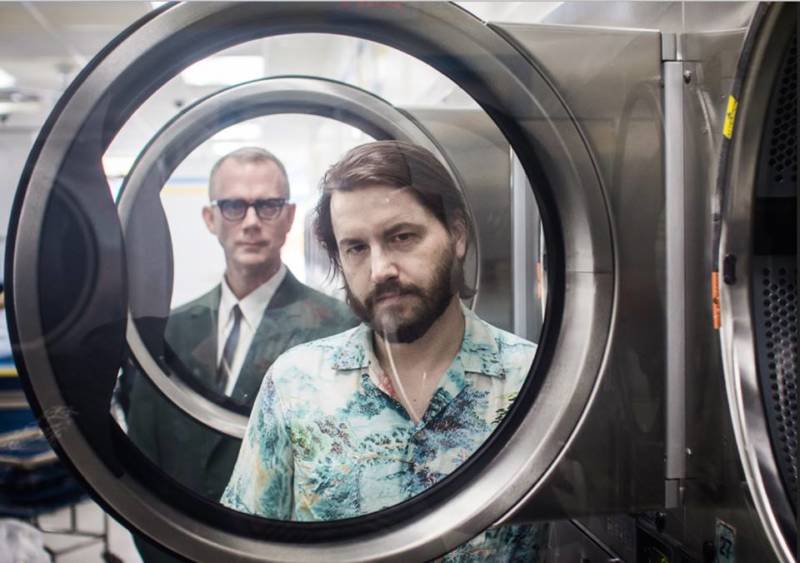
"caption": "The electronic duo Matmos made an entire album from the sounds of a washing machine.",
"description": null,
"title": "Matmos",
"credit": "Coutesy of Matmos",
"status": "inherit",
"isLoading": false,
"fetchFailed": false
},
"news_11085206": {
"type": "attachments",
"id": "news_11085206",
"meta": {
"index": "attachments_1716263798",
"site": "news",
"id": "11085206",
"found": true
},
"parent": 11081510,
"imgSizes": {
"twentyfourteen-full-width": {
"file": "https://ww2.kqed.org/app/uploads/sites/10/2016/09/Ballroom2-1038x576.jpg",
"width": 1038,
"mimeType": "image/jpeg",
"height": 576
},
"thumbnail": {
"file": "https://ww2.kqed.org/app/uploads/sites/10/2016/09/Ballroom2-400x267.jpg",
"width": 400,
"mimeType": "image/jpeg",
"height": 267
},
"fd-sm": {
"file": "https://ww2.kqed.org/app/uploads/sites/10/2016/09/Ballroom2-960x640.jpg",
"width": 960,
"mimeType": "image/jpeg",
"height": 640
},
"post-thumbnail": {
"file": "https://ww2.kqed.org/app/uploads/sites/10/2016/09/Ballroom2-672x372.jpg",
"width": 672,
"mimeType": "image/jpeg",
"height": 372
},
"kqedFullSize": {
"file": "https://ww2.kqed.org/app/uploads/sites/10/2016/09/Ballroom2.jpg",
"width": 1920,
"height": 1280
},
"large": {
"file": "https://ww2.kqed.org/app/uploads/sites/10/2016/09/Ballroom2-1920x1280.jpg",
"width": 1920,
"mimeType": "image/jpeg",
"height": 1280
},
"guest-author-50": {
"file": "https://ww2.kqed.org/app/uploads/sites/10/2016/09/Ballroom2-50x50.jpg",
"width": 50,
"mimeType": "image/jpeg",
"height": 50
},
"guest-author-96": {
"file": "https://ww2.kqed.org/app/uploads/sites/10/2016/09/Ballroom2-96x96.jpg",
"width": 96,
"mimeType": "image/jpeg",
"height": 96
},
"medium": {
"file": "https://ww2.kqed.org/app/uploads/sites/10/2016/09/Ballroom2-800x533.jpg",
"width": 800,
"mimeType": "image/jpeg",
"height": 533
},
"guest-author-64": {
"file": "https://ww2.kqed.org/app/uploads/sites/10/2016/09/Ballroom2-64x64.jpg",
"width": 64,
"mimeType": "image/jpeg",
"height": 64
},
"guest-author-32": {
"file": "https://ww2.kqed.org/app/uploads/sites/10/2016/09/Ballroom2-32x32.jpg",
"width": 32,
"mimeType": "image/jpeg",
"height": 32
},
"jmtc-small-thumb": {
"file": "https://ww2.kqed.org/app/uploads/sites/10/2016/09/Ballroom2-280x150.jpg",
"width": 280,
"mimeType": "image/jpeg",
"height": 150
},
"fd-lrg": {
"file": "https://ww2.kqed.org/app/uploads/sites/10/2016/09/Ballroom2-1920x1280.jpg",
"width": 1920,
"mimeType": "image/jpeg",
"height": 1280
},
"fd-med": {
"file": "https://ww2.kqed.org/app/uploads/sites/10/2016/09/Ballroom2-1180x787.jpg",
"width": 1180,
"mimeType": "image/jpeg",
"height": 787
},
"detail": {
"file": "https://ww2.kqed.org/app/uploads/sites/10/2016/09/Ballroom2-150x150.jpg",
"width": 150,
"mimeType": "image/jpeg",
"height": 150
},
"guest-author-128": {
"file": "https://ww2.kqed.org/app/uploads/sites/10/2016/09/Ballroom2-128x128.jpg",
"width": 128,
"mimeType": "image/jpeg",
"height": 128
}
},
"publishDate": 1473706474,
"modified": 1473706682,
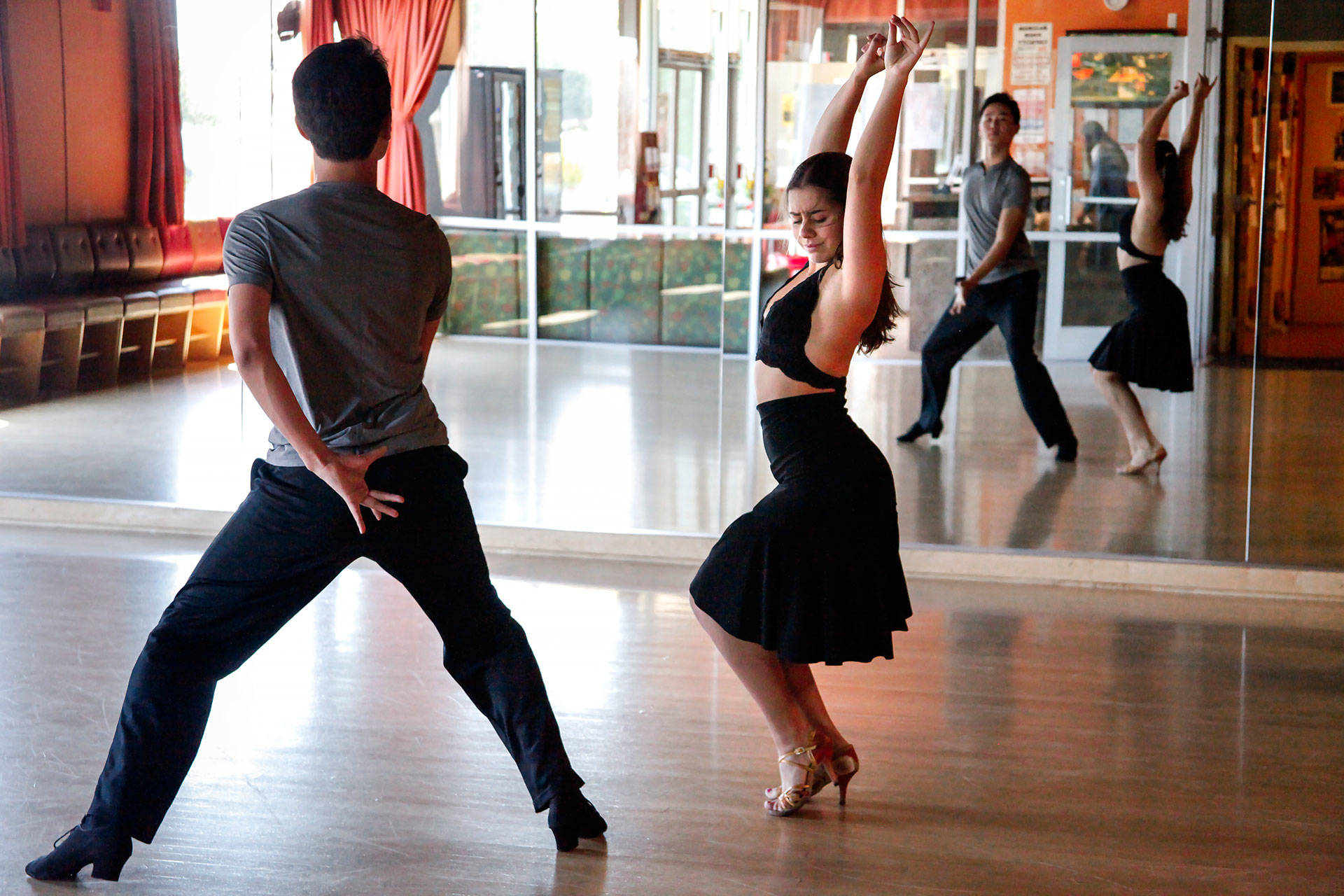
"caption": "Bumchin Tegshjargal started dancing with his partner. Michelle Klets, a year and a half ago. In that short time, they’ve become one of the country’s top young couples in Latin dance. ",
"description": "Bumchin Tegshjargal started dancing with his partner. Michelle Klets, a year and a half ago. In that short time, they’ve become one of the country’s top young couples in Latin dance. ",
"title": "Ballroom2",
"credit": "Brittany Hosea-Small/KQED",
"status": "inherit",
"isLoading": false,
"fetchFailed": false
},
"news_11081435": {
"type": "attachments",
"id": "news_11081435",
"meta": {
"index": "attachments_1716263798",
"site": "news",
"id": "11081435",
"found": true
},
"parent": 11078491,
"imgSizes": {
"twentyfourteen-full-width": {
"file": "https://ww2.kqed.org/app/uploads/sites/10/2016/09/EthioPeppers-1038x576.jpg",
"width": 1038,
"mimeType": "image/jpeg",
"height": 576
},
"thumbnail": {
"file": "https://ww2.kqed.org/app/uploads/sites/10/2016/09/EthioPeppers-400x242.jpg",
"width": 400,
"mimeType": "image/jpeg",
"height": 242
},
"fd-sm": {
"file": "https://ww2.kqed.org/app/uploads/sites/10/2016/09/EthioPeppers-960x581.jpg",
"width": 960,
"mimeType": "image/jpeg",
"height": 581
},
"post-thumbnail": {
"file": "https://ww2.kqed.org/app/uploads/sites/10/2016/09/EthioPeppers-672x372.jpg",
"width": 672,
"mimeType": "image/jpeg",
"height": 372
},
"kqedFullSize": {
"file": "https://ww2.kqed.org/app/uploads/sites/10/2016/09/EthioPeppers.jpg",
"width": 1920,
"height": 1162
},
"large": {
"file": "https://ww2.kqed.org/app/uploads/sites/10/2016/09/EthioPeppers-1920x1162.jpg",
"width": 1920,
"mimeType": "image/jpeg",
"height": 1162
},
"guest-author-50": {
"file": "https://ww2.kqed.org/app/uploads/sites/10/2016/09/EthioPeppers-50x50.jpg",
"width": 50,
"mimeType": "image/jpeg",
"height": 50
},
"guest-author-96": {
"file": "https://ww2.kqed.org/app/uploads/sites/10/2016/09/EthioPeppers-96x96.jpg",
"width": 96,
"mimeType": "image/jpeg",
"height": 96
},
"medium": {
"file": "https://ww2.kqed.org/app/uploads/sites/10/2016/09/EthioPeppers-800x484.jpg",
"width": 800,
"mimeType": "image/jpeg",
"height": 484
},
"guest-author-64": {
"file": "https://ww2.kqed.org/app/uploads/sites/10/2016/09/EthioPeppers-64x64.jpg",
"width": 64,
"mimeType": "image/jpeg",
"height": 64
},
"guest-author-32": {
"file": "https://ww2.kqed.org/app/uploads/sites/10/2016/09/EthioPeppers-32x32.jpg",
"width": 32,
"mimeType": "image/jpeg",
"height": 32
},
"jmtc-small-thumb": {
"file": "https://ww2.kqed.org/app/uploads/sites/10/2016/09/EthioPeppers-280x150.jpg",
"width": 280,
"mimeType": "image/jpeg",
"height": 150
},
"fd-lrg": {
"file": "https://ww2.kqed.org/app/uploads/sites/10/2016/09/EthioPeppers-1920x1162.jpg",
"width": 1920,
"mimeType": "image/jpeg",
"height": 1162
},
"fd-med": {
"file": "https://ww2.kqed.org/app/uploads/sites/10/2016/09/EthioPeppers-1180x714.jpg",
"width": 1180,
"mimeType": "image/jpeg",
"height": 714
},
"detail": {
"file": "https://ww2.kqed.org/app/uploads/sites/10/2016/09/EthioPeppers-150x150.jpg",
"width": 150,
"mimeType": "image/jpeg",
"height": 150
},
"guest-author-128": {
"file": "https://ww2.kqed.org/app/uploads/sites/10/2016/09/EthioPeppers-128x128.jpg",
"width": 128,
"mimeType": "image/jpeg",
"height": 128
}
},
"publishDate": 1473457547,
"modified": 1473457586,
"caption": "Menkir Tamrat at work on the farm.",
"description": "Menkir Tamrat at work on the farm.",
"title": "EthioPeppers",
"credit": "Meradith Hoddinott/KQED",
"status": "inherit",
"isLoading": false,
"fetchFailed": false
},
"news_11071011": {
"type": "attachments",
"id": "news_11071011",
"meta": {
"index": "attachments_1716263798",
"site": "news",
"id": "11071011",
"found": true
},
"parent": 11070937,
"imgSizes": {
"twentyfourteen-full-width": {
"file": "https://ww2.kqed.org/app/uploads/sites/10/2016/09/Othello-1038x576.jpg",
"width": 1038,
"mimeType": "image/jpeg",
"height": 576
},
"thumbnail": {
"file": "https://ww2.kqed.org/app/uploads/sites/10/2016/09/Othello-400x335.jpg",
"width": 400,
"mimeType": "image/jpeg",
"height": 335
},
"fd-sm": {
"file": "https://ww2.kqed.org/app/uploads/sites/10/2016/09/Othello-960x805.jpg",
"width": 960,
"mimeType": "image/jpeg",
"height": 805
},
"post-thumbnail": {
"file": "https://ww2.kqed.org/app/uploads/sites/10/2016/09/Othello-672x372.jpg",
"width": 672,
"mimeType": "image/jpeg",
"height": 372
},
"kqedFullSize": {
"file": "https://ww2.kqed.org/app/uploads/sites/10/2016/09/Othello.jpg",
"width": 1920,
"height": 1610
},
"large": {
"file": "https://ww2.kqed.org/app/uploads/sites/10/2016/09/Othello-1920x1610.jpg",
"width": 1920,
"mimeType": "image/jpeg",
"height": 1610
},
"guest-author-50": {
"file": "https://ww2.kqed.org/app/uploads/sites/10/2016/09/Othello-50x50.jpg",
"width": 50,
"mimeType": "image/jpeg",
"height": 50
},
"guest-author-96": {
"file": "https://ww2.kqed.org/app/uploads/sites/10/2016/09/Othello-96x96.jpg",
"width": 96,
"mimeType": "image/jpeg",
"height": 96
},
"medium": {
"file": "https://ww2.kqed.org/app/uploads/sites/10/2016/09/Othello-800x671.jpg",
"width": 800,
"mimeType": "image/jpeg",
"height": 671
},
"guest-author-64": {
"file": "https://ww2.kqed.org/app/uploads/sites/10/2016/09/Othello-64x64.jpg",
"width": 64,
"mimeType": "image/jpeg",
"height": 64
},
"guest-author-32": {
"file": "https://ww2.kqed.org/app/uploads/sites/10/2016/09/Othello-32x32.jpg",
"width": 32,
"mimeType": "image/jpeg",
"height": 32
},
"jmtc-small-thumb": {
"file": "https://ww2.kqed.org/app/uploads/sites/10/2016/09/Othello-280x150.jpg",
"width": 280,
"mimeType": "image/jpeg",
"height": 150
},
"fd-lrg": {
"file": "https://ww2.kqed.org/app/uploads/sites/10/2016/09/Othello-1920x1610.jpg",
"width": 1920,
"mimeType": "image/jpeg",
"height": 1610
},
"fd-med": {
"file": "https://ww2.kqed.org/app/uploads/sites/10/2016/09/Othello-1180x989.jpg",
"width": 1180,
"mimeType": "image/jpeg",
"height": 989
},
"detail": {
"file": "https://ww2.kqed.org/app/uploads/sites/10/2016/09/Othello-150x150.jpg",
"width": 150,
"mimeType": "image/jpeg",
"height": 150
},
"guest-author-128": {
"file": "https://ww2.kqed.org/app/uploads/sites/10/2016/09/Othello-128x128.jpg",
"width": 128,
"mimeType": "image/jpeg",
"height": 128
}
},
"publishDate": 1472862493,
"modified": 1472862526,
"caption": "Dameion Brown plays Othello in a new Marin Shakespeare Company production.",
"description": "Dameion Brown plays Othello in a new Marin Shakespeare Company production.",
"title": "Othello",
"credit": "Courtesy Lori A. Cheung",
"status": "inherit",
"isLoading": false,
"fetchFailed": false
},
"news_11071096": {
"type": "attachments",
"id": "news_11071096",
"meta": {
"index": "attachments_1716263798",
"site": "news",
"id": "11071096",
"found": true
},
"parent": 11069400,
"imgSizes": {
"twentyfourteen-full-width": {
"file": "https://ww2.kqed.org/app/uploads/sites/10/2016/09/IronDoor-1038x576.jpg",
"width": 1038,
"mimeType": "image/jpeg",
"height": 576
},
"thumbnail": {
"file": "https://ww2.kqed.org/app/uploads/sites/10/2016/09/IronDoor-400x251.jpg",
"width": 400,
"mimeType": "image/jpeg",
"height": 251
},
"fd-sm": {
"file": "https://ww2.kqed.org/app/uploads/sites/10/2016/09/IronDoor-960x603.jpg",
"width": 960,
"mimeType": "image/jpeg",
"height": 603
},
"post-thumbnail": {
"file": "https://ww2.kqed.org/app/uploads/sites/10/2016/09/IronDoor-672x372.jpg",
"width": 672,
"mimeType": "image/jpeg",
"height": 372
},
"kqedFullSize": {
"file": "https://ww2.kqed.org/app/uploads/sites/10/2016/09/IronDoor.jpg",
"width": 1920,
"height": 1205
},
"large": {
"file": "https://ww2.kqed.org/app/uploads/sites/10/2016/09/IronDoor-1920x1205.jpg",
"width": 1920,
"mimeType": "image/jpeg",
"height": 1205
},
"guest-author-50": {
"file": "https://ww2.kqed.org/app/uploads/sites/10/2016/09/IronDoor-50x50.jpg",
"width": 50,
"mimeType": "image/jpeg",
"height": 50
},
"guest-author-96": {
"file": "https://ww2.kqed.org/app/uploads/sites/10/2016/09/IronDoor-96x96.jpg",
"width": 96,
"mimeType": "image/jpeg",
"height": 96
},
"medium": {
"file": "https://ww2.kqed.org/app/uploads/sites/10/2016/09/IronDoor-800x502.jpg",
"width": 800,
"mimeType": "image/jpeg",
"height": 502
},
"guest-author-64": {
"file": "https://ww2.kqed.org/app/uploads/sites/10/2016/09/IronDoor-64x64.jpg",
"width": 64,
"mimeType": "image/jpeg",
"height": 64
},
"guest-author-32": {
"file": "https://ww2.kqed.org/app/uploads/sites/10/2016/09/IronDoor-32x32.jpg",
"width": 32,
"mimeType": "image/jpeg",
"height": 32
},
"jmtc-small-thumb": {
"file": "https://ww2.kqed.org/app/uploads/sites/10/2016/09/IronDoor-280x150.jpg",
"width": 280,
"mimeType": "image/jpeg",
"height": 150
},
"fd-lrg": {
"file": "https://ww2.kqed.org/app/uploads/sites/10/2016/09/IronDoor-1920x1205.jpg",
"width": 1920,
"mimeType": "image/jpeg",
"height": 1205
},
"fd-med": {
"file": "https://ww2.kqed.org/app/uploads/sites/10/2016/09/IronDoor-1180x741.jpg",
"width": 1180,
"mimeType": "image/jpeg",
"height": 741
},
"detail": {
"file": "https://ww2.kqed.org/app/uploads/sites/10/2016/09/IronDoor-150x150.jpg",
"width": 150,
"mimeType": "image/jpeg",
"height": 150
},
"guest-author-128": {
"file": "https://ww2.kqed.org/app/uploads/sites/10/2016/09/IronDoor-128x128.jpg",
"width": 128,
"mimeType": "image/jpeg",
"height": 128
}
},
"publishDate": 1472865538,
"modified": 1472865629,
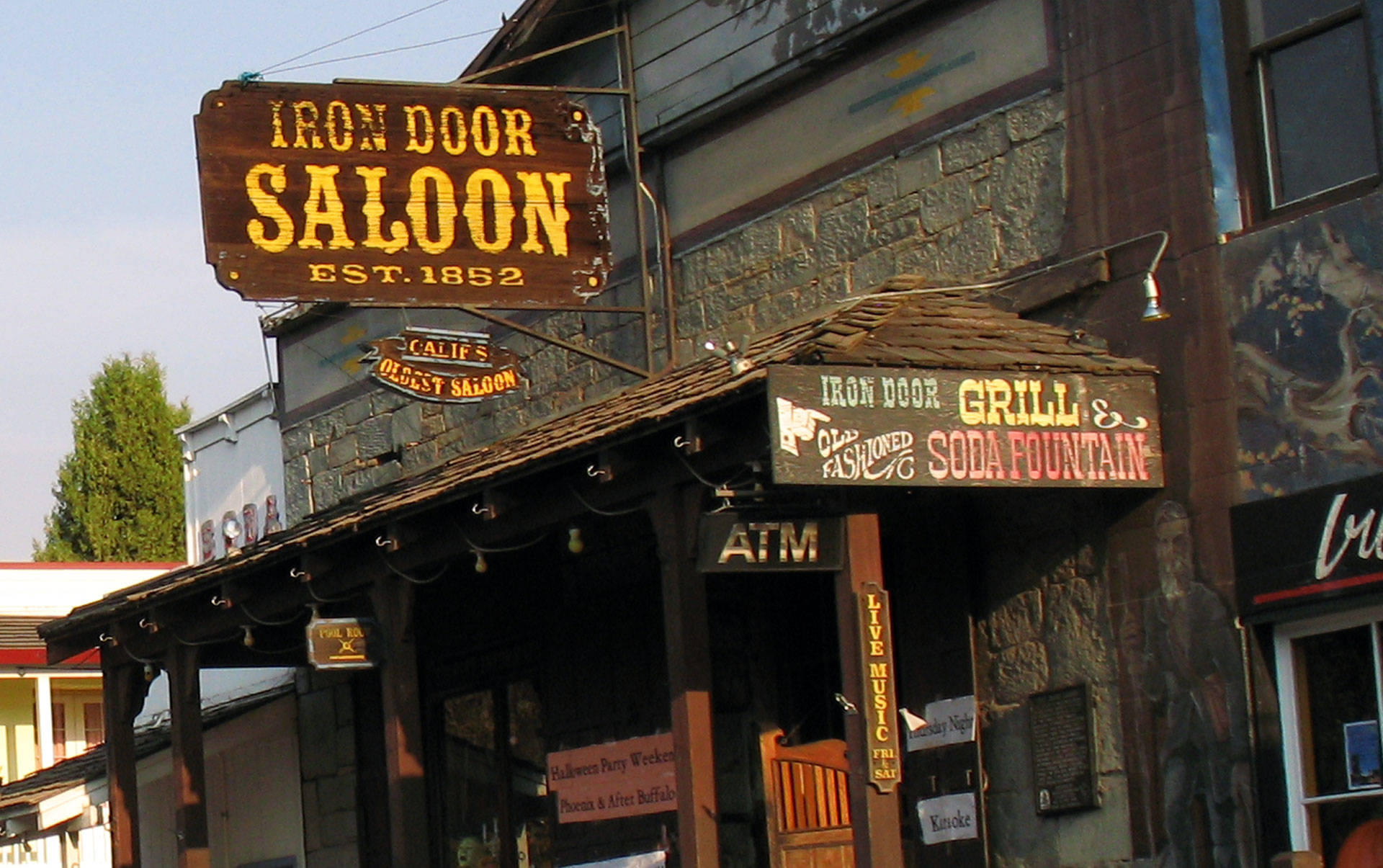
"caption": "The Iron Door Saloon in Groveland claims to be California’s oldest continuously operating bar.",
"description": "The Iron Door Saloon in Groveland claims to be California’s oldest continuously operating bar.",
"title": "IronDoor",
"credit": "Ahren/Flickr",
"status": "inherit",
"isLoading": false,
"fetchFailed": false
},
"news_11062330": {
"type": "attachments",
"id": "news_11062330",
"meta": {
"index": "attachments_1716263798",
"site": "news",
"id": "11062330",
"found": true
},
"parent": 11061848,
"imgSizes": {
"twentyfourteen-full-width": {
"file": "https://ww2.kqed.org/app/uploads/sites/10/2016/08/AprilBM-1038x576.jpg",
"width": 1038,
"mimeType": "image/jpeg",
"height": 576
},
"thumbnail": {
"file": "https://ww2.kqed.org/app/uploads/sites/10/2016/08/AprilBM-400x321.jpg",
"width": 400,
"mimeType": "image/jpeg",
"height": 321
},
"fd-sm": {
"file": "https://ww2.kqed.org/app/uploads/sites/10/2016/08/AprilBM-960x770.jpg",
"width": 960,
"mimeType": "image/jpeg",
"height": 770
},
"post-thumbnail": {
"file": "https://ww2.kqed.org/app/uploads/sites/10/2016/08/AprilBM-672x372.jpg",
"width": 672,
"mimeType": "image/jpeg",
"height": 372
},
"kqedFullSize": {
"file": "https://ww2.kqed.org/app/uploads/sites/10/2016/08/AprilBM.jpg",
"width": 1920,
"height": 1539
},
"large": {
"file": "https://ww2.kqed.org/app/uploads/sites/10/2016/08/AprilBM-1920x1539.jpg",
"width": 1920,
"mimeType": "image/jpeg",
"height": 1539
},
"guest-author-50": {
"file": "https://ww2.kqed.org/app/uploads/sites/10/2016/08/AprilBM-50x50.jpg",
"width": 50,
"mimeType": "image/jpeg",
"height": 50
},
"guest-author-96": {
"file": "https://ww2.kqed.org/app/uploads/sites/10/2016/08/AprilBM-96x96.jpg",
"width": 96,
"mimeType": "image/jpeg",
"height": 96
},
"medium": {
"file": "https://ww2.kqed.org/app/uploads/sites/10/2016/08/AprilBM-800x641.jpg",
"width": 800,
"mimeType": "image/jpeg",
"height": 641
},
"guest-author-64": {
"file": "https://ww2.kqed.org/app/uploads/sites/10/2016/08/AprilBM-64x64.jpg",
"width": 64,
"mimeType": "image/jpeg",
"height": 64
},
"guest-author-32": {
"file": "https://ww2.kqed.org/app/uploads/sites/10/2016/08/AprilBM-32x32.jpg",
"width": 32,
"mimeType": "image/jpeg",
"height": 32
},
"jmtc-small-thumb": {
"file": "https://ww2.kqed.org/app/uploads/sites/10/2016/08/AprilBM-280x150.jpg",
"width": 280,
"mimeType": "image/jpeg",
"height": 150
},
"fd-lrg": {
"file": "https://ww2.kqed.org/app/uploads/sites/10/2016/08/AprilBM-1920x1539.jpg",
"width": 1920,
"mimeType": "image/jpeg",
"height": 1539
},
"fd-med": {
"file": "https://ww2.kqed.org/app/uploads/sites/10/2016/08/AprilBM-1180x946.jpg",
"width": 1180,
"mimeType": "image/jpeg",
"height": 946
},
"detail": {
"file": "https://ww2.kqed.org/app/uploads/sites/10/2016/08/AprilBM-150x150.jpg",
"width": 150,
"mimeType": "image/jpeg",
"height": 150
},
"guest-author-128": {
"file": "https://ww2.kqed.org/app/uploads/sites/10/2016/08/AprilBM-128x128.jpg",
"width": 128,
"mimeType": "image/jpeg",
"height": 128
}
},
"publishDate": 1472258149,
"modified": 1472258184,
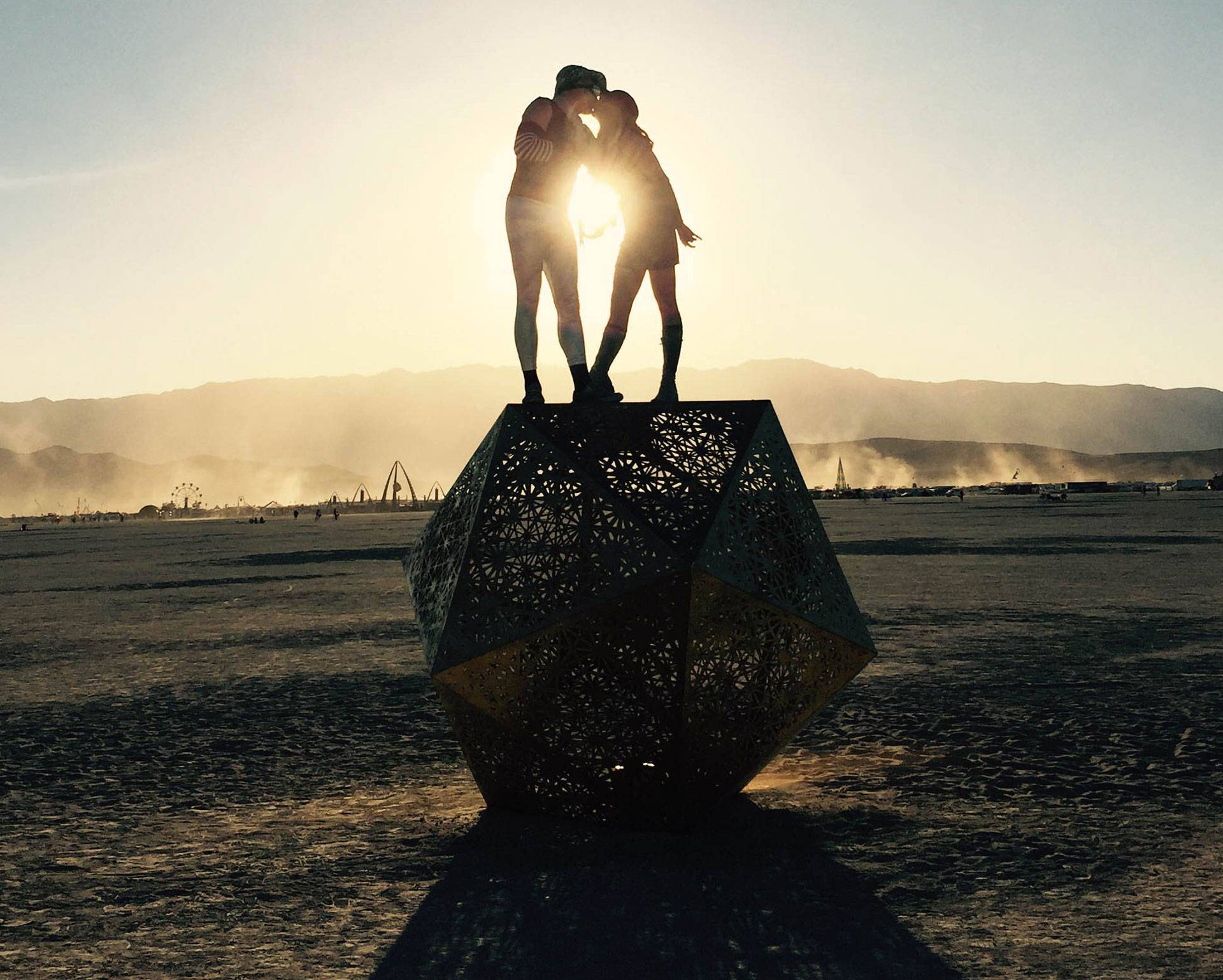
"caption": "April Dembosky and her husband at Burning Man, 2015. ",
"description": "April Dembosky and her husband at Burning Man, 2015. ",
"title": "AprilBM",
"credit": "Courtesy of April Dembosky",
"status": "inherit",
"isLoading": false,
"fetchFailed": false
},
"news_11062451": {
"type": "attachments",
"id": "news_11062451",
"meta": {
"index": "attachments_1716263798",
"site": "news",
"id": "11062451",
"found": true
},
"parent": 11061855,
"imgSizes": {
"twentyfourteen-full-width": {
"file": "https://ww2.kqed.org/app/uploads/sites/10/2016/08/VinylWilliams-1-1038x576.jpg",
"width": 1038,
"mimeType": "image/jpeg",
"height": 576
},
"thumbnail": {
"file": "https://ww2.kqed.org/app/uploads/sites/10/2016/08/VinylWilliams-1-400x339.jpg",
"width": 400,
"mimeType": "image/jpeg",
"height": 339
},
"fd-sm": {
"file": "https://ww2.kqed.org/app/uploads/sites/10/2016/08/VinylWilliams-1-960x814.jpg",
"width": 960,
"mimeType": "image/jpeg",
"height": 814
},
"post-thumbnail": {
"file": "https://ww2.kqed.org/app/uploads/sites/10/2016/08/VinylWilliams-1-672x372.jpg",
"width": 672,
"mimeType": "image/jpeg",
"height": 372
},
"kqedFullSize": {
"file": "https://ww2.kqed.org/app/uploads/sites/10/2016/08/VinylWilliams-1.jpg",
"width": 1920,
"height": 1627
},
"large": {
"file": "https://ww2.kqed.org/app/uploads/sites/10/2016/08/VinylWilliams-1-1920x1627.jpg",
"width": 1920,
"mimeType": "image/jpeg",
"height": 1627
},
"guest-author-50": {
"file": "https://ww2.kqed.org/app/uploads/sites/10/2016/08/VinylWilliams-1-50x50.jpg",
"width": 50,
"mimeType": "image/jpeg",
"height": 50
},
"guest-author-96": {
"file": "https://ww2.kqed.org/app/uploads/sites/10/2016/08/VinylWilliams-1-96x96.jpg",
"width": 96,
"mimeType": "image/jpeg",
"height": 96
},
"medium": {
"file": "https://ww2.kqed.org/app/uploads/sites/10/2016/08/VinylWilliams-1-800x678.jpg",
"width": 800,
"mimeType": "image/jpeg",
"height": 678
},
"guest-author-64": {
"file": "https://ww2.kqed.org/app/uploads/sites/10/2016/08/VinylWilliams-1-64x64.jpg",
"width": 64,
"mimeType": "image/jpeg",
"height": 64
},
"guest-author-32": {
"file": "https://ww2.kqed.org/app/uploads/sites/10/2016/08/VinylWilliams-1-32x32.jpg",
"width": 32,
"mimeType": "image/jpeg",
"height": 32
},
"jmtc-small-thumb": {
"file": "https://ww2.kqed.org/app/uploads/sites/10/2016/08/VinylWilliams-1-280x150.jpg",
"width": 280,
"mimeType": "image/jpeg",
"height": 150
},
"fd-lrg": {
"file": "https://ww2.kqed.org/app/uploads/sites/10/2016/08/VinylWilliams-1-1920x1627.jpg",
"width": 1920,
"mimeType": "image/jpeg",
"height": 1627
},
"fd-med": {
"file": "https://ww2.kqed.org/app/uploads/sites/10/2016/08/VinylWilliams-1-1180x1000.jpg",
"width": 1180,
"mimeType": "image/jpeg",
"height": 1000
},
"detail": {
"file": "https://ww2.kqed.org/app/uploads/sites/10/2016/08/VinylWilliams-1-150x150.jpg",
"width": 150,
"mimeType": "image/jpeg",
"height": 150
},
"guest-author-128": {
"file": "https://ww2.kqed.org/app/uploads/sites/10/2016/08/VinylWilliams-1-128x128.jpg",
"width": 128,
"mimeType": "image/jpeg",
"height": 128
}
},
"publishDate": 1472263034,
"modified": 1472263058,
"caption": "Vinyl Williams",
"description": "Vinyl Williams",
"title": "Vinyl Williams",
"credit": "Vinyl Williams",
"status": "inherit",
"isLoading": false,
"fetchFailed": false
},
"news_11062196": {
"type": "attachments",
"id": "news_11062196",
"meta": {
"index": "attachments_1716263798",
"site": "news",
"id": "11062196",
"found": true
},
"parent": 11062056,
"imgSizes": {
"twentyfourteen-full-width": {
"file": "https://ww2.kqed.org/app/uploads/sites/10/2016/08/RS20969_IMG_1953-qut-1038x576.jpg",
"width": 1038,
"mimeType": "image/jpeg",
"height": 576
},
"thumbnail": {
"file": "https://ww2.kqed.org/app/uploads/sites/10/2016/08/RS20969_IMG_1953-qut-400x300.jpg",
"width": 400,
"mimeType": "image/jpeg",
"height": 300
},
"fd-sm": {
"file": "https://ww2.kqed.org/app/uploads/sites/10/2016/08/RS20969_IMG_1953-qut-960x720.jpg",
"width": 960,
"mimeType": "image/jpeg",
"height": 720
},
"post-thumbnail": {
"file": "https://ww2.kqed.org/app/uploads/sites/10/2016/08/RS20969_IMG_1953-qut-672x372.jpg",
"width": 672,
"mimeType": "image/jpeg",
"height": 372
},
"kqedFullSize": {
"file": "https://ww2.kqed.org/app/uploads/sites/10/2016/08/RS20969_IMG_1953-qut.jpg",
"width": 1920,
"height": 1440
},
"large": {
"file": "https://ww2.kqed.org/app/uploads/sites/10/2016/08/RS20969_IMG_1953-qut-1920x1440.jpg",
"width": 1920,
"mimeType": "image/jpeg",
"height": 1440
},
"guest-author-50": {
"file": "https://ww2.kqed.org/app/uploads/sites/10/2016/08/RS20969_IMG_1953-qut-50x50.jpg",
"width": 50,
"mimeType": "image/jpeg",
"height": 50
},
"guest-author-96": {
"file": "https://ww2.kqed.org/app/uploads/sites/10/2016/08/RS20969_IMG_1953-qut-96x96.jpg",
"width": 96,
"mimeType": "image/jpeg",
"height": 96
},
"medium": {
"file": "https://ww2.kqed.org/app/uploads/sites/10/2016/08/RS20969_IMG_1953-qut-800x600.jpg",
"width": 800,
"mimeType": "image/jpeg",
"height": 600
},
"guest-author-64": {
"file": "https://ww2.kqed.org/app/uploads/sites/10/2016/08/RS20969_IMG_1953-qut-64x64.jpg",
"width": 64,
"mimeType": "image/jpeg",
"height": 64
},
"guest-author-32": {
"file": "https://ww2.kqed.org/app/uploads/sites/10/2016/08/RS20969_IMG_1953-qut-32x32.jpg",
"width": 32,
"mimeType": "image/jpeg",
"height": 32
},
"jmtc-small-thumb": {
"file": "https://ww2.kqed.org/app/uploads/sites/10/2016/08/RS20969_IMG_1953-qut-280x150.jpg",
"width": 280,
"mimeType": "image/jpeg",
"height": 150
},
"fd-lrg": {
"file": "https://ww2.kqed.org/app/uploads/sites/10/2016/08/RS20969_IMG_1953-qut-1920x1440.jpg",
"width": 1920,
"mimeType": "image/jpeg",
"height": 1440
},
"fd-med": {
"file": "https://ww2.kqed.org/app/uploads/sites/10/2016/08/RS20969_IMG_1953-qut-1180x885.jpg",
"width": 1180,
"mimeType": "image/jpeg",
"height": 885
},
"detail": {
"file": "https://ww2.kqed.org/app/uploads/sites/10/2016/08/RS20969_IMG_1953-qut-150x150.jpg",
"width": 150,
"mimeType": "image/jpeg",
"height": 150
},
"guest-author-128": {
"file": "https://ww2.kqed.org/app/uploads/sites/10/2016/08/RS20969_IMG_1953-qut-128x128.jpg",
"width": 128,
"mimeType": "image/jpeg",
"height": 128
}
},
"publishDate": 1472249841,
"modified": 1472249917,
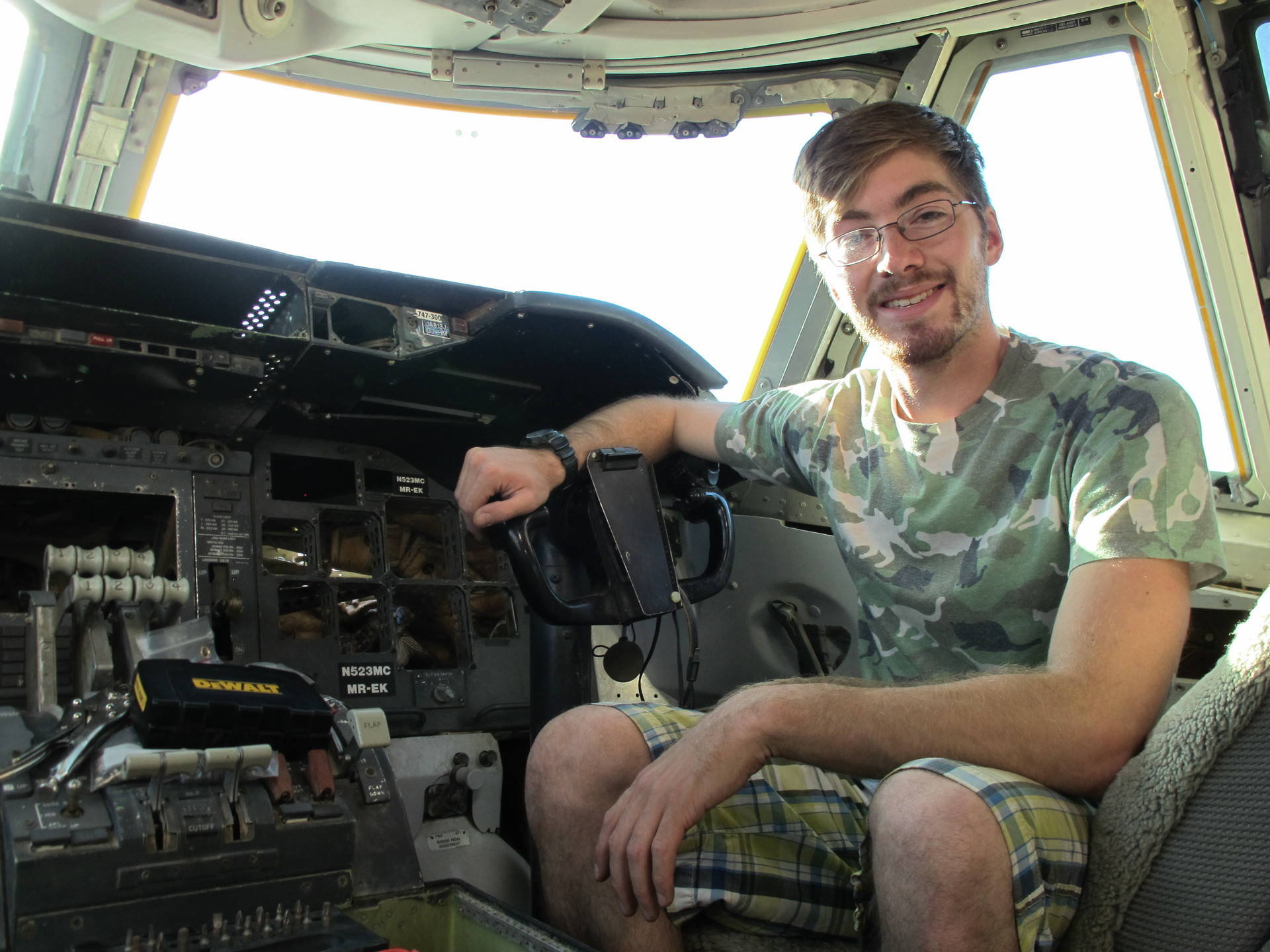
"caption": "Volunteer Nick Avila of San Francisco sits in the 747 cockpit that he's helping to fix up for Burning Man.",
"description": "Volunteer Nick Avila of San Francisco sits in the 747 cockpit that he's helping to fix up for Burning Man.",
"title": "RS20969_IMG_1953-qut",
"credit": "Susan Valot/KQED",
"status": "inherit",
"isLoading": false,
"fetchFailed": false
},
"news_11059102": {
"type": "attachments",
"id": "news_11059102",
"meta": {
"index": "attachments_1716263798",
"site": "news",
"id": "11059102",
"found": true
},
"parent": 11058860,
"imgSizes": {
"twentyfourteen-full-width": {
"file": "https://ww2.kqed.org/app/uploads/sites/10/2016/08/hincklehearst-1024x576.jpg",
"width": 1024,
"mimeType": "image/jpeg",
"height": 576
},
"thumbnail": {
"file": "https://ww2.kqed.org/app/uploads/sites/10/2016/08/hincklehearst-400x313.jpg",
"width": 400,
"mimeType": "image/jpeg",
"height": 313
},
"fd-sm": {
"file": "https://ww2.kqed.org/app/uploads/sites/10/2016/08/hincklehearst-960x752.jpg",
"width": 960,
"mimeType": "image/jpeg",
"height": 752
},
"post-thumbnail": {
"file": "https://ww2.kqed.org/app/uploads/sites/10/2016/08/hincklehearst-672x372.jpg",
"width": 672,
"mimeType": "image/jpeg",
"height": 372
},
"kqedFullSize": {
"file": "https://ww2.kqed.org/app/uploads/sites/10/2016/08/hincklehearst.jpg",
"width": 1024,
"height": 802
},
"guest-author-50": {
"file": "https://ww2.kqed.org/app/uploads/sites/10/2016/08/hincklehearst-50x50.jpg",
"width": 50,
"mimeType": "image/jpeg",
"height": 50
},
"guest-author-96": {
"file": "https://ww2.kqed.org/app/uploads/sites/10/2016/08/hincklehearst-96x96.jpg",
"width": 96,
"mimeType": "image/jpeg",
"height": 96
},
"medium": {
"file": "https://ww2.kqed.org/app/uploads/sites/10/2016/08/hincklehearst-800x627.jpg",
"width": 800,
"mimeType": "image/jpeg",
"height": 627
},
"guest-author-64": {
"file": "https://ww2.kqed.org/app/uploads/sites/10/2016/08/hincklehearst-64x64.jpg",
"width": 64,
"mimeType": "image/jpeg",
"height": 64
},
"guest-author-32": {
"file": "https://ww2.kqed.org/app/uploads/sites/10/2016/08/hincklehearst-32x32.jpg",
"width": 32,
"mimeType": "image/jpeg",
"height": 32
},
"jmtc-small-thumb": {
"file": "https://ww2.kqed.org/app/uploads/sites/10/2016/08/hincklehearst-280x150.jpg",
"width": 280,
"mimeType": "image/jpeg",
"height": 150
},
"detail": {
"file": "https://ww2.kqed.org/app/uploads/sites/10/2016/08/hincklehearst-150x150.jpg",
"width": 150,
"mimeType": "image/jpeg",
"height": 150
},
"guest-author-128": {
"file": "https://ww2.kqed.org/app/uploads/sites/10/2016/08/hincklehearst-128x128.jpg",
"width": 128,
"mimeType": "image/jpeg",
"height": 128
}
},
"publishDate": 1471997943,
"modified": 1472166060,
"caption": "Will Hearst, left, former publisher of the San Francisco Examiner, and Warren Hinckle, one of a stable of columnists Hearst hired in 1985. ",
"description": null,
"title": "Hearst-Hinckle",
"credit": "Phillip Hofstetter",
"status": "inherit",
"isLoading": false,
"fetchFailed": false
},
"news_11055679": {
"type": "attachments",
"id": "news_11055679",
"meta": {
"index": "attachments_1716263798",
"site": "news",
"id": "11055679",
"found": true
},
"parent": 11055569,
"imgSizes": {
"twentyfourteen-full-width": {
"file": "https://ww2.kqed.org/app/uploads/sites/10/2016/08/RS20818_GettyImages-591893308-qut-1038x576.jpg",
"width": 1038,
"mimeType": "image/jpeg",
"height": 576
},
"thumbnail": {
"file": "https://ww2.kqed.org/app/uploads/sites/10/2016/08/RS20818_GettyImages-591893308-qut-400x269.jpg",
"width": 400,
"mimeType": "image/jpeg",
"height": 269
},
"fd-sm": {
"file": "https://ww2.kqed.org/app/uploads/sites/10/2016/08/RS20818_GettyImages-591893308-qut-960x647.jpg",
"width": 960,
"mimeType": "image/jpeg",
"height": 647
},
"post-thumbnail": {
"file": "https://ww2.kqed.org/app/uploads/sites/10/2016/08/RS20818_GettyImages-591893308-qut-672x372.jpg",
"width": 672,
"mimeType": "image/jpeg",
"height": 372
},
"kqedFullSize": {
"file": "https://ww2.kqed.org/app/uploads/sites/10/2016/08/RS20818_GettyImages-591893308-qut.jpg",
"width": 1920,
"height": 1293
},
"large": {
"file": "https://ww2.kqed.org/app/uploads/sites/10/2016/08/RS20818_GettyImages-591893308-qut-1920x1293.jpg",
"width": 1920,
"mimeType": "image/jpeg",
"height": 1293
},
"guest-author-50": {
"file": "https://ww2.kqed.org/app/uploads/sites/10/2016/08/RS20818_GettyImages-591893308-qut-50x50.jpg",
"width": 50,
"mimeType": "image/jpeg",
"height": 50
},
"guest-author-96": {
"file": "https://ww2.kqed.org/app/uploads/sites/10/2016/08/RS20818_GettyImages-591893308-qut-96x96.jpg",
"width": 96,
"mimeType": "image/jpeg",
"height": 96
},
"medium": {
"file": "https://ww2.kqed.org/app/uploads/sites/10/2016/08/RS20818_GettyImages-591893308-qut-800x539.jpg",
"width": 800,
"mimeType": "image/jpeg",
"height": 539
},
"guest-author-64": {
"file": "https://ww2.kqed.org/app/uploads/sites/10/2016/08/RS20818_GettyImages-591893308-qut-64x64.jpg",
"width": 64,
"mimeType": "image/jpeg",
"height": 64
},
"guest-author-32": {
"file": "https://ww2.kqed.org/app/uploads/sites/10/2016/08/RS20818_GettyImages-591893308-qut-32x32.jpg",
"width": 32,
"mimeType": "image/jpeg",
"height": 32
},
"jmtc-small-thumb": {
"file": "https://ww2.kqed.org/app/uploads/sites/10/2016/08/RS20818_GettyImages-591893308-qut-280x150.jpg",
"width": 280,
"mimeType": "image/jpeg",
"height": 150
},
"fd-lrg": {
"file": "https://ww2.kqed.org/app/uploads/sites/10/2016/08/RS20818_GettyImages-591893308-qut-1920x1293.jpg",
"width": 1920,
"mimeType": "image/jpeg",
"height": 1293
},
"fd-med": {
"file": "https://ww2.kqed.org/app/uploads/sites/10/2016/08/RS20818_GettyImages-591893308-qut-1180x795.jpg",
"width": 1180,
"mimeType": "image/jpeg",
"height": 795
},
"detail": {
"file": "https://ww2.kqed.org/app/uploads/sites/10/2016/08/RS20818_GettyImages-591893308-qut-150x150.jpg",
"width": 150,
"mimeType": "image/jpeg",
"height": 150
},
"guest-author-128": {
"file": "https://ww2.kqed.org/app/uploads/sites/10/2016/08/RS20818_GettyImages-591893308-qut-128x128.jpg",
"width": 128,
"mimeType": "image/jpeg",
"height": 128
}
},
"publishDate": 1471656114,
"modified": 1471660362,
"caption": "Photographers take pictures of a passerby as she hugs a statue depicting Republican presidential nominee Donald Trump in the nude on Aug. 18, 2016, in San Francisco's Castro district. Anarchist collective INDECLINE has created five statues depicting Donald Trump in the nude and placed them in five U.S. cities on Thursday morning. The statues are in San Francisco, New York, Los Angeles, Cleveland and Seattle.",
"description": "Photographers take pictures of a passerby as she hugs a statue depicting republican presidential nominee Donald Trump in the nude on Aug. 18, in San Francisco's Castro district. Anarchist collective Indecline has created five statues depicting Donald Trump in the nude and placed them in five U.S. cities on Thursday morning. The statues are in San Francisco, New York, Los Angeles, Cleveland and Seattle.",
"title": "RS20818_GettyImages-591893308-qut",
"credit": "Justin Sullivan/Getty Images",
"status": "inherit",
"isLoading": false,
"fetchFailed": false
},
"news_11048950": {
"type": "attachments",
"id": "news_11048950",
"meta": {
"index": "attachments_1716263798",
"site": "news",
"id": "11048950",
"found": true
},
"parent": 11048944,
"imgSizes": {
"twentyfourteen-full-width": {
"file": "https://ww2.kqed.org/app/uploads/sites/10/2016/08/ReliquiaCover-1038x576.jpg",
"width": 1038,
"mimeType": "image/jpeg",
"height": 576
},
"thumbnail": {
"file": "https://ww2.kqed.org/app/uploads/sites/10/2016/08/ReliquiaCover-400x354.jpg",
"width": 400,
"mimeType": "image/jpeg",
"height": 354
},
"fd-sm": {
"file": "https://ww2.kqed.org/app/uploads/sites/10/2016/08/ReliquiaCover-960x850.jpg",
"width": 960,
"mimeType": "image/jpeg",
"height": 850
},
"post-thumbnail": {
"file": "https://ww2.kqed.org/app/uploads/sites/10/2016/08/ReliquiaCover-672x372.jpg",
"width": 672,
"mimeType": "image/jpeg",
"height": 372
},
"kqedFullSize": {
"file": "https://ww2.kqed.org/app/uploads/sites/10/2016/08/ReliquiaCover.jpg",
"width": 1679,
"height": 1487
},
"guest-author-50": {
"file": "https://ww2.kqed.org/app/uploads/sites/10/2016/08/ReliquiaCover-50x50.jpg",
"width": 50,
"mimeType": "image/jpeg",
"height": 50
},
"guest-author-96": {
"file": "https://ww2.kqed.org/app/uploads/sites/10/2016/08/ReliquiaCover-96x96.jpg",
"width": 96,
"mimeType": "image/jpeg",
"height": 96
},
"medium": {
"file": "https://ww2.kqed.org/app/uploads/sites/10/2016/08/ReliquiaCover-800x709.jpg",
"width": 800,
"mimeType": "image/jpeg",
"height": 709
},
"guest-author-64": {
"file": "https://ww2.kqed.org/app/uploads/sites/10/2016/08/ReliquiaCover-64x64.jpg",
"width": 64,
"mimeType": "image/jpeg",
"height": 64
},
"guest-author-32": {
"file": "https://ww2.kqed.org/app/uploads/sites/10/2016/08/ReliquiaCover-32x32.jpg",
"width": 32,
"mimeType": "image/jpeg",
"height": 32
},
"jmtc-small-thumb": {
"file": "https://ww2.kqed.org/app/uploads/sites/10/2016/08/ReliquiaCover-280x150.jpg",
"width": 280,
"mimeType": "image/jpeg",
"height": 150
},
"fd-med": {
"file": "https://ww2.kqed.org/app/uploads/sites/10/2016/08/ReliquiaCover-1180x1045.jpg",
"width": 1180,
"mimeType": "image/jpeg",
"height": 1045
},
"detail": {
"file": "https://ww2.kqed.org/app/uploads/sites/10/2016/08/ReliquiaCover-150x150.jpg",
"width": 150,
"mimeType": "image/jpeg",
"height": 150
},
"guest-author-128": {
"file": "https://ww2.kqed.org/app/uploads/sites/10/2016/08/ReliquiaCover-128x128.jpg",
"width": 128,
"mimeType": "image/jpeg",
"height": 128
}
},
"publishDate": 1471023627,
"modified": 1471023627,
"caption": null,
"description": null,
"title": "ReliquiaCover",
"credit": null,
"status": "inherit",
"isLoading": false,
"fetchFailed": false
},
"news_11049382": {
"type": "attachments",
"id": "news_11049382",
"meta": {
"index": "attachments_1716263798",
"site": "news",
"id": "11049382",
"found": true
},
"parent": 11048362,
"imgSizes": {
"twentyfourteen-full-width": {
"file": "https://ww2.kqed.org/app/uploads/sites/10/2016/08/Powwow1-1038x576.jpg",
"width": 1038,
"mimeType": "image/jpeg",
"height": 576
},
"thumbnail": {
"file": "https://ww2.kqed.org/app/uploads/sites/10/2016/08/Powwow1-400x259.jpg",
"width": 400,
"mimeType": "image/jpeg",
"height": 259
},
"fd-sm": {
"file": "https://ww2.kqed.org/app/uploads/sites/10/2016/08/Powwow1-960x623.jpg",
"width": 960,
"mimeType": "image/jpeg",
"height": 623
},
"post-thumbnail": {
"file": "https://ww2.kqed.org/app/uploads/sites/10/2016/08/Powwow1-672x372.jpg",
"width": 672,
"mimeType": "image/jpeg",
"height": 372
},
"kqedFullSize": {
"file": "https://ww2.kqed.org/app/uploads/sites/10/2016/08/Powwow1.jpg",
"width": 1920,
"height": 1245
},
"large": {
"file": "https://ww2.kqed.org/app/uploads/sites/10/2016/08/Powwow1-1920x1245.jpg",
"width": 1920,
"mimeType": "image/jpeg",
"height": 1245
},
"guest-author-50": {
"file": "https://ww2.kqed.org/app/uploads/sites/10/2016/08/Powwow1-50x50.jpg",
"width": 50,
"mimeType": "image/jpeg",
"height": 50
},
"guest-author-96": {
"file": "https://ww2.kqed.org/app/uploads/sites/10/2016/08/Powwow1-96x96.jpg",
"width": 96,
"mimeType": "image/jpeg",
"height": 96
},
"medium": {
"file": "https://ww2.kqed.org/app/uploads/sites/10/2016/08/Powwow1-800x519.jpg",
"width": 800,
"mimeType": "image/jpeg",
"height": 519
},
"guest-author-64": {
"file": "https://ww2.kqed.org/app/uploads/sites/10/2016/08/Powwow1-64x64.jpg",
"width": 64,
"mimeType": "image/jpeg",
"height": 64
},
"guest-author-32": {
"file": "https://ww2.kqed.org/app/uploads/sites/10/2016/08/Powwow1-32x32.jpg",
"width": 32,
"mimeType": "image/jpeg",
"height": 32
},
"jmtc-small-thumb": {
"file": "https://ww2.kqed.org/app/uploads/sites/10/2016/08/Powwow1-280x150.jpg",
"width": 280,
"mimeType": "image/jpeg",
"height": 150
},
"fd-lrg": {
"file": "https://ww2.kqed.org/app/uploads/sites/10/2016/08/Powwow1-1920x1245.jpg",
"width": 1920,
"mimeType": "image/jpeg",
"height": 1245
},
"fd-med": {
"file": "https://ww2.kqed.org/app/uploads/sites/10/2016/08/Powwow1-1180x765.jpg",
"width": 1180,
"mimeType": "image/jpeg",
"height": 765
},
"detail": {
"file": "https://ww2.kqed.org/app/uploads/sites/10/2016/08/Powwow1-150x150.jpg",
"width": 150,
"mimeType": "image/jpeg",
"height": 150
},
"guest-author-128": {
"file": "https://ww2.kqed.org/app/uploads/sites/10/2016/08/Powwow1-128x128.jpg",
"width": 128,
"mimeType": "image/jpeg",
"height": 128
}
},
"publishDate": 1471050984,
"modified": 1471051026,
"caption": "Helen Gaddie (L) stands inside the dance circle during the Sierra Mono Museum's 45th annual powwow on August 6, 2016.",
"description": "Helen Gaddie (L) stands inside the dance circle during the Sierra Mono Museum's 45th annual powwow on August 6, 2016.",
"title": "Powwow1",
"credit": "Vanessa Rancano/KQED",
"status": "inherit",
"isLoading": false,
"fetchFailed": false
}
},
"audioPlayerReducer": {
"postId": "stream_live",
"isPaused": true,
"isPlaying": false,
"pfsActive": false,
"pledgeModalIsOpen": true,
"playerDrawerIsOpen": false,
"liveAudioPlayStartedAt": 0,
"liveAudioPlayContext": ""
},
"authorsReducer": {
"byline_news_11081510": {
"type": "authors",
"id": "byline_news_11081510",
"meta": {
"override": true
},
"slug": "byline_news_11081510",
"name": "Eli Wirtschafter",
"isLoading": false
},
"byline_news_11078491": {
"type": "authors",
"id": "byline_news_11078491",
"meta": {
"override": true
},
"slug": "byline_news_11078491",
"name": "Meradith Hoddinott ",
"isLoading": false
},
"byline_news_11069400": {
"type": "authors",
"id": "byline_news_11069400",
"meta": {
"override": true
},
"slug": "byline_news_11069400",
"name": "\u003cstrong>Matt Beagle\u003c/strong>",
"isLoading": false
},
"byline_news_11062056": {
"type": "authors",
"id": "byline_news_11062056",
"meta": {
"override": true
},
"slug": "byline_news_11062056",
"name": "Susan Valot ",
"isLoading": false
},
"agilbert": {
"type": "authors",
"id": "86",
"meta": {
"index": "authors_1716337520",
"id": "86",
"found": true
},
"name": "Andrew Gilbert",
"firstName": "Andrew",
"lastName": "Gilbert",
"slug": "agilbert",
"email": "jazzscribe@aol.com",
"display_author_email": false,
"staff_mastheads": [],
"title": "KQED Contributor",
"bio": "A Los Angeles native based in the Berkeley area since 1996, Andrew Gilbert covers jazz, international music and dance for KQED's \u003ci>California Report, \u003c/i>the\u003ci> Mercury News\u003c/i>, \u003ci>San Francisco Chronicle\u003c/i>, \u003ci>Berkeleyside.com\u003c/i>, and other publications. He is available for weddings and bar and bat mitzvahs. #jazzscribe",
"avatar": "https://secure.gravatar.com/avatar/d7bcafdbefdd39e9a68f88724ca616eb4e7a5a6bff9cdfb62de652a1e1751471?s=600&d=blank&r=g",
"twitter": null,
"bluesky": null,
"facebook": null,
"instagram": null,
"linkedin": null,
"sites": [
{
"site": "arts",
"roles": [
"Contributor",
"author"
]
},
{
"site": "news",
"roles": [
"author"
]
}
],
"headData": {
"title": "Andrew Gilbert | KQED",
"description": "KQED Contributor",
"ogImgSrc": "https://secure.gravatar.com/avatar/d7bcafdbefdd39e9a68f88724ca616eb4e7a5a6bff9cdfb62de652a1e1751471?s=600&d=blank&r=g",
"twImgSrc": "https://secure.gravatar.com/avatar/d7bcafdbefdd39e9a68f88724ca616eb4e7a5a6bff9cdfb62de652a1e1751471?s=600&d=blank&r=g"
},
"isLoading": false,
"link": "/author/agilbert"
},
"shochman": {
"type": "authors",
"id": "87",
"meta": {
"index": "authors_1716337520",
"id": "87",
"found": true
},
"name": "Steve Hochman",
"firstName": "Steve",
"lastName": "Hochman",
"slug": "shochman",
"email": "sehochman@me.com",
"display_author_email": false,
"staff_mastheads": [],
"title": "KQED Contributor",
"bio": "Steve Hochman has covered popular, and unpopular, music for more than 30 years, most of that time as a key member of the \u003ci>Los Angeles Times\u003c/i>' music team. In that capacity he wrote about the full range of music and musicians, from Hungarian folk to industrial noise, and from 1991 through 2005 wrote the \u003ci>Times\u003c/i>' widely read weekly \"Pop Eye\" column. In addition to his role with \u003ci>The California Report\u003c/i>, he's a music critic for Pasadena station KPCC's morning magazine \u003ci>Take Two\u003c/i> and a regular contributor to Grammy.com, Fender.com and other outlets. His byline has appeared through the years in an array of major publications, including \u003ci>Rolling Stone\u003c/i>, \u003ci>Billboard\u003c/i> and \u003ci>Entertainment Weekly\u003c/i> and New Orleans' \u003ci>Offbeat\u003c/i>.",
"avatar": "https://secure.gravatar.com/avatar/37fbddee9db232a05a1be3b065171301e8baa142626c45b0caa6fc61c25a8c8d?s=600&d=blank&r=g",
"twitter": null,
"bluesky": null,
"facebook": null,
"instagram": null,
"linkedin": null,
"sites": [
{
"site": "arts",
"roles": [
"Contributor",
"subscriber"
]
},
{
"site": "news",
"roles": [
"subscriber"
]
}
],
"headData": {
"title": "Steve Hochman | KQED",
"description": "KQED Contributor",
"ogImgSrc": "https://secure.gravatar.com/avatar/37fbddee9db232a05a1be3b065171301e8baa142626c45b0caa6fc61c25a8c8d?s=600&d=blank&r=g",
"twImgSrc": "https://secure.gravatar.com/avatar/37fbddee9db232a05a1be3b065171301e8baa142626c45b0caa6fc61c25a8c8d?s=600&d=blank&r=g"
},
"isLoading": false,
"link": "/author/shochman"
},
"danbrekke": {
"type": "authors",
"id": "222",
"meta": {
"index": "authors_1716337520",
"id": "222",
"found": true
},
"name": "Dan Brekke",
"firstName": "Dan",
"lastName": "Brekke",
"slug": "danbrekke",
"email": "dbrekke@kqed.org",
"display_author_email": true,
"staff_mastheads": [
"news",
"science"
],
"title": "KQED Editor and Reporter",
"bio": "Dan Brekke is a reporter and editor for KQED News, responsible for coverage of topics ranging from California water issues to the Bay Area's transportation challenges. In a newsroom career that began in Chicago in 1972, Dan has worked for \u003cem>The San Francisco Examiner,\u003c/em> Wired and TechTV and has been published in The New York Times, The New York Times Magazine, Business 2.0, Salon and elsewhere.\r\n\r\nSince joining KQED in 2007, Dan has reported, edited and produced both radio and online features and breaking news pieces. He has shared as both editor and reporter in four Society of Professional Journalists Norcal Excellence in Journalism awards and one Edward R. Murrow regional award. He was chosen for a spring 2017 residency at the Mesa Refuge to advance his research on California salmon.\r\n\r\nEmail Dan at: \u003ca href=\"mailto:dbrekke@kqed.org\">dbrekke@kqed.org\u003c/a>\r\n\r\n\u003cstrong>Twitter:\u003c/strong> \u003ca href=\"https://twitter.com/danbrekke\" rel=\"noopener noreferrer\">twitter.com/danbrekke\u003c/a>\r\n\u003cstrong>Facebook:\u003c/strong> \u003ca href=\"https://www.facebook.com/danbrekke\" rel=\"noopener noreferrer\">www.facebook.com/danbrekke\u003c/a>\r\n\u003cstrong>LinkedIn:\u003c/strong> \u003ca href=\"https://www.linkedin.com/in/danbrekke\" rel=\"noopener noreferrer\">www.linkedin.com/in/danbrekke\u003c/a>",
"avatar": "https://secure.gravatar.com/avatar/8f1f0d2a978fb3b23426c922c7e2af558fa36905b49c4ce76a97dc3c72d27226?s=600&d=mm&r=g",
"twitter": "danbrekke",
"bluesky": null,
"facebook": null,
"instagram": "https://www.instagram.com/dan.brekke/",
"linkedin": "https://www.linkedin.com/in/danbrekke/",
"sites": [
{
"site": "news",
"roles": [
"administrator",
"create_posts"
]
},
{
"site": "stateofhealth",
"roles": [
"editor"
]
},
{
"site": "science",
"roles": [
"editor"
]
},
{
"site": "quest",
"roles": [
"contributor"
]
},
{
"site": "food",
"roles": [
"contributor"
]
},
{
"site": "forum",
"roles": [
"contributor"
]
},
{
"site": "elections",
"roles": [
"editor"
]
},
{
"site": "liveblog",
"roles": [
"editor"
]
}
],
"headData": {
"title": "Dan Brekke | KQED",
"description": "KQED Editor and Reporter",
"ogImgSrc": "https://secure.gravatar.com/avatar/8f1f0d2a978fb3b23426c922c7e2af558fa36905b49c4ce76a97dc3c72d27226?s=600&d=mm&r=g",
"twImgSrc": "https://secure.gravatar.com/avatar/8f1f0d2a978fb3b23426c922c7e2af558fa36905b49c4ce76a97dc3c72d27226?s=600&d=mm&r=g"
},
"isLoading": false,
"link": "/author/danbrekke"
},
"samharnett": {
"type": "authors",
"id": "253",
"meta": {
"index": "authors_1716337520",
"id": "253",
"found": true
},
"name": "Sam Harnett",
"firstName": "Sam",
"lastName": "Harnett",
"slug": "samharnett",
"email": "samharnett@gmail.com",
"display_author_email": false,
"staff_mastheads": [],
"title": "KQED Contributor",
"bio": "Sam Harnett covered tech and work at KQED. He is the co-creator of \u003cem>\u003ca href=\"http://www.theworldaccordingtosound.org\">The World According to Sound\u003c/a>,\u003c/em> a 90-second podcast that features different sounds and the stories behind them.\r\n\r\nBefore coming to KQED, Sam worked as an independent reporter who contributed regularly to \u003cem>The California Report, Marketplace,\u003c/em> \u003cem>The World \u003c/em>and NPR.",
"avatar": "https://secure.gravatar.com/avatar/2538b972ac02f2b9546c7a6c59a0f3d0?s=600&d=blank&r=g",
"twitter": "Samwharnett",
"facebook": null,
"instagram": null,
"linkedin": null,
"sites": [
{
"site": "news",
"roles": [
"edit_others_posts",
"subscriber"
]
},
{
"site": "stateofhealth",
"roles": [
"author"
]
},
{
"site": "science",
"roles": [
"editor"
]
},
{
"site": "quest",
"roles": [
"subscriber"
]
}
],
"headData": {
"title": "Sam Harnett | KQED",
"description": "KQED Contributor",
"ogImgSrc": "https://secure.gravatar.com/avatar/2538b972ac02f2b9546c7a6c59a0f3d0?s=600&d=blank&r=g",
"twImgSrc": "https://secure.gravatar.com/avatar/2538b972ac02f2b9546c7a6c59a0f3d0?s=600&d=blank&r=g"
},
"isLoading": false,
"link": "/author/samharnett"
},
"sasha-khokha": {
"type": "authors",
"id": "254",
"meta": {
"index": "authors_1716337520",
"id": "254",
"found": true
},
"name": "Sasha Khokha",
"firstName": "Sasha",
"lastName": "Khokha",
"slug": "sasha-khokha",
"email": "skhokha@kqed.org",
"display_author_email": true,
"staff_mastheads": [
"news"
],
"title": "Host, The California Report Magazine",
"bio": "Sasha Khokha is the host of \u003cem>The California Report's \u003c/em> weekly magazine program, which takes listeners on sound-rich excursions to meet the people that make the Golden State unique -- through audio documentaries and long-form stories. As \u003cem>The California Report's\u003c/em> Central Valley Bureau Chief based in Fresno for nearly a dozen years, Sasha brought the lives and concerns of rural Californians to listeners around the state. Her reporting helped expose the hidden price immigrant women janitors and farmworkers may pay to keep their jobs: sexual assault at work. It inspired two new California laws to protect them from sexual harassment. She was a key member of the reporting team for the Frontline film \u003cem>Rape on the Night Shift, \u003c/em>which was nominated for two national Emmys. Sasha has also won a national Edward R. Murrow and a national PRNDI award for investigative reporting, as well as multiple prizes from the Society for Professional Journalists. Sasha is a proud alum of the UC Berkeley Graduate School of Journalism and Brown University and a member of the South Asian Journalists Association.",
"avatar": "https://secure.gravatar.com/avatar/e4b5e1541aaeea2aa356aa1fb2a68950?s=600&d=blank&r=g",
"twitter": "KQEDSashaKhokha",
"facebook": null,
"instagram": null,
"linkedin": null,
"sites": [
{
"site": "news",
"roles": [
"editor"
]
},
{
"site": "stateofhealth",
"roles": [
"author"
]
},
{
"site": "science",
"roles": [
"author"
]
},
{
"site": "quest",
"roles": [
"subscriber"
]
}
],
"headData": {
"title": "Sasha Khokha | KQED",
"description": "Host, The California Report Magazine",
"ogImgSrc": "https://secure.gravatar.com/avatar/e4b5e1541aaeea2aa356aa1fb2a68950?s=600&d=blank&r=g",
"twImgSrc": "https://secure.gravatar.com/avatar/e4b5e1541aaeea2aa356aa1fb2a68950?s=600&d=blank&r=g"
},
"isLoading": false,
"link": "/author/sasha-khokha"
},
"adembosky": {
"type": "authors",
"id": "3205",
"meta": {
"index": "authors_1716337520",
"id": "3205",
"found": true
},
"name": "April Dembosky",
"firstName": "April",
"lastName": "Dembosky",
"slug": "adembosky",
"email": "adembosky@kqed.org",
"display_author_email": false,
"staff_mastheads": [
"news",
"science"
],
"title": "KQED Health Correspondent",
"bio": "April Dembosky is the health correspondent for KQED News and a regular contributor to NPR. She specializes in covering altered states of mind, from postpartum depression to methamphetamine-induced psychosis to the insanity defense. Her investigative series on insurance companies sidestepping mental health laws won multiple awards, including first place in beat reporting from the national Association of Health Care Journalists. She is the recipient of numerous other prizes and fellowships, including a national Edward R. Murrow award for investigative reporting, a Society of Professional Journalists award for long-form storytelling, and a Carter Center Fellowship for Mental Health Journalism.\r\n\r\nDembosky reported and produced \u003cem>Soundtrack of Silence\u003c/em>, an audio documentary about music and memory that is currently being made into a feature film by Paramount Pictures.\r\n\r\nBefore joining KQED in 2013, Dembosky covered technology and Silicon Valley for \u003cem>The Financial Times of London,\u003c/em> and contributed business and arts stories to \u003cem>Marketplace \u003c/em>and \u003cem>The New York Times.\u003c/em> She got her undergraduate degree in philosophy from Smith College and her master's in journalism from the University of California, Berkeley. She is a classically trained violinist and proud alum of the first symphony orchestra at Burning Man.",
"avatar": "https://secure.gravatar.com/avatar/ef92999be4ceb9ea60701e7dc276f813?s=600&d=blank&r=g",
"twitter": "adembosky",
"facebook": null,
"instagram": null,
"linkedin": null,
"sites": [
{
"site": "arts",
"roles": [
"author"
]
},
{
"site": "news",
"roles": [
"editor"
]
},
{
"site": "futureofyou",
"roles": [
"author"
]
},
{
"site": "stateofhealth",
"roles": [
"editor"
]
},
{
"site": "science",
"roles": [
"editor"
]
},
{
"site": "forum",
"roles": [
"editor"
]
}
],
"headData": {
"title": "April Dembosky | KQED",
"description": "KQED Health Correspondent",
"ogImgSrc": "https://secure.gravatar.com/avatar/ef92999be4ceb9ea60701e7dc276f813?s=600&d=blank&r=g",
"twImgSrc": "https://secure.gravatar.com/avatar/ef92999be4ceb9ea60701e7dc276f813?s=600&d=blank&r=g"
},
"isLoading": false,
"link": "/author/adembosky"
},
"rlevi": {
"type": "authors",
"id": "11260",
"meta": {
"index": "authors_1716337520",
"id": "11260",
"found": true
},
"name": "Ryan Levi",
"firstName": "Ryan",
"lastName": "Levi",
"slug": "rlevi",
"email": "rlevi@KQED.org",
"display_author_email": false,
"staff_mastheads": [],
"title": "KQED Contributor",
"bio": "Ryan Levi was a reporter and podcast producer at KQED News from 2016-2019. He worked on \u003ca href=\"https://www.kqed.org/news/series/baycurious\">Bay Curious\u003c/a>, \u003ca href=\"https://www.kqed.org/news/tag/the-bay/\">The Bay, \u003c/a>and \u003ca href=\"https://podcasts.apple.com/us/podcast/the-california-report-magazine/id1314750545\">The California Report Magazine\u003c/a>, as well as hosting and producing the weekly \u003ca href=\"https://www.kqed.org/news/program/qedup/\">Q'ed Up podcast. \u003c/a>He also helped inaugurate KQED's weekend news coverage in 2017 as one of two original digital producers. Ryan holds degrees in multimedia journalism and Spanish from the University of Missouri.",
"avatar": "https://secure.gravatar.com/avatar/4cb2ddd028ac8807d1adf09609c5555d?s=600&d=blank&r=g",
"twitter": "ryan_levi",
"facebook": null,
"instagram": null,
"linkedin": null,
"sites": [
{
"site": "arts",
"roles": [
"editor"
]
},
{
"site": "news",
"roles": [
"subscriber"
]
},
{
"site": "stateofhealth",
"roles": [
"editor"
]
},
{
"site": "science",
"roles": [
"editor"
]
},
{
"site": "forum",
"roles": [
"administrator"
]
},
{
"site": "perspectives",
"roles": [
"administrator"
]
}
],
"headData": {
"title": "Ryan Levi | KQED",
"description": "KQED Contributor",
"ogImgSrc": "https://secure.gravatar.com/avatar/4cb2ddd028ac8807d1adf09609c5555d?s=600&d=blank&r=g",
"twImgSrc": "https://secure.gravatar.com/avatar/4cb2ddd028ac8807d1adf09609c5555d?s=600&d=blank&r=g"
},
"isLoading": false,
"link": "/author/rlevi"
},
"vrancano": {
"type": "authors",
"id": "11276",
"meta": {
"index": "authors_1716337520",
"id": "11276",
"found": true
},
"name": "Vanessa Rancaño",
"firstName": "Vanessa",
"lastName": "Rancaño",
"slug": "vrancano",
"email": "vrancano@kqed.org",
"display_author_email": false,
"staff_mastheads": [
"news"
],
"title": "Reporter",
"bio": "Vanessa Rancaño is a features reporter for KQED. She’s also covered homelessness and education for the station and reported from the Central Valley. Her work has aired across public radio, from flagship national news shows to longform narrative podcasts. Before taking up a mic, she worked as a freelance print journalist. She’s been recognized with a number of national and regional awards. Vanessa grew up in California's Central Valley. She's a former NPR Kroc Fellow, and a graduate of the UC Berkeley Graduate School of Journalism.",
"avatar": "https://secure.gravatar.com/avatar/b3a383dfb0e7ee1c17568f2cf067904ab654d6e3de9743fc661f3c788ade1bed?s=600&d=blank&r=g",
"twitter": "vanessarancano",
"bluesky": null,
"facebook": null,
"instagram": null,
"linkedin": null,
"sites": [
{
"site": "arts",
"roles": [
"editor"
]
},
{
"site": "news",
"roles": [
"editor"
]
},
{
"site": "liveblog",
"roles": [
"contributor"
]
}
],
"headData": {
"title": "Vanessa Rancaño | KQED",
"description": "Reporter",
"ogImgSrc": "https://secure.gravatar.com/avatar/b3a383dfb0e7ee1c17568f2cf067904ab654d6e3de9743fc661f3c788ade1bed?s=600&d=blank&r=g",
"twImgSrc": "https://secure.gravatar.com/avatar/b3a383dfb0e7ee1c17568f2cf067904ab654d6e3de9743fc661f3c788ade1bed?s=600&d=blank&r=g"
},
"isLoading": false,
"link": "/author/vrancano"
}
},
"pagesReducer": {
"news_category_arts-and-culture": {
"type": "terms",
"id": "news_223",
"meta": {
"index": "terms_1716263798",
"site": "news",
"id": "223",
"score": 11.242678
},
"featImg": null,
"name": "Arts and Culture",
"description": null,
"taxonomy": "category",
"headData": {
"twImgId": null,
"twTitle": null,
"ogTitle": null,
"ogImgId": null,
"twDescription": null,
"description": null,
"title": "Arts and Culture Archives | KQED News",
"ogDescription": null
},
"ttid": 231,
"slug": "arts-and-culture",
"isLoading": false,
"title": "Arts and Culture",
"pageMeta": {
"site": "news",
"WpPageTemplate": "page-topic-editorial",
"currentPage": 110
},
"blocks": [
{
"blockName": "kqed/post-list",
"attrs": {
"layout": "cardArticle2",
"query": "posts/news?category=arts-and-culture",
"seeMore": false,
"paginated": true,
"page": 110
}
},
{
"blockName": "kqed/ad"
}
]
}
},
"pfsSessionReducer": {},
"postsReducer": {
"stream_live": {
"type": "live",
"id": "stream_live",
"audioUrl": "https://streams.kqed.org/kqedradio",
"title": "Live Stream",
"excerpt": "Live Stream information currently unavailable.",
"link": "/radio",
"featImg": "",
"label": {
"name": "KQED Live",
"link": "/"
}
},
"stream_kqedNewscast": {
"type": "posts",
"id": "stream_kqedNewscast",
"audioUrl": "https://www.kqed.org/.stream/anon/radio/RDnews/newscast.mp3?_=1",
"title": "KQED Newscast",
"featImg": "",
"label": {
"name": "88.5 FM",
"link": "/"
}
},
"news_11087857": {
"type": "posts",
"id": "news_11087857",
"meta": {
"index": "posts_1716263798",
"site": "news",
"id": "11087857",
"score": null,
"sort": [
1473951652000
]
},
"parent": 0,
"labelTerm": {
"site": "news",
"term": 72
},
"blocks": [],
"publishDate": 1473951652,
"format": "standard",
"disqusTitle": "Washing Machine Music With Matmos",
"title": "Washing Machine Music With Matmos",
"headTitle": "The California Report | KQED News",
"content": "\u003cp>Martin Schmidt and Drew Daniel found the inspiration for their latest album in the basement of their house with an object that for most of us inspires only drudgery. A washing machine. The pair made an album of music almost entirely out of sounds sampled from their washer.\u003c/p>\n\u003cp>[soundcloud url=\"https://api.soundcloud.com/tracks/282932575\" params=\"color=ff5500&auto_play=false&hide_related=false&show_comments=true&show_user=true&show_reposts=false\" width=\"100%\" height=\"166\" iframe=\"true\" /]\u003c/p>\n\u003cp>This is not the first time Schmidt and Daniel have relied on an unexpected instrument to make an album. The duo have an electronic band called Matmos, which is famous for doing things like making music out of surgery sounds and sampling the neural activity of crayfish. Now with their most recent album, \"Ultimate Care II,\" they can add a Whirlpool washing machine to their repertoire.\u003c/p>\n\u003cp>Schmidt and Daniel started Matmos in the Bay Area. They worked with Icelandic singer Bjork and performed at the Yerba Buena Center for the Arts. They have since moved to Baltimore, where they harnessed the Whirlpool in their basement to make \"Ultimate Care II,\" their first album in three years. The previous record, \"The Marriage of True Minds,\" involved deprivation tanks, parapsychological experiments and a remake of a song from the late '70s called \"E.S.P.\"\u003c/p>\n\u003cp>\"Ultimate Care II\" has only one track, and it is about the length of a wash cycle. If you listen to the excerpt above, you should be able to pick out a few sounds that will remind you of the last time you did your laundry. Perhaps with your next load you'll feel a little less drudgery. Maybe you'll even be compelled to try a little drumbeat of your own on the metallic top of your washer. You'll find that it makes quite a pleasant sound.\u003c/p>\n\u003cp>[ad fullwidth]\u003c/p>\n\u003cp>\u003c/p>\n\u003cp>To hear more wonderful and weird auditory treats, check out \u003ca href=\"http://www.theworldaccordingtosound.org\" target=\"_blank\">The World According to Sound\u003c/a> podcast.\u003c/p>\n\n",
"disqusIdentifier": "11087857 http://ww2.kqed.org/news/?p=11087857",
"disqusUrl": "https://ww2.kqed.org/news/2016/09/15/washing-machine-music-with-matmos/",
"stats": {
"hasVideo": false,
"hasChartOrMap": false,
"hasAudio": false,
"hasPolis": false,
"wordCount": 345,
"hasGoogleForm": false,
"hasGallery": false,
"hasHearkenModule": false,
"iframeSrcs": [],
"paragraphCount": 8
},
"modified": 1473891243,
"excerpt": "After hearing this album, you might feel a little differently about doing your laundry.",
"headData": {
"twImgId": "",
"twTitle": "",
"ogTitle": "",
"ogImgId": "",
"twDescription": "",
"description": "After hearing this album, you might feel a little differently about doing your laundry.",
"title": "Washing Machine Music With Matmos | KQED",
"ogDescription": "",
"schema": {
"@context": "https://schema.org",
"@type": "NewsArticle",
"headline": "Washing Machine Music With Matmos",
"datePublished": "2016-09-15T08:00:52-07:00",
"dateModified": "2016-09-14T15:14:03-07:00",
"image": "https://cdn.kqed.org/wp-content/uploads/2020/02/KQED-OG-Image@1x.png",
"isAccessibleForFree": "True",
"publisher": {
"@type": "NewsMediaOrganization",
"@id": "https://www.kqed.org/#organization",
"name": "KQED",
"logo": "https://cdn.kqed.org/wp-content/uploads/2020/02/KQED-OG-Image@1x.png",
"url": "https://www.kqed.org",
"sameAs": [
"https://www.facebook.com/KQED",
"https://twitter.com/KQED",
"https://www.instagram.com/kqed/",
"https://www.tiktok.com/@kqedofficial",
"https://www.linkedin.com/company/kqed",
"https://www.youtube.com/channel/UCeC0IOo7i1P_61zVUWbJ4nw"
]
}
}
},
"guestAuthors": [],
"slug": "washing-machine-music-with-matmos",
"status": "publish",
"nprStoryId": "494083929",
"path": "/news/11087857/washing-machine-music-with-matmos",
"audioTrackLength": null,
"parsedContent": [
{
"type": "contentString",
"content": "\u003cdiv class=\"post-body\">\u003cp>\u003cp>Martin Schmidt and Drew Daniel found the inspiration for their latest album in the basement of their house with an object that for most of us inspires only drudgery. A washing machine. The pair made an album of music almost entirely out of sounds sampled from their washer.\u003c/p>\n\u003cp>\u003c/p>\u003cp>\u003cdiv class='utils-parseShortcode-shortcodes-__shortcodes__shortcodeWrapper'>\n \u003ciframe width='100%' height='166'\n scrolling='no' frameborder='no'\n src='https://w.soundcloud.com/player/?url=https://api.soundcloud.com/tracks/282932575&visual=true&color=ff5500&auto_play=false&hide_related=false&show_comments=true&show_user=true&show_reposts=false'\n title='https://api.soundcloud.com/tracks/282932575'>\n \u003c/iframe>\n \u003c/div>\u003c/p>\u003cp>\u003c/p>\n\u003cp>This is not the first time Schmidt and Daniel have relied on an unexpected instrument to make an album. The duo have an electronic band called Matmos, which is famous for doing things like making music out of surgery sounds and sampling the neural activity of crayfish. Now with their most recent album, \"Ultimate Care II,\" they can add a Whirlpool washing machine to their repertoire.\u003c/p>\n\u003cp>Schmidt and Daniel started Matmos in the Bay Area. They worked with Icelandic singer Bjork and performed at the Yerba Buena Center for the Arts. They have since moved to Baltimore, where they harnessed the Whirlpool in their basement to make \"Ultimate Care II,\" their first album in three years. The previous record, \"The Marriage of True Minds,\" involved deprivation tanks, parapsychological experiments and a remake of a song from the late '70s called \"E.S.P.\"\u003c/p>\n\u003cp>\"Ultimate Care II\" has only one track, and it is about the length of a wash cycle. If you listen to the excerpt above, you should be able to pick out a few sounds that will remind you of the last time you did your laundry. Perhaps with your next load you'll feel a little less drudgery. Maybe you'll even be compelled to try a little drumbeat of your own on the metallic top of your washer. You'll find that it makes quite a pleasant sound.\u003c/p>\n\u003cp>\u003c/p>\u003c/div>",
"attributes": {
"named": {},
"numeric": []
}
},
{
"type": "component",
"content": "",
"name": "ad",
"attributes": {
"named": {
"label": "fullwidth"
},
"numeric": [
"fullwidth"
]
}
},
{
"type": "contentString",
"content": "\u003cdiv class=\"post-body\">\u003cp>\u003c/p>\n\u003cp>\u003c/p>\n\u003cp>To hear more wonderful and weird auditory treats, check out \u003ca href=\"http://www.theworldaccordingtosound.org\" target=\"_blank\">The World According to Sound\u003c/a> podcast.\u003c/p>\n\n\u003c/div>\u003c/p>",
"attributes": {
"named": {},
"numeric": []
}
}
],
"link": "/news/11087857/washing-machine-music-with-matmos",
"authors": [
"253"
],
"programs": [
"news_72"
],
"categories": [
"news_223",
"news_8"
],
"tags": [
"news_17286",
"news_19928"
],
"featImg": "news_11087858",
"label": "news_72"
},
"news_11081510": {
"type": "posts",
"id": "news_11081510",
"meta": {
"index": "posts_1716263798",
"site": "news",
"id": "11081510",
"score": null,
"sort": [
1473710721000
]
},
"parent": 0,
"labelTerm": {
"site": "news",
"term": 72
},
"blocks": [],
"publishDate": 1473710721,
"format": "image",
"disqusTitle": "Sequins, Sweat and Tears: Bay Area Ballroom Dancing Couple Makes It Big",
"title": "Sequins, Sweat and Tears: Bay Area Ballroom Dancing Couple Makes It Big",
"headTitle": "The California Report | KQED News",
"content": "\u003cp>\u003ca href=\"https://www.facebook.com/bumchinandmichelle/\">Bumchin Tegshjargal and Michelle Klets\u003c/a>, a pair of Bay Area 17-year-olds, spin onto the floor. He’s clothed in black from head to toe. She’s wearing a sparkly raspberry-colored dress.\u003c/p>\n\u003cp>They take their places for their first dance: the cha-cha. For a few seconds, they lock eyes and bob their heads to the music. And then, they move.\u003c/p>\n\u003cp>A new generation has discovered ballroom dancing. And not just social dancing. Thanks in part to shows like \"Dancing with the Stars,\" competitive ballroom dancing is in style.\u003c/p>\n\u003cp>Bumchin and Michelle are dancing at the \u003ca href=\"http://internationalgrandball.com/\">International Grand Ball\u003c/a>, a competition that’s held each summer in Burlingame, just south of San Francisco. I watch them snap gracefully from one pose to another. They make sweeping gestures and dramatic faces. They’re almost a cartoon version of elegance and passion.\u003c/p>\n\u003cp>But the lead-up to this moment isn’t so glamorous.\u003c/p>\n\u003cp>[ad fullwidth]\u003c/p>\n\u003cp>[soundcloud url=\"https://api.soundcloud.com/tracks/282596322\" params=\"color=ff5500&auto_play=false&hide_related=false&show_comments=true&show_user=true&show_reposts=false\" width=\"100%\" height=\"166\" iframe=\"true\" /]\u003c/p>\n\u003cp>A few hours before the competition, I find Bumchin standing at the bathroom sink, surrounded by hair products.\u003c/p>\n\u003cp>“I usually put a lot of gel in my hair,” says Bumchin, squirting a gooey glob of gel into his hand.\u003c/p>\n\u003caside class=\"pullquote alignright\">'I’m the most vulnerable around him. So being on the floor with him, it's not really acting because even as friends we love each other so much.'\u003ccite>Michelle Klets\u003c/cite>\u003c/aside>\n\u003cp>Bumchin started dancing with Michelle a year and a half ago. In that short time, they’ve become one of the country’s top young couples in Latin dance. Before each competition, they have a routine. One crucial step is making their hair indestructible.\u003c/p>\n\u003cp>“Just in case that she touches your hair,” says Bumchin. “Or another competitor hits you in the head.\"\u003c/p>\n\u003cp>Michelle starts to get ready four hours before they step on the dance floor. “I actually hate getting glammed up for competitions because it's such a fuss!” she says.\u003c/p>\n\u003cp>She puts on hairspray, dramatic makeup and a cream to make her skin look more tan. And then her dress, which is covered in crystals.\u003c/p>\n\u003cp>\"You walk around as if you're a doll because you don't want to mess anything up,\" says Michelle. “I hate that because I'm a very move-y person, I just want to move all the time.”\u003c/p>\n\u003cfigure id=\"attachment_11085270\" class=\"wp-caption aligncenter\" style=\"max-width: 800px\">\u003cimg src=\"http://ww2.kqed.org/news/wp-content/uploads/sites/10/2016/09/DoubleMichelle-800x541.jpg\" alt=\"Michelle Klets warms up before starting dance practice in Oakland.\" width=\"800\" height=\"541\" class=\"size-medium wp-image-11085270\" srcset=\"https://ww2.kqed.org/app/uploads/sites/10/2016/09/DoubleMichelle-800x541.jpg 800w, https://ww2.kqed.org/app/uploads/sites/10/2016/09/DoubleMichelle-400x270.jpg 400w, https://ww2.kqed.org/app/uploads/sites/10/2016/09/DoubleMichelle.jpg 1920w, https://ww2.kqed.org/app/uploads/sites/10/2016/09/DoubleMichelle-1180x798.jpg 1180w, https://ww2.kqed.org/app/uploads/sites/10/2016/09/DoubleMichelle-960x649.jpg 960w\" sizes=\"(max-width: 800px) 100vw, 800px\">\u003cfigcaption class=\"wp-caption-text\">Michelle Klets warms up before starting dance practice in Oakland. \u003ccite>(Brittany Hosea-Small/KQED)\u003c/cite>\u003c/figcaption>\u003c/figure>\n\u003cp>The Bay Area couple recently won first place in a \u003ca href=\"http://www.dancesportinfo.net/Competition/US_National_Amateur_Dance_Championships_31503/Under_21_Latin_Champ_453255/Results\">national competition\u003c/a>, beating out dancers up to four years older than they are.\u003c/p>\n\u003cp>\"They’re both extremely talented and they both extremely 'want it,'\" says their coach, Cecilia Giovacchini.\u003c/p>\n\u003cp>They have different styles, she says. Bumchin \"is a feeler, he feels the music, he likes to express himself.\" Michelle, she says, is the opposite. “She's more technical, more analytical.\"\u003c/p>\n\u003cp>But together, they bring something else: chemistry. Every dance is like acting out a love story, so choosing the right partner is essential. \u003c/p>\n\u003cp>\"It's like we're family,\" says Bumchin. \"Brother and sister.\"\u003c/p>\n\u003cp>They say their relationship is not a romantic one. But the love is there.\u003c/p>\n\u003cp>\"When I have my breakdowns, he's there,\" says Michelle. \"When I have no makeup on, he's there. I'm the most vulnerable around him. So being on the floor with him, it's not really acting because even as friends we love each other so much.\"\u003c/p>\n\u003cfigure id=\"attachment_11081622\" class=\"wp-caption aligncenter\" style=\"max-width: 1279px\">\u003cimg class=\"wp-image-11081622 size-full\" src=\"http://ww2.kqed.org/news/wp-content/uploads/sites/10/2016/09/RS20859_160812_BallroomDancers_bhs06-qut.jpg\" alt=\"RS20859_160812_BallroomDancers_bhs06-qut\" width=\"1279\" height=\"1920\" srcset=\"https://ww2.kqed.org/app/uploads/sites/10/2016/09/RS20859_160812_BallroomDancers_bhs06-qut.jpg 1279w, https://ww2.kqed.org/app/uploads/sites/10/2016/09/RS20859_160812_BallroomDancers_bhs06-qut-400x600.jpg 400w, https://ww2.kqed.org/app/uploads/sites/10/2016/09/RS20859_160812_BallroomDancers_bhs06-qut-800x1201.jpg 800w, https://ww2.kqed.org/app/uploads/sites/10/2016/09/RS20859_160812_BallroomDancers_bhs06-qut-1180x1771.jpg 1180w, https://ww2.kqed.org/app/uploads/sites/10/2016/09/RS20859_160812_BallroomDancers_bhs06-qut-960x1441.jpg 960w\" sizes=\"(max-width: 1279px) 100vw, 1279px\">\u003cfigcaption class=\"wp-caption-text\">Michelle Klets and Bumchin Tegshjargal go through their routines during a recent practice at Top Dance Ballroom in San Jose, California. \u003ccite>(Brittany Hosea-Small/KQED)\u003c/cite>\u003c/figcaption>\u003c/figure>\n\u003cp>The International Grand Ball is a three-day event that attracts dancers of every age and skill level. Proud families are coming up and down the escalator. That’s where I meet Bumchin’s grandmother, Margaret LeWright.\u003c/p>\n\u003cp>LeWright has been coming to this competition for years, so she knows all the parents. “I cheer for their kids, they cheer for mine,” she says.\u003c/p>\n\u003cp>The families here come from all over. “If you hang out long enough you might learn a foreign language!” says LeWright.\u003c/p>\n\u003cp>[contextly_sidebar id=\"NPpjN80NLp1II4W4eKPTHelQoJDUWime\"]\u003c/p>\n\u003cp>The teachers could be Italian or Spanish or Lithuanian. A lot of the dancers, including Michelle, come from Russian families.\u003c/p>\n\u003cp>Bumchin grew up in Mongolia and moved to Oakland when he was 11. Now he spends all his time dancing. It’s a passion that takes both time and money.\u003c/p>\n\u003cp>\"I would say we've all made some sacrifices,” says LeWright. “I needed a new car ... well, it can wait.\"\u003c/p>\n\u003cp>Bumchin and Michelle compete about once a month. They consider this a smaller local event. But the judges here will score them in other competitions. So they have to make a good impression.\u003c/p>\n\u003cp>[gallery type=\"rectangular\" size=\"large\" ids=\"11085204,11085327\"]\u003c/p>\n\u003cp>LeWright and I walk into the grand ballroom. Along one side of the dance floor stand the judges, watching every move and making marks in little notebooks. All the dancers’ work and preparation comes down to this moment.\u003c/p>\n\u003cp>A Latin dance competition covers five standard dances: cha-cha, samba, rumba, Paso Doble and jive. They get just a minute and a half for each dance.\u003c/p>\n\u003cp>The jive -- the fastest, most energetic dance -- is saved for last. It’s based on West Coast swing. Bumchin and Michelle must be exhausted by now, but they're grinning. It’s really fun to watch.\u003c/p>\n\u003cp>“The audience loves it,” says LeWright, fawning over her grandson. “He connects with the audience, he connects with his partner.”\u003c/p>\n\u003cp>And then it’s over. They’re on the floor for less time than it takes to boil an egg. Bumchin bows; Michelle curtseys. They join hands and walk off.\u003c/p>\n\u003cp>A few minutes later come the results: Michelle and Bumchin won first place in all five dances.\u003c/p>\n\u003cp>Honestly, they kind of knew they would.\u003c/p>\n\u003cp>“Well, it's always nice to win ...,” says Michelle.\u003c/p>\n\u003cp>[ad floatright]\u003c/p>\n\u003cp>But, she says, this one was just practice. The big test comes in December. They’re going to Paris, to compete at the\u003ca href=\"http://Open%20World%20Championships\"> Open World Championships\u003c/a>.\u003c/p>\n\n",
"disqusIdentifier": "11081510 http://ww2.kqed.org/news/?p=11081510",
"disqusUrl": "https://ww2.kqed.org/news/2016/09/12/sequins-sweat-and-tears-bay-area-ballroom-dancing-couple-makes-it-big/",
"stats": {
"hasVideo": false,
"hasChartOrMap": false,
"hasAudio": false,
"hasPolis": false,
"wordCount": 1069,
"hasGoogleForm": false,
"hasGallery": true,
"hasHearkenModule": false,
"iframeSrcs": [],
"paragraphCount": 40
},
"modified": 1473711641,
"excerpt": "Inside the competitive world of teen ballroom dancing, choosing the right partner is everything.",
"headData": {
"twImgId": "",
"twTitle": "",
"ogTitle": "",
"ogImgId": "",
"twDescription": "",
"description": "Inside the competitive world of teen ballroom dancing, choosing the right partner is everything.",
"title": "Sequins, Sweat and Tears: Bay Area Ballroom Dancing Couple Makes It Big | KQED",
"ogDescription": "",
"schema": {
"@context": "https://schema.org",
"@type": "NewsArticle",
"headline": "Sequins, Sweat and Tears: Bay Area Ballroom Dancing Couple Makes It Big",
"datePublished": "2016-09-12T13:05:21-07:00",
"dateModified": "2016-09-12T13:20:41-07:00",
"image": "https://cdn.kqed.org/wp-content/uploads/2020/02/KQED-OG-Image@1x.png",
"isAccessibleForFree": "True",
"publisher": {
"@type": "NewsMediaOrganization",
"@id": "https://www.kqed.org/#organization",
"name": "KQED",
"logo": "https://cdn.kqed.org/wp-content/uploads/2020/02/KQED-OG-Image@1x.png",
"url": "https://www.kqed.org",
"sameAs": [
"https://www.facebook.com/KQED",
"https://twitter.com/KQED",
"https://www.instagram.com/kqed/",
"https://www.tiktok.com/@kqedofficial",
"https://www.linkedin.com/company/kqed",
"https://www.youtube.com/channel/UCeC0IOo7i1P_61zVUWbJ4nw"
]
}
}
},
"guestAuthors": [],
"slug": "sequins-sweat-and-tears-bay-area-ballroom-dancing-couple-makes-it-big",
"status": "publish",
"nprByline": "Eli Wirtschafter",
"nprStoryId": "493657976",
"path": "/news/11081510/sequins-sweat-and-tears-bay-area-ballroom-dancing-couple-makes-it-big",
"audioTrackLength": null,
"parsedContent": [
{
"type": "contentString",
"content": "\u003cdiv class=\"post-body\">\u003cp>\u003cp>\u003ca href=\"https://www.facebook.com/bumchinandmichelle/\">Bumchin Tegshjargal and Michelle Klets\u003c/a>, a pair of Bay Area 17-year-olds, spin onto the floor. He’s clothed in black from head to toe. She’s wearing a sparkly raspberry-colored dress.\u003c/p>\n\u003cp>They take their places for their first dance: the cha-cha. For a few seconds, they lock eyes and bob their heads to the music. And then, they move.\u003c/p>\n\u003cp>A new generation has discovered ballroom dancing. And not just social dancing. Thanks in part to shows like \"Dancing with the Stars,\" competitive ballroom dancing is in style.\u003c/p>\n\u003cp>Bumchin and Michelle are dancing at the \u003ca href=\"http://internationalgrandball.com/\">International Grand Ball\u003c/a>, a competition that’s held each summer in Burlingame, just south of San Francisco. I watch them snap gracefully from one pose to another. They make sweeping gestures and dramatic faces. They’re almost a cartoon version of elegance and passion.\u003c/p>\n\u003cp>But the lead-up to this moment isn’t so glamorous.\u003c/p>\n\u003cp>\u003c/p>\u003c/div>",
"attributes": {
"named": {},
"numeric": []
}
},
{
"type": "component",
"content": "",
"name": "ad",
"attributes": {
"named": {
"label": "fullwidth"
},
"numeric": [
"fullwidth"
]
}
},
{
"type": "contentString",
"content": "\u003cdiv class=\"post-body\">\u003cp>\u003c/p>\n\u003cp>\u003c/p>\u003cp>\u003cdiv class='utils-parseShortcode-shortcodes-__shortcodes__shortcodeWrapper'>\n \u003ciframe width='100%' height='166'\n scrolling='no' frameborder='no'\n src='https://w.soundcloud.com/player/?url=https://api.soundcloud.com/tracks/282596322&visual=true&color=ff5500&auto_play=false&hide_related=false&show_comments=true&show_user=true&show_reposts=false'\n title='https://api.soundcloud.com/tracks/282596322'>\n \u003c/iframe>\n \u003c/div>\u003c/p>\u003cp>\u003c/p>\n\u003cp>A few hours before the competition, I find Bumchin standing at the bathroom sink, surrounded by hair products.\u003c/p>\n\u003cp>“I usually put a lot of gel in my hair,” says Bumchin, squirting a gooey glob of gel into his hand.\u003c/p>\n\u003caside class=\"pullquote alignright\">'I’m the most vulnerable around him. So being on the floor with him, it's not really acting because even as friends we love each other so much.'\u003ccite>Michelle Klets\u003c/cite>\u003c/aside>\n\u003cp>Bumchin started dancing with Michelle a year and a half ago. In that short time, they’ve become one of the country’s top young couples in Latin dance. Before each competition, they have a routine. One crucial step is making their hair indestructible.\u003c/p>\n\u003cp>“Just in case that she touches your hair,” says Bumchin. “Or another competitor hits you in the head.\"\u003c/p>\n\u003cp>Michelle starts to get ready four hours before they step on the dance floor. “I actually hate getting glammed up for competitions because it's such a fuss!” she says.\u003c/p>\n\u003cp>She puts on hairspray, dramatic makeup and a cream to make her skin look more tan. And then her dress, which is covered in crystals.\u003c/p>\n\u003cp>\"You walk around as if you're a doll because you don't want to mess anything up,\" says Michelle. “I hate that because I'm a very move-y person, I just want to move all the time.”\u003c/p>\n\u003cfigure id=\"attachment_11085270\" class=\"wp-caption aligncenter\" style=\"max-width: 800px\">\u003cimg src=\"http://ww2.kqed.org/news/wp-content/uploads/sites/10/2016/09/DoubleMichelle-800x541.jpg\" alt=\"Michelle Klets warms up before starting dance practice in Oakland.\" width=\"800\" height=\"541\" class=\"size-medium wp-image-11085270\" srcset=\"https://ww2.kqed.org/app/uploads/sites/10/2016/09/DoubleMichelle-800x541.jpg 800w, https://ww2.kqed.org/app/uploads/sites/10/2016/09/DoubleMichelle-400x270.jpg 400w, https://ww2.kqed.org/app/uploads/sites/10/2016/09/DoubleMichelle.jpg 1920w, https://ww2.kqed.org/app/uploads/sites/10/2016/09/DoubleMichelle-1180x798.jpg 1180w, https://ww2.kqed.org/app/uploads/sites/10/2016/09/DoubleMichelle-960x649.jpg 960w\" sizes=\"(max-width: 800px) 100vw, 800px\">\u003cfigcaption class=\"wp-caption-text\">Michelle Klets warms up before starting dance practice in Oakland. \u003ccite>(Brittany Hosea-Small/KQED)\u003c/cite>\u003c/figcaption>\u003c/figure>\n\u003cp>The Bay Area couple recently won first place in a \u003ca href=\"http://www.dancesportinfo.net/Competition/US_National_Amateur_Dance_Championships_31503/Under_21_Latin_Champ_453255/Results\">national competition\u003c/a>, beating out dancers up to four years older than they are.\u003c/p>\n\u003cp>\"They’re both extremely talented and they both extremely 'want it,'\" says their coach, Cecilia Giovacchini.\u003c/p>\n\u003cp>They have different styles, she says. Bumchin \"is a feeler, he feels the music, he likes to express himself.\" Michelle, she says, is the opposite. “She's more technical, more analytical.\"\u003c/p>\n\u003cp>But together, they bring something else: chemistry. Every dance is like acting out a love story, so choosing the right partner is essential. \u003c/p>\n\u003cp>\"It's like we're family,\" says Bumchin. \"Brother and sister.\"\u003c/p>\n\u003cp>They say their relationship is not a romantic one. But the love is there.\u003c/p>\n\u003cp>\"When I have my breakdowns, he's there,\" says Michelle. \"When I have no makeup on, he's there. I'm the most vulnerable around him. So being on the floor with him, it's not really acting because even as friends we love each other so much.\"\u003c/p>\n\u003cfigure id=\"attachment_11081622\" class=\"wp-caption aligncenter\" style=\"max-width: 1279px\">\u003cimg class=\"wp-image-11081622 size-full\" src=\"http://ww2.kqed.org/news/wp-content/uploads/sites/10/2016/09/RS20859_160812_BallroomDancers_bhs06-qut.jpg\" alt=\"RS20859_160812_BallroomDancers_bhs06-qut\" width=\"1279\" height=\"1920\" srcset=\"https://ww2.kqed.org/app/uploads/sites/10/2016/09/RS20859_160812_BallroomDancers_bhs06-qut.jpg 1279w, https://ww2.kqed.org/app/uploads/sites/10/2016/09/RS20859_160812_BallroomDancers_bhs06-qut-400x600.jpg 400w, https://ww2.kqed.org/app/uploads/sites/10/2016/09/RS20859_160812_BallroomDancers_bhs06-qut-800x1201.jpg 800w, https://ww2.kqed.org/app/uploads/sites/10/2016/09/RS20859_160812_BallroomDancers_bhs06-qut-1180x1771.jpg 1180w, https://ww2.kqed.org/app/uploads/sites/10/2016/09/RS20859_160812_BallroomDancers_bhs06-qut-960x1441.jpg 960w\" sizes=\"(max-width: 1279px) 100vw, 1279px\">\u003cfigcaption class=\"wp-caption-text\">Michelle Klets and Bumchin Tegshjargal go through their routines during a recent practice at Top Dance Ballroom in San Jose, California. \u003ccite>(Brittany Hosea-Small/KQED)\u003c/cite>\u003c/figcaption>\u003c/figure>\n\u003cp>The International Grand Ball is a three-day event that attracts dancers of every age and skill level. Proud families are coming up and down the escalator. That’s where I meet Bumchin’s grandmother, Margaret LeWright.\u003c/p>\n\u003cp>LeWright has been coming to this competition for years, so she knows all the parents. “I cheer for their kids, they cheer for mine,” she says.\u003c/p>\n\u003cp>The families here come from all over. “If you hang out long enough you might learn a foreign language!” says LeWright.\u003c/p>\n\u003cp>\u003c/p>\u003cp>\u003c/p>\u003cp>\u003c/p>\n\u003cp>The teachers could be Italian or Spanish or Lithuanian. A lot of the dancers, including Michelle, come from Russian families.\u003c/p>\n\u003cp>Bumchin grew up in Mongolia and moved to Oakland when he was 11. Now he spends all his time dancing. It’s a passion that takes both time and money.\u003c/p>\n\u003cp>\"I would say we've all made some sacrifices,” says LeWright. “I needed a new car ... well, it can wait.\"\u003c/p>\n\u003cp>Bumchin and Michelle compete about once a month. They consider this a smaller local event. But the judges here will score them in other competitions. So they have to make a good impression.\u003c/p>\n\u003cp>\u003c/p>\u003c/div>",
"attributes": {
"named": {},
"numeric": []
}
},
{
"type": "component",
"content": "",
"name": "gallery",
"attributes": {
"named": {
"type": "rectangular",
"size": "large",
"ids": "11085204,11085327",
"label": ""
},
"numeric": []
}
},
{
"type": "contentString",
"content": "\u003cdiv class=\"post-body\">\u003cp>\u003c/p>\n\u003cp>LeWright and I walk into the grand ballroom. Along one side of the dance floor stand the judges, watching every move and making marks in little notebooks. All the dancers’ work and preparation comes down to this moment.\u003c/p>\n\u003cp>A Latin dance competition covers five standard dances: cha-cha, samba, rumba, Paso Doble and jive. They get just a minute and a half for each dance.\u003c/p>\n\u003cp>The jive -- the fastest, most energetic dance -- is saved for last. It’s based on West Coast swing. Bumchin and Michelle must be exhausted by now, but they're grinning. It’s really fun to watch.\u003c/p>\n\u003cp>“The audience loves it,” says LeWright, fawning over her grandson. “He connects with the audience, he connects with his partner.”\u003c/p>\n\u003cp>And then it’s over. They’re on the floor for less time than it takes to boil an egg. Bumchin bows; Michelle curtseys. They join hands and walk off.\u003c/p>\n\u003cp>A few minutes later come the results: Michelle and Bumchin won first place in all five dances.\u003c/p>\n\u003cp>Honestly, they kind of knew they would.\u003c/p>\n\u003cp>“Well, it's always nice to win ...,” says Michelle.\u003c/p>\n\u003cp>\u003c/p>\u003c/div>",
"attributes": {
"named": {},
"numeric": []
}
},
{
"type": "component",
"content": "",
"name": "ad",
"attributes": {
"named": {
"label": "floatright"
},
"numeric": [
"floatright"
]
}
},
{
"type": "contentString",
"content": "\u003cdiv class=\"post-body\">\u003cp>\u003c/p>\n\u003cp>But, she says, this one was just practice. The big test comes in December. They’re going to Paris, to compete at the\u003ca href=\"http://Open%20World%20Championships\"> Open World Championships\u003c/a>.\u003c/p>\n\n\u003c/div>\u003c/p>",
"attributes": {
"named": {},
"numeric": []
}
}
],
"link": "/news/11081510/sequins-sweat-and-tears-bay-area-ballroom-dancing-couple-makes-it-big",
"authors": [
"byline_news_11081510"
],
"programs": [
"news_72"
],
"categories": [
"news_223",
"news_8"
],
"tags": [
"news_18192",
"news_17286"
],
"featImg": "news_11085206",
"label": "news_72"
},
"news_11078491": {
"type": "posts",
"id": "news_11078491",
"meta": {
"index": "posts_1716263798",
"site": "news",
"id": "11078491",
"score": null,
"sort": [
1473584434000
]
},
"parent": 0,
"labelTerm": {
"site": "news",
"term": 72
},
"blocks": [],
"publishDate": 1473584434,
"format": "standard",
"disqusTitle": "Recreating the Ethiopian Flavors You Grew Up With -- and Starting a Farm in the Process",
"title": "Recreating the Ethiopian Flavors You Grew Up With -- and Starting a Farm in the Process",
"headTitle": "The California Report | KQED News",
"content": "\u003cp>Menkir Tamrat first came to the U.S. from Ethiopia to pursue a career in tech. But now he’s forging a connection to his childhood home through farming specialty Ethiopian chili peppers outside of Fremont in the East Bay.\u003c/p>\n\u003cp>At his farm, he walks down a row of leaf-green pepper plants to a shady arbor in back. The peppers are ripening to vibrant reds and chocolatey browns. In the coming weeks, Menkir will dry them, crush them and make them into spice blends essential to Ethiopian cuisine.\u003c/p>\n\u003cp>[soundcloud url=\"https://api.soundcloud.com/tracks/282221350\" params=\"color=ff5500&auto_play=false&hide_related=false&show_comments=true&show_user=true&show_reposts=false\" width=\"100%\" height=\"166\" iframe=\"true\" /]\u003c/p>\n\u003cp>\"Imagine, there's the berbere, the chili, first,” Menkir explains. “And then 12- or 11-plus additions of seasonings and spices and herbs. So it's a sum of all these different things.”\u003c/p>\n\u003cp>Menkir wasn’t always a farmer. He grew up in the countryside of Ethiopia in the 1960s. He watched farmers working in the fields and selling their vegetables at the market.\u003c/p>\n\u003cp>[ad fullwidth]\u003c/p>\n\u003cp>In the early 1980s, Menkir got his MBA and came to the Bay Area to start a career in high-tech management. The food from his homeland was never far from his heart. But when he tried to recreate it with local California ingredients, something was missing.\u003c/p>\n\u003cp>So he went to Ethiopia and brought back the seeds he needed to start a garden. At his home in Fremont, he filled his yard with Ethiopian herbs and vegetables -- like the ripening \u003ca href=\"https://ethiopianfood.wordpress.com/2015/06/01/berbere-mitmita-liking-it-hot/\">berbere peppers \u003c/a>that are a central ingredient in a rich red stew called \u003ca href=\"http://www.saveur.com/article/Recipes/Classic-Ethiopian-Chicken-Stew\">wot\u003c/a>.\u003c/p>\n\u003cfigure id=\"attachment_11081851\" class=\"wp-caption aligncenter\" style=\"max-width: 800px\">\u003cimg src=\"http://ww2.kqed.org/news/wp-content/uploads/sites/10/2016/09/GreenPepper-800x525.jpg\" alt=\"A green berbere pepper in Menkir Tamrat's farm.\" width=\"800\" height=\"525\" class=\"size-medium wp-image-11081851\" srcset=\"https://ww2.kqed.org/app/uploads/sites/10/2016/09/GreenPepper-800x525.jpg 800w, https://ww2.kqed.org/app/uploads/sites/10/2016/09/GreenPepper-400x263.jpg 400w, https://ww2.kqed.org/app/uploads/sites/10/2016/09/GreenPepper.jpg 1920w, https://ww2.kqed.org/app/uploads/sites/10/2016/09/GreenPepper-1180x775.jpg 1180w, https://ww2.kqed.org/app/uploads/sites/10/2016/09/GreenPepper-960x631.jpg 960w\" sizes=\"(max-width: 800px) 100vw, 800px\">\u003cfigcaption class=\"wp-caption-text\">A green berbere pepper in Menkir Tamrat's farm. \u003ccite>(Meradith Hoddinott/KQED)\u003c/cite>\u003c/figcaption>\u003c/figure>\n\u003cp>For decades, Menkir’s garden was just a passion project. But when his tech company downsized in 2009, he took the opportunity to grow these Ethiopian flavors on a larger scale. He connected with a local farm, and by that summer he had 5,000 pepper plants taking root in California soil.\u003c/p>\n\u003cp>His goal was to recreate the spice mixes from his homeland. Menkir poured over books and articles and recipes searching for the perfect balance of spices -- but he realized he was missing a major secret ingredient: the mom touch.\u003c/p>\n\u003cp>“Ethiopian cuisine is like so-and-so's mom is known for her such-and-such,” Menkir says. “And she may have one little secret thing that she adds in it. So you never get the same thing from two families making the same stew. I couldn't create the chili powder from off-the-shelf chilies. It's a hit and miss. How do you know which one might be the closest?”\u003c/p>\n\u003cfigure id=\"attachment_11081855\" class=\"wp-caption aligncenter\" style=\"max-width: 800px\">\u003cimg src=\"http://ww2.kqed.org/news/wp-content/uploads/sites/10/2016/09/SpiceJars-800x459.jpg\" alt=\"Tamrat holds Ethiopian spice mixes: berbere and mitmita.\" width=\"800\" height=\"459\" class=\"size-medium wp-image-11081855\" srcset=\"https://ww2.kqed.org/app/uploads/sites/10/2016/09/SpiceJars-800x459.jpg 800w, https://ww2.kqed.org/app/uploads/sites/10/2016/09/SpiceJars-400x229.jpg 400w, https://ww2.kqed.org/app/uploads/sites/10/2016/09/SpiceJars.jpg 1920w, https://ww2.kqed.org/app/uploads/sites/10/2016/09/SpiceJars-1180x677.jpg 1180w, https://ww2.kqed.org/app/uploads/sites/10/2016/09/SpiceJars-960x551.jpg 960w\" sizes=\"(max-width: 800px) 100vw, 800px\">\u003cfigcaption class=\"wp-caption-text\">Tamrat holds Ethiopian spice mixes: berbere and mitmita. \u003ccite>(Meradith Hoddinott/KQED)\u003c/cite>\u003c/figcaption>\u003c/figure>\n\u003cp>So Menkir turned to his mother’s friend, who lived in Oakland, and he’d follow his mother-in-law around the kitchen with a notebook when she came to visit from Ethiopia.\u003c/p>\n\u003cp>“They kind of have a sense of feel,” Menkir says admiringly. “The good chefs, they don't measure anything.”\u003c/p>\n\u003cp>Through trial and error, Menkir finally perfected the spice blends he had dreamed about when he first started his garden.\u003c/p>\n\u003cp>“I even took some samples to a restaurant in Ethiopia,” Menkir brags. “Just to show off, I said 'Why don't you guys taste this?' And the lady just could not believe it that I brought this from America and a man made it.”\u003c/p>\n\u003cfigure id=\"attachment_11081858\" class=\"wp-caption aligncenter\" style=\"max-width: 800px\">\u003cimg src=\"http://ww2.kqed.org/news/wp-content/uploads/sites/10/2016/09/EthiopianPlate-800x450.jpg\" alt=\"An Ethiopian dinner with lamb wot in the center.\" width=\"800\" height=\"450\" class=\"size-medium wp-image-11081858\" srcset=\"https://ww2.kqed.org/app/uploads/sites/10/2016/09/EthiopianPlate-800x450.jpg 800w, https://ww2.kqed.org/app/uploads/sites/10/2016/09/EthiopianPlate-400x225.jpg 400w, https://ww2.kqed.org/app/uploads/sites/10/2016/09/EthiopianPlate.jpg 1920w, https://ww2.kqed.org/app/uploads/sites/10/2016/09/EthiopianPlate-1180x664.jpg 1180w, https://ww2.kqed.org/app/uploads/sites/10/2016/09/EthiopianPlate-960x541.jpg 960w\" sizes=\"(max-width: 800px) 100vw, 800px\">\u003cfigcaption class=\"wp-caption-text\">An Ethiopian dinner with lamb wot in the center.\u003cbr> \u003ccite>(Meradith Hoddinott/KQED)\u003c/cite>\u003c/figcaption>\u003c/figure>\n\u003cp>Today, Menkir’s company sells his spices mainly to Ethiopian restaurants in the Bay Area. \u003c/p>\n\u003cp>\u003c/p>\n\u003cp>He divides his time between California and Ethiopia -- where he just started a new farm that grows crops like Swiss chard and Tuscan kale for high-end Western restaurants in the capital, Addis Ababa.\u003c/p>\n\n",
"disqusIdentifier": "11078491 http://ww2.kqed.org/news/?p=11078491",
"disqusUrl": "https://ww2.kqed.org/news/2016/09/11/ethiopian-peppers-making-spice-mix-with-the-mom-touch/",
"stats": {
"hasVideo": false,
"hasChartOrMap": false,
"hasAudio": false,
"hasPolis": false,
"wordCount": 668,
"hasGoogleForm": false,
"hasGallery": false,
"hasHearkenModule": false,
"iframeSrcs": [],
"paragraphCount": 18
},
"modified": 1473711124,
"excerpt": "When Menkir Tamrat tried to cook the food of his youth with California ingredients, something was missing. So he went back to Ethiopia to get the seeds he needed.",
"headData": {
"twImgId": "",
"twTitle": "",
"ogTitle": "",
"ogImgId": "",
"twDescription": "",
"description": "When Menkir Tamrat tried to cook the food of his youth with California ingredients, something was missing. So he went back to Ethiopia to get the seeds he needed.",
"title": "Recreating the Ethiopian Flavors You Grew Up With -- and Starting a Farm in the Process | KQED",
"ogDescription": "",
"schema": {
"@context": "https://schema.org",
"@type": "NewsArticle",
"headline": "Recreating the Ethiopian Flavors You Grew Up With -- and Starting a Farm in the Process",
"datePublished": "2016-09-11T02:00:34-07:00",
"dateModified": "2016-09-12T13:12:04-07:00",
"image": "https://cdn.kqed.org/wp-content/uploads/2020/02/KQED-OG-Image@1x.png",
"isAccessibleForFree": "True",
"publisher": {
"@type": "NewsMediaOrganization",
"@id": "https://www.kqed.org/#organization",
"name": "KQED",
"logo": "https://cdn.kqed.org/wp-content/uploads/2020/02/KQED-OG-Image@1x.png",
"url": "https://www.kqed.org",
"sameAs": [
"https://www.facebook.com/KQED",
"https://twitter.com/KQED",
"https://www.instagram.com/kqed/",
"https://www.tiktok.com/@kqedofficial",
"https://www.linkedin.com/company/kqed",
"https://www.youtube.com/channel/UCeC0IOo7i1P_61zVUWbJ4nw"
]
}
}
},
"guestAuthors": [],
"slug": "ethiopian-peppers-making-spice-mix-with-the-mom-touch",
"status": "publish",
"nprByline": "Meradith Hoddinott ",
"nprStoryId": "493483569",
"path": "/news/11078491/ethiopian-peppers-making-spice-mix-with-the-mom-touch",
"audioTrackLength": null,
"parsedContent": [
{
"type": "contentString",
"content": "\u003cdiv class=\"post-body\">\u003cp>\u003cp>Menkir Tamrat first came to the U.S. from Ethiopia to pursue a career in tech. But now he’s forging a connection to his childhood home through farming specialty Ethiopian chili peppers outside of Fremont in the East Bay.\u003c/p>\n\u003cp>At his farm, he walks down a row of leaf-green pepper plants to a shady arbor in back. The peppers are ripening to vibrant reds and chocolatey browns. In the coming weeks, Menkir will dry them, crush them and make them into spice blends essential to Ethiopian cuisine.\u003c/p>\n\u003cp>\u003c/p>\u003cp>\u003cdiv class='utils-parseShortcode-shortcodes-__shortcodes__shortcodeWrapper'>\n \u003ciframe width='100%' height='166'\n scrolling='no' frameborder='no'\n src='https://w.soundcloud.com/player/?url=https://api.soundcloud.com/tracks/282221350&visual=true&color=ff5500&auto_play=false&hide_related=false&show_comments=true&show_user=true&show_reposts=false'\n title='https://api.soundcloud.com/tracks/282221350'>\n \u003c/iframe>\n \u003c/div>\u003c/p>\u003cp>\u003c/p>\n\u003cp>\"Imagine, there's the berbere, the chili, first,” Menkir explains. “And then 12- or 11-plus additions of seasonings and spices and herbs. So it's a sum of all these different things.”\u003c/p>\n\u003cp>Menkir wasn’t always a farmer. He grew up in the countryside of Ethiopia in the 1960s. He watched farmers working in the fields and selling their vegetables at the market.\u003c/p>\n\u003cp>\u003c/p>\u003c/div>",
"attributes": {
"named": {},
"numeric": []
}
},
{
"type": "component",
"content": "",
"name": "ad",
"attributes": {
"named": {
"label": "fullwidth"
},
"numeric": [
"fullwidth"
]
}
},
{
"type": "contentString",
"content": "\u003cdiv class=\"post-body\">\u003cp>\u003c/p>\n\u003cp>In the early 1980s, Menkir got his MBA and came to the Bay Area to start a career in high-tech management. The food from his homeland was never far from his heart. But when he tried to recreate it with local California ingredients, something was missing.\u003c/p>\n\u003cp>So he went to Ethiopia and brought back the seeds he needed to start a garden. At his home in Fremont, he filled his yard with Ethiopian herbs and vegetables -- like the ripening \u003ca href=\"https://ethiopianfood.wordpress.com/2015/06/01/berbere-mitmita-liking-it-hot/\">berbere peppers \u003c/a>that are a central ingredient in a rich red stew called \u003ca href=\"http://www.saveur.com/article/Recipes/Classic-Ethiopian-Chicken-Stew\">wot\u003c/a>.\u003c/p>\n\u003cfigure id=\"attachment_11081851\" class=\"wp-caption aligncenter\" style=\"max-width: 800px\">\u003cimg src=\"http://ww2.kqed.org/news/wp-content/uploads/sites/10/2016/09/GreenPepper-800x525.jpg\" alt=\"A green berbere pepper in Menkir Tamrat's farm.\" width=\"800\" height=\"525\" class=\"size-medium wp-image-11081851\" srcset=\"https://ww2.kqed.org/app/uploads/sites/10/2016/09/GreenPepper-800x525.jpg 800w, https://ww2.kqed.org/app/uploads/sites/10/2016/09/GreenPepper-400x263.jpg 400w, https://ww2.kqed.org/app/uploads/sites/10/2016/09/GreenPepper.jpg 1920w, https://ww2.kqed.org/app/uploads/sites/10/2016/09/GreenPepper-1180x775.jpg 1180w, https://ww2.kqed.org/app/uploads/sites/10/2016/09/GreenPepper-960x631.jpg 960w\" sizes=\"(max-width: 800px) 100vw, 800px\">\u003cfigcaption class=\"wp-caption-text\">A green berbere pepper in Menkir Tamrat's farm. \u003ccite>(Meradith Hoddinott/KQED)\u003c/cite>\u003c/figcaption>\u003c/figure>\n\u003cp>For decades, Menkir’s garden was just a passion project. But when his tech company downsized in 2009, he took the opportunity to grow these Ethiopian flavors on a larger scale. He connected with a local farm, and by that summer he had 5,000 pepper plants taking root in California soil.\u003c/p>\n\u003cp>His goal was to recreate the spice mixes from his homeland. Menkir poured over books and articles and recipes searching for the perfect balance of spices -- but he realized he was missing a major secret ingredient: the mom touch.\u003c/p>\n\u003cp>“Ethiopian cuisine is like so-and-so's mom is known for her such-and-such,” Menkir says. “And she may have one little secret thing that she adds in it. So you never get the same thing from two families making the same stew. I couldn't create the chili powder from off-the-shelf chilies. It's a hit and miss. How do you know which one might be the closest?”\u003c/p>\n\u003cfigure id=\"attachment_11081855\" class=\"wp-caption aligncenter\" style=\"max-width: 800px\">\u003cimg src=\"http://ww2.kqed.org/news/wp-content/uploads/sites/10/2016/09/SpiceJars-800x459.jpg\" alt=\"Tamrat holds Ethiopian spice mixes: berbere and mitmita.\" width=\"800\" height=\"459\" class=\"size-medium wp-image-11081855\" srcset=\"https://ww2.kqed.org/app/uploads/sites/10/2016/09/SpiceJars-800x459.jpg 800w, https://ww2.kqed.org/app/uploads/sites/10/2016/09/SpiceJars-400x229.jpg 400w, https://ww2.kqed.org/app/uploads/sites/10/2016/09/SpiceJars.jpg 1920w, https://ww2.kqed.org/app/uploads/sites/10/2016/09/SpiceJars-1180x677.jpg 1180w, https://ww2.kqed.org/app/uploads/sites/10/2016/09/SpiceJars-960x551.jpg 960w\" sizes=\"(max-width: 800px) 100vw, 800px\">\u003cfigcaption class=\"wp-caption-text\">Tamrat holds Ethiopian spice mixes: berbere and mitmita. \u003ccite>(Meradith Hoddinott/KQED)\u003c/cite>\u003c/figcaption>\u003c/figure>\n\u003cp>So Menkir turned to his mother’s friend, who lived in Oakland, and he’d follow his mother-in-law around the kitchen with a notebook when she came to visit from Ethiopia.\u003c/p>\n\u003cp>“They kind of have a sense of feel,” Menkir says admiringly. “The good chefs, they don't measure anything.”\u003c/p>\n\u003cp>Through trial and error, Menkir finally perfected the spice blends he had dreamed about when he first started his garden.\u003c/p>\n\u003cp>“I even took some samples to a restaurant in Ethiopia,” Menkir brags. “Just to show off, I said 'Why don't you guys taste this?' And the lady just could not believe it that I brought this from America and a man made it.”\u003c/p>\n\u003cfigure id=\"attachment_11081858\" class=\"wp-caption aligncenter\" style=\"max-width: 800px\">\u003cimg src=\"http://ww2.kqed.org/news/wp-content/uploads/sites/10/2016/09/EthiopianPlate-800x450.jpg\" alt=\"An Ethiopian dinner with lamb wot in the center.\" width=\"800\" height=\"450\" class=\"size-medium wp-image-11081858\" srcset=\"https://ww2.kqed.org/app/uploads/sites/10/2016/09/EthiopianPlate-800x450.jpg 800w, https://ww2.kqed.org/app/uploads/sites/10/2016/09/EthiopianPlate-400x225.jpg 400w, https://ww2.kqed.org/app/uploads/sites/10/2016/09/EthiopianPlate.jpg 1920w, https://ww2.kqed.org/app/uploads/sites/10/2016/09/EthiopianPlate-1180x664.jpg 1180w, https://ww2.kqed.org/app/uploads/sites/10/2016/09/EthiopianPlate-960x541.jpg 960w\" sizes=\"(max-width: 800px) 100vw, 800px\">\u003cfigcaption class=\"wp-caption-text\">An Ethiopian dinner with lamb wot in the center.\u003cbr> \u003ccite>(Meradith Hoddinott/KQED)\u003c/cite>\u003c/figcaption>\u003c/figure>\n\u003cp>Today, Menkir’s company sells his spices mainly to Ethiopian restaurants in the Bay Area. \u003c/p>\n\u003cp>\u003c/p>\n\u003cp>He divides his time between California and Ethiopia -- where he just started a new farm that grows crops like Swiss chard and Tuscan kale for high-end Western restaurants in the capital, Addis Ababa.\u003c/p>\n\n\u003c/div>\u003c/p>",
"attributes": {
"named": {},
"numeric": []
}
}
],
"link": "/news/11078491/ethiopian-peppers-making-spice-mix-with-the-mom-touch",
"authors": [
"byline_news_11078491"
],
"programs": [
"news_72"
],
"categories": [
"news_223",
"news_8"
],
"tags": [
"news_333"
],
"featImg": "news_11081435",
"label": "news_72"
},
"news_11070937": {
"type": "posts",
"id": "news_11070937",
"meta": {
"index": "posts_1716263798",
"site": "news",
"id": "11070937",
"score": null,
"sort": [
1473062438000
]
},
"parent": 0,
"labelTerm": {
"site": "news",
"term": 72
},
"blocks": [],
"publishDate": 1473062438,
"format": "standard",
"disqusTitle": "One Year Out of Prison, Actor Takes on 'Othello'",
"title": "One Year Out of Prison, Actor Takes on 'Othello'",
"headTitle": "The California Report | KQED News",
"content": "\u003cp>A new production of \u003ci>\u003cspan style=\"font-weight: 400\">Othello \u003c/span>\u003c/i>\u003cspan style=\"font-weight: 400\">opened this weekend at Northern California’s \u003ca href=\"http://marinshakespeare.org/\">Marin Shakespeare Company\u003c/a>. The lead actor, Dameion Brown, has never appeared on a professional stage before. In fact, just last year, he was paroled after spending 23 years in California state prison. Now he’s tackling one of Shakespeare’s most difficult characters.\u003c/span>\u003c/p>\n\u003cp>Othello is a controversial play, dealing with race, love and violence. In case you need the Cliffs Notes: After he’s convinced that his wife is deceiving him, Othello, a Moorish general, kills his fair-skinned Venetian wife, Desdemona.\u003c/p>\n\u003cp>I spoke with Dameion Brown at KQED’s studio in San Francisco.\u003c/p>\n\u003cp>[soundcloud url=\"https://api.soundcloud.com/tracks/281146281\" params=\"color=ff5500&auto_play=false&hide_related=false&show_comments=true&show_user=true&show_reposts=false\" width=\"100%\" height=\"166\" iframe=\"true\" /]\u003c/p>\n\u003cp>\u003cb>What is it about Othello that drew you to that role?\u003c/b>\u003c/p>\n\u003cp>[ad fullwidth]\u003c/p>\n\u003cp>\u003cstrong>DAMEION BROWN:\u003c/strong> One of the main things is the fact that I had won that lead in junior high. And that production never went on. You’re looking at a 14-year-old black boy with a 14-year-old white girl, in the South. There were strong feelings from the parents -- the African-American parents and the white parents -- of how they wanted their children to interact in a play such as that. So that performance never took place. And it was something that stuck in my mind a long time.\u003c/p>\n\u003cp>\u003cb>So, now you're getting a chance to play Othello, finally. How do you establish an emotional connection to this character, from a play written almost 400 years ago?\u003c/b>\u003c/p>\n\u003cp>\u003cstrong>BROWN:\u003c/strong> That is the easiest part. Life experiences prepare you for the ebbs and flows of emotion. I understand betrayal. I understand confusion. I understand jealousy. I understand the pain of harming someone you love. I don't have to dig deep to get in touch with those things, because they make up who I am. Had it been a comedy, that would have required a lot more work from me!\u003c/p>\n\u003cp>\u003cb>You mention understanding the pain of harming someone you love. I know that you were sentenced to life, basically for being physically abusive to your own kids.\u003c/b>\u003c/p>\n\u003cp>\u003cstrong>BROWN:\u003c/strong> Yes. And it is indeed a fact: I believed in corporal punishment. And I did inflict corporal punishment. It’s also a fact that I was charged with certain things, and I was convicted of certain things. But it is also a fact that the things which I did have not been presented in the right way. What was true was that I was very physical with my children, because I understood that to be the way that a parent reared a child -- with the switch, with the belt -- because this is what I knew, coming from the South. Over time, I learned better.\u003c/p>\n\u003cp>\u003cb>You were charged with harming your 3-year-old daughter, and leaving her disfigured. Those are pretty serious charges.\u003c/b>\u003c/p>\n\u003cp>\u003cstrong>BROWN:\u003c/strong> Very serious charges. And it was a very real conviction. And it was a very real 23 years that I spent. But a very inaccurate story of what occurred.\u003c/p>\n\u003cp>\u003cb>So what did occur?\u003c/b>\u003c/p>\n\u003cp>\u003cstrong>BROWN:\u003c/strong> It was neglect. Trying to do all these things at once. Trying to prepare for a job interview, trying to answer the door, trying to feed some of the children, trying to bathe some of the children, trying to get a bottle into the bedroom with my newborn with my wife. And forgetting I had a child in the bathtub. When these accidents occur, and someone looks and says, \"Well, you switch your children, you whip your children, you leave marks on your children,\" you lose all benefit of the doubt that an accident could occur.\u003c/p>\n\u003cp>\u003cb>You were paroled after 23 years, and the parole board eventually did agree that you were reformed. And the arts were a part of that, right? You participated in a Shakespeare production while you were serving time.\u003c/b>\u003c/p>\n\u003cp>\u003cstrong>BROWN:\u003c/strong> \u003cem>Macbeth.\u003c/em> And it was a very good thing. I learned a lot. Sometimes, through an examination of another life -- even if it be a fictitious character -- it is impossible that at 2 in the morning when you're in the solitude of your own thoughts, you can’t identify with the parallel that exists within yourself.\u003c/p>\n\u003cp>\u003cb>Outside of acting, you have a job \u003ca href=\"http://communityworkswest.org/about-us/\">mentoring young people\u003c/a> who are at risk. Are any of them going to see you in \u003cem>Othello\u003c/em>?\u003c/b>\u003c/p>\n\u003cp>\u003cstrong>BROWN:\u003c/strong> Definitely. They have all expressed great interest in coming to see it. I want them to see that someone who did 23 years in prison, who is still sometimes thought of as some of the Venetians thought of the Moor, can achieve this. And let them know it’s OK to try something different. You don’t have to cuss all day. I can say “thee,” “thou” and “thither.” Broaden your horizon.\u003c/p>\n\u003cp>\u003cb>Your own life has had some Shakespearean twists. You're now out on parole. I understand you're married now, to a woman who was a former guard at Soledad. It's all kind of Shakespearean.\u003c/b>\u003c/p>\n\u003cp>\u003cstrong>BROWN:\u003c/strong> Yes, we live these comedies and these tragedies, and they are the ebbs and flows of life. There was a time when I thought that I would never be out of prison. There was a time when I thought that I would never be married. But none of those things have lasted. And Shakespeare allows me to remember, and to be OK with, the ins and the outs. The rises and the falls of things.\u003c/p>\n\u003cp>\u003c/p>\n\u003cp>\u003cem>This interview has been edited for brevity and clarity.\u003c/em>\u003c/p>\n\n",
"disqusIdentifier": "11070937 http://ww2.kqed.org/news/?p=11070937",
"disqusUrl": "https://ww2.kqed.org/news/2016/09/05/one-year-out-of-prison-actor-takes-on-othello/",
"stats": {
"hasVideo": false,
"hasChartOrMap": false,
"hasAudio": false,
"hasPolis": false,
"wordCount": 955,
"hasGoogleForm": false,
"hasGallery": false,
"hasHearkenModule": false,
"iframeSrcs": [],
"paragraphCount": 23
},
"modified": 1472867092,
"excerpt": "'Life experiences prepare you for the ebbs and flows of emotion. I understand betrayal. I understand confusion. I understand jealousy. I understand the pain of harming someone you love.'",
"headData": {
"twImgId": "",
"twTitle": "",
"ogTitle": "",
"ogImgId": "",
"twDescription": "",
"description": "'Life experiences prepare you for the ebbs and flows of emotion. I understand betrayal. I understand confusion. I understand jealousy. I understand the pain of harming someone you love.'",
"title": "One Year Out of Prison, Actor Takes on 'Othello' | KQED",
"ogDescription": "",
"schema": {
"@context": "https://schema.org",
"@type": "NewsArticle",
"headline": "One Year Out of Prison, Actor Takes on 'Othello'",
"datePublished": "2016-09-05T01:00:38-07:00",
"dateModified": "2016-09-02T18:44:52-07:00",
"image": "https://cdn.kqed.org/wp-content/uploads/2020/02/KQED-OG-Image@1x.png",
"isAccessibleForFree": "True",
"publisher": {
"@type": "NewsMediaOrganization",
"@id": "https://www.kqed.org/#organization",
"name": "KQED",
"logo": "https://cdn.kqed.org/wp-content/uploads/2020/02/KQED-OG-Image@1x.png",
"url": "https://www.kqed.org",
"sameAs": [
"https://www.facebook.com/KQED",
"https://twitter.com/KQED",
"https://www.instagram.com/kqed/",
"https://www.tiktok.com/@kqedofficial",
"https://www.linkedin.com/company/kqed",
"https://www.youtube.com/channel/UCeC0IOo7i1P_61zVUWbJ4nw"
]
}
}
},
"guestAuthors": [],
"slug": "one-year-out-of-prison-actor-takes-on-othello",
"status": "publish",
"nprStoryId": "492673958",
"path": "/news/11070937/one-year-out-of-prison-actor-takes-on-othello",
"audioTrackLength": null,
"parsedContent": [
{
"type": "contentString",
"content": "\u003cdiv class=\"post-body\">\u003cp>\u003cp>A new production of \u003ci>\u003cspan style=\"font-weight: 400\">Othello \u003c/span>\u003c/i>\u003cspan style=\"font-weight: 400\">opened this weekend at Northern California’s \u003ca href=\"http://marinshakespeare.org/\">Marin Shakespeare Company\u003c/a>. The lead actor, Dameion Brown, has never appeared on a professional stage before. In fact, just last year, he was paroled after spending 23 years in California state prison. Now he’s tackling one of Shakespeare’s most difficult characters.\u003c/span>\u003c/p>\n\u003cp>Othello is a controversial play, dealing with race, love and violence. In case you need the Cliffs Notes: After he’s convinced that his wife is deceiving him, Othello, a Moorish general, kills his fair-skinned Venetian wife, Desdemona.\u003c/p>\n\u003cp>I spoke with Dameion Brown at KQED’s studio in San Francisco.\u003c/p>\n\u003cp>\u003c/p>\u003cp>\u003cdiv class='utils-parseShortcode-shortcodes-__shortcodes__shortcodeWrapper'>\n \u003ciframe width='100%' height='166'\n scrolling='no' frameborder='no'\n src='https://w.soundcloud.com/player/?url=https://api.soundcloud.com/tracks/281146281&visual=true&color=ff5500&auto_play=false&hide_related=false&show_comments=true&show_user=true&show_reposts=false'\n title='https://api.soundcloud.com/tracks/281146281'>\n \u003c/iframe>\n \u003c/div>\u003c/p>\u003cp>\u003c/p>\n\u003cp>\u003cb>What is it about Othello that drew you to that role?\u003c/b>\u003c/p>\n\u003cp>\u003c/p>\u003c/div>",
"attributes": {
"named": {},
"numeric": []
}
},
{
"type": "component",
"content": "",
"name": "ad",
"attributes": {
"named": {
"label": "fullwidth"
},
"numeric": [
"fullwidth"
]
}
},
{
"type": "contentString",
"content": "\u003cdiv class=\"post-body\">\u003cp>\u003c/p>\n\u003cp>\u003cstrong>DAMEION BROWN:\u003c/strong> One of the main things is the fact that I had won that lead in junior high. And that production never went on. You’re looking at a 14-year-old black boy with a 14-year-old white girl, in the South. There were strong feelings from the parents -- the African-American parents and the white parents -- of how they wanted their children to interact in a play such as that. So that performance never took place. And it was something that stuck in my mind a long time.\u003c/p>\n\u003cp>\u003cb>So, now you're getting a chance to play Othello, finally. How do you establish an emotional connection to this character, from a play written almost 400 years ago?\u003c/b>\u003c/p>\n\u003cp>\u003cstrong>BROWN:\u003c/strong> That is the easiest part. Life experiences prepare you for the ebbs and flows of emotion. I understand betrayal. I understand confusion. I understand jealousy. I understand the pain of harming someone you love. I don't have to dig deep to get in touch with those things, because they make up who I am. Had it been a comedy, that would have required a lot more work from me!\u003c/p>\n\u003cp>\u003cb>You mention understanding the pain of harming someone you love. I know that you were sentenced to life, basically for being physically abusive to your own kids.\u003c/b>\u003c/p>\n\u003cp>\u003cstrong>BROWN:\u003c/strong> Yes. And it is indeed a fact: I believed in corporal punishment. And I did inflict corporal punishment. It’s also a fact that I was charged with certain things, and I was convicted of certain things. But it is also a fact that the things which I did have not been presented in the right way. What was true was that I was very physical with my children, because I understood that to be the way that a parent reared a child -- with the switch, with the belt -- because this is what I knew, coming from the South. Over time, I learned better.\u003c/p>\n\u003cp>\u003cb>You were charged with harming your 3-year-old daughter, and leaving her disfigured. Those are pretty serious charges.\u003c/b>\u003c/p>\n\u003cp>\u003cstrong>BROWN:\u003c/strong> Very serious charges. And it was a very real conviction. And it was a very real 23 years that I spent. But a very inaccurate story of what occurred.\u003c/p>\n\u003cp>\u003cb>So what did occur?\u003c/b>\u003c/p>\n\u003cp>\u003cstrong>BROWN:\u003c/strong> It was neglect. Trying to do all these things at once. Trying to prepare for a job interview, trying to answer the door, trying to feed some of the children, trying to bathe some of the children, trying to get a bottle into the bedroom with my newborn with my wife. And forgetting I had a child in the bathtub. When these accidents occur, and someone looks and says, \"Well, you switch your children, you whip your children, you leave marks on your children,\" you lose all benefit of the doubt that an accident could occur.\u003c/p>\n\u003cp>\u003cb>You were paroled after 23 years, and the parole board eventually did agree that you were reformed. And the arts were a part of that, right? You participated in a Shakespeare production while you were serving time.\u003c/b>\u003c/p>\n\u003cp>\u003cstrong>BROWN:\u003c/strong> \u003cem>Macbeth.\u003c/em> And it was a very good thing. I learned a lot. Sometimes, through an examination of another life -- even if it be a fictitious character -- it is impossible that at 2 in the morning when you're in the solitude of your own thoughts, you can’t identify with the parallel that exists within yourself.\u003c/p>\n\u003cp>\u003cb>Outside of acting, you have a job \u003ca href=\"http://communityworkswest.org/about-us/\">mentoring young people\u003c/a> who are at risk. Are any of them going to see you in \u003cem>Othello\u003c/em>?\u003c/b>\u003c/p>\n\u003cp>\u003cstrong>BROWN:\u003c/strong> Definitely. They have all expressed great interest in coming to see it. I want them to see that someone who did 23 years in prison, who is still sometimes thought of as some of the Venetians thought of the Moor, can achieve this. And let them know it’s OK to try something different. You don’t have to cuss all day. I can say “thee,” “thou” and “thither.” Broaden your horizon.\u003c/p>\n\u003cp>\u003cb>Your own life has had some Shakespearean twists. You're now out on parole. I understand you're married now, to a woman who was a former guard at Soledad. It's all kind of Shakespearean.\u003c/b>\u003c/p>\n\u003cp>\u003cstrong>BROWN:\u003c/strong> Yes, we live these comedies and these tragedies, and they are the ebbs and flows of life. There was a time when I thought that I would never be out of prison. There was a time when I thought that I would never be married. But none of those things have lasted. And Shakespeare allows me to remember, and to be OK with, the ins and the outs. The rises and the falls of things.\u003c/p>\n\u003cp>\u003c/p>\n\u003cp>\u003cem>This interview has been edited for brevity and clarity.\u003c/em>\u003c/p>\n\n\u003c/div>\u003c/p>",
"attributes": {
"named": {},
"numeric": []
}
}
],
"link": "/news/11070937/one-year-out-of-prison-actor-takes-on-othello",
"authors": [
"254"
],
"programs": [
"news_6944",
"news_72"
],
"categories": [
"news_223"
],
"tags": [
"news_17286"
],
"featImg": "news_11071011",
"label": "news_72"
},
"news_11069400": {
"type": "posts",
"id": "news_11069400",
"meta": {
"index": "posts_1716263798",
"site": "news",
"id": "11069400",
"score": null,
"sort": [
1472979615000
]
},
"parent": 0,
"labelTerm": {
"site": "news",
"term": 72
},
"blocks": [],
"publishDate": 1472979615,
"format": "image",
"disqusTitle": "150 Years of Slinging Drinks: A Visit to the Iron Door Saloon",
"title": "150 Years of Slinging Drinks: A Visit to the Iron Door Saloon",
"headTitle": "The California Report | KQED News",
"content": "\u003cp>Just miles down the road from Yosemite, \u003ca href=\"http://www.iron-door-saloon.com/\">the Iron Door Saloon\u003c/a> in Groveland claims to be California’s oldest continuously operating bar.\u003c/p>\n\u003cp>It has served gold prospectors, loggers and workers coming to the Sierra Nevada for more than 150 years. Just like a majestic waterfall or granite peak, it’s a sight to behold.\u003c/p>\n\u003cp>The saloon is dark and cavernous, with the original granite walls from the 1850s. Two swinging cast-iron doors, shipped over from England, gave the bar its name. They also have protected it from forest fires over the years, allowing it to survive longer than other bars.\u003c/p>\n\u003cp>“The story was, when a fire raged through town, you just closed your doors and your stuff would be safe,” says owner Chris Loh.\u003c/p>\n\u003cp>Huge elk heads hang from the walls and stare longingly at a mix of locals and tourists eating burgers and drinking beer. In one corner (which I call the corner of death), a giant saw and other old mining equipment hangs precariously over bar patrons.\u003c/p>\n\u003cp>[ad fullwidth]\u003c/p>\n\u003cp>The most defining feature is the ceiling, which is completely covered in wadded-up dollar bills. Sitting at the bar, regular John Strusinski tells me the dollars were an insurance policy for miners going out to look for gold. “They wrote their name on [a bill] and they tacked it up on the ceiling, so when they came back, whether they had money or not, they were sure they had money for their first drink.”\u003c/p>\n\u003cp>Now, people willingly throw their money up on the ceiling to join the tradition.\u003c/p>\n\u003cfigure id=\"attachment_11071098\" class=\"wp-caption alignright\" style=\"max-width: 800px\">\u003cimg class=\"size-medium wp-image-11071098\" src=\"http://ww2.kqed.org/news/wp-content/uploads/sites/10/2016/09/IronDoorCeiling-800x1124.jpg\" alt=\"The Iron Door Saloon's ceiling, covered in dollar bills.\" width=\"800\" height=\"1124\" srcset=\"https://ww2.kqed.org/app/uploads/sites/10/2016/09/IronDoorCeiling-800x1124.jpg 800w, https://ww2.kqed.org/app/uploads/sites/10/2016/09/IronDoorCeiling-400x562.jpg 400w, https://ww2.kqed.org/app/uploads/sites/10/2016/09/IronDoorCeiling.jpg 1920w, https://ww2.kqed.org/app/uploads/sites/10/2016/09/IronDoorCeiling-1180x1658.jpg 1180w, https://ww2.kqed.org/app/uploads/sites/10/2016/09/IronDoorCeiling-960x1349.jpg 960w\" sizes=\"(max-width: 800px) 100vw, 800px\">\u003cfigcaption class=\"wp-caption-text\">The Iron Door Saloon's ceiling, covered once again with dollar bills. \u003ccite>(David Fulmer/Flickr)\u003c/cite>\u003c/figcaption>\u003c/figure>\n\u003cp>While we’re looking at the ceiling, Loh points out a few bullet holes. I ask when they’re from: perhaps a Gold Rush-era shootout?\u003c/p>\n\u003cp>Nah, Loh explains. They're from 1987.\u003c/p>\n\u003cp>Yikes. Apparently, it was a rough-and-tumble biker bar in the '80s until it got a new owner, Pete Barsotti. He was the artistic director and right-hand man to legendary rock-and-roll promoter Bill Graham.\u003c/p>\n\u003cp>Barsotti’s daughter, Corinna Loh, co-owns the bar with husband Chris. She says her dad was famous for designing crazy stunts at concerts.\u003c/p>\n\u003cp>“He thought it would be great to get a bunch of pingpong balls stamped with the Rolling Stones tongue, and then a bunch of blow-up dolls dropped out of an airplane over the stadium.”\u003c/p>\n\u003cp>Barsotti brought his creative flair to the Iron Door. It was his idea to bring back the dollars on the ceiling. He also made the bar a venue for live music, including Thursday night karaoke.\u003c/p>\n\u003cp>I graced the stage many times during my stint as a summer camp counselor near Yosemite during college. In fact, I even got kicked out once for dropping the mic. They take karaoke \u003cem>very\u003c/em> seriously here.\u003c/p>\n\u003cp>But what about the question of whether this bar is California’s oldest? Kathy Brown, from the \u003ca href=\"http://www.grovelandmuseum.com/\">Groveland Historical Museum\u003c/a>, says the original building from 1852 was definitely a supply shop for gold miners.\u003c/p>\n\u003cp>Brown says the legend is the store also had a makeshift bar. ”That would just be set up with a plank of wood over flour barrels, and they would serve whiskey to miners.” Brown explained. \"They probably would get pretty drunk. They worked hard, and that was their fluid intake.\"\u003c/p>\n\u003cfigure id=\"attachment_11071105\" class=\"wp-caption aligncenter\" style=\"max-width: 800px\">\u003cimg class=\"size-medium wp-image-11071105\" src=\"http://ww2.kqed.org/news/wp-content/uploads/sites/10/2016/09/IronDoorHistory-800x494.jpg\" alt=\"A photo of the Iron Door Saloon in Groveland, circa 1920. \" width=\"800\" height=\"494\" srcset=\"https://ww2.kqed.org/app/uploads/sites/10/2016/09/IronDoorHistory-800x494.jpg 800w, https://ww2.kqed.org/app/uploads/sites/10/2016/09/IronDoorHistory-400x247.jpg 400w, https://ww2.kqed.org/app/uploads/sites/10/2016/09/IronDoorHistory.jpg 1920w, https://ww2.kqed.org/app/uploads/sites/10/2016/09/IronDoorHistory-1180x729.jpg 1180w, https://ww2.kqed.org/app/uploads/sites/10/2016/09/IronDoorHistory-960x593.jpg 960w\" sizes=\"(max-width: 800px) 100vw, 800px\">\u003cfigcaption class=\"wp-caption-text\">A photo of the Iron Door Saloon in Groveland, circa 1920. \u003ccite>(Matt Beagle/KQED)\u003c/cite>\u003c/figcaption>\u003c/figure>\n\u003cp>Even if the original mercantile shop did start serving drinks in the 1850s, Brown says it’s almost impossible to prove whether it’s the oldest saloon still in operation in California. There were no liquor licenses back then, so you can't check that way. The Iron Door doesn’t show up on the Tuolumne County tax rolls until 1896.\u003c/p>\n\u003cp>Brown says another reason why the claim is questionable is because the building served as an official U.S. Post Office for about 25 years. Apparently, you can’t serve alcohol in a post office.\u003c/p>\n\u003cp>You also couldn’t sell booze during Prohibition, but the Door claims it did -- by calling itself a soft-drink establishment.\u003c/p>\n\u003cp>\u003c/p>\n\u003cp>So, is the Iron Door the oldest continuously operating saloon in California? A few \u003ca href=\"http://smileyssaloon.com/\">other bars\u003c/a> around the state make similar claims that are similarly hard to prove. All we know for sure is that the Iron Door is old, and it’s still serving drinks. But a bar that’s been influenced by the Gold Rush, Yosemite National Park and rock 'n' roll is certainly unique to California.\u003c/p>\n\n",
"disqusIdentifier": "11069400 http://ww2.kqed.org/news/?p=11069400",
"disqusUrl": "https://ww2.kqed.org/news/2016/09/04/150-years-of-slinging-drinks-a-visit-to-the-iron-door-saloon/",
"stats": {
"hasVideo": false,
"hasChartOrMap": false,
"hasAudio": false,
"hasPolis": false,
"wordCount": 791,
"hasGoogleForm": false,
"hasGallery": false,
"hasHearkenModule": false,
"iframeSrcs": [],
"paragraphCount": 22
},
"modified": 1608148901,
"excerpt": "The venerable Groveland establishment claims to be California’s oldest continuously operating bar.",
"headData": {
"twImgId": "",
"twTitle": "",
"ogTitle": "",
"ogImgId": "",
"twDescription": "",
"description": "The venerable Groveland establishment claims to be California’s oldest continuously operating bar.",
"title": "150 Years of Slinging Drinks: A Visit to the Iron Door Saloon | KQED",
"ogDescription": "",
"schema": {
"@context": "https://schema.org",
"@type": "NewsArticle",
"headline": "150 Years of Slinging Drinks: A Visit to the Iron Door Saloon",
"datePublished": "2016-09-04T02:00:15-07:00",
"dateModified": "2020-12-16T12:01:41-08:00",
"image": "https://cdn.kqed.org/wp-content/uploads/2020/02/KQED-OG-Image@1x.png",
"isAccessibleForFree": "True",
"publisher": {
"@type": "NewsMediaOrganization",
"@id": "https://www.kqed.org/#organization",
"name": "KQED",
"logo": "https://cdn.kqed.org/wp-content/uploads/2020/02/KQED-OG-Image@1x.png",
"url": "https://www.kqed.org",
"sameAs": [
"https://www.facebook.com/KQED",
"https://twitter.com/KQED",
"https://www.instagram.com/kqed/",
"https://www.tiktok.com/@kqedofficial",
"https://www.linkedin.com/company/kqed",
"https://www.youtube.com/channel/UCeC0IOo7i1P_61zVUWbJ4nw"
]
}
}
},
"guestAuthors": [],
"slug": "150-years-of-slinging-drinks-a-visit-to-the-iron-door-saloon",
"status": "publish",
"audioUrl": "https://www.kqed.org/.stream/anon/radio/tcrmag/2020/12/IrondDoorSaloonBeagle.mp3",
"nprByline": "\u003cstrong>Matt Beagle\u003c/strong>",
"nprStoryId": "492586264",
"path": "/news/11069400/150-years-of-slinging-drinks-a-visit-to-the-iron-door-saloon",
"audioTrackLength": null,
"parsedContent": [
{
"type": "contentString",
"content": "\u003cdiv class=\"post-body\">\u003cp>\u003cp>Just miles down the road from Yosemite, \u003ca href=\"http://www.iron-door-saloon.com/\">the Iron Door Saloon\u003c/a> in Groveland claims to be California’s oldest continuously operating bar.\u003c/p>\n\u003cp>It has served gold prospectors, loggers and workers coming to the Sierra Nevada for more than 150 years. Just like a majestic waterfall or granite peak, it’s a sight to behold.\u003c/p>\n\u003cp>The saloon is dark and cavernous, with the original granite walls from the 1850s. Two swinging cast-iron doors, shipped over from England, gave the bar its name. They also have protected it from forest fires over the years, allowing it to survive longer than other bars.\u003c/p>\n\u003cp>“The story was, when a fire raged through town, you just closed your doors and your stuff would be safe,” says owner Chris Loh.\u003c/p>\n\u003cp>Huge elk heads hang from the walls and stare longingly at a mix of locals and tourists eating burgers and drinking beer. In one corner (which I call the corner of death), a giant saw and other old mining equipment hangs precariously over bar patrons.\u003c/p>\n\u003cp>\u003c/p>\u003c/div>",
"attributes": {
"named": {},
"numeric": []
}
},
{
"type": "component",
"content": "",
"name": "ad",
"attributes": {
"named": {
"label": "fullwidth"
},
"numeric": [
"fullwidth"
]
}
},
{
"type": "contentString",
"content": "\u003cdiv class=\"post-body\">\u003cp>\u003c/p>\n\u003cp>The most defining feature is the ceiling, which is completely covered in wadded-up dollar bills. Sitting at the bar, regular John Strusinski tells me the dollars were an insurance policy for miners going out to look for gold. “They wrote their name on [a bill] and they tacked it up on the ceiling, so when they came back, whether they had money or not, they were sure they had money for their first drink.”\u003c/p>\n\u003cp>Now, people willingly throw their money up on the ceiling to join the tradition.\u003c/p>\n\u003cfigure id=\"attachment_11071098\" class=\"wp-caption alignright\" style=\"max-width: 800px\">\u003cimg class=\"size-medium wp-image-11071098\" src=\"http://ww2.kqed.org/news/wp-content/uploads/sites/10/2016/09/IronDoorCeiling-800x1124.jpg\" alt=\"The Iron Door Saloon's ceiling, covered in dollar bills.\" width=\"800\" height=\"1124\" srcset=\"https://ww2.kqed.org/app/uploads/sites/10/2016/09/IronDoorCeiling-800x1124.jpg 800w, https://ww2.kqed.org/app/uploads/sites/10/2016/09/IronDoorCeiling-400x562.jpg 400w, https://ww2.kqed.org/app/uploads/sites/10/2016/09/IronDoorCeiling.jpg 1920w, https://ww2.kqed.org/app/uploads/sites/10/2016/09/IronDoorCeiling-1180x1658.jpg 1180w, https://ww2.kqed.org/app/uploads/sites/10/2016/09/IronDoorCeiling-960x1349.jpg 960w\" sizes=\"(max-width: 800px) 100vw, 800px\">\u003cfigcaption class=\"wp-caption-text\">The Iron Door Saloon's ceiling, covered once again with dollar bills. \u003ccite>(David Fulmer/Flickr)\u003c/cite>\u003c/figcaption>\u003c/figure>\n\u003cp>While we’re looking at the ceiling, Loh points out a few bullet holes. I ask when they’re from: perhaps a Gold Rush-era shootout?\u003c/p>\n\u003cp>Nah, Loh explains. They're from 1987.\u003c/p>\n\u003cp>Yikes. Apparently, it was a rough-and-tumble biker bar in the '80s until it got a new owner, Pete Barsotti. He was the artistic director and right-hand man to legendary rock-and-roll promoter Bill Graham.\u003c/p>\n\u003cp>Barsotti’s daughter, Corinna Loh, co-owns the bar with husband Chris. She says her dad was famous for designing crazy stunts at concerts.\u003c/p>\n\u003cp>“He thought it would be great to get a bunch of pingpong balls stamped with the Rolling Stones tongue, and then a bunch of blow-up dolls dropped out of an airplane over the stadium.”\u003c/p>\n\u003cp>Barsotti brought his creative flair to the Iron Door. It was his idea to bring back the dollars on the ceiling. He also made the bar a venue for live music, including Thursday night karaoke.\u003c/p>\n\u003cp>I graced the stage many times during my stint as a summer camp counselor near Yosemite during college. In fact, I even got kicked out once for dropping the mic. They take karaoke \u003cem>very\u003c/em> seriously here.\u003c/p>\n\u003cp>But what about the question of whether this bar is California’s oldest? Kathy Brown, from the \u003ca href=\"http://www.grovelandmuseum.com/\">Groveland Historical Museum\u003c/a>, says the original building from 1852 was definitely a supply shop for gold miners.\u003c/p>\n\u003cp>Brown says the legend is the store also had a makeshift bar. ”That would just be set up with a plank of wood over flour barrels, and they would serve whiskey to miners.” Brown explained. \"They probably would get pretty drunk. They worked hard, and that was their fluid intake.\"\u003c/p>\n\u003cfigure id=\"attachment_11071105\" class=\"wp-caption aligncenter\" style=\"max-width: 800px\">\u003cimg class=\"size-medium wp-image-11071105\" src=\"http://ww2.kqed.org/news/wp-content/uploads/sites/10/2016/09/IronDoorHistory-800x494.jpg\" alt=\"A photo of the Iron Door Saloon in Groveland, circa 1920. \" width=\"800\" height=\"494\" srcset=\"https://ww2.kqed.org/app/uploads/sites/10/2016/09/IronDoorHistory-800x494.jpg 800w, https://ww2.kqed.org/app/uploads/sites/10/2016/09/IronDoorHistory-400x247.jpg 400w, https://ww2.kqed.org/app/uploads/sites/10/2016/09/IronDoorHistory.jpg 1920w, https://ww2.kqed.org/app/uploads/sites/10/2016/09/IronDoorHistory-1180x729.jpg 1180w, https://ww2.kqed.org/app/uploads/sites/10/2016/09/IronDoorHistory-960x593.jpg 960w\" sizes=\"(max-width: 800px) 100vw, 800px\">\u003cfigcaption class=\"wp-caption-text\">A photo of the Iron Door Saloon in Groveland, circa 1920. \u003ccite>(Matt Beagle/KQED)\u003c/cite>\u003c/figcaption>\u003c/figure>\n\u003cp>Even if the original mercantile shop did start serving drinks in the 1850s, Brown says it’s almost impossible to prove whether it’s the oldest saloon still in operation in California. There were no liquor licenses back then, so you can't check that way. The Iron Door doesn’t show up on the Tuolumne County tax rolls until 1896.\u003c/p>\n\u003cp>Brown says another reason why the claim is questionable is because the building served as an official U.S. Post Office for about 25 years. Apparently, you can’t serve alcohol in a post office.\u003c/p>\n\u003cp>You also couldn’t sell booze during Prohibition, but the Door claims it did -- by calling itself a soft-drink establishment.\u003c/p>\n\u003cp>\u003c/p>\n\u003cp>So, is the Iron Door the oldest continuously operating saloon in California? A few \u003ca href=\"http://smileyssaloon.com/\">other bars\u003c/a> around the state make similar claims that are similarly hard to prove. All we know for sure is that the Iron Door is old, and it’s still serving drinks. But a bar that’s been influenced by the Gold Rush, Yosemite National Park and rock 'n' roll is certainly unique to California.\u003c/p>\n\n\u003c/div>\u003c/p>",
"attributes": {
"named": {},
"numeric": []
}
}
],
"link": "/news/11069400/150-years-of-slinging-drinks-a-visit-to-the-iron-door-saloon",
"authors": [
"byline_news_11069400"
],
"programs": [
"news_72"
],
"categories": [
"news_223"
],
"tags": [
"news_160",
"news_17286",
"news_17041"
],
"featImg": "news_11071096",
"label": "news_72"
},
"news_11061848": {
"type": "posts",
"id": "news_11061848",
"meta": {
"index": "posts_1716263798",
"site": "news",
"id": "11061848",
"score": null,
"sort": [
1472374806000
]
},
"parent": 0,
"labelTerm": {
"site": "news",
"term": 72
},
"blocks": [],
"publishDate": 1472374806,
"format": "image",
"disqusTitle": "Dear Burning Man, It's Not You, It's Me",
"title": "Dear Burning Man, It's Not You, It's Me",
"headTitle": "The California Report | KQED News",
"content": "\u003cp>As I sit down to write this, my husband is hunched over a huge swatch of white fur, wielding a razor blade. The end goal: a knee-length white fur coat that he can wear while riding our friend’s polar-bear art car.\u003c/p>\n\u003cp>The rest of our apartment is besieged by Burning Man preparations. Dusty bins full of batteries, baby wipes and silver jumpsuits are scattered everywhere. Somehow we will cram them all into a four-door sedan and make the seven-hour journey to the desert.\u003c/p>\n\u003cp>If I don’t sound excited, it’s because I’m not. This will be my 15\u003csup>th\u003c/sup> year at Burning Man, and to be honest, I’m over it.\u003c/p>\n\u003cp>So many things about the event that used to fill me with delight have just become part of the backdrop. The mini mobile cupcake cars, the fire-breathing octopus? Seen 'em. The women’s topless bike ride? Done it. Playing Beethoven with a \u003ca href=\"https://ww2.kqed.org/arts/2014/09/05/getting-classical-in-the-playa-burning-man-diversifies-its-musical-offerings/\">full symphony orchestra\u003c/a> and \u003ca href=\"https://www.youtube.com/watch?v=C4Dn5BmSeso\">200 kazoos\u003c/a>? Do I really need to do that twice?\u003c/p>\n\u003cp>What was once wild and crazy isn’t wild and crazy anymore. It’s normal.\u003c/p>\n\u003cp>[ad fullwidth]\u003c/p>\n\u003cp>[soundcloud url=\"https://api.soundcloud.com/tracks/280102722\" params=\"color=ff5500&auto_play=false&hide_related=false&show_comments=true&show_user=true&show_reposts=false\" width=\"100%\" height=\"166\" iframe=\"true\" /]\u003c/p>\n\u003cp>There’s something terribly sad and embarrassingly bougie about this. My sense of adventure has become inflated. I’ve built up a tolerance to the extraordinary. And no matter how bizarre or weird it gets out there, it’s impossible to impress me.\u003c/p>\n\u003cp>But then I think, there’s something pretty amazing about crazy becoming normal. I was talking to a friend about this, and she said, “Isn’t that the point?” Isn’t Burning Man about experimenting with radical self-expression, then finding ways to incorporate that into your everyday life?\u003c/p>\n\u003cp>I was 23 when I first went to Burning Man and I would describe my experience as nothing less than life-changing. Black Rock City was the opposite of the conservative suburban town I grew up in. Fit in and “be conventional” was basically the town motto. At Black Rock City, it’s more like “be a radical nonconformist.”\u003c/p>\n\u003cp>My first year there, I experienced acceptance, and lack of judgment, in a way I never had before. And that made me confront the judgments I was holding onto. The event shattered so many preconceived notions I had about people and beauty and relationships.\u003c/p>\n\u003cp>I discovered a whole new way of looking at the world. At myself. At my relationships. At my creative path. It’s impossible for me to parse out every Burning Man revelation I’ve had over the last 15 years from who I’ve become today. But I can say, the friends I spend time with, the guy I married, the career I’ve chosen -- it all has roots in this social experiment in the desert. I’ve woven the wild and crazy into my life.\u003c/p>\n\u003cfigure id=\"attachment_11062398\" class=\"wp-caption aligncenter\" style=\"max-width: 800px\">\u003cimg class=\"size-medium wp-image-11062398\" src=\"http://ww2.kqed.org/news/wp-content/uploads/sites/10/2016/08/OldSchoolBM-800x482.jpg\" alt=\"Dancers at 1998's Burning Man festival create patterns with fireworks.\" width=\"800\" height=\"482\" srcset=\"https://ww2.kqed.org/app/uploads/sites/10/2016/08/OldSchoolBM-800x482.jpg 800w, https://ww2.kqed.org/app/uploads/sites/10/2016/08/OldSchoolBM-400x241.jpg 400w, https://ww2.kqed.org/app/uploads/sites/10/2016/08/OldSchoolBM.jpg 1920w, https://ww2.kqed.org/app/uploads/sites/10/2016/08/OldSchoolBM-1180x711.jpg 1180w, https://ww2.kqed.org/app/uploads/sites/10/2016/08/OldSchoolBM-960x579.jpg 960w\" sizes=\"(max-width: 800px) 100vw, 800px\">\u003cfigcaption class=\"wp-caption-text\">Dancers at 1998's Burning Man festival create patterns with fireworks. \u003ccite>(MIKE NELSON/AFP/Getty Images)\u003c/cite>\u003c/figcaption>\u003c/figure>\n\u003cp>But now, when I look at that white fur and the bins scattered around my apartment, I’m filled with dread. It’s so much work to go to Burning Man, and this year I’m just not feeling the impending payoff.\u003c/p>\n\u003cp>And this is how I know that I need to take a break from Burning Man. I need to revive my sense of wonder at this place. Because I don’t want to lose it completely.\u003c/p>\n\u003cp>This advice comes from, among many others, my friend Jack Thorpe.\u003c/p>\n\u003cp>“There’s the very first time that a burner jumps on their bike or an art car, at night, and they ride out to darkness of playa. And there’s lasers and distant thumping of dance domes,” he says. “That first time you do it, is like seeing New York for the first time. It’s like going to the Grand Canyon. You’re never going to see it again.\u003c/p>\n\u003cp>“The second time – it’s still incredible.\u003c/p>\n\u003cp>\"For me, the third time, I remember riding out into the darkness and looking back at the skyline of Black Rock City and sort of having that feeling like, ‘Eeeeeeh, you know, I've seen this before,'\" he says. “That emotional jolt -- of this is something I’ve never seen before and is blowing me away -- is gone.”\u003c/p>\n\u003cp>After taking a year off, he came back with a new approach. Some of our friends shifted to become more involved in the event, becoming rangers or going early to help build art sculptures. What Jack did was refocus his attention back to our camp and our friends. We have a tight crew of about 30 people that camp together every year. For many of us, Burning Man has become a family reunion more than anything else.\u003c/p>\n\u003caside class=\"pullquote alignright\">It’s on each of us to find new meaning year to year. And when it’s not there, the responsibility is on us to find it again, or take a step back.\u003c/aside>\n\u003cp>It’s a time to see friends I see only once a year, or a time to see friends who live 10 miles away, but we find a depth and intimacy in the desert that’s hard to access in the nonstop pace of the city. But is that still enough after 15 years?\u003c/p>\n\u003cp>Jack says: “I think the conundrum is -- and you could apply this to anything in your life -- how do you maintain a freshness and a sense of innocence and discovery for something when you’re doing it over and over and over again?\u003c/p>\n\u003cp>This immediately makes me think of another institution that can sometimes use a revived sense of freshness.\u003c/p>\n\u003cp>“That sounds like marriage,” I say to Jack.\u003c/p>\n\u003cp>“Ohhh yes,” he laughs, nervously. “Yes. ... And ...”\u003c/p>\n\u003cp>I didn’t mean to go there. But now I can’t help asking.\u003c/p>\n\u003cp>“Do you, do you feel like you’ve applied that, or tried to apply that, or found a way to apply that?\" I ask.\u003c/p>\n\u003cp>“To my marriage?” Jack sighs. “Dangerous question. I, you know, I ...”\u003c/p>\n\u003cp>OK, he’s not saying take a break from your marriage to keep it fresh. But he is saying this idea of shaking things up and reinvesting yourself in Burning Man to keep it meaningful has a lot in common with the way you keep relationships vibrant.\u003c/p>\n\u003cp>“There’s that argument that the love goes a little deeper, the love goes a little bit underground. And you get connected on a level which isn’t so much about infatuation and the sexiness of it,” he says. “And it’s about these long-term relationships you’re building, with the event and with the people in the camp. And it’s more about feeling satisfied on what is really an emotionally deeper level than just that, ‘Oh my God, it blew me away!'\"\u003c/p>\n\u003cfigure id=\"attachment_11062408\" class=\"wp-caption aligncenter\" style=\"max-width: 800px\">\u003cimg class=\"size-medium wp-image-11062408\" src=\"http://ww2.kqed.org/news/wp-content/uploads/sites/10/2016/08/BurningUFO-800x425.jpg\" alt=\"The UFO at Burning Man 2013 goes up in flames.\" width=\"800\" height=\"425\" srcset=\"https://ww2.kqed.org/app/uploads/sites/10/2016/08/BurningUFO-800x425.jpg 800w, https://ww2.kqed.org/app/uploads/sites/10/2016/08/BurningUFO-400x212.jpg 400w, https://ww2.kqed.org/app/uploads/sites/10/2016/08/BurningUFO.jpg 1920w, https://ww2.kqed.org/app/uploads/sites/10/2016/08/BurningUFO-1180x626.jpg 1180w, https://ww2.kqed.org/app/uploads/sites/10/2016/08/BurningUFO-960x510.jpg 960w, https://ww2.kqed.org/app/uploads/sites/10/2016/08/BurningUFO-280x150.jpg 280w\" sizes=\"(max-width: 800px) 100vw, 800px\">\u003cfigcaption class=\"wp-caption-text\">The UFO at Burning Man 2013 goes up in flames. \u003ccite>(Courtesy Eric Evans)\u003c/cite>\u003c/figcaption>\u003c/figure>\n\u003cp>A lot of people have been writing in recent years about how Burning Man has jumped the shark, lost its meaning. With nearly 70,000 attending, longtime attendees complain that it’s gotten too big, and the people who come now are too mainstream, too entitled. Whatever parts of this may be true, I don’t think it’s had an impact on the core values of the event. Burning Man is still Burning Man. I’ve seen plenty of people go for the first time in the last year or two, and they had an equally intense and paradigm-shifting experience as anyone else had 15 years ago.\u003c/p>\n\u003cp>People who say Burning Man has lost its way, I contend, have lost their own way. It’s on each one of us to find new meaning year to year. And when it’s not there, the responsibility is on us to find it again, or take a step back.\u003c/p>\n\u003cp>My husband and I have been together for 15 years -- as long as we’ve been going to Burning Man. It’s a very special place for us. But, after this year, we’re in agreement, it’s time to take a break.\u003c/p>\n\u003cp>“And if we stop, we’re going to take the spirit of Burning Man with us,” my husband, Alex, says. “I don’t think we would do this, but not let that mean we’re just going to stay home and watch TV. We're going to go off and do some different adventure that also instills us with a sense of awe and wonder and excitement.”\u003c/p>\n\u003cp>“In a way, you could think of Burning Man as almost school,” Jack says. “To learn how to be that way in the world. And then you take that learning, and at a certain point, you don't need to go to Burning Man anymore.\"\u003c/p>\n\u003cp>[ad floatright]\u003c/p>\n\u003cp>For now, I decided to buy a white fur coat, to match Alex’s. We’ll ride the polar-bear car together and cruise the Black Rock City skyline, possibly one last time.\u003c/p>\n\n",
"disqusIdentifier": "11061848 http://ww2.kqed.org/news/?p=11061848",
"disqusUrl": "https://ww2.kqed.org/news/2016/08/28/dear-burning-man-its-me-not-you/",
"stats": {
"hasVideo": false,
"hasChartOrMap": false,
"hasAudio": false,
"hasPolis": false,
"wordCount": 1622,
"hasGoogleForm": false,
"hasGallery": false,
"hasHearkenModule": false,
"iframeSrcs": [],
"paragraphCount": 36
},
"modified": 1505164815,
"excerpt": "Like a good relationship that's run its course, there's a gracefulness to knowing when something is coming to an end.",
"headData": {
"twImgId": "",
"twTitle": "",
"ogTitle": "",
"ogImgId": "",
"twDescription": "",
"description": "Like a good relationship that's run its course, there's a gracefulness to knowing when something is coming to an end.",
"title": "Dear Burning Man, It's Not You, It's Me | KQED",
"ogDescription": "",
"schema": {
"@context": "https://schema.org",
"@type": "NewsArticle",
"headline": "Dear Burning Man, It's Not You, It's Me",
"datePublished": "2016-08-28T02:00:06-07:00",
"dateModified": "2017-09-11T14:20:15-07:00",
"image": "https://cdn.kqed.org/wp-content/uploads/2020/02/KQED-OG-Image@1x.png",
"isAccessibleForFree": "True",
"publisher": {
"@type": "NewsMediaOrganization",
"@id": "https://www.kqed.org/#organization",
"name": "KQED",
"logo": "https://cdn.kqed.org/wp-content/uploads/2020/02/KQED-OG-Image@1x.png",
"url": "https://www.kqed.org",
"sameAs": [
"https://www.facebook.com/KQED",
"https://twitter.com/KQED",
"https://www.instagram.com/kqed/",
"https://www.tiktok.com/@kqedofficial",
"https://www.linkedin.com/company/kqed",
"https://www.youtube.com/channel/UCeC0IOo7i1P_61zVUWbJ4nw"
]
}
}
},
"guestAuthors": [],
"slug": "dear-burning-man-its-me-not-you",
"status": "publish",
"path": "/news/11061848/dear-burning-man-its-me-not-you",
"audioTrackLength": null,
"parsedContent": [
{
"type": "contentString",
"content": "\u003cdiv class=\"post-body\">\u003cp>\u003cp>As I sit down to write this, my husband is hunched over a huge swatch of white fur, wielding a razor blade. The end goal: a knee-length white fur coat that he can wear while riding our friend’s polar-bear art car.\u003c/p>\n\u003cp>The rest of our apartment is besieged by Burning Man preparations. Dusty bins full of batteries, baby wipes and silver jumpsuits are scattered everywhere. Somehow we will cram them all into a four-door sedan and make the seven-hour journey to the desert.\u003c/p>\n\u003cp>If I don’t sound excited, it’s because I’m not. This will be my 15\u003csup>th\u003c/sup> year at Burning Man, and to be honest, I’m over it.\u003c/p>\n\u003cp>So many things about the event that used to fill me with delight have just become part of the backdrop. The mini mobile cupcake cars, the fire-breathing octopus? Seen 'em. The women’s topless bike ride? Done it. Playing Beethoven with a \u003ca href=\"https://ww2.kqed.org/arts/2014/09/05/getting-classical-in-the-playa-burning-man-diversifies-its-musical-offerings/\">full symphony orchestra\u003c/a> and \u003ca href=\"https://www.youtube.com/watch?v=C4Dn5BmSeso\">200 kazoos\u003c/a>? Do I really need to do that twice?\u003c/p>\n\u003cp>What was once wild and crazy isn’t wild and crazy anymore. It’s normal.\u003c/p>\n\u003cp>\u003c/p>\u003c/div>",
"attributes": {
"named": {},
"numeric": []
}
},
{
"type": "component",
"content": "",
"name": "ad",
"attributes": {
"named": {
"label": "fullwidth"
},
"numeric": [
"fullwidth"
]
}
},
{
"type": "contentString",
"content": "\u003cdiv class=\"post-body\">\u003cp>\u003c/p>\n\u003cp>\u003c/p>\u003cp>\u003cdiv class='utils-parseShortcode-shortcodes-__shortcodes__shortcodeWrapper'>\n \u003ciframe width='100%' height='166'\n scrolling='no' frameborder='no'\n src='https://w.soundcloud.com/player/?url=https://api.soundcloud.com/tracks/280102722&visual=true&color=ff5500&auto_play=false&hide_related=false&show_comments=true&show_user=true&show_reposts=false'\n title='https://api.soundcloud.com/tracks/280102722'>\n \u003c/iframe>\n \u003c/div>\u003c/p>\u003cp>\u003c/p>\n\u003cp>There’s something terribly sad and embarrassingly bougie about this. My sense of adventure has become inflated. I’ve built up a tolerance to the extraordinary. And no matter how bizarre or weird it gets out there, it’s impossible to impress me.\u003c/p>\n\u003cp>But then I think, there’s something pretty amazing about crazy becoming normal. I was talking to a friend about this, and she said, “Isn’t that the point?” Isn’t Burning Man about experimenting with radical self-expression, then finding ways to incorporate that into your everyday life?\u003c/p>\n\u003cp>I was 23 when I first went to Burning Man and I would describe my experience as nothing less than life-changing. Black Rock City was the opposite of the conservative suburban town I grew up in. Fit in and “be conventional” was basically the town motto. At Black Rock City, it’s more like “be a radical nonconformist.”\u003c/p>\n\u003cp>My first year there, I experienced acceptance, and lack of judgment, in a way I never had before. And that made me confront the judgments I was holding onto. The event shattered so many preconceived notions I had about people and beauty and relationships.\u003c/p>\n\u003cp>I discovered a whole new way of looking at the world. At myself. At my relationships. At my creative path. It’s impossible for me to parse out every Burning Man revelation I’ve had over the last 15 years from who I’ve become today. But I can say, the friends I spend time with, the guy I married, the career I’ve chosen -- it all has roots in this social experiment in the desert. I’ve woven the wild and crazy into my life.\u003c/p>\n\u003cfigure id=\"attachment_11062398\" class=\"wp-caption aligncenter\" style=\"max-width: 800px\">\u003cimg class=\"size-medium wp-image-11062398\" src=\"http://ww2.kqed.org/news/wp-content/uploads/sites/10/2016/08/OldSchoolBM-800x482.jpg\" alt=\"Dancers at 1998's Burning Man festival create patterns with fireworks.\" width=\"800\" height=\"482\" srcset=\"https://ww2.kqed.org/app/uploads/sites/10/2016/08/OldSchoolBM-800x482.jpg 800w, https://ww2.kqed.org/app/uploads/sites/10/2016/08/OldSchoolBM-400x241.jpg 400w, https://ww2.kqed.org/app/uploads/sites/10/2016/08/OldSchoolBM.jpg 1920w, https://ww2.kqed.org/app/uploads/sites/10/2016/08/OldSchoolBM-1180x711.jpg 1180w, https://ww2.kqed.org/app/uploads/sites/10/2016/08/OldSchoolBM-960x579.jpg 960w\" sizes=\"(max-width: 800px) 100vw, 800px\">\u003cfigcaption class=\"wp-caption-text\">Dancers at 1998's Burning Man festival create patterns with fireworks. \u003ccite>(MIKE NELSON/AFP/Getty Images)\u003c/cite>\u003c/figcaption>\u003c/figure>\n\u003cp>But now, when I look at that white fur and the bins scattered around my apartment, I’m filled with dread. It’s so much work to go to Burning Man, and this year I’m just not feeling the impending payoff.\u003c/p>\n\u003cp>And this is how I know that I need to take a break from Burning Man. I need to revive my sense of wonder at this place. Because I don’t want to lose it completely.\u003c/p>\n\u003cp>This advice comes from, among many others, my friend Jack Thorpe.\u003c/p>\n\u003cp>“There’s the very first time that a burner jumps on their bike or an art car, at night, and they ride out to darkness of playa. And there’s lasers and distant thumping of dance domes,” he says. “That first time you do it, is like seeing New York for the first time. It’s like going to the Grand Canyon. You’re never going to see it again.\u003c/p>\n\u003cp>“The second time – it’s still incredible.\u003c/p>\n\u003cp>\"For me, the third time, I remember riding out into the darkness and looking back at the skyline of Black Rock City and sort of having that feeling like, ‘Eeeeeeh, you know, I've seen this before,'\" he says. “That emotional jolt -- of this is something I’ve never seen before and is blowing me away -- is gone.”\u003c/p>\n\u003cp>After taking a year off, he came back with a new approach. Some of our friends shifted to become more involved in the event, becoming rangers or going early to help build art sculptures. What Jack did was refocus his attention back to our camp and our friends. We have a tight crew of about 30 people that camp together every year. For many of us, Burning Man has become a family reunion more than anything else.\u003c/p>\n\u003caside class=\"pullquote alignright\">It’s on each of us to find new meaning year to year. And when it’s not there, the responsibility is on us to find it again, or take a step back.\u003c/aside>\n\u003cp>It’s a time to see friends I see only once a year, or a time to see friends who live 10 miles away, but we find a depth and intimacy in the desert that’s hard to access in the nonstop pace of the city. But is that still enough after 15 years?\u003c/p>\n\u003cp>Jack says: “I think the conundrum is -- and you could apply this to anything in your life -- how do you maintain a freshness and a sense of innocence and discovery for something when you’re doing it over and over and over again?\u003c/p>\n\u003cp>This immediately makes me think of another institution that can sometimes use a revived sense of freshness.\u003c/p>\n\u003cp>“That sounds like marriage,” I say to Jack.\u003c/p>\n\u003cp>“Ohhh yes,” he laughs, nervously. “Yes. ... And ...”\u003c/p>\n\u003cp>I didn’t mean to go there. But now I can’t help asking.\u003c/p>\n\u003cp>“Do you, do you feel like you’ve applied that, or tried to apply that, or found a way to apply that?\" I ask.\u003c/p>\n\u003cp>“To my marriage?” Jack sighs. “Dangerous question. I, you know, I ...”\u003c/p>\n\u003cp>OK, he’s not saying take a break from your marriage to keep it fresh. But he is saying this idea of shaking things up and reinvesting yourself in Burning Man to keep it meaningful has a lot in common with the way you keep relationships vibrant.\u003c/p>\n\u003cp>“There’s that argument that the love goes a little deeper, the love goes a little bit underground. And you get connected on a level which isn’t so much about infatuation and the sexiness of it,” he says. “And it’s about these long-term relationships you’re building, with the event and with the people in the camp. And it’s more about feeling satisfied on what is really an emotionally deeper level than just that, ‘Oh my God, it blew me away!'\"\u003c/p>\n\u003cfigure id=\"attachment_11062408\" class=\"wp-caption aligncenter\" style=\"max-width: 800px\">\u003cimg class=\"size-medium wp-image-11062408\" src=\"http://ww2.kqed.org/news/wp-content/uploads/sites/10/2016/08/BurningUFO-800x425.jpg\" alt=\"The UFO at Burning Man 2013 goes up in flames.\" width=\"800\" height=\"425\" srcset=\"https://ww2.kqed.org/app/uploads/sites/10/2016/08/BurningUFO-800x425.jpg 800w, https://ww2.kqed.org/app/uploads/sites/10/2016/08/BurningUFO-400x212.jpg 400w, https://ww2.kqed.org/app/uploads/sites/10/2016/08/BurningUFO.jpg 1920w, https://ww2.kqed.org/app/uploads/sites/10/2016/08/BurningUFO-1180x626.jpg 1180w, https://ww2.kqed.org/app/uploads/sites/10/2016/08/BurningUFO-960x510.jpg 960w, https://ww2.kqed.org/app/uploads/sites/10/2016/08/BurningUFO-280x150.jpg 280w\" sizes=\"(max-width: 800px) 100vw, 800px\">\u003cfigcaption class=\"wp-caption-text\">The UFO at Burning Man 2013 goes up in flames. \u003ccite>(Courtesy Eric Evans)\u003c/cite>\u003c/figcaption>\u003c/figure>\n\u003cp>A lot of people have been writing in recent years about how Burning Man has jumped the shark, lost its meaning. With nearly 70,000 attending, longtime attendees complain that it’s gotten too big, and the people who come now are too mainstream, too entitled. Whatever parts of this may be true, I don’t think it’s had an impact on the core values of the event. Burning Man is still Burning Man. I’ve seen plenty of people go for the first time in the last year or two, and they had an equally intense and paradigm-shifting experience as anyone else had 15 years ago.\u003c/p>\n\u003cp>People who say Burning Man has lost its way, I contend, have lost their own way. It’s on each one of us to find new meaning year to year. And when it’s not there, the responsibility is on us to find it again, or take a step back.\u003c/p>\n\u003cp>My husband and I have been together for 15 years -- as long as we’ve been going to Burning Man. It’s a very special place for us. But, after this year, we’re in agreement, it’s time to take a break.\u003c/p>\n\u003cp>“And if we stop, we’re going to take the spirit of Burning Man with us,” my husband, Alex, says. “I don’t think we would do this, but not let that mean we’re just going to stay home and watch TV. We're going to go off and do some different adventure that also instills us with a sense of awe and wonder and excitement.”\u003c/p>\n\u003cp>“In a way, you could think of Burning Man as almost school,” Jack says. “To learn how to be that way in the world. And then you take that learning, and at a certain point, you don't need to go to Burning Man anymore.\"\u003c/p>\n\u003cp>\u003c/p>\u003c/div>",
"attributes": {
"named": {},
"numeric": []
}
},
{
"type": "component",
"content": "",
"name": "ad",
"attributes": {
"named": {
"label": "floatright"
},
"numeric": [
"floatright"
]
}
},
{
"type": "contentString",
"content": "\u003cdiv class=\"post-body\">\u003cp>\u003c/p>\n\u003cp>For now, I decided to buy a white fur coat, to match Alex’s. We’ll ride the polar-bear car together and cruise the Black Rock City skyline, possibly one last time.\u003c/p>\n\n\u003c/div>\u003c/p>",
"attributes": {
"named": {},
"numeric": []
}
}
],
"link": "/news/11061848/dear-burning-man-its-me-not-you",
"authors": [
"3205"
],
"programs": [
"news_72"
],
"categories": [
"news_223",
"news_8"
],
"tags": [
"news_680",
"news_17286",
"news_17041"
],
"featImg": "news_11062330",
"label": "news_72"
},
"news_11061855": {
"type": "posts",
"id": "news_11061855",
"meta": {
"index": "posts_1716263798",
"site": "news",
"id": "11061855",
"score": null,
"sort": [
1472367907000
]
},
"parent": 0,
"labelTerm": {
"site": "news",
"term": 72
},
"blocks": [],
"publishDate": 1472367907,
"format": "audio",
"disqusTitle": "New Music: From Space to the Beach With Vinyl Williams, The Album Leaf and The Tyde",
"title": "New Music: From Space to the Beach With Vinyl Williams, The Album Leaf and The Tyde",
"headTitle": "The California Report | KQED News",
"content": "\u003cp>From outer space to inner peace, from the beaches to the canyons, we have some colorful musical textures to contemplate this month among new and upcoming pop music releases.\u003c/p>\n\u003cp>Space is the place for \u003ca href=\"http://vinylwilliams.com\">\u003cb>Vinyl Williams\u003c/b>\u003c/a>, at least for the inspiration of his music, as well as his internationally exhibited visual art. Here’s a bit from the press release for his new album, “Brunei”:\u003c/p>\n\u003cp>“Lyrically, the album is written mainly from the perspective of an incorporeal being from Xol, the gravity cluster orbiting the star Alnilam (the center of the Orion constellation), which represents purely harmonious patterns. ‘Brunei’ opens as if at the birth of a new galaxy .,.\"\u003c/p>\n\u003cp>Well, after all, he is the grandson of “Star Wars” composer John Williams, so looking to space maybe comes naturally to him. But the music he makes, here on his third full album, evokes some locales right here on this planet, particularly Berlin and Paris, as such highlights as “Riddles of the Sphinx” sound like a combo of Kraftwerk’s Krautrock chill and Stereolab’s Parisian cool. The latter is particularly the case with Williams' airy, almost detached vocals, often submerged in layers of sound.\u003c/p>\n\u003cp>Since first releasing music under the Vinyl Williams name in 2012 (Lionel is his given name), he’s gathered in various supporters and collaborators, notably L.A. electronic dance music artist Toro y Moi (aka Chaz Bundick), who has released this album on his Company Records label. And here, on the propulsive song “Evol,” he has help from Brad Laner, who made his name in the '90s L.A. experimental rock band Medicine.\u003c/p>\n\u003cp>[ad fullwidth]\u003c/p>\n\u003cp>As for the space themes, well, let’s not make too much of it. Some lyrics are certainly space\u003ci>y\u003c/i>, but in a good way. Take this from the extended closing soundscape “Aboroun”:\u003c/p>\n\u003cp>\u003ci>The gibberish of the stars\u003c/i>\u003c/p>\n\u003cp>\u003ci>Corporealizes our words\u003c/i>\u003c/p>\n\u003cp>\u003ci>What we say is mirage\u003c/i>\u003c/p>\n\u003cp>\u003ci>What we mean is the truth\u003c/i>\u003c/p>\n\u003cp>Intergalactic sentiments from a man of Earth. Or perhaps a man who fell to Earth.\u003c/p>\n\u003cp>https://www.youtube.com/watch?v=gRe_fE8zpDU\u003c/p>\n\u003cp>With the new release from \u003ca href=\"http://www.thealbumleaf.com\">\u003cb>the Album Leaf\u003c/b>\u003c/a>, here we are, as the title puts it, “Between Waves,” sitting in that moment of calm/exhilaration/relief as one great rush has passed, but with anticipation of the next one about to crash down.\u003c/p>\n\u003cp>And here we are, as a song title puts it, “Wandering Still,” though which definition of the second word you use can give different meaning to the phrase: Is it \u003ci>still\u003c/i> as in “ongoing,” as in continual movement, always seeking? Or is it as in “at rest,” the title now taking on a Zen tone of being at once moving and unmoving?\u003c/p>\n\u003cp>Either works for the latter, and by extension for the album. The instrumental (as are most of the album’s eight songs) at first evokes the miniatures Eno interspersed throughout his 1975 album “Another Green World,” then growing a little twitchier, restless even, as it goes on, an electronically enhanced soundtrack for a nice walk in the country. And when a trumpet-like synth line comes in for a bit, it almost sounds like an homage to Vangelis’ slow-motion-run-on-the-beach theme to the movie “Chariots of Fire.”\u003c/p>\n\u003cp>San Diego’s Jimmy LaValle, the creator and mainstay of the Album Leaf, explores various aspects of those states of being with “Between Waves,” as he has for nearly 20 years of working under that moniker. Take a couple of earlier album titles: “An Orchestrated Rise to Fall” and “In a Safe Place.”\u003c/p>\n\u003cp>This is overall a moody, atmospheric album, but don’t read “moody” as “dark.” LaValle here coaxes a variety of moods throughout, rising and falling like those titular waves, from the uncertain promise of opener “False Dawn” (spiky electronic beats poking and prodding somber keyboards) to the brighter tones of “Back to the Start” (at times evoking sunrise over the desert skies of U2’s “The Joshua Tree”).\u003c/p>\n\u003cp>The moods are echoed, if not expanded, in the several real songs — with vocals and words and everything! “New Soul” would have slotted well alongside Tears for Fears and other aspirational mood explorers of the '80s, while “Never Far” explores its own dichotomy of distance and attachment with a yearning pledge (“I’m always part of you. I’m never far away”). And with the closing title song, LaValle’s voice is given electronic treatment to sound icy, mechanical, as he sits, solitary, contemplative — waiting for the next surge.\u003c/p>\n\u003cp>https://www.youtube.com/watch?v=6WOciOo59m0\u003c/p>\n\u003cp>Speaking of waves, here’s \u003ca href=\"https://thetyde.bandcamp.com\">\u003cb>the Tyde\u003c/b>\u003c/a> — the group fronted by Darren Rademaker, a mainstay of the L.A. band Beachwood Sparks in the '90s. That band was perhaps just ahead of its time with its revival of the '60s country-tinged psyche-rock of Buffalo Springfield et al, presaging such current faves as Dawes, but never quite breaking through beyond buzz-level notice.\u003c/p>\n\u003cp>Or maybe it just lacked such cool, sparkling pop songs as “Nice to Know You” and, yes, “Rainbow Boogie,” featured on this soon-to-be-released mini-album, “Darren 4,” the first in 10 years (and fourth overall, as you might guess from the title).\u003c/p>\n\u003cp>After all, who wouldn’t want to do the “Rainbow Boogie”? Not that Rademaker is breaking new ground or anything. “Ode to Islands” revives the CSN “Marrakesh Express” twin-guitar sound in an irresistible sunshine folk-rocker. “The Rights” is part “Wooden Ships,” part “Cowgirl in the Sand,” soundwise. Yeah, he remains a loyal devotee of that era, though a few of the songs advance things into the '70s or even the '80s -- and at times his somewhat pinched vocals and some snaky guitar lines might remind some of Tom Verlaine from the NYC band Television. And Bernard Butler, from ‘90s English band the Suede, adds that era/nation tone with guitars and vocals on “The Curse in Reverse.”\u003c/p>\n\u003cp>\u003c/p>\n\u003cp>But “Rainbow Boogie”? Those are moves for any era.\u003c/p>\n\n",
"disqusIdentifier": "11061855 http://ww2.kqed.org/news/?p=11061855",
"disqusUrl": "https://ww2.kqed.org/news/2016/08/28/new-music-from-space-to-the-beach-with-vinyl-williams-the-album-leaf-and-the-tyde/",
"stats": {
"hasVideo": true,
"hasChartOrMap": false,
"hasAudio": false,
"hasPolis": false,
"wordCount": 1082,
"hasGoogleForm": false,
"hasGallery": false,
"hasHearkenModule": false,
"iframeSrcs": [],
"paragraphCount": 23
},
"modified": 1472263061,
"excerpt": "From outer space to inner peace, from the beaches to the canyons, we contemplate colorful musical textures among new and upcoming pop music releases.",
"headData": {
"twImgId": "",
"twTitle": "",
"ogTitle": "",
"ogImgId": "",
"twDescription": "",
"description": "From outer space to inner peace, from the beaches to the canyons, we contemplate colorful musical textures among new and upcoming pop music releases.",
"title": "New Music: From Space to the Beach With Vinyl Williams, The Album Leaf and The Tyde | KQED",
"ogDescription": "",
"schema": {
"@context": "https://schema.org",
"@type": "NewsArticle",
"headline": "New Music: From Space to the Beach With Vinyl Williams, The Album Leaf and The Tyde",
"datePublished": "2016-08-28T00:05:07-07:00",
"dateModified": "2016-08-26T18:57:41-07:00",
"image": "https://cdn.kqed.org/wp-content/uploads/2020/02/KQED-OG-Image@1x.png",
"isAccessibleForFree": "True",
"publisher": {
"@type": "NewsMediaOrganization",
"@id": "https://www.kqed.org/#organization",
"name": "KQED",
"logo": "https://cdn.kqed.org/wp-content/uploads/2020/02/KQED-OG-Image@1x.png",
"url": "https://www.kqed.org",
"sameAs": [
"https://www.facebook.com/KQED",
"https://twitter.com/KQED",
"https://www.instagram.com/kqed/",
"https://www.tiktok.com/@kqedofficial",
"https://www.linkedin.com/company/kqed",
"https://www.youtube.com/channel/UCeC0IOo7i1P_61zVUWbJ4nw"
]
}
}
},
"guestAuthors": [],
"slug": "new-music-from-space-to-the-beach-with-vinyl-williams-the-album-leaf-and-the-tyde",
"status": "publish",
"audioUrl": "http://www.kqed.org/.stream/anon/radio/tcrmag/2016/08/2016-08-26d-tcrmag.mp3",
"guestFields": "0",
"path": "/news/11061855/new-music-from-space-to-the-beach-with-vinyl-williams-the-album-leaf-and-the-tyde",
"audioTrackLength": null,
"parsedContent": [
{
"type": "contentString",
"content": "\u003cdiv class=\"post-body\">\u003cp>\u003cp>From outer space to inner peace, from the beaches to the canyons, we have some colorful musical textures to contemplate this month among new and upcoming pop music releases.\u003c/p>\n\u003cp>Space is the place for \u003ca href=\"http://vinylwilliams.com\">\u003cb>Vinyl Williams\u003c/b>\u003c/a>, at least for the inspiration of his music, as well as his internationally exhibited visual art. Here’s a bit from the press release for his new album, “Brunei”:\u003c/p>\n\u003cp>“Lyrically, the album is written mainly from the perspective of an incorporeal being from Xol, the gravity cluster orbiting the star Alnilam (the center of the Orion constellation), which represents purely harmonious patterns. ‘Brunei’ opens as if at the birth of a new galaxy .,.\"\u003c/p>\n\u003cp>Well, after all, he is the grandson of “Star Wars” composer John Williams, so looking to space maybe comes naturally to him. But the music he makes, here on his third full album, evokes some locales right here on this planet, particularly Berlin and Paris, as such highlights as “Riddles of the Sphinx” sound like a combo of Kraftwerk’s Krautrock chill and Stereolab’s Parisian cool. The latter is particularly the case with Williams' airy, almost detached vocals, often submerged in layers of sound.\u003c/p>\n\u003cp>Since first releasing music under the Vinyl Williams name in 2012 (Lionel is his given name), he’s gathered in various supporters and collaborators, notably L.A. electronic dance music artist Toro y Moi (aka Chaz Bundick), who has released this album on his Company Records label. And here, on the propulsive song “Evol,” he has help from Brad Laner, who made his name in the '90s L.A. experimental rock band Medicine.\u003c/p>\n\u003cp>\u003c/p>\u003c/div>",
"attributes": {
"named": {},
"numeric": []
}
},
{
"type": "component",
"content": "",
"name": "ad",
"attributes": {
"named": {
"label": "fullwidth"
},
"numeric": [
"fullwidth"
]
}
},
{
"type": "contentString",
"content": "\u003cdiv class=\"post-body\">\u003cp>\u003c/p>\n\u003cp>As for the space themes, well, let’s not make too much of it. Some lyrics are certainly space\u003ci>y\u003c/i>, but in a good way. Take this from the extended closing soundscape “Aboroun”:\u003c/p>\n\u003cp>\u003ci>The gibberish of the stars\u003c/i>\u003c/p>\n\u003cp>\u003ci>Corporealizes our words\u003c/i>\u003c/p>\n\u003cp>\u003ci>What we say is mirage\u003c/i>\u003c/p>\n\u003cp>\u003ci>What we mean is the truth\u003c/i>\u003c/p>\n\u003cp>Intergalactic sentiments from a man of Earth. Or perhaps a man who fell to Earth.\u003c/p>\u003c/p>\u003cp>\u003cspan class='utils-parseShortcode-shortcodes-__youtubeShortcode__embedYoutube'>\n \u003cspan class='utils-parseShortcode-shortcodes-__youtubeShortcode__embedYoutubeInside'>\n \u003ciframe\n loading='lazy'\n class='utils-parseShortcode-shortcodes-__youtubeShortcode__youtubePlayer'\n type='text/html'\n src='//www.youtube.com/embed/gRe_fE8zpDU'\n title='//www.youtube.com/embed/gRe_fE8zpDU'\n allowfullscreen='true'\n style='border:0;'>\u003c/iframe>\n \u003c/span>\n \u003c/span>\u003c/p>\u003cp>\u003cp>With the new release from \u003ca href=\"http://www.thealbumleaf.com\">\u003cb>the Album Leaf\u003c/b>\u003c/a>, here we are, as the title puts it, “Between Waves,” sitting in that moment of calm/exhilaration/relief as one great rush has passed, but with anticipation of the next one about to crash down.\u003c/p>\n\u003cp>And here we are, as a song title puts it, “Wandering Still,” though which definition of the second word you use can give different meaning to the phrase: Is it \u003ci>still\u003c/i> as in “ongoing,” as in continual movement, always seeking? Or is it as in “at rest,” the title now taking on a Zen tone of being at once moving and unmoving?\u003c/p>\n\u003cp>Either works for the latter, and by extension for the album. The instrumental (as are most of the album’s eight songs) at first evokes the miniatures Eno interspersed throughout his 1975 album “Another Green World,” then growing a little twitchier, restless even, as it goes on, an electronically enhanced soundtrack for a nice walk in the country. And when a trumpet-like synth line comes in for a bit, it almost sounds like an homage to Vangelis’ slow-motion-run-on-the-beach theme to the movie “Chariots of Fire.”\u003c/p>\n\u003cp>San Diego’s Jimmy LaValle, the creator and mainstay of the Album Leaf, explores various aspects of those states of being with “Between Waves,” as he has for nearly 20 years of working under that moniker. Take a couple of earlier album titles: “An Orchestrated Rise to Fall” and “In a Safe Place.”\u003c/p>\n\u003cp>This is overall a moody, atmospheric album, but don’t read “moody” as “dark.” LaValle here coaxes a variety of moods throughout, rising and falling like those titular waves, from the uncertain promise of opener “False Dawn” (spiky electronic beats poking and prodding somber keyboards) to the brighter tones of “Back to the Start” (at times evoking sunrise over the desert skies of U2’s “The Joshua Tree”).\u003c/p>\n\u003cp>The moods are echoed, if not expanded, in the several real songs — with vocals and words and everything! “New Soul” would have slotted well alongside Tears for Fears and other aspirational mood explorers of the '80s, while “Never Far” explores its own dichotomy of distance and attachment with a yearning pledge (“I’m always part of you. I’m never far away”). And with the closing title song, LaValle’s voice is given electronic treatment to sound icy, mechanical, as he sits, solitary, contemplative — waiting for the next surge.\u003c/p>\u003c/p>\u003cp>\u003cspan class='utils-parseShortcode-shortcodes-__youtubeShortcode__embedYoutube'>\n \u003cspan class='utils-parseShortcode-shortcodes-__youtubeShortcode__embedYoutubeInside'>\n \u003ciframe\n loading='lazy'\n class='utils-parseShortcode-shortcodes-__youtubeShortcode__youtubePlayer'\n type='text/html'\n src='//www.youtube.com/embed/6WOciOo59m0'\n title='//www.youtube.com/embed/6WOciOo59m0'\n allowfullscreen='true'\n style='border:0;'>\u003c/iframe>\n \u003c/span>\n \u003c/span>\u003c/p>\u003cp>\u003cp>Speaking of waves, here’s \u003ca href=\"https://thetyde.bandcamp.com\">\u003cb>the Tyde\u003c/b>\u003c/a> — the group fronted by Darren Rademaker, a mainstay of the L.A. band Beachwood Sparks in the '90s. That band was perhaps just ahead of its time with its revival of the '60s country-tinged psyche-rock of Buffalo Springfield et al, presaging such current faves as Dawes, but never quite breaking through beyond buzz-level notice.\u003c/p>\n\u003cp>Or maybe it just lacked such cool, sparkling pop songs as “Nice to Know You” and, yes, “Rainbow Boogie,” featured on this soon-to-be-released mini-album, “Darren 4,” the first in 10 years (and fourth overall, as you might guess from the title).\u003c/p>\n\u003cp>After all, who wouldn’t want to do the “Rainbow Boogie”? Not that Rademaker is breaking new ground or anything. “Ode to Islands” revives the CSN “Marrakesh Express” twin-guitar sound in an irresistible sunshine folk-rocker. “The Rights” is part “Wooden Ships,” part “Cowgirl in the Sand,” soundwise. Yeah, he remains a loyal devotee of that era, though a few of the songs advance things into the '70s or even the '80s -- and at times his somewhat pinched vocals and some snaky guitar lines might remind some of Tom Verlaine from the NYC band Television. And Bernard Butler, from ‘90s English band the Suede, adds that era/nation tone with guitars and vocals on “The Curse in Reverse.”\u003c/p>\n\u003cp>\u003c/p>\n\u003cp>But “Rainbow Boogie”? Those are moves for any era.\u003c/p>\n\n\u003c/div>\u003c/p>",
"attributes": {
"named": {},
"numeric": []
}
}
],
"link": "/news/11061855/new-music-from-space-to-the-beach-with-vinyl-williams-the-album-leaf-and-the-tyde",
"authors": [
"87"
],
"programs": [
"news_72"
],
"categories": [
"news_223"
],
"tags": [
"news_17051",
"news_17286"
],
"featImg": "news_11062451",
"label": "news_72"
},
"news_11062056": {
"type": "posts",
"id": "news_11062056",
"meta": {
"index": "posts_1716263798",
"site": "news",
"id": "11062056",
"score": null,
"sort": [
1472283039000
]
},
"parent": 0,
"labelTerm": {
"site": "news",
"term": 72
},
"blocks": [],
"publishDate": 1472283039,
"format": "image",
"disqusTitle": "Burning Man Artists Haul Gutted 747 Jetliner to Desert",
"title": "Burning Man Artists Haul Gutted 747 Jetliner to Desert",
"headTitle": "The California Report | KQED News",
"content": "\u003cp>A peculiar sight emerges from the Nevada desert floor: a Boeing 747, sliced in half lengthways. If you step out of the emergency exit, you'll find yourself in a poof of playa dust, amid the hubbub of \u003ca href=\"http://burningman.org/\">Burning Man\u003c/a>, which begins this Sunday.\u003c/p>\n\u003cp>The airplane is a refugee of sorts, born as an idea and pulled from the hundreds of decommissioned planes at the \u003ca href=\"http://www.michaeljohngrist.com/2009/10/airplane-boneyard-in-the-mojave-desert/\">Mojave Boneyard \u003c/a>in California's high desert.\u003c/p>\n\u003cp>Volunteers have spent the last few months working on what's known as the \u003ca href=\"http://www.bigimagination.org/747\">747 Project\u003c/a> at the \u003ca href=\"http://www.mojaveairport.com/\">Mojave Air and Space Port\u003c/a>, about halfway between Bakersfield and Barstow. They've been transforming the jetliner into what they hope will be the world's largest mobile art installation.\u003c/p>\n\u003cp>[soundcloud url=\"https://api.soundcloud.com/tracks/280101563\" params=\"color=ff5500&auto_play=false&hide_related=false&show_comments=true&show_user=true&show_reposts=false\" width=\"100%\" height=\"166\" iframe=\"true\" /]\u003c/p>\n\u003cp>On a recent Thursday, work crews and volunteers used a forklift to move metal beams into place so the plane could be lifted onto the back of a semi truck to make the 500-mile trek up the spine of California, along the eastern Sierra Nevada, to the arts festival in Nevada known for its burning centerpiece.\u003c/p>\n\u003cp>[ad fullwidth]\u003c/p>\n\u003cp>Only the top half of the plane would make the trip this year -- all that was the cabin -- phase one of the 747 Project. The tail is gone. The wings have been clipped. The inside has been cleaned out, leaving a cavernous, seat-less tube with its metal ribs exposed. It's a half football field long and three stories tall. One volunteer jokes that you could fit another plane inside it.\u003c/p>\n\u003cp>The goal is to eventually take the entire plane up to Burning Man.\u003c/p>\n\u003cp>\"How do you eat an elephant? A little bit at a time,\" Ken Feldman jokes. He is the CEO of the \u003ca href=\"http://www.bigimagination.org/\">Big Imagination Foundation\u003c/a>, the nonprofit arts organization that is funding the project with donations and an \u003ca href=\"https://www.indiegogo.com/projects/the-747-project--2#/\">IndieGoGo campaign\u003c/a>.\u003c/p>\n\u003cfigure id=\"attachment_11062199\" class=\"wp-caption aligncenter\" style=\"max-width: 800px\">\u003cimg class=\"size-medium wp-image-11062199\" src=\"http://ww2.kqed.org/news/wp-content/uploads/sites/10/2016/08/RS20970_IMG_1969-qut-800x600.jpg\" alt=\"747 Project creator Ken Feldman (Hawaiian shirt), workers and volunteers help place beams that will help transport the plane to Burning Man.\" width=\"800\" height=\"600\" srcset=\"https://ww2.kqed.org/app/uploads/sites/10/2016/08/RS20970_IMG_1969-qut-800x600.jpg 800w, https://ww2.kqed.org/app/uploads/sites/10/2016/08/RS20970_IMG_1969-qut-400x300.jpg 400w, https://ww2.kqed.org/app/uploads/sites/10/2016/08/RS20970_IMG_1969-qut.jpg 1920w, https://ww2.kqed.org/app/uploads/sites/10/2016/08/RS20970_IMG_1969-qut-1180x885.jpg 1180w, https://ww2.kqed.org/app/uploads/sites/10/2016/08/RS20970_IMG_1969-qut-960x720.jpg 960w\" sizes=\"(max-width: 800px) 100vw, 800px\">\u003cfigcaption class=\"wp-caption-text\">747 Project creator Ken Feldman (Hawaiian shirt), workers and volunteers help place beams that will help transport the plane to Burning Man. \u003ccite>(Susan Valot/KQED)\u003c/cite>\u003c/figcaption>\u003c/figure>\n\u003cp>The plane will be decorated with lights, with DJs playing music and people dancing inside. But as with so many other art projects at Burning Man, this one is interactive.\u003c/p>\n\u003cp>\"You come up through the cargo bay and you come to another staircase and at the top of that is the 'insecurity checkpoint,' where our TSA agents -- Touching Sensitive Areas -- will pat you down and help you get rid of your insecurities,\" Feldman explains. \"Then you move to the baggage check, where another flight attendant will ask you, 'Do you have any emotional baggage that you want to drop off?' \"\u003c/p>\n\u003cp>Then it's on to the boarding zone, where a flight attendant asks where you're going.\u003c/p>\n\u003cp>\"And if someone says, 'Oh, I want to go to Disneyland!' It's like, 'No, no, no: Where, where are you going in \u003cem>life?\u003c/em> Where do you want to go?' And we give you a boarding pass, where you write down on the boarding pass where you are headed.\" Feldman says.\u003c/p>\n\u003cp>Then you staple your boarding pass onto the \"Destination Wall.\"\u003c/p>\n\u003cp>\"The flight attendant gives you a little airplane wings, gives you a little hug and sets you on your way,\" Feldman smiles.\u003c/p>\n\u003cp>Feldman came up with the idea during his second year at Burning Man a few years ago when he saw two bicycles made of fuel tanks of fighter jets. He sketched out the idea in the dust on the ground. His friends told him he was crazy. But seven years later, they're helping him with the plane.\u003c/p>\n\u003cp>Feldman says the idea is to use this interactive art to inspire people to dream big, much like the plane itself -- \"to make the world a better place, right? That's the ultimate inspiration.\"\u003c/p>\n\u003cp>Volunteer Nick Avila drove down from San Francisco to help with the plane. On this particular day, he's troubleshooting how to secure seats in the cockpit and trying to figure out how to rig fake cockpit instruments to do things when people press buttons and take the controls.\u003c/p>\n\u003cfigure id=\"attachment_11062202\" class=\"wp-caption alignright\" style=\"max-width: 800px\">\u003cimg class=\"size-medium wp-image-11062202\" src=\"http://ww2.kqed.org/news/wp-content/uploads/sites/10/2016/08/RS20968_IMG_1971-qut-800x1067.jpg\" alt=\"A view of the Mojave Desert from the back of the 747 Project in August 2016, before it was transported to Burning Man.\" width=\"800\" height=\"1067\" srcset=\"https://ww2.kqed.org/app/uploads/sites/10/2016/08/RS20968_IMG_1971-qut-800x1067.jpg 800w, https://ww2.kqed.org/app/uploads/sites/10/2016/08/RS20968_IMG_1971-qut-400x533.jpg 400w, https://ww2.kqed.org/app/uploads/sites/10/2016/08/RS20968_IMG_1971-qut.jpg 1920w, https://ww2.kqed.org/app/uploads/sites/10/2016/08/RS20968_IMG_1971-qut-1180x1573.jpg 1180w, https://ww2.kqed.org/app/uploads/sites/10/2016/08/RS20968_IMG_1971-qut-960x1280.jpg 960w\" sizes=\"(max-width: 800px) 100vw, 800px\">\u003cfigcaption class=\"wp-caption-text\">A view of the Mojave Desert from the back of the 747 Project in August 2016, before it was transported to Burning Man. \u003ccite>(Susan Valot/KQED)\u003c/cite>\u003c/figcaption>\u003c/figure>\n\u003cp>\"All this stuff is hopefully going to work. Like you can come and pull the throttle up, down.\" Avila shows how the throttle controls move. \"Probably shouldn't move the landing gear thing, but you can move that around. So it'll be cool.\"\u003c/p>\n\u003cp>Avila says the 747 Project is part of the Burning Man tradition of \u003ca href=\"https://www.youtube.com/watch?v=_A8OTGapssc\">art cars\u003c/a>, which people at the festival call \u003ca href=\"http://burningman.org/event/black-rock-city-guide/infrastructure/dept-of-mutant-vehicles/\">\"mutant vehicles.\" \u003c/a> They're basically any vehicle, from bicycles to buses, made to look like something else, like \u003ca href=\"https://www.youtube.com/watch?v=c00w9ec2OF0\">pirate ships\u003c/a>, \u003ca href=\"https://www.youtube.com/watch?v=qMtKtGIw4c8\">dragons\u003c/a> and even \u003ca href=\"https://www.youtube.com/watch?v=zRL9dDHLh1I\">unicorns\u003c/a>.\u003c/p>\n\u003cp>Avila has worked on one art car project before, \u003ca href=\"https://www.facebook.com/BeezusChristSuperCar/?hc_ref=SEARCH&fref=nf\">Beezus Christ Super Car\u003c/a>, a utility cart turned into a bee. He said it was \"1/100th of the size\" of the 747 Project.\u003c/p>\n\u003cp>\"And we would serve honey out the back and preach the teachings of Beezus Christ over a megaphone,\" Avila remembers. \"So it was kind of like a fake religious thing and also we would just give out honey to people. You know, taste the body of Beezus Christ.\"\u003c/p>\n\u003cp>Avila laughs. He says it's the ridiculousness of it all that he loves.\u003c/p>\n\u003cp>\"To me, it's about bringing cool things out that you built for no real reason, other than just to bring it there and share it with people,\" Avila says, pointing out that he has his own ridiculous theme camp at Burning Man this year. It serves coffee and spankings. And it's called \u003ca href=\"https://playaevents.burningman.org/2016/playa_event/20472\">Scarbutts\u003c/a>.\u003c/p>\n\u003cp>\"It's just like almost anything you could ever imagine is going to end up being there eventually,\" Avila says.\u003c/p>\n\u003cp>Next year, Big Imagination plans to bring up the bottom half of the plane, bolt it back to the top and drive it around Burning Man with an airport tug.\u003c/p>\n\u003cp>[ad floatright]\u003c/p>\n\u003cp>Keru McKenzie of Ridgecrest, who's been working on the plane several days a week for the past few weeks, says he's excited to see it come to life in the Nevada desert. \"It's the people and the art and the interaction. It's different than going to a concert or a music festival where you sit in the audience. You know, they might stand and wave and clap and what not. But at Burning Man, you're actually out there being. You're part of the theater.\"\u003c/p>\n\n",
"disqusIdentifier": "11062056 http://ww2.kqed.org/news/?p=11062056",
"disqusUrl": "https://ww2.kqed.org/news/2016/08/27/burning-man-artists-haul-gutted-jetliner-to-desert/",
"stats": {
"hasVideo": false,
"hasChartOrMap": false,
"hasAudio": false,
"hasPolis": false,
"wordCount": 1148,
"hasGoogleForm": false,
"hasGallery": false,
"hasHearkenModule": false,
"iframeSrcs": [],
"paragraphCount": 28
},
"modified": 1472259979,
"excerpt": "The repurposed aircraft's 'flight attendants' urge arts festival participants to 'check your emotional baggage.'",
"headData": {
"twImgId": "",
"twTitle": "",
"ogTitle": "",
"ogImgId": "",
"twDescription": "",
"description": "The repurposed aircraft's 'flight attendants' urge arts festival participants to 'check your emotional baggage.'",
"title": "Burning Man Artists Haul Gutted 747 Jetliner to Desert | KQED",
"ogDescription": "",
"schema": {
"@context": "https://schema.org",
"@type": "NewsArticle",
"headline": "Burning Man Artists Haul Gutted 747 Jetliner to Desert",
"datePublished": "2016-08-27T00:30:39-07:00",
"dateModified": "2016-08-26T18:06:19-07:00",
"image": "https://cdn.kqed.org/wp-content/uploads/2020/02/KQED-OG-Image@1x.png",
"isAccessibleForFree": "True",
"publisher": {
"@type": "NewsMediaOrganization",
"@id": "https://www.kqed.org/#organization",
"name": "KQED",
"logo": "https://cdn.kqed.org/wp-content/uploads/2020/02/KQED-OG-Image@1x.png",
"url": "https://www.kqed.org",
"sameAs": [
"https://www.facebook.com/KQED",
"https://twitter.com/KQED",
"https://www.instagram.com/kqed/",
"https://www.tiktok.com/@kqedofficial",
"https://www.linkedin.com/company/kqed",
"https://www.youtube.com/channel/UCeC0IOo7i1P_61zVUWbJ4nw"
]
}
}
},
"guestAuthors": [],
"slug": "burning-man-artists-haul-gutted-jetliner-to-desert",
"status": "publish",
"nprByline": "Susan Valot ",
"path": "/news/11062056/burning-man-artists-haul-gutted-jetliner-to-desert",
"audioTrackLength": null,
"parsedContent": [
{
"type": "contentString",
"content": "\u003cdiv class=\"post-body\">\u003cp>\u003cp>A peculiar sight emerges from the Nevada desert floor: a Boeing 747, sliced in half lengthways. If you step out of the emergency exit, you'll find yourself in a poof of playa dust, amid the hubbub of \u003ca href=\"http://burningman.org/\">Burning Man\u003c/a>, which begins this Sunday.\u003c/p>\n\u003cp>The airplane is a refugee of sorts, born as an idea and pulled from the hundreds of decommissioned planes at the \u003ca href=\"http://www.michaeljohngrist.com/2009/10/airplane-boneyard-in-the-mojave-desert/\">Mojave Boneyard \u003c/a>in California's high desert.\u003c/p>\n\u003cp>Volunteers have spent the last few months working on what's known as the \u003ca href=\"http://www.bigimagination.org/747\">747 Project\u003c/a> at the \u003ca href=\"http://www.mojaveairport.com/\">Mojave Air and Space Port\u003c/a>, about halfway between Bakersfield and Barstow. They've been transforming the jetliner into what they hope will be the world's largest mobile art installation.\u003c/p>\n\u003cp>\u003c/p>\u003cp>\u003cdiv class='utils-parseShortcode-shortcodes-__shortcodes__shortcodeWrapper'>\n \u003ciframe width='100%' height='166'\n scrolling='no' frameborder='no'\n src='https://w.soundcloud.com/player/?url=https://api.soundcloud.com/tracks/280101563&visual=true&color=ff5500&auto_play=false&hide_related=false&show_comments=true&show_user=true&show_reposts=false'\n title='https://api.soundcloud.com/tracks/280101563'>\n \u003c/iframe>\n \u003c/div>\u003c/p>\u003cp>\u003c/p>\n\u003cp>On a recent Thursday, work crews and volunteers used a forklift to move metal beams into place so the plane could be lifted onto the back of a semi truck to make the 500-mile trek up the spine of California, along the eastern Sierra Nevada, to the arts festival in Nevada known for its burning centerpiece.\u003c/p>\n\u003cp>\u003c/p>\u003c/div>",
"attributes": {
"named": {},
"numeric": []
}
},
{
"type": "component",
"content": "",
"name": "ad",
"attributes": {
"named": {
"label": "fullwidth"
},
"numeric": [
"fullwidth"
]
}
},
{
"type": "contentString",
"content": "\u003cdiv class=\"post-body\">\u003cp>\u003c/p>\n\u003cp>Only the top half of the plane would make the trip this year -- all that was the cabin -- phase one of the 747 Project. The tail is gone. The wings have been clipped. The inside has been cleaned out, leaving a cavernous, seat-less tube with its metal ribs exposed. It's a half football field long and three stories tall. One volunteer jokes that you could fit another plane inside it.\u003c/p>\n\u003cp>The goal is to eventually take the entire plane up to Burning Man.\u003c/p>\n\u003cp>\"How do you eat an elephant? A little bit at a time,\" Ken Feldman jokes. He is the CEO of the \u003ca href=\"http://www.bigimagination.org/\">Big Imagination Foundation\u003c/a>, the nonprofit arts organization that is funding the project with donations and an \u003ca href=\"https://www.indiegogo.com/projects/the-747-project--2#/\">IndieGoGo campaign\u003c/a>.\u003c/p>\n\u003cfigure id=\"attachment_11062199\" class=\"wp-caption aligncenter\" style=\"max-width: 800px\">\u003cimg class=\"size-medium wp-image-11062199\" src=\"http://ww2.kqed.org/news/wp-content/uploads/sites/10/2016/08/RS20970_IMG_1969-qut-800x600.jpg\" alt=\"747 Project creator Ken Feldman (Hawaiian shirt), workers and volunteers help place beams that will help transport the plane to Burning Man.\" width=\"800\" height=\"600\" srcset=\"https://ww2.kqed.org/app/uploads/sites/10/2016/08/RS20970_IMG_1969-qut-800x600.jpg 800w, https://ww2.kqed.org/app/uploads/sites/10/2016/08/RS20970_IMG_1969-qut-400x300.jpg 400w, https://ww2.kqed.org/app/uploads/sites/10/2016/08/RS20970_IMG_1969-qut.jpg 1920w, https://ww2.kqed.org/app/uploads/sites/10/2016/08/RS20970_IMG_1969-qut-1180x885.jpg 1180w, https://ww2.kqed.org/app/uploads/sites/10/2016/08/RS20970_IMG_1969-qut-960x720.jpg 960w\" sizes=\"(max-width: 800px) 100vw, 800px\">\u003cfigcaption class=\"wp-caption-text\">747 Project creator Ken Feldman (Hawaiian shirt), workers and volunteers help place beams that will help transport the plane to Burning Man. \u003ccite>(Susan Valot/KQED)\u003c/cite>\u003c/figcaption>\u003c/figure>\n\u003cp>The plane will be decorated with lights, with DJs playing music and people dancing inside. But as with so many other art projects at Burning Man, this one is interactive.\u003c/p>\n\u003cp>\"You come up through the cargo bay and you come to another staircase and at the top of that is the 'insecurity checkpoint,' where our TSA agents -- Touching Sensitive Areas -- will pat you down and help you get rid of your insecurities,\" Feldman explains. \"Then you move to the baggage check, where another flight attendant will ask you, 'Do you have any emotional baggage that you want to drop off?' \"\u003c/p>\n\u003cp>Then it's on to the boarding zone, where a flight attendant asks where you're going.\u003c/p>\n\u003cp>\"And if someone says, 'Oh, I want to go to Disneyland!' It's like, 'No, no, no: Where, where are you going in \u003cem>life?\u003c/em> Where do you want to go?' And we give you a boarding pass, where you write down on the boarding pass where you are headed.\" Feldman says.\u003c/p>\n\u003cp>Then you staple your boarding pass onto the \"Destination Wall.\"\u003c/p>\n\u003cp>\"The flight attendant gives you a little airplane wings, gives you a little hug and sets you on your way,\" Feldman smiles.\u003c/p>\n\u003cp>Feldman came up with the idea during his second year at Burning Man a few years ago when he saw two bicycles made of fuel tanks of fighter jets. He sketched out the idea in the dust on the ground. His friends told him he was crazy. But seven years later, they're helping him with the plane.\u003c/p>\n\u003cp>Feldman says the idea is to use this interactive art to inspire people to dream big, much like the plane itself -- \"to make the world a better place, right? That's the ultimate inspiration.\"\u003c/p>\n\u003cp>Volunteer Nick Avila drove down from San Francisco to help with the plane. On this particular day, he's troubleshooting how to secure seats in the cockpit and trying to figure out how to rig fake cockpit instruments to do things when people press buttons and take the controls.\u003c/p>\n\u003cfigure id=\"attachment_11062202\" class=\"wp-caption alignright\" style=\"max-width: 800px\">\u003cimg class=\"size-medium wp-image-11062202\" src=\"http://ww2.kqed.org/news/wp-content/uploads/sites/10/2016/08/RS20968_IMG_1971-qut-800x1067.jpg\" alt=\"A view of the Mojave Desert from the back of the 747 Project in August 2016, before it was transported to Burning Man.\" width=\"800\" height=\"1067\" srcset=\"https://ww2.kqed.org/app/uploads/sites/10/2016/08/RS20968_IMG_1971-qut-800x1067.jpg 800w, https://ww2.kqed.org/app/uploads/sites/10/2016/08/RS20968_IMG_1971-qut-400x533.jpg 400w, https://ww2.kqed.org/app/uploads/sites/10/2016/08/RS20968_IMG_1971-qut.jpg 1920w, https://ww2.kqed.org/app/uploads/sites/10/2016/08/RS20968_IMG_1971-qut-1180x1573.jpg 1180w, https://ww2.kqed.org/app/uploads/sites/10/2016/08/RS20968_IMG_1971-qut-960x1280.jpg 960w\" sizes=\"(max-width: 800px) 100vw, 800px\">\u003cfigcaption class=\"wp-caption-text\">A view of the Mojave Desert from the back of the 747 Project in August 2016, before it was transported to Burning Man. \u003ccite>(Susan Valot/KQED)\u003c/cite>\u003c/figcaption>\u003c/figure>\n\u003cp>\"All this stuff is hopefully going to work. Like you can come and pull the throttle up, down.\" Avila shows how the throttle controls move. \"Probably shouldn't move the landing gear thing, but you can move that around. So it'll be cool.\"\u003c/p>\n\u003cp>Avila says the 747 Project is part of the Burning Man tradition of \u003ca href=\"https://www.youtube.com/watch?v=_A8OTGapssc\">art cars\u003c/a>, which people at the festival call \u003ca href=\"http://burningman.org/event/black-rock-city-guide/infrastructure/dept-of-mutant-vehicles/\">\"mutant vehicles.\" \u003c/a> They're basically any vehicle, from bicycles to buses, made to look like something else, like \u003ca href=\"https://www.youtube.com/watch?v=c00w9ec2OF0\">pirate ships\u003c/a>, \u003ca href=\"https://www.youtube.com/watch?v=qMtKtGIw4c8\">dragons\u003c/a> and even \u003ca href=\"https://www.youtube.com/watch?v=zRL9dDHLh1I\">unicorns\u003c/a>.\u003c/p>\n\u003cp>Avila has worked on one art car project before, \u003ca href=\"https://www.facebook.com/BeezusChristSuperCar/?hc_ref=SEARCH&fref=nf\">Beezus Christ Super Car\u003c/a>, a utility cart turned into a bee. He said it was \"1/100th of the size\" of the 747 Project.\u003c/p>\n\u003cp>\"And we would serve honey out the back and preach the teachings of Beezus Christ over a megaphone,\" Avila remembers. \"So it was kind of like a fake religious thing and also we would just give out honey to people. You know, taste the body of Beezus Christ.\"\u003c/p>\n\u003cp>Avila laughs. He says it's the ridiculousness of it all that he loves.\u003c/p>\n\u003cp>\"To me, it's about bringing cool things out that you built for no real reason, other than just to bring it there and share it with people,\" Avila says, pointing out that he has his own ridiculous theme camp at Burning Man this year. It serves coffee and spankings. And it's called \u003ca href=\"https://playaevents.burningman.org/2016/playa_event/20472\">Scarbutts\u003c/a>.\u003c/p>\n\u003cp>\"It's just like almost anything you could ever imagine is going to end up being there eventually,\" Avila says.\u003c/p>\n\u003cp>Next year, Big Imagination plans to bring up the bottom half of the plane, bolt it back to the top and drive it around Burning Man with an airport tug.\u003c/p>\n\u003cp>\u003c/p>\u003c/div>",
"attributes": {
"named": {},
"numeric": []
}
},
{
"type": "component",
"content": "",
"name": "ad",
"attributes": {
"named": {
"label": "floatright"
},
"numeric": [
"floatright"
]
}
},
{
"type": "contentString",
"content": "\u003cdiv class=\"post-body\">\u003cp>\u003c/p>\n\u003cp>Keru McKenzie of Ridgecrest, who's been working on the plane several days a week for the past few weeks, says he's excited to see it come to life in the Nevada desert. \"It's the people and the art and the interaction. It's different than going to a concert or a music festival where you sit in the audience. You know, they might stand and wave and clap and what not. But at Burning Man, you're actually out there being. You're part of the theater.\"\u003c/p>\n\n\u003c/div>\u003c/p>",
"attributes": {
"named": {},
"numeric": []
}
}
],
"link": "/news/11062056/burning-man-artists-haul-gutted-jetliner-to-desert",
"authors": [
"byline_news_11062056"
],
"programs": [
"news_72"
],
"categories": [
"news_223"
],
"tags": [
"news_680",
"news_17286"
],
"featImg": "news_11062196",
"label": "news_72"
},
"news_11058860": {
"type": "posts",
"id": "news_11058860",
"meta": {
"index": "posts_1716263798",
"site": "news",
"id": "11058860",
"score": null,
"sort": [
1472137463000
]
},
"parent": 0,
"labelTerm": {
"site": "news",
"term": 6944
},
"blocks": [],
"publishDate": 1472137463,
"format": "aside",
"disqusTitle": "Warren Hinckle, Pugnacious S.F. Journalist, Dies at Age 77",
"title": "Warren Hinckle, Pugnacious S.F. Journalist, Dies at Age 77",
"headTitle": "News Fix | KQED News",
"content": "\u003cp>\u003c!-- iframe plugin v.4.3 wordpress.org/plugins/iframe/ -->\u003cbr>\n\u003ciframe width=\"800\" height=\"450\" src=\"https://www.youtube.com/embed/RuZjzqd1_Lg\" frameborder=\"0\" scrolling=\"yes\" class=\"iframe-class\">\u003c/iframe>\u003c/p>\n\u003cp>Say the name \"Warren Hinckle\" in a 2016 San Francisco newsroom, as I did earlier this week, and like as not your utterance will be met with puzzled silence. Some younger folks and those recently arrived in San Francisco aren't acquainted with the legend.\u003c/p>\n\u003cp>For decades, Warren Hinckle bestrode the national and local journalistic scene -- well, no, not as a colossus, but as a figure who demanded attention with a mix of pugnacious media smarts, self-promotion and the willingness to spend others' money freely in pursuit of his journalistic vision. He was also, beyond doubt, an occasionally brilliant editor and writer who made a lasting mark on American journalism.\u003c/p>\n\u003cp>Hinckle, who died in his native San Francisco early Thursday of complications from pneumonia, was a big enough deal in the 1960s and '70s that a prominent university archive spent years chasing his collected papers.\u003c/p>\n\u003cp>His \u003ca href=\"http://www.nytimes.com/2009/10/07/books/07garner.html?_r=0\" target=\"_blank\">Ramparts magazine\u003c/a> was an influential voice opposing the Vietnam War and the government's campaign against the Black Panthers, for instance, and he is credited as \u003ca href=\"http://grantland.com/features/looking-back-hunter-s-thompson-classic-story-kentucky-derby/\" target=\"_blank\">attending editor at the birth\u003c/a> of Hunter S. Thompson's gonzo oeuvre.\u003c/p>\n\u003cp>[ad fullwidth]\u003c/p>\n\u003cp>\"He will be a wonderful case study for future students of journalism, future students of publishing, future students of the political scene in this country,\" Boston University archivist Howard Gotlieb told San Francisco Weekly's Jack Boulware back in 1996.\u003c/p>\n\u003cp>Here are a few places where the curious might get an idea of what Warren Hinckle meant to journalism locally and nationally:\u003c/p>\n\u003cp>\u003cstrong>\u003cbr>\nThe San Francisco Chronicle:\u003c/strong> \u003ca href=\"http://www.sfgate.com/bayarea/article/Muckraking-SF-journalist-Warren-Hinckle-dies-at-77-9183780.php\" target=\"_blank\">Muckraking S.F. journalist Warren Hinckle dies at 77\u003c/a>: A comprehensive obituary by the Chron's Kevin Fagan.\u003c/p>\n\u003cp>\u003cstrong>The New York Times, 1969: \u003c/strong>\"\u003ca href=\"http://query.nytimes.com/mem/archive/pdf?res=9E04EFDC113DE634A25753C2A9629C946891D6CF\" target=\"_blank\">The Ramparts Story: ... Um, Very Interesting\u003c/a>\" (subscription only):\u003c/p>\n\u003cblockquote>\u003cp>It was Hinckle's packaging and promotion that sold Ramparts. \"I have no politics,\" Hinckle said recently. Then he added: \"I hate magazines.\" His fascination was newspapering and he tried to run Ramparts amidst an air of continuing crisis, a sort of super-agitated city room. In the end, it was more like a wire service than a newspaper. The idea would be to wait past the deadline, descend into a bar, rip up all the copy and rush to a telephone to talk to some would-be correspondent holed up in Bangkok or Stockholm. On the spot, this lucky person could dictate his story to Hinckle who then would rewrite it. Everyone at Ramparts admired Hinckle's ability to rewrite stories, which he often did at 3 a.m.\u003c/p>\n\u003cp>Hinckle gained a reputation as a character as well. The millionaires who bankrolled Ramparts were always impressed by the way he spent money, taking them to lavish luncheons and entertainments and paying for the whole with their own money. Hinckle always flew first class on planes. ... Once he was stranded in Chicago during a domestic air strike, and refusing to take a train or bus to New York, instead flew to London and from there to New York.\u003c/p>\u003c/blockquote>\n\u003cp>\u003cstrong>Washington Post, 1981:\u003c/strong> \u003ca href=\"https://www.washingtonpost.com/archive/lifestyle/1981/10/08/two-partisan-of-the-post-into-the-80s/3f814041-e929-44ea-84f9-698deb17ea0b/\" target=\"_blank\">\"Two Partisan of the Post: Into the 1980s\"\u003c/a>:\u003c/p>\n\u003cblockquote>\u003cp>... At 42, Hinckle is still nagging the national psyche like Banquo's ghost at a Tupperware buffet. \"I spend a lot of time in the ghettos,\" he says. \"I hang out in very tough circles, in cop bars and garbage bars,\" and can report with ominous certitude that \"there's gonna be civil war in this country within a decade,\" that in the urban jungles \"they're stockpiling rockets.\" Apocalypse Wow -- all ending, he predicts, in redistribution of income: \"The government's just gonna pay off\" because \"we cannot have 90 percent of the kids\" in outlaw poverty: \"They're just gonna whack out anybody they come across.\" Legislation by fear? \"At least it's an honest motive.\"\u003c/p>\u003c/blockquote>\n\u003cp>\u003cstrong>SF Weekly, 1996:\u003c/strong> \"Hinckle, Hinckle, Little Star\" \u003ca href=\"http://archives.sfweekly.com/sanfrancisco/hinckle-hinckle-little-star-part-i/Content?oid=2132855\" target=\"_blank\">Part 1\u003c/a> and \u003ca href=\"http://archives.sfweekly.com/sanfrancisco/hinkle-hinkle-little-star-part-ii/Content?oid=2132856&showFullText=true\" target=\"_blank\">Part 2\u003c/a>:\u003c/p>\n\u003cblockquote>\u003cp>Warren Hinckle is many things to many people. He has been a public relations hack, magazine editor, muckraking reporter, columnist, procrastinator, mayoral candidate, con man, conspiracy theorist, and loving pet owner who recently held a pre-death wake for his ailing basset hound, Bentley, at Stars restaurant, feeding the mutt a final burger before the dreaded visit to the vet. Next to Herb Caen, he is arguably the town's most well-known newsman. ... But how did he get here? How does a one-eyed Irish Catholic son of a Hunters Point shipyard worker end up barhopping with senators and politicos, helping shoehorn mayors into City Hall?\u003c/p>\u003c/blockquote>\n\u003cp>Suck.com Q and A, 2000: \"\u003ca href=\"http://www.suck.com/daily/2000/03/31/\" target=\"_blank\">The Hinckle File\u003c/a>\":\u003c/p>\n\u003cblockquote>\u003cp>... His credentials read like a dadaist version of \"The Front Page.\" As editor of the seminal New Left and Gonzo magazines Ramparts and Scanlan's in the 1960s, Hinckle was largely responsible for the two most spectacular train wrecks in postwar journalism, and for bringing a sensationalistic, cant-busting sensibility to the comatose genre of left-wing publishing. His memoir of those two magazines, \"If You Have a Lemon, Make Lemonade,\" is beyond praise as both a black comedy and a cautionary tale. He has worked for both San Francisco dailies and in ventures too numerous and varied to name.\u003c/p>\n\u003cp>\u003cem>On the Examiner and Chronicle, circa 2000:\u003c/em>\u003c/p>\n\u003cp>Oh, these guys at the Chronicle and the Examiner are all just pipe smokers without the pipes. It's an insufferably middle-aged mentality. They're really boring people who put out a very boring product in a very exciting city. And, in fact, sales of the Chronicle are very low locally. They claim to have 400,000 circulation, but almost all of that is outside the city. And the Examiner I think is under 50,000 in the City. I mean, how boring can you get? You drop your newsstand price from 50 cents to a quarter, which they did a few years ago, and nothing happens? It's like dropping your pants and nobody looks.\u003c/p>\n\u003cp>The Chronicle was an interesting paper when Scott Newhall ran it in the '60s. He had wild columnists and crusades and stories. They cared about Western history and the environment, and there was a passion to the paper that people picked up on. So people would say, \"What are they up to today?\" At least it's interesting, rather than, \"Oh God, do I have to look at that thing again?\" That's the type of journalism I've always done. Newspapers don't yet reflect the freedom and range of opinion that you're seeing now on the Net, and we're going to start doing that.\u003c/p>\n\u003cp>When we were trying to liven up the Examiner, though, the problem we ran into was with the staff. It was like working with the fucking State Department. These people were so insufferably arrogant and full of themselves. Their idea of an important investigative story is the lead in the water in Tulare county and how that went on for 30 years, and in a seven-part story we will investigate how this went on. Sorry, I just don't think that's very interesting.\u003c/p>\n\u003cp>\u003cstrong>Q. Lead in the water seems to be a legitimate topic and a story people would want covered in the paper.\u003c/strong>\u003c/p>\n\u003cp>There's nothing wrong with a lead-in-the-water story. But all their stories are lead in the water. It's like, hey, don't you know there are real stories you can find? Or more interesting scandals? Or just make your own news if you can't find anything to report about.\u003c/p>\u003c/blockquote>\n\u003cp>\u003cstrong>\"\u003ca href=\"https://books.google.com/books?id=VXxZ1UU_EwkC&lpg=PP1&dq=susan%20cheever%20desire&pg=PP1#v=onepage&q=susan%20cheever%20desire&f=false\" target=\"_blank\">Desire: Where Sex Meets Addiction\u003c/a>,\" by Susan Cheever, 2009\u003c/strong>: This is an exploration of sexual compulsion. But the book's leitmotif is her marriage to Hinckle -- her third, his second -- and it offers a glimpse of the man apart from his public persona. Here's a passage in which she describes their wedding day:\u003c/p>\n\u003cblockquote>\u003cp>I loved him for the way his mind worked, for the generosity that had unhesitatingly invited my anxious daughter on our honeymoon, and for his passion for helping those in trouble and those with few resources. I loved him for his searching soul, which always questioned authority whether it was President Nixon's or my mother's. ...\u003c/p>\u003c/blockquote>\n\u003cp>\u003cstrong>Bancroft Library, Regional Oral History Office:\u003c/strong> \"\u003ca href=\"http://bancroft.berkeley.edu/ROHO/narrators/hinckle_warren.html\" target=\"_blank\">Warren Hinckle: Journalist, Editor, Publisher, Iconoclast\u003c/a>\":\u003c/p>\n\u003cblockquote>\u003cp>The dean of California historians, Kevin Starr, calls this 43-hour interview with journalist and iconoclast Warren Hinckle \"rambling, discursive, opinionated, outrageous\"—not surprising words given the reputation of the interviewee. Starr also recognizes this interview as a \"brilliant first-person evocation of the life and times\" of Hinckle—also not surprising given the broad range of topics discussed at sometimes great length and with often profound erudition in this interview.\u003c/p>\u003c/blockquote>\n\u003cp>[ad floatright]\u003c/p>\n\u003cp>\"\u003ca href=\"http://www.espn.com/30for30/film?page=gonzothederby\" target=\"_blank\">Gonzo @ The Derby\u003c/a>,\" 2016: Hinckle is among those interviewed in a 12-minute documentary exploring Hunter S. Thompson's 1970 Kentucky Derby piece for Scanlan's magazine. For the piece itself, and some further historical notes on its creation, see the Grantland archives: \"\u003ca href=\"http://grantland.com/features/looking-back-hunter-s-thompson-classic-story-kentucky-derby/\" target=\"_blank\">The Kentucky Derby is Decadent and Depraved\u003c/a>.\"\u003c/p>\n\n",
"disqusIdentifier": "11058860 http://ww2.kqed.org/news/?p=11058860",
"disqusUrl": "https://ww2.kqed.org/news/2016/08/25/warren-hinckle-pugnacious-s-f-journalist-dies-at-age-77/",
"stats": {
"hasVideo": true,
"hasChartOrMap": false,
"hasAudio": false,
"hasPolis": false,
"wordCount": 1489,
"hasGoogleForm": false,
"hasGallery": false,
"hasHearkenModule": false,
"iframeSrcs": [],
"paragraphCount": 30
},
"modified": 1472247330,
"excerpt": "A journalistic editor and writer who left an indelible mark on national and local media.",
"headData": {
"twImgId": "",
"twTitle": "",
"ogTitle": "",
"ogImgId": "",
"twDescription": "",
"description": "A journalistic editor and writer who left an indelible mark on national and local media.",
"title": "Warren Hinckle, Pugnacious S.F. Journalist, Dies at Age 77 | KQED",
"ogDescription": "",
"schema": {
"@context": "https://schema.org",
"@type": "NewsArticle",
"headline": "Warren Hinckle, Pugnacious S.F. Journalist, Dies at Age 77",
"datePublished": "2016-08-25T08:04:23-07:00",
"dateModified": "2016-08-26T14:35:30-07:00",
"image": "https://cdn.kqed.org/wp-content/uploads/2020/02/KQED-OG-Image@1x.png",
"isAccessibleForFree": "True",
"publisher": {
"@type": "NewsMediaOrganization",
"@id": "https://www.kqed.org/#organization",
"name": "KQED",
"logo": "https://cdn.kqed.org/wp-content/uploads/2020/02/KQED-OG-Image@1x.png",
"url": "https://www.kqed.org",
"sameAs": [
"https://www.facebook.com/KQED",
"https://twitter.com/KQED",
"https://www.instagram.com/kqed/",
"https://www.tiktok.com/@kqedofficial",
"https://www.linkedin.com/company/kqed",
"https://www.youtube.com/channel/UCeC0IOo7i1P_61zVUWbJ4nw"
]
}
}
},
"guestAuthors": [],
"slug": "warren-hinckle-pugnacious-s-f-journalist-dies-at-age-77",
"status": "publish",
"customPermalink": "2016/08/23/warren-hinckle-san-francisco-journalist-1938-2016/",
"path": "/news/11058860/warren-hinckle-pugnacious-s-f-journalist-dies-at-age-77",
"audioTrackLength": null,
"parsedContent": [
{
"type": "contentString",
"content": "\u003cdiv class=\"post-body\">\u003cp>\u003cp>\u003c!-- iframe plugin v.4.3 wordpress.org/plugins/iframe/ -->\u003cbr>\n\u003ciframe width=\"800\" height=\"450\" src=\"https://www.youtube.com/embed/RuZjzqd1_Lg\" frameborder=\"0\" scrolling=\"yes\" class=\"iframe-class\">\u003c/iframe>\u003c/p>\n\u003cp>Say the name \"Warren Hinckle\" in a 2016 San Francisco newsroom, as I did earlier this week, and like as not your utterance will be met with puzzled silence. Some younger folks and those recently arrived in San Francisco aren't acquainted with the legend.\u003c/p>\n\u003cp>For decades, Warren Hinckle bestrode the national and local journalistic scene -- well, no, not as a colossus, but as a figure who demanded attention with a mix of pugnacious media smarts, self-promotion and the willingness to spend others' money freely in pursuit of his journalistic vision. He was also, beyond doubt, an occasionally brilliant editor and writer who made a lasting mark on American journalism.\u003c/p>\n\u003cp>Hinckle, who died in his native San Francisco early Thursday of complications from pneumonia, was a big enough deal in the 1960s and '70s that a prominent university archive spent years chasing his collected papers.\u003c/p>\n\u003cp>His \u003ca href=\"http://www.nytimes.com/2009/10/07/books/07garner.html?_r=0\" target=\"_blank\">Ramparts magazine\u003c/a> was an influential voice opposing the Vietnam War and the government's campaign against the Black Panthers, for instance, and he is credited as \u003ca href=\"http://grantland.com/features/looking-back-hunter-s-thompson-classic-story-kentucky-derby/\" target=\"_blank\">attending editor at the birth\u003c/a> of Hunter S. Thompson's gonzo oeuvre.\u003c/p>\n\u003cp>\u003c/p>\u003c/div>",
"attributes": {
"named": {},
"numeric": []
}
},
{
"type": "component",
"content": "",
"name": "ad",
"attributes": {
"named": {
"label": "fullwidth"
},
"numeric": [
"fullwidth"
]
}
},
{
"type": "contentString",
"content": "\u003cdiv class=\"post-body\">\u003cp>\u003c/p>\n\u003cp>\"He will be a wonderful case study for future students of journalism, future students of publishing, future students of the political scene in this country,\" Boston University archivist Howard Gotlieb told San Francisco Weekly's Jack Boulware back in 1996.\u003c/p>\n\u003cp>Here are a few places where the curious might get an idea of what Warren Hinckle meant to journalism locally and nationally:\u003c/p>\n\u003cp>\u003cstrong>\u003cbr>\nThe San Francisco Chronicle:\u003c/strong> \u003ca href=\"http://www.sfgate.com/bayarea/article/Muckraking-SF-journalist-Warren-Hinckle-dies-at-77-9183780.php\" target=\"_blank\">Muckraking S.F. journalist Warren Hinckle dies at 77\u003c/a>: A comprehensive obituary by the Chron's Kevin Fagan.\u003c/p>\n\u003cp>\u003cstrong>The New York Times, 1969: \u003c/strong>\"\u003ca href=\"http://query.nytimes.com/mem/archive/pdf?res=9E04EFDC113DE634A25753C2A9629C946891D6CF\" target=\"_blank\">The Ramparts Story: ... Um, Very Interesting\u003c/a>\" (subscription only):\u003c/p>\n\u003cblockquote>\u003cp>It was Hinckle's packaging and promotion that sold Ramparts. \"I have no politics,\" Hinckle said recently. Then he added: \"I hate magazines.\" His fascination was newspapering and he tried to run Ramparts amidst an air of continuing crisis, a sort of super-agitated city room. In the end, it was more like a wire service than a newspaper. The idea would be to wait past the deadline, descend into a bar, rip up all the copy and rush to a telephone to talk to some would-be correspondent holed up in Bangkok or Stockholm. On the spot, this lucky person could dictate his story to Hinckle who then would rewrite it. Everyone at Ramparts admired Hinckle's ability to rewrite stories, which he often did at 3 a.m.\u003c/p>\n\u003cp>Hinckle gained a reputation as a character as well. The millionaires who bankrolled Ramparts were always impressed by the way he spent money, taking them to lavish luncheons and entertainments and paying for the whole with their own money. Hinckle always flew first class on planes. ... Once he was stranded in Chicago during a domestic air strike, and refusing to take a train or bus to New York, instead flew to London and from there to New York.\u003c/p>\u003c/blockquote>\n\u003cp>\u003cstrong>Washington Post, 1981:\u003c/strong> \u003ca href=\"https://www.washingtonpost.com/archive/lifestyle/1981/10/08/two-partisan-of-the-post-into-the-80s/3f814041-e929-44ea-84f9-698deb17ea0b/\" target=\"_blank\">\"Two Partisan of the Post: Into the 1980s\"\u003c/a>:\u003c/p>\n\u003cblockquote>\u003cp>... At 42, Hinckle is still nagging the national psyche like Banquo's ghost at a Tupperware buffet. \"I spend a lot of time in the ghettos,\" he says. \"I hang out in very tough circles, in cop bars and garbage bars,\" and can report with ominous certitude that \"there's gonna be civil war in this country within a decade,\" that in the urban jungles \"they're stockpiling rockets.\" Apocalypse Wow -- all ending, he predicts, in redistribution of income: \"The government's just gonna pay off\" because \"we cannot have 90 percent of the kids\" in outlaw poverty: \"They're just gonna whack out anybody they come across.\" Legislation by fear? \"At least it's an honest motive.\"\u003c/p>\u003c/blockquote>\n\u003cp>\u003cstrong>SF Weekly, 1996:\u003c/strong> \"Hinckle, Hinckle, Little Star\" \u003ca href=\"http://archives.sfweekly.com/sanfrancisco/hinckle-hinckle-little-star-part-i/Content?oid=2132855\" target=\"_blank\">Part 1\u003c/a> and \u003ca href=\"http://archives.sfweekly.com/sanfrancisco/hinkle-hinkle-little-star-part-ii/Content?oid=2132856&showFullText=true\" target=\"_blank\">Part 2\u003c/a>:\u003c/p>\n\u003cblockquote>\u003cp>Warren Hinckle is many things to many people. He has been a public relations hack, magazine editor, muckraking reporter, columnist, procrastinator, mayoral candidate, con man, conspiracy theorist, and loving pet owner who recently held a pre-death wake for his ailing basset hound, Bentley, at Stars restaurant, feeding the mutt a final burger before the dreaded visit to the vet. Next to Herb Caen, he is arguably the town's most well-known newsman. ... But how did he get here? How does a one-eyed Irish Catholic son of a Hunters Point shipyard worker end up barhopping with senators and politicos, helping shoehorn mayors into City Hall?\u003c/p>\u003c/blockquote>\n\u003cp>Suck.com Q and A, 2000: \"\u003ca href=\"http://www.suck.com/daily/2000/03/31/\" target=\"_blank\">The Hinckle File\u003c/a>\":\u003c/p>\n\u003cblockquote>\u003cp>... His credentials read like a dadaist version of \"The Front Page.\" As editor of the seminal New Left and Gonzo magazines Ramparts and Scanlan's in the 1960s, Hinckle was largely responsible for the two most spectacular train wrecks in postwar journalism, and for bringing a sensationalistic, cant-busting sensibility to the comatose genre of left-wing publishing. His memoir of those two magazines, \"If You Have a Lemon, Make Lemonade,\" is beyond praise as both a black comedy and a cautionary tale. He has worked for both San Francisco dailies and in ventures too numerous and varied to name.\u003c/p>\n\u003cp>\u003cem>On the Examiner and Chronicle, circa 2000:\u003c/em>\u003c/p>\n\u003cp>Oh, these guys at the Chronicle and the Examiner are all just pipe smokers without the pipes. It's an insufferably middle-aged mentality. They're really boring people who put out a very boring product in a very exciting city. And, in fact, sales of the Chronicle are very low locally. They claim to have 400,000 circulation, but almost all of that is outside the city. And the Examiner I think is under 50,000 in the City. I mean, how boring can you get? You drop your newsstand price from 50 cents to a quarter, which they did a few years ago, and nothing happens? It's like dropping your pants and nobody looks.\u003c/p>\n\u003cp>The Chronicle was an interesting paper when Scott Newhall ran it in the '60s. He had wild columnists and crusades and stories. They cared about Western history and the environment, and there was a passion to the paper that people picked up on. So people would say, \"What are they up to today?\" At least it's interesting, rather than, \"Oh God, do I have to look at that thing again?\" That's the type of journalism I've always done. Newspapers don't yet reflect the freedom and range of opinion that you're seeing now on the Net, and we're going to start doing that.\u003c/p>\n\u003cp>When we were trying to liven up the Examiner, though, the problem we ran into was with the staff. It was like working with the fucking State Department. These people were so insufferably arrogant and full of themselves. Their idea of an important investigative story is the lead in the water in Tulare county and how that went on for 30 years, and in a seven-part story we will investigate how this went on. Sorry, I just don't think that's very interesting.\u003c/p>\n\u003cp>\u003cstrong>Q. Lead in the water seems to be a legitimate topic and a story people would want covered in the paper.\u003c/strong>\u003c/p>\n\u003cp>There's nothing wrong with a lead-in-the-water story. But all their stories are lead in the water. It's like, hey, don't you know there are real stories you can find? Or more interesting scandals? Or just make your own news if you can't find anything to report about.\u003c/p>\u003c/blockquote>\n\u003cp>\u003cstrong>\"\u003ca href=\"https://books.google.com/books?id=VXxZ1UU_EwkC&lpg=PP1&dq=susan%20cheever%20desire&pg=PP1#v=onepage&q=susan%20cheever%20desire&f=false\" target=\"_blank\">Desire: Where Sex Meets Addiction\u003c/a>,\" by Susan Cheever, 2009\u003c/strong>: This is an exploration of sexual compulsion. But the book's leitmotif is her marriage to Hinckle -- her third, his second -- and it offers a glimpse of the man apart from his public persona. Here's a passage in which she describes their wedding day:\u003c/p>\n\u003cblockquote>\u003cp>I loved him for the way his mind worked, for the generosity that had unhesitatingly invited my anxious daughter on our honeymoon, and for his passion for helping those in trouble and those with few resources. I loved him for his searching soul, which always questioned authority whether it was President Nixon's or my mother's. ...\u003c/p>\u003c/blockquote>\n\u003cp>\u003cstrong>Bancroft Library, Regional Oral History Office:\u003c/strong> \"\u003ca href=\"http://bancroft.berkeley.edu/ROHO/narrators/hinckle_warren.html\" target=\"_blank\">Warren Hinckle: Journalist, Editor, Publisher, Iconoclast\u003c/a>\":\u003c/p>\n\u003cblockquote>\u003cp>The dean of California historians, Kevin Starr, calls this 43-hour interview with journalist and iconoclast Warren Hinckle \"rambling, discursive, opinionated, outrageous\"—not surprising words given the reputation of the interviewee. Starr also recognizes this interview as a \"brilliant first-person evocation of the life and times\" of Hinckle—also not surprising given the broad range of topics discussed at sometimes great length and with often profound erudition in this interview.\u003c/p>\u003c/blockquote>\n\u003cp>\u003c/p>\u003c/div>",
"attributes": {
"named": {},
"numeric": []
}
},
{
"type": "component",
"content": "",
"name": "ad",
"attributes": {
"named": {
"label": "floatright"
},
"numeric": [
"floatright"
]
}
},
{
"type": "contentString",
"content": "\u003cdiv class=\"post-body\">\u003cp>\u003c/p>\n\u003cp>\"\u003ca href=\"http://www.espn.com/30for30/film?page=gonzothederby\" target=\"_blank\">Gonzo @ The Derby\u003c/a>,\" 2016: Hinckle is among those interviewed in a 12-minute documentary exploring Hunter S. Thompson's 1970 Kentucky Derby piece for Scanlan's magazine. For the piece itself, and some further historical notes on its creation, see the Grantland archives: \"\u003ca href=\"http://grantland.com/features/looking-back-hunter-s-thompson-classic-story-kentucky-derby/\" target=\"_blank\">The Kentucky Derby is Decadent and Depraved\u003c/a>.\"\u003c/p>\n\n\u003c/div>\u003c/p>",
"attributes": {
"named": {},
"numeric": []
}
}
],
"link": "/news/11058860/warren-hinckle-pugnacious-s-f-journalist-dies-at-age-77",
"authors": [
"222"
],
"programs": [
"news_6944"
],
"categories": [
"news_223",
"news_8"
],
"tags": [
"news_2670",
"news_38"
],
"featImg": "news_11059102",
"label": "news_6944"
},
"news_11055569": {
"type": "posts",
"id": "news_11055569",
"meta": {
"index": "posts_1716263798",
"site": "news",
"id": "11055569",
"score": null,
"sort": [
1471656836000
]
},
"guestAuthors": [],
"slug": "naked-trump-statue-removed-from-s-f-castro-but-lives-on-via-the-web",
"title": "'Naked Trump' Statue Removed From S.F. Castro but Lives on via the Web",
"publishDate": 1471656836,
"format": "standard",
"headTitle": "‘Naked Trump’ Statue Removed From S.F. Castro but Lives on via the Web | KQED",
"labelTerm": {
"term": 6944,
"site": "news"
},
"content": "\u003cp>An unflattering, \u003ca href=\"https://ww2.kqed.org/pop/2016/08/18/so-theres-a-naked-donald-trump-statue-in-the-castro-now-nsfw/\" target=\"_blank\" rel=\"noopener\">naked statue of Donald Trump\u003c/a> that showed up in San Francisco’s Castro district was removed Thursday night by the San Francisco Department of Public Works. It was one of five statues of the Republican presidential candidate placed in major cities around the country on Thursday morning by the anarchist artist collective \u003ca href=\"http://thisisindecline.com/\" target=\"_blank\" rel=\"noopener\">INDECLINE\u003c/a>.\u003c/p>\n\u003cp>The artwork is now sitting out of public view at the Mission Police Station.\u003c/p>\n\u003cp>[soundcloud url=”https://api.soundcloud.com/tracks/279044457″ params=”color=ff5500&auto_play=false&hide_related=false&show_comments=true&show_user=true&show_reposts=false” width=”100%” height=”166″ iframe=”true” /]\u003c/p>\n\u003cp>Officer Carlos Manfredi, an SFPD spokesman, said it was removed because it was creating a public safety hazard and was placed without a permit.\u003c/p>\n\u003cp>“A lot people [were] showing up to that specific corner and then spilling over onto the street,” Manfredi said. “Cars [were] slowing down to see what was going on and take photographs.”\u003c/p>\n\u003cp>[ad fullwidth]\u003c/p>\n\u003cp>Throughout the day on Thursday, “The Emperor Has No Balls” (more popularly known as “Naked Trump”) by the artist Ginger was a big hit with passersby, who crowded around taking photos with the statue.\u003c/p>\n\u003cp>https://www.instagram.com/p/BJRrIZ0h5yT/?taken-by=memphissummer&hl=en\u003c/p>\n\u003cp>“We were most excited to put it on that piece of property in Castro to see how it would play out,” said a spokesman for INDECLINE, who refused to identify himself, saying that members of the collective who commissioned and installed the statues never share their names. “The reaction was exactly what we had hoped for and more.”\u003c/p>\n\u003cp>INDECLINE knew the statues would be taken down since they had been installed illegally. But in the digital age, “Naked Trump” will never really be out of the public eye.\u003cbr>\n[contextly_sidebar id=”ecUWuuiAlcwhGB0LYp11KjBvVskrn6GO”]\u003c/p>\n\u003cp>“Visual work really lends itself to all the different social media that we have access to right now,” said Christian Frock, a scholar in residence at the California College for the Arts who studies the intersection of art and politics and a regular contributor to \u003ca href=\"http://ww2.kqed.org/arts/\" target=\"_blank\" rel=\"noopener\">KQED Arts\u003c/a>.\u003c/p>\n\u003cp>She pointed to sites like Tumblr, Twitter and Facebook that allow images of public art to spread quickly and connect with a multi-generational audience. Even Frock’s mom, whom the scholar deems “worlds apart” from her when it comes to aesthetic tastes, saw the sculpture online.\u003c/p>\n\u003cp>“I think that in a lot of ways the work has been effective in engaging a very broad public in a conversation about [Trump],” Frock said.\u003c/p>\n\u003cp>That conversation has also moved beyond the Republican nominee with some online commentators condemning the statue for \u003ca href=\"http://time.com/4459507/body-shaming-donald-trump/?xid=time_socialflow_twitter\" target=\"_blank\" rel=\"noopener\">body shaming\u003c/a> and \u003ca href=\"http://www.attn.com/stories/10827/problem-with-naked-donald-trump-statues-in-america\" target=\"_blank\" rel=\"noopener\">transphobia\u003c/a>, among other critiques.\u003c/p>\n\u003cp>https://twitter.com/UptownNYCDoc/status/766741617629917184\u003c/p>\n\u003cp>https://twitter.com/DerrickLemos/status/766698324845965312\u003c/p>\n\u003cp>Frock said this kind of art isn’t supposed to be liked and that discomfort could be part of what’s made “Naked Trump” such a lightning rod for discussion.\u003c/p>\n\u003cp>“I don’t think we’re supposed to feel comfortable about this,” Frock said. “I’d venture that the potential for social change coming out of these conversations is far greater with ugly work than with anything else.”\u003c/p>\n\u003cp>A police spokesman said this particular “ugly work” will remain in police custody until someone from INDECLINE shows up to pay the $4,000-plus fine for the illegally-placed statue and the street damage caused by its removal.\u003c/p>\n\u003cp>\u003cem>Watch the video below from INDECLINE to see the creation of “Naked Trump.”\u003c/em>\u003c/p>\n\u003cp>\u003c/p>\n\u003cp>\u003ca href=\"https://www.youtube.com/watch?v=f7TeTzOgkMs\">[youtube https://www.youtube.com/watch?v=f7TeTzOgkMs]\u003c/a>\u003c/p>\n\n",
"blocks": [],
"excerpt": "An illegally installed nude statue of the Republican nominee is sparking a broad online conversation.\r\n",
"status": "publish",
"parent": 0,
"modified": 1721108525,
"stats": {
"hasAudio": false,
"hasVideo": true,
"hasChartOrMap": false,
"iframeSrcs": [],
"hasGoogleForm": false,
"hasGallery": false,
"hasHearkenModule": false,
"hasPolis": false,
"paragraphCount": 19,
"wordCount": 633
},
"headData": {
"title": "'Naked Trump' Statue Removed From S.F. Castro but Lives on via the Web | KQED",
"description": "An illegally installed nude statue of the Republican nominee is sparking a broad online conversation.\r\n",
"ogTitle": "",
"ogDescription": "",
"ogImgId": "",
"twTitle": "",
"twDescription": "",
"twImgId": "",
"schema": {
"@context": "https://schema.org",
"@type": "NewsArticle",
"headline": "'Naked Trump' Statue Removed From S.F. Castro but Lives on via the Web",
"datePublished": "2016-08-19T18:33:56-07:00",
"dateModified": "2024-07-15T22:42:05-07:00",
"image": "https://cdn.kqed.org/wp-content/uploads/2020/02/KQED-OG-Image@1x.png",
"isAccessibleForFree": "True",
"publisher": {
"@type": "NewsMediaOrganization",
"@id": "https://www.kqed.org/#organization",
"name": "KQED",
"logo": "https://cdn.kqed.org/wp-content/uploads/2020/02/KQED-OG-Image@1x.png",
"url": "https://www.kqed.org",
"sameAs": [
"https://www.facebook.com/KQED",
"https://twitter.com/KQED",
"https://www.instagram.com/kqed/",
"https://www.tiktok.com/@kqedofficial",
"https://www.linkedin.com/company/kqed",
"https://www.youtube.com/channel/UCeC0IOo7i1P_61zVUWbJ4nw"
]
}
}
},
"sticky": false,
"path": "/news/11055569/naked-trump-statue-removed-from-s-f-castro-but-lives-on-via-the-web",
"audioTrackLength": null,
"parsedContent": [
{
"type": "contentString",
"content": "\u003cdiv class=\"post-body\">\u003cp>\u003cp>An unflattering, \u003ca href=\"https://ww2.kqed.org/pop/2016/08/18/so-theres-a-naked-donald-trump-statue-in-the-castro-now-nsfw/\" target=\"_blank\" rel=\"noopener\">naked statue of Donald Trump\u003c/a> that showed up in San Francisco’s Castro district was removed Thursday night by the San Francisco Department of Public Works. It was one of five statues of the Republican presidential candidate placed in major cities around the country on Thursday morning by the anarchist artist collective \u003ca href=\"http://thisisindecline.com/\" target=\"_blank\" rel=\"noopener\">INDECLINE\u003c/a>.\u003c/p>\n\u003cp>The artwork is now sitting out of public view at the Mission Police Station.\u003c/p>\n\u003cp>\u003c/p>\u003cp>\u003cdiv class='utils-parseShortcode-shortcodes-__shortcodes__shortcodeWrapper'>\n \u003ciframe width='”100%”' height='”166″'\n scrolling='no' frameborder='no'\n src='https://w.soundcloud.com/player/?url=”https://api.soundcloud.com/tracks/279044457″&visual=true&”color=ff5500&auto_play=false&hide_related=false&show_comments=true&show_user=true&show_reposts=false”'\n title='”https://api.soundcloud.com/tracks/279044457″'>\n \u003c/iframe>\n \u003c/div>\u003c/p>\u003cp>\u003c/p>\n\u003cp>Officer Carlos Manfredi, an SFPD spokesman, said it was removed because it was creating a public safety hazard and was placed without a permit.\u003c/p>\n\u003cp>“A lot people [were] showing up to that specific corner and then spilling over onto the street,” Manfredi said. “Cars [were] slowing down to see what was going on and take photographs.”\u003c/p>\n\u003cp>\u003c/p>\u003c/div>",
"attributes": {
"named": {},
"numeric": []
}
},
{
"type": "component",
"content": "",
"name": "ad",
"attributes": {
"named": {
"label": "fullwidth"
},
"numeric": [
"fullwidth"
]
}
},
{
"type": "contentString",
"content": "\u003cdiv class=\"post-body\">\u003cp>\u003c/p>\n\u003cp>Throughout the day on Thursday, “The Emperor Has No Balls” (more popularly known as “Naked Trump”) by the artist Ginger was a big hit with passersby, who crowded around taking photos with the statue.\u003c/p>\u003c/p>\u003c/div>",
"attributes": {
"named": {},
"numeric": []
}
},
{
"type": "component",
"content": "",
"name": "instagramLink",
"attributes": {
"named": {
"instagramUrl": "https://www.instagram.com/p/BJRrIZ0h5yT/?taken-by=memphissummer&hl=en"
},
"numeric": []
}
},
{
"type": "contentString",
"content": "\u003cdiv class=\"post-body\">\u003cp>\u003cp>“We were most excited to put it on that piece of property in Castro to see how it would play out,” said a spokesman for INDECLINE, who refused to identify himself, saying that members of the collective who commissioned and installed the statues never share their names. “The reaction was exactly what we had hoped for and more.”\u003c/p>\n\u003cp>INDECLINE knew the statues would be taken down since they had been installed illegally. But in the digital age, “Naked Trump” will never really be out of the public eye.\u003cbr>\n\u003c/p>\u003cp>\u003c/p>\u003cp>\u003c/p>\n\u003cp>“Visual work really lends itself to all the different social media that we have access to right now,” said Christian Frock, a scholar in residence at the California College for the Arts who studies the intersection of art and politics and a regular contributor to \u003ca href=\"http://ww2.kqed.org/arts/\" target=\"_blank\" rel=\"noopener\">KQED Arts\u003c/a>.\u003c/p>\n\u003cp>She pointed to sites like Tumblr, Twitter and Facebook that allow images of public art to spread quickly and connect with a multi-generational audience. Even Frock’s mom, whom the scholar deems “worlds apart” from her when it comes to aesthetic tastes, saw the sculpture online.\u003c/p>\n\u003cp>“I think that in a lot of ways the work has been effective in engaging a very broad public in a conversation about [Trump],” Frock said.\u003c/p>\n\u003cp>That conversation has also moved beyond the Republican nominee with some online commentators condemning the statue for \u003ca href=\"http://time.com/4459507/body-shaming-donald-trump/?xid=time_socialflow_twitter\" target=\"_blank\" rel=\"noopener\">body shaming\u003c/a> and \u003ca href=\"http://www.attn.com/stories/10827/problem-with-naked-donald-trump-statues-in-america\" target=\"_blank\" rel=\"noopener\">transphobia\u003c/a>, among other critiques.\u003c/p>\u003c/p>\u003c/div>",
"attributes": {
"named": {},
"numeric": []
}
},
{
"type": "component",
"content": "",
"name": "singleTwitterStatus",
"attributes": {
"named": {
"id": "766741617629917184"
},
"numeric": []
}
},
{
"type": "contentString",
"content": "\u003cdiv class=\"post-body\">\u003cp>\u003c/p>\u003c/div>",
"attributes": {
"named": {},
"numeric": []
}
},
{
"type": "component",
"content": "",
"name": "singleTwitterStatus",
"attributes": {
"named": {
"id": "766698324845965312"
},
"numeric": []
}
},
{
"type": "contentString",
"content": "\u003cdiv class=\"post-body\">\u003cp>\n\u003cp>Frock said this kind of art isn’t supposed to be liked and that discomfort could be part of what’s made “Naked Trump” such a lightning rod for discussion.\u003c/p>\n\u003cp>“I don’t think we’re supposed to feel comfortable about this,” Frock said. “I’d venture that the potential for social change coming out of these conversations is far greater with ugly work than with anything else.”\u003c/p>\n\u003cp>A police spokesman said this particular “ugly work” will remain in police custody until someone from INDECLINE shows up to pay the $4,000-plus fine for the illegally-placed statue and the street damage caused by its removal.\u003c/p>\n\u003cp>\u003cem>Watch the video below from INDECLINE to see the creation of “Naked Trump.”\u003c/em>\u003c/p>\n\u003cp>\u003c/p>\n\u003cp>\u003ca href=\"https://www.youtube.com/watch?v=f7TeTzOgkMs\">\u003c/p>\u003cp>\u003cspan class='utils-parseShortcode-shortcodes-__youtubeShortcode__embedYoutube'>\n \u003cspan class='utils-parseShortcode-shortcodes-__youtubeShortcode__embedYoutubeInside'>\n \u003ciframe\n loading='lazy'\n class='utils-parseShortcode-shortcodes-__youtubeShortcode__youtubePlayer'\n type='text/html'\n src='//www.youtube.com/embed/f7TeTzOgkMs'\n title='//www.youtube.com/embed/f7TeTzOgkMs'\n allowfullscreen='true'\n style='border:0;'>\u003c/iframe>\n \u003c/span>\n \u003c/span>\u003c/p>\u003cp>\u003c/a>\u003c/p>\n\n\u003c/div>\u003c/p>",
"attributes": {
"named": {},
"numeric": []
}
}
],
"link": "/news/11055569/naked-trump-statue-removed-from-s-f-castro-but-lives-on-via-the-web",
"authors": [
"11260"
],
"programs": [
"news_6944"
],
"categories": [
"news_223",
"news_8",
"news_13"
],
"tags": [
"news_3252",
"news_1323",
"news_23394",
"news_1089",
"news_19029"
],
"featImg": "news_11055679",
"label": "news_6944"
},
"news_11048944": {
"type": "posts",
"id": "news_11048944",
"meta": {
"index": "posts_1716263798",
"site": "news",
"id": "11048944",
"score": null,
"sort": [
1471383645000
]
},
"parent": 0,
"labelTerm": {
"site": "news",
"term": 72
},
"blocks": [],
"publishDate": 1471383645,
"format": "audio",
"disqusTitle": "New Jazz Releases Bring Brazil to California",
"title": "New Jazz Releases Bring Brazil to California",
"headTitle": "The California Report | KQED News",
"content": "\u003cp>All the excitement of the Summer Olympics in Rio got me thinking about the long history of Brazilian music in California.\u003c/p>\n\u003cp>In the 1940s, \u003ca href=\"https://www.youtube.com/watch?v=KHJLm6WNEv4\">Carmen Miranda\u003c/a> landed in Hollywood with her \u003ca href=\"https://www.youtube.com/watch?v=jVnOVT1LRe0\">Bando da Lua\u003c/a>, and Brazilian music hit the pop charts the early 1960s, when Americans took to the bossa nova.\u003c/p>\n\u003cp>The great \u003ca href=\"https://www.youtube.com/watch?v=VlHizjw3s5E\">composer Moacir Santos\u003c/a> set out for Hollywood in the late 1960s hoping to build a career writing film scores, which didn’t pan out, but led to several classic albums for Blue Note Records. \u003ca href=\"https://www.youtube.com/watch?v=BrZBiqK0p9E\">Sergio Mendes\u003c/a> had much better luck recasting Brazilian and American pop hits with Brasil ’66, and \u003ca href=\"https://www.youtube.com/watch?v=PExw_UxX4YY\">Flora Purim and Airto\u003c/a> became minor pop stars in the ‘70s with their soaring Brazilian jazz.\u003c/p>\n\u003cp>These days, many Brazilian musicians call California home, including guitarist Sergio Assad. Assad is best known as half of classical music’s most celebrated \u003ca href=\"https://www.youtube.com/watch?v=n4vpqjQ8Cuo\">guitar duo\u003c/a> (with his younger brother Odair), but his gorgeous new album \"Relíquia\" (Adventure Music) introduces a new familial partnership. His daughter \u003ca href=\"http://www.clariceassad.com\">Clarice Assad\u003c/a> is a fiercely creatively vocalist, pianist and \u003ca href=\"https://www.youtube.com/watch?v=nGPg0N-oUNc\">oft-commissioned composer\u003c/a> whose work has been performed by major symphonies and chamber ensembles around the world.\u003c/p>\n\u003cp>Sergio has lived in San Francisco since 2008, when he joined the faculty at the San Francisco Conservatory, while Clarice, who’s based in Chicago, has long worked closely with San Francisco’s \u003ca href=\"http://ncco.org\">New Century Chamber Orchestra\u003c/a> as a composer in residence, arranger and orchestrator. A love letter of an album, \"Relíquia\" is full of ravishing melodies that often feel hauntingly familiar, only to resolve with an unanticipated twist.\u003c/p>\n\u003cp>[ad fullwidth]\u003c/p>\n\u003cp>Sergio composed most of the songs, working with an array of top-shelf lyricists like Daniel Basilio (on the dreamy “Artistico”), who’s collaborated with Clarice on several song cycles, and Chico Cesar, on what should be a new standard, the surging “Capoeira.” In many ways, the album feels like a rapprochement. Music took Sergio away from his family when Clarice was growing up as he toured internationally. \"Reliquia\" brings them together as equals, with a cast of collaborators that includes clarinetist Derek Bermel, percussionist Keita Ogawa, bassist Yasushi Nakamura, vocalist Angela Olinto and mandolin master Mike Marshall on the title track. If the project has an emotional centerpiece, it’s Clarice’s brief, luminous tune, “Song For My Father.”\u003c/p>\n\u003cp>\u003cimg class=\"size-medium wp-image-11048952\" src=\"http://ww2.kqed.org/news/wp-content/uploads/sites/10/2016/08/Allison-Adams-Tucker-82718-800x727.jpg\" width=\"800\" height=\"727\" srcset=\"https://ww2.kqed.org/app/uploads/sites/10/2016/08/Allison-Adams-Tucker-82718-800x727.jpg 800w, https://ww2.kqed.org/app/uploads/sites/10/2016/08/Allison-Adams-Tucker-82718-400x364.jpg 400w, https://ww2.kqed.org/app/uploads/sites/10/2016/08/Allison-Adams-Tucker-82718-1180x1073.jpg 1180w, https://ww2.kqed.org/app/uploads/sites/10/2016/08/Allison-Adams-Tucker-82718-960x873.jpg 960w, https://ww2.kqed.org/app/uploads/sites/10/2016/08/Allison-Adams-Tucker-82718.jpg 1650w\" sizes=\"(max-width: 800px) 100vw, 800px\">\u003c/p>\n\u003cp>Clarice is known for singing in French, Italian and English, in addition to Portuguese. San Diego jazz vocalist \u003ca href=\"http://allisonadamstucker.com\">Allison Adams Tucker \u003c/a>is also something of an expert in multilingual music. Her new album \"WANDERlust\" (Origin Records) features songs in six languages, and she’s convincing in each one. A celebration of her love of travel and far-flung musical passions, the album opens with Cy Coleman and Carolyn Leigh’s “When In Rome,” which is kind of perfect, given her chameleon like powers.\u003c/p>\n\u003cp>She recorded the album in New York, and \"WANDERlust\" features an international cast of jazz stars including saxophonist Chris Potter, drummer Antonio Sanchez, bassist Scott Colley, guitarist Stéphane Wrembel and the great Brazilian guitarist Romero Lubambo, who supplies the supple bossa nova pulse on his arrangement of Jobim’s “Águas de Março.”\u003c/p>\n\u003cp>\u003c/p>\n\u003cp>This is Tucker’s third album, and it really feels like she’s stepping into the big leagues. She covers a wide range of material with authority and intelligence, from Piazzolla’s “Vuelvo al Sur” and Morricone’s “Cinema Paradiso” to \"Better Days Ahead,\" a Pat Metheny tune featuring her wordless vocals. Like the best travel companions, Tucker coaxes you to experience things in new ways, like on the title track, a gorgeous arrangement of Björk's “Wanderlust” by pianist Josh Nelson. Hopefully there are many more travels in Tucker’s future.\u003c/p>\n\n",
"disqusIdentifier": "11048944 http://ww2.kqed.org/news/?p=11048944",
"disqusUrl": "https://ww2.kqed.org/news/2016/08/16/new-jazz-releases-bring-brazil-to-california/",
"stats": {
"hasVideo": false,
"hasChartOrMap": false,
"hasAudio": false,
"hasPolis": false,
"wordCount": 656,
"hasGoogleForm": false,
"hasGallery": false,
"hasHearkenModule": false,
"iframeSrcs": [],
"paragraphCount": 12
},
"modified": 1471386763,
"excerpt": "Andrew Gilbert explores the musical connection between Brazil and California in two new jazz albums. ",
"headData": {
"twImgId": "",
"twTitle": "",
"ogTitle": "",
"ogImgId": "",
"twDescription": "",
"description": "Andrew Gilbert explores the musical connection between Brazil and California in two new jazz albums. ",
"title": "New Jazz Releases Bring Brazil to California | KQED",
"ogDescription": "",
"schema": {
"@context": "https://schema.org",
"@type": "NewsArticle",
"headline": "New Jazz Releases Bring Brazil to California",
"datePublished": "2016-08-16T14:40:45-07:00",
"dateModified": "2016-08-16T15:32:43-07:00",
"image": "https://cdn.kqed.org/wp-content/uploads/2020/02/KQED-OG-Image@1x.png",
"isAccessibleForFree": "True",
"publisher": {
"@type": "NewsMediaOrganization",
"@id": "https://www.kqed.org/#organization",
"name": "KQED",
"logo": "https://cdn.kqed.org/wp-content/uploads/2020/02/KQED-OG-Image@1x.png",
"url": "https://www.kqed.org",
"sameAs": [
"https://www.facebook.com/KQED",
"https://twitter.com/KQED",
"https://www.instagram.com/kqed/",
"https://www.tiktok.com/@kqedofficial",
"https://www.linkedin.com/company/kqed",
"https://www.youtube.com/channel/UCeC0IOo7i1P_61zVUWbJ4nw"
]
}
}
},
"guestAuthors": [],
"slug": "new-jazz-releases-bring-brazil-to-california",
"status": "publish",
"audioUrl": "http://www.kqed.org/.stream/anon/radio/tcrmag/2016/08/2016-08-12d-tcrmag.mp3",
"guestFields": "0",
"path": "/news/11048944/new-jazz-releases-bring-brazil-to-california",
"audioTrackLength": null,
"parsedContent": [
{
"type": "contentString",
"content": "\u003cdiv class=\"post-body\">\u003cp>\u003cp>All the excitement of the Summer Olympics in Rio got me thinking about the long history of Brazilian music in California.\u003c/p>\n\u003cp>In the 1940s, \u003ca href=\"https://www.youtube.com/watch?v=KHJLm6WNEv4\">Carmen Miranda\u003c/a> landed in Hollywood with her \u003ca href=\"https://www.youtube.com/watch?v=jVnOVT1LRe0\">Bando da Lua\u003c/a>, and Brazilian music hit the pop charts the early 1960s, when Americans took to the bossa nova.\u003c/p>\n\u003cp>The great \u003ca href=\"https://www.youtube.com/watch?v=VlHizjw3s5E\">composer Moacir Santos\u003c/a> set out for Hollywood in the late 1960s hoping to build a career writing film scores, which didn’t pan out, but led to several classic albums for Blue Note Records. \u003ca href=\"https://www.youtube.com/watch?v=BrZBiqK0p9E\">Sergio Mendes\u003c/a> had much better luck recasting Brazilian and American pop hits with Brasil ’66, and \u003ca href=\"https://www.youtube.com/watch?v=PExw_UxX4YY\">Flora Purim and Airto\u003c/a> became minor pop stars in the ‘70s with their soaring Brazilian jazz.\u003c/p>\n\u003cp>These days, many Brazilian musicians call California home, including guitarist Sergio Assad. Assad is best known as half of classical music’s most celebrated \u003ca href=\"https://www.youtube.com/watch?v=n4vpqjQ8Cuo\">guitar duo\u003c/a> (with his younger brother Odair), but his gorgeous new album \"Relíquia\" (Adventure Music) introduces a new familial partnership. His daughter \u003ca href=\"http://www.clariceassad.com\">Clarice Assad\u003c/a> is a fiercely creatively vocalist, pianist and \u003ca href=\"https://www.youtube.com/watch?v=nGPg0N-oUNc\">oft-commissioned composer\u003c/a> whose work has been performed by major symphonies and chamber ensembles around the world.\u003c/p>\n\u003cp>Sergio has lived in San Francisco since 2008, when he joined the faculty at the San Francisco Conservatory, while Clarice, who’s based in Chicago, has long worked closely with San Francisco’s \u003ca href=\"http://ncco.org\">New Century Chamber Orchestra\u003c/a> as a composer in residence, arranger and orchestrator. A love letter of an album, \"Relíquia\" is full of ravishing melodies that often feel hauntingly familiar, only to resolve with an unanticipated twist.\u003c/p>\n\u003cp>\u003c/p>\u003c/div>",
"attributes": {
"named": {},
"numeric": []
}
},
{
"type": "component",
"content": "",
"name": "ad",
"attributes": {
"named": {
"label": "fullwidth"
},
"numeric": [
"fullwidth"
]
}
},
{
"type": "contentString",
"content": "\u003cdiv class=\"post-body\">\u003cp>\u003c/p>\n\u003cp>Sergio composed most of the songs, working with an array of top-shelf lyricists like Daniel Basilio (on the dreamy “Artistico”), who’s collaborated with Clarice on several song cycles, and Chico Cesar, on what should be a new standard, the surging “Capoeira.” In many ways, the album feels like a rapprochement. Music took Sergio away from his family when Clarice was growing up as he toured internationally. \"Reliquia\" brings them together as equals, with a cast of collaborators that includes clarinetist Derek Bermel, percussionist Keita Ogawa, bassist Yasushi Nakamura, vocalist Angela Olinto and mandolin master Mike Marshall on the title track. If the project has an emotional centerpiece, it’s Clarice’s brief, luminous tune, “Song For My Father.”\u003c/p>\n\u003cp>\u003cimg class=\"size-medium wp-image-11048952\" src=\"http://ww2.kqed.org/news/wp-content/uploads/sites/10/2016/08/Allison-Adams-Tucker-82718-800x727.jpg\" width=\"800\" height=\"727\" srcset=\"https://ww2.kqed.org/app/uploads/sites/10/2016/08/Allison-Adams-Tucker-82718-800x727.jpg 800w, https://ww2.kqed.org/app/uploads/sites/10/2016/08/Allison-Adams-Tucker-82718-400x364.jpg 400w, https://ww2.kqed.org/app/uploads/sites/10/2016/08/Allison-Adams-Tucker-82718-1180x1073.jpg 1180w, https://ww2.kqed.org/app/uploads/sites/10/2016/08/Allison-Adams-Tucker-82718-960x873.jpg 960w, https://ww2.kqed.org/app/uploads/sites/10/2016/08/Allison-Adams-Tucker-82718.jpg 1650w\" sizes=\"(max-width: 800px) 100vw, 800px\">\u003c/p>\n\u003cp>Clarice is known for singing in French, Italian and English, in addition to Portuguese. San Diego jazz vocalist \u003ca href=\"http://allisonadamstucker.com\">Allison Adams Tucker \u003c/a>is also something of an expert in multilingual music. Her new album \"WANDERlust\" (Origin Records) features songs in six languages, and she’s convincing in each one. A celebration of her love of travel and far-flung musical passions, the album opens with Cy Coleman and Carolyn Leigh’s “When In Rome,” which is kind of perfect, given her chameleon like powers.\u003c/p>\n\u003cp>She recorded the album in New York, and \"WANDERlust\" features an international cast of jazz stars including saxophonist Chris Potter, drummer Antonio Sanchez, bassist Scott Colley, guitarist Stéphane Wrembel and the great Brazilian guitarist Romero Lubambo, who supplies the supple bossa nova pulse on his arrangement of Jobim’s “Águas de Março.”\u003c/p>\n\u003cp>\u003c/p>\n\u003cp>This is Tucker’s third album, and it really feels like she’s stepping into the big leagues. She covers a wide range of material with authority and intelligence, from Piazzolla’s “Vuelvo al Sur” and Morricone’s “Cinema Paradiso” to \"Better Days Ahead,\" a Pat Metheny tune featuring her wordless vocals. Like the best travel companions, Tucker coaxes you to experience things in new ways, like on the title track, a gorgeous arrangement of Björk's “Wanderlust” by pianist Josh Nelson. Hopefully there are many more travels in Tucker’s future.\u003c/p>\n\n\u003c/div>\u003c/p>",
"attributes": {
"named": {},
"numeric": []
}
}
],
"link": "/news/11048944/new-jazz-releases-bring-brazil-to-california",
"authors": [
"86"
],
"programs": [
"news_72"
],
"categories": [
"news_223",
"news_8"
],
"tags": [
"news_3771",
"news_1425",
"news_17286"
],
"featImg": "news_11048950",
"label": "news_72"
},
"news_11048362": {
"type": "posts",
"id": "news_11048362",
"meta": {
"index": "posts_1716263798",
"site": "news",
"id": "11048362",
"score": null,
"sort": [
1471071912000
]
},
"parent": 0,
"labelTerm": {
"site": "news",
"term": 72
},
"blocks": [],
"publishDate": 1471071912,
"format": "image",
"disqusTitle": "Sacred Powwow Draws Native Americans to California Foothills",
"title": "Sacred Powwow Draws Native Americans to California Foothills",
"headTitle": "The California Report | KQED News",
"content": "\u003cp>They came from all over the U.S. to the small foothill town of O'Neals. Members of Indian tribes as far away as South Dakota converged for a powwow to help celebrate the 45th anniversary of the \u003ca href=\"http://sierramonomuseum.org/\">Sierra Mono Museum\u003c/a>.\u003c/p>\n\u003cp>\u003cspan style=\"font-weight: 400\">For the last two summers, wildfires forced cancellation of the \u003c/span>\u003cspan style=\"font-weight: 400\">long-standing \u003ca href=\"https://en.wikipedia.org/wiki/Pow_wow\">powwow\u003c/a>. But not this year.\u003c/span>\u003c/p>\n\u003cp>\u003cspan style=\"font-weight: 400\">On a big lawn in front of a local high school, a ring of tents surrounded a dance circle. Everyone seemed to know the rules: “Come in from the East -- that’s where the sun comes up -- and dance clockwise,” Richard Gonzalez explained. \u003c/span>\u003c/p>\n\u003cp>\u003cspan style=\"font-weight: 400\">“And everybody knows that you don’t run across. This is not a playground. The powwow circle is sacred, like a church,\" he said.\u003c/span>\u003c/p>\n\u003cp>[soundcloud url=\"https://api.soundcloud.com/tracks/278043358\" params=\"color=ff5500&auto_play=false&hide_related=false&show_comments=true&show_user=true&show_reposts=false\" width=\"100%\" height=\"166\" iframe=\"true\" /]\u003c/p>\n\u003cp>\u003cspan style=\"font-weight: 400\">Gonzalez is Lipan Apache. He’s a Vietnam veteran visiting from Texas, but he grew up near here in Fresno. He and a handful of other vets led an opening procession around the circle. Then the dance competitions started.\u003c/span>\u003c/p>\n\u003cp>[ad fullwidth]\u003c/p>\n\u003cp>Away from the contests, in the air-conditioned gym, 86-year-old North Fork Mono Indian Leona Chepo sat with a small group of vendors selling her hand-woven traditional baskets.\u003c/p>\n\u003cp>\u003cspan style=\"font-weight: 400\">These intricate baskets made of deer grass and sedge root are what got this powwow started. “We were losing our baskets,” said Chepo. “People were stealing them from families and selling them for cheap, you know, for their beer.”\u003c/span>\u003c/p>\n\u003cp>\u003cspan style=\"font-weight: 400\">That was in the late '60s, Chepo said, so she and a group of other Mono Indians began looking for a way to protect the baskets -- an important part of their heritage. They decided to start a museum. \u003c/span>\u003c/p>\n\u003cfigure id=\"attachment_11049384\" class=\"wp-caption aligncenter\" style=\"max-width: 800px\">\u003cimg src=\"http://ww2.kqed.org/news/wp-content/uploads/sites/10/2016/08/Powwow2-800x584.jpg\" alt=\"The Sierra Mono Museum's 45th annual powwow started with a procession around the dance circle on Aug. 6. \" width=\"800\" height=\"584\" class=\"size-medium wp-image-11049384\" srcset=\"https://ww2.kqed.org/app/uploads/sites/10/2016/08/Powwow2-800x584.jpg 800w, https://ww2.kqed.org/app/uploads/sites/10/2016/08/Powwow2-400x292.jpg 400w, https://ww2.kqed.org/app/uploads/sites/10/2016/08/Powwow2.jpg 1920w, https://ww2.kqed.org/app/uploads/sites/10/2016/08/Powwow2-1180x861.jpg 1180w, https://ww2.kqed.org/app/uploads/sites/10/2016/08/Powwow2-960x701.jpg 960w\" sizes=\"(max-width: 800px) 100vw, 800px\">\u003cfigcaption class=\"wp-caption-text\">The Sierra Mono Museum's 45th annual powwow started with a procession around the dance circle on Aug. 6. \u003ccite>(The Sierra Mono Museum's 45th annual powwow started with a procession around the dance circle on Aug. 6. )\u003c/cite>\u003c/figcaption>\u003c/figure>\n\u003cp>\u003cspan style=\"font-weight: 400\">To help fund their new endeavor, they got creative. Mono women showed others how to make acorn mush. They sold watermelon. And Chepo’s aunt made baskets while visitors watched.\u003c/span>\u003c/p>\n\u003cp>\u003cspan style=\"font-weight: 400\">\"Once,\" Chepo said, “we made the ugliest beads you ever saw! Our first time to make medallions, they didn’t have no shape. And people bought them. I couldn’t believe it!”\u003c/span>\u003c/p>\n\u003cp>\u003cspan style=\"font-weight: 400\">Finally, they invited some dancers and it grew into a powwow from there. \u003c/span>\u003c/p>\n\u003cp>\u003cspan style=\"font-weight: 400\">Some 45 years later, it’s a local tradition -- and it’s part of a way of life for many Native Americans who spend weekends going to powwows across the country.\u003c/span>\u003c/p>\n\u003cp>\u003cspan style=\"font-weight: 400\">At last weekend's event, there were Shawnee and Kiawah from Oklahoma, Apache from Texas and Chukchansi, Tachi Yokut and other tribes from all over California. \u003c/span>\u003c/p>\n\u003cp>\u003cspan style=\"font-weight: 400\">Along the edge of the circle, 16-year-old Dylan Ashley was getting ready to dance. He’d come all the way from the Pine Ridge Indian Reservation in South Dakota. “We found out there’s a powwow, so we came to check it out,\" he said.\u003c/span>\u003c/p>\n\u003cp>\u003cspan style=\"font-weight: 400\">Dylan is from the Oglala Lakota tribe. He was wearing a bustle made of eagle feathers, and a porcupine hair crest on his head. He was preparing to do a traditional dance. “When you’re dancing you’re telling a story,” he said. “You’re hunting or you’re going into a war.”\u003c/span>\u003c/p>\n\u003cp>\u003cspan style=\"font-weight: 400\">He gripped his eagle talon staff and walked into the circle. He got low to the ground and stepped to the drumbeat while his little sister, Chelyse Hines, watched. “It just makes me feel very happy,” she said. “I love it!” When Dylan walked out, he was shiny with sweat and he couldn’t stop smiling.\u003c/span>\u003c/p>\n\u003cp>\u003cspan style=\"font-weight: 400\">He came with his aunt, Helene Gaddie, who said at home in South Dakota they dance all the time. But Dylan’s sisters live in California, and they rarely go to powwows. Gaddie is trying to change that by helping them learn to dance. She said it’s a way of strengthening their identity. \u003c/span>\u003c/p>\n\u003cp>\u003cspan style=\"font-weight: 400\">“You get to feel free, and know that no matter how hard the United States government tried to abolish native people, we’re still here.”\u003c/span>\u003c/p>\n\u003cp>\u003cspan style=\"font-weight: 400\">Near the end of the first day of the powwow, Mono elder Leona Chepo was still sitting in the gym with her baskets. She laughed with her niece, Sandy Clark, about how the powwow barely breaks even. \u003c/span>\u003c/p>\n\u003cp>\u003cspan style=\"font-weight: 400\">“It’s a lot of work and we’re tired,” Clark said, “but at the end of the day we love it.”\u003c/span>\u003c/p>\n\u003cp>\u003c/p>\n\u003cp>\u003cspan style=\"font-weight: 400\"> Chepo taught Clark how to weave her own baskets, and in the powwow raffle this year, Clark’s basket was the top prize. \u003c/span>\u003c/p>\n\n",
"disqusIdentifier": "11048362 http://ww2.kqed.org/news/?p=11048362",
"disqusUrl": "https://ww2.kqed.org/news/2016/08/13/sacred-powwow-draws-native-americas-to-california-foothills/",
"stats": {
"hasVideo": false,
"hasChartOrMap": false,
"hasAudio": false,
"hasPolis": false,
"wordCount": 844,
"hasGoogleForm": false,
"hasGallery": false,
"hasHearkenModule": false,
"iframeSrcs": [],
"paragraphCount": 24
},
"modified": 1471117003,
"excerpt": "After a two-year hiatus, the Sierra Mono Museum resumed its long-standing powwow to mark its 45th anniversary.",
"headData": {
"twImgId": "",
"twTitle": "",
"ogTitle": "",
"ogImgId": "",
"twDescription": "",
"description": "After a two-year hiatus, the Sierra Mono Museum resumed its long-standing powwow to mark its 45th anniversary.",
"title": "Sacred Powwow Draws Native Americans to California Foothills | KQED",
"ogDescription": "",
"schema": {
"@context": "https://schema.org",
"@type": "NewsArticle",
"headline": "Sacred Powwow Draws Native Americans to California Foothills",
"datePublished": "2016-08-13T00:05:12-07:00",
"dateModified": "2016-08-13T12:36:43-07:00",
"image": "https://cdn.kqed.org/wp-content/uploads/2020/02/KQED-OG-Image@1x.png",
"isAccessibleForFree": "True",
"publisher": {
"@type": "NewsMediaOrganization",
"@id": "https://www.kqed.org/#organization",
"name": "KQED",
"logo": "https://cdn.kqed.org/wp-content/uploads/2020/02/KQED-OG-Image@1x.png",
"url": "https://www.kqed.org",
"sameAs": [
"https://www.facebook.com/KQED",
"https://twitter.com/KQED",
"https://www.instagram.com/kqed/",
"https://www.tiktok.com/@kqedofficial",
"https://www.linkedin.com/company/kqed",
"https://www.youtube.com/channel/UCeC0IOo7i1P_61zVUWbJ4nw"
]
}
}
},
"guestAuthors": [],
"slug": "sacred-powwow-draws-native-americas-to-california-foothills",
"status": "publish",
"path": "/news/11048362/sacred-powwow-draws-native-americas-to-california-foothills",
"audioTrackLength": null,
"parsedContent": [
{
"type": "contentString",
"content": "\u003cdiv class=\"post-body\">\u003cp>\u003cp>They came from all over the U.S. to the small foothill town of O'Neals. Members of Indian tribes as far away as South Dakota converged for a powwow to help celebrate the 45th anniversary of the \u003ca href=\"http://sierramonomuseum.org/\">Sierra Mono Museum\u003c/a>.\u003c/p>\n\u003cp>\u003cspan style=\"font-weight: 400\">For the last two summers, wildfires forced cancellation of the \u003c/span>\u003cspan style=\"font-weight: 400\">long-standing \u003ca href=\"https://en.wikipedia.org/wiki/Pow_wow\">powwow\u003c/a>. But not this year.\u003c/span>\u003c/p>\n\u003cp>\u003cspan style=\"font-weight: 400\">On a big lawn in front of a local high school, a ring of tents surrounded a dance circle. Everyone seemed to know the rules: “Come in from the East -- that’s where the sun comes up -- and dance clockwise,” Richard Gonzalez explained. \u003c/span>\u003c/p>\n\u003cp>\u003cspan style=\"font-weight: 400\">“And everybody knows that you don’t run across. This is not a playground. The powwow circle is sacred, like a church,\" he said.\u003c/span>\u003c/p>\n\u003cp>\u003c/p>\u003cp>\u003cdiv class='utils-parseShortcode-shortcodes-__shortcodes__shortcodeWrapper'>\n \u003ciframe width='100%' height='166'\n scrolling='no' frameborder='no'\n src='https://w.soundcloud.com/player/?url=https://api.soundcloud.com/tracks/278043358&visual=true&color=ff5500&auto_play=false&hide_related=false&show_comments=true&show_user=true&show_reposts=false'\n title='https://api.soundcloud.com/tracks/278043358'>\n \u003c/iframe>\n \u003c/div>\u003c/p>\u003cp>\u003c/p>\n\u003cp>\u003cspan style=\"font-weight: 400\">Gonzalez is Lipan Apache. He’s a Vietnam veteran visiting from Texas, but he grew up near here in Fresno. He and a handful of other vets led an opening procession around the circle. Then the dance competitions started.\u003c/span>\u003c/p>\n\u003cp>\u003c/p>\u003c/div>",
"attributes": {
"named": {},
"numeric": []
}
},
{
"type": "component",
"content": "",
"name": "ad",
"attributes": {
"named": {
"label": "fullwidth"
},
"numeric": [
"fullwidth"
]
}
},
{
"type": "contentString",
"content": "\u003cdiv class=\"post-body\">\u003cp>\u003c/p>\n\u003cp>Away from the contests, in the air-conditioned gym, 86-year-old North Fork Mono Indian Leona Chepo sat with a small group of vendors selling her hand-woven traditional baskets.\u003c/p>\n\u003cp>\u003cspan style=\"font-weight: 400\">These intricate baskets made of deer grass and sedge root are what got this powwow started. “We were losing our baskets,” said Chepo. “People were stealing them from families and selling them for cheap, you know, for their beer.”\u003c/span>\u003c/p>\n\u003cp>\u003cspan style=\"font-weight: 400\">That was in the late '60s, Chepo said, so she and a group of other Mono Indians began looking for a way to protect the baskets -- an important part of their heritage. They decided to start a museum. \u003c/span>\u003c/p>\n\u003cfigure id=\"attachment_11049384\" class=\"wp-caption aligncenter\" style=\"max-width: 800px\">\u003cimg src=\"http://ww2.kqed.org/news/wp-content/uploads/sites/10/2016/08/Powwow2-800x584.jpg\" alt=\"The Sierra Mono Museum's 45th annual powwow started with a procession around the dance circle on Aug. 6. \" width=\"800\" height=\"584\" class=\"size-medium wp-image-11049384\" srcset=\"https://ww2.kqed.org/app/uploads/sites/10/2016/08/Powwow2-800x584.jpg 800w, https://ww2.kqed.org/app/uploads/sites/10/2016/08/Powwow2-400x292.jpg 400w, https://ww2.kqed.org/app/uploads/sites/10/2016/08/Powwow2.jpg 1920w, https://ww2.kqed.org/app/uploads/sites/10/2016/08/Powwow2-1180x861.jpg 1180w, https://ww2.kqed.org/app/uploads/sites/10/2016/08/Powwow2-960x701.jpg 960w\" sizes=\"(max-width: 800px) 100vw, 800px\">\u003cfigcaption class=\"wp-caption-text\">The Sierra Mono Museum's 45th annual powwow started with a procession around the dance circle on Aug. 6. \u003ccite>(The Sierra Mono Museum's 45th annual powwow started with a procession around the dance circle on Aug. 6. )\u003c/cite>\u003c/figcaption>\u003c/figure>\n\u003cp>\u003cspan style=\"font-weight: 400\">To help fund their new endeavor, they got creative. Mono women showed others how to make acorn mush. They sold watermelon. And Chepo’s aunt made baskets while visitors watched.\u003c/span>\u003c/p>\n\u003cp>\u003cspan style=\"font-weight: 400\">\"Once,\" Chepo said, “we made the ugliest beads you ever saw! Our first time to make medallions, they didn’t have no shape. And people bought them. I couldn’t believe it!”\u003c/span>\u003c/p>\n\u003cp>\u003cspan style=\"font-weight: 400\">Finally, they invited some dancers and it grew into a powwow from there. \u003c/span>\u003c/p>\n\u003cp>\u003cspan style=\"font-weight: 400\">Some 45 years later, it’s a local tradition -- and it’s part of a way of life for many Native Americans who spend weekends going to powwows across the country.\u003c/span>\u003c/p>\n\u003cp>\u003cspan style=\"font-weight: 400\">At last weekend's event, there were Shawnee and Kiawah from Oklahoma, Apache from Texas and Chukchansi, Tachi Yokut and other tribes from all over California. \u003c/span>\u003c/p>\n\u003cp>\u003cspan style=\"font-weight: 400\">Along the edge of the circle, 16-year-old Dylan Ashley was getting ready to dance. He’d come all the way from the Pine Ridge Indian Reservation in South Dakota. “We found out there’s a powwow, so we came to check it out,\" he said.\u003c/span>\u003c/p>\n\u003cp>\u003cspan style=\"font-weight: 400\">Dylan is from the Oglala Lakota tribe. He was wearing a bustle made of eagle feathers, and a porcupine hair crest on his head. He was preparing to do a traditional dance. “When you’re dancing you’re telling a story,” he said. “You’re hunting or you’re going into a war.”\u003c/span>\u003c/p>\n\u003cp>\u003cspan style=\"font-weight: 400\">He gripped his eagle talon staff and walked into the circle. He got low to the ground and stepped to the drumbeat while his little sister, Chelyse Hines, watched. “It just makes me feel very happy,” she said. “I love it!” When Dylan walked out, he was shiny with sweat and he couldn’t stop smiling.\u003c/span>\u003c/p>\n\u003cp>\u003cspan style=\"font-weight: 400\">He came with his aunt, Helene Gaddie, who said at home in South Dakota they dance all the time. But Dylan’s sisters live in California, and they rarely go to powwows. Gaddie is trying to change that by helping them learn to dance. She said it’s a way of strengthening their identity. \u003c/span>\u003c/p>\n\u003cp>\u003cspan style=\"font-weight: 400\">“You get to feel free, and know that no matter how hard the United States government tried to abolish native people, we’re still here.”\u003c/span>\u003c/p>\n\u003cp>\u003cspan style=\"font-weight: 400\">Near the end of the first day of the powwow, Mono elder Leona Chepo was still sitting in the gym with her baskets. She laughed with her niece, Sandy Clark, about how the powwow barely breaks even. \u003c/span>\u003c/p>\n\u003cp>\u003cspan style=\"font-weight: 400\">“It’s a lot of work and we’re tired,” Clark said, “but at the end of the day we love it.”\u003c/span>\u003c/p>\n\u003cp>\u003c/p>\n\u003cp>\u003cspan style=\"font-weight: 400\"> Chepo taught Clark how to weave her own baskets, and in the powwow raffle this year, Clark’s basket was the top prize. \u003c/span>\u003c/p>\n\n\u003c/div>\u003c/p>",
"attributes": {
"named": {},
"numeric": []
}
}
],
"link": "/news/11048362/sacred-powwow-draws-native-americas-to-california-foothills",
"authors": [
"11276"
],
"programs": [
"news_72"
],
"categories": [
"news_223",
"news_8"
],
"tags": [
"news_19542",
"news_1262",
"news_17286"
],
"featImg": "news_11049382",
"label": "news_72"
}
},
"podcastsReducer": {
"isFetching": false,
"fetchFailed": false,
"hasFetched": false,
"podcasts": {}
},
"radioProgramsReducer": {
"isFetching": false,
"fetchFailed": false,
"hasFetched": false,
"radioPrograms": {}
},
"radioSearchSegmentsReducer": {},
"programsReducer": {
"all-things-considered": {
"id": "all-things-considered",
"title": "All Things Considered",
"info": "Every weekday, \u003cem>All Things Considered\u003c/em> hosts Robert Siegel, Audie Cornish, Ari Shapiro, and Kelly McEvers present the program's trademark mix of news, interviews, commentaries, reviews, and offbeat features. Michel Martin hosts on the weekends.",
"airtime": "MON-FRI 1pm-2pm, 4:30pm-6:30pm\u003cbr />SAT-SUN 5pm-6pm",
"imageSrc": "https://cdn.kqed.org/wp-content/uploads/2024/04/All-Things-Considered-Podcast-Tile-360x360-1.jpg",
"officialWebsiteLink": "https://www.npr.org/programs/all-things-considered/",
"meta": {
"site": "news",
"source": "npr"
},
"link": "/radio/program/all-things-considered"
},
"american-suburb-podcast": {
"id": "american-suburb-podcast",
"title": "American Suburb: The Podcast",
"tagline": "The flip side of gentrification, told through one town",
"info": "Gentrification is changing cities across America, forcing people from neighborhoods they have long called home. Call them the displaced. Now those priced out of the Bay Area are looking for a better life in an unlikely place. American Suburb follows this migration to one California town along the Delta, 45 miles from San Francisco. But is this once sleepy suburb ready for them?",
"imageSrc": "https://cdn.kqed.org/wp-content/uploads/2024/04/American-Suburb-Podcast-Tile-703x703-1.jpg",
"officialWebsiteLink": "/news/series/american-suburb-podcast",
"meta": {
"site": "news",
"source": "kqed",
"order": 19
},
"link": "/news/series/american-suburb-podcast/",
"subscribe": {
"npr": "https://rpb3r.app.goo.gl/RBrW",
"apple": "https://itunes.apple.com/WebObjects/MZStore.woa/wa/viewPodcast?mt=2&id=1287748328",
"tuneIn": "https://tunein.com/radio/American-Suburb-p1086805/",
"rss": "https://ww2.kqed.org/news/series/american-suburb-podcast/feed/podcast",
"google": "https://podcasts.google.com/feed/aHR0cHM6Ly9mZWVkcy5tZWdhcGhvbmUuZm0vS1FJTkMzMDExODgxNjA5"
}
},
"baycurious": {
"id": "baycurious",
"title": "Bay Curious",
"tagline": "Exploring the Bay Area, one question at a time",
"info": "KQED’s new podcast, Bay Curious, gets to the bottom of the mysteries — both profound and peculiar — that give the Bay Area its unique identity. And we’ll do it with your help! You ask the questions. You decide what Bay Curious investigates. And you join us on the journey to find the answers.",
"imageSrc": "https://cdn.kqed.org/wp-content/uploads/2024/04/Bay-Curious-Podcast-Tile-703x703-1.jpg",
"imageAlt": "KQED Bay Curious",
"officialWebsiteLink": "/news/series/baycurious",
"meta": {
"site": "news",
"source": "kqed",
"order": 3
},
"link": "/podcasts/baycurious",
"subscribe": {
"apple": "https://podcasts.apple.com/us/podcast/bay-curious/id1172473406",
"npr": "https://www.npr.org/podcasts/500557090/bay-curious",
"rss": "https://ww2.kqed.org/news/category/bay-curious-podcast/feed/podcast",
"amazon": "https://music.amazon.com/podcasts/9a90d476-aa04-455d-9a4c-0871ed6216d4/bay-curious",
"stitcher": "https://www.stitcher.com/podcast/kqed/bay-curious",
"spotify": "https://open.spotify.com/show/6O76IdmhixfijmhTZLIJ8k"
}
},
"bbc-world-service": {
"id": "bbc-world-service",
"title": "BBC World Service",
"info": "The day's top stories from BBC News compiled twice daily in the week, once at weekends.",
"airtime": "MON-FRI 9pm-10pm, TUE-FRI 1am-2am",
"imageSrc": "https://cdn.kqed.org/wp-content/uploads/2024/04/BBC-World-Service-Podcast-Tile-360x360-1.jpg",
"officialWebsiteLink": "https://www.bbc.co.uk/sounds/play/live:bbc_world_service",
"meta": {
"site": "news",
"source": "BBC World Service"
},
"link": "/radio/program/bbc-world-service",
"subscribe": {
"apple": "https://itunes.apple.com/us/podcast/global-news-podcast/id135067274?mt=2",
"tuneIn": "https://tunein.com/radio/BBC-World-Service-p455581/",
"rss": "https://podcasts.files.bbci.co.uk/p02nq0gn.rss"
}
},
"californiareport": {
"id": "californiareport",
"title": "The California Report",
"tagline": "California, day by day",
"info": "KQED’s statewide radio news program providing daily coverage of issues, trends and public policy decisions.",
"imageSrc": "https://cdn.kqed.org/wp-content/uploads/2024/04/The-California-Report-Podcast-Tile-703x703-1.jpg",
"imageAlt": "KQED The California Report",
"officialWebsiteLink": "/californiareport",
"meta": {
"site": "news",
"source": "kqed",
"order": 8
},
"link": "/californiareport",
"subscribe": {
"apple": "https://podcasts.apple.com/us/podcast/kqeds-the-california-report/id79681292",
"amazon": "https://music.amazon.com/podcasts/26099305-72af-4542-9dde-ac1807fe36d5/kqed-s-the-california-report",
"npr": "https://www.npr.org/podcasts/432285393/the-california-report",
"stitcher": "https://www.stitcher.com/podcast/kqedfm-kqeds-the-california-report-podcast-8838",
"rss": "https://ww2.kqed.org/news/tag/tcram/feed/podcast"
}
},
"californiareportmagazine": {
"id": "californiareportmagazine",
"title": "The California Report Magazine",
"tagline": "Your state, your stories",
"info": "Every week, The California Report Magazine takes you on a road trip for the ears: to visit the places and meet the people who make California unique. The in-depth storytelling podcast from the California Report.",
"airtime": "FRI 4:30pm-5pm, 6:30pm-7pm, 11pm-11:30pm",
"imageSrc": "https://cdn.kqed.org/wp-content/uploads/2024/04/The-California-Report-Magazine-Podcast-Tile-703x703-1.jpg",
"imageAlt": "KQED The California Report Magazine",
"officialWebsiteLink": "/californiareportmagazine",
"meta": {
"site": "news",
"source": "kqed",
"order": 10
},
"link": "/californiareportmagazine",
"subscribe": {
"apple": "https://podcasts.apple.com/us/podcast/the-california-report-magazine/id1314750545",
"google": "https://podcasts.google.com/feed/aHR0cHM6Ly9mZWVkcy5tZWdhcGhvbmUuZm0vS1FJTkM3NjkwNjk1OTAz",
"npr": "https://www.npr.org/podcasts/564733126/the-california-report-magazine",
"stitcher": "https://www.stitcher.com/podcast/kqed/the-california-report-magazine",
"rss": "https://ww2.kqed.org/news/tag/tcrmag/feed/podcast"
}
},
"city-arts": {
"id": "city-arts",
"title": "City Arts & Lectures",
"info": "A one-hour radio program to hear celebrated writers, artists and thinkers address contemporary ideas and values, often discussing the creative process. Please note: tapes or transcripts are not available",
"imageSrc": "https://ww2.kqed.org/radio/wp-content/uploads/sites/50/2018/05/cityartsandlecture-300x300.jpg",
"officialWebsiteLink": "https://www.cityarts.net/",
"airtime": "SUN 1pm-2pm, TUE 10pm, WED 1am",
"meta": {
"site": "news",
"source": "City Arts & Lectures"
},
"link": "https://www.cityarts.net",
"subscribe": {
"tuneIn": "https://tunein.com/radio/City-Arts-and-Lectures-p692/",
"rss": "https://www.cityarts.net/feed/"
}
},
"closealltabs": {
"id": "closealltabs",
"title": "Close All Tabs",
"tagline": "Your irreverent guide to the trends redefining our world",
"info": "Close All Tabs breaks down how digital culture shapes our world through thoughtful insights and irreverent humor.",
"imageSrc": "https://cdn.kqed.org/wp-content/uploads/2025/02/CAT_2_Tile-scaled.jpg",
"imageAlt": "KQED Close All Tabs",
"officialWebsiteLink": "/podcasts/closealltabs",
"meta": {
"site": "news",
"source": "kqed",
"order": 1
},
"link": "/podcasts/closealltabs",
"subscribe": {
"apple": "https://podcasts.apple.com/us/podcast/close-all-tabs/id214663465",
"rss": "https://feeds.megaphone.fm/KQINC6993880386",
"amazon": "https://music.amazon.com/podcasts/92d9d4ac-67a3-4eed-b10a-fb45d45b1ef2/close-all-tabs",
"spotify": "https://open.spotify.com/show/6LAJFHnGK1pYXYzv6SIol6?si=deb0cae19813417c"
}
},
"code-switch-life-kit": {
"id": "code-switch-life-kit",
"title": "Code Switch / Life Kit",
"info": "\u003cem>Code Switch\u003c/em>, which listeners will hear in the first part of the hour, has fearless and much-needed conversations about race. Hosted by journalists of color, the show tackles the subject of race head-on, exploring how it impacts every part of society — from politics and pop culture to history, sports and more.\u003cbr />\u003cbr />\u003cem>Life Kit\u003c/em>, which will be in the second part of the hour, guides you through spaces and feelings no one prepares you for — from finances to mental health, from workplace microaggressions to imposter syndrome, from relationships to parenting. The show features experts with real world experience and shares their knowledge. Because everyone needs a little help being human.\u003cbr />\u003cbr />\u003ca href=\"https://www.npr.org/podcasts/510312/codeswitch\">\u003cem>Code Switch\u003c/em> offical site and podcast\u003c/a>\u003cbr />\u003ca href=\"https://www.npr.org/lifekit\">\u003cem>Life Kit\u003c/em> offical site and podcast\u003c/a>\u003cbr />",
"airtime": "SUN 9pm-10pm",
"imageSrc": "https://cdn.kqed.org/wp-content/uploads/2024/04/Code-Switch-Life-Kit-Podcast-Tile-360x360-1.jpg",
"meta": {
"site": "radio",
"source": "npr"
},
"link": "/radio/program/code-switch-life-kit",
"subscribe": {
"apple": "https://podcasts.apple.com/podcast/1112190608?mt=2&at=11l79Y&ct=nprdirectory",
"google": "https://podcasts.google.com/feed/aHR0cHM6Ly93d3cubnByLm9yZy9yc3MvcG9kY2FzdC5waHA_aWQ9NTEwMzEy",
"spotify": "https://open.spotify.com/show/3bExJ9JQpkwNhoHvaIIuyV",
"rss": "https://feeds.npr.org/510312/podcast.xml"
}
},
"commonwealth-club": {
"id": "commonwealth-club",
"title": "Commonwealth Club of California Podcast",
"info": "The Commonwealth Club of California is the nation's oldest and largest public affairs forum. As a non-partisan forum, The Club brings to the public airwaves diverse viewpoints on important topics. The Club's weekly radio broadcast - the oldest in the U.S., dating back to 1924 - is carried across the nation on public radio stations and is now podcasting. Our website archive features audio of our recent programs, as well as selected speeches from our long and distinguished history. This podcast feed is usually updated twice a week and is always un-edited.",
"airtime": "THU 10pm, FRI 1am",
"imageSrc": "https://cdn.kqed.org/wp-content/uploads/2024/04/Commonwealth-Club-Podcast-Tile-360x360-1.jpg",
"officialWebsiteLink": "https://www.commonwealthclub.org/podcasts",
"meta": {
"site": "news",
"source": "Commonwealth Club of California"
},
"link": "/radio/program/commonwealth-club",
"subscribe": {
"apple": "https://itunes.apple.com/us/podcast/commonwealth-club-of-california-podcast/id976334034?mt=2",
"google": "https://podcasts.google.com/feed/aHR0cDovL3d3dy5jb21tb253ZWFsdGhjbHViLm9yZy9hdWRpby9wb2RjYXN0L3dlZWtseS54bWw",
"tuneIn": "https://tunein.com/radio/Commonwealth-Club-of-California-p1060/"
}
},
"forum": {
"id": "forum",
"title": "Forum",
"tagline": "The conversation starts here",
"info": "KQED’s live call-in program discussing local, state, national and international issues, as well as in-depth interviews.",
"airtime": "MON-FRI 9am-11am, 10pm-11pm",
"imageSrc": "https://cdn.kqed.org/wp-content/uploads/2024/04/Forum-Podcast-Tile-703x703-1.jpg",
"imageAlt": "KQED Forum with Mina Kim and Alexis Madrigal",
"officialWebsiteLink": "/forum",
"meta": {
"site": "news",
"source": "kqed",
"order": 9
},
"link": "/forum",
"subscribe": {
"apple": "https://podcasts.apple.com/us/podcast/kqeds-forum/id73329719",
"google": "https://podcasts.google.com/feed/aHR0cHM6Ly9mZWVkcy5tZWdhcGhvbmUuZm0vS1FJTkM5NTU3MzgxNjMz",
"npr": "https://www.npr.org/podcasts/432307980/forum",
"stitcher": "https://www.stitcher.com/podcast/kqedfm-kqeds-forum-podcast",
"rss": "https://feeds.megaphone.fm/KQINC9557381633"
}
},
"freakonomics-radio": {
"id": "freakonomics-radio",
"title": "Freakonomics Radio",
"info": "Freakonomics Radio is a one-hour award-winning podcast and public-radio project hosted by Stephen Dubner, with co-author Steve Levitt as a regular guest. It is produced in partnership with WNYC.",
"imageSrc": "https://ww2.kqed.org/news/wp-content/uploads/sites/10/2018/05/freakonomicsRadio.png",
"officialWebsiteLink": "http://freakonomics.com/",
"airtime": "SUN 1am-2am, SAT 3pm-4pm",
"meta": {
"site": "radio",
"source": "WNYC"
},
"link": "/radio/program/freakonomics-radio",
"subscribe": {
"npr": "https://rpb3r.app.goo.gl/4s8b",
"apple": "https://itunes.apple.com/us/podcast/freakonomics-radio/id354668519",
"tuneIn": "https://tunein.com/podcasts/WNYC-Podcasts/Freakonomics-Radio-p272293/",
"rss": "https://feeds.feedburner.com/freakonomicsradio"
}
},
"fresh-air": {
"id": "fresh-air",
"title": "Fresh Air",
"info": "Hosted by Terry Gross, \u003cem>Fresh Air from WHYY\u003c/em> is the Peabody Award-winning weekday magazine of contemporary arts and issues. One of public radio's most popular programs, Fresh Air features intimate conversations with today's biggest luminaries.",
"airtime": "MON-FRI 7pm-8pm",
"imageSrc": "https://cdn.kqed.org/wp-content/uploads/2024/04/Fresh-Air-Podcast-Tile-360x360-1.jpg",
"officialWebsiteLink": "https://www.npr.org/programs/fresh-air/",
"meta": {
"site": "radio",
"source": "npr"
},
"link": "/radio/program/fresh-air",
"subscribe": {
"npr": "https://rpb3r.app.goo.gl/4s8b",
"apple": "https://itunes.apple.com/WebObjects/MZStore.woa/wa/viewPodcast?s=143441&mt=2&id=214089682&at=11l79Y&ct=nprdirectory",
"tuneIn": "https://tunein.com/radio/Fresh-Air-p17/",
"rss": "https://feeds.npr.org/381444908/podcast.xml"
}
},
"here-and-now": {
"id": "here-and-now",
"title": "Here & Now",
"info": "A live production of NPR and WBUR Boston, in collaboration with stations across the country, Here & Now reflects the fluid world of news as it's happening in the middle of the day, with timely, in-depth news, interviews and conversation. Hosted by Robin Young, Jeremy Hobson and Tonya Mosley.",
"airtime": "MON-THU 11am-12pm",
"imageSrc": "https://cdn.kqed.org/wp-content/uploads/2024/04/Here-And-Now-Podcast-Tile-360x360-1.jpg",
"officialWebsiteLink": "http://www.wbur.org/hereandnow",
"meta": {
"site": "news",
"source": "npr"
},
"link": "/radio/program/here-and-now",
"subsdcribe": {
"apple": "https://itunes.apple.com/WebObjects/MZStore.woa/wa/viewPodcast?mt=2&id=426698661",
"tuneIn": "https://tunein.com/radio/Here--Now-p211/",
"rss": "https://feeds.npr.org/510051/podcast.xml"
}
},
"hidden-brain": {
"id": "hidden-brain",
"title": "Hidden Brain",
"info": "Shankar Vedantam uses science and storytelling to reveal the unconscious patterns that drive human behavior, shape our choices and direct our relationships.",
"imageSrc": "https://ww2.kqed.org/radio/wp-content/uploads/sites/50/2018/05/hiddenbrain.jpg",
"officialWebsiteLink": "https://www.npr.org/series/423302056/hidden-brain",
"airtime": "SUN 7pm-8pm",
"meta": {
"site": "news",
"source": "NPR"
},
"link": "/radio/program/hidden-brain",
"subscribe": {
"apple": "https://itunes.apple.com/us/podcast/hidden-brain/id1028908750?mt=2",
"tuneIn": "https://tunein.com/podcasts/Science-Podcasts/Hidden-Brain-p787503/",
"rss": "https://feeds.npr.org/510308/podcast.xml"
}
},
"how-i-built-this": {
"id": "how-i-built-this",
"title": "How I Built This with Guy Raz",
"info": "Guy Raz dives into the stories behind some of the world's best known companies. How I Built This weaves a narrative journey about innovators, entrepreneurs and idealists—and the movements they built.",
"imageSrc": "https://ww2.kqed.org/news/wp-content/uploads/sites/10/2018/05/howIBuiltThis.png",
"officialWebsiteLink": "https://www.npr.org/podcasts/510313/how-i-built-this",
"airtime": "SUN 7:30pm-8pm",
"meta": {
"site": "news",
"source": "npr"
},
"link": "/radio/program/how-i-built-this",
"subscribe": {
"npr": "https://rpb3r.app.goo.gl/3zxy",
"apple": "https://itunes.apple.com/us/podcast/how-i-built-this-with-guy-raz/id1150510297?mt=2",
"tuneIn": "https://tunein.com/podcasts/Arts--Culture-Podcasts/How-I-Built-This-p910896/",
"rss": "https://feeds.npr.org/510313/podcast.xml"
}
},
"hyphenacion": {
"id": "hyphenacion",
"title": "Hyphenación",
"tagline": "Where conversation and cultura meet",
"info": "What kind of no sabo word is Hyphenación? For us, it’s about living within a hyphenation. Like being a third-gen Mexican-American from the Texas border now living that Bay Area Chicano life. Like Xorje! Each week we bring together a couple of hyphenated Latinos to talk all about personal life choices: family, careers, relationships, belonging … everything is on the table. ",
"imageSrc": "https://cdn.kqed.org/wp-content/uploads/2025/03/Hyphenacion_FinalAssets_PodcastTile.png",
"imageAlt": "KQED Hyphenación",
"officialWebsiteLink": "/podcasts/hyphenacion",
"meta": {
"site": "news",
"source": "kqed",
"order": 15
},
"link": "/podcasts/hyphenacion",
"subscribe": {
"apple": "https://podcasts.apple.com/us/podcast/hyphenaci%C3%B3n/id1191591838",
"spotify": "https://open.spotify.com/show/2p3Fifq96nw9BPcmFdIq0o?si=39209f7b25774f38",
"youtube": "https://www.youtube.com/c/kqedarts",
"amazon": "https://music.amazon.com/podcasts/6c3dd23c-93fb-4aab-97ba-1725fa6315f1/hyphenaci%C3%B3n",
"rss": "https://feeds.megaphone.fm/KQINC2275451163"
}
},
"jerrybrown": {
"id": "jerrybrown",
"title": "The Political Mind of Jerry Brown",
"tagline": "Lessons from a lifetime in politics",
"info": "The Political Mind of Jerry Brown brings listeners the wisdom of the former Governor, Mayor, and presidential candidate. Scott Shafer interviewed Brown for more than 40 hours, covering the former governor's life and half-century in the political game – and Brown has some lessons he'd like to share. ",
"imageSrc": "https://cdn.kqed.org/wp-content/uploads/2024/04/The-Political-Mind-of-Jerry-Brown-Podcast-Tile-703x703-1.jpg",
"imageAlt": "KQED The Political Mind of Jerry Brown",
"officialWebsiteLink": "/podcasts/jerrybrown",
"meta": {
"site": "news",
"source": "kqed",
"order": 18
},
"link": "/podcasts/jerrybrown",
"subscribe": {
"npr": "https://www.npr.org/podcasts/790253322/the-political-mind-of-jerry-brown",
"apple": "https://itunes.apple.com/us/podcast/id1492194549",
"rss": "https://ww2.kqed.org/news/series/jerrybrown/feed/podcast/",
"tuneIn": "http://tun.in/pjGcK",
"stitcher": "https://www.stitcher.com/podcast/kqed/the-political-mind-of-jerry-brown",
"spotify": "https://open.spotify.com/show/54C1dmuyFyKMFttY6X2j6r?si=K8SgRCoISNK6ZbjpXrX5-w",
"amazon": "https://music.amazon.com/podcasts/44420f75-3b0e-4301-ab3b-16da6b09e543/the-political-mind-of-jerry-brown"
}
},
"latino-usa": {
"id": "latino-usa",
"title": "Latino USA",
"airtime": "MON 1am-2am, SUN 6pm-7pm",
"info": "Latino USA, the radio journal of news and culture, is the only national, English-language radio program produced from a Latino perspective.",
"imageSrc": "https://ww2.kqed.org/radio/wp-content/uploads/sites/50/2018/04/latinoUsa.jpg",
"officialWebsiteLink": "http://latinousa.org/",
"meta": {
"site": "news",
"source": "npr"
},
"link": "/radio/program/latino-usa",
"subscribe": {
"npr": "https://rpb3r.app.goo.gl/xtTd",
"apple": "https://itunes.apple.com/WebObjects/MZStore.woa/wa/viewPodcast?s=143441&mt=2&id=79681317&at=11l79Y&ct=nprdirectory",
"tuneIn": "https://tunein.com/radio/Latino-USA-p621/",
"rss": "https://feeds.npr.org/510016/podcast.xml"
}
},
"marketplace": {
"id": "marketplace",
"title": "Marketplace",
"info": "Our flagship program, helmed by Kai Ryssdal, examines what the day in money delivered, through stories, conversations, newsworthy numbers and more. Updated Monday through Friday at about 3:30 p.m. PT.",
"airtime": "MON-FRI 4pm-4:30pm, MON-WED 6:30pm-7pm",
"imageSrc": "https://cdn.kqed.org/wp-content/uploads/2024/04/Marketplace-Podcast-Tile-360x360-1.jpg",
"officialWebsiteLink": "https://www.marketplace.org/",
"meta": {
"site": "news",
"source": "American Public Media"
},
"link": "/radio/program/marketplace",
"subscribe": {
"apple": "https://itunes.apple.com/WebObjects/MZStore.woa/wa/viewPodcast?s=143441&mt=2&id=201853034&at=11l79Y&ct=nprdirectory",
"tuneIn": "https://tunein.com/radio/APM-Marketplace-p88/",
"rss": "https://feeds.publicradio.org/public_feeds/marketplace-pm/rss/rss"
}
},
"masters-of-scale": {
"id": "masters-of-scale",
"title": "Masters of Scale",
"info": "Masters of Scale is an original podcast in which LinkedIn co-founder and Greylock Partner Reid Hoffman sets out to describe and prove theories that explain how great entrepreneurs take their companies from zero to a gazillion in ingenious fashion.",
"airtime": "Every other Wednesday June 12 through October 16 at 8pm (repeats Thursdays at 2am)",
"imageSrc": "https://cdn.kqed.org/wp-content/uploads/2024/04/Masters-of-Scale-Podcast-Tile-360x360-1.jpg",
"officialWebsiteLink": "https://mastersofscale.com/",
"meta": {
"site": "radio",
"source": "WaitWhat"
},
"link": "/radio/program/masters-of-scale",
"subscribe": {
"apple": "http://mastersofscale.app.link/",
"rss": "https://rss.art19.com/masters-of-scale"
}
},
"mindshift": {
"id": "mindshift",
"title": "MindShift",
"tagline": "A podcast about the future of learning and how we raise our kids",
"info": "The MindShift podcast explores the innovations in education that are shaping how kids learn. Hosts Ki Sung and Katrina Schwartz introduce listeners to educators, researchers, parents and students who are developing effective ways to improve how kids learn. We cover topics like how fed-up administrators are developing surprising tactics to deal with classroom disruptions; how listening to podcasts are helping kids develop reading skills; the consequences of overparenting; and why interdisciplinary learning can engage students on all ends of the traditional achievement spectrum. This podcast is part of the MindShift education site, a division of KQED News. KQED is an NPR/PBS member station based in San Francisco. You can also visit the MindShift website for episodes and supplemental blog posts or tweet us \u003ca href=\"https://twitter.com/MindShiftKQED\">@MindShiftKQED\u003c/a> or visit us at \u003ca href=\"/mindshift\">MindShift.KQED.org\u003c/a>",
"imageSrc": "https://cdn.kqed.org/wp-content/uploads/2024/04/Mindshift-Podcast-Tile-703x703-1.jpg",
"imageAlt": "KQED MindShift: How We Will Learn",
"officialWebsiteLink": "/mindshift/",
"meta": {
"site": "news",
"source": "kqed",
"order": 12
},
"link": "/podcasts/mindshift",
"subscribe": {
"apple": "https://podcasts.apple.com/us/podcast/mindshift-podcast/id1078765985",
"google": "https://podcasts.google.com/feed/aHR0cHM6Ly9mZWVkcy5tZWdhcGhvbmUuZm0vS1FJTkM1NzY0NjAwNDI5",
"npr": "https://www.npr.org/podcasts/464615685/mind-shift-podcast",
"stitcher": "https://www.stitcher.com/podcast/kqed/stories-teachers-share",
"spotify": "https://open.spotify.com/show/0MxSpNYZKNprFLCl7eEtyx"
}
},
"morning-edition": {
"id": "morning-edition",
"title": "Morning Edition",
"info": "\u003cem>Morning Edition\u003c/em> takes listeners around the country and the world with multi-faceted stories and commentaries every weekday. Hosts Steve Inskeep, David Greene and Rachel Martin bring you the latest breaking news and features to prepare you for the day.",
"airtime": "MON-FRI 3am-9am",
"imageSrc": "https://cdn.kqed.org/wp-content/uploads/2024/04/Morning-Edition-Podcast-Tile-360x360-1.jpg",
"officialWebsiteLink": "https://www.npr.org/programs/morning-edition/",
"meta": {
"site": "news",
"source": "npr"
},
"link": "/radio/program/morning-edition"
},
"onourwatch": {
"id": "onourwatch",
"title": "On Our Watch",
"tagline": "Deeply-reported investigative journalism",
"info": "For decades, the process for how police police themselves has been inconsistent – if not opaque. In some states, like California, these proceedings were completely hidden. After a new police transparency law unsealed scores of internal affairs files, our reporters set out to examine these cases and the shadow world of police discipline. On Our Watch brings listeners into the rooms where officers are questioned and witnesses are interrogated to find out who this system is really protecting. Is it the officers, or the public they've sworn to serve?",
"imageSrc": "https://cdn.kqed.org/wp-content/uploads/2024/04/On-Our-Watch-Podcast-Tile-703x703-1.jpg",
"imageAlt": "On Our Watch from NPR and KQED",
"officialWebsiteLink": "/podcasts/onourwatch",
"meta": {
"site": "news",
"source": "kqed",
"order": 11
},
"link": "/podcasts/onourwatch",
"subscribe": {
"apple": "https://podcasts.apple.com/podcast/id1567098962",
"google": "https://podcasts.google.com/feed/aHR0cHM6Ly9mZWVkcy5ucHIub3JnLzUxMDM2MC9wb2RjYXN0LnhtbD9zYz1nb29nbGVwb2RjYXN0cw",
"npr": "https://rpb3r.app.goo.gl/onourwatch",
"spotify": "https://open.spotify.com/show/0OLWoyizopu6tY1XiuX70x",
"tuneIn": "https://tunein.com/radio/On-Our-Watch-p1436229/",
"stitcher": "https://www.stitcher.com/show/on-our-watch",
"rss": "https://feeds.npr.org/510360/podcast.xml"
}
},
"on-the-media": {
"id": "on-the-media",
"title": "On The Media",
"info": "Our weekly podcast explores how the media 'sausage' is made, casts an incisive eye on fluctuations in the marketplace of ideas, and examines threats to the freedom of information and expression in America and abroad. For one hour a week, the show tries to lift the veil from the process of \"making media,\" especially news media, because it's through that lens that we see the world and the world sees us",
"airtime": "SUN 2pm-3pm, MON 12am-1am",
"imageSrc": "https://ww2.kqed.org/radio/wp-content/uploads/sites/50/2018/04/onTheMedia.png",
"officialWebsiteLink": "https://www.wnycstudios.org/shows/otm",
"meta": {
"site": "news",
"source": "wnyc"
},
"link": "/radio/program/on-the-media",
"subscribe": {
"apple": "https://itunes.apple.com/us/podcast/on-the-media/id73330715?mt=2",
"tuneIn": "https://tunein.com/radio/On-the-Media-p69/",
"rss": "http://feeds.wnyc.org/onthemedia"
}
},
"pbs-newshour": {
"id": "pbs-newshour",
"title": "PBS NewsHour",
"info": "Analysis, background reports and updates from the PBS NewsHour putting today's news in context.",
"airtime": "MON-FRI 3pm-4pm",
"imageSrc": "https://cdn.kqed.org/wp-content/uploads/2024/04/PBS-News-Hour-Podcast-Tile-360x360-1.jpg",
"officialWebsiteLink": "https://www.pbs.org/newshour/",
"meta": {
"site": "news",
"source": "pbs"
},
"link": "/radio/program/pbs-newshour",
"subscribe": {
"apple": "https://itunes.apple.com/us/podcast/pbs-newshour-full-show/id394432287?mt=2",
"tuneIn": "https://tunein.com/radio/PBS-NewsHour---Full-Show-p425698/",
"rss": "https://www.pbs.org/newshour/feeds/rss/podcasts/show"
}
},
"perspectives": {
"id": "perspectives",
"title": "Perspectives",
"tagline": "KQED's series of daily listener commentaries since 1991",
"info": "KQED's series of daily listener commentaries since 1991.",
"imageSrc": "https://cdn.kqed.org/wp-content/uploads/2025/01/Perspectives_Tile_Final.jpg",
"imageAlt": "KQED Perspectives",
"officialWebsiteLink": "/perspectives/",
"meta": {
"site": "radio",
"source": "kqed",
"order": 14
},
"link": "/perspectives",
"subscribe": {
"apple": "https://podcasts.apple.com/us/podcast/id73801135",
"npr": "https://www.npr.org/podcasts/432309616/perspectives",
"rss": "https://ww2.kqed.org/perspectives/category/perspectives/feed/",
"google": "https://podcasts.google.com/feed/aHR0cHM6Ly93dzIua3FlZC5vcmcvcGVyc3BlY3RpdmVzL2NhdGVnb3J5L3BlcnNwZWN0aXZlcy9mZWVkLw"
}
},
"planet-money": {
"id": "planet-money",
"title": "Planet Money",
"info": "The economy explained. Imagine you could call up a friend and say, Meet me at the bar and tell me what's going on with the economy. Now imagine that's actually a fun evening.",
"airtime": "SUN 3pm-4pm",
"imageSrc": "https://ww2.kqed.org/radio/wp-content/uploads/sites/50/2018/04/planetmoney.jpg",
"officialWebsiteLink": "https://www.npr.org/sections/money/",
"meta": {
"site": "news",
"source": "npr"
},
"link": "/radio/program/planet-money",
"subscribe": {
"npr": "https://rpb3r.app.goo.gl/M4f5",
"apple": "https://itunes.apple.com/us/podcast/planet-money/id290783428?mt=2",
"tuneIn": "https://tunein.com/podcasts/Business--Economics-Podcasts/Planet-Money-p164680/",
"rss": "https://feeds.npr.org/510289/podcast.xml"
}
},
"politicalbreakdown": {
"id": "politicalbreakdown",
"title": "Political Breakdown",
"tagline": "Politics from a personal perspective",
"info": "Political Breakdown is a new series that explores the political intersection of California and the nation. Each week hosts Scott Shafer and Marisa Lagos are joined with a new special guest to unpack politics -- with personality — and offer an insider’s glimpse at how politics happens.",
"airtime": "THU 6:30pm-7pm",
"imageSrc": "https://cdn.kqed.org/wp-content/uploads/2024/04/Political-Breakdown-2024-Podcast-Tile-703x703-1.jpg",
"imageAlt": "KQED Political Breakdown",
"officialWebsiteLink": "/podcasts/politicalbreakdown",
"meta": {
"site": "radio",
"source": "kqed",
"order": 5
},
"link": "/podcasts/politicalbreakdown",
"subscribe": {
"apple": "https://podcasts.apple.com/us/podcast/political-breakdown/id1327641087",
"amazon": "https://music.amazon.com/podcasts/e0c2d153-ad36-4c8d-901d-f1da6a724824/political-breakdown",
"npr": "https://www.npr.org/podcasts/572155894/political-breakdown",
"stitcher": "https://www.stitcher.com/podcast/kqed/political-breakdown",
"spotify": "https://open.spotify.com/show/07RVyIjIdk2WDuVehvBMoN",
"rss": "https://ww2.kqed.org/news/tag/political-breakdown/feed/podcast"
}
},
"possible": {
"id": "possible",
"title": "Possible",
"info": "Possible is hosted by entrepreneur Reid Hoffman and writer Aria Finger. Together in Possible, Hoffman and Finger lead enlightening discussions about building a brighter collective future. The show features interviews with visionary guests like Trevor Noah, Sam Altman and Janette Sadik-Khan. Possible paints an optimistic portrait of the world we can create through science, policy, business, art and our shared humanity. It asks: What if everything goes right for once? How can we get there? Each episode also includes a short fiction story generated by advanced AI GPT-4, serving as a thought-provoking springboard to speculate how humanity could leverage technology for good.",
"airtime": "SUN 2pm",
"imageSrc": "https://cdn.kqed.org/wp-content/uploads/2024/04/Possible-Podcast-Tile-360x360-1.jpg",
"officialWebsiteLink": "https://www.possible.fm/",
"meta": {
"site": "news",
"source": "Possible"
},
"link": "/radio/program/possible",
"subscribe": {
"apple": "https://podcasts.apple.com/us/podcast/possible/id1677184070",
"spotify": "https://open.spotify.com/show/730YpdUSNlMyPQwNnyjp4k"
}
},
"pri-the-world": {
"id": "pri-the-world",
"title": "PRI's The World: Latest Edition",
"info": "Each weekday, host Marco Werman and his team of producers bring you the world's most interesting stories in an hour of radio that reminds us just how small our planet really is.",
"airtime": "MON-FRI 2pm-3pm",
"imageSrc": "https://cdn.kqed.org/wp-content/uploads/2024/04/The-World-Podcast-Tile-360x360-1.jpg",
"officialWebsiteLink": "https://www.pri.org/programs/the-world",
"meta": {
"site": "news",
"source": "PRI"
},
"link": "/radio/program/pri-the-world",
"subscribe": {
"apple": "https://itunes.apple.com/us/podcast/pris-the-world-latest-edition/id278196007?mt=2",
"tuneIn": "https://tunein.com/podcasts/News--Politics-Podcasts/PRIs-The-World-p24/",
"rss": "http://feeds.feedburner.com/pri/theworld"
}
},
"radiolab": {
"id": "radiolab",
"title": "Radiolab",
"info": "A two-time Peabody Award-winner, Radiolab is an investigation told through sounds and stories, and centered around one big idea. In the Radiolab world, information sounds like music and science and culture collide. Hosted by Jad Abumrad and Robert Krulwich, the show is designed for listeners who demand skepticism, but appreciate wonder. WNYC Studios is the producer of other leading podcasts including Freakonomics Radio, Death, Sex & Money, On the Media and many more.",
"airtime": "SUN 12am-1am, SAT 2pm-3pm",
"imageSrc": "https://ww2.kqed.org/radio/wp-content/uploads/sites/50/2018/04/radiolab1400.png",
"officialWebsiteLink": "https://www.wnycstudios.org/shows/radiolab/",
"meta": {
"site": "science",
"source": "WNYC"
},
"link": "/radio/program/radiolab",
"subscribe": {
"apple": "https://itunes.apple.com/us/podcast/radiolab/id152249110?mt=2",
"tuneIn": "https://tunein.com/radio/RadioLab-p68032/",
"rss": "https://feeds.wnyc.org/radiolab"
}
},
"reveal": {
"id": "reveal",
"title": "Reveal",
"info": "Created by The Center for Investigative Reporting and PRX, Reveal is public radios first one-hour weekly radio show and podcast dedicated to investigative reporting. Credible, fact based and without a partisan agenda, Reveal combines the power and artistry of driveway moment storytelling with data-rich reporting on critically important issues. The result is stories that inform and inspire, arming our listeners with information to right injustices, hold the powerful accountable and improve lives.Reveal is hosted by Al Letson and showcases the award-winning work of CIR and newsrooms large and small across the nation. In a radio and podcast market crowded with choices, Reveal focuses on important and often surprising stories that illuminate the world for our listeners.",
"airtime": "SAT 4pm-5pm",
"imageSrc": "https://ww2.kqed.org/radio/wp-content/uploads/sites/50/2018/04/reveal300px.png",
"officialWebsiteLink": "https://www.revealnews.org/episodes/",
"meta": {
"site": "news",
"source": "npr"
},
"link": "/radio/program/reveal",
"subscribe": {
"apple": "https://itunes.apple.com/us/podcast/reveal/id886009669",
"tuneIn": "https://tunein.com/radio/Reveal-p679597/",
"rss": "http://feeds.revealradio.org/revealpodcast"
}
},
"rightnowish": {
"id": "rightnowish",
"title": "Rightnowish",
"tagline": "Art is where you find it",
"info": "Rightnowish digs into life in the Bay Area right now… ish. Journalist Pendarvis Harshaw takes us to galleries painted on the sides of liquor stores in West Oakland. We'll dance in warehouses in the Bayview, make smoothies with kids in South Berkeley, and listen to classical music in a 1984 Cutlass Supreme in Richmond. Every week, Pen talks to movers and shakers about how the Bay Area shapes what they create, and how they shape the place we call home.",
"imageSrc": "https://cdn.kqed.org/wp-content/uploads/2024/04/Rightnowish-Podcast-Tile-500x500-1.jpg",
"imageAlt": "KQED Rightnowish with Pendarvis Harshaw",
"officialWebsiteLink": "/podcasts/rightnowish",
"meta": {
"site": "arts",
"source": "kqed",
"order": 16
},
"link": "/podcasts/rightnowish",
"subscribe": {
"npr": "https://www.npr.org/podcasts/721590300/rightnowish",
"rss": "https://ww2.kqed.org/arts/programs/rightnowish/feed/podcast",
"apple": "https://podcasts.apple.com/us/podcast/rightnowish/id1482187648",
"stitcher": "https://www.stitcher.com/podcast/kqed/rightnowish",
"google": "https://podcasts.google.com/feed/aHR0cHM6Ly9mZWVkcy5tZWdhcGhvbmUuZm0vS1FJTkMxMjU5MTY3NDc4",
"spotify": "https://open.spotify.com/show/7kEJuafTzTVan7B78ttz1I"
}
},
"science-friday": {
"id": "science-friday",
"title": "Science Friday",
"info": "Science Friday is a weekly science talk show, broadcast live over public radio stations nationwide. Each week, the show focuses on science topics that are in the news and tries to bring an educated, balanced discussion to bear on the scientific issues at hand. Panels of expert guests join host Ira Flatow, a veteran science journalist, to discuss science and to take questions from listeners during the call-in portion of the program.",
"airtime": "FRI 11am-1pm",
"imageSrc": "https://cdn.kqed.org/wp-content/uploads/2024/04/Science-Friday-Podcast-Tile-360x360-1.jpg",
"officialWebsiteLink": "https://www.wnycstudios.org/shows/science-friday",
"meta": {
"site": "news",
"source": "npr"
},
"link": "/radio/program/science-friday",
"subscribe": {
"apple": "https://itunes.apple.com/WebObjects/MZStore.woa/wa/viewPodcast?s=143441&mt=2&id=73329284&at=11l79Y&ct=nprdirectory",
"tuneIn": "https://tunein.com/radio/Science-Friday-p394/",
"rss": "http://feeds.wnyc.org/science-friday"
}
},
"snap-judgment": {
"id": "snap-judgment",
"title": "Snap Judgment",
"tagline": "Real stories with killer beats",
"info": "The Snap Judgment radio show and podcast mixes real stories with killer beats to produce cinematic, dramatic radio. Snap's musical brand of storytelling dares listeners to see the world through the eyes of another. This is storytelling... with a BEAT!! Snap first aired on public radio stations nationwide in July 2010. Today, Snap Judgment airs on over 450 public radio stations and is brought to the airwaves by KQED & PRX.",
"airtime": "SAT 1pm-2pm, 9pm-10pm",
"imageSrc": "https://cdn.kqed.org/wp-content/uploads/2024/05/Snap-Judgment-Podcast-Tile-703x703-1.jpg",
"imageAlt": "KQED Snap Judgment",
"officialWebsiteLink": "https://snapjudgment.org",
"meta": {
"site": "arts",
"source": "kqed",
"order": 4
},
"link": "https://snapjudgment.org",
"subscribe": {
"apple": "https://podcasts.apple.com/us/podcast/snap-judgment/id283657561",
"npr": "https://www.npr.org/podcasts/449018144/snap-judgment",
"stitcher": "https://www.pandora.com/podcast/snap-judgment/PC:241?source=stitcher-sunset",
"spotify": "https://open.spotify.com/show/3Cct7ZWmxHNAtLgBTqjC5v",
"rss": "https://snap.feed.snapjudgment.org/"
}
},
"soldout": {
"id": "soldout",
"title": "SOLD OUT: Rethinking Housing in America",
"tagline": "A new future for housing",
"info": "Sold Out: Rethinking Housing in America",
"imageSrc": "https://cdn.kqed.org/wp-content/uploads/2024/04/Sold-Out-Podcast-Tile-703x703-1.jpg",
"imageAlt": "KQED Sold Out: Rethinking Housing in America",
"officialWebsiteLink": "/podcasts/soldout",
"meta": {
"site": "news",
"source": "kqed",
"order": 13
},
"link": "/podcasts/soldout",
"subscribe": {
"npr": "https://www.npr.org/podcasts/911586047/s-o-l-d-o-u-t-a-new-future-for-housing",
"apple": "https://podcasts.apple.com/us/podcast/introducing-sold-out-rethinking-housing-in-america/id1531354937",
"rss": "https://feeds.megaphone.fm/soldout",
"spotify": "https://open.spotify.com/show/38dTBSk2ISFoPiyYNoKn1X",
"stitcher": "https://www.stitcher.com/podcast/kqed/sold-out-rethinking-housing-in-america",
"tunein": "https://tunein.com/radio/SOLD-OUT-Rethinking-Housing-in-America-p1365871/"
}
},
"spooked": {
"id": "spooked",
"title": "Spooked",
"tagline": "True-life supernatural stories",
"info": "",
"imageSrc": "https://cdn.kqed.org/wp-content/uploads/2024/10/Spooked-Podcast-Tile-703x703-1.jpg",
"imageAlt": "KQED Spooked",
"officialWebsiteLink": "https://spookedpodcast.org/",
"meta": {
"site": "news",
"source": "kqed",
"order": 7
},
"link": "https://spookedpodcast.org/",
"subscribe": {
"apple": "https://podcasts.apple.com/us/podcast/spooked/id1279361017",
"npr": "https://www.npr.org/podcasts/549547848/snap-judgment-presents-spooked",
"spotify": "https://open.spotify.com/show/76571Rfl3m7PLJQZKQIGCT",
"rss": "https://feeds.simplecast.com/TBotaapn"
}
},
"tech-nation": {
"id": "tech-nation",
"title": "Tech Nation Radio Podcast",
"info": "Tech Nation is a weekly public radio program, hosted by Dr. Moira Gunn. Founded in 1993, it has grown from a simple interview show to a multi-faceted production, featuring conversations with noted technology and science leaders, and a weekly science and technology-related commentary.",
"airtime": "FRI 10pm",
"imageSrc": "https://cdn.kqed.org/wp-content/uploads/2024/04/Tech-Nation-Radio-Podcast-Tile-360x360-1.jpg",
"officialWebsiteLink": "http://technation.podomatic.com/",
"meta": {
"site": "science",
"source": "Tech Nation Media"
},
"link": "/radio/program/tech-nation",
"subscribe": {
"rss": "https://technation.podomatic.com/rss2.xml"
}
},
"ted-radio-hour": {
"id": "ted-radio-hour",
"title": "TED Radio Hour",
"info": "The TED Radio Hour is a journey through fascinating ideas, astonishing inventions, fresh approaches to old problems, and new ways to think and create.",
"airtime": "SUN 3pm-4pm, SAT 10pm-11pm",
"imageSrc": "https://ww2.kqed.org/radio/wp-content/uploads/sites/50/2018/04/tedRadioHour.jpg",
"officialWebsiteLink": "https://www.npr.org/programs/ted-radio-hour/?showDate=2018-06-22",
"meta": {
"site": "news",
"source": "npr"
},
"link": "/radio/program/ted-radio-hour",
"subscribe": {
"npr": "https://rpb3r.app.goo.gl/8vsS",
"apple": "https://itunes.apple.com/WebObjects/MZStore.woa/wa/viewPodcast?s=143441&mt=2&id=523121474&at=11l79Y&ct=nprdirectory",
"tuneIn": "https://tunein.com/radio/TED-Radio-Hour-p418021/",
"rss": "https://feeds.npr.org/510298/podcast.xml"
}
},
"thebay": {
"id": "thebay",
"title": "The Bay",
"tagline": "Local news to keep you rooted",
"info": "Host Devin Katayama walks you through the biggest story of the day with reporters and newsmakers.",
"imageSrc": "https://cdn.kqed.org/wp-content/uploads/2024/04/The-Bay-Podcast-Tile-703x703-1.jpg",
"imageAlt": "KQED The Bay",
"officialWebsiteLink": "/podcasts/thebay",
"meta": {
"site": "radio",
"source": "kqed",
"order": 2
},
"link": "/podcasts/thebay",
"subscribe": {
"apple": "https://podcasts.apple.com/us/podcast/the-bay/id1350043452",
"amazon": "https://music.amazon.com/podcasts/d800ea4c-7a2c-42f2-b861-edaf78a5db0b/the-bay",
"npr": "https://www.npr.org/podcasts/586725995/the-bay",
"stitcher": "https://www.stitcher.com/podcast/kqed/the-bay",
"spotify": "https://open.spotify.com/show/4BIKBKIujizLHlIlBNaAqQ",
"rss": "https://feeds.megaphone.fm/KQINC8259786327"
}
},
"thelatest": {
"id": "thelatest",
"title": "The Latest",
"tagline": "Trusted local news in real time",
"info": "",
"imageSrc": "https://cdn.kqed.org/wp-content/uploads/2025/05/The-Latest-2025-Podcast-Tile-703x703-1.jpg",
"imageAlt": "KQED The Latest",
"officialWebsiteLink": "/thelatest",
"meta": {
"site": "news",
"source": "kqed",
"order": 6
},
"link": "/thelatest",
"subscribe": {
"apple": "https://podcasts.apple.com/us/podcast/the-latest-from-kqed/id1197721799",
"npr": "https://www.npr.org/podcasts/1257949365/the-latest-from-k-q-e-d",
"spotify": "https://open.spotify.com/show/5KIIXMgM9GTi5AepwOYvIZ?si=bd3053fec7244dba",
"rss": "https://feeds.megaphone.fm/KQINC9137121918"
}
},
"theleap": {
"id": "theleap",
"title": "The Leap",
"tagline": "What if you closed your eyes, and jumped?",
"info": "Stories about people making dramatic, risky changes, told by award-winning public radio reporter Judy Campbell.",
"imageSrc": "https://cdn.kqed.org/wp-content/uploads/2024/04/The-Leap-Podcast-Tile-703x703-1.jpg",
"imageAlt": "KQED The Leap",
"officialWebsiteLink": "/podcasts/theleap",
"meta": {
"site": "news",
"source": "kqed",
"order": 17
},
"link": "/podcasts/theleap",
"subscribe": {
"apple": "https://podcasts.apple.com/us/podcast/the-leap/id1046668171",
"npr": "https://www.npr.org/podcasts/447248267/the-leap",
"stitcher": "https://www.stitcher.com/podcast/kqed/the-leap",
"spotify": "https://open.spotify.com/show/3sSlVHHzU0ytLwuGs1SD1U",
"rss": "https://ww2.kqed.org/news/programs/the-leap/feed/podcast"
}
},
"the-moth-radio-hour": {
"id": "the-moth-radio-hour",
"title": "The Moth Radio Hour",
"info": "Since its launch in 1997, The Moth has presented thousands of true stories, told live and without notes, to standing-room-only crowds worldwide. Moth storytellers stand alone, under a spotlight, with only a microphone and a roomful of strangers. The storyteller and the audience embark on a high-wire act of shared experience which is both terrifying and exhilarating. Since 2008, The Moth podcast has featured many of our favorite stories told live on Moth stages around the country. For information on all of our programs and live events, visit themoth.org.",
"airtime": "SAT 8pm-9pm and SUN 11am-12pm",
"imageSrc": "https://ww2.kqed.org/radio/wp-content/uploads/sites/50/2018/04/theMoth.jpg",
"officialWebsiteLink": "https://themoth.org/",
"meta": {
"site": "arts",
"source": "prx"
},
"link": "/radio/program/the-moth-radio-hour",
"subscribe": {
"apple": "https://itunes.apple.com/us/podcast/the-moth-podcast/id275699983?mt=2",
"tuneIn": "https://tunein.com/radio/The-Moth-p273888/",
"rss": "http://feeds.themoth.org/themothpodcast"
}
},
"the-new-yorker-radio-hour": {
"id": "the-new-yorker-radio-hour",
"title": "The New Yorker Radio Hour",
"info": "The New Yorker Radio Hour is a weekly program presented by the magazine's editor, David Remnick, and produced by WNYC Studios and The New Yorker. Each episode features a diverse mix of interviews, profiles, storytelling, and an occasional burst of humor inspired by the magazine, and shaped by its writers, artists, and editors. This isn't a radio version of a magazine, but something all its own, reflecting the rich possibilities of audio storytelling and conversation. Theme music for the show was composed and performed by Merrill Garbus of tUnE-YArDs.",
"airtime": "SAT 10am-11am",
"imageSrc": "https://cdn.kqed.org/wp-content/uploads/2024/04/The-New-Yorker-Podcast-Tile-360x360-1.jpg",
"officialWebsiteLink": "https://www.wnycstudios.org/shows/tnyradiohour",
"meta": {
"site": "arts",
"source": "WNYC"
},
"link": "/radio/program/the-new-yorker-radio-hour",
"subscribe": {
"apple": "https://itunes.apple.com/us/podcast/id1050430296",
"tuneIn": "https://tunein.com/podcasts/WNYC-Podcasts/New-Yorker-Radio-Hour-p803804/",
"rss": "https://feeds.feedburner.com/newyorkerradiohour"
}
},
"the-sam-sanders-show": {
"id": "the-sam-sanders-show",
"title": "The Sam Sanders Show",
"info": "One of public radio's most dynamic voices, Sam Sanders helped launch The NPR Politics Podcast and hosted NPR's hit show It's Been A Minute. Now, the award-winning host returns with something brand new, The Sam Sanders Show. Every week, Sam Sanders and friends dig into the culture that shapes our lives: what's driving the biggest trends, how artists really think, and even the memes you can't stop scrolling past. Sam is beloved for his way of unpacking the world and bringing you up close to fresh currents and engaging conversations. The Sam Sanders Show is smart, funny and always a good time.",
"airtime": "FRI 12-1pm AND SAT 11am-12pm",
"imageSrc": "https://cdn.kqed.org/wp-content/uploads/2025/11/The-Sam-Sanders-Show-Podcast-Tile-400x400-1.jpg",
"officialWebsiteLink": "https://www.kcrw.com/shows/the-sam-sanders-show/latest",
"meta": {
"site": "arts",
"source": "KCRW"
},
"link": "https://www.kcrw.com/shows/the-sam-sanders-show/latest",
"subscribe": {
"rss": "https://feed.cdnstream1.com/zjb/feed/download/ac/28/59/ac28594c-e1d0-4231-8728-61865cdc80e8.xml"
}
},
"the-splendid-table": {
"id": "the-splendid-table",
"title": "The Splendid Table",
"info": "\u003cem>The Splendid Table\u003c/em> hosts our nation's conversations about cooking, sustainability and food culture.",
"imageSrc": "https://cdn.kqed.org/wp-content/uploads/2024/04/The-Splendid-Table-Podcast-Tile-360x360-1.jpg",
"officialWebsiteLink": "https://www.splendidtable.org/",
"airtime": "SUN 10-11 pm",
"meta": {
"site": "radio",
"source": "npr"
},
"link": "/radio/program/the-splendid-table"
},
"this-american-life": {
"id": "this-american-life",
"title": "This American Life",
"info": "This American Life is a weekly public radio show, heard by 2.2 million people on more than 500 stations. Another 2.5 million people download the weekly podcast. It is hosted by Ira Glass, produced in collaboration with Chicago Public Media, delivered to stations by PRX The Public Radio Exchange, and has won all of the major broadcasting awards.",
"airtime": "SAT 12pm-1pm, 7pm-8pm",
"imageSrc": "https://ww2.kqed.org/radio/wp-content/uploads/sites/50/2018/04/thisAmericanLife.png",
"officialWebsiteLink": "https://www.thisamericanlife.org/",
"meta": {
"site": "news",
"source": "wbez"
},
"link": "/radio/program/this-american-life",
"subscribe": {
"apple": "https://itunes.apple.com/WebObjects/MZStore.woa/wa/viewPodcast?s=143441&mt=2&id=201671138&at=11l79Y&ct=nprdirectory",
"rss": "https://www.thisamericanlife.org/podcast/rss.xml"
}
},
"tinydeskradio": {
"id": "tinydeskradio",
"title": "Tiny Desk Radio",
"info": "We're bringing the best of Tiny Desk to the airwaves, only on public radio.",
"airtime": "SUN 8pm and SAT 9pm",
"imageSrc": "https://cdn.kqed.org/wp-content/uploads/2025/04/300x300-For-Member-Station-Logo-Tiny-Desk-Radio-@2x.png",
"officialWebsiteLink": "https://www.npr.org/series/g-s1-52030/tiny-desk-radio",
"meta": {
"site": "news",
"source": "npr"
},
"link": "/radio/program/tinydeskradio",
"subscribe": {
"rss": "https://feeds.npr.org/g-s1-52030/rss.xml"
}
},
"wait-wait-dont-tell-me": {
"id": "wait-wait-dont-tell-me",
"title": "Wait Wait... Don't Tell Me!",
"info": "Peter Sagal and Bill Kurtis host the weekly NPR News quiz show alongside some of the best and brightest news and entertainment personalities.",
"airtime": "SUN 10am-11am, SAT 11am-12pm, SAT 6pm-7pm",
"imageSrc": "https://cdn.kqed.org/wp-content/uploads/2024/04/Wait-Wait-Podcast-Tile-300x300-1.jpg",
"officialWebsiteLink": "https://www.npr.org/programs/wait-wait-dont-tell-me/",
"meta": {
"site": "news",
"source": "npr"
},
"link": "/radio/program/wait-wait-dont-tell-me",
"subscribe": {
"npr": "https://rpb3r.app.goo.gl/Xogv",
"apple": "https://itunes.apple.com/WebObjects/MZStore.woa/wa/viewPodcast?s=143441&mt=2&id=121493804&at=11l79Y&ct=nprdirectory",
"tuneIn": "https://tunein.com/radio/Wait-Wait-Dont-Tell-Me-p46/",
"rss": "https://feeds.npr.org/344098539/podcast.xml"
}
},
"weekend-edition-saturday": {
"id": "weekend-edition-saturday",
"title": "Weekend Edition Saturday",
"info": "Weekend Edition Saturday wraps up the week's news and offers a mix of analysis and features on a wide range of topics, including arts, sports, entertainment, and human interest stories. The two-hour program is hosted by NPR's Peabody Award-winning Scott Simon.",
"airtime": "SAT 5am-10am",
"imageSrc": "https://cdn.kqed.org/wp-content/uploads/2024/04/Weekend-Edition-Podcast-Tile-360x360-1.jpg",
"officialWebsiteLink": "https://www.npr.org/programs/weekend-edition-saturday/",
"meta": {
"site": "news",
"source": "npr"
},
"link": "/radio/program/weekend-edition-saturday"
},
"weekend-edition-sunday": {
"id": "weekend-edition-sunday",
"title": "Weekend Edition Sunday",
"info": "Weekend Edition Sunday features interviews with newsmakers, artists, scientists, politicians, musicians, writers, theologians and historians. The program has covered news events from Nelson Mandela's 1990 release from a South African prison to the capture of Saddam Hussein.",
"airtime": "SUN 5am-10am",
"imageSrc": "https://cdn.kqed.org/wp-content/uploads/2024/04/Weekend-Edition-Podcast-Tile-360x360-1.jpg",
"officialWebsiteLink": "https://www.npr.org/programs/weekend-edition-sunday/",
"meta": {
"site": "news",
"source": "npr"
},
"link": "/radio/program/weekend-edition-sunday"
}
},
"racesReducer": {},
"racesGenElectionReducer": {},
"racesGenElection2026Reducer": {},
"racesGenElection2026PresidentialReducer": {},
"radioSchedulesReducer": {},
"listsReducer": {
"posts/news?category=arts-and-culture": {
"isFetching": false,
"latestQuery": {
"from": 1308,
"size": 12
},
"vitalsOnly": false,
"totalRequested": 12,
"isLoading": false,
"isLoadingMore": true,
"total": {
"value": 2196,
"relation": "eq"
},
"items": [
"news_11087857",
"news_11081510",
"news_11078491",
"news_11070937",
"news_11069400",
"news_11061848",
"news_11061855",
"news_11062056",
"news_11058860",
"news_11055569",
"news_11048944",
"news_11048362"
],
"complete": true
}
},
"recallGuideReducer": {
"intros": {},
"policy": {},
"candidates": {}
},
"savedArticleReducer": {
"articles": [],
"status": {}
},
"newslettersReducer": {
"isFetching": false,
"fetchFailed": false,
"hasFetched": false,
"newsletters": {},
"isSubscribing": false,
"isUnsubscribing": false,
"subscribedNewsletters": {}
},
"termsReducer": {
"about": {
"name": "About",
"type": "terms",
"id": "about",
"slug": "about",
"link": "/about",
"taxonomy": "site"
},
"arts": {
"name": "Arts & Culture",
"grouping": [
"arts",
"pop",
"trulyca"
],
"description": "KQED Arts provides daily in-depth coverage of the Bay Area's music, art, film, performing arts, literature and arts news, as well as cultural commentary and criticism.",
"type": "terms",
"id": "arts",
"slug": "arts",
"link": "/arts",
"taxonomy": "site"
},
"artschool": {
"name": "Art School",
"parent": "arts",
"type": "terms",
"id": "artschool",
"slug": "artschool",
"link": "/artschool",
"taxonomy": "site"
},
"bayareabites": {
"name": "KQED food",
"grouping": [
"food",
"bayareabites",
"checkplease"
],
"parent": "food",
"type": "terms",
"id": "bayareabites",
"slug": "bayareabites",
"link": "/food",
"taxonomy": "site"
},
"bayareahiphop": {
"name": "Bay Area Hiphop",
"type": "terms",
"id": "bayareahiphop",
"slug": "bayareahiphop",
"link": "/bayareahiphop",
"taxonomy": "site"
},
"campaign21": {
"name": "Campaign 21",
"type": "terms",
"id": "campaign21",
"slug": "campaign21",
"link": "/campaign21",
"taxonomy": "site"
},
"careers": {
"name": "Careers",
"type": "terms",
"id": "careers",
"slug": "careers",
"link": "/careers",
"taxonomy": "site"
},
"checkplease": {
"name": "KQED food",
"grouping": [
"food",
"bayareabites",
"checkplease"
],
"parent": "food",
"type": "terms",
"id": "checkplease",
"slug": "checkplease",
"link": "/food",
"taxonomy": "site"
},
"education": {
"name": "Education",
"grouping": [
"education"
],
"type": "terms",
"id": "education",
"slug": "education",
"link": "/education",
"taxonomy": "site"
},
"elections": {
"name": "Elections",
"type": "terms",
"id": "elections",
"slug": "elections",
"link": "/elections",
"taxonomy": "site"
},
"events": {
"name": "Events",
"type": "terms",
"id": "events",
"slug": "events",
"link": "/events",
"taxonomy": "site"
},
"event": {
"name": "Event",
"alias": "events",
"type": "terms",
"id": "event",
"slug": "event",
"link": "/event",
"taxonomy": "site"
},
"filmschoolshorts": {
"name": "Film School Shorts",
"type": "terms",
"id": "filmschoolshorts",
"slug": "filmschoolshorts",
"link": "/filmschoolshorts",
"taxonomy": "site"
},
"food": {
"name": "KQED food",
"grouping": [
"food",
"bayareabites",
"checkplease"
],
"type": "terms",
"id": "food",
"slug": "food",
"link": "/food",
"taxonomy": "site"
},
"forum": {
"name": "Forum",
"relatedContentQuery": "posts/forum?",
"parent": "news",
"type": "terms",
"id": "forum",
"slug": "forum",
"link": "/forum",
"taxonomy": "site"
},
"futureofyou": {
"name": "Future of You",
"grouping": [
"science",
"futureofyou"
],
"parent": "science",
"type": "terms",
"id": "futureofyou",
"slug": "futureofyou",
"link": "/futureofyou",
"taxonomy": "site"
},
"jpepinheart": {
"name": "KQED food",
"relatedContentQuery": "posts/food,bayareabites,checkplease",
"parent": "food",
"type": "terms",
"id": "jpepinheart",
"slug": "jpepinheart",
"link": "/food",
"taxonomy": "site"
},
"liveblog": {
"name": "Live Blog",
"type": "terms",
"id": "liveblog",
"slug": "liveblog",
"link": "/liveblog",
"taxonomy": "site"
},
"livetv": {
"name": "Live TV",
"parent": "tv",
"type": "terms",
"id": "livetv",
"slug": "livetv",
"link": "/livetv",
"taxonomy": "site"
},
"lowdown": {
"name": "The Lowdown",
"relatedContentQuery": "posts/lowdown?",
"parent": "news",
"type": "terms",
"id": "lowdown",
"slug": "lowdown",
"link": "/lowdown",
"taxonomy": "site"
},
"mindshift": {
"name": "Mindshift",
"parent": "news",
"description": "MindShift explores the future of education by highlighting the innovative – and sometimes counterintuitive – ways educators and parents are helping all children succeed.",
"type": "terms",
"id": "mindshift",
"slug": "mindshift",
"link": "/mindshift",
"taxonomy": "site"
},
"news": {
"name": "News",
"grouping": [
"news",
"forum"
],
"type": "terms",
"id": "news",
"slug": "news",
"link": "/news",
"taxonomy": "site"
},
"newsletters": {
"name": "newsletters",
"type": "terms",
"id": "newsletters",
"slug": "newsletters",
"link": "/newsletters",
"taxonomy": "site"
},
"perspectives": {
"name": "Perspectives",
"parent": "radio",
"type": "terms",
"id": "perspectives",
"slug": "perspectives",
"link": "/perspectives",
"taxonomy": "site"
},
"podcasts": {
"name": "Podcasts",
"type": "terms",
"id": "podcasts",
"slug": "podcasts",
"link": "/podcasts",
"taxonomy": "site"
},
"pop": {
"name": "Pop",
"parent": "arts",
"type": "terms",
"id": "pop",
"slug": "pop",
"link": "/pop",
"taxonomy": "site"
},
"pressroom": {
"name": "Pressroom",
"type": "terms",
"id": "pressroom",
"slug": "pressroom",
"link": "/pressroom",
"taxonomy": "site"
},
"quest": {
"name": "Quest",
"parent": "science",
"type": "terms",
"id": "quest",
"slug": "quest",
"link": "/quest",
"taxonomy": "site"
},
"radio": {
"name": "Radio",
"grouping": [
"forum",
"perspectives"
],
"description": "Listen to KQED Public Radio – home of Forum and The California Report – on 88.5 FM in San Francisco, 89.3 FM in Sacramento, 88.3 FM in Santa Rosa and 88.1 FM in Martinez.",
"type": "terms",
"id": "radio",
"slug": "radio",
"link": "/radio",
"taxonomy": "site"
},
"root": {
"name": "KQED",
"image": "https://ww2.kqed.org/app/uploads/2020/02/KQED-OG-Image@1x.png",
"imageWidth": 1200,
"imageHeight": 630,
"headData": {
"title": "KQED | News, Radio, Podcasts, TV | Public Media for Northern California",
"description": "KQED provides public radio, television, and independent reporting on issues that matter to the Bay Area. We’re the NPR and PBS member station for Northern California."
},
"type": "terms",
"id": "root",
"slug": "root",
"link": "/root",
"taxonomy": "site"
},
"science": {
"name": "Science",
"grouping": [
"science",
"futureofyou"
],
"description": "KQED Science brings you award-winning science and environment coverage from the Bay Area and beyond.",
"type": "terms",
"id": "science",
"slug": "science",
"link": "/science",
"taxonomy": "site"
},
"stateofhealth": {
"name": "State of Health",
"parent": "science",
"type": "terms",
"id": "stateofhealth",
"slug": "stateofhealth",
"link": "/stateofhealth",
"taxonomy": "site"
},
"support": {
"name": "Support",
"type": "terms",
"id": "support",
"slug": "support",
"link": "/support",
"taxonomy": "site"
},
"thedolist": {
"name": "The Do List",
"parent": "arts",
"type": "terms",
"id": "thedolist",
"slug": "thedolist",
"link": "/thedolist",
"taxonomy": "site"
},
"trulyca": {
"name": "Truly CA",
"grouping": [
"arts",
"pop",
"trulyca"
],
"parent": "arts",
"type": "terms",
"id": "trulyca",
"slug": "trulyca",
"link": "/trulyca",
"taxonomy": "site"
},
"tv": {
"name": "TV",
"type": "terms",
"id": "tv",
"slug": "tv",
"link": "/tv",
"taxonomy": "site"
},
"voterguide": {
"name": "Voter Guide",
"parent": "elections",
"alias": "elections",
"type": "terms",
"id": "voterguide",
"slug": "voterguide",
"link": "/voterguide",
"taxonomy": "site"
},
"guiaelectoral": {
"name": "Guia Electoral",
"parent": "elections",
"alias": "elections",
"type": "terms",
"id": "guiaelectoral",
"slug": "guiaelectoral",
"link": "/guiaelectoral",
"taxonomy": "site"
},
"news_category_arts-and-culture": {
"isLoading": true
},
"news_223": {
"type": "terms",
"id": "news_223",
"meta": {
"index": "terms_1716263798",
"site": "news",
"id": "223",
"found": true
},
"relationships": {},
"featImg": null,
"name": "Arts and Culture",
"description": null,
"taxonomy": "category",
"headData": {
"twImgId": null,
"twTitle": null,
"ogTitle": null,
"ogImgId": null,
"twDescription": null,
"description": null,
"title": "Arts and Culture Archives | KQED News",
"ogDescription": null
},
"ttid": 231,
"slug": "arts-and-culture",
"isLoading": false,
"link": "/news/category/arts-and-culture"
},
"news_72": {
"type": "terms",
"id": "news_72",
"meta": {
"index": "terms_1716263798",
"site": "news",
"id": "72",
"found": true
},
"relationships": {},
"featImg": "https://ww2.kqed.org/app/uploads/sites/10/2014/10/TCR-2-Logo-Web-Banners-03.png",
"name": "The California Report",
"description": null,
"taxonomy": "program",
"headData": {
"twImgId": null,
"twTitle": null,
"ogTitle": null,
"ogImgId": null,
"twDescription": null,
"description": null,
"title": "The California Report Archives | KQED News",
"ogDescription": null
},
"ttid": 6969,
"slug": "the-california-report",
"isLoading": false,
"link": "/news/program/the-california-report"
},
"news_8": {
"type": "terms",
"id": "news_8",
"meta": {
"index": "terms_1716263798",
"site": "news",
"id": "8",
"found": true
},
"relationships": {},
"featImg": null,
"name": "News",
"description": null,
"taxonomy": "category",
"headData": {
"twImgId": null,
"twTitle": null,
"ogTitle": null,
"ogImgId": null,
"twDescription": null,
"description": null,
"title": "News Archives | KQED News",
"ogDescription": null
},
"ttid": 8,
"slug": "news",
"isLoading": false,
"link": "/news/category/news"
},
"news_17286": {
"type": "terms",
"id": "news_17286",
"meta": {
"index": "terms_1716263798",
"site": "news",
"id": "17286",
"found": true
},
"relationships": {},
"featImg": null,
"name": "tcr",
"description": null,
"taxonomy": "tag",
"headData": {
"twImgId": null,
"twTitle": null,
"ogTitle": null,
"ogImgId": null,
"twDescription": null,
"description": null,
"title": "tcr Archives | KQED News",
"ogDescription": null
},
"ttid": 17318,
"slug": "tcr",
"isLoading": false,
"link": "/news/tag/tcr"
},
"news_19928": {
"type": "terms",
"id": "news_19928",
"meta": {
"index": "terms_1716263798",
"site": "news",
"id": "19928",
"found": true
},
"relationships": {},
"featImg": null,
"name": "The World According to Sound",
"description": null,
"taxonomy": "tag",
"headData": {
"twImgId": null,
"twTitle": null,
"ogTitle": null,
"ogImgId": null,
"twDescription": null,
"description": null,
"title": "The World According to Sound Archives | KQED News",
"ogDescription": null
},
"ttid": 19945,
"slug": "the-world-according-to-sound",
"isLoading": false,
"link": "/news/tag/the-world-according-to-sound"
},
"news_18192": {
"type": "terms",
"id": "news_18192",
"meta": {
"index": "terms_1716263798",
"site": "news",
"id": "18192",
"found": true
},
"relationships": {},
"featImg": null,
"name": "dance",
"description": null,
"taxonomy": "tag",
"headData": {
"twImgId": null,
"twTitle": null,
"ogTitle": null,
"ogImgId": null,
"twDescription": null,
"description": null,
"title": "dance Archives | KQED News",
"ogDescription": null
},
"ttid": 18226,
"slug": "dance",
"isLoading": false,
"link": "/news/tag/dance"
},
"news_333": {
"type": "terms",
"id": "news_333",
"meta": {
"index": "terms_1716263798",
"site": "news",
"id": "333",
"found": true
},
"relationships": {},
"featImg": null,
"name": "Food",
"description": null,
"taxonomy": "tag",
"headData": {
"twImgId": null,
"twTitle": null,
"ogTitle": null,
"ogImgId": null,
"twDescription": null,
"description": null,
"title": "Food Archives | KQED News",
"ogDescription": null
},
"ttid": 341,
"slug": "food",
"isLoading": false,
"link": "/news/tag/food"
},
"news_6944": {
"type": "terms",
"id": "news_6944",
"meta": {
"index": "terms_1716263798",
"site": "news",
"id": "6944",
"found": true
},
"relationships": {},
"featImg": "https://ww2.kqed.org/app/uploads/sites/10/2014/10/News-Fix-Logo-Web-Banners-04.png",
"name": "News Fix",
"description": null,
"taxonomy": "program",
"headData": {
"twImgId": null,
"twTitle": null,
"ogTitle": null,
"ogImgId": null,
"twDescription": null,
"description": "The News Fix is a daily news podcast from KQED that breaks down the latest headlines and provides in-depth analysis of the stories that matter to the Bay Area.",
"title": "News Fix - Daily Dose of Bay Area News | KQED",
"ogDescription": null
},
"ttid": 6968,
"slug": "news-fix",
"isLoading": false,
"link": "/news/program/news-fix"
},
"news_160": {
"type": "terms",
"id": "news_160",
"meta": {
"index": "terms_1716263798",
"site": "news",
"id": "160",
"found": true
},
"relationships": {},
"featImg": null,
"name": "history",
"description": null,
"taxonomy": "tag",
"headData": {
"twImgId": null,
"twTitle": null,
"ogTitle": null,
"ogImgId": null,
"twDescription": null,
"description": null,
"title": "history Archives | KQED News",
"ogDescription": null
},
"ttid": 167,
"slug": "history",
"isLoading": false,
"link": "/news/tag/history"
},
"news_17041": {
"type": "terms",
"id": "news_17041",
"meta": {
"index": "terms_1716263798",
"site": "news",
"id": "17041",
"found": true
},
"relationships": {},
"featImg": null,
"name": "the-california-report-featured",
"description": null,
"taxonomy": "tag",
"headData": {
"twImgId": null,
"twTitle": null,
"ogTitle": null,
"ogImgId": null,
"twDescription": null,
"description": null,
"title": "the-california-report-featured Archives | KQED News",
"ogDescription": null
},
"ttid": 17067,
"slug": "the-california-report-featured",
"isLoading": false,
"link": "/news/tag/the-california-report-featured"
},
"news_680": {
"type": "terms",
"id": "news_680",
"meta": {
"index": "terms_1716263798",
"site": "news",
"id": "680",
"found": true
},
"relationships": {},
"featImg": null,
"name": "Burning Man",
"description": null,
"taxonomy": "tag",
"headData": {
"twImgId": null,
"twTitle": null,
"ogTitle": null,
"ogImgId": null,
"twDescription": null,
"description": null,
"title": "Burning Man Archives | KQED News",
"ogDescription": null
},
"ttid": 689,
"slug": "burning-man",
"isLoading": false,
"link": "/news/tag/burning-man"
},
"news_17051": {
"type": "terms",
"id": "news_17051",
"meta": {
"index": "terms_1716263798",
"site": "news",
"id": "17051",
"found": true
},
"relationships": {},
"featImg": null,
"name": "Music Review",
"description": null,
"taxonomy": "tag",
"headData": {
"twImgId": null,
"twTitle": null,
"ogTitle": null,
"ogImgId": null,
"twDescription": null,
"description": null,
"title": "Music Review Archives | KQED News",
"ogDescription": null
},
"ttid": 17079,
"slug": "music-review",
"isLoading": false,
"link": "/news/tag/music-review"
},
"news_2670": {
"type": "terms",
"id": "news_2670",
"meta": {
"index": "terms_1716263798",
"site": "news",
"id": "2670",
"found": true
},
"relationships": {},
"featImg": null,
"name": "journalism",
"description": null,
"taxonomy": "tag",
"headData": {
"twImgId": null,
"twTitle": null,
"ogTitle": null,
"ogImgId": null,
"twDescription": null,
"description": null,
"title": "journalism Archives | KQED News",
"ogDescription": null
},
"ttid": 2687,
"slug": "journalism",
"isLoading": false,
"link": "/news/tag/journalism"
},
"news_38": {
"type": "terms",
"id": "news_38",
"meta": {
"index": "terms_1716263798",
"site": "news",
"id": "38",
"found": true
},
"relationships": {},
"featImg": null,
"name": "San Francisco",
"description": null,
"taxonomy": "tag",
"headData": {
"twImgId": null,
"twTitle": null,
"ogTitle": null,
"ogImgId": null,
"twDescription": null,
"description": null,
"title": "San Francisco Archives | KQED News",
"ogDescription": null
},
"ttid": 58,
"slug": "san-francisco",
"isLoading": false,
"link": "/news/tag/san-francisco"
},
"news_13": {
"type": "terms",
"id": "news_13",
"meta": {
"index": "terms_1716263798",
"site": "news",
"id": "13",
"found": true
},
"relationships": {},
"name": "Politics",
"slug": "politics",
"taxonomy": "category",
"description": null,
"featImg": null,
"headData": {
"title": "Politics | KQED News",
"description": null,
"ogTitle": null,
"ogDescription": null,
"ogImgId": null,
"twTitle": null,
"twDescription": null,
"twImgId": null
},
"ttid": 13,
"isLoading": false,
"link": "/news/category/politics"
},
"news_3252": {
"type": "terms",
"id": "news_3252",
"meta": {
"index": "terms_1716263798",
"site": "news",
"id": "3252",
"found": true
},
"relationships": {},
"featImg": null,
"name": "Castro district",
"description": null,
"taxonomy": "tag",
"headData": {
"twImgId": null,
"twTitle": null,
"ogTitle": null,
"ogImgId": null,
"twDescription": null,
"description": null,
"title": "Castro district Archives | KQED News",
"ogDescription": null
},
"ttid": 3270,
"slug": "castro-district",
"isLoading": false,
"link": "/news/tag/castro-district"
},
"news_1323": {
"type": "terms",
"id": "news_1323",
"meta": {
"index": "terms_1716263798",
"site": "news",
"id": "1323",
"found": true
},
"relationships": {},
"featImg": null,
"name": "Donald Trump",
"description": null,
"taxonomy": "tag",
"headData": {
"twImgId": null,
"twTitle": null,
"ogTitle": null,
"ogImgId": null,
"twDescription": null,
"description": null,
"title": "Donald Trump Archives | KQED News",
"ogDescription": null
},
"ttid": 1335,
"slug": "donald-trump",
"isLoading": false,
"link": "/news/tag/donald-trump"
},
"news_23394": {
"type": "terms",
"id": "news_23394",
"meta": {
"index": "terms_1716263798",
"site": "news",
"id": "23394",
"found": true
},
"relationships": {},
"featImg": null,
"name": "elections",
"description": null,
"taxonomy": "tag",
"headData": {
"twImgId": null,
"twTitle": null,
"ogTitle": null,
"ogImgId": null,
"twDescription": null,
"description": null,
"title": "elections Archives | KQED News",
"ogDescription": null
},
"ttid": 23411,
"slug": "elections",
"isLoading": false,
"link": "/news/tag/elections"
},
"news_1089": {
"type": "terms",
"id": "news_1089",
"meta": {
"index": "terms_1716263798",
"site": "news",
"id": "1089",
"found": true
},
"relationships": {},
"featImg": null,
"name": "social media",
"description": null,
"taxonomy": "tag",
"headData": {
"twImgId": null,
"twTitle": null,
"ogTitle": null,
"ogImgId": null,
"twDescription": null,
"description": null,
"title": "social media Archives | KQED News",
"ogDescription": null
},
"ttid": 1100,
"slug": "social-media",
"isLoading": false,
"link": "/news/tag/social-media"
},
"news_19029": {
"type": "terms",
"id": "news_19029",
"meta": {
"index": "terms_1716263798",
"site": "news",
"id": "19029",
"found": true
},
"relationships": {},
"featImg": null,
"name": "street art",
"description": null,
"taxonomy": "tag",
"headData": {
"twImgId": null,
"twTitle": null,
"ogTitle": null,
"ogImgId": null,
"twDescription": null,
"description": null,
"title": "street art Archives | KQED News",
"ogDescription": null
},
"ttid": 19046,
"slug": "street-art",
"isLoading": false,
"link": "/news/tag/street-art"
},
"news_3771": {
"type": "terms",
"id": "news_3771",
"meta": {
"index": "terms_1716263798",
"site": "news",
"id": "3771",
"found": true
},
"relationships": {},
"featImg": null,
"name": "jazz",
"description": null,
"taxonomy": "tag",
"headData": {
"twImgId": null,
"twTitle": null,
"ogTitle": null,
"ogImgId": null,
"twDescription": null,
"description": null,
"title": "jazz Archives | KQED News",
"ogDescription": null
},
"ttid": 3789,
"slug": "jazz",
"isLoading": false,
"link": "/news/tag/jazz"
},
"news_1425": {
"type": "terms",
"id": "news_1425",
"meta": {
"index": "terms_1716263798",
"site": "news",
"id": "1425",
"found": true
},
"relationships": {},
"featImg": null,
"name": "music",
"description": null,
"taxonomy": "tag",
"headData": {
"twImgId": null,
"twTitle": null,
"ogTitle": null,
"ogImgId": null,
"twDescription": null,
"description": null,
"title": "music Archives | KQED News",
"ogDescription": null
},
"ttid": 1437,
"slug": "music",
"isLoading": false,
"link": "/news/tag/music"
},
"news_19542": {
"type": "terms",
"id": "news_19542",
"meta": {
"index": "terms_1716263798",
"site": "news",
"id": "19542",
"found": true
},
"relationships": {},
"featImg": null,
"name": "featured",
"description": null,
"taxonomy": "tag",
"headData": {
"twImgId": null,
"twTitle": null,
"ogTitle": null,
"ogImgId": null,
"twDescription": null,
"description": null,
"title": "featured Archives | KQED News",
"ogDescription": null
},
"ttid": 19559,
"slug": "featured",
"isLoading": false,
"link": "/news/tag/featured"
},
"news_1262": {
"type": "terms",
"id": "news_1262",
"meta": {
"index": "terms_1716263798",
"site": "news",
"id": "1262",
"found": true
},
"relationships": {},
"featImg": null,
"name": "native americans",
"description": null,
"taxonomy": "tag",
"headData": {
"twImgId": null,
"twTitle": null,
"ogTitle": null,
"ogImgId": null,
"twDescription": null,
"description": null,
"title": "native americans Archives | KQED News",
"ogDescription": null
},
"ttid": 1274,
"slug": "native-americans",
"isLoading": false,
"link": "/news/tag/native-americans"
}
},
"userPermissionsReducer": {
"wpLoggedIn": false
},
"eventsReducer": {},
"fssReducer": {},
"tvDailyScheduleReducer": {},
"tvWeeklyScheduleReducer": {},
"tvPrimetimeScheduleReducer": {},
"tvMonthlyScheduleReducer": {},
"userAccountReducer": {
"user": {
"email": null,
"emailStatus": "EMAIL_UNVALIDATED",
"loggedStatus": "LOGGED_OUT",
"loggingChecked": false,
"articles": [],
"firstName": null,
"lastName": null,
"phoneNumber": null,
"fetchingMembership": false,
"membershipError": false,
"memberships": [
{
"id": null,
"startDate": null,
"firstName": null,
"lastName": null,
"familyNumber": null,
"memberNumber": null,
"memberSince": null,
"expirationDate": null,
"pfsEligible": false,
"isSustaining": false,
"membershipLevel": "Prospect",
"membershipStatus": "Non Member",
"lastGiftDate": null,
"renewalDate": null,
"lastDonationAmount": null
}
]
},
"authModal": {
"isOpen": false,
"view": "LANDING_VIEW"
},
"error": null
},
"youthMediaReducer": {},
"checkPleaseReducer": {
"filterData": {
"region": {
"key": "Restaurant Region",
"filters": [
"Any Region"
]
},
"cuisine": {
"key": "Restaurant Cuisine",
"filters": [
"Any Cuisine"
]
}
},
"restaurantDataById": {},
"restaurantIdsSorted": [],
"error": null
},
"userAgentReducer": {
"userAgent": "Mozilla/5.0 AppleWebKit/537.36 (KHTML, like Gecko; compatible; ClaudeBot/1.0; +claudebot@anthropic.com)",
"isBot": true
},
"requestOutcomesReducer": {
"notFound": []
}
}