window.__IS_SSR__=true
window.__INITIAL_STATE__={
"attachmentsReducer": {
"audio_0": {
"type": "attachments",
"id": "audio_0",
"imgSizes": {
"kqedFullSize": {
"file": "https://ww2.kqed.org/news/wp-content/themes/KQED-unified/img/audio_bgs/background0.jpg"
}
}
},
"audio_1": {
"type": "attachments",
"id": "audio_1",
"imgSizes": {
"kqedFullSize": {
"file": "https://ww2.kqed.org/news/wp-content/themes/KQED-unified/img/audio_bgs/background1.jpg"
}
}
},
"audio_2": {
"type": "attachments",
"id": "audio_2",
"imgSizes": {
"kqedFullSize": {
"file": "https://ww2.kqed.org/news/wp-content/themes/KQED-unified/img/audio_bgs/background2.jpg"
}
}
},
"audio_3": {
"type": "attachments",
"id": "audio_3",
"imgSizes": {
"kqedFullSize": {
"file": "https://ww2.kqed.org/news/wp-content/themes/KQED-unified/img/audio_bgs/background3.jpg"
}
}
},
"audio_4": {
"type": "attachments",
"id": "audio_4",
"imgSizes": {
"kqedFullSize": {
"file": "https://ww2.kqed.org/news/wp-content/themes/KQED-unified/img/audio_bgs/background4.jpg"
}
}
},
"placeholder": {
"type": "attachments",
"id": "placeholder",
"imgSizes": {
"thumbnail": {
"file": "https://cdn.kqed.org/wp-content/uploads/2024/12/KQED-Default-Image-816638274-2000x1333-1-160x107.jpg",
"width": 160,
"height": 107,
"mimeType": "image/jpeg"
},
"medium": {
"file": "https://cdn.kqed.org/wp-content/uploads/2024/12/KQED-Default-Image-816638274-2000x1333-1-800x533.jpg",
"width": 800,
"height": 533,
"mimeType": "image/jpeg"
},
"medium_large": {
"file": "https://cdn.kqed.org/wp-content/uploads/2024/12/KQED-Default-Image-816638274-2000x1333-1-768x512.jpg",
"width": 768,
"height": 512,
"mimeType": "image/jpeg"
},
"large": {
"file": "https://cdn.kqed.org/wp-content/uploads/2024/12/KQED-Default-Image-816638274-2000x1333-1-1020x680.jpg",
"width": 1020,
"height": 680,
"mimeType": "image/jpeg"
},
"1536x1536": {
"file": "https://cdn.kqed.org/wp-content/uploads/2024/12/KQED-Default-Image-816638274-2000x1333-1-1536x1024.jpg",
"width": 1536,
"height": 1024,
"mimeType": "image/jpeg"
},
"fd-lrg": {
"file": "https://cdn.kqed.org/wp-content/uploads/2024/12/KQED-Default-Image-816638274-2000x1333-1-1536x1024.jpg",
"width": 1536,
"height": 1024,
"mimeType": "image/jpeg"
},
"fd-med": {
"file": "https://cdn.kqed.org/wp-content/uploads/2024/12/KQED-Default-Image-816638274-2000x1333-1-1020x680.jpg",
"width": 1020,
"height": 680,
"mimeType": "image/jpeg"
},
"fd-sm": {
"file": "https://cdn.kqed.org/wp-content/uploads/2024/12/KQED-Default-Image-816638274-2000x1333-1-800x533.jpg",
"width": 800,
"height": 533,
"mimeType": "image/jpeg"
},
"post-thumbnail": {
"file": "https://cdn.kqed.org/wp-content/uploads/2024/12/KQED-Default-Image-816638274-2000x1333-1-672x372.jpg",
"width": 672,
"height": 372,
"mimeType": "image/jpeg"
},
"twentyfourteen-full-width": {
"file": "https://cdn.kqed.org/wp-content/uploads/2024/12/KQED-Default-Image-816638274-2000x1333-1-1038x576.jpg",
"width": 1038,
"height": 576,
"mimeType": "image/jpeg"
},
"xxsmall": {
"file": "https://cdn.kqed.org/wp-content/uploads/2024/12/KQED-Default-Image-816638274-2000x1333-1-160x107.jpg",
"width": 160,
"height": 107,
"mimeType": "image/jpeg"
},
"xsmall": {
"file": "https://cdn.kqed.org/wp-content/uploads/2024/12/KQED-Default-Image-816638274-2000x1333-1-672x372.jpg",
"width": 672,
"height": 372,
"mimeType": "image/jpeg"
},
"small": {
"file": "https://cdn.kqed.org/wp-content/uploads/2024/12/KQED-Default-Image-816638274-2000x1333-1-672x372.jpg",
"width": 672,
"height": 372,
"mimeType": "image/jpeg"
},
"xlarge": {
"file": "https://cdn.kqed.org/wp-content/uploads/2024/12/KQED-Default-Image-816638274-2000x1333-1-1020x680.jpg",
"width": 1020,
"height": 680,
"mimeType": "image/jpeg"
},
"full-width": {
"file": "https://cdn.kqed.org/wp-content/uploads/2024/12/KQED-Default-Image-816638274-2000x1333-1-1920x1280.jpg",
"width": 1920,
"height": 1280,
"mimeType": "image/jpeg"
},
"guest-author-32": {
"file": "https://cdn.kqed.org/wp-content/uploads/2025/01/KQED-Default-Image-816638274-1333x1333-1-160x160.jpg",
"width": 32,
"height": 32,
"mimeType": "image/jpeg"
},
"guest-author-50": {
"file": "https://cdn.kqed.org/wp-content/uploads/2025/01/KQED-Default-Image-816638274-1333x1333-1-160x160.jpg",
"width": 50,
"height": 50,
"mimeType": "image/jpeg"
},
"guest-author-64": {
"file": "https://cdn.kqed.org/wp-content/uploads/2025/01/KQED-Default-Image-816638274-1333x1333-1-160x160.jpg",
"width": 64,
"height": 64,
"mimeType": "image/jpeg"
},
"guest-author-96": {
"file": "https://cdn.kqed.org/wp-content/uploads/2025/01/KQED-Default-Image-816638274-1333x1333-1-160x160.jpg",
"width": 96,
"height": 96,
"mimeType": "image/jpeg"
},
"guest-author-128": {
"file": "https://cdn.kqed.org/wp-content/uploads/2025/01/KQED-Default-Image-816638274-1333x1333-1-160x160.jpg",
"width": 128,
"height": 128,
"mimeType": "image/jpeg"
},
"detail": {
"file": "https://cdn.kqed.org/wp-content/uploads/2025/01/KQED-Default-Image-816638274-1333x1333-1-160x160.jpg",
"width": 160,
"height": 160,
"mimeType": "image/jpeg"
},
"kqedFullSize": {
"file": "https://cdn.kqed.org/wp-content/uploads/2024/12/KQED-Default-Image-816638274-2000x1333-1.jpg",
"width": 2000,
"height": 1333
}
}
},
"news_11060853": {
"type": "attachments",
"id": "news_11060853",
"meta": {
"index": "attachments_1716263798",
"site": "news",
"id": "11060853",
"found": true
},
"parent": 11060844,
"imgSizes": {
"twentyfourteen-full-width": {
"file": "https://ww2.kqed.org/app/uploads/sites/10/2016/08/ElonMusk-1038x576.jpg",
"width": 1038,
"mimeType": "image/jpeg",
"height": 576
},
"thumbnail": {
"file": "https://ww2.kqed.org/app/uploads/sites/10/2016/08/ElonMusk-400x267.jpg",
"width": 400,
"mimeType": "image/jpeg",
"height": 267
},
"fd-sm": {
"file": "https://ww2.kqed.org/app/uploads/sites/10/2016/08/ElonMusk-960x640.jpg",
"width": 960,
"mimeType": "image/jpeg",
"height": 640
},
"post-thumbnail": {
"file": "https://ww2.kqed.org/app/uploads/sites/10/2016/08/ElonMusk-672x372.jpg",
"width": 672,
"mimeType": "image/jpeg",
"height": 372
},
"kqedFullSize": {
"file": "https://ww2.kqed.org/app/uploads/sites/10/2016/08/ElonMusk.jpg",
"width": 1920,
"height": 1280
},
"large": {
"file": "https://ww2.kqed.org/app/uploads/sites/10/2016/08/ElonMusk-1920x1280.jpg",
"width": 1920,
"mimeType": "image/jpeg",
"height": 1280
},
"guest-author-50": {
"file": "https://ww2.kqed.org/app/uploads/sites/10/2016/08/ElonMusk-50x50.jpg",
"width": 50,
"mimeType": "image/jpeg",
"height": 50
},
"guest-author-96": {
"file": "https://ww2.kqed.org/app/uploads/sites/10/2016/08/ElonMusk-96x96.jpg",
"width": 96,
"mimeType": "image/jpeg",
"height": 96
},
"medium": {
"file": "https://ww2.kqed.org/app/uploads/sites/10/2016/08/ElonMusk-800x533.jpg",
"width": 800,
"mimeType": "image/jpeg",
"height": 533
},
"guest-author-64": {
"file": "https://ww2.kqed.org/app/uploads/sites/10/2016/08/ElonMusk-64x64.jpg",
"width": 64,
"mimeType": "image/jpeg",
"height": 64
},
"guest-author-32": {
"file": "https://ww2.kqed.org/app/uploads/sites/10/2016/08/ElonMusk-32x32.jpg",
"width": 32,
"mimeType": "image/jpeg",
"height": 32
},
"jmtc-small-thumb": {
"file": "https://ww2.kqed.org/app/uploads/sites/10/2016/08/ElonMusk-280x150.jpg",
"width": 280,
"mimeType": "image/jpeg",
"height": 150
},
"fd-lrg": {
"file": "https://ww2.kqed.org/app/uploads/sites/10/2016/08/ElonMusk-1920x1280.jpg",
"width": 1920,
"mimeType": "image/jpeg",
"height": 1280
},
"fd-med": {
"file": "https://ww2.kqed.org/app/uploads/sites/10/2016/08/ElonMusk-1180x787.jpg",
"width": 1180,
"mimeType": "image/jpeg",
"height": 787
},
"detail": {
"file": "https://ww2.kqed.org/app/uploads/sites/10/2016/08/ElonMusk-150x150.jpg",
"width": 150,
"mimeType": "image/jpeg",
"height": 150
},
"guest-author-128": {
"file": "https://ww2.kqed.org/app/uploads/sites/10/2016/08/ElonMusk-128x128.jpg",
"width": 128,
"mimeType": "image/jpeg",
"height": 128
}
},
"publishDate": 1472153185,
"modified": 1472153337,
"caption": "Tesla Motors CEO Elon Musk is also SolarCity's chairman and largest shareholder. Tesla says it wants to purchase the solar panel company to produce the renewable energy that could power its cars.",
"description": "Tesla Motors CEO Elon Musk is also SolarCity's chairman and largest shareholder. Tesla says it wants to purchase the solar panel company to produce the renewable energy that could power its cars.",
"title": "ElonMusk",
"credit": "Scott Olson/Getty Images",
"status": "inherit",
"isLoading": false,
"fetchFailed": false
},
"news_11059048": {
"type": "attachments",
"id": "news_11059048",
"meta": {
"index": "attachments_1716263798",
"site": "news",
"id": "11059048",
"found": true
},
"parent": 11059043,
"imgSizes": {
"twentyfourteen-full-width": {
"file": "https://ww2.kqed.org/app/uploads/sites/10/2016/08/BlueCutHotshots-1038x576.jpg",
"width": 1038,
"mimeType": "image/jpeg",
"height": 576
},
"thumbnail": {
"file": "https://ww2.kqed.org/app/uploads/sites/10/2016/08/BlueCutHotshots-400x266.jpg",
"width": 400,
"mimeType": "image/jpeg",
"height": 266
},
"fd-sm": {
"file": "https://ww2.kqed.org/app/uploads/sites/10/2016/08/BlueCutHotshots-960x639.jpg",
"width": 960,
"mimeType": "image/jpeg",
"height": 639
},
"post-thumbnail": {
"file": "https://ww2.kqed.org/app/uploads/sites/10/2016/08/BlueCutHotshots-672x372.jpg",
"width": 672,
"mimeType": "image/jpeg",
"height": 372
},
"kqedFullSize": {
"file": "https://ww2.kqed.org/app/uploads/sites/10/2016/08/BlueCutHotshots.jpg",
"width": 1920,
"height": 1278
},
"large": {
"file": "https://ww2.kqed.org/app/uploads/sites/10/2016/08/BlueCutHotshots-1920x1278.jpg",
"width": 1920,
"mimeType": "image/jpeg",
"height": 1278
},
"guest-author-50": {
"file": "https://ww2.kqed.org/app/uploads/sites/10/2016/08/BlueCutHotshots-50x50.jpg",
"width": 50,
"mimeType": "image/jpeg",
"height": 50
},
"guest-author-96": {
"file": "https://ww2.kqed.org/app/uploads/sites/10/2016/08/BlueCutHotshots-96x96.jpg",
"width": 96,
"mimeType": "image/jpeg",
"height": 96
},
"medium": {
"file": "https://ww2.kqed.org/app/uploads/sites/10/2016/08/BlueCutHotshots-800x533.jpg",
"width": 800,
"mimeType": "image/jpeg",
"height": 533
},
"guest-author-64": {
"file": "https://ww2.kqed.org/app/uploads/sites/10/2016/08/BlueCutHotshots-64x64.jpg",
"width": 64,
"mimeType": "image/jpeg",
"height": 64
},
"guest-author-32": {
"file": "https://ww2.kqed.org/app/uploads/sites/10/2016/08/BlueCutHotshots-32x32.jpg",
"width": 32,
"mimeType": "image/jpeg",
"height": 32
},
"jmtc-small-thumb": {
"file": "https://ww2.kqed.org/app/uploads/sites/10/2016/08/BlueCutHotshots-280x150.jpg",
"width": 280,
"mimeType": "image/jpeg",
"height": 150
},
"fd-lrg": {
"file": "https://ww2.kqed.org/app/uploads/sites/10/2016/08/BlueCutHotshots-1920x1278.jpg",
"width": 1920,
"mimeType": "image/jpeg",
"height": 1278
},
"fd-med": {
"file": "https://ww2.kqed.org/app/uploads/sites/10/2016/08/BlueCutHotshots-1180x785.jpg",
"width": 1180,
"mimeType": "image/jpeg",
"height": 785
},
"detail": {
"file": "https://ww2.kqed.org/app/uploads/sites/10/2016/08/BlueCutHotshots-150x150.jpg",
"width": 150,
"mimeType": "image/jpeg",
"height": 150
},
"guest-author-128": {
"file": "https://ww2.kqed.org/app/uploads/sites/10/2016/08/BlueCutHotshots-128x128.jpg",
"width": 128,
"mimeType": "image/jpeg",
"height": 128
}
},
"publishDate": 1471994635,
"modified": 1471997486,
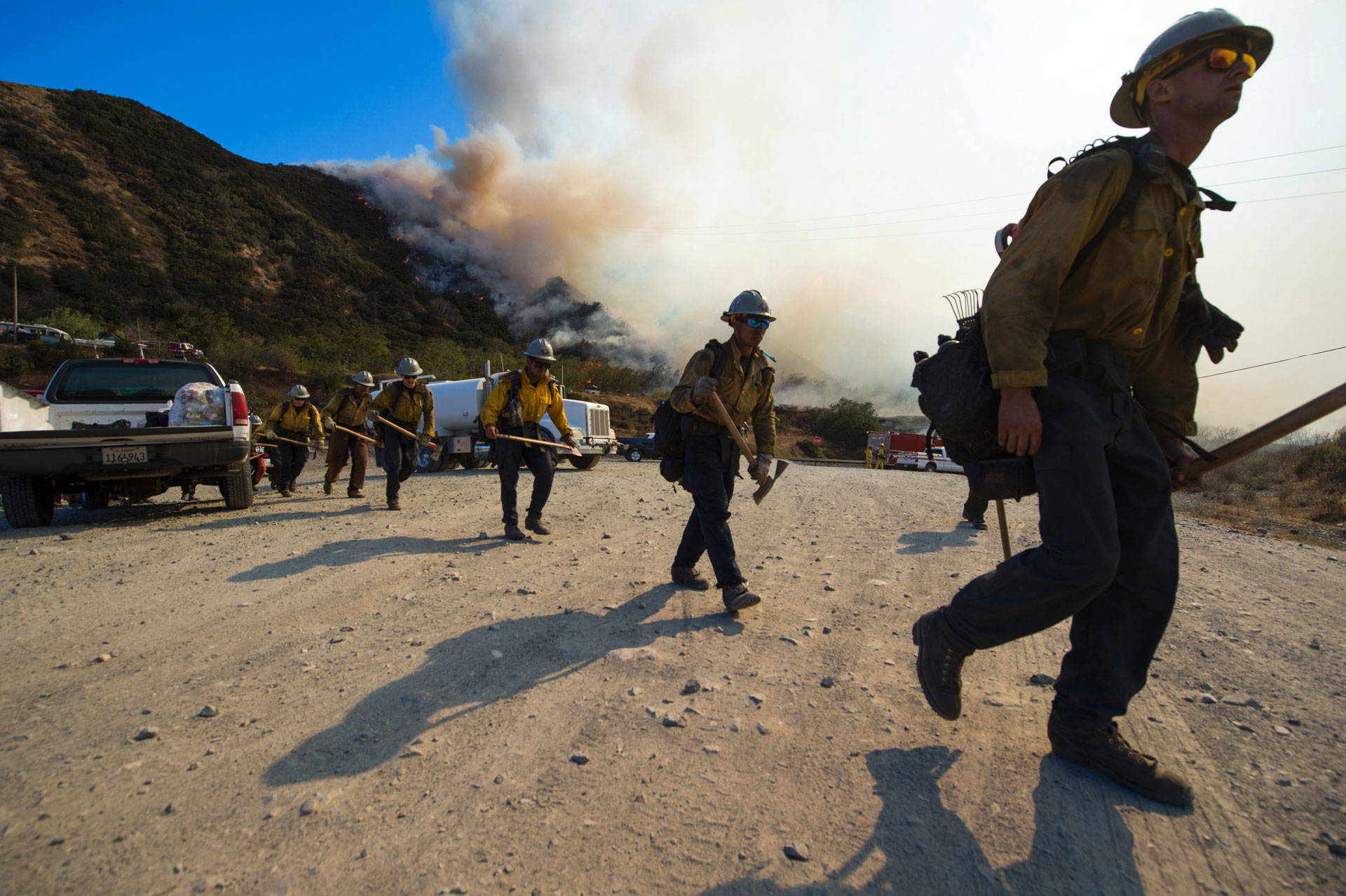
"caption": "Firefighters prepare to clear a hot spot at the Blue Cut Fire near Wrightwood on Aug. 17, 2016. The blaze destroyed nearly 100 homes and forced the evacuation of 80,000 people in San Bernardino County.",
"description": "Firefighters prepare to clear a hot spot at the Blue Cut Fire near Wrightwood on August 17, 2016. The blaze destroyed nearly 100 homes and forced the evacuation of 80,000 people in San Bernardino County.",
"title": "BlueCutHotshots",
"credit": "Robyn Beck/AFP/Getty Images",
"status": "inherit",
"isLoading": false,
"fetchFailed": false
},
"news_11058775": {
"type": "attachments",
"id": "news_11058775",
"meta": {
"index": "attachments_1716263798",
"site": "news",
"id": "11058775",
"found": true
},
"parent": 11058774,
"imgSizes": {
"twentyfourteen-full-width": {
"file": "https://ww2.kqed.org/app/uploads/sites/10/2016/08/docs-1200x800-revised_wide-fffb4d54307a960e441b94b30224003c76b21533-1038x576.png",
"width": 1038,
"mimeType": "image/png",
"height": 576
},
"thumbnail": {
"file": "https://ww2.kqed.org/app/uploads/sites/10/2016/08/docs-1200x800-revised_wide-fffb4d54307a960e441b94b30224003c76b21533-400x225.png",
"width": 400,
"mimeType": "image/png",
"height": 225
},
"fd-sm": {
"file": "https://ww2.kqed.org/app/uploads/sites/10/2016/08/docs-1200x800-revised_wide-fffb4d54307a960e441b94b30224003c76b21533-960x540.png",
"width": 960,
"mimeType": "image/png",
"height": 540
},
"post-thumbnail": {
"file": "https://ww2.kqed.org/app/uploads/sites/10/2016/08/docs-1200x800-revised_wide-fffb4d54307a960e441b94b30224003c76b21533-672x372.png",
"width": 672,
"mimeType": "image/png",
"height": 372
},
"kqedFullSize": {
"file": "https://ww2.kqed.org/app/uploads/sites/10/2016/08/docs-1200x800-revised_wide-fffb4d54307a960e441b94b30224003c76b21533.png",
"width": 1200,
"height": 675
},
"guest-author-50": {
"file": "https://ww2.kqed.org/app/uploads/sites/10/2016/08/docs-1200x800-revised_wide-fffb4d54307a960e441b94b30224003c76b21533-50x50.png",
"width": 50,
"mimeType": "image/png",
"height": 50
},
"guest-author-96": {
"file": "https://ww2.kqed.org/app/uploads/sites/10/2016/08/docs-1200x800-revised_wide-fffb4d54307a960e441b94b30224003c76b21533-96x96.png",
"width": 96,
"mimeType": "image/png",
"height": 96
},
"medium": {
"file": "https://ww2.kqed.org/app/uploads/sites/10/2016/08/docs-1200x800-revised_wide-fffb4d54307a960e441b94b30224003c76b21533-800x450.png",
"width": 800,
"mimeType": "image/png",
"height": 450
},
"guest-author-64": {
"file": "https://ww2.kqed.org/app/uploads/sites/10/2016/08/docs-1200x800-revised_wide-fffb4d54307a960e441b94b30224003c76b21533-64x64.png",
"width": 64,
"mimeType": "image/png",
"height": 64
},
"guest-author-32": {
"file": "https://ww2.kqed.org/app/uploads/sites/10/2016/08/docs-1200x800-revised_wide-fffb4d54307a960e441b94b30224003c76b21533-32x32.png",
"width": 32,
"mimeType": "image/png",
"height": 32
},
"jmtc-small-thumb": {
"file": "https://ww2.kqed.org/app/uploads/sites/10/2016/08/docs-1200x800-revised_wide-fffb4d54307a960e441b94b30224003c76b21533-280x150.png",
"width": 280,
"mimeType": "image/png",
"height": 150
},
"fd-med": {
"file": "https://ww2.kqed.org/app/uploads/sites/10/2016/08/docs-1200x800-revised_wide-fffb4d54307a960e441b94b30224003c76b21533-1180x664.png",
"width": 1180,
"mimeType": "image/png",
"height": 664
},
"detail": {
"file": "https://ww2.kqed.org/app/uploads/sites/10/2016/08/docs-1200x800-revised_wide-fffb4d54307a960e441b94b30224003c76b21533-150x150.png",
"width": 150,
"mimeType": "image/png",
"height": 150
},
"guest-author-128": {
"file": "https://ww2.kqed.org/app/uploads/sites/10/2016/08/docs-1200x800-revised_wide-fffb4d54307a960e441b94b30224003c76b21533-128x128.png",
"width": 128,
"mimeType": "image/png",
"height": 128
}
},
"publishDate": 1471974954,
"modified": 1471974954,
"caption": null,
"description": null,
"title": "Rob Weychert/ProPublica",
"credit": null,
"status": "inherit",
"isLoading": false,
"fetchFailed": false
},
"news_11055368": {
"type": "attachments",
"id": "news_11055368",
"meta": {
"index": "attachments_1716263798",
"site": "news",
"id": "11055368",
"found": true
},
"parent": 11055361,
"imgSizes": {
"twentyfourteen-full-width": {
"file": "https://ww2.kqed.org/app/uploads/sites/10/2016/08/uber-driverless-1038x576.jpg",
"width": 1038,
"mimeType": "image/jpeg",
"height": 576
},
"thumbnail": {
"file": "https://ww2.kqed.org/app/uploads/sites/10/2016/08/uber-driverless-400x267.jpg",
"width": 400,
"mimeType": "image/jpeg",
"height": 267
},
"fd-sm": {
"file": "https://ww2.kqed.org/app/uploads/sites/10/2016/08/uber-driverless-960x640.jpg",
"width": 960,
"mimeType": "image/jpeg",
"height": 640
},
"post-thumbnail": {
"file": "https://ww2.kqed.org/app/uploads/sites/10/2016/08/uber-driverless-672x372.jpg",
"width": 672,
"mimeType": "image/jpeg",
"height": 372
},
"kqedFullSize": {
"file": "https://ww2.kqed.org/app/uploads/sites/10/2016/08/uber-driverless.jpg",
"width": 1920,
"height": 1280
},
"large": {
"file": "https://ww2.kqed.org/app/uploads/sites/10/2016/08/uber-driverless-1920x1280.jpg",
"width": 1920,
"mimeType": "image/jpeg",
"height": 1280
},
"guest-author-50": {
"file": "https://ww2.kqed.org/app/uploads/sites/10/2016/08/uber-driverless-50x50.jpg",
"width": 50,
"mimeType": "image/jpeg",
"height": 50
},
"guest-author-96": {
"file": "https://ww2.kqed.org/app/uploads/sites/10/2016/08/uber-driverless-96x96.jpg",
"width": 96,
"mimeType": "image/jpeg",
"height": 96
},
"medium": {
"file": "https://ww2.kqed.org/app/uploads/sites/10/2016/08/uber-driverless-800x533.jpg",
"width": 800,
"mimeType": "image/jpeg",
"height": 533
},
"guest-author-64": {
"file": "https://ww2.kqed.org/app/uploads/sites/10/2016/08/uber-driverless-64x64.jpg",
"width": 64,
"mimeType": "image/jpeg",
"height": 64
},
"guest-author-32": {
"file": "https://ww2.kqed.org/app/uploads/sites/10/2016/08/uber-driverless-32x32.jpg",
"width": 32,
"mimeType": "image/jpeg",
"height": 32
},
"jmtc-small-thumb": {
"file": "https://ww2.kqed.org/app/uploads/sites/10/2016/08/uber-driverless-280x150.jpg",
"width": 280,
"mimeType": "image/jpeg",
"height": 150
},
"fd-lrg": {
"file": "https://ww2.kqed.org/app/uploads/sites/10/2016/08/uber-driverless-1920x1280.jpg",
"width": 1920,
"mimeType": "image/jpeg",
"height": 1280
},
"fd-med": {
"file": "https://ww2.kqed.org/app/uploads/sites/10/2016/08/uber-driverless-1180x787.jpg",
"width": 1180,
"mimeType": "image/jpeg",
"height": 787
},
"detail": {
"file": "https://ww2.kqed.org/app/uploads/sites/10/2016/08/uber-driverless-150x150.jpg",
"width": 150,
"mimeType": "image/jpeg",
"height": 150
},
"guest-author-128": {
"file": "https://ww2.kqed.org/app/uploads/sites/10/2016/08/uber-driverless-128x128.jpg",
"width": 128,
"mimeType": "image/jpeg",
"height": 128
}
},
"publishDate": 1471637390,
"modified": 1471637527,
"caption": "An Uber driverless car in Pittsburgh.",
"description": "An Uber driverless car in Pittsburgh.",
"title": "uber-driverless",
"credit": " Foo Conner/\u003ca href=\"https://www.flickr.com/photos/iwasaround/26686156203/in/photolist-GEawvr\">Flickr\u003c/a>",
"status": "inherit",
"isLoading": false,
"fetchFailed": false
},
"news_11055371": {
"type": "attachments",
"id": "news_11055371",
"meta": {
"index": "attachments_1716263798",
"site": "news",
"id": "11055371",
"found": true
},
"parent": 11055369,
"imgSizes": {
"jmtc-small-thumb": {
"file": "https://ww2.kqed.org/app/uploads/sites/10/2016/08/cbp1_custom-9dd2cb7e8eaae446a3eccffe4516b955e823246f-280x150.jpg",
"width": 280,
"mimeType": "image/jpeg",
"height": 150
},
"thumbnail": {
"file": "https://ww2.kqed.org/app/uploads/sites/10/2016/08/cbp1_custom-9dd2cb7e8eaae446a3eccffe4516b955e823246f-400x255.jpg",
"width": 400,
"mimeType": "image/jpeg",
"height": 255
},
"post-thumbnail": {
"file": "https://ww2.kqed.org/app/uploads/sites/10/2016/08/cbp1_custom-9dd2cb7e8eaae446a3eccffe4516b955e823246f-672x372.jpg",
"width": 672,
"mimeType": "image/jpeg",
"height": 372
},
"kqedFullSize": {
"file": "https://ww2.kqed.org/app/uploads/sites/10/2016/08/cbp1_custom-9dd2cb7e8eaae446a3eccffe4516b955e823246f.jpg",
"width": 699,
"height": 446
},
"guest-author-50": {
"file": "https://ww2.kqed.org/app/uploads/sites/10/2016/08/cbp1_custom-9dd2cb7e8eaae446a3eccffe4516b955e823246f-50x50.jpg",
"width": 50,
"mimeType": "image/jpeg",
"height": 50
},
"guest-author-96": {
"file": "https://ww2.kqed.org/app/uploads/sites/10/2016/08/cbp1_custom-9dd2cb7e8eaae446a3eccffe4516b955e823246f-96x96.jpg",
"width": 96,
"mimeType": "image/jpeg",
"height": 96
},
"guest-author-64": {
"file": "https://ww2.kqed.org/app/uploads/sites/10/2016/08/cbp1_custom-9dd2cb7e8eaae446a3eccffe4516b955e823246f-64x64.jpg",
"width": 64,
"mimeType": "image/jpeg",
"height": 64
},
"detail": {
"file": "https://ww2.kqed.org/app/uploads/sites/10/2016/08/cbp1_custom-9dd2cb7e8eaae446a3eccffe4516b955e823246f-150x150.jpg",
"width": 150,
"mimeType": "image/jpeg",
"height": 150
},
"guest-author-32": {
"file": "https://ww2.kqed.org/app/uploads/sites/10/2016/08/cbp1_custom-9dd2cb7e8eaae446a3eccffe4516b955e823246f-32x32.jpg",
"width": 32,
"mimeType": "image/jpeg",
"height": 32
},
"guest-author-128": {
"file": "https://ww2.kqed.org/app/uploads/sites/10/2016/08/cbp1_custom-9dd2cb7e8eaae446a3eccffe4516b955e823246f-128x128.jpg",
"width": 128,
"mimeType": "image/jpeg",
"height": 128
}
},
"publishDate": 1471637453,
"modified": 1471637668,
"caption": "An undated still image shows men at a Tucson facility wrapped in Mylar sheets and sitting on concrete floors and benches",
"description": "An undated still image shows men at a Tucson facility wrapped in Mylar sheets and sitting on concrete floors and benches",
"title": "An undated still image shows men at a Tucson facility wrapped in Mylar sheets and sitting on concrete floors and benches.",
"credit": "CBP/American Immigration Council",
"status": "inherit",
"isLoading": false,
"fetchFailed": false
},
"news_11042415": {
"type": "attachments",
"id": "news_11042415",
"meta": {
"index": "attachments_1716263798",
"site": "news",
"id": "11042415",
"found": true
},
"parent": 11042222,
"imgSizes": {
"twentyfourteen-full-width": {
"file": "https://ww2.kqed.org/app/uploads/sites/10/2016/08/prison-cell-1920-1038x576.jpg",
"width": 1038,
"mimeType": "image/jpeg",
"height": 576
},
"thumbnail": {
"file": "https://ww2.kqed.org/app/uploads/sites/10/2016/08/prison-cell-1920-400x264.jpg",
"width": 400,
"mimeType": "image/jpeg",
"height": 264
},
"fd-sm": {
"file": "https://ww2.kqed.org/app/uploads/sites/10/2016/08/prison-cell-1920-960x633.jpg",
"width": 960,
"mimeType": "image/jpeg",
"height": 633
},
"post-thumbnail": {
"file": "https://ww2.kqed.org/app/uploads/sites/10/2016/08/prison-cell-1920-672x372.jpg",
"width": 672,
"mimeType": "image/jpeg",
"height": 372
},
"kqedFullSize": {
"file": "https://ww2.kqed.org/app/uploads/sites/10/2016/08/prison-cell-1920.jpg",
"width": 1920,
"height": 1265
},
"large": {
"file": "https://ww2.kqed.org/app/uploads/sites/10/2016/08/prison-cell-1920-1920x1265.jpg",
"width": 1920,
"mimeType": "image/jpeg",
"height": 1265
},
"guest-author-50": {
"file": "https://ww2.kqed.org/app/uploads/sites/10/2016/08/prison-cell-1920-50x50.jpg",
"width": 50,
"mimeType": "image/jpeg",
"height": 50
},
"guest-author-96": {
"file": "https://ww2.kqed.org/app/uploads/sites/10/2016/08/prison-cell-1920-96x96.jpg",
"width": 96,
"mimeType": "image/jpeg",
"height": 96
},
"medium": {
"file": "https://ww2.kqed.org/app/uploads/sites/10/2016/08/prison-cell-1920-800x527.jpg",
"width": 800,
"mimeType": "image/jpeg",
"height": 527
},
"guest-author-64": {
"file": "https://ww2.kqed.org/app/uploads/sites/10/2016/08/prison-cell-1920-64x64.jpg",
"width": 64,
"mimeType": "image/jpeg",
"height": 64
},
"guest-author-32": {
"file": "https://ww2.kqed.org/app/uploads/sites/10/2016/08/prison-cell-1920-32x32.jpg",
"width": 32,
"mimeType": "image/jpeg",
"height": 32
},
"jmtc-small-thumb": {
"file": "https://ww2.kqed.org/app/uploads/sites/10/2016/08/prison-cell-1920-280x150.jpg",
"width": 280,
"mimeType": "image/jpeg",
"height": 150
},
"fd-lrg": {
"file": "https://ww2.kqed.org/app/uploads/sites/10/2016/08/prison-cell-1920-1920x1265.jpg",
"width": 1920,
"mimeType": "image/jpeg",
"height": 1265
},
"fd-med": {
"file": "https://ww2.kqed.org/app/uploads/sites/10/2016/08/prison-cell-1920-1180x777.jpg",
"width": 1180,
"mimeType": "image/jpeg",
"height": 777
},
"detail": {
"file": "https://ww2.kqed.org/app/uploads/sites/10/2016/08/prison-cell-1920-150x150.jpg",
"width": 150,
"mimeType": "image/jpeg",
"height": 150
},
"guest-author-128": {
"file": "https://ww2.kqed.org/app/uploads/sites/10/2016/08/prison-cell-1920-128x128.jpg",
"width": 128,
"mimeType": "image/jpeg",
"height": 128
}
},
"publishDate": 1470430320,
"modified": 1470430341,
"caption": null,
"description": null,
"title": "prison-cell-1920",
"credit": "Getty Images",
"status": "inherit",
"isLoading": false,
"fetchFailed": false
},
"news_11053395": {
"type": "attachments",
"id": "news_11053395",
"meta": {
"index": "attachments_1716263798",
"site": "news",
"id": "11053395",
"found": true
},
"parent": 11053394,
"imgSizes": {
"twentyfourteen-full-width": {
"file": "https://ww2.kqed.org/app/uploads/sites/10/2016/08/khn_drug_court_0107_edited-3d57fa62e069a1c388376eb8eb17636af6e4cfeb-1038x576.jpg",
"width": 1038,
"mimeType": "image/jpeg",
"height": 576
},
"thumbnail": {
"file": "https://ww2.kqed.org/app/uploads/sites/10/2016/08/khn_drug_court_0107_edited-3d57fa62e069a1c388376eb8eb17636af6e4cfeb-400x300.jpg",
"width": 400,
"mimeType": "image/jpeg",
"height": 300
},
"fd-sm": {
"file": "https://ww2.kqed.org/app/uploads/sites/10/2016/08/khn_drug_court_0107_edited-3d57fa62e069a1c388376eb8eb17636af6e4cfeb-960x720.jpg",
"width": 960,
"mimeType": "image/jpeg",
"height": 720
},
"post-thumbnail": {
"file": "https://ww2.kqed.org/app/uploads/sites/10/2016/08/khn_drug_court_0107_edited-3d57fa62e069a1c388376eb8eb17636af6e4cfeb-672x372.jpg",
"width": 672,
"mimeType": "image/jpeg",
"height": 372
},
"kqedFullSize": {
"file": "https://ww2.kqed.org/app/uploads/sites/10/2016/08/khn_drug_court_0107_edited-3d57fa62e069a1c388376eb8eb17636af6e4cfeb-e1471462361868.jpg",
"width": 1920,
"height": 1440
},
"large": {
"file": "https://ww2.kqed.org/app/uploads/sites/10/2016/08/khn_drug_court_0107_edited-3d57fa62e069a1c388376eb8eb17636af6e4cfeb-1920x1440.jpg",
"width": 1920,
"mimeType": "image/jpeg",
"height": 1440
},
"guest-author-50": {
"file": "https://ww2.kqed.org/app/uploads/sites/10/2016/08/khn_drug_court_0107_edited-3d57fa62e069a1c388376eb8eb17636af6e4cfeb-50x50.jpg",
"width": 50,
"mimeType": "image/jpeg",
"height": 50
},
"guest-author-96": {
"file": "https://ww2.kqed.org/app/uploads/sites/10/2016/08/khn_drug_court_0107_edited-3d57fa62e069a1c388376eb8eb17636af6e4cfeb-96x96.jpg",
"width": 96,
"mimeType": "image/jpeg",
"height": 96
},
"medium": {
"file": "https://ww2.kqed.org/app/uploads/sites/10/2016/08/khn_drug_court_0107_edited-3d57fa62e069a1c388376eb8eb17636af6e4cfeb-800x600.jpg",
"width": 800,
"mimeType": "image/jpeg",
"height": 600
},
"guest-author-64": {
"file": "https://ww2.kqed.org/app/uploads/sites/10/2016/08/khn_drug_court_0107_edited-3d57fa62e069a1c388376eb8eb17636af6e4cfeb-64x64.jpg",
"width": 64,
"mimeType": "image/jpeg",
"height": 64
},
"guest-author-32": {
"file": "https://ww2.kqed.org/app/uploads/sites/10/2016/08/khn_drug_court_0107_edited-3d57fa62e069a1c388376eb8eb17636af6e4cfeb-32x32.jpg",
"width": 32,
"mimeType": "image/jpeg",
"height": 32
},
"jmtc-small-thumb": {
"file": "https://ww2.kqed.org/app/uploads/sites/10/2016/08/khn_drug_court_0107_edited-3d57fa62e069a1c388376eb8eb17636af6e4cfeb-280x150.jpg",
"width": 280,
"mimeType": "image/jpeg",
"height": 150
},
"fd-lrg": {
"file": "https://ww2.kqed.org/app/uploads/sites/10/2016/08/khn_drug_court_0107_edited-3d57fa62e069a1c388376eb8eb17636af6e4cfeb-1920x1440.jpg",
"width": 1920,
"mimeType": "image/jpeg",
"height": 1440
},
"fd-med": {
"file": "https://ww2.kqed.org/app/uploads/sites/10/2016/08/khn_drug_court_0107_edited-3d57fa62e069a1c388376eb8eb17636af6e4cfeb-1180x885.jpg",
"width": 1180,
"mimeType": "image/jpeg",
"height": 885
},
"detail": {
"file": "https://ww2.kqed.org/app/uploads/sites/10/2016/08/khn_drug_court_0107_edited-3d57fa62e069a1c388376eb8eb17636af6e4cfeb-150x150.jpg",
"width": 150,
"mimeType": "image/jpeg",
"height": 150
},
"guest-author-128": {
"file": "https://ww2.kqed.org/app/uploads/sites/10/2016/08/khn_drug_court_0107_edited-3d57fa62e069a1c388376eb8eb17636af6e4cfeb-128x128.jpg",
"width": 128,
"mimeType": "image/jpeg",
"height": 128
}
},
"publishDate": 1471461751,
"modified": 1471462421,
"caption": "Hearing Officer Jim Teal presides over a session of Early Intervention Family Drug Court in Sacramento, Calif., in March. The county program helps keep families together — and saves taxpayers $7 million annually, Sacramento County officials say.",
"description": "Hearing Officer Jim Teal presides over a session of Early Intervention Family Drug Court in Sacramento, Calif., in March. The county program helps keep families together — and saves taxpayers $7 million annually, Sacramento County officials sa",
"title": "Hearing Officer Jim Teal presides over a session of Early Intervention Family Drug Court in Sacramento, Calif., in March. The county program helps keep families together — and saves taxpayers $7 million annually, Sacramento County officials say.",
"credit": "Robert Durell/Kaiser Health News",
"status": "inherit",
"isLoading": false,
"fetchFailed": false
},
"news_11048404": {
"type": "attachments",
"id": "news_11048404",
"meta": {
"index": "attachments_1716263798",
"site": "news",
"id": "11048404",
"found": true
},
"parent": 11048400,
"imgSizes": {
"twentyfourteen-full-width": {
"file": "https://ww2.kqed.org/app/uploads/sites/10/2016/08/ValleyFire-1038x576.jpg",
"width": 1038,
"mimeType": "image/jpeg",
"height": 576
},
"thumbnail": {
"file": "https://ww2.kqed.org/app/uploads/sites/10/2016/08/ValleyFire-400x262.jpg",
"width": 400,
"mimeType": "image/jpeg",
"height": 262
},
"fd-sm": {
"file": "https://ww2.kqed.org/app/uploads/sites/10/2016/08/ValleyFire-960x628.jpg",
"width": 960,
"mimeType": "image/jpeg",
"height": 628
},
"post-thumbnail": {
"file": "https://ww2.kqed.org/app/uploads/sites/10/2016/08/ValleyFire-672x372.jpg",
"width": 672,
"mimeType": "image/jpeg",
"height": 372
},
"kqedFullSize": {
"file": "https://ww2.kqed.org/app/uploads/sites/10/2016/08/ValleyFire.jpg",
"width": 1920,
"height": 1256
},
"large": {
"file": "https://ww2.kqed.org/app/uploads/sites/10/2016/08/ValleyFire-1920x1256.jpg",
"width": 1920,
"mimeType": "image/jpeg",
"height": 1256
},
"guest-author-50": {
"file": "https://ww2.kqed.org/app/uploads/sites/10/2016/08/ValleyFire-50x50.jpg",
"width": 50,
"mimeType": "image/jpeg",
"height": 50
},
"guest-author-96": {
"file": "https://ww2.kqed.org/app/uploads/sites/10/2016/08/ValleyFire-96x96.jpg",
"width": 96,
"mimeType": "image/jpeg",
"height": 96
},
"medium": {
"file": "https://ww2.kqed.org/app/uploads/sites/10/2016/08/ValleyFire-800x523.jpg",
"width": 800,
"mimeType": "image/jpeg",
"height": 523
},
"guest-author-64": {
"file": "https://ww2.kqed.org/app/uploads/sites/10/2016/08/ValleyFire-64x64.jpg",
"width": 64,
"mimeType": "image/jpeg",
"height": 64
},
"guest-author-32": {
"file": "https://ww2.kqed.org/app/uploads/sites/10/2016/08/ValleyFire-32x32.jpg",
"width": 32,
"mimeType": "image/jpeg",
"height": 32
},
"jmtc-small-thumb": {
"file": "https://ww2.kqed.org/app/uploads/sites/10/2016/08/ValleyFire-280x150.jpg",
"width": 280,
"mimeType": "image/jpeg",
"height": 150
},
"fd-lrg": {
"file": "https://ww2.kqed.org/app/uploads/sites/10/2016/08/ValleyFire-1920x1256.jpg",
"width": 1920,
"mimeType": "image/jpeg",
"height": 1256
},
"fd-med": {
"file": "https://ww2.kqed.org/app/uploads/sites/10/2016/08/ValleyFire-1180x772.jpg",
"width": 1180,
"mimeType": "image/jpeg",
"height": 772
},
"detail": {
"file": "https://ww2.kqed.org/app/uploads/sites/10/2016/08/ValleyFire-150x150.jpg",
"width": 150,
"mimeType": "image/jpeg",
"height": 150
},
"guest-author-128": {
"file": "https://ww2.kqed.org/app/uploads/sites/10/2016/08/ValleyFire-128x128.jpg",
"width": 128,
"mimeType": "image/jpeg",
"height": 128
}
},
"publishDate": 1470964585,
"modified": 1470964617,
"caption": "Destruction from the Valley Fire in Northern California on Sept. 15, 2015.",
"description": "Destruction from the Valley Fire in Northern California on Sept. 15, 2015.",
"title": "ValleyFire",
"credit": "Justin Sullivan/Getty Images",
"status": "inherit",
"isLoading": false,
"fetchFailed": false
},
"news_11047936": {
"type": "attachments",
"id": "news_11047936",
"meta": {
"index": "attachments_1716263798",
"site": "news",
"id": "11047936",
"found": true
},
"parent": 11047935,
"imgSizes": {
"twentyfourteen-full-width": {
"file": "https://ww2.kqed.org/app/uploads/sites/10/2016/08/gettyimages-523205060_wide-5862406d07063a67ea1899ed89afbd6f64feb7b6-1024x576.jpg",
"width": 1024,
"mimeType": "image/jpeg",
"height": 576
},
"thumbnail": {
"file": "https://ww2.kqed.org/app/uploads/sites/10/2016/08/gettyimages-523205060_wide-5862406d07063a67ea1899ed89afbd6f64feb7b6-400x225.jpg",
"width": 400,
"mimeType": "image/jpeg",
"height": 225
},
"fd-sm": {
"file": "https://ww2.kqed.org/app/uploads/sites/10/2016/08/gettyimages-523205060_wide-5862406d07063a67ea1899ed89afbd6f64feb7b6-960x540.jpg",
"width": 960,
"mimeType": "image/jpeg",
"height": 540
},
"post-thumbnail": {
"file": "https://ww2.kqed.org/app/uploads/sites/10/2016/08/gettyimages-523205060_wide-5862406d07063a67ea1899ed89afbd6f64feb7b6-672x372.jpg",
"width": 672,
"mimeType": "image/jpeg",
"height": 372
},
"kqedFullSize": {
"file": "https://ww2.kqed.org/app/uploads/sites/10/2016/08/gettyimages-523205060_wide-5862406d07063a67ea1899ed89afbd6f64feb7b6.jpg",
"width": 1024,
"height": 576
},
"guest-author-50": {
"file": "https://ww2.kqed.org/app/uploads/sites/10/2016/08/gettyimages-523205060_wide-5862406d07063a67ea1899ed89afbd6f64feb7b6-50x50.jpg",
"width": 50,
"mimeType": "image/jpeg",
"height": 50
},
"guest-author-96": {
"file": "https://ww2.kqed.org/app/uploads/sites/10/2016/08/gettyimages-523205060_wide-5862406d07063a67ea1899ed89afbd6f64feb7b6-96x96.jpg",
"width": 96,
"mimeType": "image/jpeg",
"height": 96
},
"medium": {
"file": "https://ww2.kqed.org/app/uploads/sites/10/2016/08/gettyimages-523205060_wide-5862406d07063a67ea1899ed89afbd6f64feb7b6-800x450.jpg",
"width": 800,
"mimeType": "image/jpeg",
"height": 450
},
"guest-author-64": {
"file": "https://ww2.kqed.org/app/uploads/sites/10/2016/08/gettyimages-523205060_wide-5862406d07063a67ea1899ed89afbd6f64feb7b6-64x64.jpg",
"width": 64,
"mimeType": "image/jpeg",
"height": 64
},
"guest-author-32": {
"file": "https://ww2.kqed.org/app/uploads/sites/10/2016/08/gettyimages-523205060_wide-5862406d07063a67ea1899ed89afbd6f64feb7b6-32x32.jpg",
"width": 32,
"mimeType": "image/jpeg",
"height": 32
},
"jmtc-small-thumb": {
"file": "https://ww2.kqed.org/app/uploads/sites/10/2016/08/gettyimages-523205060_wide-5862406d07063a67ea1899ed89afbd6f64feb7b6-280x150.jpg",
"width": 280,
"mimeType": "image/jpeg",
"height": 150
},
"detail": {
"file": "https://ww2.kqed.org/app/uploads/sites/10/2016/08/gettyimages-523205060_wide-5862406d07063a67ea1899ed89afbd6f64feb7b6-150x150.jpg",
"width": 150,
"mimeType": "image/jpeg",
"height": 150
},
"guest-author-128": {
"file": "https://ww2.kqed.org/app/uploads/sites/10/2016/08/gettyimages-523205060_wide-5862406d07063a67ea1899ed89afbd6f64feb7b6-128x128.jpg",
"width": 128,
"mimeType": "image/jpeg",
"height": 128
}
},
"publishDate": 1470930285,
"modified": 1470930433,
"caption": "Marijuana grows beneath lights at Alternative Solutions, a medical marijuana producer, on April 20 in Washington, D.C.",
"description": "Marijuana grows beneath lights at Alternative Solutions, a medical marijuana producer in Washington, D.C.",
"title": "Marijuana",
"credit": "Brendan Smialowski/AFP-Getty Images",
"status": "inherit",
"isLoading": false,
"fetchFailed": false
},
"science_911786": {
"type": "attachments",
"id": "science_911786",
"meta": {
"index": "attachments_1716263798",
"site": "science",
"id": "911786",
"found": true
},
"parent": 911782,
"imgSizes": {
"twentyfourteen-full-width": {
"file": "https://ww2.kqed.org/app/uploads/sites/35/2016/08/17092776120_ab94fca6c9_k-1038x576.jpg",
"width": 1038,
"mimeType": "image/jpeg",
"height": 576
},
"thumbnail": {
"file": "https://ww2.kqed.org/app/uploads/sites/35/2016/08/17092776120_ab94fca6c9_k-400x263.jpg",
"width": 400,
"mimeType": "image/jpeg",
"height": 263
},
"fd-sm": {
"file": "https://ww2.kqed.org/app/uploads/sites/35/2016/08/17092776120_ab94fca6c9_k-960x631.jpg",
"width": 960,
"mimeType": "image/jpeg",
"height": 631
},
"post-thumbnail": {
"file": "https://ww2.kqed.org/app/uploads/sites/35/2016/08/17092776120_ab94fca6c9_k-672x372.jpg",
"width": 672,
"mimeType": "image/jpeg",
"height": 372
},
"kqedFullSize": {
"file": "https://ww2.kqed.org/app/uploads/sites/35/2016/08/17092776120_ab94fca6c9_k.jpg",
"width": 2048,
"height": 1346
},
"large": {
"file": "https://ww2.kqed.org/app/uploads/sites/35/2016/08/17092776120_ab94fca6c9_k-1440x946.jpg",
"width": 1440,
"mimeType": "image/jpeg",
"height": 946
},
"guest-author-50": {
"file": "https://ww2.kqed.org/app/uploads/sites/35/2016/08/17092776120_ab94fca6c9_k-50x50.jpg",
"width": 50,
"mimeType": "image/jpeg",
"height": 50
},
"guest-author-96": {
"file": "https://ww2.kqed.org/app/uploads/sites/35/2016/08/17092776120_ab94fca6c9_k-96x96.jpg",
"width": 96,
"mimeType": "image/jpeg",
"height": 96
},
"medium": {
"file": "https://ww2.kqed.org/app/uploads/sites/35/2016/08/17092776120_ab94fca6c9_k-800x526.jpg",
"width": 800,
"mimeType": "image/jpeg",
"height": 526
},
"guest-author-64": {
"file": "https://ww2.kqed.org/app/uploads/sites/35/2016/08/17092776120_ab94fca6c9_k-64x64.jpg",
"width": 64,
"mimeType": "image/jpeg",
"height": 64
},
"guest-author-32": {
"file": "https://ww2.kqed.org/app/uploads/sites/35/2016/08/17092776120_ab94fca6c9_k-32x32.jpg",
"width": 32,
"mimeType": "image/jpeg",
"height": 32
},
"fd-lrg": {
"file": "https://ww2.kqed.org/app/uploads/sites/35/2016/08/17092776120_ab94fca6c9_k-1920x1262.jpg",
"width": 1920,
"mimeType": "image/jpeg",
"height": 1262
},
"fd-med": {
"file": "https://ww2.kqed.org/app/uploads/sites/35/2016/08/17092776120_ab94fca6c9_k-1180x776.jpg",
"width": 1180,
"mimeType": "image/jpeg",
"height": 776
},
"detail": {
"file": "https://ww2.kqed.org/app/uploads/sites/35/2016/08/17092776120_ab94fca6c9_k-150x150.jpg",
"width": 150,
"mimeType": "image/jpeg",
"height": 150
},
"medium_large": {
"file": "https://ww2.kqed.org/app/uploads/sites/35/2016/08/17092776120_ab94fca6c9_k-768x505.jpg",
"width": 768,
"mimeType": "image/jpeg",
"height": 505
},
"guest-author-128": {
"file": "https://ww2.kqed.org/app/uploads/sites/35/2016/08/17092776120_ab94fca6c9_k-128x128.jpg",
"width": 128,
"mimeType": "image/jpeg",
"height": 128
}
},
"publishDate": 1470847075,
"modified": 1470847567,
"caption": "A study published in Environmental Science and Technology Letters reports that 14 states have drinking water that contains at least one chemical commonly found in firefighting foam.",
"description": null,
"title": "17092776120_ab94fca6c9_k",
"credit": "\u003ca href=\"https://www.flickr.com/photos/77108378@N06/17092776120/in/photolist-s3qWQy-jg1Wp3-89bBtk-rmrzYu-hwHyWV-oFz9Xt-bc6rLn-BKmW-5FEJvZ-U7F3V-BKjC-9xir7P-HEKBL7-BKmj-jvtXcp-qvE5Sw-p59TPZ-5yUtok-BKme-eVrjqs-BKmx-b3kVxn-9FgEod-2UR2y-bG3x64-e3uBhu-9xmq5d-2XKNf-BKmE-gxz6my-U7sJv-hhgEho-dy2T2Z-67vHqj-7h4YZe-iyuRCQ-DWJoa-oDLw4x-eJ8JxK-6gqiRz-6cJwx4-pM2MMe-gJPf6L-6BsFcP-dMAjR2-pfM1zo-jHK8Gd-dFgYxH-317qRx-9g3awo/\" target=\"_blank\">lzee/flickr\u003c/a>",
"status": "inherit",
"isLoading": false,
"fetchFailed": false
},
"news_11046182": {
"type": "attachments",
"id": "news_11046182",
"meta": {
"index": "attachments_1716263798",
"site": "news",
"id": "11046182",
"found": true
},
"parent": 11046181,
"imgSizes": {
"twentyfourteen-full-width": {
"file": "https://ww2.kqed.org/app/uploads/sites/10/2016/08/ap_240701120_custom-7e90bacd4c1bb656b63dffd5c354f6e87d03df93-1038x576.jpg",
"width": 1038,
"mimeType": "image/jpeg",
"height": 576
},
"thumbnail": {
"file": "https://ww2.kqed.org/app/uploads/sites/10/2016/08/ap_240701120_custom-7e90bacd4c1bb656b63dffd5c354f6e87d03df93-400x286.jpg",
"width": 400,
"mimeType": "image/jpeg",
"height": 286
},
"fd-sm": {
"file": "https://ww2.kqed.org/app/uploads/sites/10/2016/08/ap_240701120_custom-7e90bacd4c1bb656b63dffd5c354f6e87d03df93-960x686.jpg",
"width": 960,
"mimeType": "image/jpeg",
"height": 686
},
"post-thumbnail": {
"file": "https://ww2.kqed.org/app/uploads/sites/10/2016/08/ap_240701120_custom-7e90bacd4c1bb656b63dffd5c354f6e87d03df93-672x372.jpg",
"width": 672,
"mimeType": "image/jpeg",
"height": 372
},
"kqedFullSize": {
"file": "https://ww2.kqed.org/app/uploads/sites/10/2016/08/ap_240701120_custom-7e90bacd4c1bb656b63dffd5c354f6e87d03df93.jpg",
"width": 3183,
"height": 2274
},
"large": {
"file": "https://ww2.kqed.org/app/uploads/sites/10/2016/08/ap_240701120_custom-7e90bacd4c1bb656b63dffd5c354f6e87d03df93-1920x1372.jpg",
"width": 1920,
"mimeType": "image/jpeg",
"height": 1372
},
"guest-author-50": {
"file": "https://ww2.kqed.org/app/uploads/sites/10/2016/08/ap_240701120_custom-7e90bacd4c1bb656b63dffd5c354f6e87d03df93-50x50.jpg",
"width": 50,
"mimeType": "image/jpeg",
"height": 50
},
"guest-author-96": {
"file": "https://ww2.kqed.org/app/uploads/sites/10/2016/08/ap_240701120_custom-7e90bacd4c1bb656b63dffd5c354f6e87d03df93-96x96.jpg",
"width": 96,
"mimeType": "image/jpeg",
"height": 96
},
"medium": {
"file": "https://ww2.kqed.org/app/uploads/sites/10/2016/08/ap_240701120_custom-7e90bacd4c1bb656b63dffd5c354f6e87d03df93-800x572.jpg",
"width": 800,
"mimeType": "image/jpeg",
"height": 572
},
"guest-author-64": {
"file": "https://ww2.kqed.org/app/uploads/sites/10/2016/08/ap_240701120_custom-7e90bacd4c1bb656b63dffd5c354f6e87d03df93-64x64.jpg",
"width": 64,
"mimeType": "image/jpeg",
"height": 64
},
"guest-author-32": {
"file": "https://ww2.kqed.org/app/uploads/sites/10/2016/08/ap_240701120_custom-7e90bacd4c1bb656b63dffd5c354f6e87d03df93-32x32.jpg",
"width": 32,
"mimeType": "image/jpeg",
"height": 32
},
"jmtc-small-thumb": {
"file": "https://ww2.kqed.org/app/uploads/sites/10/2016/08/ap_240701120_custom-7e90bacd4c1bb656b63dffd5c354f6e87d03df93-280x150.jpg",
"width": 280,
"mimeType": "image/jpeg",
"height": 150
},
"fd-lrg": {
"file": "https://ww2.kqed.org/app/uploads/sites/10/2016/08/ap_240701120_custom-7e90bacd4c1bb656b63dffd5c354f6e87d03df93-1920x1372.jpg",
"width": 1920,
"mimeType": "image/jpeg",
"height": 1372
},
"fd-med": {
"file": "https://ww2.kqed.org/app/uploads/sites/10/2016/08/ap_240701120_custom-7e90bacd4c1bb656b63dffd5c354f6e87d03df93-1180x843.jpg",
"width": 1180,
"mimeType": "image/jpeg",
"height": 843
},
"detail": {
"file": "https://ww2.kqed.org/app/uploads/sites/10/2016/08/ap_240701120_custom-7e90bacd4c1bb656b63dffd5c354f6e87d03df93-150x150.jpg",
"width": 150,
"mimeType": "image/jpeg",
"height": 150
},
"guest-author-128": {
"file": "https://ww2.kqed.org/app/uploads/sites/10/2016/08/ap_240701120_custom-7e90bacd4c1bb656b63dffd5c354f6e87d03df93-128x128.jpg",
"width": 128,
"mimeType": "image/jpeg",
"height": 128
}
},
"publishDate": 1470776108,
"modified": 1470776295,
"caption": "The U.S. and Romanian rugby teams battle during the 1924 Olympics in Paris. The U.S. won the gold, defeating the heavily favored French. After that, rugby was tossed out of the Olympics for 92 years, returning just this year in Rio.",
"description": "The U.S. and Romanian rugby teams battle during the 1924 Olympics in Paris. The U.S. won the gold, defeating the heavily favored French. After that, rugby was tossed out of the Olympics for 92 years, returning just this year in Rio.",
"title": "The U.S. and Romanian rugby teams battle during the 1924 Olympics in Paris. The U.S. won the gold, defeating the heavily favored French. After that, rugby was tossed out of the Olympics for 92 years, returning just this year in Rio.",
"credit": null,
"status": "inherit",
"isLoading": false,
"fetchFailed": false
},
"news_11040419": {
"type": "attachments",
"id": "news_11040419",
"meta": {
"index": "attachments_1716263798",
"site": "news",
"id": "11040419",
"found": true
},
"parent": 11040357,
"imgSizes": {
"twentyfourteen-full-width": {
"file": "https://ww2.kqed.org/app/uploads/sites/10/2016/08/GainesInstaCap-1038x576.jpg",
"width": 1038,
"mimeType": "image/jpeg",
"height": 576
},
"thumbnail": {
"file": "https://ww2.kqed.org/app/uploads/sites/10/2016/08/GainesInstaCap-400x317.jpg",
"width": 400,
"mimeType": "image/jpeg",
"height": 317
},
"fd-sm": {
"file": "https://ww2.kqed.org/app/uploads/sites/10/2016/08/GainesInstaCap-960x761.jpg",
"width": 960,
"mimeType": "image/jpeg",
"height": 761
},
"post-thumbnail": {
"file": "https://ww2.kqed.org/app/uploads/sites/10/2016/08/GainesInstaCap-672x372.jpg",
"width": 672,
"mimeType": "image/jpeg",
"height": 372
},
"kqedFullSize": {
"file": "https://ww2.kqed.org/app/uploads/sites/10/2016/08/GainesInstaCap.jpg",
"width": 1920,
"height": 1522
},
"large": {
"file": "https://ww2.kqed.org/app/uploads/sites/10/2016/08/GainesInstaCap-1920x1522.jpg",
"width": 1920,
"mimeType": "image/jpeg",
"height": 1522
},
"guest-author-50": {
"file": "https://ww2.kqed.org/app/uploads/sites/10/2016/08/GainesInstaCap-50x50.jpg",
"width": 50,
"mimeType": "image/jpeg",
"height": 50
},
"guest-author-96": {
"file": "https://ww2.kqed.org/app/uploads/sites/10/2016/08/GainesInstaCap-96x96.jpg",
"width": 96,
"mimeType": "image/jpeg",
"height": 96
},
"medium": {
"file": "https://ww2.kqed.org/app/uploads/sites/10/2016/08/GainesInstaCap-800x634.jpg",
"width": 800,
"mimeType": "image/jpeg",
"height": 634
},
"guest-author-64": {
"file": "https://ww2.kqed.org/app/uploads/sites/10/2016/08/GainesInstaCap-64x64.jpg",
"width": 64,
"mimeType": "image/jpeg",
"height": 64
},
"guest-author-32": {
"file": "https://ww2.kqed.org/app/uploads/sites/10/2016/08/GainesInstaCap-32x32.jpg",
"width": 32,
"mimeType": "image/jpeg",
"height": 32
},
"jmtc-small-thumb": {
"file": "https://ww2.kqed.org/app/uploads/sites/10/2016/08/GainesInstaCap-280x150.jpg",
"width": 280,
"mimeType": "image/jpeg",
"height": 150
},
"fd-lrg": {
"file": "https://ww2.kqed.org/app/uploads/sites/10/2016/08/GainesInstaCap-1920x1522.jpg",
"width": 1920,
"mimeType": "image/jpeg",
"height": 1522
},
"fd-med": {
"file": "https://ww2.kqed.org/app/uploads/sites/10/2016/08/GainesInstaCap-1180x935.jpg",
"width": 1180,
"mimeType": "image/jpeg",
"height": 935
},
"detail": {
"file": "https://ww2.kqed.org/app/uploads/sites/10/2016/08/GainesInstaCap-150x150.jpg",
"width": 150,
"mimeType": "image/jpeg",
"height": 150
},
"guest-author-128": {
"file": "https://ww2.kqed.org/app/uploads/sites/10/2016/08/GainesInstaCap-128x128.jpg",
"width": 128,
"mimeType": "image/jpeg",
"height": 128
}
},
"publishDate": 1470255225,
"modified": 1470255295,
"caption": "Korryn Gaines, who police say was armed with a shotgun, is the ninth black woman shot and killed by police so far this year.",
"description": "Korryn Gaines, who police say was armed with a shotgun, is the ninth black woman shot and killed by police so far this year.",
"title": "GainesInstaCap",
"credit": "Instagram",
"status": "inherit",
"isLoading": false,
"fetchFailed": false
}
},
"audioPlayerReducer": {
"postId": "stream_live",
"isPaused": true,
"isPlaying": false,
"pfsActive": false,
"pledgeModalIsOpen": true,
"playerDrawerIsOpen": false,
"liveAudioPlayStartedAt": 0,
"liveAudioPlayContext": ""
},
"authorsReducer": {
"byline_news_11060844": {
"type": "authors",
"id": "byline_news_11060844",
"meta": {
"override": true
},
"slug": "byline_news_11060844",
"name": "Jason Slotkin",
"isLoading": false
},
"byline_news_11059043": {
"type": "authors",
"id": "byline_news_11059043",
"meta": {
"override": true
},
"slug": "byline_news_11059043",
"name": "Jason Slotkin",
"isLoading": false
},
"byline_news_11058774": {
"type": "authors",
"id": "byline_news_11058774",
"meta": {
"override": true
},
"slug": "byline_news_11058774",
"name": "Jessica Huseman\u003cbr>NPR Shots",
"isLoading": false
},
"byline_news_11055361": {
"type": "authors",
"id": "byline_news_11055361",
"meta": {
"override": true
},
"slug": "byline_news_11055361",
"name": "\u003cstrong>\u003ca href=\"http://www.npr.org/people/348730771/aarti-shahani\">Aarti Shahani\u003c/a>\u003cbr />\u003cstrong>\u003ca href=\"http://www.npr.org/\">NPR\u003c/a>\u003c/strong>",
"isLoading": false
},
"byline_news_11055369": {
"type": "authors",
"id": "byline_news_11055369",
"meta": {
"override": true
},
"slug": "byline_news_11055369",
"name": "\u003cstrong>\u003ca href=\"http://www.npr.org/people/348744968/camila-domonoske\" target=\"_blank\">Camila Domonoske\u003c/a>\u003cbr />\u003ca href=\"http://www.npr.org/\">NPR\u003c/a>\u003c/strong>",
"isLoading": false
},
"byline_news_11054259": {
"type": "authors",
"id": "byline_news_11054259",
"meta": {
"override": true
},
"slug": "byline_news_11054259",
"name": "\u003cstrong>\u003ca href=\"http://www.npr.org/people/127410674/carrie-johnson\">Carrie Johnson\u003c/a>\u003cbr />\u003ca href=\"http://www.npr.org/\">NPR\u003c/a>\u003c/strong>",
"isLoading": false
},
"byline_news_11053394": {
"type": "authors",
"id": "byline_news_11053394",
"meta": {
"override": true
},
"slug": "byline_news_11053394",
"name": "\u003cstrong> Jenny Gold \u003cbr /> NPR \u003c/strong>",
"isLoading": false
},
"byline_news_11048400": {
"type": "authors",
"id": "byline_news_11048400",
"meta": {
"override": true
},
"slug": "byline_news_11048400",
"name": "Jason Slotkin",
"isLoading": false
},
"byline_news_11047935": {
"type": "authors",
"id": "byline_news_11047935",
"meta": {
"override": true
},
"slug": "byline_news_11047935",
"name": "\u003cstrong>Carrie Johnson\u003cbr />NPR\u003c/strong>",
"isLoading": false
},
"byline_science_911782": {
"type": "authors",
"id": "byline_science_911782",
"meta": {
"override": true
},
"slug": "byline_science_911782",
"name": "Christopher Joyce\u003c/br>NPR",
"isLoading": false
},
"byline_news_11046181": {
"type": "authors",
"id": "byline_news_11046181",
"meta": {
"override": true
},
"slug": "byline_news_11046181",
"name": "Karen Given\u003cbr>NPR",
"isLoading": false
},
"byline_news_11040357": {
"type": "authors",
"id": "byline_news_11040357",
"meta": {
"override": true
},
"slug": "byline_news_11040357",
"name": "Camila Domonoske",
"isLoading": false
}
},
"pagesReducer": {
"news_affiliate_npr": {
"type": "terms",
"id": "news_253",
"meta": {
"index": "terms_1716263798",
"site": "news",
"id": "253",
"score": 14.262771
},
"featImg": null,
"name": "NPR",
"description": null,
"taxonomy": "affiliate",
"headData": {
"twImgId": null,
"twTitle": null,
"ogTitle": null,
"ogImgId": null,
"twDescription": null,
"description": "KQED is the NPR station for the Bay Area, providing award-winning news, programming, and community engagement.",
"title": "NPR Archives - Get the Latest News and Reports from California | KQED",
"ogDescription": null
},
"ttid": 7083,
"slug": "npr",
"isLoading": false,
"title": "NPR",
"pageMeta": {
"site": "news",
"WpPageTemplate": "page-topic-editorial",
"currentPage": 97
},
"blocks": [
{
"blockName": "kqed/post-list",
"attrs": {
"layout": "cardArticle2",
"query": "posts/news?affiliate=npr",
"seeMore": false,
"paginated": true,
"page": 97
}
},
{
"blockName": "kqed/ad"
}
]
}
},
"pfsSessionReducer": {},
"postsReducer": {
"stream_live": {
"type": "live",
"id": "stream_live",
"audioUrl": "https://hls.kqed.org/hls/kqed_app/playlist.m3u8",
"title": "Live Stream",
"excerpt": "Live Stream information currently unavailable.",
"link": "/radio",
"featImg": "",
"label": {
"name": "KQED Live",
"link": "/"
}
},
"stream_kqedNewscast": {
"type": "posts",
"id": "stream_kqedNewscast",
"audioUrl": "https://www.kqed.org/.stream/anon/radio/RDnews/newscast.mp3?_=1",
"title": "KQED Newscast",
"featImg": "",
"label": {
"name": "88.5 FM",
"link": "/"
}
},
"news_11060844": {
"type": "posts",
"id": "news_11060844",
"meta": {
"index": "posts_1716263798",
"site": "news",
"id": "11060844",
"score": null,
"sort": [
1472153502000
]
},
"parent": 0,
"labelTerm": {},
"blocks": [],
"publishDate": 1472153502,
"format": "standard",
"disqusTitle": "Tesla Clears Antitrust Hurdle in $2.6 Billion Deal for SolarCity",
"title": "Tesla Clears Antitrust Hurdle in $2.6 Billion Deal for SolarCity",
"headTitle": "The California Report | KQED News",
"content": "\u003cp>Tesla Motors moved a step closer in its bid to buy SolarCity after federal regulators said the $2.6 billion deal doesn't present antitrust concerns.\u003c/p>\n\u003cp>Tesla announced plans to purchase the solar panel installer earlier this month, and Reuters says the Federal Trade Commission quickly signed off \"because the merging companies have few or no overlaps.\"\u003c/p>\n\u003cp>NPR's Jeff Brady has more on the deal:\u003c/p>\n\u003cblockquote>\u003cp>\"Tesla is pursing the acquisition because on top of building cars, the company says it wants to produce the renewable energy that could power them.\u003c/p>\n\u003cp>\"The deal comes as rooftop solar companies face pressure from competition and a changing regulatory landscape. Utility regulators across the country have begun reducing the subsidies designed to encourage new solar panel installations.\"\u003c/p>\u003c/blockquote>\n\u003cp>\u003ca href=\"http://blog.solarcity.com/tesla-and-solarcity-to-combine/\">SolarCity agreed to the deal\u003c/a> amid decreased expectations of growth for the company. \u003ca href=\"https://www.bloomberg.com/gadfly/articles/2016-08-09/solarcity-earnings-the-ultimate-tesla-takeover-pitch\">As Bloomberg Gadfly\u003c/a> columnist Liam Denning wrote shortly after:\u003c/p>\n\u003cblockquote>\u003cp>\"SolarCity's cash balance at the end of June was less than a third the level of a year earlier.\u003c/p>\n\u003cp>\"SolarCity blamed the rapid burn in the second quarter in part on Tesla's initial takeover announcement, saying it complicated getting some financing in the door by the end of June.\u003c/p>\n\u003cp>\"But that takeover offer is a lifeline, albeit a qualified one. Until Tesla made its announcement, SolarCity's stock had joined its peers in a downhill run this year.\"\u003c/p>\u003c/blockquote>\n\u003cp>In January, Brady reported that the company would \u003ca href=\"http://www.npr.org/2016/01/13/462883585/solar-firms-stop-selling-panels-in-nevada-to-protest-state-rule-change\">cut more than 500 jobs\u003c/a> after Nevada regulators \"increased a fee for solar customers and reduced how much utilities pay for excess power sold back to the grid.\" And just this week, SolarCity announced layoffs for 108 employees at two of its California offices in anticipation of the Tesla deal, \u003ca href=\"http://www.mercurynews.com/business/ci_30280720/solarcity-lay-off-108-workers-san-mateo-san\">the Mercury News\u003c/a> reports.\u003c/p>\n\u003cp>[ad fullwidth]\u003c/p>\n\u003cp>That report came a day after Tesla CEO Elon Musk — who is SolarCity's chairman, its largest shareholder and a cousin of founders Lyndon and Peter Rive — announced his plan to \u003ca href=\"http://www.reuters.com/article/us-solarcity-debt-idUSKCN10Y2G6\">purchase $65 million in bonds\u003c/a> from SolarCity.\u003c/p>\n\u003cp>\u003c/p>\n\u003cp>Copyright 2016 NPR. To see more, visit \u003ca href=\"http://www.npr.org/\" target=\"_blank\">NPR\u003c/a>.\u003c/p>\n\n",
"disqusIdentifier": "11060844 http://ww2.kqed.org/news/?p=11060844",
"disqusUrl": "https://ww2.kqed.org/news/2016/08/25/tesla-clears-antitrust-hurdle-in-2-6-billion-deal-for-solarcity/",
"stats": {
"hasVideo": false,
"hasChartOrMap": false,
"hasAudio": false,
"hasPolis": false,
"wordCount": 338,
"hasGoogleForm": false,
"hasGallery": false,
"hasHearkenModule": false,
"iframeSrcs": [],
"paragraphCount": 14
},
"modified": 1472159729,
"excerpt": "The Federal Trade Commission signed off on Tesla's plan to buy the solar panel installer. CEO Elon Musk is SolarCity's chairman and its largest shareholder.",
"headData": {
"twImgId": "",
"twTitle": "",
"ogTitle": "",
"ogImgId": "",
"twDescription": "",
"description": "The Federal Trade Commission signed off on Tesla's plan to buy the solar panel installer. CEO Elon Musk is SolarCity's chairman and its largest shareholder.",
"title": "Tesla Clears Antitrust Hurdle in $2.6 Billion Deal for SolarCity | KQED",
"ogDescription": "",
"schema": {
"@context": "https://schema.org",
"@type": "NewsArticle",
"headline": "Tesla Clears Antitrust Hurdle in $2.6 Billion Deal for SolarCity",
"datePublished": "2016-08-25T12:31:42-07:00",
"dateModified": "2016-08-25T14:15:29-07:00",
"image": "https://cdn.kqed.org/wp-content/uploads/2020/02/KQED-OG-Image@1x.png",
"isAccessibleForFree": "True",
"publisher": {
"@type": "NewsMediaOrganization",
"@id": "https://www.kqed.org/#organization",
"name": "KQED",
"logo": "https://cdn.kqed.org/wp-content/uploads/2020/02/KQED-OG-Image@1x.png",
"url": "https://www.kqed.org",
"sameAs": [
"https://www.facebook.com/KQED",
"https://twitter.com/KQED",
"https://www.instagram.com/kqed/",
"https://www.tiktok.com/@kqedofficial",
"https://www.linkedin.com/company/kqed",
"https://www.youtube.com/channel/UCeC0IOo7i1P_61zVUWbJ4nw"
]
}
}
},
"guestAuthors": [],
"slug": "tesla-clears-antitrust-hurdle-in-2-6-billion-deal-for-solarcity",
"status": "publish",
"sourceUrl": "http://www.npr.org/",
"nprApiLink": "http://api.npr.org/query?id=491352290&apiKey=MDAxOTAwOTE4MDEyMTkxMDAzNjczZDljZA004",
"nprByline": "Jason Slotkin",
"nprStoryDate": "Thu, 25 Aug 2016 14:40:00 -0400",
"nprLastModifiedDate": "Thu, 25 Aug 2016 14:53:38 -0400",
"nprHtmlLink": "http://www.npr.org/sections/thetwo-way/2016/08/25/491352290/tesla-clears-antitrust-hurdle-in-2-6-billion-deal-for-solarcity?ft=nprml&f=491352290",
"source": "NPR",
"nprStoryId": "491352290",
"nprRetrievedStory": "1",
"nprPubDate": "Thu, 25 Aug 2016 14:53:00 -0400",
"path": "/news/11060844/tesla-clears-antitrust-hurdle-in-2-6-billion-deal-for-solarcity",
"audioTrackLength": null,
"parsedContent": [
{
"type": "contentString",
"content": "\u003cdiv class=\"post-body\">\u003cp>\u003cp>Tesla Motors moved a step closer in its bid to buy SolarCity after federal regulators said the $2.6 billion deal doesn't present antitrust concerns.\u003c/p>\n\u003cp>Tesla announced plans to purchase the solar panel installer earlier this month, and Reuters says the Federal Trade Commission quickly signed off \"because the merging companies have few or no overlaps.\"\u003c/p>\n\u003cp>NPR's Jeff Brady has more on the deal:\u003c/p>\n\u003cblockquote>\u003cp>\"Tesla is pursing the acquisition because on top of building cars, the company says it wants to produce the renewable energy that could power them.\u003c/p>\n\u003cp>\"The deal comes as rooftop solar companies face pressure from competition and a changing regulatory landscape. Utility regulators across the country have begun reducing the subsidies designed to encourage new solar panel installations.\"\u003c/p>\u003c/blockquote>\n\u003cp>\u003ca href=\"http://blog.solarcity.com/tesla-and-solarcity-to-combine/\">SolarCity agreed to the deal\u003c/a> amid decreased expectations of growth for the company. \u003ca href=\"https://www.bloomberg.com/gadfly/articles/2016-08-09/solarcity-earnings-the-ultimate-tesla-takeover-pitch\">As Bloomberg Gadfly\u003c/a> columnist Liam Denning wrote shortly after:\u003c/p>\n\u003cblockquote>\u003cp>\"SolarCity's cash balance at the end of June was less than a third the level of a year earlier.\u003c/p>\n\u003cp>\"SolarCity blamed the rapid burn in the second quarter in part on Tesla's initial takeover announcement, saying it complicated getting some financing in the door by the end of June.\u003c/p>\n\u003cp>\"But that takeover offer is a lifeline, albeit a qualified one. Until Tesla made its announcement, SolarCity's stock had joined its peers in a downhill run this year.\"\u003c/p>\u003c/blockquote>\n\u003cp>In January, Brady reported that the company would \u003ca href=\"http://www.npr.org/2016/01/13/462883585/solar-firms-stop-selling-panels-in-nevada-to-protest-state-rule-change\">cut more than 500 jobs\u003c/a> after Nevada regulators \"increased a fee for solar customers and reduced how much utilities pay for excess power sold back to the grid.\" And just this week, SolarCity announced layoffs for 108 employees at two of its California offices in anticipation of the Tesla deal, \u003ca href=\"http://www.mercurynews.com/business/ci_30280720/solarcity-lay-off-108-workers-san-mateo-san\">the Mercury News\u003c/a> reports.\u003c/p>\n\u003cp>\u003c/p>\u003c/div>",
"attributes": {
"named": {},
"numeric": []
}
},
{
"type": "component",
"content": "",
"name": "ad",
"attributes": {
"named": {
"label": "fullwidth"
},
"numeric": [
"fullwidth"
]
}
},
{
"type": "contentString",
"content": "\u003cdiv class=\"post-body\">\u003cp>\u003c/p>\n\u003cp>That report came a day after Tesla CEO Elon Musk — who is SolarCity's chairman, its largest shareholder and a cousin of founders Lyndon and Peter Rive — announced his plan to \u003ca href=\"http://www.reuters.com/article/us-solarcity-debt-idUSKCN10Y2G6\">purchase $65 million in bonds\u003c/a> from SolarCity.\u003c/p>\n\u003cp>\u003c/p>\n\u003cp>Copyright 2016 NPR. To see more, visit \u003ca href=\"http://www.npr.org/\" target=\"_blank\">NPR\u003c/a>.\u003c/p>\n\n\u003c/div>\u003c/p>",
"attributes": {
"named": {},
"numeric": []
}
}
],
"link": "/news/11060844/tesla-clears-antitrust-hurdle-in-2-6-billion-deal-for-solarcity",
"authors": [
"byline_news_11060844"
],
"programs": [
"news_6944",
"news_72"
],
"categories": [
"news_1758",
"news_19906",
"news_8",
"news_356",
"news_248"
],
"tags": [
"news_394",
"news_17286",
"news_57"
],
"affiliates": [
"news_253"
],
"featImg": "news_11060853",
"label": "source_news_11060844"
},
"news_11059043": {
"type": "posts",
"id": "news_11059043",
"meta": {
"index": "posts_1716263798",
"site": "news",
"id": "11059043",
"score": null,
"sort": [
1471995363000
]
},
"parent": 0,
"labelTerm": {},
"blocks": [],
"publishDate": 1471995363,
"format": "image",
"disqusTitle": "Firefighters Contain Blue Cut Fire, Grapple With Other Blazes",
"title": "Firefighters Contain Blue Cut Fire, Grapple With Other Blazes",
"headTitle": "The California Report | KQED News",
"content": "\u003cp>Firefighters have reached full containment of a blaze east of Los Angeles that forced tens of thousands to evacuate their homes. At the same time, multiple wildfires continued to challenge crews throughout the state.\u003c/p>\n\u003cp>California's Department of Forestry and Fire Information declared \u003ca href=\"http://inciweb.nwcg.gov/incident/4962/\">the Blue Cut Fire\u003c/a> 100 percent contained Tuesday — but not before the 36,000-acre fire destroyed nearly 100 homes and forced the evacuation of 80,000 people in San Bernardino County.\u003c/p>\n\u003cp>By Saturday, crews had largely contained the blaze, allowing the lifting of evacuation orders \u003ca href=\"http://www.npr.org/sections/thetwo-way/2016/08/20/490739379/photos-firefighters-gain-ground-on-californias-blue-cut-wildfire\"> for many residents\u003c/a>. NPR's Nathan Rott says more than 300 crews were pulled off the fire as it dwindled.\u003c/p>\n\u003cp>https://twitter.com/CALFIRE_PIO/status/768104511562932224\u003c/p>\n\u003cp>\"Attention is turning from that fire ... toward others,\" Rott says.\u003c/p>\n\u003cp>[ad fullwidth]\u003c/p>\n\u003cp>Statewide, 10,000 fire personnel are battling six major wildfires, including \u003ca href=\"http://www.fire.ca.gov/current_incidents/incidentdetails/Index/1389\">the Chimney Fire\u003c/a>, which is burning in San Luis Obispo County.\u003c/p>\n\u003cp>https://twitter.com/CALFIRE_PIO/status/767519722778693632\u003c/p>\n\u003cp>That inferno has already consumed 53 structures and 37,101 acres in Central California near Hearst Castle, built by publishing magnate William Randolph Hearst, now a tourist attraction.\u003c/p>\n\u003cp>On Saturday, the California Parks Department announced the property's closure owing to poor air quality. \u003ca href=\"http://hearstcastle.org/\">It remains closed\u003c/a> through the week.\u003c/p>\n\u003cp>Nearly 4,000 fire personnel are working on that fire, which is considered 35 percent contained.\u003c/p>\n\u003cp>In Northern California, the long-burning \u003ca href=\"http://www.fire.ca.gov/current_incidents/incidentdetails/Index/1348\">Soberanes Fire\u003c/a> is 60 percent contained. The fire has been burning for a month and has consumed some 87,000 acres north of Big Sur. \u003ca href=\"https://ww2.kqed.org/news/2016/08/05/soberanes-fire-bulldozer-operator-killed/\" target=\"_blank\">At least one death\u003c/a> has been attributed to the blaze.\u003c/p>\n\u003cp>And just west of Los Angeles, \u003ca href=\"http://inciweb.nwcg.gov/incident/4971/\">the Rey Fire \u003c/a>is burning through wilderness in Santa Barbara County. So far, 27,000 acres have burned. That fire is 30 percent contained.\u003c/p>\n\u003cp>\u003c/p>\n\u003cp>Copyright 2016 NPR. To see more, visit http://www.npr.org/.\u003c/p>\n\n",
"disqusIdentifier": "11059043 http://ww2.kqed.org/news/?p=11059043",
"disqusUrl": "https://ww2.kqed.org/news/2016/08/23/firefighters-contain-blue-cut-fire-grapple-with-other-blazes/",
"stats": {
"hasVideo": false,
"hasChartOrMap": false,
"hasAudio": false,
"hasPolis": false,
"wordCount": 304,
"hasGoogleForm": false,
"hasGallery": false,
"hasHearkenModule": false,
"iframeSrcs": [],
"paragraphCount": 13
},
"modified": 1471997721,
"excerpt": "Crews surrounded the San Bernardino County fire Tuesday. Meanwhile, multiple wildfires continue to bedevil crews, including one near Hearst Castle.",
"headData": {
"twImgId": "",
"twTitle": "",
"ogTitle": "",
"ogImgId": "",
"twDescription": "",
"description": "Crews surrounded the San Bernardino County fire Tuesday. Meanwhile, multiple wildfires continue to bedevil crews, including one near Hearst Castle.",
"title": "Firefighters Contain Blue Cut Fire, Grapple With Other Blazes | KQED",
"ogDescription": "",
"schema": {
"@context": "https://schema.org",
"@type": "NewsArticle",
"headline": "Firefighters Contain Blue Cut Fire, Grapple With Other Blazes",
"datePublished": "2016-08-23T16:36:03-07:00",
"dateModified": "2016-08-23T17:15:21-07:00",
"image": "https://cdn.kqed.org/wp-content/uploads/2020/02/KQED-OG-Image@1x.png",
"isAccessibleForFree": "True",
"publisher": {
"@type": "NewsMediaOrganization",
"@id": "https://www.kqed.org/#organization",
"name": "KQED",
"logo": "https://cdn.kqed.org/wp-content/uploads/2020/02/KQED-OG-Image@1x.png",
"url": "https://www.kqed.org",
"sameAs": [
"https://www.facebook.com/KQED",
"https://twitter.com/KQED",
"https://www.instagram.com/kqed/",
"https://www.tiktok.com/@kqedofficial",
"https://www.linkedin.com/company/kqed",
"https://www.youtube.com/channel/UCeC0IOo7i1P_61zVUWbJ4nw"
]
}
}
},
"guestAuthors": [],
"slug": "firefighters-contain-blue-cut-fire-grapple-with-other-blazes",
"status": "publish",
"sourceUrl": "http://www.npr.org/",
"nprApiLink": "http://api.npr.org/query?id=491093515&apiKey=MDAxOTAwOTE4MDEyMTkxMDAzNjczZDljZA004",
"nprByline": "Jason Slotkin",
"nprStoryDate": "Tue, 23 Aug 2016 17:39:00 -0400",
"nprLastModifiedDate": "Tue, 23 Aug 2016 18:06:35 -0400",
"nprHtmlLink": "http://www.npr.org/sections/thetwo-way/2016/08/23/491093515/california-firefighters-contain-blue-cut-fire-grapple-with-other-blazes?ft=nprml&f=491093515",
"nprImageAgency": "AP",
"source": "NPR",
"nprStoryId": "491093515",
"nprRetrievedStory": "1",
"nprPubDate": "Tue, 23 Aug 2016 18:06:00 -0400",
"path": "/news/11059043/firefighters-contain-blue-cut-fire-grapple-with-other-blazes",
"audioTrackLength": null,
"parsedContent": [
{
"type": "contentString",
"content": "\u003cdiv class=\"post-body\">\u003cp>\u003cp>Firefighters have reached full containment of a blaze east of Los Angeles that forced tens of thousands to evacuate their homes. At the same time, multiple wildfires continued to challenge crews throughout the state.\u003c/p>\n\u003cp>California's Department of Forestry and Fire Information declared \u003ca href=\"http://inciweb.nwcg.gov/incident/4962/\">the Blue Cut Fire\u003c/a> 100 percent contained Tuesday — but not before the 36,000-acre fire destroyed nearly 100 homes and forced the evacuation of 80,000 people in San Bernardino County.\u003c/p>\n\u003cp>By Saturday, crews had largely contained the blaze, allowing the lifting of evacuation orders \u003ca href=\"http://www.npr.org/sections/thetwo-way/2016/08/20/490739379/photos-firefighters-gain-ground-on-californias-blue-cut-wildfire\"> for many residents\u003c/a>. NPR's Nathan Rott says more than 300 crews were pulled off the fire as it dwindled.\u003c/p>\u003c/p>\u003c/div>",
"attributes": {
"named": {},
"numeric": []
}
},
{
"type": "component",
"content": "",
"name": "singleTwitterStatus",
"attributes": {
"named": {
"id": "768104511562932224"
},
"numeric": []
}
},
{
"type": "contentString",
"content": "\u003cdiv class=\"post-body\">\u003cp>\n\u003cp>\"Attention is turning from that fire ... toward others,\" Rott says.\u003c/p>\n\u003cp>\u003c/p>\u003c/div>",
"attributes": {
"named": {},
"numeric": []
}
},
{
"type": "component",
"content": "",
"name": "ad",
"attributes": {
"named": {
"label": "fullwidth"
},
"numeric": [
"fullwidth"
]
}
},
{
"type": "contentString",
"content": "\u003cdiv class=\"post-body\">\u003cp>\u003c/p>\n\u003cp>Statewide, 10,000 fire personnel are battling six major wildfires, including \u003ca href=\"http://www.fire.ca.gov/current_incidents/incidentdetails/Index/1389\">the Chimney Fire\u003c/a>, which is burning in San Luis Obispo County.\u003c/p>\u003c/p>\u003c/div>",
"attributes": {
"named": {},
"numeric": []
}
},
{
"type": "component",
"content": "",
"name": "singleTwitterStatus",
"attributes": {
"named": {
"id": "767519722778693632"
},
"numeric": []
}
},
{
"type": "contentString",
"content": "\u003cdiv class=\"post-body\">\u003cp>\n\u003cp>That inferno has already consumed 53 structures and 37,101 acres in Central California near Hearst Castle, built by publishing magnate William Randolph Hearst, now a tourist attraction.\u003c/p>\n\u003cp>On Saturday, the California Parks Department announced the property's closure owing to poor air quality. \u003ca href=\"http://hearstcastle.org/\">It remains closed\u003c/a> through the week.\u003c/p>\n\u003cp>Nearly 4,000 fire personnel are working on that fire, which is considered 35 percent contained.\u003c/p>\n\u003cp>In Northern California, the long-burning \u003ca href=\"http://www.fire.ca.gov/current_incidents/incidentdetails/Index/1348\">Soberanes Fire\u003c/a> is 60 percent contained. The fire has been burning for a month and has consumed some 87,000 acres north of Big Sur. \u003ca href=\"https://ww2.kqed.org/news/2016/08/05/soberanes-fire-bulldozer-operator-killed/\" target=\"_blank\">At least one death\u003c/a> has been attributed to the blaze.\u003c/p>\n\u003cp>And just west of Los Angeles, \u003ca href=\"http://inciweb.nwcg.gov/incident/4971/\">the Rey Fire \u003c/a>is burning through wilderness in Santa Barbara County. So far, 27,000 acres have burned. That fire is 30 percent contained.\u003c/p>\n\u003cp>\u003c/p>\n\u003cp>Copyright 2016 NPR. To see more, visit http://www.npr.org/.\u003c/p>\n\n\u003c/div>\u003c/p>",
"attributes": {
"named": {},
"numeric": []
}
}
],
"link": "/news/11059043/firefighters-contain-blue-cut-fire-grapple-with-other-blazes",
"authors": [
"byline_news_11059043"
],
"programs": [
"news_6944",
"news_72"
],
"categories": [
"news_19906",
"news_8",
"news_356"
],
"tags": [
"news_19804",
"news_19724",
"news_17286",
"news_4463"
],
"affiliates": [
"news_253"
],
"featImg": "news_11059048",
"label": "source_news_11059043"
},
"news_11058774": {
"type": "posts",
"id": "news_11058774",
"meta": {
"index": "posts_1716263798",
"site": "news",
"id": "11058774",
"score": null,
"sort": [
1471975427000
]
},
"parent": 0,
"labelTerm": {},
"blocks": [],
"publishDate": 1471975427,
"format": "standard",
"disqusTitle": "Doctors Get Disciplined for Misconduct; Drug Firms Keep Paying Them",
"title": "Doctors Get Disciplined for Misconduct; Drug Firms Keep Paying Them",
"headTitle": "The California Report | KQED News",
"content": "\u003cp>Hundreds of pharmaceutical and medical device companies continue to pay doctors as promotional speakers and advisers after they've been disciplined for serious misconduct, according to an analysis by ProPublica.\u003c/p>\n\u003cp>One such company is medical device maker \u003ca href=\"http://www.stryker.com/en-us/index.htm\">Stryker Corp\u003c/a>.\u003c/p>\n\u003cp>In June 2015, New York's Board for Professional Medical Conduct accused orthopedic surgeon \u003ca href=\"http://w3.health.state.ny.us/opmc/factions.nsf/0522fed2dd2160ff852568c0004e894a/fc1d406677036c8985257d340051e453/%24FILE/BRD%20247904.pdf\">Alexios Apazidis\u003c/a> of improperly prescribing pain medications to 28 of his patients. The board fined him $50,000 and placed him on three years' probation, requiring that a monitor keep an eye on his practice.\u003c/p>\n\u003cp>Despite this, Stryker paid Apazidis more than $14,000 in consulting fees, plus travel expenses, in the last half of 2015.\u003c/p>\n\u003cp>Stryker paid another orthopedic surgeon, \u003ca href=\"http://www2.mbc.ca.gov/BreezePDL/document.aspx?path=%5CDIDOCS%5C20131002%5CDMRAAAEC2%5C&did=AAAEC131003000402683.DID&licenseType=G&licenseNumber=86439\">Mohammad Diab\u003c/a> of San Francisco, more than $16,000 for consulting and travel, even though California's medical board had disciplined him for having a two-year-long inappropriate sexual relationship with a patient, whose two children he also treated. He was suspended from practice for 60 days, required to seek psychological treatment and given seven years' probation. He is still required to have a third party present while seeing female patients.\u003c/p>\n\u003cp>[ad fullwidth]\u003c/p>\n\u003cp>Neither Apazidis nor Diab returned emails or calls seeking comment.\u003c/p>\n\u003cp>Stryker officials also would not answer questions. The company is one of more than at least 400 pharmaceutical and medical device makers that have made payments to doctors after they were disciplined by their state medical boards.\u003c/p>\n\u003cp>ProPublica reviewed disciplinary records for doctors in five states — California, Texas, New York, Florida and New Jersey — and checked them against data released by the Centers for Medicare and Medicaid Services on company payments to doctors. That included payments for things like speaking, consulting, education, travel and gifts, but not for meals, as these often don't reflect a formal relationship between companies and doctors. (The database can be searched on ProPublica's \u003ca href=\"https://projects.propublica.org/docdollars/\">Dollars for Docs\u003c/a> tool.)\u003c/p>\n\u003cp>All told, the analysis identified at least 2,300 doctors who received industry payments between August 2013 and December 2015 despite histories of misconduct.\u003c/p>\n\u003cp>While many doctors were sanctioned for minor offenses such as failing to attend required continuing medical education courses, hundreds were disciplined for more severe offenses, including providing poor care, inappropriately prescribing addictive medications, bilking public insurance programs and even sexual misconduct.\u003c/p>\n\u003cp>At least 40 physicians had their licenses revoked or surrendered them, in most cases permanently. More than 180 had their licenses temporarily suspended or restricted. Almost 250 were placed on probation.\u003c/p>\n\u003cp>The industry's relationships with sanctioned physicians have come under scrutiny before. In 2010, ProPublica analyzed payments by seven drug companies that had been required to make them public, \u003ca href=\"https://www.propublica.org/article/dollars-to-doctors-physician-disciplinary-records\">finding 250 recipients\u003c/a> who had been disciplined, many for serious misconduct.\u003c/p>\n\u003cp>After that article, companies such as Johnson & Johnson, Pfizer and AstraZeneca \u003ca href=\"https://www.propublica.org/article/pharma-payments-to-doctors-with-sanctions\">promised to revise\u003c/a> their screening processes for doctors they pay for services. Still, even drug and device makers that profess confidence in how they vet doctors today offer few details on what checks they run or whether they flagged the disciplinary cases ProPublica identified.\u003c/p>\n\u003cp>Device company Arthrex doesn't hire doctors who \"do not possess the proper credentials and licensure for the task assigned,\" said spokeswoman Lisa Gardiner. She acknowledged, however, that the company checks the status of doctors only when their contracts begin, not annually as some companies do. A Florida doctor Arthrex hired in 2013 surrendered his license in 2014, but Arthrex paid him almost $7,500 in consulting fees after that, records show. While his contract obliged him to inform Arthrex if his licensure status changed, Gardiner said he never did.\u003c/p>\n\u003cp>The Pharmaceutical Research and Manufacturers of America, the industry trade group, wouldn't comment on the vetting processes of specific companies or whether there should be an industrywide standard for such checks. Spokeswoman Holly Campbell said in an email that companies typically check lists of doctors barred from doing business with the government and confirm doctors' \"general medical expertise, reputation and knowledge regarding a particular disease.\"\u003c/p>\n\u003cp>Industry payments to doctors are legal as long as they are not an inducement to use a particular product.\u003c/p>\n\u003cp>Campbell defends the benefits of such financial ties, saying they compensate doctors for providing crucial feedback on products and help doctors teach their colleagues about what's out there.\u003c/p>\n\u003cp>Critics of industry payments to doctors say they can influence recipients to prescribe drugs that cost more, may not be necessary or are similar to cheaper generics.\u003c/p>\n\u003cp>Dr. Charles Rosen, co-founder of the Association for Medical Ethics, which seeks to reduce manufacturers' influence on doctors, says he was not surprised to hear that disciplined doctors are among the industry's consultants and speakers.\u003c/p>\n\u003cp>\"I think it's crystal clear that their fiduciary duty is not to educate physicians and make public welfare better. It's to sell a product,\" Rosen says. \"I think they'd pay the devil if no one knows and he sells a lot.\"\u003c/p>\n\u003cp>Some companies that were making payments to disciplined doctors in 2010 appear to still do so, ProPublica found.\u003c/p>\n\u003cp>Johnson & Johnson paid Dr. Michael Reiss of New Jersey $85,000 for consulting through its pharmaceutical arm, Janssen, in December 2015. He'd just regained full use of his medical license that August; it had been suspended since 2012 because \u003ca href=\"https://www.justice.gov/archive/usao/nys/pressreleases/August11/reissmichaelpleapr.pdf\">he'd pleaded guilty\u003c/a>\u003ca href=\"https://www.justice.gov/archive/usao/nys/pressreleases/August11/reissmichaelpleapr.pdf\"> in federal court\u003c/a> to hiding $2.5 million from the IRS in Swiss bank accounts.\u003c/p>\n\u003cp>When reached by phone, Reiss said that Janssen had performed a background check, but couldn't recall whether his disciplinary history had come up as part of his interview process. \"Apparently it wasn't an issue; they hired me,\" he said. Reiss said he is retired from practice aside from his consulting work, but declined to say what this consists of or whether he does work for Janssen or any other company.\u003c/p>\n\u003cp>Janssen spokeswoman Meredith Sharp says the company's contracts require doctors to have active medical licenses, and that it conducts \"additional reviews to verify eligibility\" and requires doctors to disclose changes in status. \"We are committed to working with the most qualified individuals,\" Sharp says. \"We are looking at the information you provided to determine if there is opportunity to further improve our process.\"\u003c/p>\n\u003cp>AstraZeneca paid Miltiadis Leon, a Texas physician, more than $26,000 in 2014 and 2015, mostly for speaking fees and travel expenses. In 2006, the doctor's license\u003ca href=\"https://www.propublica.org/documents/item/3027862-Miltiadis-Leon-1.html\"> was limited\u003c/a> after he was found to have sexually harassed and inappropriately touched several female patients and staff members. He was not allowed to see female patients without a chaperone for two years. Leon referred ProPublica to his attorney, who said he would speak to his client, but then did not return a call for comment.\u003c/p>\n\u003cp>In a statement, AstraZeneca spokeswoman Abigail Bozarth said doctors with whom the company has financial relationships are reviewed both by an external organization and by the company's own compliance department. Bozarth said the process includes checks of government databases, including discipline by state medical boards, but would not respond to inquiries specifically about Leon.\u003c/p>\n\u003cp>By contrast, drug company Eli Lilly, which was flagged by ProPublica in 2010 for paying disciplined doctors, has made only a few recent payments to doctors with disciplinary records and none to those with serious issues.\u003c/p>\n\u003cp>Spokesman Mark Taylor says the company began using a third-party vendor in 2013 to conduct background checks and screen out doctors who had faced sanctions. Doctors flagged during this process are referred to an internal committee at Eli Lilly for a final decision.\u003c/p>\n\u003cp>Prior to these changes, the company conducted its own checks and looked exclusively at federal databases, not state-level discipline. \"So we could have been missing some actions or sanctions,\" says Taylor. This realization, he adds, \"was kind of a big 'aha' moment.\"\u003c/p>\n\u003cp>Eli Lilly now checks the licenses of all doctors the company considers for hire against federal databases and in all 50 states.\u003c/p>\n\u003cp>Drug maker Boehringer Ingelheim, by contrast, checks only federal databases on an annual basis. Its contracts with physicians require doctors to attest that they are in good standing with their state boards, but the company does not independently check for state-level discipline unless it has \"received information to suggest a speaker or consultant was not being truthful,\" says spokeswoman Erin Crew.\u003c/p>\n\u003cp>Novo Nordisk spokeswoman Marisa Sharkey describes a similar process, adding that the company checks state disciplinary databases \"as needed.\" It requires doctors to inform the company if they have been disciplined or if they are placed on a list barring them from receiving government contracts.\u003c/p>\n\u003cp>[ad floatright]\u003c/p>\n\u003cp>\u003cem>Does your doctor accept payments from pharmaceutical and medical device companies? Find out using\u003c/em> \u003ca href=\"https://projects.propublica.org/docdollars/\">\u003cem>Dollars for Docs\u003c/em>\u003c/a>\u003cem>.\u003c/em>\u003c/p>\n\u003cdiv class=\"fullattribution\">Copyright 2016 ProPublica. To see more, visit \u003ca>ProPublica\u003c/a>.\u003cimg src=\"http://www.google-analytics.com/__utm.gif?utmac=UA-5828686-4&utmdt=Doctors+Get+Disciplined+For+Misconduct%3B+Drug+Firms+Keep+Paying+Them&utme=8(APIKey)9(MDAxOTAwOTE4MDEyMTkxMDAzNjczZDljZA004)\">\u003c/div>\n\n",
"disqusIdentifier": "11058774 http://ww2.kqed.org/news/?p=11058774",
"disqusUrl": "https://ww2.kqed.org/news/2016/08/23/doctors-get-disciplined-for-misconduct-drug-firms-keep-paying-them/",
"stats": {
"hasVideo": false,
"hasChartOrMap": false,
"hasAudio": false,
"hasPolis": false,
"wordCount": 1450,
"hasGoogleForm": false,
"hasGallery": false,
"hasHearkenModule": false,
"iframeSrcs": [],
"paragraphCount": 35
},
"modified": 1471988355,
"excerpt": "Hundreds of pharmaceutical and medical device firms have paid doctors for their services even after the doctors were disciplined for serious misconduct by state medical boards, an analysis finds.",
"headData": {
"twImgId": "",
"twTitle": "",
"ogTitle": "",
"ogImgId": "",
"twDescription": "",
"description": "Hundreds of pharmaceutical and medical device firms have paid doctors for their services even after the doctors were disciplined for serious misconduct by state medical boards, an analysis finds.",
"title": "Doctors Get Disciplined for Misconduct; Drug Firms Keep Paying Them | KQED",
"ogDescription": "",
"schema": {
"@context": "https://schema.org",
"@type": "NewsArticle",
"headline": "Doctors Get Disciplined for Misconduct; Drug Firms Keep Paying Them",
"datePublished": "2016-08-23T11:03:47-07:00",
"dateModified": "2016-08-23T14:39:15-07:00",
"image": "https://cdn.kqed.org/wp-content/uploads/2020/02/KQED-OG-Image@1x.png",
"isAccessibleForFree": "True",
"publisher": {
"@type": "NewsMediaOrganization",
"@id": "https://www.kqed.org/#organization",
"name": "KQED",
"logo": "https://cdn.kqed.org/wp-content/uploads/2020/02/KQED-OG-Image@1x.png",
"url": "https://www.kqed.org",
"sameAs": [
"https://www.facebook.com/KQED",
"https://twitter.com/KQED",
"https://www.instagram.com/kqed/",
"https://www.tiktok.com/@kqedofficial",
"https://www.linkedin.com/company/kqed",
"https://www.youtube.com/channel/UCeC0IOo7i1P_61zVUWbJ4nw"
]
}
}
},
"guestAuthors": [],
"slug": "doctors-get-disciplined-for-misconduct-drug-firms-keep-paying-them",
"status": "publish",
"sourceUrl": "http://www.npr.org/sections/health-shots/",
"nprApiLink": "http://api.npr.org/query?id=490675125&apiKey=MDAxOTAwOTE4MDEyMTkxMDAzNjczZDljZA004",
"nprByline": "Jessica Huseman\u003cbr>NPR Shots",
"nprStoryDate": "Tue, 23 Aug 2016 08:00:00 -0400",
"nprLastModifiedDate": "Tue, 23 Aug 2016 13:37:38 -0400",
"nprHtmlLink": "http://www.npr.org/sections/health-shots/2016/08/23/490675125/doctors-get-disciplined-for-misconduct-drug-firms-keep-paying-them?ft=nprml&f=490675125",
"nprImageAgency": "Rob Weychert/ProPublica",
"source": "NPR",
"nprStoryId": "490675125",
"nprRetrievedStory": "1",
"nprPubDate": "Tue, 23 Aug 2016 13:37:00 -0400",
"path": "/news/11058774/doctors-get-disciplined-for-misconduct-drug-firms-keep-paying-them",
"audioTrackLength": null,
"parsedContent": [
{
"type": "contentString",
"content": "\u003cdiv class=\"post-body\">\u003cp>\u003cp>Hundreds of pharmaceutical and medical device companies continue to pay doctors as promotional speakers and advisers after they've been disciplined for serious misconduct, according to an analysis by ProPublica.\u003c/p>\n\u003cp>One such company is medical device maker \u003ca href=\"http://www.stryker.com/en-us/index.htm\">Stryker Corp\u003c/a>.\u003c/p>\n\u003cp>In June 2015, New York's Board for Professional Medical Conduct accused orthopedic surgeon \u003ca href=\"http://w3.health.state.ny.us/opmc/factions.nsf/0522fed2dd2160ff852568c0004e894a/fc1d406677036c8985257d340051e453/%24FILE/BRD%20247904.pdf\">Alexios Apazidis\u003c/a> of improperly prescribing pain medications to 28 of his patients. The board fined him $50,000 and placed him on three years' probation, requiring that a monitor keep an eye on his practice.\u003c/p>\n\u003cp>Despite this, Stryker paid Apazidis more than $14,000 in consulting fees, plus travel expenses, in the last half of 2015.\u003c/p>\n\u003cp>Stryker paid another orthopedic surgeon, \u003ca href=\"http://www2.mbc.ca.gov/BreezePDL/document.aspx?path=%5CDIDOCS%5C20131002%5CDMRAAAEC2%5C&did=AAAEC131003000402683.DID&licenseType=G&licenseNumber=86439\">Mohammad Diab\u003c/a> of San Francisco, more than $16,000 for consulting and travel, even though California's medical board had disciplined him for having a two-year-long inappropriate sexual relationship with a patient, whose two children he also treated. He was suspended from practice for 60 days, required to seek psychological treatment and given seven years' probation. He is still required to have a third party present while seeing female patients.\u003c/p>\n\u003cp>\u003c/p>\u003c/div>",
"attributes": {
"named": {},
"numeric": []
}
},
{
"type": "component",
"content": "",
"name": "ad",
"attributes": {
"named": {
"label": "fullwidth"
},
"numeric": [
"fullwidth"
]
}
},
{
"type": "contentString",
"content": "\u003cdiv class=\"post-body\">\u003cp>\u003c/p>\n\u003cp>Neither Apazidis nor Diab returned emails or calls seeking comment.\u003c/p>\n\u003cp>Stryker officials also would not answer questions. The company is one of more than at least 400 pharmaceutical and medical device makers that have made payments to doctors after they were disciplined by their state medical boards.\u003c/p>\n\u003cp>ProPublica reviewed disciplinary records for doctors in five states — California, Texas, New York, Florida and New Jersey — and checked them against data released by the Centers for Medicare and Medicaid Services on company payments to doctors. That included payments for things like speaking, consulting, education, travel and gifts, but not for meals, as these often don't reflect a formal relationship between companies and doctors. (The database can be searched on ProPublica's \u003ca href=\"https://projects.propublica.org/docdollars/\">Dollars for Docs\u003c/a> tool.)\u003c/p>\n\u003cp>All told, the analysis identified at least 2,300 doctors who received industry payments between August 2013 and December 2015 despite histories of misconduct.\u003c/p>\n\u003cp>While many doctors were sanctioned for minor offenses such as failing to attend required continuing medical education courses, hundreds were disciplined for more severe offenses, including providing poor care, inappropriately prescribing addictive medications, bilking public insurance programs and even sexual misconduct.\u003c/p>\n\u003cp>At least 40 physicians had their licenses revoked or surrendered them, in most cases permanently. More than 180 had their licenses temporarily suspended or restricted. Almost 250 were placed on probation.\u003c/p>\n\u003cp>The industry's relationships with sanctioned physicians have come under scrutiny before. In 2010, ProPublica analyzed payments by seven drug companies that had been required to make them public, \u003ca href=\"https://www.propublica.org/article/dollars-to-doctors-physician-disciplinary-records\">finding 250 recipients\u003c/a> who had been disciplined, many for serious misconduct.\u003c/p>\n\u003cp>After that article, companies such as Johnson & Johnson, Pfizer and AstraZeneca \u003ca href=\"https://www.propublica.org/article/pharma-payments-to-doctors-with-sanctions\">promised to revise\u003c/a> their screening processes for doctors they pay for services. Still, even drug and device makers that profess confidence in how they vet doctors today offer few details on what checks they run or whether they flagged the disciplinary cases ProPublica identified.\u003c/p>\n\u003cp>Device company Arthrex doesn't hire doctors who \"do not possess the proper credentials and licensure for the task assigned,\" said spokeswoman Lisa Gardiner. She acknowledged, however, that the company checks the status of doctors only when their contracts begin, not annually as some companies do. A Florida doctor Arthrex hired in 2013 surrendered his license in 2014, but Arthrex paid him almost $7,500 in consulting fees after that, records show. While his contract obliged him to inform Arthrex if his licensure status changed, Gardiner said he never did.\u003c/p>\n\u003cp>The Pharmaceutical Research and Manufacturers of America, the industry trade group, wouldn't comment on the vetting processes of specific companies or whether there should be an industrywide standard for such checks. Spokeswoman Holly Campbell said in an email that companies typically check lists of doctors barred from doing business with the government and confirm doctors' \"general medical expertise, reputation and knowledge regarding a particular disease.\"\u003c/p>\n\u003cp>Industry payments to doctors are legal as long as they are not an inducement to use a particular product.\u003c/p>\n\u003cp>Campbell defends the benefits of such financial ties, saying they compensate doctors for providing crucial feedback on products and help doctors teach their colleagues about what's out there.\u003c/p>\n\u003cp>Critics of industry payments to doctors say they can influence recipients to prescribe drugs that cost more, may not be necessary or are similar to cheaper generics.\u003c/p>\n\u003cp>Dr. Charles Rosen, co-founder of the Association for Medical Ethics, which seeks to reduce manufacturers' influence on doctors, says he was not surprised to hear that disciplined doctors are among the industry's consultants and speakers.\u003c/p>\n\u003cp>\"I think it's crystal clear that their fiduciary duty is not to educate physicians and make public welfare better. It's to sell a product,\" Rosen says. \"I think they'd pay the devil if no one knows and he sells a lot.\"\u003c/p>\n\u003cp>Some companies that were making payments to disciplined doctors in 2010 appear to still do so, ProPublica found.\u003c/p>\n\u003cp>Johnson & Johnson paid Dr. Michael Reiss of New Jersey $85,000 for consulting through its pharmaceutical arm, Janssen, in December 2015. He'd just regained full use of his medical license that August; it had been suspended since 2012 because \u003ca href=\"https://www.justice.gov/archive/usao/nys/pressreleases/August11/reissmichaelpleapr.pdf\">he'd pleaded guilty\u003c/a>\u003ca href=\"https://www.justice.gov/archive/usao/nys/pressreleases/August11/reissmichaelpleapr.pdf\"> in federal court\u003c/a> to hiding $2.5 million from the IRS in Swiss bank accounts.\u003c/p>\n\u003cp>When reached by phone, Reiss said that Janssen had performed a background check, but couldn't recall whether his disciplinary history had come up as part of his interview process. \"Apparently it wasn't an issue; they hired me,\" he said. Reiss said he is retired from practice aside from his consulting work, but declined to say what this consists of or whether he does work for Janssen or any other company.\u003c/p>\n\u003cp>Janssen spokeswoman Meredith Sharp says the company's contracts require doctors to have active medical licenses, and that it conducts \"additional reviews to verify eligibility\" and requires doctors to disclose changes in status. \"We are committed to working with the most qualified individuals,\" Sharp says. \"We are looking at the information you provided to determine if there is opportunity to further improve our process.\"\u003c/p>\n\u003cp>AstraZeneca paid Miltiadis Leon, a Texas physician, more than $26,000 in 2014 and 2015, mostly for speaking fees and travel expenses. In 2006, the doctor's license\u003ca href=\"https://www.propublica.org/documents/item/3027862-Miltiadis-Leon-1.html\"> was limited\u003c/a> after he was found to have sexually harassed and inappropriately touched several female patients and staff members. He was not allowed to see female patients without a chaperone for two years. Leon referred ProPublica to his attorney, who said he would speak to his client, but then did not return a call for comment.\u003c/p>\n\u003cp>In a statement, AstraZeneca spokeswoman Abigail Bozarth said doctors with whom the company has financial relationships are reviewed both by an external organization and by the company's own compliance department. Bozarth said the process includes checks of government databases, including discipline by state medical boards, but would not respond to inquiries specifically about Leon.\u003c/p>\n\u003cp>By contrast, drug company Eli Lilly, which was flagged by ProPublica in 2010 for paying disciplined doctors, has made only a few recent payments to doctors with disciplinary records and none to those with serious issues.\u003c/p>\n\u003cp>Spokesman Mark Taylor says the company began using a third-party vendor in 2013 to conduct background checks and screen out doctors who had faced sanctions. Doctors flagged during this process are referred to an internal committee at Eli Lilly for a final decision.\u003c/p>\n\u003cp>Prior to these changes, the company conducted its own checks and looked exclusively at federal databases, not state-level discipline. \"So we could have been missing some actions or sanctions,\" says Taylor. This realization, he adds, \"was kind of a big 'aha' moment.\"\u003c/p>\n\u003cp>Eli Lilly now checks the licenses of all doctors the company considers for hire against federal databases and in all 50 states.\u003c/p>\n\u003cp>Drug maker Boehringer Ingelheim, by contrast, checks only federal databases on an annual basis. Its contracts with physicians require doctors to attest that they are in good standing with their state boards, but the company does not independently check for state-level discipline unless it has \"received information to suggest a speaker or consultant was not being truthful,\" says spokeswoman Erin Crew.\u003c/p>\n\u003cp>Novo Nordisk spokeswoman Marisa Sharkey describes a similar process, adding that the company checks state disciplinary databases \"as needed.\" It requires doctors to inform the company if they have been disciplined or if they are placed on a list barring them from receiving government contracts.\u003c/p>\n\u003cp>\u003c/p>\u003c/div>",
"attributes": {
"named": {},
"numeric": []
}
},
{
"type": "component",
"content": "",
"name": "ad",
"attributes": {
"named": {
"label": "floatright"
},
"numeric": [
"floatright"
]
}
},
{
"type": "contentString",
"content": "\u003cdiv class=\"post-body\">\u003cp>\u003c/p>\n\u003cp>\u003cem>Does your doctor accept payments from pharmaceutical and medical device companies? Find out using\u003c/em> \u003ca href=\"https://projects.propublica.org/docdollars/\">\u003cem>Dollars for Docs\u003c/em>\u003c/a>\u003cem>.\u003c/em>\u003c/p>\n\u003cdiv class=\"fullattribution\">Copyright 2016 ProPublica. To see more, visit \u003ca>ProPublica\u003c/a>.\u003cimg src=\"http://www.google-analytics.com/__utm.gif?utmac=UA-5828686-4&utmdt=Doctors+Get+Disciplined+For+Misconduct%3B+Drug+Firms+Keep+Paying+Them&utme=8(APIKey)9(MDAxOTAwOTE4MDEyMTkxMDAzNjczZDljZA004)\">\u003c/div>\n\n\u003c/div>\u003c/p>",
"attributes": {
"named": {},
"numeric": []
}
}
],
"link": "/news/11058774/doctors-get-disciplined-for-misconduct-drug-firms-keep-paying-them",
"authors": [
"byline_news_11058774"
],
"programs": [
"news_6944",
"news_72"
],
"categories": [
"news_457",
"news_8"
],
"tags": [
"news_17606",
"news_5402",
"news_17286"
],
"affiliates": [
"news_253"
],
"featImg": "news_11058775",
"label": "source_news_11058774"
},
"news_11055361": {
"type": "posts",
"id": "news_11055361",
"meta": {
"index": "posts_1716263798",
"site": "news",
"id": "11055361",
"score": null,
"sort": [
1471705246000
]
},
"parent": 0,
"labelTerm": {},
"blocks": [],
"publishDate": 1471705246,
"format": "standard",
"disqusTitle": "Uber to Roll Out Self-Driving Cars in Pittsburgh",
"title": "Uber to Roll Out Self-Driving Cars in Pittsburgh",
"headTitle": "The California Report | KQED News",
"content": "\u003cp>Uber is plowing ahead with its ambitious plan to make self-driving cars a reality. The company will run an experiment in Pittsburgh, rolling out the first-ever self-driving fleet that's available to everyday customers.\u003c/p>\n\u003cp>\u003cstrong>Self-Driving Car Tourism\u003c/strong>\u003c/p>\n\u003cp>Uber won't specify exactly how many self-driving cars will hit the streets. But in the next few weeks, if you're in Pittsburgh and use your app, you might land in one of them.\u003c/p>\n\u003cp>\"Pittsburgh is going to have some self-driving car tourism. That's exciting for them,\" says Bryant Walker Smith, an assistant professor at the University of South Carolina who monitors law and policy developments in autonomous technology.\u003c/p>\n\u003cp>An Uber staff member (an engineer or specially trained driver) will be inside, as the human co-pilot. So, to be clear, it's not a car without a human. \"If we were putting this in terms of a tightrope walk, there would definitely be a net,\" Smith says.\u003c/p>\n\u003cp>[ad fullwidth]\u003c/p>\n\u003cp>Self-driving cars -- whether Tesla Model S or Google cars -- are easy to spot in the San Francisco Bay Area. In other cities, even though they are on the roads, they're less visible. And to some people, they're scary. Earlier this summer \u003ca href=\"http://www.npr.org/2016/07/01/484284728/after-deadly-crash-safety-officials-will-examine-teslas-autopilot-mode\">a man died\u003c/a> in a Tesla that crashed while on autopilot.\u003c/p>\n\u003cp>The move in Pittsburgh could intensify fears, or assuage them. The mayor is a regular Uber user. Now he and others will experience the technology firsthand, as something less exotic.\u003c/p>\n\u003cp>\"Going to the public, and involving them in that conversation, making a safety case for the technology in a very direct, visceral way, is going to help the broader pubic public perceptions of these systems,\" Smith says.\u003c/p>\n\u003cp>\u003cstrong>Message to Drivers\u003c/strong>\u003c/p>\n\u003cp>While Uber's message to passengers is friendly, the one to the company's drivers is less so, according to Smith. \"It's not every day that a company so publicly and aggressively and openly says 'we want to replace our workforce. We want to put people out of a job. We want to put our people out of a job.'\"\u003c/p>\n\u003cp>Uber has 1.5 million drivers worldwide, 600,000 in the U.S. Asked what the message is to drivers -- people who might hear this news and worry about their livelihood -- Uber says in an email to NPR that: self-driving cars are a ways away; a hybrid vehicle that is self-driving, but also needs a human, will likely win; and that human drivers will probably be necessary for tough routes (e.g., windy country roads) if the technology hasn't evolved.\u003c/p>\n\u003cp>\u003cstrong>How Close Is the Technology?\u003c/strong>\u003c/p>\n\u003cp>The pace of progress is hotly debated. Experts have wildly different projections about when self-driving cars will be ready for prime time without human drivers.\u003c/p>\n\u003cp>Raj Rajkumar, an engineer at Carnegie Mellon University in Pittsburgh, says, \"We are at least 10 years away from technology being reliable enough to replace humans.\"\u003c/p>\n\u003cp>Steve Shladover, an engineering professor at UC Berkeley, puts it at 60 years.\u003c/p>\n\u003cp>Andrew Ng, a leader at the Chinese tech giant Baidu, is far more optimistic. He says they'll have cars that need no human hand-holding by 2018 for commercial purposes (like food delivery), and by 2020 for the mass market. They've just \u003ca href=\"http://www.npr.org/sections/thetwo-way/2016/08/17/490406911/ford-looks-to-a-fleet-of-driverless-cars\" target=\"_blank\">partnered with Ford\u003c/a> to work on autonomous tech.\u003c/p>\n\u003cp>Shladover is skeptical. \"There is a marketing war of words going on right now because each company wants to give the impression they're more advanced than anybody else.\" In a recent essay in \u003ca href=\"http://www.scientificamerican.com/article/what-self-driving-cars-will-really-look-like/\">Scientific American\u003c/a>, he argues the industry is churning out hype and has big hurdles to overcome to get self-driving cars to be as safe as human drivers.\u003c/p>\n\u003cp>Rajkumar says the Uber cars will have a lot to learn about local roads, and quirky customs like the so-called \"Pittsburgh left turn.\"\u003c/p>\n\u003cp>When cars are at a traffic light, the light turns green, and you are the first car in line that wants to turn left, he explains, \"you basically get to first, before vehicles going straight from the opposite direction.\" It's only the first left-turning car -- not the others, just the first.\u003c/p>\n\u003cp>He says the self-driving car will have to program in that fact and maneuver the city's many bridges and snowy winters. \u003c/p>\n\u003cp>\u003c/p>\n\u003cp>Copyright 2016 NPR. To see more, visit http://www.npr.org/.\u003c/p>\n\n",
"disqusIdentifier": "11055361 http://ww2.kqed.org/news/?p=11055361",
"disqusUrl": "https://ww2.kqed.org/news/2016/08/20/uber-to-roll-out-self-driving-cars-in-pittsburgh/",
"stats": {
"hasVideo": false,
"hasChartOrMap": false,
"hasAudio": false,
"hasPolis": false,
"wordCount": 729,
"hasGoogleForm": false,
"hasGallery": false,
"hasHearkenModule": false,
"iframeSrcs": [],
"paragraphCount": 23
},
"modified": 1471664172,
"excerpt": "The ride-hailing company expects to include a human in case something goes wrong, but the driverless vehicles would be the first available for commercial use.",
"headData": {
"twImgId": "",
"twTitle": "",
"ogTitle": "",
"ogImgId": "",
"twDescription": "",
"description": "The ride-hailing company expects to include a human in case something goes wrong, but the driverless vehicles would be the first available for commercial use.",
"title": "Uber to Roll Out Self-Driving Cars in Pittsburgh | KQED",
"ogDescription": "",
"schema": {
"@context": "https://schema.org",
"@type": "NewsArticle",
"headline": "Uber to Roll Out Self-Driving Cars in Pittsburgh",
"datePublished": "2016-08-20T08:00:46-07:00",
"dateModified": "2016-08-19T20:36:12-07:00",
"image": "https://cdn.kqed.org/wp-content/uploads/2020/02/KQED-OG-Image@1x.png",
"isAccessibleForFree": "True",
"publisher": {
"@type": "NewsMediaOrganization",
"@id": "https://www.kqed.org/#organization",
"name": "KQED",
"logo": "https://cdn.kqed.org/wp-content/uploads/2020/02/KQED-OG-Image@1x.png",
"url": "https://www.kqed.org",
"sameAs": [
"https://www.facebook.com/KQED",
"https://twitter.com/KQED",
"https://www.instagram.com/kqed/",
"https://www.tiktok.com/@kqedofficial",
"https://www.linkedin.com/company/kqed",
"https://www.youtube.com/channel/UCeC0IOo7i1P_61zVUWbJ4nw"
]
}
}
},
"guestAuthors": [],
"slug": "uber-to-roll-out-self-driving-cars-in-pittsburgh",
"status": "publish",
"nprApiLink": "http://api.npr.org/query?id=490524020&apiKey=MDAxOTAwOTE4MDEyMTkxMDAzNjczZDljZA004",
"nprStoryDate": "Thu, 18 Aug 2016 16:28:00 -0400",
"nprLastModifiedDate": "Fri, 19 Aug 2016 13:00:11 -0400",
"nprHtmlLink": "http://www.npr.org/sections/thetwo-way/2016/08/18/490524020/uber-to-roll-out-self-driving-cars-in-pittsburgh?ft=nprml&f=490524020",
"nprAudio": "http://pd.npr.org/anon.npr-mp3/npr/atc/2016/08/20160818_atc_uber_to_roll_out_self-driving_cars_in_pittsburgh.mp3?orgId=1&topicId=1019&d=212&p=2&story=490524020&t=progseg&e=490456405&seg=13&ft=nprml&f=490524020",
"nprImageAgency": "AP",
"source": "NPR",
"nprAudioM3u": "http://api.npr.org/m3u/1490524021-357db1.m3u?orgId=1&topicId=1019&d=212&p=2&story=490524020&t=progseg&e=490456405&seg=13&ft=nprml&f=490524020",
"nprStoryId": "490524020",
"sourceUrl": "http://www.npr.org/",
"nprByline": "\u003cstrong>\u003ca href=\"http://www.npr.org/people/348730771/aarti-shahani\">Aarti Shahani\u003c/a>\u003cbr />\u003cstrong>\u003ca href=\"http://www.npr.org/\">NPR\u003c/a>\u003c/strong>",
"nprImageCredit": "Jared Wickerham",
"nprRetrievedStory": "1",
"nprPubDate": "Fri, 19 Aug 2016 07:09:00 -0400",
"path": "/news/11055361/uber-to-roll-out-self-driving-cars-in-pittsburgh",
"audioUrl": "http://pd.npr.org/anon.npr-mp3/npr/atc/2016/08/20160818_atc_uber_to_roll_out_self-driving_cars_in_pittsburgh.mp3?orgId=1&topicId=1019&d=212&p=2&story=490524020&t=progseg&e=490456405&seg=13&ft=nprml&f=490524020",
"audioTrackLength": null,
"parsedContent": [
{
"type": "contentString",
"content": "\u003cdiv class=\"post-body\">\u003cp>\u003cp>Uber is plowing ahead with its ambitious plan to make self-driving cars a reality. The company will run an experiment in Pittsburgh, rolling out the first-ever self-driving fleet that's available to everyday customers.\u003c/p>\n\u003cp>\u003cstrong>Self-Driving Car Tourism\u003c/strong>\u003c/p>\n\u003cp>Uber won't specify exactly how many self-driving cars will hit the streets. But in the next few weeks, if you're in Pittsburgh and use your app, you might land in one of them.\u003c/p>\n\u003cp>\"Pittsburgh is going to have some self-driving car tourism. That's exciting for them,\" says Bryant Walker Smith, an assistant professor at the University of South Carolina who monitors law and policy developments in autonomous technology.\u003c/p>\n\u003cp>An Uber staff member (an engineer or specially trained driver) will be inside, as the human co-pilot. So, to be clear, it's not a car without a human. \"If we were putting this in terms of a tightrope walk, there would definitely be a net,\" Smith says.\u003c/p>\n\u003cp>\u003c/p>\u003c/div>",
"attributes": {
"named": {},
"numeric": []
}
},
{
"type": "component",
"content": "",
"name": "ad",
"attributes": {
"named": {
"label": "fullwidth"
},
"numeric": [
"fullwidth"
]
}
},
{
"type": "contentString",
"content": "\u003cdiv class=\"post-body\">\u003cp>\u003c/p>\n\u003cp>Self-driving cars -- whether Tesla Model S or Google cars -- are easy to spot in the San Francisco Bay Area. In other cities, even though they are on the roads, they're less visible. And to some people, they're scary. Earlier this summer \u003ca href=\"http://www.npr.org/2016/07/01/484284728/after-deadly-crash-safety-officials-will-examine-teslas-autopilot-mode\">a man died\u003c/a> in a Tesla that crashed while on autopilot.\u003c/p>\n\u003cp>The move in Pittsburgh could intensify fears, or assuage them. The mayor is a regular Uber user. Now he and others will experience the technology firsthand, as something less exotic.\u003c/p>\n\u003cp>\"Going to the public, and involving them in that conversation, making a safety case for the technology in a very direct, visceral way, is going to help the broader pubic public perceptions of these systems,\" Smith says.\u003c/p>\n\u003cp>\u003cstrong>Message to Drivers\u003c/strong>\u003c/p>\n\u003cp>While Uber's message to passengers is friendly, the one to the company's drivers is less so, according to Smith. \"It's not every day that a company so publicly and aggressively and openly says 'we want to replace our workforce. We want to put people out of a job. We want to put our people out of a job.'\"\u003c/p>\n\u003cp>Uber has 1.5 million drivers worldwide, 600,000 in the U.S. Asked what the message is to drivers -- people who might hear this news and worry about their livelihood -- Uber says in an email to NPR that: self-driving cars are a ways away; a hybrid vehicle that is self-driving, but also needs a human, will likely win; and that human drivers will probably be necessary for tough routes (e.g., windy country roads) if the technology hasn't evolved.\u003c/p>\n\u003cp>\u003cstrong>How Close Is the Technology?\u003c/strong>\u003c/p>\n\u003cp>The pace of progress is hotly debated. Experts have wildly different projections about when self-driving cars will be ready for prime time without human drivers.\u003c/p>\n\u003cp>Raj Rajkumar, an engineer at Carnegie Mellon University in Pittsburgh, says, \"We are at least 10 years away from technology being reliable enough to replace humans.\"\u003c/p>\n\u003cp>Steve Shladover, an engineering professor at UC Berkeley, puts it at 60 years.\u003c/p>\n\u003cp>Andrew Ng, a leader at the Chinese tech giant Baidu, is far more optimistic. He says they'll have cars that need no human hand-holding by 2018 for commercial purposes (like food delivery), and by 2020 for the mass market. They've just \u003ca href=\"http://www.npr.org/sections/thetwo-way/2016/08/17/490406911/ford-looks-to-a-fleet-of-driverless-cars\" target=\"_blank\">partnered with Ford\u003c/a> to work on autonomous tech.\u003c/p>\n\u003cp>Shladover is skeptical. \"There is a marketing war of words going on right now because each company wants to give the impression they're more advanced than anybody else.\" In a recent essay in \u003ca href=\"http://www.scientificamerican.com/article/what-self-driving-cars-will-really-look-like/\">Scientific American\u003c/a>, he argues the industry is churning out hype and has big hurdles to overcome to get self-driving cars to be as safe as human drivers.\u003c/p>\n\u003cp>Rajkumar says the Uber cars will have a lot to learn about local roads, and quirky customs like the so-called \"Pittsburgh left turn.\"\u003c/p>\n\u003cp>When cars are at a traffic light, the light turns green, and you are the first car in line that wants to turn left, he explains, \"you basically get to first, before vehicles going straight from the opposite direction.\" It's only the first left-turning car -- not the others, just the first.\u003c/p>\n\u003cp>He says the self-driving car will have to program in that fact and maneuver the city's many bridges and snowy winters. \u003c/p>\n\u003cp>\u003c/p>\n\u003cp>Copyright 2016 NPR. To see more, visit http://www.npr.org/.\u003c/p>\n\n\u003c/div>\u003c/p>",
"attributes": {
"named": {},
"numeric": []
}
}
],
"link": "/news/11055361/uber-to-roll-out-self-driving-cars-in-pittsburgh",
"authors": [
"byline_news_11055361"
],
"programs": [
"news_6944",
"news_72"
],
"categories": [
"news_8",
"news_1397"
],
"tags": [
"news_19542",
"news_18078",
"news_4523"
],
"affiliates": [
"news_253"
],
"featImg": "news_11055368",
"label": "source_news_11055361"
},
"news_11055369": {
"type": "posts",
"id": "news_11055369",
"meta": {
"index": "posts_1716263798",
"site": "news",
"id": "11055369",
"score": null,
"sort": [
1471638349000
]
},
"parent": 0,
"labelTerm": {},
"blocks": [],
"publishDate": 1471638349,
"format": "standard",
"disqusTitle": "Surveillance Stills From Border Patrol Facilities Show Crowded, Trash-Filled Cells",
"title": "Surveillance Stills From Border Patrol Facilities Show Crowded, Trash-Filled Cells",
"headTitle": "News Fix | KQED News",
"content": "\u003cp>As part of \u003ca href=\"http://www.americanimmigrationcouncil.org/litigation/challenging-unconstitutional-conditions-cbp-detention-facilities\" target=\"_blank\">a lawsuit\u003c/a> against U.S. Customs and Border Protection, new images from surveillance video have been released to the public that show detained immigrants crowded into cramped concrete holding cells in Arizona.\u003c/p>\n\u003cp>Lawyers arguing on behalf of detained immigrants said the images help prove allegations that the use of the holding cells is unconstitutional, and the Arizona Republic newspaper stepped in to request that the images be released to the public.\u003c/p>\n\u003caside class=\"pullquote alignright\">The Border Patrol did not directly address the photos, but said in a statement that it is 'committed to the safety, security and welfare of those in our custody, especially those who are most vulnerable.'\u003c/aside>\n\u003cp>The U.S. had argued that releasing the images \"would violate privacy rights of migrants and Border Patrol and could raise security concerns,\" the Associated Press writes.\u003c/p>\n\u003cp>The images were \u003ca href=\"http://www.azcentral.com/story/news/politics/border-issues/2016/08/18/first-look-inside-border-patrols-crowded-dirty-holding-cells/88926270/\" target=\"_blank\">released Thursday\u003c/a> on the order of a federal judge. All faces in the stills have been blacked out.\u003c/p>\n\u003cp>The holding cells were designed to be used for temporary holding -- a period of hours. The American Immigration Council \u003ca href=\"https://www.americanimmigrationcouncil.org/sites/default/files/research/detained_beyond_the_limit.pdf\" target=\"_blank\">analyzed Border Patrol data\u003c/a> and concluded that from September 2014 to August 2015, two-thirds of immigrants detained in Border Patrol facilities in the Southwest were held for more than 24 hours, and tens of thousands of people were held for more than three days.\u003c/p>\n\u003cp>[ad fullwidth]\u003c/p>\n\u003cp>Photos of the cells show people crowded together in concrete cells.\u003c/p>\n\u003cp>Several images show prisoners sitting or sleeping on bare floors with no mats available to them -- even when there are unused mats in empty cells.\u003c/p>\n\u003cfigure id=\"attachment_11055383\" class=\"wp-caption alignnone\" style=\"max-width: 800px\">\u003cimg src=\"http://ww2.kqed.org/news/wp-content/uploads/sites/10/2016/08/cbp2_custom-27702c72580a493f3c8dde1f61340928ce750235-s800-c85-800x645.jpg\" alt=\"Various surveillance images from August 2015 at a Border Patrol holding facility in Tucson show men crowded into a few cells and lying on concrete with no mats, while other cells are empty and contain unused mats. Plaintiffs in a lawsuit over the use of such holding centers point out water being stored in toilet areas.\" width=\"800\" height=\"645\" class=\"size-medium wp-image-11055383\" srcset=\"https://ww2.kqed.org/app/uploads/sites/10/2016/08/cbp2_custom-27702c72580a493f3c8dde1f61340928ce750235-s800-c85.jpg 800w, https://ww2.kqed.org/app/uploads/sites/10/2016/08/cbp2_custom-27702c72580a493f3c8dde1f61340928ce750235-s800-c85-400x323.jpg 400w\" sizes=\"(max-width: 800px) 100vw, 800px\">\u003cfigcaption class=\"wp-caption-text\">Various surveillance images from August 2015 at a Border Patrol holding facility in Tucson show men crowded into a few cells and lying on concrete with no mats, while other cells are empty and contain unused mats. Plaintiffs in a lawsuit over the use of such holding centers point out water being stored in toilet areas. \u003ccite>(CBP/American Immigration Council)\u003c/cite>\u003c/figcaption>\u003c/figure>\n\u003cp>One image shows a woman changing a baby on a concrete floor strewn with trash.\u003c/p>\n\u003cfigure id=\"attachment_11055385\" class=\"wp-caption alignnone\" style=\"max-width: 800px\">\u003cimg src=\"http://ww2.kqed.org/news/wp-content/uploads/sites/10/2016/08/cpb3_custom-b1e8de64a9ee56d0bbed8e4e946c7215ef7bc607-s800-c85-800x642.jpg\" alt=\"In September 2015, a woman changes a child's diaper on a Mylar sheet in a dirty concrete cell.\" width=\"800\" height=\"642\" class=\"size-medium wp-image-11055385\" srcset=\"https://ww2.kqed.org/app/uploads/sites/10/2016/08/cpb3_custom-b1e8de64a9ee56d0bbed8e4e946c7215ef7bc607-s800-c85.jpg 800w, https://ww2.kqed.org/app/uploads/sites/10/2016/08/cpb3_custom-b1e8de64a9ee56d0bbed8e4e946c7215ef7bc607-s800-c85-400x321.jpg 400w\" sizes=\"(max-width: 800px) 100vw, 800px\">\u003cfigcaption class=\"wp-caption-text\">In September 2015, a woman changes a child's diaper on a Mylar sheet in a dirty concrete cell. \u003ccite>(CBP/American Immigration Council)\u003c/cite>\u003c/figcaption>\u003c/figure>\n\u003cp>Many of the pictures show detained immigrants wrapping themselves in shiny Mylar sheets for warmth.\u003c/p>\n\u003cp>As NPR's John Burnett has reported, immigrants call the group holding cells \"la hieleras\" -- the freezers.\u003c/p>\n\u003cp>\"The concrete cells are used by the Border Patrol to house adult and underage immigrants for days or weeks while they're being processed into U.S. immigration courts,\" Burnett explained in 2014. At the time, he was reporting on claims of abusive and inhumane treatment by the Border Patrol in Texas.\u003c/p>\n\u003cfigure id=\"attachment_11055387\" class=\"wp-caption alignnone\" style=\"max-width: 800px\">\u003cimg src=\"http://ww2.kqed.org/news/wp-content/uploads/sites/10/2016/08/cpb6_custom-ce6886c11202bfdde1a5d4e34a2dec36bb226b1b-s800-c85-800x640.jpg\" alt=\"Men at a Border Patrol facility in Douglas, Arizona, sleep on concrete floors and benches, with several men crowded under one Mylar sheet.\" width=\"800\" height=\"640\" class=\"size-medium wp-image-11055387\" srcset=\"https://ww2.kqed.org/app/uploads/sites/10/2016/08/cpb6_custom-ce6886c11202bfdde1a5d4e34a2dec36bb226b1b-s800-c85.jpg 800w, https://ww2.kqed.org/app/uploads/sites/10/2016/08/cpb6_custom-ce6886c11202bfdde1a5d4e34a2dec36bb226b1b-s800-c85-400x320.jpg 400w\" sizes=\"(max-width: 800px) 100vw, 800px\">\u003cfigcaption class=\"wp-caption-text\">Men at a Border Patrol facility in Douglas, Arizona, sleep on concrete floors and benches, with several men crowded under one Mylar sheet.\u003cbr> \u003ccite>(CBP/American Immigration Council)\u003c/cite>\u003c/figcaption>\u003c/figure>\n\u003cp>After being kept in the holding cells, immigrants \"are usually deported or transferred to the custody of U.S. Immigration and Customs Enforcement, which has long-term detention centers,\" the Associated Press reports.\u003c/p>\n\u003cp>Eldon Vail, a former corrections administrator serving as an expert for the plaintiffs, \u003ca href=\"http://www.acluaz.org/sites/default/files/documents/206-2_Vail%20dec.pdf\" target=\"_blank\">said in court documents\u003c/a> that in his opinion the use of the holding cells, as shown in the images, causes unnecessary harm and poses a risk to the people detained.\u003c/p>\n\u003cp>He noted that some of the surveillance stills show people \"crammed so tightly, they look like sardines in a can.\"\u003c/p>\n\u003cfigure id=\"attachment_11055376\" class=\"wp-caption alignnone\" style=\"max-width: 709px\">\u003cimg src=\"http://ww2.kqed.org/news/wp-content/uploads/sites/10/2016/08/cpb5_custom-be0cf912db8bef593e5f28c00524c6c950479704.jpg\" alt=\"Detained immigrants, wrapped in Mylar sheets, lie crowded together on concrete floors and benches in a cell in Tucson in August 2015.\" width=\"709\" height=\"474\" class=\"size-full wp-image-11055376\" srcset=\"https://ww2.kqed.org/app/uploads/sites/10/2016/08/cpb5_custom-be0cf912db8bef593e5f28c00524c6c950479704.jpg 709w, https://ww2.kqed.org/app/uploads/sites/10/2016/08/cpb5_custom-be0cf912db8bef593e5f28c00524c6c950479704-400x267.jpg 400w\" sizes=\"(max-width: 709px) 100vw, 709px\">\u003cfigcaption class=\"wp-caption-text\">Detained immigrants, wrapped in Mylar sheets, lie crowded together on concrete floors and benches in a cell in Tucson in August 2015. \u003ccite>(CBP/American Immigration Council)\u003c/cite>\u003c/figcaption>\u003c/figure>\n\u003cp>Vail also noted the absence of \"even a modicum of privacy\" for detainees using the toilet, located in clear view of the rest of the room.\u003c/p>\n\u003cp>The detainees were being housed in \"conditions that are unnecessarily harsh, dangerous and contrary to accepted industry practices and standards,\" he concluded.\u003c/p>\n\u003cp>The AP reports that the Border Patrol did not directly address the photos, but said in a statement that it is \"committed to the safety, security and welfare of those in our custody, especially those who are most vulnerable.\"\u003c/p>\n\u003cfigure id=\"attachment_11055377\" class=\"wp-caption alignnone\" style=\"max-width: 800px\">\u003cimg src=\"http://ww2.kqed.org/news/wp-content/uploads/sites/10/2016/08/cbp7_custom-19b2aafc03163339989b24cb8a842de862b81ca9-800x597.jpg\" alt=\"At the Border Patrol's Naco detention facility, adults and children sit in a cell with Mylar sheets and no mats\" width=\"800\" height=\"597\" class=\"size-medium wp-image-11055377\" srcset=\"https://ww2.kqed.org/app/uploads/sites/10/2016/08/cbp7_custom-19b2aafc03163339989b24cb8a842de862b81ca9-800x597.jpg 800w, https://ww2.kqed.org/app/uploads/sites/10/2016/08/cbp7_custom-19b2aafc03163339989b24cb8a842de862b81ca9-400x298.jpg 400w, https://ww2.kqed.org/app/uploads/sites/10/2016/08/cbp7_custom-19b2aafc03163339989b24cb8a842de862b81ca9.jpg 914w\" sizes=\"(max-width: 800px) 100vw, 800px\">\u003cfigcaption class=\"wp-caption-text\">At the Border Patrol's Naco detention facility, adults and children sit in a cell with Mylar sheets and no mats \u003ccite>(CBP/American Immigration Council)\u003c/cite>\u003c/figcaption>\u003c/figure>\n\u003cp>\u003c/p>\n\u003cp>Copyright 2016 NPR. To see more, visit http://www.npr.org/.\u003c/p>\n\n",
"disqusIdentifier": "11055369 http://ww2.kqed.org/news/?p=11055369",
"disqusUrl": "https://ww2.kqed.org/news/2016/08/19/surveillance-stills-from-border-patrol-facilities-show-crowded-trash-filled-cells/",
"stats": {
"hasVideo": false,
"hasChartOrMap": false,
"hasAudio": false,
"hasPolis": false,
"wordCount": 714,
"hasGoogleForm": false,
"hasGallery": false,
"hasHearkenModule": false,
"iframeSrcs": [],
"paragraphCount": 20
},
"modified": 1471642769,
"excerpt": "As part of a lawsuit, images from surveillance cameras at holding cells in Arizona have been made public. They show people huddled together, wrapped in thermal blankets, on bare concrete floors.",
"headData": {
"twImgId": "",
"twTitle": "",
"ogTitle": "",
"ogImgId": "",
"twDescription": "",
"description": "As part of a lawsuit, images from surveillance cameras at holding cells in Arizona have been made public. They show people huddled together, wrapped in thermal blankets, on bare concrete floors.",
"title": "Surveillance Stills From Border Patrol Facilities Show Crowded, Trash-Filled Cells | KQED",
"ogDescription": "",
"schema": {
"@context": "https://schema.org",
"@type": "NewsArticle",
"headline": "Surveillance Stills From Border Patrol Facilities Show Crowded, Trash-Filled Cells",
"datePublished": "2016-08-19T13:25:49-07:00",
"dateModified": "2016-08-19T14:39:29-07:00",
"image": "https://cdn.kqed.org/wp-content/uploads/2020/02/KQED-OG-Image@1x.png",
"isAccessibleForFree": "True",
"publisher": {
"@type": "NewsMediaOrganization",
"@id": "https://www.kqed.org/#organization",
"name": "KQED",
"logo": "https://cdn.kqed.org/wp-content/uploads/2020/02/KQED-OG-Image@1x.png",
"url": "https://www.kqed.org",
"sameAs": [
"https://www.facebook.com/KQED",
"https://twitter.com/KQED",
"https://www.instagram.com/kqed/",
"https://www.tiktok.com/@kqedofficial",
"https://www.linkedin.com/company/kqed",
"https://www.youtube.com/channel/UCeC0IOo7i1P_61zVUWbJ4nw"
]
}
}
},
"guestAuthors": [],
"slug": "surveillance-stills-from-border-patrol-facilities-show-crowded-trash-filled-cells",
"status": "publish",
"sourceUrl": "http://www.npr.org/sections/news/",
"nprApiLink": "http://api.npr.org/query?id=490624225&apiKey=MDAxOTAwOTE4MDEyMTkxMDAzNjczZDljZA004",
"nprByline": "\u003cstrong>\u003ca href=\"http://www.npr.org/people/348744968/camila-domonoske\" target=\"_blank\">Camila Domonoske\u003c/a>\u003cbr />\u003ca href=\"http://www.npr.org/\">NPR\u003c/a>\u003c/strong>",
"nprStoryDate": "Fri, 19 Aug 2016 13:56:00 -0400",
"nprLastModifiedDate": "Fri, 19 Aug 2016 15:24:14 -0400",
"nprHtmlLink": "http://www.npr.org/sections/thetwo-way/2016/08/19/490624225/surveillance-stills-from-border-patrol-facilities-show-crowded-trash-filled-cell?ft=nprml&f=490624225",
"nprImageAgency": "American Immigration Council",
"nprImageCredit": "CBP",
"source": "NPR",
"nprStoryId": "490624225",
"nprRetrievedStory": "1",
"nprPubDate": "Fri, 19 Aug 2016 15:24:00 -0400",
"path": "/news/11055369/surveillance-stills-from-border-patrol-facilities-show-crowded-trash-filled-cells",
"audioTrackLength": null,
"parsedContent": [
{
"type": "contentString",
"content": "\u003cdiv class=\"post-body\">\u003cp>\u003cp>As part of \u003ca href=\"http://www.americanimmigrationcouncil.org/litigation/challenging-unconstitutional-conditions-cbp-detention-facilities\" target=\"_blank\">a lawsuit\u003c/a> against U.S. Customs and Border Protection, new images from surveillance video have been released to the public that show detained immigrants crowded into cramped concrete holding cells in Arizona.\u003c/p>\n\u003cp>Lawyers arguing on behalf of detained immigrants said the images help prove allegations that the use of the holding cells is unconstitutional, and the Arizona Republic newspaper stepped in to request that the images be released to the public.\u003c/p>\n\u003caside class=\"pullquote alignright\">The Border Patrol did not directly address the photos, but said in a statement that it is 'committed to the safety, security and welfare of those in our custody, especially those who are most vulnerable.'\u003c/aside>\n\u003cp>The U.S. had argued that releasing the images \"would violate privacy rights of migrants and Border Patrol and could raise security concerns,\" the Associated Press writes.\u003c/p>\n\u003cp>The images were \u003ca href=\"http://www.azcentral.com/story/news/politics/border-issues/2016/08/18/first-look-inside-border-patrols-crowded-dirty-holding-cells/88926270/\" target=\"_blank\">released Thursday\u003c/a> on the order of a federal judge. All faces in the stills have been blacked out.\u003c/p>\n\u003cp>The holding cells were designed to be used for temporary holding -- a period of hours. The American Immigration Council \u003ca href=\"https://www.americanimmigrationcouncil.org/sites/default/files/research/detained_beyond_the_limit.pdf\" target=\"_blank\">analyzed Border Patrol data\u003c/a> and concluded that from September 2014 to August 2015, two-thirds of immigrants detained in Border Patrol facilities in the Southwest were held for more than 24 hours, and tens of thousands of people were held for more than three days.\u003c/p>\n\u003cp>\u003c/p>\u003c/div>",
"attributes": {
"named": {},
"numeric": []
}
},
{
"type": "component",
"content": "",
"name": "ad",
"attributes": {
"named": {
"label": "fullwidth"
},
"numeric": [
"fullwidth"
]
}
},
{
"type": "contentString",
"content": "\u003cdiv class=\"post-body\">\u003cp>\u003c/p>\n\u003cp>Photos of the cells show people crowded together in concrete cells.\u003c/p>\n\u003cp>Several images show prisoners sitting or sleeping on bare floors with no mats available to them -- even when there are unused mats in empty cells.\u003c/p>\n\u003cfigure id=\"attachment_11055383\" class=\"wp-caption alignnone\" style=\"max-width: 800px\">\u003cimg src=\"http://ww2.kqed.org/news/wp-content/uploads/sites/10/2016/08/cbp2_custom-27702c72580a493f3c8dde1f61340928ce750235-s800-c85-800x645.jpg\" alt=\"Various surveillance images from August 2015 at a Border Patrol holding facility in Tucson show men crowded into a few cells and lying on concrete with no mats, while other cells are empty and contain unused mats. Plaintiffs in a lawsuit over the use of such holding centers point out water being stored in toilet areas.\" width=\"800\" height=\"645\" class=\"size-medium wp-image-11055383\" srcset=\"https://ww2.kqed.org/app/uploads/sites/10/2016/08/cbp2_custom-27702c72580a493f3c8dde1f61340928ce750235-s800-c85.jpg 800w, https://ww2.kqed.org/app/uploads/sites/10/2016/08/cbp2_custom-27702c72580a493f3c8dde1f61340928ce750235-s800-c85-400x323.jpg 400w\" sizes=\"(max-width: 800px) 100vw, 800px\">\u003cfigcaption class=\"wp-caption-text\">Various surveillance images from August 2015 at a Border Patrol holding facility in Tucson show men crowded into a few cells and lying on concrete with no mats, while other cells are empty and contain unused mats. Plaintiffs in a lawsuit over the use of such holding centers point out water being stored in toilet areas. \u003ccite>(CBP/American Immigration Council)\u003c/cite>\u003c/figcaption>\u003c/figure>\n\u003cp>One image shows a woman changing a baby on a concrete floor strewn with trash.\u003c/p>\n\u003cfigure id=\"attachment_11055385\" class=\"wp-caption alignnone\" style=\"max-width: 800px\">\u003cimg src=\"http://ww2.kqed.org/news/wp-content/uploads/sites/10/2016/08/cpb3_custom-b1e8de64a9ee56d0bbed8e4e946c7215ef7bc607-s800-c85-800x642.jpg\" alt=\"In September 2015, a woman changes a child's diaper on a Mylar sheet in a dirty concrete cell.\" width=\"800\" height=\"642\" class=\"size-medium wp-image-11055385\" srcset=\"https://ww2.kqed.org/app/uploads/sites/10/2016/08/cpb3_custom-b1e8de64a9ee56d0bbed8e4e946c7215ef7bc607-s800-c85.jpg 800w, https://ww2.kqed.org/app/uploads/sites/10/2016/08/cpb3_custom-b1e8de64a9ee56d0bbed8e4e946c7215ef7bc607-s800-c85-400x321.jpg 400w\" sizes=\"(max-width: 800px) 100vw, 800px\">\u003cfigcaption class=\"wp-caption-text\">In September 2015, a woman changes a child's diaper on a Mylar sheet in a dirty concrete cell. \u003ccite>(CBP/American Immigration Council)\u003c/cite>\u003c/figcaption>\u003c/figure>\n\u003cp>Many of the pictures show detained immigrants wrapping themselves in shiny Mylar sheets for warmth.\u003c/p>\n\u003cp>As NPR's John Burnett has reported, immigrants call the group holding cells \"la hieleras\" -- the freezers.\u003c/p>\n\u003cp>\"The concrete cells are used by the Border Patrol to house adult and underage immigrants for days or weeks while they're being processed into U.S. immigration courts,\" Burnett explained in 2014. At the time, he was reporting on claims of abusive and inhumane treatment by the Border Patrol in Texas.\u003c/p>\n\u003cfigure id=\"attachment_11055387\" class=\"wp-caption alignnone\" style=\"max-width: 800px\">\u003cimg src=\"http://ww2.kqed.org/news/wp-content/uploads/sites/10/2016/08/cpb6_custom-ce6886c11202bfdde1a5d4e34a2dec36bb226b1b-s800-c85-800x640.jpg\" alt=\"Men at a Border Patrol facility in Douglas, Arizona, sleep on concrete floors and benches, with several men crowded under one Mylar sheet.\" width=\"800\" height=\"640\" class=\"size-medium wp-image-11055387\" srcset=\"https://ww2.kqed.org/app/uploads/sites/10/2016/08/cpb6_custom-ce6886c11202bfdde1a5d4e34a2dec36bb226b1b-s800-c85.jpg 800w, https://ww2.kqed.org/app/uploads/sites/10/2016/08/cpb6_custom-ce6886c11202bfdde1a5d4e34a2dec36bb226b1b-s800-c85-400x320.jpg 400w\" sizes=\"(max-width: 800px) 100vw, 800px\">\u003cfigcaption class=\"wp-caption-text\">Men at a Border Patrol facility in Douglas, Arizona, sleep on concrete floors and benches, with several men crowded under one Mylar sheet.\u003cbr> \u003ccite>(CBP/American Immigration Council)\u003c/cite>\u003c/figcaption>\u003c/figure>\n\u003cp>After being kept in the holding cells, immigrants \"are usually deported or transferred to the custody of U.S. Immigration and Customs Enforcement, which has long-term detention centers,\" the Associated Press reports.\u003c/p>\n\u003cp>Eldon Vail, a former corrections administrator serving as an expert for the plaintiffs, \u003ca href=\"http://www.acluaz.org/sites/default/files/documents/206-2_Vail%20dec.pdf\" target=\"_blank\">said in court documents\u003c/a> that in his opinion the use of the holding cells, as shown in the images, causes unnecessary harm and poses a risk to the people detained.\u003c/p>\n\u003cp>He noted that some of the surveillance stills show people \"crammed so tightly, they look like sardines in a can.\"\u003c/p>\n\u003cfigure id=\"attachment_11055376\" class=\"wp-caption alignnone\" style=\"max-width: 709px\">\u003cimg src=\"http://ww2.kqed.org/news/wp-content/uploads/sites/10/2016/08/cpb5_custom-be0cf912db8bef593e5f28c00524c6c950479704.jpg\" alt=\"Detained immigrants, wrapped in Mylar sheets, lie crowded together on concrete floors and benches in a cell in Tucson in August 2015.\" width=\"709\" height=\"474\" class=\"size-full wp-image-11055376\" srcset=\"https://ww2.kqed.org/app/uploads/sites/10/2016/08/cpb5_custom-be0cf912db8bef593e5f28c00524c6c950479704.jpg 709w, https://ww2.kqed.org/app/uploads/sites/10/2016/08/cpb5_custom-be0cf912db8bef593e5f28c00524c6c950479704-400x267.jpg 400w\" sizes=\"(max-width: 709px) 100vw, 709px\">\u003cfigcaption class=\"wp-caption-text\">Detained immigrants, wrapped in Mylar sheets, lie crowded together on concrete floors and benches in a cell in Tucson in August 2015. \u003ccite>(CBP/American Immigration Council)\u003c/cite>\u003c/figcaption>\u003c/figure>\n\u003cp>Vail also noted the absence of \"even a modicum of privacy\" for detainees using the toilet, located in clear view of the rest of the room.\u003c/p>\n\u003cp>The detainees were being housed in \"conditions that are unnecessarily harsh, dangerous and contrary to accepted industry practices and standards,\" he concluded.\u003c/p>\n\u003cp>The AP reports that the Border Patrol did not directly address the photos, but said in a statement that it is \"committed to the safety, security and welfare of those in our custody, especially those who are most vulnerable.\"\u003c/p>\n\u003cfigure id=\"attachment_11055377\" class=\"wp-caption alignnone\" style=\"max-width: 800px\">\u003cimg src=\"http://ww2.kqed.org/news/wp-content/uploads/sites/10/2016/08/cbp7_custom-19b2aafc03163339989b24cb8a842de862b81ca9-800x597.jpg\" alt=\"At the Border Patrol's Naco detention facility, adults and children sit in a cell with Mylar sheets and no mats\" width=\"800\" height=\"597\" class=\"size-medium wp-image-11055377\" srcset=\"https://ww2.kqed.org/app/uploads/sites/10/2016/08/cbp7_custom-19b2aafc03163339989b24cb8a842de862b81ca9-800x597.jpg 800w, https://ww2.kqed.org/app/uploads/sites/10/2016/08/cbp7_custom-19b2aafc03163339989b24cb8a842de862b81ca9-400x298.jpg 400w, https://ww2.kqed.org/app/uploads/sites/10/2016/08/cbp7_custom-19b2aafc03163339989b24cb8a842de862b81ca9.jpg 914w\" sizes=\"(max-width: 800px) 100vw, 800px\">\u003cfigcaption class=\"wp-caption-text\">At the Border Patrol's Naco detention facility, adults and children sit in a cell with Mylar sheets and no mats \u003ccite>(CBP/American Immigration Council)\u003c/cite>\u003c/figcaption>\u003c/figure>\n\u003cp>\u003c/p>\n\u003cp>Copyright 2016 NPR. To see more, visit http://www.npr.org/.\u003c/p>\n\n\u003c/div>\u003c/p>",
"attributes": {
"named": {},
"numeric": []
}
}
],
"link": "/news/11055369/surveillance-stills-from-border-patrol-facilities-show-crowded-trash-filled-cells",
"authors": [
"byline_news_11055369"
],
"programs": [
"news_72",
"news_6944"
],
"categories": [
"news_1169",
"news_6188",
"news_8"
],
"tags": [
"news_17286",
"news_17041",
"news_20529"
],
"affiliates": [
"news_253"
],
"featImg": "news_11055371",
"label": "source_news_11055369"
},
"news_11054259": {
"type": "posts",
"id": "news_11054259",
"meta": {
"index": "posts_1716263798",
"site": "news",
"id": "11054259",
"score": null,
"sort": [
1471544228000
]
},
"parent": 0,
"labelTerm": {
"site": "news",
"term": 72
},
"blocks": [],
"publishDate": 1471544228,
"format": "standard",
"disqusTitle": "Justice Department Will Phase Out Its Use of Private Prisons",
"title": "Justice Department Will Phase Out Its Use of Private Prisons",
"headTitle": "The California Report | KQED News",
"content": "\u003cp>U.S. Justice Department officials plan to phase out their use of private prisons to house federal inmates, reasoning that the contract facilities offer few benefits for public safety or taxpayers.\u003c/p>\n\u003cp>In making the decision, Deputy Attorney General Sally Yates cited new findings by the Justice Department's inspector general, who concluded earlier this month that a pool of 14 privately contracted prisons reported more incidents of inmate contraband, higher rates of assaults and more uses of force than facilities run by the Federal Bureau of Prisons.\u003c/p>\n\u003cp>\"They simply do not provide the same level of correctional services, programs and resources; they do not save substantially on costs; and ... they do not maintain the same level of safety and security,\" Yates wrote in a memo Thursday.\u003c/p>\n\u003cp>At their peak, contract prisons housed approximately 30,000 federal inmates. By May 2017, that number will have dropped by more than half, to 14,000, Yates wrote. The Bureau of Prisons tends to use contract facilities to confine inmates who require only low security and who tend to be in the country illegally. The U.S. government spent $639 million on those facilities in fiscal year 2014, according to the Inspector General report, in payments to three companies: Corrections Corporation of America, GEO Group, and Management and Training Corp.\u003c/p>\n\u003cp>The Justice Department announcement will not touch the vast majority of prisoners in the country who are incarcerated by state and local authorities. But federal officials hope their decision will be a model across the correctional field.\u003c/p>\n\u003cp>[ad fullwidth]\u003c/p>\n\u003cp>Last month, the DOJ declined to renew a contract for 1,200 prison beds in a private facility. And it is making changes to a new contract bid to reduce the size of demand there, too.\u003c/p>\n\u003cp>In a \u003ca href=\"https://www.justice.gov/opa/blog/phasing-out-our-use-private-prisons\">blog post to department employees\u003c/a>, the deputy attorney general pointed out that the federal prison population has been dropping overall, to fewer than 195,000 inmates, because of a shift in how low-level, nonviolent drug criminals are treated. Yates did not shut the door on demand for private contract facilities in the future, however, and a new presidential administration could handle the issue differently.\u003c/p>\n\u003cp>Marc Mauer, executive director of \u003ca href=\"http://www.sentencingproject.org/\">The Sentencing Project\u003c/a>, nonetheless said the Justice Department announcement represented a \"major milestone in the movement away from mass incarceration.\"\u003c/p>\n\u003cp>\"It has been a stain on our democracy to permit profit-making entities to be handed the responsibility of making determinations of individual liberty,\" Mauer said in a prepared statement. \"Today's action moves us closer to a moment when government can once again assume this important responsibility.\" \u003c/p>\n\u003cp>\u003c/p>\n\u003cp>Copyright 2016 NPR. To see more, visit http://www.npr.org/.\u003c/p>\n\n",
"disqusIdentifier": "11054259 http://ww2.kqed.org/news/?p=11054259",
"disqusUrl": "https://ww2.kqed.org/news/2016/08/18/justice-department-will-phase-out-its-use-of-private-prisons/",
"stats": {
"hasVideo": false,
"hasChartOrMap": false,
"hasAudio": false,
"hasPolis": false,
"wordCount": 442,
"hasGoogleForm": false,
"hasGallery": false,
"hasHearkenModule": false,
"iframeSrcs": [],
"paragraphCount": 12
},
"modified": 1471556848,
"excerpt": "Federal officials said the contract facilities don't offer substantial cost-savings or provide the same level of security as those run by the Federal Bureau of Prisons.",
"headData": {
"twImgId": "",
"twTitle": "",
"ogTitle": "",
"ogImgId": "",
"twDescription": "",
"description": "Federal officials said the contract facilities don't offer substantial cost-savings or provide the same level of security as those run by the Federal Bureau of Prisons.",
"title": "Justice Department Will Phase Out Its Use of Private Prisons | KQED",
"ogDescription": "",
"schema": {
"@context": "https://schema.org",
"@type": "NewsArticle",
"headline": "Justice Department Will Phase Out Its Use of Private Prisons",
"datePublished": "2016-08-18T11:17:08-07:00",
"dateModified": "2016-08-18T14:47:28-07:00",
"image": "https://cdn.kqed.org/wp-content/uploads/2020/02/KQED-OG-Image@1x.png",
"isAccessibleForFree": "True",
"publisher": {
"@type": "NewsMediaOrganization",
"@id": "https://www.kqed.org/#organization",
"name": "KQED",
"logo": "https://cdn.kqed.org/wp-content/uploads/2020/02/KQED-OG-Image@1x.png",
"url": "https://www.kqed.org",
"sameAs": [
"https://www.facebook.com/KQED",
"https://twitter.com/KQED",
"https://www.instagram.com/kqed/",
"https://www.tiktok.com/@kqedofficial",
"https://www.linkedin.com/company/kqed",
"https://www.youtube.com/channel/UCeC0IOo7i1P_61zVUWbJ4nw"
]
}
}
},
"guestAuthors": [],
"slug": "justice-department-will-phase-out-its-use-of-private-prisons",
"status": "publish",
"nprApiLink": "http://api.npr.org/query?id=490498158&apiKey=MDAxOTAwOTE4MDEyMTkxMDAzNjczZDljZA004",
"nprByline": "\u003cstrong>\u003ca href=\"http://www.npr.org/people/127410674/carrie-johnson\">Carrie Johnson\u003c/a>\u003cbr />\u003ca href=\"http://www.npr.org/\">NPR\u003c/a>\u003c/strong>",
"nprStoryDate": "Thu, 18 Aug 2016 13:15:00 -0400",
"nprLastModifiedDate": "Thu, 18 Aug 2016 13:30:25 -0400",
"nprHtmlLink": "http://www.npr.org/sections/thetwo-way/2016/08/18/490498158/justice-department-will-phase-out-its-use-of-private-prisons?ft=nprml&f=490498158",
"nprImageAgency": "AP",
"nprImageCredit": "Charlie Litchfield",
"nprStoryId": "490498158",
"nprRetrievedStory": "1",
"nprPubDate": "Thu, 18 Aug 2016 13:30:00 -0400",
"path": "/news/11054259/justice-department-will-phase-out-its-use-of-private-prisons",
"audioTrackLength": null,
"parsedContent": [
{
"type": "contentString",
"content": "\u003cdiv class=\"post-body\">\u003cp>\u003cp>U.S. Justice Department officials plan to phase out their use of private prisons to house federal inmates, reasoning that the contract facilities offer few benefits for public safety or taxpayers.\u003c/p>\n\u003cp>In making the decision, Deputy Attorney General Sally Yates cited new findings by the Justice Department's inspector general, who concluded earlier this month that a pool of 14 privately contracted prisons reported more incidents of inmate contraband, higher rates of assaults and more uses of force than facilities run by the Federal Bureau of Prisons.\u003c/p>\n\u003cp>\"They simply do not provide the same level of correctional services, programs and resources; they do not save substantially on costs; and ... they do not maintain the same level of safety and security,\" Yates wrote in a memo Thursday.\u003c/p>\n\u003cp>At their peak, contract prisons housed approximately 30,000 federal inmates. By May 2017, that number will have dropped by more than half, to 14,000, Yates wrote. The Bureau of Prisons tends to use contract facilities to confine inmates who require only low security and who tend to be in the country illegally. The U.S. government spent $639 million on those facilities in fiscal year 2014, according to the Inspector General report, in payments to three companies: Corrections Corporation of America, GEO Group, and Management and Training Corp.\u003c/p>\n\u003cp>The Justice Department announcement will not touch the vast majority of prisoners in the country who are incarcerated by state and local authorities. But federal officials hope their decision will be a model across the correctional field.\u003c/p>\n\u003cp>\u003c/p>\u003c/div>",
"attributes": {
"named": {},
"numeric": []
}
},
{
"type": "component",
"content": "",
"name": "ad",
"attributes": {
"named": {
"label": "fullwidth"
},
"numeric": [
"fullwidth"
]
}
},
{
"type": "contentString",
"content": "\u003cdiv class=\"post-body\">\u003cp>\u003c/p>\n\u003cp>Last month, the DOJ declined to renew a contract for 1,200 prison beds in a private facility. And it is making changes to a new contract bid to reduce the size of demand there, too.\u003c/p>\n\u003cp>In a \u003ca href=\"https://www.justice.gov/opa/blog/phasing-out-our-use-private-prisons\">blog post to department employees\u003c/a>, the deputy attorney general pointed out that the federal prison population has been dropping overall, to fewer than 195,000 inmates, because of a shift in how low-level, nonviolent drug criminals are treated. Yates did not shut the door on demand for private contract facilities in the future, however, and a new presidential administration could handle the issue differently.\u003c/p>\n\u003cp>Marc Mauer, executive director of \u003ca href=\"http://www.sentencingproject.org/\">The Sentencing Project\u003c/a>, nonetheless said the Justice Department announcement represented a \"major milestone in the movement away from mass incarceration.\"\u003c/p>\n\u003cp>\"It has been a stain on our democracy to permit profit-making entities to be handed the responsibility of making determinations of individual liberty,\" Mauer said in a prepared statement. \"Today's action moves us closer to a moment when government can once again assume this important responsibility.\" \u003c/p>\n\u003cp>\u003c/p>\n\u003cp>Copyright 2016 NPR. To see more, visit http://www.npr.org/.\u003c/p>\n\n\u003c/div>\u003c/p>",
"attributes": {
"named": {},
"numeric": []
}
}
],
"link": "/news/11054259/justice-department-will-phase-out-its-use-of-private-prisons",
"authors": [
"byline_news_11054259"
],
"programs": [
"news_6944",
"news_72"
],
"categories": [
"news_6188",
"news_8"
],
"tags": [
"news_4016",
"news_2728"
],
"affiliates": [
"news_253"
],
"featImg": "news_11042415",
"label": "news_72"
},
"news_11053394": {
"type": "posts",
"id": "news_11053394",
"meta": {
"index": "posts_1716263798",
"site": "news",
"id": "11053394",
"score": null,
"sort": [
1471462457000
]
},
"parent": 0,
"labelTerm": {
"site": "news",
"term": 72
},
"blocks": [],
"publishDate": 1471462457,
"format": "standard",
"disqusTitle": "California Court Helps Kids By Healing Parents' Addictions",
"title": "California Court Helps Kids By Healing Parents' Addictions",
"headTitle": "The California Report | KQED News",
"content": "\u003cp>At 10 a.m. on a recent Wednesday morning, a line of parents pushing strollers filed into a conference room at the Sacramento County Courthouse in California. They sat at rows of narrow plastic tables, shushing their babies and looking up at a man in a black robe.\u003c/p>\n\u003cp>Hearing Officer Jim Teal sounded his gavel. \"This is the time and place set for Early Intervention Family Drug Court,\" he began, gazing sternly at the parents who sat before him. \"Graduation from this court is considered a critical factor in determination that the children of participants will be safe from any further exposure to the danger and destructive impact of parental substance abuse.\"\u003c/p>\n\u003cp>There has been a surge recently, across the U.S., in the number of children entering the foster care system after years of decline. Nationally, \u003ca href=\"http://www.acf.hhs.gov/sites/default/files/cb/afcarsreport22.pdf\">roughly 265,000 kids\u003c/a> entered foster care in 2015 -- the highest number since 2008, according to a recent government report.\u003c/p>\n\u003cp>Substance abuse is a factor in \u003ca href=\"http://www.nadcp.org/sites/default/files/nadcp/Reseach%20Update%20on%20Family%20Drug%20Courts%20-%20NADCP.pdf\">up to 80 percent\u003c/a> of cases where a child is removed from a home. And there are \u003ca href=\"http://www.npr.org/sections/health-shots/2015/10/27/451991809/heroin-opioid-abuse-puts-extra-strain-on-u-s-foster-care-system\">signs\u003c/a> that the opioid epidemic may be to blame.\u003c/p>\n\u003cp>Parents who receive addiction treatment are much more likely to get their kids back, but \u003ca href=\"http://www.nadcp.org/sites/default/files/nadcp/Reseach%20Update%20on%20Family%20Drug%20Courts%20-%20NADCP.pdf\">4 in 5 parents\u003c/a> fail to complete their treatment regimen.\u003c/p>\n\u003cp>[ad fullwidth]\u003c/p>\n\u003cp>The \u003ca href=\"https://www.ncsacw.samhsa.gov/technical/rpg-i.aspx?id=80\">Early Intervention Family Drug Court\u003c/a> aims to change that by helping parents with substance abuse problems to complete treatment before their children enter the foster care system. If the parents fail, they'll be sent to a formal family drug court, where their children are taken away and given attorneys of their own.\u003c/p>\n\u003cp>But before that, the parents get this opportunity to enter recovery, through a mix of support, \u003ca href=\"http://www.samhsa.gov/medication-assisted-treatment\">medication-assisted treatment\u003c/a> and tough love.\u003c/p>\n\u003cp>Many parents participating in the early intervention drug court entered the system after having babies born dependent on opioids or other drugs. Others were reported to Child Protective Services by friends or family. All are at risk of losing custody of their children because of their drug abuse.\u003c/p>\n\u003cp>Emma, 20, a striking woman with long blond hair, approached Teal's podium holding a baby. NPR is withholding her last name because her case is active with Child Protective Services.\u003c/p>\n\u003cp>\"Good morning,\" Teal said. \"Who do you have with you there?\"\u003c/p>\n\u003cp>\"My daughter, Cailynn,\" Emma answered proudly, bouncing the cooing child on her hip.\u003c/p>\n\u003cp>Emma started using drugs when she was 16. At first it was methamphetamines, she said, but she quickly transitioned to heroin. Then she got pregnant.\u003c/p>\n\u003cp>Her daughter Cailynn tested positive for opioids at birth. Child Protective Services came to the hospital and took the baby into custody.\u003c/p>\n\u003cp>\"I regret every moment of it,\" Emma said. \"It's hard. But I've got to keep my head up and keep going.\" From the start, she wanted her daughter back.\u003c/p>\n\u003cfigure id=\"attachment_11053399\" class=\"wp-caption alignnone\" style=\"max-width: 700px\">\u003cimg class=\"size-full wp-image-11053399\" src=\"http://ww2.kqed.org/news/wp-content/uploads/sites/10/2016/08/Kaiser-health-News-Robert-Durell.jpg\" alt=\"A court booklet give parents inspiration to stay off drugs. They paste a photo of their child on the front and then write about their experiences inside.\" width=\"700\" height=\"466\" srcset=\"https://ww2.kqed.org/app/uploads/sites/10/2016/08/Kaiser-health-News-Robert-Durell.jpg 700w, https://ww2.kqed.org/app/uploads/sites/10/2016/08/Kaiser-health-News-Robert-Durell-400x266.jpg 400w\" sizes=\"(max-width: 700px) 100vw, 700px\">\u003cfigcaption class=\"wp-caption-text\">A court booklet give parents inspiration to stay off drugs. They paste a photo of their child on the front and then write about their experiences inside. \u003ccite>(Robert Durell/Kaiser Health News)\u003c/cite>\u003c/figcaption>\u003c/figure>\n\u003cp>Usually, Sacramento County has a three-month wait for people who need substance abuse treatment. But by volunteering to participate in the drug court, Emma was able to get treatment right away and her baby back.\u003c/p>\n\u003cp>\"So Emma, it says here you're 63 days compliant,\" Teal said that day in court. \"And 63 days in the program, so you've been good. You've been doing what you're told. Congratulations.\"\u003c/p>\n\u003cp>The other parents in the room burst into applause — this is a major accomplishment. The six-month program is rigorous. In addition to monthly sessions at the court, the parents must attend almost daily group meetings, submit to random drug tests and take parenting classes. Many, like Emma, go to inpatient rehab. Medication-assisted therapy for opioids is also available. And once or twice a week, they get a home visit from their social worker.\u003c/p>\n\u003cp>Emma attributed much of her success in the program so far to social worker Matthew Takamoto, whom she called \"amazing.\"\u003c/p>\n\u003cp>Takamoto has been a social worker for 20 years and has been part of the EIFDC since the program began six years ago. The program, he said, is an important change in way the county handles addiction.\u003c/p>\n\u003cp>\"In the olden days, we were quicker to send them to court,\" he said. Their approach was \"more 'blaming the addict,' versus giving them the tools they need.\"\u003c/p>\n\u003cp>In the afternoon following the court meeting, Takamoto drove to the inpatient residential facility where Emma lives with her daughter. In the back is a grassy yard with a small jungle gym, where several mothers sat, watching their children play. Emma was there, too, holding Cailynn in her lap.\u003c/p>\n\u003cfigure id=\"attachment_11053397\" class=\"wp-caption alignnone\" style=\"max-width: 800px\">\u003cimg class=\"size-medium wp-image-11053397\" src=\"http://ww2.kqed.org/news/wp-content/uploads/sites/10/2016/08/khn_drug_court_0382_edited_enl-6a2c8d84f76dc89eeb47fde977e8990cc5d04507-800x533.jpg\" alt=\"Matthew Takamoto has been been a social worker with the early intervention program in Sacramento County from its start, and is pleased with its success. The hardest part, he says, is realizing that not every parent will be be able to quit drugs for good.\" width=\"800\" height=\"533\" srcset=\"https://ww2.kqed.org/app/uploads/sites/10/2016/08/khn_drug_court_0382_edited_enl-6a2c8d84f76dc89eeb47fde977e8990cc5d04507-800x533.jpg 800w, https://ww2.kqed.org/app/uploads/sites/10/2016/08/khn_drug_court_0382_edited_enl-6a2c8d84f76dc89eeb47fde977e8990cc5d04507-400x266.jpg 400w, https://ww2.kqed.org/app/uploads/sites/10/2016/08/khn_drug_court_0382_edited_enl-6a2c8d84f76dc89eeb47fde977e8990cc5d04507-1920x1279.jpg 1920w, https://ww2.kqed.org/app/uploads/sites/10/2016/08/khn_drug_court_0382_edited_enl-6a2c8d84f76dc89eeb47fde977e8990cc5d04507-1180x786.jpg 1180w, https://ww2.kqed.org/app/uploads/sites/10/2016/08/khn_drug_court_0382_edited_enl-6a2c8d84f76dc89eeb47fde977e8990cc5d04507-960x639.jpg 960w, https://ww2.kqed.org/app/uploads/sites/10/2016/08/khn_drug_court_0382_edited_enl-6a2c8d84f76dc89eeb47fde977e8990cc5d04507.jpg 2000w\" sizes=\"(max-width: 800px) 100vw, 800px\">\u003cfigcaption class=\"wp-caption-text\">Matthew Takamoto has been been a social worker with the early intervention program in Sacramento County from its start, and is pleased with its success. The hardest part, he says, is realizing that not every parent will be be able to quit drugs for good. \u003ccite>(Robert Durell for Kaiser Health News)\u003c/cite>\u003c/figcaption>\u003c/figure>\n\u003cp>Takamoto seemed happy with Emma's progress. \"You take these clients from the very beginning, where they're broken and it's the worst day of their life,\" he said. \"And to see them slowly get back up as they have days of clean time — it's been incredible.\"\u003c/p>\n\u003cp>The hardest part of his job, he said, is realizing that not all the parents are going to make it. In fact, just a third end up graduating from the county's program.\u003c/p>\n\u003cp>\"If these parents aren't successful, it's the kids [who] pay the price,\" Takamoto said. \"The parents are doing what they want to do, but the kids don't have a choice.\"\u003c/p>\n\u003cp>Just 5 to 10 percent of families in the United States who could use family drug courts have access to them, according to \u003ca href=\"http://www.cffutures.com/projects/family-drug-courts-tta\">Children and Family Futures\u003c/a>, an organization that advises and evaluates family drug courts. Sacramento's program is one of about 350 in the country; most of the rest work with families \u003cem>after \u003c/em>their children have entered the foster system.\u003c/p>\n\u003cp>\u003ca href=\"http://www.bizjournals.com/sacramento/news/2012/12/14/sacramento-county-names-health-executive.html\">Sherri Z. Heller\u003c/a>, director of Sacramento's Health and Human Services Department, described family drug courts as a success story.\u003c/p>\n\u003cp>\"People can overcome addiction if the motivation is strong enough, and this is the most effective motivation I have ever seen,\" Heller said.\u003c/p>\n\u003cp>Just 10 percent of kids with families in the program end up being removed from their home, compared to 30 percent of children in families who do not participate. That represents a major savings to the county — about $21,000 dollars a year for every kid who doesn't have go into the court and foster system, for an annual total savings of $7 million.\u003c/p>\n\u003cp>\"The rush that comes with getting high is pretty spectacular,\" Heller said. \"And it's very hard physically, once the addiction happens, to overcome. But if there is one thing that matters to people more than the thrill of getting high, it's the thrill of doing the right thing for your children and keeping your family intact.\"\u003c/p>\n\u003cp>\u003cem>Kaiser Health News is a national health policy news service. It is an editorially independent program of the Henry J. Kaiser Family Foundation. You can follow Jenny Gold on Twitter: \u003c/em>\u003ca href=\"https://twitter.com/JennyAGold\">@JennyAGold\u003c/a>.\u003c/p>\n\u003cp>[ad floatright]\u003c/p>\n\u003cp>Copyright 2016 Kaiser Health News. To see more, visit \u003ca href=\"http://www.kaiserhealthnews.org/\">Kaiser Health News\u003c/a>.\u003c/p>\n\n",
"disqusIdentifier": "11053394 http://ww2.kqed.org/news/?p=11053394",
"disqusUrl": "https://ww2.kqed.org/news/2016/08/17/california-court-helps-kids-by-healing-parents-addictions/",
"stats": {
"hasVideo": false,
"hasChartOrMap": false,
"hasAudio": false,
"hasPolis": false,
"wordCount": 1228,
"hasGoogleForm": false,
"hasGallery": false,
"hasHearkenModule": false,
"iframeSrcs": [],
"paragraphCount": 33
},
"modified": 1471475172,
"excerpt": "A special court in Sacramento aims to keep families together by getting treatment for parents who have substance abuse problems, instead of sending off their kids to foster care.",
"headData": {
"twImgId": "",
"twTitle": "",
"ogTitle": "",
"ogImgId": "",
"twDescription": "",
"description": "A special court in Sacramento aims to keep families together by getting treatment for parents who have substance abuse problems, instead of sending off their kids to foster care.",
"title": "California Court Helps Kids By Healing Parents' Addictions | KQED",
"ogDescription": "",
"schema": {
"@context": "https://schema.org",
"@type": "NewsArticle",
"headline": "California Court Helps Kids By Healing Parents' Addictions",
"datePublished": "2016-08-17T12:34:17-07:00",
"dateModified": "2016-08-17T16:06:12-07:00",
"image": "https://cdn.kqed.org/wp-content/uploads/2020/02/KQED-OG-Image@1x.png",
"isAccessibleForFree": "True",
"publisher": {
"@type": "NewsMediaOrganization",
"@id": "https://www.kqed.org/#organization",
"name": "KQED",
"logo": "https://cdn.kqed.org/wp-content/uploads/2020/02/KQED-OG-Image@1x.png",
"url": "https://www.kqed.org",
"sameAs": [
"https://www.facebook.com/KQED",
"https://twitter.com/KQED",
"https://www.instagram.com/kqed/",
"https://www.tiktok.com/@kqedofficial",
"https://www.linkedin.com/company/kqed",
"https://www.youtube.com/channel/UCeC0IOo7i1P_61zVUWbJ4nw"
]
}
}
},
"guestAuthors": [],
"slug": "california-court-helps-kids-by-healing-parents-addictions",
"status": "publish",
"nprApiLink": "http://api.npr.org/query?id=480960622&apiKey=MDAxOTAwOTE4MDEyMTkxMDAzNjczZDljZA004",
"nprByline": "\u003cstrong> Jenny Gold \u003cbr /> NPR \u003c/strong>",
"nprStoryDate": "Tue, 16 Aug 2016 16:00:00 -0400",
"nprLastModifiedDate": "Tue, 16 Aug 2016 19:16:14 -0400",
"nprHtmlLink": "http://www.npr.org/sections/health-shots/2016/08/16/480960622/california-court-helps-kids-by-healing-parents-addictions?ft=nprml&f=480960622",
"nprAudio": "http://pd.npr.org/anon.npr-mp3/npr/atc/2016/08/20160816_atc_california_court_helps_kids_by_healing_parents_addictions_.mp3?orgId=105043435&topicId=1128&d=319&p=2&story=480960622&t=progseg&e=490186904&seg=17&ft=nprml&f=480960622",
"nprImageAgency": "Robert Durell for Kaiser Health News",
"nprAudioM3u": "http://api.npr.org/m3u/1490251907-3aca33.m3u?orgId=105043435&topicId=1128&d=319&p=2&story=480960622&t=progseg&e=490186904&seg=17&ft=nprml&f=480960622",
"nprStoryId": "480960622",
"nprRetrievedStory": "1",
"nprPubDate": "Tue, 16 Aug 2016 18:37:00 -0400",
"path": "/news/11053394/california-court-helps-kids-by-healing-parents-addictions",
"audioUrl": "http://pd.npr.org/anon.npr-mp3/npr/atc/2016/08/20160816_atc_california_court_helps_kids_by_healing_parents_addictions_.mp3?orgId=105043435&topicId=1128&d=319&p=2&story=480960622&t=progseg&e=490186904&seg=17&ft=nprml&f=480960622",
"audioTrackLength": null,
"parsedContent": [
{
"type": "contentString",
"content": "\u003cdiv class=\"post-body\">\u003cp>\u003cp>At 10 a.m. on a recent Wednesday morning, a line of parents pushing strollers filed into a conference room at the Sacramento County Courthouse in California. They sat at rows of narrow plastic tables, shushing their babies and looking up at a man in a black robe.\u003c/p>\n\u003cp>Hearing Officer Jim Teal sounded his gavel. \"This is the time and place set for Early Intervention Family Drug Court,\" he began, gazing sternly at the parents who sat before him. \"Graduation from this court is considered a critical factor in determination that the children of participants will be safe from any further exposure to the danger and destructive impact of parental substance abuse.\"\u003c/p>\n\u003cp>There has been a surge recently, across the U.S., in the number of children entering the foster care system after years of decline. Nationally, \u003ca href=\"http://www.acf.hhs.gov/sites/default/files/cb/afcarsreport22.pdf\">roughly 265,000 kids\u003c/a> entered foster care in 2015 -- the highest number since 2008, according to a recent government report.\u003c/p>\n\u003cp>Substance abuse is a factor in \u003ca href=\"http://www.nadcp.org/sites/default/files/nadcp/Reseach%20Update%20on%20Family%20Drug%20Courts%20-%20NADCP.pdf\">up to 80 percent\u003c/a> of cases where a child is removed from a home. And there are \u003ca href=\"http://www.npr.org/sections/health-shots/2015/10/27/451991809/heroin-opioid-abuse-puts-extra-strain-on-u-s-foster-care-system\">signs\u003c/a> that the opioid epidemic may be to blame.\u003c/p>\n\u003cp>Parents who receive addiction treatment are much more likely to get their kids back, but \u003ca href=\"http://www.nadcp.org/sites/default/files/nadcp/Reseach%20Update%20on%20Family%20Drug%20Courts%20-%20NADCP.pdf\">4 in 5 parents\u003c/a> fail to complete their treatment regimen.\u003c/p>\n\u003cp>\u003c/p>\u003c/div>",
"attributes": {
"named": {},
"numeric": []
}
},
{
"type": "component",
"content": "",
"name": "ad",
"attributes": {
"named": {
"label": "fullwidth"
},
"numeric": [
"fullwidth"
]
}
},
{
"type": "contentString",
"content": "\u003cdiv class=\"post-body\">\u003cp>\u003c/p>\n\u003cp>The \u003ca href=\"https://www.ncsacw.samhsa.gov/technical/rpg-i.aspx?id=80\">Early Intervention Family Drug Court\u003c/a> aims to change that by helping parents with substance abuse problems to complete treatment before their children enter the foster care system. If the parents fail, they'll be sent to a formal family drug court, where their children are taken away and given attorneys of their own.\u003c/p>\n\u003cp>But before that, the parents get this opportunity to enter recovery, through a mix of support, \u003ca href=\"http://www.samhsa.gov/medication-assisted-treatment\">medication-assisted treatment\u003c/a> and tough love.\u003c/p>\n\u003cp>Many parents participating in the early intervention drug court entered the system after having babies born dependent on opioids or other drugs. Others were reported to Child Protective Services by friends or family. All are at risk of losing custody of their children because of their drug abuse.\u003c/p>\n\u003cp>Emma, 20, a striking woman with long blond hair, approached Teal's podium holding a baby. NPR is withholding her last name because her case is active with Child Protective Services.\u003c/p>\n\u003cp>\"Good morning,\" Teal said. \"Who do you have with you there?\"\u003c/p>\n\u003cp>\"My daughter, Cailynn,\" Emma answered proudly, bouncing the cooing child on her hip.\u003c/p>\n\u003cp>Emma started using drugs when she was 16. At first it was methamphetamines, she said, but she quickly transitioned to heroin. Then she got pregnant.\u003c/p>\n\u003cp>Her daughter Cailynn tested positive for opioids at birth. Child Protective Services came to the hospital and took the baby into custody.\u003c/p>\n\u003cp>\"I regret every moment of it,\" Emma said. \"It's hard. But I've got to keep my head up and keep going.\" From the start, she wanted her daughter back.\u003c/p>\n\u003cfigure id=\"attachment_11053399\" class=\"wp-caption alignnone\" style=\"max-width: 700px\">\u003cimg class=\"size-full wp-image-11053399\" src=\"http://ww2.kqed.org/news/wp-content/uploads/sites/10/2016/08/Kaiser-health-News-Robert-Durell.jpg\" alt=\"A court booklet give parents inspiration to stay off drugs. They paste a photo of their child on the front and then write about their experiences inside.\" width=\"700\" height=\"466\" srcset=\"https://ww2.kqed.org/app/uploads/sites/10/2016/08/Kaiser-health-News-Robert-Durell.jpg 700w, https://ww2.kqed.org/app/uploads/sites/10/2016/08/Kaiser-health-News-Robert-Durell-400x266.jpg 400w\" sizes=\"(max-width: 700px) 100vw, 700px\">\u003cfigcaption class=\"wp-caption-text\">A court booklet give parents inspiration to stay off drugs. They paste a photo of their child on the front and then write about their experiences inside. \u003ccite>(Robert Durell/Kaiser Health News)\u003c/cite>\u003c/figcaption>\u003c/figure>\n\u003cp>Usually, Sacramento County has a three-month wait for people who need substance abuse treatment. But by volunteering to participate in the drug court, Emma was able to get treatment right away and her baby back.\u003c/p>\n\u003cp>\"So Emma, it says here you're 63 days compliant,\" Teal said that day in court. \"And 63 days in the program, so you've been good. You've been doing what you're told. Congratulations.\"\u003c/p>\n\u003cp>The other parents in the room burst into applause — this is a major accomplishment. The six-month program is rigorous. In addition to monthly sessions at the court, the parents must attend almost daily group meetings, submit to random drug tests and take parenting classes. Many, like Emma, go to inpatient rehab. Medication-assisted therapy for opioids is also available. And once or twice a week, they get a home visit from their social worker.\u003c/p>\n\u003cp>Emma attributed much of her success in the program so far to social worker Matthew Takamoto, whom she called \"amazing.\"\u003c/p>\n\u003cp>Takamoto has been a social worker for 20 years and has been part of the EIFDC since the program began six years ago. The program, he said, is an important change in way the county handles addiction.\u003c/p>\n\u003cp>\"In the olden days, we were quicker to send them to court,\" he said. Their approach was \"more 'blaming the addict,' versus giving them the tools they need.\"\u003c/p>\n\u003cp>In the afternoon following the court meeting, Takamoto drove to the inpatient residential facility where Emma lives with her daughter. In the back is a grassy yard with a small jungle gym, where several mothers sat, watching their children play. Emma was there, too, holding Cailynn in her lap.\u003c/p>\n\u003cfigure id=\"attachment_11053397\" class=\"wp-caption alignnone\" style=\"max-width: 800px\">\u003cimg class=\"size-medium wp-image-11053397\" src=\"http://ww2.kqed.org/news/wp-content/uploads/sites/10/2016/08/khn_drug_court_0382_edited_enl-6a2c8d84f76dc89eeb47fde977e8990cc5d04507-800x533.jpg\" alt=\"Matthew Takamoto has been been a social worker with the early intervention program in Sacramento County from its start, and is pleased with its success. The hardest part, he says, is realizing that not every parent will be be able to quit drugs for good.\" width=\"800\" height=\"533\" srcset=\"https://ww2.kqed.org/app/uploads/sites/10/2016/08/khn_drug_court_0382_edited_enl-6a2c8d84f76dc89eeb47fde977e8990cc5d04507-800x533.jpg 800w, https://ww2.kqed.org/app/uploads/sites/10/2016/08/khn_drug_court_0382_edited_enl-6a2c8d84f76dc89eeb47fde977e8990cc5d04507-400x266.jpg 400w, https://ww2.kqed.org/app/uploads/sites/10/2016/08/khn_drug_court_0382_edited_enl-6a2c8d84f76dc89eeb47fde977e8990cc5d04507-1920x1279.jpg 1920w, https://ww2.kqed.org/app/uploads/sites/10/2016/08/khn_drug_court_0382_edited_enl-6a2c8d84f76dc89eeb47fde977e8990cc5d04507-1180x786.jpg 1180w, https://ww2.kqed.org/app/uploads/sites/10/2016/08/khn_drug_court_0382_edited_enl-6a2c8d84f76dc89eeb47fde977e8990cc5d04507-960x639.jpg 960w, https://ww2.kqed.org/app/uploads/sites/10/2016/08/khn_drug_court_0382_edited_enl-6a2c8d84f76dc89eeb47fde977e8990cc5d04507.jpg 2000w\" sizes=\"(max-width: 800px) 100vw, 800px\">\u003cfigcaption class=\"wp-caption-text\">Matthew Takamoto has been been a social worker with the early intervention program in Sacramento County from its start, and is pleased with its success. The hardest part, he says, is realizing that not every parent will be be able to quit drugs for good. \u003ccite>(Robert Durell for Kaiser Health News)\u003c/cite>\u003c/figcaption>\u003c/figure>\n\u003cp>Takamoto seemed happy with Emma's progress. \"You take these clients from the very beginning, where they're broken and it's the worst day of their life,\" he said. \"And to see them slowly get back up as they have days of clean time — it's been incredible.\"\u003c/p>\n\u003cp>The hardest part of his job, he said, is realizing that not all the parents are going to make it. In fact, just a third end up graduating from the county's program.\u003c/p>\n\u003cp>\"If these parents aren't successful, it's the kids [who] pay the price,\" Takamoto said. \"The parents are doing what they want to do, but the kids don't have a choice.\"\u003c/p>\n\u003cp>Just 5 to 10 percent of families in the United States who could use family drug courts have access to them, according to \u003ca href=\"http://www.cffutures.com/projects/family-drug-courts-tta\">Children and Family Futures\u003c/a>, an organization that advises and evaluates family drug courts. Sacramento's program is one of about 350 in the country; most of the rest work with families \u003cem>after \u003c/em>their children have entered the foster system.\u003c/p>\n\u003cp>\u003ca href=\"http://www.bizjournals.com/sacramento/news/2012/12/14/sacramento-county-names-health-executive.html\">Sherri Z. Heller\u003c/a>, director of Sacramento's Health and Human Services Department, described family drug courts as a success story.\u003c/p>\n\u003cp>\"People can overcome addiction if the motivation is strong enough, and this is the most effective motivation I have ever seen,\" Heller said.\u003c/p>\n\u003cp>Just 10 percent of kids with families in the program end up being removed from their home, compared to 30 percent of children in families who do not participate. That represents a major savings to the county — about $21,000 dollars a year for every kid who doesn't have go into the court and foster system, for an annual total savings of $7 million.\u003c/p>\n\u003cp>\"The rush that comes with getting high is pretty spectacular,\" Heller said. \"And it's very hard physically, once the addiction happens, to overcome. But if there is one thing that matters to people more than the thrill of getting high, it's the thrill of doing the right thing for your children and keeping your family intact.\"\u003c/p>\n\u003cp>\u003cem>Kaiser Health News is a national health policy news service. It is an editorially independent program of the Henry J. Kaiser Family Foundation. You can follow Jenny Gold on Twitter: \u003c/em>\u003ca href=\"https://twitter.com/JennyAGold\">@JennyAGold\u003c/a>.\u003c/p>\n\u003cp>\u003c/p>\u003c/div>",
"attributes": {
"named": {},
"numeric": []
}
},
{
"type": "component",
"content": "",
"name": "ad",
"attributes": {
"named": {
"label": "floatright"
},
"numeric": [
"floatright"
]
}
},
{
"type": "contentString",
"content": "\u003cdiv class=\"post-body\">\u003cp>\u003c/p>\n\u003cp>Copyright 2016 Kaiser Health News. To see more, visit \u003ca href=\"http://www.kaiserhealthnews.org/\">Kaiser Health News\u003c/a>.\u003c/p>\n\n\u003c/div>\u003c/p>",
"attributes": {
"named": {},
"numeric": []
}
}
],
"link": "/news/11053394/california-court-helps-kids-by-healing-parents-addictions",
"authors": [
"byline_news_11053394"
],
"programs": [
"news_72"
],
"categories": [
"news_457",
"news_6188"
],
"tags": [
"news_17999",
"news_17286"
],
"affiliates": [
"news_253"
],
"featImg": "news_11053395",
"label": "news_72"
},
"news_11048400": {
"type": "posts",
"id": "news_11048400",
"meta": {
"index": "posts_1716263798",
"site": "news",
"id": "11048400",
"score": null,
"sort": [
1470986156000
]
},
"parent": 0,
"labelTerm": {},
"blocks": [],
"publishDate": 1470986156,
"format": "image",
"disqusTitle": "Devastating Valley Fire Caused by Wiring on Hot Tub, Investigators Find",
"title": "Devastating Valley Fire Caused by Wiring on Hot Tub, Investigators Find",
"headTitle": "The California Report | KQED News",
"content": "\u003cp>Faulty wiring on a hot tub caused California's third-most-destructive\u003ca href=\"http://www.fire.ca.gov/communications/downloads/fact_sheets/Top20_Damaging.pdf\"> wildfire\u003c/a>, which left four people dead and destroyed more than 1,300 homes last year, California fire authorities say.\u003c/p>\n\u003cp>The Valley Fire burned 76,067 acres in the state's northern Sonoma, Lake and Napa counties last September. On Wednesday, investigators with the California Department of Forestry and Fire Protection revealed that a hot tub installed on a residential property in Cobb was the likely cause.\u003c/p>\n\u003cp>According to \u003ca href=\"http://calfire.ca.gov/fire_protection/downloads/FireReports/Valley/15CALNU0008670_Valley_Redacted.pdf\">the agency's report\u003c/a>, a copper wire overheated and sparked nearby brush. Investigators found that wiring on the hot tub was not up to building codes, and a permit for a structure housing the hot tub made no mention of any electrical work.\u003c/p>\n\u003cp>[contextly_sidebar id=\"sb4NAxHvOzaqNPM7iqKkpgFL5NISRsw1\"]\u003c/p>\n\u003cp>Homeowner John Pinch reportedly admitted to investigators that he installed the circuit. \u003ca href=\"http://www.sfgate.com/bayarea/article/Hot-tub-wiring-identified-as-cause-of-devastating-9135005.php\">The San Francisco Chronicle\u003c/a> says investigators concluded Pinch's actions \"amounted to a misdemeanor, negligently starting a fire, and a building code violation for not having proper permits.\" The Chronicle further reports it's now up to prosecutors whether to file charges:\u003c/p>\n\u003cblockquote>\u003cp>Lake County District Attorney Don Anderson, who learned only Wednesday of the state's findings, said he'll now look into whether a crime was committed and whether arrests would be made.\u003c/p>\n\u003cp>\"First thing in the morning, I'll be turning this over to my investigative staff,\" he said.\u003c/p>\n\u003cp>Earlier Wednesday, before the results of the probe were made public, one owner of the home with the alleged electrical problem told The Chronicle that his property was not the cause of the fire, but that his two-story house had suffered minor damage — and that a toolshed near the alleged origin had burned.\u003c/p>\n\u003cp>'That shed was the victim of the fire,' said Parker Mills, who noted that when the blaze started no one was at the property on High Valley Road, a rural area marked by grassy hills and oak forest.\u003c/p>\u003c/blockquote>\n\u003cp>Copyright 2016 NPR. To see more, visit http://www.npr.org/.\u003c/p>\n\u003cp>[ad fullwidth]\u003c/p>\u003cp>\u003c/p>\n",
"disqusIdentifier": "11048400 http://ww2.kqed.org/news/?p=11048400",
"disqusUrl": "https://ww2.kqed.org/news/2016/08/12/devastating-valley-fire-caused-by-wiring-on-hot-tub-investigators-find/",
"stats": {
"hasVideo": false,
"hasChartOrMap": false,
"hasAudio": false,
"hasPolis": false,
"wordCount": 335,
"hasGoogleForm": false,
"hasGallery": false,
"hasHearkenModule": false,
"iframeSrcs": [],
"paragraphCount": 12
},
"modified": 1471037923,
"excerpt": "Last year’s massive Valley Fire killed four people and destroyed more than 1,300 homes in Sonoma, Lake and Napa counties.",
"headData": {
"twImgId": "",
"twTitle": "",
"ogTitle": "",
"ogImgId": "",
"twDescription": "",
"description": "Last year’s massive Valley Fire killed four people and destroyed more than 1,300 homes in Sonoma, Lake and Napa counties.",
"title": "Devastating Valley Fire Caused by Wiring on Hot Tub, Investigators Find | KQED",
"ogDescription": "",
"schema": {
"@context": "https://schema.org",
"@type": "NewsArticle",
"headline": "Devastating Valley Fire Caused by Wiring on Hot Tub, Investigators Find",
"datePublished": "2016-08-12T00:15:56-07:00",
"dateModified": "2016-08-12T14:38:43-07:00",
"image": "https://cdn.kqed.org/wp-content/uploads/2020/02/KQED-OG-Image@1x.png",
"isAccessibleForFree": "True",
"publisher": {
"@type": "NewsMediaOrganization",
"@id": "https://www.kqed.org/#organization",
"name": "KQED",
"logo": "https://cdn.kqed.org/wp-content/uploads/2020/02/KQED-OG-Image@1x.png",
"url": "https://www.kqed.org",
"sameAs": [
"https://www.facebook.com/KQED",
"https://twitter.com/KQED",
"https://www.instagram.com/kqed/",
"https://www.tiktok.com/@kqedofficial",
"https://www.linkedin.com/company/kqed",
"https://www.youtube.com/channel/UCeC0IOo7i1P_61zVUWbJ4nw"
]
}
}
},
"guestAuthors": [],
"slug": "devastating-valley-fire-caused-by-wiring-on-hot-tub-investigators-find",
"status": "publish",
"sourceUrl": "http://www.npr.org/",
"nprApiLink": "http://api.npr.org/query?id=489660575&apiKey=MDAxOTAwOTE4MDEyMTkxMDAzNjczZDljZA004",
"nprByline": "Jason Slotkin",
"nprStoryDate": "Thu, 11 Aug 2016 16:56:00 -0400",
"nprLastModifiedDate": "Thu, 11 Aug 2016 18:52:21 -0400",
"nprHtmlLink": "http://www.npr.org/sections/thetwo-way/2016/08/11/489660575/record-california-wildfire-caused-by-wiring-on-hot-tub-investigators-find?ft=nprml&f=489660575",
"nprImageAgency": "AP",
"nprImageCredit": "Jeff Chiu",
"source": "NPR",
"nprStoryId": "489660575",
"nprRetrievedStory": "1",
"nprPubDate": "Thu, 11 Aug 2016 18:52:00 -0400",
"path": "/news/11048400/devastating-valley-fire-caused-by-wiring-on-hot-tub-investigators-find",
"audioTrackLength": null,
"parsedContent": [
{
"type": "contentString",
"content": "\u003cdiv class=\"post-body\">\u003cp>\u003cp>Faulty wiring on a hot tub caused California's third-most-destructive\u003ca href=\"http://www.fire.ca.gov/communications/downloads/fact_sheets/Top20_Damaging.pdf\"> wildfire\u003c/a>, which left four people dead and destroyed more than 1,300 homes last year, California fire authorities say.\u003c/p>\n\u003cp>The Valley Fire burned 76,067 acres in the state's northern Sonoma, Lake and Napa counties last September. On Wednesday, investigators with the California Department of Forestry and Fire Protection revealed that a hot tub installed on a residential property in Cobb was the likely cause.\u003c/p>\n\u003cp>According to \u003ca href=\"http://calfire.ca.gov/fire_protection/downloads/FireReports/Valley/15CALNU0008670_Valley_Redacted.pdf\">the agency's report\u003c/a>, a copper wire overheated and sparked nearby brush. Investigators found that wiring on the hot tub was not up to building codes, and a permit for a structure housing the hot tub made no mention of any electrical work.\u003c/p>\n\u003cp>\u003c/p>\u003cp>\u003c/p>\u003cp>\u003c/p>\n\u003cp>Homeowner John Pinch reportedly admitted to investigators that he installed the circuit. \u003ca href=\"http://www.sfgate.com/bayarea/article/Hot-tub-wiring-identified-as-cause-of-devastating-9135005.php\">The San Francisco Chronicle\u003c/a> says investigators concluded Pinch's actions \"amounted to a misdemeanor, negligently starting a fire, and a building code violation for not having proper permits.\" The Chronicle further reports it's now up to prosecutors whether to file charges:\u003c/p>\n\u003cblockquote>\u003cp>Lake County District Attorney Don Anderson, who learned only Wednesday of the state's findings, said he'll now look into whether a crime was committed and whether arrests would be made.\u003c/p>\n\u003cp>\"First thing in the morning, I'll be turning this over to my investigative staff,\" he said.\u003c/p>\n\u003cp>Earlier Wednesday, before the results of the probe were made public, one owner of the home with the alleged electrical problem told The Chronicle that his property was not the cause of the fire, but that his two-story house had suffered minor damage — and that a toolshed near the alleged origin had burned.\u003c/p>\n\u003cp>'That shed was the victim of the fire,' said Parker Mills, who noted that when the blaze started no one was at the property on High Valley Road, a rural area marked by grassy hills and oak forest.\u003c/p>\u003c/blockquote>\n\u003cp>Copyright 2016 NPR. To see more, visit http://www.npr.org/.\u003c/p>\n\u003cp>\u003c/p>\u003c/div>",
"attributes": {
"named": {},
"numeric": []
}
},
{
"type": "component",
"content": "",
"name": "ad",
"attributes": {
"named": {
"label": "fullwidth"
},
"numeric": [
"fullwidth"
]
}
},
{
"type": "contentString",
"content": "\u003cdiv class=\"post-body\">\u003cp>\u003c/p>\u003cp>\u003c/p>\n\u003c/div>\u003c/p>",
"attributes": {
"named": {},
"numeric": []
}
}
],
"link": "/news/11048400/devastating-valley-fire-caused-by-wiring-on-hot-tub-investigators-find",
"authors": [
"byline_news_11048400"
],
"programs": [
"news_6944",
"news_72"
],
"categories": [
"news_19906",
"news_8",
"news_356"
],
"tags": [
"news_17286",
"news_18586",
"news_4463"
],
"affiliates": [
"news_253"
],
"featImg": "news_11048404",
"label": "source_news_11048400"
},
"news_11047935": {
"type": "posts",
"id": "news_11047935",
"meta": {
"index": "posts_1716263798",
"site": "news",
"id": "11047935",
"score": null,
"sort": [
1470930517000
]
},
"parent": 0,
"labelTerm": {
"site": "news",
"term": 72
},
"blocks": [],
"publishDate": 1470930517,
"format": "standard",
"disqusTitle": "DEA Rejects Attempt to Loosen Federal Restrictions on Marijuana",
"title": "DEA Rejects Attempt to Loosen Federal Restrictions on Marijuana",
"headTitle": "The California Report | KQED News",
"content": "\u003cp>The Obama administration has denied a bid by two Democratic governors to reconsider how it treats marijuana under federal drug control laws, keeping the drug for now, at least, in the most restrictive category for U.S. law enforcement purposes.\u003c/p>\n\u003cp>Drug Enforcement Administration chief Chuck Rosenberg said Thursday the decision is rooted in science. Rosenberg gave \"enormous weight\" to conclusions by the Food and Drug Administration that marijuana has \"no currently accepted medical use in treatment in the United States,\" and by some measures, it remains highly vulnerable to abuse as the most commonly used illicit drug across the nation.\u003c/p>\n\u003cp>\"This decision isn't based on danger. This decision is based on whether marijuana, as determined by the FDA, is a safe and effective medicine,\" he said. \"And it's not.\"\u003c/p>\n\u003cp>Marijuana is considered a Schedule I drug under the Controlled Substances Act, alongside heroin and LSD, while other, highly addictive substances including oxycodone and methamphetamine are regulated differently under Schedule II of the law. But marijuana's designation has nothing to do with danger, Rosenberg said.\u003c/p>\n\u003cp>[contextly_sidebar id=\"qBtjdjCE6Fxm9Ye0B8rGvnM5mhqVhfnl\"]\u003c/p>\n\u003cp>In a letter to the petitioners, Rhode Island Gov. Gina Raimondo, Washington Gov. Jay Inslee and New Mexico nurse practitioner Bryan Krumm, Rosenberg said doctors are responsible for treating patients, but the FDA makes decisions about drug safety: \"Simply put, evaluating the safety and effectiveness of drugs is a highly specialized endeavor.\"\u003c/p>\n\u003cp>[ad fullwidth]\u003c/p>\n\u003cp>Tom Angell, chairman of Marijuana Majority, said in a statement that the decision was disappointing.\u003c/p>\n\u003cp>\"President Obama always said he would let science — and not ideology — dictate policy, but in this case his administration is upholding a failed drug war approach instead of looking at real, existing evidence that marijuana has medical value,\" he wrote.\u003c/p>\n\u003cp>Most Americans support legalization, Angell wrote, and the federal government should at a minimum leave regulatory decisions to the states.\u003c/p>\n\u003cp>Drug enforcers insist they are supportive of efforts to advance scientific research on marijuana. The DEA said it has \"never denied\" an application from a researcher to use lawfully produced marijuana in a rigorous medical study, and Rosenberg pointed out that research continues on a variety of subjects, including the effects of smoking marijuana in human subjects.\u003c/p>\n\u003cfigure id=\"attachment_11048060\" class=\"wp-caption aligncenter\" style=\"max-width: 800px\">\u003cimg src=\"http://ww2.kqed.org/news/wp-content/uploads/sites/10/2016/08/CAPot-800x533.jpg\" alt=\"Forty-two states and the District of Columbia allow some form of medical marijuana use, but the federal government hasn't taken that step.\" width=\"800\" height=\"533\" class=\"size-medium wp-image-11048060\" srcset=\"https://ww2.kqed.org/app/uploads/sites/10/2016/08/CAPot-800x533.jpg 800w, https://ww2.kqed.org/app/uploads/sites/10/2016/08/CAPot-400x267.jpg 400w, https://ww2.kqed.org/app/uploads/sites/10/2016/08/CAPot.jpg 1920w, https://ww2.kqed.org/app/uploads/sites/10/2016/08/CAPot-1180x787.jpg 1180w, https://ww2.kqed.org/app/uploads/sites/10/2016/08/CAPot-960x640.jpg 960w\" sizes=\"(max-width: 800px) 100vw, 800px\">\u003cfigcaption class=\"wp-caption-text\">Forty-two states and the District of Columbia allow some form of medical marijuana use, but the federal government hasn't taken that step. \u003ccite>(David McNew/Getty Images)\u003c/cite>\u003c/figcaption>\u003c/figure>\n\u003cp>In December 2015, federal authorities said, they made it easier for researchers conducting clinical trials on cannabidiol, a component of marijuana. Some scientists are studying whether the substance can help treat childhood epilepsy. \"That would be a wonderful and welcome development,\" the DEA letter said, \"but we insist that CBD research, or any research, be sound, scientific and rigorous before a product can be authorized for medical use.\"\u003c/p>\n\u003cp>What's more, federal authorities said, they are increasing the amount of marijuana available for legitimate research. They said they will open up new avenues for more people and institutions to manufacture marijuana for scientific purposes. Currently, the University of Mississippi is the only such site in the U.S.\u003c/p>\n\u003cp>\"As long as folks abide by the rules, and we're going to regulate that, we want to expand the availability, the variety, the type of marijuana available to legitimate researchers,\" Rosenberg said. \"If our understanding of the science changes, that could very well drive a new decision.\"\u003c/p>\n\u003cp>Forty-two states and the District of Columbia allow some form of medical marijuana use, but the federal government has not taken that step despite prodding from federal lawmakers. Last month, the Democratic National Committee endorsed the idea of loosening federal restrictions on marijuana and \"providing a reasoned platform for future legalization\" in its platform.\u003c/p>\n\u003cp>\u003c/p>\n\u003cp>For now, there remain two ways to change the federal government's classification of marijuana: for a host of federal agencies including the DEA and FDA to sign off; or for Congress to pass a law, and for the president to sign it. \u003c/p>\n\u003cdiv class=\"fullattribution\">Copyright 2016 NPR. To see more, visit http://www.npr.org/.\u003cimg src=\"http://www.google-analytics.com/__utm.gif?utmac=UA-5828686-4&utmdt=DEA+Rejects+Attempt+To+Loosen+Federal+Restrictions+On+Marijuana+&utme=8(APIKey)9(MDAxOTAwOTE4MDEyMTkxMDAzNjczZDljZA004)\">\u003c/div>\n\n",
"disqusIdentifier": "11047935 http://ww2.kqed.org/news/?p=11047935",
"disqusUrl": "https://ww2.kqed.org/news/2016/08/11/dea-rejects-attempt-to-loosen-federal-restrictions-on-marijuana/",
"stats": {
"hasVideo": false,
"hasChartOrMap": false,
"hasAudio": false,
"hasPolis": false,
"wordCount": 671,
"hasGoogleForm": false,
"hasGallery": false,
"hasHearkenModule": false,
"iframeSrcs": [],
"paragraphCount": 17
},
"modified": 1470939332,
"excerpt": "U.S. enforcement officials said they won't change how they treat marijuana under federal drug control laws, turning aside a bid from Democratic governors to loosen restrictions.",
"headData": {
"twImgId": "",
"twTitle": "",
"ogTitle": "",
"ogImgId": "",
"twDescription": "",
"description": "U.S. enforcement officials said they won't change how they treat marijuana under federal drug control laws, turning aside a bid from Democratic governors to loosen restrictions.",
"title": "DEA Rejects Attempt to Loosen Federal Restrictions on Marijuana | KQED",
"ogDescription": "",
"schema": {
"@context": "https://schema.org",
"@type": "NewsArticle",
"headline": "DEA Rejects Attempt to Loosen Federal Restrictions on Marijuana",
"datePublished": "2016-08-11T08:48:37-07:00",
"dateModified": "2016-08-11T11:15:32-07:00",
"image": "https://cdn.kqed.org/wp-content/uploads/2020/02/KQED-OG-Image@1x.png",
"isAccessibleForFree": "True",
"publisher": {
"@type": "NewsMediaOrganization",
"@id": "https://www.kqed.org/#organization",
"name": "KQED",
"logo": "https://cdn.kqed.org/wp-content/uploads/2020/02/KQED-OG-Image@1x.png",
"url": "https://www.kqed.org",
"sameAs": [
"https://www.facebook.com/KQED",
"https://twitter.com/KQED",
"https://www.instagram.com/kqed/",
"https://www.tiktok.com/@kqedofficial",
"https://www.linkedin.com/company/kqed",
"https://www.youtube.com/channel/UCeC0IOo7i1P_61zVUWbJ4nw"
]
}
}
},
"guestAuthors": [],
"slug": "dea-rejects-attempt-to-loosen-federal-restrictions-on-marijuana",
"status": "publish",
"nprApiLink": "http://api.npr.org/query?id=489509471&apiKey=MDAxOTAwOTE4MDEyMTkxMDAzNjczZDljZA004",
"nprByline": "\u003cstrong>Carrie Johnson\u003cbr />NPR\u003c/strong>",
"nprStoryDate": "Wed, 10 Aug 2016 21:30:00 -0400",
"nprLastModifiedDate": "Thu, 11 Aug 2016 10:06:37 -0400",
"nprHtmlLink": "http://www.npr.org/2016/08/10/489509471/dea-rejects-attempt-to-loosen-federal-restrictions-on-marijuana?ft=nprml&f=489509471",
"nprImageAgency": "AFP/Getty Images",
"nprImageCredit": "Brendan Smialowski",
"nprStoryId": "489509471",
"nprRetrievedStory": "1",
"nprPubDate": "Thu, 11 Aug 2016 10:06:00 -0400",
"path": "/news/11047935/dea-rejects-attempt-to-loosen-federal-restrictions-on-marijuana",
"audioTrackLength": null,
"parsedContent": [
{
"type": "contentString",
"content": "\u003cdiv class=\"post-body\">\u003cp>\u003cp>The Obama administration has denied a bid by two Democratic governors to reconsider how it treats marijuana under federal drug control laws, keeping the drug for now, at least, in the most restrictive category for U.S. law enforcement purposes.\u003c/p>\n\u003cp>Drug Enforcement Administration chief Chuck Rosenberg said Thursday the decision is rooted in science. Rosenberg gave \"enormous weight\" to conclusions by the Food and Drug Administration that marijuana has \"no currently accepted medical use in treatment in the United States,\" and by some measures, it remains highly vulnerable to abuse as the most commonly used illicit drug across the nation.\u003c/p>\n\u003cp>\"This decision isn't based on danger. This decision is based on whether marijuana, as determined by the FDA, is a safe and effective medicine,\" he said. \"And it's not.\"\u003c/p>\n\u003cp>Marijuana is considered a Schedule I drug under the Controlled Substances Act, alongside heroin and LSD, while other, highly addictive substances including oxycodone and methamphetamine are regulated differently under Schedule II of the law. But marijuana's designation has nothing to do with danger, Rosenberg said.\u003c/p>\n\u003cp>\u003c/p>\u003cp>\u003c/p>\u003cp>\u003c/p>\n\u003cp>In a letter to the petitioners, Rhode Island Gov. Gina Raimondo, Washington Gov. Jay Inslee and New Mexico nurse practitioner Bryan Krumm, Rosenberg said doctors are responsible for treating patients, but the FDA makes decisions about drug safety: \"Simply put, evaluating the safety and effectiveness of drugs is a highly specialized endeavor.\"\u003c/p>\n\u003cp>\u003c/p>\u003c/div>",
"attributes": {
"named": {},
"numeric": []
}
},
{
"type": "component",
"content": "",
"name": "ad",
"attributes": {
"named": {
"label": "fullwidth"
},
"numeric": [
"fullwidth"
]
}
},
{
"type": "contentString",
"content": "\u003cdiv class=\"post-body\">\u003cp>\u003c/p>\n\u003cp>Tom Angell, chairman of Marijuana Majority, said in a statement that the decision was disappointing.\u003c/p>\n\u003cp>\"President Obama always said he would let science — and not ideology — dictate policy, but in this case his administration is upholding a failed drug war approach instead of looking at real, existing evidence that marijuana has medical value,\" he wrote.\u003c/p>\n\u003cp>Most Americans support legalization, Angell wrote, and the federal government should at a minimum leave regulatory decisions to the states.\u003c/p>\n\u003cp>Drug enforcers insist they are supportive of efforts to advance scientific research on marijuana. The DEA said it has \"never denied\" an application from a researcher to use lawfully produced marijuana in a rigorous medical study, and Rosenberg pointed out that research continues on a variety of subjects, including the effects of smoking marijuana in human subjects.\u003c/p>\n\u003cfigure id=\"attachment_11048060\" class=\"wp-caption aligncenter\" style=\"max-width: 800px\">\u003cimg src=\"http://ww2.kqed.org/news/wp-content/uploads/sites/10/2016/08/CAPot-800x533.jpg\" alt=\"Forty-two states and the District of Columbia allow some form of medical marijuana use, but the federal government hasn't taken that step.\" width=\"800\" height=\"533\" class=\"size-medium wp-image-11048060\" srcset=\"https://ww2.kqed.org/app/uploads/sites/10/2016/08/CAPot-800x533.jpg 800w, https://ww2.kqed.org/app/uploads/sites/10/2016/08/CAPot-400x267.jpg 400w, https://ww2.kqed.org/app/uploads/sites/10/2016/08/CAPot.jpg 1920w, https://ww2.kqed.org/app/uploads/sites/10/2016/08/CAPot-1180x787.jpg 1180w, https://ww2.kqed.org/app/uploads/sites/10/2016/08/CAPot-960x640.jpg 960w\" sizes=\"(max-width: 800px) 100vw, 800px\">\u003cfigcaption class=\"wp-caption-text\">Forty-two states and the District of Columbia allow some form of medical marijuana use, but the federal government hasn't taken that step. \u003ccite>(David McNew/Getty Images)\u003c/cite>\u003c/figcaption>\u003c/figure>\n\u003cp>In December 2015, federal authorities said, they made it easier for researchers conducting clinical trials on cannabidiol, a component of marijuana. Some scientists are studying whether the substance can help treat childhood epilepsy. \"That would be a wonderful and welcome development,\" the DEA letter said, \"but we insist that CBD research, or any research, be sound, scientific and rigorous before a product can be authorized for medical use.\"\u003c/p>\n\u003cp>What's more, federal authorities said, they are increasing the amount of marijuana available for legitimate research. They said they will open up new avenues for more people and institutions to manufacture marijuana for scientific purposes. Currently, the University of Mississippi is the only such site in the U.S.\u003c/p>\n\u003cp>\"As long as folks abide by the rules, and we're going to regulate that, we want to expand the availability, the variety, the type of marijuana available to legitimate researchers,\" Rosenberg said. \"If our understanding of the science changes, that could very well drive a new decision.\"\u003c/p>\n\u003cp>Forty-two states and the District of Columbia allow some form of medical marijuana use, but the federal government has not taken that step despite prodding from federal lawmakers. Last month, the Democratic National Committee endorsed the idea of loosening federal restrictions on marijuana and \"providing a reasoned platform for future legalization\" in its platform.\u003c/p>\n\u003cp>\u003c/p>\n\u003cp>For now, there remain two ways to change the federal government's classification of marijuana: for a host of federal agencies including the DEA and FDA to sign off; or for Congress to pass a law, and for the president to sign it. \u003c/p>\n\u003cdiv class=\"fullattribution\">Copyright 2016 NPR. To see more, visit http://www.npr.org/.\u003cimg src=\"http://www.google-analytics.com/__utm.gif?utmac=UA-5828686-4&utmdt=DEA+Rejects+Attempt+To+Loosen+Federal+Restrictions+On+Marijuana+&utme=8(APIKey)9(MDAxOTAwOTE4MDEyMTkxMDAzNjczZDljZA004)\">\u003c/div>\n\n\u003c/div>\u003c/p>",
"attributes": {
"named": {},
"numeric": []
}
}
],
"link": "/news/11047935/dea-rejects-attempt-to-loosen-federal-restrictions-on-marijuana",
"authors": [
"byline_news_11047935"
],
"programs": [
"news_6944",
"news_72"
],
"categories": [
"news_457",
"news_356"
],
"tags": [
"news_102",
"news_17286",
"news_17041"
],
"affiliates": [
"news_253"
],
"featImg": "news_11047936",
"label": "news_72"
},
"science_911782": {
"type": "posts",
"id": "science_911782",
"meta": {
"index": "posts_1716263798",
"site": "science",
"id": "911782",
"score": null,
"sort": [
1470847595000
]
},
"guestAuthors": [],
"slug": "federal-data-shows-firefighting-chemicals-in-u-s-drinking-water-sources",
"title": "Federal Data Shows Firefighting Chemicals in U.S. Drinking Water Sources",
"publishDate": 1470847595,
"format": "standard",
"headTitle": "Federal Data Shows Firefighting Chemicals in U.S. Drinking Water Sources | KQED",
"labelTerm": {},
"content": "\u003cp>A study of drinking water supplies throughout the U.S. shows that numerous sources are contaminated with firefighting chemicals.\u003c/p>\n\u003cp>A team of scientists examined government data from thousands of public drinking water supplies. The water samples had been collected by the federal Environmental Protection Agency.\u003c/p>\n\u003cp>[contextly_sidebar id=”IBUZE4uCTvjszyvvI2JFO398WFpH8Akq”]The scientists were looking for several types of chemicals from a class of fluorinated substances used commonly in firefighting foam.\u003c/p>\n\u003cp>They found significant amounts of one chemical in 66 water supplies. Two other versions of the chemicals showed up in nearly 200 supplies. In some cases the level was barely above the maximum allowable limit set by the government. Others were far higher. The researchers say some 6 million people in 14 states are served by these water sources.\u003c/p>\n\u003cp>The chemicals showed up more often near sites where these firefighting chemicals are common, such as airports or military bases. “During firefighting practice drills,” says Arlene Blum, a study co-author from the University of California Berkeley, “large volumes of these chemicals wash into surface and ground waters and can end up in our drinking water.” They are also found often near sites where the chemicals are manufactured.\u003c/p>\n\u003cp>[ad fullwidth]\u003c/p>\n\u003cp>These chemicals, called poly- and perfluoroalkyl substances, have been in use for decades and are very persistent once they’re out in the environment.\u003c/p>\n\u003cp>\u003c/p>\n\u003cp>The study, published in Environmental Science and Technology Letters, did not determine people’s actual exposure to the chemicals. And the amounts found in most cases were very low. But the chemicals have been linked to cancer, low birth weight in children born to women who are exposed, and hormonal changes.\u003c/p>\n\u003cdiv class=\"fullattribution\">Copyright 2016 NPR. To see more, visit http://www.npr.org/.\u003cimg decoding=\"async\" src=\"http://www.google-analytics.com/__utm.gif?utmac=UA-5828686-4&utmdt=Federal+Data+Shows+Firefighting+Chemicals+In+U.S.+Drinking+Water+Sources&utme=8(APIKey)9(MDAxOTAwOTE4MDEyMTkxMDAzNjczZDljZA004)\">\u003c/div>\n\u003cdiv class=\"fullattribution\">\u003c/div>\n\u003cdiv class=\"fullattribution\">\u003c/div>\n\n",
"blocks": [],
"excerpt": "The study finds, in many cases, amounts barely higher than government guidelines allow, but significant levels in 66 water supplies. The chemicals are very persistent once in the environment.",
"status": "publish",
"parent": 0,
"modified": 1721106749,
"stats": {
"hasAudio": false,
"hasVideo": false,
"hasChartOrMap": false,
"iframeSrcs": [],
"hasGoogleForm": false,
"hasGallery": false,
"hasHearkenModule": false,
"hasPolis": false,
"paragraphCount": 9,
"wordCount": 291
},
"headData": {
"title": "Federal Data Shows Firefighting Chemicals in U.S. Drinking Water Sources | KQED",
"description": "The study finds, in many cases, amounts barely higher than government guidelines allow, but significant levels in 66 water supplies. The chemicals are very persistent once in the environment.",
"ogTitle": "",
"ogDescription": "",
"ogImgId": "",
"twTitle": "",
"twDescription": "",
"twImgId": "",
"schema": {
"@context": "https://schema.org",
"@type": "Article",
"headline": "Federal Data Shows Firefighting Chemicals in U.S. Drinking Water Sources",
"datePublished": "2016-08-10T09:46:35-07:00",
"dateModified": "2024-07-15T22:12:29-07:00",
"image": "https://cdn.kqed.org/wp-content/uploads/2020/02/KQED-OG-Image@1x.png"
}
},
"source": "NPR",
"sourceUrl": "http://www.npr.org/",
"sticky": false,
"nprImageCredit": "Mike Groll",
"nprByline": "Christopher Joyce\u003c/br>NPR",
"nprImageAgency": "AP",
"nprStoryId": "489369852",
"nprApiLink": "http://api.npr.org/query?id=489369852&apiKey=MDAxOTAwOTE4MDEyMTkxMDAzNjczZDljZA004",
"nprHtmlLink": "http://www.npr.org/sections/thetwo-way/2016/08/09/489369852/federal-data-shows-firefighting-chemicals-in-u-s-drinking-water-sources?ft=nprml&f=489369852",
"nprRetrievedStory": "1",
"nprPubDate": "Tue, 09 Aug 2016 17:14:00 -0400",
"nprStoryDate": "Tue, 09 Aug 2016 17:11:00 -0400",
"nprLastModifiedDate": "Tue, 09 Aug 2016 17:14:11 -0400",
"path": "/science/911782/federal-data-shows-firefighting-chemicals-in-u-s-drinking-water-sources",
"audioTrackLength": null,
"parsedContent": [
{
"type": "contentString",
"content": "\u003cdiv class=\"post-body\">\u003cp>\u003cp>A study of drinking water supplies throughout the U.S. shows that numerous sources are contaminated with firefighting chemicals.\u003c/p>\n\u003cp>A team of scientists examined government data from thousands of public drinking water supplies. The water samples had been collected by the federal Environmental Protection Agency.\u003c/p>\n\u003cp>\u003c/p>\u003cp>\u003c/p>\u003cp>The scientists were looking for several types of chemicals from a class of fluorinated substances used commonly in firefighting foam.\u003c/p>\n\u003cp>They found significant amounts of one chemical in 66 water supplies. Two other versions of the chemicals showed up in nearly 200 supplies. In some cases the level was barely above the maximum allowable limit set by the government. Others were far higher. The researchers say some 6 million people in 14 states are served by these water sources.\u003c/p>\n\u003cp>The chemicals showed up more often near sites where these firefighting chemicals are common, such as airports or military bases. “During firefighting practice drills,” says Arlene Blum, a study co-author from the University of California Berkeley, “large volumes of these chemicals wash into surface and ground waters and can end up in our drinking water.” They are also found often near sites where the chemicals are manufactured.\u003c/p>\n\u003cp>\u003c/p>\u003c/div>",
"attributes": {
"named": {},
"numeric": []
}
},
{
"type": "component",
"content": "",
"name": "ad",
"attributes": {
"named": {
"label": "fullwidth"
},
"numeric": [
"fullwidth"
]
}
},
{
"type": "contentString",
"content": "\u003cdiv class=\"post-body\">\u003cp>\u003c/p>\n\u003cp>These chemicals, called poly- and perfluoroalkyl substances, have been in use for decades and are very persistent once they’re out in the environment.\u003c/p>\n\u003cp>\u003c/p>\n\u003cp>The study, published in Environmental Science and Technology Letters, did not determine people’s actual exposure to the chemicals. And the amounts found in most cases were very low. But the chemicals have been linked to cancer, low birth weight in children born to women who are exposed, and hormonal changes.\u003c/p>\n\u003cdiv class=\"fullattribution\">Copyright 2016 NPR. To see more, visit http://www.npr.org/.\u003cimg decoding=\"async\" src=\"http://www.google-analytics.com/__utm.gif?utmac=UA-5828686-4&utmdt=Federal+Data+Shows+Firefighting+Chemicals+In+U.S.+Drinking+Water+Sources&utme=8(APIKey)9(MDAxOTAwOTE4MDEyMTkxMDAzNjczZDljZA004)\">\u003c/div>\n\u003cdiv class=\"fullattribution\">\u003c/div>\n\u003cdiv class=\"fullattribution\">\u003c/div>\n\n\u003c/div>\u003c/p>",
"attributes": {
"named": {},
"numeric": []
}
}
],
"link": "/science/911782/federal-data-shows-firefighting-chemicals-in-u-s-drinking-water-sources",
"authors": [
"byline_science_911782"
],
"categories": [
"science_29",
"science_35",
"science_40",
"science_98"
],
"featImg": "science_911786",
"label": "source_science_911782"
},
"news_11046181": {
"type": "posts",
"id": "news_11046181",
"meta": {
"index": "posts_1716263798",
"site": "news",
"id": "11046181",
"score": null,
"sort": [
1470779460000
]
},
"guestAuthors": [],
"slug": "u-s-rugby-team-defends-its-gold-from-1924",
"title": "U.S. Rugby Team Defends Its Gold — From 1924",
"publishDate": 1470779460,
"format": "standard",
"headTitle": "U.S. Rugby Team Defends Its Gold — From 1924 | KQED",
"labelTerm": {},
"content": "\u003cp>The United States took the field in Brazil on Tuesday as the reigning Olympic champion in rugby. None of the current U.S. players could recall that previous moment of glory — because rugby was last played at the Olympics in 1924.\u003c/p>\n\u003cp>The U.S. wasn’t known as a world power in rugby then, and the victory in Paris stunned both the French and the Americans themselves.\u003c/p>\n\u003cp>Here’s how it happened.\u003c/p>\n\u003cp>In the early part of the 20th century, rugby was in some places more popular than the new sport of American football, including California. The U.S. team won Olympic gold at the 1920 Games in Antwerp, Belgium. But after World War I, American college athletes were gravitating to American football, and rugby was fading out. By 1924, it was difficult to find enough good American rugby players to field a competitive team.\u003c/p>\n\u003cp>“France, whom the United States defeated for the title in 1920, was very insistent that the titleholder enter a team so that she might be given the opportunity to remove the laurel wreath from the crown of her dear brothers from the U.S.A,” wrote Dudley DeGroot, a player on the 1924 team whose account of the Olympic journey was printed in San Francisco’s The Call newspaper over 23 days that year.\u003c/p>\n\u003cp>[ad fullwidth]\u003c/p>\n\u003cp>“They were looking for a punching bag,” said Norman Cleaveland, a Stanford graduate who played on that 1924 team. He provided an \u003ca href=\"http://digitalassets.lib.berkeley.edu/roho/ucb/text/cleaveland_norman.pdf\">oral history that’s at the Bancroft Library in Berkeley\u003c/a>. “We were told to go to Paris and take our beatings like gentlemen.”\u003c/p>\n\u003cp>\u003cstrong>Scheduling the Matches to Favor the French\u003cbr>\n\u003c/strong>\u003c/p>\n\u003cp>If France had one gold that seemed certain in the 1924 Olympics, it was in rugby. But just to make sure, Olympic organizers scheduled the rugby competition in May, two months before the rest of the Olympics, at a time when French rugby players would be in top form. That put the Americans on a tight schedule.\u003c/p>\n\u003cfigure id=\"attachment_11046251\" class=\"wp-caption alignright\" style=\"max-width: 600px\">\u003cimg loading=\"lazy\" decoding=\"async\" class=\"size-medium wp-image-11046251\" src=\"http://ww2.kqed.org/news/wp-content/uploads/sites/10/2016/08/1924RugbyPoster-800x1251.jpg\" alt=\"A poster promoting rugby from the 1924 Paris Olympics.\" width=\"600\" height=\"1251\">\u003cfigcaption class=\"wp-caption-text\">A poster promoting rugby from the 1924 Paris Olympics. \u003ccite>(Wikimedia Commons)\u003c/cite>\u003c/figcaption>\u003c/figure>\n\u003cp>A few of the players from 1920 decided to return to the team, and open tryouts filled out the roster. All the players were from California, and they had all played more American football than rugby.\u003c/p>\n\u003cp>In early April, the team made their way to New York and set sail on the S.S. America, bound not for Paris, but for England, where they would play practice matches against English teams, considered by many to be the best in the world.\u003c/p>\n\u003cp>“Certainly any group of Americans had a great deal of nerve to travel some 6,000 miles to play the greatest English teams at a game which in every sense of the word is English,” DeGroot wrote.\u003c/p>\n\u003cp>“But how much greater (or foolish) that nerve when it is considered that American team had never played a game, as a unit. Nor had any of the members of the team played rugby for four years, while eight of them had never played a game in their lives. And in spite of our confidence in ourselves we often wondered whether we had not undertaken something a little bit bigger than we could handle,” he added.\u003c/p>\n\u003cp>\u003cstrong>A Tournament of Three\u003c/strong>\u003c/p>\n\u003cp>So you might be wondering, if Great Britain was the best in the world at rugby, why wasn’t it sending a team on a short trip across the Channel to France for the Olympics?\u003c/p>\n\u003cp>In DeGroot’s journal, he asks the same thing. And Great Britain wasn’t the only team that didn’t attend. The only two countries that agreed to face France in the Olympic rugby tournament were the United States and Romania.\u003c/p>\n\u003cp>Everyone else stayed home, it seemed, not because they were afraid of the French team.\u003c/p>\n\u003cp>They were afraid of the French fans.\u003c/p>\n\u003cp>When the Americans reached England, they got a drubbing from two English squads. Then they boarded a boat to France.\u003c/p>\n\u003cp>“Rough, oh, I’ve never been on such a rough ride,” Cleaveland said in his oral history. “We were seasick and we felt battered around. Well, the French had goofed off, and they hadn’t told the officials in Boulogne that we were coming. So they said we couldn’t get off the boat, we didn’t have any visas. So we said, ‘That’s what you think. You watch us, see if we get off this boat.’ We charged through the gendarmes and through the barriers. The next morning, the Paris papers featured the ‘Big Riot in Boulogne.’ Oh, we were really taken apart in the press.”\u003c/p>\n\u003cfigure id=\"attachment_11046259\" class=\"wp-caption aligncenter\" style=\"max-width: 800px\">\u003cimg loading=\"lazy\" decoding=\"async\" class=\"size-medium wp-image-11046259\" src=\"http://ww2.kqed.org/news/wp-content/uploads/sites/10/2016/08/RugbyTeamUSA24-800x473.jpg\" alt=\"The 1924 Team USA rugby squad - all of them Californians.\" width=\"800\" height=\"473\" srcset=\"https://cdn.kqed.org/wp-content/uploads/sites/10/2016/08/RugbyTeamUSA24-800x473.jpg 800w, https://cdn.kqed.org/wp-content/uploads/sites/10/2016/08/RugbyTeamUSA24-400x237.jpg 400w, https://cdn.kqed.org/wp-content/uploads/sites/10/2016/08/RugbyTeamUSA24.jpg 1920w, https://cdn.kqed.org/wp-content/uploads/sites/10/2016/08/RugbyTeamUSA24-1180x698.jpg 1180w, https://cdn.kqed.org/wp-content/uploads/sites/10/2016/08/RugbyTeamUSA24-960x568.jpg 960w\" sizes=\"(max-width: 800px) 100vw, 800px\">\u003cfigcaption class=\"wp-caption-text\">The 1924 Team USA rugby squad – all of them Californians. \u003ccite>(Wikimedia Commons)\u003c/cite>\u003c/figcaption>\u003c/figure>\n\u003cp>The rugby players settled into their hotel in Paris — the athlete’s village wasn’t yet finished — and started preparing for the tournament. First up was France vs. Romania. The American team watched from the stands.\u003c/p>\n\u003cp>“The final score of that game, if game it could be called, was 61 to 8 in favor of France,” DeGroot wrote. “We left the field fully realizing just what we were up against. A decidedly sober bunch of Americans, trying to figure out just how we were going to stop that French backfield.”\u003c/p>\n\u003cp>The next game was the U.S. vs. Romania. The Americans won easily, 37-0, but the French fans booed and hissed at the winning team throughout the game.\u003c/p>\n\u003cp>“To say that the French spectators were unsportsmanlike at that game would be putting it far too mildly,” DeGroot wrote.\u003c/p>\n\u003cp>The French Olympic Committee agreed. In the days before the final between the U.S. and France, they published an appeal in a local newspaper for civility in the wake of the “violent sentiments” shown by French fans.\u003c/p>\n\u003cp>“The Americans play hard,” the committee said, “but never brutally or with bad intent. The Californians who have come over 12,000 (kilometers) to play a sport which is not theirs should have the applauds and the feeling of the French sporting public.”\u003c/p>\n\u003cp>“It is hard to conceive of a nation so unsportsmanlike that such an appeal is necessary,” DeGroot wrote. And then, in reference to World War I, he added, “But it is harder still to try to understand how the people of the French nation could be so hostile to representatives of a country which had so recently saved them from almost certain destruction.”\u003c/p>\n\u003cfigure id=\"attachment_11046183\" class=\"wp-caption aligncenter\" style=\"max-width: 800px\">\u003cimg loading=\"lazy\" decoding=\"async\" class=\"size-medium wp-image-11046183\" src=\"http://ww2.kqed.org/news/wp-content/uploads/sites/10/2016/08/gettyimages-587622122_custom-e5d29ec624f1c140af7bf519bfb6e9b98d3f66e6-800x533.jpg\" alt=\"USA's Garrett Bender (R) runs with the ball in the men's rugby sevens match against Argentina during the Rio 2016 Olympic Games on Tuesday.\" width=\"800\" height=\"533\" srcset=\"https://cdn.kqed.org/wp-content/uploads/sites/10/2016/08/gettyimages-587622122_custom-e5d29ec624f1c140af7bf519bfb6e9b98d3f66e6-800x533.jpg 800w, https://cdn.kqed.org/wp-content/uploads/sites/10/2016/08/gettyimages-587622122_custom-e5d29ec624f1c140af7bf519bfb6e9b98d3f66e6-400x266.jpg 400w, https://cdn.kqed.org/wp-content/uploads/sites/10/2016/08/gettyimages-587622122_custom-e5d29ec624f1c140af7bf519bfb6e9b98d3f66e6-1920x1279.jpg 1920w, https://cdn.kqed.org/wp-content/uploads/sites/10/2016/08/gettyimages-587622122_custom-e5d29ec624f1c140af7bf519bfb6e9b98d3f66e6-1180x786.jpg 1180w, https://cdn.kqed.org/wp-content/uploads/sites/10/2016/08/gettyimages-587622122_custom-e5d29ec624f1c140af7bf519bfb6e9b98d3f66e6-960x639.jpg 960w\" sizes=\"(max-width: 800px) 100vw, 800px\">\u003cfigcaption class=\"wp-caption-text\">USA’s Garrett Bender (R) runs with the ball in the men’s rugby sevens match against Argentina during the Rio 2016 Olympic Games on Tuesday. \u003ccite>(Pascal Guyot/AFP/Getty Images)\u003c/cite>\u003c/figcaption>\u003c/figure>\n\u003cp>\u003cstrong>A Rowdy Final\u003c/strong>\u003c/p>\n\u003cp>In the gold medal game, played on a blisteringly hot and humid Sunday in May, 40,000 fans packed Colombes Stadium in Paris.\u003c/p>\n\u003cp>“As we were standing at attention during the playing of our anthem, the storm which had been threatening all day broke loose with a tremendous clap of thunder and burst of lightning, which enhanced the majesty of the scene many times,” DeGroot wrote.\u003c/p>\n\u003cp>“The odds were five to one against us,” recalled Cleaveland. He added:\u003c/p>\n\u003cp>“We really had our dander up. A lot of things we knew about by playing American football the French were yet to learn. They started beating up Americans in the stands. This was during the game. The only way they could get the injured Americans into an ambulance was to bring them onto the field. We thought that some were dead, and we thought that it was only a matter of time before we would be dead, also.”\u003c/p>\n\u003cp>The play was equally nasty on the field.\u003c/p>\n\u003cp>The French “did most of their tackling around the neck and shoulders. Consequently when we left our feet and hit them low, it simply laid them out,” DeGroot explained. “The French fullback was a particularly dirty player, persisting in putting his cleated foot in your face. We soon found by tackling him hard and low on the one leg he kept on the ground, he soon got over this. From that time on that fullback couldn’t kick the ball when he got it to save his life.”\u003c/p>\n\u003cp>And the outcome surprised everyone, even the Americans.\u003c/p>\n\u003cp>“Oh, we gave them a waxing,” Cleaveland said. “We won, 17-3.”\u003c/p>\n\u003cfigure id=\"attachment_11046262\" class=\"wp-caption aligncenter\" style=\"max-width: 800px\">\u003cimg loading=\"lazy\" decoding=\"async\" class=\"size-medium wp-image-11046262\" src=\"http://ww2.kqed.org/news/wp-content/uploads/sites/10/2016/08/1924USAFranceMatch-800x508.jpg\" alt=\"A scene from the 1924 gold medal rugby match between France and the U.S.\" width=\"800\" height=\"508\" srcset=\"https://cdn.kqed.org/wp-content/uploads/sites/10/2016/08/1924USAFranceMatch-800x508.jpg 800w, https://cdn.kqed.org/wp-content/uploads/sites/10/2016/08/1924USAFranceMatch-400x254.jpg 400w, https://cdn.kqed.org/wp-content/uploads/sites/10/2016/08/1924USAFranceMatch.jpg 1920w, https://cdn.kqed.org/wp-content/uploads/sites/10/2016/08/1924USAFranceMatch-1180x749.jpg 1180w, https://cdn.kqed.org/wp-content/uploads/sites/10/2016/08/1924USAFranceMatch-960x609.jpg 960w\" sizes=\"(max-width: 800px) 100vw, 800px\">\u003cfigcaption class=\"wp-caption-text\">A scene from the 1924 gold medal rugby match between France and the U.S. \u003ccite>(Wikimedia Commons)\u003c/cite>\u003c/figcaption>\u003c/figure>\n\u003cp>Something strange also happened after the big upset.\u003c/p>\n\u003cp>“The French newspapers switched sides, changed their role 180 degrees, and we became great heroes,” Cleaveland said. “And Paris, I can assure you, is one of the best places in the world to be a hero.”\u003c/p>\n\u003cp>Norman Cleaveland went on a tour of Europe, and worked his way back to Paris to watch the rest of the Olympics — and to enjoy being a hero.\u003c/p>\n\u003cp>Dudley DeGroot got to work on his extended journal for The Call. He ended by questioning whether the Olympics should be held at all:\u003c/p>\n\u003cp>“Where will it end? Certainly the French need to be taught true sportsmanship, which is one of the objects of the Olympic games, but such a thing seems to be an impossibility,” he wrote.\u003c/p>\n\u003cp>\u003cstrong>The New Rugby\u003cbr>\n\u003c/strong>\u003c/p>\n\u003cp>The rugby being played in Rio features just seven players per side, making it faster-paced and higher-scoring than the game of 15 per side that was played in 1924. And rugby is played far more widely today, with 12 teams in the tournament. Neither France nor the U.S. is expected to medal at these games.\u003c/p>\n\u003cp>So how did the U.S. team do on Tuesday in its first Olympic rugby match in 92 years?\u003c/p>\n\u003cp>The Americans lost a close one to Argentina, 17-14.\u003c/p>\n\u003cp>\u003cem>Mark Jenkins and Dave Scholz contributed to this article.\u003c/em>\u003c/p>\n\u003cp>[ad floatright]\u003c/p>\n\u003cp>\u003cem>Copyright 2016 WBUR. To see more, visit \u003ca href=\"http://www.wbur.org\">WBUR\u003c/a>.\u003c/em>\u003c/p>\n\n",
"blocks": [],
"excerpt": "The '24 American rugby squad was made up entirely of Californians. They were big underdogs against the French -- but they took gold.",
"status": "publish",
"parent": 0,
"modified": 1721108761,
"stats": {
"hasAudio": false,
"hasVideo": false,
"hasChartOrMap": false,
"iframeSrcs": [],
"hasGoogleForm": false,
"hasGallery": false,
"hasHearkenModule": false,
"hasPolis": false,
"paragraphCount": 48,
"wordCount": 1698
},
"headData": {
"title": "U.S. Rugby Team Defends Its Gold — From 1924 | KQED",
"description": "The '24 American rugby squad was made up entirely of Californians. They were big underdogs against the French -- but they took gold.",
"ogTitle": "",
"ogDescription": "",
"ogImgId": "",
"twTitle": "",
"twDescription": "",
"twImgId": "",
"schema": {
"@context": "https://schema.org",
"@type": "NewsArticle",
"headline": "U.S. Rugby Team Defends Its Gold — From 1924",
"datePublished": "2016-08-09T14:51:00-07:00",
"dateModified": "2024-07-15T22:46:01-07:00",
"image": "https://cdn.kqed.org/wp-content/uploads/2020/02/KQED-OG-Image@1x.png",
"isAccessibleForFree": "True",
"publisher": {
"@type": "NewsMediaOrganization",
"@id": "https://www.kqed.org/#organization",
"name": "KQED",
"logo": "https://cdn.kqed.org/wp-content/uploads/2020/02/KQED-OG-Image@1x.png",
"url": "https://www.kqed.org",
"sameAs": [
"https://www.facebook.com/KQED",
"https://twitter.com/KQED",
"https://www.instagram.com/kqed/",
"https://www.tiktok.com/@kqedofficial",
"https://www.linkedin.com/company/kqed",
"https://www.youtube.com/channel/UCeC0IOo7i1P_61zVUWbJ4nw"
]
}
}
},
"source": "NPR",
"sourceUrl": "http://www.npr.org/sections/thetorch/",
"sticky": false,
"nprByline": "Karen Given\u003cbr>NPR",
"nprImageAgency": "AP",
"nprStoryId": "489338021",
"nprApiLink": "http://api.npr.org/query?id=489338021&apiKey=MDAxOTAwOTE4MDEyMTkxMDAzNjczZDljZA004",
"nprHtmlLink": "http://www.npr.org/sections/thetorch/2016/08/09/489338021/u-s-rugby-team-defends-its-gold-from-1924?ft=nprml&f=489338021",
"nprRetrievedStory": "1",
"nprPubDate": "Tue, 09 Aug 2016 16:35:00 -0400",
"nprStoryDate": "Tue, 09 Aug 2016 16:35:33 -0400",
"nprLastModifiedDate": "Tue, 09 Aug 2016 16:35:33 -0400",
"nprAudio": "http://pd.npr.org/anon.npr-mp3/npr/blog/2016/08/20160809_blog_rugby.mp3?orgId=329&topicId=1055&d=629&story=489338021&ft=nprml&f=489338021",
"nprAudioM3u": "http://api.npr.org/m3u/1489362437-970deb.m3u?orgId=329&topicId=1055&d=629&story=489338021&ft=nprml&f=489338021",
"path": "/news/11046181/u-s-rugby-team-defends-its-gold-from-1924",
"audioUrl": "http://pd.npr.org/anon.npr-mp3/npr/blog/2016/08/20160809_blog_rugby.mp3?orgId=329&topicId=1055&d=629&story=489338021&ft=nprml&f=489338021",
"audioTrackLength": null,
"parsedContent": [
{
"type": "contentString",
"content": "\u003cdiv class=\"post-body\">\u003cp>\u003cp>The United States took the field in Brazil on Tuesday as the reigning Olympic champion in rugby. None of the current U.S. players could recall that previous moment of glory — because rugby was last played at the Olympics in 1924.\u003c/p>\n\u003cp>The U.S. wasn’t known as a world power in rugby then, and the victory in Paris stunned both the French and the Americans themselves.\u003c/p>\n\u003cp>Here’s how it happened.\u003c/p>\n\u003cp>In the early part of the 20th century, rugby was in some places more popular than the new sport of American football, including California. The U.S. team won Olympic gold at the 1920 Games in Antwerp, Belgium. But after World War I, American college athletes were gravitating to American football, and rugby was fading out. By 1924, it was difficult to find enough good American rugby players to field a competitive team.\u003c/p>\n\u003cp>“France, whom the United States defeated for the title in 1920, was very insistent that the titleholder enter a team so that she might be given the opportunity to remove the laurel wreath from the crown of her dear brothers from the U.S.A,” wrote Dudley DeGroot, a player on the 1924 team whose account of the Olympic journey was printed in San Francisco’s The Call newspaper over 23 days that year.\u003c/p>\n\u003cp>\u003c/p>\u003c/div>",
"attributes": {
"named": {},
"numeric": []
}
},
{
"type": "component",
"content": "",
"name": "ad",
"attributes": {
"named": {
"label": "fullwidth"
},
"numeric": [
"fullwidth"
]
}
},
{
"type": "contentString",
"content": "\u003cdiv class=\"post-body\">\u003cp>\u003c/p>\n\u003cp>“They were looking for a punching bag,” said Norman Cleaveland, a Stanford graduate who played on that 1924 team. He provided an \u003ca href=\"http://digitalassets.lib.berkeley.edu/roho/ucb/text/cleaveland_norman.pdf\">oral history that’s at the Bancroft Library in Berkeley\u003c/a>. “We were told to go to Paris and take our beatings like gentlemen.”\u003c/p>\n\u003cp>\u003cstrong>Scheduling the Matches to Favor the French\u003cbr>\n\u003c/strong>\u003c/p>\n\u003cp>If France had one gold that seemed certain in the 1924 Olympics, it was in rugby. But just to make sure, Olympic organizers scheduled the rugby competition in May, two months before the rest of the Olympics, at a time when French rugby players would be in top form. That put the Americans on a tight schedule.\u003c/p>\n\u003cfigure id=\"attachment_11046251\" class=\"wp-caption alignright\" style=\"max-width: 600px\">\u003cimg loading=\"lazy\" decoding=\"async\" class=\"size-medium wp-image-11046251\" src=\"http://ww2.kqed.org/news/wp-content/uploads/sites/10/2016/08/1924RugbyPoster-800x1251.jpg\" alt=\"A poster promoting rugby from the 1924 Paris Olympics.\" width=\"600\" height=\"1251\">\u003cfigcaption class=\"wp-caption-text\">A poster promoting rugby from the 1924 Paris Olympics. \u003ccite>(Wikimedia Commons)\u003c/cite>\u003c/figcaption>\u003c/figure>\n\u003cp>A few of the players from 1920 decided to return to the team, and open tryouts filled out the roster. All the players were from California, and they had all played more American football than rugby.\u003c/p>\n\u003cp>In early April, the team made their way to New York and set sail on the S.S. America, bound not for Paris, but for England, where they would play practice matches against English teams, considered by many to be the best in the world.\u003c/p>\n\u003cp>“Certainly any group of Americans had a great deal of nerve to travel some 6,000 miles to play the greatest English teams at a game which in every sense of the word is English,” DeGroot wrote.\u003c/p>\n\u003cp>“But how much greater (or foolish) that nerve when it is considered that American team had never played a game, as a unit. Nor had any of the members of the team played rugby for four years, while eight of them had never played a game in their lives. And in spite of our confidence in ourselves we often wondered whether we had not undertaken something a little bit bigger than we could handle,” he added.\u003c/p>\n\u003cp>\u003cstrong>A Tournament of Three\u003c/strong>\u003c/p>\n\u003cp>So you might be wondering, if Great Britain was the best in the world at rugby, why wasn’t it sending a team on a short trip across the Channel to France for the Olympics?\u003c/p>\n\u003cp>In DeGroot’s journal, he asks the same thing. And Great Britain wasn’t the only team that didn’t attend. The only two countries that agreed to face France in the Olympic rugby tournament were the United States and Romania.\u003c/p>\n\u003cp>Everyone else stayed home, it seemed, not because they were afraid of the French team.\u003c/p>\n\u003cp>They were afraid of the French fans.\u003c/p>\n\u003cp>When the Americans reached England, they got a drubbing from two English squads. Then they boarded a boat to France.\u003c/p>\n\u003cp>“Rough, oh, I’ve never been on such a rough ride,” Cleaveland said in his oral history. “We were seasick and we felt battered around. Well, the French had goofed off, and they hadn’t told the officials in Boulogne that we were coming. So they said we couldn’t get off the boat, we didn’t have any visas. So we said, ‘That’s what you think. You watch us, see if we get off this boat.’ We charged through the gendarmes and through the barriers. The next morning, the Paris papers featured the ‘Big Riot in Boulogne.’ Oh, we were really taken apart in the press.”\u003c/p>\n\u003cfigure id=\"attachment_11046259\" class=\"wp-caption aligncenter\" style=\"max-width: 800px\">\u003cimg loading=\"lazy\" decoding=\"async\" class=\"size-medium wp-image-11046259\" src=\"http://ww2.kqed.org/news/wp-content/uploads/sites/10/2016/08/RugbyTeamUSA24-800x473.jpg\" alt=\"The 1924 Team USA rugby squad - all of them Californians.\" width=\"800\" height=\"473\" srcset=\"https://cdn.kqed.org/wp-content/uploads/sites/10/2016/08/RugbyTeamUSA24-800x473.jpg 800w, https://cdn.kqed.org/wp-content/uploads/sites/10/2016/08/RugbyTeamUSA24-400x237.jpg 400w, https://cdn.kqed.org/wp-content/uploads/sites/10/2016/08/RugbyTeamUSA24.jpg 1920w, https://cdn.kqed.org/wp-content/uploads/sites/10/2016/08/RugbyTeamUSA24-1180x698.jpg 1180w, https://cdn.kqed.org/wp-content/uploads/sites/10/2016/08/RugbyTeamUSA24-960x568.jpg 960w\" sizes=\"(max-width: 800px) 100vw, 800px\">\u003cfigcaption class=\"wp-caption-text\">The 1924 Team USA rugby squad – all of them Californians. \u003ccite>(Wikimedia Commons)\u003c/cite>\u003c/figcaption>\u003c/figure>\n\u003cp>The rugby players settled into their hotel in Paris — the athlete’s village wasn’t yet finished — and started preparing for the tournament. First up was France vs. Romania. The American team watched from the stands.\u003c/p>\n\u003cp>“The final score of that game, if game it could be called, was 61 to 8 in favor of France,” DeGroot wrote. “We left the field fully realizing just what we were up against. A decidedly sober bunch of Americans, trying to figure out just how we were going to stop that French backfield.”\u003c/p>\n\u003cp>The next game was the U.S. vs. Romania. The Americans won easily, 37-0, but the French fans booed and hissed at the winning team throughout the game.\u003c/p>\n\u003cp>“To say that the French spectators were unsportsmanlike at that game would be putting it far too mildly,” DeGroot wrote.\u003c/p>\n\u003cp>The French Olympic Committee agreed. In the days before the final between the U.S. and France, they published an appeal in a local newspaper for civility in the wake of the “violent sentiments” shown by French fans.\u003c/p>\n\u003cp>“The Americans play hard,” the committee said, “but never brutally or with bad intent. The Californians who have come over 12,000 (kilometers) to play a sport which is not theirs should have the applauds and the feeling of the French sporting public.”\u003c/p>\n\u003cp>“It is hard to conceive of a nation so unsportsmanlike that such an appeal is necessary,” DeGroot wrote. And then, in reference to World War I, he added, “But it is harder still to try to understand how the people of the French nation could be so hostile to representatives of a country which had so recently saved them from almost certain destruction.”\u003c/p>\n\u003cfigure id=\"attachment_11046183\" class=\"wp-caption aligncenter\" style=\"max-width: 800px\">\u003cimg loading=\"lazy\" decoding=\"async\" class=\"size-medium wp-image-11046183\" src=\"http://ww2.kqed.org/news/wp-content/uploads/sites/10/2016/08/gettyimages-587622122_custom-e5d29ec624f1c140af7bf519bfb6e9b98d3f66e6-800x533.jpg\" alt=\"USA's Garrett Bender (R) runs with the ball in the men's rugby sevens match against Argentina during the Rio 2016 Olympic Games on Tuesday.\" width=\"800\" height=\"533\" srcset=\"https://cdn.kqed.org/wp-content/uploads/sites/10/2016/08/gettyimages-587622122_custom-e5d29ec624f1c140af7bf519bfb6e9b98d3f66e6-800x533.jpg 800w, https://cdn.kqed.org/wp-content/uploads/sites/10/2016/08/gettyimages-587622122_custom-e5d29ec624f1c140af7bf519bfb6e9b98d3f66e6-400x266.jpg 400w, https://cdn.kqed.org/wp-content/uploads/sites/10/2016/08/gettyimages-587622122_custom-e5d29ec624f1c140af7bf519bfb6e9b98d3f66e6-1920x1279.jpg 1920w, https://cdn.kqed.org/wp-content/uploads/sites/10/2016/08/gettyimages-587622122_custom-e5d29ec624f1c140af7bf519bfb6e9b98d3f66e6-1180x786.jpg 1180w, https://cdn.kqed.org/wp-content/uploads/sites/10/2016/08/gettyimages-587622122_custom-e5d29ec624f1c140af7bf519bfb6e9b98d3f66e6-960x639.jpg 960w\" sizes=\"(max-width: 800px) 100vw, 800px\">\u003cfigcaption class=\"wp-caption-text\">USA’s Garrett Bender (R) runs with the ball in the men’s rugby sevens match against Argentina during the Rio 2016 Olympic Games on Tuesday. \u003ccite>(Pascal Guyot/AFP/Getty Images)\u003c/cite>\u003c/figcaption>\u003c/figure>\n\u003cp>\u003cstrong>A Rowdy Final\u003c/strong>\u003c/p>\n\u003cp>In the gold medal game, played on a blisteringly hot and humid Sunday in May, 40,000 fans packed Colombes Stadium in Paris.\u003c/p>\n\u003cp>“As we were standing at attention during the playing of our anthem, the storm which had been threatening all day broke loose with a tremendous clap of thunder and burst of lightning, which enhanced the majesty of the scene many times,” DeGroot wrote.\u003c/p>\n\u003cp>“The odds were five to one against us,” recalled Cleaveland. He added:\u003c/p>\n\u003cp>“We really had our dander up. A lot of things we knew about by playing American football the French were yet to learn. They started beating up Americans in the stands. This was during the game. The only way they could get the injured Americans into an ambulance was to bring them onto the field. We thought that some were dead, and we thought that it was only a matter of time before we would be dead, also.”\u003c/p>\n\u003cp>The play was equally nasty on the field.\u003c/p>\n\u003cp>The French “did most of their tackling around the neck and shoulders. Consequently when we left our feet and hit them low, it simply laid them out,” DeGroot explained. “The French fullback was a particularly dirty player, persisting in putting his cleated foot in your face. We soon found by tackling him hard and low on the one leg he kept on the ground, he soon got over this. From that time on that fullback couldn’t kick the ball when he got it to save his life.”\u003c/p>\n\u003cp>And the outcome surprised everyone, even the Americans.\u003c/p>\n\u003cp>“Oh, we gave them a waxing,” Cleaveland said. “We won, 17-3.”\u003c/p>\n\u003cfigure id=\"attachment_11046262\" class=\"wp-caption aligncenter\" style=\"max-width: 800px\">\u003cimg loading=\"lazy\" decoding=\"async\" class=\"size-medium wp-image-11046262\" src=\"http://ww2.kqed.org/news/wp-content/uploads/sites/10/2016/08/1924USAFranceMatch-800x508.jpg\" alt=\"A scene from the 1924 gold medal rugby match between France and the U.S.\" width=\"800\" height=\"508\" srcset=\"https://cdn.kqed.org/wp-content/uploads/sites/10/2016/08/1924USAFranceMatch-800x508.jpg 800w, https://cdn.kqed.org/wp-content/uploads/sites/10/2016/08/1924USAFranceMatch-400x254.jpg 400w, https://cdn.kqed.org/wp-content/uploads/sites/10/2016/08/1924USAFranceMatch.jpg 1920w, https://cdn.kqed.org/wp-content/uploads/sites/10/2016/08/1924USAFranceMatch-1180x749.jpg 1180w, https://cdn.kqed.org/wp-content/uploads/sites/10/2016/08/1924USAFranceMatch-960x609.jpg 960w\" sizes=\"(max-width: 800px) 100vw, 800px\">\u003cfigcaption class=\"wp-caption-text\">A scene from the 1924 gold medal rugby match between France and the U.S. \u003ccite>(Wikimedia Commons)\u003c/cite>\u003c/figcaption>\u003c/figure>\n\u003cp>Something strange also happened after the big upset.\u003c/p>\n\u003cp>“The French newspapers switched sides, changed their role 180 degrees, and we became great heroes,” Cleaveland said. “And Paris, I can assure you, is one of the best places in the world to be a hero.”\u003c/p>\n\u003cp>Norman Cleaveland went on a tour of Europe, and worked his way back to Paris to watch the rest of the Olympics — and to enjoy being a hero.\u003c/p>\n\u003cp>Dudley DeGroot got to work on his extended journal for The Call. He ended by questioning whether the Olympics should be held at all:\u003c/p>\n\u003cp>“Where will it end? Certainly the French need to be taught true sportsmanship, which is one of the objects of the Olympic games, but such a thing seems to be an impossibility,” he wrote.\u003c/p>\n\u003cp>\u003cstrong>The New Rugby\u003cbr>\n\u003c/strong>\u003c/p>\n\u003cp>The rugby being played in Rio features just seven players per side, making it faster-paced and higher-scoring than the game of 15 per side that was played in 1924. And rugby is played far more widely today, with 12 teams in the tournament. Neither France nor the U.S. is expected to medal at these games.\u003c/p>\n\u003cp>So how did the U.S. team do on Tuesday in its first Olympic rugby match in 92 years?\u003c/p>\n\u003cp>The Americans lost a close one to Argentina, 17-14.\u003c/p>\n\u003cp>\u003cem>Mark Jenkins and Dave Scholz contributed to this article.\u003c/em>\u003c/p>\n\u003cp>\u003c/p>\u003c/div>",
"attributes": {
"named": {},
"numeric": []
}
},
{
"type": "component",
"content": "",
"name": "ad",
"attributes": {
"named": {
"label": "floatright"
},
"numeric": [
"floatright"
]
}
},
{
"type": "contentString",
"content": "\u003cdiv class=\"post-body\">\u003cp>\u003c/p>\n\u003cp>\u003cem>Copyright 2016 WBUR. To see more, visit \u003ca href=\"http://www.wbur.org\">WBUR\u003c/a>.\u003c/em>\u003c/p>\n\n\u003c/div>\u003c/p>",
"attributes": {
"named": {},
"numeric": []
}
}
],
"link": "/news/11046181/u-s-rugby-team-defends-its-gold-from-1924",
"authors": [
"byline_news_11046181"
],
"programs": [
"news_72"
],
"categories": [
"news_8",
"news_10"
],
"tags": [
"news_160",
"news_2808",
"news_17286"
],
"affiliates": [
"news_253"
],
"featImg": "news_11046182",
"label": "source_news_11046181"
},
"news_11040357": {
"type": "posts",
"id": "news_11040357",
"meta": {
"index": "posts_1716263798",
"site": "news",
"id": "11040357",
"score": null,
"sort": [
1470255841000
]
},
"parent": 0,
"labelTerm": {},
"blocks": [],
"publishDate": 1470255841,
"format": "aside",
"disqusTitle": "During Fatal Standoff, Police Asked Facebook to Deactivate Woman's Account",
"title": "During Fatal Standoff, Police Asked Facebook to Deactivate Woman's Account",
"headTitle": "The California Report | KQED News",
"content": "\u003cp>https://www.instagram.com/p/BIcuBSEA2aw/\u003c/p>\n\u003cp>Baltimore County police shot and killed Korryn Gaines, a 23-year-old black woman, after an hours-long standoff on Monday — during which Facebook and Instagram, at police request, temporarily shut down Gaines' accounts.\u003c/p>\n\u003cp>Gaines, who police say was armed with a shotgun, is the ninth black woman shot and killed by police so far this year, \u003ca href=\"https://www.washingtonpost.com/news/post-nation/wp/2016/08/02/korryn-gaines-is-the-ninth-black-woman-shot-and-killed-by-police-this-year/?utm_term=.036f2624f8b3\">the Washington Post reports\u003c/a>. Her 5-year-old son was wounded in the exchange of gunfire. The case has attracted a significant amount of attention \u003ca href=\"https://twitter.com/hashtag/korryngaines\">on social media\u003c/a>.\u003c/p>\n\u003cp>Police Chief Jim Johnson says Gaines was posting video of the standoff to social media as it was unfolding, which prompted police to request the deactivation of her accounts.\u003c/p>\n\u003cp>Gaines' Facebook page is now \u003ca href=\"https://www.facebook.com/korryn.gaines/videos\">reactivated\u003c/a>; it does not have any videos visible to the public. On Instagram, one video \u003ca href=\"https://www.instagram.com/p/BIktcsVgxyy/?taken-by=shesyourmajesty&hl=en\">apparently recorded during the standoff\u003c/a> remains.\u003c/p>\n\u003cp>[ad fullwidth]\u003c/p>\n\u003cp>It appears to show Gaines' 5-year-old son responding to her questions.\u003c/p>\n\u003cblockquote>\u003cp>\"What's happening right now? Who's outside?\"\u003c/p>\n\u003cp>\"The police.\"\u003c/p>\n\u003cp>\"And what are they trying to do? ... What are they trying to do?\"\u003c/p>\n\u003cp>\"They're trying to kill us.\"\u003c/p>\u003c/blockquote>\n\u003cp>A \u003ca href=\"https://www.washingtonpost.com/video/national/social-video-that-korryn-gaines-recorded-shows-swat-officer-at-her-door-before-fatal-ending-to-standoff/2016/08/02/530c5e5e-58e9-11e6-8b48-0cb344221131_video.html\">second video\u003c/a>, now deleted, showed a police officer with a gun drawn at Gaines' door.\u003c/p>\n\u003cp>Facebook and Instagram have not responded to NPR's requests for comment.\u003c/p>\n\u003cp>The Associated Press reports on how the situation unfolded:\u003c/p>\n\u003cblockquote>\u003cp>\"The standoff Monday began after three officers went to Gaines' apartment to serve arrest warrants on her and her boyfriend, Kareem K. Courtney, 39, according to police. He left the apartment with a 1-year-old boy before the standoff and was arrested.\u003c/p>\n\u003cp>\"Gaines' mother, Rhonda Dormeus, \u003ca href=\"http://www.baltimoresun.com/news/maryland/crime/bs-md-korryn-gaines-tuesday-20160802-story.html#ifrndnloc\">told The Baltimore Sun\u003c/a> her daughter ignored Courtney's pleas to surrender. During a Facebook call Monday, Dormeus said she heard him tell Gaines 'it wasn't worth it, to just come on out,' and then the 'phone went dead.' Dormeus went to the scene but wasn't allowed to speak to her daughter, something she said might have helped calm her daughter and end the situation peacefully.\u003c/p>\n\u003cp>\" 'I do feel like they didn't want to hurt her,' Dormeus said. 'But I don't feel like they exhausted all the means of negotiation.' \"\u003c/p>\u003c/blockquote>\n\u003cblockquote>\u003cp>\"Gaines' bench warrant stemmed from charges during a March 10 stop, including disorderly conduct and resisting arrest. Authorities said she was armed with a 12-gauge pistol grip shotgun that was legally purchased last year and toward the end of the negotiations pointed it directly at an officer and said, 'If you don't leave, I'm going to kill you.'\u003c/p>\n\u003cp>\"An officer shot at her and Gaines fired two shots, but missed the officers, who returned fire and killed her, police said.\"\u003c/p>\u003c/blockquote>\n\u003cp>Gaines' son was struck in the exchange and is hospitalized with non-life-threatening injuries. Police say it's not clear which gun was responsible for his injuries.\u003c/p>\n\u003cp>On her Instagram account, Gaines had posted \u003ca href=\"https://www.instagram.com/p/BDBlNDAseTf/?taken-by=shesyourmajesty&hl=en\">a series of videos\u003c/a> of the traffic stop that eventually led to her arrest warrant.\u003c/p>\n\u003cp>Police say she was pulled over because, in place of a license plate, she had a cardboard sign reading \"Free Traveler,\" \u003ca href=\"http://www.baltimoresun.com/news/maryland/crime/bs-md-korryn-gaines-tuesday-20160802-story.html#ifrndnloc\">the Baltimore Sun reports\u003c/a>. Another sign in her car reportedly read, \"Any Government official who compromises this pursuit to happiness and right to travel will be held criminally responsible and fined, as this is a natural right or freedom.\"\u003c/p>\n\u003cp>In the videos, Gaines is seen repeatedly telling an officer he doesn't have the authority to demand her driver's license. \"I do not participate in any of you guys' side laws ... I do not participate in that,\" she said.\u003c/p>\n\u003cp>After that police stop, and subsequent charges of disorderly conduct and resisting arrest, Gaines failed to appear in court, police say. That's what brought the officers to her door with an arrest warrant, prompting the standoff.\u003c/p>\n\u003cp>A police spokeswoman says hostage negotiators were present during the barricade.\u003c/p>\n\u003cp>[contextly_sidebar id=\"FGh4ISZsGGvv5H1TiHCElWyXuXUEbNeF\"]\u003c/p>\n\u003cp>Johnson says that as negotiations were happening, police asked social media sites to deactivate Gaines' accounts to \"preserve the integrity of the negotiation process\" as well as the safety of officers and Gaines' child.\u003c/p>\n\u003cp>\"Gaines was posting video of the operation as it unfolded. Followers were encouraging her not to comply with negotiators' requests that she surrender peacefully,\" he said. \"Clearly, you can see this was an exigent circumstance where life and serious injury were in jeopardy.\"\u003c/p>\n\u003cp>After a short period of time, Facebook (which owns Instagram) complied and deactivated the accounts. No data were deleted, Johnson said.\u003c/p>\n\u003cp>Police do not have the authority to directly deactivate a social media account, Johnson and the spokeswoman both said. Facebook decides whether to comply with such requests.\u003c/p>\n\u003cp>Facebook regularly cooperates with police and has \u003ca href=\"https://www.facebook.com/records/x/login/\">a portal\u003c/a> to facilitate requests from law enforcement officers. But most of the company's \u003ca href=\"https://www.facebook.com/safety/groups/law/guidelines/\">statements on this topic\u003c/a> focus on providing data to officials, and don't address deactivating accounts.\u003c/p>\n\u003cp>Last year, \u003ca href=\"https://govtrequests.facebook.com/country/United%20States/2015-H1/\">the company says\u003c/a>, it received nearly 1,500 emergency requests from government agencies — that is, requests in which authorities identify an immediate risk and do not have a court order or subpoena. The company released some data in about 73 percent of those requests.\u003c/p>\n\u003cp>\u003c/p>\n\u003cp>Copyright 2016 NPR. To see more, visit http://www.npr.org/.\u003c/p>\n\n",
"disqusIdentifier": "11040357 http://ww2.kqed.org/news/?p=11040357",
"disqusUrl": "https://ww2.kqed.org/news/2016/08/03/during-fatal-standoff-police-asked-facebook-to-deactivate-womans-account/",
"stats": {
"hasVideo": false,
"hasChartOrMap": false,
"hasAudio": false,
"hasPolis": false,
"wordCount": 875,
"hasGoogleForm": false,
"hasGallery": false,
"hasHearkenModule": false,
"iframeSrcs": [],
"paragraphCount": 33
},
"modified": 1470259897,
"excerpt": "Baltimore County police shot and killed Korryn Gaines, 23, on Monday after an hours-long standoff. Police say Gaines was posting video of the standoff on social media.",
"headData": {
"twImgId": "",
"twTitle": "",
"ogTitle": "",
"ogImgId": "",
"twDescription": "",
"description": "Baltimore County police shot and killed Korryn Gaines, 23, on Monday after an hours-long standoff. Police say Gaines was posting video of the standoff on social media.",
"title": "During Fatal Standoff, Police Asked Facebook to Deactivate Woman's Account | KQED",
"ogDescription": "",
"schema": {
"@context": "https://schema.org",
"@type": "NewsArticle",
"headline": "During Fatal Standoff, Police Asked Facebook to Deactivate Woman's Account",
"datePublished": "2016-08-03T13:24:01-07:00",
"dateModified": "2016-08-03T14:31:37-07:00",
"image": "https://cdn.kqed.org/wp-content/uploads/2020/02/KQED-OG-Image@1x.png",
"isAccessibleForFree": "True",
"publisher": {
"@type": "NewsMediaOrganization",
"@id": "https://www.kqed.org/#organization",
"name": "KQED",
"logo": "https://cdn.kqed.org/wp-content/uploads/2020/02/KQED-OG-Image@1x.png",
"url": "https://www.kqed.org",
"sameAs": [
"https://www.facebook.com/KQED",
"https://twitter.com/KQED",
"https://www.instagram.com/kqed/",
"https://www.tiktok.com/@kqedofficial",
"https://www.linkedin.com/company/kqed",
"https://www.youtube.com/channel/UCeC0IOo7i1P_61zVUWbJ4nw"
]
}
}
},
"guestAuthors": [],
"slug": "during-fatal-standoff-police-asked-facebook-to-deactivate-womans-account",
"status": "publish",
"sourceUrl": "http://www.npr.org/",
"nprApiLink": "http://api.npr.org/query?id=488500830&apiKey=MDAxOTAwOTE4MDEyMTkxMDAzNjczZDljZA004",
"nprByline": "Camila Domonoske",
"nprStoryDate": "Wed, 03 Aug 2016 11:19:00 -0400",
"nprLastModifiedDate": "Wed, 03 Aug 2016 14:31:42 -0400",
"nprHtmlLink": "http://www.npr.org/sections/thetwo-way/2016/08/03/488500830/during-fatal-standoff-police-asked-facebook-to-deactivate-womans-account?ft=nprml&f=488500830",
"source": "NPR",
"nprStoryId": "488500830",
"nprRetrievedStory": "1",
"nprPubDate": "Wed, 03 Aug 2016 14:31:00 -0400",
"path": "/news/11040357/during-fatal-standoff-police-asked-facebook-to-deactivate-womans-account",
"audioTrackLength": null,
"parsedContent": [
{
"type": "contentString",
"content": "\u003cdiv class=\"post-body\">\u003cp>\u003c/p>\u003c/div>",
"attributes": {
"named": {},
"numeric": []
}
},
{
"type": "component",
"content": "",
"name": "instagramLink",
"attributes": {
"named": {
"instagramUrl": "https://www.instagram.com/p/BIcuBSEA2aw/"
},
"numeric": []
}
},
{
"type": "contentString",
"content": "\u003cdiv class=\"post-body\">\u003cp>\u003cp>Baltimore County police shot and killed Korryn Gaines, a 23-year-old black woman, after an hours-long standoff on Monday — during which Facebook and Instagram, at police request, temporarily shut down Gaines' accounts.\u003c/p>\n\u003cp>Gaines, who police say was armed with a shotgun, is the ninth black woman shot and killed by police so far this year, \u003ca href=\"https://www.washingtonpost.com/news/post-nation/wp/2016/08/02/korryn-gaines-is-the-ninth-black-woman-shot-and-killed-by-police-this-year/?utm_term=.036f2624f8b3\">the Washington Post reports\u003c/a>. Her 5-year-old son was wounded in the exchange of gunfire. The case has attracted a significant amount of attention \u003ca href=\"https://twitter.com/hashtag/korryngaines\">on social media\u003c/a>.\u003c/p>\n\u003cp>Police Chief Jim Johnson says Gaines was posting video of the standoff to social media as it was unfolding, which prompted police to request the deactivation of her accounts.\u003c/p>\n\u003cp>Gaines' Facebook page is now \u003ca href=\"https://www.facebook.com/korryn.gaines/videos\">reactivated\u003c/a>; it does not have any videos visible to the public. On Instagram, one video \u003ca href=\"https://www.instagram.com/p/BIktcsVgxyy/?taken-by=shesyourmajesty&hl=en\">apparently recorded during the standoff\u003c/a> remains.\u003c/p>\n\u003cp>\u003c/p>\u003c/div>",
"attributes": {
"named": {},
"numeric": []
}
},
{
"type": "component",
"content": "",
"name": "ad",
"attributes": {
"named": {
"label": "fullwidth"
},
"numeric": [
"fullwidth"
]
}
},
{
"type": "contentString",
"content": "\u003cdiv class=\"post-body\">\u003cp>\u003c/p>\n\u003cp>It appears to show Gaines' 5-year-old son responding to her questions.\u003c/p>\n\u003cblockquote>\u003cp>\"What's happening right now? Who's outside?\"\u003c/p>\n\u003cp>\"The police.\"\u003c/p>\n\u003cp>\"And what are they trying to do? ... What are they trying to do?\"\u003c/p>\n\u003cp>\"They're trying to kill us.\"\u003c/p>\u003c/blockquote>\n\u003cp>A \u003ca href=\"https://www.washingtonpost.com/video/national/social-video-that-korryn-gaines-recorded-shows-swat-officer-at-her-door-before-fatal-ending-to-standoff/2016/08/02/530c5e5e-58e9-11e6-8b48-0cb344221131_video.html\">second video\u003c/a>, now deleted, showed a police officer with a gun drawn at Gaines' door.\u003c/p>\n\u003cp>Facebook and Instagram have not responded to NPR's requests for comment.\u003c/p>\n\u003cp>The Associated Press reports on how the situation unfolded:\u003c/p>\n\u003cblockquote>\u003cp>\"The standoff Monday began after three officers went to Gaines' apartment to serve arrest warrants on her and her boyfriend, Kareem K. Courtney, 39, according to police. He left the apartment with a 1-year-old boy before the standoff and was arrested.\u003c/p>\n\u003cp>\"Gaines' mother, Rhonda Dormeus, \u003ca href=\"http://www.baltimoresun.com/news/maryland/crime/bs-md-korryn-gaines-tuesday-20160802-story.html#ifrndnloc\">told The Baltimore Sun\u003c/a> her daughter ignored Courtney's pleas to surrender. During a Facebook call Monday, Dormeus said she heard him tell Gaines 'it wasn't worth it, to just come on out,' and then the 'phone went dead.' Dormeus went to the scene but wasn't allowed to speak to her daughter, something she said might have helped calm her daughter and end the situation peacefully.\u003c/p>\n\u003cp>\" 'I do feel like they didn't want to hurt her,' Dormeus said. 'But I don't feel like they exhausted all the means of negotiation.' \"\u003c/p>\u003c/blockquote>\n\u003cblockquote>\u003cp>\"Gaines' bench warrant stemmed from charges during a March 10 stop, including disorderly conduct and resisting arrest. Authorities said she was armed with a 12-gauge pistol grip shotgun that was legally purchased last year and toward the end of the negotiations pointed it directly at an officer and said, 'If you don't leave, I'm going to kill you.'\u003c/p>\n\u003cp>\"An officer shot at her and Gaines fired two shots, but missed the officers, who returned fire and killed her, police said.\"\u003c/p>\u003c/blockquote>\n\u003cp>Gaines' son was struck in the exchange and is hospitalized with non-life-threatening injuries. Police say it's not clear which gun was responsible for his injuries.\u003c/p>\n\u003cp>On her Instagram account, Gaines had posted \u003ca href=\"https://www.instagram.com/p/BDBlNDAseTf/?taken-by=shesyourmajesty&hl=en\">a series of videos\u003c/a> of the traffic stop that eventually led to her arrest warrant.\u003c/p>\n\u003cp>Police say she was pulled over because, in place of a license plate, she had a cardboard sign reading \"Free Traveler,\" \u003ca href=\"http://www.baltimoresun.com/news/maryland/crime/bs-md-korryn-gaines-tuesday-20160802-story.html#ifrndnloc\">the Baltimore Sun reports\u003c/a>. Another sign in her car reportedly read, \"Any Government official who compromises this pursuit to happiness and right to travel will be held criminally responsible and fined, as this is a natural right or freedom.\"\u003c/p>\n\u003cp>In the videos, Gaines is seen repeatedly telling an officer he doesn't have the authority to demand her driver's license. \"I do not participate in any of you guys' side laws ... I do not participate in that,\" she said.\u003c/p>\n\u003cp>After that police stop, and subsequent charges of disorderly conduct and resisting arrest, Gaines failed to appear in court, police say. That's what brought the officers to her door with an arrest warrant, prompting the standoff.\u003c/p>\n\u003cp>A police spokeswoman says hostage negotiators were present during the barricade.\u003c/p>\n\u003cp>\u003c/p>\u003cp>\u003c/p>\u003cp>\u003c/p>\n\u003cp>Johnson says that as negotiations were happening, police asked social media sites to deactivate Gaines' accounts to \"preserve the integrity of the negotiation process\" as well as the safety of officers and Gaines' child.\u003c/p>\n\u003cp>\"Gaines was posting video of the operation as it unfolded. Followers were encouraging her not to comply with negotiators' requests that she surrender peacefully,\" he said. \"Clearly, you can see this was an exigent circumstance where life and serious injury were in jeopardy.\"\u003c/p>\n\u003cp>After a short period of time, Facebook (which owns Instagram) complied and deactivated the accounts. No data were deleted, Johnson said.\u003c/p>\n\u003cp>Police do not have the authority to directly deactivate a social media account, Johnson and the spokeswoman both said. Facebook decides whether to comply with such requests.\u003c/p>\n\u003cp>Facebook regularly cooperates with police and has \u003ca href=\"https://www.facebook.com/records/x/login/\">a portal\u003c/a> to facilitate requests from law enforcement officers. But most of the company's \u003ca href=\"https://www.facebook.com/safety/groups/law/guidelines/\">statements on this topic\u003c/a> focus on providing data to officials, and don't address deactivating accounts.\u003c/p>\n\u003cp>Last year, \u003ca href=\"https://govtrequests.facebook.com/country/United%20States/2015-H1/\">the company says\u003c/a>, it received nearly 1,500 emergency requests from government agencies — that is, requests in which authorities identify an immediate risk and do not have a court order or subpoena. The company released some data in about 73 percent of those requests.\u003c/p>\n\u003cp>\u003c/p>\n\u003cp>Copyright 2016 NPR. To see more, visit http://www.npr.org/.\u003c/p>\n\n\u003c/div>\u003c/p>",
"attributes": {
"named": {},
"numeric": []
}
}
],
"link": "/news/11040357/during-fatal-standoff-police-asked-facebook-to-deactivate-womans-account",
"authors": [
"byline_news_11040357"
],
"programs": [
"news_6944",
"news_72"
],
"categories": [
"news_6188",
"news_8",
"news_248"
],
"tags": [
"news_249",
"news_4379",
"news_17286"
],
"affiliates": [
"news_253"
],
"featImg": "news_11040419",
"label": "source_news_11040357"
}
},
"podcastsReducer": {
"isFetching": false,
"fetchFailed": false,
"hasFetched": false,
"podcasts": {}
},
"radioProgramsReducer": {
"isFetching": false,
"fetchFailed": false,
"hasFetched": false,
"radioPrograms": {}
},
"radioSearchSegmentsReducer": {},
"programsReducer": {
"all-things-considered": {
"id": "all-things-considered",
"title": "All Things Considered",
"info": "Every weekday, \u003cem>All Things Considered\u003c/em> hosts Robert Siegel, Audie Cornish, Ari Shapiro, and Kelly McEvers present the program's trademark mix of news, interviews, commentaries, reviews, and offbeat features. Michel Martin hosts on the weekends.",
"airtime": "MON-FRI 1pm-2pm, 4:30pm-6:30pm\u003cbr />SAT-SUN 5pm-6pm",
"imageSrc": "https://cdn.kqed.org/wp-content/uploads/2024/04/All-Things-Considered-Podcast-Tile-360x360-1.jpg",
"officialWebsiteLink": "https://www.npr.org/programs/all-things-considered/",
"meta": {
"site": "news",
"source": "npr"
},
"link": "/radio/program/all-things-considered"
},
"american-suburb-podcast": {
"id": "american-suburb-podcast",
"title": "American Suburb: The Podcast",
"tagline": "The flip side of gentrification, told through one town",
"info": "Gentrification is changing cities across America, forcing people from neighborhoods they have long called home. Call them the displaced. Now those priced out of the Bay Area are looking for a better life in an unlikely place. American Suburb follows this migration to one California town along the Delta, 45 miles from San Francisco. But is this once sleepy suburb ready for them?",
"imageSrc": "https://cdn.kqed.org/wp-content/uploads/2024/04/American-Suburb-Podcast-Tile-703x703-1.jpg",
"officialWebsiteLink": "/news/series/american-suburb-podcast",
"meta": {
"site": "news",
"source": "kqed",
"order": 19
},
"link": "/news/series/american-suburb-podcast/",
"subscribe": {
"npr": "https://rpb3r.app.goo.gl/RBrW",
"apple": "https://itunes.apple.com/WebObjects/MZStore.woa/wa/viewPodcast?mt=2&id=1287748328",
"tuneIn": "https://tunein.com/radio/American-Suburb-p1086805/",
"rss": "https://ww2.kqed.org/news/series/american-suburb-podcast/feed/podcast",
"google": "https://podcasts.google.com/feed/aHR0cHM6Ly9mZWVkcy5tZWdhcGhvbmUuZm0vS1FJTkMzMDExODgxNjA5"
}
},
"baycurious": {
"id": "baycurious",
"title": "Bay Curious",
"tagline": "Exploring the Bay Area, one question at a time",
"info": "KQED’s new podcast, Bay Curious, gets to the bottom of the mysteries — both profound and peculiar — that give the Bay Area its unique identity. And we’ll do it with your help! You ask the questions. You decide what Bay Curious investigates. And you join us on the journey to find the answers.",
"imageSrc": "https://cdn.kqed.org/wp-content/uploads/2024/04/Bay-Curious-Podcast-Tile-703x703-1.jpg",
"imageAlt": "KQED Bay Curious",
"officialWebsiteLink": "/news/series/baycurious",
"meta": {
"site": "news",
"source": "kqed",
"order": 3
},
"link": "/podcasts/baycurious",
"subscribe": {
"apple": "https://podcasts.apple.com/us/podcast/bay-curious/id1172473406",
"npr": "https://www.npr.org/podcasts/500557090/bay-curious",
"rss": "https://ww2.kqed.org/news/category/bay-curious-podcast/feed/podcast",
"amazon": "https://music.amazon.com/podcasts/9a90d476-aa04-455d-9a4c-0871ed6216d4/bay-curious",
"stitcher": "https://www.stitcher.com/podcast/kqed/bay-curious",
"spotify": "https://open.spotify.com/show/6O76IdmhixfijmhTZLIJ8k"
}
},
"bbc-world-service": {
"id": "bbc-world-service",
"title": "BBC World Service",
"info": "The day's top stories from BBC News compiled twice daily in the week, once at weekends.",
"airtime": "MON-FRI 9pm-10pm, TUE-FRI 1am-2am",
"imageSrc": "https://cdn.kqed.org/wp-content/uploads/2024/04/BBC-World-Service-Podcast-Tile-360x360-1.jpg",
"officialWebsiteLink": "https://www.bbc.co.uk/sounds/play/live:bbc_world_service",
"meta": {
"site": "news",
"source": "BBC World Service"
},
"link": "/radio/program/bbc-world-service",
"subscribe": {
"apple": "https://itunes.apple.com/us/podcast/global-news-podcast/id135067274?mt=2",
"tuneIn": "https://tunein.com/radio/BBC-World-Service-p455581/",
"rss": "https://podcasts.files.bbci.co.uk/p02nq0gn.rss"
}
},
"californiareport": {
"id": "californiareport",
"title": "The California Report",
"tagline": "California, day by day",
"info": "KQED’s statewide radio news program providing daily coverage of issues, trends and public policy decisions.",
"imageSrc": "https://cdn.kqed.org/wp-content/uploads/2024/04/The-California-Report-Podcast-Tile-703x703-1.jpg",
"imageAlt": "KQED The California Report",
"officialWebsiteLink": "/californiareport",
"meta": {
"site": "news",
"source": "kqed",
"order": 8
},
"link": "/californiareport",
"subscribe": {
"apple": "https://podcasts.apple.com/us/podcast/kqeds-the-california-report/id79681292",
"amazon": "https://music.amazon.com/podcasts/26099305-72af-4542-9dde-ac1807fe36d5/kqed-s-the-california-report",
"npr": "https://www.npr.org/podcasts/432285393/the-california-report",
"stitcher": "https://www.stitcher.com/podcast/kqedfm-kqeds-the-california-report-podcast-8838",
"rss": "https://ww2.kqed.org/news/tag/tcram/feed/podcast"
}
},
"californiareportmagazine": {
"id": "californiareportmagazine",
"title": "The California Report Magazine",
"tagline": "Your state, your stories",
"info": "Every week, The California Report Magazine takes you on a road trip for the ears: to visit the places and meet the people who make California unique. The in-depth storytelling podcast from the California Report.",
"airtime": "FRI 4:30pm-5pm, 6:30pm-7pm, 11pm-11:30pm",
"imageSrc": "https://cdn.kqed.org/wp-content/uploads/2024/04/The-California-Report-Magazine-Podcast-Tile-703x703-1.jpg",
"imageAlt": "KQED The California Report Magazine",
"officialWebsiteLink": "/californiareportmagazine",
"meta": {
"site": "news",
"source": "kqed",
"order": 10
},
"link": "/californiareportmagazine",
"subscribe": {
"apple": "https://podcasts.apple.com/us/podcast/the-california-report-magazine/id1314750545",
"google": "https://podcasts.google.com/feed/aHR0cHM6Ly9mZWVkcy5tZWdhcGhvbmUuZm0vS1FJTkM3NjkwNjk1OTAz",
"npr": "https://www.npr.org/podcasts/564733126/the-california-report-magazine",
"stitcher": "https://www.stitcher.com/podcast/kqed/the-california-report-magazine",
"rss": "https://ww2.kqed.org/news/tag/tcrmag/feed/podcast"
}
},
"city-arts": {
"id": "city-arts",
"title": "City Arts & Lectures",
"info": "A one-hour radio program to hear celebrated writers, artists and thinkers address contemporary ideas and values, often discussing the creative process. Please note: tapes or transcripts are not available",
"imageSrc": "https://ww2.kqed.org/radio/wp-content/uploads/sites/50/2018/05/cityartsandlecture-300x300.jpg",
"officialWebsiteLink": "https://www.cityarts.net/",
"airtime": "SUN 1pm-2pm, TUE 10pm, WED 1am",
"meta": {
"site": "news",
"source": "City Arts & Lectures"
},
"link": "https://www.cityarts.net",
"subscribe": {
"tuneIn": "https://tunein.com/radio/City-Arts-and-Lectures-p692/",
"rss": "https://www.cityarts.net/feed/"
}
},
"closealltabs": {
"id": "closealltabs",
"title": "Close All Tabs",
"tagline": "Your irreverent guide to the trends redefining our world",
"info": "Close All Tabs breaks down how digital culture shapes our world through thoughtful insights and irreverent humor.",
"imageSrc": "https://cdn.kqed.org/wp-content/uploads/2025/02/CAT_2_Tile-scaled.jpg",
"imageAlt": "KQED Close All Tabs",
"officialWebsiteLink": "/podcasts/closealltabs",
"meta": {
"site": "news",
"source": "kqed",
"order": 1
},
"link": "/podcasts/closealltabs",
"subscribe": {
"apple": "https://podcasts.apple.com/us/podcast/close-all-tabs/id214663465",
"rss": "https://feeds.megaphone.fm/KQINC6993880386",
"amazon": "https://music.amazon.com/podcasts/92d9d4ac-67a3-4eed-b10a-fb45d45b1ef2/close-all-tabs",
"spotify": "https://open.spotify.com/show/6LAJFHnGK1pYXYzv6SIol6?si=deb0cae19813417c"
}
},
"code-switch-life-kit": {
"id": "code-switch-life-kit",
"title": "Code Switch / Life Kit",
"info": "\u003cem>Code Switch\u003c/em>, which listeners will hear in the first part of the hour, has fearless and much-needed conversations about race. Hosted by journalists of color, the show tackles the subject of race head-on, exploring how it impacts every part of society — from politics and pop culture to history, sports and more.\u003cbr />\u003cbr />\u003cem>Life Kit\u003c/em>, which will be in the second part of the hour, guides you through spaces and feelings no one prepares you for — from finances to mental health, from workplace microaggressions to imposter syndrome, from relationships to parenting. The show features experts with real world experience and shares their knowledge. Because everyone needs a little help being human.\u003cbr />\u003cbr />\u003ca href=\"https://www.npr.org/podcasts/510312/codeswitch\">\u003cem>Code Switch\u003c/em> offical site and podcast\u003c/a>\u003cbr />\u003ca href=\"https://www.npr.org/lifekit\">\u003cem>Life Kit\u003c/em> offical site and podcast\u003c/a>\u003cbr />",
"airtime": "SUN 9pm-10pm",
"imageSrc": "https://cdn.kqed.org/wp-content/uploads/2024/04/Code-Switch-Life-Kit-Podcast-Tile-360x360-1.jpg",
"meta": {
"site": "radio",
"source": "npr"
},
"link": "/radio/program/code-switch-life-kit",
"subscribe": {
"apple": "https://podcasts.apple.com/podcast/1112190608?mt=2&at=11l79Y&ct=nprdirectory",
"google": "https://podcasts.google.com/feed/aHR0cHM6Ly93d3cubnByLm9yZy9yc3MvcG9kY2FzdC5waHA_aWQ9NTEwMzEy",
"spotify": "https://open.spotify.com/show/3bExJ9JQpkwNhoHvaIIuyV",
"rss": "https://feeds.npr.org/510312/podcast.xml"
}
},
"commonwealth-club": {
"id": "commonwealth-club",
"title": "Commonwealth Club of California Podcast",
"info": "The Commonwealth Club of California is the nation's oldest and largest public affairs forum. As a non-partisan forum, The Club brings to the public airwaves diverse viewpoints on important topics. The Club's weekly radio broadcast - the oldest in the U.S., dating back to 1924 - is carried across the nation on public radio stations and is now podcasting. Our website archive features audio of our recent programs, as well as selected speeches from our long and distinguished history. This podcast feed is usually updated twice a week and is always un-edited.",
"airtime": "THU 10pm, FRI 1am",
"imageSrc": "https://cdn.kqed.org/wp-content/uploads/2024/04/Commonwealth-Club-Podcast-Tile-360x360-1.jpg",
"officialWebsiteLink": "https://www.commonwealthclub.org/podcasts",
"meta": {
"site": "news",
"source": "Commonwealth Club of California"
},
"link": "/radio/program/commonwealth-club",
"subscribe": {
"apple": "https://itunes.apple.com/us/podcast/commonwealth-club-of-california-podcast/id976334034?mt=2",
"google": "https://podcasts.google.com/feed/aHR0cDovL3d3dy5jb21tb253ZWFsdGhjbHViLm9yZy9hdWRpby9wb2RjYXN0L3dlZWtseS54bWw",
"tuneIn": "https://tunein.com/radio/Commonwealth-Club-of-California-p1060/"
}
},
"forum": {
"id": "forum",
"title": "Forum",
"tagline": "The conversation starts here",
"info": "KQED’s live call-in program discussing local, state, national and international issues, as well as in-depth interviews.",
"airtime": "MON-FRI 9am-11am, 10pm-11pm",
"imageSrc": "https://cdn.kqed.org/wp-content/uploads/2024/04/Forum-Podcast-Tile-703x703-1.jpg",
"imageAlt": "KQED Forum with Mina Kim and Alexis Madrigal",
"officialWebsiteLink": "/forum",
"meta": {
"site": "news",
"source": "kqed",
"order": 9
},
"link": "/forum",
"subscribe": {
"apple": "https://podcasts.apple.com/us/podcast/kqeds-forum/id73329719",
"google": "https://podcasts.google.com/feed/aHR0cHM6Ly9mZWVkcy5tZWdhcGhvbmUuZm0vS1FJTkM5NTU3MzgxNjMz",
"npr": "https://www.npr.org/podcasts/432307980/forum",
"stitcher": "https://www.stitcher.com/podcast/kqedfm-kqeds-forum-podcast",
"rss": "https://feeds.megaphone.fm/KQINC9557381633"
}
},
"freakonomics-radio": {
"id": "freakonomics-radio",
"title": "Freakonomics Radio",
"info": "Freakonomics Radio is a one-hour award-winning podcast and public-radio project hosted by Stephen Dubner, with co-author Steve Levitt as a regular guest. It is produced in partnership with WNYC.",
"imageSrc": "https://ww2.kqed.org/news/wp-content/uploads/sites/10/2018/05/freakonomicsRadio.png",
"officialWebsiteLink": "http://freakonomics.com/",
"airtime": "SUN 1am-2am, SAT 3pm-4pm",
"meta": {
"site": "radio",
"source": "WNYC"
},
"link": "/radio/program/freakonomics-radio",
"subscribe": {
"npr": "https://rpb3r.app.goo.gl/4s8b",
"apple": "https://itunes.apple.com/us/podcast/freakonomics-radio/id354668519",
"tuneIn": "https://tunein.com/podcasts/WNYC-Podcasts/Freakonomics-Radio-p272293/",
"rss": "https://feeds.feedburner.com/freakonomicsradio"
}
},
"fresh-air": {
"id": "fresh-air",
"title": "Fresh Air",
"info": "Hosted by Terry Gross, \u003cem>Fresh Air from WHYY\u003c/em> is the Peabody Award-winning weekday magazine of contemporary arts and issues. One of public radio's most popular programs, Fresh Air features intimate conversations with today's biggest luminaries.",
"airtime": "MON-FRI 7pm-8pm",
"imageSrc": "https://cdn.kqed.org/wp-content/uploads/2024/04/Fresh-Air-Podcast-Tile-360x360-1.jpg",
"officialWebsiteLink": "https://www.npr.org/programs/fresh-air/",
"meta": {
"site": "radio",
"source": "npr"
},
"link": "/radio/program/fresh-air",
"subscribe": {
"npr": "https://rpb3r.app.goo.gl/4s8b",
"apple": "https://itunes.apple.com/WebObjects/MZStore.woa/wa/viewPodcast?s=143441&mt=2&id=214089682&at=11l79Y&ct=nprdirectory",
"tuneIn": "https://tunein.com/radio/Fresh-Air-p17/",
"rss": "https://feeds.npr.org/381444908/podcast.xml"
}
},
"here-and-now": {
"id": "here-and-now",
"title": "Here & Now",
"info": "A live production of NPR and WBUR Boston, in collaboration with stations across the country, Here & Now reflects the fluid world of news as it's happening in the middle of the day, with timely, in-depth news, interviews and conversation. Hosted by Robin Young, Jeremy Hobson and Tonya Mosley.",
"airtime": "MON-THU 11am-12pm",
"imageSrc": "https://cdn.kqed.org/wp-content/uploads/2024/04/Here-And-Now-Podcast-Tile-360x360-1.jpg",
"officialWebsiteLink": "http://www.wbur.org/hereandnow",
"meta": {
"site": "news",
"source": "npr"
},
"link": "/radio/program/here-and-now",
"subsdcribe": {
"apple": "https://itunes.apple.com/WebObjects/MZStore.woa/wa/viewPodcast?mt=2&id=426698661",
"tuneIn": "https://tunein.com/radio/Here--Now-p211/",
"rss": "https://feeds.npr.org/510051/podcast.xml"
}
},
"hidden-brain": {
"id": "hidden-brain",
"title": "Hidden Brain",
"info": "Shankar Vedantam uses science and storytelling to reveal the unconscious patterns that drive human behavior, shape our choices and direct our relationships.",
"imageSrc": "https://ww2.kqed.org/radio/wp-content/uploads/sites/50/2018/05/hiddenbrain.jpg",
"officialWebsiteLink": "https://www.npr.org/series/423302056/hidden-brain",
"airtime": "SUN 7pm-8pm",
"meta": {
"site": "news",
"source": "NPR"
},
"link": "/radio/program/hidden-brain",
"subscribe": {
"apple": "https://itunes.apple.com/us/podcast/hidden-brain/id1028908750?mt=2",
"tuneIn": "https://tunein.com/podcasts/Science-Podcasts/Hidden-Brain-p787503/",
"rss": "https://feeds.npr.org/510308/podcast.xml"
}
},
"how-i-built-this": {
"id": "how-i-built-this",
"title": "How I Built This with Guy Raz",
"info": "Guy Raz dives into the stories behind some of the world's best known companies. How I Built This weaves a narrative journey about innovators, entrepreneurs and idealists—and the movements they built.",
"imageSrc": "https://ww2.kqed.org/news/wp-content/uploads/sites/10/2018/05/howIBuiltThis.png",
"officialWebsiteLink": "https://www.npr.org/podcasts/510313/how-i-built-this",
"airtime": "SUN 7:30pm-8pm",
"meta": {
"site": "news",
"source": "npr"
},
"link": "/radio/program/how-i-built-this",
"subscribe": {
"npr": "https://rpb3r.app.goo.gl/3zxy",
"apple": "https://itunes.apple.com/us/podcast/how-i-built-this-with-guy-raz/id1150510297?mt=2",
"tuneIn": "https://tunein.com/podcasts/Arts--Culture-Podcasts/How-I-Built-This-p910896/",
"rss": "https://feeds.npr.org/510313/podcast.xml"
}
},
"hyphenacion": {
"id": "hyphenacion",
"title": "Hyphenación",
"tagline": "Where conversation and cultura meet",
"info": "What kind of no sabo word is Hyphenación? For us, it’s about living within a hyphenation. Like being a third-gen Mexican-American from the Texas border now living that Bay Area Chicano life. Like Xorje! Each week we bring together a couple of hyphenated Latinos to talk all about personal life choices: family, careers, relationships, belonging … everything is on the table. ",
"imageSrc": "https://cdn.kqed.org/wp-content/uploads/2025/03/Hyphenacion_FinalAssets_PodcastTile.png",
"imageAlt": "KQED Hyphenación",
"officialWebsiteLink": "/podcasts/hyphenacion",
"meta": {
"site": "news",
"source": "kqed",
"order": 15
},
"link": "/podcasts/hyphenacion",
"subscribe": {
"apple": "https://podcasts.apple.com/us/podcast/hyphenaci%C3%B3n/id1191591838",
"spotify": "https://open.spotify.com/show/2p3Fifq96nw9BPcmFdIq0o?si=39209f7b25774f38",
"youtube": "https://www.youtube.com/c/kqedarts",
"amazon": "https://music.amazon.com/podcasts/6c3dd23c-93fb-4aab-97ba-1725fa6315f1/hyphenaci%C3%B3n",
"rss": "https://feeds.megaphone.fm/KQINC2275451163"
}
},
"jerrybrown": {
"id": "jerrybrown",
"title": "The Political Mind of Jerry Brown",
"tagline": "Lessons from a lifetime in politics",
"info": "The Political Mind of Jerry Brown brings listeners the wisdom of the former Governor, Mayor, and presidential candidate. Scott Shafer interviewed Brown for more than 40 hours, covering the former governor's life and half-century in the political game – and Brown has some lessons he'd like to share. ",
"imageSrc": "https://cdn.kqed.org/wp-content/uploads/2024/04/The-Political-Mind-of-Jerry-Brown-Podcast-Tile-703x703-1.jpg",
"imageAlt": "KQED The Political Mind of Jerry Brown",
"officialWebsiteLink": "/podcasts/jerrybrown",
"meta": {
"site": "news",
"source": "kqed",
"order": 18
},
"link": "/podcasts/jerrybrown",
"subscribe": {
"npr": "https://www.npr.org/podcasts/790253322/the-political-mind-of-jerry-brown",
"apple": "https://itunes.apple.com/us/podcast/id1492194549",
"rss": "https://ww2.kqed.org/news/series/jerrybrown/feed/podcast/",
"tuneIn": "http://tun.in/pjGcK",
"stitcher": "https://www.stitcher.com/podcast/kqed/the-political-mind-of-jerry-brown",
"spotify": "https://open.spotify.com/show/54C1dmuyFyKMFttY6X2j6r?si=K8SgRCoISNK6ZbjpXrX5-w",
"amazon": "https://music.amazon.com/podcasts/44420f75-3b0e-4301-ab3b-16da6b09e543/the-political-mind-of-jerry-brown"
}
},
"latino-usa": {
"id": "latino-usa",
"title": "Latino USA",
"airtime": "MON 1am-2am, SUN 6pm-7pm",
"info": "Latino USA, the radio journal of news and culture, is the only national, English-language radio program produced from a Latino perspective.",
"imageSrc": "https://ww2.kqed.org/radio/wp-content/uploads/sites/50/2018/04/latinoUsa.jpg",
"officialWebsiteLink": "http://latinousa.org/",
"meta": {
"site": "news",
"source": "npr"
},
"link": "/radio/program/latino-usa",
"subscribe": {
"npr": "https://rpb3r.app.goo.gl/xtTd",
"apple": "https://itunes.apple.com/WebObjects/MZStore.woa/wa/viewPodcast?s=143441&mt=2&id=79681317&at=11l79Y&ct=nprdirectory",
"tuneIn": "https://tunein.com/radio/Latino-USA-p621/",
"rss": "https://feeds.npr.org/510016/podcast.xml"
}
},
"marketplace": {
"id": "marketplace",
"title": "Marketplace",
"info": "Our flagship program, helmed by Kai Ryssdal, examines what the day in money delivered, through stories, conversations, newsworthy numbers and more. Updated Monday through Friday at about 3:30 p.m. PT.",
"airtime": "MON-FRI 4pm-4:30pm, MON-WED 6:30pm-7pm",
"imageSrc": "https://cdn.kqed.org/wp-content/uploads/2024/04/Marketplace-Podcast-Tile-360x360-1.jpg",
"officialWebsiteLink": "https://www.marketplace.org/",
"meta": {
"site": "news",
"source": "American Public Media"
},
"link": "/radio/program/marketplace",
"subscribe": {
"apple": "https://itunes.apple.com/WebObjects/MZStore.woa/wa/viewPodcast?s=143441&mt=2&id=201853034&at=11l79Y&ct=nprdirectory",
"tuneIn": "https://tunein.com/radio/APM-Marketplace-p88/",
"rss": "https://feeds.publicradio.org/public_feeds/marketplace-pm/rss/rss"
}
},
"masters-of-scale": {
"id": "masters-of-scale",
"title": "Masters of Scale",
"info": "Masters of Scale is an original podcast in which LinkedIn co-founder and Greylock Partner Reid Hoffman sets out to describe and prove theories that explain how great entrepreneurs take their companies from zero to a gazillion in ingenious fashion.",
"airtime": "Every other Wednesday June 12 through October 16 at 8pm (repeats Thursdays at 2am)",
"imageSrc": "https://cdn.kqed.org/wp-content/uploads/2024/04/Masters-of-Scale-Podcast-Tile-360x360-1.jpg",
"officialWebsiteLink": "https://mastersofscale.com/",
"meta": {
"site": "radio",
"source": "WaitWhat"
},
"link": "/radio/program/masters-of-scale",
"subscribe": {
"apple": "http://mastersofscale.app.link/",
"rss": "https://rss.art19.com/masters-of-scale"
}
},
"mindshift": {
"id": "mindshift",
"title": "MindShift",
"tagline": "A podcast about the future of learning and how we raise our kids",
"info": "The MindShift podcast explores the innovations in education that are shaping how kids learn. Hosts Ki Sung and Katrina Schwartz introduce listeners to educators, researchers, parents and students who are developing effective ways to improve how kids learn. We cover topics like how fed-up administrators are developing surprising tactics to deal with classroom disruptions; how listening to podcasts are helping kids develop reading skills; the consequences of overparenting; and why interdisciplinary learning can engage students on all ends of the traditional achievement spectrum. This podcast is part of the MindShift education site, a division of KQED News. KQED is an NPR/PBS member station based in San Francisco. You can also visit the MindShift website for episodes and supplemental blog posts or tweet us \u003ca href=\"https://twitter.com/MindShiftKQED\">@MindShiftKQED\u003c/a> or visit us at \u003ca href=\"/mindshift\">MindShift.KQED.org\u003c/a>",
"imageSrc": "https://cdn.kqed.org/wp-content/uploads/2024/04/Mindshift-Podcast-Tile-703x703-1.jpg",
"imageAlt": "KQED MindShift: How We Will Learn",
"officialWebsiteLink": "/mindshift/",
"meta": {
"site": "news",
"source": "kqed",
"order": 12
},
"link": "/podcasts/mindshift",
"subscribe": {
"apple": "https://podcasts.apple.com/us/podcast/mindshift-podcast/id1078765985",
"google": "https://podcasts.google.com/feed/aHR0cHM6Ly9mZWVkcy5tZWdhcGhvbmUuZm0vS1FJTkM1NzY0NjAwNDI5",
"npr": "https://www.npr.org/podcasts/464615685/mind-shift-podcast",
"stitcher": "https://www.stitcher.com/podcast/kqed/stories-teachers-share",
"spotify": "https://open.spotify.com/show/0MxSpNYZKNprFLCl7eEtyx"
}
},
"morning-edition": {
"id": "morning-edition",
"title": "Morning Edition",
"info": "\u003cem>Morning Edition\u003c/em> takes listeners around the country and the world with multi-faceted stories and commentaries every weekday. Hosts Steve Inskeep, David Greene and Rachel Martin bring you the latest breaking news and features to prepare you for the day.",
"airtime": "MON-FRI 3am-9am",
"imageSrc": "https://cdn.kqed.org/wp-content/uploads/2024/04/Morning-Edition-Podcast-Tile-360x360-1.jpg",
"officialWebsiteLink": "https://www.npr.org/programs/morning-edition/",
"meta": {
"site": "news",
"source": "npr"
},
"link": "/radio/program/morning-edition"
},
"onourwatch": {
"id": "onourwatch",
"title": "On Our Watch",
"tagline": "Deeply-reported investigative journalism",
"info": "For decades, the process for how police police themselves has been inconsistent – if not opaque. In some states, like California, these proceedings were completely hidden. After a new police transparency law unsealed scores of internal affairs files, our reporters set out to examine these cases and the shadow world of police discipline. On Our Watch brings listeners into the rooms where officers are questioned and witnesses are interrogated to find out who this system is really protecting. Is it the officers, or the public they've sworn to serve?",
"imageSrc": "https://cdn.kqed.org/wp-content/uploads/2024/04/On-Our-Watch-Podcast-Tile-703x703-1.jpg",
"imageAlt": "On Our Watch from NPR and KQED",
"officialWebsiteLink": "/podcasts/onourwatch",
"meta": {
"site": "news",
"source": "kqed",
"order": 11
},
"link": "/podcasts/onourwatch",
"subscribe": {
"apple": "https://podcasts.apple.com/podcast/id1567098962",
"google": "https://podcasts.google.com/feed/aHR0cHM6Ly9mZWVkcy5ucHIub3JnLzUxMDM2MC9wb2RjYXN0LnhtbD9zYz1nb29nbGVwb2RjYXN0cw",
"npr": "https://rpb3r.app.goo.gl/onourwatch",
"spotify": "https://open.spotify.com/show/0OLWoyizopu6tY1XiuX70x",
"tuneIn": "https://tunein.com/radio/On-Our-Watch-p1436229/",
"stitcher": "https://www.stitcher.com/show/on-our-watch",
"rss": "https://feeds.npr.org/510360/podcast.xml"
}
},
"on-the-media": {
"id": "on-the-media",
"title": "On The Media",
"info": "Our weekly podcast explores how the media 'sausage' is made, casts an incisive eye on fluctuations in the marketplace of ideas, and examines threats to the freedom of information and expression in America and abroad. For one hour a week, the show tries to lift the veil from the process of \"making media,\" especially news media, because it's through that lens that we see the world and the world sees us",
"airtime": "SUN 2pm-3pm, MON 12am-1am",
"imageSrc": "https://ww2.kqed.org/radio/wp-content/uploads/sites/50/2018/04/onTheMedia.png",
"officialWebsiteLink": "https://www.wnycstudios.org/shows/otm",
"meta": {
"site": "news",
"source": "wnyc"
},
"link": "/radio/program/on-the-media",
"subscribe": {
"apple": "https://itunes.apple.com/us/podcast/on-the-media/id73330715?mt=2",
"tuneIn": "https://tunein.com/radio/On-the-Media-p69/",
"rss": "http://feeds.wnyc.org/onthemedia"
}
},
"pbs-newshour": {
"id": "pbs-newshour",
"title": "PBS NewsHour",
"info": "Analysis, background reports and updates from the PBS NewsHour putting today's news in context.",
"airtime": "MON-FRI 3pm-4pm",
"imageSrc": "https://cdn.kqed.org/wp-content/uploads/2024/04/PBS-News-Hour-Podcast-Tile-360x360-1.jpg",
"officialWebsiteLink": "https://www.pbs.org/newshour/",
"meta": {
"site": "news",
"source": "pbs"
},
"link": "/radio/program/pbs-newshour",
"subscribe": {
"apple": "https://itunes.apple.com/us/podcast/pbs-newshour-full-show/id394432287?mt=2",
"tuneIn": "https://tunein.com/radio/PBS-NewsHour---Full-Show-p425698/",
"rss": "https://www.pbs.org/newshour/feeds/rss/podcasts/show"
}
},
"perspectives": {
"id": "perspectives",
"title": "Perspectives",
"tagline": "KQED's series of daily listener commentaries since 1991",
"info": "KQED's series of daily listener commentaries since 1991.",
"imageSrc": "https://cdn.kqed.org/wp-content/uploads/2025/01/Perspectives_Tile_Final.jpg",
"imageAlt": "KQED Perspectives",
"officialWebsiteLink": "/perspectives/",
"meta": {
"site": "radio",
"source": "kqed",
"order": 14
},
"link": "/perspectives",
"subscribe": {
"apple": "https://podcasts.apple.com/us/podcast/id73801135",
"npr": "https://www.npr.org/podcasts/432309616/perspectives",
"rss": "https://ww2.kqed.org/perspectives/category/perspectives/feed/",
"google": "https://podcasts.google.com/feed/aHR0cHM6Ly93dzIua3FlZC5vcmcvcGVyc3BlY3RpdmVzL2NhdGVnb3J5L3BlcnNwZWN0aXZlcy9mZWVkLw"
}
},
"planet-money": {
"id": "planet-money",
"title": "Planet Money",
"info": "The economy explained. Imagine you could call up a friend and say, Meet me at the bar and tell me what's going on with the economy. Now imagine that's actually a fun evening.",
"airtime": "SUN 3pm-4pm",
"imageSrc": "https://ww2.kqed.org/radio/wp-content/uploads/sites/50/2018/04/planetmoney.jpg",
"officialWebsiteLink": "https://www.npr.org/sections/money/",
"meta": {
"site": "news",
"source": "npr"
},
"link": "/radio/program/planet-money",
"subscribe": {
"npr": "https://rpb3r.app.goo.gl/M4f5",
"apple": "https://itunes.apple.com/us/podcast/planet-money/id290783428?mt=2",
"tuneIn": "https://tunein.com/podcasts/Business--Economics-Podcasts/Planet-Money-p164680/",
"rss": "https://feeds.npr.org/510289/podcast.xml"
}
},
"politicalbreakdown": {
"id": "politicalbreakdown",
"title": "Political Breakdown",
"tagline": "Politics from a personal perspective",
"info": "Political Breakdown is a new series that explores the political intersection of California and the nation. Each week hosts Scott Shafer and Marisa Lagos are joined with a new special guest to unpack politics -- with personality — and offer an insider’s glimpse at how politics happens.",
"airtime": "THU 6:30pm-7pm",
"imageSrc": "https://cdn.kqed.org/wp-content/uploads/2024/04/Political-Breakdown-2024-Podcast-Tile-703x703-1.jpg",
"imageAlt": "KQED Political Breakdown",
"officialWebsiteLink": "/podcasts/politicalbreakdown",
"meta": {
"site": "radio",
"source": "kqed",
"order": 5
},
"link": "/podcasts/politicalbreakdown",
"subscribe": {
"apple": "https://podcasts.apple.com/us/podcast/political-breakdown/id1327641087",
"amazon": "https://music.amazon.com/podcasts/e0c2d153-ad36-4c8d-901d-f1da6a724824/political-breakdown",
"npr": "https://www.npr.org/podcasts/572155894/political-breakdown",
"stitcher": "https://www.stitcher.com/podcast/kqed/political-breakdown",
"spotify": "https://open.spotify.com/show/07RVyIjIdk2WDuVehvBMoN",
"rss": "https://ww2.kqed.org/news/tag/political-breakdown/feed/podcast"
}
},
"possible": {
"id": "possible",
"title": "Possible",
"info": "Possible is hosted by entrepreneur Reid Hoffman and writer Aria Finger. Together in Possible, Hoffman and Finger lead enlightening discussions about building a brighter collective future. The show features interviews with visionary guests like Trevor Noah, Sam Altman and Janette Sadik-Khan. Possible paints an optimistic portrait of the world we can create through science, policy, business, art and our shared humanity. It asks: What if everything goes right for once? How can we get there? Each episode also includes a short fiction story generated by advanced AI GPT-4, serving as a thought-provoking springboard to speculate how humanity could leverage technology for good.",
"airtime": "SUN 2pm",
"imageSrc": "https://cdn.kqed.org/wp-content/uploads/2024/04/Possible-Podcast-Tile-360x360-1.jpg",
"officialWebsiteLink": "https://www.possible.fm/",
"meta": {
"site": "news",
"source": "Possible"
},
"link": "/radio/program/possible",
"subscribe": {
"apple": "https://podcasts.apple.com/us/podcast/possible/id1677184070",
"spotify": "https://open.spotify.com/show/730YpdUSNlMyPQwNnyjp4k"
}
},
"pri-the-world": {
"id": "pri-the-world",
"title": "PRI's The World: Latest Edition",
"info": "Each weekday, host Marco Werman and his team of producers bring you the world's most interesting stories in an hour of radio that reminds us just how small our planet really is.",
"airtime": "MON-FRI 2pm-3pm",
"imageSrc": "https://cdn.kqed.org/wp-content/uploads/2024/04/The-World-Podcast-Tile-360x360-1.jpg",
"officialWebsiteLink": "https://www.pri.org/programs/the-world",
"meta": {
"site": "news",
"source": "PRI"
},
"link": "/radio/program/pri-the-world",
"subscribe": {
"apple": "https://itunes.apple.com/us/podcast/pris-the-world-latest-edition/id278196007?mt=2",
"tuneIn": "https://tunein.com/podcasts/News--Politics-Podcasts/PRIs-The-World-p24/",
"rss": "http://feeds.feedburner.com/pri/theworld"
}
},
"radiolab": {
"id": "radiolab",
"title": "Radiolab",
"info": "A two-time Peabody Award-winner, Radiolab is an investigation told through sounds and stories, and centered around one big idea. In the Radiolab world, information sounds like music and science and culture collide. Hosted by Jad Abumrad and Robert Krulwich, the show is designed for listeners who demand skepticism, but appreciate wonder. WNYC Studios is the producer of other leading podcasts including Freakonomics Radio, Death, Sex & Money, On the Media and many more.",
"airtime": "SUN 12am-1am, SAT 2pm-3pm",
"imageSrc": "https://ww2.kqed.org/radio/wp-content/uploads/sites/50/2018/04/radiolab1400.png",
"officialWebsiteLink": "https://www.wnycstudios.org/shows/radiolab/",
"meta": {
"site": "science",
"source": "WNYC"
},
"link": "/radio/program/radiolab",
"subscribe": {
"apple": "https://itunes.apple.com/us/podcast/radiolab/id152249110?mt=2",
"tuneIn": "https://tunein.com/radio/RadioLab-p68032/",
"rss": "https://feeds.wnyc.org/radiolab"
}
},
"reveal": {
"id": "reveal",
"title": "Reveal",
"info": "Created by The Center for Investigative Reporting and PRX, Reveal is public radios first one-hour weekly radio show and podcast dedicated to investigative reporting. Credible, fact based and without a partisan agenda, Reveal combines the power and artistry of driveway moment storytelling with data-rich reporting on critically important issues. The result is stories that inform and inspire, arming our listeners with information to right injustices, hold the powerful accountable and improve lives.Reveal is hosted by Al Letson and showcases the award-winning work of CIR and newsrooms large and small across the nation. In a radio and podcast market crowded with choices, Reveal focuses on important and often surprising stories that illuminate the world for our listeners.",
"airtime": "SAT 4pm-5pm",
"imageSrc": "https://ww2.kqed.org/radio/wp-content/uploads/sites/50/2018/04/reveal300px.png",
"officialWebsiteLink": "https://www.revealnews.org/episodes/",
"meta": {
"site": "news",
"source": "npr"
},
"link": "/radio/program/reveal",
"subscribe": {
"apple": "https://itunes.apple.com/us/podcast/reveal/id886009669",
"tuneIn": "https://tunein.com/radio/Reveal-p679597/",
"rss": "http://feeds.revealradio.org/revealpodcast"
}
},
"rightnowish": {
"id": "rightnowish",
"title": "Rightnowish",
"tagline": "Art is where you find it",
"info": "Rightnowish digs into life in the Bay Area right now… ish. Journalist Pendarvis Harshaw takes us to galleries painted on the sides of liquor stores in West Oakland. We'll dance in warehouses in the Bayview, make smoothies with kids in South Berkeley, and listen to classical music in a 1984 Cutlass Supreme in Richmond. Every week, Pen talks to movers and shakers about how the Bay Area shapes what they create, and how they shape the place we call home.",
"imageSrc": "https://cdn.kqed.org/wp-content/uploads/2024/04/Rightnowish-Podcast-Tile-500x500-1.jpg",
"imageAlt": "KQED Rightnowish with Pendarvis Harshaw",
"officialWebsiteLink": "/podcasts/rightnowish",
"meta": {
"site": "arts",
"source": "kqed",
"order": 16
},
"link": "/podcasts/rightnowish",
"subscribe": {
"npr": "https://www.npr.org/podcasts/721590300/rightnowish",
"rss": "https://ww2.kqed.org/arts/programs/rightnowish/feed/podcast",
"apple": "https://podcasts.apple.com/us/podcast/rightnowish/id1482187648",
"stitcher": "https://www.stitcher.com/podcast/kqed/rightnowish",
"google": "https://podcasts.google.com/feed/aHR0cHM6Ly9mZWVkcy5tZWdhcGhvbmUuZm0vS1FJTkMxMjU5MTY3NDc4",
"spotify": "https://open.spotify.com/show/7kEJuafTzTVan7B78ttz1I"
}
},
"science-friday": {
"id": "science-friday",
"title": "Science Friday",
"info": "Science Friday is a weekly science talk show, broadcast live over public radio stations nationwide. Each week, the show focuses on science topics that are in the news and tries to bring an educated, balanced discussion to bear on the scientific issues at hand. Panels of expert guests join host Ira Flatow, a veteran science journalist, to discuss science and to take questions from listeners during the call-in portion of the program.",
"airtime": "FRI 11am-1pm",
"imageSrc": "https://cdn.kqed.org/wp-content/uploads/2024/04/Science-Friday-Podcast-Tile-360x360-1.jpg",
"officialWebsiteLink": "https://www.wnycstudios.org/shows/science-friday",
"meta": {
"site": "news",
"source": "npr"
},
"link": "/radio/program/science-friday",
"subscribe": {
"apple": "https://itunes.apple.com/WebObjects/MZStore.woa/wa/viewPodcast?s=143441&mt=2&id=73329284&at=11l79Y&ct=nprdirectory",
"tuneIn": "https://tunein.com/radio/Science-Friday-p394/",
"rss": "http://feeds.wnyc.org/science-friday"
}
},
"snap-judgment": {
"id": "snap-judgment",
"title": "Snap Judgment",
"tagline": "Real stories with killer beats",
"info": "The Snap Judgment radio show and podcast mixes real stories with killer beats to produce cinematic, dramatic radio. Snap's musical brand of storytelling dares listeners to see the world through the eyes of another. This is storytelling... with a BEAT!! Snap first aired on public radio stations nationwide in July 2010. Today, Snap Judgment airs on over 450 public radio stations and is brought to the airwaves by KQED & PRX.",
"airtime": "SAT 1pm-2pm, 9pm-10pm",
"imageSrc": "https://cdn.kqed.org/wp-content/uploads/2024/05/Snap-Judgment-Podcast-Tile-703x703-1.jpg",
"imageAlt": "KQED Snap Judgment",
"officialWebsiteLink": "https://snapjudgment.org",
"meta": {
"site": "arts",
"source": "kqed",
"order": 4
},
"link": "https://snapjudgment.org",
"subscribe": {
"apple": "https://podcasts.apple.com/us/podcast/snap-judgment/id283657561",
"npr": "https://www.npr.org/podcasts/449018144/snap-judgment",
"stitcher": "https://www.pandora.com/podcast/snap-judgment/PC:241?source=stitcher-sunset",
"spotify": "https://open.spotify.com/show/3Cct7ZWmxHNAtLgBTqjC5v",
"rss": "https://snap.feed.snapjudgment.org/"
}
},
"soldout": {
"id": "soldout",
"title": "SOLD OUT: Rethinking Housing in America",
"tagline": "A new future for housing",
"info": "Sold Out: Rethinking Housing in America",
"imageSrc": "https://cdn.kqed.org/wp-content/uploads/2024/04/Sold-Out-Podcast-Tile-703x703-1.jpg",
"imageAlt": "KQED Sold Out: Rethinking Housing in America",
"officialWebsiteLink": "/podcasts/soldout",
"meta": {
"site": "news",
"source": "kqed",
"order": 13
},
"link": "/podcasts/soldout",
"subscribe": {
"npr": "https://www.npr.org/podcasts/911586047/s-o-l-d-o-u-t-a-new-future-for-housing",
"apple": "https://podcasts.apple.com/us/podcast/introducing-sold-out-rethinking-housing-in-america/id1531354937",
"rss": "https://feeds.megaphone.fm/soldout",
"spotify": "https://open.spotify.com/show/38dTBSk2ISFoPiyYNoKn1X",
"stitcher": "https://www.stitcher.com/podcast/kqed/sold-out-rethinking-housing-in-america",
"tunein": "https://tunein.com/radio/SOLD-OUT-Rethinking-Housing-in-America-p1365871/"
}
},
"spooked": {
"id": "spooked",
"title": "Spooked",
"tagline": "True-life supernatural stories",
"info": "",
"imageSrc": "https://cdn.kqed.org/wp-content/uploads/2024/10/Spooked-Podcast-Tile-703x703-1.jpg",
"imageAlt": "KQED Spooked",
"officialWebsiteLink": "https://spookedpodcast.org/",
"meta": {
"site": "news",
"source": "kqed",
"order": 7
},
"link": "https://spookedpodcast.org/",
"subscribe": {
"apple": "https://podcasts.apple.com/us/podcast/spooked/id1279361017",
"npr": "https://www.npr.org/podcasts/549547848/snap-judgment-presents-spooked",
"spotify": "https://open.spotify.com/show/76571Rfl3m7PLJQZKQIGCT",
"rss": "https://feeds.simplecast.com/TBotaapn"
}
},
"tech-nation": {
"id": "tech-nation",
"title": "Tech Nation Radio Podcast",
"info": "Tech Nation is a weekly public radio program, hosted by Dr. Moira Gunn. Founded in 1993, it has grown from a simple interview show to a multi-faceted production, featuring conversations with noted technology and science leaders, and a weekly science and technology-related commentary.",
"airtime": "FRI 10pm",
"imageSrc": "https://cdn.kqed.org/wp-content/uploads/2024/04/Tech-Nation-Radio-Podcast-Tile-360x360-1.jpg",
"officialWebsiteLink": "http://technation.podomatic.com/",
"meta": {
"site": "science",
"source": "Tech Nation Media"
},
"link": "/radio/program/tech-nation",
"subscribe": {
"rss": "https://technation.podomatic.com/rss2.xml"
}
},
"ted-radio-hour": {
"id": "ted-radio-hour",
"title": "TED Radio Hour",
"info": "The TED Radio Hour is a journey through fascinating ideas, astonishing inventions, fresh approaches to old problems, and new ways to think and create.",
"airtime": "SUN 3pm-4pm, SAT 10pm-11pm",
"imageSrc": "https://ww2.kqed.org/radio/wp-content/uploads/sites/50/2018/04/tedRadioHour.jpg",
"officialWebsiteLink": "https://www.npr.org/programs/ted-radio-hour/?showDate=2018-06-22",
"meta": {
"site": "news",
"source": "npr"
},
"link": "/radio/program/ted-radio-hour",
"subscribe": {
"npr": "https://rpb3r.app.goo.gl/8vsS",
"apple": "https://itunes.apple.com/WebObjects/MZStore.woa/wa/viewPodcast?s=143441&mt=2&id=523121474&at=11l79Y&ct=nprdirectory",
"tuneIn": "https://tunein.com/radio/TED-Radio-Hour-p418021/",
"rss": "https://feeds.npr.org/510298/podcast.xml"
}
},
"thebay": {
"id": "thebay",
"title": "The Bay",
"tagline": "Local news to keep you rooted",
"info": "Host Devin Katayama walks you through the biggest story of the day with reporters and newsmakers.",
"imageSrc": "https://cdn.kqed.org/wp-content/uploads/2024/04/The-Bay-Podcast-Tile-703x703-1.jpg",
"imageAlt": "KQED The Bay",
"officialWebsiteLink": "/podcasts/thebay",
"meta": {
"site": "radio",
"source": "kqed",
"order": 2
},
"link": "/podcasts/thebay",
"subscribe": {
"apple": "https://podcasts.apple.com/us/podcast/the-bay/id1350043452",
"amazon": "https://music.amazon.com/podcasts/d800ea4c-7a2c-42f2-b861-edaf78a5db0b/the-bay",
"npr": "https://www.npr.org/podcasts/586725995/the-bay",
"stitcher": "https://www.stitcher.com/podcast/kqed/the-bay",
"spotify": "https://open.spotify.com/show/4BIKBKIujizLHlIlBNaAqQ",
"rss": "https://feeds.megaphone.fm/KQINC8259786327"
}
},
"thelatest": {
"id": "thelatest",
"title": "The Latest",
"tagline": "Trusted local news in real time",
"info": "",
"imageSrc": "https://cdn.kqed.org/wp-content/uploads/2025/05/The-Latest-2025-Podcast-Tile-703x703-1.jpg",
"imageAlt": "KQED The Latest",
"officialWebsiteLink": "/thelatest",
"meta": {
"site": "news",
"source": "kqed",
"order": 6
},
"link": "/thelatest",
"subscribe": {
"apple": "https://podcasts.apple.com/us/podcast/the-latest-from-kqed/id1197721799",
"npr": "https://www.npr.org/podcasts/1257949365/the-latest-from-k-q-e-d",
"spotify": "https://open.spotify.com/show/5KIIXMgM9GTi5AepwOYvIZ?si=bd3053fec7244dba",
"rss": "https://feeds.megaphone.fm/KQINC9137121918"
}
},
"theleap": {
"id": "theleap",
"title": "The Leap",
"tagline": "What if you closed your eyes, and jumped?",
"info": "Stories about people making dramatic, risky changes, told by award-winning public radio reporter Judy Campbell.",
"imageSrc": "https://cdn.kqed.org/wp-content/uploads/2024/04/The-Leap-Podcast-Tile-703x703-1.jpg",
"imageAlt": "KQED The Leap",
"officialWebsiteLink": "/podcasts/theleap",
"meta": {
"site": "news",
"source": "kqed",
"order": 17
},
"link": "/podcasts/theleap",
"subscribe": {
"apple": "https://podcasts.apple.com/us/podcast/the-leap/id1046668171",
"npr": "https://www.npr.org/podcasts/447248267/the-leap",
"stitcher": "https://www.stitcher.com/podcast/kqed/the-leap",
"spotify": "https://open.spotify.com/show/3sSlVHHzU0ytLwuGs1SD1U",
"rss": "https://ww2.kqed.org/news/programs/the-leap/feed/podcast"
}
},
"the-moth-radio-hour": {
"id": "the-moth-radio-hour",
"title": "The Moth Radio Hour",
"info": "Since its launch in 1997, The Moth has presented thousands of true stories, told live and without notes, to standing-room-only crowds worldwide. Moth storytellers stand alone, under a spotlight, with only a microphone and a roomful of strangers. The storyteller and the audience embark on a high-wire act of shared experience which is both terrifying and exhilarating. Since 2008, The Moth podcast has featured many of our favorite stories told live on Moth stages around the country. For information on all of our programs and live events, visit themoth.org.",
"airtime": "SAT 8pm-9pm and SUN 11am-12pm",
"imageSrc": "https://ww2.kqed.org/radio/wp-content/uploads/sites/50/2018/04/theMoth.jpg",
"officialWebsiteLink": "https://themoth.org/",
"meta": {
"site": "arts",
"source": "prx"
},
"link": "/radio/program/the-moth-radio-hour",
"subscribe": {
"apple": "https://itunes.apple.com/us/podcast/the-moth-podcast/id275699983?mt=2",
"tuneIn": "https://tunein.com/radio/The-Moth-p273888/",
"rss": "http://feeds.themoth.org/themothpodcast"
}
},
"the-new-yorker-radio-hour": {
"id": "the-new-yorker-radio-hour",
"title": "The New Yorker Radio Hour",
"info": "The New Yorker Radio Hour is a weekly program presented by the magazine's editor, David Remnick, and produced by WNYC Studios and The New Yorker. Each episode features a diverse mix of interviews, profiles, storytelling, and an occasional burst of humor inspired by the magazine, and shaped by its writers, artists, and editors. This isn't a radio version of a magazine, but something all its own, reflecting the rich possibilities of audio storytelling and conversation. Theme music for the show was composed and performed by Merrill Garbus of tUnE-YArDs.",
"airtime": "SAT 10am-11am",
"imageSrc": "https://cdn.kqed.org/wp-content/uploads/2024/04/The-New-Yorker-Podcast-Tile-360x360-1.jpg",
"officialWebsiteLink": "https://www.wnycstudios.org/shows/tnyradiohour",
"meta": {
"site": "arts",
"source": "WNYC"
},
"link": "/radio/program/the-new-yorker-radio-hour",
"subscribe": {
"apple": "https://itunes.apple.com/us/podcast/id1050430296",
"tuneIn": "https://tunein.com/podcasts/WNYC-Podcasts/New-Yorker-Radio-Hour-p803804/",
"rss": "https://feeds.feedburner.com/newyorkerradiohour"
}
},
"the-sam-sanders-show": {
"id": "the-sam-sanders-show",
"title": "The Sam Sanders Show",
"info": "One of public radio's most dynamic voices, Sam Sanders helped launch The NPR Politics Podcast and hosted NPR's hit show It's Been A Minute. Now, the award-winning host returns with something brand new, The Sam Sanders Show. Every week, Sam Sanders and friends dig into the culture that shapes our lives: what's driving the biggest trends, how artists really think, and even the memes you can't stop scrolling past. Sam is beloved for his way of unpacking the world and bringing you up close to fresh currents and engaging conversations. The Sam Sanders Show is smart, funny and always a good time.",
"airtime": "FRI 12-1pm AND SAT 11am-12pm",
"imageSrc": "https://cdn.kqed.org/wp-content/uploads/2025/11/The-Sam-Sanders-Show-Podcast-Tile-400x400-1.jpg",
"officialWebsiteLink": "https://www.kcrw.com/shows/the-sam-sanders-show/latest",
"meta": {
"site": "arts",
"source": "KCRW"
},
"link": "https://www.kcrw.com/shows/the-sam-sanders-show/latest",
"subscribe": {
"rss": "https://feed.cdnstream1.com/zjb/feed/download/ac/28/59/ac28594c-e1d0-4231-8728-61865cdc80e8.xml"
}
},
"the-splendid-table": {
"id": "the-splendid-table",
"title": "The Splendid Table",
"info": "\u003cem>The Splendid Table\u003c/em> hosts our nation's conversations about cooking, sustainability and food culture.",
"imageSrc": "https://cdn.kqed.org/wp-content/uploads/2024/04/The-Splendid-Table-Podcast-Tile-360x360-1.jpg",
"officialWebsiteLink": "https://www.splendidtable.org/",
"airtime": "SUN 10-11 pm",
"meta": {
"site": "radio",
"source": "npr"
},
"link": "/radio/program/the-splendid-table"
},
"this-american-life": {
"id": "this-american-life",
"title": "This American Life",
"info": "This American Life is a weekly public radio show, heard by 2.2 million people on more than 500 stations. Another 2.5 million people download the weekly podcast. It is hosted by Ira Glass, produced in collaboration with Chicago Public Media, delivered to stations by PRX The Public Radio Exchange, and has won all of the major broadcasting awards.",
"airtime": "SAT 12pm-1pm, 7pm-8pm",
"imageSrc": "https://ww2.kqed.org/radio/wp-content/uploads/sites/50/2018/04/thisAmericanLife.png",
"officialWebsiteLink": "https://www.thisamericanlife.org/",
"meta": {
"site": "news",
"source": "wbez"
},
"link": "/radio/program/this-american-life",
"subscribe": {
"apple": "https://itunes.apple.com/WebObjects/MZStore.woa/wa/viewPodcast?s=143441&mt=2&id=201671138&at=11l79Y&ct=nprdirectory",
"rss": "https://www.thisamericanlife.org/podcast/rss.xml"
}
},
"tinydeskradio": {
"id": "tinydeskradio",
"title": "Tiny Desk Radio",
"info": "We're bringing the best of Tiny Desk to the airwaves, only on public radio.",
"airtime": "SUN 8pm and SAT 9pm",
"imageSrc": "https://cdn.kqed.org/wp-content/uploads/2025/04/300x300-For-Member-Station-Logo-Tiny-Desk-Radio-@2x.png",
"officialWebsiteLink": "https://www.npr.org/series/g-s1-52030/tiny-desk-radio",
"meta": {
"site": "news",
"source": "npr"
},
"link": "/radio/program/tinydeskradio",
"subscribe": {
"rss": "https://feeds.npr.org/g-s1-52030/rss.xml"
}
},
"wait-wait-dont-tell-me": {
"id": "wait-wait-dont-tell-me",
"title": "Wait Wait... Don't Tell Me!",
"info": "Peter Sagal and Bill Kurtis host the weekly NPR News quiz show alongside some of the best and brightest news and entertainment personalities.",
"airtime": "SUN 10am-11am, SAT 11am-12pm, SAT 6pm-7pm",
"imageSrc": "https://cdn.kqed.org/wp-content/uploads/2024/04/Wait-Wait-Podcast-Tile-300x300-1.jpg",
"officialWebsiteLink": "https://www.npr.org/programs/wait-wait-dont-tell-me/",
"meta": {
"site": "news",
"source": "npr"
},
"link": "/radio/program/wait-wait-dont-tell-me",
"subscribe": {
"npr": "https://rpb3r.app.goo.gl/Xogv",
"apple": "https://itunes.apple.com/WebObjects/MZStore.woa/wa/viewPodcast?s=143441&mt=2&id=121493804&at=11l79Y&ct=nprdirectory",
"tuneIn": "https://tunein.com/radio/Wait-Wait-Dont-Tell-Me-p46/",
"rss": "https://feeds.npr.org/344098539/podcast.xml"
}
},
"weekend-edition-saturday": {
"id": "weekend-edition-saturday",
"title": "Weekend Edition Saturday",
"info": "Weekend Edition Saturday wraps up the week's news and offers a mix of analysis and features on a wide range of topics, including arts, sports, entertainment, and human interest stories. The two-hour program is hosted by NPR's Peabody Award-winning Scott Simon.",
"airtime": "SAT 5am-10am",
"imageSrc": "https://cdn.kqed.org/wp-content/uploads/2024/04/Weekend-Edition-Podcast-Tile-360x360-1.jpg",
"officialWebsiteLink": "https://www.npr.org/programs/weekend-edition-saturday/",
"meta": {
"site": "news",
"source": "npr"
},
"link": "/radio/program/weekend-edition-saturday"
},
"weekend-edition-sunday": {
"id": "weekend-edition-sunday",
"title": "Weekend Edition Sunday",
"info": "Weekend Edition Sunday features interviews with newsmakers, artists, scientists, politicians, musicians, writers, theologians and historians. The program has covered news events from Nelson Mandela's 1990 release from a South African prison to the capture of Saddam Hussein.",
"airtime": "SUN 5am-10am",
"imageSrc": "https://cdn.kqed.org/wp-content/uploads/2024/04/Weekend-Edition-Podcast-Tile-360x360-1.jpg",
"officialWebsiteLink": "https://www.npr.org/programs/weekend-edition-sunday/",
"meta": {
"site": "news",
"source": "npr"
},
"link": "/radio/program/weekend-edition-sunday"
}
},
"racesReducer": {},
"racesGenElectionReducer": {},
"racesGenElection2026Reducer": {},
"racesGeneralEl2026Reducer": {},
"radioSchedulesReducer": {},
"listsReducer": {
"posts/news?affiliate=npr": {
"isFetching": false,
"latestQuery": {
"from": 1152,
"size": 12
},
"vitalsOnly": false,
"totalRequested": 12,
"isLoading": false,
"isLoadingMore": true,
"total": {
"value": 1249,
"relation": "eq"
},
"items": [
"news_11060844",
"news_11059043",
"news_11058774",
"news_11055361",
"news_11055369",
"news_11054259",
"news_11053394",
"news_11048400",
"news_11047935",
"science_911782",
"news_11046181",
"news_11040357"
],
"complete": true
}
},
"recallGuideReducer": {
"intros": {},
"policy": {},
"candidates": {}
},
"savedArticleReducer": {
"articles": [],
"status": {}
},
"newslettersReducer": {
"isFetching": false,
"fetchFailed": false,
"hasFetched": false,
"newsletters": {},
"isSubscribing": false,
"isUnsubscribing": false,
"subscribedNewsletters": {}
},
"termsReducer": {
"about": {
"name": "About",
"type": "terms",
"id": "about",
"slug": "about",
"link": "/about",
"taxonomy": "site"
},
"arts": {
"name": "Arts & Culture",
"grouping": [
"arts",
"pop",
"trulyca"
],
"description": "KQED Arts provides daily in-depth coverage of the Bay Area's music, art, film, performing arts, literature and arts news, as well as cultural commentary and criticism.",
"type": "terms",
"id": "arts",
"slug": "arts",
"link": "/arts",
"taxonomy": "site"
},
"artschool": {
"name": "Art School",
"parent": "arts",
"type": "terms",
"id": "artschool",
"slug": "artschool",
"link": "/artschool",
"taxonomy": "site"
},
"bayareabites": {
"name": "KQED food",
"grouping": [
"food",
"bayareabites",
"checkplease"
],
"parent": "food",
"type": "terms",
"id": "bayareabites",
"slug": "bayareabites",
"link": "/food",
"taxonomy": "site"
},
"bayareahiphop": {
"name": "Bay Area Hiphop",
"type": "terms",
"id": "bayareahiphop",
"slug": "bayareahiphop",
"link": "/bayareahiphop",
"taxonomy": "site"
},
"campaign21": {
"name": "Campaign 21",
"type": "terms",
"id": "campaign21",
"slug": "campaign21",
"link": "/campaign21",
"taxonomy": "site"
},
"careers": {
"name": "Careers",
"type": "terms",
"id": "careers",
"slug": "careers",
"link": "/careers",
"taxonomy": "site"
},
"checkplease": {
"name": "KQED food",
"grouping": [
"food",
"bayareabites",
"checkplease"
],
"parent": "food",
"type": "terms",
"id": "checkplease",
"slug": "checkplease",
"link": "/food",
"taxonomy": "site"
},
"education": {
"name": "Education",
"grouping": [
"education"
],
"type": "terms",
"id": "education",
"slug": "education",
"link": "/education",
"taxonomy": "site"
},
"elections": {
"name": "Elections",
"type": "terms",
"id": "elections",
"slug": "elections",
"link": "/elections",
"taxonomy": "site"
},
"events": {
"name": "Events",
"type": "terms",
"id": "events",
"slug": "events",
"link": "/events",
"taxonomy": "site"
},
"event": {
"name": "Event",
"alias": "events",
"type": "terms",
"id": "event",
"slug": "event",
"link": "/event",
"taxonomy": "site"
},
"filmschoolshorts": {
"name": "Film School Shorts",
"type": "terms",
"id": "filmschoolshorts",
"slug": "filmschoolshorts",
"link": "/filmschoolshorts",
"taxonomy": "site"
},
"food": {
"name": "KQED food",
"grouping": [
"food",
"bayareabites",
"checkplease"
],
"type": "terms",
"id": "food",
"slug": "food",
"link": "/food",
"taxonomy": "site"
},
"forum": {
"name": "Forum",
"relatedContentQuery": "posts/forum?",
"parent": "news",
"type": "terms",
"id": "forum",
"slug": "forum",
"link": "/forum",
"taxonomy": "site"
},
"futureofyou": {
"name": "Future of You",
"grouping": [
"science",
"futureofyou"
],
"parent": "science",
"type": "terms",
"id": "futureofyou",
"slug": "futureofyou",
"link": "/futureofyou",
"taxonomy": "site"
},
"jpepinheart": {
"name": "KQED food",
"relatedContentQuery": "posts/food,bayareabites,checkplease",
"parent": "food",
"type": "terms",
"id": "jpepinheart",
"slug": "jpepinheart",
"link": "/food",
"taxonomy": "site"
},
"liveblog": {
"name": "Live Blog",
"type": "terms",
"id": "liveblog",
"slug": "liveblog",
"link": "/liveblog",
"taxonomy": "site"
},
"livetv": {
"name": "Live TV",
"parent": "tv",
"type": "terms",
"id": "livetv",
"slug": "livetv",
"link": "/livetv",
"taxonomy": "site"
},
"lowdown": {
"name": "The Lowdown",
"relatedContentQuery": "posts/lowdown?",
"parent": "news",
"type": "terms",
"id": "lowdown",
"slug": "lowdown",
"link": "/lowdown",
"taxonomy": "site"
},
"mindshift": {
"name": "Mindshift",
"parent": "news",
"description": "MindShift explores the future of education by highlighting the innovative – and sometimes counterintuitive – ways educators and parents are helping all children succeed.",
"type": "terms",
"id": "mindshift",
"slug": "mindshift",
"link": "/mindshift",
"taxonomy": "site"
},
"news": {
"name": "News",
"grouping": [
"news",
"forum"
],
"type": "terms",
"id": "news",
"slug": "news",
"link": "/news",
"taxonomy": "site"
},
"newsletters": {
"name": "newsletters",
"type": "terms",
"id": "newsletters",
"slug": "newsletters",
"link": "/newsletters",
"taxonomy": "site"
},
"perspectives": {
"name": "Perspectives",
"parent": "radio",
"type": "terms",
"id": "perspectives",
"slug": "perspectives",
"link": "/perspectives",
"taxonomy": "site"
},
"podcasts": {
"name": "Podcasts",
"type": "terms",
"id": "podcasts",
"slug": "podcasts",
"link": "/podcasts",
"taxonomy": "site"
},
"pop": {
"name": "Pop",
"parent": "arts",
"type": "terms",
"id": "pop",
"slug": "pop",
"link": "/pop",
"taxonomy": "site"
},
"pressroom": {
"name": "Pressroom",
"type": "terms",
"id": "pressroom",
"slug": "pressroom",
"link": "/pressroom",
"taxonomy": "site"
},
"quest": {
"name": "Quest",
"parent": "science",
"type": "terms",
"id": "quest",
"slug": "quest",
"link": "/quest",
"taxonomy": "site"
},
"radio": {
"name": "Radio",
"grouping": [
"forum",
"perspectives"
],
"description": "Listen to KQED Public Radio – home of Forum and The California Report – on 88.5 FM in San Francisco, 89.3 FM in Sacramento, 88.3 FM in Santa Rosa and 88.1 FM in Martinez.",
"type": "terms",
"id": "radio",
"slug": "radio",
"link": "/radio",
"taxonomy": "site"
},
"root": {
"name": "KQED",
"image": "https://ww2.kqed.org/app/uploads/2020/02/KQED-OG-Image@1x.png",
"imageWidth": 1200,
"imageHeight": 630,
"headData": {
"title": "KQED | News, Radio, Podcasts, TV | Public Media for Northern California",
"description": "KQED provides public radio, television, and independent reporting on issues that matter to the Bay Area. We’re the NPR and PBS member station for Northern California."
},
"type": "terms",
"id": "root",
"slug": "root",
"link": "/root",
"taxonomy": "site"
},
"science": {
"name": "Science",
"grouping": [
"science",
"futureofyou"
],
"description": "KQED Science brings you award-winning science and environment coverage from the Bay Area and beyond.",
"type": "terms",
"id": "science",
"slug": "science",
"link": "/science",
"taxonomy": "site"
},
"stateofhealth": {
"name": "State of Health",
"parent": "science",
"type": "terms",
"id": "stateofhealth",
"slug": "stateofhealth",
"link": "/stateofhealth",
"taxonomy": "site"
},
"support": {
"name": "Support",
"type": "terms",
"id": "support",
"slug": "support",
"link": "/support",
"taxonomy": "site"
},
"thedolist": {
"name": "The Do List",
"parent": "arts",
"type": "terms",
"id": "thedolist",
"slug": "thedolist",
"link": "/thedolist",
"taxonomy": "site"
},
"trulyca": {
"name": "Truly CA",
"grouping": [
"arts",
"pop",
"trulyca"
],
"parent": "arts",
"type": "terms",
"id": "trulyca",
"slug": "trulyca",
"link": "/trulyca",
"taxonomy": "site"
},
"tv": {
"name": "TV",
"type": "terms",
"id": "tv",
"slug": "tv",
"link": "/tv",
"taxonomy": "site"
},
"voterguide": {
"name": "Voter Guide",
"parent": "elections",
"alias": "elections",
"type": "terms",
"id": "voterguide",
"slug": "voterguide",
"link": "/voterguide",
"taxonomy": "site"
},
"guiaelectoral": {
"name": "Guia Electoral",
"parent": "elections",
"alias": "elections",
"type": "terms",
"id": "guiaelectoral",
"slug": "guiaelectoral",
"link": "/guiaelectoral",
"taxonomy": "site"
},
"news_affiliate_npr": {
"isLoading": true
},
"news_253": {
"type": "terms",
"id": "news_253",
"meta": {
"index": "terms_1716263798",
"site": "news",
"id": "253",
"found": true
},
"relationships": {},
"featImg": null,
"name": "NPR",
"description": null,
"taxonomy": "affiliate",
"headData": {
"twImgId": null,
"twTitle": null,
"ogTitle": null,
"ogImgId": null,
"twDescription": null,
"description": "KQED is the NPR station for the Bay Area, providing award-winning news, programming, and community engagement.",
"title": "NPR Archives - Get the Latest News and Reports from California | KQED",
"ogDescription": null
},
"ttid": 7083,
"slug": "npr",
"isLoading": false,
"link": "/news/affiliate/npr"
},
"source_news_11060844": {
"type": "terms",
"id": "source_news_11060844",
"meta": {
"override": true
},
"name": "NPR",
"link": "http://www.npr.org/",
"isLoading": false
},
"source_news_11059043": {
"type": "terms",
"id": "source_news_11059043",
"meta": {
"override": true
},
"name": "NPR",
"link": "http://www.npr.org/",
"isLoading": false
},
"source_news_11058774": {
"type": "terms",
"id": "source_news_11058774",
"meta": {
"override": true
},
"name": "NPR",
"link": "http://www.npr.org/sections/health-shots/",
"isLoading": false
},
"source_news_11055361": {
"type": "terms",
"id": "source_news_11055361",
"meta": {
"override": true
},
"name": "NPR",
"link": "http://www.npr.org/",
"isLoading": false
},
"source_news_11055369": {
"type": "terms",
"id": "source_news_11055369",
"meta": {
"override": true
},
"name": "NPR",
"link": "http://www.npr.org/sections/news/",
"isLoading": false
},
"source_news_11048400": {
"type": "terms",
"id": "source_news_11048400",
"meta": {
"override": true
},
"name": "NPR",
"link": "http://www.npr.org/",
"isLoading": false
},
"source_science_911782": {
"type": "terms",
"id": "source_science_911782",
"meta": {
"override": true
},
"name": "NPR",
"link": "http://www.npr.org/",
"isLoading": false
},
"source_news_11046181": {
"type": "terms",
"id": "source_news_11046181",
"meta": {
"override": true
},
"name": "NPR",
"link": "http://www.npr.org/sections/thetorch/",
"isLoading": false
},
"source_news_11040357": {
"type": "terms",
"id": "source_news_11040357",
"meta": {
"override": true
},
"name": "NPR",
"link": "http://www.npr.org/",
"isLoading": false
},
"news_6944": {
"type": "terms",
"id": "news_6944",
"meta": {
"index": "terms_1716263798",
"site": "news",
"id": "6944",
"found": true
},
"relationships": {},
"featImg": "https://ww2.kqed.org/app/uploads/sites/10/2014/10/News-Fix-Logo-Web-Banners-04.png",
"name": "News Fix",
"description": null,
"taxonomy": "program",
"headData": {
"twImgId": null,
"twTitle": null,
"ogTitle": null,
"ogImgId": null,
"twDescription": null,
"description": "The News Fix is a daily news podcast from KQED that breaks down the latest headlines and provides in-depth analysis of the stories that matter to the Bay Area.",
"title": "News Fix - Daily Dose of Bay Area News | KQED",
"ogDescription": null
},
"ttid": 6968,
"slug": "news-fix",
"isLoading": false,
"link": "/news/program/news-fix"
},
"news_72": {
"type": "terms",
"id": "news_72",
"meta": {
"index": "terms_1716263798",
"site": "news",
"id": "72",
"found": true
},
"relationships": {},
"featImg": "https://ww2.kqed.org/app/uploads/sites/10/2014/10/TCR-2-Logo-Web-Banners-03.png",
"name": "The California Report",
"description": null,
"taxonomy": "program",
"headData": {
"twImgId": null,
"twTitle": null,
"ogTitle": null,
"ogImgId": null,
"twDescription": null,
"description": null,
"title": "The California Report Archives | KQED News",
"ogDescription": null
},
"ttid": 6969,
"slug": "the-california-report",
"isLoading": false,
"link": "/news/program/the-california-report"
},
"news_1758": {
"type": "terms",
"id": "news_1758",
"meta": {
"index": "terms_1716263798",
"site": "news",
"id": "1758",
"found": true
},
"relationships": {},
"featImg": null,
"name": "Economy",
"description": null,
"taxonomy": "category",
"headData": {
"twImgId": null,
"twTitle": null,
"ogTitle": null,
"ogImgId": null,
"twDescription": null,
"description": "Full coverage of the economy",
"title": "Economy Archives | KQED News",
"ogDescription": null
},
"ttid": 2648,
"slug": "economy",
"isLoading": false,
"link": "/news/category/economy"
},
"news_19906": {
"type": "terms",
"id": "news_19906",
"meta": {
"index": "terms_1716263798",
"site": "news",
"id": "19906",
"found": true
},
"relationships": {},
"featImg": null,
"name": "Environment",
"description": null,
"taxonomy": "category",
"headData": {
"twImgId": null,
"twTitle": null,
"ogTitle": null,
"ogImgId": null,
"twDescription": null,
"description": null,
"title": "Environment Archives | KQED News",
"ogDescription": null
},
"ttid": 19923,
"slug": "environment",
"isLoading": false,
"link": "/news/category/environment"
},
"news_8": {
"type": "terms",
"id": "news_8",
"meta": {
"index": "terms_1716263798",
"site": "news",
"id": "8",
"found": true
},
"relationships": {},
"featImg": null,
"name": "News",
"description": null,
"taxonomy": "category",
"headData": {
"twImgId": null,
"twTitle": null,
"ogTitle": null,
"ogImgId": null,
"twDescription": null,
"description": null,
"title": "News Archives | KQED News",
"ogDescription": null
},
"ttid": 8,
"slug": "news",
"isLoading": false,
"link": "/news/category/news"
},
"news_356": {
"type": "terms",
"id": "news_356",
"meta": {
"index": "terms_1716263798",
"site": "news",
"id": "356",
"found": true
},
"relationships": {},
"featImg": null,
"name": "Science",
"description": null,
"taxonomy": "category",
"headData": {
"twImgId": null,
"twTitle": null,
"ogTitle": null,
"ogImgId": null,
"twDescription": null,
"description": null,
"title": "Science Archives | KQED News",
"ogDescription": null
},
"ttid": 364,
"slug": "science",
"isLoading": false,
"link": "/news/category/science"
},
"news_248": {
"type": "terms",
"id": "news_248",
"meta": {
"index": "terms_1716263798",
"site": "news",
"id": "248",
"found": true
},
"relationships": {},
"featImg": null,
"name": "Technology",
"description": null,
"taxonomy": "category",
"headData": {
"twImgId": null,
"twTitle": null,
"ogTitle": null,
"ogImgId": null,
"twDescription": null,
"description": null,
"title": "Technology Archives | KQED News",
"ogDescription": null
},
"ttid": 256,
"slug": "technology",
"isLoading": false,
"link": "/news/category/technology"
},
"news_394": {
"type": "terms",
"id": "news_394",
"meta": {
"index": "terms_1716263798",
"site": "news",
"id": "394",
"found": true
},
"relationships": {},
"featImg": null,
"name": "solar power",
"description": null,
"taxonomy": "tag",
"headData": {
"twImgId": null,
"twTitle": null,
"ogTitle": null,
"ogImgId": null,
"twDescription": null,
"description": null,
"title": "solar power Archives | KQED News",
"ogDescription": null
},
"ttid": 402,
"slug": "solar-power",
"isLoading": false,
"link": "/news/tag/solar-power"
},
"news_17286": {
"type": "terms",
"id": "news_17286",
"meta": {
"index": "terms_1716263798",
"site": "news",
"id": "17286",
"found": true
},
"relationships": {},
"featImg": null,
"name": "tcr",
"description": null,
"taxonomy": "tag",
"headData": {
"twImgId": null,
"twTitle": null,
"ogTitle": null,
"ogImgId": null,
"twDescription": null,
"description": null,
"title": "tcr Archives | KQED News",
"ogDescription": null
},
"ttid": 17318,
"slug": "tcr",
"isLoading": false,
"link": "/news/tag/tcr"
},
"news_57": {
"type": "terms",
"id": "news_57",
"meta": {
"index": "terms_1716263798",
"site": "news",
"id": "57",
"found": true
},
"relationships": {},
"featImg": null,
"name": "Tesla",
"description": null,
"taxonomy": "tag",
"headData": {
"twImgId": null,
"twTitle": null,
"ogTitle": null,
"ogImgId": null,
"twDescription": null,
"description": null,
"title": "Tesla Archives | KQED News",
"ogDescription": null
},
"ttid": 57,
"slug": "tesla",
"isLoading": false,
"link": "/news/tag/tesla"
},
"news_19804": {
"type": "terms",
"id": "news_19804",
"meta": {
"index": "terms_1716263798",
"site": "news",
"id": "19804",
"found": true
},
"relationships": {},
"name": "Blue Cut Fire",
"slug": "blue-cut-fire",
"taxonomy": "tag",
"description": null,
"featImg": null,
"headData": {
"title": "Blue Cut Fire | KQED News",
"description": null,
"ogTitle": null,
"ogDescription": null,
"ogImgId": null,
"twTitle": null,
"twDescription": null,
"twImgId": null,
"metaRobotsNoIndex": "noindex"
},
"ttid": 19821,
"isLoading": false,
"link": "/news/tag/blue-cut-fire"
},
"news_19724": {
"type": "terms",
"id": "news_19724",
"meta": {
"index": "terms_1716263798",
"site": "news",
"id": "19724",
"found": true
},
"relationships": {},
"featImg": null,
"name": "Soberanes Fire",
"description": null,
"taxonomy": "tag",
"headData": {
"twImgId": null,
"twTitle": null,
"ogTitle": null,
"ogImgId": null,
"twDescription": null,
"description": null,
"title": "Soberanes Fire Archives | KQED News",
"ogDescription": null
},
"ttid": 19741,
"slug": "soberanes-fire",
"isLoading": false,
"link": "/news/tag/soberanes-fire"
},
"news_4463": {
"type": "terms",
"id": "news_4463",
"meta": {
"index": "terms_1716263798",
"site": "news",
"id": "4463",
"found": true
},
"relationships": {},
"featImg": null,
"name": "wildfires",
"description": null,
"taxonomy": "tag",
"headData": {
"twImgId": null,
"twTitle": null,
"ogTitle": null,
"ogImgId": null,
"twDescription": null,
"description": null,
"title": "wildfires Archives | KQED News",
"ogDescription": null
},
"ttid": 4482,
"slug": "wildfires",
"isLoading": false,
"link": "/news/tag/wildfires"
},
"news_457": {
"type": "terms",
"id": "news_457",
"meta": {
"index": "terms_1716263798",
"site": "news",
"id": "457",
"found": true
},
"relationships": {},
"featImg": null,
"name": "Health",
"description": null,
"taxonomy": "category",
"headData": {
"twImgId": null,
"twTitle": null,
"ogTitle": null,
"ogImgId": null,
"twDescription": null,
"description": null,
"title": "Health Archives | KQED News",
"ogDescription": null
},
"ttid": 16998,
"slug": "health",
"isLoading": false,
"link": "/news/category/health"
},
"news_17606": {
"type": "terms",
"id": "news_17606",
"meta": {
"index": "terms_1716263798",
"site": "news",
"id": "17606",
"found": true
},
"relationships": {},
"featImg": null,
"name": "doctors",
"description": null,
"taxonomy": "tag",
"headData": {
"twImgId": null,
"twTitle": null,
"ogTitle": null,
"ogImgId": null,
"twDescription": null,
"description": null,
"title": "doctors Archives | KQED News",
"ogDescription": null
},
"ttid": 17640,
"slug": "doctors",
"isLoading": false,
"link": "/news/tag/doctors"
},
"news_5402": {
"type": "terms",
"id": "news_5402",
"meta": {
"index": "terms_1716263798",
"site": "news",
"id": "5402",
"found": true
},
"relationships": {},
"featImg": null,
"name": "medical ethics",
"description": null,
"taxonomy": "tag",
"headData": {
"twImgId": null,
"twTitle": null,
"ogTitle": null,
"ogImgId": null,
"twDescription": null,
"description": null,
"title": "medical ethics Archives | KQED News",
"ogDescription": null
},
"ttid": 5425,
"slug": "medical-ethics",
"isLoading": false,
"link": "/news/tag/medical-ethics"
},
"news_1397": {
"type": "terms",
"id": "news_1397",
"meta": {
"index": "terms_1716263798",
"site": "news",
"id": "1397",
"found": true
},
"relationships": {},
"featImg": null,
"name": "Transportation",
"description": null,
"taxonomy": "category",
"headData": {
"twImgId": null,
"twTitle": null,
"ogTitle": null,
"ogImgId": null,
"twDescription": null,
"description": null,
"title": "Transportation Archives | KQED News",
"ogDescription": null
},
"ttid": 1409,
"slug": "transportation",
"isLoading": false,
"link": "/news/category/transportation"
},
"news_19542": {
"type": "terms",
"id": "news_19542",
"meta": {
"index": "terms_1716263798",
"site": "news",
"id": "19542",
"found": true
},
"relationships": {},
"featImg": null,
"name": "featured",
"description": null,
"taxonomy": "tag",
"headData": {
"twImgId": null,
"twTitle": null,
"ogTitle": null,
"ogImgId": null,
"twDescription": null,
"description": null,
"title": "featured Archives | KQED News",
"ogDescription": null
},
"ttid": 19559,
"slug": "featured",
"isLoading": false,
"link": "/news/tag/featured"
},
"news_18078": {
"type": "terms",
"id": "news_18078",
"meta": {
"index": "terms_1716263798",
"site": "news",
"id": "18078",
"found": true
},
"relationships": {},
"featImg": null,
"name": "self-driving cars",
"description": null,
"taxonomy": "tag",
"headData": {
"twImgId": null,
"twTitle": null,
"ogTitle": null,
"ogImgId": null,
"twDescription": null,
"description": null,
"title": "self-driving cars Archives | KQED News",
"ogDescription": null
},
"ttid": 18112,
"slug": "self-driving-cars",
"isLoading": false,
"link": "/news/tag/self-driving-cars"
},
"news_4523": {
"type": "terms",
"id": "news_4523",
"meta": {
"index": "terms_1716263798",
"site": "news",
"id": "4523",
"found": true
},
"relationships": {},
"featImg": null,
"name": "Uber",
"description": null,
"taxonomy": "tag",
"headData": {
"twImgId": null,
"twTitle": null,
"ogTitle": null,
"ogImgId": null,
"twDescription": null,
"description": null,
"title": "Uber Archives | KQED News",
"ogDescription": null
},
"ttid": 4542,
"slug": "uber",
"isLoading": false,
"link": "/news/tag/uber"
},
"news_1169": {
"type": "terms",
"id": "news_1169",
"meta": {
"index": "terms_1716263798",
"site": "news",
"id": "1169",
"found": true
},
"relationships": {},
"featImg": null,
"name": "Immigration",
"description": null,
"taxonomy": "category",
"headData": {
"twImgId": null,
"twTitle": null,
"ogTitle": null,
"ogImgId": null,
"twDescription": null,
"description": null,
"title": "Immigration Archives | KQED News",
"ogDescription": null
},
"ttid": 1180,
"slug": "immigration",
"isLoading": false,
"link": "/news/category/immigration"
},
"news_6188": {
"type": "terms",
"id": "news_6188",
"meta": {
"index": "terms_1716263798",
"site": "news",
"id": "6188",
"found": true
},
"relationships": {},
"featImg": null,
"name": "Law and Justice",
"description": null,
"taxonomy": "category",
"headData": {
"twImgId": null,
"twTitle": null,
"ogTitle": null,
"ogImgId": null,
"twDescription": null,
"description": null,
"title": "Law and Justice Archives | KQED News",
"ogDescription": null
},
"ttid": 6212,
"slug": "law-and-justice",
"isLoading": false,
"link": "/news/category/law-and-justice"
},
"news_17041": {
"type": "terms",
"id": "news_17041",
"meta": {
"index": "terms_1716263798",
"site": "news",
"id": "17041",
"found": true
},
"relationships": {},
"featImg": null,
"name": "the-california-report-featured",
"description": null,
"taxonomy": "tag",
"headData": {
"twImgId": null,
"twTitle": null,
"ogTitle": null,
"ogImgId": null,
"twDescription": null,
"description": null,
"title": "the-california-report-featured Archives | KQED News",
"ogDescription": null
},
"ttid": 17067,
"slug": "the-california-report-featured",
"isLoading": false,
"link": "/news/tag/the-california-report-featured"
},
"news_20529": {
"type": "terms",
"id": "news_20529",
"meta": {
"index": "terms_1716263798",
"site": "news",
"id": "20529",
"found": true
},
"relationships": {},
"featImg": null,
"name": "U.S. Immigration and Customs Enforcement",
"description": null,
"taxonomy": "tag",
"headData": {
"twImgId": null,
"twTitle": null,
"ogTitle": null,
"ogImgId": null,
"twDescription": null,
"description": null,
"title": "U.S. Immigration and Customs Enforcement Archives | KQED News",
"ogDescription": null
},
"ttid": 20546,
"slug": "u-s-immigration-and-customs-enforcement",
"isLoading": false,
"link": "/news/tag/u-s-immigration-and-customs-enforcement"
},
"news_4016": {
"type": "terms",
"id": "news_4016",
"meta": {
"index": "terms_1716263798",
"site": "news",
"id": "4016",
"found": true
},
"relationships": {},
"featImg": null,
"name": "Department of Justice",
"description": null,
"taxonomy": "tag",
"headData": {
"twImgId": null,
"twTitle": null,
"ogTitle": null,
"ogImgId": null,
"twDescription": null,
"description": null,
"title": "Department of Justice Archives | KQED News",
"ogDescription": null
},
"ttid": 4035,
"slug": "department-of-justice",
"isLoading": false,
"link": "/news/tag/department-of-justice"
},
"news_2728": {
"type": "terms",
"id": "news_2728",
"meta": {
"index": "terms_1716263798",
"site": "news",
"id": "2728",
"found": true
},
"relationships": {},
"featImg": null,
"name": "private prisons",
"description": null,
"taxonomy": "tag",
"headData": {
"twImgId": null,
"twTitle": null,
"ogTitle": null,
"ogImgId": null,
"twDescription": null,
"description": null,
"title": "private prisons Archives | KQED News",
"ogDescription": null
},
"ttid": 2746,
"slug": "private-prisons",
"isLoading": false,
"link": "/news/tag/private-prisons"
},
"news_17999": {
"type": "terms",
"id": "news_17999",
"meta": {
"index": "terms_1716263798",
"site": "news",
"id": "17999",
"found": true
},
"relationships": {},
"featImg": null,
"name": "drug laws",
"description": null,
"taxonomy": "tag",
"headData": {
"twImgId": null,
"twTitle": null,
"ogTitle": null,
"ogImgId": null,
"twDescription": null,
"description": null,
"title": "drug laws Archives | KQED News",
"ogDescription": null
},
"ttid": 18033,
"slug": "drug-laws",
"isLoading": false,
"link": "/news/tag/drug-laws"
},
"news_18586": {
"type": "terms",
"id": "news_18586",
"meta": {
"index": "terms_1716263798",
"site": "news",
"id": "18586",
"found": true
},
"relationships": {},
"featImg": null,
"name": "Valley Fire",
"description": null,
"taxonomy": "tag",
"headData": {
"twImgId": null,
"twTitle": null,
"ogTitle": null,
"ogImgId": null,
"twDescription": null,
"description": null,
"title": "Valley Fire Archives | KQED News",
"ogDescription": null
},
"ttid": 18603,
"slug": "valley-fire",
"isLoading": false,
"link": "/news/tag/valley-fire"
},
"news_102": {
"type": "terms",
"id": "news_102",
"meta": {
"index": "terms_1716263798",
"site": "news",
"id": "102",
"found": true
},
"relationships": {},
"featImg": null,
"name": "marijuana",
"description": null,
"taxonomy": "tag",
"headData": {
"twImgId": null,
"twTitle": null,
"ogTitle": null,
"ogImgId": null,
"twDescription": null,
"description": null,
"title": "marijuana Archives | KQED News",
"ogDescription": null
},
"ttid": 106,
"slug": "marijuana",
"isLoading": false,
"link": "/news/tag/marijuana"
},
"science_29": {
"type": "terms",
"id": "science_29",
"meta": {
"index": "terms_1716263798",
"site": "science",
"id": "29",
"found": true
},
"relationships": {},
"featImg": null,
"name": "Chemistry",
"description": null,
"taxonomy": "category",
"headData": {
"twImgId": null,
"twTitle": null,
"ogTitle": null,
"ogImgId": null,
"twDescription": null,
"description": null,
"title": "Chemistry Archives | KQED Science",
"ogDescription": null
},
"ttid": 31,
"slug": "chemistry",
"isLoading": false,
"link": "/science/category/chemistry"
},
"science_35": {
"type": "terms",
"id": "science_35",
"meta": {
"index": "terms_1716263798",
"site": "science",
"id": "35",
"found": true
},
"relationships": {},
"featImg": null,
"name": "Environment",
"description": null,
"taxonomy": "category",
"headData": {
"twImgId": null,
"twTitle": null,
"ogTitle": null,
"ogImgId": null,
"twDescription": null,
"description": null,
"title": "Environment Archives | KQED Science",
"ogDescription": null
},
"ttid": 37,
"slug": "environment",
"isLoading": false,
"link": "/science/category/environment"
},
"science_40": {
"type": "terms",
"id": "science_40",
"meta": {
"index": "terms_1716263798",
"site": "science",
"id": "40",
"found": true
},
"relationships": {},
"featImg": null,
"name": "News",
"description": null,
"taxonomy": "category",
"headData": {
"twImgId": null,
"twTitle": null,
"ogTitle": null,
"ogImgId": null,
"twDescription": null,
"description": null,
"title": "News Archives | KQED Science",
"ogDescription": null
},
"ttid": 42,
"slug": "news",
"isLoading": false,
"link": "/science/category/news"
},
"science_98": {
"type": "terms",
"id": "science_98",
"meta": {
"index": "terms_1716263798",
"site": "science",
"id": "98",
"found": true
},
"relationships": {},
"featImg": null,
"name": "Water",
"description": null,
"taxonomy": "category",
"headData": {
"twImgId": null,
"twTitle": null,
"ogTitle": null,
"ogImgId": null,
"twDescription": null,
"description": null,
"title": "Water Archives | KQED Science",
"ogDescription": null
},
"ttid": 102,
"slug": "water",
"isLoading": false,
"link": "/science/category/water"
},
"news_10": {
"type": "terms",
"id": "news_10",
"meta": {
"index": "terms_1716263798",
"site": "news",
"id": "10",
"found": true
},
"relationships": {},
"featImg": null,
"name": "Sports",
"description": null,
"taxonomy": "category",
"headData": {
"twImgId": null,
"twTitle": null,
"ogTitle": null,
"ogImgId": null,
"twDescription": null,
"description": null,
"title": "Sports Archives | KQED News",
"ogDescription": null
},
"ttid": 10,
"slug": "sports",
"isLoading": false,
"link": "/news/category/sports"
},
"news_160": {
"type": "terms",
"id": "news_160",
"meta": {
"index": "terms_1716263798",
"site": "news",
"id": "160",
"found": true
},
"relationships": {},
"featImg": null,
"name": "history",
"description": null,
"taxonomy": "tag",
"headData": {
"twImgId": null,
"twTitle": null,
"ogTitle": null,
"ogImgId": null,
"twDescription": null,
"description": null,
"title": "history Archives | KQED News",
"ogDescription": null
},
"ttid": 167,
"slug": "history",
"isLoading": false,
"link": "/news/tag/history"
},
"news_2808": {
"type": "terms",
"id": "news_2808",
"meta": {
"index": "terms_1716263798",
"site": "news",
"id": "2808",
"found": true
},
"relationships": {},
"featImg": null,
"name": "Olympics",
"description": null,
"taxonomy": "tag",
"headData": {
"twImgId": null,
"twTitle": null,
"ogTitle": null,
"ogImgId": null,
"twDescription": null,
"description": null,
"title": "Olympics Archives | KQED News",
"ogDescription": null
},
"ttid": 2826,
"slug": "olympics",
"isLoading": false,
"link": "/news/tag/olympics"
},
"news_249": {
"type": "terms",
"id": "news_249",
"meta": {
"index": "terms_1716263798",
"site": "news",
"id": "249",
"found": true
},
"relationships": {},
"featImg": null,
"name": "Facebook",
"description": null,
"taxonomy": "tag",
"headData": {
"twImgId": null,
"twTitle": null,
"ogTitle": null,
"ogImgId": null,
"twDescription": null,
"description": null,
"title": "Facebook Archives | KQED News",
"ogDescription": null
},
"ttid": 257,
"slug": "facebook",
"isLoading": false,
"link": "/news/tag/facebook"
},
"news_4379": {
"type": "terms",
"id": "news_4379",
"meta": {
"index": "terms_1716263798",
"site": "news",
"id": "4379",
"found": true
},
"relationships": {},
"featImg": null,
"name": "police shootings",
"description": null,
"taxonomy": "tag",
"headData": {
"twImgId": null,
"twTitle": null,
"ogTitle": null,
"ogImgId": null,
"twDescription": null,
"description": null,
"title": "police shootings Archives | KQED News",
"ogDescription": null
},
"ttid": 4398,
"slug": "police-shootings",
"isLoading": false,
"link": "/news/tag/police-shootings"
}
},
"userPermissionsReducer": {
"wpLoggedIn": false
},
"eventsReducer": {},
"fssReducer": {},
"tvDailyScheduleReducer": {},
"tvWeeklyScheduleReducer": {},
"tvPrimetimeScheduleReducer": {},
"tvMonthlyScheduleReducer": {},
"userAccountReducer": {
"user": {
"email": null,
"emailStatus": "EMAIL_UNVALIDATED",
"loggedStatus": "LOGGED_OUT",
"loggingChecked": false,
"articles": [],
"firstName": null,
"lastName": null,
"phoneNumber": null,
"fetchingMembership": false,
"membershipError": false,
"memberships": [
{
"id": null,
"startDate": null,
"firstName": null,
"lastName": null,
"familyNumber": null,
"memberNumber": null,
"memberSince": null,
"expirationDate": null,
"pfsEligible": false,
"isSustaining": false,
"membershipLevel": "Prospect",
"membershipStatus": "Non Member",
"lastGiftDate": null,
"renewalDate": null,
"lastDonationAmount": null
}
]
},
"authModal": {
"isOpen": false,
"view": "LANDING_VIEW"
},
"error": null
},
"youthMediaReducer": {},
"checkPleaseReducer": {
"filterData": {
"region": {
"key": "Restaurant Region",
"filters": [
"Any Region"
]
},
"cuisine": {
"key": "Restaurant Cuisine",
"filters": [
"Any Cuisine"
]
}
},
"restaurantDataById": {},
"restaurantIdsSorted": [],
"error": null
},
"userAgentReducer": {
"userAgent": "Mozilla/5.0 AppleWebKit/537.36 (KHTML, like Gecko; compatible; ClaudeBot/1.0; +claudebot@anthropic.com)",
"isBot": true
},
"requestOutcomesReducer": {
"notFound": []
},
"navPromosReducer": {
"isFetching": false,
"fetchFailed": false,
"hasFetched": true,
"promos": {
"news": {
"name": "2026 Voter Guide",
"link": "/voterguide",
"imageURL": "https://cdn.kqed.org/wp-content/uploads/2026/10/Nav-News-Nov2026ElectionCoverage@2x-7bd4aad4.png",
"description": "Get informed in minutes with our Voter Guide for California’s November 3 election."
},
"podcasts-radio": {},
"video-tv": {},
"events": {},
"support": {}
}
}
}