window.__IS_SSR__=true
window.__INITIAL_STATE__={
"attachmentsReducer": {
"audio_0": {
"type": "attachments",
"id": "audio_0",
"imgSizes": {
"kqedFullSize": {
"file": "https://ww2.kqed.org/news/wp-content/themes/KQED-unified/img/audio_bgs/background0.jpg"
}
}
},
"audio_1": {
"type": "attachments",
"id": "audio_1",
"imgSizes": {
"kqedFullSize": {
"file": "https://ww2.kqed.org/news/wp-content/themes/KQED-unified/img/audio_bgs/background1.jpg"
}
}
},
"audio_2": {
"type": "attachments",
"id": "audio_2",
"imgSizes": {
"kqedFullSize": {
"file": "https://ww2.kqed.org/news/wp-content/themes/KQED-unified/img/audio_bgs/background2.jpg"
}
}
},
"audio_3": {
"type": "attachments",
"id": "audio_3",
"imgSizes": {
"kqedFullSize": {
"file": "https://ww2.kqed.org/news/wp-content/themes/KQED-unified/img/audio_bgs/background3.jpg"
}
}
},
"audio_4": {
"type": "attachments",
"id": "audio_4",
"imgSizes": {
"kqedFullSize": {
"file": "https://ww2.kqed.org/news/wp-content/themes/KQED-unified/img/audio_bgs/background4.jpg"
}
}
},
"placeholder": {
"type": "attachments",
"id": "placeholder",
"imgSizes": {
"thumbnail": {
"file": "https://cdn.kqed.org/wp-content/uploads/2024/12/KQED-Default-Image-816638274-2000x1333-1-160x107.jpg",
"width": 160,
"height": 107,
"mimeType": "image/jpeg"
},
"medium": {
"file": "https://cdn.kqed.org/wp-content/uploads/2024/12/KQED-Default-Image-816638274-2000x1333-1-800x533.jpg",
"width": 800,
"height": 533,
"mimeType": "image/jpeg"
},
"medium_large": {
"file": "https://cdn.kqed.org/wp-content/uploads/2024/12/KQED-Default-Image-816638274-2000x1333-1-768x512.jpg",
"width": 768,
"height": 512,
"mimeType": "image/jpeg"
},
"large": {
"file": "https://cdn.kqed.org/wp-content/uploads/2024/12/KQED-Default-Image-816638274-2000x1333-1-1020x680.jpg",
"width": 1020,
"height": 680,
"mimeType": "image/jpeg"
},
"1536x1536": {
"file": "https://cdn.kqed.org/wp-content/uploads/2024/12/KQED-Default-Image-816638274-2000x1333-1-1536x1024.jpg",
"width": 1536,
"height": 1024,
"mimeType": "image/jpeg"
},
"fd-lrg": {
"file": "https://cdn.kqed.org/wp-content/uploads/2024/12/KQED-Default-Image-816638274-2000x1333-1-1536x1024.jpg",
"width": 1536,
"height": 1024,
"mimeType": "image/jpeg"
},
"fd-med": {
"file": "https://cdn.kqed.org/wp-content/uploads/2024/12/KQED-Default-Image-816638274-2000x1333-1-1020x680.jpg",
"width": 1020,
"height": 680,
"mimeType": "image/jpeg"
},
"fd-sm": {
"file": "https://cdn.kqed.org/wp-content/uploads/2024/12/KQED-Default-Image-816638274-2000x1333-1-800x533.jpg",
"width": 800,
"height": 533,
"mimeType": "image/jpeg"
},
"post-thumbnail": {
"file": "https://cdn.kqed.org/wp-content/uploads/2024/12/KQED-Default-Image-816638274-2000x1333-1-672x372.jpg",
"width": 672,
"height": 372,
"mimeType": "image/jpeg"
},
"twentyfourteen-full-width": {
"file": "https://cdn.kqed.org/wp-content/uploads/2024/12/KQED-Default-Image-816638274-2000x1333-1-1038x576.jpg",
"width": 1038,
"height": 576,
"mimeType": "image/jpeg"
},
"xxsmall": {
"file": "https://cdn.kqed.org/wp-content/uploads/2024/12/KQED-Default-Image-816638274-2000x1333-1-160x107.jpg",
"width": 160,
"height": 107,
"mimeType": "image/jpeg"
},
"xsmall": {
"file": "https://cdn.kqed.org/wp-content/uploads/2024/12/KQED-Default-Image-816638274-2000x1333-1-672x372.jpg",
"width": 672,
"height": 372,
"mimeType": "image/jpeg"
},
"small": {
"file": "https://cdn.kqed.org/wp-content/uploads/2024/12/KQED-Default-Image-816638274-2000x1333-1-672x372.jpg",
"width": 672,
"height": 372,
"mimeType": "image/jpeg"
},
"xlarge": {
"file": "https://cdn.kqed.org/wp-content/uploads/2024/12/KQED-Default-Image-816638274-2000x1333-1-1020x680.jpg",
"width": 1020,
"height": 680,
"mimeType": "image/jpeg"
},
"full-width": {
"file": "https://cdn.kqed.org/wp-content/uploads/2024/12/KQED-Default-Image-816638274-2000x1333-1-1920x1280.jpg",
"width": 1920,
"height": 1280,
"mimeType": "image/jpeg"
},
"guest-author-32": {
"file": "https://cdn.kqed.org/wp-content/uploads/2025/01/KQED-Default-Image-816638274-1333x1333-1-160x160.jpg",
"width": 32,
"height": 32,
"mimeType": "image/jpeg"
},
"guest-author-50": {
"file": "https://cdn.kqed.org/wp-content/uploads/2025/01/KQED-Default-Image-816638274-1333x1333-1-160x160.jpg",
"width": 50,
"height": 50,
"mimeType": "image/jpeg"
},
"guest-author-64": {
"file": "https://cdn.kqed.org/wp-content/uploads/2025/01/KQED-Default-Image-816638274-1333x1333-1-160x160.jpg",
"width": 64,
"height": 64,
"mimeType": "image/jpeg"
},
"guest-author-96": {
"file": "https://cdn.kqed.org/wp-content/uploads/2025/01/KQED-Default-Image-816638274-1333x1333-1-160x160.jpg",
"width": 96,
"height": 96,
"mimeType": "image/jpeg"
},
"guest-author-128": {
"file": "https://cdn.kqed.org/wp-content/uploads/2025/01/KQED-Default-Image-816638274-1333x1333-1-160x160.jpg",
"width": 128,
"height": 128,
"mimeType": "image/jpeg"
},
"detail": {
"file": "https://cdn.kqed.org/wp-content/uploads/2025/01/KQED-Default-Image-816638274-1333x1333-1-160x160.jpg",
"width": 160,
"height": 160,
"mimeType": "image/jpeg"
},
"kqedFullSize": {
"file": "https://cdn.kqed.org/wp-content/uploads/2024/12/KQED-Default-Image-816638274-2000x1333-1.jpg",
"width": 2000,
"height": 1333
}
}
},
"news_11461636": {
"type": "attachments",
"id": "news_11461636",
"meta": {
"index": "attachments_1716263798",
"site": "news",
"id": "11461636",
"found": true
},
"parent": 11461330,
"imgSizes": {
"small": {
"file": "https://ww2.kqed.org/app/uploads/sites/10/2017/05/RS25383_Stokes-2-qut-520x397.jpg",
"width": 520,
"mimeType": "image/jpeg",
"height": 397
},
"twentyfourteen-full-width": {
"file": "https://ww2.kqed.org/app/uploads/sites/10/2017/05/RS25383_Stokes-2-qut-1038x576.jpg",
"width": 1038,
"mimeType": "image/jpeg",
"height": 576
},
"thumbnail": {
"file": "https://ww2.kqed.org/app/uploads/sites/10/2017/05/RS25383_Stokes-2-qut-160x122.jpg",
"width": 160,
"mimeType": "image/jpeg",
"height": 122
},
"fd-sm": {
"file": "https://ww2.kqed.org/app/uploads/sites/10/2017/05/RS25383_Stokes-2-qut-960x734.jpg",
"width": 960,
"mimeType": "image/jpeg",
"height": 734
},
"post-thumbnail": {
"file": "https://ww2.kqed.org/app/uploads/sites/10/2017/05/RS25383_Stokes-2-qut-672x372.jpg",
"width": 672,
"mimeType": "image/jpeg",
"height": 372
},
"xsmall": {
"file": "https://ww2.kqed.org/app/uploads/sites/10/2017/05/RS25383_Stokes-2-qut-375x287.jpg",
"width": 375,
"mimeType": "image/jpeg",
"height": 287
},
"kqedFullSize": {
"file": "https://ww2.kqed.org/app/uploads/sites/10/2017/05/RS25383_Stokes-2-qut.jpg",
"width": 1920,
"height": 1467
},
"large": {
"file": "https://ww2.kqed.org/app/uploads/sites/10/2017/05/RS25383_Stokes-2-qut-1020x779.jpg",
"width": 1020,
"mimeType": "image/jpeg",
"height": 779
},
"xlarge": {
"file": "https://ww2.kqed.org/app/uploads/sites/10/2017/05/RS25383_Stokes-2-qut-1180x902.jpg",
"width": 1180,
"mimeType": "image/jpeg",
"height": 902
},
"guest-author-50": {
"file": "https://ww2.kqed.org/app/uploads/sites/10/2017/05/RS25383_Stokes-2-qut-50x50.jpg",
"width": 50,
"mimeType": "image/jpeg",
"height": 50
},
"guest-author-96": {
"file": "https://ww2.kqed.org/app/uploads/sites/10/2017/05/RS25383_Stokes-2-qut-96x96.jpg",
"width": 96,
"mimeType": "image/jpeg",
"height": 96
},
"medium": {
"file": "https://ww2.kqed.org/app/uploads/sites/10/2017/05/RS25383_Stokes-2-qut-800x611.jpg",
"width": 800,
"mimeType": "image/jpeg",
"height": 611
},
"guest-author-64": {
"file": "https://ww2.kqed.org/app/uploads/sites/10/2017/05/RS25383_Stokes-2-qut-64x64.jpg",
"width": 64,
"mimeType": "image/jpeg",
"height": 64
},
"guest-author-32": {
"file": "https://ww2.kqed.org/app/uploads/sites/10/2017/05/RS25383_Stokes-2-qut-32x32.jpg",
"width": 32,
"mimeType": "image/jpeg",
"height": 32
},
"fd-lrg": {
"file": "https://ww2.kqed.org/app/uploads/sites/10/2017/05/RS25383_Stokes-2-qut-1920x1467.jpg",
"width": 1920,
"mimeType": "image/jpeg",
"height": 1467
},
"fd-med": {
"file": "https://ww2.kqed.org/app/uploads/sites/10/2017/05/RS25383_Stokes-2-qut-1180x902.jpg",
"width": 1180,
"mimeType": "image/jpeg",
"height": 902
},
"full-width": {
"file": "https://ww2.kqed.org/app/uploads/sites/10/2017/05/RS25383_Stokes-2-qut-1920x1467.jpg",
"width": 1920,
"mimeType": "image/jpeg",
"height": 1467
},
"detail": {
"file": "https://ww2.kqed.org/app/uploads/sites/10/2017/05/RS25383_Stokes-2-qut-150x150.jpg",
"width": 150,
"mimeType": "image/jpeg",
"height": 150
},
"guest-author-128": {
"file": "https://ww2.kqed.org/app/uploads/sites/10/2017/05/RS25383_Stokes-2-qut-128x128.jpg",
"width": 128,
"mimeType": "image/jpeg",
"height": 128
},
"xxsmall": {
"file": "https://ww2.kqed.org/app/uploads/sites/10/2017/05/RS25383_Stokes-2-qut-240x183.jpg",
"width": 240,
"mimeType": "image/jpeg",
"height": 183
}
},
"publishDate": 1494978694,
"modified": 1495048018,
"caption": "There are 116 students enrolled at Ánimo Florence-Firestone Middle School, an independent charter school in Los Angeles which opened this year with the help of a federal charter school grant.",
"description": "There are 116 students enrolled at Ánimo Florence-Firestone Middle School, an independent charter school in Los Angeles which opened this year with the help of a federal charter school grant.",
"title": "RS25383_Stokes-2-qut",
"credit": "Kyle Stokes/KPCC",
"status": "inherit",
"isLoading": false,
"fetchFailed": false
},
"news_11463063": {
"type": "attachments",
"id": "news_11463063",
"meta": {
"index": "attachments_1716263798",
"site": "news",
"id": "11463063",
"found": true
},
"parent": 11461239,
"imgSizes": {
"small": {
"file": "https://ww2.kqed.org/app/uploads/sites/10/2017/05/BishopsSchool2-520x342.jpg",
"width": 520,
"mimeType": "image/jpeg",
"height": 342
},
"twentyfourteen-full-width": {
"file": "https://ww2.kqed.org/app/uploads/sites/10/2017/05/BishopsSchool2-1038x576.jpg",
"width": 1038,
"mimeType": "image/jpeg",
"height": 576
},
"thumbnail": {
"file": "https://ww2.kqed.org/app/uploads/sites/10/2017/05/BishopsSchool2-160x105.jpg",
"width": 160,
"mimeType": "image/jpeg",
"height": 105
},
"fd-sm": {
"file": "https://ww2.kqed.org/app/uploads/sites/10/2017/05/BishopsSchool2-960x631.jpg",
"width": 960,
"mimeType": "image/jpeg",
"height": 631
},
"post-thumbnail": {
"file": "https://ww2.kqed.org/app/uploads/sites/10/2017/05/BishopsSchool2-672x372.jpg",
"width": 672,
"mimeType": "image/jpeg",
"height": 372
},
"xsmall": {
"file": "https://ww2.kqed.org/app/uploads/sites/10/2017/05/BishopsSchool2-375x246.jpg",
"width": 375,
"mimeType": "image/jpeg",
"height": 246
},
"kqedFullSize": {
"file": "https://ww2.kqed.org/app/uploads/sites/10/2017/05/BishopsSchool2.jpg",
"width": 1920,
"height": 1262
},
"large": {
"file": "https://ww2.kqed.org/app/uploads/sites/10/2017/05/BishopsSchool2-1020x670.jpg",
"width": 1020,
"mimeType": "image/jpeg",
"height": 670
},
"xlarge": {
"file": "https://ww2.kqed.org/app/uploads/sites/10/2017/05/BishopsSchool2-1180x776.jpg",
"width": 1180,
"mimeType": "image/jpeg",
"height": 776
},
"guest-author-50": {
"file": "https://ww2.kqed.org/app/uploads/sites/10/2017/05/BishopsSchool2-50x50.jpg",
"width": 50,
"mimeType": "image/jpeg",
"height": 50
},
"guest-author-96": {
"file": "https://ww2.kqed.org/app/uploads/sites/10/2017/05/BishopsSchool2-96x96.jpg",
"width": 96,
"mimeType": "image/jpeg",
"height": 96
},
"medium": {
"file": "https://ww2.kqed.org/app/uploads/sites/10/2017/05/BishopsSchool2-800x526.jpg",
"width": 800,
"mimeType": "image/jpeg",
"height": 526
},
"guest-author-64": {
"file": "https://ww2.kqed.org/app/uploads/sites/10/2017/05/BishopsSchool2-64x64.jpg",
"width": 64,
"mimeType": "image/jpeg",
"height": 64
},
"guest-author-32": {
"file": "https://ww2.kqed.org/app/uploads/sites/10/2017/05/BishopsSchool2-32x32.jpg",
"width": 32,
"mimeType": "image/jpeg",
"height": 32
},
"fd-lrg": {
"file": "https://ww2.kqed.org/app/uploads/sites/10/2017/05/BishopsSchool2-1920x1262.jpg",
"width": 1920,
"mimeType": "image/jpeg",
"height": 1262
},
"fd-med": {
"file": "https://ww2.kqed.org/app/uploads/sites/10/2017/05/BishopsSchool2-1180x776.jpg",
"width": 1180,
"mimeType": "image/jpeg",
"height": 776
},
"full-width": {
"file": "https://ww2.kqed.org/app/uploads/sites/10/2017/05/BishopsSchool2-1920x1262.jpg",
"width": 1920,
"mimeType": "image/jpeg",
"height": 1262
},
"detail": {
"file": "https://ww2.kqed.org/app/uploads/sites/10/2017/05/BishopsSchool2-150x150.jpg",
"width": 150,
"mimeType": "image/jpeg",
"height": 150
},
"guest-author-128": {
"file": "https://ww2.kqed.org/app/uploads/sites/10/2017/05/BishopsSchool2-128x128.jpg",
"width": 128,
"mimeType": "image/jpeg",
"height": 128
},
"xxsmall": {
"file": "https://ww2.kqed.org/app/uploads/sites/10/2017/05/BishopsSchool2-240x158.jpg",
"width": 240,
"mimeType": "image/jpeg",
"height": 158
}
},
"publishDate": 1495045952,
"modified": 1495045983,
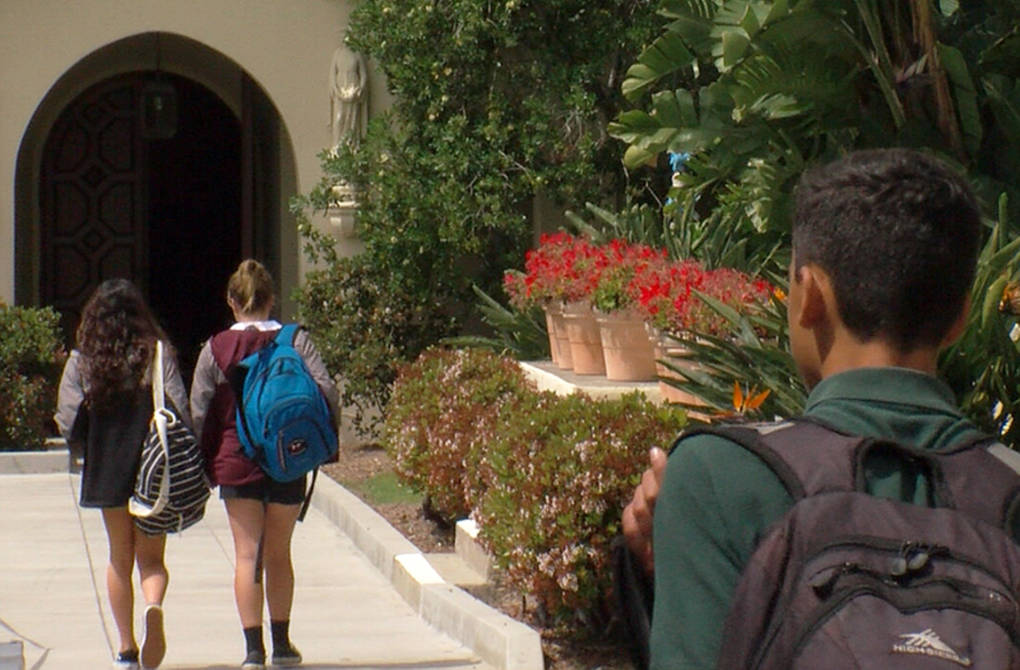
"caption": "Students walk on the campus of The Bishop's School in La Jolla.",
"description": "Students walk on the campus of The Bishop's School in La Jolla.",
"title": "BishopsSchool2",
"credit": "Matthew Bowler/KPBS",
"status": "inherit",
"isLoading": false,
"fetchFailed": false
},
"news_11461026": {
"type": "attachments",
"id": "news_11461026",
"meta": {
"index": "attachments_1716263798",
"site": "news",
"id": "11461026",
"found": true
},
"parent": 11459245,
"imgSizes": {
"small": {
"file": "https://ww2.kqed.org/app/uploads/sites/10/2017/05/EmeryFam-520x298.jpg",
"width": 520,
"mimeType": "image/jpeg",
"height": 298
},
"twentyfourteen-full-width": {
"file": "https://ww2.kqed.org/app/uploads/sites/10/2017/05/EmeryFam-1038x576.jpg",
"width": 1038,
"mimeType": "image/jpeg",
"height": 576
},
"thumbnail": {
"file": "https://ww2.kqed.org/app/uploads/sites/10/2017/05/EmeryFam-160x92.jpg",
"width": 160,
"mimeType": "image/jpeg",
"height": 92
},
"fd-sm": {
"file": "https://ww2.kqed.org/app/uploads/sites/10/2017/05/EmeryFam-960x551.jpg",
"width": 960,
"mimeType": "image/jpeg",
"height": 551
},
"post-thumbnail": {
"file": "https://ww2.kqed.org/app/uploads/sites/10/2017/05/EmeryFam-672x372.jpg",
"width": 672,
"mimeType": "image/jpeg",
"height": 372
},
"xsmall": {
"file": "https://ww2.kqed.org/app/uploads/sites/10/2017/05/EmeryFam-375x215.jpg",
"width": 375,
"mimeType": "image/jpeg",
"height": 215
},
"kqedFullSize": {
"file": "https://ww2.kqed.org/app/uploads/sites/10/2017/05/EmeryFam.jpg",
"width": 1920,
"height": 1101
},
"large": {
"file": "https://ww2.kqed.org/app/uploads/sites/10/2017/05/EmeryFam-1020x585.jpg",
"width": 1020,
"mimeType": "image/jpeg",
"height": 585
},
"xlarge": {
"file": "https://ww2.kqed.org/app/uploads/sites/10/2017/05/EmeryFam-1180x677.jpg",
"width": 1180,
"mimeType": "image/jpeg",
"height": 677
},
"guest-author-50": {
"file": "https://ww2.kqed.org/app/uploads/sites/10/2017/05/EmeryFam-50x50.jpg",
"width": 50,
"mimeType": "image/jpeg",
"height": 50
},
"guest-author-96": {
"file": "https://ww2.kqed.org/app/uploads/sites/10/2017/05/EmeryFam-96x96.jpg",
"width": 96,
"mimeType": "image/jpeg",
"height": 96
},
"medium": {
"file": "https://ww2.kqed.org/app/uploads/sites/10/2017/05/EmeryFam-800x459.jpg",
"width": 800,
"mimeType": "image/jpeg",
"height": 459
},
"guest-author-64": {
"file": "https://ww2.kqed.org/app/uploads/sites/10/2017/05/EmeryFam-64x64.jpg",
"width": 64,
"mimeType": "image/jpeg",
"height": 64
},
"guest-author-32": {
"file": "https://ww2.kqed.org/app/uploads/sites/10/2017/05/EmeryFam-32x32.jpg",
"width": 32,
"mimeType": "image/jpeg",
"height": 32
},
"fd-lrg": {
"file": "https://ww2.kqed.org/app/uploads/sites/10/2017/05/EmeryFam-1920x1101.jpg",
"width": 1920,
"mimeType": "image/jpeg",
"height": 1101
},
"fd-med": {
"file": "https://ww2.kqed.org/app/uploads/sites/10/2017/05/EmeryFam-1180x677.jpg",
"width": 1180,
"mimeType": "image/jpeg",
"height": 677
},
"full-width": {
"file": "https://ww2.kqed.org/app/uploads/sites/10/2017/05/EmeryFam-1920x1101.jpg",
"width": 1920,
"mimeType": "image/jpeg",
"height": 1101
},
"detail": {
"file": "https://ww2.kqed.org/app/uploads/sites/10/2017/05/EmeryFam-150x150.jpg",
"width": 150,
"mimeType": "image/jpeg",
"height": 150
},
"guest-author-128": {
"file": "https://ww2.kqed.org/app/uploads/sites/10/2017/05/EmeryFam-128x128.jpg",
"width": 128,
"mimeType": "image/jpeg",
"height": 128
},
"xxsmall": {
"file": "https://ww2.kqed.org/app/uploads/sites/10/2017/05/EmeryFam-240x138.jpg",
"width": 240,
"mimeType": "image/jpeg",
"height": 138
}
},
"publishDate": 1494957193,
"modified": 1494957221,
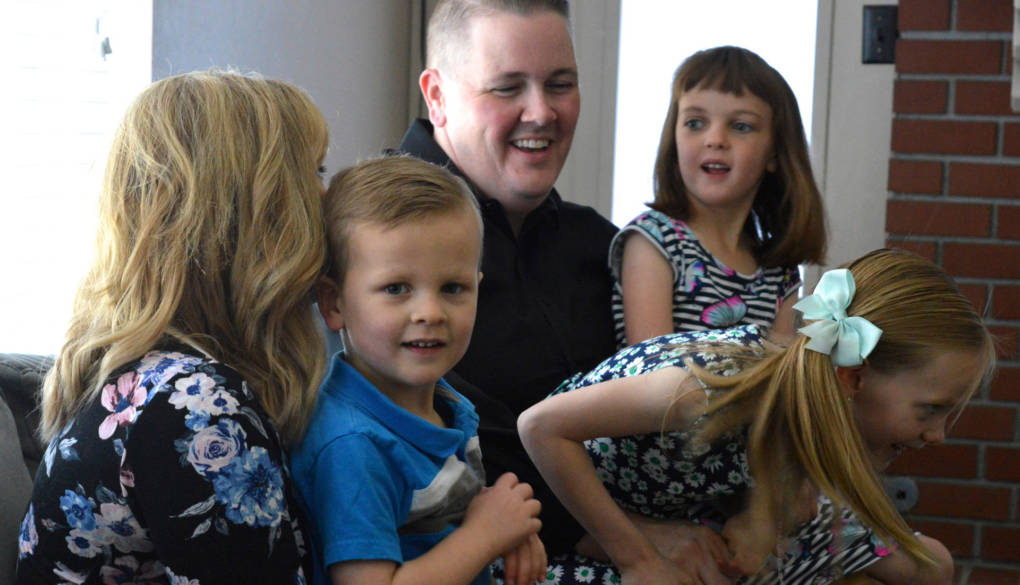
"caption": "The Emery family relaxes in the family room of their Carson City home. Parents Melanie and Nick turned to a Christian private school after a frustrating experience at their local public school.",
"description": "The Emery family relaxes in the family room of their Carson City home. Parents Melanie and Nick turned to a Christian private school after a frustrating experience at their local public school.",
"title": "EmeryFam",
"credit": "Gabriel Salcedo/KQED ",
"status": "inherit",
"isLoading": false,
"fetchFailed": false
},
"news_11454617": {
"type": "attachments",
"id": "news_11454617",
"meta": {
"index": "attachments_1716263798",
"site": "news",
"id": "11454617",
"found": true
},
"parent": 11452311,
"imgSizes": {
"small": {
"file": "https://ww2.kqed.org/app/uploads/sites/10/2017/05/TrumpDevos-520x347.jpg",
"width": 520,
"mimeType": "image/jpeg",
"height": 347
},
"twentyfourteen-full-width": {
"file": "https://ww2.kqed.org/app/uploads/sites/10/2017/05/TrumpDevos-1038x576.jpg",
"width": 1038,
"mimeType": "image/jpeg",
"height": 576
},
"thumbnail": {
"file": "https://ww2.kqed.org/app/uploads/sites/10/2017/05/TrumpDevos-160x107.jpg",
"width": 160,
"mimeType": "image/jpeg",
"height": 107
},
"fd-sm": {
"file": "https://ww2.kqed.org/app/uploads/sites/10/2017/05/TrumpDevos-960x640.jpg",
"width": 960,
"mimeType": "image/jpeg",
"height": 640
},
"post-thumbnail": {
"file": "https://ww2.kqed.org/app/uploads/sites/10/2017/05/TrumpDevos-672x372.jpg",
"width": 672,
"mimeType": "image/jpeg",
"height": 372
},
"xsmall": {
"file": "https://ww2.kqed.org/app/uploads/sites/10/2017/05/TrumpDevos-375x250.jpg",
"width": 375,
"mimeType": "image/jpeg",
"height": 250
},
"kqedFullSize": {
"file": "https://ww2.kqed.org/app/uploads/sites/10/2017/05/TrumpDevos.jpg",
"width": 1920,
"height": 1280
},
"large": {
"file": "https://ww2.kqed.org/app/uploads/sites/10/2017/05/TrumpDevos-1020x680.jpg",
"width": 1020,
"mimeType": "image/jpeg",
"height": 680
},
"xlarge": {
"file": "https://ww2.kqed.org/app/uploads/sites/10/2017/05/TrumpDevos-1180x787.jpg",
"width": 1180,
"mimeType": "image/jpeg",
"height": 787
},
"guest-author-50": {
"file": "https://ww2.kqed.org/app/uploads/sites/10/2017/05/TrumpDevos-50x50.jpg",
"width": 50,
"mimeType": "image/jpeg",
"height": 50
},
"guest-author-96": {
"file": "https://ww2.kqed.org/app/uploads/sites/10/2017/05/TrumpDevos-96x96.jpg",
"width": 96,
"mimeType": "image/jpeg",
"height": 96
},
"medium": {
"file": "https://ww2.kqed.org/app/uploads/sites/10/2017/05/TrumpDevos-800x533.jpg",
"width": 800,
"mimeType": "image/jpeg",
"height": 533
},
"guest-author-64": {
"file": "https://ww2.kqed.org/app/uploads/sites/10/2017/05/TrumpDevos-64x64.jpg",
"width": 64,
"mimeType": "image/jpeg",
"height": 64
},
"guest-author-32": {
"file": "https://ww2.kqed.org/app/uploads/sites/10/2017/05/TrumpDevos-32x32.jpg",
"width": 32,
"mimeType": "image/jpeg",
"height": 32
},
"fd-lrg": {
"file": "https://ww2.kqed.org/app/uploads/sites/10/2017/05/TrumpDevos-1920x1280.jpg",
"width": 1920,
"mimeType": "image/jpeg",
"height": 1280
},
"fd-med": {
"file": "https://ww2.kqed.org/app/uploads/sites/10/2017/05/TrumpDevos-1180x787.jpg",
"width": 1180,
"mimeType": "image/jpeg",
"height": 787
},
"full-width": {
"file": "https://ww2.kqed.org/app/uploads/sites/10/2017/05/TrumpDevos-1920x1280.jpg",
"width": 1920,
"mimeType": "image/jpeg",
"height": 1280
},
"detail": {
"file": "https://ww2.kqed.org/app/uploads/sites/10/2017/05/TrumpDevos-150x150.jpg",
"width": 150,
"mimeType": "image/jpeg",
"height": 150
},
"guest-author-128": {
"file": "https://ww2.kqed.org/app/uploads/sites/10/2017/05/TrumpDevos-128x128.jpg",
"width": 128,
"mimeType": "image/jpeg",
"height": 128
},
"xxsmall": {
"file": "https://ww2.kqed.org/app/uploads/sites/10/2017/05/TrumpDevos-240x160.jpg",
"width": 240,
"mimeType": "image/jpeg",
"height": 160
}
},
"publishDate": 1494631565,
"modified": 1494631688,
"caption": "Education Secretary Betsy DeVos (C) and President Trump attend a parent-teacher conference listening session at the White House on Feb. 14, 2017.",
"description": "Education Secretary Betsy DeVos (C) and President Trump attend a parent-teacher conference listening session at the White House on Feb. 14, 2017.",
"title": "TrumpDevos",
"credit": "Alex Wong/Getty Images",
"status": "inherit",
"isLoading": false,
"fetchFailed": false
},
"news_11450938": {
"type": "attachments",
"id": "news_11450938",
"meta": {
"index": "attachments_1716263798",
"site": "news",
"id": "11450938",
"found": true
},
"parent": 11450474,
"imgSizes": {
"small": {
"file": "https://ww2.kqed.org/app/uploads/sites/10/2017/05/GirlatHome-520x363.jpg",
"width": 520,
"mimeType": "image/jpeg",
"height": 363
},
"twentyfourteen-full-width": {
"file": "https://ww2.kqed.org/app/uploads/sites/10/2017/05/GirlatHome-1038x576.jpg",
"width": 1038,
"mimeType": "image/jpeg",
"height": 576
},
"thumbnail": {
"file": "https://ww2.kqed.org/app/uploads/sites/10/2017/05/GirlatHome-160x112.jpg",
"width": 160,
"mimeType": "image/jpeg",
"height": 112
},
"fd-sm": {
"file": "https://ww2.kqed.org/app/uploads/sites/10/2017/05/GirlatHome-960x671.jpg",
"width": 960,
"mimeType": "image/jpeg",
"height": 671
},
"post-thumbnail": {
"file": "https://ww2.kqed.org/app/uploads/sites/10/2017/05/GirlatHome-672x372.jpg",
"width": 672,
"mimeType": "image/jpeg",
"height": 372
},
"xsmall": {
"file": "https://ww2.kqed.org/app/uploads/sites/10/2017/05/GirlatHome-375x262.jpg",
"width": 375,
"mimeType": "image/jpeg",
"height": 262
},
"kqedFullSize": {
"file": "https://ww2.kqed.org/app/uploads/sites/10/2017/05/GirlatHome.jpg",
"width": 1920,
"height": 1342
},
"large": {
"file": "https://ww2.kqed.org/app/uploads/sites/10/2017/05/GirlatHome-1020x713.jpg",
"width": 1020,
"mimeType": "image/jpeg",
"height": 713
},
"xlarge": {
"file": "https://ww2.kqed.org/app/uploads/sites/10/2017/05/GirlatHome-1180x825.jpg",
"width": 1180,
"mimeType": "image/jpeg",
"height": 825
},
"guest-author-50": {
"file": "https://ww2.kqed.org/app/uploads/sites/10/2017/05/GirlatHome-50x50.jpg",
"width": 50,
"mimeType": "image/jpeg",
"height": 50
},
"guest-author-96": {
"file": "https://ww2.kqed.org/app/uploads/sites/10/2017/05/GirlatHome-96x96.jpg",
"width": 96,
"mimeType": "image/jpeg",
"height": 96
},
"medium": {
"file": "https://ww2.kqed.org/app/uploads/sites/10/2017/05/GirlatHome-800x559.jpg",
"width": 800,
"mimeType": "image/jpeg",
"height": 559
},
"guest-author-64": {
"file": "https://ww2.kqed.org/app/uploads/sites/10/2017/05/GirlatHome-64x64.jpg",
"width": 64,
"mimeType": "image/jpeg",
"height": 64
},
"guest-author-32": {
"file": "https://ww2.kqed.org/app/uploads/sites/10/2017/05/GirlatHome-32x32.jpg",
"width": 32,
"mimeType": "image/jpeg",
"height": 32
},
"fd-lrg": {
"file": "https://ww2.kqed.org/app/uploads/sites/10/2017/05/GirlatHome-1920x1342.jpg",
"width": 1920,
"mimeType": "image/jpeg",
"height": 1342
},
"fd-med": {
"file": "https://ww2.kqed.org/app/uploads/sites/10/2017/05/GirlatHome-1180x825.jpg",
"width": 1180,
"mimeType": "image/jpeg",
"height": 825
},
"full-width": {
"file": "https://ww2.kqed.org/app/uploads/sites/10/2017/05/GirlatHome-1920x1342.jpg",
"width": 1920,
"mimeType": "image/jpeg",
"height": 1342
},
"detail": {
"file": "https://ww2.kqed.org/app/uploads/sites/10/2017/05/GirlatHome-150x150.jpg",
"width": 150,
"mimeType": "image/jpeg",
"height": 150
},
"guest-author-128": {
"file": "https://ww2.kqed.org/app/uploads/sites/10/2017/05/GirlatHome-128x128.jpg",
"width": 128,
"mimeType": "image/jpeg",
"height": 128
},
"xxsmall": {
"file": "https://ww2.kqed.org/app/uploads/sites/10/2017/05/GirlatHome-240x168.jpg",
"width": 240,
"mimeType": "image/jpeg",
"height": 168
}
},
"publishDate": 1494458298,
"modified": 1494458319,
"caption": null,
"description": null,
"title": "GirlatHome",
"credit": "Getty Images",
"status": "inherit",
"isLoading": false,
"fetchFailed": false
},
"news_11439022": {
"type": "attachments",
"id": "news_11439022",
"meta": {
"index": "attachments_1716263798",
"site": "news",
"id": "11439022",
"found": true
},
"parent": 11438840,
"imgSizes": {
"small": {
"file": "https://ww2.kqed.org/app/uploads/sites/10/2017/05/RefineryFlaring-520x349.jpg",
"width": 520,
"mimeType": "image/jpeg",
"height": 349
},
"twentyfourteen-full-width": {
"file": "https://ww2.kqed.org/app/uploads/sites/10/2017/05/RefineryFlaring-1038x576.jpg",
"width": 1038,
"mimeType": "image/jpeg",
"height": 576
},
"thumbnail": {
"file": "https://ww2.kqed.org/app/uploads/sites/10/2017/05/RefineryFlaring-160x107.jpg",
"width": 160,
"mimeType": "image/jpeg",
"height": 107
},
"fd-sm": {
"file": "https://ww2.kqed.org/app/uploads/sites/10/2017/05/RefineryFlaring-960x644.jpg",
"width": 960,
"mimeType": "image/jpeg",
"height": 644
},
"post-thumbnail": {
"file": "https://ww2.kqed.org/app/uploads/sites/10/2017/05/RefineryFlaring-672x372.jpg",
"width": 672,
"mimeType": "image/jpeg",
"height": 372
},
"xsmall": {
"file": "https://ww2.kqed.org/app/uploads/sites/10/2017/05/RefineryFlaring-375x252.jpg",
"width": 375,
"mimeType": "image/jpeg",
"height": 252
},
"kqedFullSize": {
"file": "https://ww2.kqed.org/app/uploads/sites/10/2017/05/RefineryFlaring.jpg",
"width": 1920,
"height": 1288
},
"large": {
"file": "https://ww2.kqed.org/app/uploads/sites/10/2017/05/RefineryFlaring-1020x684.jpg",
"width": 1020,
"mimeType": "image/jpeg",
"height": 684
},
"xlarge": {
"file": "https://ww2.kqed.org/app/uploads/sites/10/2017/05/RefineryFlaring-1180x792.jpg",
"width": 1180,
"mimeType": "image/jpeg",
"height": 792
},
"guest-author-50": {
"file": "https://ww2.kqed.org/app/uploads/sites/10/2017/05/RefineryFlaring-50x50.jpg",
"width": 50,
"mimeType": "image/jpeg",
"height": 50
},
"guest-author-96": {
"file": "https://ww2.kqed.org/app/uploads/sites/10/2017/05/RefineryFlaring-96x96.jpg",
"width": 96,
"mimeType": "image/jpeg",
"height": 96
},
"medium": {
"file": "https://ww2.kqed.org/app/uploads/sites/10/2017/05/RefineryFlaring-800x537.jpg",
"width": 800,
"mimeType": "image/jpeg",
"height": 537
},
"guest-author-64": {
"file": "https://ww2.kqed.org/app/uploads/sites/10/2017/05/RefineryFlaring-64x64.jpg",
"width": 64,
"mimeType": "image/jpeg",
"height": 64
},
"guest-author-32": {
"file": "https://ww2.kqed.org/app/uploads/sites/10/2017/05/RefineryFlaring-32x32.jpg",
"width": 32,
"mimeType": "image/jpeg",
"height": 32
},
"fd-lrg": {
"file": "https://ww2.kqed.org/app/uploads/sites/10/2017/05/RefineryFlaring-1920x1288.jpg",
"width": 1920,
"mimeType": "image/jpeg",
"height": 1288
},
"fd-med": {
"file": "https://ww2.kqed.org/app/uploads/sites/10/2017/05/RefineryFlaring-1180x792.jpg",
"width": 1180,
"mimeType": "image/jpeg",
"height": 792
},
"full-width": {
"file": "https://ww2.kqed.org/app/uploads/sites/10/2017/05/RefineryFlaring-1920x1288.jpg",
"width": 1920,
"mimeType": "image/jpeg",
"height": 1288
},
"detail": {
"file": "https://ww2.kqed.org/app/uploads/sites/10/2017/05/RefineryFlaring-150x150.jpg",
"width": 150,
"mimeType": "image/jpeg",
"height": 150
},
"guest-author-128": {
"file": "https://ww2.kqed.org/app/uploads/sites/10/2017/05/RefineryFlaring-128x128.jpg",
"width": 128,
"mimeType": "image/jpeg",
"height": 128
},
"xxsmall": {
"file": "https://ww2.kqed.org/app/uploads/sites/10/2017/05/RefineryFlaring-240x161.jpg",
"width": 240,
"mimeType": "image/jpeg",
"height": 161
}
},
"publishDate": 1493851197,
"modified": 1493851360,
"caption": "A few words buried within a decision affirming the constitutionality of California’s policy of charging polluters are causing a stir among some state budget experts.",
"description": "A few words buried within a decision affirming the constitutionality of California’s policy of charging polluters are causing a stir among some state budget experts.",
"title": "RefineryFlaring",
"credit": "Craig Miller/KQED",
"status": "inherit",
"isLoading": false,
"fetchFailed": false
},
"news_11428079": {
"type": "attachments",
"id": "news_11428079",
"meta": {
"index": "attachments_1716263798",
"site": "news",
"id": "11428079",
"found": true
},
"parent": 11428068,
"imgSizes": {
"small": {
"file": "https://ww2.kqed.org/app/uploads/sites/10/2017/04/RisingSeasFeatured-520x341.jpg",
"width": 520,
"mimeType": "image/jpeg",
"height": 341
},
"twentyfourteen-full-width": {
"file": "https://ww2.kqed.org/app/uploads/sites/10/2017/04/RisingSeasFeatured-1038x576.jpg",
"width": 1038,
"mimeType": "image/jpeg",
"height": 576
},
"thumbnail": {
"file": "https://ww2.kqed.org/app/uploads/sites/10/2017/04/RisingSeasFeatured-160x105.jpg",
"width": 160,
"mimeType": "image/jpeg",
"height": 105
},
"fd-sm": {
"file": "https://ww2.kqed.org/app/uploads/sites/10/2017/04/RisingSeasFeatured-960x630.jpg",
"width": 960,
"mimeType": "image/jpeg",
"height": 630
},
"post-thumbnail": {
"file": "https://ww2.kqed.org/app/uploads/sites/10/2017/04/RisingSeasFeatured-672x372.jpg",
"width": 672,
"mimeType": "image/jpeg",
"height": 372
},
"xsmall": {
"file": "https://ww2.kqed.org/app/uploads/sites/10/2017/04/RisingSeasFeatured-375x246.jpg",
"width": 375,
"mimeType": "image/jpeg",
"height": 246
},
"kqedFullSize": {
"file": "https://ww2.kqed.org/app/uploads/sites/10/2017/04/RisingSeasFeatured.jpg",
"width": 1920,
"height": 1259
},
"large": {
"file": "https://ww2.kqed.org/app/uploads/sites/10/2017/04/RisingSeasFeatured-1020x669.jpg",
"width": 1020,
"mimeType": "image/jpeg",
"height": 669
},
"xlarge": {
"file": "https://ww2.kqed.org/app/uploads/sites/10/2017/04/RisingSeasFeatured-1180x774.jpg",
"width": 1180,
"mimeType": "image/jpeg",
"height": 774
},
"guest-author-50": {
"file": "https://ww2.kqed.org/app/uploads/sites/10/2017/04/RisingSeasFeatured-50x50.jpg",
"width": 50,
"mimeType": "image/jpeg",
"height": 50
},
"guest-author-96": {
"file": "https://ww2.kqed.org/app/uploads/sites/10/2017/04/RisingSeasFeatured-96x96.jpg",
"width": 96,
"mimeType": "image/jpeg",
"height": 96
},
"medium": {
"file": "https://ww2.kqed.org/app/uploads/sites/10/2017/04/RisingSeasFeatured-800x525.jpg",
"width": 800,
"mimeType": "image/jpeg",
"height": 525
},
"guest-author-64": {
"file": "https://ww2.kqed.org/app/uploads/sites/10/2017/04/RisingSeasFeatured-64x64.jpg",
"width": 64,
"mimeType": "image/jpeg",
"height": 64
},
"guest-author-32": {
"file": "https://ww2.kqed.org/app/uploads/sites/10/2017/04/RisingSeasFeatured-32x32.jpg",
"width": 32,
"mimeType": "image/jpeg",
"height": 32
},
"fd-lrg": {
"file": "https://ww2.kqed.org/app/uploads/sites/10/2017/04/RisingSeasFeatured-1920x1259.jpg",
"width": 1920,
"mimeType": "image/jpeg",
"height": 1259
},
"fd-med": {
"file": "https://ww2.kqed.org/app/uploads/sites/10/2017/04/RisingSeasFeatured-1180x774.jpg",
"width": 1180,
"mimeType": "image/jpeg",
"height": 774
},
"full-width": {
"file": "https://ww2.kqed.org/app/uploads/sites/10/2017/04/RisingSeasFeatured-1920x1259.jpg",
"width": 1920,
"mimeType": "image/jpeg",
"height": 1259
},
"detail": {
"file": "https://ww2.kqed.org/app/uploads/sites/10/2017/04/RisingSeasFeatured-150x150.jpg",
"width": 150,
"mimeType": "image/jpeg",
"height": 150
},
"guest-author-128": {
"file": "https://ww2.kqed.org/app/uploads/sites/10/2017/04/RisingSeasFeatured-128x128.jpg",
"width": 128,
"mimeType": "image/jpeg",
"height": 128
},
"xxsmall": {
"file": "https://ww2.kqed.org/app/uploads/sites/10/2017/04/RisingSeasFeatured-240x157.jpg",
"width": 240,
"mimeType": "image/jpeg",
"height": 157
}
},
"publishDate": 1493232577,
"modified": 1493235218,
"caption": "A large wave crashes against a seawall near Pacifica.",
"description": "A large wave crashes against a seawall near Pacifica.",
"title": "RisingSeasFeatured",
"credit": "Brocken Inaglory/Wikimedia Commons",
"status": "inherit",
"isLoading": false,
"fetchFailed": false
},
"news_11402283": {
"type": "attachments",
"id": "news_11402283",
"meta": {
"index": "attachments_1716263798",
"site": "news",
"id": "11402283",
"found": true
},
"parent": 11402279,
"imgSizes": {
"small": {
"file": "https://ww2.kqed.org/app/uploads/sites/10/2017/04/PumpingGas-520x343.jpg",
"width": 520,
"mimeType": "image/jpeg",
"height": 343
},
"twentyfourteen-full-width": {
"file": "https://ww2.kqed.org/app/uploads/sites/10/2017/04/PumpingGas-1038x576.jpg",
"width": 1038,
"mimeType": "image/jpeg",
"height": 576
},
"thumbnail": {
"file": "https://ww2.kqed.org/app/uploads/sites/10/2017/04/PumpingGas-160x105.jpg",
"width": 160,
"mimeType": "image/jpeg",
"height": 105
},
"fd-sm": {
"file": "https://ww2.kqed.org/app/uploads/sites/10/2017/04/PumpingGas-960x633.jpg",
"width": 960,
"mimeType": "image/jpeg",
"height": 633
},
"post-thumbnail": {
"file": "https://ww2.kqed.org/app/uploads/sites/10/2017/04/PumpingGas-672x372.jpg",
"width": 672,
"mimeType": "image/jpeg",
"height": 372
},
"xsmall": {
"file": "https://ww2.kqed.org/app/uploads/sites/10/2017/04/PumpingGas-375x247.jpg",
"width": 375,
"mimeType": "image/jpeg",
"height": 247
},
"kqedFullSize": {
"file": "https://ww2.kqed.org/app/uploads/sites/10/2017/04/PumpingGas.jpg",
"width": 1920,
"height": 1265
},
"large": {
"file": "https://ww2.kqed.org/app/uploads/sites/10/2017/04/PumpingGas-1020x672.jpg",
"width": 1020,
"mimeType": "image/jpeg",
"height": 672
},
"xlarge": {
"file": "https://ww2.kqed.org/app/uploads/sites/10/2017/04/PumpingGas-1180x777.jpg",
"width": 1180,
"mimeType": "image/jpeg",
"height": 777
},
"guest-author-50": {
"file": "https://ww2.kqed.org/app/uploads/sites/10/2017/04/PumpingGas-50x50.jpg",
"width": 50,
"mimeType": "image/jpeg",
"height": 50
},
"guest-author-96": {
"file": "https://ww2.kqed.org/app/uploads/sites/10/2017/04/PumpingGas-96x96.jpg",
"width": 96,
"mimeType": "image/jpeg",
"height": 96
},
"medium": {
"file": "https://ww2.kqed.org/app/uploads/sites/10/2017/04/PumpingGas-800x527.jpg",
"width": 800,
"mimeType": "image/jpeg",
"height": 527
},
"guest-author-64": {
"file": "https://ww2.kqed.org/app/uploads/sites/10/2017/04/PumpingGas-64x64.jpg",
"width": 64,
"mimeType": "image/jpeg",
"height": 64
},
"guest-author-32": {
"file": "https://ww2.kqed.org/app/uploads/sites/10/2017/04/PumpingGas-32x32.jpg",
"width": 32,
"mimeType": "image/jpeg",
"height": 32
},
"fd-lrg": {
"file": "https://ww2.kqed.org/app/uploads/sites/10/2017/04/PumpingGas-1920x1265.jpg",
"width": 1920,
"mimeType": "image/jpeg",
"height": 1265
},
"fd-med": {
"file": "https://ww2.kqed.org/app/uploads/sites/10/2017/04/PumpingGas-1180x777.jpg",
"width": 1180,
"mimeType": "image/jpeg",
"height": 777
},
"full-width": {
"file": "https://ww2.kqed.org/app/uploads/sites/10/2017/04/PumpingGas-1920x1265.jpg",
"width": 1920,
"mimeType": "image/jpeg",
"height": 1265
},
"detail": {
"file": "https://ww2.kqed.org/app/uploads/sites/10/2017/04/PumpingGas-150x150.jpg",
"width": 150,
"mimeType": "image/jpeg",
"height": 150
},
"guest-author-128": {
"file": "https://ww2.kqed.org/app/uploads/sites/10/2017/04/PumpingGas-128x128.jpg",
"width": 128,
"mimeType": "image/jpeg",
"height": 128
},
"xxsmall": {
"file": "https://ww2.kqed.org/app/uploads/sites/10/2017/04/PumpingGas-240x158.jpg",
"width": 240,
"mimeType": "image/jpeg",
"height": 158
}
},
"publishDate": 1491865719,
"modified": 1491865775,
"caption": "It's an open question whether cap and trade can survive a bruising political battle and the likelihood of tacking on more to the price of gas at the pump.",
"description": "It's an open question whether cap and trade can survive a bruising political battle and the likelihood of tacking on more to the price of gas at the pump.",
"title": "PumpingGas",
"credit": "Justin Sullivan/Getty Images",
"status": "inherit",
"isLoading": false,
"fetchFailed": false
},
"news_11391571": {
"type": "attachments",
"id": "news_11391571",
"meta": {
"index": "attachments_1716263798",
"site": "news",
"id": "11391571",
"found": true
},
"parent": 11391567,
"imgSizes": {
"small": {
"file": "https://ww2.kqed.org/app/uploads/sites/10/2017/04/GettyImages-645969442-520x346.jpg",
"width": 520,
"mimeType": "image/jpeg",
"height": 346
},
"twentyfourteen-full-width": {
"file": "https://ww2.kqed.org/app/uploads/sites/10/2017/04/GettyImages-645969442-1038x576.jpg",
"width": 1038,
"mimeType": "image/jpeg",
"height": 576
},
"thumbnail": {
"file": "https://ww2.kqed.org/app/uploads/sites/10/2017/04/GettyImages-645969442-160x107.jpg",
"width": 160,
"mimeType": "image/jpeg",
"height": 107
},
"fd-sm": {
"file": "https://ww2.kqed.org/app/uploads/sites/10/2017/04/GettyImages-645969442-960x639.jpg",
"width": 960,
"mimeType": "image/jpeg",
"height": 639
},
"post-thumbnail": {
"file": "https://ww2.kqed.org/app/uploads/sites/10/2017/04/GettyImages-645969442-672x372.jpg",
"width": 672,
"mimeType": "image/jpeg",
"height": 372
},
"xsmall": {
"file": "https://ww2.kqed.org/app/uploads/sites/10/2017/04/GettyImages-645969442-375x250.jpg",
"width": 375,
"mimeType": "image/jpeg",
"height": 250
},
"kqedFullSize": {
"file": "https://ww2.kqed.org/app/uploads/sites/10/2017/04/GettyImages-645969442.jpg",
"width": 3000,
"height": 1997
},
"large": {
"file": "https://ww2.kqed.org/app/uploads/sites/10/2017/04/GettyImages-645969442-1020x679.jpg",
"width": 1020,
"mimeType": "image/jpeg",
"height": 679
},
"xlarge": {
"file": "https://ww2.kqed.org/app/uploads/sites/10/2017/04/GettyImages-645969442-1180x785.jpg",
"width": 1180,
"mimeType": "image/jpeg",
"height": 785
},
"guest-author-50": {
"file": "https://ww2.kqed.org/app/uploads/sites/10/2017/04/GettyImages-645969442-50x50.jpg",
"width": 50,
"mimeType": "image/jpeg",
"height": 50
},
"guest-author-96": {
"file": "https://ww2.kqed.org/app/uploads/sites/10/2017/04/GettyImages-645969442-96x96.jpg",
"width": 96,
"mimeType": "image/jpeg",
"height": 96
},
"medium": {
"file": "https://ww2.kqed.org/app/uploads/sites/10/2017/04/GettyImages-645969442-800x533.jpg",
"width": 800,
"mimeType": "image/jpeg",
"height": 533
},
"guest-author-64": {
"file": "https://ww2.kqed.org/app/uploads/sites/10/2017/04/GettyImages-645969442-64x64.jpg",
"width": 64,
"mimeType": "image/jpeg",
"height": 64
},
"guest-author-32": {
"file": "https://ww2.kqed.org/app/uploads/sites/10/2017/04/GettyImages-645969442-32x32.jpg",
"width": 32,
"mimeType": "image/jpeg",
"height": 32
},
"fd-lrg": {
"file": "https://ww2.kqed.org/app/uploads/sites/10/2017/04/GettyImages-645969442-1920x1278.jpg",
"width": 1920,
"mimeType": "image/jpeg",
"height": 1278
},
"fd-med": {
"file": "https://ww2.kqed.org/app/uploads/sites/10/2017/04/GettyImages-645969442-1180x785.jpg",
"width": 1180,
"mimeType": "image/jpeg",
"height": 785
},
"full-width": {
"file": "https://ww2.kqed.org/app/uploads/sites/10/2017/04/GettyImages-645969442-1920x1278.jpg",
"width": 1920,
"mimeType": "image/jpeg",
"height": 1278
},
"detail": {
"file": "https://ww2.kqed.org/app/uploads/sites/10/2017/04/GettyImages-645969442-150x150.jpg",
"width": 150,
"mimeType": "image/jpeg",
"height": 150
},
"guest-author-128": {
"file": "https://ww2.kqed.org/app/uploads/sites/10/2017/04/GettyImages-645969442-128x128.jpg",
"width": 128,
"mimeType": "image/jpeg",
"height": 128
},
"xxsmall": {
"file": "https://ww2.kqed.org/app/uploads/sites/10/2017/04/GettyImages-645969442-240x160.jpg",
"width": 240,
"mimeType": "image/jpeg",
"height": 160
}
},
"publishDate": 1491335366,
"modified": 1491355015,
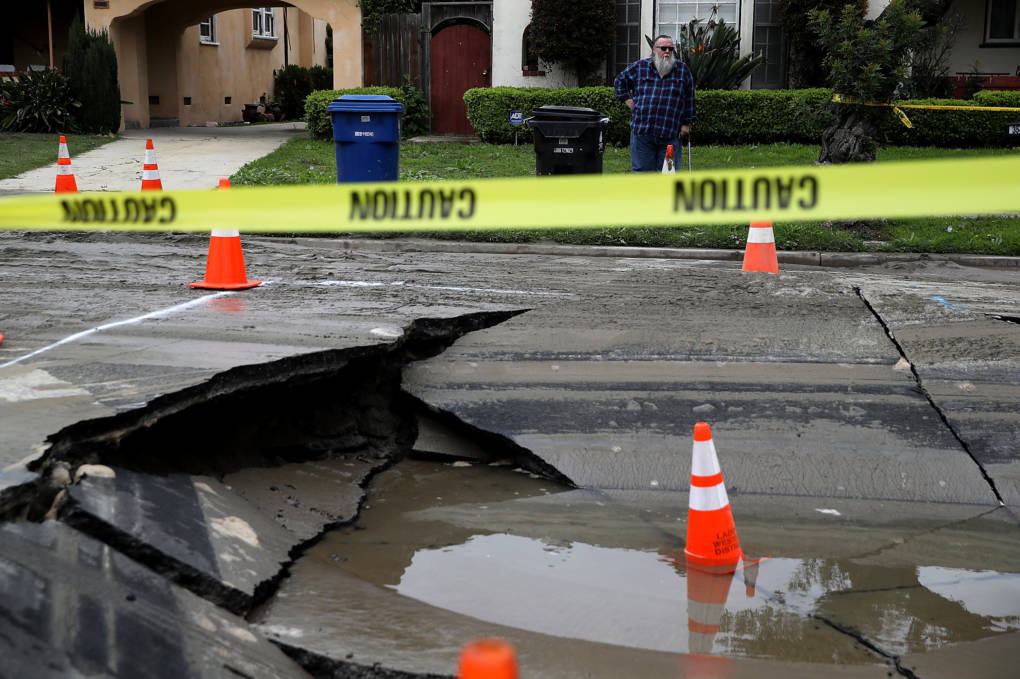
"caption": "A massive sinkhole opened in L.A. in February after storms pounded the city.",
"description": null,
"title": "Massive Sinkhole Opens Up In Los Angeles",
"credit": " Justin Sullivan/Getty Images",
"status": "inherit",
"isLoading": false,
"fetchFailed": false
},
"news_11382101": {
"type": "attachments",
"id": "news_11382101",
"meta": {
"index": "attachments_1716263798",
"site": "news",
"id": "11382101",
"found": true
},
"parent": 11382097,
"imgSizes": {
"small": {
"file": "https://ww2.kqed.org/app/uploads/sites/10/2017/03/ImmigrantLockupCalmatters-520x358.jpg",
"width": 520,
"mimeType": "image/jpeg",
"height": 358
},
"twentyfourteen-full-width": {
"file": "https://ww2.kqed.org/app/uploads/sites/10/2017/03/ImmigrantLockupCalmatters-1038x576.jpg",
"width": 1038,
"mimeType": "image/jpeg",
"height": 576
},
"thumbnail": {
"file": "https://ww2.kqed.org/app/uploads/sites/10/2017/03/ImmigrantLockupCalmatters-160x110.jpg",
"width": 160,
"mimeType": "image/jpeg",
"height": 110
},
"fd-sm": {
"file": "https://ww2.kqed.org/app/uploads/sites/10/2017/03/ImmigrantLockupCalmatters-960x660.jpg",
"width": 960,
"mimeType": "image/jpeg",
"height": 660
},
"post-thumbnail": {
"file": "https://ww2.kqed.org/app/uploads/sites/10/2017/03/ImmigrantLockupCalmatters-672x372.jpg",
"width": 672,
"mimeType": "image/jpeg",
"height": 372
},
"xsmall": {
"file": "https://ww2.kqed.org/app/uploads/sites/10/2017/03/ImmigrantLockupCalmatters-375x258.jpg",
"width": 375,
"mimeType": "image/jpeg",
"height": 258
},
"kqedFullSize": {
"file": "https://ww2.kqed.org/app/uploads/sites/10/2017/03/ImmigrantLockupCalmatters.jpg",
"width": 1920,
"height": 1320
},
"large": {
"file": "https://ww2.kqed.org/app/uploads/sites/10/2017/03/ImmigrantLockupCalmatters-1020x701.jpg",
"width": 1020,
"mimeType": "image/jpeg",
"height": 701
},
"xlarge": {
"file": "https://ww2.kqed.org/app/uploads/sites/10/2017/03/ImmigrantLockupCalmatters-1180x811.jpg",
"width": 1180,
"mimeType": "image/jpeg",
"height": 811
},
"guest-author-50": {
"file": "https://ww2.kqed.org/app/uploads/sites/10/2017/03/ImmigrantLockupCalmatters-50x50.jpg",
"width": 50,
"mimeType": "image/jpeg",
"height": 50
},
"guest-author-96": {
"file": "https://ww2.kqed.org/app/uploads/sites/10/2017/03/ImmigrantLockupCalmatters-96x96.jpg",
"width": 96,
"mimeType": "image/jpeg",
"height": 96
},
"medium": {
"file": "https://ww2.kqed.org/app/uploads/sites/10/2017/03/ImmigrantLockupCalmatters-800x550.jpg",
"width": 800,
"mimeType": "image/jpeg",
"height": 550
},
"guest-author-64": {
"file": "https://ww2.kqed.org/app/uploads/sites/10/2017/03/ImmigrantLockupCalmatters-64x64.jpg",
"width": 64,
"mimeType": "image/jpeg",
"height": 64
},
"guest-author-32": {
"file": "https://ww2.kqed.org/app/uploads/sites/10/2017/03/ImmigrantLockupCalmatters-32x32.jpg",
"width": 32,
"mimeType": "image/jpeg",
"height": 32
},
"fd-lrg": {
"file": "https://ww2.kqed.org/app/uploads/sites/10/2017/03/ImmigrantLockupCalmatters-1920x1320.jpg",
"width": 1920,
"mimeType": "image/jpeg",
"height": 1320
},
"fd-med": {
"file": "https://ww2.kqed.org/app/uploads/sites/10/2017/03/ImmigrantLockupCalmatters-1180x811.jpg",
"width": 1180,
"mimeType": "image/jpeg",
"height": 811
},
"full-width": {
"file": "https://ww2.kqed.org/app/uploads/sites/10/2017/03/ImmigrantLockupCalmatters-1920x1320.jpg",
"width": 1920,
"mimeType": "image/jpeg",
"height": 1320
},
"detail": {
"file": "https://ww2.kqed.org/app/uploads/sites/10/2017/03/ImmigrantLockupCalmatters-150x150.jpg",
"width": 150,
"mimeType": "image/jpeg",
"height": 150
},
"guest-author-128": {
"file": "https://ww2.kqed.org/app/uploads/sites/10/2017/03/ImmigrantLockupCalmatters-128x128.jpg",
"width": 128,
"mimeType": "image/jpeg",
"height": 128
},
"xxsmall": {
"file": "https://ww2.kqed.org/app/uploads/sites/10/2017/03/ImmigrantLockupCalmatters-240x165.jpg",
"width": 240,
"mimeType": "image/jpeg",
"height": 165
}
},
"publishDate": 1490823955,
"modified": 1490823995,
"caption": "A guard escorts an immigrant detainee at the Adelanto Detention Facility, the largest Immigration and Customs Enforcement detention center in California.",
"description": "A guard escorts an immigrant detainee at the Adelanto Detention Facility, the largest Immigration and Customs Enforcement detention center in California.",
"title": "ImmigrantLockupCalmatters",
"credit": "John Moore/Getty Images",
"status": "inherit",
"isLoading": false,
"fetchFailed": false
},
"news_11342867": {
"type": "attachments",
"id": "news_11342867",
"meta": {
"index": "attachments_1716263798",
"site": "news",
"id": "11342867",
"found": true
},
"parent": 0,
"imgSizes": {
"small": {
"file": "https://ww2.kqed.org/app/uploads/sites/10/2017/03/11342866-thumb-520x293.jpg",
"width": 520,
"mimeType": "image/jpeg",
"height": 293
},
"twentyfourteen-full-width": {
"file": "https://ww2.kqed.org/app/uploads/sites/10/2017/03/11342866-thumb-1038x576.jpg",
"width": 1038,
"mimeType": "image/jpeg",
"height": 576
},
"thumbnail": {
"file": "https://ww2.kqed.org/app/uploads/sites/10/2017/03/11342866-thumb-160x90.jpg",
"width": 160,
"mimeType": "image/jpeg",
"height": 90
},
"fd-sm": {
"file": "https://ww2.kqed.org/app/uploads/sites/10/2017/03/11342866-thumb-960x540.jpg",
"width": 960,
"mimeType": "image/jpeg",
"height": 540
},
"post-thumbnail": {
"file": "https://ww2.kqed.org/app/uploads/sites/10/2017/03/11342866-thumb-672x372.jpg",
"width": 672,
"mimeType": "image/jpeg",
"height": 372
},
"xsmall": {
"file": "https://ww2.kqed.org/app/uploads/sites/10/2017/03/11342866-thumb-375x211.jpg",
"width": 375,
"mimeType": "image/jpeg",
"height": 211
},
"kqedFullSize": {
"file": "https://ww2.kqed.org/app/uploads/sites/10/2017/03/11342866-thumb.jpg",
"width": 1920,
"height": 1080
},
"large": {
"file": "https://ww2.kqed.org/app/uploads/sites/10/2017/03/11342866-thumb-1020x574.jpg",
"width": 1020,
"mimeType": "image/jpeg",
"height": 574
},
"xlarge": {
"file": "https://ww2.kqed.org/app/uploads/sites/10/2017/03/11342866-thumb-1180x664.jpg",
"width": 1180,
"mimeType": "image/jpeg",
"height": 664
},
"guest-author-50": {
"file": "https://ww2.kqed.org/app/uploads/sites/10/2017/03/11342866-thumb-50x50.jpg",
"width": 50,
"mimeType": "image/jpeg",
"height": 50
},
"guest-author-96": {
"file": "https://ww2.kqed.org/app/uploads/sites/10/2017/03/11342866-thumb-96x96.jpg",
"width": 96,
"mimeType": "image/jpeg",
"height": 96
},
"medium": {
"file": "https://ww2.kqed.org/app/uploads/sites/10/2017/03/11342866-thumb-800x450.jpg",
"width": 800,
"mimeType": "image/jpeg",
"height": 450
},
"guest-author-64": {
"file": "https://ww2.kqed.org/app/uploads/sites/10/2017/03/11342866-thumb-64x64.jpg",
"width": 64,
"mimeType": "image/jpeg",
"height": 64
},
"guest-author-32": {
"file": "https://ww2.kqed.org/app/uploads/sites/10/2017/03/11342866-thumb-32x32.jpg",
"width": 32,
"mimeType": "image/jpeg",
"height": 32
},
"fd-lrg": {
"file": "https://ww2.kqed.org/app/uploads/sites/10/2017/03/11342866-thumb-1920x1080.jpg",
"width": 1920,
"mimeType": "image/jpeg",
"height": 1080
},
"fd-med": {
"file": "https://ww2.kqed.org/app/uploads/sites/10/2017/03/11342866-thumb-1180x664.jpg",
"width": 1180,
"mimeType": "image/jpeg",
"height": 664
},
"full-width": {
"file": "https://ww2.kqed.org/app/uploads/sites/10/2017/03/11342866-thumb-1920x1080.jpg",
"width": 1920,
"mimeType": "image/jpeg",
"height": 1080
},
"detail": {
"file": "https://ww2.kqed.org/app/uploads/sites/10/2017/03/11342866-thumb-150x150.jpg",
"width": 150,
"mimeType": "image/jpeg",
"height": 150
},
"guest-author-128": {
"file": "https://ww2.kqed.org/app/uploads/sites/10/2017/03/11342866-thumb-128x128.jpg",
"width": 128,
"mimeType": "image/jpeg",
"height": 128
},
"xxsmall": {
"file": "https://ww2.kqed.org/app/uploads/sites/10/2017/03/11342866-thumb-240x135.jpg",
"width": 240,
"mimeType": "image/jpeg",
"height": 135
}
},
"publishDate": 1488576450,
"modified": 1489790352,
"caption": "Arnold Schwarzenegger attends \"The New Celebrity Apprentice\" Q & A and Red Carpet Event At Universal Studio, Universal City, California, on Dec. 9, 2016.",
"description": "Arnold Schwarzenegger attends \"The New Celebrity Apprentice\" Q & A and Red Carpet Event At Universal Studio, Universal City, California, on December 9, 2016. / AFP / RICHARD SHOTWELL (Photo credit should read RICHARD SHOTWELL/AFP/Getty Images)",
"title": "Thumbnail for 11342866",
"credit": "Richard Shotwell/AFP/Getty Images",
"status": "inherit",
"isLoading": false,
"fetchFailed": false
},
"news_11362724": {
"type": "attachments",
"id": "news_11362724",
"meta": {
"index": "attachments_1716263798",
"site": "news",
"id": "11362724",
"found": true
},
"parent": 11362718,
"imgSizes": {
"small": {
"file": "https://ww2.kqed.org/app/uploads/sites/10/2017/03/TahoeVacationHome-520x321.jpg",
"width": 520,
"mimeType": "image/jpeg",
"height": 321
},
"twentyfourteen-full-width": {
"file": "https://ww2.kqed.org/app/uploads/sites/10/2017/03/TahoeVacationHome-1038x576.jpg",
"width": 1038,
"mimeType": "image/jpeg",
"height": 576
},
"thumbnail": {
"file": "https://ww2.kqed.org/app/uploads/sites/10/2017/03/TahoeVacationHome-160x99.jpg",
"width": 160,
"mimeType": "image/jpeg",
"height": 99
},
"fd-sm": {
"file": "https://ww2.kqed.org/app/uploads/sites/10/2017/03/TahoeVacationHome-960x592.jpg",
"width": 960,
"mimeType": "image/jpeg",
"height": 592
},
"post-thumbnail": {
"file": "https://ww2.kqed.org/app/uploads/sites/10/2017/03/TahoeVacationHome-672x372.jpg",
"width": 672,
"mimeType": "image/jpeg",
"height": 372
},
"xsmall": {
"file": "https://ww2.kqed.org/app/uploads/sites/10/2017/03/TahoeVacationHome-375x231.jpg",
"width": 375,
"mimeType": "image/jpeg",
"height": 231
},
"kqedFullSize": {
"file": "https://ww2.kqed.org/app/uploads/sites/10/2017/03/TahoeVacationHome.jpg",
"width": 1920,
"height": 1184
},
"large": {
"file": "https://ww2.kqed.org/app/uploads/sites/10/2017/03/TahoeVacationHome-1020x629.jpg",
"width": 1020,
"mimeType": "image/jpeg",
"height": 629
},
"xlarge": {
"file": "https://ww2.kqed.org/app/uploads/sites/10/2017/03/TahoeVacationHome-1180x728.jpg",
"width": 1180,
"mimeType": "image/jpeg",
"height": 728
},
"guest-author-50": {
"file": "https://ww2.kqed.org/app/uploads/sites/10/2017/03/TahoeVacationHome-50x50.jpg",
"width": 50,
"mimeType": "image/jpeg",
"height": 50
},
"guest-author-96": {
"file": "https://ww2.kqed.org/app/uploads/sites/10/2017/03/TahoeVacationHome-96x96.jpg",
"width": 96,
"mimeType": "image/jpeg",
"height": 96
},
"medium": {
"file": "https://ww2.kqed.org/app/uploads/sites/10/2017/03/TahoeVacationHome-800x493.jpg",
"width": 800,
"mimeType": "image/jpeg",
"height": 493
},
"guest-author-64": {
"file": "https://ww2.kqed.org/app/uploads/sites/10/2017/03/TahoeVacationHome-64x64.jpg",
"width": 64,
"mimeType": "image/jpeg",
"height": 64
},
"guest-author-32": {
"file": "https://ww2.kqed.org/app/uploads/sites/10/2017/03/TahoeVacationHome-32x32.jpg",
"width": 32,
"mimeType": "image/jpeg",
"height": 32
},
"fd-lrg": {
"file": "https://ww2.kqed.org/app/uploads/sites/10/2017/03/TahoeVacationHome-1920x1184.jpg",
"width": 1920,
"mimeType": "image/jpeg",
"height": 1184
},
"fd-med": {
"file": "https://ww2.kqed.org/app/uploads/sites/10/2017/03/TahoeVacationHome-1180x728.jpg",
"width": 1180,
"mimeType": "image/jpeg",
"height": 728
},
"full-width": {
"file": "https://ww2.kqed.org/app/uploads/sites/10/2017/03/TahoeVacationHome-1920x1184.jpg",
"width": 1920,
"mimeType": "image/jpeg",
"height": 1184
},
"detail": {
"file": "https://ww2.kqed.org/app/uploads/sites/10/2017/03/TahoeVacationHome-150x150.jpg",
"width": 150,
"mimeType": "image/jpeg",
"height": 150
},
"guest-author-128": {
"file": "https://ww2.kqed.org/app/uploads/sites/10/2017/03/TahoeVacationHome-128x128.jpg",
"width": 128,
"mimeType": "image/jpeg",
"height": 128
},
"xxsmall": {
"file": "https://ww2.kqed.org/app/uploads/sites/10/2017/03/TahoeVacationHome-240x148.jpg",
"width": 240,
"mimeType": "image/jpeg",
"height": 148
}
},
"publishDate": 1489711230,
"modified": 1489711257,
"caption": "A vacation home near Lake Tahoe.",
"description": "A vacation home near Lake Tahoe.",
"title": "TahoeVacationHome",
"credit": "My VR/Flickr",
"status": "inherit",
"isLoading": false,
"fetchFailed": false
}
},
"audioPlayerReducer": {
"postId": "stream_live",
"isPaused": true,
"isPlaying": false,
"pfsActive": false,
"pledgeModalIsOpen": true,
"playerDrawerIsOpen": false,
"liveAudioPlayStartedAt": 0,
"liveAudioPlayContext": ""
},
"authorsReducer": {
"byline_news_11461330": {
"type": "authors",
"id": "byline_news_11461330",
"meta": {
"override": true
},
"slug": "byline_news_11461330",
"name": "\u003cstrong>\u003ca href=\"http://www.scpr.org/about/people/staff/kyle-stokes\">Kyle Stokes\u003c/a>\u003cbr>\u003ca href=\"http://www.scpr.org/\">KPCC\u003c/a>\u003c/strong>",
"isLoading": false
},
"byline_news_11461239": {
"type": "authors",
"id": "byline_news_11461239",
"meta": {
"override": true
},
"slug": "byline_news_11461239",
"name": "\u003cstrong>\u003ca href=\"http://www.kpbs.org/staff/megan-burks/\">Megan Burks\u003c/a>\u003cbr>\u003ca href=\"http://www.kpbs.org/\">KPBS\u003c/a>\u003c/strong>",
"isLoading": false
},
"byline_news_11450474": {
"type": "authors",
"id": "byline_news_11450474",
"meta": {
"override": true
},
"slug": "byline_news_11450474",
"name": "\u003cstrong>\u003ca href=\"https://calmatters.org/articles/author/matt-levin/\">Matt Levin\u003c/a>\u003c/strong>",
"isLoading": false
},
"byline_news_11438840": {
"type": "authors",
"id": "byline_news_11438840",
"meta": {
"override": true
},
"slug": "byline_news_11438840",
"name": "\u003cstrong>\u003ca href=\"https://calmatters.org/articles/author/ben-christopher/\">Ben Christopher\u003c/a>\u003c/strong>",
"isLoading": false
},
"byline_news_11428068": {
"type": "authors",
"id": "byline_news_11428068",
"meta": {
"override": true
},
"slug": "byline_news_11428068",
"name": "\u003cstrong>\u003ca href=\"https://calmatters.org/articles/author/julie-cart/\">Julie Cart\u003c/a>\u003c/strong>",
"isLoading": false
},
"byline_news_11402279": {
"type": "authors",
"id": "byline_news_11402279",
"meta": {
"override": true
},
"slug": "byline_news_11402279",
"name": "\u003cstrong>\u003ca href=\"https://calmatters.org/articles/author/julie-cart/\">Julie Cart\u003c/a>\u003c/strong>",
"isLoading": false
},
"byline_news_11391567": {
"type": "authors",
"id": "byline_news_11391567",
"meta": {
"override": true
},
"slug": "byline_news_11391567",
"name": "Ben Christopher\u003cbr>\u003cstrong>\u003ca href=\"https://calmatters.org/articles/rains-cause-severe-road-damage-state-considers-costly-repair-plan/\">CALmatters\u003c/a>\u003c/strong>",
"isLoading": false
},
"byline_news_11382097": {
"type": "authors",
"id": "byline_news_11382097",
"meta": {
"override": true
},
"slug": "byline_news_11382097",
"name": "\u003cstrong>\u003ca href=\"https://calmatters.org/articles/author/ben-christopher/\">Ben Christopher\u003c/a>\u003c/strong>",
"isLoading": false
},
"byline_news_11363995": {
"type": "authors",
"id": "byline_news_11363995",
"meta": {
"override": true
},
"slug": "byline_news_11363995",
"name": "\u003cstrong>\u003ca ref=\"https://calmatters.org/about/staff/laurel-rosenhall/\">Laurel Rosenhall\u003c/a>\u003cbr />\u003ca ref=\"https://calmatters.org/\">CALmatters\u003c/a>\u003c/strong>",
"isLoading": false
},
"byline_news_11362718": {
"type": "authors",
"id": "byline_news_11362718",
"meta": {
"override": true
},
"slug": "byline_news_11362718",
"name": "\u003cstrong>\u003ca href=\"https://calmatters.org/about/staff/matt-levin/\">Matt Levin\u003c/a>\u003cbr>\u003ca href=\"https://calmatters.org/\">CALmatters\u003c/a>\u003c/strong>",
"isLoading": false
},
"anatintocalis": {
"type": "authors",
"id": "211",
"meta": {
"index": "authors_1716337520",
"id": "211",
"found": true
},
"name": "Ana Tintocalis",
"firstName": "Ana",
"lastName": "Tintocalis",
"slug": "anatintocalis",
"email": "atintocalis@kqed.org",
"display_author_email": false,
"staff_mastheads": [],
"title": null,
"bio": null,
"avatar": "https://secure.gravatar.com/avatar/722c50f51f04eff38fa0e5a3f1d29450?s=600&d=blank&r=g",
"twitter": null,
"facebook": null,
"instagram": null,
"linkedin": null,
"sites": [
{
"site": "news",
"roles": [
"subscriber"
]
},
{
"site": "stateofhealth",
"roles": [
"subscriber"
]
}
],
"headData": {
"title": "Ana Tintocalis | KQED",
"description": null,
"ogImgSrc": "https://secure.gravatar.com/avatar/722c50f51f04eff38fa0e5a3f1d29450?s=600&d=blank&r=g",
"twImgSrc": "https://secure.gravatar.com/avatar/722c50f51f04eff38fa0e5a3f1d29450?s=600&d=blank&r=g"
},
"isLoading": false,
"link": "/author/anatintocalis"
}
},
"pagesReducer": {
"news_affiliate_calmatters": {
"type": "terms",
"id": "news_18481",
"meta": {
"index": "terms_1716263798",
"site": "news",
"id": "18481",
"score": 15.355904
},
"featImg": null,
"name": "CALmatters",
"description": null,
"taxonomy": "affiliate",
"headData": {
"twImgId": null,
"twTitle": null,
"ogTitle": null,
"ogImgId": null,
"twDescription": null,
"description": null,
"title": "CALmatters Archives | KQED Arts",
"ogDescription": null
},
"ttid": 18515,
"slug": "calmatters",
"isLoading": false,
"title": "CALmatters",
"pageMeta": {
"site": "news",
"WpPageTemplate": "page-topic-editorial",
"currentPage": 81
},
"blocks": [
{
"blockName": "kqed/post-list",
"attrs": {
"layout": "cardArticle2",
"query": "posts/news?affiliate=calmatters",
"seeMore": false,
"paginated": true,
"page": 81
}
},
{
"blockName": "kqed/ad"
}
]
}
},
"pfsSessionReducer": {},
"postsReducer": {
"stream_live": {
"type": "live",
"id": "stream_live",
"audioUrl": "https://streams.kqed.org/kqedradio",
"title": "Live Stream",
"excerpt": "Live Stream information currently unavailable.",
"link": "/radio",
"featImg": "",
"label": {
"name": "KQED Live",
"link": "/"
}
},
"stream_kqedNewscast": {
"type": "posts",
"id": "stream_kqedNewscast",
"audioUrl": "https://www.kqed.org/.stream/anon/radio/RDnews/newscast.mp3?_=1",
"title": "KQED Newscast",
"featImg": "",
"label": {
"name": "88.5 FM",
"link": "/"
}
},
"news_11461330": {
"type": "posts",
"id": "news_11461330",
"meta": {
"index": "posts_1716263798",
"site": "news",
"id": "11461330",
"score": null,
"sort": [
1495090906000
]
},
"guestAuthors": [],
"slug": "trump-backs-california-charter-schools-but-the-feeling-isnt-mutual",
"title": "Trump Backs California Charter Schools, But the Feeling Isn't Mutual",
"publishDate": 1495090906,
"format": "audio",
"headTitle": "Trump Backs California Charter Schools, But the Feeling Isn’t Mutual | KQED",
"labelTerm": {
"term": 72,
"site": "news"
},
"content": "\u003cp>\u003ci>This story is part of our series “\u003ca href=\"https://ww2.kqed.org/news/tag/trump-ed/\" target=\"_blank\" rel=\"noopener\">Trump Ed\u003c/a>,” exploring how President Trump’s proposed federal education policies could impact California schools. The series was produced in collaboration with reporters from \u003ca href=\"http://www.kpbs.org/\" target=\"_blank\" rel=\"noopener noreferrer\">KPBS\u003c/a>, \u003ca href=\"http://www.scpr.org/\" target=\"_blank\" rel=\"noopener noreferrer\">KPCC\u003c/a> and \u003ca href=\"https://calmatters.org/\" target=\"_blank\" rel=\"noopener noreferrer\">CALmatters\u003c/a>.\u003c/i>\u003c/p>\n\u003cp>As principal of a charter high school in South Los Angeles, Joshua Hartford said families would ask him the same question over and over again: “When are you opening a middle school?”\u003c/p>\n\u003cp>Hartford works for \u003ca href=\"http://greendot.org/\" target=\"_blank\" rel=\"noopener noreferrer\">Green Dot Public Schools\u003c/a>, the leading charter school operator in Los Angeles, and one of the top three largest in the nation.\u003c/p>\n\u003cp>[contextly_sidebar id=”xgQK5IQGEdWT4bw6sluYpkPfcdElHSR4″]\u003c/p>\n\u003cp>He finally asked Green Dot executives if they would consider opening a middle school in one of L.A. County’s poorest areas — the \u003ca href=\"http://maps.latimes.com/neighborhoods/neighborhood/florence-firestone/\">Florence-Firestone neighborhood\u003c/a>.\u003c/p>\n\u003cp>[ad fullwidth]\u003c/p>\n\u003cp>Fast-forward to this school year.\u003c/p>\n\u003cp>Green Dot’s \u003ca href=\"http://ca.greendot.org/florence-firestone/\">Ánimo Florence-Firestone Middle School\u003c/a> made its debut with 116 students enrolled.\u003c/p>\n\u003cp>Hartford traded his high school principal role to manage the campus.\u003c/p>\n\u003cp>“[Parents] kept asking, ‘What can you do for my child who’s in the seventh grade right now?’” he said. “I decided I’d better do something about it.”\u003c/p>\n\u003cfigure id=\"attachment_11461632\" class=\"wp-caption aligncenter\" style=\"max-width: 800px\">\u003cimg loading=\"lazy\" decoding=\"async\" src=\"https://ww2.kqed.org/news/wp-content/uploads/sites/10/2017/05/RS25385_Stokes-4-qut-800x533.jpg\" alt=\"Andrew Osterhaus, a teacher at Ánimo Florence-Firestone Middle School in South Los Angeles, introduces a lesson in his science class. The campus is operated by Green Dot Public Schools, the leading charter school operator in L.A. \" width=\"800\" height=\"533\" class=\"size-medium wp-image-11461632\" srcset=\"https://cdn.kqed.org/wp-content/uploads/sites/10/2017/05/RS25385_Stokes-4-qut-800x533.jpg 800w, https://cdn.kqed.org/wp-content/uploads/sites/10/2017/05/RS25385_Stokes-4-qut-160x107.jpg 160w, https://cdn.kqed.org/wp-content/uploads/sites/10/2017/05/RS25385_Stokes-4-qut-1020x680.jpg 1020w, https://cdn.kqed.org/wp-content/uploads/sites/10/2017/05/RS25385_Stokes-4-qut.jpg 1920w, https://cdn.kqed.org/wp-content/uploads/sites/10/2017/05/RS25385_Stokes-4-qut-1180x787.jpg 1180w, https://cdn.kqed.org/wp-content/uploads/sites/10/2017/05/RS25385_Stokes-4-qut-960x640.jpg 960w, https://cdn.kqed.org/wp-content/uploads/sites/10/2017/05/RS25385_Stokes-4-qut-240x160.jpg 240w, https://cdn.kqed.org/wp-content/uploads/sites/10/2017/05/RS25385_Stokes-4-qut-375x250.jpg 375w, https://cdn.kqed.org/wp-content/uploads/sites/10/2017/05/RS25385_Stokes-4-qut-520x347.jpg 520w\" sizes=\"(max-width: 800px) 100vw, 800px\">\u003cfigcaption class=\"wp-caption-text\">Andrew Osterhaus, a teacher at Ánimo Florence-Firestone Middle School in South Los Angeles, introduces a lesson in his science class. The campus is operated by Green Dot Public Schools, the leading charter school operator in L.A. \u003ccite>(Kyle Stokes/KPCC)\u003c/cite>\u003c/figcaption>\u003c/figure>\n\u003cp>Ánimo Florence-Firestone was established with help from the federal government.\u003c/p>\n\u003cp>In 2014, Green Dot won a $14 million \u003ca href=\"https://www.ed.gov/news/press-releases/us-department-education-awards-397-million-grants-expand-high-quality-charter-sc\">grant from the Obama administration\u003c/a>, allowing it to open or expand 20 schools in three states.\u003c/p>\n\u003cp>President Trump now wants to bolster that federal support for independent charter schools.\u003c/p>\n\u003cp>[contextly_sidebar id=”N4uVpHxqQ7idGBMFgr1n8oPOfIllhE9q”]\u003c/p>\n\u003cp>In his \u003ca href=\"https://www.whitehouse.gov/sites/whitehouse.gov/files/omb/budget/fy2018/2018_blueprint.pdf\">2017-2018 proposed education budget\u003c/a>, Trump proposes $500 million to help charter school organizations like Green Dot establish or expand campuses throughout the country.\u003c/p>\n\u003cp>At the same time, he’s proposing to slash federal funding for long-established after school programs, early learning initiatives and teacher preparation and retention.\u003c/p>\n\u003cfigure id=\"attachment_11461637\" class=\"wp-caption aligncenter\" style=\"max-width: 800px\">\u003cimg loading=\"lazy\" decoding=\"async\" class=\"size-medium wp-image-11461637\" src=\"https://ww2.kqed.org/news/wp-content/uploads/sites/10/2017/05/RS25382_Stokes-1-qut-800x533.jpg\" alt=\"\" width=\"800\" height=\"533\" srcset=\"https://cdn.kqed.org/wp-content/uploads/sites/10/2017/05/RS25382_Stokes-1-qut-800x533.jpg 800w, https://cdn.kqed.org/wp-content/uploads/sites/10/2017/05/RS25382_Stokes-1-qut-160x107.jpg 160w, https://cdn.kqed.org/wp-content/uploads/sites/10/2017/05/RS25382_Stokes-1-qut-1020x680.jpg 1020w, https://cdn.kqed.org/wp-content/uploads/sites/10/2017/05/RS25382_Stokes-1-qut.jpg 1920w, https://cdn.kqed.org/wp-content/uploads/sites/10/2017/05/RS25382_Stokes-1-qut-1180x787.jpg 1180w, https://cdn.kqed.org/wp-content/uploads/sites/10/2017/05/RS25382_Stokes-1-qut-960x640.jpg 960w, https://cdn.kqed.org/wp-content/uploads/sites/10/2017/05/RS25382_Stokes-1-qut-240x160.jpg 240w, https://cdn.kqed.org/wp-content/uploads/sites/10/2017/05/RS25382_Stokes-1-qut-375x250.jpg 375w, https://cdn.kqed.org/wp-content/uploads/sites/10/2017/05/RS25382_Stokes-1-qut-520x347.jpg 520w\" sizes=\"(max-width: 800px) 100vw, 800px\">\u003cfigcaption class=\"wp-caption-text\">Ánimo Florence-Firestone Middle School currently operates out of portable classroom buildings within the Los Angeles Unified School District. The independent charter is one of 228 charters in L.A. \u003ccite>(Kyle Stokes/KPCC)\u003c/cite>\u003c/figcaption>\u003c/figure>\n\u003cp>“Next to philanthropy, the federal government has been one of the steadiest and best friends of charter schools,” said Nina Rees, president and CEO of the \u003ca href=\"http://www.publiccharters.org/\">National Association for Public Charter Schools\u003c/a>.\u003c/p>\n\u003cp>With 228 independent charter schools, L.A. is currently home to more charters than any city in the nation.\u003c/p>\n\u003cp>However, Green Dot administrators say creating more charter schools from scratch will require a lot more federal funding.\u003c/p>\n\u003cp>[contextly_sidebar id=”QepUFZiTM8l2ANcmmFUocR2b8WvLLrkZ”]\u003c/p>\n\u003cp>“Five-hundred million [is a] big number, but it still is relatively small compared to the money locally that has to happen to get schools off the ground,” said Chad Soleo, Green Dot Public Schools’ vice president of advancement.\u003c/p>\n\u003cp>Soleo said opening just one charter school can cost up to $3 million — which covers facilities, technology, furniture, textbooks and other curricular materials.\u003c/p>\n\u003cp>Because federal charter school grants only cover a small portion of that amount, charter operators have to rely heavily on philanthropy to make up the difference.\u003c/p>\n\u003cp>Another factor that could impede Trump’s charter school plan: L.A. politics.\u003c/p>\n\u003cp>Charter expansion is already a deeply divisive issue in the \u003ca href=\"http://home.lausd.net/\">L.A. Unified School District\u003c/a>.\u003c/p>\n\u003cfigure id=\"attachment_11462825\" class=\"wp-caption aligncenter\" style=\"max-width: 800px\">\u003cimg loading=\"lazy\" decoding=\"async\" class=\"size-medium wp-image-11462825\" src=\"https://ww2.kqed.org/news/wp-content/uploads/sites/10/2017/05/RS25386_Stokes-5-qut-2-800x533.jpg\" alt=\"\" width=\"800\" height=\"533\" srcset=\"https://cdn.kqed.org/wp-content/uploads/sites/10/2017/05/RS25386_Stokes-5-qut-2-800x533.jpg 800w, https://cdn.kqed.org/wp-content/uploads/sites/10/2017/05/RS25386_Stokes-5-qut-2-160x107.jpg 160w, https://cdn.kqed.org/wp-content/uploads/sites/10/2017/05/RS25386_Stokes-5-qut-2-1020x680.jpg 1020w, https://cdn.kqed.org/wp-content/uploads/sites/10/2017/05/RS25386_Stokes-5-qut-2.jpg 1920w, https://cdn.kqed.org/wp-content/uploads/sites/10/2017/05/RS25386_Stokes-5-qut-2-1180x787.jpg 1180w, https://cdn.kqed.org/wp-content/uploads/sites/10/2017/05/RS25386_Stokes-5-qut-2-960x640.jpg 960w, https://cdn.kqed.org/wp-content/uploads/sites/10/2017/05/RS25386_Stokes-5-qut-2-240x160.jpg 240w, https://cdn.kqed.org/wp-content/uploads/sites/10/2017/05/RS25386_Stokes-5-qut-2-375x250.jpg 375w, https://cdn.kqed.org/wp-content/uploads/sites/10/2017/05/RS25386_Stokes-5-qut-2-520x347.jpg 520w\" sizes=\"(max-width: 800px) 100vw, 800px\">\u003cfigcaption class=\"wp-caption-text\">Ánimo Florence-Firestone Middle School in South Los Angeles is operated Green Dot Public Schools, the leading independent charter school operator in L.A. The organization would be eligible for more federal funding under President Trump’s proposed education budget. \u003ccite>(Kyle Stokes/KPCC)\u003c/cite>\u003c/figcaption>\u003c/figure>\n\u003cp>The situation reached a boiling point in 2015 when the pro-charter \u003ca href=\"http://broadfoundation.org/\">Eli and Edythe Broad Foundation\u003c/a> outlined a strategy to drastically expand L.A.’s charter school sector.\u003c/p>\n\u003cp>Public school supporters — including\u003ca href=\"http://www.utla.net/\"> L.A. teachers unions\u003c/a> — waged war, saying charters leech money and students from traditional public schools.\u003c/p>\n\u003cp>The plan generated backlash, and philanthropists have since changed their strategy.\u003c/p>\n\u003cp>Trump’s call for charter school expansion has evoked the same fear.\u003c/p>\n\u003cp>[contextly_sidebar id=”cfnyLE4U3n8CaWuZS4NYxu3TFItK6PoV”]\u003c/p>\n\u003cp>On the eve of the president’s inauguration in January, hundreds of protesters at Grand View Boulevard Elementary in L.A. Unified expressed their dismay over Trump’s advocacy of private school vouchers and charter schools.\u003c/p>\n\u003cp>Nine-year-old Luna Cruz had special message for Trump.\u003c/p>\n\u003cp>“You need to stop… trying to turn public schools into charters.”\u003c/p>\n\u003cp>But not all charter school leaders are on board with Trump, who’s unpopular in deep-blue L.A.\u003c/p>\n\u003cfigure id=\"attachment_11462826\" class=\"wp-caption aligncenter\" style=\"max-width: 800px\">\u003cimg loading=\"lazy\" decoding=\"async\" class=\"size-medium wp-image-11462826\" src=\"https://ww2.kqed.org/news/wp-content/uploads/sites/10/2017/05/RS25384_Stokes-3-qut-800x533.jpg\" alt=\"\" width=\"800\" height=\"533\" srcset=\"https://cdn.kqed.org/wp-content/uploads/sites/10/2017/05/RS25384_Stokes-3-qut-800x533.jpg 800w, https://cdn.kqed.org/wp-content/uploads/sites/10/2017/05/RS25384_Stokes-3-qut-160x107.jpg 160w, https://cdn.kqed.org/wp-content/uploads/sites/10/2017/05/RS25384_Stokes-3-qut-1020x680.jpg 1020w, https://cdn.kqed.org/wp-content/uploads/sites/10/2017/05/RS25384_Stokes-3-qut.jpg 1920w, https://cdn.kqed.org/wp-content/uploads/sites/10/2017/05/RS25384_Stokes-3-qut-1180x787.jpg 1180w, https://cdn.kqed.org/wp-content/uploads/sites/10/2017/05/RS25384_Stokes-3-qut-960x640.jpg 960w, https://cdn.kqed.org/wp-content/uploads/sites/10/2017/05/RS25384_Stokes-3-qut-240x160.jpg 240w, https://cdn.kqed.org/wp-content/uploads/sites/10/2017/05/RS25384_Stokes-3-qut-375x250.jpg 375w, https://cdn.kqed.org/wp-content/uploads/sites/10/2017/05/RS25384_Stokes-3-qut-520x347.jpg 520w\" sizes=\"(max-width: 800px) 100vw, 800px\">\u003cfigcaption class=\"wp-caption-text\">Andrew Osterhaus, a teacher at Ánimo Florence-Firestone Middle School in South Los Angeles, assists a student in his science class. Osterhaus has been a teacher in L.A. since 2001. \u003ccite>(Kyle Stokes/KPCC)\u003c/cite>\u003c/figcaption>\u003c/figure>\n\u003cp>Some worry the president’s support could prove toxic by galvanizing even more charter school opponents.\u003c/p>\n\u003cp>“It would be much more valuable for me, frankly, if [the president] just said he hates charter schools,” said Caprice Young, chief executive officer and superintendent of the\u003ca href=\"http://www.magnoliapublicschools.org/#\"> Magnolia network of charter schools\u003c/a>. “The fact that Trump supports charter schools gives the opposition… an opportunity to equate charter schools with the things that Trump cares about, that most Californians are opposed to.”\u003c/p>\n\u003cp>Some charter school groups have begun pushing back.\u003c/p>\n\u003cp>In March, several executives of charter school chains with big presences in California — including Green Dot — \u003ca href=\"https://www.usatoday.com/story/opinion/2017/03/28/trump-education-budget-needs-work-charter-school-ceos-column/99705262/\"> co-signed an op-ed in USA Today\u003c/a> saying they couldn’t support Trump’s budget.\u003c/p>\n\u003cp>\u003c/p>\n\u003cp>The executives wrote they could not abide by modest increases to federal charter grant programs while broader education programs took deep cuts.\u003c/p>\n\n",
"blocks": [],
"excerpt": "Some charter school leaders worry President Trump's support could galvanize even more charter school opponents.",
"status": "publish",
"parent": 0,
"modified": 1721110291,
"stats": {
"hasAudio": false,
"hasVideo": false,
"hasChartOrMap": false,
"iframeSrcs": [],
"hasGoogleForm": false,
"hasGallery": false,
"hasHearkenModule": false,
"hasPolis": false,
"paragraphCount": 40,
"wordCount": 978
},
"headData": {
"title": "Trump Backs California Charter Schools, But the Feeling Isn't Mutual | KQED",
"description": "Some charter school leaders worry President Trump's support could galvanize even more charter school opponents.",
"ogTitle": "",
"ogDescription": "",
"ogImgId": "",
"twTitle": "",
"twDescription": "",
"twImgId": "",
"schema": {
"@context": "https://schema.org",
"@type": "NewsArticle",
"headline": "Trump Backs California Charter Schools, But the Feeling Isn't Mutual",
"datePublished": "2017-05-18T00:01:46-07:00",
"dateModified": "2024-07-15T23:11:31-07:00",
"image": "https://cdn.kqed.org/wp-content/uploads/2020/02/KQED-OG-Image@1x.png",
"isAccessibleForFree": "True",
"publisher": {
"@type": "NewsMediaOrganization",
"@id": "https://www.kqed.org/#organization",
"name": "KQED",
"logo": "https://cdn.kqed.org/wp-content/uploads/2020/02/KQED-OG-Image@1x.png",
"url": "https://www.kqed.org",
"sameAs": [
"https://www.facebook.com/KQED",
"https://twitter.com/KQED",
"https://www.instagram.com/kqed/",
"https://www.tiktok.com/@kqedofficial",
"https://www.linkedin.com/company/kqed",
"https://www.youtube.com/channel/UCeC0IOo7i1P_61zVUWbJ4nw"
]
}
}
},
"audioUrl": "http://www.kqed.org/.stream/anon/radio/tcr/2017/05/2017-05-18c-tcr.mp3",
"guestFields": "0",
"sticky": false,
"nprByline": "\u003cstrong>\u003ca href=\"http://www.scpr.org/about/people/staff/kyle-stokes\">Kyle Stokes\u003c/a>\u003cbr>\u003ca href=\"http://www.scpr.org/\">KPCC\u003c/a>\u003c/strong>",
"path": "/news/11461330/trump-backs-california-charter-schools-but-the-feeling-isnt-mutual",
"audioTrackLength": null,
"parsedContent": [
{
"type": "contentString",
"content": "\u003cdiv class=\"post-body\">\u003cp>\u003cp>\u003ci>This story is part of our series “\u003ca href=\"https://ww2.kqed.org/news/tag/trump-ed/\" target=\"_blank\" rel=\"noopener\">Trump Ed\u003c/a>,” exploring how President Trump’s proposed federal education policies could impact California schools. The series was produced in collaboration with reporters from \u003ca href=\"http://www.kpbs.org/\" target=\"_blank\" rel=\"noopener noreferrer\">KPBS\u003c/a>, \u003ca href=\"http://www.scpr.org/\" target=\"_blank\" rel=\"noopener noreferrer\">KPCC\u003c/a> and \u003ca href=\"https://calmatters.org/\" target=\"_blank\" rel=\"noopener noreferrer\">CALmatters\u003c/a>.\u003c/i>\u003c/p>\n\u003cp>As principal of a charter high school in South Los Angeles, Joshua Hartford said families would ask him the same question over and over again: “When are you opening a middle school?”\u003c/p>\n\u003cp>Hartford works for \u003ca href=\"http://greendot.org/\" target=\"_blank\" rel=\"noopener noreferrer\">Green Dot Public Schools\u003c/a>, the leading charter school operator in Los Angeles, and one of the top three largest in the nation.\u003c/p>\n\u003cp>\u003c/p>\u003cp>\u003c/p>\u003cp>\u003c/p>\n\u003cp>He finally asked Green Dot executives if they would consider opening a middle school in one of L.A. County’s poorest areas — the \u003ca href=\"http://maps.latimes.com/neighborhoods/neighborhood/florence-firestone/\">Florence-Firestone neighborhood\u003c/a>.\u003c/p>\n\u003cp>\u003c/p>\u003c/div>",
"attributes": {
"named": {},
"numeric": []
}
},
{
"type": "component",
"content": "",
"name": "ad",
"attributes": {
"named": {
"label": "fullwidth"
},
"numeric": [
"fullwidth"
]
}
},
{
"type": "contentString",
"content": "\u003cdiv class=\"post-body\">\u003cp>\u003c/p>\n\u003cp>Fast-forward to this school year.\u003c/p>\n\u003cp>Green Dot’s \u003ca href=\"http://ca.greendot.org/florence-firestone/\">Ánimo Florence-Firestone Middle School\u003c/a> made its debut with 116 students enrolled.\u003c/p>\n\u003cp>Hartford traded his high school principal role to manage the campus.\u003c/p>\n\u003cp>“[Parents] kept asking, ‘What can you do for my child who’s in the seventh grade right now?’” he said. “I decided I’d better do something about it.”\u003c/p>\n\u003cfigure id=\"attachment_11461632\" class=\"wp-caption aligncenter\" style=\"max-width: 800px\">\u003cimg loading=\"lazy\" decoding=\"async\" src=\"https://ww2.kqed.org/news/wp-content/uploads/sites/10/2017/05/RS25385_Stokes-4-qut-800x533.jpg\" alt=\"Andrew Osterhaus, a teacher at Ánimo Florence-Firestone Middle School in South Los Angeles, introduces a lesson in his science class. The campus is operated by Green Dot Public Schools, the leading charter school operator in L.A. \" width=\"800\" height=\"533\" class=\"size-medium wp-image-11461632\" srcset=\"https://cdn.kqed.org/wp-content/uploads/sites/10/2017/05/RS25385_Stokes-4-qut-800x533.jpg 800w, https://cdn.kqed.org/wp-content/uploads/sites/10/2017/05/RS25385_Stokes-4-qut-160x107.jpg 160w, https://cdn.kqed.org/wp-content/uploads/sites/10/2017/05/RS25385_Stokes-4-qut-1020x680.jpg 1020w, https://cdn.kqed.org/wp-content/uploads/sites/10/2017/05/RS25385_Stokes-4-qut.jpg 1920w, https://cdn.kqed.org/wp-content/uploads/sites/10/2017/05/RS25385_Stokes-4-qut-1180x787.jpg 1180w, https://cdn.kqed.org/wp-content/uploads/sites/10/2017/05/RS25385_Stokes-4-qut-960x640.jpg 960w, https://cdn.kqed.org/wp-content/uploads/sites/10/2017/05/RS25385_Stokes-4-qut-240x160.jpg 240w, https://cdn.kqed.org/wp-content/uploads/sites/10/2017/05/RS25385_Stokes-4-qut-375x250.jpg 375w, https://cdn.kqed.org/wp-content/uploads/sites/10/2017/05/RS25385_Stokes-4-qut-520x347.jpg 520w\" sizes=\"(max-width: 800px) 100vw, 800px\">\u003cfigcaption class=\"wp-caption-text\">Andrew Osterhaus, a teacher at Ánimo Florence-Firestone Middle School in South Los Angeles, introduces a lesson in his science class. The campus is operated by Green Dot Public Schools, the leading charter school operator in L.A. \u003ccite>(Kyle Stokes/KPCC)\u003c/cite>\u003c/figcaption>\u003c/figure>\n\u003cp>Ánimo Florence-Firestone was established with help from the federal government.\u003c/p>\n\u003cp>In 2014, Green Dot won a $14 million \u003ca href=\"https://www.ed.gov/news/press-releases/us-department-education-awards-397-million-grants-expand-high-quality-charter-sc\">grant from the Obama administration\u003c/a>, allowing it to open or expand 20 schools in three states.\u003c/p>\n\u003cp>President Trump now wants to bolster that federal support for independent charter schools.\u003c/p>\n\u003cp>\u003c/p>\u003cp>\u003c/p>\u003cp>\u003c/p>\n\u003cp>In his \u003ca href=\"https://www.whitehouse.gov/sites/whitehouse.gov/files/omb/budget/fy2018/2018_blueprint.pdf\">2017-2018 proposed education budget\u003c/a>, Trump proposes $500 million to help charter school organizations like Green Dot establish or expand campuses throughout the country.\u003c/p>\n\u003cp>At the same time, he’s proposing to slash federal funding for long-established after school programs, early learning initiatives and teacher preparation and retention.\u003c/p>\n\u003cfigure id=\"attachment_11461637\" class=\"wp-caption aligncenter\" style=\"max-width: 800px\">\u003cimg loading=\"lazy\" decoding=\"async\" class=\"size-medium wp-image-11461637\" src=\"https://ww2.kqed.org/news/wp-content/uploads/sites/10/2017/05/RS25382_Stokes-1-qut-800x533.jpg\" alt=\"\" width=\"800\" height=\"533\" srcset=\"https://cdn.kqed.org/wp-content/uploads/sites/10/2017/05/RS25382_Stokes-1-qut-800x533.jpg 800w, https://cdn.kqed.org/wp-content/uploads/sites/10/2017/05/RS25382_Stokes-1-qut-160x107.jpg 160w, https://cdn.kqed.org/wp-content/uploads/sites/10/2017/05/RS25382_Stokes-1-qut-1020x680.jpg 1020w, https://cdn.kqed.org/wp-content/uploads/sites/10/2017/05/RS25382_Stokes-1-qut.jpg 1920w, https://cdn.kqed.org/wp-content/uploads/sites/10/2017/05/RS25382_Stokes-1-qut-1180x787.jpg 1180w, https://cdn.kqed.org/wp-content/uploads/sites/10/2017/05/RS25382_Stokes-1-qut-960x640.jpg 960w, https://cdn.kqed.org/wp-content/uploads/sites/10/2017/05/RS25382_Stokes-1-qut-240x160.jpg 240w, https://cdn.kqed.org/wp-content/uploads/sites/10/2017/05/RS25382_Stokes-1-qut-375x250.jpg 375w, https://cdn.kqed.org/wp-content/uploads/sites/10/2017/05/RS25382_Stokes-1-qut-520x347.jpg 520w\" sizes=\"(max-width: 800px) 100vw, 800px\">\u003cfigcaption class=\"wp-caption-text\">Ánimo Florence-Firestone Middle School currently operates out of portable classroom buildings within the Los Angeles Unified School District. The independent charter is one of 228 charters in L.A. \u003ccite>(Kyle Stokes/KPCC)\u003c/cite>\u003c/figcaption>\u003c/figure>\n\u003cp>“Next to philanthropy, the federal government has been one of the steadiest and best friends of charter schools,” said Nina Rees, president and CEO of the \u003ca href=\"http://www.publiccharters.org/\">National Association for Public Charter Schools\u003c/a>.\u003c/p>\n\u003cp>With 228 independent charter schools, L.A. is currently home to more charters than any city in the nation.\u003c/p>\n\u003cp>However, Green Dot administrators say creating more charter schools from scratch will require a lot more federal funding.\u003c/p>\n\u003cp>\u003c/p>\u003cp>\u003c/p>\u003cp>\u003c/p>\n\u003cp>“Five-hundred million [is a] big number, but it still is relatively small compared to the money locally that has to happen to get schools off the ground,” said Chad Soleo, Green Dot Public Schools’ vice president of advancement.\u003c/p>\n\u003cp>Soleo said opening just one charter school can cost up to $3 million — which covers facilities, technology, furniture, textbooks and other curricular materials.\u003c/p>\n\u003cp>Because federal charter school grants only cover a small portion of that amount, charter operators have to rely heavily on philanthropy to make up the difference.\u003c/p>\n\u003cp>Another factor that could impede Trump’s charter school plan: L.A. politics.\u003c/p>\n\u003cp>Charter expansion is already a deeply divisive issue in the \u003ca href=\"http://home.lausd.net/\">L.A. Unified School District\u003c/a>.\u003c/p>\n\u003cfigure id=\"attachment_11462825\" class=\"wp-caption aligncenter\" style=\"max-width: 800px\">\u003cimg loading=\"lazy\" decoding=\"async\" class=\"size-medium wp-image-11462825\" src=\"https://ww2.kqed.org/news/wp-content/uploads/sites/10/2017/05/RS25386_Stokes-5-qut-2-800x533.jpg\" alt=\"\" width=\"800\" height=\"533\" srcset=\"https://cdn.kqed.org/wp-content/uploads/sites/10/2017/05/RS25386_Stokes-5-qut-2-800x533.jpg 800w, https://cdn.kqed.org/wp-content/uploads/sites/10/2017/05/RS25386_Stokes-5-qut-2-160x107.jpg 160w, https://cdn.kqed.org/wp-content/uploads/sites/10/2017/05/RS25386_Stokes-5-qut-2-1020x680.jpg 1020w, https://cdn.kqed.org/wp-content/uploads/sites/10/2017/05/RS25386_Stokes-5-qut-2.jpg 1920w, https://cdn.kqed.org/wp-content/uploads/sites/10/2017/05/RS25386_Stokes-5-qut-2-1180x787.jpg 1180w, https://cdn.kqed.org/wp-content/uploads/sites/10/2017/05/RS25386_Stokes-5-qut-2-960x640.jpg 960w, https://cdn.kqed.org/wp-content/uploads/sites/10/2017/05/RS25386_Stokes-5-qut-2-240x160.jpg 240w, https://cdn.kqed.org/wp-content/uploads/sites/10/2017/05/RS25386_Stokes-5-qut-2-375x250.jpg 375w, https://cdn.kqed.org/wp-content/uploads/sites/10/2017/05/RS25386_Stokes-5-qut-2-520x347.jpg 520w\" sizes=\"(max-width: 800px) 100vw, 800px\">\u003cfigcaption class=\"wp-caption-text\">Ánimo Florence-Firestone Middle School in South Los Angeles is operated Green Dot Public Schools, the leading independent charter school operator in L.A. The organization would be eligible for more federal funding under President Trump’s proposed education budget. \u003ccite>(Kyle Stokes/KPCC)\u003c/cite>\u003c/figcaption>\u003c/figure>\n\u003cp>The situation reached a boiling point in 2015 when the pro-charter \u003ca href=\"http://broadfoundation.org/\">Eli and Edythe Broad Foundation\u003c/a> outlined a strategy to drastically expand L.A.’s charter school sector.\u003c/p>\n\u003cp>Public school supporters — including\u003ca href=\"http://www.utla.net/\"> L.A. teachers unions\u003c/a> — waged war, saying charters leech money and students from traditional public schools.\u003c/p>\n\u003cp>The plan generated backlash, and philanthropists have since changed their strategy.\u003c/p>\n\u003cp>Trump’s call for charter school expansion has evoked the same fear.\u003c/p>\n\u003cp>\u003c/p>\u003cp>\u003c/p>\u003cp>\u003c/p>\n\u003cp>On the eve of the president’s inauguration in January, hundreds of protesters at Grand View Boulevard Elementary in L.A. Unified expressed their dismay over Trump’s advocacy of private school vouchers and charter schools.\u003c/p>\n\u003cp>Nine-year-old Luna Cruz had special message for Trump.\u003c/p>\n\u003cp>“You need to stop… trying to turn public schools into charters.”\u003c/p>\n\u003cp>But not all charter school leaders are on board with Trump, who’s unpopular in deep-blue L.A.\u003c/p>\n\u003cfigure id=\"attachment_11462826\" class=\"wp-caption aligncenter\" style=\"max-width: 800px\">\u003cimg loading=\"lazy\" decoding=\"async\" class=\"size-medium wp-image-11462826\" src=\"https://ww2.kqed.org/news/wp-content/uploads/sites/10/2017/05/RS25384_Stokes-3-qut-800x533.jpg\" alt=\"\" width=\"800\" height=\"533\" srcset=\"https://cdn.kqed.org/wp-content/uploads/sites/10/2017/05/RS25384_Stokes-3-qut-800x533.jpg 800w, https://cdn.kqed.org/wp-content/uploads/sites/10/2017/05/RS25384_Stokes-3-qut-160x107.jpg 160w, https://cdn.kqed.org/wp-content/uploads/sites/10/2017/05/RS25384_Stokes-3-qut-1020x680.jpg 1020w, https://cdn.kqed.org/wp-content/uploads/sites/10/2017/05/RS25384_Stokes-3-qut.jpg 1920w, https://cdn.kqed.org/wp-content/uploads/sites/10/2017/05/RS25384_Stokes-3-qut-1180x787.jpg 1180w, https://cdn.kqed.org/wp-content/uploads/sites/10/2017/05/RS25384_Stokes-3-qut-960x640.jpg 960w, https://cdn.kqed.org/wp-content/uploads/sites/10/2017/05/RS25384_Stokes-3-qut-240x160.jpg 240w, https://cdn.kqed.org/wp-content/uploads/sites/10/2017/05/RS25384_Stokes-3-qut-375x250.jpg 375w, https://cdn.kqed.org/wp-content/uploads/sites/10/2017/05/RS25384_Stokes-3-qut-520x347.jpg 520w\" sizes=\"(max-width: 800px) 100vw, 800px\">\u003cfigcaption class=\"wp-caption-text\">Andrew Osterhaus, a teacher at Ánimo Florence-Firestone Middle School in South Los Angeles, assists a student in his science class. Osterhaus has been a teacher in L.A. since 2001. \u003ccite>(Kyle Stokes/KPCC)\u003c/cite>\u003c/figcaption>\u003c/figure>\n\u003cp>Some worry the president’s support could prove toxic by galvanizing even more charter school opponents.\u003c/p>\n\u003cp>“It would be much more valuable for me, frankly, if [the president] just said he hates charter schools,” said Caprice Young, chief executive officer and superintendent of the\u003ca href=\"http://www.magnoliapublicschools.org/#\"> Magnolia network of charter schools\u003c/a>. “The fact that Trump supports charter schools gives the opposition… an opportunity to equate charter schools with the things that Trump cares about, that most Californians are opposed to.”\u003c/p>\n\u003cp>Some charter school groups have begun pushing back.\u003c/p>\n\u003cp>In March, several executives of charter school chains with big presences in California — including Green Dot — \u003ca href=\"https://www.usatoday.com/story/opinion/2017/03/28/trump-education-budget-needs-work-charter-school-ceos-column/99705262/\"> co-signed an op-ed in USA Today\u003c/a> saying they couldn’t support Trump’s budget.\u003c/p>\n\u003cp>\u003c/p>\n\u003cp>The executives wrote they could not abide by modest increases to federal charter grant programs while broader education programs took deep cuts.\u003c/p>\n\n\u003c/div>\u003c/p>",
"attributes": {
"named": {},
"numeric": []
}
}
],
"link": "/news/11461330/trump-backs-california-charter-schools-but-the-feeling-isnt-mutual",
"authors": [
"byline_news_11461330"
],
"programs": [
"news_6944",
"news_72"
],
"categories": [
"news_18540",
"news_8",
"news_13"
],
"tags": [
"news_19655",
"news_1323",
"news_20516",
"news_20515",
"news_17286",
"news_17041"
],
"affiliates": [
"news_18481",
"news_7054",
"news_7055"
],
"featImg": "news_11461636",
"label": "news_72"
},
"news_11461239": {
"type": "posts",
"id": "news_11461239",
"meta": {
"index": "posts_1716263798",
"site": "news",
"id": "11461239",
"score": null,
"sort": [
1495042252000
]
},
"guestAuthors": [],
"slug": "think-vouchers-would-be-a-ticket-to-top-schools-not-in-san-diego",
"title": "Think Vouchers Would Be a Ticket to Top Schools? Not in San Diego",
"publishDate": 1495042252,
"format": "audio",
"headTitle": "Think Vouchers Would Be a Ticket to Top Schools? Not in San Diego | KQED",
"labelTerm": {
"term": 72,
"site": "news"
},
"content": "\u003cp>\u003ci>This story is part of our series “\u003ca href=\"https://ww2.kqed.org/news/tag/trump-ed/\" target=\"_blank\" rel=\"noopener\">Trump Ed\u003c/a>,” exploring how President Trump’s proposed federal education policies could impact California schools. The series was produced in collaboration with reporters from \u003ca href=\"http://www.kpbs.org/\" target=\"_blank\" rel=\"noopener noreferrer\">KPBS\u003c/a>, \u003ca href=\"http://www.scpr.org/\" target=\"_blank\" rel=\"noopener noreferrer\">KPCC\u003c/a> and \u003ca href=\"https://calmatters.org/\" target=\"_blank\" rel=\"noopener noreferrer\">CALmatters\u003c/a>.\u003c/i>\u003c/p>\n\u003cp>Education Secretary Betsy DeVos \u003ca href=\"https://www.washingtonpost.com/news/answer-sheet/wp/2017/03/29/devos-picking-a-school-should-be-like-choosing-among-uber-lyft-or-a-taxi/?utm_term=.ceaff4f40ad8\">has compared\u003c/a> private schools to the ride-hailing app Uber and public schools to traditional taxis. Where one’s sleek and nimble, she says, the other is rickety and slow to change.\u003c/p>\n\u003cp>Her \u003ca href=\"http://www.npr.org/sections/ed/2016/12/07/504451460/school-choice-101-what-it-is-how-it-works-and-does-it-work\">school voucher proposal\u003c/a> — giving parents direct federal dollars to send their children to a private school of their choice — is meant to change all of that that through market competition. But parents hoping for a slick ride for their kid’s education might want to think again.\u003c/p>\n\u003cp>\u003ca href=\"http://www.kpbs.org/news/2016/jul/25/san-diego-taxi-union-wants-city-better-regulate-ub/\">Also like Uber\u003c/a>, the schools most likely to gain from the new administration’s policies are wary of the government regulation that may come with federally funded vouchers. And that makes many private schools unlikely foes of the vouchers many thought would help parents pay for a private school option.\u003c/p>\n\u003cp>[contextly_sidebar id=”1wOy219OXnij8PAISNr7slTiQ7YSXipG”]\u003c/p>\n\u003cp>“An independent school is just that. We are independent,” said Kim Cooper, director of admissions at \u003ca href=\"https://www.bishops.com/page\">The Bishop’s School\u003c/a> in La Jolla.\u003c/p>\n\u003cp>[ad fullwidth]\u003c/p>\n\u003cp>While Bishop’s board has not yet weighed in on vouchers, the \u003ca href=\"https://www.nais.org/\">National Association of Independent Schools\u003c/a> says the vast majority of its members are unlikely to accept them. Very few do in states that already have such programs.\u003c/p>\n\u003cp>Of the handful of San Diego independent schools KPBS surveyed, none said they would take vouchers. That closes any new doors a federal voucher program might open to San Diego’s most coveted schools.\u003c/p>\n\u003ch3>‘If it ain’t broke…’\u003c/h3>\n\u003cp>If private schools are to school choice what Uber is to ride hailing, then Bishop’s is a luxury Uber Black. The 108-year-old campus is filled with the scent of flowers, chirping birds and rich history. Open the door to a classroom and it is like your favorite college professor’s office — full of books, ephemera and great discussion.\u003c/p>\n\u003cp>The classrooms are small like an office, too, built to perfectly fit about a dozen students around an oval table. The school enrolls 800 students and keeps a lengthy waiting list.\u003c/p>\n\u003cfigure id=\"attachment_11461252\" class=\"wp-caption aligncenter\" style=\"max-width: 800px\">\u003cimg loading=\"lazy\" decoding=\"async\" class=\"size-medium wp-image-11461252\" src=\"https://ww2.kqed.org/news/wp-content/uploads/sites/10/2017/05/BishopsClassroom-800x432.jpg\" alt=\"Students sit around a table in their English class at The Bishop's School.\" width=\"800\" height=\"432\" srcset=\"https://cdn.kqed.org/wp-content/uploads/sites/10/2017/05/BishopsClassroom-800x432.jpg 800w, https://cdn.kqed.org/wp-content/uploads/sites/10/2017/05/BishopsClassroom-160x86.jpg 160w, https://cdn.kqed.org/wp-content/uploads/sites/10/2017/05/BishopsClassroom-1020x550.jpg 1020w, https://cdn.kqed.org/wp-content/uploads/sites/10/2017/05/BishopsClassroom.jpg 1920w, https://cdn.kqed.org/wp-content/uploads/sites/10/2017/05/BishopsClassroom-1180x637.jpg 1180w, https://cdn.kqed.org/wp-content/uploads/sites/10/2017/05/BishopsClassroom-960x518.jpg 960w, https://cdn.kqed.org/wp-content/uploads/sites/10/2017/05/BishopsClassroom-240x130.jpg 240w, https://cdn.kqed.org/wp-content/uploads/sites/10/2017/05/BishopsClassroom-375x202.jpg 375w, https://cdn.kqed.org/wp-content/uploads/sites/10/2017/05/BishopsClassroom-520x281.jpg 520w\" sizes=\"(max-width: 800px) 100vw, 800px\">\u003cfigcaption class=\"wp-caption-text\">Students sit around a table in their English class at The Bishop’s School. \u003ccite>(Nicholas McVicker/KPBS)\u003c/cite>\u003c/figcaption>\u003c/figure>\n\u003cp>“You really have the opportunity to really engage with your teachers to really experience that learning,” said Tamika Lipford, who graduated from Bishop’s in 2005 and went on to become a military prosecutor.\u003c/p>\n\u003cp>She recently came back to the school to give the keynote address at its annual fundraiser, which brought in $1 million for tuition assistance. Each year, Bishop’s awards $3 million in financial aid to 20 percent of its students. It costs more than $33,000 a year to attend.\u003c/p>\n\u003cp>Lipford was herself a financial aid recipient. One of seven children, she expected to go to El Camino High School in Oceanside before Bishop’s basketball coach recruited her.\u003c/p>\n\u003cp>“There’s a stark difference between where I went to middle school, Martin Luther King Middle School, and the actual high school I would have gone to, El Camino.” Lipford said. “The focus there would have been on athletics, not so much on academics. Whereas, at Bishop’s the focus is on academics and making sure you excel in that area, and then having athletics come second.”\u003c/p>\n\u003cp>Lipford said that focus was a result of small class sizes, personalized instruction and daily contact with an adviser. She said she worries throwing a school choice initiative into the mix would ruin all that.\u003c/p>\n\u003cp>Cooper, the admission’s director, agrees.\u003c/p>\n\u003cp>“We have an admission process and that process is to enroll the most qualified students who would fulfill the mission of our school and be mission-appropriate. That’s where our focus is, not on affordability,” she said, adding that the school’s fundraising efforts allow it to recruit diverse students from all socioeconomic backgrounds.\u003c/p>\n\u003cp>https://www.youtube.com/watch?v=6Kb6nWYahp0\u003c/p>\n\u003ch3>Wary of Regulation\u003c/h3>\n\u003cp>Myra McGovern, the vice president of media for NAIS, said Bishop’s has reason to believe a voucher program might change things on campus. She said vouchers could come with regulatory strings attached.\u003c/p>\n\u003cp>Some \u003ca href=\"http://blogs.edweek.org/edweek/campaign-k-12/2017/05/trump_praises_dc_vouchers_graduation.html\">existing voucher programs\u003c/a> require student beneficiaries to take standardized tests. Schools worry that may bleed into curriculum by encouraging schools to “teach to the test.” And vouchers are often awarded through lotteries, complicating a system whereby independent schools first admit students whom they believe will excel in their school model and then figure out financial aid later.\u003c/p>\n\u003cp>McGovern added that independent schools have even less incentive to take vouchers because they likely wouldn’t cover the full cost of tuition.\u003c/p>\n\u003cp>So would parents gain access for their children anywhere under a voucher program?\u003c/p>\n\u003ch3>Parochial Schools in Need of Fixing\u003c/h3>\n\u003cp>The Spanish archways and chirping birds at \u003ca href=\"http://69.167.141.143/~bsps2013/\">Blessed Sacrament Catholic School\u003c/a> in San Diego’s urban core echo those at Bishop’s. But look closer and you’ll see an abandoned preschool playground and peeling paint on a statue of the Virgin Mary.\u003c/p>\n\u003cfigure id=\"attachment_11461256\" class=\"wp-caption aligncenter\" style=\"max-width: 800px\">\u003cimg loading=\"lazy\" decoding=\"async\" class=\"size-medium wp-image-11461256\" src=\"https://ww2.kqed.org/news/wp-content/uploads/sites/10/2017/05/CrackedVirginMary-800x448.jpg\" alt=\"A statue of the Virgin Mary at Blessed Sacrament Catholic School.\" width=\"800\" height=\"448\" srcset=\"https://cdn.kqed.org/wp-content/uploads/sites/10/2017/05/CrackedVirginMary-800x448.jpg 800w, https://cdn.kqed.org/wp-content/uploads/sites/10/2017/05/CrackedVirginMary-160x90.jpg 160w, https://cdn.kqed.org/wp-content/uploads/sites/10/2017/05/CrackedVirginMary-1020x571.jpg 1020w, https://cdn.kqed.org/wp-content/uploads/sites/10/2017/05/CrackedVirginMary.jpg 1920w, https://cdn.kqed.org/wp-content/uploads/sites/10/2017/05/CrackedVirginMary-1180x661.jpg 1180w, https://cdn.kqed.org/wp-content/uploads/sites/10/2017/05/CrackedVirginMary-960x538.jpg 960w, https://cdn.kqed.org/wp-content/uploads/sites/10/2017/05/CrackedVirginMary-240x134.jpg 240w, https://cdn.kqed.org/wp-content/uploads/sites/10/2017/05/CrackedVirginMary-375x210.jpg 375w, https://cdn.kqed.org/wp-content/uploads/sites/10/2017/05/CrackedVirginMary-520x291.jpg 520w\" sizes=\"(max-width: 800px) 100vw, 800px\">\u003cfigcaption class=\"wp-caption-text\">A statue of the Virgin Mary at Blessed Sacrament Catholic School. \u003ccite>(Nicholas McVicker/KPBS)\u003c/cite>\u003c/figcaption>\u003c/figure>\n\u003cp>“This was, at one time, one of our powerhouse Catholic schools,” said John Galvan, the head of schools for the \u003ca href=\"http://www.sdcatholic.org/\">Catholic Diocese of San Diego County\u003c/a>. “Founded in 1947, it currently has 114 students.”\u003c/p>\n\u003cp>That’s about half its capacity.\u003c/p>\n\u003cp>On a tour of the school, Galvan stops at the trophy case. The years etched in brass stop around 2005.\u003c/p>\n\u003cp>“Blessed Sacrament is in a position where they don’t have enough students to field sports teams,” Galvan said. “And what’s ironic about that is you have two Hall of Famers — college basketball with \u003ca href=\"http://www.billwalton.com/\">Bill Walton\u003c/a> and \u003ca href=\"https://philmickelson.com/\">Phil Mickelson\u003c/a>, a professional golfer — they both graduated from this school.”\u003c/p>\n\u003cp>[contextly_sidebar id=”66E6KaaEWReUThEdjhQXoeAAhKDYIH4X”]\u003c/p>\n\u003cp>Galvan says it’s the cost. A lot of families \u003ca href=\"http://www.sdcatholic.org/Portals/0/pdf/EducationInsert_B_web.pdf\">cannot afford\u003c/a> to pay $5,000 a year for elementary school and $15,000 for high school. The diocese has a financial aid fund filled by parishioners, but it taps out at $1 million. Last year, Galvan calculated there was $16 million in need.\u003c/p>\n\u003cp>“Historically, parish schools were built in this country to serve poor, immigrant families,” Galvan said. “The parochial model in its current form, in most cases, cannot survive.”\u003c/p>\n\u003cp>Galvan is not comfortable saying his schools would accept vouchers without seeing a plan on paper, but they are the ones most likely to. They have \u003ca href=\"http://www.kpbs.org/news/2015/jan/13/san-diego-diocese-searches-way-keep-schools-afloat/\">experienced a sharp decline\u003c/a> in enrollment nationwide, so they have the space. And they already take federal education dollars for low-income children and professional development, so vouchers are not as far of a stretch.\u003c/p>\n\u003cp>Galvan said school choice, generally, is good for parochial schools — and for parents.\u003c/p>\n\u003cp>“The value of Catholic education — moral and character development, leadership development, a sense of responsibility ethos for others, a safe, caring environment where students are known and loved — those are all reasons why our families choose our schools,” Galvan said, adding that nearly all of his students graduate high school on time, many going on to impressive universities. “So with the question of school choice, that’s something we certainly advocate.”\u003c/p>\n\u003cp>Still, Galvan is hesitant to give vouchers his blessing for fear of government influence. He and his colleagues in the \u003ca href=\"http://www.cacatholic.org/\">California Catholic Conference\u003c/a>, the lobbying arm of the Catholic community, favor \u003ca href=\"http://www.npr.org/sections/ed/2017/03/01/517917450/trump-highlighted-this-unusual-school-choice-idea-last-night\">tax credit scholarships\u003c/a>. That is what they are lobbying for in Sacramento — tax credits that incentivize donations to a private scholarship fund.\u003c/p>\n\u003cfigure id=\"attachment_11461259\" class=\"wp-caption aligncenter\" style=\"max-width: 800px\">\u003cimg loading=\"lazy\" decoding=\"async\" class=\"size-medium wp-image-11461259\" src=\"https://ww2.kqed.org/news/wp-content/uploads/sites/10/2017/05/Tamika-800x450.jpg\" alt=\"Tamika Lipford stands in The Bishop's School gym.\" width=\"800\" height=\"450\" srcset=\"https://cdn.kqed.org/wp-content/uploads/sites/10/2017/05/Tamika-800x450.jpg 800w, https://cdn.kqed.org/wp-content/uploads/sites/10/2017/05/Tamika-160x90.jpg 160w, https://cdn.kqed.org/wp-content/uploads/sites/10/2017/05/Tamika-1020x574.jpg 1020w, https://cdn.kqed.org/wp-content/uploads/sites/10/2017/05/Tamika.jpg 1920w, https://cdn.kqed.org/wp-content/uploads/sites/10/2017/05/Tamika-1180x664.jpg 1180w, https://cdn.kqed.org/wp-content/uploads/sites/10/2017/05/Tamika-960x541.jpg 960w, https://cdn.kqed.org/wp-content/uploads/sites/10/2017/05/Tamika-240x135.jpg 240w, https://cdn.kqed.org/wp-content/uploads/sites/10/2017/05/Tamika-375x211.jpg 375w, https://cdn.kqed.org/wp-content/uploads/sites/10/2017/05/Tamika-520x293.jpg 520w\" sizes=\"(max-width: 800px) 100vw, 800px\">\u003cfigcaption class=\"wp-caption-text\">Tamika Lipford stands in The Bishop’s School gym. \u003ccite>(Matthew Bowler/KPBS)\u003c/cite>\u003c/figcaption>\u003c/figure>\n\u003ch3>What About Public Schools?\u003c/h3>\n\u003cp>Back at Bishop’s, Tamika Lipford shares her vision for how to give more children the successful education she received.\u003c/p>\n\u003cp>“I think that it would probably be appropriate to bring public schools up to the caliber of Bishop’s, just so any individual student that is in a public school actually has the opportunity,” Lipford said.\u003c/p>\n\u003cp>Keri Peckham, a lead organizer on Bishop’s spring fundraiser, underscored the current need at public schools. She also helped organize the fundraiser for her children’s school in the Poway Unified School District (they are too young to attend Bishop’s). The top item on their wish list was a physical education teacher, she said.\u003c/p>\n\u003cp>[ad floatright]\u003c/p>\n\u003cp>Despite pushback from parents, public schools and even private schools, President Trump and Education Secretary DeVos continue to push for a voucher program. Meanwhile, Congress is looking at tax credits that could gain more traction among private schools and voters.\u003c/p>\n\n",
"blocks": [],
"excerpt": "Some private schools are wary of regulation -- and that makes them unlikely foes of the vouchers many thought would help parents pay for a private school option.",
"status": "publish",
"parent": 0,
"modified": 1721110296,
"stats": {
"hasAudio": false,
"hasVideo": true,
"hasChartOrMap": false,
"iframeSrcs": [],
"hasGoogleForm": false,
"hasGallery": false,
"hasHearkenModule": false,
"hasPolis": false,
"paragraphCount": 39,
"wordCount": 1504
},
"headData": {
"title": "Think Vouchers Would Be a Ticket to Top Schools? Not in San Diego | KQED",
"description": "Some private schools are wary of regulation -- and that makes them unlikely foes of the vouchers many thought would help parents pay for a private school option.",
"ogTitle": "",
"ogDescription": "",
"ogImgId": "",
"twTitle": "",
"twDescription": "",
"twImgId": "",
"schema": {
"@context": "https://schema.org",
"@type": "NewsArticle",
"headline": "Think Vouchers Would Be a Ticket to Top Schools? Not in San Diego",
"datePublished": "2017-05-17T10:30:52-07:00",
"dateModified": "2024-07-15T23:11:36-07:00",
"image": "https://cdn.kqed.org/wp-content/uploads/2020/02/KQED-OG-Image@1x.png",
"isAccessibleForFree": "True",
"publisher": {
"@type": "NewsMediaOrganization",
"@id": "https://www.kqed.org/#organization",
"name": "KQED",
"logo": "https://cdn.kqed.org/wp-content/uploads/2020/02/KQED-OG-Image@1x.png",
"url": "https://www.kqed.org",
"sameAs": [
"https://www.facebook.com/KQED",
"https://twitter.com/KQED",
"https://www.instagram.com/kqed/",
"https://www.tiktok.com/@kqedofficial",
"https://www.linkedin.com/company/kqed",
"https://www.youtube.com/channel/UCeC0IOo7i1P_61zVUWbJ4nw"
]
}
}
},
"audioUrl": "http://www.kqed.org/.stream/anon/radio/tcr/2017/05/2017-05-17c-tcr.mp3",
"guestFields": "0",
"sticky": false,
"nprByline": "\u003cstrong>\u003ca href=\"http://www.kpbs.org/staff/megan-burks/\">Megan Burks\u003c/a>\u003cbr>\u003ca href=\"http://www.kpbs.org/\">KPBS\u003c/a>\u003c/strong>",
"path": "/news/11461239/think-vouchers-would-be-a-ticket-to-top-schools-not-in-san-diego",
"audioTrackLength": null,
"parsedContent": [
{
"type": "contentString",
"content": "\u003cdiv class=\"post-body\">\u003cp>\u003cp>\u003ci>This story is part of our series “\u003ca href=\"https://ww2.kqed.org/news/tag/trump-ed/\" target=\"_blank\" rel=\"noopener\">Trump Ed\u003c/a>,” exploring how President Trump’s proposed federal education policies could impact California schools. The series was produced in collaboration with reporters from \u003ca href=\"http://www.kpbs.org/\" target=\"_blank\" rel=\"noopener noreferrer\">KPBS\u003c/a>, \u003ca href=\"http://www.scpr.org/\" target=\"_blank\" rel=\"noopener noreferrer\">KPCC\u003c/a> and \u003ca href=\"https://calmatters.org/\" target=\"_blank\" rel=\"noopener noreferrer\">CALmatters\u003c/a>.\u003c/i>\u003c/p>\n\u003cp>Education Secretary Betsy DeVos \u003ca href=\"https://www.washingtonpost.com/news/answer-sheet/wp/2017/03/29/devos-picking-a-school-should-be-like-choosing-among-uber-lyft-or-a-taxi/?utm_term=.ceaff4f40ad8\">has compared\u003c/a> private schools to the ride-hailing app Uber and public schools to traditional taxis. Where one’s sleek and nimble, she says, the other is rickety and slow to change.\u003c/p>\n\u003cp>Her \u003ca href=\"http://www.npr.org/sections/ed/2016/12/07/504451460/school-choice-101-what-it-is-how-it-works-and-does-it-work\">school voucher proposal\u003c/a> — giving parents direct federal dollars to send their children to a private school of their choice — is meant to change all of that that through market competition. But parents hoping for a slick ride for their kid’s education might want to think again.\u003c/p>\n\u003cp>\u003ca href=\"http://www.kpbs.org/news/2016/jul/25/san-diego-taxi-union-wants-city-better-regulate-ub/\">Also like Uber\u003c/a>, the schools most likely to gain from the new administration’s policies are wary of the government regulation that may come with federally funded vouchers. And that makes many private schools unlikely foes of the vouchers many thought would help parents pay for a private school option.\u003c/p>\n\u003cp>\u003c/p>\u003cp>\u003c/p>\u003cp>\u003c/p>\n\u003cp>“An independent school is just that. We are independent,” said Kim Cooper, director of admissions at \u003ca href=\"https://www.bishops.com/page\">The Bishop’s School\u003c/a> in La Jolla.\u003c/p>\n\u003cp>\u003c/p>\u003c/div>",
"attributes": {
"named": {},
"numeric": []
}
},
{
"type": "component",
"content": "",
"name": "ad",
"attributes": {
"named": {
"label": "fullwidth"
},
"numeric": [
"fullwidth"
]
}
},
{
"type": "contentString",
"content": "\u003cdiv class=\"post-body\">\u003cp>\u003c/p>\n\u003cp>While Bishop’s board has not yet weighed in on vouchers, the \u003ca href=\"https://www.nais.org/\">National Association of Independent Schools\u003c/a> says the vast majority of its members are unlikely to accept them. Very few do in states that already have such programs.\u003c/p>\n\u003cp>Of the handful of San Diego independent schools KPBS surveyed, none said they would take vouchers. That closes any new doors a federal voucher program might open to San Diego’s most coveted schools.\u003c/p>\n\u003ch3>‘If it ain’t broke…’\u003c/h3>\n\u003cp>If private schools are to school choice what Uber is to ride hailing, then Bishop’s is a luxury Uber Black. The 108-year-old campus is filled with the scent of flowers, chirping birds and rich history. Open the door to a classroom and it is like your favorite college professor’s office — full of books, ephemera and great discussion.\u003c/p>\n\u003cp>The classrooms are small like an office, too, built to perfectly fit about a dozen students around an oval table. The school enrolls 800 students and keeps a lengthy waiting list.\u003c/p>\n\u003cfigure id=\"attachment_11461252\" class=\"wp-caption aligncenter\" style=\"max-width: 800px\">\u003cimg loading=\"lazy\" decoding=\"async\" class=\"size-medium wp-image-11461252\" src=\"https://ww2.kqed.org/news/wp-content/uploads/sites/10/2017/05/BishopsClassroom-800x432.jpg\" alt=\"Students sit around a table in their English class at The Bishop's School.\" width=\"800\" height=\"432\" srcset=\"https://cdn.kqed.org/wp-content/uploads/sites/10/2017/05/BishopsClassroom-800x432.jpg 800w, https://cdn.kqed.org/wp-content/uploads/sites/10/2017/05/BishopsClassroom-160x86.jpg 160w, https://cdn.kqed.org/wp-content/uploads/sites/10/2017/05/BishopsClassroom-1020x550.jpg 1020w, https://cdn.kqed.org/wp-content/uploads/sites/10/2017/05/BishopsClassroom.jpg 1920w, https://cdn.kqed.org/wp-content/uploads/sites/10/2017/05/BishopsClassroom-1180x637.jpg 1180w, https://cdn.kqed.org/wp-content/uploads/sites/10/2017/05/BishopsClassroom-960x518.jpg 960w, https://cdn.kqed.org/wp-content/uploads/sites/10/2017/05/BishopsClassroom-240x130.jpg 240w, https://cdn.kqed.org/wp-content/uploads/sites/10/2017/05/BishopsClassroom-375x202.jpg 375w, https://cdn.kqed.org/wp-content/uploads/sites/10/2017/05/BishopsClassroom-520x281.jpg 520w\" sizes=\"(max-width: 800px) 100vw, 800px\">\u003cfigcaption class=\"wp-caption-text\">Students sit around a table in their English class at The Bishop’s School. \u003ccite>(Nicholas McVicker/KPBS)\u003c/cite>\u003c/figcaption>\u003c/figure>\n\u003cp>“You really have the opportunity to really engage with your teachers to really experience that learning,” said Tamika Lipford, who graduated from Bishop’s in 2005 and went on to become a military prosecutor.\u003c/p>\n\u003cp>She recently came back to the school to give the keynote address at its annual fundraiser, which brought in $1 million for tuition assistance. Each year, Bishop’s awards $3 million in financial aid to 20 percent of its students. It costs more than $33,000 a year to attend.\u003c/p>\n\u003cp>Lipford was herself a financial aid recipient. One of seven children, she expected to go to El Camino High School in Oceanside before Bishop’s basketball coach recruited her.\u003c/p>\n\u003cp>“There’s a stark difference between where I went to middle school, Martin Luther King Middle School, and the actual high school I would have gone to, El Camino.” Lipford said. “The focus there would have been on athletics, not so much on academics. Whereas, at Bishop’s the focus is on academics and making sure you excel in that area, and then having athletics come second.”\u003c/p>\n\u003cp>Lipford said that focus was a result of small class sizes, personalized instruction and daily contact with an adviser. She said she worries throwing a school choice initiative into the mix would ruin all that.\u003c/p>\n\u003cp>Cooper, the admission’s director, agrees.\u003c/p>\n\u003cp>“We have an admission process and that process is to enroll the most qualified students who would fulfill the mission of our school and be mission-appropriate. That’s where our focus is, not on affordability,” she said, adding that the school’s fundraising efforts allow it to recruit diverse students from all socioeconomic backgrounds.\u003c/p>\u003c/p>\u003cp>\u003cspan class='utils-parseShortcode-shortcodes-__youtubeShortcode__embedYoutube'>\n \u003cspan class='utils-parseShortcode-shortcodes-__youtubeShortcode__embedYoutubeInside'>\n \u003ciframe\n loading='lazy'\n class='utils-parseShortcode-shortcodes-__youtubeShortcode__youtubePlayer'\n type='text/html'\n src='//www.youtube.com/embed/6Kb6nWYahp0'\n title='//www.youtube.com/embed/6Kb6nWYahp0'\n allowfullscreen='true'\n style='border:0;'>\u003c/iframe>\n \u003c/span>\n \u003c/span>\u003c/p>\u003cp>\u003ch3>Wary of Regulation\u003c/h3>\n\u003cp>Myra McGovern, the vice president of media for NAIS, said Bishop’s has reason to believe a voucher program might change things on campus. She said vouchers could come with regulatory strings attached.\u003c/p>\n\u003cp>Some \u003ca href=\"http://blogs.edweek.org/edweek/campaign-k-12/2017/05/trump_praises_dc_vouchers_graduation.html\">existing voucher programs\u003c/a> require student beneficiaries to take standardized tests. Schools worry that may bleed into curriculum by encouraging schools to “teach to the test.” And vouchers are often awarded through lotteries, complicating a system whereby independent schools first admit students whom they believe will excel in their school model and then figure out financial aid later.\u003c/p>\n\u003cp>McGovern added that independent schools have even less incentive to take vouchers because they likely wouldn’t cover the full cost of tuition.\u003c/p>\n\u003cp>So would parents gain access for their children anywhere under a voucher program?\u003c/p>\n\u003ch3>Parochial Schools in Need of Fixing\u003c/h3>\n\u003cp>The Spanish archways and chirping birds at \u003ca href=\"http://69.167.141.143/~bsps2013/\">Blessed Sacrament Catholic School\u003c/a> in San Diego’s urban core echo those at Bishop’s. But look closer and you’ll see an abandoned preschool playground and peeling paint on a statue of the Virgin Mary.\u003c/p>\n\u003cfigure id=\"attachment_11461256\" class=\"wp-caption aligncenter\" style=\"max-width: 800px\">\u003cimg loading=\"lazy\" decoding=\"async\" class=\"size-medium wp-image-11461256\" src=\"https://ww2.kqed.org/news/wp-content/uploads/sites/10/2017/05/CrackedVirginMary-800x448.jpg\" alt=\"A statue of the Virgin Mary at Blessed Sacrament Catholic School.\" width=\"800\" height=\"448\" srcset=\"https://cdn.kqed.org/wp-content/uploads/sites/10/2017/05/CrackedVirginMary-800x448.jpg 800w, https://cdn.kqed.org/wp-content/uploads/sites/10/2017/05/CrackedVirginMary-160x90.jpg 160w, https://cdn.kqed.org/wp-content/uploads/sites/10/2017/05/CrackedVirginMary-1020x571.jpg 1020w, https://cdn.kqed.org/wp-content/uploads/sites/10/2017/05/CrackedVirginMary.jpg 1920w, https://cdn.kqed.org/wp-content/uploads/sites/10/2017/05/CrackedVirginMary-1180x661.jpg 1180w, https://cdn.kqed.org/wp-content/uploads/sites/10/2017/05/CrackedVirginMary-960x538.jpg 960w, https://cdn.kqed.org/wp-content/uploads/sites/10/2017/05/CrackedVirginMary-240x134.jpg 240w, https://cdn.kqed.org/wp-content/uploads/sites/10/2017/05/CrackedVirginMary-375x210.jpg 375w, https://cdn.kqed.org/wp-content/uploads/sites/10/2017/05/CrackedVirginMary-520x291.jpg 520w\" sizes=\"(max-width: 800px) 100vw, 800px\">\u003cfigcaption class=\"wp-caption-text\">A statue of the Virgin Mary at Blessed Sacrament Catholic School. \u003ccite>(Nicholas McVicker/KPBS)\u003c/cite>\u003c/figcaption>\u003c/figure>\n\u003cp>“This was, at one time, one of our powerhouse Catholic schools,” said John Galvan, the head of schools for the \u003ca href=\"http://www.sdcatholic.org/\">Catholic Diocese of San Diego County\u003c/a>. “Founded in 1947, it currently has 114 students.”\u003c/p>\n\u003cp>That’s about half its capacity.\u003c/p>\n\u003cp>On a tour of the school, Galvan stops at the trophy case. The years etched in brass stop around 2005.\u003c/p>\n\u003cp>“Blessed Sacrament is in a position where they don’t have enough students to field sports teams,” Galvan said. “And what’s ironic about that is you have two Hall of Famers — college basketball with \u003ca href=\"http://www.billwalton.com/\">Bill Walton\u003c/a> and \u003ca href=\"https://philmickelson.com/\">Phil Mickelson\u003c/a>, a professional golfer — they both graduated from this school.”\u003c/p>\n\u003cp>\u003c/p>\u003cp>\u003c/p>\u003cp>\u003c/p>\n\u003cp>Galvan says it’s the cost. A lot of families \u003ca href=\"http://www.sdcatholic.org/Portals/0/pdf/EducationInsert_B_web.pdf\">cannot afford\u003c/a> to pay $5,000 a year for elementary school and $15,000 for high school. The diocese has a financial aid fund filled by parishioners, but it taps out at $1 million. Last year, Galvan calculated there was $16 million in need.\u003c/p>\n\u003cp>“Historically, parish schools were built in this country to serve poor, immigrant families,” Galvan said. “The parochial model in its current form, in most cases, cannot survive.”\u003c/p>\n\u003cp>Galvan is not comfortable saying his schools would accept vouchers without seeing a plan on paper, but they are the ones most likely to. They have \u003ca href=\"http://www.kpbs.org/news/2015/jan/13/san-diego-diocese-searches-way-keep-schools-afloat/\">experienced a sharp decline\u003c/a> in enrollment nationwide, so they have the space. And they already take federal education dollars for low-income children and professional development, so vouchers are not as far of a stretch.\u003c/p>\n\u003cp>Galvan said school choice, generally, is good for parochial schools — and for parents.\u003c/p>\n\u003cp>“The value of Catholic education — moral and character development, leadership development, a sense of responsibility ethos for others, a safe, caring environment where students are known and loved — those are all reasons why our families choose our schools,” Galvan said, adding that nearly all of his students graduate high school on time, many going on to impressive universities. “So with the question of school choice, that’s something we certainly advocate.”\u003c/p>\n\u003cp>Still, Galvan is hesitant to give vouchers his blessing for fear of government influence. He and his colleagues in the \u003ca href=\"http://www.cacatholic.org/\">California Catholic Conference\u003c/a>, the lobbying arm of the Catholic community, favor \u003ca href=\"http://www.npr.org/sections/ed/2017/03/01/517917450/trump-highlighted-this-unusual-school-choice-idea-last-night\">tax credit scholarships\u003c/a>. That is what they are lobbying for in Sacramento — tax credits that incentivize donations to a private scholarship fund.\u003c/p>\n\u003cfigure id=\"attachment_11461259\" class=\"wp-caption aligncenter\" style=\"max-width: 800px\">\u003cimg loading=\"lazy\" decoding=\"async\" class=\"size-medium wp-image-11461259\" src=\"https://ww2.kqed.org/news/wp-content/uploads/sites/10/2017/05/Tamika-800x450.jpg\" alt=\"Tamika Lipford stands in The Bishop's School gym.\" width=\"800\" height=\"450\" srcset=\"https://cdn.kqed.org/wp-content/uploads/sites/10/2017/05/Tamika-800x450.jpg 800w, https://cdn.kqed.org/wp-content/uploads/sites/10/2017/05/Tamika-160x90.jpg 160w, https://cdn.kqed.org/wp-content/uploads/sites/10/2017/05/Tamika-1020x574.jpg 1020w, https://cdn.kqed.org/wp-content/uploads/sites/10/2017/05/Tamika.jpg 1920w, https://cdn.kqed.org/wp-content/uploads/sites/10/2017/05/Tamika-1180x664.jpg 1180w, https://cdn.kqed.org/wp-content/uploads/sites/10/2017/05/Tamika-960x541.jpg 960w, https://cdn.kqed.org/wp-content/uploads/sites/10/2017/05/Tamika-240x135.jpg 240w, https://cdn.kqed.org/wp-content/uploads/sites/10/2017/05/Tamika-375x211.jpg 375w, https://cdn.kqed.org/wp-content/uploads/sites/10/2017/05/Tamika-520x293.jpg 520w\" sizes=\"(max-width: 800px) 100vw, 800px\">\u003cfigcaption class=\"wp-caption-text\">Tamika Lipford stands in The Bishop’s School gym. \u003ccite>(Matthew Bowler/KPBS)\u003c/cite>\u003c/figcaption>\u003c/figure>\n\u003ch3>What About Public Schools?\u003c/h3>\n\u003cp>Back at Bishop’s, Tamika Lipford shares her vision for how to give more children the successful education she received.\u003c/p>\n\u003cp>“I think that it would probably be appropriate to bring public schools up to the caliber of Bishop’s, just so any individual student that is in a public school actually has the opportunity,” Lipford said.\u003c/p>\n\u003cp>Keri Peckham, a lead organizer on Bishop’s spring fundraiser, underscored the current need at public schools. She also helped organize the fundraiser for her children’s school in the Poway Unified School District (they are too young to attend Bishop’s). The top item on their wish list was a physical education teacher, she said.\u003c/p>\n\u003cp>\u003c/p>\u003c/div>",
"attributes": {
"named": {},
"numeric": []
}
},
{
"type": "component",
"content": "",
"name": "ad",
"attributes": {
"named": {
"label": "floatright"
},
"numeric": [
"floatright"
]
}
},
{
"type": "contentString",
"content": "\u003cdiv class=\"post-body\">\u003cp>\u003c/p>\n\u003cp>Despite pushback from parents, public schools and even private schools, President Trump and Education Secretary DeVos continue to push for a voucher program. Meanwhile, Congress is looking at tax credits that could gain more traction among private schools and voters.\u003c/p>\n\n\u003c/div>\u003c/p>",
"attributes": {
"named": {},
"numeric": []
}
}
],
"link": "/news/11461239/think-vouchers-would-be-a-ticket-to-top-schools-not-in-san-diego",
"authors": [
"byline_news_11461239"
],
"programs": [
"news_6944",
"news_72"
],
"categories": [
"news_18540",
"news_8",
"news_13"
],
"tags": [
"news_20504",
"news_1323",
"news_20515",
"news_17286",
"news_17041"
],
"affiliates": [
"news_18481",
"news_7054",
"news_7055"
],
"featImg": "news_11463063",
"label": "news_72"
},
"news_11459245": {
"type": "posts",
"id": "news_11459245",
"meta": {
"index": "posts_1716263798",
"site": "news",
"id": "11459245",
"score": null,
"sort": [
1494939005000
]
},
"guestAuthors": [],
"slug": "is-this-nevada-familys-school-choice-a-lesson-for-california",
"title": "Is This Nevada Family's School Choice a Lesson for California?",
"publishDate": 1494939005,
"format": "audio",
"headTitle": "Is This Nevada Family’s School Choice a Lesson for California? | KQED",
"labelTerm": {
"term": 72,
"site": "news"
},
"content": "\u003cp>\u003ci>This story is part of our series “\u003ca href=\"https://ww2.kqed.org/news/tag/trump-ed/\" target=\"_blank\" rel=\"noopener\">Trump Ed\u003c/a>,” exploring how President Trump’s proposed federal education policies could impact California schools. The series was produced in collaboration with reporters from \u003ca href=\"http://www.kpbs.org/\" target=\"_blank\" rel=\"noopener noreferrer\">KPBS\u003c/a>, \u003ca href=\"http://www.scpr.org/\" target=\"_blank\" rel=\"noopener noreferrer\">KPCC\u003c/a> and \u003ca href=\"https://calmatters.org/\" target=\"_blank\" rel=\"noopener noreferrer\">CALmatters\u003c/a>.\u003c/i>\u003c/p>\n\u003cp>Private school feels out of reach for many Californians — but what if a nonprofit organization offered to foot the bill?\u003c/p>\n\u003cp>Some states already do this through tax credit scholarships, an approach President Trump and Education Secretary Betsy DeVos want to make accessible to families across the country.\u003c/p>\n\u003cp>In California, however, the state Legislature has \u003ca href=\"https://www.ij.org/images/pdf_folder/school_choice/50statereport/states/california.pdf\" target=\"_blank\" rel=\"noopener noreferrer\">rejected tax credit scholarships\u003c/a>, saying it hurts public schools and violates the separation of church and state.\u003c/p>\n\u003cp>[contextly_sidebar id=”hueMXO9HYkwk7yB45qJKCKWjugtSg29H”]\u003c/p>\n\u003cp>One of California’s neighboring states — Nevada — \u003ca href=\"http://www.doe.nv.gov/Private_Schools/Nevada_Choice_Scholarship_Program/\">has adopted this option\u003c/a>.\u003c/p>\n\u003cp>[ad fullwidth]\u003c/p>\n\u003cp>The Emery family is one of hundreds of families receiving these special grants.\u003c/p>\n\u003cp>“I never ever thought my children would go to a private school. We just always thought they would go to their public school,” says Melanie Emery.\u003c/p>\n\u003cp>The Emerys live in Carson City, the state’s rural capital about 30 miles east of Lake Tahoe. Their three children — Nevaeh, 8, Grace, 6, and Josiah, 3 — are adopted.\u003c/p>\n\u003cfigure id=\"attachment_11459835\" class=\"wp-caption aligncenter\" style=\"max-width: 800px\">\u003cimg loading=\"lazy\" decoding=\"async\" class=\"size-medium wp-image-11459835\" src=\"https://ww2.kqed.org/news/wp-content/uploads/sites/10/2017/05/ClimbinonDad-800x545.jpg\" alt=\"Nick Emery plays around with his oldest daughter Nevaeh, 8, at their Carson City home. She's one of three adopted children in the Emery household.\" width=\"800\" height=\"545\" srcset=\"https://cdn.kqed.org/wp-content/uploads/sites/10/2017/05/ClimbinonDad-800x545.jpg 800w, https://cdn.kqed.org/wp-content/uploads/sites/10/2017/05/ClimbinonDad-160x109.jpg 160w, https://cdn.kqed.org/wp-content/uploads/sites/10/2017/05/ClimbinonDad-1020x695.jpg 1020w, https://cdn.kqed.org/wp-content/uploads/sites/10/2017/05/ClimbinonDad.jpg 1920w, https://cdn.kqed.org/wp-content/uploads/sites/10/2017/05/ClimbinonDad-1180x804.jpg 1180w, https://cdn.kqed.org/wp-content/uploads/sites/10/2017/05/ClimbinonDad-960x655.jpg 960w, https://cdn.kqed.org/wp-content/uploads/sites/10/2017/05/ClimbinonDad-240x164.jpg 240w, https://cdn.kqed.org/wp-content/uploads/sites/10/2017/05/ClimbinonDad-375x256.jpg 375w, https://cdn.kqed.org/wp-content/uploads/sites/10/2017/05/ClimbinonDad-520x355.jpg 520w\" sizes=\"(max-width: 800px) 100vw, 800px\">\u003cfigcaption class=\"wp-caption-text\">Nick Emery plays around with his oldest daughter Nevaeh, 8, at their Carson City home. She’s one of three adopted children in the Emery household. \u003ccite>(Gabriel Salcedo/KQED)\u003c/cite>\u003c/figcaption>\u003c/figure>\n\u003cp>Like many families, Melanie and her husband, Nick Emery, turned to their neighborhood public school when it came time to enroll their oldest daughter in kindergarten.\u003c/p>\n\u003cp>But Melanie says it just didn’t feel right.\u003c/p>\n\u003cp>“I just knew in my heart that this was not a fit for our daughter,” she recalls.\u003c/p>\n\u003cp>\u003ca href=\"http://www.doe.nv.gov/\">Nevada public schools\u003c/a> are among the lowest-performing in the nation, and many underperforming schools are located in rural communities.\u003c/p>\n\u003cp>Melanie recalls there were nearly 40 kids in each class at the local campus.\u003c/p>\n\u003cp>She says teachers didn’t seem properly trained, classwork wasn’t challenging and she didn’t feel a sense of school community.\u003c/p>\n\u003cp>“I was just so worried about her,” she says.\u003c/p>\n\u003cfigure id=\"attachment_11459346\" class=\"wp-caption aligncenter\" style=\"max-width: 800px\">\u003cimg loading=\"lazy\" decoding=\"async\" class=\"wp-image-11459346 size-medium\" src=\"https://ww2.kqed.org/news/wp-content/uploads/sites/10/2017/05/RS25347_DSC_0667-qut-800x563.jpg\" alt=\"\" width=\"800\" height=\"563\" srcset=\"https://cdn.kqed.org/wp-content/uploads/sites/10/2017/05/RS25347_DSC_0667-qut-800x563.jpg 800w, https://cdn.kqed.org/wp-content/uploads/sites/10/2017/05/RS25347_DSC_0667-qut-160x113.jpg 160w, https://cdn.kqed.org/wp-content/uploads/sites/10/2017/05/RS25347_DSC_0667-qut-1020x717.jpg 1020w, https://cdn.kqed.org/wp-content/uploads/sites/10/2017/05/RS25347_DSC_0667-qut.jpg 1920w, https://cdn.kqed.org/wp-content/uploads/sites/10/2017/05/RS25347_DSC_0667-qut-1180x830.jpg 1180w, https://cdn.kqed.org/wp-content/uploads/sites/10/2017/05/RS25347_DSC_0667-qut-960x675.jpg 960w, https://cdn.kqed.org/wp-content/uploads/sites/10/2017/05/RS25347_DSC_0667-qut-240x169.jpg 240w, https://cdn.kqed.org/wp-content/uploads/sites/10/2017/05/RS25347_DSC_0667-qut-375x264.jpg 375w, https://cdn.kqed.org/wp-content/uploads/sites/10/2017/05/RS25347_DSC_0667-qut-520x366.jpg 520w\" sizes=\"(max-width: 800px) 100vw, 800px\">\u003cfigcaption class=\"wp-caption-text\">Nevaeh Emery briefly attended a local public school in Carson City before her parents decided it wasn’t the best fit for her needs. She now attends a private Christian school using a tax credit scholarship. \u003ccite>(Gabriel Salcedo/KQED)\u003c/cite>\u003c/figcaption>\u003c/figure>\n\u003cp>The family’s request to transfer to another school was denied, and the next school district was about 50 miles away.\u003c/p>\n\u003cp>“We felt trapped,” Nick Emery says. “That can’t be our reality. That can’t be their reality.”\u003c/p>\n\u003cp>In desperation, they turned to what’s called a tax credit scholarship — a school choice option offered in 16 other states, including Florida and Arizona.\u003c/p>\n\u003cp>[contextly_sidebar id=”cuV0oZsqFZ2kxlAs0cs2qFJFooQxdb6H”]\u003c/p>\n\u003cp>To be clear, these special scholarships are not \u003ca href=\"http://www.ncsl.org/research/education/school-choice-vouchers.aspx\">school vouchers\u003c/a>, which often get mired in legal challenges because they’re funded through taxpayer money.\u003c/p>\n\u003cp>\u003ca href=\"http://www.ncsl.org/research/education/school-choice-scholarship-tax-credits.aspx\">Tax credit scholarships\u003c/a> are made up of private donations.\u003c/p>\n\u003cp>Individuals and businesses donate to nonprofits that specialize in these grants and, in return, get sizable tax breaks. Families looking for public school alternatives apply for these scholarships and, if selected, can use them at certain private schools.\u003c/p>\n\u003cp>Nevada adopted this school choice option about two years ago, following a public outcry for more options.\u003c/p>\n\u003cp>But these tax credit scholarships are controversial.\u003c/p>\n\u003cfigure id=\"attachment_11459353\" class=\"wp-caption aligncenter\" style=\"max-width: 800px\">\u003cimg loading=\"lazy\" decoding=\"async\" class=\"size-medium wp-image-11459353\" src=\"https://ww2.kqed.org/news/wp-content/uploads/sites/10/2017/05/RS25351_DSC_2320-qut-800x555.jpg\" alt=\"\" width=\"800\" height=\"555\" srcset=\"https://cdn.kqed.org/wp-content/uploads/sites/10/2017/05/RS25351_DSC_2320-qut-800x555.jpg 800w, https://cdn.kqed.org/wp-content/uploads/sites/10/2017/05/RS25351_DSC_2320-qut-160x111.jpg 160w, https://cdn.kqed.org/wp-content/uploads/sites/10/2017/05/RS25351_DSC_2320-qut-1020x707.jpg 1020w, https://cdn.kqed.org/wp-content/uploads/sites/10/2017/05/RS25351_DSC_2320-qut.jpg 1920w, https://cdn.kqed.org/wp-content/uploads/sites/10/2017/05/RS25351_DSC_2320-qut-1180x818.jpg 1180w, https://cdn.kqed.org/wp-content/uploads/sites/10/2017/05/RS25351_DSC_2320-qut-960x666.jpg 960w, https://cdn.kqed.org/wp-content/uploads/sites/10/2017/05/RS25351_DSC_2320-qut-240x166.jpg 240w, https://cdn.kqed.org/wp-content/uploads/sites/10/2017/05/RS25351_DSC_2320-qut-375x260.jpg 375w, https://cdn.kqed.org/wp-content/uploads/sites/10/2017/05/RS25351_DSC_2320-qut-520x360.jpg 520w\" sizes=\"(max-width: 800px) 100vw, 800px\">\u003cfigcaption class=\"wp-caption-text\">Nevaeh Emery, 8, plays the piano in the family room of her Carson City home. She is one of three adopted children in the Emery household. \u003ccite>(Gabriel Salcedo/KQED)\u003c/cite>\u003c/figcaption>\u003c/figure>\n\u003cp>California is one of 37 states that have a statute written into their constitutions that prohibits the use of public dollars going to religious causes — for example, parochial school tuition.\u003c/p>\n\u003cp>Critics in the Golden State also say these scholarships are a workaround to school vouchers, but that they have the same effect: Take students and money away from local public schools.\u003c/p>\n\u003cp>They say these grants don’t necessarily get to the kids who need them the most, because often there’s no income threshold, so low-income families sometimes compete with middle-class families.\u003c/p>\n\u003cp>Also, private tax credit scholarships don’t always cover the full cost of tuition, leaving families in a precarious position from year to year.\u003c/p>\n\u003cp>For the Emery family, tuition at the private Christian school Nevaeh and Grace now attend costs roughly $10,000 combined, which is fully covered by the tax credit scholarships they received this year.\u003c/p>\n\u003cfigure id=\"attachment_11459350\" class=\"wp-caption aligncenter\" style=\"max-width: 800px\">\u003cimg loading=\"lazy\" decoding=\"async\" class=\"size-medium wp-image-11459350\" src=\"https://ww2.kqed.org/news/wp-content/uploads/sites/10/2017/05/RS25350_DSC_0702-qut-800x582.jpg\" alt=\"\" width=\"800\" height=\"582\" srcset=\"https://cdn.kqed.org/wp-content/uploads/sites/10/2017/05/RS25350_DSC_0702-qut-800x582.jpg 800w, https://cdn.kqed.org/wp-content/uploads/sites/10/2017/05/RS25350_DSC_0702-qut-160x116.jpg 160w, https://cdn.kqed.org/wp-content/uploads/sites/10/2017/05/RS25350_DSC_0702-qut-1020x742.jpg 1020w, https://cdn.kqed.org/wp-content/uploads/sites/10/2017/05/RS25350_DSC_0702-qut.jpg 1920w, https://cdn.kqed.org/wp-content/uploads/sites/10/2017/05/RS25350_DSC_0702-qut-1180x859.jpg 1180w, https://cdn.kqed.org/wp-content/uploads/sites/10/2017/05/RS25350_DSC_0702-qut-960x699.jpg 960w, https://cdn.kqed.org/wp-content/uploads/sites/10/2017/05/RS25350_DSC_0702-qut-240x175.jpg 240w, https://cdn.kqed.org/wp-content/uploads/sites/10/2017/05/RS25350_DSC_0702-qut-375x273.jpg 375w, https://cdn.kqed.org/wp-content/uploads/sites/10/2017/05/RS25350_DSC_0702-qut-520x378.jpg 520w\" sizes=\"(max-width: 800px) 100vw, 800px\">\u003cfigcaption class=\"wp-caption-text\">Melanie Emery hugs her two adopted daughters Grace, 6 (left) and Nevaeh, 8 (right). Roughly $10,000 in private school tuition is now covered for both daughters under a school choice option offered by Nevada. \u003ccite>(Gabriel Salcedo/KQED)\u003c/cite>\u003c/figcaption>\u003c/figure>\n\u003cp>Melanie and Nick say they could not afford that on his meager salary as a pastor, which is why they’re thankful Nevada and other states do give families the option and resources to make this choice.\u003c/p>\n\u003cp>“There are people across the nation who also believe in equipping families to make the best choice, and it’s a movement,” Nick says. “People are rising up and saying, ‘We want to do what’s best in every community, every neighborhood, and for every person.’ ”\u003c/p>\n\u003cp>They say their daughters’ new school has helped the girls overcome social and emotional problems stemming from early experiences with their birth parents.\u003c/p>\n\u003cp>“It feels more like a family,” Melanie says. “As far as testing goes, it does test head-and-shoulders above the other schools.”\u003c/p>\n\u003cp>“Yet it’s still teaching to the same standards that are required of the public schools,” Nick adds. “The teachers have found a way to make it work, and to make it work well.”\u003c/p>\n\u003cp>At this point, it’s unclear how the Trump administration could force a tax credit system on every state.\u003c/p>\n\u003cp>\u003c/p>\n\u003cp>If that happens, most educators in California say they’ll fight back.\u003c/p>\n\n",
"blocks": [],
"excerpt": "Dissatisfied with their only public school option, the Emery family used a tax credit scholarship to afford a private Christian school — an option California has rejected.",
"status": "publish",
"parent": 0,
"modified": 1721110301,
"stats": {
"hasAudio": false,
"hasVideo": false,
"hasChartOrMap": false,
"iframeSrcs": [],
"hasGoogleForm": false,
"hasGallery": false,
"hasHearkenModule": false,
"hasPolis": false,
"paragraphCount": 39,
"wordCount": 1017
},
"headData": {
"title": "Is This Nevada Family's School Choice a Lesson for California? | KQED",
"description": "Dissatisfied with their only public school option, the Emery family used a tax credit scholarship to afford a private Christian school — an option California has rejected.",
"ogTitle": "",
"ogDescription": "",
"ogImgId": "",
"twTitle": "",
"twDescription": "",
"twImgId": "",
"schema": {
"@context": "https://schema.org",
"@type": "NewsArticle",
"headline": "Is This Nevada Family's School Choice a Lesson for California?",
"datePublished": "2017-05-16T05:50:05-07:00",
"dateModified": "2024-07-15T23:11:41-07:00",
"image": "https://cdn.kqed.org/wp-content/uploads/2020/02/KQED-OG-Image@1x.png",
"isAccessibleForFree": "True",
"publisher": {
"@type": "NewsMediaOrganization",
"@id": "https://www.kqed.org/#organization",
"name": "KQED",
"logo": "https://cdn.kqed.org/wp-content/uploads/2020/02/KQED-OG-Image@1x.png",
"url": "https://www.kqed.org",
"sameAs": [
"https://www.facebook.com/KQED",
"https://twitter.com/KQED",
"https://www.instagram.com/kqed/",
"https://www.tiktok.com/@kqedofficial",
"https://www.linkedin.com/company/kqed",
"https://www.youtube.com/channel/UCeC0IOo7i1P_61zVUWbJ4nw"
]
}
}
},
"audioUrl": "http://www.kqed.org/.stream/anon/radio/tcr/2017/05/2017-05-16b-tcr.mp3",
"guestFields": "0",
"sticky": false,
"path": "/news/11459245/is-this-nevada-familys-school-choice-a-lesson-for-california",
"audioTrackLength": null,
"parsedContent": [
{
"type": "contentString",
"content": "\u003cdiv class=\"post-body\">\u003cp>\u003cp>\u003ci>This story is part of our series “\u003ca href=\"https://ww2.kqed.org/news/tag/trump-ed/\" target=\"_blank\" rel=\"noopener\">Trump Ed\u003c/a>,” exploring how President Trump’s proposed federal education policies could impact California schools. The series was produced in collaboration with reporters from \u003ca href=\"http://www.kpbs.org/\" target=\"_blank\" rel=\"noopener noreferrer\">KPBS\u003c/a>, \u003ca href=\"http://www.scpr.org/\" target=\"_blank\" rel=\"noopener noreferrer\">KPCC\u003c/a> and \u003ca href=\"https://calmatters.org/\" target=\"_blank\" rel=\"noopener noreferrer\">CALmatters\u003c/a>.\u003c/i>\u003c/p>\n\u003cp>Private school feels out of reach for many Californians — but what if a nonprofit organization offered to foot the bill?\u003c/p>\n\u003cp>Some states already do this through tax credit scholarships, an approach President Trump and Education Secretary Betsy DeVos want to make accessible to families across the country.\u003c/p>\n\u003cp>In California, however, the state Legislature has \u003ca href=\"https://www.ij.org/images/pdf_folder/school_choice/50statereport/states/california.pdf\" target=\"_blank\" rel=\"noopener noreferrer\">rejected tax credit scholarships\u003c/a>, saying it hurts public schools and violates the separation of church and state.\u003c/p>\n\u003cp>\u003c/p>\u003cp>\u003c/p>\u003cp>\u003c/p>\n\u003cp>One of California’s neighboring states — Nevada — \u003ca href=\"http://www.doe.nv.gov/Private_Schools/Nevada_Choice_Scholarship_Program/\">has adopted this option\u003c/a>.\u003c/p>\n\u003cp>\u003c/p>\u003c/div>",
"attributes": {
"named": {},
"numeric": []
}
},
{
"type": "component",
"content": "",
"name": "ad",
"attributes": {
"named": {
"label": "fullwidth"
},
"numeric": [
"fullwidth"
]
}
},
{
"type": "contentString",
"content": "\u003cdiv class=\"post-body\">\u003cp>\u003c/p>\n\u003cp>The Emery family is one of hundreds of families receiving these special grants.\u003c/p>\n\u003cp>“I never ever thought my children would go to a private school. We just always thought they would go to their public school,” says Melanie Emery.\u003c/p>\n\u003cp>The Emerys live in Carson City, the state’s rural capital about 30 miles east of Lake Tahoe. Their three children — Nevaeh, 8, Grace, 6, and Josiah, 3 — are adopted.\u003c/p>\n\u003cfigure id=\"attachment_11459835\" class=\"wp-caption aligncenter\" style=\"max-width: 800px\">\u003cimg loading=\"lazy\" decoding=\"async\" class=\"size-medium wp-image-11459835\" src=\"https://ww2.kqed.org/news/wp-content/uploads/sites/10/2017/05/ClimbinonDad-800x545.jpg\" alt=\"Nick Emery plays around with his oldest daughter Nevaeh, 8, at their Carson City home. She's one of three adopted children in the Emery household.\" width=\"800\" height=\"545\" srcset=\"https://cdn.kqed.org/wp-content/uploads/sites/10/2017/05/ClimbinonDad-800x545.jpg 800w, https://cdn.kqed.org/wp-content/uploads/sites/10/2017/05/ClimbinonDad-160x109.jpg 160w, https://cdn.kqed.org/wp-content/uploads/sites/10/2017/05/ClimbinonDad-1020x695.jpg 1020w, https://cdn.kqed.org/wp-content/uploads/sites/10/2017/05/ClimbinonDad.jpg 1920w, https://cdn.kqed.org/wp-content/uploads/sites/10/2017/05/ClimbinonDad-1180x804.jpg 1180w, https://cdn.kqed.org/wp-content/uploads/sites/10/2017/05/ClimbinonDad-960x655.jpg 960w, https://cdn.kqed.org/wp-content/uploads/sites/10/2017/05/ClimbinonDad-240x164.jpg 240w, https://cdn.kqed.org/wp-content/uploads/sites/10/2017/05/ClimbinonDad-375x256.jpg 375w, https://cdn.kqed.org/wp-content/uploads/sites/10/2017/05/ClimbinonDad-520x355.jpg 520w\" sizes=\"(max-width: 800px) 100vw, 800px\">\u003cfigcaption class=\"wp-caption-text\">Nick Emery plays around with his oldest daughter Nevaeh, 8, at their Carson City home. She’s one of three adopted children in the Emery household. \u003ccite>(Gabriel Salcedo/KQED)\u003c/cite>\u003c/figcaption>\u003c/figure>\n\u003cp>Like many families, Melanie and her husband, Nick Emery, turned to their neighborhood public school when it came time to enroll their oldest daughter in kindergarten.\u003c/p>\n\u003cp>But Melanie says it just didn’t feel right.\u003c/p>\n\u003cp>“I just knew in my heart that this was not a fit for our daughter,” she recalls.\u003c/p>\n\u003cp>\u003ca href=\"http://www.doe.nv.gov/\">Nevada public schools\u003c/a> are among the lowest-performing in the nation, and many underperforming schools are located in rural communities.\u003c/p>\n\u003cp>Melanie recalls there were nearly 40 kids in each class at the local campus.\u003c/p>\n\u003cp>She says teachers didn’t seem properly trained, classwork wasn’t challenging and she didn’t feel a sense of school community.\u003c/p>\n\u003cp>“I was just so worried about her,” she says.\u003c/p>\n\u003cfigure id=\"attachment_11459346\" class=\"wp-caption aligncenter\" style=\"max-width: 800px\">\u003cimg loading=\"lazy\" decoding=\"async\" class=\"wp-image-11459346 size-medium\" src=\"https://ww2.kqed.org/news/wp-content/uploads/sites/10/2017/05/RS25347_DSC_0667-qut-800x563.jpg\" alt=\"\" width=\"800\" height=\"563\" srcset=\"https://cdn.kqed.org/wp-content/uploads/sites/10/2017/05/RS25347_DSC_0667-qut-800x563.jpg 800w, https://cdn.kqed.org/wp-content/uploads/sites/10/2017/05/RS25347_DSC_0667-qut-160x113.jpg 160w, https://cdn.kqed.org/wp-content/uploads/sites/10/2017/05/RS25347_DSC_0667-qut-1020x717.jpg 1020w, https://cdn.kqed.org/wp-content/uploads/sites/10/2017/05/RS25347_DSC_0667-qut.jpg 1920w, https://cdn.kqed.org/wp-content/uploads/sites/10/2017/05/RS25347_DSC_0667-qut-1180x830.jpg 1180w, https://cdn.kqed.org/wp-content/uploads/sites/10/2017/05/RS25347_DSC_0667-qut-960x675.jpg 960w, https://cdn.kqed.org/wp-content/uploads/sites/10/2017/05/RS25347_DSC_0667-qut-240x169.jpg 240w, https://cdn.kqed.org/wp-content/uploads/sites/10/2017/05/RS25347_DSC_0667-qut-375x264.jpg 375w, https://cdn.kqed.org/wp-content/uploads/sites/10/2017/05/RS25347_DSC_0667-qut-520x366.jpg 520w\" sizes=\"(max-width: 800px) 100vw, 800px\">\u003cfigcaption class=\"wp-caption-text\">Nevaeh Emery briefly attended a local public school in Carson City before her parents decided it wasn’t the best fit for her needs. She now attends a private Christian school using a tax credit scholarship. \u003ccite>(Gabriel Salcedo/KQED)\u003c/cite>\u003c/figcaption>\u003c/figure>\n\u003cp>The family’s request to transfer to another school was denied, and the next school district was about 50 miles away.\u003c/p>\n\u003cp>“We felt trapped,” Nick Emery says. “That can’t be our reality. That can’t be their reality.”\u003c/p>\n\u003cp>In desperation, they turned to what’s called a tax credit scholarship — a school choice option offered in 16 other states, including Florida and Arizona.\u003c/p>\n\u003cp>\u003c/p>\u003cp>\u003c/p>\u003cp>\u003c/p>\n\u003cp>To be clear, these special scholarships are not \u003ca href=\"http://www.ncsl.org/research/education/school-choice-vouchers.aspx\">school vouchers\u003c/a>, which often get mired in legal challenges because they’re funded through taxpayer money.\u003c/p>\n\u003cp>\u003ca href=\"http://www.ncsl.org/research/education/school-choice-scholarship-tax-credits.aspx\">Tax credit scholarships\u003c/a> are made up of private donations.\u003c/p>\n\u003cp>Individuals and businesses donate to nonprofits that specialize in these grants and, in return, get sizable tax breaks. Families looking for public school alternatives apply for these scholarships and, if selected, can use them at certain private schools.\u003c/p>\n\u003cp>Nevada adopted this school choice option about two years ago, following a public outcry for more options.\u003c/p>\n\u003cp>But these tax credit scholarships are controversial.\u003c/p>\n\u003cfigure id=\"attachment_11459353\" class=\"wp-caption aligncenter\" style=\"max-width: 800px\">\u003cimg loading=\"lazy\" decoding=\"async\" class=\"size-medium wp-image-11459353\" src=\"https://ww2.kqed.org/news/wp-content/uploads/sites/10/2017/05/RS25351_DSC_2320-qut-800x555.jpg\" alt=\"\" width=\"800\" height=\"555\" srcset=\"https://cdn.kqed.org/wp-content/uploads/sites/10/2017/05/RS25351_DSC_2320-qut-800x555.jpg 800w, https://cdn.kqed.org/wp-content/uploads/sites/10/2017/05/RS25351_DSC_2320-qut-160x111.jpg 160w, https://cdn.kqed.org/wp-content/uploads/sites/10/2017/05/RS25351_DSC_2320-qut-1020x707.jpg 1020w, https://cdn.kqed.org/wp-content/uploads/sites/10/2017/05/RS25351_DSC_2320-qut.jpg 1920w, https://cdn.kqed.org/wp-content/uploads/sites/10/2017/05/RS25351_DSC_2320-qut-1180x818.jpg 1180w, https://cdn.kqed.org/wp-content/uploads/sites/10/2017/05/RS25351_DSC_2320-qut-960x666.jpg 960w, https://cdn.kqed.org/wp-content/uploads/sites/10/2017/05/RS25351_DSC_2320-qut-240x166.jpg 240w, https://cdn.kqed.org/wp-content/uploads/sites/10/2017/05/RS25351_DSC_2320-qut-375x260.jpg 375w, https://cdn.kqed.org/wp-content/uploads/sites/10/2017/05/RS25351_DSC_2320-qut-520x360.jpg 520w\" sizes=\"(max-width: 800px) 100vw, 800px\">\u003cfigcaption class=\"wp-caption-text\">Nevaeh Emery, 8, plays the piano in the family room of her Carson City home. She is one of three adopted children in the Emery household. \u003ccite>(Gabriel Salcedo/KQED)\u003c/cite>\u003c/figcaption>\u003c/figure>\n\u003cp>California is one of 37 states that have a statute written into their constitutions that prohibits the use of public dollars going to religious causes — for example, parochial school tuition.\u003c/p>\n\u003cp>Critics in the Golden State also say these scholarships are a workaround to school vouchers, but that they have the same effect: Take students and money away from local public schools.\u003c/p>\n\u003cp>They say these grants don’t necessarily get to the kids who need them the most, because often there’s no income threshold, so low-income families sometimes compete with middle-class families.\u003c/p>\n\u003cp>Also, private tax credit scholarships don’t always cover the full cost of tuition, leaving families in a precarious position from year to year.\u003c/p>\n\u003cp>For the Emery family, tuition at the private Christian school Nevaeh and Grace now attend costs roughly $10,000 combined, which is fully covered by the tax credit scholarships they received this year.\u003c/p>\n\u003cfigure id=\"attachment_11459350\" class=\"wp-caption aligncenter\" style=\"max-width: 800px\">\u003cimg loading=\"lazy\" decoding=\"async\" class=\"size-medium wp-image-11459350\" src=\"https://ww2.kqed.org/news/wp-content/uploads/sites/10/2017/05/RS25350_DSC_0702-qut-800x582.jpg\" alt=\"\" width=\"800\" height=\"582\" srcset=\"https://cdn.kqed.org/wp-content/uploads/sites/10/2017/05/RS25350_DSC_0702-qut-800x582.jpg 800w, https://cdn.kqed.org/wp-content/uploads/sites/10/2017/05/RS25350_DSC_0702-qut-160x116.jpg 160w, https://cdn.kqed.org/wp-content/uploads/sites/10/2017/05/RS25350_DSC_0702-qut-1020x742.jpg 1020w, https://cdn.kqed.org/wp-content/uploads/sites/10/2017/05/RS25350_DSC_0702-qut.jpg 1920w, https://cdn.kqed.org/wp-content/uploads/sites/10/2017/05/RS25350_DSC_0702-qut-1180x859.jpg 1180w, https://cdn.kqed.org/wp-content/uploads/sites/10/2017/05/RS25350_DSC_0702-qut-960x699.jpg 960w, https://cdn.kqed.org/wp-content/uploads/sites/10/2017/05/RS25350_DSC_0702-qut-240x175.jpg 240w, https://cdn.kqed.org/wp-content/uploads/sites/10/2017/05/RS25350_DSC_0702-qut-375x273.jpg 375w, https://cdn.kqed.org/wp-content/uploads/sites/10/2017/05/RS25350_DSC_0702-qut-520x378.jpg 520w\" sizes=\"(max-width: 800px) 100vw, 800px\">\u003cfigcaption class=\"wp-caption-text\">Melanie Emery hugs her two adopted daughters Grace, 6 (left) and Nevaeh, 8 (right). Roughly $10,000 in private school tuition is now covered for both daughters under a school choice option offered by Nevada. \u003ccite>(Gabriel Salcedo/KQED)\u003c/cite>\u003c/figcaption>\u003c/figure>\n\u003cp>Melanie and Nick say they could not afford that on his meager salary as a pastor, which is why they’re thankful Nevada and other states do give families the option and resources to make this choice.\u003c/p>\n\u003cp>“There are people across the nation who also believe in equipping families to make the best choice, and it’s a movement,” Nick says. “People are rising up and saying, ‘We want to do what’s best in every community, every neighborhood, and for every person.’ ”\u003c/p>\n\u003cp>They say their daughters’ new school has helped the girls overcome social and emotional problems stemming from early experiences with their birth parents.\u003c/p>\n\u003cp>“It feels more like a family,” Melanie says. “As far as testing goes, it does test head-and-shoulders above the other schools.”\u003c/p>\n\u003cp>“Yet it’s still teaching to the same standards that are required of the public schools,” Nick adds. “The teachers have found a way to make it work, and to make it work well.”\u003c/p>\n\u003cp>At this point, it’s unclear how the Trump administration could force a tax credit system on every state.\u003c/p>\n\u003cp>\u003c/p>\n\u003cp>If that happens, most educators in California say they’ll fight back.\u003c/p>\n\n\u003c/div>\u003c/p>",
"attributes": {
"named": {},
"numeric": []
}
}
],
"link": "/news/11459245/is-this-nevada-familys-school-choice-a-lesson-for-california",
"authors": [
"211"
],
"programs": [
"news_6944",
"news_72"
],
"categories": [
"news_18540",
"news_8",
"news_13"
],
"tags": [
"news_20504",
"news_1323",
"news_20515",
"news_17286",
"news_17041"
],
"affiliates": [
"news_18481",
"news_7054",
"news_7055"
],
"featImg": "news_11461026",
"label": "news_72"
},
"news_11452311": {
"type": "posts",
"id": "news_11452311",
"meta": {
"index": "posts_1716263798",
"site": "news",
"id": "11452311",
"score": null,
"sort": [
1494831951000
]
},
"guestAuthors": [],
"slug": "how-could-trump-impact-california-schools-a-cheat-sheet",
"title": "How Could Trump Impact California Schools? A Cheat Sheet",
"publishDate": 1494831951,
"format": "audio",
"headTitle": "How Could Trump Impact California Schools? A Cheat Sheet | KQED",
"labelTerm": {
"term": 72,
"site": "news"
},
"content": "\u003cp>\u003cem>KQED teamed up with KPCC in Los Angeles, KPBS in San Diego and CALmatters to produce a series called “\u003ca href=\"https://ww2.kqed.org/news/tag/trump-ed/\" target=\"_blank\" rel=\"noopener\">Trump ED\u003c/a>,” exploring the intersection between President Trump’s proposed federal education policies and how they might impact California schools.\u003c/em>\u003c/p>\n\u003ch3>Trump has pledged to expand ‘school choice.’ Do most California families have access to school choice now?\u003c/h3>\n\u003cp>California offers “school choice” options in the form of \u003ca href=\"http://www.cde.ca.gov/sp/cs/\" target=\"_blank\" rel=\"noopener noreferrer\">charter schools\u003c/a>,\u003ca href=\"http://www.cde.ca.gov/sp/eo/mt/index.asp\" target=\"_blank\" rel=\"noopener noreferrer\"> magnet schools\u003c/a> and \u003ca href=\"http://www.cde.ca.gov/sp/eo/op/\">open enrollment policies\u003c/a>. Of these options, the majority of California families opt for charter schools, which are public schools that operate independently from school districts, giving them greater flexibility when it comes to hiring and curriculum.\u003c/p>\n\u003cp>\u003ca href=\"http://www.ccsa.org/understanding/numbers/\">California has the most charter schools\u003c/a> and charter school students in the United States — and that number is expected to grow if President Trump’s \u003ca href=\"https://www.whitehouse.gov/sites/whitehouse.gov/files/omb/budget/fy2018/2018_blueprint.pdf\">federal education spending plan\u003c/a> is approved by Congress.\u003c/p>\n\u003cp>[contextly_sidebar id=”6YFwWXlUo5QYxRX1aYkYli973IevpATM”]\u003c/p>\n\u003cp>Trump wants to boost the federal charter school grant program — currently funded at $333 million — by an additional $168 million. These grants allow state and charter organizations to start new charters and expand existing ones.\u003c/p>\n\u003cp>[ad fullwidth]\u003c/p>\n\u003cp>Some charter school advocates in California welcome that support, while others worry Trump’s support of charters — backed by \u003ca href=\"https://www2.ed.gov/news/staff/bios/devos.html?src=hp\">U.S. Secretary of Education Betsy DeVos\u003c/a> — might prove toxic and end up bolstering local opposition to charter schools.\u003c/p>\n\u003ch3>Will Trump give California public schools more money? Or take funding away?\u003c/h3>\n\u003cp>Trump wants to do both.\u003c/p>\n\u003cp>The president’s proposed 2017-18 budget calls for a historic $1.4 billion federal investment in school choice, including new money for private school vouchers and charter schools, as well as directing $1 billion to follow students to the school of their choice.\u003c/p>\n\u003cp>That infusion of school choice cash is far smaller than the $20 billion investment he proposed on the campaign trail, but it still represents a big shift in federal priorities.\u003c/p>\n\u003cp>At the same time, he’s proposing to slash federal funding for long-established after school programs, early learning initiatives and teacher preparation and retention.\u003c/p>\n\u003cp>[contextly_sidebar id=”j6YcLp3S5SKHMnEvzH19LUIKDBiztGXZ”]\u003c/p>\n\u003cp>Because California is one of the largest states with the most public school students, Trump’s plan would result in a loss of hundreds of millions of federal dollars.\u003c/p>\n\u003cp>Trump also doesn’t plan to increase funding for special education programs under the \u003ca href=\"http://idea.ed.gov/\">Individuals with Disabilities Education Act (IDEA)\u003c/a>. Special education advocates have been pushing for more federal support because special education programs are costly, forcing state and school districts to make up the difference.\u003c/p>\n\u003ch3>Some local teachers unions say Trump wants to ‘privatize’ public schools. What does that mean? Will he do it?\u003c/h3>\n\u003cp>President Trump has made it clear he wants to create a private school choice program at the federal level, which would offer American families alternatives if they don’t want to send their children to local public schools.\u003c/p>\n\u003cp>California’s \u003ca href=\"https://www.ij.org/images/pdf_folder/school_choice/50statereport/states/california.pdf\">Constitution prohibits private school choice programs\u003c/a>. However, more than a dozen other states do support them — the most popular programs being school vouchers and tax credit scholarships.\u003c/p>\n\u003cp>As such, these are the two options Trump wants to make the centerpiece of his education agenda, which is outlined in his proposed 2017-18 budget. But restructuring the country’s public school system to allow for more private school choice is likely to face legal challenges and hurdles from Democratic-controlled states.\u003c/p>\n\u003cp>U.S. Education Secretary Betsy DeVos has said she will not impose a federal school choice program on states, which leaves many unanswered questions.\u003c/p>\n\u003ch3>What’s the difference between a school voucher and a tax credit scholarship?\u003c/h3>\n\u003cp>\u003ca href=\"http://www.ncsl.org/research/education/school-choice-vouchers.aspx\">School vouchers\u003c/a> are publicly funded coupons set aside by a state.\u003c/p>\n\u003cp>Qualifying families can use vouchers to pay for the private school of their choice, whether it’s a parochial or independent school. But critics point out vouchers may not cover the full cost of tuition, leaving many low-income families in a precarious position from year to year.\u003c/p>\n\u003cp>Critics also say vouchers rob public schools of state funding, making it difficult for them to improve the quality of education.\u003c/p>\n\u003cp>\u003ca href=\"http://www.ncsl.org/research/education/school-choice-scholarship-tax-credits.aspx\">Tax credit scholarships\u003c/a> on the other hand are funded through individuals and businesses who donate to nonprofits specializing in these grants. In return, those individuals and businesses get tax breaks.\u003c/p>\n\u003cp>Families must apply for tax credit scholarships, which can only be used at private schools that accept them.\u003c/p>\n\u003cp>Critics say — much like vouchers — tax credit scholarships don’t always cover the full cost of tuition, and the most disadvantaged families are often competing with middle class families to secure the grants.\u003c/p>\n\u003cp>Additionally, private schools don’t have to adhere to the same kind of accountability rules that public schools must follow — and private schools can also be selective in who they admit.\u003c/p>\n\u003cp>So even if a family has secured a tax-credit scholarship, their child isn’t guaranteed a seat in class.\u003c/p>\n\u003ch3>Can I start exploring private schools in California as an option for my child?\u003c/h3>\n\u003cp>California — along with 35 other states — adheres to what’s called the \u003ca href=\"https://www.ij.org/images/pdf_folder/school_choice/50statereport/states/california.pdf\">Blaine Amendment\u003c/a>, a statute written into the state Constitution which sets strict limits on public dollars going to religious causes, i.e. parochial school tuition, in this instance.\u003c/p>\n\u003cp>As a result, the Golden State prohibits the use of tax credit scholarships or school vouchers, so families cannot leverage these options in looking for private school alternatives.\u003c/p>\n\u003cp>State lawmakers could adopt another statute which would override the Blaine amendment — but that’s not likely to happen in deep-blue California which is a strong defender of its public school system.\u003c/p>\n\u003cp>Of course, all that could change if Trump imposes a private school choice program on states.\u003c/p>\n\u003cp>\u003c/p>\n\u003cp>A recent public opinion poll found more Californians are interested in the idea of school vouchers, with roughly 60 percent of residents liking the concept.\u003c/p>\n\n",
"blocks": [],
"excerpt": "California is likely to push back aggressively on much of Trump's education reform agenda. So what does that mean for the state’s schools, both public and private?",
"status": "publish",
"parent": 0,
"modified": 1721110305,
"stats": {
"hasAudio": false,
"hasVideo": false,
"hasChartOrMap": false,
"iframeSrcs": [],
"hasGoogleForm": false,
"hasGallery": false,
"hasHearkenModule": false,
"hasPolis": false,
"paragraphCount": 32,
"wordCount": 996
},
"headData": {
"title": "How Could Trump Impact California Schools? A Cheat Sheet | KQED",
"description": "California is likely to push back aggressively on much of Trump's education reform agenda. So what does that mean for the state’s schools, both public and private?",
"ogTitle": "",
"ogDescription": "",
"ogImgId": "",
"twTitle": "",
"twDescription": "",
"twImgId": "",
"schema": {
"@context": "https://schema.org",
"@type": "NewsArticle",
"headline": "How Could Trump Impact California Schools? A Cheat Sheet",
"datePublished": "2017-05-15T00:05:51-07:00",
"dateModified": "2024-07-15T23:11:45-07:00",
"image": "https://cdn.kqed.org/wp-content/uploads/2020/02/KQED-OG-Image@1x.png",
"isAccessibleForFree": "True",
"publisher": {
"@type": "NewsMediaOrganization",
"@id": "https://www.kqed.org/#organization",
"name": "KQED",
"logo": "https://cdn.kqed.org/wp-content/uploads/2020/02/KQED-OG-Image@1x.png",
"url": "https://www.kqed.org",
"sameAs": [
"https://www.facebook.com/KQED",
"https://twitter.com/KQED",
"https://www.instagram.com/kqed/",
"https://www.tiktok.com/@kqedofficial",
"https://www.linkedin.com/company/kqed",
"https://www.youtube.com/channel/UCeC0IOo7i1P_61zVUWbJ4nw"
]
}
}
},
"audioUrl": "http://www.kqed.org/.stream/anon/radio/tcr/2017/05/2017-05-15c-tcr.mp3",
"guestFields": "0",
"sticky": false,
"path": "/news/11452311/how-could-trump-impact-california-schools-a-cheat-sheet",
"audioTrackLength": null,
"parsedContent": [
{
"type": "contentString",
"content": "\u003cdiv class=\"post-body\">\u003cp>\u003cp>\u003cem>KQED teamed up with KPCC in Los Angeles, KPBS in San Diego and CALmatters to produce a series called “\u003ca href=\"https://ww2.kqed.org/news/tag/trump-ed/\" target=\"_blank\" rel=\"noopener\">Trump ED\u003c/a>,” exploring the intersection between President Trump’s proposed federal education policies and how they might impact California schools.\u003c/em>\u003c/p>\n\u003ch3>Trump has pledged to expand ‘school choice.’ Do most California families have access to school choice now?\u003c/h3>\n\u003cp>California offers “school choice” options in the form of \u003ca href=\"http://www.cde.ca.gov/sp/cs/\" target=\"_blank\" rel=\"noopener noreferrer\">charter schools\u003c/a>,\u003ca href=\"http://www.cde.ca.gov/sp/eo/mt/index.asp\" target=\"_blank\" rel=\"noopener noreferrer\"> magnet schools\u003c/a> and \u003ca href=\"http://www.cde.ca.gov/sp/eo/op/\">open enrollment policies\u003c/a>. Of these options, the majority of California families opt for charter schools, which are public schools that operate independently from school districts, giving them greater flexibility when it comes to hiring and curriculum.\u003c/p>\n\u003cp>\u003ca href=\"http://www.ccsa.org/understanding/numbers/\">California has the most charter schools\u003c/a> and charter school students in the United States — and that number is expected to grow if President Trump’s \u003ca href=\"https://www.whitehouse.gov/sites/whitehouse.gov/files/omb/budget/fy2018/2018_blueprint.pdf\">federal education spending plan\u003c/a> is approved by Congress.\u003c/p>\n\u003cp>\u003c/p>\u003cp>\u003c/p>\u003cp>\u003c/p>\n\u003cp>Trump wants to boost the federal charter school grant program — currently funded at $333 million — by an additional $168 million. These grants allow state and charter organizations to start new charters and expand existing ones.\u003c/p>\n\u003cp>\u003c/p>\u003c/div>",
"attributes": {
"named": {},
"numeric": []
}
},
{
"type": "component",
"content": "",
"name": "ad",
"attributes": {
"named": {
"label": "fullwidth"
},
"numeric": [
"fullwidth"
]
}
},
{
"type": "contentString",
"content": "\u003cdiv class=\"post-body\">\u003cp>\u003c/p>\n\u003cp>Some charter school advocates in California welcome that support, while others worry Trump’s support of charters — backed by \u003ca href=\"https://www2.ed.gov/news/staff/bios/devos.html?src=hp\">U.S. Secretary of Education Betsy DeVos\u003c/a> — might prove toxic and end up bolstering local opposition to charter schools.\u003c/p>\n\u003ch3>Will Trump give California public schools more money? Or take funding away?\u003c/h3>\n\u003cp>Trump wants to do both.\u003c/p>\n\u003cp>The president’s proposed 2017-18 budget calls for a historic $1.4 billion federal investment in school choice, including new money for private school vouchers and charter schools, as well as directing $1 billion to follow students to the school of their choice.\u003c/p>\n\u003cp>That infusion of school choice cash is far smaller than the $20 billion investment he proposed on the campaign trail, but it still represents a big shift in federal priorities.\u003c/p>\n\u003cp>At the same time, he’s proposing to slash federal funding for long-established after school programs, early learning initiatives and teacher preparation and retention.\u003c/p>\n\u003cp>\u003c/p>\u003cp>\u003c/p>\u003cp>\u003c/p>\n\u003cp>Because California is one of the largest states with the most public school students, Trump’s plan would result in a loss of hundreds of millions of federal dollars.\u003c/p>\n\u003cp>Trump also doesn’t plan to increase funding for special education programs under the \u003ca href=\"http://idea.ed.gov/\">Individuals with Disabilities Education Act (IDEA)\u003c/a>. Special education advocates have been pushing for more federal support because special education programs are costly, forcing state and school districts to make up the difference.\u003c/p>\n\u003ch3>Some local teachers unions say Trump wants to ‘privatize’ public schools. What does that mean? Will he do it?\u003c/h3>\n\u003cp>President Trump has made it clear he wants to create a private school choice program at the federal level, which would offer American families alternatives if they don’t want to send their children to local public schools.\u003c/p>\n\u003cp>California’s \u003ca href=\"https://www.ij.org/images/pdf_folder/school_choice/50statereport/states/california.pdf\">Constitution prohibits private school choice programs\u003c/a>. However, more than a dozen other states do support them — the most popular programs being school vouchers and tax credit scholarships.\u003c/p>\n\u003cp>As such, these are the two options Trump wants to make the centerpiece of his education agenda, which is outlined in his proposed 2017-18 budget. But restructuring the country’s public school system to allow for more private school choice is likely to face legal challenges and hurdles from Democratic-controlled states.\u003c/p>\n\u003cp>U.S. Education Secretary Betsy DeVos has said she will not impose a federal school choice program on states, which leaves many unanswered questions.\u003c/p>\n\u003ch3>What’s the difference between a school voucher and a tax credit scholarship?\u003c/h3>\n\u003cp>\u003ca href=\"http://www.ncsl.org/research/education/school-choice-vouchers.aspx\">School vouchers\u003c/a> are publicly funded coupons set aside by a state.\u003c/p>\n\u003cp>Qualifying families can use vouchers to pay for the private school of their choice, whether it’s a parochial or independent school. But critics point out vouchers may not cover the full cost of tuition, leaving many low-income families in a precarious position from year to year.\u003c/p>\n\u003cp>Critics also say vouchers rob public schools of state funding, making it difficult for them to improve the quality of education.\u003c/p>\n\u003cp>\u003ca href=\"http://www.ncsl.org/research/education/school-choice-scholarship-tax-credits.aspx\">Tax credit scholarships\u003c/a> on the other hand are funded through individuals and businesses who donate to nonprofits specializing in these grants. In return, those individuals and businesses get tax breaks.\u003c/p>\n\u003cp>Families must apply for tax credit scholarships, which can only be used at private schools that accept them.\u003c/p>\n\u003cp>Critics say — much like vouchers — tax credit scholarships don’t always cover the full cost of tuition, and the most disadvantaged families are often competing with middle class families to secure the grants.\u003c/p>\n\u003cp>Additionally, private schools don’t have to adhere to the same kind of accountability rules that public schools must follow — and private schools can also be selective in who they admit.\u003c/p>\n\u003cp>So even if a family has secured a tax-credit scholarship, their child isn’t guaranteed a seat in class.\u003c/p>\n\u003ch3>Can I start exploring private schools in California as an option for my child?\u003c/h3>\n\u003cp>California — along with 35 other states — adheres to what’s called the \u003ca href=\"https://www.ij.org/images/pdf_folder/school_choice/50statereport/states/california.pdf\">Blaine Amendment\u003c/a>, a statute written into the state Constitution which sets strict limits on public dollars going to religious causes, i.e. parochial school tuition, in this instance.\u003c/p>\n\u003cp>As a result, the Golden State prohibits the use of tax credit scholarships or school vouchers, so families cannot leverage these options in looking for private school alternatives.\u003c/p>\n\u003cp>State lawmakers could adopt another statute which would override the Blaine amendment — but that’s not likely to happen in deep-blue California which is a strong defender of its public school system.\u003c/p>\n\u003cp>Of course, all that could change if Trump imposes a private school choice program on states.\u003c/p>\n\u003cp>\u003c/p>\n\u003cp>A recent public opinion poll found more Californians are interested in the idea of school vouchers, with roughly 60 percent of residents liking the concept.\u003c/p>\n\n\u003c/div>\u003c/p>",
"attributes": {
"named": {},
"numeric": []
}
}
],
"link": "/news/11452311/how-could-trump-impact-california-schools-a-cheat-sheet",
"authors": [
"211"
],
"programs": [
"news_72"
],
"categories": [
"news_18540",
"news_8",
"news_13"
],
"tags": [
"news_20504",
"news_1323",
"news_19542",
"news_20516",
"news_20515",
"news_17286",
"news_17041"
],
"affiliates": [
"news_18481",
"news_7054",
"news_7055"
],
"featImg": "news_11454617",
"label": "news_72"
},
"news_11450474": {
"type": "posts",
"id": "news_11450474",
"meta": {
"index": "posts_1716263798",
"site": "news",
"id": "11450474",
"score": null,
"sort": [
1494459763000
]
},
"parent": 0,
"labelTerm": {},
"blocks": [],
"publishDate": 1494459763,
"format": "standard",
"disqusTitle": "Amid Housing Crisis, Why 2 Out of 5 Young Californians Still Live at Home",
"title": "Amid Housing Crisis, Why 2 Out of 5 Young Californians Still Live at Home",
"headTitle": "The California Report | KQED News",
"content": "\u003cp>State lawmakers have introduced more than 130 bills this legislative session to try to solve California’s housing affordability crisis, proposing everything from 150 square-foot \u003ca href=\"http://leginfo.legislature.ca.gov/faces/billTextClient.xhtml?bill_id=201720180AB352\">apartments\u003c/a> to \u003ca href=\"http://sd24.senate.ca.gov/news/2016-12-06-senate-introduces-%E2%80%9Ccalifornia-rebuild%E2%80%9D-infrastructure-proposals\">a $3 billion affordable housing bond\u003c/a>.\u003c/p>\n\u003cp>But while many see the flurry of political activity as an encouraging sign, for millions of younger Californians, all the talk of infill development, CEQA reform and developer fees can be reduced to one simple question:\u003c/p>\n\u003cp>Will any of this stuff finally help me move out of my parents’ place?\u003c/p>\n\u003cp>Nearly a decade removed from the depths of the Great Recession, a staggering 38 percent of California’s 18- to 34-year-olds still live with their parents, according to U.S. Census data. That’s roughly 3.6 million people stuck at home.\u003c/p>\n\u003cp>Think of it this way: If “unlaunched” California millennials formed their own state, they would be entitled to more electoral votes than Connecticut, Iowa or Utah. If they formed their own city, it would be the third largest in the country.\u003c/p>\n\u003cp>[ad fullwidth]\u003c/p>\n\u003cp>And the trend appears to have accelerated over the past few years. Many researchers expected that the “boomerangers” of the recession would flee their parents’ domiciles once the economy recovered and the labor market started roaring again.\u003c/p>\n\u003cp>But California has its lowest unemployment rate since 2007 -- and millennials still aren’t moving out.\u003c/p>\n\u003cp>“I would have thought and did think for a long time that as the labor market got better, more young adults would get jobs and the share of them living with their parents would start declining,” says Richard Fry, a senior researcher at the Pew Research Center. “But I’m increasingly thinking this is not a cyclical phenomenon.”\u003c/p>\n\u003cp>So what exactly is keeping California’s millennials from breaking free of their parents? Part of the explanation is intuitive: California’s skyrocketing housing costs. But digging deeper into who exactly these stay-at-homers are, and how they’re different from younger adults from previous generations, shows other forces are also at play.\u003c/p>\n\u003ch3>Wasn’t it common for previous generations of young Californians to live at home for a while?\u003c/h3>\n\u003cp>No -- not really.\u003c/p>\n\u003cp>At least not compared to today, or to the rest of the country at the time.\u003c/p>\n\u003cp>\u003c!-- iframe plugin v.4.3 wordpress.org/plugins/iframe/ -->\u003cbr>\n\u003ciframe src=\"//e.infogr.am/generation_unlaunched?src=embed\" title=\"Generation Unlaunched\" width=\"800\" height=\"733\" scrolling=\"no\" frameborder=\"0\" style=\"border:none;\" class=\"iframe-class\">\u003c/iframe>\u003c/p>\n\u003cp>In 1980, when baby boomers were young adults, only 1 in 5 younger Californians lived with their parents. That fraction ticked up only marginally for more than two decades and roughly kept pace with what was happening in the rest of the country.\u003c/p>\n\u003cp>But since the turn of the millennium, the ranks of the stay-at-home have increased dramatically. Between 1980 and 2000, California saw about a 5 percentage point increase in its share of young people living at home. Between 2000 and 2015, that percentage grew by 14 points, outpacing the trend in the rest of the country.\u003c/p>\n\u003ch3>How bad is it compared to other states?\u003c/h3>\n\u003cp>Aging California parents and their adult children can take some solace in the fact that many of their out-of-state relatives are experiencing the same type of overcrowded household they are.\u003c/p>\n\u003cp>California has the sixth-highest rate of millennial stay-at-homers in the country. But we’re not close to touching New Jersey, where 47 percent of 18- to 34-year-olds live with mom and/or dad.\u003c/p>\n\u003cp>\u003c!-- iframe plugin v.4.3 wordpress.org/plugins/iframe/ -->\u003cbr>\n\u003ciframe id=\"datawrapper-chart-DdTZX\" src=\"//datawrapper.dwcdn.net/DdTZX/2/\" scrolling=\"no\" frameborder=\"0\" allowtransparency=\"true\" allowfullscreen=\"allowfullscreen\" webkitallowfullscreen=\"webkitallowfullscreen\" mozallowfullscreen=\"mozallowfullscreen\" oallowfullscreen=\"oallowfullscreen\" msallowfullscreen=\"msallowfullscreen\" width=\"100%\" height=\"400\" class=\"iframe-class\">\u003c/iframe>\u003c/p>\n\u003cp>In keeping with what we know about \u003ca href=\"https://calmatters.org/articles/the-withering-california-dreamby-the-numbers/\">income mobility patterns\u003c/a> across the U.S., young people in the “plains states” tend to live more independently. In North Dakota, an astonishingly low 14 percent of young people live at home. California does the worst out of all its West Coast neighbors, leading Arizona, Oregon, Washington and Nevada by a significant margin.\u003c/p>\n\u003ch3>Homebound millennials are working -- they’re just not making enough money\u003c/h3>\n\u003cp>Let’s focus on older California millennials still living at home -- those in the 25-to-34 age range, who conceivably have had more time to complete schooling and enter the workforce.\u003c/p>\n\u003cp>According to a CALmatters analysis of \u003ca href=\"https://usa.ipums.org/usa/\">American Community Survey data\u003c/a>, about 1 in 4 Californians age 25-to-34 live with their parents -- more than 1.3 million people.\u003c/p>\n\u003cp>The vast majority of this population is working or in school -- most are not lounging around idly. About 70 percent of older California millennials living with parents reported being employed in 2015. About 20 percent also report being in school (those activities are not mutually exclusive). In fact, significantly more of these Californians are enrolled in school than their counterparts elsewhere in the country.\u003c/p>\n\u003cp>\u003c!-- iframe plugin v.4.3 wordpress.org/plugins/iframe/ -->\u003cbr>\n\u003ciframe src=\"//e.infogr.am/employment-598438?src=embed\" title=\"Employment\" width=\"550\" height=\"717\" scrolling=\"no\" frameborder=\"0\" style=\"border:none;\" class=\"iframe-class\">\u003c/iframe>\u003c/p>\n\u003cp>The problem lies in how much money these older millennials make. The median earned income for an older millennial living at home is around $21,000 (among those with positive earnings). That’s not chump change, and it’s slightly more than what older millennials who live at home elsewhere in the country make (around $20,000).\u003c/p>\n\u003cp>But it’s not a lot, and it’s less than what younger people from previous generations of Californians used to earn. In inflation-adjusted dollars, median earnings for full-time working young adult Californians have dropped by 11 percent since 1990. That follows a national pattern of wage stagnation for younger Americans.\u003c/p>\n\u003cp>And leaner earnings are especially problematic for younger Californians because ...\u003c/p>\n\u003ch3>Most millennials living with their parents are in pricier parts of the state\u003c/h3>\n\u003cp>More than 40 percent of all older California millennials living with their parents are in the greater Los Angeles metro area, one of the highest-cost rental markets in the country.\u003c/p>\n\u003cp>Another 10 percent are in the San Francisco-Hayward-Oakland area. According to the apartment rental listing site Zumper, a median one-bedroom apartment in Los Angeles goes for $2,090 a month, and in Oakland a one-bedroom goes for $2,060. While those prices are on the higher side of median estimates, both easily surpass the monthly take-home of the typical millennial at home with mom and dad.\u003c/p>\n\u003cp>Still, even more affordable parts of the state with concentrated poverty see a large number of stay-at-homers. While sample size constraints make precise estimates unreliable, the El Centro metro area -- where a quarter of the population fall below the poverty line -- saw roughly 40 percent of its 25-to-34-year-olds live at home.\u003c/p>\n\u003ch3>But there’s more at play than just housing\u003c/h3>\n\u003cp>It’s difficult to disentangle the decision to live at home from other major life choices -- especially marriage.\u003c/p>\n\u003cp>Young people with a spouse are much more likely to live away from home than the unmarried. And the proportion of young unmarried Californians, much like elsewhere in the country, has grown significantly over the decades.\u003c/p>\n\u003cp>\u003c!-- iframe plugin v.4.3 wordpress.org/plugins/iframe/ -->\u003cbr>\n\u003ciframe src=\"//e.infogr.am/never_married-036?src=embed\" title=\"Percent of never-married 18 to 34-year-olds\" width=\"550\" height=\"656\" scrolling=\"no\" frameborder=\"0\" style=\"border:none;\" class=\"iframe-class\">\u003c/iframe>\u003c/p>\n\u003cp>But are young people postponing marriage because they’re living at home, or are they living at home because they’re postponing marriage? It’s a chicken-and-egg question for demographers.\u003c/p>\n\u003cp>“With one demographic factor you can explain pretty much the entire increase in young adults living at home—marriage,” says Fry, the Pew researcher. “But that’s not really satisfactory.”\u003c/p>\n\u003cp>The value of education in the workforce is also an important factor. Completing at least four years of college gives you an 83 percent chance of avoiding living with your parents in your late 20s and early 30s, about 8 percentage points higher than if you complete less education.\u003c/p>\n\u003cp>So even if legislators were magically able to reduce housing costs overnight, it will still be difficult for single, young adults with lower education levels to strike out on their own.\u003c/p>\n\u003cp>[ad floatright]\u003c/p>\n\u003cp>\u003cem>CALmatters.org is a nonprofit, nonpartisan media venture explaining California policies and politics.\u003c/em>\u003c/p>\n\n",
"disqusIdentifier": "11450474 https://ww2.kqed.org/news/?p=11450474",
"disqusUrl": "https://ww2.kqed.org/news/2017/05/10/amid-housing-crisis-why-2-out-of-5-young-californians-still-live-at-home/",
"stats": {
"hasVideo": false,
"hasChartOrMap": false,
"hasAudio": false,
"hasPolis": false,
"wordCount": 1297,
"hasGoogleForm": false,
"hasGallery": false,
"hasHearkenModule": false,
"iframeSrcs": [],
"paragraphCount": 38
},
"modified": 1494464376,
"excerpt": "A flurry of political activity around affordable housing is encouraging. But for millions of younger Californians, all the talk can be reduced to a simple question: Will any of this finally help me move out of my parents' place?",
"headData": {
"twImgId": "",
"twTitle": "",
"ogTitle": "",
"ogImgId": "",
"twDescription": "",
"description": "A flurry of political activity around affordable housing is encouraging. But for millions of younger Californians, all the talk can be reduced to a simple question: Will any of this finally help me move out of my parents' place?",
"title": "Amid Housing Crisis, Why 2 Out of 5 Young Californians Still Live at Home | KQED",
"ogDescription": "",
"schema": {
"@context": "https://schema.org",
"@type": "NewsArticle",
"headline": "Amid Housing Crisis, Why 2 Out of 5 Young Californians Still Live at Home",
"datePublished": "2017-05-10T16:42:43-07:00",
"dateModified": "2017-05-10T17:59:36-07:00",
"image": "https://cdn.kqed.org/wp-content/uploads/2020/02/KQED-OG-Image@1x.png",
"isAccessibleForFree": "True",
"publisher": {
"@type": "NewsMediaOrganization",
"@id": "https://www.kqed.org/#organization",
"name": "KQED",
"logo": "https://cdn.kqed.org/wp-content/uploads/2020/02/KQED-OG-Image@1x.png",
"url": "https://www.kqed.org",
"sameAs": [
"https://www.facebook.com/KQED",
"https://twitter.com/KQED",
"https://www.instagram.com/kqed/",
"https://www.tiktok.com/@kqedofficial",
"https://www.linkedin.com/company/kqed",
"https://www.youtube.com/channel/UCeC0IOo7i1P_61zVUWbJ4nw"
]
}
}
},
"guestAuthors": [],
"slug": "amid-housing-crisis-why-2-out-of-5-young-californians-still-live-at-home",
"status": "publish",
"sourceUrl": "https://calmatters.org/",
"nprByline": "\u003cstrong>\u003ca href=\"https://calmatters.org/articles/author/matt-levin/\">Matt Levin\u003c/a>\u003c/strong>",
"source": "CALmatters",
"path": "/news/11450474/amid-housing-crisis-why-2-out-of-5-young-californians-still-live-at-home",
"audioTrackLength": null,
"parsedContent": [
{
"type": "contentString",
"content": "\u003cdiv class=\"post-body\">\u003cp>\u003cp>State lawmakers have introduced more than 130 bills this legislative session to try to solve California’s housing affordability crisis, proposing everything from 150 square-foot \u003ca href=\"http://leginfo.legislature.ca.gov/faces/billTextClient.xhtml?bill_id=201720180AB352\">apartments\u003c/a> to \u003ca href=\"http://sd24.senate.ca.gov/news/2016-12-06-senate-introduces-%E2%80%9Ccalifornia-rebuild%E2%80%9D-infrastructure-proposals\">a $3 billion affordable housing bond\u003c/a>.\u003c/p>\n\u003cp>But while many see the flurry of political activity as an encouraging sign, for millions of younger Californians, all the talk of infill development, CEQA reform and developer fees can be reduced to one simple question:\u003c/p>\n\u003cp>Will any of this stuff finally help me move out of my parents’ place?\u003c/p>\n\u003cp>Nearly a decade removed from the depths of the Great Recession, a staggering 38 percent of California’s 18- to 34-year-olds still live with their parents, according to U.S. Census data. That’s roughly 3.6 million people stuck at home.\u003c/p>\n\u003cp>Think of it this way: If “unlaunched” California millennials formed their own state, they would be entitled to more electoral votes than Connecticut, Iowa or Utah. If they formed their own city, it would be the third largest in the country.\u003c/p>\n\u003cp>\u003c/p>\u003c/div>",
"attributes": {
"named": {},
"numeric": []
}
},
{
"type": "component",
"content": "",
"name": "ad",
"attributes": {
"named": {
"label": "fullwidth"
},
"numeric": [
"fullwidth"
]
}
},
{
"type": "contentString",
"content": "\u003cdiv class=\"post-body\">\u003cp>\u003c/p>\n\u003cp>And the trend appears to have accelerated over the past few years. Many researchers expected that the “boomerangers” of the recession would flee their parents’ domiciles once the economy recovered and the labor market started roaring again.\u003c/p>\n\u003cp>But California has its lowest unemployment rate since 2007 -- and millennials still aren’t moving out.\u003c/p>\n\u003cp>“I would have thought and did think for a long time that as the labor market got better, more young adults would get jobs and the share of them living with their parents would start declining,” says Richard Fry, a senior researcher at the Pew Research Center. “But I’m increasingly thinking this is not a cyclical phenomenon.”\u003c/p>\n\u003cp>So what exactly is keeping California’s millennials from breaking free of their parents? Part of the explanation is intuitive: California’s skyrocketing housing costs. But digging deeper into who exactly these stay-at-homers are, and how they’re different from younger adults from previous generations, shows other forces are also at play.\u003c/p>\n\u003ch3>Wasn’t it common for previous generations of young Californians to live at home for a while?\u003c/h3>\n\u003cp>No -- not really.\u003c/p>\n\u003cp>At least not compared to today, or to the rest of the country at the time.\u003c/p>\n\u003cp>\u003c!-- iframe plugin v.4.3 wordpress.org/plugins/iframe/ -->\u003cbr>\n\u003ciframe src=\"//e.infogr.am/generation_unlaunched?src=embed\" title=\"Generation Unlaunched\" width=\"800\" height=\"733\" scrolling=\"no\" frameborder=\"0\" style=\"border:none;\" class=\"iframe-class\">\u003c/iframe>\u003c/p>\n\u003cp>In 1980, when baby boomers were young adults, only 1 in 5 younger Californians lived with their parents. That fraction ticked up only marginally for more than two decades and roughly kept pace with what was happening in the rest of the country.\u003c/p>\n\u003cp>But since the turn of the millennium, the ranks of the stay-at-home have increased dramatically. Between 1980 and 2000, California saw about a 5 percentage point increase in its share of young people living at home. Between 2000 and 2015, that percentage grew by 14 points, outpacing the trend in the rest of the country.\u003c/p>\n\u003ch3>How bad is it compared to other states?\u003c/h3>\n\u003cp>Aging California parents and their adult children can take some solace in the fact that many of their out-of-state relatives are experiencing the same type of overcrowded household they are.\u003c/p>\n\u003cp>California has the sixth-highest rate of millennial stay-at-homers in the country. But we’re not close to touching New Jersey, where 47 percent of 18- to 34-year-olds live with mom and/or dad.\u003c/p>\n\u003cp>\u003c!-- iframe plugin v.4.3 wordpress.org/plugins/iframe/ -->\u003cbr>\n\u003ciframe id=\"datawrapper-chart-DdTZX\" src=\"//datawrapper.dwcdn.net/DdTZX/2/\" scrolling=\"no\" frameborder=\"0\" allowtransparency=\"true\" allowfullscreen=\"allowfullscreen\" webkitallowfullscreen=\"webkitallowfullscreen\" mozallowfullscreen=\"mozallowfullscreen\" oallowfullscreen=\"oallowfullscreen\" msallowfullscreen=\"msallowfullscreen\" width=\"100%\" height=\"400\" class=\"iframe-class\">\u003c/iframe>\u003c/p>\n\u003cp>In keeping with what we know about \u003ca href=\"https://calmatters.org/articles/the-withering-california-dreamby-the-numbers/\">income mobility patterns\u003c/a> across the U.S., young people in the “plains states” tend to live more independently. In North Dakota, an astonishingly low 14 percent of young people live at home. California does the worst out of all its West Coast neighbors, leading Arizona, Oregon, Washington and Nevada by a significant margin.\u003c/p>\n\u003ch3>Homebound millennials are working -- they’re just not making enough money\u003c/h3>\n\u003cp>Let’s focus on older California millennials still living at home -- those in the 25-to-34 age range, who conceivably have had more time to complete schooling and enter the workforce.\u003c/p>\n\u003cp>According to a CALmatters analysis of \u003ca href=\"https://usa.ipums.org/usa/\">American Community Survey data\u003c/a>, about 1 in 4 Californians age 25-to-34 live with their parents -- more than 1.3 million people.\u003c/p>\n\u003cp>The vast majority of this population is working or in school -- most are not lounging around idly. About 70 percent of older California millennials living with parents reported being employed in 2015. About 20 percent also report being in school (those activities are not mutually exclusive). In fact, significantly more of these Californians are enrolled in school than their counterparts elsewhere in the country.\u003c/p>\n\u003cp>\u003c!-- iframe plugin v.4.3 wordpress.org/plugins/iframe/ -->\u003cbr>\n\u003ciframe src=\"//e.infogr.am/employment-598438?src=embed\" title=\"Employment\" width=\"550\" height=\"717\" scrolling=\"no\" frameborder=\"0\" style=\"border:none;\" class=\"iframe-class\">\u003c/iframe>\u003c/p>\n\u003cp>The problem lies in how much money these older millennials make. The median earned income for an older millennial living at home is around $21,000 (among those with positive earnings). That’s not chump change, and it’s slightly more than what older millennials who live at home elsewhere in the country make (around $20,000).\u003c/p>\n\u003cp>But it’s not a lot, and it’s less than what younger people from previous generations of Californians used to earn. In inflation-adjusted dollars, median earnings for full-time working young adult Californians have dropped by 11 percent since 1990. That follows a national pattern of wage stagnation for younger Americans.\u003c/p>\n\u003cp>And leaner earnings are especially problematic for younger Californians because ...\u003c/p>\n\u003ch3>Most millennials living with their parents are in pricier parts of the state\u003c/h3>\n\u003cp>More than 40 percent of all older California millennials living with their parents are in the greater Los Angeles metro area, one of the highest-cost rental markets in the country.\u003c/p>\n\u003cp>Another 10 percent are in the San Francisco-Hayward-Oakland area. According to the apartment rental listing site Zumper, a median one-bedroom apartment in Los Angeles goes for $2,090 a month, and in Oakland a one-bedroom goes for $2,060. While those prices are on the higher side of median estimates, both easily surpass the monthly take-home of the typical millennial at home with mom and dad.\u003c/p>\n\u003cp>Still, even more affordable parts of the state with concentrated poverty see a large number of stay-at-homers. While sample size constraints make precise estimates unreliable, the El Centro metro area -- where a quarter of the population fall below the poverty line -- saw roughly 40 percent of its 25-to-34-year-olds live at home.\u003c/p>\n\u003ch3>But there’s more at play than just housing\u003c/h3>\n\u003cp>It’s difficult to disentangle the decision to live at home from other major life choices -- especially marriage.\u003c/p>\n\u003cp>Young people with a spouse are much more likely to live away from home than the unmarried. And the proportion of young unmarried Californians, much like elsewhere in the country, has grown significantly over the decades.\u003c/p>\n\u003cp>\u003c!-- iframe plugin v.4.3 wordpress.org/plugins/iframe/ -->\u003cbr>\n\u003ciframe src=\"//e.infogr.am/never_married-036?src=embed\" title=\"Percent of never-married 18 to 34-year-olds\" width=\"550\" height=\"656\" scrolling=\"no\" frameborder=\"0\" style=\"border:none;\" class=\"iframe-class\">\u003c/iframe>\u003c/p>\n\u003cp>But are young people postponing marriage because they’re living at home, or are they living at home because they’re postponing marriage? It’s a chicken-and-egg question for demographers.\u003c/p>\n\u003cp>“With one demographic factor you can explain pretty much the entire increase in young adults living at home—marriage,” says Fry, the Pew researcher. “But that’s not really satisfactory.”\u003c/p>\n\u003cp>The value of education in the workforce is also an important factor. Completing at least four years of college gives you an 83 percent chance of avoiding living with your parents in your late 20s and early 30s, about 8 percentage points higher than if you complete less education.\u003c/p>\n\u003cp>So even if legislators were magically able to reduce housing costs overnight, it will still be difficult for single, young adults with lower education levels to strike out on their own.\u003c/p>\n\u003cp>\u003c/p>\u003c/div>",
"attributes": {
"named": {},
"numeric": []
}
},
{
"type": "component",
"content": "",
"name": "ad",
"attributes": {
"named": {
"label": "floatright"
},
"numeric": [
"floatright"
]
}
},
{
"type": "contentString",
"content": "\u003cdiv class=\"post-body\">\u003cp>\u003c/p>\n\u003cp>\u003cem>CALmatters.org is a nonprofit, nonpartisan media venture explaining California policies and politics.\u003c/em>\u003c/p>\n\n\u003c/div>\u003c/p>",
"attributes": {
"named": {},
"numeric": []
}
}
],
"link": "/news/11450474/amid-housing-crisis-why-2-out-of-5-young-californians-still-live-at-home",
"authors": [
"byline_news_11450474"
],
"programs": [
"news_6944",
"news_72"
],
"categories": [
"news_1758",
"news_6266",
"news_8"
],
"tags": [
"news_3921",
"news_19904",
"news_17286"
],
"affiliates": [
"news_18481"
],
"featImg": "news_11450938",
"label": "source_news_11450474"
},
"news_11438840": {
"type": "posts",
"id": "news_11438840",
"meta": {
"index": "posts_1716263798",
"site": "news",
"id": "11438840",
"score": null,
"sort": [
1493881542000
]
},
"parent": 0,
"labelTerm": {},
"blocks": [],
"publishDate": 1493881542,
"format": "image",
"disqusTitle": "Did a Court Just Create a New Pathway to 'Tax' Californians?",
"title": "Did a Court Just Create a New Pathway to 'Tax' Californians?",
"headTitle": "The California Report | KQED News",
"content": "\u003cp>Could a few words buried within a recent court ruling make it easier for the state to raise money from Californians?\u003c/p>\n\u003cp>The words -- contained within a decision \u003ca href=\"http://www.courts.ca.gov/opinions/documents/C075930.PDF\">affirming\u003c/a> the constitutionality of California’s policy of charging polluters -- are causing a stir among some state budget experts, who wonder if the ruling could be used to pry loose constitutional constraints that have long restricted lawmakers’ ability to increase taxes.\u003c/p>\n\u003cp>In its 2-1 ruling, California’s 3rd District Court of Appeal declared that the state’s \u003ca href=\"https://vimeo.com/133691850\">cap-and-trade\u003c/a> climate program is neither a tax nor a fee -- the two categories into which state jurists have traditionally slotted all revenue raisers -- but falls into a mysterious \u003cem>none of the above\u003c/em> category.\u003c/p>\n\u003cp>Such semantic distinctions matter in California because the state constitution puts tight restrictions on lawmakers' ability to raise money from taxpayers. Voters in 1978 passed the most famous of these restrictions, property-tax-cutting \u003ca href=\"https://www.hjta.org/propositions/proposition-13/original-proposition-13/\">Proposition 13\u003c/a>, which also lifted the legislative threshold for new state and local tax hikes from a simple majority to a two-thirds “supermajority.”\u003c/p>\n\u003cp>The suit, filed by the California Chamber of Commerce and other business groups, contended that when the Legislature created the cap-and-trade program in 2006, it introduced a new tax with only a simple majority vote -- violating the two-thirds vote requirements of Proposition 13. (Since then, the auctions have generated $4.4 billion for the state.)\u003c/p>\n\u003cp>[ad fullwidth]\u003c/p>\n\u003cp>[contextly_sidebar id=\"iLj5jUbECqekfaKH9rqV3bc5RjwlKX2Q\"]\u003c/p>\n\u003cp>But what is a tax? In explaining its decision, the court offered a new, narrower definition of the word: “A tax has two hallmarks: (1) it is compulsory, and (2) it does not grant any special benefit to the payor.”\u003c/p>\n\u003cp>According to Tony Francois from the Pacific Legal Foundation, which represents one of the plaintiffs in the case, that definition leaves out many of the levies that most Californians would be surprised to learn aren’t “taxes.”\u003c/p>\n\u003cp>“Under (the court’s) analysis, any transaction-based tax, such as the sales tax or the gasoline tax, is voluntary instead of compulsory,” he says. “Anyone can choose whether to drive their own car and buy gas for it or not. And, all of these transaction taxes provide something of value to the payer.”\u003c/p>\n\u003cp>Seemingly anticipating that broad interpretation, the court’s majority opinion insisted there was an obvious distinction between a payment made for a thing of value (in this case, an allowance for emitting greenhouse gases) and a sales tax, which one pays “but receives nothing of particular value for the tax.”\u003c/p>\n\u003cp>But some conservatives find that distinction too blurry for comfort.\u003c/p>\n\u003cp>“All the Legislature has to do is say, ‘We’re not taxing the purchase of the commodity, we’re just selling you the right to purchase the commodity,’ ” says Mike Genest, who directed the Department of Finance under Gov. Arnold Schwarzenegger and is the founding partner at Capitol Matrix Consulting. “If you take that logic and apply it liberally, you could probably apply it to any tax.”\u003c/p>\n\u003cfigure id=\"attachment_10845734\" class=\"wp-caption aligncenter\" style=\"max-width: 800px\">\u003cimg class=\"size-medium wp-image-10845734\" src=\"https://ww2.kqed.org/news/wp-content/uploads/sites/10/2016/01/PumpingGas-800x518.jpg\" alt=\"A customer prepares to pump gas into his truck at a Valero gas station in Mill Valley.\" width=\"800\" height=\"518\" srcset=\"https://ww2.kqed.org/app/uploads/sites/10/2016/01/PumpingGas-800x518.jpg 800w, https://ww2.kqed.org/app/uploads/sites/10/2016/01/PumpingGas-400x259.jpg 400w, https://ww2.kqed.org/app/uploads/sites/10/2016/01/PumpingGas-768x497.jpg 768w, https://ww2.kqed.org/app/uploads/sites/10/2016/01/PumpingGas-1440x932.jpg 1440w, https://ww2.kqed.org/app/uploads/sites/10/2016/01/PumpingGas.jpg 1920w, https://ww2.kqed.org/app/uploads/sites/10/2016/01/PumpingGas-1180x763.jpg 1180w, https://ww2.kqed.org/app/uploads/sites/10/2016/01/PumpingGas-960x621.jpg 960w\" sizes=\"(max-width: 800px) 100vw, 800px\">\u003cfigcaption class=\"wp-caption-text\">A customer prepares to pump gas into his truck at a Valero gas station in Mill Valley. \u003ccite>(Justin Sullivan/Getty Images)\u003c/cite>\u003c/figcaption>\u003c/figure>\n\u003cp>The court has “invalidated the Proposition 13 two-thirds requirement,” he says. Even, he argues, as it applies to the income tax: “You just purchased the right to live and work in California for only 13 percent of your income -- congratulations!”\u003c/p>\n\u003cp>Many legal analysts, policy advocates and lawmakers disagree that the ruling is quite so earth-shattering. A spokesperson for the Department of Finance says that they are still reviewing the ruling and its implications. And although the offices of both Assembly Speaker Anthony Rendon and Senate President Pro Tem Kevin de León declined to comment, numerous legislative staff members around the Capitol said that they do not expect to see a raft of new tax-hiking legislation emerge on the basis of this ruling, both because the ruling was narrowly focused on cap and trade, and because the case is being \u003ca href=\"https://www.pacificlegal.org/releases/release-4/14/17-ab32-Morning-Star-1-1408\">appealed\u003c/a> to the California Supreme Court.\u003c/p>\n\u003cp>“I wouldn’t take one appellate court ruling as a landslide,” says Danny Cullenward, a lawyer and energy economist at Stanford University and a research associate with the nonprofit Near Zero. “If one is convinced, as the plaintiffs are, that this fundamentally changes the line, I think there’s good reason to believe that the state Supreme Court would at least look into the question.”\u003c/p>\n\u003cp>But many are not convinced that this ruling fundamentally changes anything.\u003c/p>\n\u003cp>“This is not some sort of revolution,” says Cara Horowitz, co-executive director of the Emmett Institute on Climate Change and the Environment at UCLA School of Law, who also filed an amicus\u003ca href=\"https://www.edf.org/sites/default/files/content/amicus_brief_nature_conservancy_final.pdf\"> brief\u003c/a> in support of the program.\u003c/p>\n\u003cp>“It’s not really reversing what we used to think. It’s really just figuring out for the first time what a cap-and-trade auction really is in the context of tax law,” she says. The court may have broken from \u003ca href=\"http://www.caltax.org/sinclair.htm\">precedent\u003c/a> by establishing a “neither tax nor fee” classification of revenue generator, but Horowitz says that the cap-and-trade program is so unique it’s hard to imagine how this new third category could be applied to much else.\u003c/p>\n\u003cp>“There are no instances that jump out at me of other California regulations that I now think of differently in light of this opinion,” she says.\u003c/p>\n\u003cp>Plus, even if the ruling does undermine Proposition 13, there are other constraints on lawmakers’ ability to raise taxes.\u003c/p>\n\u003cp>In 2010, voters approved \u003ca href=\"http://www.boe.ca.gov/lawguides/property/current/ptlg/ccp/XIII-A-3.html\">Proposition 26\u003c/a>, a chamber-sponsored measure that significantly broadened the definition of tax, leaving only a few, specific exceptions. Prop. 26 didn’t enter into the court’s ruling this time around because the Legislature voted to enact the cap-and-trade program before voters approved the initiated constitutional amendment\u003c/p>\n\u003cp>“There’s so little case law developing the idea of how Proposition 26 defines a tax, it’s really hard to say what the courts will conclude,” says Horowitz.\u003c/p>\n\u003cp>That’s a question that will have to be answered before too long.\u003c/p>\n\u003cp>Under current law, California’s cap-and-trade program phases out in 2020. As Democratic lawmakers in both chambers introduce various extension proposals, the Brown administration has demanded a two-thirds vote to put any questions about the legal validity of the program in the rear view mirror.\u003c/p>\n\u003cp>But even if Gov. Jerry Brown sees a supermajority as politically necessary, it might not be legally so.\u003c/p>\n\u003cp>The Office of Legislative Counsel, which prepares summaries on all new bills and serves as the Legislature’s official lawyer, has designated the two \u003ca href=\"https://leginfo.legislature.ca.gov/faces/billTextClient.xhtml?bill_id=201720180AB151\">extension\u003c/a> \u003ca href=\"https://leginfo.legislature.ca.gov/faces/billTextClient.xhtml?bill_id=201720180AB378\">bills\u003c/a> in the Assembly as simple majority votes. Not coincidentally, a third \u003ca href=\"https://leginfo.legislature.ca.gov/faces/billTextClient.xhtml?bill_id=201720180SB775\">bill\u003c/a>, introduced in the Senate this week, has been written to require a two-thirds vote.\u003c/p>\n\u003cp>In other words, even if the appellate court’s ruling does blow a hole in Proposition 13 and even if it is upheld by the Supreme Court, Proposition 26 still reigns. Or at the very least, that may be a question for a later day in court.\u003c/p>\n\u003cp>[ad floatright]\u003c/p>\n\u003cp>\u003cem>CALmatters.org is a nonprofit, nonpartisan media venture explaining California policies and politics.\u003c/em>\u003c/p>\n\n",
"disqusIdentifier": "11438840 https://ww2.kqed.org/news/?p=11438840",
"disqusUrl": "https://ww2.kqed.org/news/2017/05/04/did-a-court-just-create-a-new-pathway-to-tax-californians/",
"stats": {
"hasVideo": false,
"hasChartOrMap": false,
"hasAudio": false,
"hasPolis": false,
"wordCount": 1248,
"hasGoogleForm": false,
"hasGallery": false,
"hasHearkenModule": false,
"iframeSrcs": [],
"paragraphCount": 30
},
"modified": 1493859534,
"excerpt": "A few words buried in a decision affirming the constitutionality of cap-and-trade are causing a stir among some state budget experts.",
"headData": {
"twImgId": "",
"twTitle": "",
"ogTitle": "",
"ogImgId": "",
"twDescription": "",
"description": "A few words buried in a decision affirming the constitutionality of cap-and-trade are causing a stir among some state budget experts.",
"title": "Did a Court Just Create a New Pathway to 'Tax' Californians? | KQED",
"ogDescription": "",
"schema": {
"@context": "https://schema.org",
"@type": "NewsArticle",
"headline": "Did a Court Just Create a New Pathway to 'Tax' Californians?",
"datePublished": "2017-05-04T00:05:42-07:00",
"dateModified": "2017-05-03T17:58:54-07:00",
"image": "https://cdn.kqed.org/wp-content/uploads/2020/02/KQED-OG-Image@1x.png",
"isAccessibleForFree": "True",
"publisher": {
"@type": "NewsMediaOrganization",
"@id": "https://www.kqed.org/#organization",
"name": "KQED",
"logo": "https://cdn.kqed.org/wp-content/uploads/2020/02/KQED-OG-Image@1x.png",
"url": "https://www.kqed.org",
"sameAs": [
"https://www.facebook.com/KQED",
"https://twitter.com/KQED",
"https://www.instagram.com/kqed/",
"https://www.tiktok.com/@kqedofficial",
"https://www.linkedin.com/company/kqed",
"https://www.youtube.com/channel/UCeC0IOo7i1P_61zVUWbJ4nw"
]
}
}
},
"guestAuthors": [],
"slug": "did-a-court-just-create-a-new-pathway-to-tax-californians",
"status": "publish",
"sourceUrl": "https://calmatters.org/",
"nprByline": "\u003cstrong>\u003ca href=\"https://calmatters.org/articles/author/ben-christopher/\">Ben Christopher\u003c/a>\u003c/strong>",
"source": "CALmatters",
"path": "/news/11438840/did-a-court-just-create-a-new-pathway-to-tax-californians",
"audioTrackLength": null,
"parsedContent": [
{
"type": "contentString",
"content": "\u003cdiv class=\"post-body\">\u003cp>\u003cp>Could a few words buried within a recent court ruling make it easier for the state to raise money from Californians?\u003c/p>\n\u003cp>The words -- contained within a decision \u003ca href=\"http://www.courts.ca.gov/opinions/documents/C075930.PDF\">affirming\u003c/a> the constitutionality of California’s policy of charging polluters -- are causing a stir among some state budget experts, who wonder if the ruling could be used to pry loose constitutional constraints that have long restricted lawmakers’ ability to increase taxes.\u003c/p>\n\u003cp>In its 2-1 ruling, California’s 3rd District Court of Appeal declared that the state’s \u003ca href=\"https://vimeo.com/133691850\">cap-and-trade\u003c/a> climate program is neither a tax nor a fee -- the two categories into which state jurists have traditionally slotted all revenue raisers -- but falls into a mysterious \u003cem>none of the above\u003c/em> category.\u003c/p>\n\u003cp>Such semantic distinctions matter in California because the state constitution puts tight restrictions on lawmakers' ability to raise money from taxpayers. Voters in 1978 passed the most famous of these restrictions, property-tax-cutting \u003ca href=\"https://www.hjta.org/propositions/proposition-13/original-proposition-13/\">Proposition 13\u003c/a>, which also lifted the legislative threshold for new state and local tax hikes from a simple majority to a two-thirds “supermajority.”\u003c/p>\n\u003cp>The suit, filed by the California Chamber of Commerce and other business groups, contended that when the Legislature created the cap-and-trade program in 2006, it introduced a new tax with only a simple majority vote -- violating the two-thirds vote requirements of Proposition 13. (Since then, the auctions have generated $4.4 billion for the state.)\u003c/p>\n\u003cp>\u003c/p>\u003c/div>",
"attributes": {
"named": {},
"numeric": []
}
},
{
"type": "component",
"content": "",
"name": "ad",
"attributes": {
"named": {
"label": "fullwidth"
},
"numeric": [
"fullwidth"
]
}
},
{
"type": "contentString",
"content": "\u003cdiv class=\"post-body\">\u003cp>\u003c/p>\n\u003cp>\u003c/p>\u003cp>\u003c/p>\u003cp>\u003c/p>\n\u003cp>But what is a tax? In explaining its decision, the court offered a new, narrower definition of the word: “A tax has two hallmarks: (1) it is compulsory, and (2) it does not grant any special benefit to the payor.”\u003c/p>\n\u003cp>According to Tony Francois from the Pacific Legal Foundation, which represents one of the plaintiffs in the case, that definition leaves out many of the levies that most Californians would be surprised to learn aren’t “taxes.”\u003c/p>\n\u003cp>“Under (the court’s) analysis, any transaction-based tax, such as the sales tax or the gasoline tax, is voluntary instead of compulsory,” he says. “Anyone can choose whether to drive their own car and buy gas for it or not. And, all of these transaction taxes provide something of value to the payer.”\u003c/p>\n\u003cp>Seemingly anticipating that broad interpretation, the court’s majority opinion insisted there was an obvious distinction between a payment made for a thing of value (in this case, an allowance for emitting greenhouse gases) and a sales tax, which one pays “but receives nothing of particular value for the tax.”\u003c/p>\n\u003cp>But some conservatives find that distinction too blurry for comfort.\u003c/p>\n\u003cp>“All the Legislature has to do is say, ‘We’re not taxing the purchase of the commodity, we’re just selling you the right to purchase the commodity,’ ” says Mike Genest, who directed the Department of Finance under Gov. Arnold Schwarzenegger and is the founding partner at Capitol Matrix Consulting. “If you take that logic and apply it liberally, you could probably apply it to any tax.”\u003c/p>\n\u003cfigure id=\"attachment_10845734\" class=\"wp-caption aligncenter\" style=\"max-width: 800px\">\u003cimg class=\"size-medium wp-image-10845734\" src=\"https://ww2.kqed.org/news/wp-content/uploads/sites/10/2016/01/PumpingGas-800x518.jpg\" alt=\"A customer prepares to pump gas into his truck at a Valero gas station in Mill Valley.\" width=\"800\" height=\"518\" srcset=\"https://ww2.kqed.org/app/uploads/sites/10/2016/01/PumpingGas-800x518.jpg 800w, https://ww2.kqed.org/app/uploads/sites/10/2016/01/PumpingGas-400x259.jpg 400w, https://ww2.kqed.org/app/uploads/sites/10/2016/01/PumpingGas-768x497.jpg 768w, https://ww2.kqed.org/app/uploads/sites/10/2016/01/PumpingGas-1440x932.jpg 1440w, https://ww2.kqed.org/app/uploads/sites/10/2016/01/PumpingGas.jpg 1920w, https://ww2.kqed.org/app/uploads/sites/10/2016/01/PumpingGas-1180x763.jpg 1180w, https://ww2.kqed.org/app/uploads/sites/10/2016/01/PumpingGas-960x621.jpg 960w\" sizes=\"(max-width: 800px) 100vw, 800px\">\u003cfigcaption class=\"wp-caption-text\">A customer prepares to pump gas into his truck at a Valero gas station in Mill Valley. \u003ccite>(Justin Sullivan/Getty Images)\u003c/cite>\u003c/figcaption>\u003c/figure>\n\u003cp>The court has “invalidated the Proposition 13 two-thirds requirement,” he says. Even, he argues, as it applies to the income tax: “You just purchased the right to live and work in California for only 13 percent of your income -- congratulations!”\u003c/p>\n\u003cp>Many legal analysts, policy advocates and lawmakers disagree that the ruling is quite so earth-shattering. A spokesperson for the Department of Finance says that they are still reviewing the ruling and its implications. And although the offices of both Assembly Speaker Anthony Rendon and Senate President Pro Tem Kevin de León declined to comment, numerous legislative staff members around the Capitol said that they do not expect to see a raft of new tax-hiking legislation emerge on the basis of this ruling, both because the ruling was narrowly focused on cap and trade, and because the case is being \u003ca href=\"https://www.pacificlegal.org/releases/release-4/14/17-ab32-Morning-Star-1-1408\">appealed\u003c/a> to the California Supreme Court.\u003c/p>\n\u003cp>“I wouldn’t take one appellate court ruling as a landslide,” says Danny Cullenward, a lawyer and energy economist at Stanford University and a research associate with the nonprofit Near Zero. “If one is convinced, as the plaintiffs are, that this fundamentally changes the line, I think there’s good reason to believe that the state Supreme Court would at least look into the question.”\u003c/p>\n\u003cp>But many are not convinced that this ruling fundamentally changes anything.\u003c/p>\n\u003cp>“This is not some sort of revolution,” says Cara Horowitz, co-executive director of the Emmett Institute on Climate Change and the Environment at UCLA School of Law, who also filed an amicus\u003ca href=\"https://www.edf.org/sites/default/files/content/amicus_brief_nature_conservancy_final.pdf\"> brief\u003c/a> in support of the program.\u003c/p>\n\u003cp>“It’s not really reversing what we used to think. It’s really just figuring out for the first time what a cap-and-trade auction really is in the context of tax law,” she says. The court may have broken from \u003ca href=\"http://www.caltax.org/sinclair.htm\">precedent\u003c/a> by establishing a “neither tax nor fee” classification of revenue generator, but Horowitz says that the cap-and-trade program is so unique it’s hard to imagine how this new third category could be applied to much else.\u003c/p>\n\u003cp>“There are no instances that jump out at me of other California regulations that I now think of differently in light of this opinion,” she says.\u003c/p>\n\u003cp>Plus, even if the ruling does undermine Proposition 13, there are other constraints on lawmakers’ ability to raise taxes.\u003c/p>\n\u003cp>In 2010, voters approved \u003ca href=\"http://www.boe.ca.gov/lawguides/property/current/ptlg/ccp/XIII-A-3.html\">Proposition 26\u003c/a>, a chamber-sponsored measure that significantly broadened the definition of tax, leaving only a few, specific exceptions. Prop. 26 didn’t enter into the court’s ruling this time around because the Legislature voted to enact the cap-and-trade program before voters approved the initiated constitutional amendment\u003c/p>\n\u003cp>“There’s so little case law developing the idea of how Proposition 26 defines a tax, it’s really hard to say what the courts will conclude,” says Horowitz.\u003c/p>\n\u003cp>That’s a question that will have to be answered before too long.\u003c/p>\n\u003cp>Under current law, California’s cap-and-trade program phases out in 2020. As Democratic lawmakers in both chambers introduce various extension proposals, the Brown administration has demanded a two-thirds vote to put any questions about the legal validity of the program in the rear view mirror.\u003c/p>\n\u003cp>But even if Gov. Jerry Brown sees a supermajority as politically necessary, it might not be legally so.\u003c/p>\n\u003cp>The Office of Legislative Counsel, which prepares summaries on all new bills and serves as the Legislature’s official lawyer, has designated the two \u003ca href=\"https://leginfo.legislature.ca.gov/faces/billTextClient.xhtml?bill_id=201720180AB151\">extension\u003c/a> \u003ca href=\"https://leginfo.legislature.ca.gov/faces/billTextClient.xhtml?bill_id=201720180AB378\">bills\u003c/a> in the Assembly as simple majority votes. Not coincidentally, a third \u003ca href=\"https://leginfo.legislature.ca.gov/faces/billTextClient.xhtml?bill_id=201720180SB775\">bill\u003c/a>, introduced in the Senate this week, has been written to require a two-thirds vote.\u003c/p>\n\u003cp>In other words, even if the appellate court’s ruling does blow a hole in Proposition 13 and even if it is upheld by the Supreme Court, Proposition 26 still reigns. Or at the very least, that may be a question for a later day in court.\u003c/p>\n\u003cp>\u003c/p>\u003c/div>",
"attributes": {
"named": {},
"numeric": []
}
},
{
"type": "component",
"content": "",
"name": "ad",
"attributes": {
"named": {
"label": "floatright"
},
"numeric": [
"floatright"
]
}
},
{
"type": "contentString",
"content": "\u003cdiv class=\"post-body\">\u003cp>\u003c/p>\n\u003cp>\u003cem>CALmatters.org is a nonprofit, nonpartisan media venture explaining California policies and politics.\u003c/em>\u003c/p>\n\n\u003c/div>\u003c/p>",
"attributes": {
"named": {},
"numeric": []
}
}
],
"link": "/news/11438840/did-a-court-just-create-a-new-pathway-to-tax-californians",
"authors": [
"byline_news_11438840"
],
"programs": [
"news_6944",
"news_72"
],
"categories": [
"news_1758",
"news_8",
"news_13",
"news_356"
],
"tags": [
"news_782",
"news_725",
"news_164",
"news_423",
"news_17286"
],
"affiliates": [
"news_18481"
],
"featImg": "news_11439022",
"label": "source_news_11438840"
},
"news_11428068": {
"type": "posts",
"id": "news_11428068",
"meta": {
"index": "posts_1716263798",
"site": "news",
"id": "11428068",
"score": null,
"sort": [
1493243119000
]
},
"guestAuthors": [],
"slug": "rising-seas-claiming-californias-coast-faster-than-scientists-imagined",
"title": "Rising Seas Claiming California's Coast Faster Than Scientists Imagined",
"publishDate": 1493243119,
"format": "image",
"headTitle": "Rising Seas Claiming California’s Coast Faster Than Scientists Imagined | KQED",
"labelTerm": {},
"content": "\u003cp>\u003cspan style=\"font-size: 4.6875em;float: left;line-height: 0.733em;padding: 0.05em 0.1em 0 0;font-family: times, serif, georgia\">A\u003c/span> slow-moving emergency is lapping at California’s shores — climate-driven sea-level rise that experts now predict could elevate the water in coastal areas up to 10 feet in just 70 years, gobbling up beachfront and overwhelming low-lying cities.\u003c/p>\n\u003cp>The speed with which polar ice is melting and glacier shelves are cracking off indicates to some scientists that once-unthinkable outer-range projections of sea rise may turn out to be too conservative. A knee-buckling new \u003ca href=\"https://calmatters.org/wp-content/uploads/rising-seas-in-california-an-update-on-sea-level-rise-science-1.pdf?x35230\">state-commissioned report\u003c/a> warns that if nothing changes, California’s coastal waters will rise at a rate 30 to 40 times faster than in the last century.\u003c/p>\n\u003cp>The potential result: crippled economies, compromised public safety, submerged infrastructure and a forced retreat from our iconic Pacific coast.\u003c/p>\n\u003cp>No state has done more than California to curb greenhouse gas emissions that contribute to climate change and sea-level rise. But experts say that even if carbon reductions continue, residual warming of the ocean will continue unchecked, breeding surges that will impact the state’s coast and Sacramento-San Joaquin Delta.\u003c/p>\n\u003cp>Last month the U.S. Geological Survey \u003ca href=\"https://www.usgs.gov/news/disappearing-beaches-modeling-shoreline-change-southern-california\">estimated\u003c/a> that without concerted intervention, as much as 67 percent of Southern California’s beaches could be lost to rising seas by the end of the century.\u003c/p>\n\u003cp>[ad fullwidth]\u003c/p>\n\u003cp>A consensus of scientific research makes catastrophic projections that, in the worst case, will be reality by the end of this century:\u003c/p>\n\u003cul>\n\u003cli>International airports in San Francisco and Oakland will face flooding, rendering them unusable.\u003c/li>\n\u003cli>Housing perched on fast-eroding coastal bluffs in Pacifica and elsewhere will continue to crash into the sea.\u003c/li>\n\u003cli>Malibu’s Broad Beach will dwindle into a seldom-seen slice of sand, its name an oxymoron.\u003c/li>\n\u003cli>Flooding in the Delta will overwhelm rivers and strain levees critical to California’s water supply.\u003c/li>\n\u003cli>Power plants, nuclear waste sites and other sensitive waterside sites need to be fortified or will be lost.\u003c/li>\n\u003cli>Roads, bridges and railways along the coast from Mendocino to San Diego will be abandoned and relocated inland.\u003c/li>\n\u003cli>San Francisco’s Embarcadero and low-lying cities such as Huntington Beach will flood more frequently and more severely.\u003c/li>\n\u003cli>More than 42,000 homes in California will be under water — not merely flooded, but with seawater over roofs.\u003c/li>\n\u003c/ul>\n\u003cp>The grim outlook is mirrored in the latest report, which is being presented April 26 for adoption by the state’s Ocean Protection Council. Its sea-level rise projections will assist state agencies and local governments with planning.\u003c/p>\n\u003cp>No stretch of the state’s \u003ca href=\"https://coast.noaa.gov/data/docs/states/shorelines.pdf\">3,400 miles\u003c/a> of coast, bays, inlets and islands will be spared. Addressing sea-level rise will cost a staggering amount of public and private money, and will particularly impact the poor and vulnerable. The problem becomes more urgent with much of California’s wealth huddled along the coast, supporting an ocean-dependent $44 billion economy.\u003c/p>\n\u003cp>In the end, state and local officials may come to the gut-wrenching conclusion that some coastal land should be simply abandoned.\u003c/p>\n\u003cp>“We’re not doing well at all,” said Democratic Assemblyman Mark Stone, chairman of the Select Committee on Coastal Protection and Access to Natural Resources. “We have yet to really start to answer the hard questions and make policy — saying, ‘No, we are not going to put public money here.’ Eventually we should get to the point that we are not going to do any public investment in those places any more.”\u003c/p>\n\u003cp>Most scientists tread lightly in the policy realm, providing the information for others to craft into regulations. Not Bill Patzert, who has for years sounded the alarm about rising oceans.\u003c/p>\n\u003cp>“It’s not an existential threat. It’s real. It’s gonna happen,” said Patzert, a climatologist at NASA’s Jet Propulsion Laboratory. “Here’s the bigger issue: If you’re in the tunnel and you see the train coming at you, what do you do? Do you race towards it or do you back out? It’s just common sense. As a society, why aren’t we doing that?”\u003c/p>\n\u003cp>https://calmatters.org/wp-content/uploads/regional-rs-opt.gif\u003c/p>\n\u003cp>\u003cem>\u003cstrong>How high will it go? \u003ca href=\"#anchor\">Check sea level rise near your neighborhood\u003c/a>\u003c/strong>\u003cbr>\nScientists use maps such as this to help state and local officials plan for sea level rise and associated flooding. This interactive graphic shows potential flood zones with water up to 10 feet, the outer range of current projections. (Map by Climate Central)\u003c/em>\u003c/p>\n\u003cp>\u003cspan style=\"font-size: 4.6875em;float: left;line-height: 0.733em;padding: 0.05em 0.1em 0 0;font-family: times, serif, georgia\">F\u003c/span>rom deep in the hive of large brains at the Jet Propulsion Laboratory in Pasadena, set hard against the San Gabriel Mountains, an intense group of scientists from Caltech and the NASA are harnessing satellites that for decades have been peering into space and are now directing their gaze to Earth.\u003c/p>\n\u003cp>The researchers — with advanced degrees in physics, mathematics and oceanography — are engaged in what many consider to be the critical research of our time.\u003c/p>\n\u003cp>They are watching ice melt.\u003c/p>\n\u003cp>Sitting alone in a cubicle, bathed in the glow of a computer screen or staring down the barrel of a telescope, can be a balm for scientists. Concerning themselves with one finite slice of a planet-wide catastrophe allows them to compartmentalize and disengage from the entire sobering picture.\u003c/p>\n\u003cp>But even professional detachment fails against the unfolding horror show depicted in the cold display of satellite imagery.\u003c/p>\n\u003cp>“We are in the process of watching the ice sheet in Greenland disappear,” said the lab’s oceanographer Josh Willis, who leads a team studying Greenland. “This is the first time humans have been able to measure it. The last time it was shrinking at this rate was tens of thousands of years ago.”\u003c/p>\n\u003cp>https://www.youtube.com/watch?v=swHW80EWIk0\u003c/p>\n\u003cp>The diminishment of Greenland’s ice mass has been accelerating alarmingly, losing a trillion tons in the last four years. The rapid melting is getting the attention of scientists because locked away in the Greenland ice sheet is the possibility to raise global sea levels by 24 feet. The Antarctic holds 187 feet of potential ice melt. Polar ice loss on that scale would have unfathomable consequences for continued life on Earth.\u003c/p>\n\u003cp>Willis uses satellites to measure the warmth of the waters around Greenland. Because he has a sense of humor, his project is known to all as OMG: Oceans Melting Greenland. (He preferred calling it Water Temperature Fjords, but couldn’t get the acronym past government sensibilities.)\u003c/p>\n\u003cp>“As scientists, we’re witnessing these huge events, and it’s telling us how the Earth is changing,” Willis said. “Of course, I’m also a citizen, I live on this planet, and it is worrying that it’s happening. It’s sometimes profoundly shocking to wake up and realize we’re reshaping our entire planet.”\u003c/p>\n\u003cp>\u003cspan style=\"font-size: 4.6875em;float: left;line-height: 0.733em;padding: 0.05em 0.1em 0 0;font-family: times, serif, georgia\">U\u003c/span>nderstanding the threat of sea-level rise in California depends to some extent on where you are standing: Boots in the dust of the Central Valley and you might curse the lateness of a rail shipment held up by flooding at the port of Oakland; bare feet in the sand at Huntington Beach and you may have to consider relocating your family, your home and all your possessions.\u003c/p>\n\u003cp>Some simple math: Every inch of sea-level rise equates to an 8- to 10-feet loss of beach. So, using the conservative projection of a 4-foot rise, and the lower-end 8-foot-per inch formula, that equates to 384 feet of coastal beach loss in the next 70 years.\u003c/p>\n\u003cp>The 10-foot rise scenario, which scientists peg as the new worst-case, would cause a land loss of 800 feet — the length of two-and-a-half football fields. The sea will not rise the same amount in every place; scientists say each discrete elevation is dependent on factors such as the shape of the sea floor and the slope of the landfall.\u003c/p>\n\u003cp>[contextly_sidebar id=”MOJVPynj3hoY0QFxBoHsTER6Y383wdd2″]\u003c/p>\n\u003cp>Considering the scope of this coming catastrophe, it does not appear to be front-of-mind to many in the state. But that doesn’t mean it’s gone unstudied. California has a peerless capacity to turn over problems until they are smooth and shiny. Understanding comes first, with action often a distant and expensive second.\u003c/p>\n\u003cp>A tour through recent scientific analyses:\u003c/p>\n\u003cp>A \u003ca href=\"http://pacinst.org/publication/the-impacts-of-sea-level-rise-on-the-california-coast/\">2009 report\u003c/a> on sea-level rise commissioned by the state paints worst-case scenarios that are the stuff of disaster movies: A half-million Californians at risk of flooding and more than $100 billion worth of infrastructure. More than two dozen coastal power plants flooded, along with hundreds of hazardous waste facilities, as well as schools, hospitals, police stations, ports and major airports.\u003c/p>\n\u003cp>A 2012 \u003ca href=\"http://www.pacinst.org/app/uploads/2013/02/sea_level_rise_sf_bay_cec3.pdf\">report\u003c/a> prepared for the California Energy Commission focused just on the San Francisco Bay and its 1,000 miles of shoreline, concluding: “Rising sea levels will overwhelm the existing protection structures, putting the 140,000 people currently living in vulnerable areas at increased risk.” The authors cautioned their findings did not reflect worst-case scenarios. And, if no action is taken to address the vulnerabilities, the risk projections should be considered “substantially low.”\u003c/p>\n\u003cp>The California Assembly weighed in with a \u003ca href=\"http://lafco.smcgov.org/sites/lafco.smcgov.org/files/documents/files/Select%20Committee%20Sea-Level%20Rise%20Report.pdf\">report\u003c/a> in 2014, and the next year the Senate chimed in with its own \u003ca href=\"http://senv.senate.ca.gov/sites/senv.senate.ca.gov/files/Climate%20Change%20Adaptation_California%20State%20Senate_2015.pdf\">review\u003c/a>, amping it up a bit: “With current projections, rising seas combined with a 100-year flood event would close over 2,000 miles of roadway, the Oakland and San Francisco airports, and the Port of Oakland.”\u003c/p>\n\u003cp>The sobering fact of those state-of-the-art reports, recent though they are, is that they are already out of date and not nearly comprehensive enough in describing the scope of what currently faces California. Nor remotely scary enough. What scientists are observing now is, they say, a rapid and steep change that, even as it unfolds over comparatively long periods of time, is nonetheless occurring at a breathtaking pace.\u003c/p>\n\u003cfigure id=\"attachment_11428170\" class=\"wp-caption aligncenter\" style=\"max-width: 800px\">\u003cimg loading=\"lazy\" decoding=\"async\" src=\"https://ww2.kqed.org/news/wp-content/uploads/sites/10/2017/04/GlacierCalving-800x487.jpg\" alt=\"A melting glacier calving.\" width=\"800\" height=\"487\" class=\"size-medium wp-image-11428170\" srcset=\"https://cdn.kqed.org/wp-content/uploads/sites/10/2017/04/GlacierCalving-800x487.jpg 800w, https://cdn.kqed.org/wp-content/uploads/sites/10/2017/04/GlacierCalving-160x97.jpg 160w, https://cdn.kqed.org/wp-content/uploads/sites/10/2017/04/GlacierCalving-1020x621.jpg 1020w, https://cdn.kqed.org/wp-content/uploads/sites/10/2017/04/GlacierCalving.jpg 1920w, https://cdn.kqed.org/wp-content/uploads/sites/10/2017/04/GlacierCalving-1180x718.jpg 1180w, https://cdn.kqed.org/wp-content/uploads/sites/10/2017/04/GlacierCalving-960x584.jpg 960w, https://cdn.kqed.org/wp-content/uploads/sites/10/2017/04/GlacierCalving-240x146.jpg 240w, https://cdn.kqed.org/wp-content/uploads/sites/10/2017/04/GlacierCalving-375x228.jpg 375w, https://cdn.kqed.org/wp-content/uploads/sites/10/2017/04/GlacierCalving-520x316.jpg 520w\" sizes=\"(max-width: 800px) 100vw, 800px\">\u003cfigcaption class=\"wp-caption-text\">A melting glacier calving. \u003ccite>(National Oceanic and Atmospheric Administration)\u003c/cite>\u003c/figcaption>\u003c/figure>\n\u003cp>\u003cspan style=\"font-size: 4.6875em;float: left;line-height: 0.733em;padding: 0.05em 0.1em 0 0;font-family: times, serif, georgia\">S\u003c/span>ea-level rise is caused primarily by two factors related to global warming: the expansion of seawater as it heats up and the added water volume from melting ice. Researchers focused on glacial melt in Greenland and Antarctica see the process as an action-packed cataclysm marked by heaving ice shelves collapsing into the sea and sheets of decaying ice sloughing off the end of a continent.\u003c/p>\n\u003cp>The power unleashed by that tide of ice is awesome to contemplate. Water has always been one of the most destructive and transformative forces in nature. With warmer waters creating more energy that incubates more powerful storms, some see a near future in which seas assault our coast more frequently and with greater force. Exhibit A: California’s past winter, when repeated storms lashed the state, resulting in a preliminary price tag of $569 million and a \u003ca href=\"https://www.fema.gov/news-release/2017/02/14/president-trump-approves-major-disaster-declaration-california\">federal disaster declaration\u003c/a>.\u003c/p>\n\u003cp>[contextly_sidebar id=”8KyRocF3RKw0FoMkxWYmIMHzH54c6CW7″]\u003c/p>\n\u003cp>Scientists warn that intensified\u003ca href=\"http://research.noaa.gov/News/NewsArchive/LatestNews/TabId/684/ArtMID/1768/ArticleID/11723/Leftover-warm-water-in-Pacific-Ocean-fueled-massive-El-Ni241o.aspx\"> El Nino \u003c/a>events, coupled with higher seas, will bring about unprecedented flooding. What civil engineers refer to as nuisance flooding — overwhelmed storm sewers and street flooding — is already more common. \u003ca href=\"http://california.kingtides.net/\">King Tides\u003c/a> are getting worse. Commuting times, the ability of first-responders to get to an accident scene, and the transportation of goods by road will be severely compromised, researchers say.\u003c/p>\n\u003cp>That risk, too, can be observed at its point of origin. The National Oceanic and Atmospheric Administration (NOAA) maintains tide gauges that bob and float in U.S. waters, sentinels sending out a stream of data measuring current sea levels. The information feeds tidal forecasts used by surfers and mariners, and is also monitored by emergency services.\u003c/p>\n\u003cp>The \u003ca href=\"https://tidesandcurrents.noaa.gov/sltrends/sltrends.html\">tide and currents map\u003c/a> is both colorful and alarming. The maps depict the North American continent ringed by arrows pointing straight up, denoting trending rising sea levels, like pickets defending the coast.\u003c/p>\n\u003cp>It turns out the coast is all-but defenseless.\u003c/p>\n\u003cp>Brett Sanders, a civil and environmental engineer at UC Irvine, is using a grant from the National Science Foundation to help inform communities along the California and northern Mexican coast about the risk of rising waters. Most people are thrilled that they’ve managed to fulfill a dream of living near the beach, Sanders said, and are unaware of what they should do to protect themselves.\u003c/p>\n\u003cp>“We have done a bad job of mapping flood risk. It’s awful,” Sanders said.\u003c/p>\n\u003cp>Zillow, the website that calculates residential real estate values, recently took its maps of coastal property and overlaid NOAA’s sea-level projections. Using what are now thought to be conservative projections, the company estimated 2 million coastal homes in the United States would be underwater by the end of the century. Not as in being upside down on a mortgage, but as in fish swimming through the den. The total value of those homes? Nearly $1 trillion, in California, $49 billion.\u003c/p>\n\u003cp>Zillow’s chief economist, Svenja Gudell, said she was surprised that when the company shared its\u003ca href=\"https://www.zillow.com/research/climate-change-underwater-homes-12890/\"> information\u003c/a> with mayors or city planners, officials saw it as an event that would take place far in the future. “For some of these places the time horizon is not 100 years, it’s happening now,” she said. “It’s not as top of mind as it should be or you would like it to be. People are underinsured when it comes to flood insurance. The system is broken.”\u003c/p>\n\u003cp>Gudell said that her research showed that homeowners living in high-risk areas are not getting market cues —real estate values in beach areas destroyed by Hurricane Sandy are now higher than before the superstorm that played out on national television in the fall of 2012.\u003c/p>\n\u003cp>“We were not able to explain that rationally,” Gudell said. “We will see in the future, if you are on a cliff and that cliff is further eroding and if you put a piece of property on that land, it won’t be safe anymore. For now, the benefit of living in these homes clearly outweighs the current and future cost of living there.”\u003c/p>\n\u003cfigure id=\"attachment_11428176\" class=\"wp-caption aligncenter\" style=\"max-width: 800px\">\u003cimg loading=\"lazy\" decoding=\"async\" src=\"https://ww2.kqed.org/news/wp-content/uploads/sites/10/2017/04/PacificaCoast-800x599.jpg\" alt=\"Apartment buildings hang perilously over an increasingly eroded bluff in Pacifica.\" width=\"800\" height=\"599\" class=\"size-medium wp-image-11428176\" srcset=\"https://cdn.kqed.org/wp-content/uploads/sites/10/2017/04/PacificaCoast-800x599.jpg 800w, https://cdn.kqed.org/wp-content/uploads/sites/10/2017/04/PacificaCoast-160x120.jpg 160w, https://cdn.kqed.org/wp-content/uploads/sites/10/2017/04/PacificaCoast-1020x764.jpg 1020w, https://cdn.kqed.org/wp-content/uploads/sites/10/2017/04/PacificaCoast.jpg 1920w, https://cdn.kqed.org/wp-content/uploads/sites/10/2017/04/PacificaCoast-1180x884.jpg 1180w, https://cdn.kqed.org/wp-content/uploads/sites/10/2017/04/PacificaCoast-960x719.jpg 960w, https://cdn.kqed.org/wp-content/uploads/sites/10/2017/04/PacificaCoast-240x180.jpg 240w, https://cdn.kqed.org/wp-content/uploads/sites/10/2017/04/PacificaCoast-375x281.jpg 375w, https://cdn.kqed.org/wp-content/uploads/sites/10/2017/04/PacificaCoast-520x389.jpg 520w\" sizes=\"(max-width: 800px) 100vw, 800px\">\u003cfigcaption class=\"wp-caption-text\">Apartment buildings hang perilously over an increasingly eroded bluff in Pacifica. \u003ccite>(Eric Cheng/The Nature Conservancy)\u003c/cite>\u003c/figcaption>\u003c/figure>\n\u003cp>Which leaves us with the \u003ca href=\"https://www.fema.gov/national-flood-insurance-program\">National Flood Insurance Program\u003c/a>, a troubled and debt-ridden program operated by the Federal Emergency Management Agency. The flood insurance covers millions of Americans living in flood zones, based on maps that are decades out of date. The program is currently $24 billion in debt and requires reauthorization from Congress.\u003c/p>\n\u003cp>Critics of the federal insurance say the rates don’t reflect current risks, leaving taxpayers on the hook for someone else’s folly.\u003c/p>\n\u003cp>Democratic state Sen. Henry Stern represents a coastal district that includes Malibu and a string of state beaches. A lifelong surfer, he understands the attraction.\u003c/p>\n\u003cp>“It’s so alluring,” he said of living by the beach. “But my whole thing is to make the market tell the truth about it. We know where sea level rise is going to happen. What I don’t want to happen is for all of us to bear the bill afterwards.”\u003c/p>\n\u003cp>Even with the horrific projections scientists have repeatedly shared about public health and safety associated with rising seas, it might be the economic cost that spurs action. A 2016 \u003ca href=\"https://www.nature.com/articles/nclimate2961.epdf?referrer_access_token=cgJFXWlBrOrbB2rhtzQ-w9RgN0jAjWel9jnR3ZoTv0NW5dzPCV1LQTM2JMQvXgeVn3tMRlxMKqplqdO2K8lMw-F6rujRXhG6lI8cdfGPsASvKqsv2kvbbX_NlaMAWQY4uy470S-qmZZAuPl9Bj3JzEiJ6pR7Mqt1NXJcMNys_U_M_ZuC\">paper\u003c/a> published in the journal Nature estimated the annual global cost for sea-level rise adaptation measures at about $421 billion per year.\u003c/p>\n\u003cp>The authors of the study argue that the figure doesn’t take into account population growth and clustering around coasts. By the year 2100, the report warns, the price tag for mass relocations could exceed $14 trillion. Given California’s coastal population clusters — 75 percent of the state’s residents live in a coastal county — the figure here will be enormous.\u003c/p>\n\u003cp>\u003cspan style=\"font-size: 4.6875em;float: left;line-height: 0.733em;padding: 0.05em 0.1em 0 0;font-family: times, serif, georgia\">T\u003c/span>he Ocean Protection Council receiving the new science report is a state agency whose mission, as its name implies, is to look after the welfare of California’s piece of the Pacific Ocean. It’s an almost laughably large responsibility, and one that the members approach thoughtfully.\u003c/p>\n\u003cp>The report placed the scientific findings at the forefront, said Liz Whiteman, the science and strategy director for the Ocean Science Trust, which was a partner in the study. That means the analysis does not entertain the question of whether climate change is altering the behavior of the Pacific. Nor does it belabor stale arguments about how weather has always changed. It is, rather, an unsparing document that presents the best projections about the range of sea rise, and, for the first time, assigns a probability and risk to those numbers.\u003c/p>\n\u003cp>“California is in a great place for being willing to call the hard question and not shying away,” Whiteman said. “There is no doubt that there is some scary information contained in a report looking at sea-level rise and our future.”\u003c/p>\n\u003cp>Dan Cayan, one of seven scientists who contributed to the newest report, is a researcher at Scripps Institution of Oceanography, investigating how climate affects changes in oceans. Viewed from his office window in La Jolla, the Pacific Ocean appears benign and soothing. But a glimpse into the updated information he’s assembling paints a different, darker picture.\u003c/p>\n\u003cp>\u003ca name=\"anchor\">\u003c/a>\u003c/p>\n\u003cp>New data and more sophisticated modeling, he said, coupled with more extreme climate warming, “Is going to be pushing the amount of sea-level rise above what was thought to be reasonable.”\u003c/p>\n\u003cp>\u003c!-- iframe plugin v.4.3 wordpress.org/plugins/iframe/ -->\u003cbr>\n\u003ciframe loading=\"lazy\" style=\"border:0px;scrolling:no;width:100%;height:530px\" src=\"https://ss2.climatecentral.org/widget.html?utm_source=David%20Marks%20KQED&utm_medium=embed&utm_campaign=SS2-Map#6/36.880/-119.443?show=satellite&projections=1-RCP85-SLR&level=10&unit=feet&pois=hide&contentTitle=Check%20sea%20level%20rise%20near%20your%20neighborhood\" width=\"100%\" height=\"500\" scrolling=\"yes\" class=\"iframe-class\" frameborder=\"0\">\u003c/iframe>\u003c/p>\n\u003cp>Comparing previous projections to current ones, he said, is no longer useful. “We’re actually off this scale,” he said.\u003c/p>\n\u003cp>Cayan pulls out the 2012 report from the National Research Council, which is the basis for California’s current sea-level rise assumptions and the predicate for the state’s coastal policies. The mid-range of its projections envisions about 3 feet of rise by 2100.\u003c/p>\n\u003cp>Then he carefully takes out a sheet with the new data. Cayan points at the the elaborate graphs to the updated mid-range projection— 8½ feet. Cayan and his colleagues shrug off questions about how to apply their science—that’s the job of the politicians. But the report does counsel state officials to consider the worst-case scenario in their deliberations, and cautions: “Waiting for scientific certainty is neither a safe nor prudent option.”\u003c/p>\n\u003cp>So what now? California planners and policymakers will pore over the latest report. Their deliberations will result, at some point, in “updated guidance” to use the parlance of the bureaucracy. The final document will help local officials incorporate the sea-level rise projections into their future plans for building and safety, in some cases altering zoning and building codes.\u003c/p>\n\u003cp>Meanwhile, Greenland’s summer ice melt season begins, and the 2-mile deep ice sheet that was created in the last Ice Age continues to shrink. Researchers drilling ice cores have been astounded to find more and more streams of water rushing below the sheet—a river of water scything through ice. The proliferation of these ‘melt streams’ is leading scientists to consider that the loss of Greenland’s ice may be set on an unstoppable trajectory.\u003c/p>\n\u003cp>No longer a matter of if, but only of when.\u003c/p>\n\u003cp>[ad floatright]\u003c/p>\n\u003cp>\u003cem>This is the first in a series: Next up — how is California planning for the seemingly inevitable. CALmatters.org is a nonprofit, nonpartisan media venture explaining California policies and politics.\u003c/em>\u003c/p>\n\n",
"blocks": [],
"excerpt": "A knee-buckling new report warns that if nothing changes, California’s coastal waters will rise at a rate 30 to 40 times faster than in the last century.",
"status": "publish",
"parent": 0,
"modified": 1726001742,
"stats": {
"hasAudio": false,
"hasVideo": true,
"hasChartOrMap": true,
"iframeSrcs": [
"https://ss2.climatecentral.org/widget.html"
],
"hasGoogleForm": false,
"hasGallery": false,
"hasHearkenModule": false,
"hasPolis": false,
"paragraphCount": 67,
"wordCount": 3312
},
"headData": {
"title": "Rising Seas Claiming California's Coast Faster Than Scientists Imagined | KQED",
"description": "A knee-buckling new report warns that if nothing changes, California’s coastal waters will rise at a rate 30 to 40 times faster than in the last century.",
"ogTitle": "",
"ogDescription": "",
"ogImgId": "",
"twTitle": "",
"twDescription": "",
"twImgId": "",
"schema": {
"@context": "https://schema.org",
"@type": "NewsArticle",
"headline": "Rising Seas Claiming California's Coast Faster Than Scientists Imagined",
"datePublished": "2017-04-26T14:45:19-07:00",
"dateModified": "2024-09-10T13:55:42-07:00",
"image": "https://cdn.kqed.org/wp-content/uploads/2020/02/KQED-OG-Image@1x.png",
"isAccessibleForFree": "True",
"publisher": {
"@type": "NewsMediaOrganization",
"@id": "https://www.kqed.org/#organization",
"name": "KQED",
"logo": "https://cdn.kqed.org/wp-content/uploads/2020/02/KQED-OG-Image@1x.png",
"url": "https://www.kqed.org",
"sameAs": [
"https://www.facebook.com/KQED",
"https://twitter.com/KQED",
"https://www.instagram.com/kqed/",
"https://www.tiktok.com/@kqedofficial",
"https://www.linkedin.com/company/kqed",
"https://www.youtube.com/channel/UCeC0IOo7i1P_61zVUWbJ4nw"
]
}
}
},
"source": "CALmatters",
"sourceUrl": "https://calmatters.org/",
"sticky": false,
"nprByline": "\u003cstrong>\u003ca href=\"https://calmatters.org/articles/author/julie-cart/\">Julie Cart\u003c/a>\u003c/strong>",
"path": "/news/11428068/rising-seas-claiming-californias-coast-faster-than-scientists-imagined",
"audioTrackLength": null,
"parsedContent": [
{
"type": "contentString",
"content": "\u003cdiv class=\"post-body\">\u003cp>\u003cp>\u003cspan style=\"font-size: 4.6875em;float: left;line-height: 0.733em;padding: 0.05em 0.1em 0 0;font-family: times, serif, georgia\">A\u003c/span> slow-moving emergency is lapping at California’s shores — climate-driven sea-level rise that experts now predict could elevate the water in coastal areas up to 10 feet in just 70 years, gobbling up beachfront and overwhelming low-lying cities.\u003c/p>\n\u003cp>The speed with which polar ice is melting and glacier shelves are cracking off indicates to some scientists that once-unthinkable outer-range projections of sea rise may turn out to be too conservative. A knee-buckling new \u003ca href=\"https://calmatters.org/wp-content/uploads/rising-seas-in-california-an-update-on-sea-level-rise-science-1.pdf?x35230\">state-commissioned report\u003c/a> warns that if nothing changes, California’s coastal waters will rise at a rate 30 to 40 times faster than in the last century.\u003c/p>\n\u003cp>The potential result: crippled economies, compromised public safety, submerged infrastructure and a forced retreat from our iconic Pacific coast.\u003c/p>\n\u003cp>No state has done more than California to curb greenhouse gas emissions that contribute to climate change and sea-level rise. But experts say that even if carbon reductions continue, residual warming of the ocean will continue unchecked, breeding surges that will impact the state’s coast and Sacramento-San Joaquin Delta.\u003c/p>\n\u003cp>Last month the U.S. Geological Survey \u003ca href=\"https://www.usgs.gov/news/disappearing-beaches-modeling-shoreline-change-southern-california\">estimated\u003c/a> that without concerted intervention, as much as 67 percent of Southern California’s beaches could be lost to rising seas by the end of the century.\u003c/p>\n\u003cp>\u003c/p>\u003c/div>",
"attributes": {
"named": {},
"numeric": []
}
},
{
"type": "component",
"content": "",
"name": "ad",
"attributes": {
"named": {
"label": "fullwidth"
},
"numeric": [
"fullwidth"
]
}
},
{
"type": "contentString",
"content": "\u003cdiv class=\"post-body\">\u003cp>\u003c/p>\n\u003cp>A consensus of scientific research makes catastrophic projections that, in the worst case, will be reality by the end of this century:\u003c/p>\n\u003cul>\n\u003cli>International airports in San Francisco and Oakland will face flooding, rendering them unusable.\u003c/li>\n\u003cli>Housing perched on fast-eroding coastal bluffs in Pacifica and elsewhere will continue to crash into the sea.\u003c/li>\n\u003cli>Malibu’s Broad Beach will dwindle into a seldom-seen slice of sand, its name an oxymoron.\u003c/li>\n\u003cli>Flooding in the Delta will overwhelm rivers and strain levees critical to California’s water supply.\u003c/li>\n\u003cli>Power plants, nuclear waste sites and other sensitive waterside sites need to be fortified or will be lost.\u003c/li>\n\u003cli>Roads, bridges and railways along the coast from Mendocino to San Diego will be abandoned and relocated inland.\u003c/li>\n\u003cli>San Francisco’s Embarcadero and low-lying cities such as Huntington Beach will flood more frequently and more severely.\u003c/li>\n\u003cli>More than 42,000 homes in California will be under water — not merely flooded, but with seawater over roofs.\u003c/li>\n\u003c/ul>\n\u003cp>The grim outlook is mirrored in the latest report, which is being presented April 26 for adoption by the state’s Ocean Protection Council. Its sea-level rise projections will assist state agencies and local governments with planning.\u003c/p>\n\u003cp>No stretch of the state’s \u003ca href=\"https://coast.noaa.gov/data/docs/states/shorelines.pdf\">3,400 miles\u003c/a> of coast, bays, inlets and islands will be spared. Addressing sea-level rise will cost a staggering amount of public and private money, and will particularly impact the poor and vulnerable. The problem becomes more urgent with much of California’s wealth huddled along the coast, supporting an ocean-dependent $44 billion economy.\u003c/p>\n\u003cp>In the end, state and local officials may come to the gut-wrenching conclusion that some coastal land should be simply abandoned.\u003c/p>\n\u003cp>“We’re not doing well at all,” said Democratic Assemblyman Mark Stone, chairman of the Select Committee on Coastal Protection and Access to Natural Resources. “We have yet to really start to answer the hard questions and make policy — saying, ‘No, we are not going to put public money here.’ Eventually we should get to the point that we are not going to do any public investment in those places any more.”\u003c/p>\n\u003cp>Most scientists tread lightly in the policy realm, providing the information for others to craft into regulations. Not Bill Patzert, who has for years sounded the alarm about rising oceans.\u003c/p>\n\u003cp>“It’s not an existential threat. It’s real. It’s gonna happen,” said Patzert, a climatologist at NASA’s Jet Propulsion Laboratory. “Here’s the bigger issue: If you’re in the tunnel and you see the train coming at you, what do you do? Do you race towards it or do you back out? It’s just common sense. As a society, why aren’t we doing that?”\u003c/p>\n\u003cp>https://calmatters.org/wp-content/uploads/regional-rs-opt.gif\u003c/p>\n\u003cp>\u003cem>\u003cstrong>How high will it go? \u003ca href=\"#anchor\">Check sea level rise near your neighborhood\u003c/a>\u003c/strong>\u003cbr>\nScientists use maps such as this to help state and local officials plan for sea level rise and associated flooding. This interactive graphic shows potential flood zones with water up to 10 feet, the outer range of current projections. (Map by Climate Central)\u003c/em>\u003c/p>\n\u003cp>\u003cspan style=\"font-size: 4.6875em;float: left;line-height: 0.733em;padding: 0.05em 0.1em 0 0;font-family: times, serif, georgia\">F\u003c/span>rom deep in the hive of large brains at the Jet Propulsion Laboratory in Pasadena, set hard against the San Gabriel Mountains, an intense group of scientists from Caltech and the NASA are harnessing satellites that for decades have been peering into space and are now directing their gaze to Earth.\u003c/p>\n\u003cp>The researchers — with advanced degrees in physics, mathematics and oceanography — are engaged in what many consider to be the critical research of our time.\u003c/p>\n\u003cp>They are watching ice melt.\u003c/p>\n\u003cp>Sitting alone in a cubicle, bathed in the glow of a computer screen or staring down the barrel of a telescope, can be a balm for scientists. Concerning themselves with one finite slice of a planet-wide catastrophe allows them to compartmentalize and disengage from the entire sobering picture.\u003c/p>\n\u003cp>But even professional detachment fails against the unfolding horror show depicted in the cold display of satellite imagery.\u003c/p>\n\u003cp>“We are in the process of watching the ice sheet in Greenland disappear,” said the lab’s oceanographer Josh Willis, who leads a team studying Greenland. “This is the first time humans have been able to measure it. The last time it was shrinking at this rate was tens of thousands of years ago.”\u003c/p>\u003c/p>\u003cp>\u003cspan class='utils-parseShortcode-shortcodes-__youtubeShortcode__embedYoutube'>\n \u003cspan class='utils-parseShortcode-shortcodes-__youtubeShortcode__embedYoutubeInside'>\n \u003ciframe\n loading='lazy'\n class='utils-parseShortcode-shortcodes-__youtubeShortcode__youtubePlayer'\n type='text/html'\n src='//www.youtube.com/embed/swHW80EWIk0'\n title='//www.youtube.com/embed/swHW80EWIk0'\n allowfullscreen='true'\n style='border:0;'>\u003c/iframe>\n \u003c/span>\n \u003c/span>\u003c/p>\u003cp>\u003cp>The diminishment of Greenland’s ice mass has been accelerating alarmingly, losing a trillion tons in the last four years. The rapid melting is getting the attention of scientists because locked away in the Greenland ice sheet is the possibility to raise global sea levels by 24 feet. The Antarctic holds 187 feet of potential ice melt. Polar ice loss on that scale would have unfathomable consequences for continued life on Earth.\u003c/p>\n\u003cp>Willis uses satellites to measure the warmth of the waters around Greenland. Because he has a sense of humor, his project is known to all as OMG: Oceans Melting Greenland. (He preferred calling it Water Temperature Fjords, but couldn’t get the acronym past government sensibilities.)\u003c/p>\n\u003cp>“As scientists, we’re witnessing these huge events, and it’s telling us how the Earth is changing,” Willis said. “Of course, I’m also a citizen, I live on this planet, and it is worrying that it’s happening. It’s sometimes profoundly shocking to wake up and realize we’re reshaping our entire planet.”\u003c/p>\n\u003cp>\u003cspan style=\"font-size: 4.6875em;float: left;line-height: 0.733em;padding: 0.05em 0.1em 0 0;font-family: times, serif, georgia\">U\u003c/span>nderstanding the threat of sea-level rise in California depends to some extent on where you are standing: Boots in the dust of the Central Valley and you might curse the lateness of a rail shipment held up by flooding at the port of Oakland; bare feet in the sand at Huntington Beach and you may have to consider relocating your family, your home and all your possessions.\u003c/p>\n\u003cp>Some simple math: Every inch of sea-level rise equates to an 8- to 10-feet loss of beach. So, using the conservative projection of a 4-foot rise, and the lower-end 8-foot-per inch formula, that equates to 384 feet of coastal beach loss in the next 70 years.\u003c/p>\n\u003cp>The 10-foot rise scenario, which scientists peg as the new worst-case, would cause a land loss of 800 feet — the length of two-and-a-half football fields. The sea will not rise the same amount in every place; scientists say each discrete elevation is dependent on factors such as the shape of the sea floor and the slope of the landfall.\u003c/p>\n\u003cp>\u003c/p>\u003cp>\u003c/p>\u003cp>\u003c/p>\n\u003cp>Considering the scope of this coming catastrophe, it does not appear to be front-of-mind to many in the state. But that doesn’t mean it’s gone unstudied. California has a peerless capacity to turn over problems until they are smooth and shiny. Understanding comes first, with action often a distant and expensive second.\u003c/p>\n\u003cp>A tour through recent scientific analyses:\u003c/p>\n\u003cp>A \u003ca href=\"http://pacinst.org/publication/the-impacts-of-sea-level-rise-on-the-california-coast/\">2009 report\u003c/a> on sea-level rise commissioned by the state paints worst-case scenarios that are the stuff of disaster movies: A half-million Californians at risk of flooding and more than $100 billion worth of infrastructure. More than two dozen coastal power plants flooded, along with hundreds of hazardous waste facilities, as well as schools, hospitals, police stations, ports and major airports.\u003c/p>\n\u003cp>A 2012 \u003ca href=\"http://www.pacinst.org/app/uploads/2013/02/sea_level_rise_sf_bay_cec3.pdf\">report\u003c/a> prepared for the California Energy Commission focused just on the San Francisco Bay and its 1,000 miles of shoreline, concluding: “Rising sea levels will overwhelm the existing protection structures, putting the 140,000 people currently living in vulnerable areas at increased risk.” The authors cautioned their findings did not reflect worst-case scenarios. And, if no action is taken to address the vulnerabilities, the risk projections should be considered “substantially low.”\u003c/p>\n\u003cp>The California Assembly weighed in with a \u003ca href=\"http://lafco.smcgov.org/sites/lafco.smcgov.org/files/documents/files/Select%20Committee%20Sea-Level%20Rise%20Report.pdf\">report\u003c/a> in 2014, and the next year the Senate chimed in with its own \u003ca href=\"http://senv.senate.ca.gov/sites/senv.senate.ca.gov/files/Climate%20Change%20Adaptation_California%20State%20Senate_2015.pdf\">review\u003c/a>, amping it up a bit: “With current projections, rising seas combined with a 100-year flood event would close over 2,000 miles of roadway, the Oakland and San Francisco airports, and the Port of Oakland.”\u003c/p>\n\u003cp>The sobering fact of those state-of-the-art reports, recent though they are, is that they are already out of date and not nearly comprehensive enough in describing the scope of what currently faces California. Nor remotely scary enough. What scientists are observing now is, they say, a rapid and steep change that, even as it unfolds over comparatively long periods of time, is nonetheless occurring at a breathtaking pace.\u003c/p>\n\u003cfigure id=\"attachment_11428170\" class=\"wp-caption aligncenter\" style=\"max-width: 800px\">\u003cimg loading=\"lazy\" decoding=\"async\" src=\"https://ww2.kqed.org/news/wp-content/uploads/sites/10/2017/04/GlacierCalving-800x487.jpg\" alt=\"A melting glacier calving.\" width=\"800\" height=\"487\" class=\"size-medium wp-image-11428170\" srcset=\"https://cdn.kqed.org/wp-content/uploads/sites/10/2017/04/GlacierCalving-800x487.jpg 800w, https://cdn.kqed.org/wp-content/uploads/sites/10/2017/04/GlacierCalving-160x97.jpg 160w, https://cdn.kqed.org/wp-content/uploads/sites/10/2017/04/GlacierCalving-1020x621.jpg 1020w, https://cdn.kqed.org/wp-content/uploads/sites/10/2017/04/GlacierCalving.jpg 1920w, https://cdn.kqed.org/wp-content/uploads/sites/10/2017/04/GlacierCalving-1180x718.jpg 1180w, https://cdn.kqed.org/wp-content/uploads/sites/10/2017/04/GlacierCalving-960x584.jpg 960w, https://cdn.kqed.org/wp-content/uploads/sites/10/2017/04/GlacierCalving-240x146.jpg 240w, https://cdn.kqed.org/wp-content/uploads/sites/10/2017/04/GlacierCalving-375x228.jpg 375w, https://cdn.kqed.org/wp-content/uploads/sites/10/2017/04/GlacierCalving-520x316.jpg 520w\" sizes=\"(max-width: 800px) 100vw, 800px\">\u003cfigcaption class=\"wp-caption-text\">A melting glacier calving. \u003ccite>(National Oceanic and Atmospheric Administration)\u003c/cite>\u003c/figcaption>\u003c/figure>\n\u003cp>\u003cspan style=\"font-size: 4.6875em;float: left;line-height: 0.733em;padding: 0.05em 0.1em 0 0;font-family: times, serif, georgia\">S\u003c/span>ea-level rise is caused primarily by two factors related to global warming: the expansion of seawater as it heats up and the added water volume from melting ice. Researchers focused on glacial melt in Greenland and Antarctica see the process as an action-packed cataclysm marked by heaving ice shelves collapsing into the sea and sheets of decaying ice sloughing off the end of a continent.\u003c/p>\n\u003cp>The power unleashed by that tide of ice is awesome to contemplate. Water has always been one of the most destructive and transformative forces in nature. With warmer waters creating more energy that incubates more powerful storms, some see a near future in which seas assault our coast more frequently and with greater force. Exhibit A: California’s past winter, when repeated storms lashed the state, resulting in a preliminary price tag of $569 million and a \u003ca href=\"https://www.fema.gov/news-release/2017/02/14/president-trump-approves-major-disaster-declaration-california\">federal disaster declaration\u003c/a>.\u003c/p>\n\u003cp>\u003c/p>\u003cp>\u003c/p>\u003cp>\u003c/p>\n\u003cp>Scientists warn that intensified\u003ca href=\"http://research.noaa.gov/News/NewsArchive/LatestNews/TabId/684/ArtMID/1768/ArticleID/11723/Leftover-warm-water-in-Pacific-Ocean-fueled-massive-El-Ni241o.aspx\"> El Nino \u003c/a>events, coupled with higher seas, will bring about unprecedented flooding. What civil engineers refer to as nuisance flooding — overwhelmed storm sewers and street flooding — is already more common. \u003ca href=\"http://california.kingtides.net/\">King Tides\u003c/a> are getting worse. Commuting times, the ability of first-responders to get to an accident scene, and the transportation of goods by road will be severely compromised, researchers say.\u003c/p>\n\u003cp>That risk, too, can be observed at its point of origin. The National Oceanic and Atmospheric Administration (NOAA) maintains tide gauges that bob and float in U.S. waters, sentinels sending out a stream of data measuring current sea levels. The information feeds tidal forecasts used by surfers and mariners, and is also monitored by emergency services.\u003c/p>\n\u003cp>The \u003ca href=\"https://tidesandcurrents.noaa.gov/sltrends/sltrends.html\">tide and currents map\u003c/a> is both colorful and alarming. The maps depict the North American continent ringed by arrows pointing straight up, denoting trending rising sea levels, like pickets defending the coast.\u003c/p>\n\u003cp>It turns out the coast is all-but defenseless.\u003c/p>\n\u003cp>Brett Sanders, a civil and environmental engineer at UC Irvine, is using a grant from the National Science Foundation to help inform communities along the California and northern Mexican coast about the risk of rising waters. Most people are thrilled that they’ve managed to fulfill a dream of living near the beach, Sanders said, and are unaware of what they should do to protect themselves.\u003c/p>\n\u003cp>“We have done a bad job of mapping flood risk. It’s awful,” Sanders said.\u003c/p>\n\u003cp>Zillow, the website that calculates residential real estate values, recently took its maps of coastal property and overlaid NOAA’s sea-level projections. Using what are now thought to be conservative projections, the company estimated 2 million coastal homes in the United States would be underwater by the end of the century. Not as in being upside down on a mortgage, but as in fish swimming through the den. The total value of those homes? Nearly $1 trillion, in California, $49 billion.\u003c/p>\n\u003cp>Zillow’s chief economist, Svenja Gudell, said she was surprised that when the company shared its\u003ca href=\"https://www.zillow.com/research/climate-change-underwater-homes-12890/\"> information\u003c/a> with mayors or city planners, officials saw it as an event that would take place far in the future. “For some of these places the time horizon is not 100 years, it’s happening now,” she said. “It’s not as top of mind as it should be or you would like it to be. People are underinsured when it comes to flood insurance. The system is broken.”\u003c/p>\n\u003cp>Gudell said that her research showed that homeowners living in high-risk areas are not getting market cues —real estate values in beach areas destroyed by Hurricane Sandy are now higher than before the superstorm that played out on national television in the fall of 2012.\u003c/p>\n\u003cp>“We were not able to explain that rationally,” Gudell said. “We will see in the future, if you are on a cliff and that cliff is further eroding and if you put a piece of property on that land, it won’t be safe anymore. For now, the benefit of living in these homes clearly outweighs the current and future cost of living there.”\u003c/p>\n\u003cfigure id=\"attachment_11428176\" class=\"wp-caption aligncenter\" style=\"max-width: 800px\">\u003cimg loading=\"lazy\" decoding=\"async\" src=\"https://ww2.kqed.org/news/wp-content/uploads/sites/10/2017/04/PacificaCoast-800x599.jpg\" alt=\"Apartment buildings hang perilously over an increasingly eroded bluff in Pacifica.\" width=\"800\" height=\"599\" class=\"size-medium wp-image-11428176\" srcset=\"https://cdn.kqed.org/wp-content/uploads/sites/10/2017/04/PacificaCoast-800x599.jpg 800w, https://cdn.kqed.org/wp-content/uploads/sites/10/2017/04/PacificaCoast-160x120.jpg 160w, https://cdn.kqed.org/wp-content/uploads/sites/10/2017/04/PacificaCoast-1020x764.jpg 1020w, https://cdn.kqed.org/wp-content/uploads/sites/10/2017/04/PacificaCoast.jpg 1920w, https://cdn.kqed.org/wp-content/uploads/sites/10/2017/04/PacificaCoast-1180x884.jpg 1180w, https://cdn.kqed.org/wp-content/uploads/sites/10/2017/04/PacificaCoast-960x719.jpg 960w, https://cdn.kqed.org/wp-content/uploads/sites/10/2017/04/PacificaCoast-240x180.jpg 240w, https://cdn.kqed.org/wp-content/uploads/sites/10/2017/04/PacificaCoast-375x281.jpg 375w, https://cdn.kqed.org/wp-content/uploads/sites/10/2017/04/PacificaCoast-520x389.jpg 520w\" sizes=\"(max-width: 800px) 100vw, 800px\">\u003cfigcaption class=\"wp-caption-text\">Apartment buildings hang perilously over an increasingly eroded bluff in Pacifica. \u003ccite>(Eric Cheng/The Nature Conservancy)\u003c/cite>\u003c/figcaption>\u003c/figure>\n\u003cp>Which leaves us with the \u003ca href=\"https://www.fema.gov/national-flood-insurance-program\">National Flood Insurance Program\u003c/a>, a troubled and debt-ridden program operated by the Federal Emergency Management Agency. The flood insurance covers millions of Americans living in flood zones, based on maps that are decades out of date. The program is currently $24 billion in debt and requires reauthorization from Congress.\u003c/p>\n\u003cp>Critics of the federal insurance say the rates don’t reflect current risks, leaving taxpayers on the hook for someone else’s folly.\u003c/p>\n\u003cp>Democratic state Sen. Henry Stern represents a coastal district that includes Malibu and a string of state beaches. A lifelong surfer, he understands the attraction.\u003c/p>\n\u003cp>“It’s so alluring,” he said of living by the beach. “But my whole thing is to make the market tell the truth about it. We know where sea level rise is going to happen. What I don’t want to happen is for all of us to bear the bill afterwards.”\u003c/p>\n\u003cp>Even with the horrific projections scientists have repeatedly shared about public health and safety associated with rising seas, it might be the economic cost that spurs action. A 2016 \u003ca href=\"https://www.nature.com/articles/nclimate2961.epdf?referrer_access_token=cgJFXWlBrOrbB2rhtzQ-w9RgN0jAjWel9jnR3ZoTv0NW5dzPCV1LQTM2JMQvXgeVn3tMRlxMKqplqdO2K8lMw-F6rujRXhG6lI8cdfGPsASvKqsv2kvbbX_NlaMAWQY4uy470S-qmZZAuPl9Bj3JzEiJ6pR7Mqt1NXJcMNys_U_M_ZuC\">paper\u003c/a> published in the journal Nature estimated the annual global cost for sea-level rise adaptation measures at about $421 billion per year.\u003c/p>\n\u003cp>The authors of the study argue that the figure doesn’t take into account population growth and clustering around coasts. By the year 2100, the report warns, the price tag for mass relocations could exceed $14 trillion. Given California’s coastal population clusters — 75 percent of the state’s residents live in a coastal county — the figure here will be enormous.\u003c/p>\n\u003cp>\u003cspan style=\"font-size: 4.6875em;float: left;line-height: 0.733em;padding: 0.05em 0.1em 0 0;font-family: times, serif, georgia\">T\u003c/span>he Ocean Protection Council receiving the new science report is a state agency whose mission, as its name implies, is to look after the welfare of California’s piece of the Pacific Ocean. It’s an almost laughably large responsibility, and one that the members approach thoughtfully.\u003c/p>\n\u003cp>The report placed the scientific findings at the forefront, said Liz Whiteman, the science and strategy director for the Ocean Science Trust, which was a partner in the study. That means the analysis does not entertain the question of whether climate change is altering the behavior of the Pacific. Nor does it belabor stale arguments about how weather has always changed. It is, rather, an unsparing document that presents the best projections about the range of sea rise, and, for the first time, assigns a probability and risk to those numbers.\u003c/p>\n\u003cp>“California is in a great place for being willing to call the hard question and not shying away,” Whiteman said. “There is no doubt that there is some scary information contained in a report looking at sea-level rise and our future.”\u003c/p>\n\u003cp>Dan Cayan, one of seven scientists who contributed to the newest report, is a researcher at Scripps Institution of Oceanography, investigating how climate affects changes in oceans. Viewed from his office window in La Jolla, the Pacific Ocean appears benign and soothing. But a glimpse into the updated information he’s assembling paints a different, darker picture.\u003c/p>\n\u003cp>\u003ca name=\"anchor\">\u003c/a>\u003c/p>\n\u003cp>New data and more sophisticated modeling, he said, coupled with more extreme climate warming, “Is going to be pushing the amount of sea-level rise above what was thought to be reasonable.”\u003c/p>\n\u003cp>\u003c!-- iframe plugin v.4.3 wordpress.org/plugins/iframe/ -->\u003cbr>\n\u003ciframe loading=\"lazy\" style=\"border:0px;scrolling:no;width:100%;height:530px\" src=\"https://ss2.climatecentral.org/widget.html?utm_source=David%20Marks%20KQED&utm_medium=embed&utm_campaign=SS2-Map#6/36.880/-119.443?show=satellite&projections=1-RCP85-SLR&level=10&unit=feet&pois=hide&contentTitle=Check%20sea%20level%20rise%20near%20your%20neighborhood\" width=\"100%\" height=\"500\" scrolling=\"yes\" class=\"iframe-class\" frameborder=\"0\">\u003c/iframe>\u003c/p>\n\u003cp>Comparing previous projections to current ones, he said, is no longer useful. “We’re actually off this scale,” he said.\u003c/p>\n\u003cp>Cayan pulls out the 2012 report from the National Research Council, which is the basis for California’s current sea-level rise assumptions and the predicate for the state’s coastal policies. The mid-range of its projections envisions about 3 feet of rise by 2100.\u003c/p>\n\u003cp>Then he carefully takes out a sheet with the new data. Cayan points at the the elaborate graphs to the updated mid-range projection— 8½ feet. Cayan and his colleagues shrug off questions about how to apply their science—that’s the job of the politicians. But the report does counsel state officials to consider the worst-case scenario in their deliberations, and cautions: “Waiting for scientific certainty is neither a safe nor prudent option.”\u003c/p>\n\u003cp>So what now? California planners and policymakers will pore over the latest report. Their deliberations will result, at some point, in “updated guidance” to use the parlance of the bureaucracy. The final document will help local officials incorporate the sea-level rise projections into their future plans for building and safety, in some cases altering zoning and building codes.\u003c/p>\n\u003cp>Meanwhile, Greenland’s summer ice melt season begins, and the 2-mile deep ice sheet that was created in the last Ice Age continues to shrink. Researchers drilling ice cores have been astounded to find more and more streams of water rushing below the sheet—a river of water scything through ice. The proliferation of these ‘melt streams’ is leading scientists to consider that the loss of Greenland’s ice may be set on an unstoppable trajectory.\u003c/p>\n\u003cp>No longer a matter of if, but only of when.\u003c/p>\n\u003cp>\u003c/p>\u003c/div>",
"attributes": {
"named": {},
"numeric": []
}
},
{
"type": "component",
"content": "",
"name": "ad",
"attributes": {
"named": {
"label": "floatright"
},
"numeric": [
"floatright"
]
}
},
{
"type": "contentString",
"content": "\u003cdiv class=\"post-body\">\u003cp>\u003c/p>\n\u003cp>\u003cem>This is the first in a series: Next up — how is California planning for the seemingly inevitable. CALmatters.org is a nonprofit, nonpartisan media venture explaining California policies and politics.\u003c/em>\u003c/p>\n\n\u003c/div>\u003c/p>",
"attributes": {
"named": {},
"numeric": []
}
}
],
"link": "/news/11428068/rising-seas-claiming-californias-coast-faster-than-scientists-imagined",
"authors": [
"byline_news_11428068"
],
"programs": [
"news_6944",
"news_72"
],
"categories": [
"news_34165",
"news_19906",
"news_8",
"news_356"
],
"tags": [
"news_255",
"news_3430",
"news_17286",
"news_17041"
],
"affiliates": [
"news_18481"
],
"featImg": "news_11428079",
"label": "source_news_11428068"
},
"news_11402279": {
"type": "posts",
"id": "news_11402279",
"meta": {
"index": "posts_1716263798",
"site": "news",
"id": "11402279",
"score": null,
"sort": [
1491895842000
]
},
"parent": 0,
"labelTerm": {},
"blocks": [],
"publishDate": 1491895842,
"format": "standard",
"disqusTitle": "Will Democrats Get Another Supermajority Vote That Could Raise Gas Prices?",
"title": "Will Democrats Get Another Supermajority Vote That Could Raise Gas Prices?",
"headTitle": "The California Report | KQED News",
"content": "\u003cp>The power of the California Democratic Party's supermajority was mightily tested last Thursday, with the \u003ca href=\"https://ww2.kqed.org/news/2017/04/06/in-big-win-for-gov-brown-state-legislature-oks-major-transportation-plan/\" target=\"_blank\">nail-biting passage\u003c/a> of a $52 billion transportation package that will add 12 cents to the price of gasoline.\u003c/p>\n\u003cp>What does that bode for the other big lift coming up in the Legislature, the reauthorization of the state's landmark climate change legislation, cap and trade? The carbon auction system \u003ca href=\"https://ww2.kqed.org/science/2017/04/06/appeals-court-upholds-californias-cap-trade-plan/\" target=\"_blank\">survived a court challenge\u003c/a> Thursday -- with the California appeals court affirming the legality of the program -- but it’s an open question whether cap and trade can survive a bruising political battle and the likelihood of tacking on more to the price of gas at the pump.\u003c/p>\n\u003cp>[contextly_sidebar id=\"1jWS9bhppGSpPwGRlbcFaz7xyZWuSgY4\"]\u003c/p>\n\u003cp>The transportation bill was a squeaker, passing with a bare minimum of votes in both the Senate and Assembly. Last-minute concessions dragged the package over the line, but at the cost of exhaustion and, for some, distasteful compromise.\u003c/p>\n\u003cp>If an infrastructure funding bill is such a difficult sell, what does that mean for the future of cap and trade, which will require another two-thirds vote to pass?\u003c/p>\n\u003cp>[ad fullwidth]\u003c/p>\n\u003cp>“Any two-thirds vote is difficult,” said Sen. Bob Wieckowski (D-Fremont), who chairs the Senate Environmental Quality Committee. “With cap and trade, since 25 percent of money goes to disadvantaged communities, it’s a little lighter lift versus transportation package. That said, it’s still two-thirds.”\u003c/p>\n\u003cp>Supporters of cap and trade are seeking a supermajority vote this year to affirm the program’s legal standing and eliminate doubts that have reduced participation in the state’s carbon market, which has allowed companies to trade permits at auction since 2012.\u003c/p>\n\u003cp>[contextly_sidebar id=\"Z5pjlA80AKoR1w4dzxkhMOhdTwUTLYOx\"]\u003c/p>\n\u003cp>The original law, AB 32, has a 2020 deadline for meeting its target of reducing greenhouse gas emissions to 1990 levels, and that has opened questions as to whether it can operate past that date. Critics say that the law is a an illegal tax because it passed with a simple majority vote. A two-thirds vote to extend the program would resolve both questions.\u003c/p>\n\u003cp>The court also settled the tax point, although there are other potential legal challenges ahead.\u003c/p>\n\u003cp>Legislators are still discussing whether to extend AB 32 as it exists or to shape an entirely new bill, possibly with an emphasis on environmental justice issues. There are varying versions of what a new or rejiggered cap-and-trade program might look like -- continuing the carbon auctions or converting to a carbon tax. Those developments are open-ended.\u003c/p>\n\u003cp>But if the program is extended in its current form, the price of allowances could greatly increase, according to a nonpartisan analysis. Depending on allowance prices, the cost of gas could rise from 15 to 73 cents per gallon by 2031, according to the \u003ca href=\"http://www.lao.ca.gov/letters/2017/fong-fuels-cap-and-trade.pdf\">Legislative Analyst’s Office\u003c/a>.\u003c/p>\n\u003cp>Legislators are understandably sensitive to a dramatic hike in gasoline prices, a core pocketbook issue for voters.\u003c/p>\n\u003cp>Sen. Ted Gaines (R-El Dorado), who voted against the transportation bill, said permanent gas taxes hurt the most vulnerable.\u003c/p>\n\u003cp>[contextly_sidebar id=\"VjcX5hmorfoHWguJ21jnotxrTIhrGcwb\"]\u003c/p>\n\u003cp>“There seems to be some confusion in the Legislature about the war on poverty,” Gaines said in a statement. “We should be fighting to end it, not create it. But with this new gas tax we will be serving up poverty by the gallon to millions of families and businesses around the state.”\u003c/p>\n\u003cp>In any event, cap and trade lived to fight another day, thanks to a 2-1 ruling from the 3\u003csup>rd\u003c/sup> District Court of Appeal in Sacramento, which agreed with the state Air Resources Board that it has the authority to regulate polluters. The years-long case had clouded the future of cap and trade, with sluggish interest in the state’s auctions. The February \u003ca href=\"https://www.arb.ca.gov/cc/capandtrade/auction/feb-2017/summary_results_report.pdf\">quarterly allowance auction\u003c/a> was another bust, with just 16.5 percent of the emission allowances sold. The next auction is in May.\u003c/p>\n\u003cp>Analysts say that the future for cap and trade will not be truly assured until it is enshrined in law and not subject to continual legal challenges. Gov. Jerry Brown has asked the Legislature to reauthorize the program with a two-thirds vote, but even the Democrat-heavy statehouse is not committing to anything. Yet.\u003c/p>\n\u003cp>\u003c/p>\n\u003cp>\u003cem>CALmatters.org is a nonprofit, nonpartisan news venture explaining California policies and politics.\u003c/em>\u003c/p>\n\n",
"disqusIdentifier": "11402279 https://ww2.kqed.org/news/?p=11402279",
"disqusUrl": "https://ww2.kqed.org/news/2017/04/11/will-democrats-get-another-supermajority-vote-that-could-raise-gas-prices/",
"stats": {
"hasVideo": false,
"hasChartOrMap": false,
"hasAudio": false,
"hasPolis": false,
"wordCount": 730,
"hasGoogleForm": false,
"hasGallery": false,
"hasHearkenModule": false,
"iframeSrcs": [],
"paragraphCount": 21
},
"modified": 1491870251,
"excerpt": "It's an open question whether cap and trade can survive a bruising political battle and the likelihood of tacking on more to the price of gas.",
"headData": {
"twImgId": "",
"twTitle": "",
"ogTitle": "",
"ogImgId": "",
"twDescription": "",
"description": "It's an open question whether cap and trade can survive a bruising political battle and the likelihood of tacking on more to the price of gas.",
"title": "Will Democrats Get Another Supermajority Vote That Could Raise Gas Prices? | KQED",
"ogDescription": "",
"schema": {
"@context": "https://schema.org",
"@type": "NewsArticle",
"headline": "Will Democrats Get Another Supermajority Vote That Could Raise Gas Prices?",
"datePublished": "2017-04-11T00:30:42-07:00",
"dateModified": "2017-04-10T17:24:11-07:00",
"image": "https://cdn.kqed.org/wp-content/uploads/2020/02/KQED-OG-Image@1x.png",
"isAccessibleForFree": "True",
"publisher": {
"@type": "NewsMediaOrganization",
"@id": "https://www.kqed.org/#organization",
"name": "KQED",
"logo": "https://cdn.kqed.org/wp-content/uploads/2020/02/KQED-OG-Image@1x.png",
"url": "https://www.kqed.org",
"sameAs": [
"https://www.facebook.com/KQED",
"https://twitter.com/KQED",
"https://www.instagram.com/kqed/",
"https://www.tiktok.com/@kqedofficial",
"https://www.linkedin.com/company/kqed",
"https://www.youtube.com/channel/UCeC0IOo7i1P_61zVUWbJ4nw"
]
}
}
},
"guestAuthors": [],
"slug": "will-democrats-get-another-supermajority-vote-that-could-raise-gas-prices",
"status": "publish",
"sourceUrl": "https://calmatters.org/",
"nprByline": "\u003cstrong>\u003ca href=\"https://calmatters.org/articles/author/julie-cart/\">Julie Cart\u003c/a>\u003c/strong>",
"source": "CALmatters",
"path": "/news/11402279/will-democrats-get-another-supermajority-vote-that-could-raise-gas-prices",
"audioTrackLength": null,
"parsedContent": [
{
"type": "contentString",
"content": "\u003cdiv class=\"post-body\">\u003cp>\u003cp>The power of the California Democratic Party's supermajority was mightily tested last Thursday, with the \u003ca href=\"https://ww2.kqed.org/news/2017/04/06/in-big-win-for-gov-brown-state-legislature-oks-major-transportation-plan/\" target=\"_blank\">nail-biting passage\u003c/a> of a $52 billion transportation package that will add 12 cents to the price of gasoline.\u003c/p>\n\u003cp>What does that bode for the other big lift coming up in the Legislature, the reauthorization of the state's landmark climate change legislation, cap and trade? The carbon auction system \u003ca href=\"https://ww2.kqed.org/science/2017/04/06/appeals-court-upholds-californias-cap-trade-plan/\" target=\"_blank\">survived a court challenge\u003c/a> Thursday -- with the California appeals court affirming the legality of the program -- but it’s an open question whether cap and trade can survive a bruising political battle and the likelihood of tacking on more to the price of gas at the pump.\u003c/p>\n\u003cp>\u003c/p>\u003cp>\u003c/p>\u003cp>\u003c/p>\n\u003cp>The transportation bill was a squeaker, passing with a bare minimum of votes in both the Senate and Assembly. Last-minute concessions dragged the package over the line, but at the cost of exhaustion and, for some, distasteful compromise.\u003c/p>\n\u003cp>If an infrastructure funding bill is such a difficult sell, what does that mean for the future of cap and trade, which will require another two-thirds vote to pass?\u003c/p>\n\u003cp>\u003c/p>\u003c/div>",
"attributes": {
"named": {},
"numeric": []
}
},
{
"type": "component",
"content": "",
"name": "ad",
"attributes": {
"named": {
"label": "fullwidth"
},
"numeric": [
"fullwidth"
]
}
},
{
"type": "contentString",
"content": "\u003cdiv class=\"post-body\">\u003cp>\u003c/p>\n\u003cp>“Any two-thirds vote is difficult,” said Sen. Bob Wieckowski (D-Fremont), who chairs the Senate Environmental Quality Committee. “With cap and trade, since 25 percent of money goes to disadvantaged communities, it’s a little lighter lift versus transportation package. That said, it’s still two-thirds.”\u003c/p>\n\u003cp>Supporters of cap and trade are seeking a supermajority vote this year to affirm the program’s legal standing and eliminate doubts that have reduced participation in the state’s carbon market, which has allowed companies to trade permits at auction since 2012.\u003c/p>\n\u003cp>\u003c/p>\u003cp>\u003c/p>\u003cp>\u003c/p>\n\u003cp>The original law, AB 32, has a 2020 deadline for meeting its target of reducing greenhouse gas emissions to 1990 levels, and that has opened questions as to whether it can operate past that date. Critics say that the law is a an illegal tax because it passed with a simple majority vote. A two-thirds vote to extend the program would resolve both questions.\u003c/p>\n\u003cp>The court also settled the tax point, although there are other potential legal challenges ahead.\u003c/p>\n\u003cp>Legislators are still discussing whether to extend AB 32 as it exists or to shape an entirely new bill, possibly with an emphasis on environmental justice issues. There are varying versions of what a new or rejiggered cap-and-trade program might look like -- continuing the carbon auctions or converting to a carbon tax. Those developments are open-ended.\u003c/p>\n\u003cp>But if the program is extended in its current form, the price of allowances could greatly increase, according to a nonpartisan analysis. Depending on allowance prices, the cost of gas could rise from 15 to 73 cents per gallon by 2031, according to the \u003ca href=\"http://www.lao.ca.gov/letters/2017/fong-fuels-cap-and-trade.pdf\">Legislative Analyst’s Office\u003c/a>.\u003c/p>\n\u003cp>Legislators are understandably sensitive to a dramatic hike in gasoline prices, a core pocketbook issue for voters.\u003c/p>\n\u003cp>Sen. Ted Gaines (R-El Dorado), who voted against the transportation bill, said permanent gas taxes hurt the most vulnerable.\u003c/p>\n\u003cp>\u003c/p>\u003cp>\u003c/p>\u003cp>\u003c/p>\n\u003cp>“There seems to be some confusion in the Legislature about the war on poverty,” Gaines said in a statement. “We should be fighting to end it, not create it. But with this new gas tax we will be serving up poverty by the gallon to millions of families and businesses around the state.”\u003c/p>\n\u003cp>In any event, cap and trade lived to fight another day, thanks to a 2-1 ruling from the 3\u003csup>rd\u003c/sup> District Court of Appeal in Sacramento, which agreed with the state Air Resources Board that it has the authority to regulate polluters. The years-long case had clouded the future of cap and trade, with sluggish interest in the state’s auctions. The February \u003ca href=\"https://www.arb.ca.gov/cc/capandtrade/auction/feb-2017/summary_results_report.pdf\">quarterly allowance auction\u003c/a> was another bust, with just 16.5 percent of the emission allowances sold. The next auction is in May.\u003c/p>\n\u003cp>Analysts say that the future for cap and trade will not be truly assured until it is enshrined in law and not subject to continual legal challenges. Gov. Jerry Brown has asked the Legislature to reauthorize the program with a two-thirds vote, but even the Democrat-heavy statehouse is not committing to anything. Yet.\u003c/p>\n\u003cp>\u003c/p>\n\u003cp>\u003cem>CALmatters.org is a nonprofit, nonpartisan news venture explaining California policies and politics.\u003c/em>\u003c/p>\n\n\u003c/div>\u003c/p>",
"attributes": {
"named": {},
"numeric": []
}
}
],
"link": "/news/11402279/will-democrats-get-another-supermajority-vote-that-could-raise-gas-prices",
"authors": [
"byline_news_11402279"
],
"programs": [
"news_6944",
"news_72"
],
"categories": [
"news_1758",
"news_19906",
"news_13",
"news_356",
"news_1397"
],
"tags": [
"news_782",
"news_641",
"news_17286",
"news_17041"
],
"affiliates": [
"news_18481"
],
"featImg": "news_11402283",
"label": "source_news_11402279"
},
"news_11391567": {
"type": "posts",
"id": "news_11391567",
"meta": {
"index": "posts_1716263798",
"site": "news",
"id": "11391567",
"score": null,
"sort": [
1491336790000
]
},
"parent": 0,
"labelTerm": {},
"blocks": [],
"publishDate": 1491336790,
"format": "image",
"disqusTitle": "Rains Cause Severe Road Damage as State Considers Costly Repair Plan",
"title": "Rains Cause Severe Road Damage as State Considers Costly Repair Plan",
"headTitle": "The California Report | KQED News",
"content": "\u003cp>This winter’s rainy season may have filled the state’s reservoirs, but for the state department tasked with keeping California’s highway system unobstructed and pothole free, it’s been a record-breaking financial drain.\u003c/p>\n\u003cp>Since the beginning of the year, California’s state highway system has been buffeted with more than 400 sinkholes, downed trees and mudslides. Caltrans puts the price tag for all this wet weather damage at roughly $866 million. That means 2017 — just three months in — is already the most expensive year for California’s state road system in at least two decades.\u003c/p>\n\u003cp>“It’s a disaster out there,” said Rob Lapsley, president of the California Business Roundtable. “If we don’t have the ability to move goods and trade — we’re the largest trade state—then obviously that directly impacts our overall economy.”\u003c/p>\n\u003cp>\u003c!-- iframe plugin v.4.3 wordpress.org/plugins/iframe/ -->\u003cbr>\n\u003ciframe src=\"//e.infogr.am/estimated_damage_cost?src=embed\" title=\"Estimated damage cost\" width=\"550\" height=\"700\" align=\"aligncenter\" scrolling=\"no\" frameborder=\"0\" style=\"border:none;\" class=\"iframe-class\">\u003c/iframe>\u003c/p>\n\u003cp>With additional snowmelt still to come and the possibility of more weather damage in the months ahead, Caltrans is likely to see well over $1 billion in emergency road repairs and restorations before the year is out. That figure does not include the costs borne by city and county transportation and public works departments, which manage roughly 80 percent of the state’s roadways.\u003c/p>\n\u003cp>[ad fullwidth]\u003c/p>\n\u003cp>For state Democrats, this budget buster of a rainy season has come at a politically opportune moment. Last week, Gov. Jerry Brown, Senate President Pro Tem Kevin de León (D-Los Angeles), and Assembly Speaker Anthony Rendon (D-Paramount) unveiled a plan to raise $52 billion for road repairs in the coming decade with a spending package that includes a 12-cent gas tax and higher vehicle fees.\u003c/p>\n\u003cp>Though lawmakers failed to wrangle sufficient support for a similar package last year, the Democratic leadership is hoping for a successful vote this week with its newly acquired supermajorities in both chambers.\u003c/p>\n\u003cp>“The rain has exacerbated — but it’s also really illustrated — the vulnerability of these poor streets and roads throughout the state,” said Amy Worth, a commissioner for the Bay Area Metropolitan Transportation Commission and a council member for the city of Orinda. “The silver lining of the storm will hopefully provide the energy to push this (vote) over the line.”\u003c/p>\n\u003cp>The cost of providing emergency fixes to the state highway system has been on an upward trend for the last few years. In contrast to this year’s storm-induced damages, the $660 million bill from 2016 was largely the result of fire and the clearing of trees killed by the drought. But this year’s storm costs could be worse than they otherwise would be thanks to years of neglect. Pockmarked, low-quality pavement degrades at an escalating rate and small potholes beget larger potholes.\u003c/p>\n\u003cp>“The storms put the consequences of years of deferred maintenance and underinvestment on stark display,\" said Caltrans spokeswoman Vanessa Wiseman in an email. The governor and the leadership in the Legislature are campaigning for the package at meetings across the state, portraying the bill as a common-sense choice to pay now rather than pay more later.\u003c/p>\n\u003cp>“This is like fixing the roof on your house,” the governor said at a press conference last week, announcing the spending plan amid a crowd of Democratic lawmakers and hard-hatted construction workers. “If you don’t fix the leak, your furniture will be ruined, your rug will be destroyed, the wood will rot.”\u003c/p>\n\u003cp>By some accounts, there’s already plenty of rot.\u003c/p>\n\u003cp>According to a Senate analysis, Caltrans would need an additional $6 billion each year to properly maintain and operate the state highway system. At the local level, cities and counties would need another $7.2 billion to bring their streets and roads back up to working order. That adds up to $132 billion over the next 10 years.\u003c/p>\n\u003cp>\u003c!-- iframe plugin v.4.3 wordpress.org/plugins/iframe/ -->\u003cbr>\n\u003ciframe src=\"//e.infogr.am/damage_map-050960?src=embed\" title=\"Damage map\" width=\"450\" height=\"900\" align=\"aligncenter\" scrolling=\"no\" frameborder=\"0\" style=\"border:none;\" class=\"iframe-class\">\u003c/iframe>\u003c/p>\n\u003cp>Though few lawmakers disagree that the state’s transportation infrastructure has been neglected, opinions differ over where to place the blame.\u003c/p>\n\u003cp>Supporters of the spending package point to a chronic shortage of revenue. The lion’s share of the money used to pay for state road repair and maintenance comes from taxes levied on gasoline and diesel fuel purchases. But the base excise tax — the portion of the tax that does not rise and fall with the price of gasoline — hasn’t been increased since 1994. Since then, inflation has eaten away 40 percent of its real value. In the meantime, many Californians have opted for more fuel-efficient cars, meaning that the average driver now pays significantly less while delivering the same amount of wear and tear to the roads.\u003c/p>\n\u003cp>State Republicans place blame for the transportation woes on the state’s own misguided spending priorities. Assemblyman Vincent Fong (R-Bakersfield) has introduced an alternative bill to the Democratic plan, which he says will raise money by cutting wasteful spending, auditing major projects like high-speed rail, and streamlining repairs and upgrades by reining in environmental regulations and making more use of private contractors.\u003c/p>\n\u003cp>Whatever the cause of the state’s increasingly shoddy network of roads, the result has been a higher burden on local and county governments, which have had to pay for maintenance and repairs out of their own budgets. “The share of the burden borne on the shoulders of local funding has been growing for a generation,” said John Goodwin, a spokesman for the Bay Area Metropolitan Transportation Commission.\u003c/p>\n\u003cp>According to Caltrans, the three counties that saw the most severe damage to the state-owned highway systems were all in the Bay Area — Marin, Santa Clara and San Mateo. Though local and county roads were similarly affected, the region has passed local sales tax initiatives to keep up with some of the repair. That’s fortunate, says Goodwin, since repairing a moderately damaged pavement is five to 10 times cheaper than replacing it.\u003c/p>\n\u003cp>“By putting more local money in, (we) have been able to tread water in terms of pavement quality,” said Goodwin. “But you can only tread water for so long.”\u003c/p>\n\u003cp>But even with with the support of the governor, organized labor, business groups, city and county representatives, and transit advocates, asking Californians to pay more for the privilege to drive is not generally a winning political strategy. The last time the state decided to raise the gas tax, George Deukmejian was the governor. Former Gov. Gray Davis’ decision to raise the vehicle license fee helped fuel the successful campaign to recall him. Even with super-majorities in the Senate and the Assembly, moderate Democrats who won their seats by narrow margins may be reluctant to support a tax hike within their first few months in office.\u003c/p>\n\u003cp>Proponents of the transportation package are hoping that the sorry conditions of the state’s roads, and the resulting vehicular damage and congestion that it causes, will make the tax hike seem like a bargain.\u003c/p>\n\u003cp>At a Senate hearing early last month, Sen. Jim Beall (D-San Jose) recalled how even he had fallen victim to the state’s ravaged road system.\u003c/p>\n\u003cp>“The week after my election when I took my wife on a trip to the beach, it was ruined by my car falling apart because I hit a big, huge pothole,” he told the Senate Governance and Finance Committee. “Isn’t that a lovely present for somebody who just got elected?”\u003c/p>\n\u003cp>[ad floatright]\u003c/p>\n\u003cp>\u003cem>Ben Christopher is a contributing writer to CALmatters.org, a nonprofit, nonpartisan media venture explaining California policies and politics.\u003c/em>\u003c/p>\n\n",
"disqusIdentifier": "11391567 https://ww2.kqed.org/news/?p=11391567",
"disqusUrl": "https://ww2.kqed.org/news/2017/04/04/rains-cause-severe-road-damage-as-state-considers-costly-repair-plan/",
"stats": {
"hasVideo": false,
"hasChartOrMap": false,
"hasAudio": false,
"hasPolis": false,
"wordCount": 1294,
"hasGoogleForm": false,
"hasGallery": false,
"hasHearkenModule": false,
"iframeSrcs": [],
"paragraphCount": 27
},
"modified": 1491501228,
"excerpt": "The cost of damaged roads became magnified in this winter's storms. Is it enough to push lawmakers to raise the gas tax?",
"headData": {
"twImgId": "",
"twTitle": "",
"ogTitle": "",
"ogImgId": "",
"twDescription": "",
"description": "The cost of damaged roads became magnified in this winter's storms. Is it enough to push lawmakers to raise the gas tax?",
"title": "Rains Cause Severe Road Damage as State Considers Costly Repair Plan | KQED",
"ogDescription": "",
"schema": {
"@context": "https://schema.org",
"@type": "NewsArticle",
"headline": "Rains Cause Severe Road Damage as State Considers Costly Repair Plan",
"datePublished": "2017-04-04T13:13:10-07:00",
"dateModified": "2017-04-06T10:53:48-07:00",
"image": "https://cdn.kqed.org/wp-content/uploads/2020/02/KQED-OG-Image@1x.png",
"isAccessibleForFree": "True",
"publisher": {
"@type": "NewsMediaOrganization",
"@id": "https://www.kqed.org/#organization",
"name": "KQED",
"logo": "https://cdn.kqed.org/wp-content/uploads/2020/02/KQED-OG-Image@1x.png",
"url": "https://www.kqed.org",
"sameAs": [
"https://www.facebook.com/KQED",
"https://twitter.com/KQED",
"https://www.instagram.com/kqed/",
"https://www.tiktok.com/@kqedofficial",
"https://www.linkedin.com/company/kqed",
"https://www.youtube.com/channel/UCeC0IOo7i1P_61zVUWbJ4nw"
]
}
}
},
"guestAuthors": [],
"slug": "rains-cause-severe-road-damage-as-state-considers-costly-repair-plan",
"status": "publish",
"sourceUrl": "https://calmatters.org/articles/rains-cause-severe-road-damage-state-considers-costly-repair-plan/",
"nprByline": "Ben Christopher\u003cbr>\u003cstrong>\u003ca href=\"https://calmatters.org/articles/rains-cause-severe-road-damage-state-considers-costly-repair-plan/\">CALmatters\u003c/a>\u003c/strong>",
"source": "CALmatters",
"path": "/news/11391567/rains-cause-severe-road-damage-as-state-considers-costly-repair-plan",
"audioTrackLength": null,
"parsedContent": [
{
"type": "contentString",
"content": "\u003cdiv class=\"post-body\">\u003cp>\u003cp>This winter’s rainy season may have filled the state’s reservoirs, but for the state department tasked with keeping California’s highway system unobstructed and pothole free, it’s been a record-breaking financial drain.\u003c/p>\n\u003cp>Since the beginning of the year, California’s state highway system has been buffeted with more than 400 sinkholes, downed trees and mudslides. Caltrans puts the price tag for all this wet weather damage at roughly $866 million. That means 2017 — just three months in — is already the most expensive year for California’s state road system in at least two decades.\u003c/p>\n\u003cp>“It’s a disaster out there,” said Rob Lapsley, president of the California Business Roundtable. “If we don’t have the ability to move goods and trade — we’re the largest trade state—then obviously that directly impacts our overall economy.”\u003c/p>\n\u003cp>\u003c!-- iframe plugin v.4.3 wordpress.org/plugins/iframe/ -->\u003cbr>\n\u003ciframe src=\"//e.infogr.am/estimated_damage_cost?src=embed\" title=\"Estimated damage cost\" width=\"550\" height=\"700\" align=\"aligncenter\" scrolling=\"no\" frameborder=\"0\" style=\"border:none;\" class=\"iframe-class\">\u003c/iframe>\u003c/p>\n\u003cp>With additional snowmelt still to come and the possibility of more weather damage in the months ahead, Caltrans is likely to see well over $1 billion in emergency road repairs and restorations before the year is out. That figure does not include the costs borne by city and county transportation and public works departments, which manage roughly 80 percent of the state’s roadways.\u003c/p>\n\u003cp>\u003c/p>\u003c/div>",
"attributes": {
"named": {},
"numeric": []
}
},
{
"type": "component",
"content": "",
"name": "ad",
"attributes": {
"named": {
"label": "fullwidth"
},
"numeric": [
"fullwidth"
]
}
},
{
"type": "contentString",
"content": "\u003cdiv class=\"post-body\">\u003cp>\u003c/p>\n\u003cp>For state Democrats, this budget buster of a rainy season has come at a politically opportune moment. Last week, Gov. Jerry Brown, Senate President Pro Tem Kevin de León (D-Los Angeles), and Assembly Speaker Anthony Rendon (D-Paramount) unveiled a plan to raise $52 billion for road repairs in the coming decade with a spending package that includes a 12-cent gas tax and higher vehicle fees.\u003c/p>\n\u003cp>Though lawmakers failed to wrangle sufficient support for a similar package last year, the Democratic leadership is hoping for a successful vote this week with its newly acquired supermajorities in both chambers.\u003c/p>\n\u003cp>“The rain has exacerbated — but it’s also really illustrated — the vulnerability of these poor streets and roads throughout the state,” said Amy Worth, a commissioner for the Bay Area Metropolitan Transportation Commission and a council member for the city of Orinda. “The silver lining of the storm will hopefully provide the energy to push this (vote) over the line.”\u003c/p>\n\u003cp>The cost of providing emergency fixes to the state highway system has been on an upward trend for the last few years. In contrast to this year’s storm-induced damages, the $660 million bill from 2016 was largely the result of fire and the clearing of trees killed by the drought. But this year’s storm costs could be worse than they otherwise would be thanks to years of neglect. Pockmarked, low-quality pavement degrades at an escalating rate and small potholes beget larger potholes.\u003c/p>\n\u003cp>“The storms put the consequences of years of deferred maintenance and underinvestment on stark display,\" said Caltrans spokeswoman Vanessa Wiseman in an email. The governor and the leadership in the Legislature are campaigning for the package at meetings across the state, portraying the bill as a common-sense choice to pay now rather than pay more later.\u003c/p>\n\u003cp>“This is like fixing the roof on your house,” the governor said at a press conference last week, announcing the spending plan amid a crowd of Democratic lawmakers and hard-hatted construction workers. “If you don’t fix the leak, your furniture will be ruined, your rug will be destroyed, the wood will rot.”\u003c/p>\n\u003cp>By some accounts, there’s already plenty of rot.\u003c/p>\n\u003cp>According to a Senate analysis, Caltrans would need an additional $6 billion each year to properly maintain and operate the state highway system. At the local level, cities and counties would need another $7.2 billion to bring their streets and roads back up to working order. That adds up to $132 billion over the next 10 years.\u003c/p>\n\u003cp>\u003c!-- iframe plugin v.4.3 wordpress.org/plugins/iframe/ -->\u003cbr>\n\u003ciframe src=\"//e.infogr.am/damage_map-050960?src=embed\" title=\"Damage map\" width=\"450\" height=\"900\" align=\"aligncenter\" scrolling=\"no\" frameborder=\"0\" style=\"border:none;\" class=\"iframe-class\">\u003c/iframe>\u003c/p>\n\u003cp>Though few lawmakers disagree that the state’s transportation infrastructure has been neglected, opinions differ over where to place the blame.\u003c/p>\n\u003cp>Supporters of the spending package point to a chronic shortage of revenue. The lion’s share of the money used to pay for state road repair and maintenance comes from taxes levied on gasoline and diesel fuel purchases. But the base excise tax — the portion of the tax that does not rise and fall with the price of gasoline — hasn’t been increased since 1994. Since then, inflation has eaten away 40 percent of its real value. In the meantime, many Californians have opted for more fuel-efficient cars, meaning that the average driver now pays significantly less while delivering the same amount of wear and tear to the roads.\u003c/p>\n\u003cp>State Republicans place blame for the transportation woes on the state’s own misguided spending priorities. Assemblyman Vincent Fong (R-Bakersfield) has introduced an alternative bill to the Democratic plan, which he says will raise money by cutting wasteful spending, auditing major projects like high-speed rail, and streamlining repairs and upgrades by reining in environmental regulations and making more use of private contractors.\u003c/p>\n\u003cp>Whatever the cause of the state’s increasingly shoddy network of roads, the result has been a higher burden on local and county governments, which have had to pay for maintenance and repairs out of their own budgets. “The share of the burden borne on the shoulders of local funding has been growing for a generation,” said John Goodwin, a spokesman for the Bay Area Metropolitan Transportation Commission.\u003c/p>\n\u003cp>According to Caltrans, the three counties that saw the most severe damage to the state-owned highway systems were all in the Bay Area — Marin, Santa Clara and San Mateo. Though local and county roads were similarly affected, the region has passed local sales tax initiatives to keep up with some of the repair. That’s fortunate, says Goodwin, since repairing a moderately damaged pavement is five to 10 times cheaper than replacing it.\u003c/p>\n\u003cp>“By putting more local money in, (we) have been able to tread water in terms of pavement quality,” said Goodwin. “But you can only tread water for so long.”\u003c/p>\n\u003cp>But even with with the support of the governor, organized labor, business groups, city and county representatives, and transit advocates, asking Californians to pay more for the privilege to drive is not generally a winning political strategy. The last time the state decided to raise the gas tax, George Deukmejian was the governor. Former Gov. Gray Davis’ decision to raise the vehicle license fee helped fuel the successful campaign to recall him. Even with super-majorities in the Senate and the Assembly, moderate Democrats who won their seats by narrow margins may be reluctant to support a tax hike within their first few months in office.\u003c/p>\n\u003cp>Proponents of the transportation package are hoping that the sorry conditions of the state’s roads, and the resulting vehicular damage and congestion that it causes, will make the tax hike seem like a bargain.\u003c/p>\n\u003cp>At a Senate hearing early last month, Sen. Jim Beall (D-San Jose) recalled how even he had fallen victim to the state’s ravaged road system.\u003c/p>\n\u003cp>“The week after my election when I took my wife on a trip to the beach, it was ruined by my car falling apart because I hit a big, huge pothole,” he told the Senate Governance and Finance Committee. “Isn’t that a lovely present for somebody who just got elected?”\u003c/p>\n\u003cp>\u003c/p>\u003c/div>",
"attributes": {
"named": {},
"numeric": []
}
},
{
"type": "component",
"content": "",
"name": "ad",
"attributes": {
"named": {
"label": "floatright"
},
"numeric": [
"floatright"
]
}
},
{
"type": "contentString",
"content": "\u003cdiv class=\"post-body\">\u003cp>\u003c/p>\n\u003cp>\u003cem>Ben Christopher is a contributing writer to CALmatters.org, a nonprofit, nonpartisan media venture explaining California policies and politics.\u003c/em>\u003c/p>\n\n\u003c/div>\u003c/p>",
"attributes": {
"named": {},
"numeric": []
}
}
],
"link": "/news/11391567/rains-cause-severe-road-damage-as-state-considers-costly-repair-plan",
"authors": [
"byline_news_11391567"
],
"programs": [
"news_72"
],
"categories": [
"news_19906",
"news_8",
"news_13"
],
"tags": [
"news_19105",
"news_30",
"news_78",
"news_19097",
"news_17286"
],
"affiliates": [
"news_18481"
],
"featImg": "news_11391571",
"label": "source_news_11391567"
},
"news_11382097": {
"type": "posts",
"id": "news_11382097",
"meta": {
"index": "posts_1716263798",
"site": "news",
"id": "11382097",
"score": null,
"sort": [
1490825924000
]
},
"parent": 0,
"labelTerm": {},
"blocks": [],
"publishDate": 1490825924,
"format": "image",
"disqusTitle": "As Feds Seek More Beds to Lock Up Deportable Immigrants, California May Try to Thwart Them",
"title": "As Feds Seek More Beds to Lock Up Deportable Immigrants, California May Try to Thwart Them",
"headTitle": "The California Report | KQED News",
"content": "\u003cp>Trash-strewn cells, moldy showers, broken telephones, excessive use of solitary confinement, and \"slimy, foul-smelling lunch meat.\"\u003c/p>\n\u003cp>These are the conditions that detainees face inside one of Southern California’s largest immigration detention facilities, according to a \u003ca href=\"https://www.oig.dhs.gov/assets/Mga/OIG-mga-030617.pdf\">report\u003c/a> this month by federal inspectors who visited the Theo Lacy Facility, an 11-acre jail complex run by the Orange County Sheriff’s Department.\u003c/p>\n\u003cp>For the past seven years, U.S. Immigration and Customs Enforcement (ICE) has been renting bed space there. The county sheriff’s office collects roughly $30 million annually for leasing out the high-security real estate, and in exchange, ICE gets bunk space for roughly 480 of the \u003ca href=\"https://www.dhs.gov/news/2016/11/10/statement-secretary-johnson-southwest-border-security\">more than\u003c/a> 40,000 undocumented immigrants nationwide that the agency has been keeping behind bars on any given day.\u003c/p>\n\u003cp>The contract is an arrangement of convenience for a county in need of revenue and a federal government in need of jail beds.\u003c/p>\n\u003cp>The county disputes the critical inspection report from the Homeland Security Department’s Office of Inspector General. Sheriff Sandra Hutchens says that while “some legitimate issues were identified ... and were quickly addressed,” many of the inspection’s findings were inaccurate, as was the subsequent “sensational” media coverage which provided “a misleading ‘Shawshank-like’ picture of Orange County jail facilities.”\u003c/p>\n\u003cp>[ad fullwidth]\u003c/p>\n\u003cp>Regardless, the news comes at a bad time for the Orange County Sheriff’s Department -- and for all defenders of business-as-usual across the patchwork of county jails, city lockups and privately-owned facilities across California that make up the state’s immigration detention system.\u003c/p>\n\u003cp>[ImmigrantLockup]\u003c/p>\n\u003cp>For state Sen. Ricardo Lara -- whose immigration detention reform bill won the Legislature’s approval last year only to be vetoed by Gov. Jerry Brown -- the inspection report provides a well-timed “I told you so.” And so Lara, a Democrat from Bell Gardens, is back again this session with \u003ca href=\"https://leginfo.legislature.ca.gov/faces/billTextClient.xhtml?bill_id=201720180SB29\">Senate Bill 29\u003c/a>, which would set new rules for immigration detention facilities and would ban local governments from contracting with private prison companies to detain immigrants. On Tuesday, it cleared the Senate Judiciary Committee.\u003c/p>\n\u003cp>While the state already regulates all detention facilities in California, Lara and other supporters of the bill argue that the national detention standards articulated in every ICE detention contract are not being followed. This bill would not require the Board of State and Community Corrections, the agency that regulates California prisons and jails, to conduct additional inspections or adopt new rules. Instead, the bill aims to keep immigration facilities in line by allowing both current and former detainees and the state attorney general to sue any facilities that violate these standards.\u003c/p>\n\u003cp>[contextly_sidebar id=\"WAXNLGIgrCPnb7EzVRZli4SSfrAvR3jB\"]\u003c/p>\n\u003cp>But the bill also has sharp detractors among law enforcement agencies and many Republicans, who believe that claims of mismanaged detention facilities are overblown. They also argue that the state shouldn’t interfere with local law enforcement decisions, and that Lara’s bill could have unintended, harmful consequences for local budgets -- and even for the detainees themselves.\u003c/p>\n\u003cp>“Sacramento thinks it’s so smart and has to mandate things to everybody,” says GOP state Sen. John Moorlach, who represents Orange County and used to chair its board of supervisors. “I don’t think that’s good policy in this case, and I think being uncooperative with a federal agency is arrogance at its highest.”\u003c/p>\n\u003cp>The ultimate fate of Lara’s bill may rest again on the governor. With his first veto, Brown wrote that although he was troubled by reports of conditions at privately run facilities, he wanted to wait for a “more permanent solution” from the federal government. (The Obama administration had announced plans to phase out contracts between the U.S. Bureau of Prisons and private prison corporations, and to reconsider its use of private immigration detention facilities. The Trump administration is moving in the opposite direction.)\u003c/p>\n\u003cfigure id=\"attachment_11382109\" class=\"wp-caption aligncenter\" style=\"max-width: 800px\">\u003cimg class=\"size-medium wp-image-11382109\" src=\"https://ww2.kqed.org/news/wp-content/uploads/sites/10/2017/03/AdelantoDetainee-800x544.jpg\" alt=\"An immigrant detainee looks out from his 'segregation cell' at the Adelanto Detention Facility. The facility is owned by the for-profit GEO Group, which also pays contract fees to the city of Adelanto for every immigrant detained there.\" width=\"800\" height=\"544\" srcset=\"https://ww2.kqed.org/app/uploads/sites/10/2017/03/AdelantoDetainee-800x544.jpg 800w, https://ww2.kqed.org/app/uploads/sites/10/2017/03/AdelantoDetainee-160x109.jpg 160w, https://ww2.kqed.org/app/uploads/sites/10/2017/03/AdelantoDetainee-1020x693.jpg 1020w, https://ww2.kqed.org/app/uploads/sites/10/2017/03/AdelantoDetainee.jpg 1920w, https://ww2.kqed.org/app/uploads/sites/10/2017/03/AdelantoDetainee-1180x802.jpg 1180w, https://ww2.kqed.org/app/uploads/sites/10/2017/03/AdelantoDetainee-960x653.jpg 960w, https://ww2.kqed.org/app/uploads/sites/10/2017/03/AdelantoDetainee-240x163.jpg 240w, https://ww2.kqed.org/app/uploads/sites/10/2017/03/AdelantoDetainee-375x255.jpg 375w, https://ww2.kqed.org/app/uploads/sites/10/2017/03/AdelantoDetainee-520x353.jpg 520w\" sizes=\"(max-width: 800px) 100vw, 800px\">\u003cfigcaption class=\"wp-caption-text\">An immigrant detainee looks out from his 'segregation cell' at the Adelanto Detention Facility. The facility is owned by the for-profit GEO Group, which also pays contract fees to the city of Adelanto for every immigrant detained there. \u003ccite>(John Moore/Getty Images)\u003c/cite>\u003c/figcaption>\u003c/figure>\n\u003cp>Although the U.S. immigration detention program is the \u003ca href=\"https://www.ice.gov/doclib/about/offices/odpp/pdf/ice-detention-rpt.pdf\">largest\u003c/a> single incarceration system in the country, its facilities are often leased. Of the 10 long-term immigration detention facilities in California, none are federally owned: five are county jails, one is a city facility, and the remaining four are owned and operated by for-profit companies. Using data from public records requests and publicly available documents, interviews and site visits, the immigration rights group Community Initiatives for Visiting Immigrants in Confinement \u003ca href=\"http://www.endisolation.org/DignityNotDetentionAct\">estimates\u003c/a> that privately run jails make up 75 percent of all the bed space across California’s long-term immigration detention system.\u003c/p>\n\u003cp>Some of those incarcerated in this system have past criminal records, but immigration violations themselves are civil rather than criminal matters -- and so detainees in immigration court are entitled to court-appointed legal counsel. Awaiting their hearings or deportation, detainees may spend weeks, months, or in rare cases years, in custody.\u003c/p>\n\u003cp>With President Trump making aggressive immigration enforcement a cornerstone of his presidency, ICE will probably need all the beds it can get.\u003c/p>\n\u003cp>Since his election, the stock prices of GEO Group and CoreCivic, the country’s two largest private prison and immigration detention operators, have increased by 87 percent and 125 percent, respectively.\u003c/p>\n\u003cp>“If there’s going to be a spike in detention in a relatively short period of time, recent history shows that the only way the government can actually detain those people is if private prisons provide the beds,” says Anita Sinha, an assistant professor of immigration and civil rights law at American University.\u003c/p>\n\u003cp>Not in California, if SB 29 prevails.\u003c/p>\n\u003cp>[contextly_sidebar id=\"q0cRCSbsTTiFtOjFXTeAga3UDcrj5VPg\"]\u003c/p>\n\u003cp>“For-profit facilities are inherently problematic because they are incentivized to hold as many people as possible with the lowest standards in the cheapest manner allowed by law in order to maximize profits,” Lara said.\u003c/p>\n\u003cp>The bill would not interfere with existing contracts -- nor with arrangements like the one between ICE and CoreCivic, which owns and operates the Otay Mesa facility in San Diego. But for the handful of California towns that act as middleman between ICE and private detention companies, SB 29 would mean the end of a potentially important source of revenue.\u003c/p>\n\u003cp>More than any other locality in the state, this describes Adelanto. Straddling a two-lane freight route 45 miles north of San Bernardino, the town used to be known for orchards and an Air Force base. Now the local industry is incarceration. Adelanto hosts three jails and prisons, with two more in the works.\u003c/p>\n\u003cp>Among the existing lockups is the privately operated Adelanto Detention Facility, which exclusively houses ICE detainees and is the largest immigration detention center in the state. Though it’s owned by GEO Group, which purchased the facility from the city for $28 million in 2011, the City of Adelanto still holds the ICE contract and \u003ca href=\"http://adelanto.ca.us/downloads/Agendas/CityCouncil/2016/CC29June2016.pdf\">receives\u003c/a> $1 per day per bed in “mitigation fees.” That puts a little under $1 million per year toward a $40 million \u003ca href=\"http://www.ci.adelanto.ca.us/vertical/sites/%7BB5D4A1FE-8A01-4BEF-B964-5A44B9339C72%7D/uploads/Budget_Package_FY_16-17_Ratified_7-13-16.pdf\">budget\u003c/a>. Between that facility and a nearby private jail, GEO Group hires roughly 100 locals in a city with a population of roughly 30,000 and a poverty rate of 40 percent.\u003c/p>\n\u003cp>But the facility has been a focal point of \u003ca href=\"http://www.endisolation.org/Adelanto\">protest\u003c/a> for immigrant rights activists. Since the Adelanto facility re-opened under GEO ownership in 2011, four ICE detainees in its custody have died, including a Nicaraguan immigrant who \u003ca href=\"http://www.latimes.com/local/lanow/la-me-ln-ice-custody-death-20170328-story.html\">died\u003c/a> this week in what authorities said was a \u003ca href=\"https://www.ice.gov/news/releases/ice-detainee-passes-away-victorville-medical-center\">suicide\u003c/a>. After the death of Raul Ernesto Morales-Ramos in 2015, who died after surgery for colon cancer that went undiagnosed for much of his time behind bars, a federal investigation \u003ca href=\"https://www.ice.gov/sites/default/files/documents/FOIA/2016/ddr-morales.pdf\">censured\u003c/a> the facility for shoddy record keeping, months-long delays in medical care, and medical personnel with minimal expertise and unsuitable training.\u003c/p>\n\u003cp>[ad floatright]\u003c/p>\n\u003cp>\u003cem>Ben Christopher is a contributing writer to CALmatters.org, a nonprofit, nonpartisan media venture explaining California policies and politics. \u003c/em>\u003c/p>\n\n",
"disqusIdentifier": "11382097 https://ww2.kqed.org/news/?p=11382097",
"disqusUrl": "https://ww2.kqed.org/news/2017/03/29/as-feds-seek-more-beds-to-lock-up-deportable-immigrants-california-may-try-to-thwart-them/",
"stats": {
"hasVideo": false,
"hasChartOrMap": false,
"hasAudio": false,
"hasPolis": false,
"wordCount": 1368,
"hasGoogleForm": false,
"hasGallery": false,
"hasHearkenModule": false,
"iframeSrcs": [],
"paragraphCount": 28
},
"modified": 1490835193,
"excerpt": "A new state bill would ban local governments from contracting with private prison companies to detain immigrants.",
"headData": {
"twImgId": "",
"twTitle": "",
"ogTitle": "",
"ogImgId": "",
"twDescription": "",
"description": "A new state bill would ban local governments from contracting with private prison companies to detain immigrants.",
"title": "As Feds Seek More Beds to Lock Up Deportable Immigrants, California May Try to Thwart Them | KQED",
"ogDescription": "",
"schema": {
"@context": "https://schema.org",
"@type": "NewsArticle",
"headline": "As Feds Seek More Beds to Lock Up Deportable Immigrants, California May Try to Thwart Them",
"datePublished": "2017-03-29T15:18:44-07:00",
"dateModified": "2017-03-29T17:53:13-07:00",
"image": "https://cdn.kqed.org/wp-content/uploads/2020/02/KQED-OG-Image@1x.png",
"isAccessibleForFree": "True",
"publisher": {
"@type": "NewsMediaOrganization",
"@id": "https://www.kqed.org/#organization",
"name": "KQED",
"logo": "https://cdn.kqed.org/wp-content/uploads/2020/02/KQED-OG-Image@1x.png",
"url": "https://www.kqed.org",
"sameAs": [
"https://www.facebook.com/KQED",
"https://twitter.com/KQED",
"https://www.instagram.com/kqed/",
"https://www.tiktok.com/@kqedofficial",
"https://www.linkedin.com/company/kqed",
"https://www.youtube.com/channel/UCeC0IOo7i1P_61zVUWbJ4nw"
]
}
}
},
"guestAuthors": [],
"slug": "as-feds-seek-more-beds-to-lock-up-deportable-immigrants-california-may-try-to-thwart-them",
"status": "publish",
"sourceUrl": "https://calmatters.org/",
"nprByline": "\u003cstrong>\u003ca href=\"https://calmatters.org/articles/author/ben-christopher/\">Ben Christopher\u003c/a>\u003c/strong>",
"source": "CALmatters",
"path": "/news/11382097/as-feds-seek-more-beds-to-lock-up-deportable-immigrants-california-may-try-to-thwart-them",
"audioTrackLength": null,
"parsedContent": [
{
"type": "contentString",
"content": "\u003cdiv class=\"post-body\">\u003cp>\u003cp>Trash-strewn cells, moldy showers, broken telephones, excessive use of solitary confinement, and \"slimy, foul-smelling lunch meat.\"\u003c/p>\n\u003cp>These are the conditions that detainees face inside one of Southern California’s largest immigration detention facilities, according to a \u003ca href=\"https://www.oig.dhs.gov/assets/Mga/OIG-mga-030617.pdf\">report\u003c/a> this month by federal inspectors who visited the Theo Lacy Facility, an 11-acre jail complex run by the Orange County Sheriff’s Department.\u003c/p>\n\u003cp>For the past seven years, U.S. Immigration and Customs Enforcement (ICE) has been renting bed space there. The county sheriff’s office collects roughly $30 million annually for leasing out the high-security real estate, and in exchange, ICE gets bunk space for roughly 480 of the \u003ca href=\"https://www.dhs.gov/news/2016/11/10/statement-secretary-johnson-southwest-border-security\">more than\u003c/a> 40,000 undocumented immigrants nationwide that the agency has been keeping behind bars on any given day.\u003c/p>\n\u003cp>The contract is an arrangement of convenience for a county in need of revenue and a federal government in need of jail beds.\u003c/p>\n\u003cp>The county disputes the critical inspection report from the Homeland Security Department’s Office of Inspector General. Sheriff Sandra Hutchens says that while “some legitimate issues were identified ... and were quickly addressed,” many of the inspection’s findings were inaccurate, as was the subsequent “sensational” media coverage which provided “a misleading ‘Shawshank-like’ picture of Orange County jail facilities.”\u003c/p>\n\u003cp>\u003c/p>\u003c/div>",
"attributes": {
"named": {},
"numeric": []
}
},
{
"type": "component",
"content": "",
"name": "ad",
"attributes": {
"named": {
"label": "fullwidth"
},
"numeric": [
"fullwidth"
]
}
},
{
"type": "contentString",
"content": "\u003cdiv class=\"post-body\">\u003cp>\u003c/p>\n\u003cp>Regardless, the news comes at a bad time for the Orange County Sheriff’s Department -- and for all defenders of business-as-usual across the patchwork of county jails, city lockups and privately-owned facilities across California that make up the state’s immigration detention system.\u003c/p>\n\u003cp>[ImmigrantLockup]\u003c/p>\n\u003cp>For state Sen. Ricardo Lara -- whose immigration detention reform bill won the Legislature’s approval last year only to be vetoed by Gov. Jerry Brown -- the inspection report provides a well-timed “I told you so.” And so Lara, a Democrat from Bell Gardens, is back again this session with \u003ca href=\"https://leginfo.legislature.ca.gov/faces/billTextClient.xhtml?bill_id=201720180SB29\">Senate Bill 29\u003c/a>, which would set new rules for immigration detention facilities and would ban local governments from contracting with private prison companies to detain immigrants. On Tuesday, it cleared the Senate Judiciary Committee.\u003c/p>\n\u003cp>While the state already regulates all detention facilities in California, Lara and other supporters of the bill argue that the national detention standards articulated in every ICE detention contract are not being followed. This bill would not require the Board of State and Community Corrections, the agency that regulates California prisons and jails, to conduct additional inspections or adopt new rules. Instead, the bill aims to keep immigration facilities in line by allowing both current and former detainees and the state attorney general to sue any facilities that violate these standards.\u003c/p>\n\u003cp>\u003c/p>\u003cp>\u003c/p>\u003cp>\u003c/p>\n\u003cp>But the bill also has sharp detractors among law enforcement agencies and many Republicans, who believe that claims of mismanaged detention facilities are overblown. They also argue that the state shouldn’t interfere with local law enforcement decisions, and that Lara’s bill could have unintended, harmful consequences for local budgets -- and even for the detainees themselves.\u003c/p>\n\u003cp>“Sacramento thinks it’s so smart and has to mandate things to everybody,” says GOP state Sen. John Moorlach, who represents Orange County and used to chair its board of supervisors. “I don’t think that’s good policy in this case, and I think being uncooperative with a federal agency is arrogance at its highest.”\u003c/p>\n\u003cp>The ultimate fate of Lara’s bill may rest again on the governor. With his first veto, Brown wrote that although he was troubled by reports of conditions at privately run facilities, he wanted to wait for a “more permanent solution” from the federal government. (The Obama administration had announced plans to phase out contracts between the U.S. Bureau of Prisons and private prison corporations, and to reconsider its use of private immigration detention facilities. The Trump administration is moving in the opposite direction.)\u003c/p>\n\u003cfigure id=\"attachment_11382109\" class=\"wp-caption aligncenter\" style=\"max-width: 800px\">\u003cimg class=\"size-medium wp-image-11382109\" src=\"https://ww2.kqed.org/news/wp-content/uploads/sites/10/2017/03/AdelantoDetainee-800x544.jpg\" alt=\"An immigrant detainee looks out from his 'segregation cell' at the Adelanto Detention Facility. The facility is owned by the for-profit GEO Group, which also pays contract fees to the city of Adelanto for every immigrant detained there.\" width=\"800\" height=\"544\" srcset=\"https://ww2.kqed.org/app/uploads/sites/10/2017/03/AdelantoDetainee-800x544.jpg 800w, https://ww2.kqed.org/app/uploads/sites/10/2017/03/AdelantoDetainee-160x109.jpg 160w, https://ww2.kqed.org/app/uploads/sites/10/2017/03/AdelantoDetainee-1020x693.jpg 1020w, https://ww2.kqed.org/app/uploads/sites/10/2017/03/AdelantoDetainee.jpg 1920w, https://ww2.kqed.org/app/uploads/sites/10/2017/03/AdelantoDetainee-1180x802.jpg 1180w, https://ww2.kqed.org/app/uploads/sites/10/2017/03/AdelantoDetainee-960x653.jpg 960w, https://ww2.kqed.org/app/uploads/sites/10/2017/03/AdelantoDetainee-240x163.jpg 240w, https://ww2.kqed.org/app/uploads/sites/10/2017/03/AdelantoDetainee-375x255.jpg 375w, https://ww2.kqed.org/app/uploads/sites/10/2017/03/AdelantoDetainee-520x353.jpg 520w\" sizes=\"(max-width: 800px) 100vw, 800px\">\u003cfigcaption class=\"wp-caption-text\">An immigrant detainee looks out from his 'segregation cell' at the Adelanto Detention Facility. The facility is owned by the for-profit GEO Group, which also pays contract fees to the city of Adelanto for every immigrant detained there. \u003ccite>(John Moore/Getty Images)\u003c/cite>\u003c/figcaption>\u003c/figure>\n\u003cp>Although the U.S. immigration detention program is the \u003ca href=\"https://www.ice.gov/doclib/about/offices/odpp/pdf/ice-detention-rpt.pdf\">largest\u003c/a> single incarceration system in the country, its facilities are often leased. Of the 10 long-term immigration detention facilities in California, none are federally owned: five are county jails, one is a city facility, and the remaining four are owned and operated by for-profit companies. Using data from public records requests and publicly available documents, interviews and site visits, the immigration rights group Community Initiatives for Visiting Immigrants in Confinement \u003ca href=\"http://www.endisolation.org/DignityNotDetentionAct\">estimates\u003c/a> that privately run jails make up 75 percent of all the bed space across California’s long-term immigration detention system.\u003c/p>\n\u003cp>Some of those incarcerated in this system have past criminal records, but immigration violations themselves are civil rather than criminal matters -- and so detainees in immigration court are entitled to court-appointed legal counsel. Awaiting their hearings or deportation, detainees may spend weeks, months, or in rare cases years, in custody.\u003c/p>\n\u003cp>With President Trump making aggressive immigration enforcement a cornerstone of his presidency, ICE will probably need all the beds it can get.\u003c/p>\n\u003cp>Since his election, the stock prices of GEO Group and CoreCivic, the country’s two largest private prison and immigration detention operators, have increased by 87 percent and 125 percent, respectively.\u003c/p>\n\u003cp>“If there’s going to be a spike in detention in a relatively short period of time, recent history shows that the only way the government can actually detain those people is if private prisons provide the beds,” says Anita Sinha, an assistant professor of immigration and civil rights law at American University.\u003c/p>\n\u003cp>Not in California, if SB 29 prevails.\u003c/p>\n\u003cp>\u003c/p>\u003cp>\u003c/p>\u003cp>\u003c/p>\n\u003cp>“For-profit facilities are inherently problematic because they are incentivized to hold as many people as possible with the lowest standards in the cheapest manner allowed by law in order to maximize profits,” Lara said.\u003c/p>\n\u003cp>The bill would not interfere with existing contracts -- nor with arrangements like the one between ICE and CoreCivic, which owns and operates the Otay Mesa facility in San Diego. But for the handful of California towns that act as middleman between ICE and private detention companies, SB 29 would mean the end of a potentially important source of revenue.\u003c/p>\n\u003cp>More than any other locality in the state, this describes Adelanto. Straddling a two-lane freight route 45 miles north of San Bernardino, the town used to be known for orchards and an Air Force base. Now the local industry is incarceration. Adelanto hosts three jails and prisons, with two more in the works.\u003c/p>\n\u003cp>Among the existing lockups is the privately operated Adelanto Detention Facility, which exclusively houses ICE detainees and is the largest immigration detention center in the state. Though it’s owned by GEO Group, which purchased the facility from the city for $28 million in 2011, the City of Adelanto still holds the ICE contract and \u003ca href=\"http://adelanto.ca.us/downloads/Agendas/CityCouncil/2016/CC29June2016.pdf\">receives\u003c/a> $1 per day per bed in “mitigation fees.” That puts a little under $1 million per year toward a $40 million \u003ca href=\"http://www.ci.adelanto.ca.us/vertical/sites/%7BB5D4A1FE-8A01-4BEF-B964-5A44B9339C72%7D/uploads/Budget_Package_FY_16-17_Ratified_7-13-16.pdf\">budget\u003c/a>. Between that facility and a nearby private jail, GEO Group hires roughly 100 locals in a city with a population of roughly 30,000 and a poverty rate of 40 percent.\u003c/p>\n\u003cp>But the facility has been a focal point of \u003ca href=\"http://www.endisolation.org/Adelanto\">protest\u003c/a> for immigrant rights activists. Since the Adelanto facility re-opened under GEO ownership in 2011, four ICE detainees in its custody have died, including a Nicaraguan immigrant who \u003ca href=\"http://www.latimes.com/local/lanow/la-me-ln-ice-custody-death-20170328-story.html\">died\u003c/a> this week in what authorities said was a \u003ca href=\"https://www.ice.gov/news/releases/ice-detainee-passes-away-victorville-medical-center\">suicide\u003c/a>. After the death of Raul Ernesto Morales-Ramos in 2015, who died after surgery for colon cancer that went undiagnosed for much of his time behind bars, a federal investigation \u003ca href=\"https://www.ice.gov/sites/default/files/documents/FOIA/2016/ddr-morales.pdf\">censured\u003c/a> the facility for shoddy record keeping, months-long delays in medical care, and medical personnel with minimal expertise and unsuitable training.\u003c/p>\n\u003cp>\u003c/p>\u003c/div>",
"attributes": {
"named": {},
"numeric": []
}
},
{
"type": "component",
"content": "",
"name": "ad",
"attributes": {
"named": {
"label": "floatright"
},
"numeric": [
"floatright"
]
}
},
{
"type": "contentString",
"content": "\u003cdiv class=\"post-body\">\u003cp>\u003c/p>\n\u003cp>\u003cem>Ben Christopher is a contributing writer to CALmatters.org, a nonprofit, nonpartisan media venture explaining California policies and politics. \u003c/em>\u003c/p>\n\n\u003c/div>\u003c/p>",
"attributes": {
"named": {},
"numeric": []
}
}
],
"link": "/news/11382097/as-feds-seek-more-beds-to-lock-up-deportable-immigrants-california-may-try-to-thwart-them",
"authors": [
"byline_news_11382097"
],
"programs": [
"news_6944",
"news_72"
],
"categories": [
"news_1169",
"news_6188",
"news_8",
"news_13"
],
"tags": [
"news_17286",
"news_20529",
"news_244"
],
"affiliates": [
"news_18481"
],
"featImg": "news_11382101",
"label": "source_news_11382097"
},
"news_11363995": {
"type": "posts",
"id": "news_11363995",
"meta": {
"index": "posts_1716263798",
"site": "news",
"id": "11363995",
"score": null,
"sort": [
1490022339000
]
},
"guestAuthors": [],
"slug": "to-make-voters-care-about-gerrymandering-cast-it-as-action-thriller-villain",
"title": "To Make Voters Care About Gerrymandering, Cast It as Action Thriller Villain?",
"publishDate": 1490022339,
"format": "standard",
"headTitle": "To Make Voters Care About Gerrymandering, Cast It as Action Thriller Villain? | KQED",
"labelTerm": {},
"content": "\u003cp>Grab a powerful political tool that few voters understand. Plan to fight in courts, statehouses and ballot boxes. Add an infusion of celebrity and more than a dash of cash.\u003c/p>\n\u003cp>It’s a recipe some activists are trying as they work to export to other states California’s model for drawing political lines — a change that ultimately could shake up Congress and the domination Republicans now enjoy.\u003c/p>\n\u003cp>Having collaborated to create California’s nonpartisan system for setting political boundaries nearly a decade ago, former Republican Gov. Arnold Schwarzenegger and the government watchdog group Common Cause are now teaming up to try to overhaul how political maps are drawn in several other large states.\u003c/p>\n\u003cp>They’re supporting ballot measures in Ohio, Michigan and Missouri; helping with lawsuits in Wisconsin, North Carolina and Maryland; and lobbying legislatures in Pennsylvania, Georgia and Texas. The details vary in each state, but the overarching similarity is an attack on partisan gerrymandering in favor of a system more like California’s, which has removed a lot of the politics from the process of setting boundaries for legislative and congressional districts.\u003c/p>\n\u003cp>“The states that are thinking about these big changes are critical on the electoral map,” said Kathay Feng, director of the national redistricting effort at Common Cause. “These are all states where just in 2016 … big battles were going on.”\u003c/p>\n\u003cp>[ad fullwidth]\u003c/p>\n\u003cp>The process for carving states into political districts is called “redistricting,” and while it may sound like a painfully boring word, it’s actually a potent political weapon. Drawing up the maps strikes at the bedrock of democracy: It influences how well elected officials represent their communities. That’s because regions can be divided in ways that dilute the concentration of Republicans or Democrats, giving one party more power than it deserves based on its proportional share of the voters.\u003c/p>\n\u003cp>In North Carolina, the advocates note, 47 percent of the votes for Congress last year went to Democratic candidates — but Democrats won only 23 percent of that state’s seats. In Maryland, it was the reverse: Republican candidates for Congress won 35 percent of the votes, but less than 13 percent of the seats.\u003c/p>\n\u003cp>In those states, like most across the country, the party that holds power in the state legislature gets to set the boundaries for congressional districts. Supporters of independent redistricting say the system creates an inherently politicized process, where maps are drawn to continue to benefit the party in power. Critics of the independent system say elected lawmakers — unlike independent commissioners — are accountable to voters and can be thrown out of office if people grow unhappy with how they draw the maps.\u003c/p>\n\u003cfigure id=\"attachment_11364186\" class=\"wp-caption aligncenter\" style=\"max-width: 720px\">\u003cimg loading=\"lazy\" decoding=\"async\" class=\"size-full wp-image-11364186\" src=\"https://ww2.kqed.org/news/wp-content/uploads/sites/10/2017/03/REDISTRICTING-Illustration-.jpg\" alt=\"Gerrymandering explained.\" width=\"720\" height=\"576\" srcset=\"https://cdn.kqed.org/wp-content/uploads/sites/10/2017/03/REDISTRICTING-Illustration-.jpg 720w, https://cdn.kqed.org/wp-content/uploads/sites/10/2017/03/REDISTRICTING-Illustration--160x128.jpg 160w, https://cdn.kqed.org/wp-content/uploads/sites/10/2017/03/REDISTRICTING-Illustration--240x192.jpg 240w, https://cdn.kqed.org/wp-content/uploads/sites/10/2017/03/REDISTRICTING-Illustration--375x300.jpg 375w, https://cdn.kqed.org/wp-content/uploads/sites/10/2017/03/REDISTRICTING-Illustration--520x416.jpg 520w\" sizes=\"(max-width: 720px) 100vw, 720px\">\u003cfigcaption class=\"wp-caption-text\">Gerrymandering explained. \u003ccite>(Steven Nass/CALmatters)\u003c/cite>\u003c/figcaption>\u003c/figure>\n\u003cp>In California, voters passed ballot measures in 2008 and 2010 that took power to draw political maps away from the Legislature and handed it to an independent citizens \u003ca href=\"http://wedrawthelines.ca.gov/commission.html\" target=\"_blank\" rel=\"noopener\">commission\u003c/a> made up of five Democrats, five Republicans and four people not affiliated with a major party. Politicians, lobbyists and campaign donors are not eligible to serve on the commission. California is the only state that’s removed politicians from the map-drawing process, though 15 other states have taken the authority away from the Legislature.\u003c/p>\n\u003cp>The change in California has benefited Democrats — they’ve picked up five seats in Congress in the last decade and won a supermajority in both houses of the state Legislature. That’s because the old maps were drawn to favor incumbents from both parties, and the new maps create more competition, said Eric McGhee, a researcher with the Public Policy Institute of California. More Democrats have been elected, he said, because the districts mirror the growing share of Democratic voters in the state.\u003c/p>\n\u003cp>“The plan is basically fair,” McGhee said. “The commission drew the lines to reflect the way the state had changed.”\u003c/p>\n\u003cp>Schwarzenegger is touting the California model — and urging change in other states — in a series of kitschy social media videos designed to maximize his movie star appeal. Using clips from his early films and a smattering of foul language, the videos are trying to make an arcane subject relevant to the masses.\u003c/p>\n\u003cp>“We’ve proven that gerrymandering can be permanently terminated,” the “Terminator” star says in one \u003ca href=\"https://www.facebook.com/attn/videos/1285232444845545/?hc_location=ufi\" target=\"_blank\" rel=\"noopener\">video\u003c/a>. “Tell your leaders to let the people decide who should draw their maps,” he says in \u003ca href=\"https://www.facebook.com/attn/videos/1292839037418219/?hc_ref=PAGES_TIMELINE\" target=\"_blank\" rel=\"noopener\">another\u003c/a>. “Hint: Not them.”\u003c/p>\n\u003cp>Schwarzenegger’s advocacy for the nonpartisan system marks a break from many others in the GOP. Republicans sued in 2011 to block California’s approach, but their case was \u003ca href=\"http://blogs.findlaw.com/california_case_law/2011/10/california-republicans-lose-redistricting-plan-challenges.html\" target=\"_blank\" rel=\"noopener\">thrown out\u003c/a> by the courts. Jim Brulte, who heads the California Republican Party, said independent redistricting is good “in concept,” but not the way it’s played out in California.\u003c/p>\n\u003cp>“There were flat-out Democrat operatives on the commission in California that managed to get through the so-called independent process,” Brulte said. “So not everything that looks good on paper turns out the way it should.”\u003c/p>\n\u003cp>Nationally, Republicans have pursued a partisan approach to setting district boundaries that has been very successful. After Barack Obama was first elected president in 2008, Republicans crafted a strategy to win control of state legislatures. It worked. The GOP now controls \u003ca href=\"http://www.ncsl.org/research/about-state-legislatures/partisan-composition.aspx\" target=\"_blank\" rel=\"noopener\">32 statehouses\u003c/a>, while Democrats wield power in 14. Because in most states the congressional lines are drawn by state legislatures, this state-capitol control has translated to growing Republican domination in Congress.\u003c/p>\n\u003cp>Democrats, beset by defeat in the presidential race last year and weakened by minority positions in both houses of Congress, are now crafting their own \u003ca href=\"https://democraticredistricting.com/\" target=\"_blank\" rel=\"noopener\">campaign\u003c/a> to redraw political maps. Obama has said he wants to make redistricting a priority in his years after leaving office, and his former Attorney General Eric Holder is now \u003ca href=\"https://www.nytimes.com/2017/01/11/us/eric-holder-to-lead-democrats-attack-on-republican-gerrymandering.html?_r=0\" target=\"_blank\" rel=\"noopener\">leading\u003c/a> the Democratic effort to be better positioned when lines are redrawn in 2021.\u003c/p>\n\u003cp>Both the Democratic campaign and the nonpartisan Common Cause effort will need serious money to put initiatives on the ballot and fight lengthy battles in court. And that is where California—home to many \u003ca href=\"https://calmatters.org/articles/hey-big-spenders-three-multimillionaires-stake-a-claim-on-your-state-ballot/\" target=\"_blank\" rel=\"noopener\">politically active billionaires\u003c/a> — is also likely to come into play.\u003c/p>\n\u003cp>Feng, the Common Cause director, said she’s in early talks with Republican donor Charles Munger Jr., who \u003ca href=\"http://www.nytimes.com/2010/10/08/us/08bcredistrict.html\" target=\"_blank\" rel=\"noopener\">bankrolled\u003c/a> the ballot measures that created independent redistricting in California, and Democratic donor Tom Steyer, who has funded a variety of liberal initiatives. (Neither one has committed.) Schwarzenegger aide Bonnie Reiss said the former governor plans to raise money for the effort, as well as donate some of his own.\u003c/p>\n\u003cp>[ad floatright]\u003c/p>\n\u003cp>\u003cem>CALmatters.org is a nonprofit, nonpartisan media venture explaining California policies and politics.\u003c/em>\u003c/p>\n\n",
"blocks": [],
"excerpt": "Former Republican Gov. Arnold Schwarzenegger and the government watchdog group Common Cause are now teaming up to try to overhaul how political maps are drawn in several other large states.",
"status": "publish",
"parent": 0,
"modified": 1721109895,
"stats": {
"hasAudio": false,
"hasVideo": false,
"hasChartOrMap": false,
"iframeSrcs": [],
"hasGoogleForm": false,
"hasGallery": false,
"hasHearkenModule": false,
"hasPolis": false,
"paragraphCount": 22,
"wordCount": 1136
},
"headData": {
"title": "To Make Voters Care About Gerrymandering, Cast It as Action Thriller Villain? | KQED",
"description": "Former Republican Gov. Arnold Schwarzenegger and the government watchdog group Common Cause are now teaming up to try to overhaul how political maps are drawn in several other large states.",
"ogTitle": "",
"ogDescription": "",
"ogImgId": "",
"twTitle": "",
"twDescription": "",
"twImgId": "",
"schema": {
"@context": "https://schema.org",
"@type": "NewsArticle",
"headline": "To Make Voters Care About Gerrymandering, Cast It as Action Thriller Villain?",
"datePublished": "2017-03-20T08:05:39-07:00",
"dateModified": "2024-07-15T23:04:55-07:00",
"image": "https://cdn.kqed.org/wp-content/uploads/2020/02/KQED-OG-Image@1x.png",
"isAccessibleForFree": "True",
"publisher": {
"@type": "NewsMediaOrganization",
"@id": "https://www.kqed.org/#organization",
"name": "KQED",
"logo": "https://cdn.kqed.org/wp-content/uploads/2020/02/KQED-OG-Image@1x.png",
"url": "https://www.kqed.org",
"sameAs": [
"https://www.facebook.com/KQED",
"https://twitter.com/KQED",
"https://www.instagram.com/kqed/",
"https://www.tiktok.com/@kqedofficial",
"https://www.linkedin.com/company/kqed",
"https://www.youtube.com/channel/UCeC0IOo7i1P_61zVUWbJ4nw"
]
}
}
},
"source": "CALmatters",
"sourceUrl": "https://calmatters.org/",
"sticky": false,
"nprByline": "\u003cstrong>\u003ca ref=\"https://calmatters.org/about/staff/laurel-rosenhall/\">Laurel Rosenhall\u003c/a>\u003cbr />\u003ca ref=\"https://calmatters.org/\">CALmatters\u003c/a>\u003c/strong>",
"path": "/news/11363995/to-make-voters-care-about-gerrymandering-cast-it-as-action-thriller-villain",
"audioTrackLength": null,
"parsedContent": [
{
"type": "contentString",
"content": "\u003cdiv class=\"post-body\">\u003cp>\u003cp>Grab a powerful political tool that few voters understand. Plan to fight in courts, statehouses and ballot boxes. Add an infusion of celebrity and more than a dash of cash.\u003c/p>\n\u003cp>It’s a recipe some activists are trying as they work to export to other states California’s model for drawing political lines — a change that ultimately could shake up Congress and the domination Republicans now enjoy.\u003c/p>\n\u003cp>Having collaborated to create California’s nonpartisan system for setting political boundaries nearly a decade ago, former Republican Gov. Arnold Schwarzenegger and the government watchdog group Common Cause are now teaming up to try to overhaul how political maps are drawn in several other large states.\u003c/p>\n\u003cp>They’re supporting ballot measures in Ohio, Michigan and Missouri; helping with lawsuits in Wisconsin, North Carolina and Maryland; and lobbying legislatures in Pennsylvania, Georgia and Texas. The details vary in each state, but the overarching similarity is an attack on partisan gerrymandering in favor of a system more like California’s, which has removed a lot of the politics from the process of setting boundaries for legislative and congressional districts.\u003c/p>\n\u003cp>“The states that are thinking about these big changes are critical on the electoral map,” said Kathay Feng, director of the national redistricting effort at Common Cause. “These are all states where just in 2016 … big battles were going on.”\u003c/p>\n\u003cp>\u003c/p>\u003c/div>",
"attributes": {
"named": {},
"numeric": []
}
},
{
"type": "component",
"content": "",
"name": "ad",
"attributes": {
"named": {
"label": "fullwidth"
},
"numeric": [
"fullwidth"
]
}
},
{
"type": "contentString",
"content": "\u003cdiv class=\"post-body\">\u003cp>\u003c/p>\n\u003cp>The process for carving states into political districts is called “redistricting,” and while it may sound like a painfully boring word, it’s actually a potent political weapon. Drawing up the maps strikes at the bedrock of democracy: It influences how well elected officials represent their communities. That’s because regions can be divided in ways that dilute the concentration of Republicans or Democrats, giving one party more power than it deserves based on its proportional share of the voters.\u003c/p>\n\u003cp>In North Carolina, the advocates note, 47 percent of the votes for Congress last year went to Democratic candidates — but Democrats won only 23 percent of that state’s seats. In Maryland, it was the reverse: Republican candidates for Congress won 35 percent of the votes, but less than 13 percent of the seats.\u003c/p>\n\u003cp>In those states, like most across the country, the party that holds power in the state legislature gets to set the boundaries for congressional districts. Supporters of independent redistricting say the system creates an inherently politicized process, where maps are drawn to continue to benefit the party in power. Critics of the independent system say elected lawmakers — unlike independent commissioners — are accountable to voters and can be thrown out of office if people grow unhappy with how they draw the maps.\u003c/p>\n\u003cfigure id=\"attachment_11364186\" class=\"wp-caption aligncenter\" style=\"max-width: 720px\">\u003cimg loading=\"lazy\" decoding=\"async\" class=\"size-full wp-image-11364186\" src=\"https://ww2.kqed.org/news/wp-content/uploads/sites/10/2017/03/REDISTRICTING-Illustration-.jpg\" alt=\"Gerrymandering explained.\" width=\"720\" height=\"576\" srcset=\"https://cdn.kqed.org/wp-content/uploads/sites/10/2017/03/REDISTRICTING-Illustration-.jpg 720w, https://cdn.kqed.org/wp-content/uploads/sites/10/2017/03/REDISTRICTING-Illustration--160x128.jpg 160w, https://cdn.kqed.org/wp-content/uploads/sites/10/2017/03/REDISTRICTING-Illustration--240x192.jpg 240w, https://cdn.kqed.org/wp-content/uploads/sites/10/2017/03/REDISTRICTING-Illustration--375x300.jpg 375w, https://cdn.kqed.org/wp-content/uploads/sites/10/2017/03/REDISTRICTING-Illustration--520x416.jpg 520w\" sizes=\"(max-width: 720px) 100vw, 720px\">\u003cfigcaption class=\"wp-caption-text\">Gerrymandering explained. \u003ccite>(Steven Nass/CALmatters)\u003c/cite>\u003c/figcaption>\u003c/figure>\n\u003cp>In California, voters passed ballot measures in 2008 and 2010 that took power to draw political maps away from the Legislature and handed it to an independent citizens \u003ca href=\"http://wedrawthelines.ca.gov/commission.html\" target=\"_blank\" rel=\"noopener\">commission\u003c/a> made up of five Democrats, five Republicans and four people not affiliated with a major party. Politicians, lobbyists and campaign donors are not eligible to serve on the commission. California is the only state that’s removed politicians from the map-drawing process, though 15 other states have taken the authority away from the Legislature.\u003c/p>\n\u003cp>The change in California has benefited Democrats — they’ve picked up five seats in Congress in the last decade and won a supermajority in both houses of the state Legislature. That’s because the old maps were drawn to favor incumbents from both parties, and the new maps create more competition, said Eric McGhee, a researcher with the Public Policy Institute of California. More Democrats have been elected, he said, because the districts mirror the growing share of Democratic voters in the state.\u003c/p>\n\u003cp>“The plan is basically fair,” McGhee said. “The commission drew the lines to reflect the way the state had changed.”\u003c/p>\n\u003cp>Schwarzenegger is touting the California model — and urging change in other states — in a series of kitschy social media videos designed to maximize his movie star appeal. Using clips from his early films and a smattering of foul language, the videos are trying to make an arcane subject relevant to the masses.\u003c/p>\n\u003cp>“We’ve proven that gerrymandering can be permanently terminated,” the “Terminator” star says in one \u003ca href=\"https://www.facebook.com/attn/videos/1285232444845545/?hc_location=ufi\" target=\"_blank\" rel=\"noopener\">video\u003c/a>. “Tell your leaders to let the people decide who should draw their maps,” he says in \u003ca href=\"https://www.facebook.com/attn/videos/1292839037418219/?hc_ref=PAGES_TIMELINE\" target=\"_blank\" rel=\"noopener\">another\u003c/a>. “Hint: Not them.”\u003c/p>\n\u003cp>Schwarzenegger’s advocacy for the nonpartisan system marks a break from many others in the GOP. Republicans sued in 2011 to block California’s approach, but their case was \u003ca href=\"http://blogs.findlaw.com/california_case_law/2011/10/california-republicans-lose-redistricting-plan-challenges.html\" target=\"_blank\" rel=\"noopener\">thrown out\u003c/a> by the courts. Jim Brulte, who heads the California Republican Party, said independent redistricting is good “in concept,” but not the way it’s played out in California.\u003c/p>\n\u003cp>“There were flat-out Democrat operatives on the commission in California that managed to get through the so-called independent process,” Brulte said. “So not everything that looks good on paper turns out the way it should.”\u003c/p>\n\u003cp>Nationally, Republicans have pursued a partisan approach to setting district boundaries that has been very successful. After Barack Obama was first elected president in 2008, Republicans crafted a strategy to win control of state legislatures. It worked. The GOP now controls \u003ca href=\"http://www.ncsl.org/research/about-state-legislatures/partisan-composition.aspx\" target=\"_blank\" rel=\"noopener\">32 statehouses\u003c/a>, while Democrats wield power in 14. Because in most states the congressional lines are drawn by state legislatures, this state-capitol control has translated to growing Republican domination in Congress.\u003c/p>\n\u003cp>Democrats, beset by defeat in the presidential race last year and weakened by minority positions in both houses of Congress, are now crafting their own \u003ca href=\"https://democraticredistricting.com/\" target=\"_blank\" rel=\"noopener\">campaign\u003c/a> to redraw political maps. Obama has said he wants to make redistricting a priority in his years after leaving office, and his former Attorney General Eric Holder is now \u003ca href=\"https://www.nytimes.com/2017/01/11/us/eric-holder-to-lead-democrats-attack-on-republican-gerrymandering.html?_r=0\" target=\"_blank\" rel=\"noopener\">leading\u003c/a> the Democratic effort to be better positioned when lines are redrawn in 2021.\u003c/p>\n\u003cp>Both the Democratic campaign and the nonpartisan Common Cause effort will need serious money to put initiatives on the ballot and fight lengthy battles in court. And that is where California—home to many \u003ca href=\"https://calmatters.org/articles/hey-big-spenders-three-multimillionaires-stake-a-claim-on-your-state-ballot/\" target=\"_blank\" rel=\"noopener\">politically active billionaires\u003c/a> — is also likely to come into play.\u003c/p>\n\u003cp>Feng, the Common Cause director, said she’s in early talks with Republican donor Charles Munger Jr., who \u003ca href=\"http://www.nytimes.com/2010/10/08/us/08bcredistrict.html\" target=\"_blank\" rel=\"noopener\">bankrolled\u003c/a> the ballot measures that created independent redistricting in California, and Democratic donor Tom Steyer, who has funded a variety of liberal initiatives. (Neither one has committed.) Schwarzenegger aide Bonnie Reiss said the former governor plans to raise money for the effort, as well as donate some of his own.\u003c/p>\n\u003cp>\u003c/p>\u003c/div>",
"attributes": {
"named": {},
"numeric": []
}
},
{
"type": "component",
"content": "",
"name": "ad",
"attributes": {
"named": {
"label": "floatright"
},
"numeric": [
"floatright"
]
}
},
{
"type": "contentString",
"content": "\u003cdiv class=\"post-body\">\u003cp>\u003c/p>\n\u003cp>\u003cem>CALmatters.org is a nonprofit, nonpartisan media venture explaining California policies and politics.\u003c/em>\u003c/p>\n\n\u003c/div>\u003c/p>",
"attributes": {
"named": {},
"numeric": []
}
}
],
"link": "/news/11363995/to-make-voters-care-about-gerrymandering-cast-it-as-action-thriller-villain",
"authors": [
"byline_news_11363995"
],
"programs": [
"news_6944",
"news_72"
],
"categories": [
"news_8",
"news_13"
],
"tags": [
"news_17968",
"news_17286",
"news_17041"
],
"affiliates": [
"news_18481"
],
"featImg": "news_11342867",
"label": "source_news_11363995"
},
"news_11362718": {
"type": "posts",
"id": "news_11362718",
"meta": {
"index": "posts_1716263798",
"site": "news",
"id": "11362718",
"score": null,
"sort": [
1489762822000
]
},
"parent": 0,
"labelTerm": {},
"blocks": [],
"publishDate": 1489762822,
"format": "image",
"disqusTitle": "To Create Affordable Housing, Lawmakers Eye Ending Tax Breaks for Vacation Homes",
"title": "To Create Affordable Housing, Lawmakers Eye Ending Tax Breaks for Vacation Homes",
"headTitle": "The California Report | KQED News",
"content": "\u003cp>Lifelong Californian Lori Thompson is well aware of the state’s dire affordable housing problem. She’s just wondering why she’s the one who has to pay to fix it.\u003c/p>\n\u003cp>After her daughter moved to Reno to escape high rents in the Monterey Peninsula, Thompson and her husband decided last December to purchase a $360,000 cabin in South Lake Tahoe. It will allow them to spend summers where Thompson used to vacation as a child and to be closer to their grandchildren.\u003c/p>\n\u003cp>But now, as the state grapples with nearly \u003ca href=\"http://www.mckinsey.com/global-themes/urbanization/closing-californias-housing-gap\">6 million\u003c/a> California households struggling to afford housing, legislators are turning to people like the Thompsons as a logical source of revenue -- owners of a second home who deduct the interest they pay on it from their state income taxes.\u003c/p>\n\u003cp>\u003ca href=\"https://leginfo.legislature.ca.gov/faces/billNavClient.xhtml?bill_id=201720180AB71\">AB 71\u003c/a> would eliminate that deduction and channel the gains -- at least $220 million annually, according to initial estimates by the state Franchise Tax Board -- to a state affordable housing program. Supporters say that would cover the cost of creating 3,000 new units of affordable housing, and it could \u003ca href=\"http://nonprofithousing.org/nph-priority-bill-2017-bring-california-home-act/\">leverage\u003c/a> $600 million to $1 billion in additional federal housing dollars.\u003c/p>\n\u003cp>“During this housing crisis we have to be sure everyone has a roof over their heads before we provide tax breaks to people with two roofs,” said the bill’s sponsor, Democratic Assemblyman David Chiu of San Francisco.\u003c/p>\n\u003cp>[ad fullwidth]\u003c/p>\n\u003cp>[HousingNeeds]\u003c/p>\n\u003cp>Thompson acknowledges California’s housing crisis needs attention -- because of soaring Silicon Valley apartment rental rates, she and her husband invited a college student who attends their church to live rent-free in their San Jose home. But she’s adamant that taxing vacation homes is not the answer -- and that without the mortgage interest deduction, she might not have ever bought a second property in the first place.\u003c/p>\n\u003cp>“There’s a lot of people I know who have second homes in California. They’re not wealthy but they’re comfortable,” said Thompson, a 61-year-old retiree. “My husband and I don’t drive expensive fancy cars. We chose a second home over traveling.”\u003c/p>\n\u003cp>AB 71, which last week cleared the Assembly’s housing committee, would apply only to Californians who spend a significant amount of time in their second homes. Those who rent out second properties could continue to deduct mortgage interest from their state tax returns (the Internal Revenue Service defines a rental property as a property where the owner spends less than 10 percent of time compared to rental tenants.)\u003c/p>\n\u003cp>Currently, Californians can deduct interest from up to $1 million in mortgage debt.\u003c/p>\n\u003cp>Given that Gov. Jerry Brown and Democratic lawmakers failed to reach a compromise on affordable housing funding last year, Assembly and Senate Democrats now are championing a fleet of bills to address California’s soaring housing costs. Legislators already have sent more than 100 housing-related bills to the Assembly Housing and Community Development Committee alone -- well above the number introduced last year.\u003c/p>\n\u003ch2>Where are these second homes, and who owns them?\u003c/h2>\n\u003cp>While traditionally considered an untouchable third rail of tax policy, the mortgage interest deduction has come under \u003ca href=\"https://qz.com/851483/trump-wants-to-cap-the-mortgage-interest-deductions-says-treasury-apointee-steve-mnuchin/\">renewed\u003c/a> \u003ca href=\"https://www.aol.com/article/2013/03/29/mortgage-interest-tax-deduction-Common-Sense-Housing-Investment-Act/20518913/\">scrutiny\u003c/a> of late, precisely because the deduction disproportionately benefits wealthy homeowners.\u003c/p>\n\u003cp>Nearly three-quarters of the tax benefit from mortgage interest deductions at the federal level go to households with cash incomes above $100,000, according to the \u003ca href=\"http://www.taxpolicycenter.org/model-estimates/major-individual-income-tax-expenditures-2011/tax-expenditure-benefits-mortgage-1\">Tax Policy Center\u003c/a>.\u003c/p>\n\u003cp>AB 71 targets an affluent group of Californians -- those wealthy enough to afford a second house and not use it primarily for rental income. But it wouldn’t necessarily affect the richest of the rich, who may not need to finance a second property. Over the past 10 years, about 44 percent of second homes not used for rentals were purchased without a mortgage, according to data from the California Association of Realtors.\u003c/p>\n\u003cp>\u003c!-- iframe plugin v.4.3 wordpress.org/plugins/iframe/ -->\u003cbr>\n\u003ciframe width=\"100%\" height=\"520\" frameborder=\"0\" src=\"https://mlevin.carto.com/viz/0146a2b5-fcd3-4904-a36f-28148c68e67b/embed_map\" scrolling=\"yes\" class=\"iframe-class\">\u003c/iframe>\u003c/p>\n\u003cp>Based on data from the federal home lender Fannie Mae (and not their own internal tax data), the Franchise Tax Board estimates that 195,000 homeowners would be affected by AB 71. On average, each of these second homeowners reduces his or her taxes by about $1,140 annually by taking advantage of the second mortgage interest deduction. That’s in addition to the sizable tax breaks they receive at the federal level on both their properties, which disproportionately benefit households with high incomes.\u003c/p>\n\u003cp>The state lacks a surprising amount of data on second homeowners, including their average income. So while it’s safe to assume that second homeowners are more wealthy than your average California taxpayer, by how much more remains unknown. The National Association of Realtors estimates that nationally, second home buyers have a median household income of about $91,000.\u003c/p>\n\u003cp>As for their location within California, certain regions contain high concentrations of second homes. In tiny Alpine County, home of the Kirkwood Mountain ski resort, more than 70 percent of the housing stock is comprised of vacation homes, according to U.S. Census data analyzed by the National Association of Home Builders. More than half of the homes in Mono County, near Mammoth Mountain, are seasonal.\u003c/p>\n\u003cp>That has led to concern from some of these regions that the bill could exact a hefty toll of their local economies and housing markets.\u003c/p>\n\u003cp>\"Local county assessors from my district have relayed their concerns regarding the removal of the (second mortgage interest deduction) and the potential impacts it could have for property values throughout California,\" said Republican Assemblyman Frank Bigelow, whose district includes all of Alpine and Mono counties.\u003c/p>\n\u003ch2>The revenue rub and the governor\u003c/h2>\n\u003cp>Bigelow and legislators from both sides of the aisle supported a 2015 bill Chiu sponsored that increased funding for the state Low Income Housing Tax Credit program by $300 million, but it did not eliminate the mortgage interest deduction on second homes. After it won near-unanimous passage in both chambers, Gov. Brown vetoed the bill, noting that it lacked a way to pay for itself.\u003c/p>\n\u003cp>While Brown has not taken a position on the new bill, Chiu expressed confidence that eliminating the second mortgage interest deduction would appease the fiscally cautious governor. “I have received every indication that if we are successful in passing this, that the governor will consider it seriously,” he said.\u003c/p>\n\u003cp>But while attaching a new revenue source to affordable housing may satisfy the governor, it means the bill faces a precarious political path through the Legislature, where it needs a two-thirds approval vote in both chambers because it is a tax measure.\u003c/p>\n\u003cp>That means supporters can’t afford to lose moderate Democratic votes in the Assembly or Senate, and will need to deflect the potent lobbying influence of the California Association of Realtors, which opposes the bill. The Realtors contributed $1.1 million to state legislative candidates in 2016, including $723,000 to Democrats, according to data from the National Institute on Money in Politics.\u003c/p>\n\u003cp>[Realtors]\u003c/p>\n\u003cp>Chiu “is trying to do the right thing,” said Stan Wieg, the association’s vice president. “He’s looking for a source of funding. We just think it’s misdirected.”\u003c/p>\n\u003cp>A spokesman for Assemblyman Jim Cooper of Elk Grove, co-chair of the Assembly moderate Democratic caucus, said that he had not yet had time to study the bill.\u003c/p>\n\u003ch2>Trump complicates 'dire need' for housing dollars\u003c/h2>\n\u003cp>Even with its designated new funding source, AB 71 could face pushback from the governor’s office on the amount of revenue the bill forecasts.\u003c/p>\n\u003cp>The state will be on the hook for $300 million in additional state housing funds regardless of how much money the elimination of the second mortgage interest deduction actually brings in. But the Franchise Tax Board did not incorporate into its initial revenue forecast any possible behavioral responses to the bill -- such as a drop in the number of people buying second homes, or more second homeowners converting their properties to rentals.\u003c/p>\n\u003cp>Affordable housing advocates across the state argue that the $300 million would provide a small but critical boost to the state’s affordable housing supply, given the state’s urgent need and looming federal housing programs cuts.\u003c/p>\n\u003cp>The Trump administration is \u003ca href=\"https://www.washingtonpost.com/politics/trump-administration-considers-6-billion-cut-to-hud-budget/2017/03/08/1757e8e8-03ab-11e7-b1e9-a05d3c21f7cf_story.html?utm_term=.23a9107f8718\">reportedly\u003c/a> mulling a proposal to cut $6 billion from the U.S. Department of Housing and Urban Development, a dramatic rollback that could affect multiple affordable housing programs in California.\u003c/p>\n\u003cp>AB 71 would direct $300 million to the state’s low-income housing tax credit program, which pairs state tax credits with federal tax credits to attract investors in low income housing projects.\u003c/p>\n\u003cp>While \u003ca href=\"http://www.latimes.com/politics/la-pol-ca-trump-tax-affordable-housing-20170226-story.html\">investor demand\u003c/a> for affordable housing tax credits could be waning, the U.S. tax credit program is one of the few federal housing programs receiving significant bipartisan support and not on Trump’s chopping block. That makes affordable housing advocates all the more eager to tap one of the remaining reliable sources of federal funds.\u003c/p>\n\u003cp>“In the face of greater cuts to federal funding through the HUD budget, California needs affordable housing investments at the state level now more than ever,” said Sarah Brundage, state and local policy director for the affordable housing developer and advocacy group Enterprise Community Partners, Inc.\u003c/p>\n\u003cp>“The (tax credit program) in California and nationally is currently the greatest investment we make in housing. So this build would play a crucial role in ensuring developments can pencil out.”\u003c/p>\n\u003cp>Other pending California bills take a different approach to funding affordable housing. One, by Democratic Sen. Toni Atkins of San Diego, would levy a $75 recording fee on real estate documents, excluding property sales. The California Association of Realtors supports that bill, but it’s opposed by mortgage lenders and county recorders.\u003c/p>\n\u003cp>While maintaining that the governor has not taken any position on AB 71, a spokeswoman for Brown said that the governor is generally supportive of the Atkins bill.\u003c/p>\n\u003cp>[ad floatright]\u003c/p>\n\u003cp>\u003cstrong>\u003cem>CALmatters.org is a nonprofit, nonpartisan media venture explaining California policies and politics.\u003c/em>\u003c/strong>\u003c/p>\n\n",
"disqusIdentifier": "11362718 https://ww2.kqed.org/news/?p=11362718",
"disqusUrl": "https://ww2.kqed.org/news/2017/03/17/to-create-affordable-housing-lawmakers-eye-ending-tax-breaks-for-vacation-homes/",
"stats": {
"hasVideo": false,
"hasChartOrMap": false,
"hasAudio": false,
"hasPolis": false,
"wordCount": 1678,
"hasGoogleForm": false,
"hasGallery": false,
"hasHearkenModule": false,
"iframeSrcs": [],
"paragraphCount": 40
},
"modified": 1489794495,
"excerpt": "'During this housing crisis we have to be sure everyone has a roof over their heads before we provide tax breaks to people with two roofs,' said David Chiu, sponsor of a new bill.",
"headData": {
"twImgId": "",
"twTitle": "",
"ogTitle": "",
"ogImgId": "",
"twDescription": "",
"description": "'During this housing crisis we have to be sure everyone has a roof over their heads before we provide tax breaks to people with two roofs,' said David Chiu, sponsor of a new bill.",
"title": "To Create Affordable Housing, Lawmakers Eye Ending Tax Breaks for Vacation Homes | KQED",
"ogDescription": "",
"schema": {
"@context": "https://schema.org",
"@type": "NewsArticle",
"headline": "To Create Affordable Housing, Lawmakers Eye Ending Tax Breaks for Vacation Homes",
"datePublished": "2017-03-17T08:00:22-07:00",
"dateModified": "2017-03-17T16:48:15-07:00",
"image": "https://cdn.kqed.org/wp-content/uploads/2020/02/KQED-OG-Image@1x.png",
"isAccessibleForFree": "True",
"publisher": {
"@type": "NewsMediaOrganization",
"@id": "https://www.kqed.org/#organization",
"name": "KQED",
"logo": "https://cdn.kqed.org/wp-content/uploads/2020/02/KQED-OG-Image@1x.png",
"url": "https://www.kqed.org",
"sameAs": [
"https://www.facebook.com/KQED",
"https://twitter.com/KQED",
"https://www.instagram.com/kqed/",
"https://www.tiktok.com/@kqedofficial",
"https://www.linkedin.com/company/kqed",
"https://www.youtube.com/channel/UCeC0IOo7i1P_61zVUWbJ4nw"
]
}
}
},
"guestAuthors": [],
"slug": "to-create-affordable-housing-lawmakers-eye-ending-tax-breaks-for-vacation-homes",
"status": "publish",
"sourceUrl": "https://calmatters.org/",
"nprByline": "\u003cstrong>\u003ca href=\"https://calmatters.org/about/staff/matt-levin/\">Matt Levin\u003c/a>\u003cbr>\u003ca href=\"https://calmatters.org/\">CALmatters\u003c/a>\u003c/strong>",
"source": "CALmatters",
"path": "/news/11362718/to-create-affordable-housing-lawmakers-eye-ending-tax-breaks-for-vacation-homes",
"audioTrackLength": null,
"parsedContent": [
{
"type": "contentString",
"content": "\u003cdiv class=\"post-body\">\u003cp>\u003cp>Lifelong Californian Lori Thompson is well aware of the state’s dire affordable housing problem. She’s just wondering why she’s the one who has to pay to fix it.\u003c/p>\n\u003cp>After her daughter moved to Reno to escape high rents in the Monterey Peninsula, Thompson and her husband decided last December to purchase a $360,000 cabin in South Lake Tahoe. It will allow them to spend summers where Thompson used to vacation as a child and to be closer to their grandchildren.\u003c/p>\n\u003cp>But now, as the state grapples with nearly \u003ca href=\"http://www.mckinsey.com/global-themes/urbanization/closing-californias-housing-gap\">6 million\u003c/a> California households struggling to afford housing, legislators are turning to people like the Thompsons as a logical source of revenue -- owners of a second home who deduct the interest they pay on it from their state income taxes.\u003c/p>\n\u003cp>\u003ca href=\"https://leginfo.legislature.ca.gov/faces/billNavClient.xhtml?bill_id=201720180AB71\">AB 71\u003c/a> would eliminate that deduction and channel the gains -- at least $220 million annually, according to initial estimates by the state Franchise Tax Board -- to a state affordable housing program. Supporters say that would cover the cost of creating 3,000 new units of affordable housing, and it could \u003ca href=\"http://nonprofithousing.org/nph-priority-bill-2017-bring-california-home-act/\">leverage\u003c/a> $600 million to $1 billion in additional federal housing dollars.\u003c/p>\n\u003cp>“During this housing crisis we have to be sure everyone has a roof over their heads before we provide tax breaks to people with two roofs,” said the bill’s sponsor, Democratic Assemblyman David Chiu of San Francisco.\u003c/p>\n\u003cp>\u003c/p>\u003c/div>",
"attributes": {
"named": {},
"numeric": []
}
},
{
"type": "component",
"content": "",
"name": "ad",
"attributes": {
"named": {
"label": "fullwidth"
},
"numeric": [
"fullwidth"
]
}
},
{
"type": "contentString",
"content": "\u003cdiv class=\"post-body\">\u003cp>\u003c/p>\n\u003cp>[HousingNeeds]\u003c/p>\n\u003cp>Thompson acknowledges California’s housing crisis needs attention -- because of soaring Silicon Valley apartment rental rates, she and her husband invited a college student who attends their church to live rent-free in their San Jose home. But she’s adamant that taxing vacation homes is not the answer -- and that without the mortgage interest deduction, she might not have ever bought a second property in the first place.\u003c/p>\n\u003cp>“There’s a lot of people I know who have second homes in California. They’re not wealthy but they’re comfortable,” said Thompson, a 61-year-old retiree. “My husband and I don’t drive expensive fancy cars. We chose a second home over traveling.”\u003c/p>\n\u003cp>AB 71, which last week cleared the Assembly’s housing committee, would apply only to Californians who spend a significant amount of time in their second homes. Those who rent out second properties could continue to deduct mortgage interest from their state tax returns (the Internal Revenue Service defines a rental property as a property where the owner spends less than 10 percent of time compared to rental tenants.)\u003c/p>\n\u003cp>Currently, Californians can deduct interest from up to $1 million in mortgage debt.\u003c/p>\n\u003cp>Given that Gov. Jerry Brown and Democratic lawmakers failed to reach a compromise on affordable housing funding last year, Assembly and Senate Democrats now are championing a fleet of bills to address California’s soaring housing costs. Legislators already have sent more than 100 housing-related bills to the Assembly Housing and Community Development Committee alone -- well above the number introduced last year.\u003c/p>\n\u003ch2>Where are these second homes, and who owns them?\u003c/h2>\n\u003cp>While traditionally considered an untouchable third rail of tax policy, the mortgage interest deduction has come under \u003ca href=\"https://qz.com/851483/trump-wants-to-cap-the-mortgage-interest-deductions-says-treasury-apointee-steve-mnuchin/\">renewed\u003c/a> \u003ca href=\"https://www.aol.com/article/2013/03/29/mortgage-interest-tax-deduction-Common-Sense-Housing-Investment-Act/20518913/\">scrutiny\u003c/a> of late, precisely because the deduction disproportionately benefits wealthy homeowners.\u003c/p>\n\u003cp>Nearly three-quarters of the tax benefit from mortgage interest deductions at the federal level go to households with cash incomes above $100,000, according to the \u003ca href=\"http://www.taxpolicycenter.org/model-estimates/major-individual-income-tax-expenditures-2011/tax-expenditure-benefits-mortgage-1\">Tax Policy Center\u003c/a>.\u003c/p>\n\u003cp>AB 71 targets an affluent group of Californians -- those wealthy enough to afford a second house and not use it primarily for rental income. But it wouldn’t necessarily affect the richest of the rich, who may not need to finance a second property. Over the past 10 years, about 44 percent of second homes not used for rentals were purchased without a mortgage, according to data from the California Association of Realtors.\u003c/p>\n\u003cp>\u003c!-- iframe plugin v.4.3 wordpress.org/plugins/iframe/ -->\u003cbr>\n\u003ciframe width=\"100%\" height=\"520\" frameborder=\"0\" src=\"https://mlevin.carto.com/viz/0146a2b5-fcd3-4904-a36f-28148c68e67b/embed_map\" scrolling=\"yes\" class=\"iframe-class\">\u003c/iframe>\u003c/p>\n\u003cp>Based on data from the federal home lender Fannie Mae (and not their own internal tax data), the Franchise Tax Board estimates that 195,000 homeowners would be affected by AB 71. On average, each of these second homeowners reduces his or her taxes by about $1,140 annually by taking advantage of the second mortgage interest deduction. That’s in addition to the sizable tax breaks they receive at the federal level on both their properties, which disproportionately benefit households with high incomes.\u003c/p>\n\u003cp>The state lacks a surprising amount of data on second homeowners, including their average income. So while it’s safe to assume that second homeowners are more wealthy than your average California taxpayer, by how much more remains unknown. The National Association of Realtors estimates that nationally, second home buyers have a median household income of about $91,000.\u003c/p>\n\u003cp>As for their location within California, certain regions contain high concentrations of second homes. In tiny Alpine County, home of the Kirkwood Mountain ski resort, more than 70 percent of the housing stock is comprised of vacation homes, according to U.S. Census data analyzed by the National Association of Home Builders. More than half of the homes in Mono County, near Mammoth Mountain, are seasonal.\u003c/p>\n\u003cp>That has led to concern from some of these regions that the bill could exact a hefty toll of their local economies and housing markets.\u003c/p>\n\u003cp>\"Local county assessors from my district have relayed their concerns regarding the removal of the (second mortgage interest deduction) and the potential impacts it could have for property values throughout California,\" said Republican Assemblyman Frank Bigelow, whose district includes all of Alpine and Mono counties.\u003c/p>\n\u003ch2>The revenue rub and the governor\u003c/h2>\n\u003cp>Bigelow and legislators from both sides of the aisle supported a 2015 bill Chiu sponsored that increased funding for the state Low Income Housing Tax Credit program by $300 million, but it did not eliminate the mortgage interest deduction on second homes. After it won near-unanimous passage in both chambers, Gov. Brown vetoed the bill, noting that it lacked a way to pay for itself.\u003c/p>\n\u003cp>While Brown has not taken a position on the new bill, Chiu expressed confidence that eliminating the second mortgage interest deduction would appease the fiscally cautious governor. “I have received every indication that if we are successful in passing this, that the governor will consider it seriously,” he said.\u003c/p>\n\u003cp>But while attaching a new revenue source to affordable housing may satisfy the governor, it means the bill faces a precarious political path through the Legislature, where it needs a two-thirds approval vote in both chambers because it is a tax measure.\u003c/p>\n\u003cp>That means supporters can’t afford to lose moderate Democratic votes in the Assembly or Senate, and will need to deflect the potent lobbying influence of the California Association of Realtors, which opposes the bill. The Realtors contributed $1.1 million to state legislative candidates in 2016, including $723,000 to Democrats, according to data from the National Institute on Money in Politics.\u003c/p>\n\u003cp>[Realtors]\u003c/p>\n\u003cp>Chiu “is trying to do the right thing,” said Stan Wieg, the association’s vice president. “He’s looking for a source of funding. We just think it’s misdirected.”\u003c/p>\n\u003cp>A spokesman for Assemblyman Jim Cooper of Elk Grove, co-chair of the Assembly moderate Democratic caucus, said that he had not yet had time to study the bill.\u003c/p>\n\u003ch2>Trump complicates 'dire need' for housing dollars\u003c/h2>\n\u003cp>Even with its designated new funding source, AB 71 could face pushback from the governor’s office on the amount of revenue the bill forecasts.\u003c/p>\n\u003cp>The state will be on the hook for $300 million in additional state housing funds regardless of how much money the elimination of the second mortgage interest deduction actually brings in. But the Franchise Tax Board did not incorporate into its initial revenue forecast any possible behavioral responses to the bill -- such as a drop in the number of people buying second homes, or more second homeowners converting their properties to rentals.\u003c/p>\n\u003cp>Affordable housing advocates across the state argue that the $300 million would provide a small but critical boost to the state’s affordable housing supply, given the state’s urgent need and looming federal housing programs cuts.\u003c/p>\n\u003cp>The Trump administration is \u003ca href=\"https://www.washingtonpost.com/politics/trump-administration-considers-6-billion-cut-to-hud-budget/2017/03/08/1757e8e8-03ab-11e7-b1e9-a05d3c21f7cf_story.html?utm_term=.23a9107f8718\">reportedly\u003c/a> mulling a proposal to cut $6 billion from the U.S. Department of Housing and Urban Development, a dramatic rollback that could affect multiple affordable housing programs in California.\u003c/p>\n\u003cp>AB 71 would direct $300 million to the state’s low-income housing tax credit program, which pairs state tax credits with federal tax credits to attract investors in low income housing projects.\u003c/p>\n\u003cp>While \u003ca href=\"http://www.latimes.com/politics/la-pol-ca-trump-tax-affordable-housing-20170226-story.html\">investor demand\u003c/a> for affordable housing tax credits could be waning, the U.S. tax credit program is one of the few federal housing programs receiving significant bipartisan support and not on Trump’s chopping block. That makes affordable housing advocates all the more eager to tap one of the remaining reliable sources of federal funds.\u003c/p>\n\u003cp>“In the face of greater cuts to federal funding through the HUD budget, California needs affordable housing investments at the state level now more than ever,” said Sarah Brundage, state and local policy director for the affordable housing developer and advocacy group Enterprise Community Partners, Inc.\u003c/p>\n\u003cp>“The (tax credit program) in California and nationally is currently the greatest investment we make in housing. So this build would play a crucial role in ensuring developments can pencil out.”\u003c/p>\n\u003cp>Other pending California bills take a different approach to funding affordable housing. One, by Democratic Sen. Toni Atkins of San Diego, would levy a $75 recording fee on real estate documents, excluding property sales. The California Association of Realtors supports that bill, but it’s opposed by mortgage lenders and county recorders.\u003c/p>\n\u003cp>While maintaining that the governor has not taken any position on AB 71, a spokeswoman for Brown said that the governor is generally supportive of the Atkins bill.\u003c/p>\n\u003cp>\u003c/p>\u003c/div>",
"attributes": {
"named": {},
"numeric": []
}
},
{
"type": "component",
"content": "",
"name": "ad",
"attributes": {
"named": {
"label": "floatright"
},
"numeric": [
"floatright"
]
}
},
{
"type": "contentString",
"content": "\u003cdiv class=\"post-body\">\u003cp>\u003c/p>\n\u003cp>\u003cstrong>\u003cem>CALmatters.org is a nonprofit, nonpartisan media venture explaining California policies and politics.\u003c/em>\u003c/strong>\u003c/p>\n\n\u003c/div>\u003c/p>",
"attributes": {
"named": {},
"numeric": []
}
}
],
"link": "/news/11362718/to-create-affordable-housing-lawmakers-eye-ending-tax-breaks-for-vacation-homes",
"authors": [
"byline_news_11362718"
],
"programs": [
"news_6944",
"news_72"
],
"categories": [
"news_1758",
"news_6266",
"news_8",
"news_13"
],
"affiliates": [
"news_18481"
],
"featImg": "news_11362724",
"label": "source_news_11362718"
}
},
"podcastsReducer": {
"isFetching": false,
"fetchFailed": false,
"hasFetched": false,
"podcasts": {}
},
"radioProgramsReducer": {
"isFetching": false,
"fetchFailed": false,
"hasFetched": false,
"radioPrograms": {}
},
"radioSearchSegmentsReducer": {},
"programsReducer": {
"all-things-considered": {
"id": "all-things-considered",
"title": "All Things Considered",
"info": "Every weekday, \u003cem>All Things Considered\u003c/em> hosts Robert Siegel, Audie Cornish, Ari Shapiro, and Kelly McEvers present the program's trademark mix of news, interviews, commentaries, reviews, and offbeat features. Michel Martin hosts on the weekends.",
"airtime": "MON-FRI 1pm-2pm, 4:30pm-6:30pm\u003cbr />SAT-SUN 5pm-6pm",
"imageSrc": "https://cdn.kqed.org/wp-content/uploads/2024/04/All-Things-Considered-Podcast-Tile-360x360-1.jpg",
"officialWebsiteLink": "https://www.npr.org/programs/all-things-considered/",
"meta": {
"site": "news",
"source": "npr"
},
"link": "/radio/program/all-things-considered"
},
"american-suburb-podcast": {
"id": "american-suburb-podcast",
"title": "American Suburb: The Podcast",
"tagline": "The flip side of gentrification, told through one town",
"info": "Gentrification is changing cities across America, forcing people from neighborhoods they have long called home. Call them the displaced. Now those priced out of the Bay Area are looking for a better life in an unlikely place. American Suburb follows this migration to one California town along the Delta, 45 miles from San Francisco. But is this once sleepy suburb ready for them?",
"imageSrc": "https://cdn.kqed.org/wp-content/uploads/2024/04/American-Suburb-Podcast-Tile-703x703-1.jpg",
"officialWebsiteLink": "/news/series/american-suburb-podcast",
"meta": {
"site": "news",
"source": "kqed",
"order": 19
},
"link": "/news/series/american-suburb-podcast/",
"subscribe": {
"npr": "https://rpb3r.app.goo.gl/RBrW",
"apple": "https://itunes.apple.com/WebObjects/MZStore.woa/wa/viewPodcast?mt=2&id=1287748328",
"tuneIn": "https://tunein.com/radio/American-Suburb-p1086805/",
"rss": "https://ww2.kqed.org/news/series/american-suburb-podcast/feed/podcast",
"google": "https://podcasts.google.com/feed/aHR0cHM6Ly9mZWVkcy5tZWdhcGhvbmUuZm0vS1FJTkMzMDExODgxNjA5"
}
},
"baycurious": {
"id": "baycurious",
"title": "Bay Curious",
"tagline": "Exploring the Bay Area, one question at a time",
"info": "KQED’s new podcast, Bay Curious, gets to the bottom of the mysteries — both profound and peculiar — that give the Bay Area its unique identity. And we’ll do it with your help! You ask the questions. You decide what Bay Curious investigates. And you join us on the journey to find the answers.",
"imageSrc": "https://cdn.kqed.org/wp-content/uploads/2024/04/Bay-Curious-Podcast-Tile-703x703-1.jpg",
"imageAlt": "KQED Bay Curious",
"officialWebsiteLink": "/news/series/baycurious",
"meta": {
"site": "news",
"source": "kqed",
"order": 3
},
"link": "/podcasts/baycurious",
"subscribe": {
"apple": "https://podcasts.apple.com/us/podcast/bay-curious/id1172473406",
"npr": "https://www.npr.org/podcasts/500557090/bay-curious",
"rss": "https://ww2.kqed.org/news/category/bay-curious-podcast/feed/podcast",
"amazon": "https://music.amazon.com/podcasts/9a90d476-aa04-455d-9a4c-0871ed6216d4/bay-curious",
"stitcher": "https://www.stitcher.com/podcast/kqed/bay-curious",
"spotify": "https://open.spotify.com/show/6O76IdmhixfijmhTZLIJ8k"
}
},
"bbc-world-service": {
"id": "bbc-world-service",
"title": "BBC World Service",
"info": "The day's top stories from BBC News compiled twice daily in the week, once at weekends.",
"airtime": "MON-FRI 9pm-10pm, TUE-FRI 1am-2am",
"imageSrc": "https://cdn.kqed.org/wp-content/uploads/2024/04/BBC-World-Service-Podcast-Tile-360x360-1.jpg",
"officialWebsiteLink": "https://www.bbc.co.uk/sounds/play/live:bbc_world_service",
"meta": {
"site": "news",
"source": "BBC World Service"
},
"link": "/radio/program/bbc-world-service",
"subscribe": {
"apple": "https://itunes.apple.com/us/podcast/global-news-podcast/id135067274?mt=2",
"tuneIn": "https://tunein.com/radio/BBC-World-Service-p455581/",
"rss": "https://podcasts.files.bbci.co.uk/p02nq0gn.rss"
}
},
"californiareport": {
"id": "californiareport",
"title": "The California Report",
"tagline": "California, day by day",
"info": "KQED’s statewide radio news program providing daily coverage of issues, trends and public policy decisions.",
"imageSrc": "https://cdn.kqed.org/wp-content/uploads/2024/04/The-California-Report-Podcast-Tile-703x703-1.jpg",
"imageAlt": "KQED The California Report",
"officialWebsiteLink": "/californiareport",
"meta": {
"site": "news",
"source": "kqed",
"order": 8
},
"link": "/californiareport",
"subscribe": {
"apple": "https://podcasts.apple.com/us/podcast/kqeds-the-california-report/id79681292",
"amazon": "https://music.amazon.com/podcasts/26099305-72af-4542-9dde-ac1807fe36d5/kqed-s-the-california-report",
"npr": "https://www.npr.org/podcasts/432285393/the-california-report",
"stitcher": "https://www.stitcher.com/podcast/kqedfm-kqeds-the-california-report-podcast-8838",
"rss": "https://ww2.kqed.org/news/tag/tcram/feed/podcast"
}
},
"californiareportmagazine": {
"id": "californiareportmagazine",
"title": "The California Report Magazine",
"tagline": "Your state, your stories",
"info": "Every week, The California Report Magazine takes you on a road trip for the ears: to visit the places and meet the people who make California unique. The in-depth storytelling podcast from the California Report.",
"airtime": "FRI 4:30pm-5pm, 6:30pm-7pm, 11pm-11:30pm",
"imageSrc": "https://cdn.kqed.org/wp-content/uploads/2024/04/The-California-Report-Magazine-Podcast-Tile-703x703-1.jpg",
"imageAlt": "KQED The California Report Magazine",
"officialWebsiteLink": "/californiareportmagazine",
"meta": {
"site": "news",
"source": "kqed",
"order": 10
},
"link": "/californiareportmagazine",
"subscribe": {
"apple": "https://podcasts.apple.com/us/podcast/the-california-report-magazine/id1314750545",
"google": "https://podcasts.google.com/feed/aHR0cHM6Ly9mZWVkcy5tZWdhcGhvbmUuZm0vS1FJTkM3NjkwNjk1OTAz",
"npr": "https://www.npr.org/podcasts/564733126/the-california-report-magazine",
"stitcher": "https://www.stitcher.com/podcast/kqed/the-california-report-magazine",
"rss": "https://ww2.kqed.org/news/tag/tcrmag/feed/podcast"
}
},
"city-arts": {
"id": "city-arts",
"title": "City Arts & Lectures",
"info": "A one-hour radio program to hear celebrated writers, artists and thinkers address contemporary ideas and values, often discussing the creative process. Please note: tapes or transcripts are not available",
"imageSrc": "https://ww2.kqed.org/radio/wp-content/uploads/sites/50/2018/05/cityartsandlecture-300x300.jpg",
"officialWebsiteLink": "https://www.cityarts.net/",
"airtime": "SUN 1pm-2pm, TUE 10pm, WED 1am",
"meta": {
"site": "news",
"source": "City Arts & Lectures"
},
"link": "https://www.cityarts.net",
"subscribe": {
"tuneIn": "https://tunein.com/radio/City-Arts-and-Lectures-p692/",
"rss": "https://www.cityarts.net/feed/"
}
},
"closealltabs": {
"id": "closealltabs",
"title": "Close All Tabs",
"tagline": "Your irreverent guide to the trends redefining our world",
"info": "Close All Tabs breaks down how digital culture shapes our world through thoughtful insights and irreverent humor.",
"imageSrc": "https://cdn.kqed.org/wp-content/uploads/2025/02/CAT_2_Tile-scaled.jpg",
"imageAlt": "KQED Close All Tabs",
"officialWebsiteLink": "/podcasts/closealltabs",
"meta": {
"site": "news",
"source": "kqed",
"order": 1
},
"link": "/podcasts/closealltabs",
"subscribe": {
"apple": "https://podcasts.apple.com/us/podcast/close-all-tabs/id214663465",
"rss": "https://feeds.megaphone.fm/KQINC6993880386",
"amazon": "https://music.amazon.com/podcasts/92d9d4ac-67a3-4eed-b10a-fb45d45b1ef2/close-all-tabs",
"spotify": "https://open.spotify.com/show/6LAJFHnGK1pYXYzv6SIol6?si=deb0cae19813417c"
}
},
"code-switch-life-kit": {
"id": "code-switch-life-kit",
"title": "Code Switch / Life Kit",
"info": "\u003cem>Code Switch\u003c/em>, which listeners will hear in the first part of the hour, has fearless and much-needed conversations about race. Hosted by journalists of color, the show tackles the subject of race head-on, exploring how it impacts every part of society — from politics and pop culture to history, sports and more.\u003cbr />\u003cbr />\u003cem>Life Kit\u003c/em>, which will be in the second part of the hour, guides you through spaces and feelings no one prepares you for — from finances to mental health, from workplace microaggressions to imposter syndrome, from relationships to parenting. The show features experts with real world experience and shares their knowledge. Because everyone needs a little help being human.\u003cbr />\u003cbr />\u003ca href=\"https://www.npr.org/podcasts/510312/codeswitch\">\u003cem>Code Switch\u003c/em> offical site and podcast\u003c/a>\u003cbr />\u003ca href=\"https://www.npr.org/lifekit\">\u003cem>Life Kit\u003c/em> offical site and podcast\u003c/a>\u003cbr />",
"airtime": "SUN 9pm-10pm",
"imageSrc": "https://cdn.kqed.org/wp-content/uploads/2024/04/Code-Switch-Life-Kit-Podcast-Tile-360x360-1.jpg",
"meta": {
"site": "radio",
"source": "npr"
},
"link": "/radio/program/code-switch-life-kit",
"subscribe": {
"apple": "https://podcasts.apple.com/podcast/1112190608?mt=2&at=11l79Y&ct=nprdirectory",
"google": "https://podcasts.google.com/feed/aHR0cHM6Ly93d3cubnByLm9yZy9yc3MvcG9kY2FzdC5waHA_aWQ9NTEwMzEy",
"spotify": "https://open.spotify.com/show/3bExJ9JQpkwNhoHvaIIuyV",
"rss": "https://feeds.npr.org/510312/podcast.xml"
}
},
"commonwealth-club": {
"id": "commonwealth-club",
"title": "Commonwealth Club of California Podcast",
"info": "The Commonwealth Club of California is the nation's oldest and largest public affairs forum. As a non-partisan forum, The Club brings to the public airwaves diverse viewpoints on important topics. The Club's weekly radio broadcast - the oldest in the U.S., dating back to 1924 - is carried across the nation on public radio stations and is now podcasting. Our website archive features audio of our recent programs, as well as selected speeches from our long and distinguished history. This podcast feed is usually updated twice a week and is always un-edited.",
"airtime": "THU 10pm, FRI 1am",
"imageSrc": "https://cdn.kqed.org/wp-content/uploads/2024/04/Commonwealth-Club-Podcast-Tile-360x360-1.jpg",
"officialWebsiteLink": "https://www.commonwealthclub.org/podcasts",
"meta": {
"site": "news",
"source": "Commonwealth Club of California"
},
"link": "/radio/program/commonwealth-club",
"subscribe": {
"apple": "https://itunes.apple.com/us/podcast/commonwealth-club-of-california-podcast/id976334034?mt=2",
"google": "https://podcasts.google.com/feed/aHR0cDovL3d3dy5jb21tb253ZWFsdGhjbHViLm9yZy9hdWRpby9wb2RjYXN0L3dlZWtseS54bWw",
"tuneIn": "https://tunein.com/radio/Commonwealth-Club-of-California-p1060/"
}
},
"forum": {
"id": "forum",
"title": "Forum",
"tagline": "The conversation starts here",
"info": "KQED’s live call-in program discussing local, state, national and international issues, as well as in-depth interviews.",
"airtime": "MON-FRI 9am-11am, 10pm-11pm",
"imageSrc": "https://cdn.kqed.org/wp-content/uploads/2024/04/Forum-Podcast-Tile-703x703-1.jpg",
"imageAlt": "KQED Forum with Mina Kim and Alexis Madrigal",
"officialWebsiteLink": "/forum",
"meta": {
"site": "news",
"source": "kqed",
"order": 9
},
"link": "/forum",
"subscribe": {
"apple": "https://podcasts.apple.com/us/podcast/kqeds-forum/id73329719",
"google": "https://podcasts.google.com/feed/aHR0cHM6Ly9mZWVkcy5tZWdhcGhvbmUuZm0vS1FJTkM5NTU3MzgxNjMz",
"npr": "https://www.npr.org/podcasts/432307980/forum",
"stitcher": "https://www.stitcher.com/podcast/kqedfm-kqeds-forum-podcast",
"rss": "https://feeds.megaphone.fm/KQINC9557381633"
}
},
"freakonomics-radio": {
"id": "freakonomics-radio",
"title": "Freakonomics Radio",
"info": "Freakonomics Radio is a one-hour award-winning podcast and public-radio project hosted by Stephen Dubner, with co-author Steve Levitt as a regular guest. It is produced in partnership with WNYC.",
"imageSrc": "https://ww2.kqed.org/news/wp-content/uploads/sites/10/2018/05/freakonomicsRadio.png",
"officialWebsiteLink": "http://freakonomics.com/",
"airtime": "SUN 1am-2am, SAT 3pm-4pm",
"meta": {
"site": "radio",
"source": "WNYC"
},
"link": "/radio/program/freakonomics-radio",
"subscribe": {
"npr": "https://rpb3r.app.goo.gl/4s8b",
"apple": "https://itunes.apple.com/us/podcast/freakonomics-radio/id354668519",
"tuneIn": "https://tunein.com/podcasts/WNYC-Podcasts/Freakonomics-Radio-p272293/",
"rss": "https://feeds.feedburner.com/freakonomicsradio"
}
},
"fresh-air": {
"id": "fresh-air",
"title": "Fresh Air",
"info": "Hosted by Terry Gross, \u003cem>Fresh Air from WHYY\u003c/em> is the Peabody Award-winning weekday magazine of contemporary arts and issues. One of public radio's most popular programs, Fresh Air features intimate conversations with today's biggest luminaries.",
"airtime": "MON-FRI 7pm-8pm",
"imageSrc": "https://cdn.kqed.org/wp-content/uploads/2024/04/Fresh-Air-Podcast-Tile-360x360-1.jpg",
"officialWebsiteLink": "https://www.npr.org/programs/fresh-air/",
"meta": {
"site": "radio",
"source": "npr"
},
"link": "/radio/program/fresh-air",
"subscribe": {
"npr": "https://rpb3r.app.goo.gl/4s8b",
"apple": "https://itunes.apple.com/WebObjects/MZStore.woa/wa/viewPodcast?s=143441&mt=2&id=214089682&at=11l79Y&ct=nprdirectory",
"tuneIn": "https://tunein.com/radio/Fresh-Air-p17/",
"rss": "https://feeds.npr.org/381444908/podcast.xml"
}
},
"here-and-now": {
"id": "here-and-now",
"title": "Here & Now",
"info": "A live production of NPR and WBUR Boston, in collaboration with stations across the country, Here & Now reflects the fluid world of news as it's happening in the middle of the day, with timely, in-depth news, interviews and conversation. Hosted by Robin Young, Jeremy Hobson and Tonya Mosley.",
"airtime": "MON-THU 11am-12pm",
"imageSrc": "https://cdn.kqed.org/wp-content/uploads/2024/04/Here-And-Now-Podcast-Tile-360x360-1.jpg",
"officialWebsiteLink": "http://www.wbur.org/hereandnow",
"meta": {
"site": "news",
"source": "npr"
},
"link": "/radio/program/here-and-now",
"subsdcribe": {
"apple": "https://itunes.apple.com/WebObjects/MZStore.woa/wa/viewPodcast?mt=2&id=426698661",
"tuneIn": "https://tunein.com/radio/Here--Now-p211/",
"rss": "https://feeds.npr.org/510051/podcast.xml"
}
},
"hidden-brain": {
"id": "hidden-brain",
"title": "Hidden Brain",
"info": "Shankar Vedantam uses science and storytelling to reveal the unconscious patterns that drive human behavior, shape our choices and direct our relationships.",
"imageSrc": "https://ww2.kqed.org/radio/wp-content/uploads/sites/50/2018/05/hiddenbrain.jpg",
"officialWebsiteLink": "https://www.npr.org/series/423302056/hidden-brain",
"airtime": "SUN 7pm-8pm",
"meta": {
"site": "news",
"source": "NPR"
},
"link": "/radio/program/hidden-brain",
"subscribe": {
"apple": "https://itunes.apple.com/us/podcast/hidden-brain/id1028908750?mt=2",
"tuneIn": "https://tunein.com/podcasts/Science-Podcasts/Hidden-Brain-p787503/",
"rss": "https://feeds.npr.org/510308/podcast.xml"
}
},
"how-i-built-this": {
"id": "how-i-built-this",
"title": "How I Built This with Guy Raz",
"info": "Guy Raz dives into the stories behind some of the world's best known companies. How I Built This weaves a narrative journey about innovators, entrepreneurs and idealists—and the movements they built.",
"imageSrc": "https://ww2.kqed.org/news/wp-content/uploads/sites/10/2018/05/howIBuiltThis.png",
"officialWebsiteLink": "https://www.npr.org/podcasts/510313/how-i-built-this",
"airtime": "SUN 7:30pm-8pm",
"meta": {
"site": "news",
"source": "npr"
},
"link": "/radio/program/how-i-built-this",
"subscribe": {
"npr": "https://rpb3r.app.goo.gl/3zxy",
"apple": "https://itunes.apple.com/us/podcast/how-i-built-this-with-guy-raz/id1150510297?mt=2",
"tuneIn": "https://tunein.com/podcasts/Arts--Culture-Podcasts/How-I-Built-This-p910896/",
"rss": "https://feeds.npr.org/510313/podcast.xml"
}
},
"hyphenacion": {
"id": "hyphenacion",
"title": "Hyphenación",
"tagline": "Where conversation and cultura meet",
"info": "What kind of no sabo word is Hyphenación? For us, it’s about living within a hyphenation. Like being a third-gen Mexican-American from the Texas border now living that Bay Area Chicano life. Like Xorje! Each week we bring together a couple of hyphenated Latinos to talk all about personal life choices: family, careers, relationships, belonging … everything is on the table. ",
"imageSrc": "https://cdn.kqed.org/wp-content/uploads/2025/03/Hyphenacion_FinalAssets_PodcastTile.png",
"imageAlt": "KQED Hyphenación",
"officialWebsiteLink": "/podcasts/hyphenacion",
"meta": {
"site": "news",
"source": "kqed",
"order": 15
},
"link": "/podcasts/hyphenacion",
"subscribe": {
"apple": "https://podcasts.apple.com/us/podcast/hyphenaci%C3%B3n/id1191591838",
"spotify": "https://open.spotify.com/show/2p3Fifq96nw9BPcmFdIq0o?si=39209f7b25774f38",
"youtube": "https://www.youtube.com/c/kqedarts",
"amazon": "https://music.amazon.com/podcasts/6c3dd23c-93fb-4aab-97ba-1725fa6315f1/hyphenaci%C3%B3n",
"rss": "https://feeds.megaphone.fm/KQINC2275451163"
}
},
"jerrybrown": {
"id": "jerrybrown",
"title": "The Political Mind of Jerry Brown",
"tagline": "Lessons from a lifetime in politics",
"info": "The Political Mind of Jerry Brown brings listeners the wisdom of the former Governor, Mayor, and presidential candidate. Scott Shafer interviewed Brown for more than 40 hours, covering the former governor's life and half-century in the political game – and Brown has some lessons he'd like to share. ",
"imageSrc": "https://cdn.kqed.org/wp-content/uploads/2024/04/The-Political-Mind-of-Jerry-Brown-Podcast-Tile-703x703-1.jpg",
"imageAlt": "KQED The Political Mind of Jerry Brown",
"officialWebsiteLink": "/podcasts/jerrybrown",
"meta": {
"site": "news",
"source": "kqed",
"order": 18
},
"link": "/podcasts/jerrybrown",
"subscribe": {
"npr": "https://www.npr.org/podcasts/790253322/the-political-mind-of-jerry-brown",
"apple": "https://itunes.apple.com/us/podcast/id1492194549",
"rss": "https://ww2.kqed.org/news/series/jerrybrown/feed/podcast/",
"tuneIn": "http://tun.in/pjGcK",
"stitcher": "https://www.stitcher.com/podcast/kqed/the-political-mind-of-jerry-brown",
"spotify": "https://open.spotify.com/show/54C1dmuyFyKMFttY6X2j6r?si=K8SgRCoISNK6ZbjpXrX5-w",
"amazon": "https://music.amazon.com/podcasts/44420f75-3b0e-4301-ab3b-16da6b09e543/the-political-mind-of-jerry-brown"
}
},
"latino-usa": {
"id": "latino-usa",
"title": "Latino USA",
"airtime": "MON 1am-2am, SUN 6pm-7pm",
"info": "Latino USA, the radio journal of news and culture, is the only national, English-language radio program produced from a Latino perspective.",
"imageSrc": "https://ww2.kqed.org/radio/wp-content/uploads/sites/50/2018/04/latinoUsa.jpg",
"officialWebsiteLink": "http://latinousa.org/",
"meta": {
"site": "news",
"source": "npr"
},
"link": "/radio/program/latino-usa",
"subscribe": {
"npr": "https://rpb3r.app.goo.gl/xtTd",
"apple": "https://itunes.apple.com/WebObjects/MZStore.woa/wa/viewPodcast?s=143441&mt=2&id=79681317&at=11l79Y&ct=nprdirectory",
"tuneIn": "https://tunein.com/radio/Latino-USA-p621/",
"rss": "https://feeds.npr.org/510016/podcast.xml"
}
},
"marketplace": {
"id": "marketplace",
"title": "Marketplace",
"info": "Our flagship program, helmed by Kai Ryssdal, examines what the day in money delivered, through stories, conversations, newsworthy numbers and more. Updated Monday through Friday at about 3:30 p.m. PT.",
"airtime": "MON-FRI 4pm-4:30pm, MON-WED 6:30pm-7pm",
"imageSrc": "https://cdn.kqed.org/wp-content/uploads/2024/04/Marketplace-Podcast-Tile-360x360-1.jpg",
"officialWebsiteLink": "https://www.marketplace.org/",
"meta": {
"site": "news",
"source": "American Public Media"
},
"link": "/radio/program/marketplace",
"subscribe": {
"apple": "https://itunes.apple.com/WebObjects/MZStore.woa/wa/viewPodcast?s=143441&mt=2&id=201853034&at=11l79Y&ct=nprdirectory",
"tuneIn": "https://tunein.com/radio/APM-Marketplace-p88/",
"rss": "https://feeds.publicradio.org/public_feeds/marketplace-pm/rss/rss"
}
},
"masters-of-scale": {
"id": "masters-of-scale",
"title": "Masters of Scale",
"info": "Masters of Scale is an original podcast in which LinkedIn co-founder and Greylock Partner Reid Hoffman sets out to describe and prove theories that explain how great entrepreneurs take their companies from zero to a gazillion in ingenious fashion.",
"airtime": "Every other Wednesday June 12 through October 16 at 8pm (repeats Thursdays at 2am)",
"imageSrc": "https://cdn.kqed.org/wp-content/uploads/2024/04/Masters-of-Scale-Podcast-Tile-360x360-1.jpg",
"officialWebsiteLink": "https://mastersofscale.com/",
"meta": {
"site": "radio",
"source": "WaitWhat"
},
"link": "/radio/program/masters-of-scale",
"subscribe": {
"apple": "http://mastersofscale.app.link/",
"rss": "https://rss.art19.com/masters-of-scale"
}
},
"mindshift": {
"id": "mindshift",
"title": "MindShift",
"tagline": "A podcast about the future of learning and how we raise our kids",
"info": "The MindShift podcast explores the innovations in education that are shaping how kids learn. Hosts Ki Sung and Katrina Schwartz introduce listeners to educators, researchers, parents and students who are developing effective ways to improve how kids learn. We cover topics like how fed-up administrators are developing surprising tactics to deal with classroom disruptions; how listening to podcasts are helping kids develop reading skills; the consequences of overparenting; and why interdisciplinary learning can engage students on all ends of the traditional achievement spectrum. This podcast is part of the MindShift education site, a division of KQED News. KQED is an NPR/PBS member station based in San Francisco. You can also visit the MindShift website for episodes and supplemental blog posts or tweet us \u003ca href=\"https://twitter.com/MindShiftKQED\">@MindShiftKQED\u003c/a> or visit us at \u003ca href=\"/mindshift\">MindShift.KQED.org\u003c/a>",
"imageSrc": "https://cdn.kqed.org/wp-content/uploads/2024/04/Mindshift-Podcast-Tile-703x703-1.jpg",
"imageAlt": "KQED MindShift: How We Will Learn",
"officialWebsiteLink": "/mindshift/",
"meta": {
"site": "news",
"source": "kqed",
"order": 12
},
"link": "/podcasts/mindshift",
"subscribe": {
"apple": "https://podcasts.apple.com/us/podcast/mindshift-podcast/id1078765985",
"google": "https://podcasts.google.com/feed/aHR0cHM6Ly9mZWVkcy5tZWdhcGhvbmUuZm0vS1FJTkM1NzY0NjAwNDI5",
"npr": "https://www.npr.org/podcasts/464615685/mind-shift-podcast",
"stitcher": "https://www.stitcher.com/podcast/kqed/stories-teachers-share",
"spotify": "https://open.spotify.com/show/0MxSpNYZKNprFLCl7eEtyx"
}
},
"morning-edition": {
"id": "morning-edition",
"title": "Morning Edition",
"info": "\u003cem>Morning Edition\u003c/em> takes listeners around the country and the world with multi-faceted stories and commentaries every weekday. Hosts Steve Inskeep, David Greene and Rachel Martin bring you the latest breaking news and features to prepare you for the day.",
"airtime": "MON-FRI 3am-9am",
"imageSrc": "https://cdn.kqed.org/wp-content/uploads/2024/04/Morning-Edition-Podcast-Tile-360x360-1.jpg",
"officialWebsiteLink": "https://www.npr.org/programs/morning-edition/",
"meta": {
"site": "news",
"source": "npr"
},
"link": "/radio/program/morning-edition"
},
"onourwatch": {
"id": "onourwatch",
"title": "On Our Watch",
"tagline": "Deeply-reported investigative journalism",
"info": "For decades, the process for how police police themselves has been inconsistent – if not opaque. In some states, like California, these proceedings were completely hidden. After a new police transparency law unsealed scores of internal affairs files, our reporters set out to examine these cases and the shadow world of police discipline. On Our Watch brings listeners into the rooms where officers are questioned and witnesses are interrogated to find out who this system is really protecting. Is it the officers, or the public they've sworn to serve?",
"imageSrc": "https://cdn.kqed.org/wp-content/uploads/2024/04/On-Our-Watch-Podcast-Tile-703x703-1.jpg",
"imageAlt": "On Our Watch from NPR and KQED",
"officialWebsiteLink": "/podcasts/onourwatch",
"meta": {
"site": "news",
"source": "kqed",
"order": 11
},
"link": "/podcasts/onourwatch",
"subscribe": {
"apple": "https://podcasts.apple.com/podcast/id1567098962",
"google": "https://podcasts.google.com/feed/aHR0cHM6Ly9mZWVkcy5ucHIub3JnLzUxMDM2MC9wb2RjYXN0LnhtbD9zYz1nb29nbGVwb2RjYXN0cw",
"npr": "https://rpb3r.app.goo.gl/onourwatch",
"spotify": "https://open.spotify.com/show/0OLWoyizopu6tY1XiuX70x",
"tuneIn": "https://tunein.com/radio/On-Our-Watch-p1436229/",
"stitcher": "https://www.stitcher.com/show/on-our-watch",
"rss": "https://feeds.npr.org/510360/podcast.xml"
}
},
"on-the-media": {
"id": "on-the-media",
"title": "On The Media",
"info": "Our weekly podcast explores how the media 'sausage' is made, casts an incisive eye on fluctuations in the marketplace of ideas, and examines threats to the freedom of information and expression in America and abroad. For one hour a week, the show tries to lift the veil from the process of \"making media,\" especially news media, because it's through that lens that we see the world and the world sees us",
"airtime": "SUN 2pm-3pm, MON 12am-1am",
"imageSrc": "https://ww2.kqed.org/radio/wp-content/uploads/sites/50/2018/04/onTheMedia.png",
"officialWebsiteLink": "https://www.wnycstudios.org/shows/otm",
"meta": {
"site": "news",
"source": "wnyc"
},
"link": "/radio/program/on-the-media",
"subscribe": {
"apple": "https://itunes.apple.com/us/podcast/on-the-media/id73330715?mt=2",
"tuneIn": "https://tunein.com/radio/On-the-Media-p69/",
"rss": "http://feeds.wnyc.org/onthemedia"
}
},
"pbs-newshour": {
"id": "pbs-newshour",
"title": "PBS NewsHour",
"info": "Analysis, background reports and updates from the PBS NewsHour putting today's news in context.",
"airtime": "MON-FRI 3pm-4pm",
"imageSrc": "https://cdn.kqed.org/wp-content/uploads/2024/04/PBS-News-Hour-Podcast-Tile-360x360-1.jpg",
"officialWebsiteLink": "https://www.pbs.org/newshour/",
"meta": {
"site": "news",
"source": "pbs"
},
"link": "/radio/program/pbs-newshour",
"subscribe": {
"apple": "https://itunes.apple.com/us/podcast/pbs-newshour-full-show/id394432287?mt=2",
"tuneIn": "https://tunein.com/radio/PBS-NewsHour---Full-Show-p425698/",
"rss": "https://www.pbs.org/newshour/feeds/rss/podcasts/show"
}
},
"perspectives": {
"id": "perspectives",
"title": "Perspectives",
"tagline": "KQED's series of daily listener commentaries since 1991",
"info": "KQED's series of daily listener commentaries since 1991.",
"imageSrc": "https://cdn.kqed.org/wp-content/uploads/2025/01/Perspectives_Tile_Final.jpg",
"imageAlt": "KQED Perspectives",
"officialWebsiteLink": "/perspectives/",
"meta": {
"site": "radio",
"source": "kqed",
"order": 14
},
"link": "/perspectives",
"subscribe": {
"apple": "https://podcasts.apple.com/us/podcast/id73801135",
"npr": "https://www.npr.org/podcasts/432309616/perspectives",
"rss": "https://ww2.kqed.org/perspectives/category/perspectives/feed/",
"google": "https://podcasts.google.com/feed/aHR0cHM6Ly93dzIua3FlZC5vcmcvcGVyc3BlY3RpdmVzL2NhdGVnb3J5L3BlcnNwZWN0aXZlcy9mZWVkLw"
}
},
"planet-money": {
"id": "planet-money",
"title": "Planet Money",
"info": "The economy explained. Imagine you could call up a friend and say, Meet me at the bar and tell me what's going on with the economy. Now imagine that's actually a fun evening.",
"airtime": "SUN 3pm-4pm",
"imageSrc": "https://ww2.kqed.org/radio/wp-content/uploads/sites/50/2018/04/planetmoney.jpg",
"officialWebsiteLink": "https://www.npr.org/sections/money/",
"meta": {
"site": "news",
"source": "npr"
},
"link": "/radio/program/planet-money",
"subscribe": {
"npr": "https://rpb3r.app.goo.gl/M4f5",
"apple": "https://itunes.apple.com/us/podcast/planet-money/id290783428?mt=2",
"tuneIn": "https://tunein.com/podcasts/Business--Economics-Podcasts/Planet-Money-p164680/",
"rss": "https://feeds.npr.org/510289/podcast.xml"
}
},
"politicalbreakdown": {
"id": "politicalbreakdown",
"title": "Political Breakdown",
"tagline": "Politics from a personal perspective",
"info": "Political Breakdown is a new series that explores the political intersection of California and the nation. Each week hosts Scott Shafer and Marisa Lagos are joined with a new special guest to unpack politics -- with personality — and offer an insider’s glimpse at how politics happens.",
"airtime": "THU 6:30pm-7pm",
"imageSrc": "https://cdn.kqed.org/wp-content/uploads/2024/04/Political-Breakdown-2024-Podcast-Tile-703x703-1.jpg",
"imageAlt": "KQED Political Breakdown",
"officialWebsiteLink": "/podcasts/politicalbreakdown",
"meta": {
"site": "radio",
"source": "kqed",
"order": 5
},
"link": "/podcasts/politicalbreakdown",
"subscribe": {
"apple": "https://podcasts.apple.com/us/podcast/political-breakdown/id1327641087",
"amazon": "https://music.amazon.com/podcasts/e0c2d153-ad36-4c8d-901d-f1da6a724824/political-breakdown",
"npr": "https://www.npr.org/podcasts/572155894/political-breakdown",
"stitcher": "https://www.stitcher.com/podcast/kqed/political-breakdown",
"spotify": "https://open.spotify.com/show/07RVyIjIdk2WDuVehvBMoN",
"rss": "https://ww2.kqed.org/news/tag/political-breakdown/feed/podcast"
}
},
"possible": {
"id": "possible",
"title": "Possible",
"info": "Possible is hosted by entrepreneur Reid Hoffman and writer Aria Finger. Together in Possible, Hoffman and Finger lead enlightening discussions about building a brighter collective future. The show features interviews with visionary guests like Trevor Noah, Sam Altman and Janette Sadik-Khan. Possible paints an optimistic portrait of the world we can create through science, policy, business, art and our shared humanity. It asks: What if everything goes right for once? How can we get there? Each episode also includes a short fiction story generated by advanced AI GPT-4, serving as a thought-provoking springboard to speculate how humanity could leverage technology for good.",
"airtime": "SUN 2pm",
"imageSrc": "https://cdn.kqed.org/wp-content/uploads/2024/04/Possible-Podcast-Tile-360x360-1.jpg",
"officialWebsiteLink": "https://www.possible.fm/",
"meta": {
"site": "news",
"source": "Possible"
},
"link": "/radio/program/possible",
"subscribe": {
"apple": "https://podcasts.apple.com/us/podcast/possible/id1677184070",
"spotify": "https://open.spotify.com/show/730YpdUSNlMyPQwNnyjp4k"
}
},
"pri-the-world": {
"id": "pri-the-world",
"title": "PRI's The World: Latest Edition",
"info": "Each weekday, host Marco Werman and his team of producers bring you the world's most interesting stories in an hour of radio that reminds us just how small our planet really is.",
"airtime": "MON-FRI 2pm-3pm",
"imageSrc": "https://cdn.kqed.org/wp-content/uploads/2024/04/The-World-Podcast-Tile-360x360-1.jpg",
"officialWebsiteLink": "https://www.pri.org/programs/the-world",
"meta": {
"site": "news",
"source": "PRI"
},
"link": "/radio/program/pri-the-world",
"subscribe": {
"apple": "https://itunes.apple.com/us/podcast/pris-the-world-latest-edition/id278196007?mt=2",
"tuneIn": "https://tunein.com/podcasts/News--Politics-Podcasts/PRIs-The-World-p24/",
"rss": "http://feeds.feedburner.com/pri/theworld"
}
},
"radiolab": {
"id": "radiolab",
"title": "Radiolab",
"info": "A two-time Peabody Award-winner, Radiolab is an investigation told through sounds and stories, and centered around one big idea. In the Radiolab world, information sounds like music and science and culture collide. Hosted by Jad Abumrad and Robert Krulwich, the show is designed for listeners who demand skepticism, but appreciate wonder. WNYC Studios is the producer of other leading podcasts including Freakonomics Radio, Death, Sex & Money, On the Media and many more.",
"airtime": "SUN 12am-1am, SAT 2pm-3pm",
"imageSrc": "https://ww2.kqed.org/radio/wp-content/uploads/sites/50/2018/04/radiolab1400.png",
"officialWebsiteLink": "https://www.wnycstudios.org/shows/radiolab/",
"meta": {
"site": "science",
"source": "WNYC"
},
"link": "/radio/program/radiolab",
"subscribe": {
"apple": "https://itunes.apple.com/us/podcast/radiolab/id152249110?mt=2",
"tuneIn": "https://tunein.com/radio/RadioLab-p68032/",
"rss": "https://feeds.wnyc.org/radiolab"
}
},
"reveal": {
"id": "reveal",
"title": "Reveal",
"info": "Created by The Center for Investigative Reporting and PRX, Reveal is public radios first one-hour weekly radio show and podcast dedicated to investigative reporting. Credible, fact based and without a partisan agenda, Reveal combines the power and artistry of driveway moment storytelling with data-rich reporting on critically important issues. The result is stories that inform and inspire, arming our listeners with information to right injustices, hold the powerful accountable and improve lives.Reveal is hosted by Al Letson and showcases the award-winning work of CIR and newsrooms large and small across the nation. In a radio and podcast market crowded with choices, Reveal focuses on important and often surprising stories that illuminate the world for our listeners.",
"airtime": "SAT 4pm-5pm",
"imageSrc": "https://ww2.kqed.org/radio/wp-content/uploads/sites/50/2018/04/reveal300px.png",
"officialWebsiteLink": "https://www.revealnews.org/episodes/",
"meta": {
"site": "news",
"source": "npr"
},
"link": "/radio/program/reveal",
"subscribe": {
"apple": "https://itunes.apple.com/us/podcast/reveal/id886009669",
"tuneIn": "https://tunein.com/radio/Reveal-p679597/",
"rss": "http://feeds.revealradio.org/revealpodcast"
}
},
"rightnowish": {
"id": "rightnowish",
"title": "Rightnowish",
"tagline": "Art is where you find it",
"info": "Rightnowish digs into life in the Bay Area right now… ish. Journalist Pendarvis Harshaw takes us to galleries painted on the sides of liquor stores in West Oakland. We'll dance in warehouses in the Bayview, make smoothies with kids in South Berkeley, and listen to classical music in a 1984 Cutlass Supreme in Richmond. Every week, Pen talks to movers and shakers about how the Bay Area shapes what they create, and how they shape the place we call home.",
"imageSrc": "https://cdn.kqed.org/wp-content/uploads/2024/04/Rightnowish-Podcast-Tile-500x500-1.jpg",
"imageAlt": "KQED Rightnowish with Pendarvis Harshaw",
"officialWebsiteLink": "/podcasts/rightnowish",
"meta": {
"site": "arts",
"source": "kqed",
"order": 16
},
"link": "/podcasts/rightnowish",
"subscribe": {
"npr": "https://www.npr.org/podcasts/721590300/rightnowish",
"rss": "https://ww2.kqed.org/arts/programs/rightnowish/feed/podcast",
"apple": "https://podcasts.apple.com/us/podcast/rightnowish/id1482187648",
"stitcher": "https://www.stitcher.com/podcast/kqed/rightnowish",
"google": "https://podcasts.google.com/feed/aHR0cHM6Ly9mZWVkcy5tZWdhcGhvbmUuZm0vS1FJTkMxMjU5MTY3NDc4",
"spotify": "https://open.spotify.com/show/7kEJuafTzTVan7B78ttz1I"
}
},
"science-friday": {
"id": "science-friday",
"title": "Science Friday",
"info": "Science Friday is a weekly science talk show, broadcast live over public radio stations nationwide. Each week, the show focuses on science topics that are in the news and tries to bring an educated, balanced discussion to bear on the scientific issues at hand. Panels of expert guests join host Ira Flatow, a veteran science journalist, to discuss science and to take questions from listeners during the call-in portion of the program.",
"airtime": "FRI 11am-1pm",
"imageSrc": "https://cdn.kqed.org/wp-content/uploads/2024/04/Science-Friday-Podcast-Tile-360x360-1.jpg",
"officialWebsiteLink": "https://www.wnycstudios.org/shows/science-friday",
"meta": {
"site": "news",
"source": "npr"
},
"link": "/radio/program/science-friday",
"subscribe": {
"apple": "https://itunes.apple.com/WebObjects/MZStore.woa/wa/viewPodcast?s=143441&mt=2&id=73329284&at=11l79Y&ct=nprdirectory",
"tuneIn": "https://tunein.com/radio/Science-Friday-p394/",
"rss": "http://feeds.wnyc.org/science-friday"
}
},
"snap-judgment": {
"id": "snap-judgment",
"title": "Snap Judgment",
"tagline": "Real stories with killer beats",
"info": "The Snap Judgment radio show and podcast mixes real stories with killer beats to produce cinematic, dramatic radio. Snap's musical brand of storytelling dares listeners to see the world through the eyes of another. This is storytelling... with a BEAT!! Snap first aired on public radio stations nationwide in July 2010. Today, Snap Judgment airs on over 450 public radio stations and is brought to the airwaves by KQED & PRX.",
"airtime": "SAT 1pm-2pm, 9pm-10pm",
"imageSrc": "https://cdn.kqed.org/wp-content/uploads/2024/05/Snap-Judgment-Podcast-Tile-703x703-1.jpg",
"imageAlt": "KQED Snap Judgment",
"officialWebsiteLink": "https://snapjudgment.org",
"meta": {
"site": "arts",
"source": "kqed",
"order": 4
},
"link": "https://snapjudgment.org",
"subscribe": {
"apple": "https://podcasts.apple.com/us/podcast/snap-judgment/id283657561",
"npr": "https://www.npr.org/podcasts/449018144/snap-judgment",
"stitcher": "https://www.pandora.com/podcast/snap-judgment/PC:241?source=stitcher-sunset",
"spotify": "https://open.spotify.com/show/3Cct7ZWmxHNAtLgBTqjC5v",
"rss": "https://snap.feed.snapjudgment.org/"
}
},
"soldout": {
"id": "soldout",
"title": "SOLD OUT: Rethinking Housing in America",
"tagline": "A new future for housing",
"info": "Sold Out: Rethinking Housing in America",
"imageSrc": "https://cdn.kqed.org/wp-content/uploads/2024/04/Sold-Out-Podcast-Tile-703x703-1.jpg",
"imageAlt": "KQED Sold Out: Rethinking Housing in America",
"officialWebsiteLink": "/podcasts/soldout",
"meta": {
"site": "news",
"source": "kqed",
"order": 13
},
"link": "/podcasts/soldout",
"subscribe": {
"npr": "https://www.npr.org/podcasts/911586047/s-o-l-d-o-u-t-a-new-future-for-housing",
"apple": "https://podcasts.apple.com/us/podcast/introducing-sold-out-rethinking-housing-in-america/id1531354937",
"rss": "https://feeds.megaphone.fm/soldout",
"spotify": "https://open.spotify.com/show/38dTBSk2ISFoPiyYNoKn1X",
"stitcher": "https://www.stitcher.com/podcast/kqed/sold-out-rethinking-housing-in-america",
"tunein": "https://tunein.com/radio/SOLD-OUT-Rethinking-Housing-in-America-p1365871/"
}
},
"spooked": {
"id": "spooked",
"title": "Spooked",
"tagline": "True-life supernatural stories",
"info": "",
"imageSrc": "https://cdn.kqed.org/wp-content/uploads/2024/10/Spooked-Podcast-Tile-703x703-1.jpg",
"imageAlt": "KQED Spooked",
"officialWebsiteLink": "https://spookedpodcast.org/",
"meta": {
"site": "news",
"source": "kqed",
"order": 7
},
"link": "https://spookedpodcast.org/",
"subscribe": {
"apple": "https://podcasts.apple.com/us/podcast/spooked/id1279361017",
"npr": "https://www.npr.org/podcasts/549547848/snap-judgment-presents-spooked",
"spotify": "https://open.spotify.com/show/76571Rfl3m7PLJQZKQIGCT",
"rss": "https://feeds.simplecast.com/TBotaapn"
}
},
"tech-nation": {
"id": "tech-nation",
"title": "Tech Nation Radio Podcast",
"info": "Tech Nation is a weekly public radio program, hosted by Dr. Moira Gunn. Founded in 1993, it has grown from a simple interview show to a multi-faceted production, featuring conversations with noted technology and science leaders, and a weekly science and technology-related commentary.",
"airtime": "FRI 10pm",
"imageSrc": "https://cdn.kqed.org/wp-content/uploads/2024/04/Tech-Nation-Radio-Podcast-Tile-360x360-1.jpg",
"officialWebsiteLink": "http://technation.podomatic.com/",
"meta": {
"site": "science",
"source": "Tech Nation Media"
},
"link": "/radio/program/tech-nation",
"subscribe": {
"rss": "https://technation.podomatic.com/rss2.xml"
}
},
"ted-radio-hour": {
"id": "ted-radio-hour",
"title": "TED Radio Hour",
"info": "The TED Radio Hour is a journey through fascinating ideas, astonishing inventions, fresh approaches to old problems, and new ways to think and create.",
"airtime": "SUN 3pm-4pm, SAT 10pm-11pm",
"imageSrc": "https://ww2.kqed.org/radio/wp-content/uploads/sites/50/2018/04/tedRadioHour.jpg",
"officialWebsiteLink": "https://www.npr.org/programs/ted-radio-hour/?showDate=2018-06-22",
"meta": {
"site": "news",
"source": "npr"
},
"link": "/radio/program/ted-radio-hour",
"subscribe": {
"npr": "https://rpb3r.app.goo.gl/8vsS",
"apple": "https://itunes.apple.com/WebObjects/MZStore.woa/wa/viewPodcast?s=143441&mt=2&id=523121474&at=11l79Y&ct=nprdirectory",
"tuneIn": "https://tunein.com/radio/TED-Radio-Hour-p418021/",
"rss": "https://feeds.npr.org/510298/podcast.xml"
}
},
"thebay": {
"id": "thebay",
"title": "The Bay",
"tagline": "Local news to keep you rooted",
"info": "Host Devin Katayama walks you through the biggest story of the day with reporters and newsmakers.",
"imageSrc": "https://cdn.kqed.org/wp-content/uploads/2024/04/The-Bay-Podcast-Tile-703x703-1.jpg",
"imageAlt": "KQED The Bay",
"officialWebsiteLink": "/podcasts/thebay",
"meta": {
"site": "radio",
"source": "kqed",
"order": 2
},
"link": "/podcasts/thebay",
"subscribe": {
"apple": "https://podcasts.apple.com/us/podcast/the-bay/id1350043452",
"amazon": "https://music.amazon.com/podcasts/d800ea4c-7a2c-42f2-b861-edaf78a5db0b/the-bay",
"npr": "https://www.npr.org/podcasts/586725995/the-bay",
"stitcher": "https://www.stitcher.com/podcast/kqed/the-bay",
"spotify": "https://open.spotify.com/show/4BIKBKIujizLHlIlBNaAqQ",
"rss": "https://feeds.megaphone.fm/KQINC8259786327"
}
},
"thelatest": {
"id": "thelatest",
"title": "The Latest",
"tagline": "Trusted local news in real time",
"info": "",
"imageSrc": "https://cdn.kqed.org/wp-content/uploads/2025/05/The-Latest-2025-Podcast-Tile-703x703-1.jpg",
"imageAlt": "KQED The Latest",
"officialWebsiteLink": "/thelatest",
"meta": {
"site": "news",
"source": "kqed",
"order": 6
},
"link": "/thelatest",
"subscribe": {
"apple": "https://podcasts.apple.com/us/podcast/the-latest-from-kqed/id1197721799",
"npr": "https://www.npr.org/podcasts/1257949365/the-latest-from-k-q-e-d",
"spotify": "https://open.spotify.com/show/5KIIXMgM9GTi5AepwOYvIZ?si=bd3053fec7244dba",
"rss": "https://feeds.megaphone.fm/KQINC9137121918"
}
},
"theleap": {
"id": "theleap",
"title": "The Leap",
"tagline": "What if you closed your eyes, and jumped?",
"info": "Stories about people making dramatic, risky changes, told by award-winning public radio reporter Judy Campbell.",
"imageSrc": "https://cdn.kqed.org/wp-content/uploads/2024/04/The-Leap-Podcast-Tile-703x703-1.jpg",
"imageAlt": "KQED The Leap",
"officialWebsiteLink": "/podcasts/theleap",
"meta": {
"site": "news",
"source": "kqed",
"order": 17
},
"link": "/podcasts/theleap",
"subscribe": {
"apple": "https://podcasts.apple.com/us/podcast/the-leap/id1046668171",
"npr": "https://www.npr.org/podcasts/447248267/the-leap",
"stitcher": "https://www.stitcher.com/podcast/kqed/the-leap",
"spotify": "https://open.spotify.com/show/3sSlVHHzU0ytLwuGs1SD1U",
"rss": "https://ww2.kqed.org/news/programs/the-leap/feed/podcast"
}
},
"the-moth-radio-hour": {
"id": "the-moth-radio-hour",
"title": "The Moth Radio Hour",
"info": "Since its launch in 1997, The Moth has presented thousands of true stories, told live and without notes, to standing-room-only crowds worldwide. Moth storytellers stand alone, under a spotlight, with only a microphone and a roomful of strangers. The storyteller and the audience embark on a high-wire act of shared experience which is both terrifying and exhilarating. Since 2008, The Moth podcast has featured many of our favorite stories told live on Moth stages around the country. For information on all of our programs and live events, visit themoth.org.",
"airtime": "SAT 8pm-9pm and SUN 11am-12pm",
"imageSrc": "https://ww2.kqed.org/radio/wp-content/uploads/sites/50/2018/04/theMoth.jpg",
"officialWebsiteLink": "https://themoth.org/",
"meta": {
"site": "arts",
"source": "prx"
},
"link": "/radio/program/the-moth-radio-hour",
"subscribe": {
"apple": "https://itunes.apple.com/us/podcast/the-moth-podcast/id275699983?mt=2",
"tuneIn": "https://tunein.com/radio/The-Moth-p273888/",
"rss": "http://feeds.themoth.org/themothpodcast"
}
},
"the-new-yorker-radio-hour": {
"id": "the-new-yorker-radio-hour",
"title": "The New Yorker Radio Hour",
"info": "The New Yorker Radio Hour is a weekly program presented by the magazine's editor, David Remnick, and produced by WNYC Studios and The New Yorker. Each episode features a diverse mix of interviews, profiles, storytelling, and an occasional burst of humor inspired by the magazine, and shaped by its writers, artists, and editors. This isn't a radio version of a magazine, but something all its own, reflecting the rich possibilities of audio storytelling and conversation. Theme music for the show was composed and performed by Merrill Garbus of tUnE-YArDs.",
"airtime": "SAT 10am-11am",
"imageSrc": "https://cdn.kqed.org/wp-content/uploads/2024/04/The-New-Yorker-Podcast-Tile-360x360-1.jpg",
"officialWebsiteLink": "https://www.wnycstudios.org/shows/tnyradiohour",
"meta": {
"site": "arts",
"source": "WNYC"
},
"link": "/radio/program/the-new-yorker-radio-hour",
"subscribe": {
"apple": "https://itunes.apple.com/us/podcast/id1050430296",
"tuneIn": "https://tunein.com/podcasts/WNYC-Podcasts/New-Yorker-Radio-Hour-p803804/",
"rss": "https://feeds.feedburner.com/newyorkerradiohour"
}
},
"the-sam-sanders-show": {
"id": "the-sam-sanders-show",
"title": "The Sam Sanders Show",
"info": "One of public radio's most dynamic voices, Sam Sanders helped launch The NPR Politics Podcast and hosted NPR's hit show It's Been A Minute. Now, the award-winning host returns with something brand new, The Sam Sanders Show. Every week, Sam Sanders and friends dig into the culture that shapes our lives: what's driving the biggest trends, how artists really think, and even the memes you can't stop scrolling past. Sam is beloved for his way of unpacking the world and bringing you up close to fresh currents and engaging conversations. The Sam Sanders Show is smart, funny and always a good time.",
"airtime": "FRI 12-1pm AND SAT 11am-12pm",
"imageSrc": "https://cdn.kqed.org/wp-content/uploads/2025/11/The-Sam-Sanders-Show-Podcast-Tile-400x400-1.jpg",
"officialWebsiteLink": "https://www.kcrw.com/shows/the-sam-sanders-show/latest",
"meta": {
"site": "arts",
"source": "KCRW"
},
"link": "https://www.kcrw.com/shows/the-sam-sanders-show/latest",
"subscribe": {
"rss": "https://feed.cdnstream1.com/zjb/feed/download/ac/28/59/ac28594c-e1d0-4231-8728-61865cdc80e8.xml"
}
},
"the-splendid-table": {
"id": "the-splendid-table",
"title": "The Splendid Table",
"info": "\u003cem>The Splendid Table\u003c/em> hosts our nation's conversations about cooking, sustainability and food culture.",
"imageSrc": "https://cdn.kqed.org/wp-content/uploads/2024/04/The-Splendid-Table-Podcast-Tile-360x360-1.jpg",
"officialWebsiteLink": "https://www.splendidtable.org/",
"airtime": "SUN 10-11 pm",
"meta": {
"site": "radio",
"source": "npr"
},
"link": "/radio/program/the-splendid-table"
},
"this-american-life": {
"id": "this-american-life",
"title": "This American Life",
"info": "This American Life is a weekly public radio show, heard by 2.2 million people on more than 500 stations. Another 2.5 million people download the weekly podcast. It is hosted by Ira Glass, produced in collaboration with Chicago Public Media, delivered to stations by PRX The Public Radio Exchange, and has won all of the major broadcasting awards.",
"airtime": "SAT 12pm-1pm, 7pm-8pm",
"imageSrc": "https://ww2.kqed.org/radio/wp-content/uploads/sites/50/2018/04/thisAmericanLife.png",
"officialWebsiteLink": "https://www.thisamericanlife.org/",
"meta": {
"site": "news",
"source": "wbez"
},
"link": "/radio/program/this-american-life",
"subscribe": {
"apple": "https://itunes.apple.com/WebObjects/MZStore.woa/wa/viewPodcast?s=143441&mt=2&id=201671138&at=11l79Y&ct=nprdirectory",
"rss": "https://www.thisamericanlife.org/podcast/rss.xml"
}
},
"tinydeskradio": {
"id": "tinydeskradio",
"title": "Tiny Desk Radio",
"info": "We're bringing the best of Tiny Desk to the airwaves, only on public radio.",
"airtime": "SUN 8pm and SAT 9pm",
"imageSrc": "https://cdn.kqed.org/wp-content/uploads/2025/04/300x300-For-Member-Station-Logo-Tiny-Desk-Radio-@2x.png",
"officialWebsiteLink": "https://www.npr.org/series/g-s1-52030/tiny-desk-radio",
"meta": {
"site": "news",
"source": "npr"
},
"link": "/radio/program/tinydeskradio",
"subscribe": {
"rss": "https://feeds.npr.org/g-s1-52030/rss.xml"
}
},
"wait-wait-dont-tell-me": {
"id": "wait-wait-dont-tell-me",
"title": "Wait Wait... Don't Tell Me!",
"info": "Peter Sagal and Bill Kurtis host the weekly NPR News quiz show alongside some of the best and brightest news and entertainment personalities.",
"airtime": "SUN 10am-11am, SAT 11am-12pm, SAT 6pm-7pm",
"imageSrc": "https://cdn.kqed.org/wp-content/uploads/2024/04/Wait-Wait-Podcast-Tile-300x300-1.jpg",
"officialWebsiteLink": "https://www.npr.org/programs/wait-wait-dont-tell-me/",
"meta": {
"site": "news",
"source": "npr"
},
"link": "/radio/program/wait-wait-dont-tell-me",
"subscribe": {
"npr": "https://rpb3r.app.goo.gl/Xogv",
"apple": "https://itunes.apple.com/WebObjects/MZStore.woa/wa/viewPodcast?s=143441&mt=2&id=121493804&at=11l79Y&ct=nprdirectory",
"tuneIn": "https://tunein.com/radio/Wait-Wait-Dont-Tell-Me-p46/",
"rss": "https://feeds.npr.org/344098539/podcast.xml"
}
},
"weekend-edition-saturday": {
"id": "weekend-edition-saturday",
"title": "Weekend Edition Saturday",
"info": "Weekend Edition Saturday wraps up the week's news and offers a mix of analysis and features on a wide range of topics, including arts, sports, entertainment, and human interest stories. The two-hour program is hosted by NPR's Peabody Award-winning Scott Simon.",
"airtime": "SAT 5am-10am",
"imageSrc": "https://cdn.kqed.org/wp-content/uploads/2024/04/Weekend-Edition-Podcast-Tile-360x360-1.jpg",
"officialWebsiteLink": "https://www.npr.org/programs/weekend-edition-saturday/",
"meta": {
"site": "news",
"source": "npr"
},
"link": "/radio/program/weekend-edition-saturday"
},
"weekend-edition-sunday": {
"id": "weekend-edition-sunday",
"title": "Weekend Edition Sunday",
"info": "Weekend Edition Sunday features interviews with newsmakers, artists, scientists, politicians, musicians, writers, theologians and historians. The program has covered news events from Nelson Mandela's 1990 release from a South African prison to the capture of Saddam Hussein.",
"airtime": "SUN 5am-10am",
"imageSrc": "https://cdn.kqed.org/wp-content/uploads/2024/04/Weekend-Edition-Podcast-Tile-360x360-1.jpg",
"officialWebsiteLink": "https://www.npr.org/programs/weekend-edition-sunday/",
"meta": {
"site": "news",
"source": "npr"
},
"link": "/radio/program/weekend-edition-sunday"
}
},
"racesReducer": {},
"racesGenElectionReducer": {},
"racesGenElection2026Reducer": {},
"racesGenElection2026PresidentialReducer": {},
"radioSchedulesReducer": {},
"listsReducer": {
"posts/news?affiliate=calmatters": {
"isFetching": false,
"latestQuery": {
"from": 960,
"size": 12
},
"vitalsOnly": false,
"totalRequested": 12,
"isLoading": false,
"isLoadingMore": true,
"total": {
"value": 1004,
"relation": "eq"
},
"items": [
"news_11461330",
"news_11461239",
"news_11459245",
"news_11452311",
"news_11450474",
"news_11438840",
"news_11428068",
"news_11402279",
"news_11391567",
"news_11382097",
"news_11363995",
"news_11362718"
],
"complete": true
}
},
"recallGuideReducer": {
"intros": {},
"policy": {},
"candidates": {}
},
"savedArticleReducer": {
"articles": [],
"status": {}
},
"newslettersReducer": {
"isFetching": false,
"fetchFailed": false,
"hasFetched": false,
"newsletters": {},
"isSubscribing": false,
"isUnsubscribing": false,
"subscribedNewsletters": {}
},
"termsReducer": {
"about": {
"name": "About",
"type": "terms",
"id": "about",
"slug": "about",
"link": "/about",
"taxonomy": "site"
},
"arts": {
"name": "Arts & Culture",
"grouping": [
"arts",
"pop",
"trulyca"
],
"description": "KQED Arts provides daily in-depth coverage of the Bay Area's music, art, film, performing arts, literature and arts news, as well as cultural commentary and criticism.",
"type": "terms",
"id": "arts",
"slug": "arts",
"link": "/arts",
"taxonomy": "site"
},
"artschool": {
"name": "Art School",
"parent": "arts",
"type": "terms",
"id": "artschool",
"slug": "artschool",
"link": "/artschool",
"taxonomy": "site"
},
"bayareabites": {
"name": "KQED food",
"grouping": [
"food",
"bayareabites",
"checkplease"
],
"parent": "food",
"type": "terms",
"id": "bayareabites",
"slug": "bayareabites",
"link": "/food",
"taxonomy": "site"
},
"bayareahiphop": {
"name": "Bay Area Hiphop",
"type": "terms",
"id": "bayareahiphop",
"slug": "bayareahiphop",
"link": "/bayareahiphop",
"taxonomy": "site"
},
"campaign21": {
"name": "Campaign 21",
"type": "terms",
"id": "campaign21",
"slug": "campaign21",
"link": "/campaign21",
"taxonomy": "site"
},
"careers": {
"name": "Careers",
"type": "terms",
"id": "careers",
"slug": "careers",
"link": "/careers",
"taxonomy": "site"
},
"checkplease": {
"name": "KQED food",
"grouping": [
"food",
"bayareabites",
"checkplease"
],
"parent": "food",
"type": "terms",
"id": "checkplease",
"slug": "checkplease",
"link": "/food",
"taxonomy": "site"
},
"education": {
"name": "Education",
"grouping": [
"education"
],
"type": "terms",
"id": "education",
"slug": "education",
"link": "/education",
"taxonomy": "site"
},
"elections": {
"name": "Elections",
"type": "terms",
"id": "elections",
"slug": "elections",
"link": "/elections",
"taxonomy": "site"
},
"events": {
"name": "Events",
"type": "terms",
"id": "events",
"slug": "events",
"link": "/events",
"taxonomy": "site"
},
"event": {
"name": "Event",
"alias": "events",
"type": "terms",
"id": "event",
"slug": "event",
"link": "/event",
"taxonomy": "site"
},
"filmschoolshorts": {
"name": "Film School Shorts",
"type": "terms",
"id": "filmschoolshorts",
"slug": "filmschoolshorts",
"link": "/filmschoolshorts",
"taxonomy": "site"
},
"food": {
"name": "KQED food",
"grouping": [
"food",
"bayareabites",
"checkplease"
],
"type": "terms",
"id": "food",
"slug": "food",
"link": "/food",
"taxonomy": "site"
},
"forum": {
"name": "Forum",
"relatedContentQuery": "posts/forum?",
"parent": "news",
"type": "terms",
"id": "forum",
"slug": "forum",
"link": "/forum",
"taxonomy": "site"
},
"futureofyou": {
"name": "Future of You",
"grouping": [
"science",
"futureofyou"
],
"parent": "science",
"type": "terms",
"id": "futureofyou",
"slug": "futureofyou",
"link": "/futureofyou",
"taxonomy": "site"
},
"jpepinheart": {
"name": "KQED food",
"relatedContentQuery": "posts/food,bayareabites,checkplease",
"parent": "food",
"type": "terms",
"id": "jpepinheart",
"slug": "jpepinheart",
"link": "/food",
"taxonomy": "site"
},
"liveblog": {
"name": "Live Blog",
"type": "terms",
"id": "liveblog",
"slug": "liveblog",
"link": "/liveblog",
"taxonomy": "site"
},
"livetv": {
"name": "Live TV",
"parent": "tv",
"type": "terms",
"id": "livetv",
"slug": "livetv",
"link": "/livetv",
"taxonomy": "site"
},
"lowdown": {
"name": "The Lowdown",
"relatedContentQuery": "posts/lowdown?",
"parent": "news",
"type": "terms",
"id": "lowdown",
"slug": "lowdown",
"link": "/lowdown",
"taxonomy": "site"
},
"mindshift": {
"name": "Mindshift",
"parent": "news",
"description": "MindShift explores the future of education by highlighting the innovative – and sometimes counterintuitive – ways educators and parents are helping all children succeed.",
"type": "terms",
"id": "mindshift",
"slug": "mindshift",
"link": "/mindshift",
"taxonomy": "site"
},
"news": {
"name": "News",
"grouping": [
"news",
"forum"
],
"type": "terms",
"id": "news",
"slug": "news",
"link": "/news",
"taxonomy": "site"
},
"newsletters": {
"name": "newsletters",
"type": "terms",
"id": "newsletters",
"slug": "newsletters",
"link": "/newsletters",
"taxonomy": "site"
},
"perspectives": {
"name": "Perspectives",
"parent": "radio",
"type": "terms",
"id": "perspectives",
"slug": "perspectives",
"link": "/perspectives",
"taxonomy": "site"
},
"podcasts": {
"name": "Podcasts",
"type": "terms",
"id": "podcasts",
"slug": "podcasts",
"link": "/podcasts",
"taxonomy": "site"
},
"pop": {
"name": "Pop",
"parent": "arts",
"type": "terms",
"id": "pop",
"slug": "pop",
"link": "/pop",
"taxonomy": "site"
},
"pressroom": {
"name": "Pressroom",
"type": "terms",
"id": "pressroom",
"slug": "pressroom",
"link": "/pressroom",
"taxonomy": "site"
},
"quest": {
"name": "Quest",
"parent": "science",
"type": "terms",
"id": "quest",
"slug": "quest",
"link": "/quest",
"taxonomy": "site"
},
"radio": {
"name": "Radio",
"grouping": [
"forum",
"perspectives"
],
"description": "Listen to KQED Public Radio – home of Forum and The California Report – on 88.5 FM in San Francisco, 89.3 FM in Sacramento, 88.3 FM in Santa Rosa and 88.1 FM in Martinez.",
"type": "terms",
"id": "radio",
"slug": "radio",
"link": "/radio",
"taxonomy": "site"
},
"root": {
"name": "KQED",
"image": "https://ww2.kqed.org/app/uploads/2020/02/KQED-OG-Image@1x.png",
"imageWidth": 1200,
"imageHeight": 630,
"headData": {
"title": "KQED | News, Radio, Podcasts, TV | Public Media for Northern California",
"description": "KQED provides public radio, television, and independent reporting on issues that matter to the Bay Area. We’re the NPR and PBS member station for Northern California."
},
"type": "terms",
"id": "root",
"slug": "root",
"link": "/root",
"taxonomy": "site"
},
"science": {
"name": "Science",
"grouping": [
"science",
"futureofyou"
],
"description": "KQED Science brings you award-winning science and environment coverage from the Bay Area and beyond.",
"type": "terms",
"id": "science",
"slug": "science",
"link": "/science",
"taxonomy": "site"
},
"stateofhealth": {
"name": "State of Health",
"parent": "science",
"type": "terms",
"id": "stateofhealth",
"slug": "stateofhealth",
"link": "/stateofhealth",
"taxonomy": "site"
},
"support": {
"name": "Support",
"type": "terms",
"id": "support",
"slug": "support",
"link": "/support",
"taxonomy": "site"
},
"thedolist": {
"name": "The Do List",
"parent": "arts",
"type": "terms",
"id": "thedolist",
"slug": "thedolist",
"link": "/thedolist",
"taxonomy": "site"
},
"trulyca": {
"name": "Truly CA",
"grouping": [
"arts",
"pop",
"trulyca"
],
"parent": "arts",
"type": "terms",
"id": "trulyca",
"slug": "trulyca",
"link": "/trulyca",
"taxonomy": "site"
},
"tv": {
"name": "TV",
"type": "terms",
"id": "tv",
"slug": "tv",
"link": "/tv",
"taxonomy": "site"
},
"voterguide": {
"name": "Voter Guide",
"parent": "elections",
"alias": "elections",
"type": "terms",
"id": "voterguide",
"slug": "voterguide",
"link": "/voterguide",
"taxonomy": "site"
},
"guiaelectoral": {
"name": "Guia Electoral",
"parent": "elections",
"alias": "elections",
"type": "terms",
"id": "guiaelectoral",
"slug": "guiaelectoral",
"link": "/guiaelectoral",
"taxonomy": "site"
},
"news_affiliate_calmatters": {
"isLoading": true
},
"news_18481": {
"type": "terms",
"id": "news_18481",
"meta": {
"index": "terms_1716263798",
"site": "news",
"id": "18481",
"found": true
},
"relationships": {},
"featImg": null,
"name": "CALmatters",
"description": null,
"taxonomy": "affiliate",
"headData": {
"twImgId": null,
"twTitle": null,
"ogTitle": null,
"ogImgId": null,
"twDescription": null,
"description": null,
"title": "CALmatters Archives | KQED Arts",
"ogDescription": null
},
"ttid": 18515,
"slug": "calmatters",
"isLoading": false,
"link": "/news/affiliate/calmatters"
},
"source_news_11450474": {
"type": "terms",
"id": "source_news_11450474",
"meta": {
"override": true
},
"name": "CALmatters",
"link": "https://calmatters.org/",
"isLoading": false
},
"source_news_11438840": {
"type": "terms",
"id": "source_news_11438840",
"meta": {
"override": true
},
"name": "CALmatters",
"link": "https://calmatters.org/",
"isLoading": false
},
"source_news_11428068": {
"type": "terms",
"id": "source_news_11428068",
"meta": {
"override": true
},
"name": "CALmatters",
"link": "https://calmatters.org/",
"isLoading": false
},
"source_news_11402279": {
"type": "terms",
"id": "source_news_11402279",
"meta": {
"override": true
},
"name": "CALmatters",
"link": "https://calmatters.org/",
"isLoading": false
},
"source_news_11391567": {
"type": "terms",
"id": "source_news_11391567",
"meta": {
"override": true
},
"name": "CALmatters",
"link": "https://calmatters.org/articles/rains-cause-severe-road-damage-state-considers-costly-repair-plan/",
"isLoading": false
},
"source_news_11382097": {
"type": "terms",
"id": "source_news_11382097",
"meta": {
"override": true
},
"name": "CALmatters",
"link": "https://calmatters.org/",
"isLoading": false
},
"source_news_11363995": {
"type": "terms",
"id": "source_news_11363995",
"meta": {
"override": true
},
"name": "CALmatters",
"link": "https://calmatters.org/",
"isLoading": false
},
"source_news_11362718": {
"type": "terms",
"id": "source_news_11362718",
"meta": {
"override": true
},
"name": "CALmatters",
"link": "https://calmatters.org/",
"isLoading": false
},
"news_6944": {
"type": "terms",
"id": "news_6944",
"meta": {
"index": "terms_1716263798",
"site": "news",
"id": "6944",
"found": true
},
"relationships": {},
"featImg": "https://ww2.kqed.org/app/uploads/sites/10/2014/10/News-Fix-Logo-Web-Banners-04.png",
"name": "News Fix",
"description": null,
"taxonomy": "program",
"headData": {
"twImgId": null,
"twTitle": null,
"ogTitle": null,
"ogImgId": null,
"twDescription": null,
"description": "The News Fix is a daily news podcast from KQED that breaks down the latest headlines and provides in-depth analysis of the stories that matter to the Bay Area.",
"title": "News Fix - Daily Dose of Bay Area News | KQED",
"ogDescription": null
},
"ttid": 6968,
"slug": "news-fix",
"isLoading": false,
"link": "/news/program/news-fix"
},
"news_72": {
"type": "terms",
"id": "news_72",
"meta": {
"index": "terms_1716263798",
"site": "news",
"id": "72",
"found": true
},
"relationships": {},
"featImg": "https://ww2.kqed.org/app/uploads/sites/10/2014/10/TCR-2-Logo-Web-Banners-03.png",
"name": "The California Report",
"description": null,
"taxonomy": "program",
"headData": {
"twImgId": null,
"twTitle": null,
"ogTitle": null,
"ogImgId": null,
"twDescription": null,
"description": null,
"title": "The California Report Archives | KQED News",
"ogDescription": null
},
"ttid": 6969,
"slug": "the-california-report",
"isLoading": false,
"link": "/news/program/the-california-report"
},
"news_18540": {
"type": "terms",
"id": "news_18540",
"meta": {
"index": "terms_1716263798",
"site": "news",
"id": "18540",
"found": true
},
"relationships": {},
"featImg": null,
"name": "Education",
"description": null,
"taxonomy": "category",
"headData": {
"twImgId": null,
"twTitle": null,
"ogTitle": null,
"ogImgId": null,
"twDescription": null,
"description": null,
"title": "Education Archives | KQED News",
"ogDescription": null
},
"ttid": 2595,
"slug": "education",
"isLoading": false,
"link": "/news/category/education"
},
"news_8": {
"type": "terms",
"id": "news_8",
"meta": {
"index": "terms_1716263798",
"site": "news",
"id": "8",
"found": true
},
"relationships": {},
"featImg": null,
"name": "News",
"description": null,
"taxonomy": "category",
"headData": {
"twImgId": null,
"twTitle": null,
"ogTitle": null,
"ogImgId": null,
"twDescription": null,
"description": null,
"title": "News Archives | KQED News",
"ogDescription": null
},
"ttid": 8,
"slug": "news",
"isLoading": false,
"link": "/news/category/news"
},
"news_13": {
"type": "terms",
"id": "news_13",
"meta": {
"index": "terms_1716263798",
"site": "news",
"id": "13",
"found": true
},
"relationships": {},
"name": "Politics",
"slug": "politics",
"taxonomy": "category",
"description": null,
"featImg": null,
"headData": {
"title": "Politics | KQED News",
"description": null,
"ogTitle": null,
"ogDescription": null,
"ogImgId": null,
"twTitle": null,
"twDescription": null,
"twImgId": null
},
"ttid": 13,
"isLoading": false,
"link": "/news/category/politics"
},
"news_19655": {
"type": "terms",
"id": "news_19655",
"meta": {
"index": "terms_1716263798",
"site": "news",
"id": "19655",
"found": true
},
"relationships": {},
"featImg": null,
"name": "charter schools",
"description": null,
"taxonomy": "tag",
"headData": {
"twImgId": null,
"twTitle": null,
"ogTitle": null,
"ogImgId": null,
"twDescription": null,
"description": null,
"title": "charter schools Archives | KQED News",
"ogDescription": null
},
"ttid": 19672,
"slug": "charter-schools",
"isLoading": false,
"link": "/news/tag/charter-schools"
},
"news_1323": {
"type": "terms",
"id": "news_1323",
"meta": {
"index": "terms_1716263798",
"site": "news",
"id": "1323",
"found": true
},
"relationships": {},
"featImg": null,
"name": "Donald Trump",
"description": null,
"taxonomy": "tag",
"headData": {
"twImgId": null,
"twTitle": null,
"ogTitle": null,
"ogImgId": null,
"twDescription": null,
"description": null,
"title": "Donald Trump Archives | KQED News",
"ogDescription": null
},
"ttid": 1335,
"slug": "donald-trump",
"isLoading": false,
"link": "/news/tag/donald-trump"
},
"news_20516": {
"type": "terms",
"id": "news_20516",
"meta": {
"index": "terms_1716263798",
"site": "news",
"id": "20516",
"found": true
},
"relationships": {},
"featImg": null,
"name": "public schools",
"description": null,
"taxonomy": "tag",
"headData": {
"twImgId": null,
"twTitle": null,
"ogTitle": null,
"ogImgId": null,
"twDescription": null,
"description": null,
"title": "public schools Archives | KQED News",
"ogDescription": null
},
"ttid": 20533,
"slug": "public-schools",
"isLoading": false,
"link": "/news/tag/public-schools"
},
"news_20515": {
"type": "terms",
"id": "news_20515",
"meta": {
"index": "terms_1716263798",
"site": "news",
"id": "20515",
"found": true
},
"relationships": {},
"featImg": null,
"name": "school choice",
"description": null,
"taxonomy": "tag",
"headData": {
"twImgId": null,
"twTitle": null,
"ogTitle": null,
"ogImgId": null,
"twDescription": null,
"description": null,
"title": "school choice Archives | KQED News",
"ogDescription": null
},
"ttid": 20532,
"slug": "school-choice",
"isLoading": false,
"link": "/news/tag/school-choice"
},
"news_17286": {
"type": "terms",
"id": "news_17286",
"meta": {
"index": "terms_1716263798",
"site": "news",
"id": "17286",
"found": true
},
"relationships": {},
"featImg": null,
"name": "tcr",
"description": null,
"taxonomy": "tag",
"headData": {
"twImgId": null,
"twTitle": null,
"ogTitle": null,
"ogImgId": null,
"twDescription": null,
"description": null,
"title": "tcr Archives | KQED News",
"ogDescription": null
},
"ttid": 17318,
"slug": "tcr",
"isLoading": false,
"link": "/news/tag/tcr"
},
"news_17041": {
"type": "terms",
"id": "news_17041",
"meta": {
"index": "terms_1716263798",
"site": "news",
"id": "17041",
"found": true
},
"relationships": {},
"featImg": null,
"name": "the-california-report-featured",
"description": null,
"taxonomy": "tag",
"headData": {
"twImgId": null,
"twTitle": null,
"ogTitle": null,
"ogImgId": null,
"twDescription": null,
"description": null,
"title": "the-california-report-featured Archives | KQED News",
"ogDescription": null
},
"ttid": 17067,
"slug": "the-california-report-featured",
"isLoading": false,
"link": "/news/tag/the-california-report-featured"
},
"news_7054": {
"type": "terms",
"id": "news_7054",
"meta": {
"index": "terms_1716263798",
"site": "news",
"id": "7054",
"found": true
},
"relationships": {},
"featImg": null,
"name": "KPBS",
"description": null,
"taxonomy": "affiliate",
"headData": {
"twImgId": null,
"twTitle": null,
"ogTitle": null,
"ogImgId": null,
"twDescription": null,
"description": null,
"title": "KPBS Archives | KQED Arts",
"ogDescription": null
},
"ttid": 7081,
"slug": "kpbs",
"isLoading": false,
"link": "/news/affiliate/kpbs"
},
"news_7055": {
"type": "terms",
"id": "news_7055",
"meta": {
"index": "terms_1716263798",
"site": "news",
"id": "7055",
"found": true
},
"relationships": {},
"featImg": null,
"name": "KPCC",
"description": null,
"taxonomy": "affiliate",
"headData": {
"twImgId": null,
"twTitle": null,
"ogTitle": null,
"ogImgId": null,
"twDescription": null,
"description": null,
"title": "KPCC Archives | KQED Arts",
"ogDescription": null
},
"ttid": 7082,
"slug": "kpcc",
"isLoading": false,
"link": "/news/affiliate/kpcc"
},
"news_20504": {
"type": "terms",
"id": "news_20504",
"meta": {
"index": "terms_1716263798",
"site": "news",
"id": "20504",
"found": true
},
"relationships": {},
"featImg": null,
"name": "Betsy DeVos",
"description": null,
"taxonomy": "tag",
"headData": {
"twImgId": null,
"twTitle": null,
"ogTitle": null,
"ogImgId": null,
"twDescription": null,
"description": null,
"title": "Betsy DeVos Archives | KQED News",
"ogDescription": null
},
"ttid": 20521,
"slug": "betsy-devos",
"isLoading": false,
"link": "/news/tag/betsy-devos"
},
"news_19542": {
"type": "terms",
"id": "news_19542",
"meta": {
"index": "terms_1716263798",
"site": "news",
"id": "19542",
"found": true
},
"relationships": {},
"featImg": null,
"name": "featured",
"description": null,
"taxonomy": "tag",
"headData": {
"twImgId": null,
"twTitle": null,
"ogTitle": null,
"ogImgId": null,
"twDescription": null,
"description": null,
"title": "featured Archives | KQED News",
"ogDescription": null
},
"ttid": 19559,
"slug": "featured",
"isLoading": false,
"link": "/news/tag/featured"
},
"news_1758": {
"type": "terms",
"id": "news_1758",
"meta": {
"index": "terms_1716263798",
"site": "news",
"id": "1758",
"found": true
},
"relationships": {},
"featImg": null,
"name": "Economy",
"description": null,
"taxonomy": "category",
"headData": {
"twImgId": null,
"twTitle": null,
"ogTitle": null,
"ogImgId": null,
"twDescription": null,
"description": "Full coverage of the economy",
"title": "Economy Archives | KQED News",
"ogDescription": null
},
"ttid": 2648,
"slug": "economy",
"isLoading": false,
"link": "/news/category/economy"
},
"news_6266": {
"type": "terms",
"id": "news_6266",
"meta": {
"index": "terms_1716263798",
"site": "news",
"id": "6266",
"found": true
},
"relationships": {},
"featImg": null,
"name": "Housing",
"description": null,
"taxonomy": "category",
"headData": {
"twImgId": null,
"twTitle": null,
"ogTitle": null,
"ogImgId": null,
"twDescription": null,
"description": null,
"title": "Housing Archives | KQED News",
"ogDescription": null
},
"ttid": 6290,
"slug": "housing",
"isLoading": false,
"link": "/news/category/housing"
},
"news_3921": {
"type": "terms",
"id": "news_3921",
"meta": {
"index": "terms_1716263798",
"site": "news",
"id": "3921",
"found": true
},
"relationships": {},
"featImg": null,
"name": "affordable housing",
"description": null,
"taxonomy": "tag",
"headData": {
"twImgId": null,
"twTitle": null,
"ogTitle": null,
"ogImgId": null,
"twDescription": null,
"description": null,
"title": "affordable housing Archives | KQED News",
"ogDescription": null
},
"ttid": 3940,
"slug": "affordable-housing",
"isLoading": false,
"link": "/news/tag/affordable-housing"
},
"news_19904": {
"type": "terms",
"id": "news_19904",
"meta": {
"index": "terms_1716263798",
"site": "news",
"id": "19904",
"found": true
},
"relationships": {},
"name": "Labor",
"slug": "labor",
"taxonomy": "tag",
"description": null,
"featImg": null,
"headData": {
"title": "Labor | KQED News",
"description": null,
"ogTitle": null,
"ogDescription": null,
"ogImgId": null,
"twTitle": null,
"twDescription": null,
"twImgId": null
},
"ttid": 19921,
"isLoading": false,
"link": "/news/tag/labor"
},
"news_356": {
"type": "terms",
"id": "news_356",
"meta": {
"index": "terms_1716263798",
"site": "news",
"id": "356",
"found": true
},
"relationships": {},
"featImg": null,
"name": "Science",
"description": null,
"taxonomy": "category",
"headData": {
"twImgId": null,
"twTitle": null,
"ogTitle": null,
"ogImgId": null,
"twDescription": null,
"description": null,
"title": "Science Archives | KQED News",
"ogDescription": null
},
"ttid": 364,
"slug": "science",
"isLoading": false,
"link": "/news/category/science"
},
"news_782": {
"type": "terms",
"id": "news_782",
"meta": {
"index": "terms_1716263798",
"site": "news",
"id": "782",
"found": true
},
"relationships": {},
"featImg": null,
"name": "cap and trade",
"description": null,
"taxonomy": "tag",
"headData": {
"twImgId": null,
"twTitle": null,
"ogTitle": null,
"ogImgId": null,
"twDescription": null,
"description": null,
"title": "cap and trade Archives | KQED News",
"ogDescription": null
},
"ttid": 791,
"slug": "cap-and-trade",
"isLoading": false,
"link": "/news/tag/cap-and-trade"
},
"news_725": {
"type": "terms",
"id": "news_725",
"meta": {
"index": "terms_1716263798",
"site": "news",
"id": "725",
"found": true
},
"relationships": {},
"featImg": null,
"name": "Proposition 13",
"description": null,
"taxonomy": "tag",
"headData": {
"twImgId": null,
"twTitle": null,
"ogTitle": null,
"ogImgId": null,
"twDescription": null,
"description": null,
"title": "Proposition 13 Archives | KQED News",
"ogDescription": null
},
"ttid": 734,
"slug": "proposition-13",
"isLoading": false,
"link": "/news/tag/proposition-13"
},
"news_164": {
"type": "terms",
"id": "news_164",
"meta": {
"index": "terms_1716263798",
"site": "news",
"id": "164",
"found": true
},
"relationships": {},
"featImg": null,
"name": "Proposition 26",
"description": null,
"taxonomy": "tag",
"headData": {
"twImgId": null,
"twTitle": null,
"ogTitle": null,
"ogImgId": null,
"twDescription": null,
"description": null,
"title": "Proposition 26 Archives | KQED News",
"ogDescription": null
},
"ttid": 171,
"slug": "proposition-26",
"isLoading": false,
"link": "/news/tag/proposition-26"
},
"news_423": {
"type": "terms",
"id": "news_423",
"meta": {
"index": "terms_1716263798",
"site": "news",
"id": "423",
"found": true
},
"relationships": {},
"featImg": null,
"name": "taxes",
"description": null,
"taxonomy": "tag",
"headData": {
"twImgId": null,
"twTitle": null,
"ogTitle": null,
"ogImgId": null,
"twDescription": null,
"description": null,
"title": "taxes Archives | KQED News",
"ogDescription": null
},
"ttid": 432,
"slug": "taxes",
"isLoading": false,
"link": "/news/tag/taxes"
},
"news_34165": {
"type": "terms",
"id": "news_34165",
"meta": {
"index": "terms_1716263798",
"site": "news",
"id": "34165",
"found": true
},
"relationships": {},
"name": "Climate",
"slug": "climate",
"taxonomy": "category",
"description": null,
"featImg": null,
"headData": {
"title": "Climate Archives | KQED News",
"description": null,
"ogTitle": null,
"ogDescription": null,
"ogImgId": null,
"twTitle": null,
"twDescription": null,
"twImgId": null
},
"ttid": 34182,
"isLoading": false,
"link": "/news/category/climate"
},
"news_19906": {
"type": "terms",
"id": "news_19906",
"meta": {
"index": "terms_1716263798",
"site": "news",
"id": "19906",
"found": true
},
"relationships": {},
"featImg": null,
"name": "Environment",
"description": null,
"taxonomy": "category",
"headData": {
"twImgId": null,
"twTitle": null,
"ogTitle": null,
"ogImgId": null,
"twDescription": null,
"description": null,
"title": "Environment Archives | KQED News",
"ogDescription": null
},
"ttid": 19923,
"slug": "environment",
"isLoading": false,
"link": "/news/category/environment"
},
"news_255": {
"type": "terms",
"id": "news_255",
"meta": {
"index": "terms_1716263798",
"site": "news",
"id": "255",
"found": true
},
"relationships": {},
"featImg": null,
"name": "climate change",
"description": null,
"taxonomy": "tag",
"headData": {
"twImgId": null,
"twTitle": null,
"ogTitle": null,
"ogImgId": null,
"twDescription": null,
"description": null,
"title": "climate change Archives | KQED News",
"ogDescription": null
},
"ttid": 263,
"slug": "climate-change",
"isLoading": false,
"link": "/news/tag/climate-change"
},
"news_3430": {
"type": "terms",
"id": "news_3430",
"meta": {
"index": "terms_1716263798",
"site": "news",
"id": "3430",
"found": true
},
"relationships": {},
"featImg": null,
"name": "sea levels",
"description": null,
"taxonomy": "tag",
"headData": {
"twImgId": null,
"twTitle": null,
"ogTitle": null,
"ogImgId": null,
"twDescription": null,
"description": null,
"title": "sea levels Archives | KQED News",
"ogDescription": null
},
"ttid": 3448,
"slug": "sea-levels",
"isLoading": false,
"link": "/news/tag/sea-levels"
},
"news_1397": {
"type": "terms",
"id": "news_1397",
"meta": {
"index": "terms_1716263798",
"site": "news",
"id": "1397",
"found": true
},
"relationships": {},
"featImg": null,
"name": "Transportation",
"description": null,
"taxonomy": "category",
"headData": {
"twImgId": null,
"twTitle": null,
"ogTitle": null,
"ogImgId": null,
"twDescription": null,
"description": null,
"title": "Transportation Archives | KQED News",
"ogDescription": null
},
"ttid": 1409,
"slug": "transportation",
"isLoading": false,
"link": "/news/category/transportation"
},
"news_641": {
"type": "terms",
"id": "news_641",
"meta": {
"index": "terms_1716263798",
"site": "news",
"id": "641",
"found": true
},
"relationships": {},
"featImg": null,
"name": "gas prices",
"description": null,
"taxonomy": "tag",
"headData": {
"twImgId": null,
"twTitle": null,
"ogTitle": null,
"ogImgId": null,
"twDescription": null,
"description": null,
"title": "gas prices Archives | KQED News",
"ogDescription": null
},
"ttid": 650,
"slug": "gas-prices",
"isLoading": false,
"link": "/news/tag/gas-prices"
},
"news_19105": {
"type": "terms",
"id": "news_19105",
"meta": {
"index": "terms_1716263798",
"site": "news",
"id": "19105",
"found": true
},
"relationships": {},
"featImg": null,
"name": "gas tax",
"description": null,
"taxonomy": "tag",
"headData": {
"twImgId": null,
"twTitle": null,
"ogTitle": null,
"ogImgId": null,
"twDescription": null,
"description": null,
"title": "gas tax Archives | KQED News",
"ogDescription": null
},
"ttid": 19122,
"slug": "gas-tax",
"isLoading": false,
"link": "/news/tag/gas-tax"
},
"news_30": {
"type": "terms",
"id": "news_30",
"meta": {
"index": "terms_1716263798",
"site": "news",
"id": "30",
"found": true
},
"relationships": {},
"featImg": null,
"name": "Jerry Brown",
"description": null,
"taxonomy": "tag",
"headData": {
"twImgId": null,
"twTitle": null,
"ogTitle": null,
"ogImgId": null,
"twDescription": null,
"description": null,
"title": "Jerry Brown Archives | KQED News",
"ogDescription": null
},
"ttid": 30,
"slug": "jerry-brown",
"isLoading": false,
"link": "/news/tag/jerry-brown"
},
"news_78": {
"type": "terms",
"id": "news_78",
"meta": {
"index": "terms_1716263798",
"site": "news",
"id": "78",
"found": true
},
"relationships": {},
"featImg": null,
"name": "roads",
"description": null,
"taxonomy": "tag",
"headData": {
"twImgId": null,
"twTitle": null,
"ogTitle": null,
"ogImgId": null,
"twDescription": null,
"description": null,
"title": "roads Archives | KQED News",
"ogDescription": null
},
"ttid": 79,
"slug": "roads",
"isLoading": false,
"link": "/news/tag/roads"
},
"news_1169": {
"type": "terms",
"id": "news_1169",
"meta": {
"index": "terms_1716263798",
"site": "news",
"id": "1169",
"found": true
},
"relationships": {},
"featImg": null,
"name": "Immigration",
"description": null,
"taxonomy": "category",
"headData": {
"twImgId": null,
"twTitle": null,
"ogTitle": null,
"ogImgId": null,
"twDescription": null,
"description": null,
"title": "Immigration Archives | KQED News",
"ogDescription": null
},
"ttid": 1180,
"slug": "immigration",
"isLoading": false,
"link": "/news/category/immigration"
},
"news_6188": {
"type": "terms",
"id": "news_6188",
"meta": {
"index": "terms_1716263798",
"site": "news",
"id": "6188",
"found": true
},
"relationships": {},
"featImg": null,
"name": "Law and Justice",
"description": null,
"taxonomy": "category",
"headData": {
"twImgId": null,
"twTitle": null,
"ogTitle": null,
"ogImgId": null,
"twDescription": null,
"description": null,
"title": "Law and Justice Archives | KQED News",
"ogDescription": null
},
"ttid": 6212,
"slug": "law-and-justice",
"isLoading": false,
"link": "/news/category/law-and-justice"
},
"news_20529": {
"type": "terms",
"id": "news_20529",
"meta": {
"index": "terms_1716263798",
"site": "news",
"id": "20529",
"found": true
},
"relationships": {},
"featImg": null,
"name": "U.S. Immigration and Customs Enforcement",
"description": null,
"taxonomy": "tag",
"headData": {
"twImgId": null,
"twTitle": null,
"ogTitle": null,
"ogImgId": null,
"twDescription": null,
"description": null,
"title": "U.S. Immigration and Customs Enforcement Archives | KQED News",
"ogDescription": null
},
"ttid": 20546,
"slug": "u-s-immigration-and-customs-enforcement",
"isLoading": false,
"link": "/news/tag/u-s-immigration-and-customs-enforcement"
},
"news_244": {
"type": "terms",
"id": "news_244",
"meta": {
"index": "terms_1716263798",
"site": "news",
"id": "244",
"found": true
},
"relationships": {},
"featImg": null,
"name": "undocumented immigrants",
"description": null,
"taxonomy": "tag",
"headData": {
"twImgId": null,
"twTitle": null,
"ogTitle": null,
"ogImgId": null,
"twDescription": null,
"description": null,
"title": "undocumented immigrants Archives | KQED News",
"ogDescription": null
},
"ttid": 252,
"slug": "undocumented-immigrants",
"isLoading": false,
"link": "/news/tag/undocumented-immigrants"
},
"news_17968": {
"type": "terms",
"id": "news_17968",
"meta": {
"index": "terms_1716263798",
"site": "news",
"id": "17968",
"found": true
},
"relationships": {},
"name": "Politics",
"slug": "politics",
"taxonomy": "tag",
"description": null,
"featImg": null,
"headData": {
"title": "Politics | KQED News",
"description": null,
"ogTitle": null,
"ogDescription": null,
"ogImgId": null,
"twTitle": null,
"twDescription": null,
"twImgId": null
},
"ttid": 18002,
"isLoading": false,
"link": "/news/tag/politics"
}
},
"userPermissionsReducer": {
"wpLoggedIn": false
},
"eventsReducer": {},
"fssReducer": {},
"tvDailyScheduleReducer": {},
"tvWeeklyScheduleReducer": {},
"tvPrimetimeScheduleReducer": {},
"tvMonthlyScheduleReducer": {},
"userAccountReducer": {
"user": {
"email": null,
"emailStatus": "EMAIL_UNVALIDATED",
"loggedStatus": "LOGGED_OUT",
"loggingChecked": false,
"articles": [],
"firstName": null,
"lastName": null,
"phoneNumber": null,
"fetchingMembership": false,
"membershipError": false,
"memberships": [
{
"id": null,
"startDate": null,
"firstName": null,
"lastName": null,
"familyNumber": null,
"memberNumber": null,
"memberSince": null,
"expirationDate": null,
"pfsEligible": false,
"isSustaining": false,
"membershipLevel": "Prospect",
"membershipStatus": "Non Member",
"lastGiftDate": null,
"renewalDate": null,
"lastDonationAmount": null
}
]
},
"authModal": {
"isOpen": false,
"view": "LANDING_VIEW"
},
"error": null
},
"youthMediaReducer": {},
"checkPleaseReducer": {
"filterData": {
"region": {
"key": "Restaurant Region",
"filters": [
"Any Region"
]
},
"cuisine": {
"key": "Restaurant Cuisine",
"filters": [
"Any Cuisine"
]
}
},
"restaurantDataById": {},
"restaurantIdsSorted": [],
"error": null
},
"userAgentReducer": {
"userAgent": "Mozilla/5.0 AppleWebKit/537.36 (KHTML, like Gecko; compatible; ClaudeBot/1.0; +claudebot@anthropic.com)",
"isBot": true
},
"requestOutcomesReducer": {
"notFound": []
}
}