window.__IS_SSR__=true
window.__INITIAL_STATE__={
"attachmentsReducer": {
"audio_0": {
"type": "attachments",
"id": "audio_0",
"imgSizes": {
"kqedFullSize": {
"file": "https://ww2.kqed.org/news/wp-content/themes/KQED-unified/img/audio_bgs/background0.jpg"
}
}
},
"audio_1": {
"type": "attachments",
"id": "audio_1",
"imgSizes": {
"kqedFullSize": {
"file": "https://ww2.kqed.org/news/wp-content/themes/KQED-unified/img/audio_bgs/background1.jpg"
}
}
},
"audio_2": {
"type": "attachments",
"id": "audio_2",
"imgSizes": {
"kqedFullSize": {
"file": "https://ww2.kqed.org/news/wp-content/themes/KQED-unified/img/audio_bgs/background2.jpg"
}
}
},
"audio_3": {
"type": "attachments",
"id": "audio_3",
"imgSizes": {
"kqedFullSize": {
"file": "https://ww2.kqed.org/news/wp-content/themes/KQED-unified/img/audio_bgs/background3.jpg"
}
}
},
"audio_4": {
"type": "attachments",
"id": "audio_4",
"imgSizes": {
"kqedFullSize": {
"file": "https://ww2.kqed.org/news/wp-content/themes/KQED-unified/img/audio_bgs/background4.jpg"
}
}
},
"placeholder": {
"type": "attachments",
"id": "placeholder",
"imgSizes": {
"thumbnail": {
"file": "https://cdn.kqed.org/wp-content/uploads/2024/12/KQED-Default-Image-816638274-2000x1333-1-160x107.jpg",
"width": 160,
"height": 107,
"mimeType": "image/jpeg"
},
"medium": {
"file": "https://cdn.kqed.org/wp-content/uploads/2024/12/KQED-Default-Image-816638274-2000x1333-1-800x533.jpg",
"width": 800,
"height": 533,
"mimeType": "image/jpeg"
},
"medium_large": {
"file": "https://cdn.kqed.org/wp-content/uploads/2024/12/KQED-Default-Image-816638274-2000x1333-1-768x512.jpg",
"width": 768,
"height": 512,
"mimeType": "image/jpeg"
},
"large": {
"file": "https://cdn.kqed.org/wp-content/uploads/2024/12/KQED-Default-Image-816638274-2000x1333-1-1020x680.jpg",
"width": 1020,
"height": 680,
"mimeType": "image/jpeg"
},
"1536x1536": {
"file": "https://cdn.kqed.org/wp-content/uploads/2024/12/KQED-Default-Image-816638274-2000x1333-1-1536x1024.jpg",
"width": 1536,
"height": 1024,
"mimeType": "image/jpeg"
},
"fd-lrg": {
"file": "https://cdn.kqed.org/wp-content/uploads/2024/12/KQED-Default-Image-816638274-2000x1333-1-1536x1024.jpg",
"width": 1536,
"height": 1024,
"mimeType": "image/jpeg"
},
"fd-med": {
"file": "https://cdn.kqed.org/wp-content/uploads/2024/12/KQED-Default-Image-816638274-2000x1333-1-1020x680.jpg",
"width": 1020,
"height": 680,
"mimeType": "image/jpeg"
},
"fd-sm": {
"file": "https://cdn.kqed.org/wp-content/uploads/2024/12/KQED-Default-Image-816638274-2000x1333-1-800x533.jpg",
"width": 800,
"height": 533,
"mimeType": "image/jpeg"
},
"post-thumbnail": {
"file": "https://cdn.kqed.org/wp-content/uploads/2024/12/KQED-Default-Image-816638274-2000x1333-1-672x372.jpg",
"width": 672,
"height": 372,
"mimeType": "image/jpeg"
},
"twentyfourteen-full-width": {
"file": "https://cdn.kqed.org/wp-content/uploads/2024/12/KQED-Default-Image-816638274-2000x1333-1-1038x576.jpg",
"width": 1038,
"height": 576,
"mimeType": "image/jpeg"
},
"xxsmall": {
"file": "https://cdn.kqed.org/wp-content/uploads/2024/12/KQED-Default-Image-816638274-2000x1333-1-160x107.jpg",
"width": 160,
"height": 107,
"mimeType": "image/jpeg"
},
"xsmall": {
"file": "https://cdn.kqed.org/wp-content/uploads/2024/12/KQED-Default-Image-816638274-2000x1333-1-672x372.jpg",
"width": 672,
"height": 372,
"mimeType": "image/jpeg"
},
"small": {
"file": "https://cdn.kqed.org/wp-content/uploads/2024/12/KQED-Default-Image-816638274-2000x1333-1-672x372.jpg",
"width": 672,
"height": 372,
"mimeType": "image/jpeg"
},
"xlarge": {
"file": "https://cdn.kqed.org/wp-content/uploads/2024/12/KQED-Default-Image-816638274-2000x1333-1-1020x680.jpg",
"width": 1020,
"height": 680,
"mimeType": "image/jpeg"
},
"full-width": {
"file": "https://cdn.kqed.org/wp-content/uploads/2024/12/KQED-Default-Image-816638274-2000x1333-1-1920x1280.jpg",
"width": 1920,
"height": 1280,
"mimeType": "image/jpeg"
},
"guest-author-32": {
"file": "https://cdn.kqed.org/wp-content/uploads/2025/01/KQED-Default-Image-816638274-1333x1333-1-160x160.jpg",
"width": 32,
"height": 32,
"mimeType": "image/jpeg"
},
"guest-author-50": {
"file": "https://cdn.kqed.org/wp-content/uploads/2025/01/KQED-Default-Image-816638274-1333x1333-1-160x160.jpg",
"width": 50,
"height": 50,
"mimeType": "image/jpeg"
},
"guest-author-64": {
"file": "https://cdn.kqed.org/wp-content/uploads/2025/01/KQED-Default-Image-816638274-1333x1333-1-160x160.jpg",
"width": 64,
"height": 64,
"mimeType": "image/jpeg"
},
"guest-author-96": {
"file": "https://cdn.kqed.org/wp-content/uploads/2025/01/KQED-Default-Image-816638274-1333x1333-1-160x160.jpg",
"width": 96,
"height": 96,
"mimeType": "image/jpeg"
},
"guest-author-128": {
"file": "https://cdn.kqed.org/wp-content/uploads/2025/01/KQED-Default-Image-816638274-1333x1333-1-160x160.jpg",
"width": 128,
"height": 128,
"mimeType": "image/jpeg"
},
"detail": {
"file": "https://cdn.kqed.org/wp-content/uploads/2025/01/KQED-Default-Image-816638274-1333x1333-1-160x160.jpg",
"width": 160,
"height": 160,
"mimeType": "image/jpeg"
},
"kqedFullSize": {
"file": "https://cdn.kqed.org/wp-content/uploads/2024/12/KQED-Default-Image-816638274-2000x1333-1.jpg",
"width": 2000,
"height": 1333
}
}
},
"news_11665296": {
"type": "attachments",
"id": "news_11665296",
"meta": {
"index": "attachments_1716263798",
"site": "news",
"id": "11665296",
"found": true
},
"parent": 11665293,
"imgSizes": {
"small": {
"file": "https://ww2.kqed.org/app/uploads/sites/10/2018/04/Photo-collage_-6-Gov-candidates-520x333.jpg",
"width": 520,
"mimeType": "image/jpeg",
"height": 333
},
"twentyfourteen-full-width": {
"file": "https://ww2.kqed.org/app/uploads/sites/10/2018/04/Photo-collage_-6-Gov-candidates-1038x576.jpg",
"width": 1038,
"mimeType": "image/jpeg",
"height": 576
},
"thumbnail": {
"file": "https://ww2.kqed.org/app/uploads/sites/10/2018/04/Photo-collage_-6-Gov-candidates-160x102.jpg",
"width": 160,
"mimeType": "image/jpeg",
"height": 102
},
"fd-sm": {
"file": "https://ww2.kqed.org/app/uploads/sites/10/2018/04/Photo-collage_-6-Gov-candidates-960x615.jpg",
"width": 960,
"mimeType": "image/jpeg",
"height": 615
},
"post-thumbnail": {
"file": "https://ww2.kqed.org/app/uploads/sites/10/2018/04/Photo-collage_-6-Gov-candidates-672x372.jpg",
"width": 672,
"mimeType": "image/jpeg",
"height": 372
},
"xsmall": {
"file": "https://ww2.kqed.org/app/uploads/sites/10/2018/04/Photo-collage_-6-Gov-candidates-375x240.jpg",
"width": 375,
"mimeType": "image/jpeg",
"height": 240
},
"kqedFullSize": {
"file": "https://ww2.kqed.org/app/uploads/sites/10/2018/04/Photo-collage_-6-Gov-candidates.jpg",
"width": 1680,
"height": 1076
},
"large": {
"file": "https://ww2.kqed.org/app/uploads/sites/10/2018/04/Photo-collage_-6-Gov-candidates-1020x653.jpg",
"width": 1020,
"mimeType": "image/jpeg",
"height": 653
},
"xlarge": {
"file": "https://ww2.kqed.org/app/uploads/sites/10/2018/04/Photo-collage_-6-Gov-candidates-1180x756.jpg",
"width": 1180,
"mimeType": "image/jpeg",
"height": 756
},
"complete_open_graph": {
"file": "https://ww2.kqed.org/app/uploads/sites/10/2018/04/Photo-collage_-6-Gov-candidates-1200x769.jpg",
"width": 1200,
"mimeType": "image/jpeg",
"height": 769
},
"guest-author-50": {
"file": "https://ww2.kqed.org/app/uploads/sites/10/2018/04/Photo-collage_-6-Gov-candidates-50x50.jpg",
"width": 50,
"mimeType": "image/jpeg",
"height": 50
},
"guest-author-96": {
"file": "https://ww2.kqed.org/app/uploads/sites/10/2018/04/Photo-collage_-6-Gov-candidates-96x96.jpg",
"width": 96,
"mimeType": "image/jpeg",
"height": 96
},
"medium": {
"file": "https://ww2.kqed.org/app/uploads/sites/10/2018/04/Photo-collage_-6-Gov-candidates-800x512.jpg",
"width": 800,
"mimeType": "image/jpeg",
"height": 512
},
"guest-author-64": {
"file": "https://ww2.kqed.org/app/uploads/sites/10/2018/04/Photo-collage_-6-Gov-candidates-64x64.jpg",
"width": 64,
"mimeType": "image/jpeg",
"height": 64
},
"guest-author-32": {
"file": "https://ww2.kqed.org/app/uploads/sites/10/2018/04/Photo-collage_-6-Gov-candidates-32x32.jpg",
"width": 32,
"mimeType": "image/jpeg",
"height": 32
},
"fd-med": {
"file": "https://ww2.kqed.org/app/uploads/sites/10/2018/04/Photo-collage_-6-Gov-candidates-1180x756.jpg",
"width": 1180,
"mimeType": "image/jpeg",
"height": 756
},
"detail": {
"file": "https://ww2.kqed.org/app/uploads/sites/10/2018/04/Photo-collage_-6-Gov-candidates-150x150.jpg",
"width": 150,
"mimeType": "image/jpeg",
"height": 150
},
"guest-author-128": {
"file": "https://ww2.kqed.org/app/uploads/sites/10/2018/04/Photo-collage_-6-Gov-candidates-128x128.jpg",
"width": 128,
"mimeType": "image/jpeg",
"height": 128
},
"xxsmall": {
"file": "https://ww2.kqed.org/app/uploads/sites/10/2018/04/Photo-collage_-6-Gov-candidates-240x154.jpg",
"width": 240,
"mimeType": "image/jpeg",
"height": 154
}
},
"publishDate": 1524941933,
"modified": 1528226506,
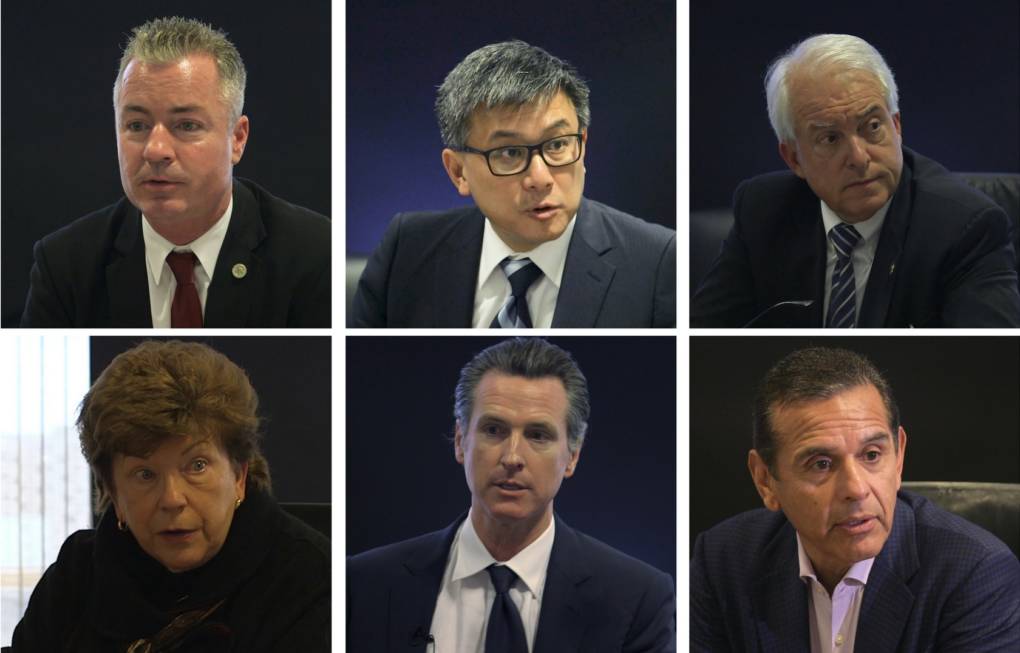
"caption": "Candidates for California Governor, from top left: Republican Travis Allen, Democrat John Chiang, Republican John Cox, Democrats Delaine Estin, Gavin Newsom and Antonio Villaraigosa.",
"description": "Candidates for California Governor, from top left: Republican Travis Allen, Democrat John Chiang, Republican John Cox, Democrats Delaine Estin, Gavin Newsom and Antonio Villaraigosa.",
"title": "Photo-collage_-6-Gov-candidates",
"credit": "Photos by CalMatters",
"status": "inherit",
"isLoading": false,
"fetchFailed": false
},
"news_11664430": {
"type": "attachments",
"id": "news_11664430",
"meta": {
"index": "attachments_1716263798",
"site": "news",
"id": "11664430",
"found": true
},
"parent": 11664426,
"imgSizes": {
"small": {
"file": "https://ww2.kqed.org/app/uploads/sites/10/2018/04/JohnCox800-520x455.jpg",
"width": 520,
"mimeType": "image/jpeg",
"height": 455
},
"twentyfourteen-full-width": {
"file": "https://ww2.kqed.org/app/uploads/sites/10/2018/04/JohnCox800-800x576.jpg",
"width": 800,
"mimeType": "image/jpeg",
"height": 576
},
"thumbnail": {
"file": "https://ww2.kqed.org/app/uploads/sites/10/2018/04/JohnCox800-160x140.jpg",
"width": 160,
"mimeType": "image/jpeg",
"height": 140
},
"post-thumbnail": {
"file": "https://ww2.kqed.org/app/uploads/sites/10/2018/04/JohnCox800-672x372.jpg",
"width": 672,
"mimeType": "image/jpeg",
"height": 372
},
"xsmall": {
"file": "https://ww2.kqed.org/app/uploads/sites/10/2018/04/JohnCox800-375x328.jpg",
"width": 375,
"mimeType": "image/jpeg",
"height": 328
},
"kqedFullSize": {
"file": "https://ww2.kqed.org/app/uploads/sites/10/2018/04/JohnCox800.jpg",
"width": 800,
"height": 700
},
"guest-author-50": {
"file": "https://ww2.kqed.org/app/uploads/sites/10/2018/04/JohnCox800-50x50.jpg",
"width": 50,
"mimeType": "image/jpeg",
"height": 50
},
"guest-author-96": {
"file": "https://ww2.kqed.org/app/uploads/sites/10/2018/04/JohnCox800-96x96.jpg",
"width": 96,
"mimeType": "image/jpeg",
"height": 96
},
"medium": {
"file": "https://ww2.kqed.org/app/uploads/sites/10/2018/04/JohnCox800-800x700.jpg",
"width": 800,
"mimeType": "image/jpeg",
"height": 700
},
"guest-author-64": {
"file": "https://ww2.kqed.org/app/uploads/sites/10/2018/04/JohnCox800-64x64.jpg",
"width": 64,
"mimeType": "image/jpeg",
"height": 64
},
"guest-author-32": {
"file": "https://ww2.kqed.org/app/uploads/sites/10/2018/04/JohnCox800-32x32.jpg",
"width": 32,
"mimeType": "image/jpeg",
"height": 32
},
"detail": {
"file": "https://ww2.kqed.org/app/uploads/sites/10/2018/04/JohnCox800-150x150.jpg",
"width": 150,
"mimeType": "image/jpeg",
"height": 150
},
"guest-author-128": {
"file": "https://ww2.kqed.org/app/uploads/sites/10/2018/04/JohnCox800-128x128.jpg",
"width": 128,
"mimeType": "image/jpeg",
"height": 128
},
"xxsmall": {
"file": "https://ww2.kqed.org/app/uploads/sites/10/2018/04/JohnCox800-240x210.jpg",
"width": 240,
"mimeType": "image/jpeg",
"height": 210
}
},
"publishDate": 1524601263,
"modified": 1524601331,
"caption": "Republican venture capitalist John Cox is running for California governor in 2018.",
"description": "Republican venture capitalist John Cox is running for California governor in 2018.",
"title": "JohnCox800",
"credit": "Courtesy John Cox Campaign",
"status": "inherit",
"isLoading": false,
"fetchFailed": false
},
"news_11663233": {
"type": "attachments",
"id": "news_11663233",
"meta": {
"index": "attachments_1716263798",
"site": "news",
"id": "11663233",
"found": true
},
"parent": 11663227,
"imgSizes": {
"small": {
"file": "https://ww2.kqed.org/app/uploads/sites/10/2018/04/NewsomMain-520x293.jpg",
"width": 520,
"mimeType": "image/jpeg",
"height": 293
},
"twentyfourteen-full-width": {
"file": "https://ww2.kqed.org/app/uploads/sites/10/2018/04/NewsomMain-1038x576.jpg",
"width": 1038,
"mimeType": "image/jpeg",
"height": 576
},
"thumbnail": {
"file": "https://ww2.kqed.org/app/uploads/sites/10/2018/04/NewsomMain-160x90.jpg",
"width": 160,
"mimeType": "image/jpeg",
"height": 90
},
"fd-sm": {
"file": "https://ww2.kqed.org/app/uploads/sites/10/2018/04/NewsomMain-960x540.jpg",
"width": 960,
"mimeType": "image/jpeg",
"height": 540
},
"post-thumbnail": {
"file": "https://ww2.kqed.org/app/uploads/sites/10/2018/04/NewsomMain-672x372.jpg",
"width": 672,
"mimeType": "image/jpeg",
"height": 372
},
"xsmall": {
"file": "https://ww2.kqed.org/app/uploads/sites/10/2018/04/NewsomMain-375x211.jpg",
"width": 375,
"mimeType": "image/jpeg",
"height": 211
},
"kqedFullSize": {
"file": "https://ww2.kqed.org/app/uploads/sites/10/2018/04/NewsomMain.jpg",
"width": 1280,
"height": 720
},
"large": {
"file": "https://ww2.kqed.org/app/uploads/sites/10/2018/04/NewsomMain-1020x574.jpg",
"width": 1020,
"mimeType": "image/jpeg",
"height": 574
},
"xlarge": {
"file": "https://ww2.kqed.org/app/uploads/sites/10/2018/04/NewsomMain-1180x664.jpg",
"width": 1180,
"mimeType": "image/jpeg",
"height": 664
},
"complete_open_graph": {
"file": "https://ww2.kqed.org/app/uploads/sites/10/2018/04/NewsomMain-1200x675.jpg",
"width": 1200,
"mimeType": "image/jpeg",
"height": 675
},
"guest-author-50": {
"file": "https://ww2.kqed.org/app/uploads/sites/10/2018/04/NewsomMain-50x50.jpg",
"width": 50,
"mimeType": "image/jpeg",
"height": 50
},
"guest-author-96": {
"file": "https://ww2.kqed.org/app/uploads/sites/10/2018/04/NewsomMain-96x96.jpg",
"width": 96,
"mimeType": "image/jpeg",
"height": 96
},
"medium": {
"file": "https://ww2.kqed.org/app/uploads/sites/10/2018/04/NewsomMain-800x450.jpg",
"width": 800,
"mimeType": "image/jpeg",
"height": 450
},
"guest-author-64": {
"file": "https://ww2.kqed.org/app/uploads/sites/10/2018/04/NewsomMain-64x64.jpg",
"width": 64,
"mimeType": "image/jpeg",
"height": 64
},
"guest-author-32": {
"file": "https://ww2.kqed.org/app/uploads/sites/10/2018/04/NewsomMain-32x32.jpg",
"width": 32,
"mimeType": "image/jpeg",
"height": 32
},
"fd-med": {
"file": "https://ww2.kqed.org/app/uploads/sites/10/2018/04/NewsomMain-1180x664.jpg",
"width": 1180,
"mimeType": "image/jpeg",
"height": 664
},
"detail": {
"file": "https://ww2.kqed.org/app/uploads/sites/10/2018/04/NewsomMain-150x150.jpg",
"width": 150,
"mimeType": "image/jpeg",
"height": 150
},
"guest-author-128": {
"file": "https://ww2.kqed.org/app/uploads/sites/10/2018/04/NewsomMain-128x128.jpg",
"width": 128,
"mimeType": "image/jpeg",
"height": 128
},
"xxsmall": {
"file": "https://ww2.kqed.org/app/uploads/sites/10/2018/04/NewsomMain-240x135.jpg",
"width": 240,
"mimeType": "image/jpeg",
"height": 135
}
},
"publishDate": 1524093492,
"modified": 1546639216,
"caption": "Gavin Newsom",
"description": null,
"title": "NewsomMain",
"credit": "CALmatters",
"status": "inherit",
"isLoading": false,
"fetchFailed": false
},
"news_11663126": {
"type": "attachments",
"id": "news_11663126",
"meta": {
"index": "attachments_1716263798",
"site": "news",
"id": "11663126",
"found": true
},
"parent": 11663113,
"imgSizes": {
"small": {
"file": "https://ww2.kqed.org/app/uploads/sites/10/2018/04/Cranes1920-520x355.jpg",
"width": 520,
"mimeType": "image/jpeg",
"height": 355
},
"twentyfourteen-full-width": {
"file": "https://ww2.kqed.org/app/uploads/sites/10/2018/04/Cranes1920-1038x576.jpg",
"width": 1038,
"mimeType": "image/jpeg",
"height": 576
},
"thumbnail": {
"file": "https://ww2.kqed.org/app/uploads/sites/10/2018/04/Cranes1920-160x109.jpg",
"width": 160,
"mimeType": "image/jpeg",
"height": 109
},
"fd-sm": {
"file": "https://ww2.kqed.org/app/uploads/sites/10/2018/04/Cranes1920-960x655.jpg",
"width": 960,
"mimeType": "image/jpeg",
"height": 655
},
"post-thumbnail": {
"file": "https://ww2.kqed.org/app/uploads/sites/10/2018/04/Cranes1920-672x372.jpg",
"width": 672,
"mimeType": "image/jpeg",
"height": 372
},
"xsmall": {
"file": "https://ww2.kqed.org/app/uploads/sites/10/2018/04/Cranes1920-375x256.jpg",
"width": 375,
"mimeType": "image/jpeg",
"height": 256
},
"kqedFullSize": {
"file": "https://ww2.kqed.org/app/uploads/sites/10/2018/04/Cranes1920.jpg",
"width": 1920,
"height": 1310
},
"large": {
"file": "https://ww2.kqed.org/app/uploads/sites/10/2018/04/Cranes1920-1020x696.jpg",
"width": 1020,
"mimeType": "image/jpeg",
"height": 696
},
"xlarge": {
"file": "https://ww2.kqed.org/app/uploads/sites/10/2018/04/Cranes1920-1180x805.jpg",
"width": 1180,
"mimeType": "image/jpeg",
"height": 805
},
"complete_open_graph": {
"file": "https://ww2.kqed.org/app/uploads/sites/10/2018/04/Cranes1920-1200x819.jpg",
"width": 1200,
"mimeType": "image/jpeg",
"height": 819
},
"guest-author-50": {
"file": "https://ww2.kqed.org/app/uploads/sites/10/2018/04/Cranes1920-50x50.jpg",
"width": 50,
"mimeType": "image/jpeg",
"height": 50
},
"guest-author-96": {
"file": "https://ww2.kqed.org/app/uploads/sites/10/2018/04/Cranes1920-96x96.jpg",
"width": 96,
"mimeType": "image/jpeg",
"height": 96
},
"medium": {
"file": "https://ww2.kqed.org/app/uploads/sites/10/2018/04/Cranes1920-800x546.jpg",
"width": 800,
"mimeType": "image/jpeg",
"height": 546
},
"guest-author-64": {
"file": "https://ww2.kqed.org/app/uploads/sites/10/2018/04/Cranes1920-64x64.jpg",
"width": 64,
"mimeType": "image/jpeg",
"height": 64
},
"guest-author-32": {
"file": "https://ww2.kqed.org/app/uploads/sites/10/2018/04/Cranes1920-32x32.jpg",
"width": 32,
"mimeType": "image/jpeg",
"height": 32
},
"fd-lrg": {
"file": "https://ww2.kqed.org/app/uploads/sites/10/2018/04/Cranes1920-1920x1310.jpg",
"width": 1920,
"mimeType": "image/jpeg",
"height": 1310
},
"fd-med": {
"file": "https://ww2.kqed.org/app/uploads/sites/10/2018/04/Cranes1920-1180x805.jpg",
"width": 1180,
"mimeType": "image/jpeg",
"height": 805
},
"full-width": {
"file": "https://ww2.kqed.org/app/uploads/sites/10/2018/04/Cranes1920-1920x1310.jpg",
"width": 1920,
"mimeType": "image/jpeg",
"height": 1310
},
"detail": {
"file": "https://ww2.kqed.org/app/uploads/sites/10/2018/04/Cranes1920-150x150.jpg",
"width": 150,
"mimeType": "image/jpeg",
"height": 150
},
"guest-author-128": {
"file": "https://ww2.kqed.org/app/uploads/sites/10/2018/04/Cranes1920-128x128.jpg",
"width": 128,
"mimeType": "image/jpeg",
"height": 128
},
"xxsmall": {
"file": "https://ww2.kqed.org/app/uploads/sites/10/2018/04/Cranes1920-240x164.jpg",
"width": 240,
"mimeType": "image/jpeg",
"height": 164
}
},
"publishDate": 1524080221,
"modified": 1524080274,
"caption": "Construction cranes tower over downtown San Francisco in 2014. Senate Bill 827 would have forced cities to allow taller, denser development around public transit. It went down with a resounding thud.",
"description": "Construction cranes tower over downtown San Francisco in 2014. Senate Bill 827 would have forced cities to allow taller, denser development around public transit. It went down with a resounding thud.",
"title": "Cranes1920",
"credit": "Mark Andrew Boyer/KQED",
"status": "inherit",
"isLoading": false,
"fetchFailed": false
},
"news_11662940": {
"type": "attachments",
"id": "news_11662940",
"meta": {
"index": "attachments_1716263798",
"site": "news",
"id": "11662940",
"found": true
},
"parent": 11662914,
"imgSizes": {
"small": {
"file": "https://ww2.kqed.org/app/uploads/sites/10/2018/04/Villaraigosa-520x357.jpg",
"width": 520,
"mimeType": "image/jpeg",
"height": 357
},
"twentyfourteen-full-width": {
"file": "https://ww2.kqed.org/app/uploads/sites/10/2018/04/Villaraigosa-1038x576.jpg",
"width": 1038,
"mimeType": "image/jpeg",
"height": 576
},
"thumbnail": {
"file": "https://ww2.kqed.org/app/uploads/sites/10/2018/04/Villaraigosa-160x110.jpg",
"width": 160,
"mimeType": "image/jpeg",
"height": 110
},
"fd-sm": {
"file": "https://ww2.kqed.org/app/uploads/sites/10/2018/04/Villaraigosa-960x659.jpg",
"width": 960,
"mimeType": "image/jpeg",
"height": 659
},
"post-thumbnail": {
"file": "https://ww2.kqed.org/app/uploads/sites/10/2018/04/Villaraigosa-672x372.jpg",
"width": 672,
"mimeType": "image/jpeg",
"height": 372
},
"xsmall": {
"file": "https://ww2.kqed.org/app/uploads/sites/10/2018/04/Villaraigosa-375x257.jpg",
"width": 375,
"mimeType": "image/jpeg",
"height": 257
},
"kqedFullSize": {
"file": "https://ww2.kqed.org/app/uploads/sites/10/2018/04/Villaraigosa.jpg",
"width": 1920,
"height": 1317
},
"large": {
"file": "https://ww2.kqed.org/app/uploads/sites/10/2018/04/Villaraigosa-1020x700.jpg",
"width": 1020,
"mimeType": "image/jpeg",
"height": 700
},
"xlarge": {
"file": "https://ww2.kqed.org/app/uploads/sites/10/2018/04/Villaraigosa-1180x809.jpg",
"width": 1180,
"mimeType": "image/jpeg",
"height": 809
},
"complete_open_graph": {
"file": "https://ww2.kqed.org/app/uploads/sites/10/2018/04/Villaraigosa-1200x823.jpg",
"width": 1200,
"mimeType": "image/jpeg",
"height": 823
},
"guest-author-50": {
"file": "https://ww2.kqed.org/app/uploads/sites/10/2018/04/Villaraigosa-50x50.jpg",
"width": 50,
"mimeType": "image/jpeg",
"height": 50
},
"guest-author-96": {
"file": "https://ww2.kqed.org/app/uploads/sites/10/2018/04/Villaraigosa-96x96.jpg",
"width": 96,
"mimeType": "image/jpeg",
"height": 96
},
"medium": {
"file": "https://ww2.kqed.org/app/uploads/sites/10/2018/04/Villaraigosa-800x549.jpg",
"width": 800,
"mimeType": "image/jpeg",
"height": 549
},
"guest-author-64": {
"file": "https://ww2.kqed.org/app/uploads/sites/10/2018/04/Villaraigosa-64x64.jpg",
"width": 64,
"mimeType": "image/jpeg",
"height": 64
},
"guest-author-32": {
"file": "https://ww2.kqed.org/app/uploads/sites/10/2018/04/Villaraigosa-32x32.jpg",
"width": 32,
"mimeType": "image/jpeg",
"height": 32
},
"fd-lrg": {
"file": "https://ww2.kqed.org/app/uploads/sites/10/2018/04/Villaraigosa-1920x1317.jpg",
"width": 1920,
"mimeType": "image/jpeg",
"height": 1317
},
"fd-med": {
"file": "https://ww2.kqed.org/app/uploads/sites/10/2018/04/Villaraigosa-1180x809.jpg",
"width": 1180,
"mimeType": "image/jpeg",
"height": 809
},
"full-width": {
"file": "https://ww2.kqed.org/app/uploads/sites/10/2018/04/Villaraigosa-1920x1317.jpg",
"width": 1920,
"mimeType": "image/jpeg",
"height": 1317
},
"detail": {
"file": "https://ww2.kqed.org/app/uploads/sites/10/2018/04/Villaraigosa-150x150.jpg",
"width": 150,
"mimeType": "image/jpeg",
"height": 150
},
"guest-author-128": {
"file": "https://ww2.kqed.org/app/uploads/sites/10/2018/04/Villaraigosa-128x128.jpg",
"width": 128,
"mimeType": "image/jpeg",
"height": 128
},
"xxsmall": {
"file": "https://ww2.kqed.org/app/uploads/sites/10/2018/04/Villaraigosa-240x165.jpg",
"width": 240,
"mimeType": "image/jpeg",
"height": 165
}
},
"publishDate": 1524004415,
"modified": 1524004459,
"caption": "Democratic gubernatorial candidate and former Los Angeles mayor Antonio Villaraigosa.",
"description": "Democratic gubernatorial candidate and former Los Angeles mayor Antonio Villaraigosa.",
"title": "Villaraigosa",
"credit": "Justin Sullivan/Getty Images",
"status": "inherit",
"isLoading": false,
"fetchFailed": false
},
"news_11662635": {
"type": "attachments",
"id": "news_11662635",
"meta": {
"index": "attachments_1716263798",
"site": "news",
"id": "11662635",
"found": true
},
"parent": 11662628,
"imgSizes": {
"small": {
"file": "https://ww2.kqed.org/app/uploads/sites/10/2018/04/HandRaised-520x346.jpg",
"width": 520,
"mimeType": "image/jpeg",
"height": 346
},
"twentyfourteen-full-width": {
"file": "https://ww2.kqed.org/app/uploads/sites/10/2018/04/HandRaised-1038x576.jpg",
"width": 1038,
"mimeType": "image/jpeg",
"height": 576
},
"thumbnail": {
"file": "https://ww2.kqed.org/app/uploads/sites/10/2018/04/HandRaised-160x106.jpg",
"width": 160,
"mimeType": "image/jpeg",
"height": 106
},
"fd-sm": {
"file": "https://ww2.kqed.org/app/uploads/sites/10/2018/04/HandRaised-960x639.jpg",
"width": 960,
"mimeType": "image/jpeg",
"height": 639
},
"post-thumbnail": {
"file": "https://ww2.kqed.org/app/uploads/sites/10/2018/04/HandRaised-672x372.jpg",
"width": 672,
"mimeType": "image/jpeg",
"height": 372
},
"xsmall": {
"file": "https://ww2.kqed.org/app/uploads/sites/10/2018/04/HandRaised-375x249.jpg",
"width": 375,
"mimeType": "image/jpeg",
"height": 249
},
"kqedFullSize": {
"file": "https://ww2.kqed.org/app/uploads/sites/10/2018/04/HandRaised.jpg",
"width": 1920,
"height": 1277
},
"large": {
"file": "https://ww2.kqed.org/app/uploads/sites/10/2018/04/HandRaised-1020x678.jpg",
"width": 1020,
"mimeType": "image/jpeg",
"height": 678
},
"xlarge": {
"file": "https://ww2.kqed.org/app/uploads/sites/10/2018/04/HandRaised-1180x785.jpg",
"width": 1180,
"mimeType": "image/jpeg",
"height": 785
},
"complete_open_graph": {
"file": "https://ww2.kqed.org/app/uploads/sites/10/2018/04/HandRaised-1200x798.jpg",
"width": 1200,
"mimeType": "image/jpeg",
"height": 798
},
"guest-author-50": {
"file": "https://ww2.kqed.org/app/uploads/sites/10/2018/04/HandRaised-50x50.jpg",
"width": 50,
"mimeType": "image/jpeg",
"height": 50
},
"guest-author-96": {
"file": "https://ww2.kqed.org/app/uploads/sites/10/2018/04/HandRaised-96x96.jpg",
"width": 96,
"mimeType": "image/jpeg",
"height": 96
},
"medium": {
"file": "https://ww2.kqed.org/app/uploads/sites/10/2018/04/HandRaised-800x532.jpg",
"width": 800,
"mimeType": "image/jpeg",
"height": 532
},
"guest-author-64": {
"file": "https://ww2.kqed.org/app/uploads/sites/10/2018/04/HandRaised-64x64.jpg",
"width": 64,
"mimeType": "image/jpeg",
"height": 64
},
"guest-author-32": {
"file": "https://ww2.kqed.org/app/uploads/sites/10/2018/04/HandRaised-32x32.jpg",
"width": 32,
"mimeType": "image/jpeg",
"height": 32
},
"fd-lrg": {
"file": "https://ww2.kqed.org/app/uploads/sites/10/2018/04/HandRaised-1920x1277.jpg",
"width": 1920,
"mimeType": "image/jpeg",
"height": 1277
},
"fd-med": {
"file": "https://ww2.kqed.org/app/uploads/sites/10/2018/04/HandRaised-1180x785.jpg",
"width": 1180,
"mimeType": "image/jpeg",
"height": 785
},
"full-width": {
"file": "https://ww2.kqed.org/app/uploads/sites/10/2018/04/HandRaised-1920x1277.jpg",
"width": 1920,
"mimeType": "image/jpeg",
"height": 1277
},
"detail": {
"file": "https://ww2.kqed.org/app/uploads/sites/10/2018/04/HandRaised-150x150.jpg",
"width": 150,
"mimeType": "image/jpeg",
"height": 150
},
"guest-author-128": {
"file": "https://ww2.kqed.org/app/uploads/sites/10/2018/04/HandRaised-128x128.jpg",
"width": 128,
"mimeType": "image/jpeg",
"height": 128
},
"xxsmall": {
"file": "https://ww2.kqed.org/app/uploads/sites/10/2018/04/HandRaised-240x160.jpg",
"width": 240,
"mimeType": "image/jpeg",
"height": 160
}
},
"publishDate": 1523906620,
"modified": 1523906719,
"caption": "California's African-American boys are struggling the most, according to national test data.",
"description": "California's African-American boys are struggling the most, according to national test data.",
"title": "HandRaised",
"credit": "Getty Images",
"status": "inherit",
"isLoading": false,
"fetchFailed": false
},
"news_11661939": {
"type": "attachments",
"id": "news_11661939",
"meta": {
"index": "attachments_1716263798",
"site": "news",
"id": "11661939",
"found": true
},
"parent": 11661930,
"imgSizes": {
"small": {
"file": "https://ww2.kqed.org/app/uploads/sites/10/2018/04/police-accountability-photo-520x282.jpeg",
"width": 520,
"mimeType": "image/jpeg",
"height": 282
},
"twentyfourteen-full-width": {
"file": "https://ww2.kqed.org/app/uploads/sites/10/2018/04/police-accountability-photo-1038x576.jpeg",
"width": 1038,
"mimeType": "image/jpeg",
"height": 576
},
"thumbnail": {
"file": "https://ww2.kqed.org/app/uploads/sites/10/2018/04/police-accountability-photo-160x87.jpeg",
"width": 160,
"mimeType": "image/jpeg",
"height": 87
},
"fd-sm": {
"file": "https://ww2.kqed.org/app/uploads/sites/10/2018/04/police-accountability-photo-960x521.jpeg",
"width": 960,
"mimeType": "image/jpeg",
"height": 521
},
"post-thumbnail": {
"file": "https://ww2.kqed.org/app/uploads/sites/10/2018/04/police-accountability-photo-672x372.jpeg",
"width": 672,
"mimeType": "image/jpeg",
"height": 372
},
"xsmall": {
"file": "https://ww2.kqed.org/app/uploads/sites/10/2018/04/police-accountability-photo-375x204.jpeg",
"width": 375,
"mimeType": "image/jpeg",
"height": 204
},
"kqedFullSize": {
"file": "https://ww2.kqed.org/app/uploads/sites/10/2018/04/police-accountability-photo-e1523639050929.jpeg",
"width": 1920,
"height": 1043
},
"large": {
"file": "https://ww2.kqed.org/app/uploads/sites/10/2018/04/police-accountability-photo-1020x554.jpeg",
"width": 1020,
"mimeType": "image/jpeg",
"height": 554
},
"xlarge": {
"file": "https://ww2.kqed.org/app/uploads/sites/10/2018/04/police-accountability-photo-1180x641.jpeg",
"width": 1180,
"mimeType": "image/jpeg",
"height": 641
},
"complete_open_graph": {
"file": "https://ww2.kqed.org/app/uploads/sites/10/2018/04/police-accountability-photo-1200x652.jpeg",
"width": 1200,
"mimeType": "image/jpeg",
"height": 652
},
"guest-author-50": {
"file": "https://ww2.kqed.org/app/uploads/sites/10/2018/04/police-accountability-photo-50x50.jpeg",
"width": 50,
"mimeType": "image/jpeg",
"height": 50
},
"guest-author-96": {
"file": "https://ww2.kqed.org/app/uploads/sites/10/2018/04/police-accountability-photo-96x96.jpeg",
"width": 96,
"mimeType": "image/jpeg",
"height": 96
},
"medium": {
"file": "https://ww2.kqed.org/app/uploads/sites/10/2018/04/police-accountability-photo-800x434.jpeg",
"width": 800,
"mimeType": "image/jpeg",
"height": 434
},
"guest-author-64": {
"file": "https://ww2.kqed.org/app/uploads/sites/10/2018/04/police-accountability-photo-64x64.jpeg",
"width": 64,
"mimeType": "image/jpeg",
"height": 64
},
"guest-author-32": {
"file": "https://ww2.kqed.org/app/uploads/sites/10/2018/04/police-accountability-photo-32x32.jpeg",
"width": 32,
"mimeType": "image/jpeg",
"height": 32
},
"fd-lrg": {
"file": "https://ww2.kqed.org/app/uploads/sites/10/2018/04/police-accountability-photo-1920x1043.jpeg",
"width": 1920,
"mimeType": "image/jpeg",
"height": 1043
},
"fd-med": {
"file": "https://ww2.kqed.org/app/uploads/sites/10/2018/04/police-accountability-photo-1180x641.jpeg",
"width": 1180,
"mimeType": "image/jpeg",
"height": 641
},
"full-width": {
"file": "https://ww2.kqed.org/app/uploads/sites/10/2018/04/police-accountability-photo-1920x1043.jpeg",
"width": 1920,
"mimeType": "image/jpeg",
"height": 1043
},
"detail": {
"file": "https://ww2.kqed.org/app/uploads/sites/10/2018/04/police-accountability-photo-150x150.jpeg",
"width": 150,
"mimeType": "image/jpeg",
"height": 150
},
"guest-author-128": {
"file": "https://ww2.kqed.org/app/uploads/sites/10/2018/04/police-accountability-photo-128x128.jpeg",
"width": 128,
"mimeType": "image/jpeg",
"height": 128
},
"xxsmall": {
"file": "https://ww2.kqed.org/app/uploads/sites/10/2018/04/police-accountability-photo-240x130.jpeg",
"width": 240,
"mimeType": "image/jpeg",
"height": 130
}
},
"publishDate": 1523639029,
"modified": 1523639088,
"caption": "Protestors upset about the police shooting of Stephon Clark rally outside the Sacramento District Attorney's office. ",
"description": "Protestors upset about the police shooting of Stephon Clark rally outside the Sacramento District Attorney's office. ",
"title": "police accountability - photo",
"credit": "Byrhonda Lyons/CALmatters",
"status": "inherit",
"isLoading": false,
"fetchFailed": false
},
"news_11661756": {
"type": "attachments",
"id": "news_11661756",
"meta": {
"index": "attachments_1716263798",
"site": "news",
"id": "11661756",
"found": true
},
"parent": 11661743,
"imgSizes": {
"small": {
"file": "https://ww2.kqed.org/app/uploads/sites/10/2018/04/IceCreamFlavorsMain-520x376.jpg",
"width": 520,
"mimeType": "image/jpeg",
"height": 376
},
"twentyfourteen-full-width": {
"file": "https://ww2.kqed.org/app/uploads/sites/10/2018/04/IceCreamFlavorsMain-1038x576.jpg",
"width": 1038,
"mimeType": "image/jpeg",
"height": 576
},
"thumbnail": {
"file": "https://ww2.kqed.org/app/uploads/sites/10/2018/04/IceCreamFlavorsMain-160x116.jpg",
"width": 160,
"mimeType": "image/jpeg",
"height": 116
},
"fd-sm": {
"file": "https://ww2.kqed.org/app/uploads/sites/10/2018/04/IceCreamFlavorsMain-960x694.jpg",
"width": 960,
"mimeType": "image/jpeg",
"height": 694
},
"post-thumbnail": {
"file": "https://ww2.kqed.org/app/uploads/sites/10/2018/04/IceCreamFlavorsMain-672x372.jpg",
"width": 672,
"mimeType": "image/jpeg",
"height": 372
},
"xsmall": {
"file": "https://ww2.kqed.org/app/uploads/sites/10/2018/04/IceCreamFlavorsMain-375x271.jpg",
"width": 375,
"mimeType": "image/jpeg",
"height": 271
},
"kqedFullSize": {
"file": "https://ww2.kqed.org/app/uploads/sites/10/2018/04/IceCreamFlavorsMain.jpg",
"width": 1920,
"height": 1387
},
"large": {
"file": "https://ww2.kqed.org/app/uploads/sites/10/2018/04/IceCreamFlavorsMain-1020x737.jpg",
"width": 1020,
"mimeType": "image/jpeg",
"height": 737
},
"xlarge": {
"file": "https://ww2.kqed.org/app/uploads/sites/10/2018/04/IceCreamFlavorsMain-1180x852.jpg",
"width": 1180,
"mimeType": "image/jpeg",
"height": 852
},
"complete_open_graph": {
"file": "https://ww2.kqed.org/app/uploads/sites/10/2018/04/IceCreamFlavorsMain-1200x867.jpg",
"width": 1200,
"mimeType": "image/jpeg",
"height": 867
},
"guest-author-50": {
"file": "https://ww2.kqed.org/app/uploads/sites/10/2018/04/IceCreamFlavorsMain-50x50.jpg",
"width": 50,
"mimeType": "image/jpeg",
"height": 50
},
"guest-author-96": {
"file": "https://ww2.kqed.org/app/uploads/sites/10/2018/04/IceCreamFlavorsMain-96x96.jpg",
"width": 96,
"mimeType": "image/jpeg",
"height": 96
},
"medium": {
"file": "https://ww2.kqed.org/app/uploads/sites/10/2018/04/IceCreamFlavorsMain-800x578.jpg",
"width": 800,
"mimeType": "image/jpeg",
"height": 578
},
"guest-author-64": {
"file": "https://ww2.kqed.org/app/uploads/sites/10/2018/04/IceCreamFlavorsMain-64x64.jpg",
"width": 64,
"mimeType": "image/jpeg",
"height": 64
},
"guest-author-32": {
"file": "https://ww2.kqed.org/app/uploads/sites/10/2018/04/IceCreamFlavorsMain-32x32.jpg",
"width": 32,
"mimeType": "image/jpeg",
"height": 32
},
"fd-lrg": {
"file": "https://ww2.kqed.org/app/uploads/sites/10/2018/04/IceCreamFlavorsMain-1920x1387.jpg",
"width": 1920,
"mimeType": "image/jpeg",
"height": 1387
},
"fd-med": {
"file": "https://ww2.kqed.org/app/uploads/sites/10/2018/04/IceCreamFlavorsMain-1180x852.jpg",
"width": 1180,
"mimeType": "image/jpeg",
"height": 852
},
"full-width": {
"file": "https://ww2.kqed.org/app/uploads/sites/10/2018/04/IceCreamFlavorsMain-1920x1387.jpg",
"width": 1920,
"mimeType": "image/jpeg",
"height": 1387
},
"detail": {
"file": "https://ww2.kqed.org/app/uploads/sites/10/2018/04/IceCreamFlavorsMain-150x150.jpg",
"width": 150,
"mimeType": "image/jpeg",
"height": 150
},
"guest-author-128": {
"file": "https://ww2.kqed.org/app/uploads/sites/10/2018/04/IceCreamFlavorsMain-128x128.jpg",
"width": 128,
"mimeType": "image/jpeg",
"height": 128
},
"xxsmall": {
"file": "https://ww2.kqed.org/app/uploads/sites/10/2018/04/IceCreamFlavorsMain-240x173.jpg",
"width": 240,
"mimeType": "image/jpeg",
"height": 173
}
},
"publishDate": 1523563886,
"modified": 1523563996,
"caption": "Fosselman's offers more than 200 ice cream flavors. Taro is one of the most popular.",
"description": "Fosselman's offers more than 200 ice cream flavors. Taro is one of the most popular.",
"title": "IceCreamFlavorsMain",
"credit": "Elizabeth Aguilera/CALmatters",
"status": "inherit",
"isLoading": false,
"fetchFailed": false
},
"news_11660433": {
"type": "attachments",
"id": "news_11660433",
"meta": {
"index": "attachments_1716263798",
"site": "news",
"id": "11660433",
"found": true
},
"parent": 11660416,
"imgSizes": {
"small": {
"file": "https://ww2.kqed.org/app/uploads/sites/10/2018/04/RS30325_GettyImages-452284526-qut-520x357.jpg",
"width": 520,
"mimeType": "image/jpeg",
"height": 357
},
"twentyfourteen-full-width": {
"file": "https://ww2.kqed.org/app/uploads/sites/10/2018/04/RS30325_GettyImages-452284526-qut-1038x576.jpg",
"width": 1038,
"mimeType": "image/jpeg",
"height": 576
},
"thumbnail": {
"file": "https://ww2.kqed.org/app/uploads/sites/10/2018/04/RS30325_GettyImages-452284526-qut-160x110.jpg",
"width": 160,
"mimeType": "image/jpeg",
"height": 110
},
"fd-sm": {
"file": "https://ww2.kqed.org/app/uploads/sites/10/2018/04/RS30325_GettyImages-452284526-qut-960x660.jpg",
"width": 960,
"mimeType": "image/jpeg",
"height": 660
},
"post-thumbnail": {
"file": "https://ww2.kqed.org/app/uploads/sites/10/2018/04/RS30325_GettyImages-452284526-qut-672x372.jpg",
"width": 672,
"mimeType": "image/jpeg",
"height": 372
},
"xsmall": {
"file": "https://ww2.kqed.org/app/uploads/sites/10/2018/04/RS30325_GettyImages-452284526-qut-375x258.jpg",
"width": 375,
"mimeType": "image/jpeg",
"height": 258
},
"kqedFullSize": {
"file": "https://ww2.kqed.org/app/uploads/sites/10/2018/04/RS30325_GettyImages-452284526-qut.jpg",
"width": 1920,
"height": 1319
},
"large": {
"file": "https://ww2.kqed.org/app/uploads/sites/10/2018/04/RS30325_GettyImages-452284526-qut-1020x701.jpg",
"width": 1020,
"mimeType": "image/jpeg",
"height": 701
},
"xlarge": {
"file": "https://ww2.kqed.org/app/uploads/sites/10/2018/04/RS30325_GettyImages-452284526-qut-1180x811.jpg",
"width": 1180,
"mimeType": "image/jpeg",
"height": 811
},
"guest-author-50": {
"file": "https://ww2.kqed.org/app/uploads/sites/10/2018/04/RS30325_GettyImages-452284526-qut-50x50.jpg",
"width": 50,
"mimeType": "image/jpeg",
"height": 50
},
"guest-author-96": {
"file": "https://ww2.kqed.org/app/uploads/sites/10/2018/04/RS30325_GettyImages-452284526-qut-96x96.jpg",
"width": 96,
"mimeType": "image/jpeg",
"height": 96
},
"medium": {
"file": "https://ww2.kqed.org/app/uploads/sites/10/2018/04/RS30325_GettyImages-452284526-qut-800x550.jpg",
"width": 800,
"mimeType": "image/jpeg",
"height": 550
},
"guest-author-64": {
"file": "https://ww2.kqed.org/app/uploads/sites/10/2018/04/RS30325_GettyImages-452284526-qut-64x64.jpg",
"width": 64,
"mimeType": "image/jpeg",
"height": 64
},
"guest-author-32": {
"file": "https://ww2.kqed.org/app/uploads/sites/10/2018/04/RS30325_GettyImages-452284526-qut-32x32.jpg",
"width": 32,
"mimeType": "image/jpeg",
"height": 32
},
"fd-lrg": {
"file": "https://ww2.kqed.org/app/uploads/sites/10/2018/04/RS30325_GettyImages-452284526-qut-1920x1319.jpg",
"width": 1920,
"mimeType": "image/jpeg",
"height": 1319
},
"fd-med": {
"file": "https://ww2.kqed.org/app/uploads/sites/10/2018/04/RS30325_GettyImages-452284526-qut-1180x811.jpg",
"width": 1180,
"mimeType": "image/jpeg",
"height": 811
},
"full-width": {
"file": "https://ww2.kqed.org/app/uploads/sites/10/2018/04/RS30325_GettyImages-452284526-qut-1920x1319.jpg",
"width": 1920,
"mimeType": "image/jpeg",
"height": 1319
},
"detail": {
"file": "https://ww2.kqed.org/app/uploads/sites/10/2018/04/RS30325_GettyImages-452284526-qut-150x150.jpg",
"width": 150,
"mimeType": "image/jpeg",
"height": 150
},
"guest-author-128": {
"file": "https://ww2.kqed.org/app/uploads/sites/10/2018/04/RS30325_GettyImages-452284526-qut-128x128.jpg",
"width": 128,
"mimeType": "image/jpeg",
"height": 128
},
"xxsmall": {
"file": "https://ww2.kqed.org/app/uploads/sites/10/2018/04/RS30325_GettyImages-452284526-qut-240x165.jpg",
"width": 240,
"mimeType": "image/jpeg",
"height": 165
}
},
"publishDate": 1523054875,
"modified": 1528826107,
"caption": "A sale pending sign in front of a home in San Francisco.",
"description": "A sale pending sign in front of a home in San Francisco.",
"title": "Median Prices Of San Francisco Homes Reach Million Dollar Mark",
"credit": "Justin Sullivan/Getty Images",
"status": "inherit",
"isLoading": false,
"fetchFailed": false
},
"news_11660326": {
"type": "attachments",
"id": "news_11660326",
"meta": {
"index": "attachments_1716263798",
"site": "news",
"id": "11660326",
"found": true
},
"parent": 11660315,
"imgSizes": {
"small": {
"file": "https://ww2.kqed.org/app/uploads/sites/10/2018/04/STUDENT-HOUSING_Photo1-520x356.jpg",
"width": 520,
"mimeType": "image/jpeg",
"height": 356
},
"twentyfourteen-full-width": {
"file": "https://ww2.kqed.org/app/uploads/sites/10/2018/04/STUDENT-HOUSING_Photo1-1038x576.jpg",
"width": 1038,
"mimeType": "image/jpeg",
"height": 576
},
"thumbnail": {
"file": "https://ww2.kqed.org/app/uploads/sites/10/2018/04/STUDENT-HOUSING_Photo1-160x109.jpg",
"width": 160,
"mimeType": "image/jpeg",
"height": 109
},
"fd-sm": {
"file": "https://ww2.kqed.org/app/uploads/sites/10/2018/04/STUDENT-HOUSING_Photo1-960x657.jpg",
"width": 960,
"mimeType": "image/jpeg",
"height": 657
},
"post-thumbnail": {
"file": "https://ww2.kqed.org/app/uploads/sites/10/2018/04/STUDENT-HOUSING_Photo1-672x372.jpg",
"width": 672,
"mimeType": "image/jpeg",
"height": 372
},
"xsmall": {
"file": "https://ww2.kqed.org/app/uploads/sites/10/2018/04/STUDENT-HOUSING_Photo1-375x257.jpg",
"width": 375,
"mimeType": "image/jpeg",
"height": 257
},
"kqedFullSize": {
"file": "https://ww2.kqed.org/app/uploads/sites/10/2018/04/STUDENT-HOUSING_Photo1-e1523043370812.jpg",
"width": 1920,
"height": 1313
},
"large": {
"file": "https://ww2.kqed.org/app/uploads/sites/10/2018/04/STUDENT-HOUSING_Photo1-1020x698.jpg",
"width": 1020,
"mimeType": "image/jpeg",
"height": 698
},
"xlarge": {
"file": "https://ww2.kqed.org/app/uploads/sites/10/2018/04/STUDENT-HOUSING_Photo1-1180x807.jpg",
"width": 1180,
"mimeType": "image/jpeg",
"height": 807
},
"guest-author-50": {
"file": "https://ww2.kqed.org/app/uploads/sites/10/2018/04/STUDENT-HOUSING_Photo1-50x50.jpg",
"width": 50,
"mimeType": "image/jpeg",
"height": 50
},
"guest-author-96": {
"file": "https://ww2.kqed.org/app/uploads/sites/10/2018/04/STUDENT-HOUSING_Photo1-96x96.jpg",
"width": 96,
"mimeType": "image/jpeg",
"height": 96
},
"medium": {
"file": "https://ww2.kqed.org/app/uploads/sites/10/2018/04/STUDENT-HOUSING_Photo1-800x547.jpg",
"width": 800,
"mimeType": "image/jpeg",
"height": 547
},
"guest-author-64": {
"file": "https://ww2.kqed.org/app/uploads/sites/10/2018/04/STUDENT-HOUSING_Photo1-64x64.jpg",
"width": 64,
"mimeType": "image/jpeg",
"height": 64
},
"guest-author-32": {
"file": "https://ww2.kqed.org/app/uploads/sites/10/2018/04/STUDENT-HOUSING_Photo1-32x32.jpg",
"width": 32,
"mimeType": "image/jpeg",
"height": 32
},
"fd-lrg": {
"file": "https://ww2.kqed.org/app/uploads/sites/10/2018/04/STUDENT-HOUSING_Photo1-1920x1313.jpg",
"width": 1920,
"mimeType": "image/jpeg",
"height": 1313
},
"fd-med": {
"file": "https://ww2.kqed.org/app/uploads/sites/10/2018/04/STUDENT-HOUSING_Photo1-1180x807.jpg",
"width": 1180,
"mimeType": "image/jpeg",
"height": 807
},
"full-width": {
"file": "https://ww2.kqed.org/app/uploads/sites/10/2018/04/STUDENT-HOUSING_Photo1-1920x1313.jpg",
"width": 1920,
"mimeType": "image/jpeg",
"height": 1313
},
"detail": {
"file": "https://ww2.kqed.org/app/uploads/sites/10/2018/04/STUDENT-HOUSING_Photo1-150x150.jpg",
"width": 150,
"mimeType": "image/jpeg",
"height": 150
},
"guest-author-128": {
"file": "https://ww2.kqed.org/app/uploads/sites/10/2018/04/STUDENT-HOUSING_Photo1-128x128.jpg",
"width": 128,
"mimeType": "image/jpeg",
"height": 128
},
"xxsmall": {
"file": "https://ww2.kqed.org/app/uploads/sites/10/2018/04/STUDENT-HOUSING_Photo1-240x164.jpg",
"width": 240,
"mimeType": "image/jpeg",
"height": 164
}
},
"publishDate": 1523043342,
"modified": 1523043474,
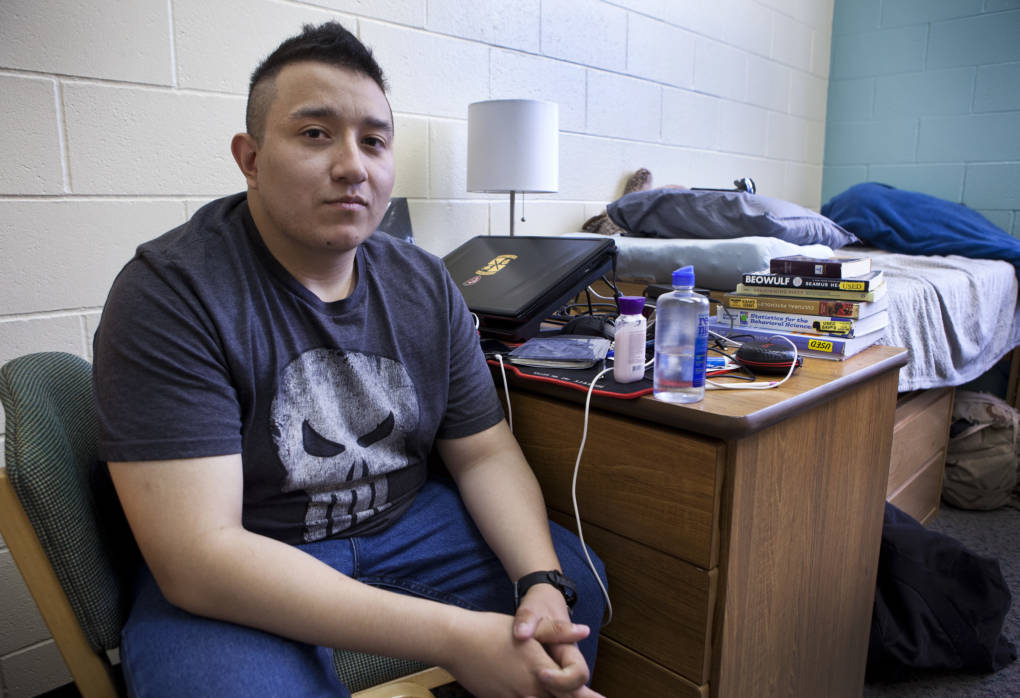
"caption": "Arthur Chavez, a transfer student at Sacramento State, poses for a portrait in his dorm room. Chavez was homeless and living in his car until the university's emergency housing program gave him a temporary room.",
"description": "Arthur Chavez, a transfer student at Sacramento State, poses for a portrait in his dorm room. Chavez was homeless and living in his car until the university's emergency housing program gave him a temporary room.",
"title": "STUDENT HOUSING_Photo1",
"credit": "Steve Yeater for CALmatters",
"status": "inherit",
"isLoading": false,
"fetchFailed": false
},
"news_11658315": {
"type": "attachments",
"id": "news_11658315",
"meta": {
"index": "attachments_1716263798",
"site": "news",
"id": "11658315",
"found": true
},
"parent": 11658309,
"imgSizes": {
"small": {
"file": "https://ww2.kqed.org/app/uploads/sites/10/2018/03/ThinkstockPhotos-682462080-1-724x483-520x347.jpg",
"width": 520,
"mimeType": "image/jpeg",
"height": 347
},
"thumbnail": {
"file": "https://ww2.kqed.org/app/uploads/sites/10/2018/03/ThinkstockPhotos-682462080-1-724x483-160x107.jpg",
"width": 160,
"mimeType": "image/jpeg",
"height": 107
},
"post-thumbnail": {
"file": "https://ww2.kqed.org/app/uploads/sites/10/2018/03/ThinkstockPhotos-682462080-1-724x483-672x372.jpg",
"width": 672,
"mimeType": "image/jpeg",
"height": 372
},
"xsmall": {
"file": "https://ww2.kqed.org/app/uploads/sites/10/2018/03/ThinkstockPhotos-682462080-1-724x483-375x250.jpg",
"width": 375,
"mimeType": "image/jpeg",
"height": 250
},
"kqedFullSize": {
"file": "https://ww2.kqed.org/app/uploads/sites/10/2018/03/ThinkstockPhotos-682462080-1-724x483.jpg",
"width": 724,
"height": 483
},
"guest-author-50": {
"file": "https://ww2.kqed.org/app/uploads/sites/10/2018/03/ThinkstockPhotos-682462080-1-724x483-50x50.jpg",
"width": 50,
"mimeType": "image/jpeg",
"height": 50
},
"guest-author-96": {
"file": "https://ww2.kqed.org/app/uploads/sites/10/2018/03/ThinkstockPhotos-682462080-1-724x483-96x96.jpg",
"width": 96,
"mimeType": "image/jpeg",
"height": 96
},
"guest-author-64": {
"file": "https://ww2.kqed.org/app/uploads/sites/10/2018/03/ThinkstockPhotos-682462080-1-724x483-64x64.jpg",
"width": 64,
"mimeType": "image/jpeg",
"height": 64
},
"detail": {
"file": "https://ww2.kqed.org/app/uploads/sites/10/2018/03/ThinkstockPhotos-682462080-1-724x483-150x150.jpg",
"width": 150,
"mimeType": "image/jpeg",
"height": 150
},
"guest-author-32": {
"file": "https://ww2.kqed.org/app/uploads/sites/10/2018/03/ThinkstockPhotos-682462080-1-724x483-32x32.jpg",
"width": 32,
"mimeType": "image/jpeg",
"height": 32
},
"guest-author-128": {
"file": "https://ww2.kqed.org/app/uploads/sites/10/2018/03/ThinkstockPhotos-682462080-1-724x483-128x128.jpg",
"width": 128,
"mimeType": "image/jpeg",
"height": 128
},
"xxsmall": {
"file": "https://ww2.kqed.org/app/uploads/sites/10/2018/03/ThinkstockPhotos-682462080-1-724x483-240x160.jpg",
"width": 240,
"mimeType": "image/jpeg",
"height": 160
}
},
"publishDate": 1522192783,
"modified": 1522192796,
"caption": null,
"description": null,
"title": "ThinkstockPhotos-682462080-1-724x483",
"credit": "Getty Images",
"status": "inherit",
"isLoading": false,
"fetchFailed": false
},
"news_11658039": {
"type": "attachments",
"id": "news_11658039",
"meta": {
"index": "attachments_1716263798",
"site": "news",
"id": "11658039",
"found": true
},
"parent": 11658022,
"imgSizes": {
"small": {
"file": "https://ww2.kqed.org/app/uploads/sites/10/2018/03/PGEWorkers-520x342.jpg",
"width": 520,
"mimeType": "image/jpeg",
"height": 342
},
"twentyfourteen-full-width": {
"file": "https://ww2.kqed.org/app/uploads/sites/10/2018/03/PGEWorkers-1038x576.jpg",
"width": 1038,
"mimeType": "image/jpeg",
"height": 576
},
"thumbnail": {
"file": "https://ww2.kqed.org/app/uploads/sites/10/2018/03/PGEWorkers-160x105.jpg",
"width": 160,
"mimeType": "image/jpeg",
"height": 105
},
"fd-sm": {
"file": "https://ww2.kqed.org/app/uploads/sites/10/2018/03/PGEWorkers-960x631.jpg",
"width": 960,
"mimeType": "image/jpeg",
"height": 631
},
"post-thumbnail": {
"file": "https://ww2.kqed.org/app/uploads/sites/10/2018/03/PGEWorkers-672x372.jpg",
"width": 672,
"mimeType": "image/jpeg",
"height": 372
},
"xsmall": {
"file": "https://ww2.kqed.org/app/uploads/sites/10/2018/03/PGEWorkers-375x246.jpg",
"width": 375,
"mimeType": "image/jpeg",
"height": 246
},
"kqedFullSize": {
"file": "https://ww2.kqed.org/app/uploads/sites/10/2018/03/PGEWorkers.jpg",
"width": 1920,
"height": 1261
},
"large": {
"file": "https://ww2.kqed.org/app/uploads/sites/10/2018/03/PGEWorkers-1020x670.jpg",
"width": 1020,
"mimeType": "image/jpeg",
"height": 670
},
"xlarge": {
"file": "https://ww2.kqed.org/app/uploads/sites/10/2018/03/PGEWorkers-1180x775.jpg",
"width": 1180,
"mimeType": "image/jpeg",
"height": 775
},
"guest-author-50": {
"file": "https://ww2.kqed.org/app/uploads/sites/10/2018/03/PGEWorkers-50x50.jpg",
"width": 50,
"mimeType": "image/jpeg",
"height": 50
},
"guest-author-96": {
"file": "https://ww2.kqed.org/app/uploads/sites/10/2018/03/PGEWorkers-96x96.jpg",
"width": 96,
"mimeType": "image/jpeg",
"height": 96
},
"medium": {
"file": "https://ww2.kqed.org/app/uploads/sites/10/2018/03/PGEWorkers-800x525.jpg",
"width": 800,
"mimeType": "image/jpeg",
"height": 525
},
"guest-author-64": {
"file": "https://ww2.kqed.org/app/uploads/sites/10/2018/03/PGEWorkers-64x64.jpg",
"width": 64,
"mimeType": "image/jpeg",
"height": 64
},
"guest-author-32": {
"file": "https://ww2.kqed.org/app/uploads/sites/10/2018/03/PGEWorkers-32x32.jpg",
"width": 32,
"mimeType": "image/jpeg",
"height": 32
},
"fd-lrg": {
"file": "https://ww2.kqed.org/app/uploads/sites/10/2018/03/PGEWorkers-1920x1261.jpg",
"width": 1920,
"mimeType": "image/jpeg",
"height": 1261
},
"fd-med": {
"file": "https://ww2.kqed.org/app/uploads/sites/10/2018/03/PGEWorkers-1180x775.jpg",
"width": 1180,
"mimeType": "image/jpeg",
"height": 775
},
"full-width": {
"file": "https://ww2.kqed.org/app/uploads/sites/10/2018/03/PGEWorkers-1920x1261.jpg",
"width": 1920,
"mimeType": "image/jpeg",
"height": 1261
},
"detail": {
"file": "https://ww2.kqed.org/app/uploads/sites/10/2018/03/PGEWorkers-150x150.jpg",
"width": 150,
"mimeType": "image/jpeg",
"height": 150
},
"guest-author-128": {
"file": "https://ww2.kqed.org/app/uploads/sites/10/2018/03/PGEWorkers-128x128.jpg",
"width": 128,
"mimeType": "image/jpeg",
"height": 128
},
"xxsmall": {
"file": "https://ww2.kqed.org/app/uploads/sites/10/2018/03/PGEWorkers-240x158.jpg",
"width": 240,
"mimeType": "image/jpeg",
"height": 158
}
},
"publishDate": 1522094353,
"modified": 1522107518,
"caption": "PG&E workers repair power lines in Santa Rosa's devastated Coffey Park neighborhood following the Tubbs Fire in October 2017.",
"description": "PG&E workers work to repair power lines in Santa Rosa's devastated Coffey Park neighborhood following the Tubbs Fire in October, 2017.",
"title": "PGEWorkers",
"credit": "Elijah Nouvelage/Getty Images",
"status": "inherit",
"isLoading": false,
"fetchFailed": false
}
},
"audioPlayerReducer": {
"postId": "stream_live",
"isPaused": true,
"isPlaying": false,
"pfsActive": false,
"pledgeModalIsOpen": true,
"playerDrawerIsOpen": false,
"liveAudioPlayStartedAt": 0,
"liveAudioPlayContext": ""
},
"authorsReducer": {
"byline_news_11665293": {
"type": "authors",
"id": "byline_news_11665293",
"meta": {
"override": true
},
"slug": "byline_news_11665293",
"name": "\u003cstrong>\u003ca href=\"https://calmatters.org/articles/author/laurel-rosenhall/\">Laurel Rosenhall\u003c/a>\u003c/strong>",
"isLoading": false
},
"byline_news_11664426": {
"type": "authors",
"id": "byline_news_11664426",
"meta": {
"override": true
},
"slug": "byline_news_11664426",
"name": "\u003cstrong>\u003ca href=\"https://calmatters.org/articles/author/ben-christopher/\">Ben Christopher\u003c/a>\u003c/strong>",
"isLoading": false
},
"byline_news_11663227": {
"type": "authors",
"id": "byline_news_11663227",
"meta": {
"override": true
},
"slug": "byline_news_11663227",
"name": "\u003cstrong>\u003ca href=\"https://calmatters.org/articles/author/ben-christopher/\">Ben Christopher\u003c/a>\u003c/strong>",
"isLoading": false
},
"byline_news_11663113": {
"type": "authors",
"id": "byline_news_11663113",
"meta": {
"override": true
},
"slug": "byline_news_11663113",
"name": "\u003cstrong>\u003ca href=\"https://calmatters.org/articles/author/matt-levin/\">Matt Levin\u003c/a>\u003c/strong>",
"isLoading": false
},
"byline_news_11662914": {
"type": "authors",
"id": "byline_news_11662914",
"meta": {
"override": true
},
"slug": "byline_news_11662914",
"name": "\u003cstrong>\u003ca href=\"https://calmatters.org/articles/author/dan-morain/\">Dan Morain\u003c/a>\u003c/strong>",
"isLoading": false
},
"byline_news_11662628": {
"type": "authors",
"id": "byline_news_11662628",
"meta": {
"override": true
},
"slug": "byline_news_11662628",
"name": "\u003cstrong>\u003ca href=\"https://calmatters.org/articles/author/jessica-calefati/\">Jessica Calefati\u003c/a>\u003c/strong>",
"isLoading": false
},
"byline_news_11661930": {
"type": "authors",
"id": "byline_news_11661930",
"meta": {
"override": true
},
"slug": "byline_news_11661930",
"name": "\u003cstrong>Laurel Rosenhall\u003c/strong>",
"isLoading": false
},
"byline_news_11661743": {
"type": "authors",
"id": "byline_news_11661743",
"meta": {
"override": true
},
"slug": "byline_news_11661743",
"name": "\u003cstrong>\u003ca href=\"https://calmatters.org/articles/author/elizabeth-aguilera/\">Elizabeth Aguilera\u003c/a>\u003c/strong>",
"isLoading": false
},
"byline_news_11660416": {
"type": "authors",
"id": "byline_news_11660416",
"meta": {
"override": true
},
"slug": "byline_news_11660416",
"name": "Matt Levin\u003cbr />CALmatters",
"isLoading": false
},
"byline_news_11660315": {
"type": "authors",
"id": "byline_news_11660315",
"meta": {
"override": true
},
"slug": "byline_news_11660315",
"name": "\u003cstrong>\u003ca href=\"https://calmatters.org/articles/author/feliciacalmatters-org/\">Felicia Mello\u003c/a>\u003c/strong>",
"isLoading": false
},
"byline_news_11658309": {
"type": "authors",
"id": "byline_news_11658309",
"meta": {
"override": true
},
"slug": "byline_news_11658309",
"name": "\u003cstrong>\u003ca href=\"https://calmatters.org/articles/author/laurel-rosenhall/\">Laurel Rosenhall\u003c/a>\u003cbr />\u003ca href=\"https://calmatters.org/\">CALmatters\u003c/a>\u003c/strong>",
"isLoading": false
},
"byline_news_11658022": {
"type": "authors",
"id": "byline_news_11658022",
"meta": {
"override": true
},
"slug": "byline_news_11658022",
"name": "\u003cstrong>\u003ca href=\"https://calmatters.org/articles/author/laurel-rosenhall/\">Laurel Rosenhall\u003c/a>\u003c/strong>",
"isLoading": false
}
},
"pagesReducer": {
"news_affiliate_calmatters": {
"type": "terms",
"id": "news_18481",
"meta": {
"index": "terms_1716263798",
"site": "news",
"id": "18481",
"score": 15.355904
},
"featImg": null,
"name": "CALmatters",
"description": null,
"taxonomy": "affiliate",
"headData": {
"twImgId": null,
"twTitle": null,
"ogTitle": null,
"ogImgId": null,
"twDescription": null,
"description": null,
"title": "CALmatters Archives | KQED Arts",
"ogDescription": null
},
"ttid": 18515,
"slug": "calmatters",
"isLoading": false,
"title": "CALmatters",
"pageMeta": {
"site": "news",
"WpPageTemplate": "page-topic-editorial",
"currentPage": 75
},
"blocks": [
{
"blockName": "kqed/post-list",
"attrs": {
"layout": "cardArticle2",
"query": "posts/news?affiliate=calmatters",
"seeMore": false,
"paginated": true,
"page": 75
}
},
{
"blockName": "kqed/ad"
}
]
}
},
"pfsSessionReducer": {},
"postsReducer": {
"stream_live": {
"type": "live",
"id": "stream_live",
"audioUrl": "https://streams.kqed.org/kqedradio",
"title": "Live Stream",
"excerpt": "Live Stream information currently unavailable.",
"link": "/radio",
"featImg": "",
"label": {
"name": "KQED Live",
"link": "/"
}
},
"stream_kqedNewscast": {
"type": "posts",
"id": "stream_kqedNewscast",
"audioUrl": "https://www.kqed.org/.stream/anon/radio/RDnews/newscast.mp3?_=1",
"title": "KQED Newscast",
"featImg": "",
"label": {
"name": "88.5 FM",
"link": "/"
}
},
"news_11665293": {
"type": "posts",
"id": "news_11665293",
"meta": {
"index": "posts_1716263798",
"site": "news",
"id": "11665293",
"score": null,
"sort": [
1524945119000
]
},
"parent": 0,
"labelTerm": {},
"blocks": [],
"publishDate": 1524945119,
"format": "standard",
"disqusTitle": "Secrets, and Seals of Approval, in the California Governor’s Race",
"title": "Secrets, and Seals of Approval, in the California Governor’s Race",
"headTitle": "The California Report | KQED News",
"content": "\u003cp>What kinds of agreements has the next governor of California made with interest groups that sway decisions in the state Capitol?\u003c/p>\n\u003cp>Voters will never know.\u003c/p>\n\u003cp>The answers lie in a raft of secret questionnaires that candidates complete as they seek endorsements from a range of groups that will lobby them after they’re elected — and remind them of what they committed to before they won.\u003c/p>\n\u003cp>Labor unions, environmentalists and associations that advocate for gay rights, police and charter schools are among the dozens of groups that have endorsed candidates in the governor’s race. Such seals of approval can come with infusions of campaign cash and help politicians raise their profiles as they seek votes across an enormous state.\u003c/p>\n\u003cp>Public endorsements can serve as a helpful signal to voters, giving a sense of the candidates’ alliances and priorities. But what many voters don’t realize is that the endorsements are more than a sign of affection. They are the result of private concurrence between groups that represent narrow interests and candidates competing to represent the public.\u003c/p>\n\u003cp>[ad fullwidth]\u003c/p>\n\u003cp>Jessica Levinson, a professor at Loyola Law School and president of the Los Angeles Ethics Commission, compared the secret questionnaires to private conversations with lobbyists, “or any closed-door meeting where you try to extract a promise from a lawmaker in exchange for x.”\u003c/p>\n\u003cp>“In its worst framing, it feels like extortion: ‘You say this, and therefore you get our [endorsement]. If you don’t say this, you don’t,’” Levinson said.\u003c/p>\n\u003cp>https://youtu.be/rnJzP1YS6TM\u003c/p>\n\u003cp>CALmatters asked the six major candidates for governor — Democrats Gavin Newsom, Antonio Villaraigosa, John Chiang and Delaine Eastin, and Republicans John Cox and Travis Allen — to share the questionnaires they’ve completed in seeking endorsements for the June 5 primary election. None did.\u003c/p>\n\u003cp>We also asked several interest groups to share the candidates’ answers. They wouldn’t.\u003c/p>\n\u003cp>Both sides generally agree to keep the records confidential. Some organizations even emblazon their documents with the words “Do not copy.”\u003c/p>\n\u003cp>The style of the questionnaires varies, with some requesting thoughtful explorations of policy issues and others listing pages of yes/no questions. Some include a “pledge” section — for example, asking candidates to sign their names and promising to “actively and publicly support” workers organizing a union.\u003c/p>\n\u003cp>In some cases, the result is private covenants on such questions as: Will you ban fracking? Limit the growth of charter schools? Support tougher punishments for repeat criminals? Maintain the pension system for government employees?\u003c/p>\n\u003cp>Getting the answers in writing helps interest groups get what they want after politicians are elected.\u003c/p>\n\u003cp>“If we are lucky enough to endorse the candidate that wins the office, it’s a good place to point back to and a level of accountability for what they said when they were running,” said Jim Araby, executive director of the state’s United Food and Commercial Workers union, which endorsed Newsom.\u003c/p>\n\u003cp>Its members include grocery-store clerks confronting technological advances that threaten to wipe out jobs, as well as competition from online vendors that are not unionized. If Newsom is elected and then makes decisions that contradict what he told the union during the endorsing process, Araby said, he wouldn’t hesitate to pull out the questionnaire.\u003c/p>\n\u003cp>“We would have that as a point of reference in any conversation we had with him and his staff. Our union is not afraid to hold people accountable, Democrats or Republicans,” Araby said. Two years ago it funded a campaign to oust a Democratic assemblywoman after she voted against the union on two bills.\u003c/p>\n\u003cp>In declining to make any of his completed endorsement questionnaires public, Newsom said the forms don’t allow for the nuances that answers deserve.\u003c/p>\n\u003cp>“I’d rather give you the raw, unvarnished, actual answers that do more than just three sentences that can be taken out of context in a questionnaire,” Newsom said during an interview with CALmatters.\u003c/p>\n\u003cp>He and the other five major candidates each sat for lengthy interviews with CALmatters journalists, \u003ca href=\"https://elections.calmatters.org/2018/statewide-postings/governor-of-california/\" target=\"_blank\" rel=\"noopener\">going into depth\u003c/a> on numerous public policy questions. But none would disclose the forms they’ve completed, saying they’re doing plenty to communicate their positions to voters publicly.\u003c/p>\n\u003cp>“I’ve participated in ... 10 forums already,” said Cox, a Republican endorsed by the California Pro-Life Council. “I don’t believe there is any instance when I put something down in a questionnaire ... that I wouldn’t say in public.”\u003c/p>\n\u003cp>Many lobbying groups say keeping the answers out of the public eye allows candidates to be more candid.\u003c/p>\n\u003cp>“We think that if they have to worry about us taking it to the press, sharing it around with people, using it in ways that they wouldn’t feel comfortable with, it may have a chilling effect on the amount they would be willing to share,” said Gary Borden, executive director of the political advocacy arm of the California Charter Schools Association.\u003c/p>\n\u003cp>Charters — public schools that do not have to follow all of the same regulations as traditional campuses — have become a big player in the gubernatorial race. The charter association has endorsed Villaraigosa, who clashed with teacher unions and took control of several low-performing schools when he was mayor of Los Angeles. Charter supporters have already poured $10.2 million into a fund paying for ads supporting Villaraigosa.\u003c/p>\n\u003cp>The questionnaire may not be the only factor in an endorsement decision. Like most influential groups, the charter schools association also interviews candidates to discuss issues in greater depth. But its questions indicate some key priorities, asking whether candidates support changing the formula for funding schools, limiting charter-school expansion or applying a \u003ca href=\"https://edsource.org/2016/brown-vetoes-bill-requiring-charters-to-comply-with-conflict-of-interest-open-records-laws-cta-ccsa/570087\" target=\"_blank\" rel=\"noopener\">conflict-of-interest law\u003c/a> that school boards must follow to charters, which are now exempt.\u003c/p>\n\u003cp>Villaraigosa said he’s answered dozens of questionnaires in the course of the campaign and doesn’t see the need to make them public.\u003c/p>\n\u003caside class=\"alignright\">\n\u003ch3>\u003ca href=\"https://calmatters.org/articles/read-some-endorsement-questionnaires/\">Read some endorsement questionnaires here\u003c/a>\u003c/h3>\n\u003c/aside>\n\u003cp>“All of these groups have asked that they be confidential and ... that's what we've done,” Villaraigosa said. “We have a lot of transparency in this election, a lot of eyes watching. People have a good view of where we all are.”\u003c/p>\n\u003cp>Though the charter school group would not disclose candidates’ responses, it shared a blank copy of its three-page questionnaire with CALmatters.\u003c/p>\n\u003cp>Many groups wouldn’t even do that.\u003c/p>\n\u003cp>The Sierra Club, California Teachers Association, Service Employees International Union and California Labor Federation would not provide their blank questionnaires.\u003c/p>\n\u003cp>CALmatters obtained some from other sources. They show that the California Teachers Association asks if candidates will back more regulations for charters, which compete with traditional schools to attract students and the taxpayer funding that comes with them. Many charters employ non-union teachers, an element in the ongoing feud between charter supporters and teacher unions.\u003c/p>\n\u003cp>The teachers association, which endorsed Newsom, also asks candidates if they will oppose using student test scores as an element in determining teacher salaries; support collective bargaining for school employees; and oppose replacing the pension system for public employees with a 401k-style retirement plan.\u003c/p>\n\u003cp>Teachers association spokeswoman Claudia Briggs said the questionnaire is a tool meant to help union members only.\u003c/p>\n\u003cp>“This is their process,” she said. “Beyond their membership, it’s not a public document and there is no requirement to share it.”\u003c/p>\n\u003cp>The director of Sierra Club California similarly said the group’s members expect their questions and candidates’ answers to be kept private.\u003c/p>\n\u003cp>“We have a policy of not talking about how they respond to the questionnaires because we promised them in advance we won’t do that,” Kathryn Phillips said, noting that the club instead \u003ca href=\"https://www.sierraclub.org/sites/www.sierraclub.org/files/sce/sierra-club-california/PDFs/Why_Sierra_Club_Endorses_Newsom.pdf\" target=\"_blank\" rel=\"noopener\">published\u003c/a> an explanation of why it endorsed Newsom.\u003c/p>\n\u003cp>Some groups do not use questionnaires — but still pose questions that are hidden from the public. The California Business Roundtable, which includes 30 large corporations, interviews candidates about their positions on health care, budget and energy policy, then sends the answers to the member companies, said CBR President Rob Lapsley. He declined to say specifically what the group asks.\u003c/p>\n\u003cp>Other groups post blank questionnaires on their web sites but will not share candidates’ answers: the Howard Jarvis Taxpayers Association, an anti-tax group that has not yet endorsed a gubernatorial candidate, and the California Police Chiefs Association, which endorsed Villaraigosa.\u003c/p>\n\u003cp>One outlier to the secrecy trend is the National Union of Healthcare Workers, which endorsed Newsom and \u003ca href=\"http://nuhw.org/wp-content/uploads/2017/08/NUHW-Questionnaire-Newsom.pdf\" target=\"_blank\" rel=\"noopener\">published\u003c/a> its questionnaire with his answers.\u003c/p>\n\u003cp>With groups across the political spectrum interested in holding politicians accountable, why not make the process public? Isn’t it supposed to be voters who wield that power in a democracy?\u003c/p>\n\u003cp>Steve Smith, spokesman for the California Labor Federation, said his group has batted the idea around. As an umbrella organization with many unions that are members, Smith said, the change couldn’t be made quickly. But they’ve discussed moving to a model where the questions — and candidates’ answers — are posted online for the world to see.\u003c/p>\n\u003cp>“It’s a pretty broad process right now, but it’s an internal one,” Smith said. “Making it an external one is not out of the realm of possibility.”\u003c/p>\n\u003cp>[ad floatright]\u003c/p>\n\u003cp>\u003ca href=\"http://calmatters.org/\" target=\"_blank\" rel=\"noopener\">\u003cem>CALmatters.org\u003c/em>\u003c/a>\u003cem> is a nonprofit, nonpartisan media venture explaining California policies and politics.\u003c/em>\u003c/p>\n\n",
"disqusIdentifier": "11665293 https://ww2.kqed.org/news/?p=11665293",
"disqusUrl": "https://ww2.kqed.org/news/2018/04/28/secrets-and-seals-of-approval-in-the-california-governors-race/",
"stats": {
"hasVideo": false,
"hasChartOrMap": false,
"hasAudio": false,
"hasPolis": false,
"wordCount": 1614,
"hasGoogleForm": false,
"hasGallery": false,
"hasHearkenModule": false,
"iframeSrcs": [],
"paragraphCount": 44
},
"modified": 1527192498,
"excerpt": "What kinds of agreements has the next governor of California made with interest groups that sway decisions in the state Capitol? Voters will never know.",
"headData": {
"twImgId": "",
"twTitle": "",
"ogTitle": "",
"ogImgId": "",
"twDescription": "",
"description": "What kinds of agreements has the next governor of California made with interest groups that sway decisions in the state Capitol? Voters will never know.",
"title": "Secrets, and Seals of Approval, in the California Governor’s Race | KQED",
"ogDescription": "",
"schema": {
"@context": "https://schema.org",
"@type": "NewsArticle",
"headline": "Secrets, and Seals of Approval, in the California Governor’s Race",
"datePublished": "2018-04-28T12:51:59-07:00",
"dateModified": "2018-05-24T13:08:18-07:00",
"image": "https://cdn.kqed.org/wp-content/uploads/2020/02/KQED-OG-Image@1x.png",
"isAccessibleForFree": "True",
"publisher": {
"@type": "NewsMediaOrganization",
"@id": "https://www.kqed.org/#organization",
"name": "KQED",
"logo": "https://cdn.kqed.org/wp-content/uploads/2020/02/KQED-OG-Image@1x.png",
"url": "https://www.kqed.org",
"sameAs": [
"https://www.facebook.com/KQED",
"https://twitter.com/KQED",
"https://www.instagram.com/kqed/",
"https://www.tiktok.com/@kqedofficial",
"https://www.linkedin.com/company/kqed",
"https://www.youtube.com/channel/UCeC0IOo7i1P_61zVUWbJ4nw"
]
}
}
},
"guestAuthors": [],
"slug": "secrets-and-seals-of-approval-in-the-california-governors-race",
"status": "publish",
"sourceUrl": "https://calmatters.org/",
"nprByline": "\u003cstrong>\u003ca href=\"https://calmatters.org/articles/author/laurel-rosenhall/\">Laurel Rosenhall\u003c/a>\u003c/strong>",
"source": "CALmatters",
"path": "/news/11665293/secrets-and-seals-of-approval-in-the-california-governors-race",
"audioTrackLength": null,
"parsedContent": [
{
"type": "contentString",
"content": "\u003cdiv class=\"post-body\">\u003cp>\u003cp>What kinds of agreements has the next governor of California made with interest groups that sway decisions in the state Capitol?\u003c/p>\n\u003cp>Voters will never know.\u003c/p>\n\u003cp>The answers lie in a raft of secret questionnaires that candidates complete as they seek endorsements from a range of groups that will lobby them after they’re elected — and remind them of what they committed to before they won.\u003c/p>\n\u003cp>Labor unions, environmentalists and associations that advocate for gay rights, police and charter schools are among the dozens of groups that have endorsed candidates in the governor’s race. Such seals of approval can come with infusions of campaign cash and help politicians raise their profiles as they seek votes across an enormous state.\u003c/p>\n\u003cp>Public endorsements can serve as a helpful signal to voters, giving a sense of the candidates’ alliances and priorities. But what many voters don’t realize is that the endorsements are more than a sign of affection. They are the result of private concurrence between groups that represent narrow interests and candidates competing to represent the public.\u003c/p>\n\u003cp>\u003c/p>\u003c/div>",
"attributes": {
"named": {},
"numeric": []
}
},
{
"type": "component",
"content": "",
"name": "ad",
"attributes": {
"named": {
"label": "fullwidth"
},
"numeric": [
"fullwidth"
]
}
},
{
"type": "contentString",
"content": "\u003cdiv class=\"post-body\">\u003cp>\u003c/p>\n\u003cp>Jessica Levinson, a professor at Loyola Law School and president of the Los Angeles Ethics Commission, compared the secret questionnaires to private conversations with lobbyists, “or any closed-door meeting where you try to extract a promise from a lawmaker in exchange for x.”\u003c/p>\n\u003cp>“In its worst framing, it feels like extortion: ‘You say this, and therefore you get our [endorsement]. If you don’t say this, you don’t,’” Levinson said.\u003c/p>\u003c/p>\u003cp>\u003cspan class='utils-parseShortcode-shortcodes-__youtubeShortcode__embedYoutube'>\n \u003cspan class='utils-parseShortcode-shortcodes-__youtubeShortcode__embedYoutubeInside'>\n \u003ciframe\n loading='lazy'\n class='utils-parseShortcode-shortcodes-__youtubeShortcode__youtubePlayer'\n type='text/html'\n src='//www.youtube.com/embed/rnJzP1YS6TM'\n title='//www.youtube.com/embed/rnJzP1YS6TM'\n allowfullscreen='true'\n style='border:0;'>\u003c/iframe>\n \u003c/span>\n \u003c/span>\u003c/p>\u003cp>\u003cp>CALmatters asked the six major candidates for governor — Democrats Gavin Newsom, Antonio Villaraigosa, John Chiang and Delaine Eastin, and Republicans John Cox and Travis Allen — to share the questionnaires they’ve completed in seeking endorsements for the June 5 primary election. None did.\u003c/p>\n\u003cp>We also asked several interest groups to share the candidates’ answers. They wouldn’t.\u003c/p>\n\u003cp>Both sides generally agree to keep the records confidential. Some organizations even emblazon their documents with the words “Do not copy.”\u003c/p>\n\u003cp>The style of the questionnaires varies, with some requesting thoughtful explorations of policy issues and others listing pages of yes/no questions. Some include a “pledge” section — for example, asking candidates to sign their names and promising to “actively and publicly support” workers organizing a union.\u003c/p>\n\u003cp>In some cases, the result is private covenants on such questions as: Will you ban fracking? Limit the growth of charter schools? Support tougher punishments for repeat criminals? Maintain the pension system for government employees?\u003c/p>\n\u003cp>Getting the answers in writing helps interest groups get what they want after politicians are elected.\u003c/p>\n\u003cp>“If we are lucky enough to endorse the candidate that wins the office, it’s a good place to point back to and a level of accountability for what they said when they were running,” said Jim Araby, executive director of the state’s United Food and Commercial Workers union, which endorsed Newsom.\u003c/p>\n\u003cp>Its members include grocery-store clerks confronting technological advances that threaten to wipe out jobs, as well as competition from online vendors that are not unionized. If Newsom is elected and then makes decisions that contradict what he told the union during the endorsing process, Araby said, he wouldn’t hesitate to pull out the questionnaire.\u003c/p>\n\u003cp>“We would have that as a point of reference in any conversation we had with him and his staff. Our union is not afraid to hold people accountable, Democrats or Republicans,” Araby said. Two years ago it funded a campaign to oust a Democratic assemblywoman after she voted against the union on two bills.\u003c/p>\n\u003cp>In declining to make any of his completed endorsement questionnaires public, Newsom said the forms don’t allow for the nuances that answers deserve.\u003c/p>\n\u003cp>“I’d rather give you the raw, unvarnished, actual answers that do more than just three sentences that can be taken out of context in a questionnaire,” Newsom said during an interview with CALmatters.\u003c/p>\n\u003cp>He and the other five major candidates each sat for lengthy interviews with CALmatters journalists, \u003ca href=\"https://elections.calmatters.org/2018/statewide-postings/governor-of-california/\" target=\"_blank\" rel=\"noopener\">going into depth\u003c/a> on numerous public policy questions. But none would disclose the forms they’ve completed, saying they’re doing plenty to communicate their positions to voters publicly.\u003c/p>\n\u003cp>“I’ve participated in ... 10 forums already,” said Cox, a Republican endorsed by the California Pro-Life Council. “I don’t believe there is any instance when I put something down in a questionnaire ... that I wouldn’t say in public.”\u003c/p>\n\u003cp>Many lobbying groups say keeping the answers out of the public eye allows candidates to be more candid.\u003c/p>\n\u003cp>“We think that if they have to worry about us taking it to the press, sharing it around with people, using it in ways that they wouldn’t feel comfortable with, it may have a chilling effect on the amount they would be willing to share,” said Gary Borden, executive director of the political advocacy arm of the California Charter Schools Association.\u003c/p>\n\u003cp>Charters — public schools that do not have to follow all of the same regulations as traditional campuses — have become a big player in the gubernatorial race. The charter association has endorsed Villaraigosa, who clashed with teacher unions and took control of several low-performing schools when he was mayor of Los Angeles. Charter supporters have already poured $10.2 million into a fund paying for ads supporting Villaraigosa.\u003c/p>\n\u003cp>The questionnaire may not be the only factor in an endorsement decision. Like most influential groups, the charter schools association also interviews candidates to discuss issues in greater depth. But its questions indicate some key priorities, asking whether candidates support changing the formula for funding schools, limiting charter-school expansion or applying a \u003ca href=\"https://edsource.org/2016/brown-vetoes-bill-requiring-charters-to-comply-with-conflict-of-interest-open-records-laws-cta-ccsa/570087\" target=\"_blank\" rel=\"noopener\">conflict-of-interest law\u003c/a> that school boards must follow to charters, which are now exempt.\u003c/p>\n\u003cp>Villaraigosa said he’s answered dozens of questionnaires in the course of the campaign and doesn’t see the need to make them public.\u003c/p>\n\u003caside class=\"alignright\">\n\u003ch3>\u003ca href=\"https://calmatters.org/articles/read-some-endorsement-questionnaires/\">Read some endorsement questionnaires here\u003c/a>\u003c/h3>\n\u003c/aside>\n\u003cp>“All of these groups have asked that they be confidential and ... that's what we've done,” Villaraigosa said. “We have a lot of transparency in this election, a lot of eyes watching. People have a good view of where we all are.”\u003c/p>\n\u003cp>Though the charter school group would not disclose candidates’ responses, it shared a blank copy of its three-page questionnaire with CALmatters.\u003c/p>\n\u003cp>Many groups wouldn’t even do that.\u003c/p>\n\u003cp>The Sierra Club, California Teachers Association, Service Employees International Union and California Labor Federation would not provide their blank questionnaires.\u003c/p>\n\u003cp>CALmatters obtained some from other sources. They show that the California Teachers Association asks if candidates will back more regulations for charters, which compete with traditional schools to attract students and the taxpayer funding that comes with them. Many charters employ non-union teachers, an element in the ongoing feud between charter supporters and teacher unions.\u003c/p>\n\u003cp>The teachers association, which endorsed Newsom, also asks candidates if they will oppose using student test scores as an element in determining teacher salaries; support collective bargaining for school employees; and oppose replacing the pension system for public employees with a 401k-style retirement plan.\u003c/p>\n\u003cp>Teachers association spokeswoman Claudia Briggs said the questionnaire is a tool meant to help union members only.\u003c/p>\n\u003cp>“This is their process,” she said. “Beyond their membership, it’s not a public document and there is no requirement to share it.”\u003c/p>\n\u003cp>The director of Sierra Club California similarly said the group’s members expect their questions and candidates’ answers to be kept private.\u003c/p>\n\u003cp>“We have a policy of not talking about how they respond to the questionnaires because we promised them in advance we won’t do that,” Kathryn Phillips said, noting that the club instead \u003ca href=\"https://www.sierraclub.org/sites/www.sierraclub.org/files/sce/sierra-club-california/PDFs/Why_Sierra_Club_Endorses_Newsom.pdf\" target=\"_blank\" rel=\"noopener\">published\u003c/a> an explanation of why it endorsed Newsom.\u003c/p>\n\u003cp>Some groups do not use questionnaires — but still pose questions that are hidden from the public. The California Business Roundtable, which includes 30 large corporations, interviews candidates about their positions on health care, budget and energy policy, then sends the answers to the member companies, said CBR President Rob Lapsley. He declined to say specifically what the group asks.\u003c/p>\n\u003cp>Other groups post blank questionnaires on their web sites but will not share candidates’ answers: the Howard Jarvis Taxpayers Association, an anti-tax group that has not yet endorsed a gubernatorial candidate, and the California Police Chiefs Association, which endorsed Villaraigosa.\u003c/p>\n\u003cp>One outlier to the secrecy trend is the National Union of Healthcare Workers, which endorsed Newsom and \u003ca href=\"http://nuhw.org/wp-content/uploads/2017/08/NUHW-Questionnaire-Newsom.pdf\" target=\"_blank\" rel=\"noopener\">published\u003c/a> its questionnaire with his answers.\u003c/p>\n\u003cp>With groups across the political spectrum interested in holding politicians accountable, why not make the process public? Isn’t it supposed to be voters who wield that power in a democracy?\u003c/p>\n\u003cp>Steve Smith, spokesman for the California Labor Federation, said his group has batted the idea around. As an umbrella organization with many unions that are members, Smith said, the change couldn’t be made quickly. But they’ve discussed moving to a model where the questions — and candidates’ answers — are posted online for the world to see.\u003c/p>\n\u003cp>“It’s a pretty broad process right now, but it’s an internal one,” Smith said. “Making it an external one is not out of the realm of possibility.”\u003c/p>\n\u003cp>\u003c/p>\u003c/div>",
"attributes": {
"named": {},
"numeric": []
}
},
{
"type": "component",
"content": "",
"name": "ad",
"attributes": {
"named": {
"label": "floatright"
},
"numeric": [
"floatright"
]
}
},
{
"type": "contentString",
"content": "\u003cdiv class=\"post-body\">\u003cp>\u003c/p>\n\u003cp>\u003ca href=\"http://calmatters.org/\" target=\"_blank\" rel=\"noopener\">\u003cem>CALmatters.org\u003c/em>\u003c/a>\u003cem> is a nonprofit, nonpartisan media venture explaining California policies and politics.\u003c/em>\u003c/p>\n\n\u003c/div>\u003c/p>",
"attributes": {
"named": {},
"numeric": []
}
}
],
"link": "/news/11665293/secrets-and-seals-of-approval-in-the-california-governors-race",
"authors": [
"byline_news_11665293"
],
"programs": [
"news_72"
],
"categories": [
"news_8",
"news_13"
],
"tags": [
"news_17627",
"news_21109",
"news_20191",
"news_16",
"news_23202",
"news_592",
"news_20737",
"news_22379"
],
"affiliates": [
"news_18481"
],
"featImg": "news_11665296",
"label": "source_news_11665293"
},
"news_11664426": {
"type": "posts",
"id": "news_11664426",
"meta": {
"index": "posts_1716263798",
"site": "news",
"id": "11664426",
"score": null,
"sort": [
1524602149000
]
},
"parent": 0,
"labelTerm": {},
"blocks": [],
"publishDate": 1524602149,
"format": "standard",
"disqusTitle": "Retro-Republican From a Pre-Trump Era: John Cox in Second Place, for Now",
"title": "Retro-Republican From a Pre-Trump Era: John Cox in Second Place, for Now",
"headTitle": "The California Report | KQED News",
"content": "\u003cp>John Cox wants to slash the California income tax — abolish it, if possible. Maybe you disagree, but he thinks he can convince you.\u003c/p>\n\u003cp>“I don’t know why Texas and Florida have no income taxes and we do,” he said, during a recent conversation at CALmatters. “Texas, you know, is growing. Florida is growing. They’re getting tons of businesses and tons of people moving there that we could use here in California.”\u003c/p>\n\u003cp>As the leading Republican candidate for governor, he’s got other big ideas for reform — bold and seemingly far-fetched in California’s current political climate. He wants to revamp the Legislature by dividing the state into 12,000 neighborhood-sized districts, which he insists will take the corrosive influence of monied special interests out of politics.\u003c/p>\n\u003cp>He also wants to give education vouchers to private school students and enable more home schooling.\u003c/p>\n\u003cp>How should the state solve its housing shortage? Cut environmental regulations, he said.\u003c/p>\n\u003cp>[ad fullwidth]\u003c/p>\n\u003cp>What about the plight of mentally ill homeless? Charities and nonprofits can and will lead the way, not the state.\u003c/p>\n\u003cp>What book should every Californian read? No surprise there: “Free to Choose” by the libertarian economist, Milton Friedman.\u003c/p>\n\u003cp>Cox hails from a school of conservatism, marked by a bright-eyed confidence in the power of unregulated markets to lift all boats, that almost feels like a throwback in the Trump era.\u003c/p>\n\u003cp>In fact, Cox didn’t support the president in 2016, voting instead for the Libertarian Party candidate, Gary Johnson. That’s a fact that Cox’s Republican competitor in the race, Assemblyman Travis Allen from Huntington Beach, is constantly reminding voters.\u003c/p>\n\u003cp>Cox says he regrets that decision now, but he clearly draws his cues from an older strain of Republican: President Ronald Reagan and the football player-turned-supply side loving congressman Jack Kemp. Cox sat on Kemp’s national steering committee when he ran for president in the late 1980s and often introduces himself on the campaign trail a “Jack Kemp conservative.” The resemblance is clear. Like Kemp, Cox seems earnest, cheerful and he’s unflinchingly optimistic that in the end, the right ideas — namely, his — will win the day.\u003c/p>\n\u003cp>You’d have to be optimistic to run for governor of California as a conservative Republican in 2018. But Cox — who has lost previous bids to be elected to Congress, the U.S. Senate and the White House — says he’s already planning his first term in Sacramento.\u003c/p>\n\u003cp>“There’s a lot of mismanagement and a lot of improvements I could make,” he said. “I’m going to have fun turning around this state.”\u003c/p>\n\u003cp>A Republican hasn’t been elected to statewide office in California since 2006. Registered independents may soon outnumber registered Republicans. The president is historically unpopular and the Democratic base is riled up. But Cox has never been discouraged by long odds. In his native Illinois, he ran for Congress and came in fifth in the Republican primary. Then he ran for Senate in 2002 and 2004, losing twice. In 2008, when he ran for president on a promise to abolish the Internal Revenue Service, he wasn’t even invited to any of the presidential debates.\u003c/p>\n\u003cp>Now the deep-pocketed businessman is running again and has done surprisingly well up to now: The most recent polls show Cox in second place behind Democratic Lt. Gov. Gavin Newsom. But the guy in third place, Democrat Antonio Villaraigosa, just got a huge political lift — charter school backers intend to pour more than $8 million into his effort to bump off Cox and secure one of the top two slots that will put him on the November ballot.\u003c/p>\n\u003cp>Granted, Californians split across six candidates — four Democrats and two Republicans — Cox was able to pull into the number two spot with only 15 percent of the likely vote. Maybe that modest success is due to Cox’s ability to spend more than many of his opponents. Maybe it’s because he’s the conservative in the race who isn’t Allen, a firebrand who has built his campaign around his support of President Trump and his opposition to illegal immigration. Cox has his own explanation.\u003c/p>\n\u003cp>At the meeting, Cox told a story of how he had struck up a conversation with an airport security guard that morning. After telling him about his plans to cut taxes and regulations, Cox said, he won the TSA agent’s support on the spot. “The woman in front of him in line heard this whole discussion and she said the same thing!” he said. “People just want something to change.”\u003c/p>\n\u003cp>\u003c/p>\n\u003cp>\u003cem>CALmatters.org is a nonprofit, nonpartisan media venture explaining California policies and politics.\u003c/em>\u003c/p>\n\n",
"disqusIdentifier": "11664426 https://ww2.kqed.org/news/?p=11664426",
"disqusUrl": "https://ww2.kqed.org/news/2018/04/24/retro-republican-from-a-pre-trump-era-john-cox-in-second-place-for-now/",
"stats": {
"hasVideo": false,
"hasChartOrMap": false,
"hasAudio": false,
"hasPolis": false,
"wordCount": 826,
"hasGoogleForm": false,
"hasGallery": false,
"hasHearkenModule": false,
"iframeSrcs": [],
"paragraphCount": 19
},
"modified": 1527192086,
"excerpt": "The leading GOP candidate for governor wants sweeping reforms, including revamping the Legislature by dividing the state into 12,000 neighborhood-sized districts.",
"headData": {
"twImgId": "",
"twTitle": "",
"ogTitle": "",
"ogImgId": "",
"twDescription": "",
"description": "The leading GOP candidate for governor wants sweeping reforms, including revamping the Legislature by dividing the state into 12,000 neighborhood-sized districts.",
"title": "Retro-Republican From a Pre-Trump Era: John Cox in Second Place, for Now | KQED",
"ogDescription": "",
"schema": {
"@context": "https://schema.org",
"@type": "NewsArticle",
"headline": "Retro-Republican From a Pre-Trump Era: John Cox in Second Place, for Now",
"datePublished": "2018-04-24T13:35:49-07:00",
"dateModified": "2018-05-24T13:01:26-07:00",
"image": "https://cdn.kqed.org/wp-content/uploads/2020/02/KQED-OG-Image@1x.png",
"isAccessibleForFree": "True",
"publisher": {
"@type": "NewsMediaOrganization",
"@id": "https://www.kqed.org/#organization",
"name": "KQED",
"logo": "https://cdn.kqed.org/wp-content/uploads/2020/02/KQED-OG-Image@1x.png",
"url": "https://www.kqed.org",
"sameAs": [
"https://www.facebook.com/KQED",
"https://twitter.com/KQED",
"https://www.instagram.com/kqed/",
"https://www.tiktok.com/@kqedofficial",
"https://www.linkedin.com/company/kqed",
"https://www.youtube.com/channel/UCeC0IOo7i1P_61zVUWbJ4nw"
]
}
}
},
"guestAuthors": [],
"slug": "retro-republican-from-a-pre-trump-era-john-cox-in-second-place-for-now",
"status": "publish",
"sourceUrl": "https://calmatters.org/",
"nprByline": "\u003cstrong>\u003ca href=\"https://calmatters.org/articles/author/ben-christopher/\">Ben Christopher\u003c/a>\u003c/strong>",
"source": "CALmatters",
"path": "/news/11664426/retro-republican-from-a-pre-trump-era-john-cox-in-second-place-for-now",
"audioTrackLength": null,
"parsedContent": [
{
"type": "contentString",
"content": "\u003cdiv class=\"post-body\">\u003cp>\u003cp>John Cox wants to slash the California income tax — abolish it, if possible. Maybe you disagree, but he thinks he can convince you.\u003c/p>\n\u003cp>“I don’t know why Texas and Florida have no income taxes and we do,” he said, during a recent conversation at CALmatters. “Texas, you know, is growing. Florida is growing. They’re getting tons of businesses and tons of people moving there that we could use here in California.”\u003c/p>\n\u003cp>As the leading Republican candidate for governor, he’s got other big ideas for reform — bold and seemingly far-fetched in California’s current political climate. He wants to revamp the Legislature by dividing the state into 12,000 neighborhood-sized districts, which he insists will take the corrosive influence of monied special interests out of politics.\u003c/p>\n\u003cp>He also wants to give education vouchers to private school students and enable more home schooling.\u003c/p>\n\u003cp>How should the state solve its housing shortage? Cut environmental regulations, he said.\u003c/p>\n\u003cp>\u003c/p>\u003c/div>",
"attributes": {
"named": {},
"numeric": []
}
},
{
"type": "component",
"content": "",
"name": "ad",
"attributes": {
"named": {
"label": "fullwidth"
},
"numeric": [
"fullwidth"
]
}
},
{
"type": "contentString",
"content": "\u003cdiv class=\"post-body\">\u003cp>\u003c/p>\n\u003cp>What about the plight of mentally ill homeless? Charities and nonprofits can and will lead the way, not the state.\u003c/p>\n\u003cp>What book should every Californian read? No surprise there: “Free to Choose” by the libertarian economist, Milton Friedman.\u003c/p>\n\u003cp>Cox hails from a school of conservatism, marked by a bright-eyed confidence in the power of unregulated markets to lift all boats, that almost feels like a throwback in the Trump era.\u003c/p>\n\u003cp>In fact, Cox didn’t support the president in 2016, voting instead for the Libertarian Party candidate, Gary Johnson. That’s a fact that Cox’s Republican competitor in the race, Assemblyman Travis Allen from Huntington Beach, is constantly reminding voters.\u003c/p>\n\u003cp>Cox says he regrets that decision now, but he clearly draws his cues from an older strain of Republican: President Ronald Reagan and the football player-turned-supply side loving congressman Jack Kemp. Cox sat on Kemp’s national steering committee when he ran for president in the late 1980s and often introduces himself on the campaign trail a “Jack Kemp conservative.” The resemblance is clear. Like Kemp, Cox seems earnest, cheerful and he’s unflinchingly optimistic that in the end, the right ideas — namely, his — will win the day.\u003c/p>\n\u003cp>You’d have to be optimistic to run for governor of California as a conservative Republican in 2018. But Cox — who has lost previous bids to be elected to Congress, the U.S. Senate and the White House — says he’s already planning his first term in Sacramento.\u003c/p>\n\u003cp>“There’s a lot of mismanagement and a lot of improvements I could make,” he said. “I’m going to have fun turning around this state.”\u003c/p>\n\u003cp>A Republican hasn’t been elected to statewide office in California since 2006. Registered independents may soon outnumber registered Republicans. The president is historically unpopular and the Democratic base is riled up. But Cox has never been discouraged by long odds. In his native Illinois, he ran for Congress and came in fifth in the Republican primary. Then he ran for Senate in 2002 and 2004, losing twice. In 2008, when he ran for president on a promise to abolish the Internal Revenue Service, he wasn’t even invited to any of the presidential debates.\u003c/p>\n\u003cp>Now the deep-pocketed businessman is running again and has done surprisingly well up to now: The most recent polls show Cox in second place behind Democratic Lt. Gov. Gavin Newsom. But the guy in third place, Democrat Antonio Villaraigosa, just got a huge political lift — charter school backers intend to pour more than $8 million into his effort to bump off Cox and secure one of the top two slots that will put him on the November ballot.\u003c/p>\n\u003cp>Granted, Californians split across six candidates — four Democrats and two Republicans — Cox was able to pull into the number two spot with only 15 percent of the likely vote. Maybe that modest success is due to Cox’s ability to spend more than many of his opponents. Maybe it’s because he’s the conservative in the race who isn’t Allen, a firebrand who has built his campaign around his support of President Trump and his opposition to illegal immigration. Cox has his own explanation.\u003c/p>\n\u003cp>At the meeting, Cox told a story of how he had struck up a conversation with an airport security guard that morning. After telling him about his plans to cut taxes and regulations, Cox said, he won the TSA agent’s support on the spot. “The woman in front of him in line heard this whole discussion and she said the same thing!” he said. “People just want something to change.”\u003c/p>\n\u003cp>\u003c/p>\n\u003cp>\u003cem>CALmatters.org is a nonprofit, nonpartisan media venture explaining California policies and politics.\u003c/em>\u003c/p>\n\n\u003c/div>\u003c/p>",
"attributes": {
"named": {},
"numeric": []
}
}
],
"link": "/news/11664426/retro-republican-from-a-pre-trump-era-john-cox-in-second-place-for-now",
"authors": [
"byline_news_11664426"
],
"programs": [
"news_72"
],
"categories": [
"news_1758",
"news_8",
"news_13"
],
"tags": [
"news_20191",
"news_23202",
"news_20737"
],
"affiliates": [
"news_18481"
],
"featImg": "news_11664430",
"label": "source_news_11664426"
},
"news_11663227": {
"type": "posts",
"id": "news_11663227",
"meta": {
"index": "posts_1716263798",
"site": "news",
"id": "11663227",
"score": null,
"sort": [
1524094113000
]
},
"parent": 0,
"labelTerm": {},
"blocks": [],
"publishDate": 1524094113,
"format": "standard",
"disqusTitle": "Running to Replace the Governor, Gavin Newsom Embraces Jerry Brown — At Arm's Length",
"title": "Running to Replace the Governor, Gavin Newsom Embraces Jerry Brown — At Arm's Length",
"headTitle": "The California Report | KQED News",
"content": "\u003cp>It’s hard to run as the change agent in the \u003ca href=\"https://www.kqed.org/news/tag/2018-governors-race\" target=\"_blank\" rel=\"noopener\">California governor’s race\u003c/a> when you’re the state’s second-ranking elected leader. But Lt. Gov. Gavin Newsom is giving it his best shot.\u003c/p>\n\u003cp>Since launching his bid for governor in early 2015 (arguably, since he was first elected to the position of lieutenant governor five years earlier), Newsom has championed himself as the more progressive, fierier alternative to Gov. Jerry Brown. That’s been a fine line to walk on the campaign trail where Newsom, a Democrat and the front-runner in a crowded gubernatorial field, has been selective about which components of Brown’s legacy to embrace and which to jettison.\u003c/p>\n\u003cp>On climate change policy, K-12 education funding reform and the expansion of Medi-Cal, Newsom is happy to bear the imprint of the current administration. On single-payer health care, higher education funding, homelessness, and universal pre-school? “With respect”—as Newsom often says when he disagrees with someone—not so much.\u003c/p>\n\u003cp>That’s a balance that Newsom struck during a recent visit to CALmatters. In some cases, he paid homage to Brown, who remains popular with a majority of California voters, according to a recent \u003ca href=\"http://www.ppic.org/wp-content/uploads/crosstabs_likelyvoters0418.pdf\">poll\u003c/a>. In others, he highlighted his areas of disagreement.\u003c/p>\n\u003cp>Sometimes he did both at once. Last week, Brown announced that he would be sending some 400 National Guard troops to the state’s southern border with Mexico, assenting to a request by President Trump, but only under the condition that they not be used to enforce immigration law or help build a wall.\u003c/p>\n\u003cp>[ad fullwidth]\u003c/p>\n\u003cp>Newsom distanced himself from that position—but he didn’t go too far.\u003c/p>\n\u003cp>“I wouldn’t have done it,” Newsom said of the troop deployment. “But if I did do it, I would have done it exactly the way Gov. Brown did it.”\u003c/p>\n\u003cp>https://youtu.be/N4w9ZT6mpbg\u003c/p>\n\u003cp>On some differences, Newsom was more blunt. Asked about the rising cost of public higher education in the state, Newsom laid the blame squarely on “withering state funds.” And, by extension, the governor.\u003c/p>\n\u003cp>“I would significantly increase the investment in higher education and, by the way, the governor could do that,” he said. “With all due respect, we have the resources today to do that.”\u003c/p>\n\u003cp>He also criticized two of his Democratic opponents in the race, former Los Angeles Mayor Antonio Villaraigosa, and state Treasurer John Chiang, for their refusal to back a legislative proposal that would create a single-payer health insurance system in California.\u003c/p>\n\u003cp>“They say why it can’t be done. I say we have no choice but to lean into this conversation,” said Newsom.\u003c/p>\n\u003cp>But Brown has been one of the most prominent skeptics of single-payer in California, which he told reporters last March “makes no sense.”\u003c/p>\n\u003cp>While on the topic of his challengers on the campaign trail, Newsom also responded to the news that a pro-Villaraigosa independent expenditure group sponsored by the California Charter Schools Association had just received a $7 million donation from Netflix CEO Reed Hastings.\u003c/p>\n\u003cp>“It’s a little heartbreaking, because that’s the beginning, that’s not the last check,” he said.\u003c/p>\n\u003caside class=\"alignright\">\n\u003ch3>\u003ca href=\"https://www.kqed.org/news/tag/2018-governors-race\">Full Coverage of the 2018 Governor's Race\u003c/a>\u003c/h3>\n\u003cfigure>\u003ca href=\"https://www.kqed.org/news/tag/2018-governors-race\">\u003cimg src=\"https://ww2.kqed.org/wp-content/uploads/sites/10/2017/10/RS27686_Gov-Forum-qut-1180x1203.jpg\" alt=\"\">\u003c/a>\u003c/figure>\n\u003c/aside>\n\u003cp>Newsom, who is endorsed by the California Teachers Association, has said that he supports good-quality charter schools, but that more oversight and transparency is needed. He dismissed the idea that the extra spending might amplify the discussion about public education in this election.\u003c/p>\n\u003cp>“We’re in a campaign, come on,” he said. “We’re not talking about how to fix things. We’re talking about how to destroy the other person.”\u003c/p>\n\u003cp>By Newsom’s own account, he owes much to the man he hopes to call his predecessor.\u003c/p>\n\u003cp>As a kid, he says, he remembers licking envelopes for one of Brown’s earlier political campaigns. Today, he calls the governor a “political mastermind,” a grand master of electoral stratagems who knows exactly which battles to pick and when. While Brown is politically strategic and cerebral, Newsom says he isn’t “constitutionally capable” of containing his passions or his principles.\u003c/p>\n\u003cp>“I tend to want to engage on everything early in the process,” he said.\u003c/p>\n\u003cp>The dual mandate at the heart of Newsom’s campaign—to celebrate the achievements of the past, while calling for dramatic and disruptive change—is encapsulated in its main tagline: “Courage. For a change.” As a campaign slogan, it alternately offers a hopeful vision of the future and a jab at those who currently hold power. It all depends on where you put the emphasis.\u003c/p>\n\u003cp>\u003c/p>\n\u003cp>\u003ca href=\"https://calmatters.org/\">\u003cem>CALmatters.org\u003c/em>\u003c/a>\u003cem> is a nonprofit, nonpartisan media venture explaining California policies and politics.\u003c/em>\u003c/p>\n\n",
"disqusIdentifier": "11663227 https://ww2.kqed.org/news/?p=11663227",
"disqusUrl": "https://ww2.kqed.org/news/2018/04/18/running-to-replace-the-governor-gavin-newsom-embraces-jerry-brown-at-arms-length/",
"stats": {
"hasVideo": false,
"hasChartOrMap": false,
"hasAudio": false,
"hasPolis": false,
"wordCount": 833,
"hasGoogleForm": false,
"hasGallery": false,
"hasHearkenModule": false,
"iframeSrcs": [],
"paragraphCount": 23
},
"modified": 1526163082,
"excerpt": "It’s hard to run as the change agent when you’re the state’s second-ranking elected leader. But California's lieutenant governor is giving it his best shot.",
"headData": {
"twImgId": "",
"twTitle": "",
"ogTitle": "",
"ogImgId": "",
"twDescription": "",
"description": "It’s hard to run as the change agent when you’re the state’s second-ranking elected leader. But California's lieutenant governor is giving it his best shot.",
"title": "Running to Replace the Governor, Gavin Newsom Embraces Jerry Brown — At Arm's Length | KQED",
"ogDescription": "",
"schema": {
"@context": "https://schema.org",
"@type": "NewsArticle",
"headline": "Running to Replace the Governor, Gavin Newsom Embraces Jerry Brown — At Arm's Length",
"datePublished": "2018-04-18T16:28:33-07:00",
"dateModified": "2018-05-12T15:11:22-07:00",
"image": "https://cdn.kqed.org/wp-content/uploads/2020/02/KQED-OG-Image@1x.png",
"isAccessibleForFree": "True",
"publisher": {
"@type": "NewsMediaOrganization",
"@id": "https://www.kqed.org/#organization",
"name": "KQED",
"logo": "https://cdn.kqed.org/wp-content/uploads/2020/02/KQED-OG-Image@1x.png",
"url": "https://www.kqed.org",
"sameAs": [
"https://www.facebook.com/KQED",
"https://twitter.com/KQED",
"https://www.instagram.com/kqed/",
"https://www.tiktok.com/@kqedofficial",
"https://www.linkedin.com/company/kqed",
"https://www.youtube.com/channel/UCeC0IOo7i1P_61zVUWbJ4nw"
]
}
}
},
"guestAuthors": [],
"slug": "running-to-replace-the-governor-gavin-newsom-embraces-jerry-brown-at-arms-length",
"status": "publish",
"sourceUrl": "https://calmatters.org/",
"nprByline": "\u003cstrong>\u003ca href=\"https://calmatters.org/articles/author/ben-christopher/\">Ben Christopher\u003c/a>\u003c/strong>",
"source": "CALmatters",
"path": "/news/11663227/running-to-replace-the-governor-gavin-newsom-embraces-jerry-brown-at-arms-length",
"audioTrackLength": null,
"parsedContent": [
{
"type": "contentString",
"content": "\u003cdiv class=\"post-body\">\u003cp>\u003cp>It’s hard to run as the change agent in the \u003ca href=\"https://www.kqed.org/news/tag/2018-governors-race\" target=\"_blank\" rel=\"noopener\">California governor’s race\u003c/a> when you’re the state’s second-ranking elected leader. But Lt. Gov. Gavin Newsom is giving it his best shot.\u003c/p>\n\u003cp>Since launching his bid for governor in early 2015 (arguably, since he was first elected to the position of lieutenant governor five years earlier), Newsom has championed himself as the more progressive, fierier alternative to Gov. Jerry Brown. That’s been a fine line to walk on the campaign trail where Newsom, a Democrat and the front-runner in a crowded gubernatorial field, has been selective about which components of Brown’s legacy to embrace and which to jettison.\u003c/p>\n\u003cp>On climate change policy, K-12 education funding reform and the expansion of Medi-Cal, Newsom is happy to bear the imprint of the current administration. On single-payer health care, higher education funding, homelessness, and universal pre-school? “With respect”—as Newsom often says when he disagrees with someone—not so much.\u003c/p>\n\u003cp>That’s a balance that Newsom struck during a recent visit to CALmatters. In some cases, he paid homage to Brown, who remains popular with a majority of California voters, according to a recent \u003ca href=\"http://www.ppic.org/wp-content/uploads/crosstabs_likelyvoters0418.pdf\">poll\u003c/a>. In others, he highlighted his areas of disagreement.\u003c/p>\n\u003cp>Sometimes he did both at once. Last week, Brown announced that he would be sending some 400 National Guard troops to the state’s southern border with Mexico, assenting to a request by President Trump, but only under the condition that they not be used to enforce immigration law or help build a wall.\u003c/p>\n\u003cp>\u003c/p>\u003c/div>",
"attributes": {
"named": {},
"numeric": []
}
},
{
"type": "component",
"content": "",
"name": "ad",
"attributes": {
"named": {
"label": "fullwidth"
},
"numeric": [
"fullwidth"
]
}
},
{
"type": "contentString",
"content": "\u003cdiv class=\"post-body\">\u003cp>\u003c/p>\n\u003cp>Newsom distanced himself from that position—but he didn’t go too far.\u003c/p>\n\u003cp>“I wouldn’t have done it,” Newsom said of the troop deployment. “But if I did do it, I would have done it exactly the way Gov. Brown did it.”\u003c/p>\u003c/p>\u003cp>\u003cspan class='utils-parseShortcode-shortcodes-__youtubeShortcode__embedYoutube'>\n \u003cspan class='utils-parseShortcode-shortcodes-__youtubeShortcode__embedYoutubeInside'>\n \u003ciframe\n loading='lazy'\n class='utils-parseShortcode-shortcodes-__youtubeShortcode__youtubePlayer'\n type='text/html'\n src='//www.youtube.com/embed/N4w9ZT6mpbg'\n title='//www.youtube.com/embed/N4w9ZT6mpbg'\n allowfullscreen='true'\n style='border:0;'>\u003c/iframe>\n \u003c/span>\n \u003c/span>\u003c/p>\u003cp>\u003cp>On some differences, Newsom was more blunt. Asked about the rising cost of public higher education in the state, Newsom laid the blame squarely on “withering state funds.” And, by extension, the governor.\u003c/p>\n\u003cp>“I would significantly increase the investment in higher education and, by the way, the governor could do that,” he said. “With all due respect, we have the resources today to do that.”\u003c/p>\n\u003cp>He also criticized two of his Democratic opponents in the race, former Los Angeles Mayor Antonio Villaraigosa, and state Treasurer John Chiang, for their refusal to back a legislative proposal that would create a single-payer health insurance system in California.\u003c/p>\n\u003cp>“They say why it can’t be done. I say we have no choice but to lean into this conversation,” said Newsom.\u003c/p>\n\u003cp>But Brown has been one of the most prominent skeptics of single-payer in California, which he told reporters last March “makes no sense.”\u003c/p>\n\u003cp>While on the topic of his challengers on the campaign trail, Newsom also responded to the news that a pro-Villaraigosa independent expenditure group sponsored by the California Charter Schools Association had just received a $7 million donation from Netflix CEO Reed Hastings.\u003c/p>\n\u003cp>“It’s a little heartbreaking, because that’s the beginning, that’s not the last check,” he said.\u003c/p>\n\u003caside class=\"alignright\">\n\u003ch3>\u003ca href=\"https://www.kqed.org/news/tag/2018-governors-race\">Full Coverage of the 2018 Governor's Race\u003c/a>\u003c/h3>\n\u003cfigure>\u003ca href=\"https://www.kqed.org/news/tag/2018-governors-race\">\u003cimg src=\"https://ww2.kqed.org/wp-content/uploads/sites/10/2017/10/RS27686_Gov-Forum-qut-1180x1203.jpg\" alt=\"\">\u003c/a>\u003c/figure>\n\u003c/aside>\n\u003cp>Newsom, who is endorsed by the California Teachers Association, has said that he supports good-quality charter schools, but that more oversight and transparency is needed. He dismissed the idea that the extra spending might amplify the discussion about public education in this election.\u003c/p>\n\u003cp>“We’re in a campaign, come on,” he said. “We’re not talking about how to fix things. We’re talking about how to destroy the other person.”\u003c/p>\n\u003cp>By Newsom’s own account, he owes much to the man he hopes to call his predecessor.\u003c/p>\n\u003cp>As a kid, he says, he remembers licking envelopes for one of Brown’s earlier political campaigns. Today, he calls the governor a “political mastermind,” a grand master of electoral stratagems who knows exactly which battles to pick and when. While Brown is politically strategic and cerebral, Newsom says he isn’t “constitutionally capable” of containing his passions or his principles.\u003c/p>\n\u003cp>“I tend to want to engage on everything early in the process,” he said.\u003c/p>\n\u003cp>The dual mandate at the heart of Newsom’s campaign—to celebrate the achievements of the past, while calling for dramatic and disruptive change—is encapsulated in its main tagline: “Courage. For a change.” As a campaign slogan, it alternately offers a hopeful vision of the future and a jab at those who currently hold power. It all depends on where you put the emphasis.\u003c/p>\n\u003cp>\u003c/p>\n\u003cp>\u003ca href=\"https://calmatters.org/\">\u003cem>CALmatters.org\u003c/em>\u003c/a>\u003cem> is a nonprofit, nonpartisan media venture explaining California policies and politics.\u003c/em>\u003c/p>\n\n\u003c/div>\u003c/p>",
"attributes": {
"named": {},
"numeric": []
}
}
],
"link": "/news/11663227/running-to-replace-the-governor-gavin-newsom-embraces-jerry-brown-at-arms-length",
"authors": [
"byline_news_11663227"
],
"programs": [
"news_72"
],
"categories": [
"news_8",
"news_13"
],
"tags": [
"news_20191",
"news_16",
"news_23202",
"news_30"
],
"affiliates": [
"news_18481"
],
"featImg": "news_11663233",
"label": "source_news_11663227"
},
"news_11663113": {
"type": "posts",
"id": "news_11663113",
"meta": {
"index": "posts_1716263798",
"site": "news",
"id": "11663113",
"score": null,
"sort": [
1524080353000
]
},
"guestAuthors": [],
"slug": "californias-most-controversial-housing-bill-in-years-just-died-heres-what-to-take-away-from-that",
"title": "California's Most Controversial Housing Bill in Years Just Died. Here's What to Take Away From That",
"publishDate": 1524080353,
"format": "audio",
"headTitle": "California’s Most Controversial Housing Bill in Years Just Died. Here’s What to Take Away From That | KQED",
"labelTerm": {},
"content": "\u003cp>The most \u003ca href=\"https://calmatters.org/articles/what-to-know-about-the-housing-bill-that-has-people-freaking-out-from-marin-to-compton/\">controversial\u003c/a> state housing bill in recent memory died with a pretty resounding thud.\u003c/p>\n\u003cp>\u003ca href=\"http://leginfo.legislature.ca.gov/faces/billNavClient.xhtml?bill_id=201720180SB827\">Senate Bill 827,\u003c/a> which would have forced cities to allow taller, denser development around public transit, got only four votes on the 13-member Senate Committee on Transportation and Housing. Both Democratic and Republican lawmakers voted against the bill.\u003c/p>\n\u003cp>Authored by state Sen. Scott Wiener, a Democrat from San Francisco, the bill would have allowed developers to build five-story apartment buildings near major public transit stops, including neighborhoods previously zoned for single-family homes. The bill received a ton of media attention, both in California and nationally, including a fairly flattering \u003ca href=\"https://www.nytimes.com/2018/03/16/business/energy-environment/climate-density.html\">write-up\u003c/a> on the front page of the New York Times.\u003c/p>\n\u003cp>Urbanist “Yes In My Backyard” (YIMBY) groups mourned the bill’s death as yet another roadblock to building the new housing the state so desperately needs. Cities and anti-gentrification groups cheered the demise of what they viewed as an unprecedented inroad on local control.\u003c/p>\n\u003cp>What to make of all the hubbub? Some key takeaways:\u003c/p>\n\u003ch2>Enemies, enemies, got a lot of enemies\u003c/h2>\n\u003cp>It’s tough for anyone to take on cities and counties, which wield enormous power in Sacramento and to whom state legislators often give considerable deference. It’s tough for anyone to take on the construction trades union, a major source of campaign contributions for Democratic lawmakers. It’s tough for anyone to take on equity and social justice groups, who can bend the ear of progressive legislators.\u003c/p>\n\u003cp>[ad fullwidth]\u003c/p>\n\u003cp>It’s really tough to take on all three at the same time. That likely wasn’t Wiener’s strategy when he introduced SB 827, but that’s ultimately what helped doom the bill. The support of real estate agents, developers, YIMBYs and a handful of affordable housing advocates couldn’t muster the votes he needed.\u003c/p>\n\u003cp>Supporters of the bill arguably made a misstep in not courting social justice groups early enough. A flurry of \u003ca href=\"https://medium.com/@Scott_Wiener/sb-827-amendments-affordability-transit-lines-height-ellis-act-protections-more-fae09ee3f897\">amendments\u003c/a> to protect renters from being displaced and to force developers to include units reserved for lower-income tenants failed to calm their concerns.\u003c/p>\n\u003cp>Last year, Wiener was able to push through \u003ca href=\"https://leginfo.legislature.ca.gov/faces/billNavClient.xhtml?bill_id=201720180SB35\">a bill\u003c/a> that stripped local control over some housing developments by getting labor and affordability advocates on his side. That bill was also part of a \u003ca href=\"http://www.latimes.com/politics/essential/la-pol-ca-essential-politics-updates-california-senate-passes-package-of-1496339298-htmlstory.html\">larger package\u003c/a> of housing legislation that had something for everyone, including a new revenue source. Gov. Jerry Brown was a driving force behind that package.\u003c/p>\n\u003cp>None of that happened this time.\u003c/p>\n\u003cfigure id=\"attachment_11663122\" class=\"wp-caption aligncenter\" style=\"max-width: 800px\">\u003cimg loading=\"lazy\" decoding=\"async\" class=\"size-medium wp-image-11663122\" src=\"https://ww2.kqed.org/news/wp-content/uploads/sites/10/2018/04/827Opponents-800x476.jpg\" alt=\"Opponents came from San Francisco and its environs to lobby against the bill—and the gentrification they feared it would bring.\" width=\"800\" height=\"476\" srcset=\"https://cdn.kqed.org/wp-content/uploads/sites/10/2018/04/827Opponents.jpg 800w, https://cdn.kqed.org/wp-content/uploads/sites/10/2018/04/827Opponents-160x95.jpg 160w, https://cdn.kqed.org/wp-content/uploads/sites/10/2018/04/827Opponents-240x143.jpg 240w, https://cdn.kqed.org/wp-content/uploads/sites/10/2018/04/827Opponents-375x223.jpg 375w, https://cdn.kqed.org/wp-content/uploads/sites/10/2018/04/827Opponents-520x309.jpg 520w\" sizes=\"(max-width: 800px) 100vw, 800px\">\u003cfigcaption class=\"wp-caption-text\">Opponents came from San Francisco and its environs to lobby against the bill—and the gentrification they feared it would bring. \u003ccite>(Matt Levin/CALmatters)\u003c/cite>\u003c/figcaption>\u003c/figure>\n\u003ch2>The bill did spark a statewide debate on whether to up density to help remedy our housing crisis\u003c/h2>\n\u003cp>What Wiener was attempting was truly revolutionary. You can debate how dramatically the character of a city would change by building a five-story apartment building next to a single-family home. But taking away the power of local governments to block those types of developments was a pretty radical step—a step that a growing number of Californians think is necessary to prevent cities from obstructing new housing.\u003c/p>\n\u003cp>The bill garnered support from prominent urban planners, environmentalists and civil rights advocates. It’s both cliched and premature to say it shifted the needle on the housing debate. But it certainly framed the conversation squarely around the state’s role in compelling cities to build.\u003c/p>\n\u003ch2>Expect something like this to come back soon\u003c/h2>\n\u003cp>Nearly every Democratic legislator who voted against SB 827 caveated their opposition by praising the bill’s vision and audacity. Sen. Jim Beall, a Democrat from San Jose and chair of the housing committee, said at the hearing that while he couldn’t support the bill in its current form, he was eager to work on something like it in the months ahead.\u003c/p>\n\u003cp>\u003c/p>\n\u003cp>Could SB 827 ever rise from the dead? Well for his part, Wiener has vowed to reintroduce something like it in the future. Combining his push for density around transit stations with a broader mix of tenant protections and new funding for affordable housing could make it more palatable to the interest groups Wiener needs to succeed.\u003c/p>\n\n",
"blocks": [],
"excerpt": "Senate Bill 827 would have forced cities to allow taller, denser development around public transit. It went down with a resounding thud.",
"status": "publish",
"parent": 0,
"modified": 1721114883,
"stats": {
"hasAudio": false,
"hasVideo": false,
"hasChartOrMap": false,
"iframeSrcs": [],
"hasGoogleForm": false,
"hasGallery": false,
"hasHearkenModule": false,
"hasPolis": false,
"paragraphCount": 16,
"wordCount": 727
},
"headData": {
"title": "California's Most Controversial Housing Bill in Years Just Died. Here's What to Take Away From That | KQED",
"description": "Senate Bill 827 would have forced cities to allow taller, denser development around public transit. It went down with a resounding thud.",
"ogTitle": "",
"ogDescription": "",
"ogImgId": "",
"twTitle": "",
"twDescription": "",
"twImgId": "",
"schema": {
"@context": "https://schema.org",
"@type": "NewsArticle",
"headline": "California's Most Controversial Housing Bill in Years Just Died. Here's What to Take Away From That",
"datePublished": "2018-04-18T12:39:13-07:00",
"dateModified": "2024-07-16T00:28:03-07:00",
"image": "https://cdn.kqed.org/wp-content/uploads/2020/02/KQED-OG-Image@1x.png",
"isAccessibleForFree": "True",
"publisher": {
"@type": "NewsMediaOrganization",
"@id": "https://www.kqed.org/#organization",
"name": "KQED",
"logo": "https://cdn.kqed.org/wp-content/uploads/2020/02/KQED-OG-Image@1x.png",
"url": "https://www.kqed.org",
"sameAs": [
"https://www.facebook.com/KQED",
"https://twitter.com/KQED",
"https://www.instagram.com/kqed/",
"https://www.tiktok.com/@kqedofficial",
"https://www.linkedin.com/company/kqed",
"https://www.youtube.com/channel/UCeC0IOo7i1P_61zVUWbJ4nw"
]
}
}
},
"source": "CALmatters",
"sourceUrl": "https://calmatters.org/",
"audioUrl": "https://www.kqed.org/.stream/anon/radio/tcr/2018/04/SB827Levin.mp3",
"sticky": false,
"nprByline": "\u003cstrong>\u003ca href=\"https://calmatters.org/articles/author/matt-levin/\">Matt Levin\u003c/a>\u003c/strong>",
"path": "/news/11663113/californias-most-controversial-housing-bill-in-years-just-died-heres-what-to-take-away-from-that",
"audioDuration": 118000,
"audioTrackLength": null,
"parsedContent": [
{
"type": "contentString",
"content": "\u003cdiv class=\"post-body\">\u003cp>\u003cp>The most \u003ca href=\"https://calmatters.org/articles/what-to-know-about-the-housing-bill-that-has-people-freaking-out-from-marin-to-compton/\">controversial\u003c/a> state housing bill in recent memory died with a pretty resounding thud.\u003c/p>\n\u003cp>\u003ca href=\"http://leginfo.legislature.ca.gov/faces/billNavClient.xhtml?bill_id=201720180SB827\">Senate Bill 827,\u003c/a> which would have forced cities to allow taller, denser development around public transit, got only four votes on the 13-member Senate Committee on Transportation and Housing. Both Democratic and Republican lawmakers voted against the bill.\u003c/p>\n\u003cp>Authored by state Sen. Scott Wiener, a Democrat from San Francisco, the bill would have allowed developers to build five-story apartment buildings near major public transit stops, including neighborhoods previously zoned for single-family homes. The bill received a ton of media attention, both in California and nationally, including a fairly flattering \u003ca href=\"https://www.nytimes.com/2018/03/16/business/energy-environment/climate-density.html\">write-up\u003c/a> on the front page of the New York Times.\u003c/p>\n\u003cp>Urbanist “Yes In My Backyard” (YIMBY) groups mourned the bill’s death as yet another roadblock to building the new housing the state so desperately needs. Cities and anti-gentrification groups cheered the demise of what they viewed as an unprecedented inroad on local control.\u003c/p>\n\u003cp>What to make of all the hubbub? Some key takeaways:\u003c/p>\n\u003ch2>Enemies, enemies, got a lot of enemies\u003c/h2>\n\u003cp>It’s tough for anyone to take on cities and counties, which wield enormous power in Sacramento and to whom state legislators often give considerable deference. It’s tough for anyone to take on the construction trades union, a major source of campaign contributions for Democratic lawmakers. It’s tough for anyone to take on equity and social justice groups, who can bend the ear of progressive legislators.\u003c/p>\n\u003cp>\u003c/p>\u003c/div>",
"attributes": {
"named": {},
"numeric": []
}
},
{
"type": "component",
"content": "",
"name": "ad",
"attributes": {
"named": {
"label": "fullwidth"
},
"numeric": [
"fullwidth"
]
}
},
{
"type": "contentString",
"content": "\u003cdiv class=\"post-body\">\u003cp>\u003c/p>\n\u003cp>It’s really tough to take on all three at the same time. That likely wasn’t Wiener’s strategy when he introduced SB 827, but that’s ultimately what helped doom the bill. The support of real estate agents, developers, YIMBYs and a handful of affordable housing advocates couldn’t muster the votes he needed.\u003c/p>\n\u003cp>Supporters of the bill arguably made a misstep in not courting social justice groups early enough. A flurry of \u003ca href=\"https://medium.com/@Scott_Wiener/sb-827-amendments-affordability-transit-lines-height-ellis-act-protections-more-fae09ee3f897\">amendments\u003c/a> to protect renters from being displaced and to force developers to include units reserved for lower-income tenants failed to calm their concerns.\u003c/p>\n\u003cp>Last year, Wiener was able to push through \u003ca href=\"https://leginfo.legislature.ca.gov/faces/billNavClient.xhtml?bill_id=201720180SB35\">a bill\u003c/a> that stripped local control over some housing developments by getting labor and affordability advocates on his side. That bill was also part of a \u003ca href=\"http://www.latimes.com/politics/essential/la-pol-ca-essential-politics-updates-california-senate-passes-package-of-1496339298-htmlstory.html\">larger package\u003c/a> of housing legislation that had something for everyone, including a new revenue source. Gov. Jerry Brown was a driving force behind that package.\u003c/p>\n\u003cp>None of that happened this time.\u003c/p>\n\u003cfigure id=\"attachment_11663122\" class=\"wp-caption aligncenter\" style=\"max-width: 800px\">\u003cimg loading=\"lazy\" decoding=\"async\" class=\"size-medium wp-image-11663122\" src=\"https://ww2.kqed.org/news/wp-content/uploads/sites/10/2018/04/827Opponents-800x476.jpg\" alt=\"Opponents came from San Francisco and its environs to lobby against the bill—and the gentrification they feared it would bring.\" width=\"800\" height=\"476\" srcset=\"https://cdn.kqed.org/wp-content/uploads/sites/10/2018/04/827Opponents.jpg 800w, https://cdn.kqed.org/wp-content/uploads/sites/10/2018/04/827Opponents-160x95.jpg 160w, https://cdn.kqed.org/wp-content/uploads/sites/10/2018/04/827Opponents-240x143.jpg 240w, https://cdn.kqed.org/wp-content/uploads/sites/10/2018/04/827Opponents-375x223.jpg 375w, https://cdn.kqed.org/wp-content/uploads/sites/10/2018/04/827Opponents-520x309.jpg 520w\" sizes=\"(max-width: 800px) 100vw, 800px\">\u003cfigcaption class=\"wp-caption-text\">Opponents came from San Francisco and its environs to lobby against the bill—and the gentrification they feared it would bring. \u003ccite>(Matt Levin/CALmatters)\u003c/cite>\u003c/figcaption>\u003c/figure>\n\u003ch2>The bill did spark a statewide debate on whether to up density to help remedy our housing crisis\u003c/h2>\n\u003cp>What Wiener was attempting was truly revolutionary. You can debate how dramatically the character of a city would change by building a five-story apartment building next to a single-family home. But taking away the power of local governments to block those types of developments was a pretty radical step—a step that a growing number of Californians think is necessary to prevent cities from obstructing new housing.\u003c/p>\n\u003cp>The bill garnered support from prominent urban planners, environmentalists and civil rights advocates. It’s both cliched and premature to say it shifted the needle on the housing debate. But it certainly framed the conversation squarely around the state’s role in compelling cities to build.\u003c/p>\n\u003ch2>Expect something like this to come back soon\u003c/h2>\n\u003cp>Nearly every Democratic legislator who voted against SB 827 caveated their opposition by praising the bill’s vision and audacity. Sen. Jim Beall, a Democrat from San Jose and chair of the housing committee, said at the hearing that while he couldn’t support the bill in its current form, he was eager to work on something like it in the months ahead.\u003c/p>\n\u003cp>\u003c/p>\n\u003cp>Could SB 827 ever rise from the dead? Well for his part, Wiener has vowed to reintroduce something like it in the future. Combining his push for density around transit stations with a broader mix of tenant protections and new funding for affordable housing could make it more palatable to the interest groups Wiener needs to succeed.\u003c/p>\n\n\u003c/div>\u003c/p>",
"attributes": {
"named": {},
"numeric": []
}
}
],
"link": "/news/11663113/californias-most-controversial-housing-bill-in-years-just-died-heres-what-to-take-away-from-that",
"authors": [
"byline_news_11663113"
],
"programs": [
"news_72"
],
"categories": [
"news_1758",
"news_6266",
"news_8",
"news_13",
"news_1397"
],
"tags": [
"news_3921",
"news_17968",
"news_1217",
"news_17041"
],
"affiliates": [
"news_18481"
],
"featImg": "news_11663126",
"label": "source_news_11663113"
},
"news_11662914": {
"type": "posts",
"id": "news_11662914",
"meta": {
"index": "posts_1716263798",
"site": "news",
"id": "11662914",
"score": null,
"sort": [
1524005226000
]
},
"parent": 0,
"labelTerm": {},
"blocks": [],
"publishDate": 1524005226,
"format": "standard",
"title": "News Analysis: Why Big-City Politician Villaraigosa Is Spending So Much Time in Farm Country",
"headTitle": "News Analysis: Why Big-City Politician Villaraigosa Is Spending So Much Time in Farm Country | KQED",
"content": "\u003cp>Antonio Villaraigosa is not the sort of politician who would scuff his well-shined shoes with the dust from San Joaquin Valley farms, or so you might think.\u003c/p>\n\u003cp>And yet the natty former Los Angeles mayor and Assembly speaker is going beyond traditional Democratic sources of money in Hollywood, San Francisco and the Silicon Valley to the Central Valley, as \u003ca href=\"https://calmatters.org/articles/blog/antonio-villaraigosa-says-hes-not-a-partisan-warrior-but-hes-ready-to-fight/\">he fights for his political life\u003c/a> in the race for governor.\u003c/p>\n\u003cp>The onetime union organizer and Southern California ACLU board member has tapped farmers, many of them Republicans, for more than $640,000, nearly 10 percent of the \u003ca href=\"https://calmatters.org/articles/blog/villaraigosa-raised-a-bundle-in-april-but-then-theres-the-bad-news/\">money\u003c/a> he has raised since the start of 2017, a CALmatters analysis of his campaign contributions shows.\u003c/p>\n\u003cp>This unlikely pairing of the big-city Democrat and farmers suggests that Villaraigosa sees Central California as a path to one of the top two slots in the June primary election so he can compete in the November run-off—presumably against the front-runner, Democratic Lt. Gov. Gavin Newsom.\u003c/p>\n\u003cp>Villaraigosa will be in Modesto later this month for a fundraiser hosted by almond growers, one of dozens of trips he has made as a candidate to the Other California.\u003c/p>\n\u003cp>[ad fullwidth]\u003c/p>\n\u003cp>It’s paying off. Political action committees representing pistachio growers, berry farmers and dairy operators have given him $20,000 or more each.\u003c/p>\n\u003cp>J.G. Boswell Co., one the state’s largest farmland owners, has given him $50,000. Fresno almond farmer Donald Peracchi chipped in $25,000. Peracchi is president of the Westlands Water District, which supplies water to farms in Fresno and Kings counties, and no issue is more important to farmers than water.\u003c/p>\n\u003cp>Sarah Woolf said Villaraigosa spent “two full days” with her Fresno-based farming operation last year, “learning about water and agriculture,” and has returned multiple times since.\u003c/p>\n\u003cp>“He wasn’t coming with answers. He was coming to listen,” said Woolf, a Republican. Woolf Farming donated $15,000 to his campaign.\u003c/p>\n\u003cp>Villaraigosa supports the proposed \u003ca href=\"http://www.fresnobee.com/latest-news/article202823509.html\">Temperance Flat\u003c/a> reservoir east of Fresno and \u003ca href=\"http://www.sacbee.com/opinion/editorials/article51406055.html\">Sites Reservoir\u003c/a> north of Sacramento, projects embraced by farmers. He opposes the \u003ca href=\"http://www.latimes.com/local/lanow/la-me-delta-tunnel-mwd-20180410-story.html\">Delta tunnel project\u003c/a>, intended to deliver water from the Sacramento River to the San Joaquin Valley and Southern California, as too divisive. And he calls for a “grand bargain” to end water wars. Governors, including Jerry Brown, have tried that.\u003c/p>\n\u003cp>In the Fresno County town of Reedley, Dan Gerawan and his family lay claim to being the nation’s largest growers of peaches, plums and nectarines.\u003c/p>\n\u003cp>Gerawan also has the distinction of being the target of Cesar Chavez’s last organizing drive, in 1990, before the iconic founder of the United Farm Workers died in 1993. Ever since, Gerawan and the union have been enmeshed in an \u003ca href=\"http://www.latimes.com/business/la-fi-gerawan-ufw-20150731-story.html\">epic struggle\u003c/a> that has spread from the fields to the California Agriculture Labor Relations Board, the Legislature and the \u003ca href=\"http://www.latimes.com/local/lanow/la-me-ln-farmworker-court-20171127-story.html\">courts\u003c/a>. It continues to this day.\u003c/p>\n\u003cp>On Feb. 9, Gerawan gave $5,000 to Villaraigosa’s run for governor, one of the few times Gerawan has donated to a Democrat. Two weeks later, UFW President Arturo Rodriguez delivered the union’s endorsement of Villaraigosa: “Antonio has consistently stood with and worked with farm workers in good times and tough times over the course of many years.”\u003c/p>\n\u003cp>“Farmers and workers share a lot of the same goals,” Villaraigosa told CALmatters. “They want a healthy economy and they want the Central Valley to get its fair share.”\u003c/p>\n\u003cfigure id=\"attachment_11662948\" class=\"wp-caption aligncenter\" style=\"max-width: 800px\">\u003cimg loading=\"lazy\" decoding=\"async\" class=\"size-medium wp-image-11662948\" src=\"https://ww2.kqed.org/news/wp-content/uploads/sites/10/2018/04/Newsom-800x533.jpg\" alt=\"Former San Francisco mayor and Lt. Gov. Gavin Newsom, another Democratic candidate for governor and the race's current frontrunner.\" width=\"800\" height=\"533\" srcset=\"https://cdn.kqed.org/wp-content/uploads/sites/10/2018/04/Newsom-800x533.jpg 800w, https://cdn.kqed.org/wp-content/uploads/sites/10/2018/04/Newsom-160x107.jpg 160w, https://cdn.kqed.org/wp-content/uploads/sites/10/2018/04/Newsom-1020x680.jpg 1020w, https://cdn.kqed.org/wp-content/uploads/sites/10/2018/04/Newsom-1200x800.jpg 1200w, https://cdn.kqed.org/wp-content/uploads/sites/10/2018/04/Newsom.jpg 1920w, https://cdn.kqed.org/wp-content/uploads/sites/10/2018/04/Newsom-1180x787.jpg 1180w, https://cdn.kqed.org/wp-content/uploads/sites/10/2018/04/Newsom-960x640.jpg 960w, https://cdn.kqed.org/wp-content/uploads/sites/10/2018/04/Newsom-240x160.jpg 240w, https://cdn.kqed.org/wp-content/uploads/sites/10/2018/04/Newsom-375x250.jpg 375w, https://cdn.kqed.org/wp-content/uploads/sites/10/2018/04/Newsom-520x347.jpg 520w\" sizes=\"(max-width: 800px) 100vw, 800px\">\u003cfigcaption class=\"wp-caption-text\">Former San Francisco mayor and Lt. Gov. Gavin Newsom, another Democratic candidate for governor and the race’s current front-runner. \u003ccite>(Jessica Kourkounis/Getty Images)\u003c/cite>\u003c/figcaption>\u003c/figure>\n\u003cp>Villaraigosa \u003ca href=\"http://articles.latimes.com/1998/aug/02/magazine/tm-9282\">arrived in Sacramento\u003c/a> as a liberal, hardly a go-to legislator for farmers. The first bill he introduced as a freshman assemblyman in 1995 would have raised income taxes on rich people. In another early bill, he aimed to tax bullets. Republicans still had clout in Sacramento then, so neither bill got far. Later, as Assembly speaker, he helped make Chavez’s birthdate a paid holiday for state workers, with votes from several Republicans.\u003c/p>\n\u003cp>Farmers might prefer a Republican as governor. But they can count. With Republicans only a fourth of California’s voters, a Democrat almost surely will succeed Brown, who is leaving because of term limits.\u003c/p>\n\u003cp>They are wary of Newsom, the former San Francisco mayor, seeing him as too liberal.\u003c/p>\n\u003cp>In March, Newsom and Villaraigosa raised \u003ca href=\"https://calmatters.org/articles/blog/villaraigosa-raised-a-bundle-in-april-but-then-theres-the-bad-news/\">more than $3 million\u003c/a> between them, their biggest fund-raising month of the campaign. But they are limited by caps on contributions. Not so wealthy individuals beyond the candidates’ control. That became evident recently when Netflix Chief Executive Officer Reed Hastings and Los Angeles billionaire Eli Broad infused an independent, pro-charter-school campaign fund with $8.5 million to benefit Villaraigosa, a supporter of the cause. Expect more in the days ahead.\u003c/p>\n\u003cfigure id=\"attachment_11662952\" class=\"wp-caption aligncenter\" style=\"max-width: 800px\">\u003cimg loading=\"lazy\" decoding=\"async\" class=\"size-medium wp-image-11662952\" src=\"https://ww2.kqed.org/news/wp-content/uploads/sites/10/2018/04/Cox800-800x594.jpg\" alt=\"Republican venture capitalist John Cox is running for California governor in 2018.\" width=\"800\" height=\"594\" srcset=\"https://cdn.kqed.org/wp-content/uploads/sites/10/2018/04/Cox800.jpg 800w, https://cdn.kqed.org/wp-content/uploads/sites/10/2018/04/Cox800-160x119.jpg 160w, https://cdn.kqed.org/wp-content/uploads/sites/10/2018/04/Cox800-240x178.jpg 240w, https://cdn.kqed.org/wp-content/uploads/sites/10/2018/04/Cox800-375x278.jpg 375w, https://cdn.kqed.org/wp-content/uploads/sites/10/2018/04/Cox800-520x386.jpg 520w\" sizes=\"(max-width: 800px) 100vw, 800px\">\u003cfigcaption class=\"wp-caption-text\">Republican venture capitalist John Cox is running for California governor in 2018. \u003ccite>(Courtesy John Cox Campaign)\u003c/cite>\u003c/figcaption>\u003c/figure>\n\u003cp>For now, Newsom has a significant lead, followed by Republican businessman John Cox and Villaraigosa, according to the latest poll by the \u003ca href=\"http://www.latimes.com/politics/la-pol-ca-california-governor-senate-poll-20180321-story.html\">Public Policy Institute of California\u003c/a>. But many voters are undecided. That’s especially true in the San Joaquin Valley, where 29 percent of the likely voters have not made up their minds.\u003c/p>\n\u003cp>No wonder, then, that Villaraigosa, Cox and other leading candidates for governor will appear at a debate later this month in Fresno, though Newsom is skipping it. The race in June is one for second place.\u003c/p>\n\u003cp>Nor is it surprising that Cox, who lives in the San Diego area, is airing a radio ad in the Central Valley deriding “L.A. Democrat Antonio Villaraigosa.” The ad singles out Villaraigosa’s support for spending “billions on the bullet train.” Cox knows the high-speed rail project being built in the Fresno area is \u003ca href=\"http://www.ppic.org/content/pubs/survey/S_316MBS.pdf\">unpopular in the valley\u003c/a>, particularly among Republicans who might be tempted to vote for Villaraigosa.\u003c/p>\n\u003cp>“For the political elites, the Central Valley is just another whistle stop,” Cox’s ad says.\u003c/p>\n\u003cp>Yes, it is a whistle stop for out-of-town politicians. But for Villaraigosa, it’s also an ATM and, he hopes, a well of votes.\u003c/p>\n\u003cp>\u003c/p>\n\u003cp>\u003cem> CALmatters.org is a nonprofit, nonpartisan media venture explaining California policies and politics.\u003c/em>\u003c/p>\n\n",
"stats": {
"hasVideo": false,
"hasChartOrMap": false,
"hasAudio": false,
"hasPolis": false,
"wordCount": 1069,
"hasGoogleForm": false,
"hasGallery": false,
"hasHearkenModule": false,
"iframeSrcs": [],
"paragraphCount": 25
},
"modified": 1701974984,
"excerpt": "The former L.A. mayor is going beyond traditional Democratic sources of money as he fights for his political life in the race for governor.",
"headData": {
"twImgId": "",
"twTitle": "",
"ogTitle": "",
"ogImgId": "",
"twDescription": "",
"description": "The former L.A. mayor is going beyond traditional Democratic sources of money as he fights for his political life in the race for governor.",
"title": "News Analysis: Why Big-City Politician Villaraigosa Is Spending So Much Time in Farm Country | KQED",
"ogDescription": "",
"schema": {
"@context": "https://schema.org",
"@type": "NewsArticle",
"headline": "News Analysis: Why Big-City Politician Villaraigosa Is Spending So Much Time in Farm Country",
"datePublished": "2018-04-17T15:47:06-07:00",
"dateModified": "2023-12-07T10:49:44-08:00",
"image": "https://cdn.kqed.org/wp-content/uploads/2020/02/KQED-OG-Image@1x.png",
"isAccessibleForFree": "True",
"publisher": {
"@type": "NewsMediaOrganization",
"@id": "https://www.kqed.org/#organization",
"name": "KQED",
"logo": "https://cdn.kqed.org/wp-content/uploads/2020/02/KQED-OG-Image@1x.png",
"url": "https://www.kqed.org",
"sameAs": [
"https://www.facebook.com/KQED",
"https://twitter.com/KQED",
"https://www.instagram.com/kqed/",
"https://www.tiktok.com/@kqedofficial",
"https://www.linkedin.com/company/kqed",
"https://www.youtube.com/channel/UCeC0IOo7i1P_61zVUWbJ4nw"
]
}
}
},
"guestAuthors": [],
"slug": "news-analysis-why-big-city-politician-villaraigosa-is-spending-so-much-time-in-farm-country",
"status": "publish",
"sourceUrl": "https://calmatters.org/",
"nprByline": "\u003cstrong>\u003ca href=\"https://calmatters.org/articles/author/dan-morain/\">Dan Morain\u003c/a>\u003c/strong>",
"sticky": false,
"source": "CALmatters",
"path": "/news/11662914/news-analysis-why-big-city-politician-villaraigosa-is-spending-so-much-time-in-farm-country",
"audioTrackLength": null,
"parsedContent": [
{
"type": "contentString",
"content": "\u003cdiv class=\"post-body\">\u003cp>\u003cp>Antonio Villaraigosa is not the sort of politician who would scuff his well-shined shoes with the dust from San Joaquin Valley farms, or so you might think.\u003c/p>\n\u003cp>And yet the natty former Los Angeles mayor and Assembly speaker is going beyond traditional Democratic sources of money in Hollywood, San Francisco and the Silicon Valley to the Central Valley, as \u003ca href=\"https://calmatters.org/articles/blog/antonio-villaraigosa-says-hes-not-a-partisan-warrior-but-hes-ready-to-fight/\">he fights for his political life\u003c/a> in the race for governor.\u003c/p>\n\u003cp>The onetime union organizer and Southern California ACLU board member has tapped farmers, many of them Republicans, for more than $640,000, nearly 10 percent of the \u003ca href=\"https://calmatters.org/articles/blog/villaraigosa-raised-a-bundle-in-april-but-then-theres-the-bad-news/\">money\u003c/a> he has raised since the start of 2017, a CALmatters analysis of his campaign contributions shows.\u003c/p>\n\u003cp>This unlikely pairing of the big-city Democrat and farmers suggests that Villaraigosa sees Central California as a path to one of the top two slots in the June primary election so he can compete in the November run-off—presumably against the front-runner, Democratic Lt. Gov. Gavin Newsom.\u003c/p>\n\u003cp>Villaraigosa will be in Modesto later this month for a fundraiser hosted by almond growers, one of dozens of trips he has made as a candidate to the Other California.\u003c/p>\n\u003cp>\u003c/p>\u003c/div>",
"attributes": {
"named": {},
"numeric": []
}
},
{
"type": "component",
"content": "",
"name": "ad",
"attributes": {
"named": {
"label": "fullwidth"
},
"numeric": [
"fullwidth"
]
}
},
{
"type": "contentString",
"content": "\u003cdiv class=\"post-body\">\u003cp>\u003c/p>\n\u003cp>It’s paying off. Political action committees representing pistachio growers, berry farmers and dairy operators have given him $20,000 or more each.\u003c/p>\n\u003cp>J.G. Boswell Co., one the state’s largest farmland owners, has given him $50,000. Fresno almond farmer Donald Peracchi chipped in $25,000. Peracchi is president of the Westlands Water District, which supplies water to farms in Fresno and Kings counties, and no issue is more important to farmers than water.\u003c/p>\n\u003cp>Sarah Woolf said Villaraigosa spent “two full days” with her Fresno-based farming operation last year, “learning about water and agriculture,” and has returned multiple times since.\u003c/p>\n\u003cp>“He wasn’t coming with answers. He was coming to listen,” said Woolf, a Republican. Woolf Farming donated $15,000 to his campaign.\u003c/p>\n\u003cp>Villaraigosa supports the proposed \u003ca href=\"http://www.fresnobee.com/latest-news/article202823509.html\">Temperance Flat\u003c/a> reservoir east of Fresno and \u003ca href=\"http://www.sacbee.com/opinion/editorials/article51406055.html\">Sites Reservoir\u003c/a> north of Sacramento, projects embraced by farmers. He opposes the \u003ca href=\"http://www.latimes.com/local/lanow/la-me-delta-tunnel-mwd-20180410-story.html\">Delta tunnel project\u003c/a>, intended to deliver water from the Sacramento River to the San Joaquin Valley and Southern California, as too divisive. And he calls for a “grand bargain” to end water wars. Governors, including Jerry Brown, have tried that.\u003c/p>\n\u003cp>In the Fresno County town of Reedley, Dan Gerawan and his family lay claim to being the nation’s largest growers of peaches, plums and nectarines.\u003c/p>\n\u003cp>Gerawan also has the distinction of being the target of Cesar Chavez’s last organizing drive, in 1990, before the iconic founder of the United Farm Workers died in 1993. Ever since, Gerawan and the union have been enmeshed in an \u003ca href=\"http://www.latimes.com/business/la-fi-gerawan-ufw-20150731-story.html\">epic struggle\u003c/a> that has spread from the fields to the California Agriculture Labor Relations Board, the Legislature and the \u003ca href=\"http://www.latimes.com/local/lanow/la-me-ln-farmworker-court-20171127-story.html\">courts\u003c/a>. It continues to this day.\u003c/p>\n\u003cp>On Feb. 9, Gerawan gave $5,000 to Villaraigosa’s run for governor, one of the few times Gerawan has donated to a Democrat. Two weeks later, UFW President Arturo Rodriguez delivered the union’s endorsement of Villaraigosa: “Antonio has consistently stood with and worked with farm workers in good times and tough times over the course of many years.”\u003c/p>\n\u003cp>“Farmers and workers share a lot of the same goals,” Villaraigosa told CALmatters. “They want a healthy economy and they want the Central Valley to get its fair share.”\u003c/p>\n\u003cfigure id=\"attachment_11662948\" class=\"wp-caption aligncenter\" style=\"max-width: 800px\">\u003cimg loading=\"lazy\" decoding=\"async\" class=\"size-medium wp-image-11662948\" src=\"https://ww2.kqed.org/news/wp-content/uploads/sites/10/2018/04/Newsom-800x533.jpg\" alt=\"Former San Francisco mayor and Lt. Gov. Gavin Newsom, another Democratic candidate for governor and the race's current frontrunner.\" width=\"800\" height=\"533\" srcset=\"https://cdn.kqed.org/wp-content/uploads/sites/10/2018/04/Newsom-800x533.jpg 800w, https://cdn.kqed.org/wp-content/uploads/sites/10/2018/04/Newsom-160x107.jpg 160w, https://cdn.kqed.org/wp-content/uploads/sites/10/2018/04/Newsom-1020x680.jpg 1020w, https://cdn.kqed.org/wp-content/uploads/sites/10/2018/04/Newsom-1200x800.jpg 1200w, https://cdn.kqed.org/wp-content/uploads/sites/10/2018/04/Newsom.jpg 1920w, https://cdn.kqed.org/wp-content/uploads/sites/10/2018/04/Newsom-1180x787.jpg 1180w, https://cdn.kqed.org/wp-content/uploads/sites/10/2018/04/Newsom-960x640.jpg 960w, https://cdn.kqed.org/wp-content/uploads/sites/10/2018/04/Newsom-240x160.jpg 240w, https://cdn.kqed.org/wp-content/uploads/sites/10/2018/04/Newsom-375x250.jpg 375w, https://cdn.kqed.org/wp-content/uploads/sites/10/2018/04/Newsom-520x347.jpg 520w\" sizes=\"(max-width: 800px) 100vw, 800px\">\u003cfigcaption class=\"wp-caption-text\">Former San Francisco mayor and Lt. Gov. Gavin Newsom, another Democratic candidate for governor and the race’s current front-runner. \u003ccite>(Jessica Kourkounis/Getty Images)\u003c/cite>\u003c/figcaption>\u003c/figure>\n\u003cp>Villaraigosa \u003ca href=\"http://articles.latimes.com/1998/aug/02/magazine/tm-9282\">arrived in Sacramento\u003c/a> as a liberal, hardly a go-to legislator for farmers. The first bill he introduced as a freshman assemblyman in 1995 would have raised income taxes on rich people. In another early bill, he aimed to tax bullets. Republicans still had clout in Sacramento then, so neither bill got far. Later, as Assembly speaker, he helped make Chavez’s birthdate a paid holiday for state workers, with votes from several Republicans.\u003c/p>\n\u003cp>Farmers might prefer a Republican as governor. But they can count. With Republicans only a fourth of California’s voters, a Democrat almost surely will succeed Brown, who is leaving because of term limits.\u003c/p>\n\u003cp>They are wary of Newsom, the former San Francisco mayor, seeing him as too liberal.\u003c/p>\n\u003cp>In March, Newsom and Villaraigosa raised \u003ca href=\"https://calmatters.org/articles/blog/villaraigosa-raised-a-bundle-in-april-but-then-theres-the-bad-news/\">more than $3 million\u003c/a> between them, their biggest fund-raising month of the campaign. But they are limited by caps on contributions. Not so wealthy individuals beyond the candidates’ control. That became evident recently when Netflix Chief Executive Officer Reed Hastings and Los Angeles billionaire Eli Broad infused an independent, pro-charter-school campaign fund with $8.5 million to benefit Villaraigosa, a supporter of the cause. Expect more in the days ahead.\u003c/p>\n\u003cfigure id=\"attachment_11662952\" class=\"wp-caption aligncenter\" style=\"max-width: 800px\">\u003cimg loading=\"lazy\" decoding=\"async\" class=\"size-medium wp-image-11662952\" src=\"https://ww2.kqed.org/news/wp-content/uploads/sites/10/2018/04/Cox800-800x594.jpg\" alt=\"Republican venture capitalist John Cox is running for California governor in 2018.\" width=\"800\" height=\"594\" srcset=\"https://cdn.kqed.org/wp-content/uploads/sites/10/2018/04/Cox800.jpg 800w, https://cdn.kqed.org/wp-content/uploads/sites/10/2018/04/Cox800-160x119.jpg 160w, https://cdn.kqed.org/wp-content/uploads/sites/10/2018/04/Cox800-240x178.jpg 240w, https://cdn.kqed.org/wp-content/uploads/sites/10/2018/04/Cox800-375x278.jpg 375w, https://cdn.kqed.org/wp-content/uploads/sites/10/2018/04/Cox800-520x386.jpg 520w\" sizes=\"(max-width: 800px) 100vw, 800px\">\u003cfigcaption class=\"wp-caption-text\">Republican venture capitalist John Cox is running for California governor in 2018. \u003ccite>(Courtesy John Cox Campaign)\u003c/cite>\u003c/figcaption>\u003c/figure>\n\u003cp>For now, Newsom has a significant lead, followed by Republican businessman John Cox and Villaraigosa, according to the latest poll by the \u003ca href=\"http://www.latimes.com/politics/la-pol-ca-california-governor-senate-poll-20180321-story.html\">Public Policy Institute of California\u003c/a>. But many voters are undecided. That’s especially true in the San Joaquin Valley, where 29 percent of the likely voters have not made up their minds.\u003c/p>\n\u003cp>No wonder, then, that Villaraigosa, Cox and other leading candidates for governor will appear at a debate later this month in Fresno, though Newsom is skipping it. The race in June is one for second place.\u003c/p>\n\u003cp>Nor is it surprising that Cox, who lives in the San Diego area, is airing a radio ad in the Central Valley deriding “L.A. Democrat Antonio Villaraigosa.” The ad singles out Villaraigosa’s support for spending “billions on the bullet train.” Cox knows the high-speed rail project being built in the Fresno area is \u003ca href=\"http://www.ppic.org/content/pubs/survey/S_316MBS.pdf\">unpopular in the valley\u003c/a>, particularly among Republicans who might be tempted to vote for Villaraigosa.\u003c/p>\n\u003cp>“For the political elites, the Central Valley is just another whistle stop,” Cox’s ad says.\u003c/p>\n\u003cp>Yes, it is a whistle stop for out-of-town politicians. But for Villaraigosa, it’s also an ATM and, he hopes, a well of votes.\u003c/p>\n\u003cp>\u003c/p>\n\u003cp>\u003cem> CALmatters.org is a nonprofit, nonpartisan media venture explaining California policies and politics.\u003c/em>\u003c/p>\n\n\u003c/div>\u003c/p>",
"attributes": {
"named": {},
"numeric": []
}
}
],
"link": "/news/11662914/news-analysis-why-big-city-politician-villaraigosa-is-spending-so-much-time-in-farm-country",
"authors": [
"byline_news_11662914"
],
"programs": [
"news_72"
],
"categories": [
"news_1758",
"news_8",
"news_13"
],
"tags": [
"news_4092",
"news_17627",
"news_311",
"news_20191",
"news_18269",
"news_16",
"news_23202",
"news_312"
],
"affiliates": [
"news_18481"
],
"featImg": "news_11662940",
"label": "source_news_11662914"
},
"news_11662628": {
"type": "posts",
"id": "news_11662628",
"meta": {
"index": "posts_1716263798",
"site": "news",
"id": "11662628",
"score": null,
"sort": [
1523906957000
]
},
"parent": 0,
"labelTerm": {},
"blocks": [],
"publishDate": 1523906957,
"format": "standard",
"disqusTitle": "California's Poor Students Rank Next to Last on National Test",
"title": "California's Poor Students Rank Next to Last on National Test",
"headTitle": "The California Report | KQED News",
"content": "\u003cp>California’s poor students performed worse on a national exam than needy kids from all but one other state, according to results released this week by the National Center for Education Statistics.\u003c/p>\n\u003cp>Congratulations, folks. We beat Alaska.\u003c/p>\n\u003cp>These students’ lackluster \u003ca href=\"https://nces.ed.gov/nationsreportcard/\">scores\u003c/a> on the most recent National Assessment of Educational Progress come despite the state’s $31.2 billion investment in their learning under a new school funding method championed by Gov. Jerry Brown in 2013.\u003c/p>\n\u003cp>And although the average California fourth-grader from a low-income family scored a few points higher on this most recent test than a decade ago, poor students’ scores on the test have declined since the state’s investment.\u003c/p>\n\u003cp>CALmatters \u003ca href=\"https://calmatters.org/articles/california-big-investment-needy-students-few-signs-achievement-gap-closing/\">reported\u003c/a> last year that Brown’s school funding policy, known as the Local Control Funding Formula, has largely failed to bridge the academic achievement gap between the state’s poor students and their wealthier peers.\u003c/p>\n\u003cp>[ad fullwidth]\u003c/p>\n\u003cp>\u003ca href=\"https://e.infogram.com/js/dist/embed.js?uqt\">https://e.infogram.com/js/dist/embed.js?uqt\u003c/a>\u003c/p>\n\u003cp>Poor black boys’ performance on the exam is driving down the disadvantaged students’ average score.\u003c/p>\n\u003cp>African-American fourth-graders from low-income families scored 210 on a 500-point scale in math—10 points worse than poor Hispanic boys and almost 15 points worse than poor white boys.\u003c/p>\n\u003cp>CALmatters recently \u003ca href=\"https://calmatters.org/articles/san-francisco-states-worst-county-black-student-achievement/\">examined\u003c/a> these disparities in San Francisco, a hub for technological innovation that also happens to be the state’s worst county for black student achievement.\u003c/p>\n\u003cp>California’s black boys are struggling the most of all, the national test data show.\u003c/p>\n\u003cp>\u003ca href=\"https://e.infogram.com/js/dist/embed.js?wX1\">https://e.infogram.com/js/dist/embed.js?wX1\u003c/a>\u003c/p>\n\u003cp>Poor fourth-grade African-American boys scored almost 10 points below their female counterparts, a phenomenon CALmatters \u003ca href=\"https://calmatters.org/articles/data-exclusive-75-of-black-california-boys-dont-meet-reading-standards/\">examined\u003c/a> last year as well.\u003c/p>\n\u003cp>\u003ca href=\"https://e.infogram.com/js/dist/embed.js?ol3\">https://e.infogram.com/js/dist/embed.js?ol3\u003c/a>\u003c/p>\n\u003cp>\u003c/p>\n\u003cp>\u003cem>CALmatters.org is a nonprofit, nonpartisan media venture explaining California policies and politics.\u003c/em>\u003c/p>\n\n",
"disqusIdentifier": "11662628 https://ww2.kqed.org/news/?p=11662628",
"disqusUrl": "https://ww2.kqed.org/news/2018/04/16/californias-poor-students-rank-next-to-last-on-national-test/",
"stats": {
"hasVideo": false,
"hasChartOrMap": false,
"hasAudio": false,
"hasPolis": false,
"wordCount": 316,
"hasGoogleForm": false,
"hasGallery": false,
"hasHearkenModule": false,
"iframeSrcs": [],
"paragraphCount": 13
},
"modified": 1523924307,
"excerpt": "Lackluster scores come despite California’s $31.2 billion investment in poorer students under a new school funding method championed by Gov. Jerry Brown in 2013.",
"headData": {
"twImgId": "",
"twTitle": "",
"ogTitle": "",
"ogImgId": "",
"twDescription": "",
"description": "Lackluster scores come despite California’s $31.2 billion investment in poorer students under a new school funding method championed by Gov. Jerry Brown in 2013.",
"title": "California's Poor Students Rank Next to Last on National Test | KQED",
"ogDescription": "",
"schema": {
"@context": "https://schema.org",
"@type": "NewsArticle",
"headline": "California's Poor Students Rank Next to Last on National Test",
"datePublished": "2018-04-16T12:29:17-07:00",
"dateModified": "2018-04-16T17:18:27-07:00",
"image": "https://cdn.kqed.org/wp-content/uploads/2020/02/KQED-OG-Image@1x.png",
"isAccessibleForFree": "True",
"publisher": {
"@type": "NewsMediaOrganization",
"@id": "https://www.kqed.org/#organization",
"name": "KQED",
"logo": "https://cdn.kqed.org/wp-content/uploads/2020/02/KQED-OG-Image@1x.png",
"url": "https://www.kqed.org",
"sameAs": [
"https://www.facebook.com/KQED",
"https://twitter.com/KQED",
"https://www.instagram.com/kqed/",
"https://www.tiktok.com/@kqedofficial",
"https://www.linkedin.com/company/kqed",
"https://www.youtube.com/channel/UCeC0IOo7i1P_61zVUWbJ4nw"
]
}
}
},
"guestAuthors": [],
"slug": "californias-poor-students-rank-next-to-last-on-national-test",
"status": "publish",
"sourceUrl": "https://calmatters.org/",
"nprByline": "\u003cstrong>\u003ca href=\"https://calmatters.org/articles/author/jessica-calefati/\">Jessica Calefati\u003c/a>\u003c/strong>",
"source": "CALmatters",
"path": "/news/11662628/californias-poor-students-rank-next-to-last-on-national-test",
"audioTrackLength": null,
"parsedContent": [
{
"type": "contentString",
"content": "\u003cdiv class=\"post-body\">\u003cp>\u003cp>California’s poor students performed worse on a national exam than needy kids from all but one other state, according to results released this week by the National Center for Education Statistics.\u003c/p>\n\u003cp>Congratulations, folks. We beat Alaska.\u003c/p>\n\u003cp>These students’ lackluster \u003ca href=\"https://nces.ed.gov/nationsreportcard/\">scores\u003c/a> on the most recent National Assessment of Educational Progress come despite the state’s $31.2 billion investment in their learning under a new school funding method championed by Gov. Jerry Brown in 2013.\u003c/p>\n\u003cp>And although the average California fourth-grader from a low-income family scored a few points higher on this most recent test than a decade ago, poor students’ scores on the test have declined since the state’s investment.\u003c/p>\n\u003cp>CALmatters \u003ca href=\"https://calmatters.org/articles/california-big-investment-needy-students-few-signs-achievement-gap-closing/\">reported\u003c/a> last year that Brown’s school funding policy, known as the Local Control Funding Formula, has largely failed to bridge the academic achievement gap between the state’s poor students and their wealthier peers.\u003c/p>\n\u003cp>\u003c/p>\u003c/div>",
"attributes": {
"named": {},
"numeric": []
}
},
{
"type": "component",
"content": "",
"name": "ad",
"attributes": {
"named": {
"label": "fullwidth"
},
"numeric": [
"fullwidth"
]
}
},
{
"type": "contentString",
"content": "\u003cdiv class=\"post-body\">\u003cp>\u003c/p>\n\u003cp>\u003ca href=\"https://e.infogram.com/js/dist/embed.js?uqt\">https://e.infogram.com/js/dist/embed.js?uqt\u003c/a>\u003c/p>\n\u003cp>Poor black boys’ performance on the exam is driving down the disadvantaged students’ average score.\u003c/p>\n\u003cp>African-American fourth-graders from low-income families scored 210 on a 500-point scale in math—10 points worse than poor Hispanic boys and almost 15 points worse than poor white boys.\u003c/p>\n\u003cp>CALmatters recently \u003ca href=\"https://calmatters.org/articles/san-francisco-states-worst-county-black-student-achievement/\">examined\u003c/a> these disparities in San Francisco, a hub for technological innovation that also happens to be the state’s worst county for black student achievement.\u003c/p>\n\u003cp>California’s black boys are struggling the most of all, the national test data show.\u003c/p>\n\u003cp>\u003ca href=\"https://e.infogram.com/js/dist/embed.js?wX1\">https://e.infogram.com/js/dist/embed.js?wX1\u003c/a>\u003c/p>\n\u003cp>Poor fourth-grade African-American boys scored almost 10 points below their female counterparts, a phenomenon CALmatters \u003ca href=\"https://calmatters.org/articles/data-exclusive-75-of-black-california-boys-dont-meet-reading-standards/\">examined\u003c/a> last year as well.\u003c/p>\n\u003cp>\u003ca href=\"https://e.infogram.com/js/dist/embed.js?ol3\">https://e.infogram.com/js/dist/embed.js?ol3\u003c/a>\u003c/p>\n\u003cp>\u003c/p>\n\u003cp>\u003cem>CALmatters.org is a nonprofit, nonpartisan media venture explaining California policies and politics.\u003c/em>\u003c/p>\n\n\u003c/div>\u003c/p>",
"attributes": {
"named": {},
"numeric": []
}
}
],
"link": "/news/11662628/californias-poor-students-rank-next-to-last-on-national-test",
"authors": [
"byline_news_11662628"
],
"programs": [
"news_72"
],
"categories": [
"news_1758",
"news_18540",
"news_8"
],
"tags": [
"news_22569",
"news_2043",
"news_1585",
"news_3457"
],
"affiliates": [
"news_18481"
],
"featImg": "news_11662635",
"label": "source_news_11662628"
},
"news_11661930": {
"type": "posts",
"id": "news_11661930",
"meta": {
"index": "posts_1716263798",
"site": "news",
"id": "11661930",
"score": null,
"sort": [
1523641236000
]
},
"parent": 0,
"labelTerm": {},
"blocks": [],
"publishDate": 1523641236,
"format": "standard",
"disqusTitle": "Why Does California Shield Police From Scrutiny More Than Many States?",
"title": "Why Does California Shield Police From Scrutiny More Than Many States?",
"headTitle": "The California Report | KQED News",
"content": "\u003cp>Cops have a lot of pull in the California Capitol, and over the decades, that’s added up to this startling reality: The Golden State now goes further than many states in terms of protecting police from public scrutiny.\u003c/p>\n\u003cp>It’s a stark contrast to the state’s “left coast” image. On abortion rights, gun control and climate change, California has embraced some of the most liberal policies in the nation.\u003c/p>\n\u003cp>But even with a statehouse controlled entirely by Democrats, California laws are friendlier to law enforcement—and less transparent to the public—than those in Wisconsin and Florida, states with Republican governors and legislatures. \u003c/p>\n\u003cp>One explanation is that politicians from both parties seek police endorsements to help them sway voters. Polling from last year showed that \u003ca href=\"http://www.ppic.org/content/pubs/survey/S_317MBS.pdf\" rel=\"noopener\" target=\"_blank\">two-thirds of Californians\u003c/a> think their local police are doing a good job controlling crime.\u003c/p>\n\u003cp>Another is that labor unions representing officers donate generously to elect officials at every level of government. Three major statewide law enforcement groups—the Peace Officers Research Association of California, the California Statewide Law Enforcement Association and the California Correctional Peace Officers Association—together poured $5.7 million into California political campaigns in the last election cycle, including giving $475,000 to the California Democratic Party and $168,500 to the California Republican Party. That doesn’t include the money dozens of local police unions around the state give to politicians.\u003c/p>\n\u003cp>[ad fullwidth]\u003c/p>\n\u003cp>As cities across the nation were roiled by police killings in recent years, the Legislature quietly killed proposals to create more police accountability. Now, as California’s capital city responds to the recent killing of \u003ca href=\"https://www.kqed.org/news/11657508/demonstrators-protest-sacramento-police-fatal-shooting-of-unarmed-black-man\" rel=\"noopener\" target=\"_blank\">Stephon Clark\u003c/a>—the unarmed black man shot last month by Sacramento police who seemingly mistook the cellphone he held for a gun—some of those failed bills are being re-introduced.\u003c/p>\n\u003cp>California police shot 162 people dead last year, according to \u003ca href=\"https://www.washingtonpost.com/graphics/national/police-shootings-2017/\" rel=\"noopener\" target=\"_blank\">a tally by\u003c/a> The Washington Post—which means the state has 16 percent of the nation’s killings by police but only 12 percent of its population. Activists with the Black Lives Matter movement say legislation now proposed in California is “many years behind” and that Democrats in the Legislature have not been responsive to black communities on police issues.\u003c/p>\n\u003cp>“What happens is that the police unions, the police lobbyists come out in full force and then legislators who are afraid of their campaign coffers being interrupted side with law enforcement,” said Cat Brooks, founder of the Anti Police-Terror Project based in Oakland.\u003c/p>\n\u003cp>Police unions see it differently: Reactionary legislators propose un-workable bills, and then law enforcement helps them understand why the bills are bad ideas. \u003c/p>\n\u003cp>“We have been fortunate to have common sense prevail at the end, as opposed to the stuff that’s proposed at the beginning,” said Tom Saggau, a spokesman for the Los Angeles Police Protective League, a labor union.\u003c/p>\n\u003cp>When it comes to making campaign contributions, police are like most interest groups that work to influence public policy, said Brian Marvel, president of Peace Officers Research Association of California, an advocacy group.\u003c/p>\n\u003cp>“That’s politics in America,” he said. \u003c/p>\n\u003cp>Though the money helps, Marvel said, it is not the only reason police have influence in Sacramento: “Public safety resonates across both sides. People want to be safe in their home, people want to be safe to walk down the street, people respect law enforcement.” \u003c/p>\n\u003cp>Here are three ways in which California law protects police more than some states do—and one proposed law that would give it the nation’s toughest standard to justify police using deadly force: \u003c/p>\n\u003ch3>California keeps police misconduct records secret\u003c/h3>\n\u003cp>In most states, the public has at least some access to records that detail misconduct by police officers. Not so in California.\u003c/p>\n\u003cp>The Golden State is among 23 states that do not make discipline of police officers available through a public records request—and one of just three states with laws specifically making police personnel records confidential, according to an investigation by New York public radio WNYC.\u003c/p>\n\u003cp>\u003cimg src=\"https://ww2.kqed.org/news/wp-content/uploads/sites/10/2018/04/27-states-give-the-public-at-least-some-access-to-police-discipline-records.jpg\" alt=\"\" width=\"550\" height=\"665\" class=\"aligncenter size-full wp-image-11661934\" srcset=\"https://ww2.kqed.org/app/uploads/sites/10/2018/04/27-states-give-the-public-at-least-some-access-to-police-discipline-records.jpg 550w, https://ww2.kqed.org/app/uploads/sites/10/2018/04/27-states-give-the-public-at-least-some-access-to-police-discipline-records-160x193.jpg 160w, https://ww2.kqed.org/app/uploads/sites/10/2018/04/27-states-give-the-public-at-least-some-access-to-police-discipline-records-240x290.jpg 240w, https://ww2.kqed.org/app/uploads/sites/10/2018/04/27-states-give-the-public-at-least-some-access-to-police-discipline-records-375x453.jpg 375w, https://ww2.kqed.org/app/uploads/sites/10/2018/04/27-states-give-the-public-at-least-some-access-to-police-discipline-records-520x629.jpg 520w\" sizes=\"(max-width: 550px) 100vw, 550px\">\u003c/p>\n\u003cp>The secrecy—which dates back to a law Gov. Jerry Brown signed in 1978—makes it nearly impossible for Californians to know if the police who patrol their streets have ever been disciplined for excessive use of force.\u003c/p>\n\u003cp>“Law enforcement is the only public employee group for which we have no access to the records—every other employment category you pretty much have full access under the Public Records Act,” said state Sen. Nancy Skinner, a Berkeley Democrat. “Good policing requires community trust.”\u003c/p>\n\u003cp>Her \u003ca href=\"http://leginfo.legislature.ca.gov/faces/billNavClient.xhtml?bill_id=201720180SB1421\" rel=\"noopener\" target=\"_blank\">Senate Bill 1421\u003c/a> would make officers’ records public in three situations: when they fire a gun or use force resulting in serious injury or death; when they’ve engaged in sexual assault on the job; or when they’ve been dishonest in investigating a crime, such as by filing false reports or concealing evidence.\u003c/p>\n\u003cp>Similar legislation \u003ca href=\"http://www.latimes.com/politics/la-pol-sac-essential-politics-california-police-misconduct-r-1464384312-htmlstory.html\" rel=\"noopener\" target=\"_blank\">failed\u003c/a> in 2016, facing stiff opposition from law enforcement groups who argued that it amounted to an invasion of privacy. It’s too soon to say if Skinner’s bill will meet the same fate, but at least one police group says it’s working to find common ground with her.\u003c/p>\n\u003cp>“We are trying to find how we can release some information once it’s gone through its administrative process or the courts,” said Marvel, a San Diego police officer who is president of the Peace Officers Research Association. “I think we can agree on a system of transparency that allows the community to have faith in their police department.”\u003c/p>\n\u003cp>Other law enforcement groups say there’s no need to open up personnel records. Gary Ingemunson, an attorney for the LA police union, called Skinner’s proposal “a can of worms.” He said existing procedures—through the courts and citizen review boards—provide sufficient accountability.\u003c/p>\n\u003cp>“Why are we opening it up? So the newspapers can have a field day?” Ingemunson said. “What’s really important is that the people who need to know have a way to find out... It’s already as open as it needs to be, in our view.”\u003c/p>\n\u003ch3>California lets local law enforcement police themselves\u003c/h3>\n\u003cp>When police kill, it’s generally up to the local district attorney’s office to determine if it’s a crime. But sometimes they rely on investigations conducted by the cop’s \u003ca href=\"https://www.theguardian.com/us-news/2015/dec/31/ties-that-bind-conflicts-of-interest-police-killings\" rel=\"noopener\" target=\"_blank\">own department\u003c/a>, and research has shown that prosecutors \u003ca href=\"https://www.wsj.com/articles/police-rarely-criminally-charged-for-on-duty-shootings-1416874955\" rel=\"noopener\" target=\"_blank\">rarely file\u003c/a> criminal charges against officers involved in on-the-job shootings.\u003c/p>\n\u003cp>Police say that’s because the vast majority of their shootings are legally justified, done only when officers perceive an imminent threat. Critics say it’s because cops and prosecutors, who work together closely and \u003ca href=\"http://www.sacbee.com/news/local/article207924559.html\" rel=\"noopener\" target=\"_blank\">spend money\u003c/a> to help each other win elections, are too cozy.\u003c/p>\n\u003cp>Four other states require that a state agency—instead of local prosecutors—conduct the investigation when police conduct results in death. Wisconsin passed such a law in 2014 after a man whose son was killed by police used a $1.75 million settlement \u003ca href=\"https://www.npr.org/2014/12/13/370592433/in-wisconsin-a-decade-old-police-shooting-leads-to-new-law\" rel=\"noopener\" target=\"_blank\">to lobby for the change\u003c/a>.\u003c/p>\n\u003cp>\u003cimg src=\"https://ww2.kqed.org/news/wp-content/uploads/sites/10/2018/04/4-states-require-a-state-agency-to-investigate-police-shootings.jpg\" alt=\"\" width=\"550\" height=\"665\" class=\"aligncenter size-full wp-image-11661935\" srcset=\"https://ww2.kqed.org/app/uploads/sites/10/2018/04/4-states-require-a-state-agency-to-investigate-police-shootings.jpg 550w, https://ww2.kqed.org/app/uploads/sites/10/2018/04/4-states-require-a-state-agency-to-investigate-police-shootings-160x193.jpg 160w, https://ww2.kqed.org/app/uploads/sites/10/2018/04/4-states-require-a-state-agency-to-investigate-police-shootings-240x290.jpg 240w, https://ww2.kqed.org/app/uploads/sites/10/2018/04/4-states-require-a-state-agency-to-investigate-police-shootings-375x453.jpg 375w, https://ww2.kqed.org/app/uploads/sites/10/2018/04/4-states-require-a-state-agency-to-investigate-police-shootings-520x629.jpg 520w\" sizes=\"(max-width: 550px) 100vw, 550px\">\u003c/p>\n\u003cp>In California, lawmakers have rejected the idea twice. But Sacramento Democratic Assemblyman Kevin McCarty—spurred on by the \u003ca href=\"http://www.sacbee.com/news/local/article206963509.html\" rel=\"noopener\" target=\"_blank\">recent announcement\u003c/a> that Sacramento police asked the state Attorney General to investigate the death of Stephon Clark—plans to re-introduce a bill requiring the state Justice Department to investigate deaths and serious injury caused by police. \u003c/p>\n\u003cp>“It raises a bigger question: why not for all the shootings?” McCarty said. “Having an independent third-party law enforcement agency come and do the investigation can bring about more transparency and more trust in the process.”\u003c/p>\n\u003cp>McCarty points to \u003ca href=\"https://law.stanford.edu/wp-content/uploads/2016/09/At-Arms-Length-Oct-2016.pdf\" rel=\"noopener\" target=\"_blank\">a report by the Stanford Criminal Justice Center\u003c/a> that describes the Wisconsin law as a model California should follow. But Tanya Faison, a leader of Black Lives Matter in Sacramento, said such a change is far short of a panacea.\u003c/p>\n\u003cp>“There needs to be oversight boards that reflect our community that do the investigations when police officers kill people,” Faison said. “This would move the needle in the right direction but there is more work to do.”\u003c/p>\n\u003cp>Police opposed McCarty’s bill last year, saying people who mistrust local law enforcement are unlikely to have more confidence in state-level authorities. And they challenge the assumption that investigators can’t set aside their personal relationships to conduct a fair inquiry.\u003c/p>\n\u003cp>“What McCarty is saying is that these officers are unprofessional and can’t do their job,” said Marvel. “I don’t buy into that premise.”\u003c/p>\n\u003cp>California Attorney General Xavier Becerra chimed in with support only after last year’s bill was watered down to a study. Lawmakers then killed it in the Senate Appropriations Committee, where bills can \u003ca href=\"https://calmatters.org/articles/capitol-suspense-california-bills-vanish-almost-without-trace/\" rel=\"noopener\" target=\"_blank\">die without a public vote\u003c/a>.\u003c/p>\n\u003cp>Asked this month if he would support McCarty’s effort this year, Becerra was noncommittal. “What you want to make sure is that you have an investigation that withstands the test of transparency, scrutiny, and accountability. That can be accomplished in any number of ways,” he said.\u003c/p>\n\u003cp>Establishing a unit in the state Department of Justice to investigate police shootings would cost between $8.5 million and $10 million a year, according to \u003ca href=\"http://leginfo.legislature.ca.gov/faces/billAnalysisClient.xhtml?bill_id=201720180AB284\" rel=\"noopener\" target=\"_blank\">an analysis\u003c/a> of prior legislation. McCarty said he’s exploring whether his proposal can be inserted into this year’s state budget.\u003c/p>\n\u003ch3>California has no power to revoke a cop’s certification \u003c/h3>\n\u003cp>State law says that anyone convicted of a felony cannot serve in law enforcement. Beyond that though, California’s system for getting rid of bad cops is highly decentralized. The state has more than 600 law enforcement agencies, and each one can decide if (short of a felony conviction) an officer’s misconduct is a firing offense.\u003c/p>\n\u003cp>It’s the opposite of how most of the country regulates police, according to research by Roger Goldman, retired professor at the Saint Louis University School of Law. He said that 45 states have a centralized system for revoking an officer’s professional certification—and most of them do it for less than a felony conviction.\u003c/p>\n\u003cp>“States like Georgia, Florida and North Carolina are decertifying cops hand over fist, and California is decertifying nobody, other than if convicted of a felony,” Goldman said.\u003c/p>\n\u003cp>\u003cimg src=\"https://ww2.kqed.org/news/wp-content/uploads/sites/10/2018/04/45-states-have-the-power-to-revoke-a-police-officers-certification.jpg\" alt=\"\" width=\"550\" height=\"701\" class=\"aligncenter size-full wp-image-11661936\" srcset=\"https://ww2.kqed.org/app/uploads/sites/10/2018/04/45-states-have-the-power-to-revoke-a-police-officers-certification.jpg 550w, https://ww2.kqed.org/app/uploads/sites/10/2018/04/45-states-have-the-power-to-revoke-a-police-officers-certification-160x204.jpg 160w, https://ww2.kqed.org/app/uploads/sites/10/2018/04/45-states-have-the-power-to-revoke-a-police-officers-certification-240x306.jpg 240w, https://ww2.kqed.org/app/uploads/sites/10/2018/04/45-states-have-the-power-to-revoke-a-police-officers-certification-375x478.jpg 375w, https://ww2.kqed.org/app/uploads/sites/10/2018/04/45-states-have-the-power-to-revoke-a-police-officers-certification-520x663.jpg 520w\" sizes=\"(max-width: 550px) 100vw, 550px\">\u003c/p>\n\u003cp>It wasn’t always like this. California used to allow its law enforcement regulatory agency—known as the Commission on Peace Officer Standards and Training—to yank a cop’s certification. But in 2003, police unions lobbied the Legislature to take away that power, and Gov. Gray Davis signed the bill a month before he was recalled.\u003c/p>\n\u003cp>The other states with a decentralized system like California’s are Hawaii, New Jersey, Massachusetts and Rhode Island, Goldman said.\u003c/p>\n\u003cp>“What do they have in common? Very blue. Very strong police unions. The (California) Legislature is obviously scared to death of taking on the police unions,” he said.\u003c/p>\n\u003cp>Though Goldman contends the lack of such a system makes it easier for bad cops in California to bounce from one department to another, state officials disagree. They argue that police departments here can do a background check on anyone they’re considering hiring and find out if they’ve been fired for misconduct. \u003c/p>\n\u003cp>“Just because California doesn’t have a process per se like other states (to) rescind or cancel a certificate or license, doesn’t mean California takes that lightly,” said Dave Althausen, spokesman for the state regulatory agency.\u003c/p>\n\u003cp>It has a database that tracks every sworn officer in the state, he said, including when they were hired by a department and under what circumstances they left. \u003c/p>\n\u003cp>If they are convicted of a felony, the law says the agency must note in their file that they are “ineligible to be a peace officer in California.”\u003c/p>\n\u003cp>But, Althausen acknowledged, there’s no requirement that agencies check the database when hiring a new officer. \u003c/p>\n\u003ch3>And yet: California is considering the nation’s toughest standard for use of deadly force\u003c/h3>\n\u003cp>In 1989, the U.S. Supreme Court \u003ca href=\"https://caselaw.findlaw.com/us-supreme-court/490/386.html\" rel=\"noopener\" target=\"_blank\">ruled\u003c/a> that police use of force is justified whenever a “reasonable officer” in the same circumstance would do the same, setting the legal standard now used in every state. It’s one reason so few cops are convicted of crimes when they kill—jurors must consider whether a reasonable officer perceiving the same threat would make the same split-second decision. If so, the killing is legally justified. \u003c/p>\n\u003cp>California lawmakers will consider a bill this year that would make California the only state in the nation to set a different standard, one supporters believe will make it easier to hold police accountable. Under AB 931 police could only use deadly force when “necessary” to prevent injury or death in the context of the officer’s entire encounter with a suspect—not just the moment before firing his gun. Killing would only be legally justified if other tactics, such as warnings or de-escalation, were not possible instead. \u003c/p>\n\u003cp>https://youtu.be/jpeTtfceEBA\u003c/p>\n\u003cp>“We’re not saying that law enforcement officers can never use deadly force,” said Assemblywoman Shirley Weber, a San Diego Democrat carrying the bill with McCarty. “Deadly force can be used, but only when it is completely necessary.”\u003c/p>\n\u003cp>Lawyers with the American Civil Liberties Union, which is backing the bill, say the Supreme Court standard sets a minimum level of protection for civilians confronted by police, and that states can choose to set a higher bar. But Ingemunson, the lawyer for the LA police union questioned that, saying the proposed standard may violate officers’ rights under federal law.\u003c/p>\n\u003cp>“The theory would be that an officer also has rights, and one might be to be judged by the federal standard, not some state standard,” he said.\u003c/p>\n\u003cp>Police are frustrated that the bill language has not yet been made public, and say it’s hypocritical of the ACLU to criticize law enforcement for a lack of transparency while working with legislators behind the scenes to draft a bill that would impact their profession. They also warn that the “necessary” standard might discourage police from going into dangerous situations where their help is needed. \u003c/p>\n\u003cp>“It would be a colossal hindrance to law enforcement in this state,” said Marvel. “It would take away our ability to react efficiently and effectively. Officers will be thinking, ‘Should I really be doing this? Should I run away?’”\u003c/p>\n\u003cp>Though no other states have a standard like the one California is considering, some police departments have a standard higher than the one set by the Supreme Court in their internal policies. Seth Stoughton, an assistant professor at the University of South Carolina School of Law, researched use-of-force policies in the nation’s 50 largest police departments for a paper published last year. He concluded that Los Angeles has nothing in its policy describing a continuum of the types of force that should be deployed, while Seattle has the most detailed policy, stating, in part, that officers must “use only the force necessary to perform their duties.”\u003c/p>\n\u003cp>“The Supreme Court case law sets a (low) floor, but not a ceiling on how agencies handle use of force internally,” Stoughton wrote.\u003c/p>\n\u003cp>Franklin Zimring, a professor at UC Berkeley’s law school, said the California Legislature could best impact police behavior by increasing the amount of civil damages victims may seek in lawsuits over deadly force. \u003c/p>\n\u003cp>“The major force in controlling, or failing to control, police use of force is the police chief,” Zimring said. “What state law can do is...make excessive use of deadly force expensive enough to motivate police chiefs.”\u003c/p>\n\u003cp>[ad floatright]\u003c/p>\n\u003cp>\u003cem>\u003ca href=\"https://calmatters.org/\" rel=\"noopener\" target=\"_blank\">CALmatters.org\u003c/a> is a nonprofit, nonpartisan media venture explaining California policies and politics.\u003c/em>\u003c/p>\n\n",
"disqusIdentifier": "11661930 https://ww2.kqed.org/news/?p=11661930",
"disqusUrl": "https://ww2.kqed.org/news/2018/04/13/why-does-california-shield-police-from-scrutiny-more-than-many-states/",
"stats": {
"hasVideo": false,
"hasChartOrMap": false,
"hasAudio": false,
"hasPolis": false,
"wordCount": 2739,
"hasGoogleForm": false,
"hasGallery": false,
"hasHearkenModule": false,
"iframeSrcs": [],
"paragraphCount": 63
},
"modified": 1523643813,
"excerpt": "Cops have a lot of pull in the California Capitol, and over the decades, that’s added up to this startling reality: The Golden State now goes further than many states in terms of protecting police from public scrutiny.",
"headData": {
"twImgId": "",
"twTitle": "",
"ogTitle": "",
"ogImgId": "",
"twDescription": "",
"description": "Cops have a lot of pull in the California Capitol, and over the decades, that’s added up to this startling reality: The Golden State now goes further than many states in terms of protecting police from public scrutiny.",
"title": "Why Does California Shield Police From Scrutiny More Than Many States? | KQED",
"ogDescription": "",
"schema": {
"@context": "https://schema.org",
"@type": "NewsArticle",
"headline": "Why Does California Shield Police From Scrutiny More Than Many States?",
"datePublished": "2018-04-13T10:40:36-07:00",
"dateModified": "2018-04-13T11:23:33-07:00",
"image": "https://cdn.kqed.org/wp-content/uploads/2020/02/KQED-OG-Image@1x.png",
"isAccessibleForFree": "True",
"publisher": {
"@type": "NewsMediaOrganization",
"@id": "https://www.kqed.org/#organization",
"name": "KQED",
"logo": "https://cdn.kqed.org/wp-content/uploads/2020/02/KQED-OG-Image@1x.png",
"url": "https://www.kqed.org",
"sameAs": [
"https://www.facebook.com/KQED",
"https://twitter.com/KQED",
"https://www.instagram.com/kqed/",
"https://www.tiktok.com/@kqedofficial",
"https://www.linkedin.com/company/kqed",
"https://www.youtube.com/channel/UCeC0IOo7i1P_61zVUWbJ4nw"
]
}
}
},
"guestAuthors": [],
"slug": "why-does-california-shield-police-from-scrutiny-more-than-many-states",
"status": "publish",
"sourceUrl": "https://calmatters.org",
"nprByline": "\u003cstrong>Laurel Rosenhall\u003c/strong>",
"source": "CALmatters",
"path": "/news/11661930/why-does-california-shield-police-from-scrutiny-more-than-many-states",
"audioTrackLength": null,
"parsedContent": [
{
"type": "contentString",
"content": "\u003cdiv class=\"post-body\">\u003cp>\u003cp>Cops have a lot of pull in the California Capitol, and over the decades, that’s added up to this startling reality: The Golden State now goes further than many states in terms of protecting police from public scrutiny.\u003c/p>\n\u003cp>It’s a stark contrast to the state’s “left coast” image. On abortion rights, gun control and climate change, California has embraced some of the most liberal policies in the nation.\u003c/p>\n\u003cp>But even with a statehouse controlled entirely by Democrats, California laws are friendlier to law enforcement—and less transparent to the public—than those in Wisconsin and Florida, states with Republican governors and legislatures. \u003c/p>\n\u003cp>One explanation is that politicians from both parties seek police endorsements to help them sway voters. Polling from last year showed that \u003ca href=\"http://www.ppic.org/content/pubs/survey/S_317MBS.pdf\" rel=\"noopener\" target=\"_blank\">two-thirds of Californians\u003c/a> think their local police are doing a good job controlling crime.\u003c/p>\n\u003cp>Another is that labor unions representing officers donate generously to elect officials at every level of government. Three major statewide law enforcement groups—the Peace Officers Research Association of California, the California Statewide Law Enforcement Association and the California Correctional Peace Officers Association—together poured $5.7 million into California political campaigns in the last election cycle, including giving $475,000 to the California Democratic Party and $168,500 to the California Republican Party. That doesn’t include the money dozens of local police unions around the state give to politicians.\u003c/p>\n\u003cp>\u003c/p>\u003c/div>",
"attributes": {
"named": {},
"numeric": []
}
},
{
"type": "component",
"content": "",
"name": "ad",
"attributes": {
"named": {
"label": "fullwidth"
},
"numeric": [
"fullwidth"
]
}
},
{
"type": "contentString",
"content": "\u003cdiv class=\"post-body\">\u003cp>\u003c/p>\n\u003cp>As cities across the nation were roiled by police killings in recent years, the Legislature quietly killed proposals to create more police accountability. Now, as California’s capital city responds to the recent killing of \u003ca href=\"https://www.kqed.org/news/11657508/demonstrators-protest-sacramento-police-fatal-shooting-of-unarmed-black-man\" rel=\"noopener\" target=\"_blank\">Stephon Clark\u003c/a>—the unarmed black man shot last month by Sacramento police who seemingly mistook the cellphone he held for a gun—some of those failed bills are being re-introduced.\u003c/p>\n\u003cp>California police shot 162 people dead last year, according to \u003ca href=\"https://www.washingtonpost.com/graphics/national/police-shootings-2017/\" rel=\"noopener\" target=\"_blank\">a tally by\u003c/a> The Washington Post—which means the state has 16 percent of the nation’s killings by police but only 12 percent of its population. Activists with the Black Lives Matter movement say legislation now proposed in California is “many years behind” and that Democrats in the Legislature have not been responsive to black communities on police issues.\u003c/p>\n\u003cp>“What happens is that the police unions, the police lobbyists come out in full force and then legislators who are afraid of their campaign coffers being interrupted side with law enforcement,” said Cat Brooks, founder of the Anti Police-Terror Project based in Oakland.\u003c/p>\n\u003cp>Police unions see it differently: Reactionary legislators propose un-workable bills, and then law enforcement helps them understand why the bills are bad ideas. \u003c/p>\n\u003cp>“We have been fortunate to have common sense prevail at the end, as opposed to the stuff that’s proposed at the beginning,” said Tom Saggau, a spokesman for the Los Angeles Police Protective League, a labor union.\u003c/p>\n\u003cp>When it comes to making campaign contributions, police are like most interest groups that work to influence public policy, said Brian Marvel, president of Peace Officers Research Association of California, an advocacy group.\u003c/p>\n\u003cp>“That’s politics in America,” he said. \u003c/p>\n\u003cp>Though the money helps, Marvel said, it is not the only reason police have influence in Sacramento: “Public safety resonates across both sides. People want to be safe in their home, people want to be safe to walk down the street, people respect law enforcement.” \u003c/p>\n\u003cp>Here are three ways in which California law protects police more than some states do—and one proposed law that would give it the nation’s toughest standard to justify police using deadly force: \u003c/p>\n\u003ch3>California keeps police misconduct records secret\u003c/h3>\n\u003cp>In most states, the public has at least some access to records that detail misconduct by police officers. Not so in California.\u003c/p>\n\u003cp>The Golden State is among 23 states that do not make discipline of police officers available through a public records request—and one of just three states with laws specifically making police personnel records confidential, according to an investigation by New York public radio WNYC.\u003c/p>\n\u003cp>\u003cimg src=\"https://ww2.kqed.org/news/wp-content/uploads/sites/10/2018/04/27-states-give-the-public-at-least-some-access-to-police-discipline-records.jpg\" alt=\"\" width=\"550\" height=\"665\" class=\"aligncenter size-full wp-image-11661934\" srcset=\"https://ww2.kqed.org/app/uploads/sites/10/2018/04/27-states-give-the-public-at-least-some-access-to-police-discipline-records.jpg 550w, https://ww2.kqed.org/app/uploads/sites/10/2018/04/27-states-give-the-public-at-least-some-access-to-police-discipline-records-160x193.jpg 160w, https://ww2.kqed.org/app/uploads/sites/10/2018/04/27-states-give-the-public-at-least-some-access-to-police-discipline-records-240x290.jpg 240w, https://ww2.kqed.org/app/uploads/sites/10/2018/04/27-states-give-the-public-at-least-some-access-to-police-discipline-records-375x453.jpg 375w, https://ww2.kqed.org/app/uploads/sites/10/2018/04/27-states-give-the-public-at-least-some-access-to-police-discipline-records-520x629.jpg 520w\" sizes=\"(max-width: 550px) 100vw, 550px\">\u003c/p>\n\u003cp>The secrecy—which dates back to a law Gov. Jerry Brown signed in 1978—makes it nearly impossible for Californians to know if the police who patrol their streets have ever been disciplined for excessive use of force.\u003c/p>\n\u003cp>“Law enforcement is the only public employee group for which we have no access to the records—every other employment category you pretty much have full access under the Public Records Act,” said state Sen. Nancy Skinner, a Berkeley Democrat. “Good policing requires community trust.”\u003c/p>\n\u003cp>Her \u003ca href=\"http://leginfo.legislature.ca.gov/faces/billNavClient.xhtml?bill_id=201720180SB1421\" rel=\"noopener\" target=\"_blank\">Senate Bill 1421\u003c/a> would make officers’ records public in three situations: when they fire a gun or use force resulting in serious injury or death; when they’ve engaged in sexual assault on the job; or when they’ve been dishonest in investigating a crime, such as by filing false reports or concealing evidence.\u003c/p>\n\u003cp>Similar legislation \u003ca href=\"http://www.latimes.com/politics/la-pol-sac-essential-politics-california-police-misconduct-r-1464384312-htmlstory.html\" rel=\"noopener\" target=\"_blank\">failed\u003c/a> in 2016, facing stiff opposition from law enforcement groups who argued that it amounted to an invasion of privacy. It’s too soon to say if Skinner’s bill will meet the same fate, but at least one police group says it’s working to find common ground with her.\u003c/p>\n\u003cp>“We are trying to find how we can release some information once it’s gone through its administrative process or the courts,” said Marvel, a San Diego police officer who is president of the Peace Officers Research Association. “I think we can agree on a system of transparency that allows the community to have faith in their police department.”\u003c/p>\n\u003cp>Other law enforcement groups say there’s no need to open up personnel records. Gary Ingemunson, an attorney for the LA police union, called Skinner’s proposal “a can of worms.” He said existing procedures—through the courts and citizen review boards—provide sufficient accountability.\u003c/p>\n\u003cp>“Why are we opening it up? So the newspapers can have a field day?” Ingemunson said. “What’s really important is that the people who need to know have a way to find out... It’s already as open as it needs to be, in our view.”\u003c/p>\n\u003ch3>California lets local law enforcement police themselves\u003c/h3>\n\u003cp>When police kill, it’s generally up to the local district attorney’s office to determine if it’s a crime. But sometimes they rely on investigations conducted by the cop’s \u003ca href=\"https://www.theguardian.com/us-news/2015/dec/31/ties-that-bind-conflicts-of-interest-police-killings\" rel=\"noopener\" target=\"_blank\">own department\u003c/a>, and research has shown that prosecutors \u003ca href=\"https://www.wsj.com/articles/police-rarely-criminally-charged-for-on-duty-shootings-1416874955\" rel=\"noopener\" target=\"_blank\">rarely file\u003c/a> criminal charges against officers involved in on-the-job shootings.\u003c/p>\n\u003cp>Police say that’s because the vast majority of their shootings are legally justified, done only when officers perceive an imminent threat. Critics say it’s because cops and prosecutors, who work together closely and \u003ca href=\"http://www.sacbee.com/news/local/article207924559.html\" rel=\"noopener\" target=\"_blank\">spend money\u003c/a> to help each other win elections, are too cozy.\u003c/p>\n\u003cp>Four other states require that a state agency—instead of local prosecutors—conduct the investigation when police conduct results in death. Wisconsin passed such a law in 2014 after a man whose son was killed by police used a $1.75 million settlement \u003ca href=\"https://www.npr.org/2014/12/13/370592433/in-wisconsin-a-decade-old-police-shooting-leads-to-new-law\" rel=\"noopener\" target=\"_blank\">to lobby for the change\u003c/a>.\u003c/p>\n\u003cp>\u003cimg src=\"https://ww2.kqed.org/news/wp-content/uploads/sites/10/2018/04/4-states-require-a-state-agency-to-investigate-police-shootings.jpg\" alt=\"\" width=\"550\" height=\"665\" class=\"aligncenter size-full wp-image-11661935\" srcset=\"https://ww2.kqed.org/app/uploads/sites/10/2018/04/4-states-require-a-state-agency-to-investigate-police-shootings.jpg 550w, https://ww2.kqed.org/app/uploads/sites/10/2018/04/4-states-require-a-state-agency-to-investigate-police-shootings-160x193.jpg 160w, https://ww2.kqed.org/app/uploads/sites/10/2018/04/4-states-require-a-state-agency-to-investigate-police-shootings-240x290.jpg 240w, https://ww2.kqed.org/app/uploads/sites/10/2018/04/4-states-require-a-state-agency-to-investigate-police-shootings-375x453.jpg 375w, https://ww2.kqed.org/app/uploads/sites/10/2018/04/4-states-require-a-state-agency-to-investigate-police-shootings-520x629.jpg 520w\" sizes=\"(max-width: 550px) 100vw, 550px\">\u003c/p>\n\u003cp>In California, lawmakers have rejected the idea twice. But Sacramento Democratic Assemblyman Kevin McCarty—spurred on by the \u003ca href=\"http://www.sacbee.com/news/local/article206963509.html\" rel=\"noopener\" target=\"_blank\">recent announcement\u003c/a> that Sacramento police asked the state Attorney General to investigate the death of Stephon Clark—plans to re-introduce a bill requiring the state Justice Department to investigate deaths and serious injury caused by police. \u003c/p>\n\u003cp>“It raises a bigger question: why not for all the shootings?” McCarty said. “Having an independent third-party law enforcement agency come and do the investigation can bring about more transparency and more trust in the process.”\u003c/p>\n\u003cp>McCarty points to \u003ca href=\"https://law.stanford.edu/wp-content/uploads/2016/09/At-Arms-Length-Oct-2016.pdf\" rel=\"noopener\" target=\"_blank\">a report by the Stanford Criminal Justice Center\u003c/a> that describes the Wisconsin law as a model California should follow. But Tanya Faison, a leader of Black Lives Matter in Sacramento, said such a change is far short of a panacea.\u003c/p>\n\u003cp>“There needs to be oversight boards that reflect our community that do the investigations when police officers kill people,” Faison said. “This would move the needle in the right direction but there is more work to do.”\u003c/p>\n\u003cp>Police opposed McCarty’s bill last year, saying people who mistrust local law enforcement are unlikely to have more confidence in state-level authorities. And they challenge the assumption that investigators can’t set aside their personal relationships to conduct a fair inquiry.\u003c/p>\n\u003cp>“What McCarty is saying is that these officers are unprofessional and can’t do their job,” said Marvel. “I don’t buy into that premise.”\u003c/p>\n\u003cp>California Attorney General Xavier Becerra chimed in with support only after last year’s bill was watered down to a study. Lawmakers then killed it in the Senate Appropriations Committee, where bills can \u003ca href=\"https://calmatters.org/articles/capitol-suspense-california-bills-vanish-almost-without-trace/\" rel=\"noopener\" target=\"_blank\">die without a public vote\u003c/a>.\u003c/p>\n\u003cp>Asked this month if he would support McCarty’s effort this year, Becerra was noncommittal. “What you want to make sure is that you have an investigation that withstands the test of transparency, scrutiny, and accountability. That can be accomplished in any number of ways,” he said.\u003c/p>\n\u003cp>Establishing a unit in the state Department of Justice to investigate police shootings would cost between $8.5 million and $10 million a year, according to \u003ca href=\"http://leginfo.legislature.ca.gov/faces/billAnalysisClient.xhtml?bill_id=201720180AB284\" rel=\"noopener\" target=\"_blank\">an analysis\u003c/a> of prior legislation. McCarty said he’s exploring whether his proposal can be inserted into this year’s state budget.\u003c/p>\n\u003ch3>California has no power to revoke a cop’s certification \u003c/h3>\n\u003cp>State law says that anyone convicted of a felony cannot serve in law enforcement. Beyond that though, California’s system for getting rid of bad cops is highly decentralized. The state has more than 600 law enforcement agencies, and each one can decide if (short of a felony conviction) an officer’s misconduct is a firing offense.\u003c/p>\n\u003cp>It’s the opposite of how most of the country regulates police, according to research by Roger Goldman, retired professor at the Saint Louis University School of Law. He said that 45 states have a centralized system for revoking an officer’s professional certification—and most of them do it for less than a felony conviction.\u003c/p>\n\u003cp>“States like Georgia, Florida and North Carolina are decertifying cops hand over fist, and California is decertifying nobody, other than if convicted of a felony,” Goldman said.\u003c/p>\n\u003cp>\u003cimg src=\"https://ww2.kqed.org/news/wp-content/uploads/sites/10/2018/04/45-states-have-the-power-to-revoke-a-police-officers-certification.jpg\" alt=\"\" width=\"550\" height=\"701\" class=\"aligncenter size-full wp-image-11661936\" srcset=\"https://ww2.kqed.org/app/uploads/sites/10/2018/04/45-states-have-the-power-to-revoke-a-police-officers-certification.jpg 550w, https://ww2.kqed.org/app/uploads/sites/10/2018/04/45-states-have-the-power-to-revoke-a-police-officers-certification-160x204.jpg 160w, https://ww2.kqed.org/app/uploads/sites/10/2018/04/45-states-have-the-power-to-revoke-a-police-officers-certification-240x306.jpg 240w, https://ww2.kqed.org/app/uploads/sites/10/2018/04/45-states-have-the-power-to-revoke-a-police-officers-certification-375x478.jpg 375w, https://ww2.kqed.org/app/uploads/sites/10/2018/04/45-states-have-the-power-to-revoke-a-police-officers-certification-520x663.jpg 520w\" sizes=\"(max-width: 550px) 100vw, 550px\">\u003c/p>\n\u003cp>It wasn’t always like this. California used to allow its law enforcement regulatory agency—known as the Commission on Peace Officer Standards and Training—to yank a cop’s certification. But in 2003, police unions lobbied the Legislature to take away that power, and Gov. Gray Davis signed the bill a month before he was recalled.\u003c/p>\n\u003cp>The other states with a decentralized system like California’s are Hawaii, New Jersey, Massachusetts and Rhode Island, Goldman said.\u003c/p>\n\u003cp>“What do they have in common? Very blue. Very strong police unions. The (California) Legislature is obviously scared to death of taking on the police unions,” he said.\u003c/p>\n\u003cp>Though Goldman contends the lack of such a system makes it easier for bad cops in California to bounce from one department to another, state officials disagree. They argue that police departments here can do a background check on anyone they’re considering hiring and find out if they’ve been fired for misconduct. \u003c/p>\n\u003cp>“Just because California doesn’t have a process per se like other states (to) rescind or cancel a certificate or license, doesn’t mean California takes that lightly,” said Dave Althausen, spokesman for the state regulatory agency.\u003c/p>\n\u003cp>It has a database that tracks every sworn officer in the state, he said, including when they were hired by a department and under what circumstances they left. \u003c/p>\n\u003cp>If they are convicted of a felony, the law says the agency must note in their file that they are “ineligible to be a peace officer in California.”\u003c/p>\n\u003cp>But, Althausen acknowledged, there’s no requirement that agencies check the database when hiring a new officer. \u003c/p>\n\u003ch3>And yet: California is considering the nation’s toughest standard for use of deadly force\u003c/h3>\n\u003cp>In 1989, the U.S. Supreme Court \u003ca href=\"https://caselaw.findlaw.com/us-supreme-court/490/386.html\" rel=\"noopener\" target=\"_blank\">ruled\u003c/a> that police use of force is justified whenever a “reasonable officer” in the same circumstance would do the same, setting the legal standard now used in every state. It’s one reason so few cops are convicted of crimes when they kill—jurors must consider whether a reasonable officer perceiving the same threat would make the same split-second decision. If so, the killing is legally justified. \u003c/p>\n\u003cp>California lawmakers will consider a bill this year that would make California the only state in the nation to set a different standard, one supporters believe will make it easier to hold police accountable. Under AB 931 police could only use deadly force when “necessary” to prevent injury or death in the context of the officer’s entire encounter with a suspect—not just the moment before firing his gun. Killing would only be legally justified if other tactics, such as warnings or de-escalation, were not possible instead. \u003c/p>\u003c/p>\u003cp>\u003cspan class='utils-parseShortcode-shortcodes-__youtubeShortcode__embedYoutube'>\n \u003cspan class='utils-parseShortcode-shortcodes-__youtubeShortcode__embedYoutubeInside'>\n \u003ciframe\n loading='lazy'\n class='utils-parseShortcode-shortcodes-__youtubeShortcode__youtubePlayer'\n type='text/html'\n src='//www.youtube.com/embed/jpeTtfceEBA'\n title='//www.youtube.com/embed/jpeTtfceEBA'\n allowfullscreen='true'\n style='border:0;'>\u003c/iframe>\n \u003c/span>\n \u003c/span>\u003c/p>\u003cp>\u003cp>“We’re not saying that law enforcement officers can never use deadly force,” said Assemblywoman Shirley Weber, a San Diego Democrat carrying the bill with McCarty. “Deadly force can be used, but only when it is completely necessary.”\u003c/p>\n\u003cp>Lawyers with the American Civil Liberties Union, which is backing the bill, say the Supreme Court standard sets a minimum level of protection for civilians confronted by police, and that states can choose to set a higher bar. But Ingemunson, the lawyer for the LA police union questioned that, saying the proposed standard may violate officers’ rights under federal law.\u003c/p>\n\u003cp>“The theory would be that an officer also has rights, and one might be to be judged by the federal standard, not some state standard,” he said.\u003c/p>\n\u003cp>Police are frustrated that the bill language has not yet been made public, and say it’s hypocritical of the ACLU to criticize law enforcement for a lack of transparency while working with legislators behind the scenes to draft a bill that would impact their profession. They also warn that the “necessary” standard might discourage police from going into dangerous situations where their help is needed. \u003c/p>\n\u003cp>“It would be a colossal hindrance to law enforcement in this state,” said Marvel. “It would take away our ability to react efficiently and effectively. Officers will be thinking, ‘Should I really be doing this? Should I run away?’”\u003c/p>\n\u003cp>Though no other states have a standard like the one California is considering, some police departments have a standard higher than the one set by the Supreme Court in their internal policies. Seth Stoughton, an assistant professor at the University of South Carolina School of Law, researched use-of-force policies in the nation’s 50 largest police departments for a paper published last year. He concluded that Los Angeles has nothing in its policy describing a continuum of the types of force that should be deployed, while Seattle has the most detailed policy, stating, in part, that officers must “use only the force necessary to perform their duties.”\u003c/p>\n\u003cp>“The Supreme Court case law sets a (low) floor, but not a ceiling on how agencies handle use of force internally,” Stoughton wrote.\u003c/p>\n\u003cp>Franklin Zimring, a professor at UC Berkeley’s law school, said the California Legislature could best impact police behavior by increasing the amount of civil damages victims may seek in lawsuits over deadly force. \u003c/p>\n\u003cp>“The major force in controlling, or failing to control, police use of force is the police chief,” Zimring said. “What state law can do is...make excessive use of deadly force expensive enough to motivate police chiefs.”\u003c/p>\n\u003cp>\u003c/p>\u003c/div>",
"attributes": {
"named": {},
"numeric": []
}
},
{
"type": "component",
"content": "",
"name": "ad",
"attributes": {
"named": {
"label": "floatright"
},
"numeric": [
"floatright"
]
}
},
{
"type": "contentString",
"content": "\u003cdiv class=\"post-body\">\u003cp>\u003c/p>\n\u003cp>\u003cem>\u003ca href=\"https://calmatters.org/\" rel=\"noopener\" target=\"_blank\">CALmatters.org\u003c/a> is a nonprofit, nonpartisan media venture explaining California policies and politics.\u003c/em>\u003c/p>\n\n\u003c/div>\u003c/p>",
"attributes": {
"named": {},
"numeric": []
}
}
],
"link": "/news/11661930/why-does-california-shield-police-from-scrutiny-more-than-many-states",
"authors": [
"byline_news_11661930"
],
"programs": [
"news_72"
],
"categories": [
"news_6188",
"news_8"
],
"tags": [
"news_129",
"news_18",
"news_116",
"news_4486",
"news_22814",
"news_17286",
"news_17041"
],
"affiliates": [
"news_18481"
],
"featImg": "news_11661939",
"label": "source_news_11661930"
},
"news_11661743": {
"type": "posts",
"id": "news_11661743",
"meta": {
"index": "posts_1716263798",
"site": "news",
"id": "11661743",
"score": null,
"sort": [
1523574306000
]
},
"guestAuthors": [],
"slug": "what-ice-cream-flavors-can-teach-us-about-the-changing-california-dream",
"title": "What Ice Cream Flavors Can Teach Us About the Changing California Dream",
"publishDate": 1523574306,
"format": "image",
"headTitle": "What Ice Cream Flavors Can Teach Us About the Changing California Dream | KQED",
"labelTerm": {},
"content": "\u003cp>Chris and John Fosselman hoist ice cream flavors — mango, salty caramel, vanilla, coffee — into four mixers and wait for the churn before hand-packing buckets with their crew.\u003c/p>\n\u003cp>At Fosselman’s Ice Cream in Alhambra, the family-run operation is streamlined, producing 200-plus flavors for the retail store and wholesale operation on Main Street.\u003c/p>\n\u003cp>The brothers are the third generation of Fosselmans to run the nearly century-old business, turning their grandfather’s California dream that he brought from Waverly, Iowa in 1924, into their own.\u003c/p>\n\u003cp>For families with generations in California, the dream evolves. For those who are new — like Asian and Latino immigrants who have been arriving in greater numbers since the 1970s — the dream also is evolutionary.\u003c/p>\n\u003cp>What, if anything, does it mean for the California dream when the population changes? Despite generational and cultural differences most people seek a version of the same dream, said Bill Deverell, University of Southern California historian.\u003c/p>\n\u003cp>[ad fullwidth]\u003c/p>\n\u003cp>“For most people the California dream is not that vaunted,” Deverell said. “The California dream is a better life for your grandchildren than you had; the California dream is a very, very strong public education system. The California dream is, of course, tied to a perspective about a particular kind of harmony with nature. So it’s an ambition and a hope.”\u003c/p>\n\u003cp>For the Fosselmans, the move to California made sense.\u003c/p>\n\u003cp>“He could sell a lot more ice cream in California than he could in Waverly, Iowa,” said John, 49. “He loved the people, he loved the ability to grow. Back then it was a lot easier business climate than it is now as far as, you know, regulations and what you could and couldn’t do. I think it was definitely the land of opportunity in his mind.”\u003c/p>\n\u003cfigure id=\"attachment_11661805\" class=\"wp-caption aligncenter\" style=\"max-width: 800px\">\u003cimg loading=\"lazy\" decoding=\"async\" class=\"size-medium wp-image-11661805\" src=\"https://ww2.kqed.org/news/wp-content/uploads/sites/10/2018/04/FosselmanPours-800x663.jpg\" alt=\"Chris Fosselman, forefront, pours salted caramel into a bucket to use in a mixer. John, center back, coordinates the hand packing with other staff members.\" width=\"800\" height=\"663\" srcset=\"https://cdn.kqed.org/wp-content/uploads/sites/10/2018/04/FosselmanPours-800x663.jpg 800w, https://cdn.kqed.org/wp-content/uploads/sites/10/2018/04/FosselmanPours-160x133.jpg 160w, https://cdn.kqed.org/wp-content/uploads/sites/10/2018/04/FosselmanPours-1020x846.jpg 1020w, https://cdn.kqed.org/wp-content/uploads/sites/10/2018/04/FosselmanPours-1200x995.jpg 1200w, https://cdn.kqed.org/wp-content/uploads/sites/10/2018/04/FosselmanPours.jpg 1920w, https://cdn.kqed.org/wp-content/uploads/sites/10/2018/04/FosselmanPours-1180x978.jpg 1180w, https://cdn.kqed.org/wp-content/uploads/sites/10/2018/04/FosselmanPours-960x796.jpg 960w, https://cdn.kqed.org/wp-content/uploads/sites/10/2018/04/FosselmanPours-240x199.jpg 240w, https://cdn.kqed.org/wp-content/uploads/sites/10/2018/04/FosselmanPours-375x311.jpg 375w, https://cdn.kqed.org/wp-content/uploads/sites/10/2018/04/FosselmanPours-520x431.jpg 520w\" sizes=\"(max-width: 800px) 100vw, 800px\">\u003cfigcaption class=\"wp-caption-text\">Chris Fosselman, forefront, pours salted caramel into a bucket to use in a mixer. John, center back, coordinates the hand packing with other staff members. \u003ccite>(Elizabeth Aguilera/CALmatters)\u003c/cite>\u003c/figcaption>\u003c/figure>\n\u003cp>The brothers now have their version of the California dream going, seeded by the work of their grandfather, father and uncles. They have embraced the community as it has changed, while keeping the same recipe for ice cream — heavy on the buttercream and low on fillers — that makes them successful.\u003c/p>\n\u003cp>In this city about 10 miles outside of downtown Los Angeles, in the San Gabriel Valley, the population has shifted from majority white. The city is 54 percent Asian and 34 percent Latino, according to the 2016 Census American Community Survey.\u003c/p>\n\u003cp>Asians are the fastest-growing group of immigrants and are expected to exceed Latino immigrants in the U.S. within five decades, according to a Pew Research report. Between 2000 and 2015, the Asian population grew 72 percent with Chinese, Indian and Filipino making up the largest nationalities. California is home to about one-third of the Asian population in the U.S.\u003c/p>\n\u003cp>The perspective on the dream appears to shift the longer a family has been in the state, especially among baby boomers. They worry that the new generation is doing worse than they were and that their children may not be able to be as successful. A recent USC Dornsife/Los Angeles Times poll found that 50 percent of Californians believe younger residents are doing worse.\u003c/p>\n\u003cp>While cost of living is rising, the middle class is shrinking, wages have remained relatively stagnant and housing prices have skyrocketed, many Californians are still optimistic about the dream for them and their children.\u003c/p>\n\u003cfigure id=\"attachment_11661854\" class=\"wp-caption aligncenter\" style=\"max-width: 800px\">\u003cimg loading=\"lazy\" decoding=\"async\" class=\"size-medium wp-image-11661854\" src=\"https://ww2.kqed.org/news/wp-content/uploads/sites/10/2018/04/Fosselmans-800x582.jpg\" alt=\"Brothers John (L) and Chris Fosselman are the third generation in their family to run the ice cream business.\" width=\"800\" height=\"582\" srcset=\"https://cdn.kqed.org/wp-content/uploads/sites/10/2018/04/Fosselmans-800x582.jpg 800w, https://cdn.kqed.org/wp-content/uploads/sites/10/2018/04/Fosselmans-160x116.jpg 160w, https://cdn.kqed.org/wp-content/uploads/sites/10/2018/04/Fosselmans-1020x742.jpg 1020w, https://cdn.kqed.org/wp-content/uploads/sites/10/2018/04/Fosselmans-1200x873.jpg 1200w, https://cdn.kqed.org/wp-content/uploads/sites/10/2018/04/Fosselmans.jpg 1920w, https://cdn.kqed.org/wp-content/uploads/sites/10/2018/04/Fosselmans-1180x859.jpg 1180w, https://cdn.kqed.org/wp-content/uploads/sites/10/2018/04/Fosselmans-960x699.jpg 960w, https://cdn.kqed.org/wp-content/uploads/sites/10/2018/04/Fosselmans-240x175.jpg 240w, https://cdn.kqed.org/wp-content/uploads/sites/10/2018/04/Fosselmans-375x273.jpg 375w, https://cdn.kqed.org/wp-content/uploads/sites/10/2018/04/Fosselmans-520x378.jpg 520w\" sizes=\"(max-width: 800px) 100vw, 800px\">\u003cfigcaption class=\"wp-caption-text\">Brothers John (L) and Chris Fosselman are the third generation in their family to run the ice cream business. \u003ccite>(Elizabeth Aguilera/CALmatters)\u003c/cite>\u003c/figcaption>\u003c/figure>\n\u003cp>That includes the Fosselman brothers, who feel they’ve achieved their version of the dream. They bought into the business nearly three decades ago, purchased homes in Pasadena, have families and have grown the business every year.\u003c/p>\n\u003cp>“I’ve already reached my dream a long time ago, I had a very small goal, I wanted to have a really nice family, a nice roof over my head and make a good product and help make my kids happy; and I’ve done that. I reached it. I don’t have giant expectations,” said Chris, 52.\u003c/p>\n\u003cp>“For many people the California dream is not so much about vast wealth or family because those are fleeting and those aren’t necessarily equations that equal happiness in California,” said Deverell, the USC historian. “It doesn’t mean that it’s handed to people. It means that the California Dream asks people to, in essence, work for it.”\u003c/p>\n\u003cp>So just doing what the family has always done isn’t the way the Fosselmans have pursued their dream.\u003c/p>\n\u003cp>“Maybe the rebirth for Chris and I with the California Dream really has been the kind of the influx of new people and new immigrants to the area that didn’t have anybody there that was making that product for them,” John said.\u003c/p>\n\u003cp>In the late ’80s with the help of community members, Fosselman’s began producing different kinds of ice cream for the newcomers — flavors large producers would never make for burgeoning ethnic groups.\u003c/p>\n\u003cfigure id=\"attachment_11661846\" class=\"wp-caption aligncenter\" style=\"max-width: 800px\">\u003cimg loading=\"lazy\" decoding=\"async\" class=\"size-medium wp-image-11661846\" src=\"https://ww2.kqed.org/news/wp-content/uploads/sites/10/2018/04/TaroIceCream-800x600.jpg\" alt=\"A Fosselman's manager makes a shake, below a sign advertising Taro ice cream.\" width=\"800\" height=\"600\" srcset=\"https://cdn.kqed.org/wp-content/uploads/sites/10/2018/04/TaroIceCream-800x600.jpg 800w, https://cdn.kqed.org/wp-content/uploads/sites/10/2018/04/TaroIceCream-160x120.jpg 160w, https://cdn.kqed.org/wp-content/uploads/sites/10/2018/04/TaroIceCream-1020x765.jpg 1020w, https://cdn.kqed.org/wp-content/uploads/sites/10/2018/04/TaroIceCream-1200x900.jpg 1200w, https://cdn.kqed.org/wp-content/uploads/sites/10/2018/04/TaroIceCream.jpg 1920w, https://cdn.kqed.org/wp-content/uploads/sites/10/2018/04/TaroIceCream-1180x885.jpg 1180w, https://cdn.kqed.org/wp-content/uploads/sites/10/2018/04/TaroIceCream-960x720.jpg 960w, https://cdn.kqed.org/wp-content/uploads/sites/10/2018/04/TaroIceCream-240x180.jpg 240w, https://cdn.kqed.org/wp-content/uploads/sites/10/2018/04/TaroIceCream-375x281.jpg 375w, https://cdn.kqed.org/wp-content/uploads/sites/10/2018/04/TaroIceCream-520x390.jpg 520w\" sizes=\"(max-width: 800px) 100vw, 800px\">\u003cfigcaption class=\"wp-caption-text\">A Fosselman’s manager makes a shake, below a sign advertising Taro ice cream. \u003ccite>(Elizabeth Aguilera/CALmatters)\u003c/cite>\u003c/figcaption>\u003c/figure>\n\u003cp>“We make lychee and taro and black sesame and matcha green tea and ginger and things like that, which were never obviously in my grandfather’s flavor catalog or my dad or uncles,” said John. “Then on the Latino side, we do horchata, Oaxacan chocolate and dulce de leche.”\u003c/p>\n\u003cp>The new menu didn’t happen by accident. Community members came to Fosselman’s to request them for their restaurants and businesses.\u003c/p>\n\u003cp>The brothers said yes. They recognized an opportunity to serve the changing population.\u003c/p>\n\u003cp>What they’ve come to know is that while the immigrants may have entirely different backgrounds, their dreams are similar. They want opportunities, jobs, good education and better lives for their children.\u003c/p>\n\u003cfigure id=\"attachment_11661819\" class=\"wp-caption aligncenter\" style=\"max-width: 800px\">\u003cimg loading=\"lazy\" decoding=\"async\" class=\"size-medium wp-image-11661819\" src=\"https://ww2.kqed.org/news/wp-content/uploads/sites/10/2018/04/Pinki-800x558.jpg\" alt=\"Pinki Chen made the rounds at the recent Chinese New Year festival, greeting long-time vendors she worked with for the two decades she ran the celebration.\" width=\"800\" height=\"558\" srcset=\"https://cdn.kqed.org/wp-content/uploads/sites/10/2018/04/Pinki-800x558.jpg 800w, https://cdn.kqed.org/wp-content/uploads/sites/10/2018/04/Pinki-160x112.jpg 160w, https://cdn.kqed.org/wp-content/uploads/sites/10/2018/04/Pinki-1020x711.jpg 1020w, https://cdn.kqed.org/wp-content/uploads/sites/10/2018/04/Pinki-1200x837.jpg 1200w, https://cdn.kqed.org/wp-content/uploads/sites/10/2018/04/Pinki.jpg 1920w, https://cdn.kqed.org/wp-content/uploads/sites/10/2018/04/Pinki-1180x823.jpg 1180w, https://cdn.kqed.org/wp-content/uploads/sites/10/2018/04/Pinki-960x670.jpg 960w, https://cdn.kqed.org/wp-content/uploads/sites/10/2018/04/Pinki-240x167.jpg 240w, https://cdn.kqed.org/wp-content/uploads/sites/10/2018/04/Pinki-375x262.jpg 375w, https://cdn.kqed.org/wp-content/uploads/sites/10/2018/04/Pinki-520x363.jpg 520w\" sizes=\"(max-width: 800px) 100vw, 800px\">\u003cfigcaption class=\"wp-caption-text\">Pinki Chen made the rounds at the recent Chinese New Year festival, greeting long-time vendors she worked with for the two decades she ran the celebration. \u003ccite>(Elizabeth Aguilera/CALmatters)\u003c/cite>\u003c/figcaption>\u003c/figure>\n\u003cp>About five minutes away at the annual Chinese New Year Festival another prominent Alhambran — Pinki Chen — made the rounds talking to long-time vendors, fire department representatives and children dressed up as dogs ready to go on stage after the dragon dancers.\u003c/p>\n\u003cp>“Hello, hello,” she called out to people she recognized. Chen ran the festival for 20 years until retiring last year.\u003c/p>\n\u003cp>Chen arrived in the city in 1980 from Taiwan, after a few years in Boston to attend college.\u003c/p>\n\u003cp>California was the land of opportunity, she said, and great weather. Plus the growing Asian community made it easy for her to move West. Her vision of California was directly influenced by the western television programs she watched as a child in Taiwan.\u003c/p>\n\u003cp>“I remember watching a lot of the wagon trains coming into the West, the pioneer and also finding the gold,” she said.\u003c/p>\n\u003cp>In California, she found her version of that dream — a career, a family and a house.\u003c/p>\n\u003cp>“The freedom, definitely is a very different from the old country,” said Chen, now 70. “Here, in spirit, you can pretty much do everything, anything, and then you know the opportunities are much greater.”\u003c/p>\n\u003caside class=\"alignright\">\n\u003ch3>\u003ca href=\"https://www.kqed.org/news/11654616/for-the-middle-class-the-california-dream-has-become-a-california-joke\">For the Middle Class, the California Dream Has Become a California Joke\u003c/a>\u003c/h3>\n\u003cfigure>\u003ca href=\"https://www.kqed.org/news/11654616/for-the-middle-class-the-california-dream-has-become-a-california-joke\">\u003cimg decoding=\"async\" src=\"https://ww2.kqed.org/news/wp-content/uploads/sites/10/2018/03/MiddleClassDream-1038x576.jpg\" alt=\"\">\u003c/a>\u003c/figure>\n\u003c/aside>\n\u003cp>She started as a language instructor and, like the Fosselman brothers, reinvented herself over and over.\u003c/p>\n\u003cp>Chen became a Realtor and later a real estate developer.\u003c/p>\n\u003cp>When she saw the market starting to slow she knew she had to find something else. Around that time she was asked to serve on the New Year Festival committee. She was first a volunteer but eventually took it over as full-time executive director for two decades. She did all of this while raising two daughters with her late husband in San Marino, one of California’s wealthiest cities.\u003c/p>\n\u003cp>Like the Fosselmans, Chen agrees the dream may be harder to attain these days. But she’s still a believer.\u003c/p>\n\u003cp>“Sometimes you have to be very brave when there’s an opportunity,” she said. “And you just grab it.”\u003c/p>\n\u003cp>Whether you’re reinventing ice cream flavors or a career, California is a place where residents can evolve, which is something that still attracts people today.\u003c/p>\n\u003cp>“I think traditionally people who come to California expecting to find the California dream work for it over the course of entire lives,” said Deverell. “So that kind of Californian dream about putting your shoulder to it and working hard, that seems to be constant.”\u003c/p>\n\u003cp>\u003cem>\u003ca href=\"https://www.kqed.org/news/series/californiadream/\" target=\"_blank\" rel=\"noopener\">The California Dream series\u003c/a> is a statewide media collaboration of CALmatters, KPBS, KPCC, KQED and Capital Public Radio with support from the Corporation for Public Broadcasting, the James Irvine Foundation and the College Futures Foundation.\u003c/em>\u003c/p>\n\u003cp>\u003cem>Correction: An earlier version of this story misstated the university where historian Bill Deverell works.\u003c/em>\u003c/p>\n\u003cp>[ad floatright]\u003c/p>\n\u003cp>\u003cimg loading=\"lazy\" decoding=\"async\" class=\"aligncenter size-medium wp-image-11660142\" src=\"https://ww2.kqed.org/news/wp-content/uploads/sites/10/2018/04/CADreamBanner-800x219.jpg\" alt=\"\" width=\"800\" height=\"219\" srcset=\"https://cdn.kqed.org/wp-content/uploads/sites/10/2018/04/CADreamBanner-800x219.jpg 800w, https://cdn.kqed.org/wp-content/uploads/sites/10/2018/04/CADreamBanner-160x44.jpg 160w, https://cdn.kqed.org/wp-content/uploads/sites/10/2018/04/CADreamBanner-1020x280.jpg 1020w, https://cdn.kqed.org/wp-content/uploads/sites/10/2018/04/CADreamBanner-1180x324.jpg 1180w, https://cdn.kqed.org/wp-content/uploads/sites/10/2018/04/CADreamBanner-960x263.jpg 960w, https://cdn.kqed.org/wp-content/uploads/sites/10/2018/04/CADreamBanner-240x66.jpg 240w, https://cdn.kqed.org/wp-content/uploads/sites/10/2018/04/CADreamBanner-375x103.jpg 375w, https://cdn.kqed.org/wp-content/uploads/sites/10/2018/04/CADreamBanner-520x143.jpg 520w, https://cdn.kqed.org/wp-content/uploads/sites/10/2018/04/CADreamBanner.jpg 1867w\" sizes=\"(max-width: 800px) 100vw, 800px\">\u003c/p>\n\n",
"blocks": [],
"excerpt": "A scoop of horchata or matcha green tea would have been all but impossible to find in the past. Now they're part of the evolving dream for some California businesses -- and the families they serve.",
"status": "publish",
"parent": 0,
"modified": 1721111070,
"stats": {
"hasAudio": false,
"hasVideo": false,
"hasChartOrMap": false,
"iframeSrcs": [],
"hasGoogleForm": false,
"hasGallery": false,
"hasHearkenModule": false,
"hasPolis": false,
"paragraphCount": 42,
"wordCount": 1547
},
"headData": {
"title": "What Ice Cream Flavors Can Teach Us About the Changing California Dream | KQED",
"description": "A scoop of horchata or matcha green tea would have been all but impossible to find in the past. Now they're part of the evolving dream for some California businesses -- and the families they serve.",
"ogTitle": "",
"ogDescription": "",
"ogImgId": "",
"twTitle": "",
"twDescription": "",
"twImgId": "",
"schema": {
"@context": "https://schema.org",
"@type": "NewsArticle",
"headline": "What Ice Cream Flavors Can Teach Us About the Changing California Dream",
"datePublished": "2018-04-12T16:05:06-07:00",
"dateModified": "2024-07-15T23:24:30-07:00",
"image": "https://cdn.kqed.org/wp-content/uploads/2020/02/KQED-OG-Image@1x.png",
"isAccessibleForFree": "True",
"publisher": {
"@type": "NewsMediaOrganization",
"@id": "https://www.kqed.org/#organization",
"name": "KQED",
"logo": "https://cdn.kqed.org/wp-content/uploads/2020/02/KQED-OG-Image@1x.png",
"url": "https://www.kqed.org",
"sameAs": [
"https://www.facebook.com/KQED",
"https://twitter.com/KQED",
"https://www.instagram.com/kqed/",
"https://www.tiktok.com/@kqedofficial",
"https://www.linkedin.com/company/kqed",
"https://www.youtube.com/channel/UCeC0IOo7i1P_61zVUWbJ4nw"
]
}
}
},
"source": "CALmatters",
"sourceUrl": "https://calmatters.org/",
"sticky": false,
"nprByline": "\u003cstrong>\u003ca href=\"https://calmatters.org/articles/author/elizabeth-aguilera/\">Elizabeth Aguilera\u003c/a>\u003c/strong>",
"path": "/news/11661743/what-ice-cream-flavors-can-teach-us-about-the-changing-california-dream",
"audioTrackLength": null,
"parsedContent": [
{
"type": "contentString",
"content": "\u003cdiv class=\"post-body\">\u003cp>\u003cp>Chris and John Fosselman hoist ice cream flavors — mango, salty caramel, vanilla, coffee — into four mixers and wait for the churn before hand-packing buckets with their crew.\u003c/p>\n\u003cp>At Fosselman’s Ice Cream in Alhambra, the family-run operation is streamlined, producing 200-plus flavors for the retail store and wholesale operation on Main Street.\u003c/p>\n\u003cp>The brothers are the third generation of Fosselmans to run the nearly century-old business, turning their grandfather’s California dream that he brought from Waverly, Iowa in 1924, into their own.\u003c/p>\n\u003cp>For families with generations in California, the dream evolves. For those who are new — like Asian and Latino immigrants who have been arriving in greater numbers since the 1970s — the dream also is evolutionary.\u003c/p>\n\u003cp>What, if anything, does it mean for the California dream when the population changes? Despite generational and cultural differences most people seek a version of the same dream, said Bill Deverell, University of Southern California historian.\u003c/p>\n\u003cp>\u003c/p>\u003c/div>",
"attributes": {
"named": {},
"numeric": []
}
},
{
"type": "component",
"content": "",
"name": "ad",
"attributes": {
"named": {
"label": "fullwidth"
},
"numeric": [
"fullwidth"
]
}
},
{
"type": "contentString",
"content": "\u003cdiv class=\"post-body\">\u003cp>\u003c/p>\n\u003cp>“For most people the California dream is not that vaunted,” Deverell said. “The California dream is a better life for your grandchildren than you had; the California dream is a very, very strong public education system. The California dream is, of course, tied to a perspective about a particular kind of harmony with nature. So it’s an ambition and a hope.”\u003c/p>\n\u003cp>For the Fosselmans, the move to California made sense.\u003c/p>\n\u003cp>“He could sell a lot more ice cream in California than he could in Waverly, Iowa,” said John, 49. “He loved the people, he loved the ability to grow. Back then it was a lot easier business climate than it is now as far as, you know, regulations and what you could and couldn’t do. I think it was definitely the land of opportunity in his mind.”\u003c/p>\n\u003cfigure id=\"attachment_11661805\" class=\"wp-caption aligncenter\" style=\"max-width: 800px\">\u003cimg loading=\"lazy\" decoding=\"async\" class=\"size-medium wp-image-11661805\" src=\"https://ww2.kqed.org/news/wp-content/uploads/sites/10/2018/04/FosselmanPours-800x663.jpg\" alt=\"Chris Fosselman, forefront, pours salted caramel into a bucket to use in a mixer. John, center back, coordinates the hand packing with other staff members.\" width=\"800\" height=\"663\" srcset=\"https://cdn.kqed.org/wp-content/uploads/sites/10/2018/04/FosselmanPours-800x663.jpg 800w, https://cdn.kqed.org/wp-content/uploads/sites/10/2018/04/FosselmanPours-160x133.jpg 160w, https://cdn.kqed.org/wp-content/uploads/sites/10/2018/04/FosselmanPours-1020x846.jpg 1020w, https://cdn.kqed.org/wp-content/uploads/sites/10/2018/04/FosselmanPours-1200x995.jpg 1200w, https://cdn.kqed.org/wp-content/uploads/sites/10/2018/04/FosselmanPours.jpg 1920w, https://cdn.kqed.org/wp-content/uploads/sites/10/2018/04/FosselmanPours-1180x978.jpg 1180w, https://cdn.kqed.org/wp-content/uploads/sites/10/2018/04/FosselmanPours-960x796.jpg 960w, https://cdn.kqed.org/wp-content/uploads/sites/10/2018/04/FosselmanPours-240x199.jpg 240w, https://cdn.kqed.org/wp-content/uploads/sites/10/2018/04/FosselmanPours-375x311.jpg 375w, https://cdn.kqed.org/wp-content/uploads/sites/10/2018/04/FosselmanPours-520x431.jpg 520w\" sizes=\"(max-width: 800px) 100vw, 800px\">\u003cfigcaption class=\"wp-caption-text\">Chris Fosselman, forefront, pours salted caramel into a bucket to use in a mixer. John, center back, coordinates the hand packing with other staff members. \u003ccite>(Elizabeth Aguilera/CALmatters)\u003c/cite>\u003c/figcaption>\u003c/figure>\n\u003cp>The brothers now have their version of the California dream going, seeded by the work of their grandfather, father and uncles. They have embraced the community as it has changed, while keeping the same recipe for ice cream — heavy on the buttercream and low on fillers — that makes them successful.\u003c/p>\n\u003cp>In this city about 10 miles outside of downtown Los Angeles, in the San Gabriel Valley, the population has shifted from majority white. The city is 54 percent Asian and 34 percent Latino, according to the 2016 Census American Community Survey.\u003c/p>\n\u003cp>Asians are the fastest-growing group of immigrants and are expected to exceed Latino immigrants in the U.S. within five decades, according to a Pew Research report. Between 2000 and 2015, the Asian population grew 72 percent with Chinese, Indian and Filipino making up the largest nationalities. California is home to about one-third of the Asian population in the U.S.\u003c/p>\n\u003cp>The perspective on the dream appears to shift the longer a family has been in the state, especially among baby boomers. They worry that the new generation is doing worse than they were and that their children may not be able to be as successful. A recent USC Dornsife/Los Angeles Times poll found that 50 percent of Californians believe younger residents are doing worse.\u003c/p>\n\u003cp>While cost of living is rising, the middle class is shrinking, wages have remained relatively stagnant and housing prices have skyrocketed, many Californians are still optimistic about the dream for them and their children.\u003c/p>\n\u003cfigure id=\"attachment_11661854\" class=\"wp-caption aligncenter\" style=\"max-width: 800px\">\u003cimg loading=\"lazy\" decoding=\"async\" class=\"size-medium wp-image-11661854\" src=\"https://ww2.kqed.org/news/wp-content/uploads/sites/10/2018/04/Fosselmans-800x582.jpg\" alt=\"Brothers John (L) and Chris Fosselman are the third generation in their family to run the ice cream business.\" width=\"800\" height=\"582\" srcset=\"https://cdn.kqed.org/wp-content/uploads/sites/10/2018/04/Fosselmans-800x582.jpg 800w, https://cdn.kqed.org/wp-content/uploads/sites/10/2018/04/Fosselmans-160x116.jpg 160w, https://cdn.kqed.org/wp-content/uploads/sites/10/2018/04/Fosselmans-1020x742.jpg 1020w, https://cdn.kqed.org/wp-content/uploads/sites/10/2018/04/Fosselmans-1200x873.jpg 1200w, https://cdn.kqed.org/wp-content/uploads/sites/10/2018/04/Fosselmans.jpg 1920w, https://cdn.kqed.org/wp-content/uploads/sites/10/2018/04/Fosselmans-1180x859.jpg 1180w, https://cdn.kqed.org/wp-content/uploads/sites/10/2018/04/Fosselmans-960x699.jpg 960w, https://cdn.kqed.org/wp-content/uploads/sites/10/2018/04/Fosselmans-240x175.jpg 240w, https://cdn.kqed.org/wp-content/uploads/sites/10/2018/04/Fosselmans-375x273.jpg 375w, https://cdn.kqed.org/wp-content/uploads/sites/10/2018/04/Fosselmans-520x378.jpg 520w\" sizes=\"(max-width: 800px) 100vw, 800px\">\u003cfigcaption class=\"wp-caption-text\">Brothers John (L) and Chris Fosselman are the third generation in their family to run the ice cream business. \u003ccite>(Elizabeth Aguilera/CALmatters)\u003c/cite>\u003c/figcaption>\u003c/figure>\n\u003cp>That includes the Fosselman brothers, who feel they’ve achieved their version of the dream. They bought into the business nearly three decades ago, purchased homes in Pasadena, have families and have grown the business every year.\u003c/p>\n\u003cp>“I’ve already reached my dream a long time ago, I had a very small goal, I wanted to have a really nice family, a nice roof over my head and make a good product and help make my kids happy; and I’ve done that. I reached it. I don’t have giant expectations,” said Chris, 52.\u003c/p>\n\u003cp>“For many people the California dream is not so much about vast wealth or family because those are fleeting and those aren’t necessarily equations that equal happiness in California,” said Deverell, the USC historian. “It doesn’t mean that it’s handed to people. It means that the California Dream asks people to, in essence, work for it.”\u003c/p>\n\u003cp>So just doing what the family has always done isn’t the way the Fosselmans have pursued their dream.\u003c/p>\n\u003cp>“Maybe the rebirth for Chris and I with the California Dream really has been the kind of the influx of new people and new immigrants to the area that didn’t have anybody there that was making that product for them,” John said.\u003c/p>\n\u003cp>In the late ’80s with the help of community members, Fosselman’s began producing different kinds of ice cream for the newcomers — flavors large producers would never make for burgeoning ethnic groups.\u003c/p>\n\u003cfigure id=\"attachment_11661846\" class=\"wp-caption aligncenter\" style=\"max-width: 800px\">\u003cimg loading=\"lazy\" decoding=\"async\" class=\"size-medium wp-image-11661846\" src=\"https://ww2.kqed.org/news/wp-content/uploads/sites/10/2018/04/TaroIceCream-800x600.jpg\" alt=\"A Fosselman's manager makes a shake, below a sign advertising Taro ice cream.\" width=\"800\" height=\"600\" srcset=\"https://cdn.kqed.org/wp-content/uploads/sites/10/2018/04/TaroIceCream-800x600.jpg 800w, https://cdn.kqed.org/wp-content/uploads/sites/10/2018/04/TaroIceCream-160x120.jpg 160w, https://cdn.kqed.org/wp-content/uploads/sites/10/2018/04/TaroIceCream-1020x765.jpg 1020w, https://cdn.kqed.org/wp-content/uploads/sites/10/2018/04/TaroIceCream-1200x900.jpg 1200w, https://cdn.kqed.org/wp-content/uploads/sites/10/2018/04/TaroIceCream.jpg 1920w, https://cdn.kqed.org/wp-content/uploads/sites/10/2018/04/TaroIceCream-1180x885.jpg 1180w, https://cdn.kqed.org/wp-content/uploads/sites/10/2018/04/TaroIceCream-960x720.jpg 960w, https://cdn.kqed.org/wp-content/uploads/sites/10/2018/04/TaroIceCream-240x180.jpg 240w, https://cdn.kqed.org/wp-content/uploads/sites/10/2018/04/TaroIceCream-375x281.jpg 375w, https://cdn.kqed.org/wp-content/uploads/sites/10/2018/04/TaroIceCream-520x390.jpg 520w\" sizes=\"(max-width: 800px) 100vw, 800px\">\u003cfigcaption class=\"wp-caption-text\">A Fosselman’s manager makes a shake, below a sign advertising Taro ice cream. \u003ccite>(Elizabeth Aguilera/CALmatters)\u003c/cite>\u003c/figcaption>\u003c/figure>\n\u003cp>“We make lychee and taro and black sesame and matcha green tea and ginger and things like that, which were never obviously in my grandfather’s flavor catalog or my dad or uncles,” said John. “Then on the Latino side, we do horchata, Oaxacan chocolate and dulce de leche.”\u003c/p>\n\u003cp>The new menu didn’t happen by accident. Community members came to Fosselman’s to request them for their restaurants and businesses.\u003c/p>\n\u003cp>The brothers said yes. They recognized an opportunity to serve the changing population.\u003c/p>\n\u003cp>What they’ve come to know is that while the immigrants may have entirely different backgrounds, their dreams are similar. They want opportunities, jobs, good education and better lives for their children.\u003c/p>\n\u003cfigure id=\"attachment_11661819\" class=\"wp-caption aligncenter\" style=\"max-width: 800px\">\u003cimg loading=\"lazy\" decoding=\"async\" class=\"size-medium wp-image-11661819\" src=\"https://ww2.kqed.org/news/wp-content/uploads/sites/10/2018/04/Pinki-800x558.jpg\" alt=\"Pinki Chen made the rounds at the recent Chinese New Year festival, greeting long-time vendors she worked with for the two decades she ran the celebration.\" width=\"800\" height=\"558\" srcset=\"https://cdn.kqed.org/wp-content/uploads/sites/10/2018/04/Pinki-800x558.jpg 800w, https://cdn.kqed.org/wp-content/uploads/sites/10/2018/04/Pinki-160x112.jpg 160w, https://cdn.kqed.org/wp-content/uploads/sites/10/2018/04/Pinki-1020x711.jpg 1020w, https://cdn.kqed.org/wp-content/uploads/sites/10/2018/04/Pinki-1200x837.jpg 1200w, https://cdn.kqed.org/wp-content/uploads/sites/10/2018/04/Pinki.jpg 1920w, https://cdn.kqed.org/wp-content/uploads/sites/10/2018/04/Pinki-1180x823.jpg 1180w, https://cdn.kqed.org/wp-content/uploads/sites/10/2018/04/Pinki-960x670.jpg 960w, https://cdn.kqed.org/wp-content/uploads/sites/10/2018/04/Pinki-240x167.jpg 240w, https://cdn.kqed.org/wp-content/uploads/sites/10/2018/04/Pinki-375x262.jpg 375w, https://cdn.kqed.org/wp-content/uploads/sites/10/2018/04/Pinki-520x363.jpg 520w\" sizes=\"(max-width: 800px) 100vw, 800px\">\u003cfigcaption class=\"wp-caption-text\">Pinki Chen made the rounds at the recent Chinese New Year festival, greeting long-time vendors she worked with for the two decades she ran the celebration. \u003ccite>(Elizabeth Aguilera/CALmatters)\u003c/cite>\u003c/figcaption>\u003c/figure>\n\u003cp>About five minutes away at the annual Chinese New Year Festival another prominent Alhambran — Pinki Chen — made the rounds talking to long-time vendors, fire department representatives and children dressed up as dogs ready to go on stage after the dragon dancers.\u003c/p>\n\u003cp>“Hello, hello,” she called out to people she recognized. Chen ran the festival for 20 years until retiring last year.\u003c/p>\n\u003cp>Chen arrived in the city in 1980 from Taiwan, after a few years in Boston to attend college.\u003c/p>\n\u003cp>California was the land of opportunity, she said, and great weather. Plus the growing Asian community made it easy for her to move West. Her vision of California was directly influenced by the western television programs she watched as a child in Taiwan.\u003c/p>\n\u003cp>“I remember watching a lot of the wagon trains coming into the West, the pioneer and also finding the gold,” she said.\u003c/p>\n\u003cp>In California, she found her version of that dream — a career, a family and a house.\u003c/p>\n\u003cp>“The freedom, definitely is a very different from the old country,” said Chen, now 70. “Here, in spirit, you can pretty much do everything, anything, and then you know the opportunities are much greater.”\u003c/p>\n\u003caside class=\"alignright\">\n\u003ch3>\u003ca href=\"https://www.kqed.org/news/11654616/for-the-middle-class-the-california-dream-has-become-a-california-joke\">For the Middle Class, the California Dream Has Become a California Joke\u003c/a>\u003c/h3>\n\u003cfigure>\u003ca href=\"https://www.kqed.org/news/11654616/for-the-middle-class-the-california-dream-has-become-a-california-joke\">\u003cimg decoding=\"async\" src=\"https://ww2.kqed.org/news/wp-content/uploads/sites/10/2018/03/MiddleClassDream-1038x576.jpg\" alt=\"\">\u003c/a>\u003c/figure>\n\u003c/aside>\n\u003cp>She started as a language instructor and, like the Fosselman brothers, reinvented herself over and over.\u003c/p>\n\u003cp>Chen became a Realtor and later a real estate developer.\u003c/p>\n\u003cp>When she saw the market starting to slow she knew she had to find something else. Around that time she was asked to serve on the New Year Festival committee. She was first a volunteer but eventually took it over as full-time executive director for two decades. She did all of this while raising two daughters with her late husband in San Marino, one of California’s wealthiest cities.\u003c/p>\n\u003cp>Like the Fosselmans, Chen agrees the dream may be harder to attain these days. But she’s still a believer.\u003c/p>\n\u003cp>“Sometimes you have to be very brave when there’s an opportunity,” she said. “And you just grab it.”\u003c/p>\n\u003cp>Whether you’re reinventing ice cream flavors or a career, California is a place where residents can evolve, which is something that still attracts people today.\u003c/p>\n\u003cp>“I think traditionally people who come to California expecting to find the California dream work for it over the course of entire lives,” said Deverell. “So that kind of Californian dream about putting your shoulder to it and working hard, that seems to be constant.”\u003c/p>\n\u003cp>\u003cem>\u003ca href=\"https://www.kqed.org/news/series/californiadream/\" target=\"_blank\" rel=\"noopener\">The California Dream series\u003c/a> is a statewide media collaboration of CALmatters, KPBS, KPCC, KQED and Capital Public Radio with support from the Corporation for Public Broadcasting, the James Irvine Foundation and the College Futures Foundation.\u003c/em>\u003c/p>\n\u003cp>\u003cem>Correction: An earlier version of this story misstated the university where historian Bill Deverell works.\u003c/em>\u003c/p>\n\u003cp>\u003c/p>\u003c/div>",
"attributes": {
"named": {},
"numeric": []
}
},
{
"type": "component",
"content": "",
"name": "ad",
"attributes": {
"named": {
"label": "floatright"
},
"numeric": [
"floatright"
]
}
},
{
"type": "contentString",
"content": "\u003cdiv class=\"post-body\">\u003cp>\u003c/p>\n\u003cp>\u003cimg loading=\"lazy\" decoding=\"async\" class=\"aligncenter size-medium wp-image-11660142\" src=\"https://ww2.kqed.org/news/wp-content/uploads/sites/10/2018/04/CADreamBanner-800x219.jpg\" alt=\"\" width=\"800\" height=\"219\" srcset=\"https://cdn.kqed.org/wp-content/uploads/sites/10/2018/04/CADreamBanner-800x219.jpg 800w, https://cdn.kqed.org/wp-content/uploads/sites/10/2018/04/CADreamBanner-160x44.jpg 160w, https://cdn.kqed.org/wp-content/uploads/sites/10/2018/04/CADreamBanner-1020x280.jpg 1020w, https://cdn.kqed.org/wp-content/uploads/sites/10/2018/04/CADreamBanner-1180x324.jpg 1180w, https://cdn.kqed.org/wp-content/uploads/sites/10/2018/04/CADreamBanner-960x263.jpg 960w, https://cdn.kqed.org/wp-content/uploads/sites/10/2018/04/CADreamBanner-240x66.jpg 240w, https://cdn.kqed.org/wp-content/uploads/sites/10/2018/04/CADreamBanner-375x103.jpg 375w, https://cdn.kqed.org/wp-content/uploads/sites/10/2018/04/CADreamBanner-520x143.jpg 520w, https://cdn.kqed.org/wp-content/uploads/sites/10/2018/04/CADreamBanner.jpg 1867w\" sizes=\"(max-width: 800px) 100vw, 800px\">\u003c/p>\n\n\u003c/div>\u003c/p>",
"attributes": {
"named": {},
"numeric": []
}
}
],
"link": "/news/11661743/what-ice-cream-flavors-can-teach-us-about-the-changing-california-dream",
"authors": [
"byline_news_11661743"
],
"programs": [
"news_72"
],
"series": [
"news_21879"
],
"categories": [
"news_223",
"news_1758",
"news_1169",
"news_8"
],
"tags": [
"news_17611",
"news_333",
"news_20920"
],
"affiliates": [
"news_18481"
],
"featImg": "news_11661756",
"label": "source_news_11661743"
},
"news_11660416": {
"type": "posts",
"id": "news_11660416",
"meta": {
"index": "posts_1716263798",
"site": "news",
"id": "11660416",
"score": null,
"sort": [
1523059014000
]
},
"parent": 0,
"labelTerm": {},
"blocks": [],
"publishDate": 1523059014,
"format": "standard",
"disqusTitle": "Big Investment Firms Have Stopped Gobbling Up California Real Estate",
"title": "Big Investment Firms Have Stopped Gobbling Up California Real Estate",
"headTitle": "The California Report | KQED News",
"content": "\u003cp>\u003cem>This story is the second in a \u003ca href=\"https://calmatters.org/articles/data-dig-are-foreign-investors-driving-up-real-estate-in-your-california-neighborhood/\" target=\"_blank\" rel=\"noopener\">two-part series\u003c/a> answering reader questions about California’s sky-high housing costs. \u003c/em>\u003c/p>\n\u003cp>Astronomical prices are forcing a rising share of California families to postpone buying a house. As a result, the state’s record-low homeownership rate has been a boon to one growing segment of California’s housing market: single-family home rentals.\u003c/p>\n\u003caside class=\"alignright\">\u003cstrong>\u003ca href=\"https://www.kqed.org/news/11655241\" target=\"_blank\">Are Foreign Investors Driving Up Real Estate in Your California Neighborhood?\u003c/a>\u003c/strong>\u003c/aside>\n\u003cp>Between 2005 and 2015, the number of owner-occupied homes in California shrunk by nearly 64,000 units, according to the Public Policy Institute of California. Meanwhile, the number of renter-occupied homes increased dramatically. California now has 450,000 more homes used as rentals than it did a decade ago. Compare that to the 1990s, when the number of rented homes grew by less than 120,000 while the state added 700,000 homes owned by the people who live in them.\u003c/p>\n\u003cp>The rising tide of single-family rentals has renewed attention on who actually receives the rent payments that nearly 2 million Californians make each month. Lawmakers and first-time homeowner advocates have been scrutinizing a relatively new form of landlord: private investment firms that snapped up thousands of homes during the foreclosure crisis and now rent them out. With nearly one in four California homes now purchased in all-cash, these well-financed institutional investors have also been blamed as unfair competition against families bidding on starter homes.\u003c/p>\n\u003cp>https://infogram.com/single-family-home-rentals-1h706eovydoj25y\u003c/p>\n\u003cp>[ad fullwidth]\u003c/p>\n\u003cp>So how much are institutional investors impacting California’s housing prices? The data say not so much now.\u003c/p>\n\u003cp>\u003cstrong>Institutional investors accounted for less than 2 percent of California single-family home sales last year.\u003c/strong>\u003c/p>\n\u003cp>Typically, the term “institutional investor” refers to private investment firms that buy dozens of residential properties with the explicit aim of generating a steady income stream through rentals. Often they invest the money of wealthy individuals and public pension funds, like those established for California state workers and teachers.\u003c/p>\n\u003cp>The best example is Blackstone, a publicly traded Wall Street firm that barreled into the country’s single-family home market in the depths of the Great Recession in the late 2000s. Through its residential investment-focused subsidiary, Invitation Homes, Blackstone is now the largest owner of single-family homes nationwide. In California, it owns about 13,000 homes.\u003c/p>\n\u003cp>But firms such as Blackstone have stopped buying wide swaths of California homes. According to the real estate data firm ATTOM Data Solutions, which defines institutional investors as entities that buy 10 or more homes in a given year, institutional investors accounted for less than 2 percent of the state’s single-family home and condo sales in 2017.\u003c/p>\n\u003cp>https://infogram.com/institutional-investor-share-over-time-1h706eovykwq25y\u003c/p>\n\u003cp>That’s a pretty steep drop from as recently as 2012, when institutional investors accounted for about 7 percent of sales.\u003c/p>\n\u003cp>Why the decline? California no longer has a glut of cheap houses that can be easily gobbled up in foreclosure auctions. A sustained economic recovery and a lack of construction of new housing have sent housing prices skyrocketing. It’s now too expensive for institutional investors to buy lots of California homes. Blackstone’s Invitation Homes bought only 82 California houses last year.\u003c/p>\n\u003cp>“The low inventory and homeownership rates are good (for investors) if they own the property—it means more renters,” says Daren Blomquist, senior vice president at the real estate data firm ATTOM. “But it’s bad if they’re trying to acquire more properties.”\u003c/p>\n\u003cp>Those all-cash offers beating out would-be homebuyers aren’t coming from large investment firms anymore. Wealthy “mom-and-pop” landlords—families that can afford to buy another house and rent it out as an investment—now dominate the single-family rental market. Among all single-family rentals nationally, about 80 percent are owned by individuals who rent out just one or two homes, according to ATTOM.\u003c/p>\n\u003cp>\u003cstrong>But aren’t institutional investors keeping houses off the market—and doesn’t that drive up prices?\u003c/strong>\u003c/p>\n\u003cp>Institutional investors aren’t keeping enough homes off the market statewide to blame them wholesale for California’s astronomical housing prices. But in certain local markets—especially in areas hit hard by the foreclosure crisis, such as the Central Valley and Inland Empire—it’s impossible to pretend they have no influence.\u003c/p>\n\u003cp>Among cities with at least 100,000 residents, Sacramento has seen the most properties sold to institutional investors since 2007, according to ATTOM’s data--about 6 percent of all homes sold in the city during that time span. San Bernardino and neighboring Rialto have seen the largest share of their housing stock bought by institutional investors, at roughly 10 percent. Firms have largely stayed away from Bay Area cities, where the foreclosure crisis was less acute and where housing prices are among the most expensive in the country.\u003c/p>\n\u003cp>https://infogram.com/cities-that-attract-most-institutional-investors-1h706eovy5ej25y\u003c/p>\n\u003cp>“We do not believe our activity impacts prices at any level,” a spokeswoman for Blackstone subsidiary Invitation Homes wrote in response to questions.\u003c/p>\n\u003cp>Institutional investors have targeted the typical starter home in these cities—three-bedroom, two-bath houses at a price point that a few years ago could have been afforded by younger families. So in some cases, would-be first-time homebuyers are now renting in places they may have bought just a few years ago.\u003c/p>\n\u003cp>Still, the stock owned by investment firms in these areas is much lower than in places such as Atlanta or Phoenix, where private firms have been responsible for nearly one in four home purchases. And young families are more likely to be renting single-family homes from smaller landlords.\u003c/p>\n\u003cp>\u003cstrong>Proposed laws to help first-time homebuyers have stalled\u003c/strong>\u003c/p>\n\u003cp>Reports of institutional investors making all-cash offers on California homes caught the attention of state Sen. Ian Calderon, a Democrat from Whittier, when he was attempting to move out of his apartment and purchase his first house last year. While the 32-year-old lawmaker acknowledges that institutional investors don’t own a large chunk of California’s housing stock, he says he’s concerned their influence is yet another hurdle for young homebuyers to overcome.\u003c/p>\n\u003cp>“I just want to be able to have more information about these firms, and ultimately I want to advantage first-time homebuyers,” said Calderon. “I want to make sure that people aren’t getting screwed.”\u003c/p>\n\u003cp>Multiple attempts by Calderon to impose more transparency on institutional investor activity while blunting their ability to make all-cash offers have not gone far in the Legislature. Two years ago, a bill that would have forced homeowners to wait 90 days before selling to large institutional investors failed to clear both chambers with that provision intact.\u003c/p>\n\u003cp>Last year, a bill that would have required investors who own more than 100 properties in California to register with the state and provide detailed information on their activities again failed to reach the governor’s desk. Calderon says there’s a good chance that bill will be resuscitated this year.\u003c/p>\n\u003cp>The California Apartment Association, which represents landlords across the state for both multifamily and single-family units, has opposed much of Calderon’s legislation, arguing that much of the information it seeks is available in public stock exchange filings. That’s mostly true, but that applies only to publicly traded firms, and the data are not in the most accessible format.\u003c/p>\n\u003cp>Landlords also says Calderon’s bill doesn’t address the root cause of the problem.\u003c/p>\n\u003cp>“The bottom line here is about supply,” said Debra Carlton, lobbyist for the California Apartment Association. “There’s just not enough housing to go around, so you end up in these unfortunate situations where people can’t buy and can’t afford a place to rent.”\u003c/p>\n\u003cp>\u003cstrong>See how many all-cash home sales happened in your neighborhood\u003c/strong>\u003cbr>\n\u003cem>With the help of real estate data firm ATTOM Data Solutions, we’ve mapped all-cash home sales for each ZIP code in California from 2005 to 2017. See how all-cash offers changed before, during and after the foreclosure crisis. ZIP codes with less than 100 total sales over each time period were omitted. Enter your ZIP code or city name to find your neighborhood on the map. \u003c/em>\u003c/p>\n\u003cp>[ad floatright]\u003c/p>\n\u003cp>\u003cem>A previous CALmatters story investigated another player with a greater effect on California’s housing market—\u003ca href=\"https://calmatters.org/articles/data-dig-are-foreign-investors-driving-up-real-estate-in-your-california-neighborhood/\" rel=\"noopener\" target=\"_blank\">foreign buyers\u003c/a>.\u003c/em>\u003c/p>\n\n",
"disqusIdentifier": "11660416 https://ww2.kqed.org/news/?p=11660416",
"disqusUrl": "https://ww2.kqed.org/news/2018/04/06/big-investment-firms-have-stopped-gobbling-up-california-real-estate/",
"stats": {
"hasVideo": false,
"hasChartOrMap": false,
"hasAudio": false,
"hasPolis": false,
"wordCount": 1465,
"hasGoogleForm": false,
"hasGallery": false,
"hasHearkenModule": false,
"iframeSrcs": [],
"paragraphCount": 31
},
"modified": 1523059014,
"excerpt": "Institutional investors accounted for less than 2 percent of California single-family home sales last year.",
"headData": {
"twImgId": "",
"twTitle": "",
"ogTitle": "",
"ogImgId": "",
"twDescription": "",
"description": "Institutional investors accounted for less than 2 percent of California single-family home sales last year.",
"title": "Big Investment Firms Have Stopped Gobbling Up California Real Estate | KQED",
"ogDescription": "",
"schema": {
"@context": "https://schema.org",
"@type": "NewsArticle",
"headline": "Big Investment Firms Have Stopped Gobbling Up California Real Estate",
"datePublished": "2018-04-06T16:56:54-07:00",
"dateModified": "2018-04-06T16:56:54-07:00",
"image": "https://cdn.kqed.org/wp-content/uploads/2020/02/KQED-OG-Image@1x.png",
"isAccessibleForFree": "True",
"publisher": {
"@type": "NewsMediaOrganization",
"@id": "https://www.kqed.org/#organization",
"name": "KQED",
"logo": "https://cdn.kqed.org/wp-content/uploads/2020/02/KQED-OG-Image@1x.png",
"url": "https://www.kqed.org",
"sameAs": [
"https://www.facebook.com/KQED",
"https://twitter.com/KQED",
"https://www.instagram.com/kqed/",
"https://www.tiktok.com/@kqedofficial",
"https://www.linkedin.com/company/kqed",
"https://www.youtube.com/channel/UCeC0IOo7i1P_61zVUWbJ4nw"
]
}
}
},
"guestAuthors": [],
"slug": "big-investment-firms-have-stopped-gobbling-up-california-real-estate",
"status": "publish",
"nprByline": "Matt Levin\u003cbr />CALmatters",
"source": "CALMATTERS",
"path": "/news/11660416/big-investment-firms-have-stopped-gobbling-up-california-real-estate",
"audioTrackLength": null,
"parsedContent": [
{
"type": "contentString",
"content": "\u003cdiv class=\"post-body\">\u003cp>\u003cp>\u003cem>This story is the second in a \u003ca href=\"https://calmatters.org/articles/data-dig-are-foreign-investors-driving-up-real-estate-in-your-california-neighborhood/\" target=\"_blank\" rel=\"noopener\">two-part series\u003c/a> answering reader questions about California’s sky-high housing costs. \u003c/em>\u003c/p>\n\u003cp>Astronomical prices are forcing a rising share of California families to postpone buying a house. As a result, the state’s record-low homeownership rate has been a boon to one growing segment of California’s housing market: single-family home rentals.\u003c/p>\n\u003caside class=\"alignright\">\u003cstrong>\u003ca href=\"https://www.kqed.org/news/11655241\" target=\"_blank\">Are Foreign Investors Driving Up Real Estate in Your California Neighborhood?\u003c/a>\u003c/strong>\u003c/aside>\n\u003cp>Between 2005 and 2015, the number of owner-occupied homes in California shrunk by nearly 64,000 units, according to the Public Policy Institute of California. Meanwhile, the number of renter-occupied homes increased dramatically. California now has 450,000 more homes used as rentals than it did a decade ago. Compare that to the 1990s, when the number of rented homes grew by less than 120,000 while the state added 700,000 homes owned by the people who live in them.\u003c/p>\n\u003cp>The rising tide of single-family rentals has renewed attention on who actually receives the rent payments that nearly 2 million Californians make each month. Lawmakers and first-time homeowner advocates have been scrutinizing a relatively new form of landlord: private investment firms that snapped up thousands of homes during the foreclosure crisis and now rent them out. With nearly one in four California homes now purchased in all-cash, these well-financed institutional investors have also been blamed as unfair competition against families bidding on starter homes.\u003c/p>\n\u003cp>https://infogram.com/single-family-home-rentals-1h706eovydoj25y\u003c/p>\n\u003cp>\u003c/p>\u003c/div>",
"attributes": {
"named": {},
"numeric": []
}
},
{
"type": "component",
"content": "",
"name": "ad",
"attributes": {
"named": {
"label": "fullwidth"
},
"numeric": [
"fullwidth"
]
}
},
{
"type": "contentString",
"content": "\u003cdiv class=\"post-body\">\u003cp>\u003c/p>\n\u003cp>So how much are institutional investors impacting California’s housing prices? The data say not so much now.\u003c/p>\n\u003cp>\u003cstrong>Institutional investors accounted for less than 2 percent of California single-family home sales last year.\u003c/strong>\u003c/p>\n\u003cp>Typically, the term “institutional investor” refers to private investment firms that buy dozens of residential properties with the explicit aim of generating a steady income stream through rentals. Often they invest the money of wealthy individuals and public pension funds, like those established for California state workers and teachers.\u003c/p>\n\u003cp>The best example is Blackstone, a publicly traded Wall Street firm that barreled into the country’s single-family home market in the depths of the Great Recession in the late 2000s. Through its residential investment-focused subsidiary, Invitation Homes, Blackstone is now the largest owner of single-family homes nationwide. In California, it owns about 13,000 homes.\u003c/p>\n\u003cp>But firms such as Blackstone have stopped buying wide swaths of California homes. According to the real estate data firm ATTOM Data Solutions, which defines institutional investors as entities that buy 10 or more homes in a given year, institutional investors accounted for less than 2 percent of the state’s single-family home and condo sales in 2017.\u003c/p>\n\u003cp>https://infogram.com/institutional-investor-share-over-time-1h706eovykwq25y\u003c/p>\n\u003cp>That’s a pretty steep drop from as recently as 2012, when institutional investors accounted for about 7 percent of sales.\u003c/p>\n\u003cp>Why the decline? California no longer has a glut of cheap houses that can be easily gobbled up in foreclosure auctions. A sustained economic recovery and a lack of construction of new housing have sent housing prices skyrocketing. It’s now too expensive for institutional investors to buy lots of California homes. Blackstone’s Invitation Homes bought only 82 California houses last year.\u003c/p>\n\u003cp>“The low inventory and homeownership rates are good (for investors) if they own the property—it means more renters,” says Daren Blomquist, senior vice president at the real estate data firm ATTOM. “But it’s bad if they’re trying to acquire more properties.”\u003c/p>\n\u003cp>Those all-cash offers beating out would-be homebuyers aren’t coming from large investment firms anymore. Wealthy “mom-and-pop” landlords—families that can afford to buy another house and rent it out as an investment—now dominate the single-family rental market. Among all single-family rentals nationally, about 80 percent are owned by individuals who rent out just one or two homes, according to ATTOM.\u003c/p>\n\u003cp>\u003cstrong>But aren’t institutional investors keeping houses off the market—and doesn’t that drive up prices?\u003c/strong>\u003c/p>\n\u003cp>Institutional investors aren’t keeping enough homes off the market statewide to blame them wholesale for California’s astronomical housing prices. But in certain local markets—especially in areas hit hard by the foreclosure crisis, such as the Central Valley and Inland Empire—it’s impossible to pretend they have no influence.\u003c/p>\n\u003cp>Among cities with at least 100,000 residents, Sacramento has seen the most properties sold to institutional investors since 2007, according to ATTOM’s data--about 6 percent of all homes sold in the city during that time span. San Bernardino and neighboring Rialto have seen the largest share of their housing stock bought by institutional investors, at roughly 10 percent. Firms have largely stayed away from Bay Area cities, where the foreclosure crisis was less acute and where housing prices are among the most expensive in the country.\u003c/p>\n\u003cp>https://infogram.com/cities-that-attract-most-institutional-investors-1h706eovy5ej25y\u003c/p>\n\u003cp>“We do not believe our activity impacts prices at any level,” a spokeswoman for Blackstone subsidiary Invitation Homes wrote in response to questions.\u003c/p>\n\u003cp>Institutional investors have targeted the typical starter home in these cities—three-bedroom, two-bath houses at a price point that a few years ago could have been afforded by younger families. So in some cases, would-be first-time homebuyers are now renting in places they may have bought just a few years ago.\u003c/p>\n\u003cp>Still, the stock owned by investment firms in these areas is much lower than in places such as Atlanta or Phoenix, where private firms have been responsible for nearly one in four home purchases. And young families are more likely to be renting single-family homes from smaller landlords.\u003c/p>\n\u003cp>\u003cstrong>Proposed laws to help first-time homebuyers have stalled\u003c/strong>\u003c/p>\n\u003cp>Reports of institutional investors making all-cash offers on California homes caught the attention of state Sen. Ian Calderon, a Democrat from Whittier, when he was attempting to move out of his apartment and purchase his first house last year. While the 32-year-old lawmaker acknowledges that institutional investors don’t own a large chunk of California’s housing stock, he says he’s concerned their influence is yet another hurdle for young homebuyers to overcome.\u003c/p>\n\u003cp>“I just want to be able to have more information about these firms, and ultimately I want to advantage first-time homebuyers,” said Calderon. “I want to make sure that people aren’t getting screwed.”\u003c/p>\n\u003cp>Multiple attempts by Calderon to impose more transparency on institutional investor activity while blunting their ability to make all-cash offers have not gone far in the Legislature. Two years ago, a bill that would have forced homeowners to wait 90 days before selling to large institutional investors failed to clear both chambers with that provision intact.\u003c/p>\n\u003cp>Last year, a bill that would have required investors who own more than 100 properties in California to register with the state and provide detailed information on their activities again failed to reach the governor’s desk. Calderon says there’s a good chance that bill will be resuscitated this year.\u003c/p>\n\u003cp>The California Apartment Association, which represents landlords across the state for both multifamily and single-family units, has opposed much of Calderon’s legislation, arguing that much of the information it seeks is available in public stock exchange filings. That’s mostly true, but that applies only to publicly traded firms, and the data are not in the most accessible format.\u003c/p>\n\u003cp>Landlords also says Calderon’s bill doesn’t address the root cause of the problem.\u003c/p>\n\u003cp>“The bottom line here is about supply,” said Debra Carlton, lobbyist for the California Apartment Association. “There’s just not enough housing to go around, so you end up in these unfortunate situations where people can’t buy and can’t afford a place to rent.”\u003c/p>\n\u003cp>\u003cstrong>See how many all-cash home sales happened in your neighborhood\u003c/strong>\u003cbr>\n\u003cem>With the help of real estate data firm ATTOM Data Solutions, we’ve mapped all-cash home sales for each ZIP code in California from 2005 to 2017. See how all-cash offers changed before, during and after the foreclosure crisis. ZIP codes with less than 100 total sales over each time period were omitted. Enter your ZIP code or city name to find your neighborhood on the map. \u003c/em>\u003c/p>\n\u003cp>\u003c/p>\u003c/div>",
"attributes": {
"named": {},
"numeric": []
}
},
{
"type": "component",
"content": "",
"name": "ad",
"attributes": {
"named": {
"label": "floatright"
},
"numeric": [
"floatright"
]
}
},
{
"type": "contentString",
"content": "\u003cdiv class=\"post-body\">\u003cp>\u003c/p>\n\u003cp>\u003cem>A previous CALmatters story investigated another player with a greater effect on California’s housing market—\u003ca href=\"https://calmatters.org/articles/data-dig-are-foreign-investors-driving-up-real-estate-in-your-california-neighborhood/\" rel=\"noopener\" target=\"_blank\">foreign buyers\u003c/a>.\u003c/em>\u003c/p>\n\n\u003c/div>\u003c/p>",
"attributes": {
"named": {},
"numeric": []
}
}
],
"link": "/news/11660416/big-investment-firms-have-stopped-gobbling-up-california-real-estate",
"authors": [
"byline_news_11660416"
],
"programs": [
"news_72"
],
"categories": [
"news_1758",
"news_6266",
"news_8"
],
"tags": [
"news_137"
],
"affiliates": [
"news_18481"
],
"featImg": "news_11660433",
"label": "source_news_11660416"
},
"news_11660315": {
"type": "posts",
"id": "news_11660315",
"meta": {
"index": "posts_1716263798",
"site": "news",
"id": "11660315",
"score": null,
"sort": [
1523044988000
]
},
"guestAuthors": [],
"slug": "california-campuses-confront-a-growing-challenge-homeless-students",
"title": "California Campuses Confront a Growing Challenge: Homeless Students",
"publishDate": 1523044988,
"format": "standard",
"headTitle": "California Campuses Confront a Growing Challenge: Homeless Students | KQED",
"labelTerm": {},
"content": "\u003cp>The dream was always the same, Arthur Chavez says. He was following a bumblebee through a forest, stumbling over puddles and branches. When he caught the bee, he’d find himself onstage, wearing a suit, in front of an applauding crowd.\u003c/p>\n\u003cp>After the third time, Chavez decided the dream was a sign. He quit his job at a Fullerton gas station and enrolled in community college, on his way to a bachelor’s degree.\u003c/p>\n\u003cp>His first semester as a transfer student at Sacramento State, he started participating in the ROTC, lost 75 pounds, and declared a double-major in psychology and humanities/religious studies. He planned to become an Army officer, which he hoped would help him obtain U.S. citizenship for his mother.\u003c/p>\n\u003cp>But in February he lost his place to stay and resorted to what he describes as his best option: parking his 2001 Toyota Corolla on the top floor of a campus garage, propping some pillows in the front seat, and sleeping under the glare of the 24-hour lights, a knife nearby for protection. “I didn’t have enough for a down payment on an apartment, and my money was disappearing because of bills and gas,” says the stocky 23-year-old, whose friends call him Chavi. “My spirit was dampened.”\u003c/p>\n\u003cp>Chavez faced a reality all too familiar to California college students: trying to find a home on a student budget in a housing market gone berserk.\u003c/p>\n\u003cp>[ad fullwidth]\u003c/p>\n\u003cp>The state’s public universities serve a student population that is about half low-income, who must compete for housing in some of the most expensive neighborhoods in the nation. While California provides more financial aid for non-tuition expenses than other states, the grants have failed to keep up with the state’s rising cost of living. One in ten California State University students say they have been homeless at some point in the past year, \u003ca href=\"https://www2.calstate.edu/impact-of-the-csu/student-success/basic-needs-initiative/Documents/BasicNeedsStudy_phaseII_withAccessibilityComments.pdf\" target=\"_blank\" rel=\"noopener\">according to campus surveys\u003c/a>. Among community college students in Los Angeles, \u003ca href=\"https://www.laccd.edu/Documents/NewsDocuments/LACCD-HOPE-LAB-Survey-Results.pdf\" target=\"_blank\" rel=\"noopener\">the figure is one in five\u003c/a>.\u003c/p>\n\u003cp>Already converting double rooms to triples to increase capacity, some campuses have also begun acting as social service agencies, setting up a patchwork of programs that includes giving students emergency grants for rent payment, and reserving some dorm beds for homeless students. Bills under consideration in the California Legislature aim to increase the supply of student housing, reduce its cost and boost aid. Yet they likely will prove insufficient to solve what experts say is the extreme end of \u003ca href=\"http://wihopelab.com/publications/Wisconsin-HOPE-Lab-Still-Hungry-and-Homeless.pdf\" target=\"_blank\" rel=\"noopener\">a nationwide student housing crisis\u003c/a>.\u003c/p>\n\u003cp>“When we ask people why they became homeless, no one ever says, ‘because of decades of federal disinvestment in affordable housing,’” says Shahera Hyatt, who was homeless herself before becoming director of the \u003ca href=\"http://cahomelessyouth.library.ca.gov/\" target=\"_blank\" rel=\"noopener\">California Homeless Youth Project\u003c/a>, a state-funded research group. “But it’s a systemic problem.”\u003c/p>\n\u003cp>Chavez had wanted to live in one of Sacramento State’s dormitories, but that would have brought his costs for the year to about $5,000 more than his financial aid package, he says. So instead, he’d rented a room in a private home, paying $425 per month.\u003c/p>\n\u003cp>He says when he was asked to leave after a dispute with a housemate, he’d just spent about $2,000 to fix his car so he could commute back and forth to school. Another housing option fell through, Chavez says, and he was out the $225 he’d put down as the security deposit. Meanwhile, bills were piling up: $174 for a semester-long parking permit, $600 for textbooks. His part-time job providing home care for an elderly woman helped, but the hours were irregular.\u003c/p>\n\u003cp>So he ended up bunking in the cramped car—a familiar feeling. As a child, he and his mother had slept in their car for a month after she and his father split up. Now, they talked by phone every day. Unemployed after a workplace accident, she lacked money to send him for rent. When she heard about his living situation, she couldn’t stop sobbing.\u003c/p>\n\u003cp>“The first week, I was really emotional,” Chavez says. “I started to panic but then I thought, I have to get my head on straight. I gotta lose weight, so I can be in the (ROTC) program, go to class, and I gotta find a place to live because my mom is crying.”\u003c/p>\n\u003cp>He describes how he started rationing food to save money, sometimes eating just once in a day, like he had when he was training as a high school wrestler. “If I could do it once, I could do it again.”\u003c/p>\n\u003cp>Over the past two years, California has seen a burgeoning movement to address students’ living expenses. The state Legislature set aside $7.5 million last year to fight campus hunger, and colleges have started food pantries and meal-sharing programs, signed up students for food stamps and created apps to notify them about leftover catering food.\u003c/p>\n\u003cp>“California is way ahead of the rest of the nation,” in addressing students’ basic needs, said Temple University education policy professor Sara Goldrick-Rab, a leading expert on the non-tuition costs of college. \u003c/p>\n\u003cp>\u003cimg loading=\"lazy\" decoding=\"async\" class=\"aligncenter wp-image-11660332 size-full\" src=\"https://ww2.kqed.org/news/wp-content/uploads/sites/10/2018/04/STUDENT-HOUSING_Graphic.png\" alt=\"\" width=\"700\" height=\"764\" srcset=\"https://cdn.kqed.org/wp-content/uploads/sites/10/2018/04/STUDENT-HOUSING_Graphic.png 700w, https://cdn.kqed.org/wp-content/uploads/sites/10/2018/04/STUDENT-HOUSING_Graphic-160x175.png 160w, https://cdn.kqed.org/wp-content/uploads/sites/10/2018/04/STUDENT-HOUSING_Graphic-240x262.png 240w, https://cdn.kqed.org/wp-content/uploads/sites/10/2018/04/STUDENT-HOUSING_Graphic-375x409.png 375w, https://cdn.kqed.org/wp-content/uploads/sites/10/2018/04/STUDENT-HOUSING_Graphic-520x568.png 520w\" sizes=\"auto, (max-width: 700px) 100vw, 700px\">\u003c/p>\n\u003cp>Yet finding affordable housing for the state’s 2.7 million public college and university students poses a more stubborn challenge than fighting campus hunger, experts say. The solutions come with higher price tags. Increasingly older than 25, California students sometimes can’t count on parental support and may even have dependents of their own. With students living both on campus and off, alone or with families, every situation is unique.\u003c/p>\n\u003cp>“The hunger issue seems to be lower-hanging fruit,” said Shahera Hyatt. “What I’ve seen on college campuses is that there’s a lot less knowledge on housing and homelessness and how to address it and how to talk about it.”\u003c/p>\n\u003cp>Last month Assemblyman Marc Berman, a Palo Alto Democrat, convened a \u003ca href=\"https://a24.asmdc.org/third-select-committee-hearing-march-1-2018\" target=\"_blank\" rel=\"noopener\">hearing\u003c/a> on the state’s Master Plan for Higher Education—the 1960 document that laid out a blueprint for providing affordable, high-quality education to Californians by dividing responsibility among the University of California and California State University systems plus community colleges.\u003c/p>\n\u003cp>Billed as a discussion on how well the Master Plan served today’s students, the Fresno hearing quickly turned into a teach-in about student hunger and homelessness. After starting off the evening with jokes, lawmakers turned somber as student after student stepped to the microphone to share stories of commuting more than 50 miles to school, or working three jobs to afford rent.\u003c/p>\n\u003cp>“Today, as far as our landlord knows, we have eight people living in our little blue apartment,” UC Santa Barbara junior Spencer Brandt told legislators. “But in reality, anywhere from 10 to 13 people are crammed into two bedrooms and one garage on any given night—some who are additional sub-leasers, some who are friends, some who are experiencing homelessness.”\u003c/p>\n\u003cp>California needs a Master Plan for students’ basic needs, added UC Riverside student Lennin Kuri.\u003c/p>\n\u003cp>Students who walk into Danielle Muñoz’s Sacramento State office are met with aromatherapy-scented air and a pile of healthy snacks. As the campus’s sole student services case manager, Muñoz helps stressed-out students navigate the local housing market.\u003c/p>\n\u003cp>The school maintains on-campus dorm rooms for just over 2,100 students on a campus of 30,000. Like Chavez, most students can’t afford to live in the dorms, Muñoz says, which cost $700 to $1200 per month, not including meals—and off-campus apartments aren’t much cheaper. Last semester, Muñoz awarded 30 low-income students emergency grants—double the number from the semester before—to spend on security deposits, temporary housing and other urgent needs. They’re paid for by donations from alumni. The university also sets aside four dorm beds for homeless students to use for up to 30 days while they look for a permanent place, and connects some with community members who have volunteered to provide housing.\u003c/p>\n\u003cp>Students dealing with housing issues often miss class, Muñoz says. “They’re either gripped by their insecurity, they’re out looking for housing or they don’t have money for gas. That’s what I try to focus on: how can I get you to class sooner.”\u003c/p>\n\u003cp>But Muñoz says she feels stymied by a housing market in which the median two-bedroom apartment in the zip code nearest to campus rents for more than $2,000. What her students really need, she says, is a tiered rental system that takes into account what they can pay, and nonprofit developers to build more units.\u003c/p>\n\u003cp>She estimates that the average low-income student gets back $4,000 to $6,000 in financial aid per semester after paying tuition. If they spent 30 percent on housing, the nationally-recognized standard for “affordable,” that would amount to $300 to $500 per month. But it’s close to impossible to find housing for that amount.\u003c/p>\n\u003cp>“When you get into a place around here that caters to students and you go sign a lease and it’s $1,000 for one month—that’s where I feel like a David facing Goliath.”\u003c/p>\n\u003cp>Because support for struggling students is often privately funded, and campuses have flexibility on what to implement, \u003ca href=\"https://www2.calstate.edu/impact-of-the-csu/student-success/basic-needs-initiative/Documents/CSU-Basic-Needs-Action-Report.pdf\" target=\"_blank\" rel=\"noopener\">services vary widely from campus to campus\u003c/a>. Humboldt State has started a home-share program that matches students with elderly residents, reducing housing costs for both. At Chico State, students can access free hotel vouchers for short-term stays, and the campus will co-sign apartment leases. UCLA in 2016 opened a shelter run by and for students.\u003c/p>\n\u003cp>The leadership on some other campuses, however, has been less aggressive.\u003c/p>\n\u003cp>At the macro level, there are some signs policymakers are taking students’ housing woes more seriously.\u003c/p>\n\u003cp>The University of California has pledged to add 14,000 housing beds by 2020 and says it is on track to exceed that goal if current projects move forward as planned.\u003c/p>\n\u003cp>The Legislature is considering a bill that would extend density bonuses to developers who build student housing, allowing them to add up to 35 percent more units than zoning typically allows if they designate at least one-fifth of the beds for low-income students. Students could use the information from their federal financial-aid application to qualify.\u003c/p>\n\u003cp>“Many California college students live in some of the most expensive housing markets in the state, like Berkeley, Santa Barbara, and the Westwood area of LA,” said \u003ca href=\"https://leginfo.legislature.ca.gov/faces/billTextClient.xhtml?bill_id=201720180SB1227\" target=\"_blank\" rel=\"noopener\">SB 1227\u003c/a>’s author, state Sen. Nancy Skinner, a Berkeley Democrat. “The more housing options we can provide for low-income students, the better.”\u003c/p>\n\u003cp>Democratic Assembly members Anna Caballero of Salinas and Joaquin Arambula of Fresno have proposed setting up a pilot emergency housing loan program at three CSU campuses. Under \u003ca href=\"https://leginfo.legislature.ca.gov/faces/billTextClient.xhtml?bill_id=201720180AB2784\" target=\"_blank\" rel=\"noopener\">AB 2784\u003c/a>, students who prove that they are homeless or facing eviction could borrow enough to pay for up to two years’ worth of rent. The debt would be forgiven if students successfully complete the academic semester in which they receive the loan.\u003c/p>\n\u003cp>The state-funded program would expire in 2022, and campuses would have to report on whether students who get the loans end up graduating. It’s based on a ‘rapid rehousing’ model—the idea that getting students like Chavez into permanent digs as quickly as possible can stave off the ripple effects on their academic and personal lives.\u003c/p>\n\u003cp>Such interventions often draw criticism from those who say college students have always struggled, or that they just need to manage their money responsibly. To respond to that line of thinking, researchers like Goldrick-Rab have begun studying how helping students with food and housing costs impacts their academic performance.\u003c/p>\n\u003cp>“Every college wants to know, if I invest, will students graduate?” Goldrick-Rab said.\u003c/p>\n\u003cp>Meanwhile, Chavez is settling into a new temporary home in one of Sacramento State’s dormitories. With his grades plummeting, one of his professors had pulled him aside. “She said, ‘You obviously understand all the concepts; why are you failing my class?’” Chavez says.\u003c/p>\n\u003cp>Chavez broke down and told her about his stresses. She connected him with the school’s emergency housing program, and on Thursday, he moved in. He’s received permission to stay through the end of the semester, then hopes to get a summer job at a restaurant and save for next year.\u003c/p>\n\u003cp>For now, he has the spartan double room with its mini-fridge, two single beds and view of the courtyard all to himself—a luxury after a month in his car. But he says he’ll happily give up the extra space to share with a roommate.\u003c/p>\n\u003cp>“I know there are other homeless students on campus,” he says. “They need help, too.”\u003c/p>\n\u003cp>\u003cem>\u003ca href=\"https://calmatters.org/\" target=\"_blank\" rel=\"noopener\">CALmatters.org\u003c/a> is a nonprofit, nonpartisan media venture explaining California policies and politics. This story and other higher education coverage are supported by the College Futures Foundation.\u003c/em>\u003c/p>\n\u003cp>[ad floatright]\u003c/p>\n\u003cp>\u003cem>This is an abridged version of the full story, which is available at \u003ca href=\"https://calmatters.org/\" target=\"_blank\" rel=\"noopener\">CALmatters.org\u003c/a>—a nonprofit, nonpartisan media venture explaining California policies and politics. This story and other higher education coverage are supported by the College Futures Foundation.\u003c/em>\u003c/p>\n\n",
"blocks": [],
"excerpt": "It's a reality all too familiar to California college students: trying to find a home on a student budget in a housing market gone berserk.",
"status": "publish",
"parent": 0,
"modified": 1740529891,
"stats": {
"hasAudio": false,
"hasVideo": false,
"hasChartOrMap": false,
"iframeSrcs": [],
"hasGoogleForm": false,
"hasGallery": false,
"hasHearkenModule": false,
"hasPolis": false,
"paragraphCount": 46,
"wordCount": 2292
},
"headData": {
"title": "California Campuses Confront a Growing Challenge: Homeless Students | KQED",
"description": "It's a reality all too familiar to California college students: trying to find a home on a student budget in a housing market gone berserk.",
"ogTitle": "",
"ogDescription": "",
"ogImgId": "",
"twTitle": "",
"twDescription": "",
"twImgId": "",
"schema": {
"@context": "https://schema.org",
"@type": "NewsArticle",
"headline": "California Campuses Confront a Growing Challenge: Homeless Students",
"datePublished": "2018-04-06T13:03:08-07:00",
"dateModified": "2025-02-25T16:31:31-08:00",
"image": "https://cdn.kqed.org/wp-content/uploads/2020/02/KQED-OG-Image@1x.png",
"isAccessibleForFree": "True",
"publisher": {
"@type": "NewsMediaOrganization",
"@id": "https://www.kqed.org/#organization",
"name": "KQED",
"logo": "https://cdn.kqed.org/wp-content/uploads/2020/02/KQED-OG-Image@1x.png",
"url": "https://www.kqed.org",
"sameAs": [
"https://www.facebook.com/KQED",
"https://twitter.com/KQED",
"https://www.instagram.com/kqed/",
"https://www.tiktok.com/@kqedofficial",
"https://www.linkedin.com/company/kqed",
"https://www.youtube.com/channel/UCeC0IOo7i1P_61zVUWbJ4nw"
]
}
}
},
"source": "CALmatters",
"sourceUrl": "https://calmatters.org",
"sticky": false,
"nprByline": "\u003cstrong>\u003ca href=\"https://calmatters.org/articles/author/feliciacalmatters-org/\">Felicia Mello\u003c/a>\u003c/strong>",
"path": "/news/11660315/california-campuses-confront-a-growing-challenge-homeless-students",
"audioTrackLength": null,
"parsedContent": [
{
"type": "contentString",
"content": "\u003cdiv class=\"post-body\">\u003cp>\u003cp>The dream was always the same, Arthur Chavez says. He was following a bumblebee through a forest, stumbling over puddles and branches. When he caught the bee, he’d find himself onstage, wearing a suit, in front of an applauding crowd.\u003c/p>\n\u003cp>After the third time, Chavez decided the dream was a sign. He quit his job at a Fullerton gas station and enrolled in community college, on his way to a bachelor’s degree.\u003c/p>\n\u003cp>His first semester as a transfer student at Sacramento State, he started participating in the ROTC, lost 75 pounds, and declared a double-major in psychology and humanities/religious studies. He planned to become an Army officer, which he hoped would help him obtain U.S. citizenship for his mother.\u003c/p>\n\u003cp>But in February he lost his place to stay and resorted to what he describes as his best option: parking his 2001 Toyota Corolla on the top floor of a campus garage, propping some pillows in the front seat, and sleeping under the glare of the 24-hour lights, a knife nearby for protection. “I didn’t have enough for a down payment on an apartment, and my money was disappearing because of bills and gas,” says the stocky 23-year-old, whose friends call him Chavi. “My spirit was dampened.”\u003c/p>\n\u003cp>Chavez faced a reality all too familiar to California college students: trying to find a home on a student budget in a housing market gone berserk.\u003c/p>\n\u003cp>\u003c/p>\u003c/div>",
"attributes": {
"named": {},
"numeric": []
}
},
{
"type": "component",
"content": "",
"name": "ad",
"attributes": {
"named": {
"label": "fullwidth"
},
"numeric": [
"fullwidth"
]
}
},
{
"type": "contentString",
"content": "\u003cdiv class=\"post-body\">\u003cp>\u003c/p>\n\u003cp>The state’s public universities serve a student population that is about half low-income, who must compete for housing in some of the most expensive neighborhoods in the nation. While California provides more financial aid for non-tuition expenses than other states, the grants have failed to keep up with the state’s rising cost of living. One in ten California State University students say they have been homeless at some point in the past year, \u003ca href=\"https://www2.calstate.edu/impact-of-the-csu/student-success/basic-needs-initiative/Documents/BasicNeedsStudy_phaseII_withAccessibilityComments.pdf\" target=\"_blank\" rel=\"noopener\">according to campus surveys\u003c/a>. Among community college students in Los Angeles, \u003ca href=\"https://www.laccd.edu/Documents/NewsDocuments/LACCD-HOPE-LAB-Survey-Results.pdf\" target=\"_blank\" rel=\"noopener\">the figure is one in five\u003c/a>.\u003c/p>\n\u003cp>Already converting double rooms to triples to increase capacity, some campuses have also begun acting as social service agencies, setting up a patchwork of programs that includes giving students emergency grants for rent payment, and reserving some dorm beds for homeless students. Bills under consideration in the California Legislature aim to increase the supply of student housing, reduce its cost and boost aid. Yet they likely will prove insufficient to solve what experts say is the extreme end of \u003ca href=\"http://wihopelab.com/publications/Wisconsin-HOPE-Lab-Still-Hungry-and-Homeless.pdf\" target=\"_blank\" rel=\"noopener\">a nationwide student housing crisis\u003c/a>.\u003c/p>\n\u003cp>“When we ask people why they became homeless, no one ever says, ‘because of decades of federal disinvestment in affordable housing,’” says Shahera Hyatt, who was homeless herself before becoming director of the \u003ca href=\"http://cahomelessyouth.library.ca.gov/\" target=\"_blank\" rel=\"noopener\">California Homeless Youth Project\u003c/a>, a state-funded research group. “But it’s a systemic problem.”\u003c/p>\n\u003cp>Chavez had wanted to live in one of Sacramento State’s dormitories, but that would have brought his costs for the year to about $5,000 more than his financial aid package, he says. So instead, he’d rented a room in a private home, paying $425 per month.\u003c/p>\n\u003cp>He says when he was asked to leave after a dispute with a housemate, he’d just spent about $2,000 to fix his car so he could commute back and forth to school. Another housing option fell through, Chavez says, and he was out the $225 he’d put down as the security deposit. Meanwhile, bills were piling up: $174 for a semester-long parking permit, $600 for textbooks. His part-time job providing home care for an elderly woman helped, but the hours were irregular.\u003c/p>\n\u003cp>So he ended up bunking in the cramped car—a familiar feeling. As a child, he and his mother had slept in their car for a month after she and his father split up. Now, they talked by phone every day. Unemployed after a workplace accident, she lacked money to send him for rent. When she heard about his living situation, she couldn’t stop sobbing.\u003c/p>\n\u003cp>“The first week, I was really emotional,” Chavez says. “I started to panic but then I thought, I have to get my head on straight. I gotta lose weight, so I can be in the (ROTC) program, go to class, and I gotta find a place to live because my mom is crying.”\u003c/p>\n\u003cp>He describes how he started rationing food to save money, sometimes eating just once in a day, like he had when he was training as a high school wrestler. “If I could do it once, I could do it again.”\u003c/p>\n\u003cp>Over the past two years, California has seen a burgeoning movement to address students’ living expenses. The state Legislature set aside $7.5 million last year to fight campus hunger, and colleges have started food pantries and meal-sharing programs, signed up students for food stamps and created apps to notify them about leftover catering food.\u003c/p>\n\u003cp>“California is way ahead of the rest of the nation,” in addressing students’ basic needs, said Temple University education policy professor Sara Goldrick-Rab, a leading expert on the non-tuition costs of college. \u003c/p>\n\u003cp>\u003cimg loading=\"lazy\" decoding=\"async\" class=\"aligncenter wp-image-11660332 size-full\" src=\"https://ww2.kqed.org/news/wp-content/uploads/sites/10/2018/04/STUDENT-HOUSING_Graphic.png\" alt=\"\" width=\"700\" height=\"764\" srcset=\"https://cdn.kqed.org/wp-content/uploads/sites/10/2018/04/STUDENT-HOUSING_Graphic.png 700w, https://cdn.kqed.org/wp-content/uploads/sites/10/2018/04/STUDENT-HOUSING_Graphic-160x175.png 160w, https://cdn.kqed.org/wp-content/uploads/sites/10/2018/04/STUDENT-HOUSING_Graphic-240x262.png 240w, https://cdn.kqed.org/wp-content/uploads/sites/10/2018/04/STUDENT-HOUSING_Graphic-375x409.png 375w, https://cdn.kqed.org/wp-content/uploads/sites/10/2018/04/STUDENT-HOUSING_Graphic-520x568.png 520w\" sizes=\"auto, (max-width: 700px) 100vw, 700px\">\u003c/p>\n\u003cp>Yet finding affordable housing for the state’s 2.7 million public college and university students poses a more stubborn challenge than fighting campus hunger, experts say. The solutions come with higher price tags. Increasingly older than 25, California students sometimes can’t count on parental support and may even have dependents of their own. With students living both on campus and off, alone or with families, every situation is unique.\u003c/p>\n\u003cp>“The hunger issue seems to be lower-hanging fruit,” said Shahera Hyatt. “What I’ve seen on college campuses is that there’s a lot less knowledge on housing and homelessness and how to address it and how to talk about it.”\u003c/p>\n\u003cp>Last month Assemblyman Marc Berman, a Palo Alto Democrat, convened a \u003ca href=\"https://a24.asmdc.org/third-select-committee-hearing-march-1-2018\" target=\"_blank\" rel=\"noopener\">hearing\u003c/a> on the state’s Master Plan for Higher Education—the 1960 document that laid out a blueprint for providing affordable, high-quality education to Californians by dividing responsibility among the University of California and California State University systems plus community colleges.\u003c/p>\n\u003cp>Billed as a discussion on how well the Master Plan served today’s students, the Fresno hearing quickly turned into a teach-in about student hunger and homelessness. After starting off the evening with jokes, lawmakers turned somber as student after student stepped to the microphone to share stories of commuting more than 50 miles to school, or working three jobs to afford rent.\u003c/p>\n\u003cp>“Today, as far as our landlord knows, we have eight people living in our little blue apartment,” UC Santa Barbara junior Spencer Brandt told legislators. “But in reality, anywhere from 10 to 13 people are crammed into two bedrooms and one garage on any given night—some who are additional sub-leasers, some who are friends, some who are experiencing homelessness.”\u003c/p>\n\u003cp>California needs a Master Plan for students’ basic needs, added UC Riverside student Lennin Kuri.\u003c/p>\n\u003cp>Students who walk into Danielle Muñoz’s Sacramento State office are met with aromatherapy-scented air and a pile of healthy snacks. As the campus’s sole student services case manager, Muñoz helps stressed-out students navigate the local housing market.\u003c/p>\n\u003cp>The school maintains on-campus dorm rooms for just over 2,100 students on a campus of 30,000. Like Chavez, most students can’t afford to live in the dorms, Muñoz says, which cost $700 to $1200 per month, not including meals—and off-campus apartments aren’t much cheaper. Last semester, Muñoz awarded 30 low-income students emergency grants—double the number from the semester before—to spend on security deposits, temporary housing and other urgent needs. They’re paid for by donations from alumni. The university also sets aside four dorm beds for homeless students to use for up to 30 days while they look for a permanent place, and connects some with community members who have volunteered to provide housing.\u003c/p>\n\u003cp>Students dealing with housing issues often miss class, Muñoz says. “They’re either gripped by their insecurity, they’re out looking for housing or they don’t have money for gas. That’s what I try to focus on: how can I get you to class sooner.”\u003c/p>\n\u003cp>But Muñoz says she feels stymied by a housing market in which the median two-bedroom apartment in the zip code nearest to campus rents for more than $2,000. What her students really need, she says, is a tiered rental system that takes into account what they can pay, and nonprofit developers to build more units.\u003c/p>\n\u003cp>She estimates that the average low-income student gets back $4,000 to $6,000 in financial aid per semester after paying tuition. If they spent 30 percent on housing, the nationally-recognized standard for “affordable,” that would amount to $300 to $500 per month. But it’s close to impossible to find housing for that amount.\u003c/p>\n\u003cp>“When you get into a place around here that caters to students and you go sign a lease and it’s $1,000 for one month—that’s where I feel like a David facing Goliath.”\u003c/p>\n\u003cp>Because support for struggling students is often privately funded, and campuses have flexibility on what to implement, \u003ca href=\"https://www2.calstate.edu/impact-of-the-csu/student-success/basic-needs-initiative/Documents/CSU-Basic-Needs-Action-Report.pdf\" target=\"_blank\" rel=\"noopener\">services vary widely from campus to campus\u003c/a>. Humboldt State has started a home-share program that matches students with elderly residents, reducing housing costs for both. At Chico State, students can access free hotel vouchers for short-term stays, and the campus will co-sign apartment leases. UCLA in 2016 opened a shelter run by and for students.\u003c/p>\n\u003cp>The leadership on some other campuses, however, has been less aggressive.\u003c/p>\n\u003cp>At the macro level, there are some signs policymakers are taking students’ housing woes more seriously.\u003c/p>\n\u003cp>The University of California has pledged to add 14,000 housing beds by 2020 and says it is on track to exceed that goal if current projects move forward as planned.\u003c/p>\n\u003cp>The Legislature is considering a bill that would extend density bonuses to developers who build student housing, allowing them to add up to 35 percent more units than zoning typically allows if they designate at least one-fifth of the beds for low-income students. Students could use the information from their federal financial-aid application to qualify.\u003c/p>\n\u003cp>“Many California college students live in some of the most expensive housing markets in the state, like Berkeley, Santa Barbara, and the Westwood area of LA,” said \u003ca href=\"https://leginfo.legislature.ca.gov/faces/billTextClient.xhtml?bill_id=201720180SB1227\" target=\"_blank\" rel=\"noopener\">SB 1227\u003c/a>’s author, state Sen. Nancy Skinner, a Berkeley Democrat. “The more housing options we can provide for low-income students, the better.”\u003c/p>\n\u003cp>Democratic Assembly members Anna Caballero of Salinas and Joaquin Arambula of Fresno have proposed setting up a pilot emergency housing loan program at three CSU campuses. Under \u003ca href=\"https://leginfo.legislature.ca.gov/faces/billTextClient.xhtml?bill_id=201720180AB2784\" target=\"_blank\" rel=\"noopener\">AB 2784\u003c/a>, students who prove that they are homeless or facing eviction could borrow enough to pay for up to two years’ worth of rent. The debt would be forgiven if students successfully complete the academic semester in which they receive the loan.\u003c/p>\n\u003cp>The state-funded program would expire in 2022, and campuses would have to report on whether students who get the loans end up graduating. It’s based on a ‘rapid rehousing’ model—the idea that getting students like Chavez into permanent digs as quickly as possible can stave off the ripple effects on their academic and personal lives.\u003c/p>\n\u003cp>Such interventions often draw criticism from those who say college students have always struggled, or that they just need to manage their money responsibly. To respond to that line of thinking, researchers like Goldrick-Rab have begun studying how helping students with food and housing costs impacts their academic performance.\u003c/p>\n\u003cp>“Every college wants to know, if I invest, will students graduate?” Goldrick-Rab said.\u003c/p>\n\u003cp>Meanwhile, Chavez is settling into a new temporary home in one of Sacramento State’s dormitories. With his grades plummeting, one of his professors had pulled him aside. “She said, ‘You obviously understand all the concepts; why are you failing my class?’” Chavez says.\u003c/p>\n\u003cp>Chavez broke down and told her about his stresses. She connected him with the school’s emergency housing program, and on Thursday, he moved in. He’s received permission to stay through the end of the semester, then hopes to get a summer job at a restaurant and save for next year.\u003c/p>\n\u003cp>For now, he has the spartan double room with its mini-fridge, two single beds and view of the courtyard all to himself—a luxury after a month in his car. But he says he’ll happily give up the extra space to share with a roommate.\u003c/p>\n\u003cp>“I know there are other homeless students on campus,” he says. “They need help, too.”\u003c/p>\n\u003cp>\u003cem>\u003ca href=\"https://calmatters.org/\" target=\"_blank\" rel=\"noopener\">CALmatters.org\u003c/a> is a nonprofit, nonpartisan media venture explaining California policies and politics. This story and other higher education coverage are supported by the College Futures Foundation.\u003c/em>\u003c/p>\n\u003cp>\u003c/p>\u003c/div>",
"attributes": {
"named": {},
"numeric": []
}
},
{
"type": "component",
"content": "",
"name": "ad",
"attributes": {
"named": {
"label": "floatright"
},
"numeric": [
"floatright"
]
}
},
{
"type": "contentString",
"content": "\u003cdiv class=\"post-body\">\u003cp>\u003c/p>\n\u003cp>\u003cem>This is an abridged version of the full story, which is available at \u003ca href=\"https://calmatters.org/\" target=\"_blank\" rel=\"noopener\">CALmatters.org\u003c/a>—a nonprofit, nonpartisan media venture explaining California policies and politics. This story and other higher education coverage are supported by the College Futures Foundation.\u003c/em>\u003c/p>\n\n\u003c/div>\u003c/p>",
"attributes": {
"named": {},
"numeric": []
}
}
],
"link": "/news/11660315/california-campuses-confront-a-growing-challenge-homeless-students",
"authors": [
"byline_news_11660315"
],
"programs": [
"news_72"
],
"categories": [
"news_8",
"news_33520"
],
"tags": [
"news_18085",
"news_4843",
"news_4020",
"news_17286"
],
"affiliates": [
"news_18481"
],
"featImg": "news_11660326",
"label": "source_news_11660315"
},
"news_11658309": {
"type": "posts",
"id": "news_11658309",
"meta": {
"index": "posts_1716263798",
"site": "news",
"id": "11658309",
"score": null,
"sort": [
1522251930000
]
},
"parent": 0,
"labelTerm": {},
"blocks": [],
"publishDate": 1522251930,
"format": "standard",
"disqusTitle": "Facebook — Even as It Apologizes for Scandal — Funds Campaign to Block a California Data-Privacy Measure",
"title": "Facebook — Even as It Apologizes for Scandal — Funds Campaign to Block a California Data-Privacy Measure",
"headTitle": "The California Report | KQED News",
"content": "\u003cp>Just a few weeks before Facebook CEO Mark Zuckerberg \u003ca href=\"https://www.cnn.com/2018/03/21/us/mark-zuckerberg-facebook-latest/index.html\" rel=\"noopener\" target=\"_blank\">apologized\u003c/a> for the “breach of trust” that allowed Cambridge Analytica to access the private social media activity of 50 million people, Facebook plunked down $200,000 to fight a data privacy initiative in California.\u003c/p>\n\u003cp>The social media giant’s donation matched others from Google, AT&T, Comcast and Verizon — a million-dollar sign that the issue of how companies collect and share personal information is likely to grow into an expensive fight as election season unfolds in California.\u003c/p>\n\u003cp>The businesses are fighting an initiative proposed by San Francisco real estate developer Alastair Mactaggart, who’s already spent $1.7 million on a measure that would allow Californians to prohibit companies from selling or sharing their personal data. His campaign is gathering signatures with the goal of landing the \u003ca href=\"https://www.caprivacy.org/\" rel=\"noopener\" target=\"_blank\">California Consumer Privacy Act\u003c/a> on the November ballot.\u003c/p>\n\u003cp>“What we are proposing is some very basic rights: Let people find out what information companies are collecting, and let them have the ability to say, ‘Don’t sell my information,’” said Mactaggart, who was inspired to draft the initiative after chatting at a party with a Google engineer who told him that people would freak out if they knew how much companies track, compile and sell their personal information.\u003c/p>\n\u003cp>Ever used \u003ca href=\"http://www.bluekai.com/bluebook/assets_20150102/bluekai-little-blue-book.pdf\" rel=\"noopener\" target=\"_blank\">Evite\u003c/a> to invite friends to a religious celebration or a child’s birthday party? Your religion or the age of your child may be for sale. Use a fitness or fertility app? They collect loads of personal information that can be shared — and \u003ca href=\"https://fpf.org/wp-content/uploads/2016/08/2016-FPF-Mobile-Apps-Study_final.pdf\" rel=\"noopener\" target=\"_blank\">a study\u003c/a> by the Future of Privacy Forum found that some don’t have privacy policies telling users what happens to their data. Use a discount card at the grocery or drug store? Everything you buy is a piece of data about you. Marketing companies compile these billions of bits of data to build profiles of the kind of consumer or voter they think you are.\u003c/p>\n\u003cp>[ad fullwidth]\u003c/p>\n\u003cp>The measure would give Californians the ability to opt out of having their personal data sold or shared by requiring businesses to display a button on their websites that says, “Do Not Sell My Personal Information.” Clicking the link would take users to an opt-out form.\u003c/p>\n\u003cp>Mactaggart and his supporters seized on the recent controversy over Cambridge Analytica accessing the data of millions of Facebook users to benefit clients such as the Trump campaign, \u003ca href=\"http://www.latimes.com/politics/essential/la-pol-ca-essential-politics-updates-amid-cambridge-analytica-debacle-1521569410-htmlstory.html\" rel=\"noopener\" target=\"_blank\">publicly calling\u003c/a> on the company to stop opposing his ballot measure. There’s little reason to think it will.\u003c/p>\n\u003caside class=\"alignright\">\n\u003ch3>\u003ca href=\"https://www.npr.org/sections/thetwo-way/2018/03/27/597279596/they-don-t-care-whistleblower-says-cambridge-analytica-seeks-to-undermine-democr\">'They Don't Care': Whistleblower Says Cambridge Analytica Aims To Undermine Democracy\u003c/a>\u003c/h3>\n\u003cfigure>\u003ca href=\"https://www.npr.org/sections/thetwo-way/2018/03/27/597279596/they-don-t-care-whistleblower-says-cambridge-analytica-seeks-to-undermine-democr\">\u003cimg src=\"https://media.npr.org/assets/img/2018/03/27/ap_18085606477751-7ad8d8a7b377cabdce08d7f78985a4dba0e72b71-s1600-c85.jpg\" alt=\"\">\u003c/a>\u003c/figure>\n\u003c/aside>\n\u003cp>Though Zuckerberg said \u003ca href=\"https://www.cnn.com/2018/03/21/us/mark-zuckerberg-facebook-latest/index.html\" rel=\"noopener\" target=\"_blank\">on national television\u003c/a> that Facebook has a “basic responsibility to protect people’s data,” his company has worked with other Internet giants to beat back numerous efforts to increase consumer privacy. They lobbied against federal legislation last year that would have required tech companies to obtain customers’ permission before selling their data to advertisers. And they \u003ca href=\"http://www.latimes.com/business/technology/la-fi-california-internet-privacy-20170915-story.html\" rel=\"noopener\" target=\"_blank\">lobbied against a bill in the California legislature\u003c/a> that would have required Internet service providers to get permission from customers before selling or sharing information about their browsing history.\u003c/p>\n\u003cp>Now they’re fighting Mactaggart’s measure by warning that it would fundamentally disrupt the 21st Century economy, not only impacting the business of digital advertising, but also hampering many services people have come to rely on. Mapping apps, ride-hailing apps and email subscription services all rely on sharing users’ data. The initiative treats “sharing” data and “selling” data the same, and opponents say such services wouldn’t work if consumers were allowed to opt out of sharing the data. The measure says the opt-out wouldn’t apply when the consumer intentionally discloses personal information (for example, revealing their location when hailing a ride), but opponents maintain the distinction is unworkable.\u003c/p>\n\u003cp>“Just about every sector of business in the state will oppose this because it’s a direct threat to their vitality,” said Steve Maviglio, spokesman for the tech-funded political committee opposing the privacy initiative, called the Coalition to Protect California Jobs. The committee has backing from the California Chamber of Commerce, TechNet and the Internet Association — a trio of powerful and deep-pocketed interests.\u003c/p>\n\u003caside class=\"alignright\">\n\u003ch3>\u003ca href=\"https://www.kqed.org/news/11658459/facebook-down-80-billion-in-market-value-playboy-spacex-tesla-hit-delete\">Facebook Down $80 Billion in Market Value; Playboy, SpaceX, Tesla Hit Delete\u003c/a>\u003c/h3>\n\u003cfigure>\u003ca href=\"https://www.kqed.org/news/11658459/facebook-down-80-billion-in-market-value-playboy-spacex-tesla-hit-delete\">\u003cimg src=\"https://ww2.kqed.org/news/wp-content/uploads/sites/10/2018/03/gettyimages-938609788-06e85657f6cb1e84e93265f4b7a242fbdc513ea5-1180x885.jpg\" alt=\"\">\u003c/a>\u003c/figure>\n\u003c/aside>\n\u003cp>Facebook didn’t respond to request for comment, but it’s a member of TechNet and the Internet Association, which argue that changing the Internet’s rules in one state is impractical because it’s a global network.\u003c/p>\n\u003cp>“This measure will stifle innovation and send companies to competing states and countries that do not have such job-crushing regulations,” said a statement from TechNet Vice President Andrea Deveau.\u003c/p>\n\u003cp>The initiative also would allow Californians to sue companies that violate their request not to share personal information — another point of contention for business groups, which almost always oppose policies making it easier for them to be sued.\u003c/p>\n\u003cp>Consumer groups have been assessing whether the initiative as drafted does what it aims to do. Several now support it, although others including the Electronic Frontier Foundation, which litigates civil liberties issues in technology, have not yet taken a position.\u003c/p>\n\u003cp>Leading the campaign with Mactaggart is Mary Ross, a former CIA analyst who moved to California two years ago. As a counterintelligence analyst, Ross said she helped monitor foreign governments’ efforts to spy on America. So when Mactaggart asked her to join his campaign, Ross said she had “an insider’s perspective” on the power of big data.\u003c/p>\n\u003cp>“Information is powerful whether it’s a government using it or a business,” Ross said.\u003c/p>\n\u003cp>“Information is being used to manipulate people and you don’t even know when you’re being manipulated ... Maybe it’s being done to make you buy something or maybe it’s being done to get you to go vote a certain way. But if there is no transparency or accountability, it’s going to continue.”\u003c/p>\n\u003cp>\u003c/p>\n\u003cp>\u003cem>\u003ca href=\"https://calmatters.org/\" rel=\"noopener\" target=\"_blank\">CALmatters.org\u003c/a> is a nonprofit, nonpartisan media venture explaining California’s policies and politics.\u003c/em>\u003c/p>\n\n",
"disqusIdentifier": "11658309 https://ww2.kqed.org/news/?p=11658309",
"disqusUrl": "https://ww2.kqed.org/news/2018/03/28/facebook-even-as-it-apologizes-for-scandal-funds-campaign-to-block-a-california-data-privacy-measure/",
"stats": {
"hasVideo": false,
"hasChartOrMap": false,
"hasAudio": false,
"hasPolis": false,
"wordCount": 1057,
"hasGoogleForm": false,
"hasGallery": false,
"hasHearkenModule": false,
"iframeSrcs": [],
"paragraphCount": 20
},
"modified": 1522266092,
"excerpt": "The initiative also would allow Californians to sue companies that violate their request not to share personal information — another point of contention for business groups, which almost always oppose policies making it easier for them to be sued.",
"headData": {
"twImgId": "",
"twTitle": "",
"ogTitle": "",
"ogImgId": "",
"twDescription": "",
"description": "The initiative also would allow Californians to sue companies that violate their request not to share personal information — another point of contention for business groups, which almost always oppose policies making it easier for them to be sued.",
"title": "Facebook — Even as It Apologizes for Scandal — Funds Campaign to Block a California Data-Privacy Measure | KQED",
"ogDescription": "",
"schema": {
"@context": "https://schema.org",
"@type": "NewsArticle",
"headline": "Facebook — Even as It Apologizes for Scandal — Funds Campaign to Block a California Data-Privacy Measure",
"datePublished": "2018-03-28T08:45:30-07:00",
"dateModified": "2018-03-28T12:41:32-07:00",
"image": "https://cdn.kqed.org/wp-content/uploads/2020/02/KQED-OG-Image@1x.png",
"isAccessibleForFree": "True",
"publisher": {
"@type": "NewsMediaOrganization",
"@id": "https://www.kqed.org/#organization",
"name": "KQED",
"logo": "https://cdn.kqed.org/wp-content/uploads/2020/02/KQED-OG-Image@1x.png",
"url": "https://www.kqed.org",
"sameAs": [
"https://www.facebook.com/KQED",
"https://twitter.com/KQED",
"https://www.instagram.com/kqed/",
"https://www.tiktok.com/@kqedofficial",
"https://www.linkedin.com/company/kqed",
"https://www.youtube.com/channel/UCeC0IOo7i1P_61zVUWbJ4nw"
]
}
}
},
"guestAuthors": [],
"slug": "facebook-even-as-it-apologizes-for-scandal-funds-campaign-to-block-a-california-data-privacy-measure",
"status": "publish",
"sourceUrl": "https://calmatters.org/",
"nprByline": "\u003cstrong>\u003ca href=\"https://calmatters.org/articles/author/laurel-rosenhall/\">Laurel Rosenhall\u003c/a>\u003cbr />\u003ca href=\"https://calmatters.org/\">CALmatters\u003c/a>\u003c/strong>",
"source": "CALmatters",
"path": "/news/11658309/facebook-even-as-it-apologizes-for-scandal-funds-campaign-to-block-a-california-data-privacy-measure",
"audioTrackLength": null,
"parsedContent": [
{
"type": "contentString",
"content": "\u003cdiv class=\"post-body\">\u003cp>\u003cp>Just a few weeks before Facebook CEO Mark Zuckerberg \u003ca href=\"https://www.cnn.com/2018/03/21/us/mark-zuckerberg-facebook-latest/index.html\" rel=\"noopener\" target=\"_blank\">apologized\u003c/a> for the “breach of trust” that allowed Cambridge Analytica to access the private social media activity of 50 million people, Facebook plunked down $200,000 to fight a data privacy initiative in California.\u003c/p>\n\u003cp>The social media giant’s donation matched others from Google, AT&T, Comcast and Verizon — a million-dollar sign that the issue of how companies collect and share personal information is likely to grow into an expensive fight as election season unfolds in California.\u003c/p>\n\u003cp>The businesses are fighting an initiative proposed by San Francisco real estate developer Alastair Mactaggart, who’s already spent $1.7 million on a measure that would allow Californians to prohibit companies from selling or sharing their personal data. His campaign is gathering signatures with the goal of landing the \u003ca href=\"https://www.caprivacy.org/\" rel=\"noopener\" target=\"_blank\">California Consumer Privacy Act\u003c/a> on the November ballot.\u003c/p>\n\u003cp>“What we are proposing is some very basic rights: Let people find out what information companies are collecting, and let them have the ability to say, ‘Don’t sell my information,’” said Mactaggart, who was inspired to draft the initiative after chatting at a party with a Google engineer who told him that people would freak out if they knew how much companies track, compile and sell their personal information.\u003c/p>\n\u003cp>Ever used \u003ca href=\"http://www.bluekai.com/bluebook/assets_20150102/bluekai-little-blue-book.pdf\" rel=\"noopener\" target=\"_blank\">Evite\u003c/a> to invite friends to a religious celebration or a child’s birthday party? Your religion or the age of your child may be for sale. Use a fitness or fertility app? They collect loads of personal information that can be shared — and \u003ca href=\"https://fpf.org/wp-content/uploads/2016/08/2016-FPF-Mobile-Apps-Study_final.pdf\" rel=\"noopener\" target=\"_blank\">a study\u003c/a> by the Future of Privacy Forum found that some don’t have privacy policies telling users what happens to their data. Use a discount card at the grocery or drug store? Everything you buy is a piece of data about you. Marketing companies compile these billions of bits of data to build profiles of the kind of consumer or voter they think you are.\u003c/p>\n\u003cp>\u003c/p>\u003c/div>",
"attributes": {
"named": {},
"numeric": []
}
},
{
"type": "component",
"content": "",
"name": "ad",
"attributes": {
"named": {
"label": "fullwidth"
},
"numeric": [
"fullwidth"
]
}
},
{
"type": "contentString",
"content": "\u003cdiv class=\"post-body\">\u003cp>\u003c/p>\n\u003cp>The measure would give Californians the ability to opt out of having their personal data sold or shared by requiring businesses to display a button on their websites that says, “Do Not Sell My Personal Information.” Clicking the link would take users to an opt-out form.\u003c/p>\n\u003cp>Mactaggart and his supporters seized on the recent controversy over Cambridge Analytica accessing the data of millions of Facebook users to benefit clients such as the Trump campaign, \u003ca href=\"http://www.latimes.com/politics/essential/la-pol-ca-essential-politics-updates-amid-cambridge-analytica-debacle-1521569410-htmlstory.html\" rel=\"noopener\" target=\"_blank\">publicly calling\u003c/a> on the company to stop opposing his ballot measure. There’s little reason to think it will.\u003c/p>\n\u003caside class=\"alignright\">\n\u003ch3>\u003ca href=\"https://www.npr.org/sections/thetwo-way/2018/03/27/597279596/they-don-t-care-whistleblower-says-cambridge-analytica-seeks-to-undermine-democr\">'They Don't Care': Whistleblower Says Cambridge Analytica Aims To Undermine Democracy\u003c/a>\u003c/h3>\n\u003cfigure>\u003ca href=\"https://www.npr.org/sections/thetwo-way/2018/03/27/597279596/they-don-t-care-whistleblower-says-cambridge-analytica-seeks-to-undermine-democr\">\u003cimg src=\"https://media.npr.org/assets/img/2018/03/27/ap_18085606477751-7ad8d8a7b377cabdce08d7f78985a4dba0e72b71-s1600-c85.jpg\" alt=\"\">\u003c/a>\u003c/figure>\n\u003c/aside>\n\u003cp>Though Zuckerberg said \u003ca href=\"https://www.cnn.com/2018/03/21/us/mark-zuckerberg-facebook-latest/index.html\" rel=\"noopener\" target=\"_blank\">on national television\u003c/a> that Facebook has a “basic responsibility to protect people’s data,” his company has worked with other Internet giants to beat back numerous efforts to increase consumer privacy. They lobbied against federal legislation last year that would have required tech companies to obtain customers’ permission before selling their data to advertisers. And they \u003ca href=\"http://www.latimes.com/business/technology/la-fi-california-internet-privacy-20170915-story.html\" rel=\"noopener\" target=\"_blank\">lobbied against a bill in the California legislature\u003c/a> that would have required Internet service providers to get permission from customers before selling or sharing information about their browsing history.\u003c/p>\n\u003cp>Now they’re fighting Mactaggart’s measure by warning that it would fundamentally disrupt the 21st Century economy, not only impacting the business of digital advertising, but also hampering many services people have come to rely on. Mapping apps, ride-hailing apps and email subscription services all rely on sharing users’ data. The initiative treats “sharing” data and “selling” data the same, and opponents say such services wouldn’t work if consumers were allowed to opt out of sharing the data. The measure says the opt-out wouldn’t apply when the consumer intentionally discloses personal information (for example, revealing their location when hailing a ride), but opponents maintain the distinction is unworkable.\u003c/p>\n\u003cp>“Just about every sector of business in the state will oppose this because it’s a direct threat to their vitality,” said Steve Maviglio, spokesman for the tech-funded political committee opposing the privacy initiative, called the Coalition to Protect California Jobs. The committee has backing from the California Chamber of Commerce, TechNet and the Internet Association — a trio of powerful and deep-pocketed interests.\u003c/p>\n\u003caside class=\"alignright\">\n\u003ch3>\u003ca href=\"https://www.kqed.org/news/11658459/facebook-down-80-billion-in-market-value-playboy-spacex-tesla-hit-delete\">Facebook Down $80 Billion in Market Value; Playboy, SpaceX, Tesla Hit Delete\u003c/a>\u003c/h3>\n\u003cfigure>\u003ca href=\"https://www.kqed.org/news/11658459/facebook-down-80-billion-in-market-value-playboy-spacex-tesla-hit-delete\">\u003cimg src=\"https://ww2.kqed.org/news/wp-content/uploads/sites/10/2018/03/gettyimages-938609788-06e85657f6cb1e84e93265f4b7a242fbdc513ea5-1180x885.jpg\" alt=\"\">\u003c/a>\u003c/figure>\n\u003c/aside>\n\u003cp>Facebook didn’t respond to request for comment, but it’s a member of TechNet and the Internet Association, which argue that changing the Internet’s rules in one state is impractical because it’s a global network.\u003c/p>\n\u003cp>“This measure will stifle innovation and send companies to competing states and countries that do not have such job-crushing regulations,” said a statement from TechNet Vice President Andrea Deveau.\u003c/p>\n\u003cp>The initiative also would allow Californians to sue companies that violate their request not to share personal information — another point of contention for business groups, which almost always oppose policies making it easier for them to be sued.\u003c/p>\n\u003cp>Consumer groups have been assessing whether the initiative as drafted does what it aims to do. Several now support it, although others including the Electronic Frontier Foundation, which litigates civil liberties issues in technology, have not yet taken a position.\u003c/p>\n\u003cp>Leading the campaign with Mactaggart is Mary Ross, a former CIA analyst who moved to California two years ago. As a counterintelligence analyst, Ross said she helped monitor foreign governments’ efforts to spy on America. So when Mactaggart asked her to join his campaign, Ross said she had “an insider’s perspective” on the power of big data.\u003c/p>\n\u003cp>“Information is powerful whether it’s a government using it or a business,” Ross said.\u003c/p>\n\u003cp>“Information is being used to manipulate people and you don’t even know when you’re being manipulated ... Maybe it’s being done to make you buy something or maybe it’s being done to get you to go vote a certain way. But if there is no transparency or accountability, it’s going to continue.”\u003c/p>\n\u003cp>\u003c/p>\n\u003cp>\u003cem>\u003ca href=\"https://calmatters.org/\" rel=\"noopener\" target=\"_blank\">CALmatters.org\u003c/a> is a nonprofit, nonpartisan media venture explaining California’s policies and politics.\u003c/em>\u003c/p>\n\n\u003c/div>\u003c/p>",
"attributes": {
"named": {},
"numeric": []
}
}
],
"link": "/news/11658309/facebook-even-as-it-apologizes-for-scandal-funds-campaign-to-block-a-california-data-privacy-measure",
"authors": [
"byline_news_11658309"
],
"programs": [
"news_72"
],
"categories": [
"news_6188",
"news_8",
"news_248"
],
"tags": [
"news_22845",
"news_22790",
"news_22844",
"news_249",
"news_17041"
],
"affiliates": [
"news_18481"
],
"featImg": "news_11658315",
"label": "source_news_11658309"
},
"news_11658022": {
"type": "posts",
"id": "news_11658022",
"meta": {
"index": "posts_1716263798",
"site": "news",
"id": "11658022",
"score": null,
"sort": [
1522095364000
]
},
"guestAuthors": [],
"slug": "california-utilities-want-customers-to-help-pay-for-wildfire-damages-will-politicians-oblige",
"title": "California Utilities Want Customers to Help Pay for Wildfire Damages. Will Politicians Oblige?",
"publishDate": 1522095364,
"format": "image",
"headTitle": "California Utilities Want Customers to Help Pay for Wildfire Damages. Will Politicians Oblige? | KQED",
"labelTerm": {},
"content": "\u003cp>Minutes before President Trump landed in California two weeks ago, the most powerful politicians in the state sent out a public statement that had nothing to do with him and would garner little attention.\u003c/p>\n\u003cp>The \u003ca href=\"https://www.gov.ca.gov/2018/03/13/governor-brown-and-legislative-leaders-partner-to-bolster-climate-resilience-and-improve-disaster-planning-management-and-response/\">announcement\u003c/a> from Gov. Jerry Brown and legislative leaders said that due to recent devastating fires and mudslides, they would work together this year to “make California more resilient against the impacts of natural disasters and climate change.”\u003c/p>\n\u003cp>Among the issues they promised to address: updating liability laws for utility companies.\u003c/p>\n\u003cp>The innocuous-sounding statement belies a controversial idea: that Californians could eventually have to pay more for electricity because of last year’s wildfires.\u003c/p>\n\u003cp>With the state’s gaze trained on Trump visiting the prototypes of his border wall, the announcement went largely unnoticed in California. But it landed with a splash on Wall Street. Pacific Gas & Electric’s stock price, which had been falling since October’s wine country fires, immediately shot up. By the time trading closed, Barron’s \u003ca href=\"https://www.barrons.com/articles/the-hot-stock-pg-e-gains-6-3-1520974776\">declared\u003c/a> it the day’s “hot stock.”\u003c/p>\n\u003cp>[ad fullwidth]\u003c/p>\n\u003cp>“PG&E was helped by news that California may update its liability rules and regulations for utility services,” said Barron’s, a publication for investors.\u003c/p>\n\u003cp>The politicians’ announcement that triggered the stock price increase was the product of months of lobbying by California’s three investor-owned utility companies. The businesses are worried about possibly being held liable for billions of dollars in damages stemming from last year’s catastrophic fires in Northern and Southern California. Investigations to determine the causes of the fires are still underway, and at this point no blame has officially been assigned to the power companies.\u003c/p>\n\u003cp>But recent rulings in court and at the state Public Utilities Commission have set precedents that make the big utilities—and their investors—nervous. Under the legal doctrine known as “\u003ca href=\"https://www.sfgate.com/bayarea/article/PG-E-could-pay-dearly-if-its-wires-caused-fires-12315908.php?t=91a5c0f053\">inverse condemnation\u003c/a>,” courts have ruled that private utilities are responsible for any damages traceable to their equipment—even if they were not negligent in maintaining it. Late last year, regulators decided that the San Diego Gas & Electric company \u003ca href=\"https://www.mercurynews.com/2017/11/30/puc-denies-utility-request-to-charge-ratepayers-for-wildfire-costs/\">could not pass that cost\u003c/a> on to their customers, after the utility asked if it could raise rates to cover liability from wildfires in 2007.\u003c/p>\n\u003cdiv class=\"infogram-embed\" data-id=\"fffe7712-0d26-4d35-84b1-715568c2f786\" data-type=\"interactive\" data-title=\"PG&E stock prices\">\u003c/div>\n\u003cp>\u003cscript>!function(e,t,n,s){var i=\"InfogramEmbeds\",o=e.getElementsByTagName(t)[0],d=/^http:/.test(e.location)?\"http:\":\"https:\";if(/^\\/{2}/.test(s)&&(s=d+s),window[i]&&window[i].initialized)window[i].process&&window[i].process();else if(!e.getElementById(n)){var a=e.createElement(t);a.async=1,a.id=n,a.src=s,o.parentNode.insertBefore(a,o)}}(document,\"script\",\"infogram-async\",\"https://e.infogram.com/js/dist/embed-loader-min.js\");\u003c/script> \u003c/p>\n\u003cp>Financial markets see the potential risk. Stock prices \u003ca href=\"http://www.latimes.com/business/la-fi-edison-stock-fires-20171207-story.html\">dropped\u003c/a> for Southern California Edison after the December wildfires in Santa Barbara and Ventura counties, \u003ca href=\"https://www.mercurynews.com/2017/10/16/pge-shares-crash-while-puc-scrutinizes-utilitys-responsibility-for-wildfires/\">as they did\u003c/a> for PG&E following the autumn blazes in Napa and Sonoma counties. Credit agencies have been lowering PG&E’s bond ratings.\u003c/p>\n\u003cp>So the power companies’ lobbyists have been pounding the hallways of the state Capitol, asking legislators to change the “inverse condemnation” law. They argue that it shouldn’t apply to them—or if it does, they should be allowed to raise rates to cover their costs. That raises an expensive and emotional question: Who should pay for wildfire damages if the power companies are liable, their stockholders or their customers?\u003c/p>\n\u003cp>The utilities are big political donors and have a lot of sway in a Capitol dominated by Democrats. The three companies have given at least $12.5 million to California political campaigns since 2013, including more than $2.5 million to the state Democratic Party.\u003c/p>\n\u003cp>They also play a significant role in realizing California’s ambitious climate-change goals by developing clean energy infrastructure, so environmental progress could be at stake if they go bust. On the other hand, Californians—who already \u003ca href=\"http://www.latimes.com/projects/la-fi-electricity-capacity/\">pay 50 percent more\u003c/a> for electricity than residents in the rest of the country—would see their bills jump even higher if the power companies are allowed to pass the liability costs on to their customers.\u003c/p>\n\u003cp>“If the utilities get the governor and the Legislature to change the liability rules, then what stake will they have in the game? There’s no reason for them to use best practices, to act responsibly, because they’re going to get bailed out,” said state Sen. Jerry Hill, a San Mateo Democrat.\u003c/p>\n\u003caside class=\"alignright\">\n\u003ch3>\u003ca href=\"https://www.kqed.org/news/tag/fire-investigation\">‘My World Was Burning’: The North Bay Fires and What Went Wrong\u003c/a>\u003c/h3>\n\u003cfigure>\u003ca href=\"https://www.kqed.org/news/tag/fire-investigation\">\u003cimg decoding=\"async\" src=\"https://ww2.kqed.org/wp-content/uploads/sites/10/2018/03/RS29606_GettyImages-859290826-qut-1180x792.jpg\" alt=\"\">\u003c/a>\u003c/figure>\n\u003cp>A five-month KQED investigation of what happened the first night of the October Northern California fire siege.\u003c/p>\n\u003c/aside>\n\u003cp>Hill is a frequent critic of utility companies and thinks the current system is working well to protect residents from bearing the costs of liability. He says the utilities are trying to cast the problem as fallout from climate change so they can put the costs on customers instead of cutting into their profits.\u003c/p>\n\u003cp>Legislation to change the current liability rules has not yet been introduced, but the issue is one of several wildfire-related bills that will likely dominate the Capitol in the coming months. Gov. Brown and lawmakers also pledged to tackle problems with the emergency response system, availability of insurance for homeowners in risky areas and forest-management practices.\u003c/p>\n\u003cp>“The northern California wildfires came about from an extraordinary confluence of events. It’s too early to make any assumptions about liability,” PG&E spokeswoman Lynsey Paulo said by email.\u003c/p>\n\u003cp>She added that if the company is found liable under the “inverse condemnation” law, it would argue that costs should be “shared by all customers.” Paulo did not have an estimate on how much that might raise customers’ electricity bills.\u003c/p>\n\u003cp>Eugene Mitchell, vice president of San Diego Gas & Electric, said the utilities have asked state leaders to change the liability rules because wildfires and other natural disasters that come with a warming planet are creating a “new normal” for their business.\u003c/p>\n\u003cp>“This isn’t about our stock prices. If you have to pay more money for insurance to protect your customers, that is a higher cost for them,” Mitchell said.\u003c/p>\n\u003cp>“Building the green projects the governor envisions—more (energy) storage, more renewables—all that comes at a higher cost if you are viewed as being a risky investment due to these climate-change challenges.”\u003c/p>\n\u003cp>Legislators who joined Brown in signing onto last week’s announcement didn’t lock themselves into any specific change in liability laws.\u003c/p>\n\u003cp>“We don’t know what the solution is going to be,” said a key legislative staff member who requested anonymity to talk candidly about behind-the-scenes negotiations.\u003c/p>\n\u003cp>“But we said, ‘We will send a signal to the market so Wall Street will know that we are going to take this seriously, that we are going to tackle this issue without predetermining what the outcome will be.’ ”\u003c/p>\n\u003cp>[ad floatright]\u003c/p>\n\u003cp>\u003cem>CALmatters.org is a nonprofit, nonpartisan media venture explaining California policies and politics.\u003c/em>\u003c/p>\n\n",
"blocks": [],
"excerpt": "Politicians are looking at updating liability laws for companies like PG&E — and that means you could eventually have to pay more for electricity because of last year’s fires.",
"status": "publish",
"parent": 0,
"modified": 1722634608,
"stats": {
"hasAudio": false,
"hasVideo": false,
"hasChartOrMap": false,
"iframeSrcs": [],
"hasGoogleForm": false,
"hasGallery": false,
"hasHearkenModule": false,
"hasPolis": false,
"paragraphCount": 28,
"wordCount": 1222
},
"headData": {
"title": "California Utilities Want Customers to Help Pay for Wildfire Damages. Will Politicians Oblige? | KQED",
"description": "Politicians are looking at updating liability laws for companies like PG&E — and that means you could eventually have to pay more for electricity because of last year’s fires.",
"ogTitle": "",
"ogDescription": "",
"ogImgId": "",
"twTitle": "",
"twDescription": "",
"twImgId": "",
"schema": {
"@context": "https://schema.org",
"@type": "NewsArticle",
"headline": "California Utilities Want Customers to Help Pay for Wildfire Damages. Will Politicians Oblige?",
"datePublished": "2018-03-26T13:16:04-07:00",
"dateModified": "2024-08-02T14:36:48-07:00",
"image": "https://cdn.kqed.org/wp-content/uploads/2020/02/KQED-OG-Image@1x.png",
"isAccessibleForFree": "True",
"publisher": {
"@type": "NewsMediaOrganization",
"@id": "https://www.kqed.org/#organization",
"name": "KQED",
"logo": "https://cdn.kqed.org/wp-content/uploads/2020/02/KQED-OG-Image@1x.png",
"url": "https://www.kqed.org",
"sameAs": [
"https://www.facebook.com/KQED",
"https://twitter.com/KQED",
"https://www.instagram.com/kqed/",
"https://www.tiktok.com/@kqedofficial",
"https://www.linkedin.com/company/kqed",
"https://www.youtube.com/channel/UCeC0IOo7i1P_61zVUWbJ4nw"
]
}
}
},
"source": "CALmatters",
"sourceUrl": "https://calmatters.org/",
"sticky": false,
"nprByline": "\u003cstrong>\u003ca href=\"https://calmatters.org/articles/author/laurel-rosenhall/\">Laurel Rosenhall\u003c/a>\u003c/strong>",
"path": "/news/11658022/california-utilities-want-customers-to-help-pay-for-wildfire-damages-will-politicians-oblige",
"audioTrackLength": null,
"parsedContent": [
{
"type": "contentString",
"content": "\u003cdiv class=\"post-body\">\u003cp>\u003cp>Minutes before President Trump landed in California two weeks ago, the most powerful politicians in the state sent out a public statement that had nothing to do with him and would garner little attention.\u003c/p>\n\u003cp>The \u003ca href=\"https://www.gov.ca.gov/2018/03/13/governor-brown-and-legislative-leaders-partner-to-bolster-climate-resilience-and-improve-disaster-planning-management-and-response/\">announcement\u003c/a> from Gov. Jerry Brown and legislative leaders said that due to recent devastating fires and mudslides, they would work together this year to “make California more resilient against the impacts of natural disasters and climate change.”\u003c/p>\n\u003cp>Among the issues they promised to address: updating liability laws for utility companies.\u003c/p>\n\u003cp>The innocuous-sounding statement belies a controversial idea: that Californians could eventually have to pay more for electricity because of last year’s wildfires.\u003c/p>\n\u003cp>With the state’s gaze trained on Trump visiting the prototypes of his border wall, the announcement went largely unnoticed in California. But it landed with a splash on Wall Street. Pacific Gas & Electric’s stock price, which had been falling since October’s wine country fires, immediately shot up. By the time trading closed, Barron’s \u003ca href=\"https://www.barrons.com/articles/the-hot-stock-pg-e-gains-6-3-1520974776\">declared\u003c/a> it the day’s “hot stock.”\u003c/p>\n\u003cp>\u003c/p>\u003c/div>",
"attributes": {
"named": {},
"numeric": []
}
},
{
"type": "component",
"content": "",
"name": "ad",
"attributes": {
"named": {
"label": "fullwidth"
},
"numeric": [
"fullwidth"
]
}
},
{
"type": "contentString",
"content": "\u003cdiv class=\"post-body\">\u003cp>\u003c/p>\n\u003cp>“PG&E was helped by news that California may update its liability rules and regulations for utility services,” said Barron’s, a publication for investors.\u003c/p>\n\u003cp>The politicians’ announcement that triggered the stock price increase was the product of months of lobbying by California’s three investor-owned utility companies. The businesses are worried about possibly being held liable for billions of dollars in damages stemming from last year’s catastrophic fires in Northern and Southern California. Investigations to determine the causes of the fires are still underway, and at this point no blame has officially been assigned to the power companies.\u003c/p>\n\u003cp>But recent rulings in court and at the state Public Utilities Commission have set precedents that make the big utilities—and their investors—nervous. Under the legal doctrine known as “\u003ca href=\"https://www.sfgate.com/bayarea/article/PG-E-could-pay-dearly-if-its-wires-caused-fires-12315908.php?t=91a5c0f053\">inverse condemnation\u003c/a>,” courts have ruled that private utilities are responsible for any damages traceable to their equipment—even if they were not negligent in maintaining it. Late last year, regulators decided that the San Diego Gas & Electric company \u003ca href=\"https://www.mercurynews.com/2017/11/30/puc-denies-utility-request-to-charge-ratepayers-for-wildfire-costs/\">could not pass that cost\u003c/a> on to their customers, after the utility asked if it could raise rates to cover liability from wildfires in 2007.\u003c/p>\n\u003cdiv class=\"infogram-embed\" data-id=\"fffe7712-0d26-4d35-84b1-715568c2f786\" data-type=\"interactive\" data-title=\"PG&E stock prices\">\u003c/div>\n\u003cp>\u003cscript>!function(e,t,n,s){var i=\"InfogramEmbeds\",o=e.getElementsByTagName(t)[0],d=/^http:/.test(e.location)?\"http:\":\"https:\";if(/^\\/{2}/.test(s)&&(s=d+s),window[i]&&window[i].initialized)window[i].process&&window[i].process();else if(!e.getElementById(n)){var a=e.createElement(t);a.async=1,a.id=n,a.src=s,o.parentNode.insertBefore(a,o)}}(document,\"script\",\"infogram-async\",\"https://e.infogram.com/js/dist/embed-loader-min.js\");\u003c/script> \u003c/p>\n\u003cp>Financial markets see the potential risk. Stock prices \u003ca href=\"http://www.latimes.com/business/la-fi-edison-stock-fires-20171207-story.html\">dropped\u003c/a> for Southern California Edison after the December wildfires in Santa Barbara and Ventura counties, \u003ca href=\"https://www.mercurynews.com/2017/10/16/pge-shares-crash-while-puc-scrutinizes-utilitys-responsibility-for-wildfires/\">as they did\u003c/a> for PG&E following the autumn blazes in Napa and Sonoma counties. Credit agencies have been lowering PG&E’s bond ratings.\u003c/p>\n\u003cp>So the power companies’ lobbyists have been pounding the hallways of the state Capitol, asking legislators to change the “inverse condemnation” law. They argue that it shouldn’t apply to them—or if it does, they should be allowed to raise rates to cover their costs. That raises an expensive and emotional question: Who should pay for wildfire damages if the power companies are liable, their stockholders or their customers?\u003c/p>\n\u003cp>The utilities are big political donors and have a lot of sway in a Capitol dominated by Democrats. The three companies have given at least $12.5 million to California political campaigns since 2013, including more than $2.5 million to the state Democratic Party.\u003c/p>\n\u003cp>They also play a significant role in realizing California’s ambitious climate-change goals by developing clean energy infrastructure, so environmental progress could be at stake if they go bust. On the other hand, Californians—who already \u003ca href=\"http://www.latimes.com/projects/la-fi-electricity-capacity/\">pay 50 percent more\u003c/a> for electricity than residents in the rest of the country—would see their bills jump even higher if the power companies are allowed to pass the liability costs on to their customers.\u003c/p>\n\u003cp>“If the utilities get the governor and the Legislature to change the liability rules, then what stake will they have in the game? There’s no reason for them to use best practices, to act responsibly, because they’re going to get bailed out,” said state Sen. Jerry Hill, a San Mateo Democrat.\u003c/p>\n\u003caside class=\"alignright\">\n\u003ch3>\u003ca href=\"https://www.kqed.org/news/tag/fire-investigation\">‘My World Was Burning’: The North Bay Fires and What Went Wrong\u003c/a>\u003c/h3>\n\u003cfigure>\u003ca href=\"https://www.kqed.org/news/tag/fire-investigation\">\u003cimg decoding=\"async\" src=\"https://ww2.kqed.org/wp-content/uploads/sites/10/2018/03/RS29606_GettyImages-859290826-qut-1180x792.jpg\" alt=\"\">\u003c/a>\u003c/figure>\n\u003cp>A five-month KQED investigation of what happened the first night of the October Northern California fire siege.\u003c/p>\n\u003c/aside>\n\u003cp>Hill is a frequent critic of utility companies and thinks the current system is working well to protect residents from bearing the costs of liability. He says the utilities are trying to cast the problem as fallout from climate change so they can put the costs on customers instead of cutting into their profits.\u003c/p>\n\u003cp>Legislation to change the current liability rules has not yet been introduced, but the issue is one of several wildfire-related bills that will likely dominate the Capitol in the coming months. Gov. Brown and lawmakers also pledged to tackle problems with the emergency response system, availability of insurance for homeowners in risky areas and forest-management practices.\u003c/p>\n\u003cp>“The northern California wildfires came about from an extraordinary confluence of events. It’s too early to make any assumptions about liability,” PG&E spokeswoman Lynsey Paulo said by email.\u003c/p>\n\u003cp>She added that if the company is found liable under the “inverse condemnation” law, it would argue that costs should be “shared by all customers.” Paulo did not have an estimate on how much that might raise customers’ electricity bills.\u003c/p>\n\u003cp>Eugene Mitchell, vice president of San Diego Gas & Electric, said the utilities have asked state leaders to change the liability rules because wildfires and other natural disasters that come with a warming planet are creating a “new normal” for their business.\u003c/p>\n\u003cp>“This isn’t about our stock prices. If you have to pay more money for insurance to protect your customers, that is a higher cost for them,” Mitchell said.\u003c/p>\n\u003cp>“Building the green projects the governor envisions—more (energy) storage, more renewables—all that comes at a higher cost if you are viewed as being a risky investment due to these climate-change challenges.”\u003c/p>\n\u003cp>Legislators who joined Brown in signing onto last week’s announcement didn’t lock themselves into any specific change in liability laws.\u003c/p>\n\u003cp>“We don’t know what the solution is going to be,” said a key legislative staff member who requested anonymity to talk candidly about behind-the-scenes negotiations.\u003c/p>\n\u003cp>“But we said, ‘We will send a signal to the market so Wall Street will know that we are going to take this seriously, that we are going to tackle this issue without predetermining what the outcome will be.’ ”\u003c/p>\n\u003cp>\u003c/p>\u003c/div>",
"attributes": {
"named": {},
"numeric": []
}
},
{
"type": "component",
"content": "",
"name": "ad",
"attributes": {
"named": {
"label": "floatright"
},
"numeric": [
"floatright"
]
}
},
{
"type": "contentString",
"content": "\u003cdiv class=\"post-body\">\u003cp>\u003c/p>\n\u003cp>\u003cem>CALmatters.org is a nonprofit, nonpartisan media venture explaining California policies and politics.\u003c/em>\u003c/p>\n\n\u003c/div>\u003c/p>",
"attributes": {
"named": {},
"numeric": []
}
}
],
"link": "/news/11658022/california-utilities-want-customers-to-help-pay-for-wildfire-damages-will-politicians-oblige",
"authors": [
"byline_news_11658022"
],
"programs": [
"news_72"
],
"categories": [
"news_19906",
"news_6188",
"news_8",
"news_13"
],
"tags": [
"news_2704",
"news_30",
"news_140",
"news_17286",
"news_4463"
],
"affiliates": [
"news_18481"
],
"featImg": "news_11658039",
"label": "source_news_11658022"
}
},
"podcastsReducer": {
"isFetching": false,
"fetchFailed": false,
"hasFetched": false,
"podcasts": {}
},
"radioProgramsReducer": {
"isFetching": false,
"fetchFailed": false,
"hasFetched": false,
"radioPrograms": {}
},
"radioSearchSegmentsReducer": {},
"programsReducer": {
"all-things-considered": {
"id": "all-things-considered",
"title": "All Things Considered",
"info": "Every weekday, \u003cem>All Things Considered\u003c/em> hosts Robert Siegel, Audie Cornish, Ari Shapiro, and Kelly McEvers present the program's trademark mix of news, interviews, commentaries, reviews, and offbeat features. Michel Martin hosts on the weekends.",
"airtime": "MON-FRI 1pm-2pm, 4:30pm-6:30pm\u003cbr />SAT-SUN 5pm-6pm",
"imageSrc": "https://cdn.kqed.org/wp-content/uploads/2024/04/All-Things-Considered-Podcast-Tile-360x360-1.jpg",
"officialWebsiteLink": "https://www.npr.org/programs/all-things-considered/",
"meta": {
"site": "news",
"source": "npr"
},
"link": "/radio/program/all-things-considered"
},
"american-suburb-podcast": {
"id": "american-suburb-podcast",
"title": "American Suburb: The Podcast",
"tagline": "The flip side of gentrification, told through one town",
"info": "Gentrification is changing cities across America, forcing people from neighborhoods they have long called home. Call them the displaced. Now those priced out of the Bay Area are looking for a better life in an unlikely place. American Suburb follows this migration to one California town along the Delta, 45 miles from San Francisco. But is this once sleepy suburb ready for them?",
"imageSrc": "https://cdn.kqed.org/wp-content/uploads/2024/04/American-Suburb-Podcast-Tile-703x703-1.jpg",
"officialWebsiteLink": "/news/series/american-suburb-podcast",
"meta": {
"site": "news",
"source": "kqed",
"order": 19
},
"link": "/news/series/american-suburb-podcast/",
"subscribe": {
"npr": "https://rpb3r.app.goo.gl/RBrW",
"apple": "https://itunes.apple.com/WebObjects/MZStore.woa/wa/viewPodcast?mt=2&id=1287748328",
"tuneIn": "https://tunein.com/radio/American-Suburb-p1086805/",
"rss": "https://ww2.kqed.org/news/series/american-suburb-podcast/feed/podcast",
"google": "https://podcasts.google.com/feed/aHR0cHM6Ly9mZWVkcy5tZWdhcGhvbmUuZm0vS1FJTkMzMDExODgxNjA5"
}
},
"baycurious": {
"id": "baycurious",
"title": "Bay Curious",
"tagline": "Exploring the Bay Area, one question at a time",
"info": "KQED’s new podcast, Bay Curious, gets to the bottom of the mysteries — both profound and peculiar — that give the Bay Area its unique identity. And we’ll do it with your help! You ask the questions. You decide what Bay Curious investigates. And you join us on the journey to find the answers.",
"imageSrc": "https://cdn.kqed.org/wp-content/uploads/2024/04/Bay-Curious-Podcast-Tile-703x703-1.jpg",
"imageAlt": "KQED Bay Curious",
"officialWebsiteLink": "/news/series/baycurious",
"meta": {
"site": "news",
"source": "kqed",
"order": 3
},
"link": "/podcasts/baycurious",
"subscribe": {
"apple": "https://podcasts.apple.com/us/podcast/bay-curious/id1172473406",
"npr": "https://www.npr.org/podcasts/500557090/bay-curious",
"rss": "https://ww2.kqed.org/news/category/bay-curious-podcast/feed/podcast",
"amazon": "https://music.amazon.com/podcasts/9a90d476-aa04-455d-9a4c-0871ed6216d4/bay-curious",
"stitcher": "https://www.stitcher.com/podcast/kqed/bay-curious",
"spotify": "https://open.spotify.com/show/6O76IdmhixfijmhTZLIJ8k"
}
},
"bbc-world-service": {
"id": "bbc-world-service",
"title": "BBC World Service",
"info": "The day's top stories from BBC News compiled twice daily in the week, once at weekends.",
"airtime": "MON-FRI 9pm-10pm, TUE-FRI 1am-2am",
"imageSrc": "https://cdn.kqed.org/wp-content/uploads/2024/04/BBC-World-Service-Podcast-Tile-360x360-1.jpg",
"officialWebsiteLink": "https://www.bbc.co.uk/sounds/play/live:bbc_world_service",
"meta": {
"site": "news",
"source": "BBC World Service"
},
"link": "/radio/program/bbc-world-service",
"subscribe": {
"apple": "https://itunes.apple.com/us/podcast/global-news-podcast/id135067274?mt=2",
"tuneIn": "https://tunein.com/radio/BBC-World-Service-p455581/",
"rss": "https://podcasts.files.bbci.co.uk/p02nq0gn.rss"
}
},
"californiareport": {
"id": "californiareport",
"title": "The California Report",
"tagline": "California, day by day",
"info": "KQED’s statewide radio news program providing daily coverage of issues, trends and public policy decisions.",
"imageSrc": "https://cdn.kqed.org/wp-content/uploads/2024/04/The-California-Report-Podcast-Tile-703x703-1.jpg",
"imageAlt": "KQED The California Report",
"officialWebsiteLink": "/californiareport",
"meta": {
"site": "news",
"source": "kqed",
"order": 8
},
"link": "/californiareport",
"subscribe": {
"apple": "https://podcasts.apple.com/us/podcast/kqeds-the-california-report/id79681292",
"amazon": "https://music.amazon.com/podcasts/26099305-72af-4542-9dde-ac1807fe36d5/kqed-s-the-california-report",
"npr": "https://www.npr.org/podcasts/432285393/the-california-report",
"stitcher": "https://www.stitcher.com/podcast/kqedfm-kqeds-the-california-report-podcast-8838",
"rss": "https://ww2.kqed.org/news/tag/tcram/feed/podcast"
}
},
"californiareportmagazine": {
"id": "californiareportmagazine",
"title": "The California Report Magazine",
"tagline": "Your state, your stories",
"info": "Every week, The California Report Magazine takes you on a road trip for the ears: to visit the places and meet the people who make California unique. The in-depth storytelling podcast from the California Report.",
"airtime": "FRI 4:30pm-5pm, 6:30pm-7pm, 11pm-11:30pm",
"imageSrc": "https://cdn.kqed.org/wp-content/uploads/2024/04/The-California-Report-Magazine-Podcast-Tile-703x703-1.jpg",
"imageAlt": "KQED The California Report Magazine",
"officialWebsiteLink": "/californiareportmagazine",
"meta": {
"site": "news",
"source": "kqed",
"order": 10
},
"link": "/californiareportmagazine",
"subscribe": {
"apple": "https://podcasts.apple.com/us/podcast/the-california-report-magazine/id1314750545",
"google": "https://podcasts.google.com/feed/aHR0cHM6Ly9mZWVkcy5tZWdhcGhvbmUuZm0vS1FJTkM3NjkwNjk1OTAz",
"npr": "https://www.npr.org/podcasts/564733126/the-california-report-magazine",
"stitcher": "https://www.stitcher.com/podcast/kqed/the-california-report-magazine",
"rss": "https://ww2.kqed.org/news/tag/tcrmag/feed/podcast"
}
},
"city-arts": {
"id": "city-arts",
"title": "City Arts & Lectures",
"info": "A one-hour radio program to hear celebrated writers, artists and thinkers address contemporary ideas and values, often discussing the creative process. Please note: tapes or transcripts are not available",
"imageSrc": "https://ww2.kqed.org/radio/wp-content/uploads/sites/50/2018/05/cityartsandlecture-300x300.jpg",
"officialWebsiteLink": "https://www.cityarts.net/",
"airtime": "SUN 1pm-2pm, TUE 10pm, WED 1am",
"meta": {
"site": "news",
"source": "City Arts & Lectures"
},
"link": "https://www.cityarts.net",
"subscribe": {
"tuneIn": "https://tunein.com/radio/City-Arts-and-Lectures-p692/",
"rss": "https://www.cityarts.net/feed/"
}
},
"closealltabs": {
"id": "closealltabs",
"title": "Close All Tabs",
"tagline": "Your irreverent guide to the trends redefining our world",
"info": "Close All Tabs breaks down how digital culture shapes our world through thoughtful insights and irreverent humor.",
"imageSrc": "https://cdn.kqed.org/wp-content/uploads/2025/02/CAT_2_Tile-scaled.jpg",
"imageAlt": "KQED Close All Tabs",
"officialWebsiteLink": "/podcasts/closealltabs",
"meta": {
"site": "news",
"source": "kqed",
"order": 1
},
"link": "/podcasts/closealltabs",
"subscribe": {
"apple": "https://podcasts.apple.com/us/podcast/close-all-tabs/id214663465",
"rss": "https://feeds.megaphone.fm/KQINC6993880386",
"amazon": "https://music.amazon.com/podcasts/92d9d4ac-67a3-4eed-b10a-fb45d45b1ef2/close-all-tabs",
"spotify": "https://open.spotify.com/show/6LAJFHnGK1pYXYzv6SIol6?si=deb0cae19813417c"
}
},
"code-switch-life-kit": {
"id": "code-switch-life-kit",
"title": "Code Switch / Life Kit",
"info": "\u003cem>Code Switch\u003c/em>, which listeners will hear in the first part of the hour, has fearless and much-needed conversations about race. Hosted by journalists of color, the show tackles the subject of race head-on, exploring how it impacts every part of society — from politics and pop culture to history, sports and more.\u003cbr />\u003cbr />\u003cem>Life Kit\u003c/em>, which will be in the second part of the hour, guides you through spaces and feelings no one prepares you for — from finances to mental health, from workplace microaggressions to imposter syndrome, from relationships to parenting. The show features experts with real world experience and shares their knowledge. Because everyone needs a little help being human.\u003cbr />\u003cbr />\u003ca href=\"https://www.npr.org/podcasts/510312/codeswitch\">\u003cem>Code Switch\u003c/em> offical site and podcast\u003c/a>\u003cbr />\u003ca href=\"https://www.npr.org/lifekit\">\u003cem>Life Kit\u003c/em> offical site and podcast\u003c/a>\u003cbr />",
"airtime": "SUN 9pm-10pm",
"imageSrc": "https://cdn.kqed.org/wp-content/uploads/2024/04/Code-Switch-Life-Kit-Podcast-Tile-360x360-1.jpg",
"meta": {
"site": "radio",
"source": "npr"
},
"link": "/radio/program/code-switch-life-kit",
"subscribe": {
"apple": "https://podcasts.apple.com/podcast/1112190608?mt=2&at=11l79Y&ct=nprdirectory",
"google": "https://podcasts.google.com/feed/aHR0cHM6Ly93d3cubnByLm9yZy9yc3MvcG9kY2FzdC5waHA_aWQ9NTEwMzEy",
"spotify": "https://open.spotify.com/show/3bExJ9JQpkwNhoHvaIIuyV",
"rss": "https://feeds.npr.org/510312/podcast.xml"
}
},
"commonwealth-club": {
"id": "commonwealth-club",
"title": "Commonwealth Club of California Podcast",
"info": "The Commonwealth Club of California is the nation's oldest and largest public affairs forum. As a non-partisan forum, The Club brings to the public airwaves diverse viewpoints on important topics. The Club's weekly radio broadcast - the oldest in the U.S., dating back to 1924 - is carried across the nation on public radio stations and is now podcasting. Our website archive features audio of our recent programs, as well as selected speeches from our long and distinguished history. This podcast feed is usually updated twice a week and is always un-edited.",
"airtime": "THU 10pm, FRI 1am",
"imageSrc": "https://cdn.kqed.org/wp-content/uploads/2024/04/Commonwealth-Club-Podcast-Tile-360x360-1.jpg",
"officialWebsiteLink": "https://www.commonwealthclub.org/podcasts",
"meta": {
"site": "news",
"source": "Commonwealth Club of California"
},
"link": "/radio/program/commonwealth-club",
"subscribe": {
"apple": "https://itunes.apple.com/us/podcast/commonwealth-club-of-california-podcast/id976334034?mt=2",
"google": "https://podcasts.google.com/feed/aHR0cDovL3d3dy5jb21tb253ZWFsdGhjbHViLm9yZy9hdWRpby9wb2RjYXN0L3dlZWtseS54bWw",
"tuneIn": "https://tunein.com/radio/Commonwealth-Club-of-California-p1060/"
}
},
"forum": {
"id": "forum",
"title": "Forum",
"tagline": "The conversation starts here",
"info": "KQED’s live call-in program discussing local, state, national and international issues, as well as in-depth interviews.",
"airtime": "MON-FRI 9am-11am, 10pm-11pm",
"imageSrc": "https://cdn.kqed.org/wp-content/uploads/2024/04/Forum-Podcast-Tile-703x703-1.jpg",
"imageAlt": "KQED Forum with Mina Kim and Alexis Madrigal",
"officialWebsiteLink": "/forum",
"meta": {
"site": "news",
"source": "kqed",
"order": 9
},
"link": "/forum",
"subscribe": {
"apple": "https://podcasts.apple.com/us/podcast/kqeds-forum/id73329719",
"google": "https://podcasts.google.com/feed/aHR0cHM6Ly9mZWVkcy5tZWdhcGhvbmUuZm0vS1FJTkM5NTU3MzgxNjMz",
"npr": "https://www.npr.org/podcasts/432307980/forum",
"stitcher": "https://www.stitcher.com/podcast/kqedfm-kqeds-forum-podcast",
"rss": "https://feeds.megaphone.fm/KQINC9557381633"
}
},
"freakonomics-radio": {
"id": "freakonomics-radio",
"title": "Freakonomics Radio",
"info": "Freakonomics Radio is a one-hour award-winning podcast and public-radio project hosted by Stephen Dubner, with co-author Steve Levitt as a regular guest. It is produced in partnership with WNYC.",
"imageSrc": "https://ww2.kqed.org/news/wp-content/uploads/sites/10/2018/05/freakonomicsRadio.png",
"officialWebsiteLink": "http://freakonomics.com/",
"airtime": "SUN 1am-2am, SAT 3pm-4pm",
"meta": {
"site": "radio",
"source": "WNYC"
},
"link": "/radio/program/freakonomics-radio",
"subscribe": {
"npr": "https://rpb3r.app.goo.gl/4s8b",
"apple": "https://itunes.apple.com/us/podcast/freakonomics-radio/id354668519",
"tuneIn": "https://tunein.com/podcasts/WNYC-Podcasts/Freakonomics-Radio-p272293/",
"rss": "https://feeds.feedburner.com/freakonomicsradio"
}
},
"fresh-air": {
"id": "fresh-air",
"title": "Fresh Air",
"info": "Hosted by Terry Gross, \u003cem>Fresh Air from WHYY\u003c/em> is the Peabody Award-winning weekday magazine of contemporary arts and issues. One of public radio's most popular programs, Fresh Air features intimate conversations with today's biggest luminaries.",
"airtime": "MON-FRI 7pm-8pm",
"imageSrc": "https://cdn.kqed.org/wp-content/uploads/2024/04/Fresh-Air-Podcast-Tile-360x360-1.jpg",
"officialWebsiteLink": "https://www.npr.org/programs/fresh-air/",
"meta": {
"site": "radio",
"source": "npr"
},
"link": "/radio/program/fresh-air",
"subscribe": {
"npr": "https://rpb3r.app.goo.gl/4s8b",
"apple": "https://itunes.apple.com/WebObjects/MZStore.woa/wa/viewPodcast?s=143441&mt=2&id=214089682&at=11l79Y&ct=nprdirectory",
"tuneIn": "https://tunein.com/radio/Fresh-Air-p17/",
"rss": "https://feeds.npr.org/381444908/podcast.xml"
}
},
"here-and-now": {
"id": "here-and-now",
"title": "Here & Now",
"info": "A live production of NPR and WBUR Boston, in collaboration with stations across the country, Here & Now reflects the fluid world of news as it's happening in the middle of the day, with timely, in-depth news, interviews and conversation. Hosted by Robin Young, Jeremy Hobson and Tonya Mosley.",
"airtime": "MON-THU 11am-12pm",
"imageSrc": "https://cdn.kqed.org/wp-content/uploads/2024/04/Here-And-Now-Podcast-Tile-360x360-1.jpg",
"officialWebsiteLink": "http://www.wbur.org/hereandnow",
"meta": {
"site": "news",
"source": "npr"
},
"link": "/radio/program/here-and-now",
"subsdcribe": {
"apple": "https://itunes.apple.com/WebObjects/MZStore.woa/wa/viewPodcast?mt=2&id=426698661",
"tuneIn": "https://tunein.com/radio/Here--Now-p211/",
"rss": "https://feeds.npr.org/510051/podcast.xml"
}
},
"hidden-brain": {
"id": "hidden-brain",
"title": "Hidden Brain",
"info": "Shankar Vedantam uses science and storytelling to reveal the unconscious patterns that drive human behavior, shape our choices and direct our relationships.",
"imageSrc": "https://ww2.kqed.org/radio/wp-content/uploads/sites/50/2018/05/hiddenbrain.jpg",
"officialWebsiteLink": "https://www.npr.org/series/423302056/hidden-brain",
"airtime": "SUN 7pm-8pm",
"meta": {
"site": "news",
"source": "NPR"
},
"link": "/radio/program/hidden-brain",
"subscribe": {
"apple": "https://itunes.apple.com/us/podcast/hidden-brain/id1028908750?mt=2",
"tuneIn": "https://tunein.com/podcasts/Science-Podcasts/Hidden-Brain-p787503/",
"rss": "https://feeds.npr.org/510308/podcast.xml"
}
},
"how-i-built-this": {
"id": "how-i-built-this",
"title": "How I Built This with Guy Raz",
"info": "Guy Raz dives into the stories behind some of the world's best known companies. How I Built This weaves a narrative journey about innovators, entrepreneurs and idealists—and the movements they built.",
"imageSrc": "https://ww2.kqed.org/news/wp-content/uploads/sites/10/2018/05/howIBuiltThis.png",
"officialWebsiteLink": "https://www.npr.org/podcasts/510313/how-i-built-this",
"airtime": "SUN 7:30pm-8pm",
"meta": {
"site": "news",
"source": "npr"
},
"link": "/radio/program/how-i-built-this",
"subscribe": {
"npr": "https://rpb3r.app.goo.gl/3zxy",
"apple": "https://itunes.apple.com/us/podcast/how-i-built-this-with-guy-raz/id1150510297?mt=2",
"tuneIn": "https://tunein.com/podcasts/Arts--Culture-Podcasts/How-I-Built-This-p910896/",
"rss": "https://feeds.npr.org/510313/podcast.xml"
}
},
"hyphenacion": {
"id": "hyphenacion",
"title": "Hyphenación",
"tagline": "Where conversation and cultura meet",
"info": "What kind of no sabo word is Hyphenación? For us, it’s about living within a hyphenation. Like being a third-gen Mexican-American from the Texas border now living that Bay Area Chicano life. Like Xorje! Each week we bring together a couple of hyphenated Latinos to talk all about personal life choices: family, careers, relationships, belonging … everything is on the table. ",
"imageSrc": "https://cdn.kqed.org/wp-content/uploads/2025/03/Hyphenacion_FinalAssets_PodcastTile.png",
"imageAlt": "KQED Hyphenación",
"officialWebsiteLink": "/podcasts/hyphenacion",
"meta": {
"site": "news",
"source": "kqed",
"order": 15
},
"link": "/podcasts/hyphenacion",
"subscribe": {
"apple": "https://podcasts.apple.com/us/podcast/hyphenaci%C3%B3n/id1191591838",
"spotify": "https://open.spotify.com/show/2p3Fifq96nw9BPcmFdIq0o?si=39209f7b25774f38",
"youtube": "https://www.youtube.com/c/kqedarts",
"amazon": "https://music.amazon.com/podcasts/6c3dd23c-93fb-4aab-97ba-1725fa6315f1/hyphenaci%C3%B3n",
"rss": "https://feeds.megaphone.fm/KQINC2275451163"
}
},
"jerrybrown": {
"id": "jerrybrown",
"title": "The Political Mind of Jerry Brown",
"tagline": "Lessons from a lifetime in politics",
"info": "The Political Mind of Jerry Brown brings listeners the wisdom of the former Governor, Mayor, and presidential candidate. Scott Shafer interviewed Brown for more than 40 hours, covering the former governor's life and half-century in the political game – and Brown has some lessons he'd like to share. ",
"imageSrc": "https://cdn.kqed.org/wp-content/uploads/2024/04/The-Political-Mind-of-Jerry-Brown-Podcast-Tile-703x703-1.jpg",
"imageAlt": "KQED The Political Mind of Jerry Brown",
"officialWebsiteLink": "/podcasts/jerrybrown",
"meta": {
"site": "news",
"source": "kqed",
"order": 18
},
"link": "/podcasts/jerrybrown",
"subscribe": {
"npr": "https://www.npr.org/podcasts/790253322/the-political-mind-of-jerry-brown",
"apple": "https://itunes.apple.com/us/podcast/id1492194549",
"rss": "https://ww2.kqed.org/news/series/jerrybrown/feed/podcast/",
"tuneIn": "http://tun.in/pjGcK",
"stitcher": "https://www.stitcher.com/podcast/kqed/the-political-mind-of-jerry-brown",
"spotify": "https://open.spotify.com/show/54C1dmuyFyKMFttY6X2j6r?si=K8SgRCoISNK6ZbjpXrX5-w",
"amazon": "https://music.amazon.com/podcasts/44420f75-3b0e-4301-ab3b-16da6b09e543/the-political-mind-of-jerry-brown"
}
},
"latino-usa": {
"id": "latino-usa",
"title": "Latino USA",
"airtime": "MON 1am-2am, SUN 6pm-7pm",
"info": "Latino USA, the radio journal of news and culture, is the only national, English-language radio program produced from a Latino perspective.",
"imageSrc": "https://ww2.kqed.org/radio/wp-content/uploads/sites/50/2018/04/latinoUsa.jpg",
"officialWebsiteLink": "http://latinousa.org/",
"meta": {
"site": "news",
"source": "npr"
},
"link": "/radio/program/latino-usa",
"subscribe": {
"npr": "https://rpb3r.app.goo.gl/xtTd",
"apple": "https://itunes.apple.com/WebObjects/MZStore.woa/wa/viewPodcast?s=143441&mt=2&id=79681317&at=11l79Y&ct=nprdirectory",
"tuneIn": "https://tunein.com/radio/Latino-USA-p621/",
"rss": "https://feeds.npr.org/510016/podcast.xml"
}
},
"marketplace": {
"id": "marketplace",
"title": "Marketplace",
"info": "Our flagship program, helmed by Kai Ryssdal, examines what the day in money delivered, through stories, conversations, newsworthy numbers and more. Updated Monday through Friday at about 3:30 p.m. PT.",
"airtime": "MON-FRI 4pm-4:30pm, MON-WED 6:30pm-7pm",
"imageSrc": "https://cdn.kqed.org/wp-content/uploads/2024/04/Marketplace-Podcast-Tile-360x360-1.jpg",
"officialWebsiteLink": "https://www.marketplace.org/",
"meta": {
"site": "news",
"source": "American Public Media"
},
"link": "/radio/program/marketplace",
"subscribe": {
"apple": "https://itunes.apple.com/WebObjects/MZStore.woa/wa/viewPodcast?s=143441&mt=2&id=201853034&at=11l79Y&ct=nprdirectory",
"tuneIn": "https://tunein.com/radio/APM-Marketplace-p88/",
"rss": "https://feeds.publicradio.org/public_feeds/marketplace-pm/rss/rss"
}
},
"masters-of-scale": {
"id": "masters-of-scale",
"title": "Masters of Scale",
"info": "Masters of Scale is an original podcast in which LinkedIn co-founder and Greylock Partner Reid Hoffman sets out to describe and prove theories that explain how great entrepreneurs take their companies from zero to a gazillion in ingenious fashion.",
"airtime": "Every other Wednesday June 12 through October 16 at 8pm (repeats Thursdays at 2am)",
"imageSrc": "https://cdn.kqed.org/wp-content/uploads/2024/04/Masters-of-Scale-Podcast-Tile-360x360-1.jpg",
"officialWebsiteLink": "https://mastersofscale.com/",
"meta": {
"site": "radio",
"source": "WaitWhat"
},
"link": "/radio/program/masters-of-scale",
"subscribe": {
"apple": "http://mastersofscale.app.link/",
"rss": "https://rss.art19.com/masters-of-scale"
}
},
"mindshift": {
"id": "mindshift",
"title": "MindShift",
"tagline": "A podcast about the future of learning and how we raise our kids",
"info": "The MindShift podcast explores the innovations in education that are shaping how kids learn. Hosts Ki Sung and Katrina Schwartz introduce listeners to educators, researchers, parents and students who are developing effective ways to improve how kids learn. We cover topics like how fed-up administrators are developing surprising tactics to deal with classroom disruptions; how listening to podcasts are helping kids develop reading skills; the consequences of overparenting; and why interdisciplinary learning can engage students on all ends of the traditional achievement spectrum. This podcast is part of the MindShift education site, a division of KQED News. KQED is an NPR/PBS member station based in San Francisco. You can also visit the MindShift website for episodes and supplemental blog posts or tweet us \u003ca href=\"https://twitter.com/MindShiftKQED\">@MindShiftKQED\u003c/a> or visit us at \u003ca href=\"/mindshift\">MindShift.KQED.org\u003c/a>",
"imageSrc": "https://cdn.kqed.org/wp-content/uploads/2024/04/Mindshift-Podcast-Tile-703x703-1.jpg",
"imageAlt": "KQED MindShift: How We Will Learn",
"officialWebsiteLink": "/mindshift/",
"meta": {
"site": "news",
"source": "kqed",
"order": 12
},
"link": "/podcasts/mindshift",
"subscribe": {
"apple": "https://podcasts.apple.com/us/podcast/mindshift-podcast/id1078765985",
"google": "https://podcasts.google.com/feed/aHR0cHM6Ly9mZWVkcy5tZWdhcGhvbmUuZm0vS1FJTkM1NzY0NjAwNDI5",
"npr": "https://www.npr.org/podcasts/464615685/mind-shift-podcast",
"stitcher": "https://www.stitcher.com/podcast/kqed/stories-teachers-share",
"spotify": "https://open.spotify.com/show/0MxSpNYZKNprFLCl7eEtyx"
}
},
"morning-edition": {
"id": "morning-edition",
"title": "Morning Edition",
"info": "\u003cem>Morning Edition\u003c/em> takes listeners around the country and the world with multi-faceted stories and commentaries every weekday. Hosts Steve Inskeep, David Greene and Rachel Martin bring you the latest breaking news and features to prepare you for the day.",
"airtime": "MON-FRI 3am-9am",
"imageSrc": "https://cdn.kqed.org/wp-content/uploads/2024/04/Morning-Edition-Podcast-Tile-360x360-1.jpg",
"officialWebsiteLink": "https://www.npr.org/programs/morning-edition/",
"meta": {
"site": "news",
"source": "npr"
},
"link": "/radio/program/morning-edition"
},
"onourwatch": {
"id": "onourwatch",
"title": "On Our Watch",
"tagline": "Deeply-reported investigative journalism",
"info": "For decades, the process for how police police themselves has been inconsistent – if not opaque. In some states, like California, these proceedings were completely hidden. After a new police transparency law unsealed scores of internal affairs files, our reporters set out to examine these cases and the shadow world of police discipline. On Our Watch brings listeners into the rooms where officers are questioned and witnesses are interrogated to find out who this system is really protecting. Is it the officers, or the public they've sworn to serve?",
"imageSrc": "https://cdn.kqed.org/wp-content/uploads/2024/04/On-Our-Watch-Podcast-Tile-703x703-1.jpg",
"imageAlt": "On Our Watch from NPR and KQED",
"officialWebsiteLink": "/podcasts/onourwatch",
"meta": {
"site": "news",
"source": "kqed",
"order": 11
},
"link": "/podcasts/onourwatch",
"subscribe": {
"apple": "https://podcasts.apple.com/podcast/id1567098962",
"google": "https://podcasts.google.com/feed/aHR0cHM6Ly9mZWVkcy5ucHIub3JnLzUxMDM2MC9wb2RjYXN0LnhtbD9zYz1nb29nbGVwb2RjYXN0cw",
"npr": "https://rpb3r.app.goo.gl/onourwatch",
"spotify": "https://open.spotify.com/show/0OLWoyizopu6tY1XiuX70x",
"tuneIn": "https://tunein.com/radio/On-Our-Watch-p1436229/",
"stitcher": "https://www.stitcher.com/show/on-our-watch",
"rss": "https://feeds.npr.org/510360/podcast.xml"
}
},
"on-the-media": {
"id": "on-the-media",
"title": "On The Media",
"info": "Our weekly podcast explores how the media 'sausage' is made, casts an incisive eye on fluctuations in the marketplace of ideas, and examines threats to the freedom of information and expression in America and abroad. For one hour a week, the show tries to lift the veil from the process of \"making media,\" especially news media, because it's through that lens that we see the world and the world sees us",
"airtime": "SUN 2pm-3pm, MON 12am-1am",
"imageSrc": "https://ww2.kqed.org/radio/wp-content/uploads/sites/50/2018/04/onTheMedia.png",
"officialWebsiteLink": "https://www.wnycstudios.org/shows/otm",
"meta": {
"site": "news",
"source": "wnyc"
},
"link": "/radio/program/on-the-media",
"subscribe": {
"apple": "https://itunes.apple.com/us/podcast/on-the-media/id73330715?mt=2",
"tuneIn": "https://tunein.com/radio/On-the-Media-p69/",
"rss": "http://feeds.wnyc.org/onthemedia"
}
},
"pbs-newshour": {
"id": "pbs-newshour",
"title": "PBS NewsHour",
"info": "Analysis, background reports and updates from the PBS NewsHour putting today's news in context.",
"airtime": "MON-FRI 3pm-4pm",
"imageSrc": "https://cdn.kqed.org/wp-content/uploads/2024/04/PBS-News-Hour-Podcast-Tile-360x360-1.jpg",
"officialWebsiteLink": "https://www.pbs.org/newshour/",
"meta": {
"site": "news",
"source": "pbs"
},
"link": "/radio/program/pbs-newshour",
"subscribe": {
"apple": "https://itunes.apple.com/us/podcast/pbs-newshour-full-show/id394432287?mt=2",
"tuneIn": "https://tunein.com/radio/PBS-NewsHour---Full-Show-p425698/",
"rss": "https://www.pbs.org/newshour/feeds/rss/podcasts/show"
}
},
"perspectives": {
"id": "perspectives",
"title": "Perspectives",
"tagline": "KQED's series of daily listener commentaries since 1991",
"info": "KQED's series of daily listener commentaries since 1991.",
"imageSrc": "https://cdn.kqed.org/wp-content/uploads/2025/01/Perspectives_Tile_Final.jpg",
"imageAlt": "KQED Perspectives",
"officialWebsiteLink": "/perspectives/",
"meta": {
"site": "radio",
"source": "kqed",
"order": 14
},
"link": "/perspectives",
"subscribe": {
"apple": "https://podcasts.apple.com/us/podcast/id73801135",
"npr": "https://www.npr.org/podcasts/432309616/perspectives",
"rss": "https://ww2.kqed.org/perspectives/category/perspectives/feed/",
"google": "https://podcasts.google.com/feed/aHR0cHM6Ly93dzIua3FlZC5vcmcvcGVyc3BlY3RpdmVzL2NhdGVnb3J5L3BlcnNwZWN0aXZlcy9mZWVkLw"
}
},
"planet-money": {
"id": "planet-money",
"title": "Planet Money",
"info": "The economy explained. Imagine you could call up a friend and say, Meet me at the bar and tell me what's going on with the economy. Now imagine that's actually a fun evening.",
"airtime": "SUN 3pm-4pm",
"imageSrc": "https://ww2.kqed.org/radio/wp-content/uploads/sites/50/2018/04/planetmoney.jpg",
"officialWebsiteLink": "https://www.npr.org/sections/money/",
"meta": {
"site": "news",
"source": "npr"
},
"link": "/radio/program/planet-money",
"subscribe": {
"npr": "https://rpb3r.app.goo.gl/M4f5",
"apple": "https://itunes.apple.com/us/podcast/planet-money/id290783428?mt=2",
"tuneIn": "https://tunein.com/podcasts/Business--Economics-Podcasts/Planet-Money-p164680/",
"rss": "https://feeds.npr.org/510289/podcast.xml"
}
},
"politicalbreakdown": {
"id": "politicalbreakdown",
"title": "Political Breakdown",
"tagline": "Politics from a personal perspective",
"info": "Political Breakdown is a new series that explores the political intersection of California and the nation. Each week hosts Scott Shafer and Marisa Lagos are joined with a new special guest to unpack politics -- with personality — and offer an insider’s glimpse at how politics happens.",
"airtime": "THU 6:30pm-7pm",
"imageSrc": "https://cdn.kqed.org/wp-content/uploads/2024/04/Political-Breakdown-2024-Podcast-Tile-703x703-1.jpg",
"imageAlt": "KQED Political Breakdown",
"officialWebsiteLink": "/podcasts/politicalbreakdown",
"meta": {
"site": "radio",
"source": "kqed",
"order": 5
},
"link": "/podcasts/politicalbreakdown",
"subscribe": {
"apple": "https://podcasts.apple.com/us/podcast/political-breakdown/id1327641087",
"amazon": "https://music.amazon.com/podcasts/e0c2d153-ad36-4c8d-901d-f1da6a724824/political-breakdown",
"npr": "https://www.npr.org/podcasts/572155894/political-breakdown",
"stitcher": "https://www.stitcher.com/podcast/kqed/political-breakdown",
"spotify": "https://open.spotify.com/show/07RVyIjIdk2WDuVehvBMoN",
"rss": "https://ww2.kqed.org/news/tag/political-breakdown/feed/podcast"
}
},
"possible": {
"id": "possible",
"title": "Possible",
"info": "Possible is hosted by entrepreneur Reid Hoffman and writer Aria Finger. Together in Possible, Hoffman and Finger lead enlightening discussions about building a brighter collective future. The show features interviews with visionary guests like Trevor Noah, Sam Altman and Janette Sadik-Khan. Possible paints an optimistic portrait of the world we can create through science, policy, business, art and our shared humanity. It asks: What if everything goes right for once? How can we get there? Each episode also includes a short fiction story generated by advanced AI GPT-4, serving as a thought-provoking springboard to speculate how humanity could leverage technology for good.",
"airtime": "SUN 2pm",
"imageSrc": "https://cdn.kqed.org/wp-content/uploads/2024/04/Possible-Podcast-Tile-360x360-1.jpg",
"officialWebsiteLink": "https://www.possible.fm/",
"meta": {
"site": "news",
"source": "Possible"
},
"link": "/radio/program/possible",
"subscribe": {
"apple": "https://podcasts.apple.com/us/podcast/possible/id1677184070",
"spotify": "https://open.spotify.com/show/730YpdUSNlMyPQwNnyjp4k"
}
},
"pri-the-world": {
"id": "pri-the-world",
"title": "PRI's The World: Latest Edition",
"info": "Each weekday, host Marco Werman and his team of producers bring you the world's most interesting stories in an hour of radio that reminds us just how small our planet really is.",
"airtime": "MON-FRI 2pm-3pm",
"imageSrc": "https://cdn.kqed.org/wp-content/uploads/2024/04/The-World-Podcast-Tile-360x360-1.jpg",
"officialWebsiteLink": "https://www.pri.org/programs/the-world",
"meta": {
"site": "news",
"source": "PRI"
},
"link": "/radio/program/pri-the-world",
"subscribe": {
"apple": "https://itunes.apple.com/us/podcast/pris-the-world-latest-edition/id278196007?mt=2",
"tuneIn": "https://tunein.com/podcasts/News--Politics-Podcasts/PRIs-The-World-p24/",
"rss": "http://feeds.feedburner.com/pri/theworld"
}
},
"radiolab": {
"id": "radiolab",
"title": "Radiolab",
"info": "A two-time Peabody Award-winner, Radiolab is an investigation told through sounds and stories, and centered around one big idea. In the Radiolab world, information sounds like music and science and culture collide. Hosted by Jad Abumrad and Robert Krulwich, the show is designed for listeners who demand skepticism, but appreciate wonder. WNYC Studios is the producer of other leading podcasts including Freakonomics Radio, Death, Sex & Money, On the Media and many more.",
"airtime": "SUN 12am-1am, SAT 2pm-3pm",
"imageSrc": "https://ww2.kqed.org/radio/wp-content/uploads/sites/50/2018/04/radiolab1400.png",
"officialWebsiteLink": "https://www.wnycstudios.org/shows/radiolab/",
"meta": {
"site": "science",
"source": "WNYC"
},
"link": "/radio/program/radiolab",
"subscribe": {
"apple": "https://itunes.apple.com/us/podcast/radiolab/id152249110?mt=2",
"tuneIn": "https://tunein.com/radio/RadioLab-p68032/",
"rss": "https://feeds.wnyc.org/radiolab"
}
},
"reveal": {
"id": "reveal",
"title": "Reveal",
"info": "Created by The Center for Investigative Reporting and PRX, Reveal is public radios first one-hour weekly radio show and podcast dedicated to investigative reporting. Credible, fact based and without a partisan agenda, Reveal combines the power and artistry of driveway moment storytelling with data-rich reporting on critically important issues. The result is stories that inform and inspire, arming our listeners with information to right injustices, hold the powerful accountable and improve lives.Reveal is hosted by Al Letson and showcases the award-winning work of CIR and newsrooms large and small across the nation. In a radio and podcast market crowded with choices, Reveal focuses on important and often surprising stories that illuminate the world for our listeners.",
"airtime": "SAT 4pm-5pm",
"imageSrc": "https://ww2.kqed.org/radio/wp-content/uploads/sites/50/2018/04/reveal300px.png",
"officialWebsiteLink": "https://www.revealnews.org/episodes/",
"meta": {
"site": "news",
"source": "npr"
},
"link": "/radio/program/reveal",
"subscribe": {
"apple": "https://itunes.apple.com/us/podcast/reveal/id886009669",
"tuneIn": "https://tunein.com/radio/Reveal-p679597/",
"rss": "http://feeds.revealradio.org/revealpodcast"
}
},
"rightnowish": {
"id": "rightnowish",
"title": "Rightnowish",
"tagline": "Art is where you find it",
"info": "Rightnowish digs into life in the Bay Area right now… ish. Journalist Pendarvis Harshaw takes us to galleries painted on the sides of liquor stores in West Oakland. We'll dance in warehouses in the Bayview, make smoothies with kids in South Berkeley, and listen to classical music in a 1984 Cutlass Supreme in Richmond. Every week, Pen talks to movers and shakers about how the Bay Area shapes what they create, and how they shape the place we call home.",
"imageSrc": "https://cdn.kqed.org/wp-content/uploads/2024/04/Rightnowish-Podcast-Tile-500x500-1.jpg",
"imageAlt": "KQED Rightnowish with Pendarvis Harshaw",
"officialWebsiteLink": "/podcasts/rightnowish",
"meta": {
"site": "arts",
"source": "kqed",
"order": 16
},
"link": "/podcasts/rightnowish",
"subscribe": {
"npr": "https://www.npr.org/podcasts/721590300/rightnowish",
"rss": "https://ww2.kqed.org/arts/programs/rightnowish/feed/podcast",
"apple": "https://podcasts.apple.com/us/podcast/rightnowish/id1482187648",
"stitcher": "https://www.stitcher.com/podcast/kqed/rightnowish",
"google": "https://podcasts.google.com/feed/aHR0cHM6Ly9mZWVkcy5tZWdhcGhvbmUuZm0vS1FJTkMxMjU5MTY3NDc4",
"spotify": "https://open.spotify.com/show/7kEJuafTzTVan7B78ttz1I"
}
},
"science-friday": {
"id": "science-friday",
"title": "Science Friday",
"info": "Science Friday is a weekly science talk show, broadcast live over public radio stations nationwide. Each week, the show focuses on science topics that are in the news and tries to bring an educated, balanced discussion to bear on the scientific issues at hand. Panels of expert guests join host Ira Flatow, a veteran science journalist, to discuss science and to take questions from listeners during the call-in portion of the program.",
"airtime": "FRI 11am-1pm",
"imageSrc": "https://cdn.kqed.org/wp-content/uploads/2024/04/Science-Friday-Podcast-Tile-360x360-1.jpg",
"officialWebsiteLink": "https://www.wnycstudios.org/shows/science-friday",
"meta": {
"site": "news",
"source": "npr"
},
"link": "/radio/program/science-friday",
"subscribe": {
"apple": "https://itunes.apple.com/WebObjects/MZStore.woa/wa/viewPodcast?s=143441&mt=2&id=73329284&at=11l79Y&ct=nprdirectory",
"tuneIn": "https://tunein.com/radio/Science-Friday-p394/",
"rss": "http://feeds.wnyc.org/science-friday"
}
},
"snap-judgment": {
"id": "snap-judgment",
"title": "Snap Judgment",
"tagline": "Real stories with killer beats",
"info": "The Snap Judgment radio show and podcast mixes real stories with killer beats to produce cinematic, dramatic radio. Snap's musical brand of storytelling dares listeners to see the world through the eyes of another. This is storytelling... with a BEAT!! Snap first aired on public radio stations nationwide in July 2010. Today, Snap Judgment airs on over 450 public radio stations and is brought to the airwaves by KQED & PRX.",
"airtime": "SAT 1pm-2pm, 9pm-10pm",
"imageSrc": "https://cdn.kqed.org/wp-content/uploads/2024/05/Snap-Judgment-Podcast-Tile-703x703-1.jpg",
"imageAlt": "KQED Snap Judgment",
"officialWebsiteLink": "https://snapjudgment.org",
"meta": {
"site": "arts",
"source": "kqed",
"order": 4
},
"link": "https://snapjudgment.org",
"subscribe": {
"apple": "https://podcasts.apple.com/us/podcast/snap-judgment/id283657561",
"npr": "https://www.npr.org/podcasts/449018144/snap-judgment",
"stitcher": "https://www.pandora.com/podcast/snap-judgment/PC:241?source=stitcher-sunset",
"spotify": "https://open.spotify.com/show/3Cct7ZWmxHNAtLgBTqjC5v",
"rss": "https://snap.feed.snapjudgment.org/"
}
},
"soldout": {
"id": "soldout",
"title": "SOLD OUT: Rethinking Housing in America",
"tagline": "A new future for housing",
"info": "Sold Out: Rethinking Housing in America",
"imageSrc": "https://cdn.kqed.org/wp-content/uploads/2024/04/Sold-Out-Podcast-Tile-703x703-1.jpg",
"imageAlt": "KQED Sold Out: Rethinking Housing in America",
"officialWebsiteLink": "/podcasts/soldout",
"meta": {
"site": "news",
"source": "kqed",
"order": 13
},
"link": "/podcasts/soldout",
"subscribe": {
"npr": "https://www.npr.org/podcasts/911586047/s-o-l-d-o-u-t-a-new-future-for-housing",
"apple": "https://podcasts.apple.com/us/podcast/introducing-sold-out-rethinking-housing-in-america/id1531354937",
"rss": "https://feeds.megaphone.fm/soldout",
"spotify": "https://open.spotify.com/show/38dTBSk2ISFoPiyYNoKn1X",
"stitcher": "https://www.stitcher.com/podcast/kqed/sold-out-rethinking-housing-in-america",
"tunein": "https://tunein.com/radio/SOLD-OUT-Rethinking-Housing-in-America-p1365871/"
}
},
"spooked": {
"id": "spooked",
"title": "Spooked",
"tagline": "True-life supernatural stories",
"info": "",
"imageSrc": "https://cdn.kqed.org/wp-content/uploads/2024/10/Spooked-Podcast-Tile-703x703-1.jpg",
"imageAlt": "KQED Spooked",
"officialWebsiteLink": "https://spookedpodcast.org/",
"meta": {
"site": "news",
"source": "kqed",
"order": 7
},
"link": "https://spookedpodcast.org/",
"subscribe": {
"apple": "https://podcasts.apple.com/us/podcast/spooked/id1279361017",
"npr": "https://www.npr.org/podcasts/549547848/snap-judgment-presents-spooked",
"spotify": "https://open.spotify.com/show/76571Rfl3m7PLJQZKQIGCT",
"rss": "https://feeds.simplecast.com/TBotaapn"
}
},
"tech-nation": {
"id": "tech-nation",
"title": "Tech Nation Radio Podcast",
"info": "Tech Nation is a weekly public radio program, hosted by Dr. Moira Gunn. Founded in 1993, it has grown from a simple interview show to a multi-faceted production, featuring conversations with noted technology and science leaders, and a weekly science and technology-related commentary.",
"airtime": "FRI 10pm",
"imageSrc": "https://cdn.kqed.org/wp-content/uploads/2024/04/Tech-Nation-Radio-Podcast-Tile-360x360-1.jpg",
"officialWebsiteLink": "http://technation.podomatic.com/",
"meta": {
"site": "science",
"source": "Tech Nation Media"
},
"link": "/radio/program/tech-nation",
"subscribe": {
"rss": "https://technation.podomatic.com/rss2.xml"
}
},
"ted-radio-hour": {
"id": "ted-radio-hour",
"title": "TED Radio Hour",
"info": "The TED Radio Hour is a journey through fascinating ideas, astonishing inventions, fresh approaches to old problems, and new ways to think and create.",
"airtime": "SUN 3pm-4pm, SAT 10pm-11pm",
"imageSrc": "https://ww2.kqed.org/radio/wp-content/uploads/sites/50/2018/04/tedRadioHour.jpg",
"officialWebsiteLink": "https://www.npr.org/programs/ted-radio-hour/?showDate=2018-06-22",
"meta": {
"site": "news",
"source": "npr"
},
"link": "/radio/program/ted-radio-hour",
"subscribe": {
"npr": "https://rpb3r.app.goo.gl/8vsS",
"apple": "https://itunes.apple.com/WebObjects/MZStore.woa/wa/viewPodcast?s=143441&mt=2&id=523121474&at=11l79Y&ct=nprdirectory",
"tuneIn": "https://tunein.com/radio/TED-Radio-Hour-p418021/",
"rss": "https://feeds.npr.org/510298/podcast.xml"
}
},
"thebay": {
"id": "thebay",
"title": "The Bay",
"tagline": "Local news to keep you rooted",
"info": "Host Devin Katayama walks you through the biggest story of the day with reporters and newsmakers.",
"imageSrc": "https://cdn.kqed.org/wp-content/uploads/2024/04/The-Bay-Podcast-Tile-703x703-1.jpg",
"imageAlt": "KQED The Bay",
"officialWebsiteLink": "/podcasts/thebay",
"meta": {
"site": "radio",
"source": "kqed",
"order": 2
},
"link": "/podcasts/thebay",
"subscribe": {
"apple": "https://podcasts.apple.com/us/podcast/the-bay/id1350043452",
"amazon": "https://music.amazon.com/podcasts/d800ea4c-7a2c-42f2-b861-edaf78a5db0b/the-bay",
"npr": "https://www.npr.org/podcasts/586725995/the-bay",
"stitcher": "https://www.stitcher.com/podcast/kqed/the-bay",
"spotify": "https://open.spotify.com/show/4BIKBKIujizLHlIlBNaAqQ",
"rss": "https://feeds.megaphone.fm/KQINC8259786327"
}
},
"thelatest": {
"id": "thelatest",
"title": "The Latest",
"tagline": "Trusted local news in real time",
"info": "",
"imageSrc": "https://cdn.kqed.org/wp-content/uploads/2025/05/The-Latest-2025-Podcast-Tile-703x703-1.jpg",
"imageAlt": "KQED The Latest",
"officialWebsiteLink": "/thelatest",
"meta": {
"site": "news",
"source": "kqed",
"order": 6
},
"link": "/thelatest",
"subscribe": {
"apple": "https://podcasts.apple.com/us/podcast/the-latest-from-kqed/id1197721799",
"npr": "https://www.npr.org/podcasts/1257949365/the-latest-from-k-q-e-d",
"spotify": "https://open.spotify.com/show/5KIIXMgM9GTi5AepwOYvIZ?si=bd3053fec7244dba",
"rss": "https://feeds.megaphone.fm/KQINC9137121918"
}
},
"theleap": {
"id": "theleap",
"title": "The Leap",
"tagline": "What if you closed your eyes, and jumped?",
"info": "Stories about people making dramatic, risky changes, told by award-winning public radio reporter Judy Campbell.",
"imageSrc": "https://cdn.kqed.org/wp-content/uploads/2024/04/The-Leap-Podcast-Tile-703x703-1.jpg",
"imageAlt": "KQED The Leap",
"officialWebsiteLink": "/podcasts/theleap",
"meta": {
"site": "news",
"source": "kqed",
"order": 17
},
"link": "/podcasts/theleap",
"subscribe": {
"apple": "https://podcasts.apple.com/us/podcast/the-leap/id1046668171",
"npr": "https://www.npr.org/podcasts/447248267/the-leap",
"stitcher": "https://www.stitcher.com/podcast/kqed/the-leap",
"spotify": "https://open.spotify.com/show/3sSlVHHzU0ytLwuGs1SD1U",
"rss": "https://ww2.kqed.org/news/programs/the-leap/feed/podcast"
}
},
"the-moth-radio-hour": {
"id": "the-moth-radio-hour",
"title": "The Moth Radio Hour",
"info": "Since its launch in 1997, The Moth has presented thousands of true stories, told live and without notes, to standing-room-only crowds worldwide. Moth storytellers stand alone, under a spotlight, with only a microphone and a roomful of strangers. The storyteller and the audience embark on a high-wire act of shared experience which is both terrifying and exhilarating. Since 2008, The Moth podcast has featured many of our favorite stories told live on Moth stages around the country. For information on all of our programs and live events, visit themoth.org.",
"airtime": "SAT 8pm-9pm and SUN 11am-12pm",
"imageSrc": "https://ww2.kqed.org/radio/wp-content/uploads/sites/50/2018/04/theMoth.jpg",
"officialWebsiteLink": "https://themoth.org/",
"meta": {
"site": "arts",
"source": "prx"
},
"link": "/radio/program/the-moth-radio-hour",
"subscribe": {
"apple": "https://itunes.apple.com/us/podcast/the-moth-podcast/id275699983?mt=2",
"tuneIn": "https://tunein.com/radio/The-Moth-p273888/",
"rss": "http://feeds.themoth.org/themothpodcast"
}
},
"the-new-yorker-radio-hour": {
"id": "the-new-yorker-radio-hour",
"title": "The New Yorker Radio Hour",
"info": "The New Yorker Radio Hour is a weekly program presented by the magazine's editor, David Remnick, and produced by WNYC Studios and The New Yorker. Each episode features a diverse mix of interviews, profiles, storytelling, and an occasional burst of humor inspired by the magazine, and shaped by its writers, artists, and editors. This isn't a radio version of a magazine, but something all its own, reflecting the rich possibilities of audio storytelling and conversation. Theme music for the show was composed and performed by Merrill Garbus of tUnE-YArDs.",
"airtime": "SAT 10am-11am",
"imageSrc": "https://cdn.kqed.org/wp-content/uploads/2024/04/The-New-Yorker-Podcast-Tile-360x360-1.jpg",
"officialWebsiteLink": "https://www.wnycstudios.org/shows/tnyradiohour",
"meta": {
"site": "arts",
"source": "WNYC"
},
"link": "/radio/program/the-new-yorker-radio-hour",
"subscribe": {
"apple": "https://itunes.apple.com/us/podcast/id1050430296",
"tuneIn": "https://tunein.com/podcasts/WNYC-Podcasts/New-Yorker-Radio-Hour-p803804/",
"rss": "https://feeds.feedburner.com/newyorkerradiohour"
}
},
"the-sam-sanders-show": {
"id": "the-sam-sanders-show",
"title": "The Sam Sanders Show",
"info": "One of public radio's most dynamic voices, Sam Sanders helped launch The NPR Politics Podcast and hosted NPR's hit show It's Been A Minute. Now, the award-winning host returns with something brand new, The Sam Sanders Show. Every week, Sam Sanders and friends dig into the culture that shapes our lives: what's driving the biggest trends, how artists really think, and even the memes you can't stop scrolling past. Sam is beloved for his way of unpacking the world and bringing you up close to fresh currents and engaging conversations. The Sam Sanders Show is smart, funny and always a good time.",
"airtime": "FRI 12-1pm AND SAT 11am-12pm",
"imageSrc": "https://cdn.kqed.org/wp-content/uploads/2025/11/The-Sam-Sanders-Show-Podcast-Tile-400x400-1.jpg",
"officialWebsiteLink": "https://www.kcrw.com/shows/the-sam-sanders-show/latest",
"meta": {
"site": "arts",
"source": "KCRW"
},
"link": "https://www.kcrw.com/shows/the-sam-sanders-show/latest",
"subscribe": {
"rss": "https://feed.cdnstream1.com/zjb/feed/download/ac/28/59/ac28594c-e1d0-4231-8728-61865cdc80e8.xml"
}
},
"the-splendid-table": {
"id": "the-splendid-table",
"title": "The Splendid Table",
"info": "\u003cem>The Splendid Table\u003c/em> hosts our nation's conversations about cooking, sustainability and food culture.",
"imageSrc": "https://cdn.kqed.org/wp-content/uploads/2024/04/The-Splendid-Table-Podcast-Tile-360x360-1.jpg",
"officialWebsiteLink": "https://www.splendidtable.org/",
"airtime": "SUN 10-11 pm",
"meta": {
"site": "radio",
"source": "npr"
},
"link": "/radio/program/the-splendid-table"
},
"this-american-life": {
"id": "this-american-life",
"title": "This American Life",
"info": "This American Life is a weekly public radio show, heard by 2.2 million people on more than 500 stations. Another 2.5 million people download the weekly podcast. It is hosted by Ira Glass, produced in collaboration with Chicago Public Media, delivered to stations by PRX The Public Radio Exchange, and has won all of the major broadcasting awards.",
"airtime": "SAT 12pm-1pm, 7pm-8pm",
"imageSrc": "https://ww2.kqed.org/radio/wp-content/uploads/sites/50/2018/04/thisAmericanLife.png",
"officialWebsiteLink": "https://www.thisamericanlife.org/",
"meta": {
"site": "news",
"source": "wbez"
},
"link": "/radio/program/this-american-life",
"subscribe": {
"apple": "https://itunes.apple.com/WebObjects/MZStore.woa/wa/viewPodcast?s=143441&mt=2&id=201671138&at=11l79Y&ct=nprdirectory",
"rss": "https://www.thisamericanlife.org/podcast/rss.xml"
}
},
"tinydeskradio": {
"id": "tinydeskradio",
"title": "Tiny Desk Radio",
"info": "We're bringing the best of Tiny Desk to the airwaves, only on public radio.",
"airtime": "SUN 8pm and SAT 9pm",
"imageSrc": "https://cdn.kqed.org/wp-content/uploads/2025/04/300x300-For-Member-Station-Logo-Tiny-Desk-Radio-@2x.png",
"officialWebsiteLink": "https://www.npr.org/series/g-s1-52030/tiny-desk-radio",
"meta": {
"site": "news",
"source": "npr"
},
"link": "/radio/program/tinydeskradio",
"subscribe": {
"rss": "https://feeds.npr.org/g-s1-52030/rss.xml"
}
},
"wait-wait-dont-tell-me": {
"id": "wait-wait-dont-tell-me",
"title": "Wait Wait... Don't Tell Me!",
"info": "Peter Sagal and Bill Kurtis host the weekly NPR News quiz show alongside some of the best and brightest news and entertainment personalities.",
"airtime": "SUN 10am-11am, SAT 11am-12pm, SAT 6pm-7pm",
"imageSrc": "https://cdn.kqed.org/wp-content/uploads/2024/04/Wait-Wait-Podcast-Tile-300x300-1.jpg",
"officialWebsiteLink": "https://www.npr.org/programs/wait-wait-dont-tell-me/",
"meta": {
"site": "news",
"source": "npr"
},
"link": "/radio/program/wait-wait-dont-tell-me",
"subscribe": {
"npr": "https://rpb3r.app.goo.gl/Xogv",
"apple": "https://itunes.apple.com/WebObjects/MZStore.woa/wa/viewPodcast?s=143441&mt=2&id=121493804&at=11l79Y&ct=nprdirectory",
"tuneIn": "https://tunein.com/radio/Wait-Wait-Dont-Tell-Me-p46/",
"rss": "https://feeds.npr.org/344098539/podcast.xml"
}
},
"weekend-edition-saturday": {
"id": "weekend-edition-saturday",
"title": "Weekend Edition Saturday",
"info": "Weekend Edition Saturday wraps up the week's news and offers a mix of analysis and features on a wide range of topics, including arts, sports, entertainment, and human interest stories. The two-hour program is hosted by NPR's Peabody Award-winning Scott Simon.",
"airtime": "SAT 5am-10am",
"imageSrc": "https://cdn.kqed.org/wp-content/uploads/2024/04/Weekend-Edition-Podcast-Tile-360x360-1.jpg",
"officialWebsiteLink": "https://www.npr.org/programs/weekend-edition-saturday/",
"meta": {
"site": "news",
"source": "npr"
},
"link": "/radio/program/weekend-edition-saturday"
},
"weekend-edition-sunday": {
"id": "weekend-edition-sunday",
"title": "Weekend Edition Sunday",
"info": "Weekend Edition Sunday features interviews with newsmakers, artists, scientists, politicians, musicians, writers, theologians and historians. The program has covered news events from Nelson Mandela's 1990 release from a South African prison to the capture of Saddam Hussein.",
"airtime": "SUN 5am-10am",
"imageSrc": "https://cdn.kqed.org/wp-content/uploads/2024/04/Weekend-Edition-Podcast-Tile-360x360-1.jpg",
"officialWebsiteLink": "https://www.npr.org/programs/weekend-edition-sunday/",
"meta": {
"site": "news",
"source": "npr"
},
"link": "/radio/program/weekend-edition-sunday"
}
},
"racesReducer": {},
"racesGenElectionReducer": {},
"racesGenElection2026Reducer": {},
"racesGenElection2026PresidentialReducer": {},
"radioSchedulesReducer": {},
"listsReducer": {
"posts/news?affiliate=calmatters": {
"isFetching": false,
"latestQuery": {
"from": 888,
"size": 12
},
"vitalsOnly": false,
"totalRequested": 12,
"isLoading": false,
"isLoadingMore": true,
"total": {
"value": 1004,
"relation": "eq"
},
"items": [
"news_11665293",
"news_11664426",
"news_11663227",
"news_11663113",
"news_11662914",
"news_11662628",
"news_11661930",
"news_11661743",
"news_11660416",
"news_11660315",
"news_11658309",
"news_11658022"
],
"complete": true
}
},
"recallGuideReducer": {
"intros": {},
"policy": {},
"candidates": {}
},
"savedArticleReducer": {
"articles": [],
"status": {}
},
"newslettersReducer": {
"isFetching": false,
"fetchFailed": false,
"hasFetched": false,
"newsletters": {},
"isSubscribing": false,
"isUnsubscribing": false,
"subscribedNewsletters": {}
},
"termsReducer": {
"about": {
"name": "About",
"type": "terms",
"id": "about",
"slug": "about",
"link": "/about",
"taxonomy": "site"
},
"arts": {
"name": "Arts & Culture",
"grouping": [
"arts",
"pop",
"trulyca"
],
"description": "KQED Arts provides daily in-depth coverage of the Bay Area's music, art, film, performing arts, literature and arts news, as well as cultural commentary and criticism.",
"type": "terms",
"id": "arts",
"slug": "arts",
"link": "/arts",
"taxonomy": "site"
},
"artschool": {
"name": "Art School",
"parent": "arts",
"type": "terms",
"id": "artschool",
"slug": "artschool",
"link": "/artschool",
"taxonomy": "site"
},
"bayareabites": {
"name": "KQED food",
"grouping": [
"food",
"bayareabites",
"checkplease"
],
"parent": "food",
"type": "terms",
"id": "bayareabites",
"slug": "bayareabites",
"link": "/food",
"taxonomy": "site"
},
"bayareahiphop": {
"name": "Bay Area Hiphop",
"type": "terms",
"id": "bayareahiphop",
"slug": "bayareahiphop",
"link": "/bayareahiphop",
"taxonomy": "site"
},
"campaign21": {
"name": "Campaign 21",
"type": "terms",
"id": "campaign21",
"slug": "campaign21",
"link": "/campaign21",
"taxonomy": "site"
},
"careers": {
"name": "Careers",
"type": "terms",
"id": "careers",
"slug": "careers",
"link": "/careers",
"taxonomy": "site"
},
"checkplease": {
"name": "KQED food",
"grouping": [
"food",
"bayareabites",
"checkplease"
],
"parent": "food",
"type": "terms",
"id": "checkplease",
"slug": "checkplease",
"link": "/food",
"taxonomy": "site"
},
"education": {
"name": "Education",
"grouping": [
"education"
],
"type": "terms",
"id": "education",
"slug": "education",
"link": "/education",
"taxonomy": "site"
},
"elections": {
"name": "Elections",
"type": "terms",
"id": "elections",
"slug": "elections",
"link": "/elections",
"taxonomy": "site"
},
"events": {
"name": "Events",
"type": "terms",
"id": "events",
"slug": "events",
"link": "/events",
"taxonomy": "site"
},
"event": {
"name": "Event",
"alias": "events",
"type": "terms",
"id": "event",
"slug": "event",
"link": "/event",
"taxonomy": "site"
},
"filmschoolshorts": {
"name": "Film School Shorts",
"type": "terms",
"id": "filmschoolshorts",
"slug": "filmschoolshorts",
"link": "/filmschoolshorts",
"taxonomy": "site"
},
"food": {
"name": "KQED food",
"grouping": [
"food",
"bayareabites",
"checkplease"
],
"type": "terms",
"id": "food",
"slug": "food",
"link": "/food",
"taxonomy": "site"
},
"forum": {
"name": "Forum",
"relatedContentQuery": "posts/forum?",
"parent": "news",
"type": "terms",
"id": "forum",
"slug": "forum",
"link": "/forum",
"taxonomy": "site"
},
"futureofyou": {
"name": "Future of You",
"grouping": [
"science",
"futureofyou"
],
"parent": "science",
"type": "terms",
"id": "futureofyou",
"slug": "futureofyou",
"link": "/futureofyou",
"taxonomy": "site"
},
"jpepinheart": {
"name": "KQED food",
"relatedContentQuery": "posts/food,bayareabites,checkplease",
"parent": "food",
"type": "terms",
"id": "jpepinheart",
"slug": "jpepinheart",
"link": "/food",
"taxonomy": "site"
},
"liveblog": {
"name": "Live Blog",
"type": "terms",
"id": "liveblog",
"slug": "liveblog",
"link": "/liveblog",
"taxonomy": "site"
},
"livetv": {
"name": "Live TV",
"parent": "tv",
"type": "terms",
"id": "livetv",
"slug": "livetv",
"link": "/livetv",
"taxonomy": "site"
},
"lowdown": {
"name": "The Lowdown",
"relatedContentQuery": "posts/lowdown?",
"parent": "news",
"type": "terms",
"id": "lowdown",
"slug": "lowdown",
"link": "/lowdown",
"taxonomy": "site"
},
"mindshift": {
"name": "Mindshift",
"parent": "news",
"description": "MindShift explores the future of education by highlighting the innovative – and sometimes counterintuitive – ways educators and parents are helping all children succeed.",
"type": "terms",
"id": "mindshift",
"slug": "mindshift",
"link": "/mindshift",
"taxonomy": "site"
},
"news": {
"name": "News",
"grouping": [
"news",
"forum"
],
"type": "terms",
"id": "news",
"slug": "news",
"link": "/news",
"taxonomy": "site"
},
"newsletters": {
"name": "newsletters",
"type": "terms",
"id": "newsletters",
"slug": "newsletters",
"link": "/newsletters",
"taxonomy": "site"
},
"perspectives": {
"name": "Perspectives",
"parent": "radio",
"type": "terms",
"id": "perspectives",
"slug": "perspectives",
"link": "/perspectives",
"taxonomy": "site"
},
"podcasts": {
"name": "Podcasts",
"type": "terms",
"id": "podcasts",
"slug": "podcasts",
"link": "/podcasts",
"taxonomy": "site"
},
"pop": {
"name": "Pop",
"parent": "arts",
"type": "terms",
"id": "pop",
"slug": "pop",
"link": "/pop",
"taxonomy": "site"
},
"pressroom": {
"name": "Pressroom",
"type": "terms",
"id": "pressroom",
"slug": "pressroom",
"link": "/pressroom",
"taxonomy": "site"
},
"quest": {
"name": "Quest",
"parent": "science",
"type": "terms",
"id": "quest",
"slug": "quest",
"link": "/quest",
"taxonomy": "site"
},
"radio": {
"name": "Radio",
"grouping": [
"forum",
"perspectives"
],
"description": "Listen to KQED Public Radio – home of Forum and The California Report – on 88.5 FM in San Francisco, 89.3 FM in Sacramento, 88.3 FM in Santa Rosa and 88.1 FM in Martinez.",
"type": "terms",
"id": "radio",
"slug": "radio",
"link": "/radio",
"taxonomy": "site"
},
"root": {
"name": "KQED",
"image": "https://ww2.kqed.org/app/uploads/2020/02/KQED-OG-Image@1x.png",
"imageWidth": 1200,
"imageHeight": 630,
"headData": {
"title": "KQED | News, Radio, Podcasts, TV | Public Media for Northern California",
"description": "KQED provides public radio, television, and independent reporting on issues that matter to the Bay Area. We’re the NPR and PBS member station for Northern California."
},
"type": "terms",
"id": "root",
"slug": "root",
"link": "/root",
"taxonomy": "site"
},
"science": {
"name": "Science",
"grouping": [
"science",
"futureofyou"
],
"description": "KQED Science brings you award-winning science and environment coverage from the Bay Area and beyond.",
"type": "terms",
"id": "science",
"slug": "science",
"link": "/science",
"taxonomy": "site"
},
"stateofhealth": {
"name": "State of Health",
"parent": "science",
"type": "terms",
"id": "stateofhealth",
"slug": "stateofhealth",
"link": "/stateofhealth",
"taxonomy": "site"
},
"support": {
"name": "Support",
"type": "terms",
"id": "support",
"slug": "support",
"link": "/support",
"taxonomy": "site"
},
"thedolist": {
"name": "The Do List",
"parent": "arts",
"type": "terms",
"id": "thedolist",
"slug": "thedolist",
"link": "/thedolist",
"taxonomy": "site"
},
"trulyca": {
"name": "Truly CA",
"grouping": [
"arts",
"pop",
"trulyca"
],
"parent": "arts",
"type": "terms",
"id": "trulyca",
"slug": "trulyca",
"link": "/trulyca",
"taxonomy": "site"
},
"tv": {
"name": "TV",
"type": "terms",
"id": "tv",
"slug": "tv",
"link": "/tv",
"taxonomy": "site"
},
"voterguide": {
"name": "Voter Guide",
"parent": "elections",
"alias": "elections",
"type": "terms",
"id": "voterguide",
"slug": "voterguide",
"link": "/voterguide",
"taxonomy": "site"
},
"guiaelectoral": {
"name": "Guia Electoral",
"parent": "elections",
"alias": "elections",
"type": "terms",
"id": "guiaelectoral",
"slug": "guiaelectoral",
"link": "/guiaelectoral",
"taxonomy": "site"
},
"news_affiliate_calmatters": {
"isLoading": true
},
"news_18481": {
"type": "terms",
"id": "news_18481",
"meta": {
"index": "terms_1716263798",
"site": "news",
"id": "18481",
"found": true
},
"relationships": {},
"featImg": null,
"name": "CALmatters",
"description": null,
"taxonomy": "affiliate",
"headData": {
"twImgId": null,
"twTitle": null,
"ogTitle": null,
"ogImgId": null,
"twDescription": null,
"description": null,
"title": "CALmatters Archives | KQED Arts",
"ogDescription": null
},
"ttid": 18515,
"slug": "calmatters",
"isLoading": false,
"link": "/news/affiliate/calmatters"
},
"source_news_11665293": {
"type": "terms",
"id": "source_news_11665293",
"meta": {
"override": true
},
"name": "CALmatters",
"link": "https://calmatters.org/",
"isLoading": false
},
"source_news_11664426": {
"type": "terms",
"id": "source_news_11664426",
"meta": {
"override": true
},
"name": "CALmatters",
"link": "https://calmatters.org/",
"isLoading": false
},
"source_news_11663227": {
"type": "terms",
"id": "source_news_11663227",
"meta": {
"override": true
},
"name": "CALmatters",
"link": "https://calmatters.org/",
"isLoading": false
},
"source_news_11663113": {
"type": "terms",
"id": "source_news_11663113",
"meta": {
"override": true
},
"name": "CALmatters",
"link": "https://calmatters.org/",
"isLoading": false
},
"source_news_11662914": {
"type": "terms",
"id": "source_news_11662914",
"meta": {
"override": true
},
"name": "CALmatters",
"link": "https://calmatters.org/",
"isLoading": false
},
"source_news_11662628": {
"type": "terms",
"id": "source_news_11662628",
"meta": {
"override": true
},
"name": "CALmatters",
"link": "https://calmatters.org/",
"isLoading": false
},
"source_news_11661930": {
"type": "terms",
"id": "source_news_11661930",
"meta": {
"override": true
},
"name": "CALmatters",
"link": "https://calmatters.org",
"isLoading": false
},
"source_news_11661743": {
"type": "terms",
"id": "source_news_11661743",
"meta": {
"override": true
},
"name": "CALmatters",
"link": "https://calmatters.org/",
"isLoading": false
},
"source_news_11660416": {
"type": "terms",
"id": "source_news_11660416",
"meta": {
"override": true
},
"name": "CALMATTERS",
"isLoading": false
},
"source_news_11660315": {
"type": "terms",
"id": "source_news_11660315",
"meta": {
"override": true
},
"name": "CALmatters",
"link": "https://calmatters.org",
"isLoading": false
},
"source_news_11658309": {
"type": "terms",
"id": "source_news_11658309",
"meta": {
"override": true
},
"name": "CALmatters",
"link": "https://calmatters.org/",
"isLoading": false
},
"source_news_11658022": {
"type": "terms",
"id": "source_news_11658022",
"meta": {
"override": true
},
"name": "CALmatters",
"link": "https://calmatters.org/",
"isLoading": false
},
"news_72": {
"type": "terms",
"id": "news_72",
"meta": {
"index": "terms_1716263798",
"site": "news",
"id": "72",
"found": true
},
"relationships": {},
"featImg": "https://ww2.kqed.org/app/uploads/sites/10/2014/10/TCR-2-Logo-Web-Banners-03.png",
"name": "The California Report",
"description": null,
"taxonomy": "program",
"headData": {
"twImgId": null,
"twTitle": null,
"ogTitle": null,
"ogImgId": null,
"twDescription": null,
"description": null,
"title": "The California Report Archives | KQED News",
"ogDescription": null
},
"ttid": 6969,
"slug": "the-california-report",
"isLoading": false,
"link": "/news/program/the-california-report"
},
"news_8": {
"type": "terms",
"id": "news_8",
"meta": {
"index": "terms_1716263798",
"site": "news",
"id": "8",
"found": true
},
"relationships": {},
"featImg": null,
"name": "News",
"description": null,
"taxonomy": "category",
"headData": {
"twImgId": null,
"twTitle": null,
"ogTitle": null,
"ogImgId": null,
"twDescription": null,
"description": null,
"title": "News Archives | KQED News",
"ogDescription": null
},
"ttid": 8,
"slug": "news",
"isLoading": false,
"link": "/news/category/news"
},
"news_13": {
"type": "terms",
"id": "news_13",
"meta": {
"index": "terms_1716263798",
"site": "news",
"id": "13",
"found": true
},
"relationships": {},
"name": "Politics",
"slug": "politics",
"taxonomy": "category",
"description": null,
"featImg": null,
"headData": {
"title": "Politics | KQED News",
"description": null,
"ogTitle": null,
"ogDescription": null,
"ogImgId": null,
"twTitle": null,
"twDescription": null,
"twImgId": null
},
"ttid": 13,
"isLoading": false,
"link": "/news/category/politics"
},
"news_17627": {
"type": "terms",
"id": "news_17627",
"meta": {
"index": "terms_1716263798",
"site": "news",
"id": "17627",
"found": true
},
"relationships": {},
"featImg": null,
"name": "Antonio Villaraigosa",
"description": null,
"taxonomy": "tag",
"headData": {
"twImgId": null,
"twTitle": null,
"ogTitle": null,
"ogImgId": null,
"twDescription": null,
"description": null,
"title": "Antonio Villaraigosa Archives | KQED News",
"ogDescription": null
},
"ttid": 17661,
"slug": "antonio-villaraigosa",
"isLoading": false,
"link": "/news/tag/antonio-villaraigosa"
},
"news_21109": {
"type": "terms",
"id": "news_21109",
"meta": {
"index": "terms_1716263798",
"site": "news",
"id": "21109",
"found": true
},
"relationships": {},
"featImg": null,
"name": "delaine eastin",
"description": null,
"taxonomy": "tag",
"headData": {
"twImgId": null,
"twTitle": null,
"ogTitle": null,
"ogImgId": null,
"twDescription": null,
"description": null,
"title": "delaine eastin Archives | KQED News",
"ogDescription": null
},
"ttid": 21126,
"slug": "delaine-eastin",
"isLoading": false,
"link": "/news/tag/delaine-eastin"
},
"news_20191": {
"type": "terms",
"id": "news_20191",
"meta": {
"index": "terms_1716263798",
"site": "news",
"id": "20191",
"found": true
},
"relationships": {},
"featImg": null,
"name": "election 2018",
"description": null,
"taxonomy": "tag",
"headData": {
"twImgId": null,
"twTitle": null,
"ogTitle": null,
"ogImgId": null,
"twDescription": null,
"description": null,
"title": "election 2018 Archives | KQED News",
"ogDescription": null
},
"ttid": 20208,
"slug": "election-2018",
"isLoading": false,
"link": "/news/tag/election-2018"
},
"news_16": {
"type": "terms",
"id": "news_16",
"meta": {
"index": "terms_1716263798",
"site": "news",
"id": "16",
"found": true
},
"relationships": {},
"featImg": null,
"name": "Gavin Newsom",
"description": null,
"taxonomy": "tag",
"headData": {
"twImgId": null,
"twTitle": null,
"ogTitle": null,
"ogImgId": null,
"twDescription": null,
"description": null,
"title": "Gavin Newsom Archives | KQED News",
"ogDescription": null
},
"ttid": 16,
"slug": "gavin-newsom",
"isLoading": false,
"link": "/news/tag/gavin-newsom"
},
"news_23202": {
"type": "terms",
"id": "news_23202",
"meta": {
"index": "terms_1716263798",
"site": "news",
"id": "23202",
"found": true
},
"relationships": {},
"featImg": null,
"name": "Governor 2018",
"description": null,
"taxonomy": "tag",
"headData": {
"twImgId": null,
"twTitle": null,
"ogTitle": null,
"ogImgId": null,
"twDescription": null,
"description": null,
"title": "Governor 2018 Archives | KQED News",
"ogDescription": null
},
"ttid": 23219,
"slug": "governor-2018",
"isLoading": false,
"link": "/news/tag/governor-2018"
},
"news_592": {
"type": "terms",
"id": "news_592",
"meta": {
"index": "terms_1716263798",
"site": "news",
"id": "592",
"found": true
},
"relationships": {},
"featImg": null,
"name": "John Chiang",
"description": null,
"taxonomy": "tag",
"headData": {
"twImgId": null,
"twTitle": null,
"ogTitle": null,
"ogImgId": null,
"twDescription": null,
"description": null,
"title": "John Chiang Archives | KQED News",
"ogDescription": null
},
"ttid": 601,
"slug": "john-chiang",
"isLoading": false,
"link": "/news/tag/john-chiang"
},
"news_20737": {
"type": "terms",
"id": "news_20737",
"meta": {
"index": "terms_1716263798",
"site": "news",
"id": "20737",
"found": true
},
"relationships": {},
"featImg": null,
"name": "john cox",
"description": null,
"taxonomy": "tag",
"headData": {
"twImgId": null,
"twTitle": null,
"ogTitle": null,
"ogImgId": null,
"twDescription": null,
"description": null,
"title": "john cox Archives | KQED News",
"ogDescription": null
},
"ttid": 20754,
"slug": "john-cox",
"isLoading": false,
"link": "/news/tag/john-cox"
},
"news_22379": {
"type": "terms",
"id": "news_22379",
"meta": {
"index": "terms_1716263798",
"site": "news",
"id": "22379",
"found": true
},
"relationships": {},
"featImg": null,
"name": "travis allen",
"description": null,
"taxonomy": "tag",
"headData": {
"twImgId": null,
"twTitle": null,
"ogTitle": null,
"ogImgId": null,
"twDescription": null,
"description": null,
"title": "travis allen Archives | KQED News",
"ogDescription": null
},
"ttid": 22396,
"slug": "travis-allen",
"isLoading": false,
"link": "/news/tag/travis-allen"
},
"news_1758": {
"type": "terms",
"id": "news_1758",
"meta": {
"index": "terms_1716263798",
"site": "news",
"id": "1758",
"found": true
},
"relationships": {},
"featImg": null,
"name": "Economy",
"description": null,
"taxonomy": "category",
"headData": {
"twImgId": null,
"twTitle": null,
"ogTitle": null,
"ogImgId": null,
"twDescription": null,
"description": "Full coverage of the economy",
"title": "Economy Archives | KQED News",
"ogDescription": null
},
"ttid": 2648,
"slug": "economy",
"isLoading": false,
"link": "/news/category/economy"
},
"news_30": {
"type": "terms",
"id": "news_30",
"meta": {
"index": "terms_1716263798",
"site": "news",
"id": "30",
"found": true
},
"relationships": {},
"featImg": null,
"name": "Jerry Brown",
"description": null,
"taxonomy": "tag",
"headData": {
"twImgId": null,
"twTitle": null,
"ogTitle": null,
"ogImgId": null,
"twDescription": null,
"description": null,
"title": "Jerry Brown Archives | KQED News",
"ogDescription": null
},
"ttid": 30,
"slug": "jerry-brown",
"isLoading": false,
"link": "/news/tag/jerry-brown"
},
"news_6266": {
"type": "terms",
"id": "news_6266",
"meta": {
"index": "terms_1716263798",
"site": "news",
"id": "6266",
"found": true
},
"relationships": {},
"featImg": null,
"name": "Housing",
"description": null,
"taxonomy": "category",
"headData": {
"twImgId": null,
"twTitle": null,
"ogTitle": null,
"ogImgId": null,
"twDescription": null,
"description": null,
"title": "Housing Archives | KQED News",
"ogDescription": null
},
"ttid": 6290,
"slug": "housing",
"isLoading": false,
"link": "/news/category/housing"
},
"news_1397": {
"type": "terms",
"id": "news_1397",
"meta": {
"index": "terms_1716263798",
"site": "news",
"id": "1397",
"found": true
},
"relationships": {},
"featImg": null,
"name": "Transportation",
"description": null,
"taxonomy": "category",
"headData": {
"twImgId": null,
"twTitle": null,
"ogTitle": null,
"ogImgId": null,
"twDescription": null,
"description": null,
"title": "Transportation Archives | KQED News",
"ogDescription": null
},
"ttid": 1409,
"slug": "transportation",
"isLoading": false,
"link": "/news/category/transportation"
},
"news_3921": {
"type": "terms",
"id": "news_3921",
"meta": {
"index": "terms_1716263798",
"site": "news",
"id": "3921",
"found": true
},
"relationships": {},
"featImg": null,
"name": "affordable housing",
"description": null,
"taxonomy": "tag",
"headData": {
"twImgId": null,
"twTitle": null,
"ogTitle": null,
"ogImgId": null,
"twDescription": null,
"description": null,
"title": "affordable housing Archives | KQED News",
"ogDescription": null
},
"ttid": 3940,
"slug": "affordable-housing",
"isLoading": false,
"link": "/news/tag/affordable-housing"
},
"news_17968": {
"type": "terms",
"id": "news_17968",
"meta": {
"index": "terms_1716263798",
"site": "news",
"id": "17968",
"found": true
},
"relationships": {},
"name": "Politics",
"slug": "politics",
"taxonomy": "tag",
"description": null,
"featImg": null,
"headData": {
"title": "Politics | KQED News",
"description": null,
"ogTitle": null,
"ogDescription": null,
"ogImgId": null,
"twTitle": null,
"twDescription": null,
"twImgId": null
},
"ttid": 18002,
"isLoading": false,
"link": "/news/tag/politics"
},
"news_1217": {
"type": "terms",
"id": "news_1217",
"meta": {
"index": "terms_1716263798",
"site": "news",
"id": "1217",
"found": true
},
"relationships": {},
"featImg": null,
"name": "Scott Wiener",
"description": null,
"taxonomy": "tag",
"headData": {
"twImgId": null,
"twTitle": null,
"ogTitle": null,
"ogImgId": null,
"twDescription": null,
"description": null,
"title": "Scott Wiener Archives | KQED News",
"ogDescription": null
},
"ttid": 1229,
"slug": "scott-wiener",
"isLoading": false,
"link": "/news/tag/scott-wiener"
},
"news_17041": {
"type": "terms",
"id": "news_17041",
"meta": {
"index": "terms_1716263798",
"site": "news",
"id": "17041",
"found": true
},
"relationships": {},
"featImg": null,
"name": "the-california-report-featured",
"description": null,
"taxonomy": "tag",
"headData": {
"twImgId": null,
"twTitle": null,
"ogTitle": null,
"ogImgId": null,
"twDescription": null,
"description": null,
"title": "the-california-report-featured Archives | KQED News",
"ogDescription": null
},
"ttid": 17067,
"slug": "the-california-report-featured",
"isLoading": false,
"link": "/news/tag/the-california-report-featured"
},
"news_4092": {
"type": "terms",
"id": "news_4092",
"meta": {
"index": "terms_1716263798",
"site": "news",
"id": "4092",
"found": true
},
"relationships": {},
"featImg": null,
"name": "agriculture",
"description": null,
"taxonomy": "tag",
"headData": {
"twImgId": null,
"twTitle": null,
"ogTitle": null,
"ogImgId": null,
"twDescription": null,
"description": null,
"title": "agriculture Archives | KQED News",
"ogDescription": null
},
"ttid": 4111,
"slug": "agriculture-2",
"isLoading": false,
"link": "/news/tag/agriculture-2"
},
"news_311": {
"type": "terms",
"id": "news_311",
"meta": {
"index": "terms_1716263798",
"site": "news",
"id": "311",
"found": true
},
"relationships": {},
"featImg": null,
"name": "Central Valley",
"description": null,
"taxonomy": "tag",
"headData": {
"twImgId": null,
"twTitle": null,
"ogTitle": null,
"ogImgId": null,
"twDescription": null,
"description": null,
"title": "Central Valley Archives | KQED News",
"ogDescription": null
},
"ttid": 319,
"slug": "central-valley",
"isLoading": false,
"link": "/news/tag/central-valley"
},
"news_18269": {
"type": "terms",
"id": "news_18269",
"meta": {
"index": "terms_1716263798",
"site": "news",
"id": "18269",
"found": true
},
"relationships": {},
"featImg": null,
"name": "farmworkers",
"description": null,
"taxonomy": "tag",
"headData": {
"twImgId": null,
"twTitle": null,
"ogTitle": null,
"ogImgId": null,
"twDescription": null,
"description": null,
"title": "farmworkers Archives | KQED News",
"ogDescription": null
},
"ttid": 18303,
"slug": "farmworkers",
"isLoading": false,
"link": "/news/tag/farmworkers"
},
"news_312": {
"type": "terms",
"id": "news_312",
"meta": {
"index": "terms_1716263798",
"site": "news",
"id": "312",
"found": true
},
"relationships": {},
"featImg": null,
"name": "San Joaquin Valley",
"description": null,
"taxonomy": "tag",
"headData": {
"twImgId": null,
"twTitle": null,
"ogTitle": null,
"ogImgId": null,
"twDescription": null,
"description": null,
"title": "San Joaquin Valley Archives | KQED News",
"ogDescription": null
},
"ttid": 320,
"slug": "san-joaquin-valley",
"isLoading": false,
"link": "/news/tag/san-joaquin-valley"
},
"news_18540": {
"type": "terms",
"id": "news_18540",
"meta": {
"index": "terms_1716263798",
"site": "news",
"id": "18540",
"found": true
},
"relationships": {},
"featImg": null,
"name": "Education",
"description": null,
"taxonomy": "category",
"headData": {
"twImgId": null,
"twTitle": null,
"ogTitle": null,
"ogImgId": null,
"twDescription": null,
"description": null,
"title": "Education Archives | KQED News",
"ogDescription": null
},
"ttid": 2595,
"slug": "education",
"isLoading": false,
"link": "/news/category/education"
},
"news_22569": {
"type": "terms",
"id": "news_22569",
"meta": {
"index": "terms_1716263798",
"site": "news",
"id": "22569",
"found": true
},
"relationships": {},
"featImg": null,
"name": "childhood poverty",
"description": null,
"taxonomy": "tag",
"headData": {
"twImgId": null,
"twTitle": null,
"ogTitle": null,
"ogImgId": null,
"twDescription": null,
"description": null,
"title": "childhood poverty Archives | KQED News",
"ogDescription": null
},
"ttid": 22586,
"slug": "childhood-poverty",
"isLoading": false,
"link": "/news/tag/childhood-poverty"
},
"news_2043": {
"type": "terms",
"id": "news_2043",
"meta": {
"index": "terms_1716263798",
"site": "news",
"id": "2043",
"found": true
},
"relationships": {},
"featImg": null,
"name": "children",
"description": null,
"taxonomy": "tag",
"headData": {
"twImgId": null,
"twTitle": null,
"ogTitle": null,
"ogImgId": null,
"twDescription": null,
"description": null,
"title": "children Archives | KQED News",
"ogDescription": null
},
"ttid": 2058,
"slug": "children",
"isLoading": false,
"link": "/news/tag/children"
},
"news_1585": {
"type": "terms",
"id": "news_1585",
"meta": {
"index": "terms_1716263798",
"site": "news",
"id": "1585",
"found": true
},
"relationships": {},
"featImg": null,
"name": "poverty",
"description": null,
"taxonomy": "tag",
"headData": {
"twImgId": null,
"twTitle": null,
"ogTitle": null,
"ogImgId": null,
"twDescription": null,
"description": null,
"title": "poverty Archives | KQED News",
"ogDescription": null
},
"ttid": 1597,
"slug": "poverty",
"isLoading": false,
"link": "/news/tag/poverty"
},
"news_3457": {
"type": "terms",
"id": "news_3457",
"meta": {
"index": "terms_1716263798",
"site": "news",
"id": "3457",
"found": true
},
"relationships": {},
"name": "Students",
"slug": "students",
"taxonomy": "tag",
"description": null,
"featImg": null,
"headData": {
"title": "Students | KQED News",
"description": null,
"ogTitle": null,
"ogDescription": null,
"ogImgId": null,
"twTitle": null,
"twDescription": null,
"twImgId": null
},
"ttid": 3475,
"isLoading": false,
"link": "/news/tag/students"
},
"news_6188": {
"type": "terms",
"id": "news_6188",
"meta": {
"index": "terms_1716263798",
"site": "news",
"id": "6188",
"found": true
},
"relationships": {},
"featImg": null,
"name": "Law and Justice",
"description": null,
"taxonomy": "category",
"headData": {
"twImgId": null,
"twTitle": null,
"ogTitle": null,
"ogImgId": null,
"twDescription": null,
"description": null,
"title": "Law and Justice Archives | KQED News",
"ogDescription": null
},
"ttid": 6212,
"slug": "law-and-justice",
"isLoading": false,
"link": "/news/category/law-and-justice"
},
"news_129": {
"type": "terms",
"id": "news_129",
"meta": {
"index": "terms_1716263798",
"site": "news",
"id": "129",
"found": true
},
"relationships": {},
"featImg": null,
"name": "Berkeley",
"description": null,
"taxonomy": "tag",
"headData": {
"twImgId": null,
"twTitle": null,
"ogTitle": null,
"ogImgId": null,
"twDescription": null,
"description": null,
"title": "Berkeley Archives | KQED News",
"ogDescription": null
},
"ttid": 133,
"slug": "berkeley",
"isLoading": false,
"link": "/news/tag/berkeley"
},
"news_116": {
"type": "terms",
"id": "news_116",
"meta": {
"index": "terms_1716263798",
"site": "news",
"id": "116",
"found": true
},
"relationships": {},
"featImg": null,
"name": "police",
"description": null,
"taxonomy": "tag",
"headData": {
"twImgId": null,
"twTitle": null,
"ogTitle": null,
"ogImgId": null,
"twDescription": null,
"description": null,
"title": "police Archives | KQED News",
"ogDescription": null
},
"ttid": 120,
"slug": "police",
"isLoading": false,
"link": "/news/tag/police"
},
"news_4486": {
"type": "terms",
"id": "news_4486",
"meta": {
"index": "terms_1716263798",
"site": "news",
"id": "4486",
"found": true
},
"relationships": {},
"featImg": null,
"name": "San Diego",
"description": null,
"taxonomy": "tag",
"headData": {
"twImgId": null,
"twTitle": null,
"ogTitle": null,
"ogImgId": null,
"twDescription": null,
"description": null,
"title": "San Diego Archives | KQED News",
"ogDescription": null
},
"ttid": 4505,
"slug": "san-diego",
"isLoading": false,
"link": "/news/tag/san-diego"
},
"news_22814": {
"type": "terms",
"id": "news_22814",
"meta": {
"index": "terms_1716263798",
"site": "news",
"id": "22814",
"found": true
},
"relationships": {},
"featImg": null,
"name": "Stephon Clark",
"description": null,
"taxonomy": "tag",
"headData": {
"twImgId": null,
"twTitle": null,
"ogTitle": null,
"ogImgId": null,
"twDescription": null,
"description": null,
"title": "Stephon Clark Archives | KQED News",
"ogDescription": null
},
"ttid": 22831,
"slug": "stephon-clark",
"isLoading": false,
"link": "/news/tag/stephon-clark"
},
"news_17286": {
"type": "terms",
"id": "news_17286",
"meta": {
"index": "terms_1716263798",
"site": "news",
"id": "17286",
"found": true
},
"relationships": {},
"featImg": null,
"name": "tcr",
"description": null,
"taxonomy": "tag",
"headData": {
"twImgId": null,
"twTitle": null,
"ogTitle": null,
"ogImgId": null,
"twDescription": null,
"description": null,
"title": "tcr Archives | KQED News",
"ogDescription": null
},
"ttid": 17318,
"slug": "tcr",
"isLoading": false,
"link": "/news/tag/tcr"
},
"news_21879": {
"type": "terms",
"id": "news_21879",
"meta": {
"index": "terms_1716263798",
"site": "news",
"id": "21879",
"found": true
},
"relationships": {},
"featImg": "https://ww2.kqed.org/app/uploads/sites/10/2017/10/interstate-1920x1080-tight-crop.jpg",
"name": "The California Dream",
"description": "\u003ch1>The California Dream\u003c/h1>\r\nYou became a Californian because someone in your family believed in a dream. A strong public education. The promise of a job. The weather. (Ahhh, the weather.) In its long history, the California Dream has meant different things to different people. Today, the state’s identity is in marked contrast to the rest of the country. The dream may still be alive, but it’s challenged at every corner.\r\n\r\nWhat does it mean today?\r\n\r\nKQED and mission-driven media organizations around the state will explore the California Dream starting this year. Reporters and producers will tell the personal stories and discuss the ideas that make up the history, future and current state of the California Dream.\r\n\r\nIs the dream still attainable for most people who live here? \u003ca href=\"https://www.kqed.org/news/11671006/what-was-your-familys-california-dream\">\u003cstrong>Tell us your California Dream story\u003c/strong>\u003c/a>.\r\n\r\n\u003ca href=\"https://www.kqed.org/news/11671006/what-was-your-familys-california-dream\">\u003cimg class=\"aligncenter size-medium wp-image-11660152\" src=\"https://ww2.kqed.org/news/wp-content/uploads/sites/10/2018/04/CADreamBanner-1-800x219.jpg\" alt=\"\" width=\"800\" height=\"219\" />\u003c/a>",
"taxonomy": "series",
"headData": {
"twImgId": null,
"twTitle": null,
"ogTitle": null,
"ogImgId": null,
"twDescription": null,
"description": "The California Dream You became a Californian because someone in your family believed in a dream. A strong public education. The promise of a job. The weather. (Ahhh, the weather.) In its long history, the California Dream has meant different things to different people. Today, the state’s identity is in marked contrast to the rest of the country. The dream may still be alive, but it’s challenged at every corner. What does it mean today? KQED and mission-driven media organizations around the state will explore the California Dream starting this year. Reporters and producers will tell the personal stories and discuss the ideas that make up the history, future and current state of the California Dream. Is the dream still attainable for most people who live here? Tell us your California Dream story.",
"title": "The California Dream Archives | KQED News",
"ogDescription": null
},
"ttid": 21896,
"slug": "californiadream",
"isLoading": false,
"link": "/news/series/californiadream"
},
"news_223": {
"type": "terms",
"id": "news_223",
"meta": {
"index": "terms_1716263798",
"site": "news",
"id": "223",
"found": true
},
"relationships": {},
"featImg": null,
"name": "Arts and Culture",
"description": null,
"taxonomy": "category",
"headData": {
"twImgId": null,
"twTitle": null,
"ogTitle": null,
"ogImgId": null,
"twDescription": null,
"description": null,
"title": "Arts and Culture Archives | KQED News",
"ogDescription": null
},
"ttid": 231,
"slug": "arts-and-culture",
"isLoading": false,
"link": "/news/category/arts-and-culture"
},
"news_1169": {
"type": "terms",
"id": "news_1169",
"meta": {
"index": "terms_1716263798",
"site": "news",
"id": "1169",
"found": true
},
"relationships": {},
"featImg": null,
"name": "Immigration",
"description": null,
"taxonomy": "category",
"headData": {
"twImgId": null,
"twTitle": null,
"ogTitle": null,
"ogImgId": null,
"twDescription": null,
"description": null,
"title": "Immigration Archives | KQED News",
"ogDescription": null
},
"ttid": 1180,
"slug": "immigration",
"isLoading": false,
"link": "/news/category/immigration"
},
"news_17611": {
"type": "terms",
"id": "news_17611",
"meta": {
"index": "terms_1716263798",
"site": "news",
"id": "17611",
"found": true
},
"relationships": {},
"featImg": null,
"name": "business",
"description": null,
"taxonomy": "tag",
"headData": {
"twImgId": null,
"twTitle": null,
"ogTitle": null,
"ogImgId": null,
"twDescription": null,
"description": null,
"title": "business Archives | KQED News",
"ogDescription": null
},
"ttid": 17645,
"slug": "business",
"isLoading": false,
"link": "/news/tag/business"
},
"news_333": {
"type": "terms",
"id": "news_333",
"meta": {
"index": "terms_1716263798",
"site": "news",
"id": "333",
"found": true
},
"relationships": {},
"featImg": null,
"name": "Food",
"description": null,
"taxonomy": "tag",
"headData": {
"twImgId": null,
"twTitle": null,
"ogTitle": null,
"ogImgId": null,
"twDescription": null,
"description": null,
"title": "Food Archives | KQED News",
"ogDescription": null
},
"ttid": 341,
"slug": "food",
"isLoading": false,
"link": "/news/tag/food"
},
"news_20920": {
"type": "terms",
"id": "news_20920",
"meta": {
"index": "terms_1716263798",
"site": "news",
"id": "20920",
"found": true
},
"relationships": {},
"featImg": null,
"name": "small business",
"description": null,
"taxonomy": "tag",
"headData": {
"twImgId": null,
"twTitle": null,
"ogTitle": null,
"ogImgId": null,
"twDescription": null,
"description": null,
"title": "small business Archives | KQED News",
"ogDescription": null
},
"ttid": 20937,
"slug": "small-business",
"isLoading": false,
"link": "/news/tag/small-business"
},
"news_137": {
"type": "terms",
"id": "news_137",
"meta": {
"index": "terms_1716263798",
"site": "news",
"id": "137",
"found": true
},
"relationships": {},
"featImg": null,
"name": "real estate",
"description": null,
"taxonomy": "tag",
"headData": {
"twImgId": null,
"twTitle": null,
"ogTitle": null,
"ogImgId": null,
"twDescription": null,
"description": null,
"title": "real estate Archives | KQED News",
"ogDescription": null
},
"ttid": 141,
"slug": "real-estate",
"isLoading": false,
"link": "/news/tag/real-estate"
},
"news_33520": {
"type": "terms",
"id": "news_33520",
"meta": {
"index": "terms_1716263798",
"site": "news",
"id": "33520",
"found": true
},
"relationships": {},
"featImg": null,
"name": "Podcast",
"description": null,
"taxonomy": "category",
"headData": {
"twImgId": null,
"twTitle": null,
"ogTitle": null,
"ogImgId": null,
"twDescription": null,
"description": null,
"title": "Podcast Archives | KQED News",
"ogDescription": null
},
"ttid": 33537,
"slug": "podcast",
"isLoading": false,
"link": "/news/category/podcast"
},
"news_18085": {
"type": "terms",
"id": "news_18085",
"meta": {
"index": "terms_1716263798",
"site": "news",
"id": "18085",
"found": true
},
"relationships": {},
"name": "College",
"slug": "college",
"taxonomy": "tag",
"description": null,
"featImg": null,
"headData": {
"title": "College | KQED News",
"description": null,
"ogTitle": null,
"ogDescription": null,
"ogImgId": null,
"twTitle": null,
"twDescription": null,
"twImgId": null
},
"ttid": 18119,
"isLoading": false,
"link": "/news/tag/college"
},
"news_4843": {
"type": "terms",
"id": "news_4843",
"meta": {
"index": "terms_1716263798",
"site": "news",
"id": "4843",
"found": true
},
"relationships": {},
"featImg": null,
"name": "higher education",
"description": null,
"taxonomy": "tag",
"headData": {
"twImgId": null,
"twTitle": null,
"ogTitle": null,
"ogImgId": null,
"twDescription": null,
"description": null,
"title": "higher education Archives | KQED News",
"ogDescription": null
},
"ttid": 4862,
"slug": "higher-education",
"isLoading": false,
"link": "/news/tag/higher-education"
},
"news_4020": {
"type": "terms",
"id": "news_4020",
"meta": {
"index": "terms_1716263798",
"site": "news",
"id": "4020",
"found": true
},
"relationships": {},
"name": "Homelessness",
"slug": "homelessness",
"taxonomy": "tag",
"description": null,
"featImg": null,
"headData": {
"title": "Homelessness | KQED News",
"description": null,
"ogTitle": null,
"ogDescription": null,
"ogImgId": null,
"twTitle": null,
"twDescription": null,
"twImgId": null,
"metaRobotsNoIndex": "index"
},
"ttid": 4039,
"isLoading": false,
"link": "/news/tag/homelessness"
},
"news_248": {
"type": "terms",
"id": "news_248",
"meta": {
"index": "terms_1716263798",
"site": "news",
"id": "248",
"found": true
},
"relationships": {},
"featImg": null,
"name": "Technology",
"description": null,
"taxonomy": "category",
"headData": {
"twImgId": null,
"twTitle": null,
"ogTitle": null,
"ogImgId": null,
"twDescription": null,
"description": null,
"title": "Technology Archives | KQED News",
"ogDescription": null
},
"ttid": 256,
"slug": "technology",
"isLoading": false,
"link": "/news/category/technology"
},
"news_22845": {
"type": "terms",
"id": "news_22845",
"meta": {
"index": "terms_1716263798",
"site": "news",
"id": "22845",
"found": true
},
"relationships": {},
"featImg": null,
"name": "California Consumer Privacy Act",
"description": null,
"taxonomy": "tag",
"headData": {
"twImgId": null,
"twTitle": null,
"ogTitle": null,
"ogImgId": null,
"twDescription": null,
"description": null,
"title": "California Consumer Privacy Act Archives | KQED News",
"ogDescription": null
},
"ttid": 22862,
"slug": "california-consumer-privacy-act",
"isLoading": false,
"link": "/news/tag/california-consumer-privacy-act"
},
"news_22790": {
"type": "terms",
"id": "news_22790",
"meta": {
"index": "terms_1716263798",
"site": "news",
"id": "22790",
"found": true
},
"relationships": {},
"featImg": null,
"name": "cambridge analytica",
"description": null,
"taxonomy": "tag",
"headData": {
"twImgId": null,
"twTitle": null,
"ogTitle": null,
"ogImgId": null,
"twDescription": null,
"description": null,
"title": "cambridge analytica Archives | KQED News",
"ogDescription": null
},
"ttid": 22807,
"slug": "cambridge-analytica",
"isLoading": false,
"link": "/news/tag/cambridge-analytica"
},
"news_22844": {
"type": "terms",
"id": "news_22844",
"meta": {
"index": "terms_1716263798",
"site": "news",
"id": "22844",
"found": true
},
"relationships": {},
"featImg": null,
"name": "Data Privacy",
"description": null,
"taxonomy": "tag",
"headData": {
"twImgId": null,
"twTitle": null,
"ogTitle": null,
"ogImgId": null,
"twDescription": null,
"description": null,
"title": "Data Privacy Archives | KQED News",
"ogDescription": null
},
"ttid": 22861,
"slug": "data-privacy",
"isLoading": false,
"link": "/news/tag/data-privacy"
},
"news_249": {
"type": "terms",
"id": "news_249",
"meta": {
"index": "terms_1716263798",
"site": "news",
"id": "249",
"found": true
},
"relationships": {},
"featImg": null,
"name": "Facebook",
"description": null,
"taxonomy": "tag",
"headData": {
"twImgId": null,
"twTitle": null,
"ogTitle": null,
"ogImgId": null,
"twDescription": null,
"description": null,
"title": "Facebook Archives | KQED News",
"ogDescription": null
},
"ttid": 257,
"slug": "facebook",
"isLoading": false,
"link": "/news/tag/facebook"
},
"news_19906": {
"type": "terms",
"id": "news_19906",
"meta": {
"index": "terms_1716263798",
"site": "news",
"id": "19906",
"found": true
},
"relationships": {},
"featImg": null,
"name": "Environment",
"description": null,
"taxonomy": "category",
"headData": {
"twImgId": null,
"twTitle": null,
"ogTitle": null,
"ogImgId": null,
"twDescription": null,
"description": null,
"title": "Environment Archives | KQED News",
"ogDescription": null
},
"ttid": 19923,
"slug": "environment",
"isLoading": false,
"link": "/news/category/environment"
},
"news_2704": {
"type": "terms",
"id": "news_2704",
"meta": {
"index": "terms_1716263798",
"site": "news",
"id": "2704",
"found": true
},
"relationships": {},
"featImg": null,
"name": "California Legislature",
"description": null,
"taxonomy": "tag",
"headData": {
"twImgId": null,
"twTitle": null,
"ogTitle": null,
"ogImgId": null,
"twDescription": null,
"description": null,
"title": "California Legislature Archives | KQED News",
"ogDescription": null
},
"ttid": 2722,
"slug": "california-legislature",
"isLoading": false,
"link": "/news/tag/california-legislature"
},
"news_140": {
"type": "terms",
"id": "news_140",
"meta": {
"index": "terms_1716263798",
"site": "news",
"id": "140",
"found": true
},
"relationships": {},
"featImg": null,
"name": "PG&E",
"description": null,
"taxonomy": "tag",
"headData": {
"twImgId": null,
"twTitle": null,
"ogTitle": null,
"ogImgId": null,
"twDescription": null,
"description": null,
"title": "PG&E Archives | KQED News",
"ogDescription": null
},
"ttid": 144,
"slug": "pge",
"isLoading": false,
"link": "/news/tag/pge"
},
"news_4463": {
"type": "terms",
"id": "news_4463",
"meta": {
"index": "terms_1716263798",
"site": "news",
"id": "4463",
"found": true
},
"relationships": {},
"featImg": null,
"name": "wildfires",
"description": null,
"taxonomy": "tag",
"headData": {
"twImgId": null,
"twTitle": null,
"ogTitle": null,
"ogImgId": null,
"twDescription": null,
"description": null,
"title": "wildfires Archives | KQED News",
"ogDescription": null
},
"ttid": 4482,
"slug": "wildfires",
"isLoading": false,
"link": "/news/tag/wildfires"
}
},
"userPermissionsReducer": {
"wpLoggedIn": false
},
"eventsReducer": {},
"fssReducer": {},
"tvDailyScheduleReducer": {},
"tvWeeklyScheduleReducer": {},
"tvPrimetimeScheduleReducer": {},
"tvMonthlyScheduleReducer": {},
"userAccountReducer": {
"user": {
"email": null,
"emailStatus": "EMAIL_UNVALIDATED",
"loggedStatus": "LOGGED_OUT",
"loggingChecked": false,
"articles": [],
"firstName": null,
"lastName": null,
"phoneNumber": null,
"fetchingMembership": false,
"membershipError": false,
"memberships": [
{
"id": null,
"startDate": null,
"firstName": null,
"lastName": null,
"familyNumber": null,
"memberNumber": null,
"memberSince": null,
"expirationDate": null,
"pfsEligible": false,
"isSustaining": false,
"membershipLevel": "Prospect",
"membershipStatus": "Non Member",
"lastGiftDate": null,
"renewalDate": null,
"lastDonationAmount": null
}
]
},
"authModal": {
"isOpen": false,
"view": "LANDING_VIEW"
},
"error": null
},
"youthMediaReducer": {},
"checkPleaseReducer": {
"filterData": {
"region": {
"key": "Restaurant Region",
"filters": [
"Any Region"
]
},
"cuisine": {
"key": "Restaurant Cuisine",
"filters": [
"Any Cuisine"
]
}
},
"restaurantDataById": {},
"restaurantIdsSorted": [],
"error": null
},
"userAgentReducer": {
"userAgent": "Mozilla/5.0 AppleWebKit/537.36 (KHTML, like Gecko; compatible; ClaudeBot/1.0; +claudebot@anthropic.com)",
"isBot": true
},
"requestOutcomesReducer": {
"notFound": []
}
}